Day 14 - Twyfelfontein
26 May 2019
Journal Notes
General
The fourteenth day went looking for the elephants of the desert, and it found them. The road from the camps of the Twyfelfontein area follows the valley of the Aba Huab, a river that exists as a bed of sand for most of the year, and the animals of the region come to it for the water that lies a metre below the surface: the elephants dig for it with their trunks and their feet, the antelopes drink at the holes they leave, and the whole life of the valley is arranged around the work of the largest animal in it.
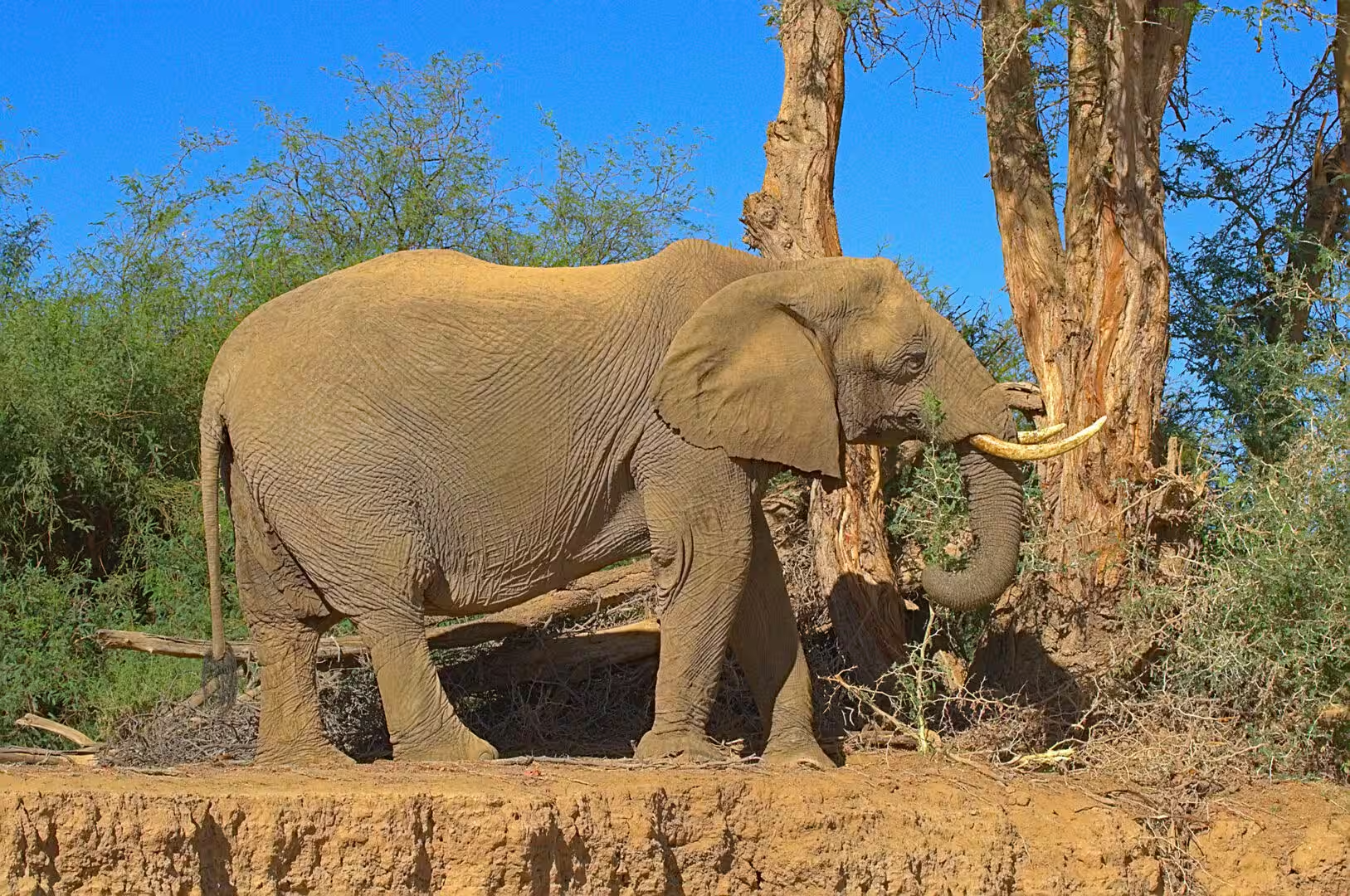
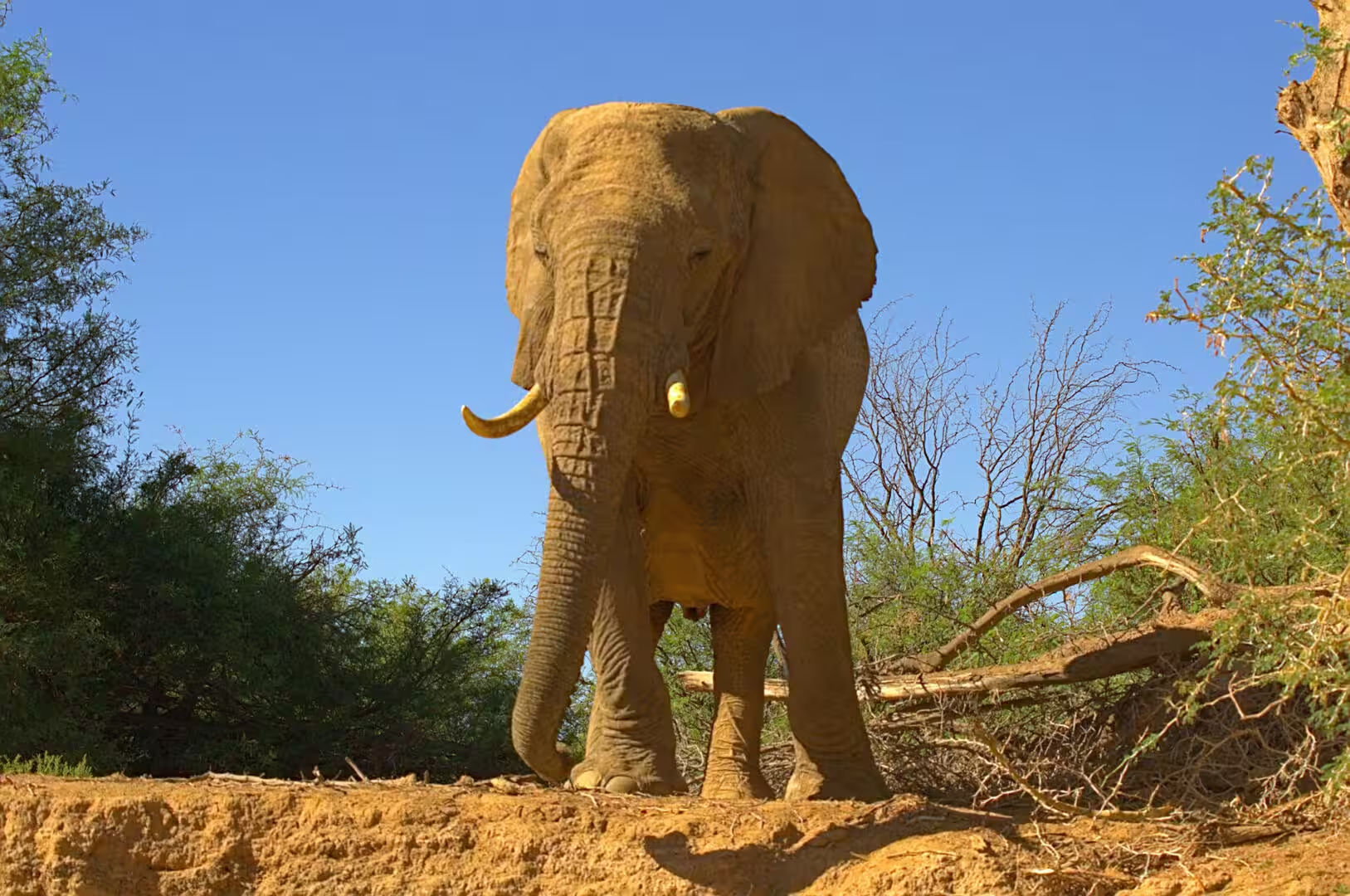
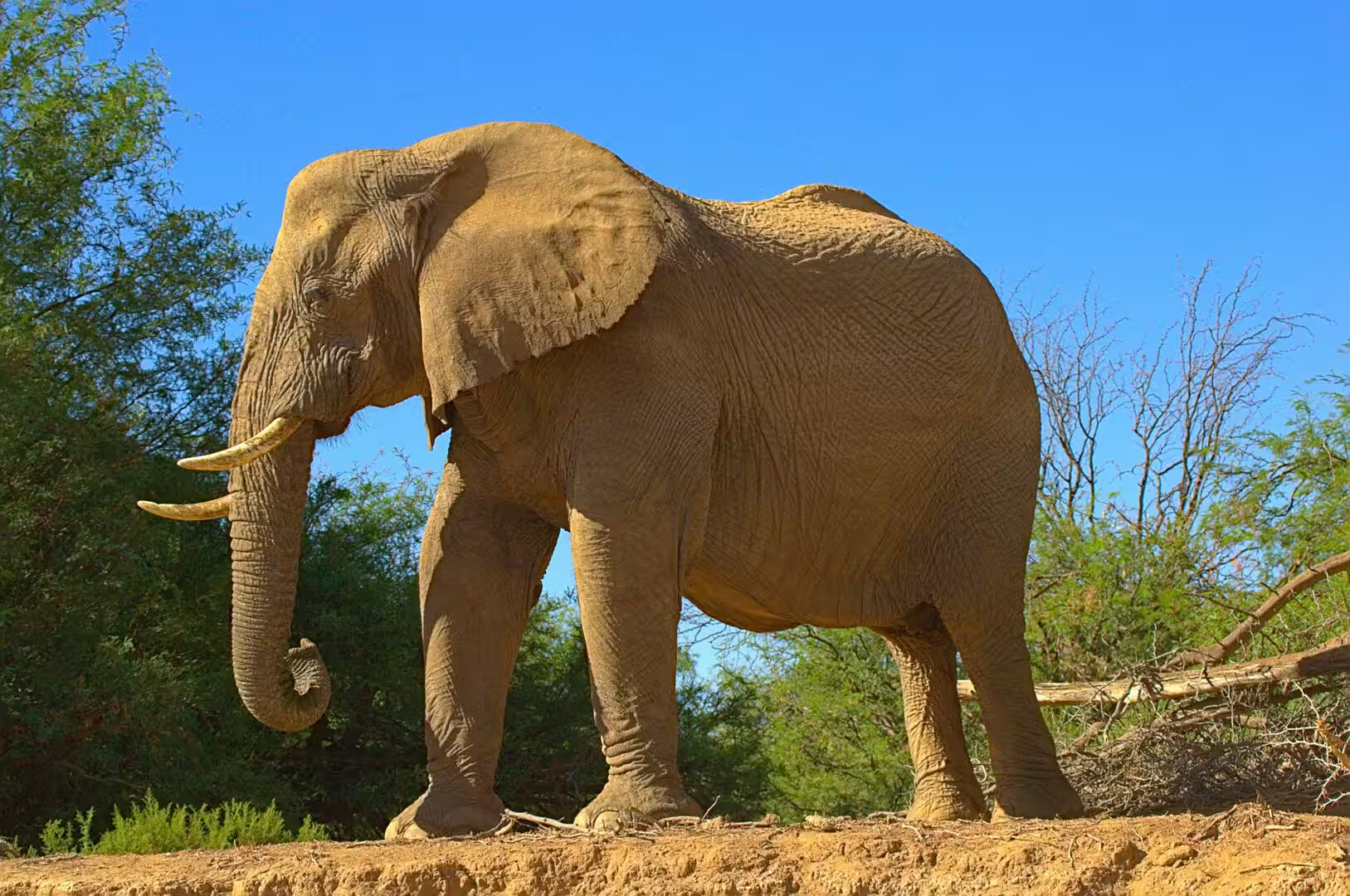
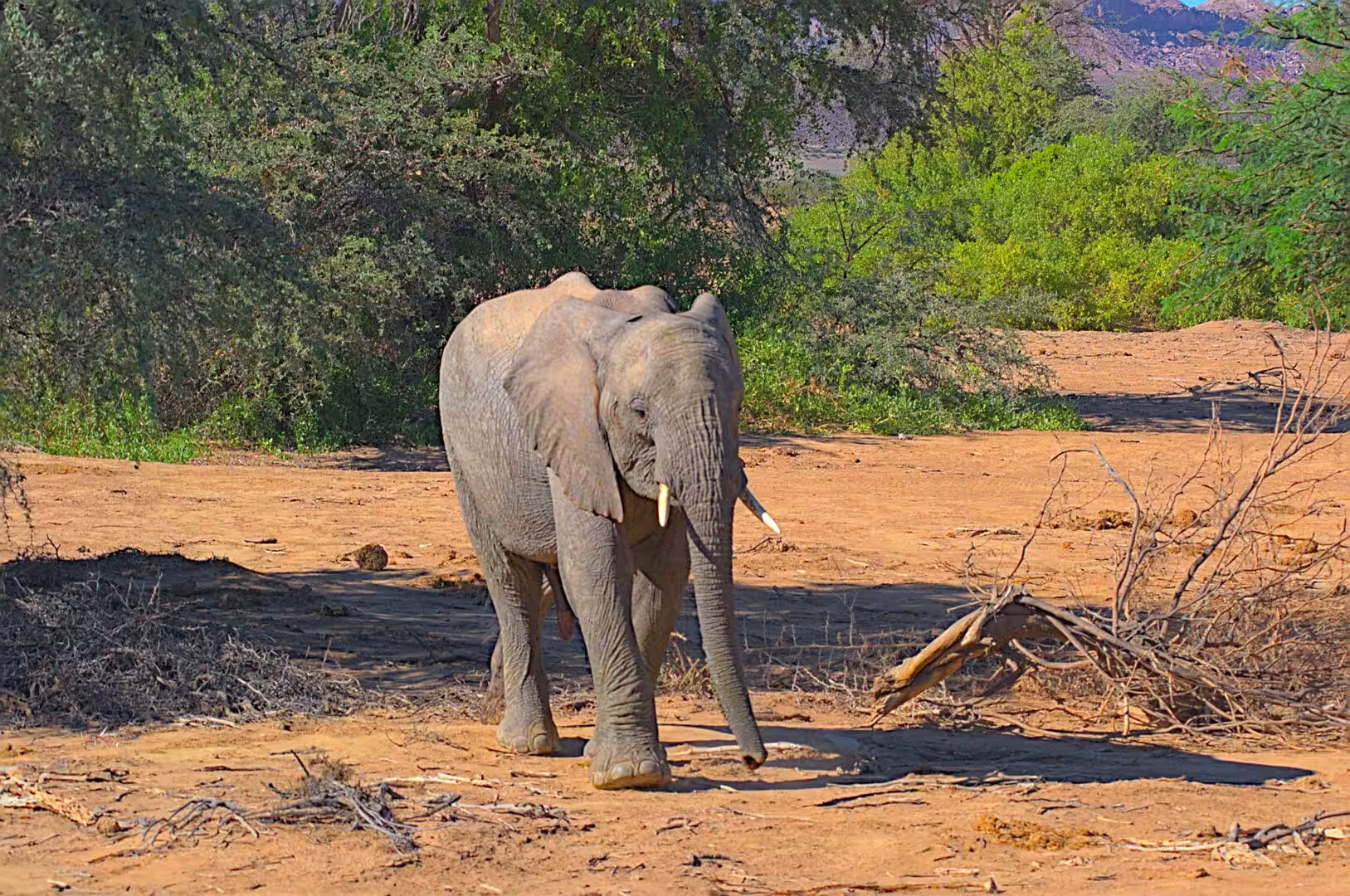
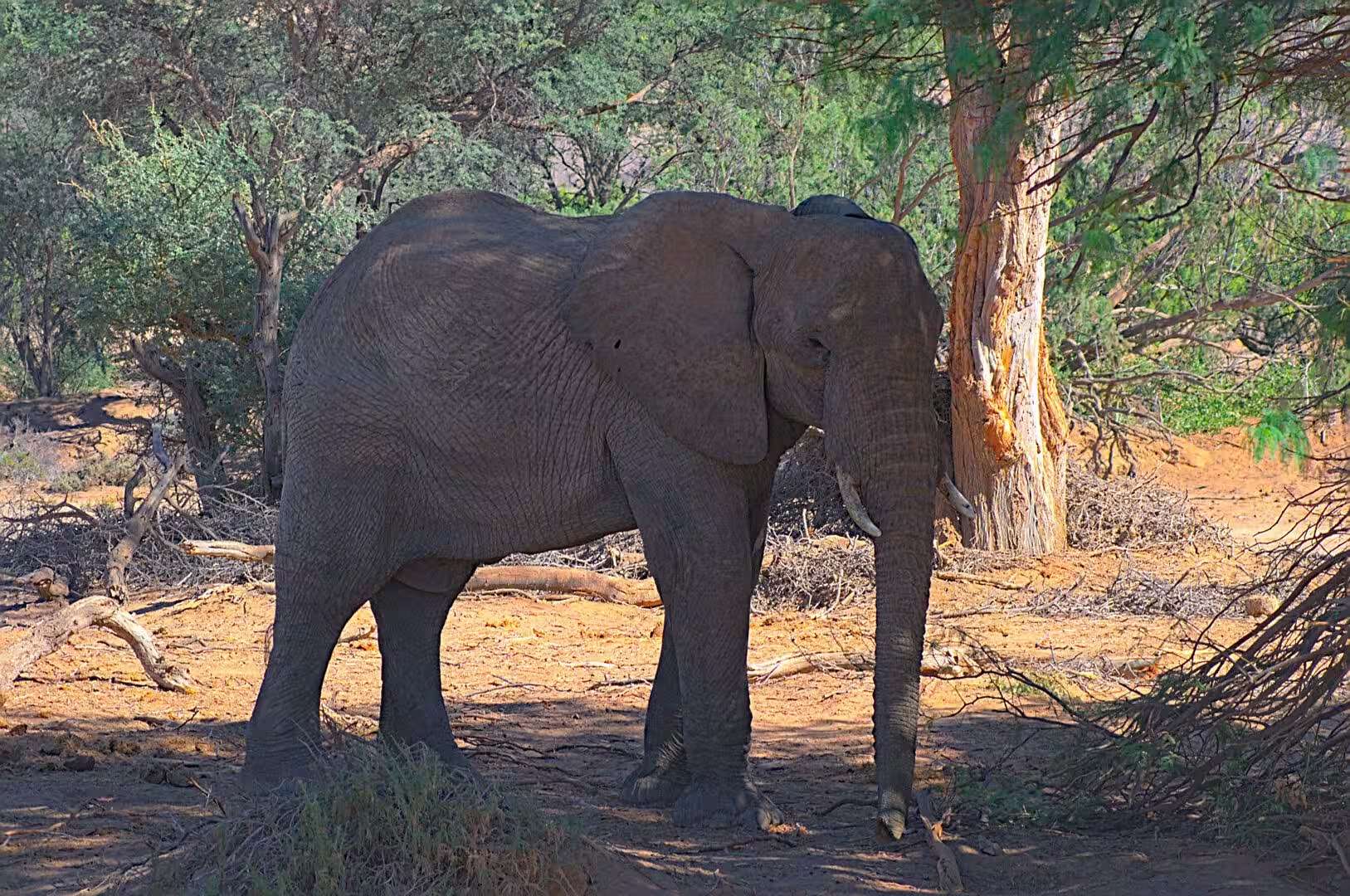
The elephants were the sight of the day. They came out of the scrub in the middle of the morning, a group of them with the long legs and the wide feet of the desert animals, and they were entirely unconcerned by the vehicle at a distance of forty metres. One of them browsed from a tree with its trunk raised, another stood head on with its tusks in the light, a third walked a dry bank in profile, and the sight of a bull elephant striding across red ground with green bush behind it is the image that the whole journey had been promising.
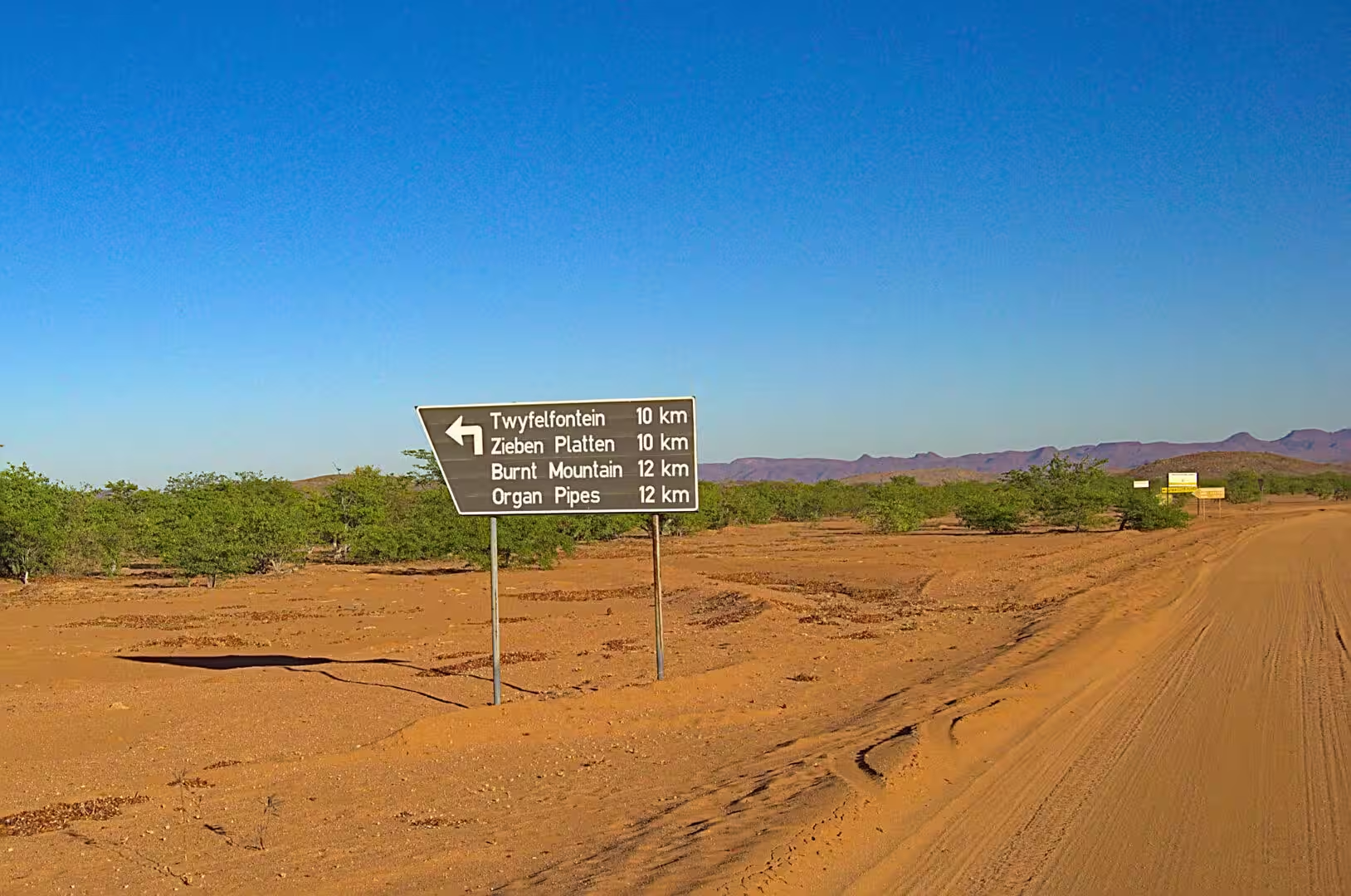
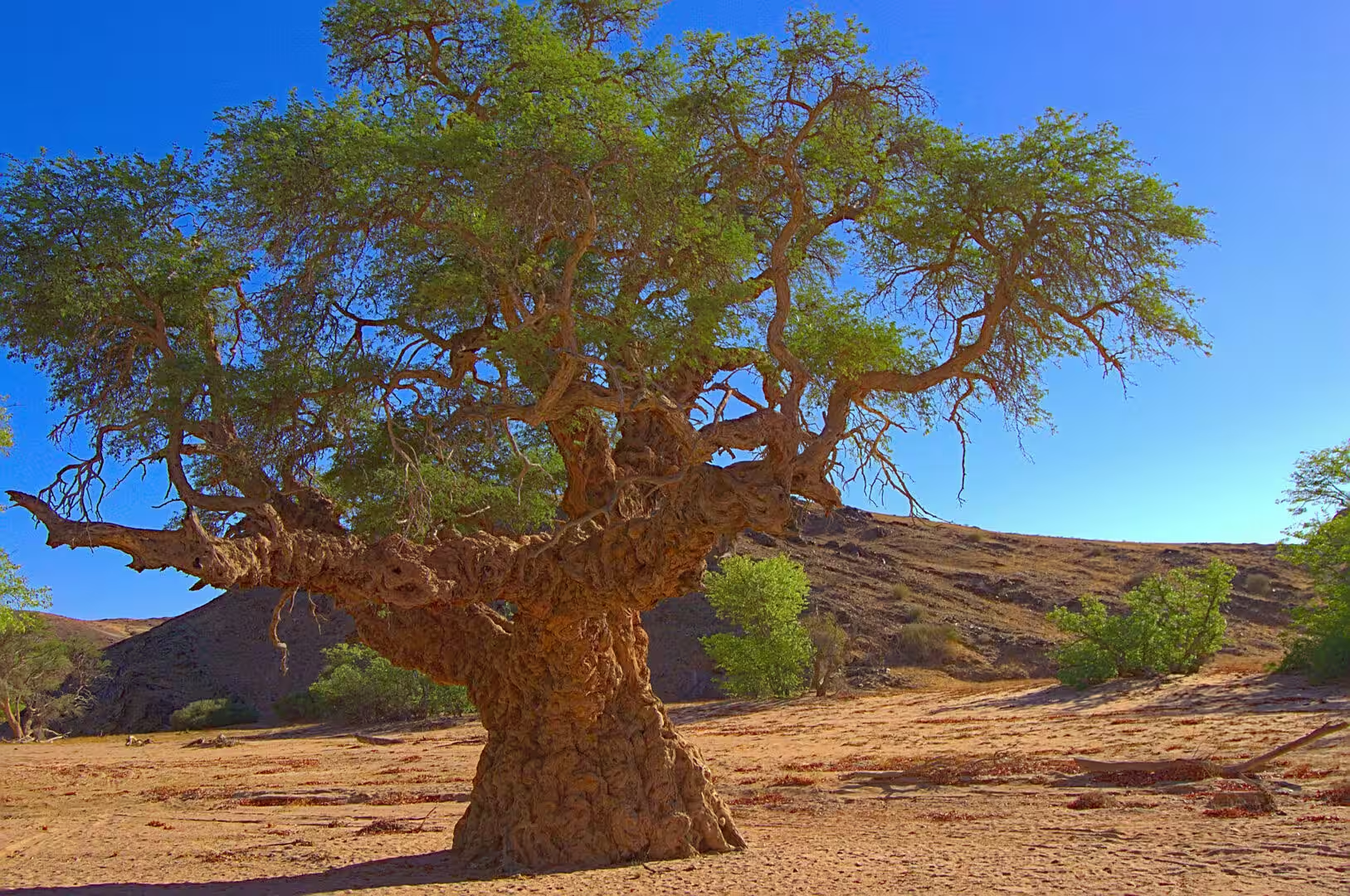
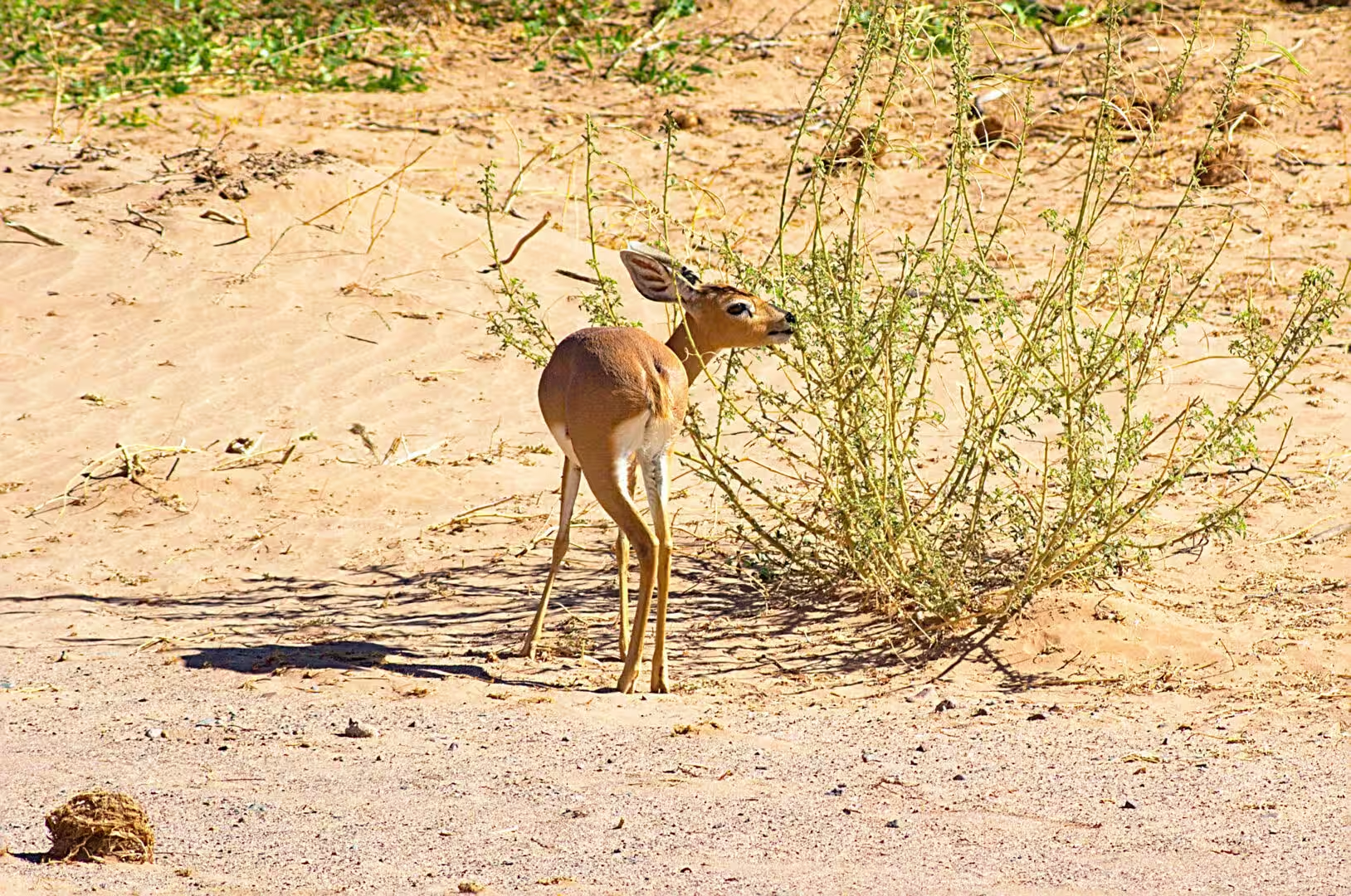
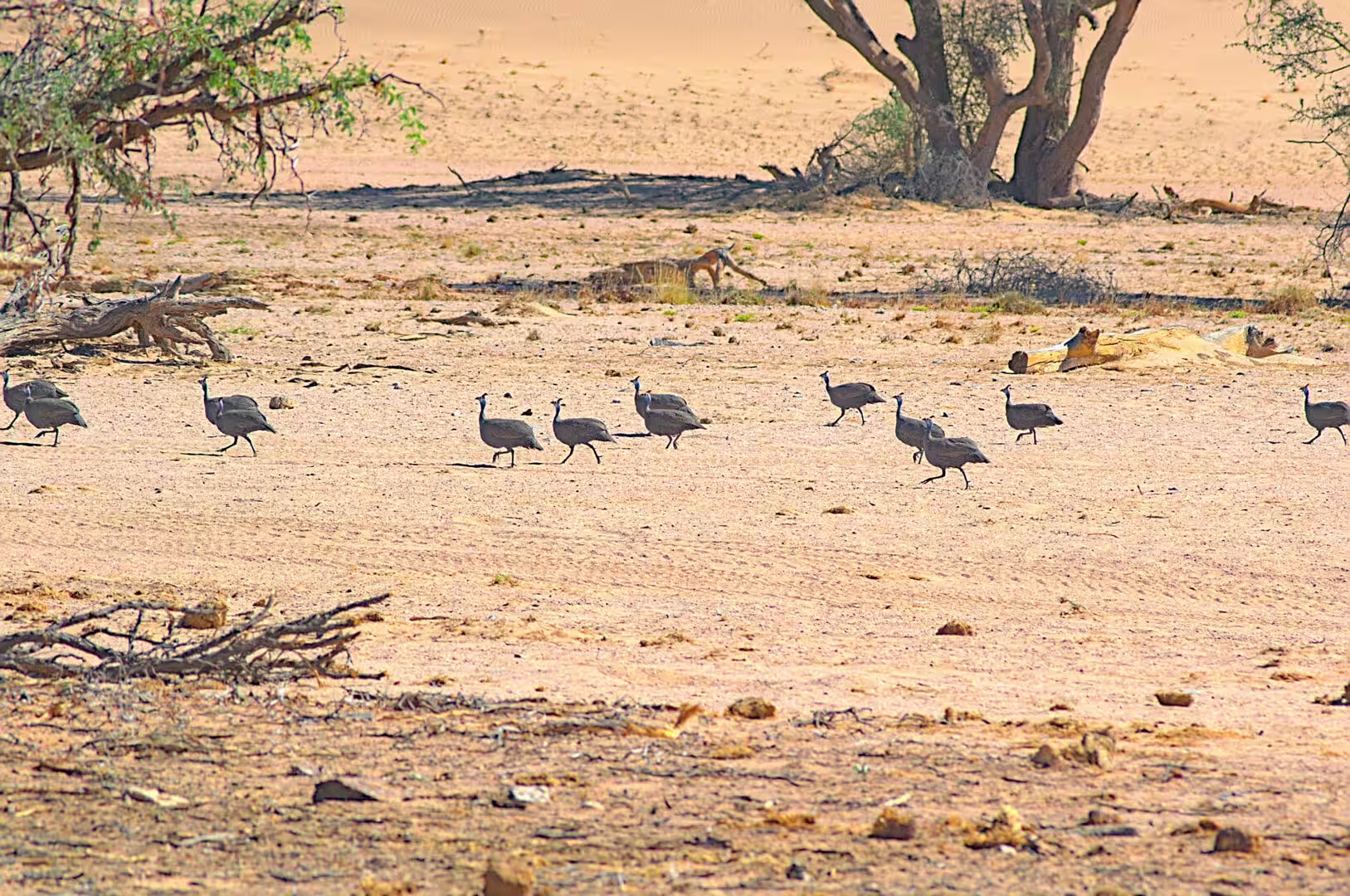
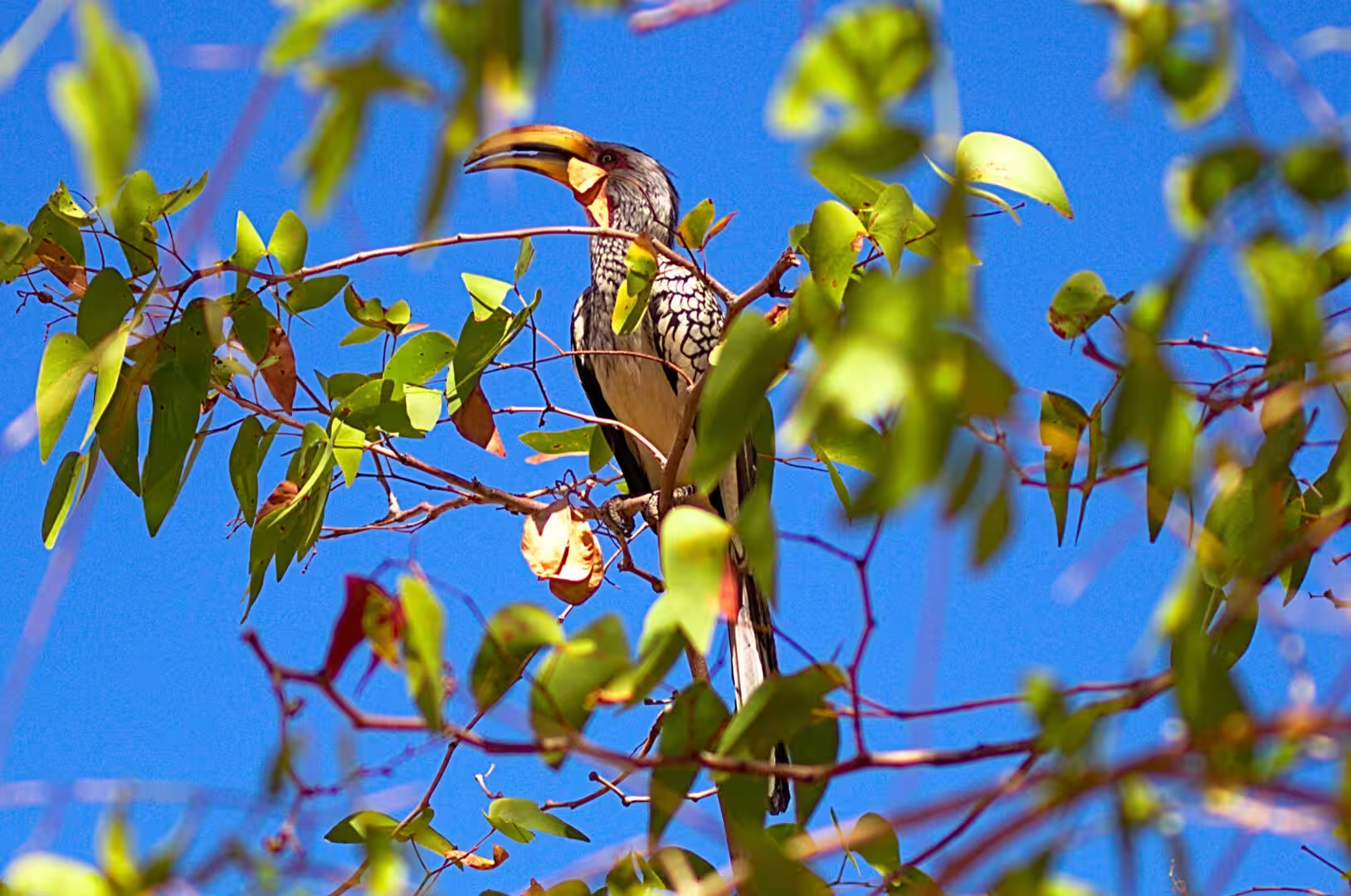
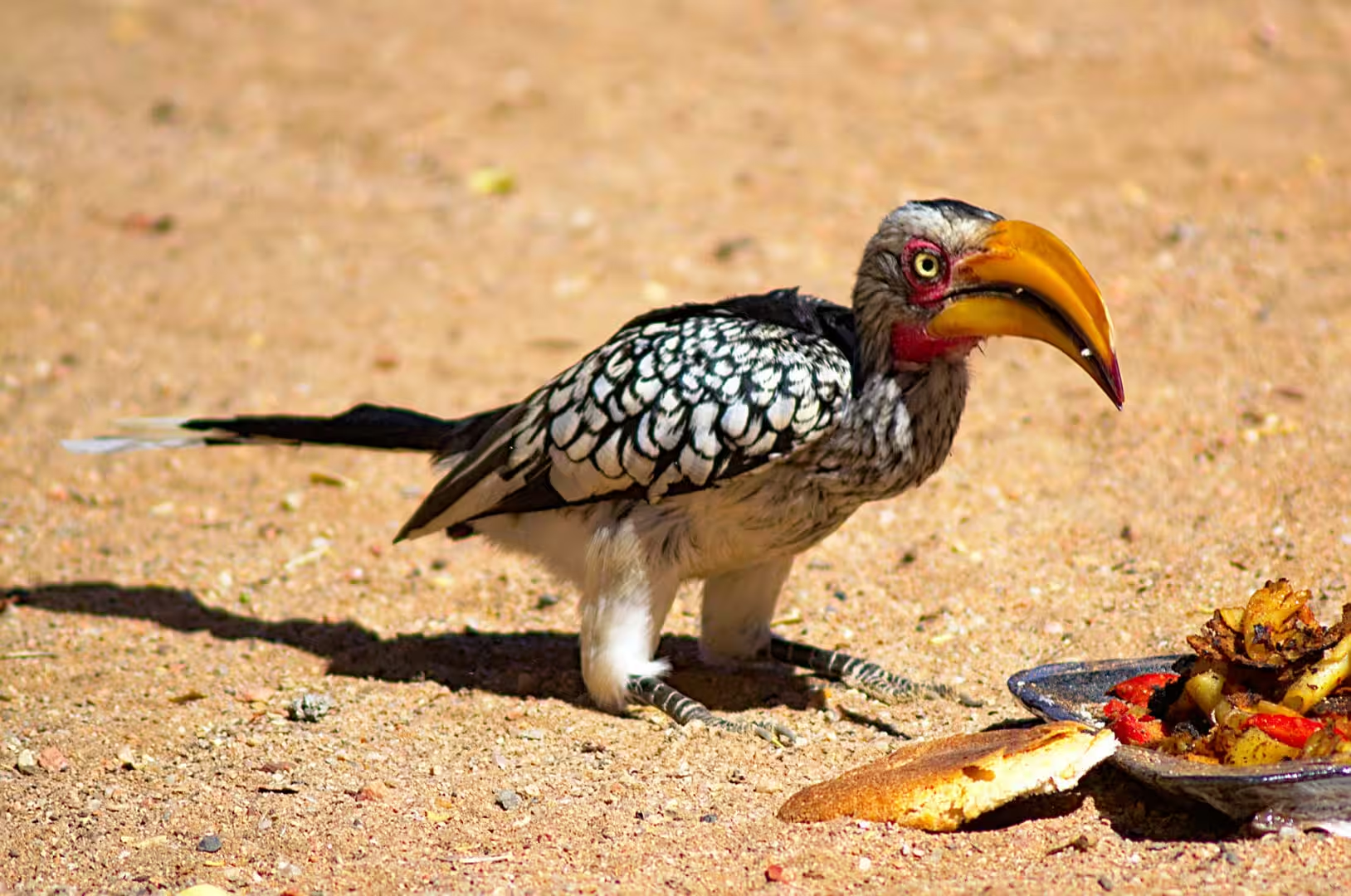
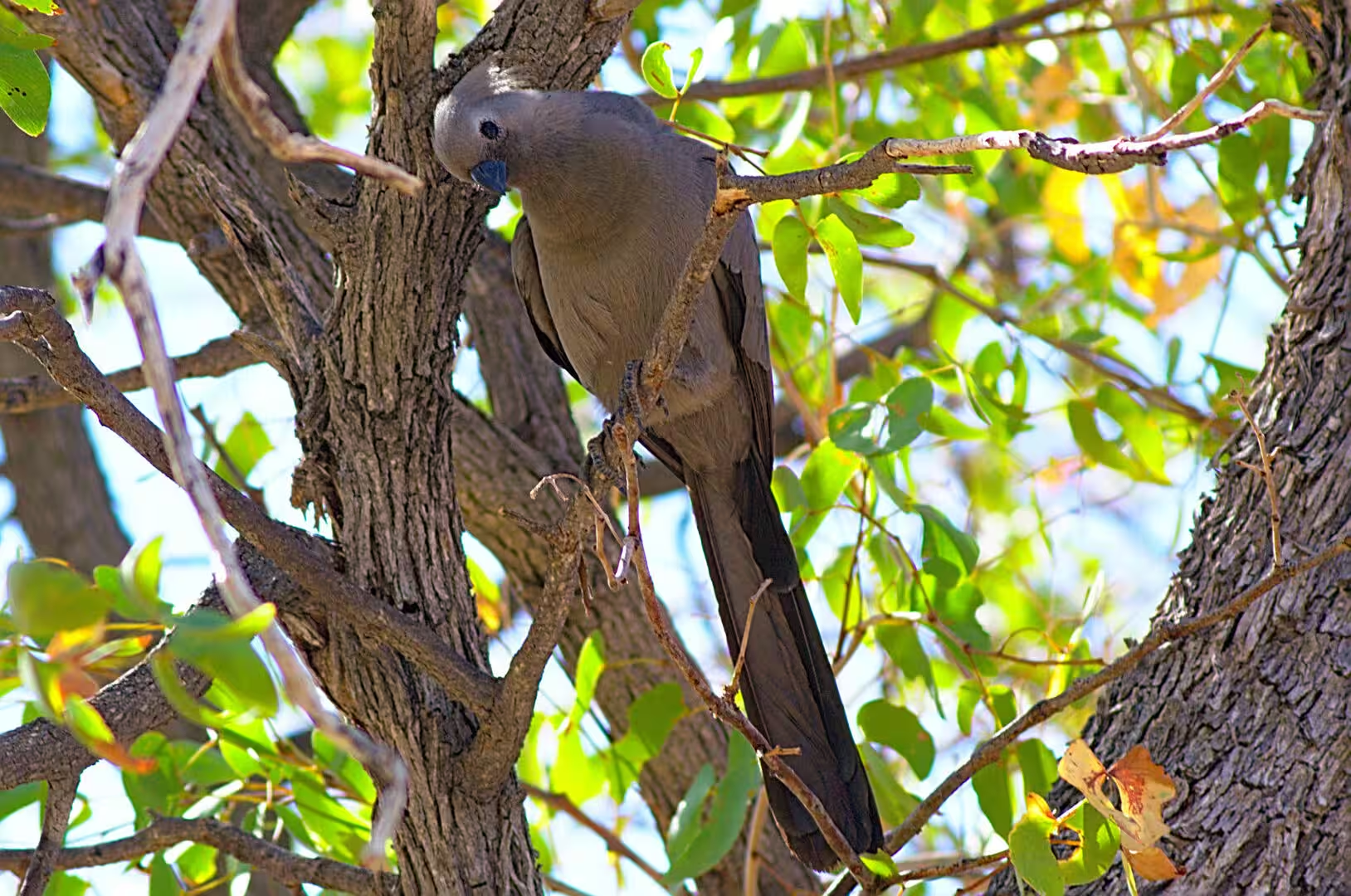
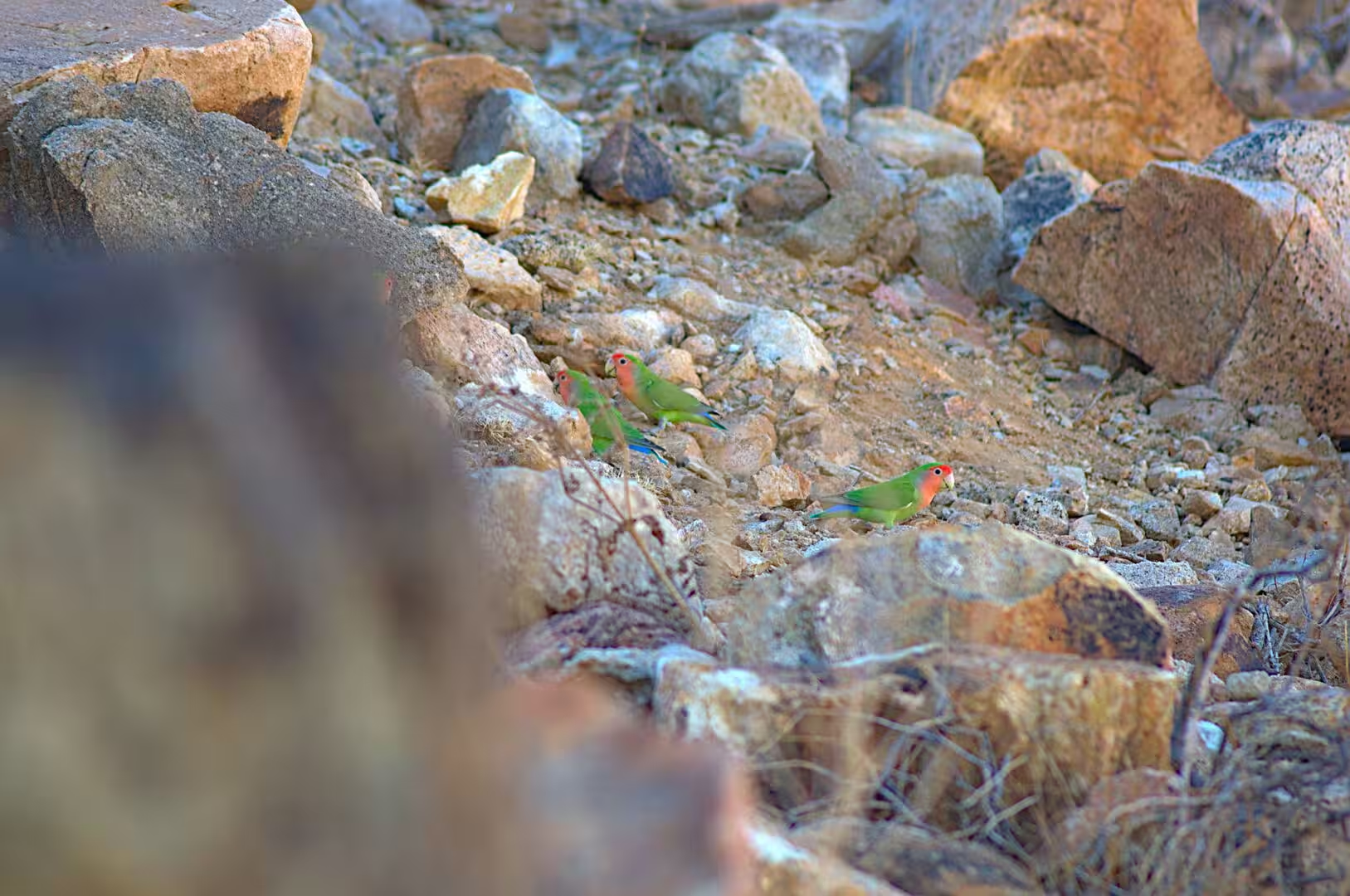
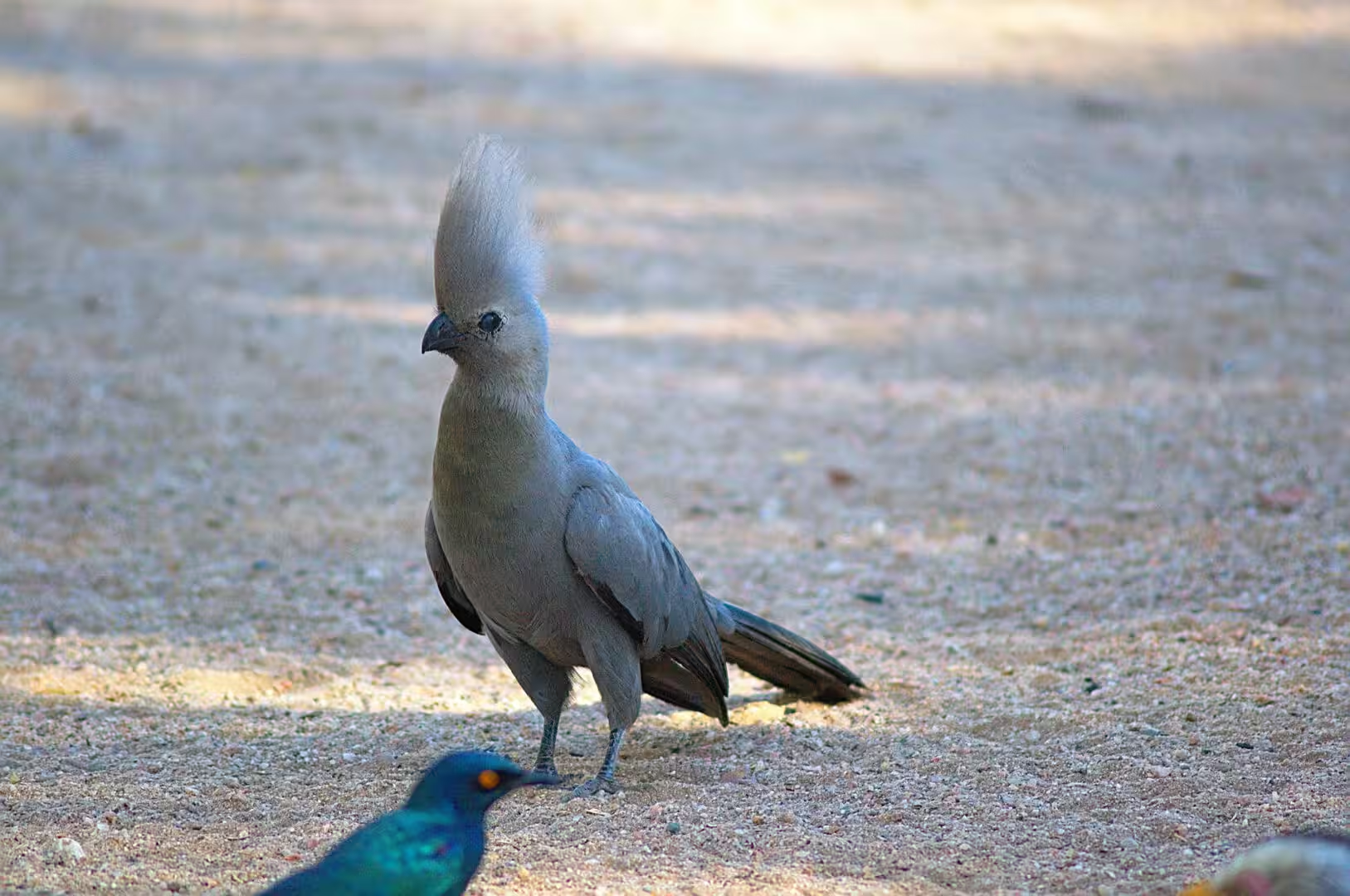
The rest of the day was the country of the riverbeds. The road signs at the crossings name the Twyfelfontein sites, the big gnarled trees stand in the sand of the watercourse, the guinea fowl stream along the ground in lines, and the birds of the dry country are all around: the hornbills with the yellow bills, the small grey bird with the blue patch around its eye, and the three little green birds with the rosy red faces that sit in the rubble of the slopes and give the day its colour.
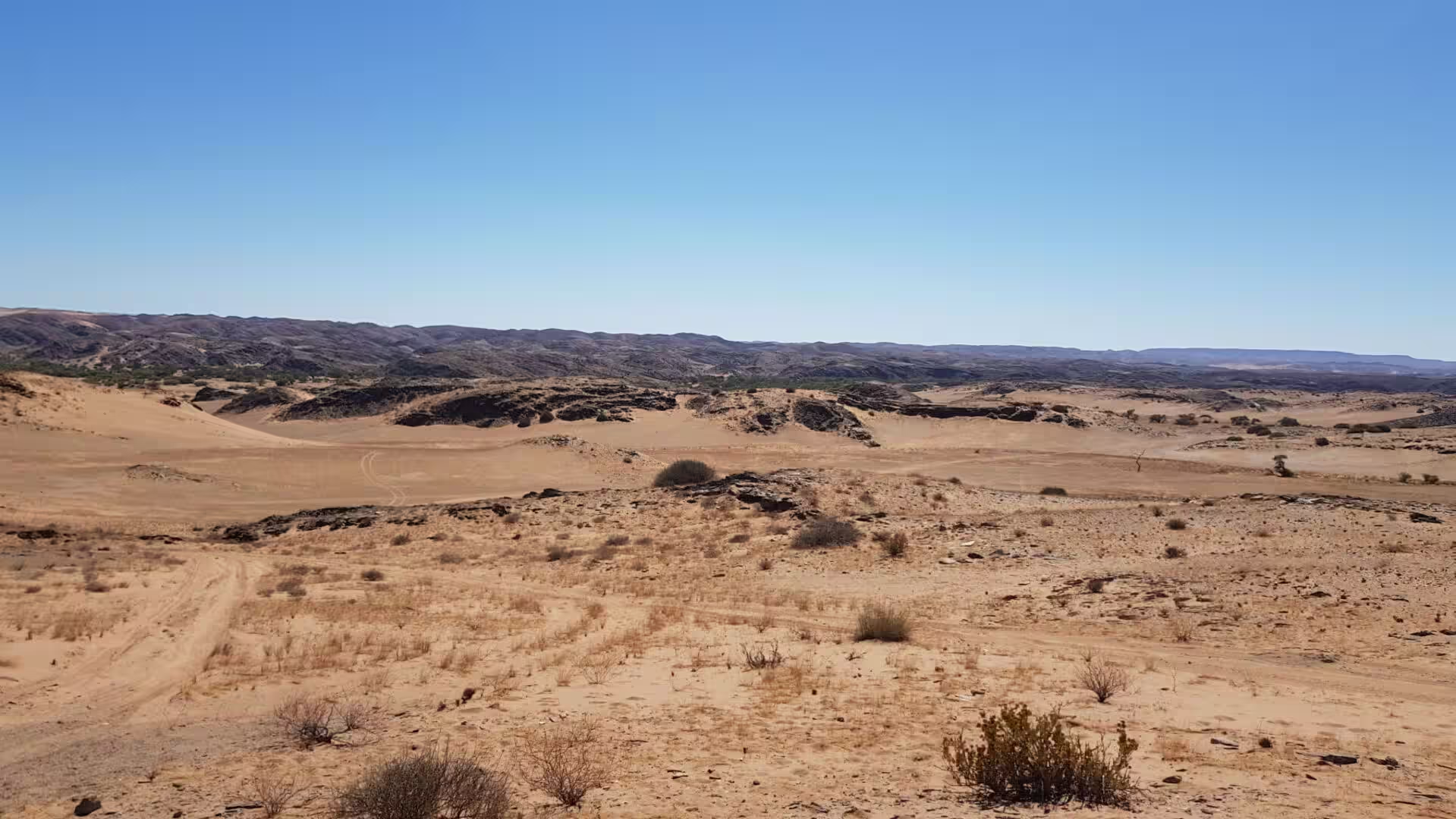
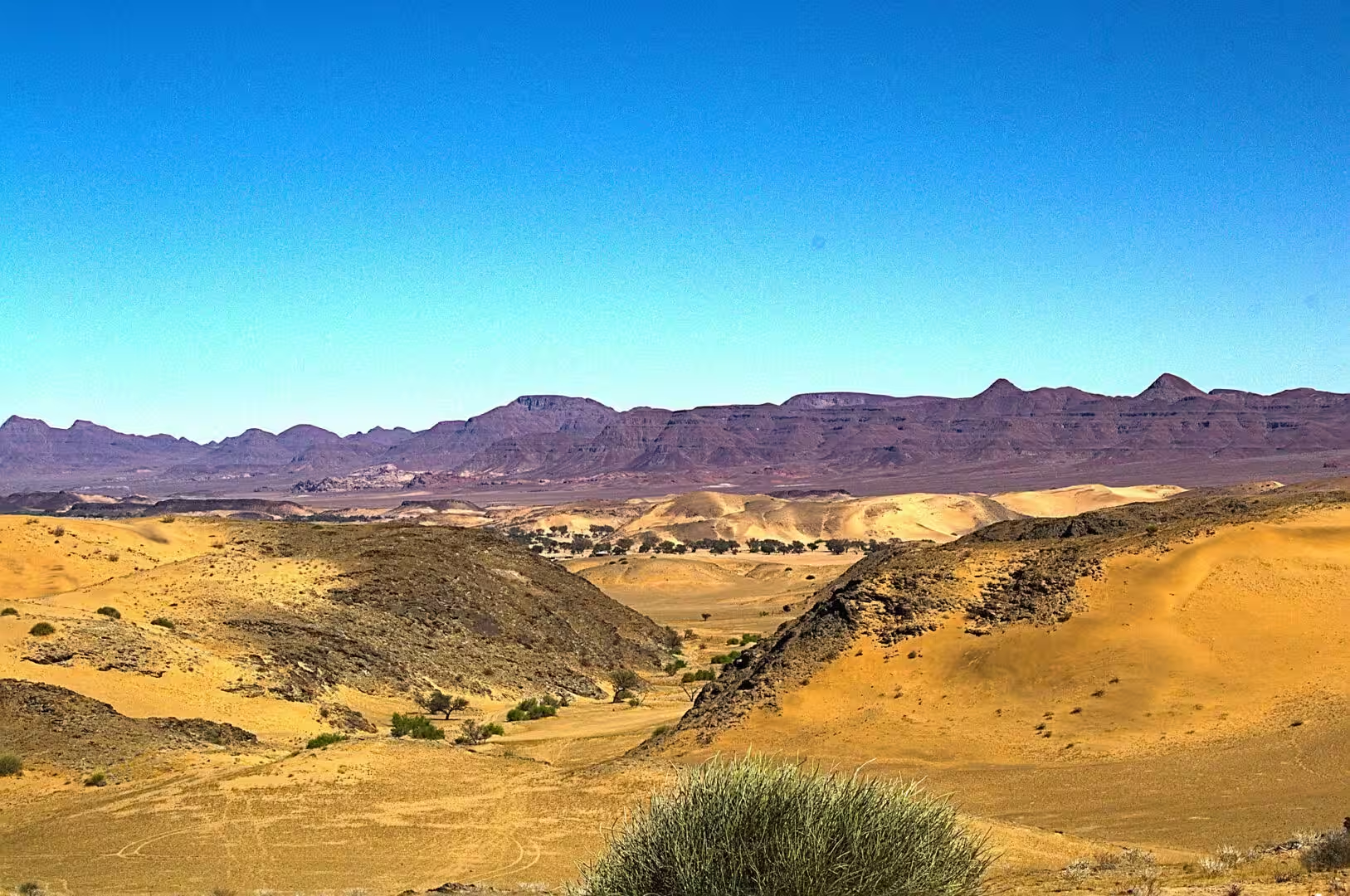
The camp of the night stands in the bush above the valley, and the evening was the evening of the elephant country: the fire, the sound of the guinea fowl going to roost, and the sky over the mountains of Damaraland. The dunes of the Namib were visible as a line of orange on the western horizon for the last time, and the traveller who climbs the ridge behind the camp at sunset sees the desert and the bush at once, which is the geography of this part of the country in a single view.
History
The elephants of the desert are the most famous animals of Damaraland and the reason for the convoys of vehicles that drive the riverbeds. They are not a separate species but African bush elephants that have made their home in the dry north west of Namibia, where they walk enormous distances between the water points, dig for water in the sand of the rivers, and live on the browse of the scrub in a country that receives the rain of a few weeks in the year. The population of the region was reduced to a remnant by the poaching of the 1970s and 1980s, and its recovery since is one of the successes of Namibian conservation.
The presence of the elephants is also the reason for the long argument about the land of the north west. The animals break the fences and the water installations of the farms, they cross the roads in the dark, and the communities whose fields they pass through carry the cost of living with them, while the income from the tourists who come to see them goes to the lodges and the guides. The conservancies of the region are the compromise that the country has found: the communities receive a share of the tourism income, they employ the trackers and the guides, and the elephants earn their keep.
The rock art of the same valleys is the older history of the elephants here. The engravings and the paintings of the region include elephants, and the animals have been part of the life of this country for as long as people have lived in it: the hunters of the stone age drew them, the traders of the nineteenth century hunted them for the ivory that went to the coast, and the farms of the twentieth century fenced the routes that they had walked for thousands of years. The elephant of today is at the end of a long history of coexistence and conflict.
The villages of the valley are part of the same story. The Damara communities of the Aba Huab and the neighbouring valleys have lived with the elephants for the whole of the modern period, and the trackers who find the animals for the visitors are men from those villages whose fathers and grandfathers knew the same herds. The visitor who takes a guided drive in the riverbed is buying the knowledge of the people of the place, and the money that it brings is the reason the knowledge is still there.
Geology
The riverbeds of Damaraland are the key to the geography of the whole region. The Aba Huab, the Huab and the Uniab, like the other rivers of the north west, run from the interior towards the Atlantic through a country that is almost without rain, and they carry water only in the flash floods of a storm in the mountains. For the rest of the year they are beds of sand with water a metre or two below the surface, and the plants, the animals and the people of the region all depend on the moisture that the sand holds.
The sand of the riverbeds is the reason the elephants can live there. The animals dig holes in the bed with their feet and their trunks and drink the water that seeps in, and the holes they leave are used by the antelopes and the other animals of the valley. The same water is the water of the trees: the camelthorns and the other large trees of the beds have roots that reach it, and they stand in lines along the courses of rivers that have not flowed for a year, which is the most striking sight of the region.
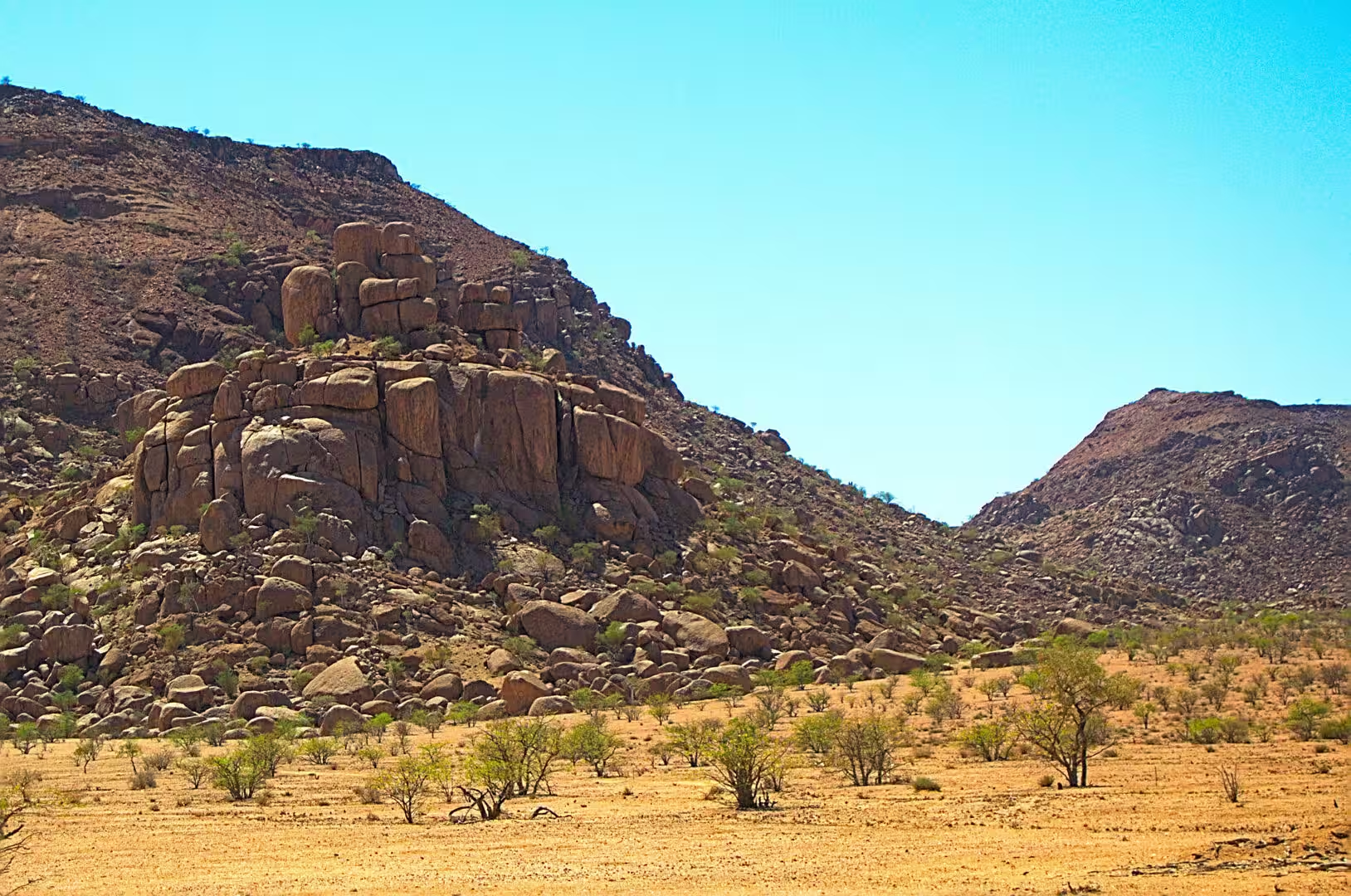
The rocks around the valleys are the volcanic and the granite country of the Erongo region. The boulders of the hillsides are the eroded remains of older rock, the dark ridges are the dolerite that intruded the sediments, and the granite of the interior that was molten more than a hundred and twenty million years ago stands in the rounded domes that the visitor sees from the road. The dunes that appear on the western horizon belong to the other system: the sand of the coast, blown inland, is the edge of the desert that the day saw for the last time.
The climate of the region is the dry tropics of the south. The rain comes in the summer, it falls in violent local storms that fill the riverbeds for a few hours and are gone, and the rest of the year is hot and dry. The vegetation is the scrub and the succulents of a land that is watered by a few weeks of storms, the animals move with the rain, and the visitor who reads the road reports of the region will find that the same storm that makes the driving difficult brings the whole country to life.
Things to See
The elephants are the sight of the day and the guided drive is the way to see them. The camps and the lodges of the Twyfelfontein and the Aba Huab area run the drives in the riverbeds in the morning and the late afternoon, with the trackers of the community, and the vehicles that find a herd at a water hole spend an hour watching it at a respectful distance. The animals of the region are used to the vehicles and to the people in them as long as the rules are followed, and the rules are the ones the guides explain before the drive starts.
The birds of the riverbeds are the second attraction of the day. The hornbills of the dry country, the rosy-faced lovebirds that sit in the rubble of the slopes, the guinea fowl that stream along the ground in lines, the small raptors on the poles of the road and the shrikes of the thorn bushes are the wildlife of every stop, and the visitor who waits quietly beside a water hole will see more of them in an hour than on a whole day of driving. The binoculars are worth more than the lens in this country.
The rock art of the region can be added to the day and is the same story as the elephants. The engravings of Twyfelfontein and the sites of the riverbed valleys include the elephants of the time of the hunters, the sites are protected and are visited with the guides of the community, and the visitor who has seen the animals in the morning and the engravings of them in the afternoon has had the two halves of the history of this landscape in one day.
The camp and the evening are the end of the day, and in this part of the country they are simple and good. The camps of the region are set in the bush above the valley, the water comes from the tanks, the fire and the small kitchen produce the evening meal, and the sounds of the night are the bark of the geckos, the call of the owls and the wind in the trees of the riverbed. The traveller who sits out after dinner and listens to the country will hear the elephants, if they are near, as a sound of branches and a low rumble, and will not forget it.
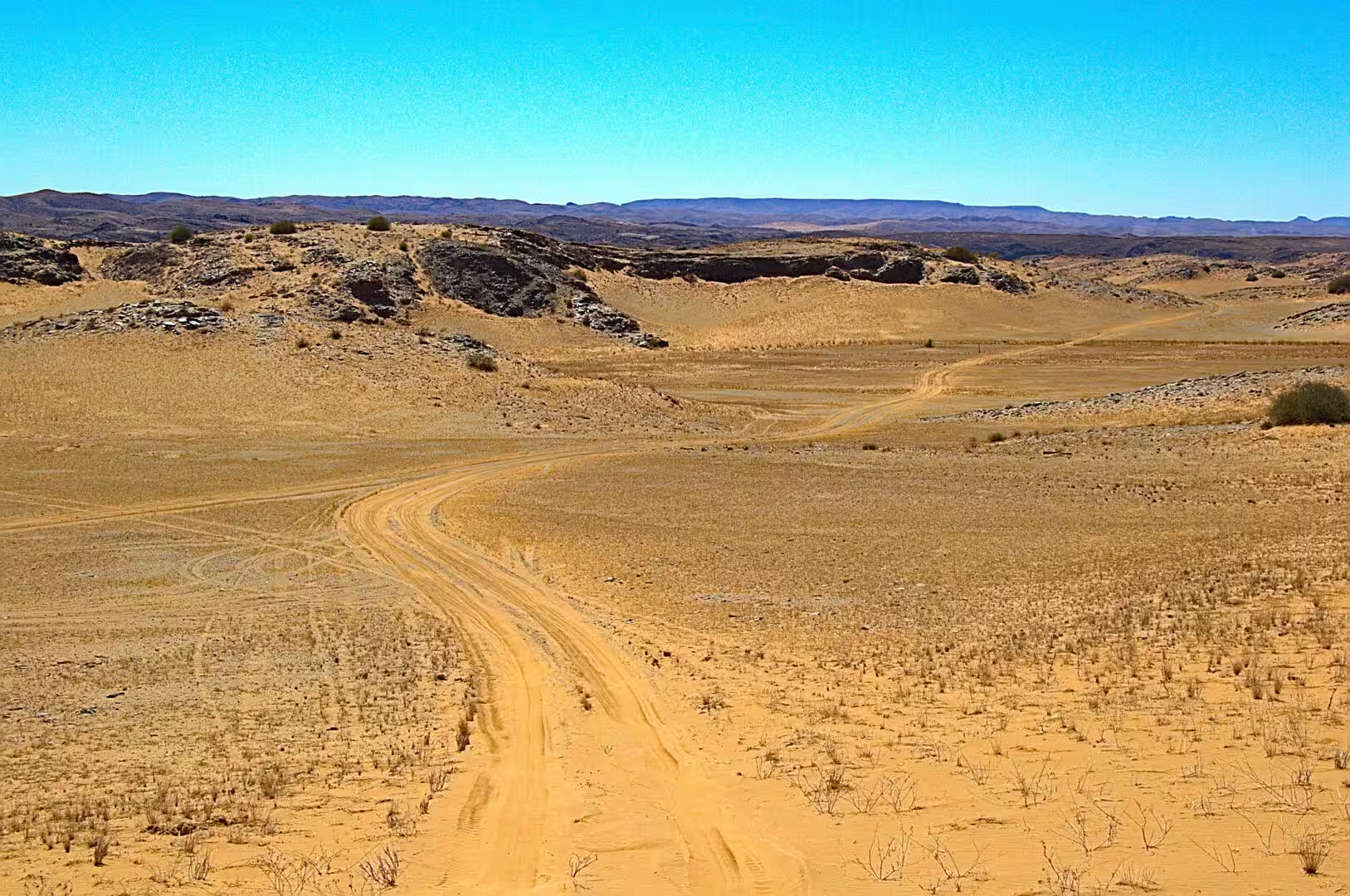
The practical side of the day is the practical side of the whole north west. The roads are gravel and sand, the riverbeds are firm in the dry season and impassable in a flood, the fuel is at Khorixas and at the few stations of the small towns, and the water and the food have to be carried. The drives for the elephants are booked at the camps, the guides decide where to go on the day according to the tracks, and the visitor who accepts the pace of the animals rather than their own will have the best of the experience.
The water of the riverbed is the last thing to look at before leaving the valley. The holes that the elephants dig in the sand fill overnight with the water that seeps in from the surrounding bed, the antelopes and the birds of the valley use them in the morning, and the holes themselves, a few metres across and a metre deep, are the wells of the whole community of the place. The traveller who stops at one of them at the end of the afternoon and watches the animals arrive will have the natural history of Damaraland in a single scene.
References
- Wikipedia contributors (2026). Twyfelfontein. en.wikipedia.org/wiki/Twyfelfontein
- Wikipedia contributors (2026). Desert elephant. en.wikipedia.org/wiki/Desert%20elephant
- Wikipedia contributors (2026). Damaraland. en.wikipedia.org/wiki/Damaraland
- Wikipedia contributors (2026). Damara people. en.wikipedia.org/wiki/Damara%20people
- Wikipedia contributors (2026). Springbok. en.wikipedia.org/wiki/Springbok
- Wikipedia contributors (2026). Rosy-faced lovebird. en.wikipedia.org/wiki/Rosy-faced%20lovebird
- Wikipedia contributors (2026). Khorixas. en.wikipedia.org/wiki/Khorixas
- Wikipedia contributors (2026). Uis. en.wikipedia.org/wiki/Uis
- Wikipedia contributors (2026). Namibia. en.wikipedia.org/wiki/Namibia
- Wikipedia contributors (2026). Erongo Region. en.wikipedia.org/wiki/Erongo%20Region
- Wikipedia contributors (2026). Brandberg Mountain. en.wikipedia.org/wiki/Brandberg%20Mountain
- Wikipedia contributors (2026). Kunene Region. en.wikipedia.org/wiki/Kunene%20Region
- VILJOEN P.J. (1989) Habitat selection and preferred food plants of a desert‐dwelling elephant population in the northern Namib Desert, South West Africa/Namibia. African Journal of Ecology. 27. 227-240. doi.org/10.1111/j.1365-2028.1989.tb01016.x
- Jones T., Wesley D. (2016) Towards multiple ontologies. Hunter Gatherer Research. 2. 275-301. doi.org/10.3828/hgr.2016.21