Day 2 - Marrakech
Journal Notes
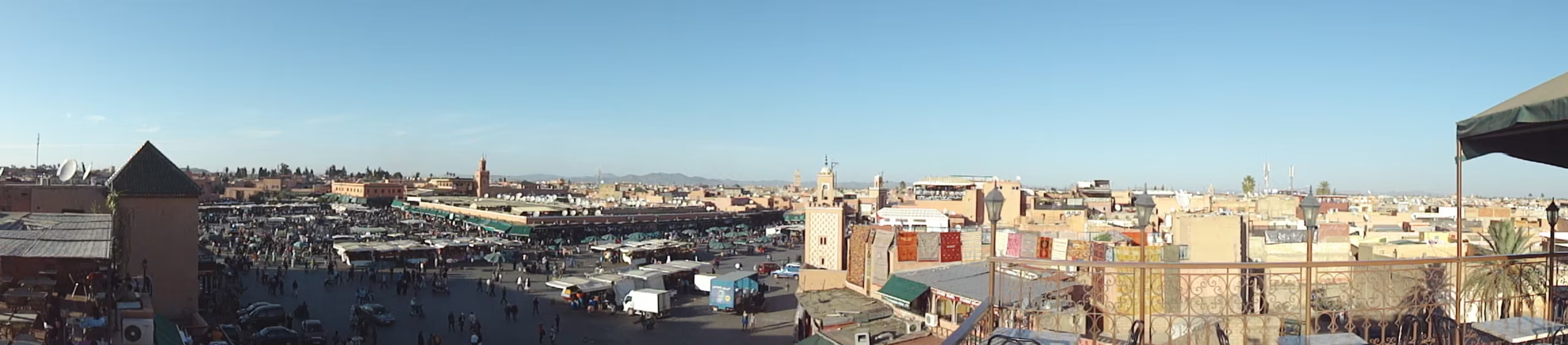
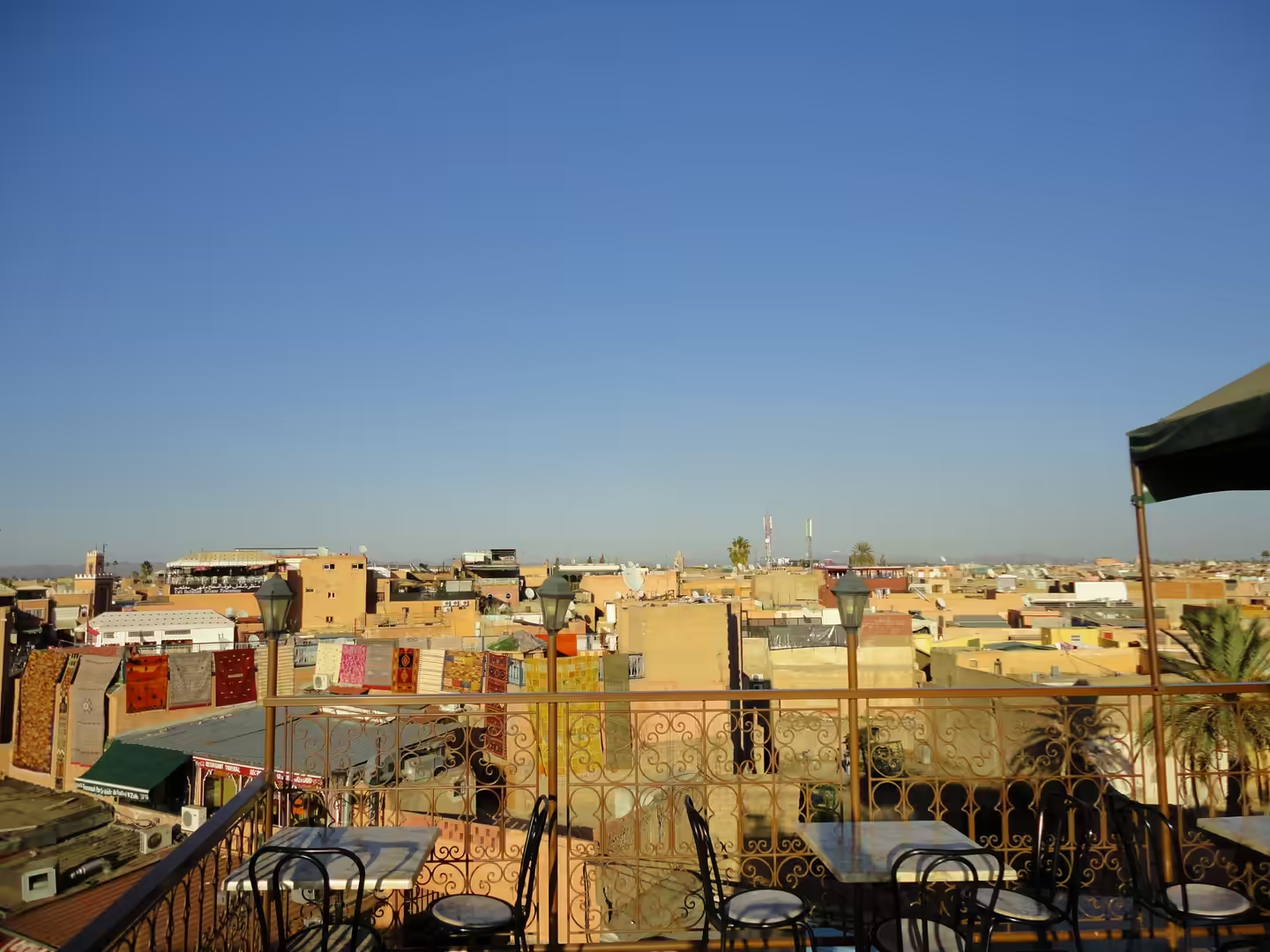
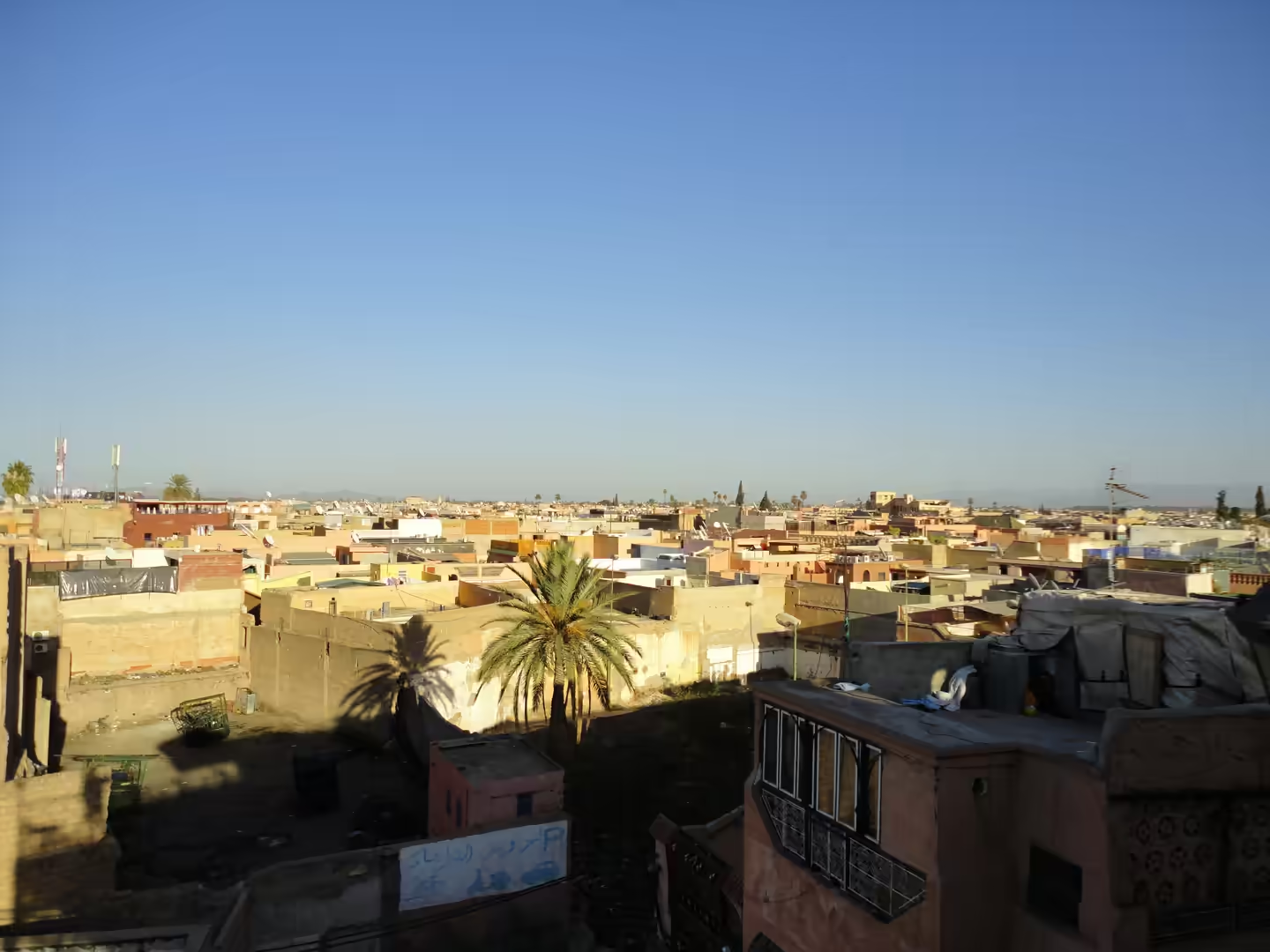
Around 05:30 I was woken by the muezzin, who broadcast his message at an extremely high volume. Nevertheless, I turned over and went back to sleep, then went up to the roof terrace for breakfast around 07:00. The view from there was not very spectacular, and the temperatures were also not very high. Only the rising sun brought some warmth.
For breakfast we had flatbread with all kinds of sweets. Two older Italians were also there, but soon disappeared again. The roof terrace had an opening of approximately 3 × 3 meters, extending down two floors to the ground floor. The building was therefore open at the top. To protect against rain, a plastic sheet had been stretched inside as a funnel, ending in a hose that drained the rainwater away.
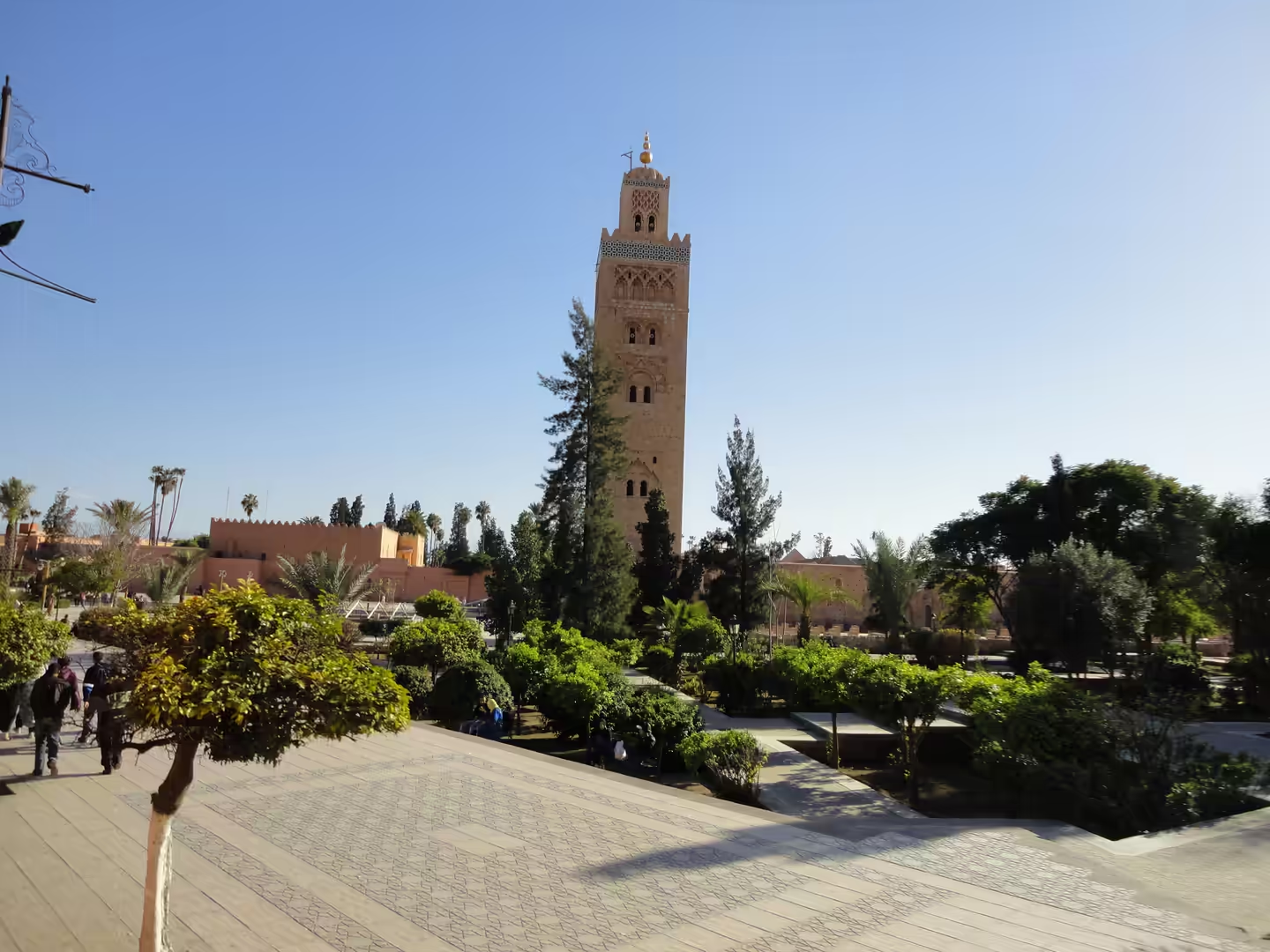
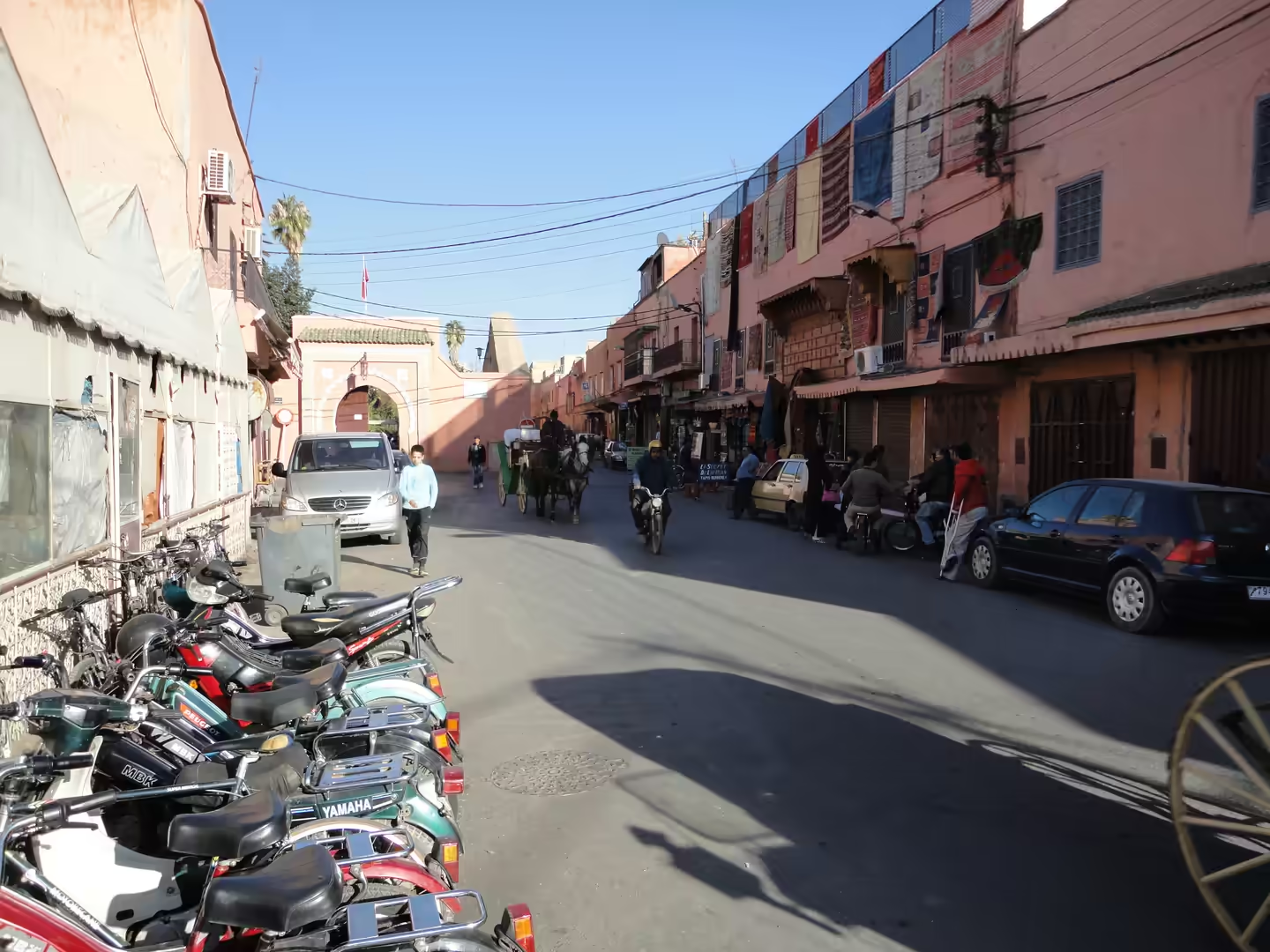
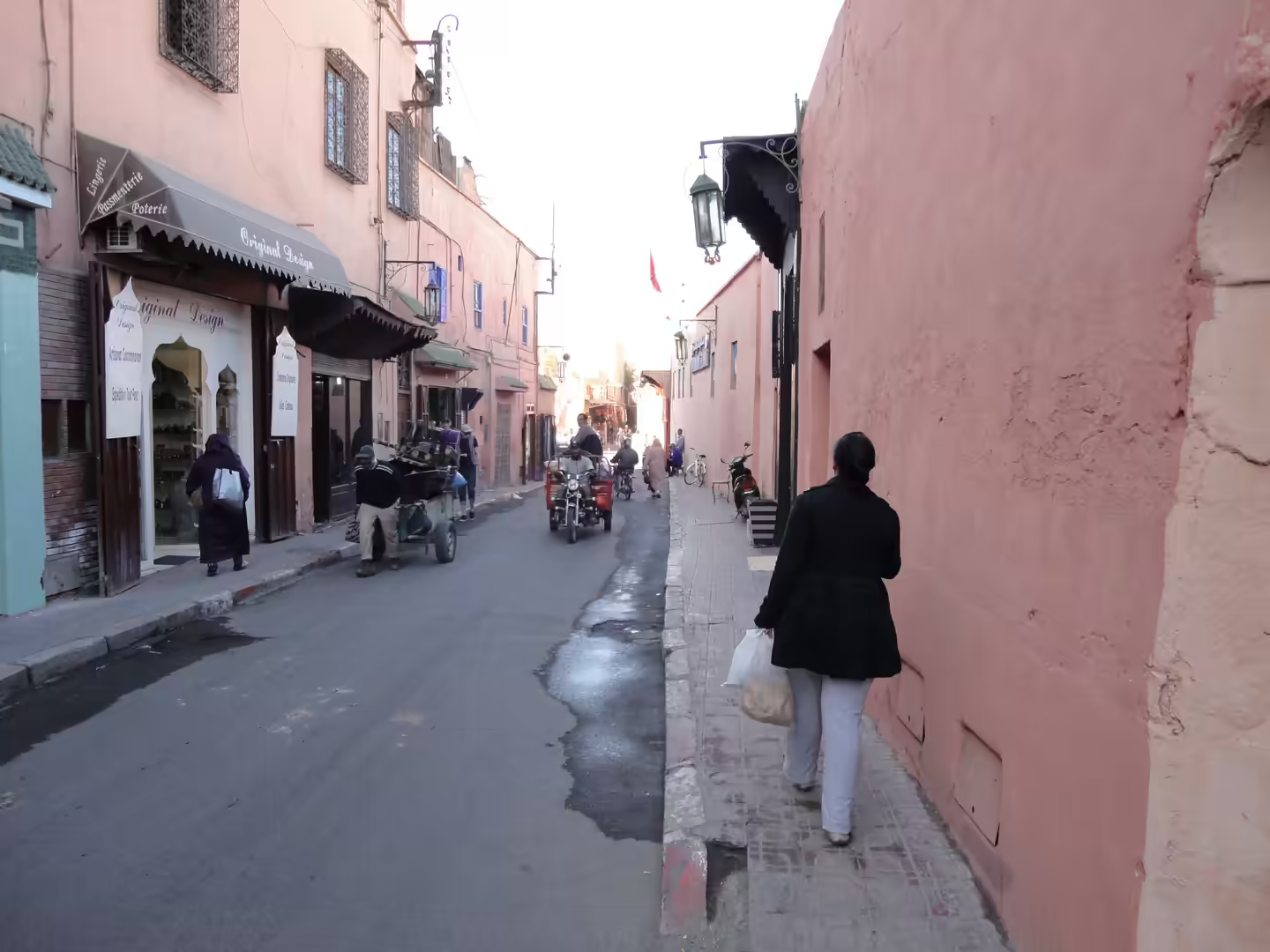
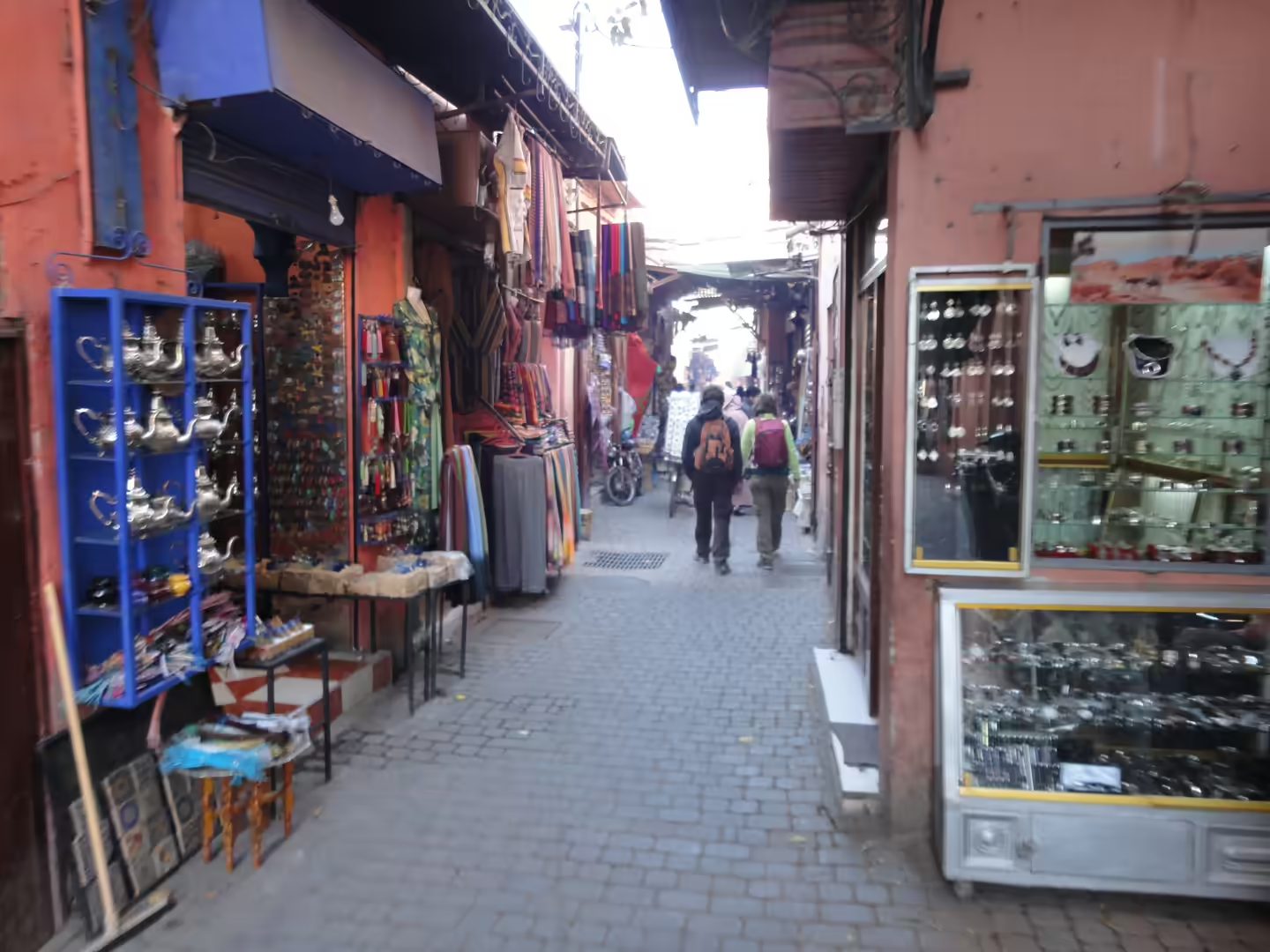
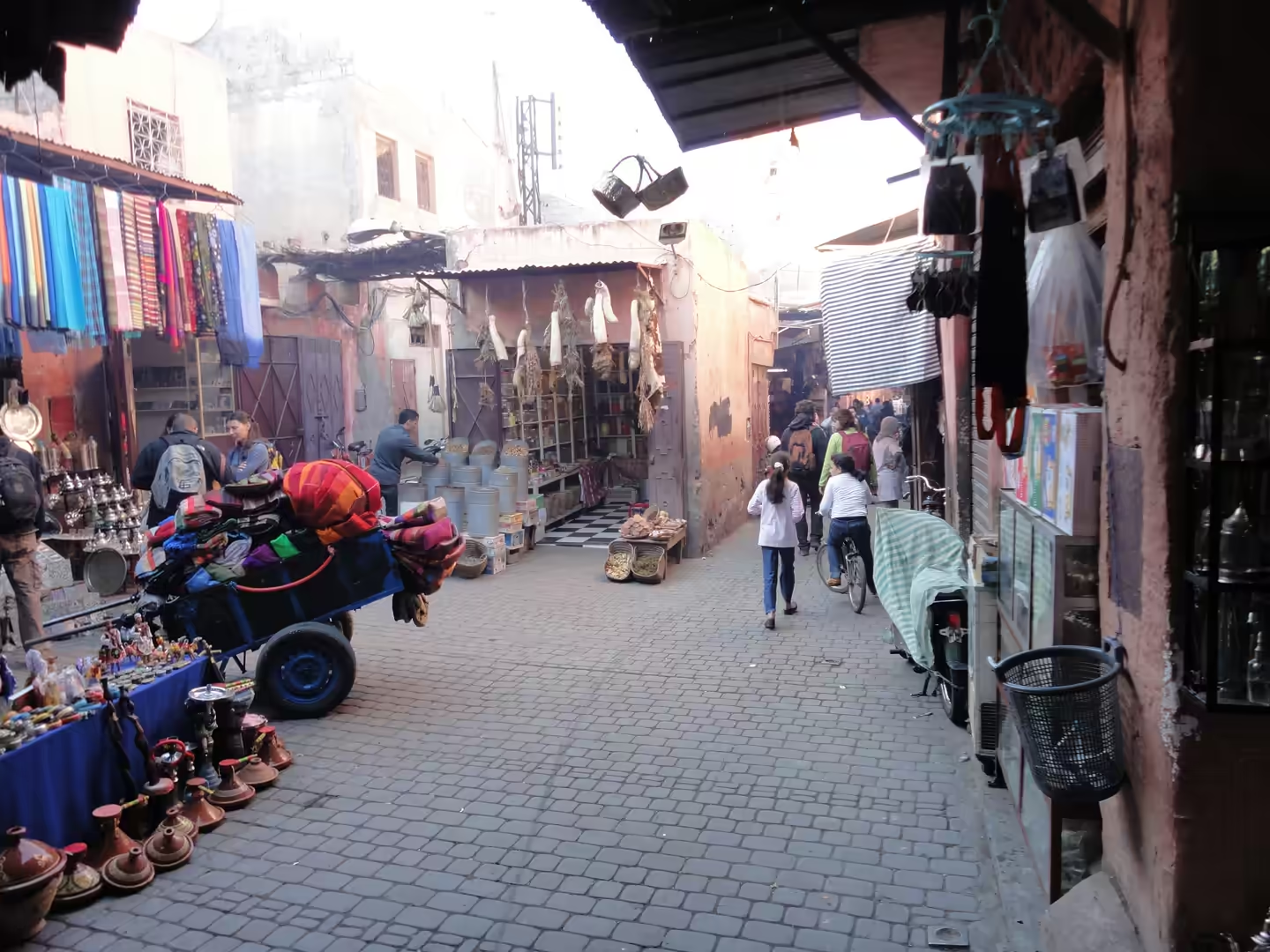
After some typical mint tea, I freshened up in the bathroom and headed toward Djemaa el Fnaa. On the way through the medina, the narrow lanes were already lively again, though nothing compared to the crowds of the previous night. There was something to see everywhere, but nothing that really interested me. In any case, I couldn’t take anything with me due to the 10 kg luggage limit.
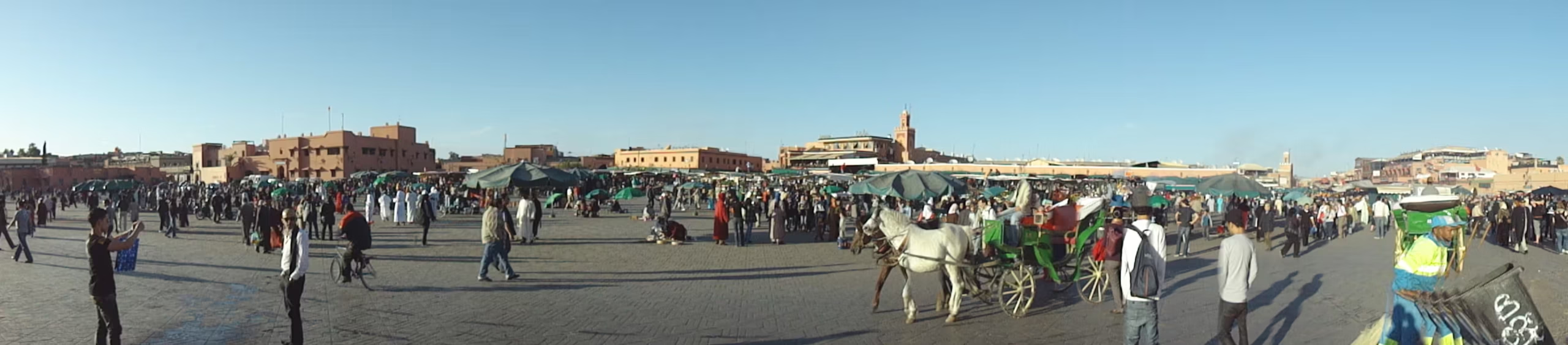
Djemaa el Fnaa was completely empty at this time—no stalls, just numerous people on their way somewhere. Here I first noticed the relatively large number of tourists, who were clearly distinguishable from the locals. I counted myself among them as well, even though my clothing was anything but suitable for the evening.
On the main street in front of the Tazi, I sat down at a café directly opposite it. In the rising sun, I had omelettes and two decent coffees. It cost about 35 dirhams.
In the Planet, I looked up possible routes. At first, I planned to go north through the medina toward the bus station and the Neustadt. The northern part of the medina was more dominated by grocers than the central area. Everywhere there were dead animals and animal parts, lying around or hanging from hooks. There were also large quantities of vegetables and fish.
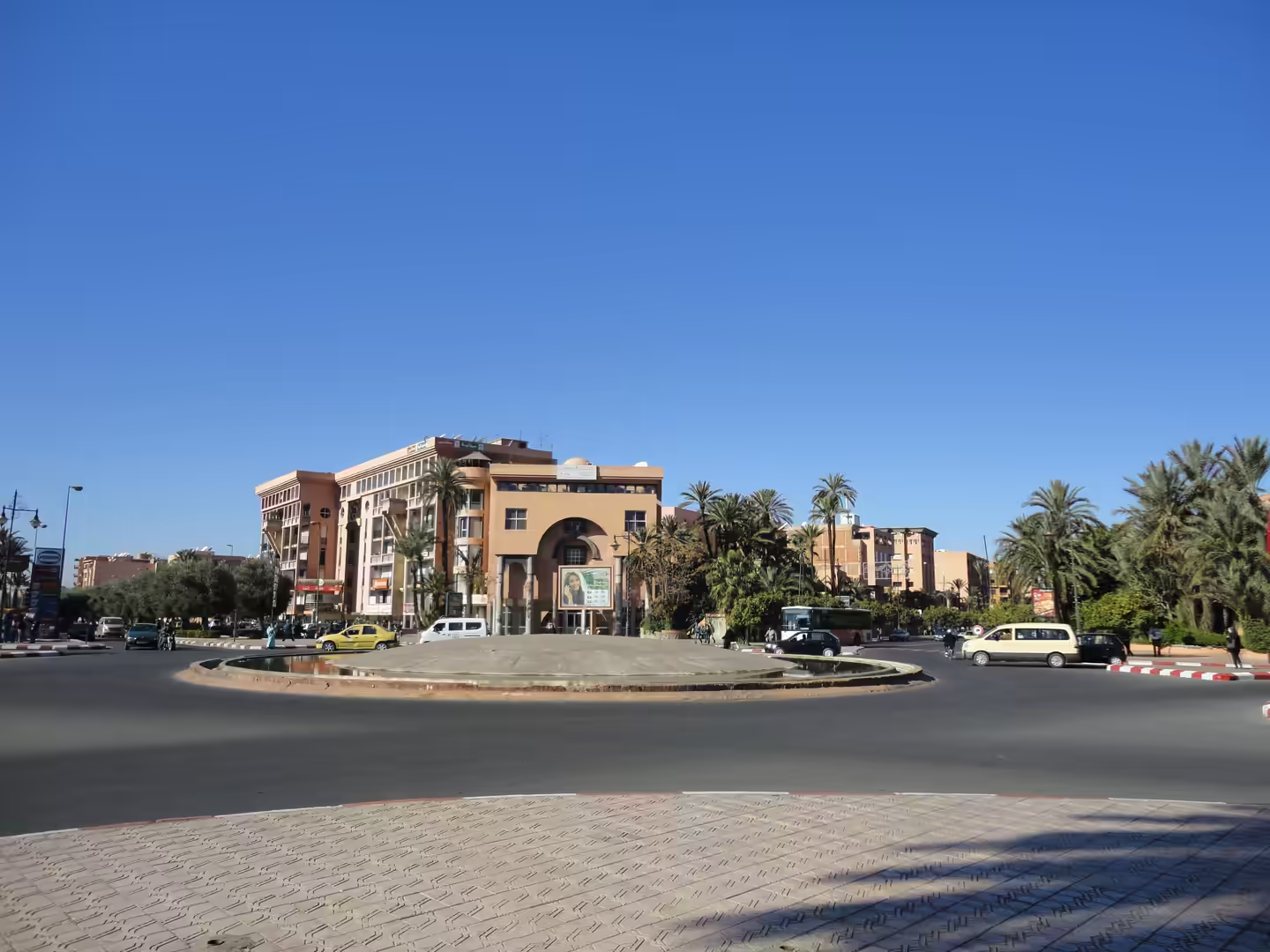
There was already a lot going on at the bus station. However, I didn’t want to go there yet, as I wanted to see how and where I could continue. The Planet had already provided bus lines and prices, but the direction was still unclear. The bus station was located directly at the northern gate of the medina. From there, I walked further north past several traffic islands.
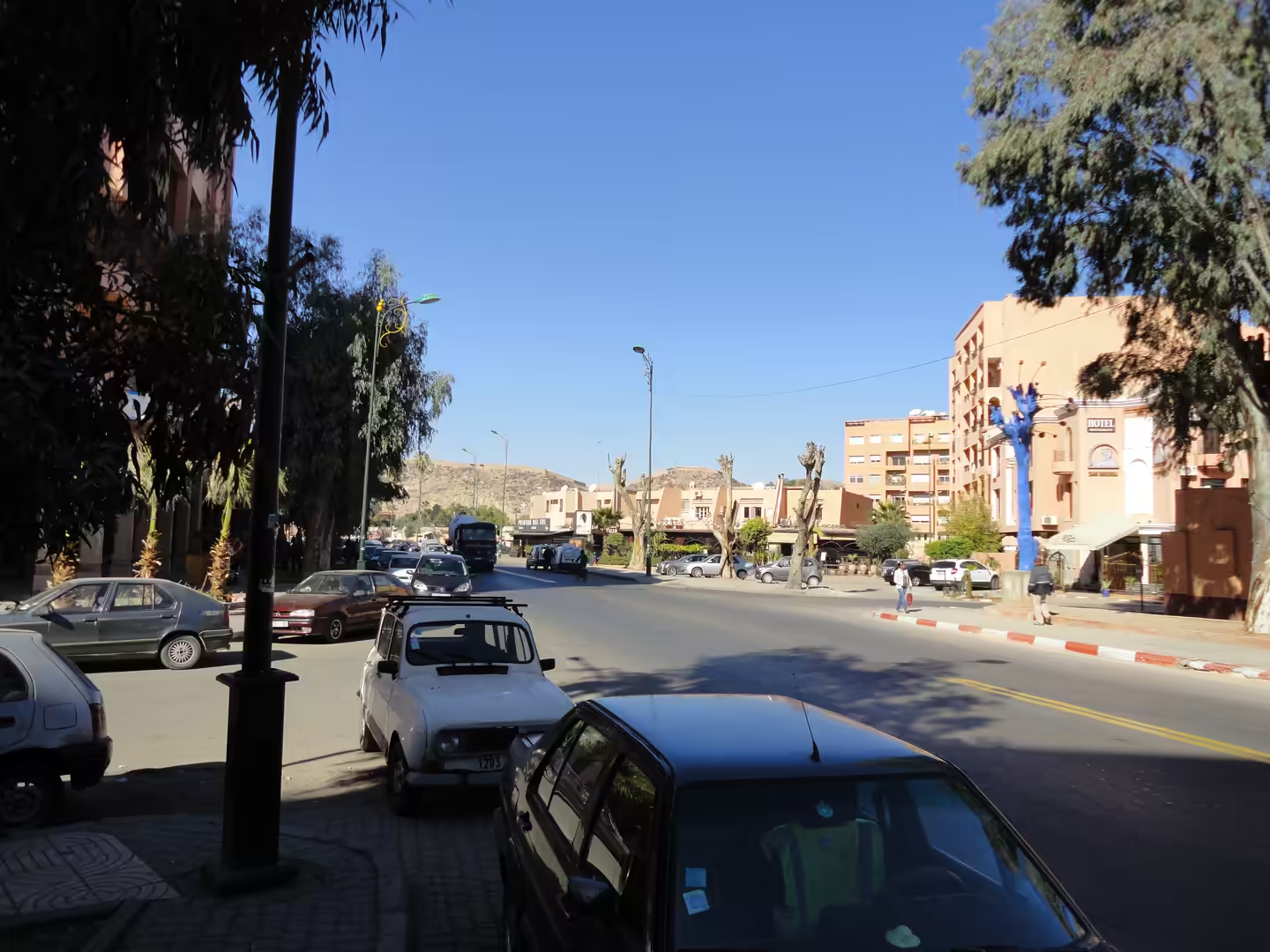
The Neustadt was visually completely different from the medina: numerous new buildings, many construction sites, and many Western-style cafés and shops lined the road.
The road might have been Mohammed V, as—judging by later experience—almost all main roads in Moroccan cities seem to be. Of course, a McDonald’s could not be missing either. The hotels and shops looked rather high-priced, and in fact they were.
At a corner café I stopped for a coffee and checked the Planet again to decide where to go next. All the while, sunglasses sellers kept passing by, trying to get rid of their fake D&G merchandise. That was annoying, because I actually would have liked sunglasses, but my prescription glasses didn’t allow wearing a second pair.
Eventually I walked further north—perhaps it was west; I wasn’t quite sure—until the buildings ended. There was a small hill ahead that I didn’t want to climb, as my untrained feet were already hurting and the afternoon was approaching. So I headed back, also in search of something to eat.
Near a typical stop for the city sightseeing buses, I turned left, a little farther away from the main road. The side streets had something of Dresden-Neustadt about them: many people out and about, and chairs everywhere on the streets. I settled into a restaurant and ordered a tajine. It turned out to be by far the best tajine of the whole trip, served with all the little bowls that accompanied it.
The price was also quite reasonable, at about 45 dirhams (€4.50). True to the motto “go where the locals eat,” it turned out to be a very good decision. Through the side streets of the Neustadt, I walked back toward the main road.
There was a corner café and a stop for the sightseeing bus. Needing to use the toilet, I asked where it was. One floor up, I encountered a local-style toilet for the first time. As I went in, I placed 5 dirhams on the counter. When I left the bar, someone followed me to give the money back—something I would have least expected.
The sightseeing bus cost 140 dirhams for 24 hours. After about half an hour, it finally crawled its way through the heavy traffic. I had no desire to walk back, as the distance was simply too far.
On the tour bus, I took a seat right at the top, in the sun, under the open canopy. The bus slowly tortured its way through the congested streets. The audio guide via headphones was available in several languages, but the synchronization with what could actually be seen did not work at all. I kept trying to follow along with the guidebook, the language, and the sights, but eventually I gave up.
When we arrived in the medina, I got off one stop early to walk through it for a bit. Approaching from that side, everything felt more neglected and dirtier. I wanted to find something to eat, but couldn’t make up my mind. So I hurried back to Djemaa el Fnaa as best I could.
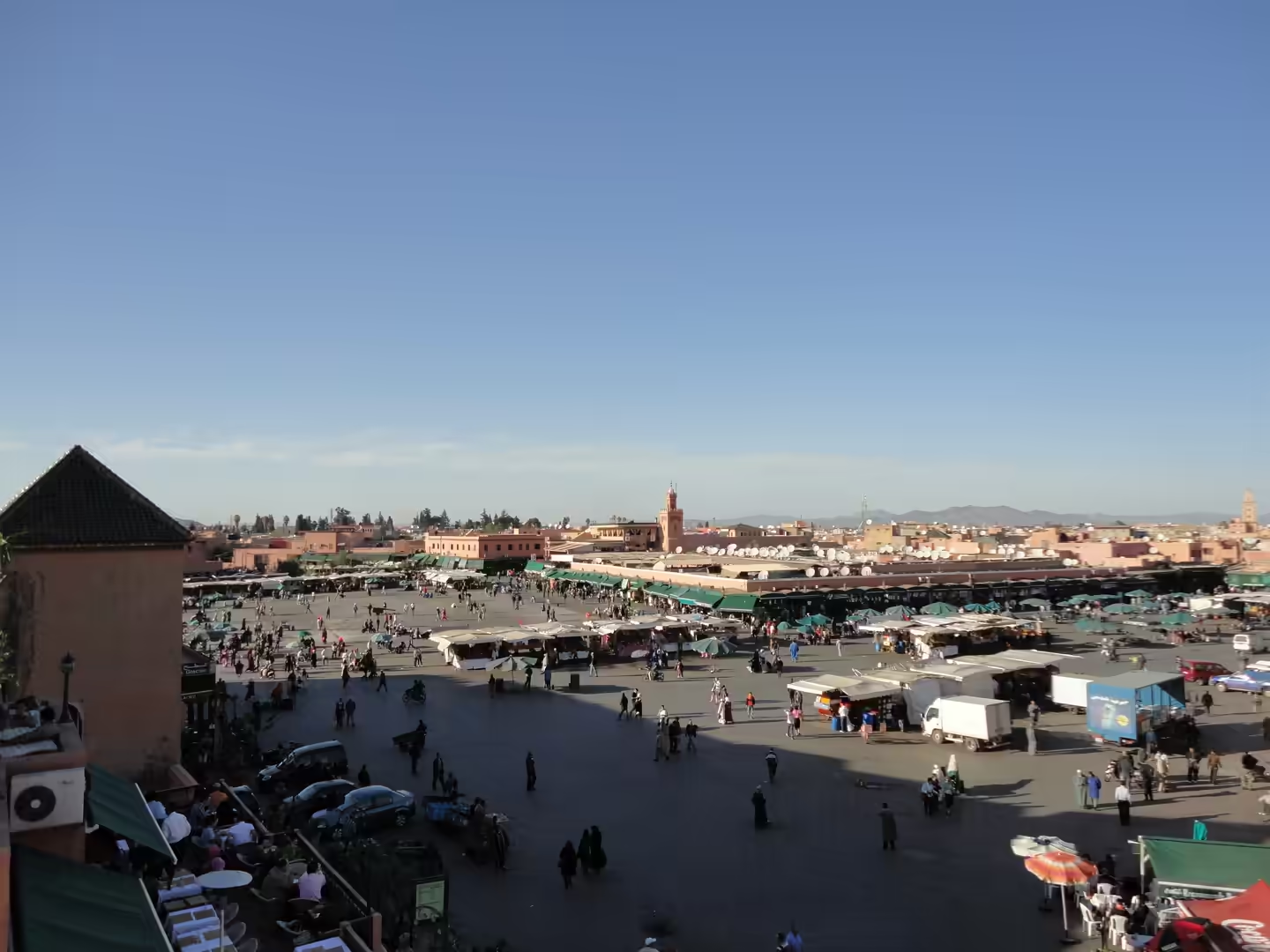
I wanted to sit down in a restaurant to eat something, or at least have a coffee. I chose the highest of the restaurants. The entrance was on the right side of the square and led up a narrow staircase over two floors. On the roof terrace there were still two people present, but they soon left. It was a little windy and cold, though the sun provided some warmth.
I waited only a short while until I remembered what I wanted. So I went down one floor and placed my order: a coffee with milk. Back on the roof terrace, the view was quite nice. To the left, in a backyard, there was a pile of ceramic tajines. I couldn’t tell what was wrong with them. A hundred meters further on, the expensive ones were being sold to tourists.
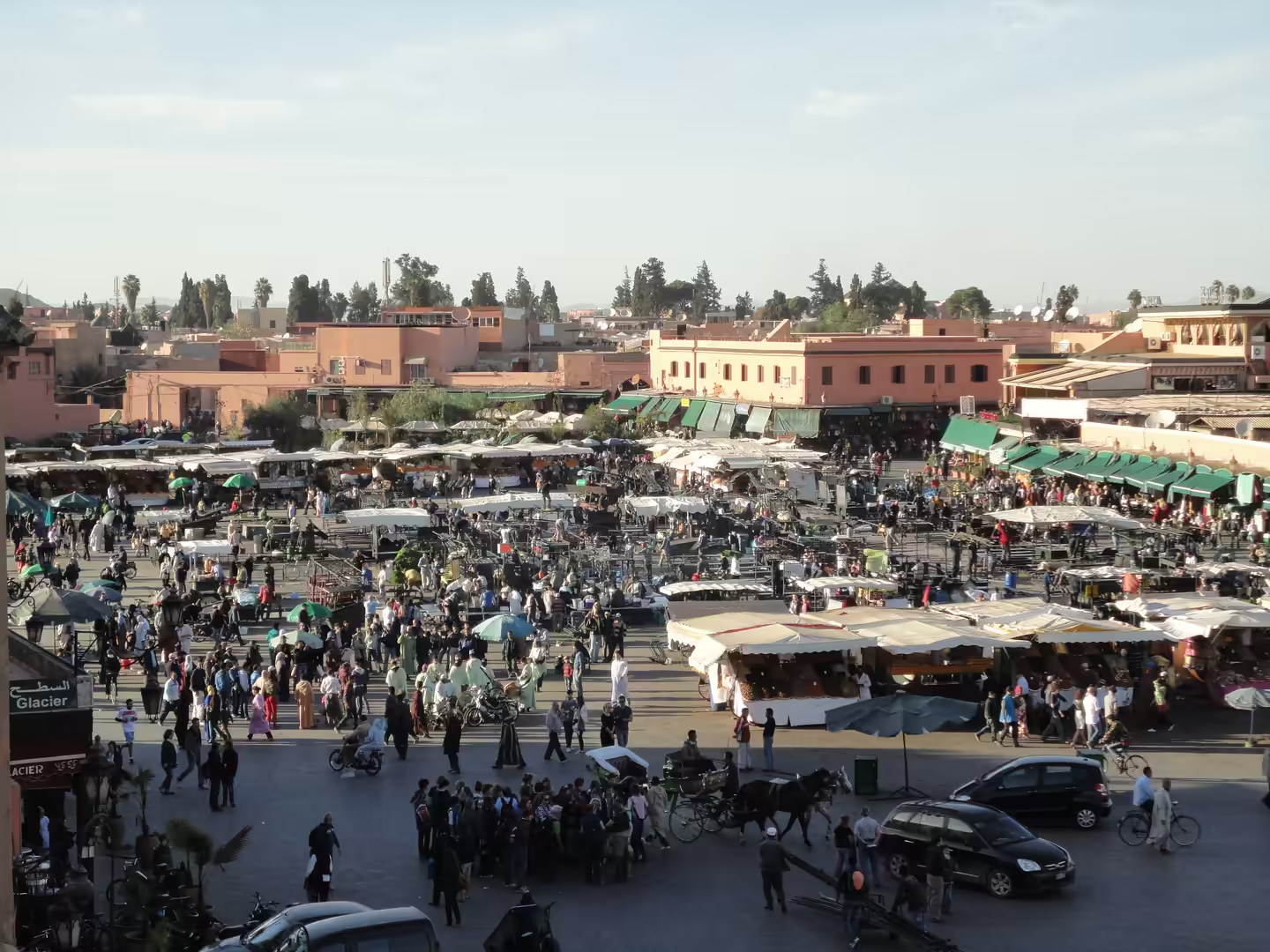
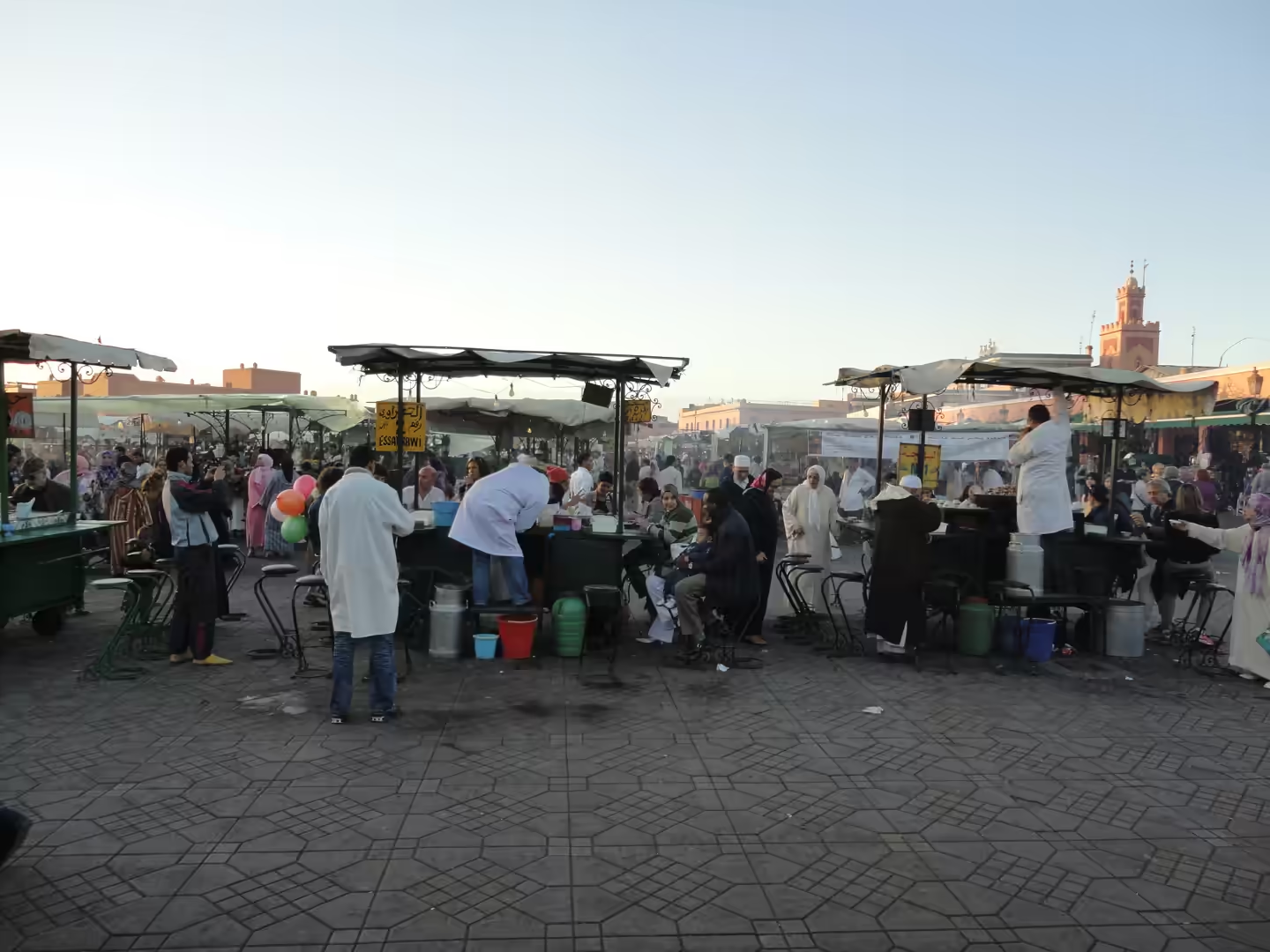
Opposite, above the flat buildings, dozens of satellite dishes could be seen. Slowly, the market structure for the evening also began to take shape. Using donkey carts or hand-pulled trolleys, wooden slats and tarpaulins were brought into position. This happened almost simultaneously among all the vendors. Everyone seemed to know exactly where to set up, without any visible markings.
After about half an hour, everyone was ready, and the grills began to smoke again, wrapping the square in a whitish mist as the sun went down. The square also started to fill up. I wanted to pay, but of course the waiter never came back. So I went down one floor again and asked for the price. Completely wrong, but he still charged me double for the coffee with milk. Twenty dirhams for the drink was clearly too much. Inside, I was terribly upset and swore to myself that I would brand him a fraud.
After about half an hour, everyone was ready, and the grills began to smoke again, wrapping the square in a whitish mist as the sun went down. The square also started to fill up. I wanted to pay, but of course the waiter never came back. So I went down one floor again and asked for the price. Completely wrong, but he still charged me double for the coffee with milk. Twenty dirhams for the drink was clearly too much. Inside, I was terribly upset and swore to myself that I would brand him a fraud.
I went left into the park again, sat down on a bench, and watched the hustle and bustle. After I had been sitting there for about five minutes, a woman roughly 50 meters away from me fainted.
Immediately, an active crowd formed around her. However, it may not have been a fainting spell, because she screamed quite loudly. Someone helped her onto a bench, and after about 15 minutes everything was over again. Two policemen passed by, but no ambulance appeared. One of the policemen grabbed a man and smashed his helmet into his face. Inexplicable events.
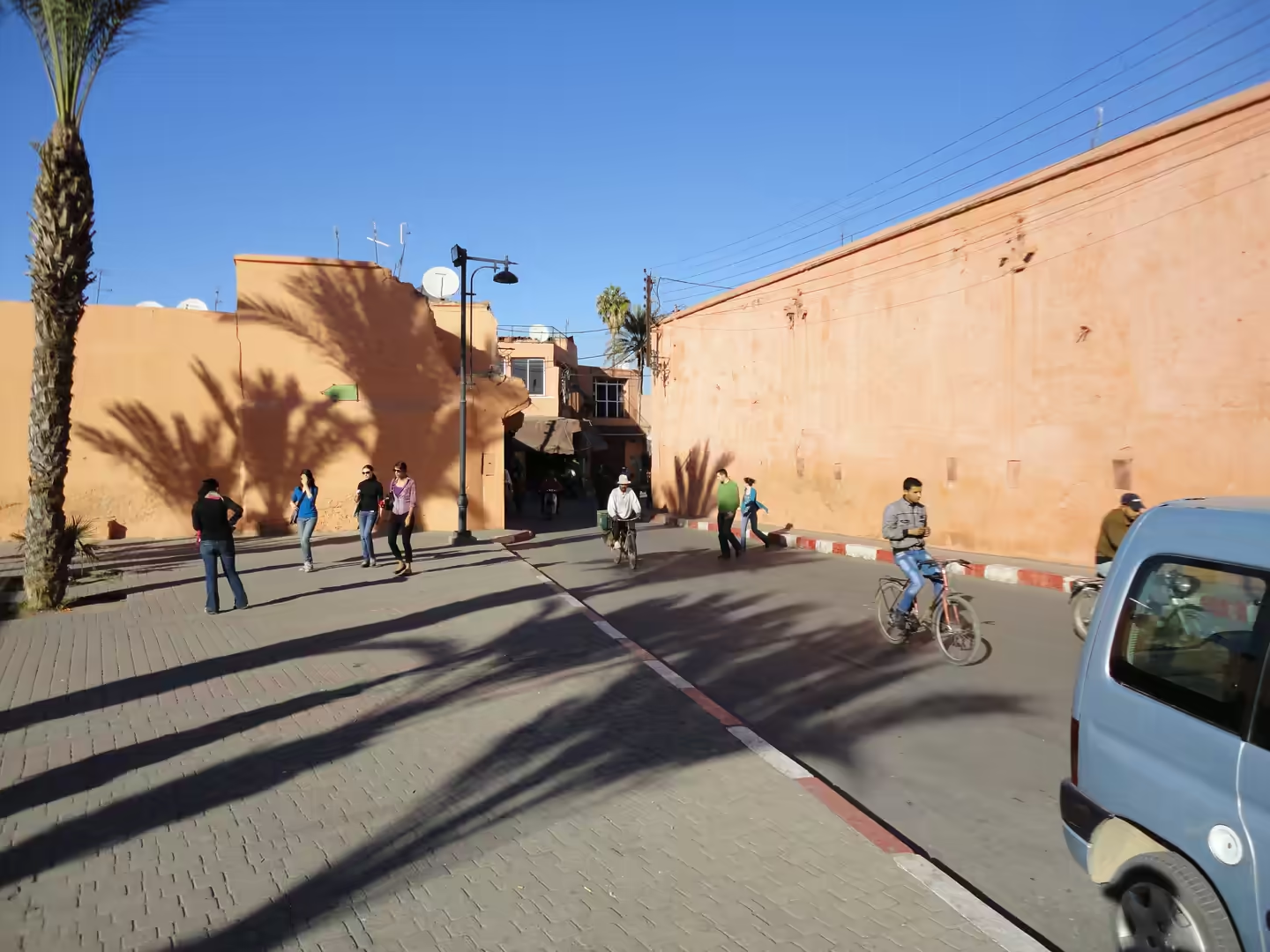
It slowly became dark and much colder, so I went back to the hostel through the medina. Once again it was very impressive how crowds squeezed through the narrow streets—along with bicycles, mopeds, and occasionally a donkey cart. At one particularly narrow spot there was a traffic jam like at a completely sold-out concert. Some people could easily have panicked. Back at the hostel, I went up to the roof terrace.
In my room there were now two English women and one woman from Stuttgart. The two English women had come to Marrakesh spontaneously and were already on their last night. The night before, they had spent in the desert near Zagora. I talked with them on the roof terrace for quite a while. They had taken part in a tour from Marrakech: desert, tent, music, fire, wine, and food—just as one imagines it, or perhaps not.
In addition, two Americans had arrived. Someone was sent to get some wine, which arrived only after an eternity. In the meantime, numerous Brazilians had also arrived. I counted about ten Brazilians who had not arrived as a group. I couldn’t explain why they had all come to Marrakech. The proportion of Brazilians was about 50%, with the rest coming from all over the world. By then it was around 23:30.
We still felt like going for a few beers at the Tazi. The crowds were much smaller now, but there were still impressively many people out, mostly locals. However, the moped drivers had become more aggressive, sometimes racing through the narrow lanes at around 30 km/h, very close to pedestrians.
At the Tazi there were not many people, probably due to the unchanged high beer prices—25 dirhams for 0.2 liters—compared to the previous evening. But we didn’t care. We had two or three beers and then made our way back again. On the street toward the square there were still many beggars. One of the English women took pity and gave something to one of them.
We returned once more to the square, where the others got something to eat. The two Americans still wanted to go to El Pasha or another club. The English women and I went to bed.