2017 Sydney I 5












Journal Notes
General
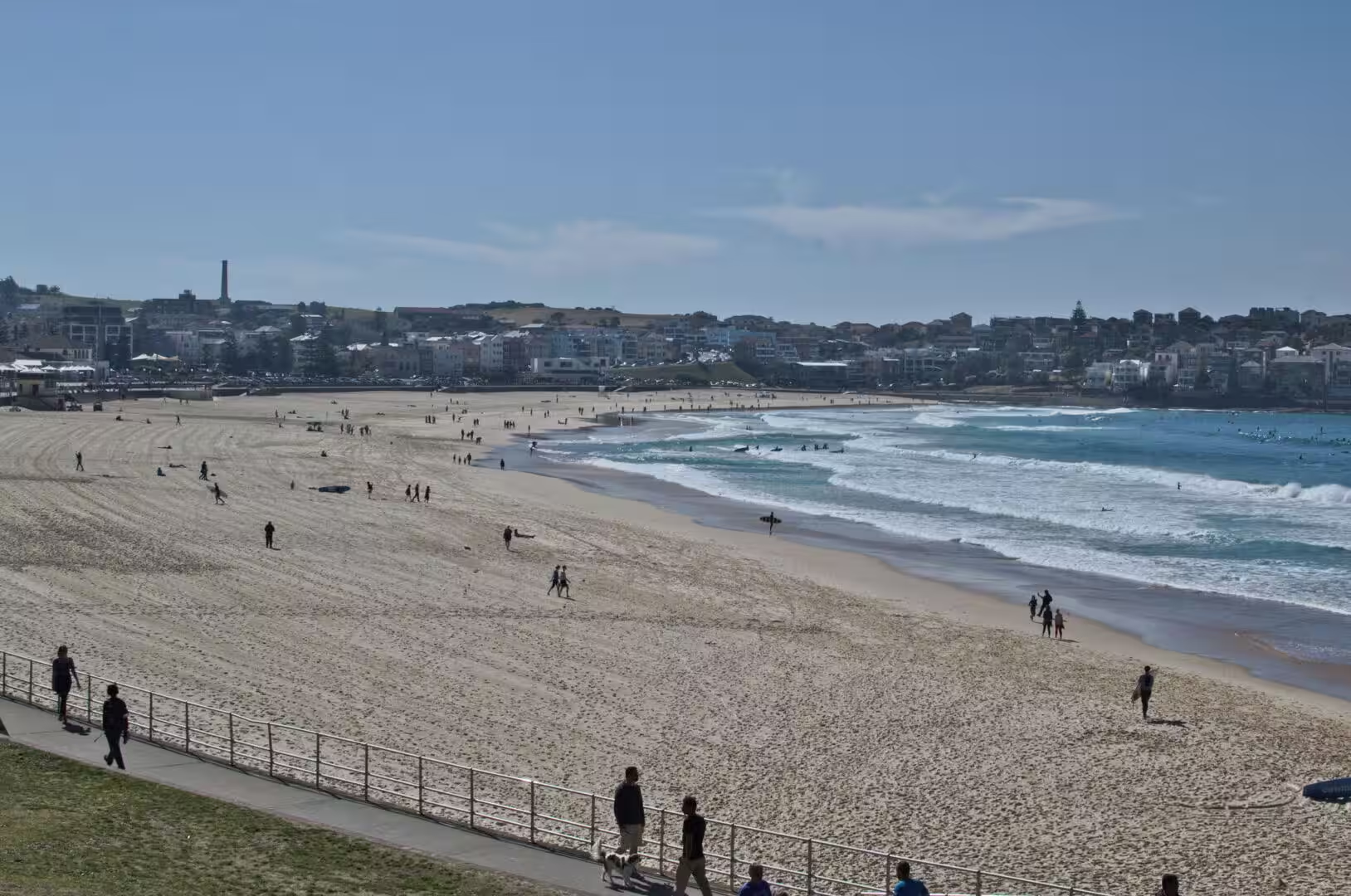
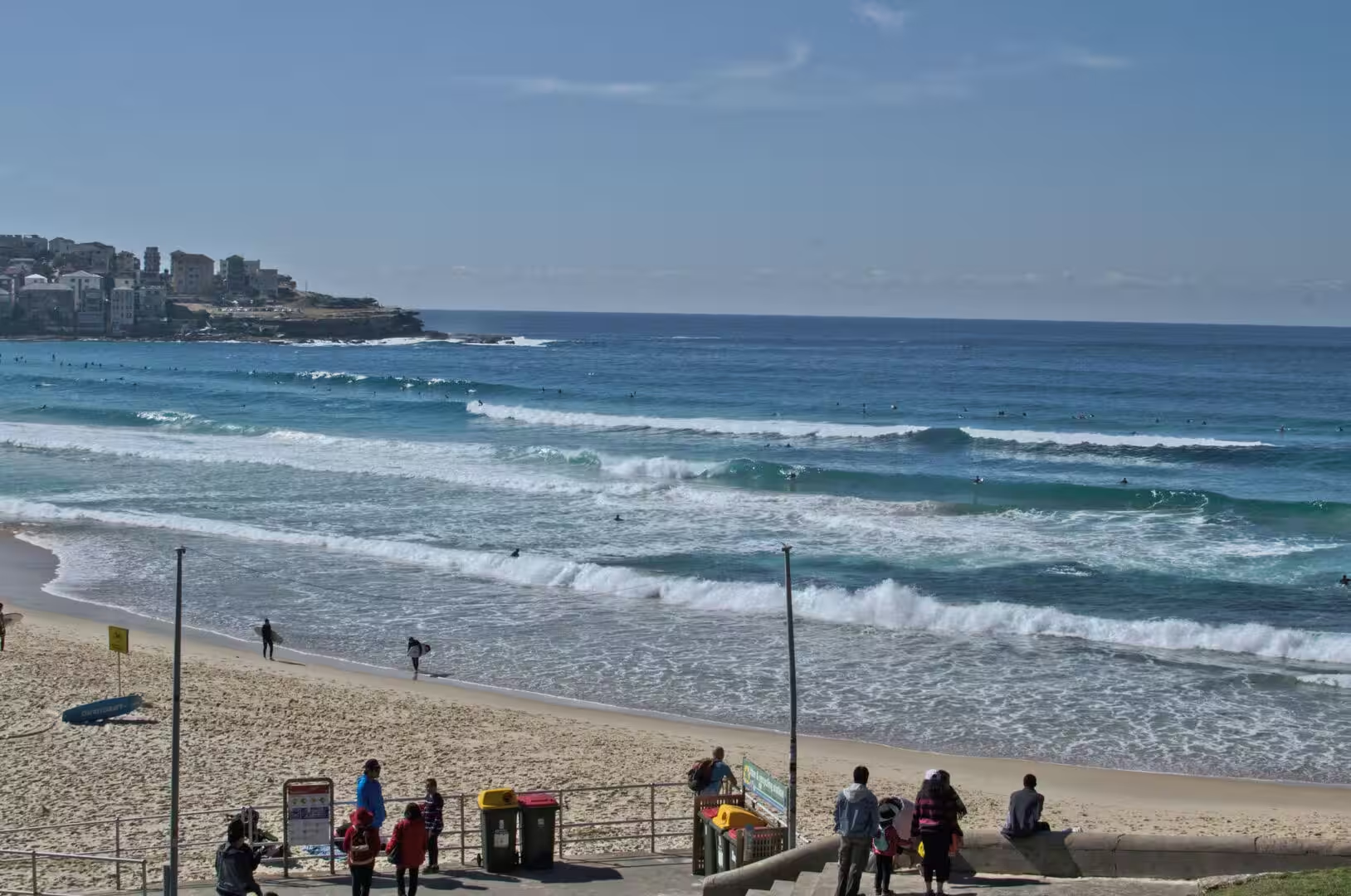
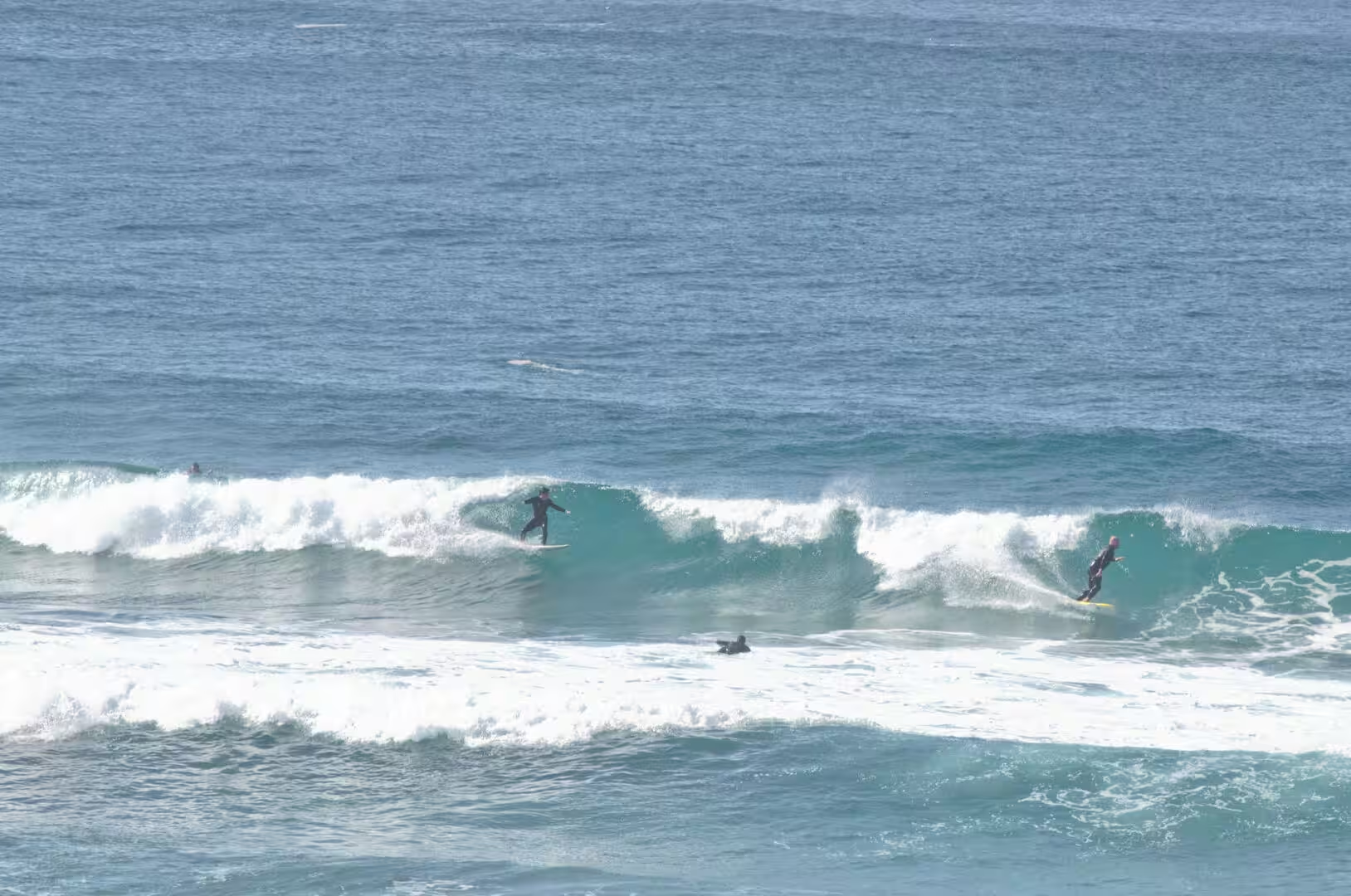
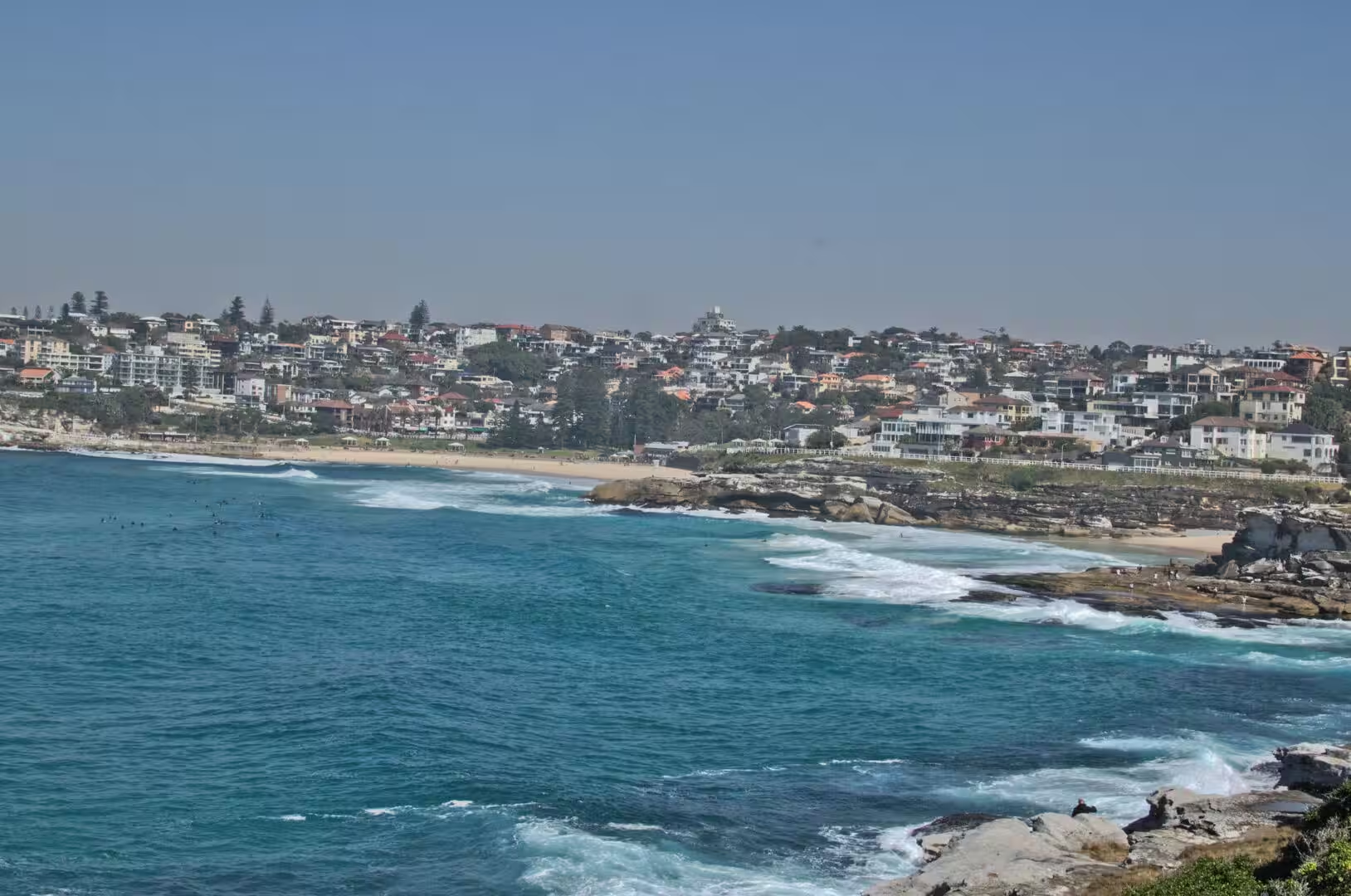
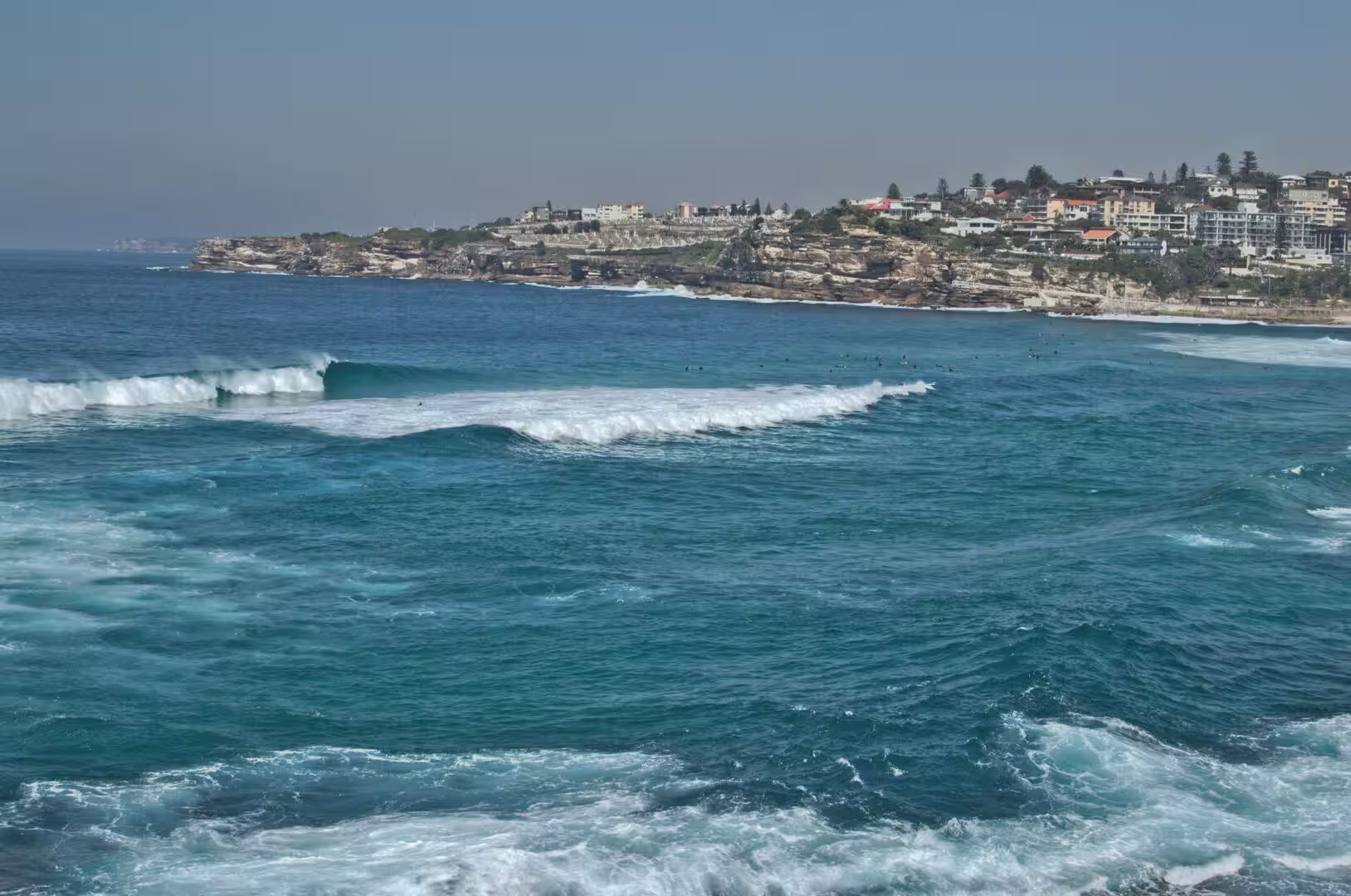
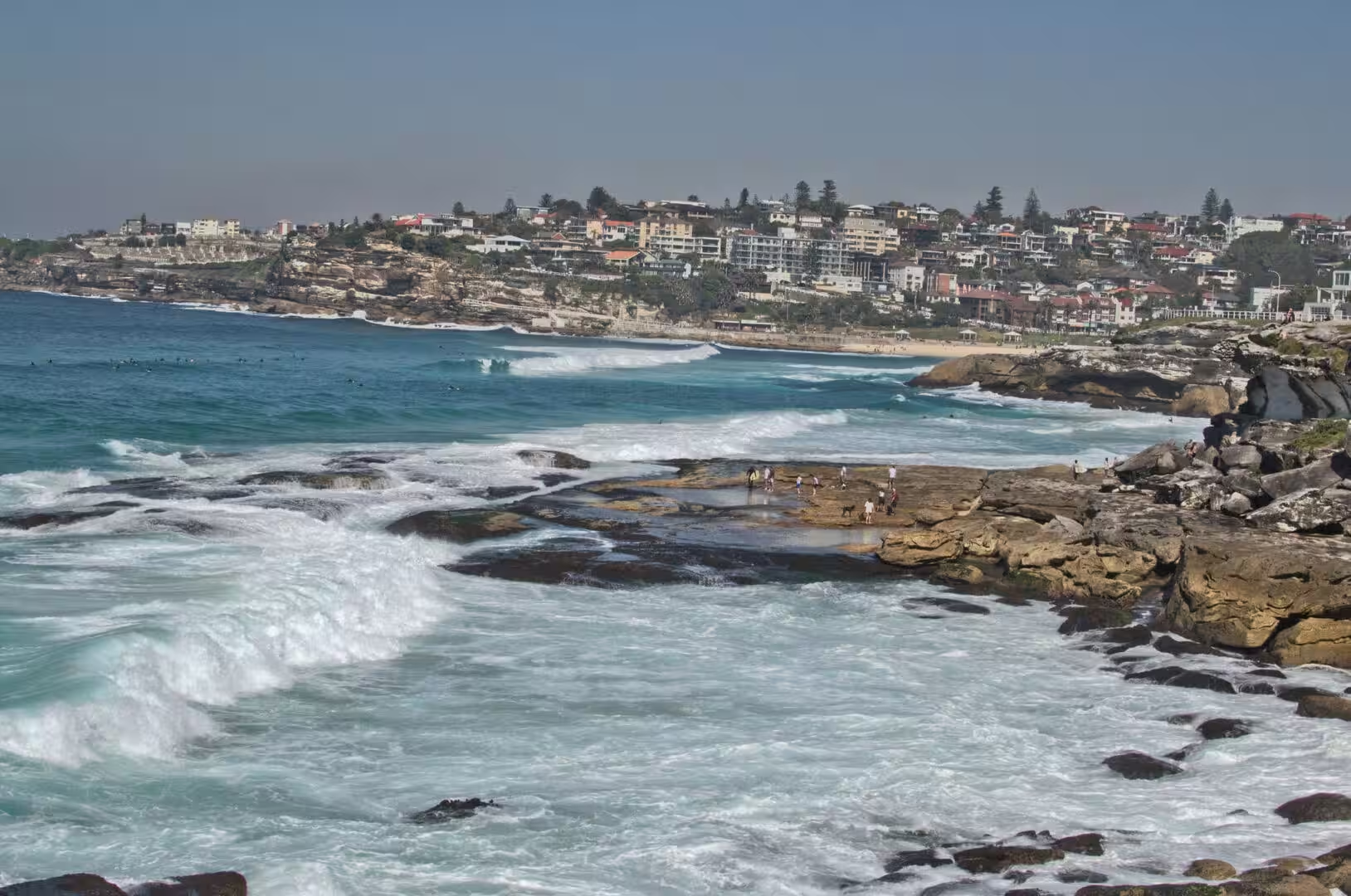
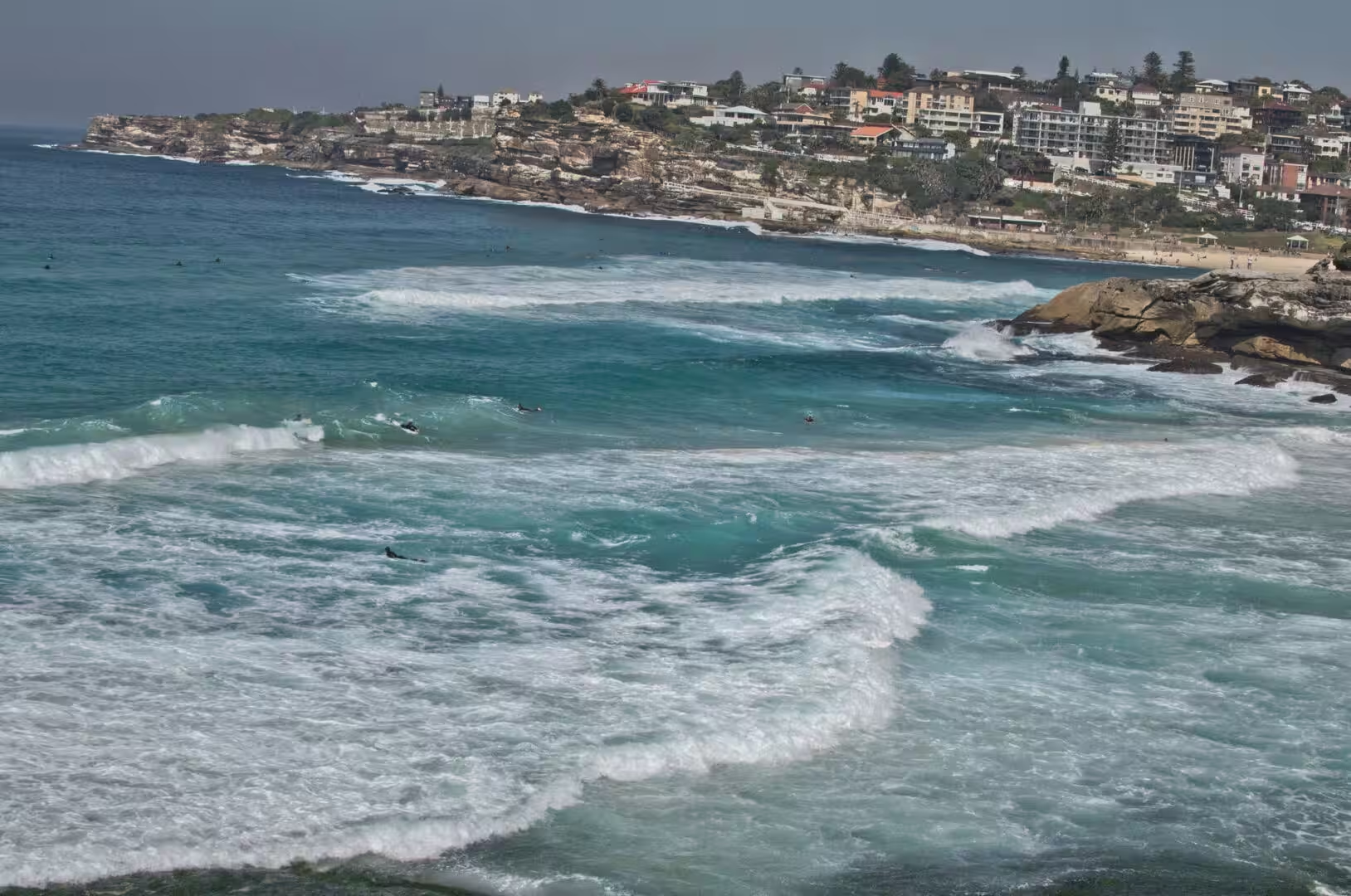
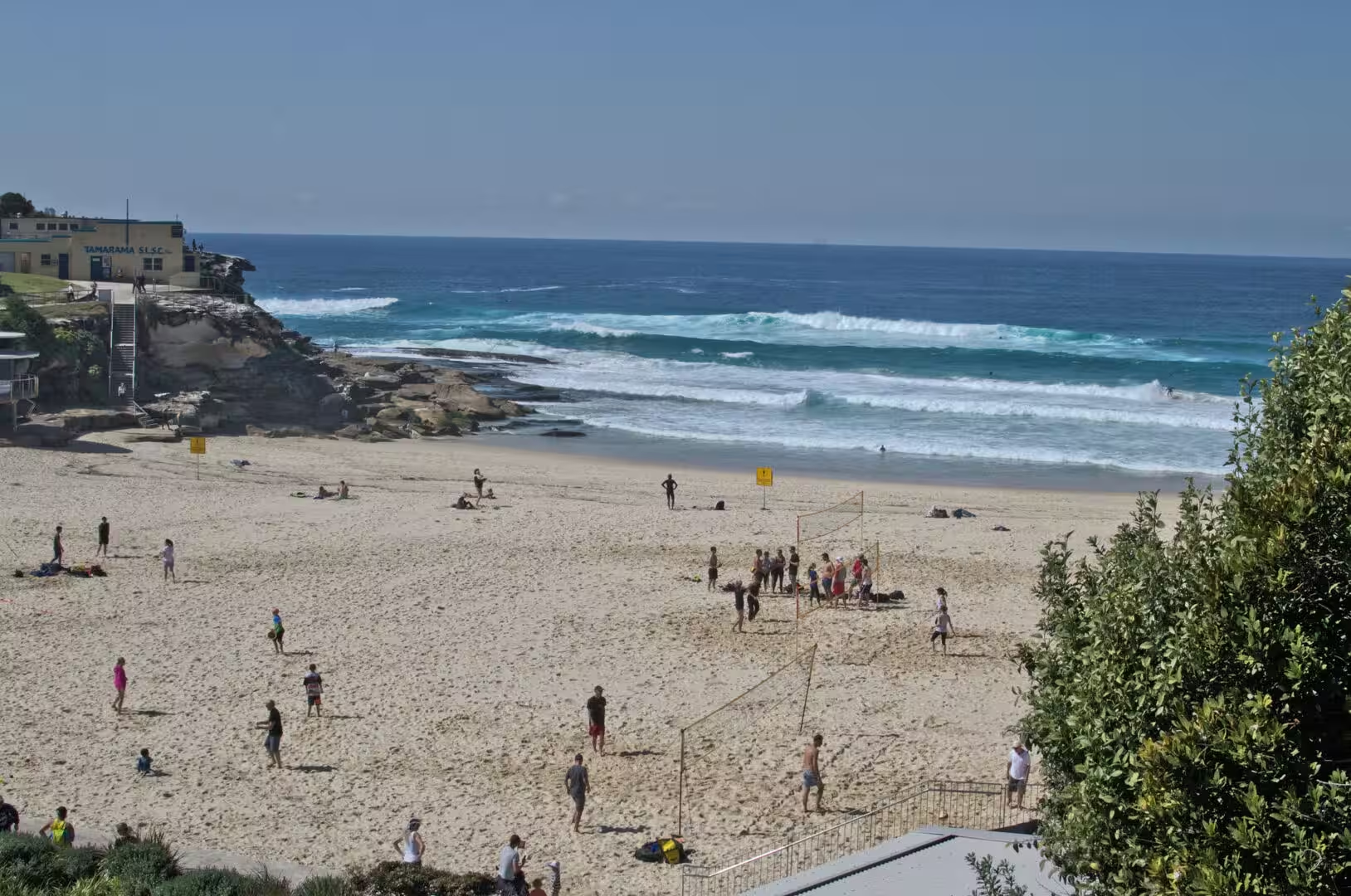
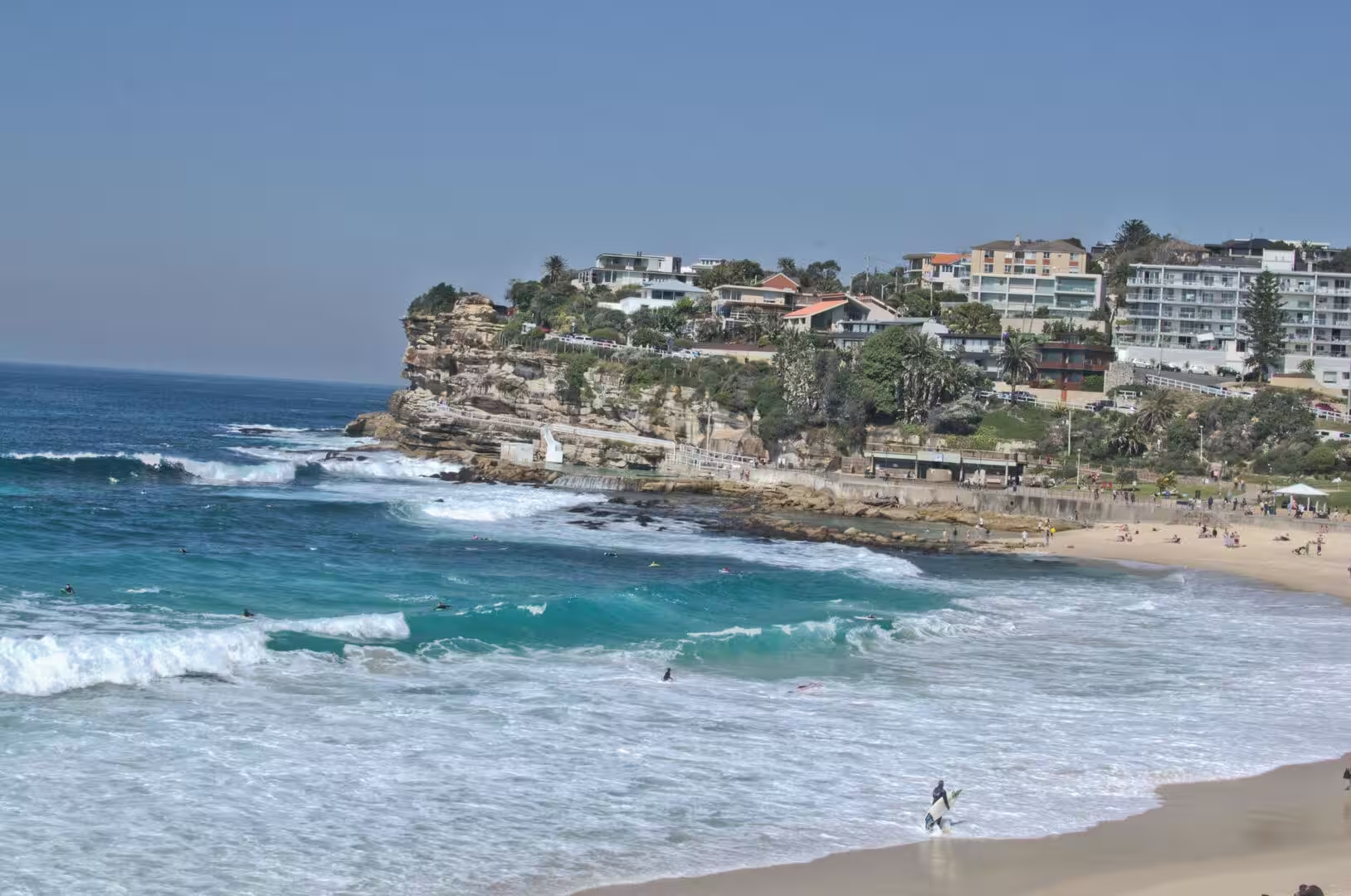
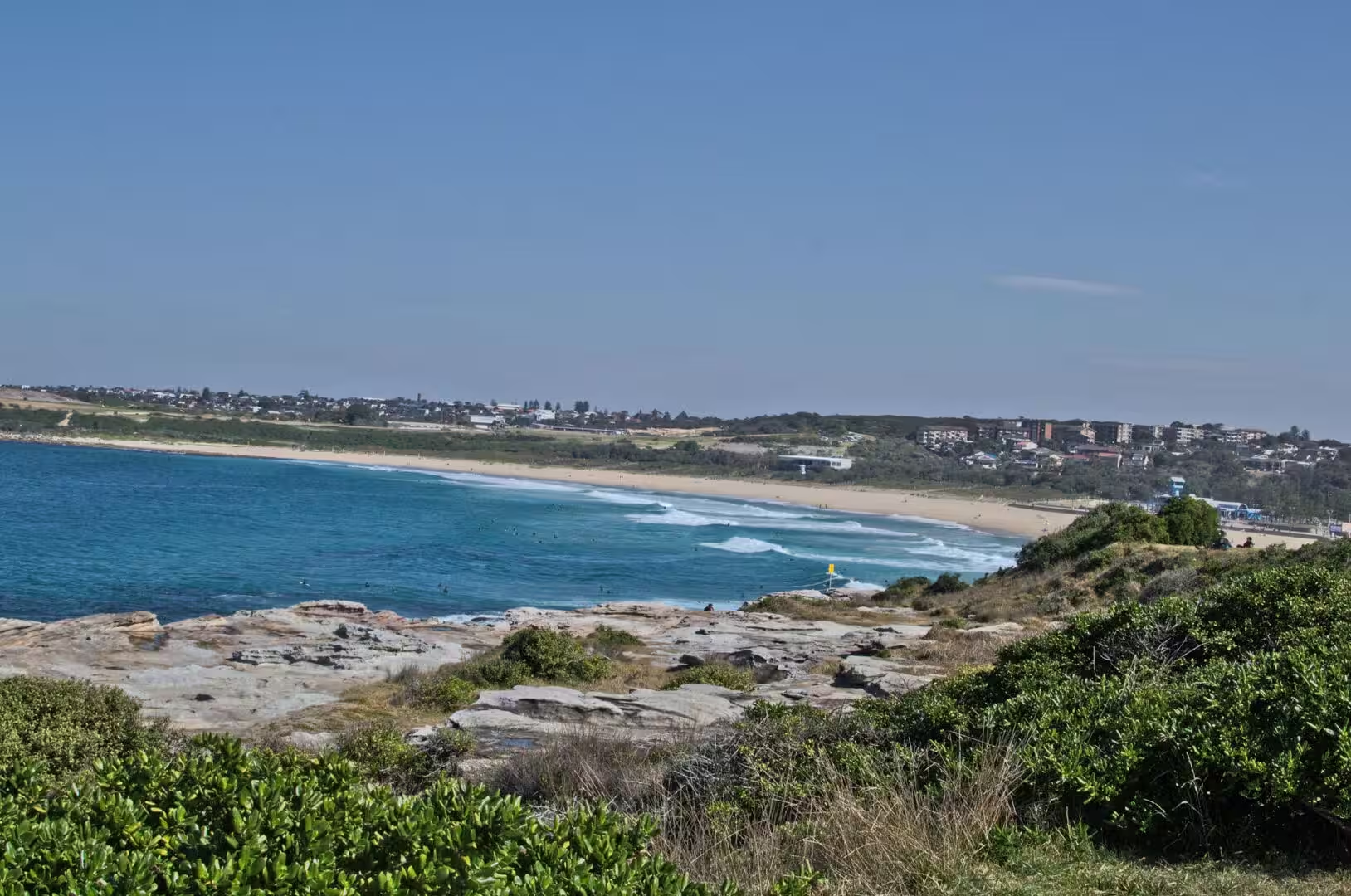
The fifth day was given to the beaches, which on this coast means a walk rather than a swim. The bus to Bondi took half an hour, the beach was already busy at nine in the morning, and the surf was running in clean lines with a crowd of surfers waiting in the water. The sand was hot, the water was cold, and the beach filled up while we watched: umbrellas, towels, families, joggers and a class of schoolchildren running in formation along the hard sand at the water’s edge.
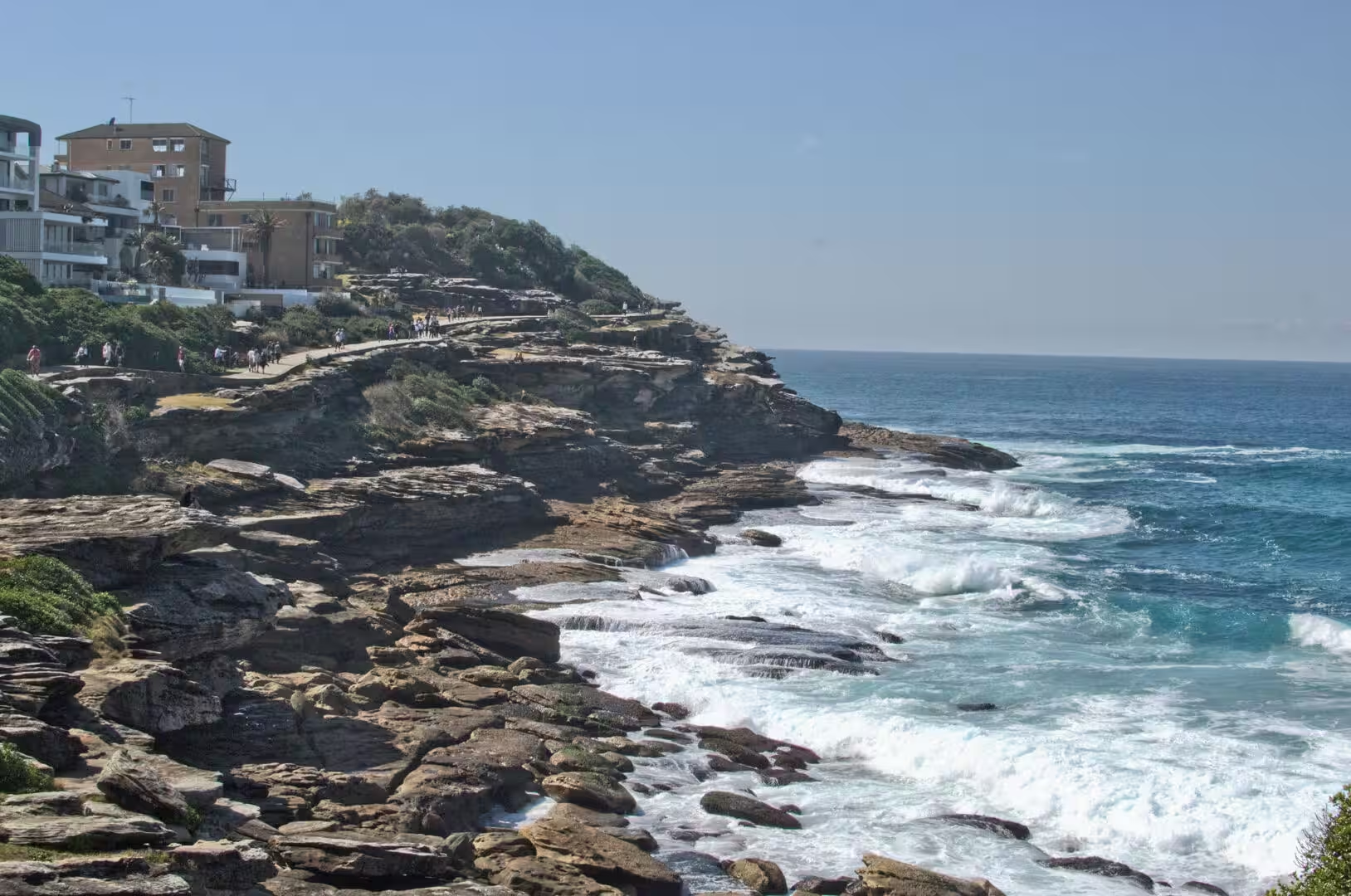
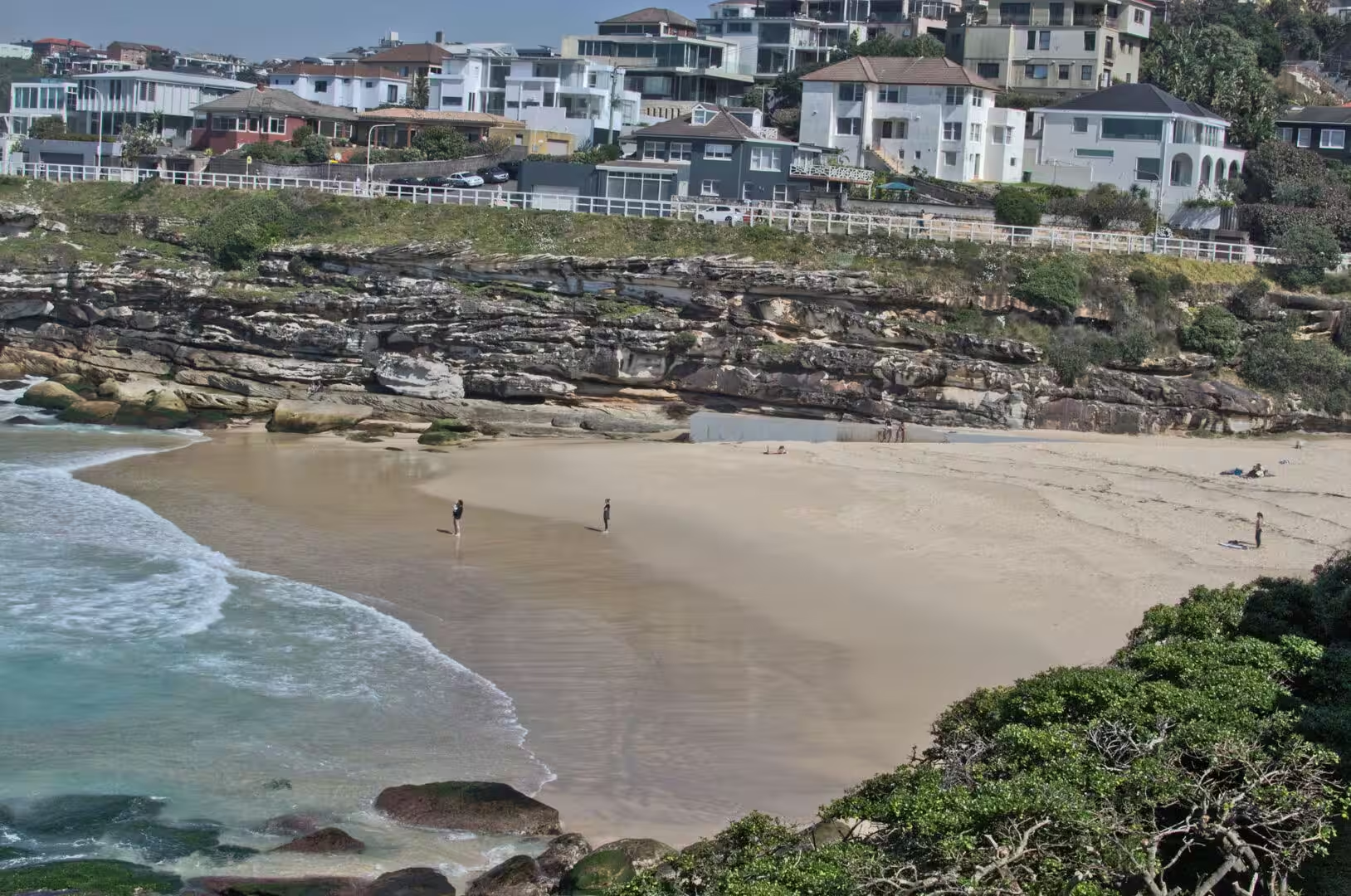
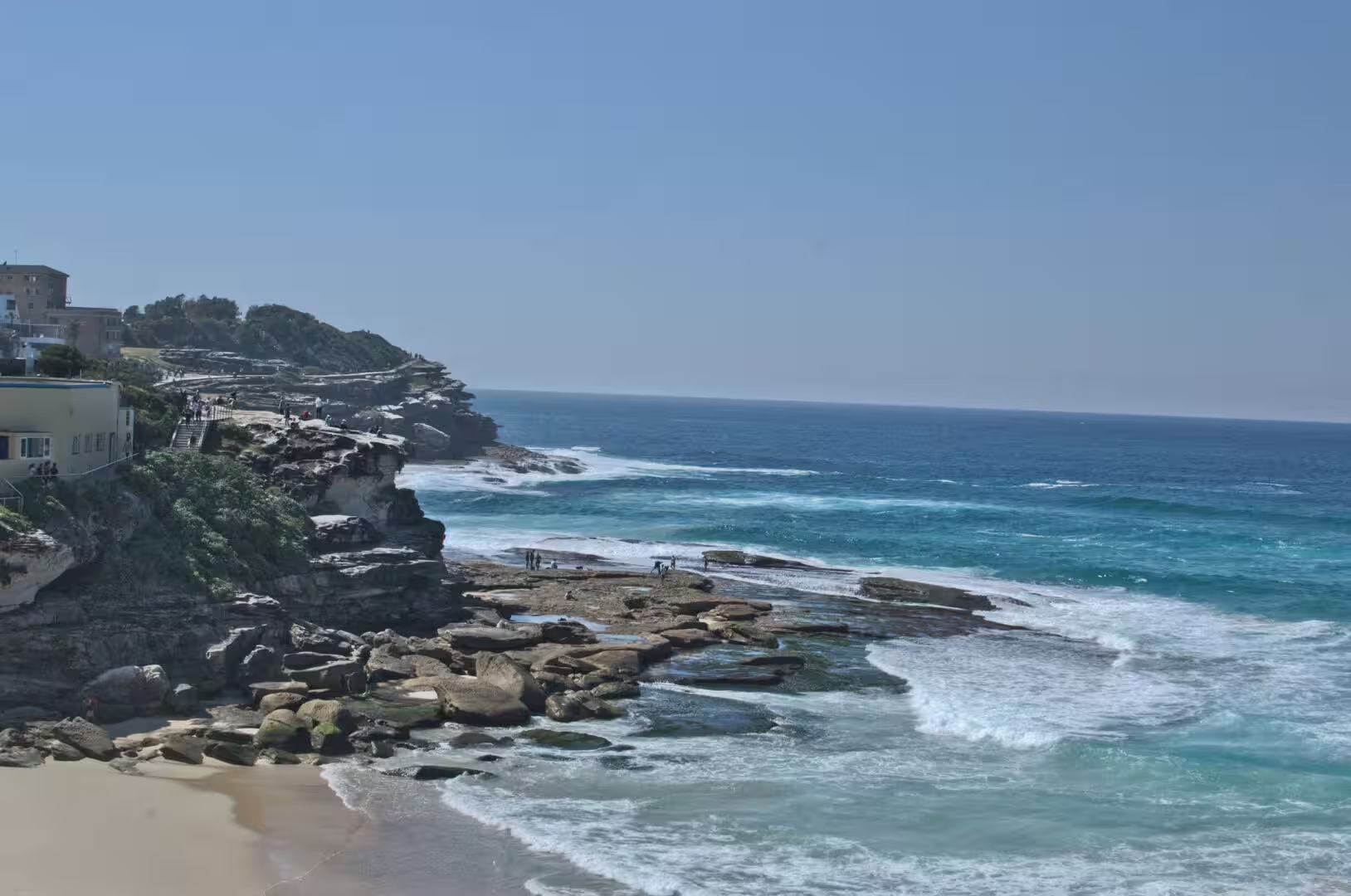
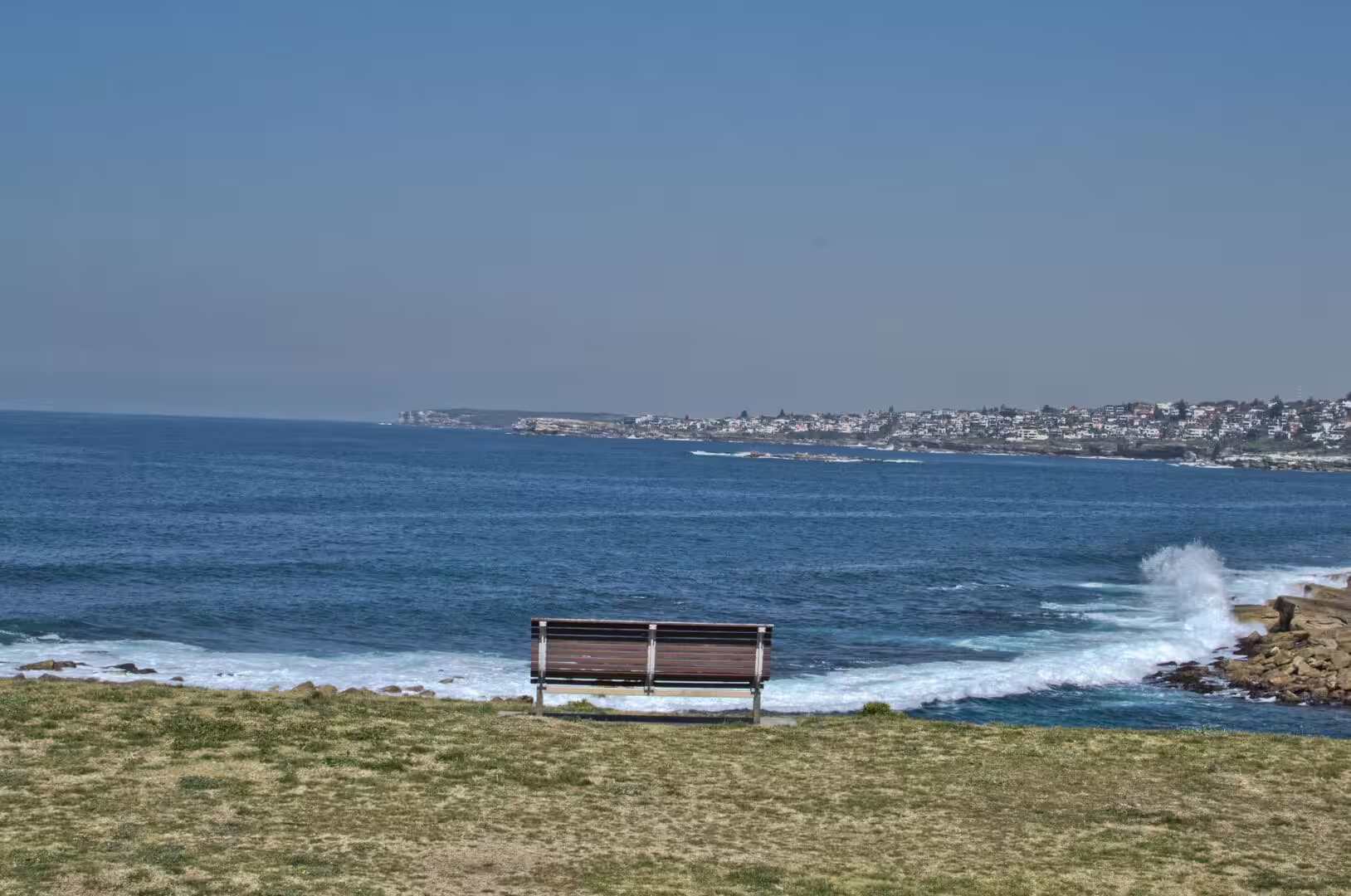
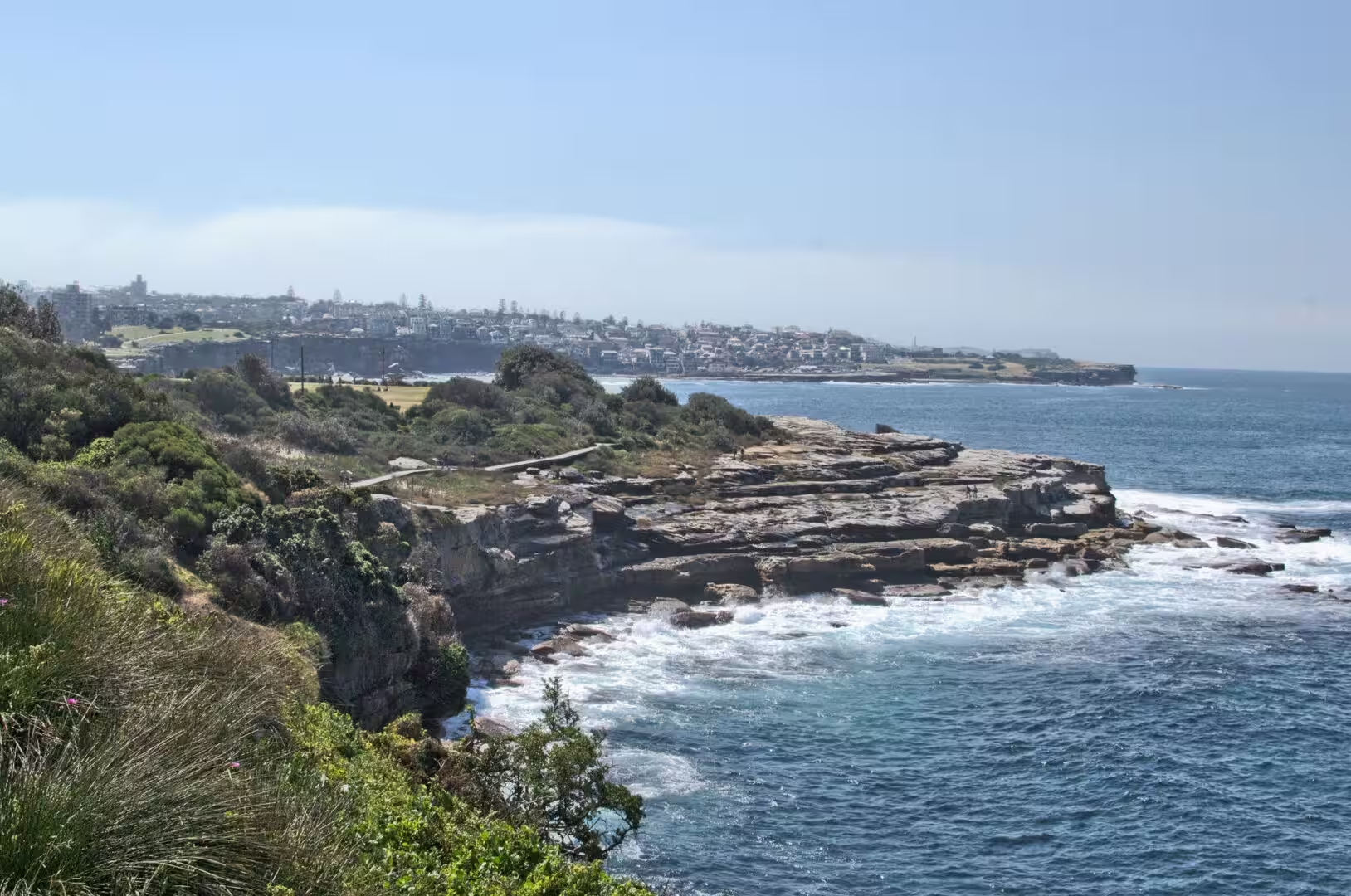
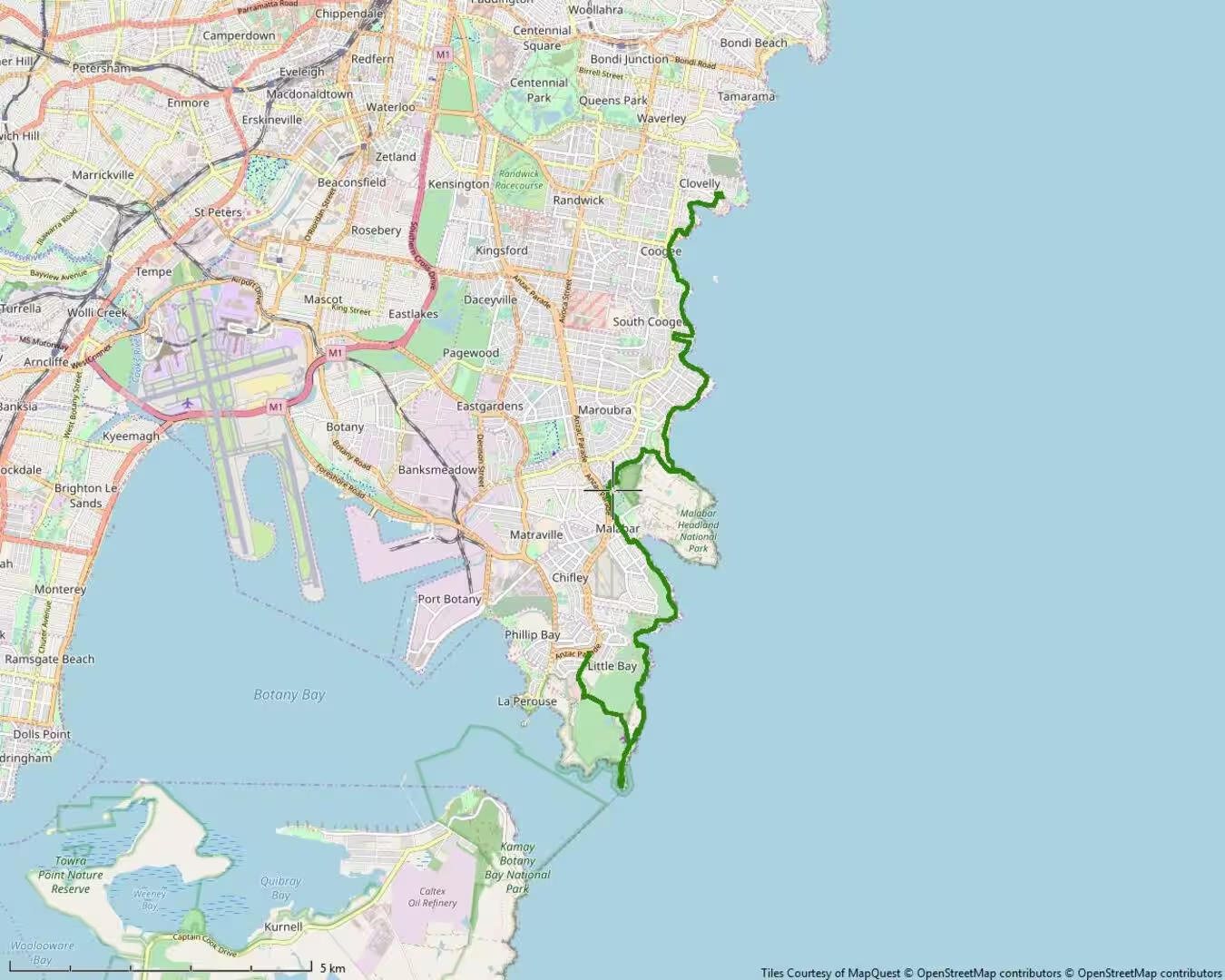
The walk along the coast from Bondi to the south is the reason to come. The path leaves the beach at the southern end, crosses the headland above a rock pool, and continues through Tamarama, Bronte and beyond to Clovelly and Coogee. Each beach has its own character: Bondi is the big one with the surf lifesaving club, Tamarama is smaller and more exposed, Bronte has a park and a rock pool, and Coogee at the end is the quietest of the group with a beach that faces north and is sheltered from the swell.
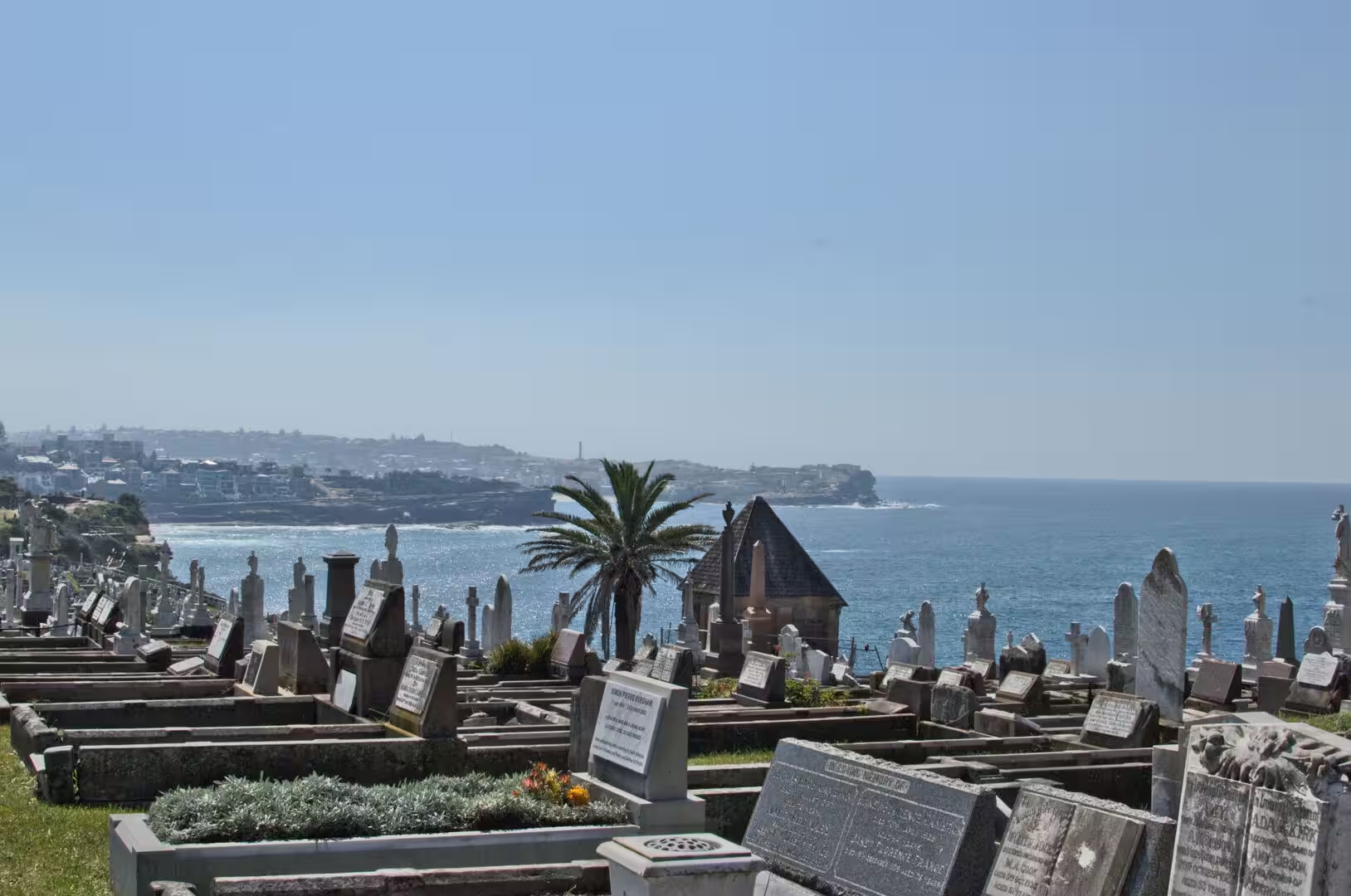
The cemetery on the cliff above Bronte stops the walk in its tracks. It opened in 1877 and occupies the grassy hillside directly above the ocean, so that the graves stand in rows with the sea behind them and the waves audible at the edge of the path. Stone crosses, obelisks, vaults and family plots look out over the water, a chapel stands at the top of the slope, and the whole place has the atmosphere of a garden that has been set down on a clifftop by mistake and has taken root there.
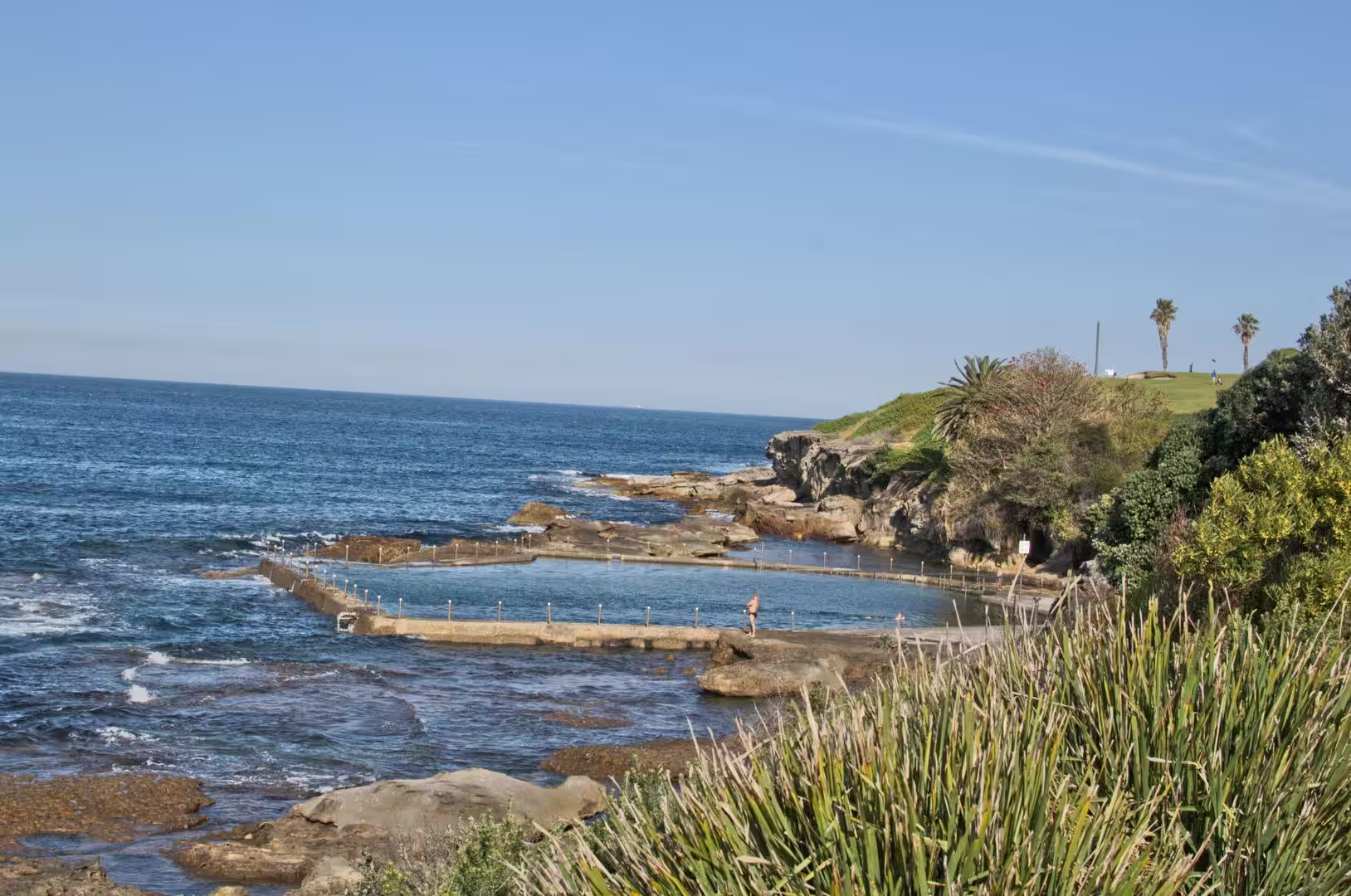
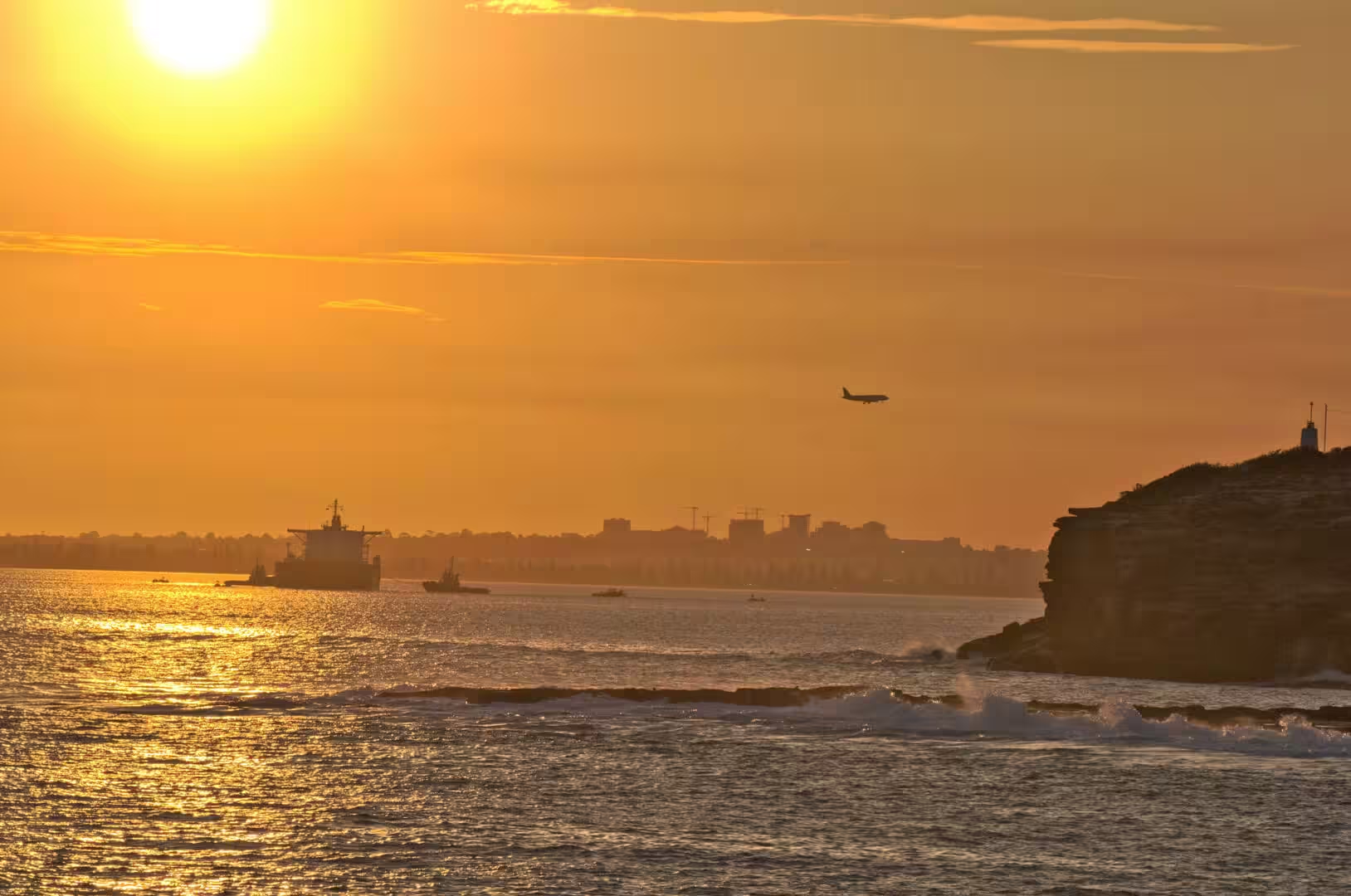
The day finished with the small rituals of the Australian beach: a swim in a rock pool, a walk along the cliff path with the sun going down behind the headland, and a meal of fish and chips eaten on a bench while the surfers caught the last of the light. The waves came in, the surfers came out, and the beach emptied within half an hour of the sun going off it.
The morning on the beach also produced a lesson in the local etiquette. The flags in front of the surf lifesaving club mark the patrolled area, the swimmers stay between them, and the surfers use the breaks beside and beyond them. The club’s members are volunteers, they patrol at weekends and in the holidays, and the red and yellow flags are the whole of the safety system that a visitor needs to understand. The beach at Bondi is not a place to swim outside them, and the rips between the flags are the reason.
History
Bondi has been the public beach of Sydney for more than a century. It was one of the first places where daylight bathing became legal and popular, the surf lifesaving club that patrols it was among the first in the world, and the beach has been visited, painted and written about ever since. The suburb behind it has changed from a working class district of boarding houses into one of the most expensive addresses in the city, and the beach itself has stayed a public space: free, crowded and used by everybody.
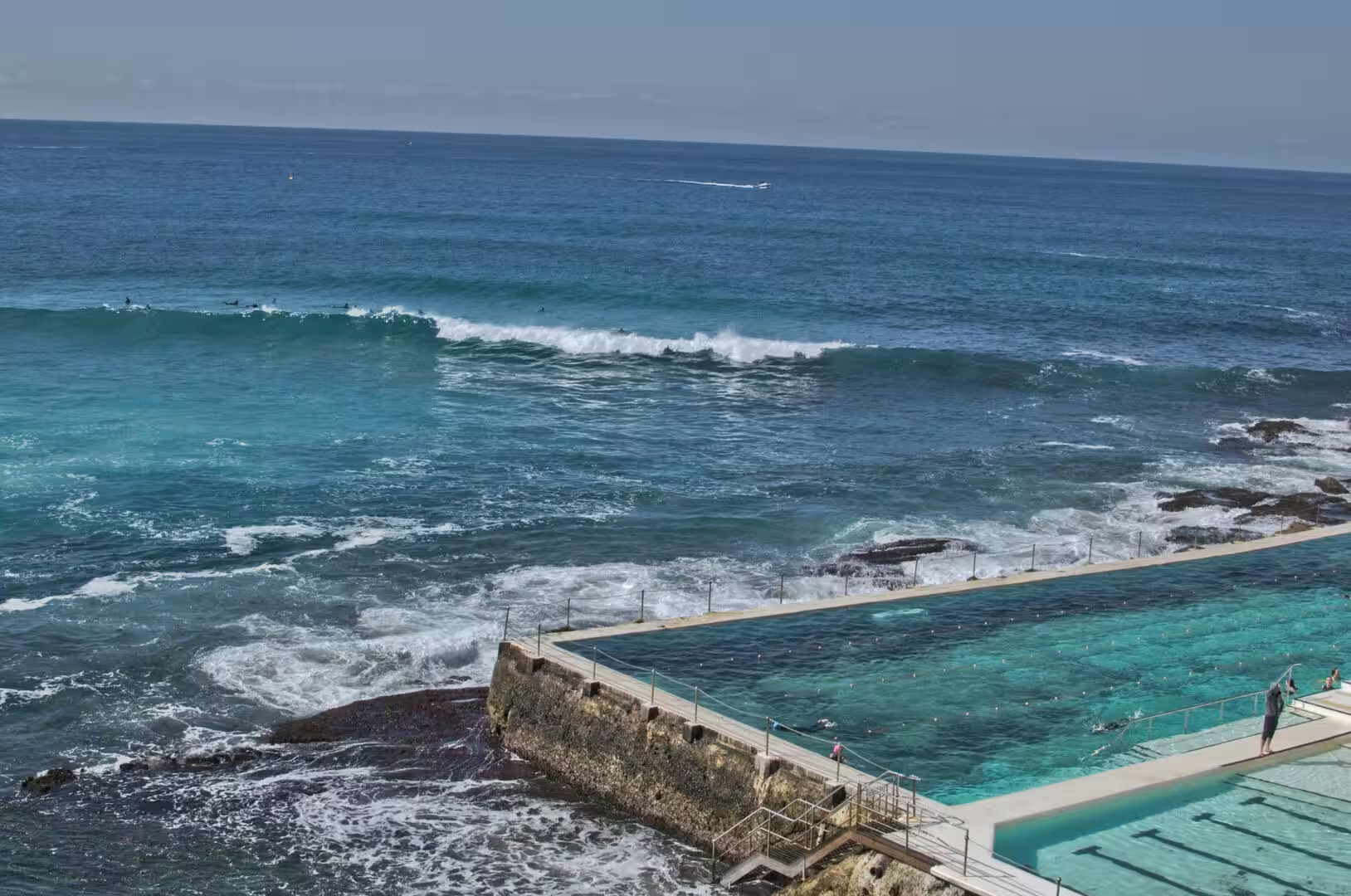
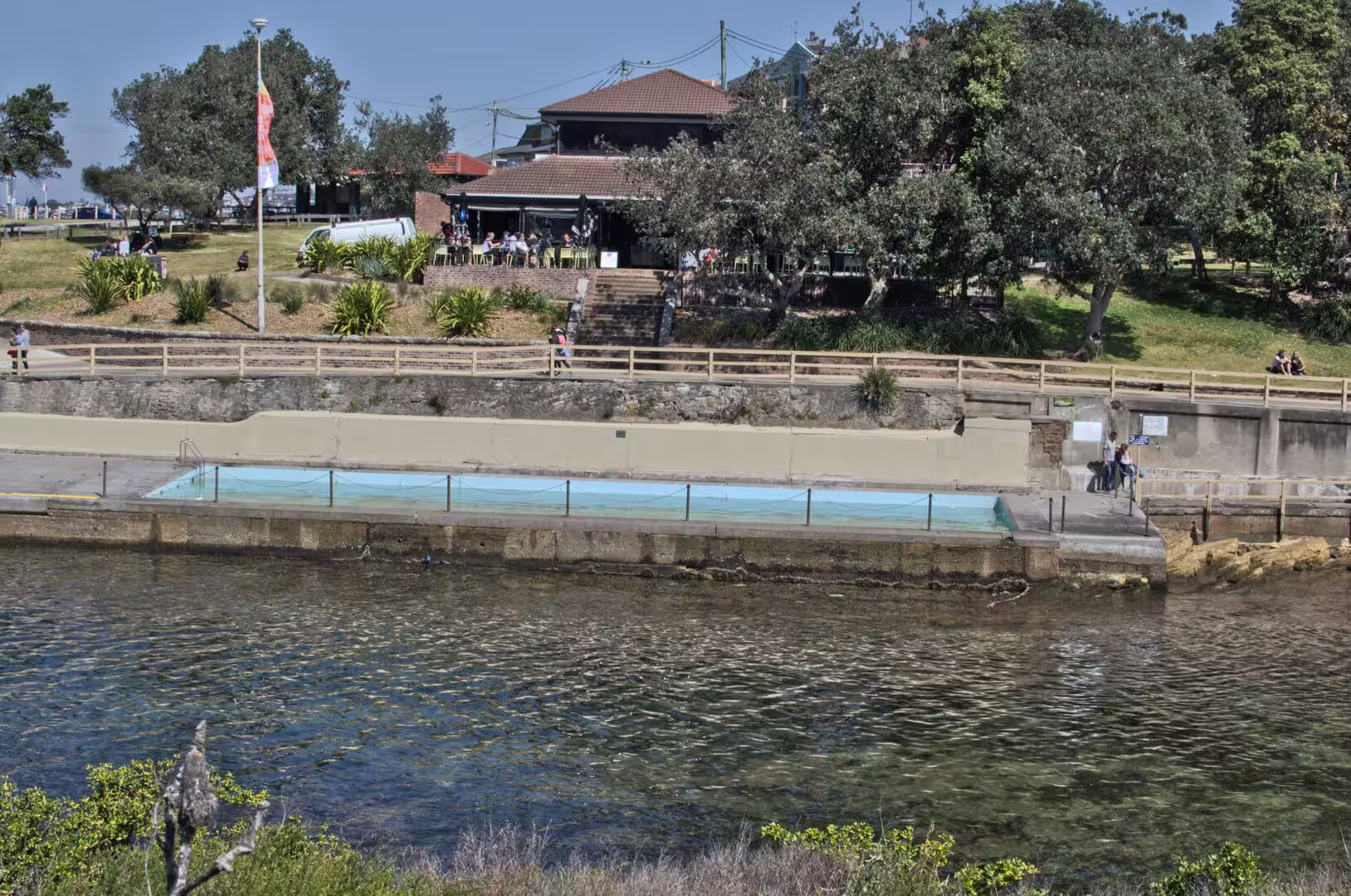
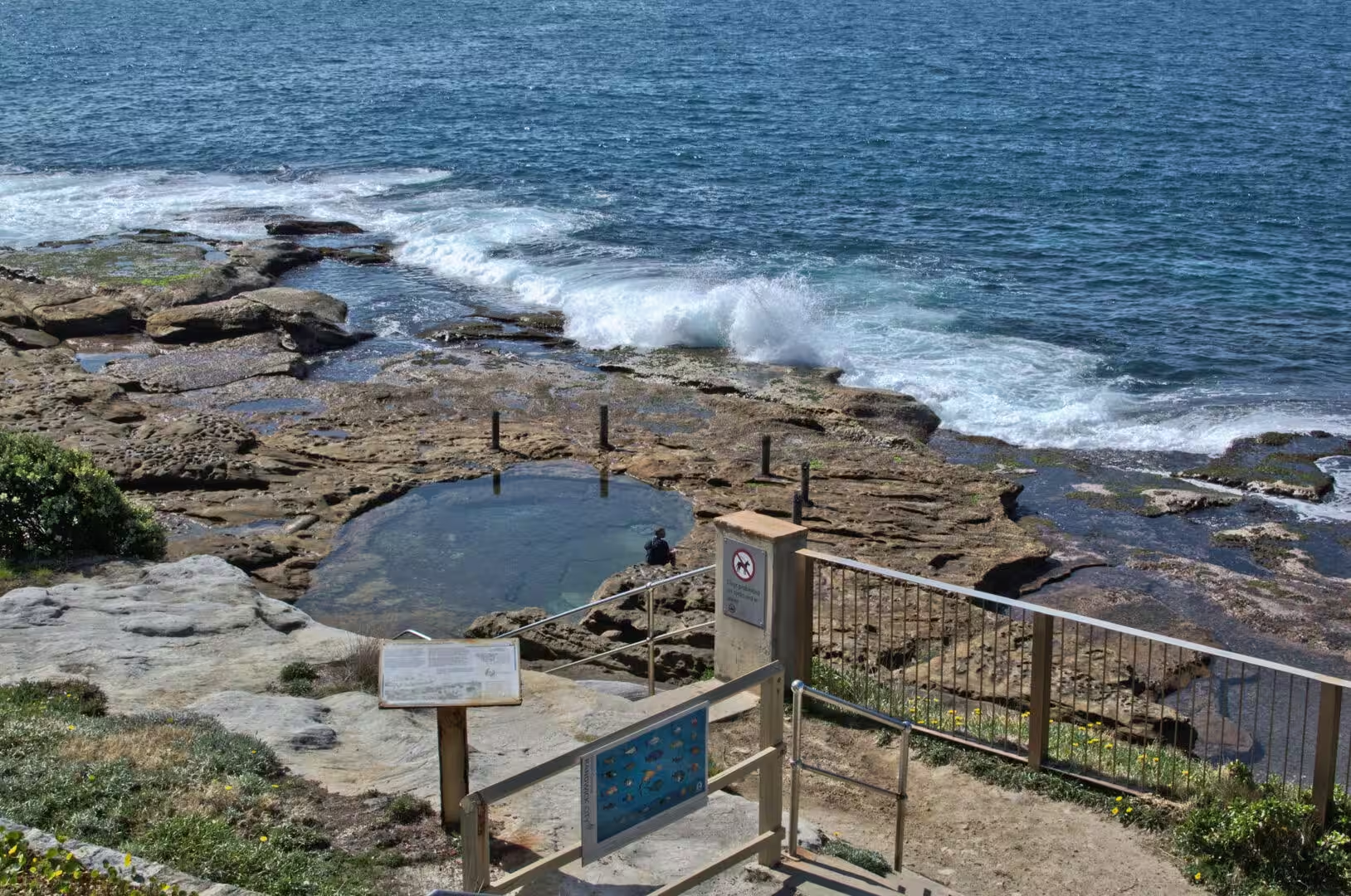
The pool at the southern end of Bondi has its own place in the history. It is a seawater pool cut into the rock and protected by a wall, it belongs to a swimming club whose members swim throughout the year, and the clubhouse above it is one of the landmarks of the beach. The club was founded in the 1920s by a group of local swimmers who wanted somewhere to swim when the surf was too rough, and the winter swimming that gives the club its name is still the point of it.
The other beaches along the walk have their own histories. Tamarama is one of the smallest and most exposed beaches in the city, its surf breaks heavily on a shallow bank, and it has a surf club of its own. Bronte has a park behind the sand, a rock pool at the southern end and a long association with the families of the eastern suburbs. Coogee, at the end of the walk, is the most sheltered and has been a resort since the nineteenth century, with sea baths, a surf club and a promenade.
The cemetery above Bronte has the longest history of any of them. Waverley Cemetery is a heritage listed cemetery on top of the cliffs at Bronte, and it opened in 1877, when the growing city needed somewhere to bury its dead outside the churchyards of the centre. Its situation above the sea made it a place of pilgrimage as much as of burial, and the writers, artists and public figures buried in it, together with the thousands of ordinary graves, make it one of the most visited cemeteries in the country.
Geology
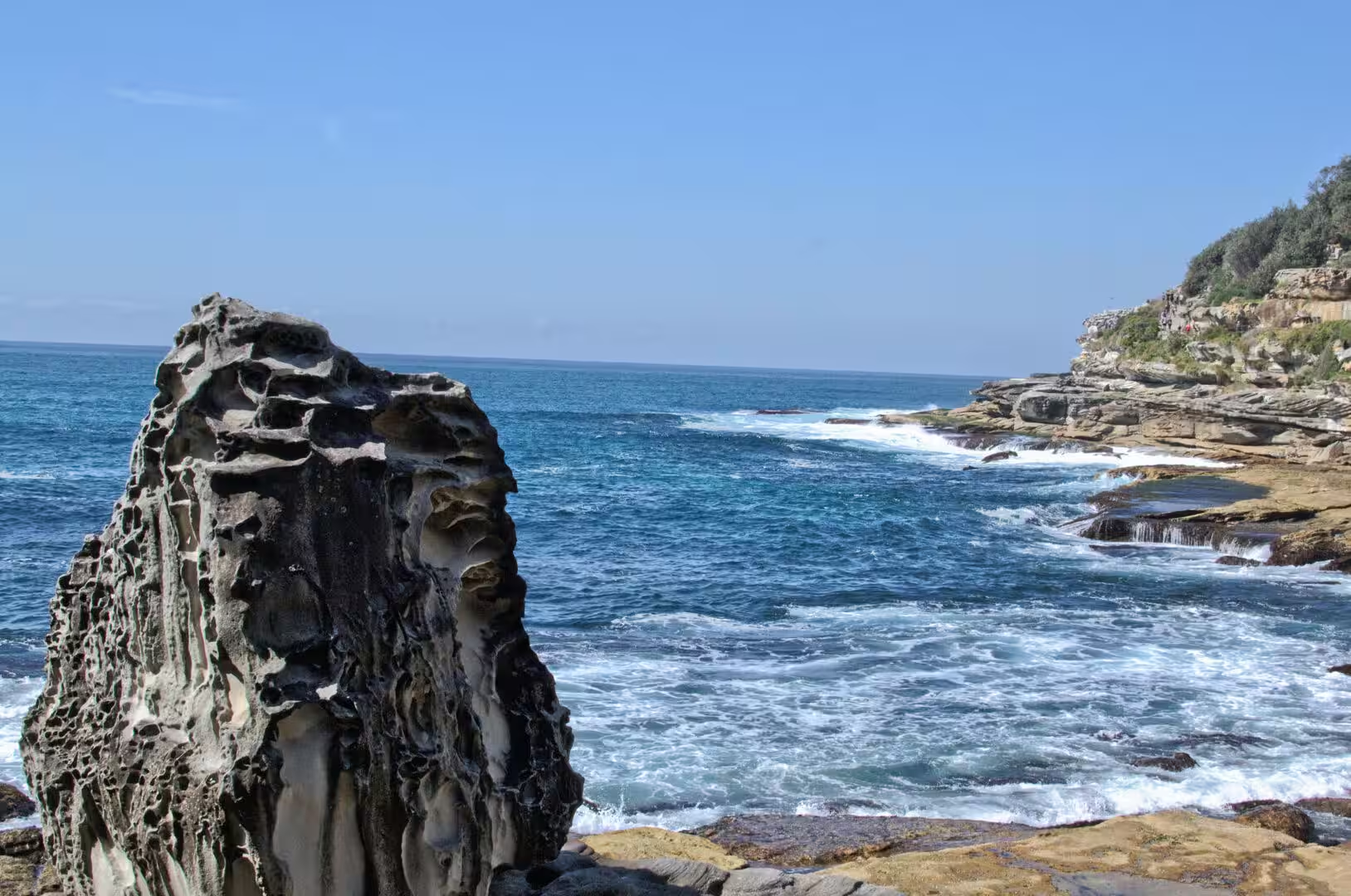
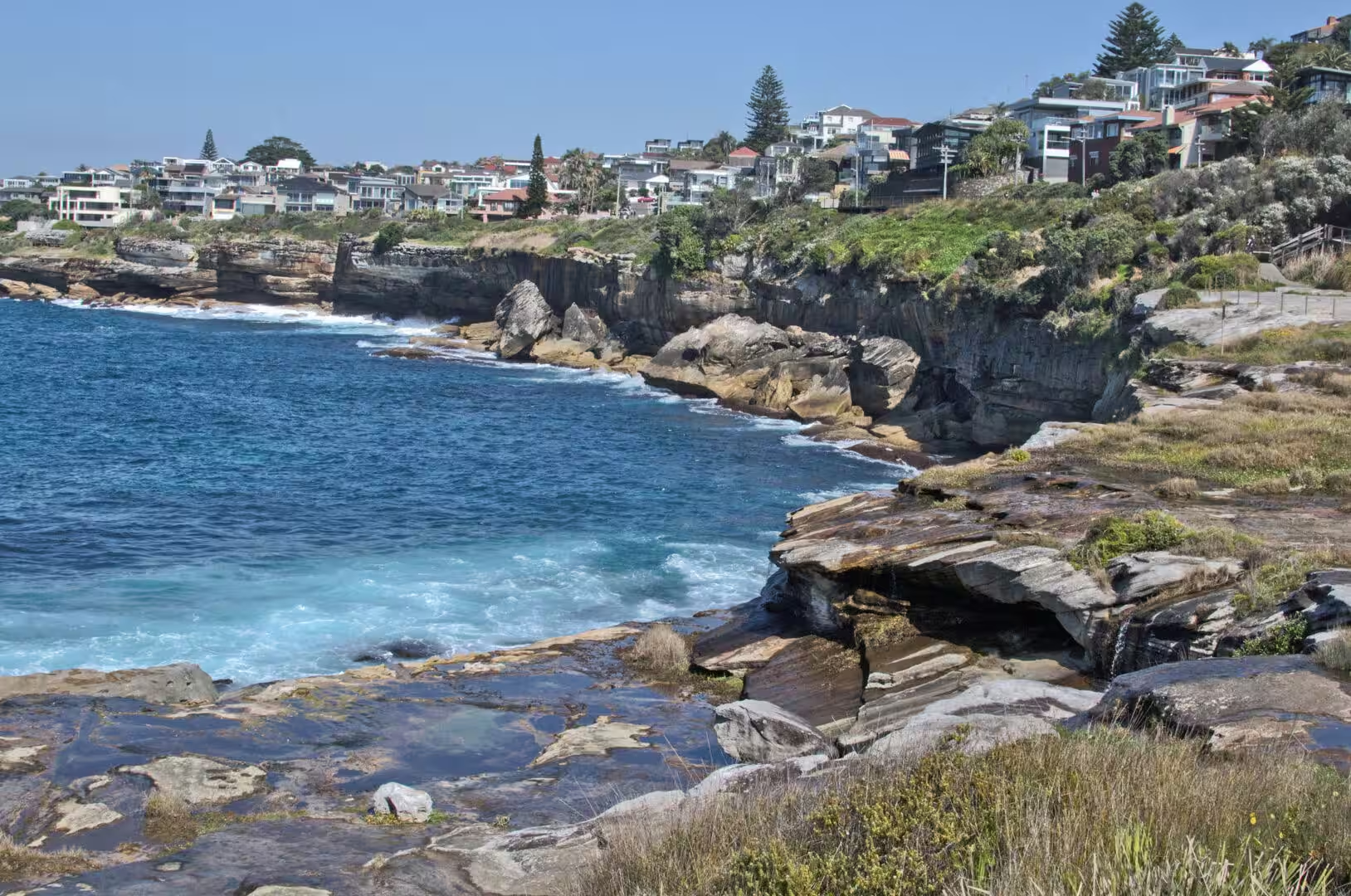
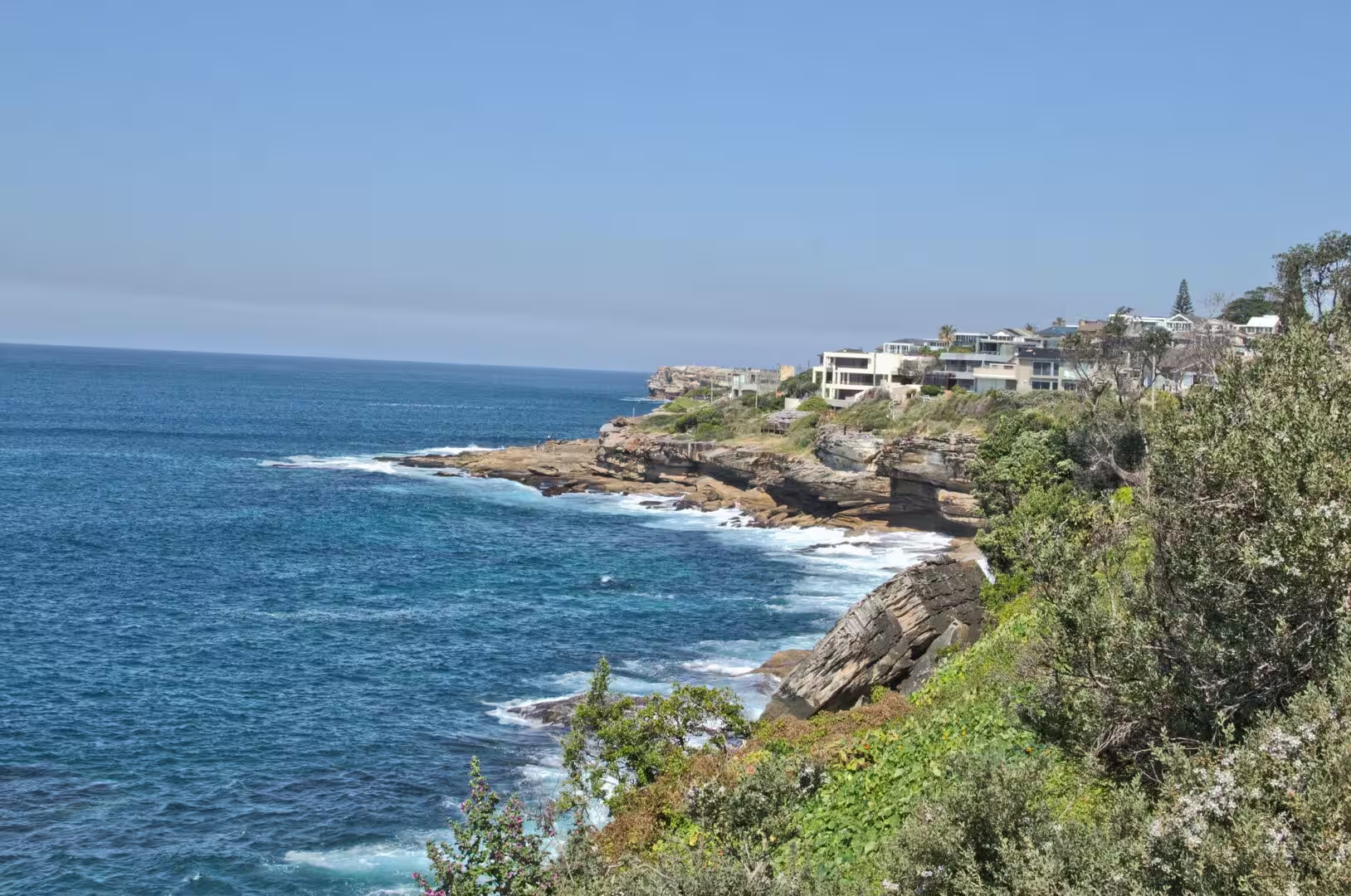
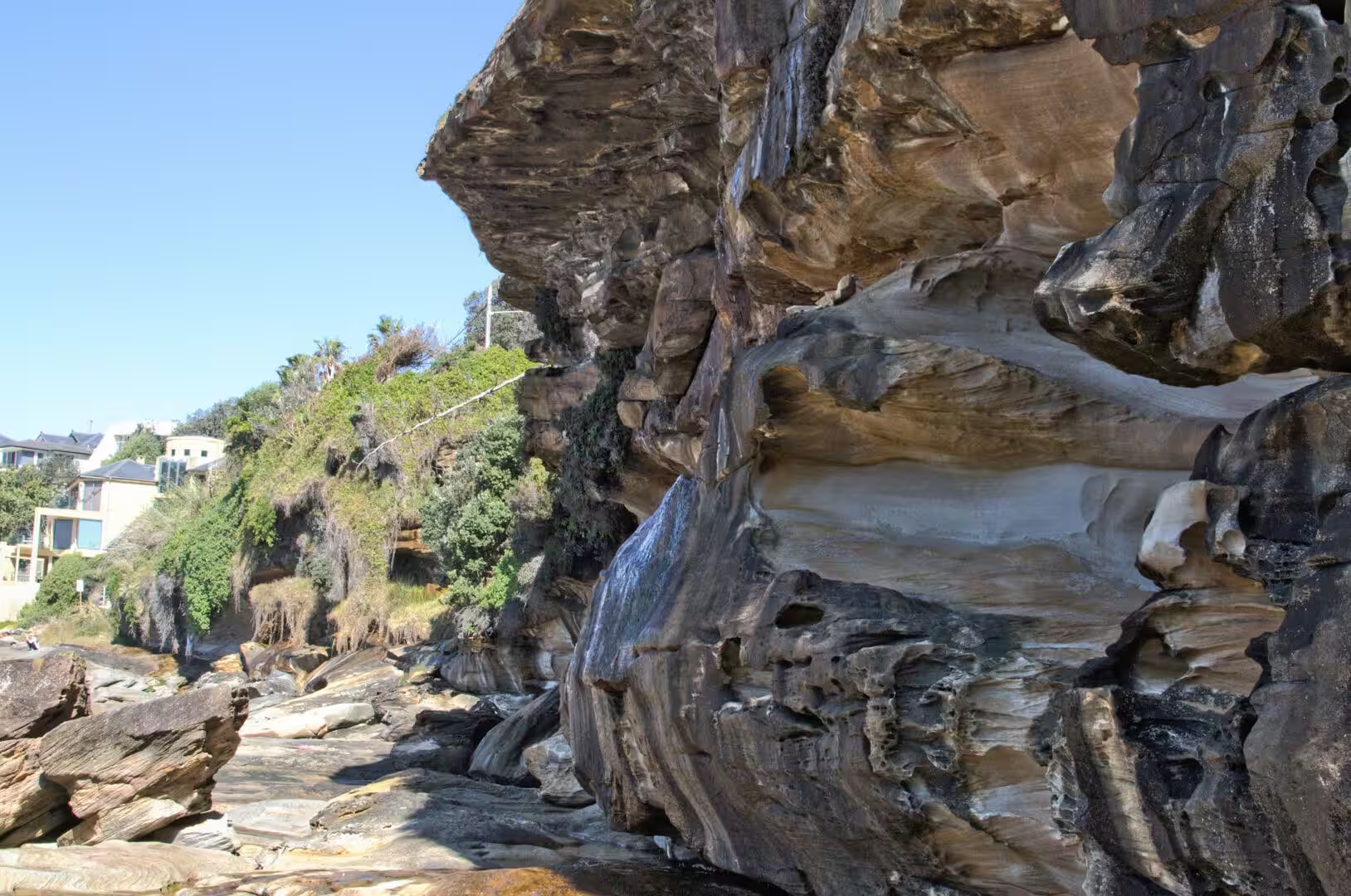
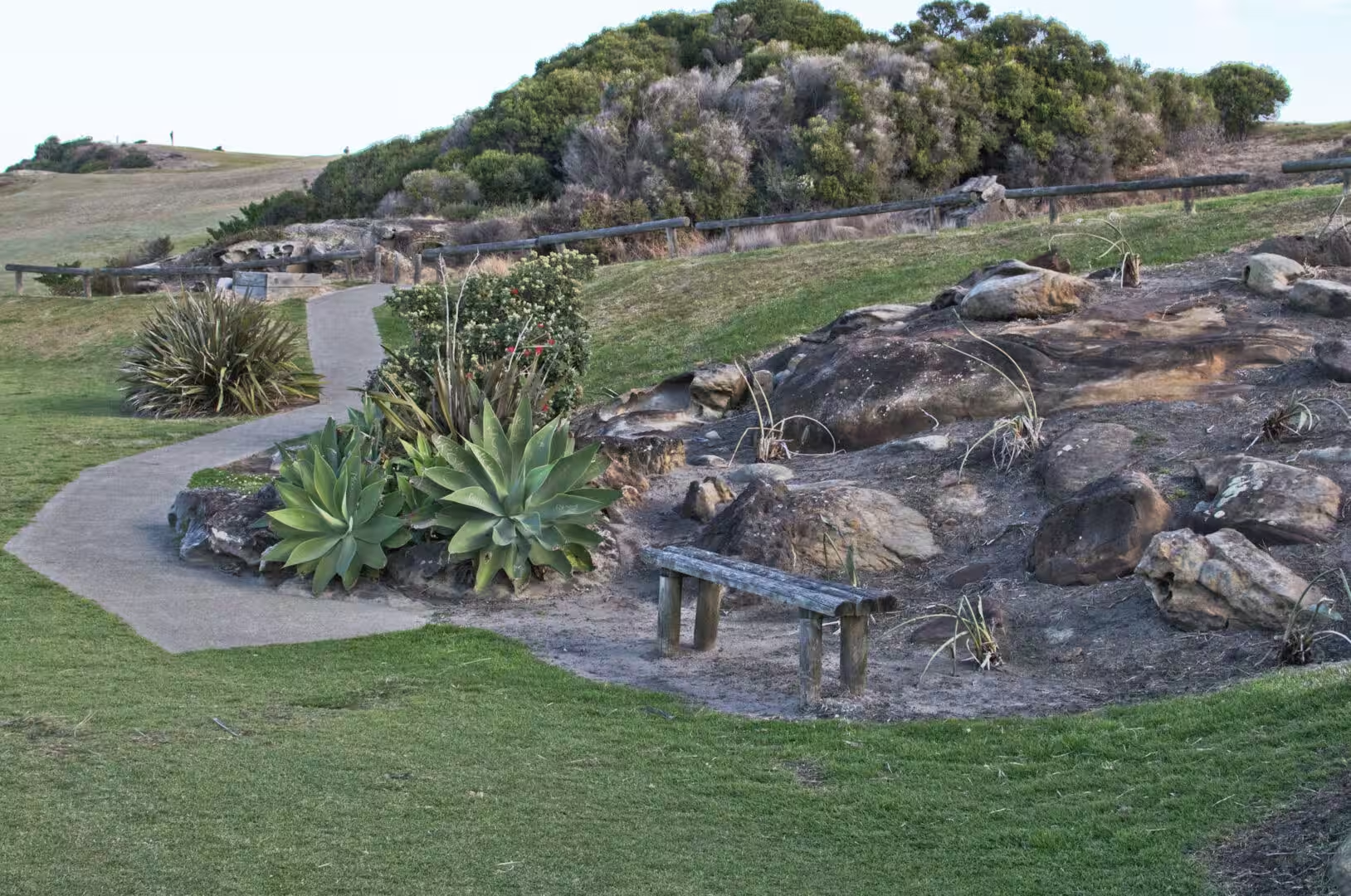
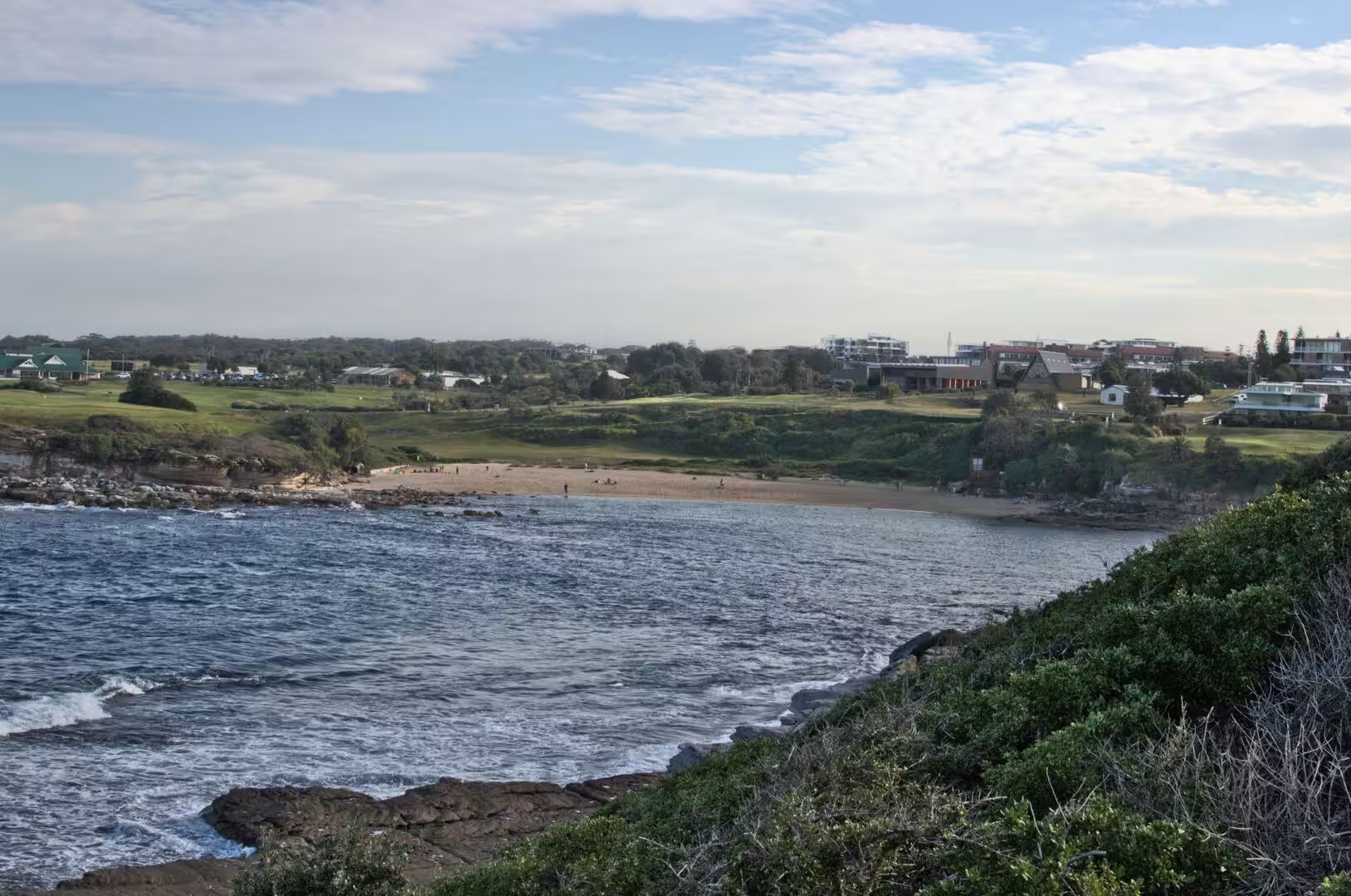
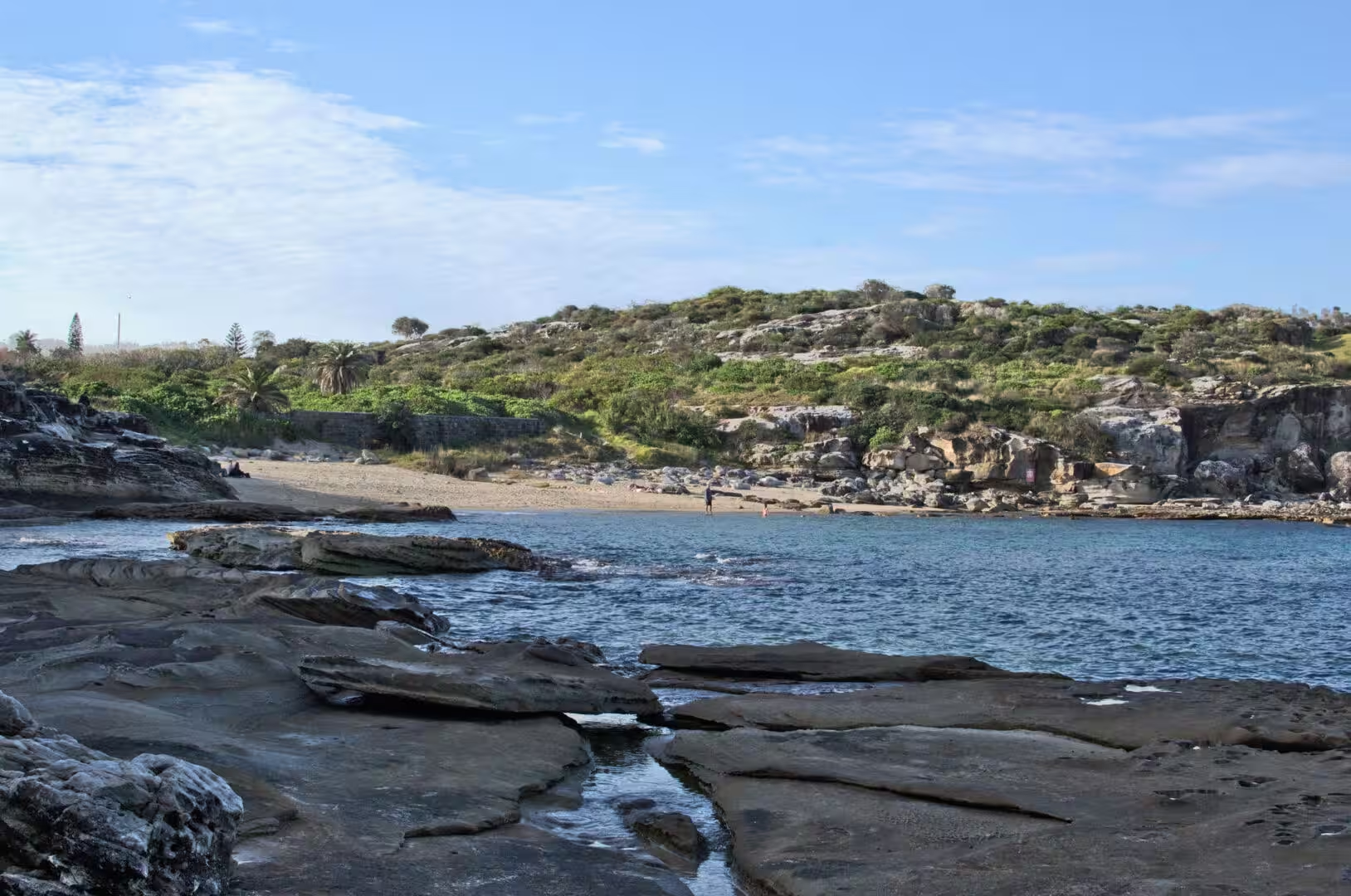
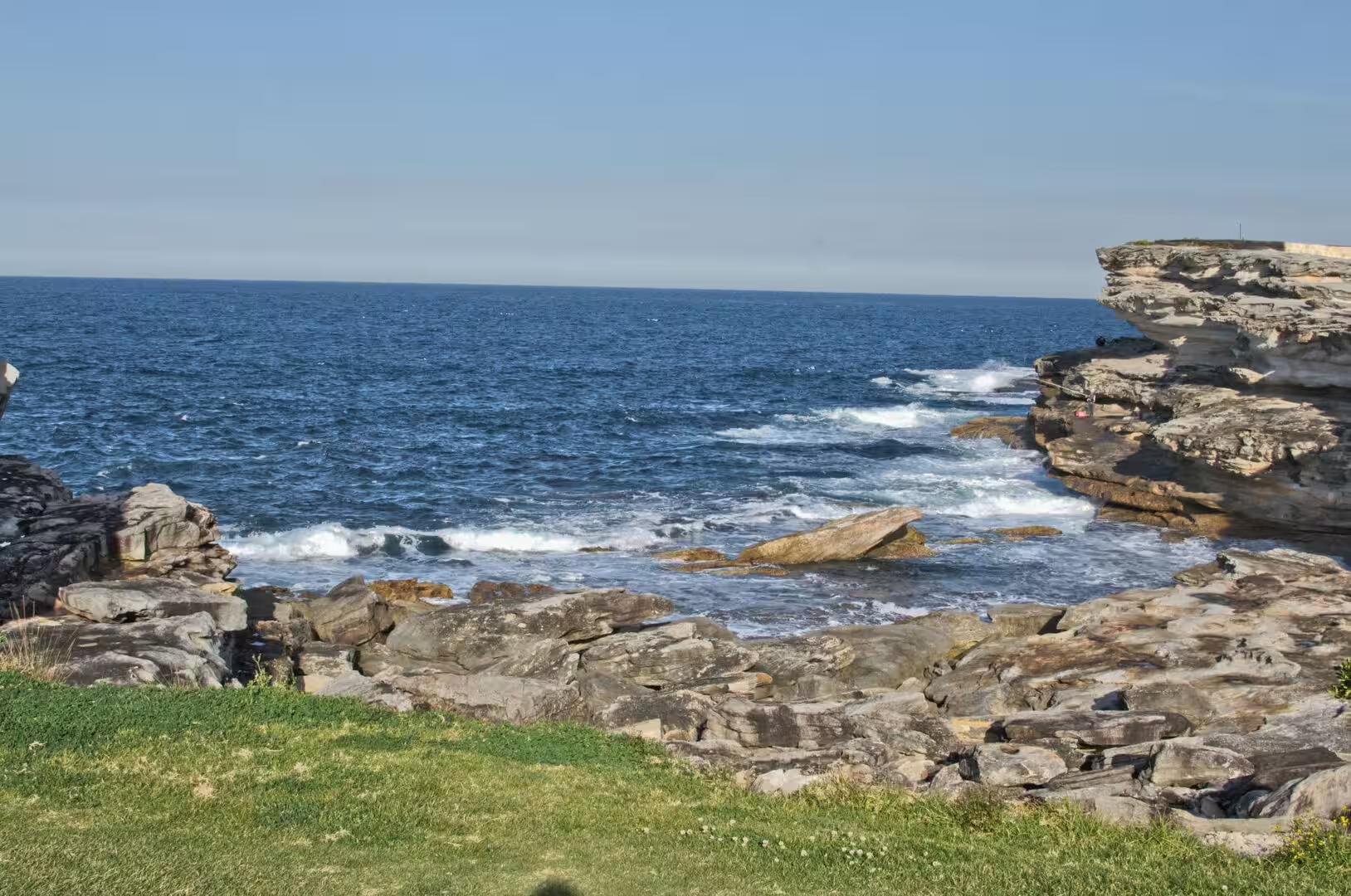
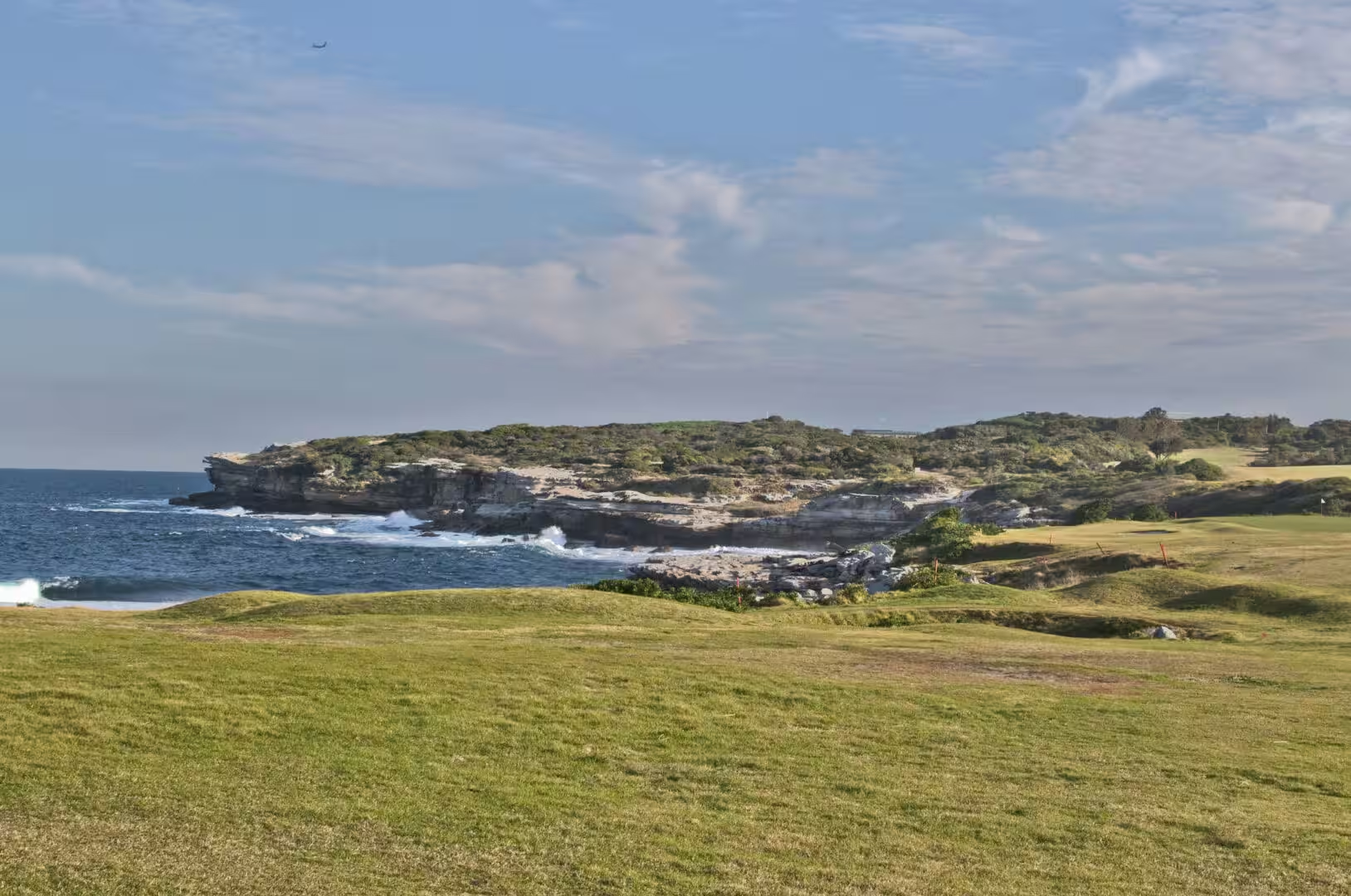
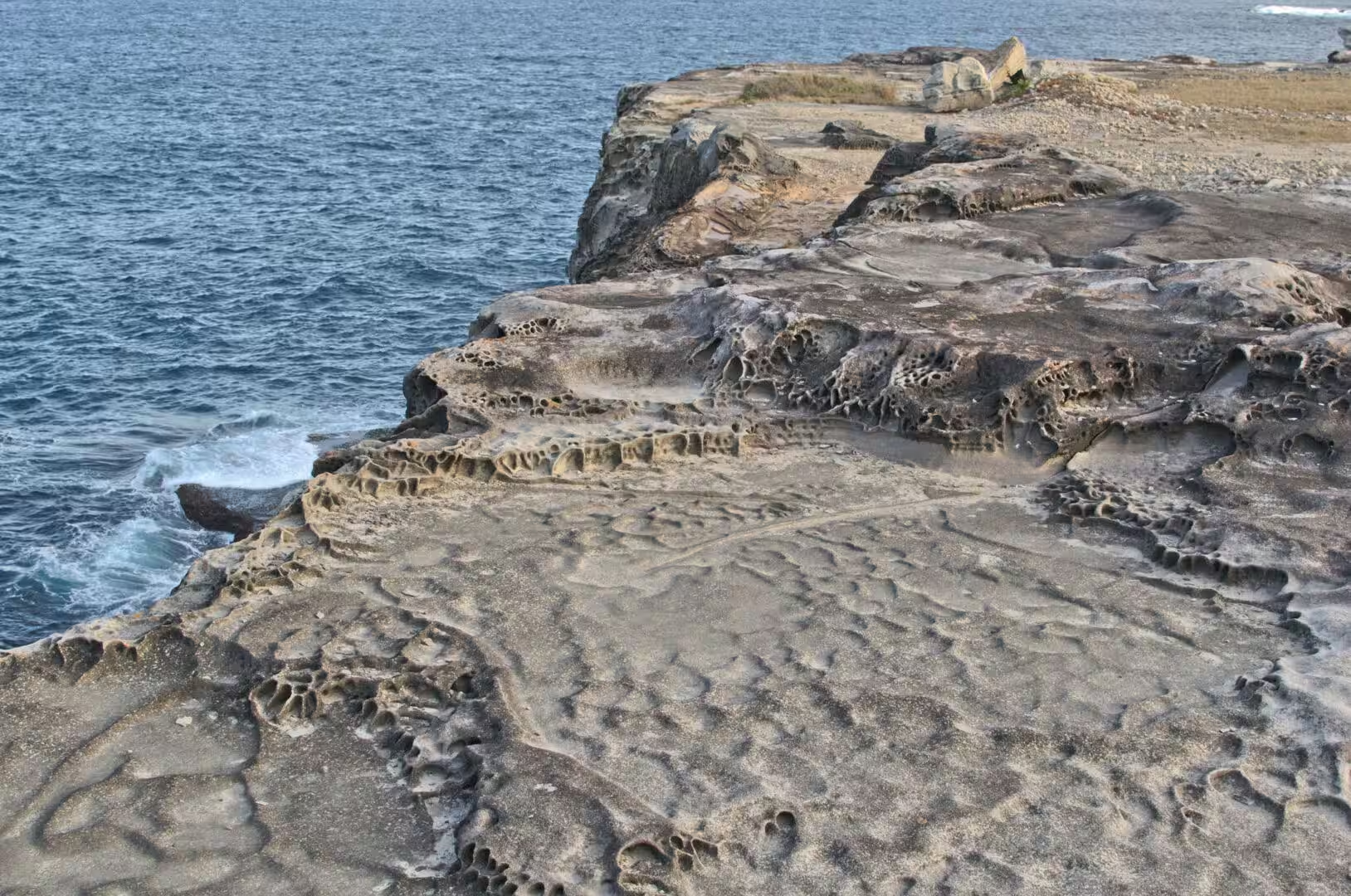
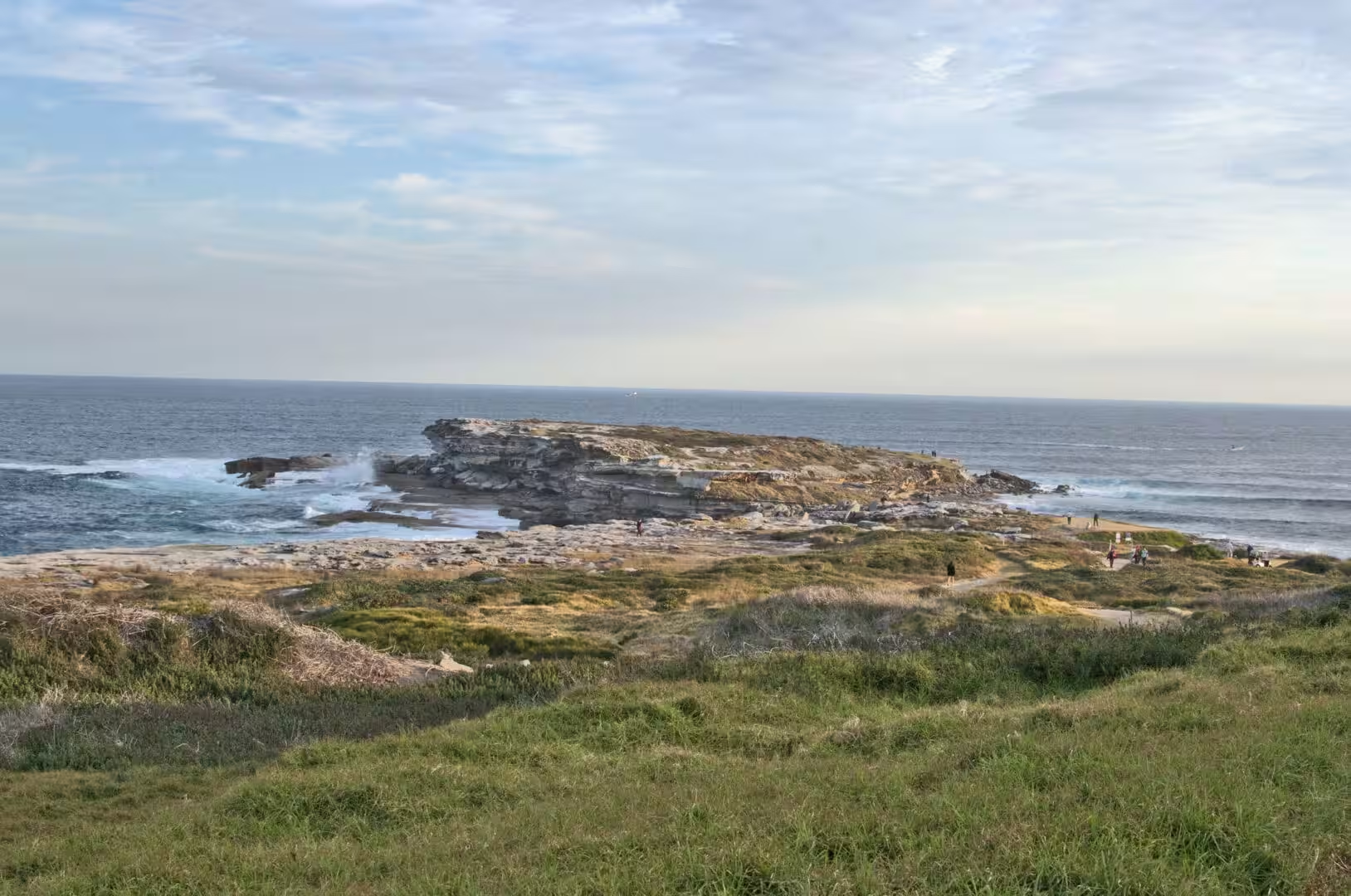
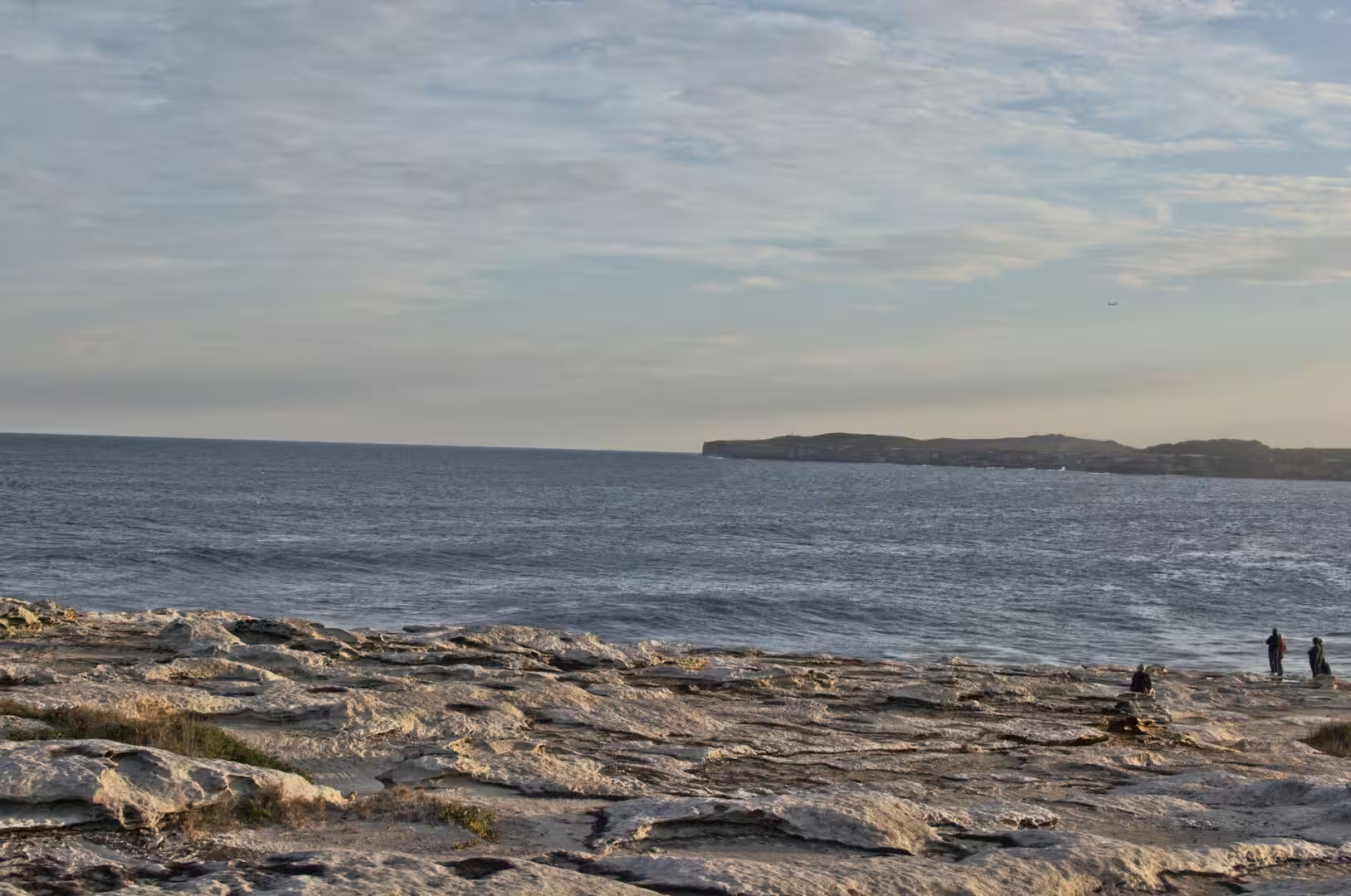
The beaches of the eastern suburbs are a sequence of sand trapped between sandstone headlands, and the walk that links them is a walk through the geology of the coast. Each headland is a resistant mass of the same Hawkesbury sandstone, each bay between them is filled with sand that the sea has moved along the shore, and each beach has a reef, a lagoon and a platform of rock at the end of it. The pattern repeats for six kilometres, and the coastal path follows it.
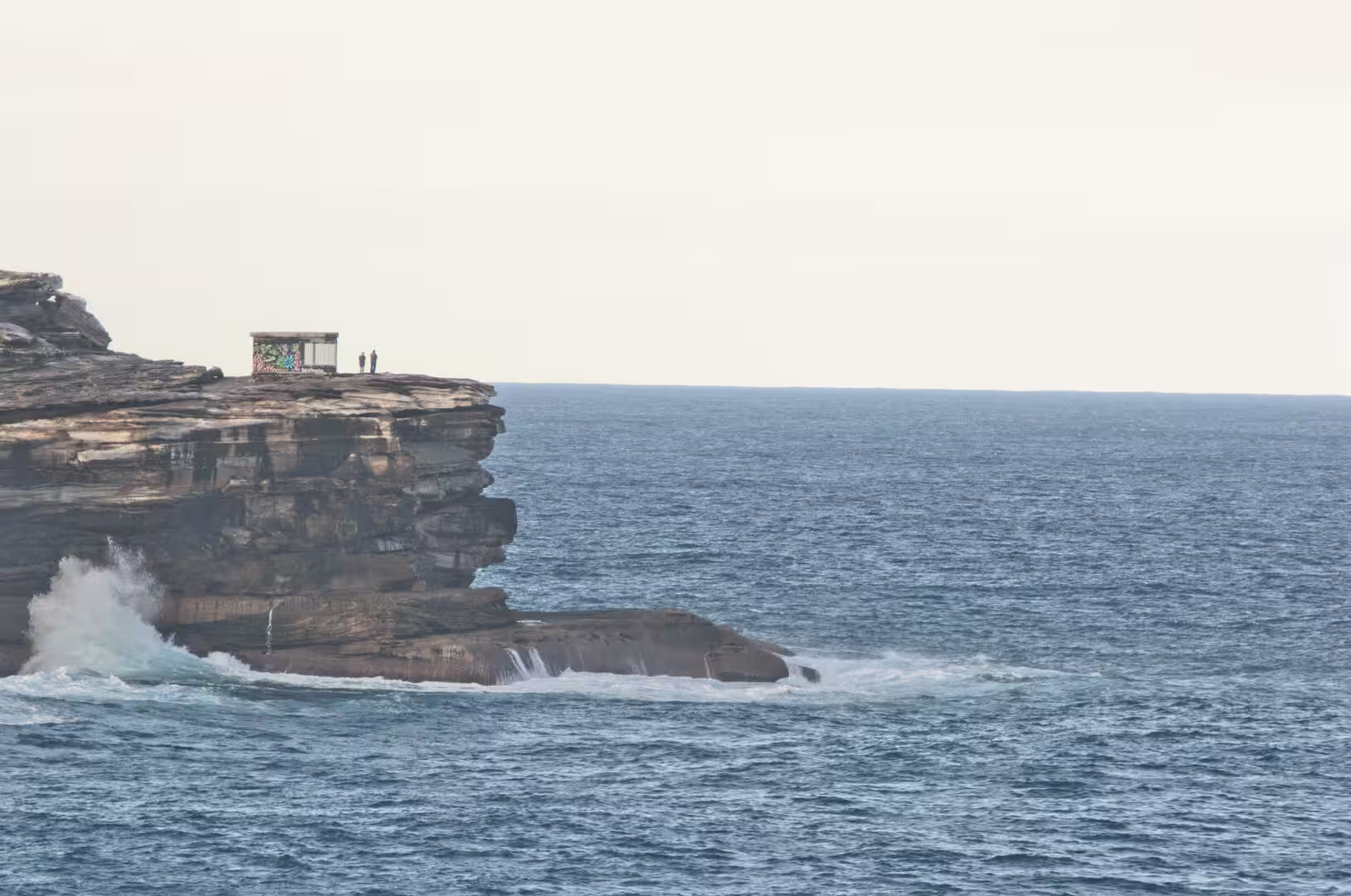
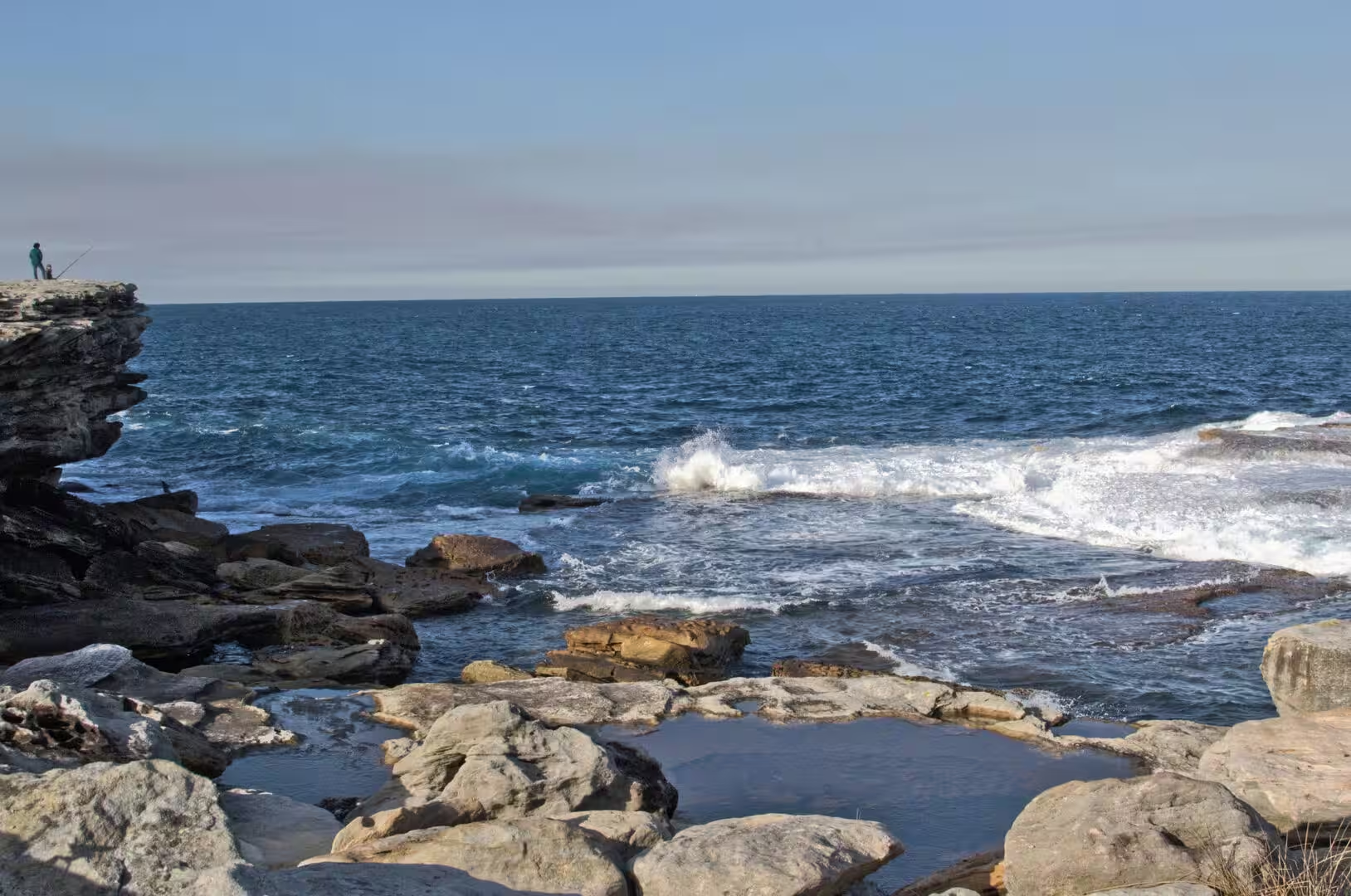
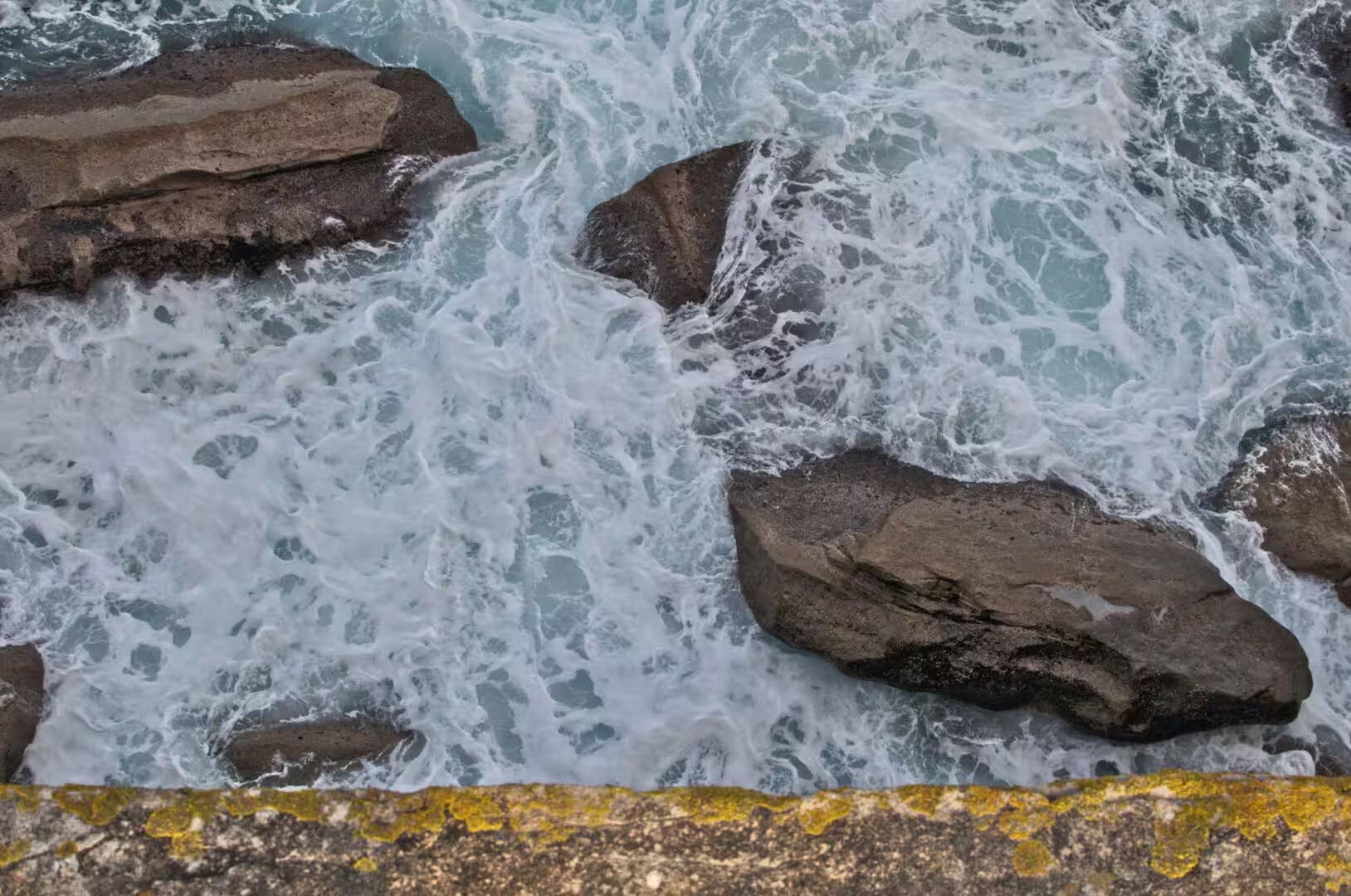
The rock platforms at the headlands are the most interesting places at low tide. They are the top of the sandstone where the sea has planed it flat, and they are cut by joints and crossed by bedding planes that are visible in the pattern of the ledges and the pools. The green and brown algae that covers the lower parts of the platforms, the barnacles and limpets of the middle zone and the lichens of the splash zone make a map of the tides on the rock, and the pools in the hollows hold the small animals of the coast.
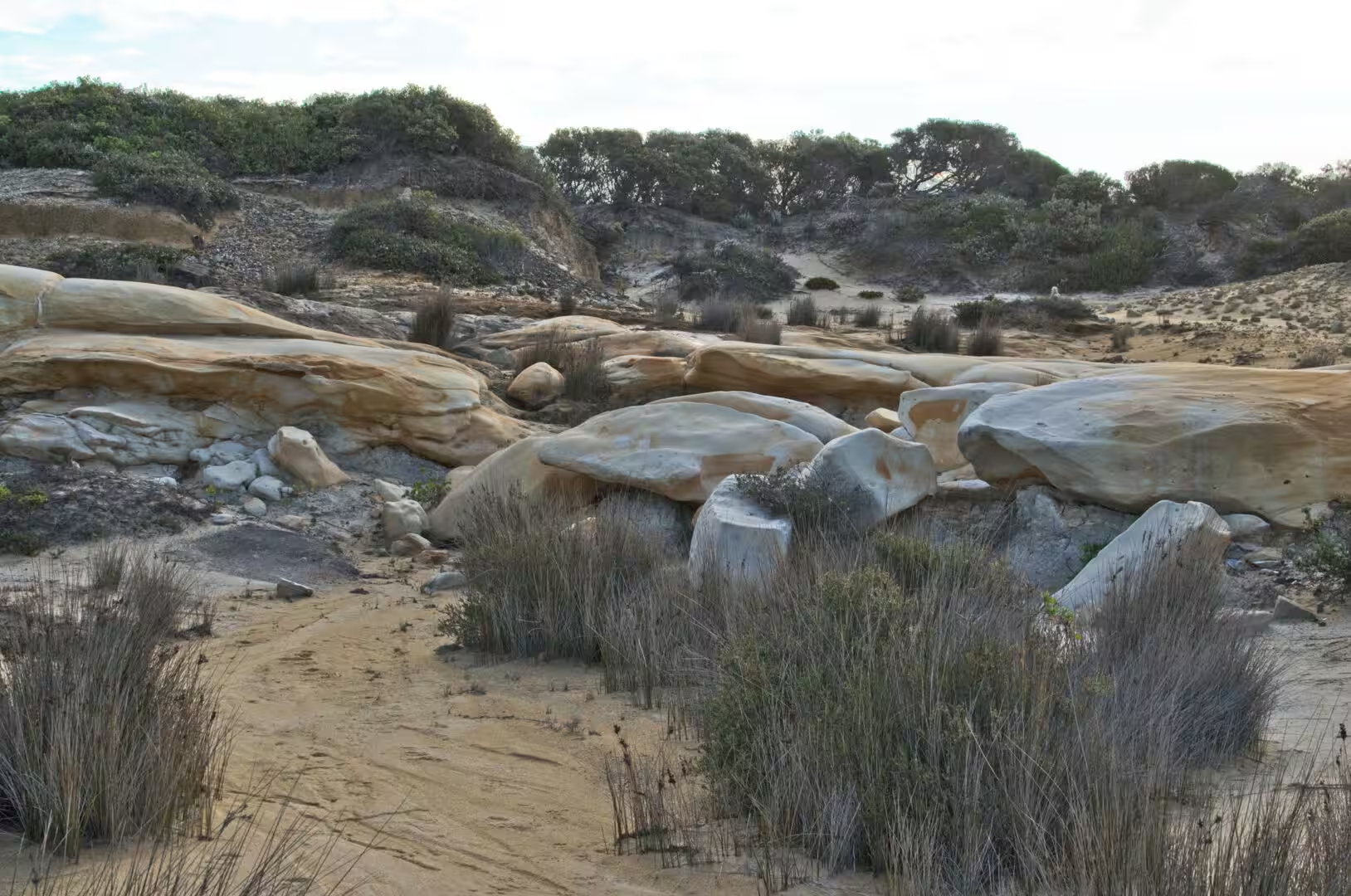
The sand itself is a mixture of materials from several sources. The quartz comes from the rivers and from the erosion of the sandstone, the darker minerals come from the volcanic and sedimentary rocks of the hinterland, and the shell fragments are produced by the animals of the reefs and the beaches. The colour of the sand changes from beach to beach with the proportions of the mixture, and the sand moves along the coast in a drift that runs northwards, driven by the swell.
The energy of the sea is the engine of the whole system. The swells arrive from the Tasman Sea with long intervals between them, they break on the shallow banks at the headlands, and they move the sand that the next storm will move back. The cliffs behind the platforms are attacked by the same waves at the level of the high tide, and the rocks that fall from them are the source of the boulders that lie on the shore. On this coast the geology is not a background to the beaches: it is the reason they exist.
The headlands that separate the beaches are also the source of the sand in them. The sandstone is eroded by the waves at the level of the high tide, the debris is broken down by the surf, and the quartz grains that survive the journey are carried along the coast by the current and deposited on the next beach. The process runs in both directions with the seasons, which is why the beach is wider in summer and narrower in winter, and why the sand and the cliffs of the eastern suburbs are the same material seen in two different states.
The tides on this coast are small compared with those of the north west of the continent, but the change is enough to expose the platforms twice a day and to fill the rock pools. The pools are the most accessible piece of marine habitat in the city: a child with a net can find crabs, small fish, anemones and sea stars in them, and the species in the pools at Bondi are the same ones that live on the reefs further out. They are also the reason the platforms are protected and the reason visitors are asked to leave the animals where they find them.
Things to See
The coastal walk is the activity of the day and should be done in one direction. The path is sealed and well used, it can be joined or left at any of the beaches, and the buses and the trains connect the ends of it. The whole route from Bondi to Coogee takes two to three hours at walking pace, and the best light is in the early morning and the late afternoon; a hat, water and shoes with a grip are the practical requirements.
The rock pools are the other attraction and should not be missed. Bondi has the seawater pool at the southern end, Bronte has the rock pool in the corner of the beach, and Coogee has the sea baths at the northern end and the ladies’ pool beyond them. All of them are filled from the sea, all of them have clubs and regular swimmers, and the experience of swimming in one while the surf breaks outside the wall is the distinctive pleasure of this coast.
The cemetery above Bronte deserves a visit of its own and rewards the time. The paths between the graves run along the cliff, the chapel at the top has a view over the ocean, and the graves themselves are a record of the city’s history in the nineteenth and twentieth centuries. Visitors are asked to keep to the paths and to respect the services that take place there, and the gates are open during daylight hours.
Anyone staying in this part of the city should use the mornings and the evenings and avoid the middle of the day. The beach is at its best before nine, when the light is on the water and the crowds have not arrived, and again in the last two hours before sunset, when the surfers take over and the beach takes on the quality of a public square. In between, the shade of the park, the cafes of the suburbs and the swimming pools of the rock are the sensible places to be, and the walk can be resumed when the sun is off the path.
A practical note for the walk that the locals take for granted: the surf on this coast is powerful even when it looks manageable, the rips form in the same places after every set of large swells, and the rock platforms are slippery when wet. Lifeguards patrol the patrolled beaches, the pools are safer for weak swimmers, and the coastal path is the only sensible way to see the cliffs. The beaches are within the reach of the buses and trains, the fares are the same as the city’s, and the last bus leaves shortly after the light goes.
References
- Wikipedia contributors (2026). Sydney. en.wikipedia.org/wiki/Sydney
- Wikipedia contributors (2026). Sydney Harbour. en.wikipedia.org/wiki/Sydney%20Harbour
- Wikipedia contributors (2026). Sydney Opera House. en.wikipedia.org/wiki/Sydney%20Opera%20House
- Wikipedia contributors (2026). Sydney Harbour Bridge. en.wikipedia.org/wiki/Sydney%20Harbour%20Bridge
- Wikipedia contributors (2026). Fort Denison. en.wikipedia.org/wiki/Fort%20Denison
- Wikipedia contributors (2026). Luna Park Sydney. en.wikipedia.org/wiki/Luna%20Park%20Sydney
- Wikipedia contributors (2026). Sydney Ferries. en.wikipedia.org/wiki/Sydney%20Ferries
- Wikipedia contributors (2026). Circular Quay. en.wikipedia.org/wiki/Circular%20Quay
- Wikipedia contributors (2026). The Rocks, New South Wales. en.wikipedia.org/wiki/The%20Rocks%2C%20New%20South%20Wales
- Wikipedia contributors (2026). Watsons Bay. en.wikipedia.org/wiki/Watsons%20Bay
- Wikipedia contributors (2026). Bondi Beach. en.wikipedia.org/wiki/Bondi%20Beach
- Wikipedia contributors (2026). Taronga Zoo. en.wikipedia.org/wiki/Taronga%20Zoo
- Wikipedia contributors (2026). Tasman Sea. en.wikipedia.org/wiki/Tasman%20Sea
- Wikipedia contributors (2026). Sydney Basin. en.wikipedia.org/wiki/Sydney%20Basin
- Pells P. (2018) Engineering properties of the Hawkesbury Sandstone. Engineering Geology of the Sydney Region. 179-197. doi.org/10.1201/9780203757390-10
- Verhoef P.N. (2017) Abrasiveness of Hawkesbury Sandstone (Sydney Harbour tunnel dredging) 68. Wear of Rock Cutting Tools. 175-189. doi.org/10.1201/9780203733981-16
- (ohne Angabe) (2018) Assessment of DDT, HCH and PAH Contamination and Associated Ecotoxicological Risks in Surface Sediments of Coastal Tema Harbour (Ghana). Sediments in the Tema Harbour (Ghana). 117-142. doi.org/10.1201/9780429451362-11