2019 Australia - Sydney Summer














Journal Notes
General
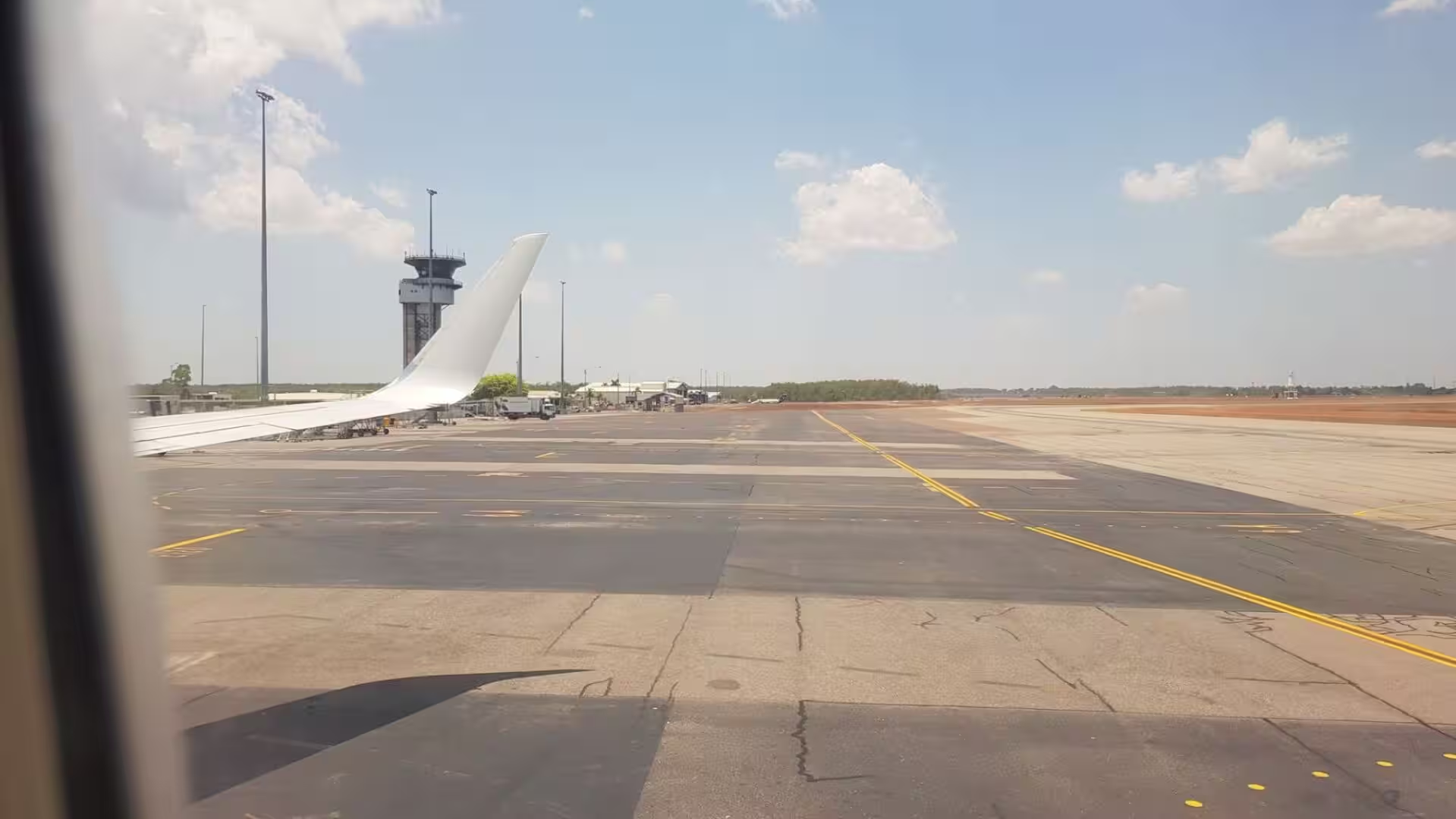
The summer of 2019 and 2020 was spent in Sydney, and the account of it begins with an ordinary thing: the wing of the aircraft over the control tower of the airport, seen from the window while the city below was still an idea. The journey that followed was not a road trip in the usual sense. The traveller stayed in one city for four months, and the country of the summer had to be found within a day’s drive of the harbour: the beaches of the north and the south, the bays of Pittwater, the escarpment of the Blue Mountains and the water itself, which is the centre of everything in Sydney.
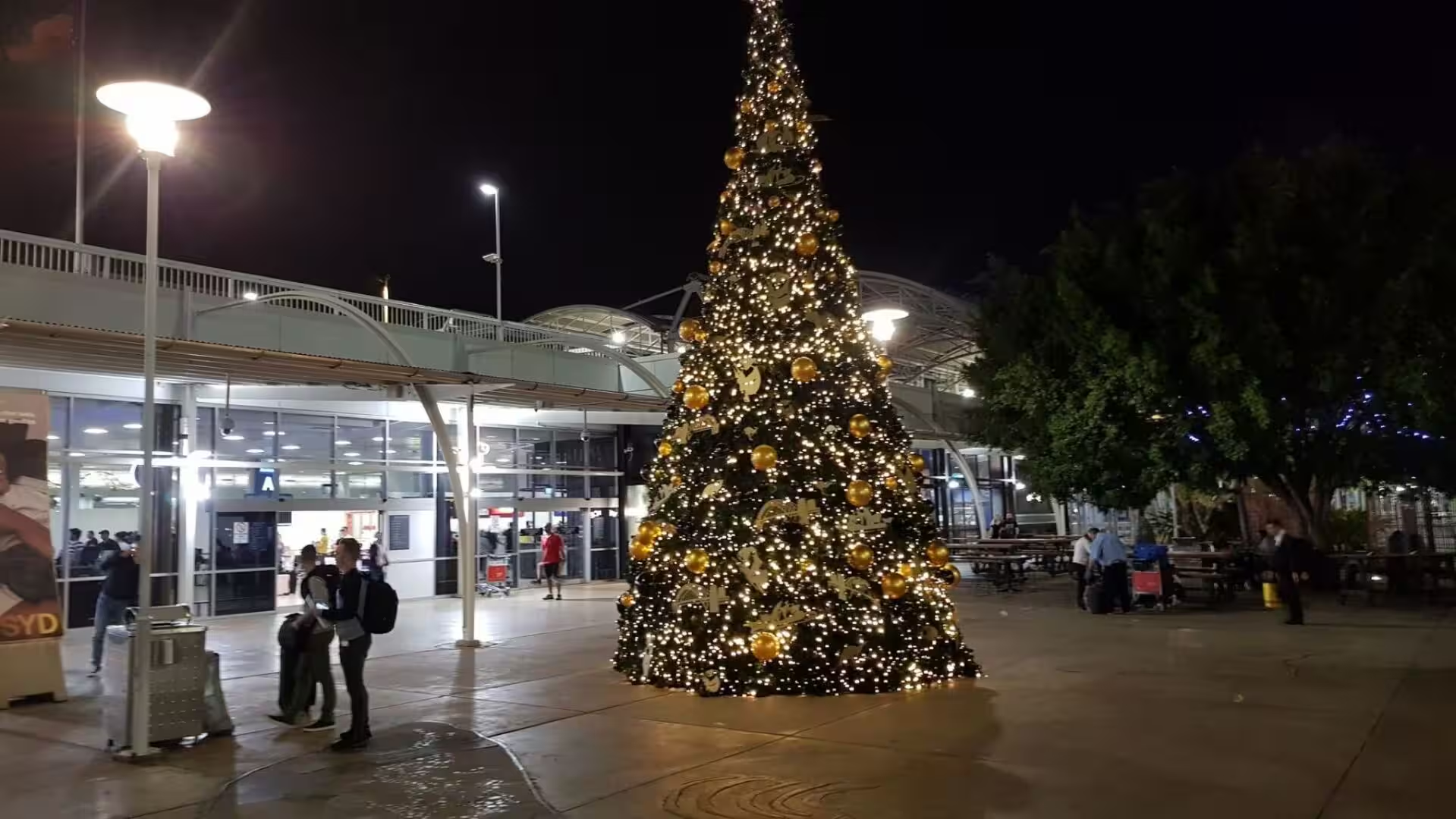
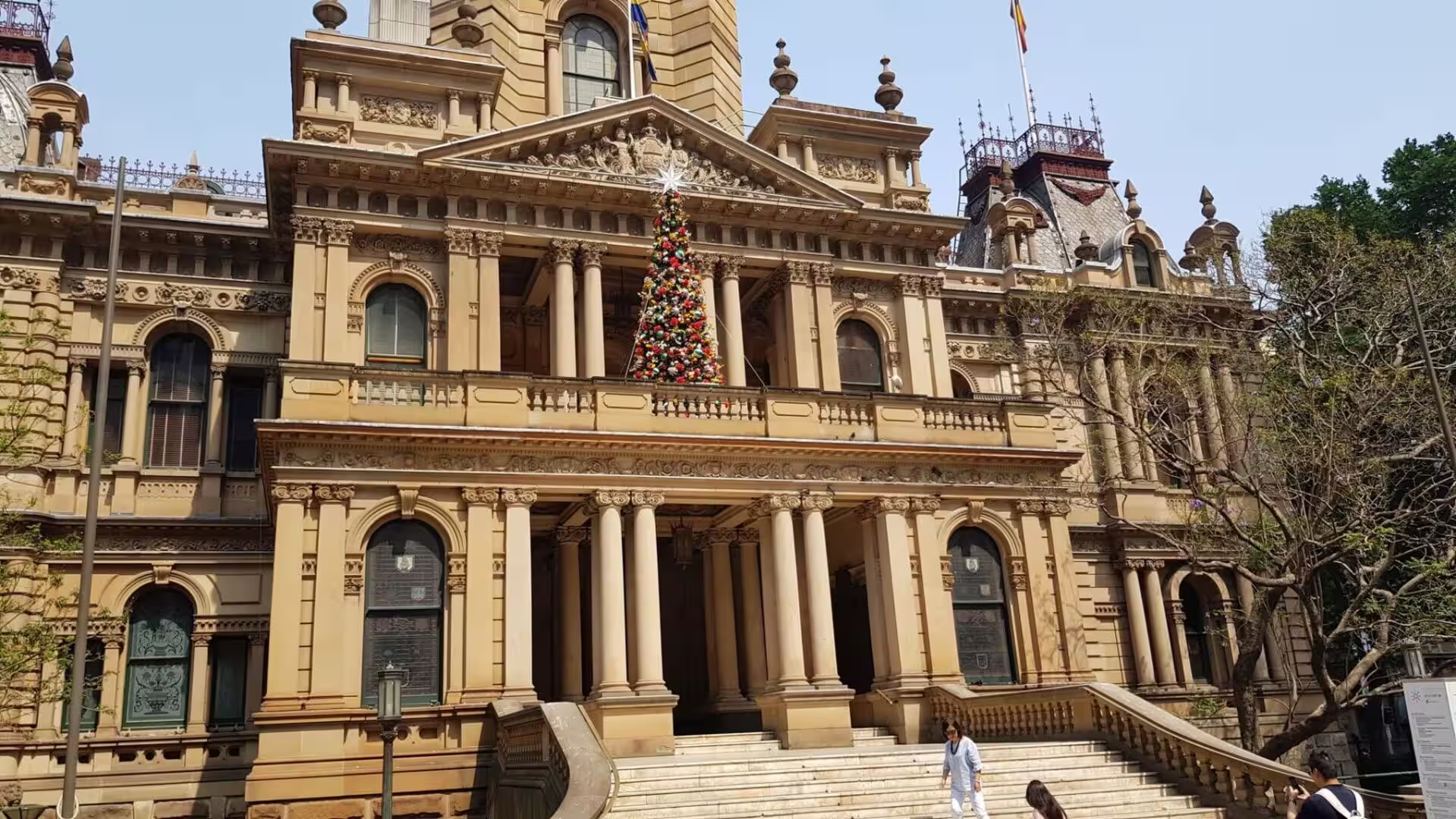
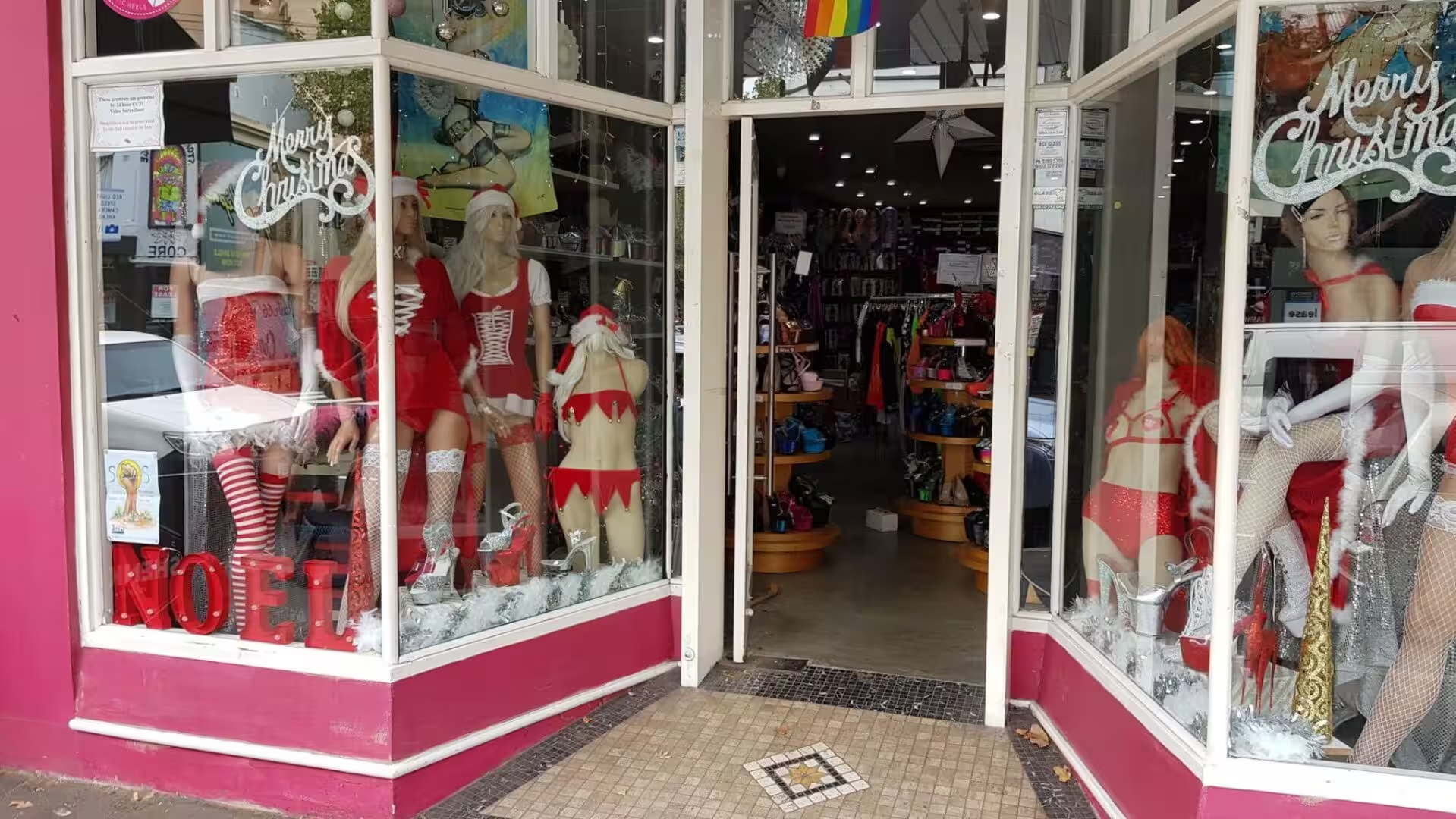
The city in November and December was already in its festive dress. The shopping centres put up their Christmas trees in the last week of November, the transit terminal at Circular Quay glowed with one of them beside its glass facade, the department stores filled their windows with mannequins in red Santa suits, and the whole of the harbour was decorated for the season. Christmas in the southern hemisphere falls at the beginning of the hot season, and the effect is a festival of long light: the evenings are warm, the jacarandas had finished, the beaches were full, and the tree in the terminal stood in sunlight rather than in the snow of the northern hemisphere.
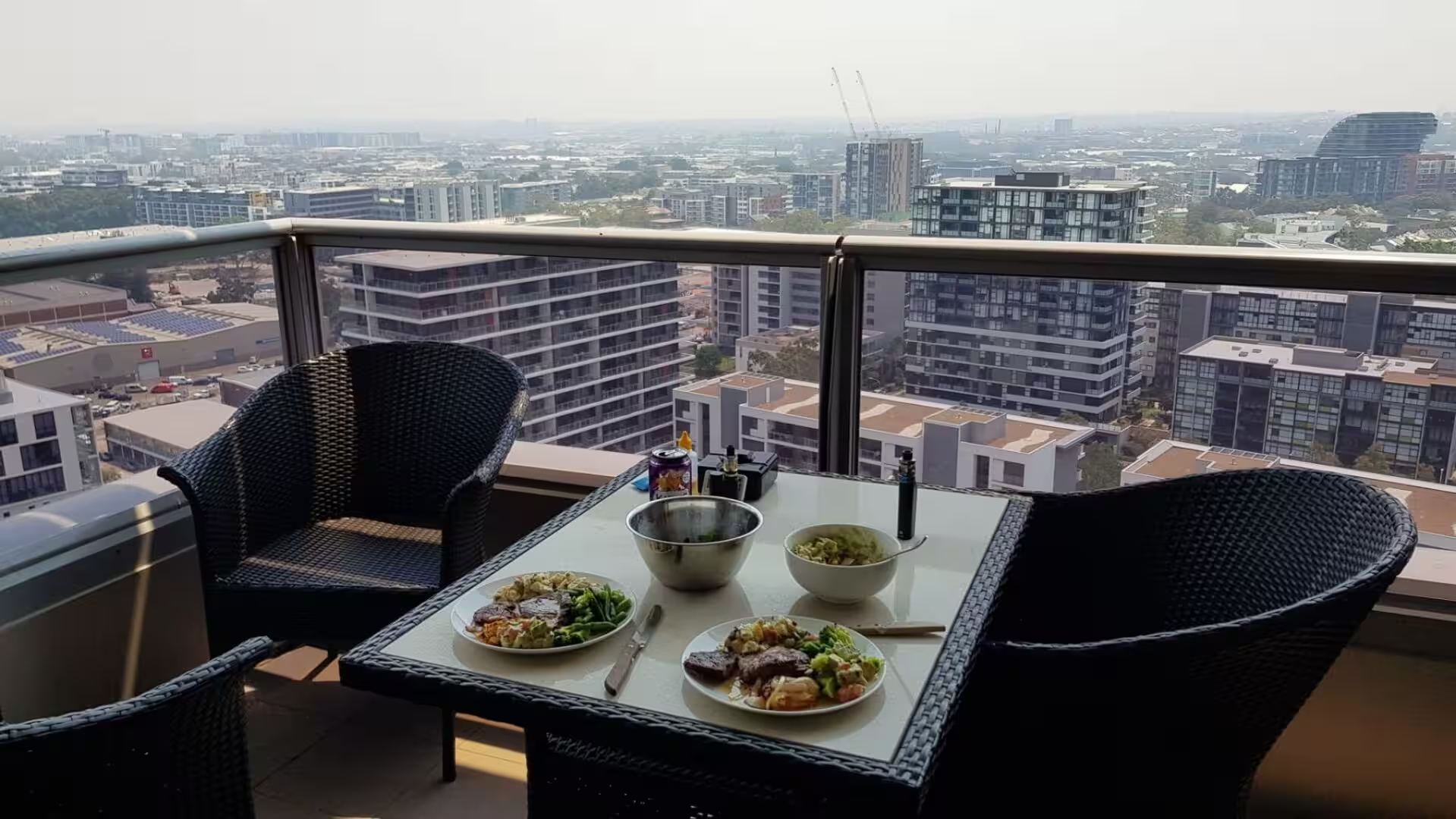
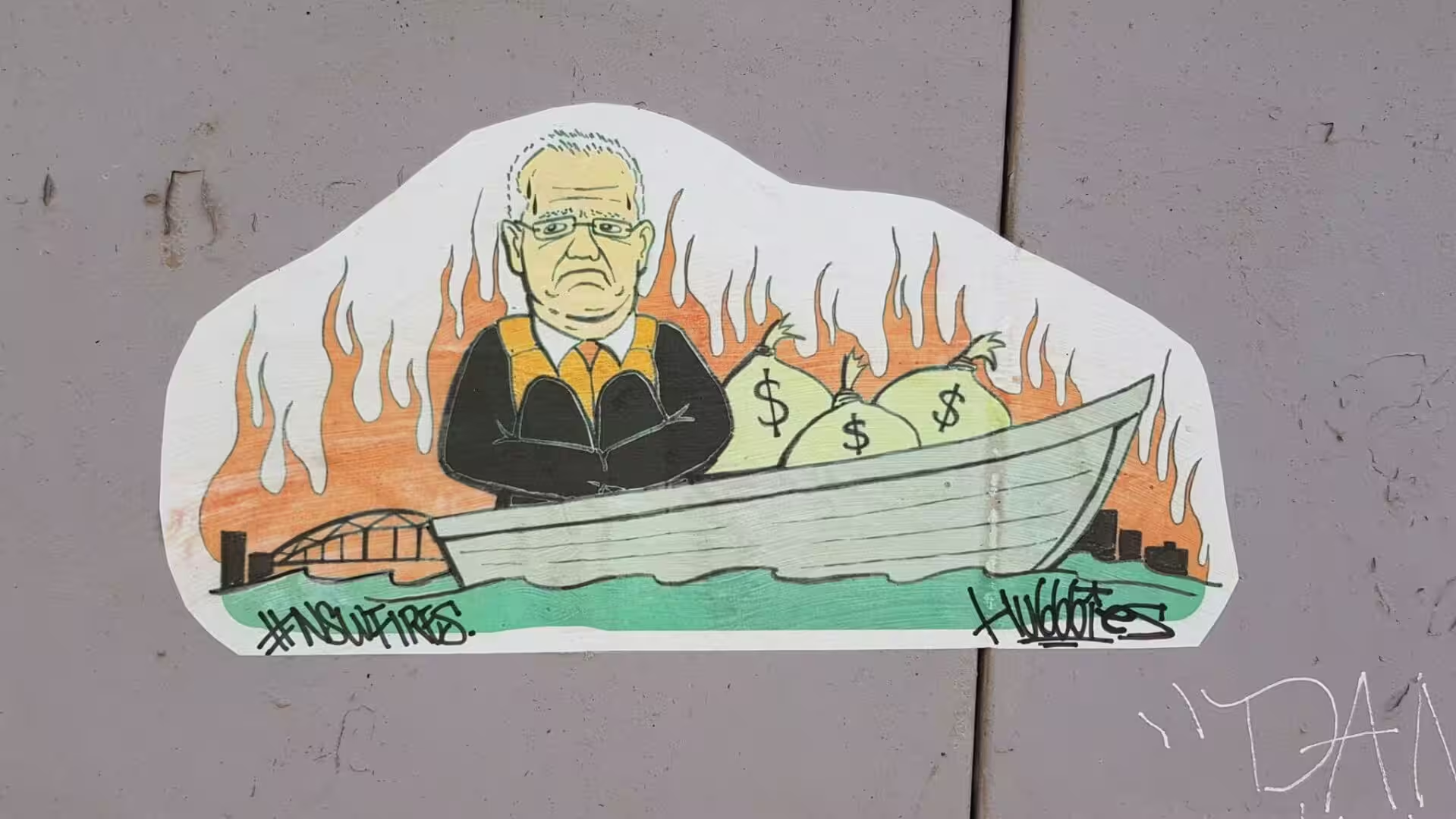
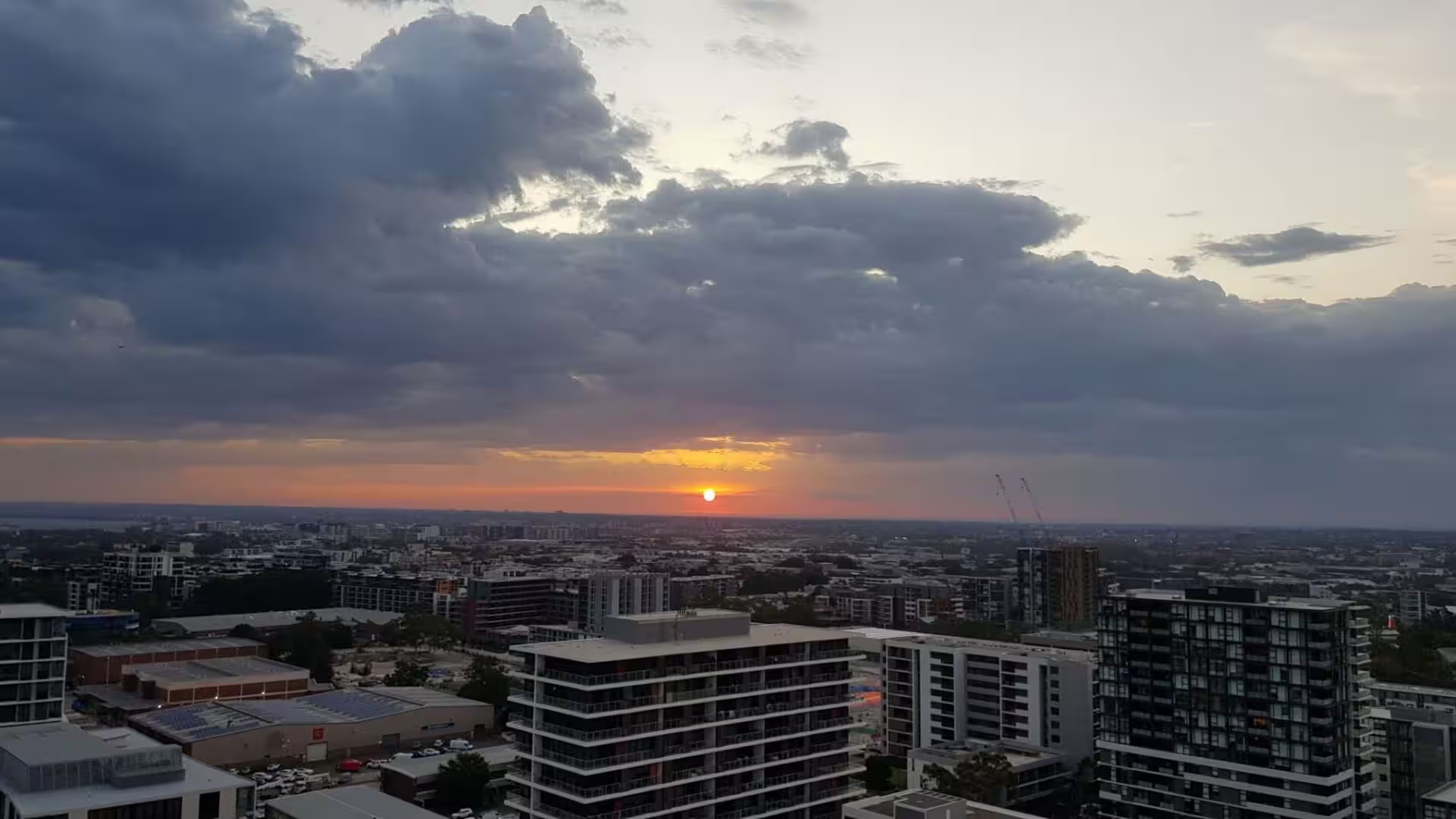
The heat of the summer and the smoke of the summer belong together in the memory of that year. The season of 2019 and 2020 was the Black Summer of the Australian bushfires, and Sydney lived through it under a sky that was alternately a hard blue and a brown haze: the sun came through the smoke as a pale orange disc, the horizon disappeared on the worst days, and the sunsets over the harbour were the colour of fire because they were fire.
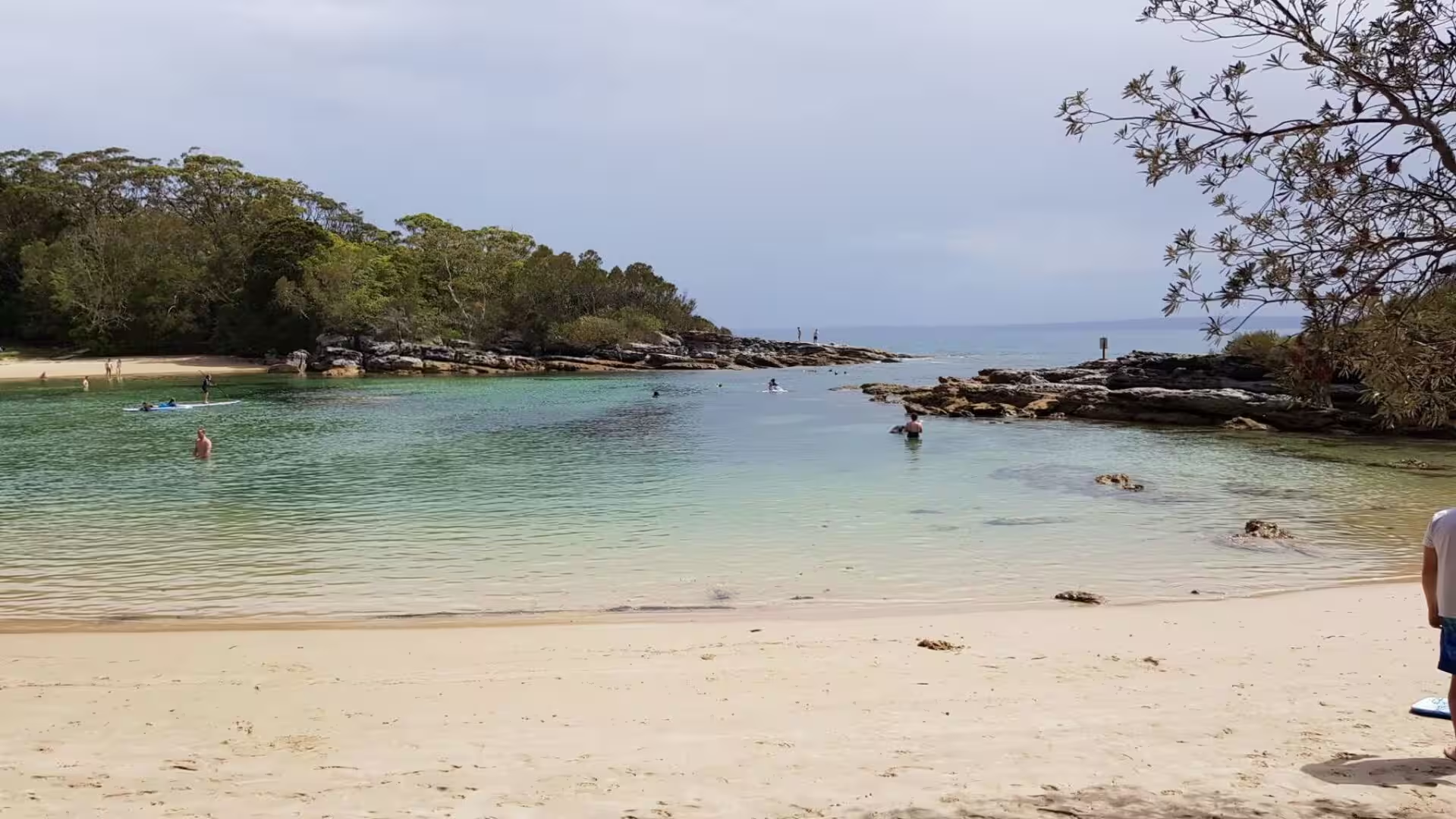
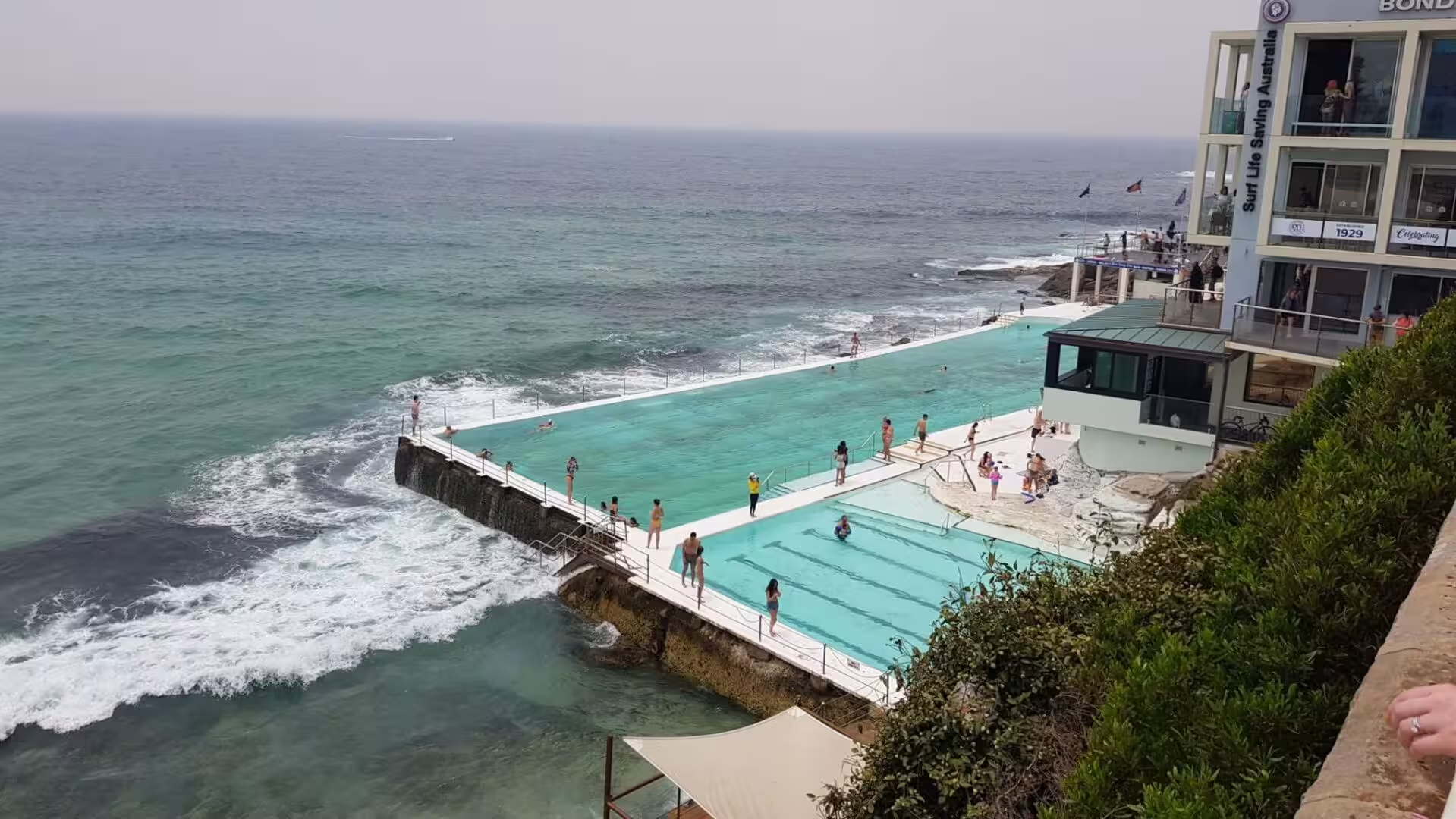
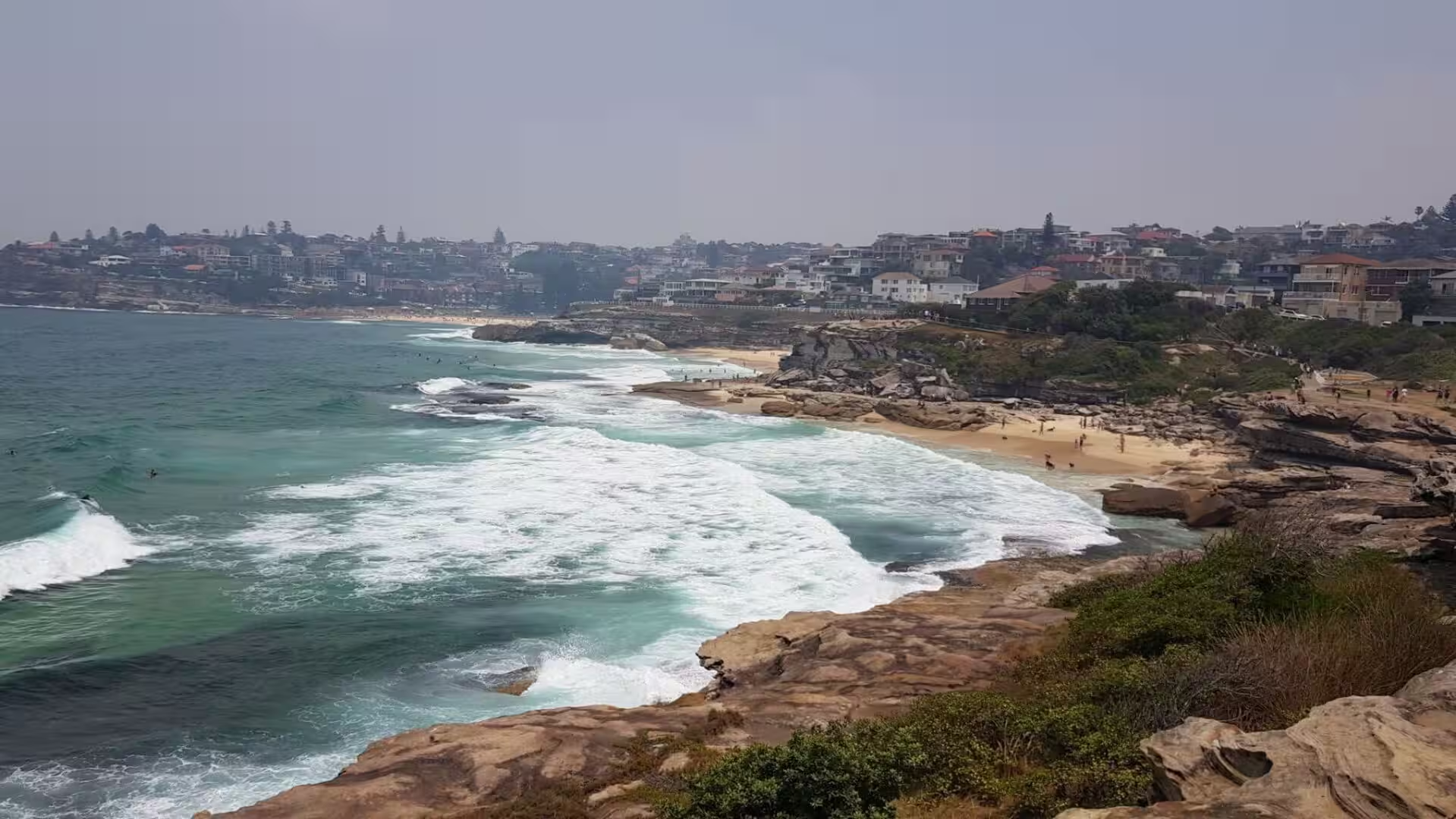
The summer was also the season of the beaches, and the traveller who has a harbour and an ocean within an hour of the same house learns to read the difference. The harbour beaches of the inner north are calm, green and shaded by trees, the ocean beaches of the east and the north are the long white breakers of the Pacific, and the ocean pools at the foot of the cliffs are the compromise between them: a rectangle of blue water cut into the rock, with the surf crashing over the edge at high tide and the swimmers going about their lengths as if the sea were not three metres away.
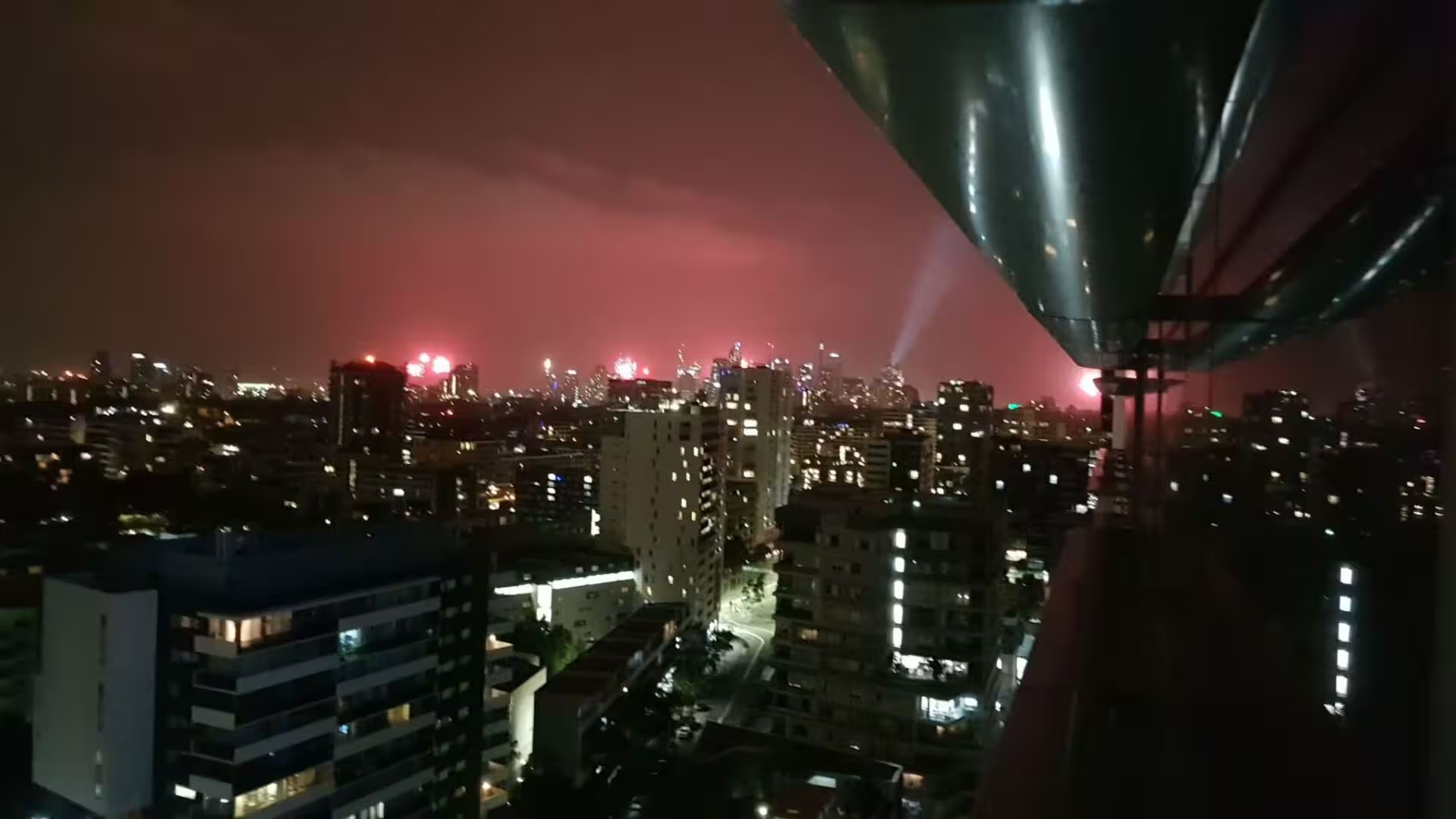
The two great festivals of the summer were the two nights that the city does best. New Year’s Eve was spent on a rooftop with the television and the laptop streaming the concert and the fireworks, and then on the balcony for the display itself: the red blossoms of the fireworks over the skyline, the Harbour Bridge lit with its festive lights, and the whole of the harbour full of boats.
History
Sydney is the oldest city of the country that the British made on this continent, and the whole of that history is in the harbour. The First Fleet arrived in January 1788 and the flag was raised at Sydney Cove, a small bay on the southern shore of the harbour, and the date is the reason the country celebrates its national day on the twenty sixth of January. The settlement that grew from the cove is now the central business district, the rocks of the western shore are the oldest surviving quarter of the city, and the harbour has been the working heart of the place ever since: the wharves, the ferry terminals, the dockyards and the warehouses of the nineteenth century are the waterfront that the visitor walks today.
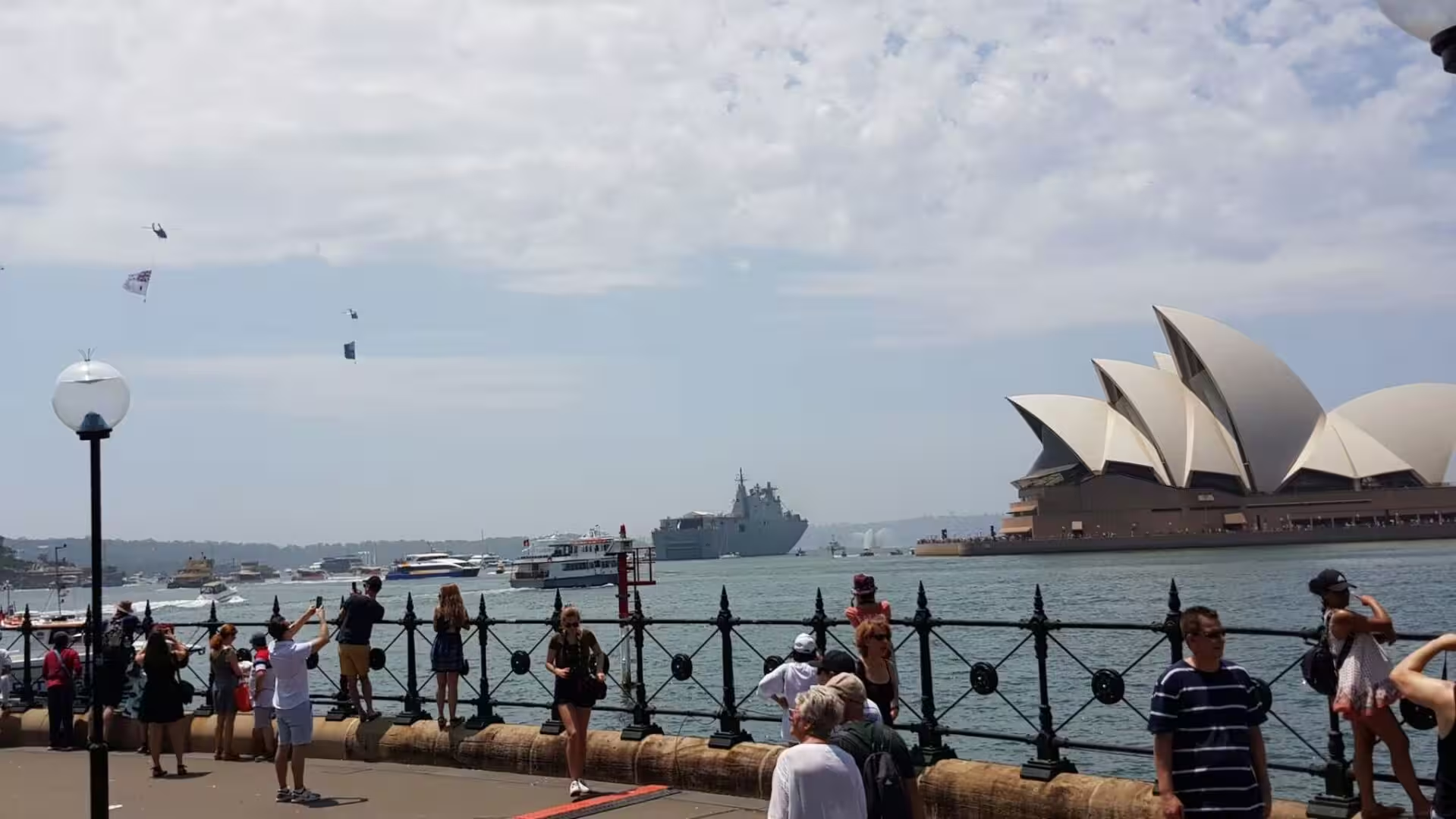
The two landmarks of the harbour were built within forty years of each other and they tell the story of the city in the twentieth century. The Harbour Bridge was designed and built by the British firm Dorman Long of Middlesbrough and opened in 1932, a steel arch spanning the water from the business district to the North Shore, and its general design was a rough copy of the Hell Gate Bridge in New York. The Opera House was the work of the Danish architect Jørn Utzon, who won the international competition in 1957, and it was completed by an Australian team under Peter Hall and formally opened by Queen Elizabeth II in October 1973, sixteen years after the competition.
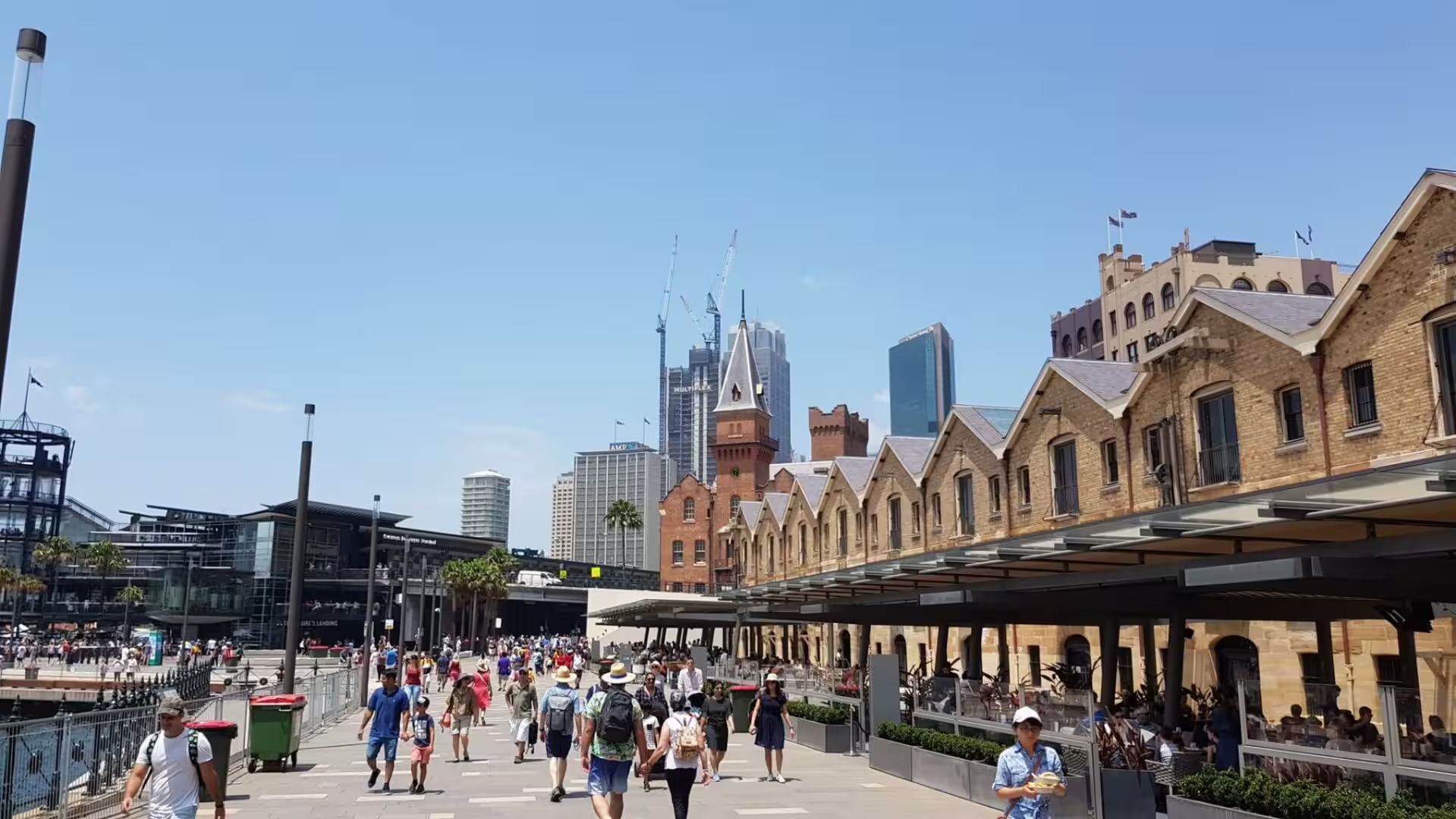
The Rocks and the waterfront are the third layer of that history. The quarter was the colonial settlement itself, it decayed into slums in the nineteenth century, it was nearly demolished by the plans of the twentieth, and it was saved by the protests of the 1970s and restored as the heritage precinct that the visitor walks through today: the old brick warehouses under their awnings, the pubs, the market and the view of the bridge from every corner.
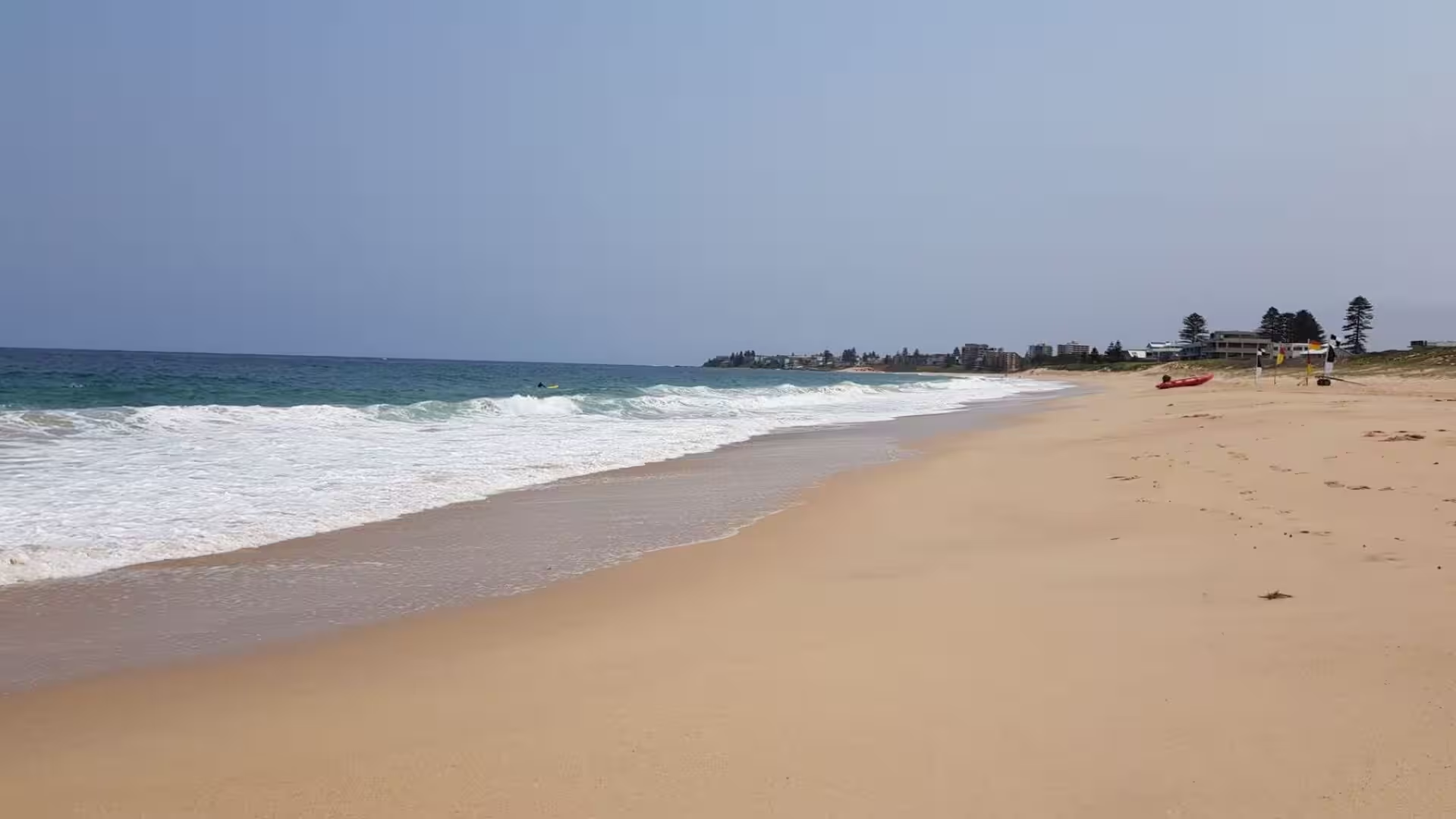
The beach culture of the city has its own history and its own institution. The surf lifesaving clubs of Bondi were founded in 1907 and the club of the southern end claims to be the first of its kind in the world, the members invented the surf reel and the other equipment of the rescue, and the red and yellow flags of the patrols have been part of the Australian summer ever since. The national day that the traveller watched in the harbour is the other face of that history: a country that celebrates its beginning on the date of the landing, and a debate about what that date means for the people who were there before the ships arrived.
Geology
The whole of Sydney stands on one geological formation, and it is the reason the city looks as it does. The Sydney Basin is a depression of sedimentary rock laid down in the Triassic period, and the Hawkesbury sandstone that fills it is the material of the cliffs of the harbour, the headlands of the coast, the escarpment of the Blue Mountains and the buildings of the city itself. The stone is soft enough to be cut and hard enough to stand, it weathers into the honeycomb and the rounded forms that the visitor sees on every headland, and it was quarried for the walls of the colonial buildings of the Rocks, which is why the old quarter and the cliffs are the same colour.
The harbour is a drowned river valley, and the map of it is the map of the rivers that were there before the sea rose. The water of Port Jackson follows the courses of the old valleys, its arms and its bays are the tributaries of a system that the ocean flooded at the end of the last ice age, and the deep water of the channel is the reason the city has a working port at all.
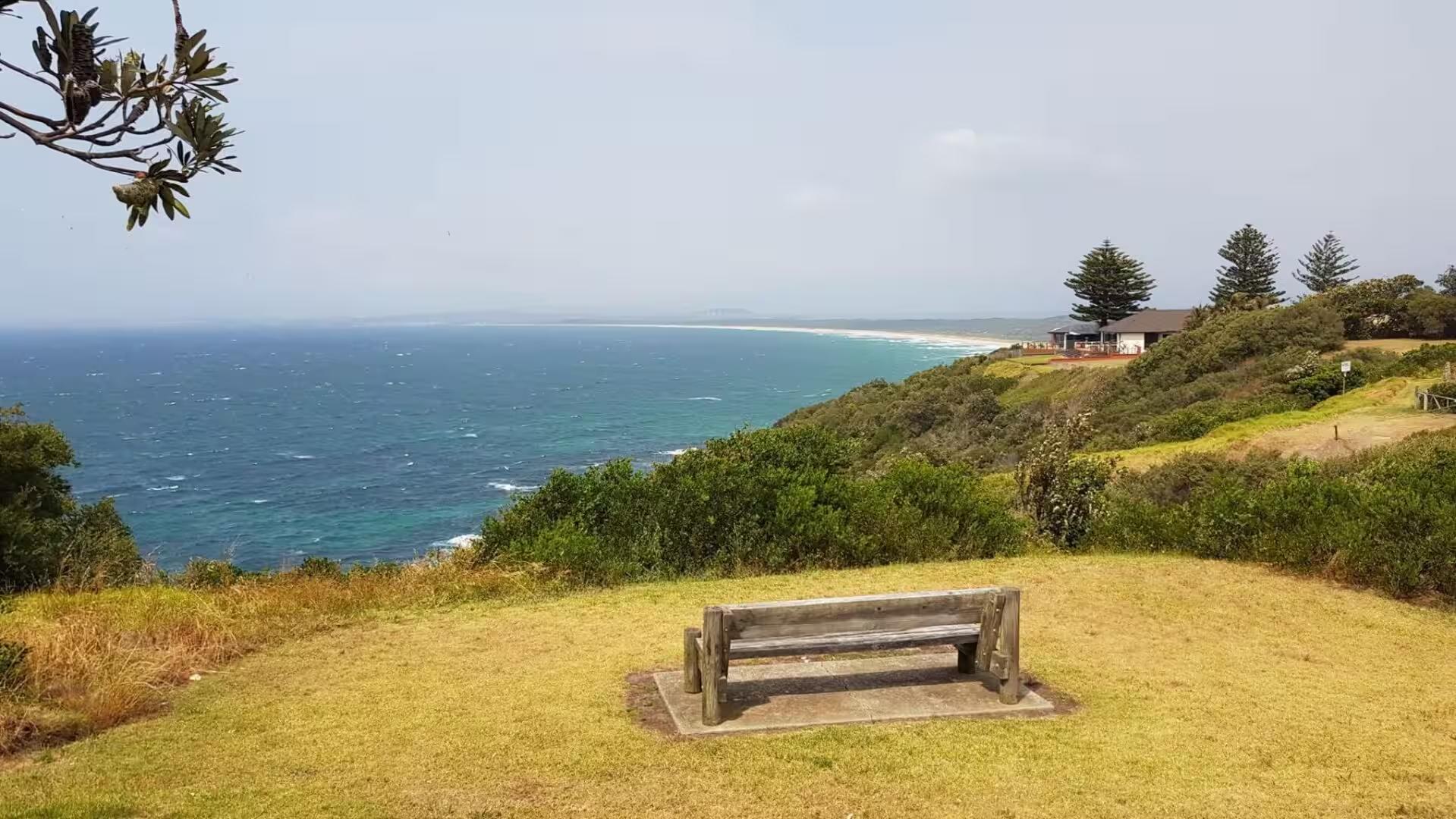
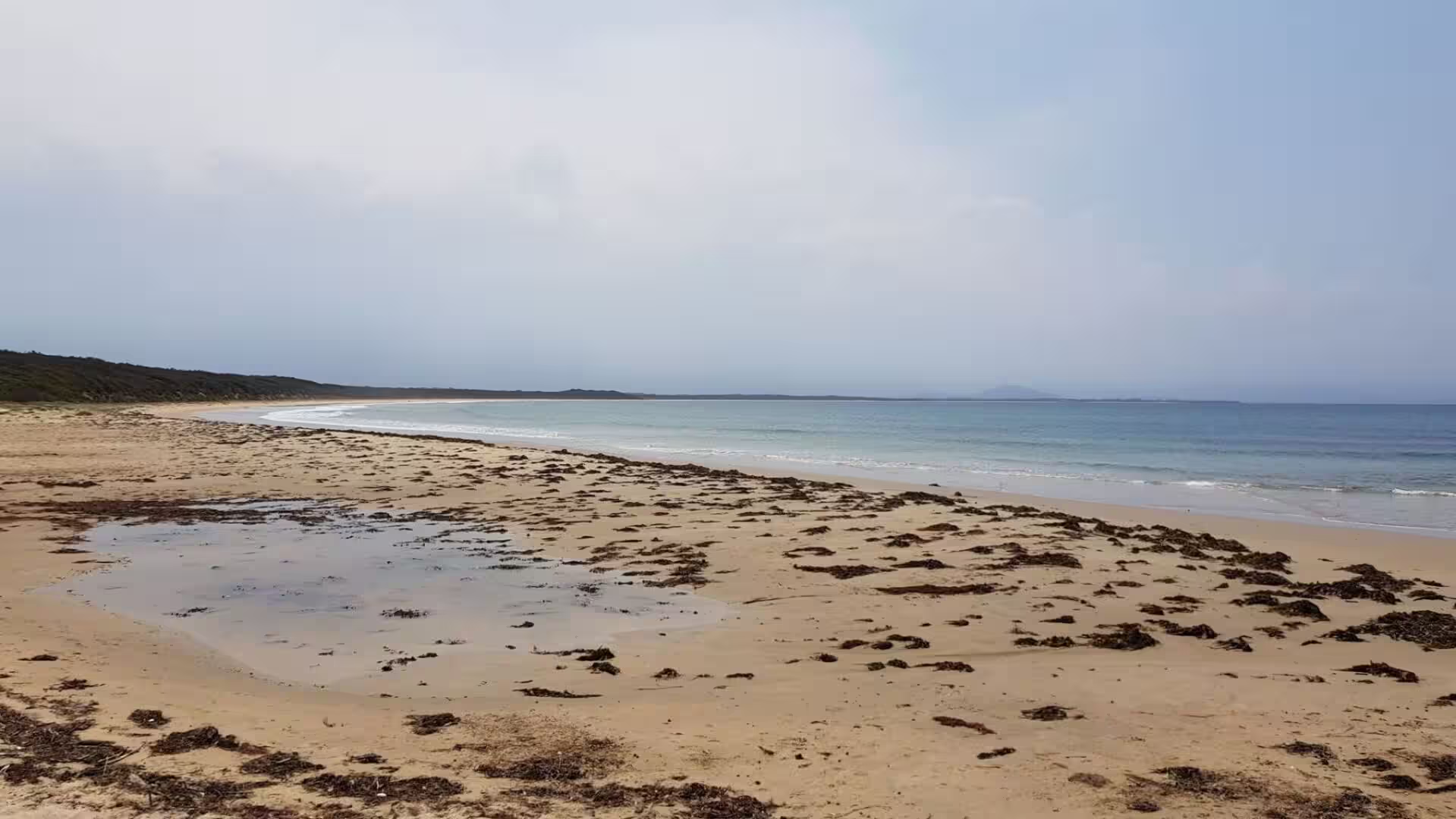
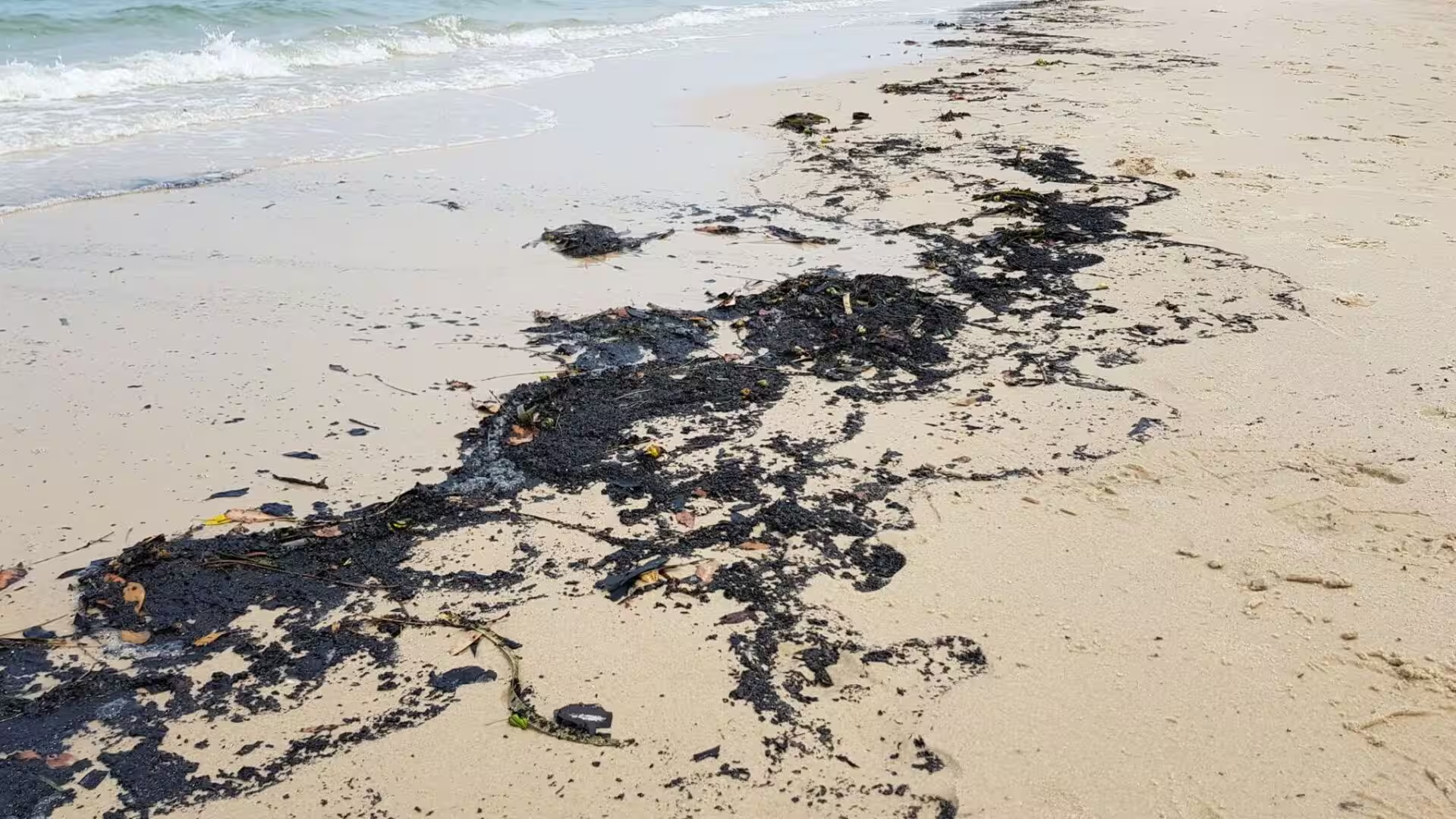
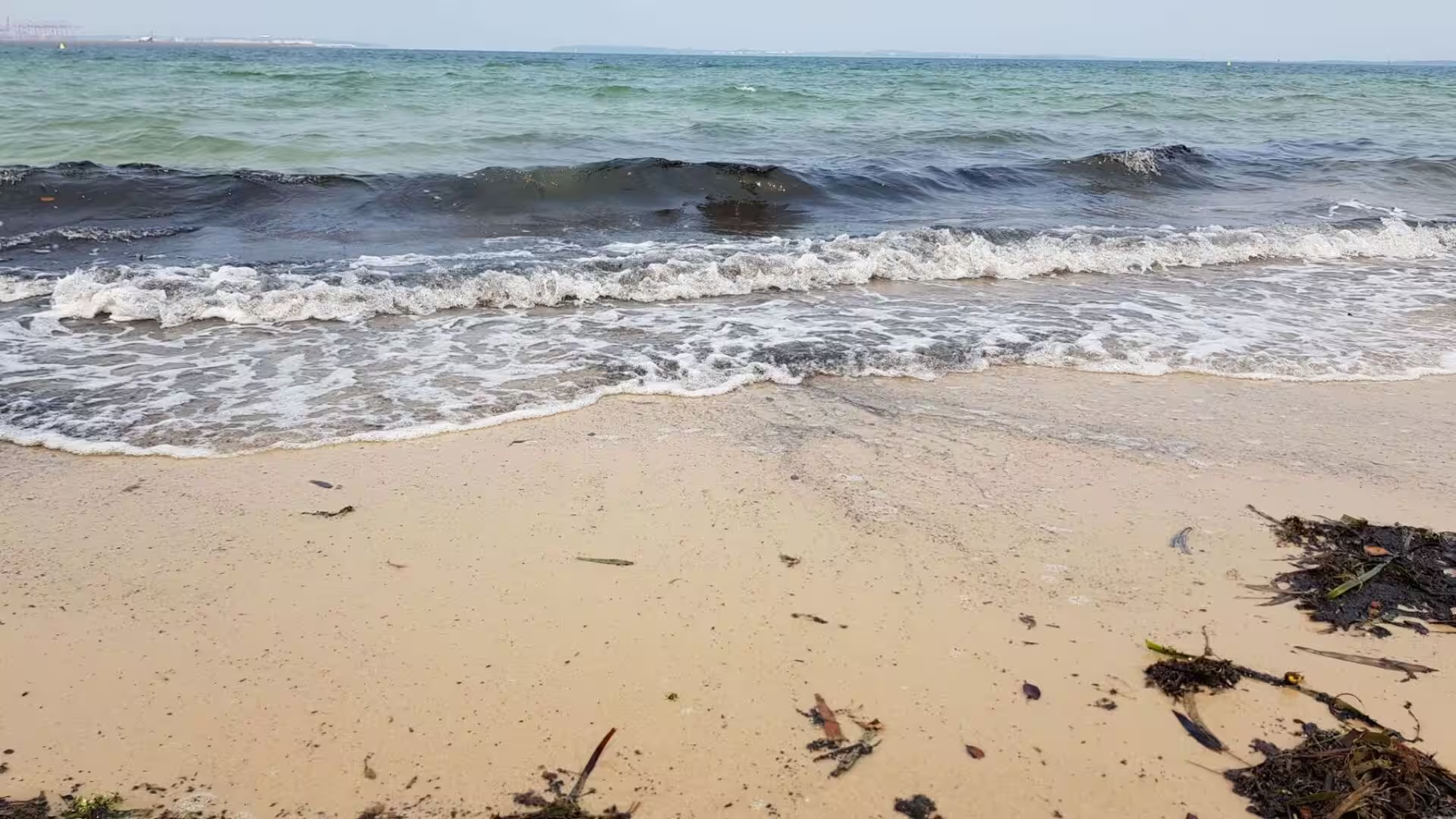
The beaches of the coast are the product of the same system and of the sand that the sea brings to it. The ocean beaches of the east and the north lie in the bays between the sandstone headlands, the surf of the Pacific has built the long banks of pale sand that close them, and the seaweed that the traveller found on the strand in the morning is the harvest of the kelp forests offshore. The rocky platforms at the ends of the beaches, with their pools and their sea urchins, are the other half of the coastal geology: the same sandstone, uncovered by the sand and worked by the waves into the shelves and the gutters that the fishermen and the children use.
The Blue Mountains are the same sandstone lifted to the sky. The plateau stands about a thousand metres above the coastal plain, it is built of the sedimentary rocks of the basin with a quartzite base more than four hundred million years old, and it is cut into the gorges and the cliffs that give the range its structure. The name of the mountains comes from the haze that hangs over them: the volatile oils that the eucalyptus forests release into the air scatter the light and give the ranges the blue of the postcards, and the effect is strongest in the middle of the day and in the heat of the summer.
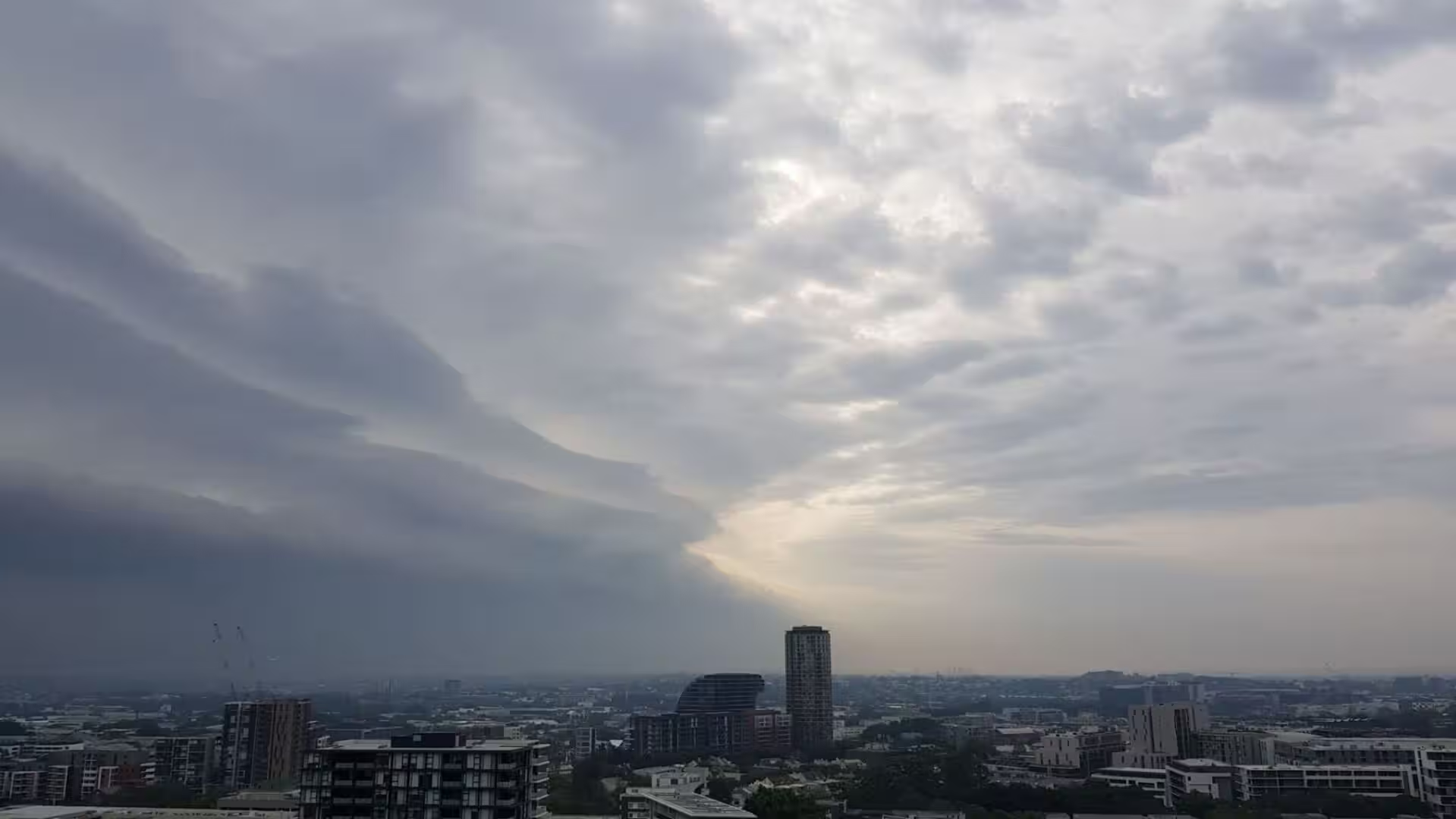
The climate of the city is the last part of its geography and the reason the summer feels as it does. Sydney has a humid subtropical climate, mild in the winter and warm to hot in the summer, moderated by the ocean, and the rain comes in the summer and the autumn rather than in a wet season of its own. The summer that the traveller spent there was one of heat, storms and smoke: the thunderclouds that rolled over the towers in the afternoon, the downpours that emptied into the streets in an hour, and the days when the wind carried the smoke of the fires into the city and the sun came through as a dull orange disc. It is the climate of a country that is drying, and the traveller saw both its beauty and its cost.
Things to See
The Opera House and the Harbour Bridge are the two sights that no visit to Sydney can avoid, and they are worth more than the postcards. The Opera House can be walked around on the promenade to the Botanic Garden, the sails of its roof change with the light of the day, and the building can be entered on a guided tour that shows the concert hall and the foyers behind the shells. The bridge can be walked across on the eastern footpath, climbed with the commercial operators for a view of the whole of the harbour, or simply watched from the Rocks at sunset, which is the version that costs nothing and shows the most.
The ferries are the third of the great sights and the best value in the city. The green and yellow catamarans of the harbour service run from Circular Quay to Manly, Parramatta, Mosman and the zoo, and the trip to Manly is a harbour cruise for the price of a ticket: the Opera House on one side, the headlands on the other, the yachts and the container ships in the channels, and the ocean beach at the gateway of the wharf. The visitor who takes the ferry at the end of the afternoon and returns in the dark has seen the harbour twice and the city lights from the water, which is the view of Sydney that the residents keep for themselves.
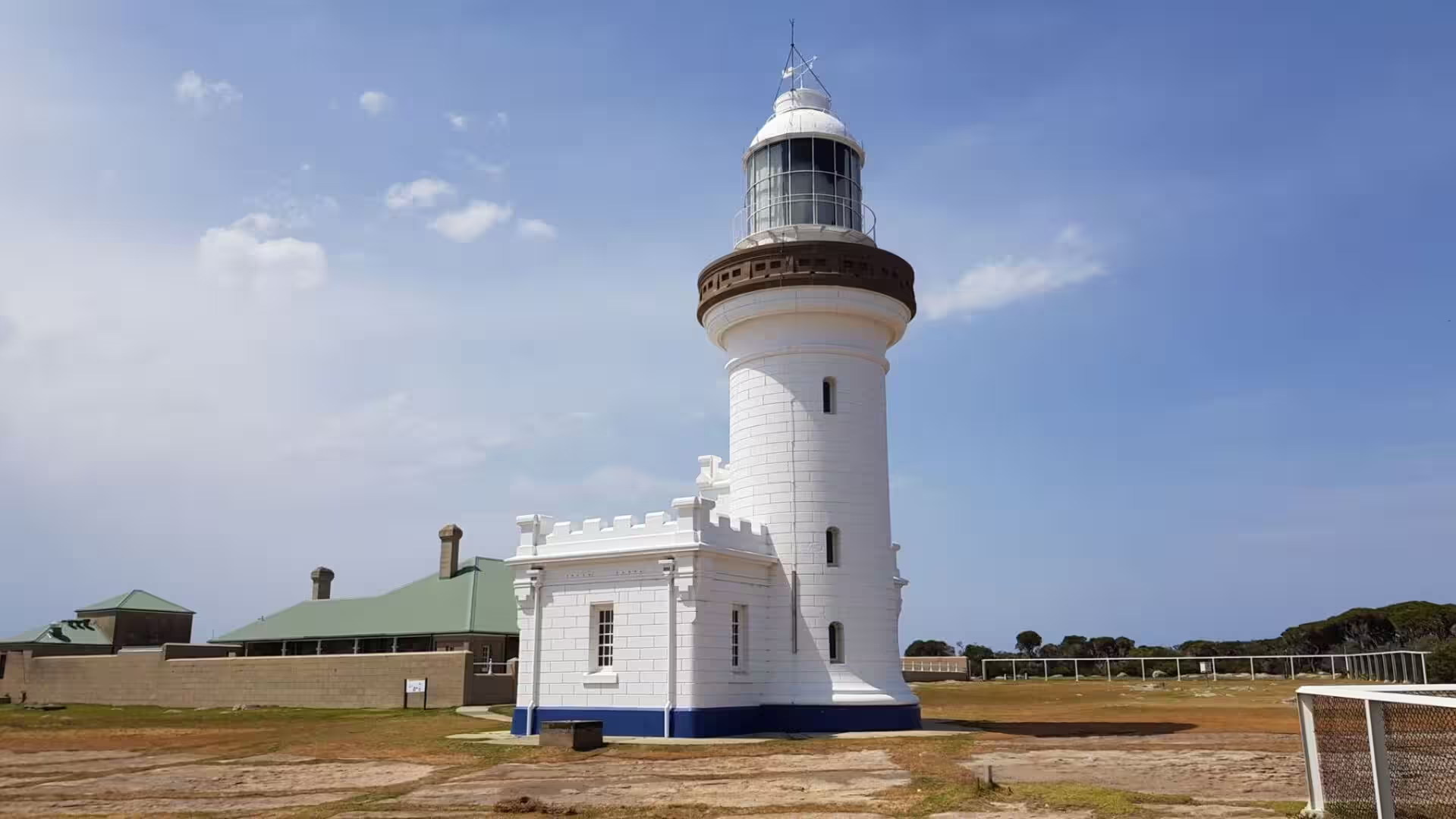
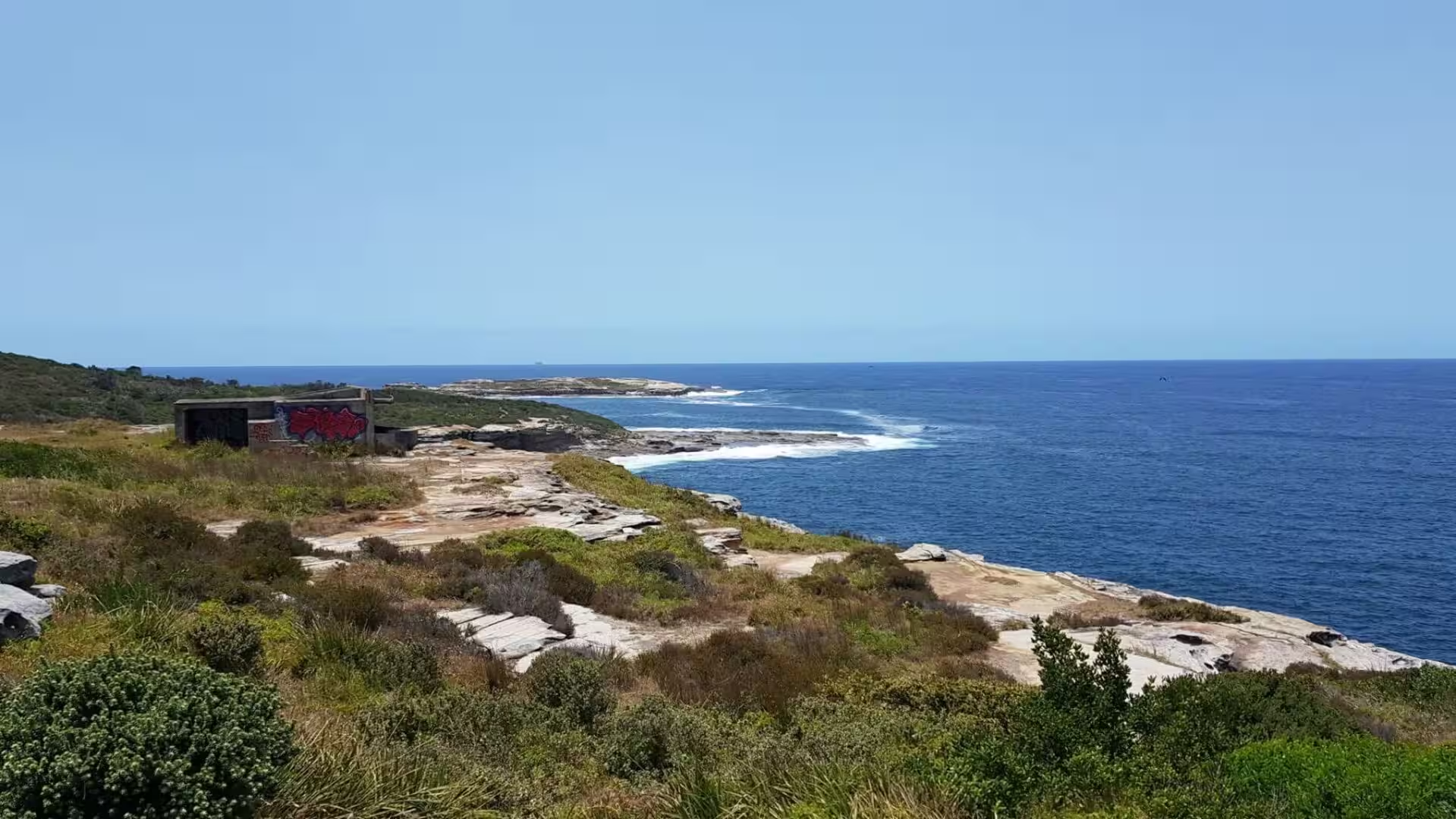
The beaches and the coastal walks are the everyday programme of a Sydney summer. Bondi is the famous one, with its ocean pool and its surf clubs, and the cliff walk to Coogee runs south along the headlands with a beach or a bay in every gap. Manly has the longest beach of the harbour side, Palm Beach at the end of the northern peninsula has the lighthouse on the headland above it and the walk along the spit gives the view of Pittwater on one side and the ocean on the other, and the smaller coves of the harbour and the national park to the south are the quiet version of the same thing.
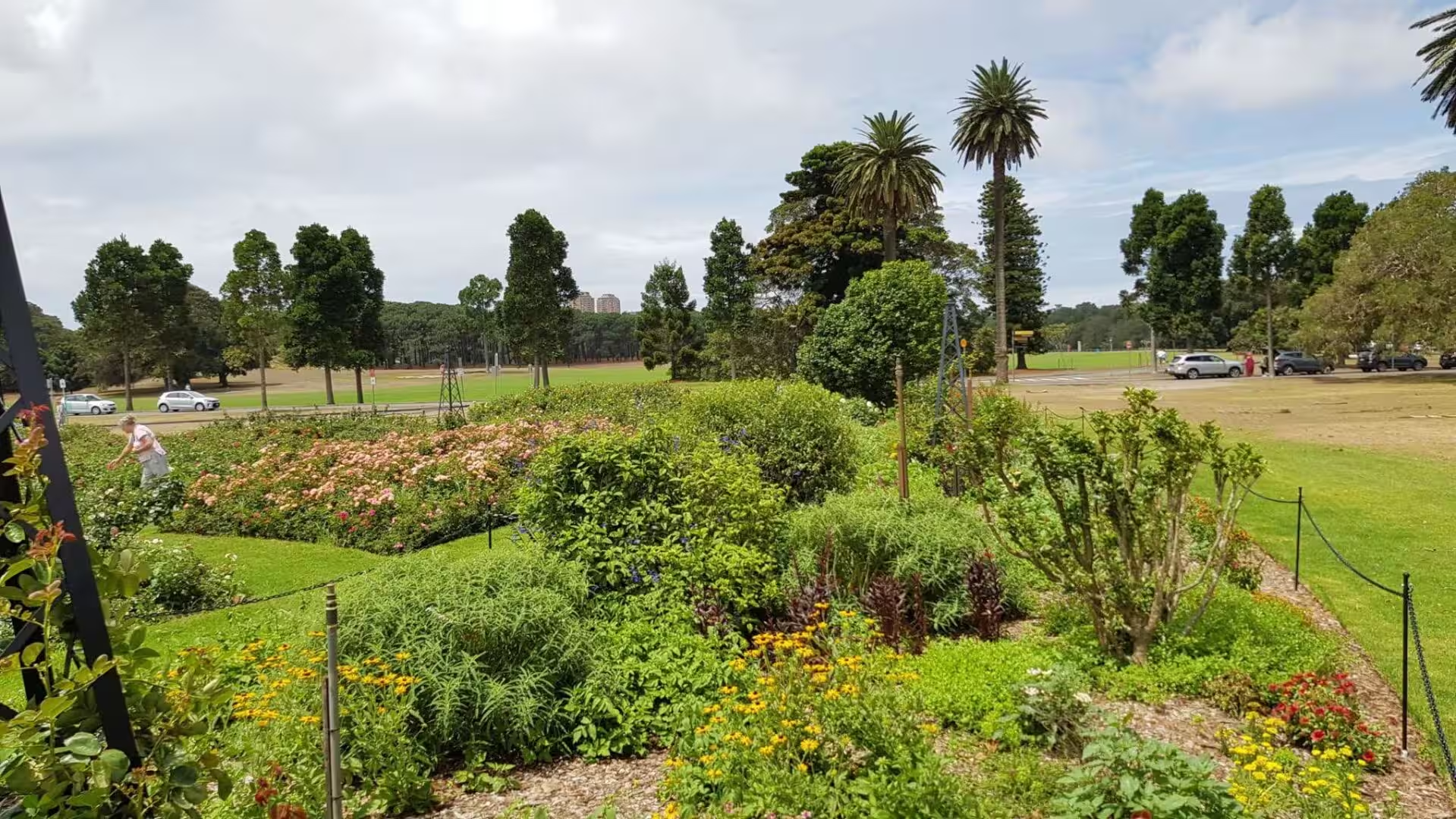
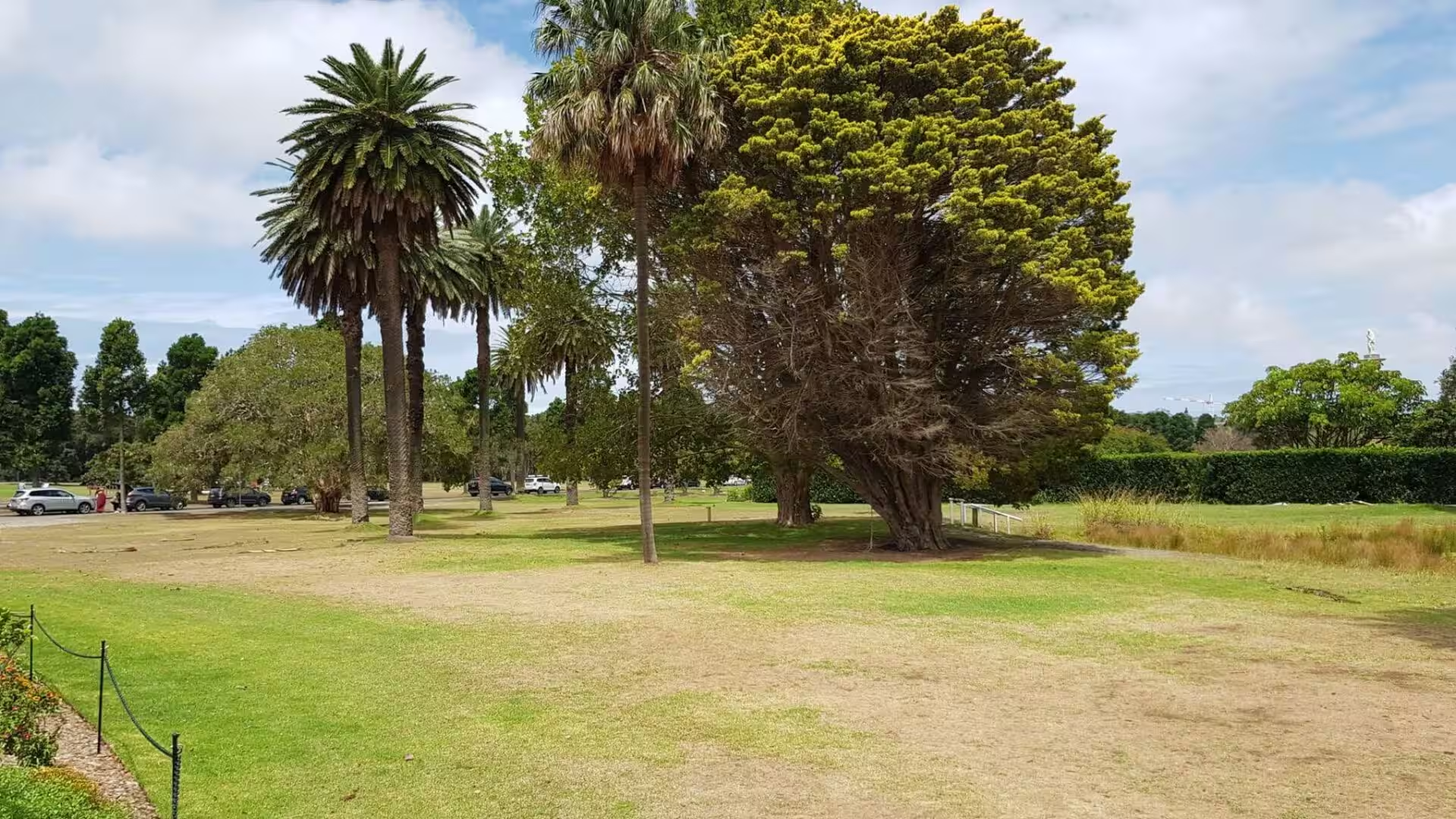
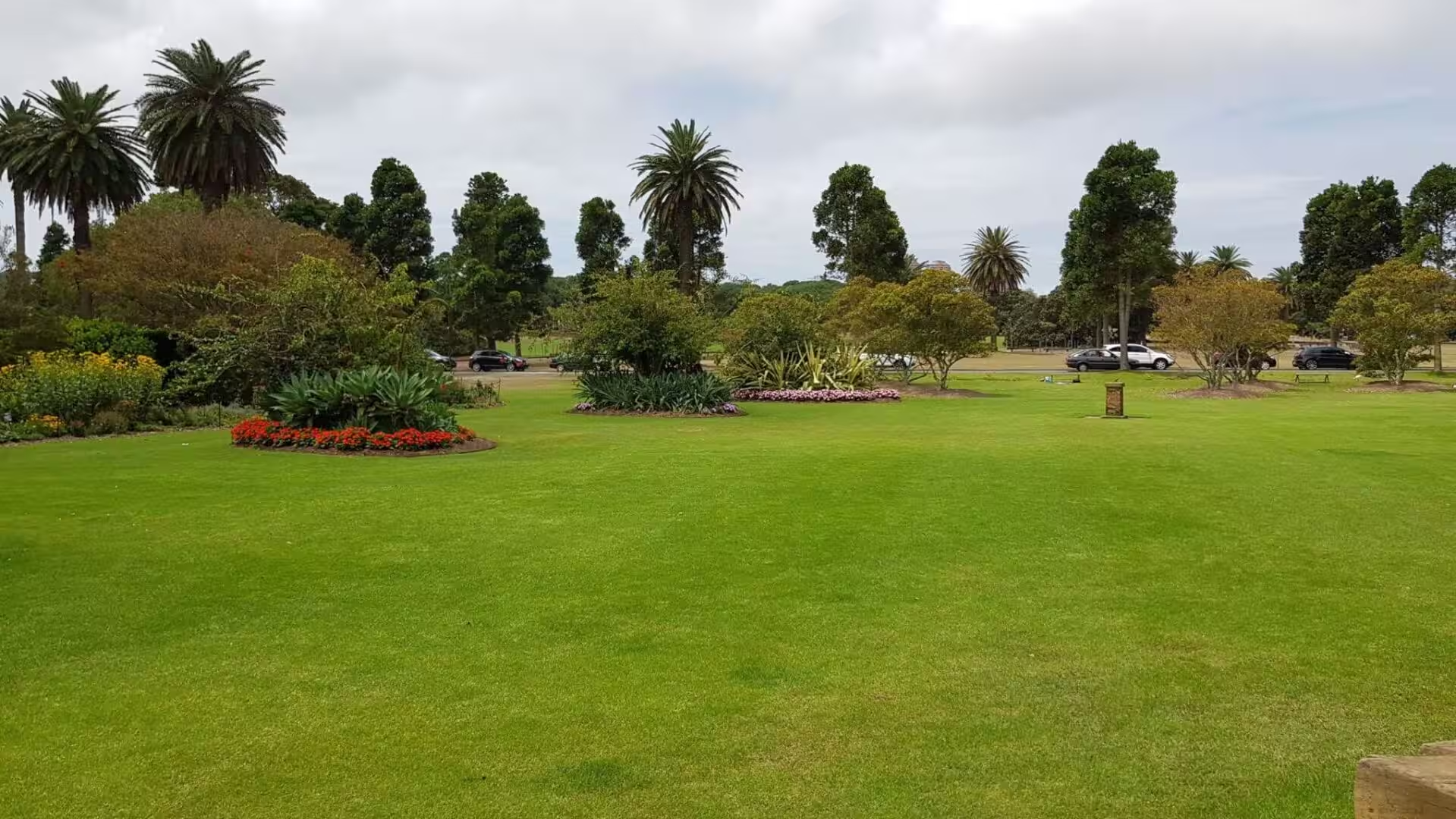
The parks and the gardens of the harbour are the fourth sight of the season. The Royal Botanic Garden is a heritage listed thirty hectare garden at Farm Cove on the eastern edge of the business district, with the palm borders, the lawns and the rose beds of the garden, and it is the place from which the visitor sees the Opera House across the water with the bridge behind it.
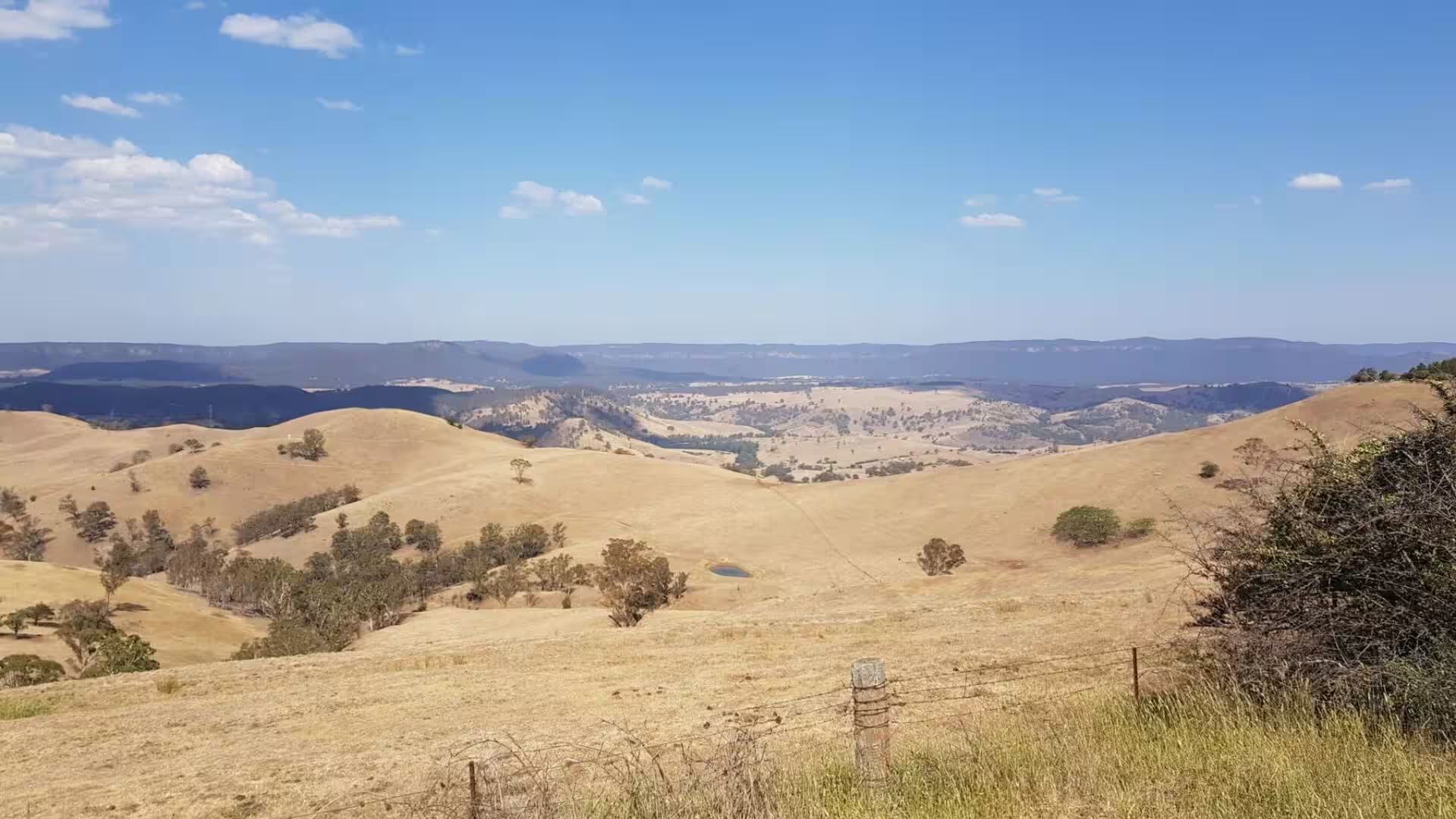
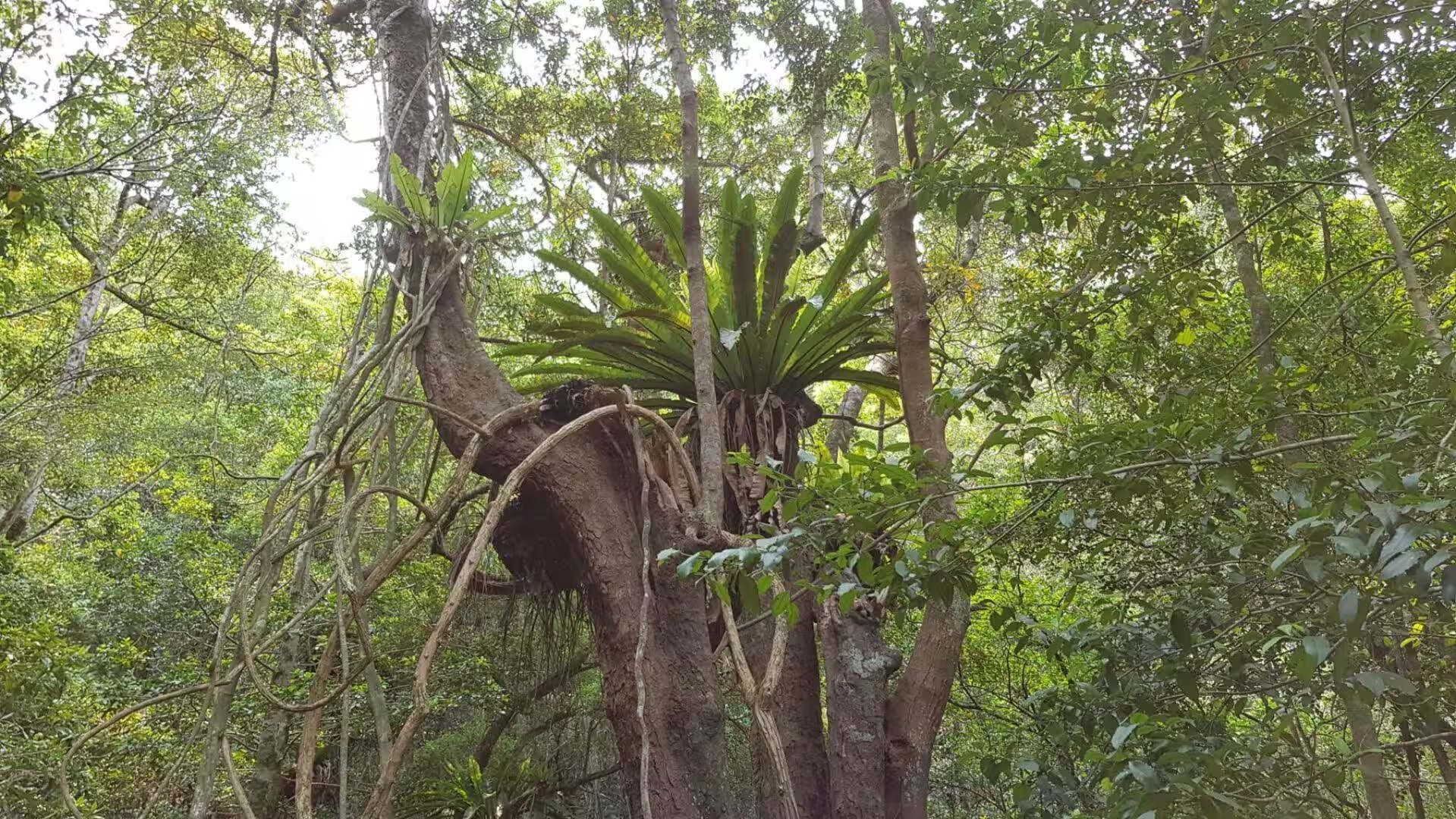
The Blue Mountains are the day trip that completes the view of the region. The train from the central station takes two hours to Katoomba, the escarpment and the gorges open at the end of the railway, and the forests of the range with their eucalyptus, their tree ferns and their waterfalls are the other Australia of the traveller’s imagination: the one of the rainforest gullies and the hazy blue ridges rather than the beaches and the towers. The walk to the lookouts, the descent to the valley and the high viewpoint over the wooded slopes and the patchwork farmland of the tableland are the content of a day, and the drive home in the dark with the lights of the city below is the last of it.
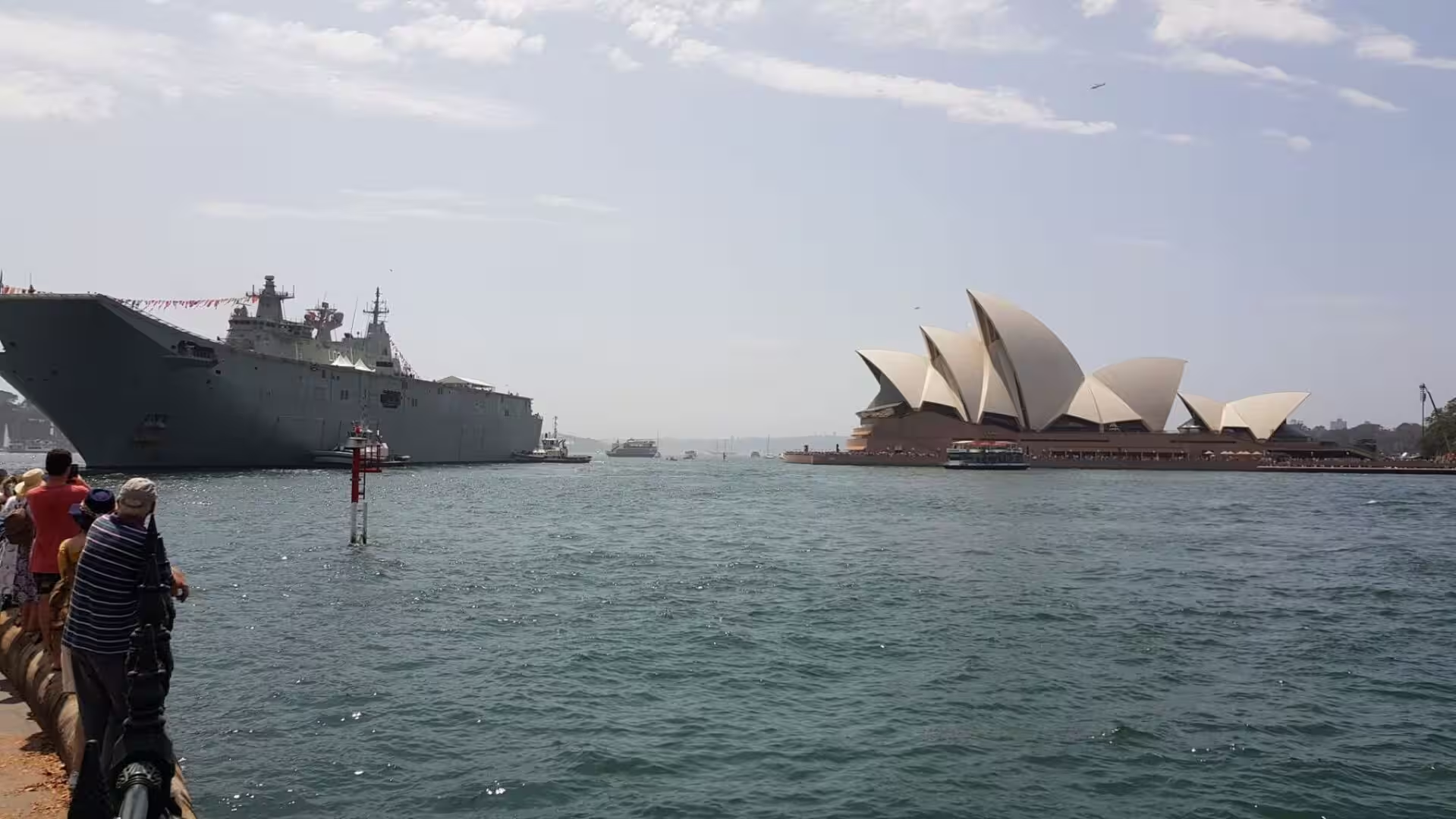
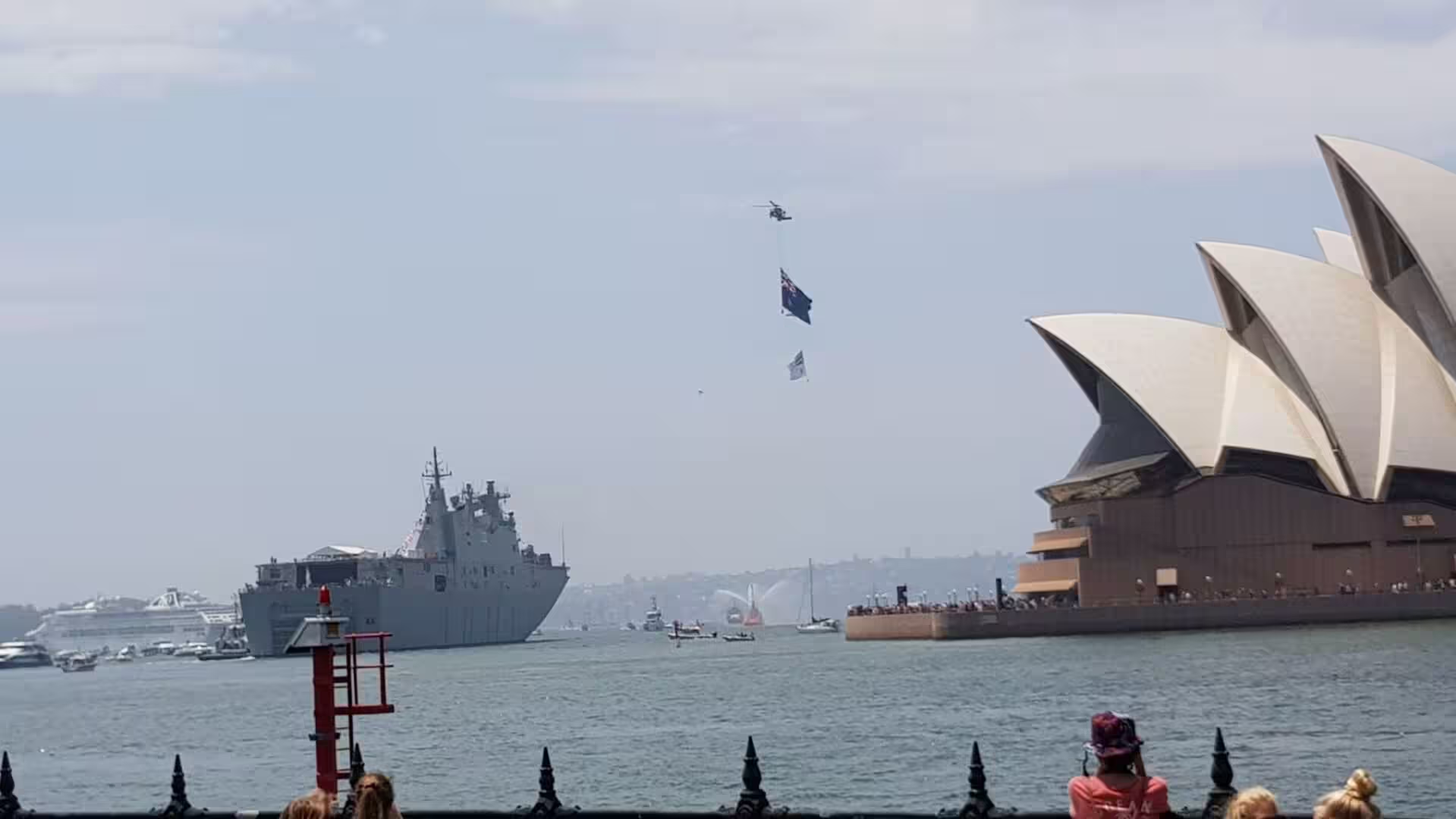
The two festivals of the summer are the sights that cannot be planned and must be waited for. The New Year’s Eve fireworks of Sydney are the most watched in the southern hemisphere: the display from the bridge and the barges of the harbour, the midnight and the earlier show for the families, and the crowds on every headland that has a view of the water. Australia Day at the end of January is the quieter festival of the two: the flag on the harbour, the boats, the public holiday and the harbour promenade of the Rocks, and the sunset behind the towers that closes the day.
Sydney in the summer of two thousand and nineteen was a city of water, heat, smoke and light, and the impressions of the season are the record of a country in the middle of its hottest and hardest year.
The practical advice for a summer in Sydney is the advice of the heat and the water. The beaches are patrolled between the flags and the ocean pools are the safe alternative, the sun of the middle of the day is dangerous and the hat and the water bottle are not optional, the ferries and the trains make the car unnecessary for the harbour and the beaches, and the Blue Mountains are a day of their own by train. The reward of a season rather than a visit is the ordinary city with its markets, its ferries and its evening light, and that is the Sydney that the traveller remembers.
References
- Wikipedia contributors (2026). Sydney. en.wikipedia.org/wiki/Sydney
- Wikipedia contributors (2026). Sydney Opera House. en.wikipedia.org/wiki/Sydney%20Opera%20House
- Wikipedia contributors (2026). Sydney Harbour Bridge. en.wikipedia.org/wiki/Sydney%20Harbour%20Bridge
- Wikipedia contributors (2026). Port Jackson. en.wikipedia.org/wiki/Port%20Jackson
- Wikipedia contributors (2026). The Rocks, New South Wales. en.wikipedia.org/wiki/The%20Rocks%2C%20New%20South%20Wales
- Wikipedia contributors (2026). Bondi Beach. en.wikipedia.org/wiki/Bondi%20Beach
- Wikipedia contributors (2026). Sydney Ferries. en.wikipedia.org/wiki/Sydney%20Ferries
- Wikipedia contributors (2026). Manly, New South Wales. en.wikipedia.org/wiki/Manly%2C%20New%20South%20Wales
- Wikipedia contributors (2026). New South Wales. en.wikipedia.org/wiki/New%20South%20Wales
- Wikipedia contributors (2026). Palm Beach, New South Wales. en.wikipedia.org/wiki/Palm%20Beach%2C%20New%20South%20Wales
- Wikipedia contributors (2026). Blue Mountains (New South Wales). en.wikipedia.org/wiki/Blue%20Mountains%20%28New%20South%20Wales%29
- Wikipedia contributors (2026). Hawkesbury sandstone. en.wikipedia.org/wiki/Hawkesbury%20sandstone
- Wikipedia contributors (2026). Royal Botanic Garden, Sydney. en.wikipedia.org/wiki/Royal%20Botanic%20Garden%2C%20Sydney
- Wikipedia contributors (2026). Australia Day. en.wikipedia.org/wiki/Australia%20Day
- Wikipedia contributors (2026). Sydney New Year’s Eve. en.wikipedia.org/wiki/Sydney%20New%20Year’s%20Eve
- Wikipedia contributors (2026). 2019-20 Australian bushfire season. en.wikipedia.org/wiki/2019%E2%80%9320%20Australian%20bushfire%20season
- Wikipedia contributors (2026). Australian pelican. en.wikipedia.org/wiki/Australian%20pelican
- Wikipedia contributors (2026). Laughing kookaburra. en.wikipedia.org/wiki/Laughing%20kookaburra
- Wikipedia contributors (2026). Climate of Sydney. en.wikipedia.org/wiki/Climate%20of%20Sydney
- Utzon J., Hall P. (2024) Sydney Opera House, 1957-1973. Great Windows in Modern Architecture. 202-214. doi.org/10.4324/9780429341977-19
- ENGEL G., REINHOLD J. (2023) ACOUSTIC UPGRADE FOR THE CONCERT HALL OF THE SYDNEY OPERA HOUSE. Auditorium Acoustics 2023. doi.org/10.25144/16023
- (ohne Angabe) (1934) Sydney Harbour Bridge. Nature. 133. 525-526. doi.org/10.1038/133525d0
- Ward P. (2018) Excavation of Hawkesbury Sandstone in the Sydney Region. Engineering Geology of the Sydney Region. 199-202. doi.org/10.1201/9780203757390-11
- Harrison J., Heijnis H., Caprarelli G. (2003) Historical pollution variability from abandoned mine sites, Greater Blue Mountains World Heritage Area, New South Wales, Australia. Environmental Geology. 43. 680-687. doi.org/10.1007/s00254-002-0687-8
- Dharwal V., Paudel K.R., Hansbro P.M. (2020) Impact of bushfire smoke on respiratory health. Medical Journal of Australia. 213. 284. doi.org/10.5694/mja2.50754
- Walter C.M., Schneider-Futschik E.K., Knibbs L.D., Irving L.B. (2020) Health impacts of bushfire smoke exposure in Australia. Respirology. 25. 495-501. doi.org/10.1111/resp.13798
- Haebich A., Kinnane S. (2013) Indigenous Australia. The Cambridge History of Australia. 332-357. doi.org/10.1017/cho9781107445758.045