Day 16 - Etosha National Park / Olifantsrus Campsite
24 May 2019



Journal Notes
General
The sixteenth day entered Etosha. The gate, the fence and the road of the park are the boundary of a different country: the bush of the north west gives way to a plain of pale grass and dry pan, the animals are suddenly everywhere, and the whole of the day is spent at the waterholes of a national park that is one of the great wildlife areas of Africa. The camp of the night, the one in the western part of the park, has the waterhole and the hide that make it a place to sit rather than to drive.
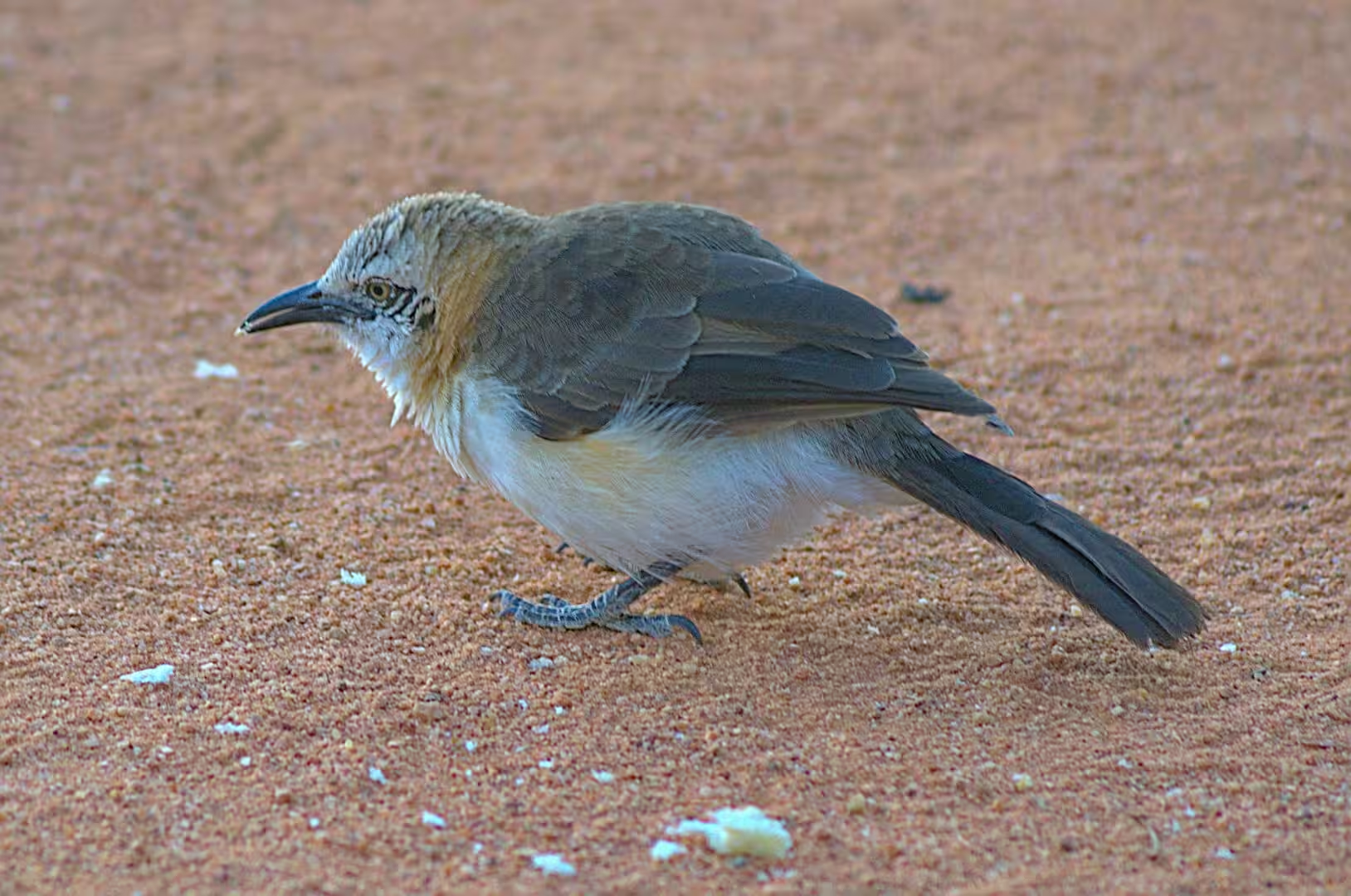
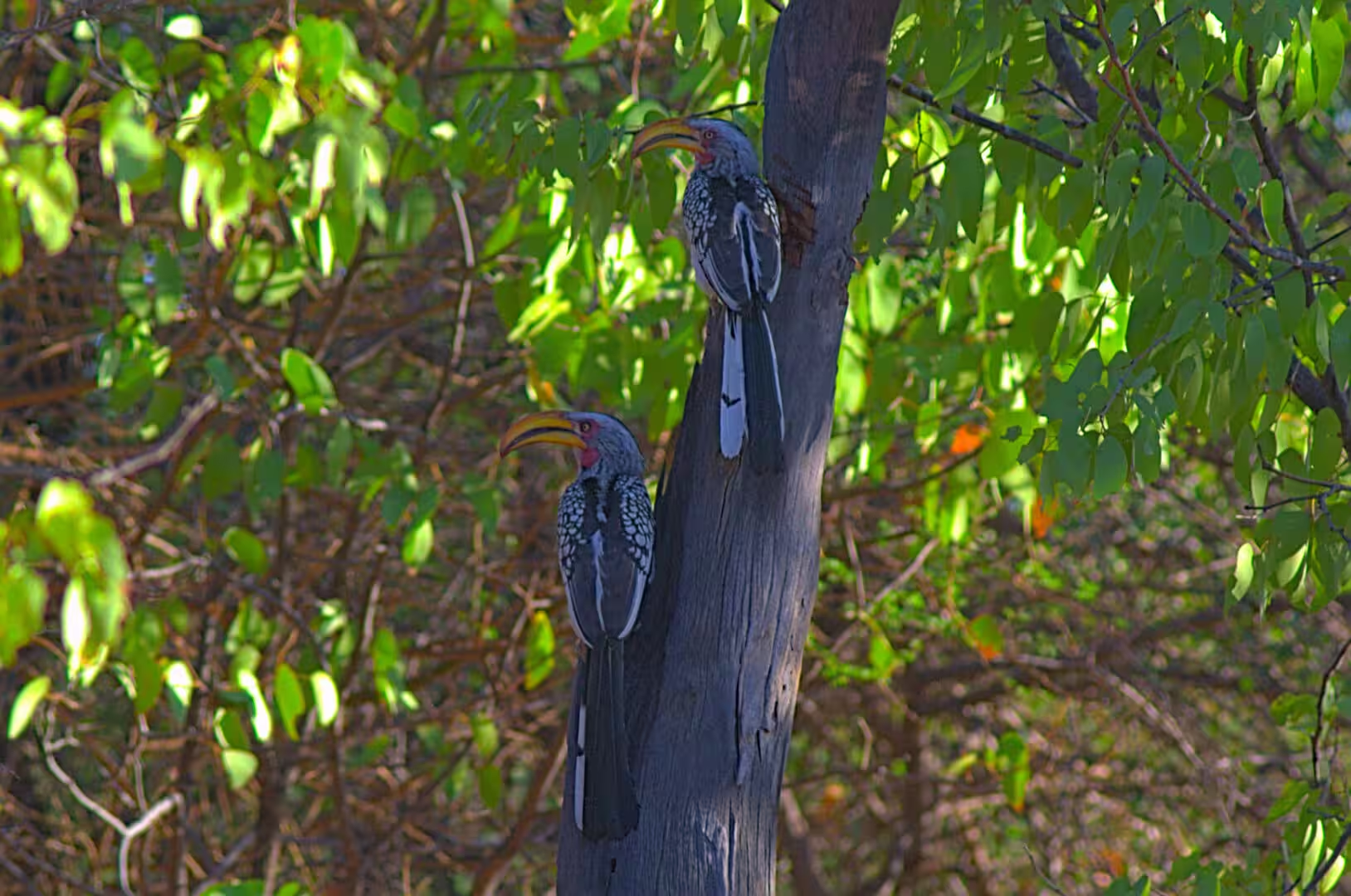
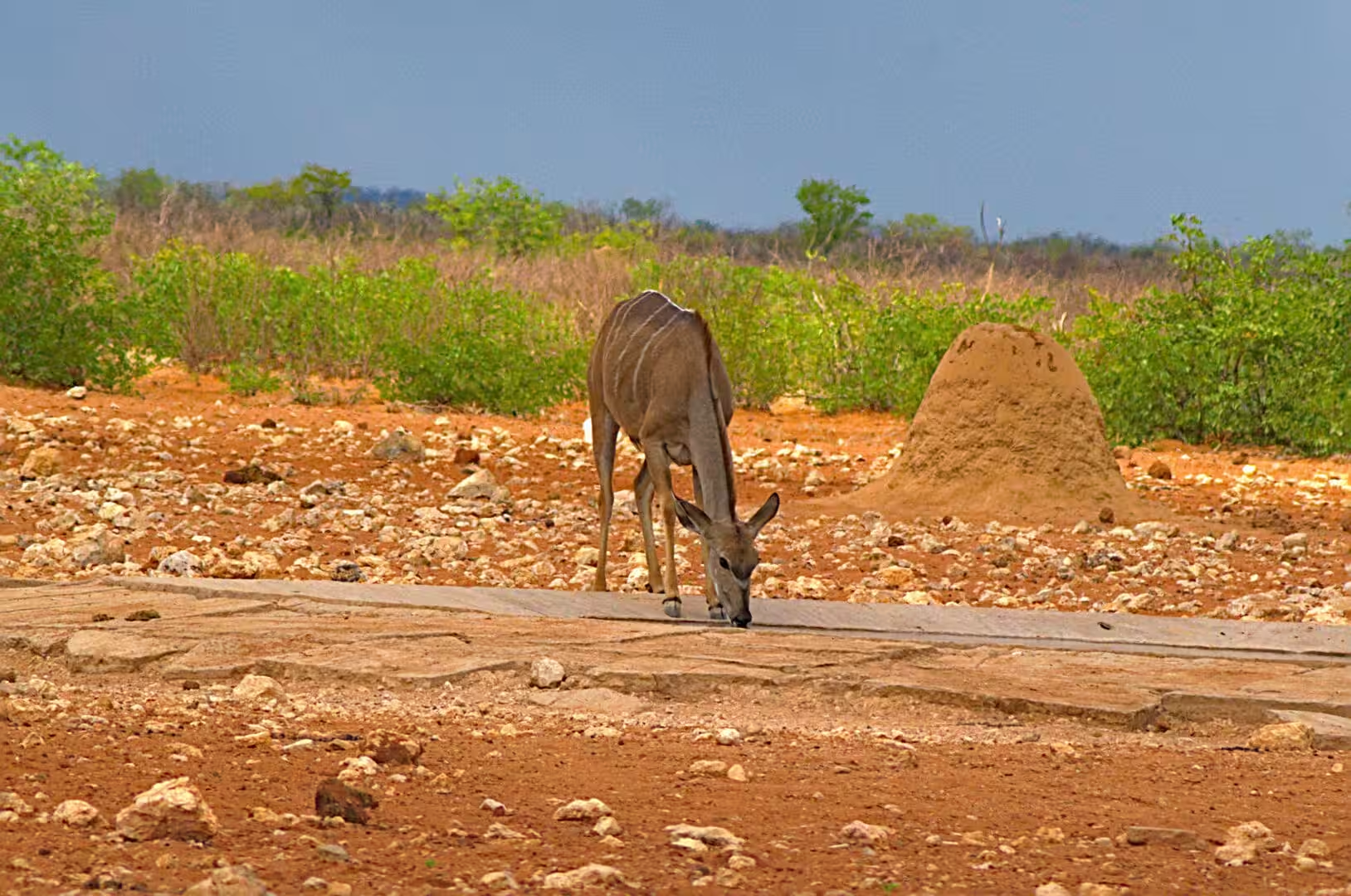
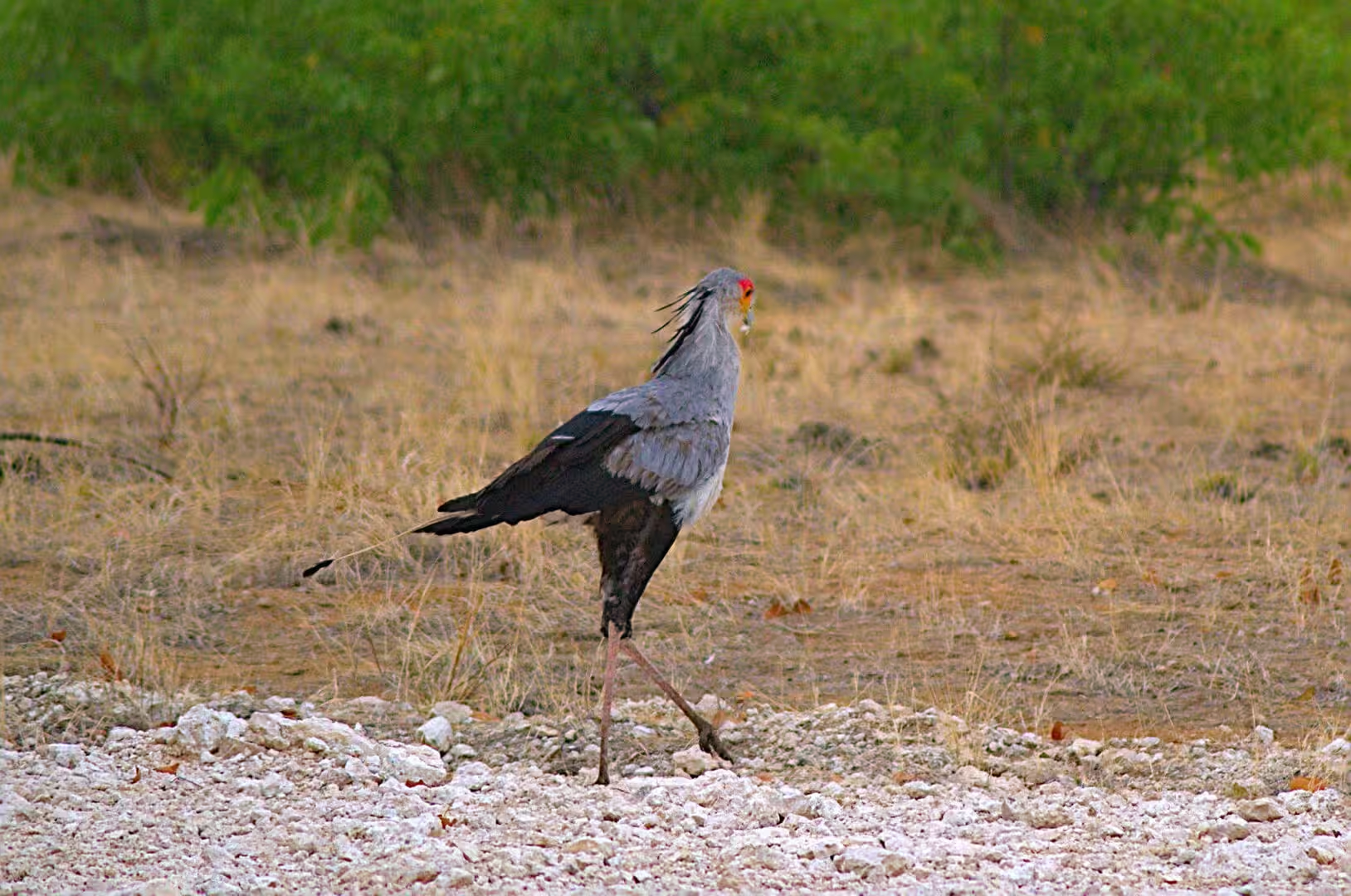
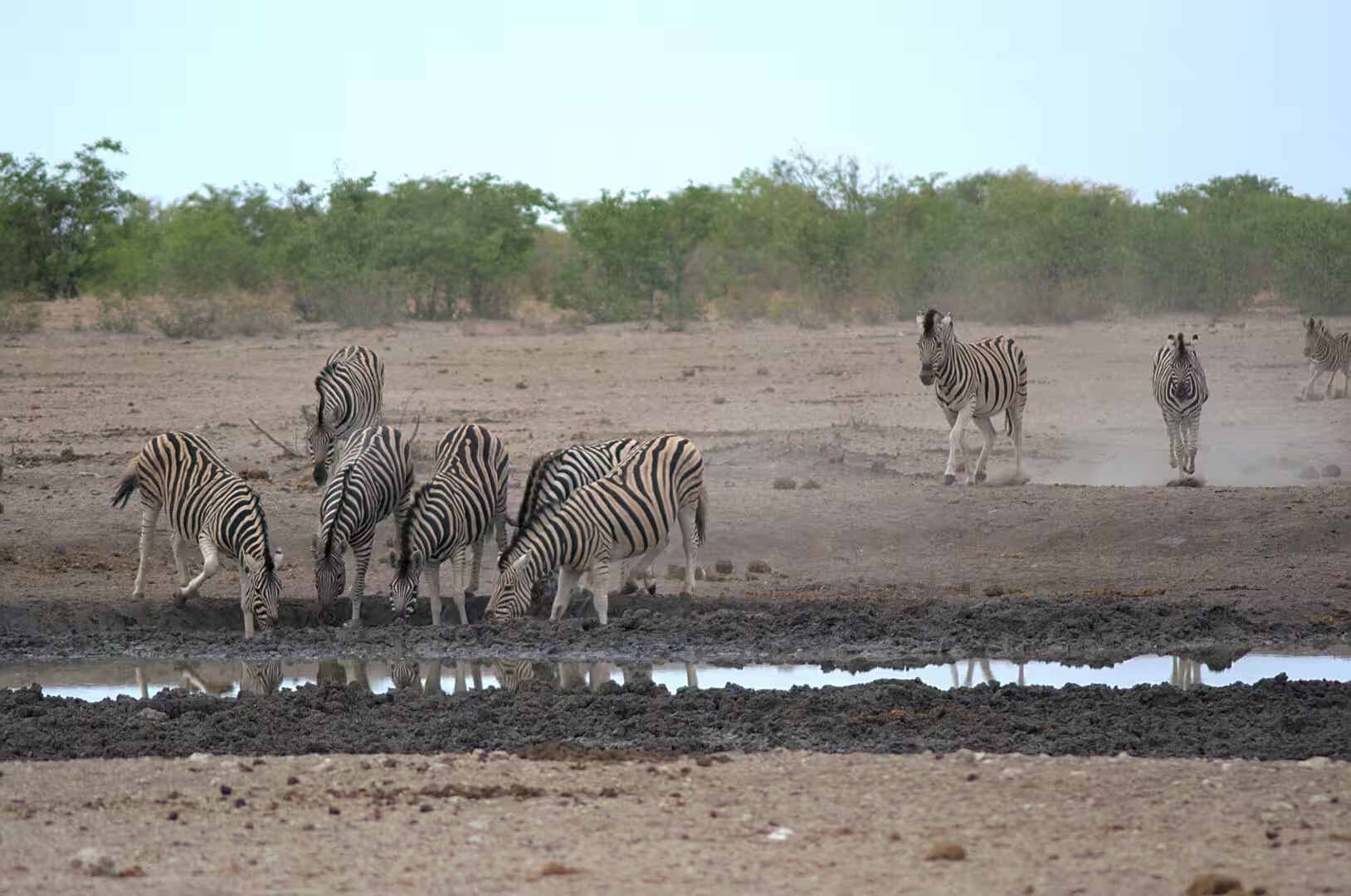
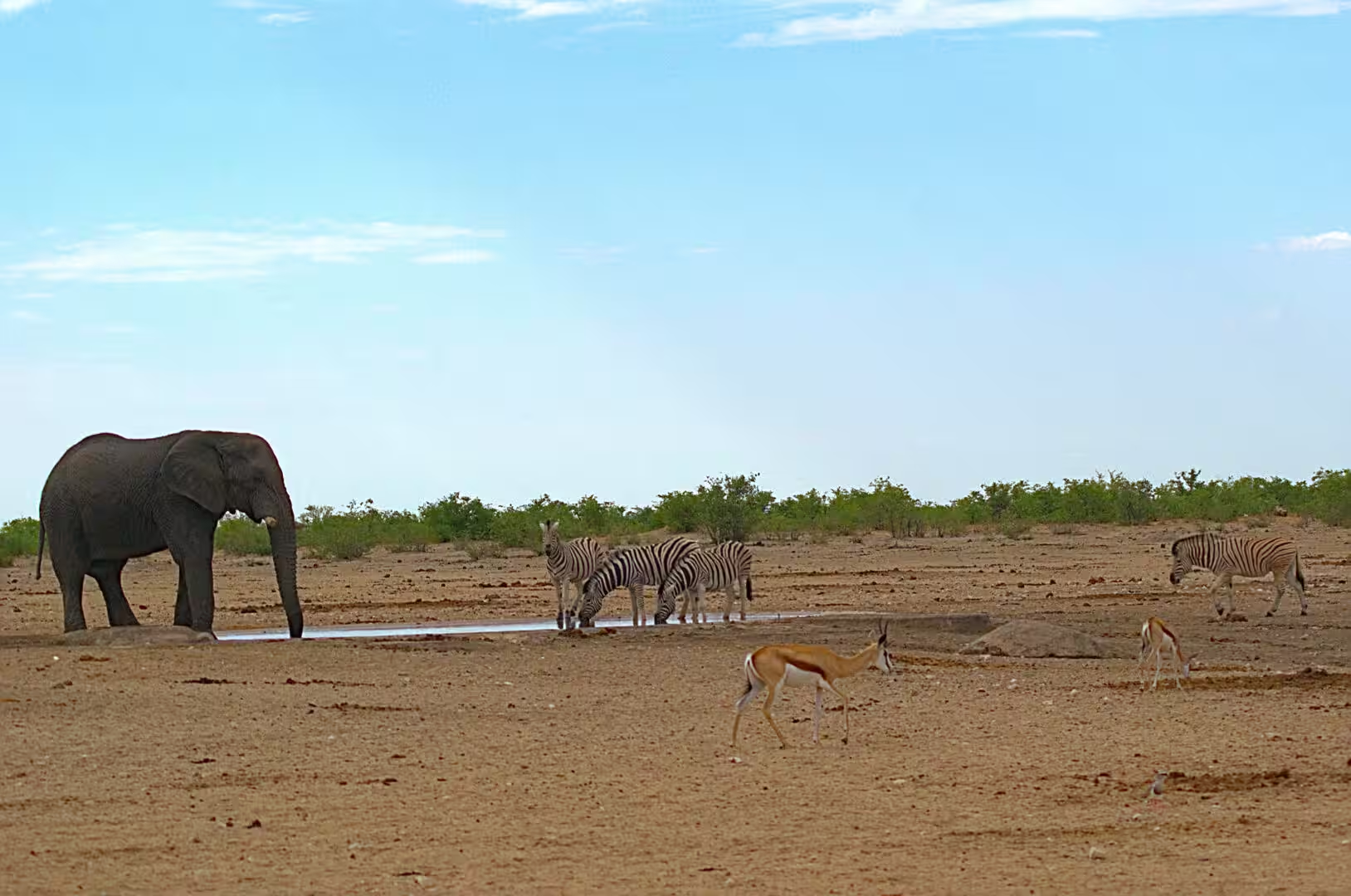
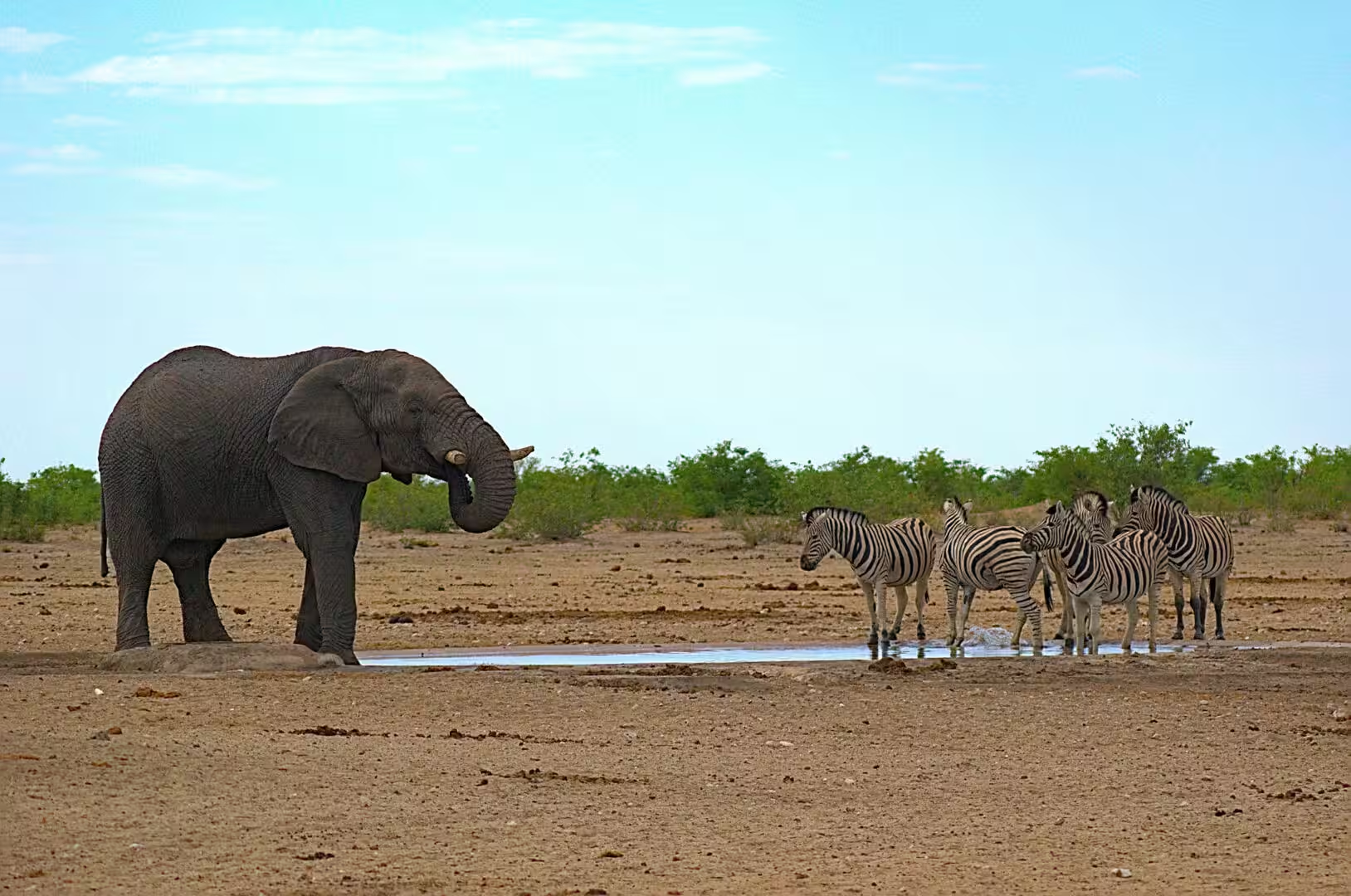
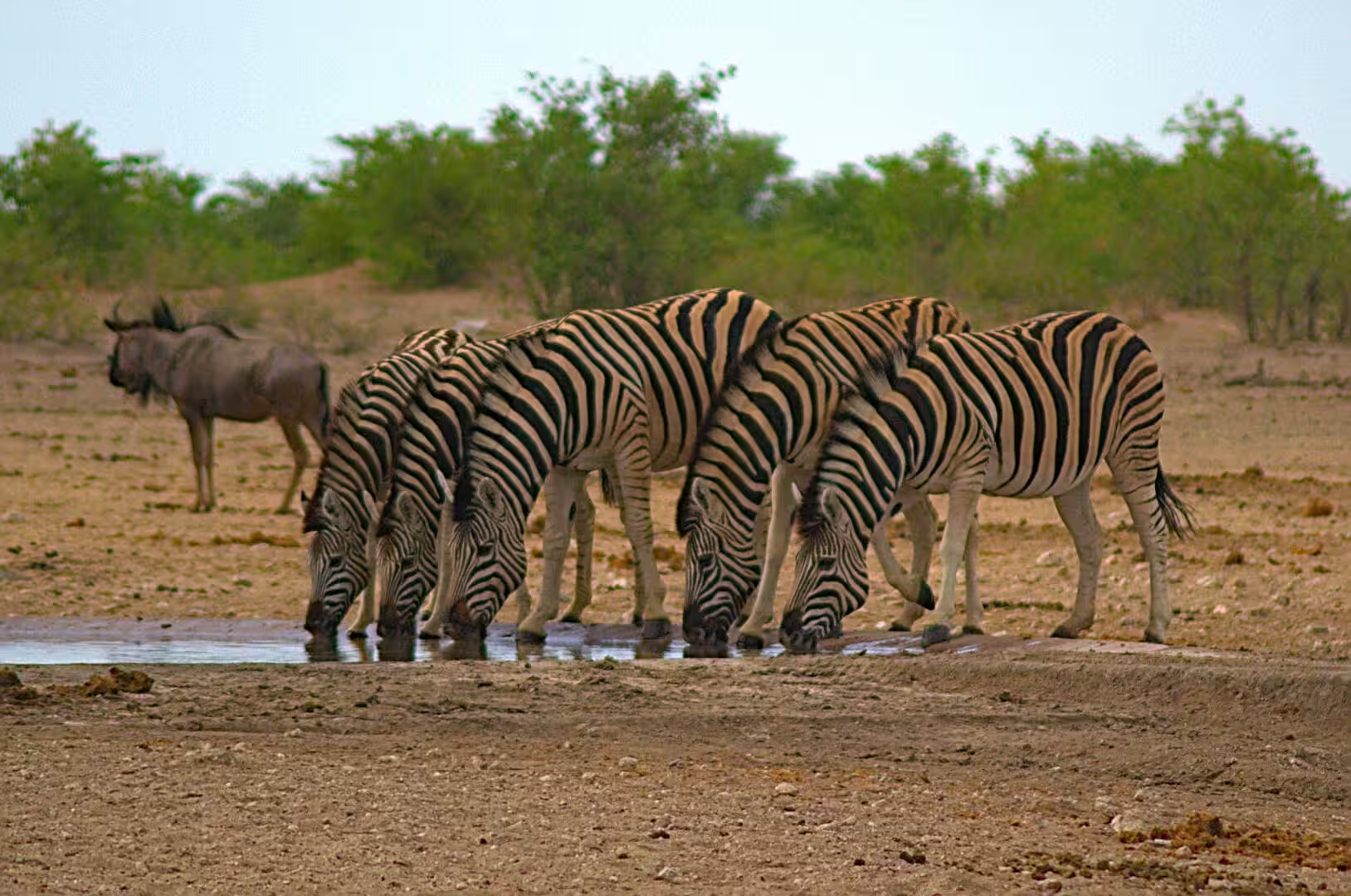
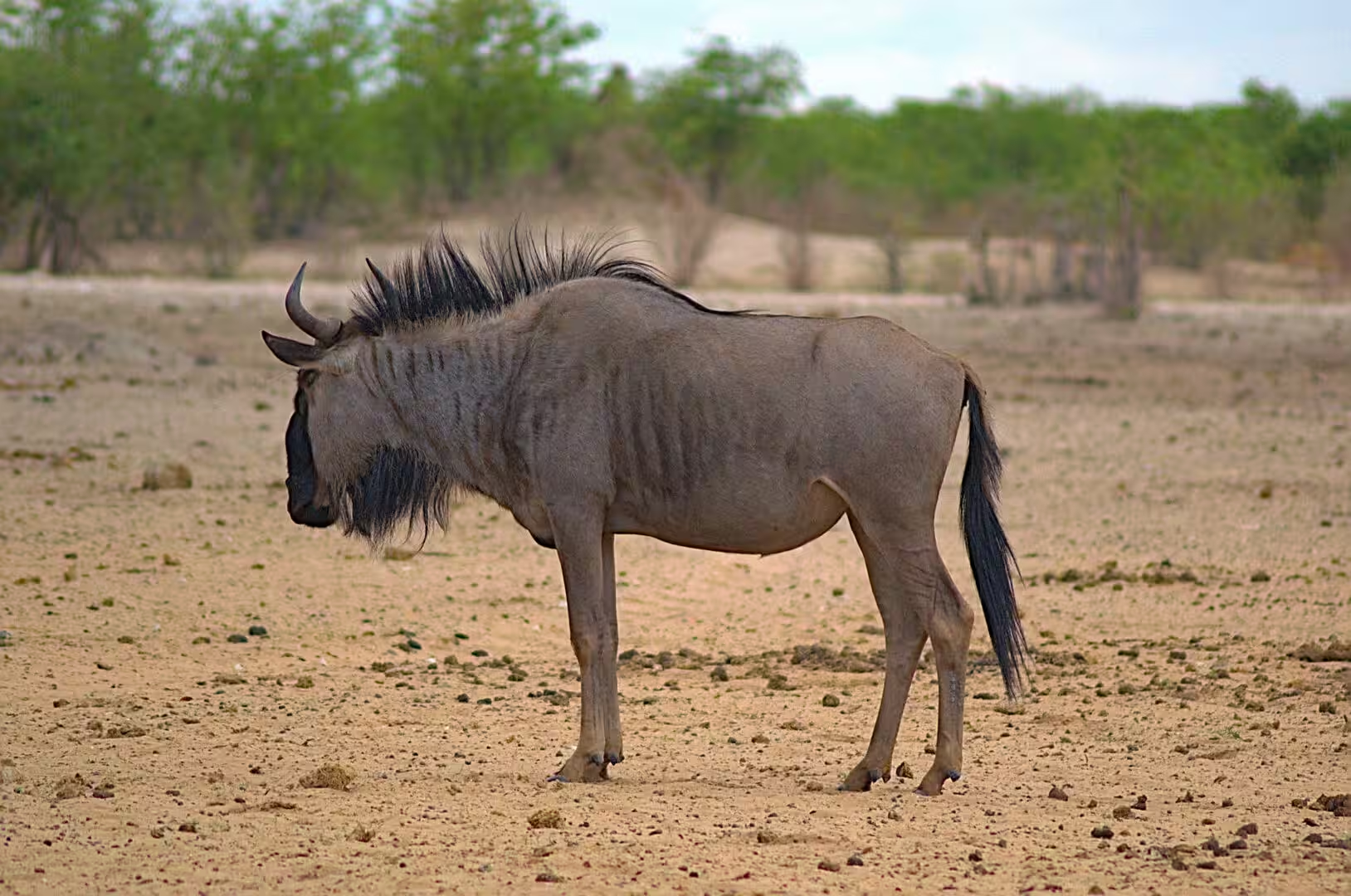
The day was a collection of animals. The hornbills of the dry country picked at the ground of the camp, the antelopes grazed around the termite mounds, the zebras and the wildebeest came to the water in the middle of the day, the elephants stood in the scrub like grey houses, and the secretary bird with its feathered crest walked the grass in the way that made its name. In the afternoon the waterhole produced the scene that the whole park is arranged for: the zebras and the wildebeest drinking in rows, an elephant standing among them, and an antelope crossing behind them.
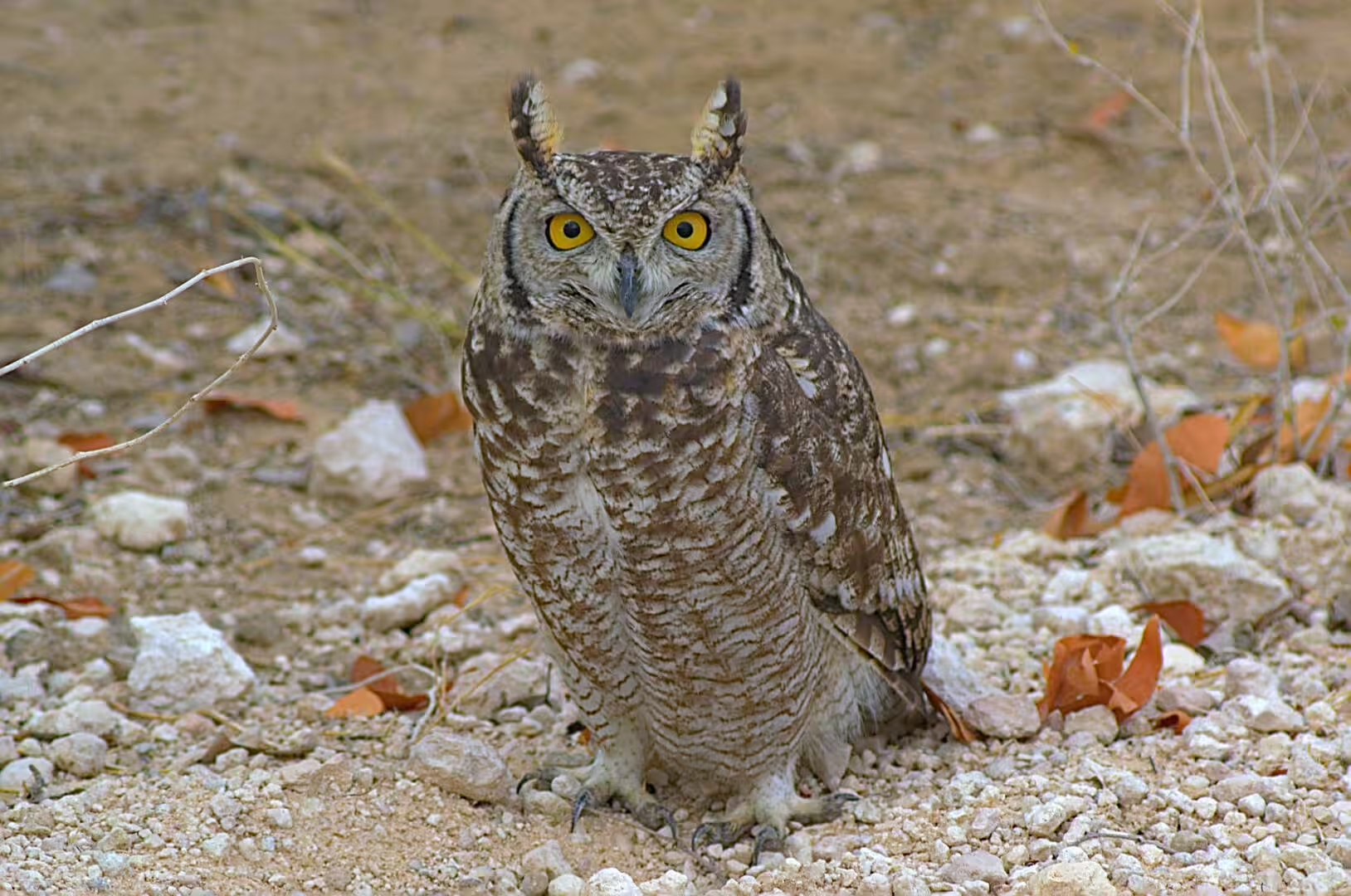
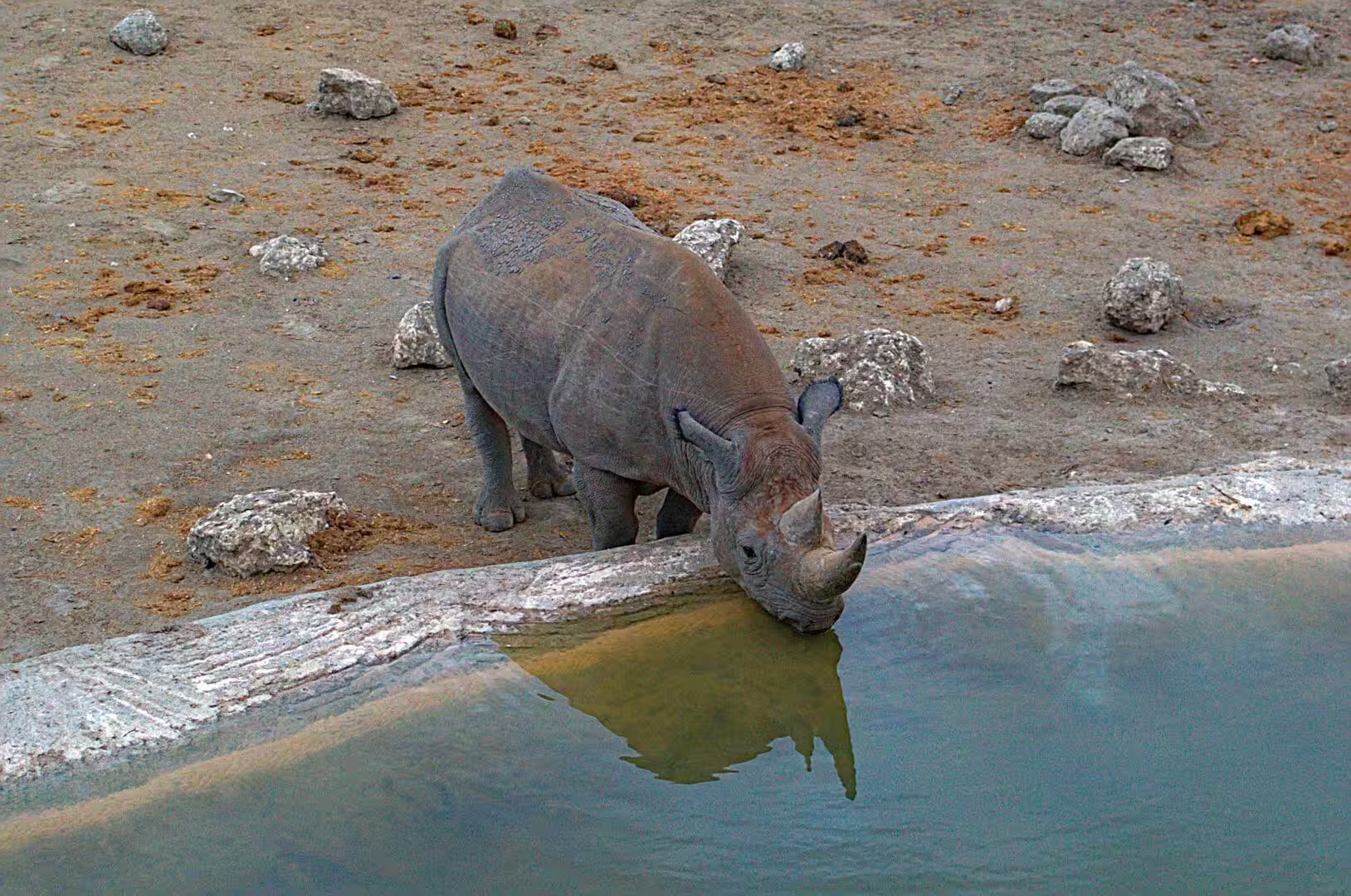
The evening produced the two animals that the day had been waiting for. The first was the great owl that sat on the gravel of the camp in the last of the light and stared at the vehicles with its orange eyes, entirely unimpressed by the people a few metres away. The second was the one that came to the waterhole after dark: a black rhinoceros that walked down to the water, lowered its head and drank while the whole hide watched it in silence. It is one of the rarest animals in the country, and to see it at a waterhole at night is the best luck that the park can give.
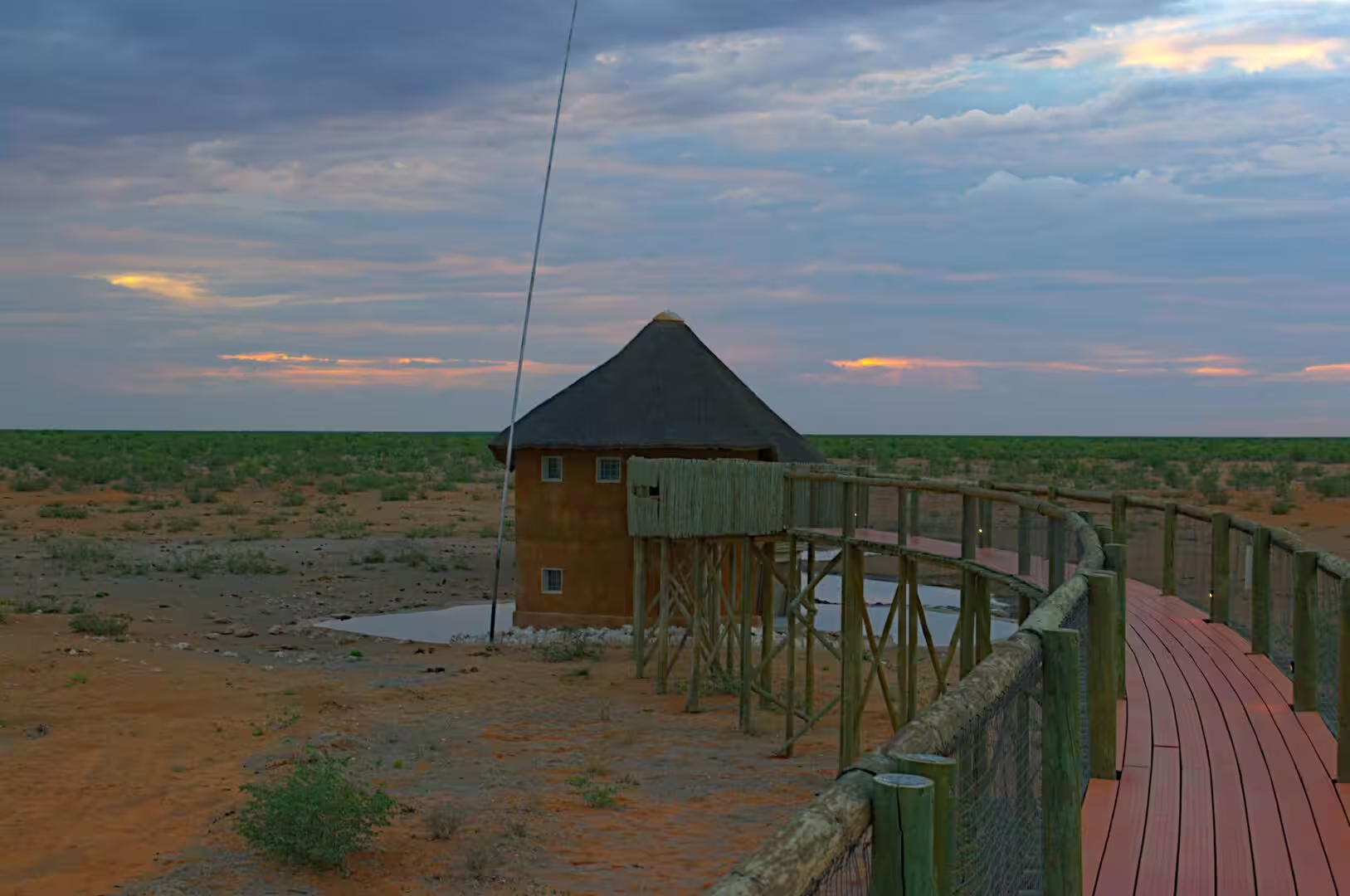
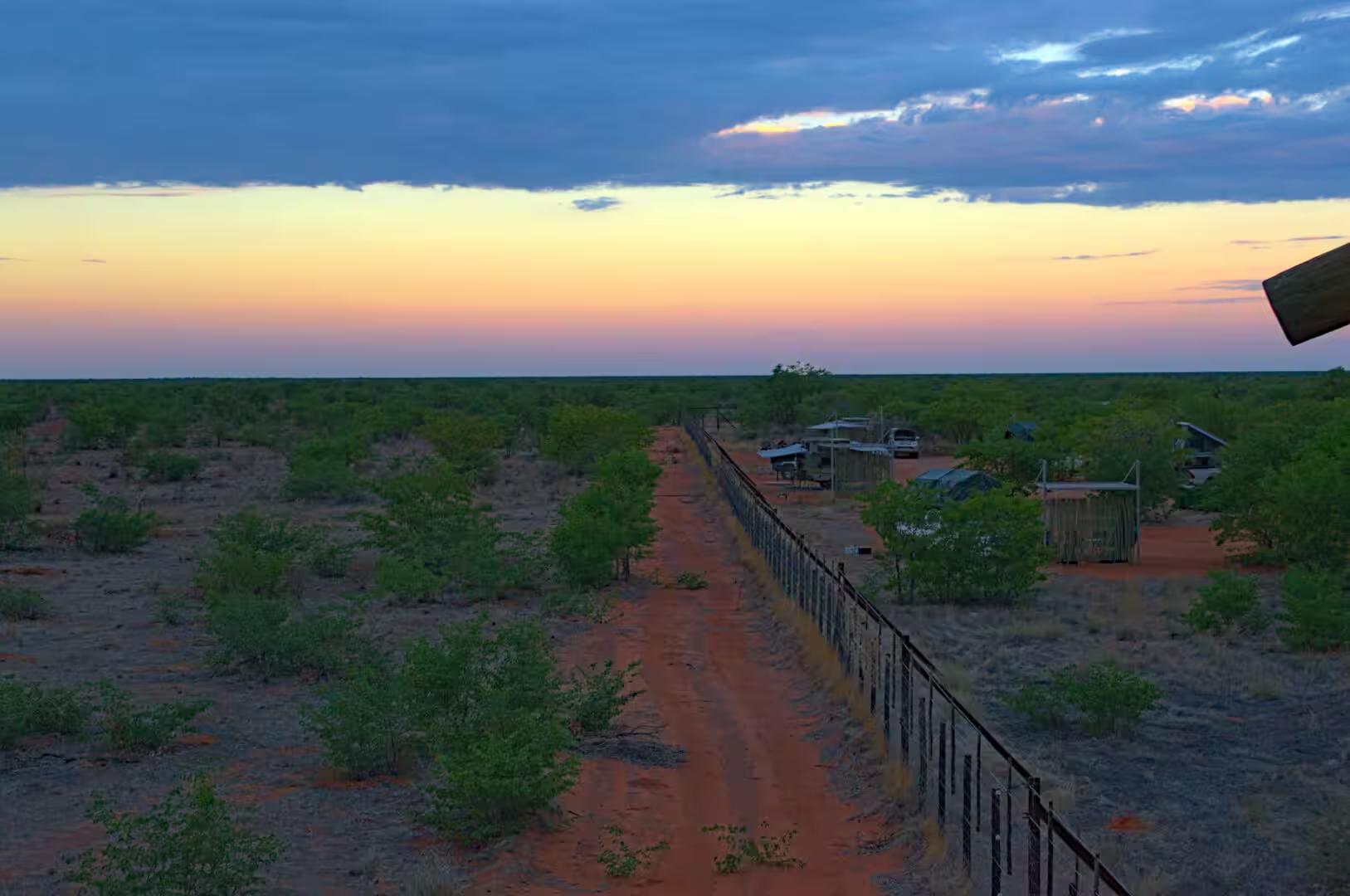
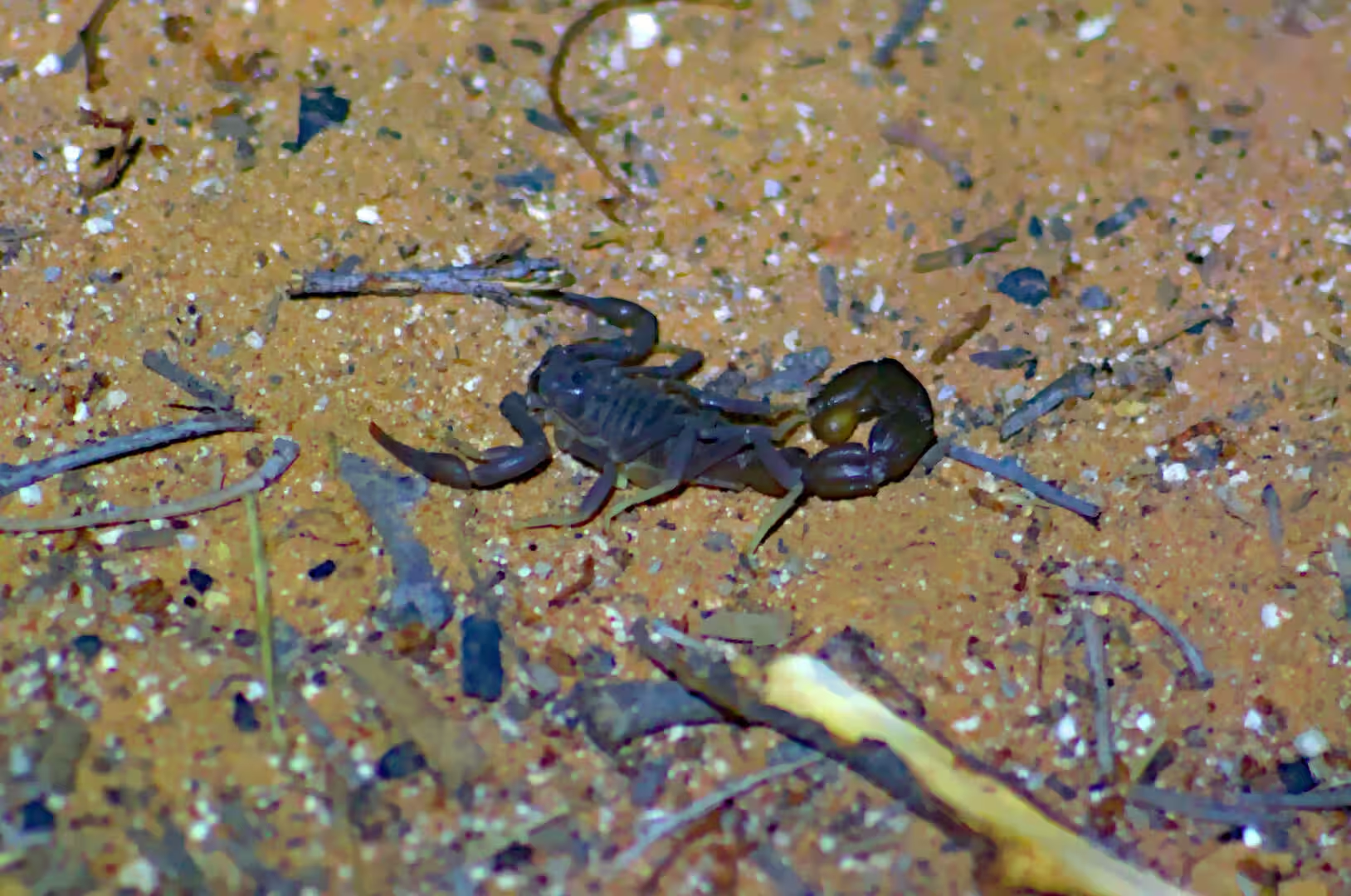
The camp itself was part of the day. The buildings of the western camp, the tower with the lookout and the hide at the waterhole, the fence that keeps the animals out of the tents and the visitors in them, and the sunset over the pan with a scorpion on the path in the dark are the furniture of an Etosha evening. The park after dark is a place of sounds: the jackals, the owls, the rumble of the elephants and the snorting of the antelopes at the water.
The first impression of Etosha is the whiteness of it. The pan and the calcrete of the plains throw back the light of the sun, the dust of the roads hangs in the air behind the vehicles, and the animals of the day, the zebras, the wildebeest, the antelopes and the elephants, stand against a white ground that makes their colours look painted. The visitor who arrives from the red dunes and the dark hills of the west will find the light of Etosha a different country, and the change is the reason the park belongs to the same day as the drive that reached it.
History
Etosha is the oldest wildlife reserve of the country and the most famous. The area was set aside as a game reserve by the German administration in 1907, it was enlarged and managed by the South African administration in the twentieth century, and it became a national park of the Republic of South Africa in 1967 before passing to the independent Namibia in 1990. The names of the camps and the waterholes of the park are a record of that history: German, Afrikaans, English and the languages of the communities of the region stand side by side on the signs.
The park is also the centre of the black rhinoceros of the country and of the work to keep it. The rhinoceros of the north west was reduced to a few animals by the poaching of the 1970s and 1980s, the populations of the park and of the neighbouring areas were protected and rebuilt, and the animals that the visitor sees at the waterholes of Etosha are the result of the most intensive conservation programme in the country. The horn of the rhinoceros is the reason it is hunted, and the guarding of the park is the reason it is still there.
The communities of the region are part of the story of the park. The land that was taken for the reserve was the grazing of the Haiǁom and the other peoples of the north, the communities were moved, and the restitution of their rights and the sharing of the income of the park are political questions of modern Namibia. The conservancies next to the park, which employ the trackers and the guides and receive a share of the fees, are the compromise that the country has made, and the visitor is part of it through the ticket.
The animals of the day have their own histories in the park. The elephants of Etosha are among the largest populations of the country and they move between the waterholes of the west and the pan in the east, the lions that the visitors see in the shade of the trees are one of the few populations that have never been hunted in the park, the wildebeest and the zebra migrate with the rain, and the black rhinoceros of the park is one of the most important populations of the species in Africa. The park is a working ecosystem rather than a zoo, and the visitor who understands that will read the day differently.
Geology
The pan that gives the park its name is the geological centre of the whole region. The Etosha Pan is a vast flat hollow of salt and clay, a hundred and twenty kilometres long, part of the basin that drains the north of the country, and it is dry for almost the whole year: the water of the summer rain collects in it, the sun and the wind evaporate it, and the salt that remains is the white floor that the visitor sees at the end of the drive. The pan covers about a quarter of the surface of the park.
The park around the pan is the country of the waterholes. The animals of the region are not dispersed over the whole of the area: they move between the springs, the seeps and the artificial waterholes that the administration has provided, and the concentration of the wildlife of Etosha around those points is the reason the park is so productive for the visitor. The water comes from the basin, from the rain and from the plumbing of the park, and the whole of the ecology of the place is arranged around the places where it appears.
The vegetation of the park is the vegetation of a country of salt and thorn. The pan is bare, the plains around it carry the short grasses of the dry season, the thorn trees stand where the water is not far below the surface, and the mopane and the other woodland grow in the east. The whole system depends on the rain of the summer, and the years of drought that the region knows are the years in which the animals of the park are concentrated at the artificial waterholes and the visitor sees the most.
The geology of the whole of the north is a story of a basin and its rivers. The Cuvelai system of the Angolan border drains the water of the highlands south into the pan, the rivers of the region run north west towards it or die in the sand, and the whole is a system without an outlet to the sea: the water arrives, stands and evaporates, and the salt of the pan is the record of a hundred thousand years of that process. The park is the protected part of a basin that reaches into Angola, and the animals that move through it pay no attention to the border.
Things to See
The waterholes are the sight of the day and the whole method of the park. The visitor drives from one to the next, parks in the marked places, and waits: the animals of the region come to drink in the morning and the late afternoon, and the concentration of the species at a single point is the reason Etosha is famous. The hides and the viewpoints of the camps, including the one at the western camp of the night, are the places where the visitor can sit for hours and watch the same water with the advantage of a fence.
The birds of the park are the other half of the day and a reason to carry the binoculars. The secretary bird walks the grass of the plains, the kori bustards stand in the open, the hornbills, the shrikes, the larks and the waxbills of the bush, the flamingos of the pan after the rain and the raptors over the waterholes fill the list, and the owls of the camp trees are the animal of the evening. Etosha is one of the best birding areas of southern Africa, and the visitor who stops the vehicle for the birds will end the day with more species than hours of light.
The camps of the park are the practical centres of the visit, and the western camp has the character of its own. The waterhole beside it is floodlit and watched all night, the hide is the best place in the country to see a rhinoceros, the lookout tower and the waterhole of the camp are the social centre of the evening, and the shop, the fuel station and the restaurant are the services of the park. The visitor who books the accommodation inside the park has the hours of the animals to themselves, and the difference between sleeping in the park and driving in from outside is the whole experience.
The night drive and the waterhole hide are the way to see the animals that the day hides. The predators move in the dark, the nocturnal species that the day never shows come to the water, the scorpions and the geckos of the camp paths are part of the evening walk, and the rhinoceros that came to drink on the night of the visit was the proof of the rule. The park rangers lead the drives, the permits are sold at the camps, and the visitor who has waited all day in the heat is rewarded in the hour after the sun goes down.
The practical advice for Etosha is the discipline of the park. The visitors stay in the vehicle except at the designated places, the speed limit is for the animals and not for the traffic, the gates of the camps close at sunset and open at sunrise, and the water and the food for the day have to be carried from the camp of the morning. The distances inside the park are long, the waterholes of the west are hours apart from the east, and the best months of the year are the winter ones, when the vegetation is thinnest and the animals are concentrated at the water. The visitor who plans the day around the waterholes rather than the kilometres will see the park as it should be seen, slowly.
References
- Wikipedia contributors (2026). Etosha National Park. en.wikipedia.org/wiki/Etosha%20National%20Park
- Wikipedia contributors (2026). Etosha Pan. en.wikipedia.org/wiki/Etosha%20Pan
- Wikipedia contributors (2026). Secretarybird. en.wikipedia.org/wiki/Secretarybird
- Wikipedia contributors (2026). Springbok. en.wikipedia.org/wiki/Springbok
- Wikipedia contributors (2026). Namibia. en.wikipedia.org/wiki/Namibia
- Wikipedia contributors (2026). Kunene Region. en.wikipedia.org/wiki/Kunene%20Region
- Wikipedia contributors (2026). Oryx. en.wikipedia.org/wiki/Oryx
- Wikipedia contributors (2026). Hartmann’s mountain zebra. en.wikipedia.org/wiki/Hartmann’s%20mountain%20zebra
- Wikipedia contributors (2026). Lion. en.wikipedia.org/wiki/Lion
- Wikipedia contributors (2026). African bush elephant. en.wikipedia.org/wiki/African%20bush%20elephant
- Wikipedia contributors (2026). Otjozondjupa Region. en.wikipedia.org/wiki/Otjozondjupa%20Region
- Wikipedia contributors (2026). Black rhinoceros. en.wikipedia.org/wiki/Black%20rhinoceros
- Hipondoka M., Mauz B., Kempf J., Packman S., et al. (2014) Chronology of sand ridges and the Late Quaternary evolution of the Etosha Pan, Namibia. Geomorphology. 204. 553-563. doi.org/10.1016/j.geomorph.2013.08.034
- Brodie J.F., Muntifering J., Hearn M., Loutit B., et al. (2011) Population recovery of black rhinoceros in north‐west Namibia following poaching. Animal Conservation. 14. 354-362. doi.org/10.1111/j.1469-1795.2010.00434.x
- Van Coeverden de Groot P.J., Putnam A.S., Erb P., Scott C., et al. (2011) Conservation genetics of the black rhinoceros, Diceros bicornis bicornis, in Namibia. Conservation Genetics. 12. 783-792. doi.org/10.1007/s10592-011-0185-1