Grande Traversata delle Alpi · 2026
Stage 8 of 8
2026 GTA 8 - The Road Home over the Great Saint Bernard
10 July 2026
Journal Notes
The return begins with the water. Out of the high valleys the road eases downhill, and the country changes with every bend: bare rock gives way to chestnut woods, then to terraced slopes and small towns, until the last climb lifts the route again to the roof of the Alps. There is a river to follow, a hillside of vines to read, and a hospice that has kept its door open on the Great Saint Bernard for travellers crossing between Piemont and the Aosta Valley.
Down the Valley of the Dora Baltea
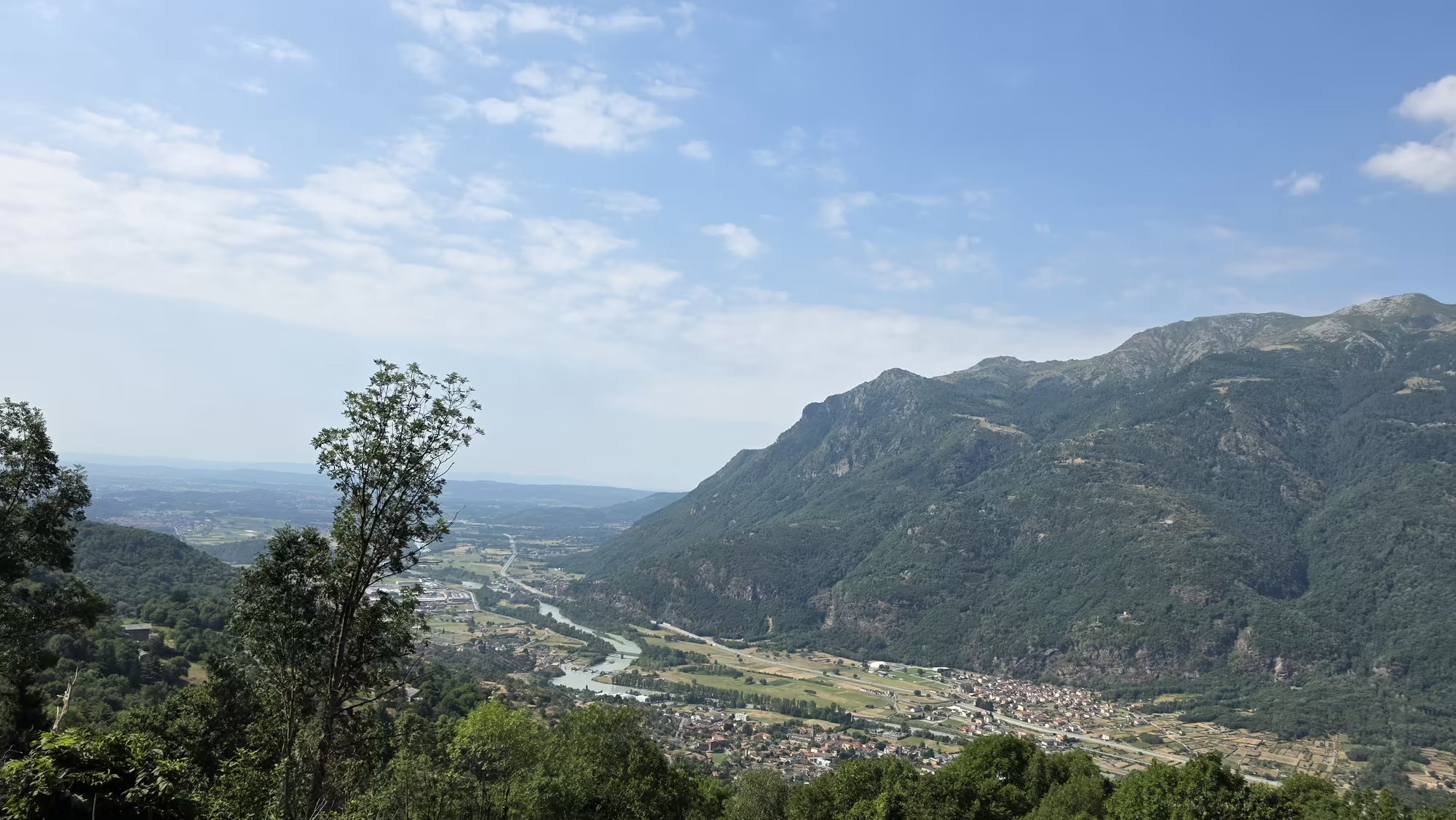
Seen from a wooded height, the valley opens all at once. The Dora Baltea winds below in long silver loops, and the town lies pressed against the slope with its roofs close together and its campanile clear above them. Hazel and chestnut crowd the roadside, and every gap in the canopy hands back a piece of the river or a cluster of houses far down on the valley floor.
The river is the spine of this country. It gathers the meltwater of the western Alps, runs the length of the Aosta Valley, and reaches the plain at Ivrea before turning its water towards the Po. Towns have grown where it could be forded, fields lie along its banks, and the old roads have always kept close to its course.
Below the last ridge the road crosses to the far side and begins to climb. A sign marks the turn for Settimo Vittone, a small place on the pilgrim road that leads from the Alpine passes to Rome. The Via Francigena runs through its hamlets here, and for centuries travellers on foot have come up this slope to sleep, to eat, and to pray before setting out again.
Terraced Vineyards at Settimo Vittone
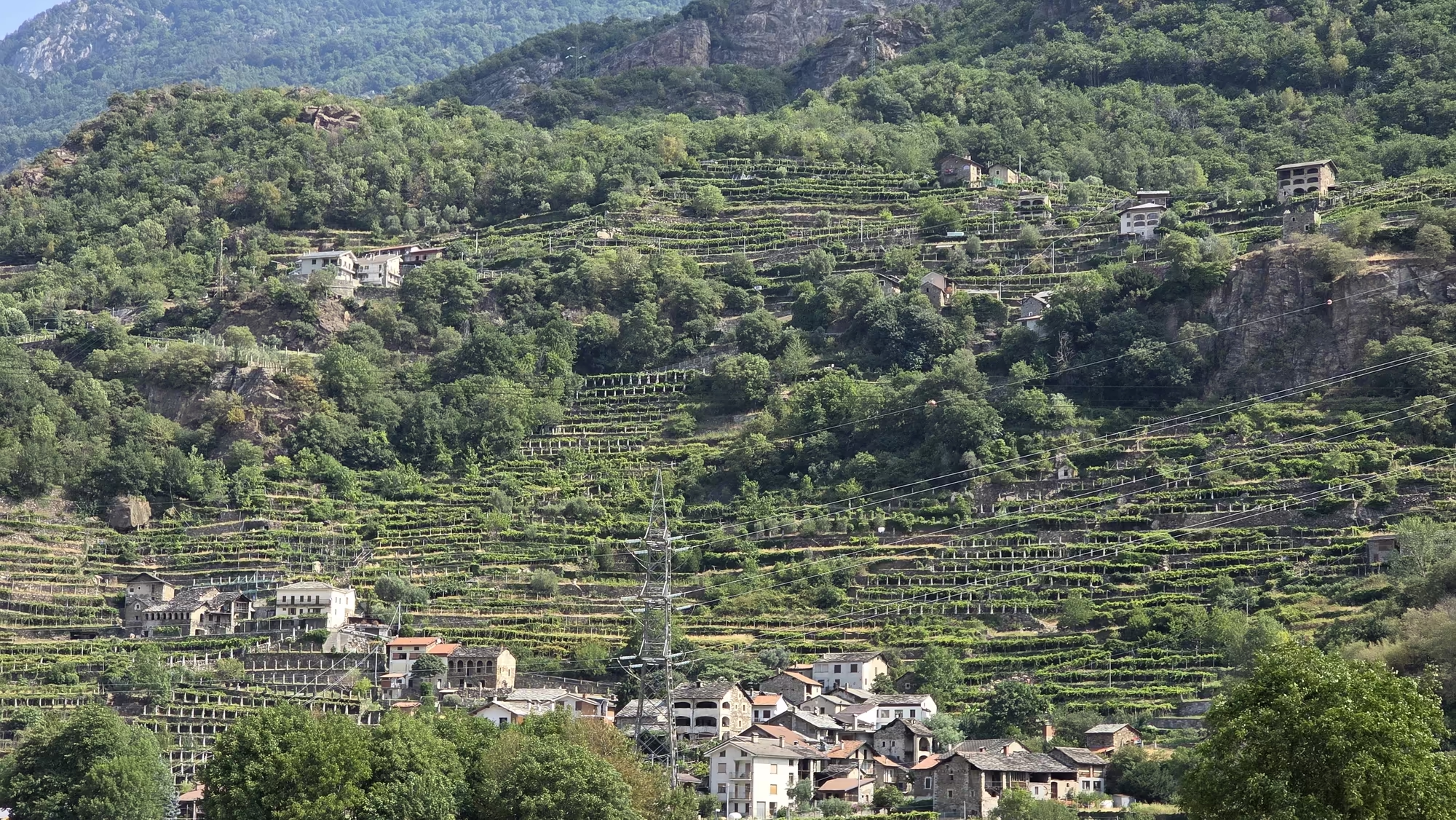
Above the town the hillside is cut into narrow terraces, each one held by a dry wall of unmortared stone that follows the contour of the hill. The vines stand in stepped rows above the walls, and the hamlets belonging to the town hang on the slope wherever the ground flattens enough for a handful of houses.
The growing here is an old craft of stone and wood. Each vine rests on a pergola of chestnut poles carried by stone columns, the pilun, which take the heat of the day and give it back at night; the space beneath is cool enough for vegetables. The grape is Nebbiolo, the same variety that makes the great reds of Piemont, and the harvest is still taken by hand because no machine can work ground this steep.
Higher up, on a rock above the town, stand the parish church of San Lorenzo and its baptistery of San Giovanni Battista, an octagonal building among the oldest in the Canavese. Pilgrims once climbed to it as a landmark on the road, and its walls keep frescoes painted across several centuries. From the terrace beside the church the whole valley lies open, the Dora Baltea below and the terraces stepping down towards the river.
The Hospice at the Great Saint Bernard
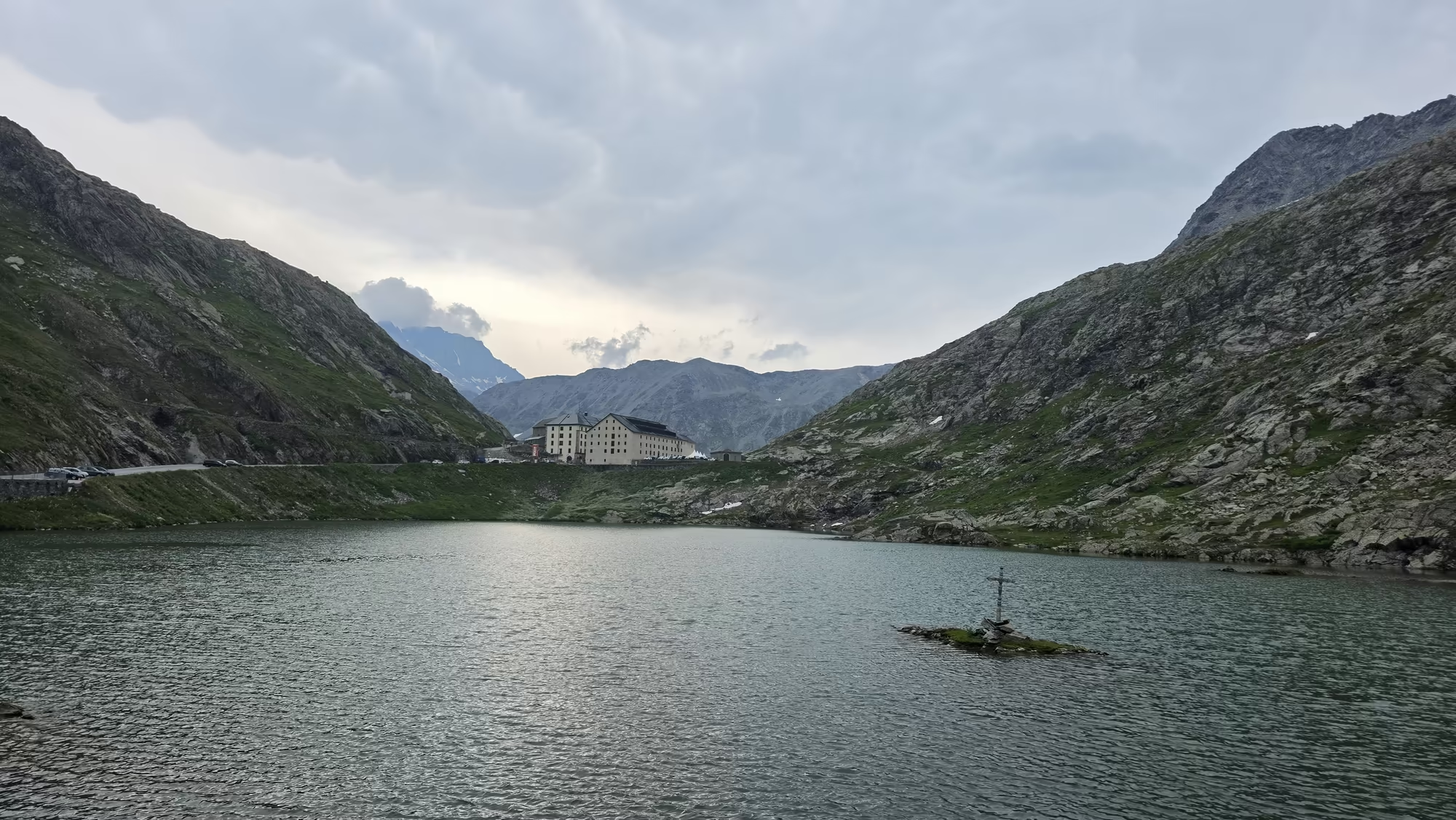
The road climbs for hours into bare country. At the top it reaches a dark lake set in a bowl of rock, with a low island in the water marked by a cross, and beyond the lake the hospice stands, long and heavy, the largest building for miles around. Cloud drifts over the ridge, the wind is cold even at midday, and the pass feels like the edge of the world.
The hospice at the pass was founded in the eleventh century by Bernard of Menthon, archdeacon of Aosta, who wanted to end the brigandage that terrified travellers on the crossing. A community of Augustinian canons regular has kept the house and its hospitality without interruption from that day to this, sheltering pilgrims, merchants and soldiers on their way over the mountains. On the Italian side the road drops towards Saint-Rhemy-en-Bosses, and the pass has carried traffic between the Aosta Valley and the north since Roman times.
The dogs came later. Bred here at first as guard dogs and companions, they were trained to find travellers lost in snow and fog, and their strength and scent made them the rescuers of the pass. The most famous of them, Barry, is remembered for the lives he saved. The animals still spend the summer at the hospice, and their kennel is one of the few sights at this height where children and adults stop with equal pleasure.