Australia 2022 - March
26 August 2022




Journal Notes
General
Sydney is the capital of New South Wales and the largest city in Australia. The metropolis surrounds Sydney Harbour and extends roughly 80 kilometres from the Pacific Ocean in the east to the Blue Mountains in the west, and about the same distance from Ku-ring-gai Chase National Park and the Hawkesbury River in the north west to the Royal National Park and Macarthur in the south. Greater Sydney consists of 658 suburbs across 33 local government areas, and the estimated population in June 2025 was 5,638,830, about two thirds of the population of the whole state. Residents are known as Sydneysiders, and the city is often called the Harbour City.
The city stands in a coastal basin with the Tasman Sea to the east and the mountain rim of the continent to the west, and it falls into two distinct halves. The Cumberland Plain lies to the south and west of the harbour and is comparatively flat, while the Hornsby Plateau to the north is cut by steep valleys. The flat southern ground was settled first, and the northern shore remained thinly populated until the Harbour Bridge was built. Seventy surf beaches line the coast, of which Bondi is the best known, and the Nepean River wraps around the western edge of the built up area before becoming the Hawkesbury.
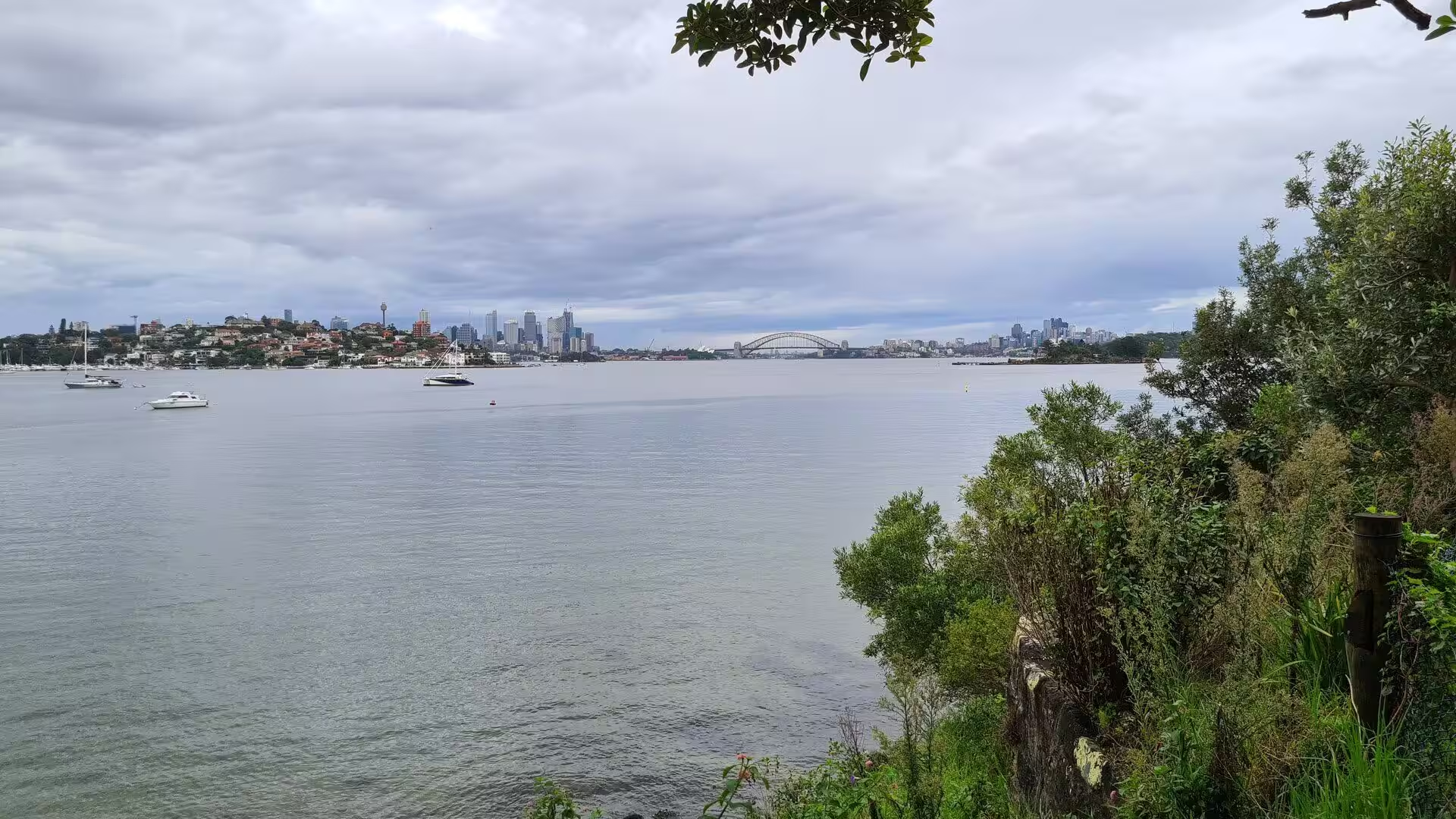
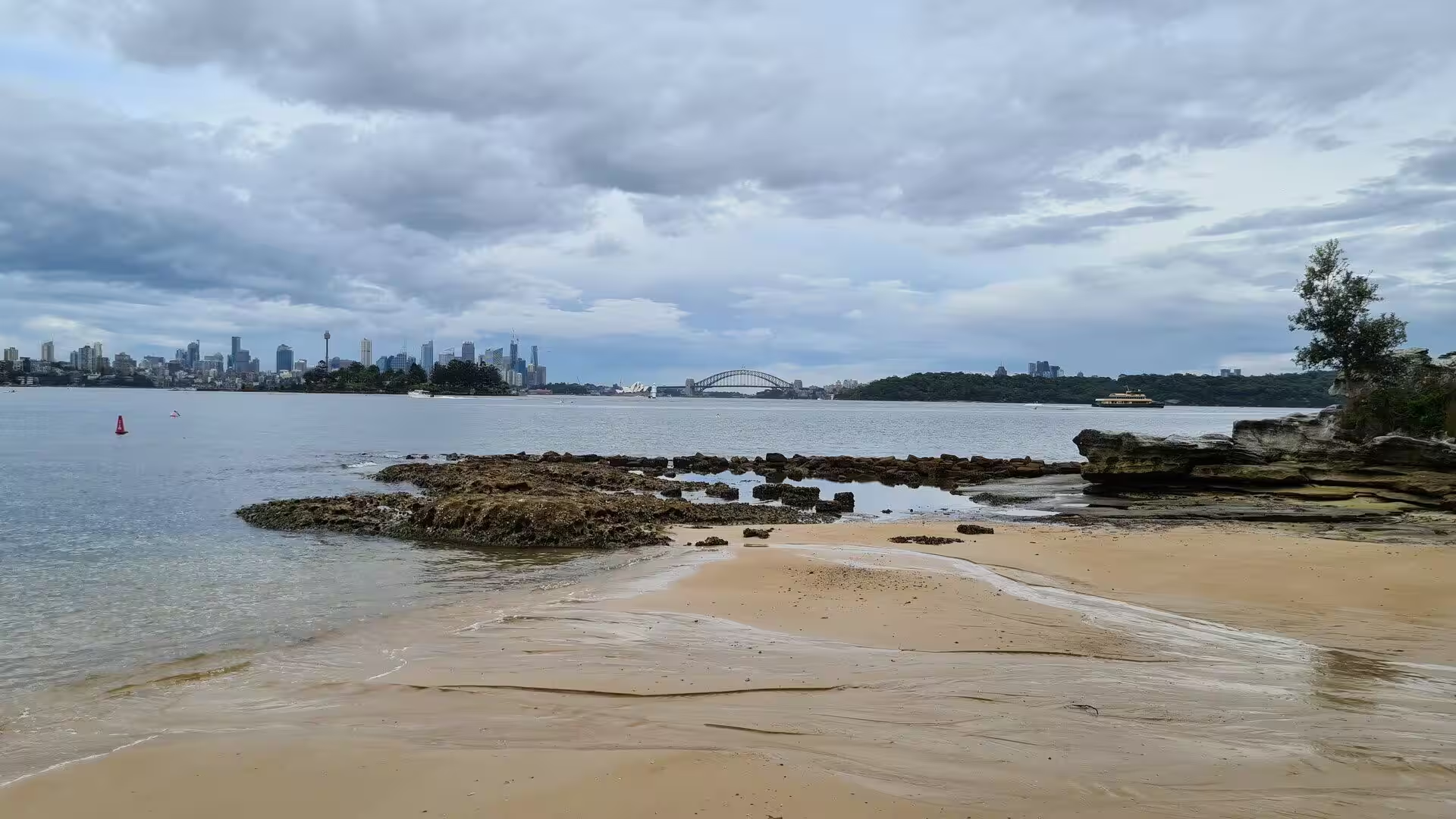
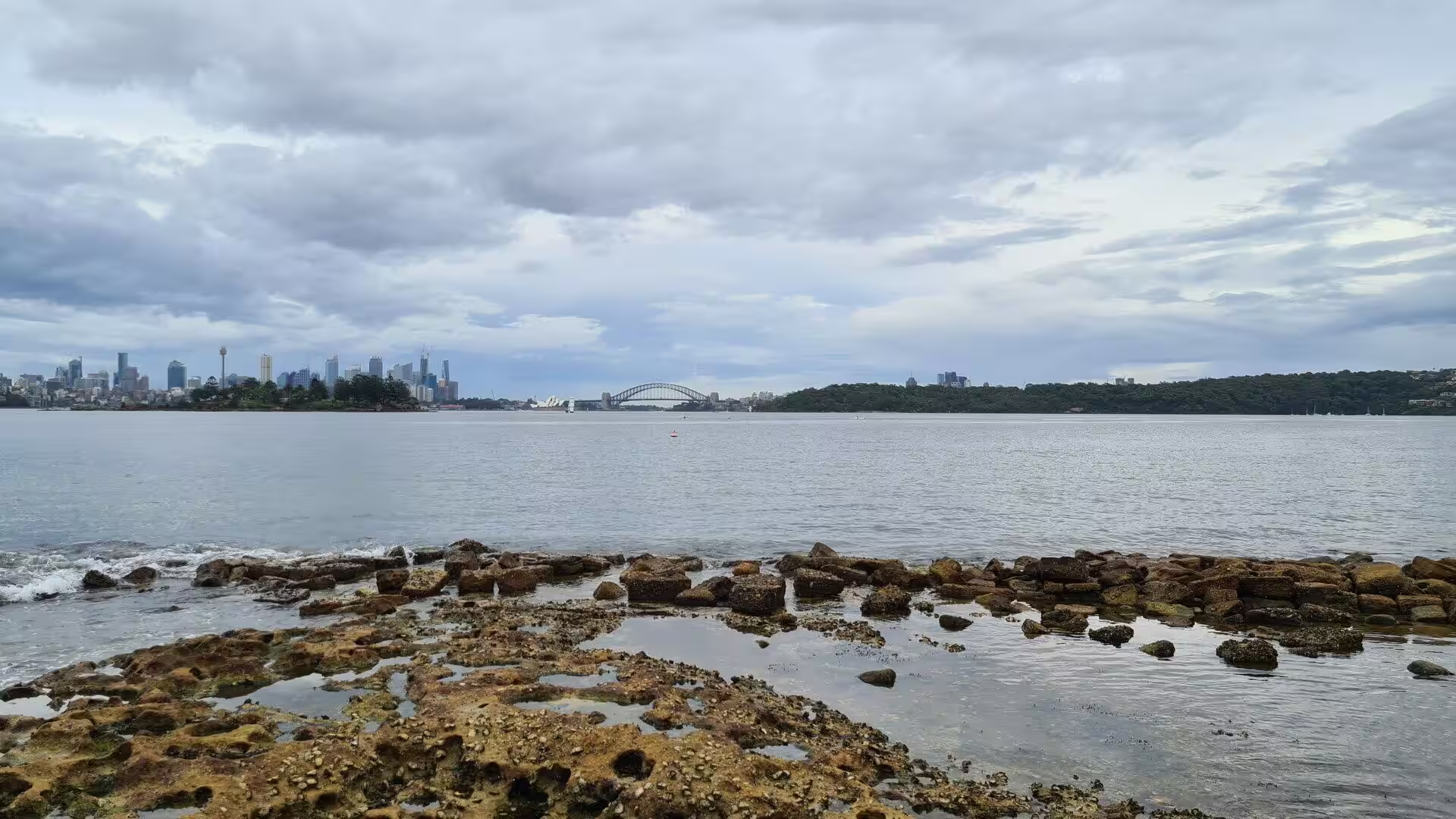
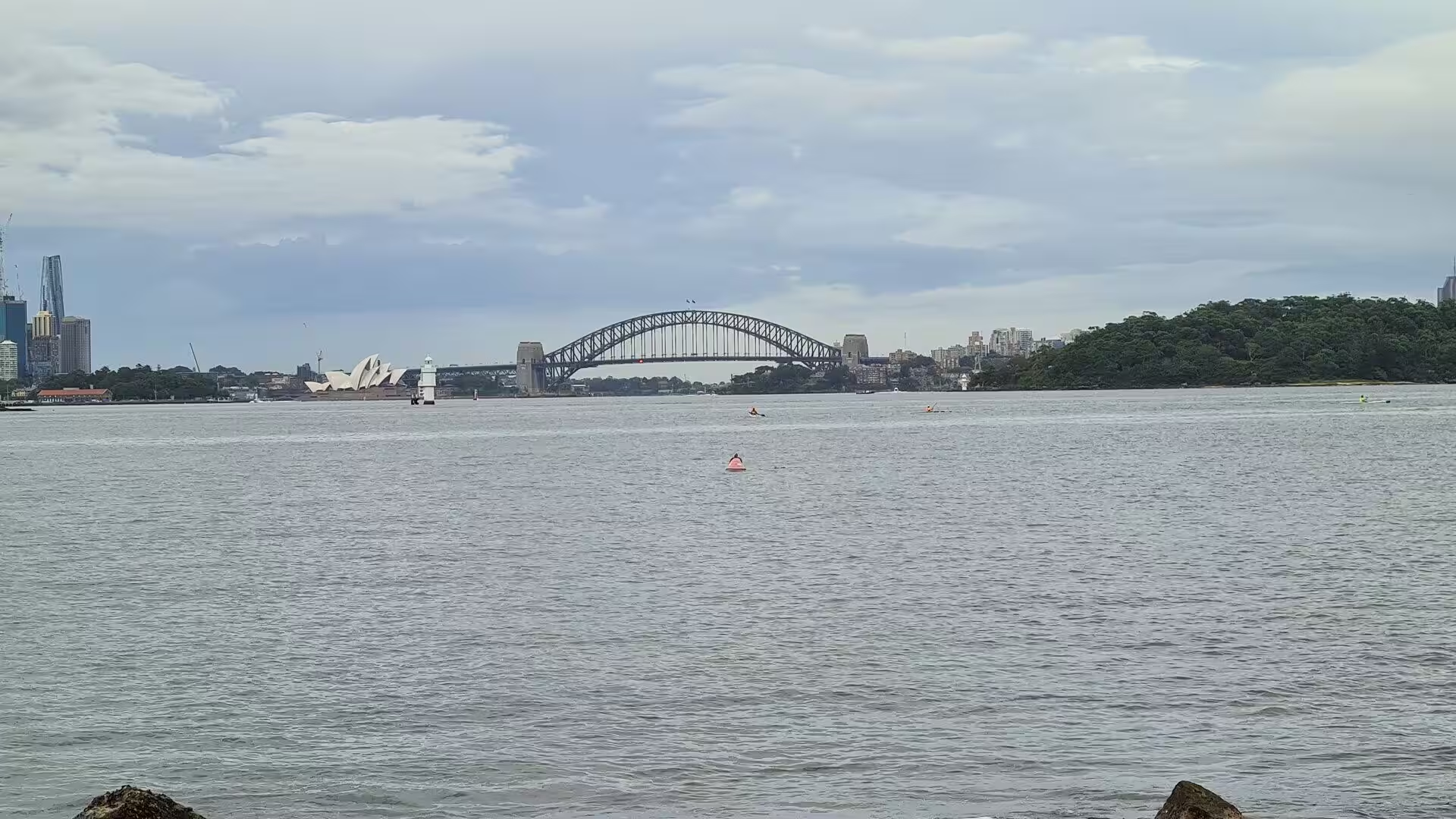
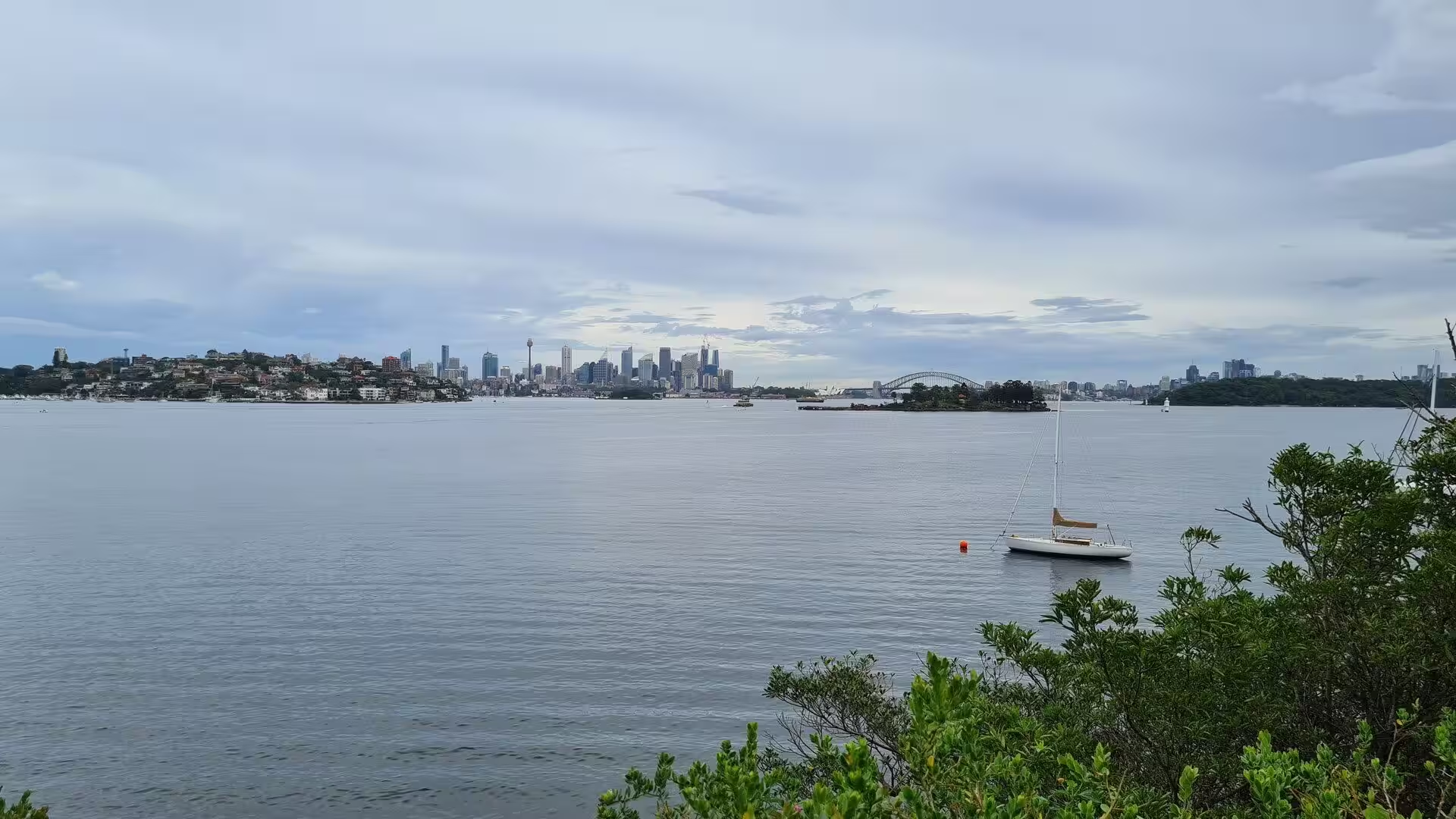
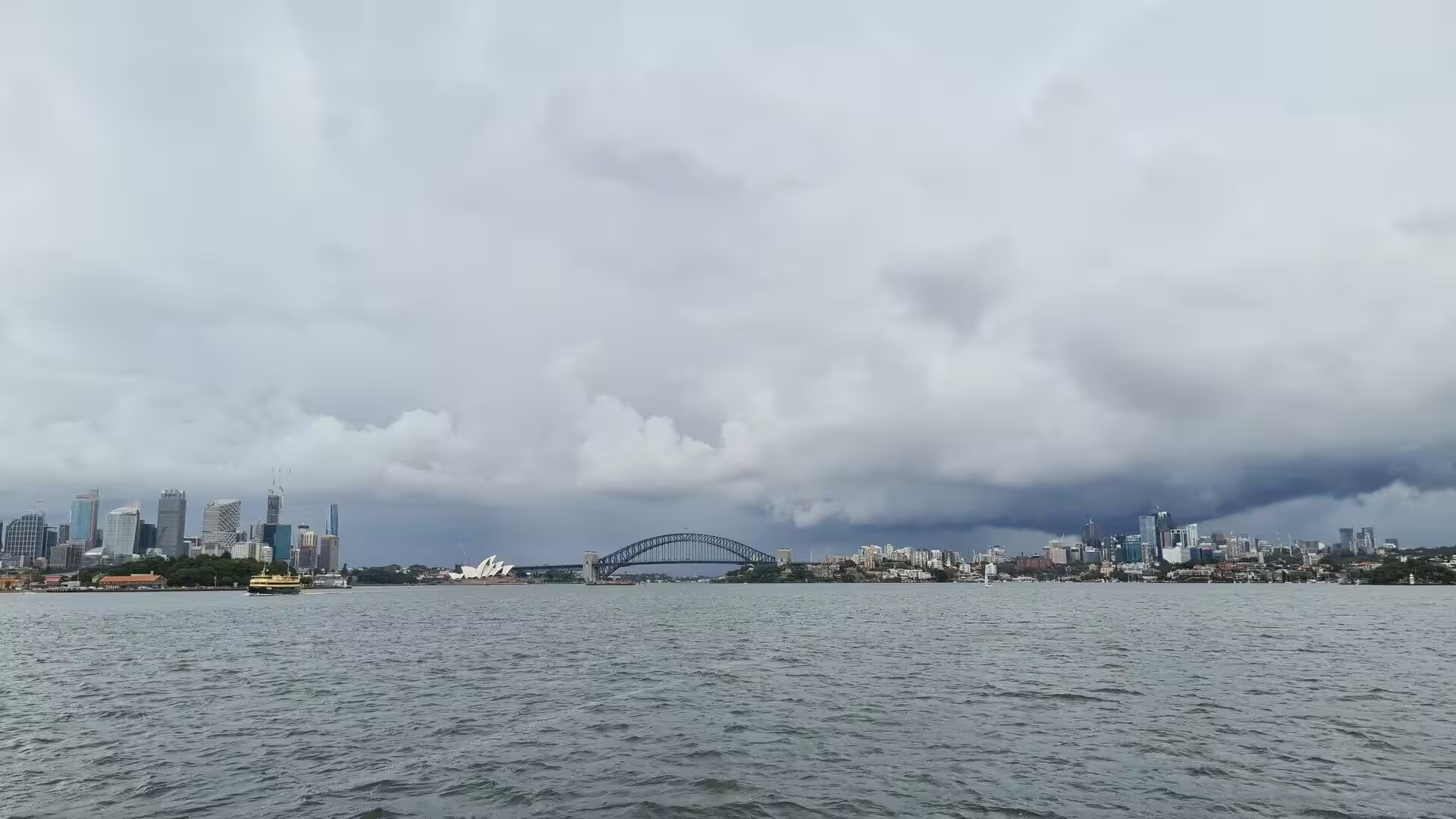
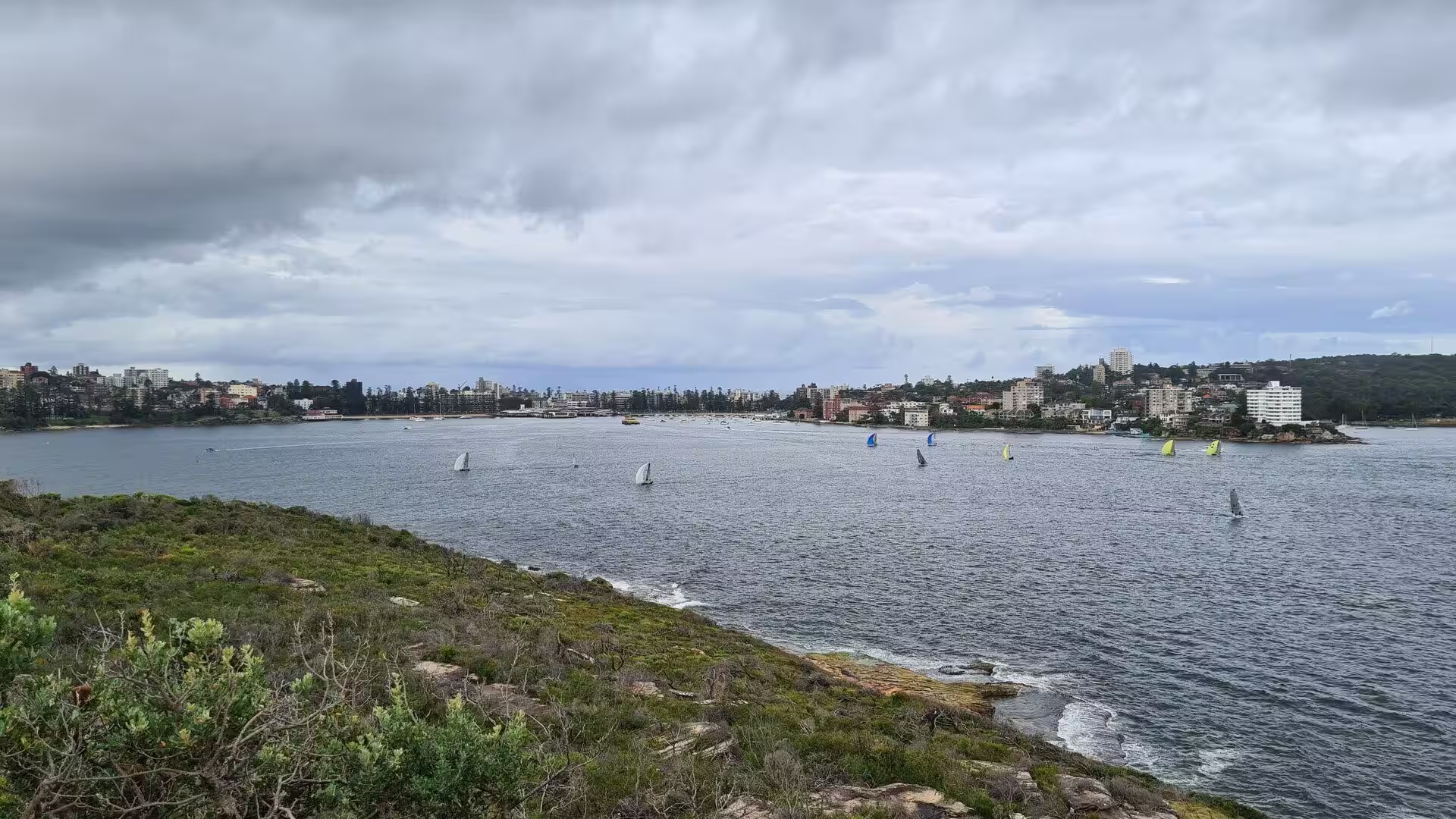
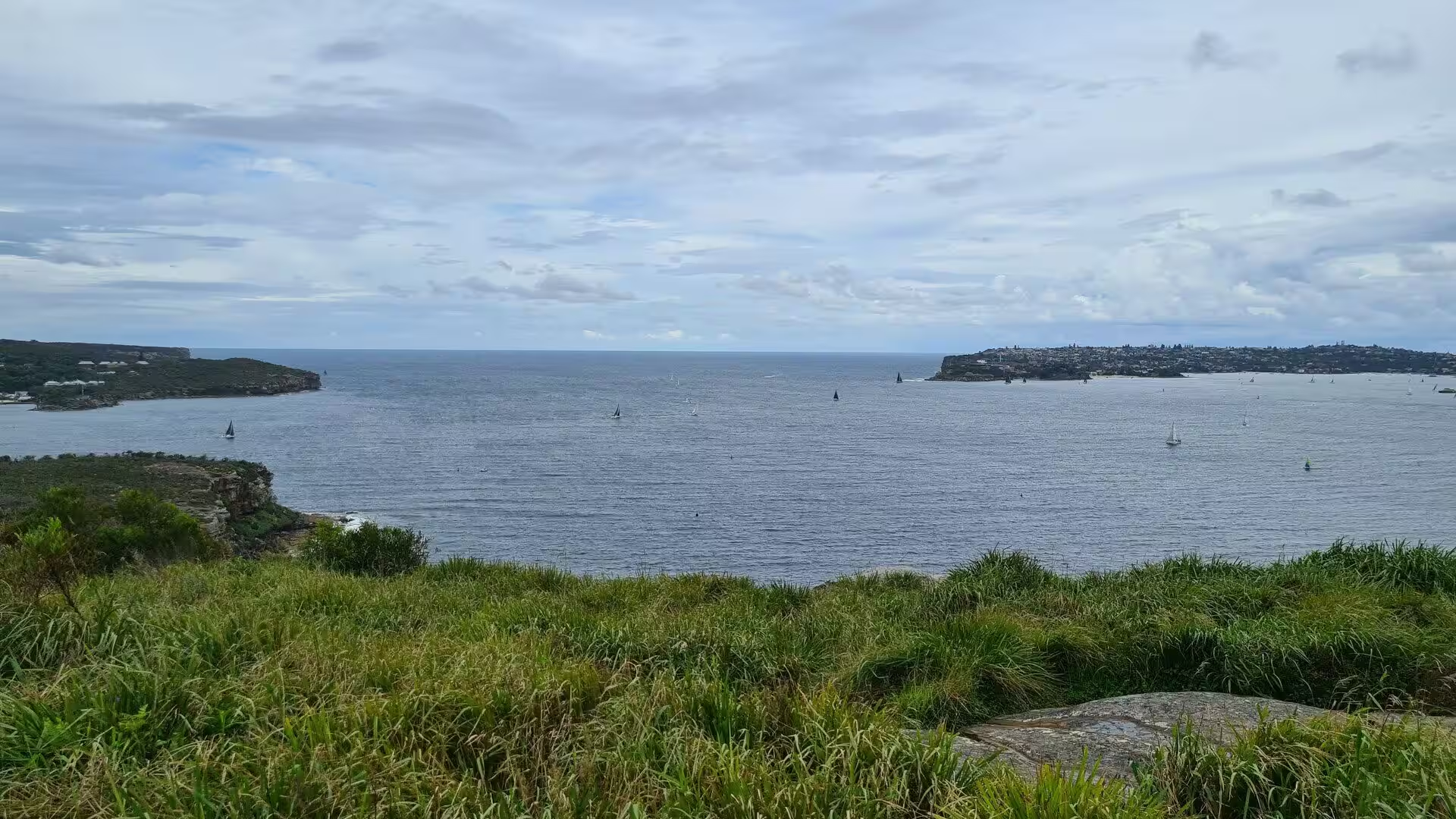
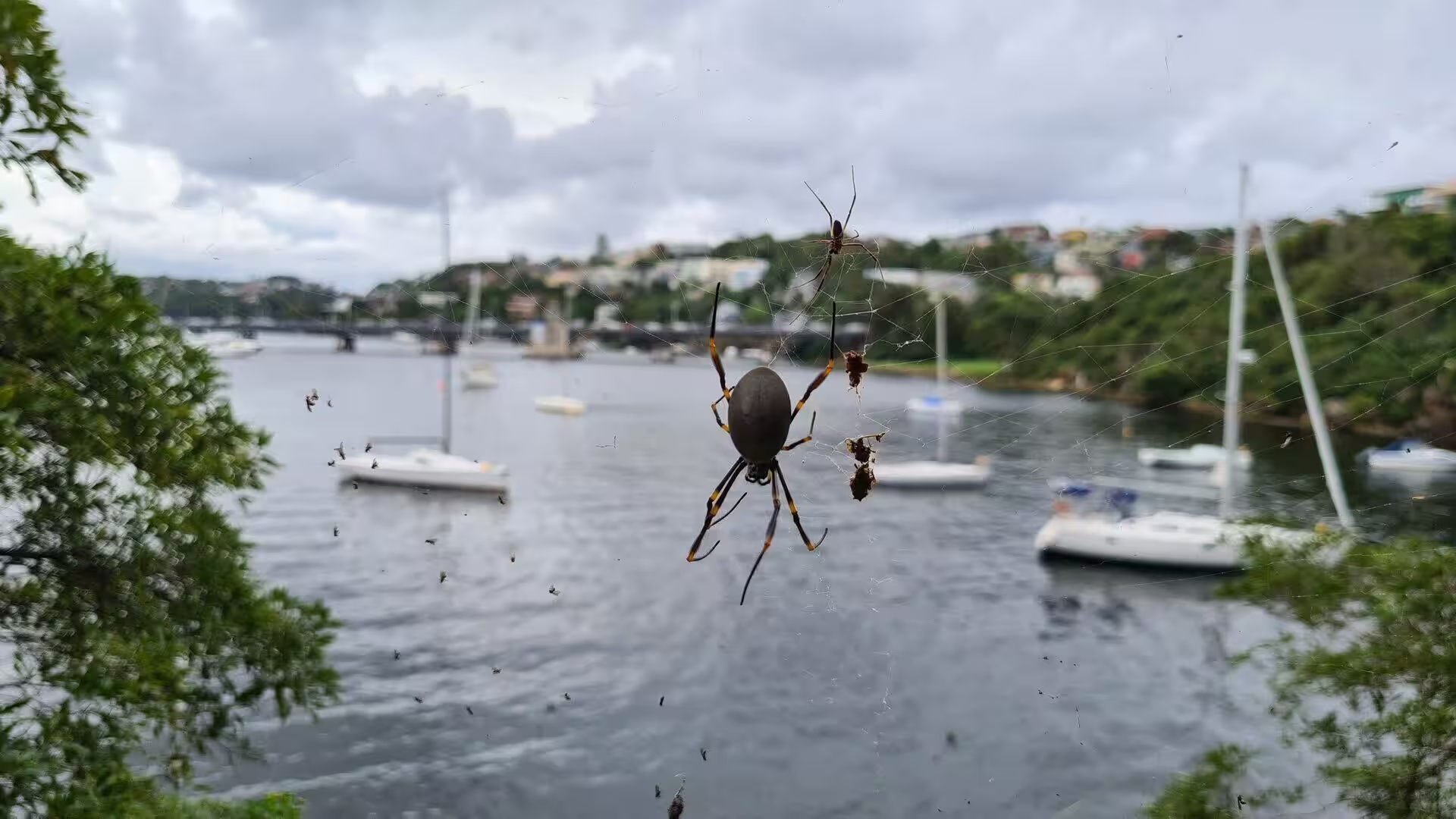
Port Jackson, better known as Sydney Harbour, is a natural harbour on the east coast and the reason for the position of the city. It consists of the waters of Sydney Harbour proper together with Middle Harbour, North Harbour and the Lane Cove and Parramatta rivers, and it opens into the Tasman Sea. The two buildings that stand for Australia in most of the world, the Opera House and the Harbour Bridge, sit on its foreshores, and the harbour is also the starting point of the Sydney to Hobart Yacht Race, which leaves the city every Boxing Day. Its waterways are managed by Transport for NSW.
Sydney has a humid subtropical climate, moderated in the centre by the proximity of the ocean and more extreme in the western suburbs inland. The weather is governed by large scale patterns over the Pacific and Indian oceans, which bring drought and bushfire in one phase and storms and flooding in the other. At the Observatory Hill station the recorded extremes run from 45.8 degrees Celsius on 18 January 2013 to 2.1 degrees on 22 June 1932, and the central business district averages about 14.9 days a year at or above 30 degrees, while the metropolitan area as a whole averages between 35 and 65 such days depending on the suburb.
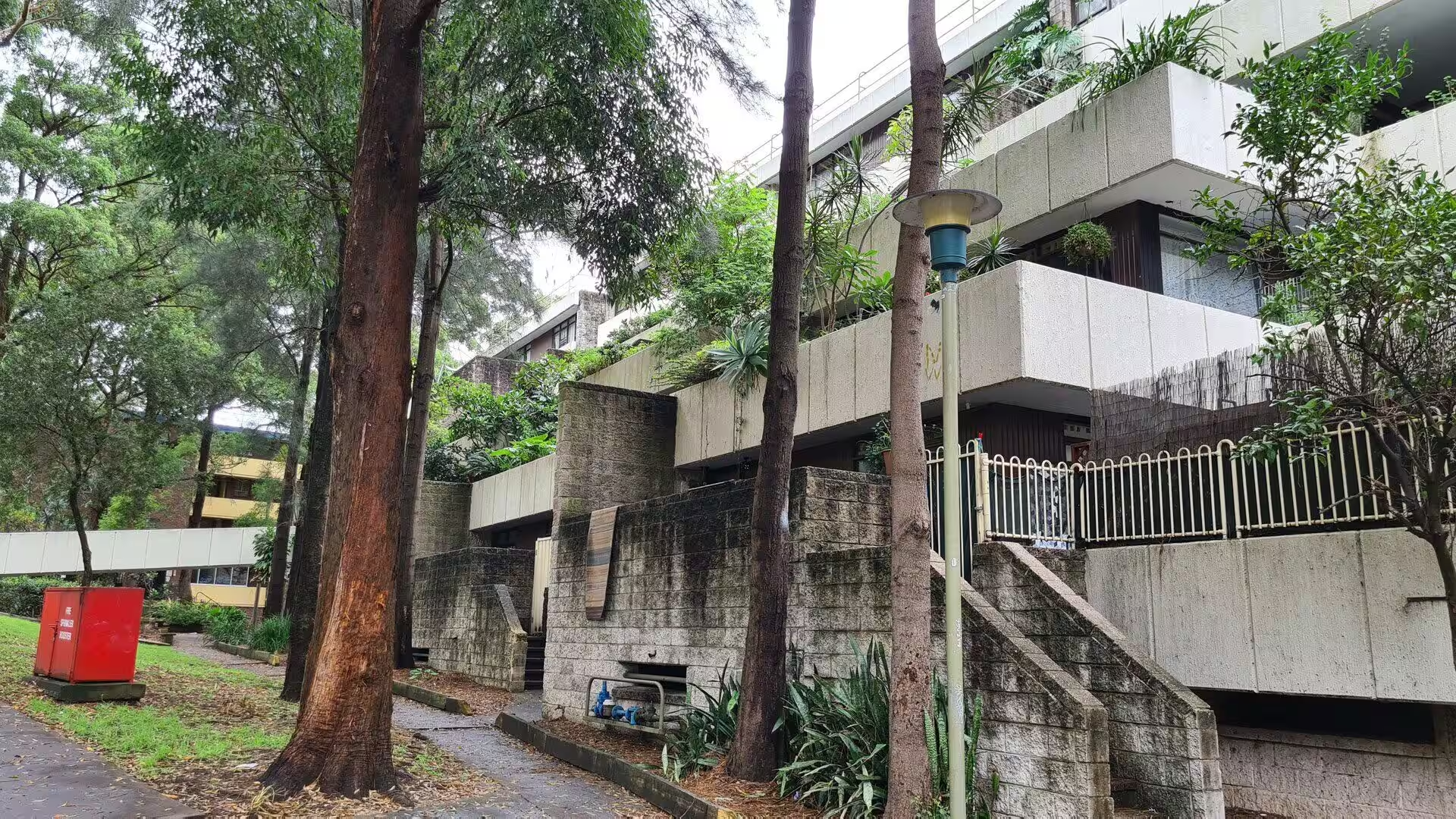
Sydney is a city of migrants and, increasingly, of apartments. Mass migration after the Second World War changed the character of the suburbs, and by 2021 more than 40 per cent of the population had been born overseas, the largest groups coming from mainland China, India, the United Kingdom, Vietnam and the Philippines. Housing remains the most expensive in the country, with a median house price of about 1.75 million Australian dollars, and of the 1.83 million dwellings counted in 2021 just over half were detached houses while a third were apartments. The city nevertheless ranks regularly among the most liveable in the world.
History
Aboriginal Australians have lived in the Sydney region for at least thirty thousand years, and engravings and cultural sites are found throughout the area. The traditional custodians of the land on which the modern city stands are the clans of the Darug, the Dharawal and the Eora, whose country included the shores of the harbour, the rivers and the coastal plain. Their presence is the oldest and longest story of the place, and it precedes everything that follows by a very wide margin.
European knowledge of the coast begins with James Cook, who charted the eastern coast of Australia during his first Pacific voyage in 1770 and made landfall at Botany Bay, south of the present city. The bay proved unsuitable for a settlement and the fleet moved north, entering Port Jackson, which Cook had noted but not examined. The harbour with its deep water and wooded coves decided the question, and the place took its name from the British home secretary of the day.
In 1788 the First Fleet of convicts, led by Arthur Phillip, founded Sydney as a British penal colony. It was the first European settlement in Australia, and for its first decades the town was a construction site of convict labour: the earliest buildings were put up to the barest standards, and the Georgian town that replaced them was largely the work of the governors and of a few skilled convicts, among them the architect Francis Greenway, who designed the Macquarie Lighthouse in 1814 and the Hyde Park Barracks in 1819 and was pardoned for his work.
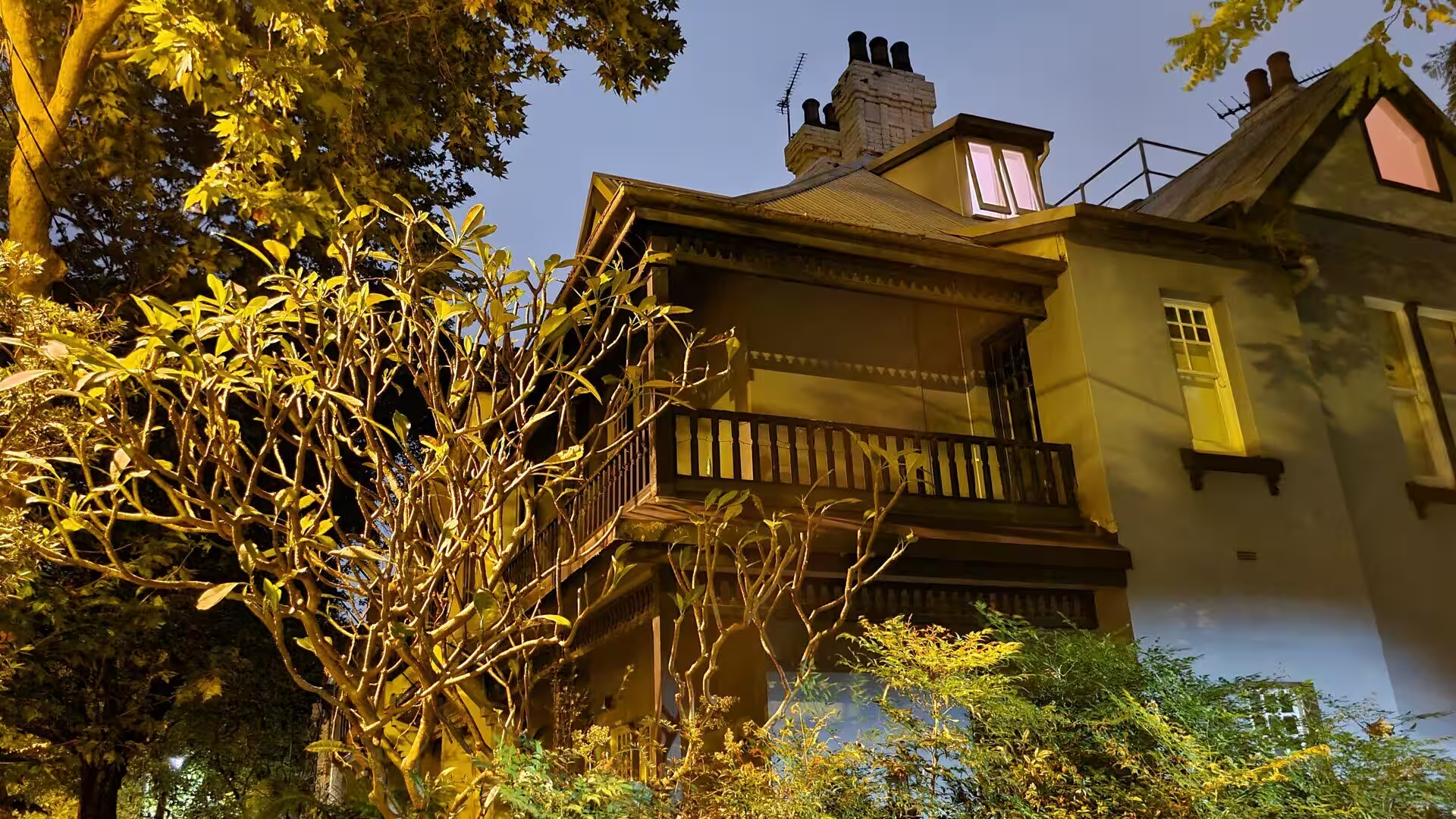
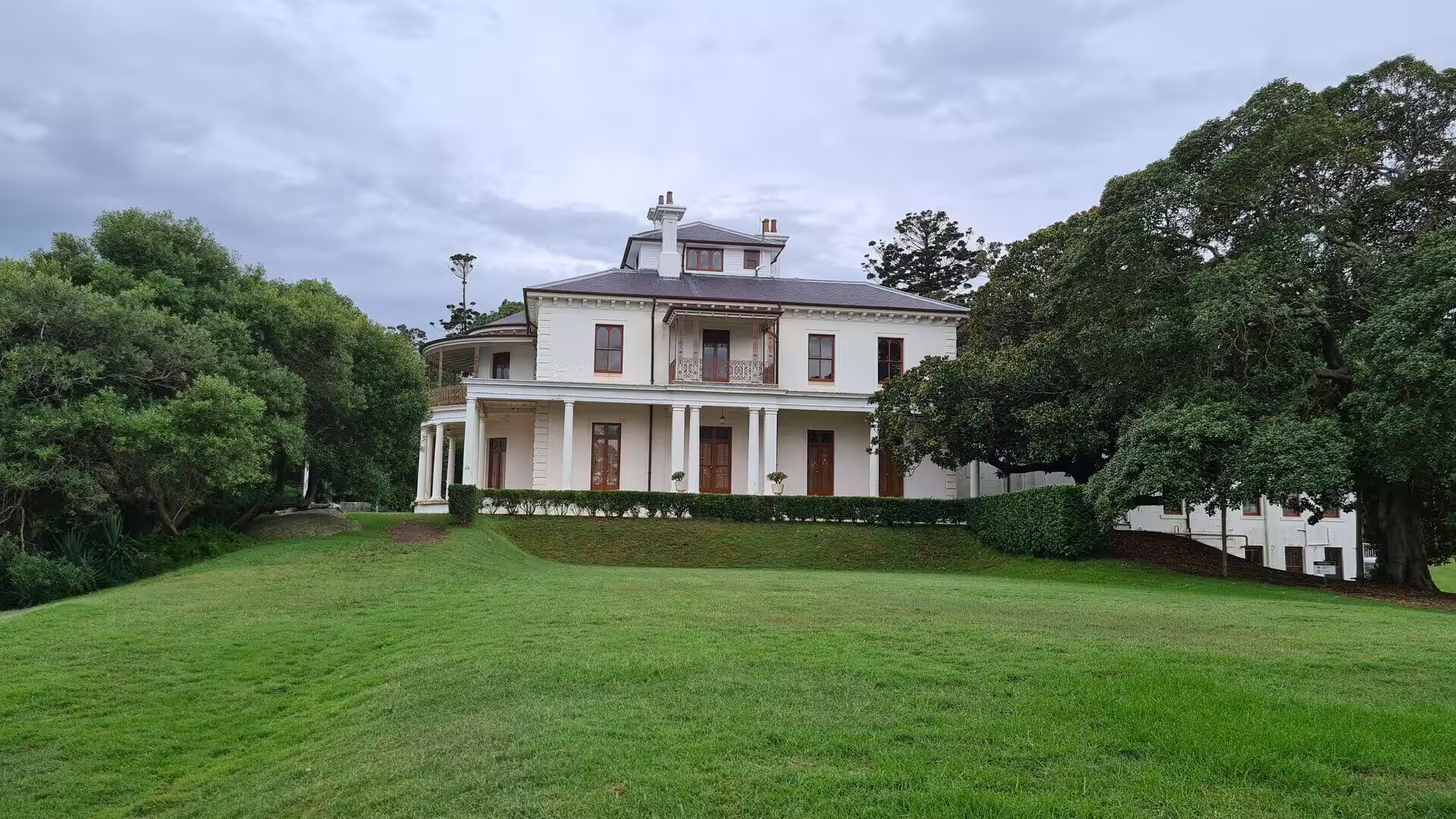
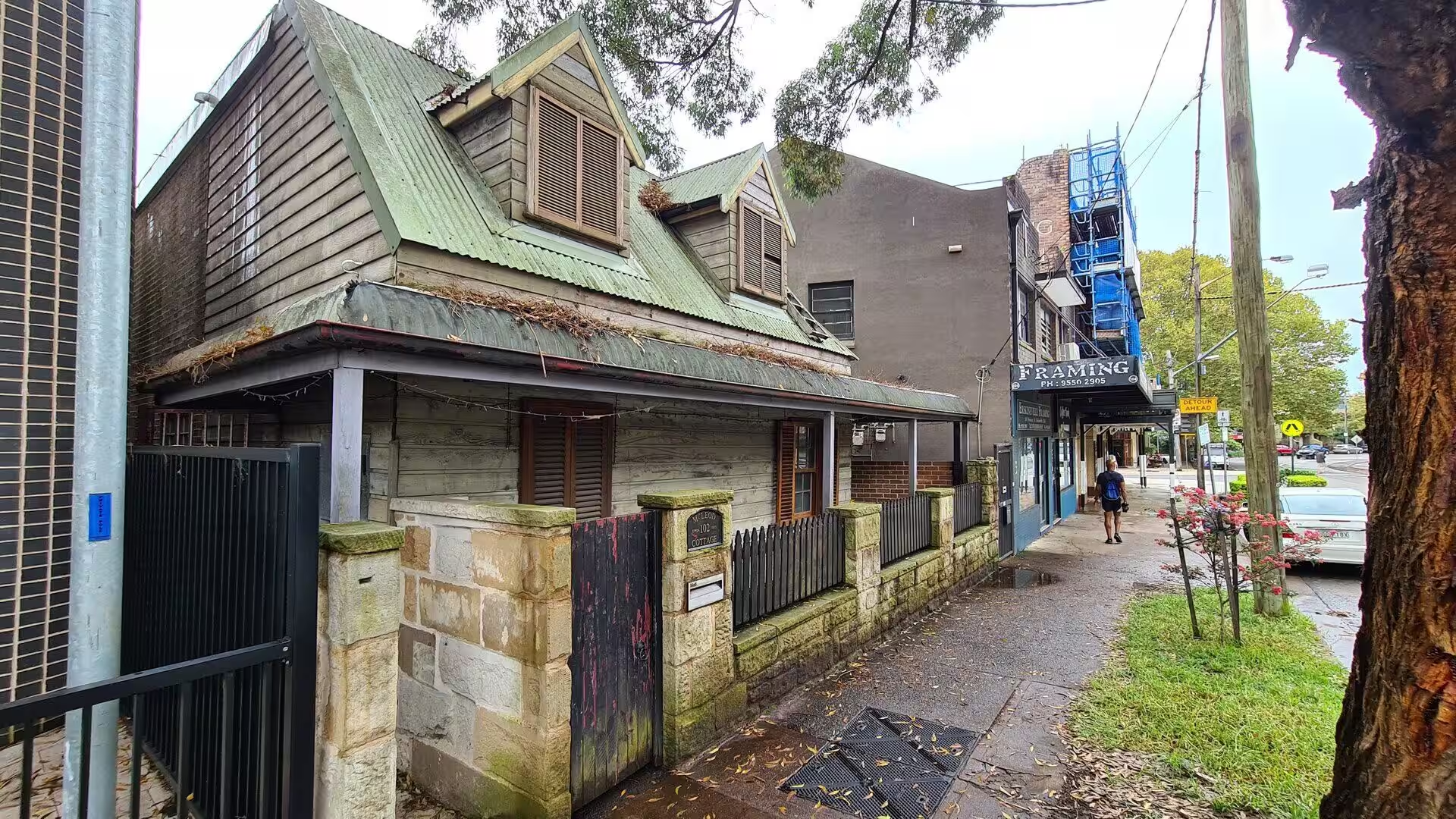
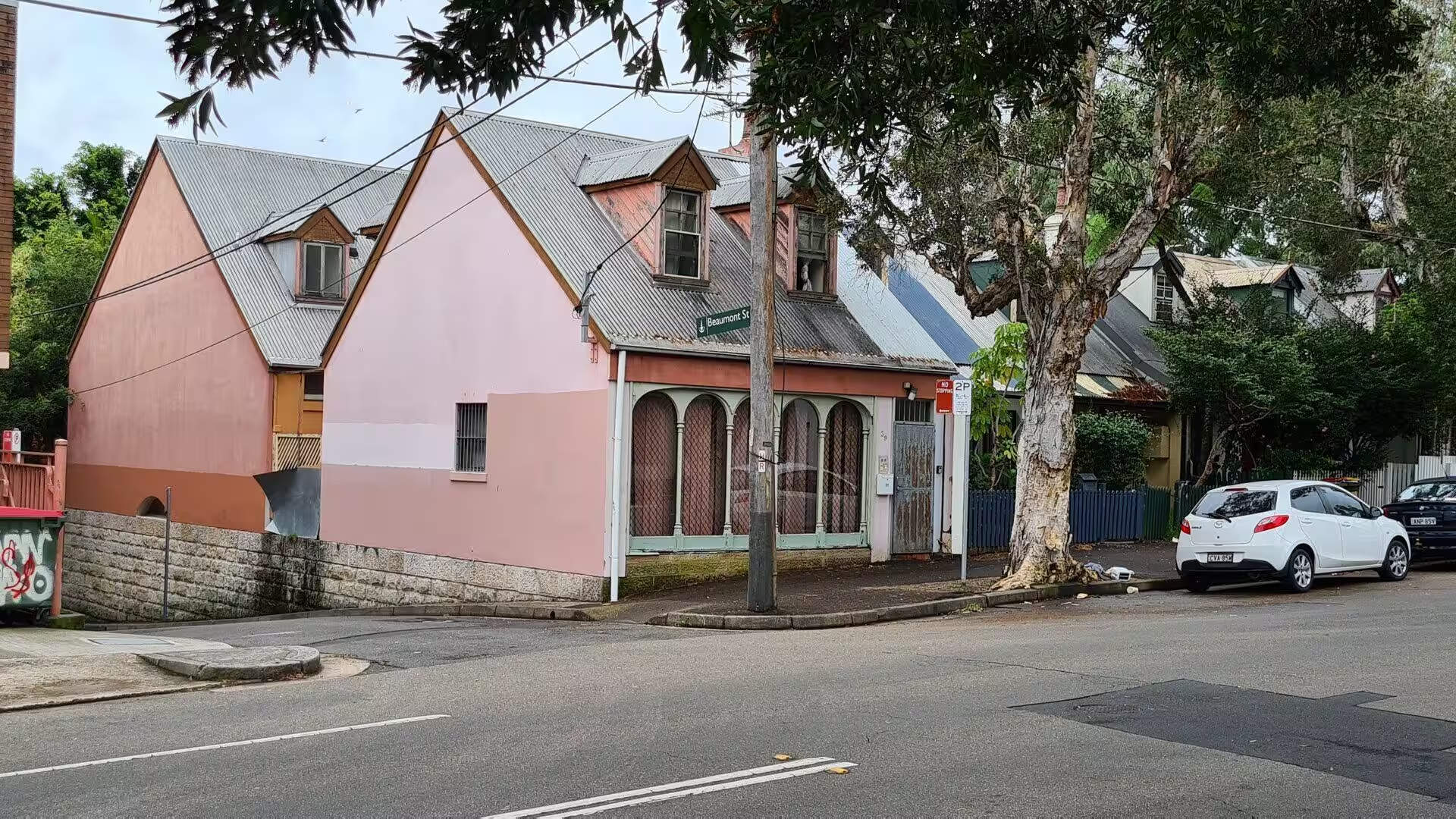
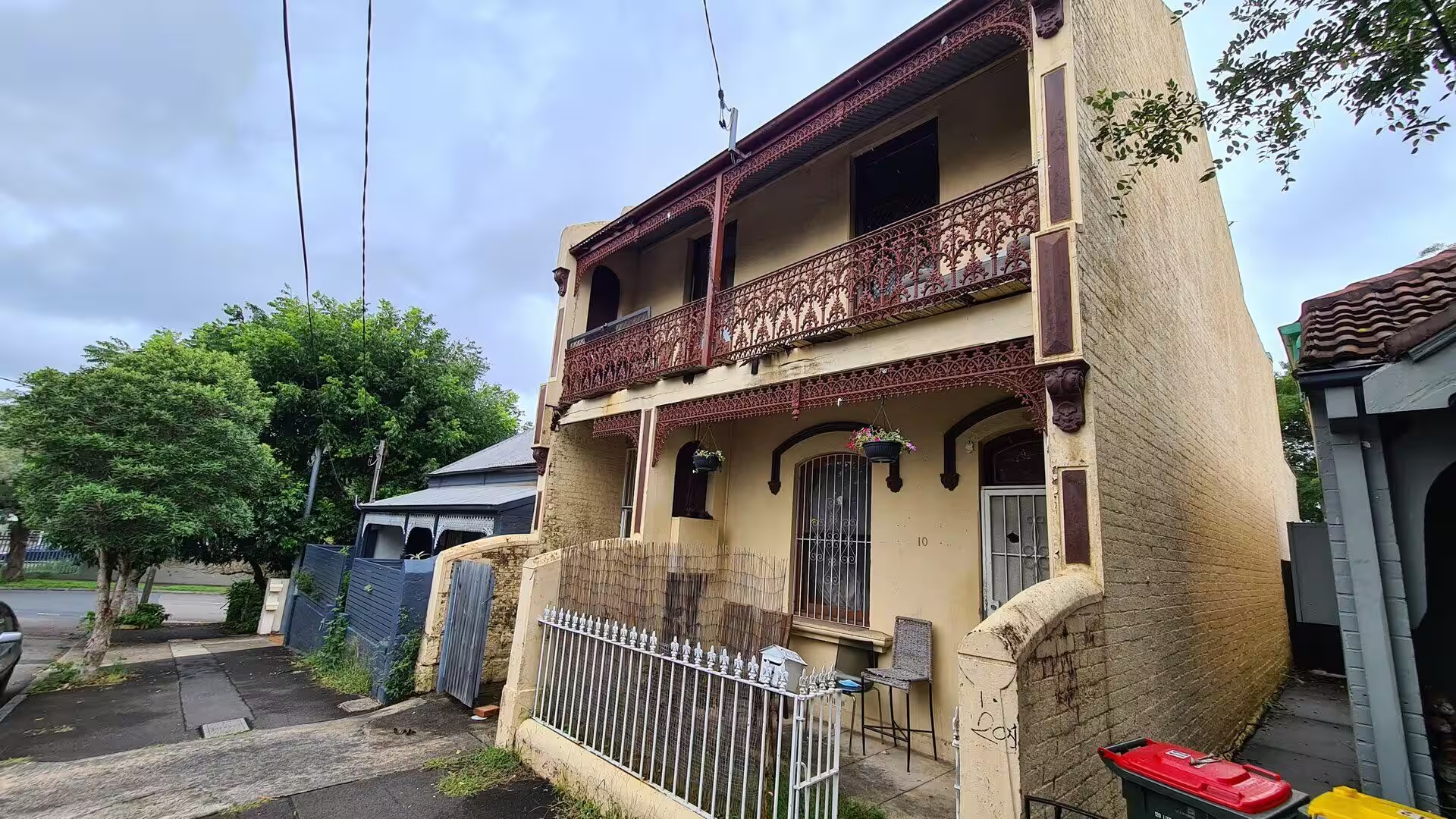
Gothic and Victorian architecture followed from the 1830s, and the stone of the colony became a building material in its own right. Elizabeth Bay House, Government House and St Andrew’s Cathedral, the oldest cathedral in Australia, belong to that phase, and the terraces of the inner suburbs, many of them now heritage listed, gave the city the row house streetscape that is still its most characteristic form. Sydney became the capital of its colony and later of the state of New South Wales, and it grew outward along the railway lines rather than upward.
The twentieth century added the two structures that define the harbour. The Harbour Bridge, designed under the direction of John Bradfield and built by the British firm Dorman Long, opened in 1932 and carried road, rail, bicycle and pedestrian traffic between the central business district and the North Shore, opening the northern suburbs to development. The Opera House, designed by the Danish architect Jørn Utzon after an international competition in 1957 and completed by an Australian team under Peter Hall, was opened by Queen Elizabeth II on 20 October 1973. Sydney hosted the Olympic Games in 2000.
Geology
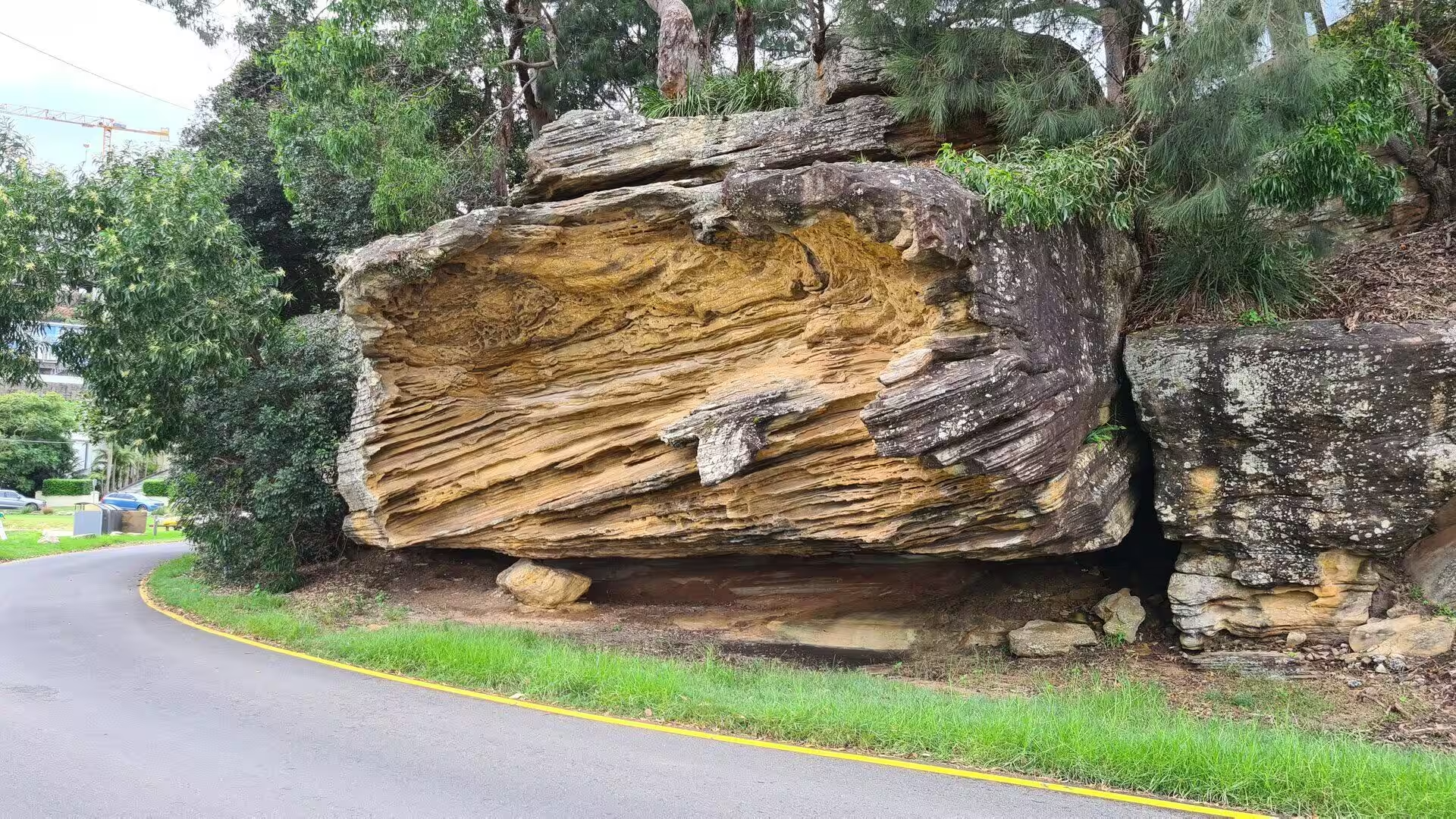
The city stands on the sandstones of the Sydney Basin, which was formed in the early Triassic period. The sand that became the rock was laid down between about 360 and 200 million years ago by a large braided river system comparable in scale and style to the modern Brahmaputra, and the sandstone still carries shale lenses and the traces of fossil river beds within it. Later igneous activity left dykes and volcanic necks, of which the dolerite intrusion at Prospect, west of the city, is the best example.
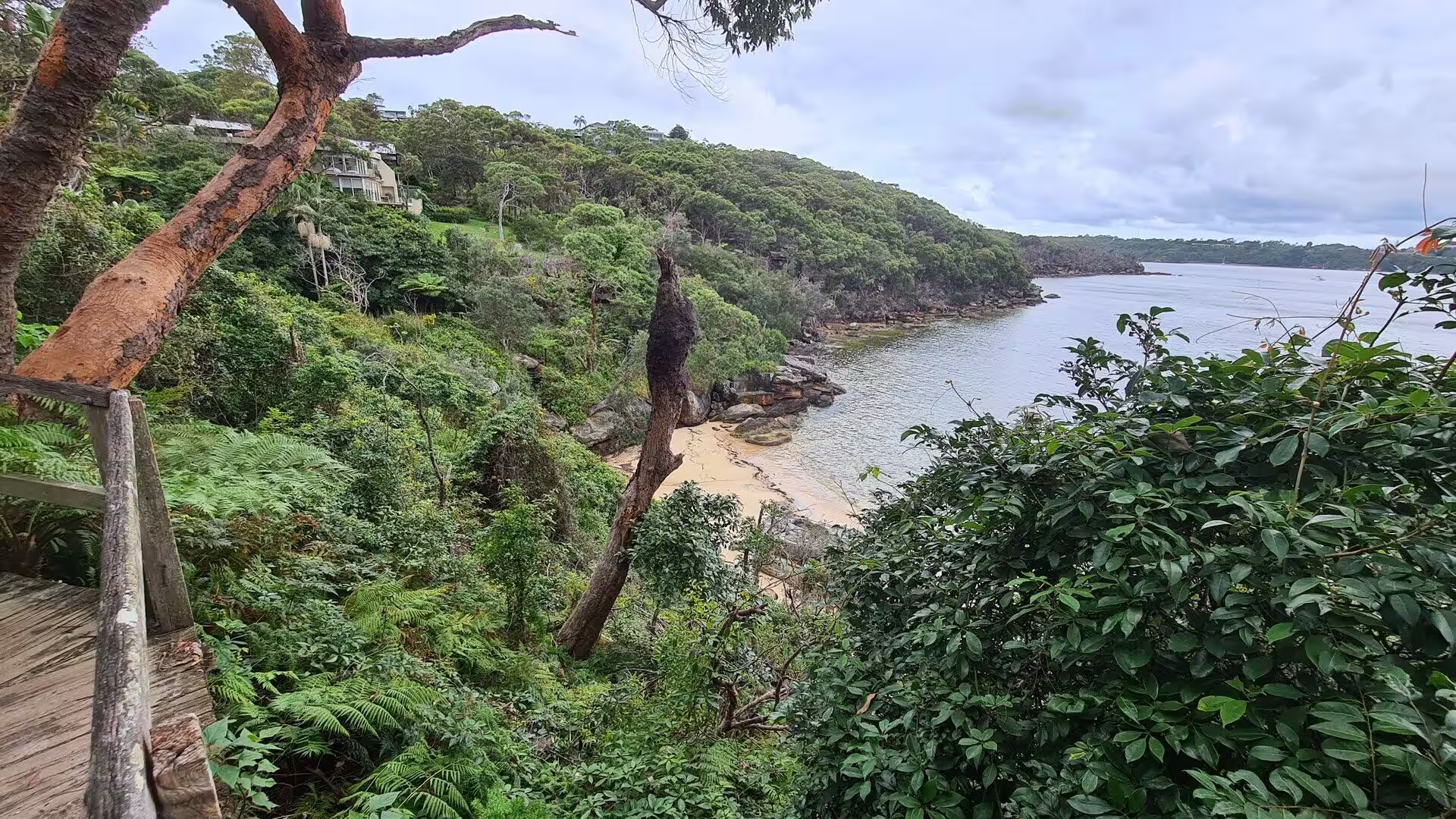
The present shape of the coast and the harbour is the work of water rather than of uplift. Deep river valleys known as rias were cut into the Hawkesbury sandstone of the coastal region during the Triassic, and when the sea rose between eighteen thousand and six thousand years ago the same valleys were flooded to become the estuaries and deep harbours of the coast. Port Jackson is one of those flooded valleys, which explains both its branching shape and its depth.
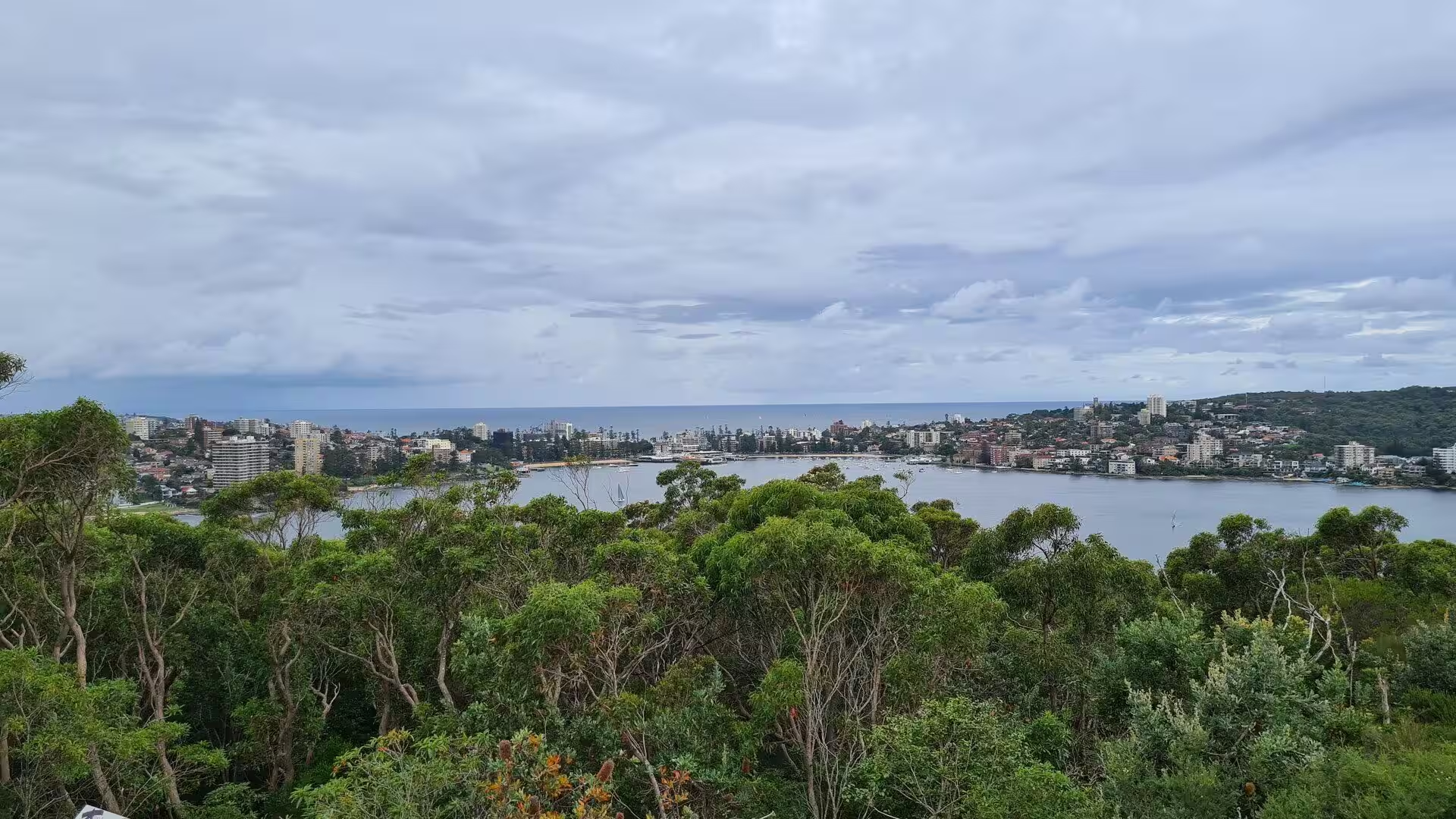
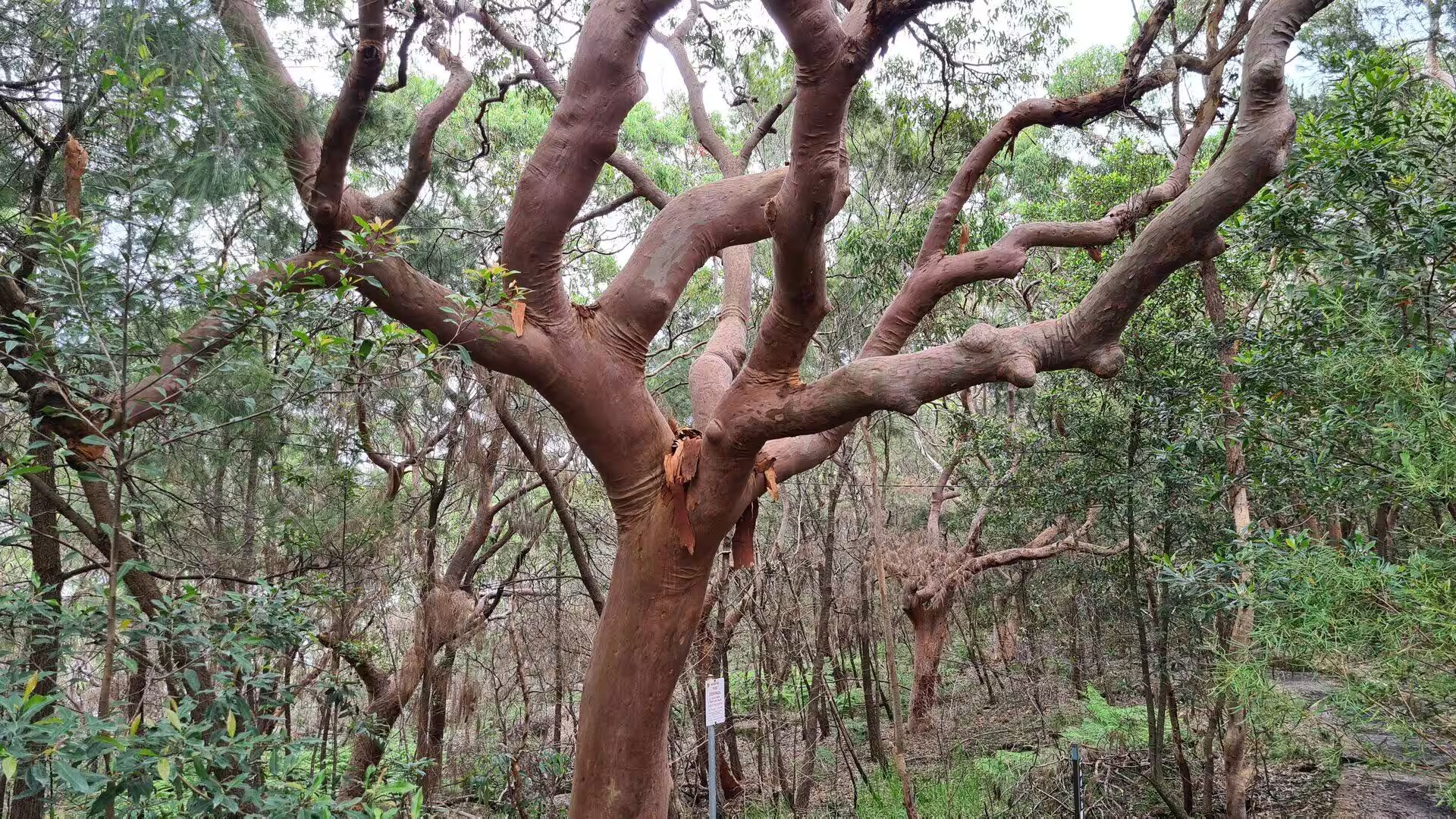
Two soil types cover the region and determine what grows where. Sandy soils derive from the Hawkesbury sandstone and carry the dry open forest and heath of the ridges and headlands, while the clay soils from the shales and volcanic rocks support the taller forests and the grassland of the Cumberland Plain. Between them they account for the contrast between the grey green headlands of the coast and the deeper green of the inland suburbs.
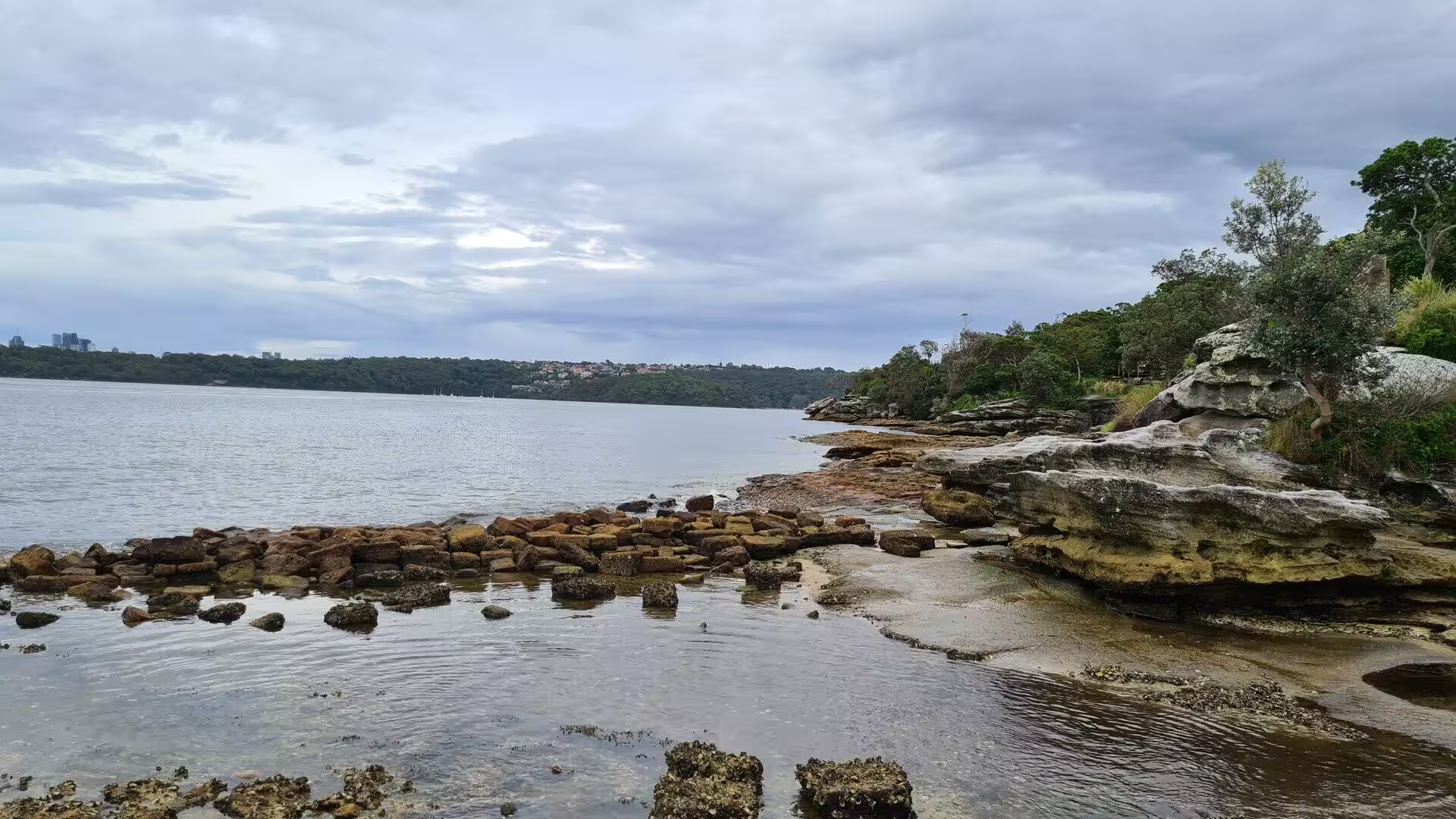
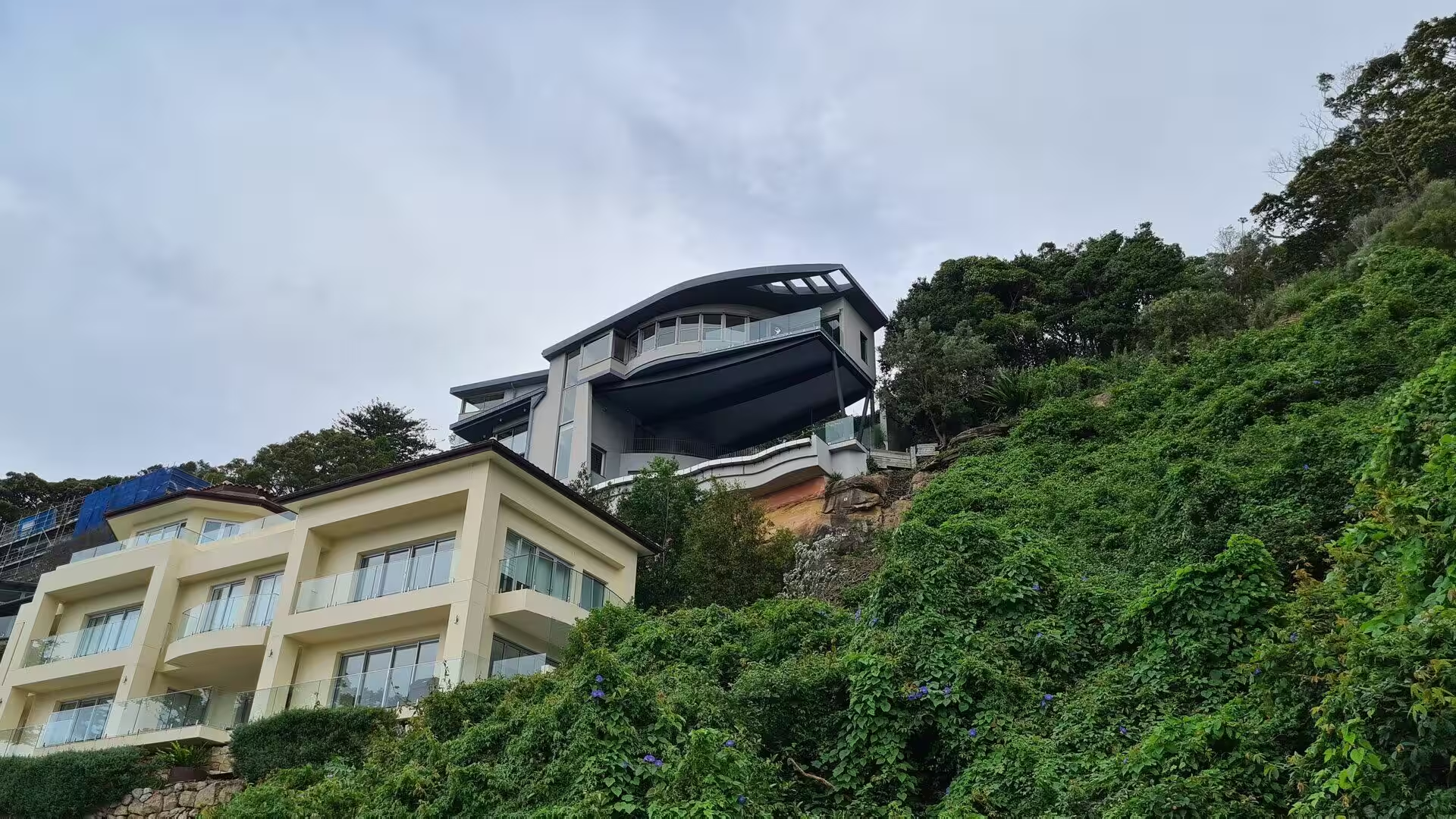
The coastline that results is one of cliffs, beaches and estuaries in quick succession. The sandstone breaks in vertical joints beside the water, and the sea works on those joints until blocks of rock fall away and the cliff retreats, a process that is slow in calm weather and rapid during the storms that accompany the wet phase of the Pacific oscillation. The beaches lie between the headlands where sand has accumulated in sheltered bays, and the estuaries extend inland where the flooded valleys reach furthest.
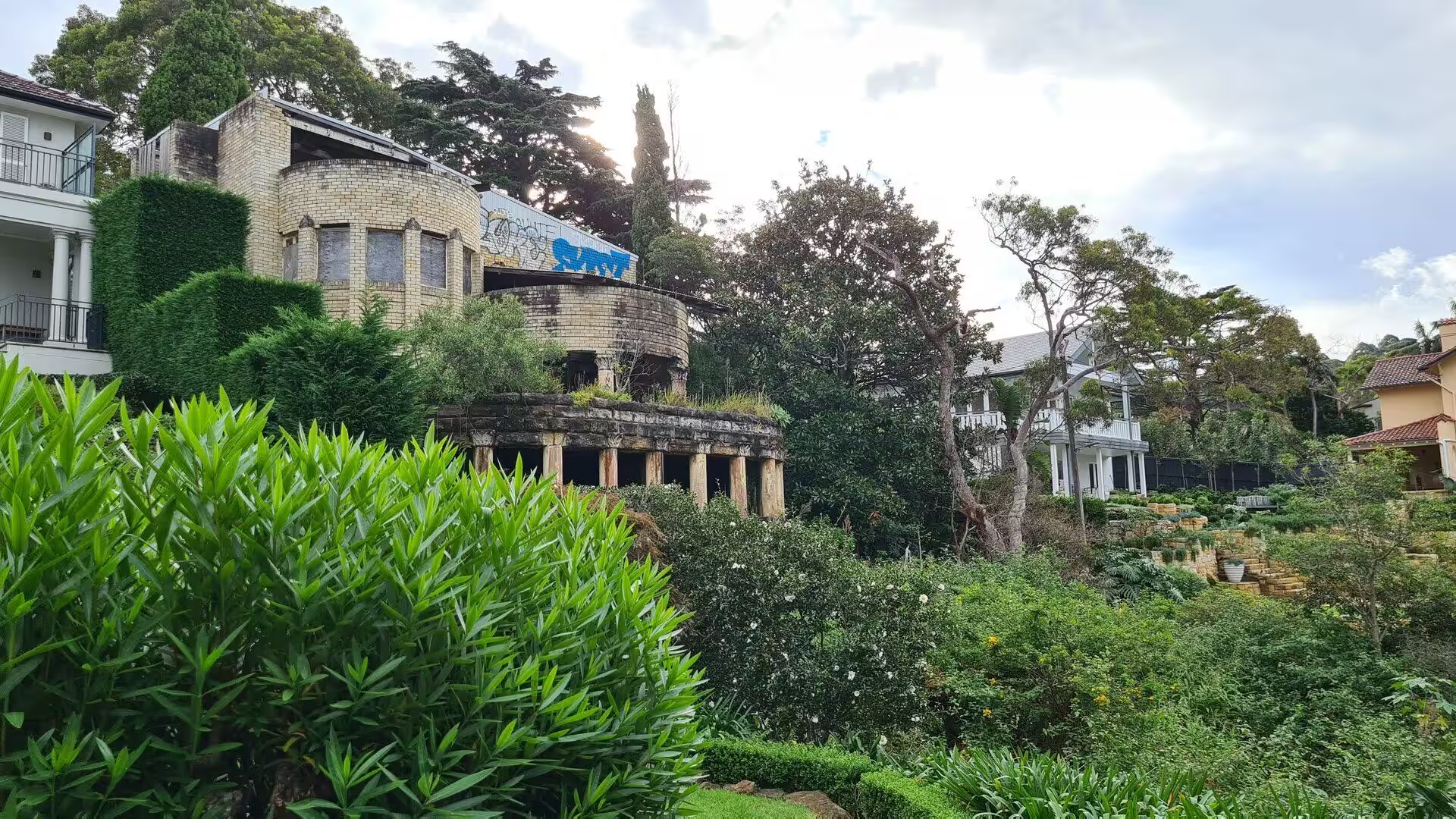
Hawkesbury sandstone is also the material of the city itself. Cut as blocks, it provides the honey coloured stone of the colonial buildings, the churches and the warehouses of the old town, and it is the reason the buildings of early Sydney look as if they grew out of the ground they stand on. The same rock weathers under the influence of algae, salt and rain into the rounded forms and dark staining that mark the older walls and the natural outcrops alike, and its behaviour is the subject of a long engineering and conservation literature.
Things to See
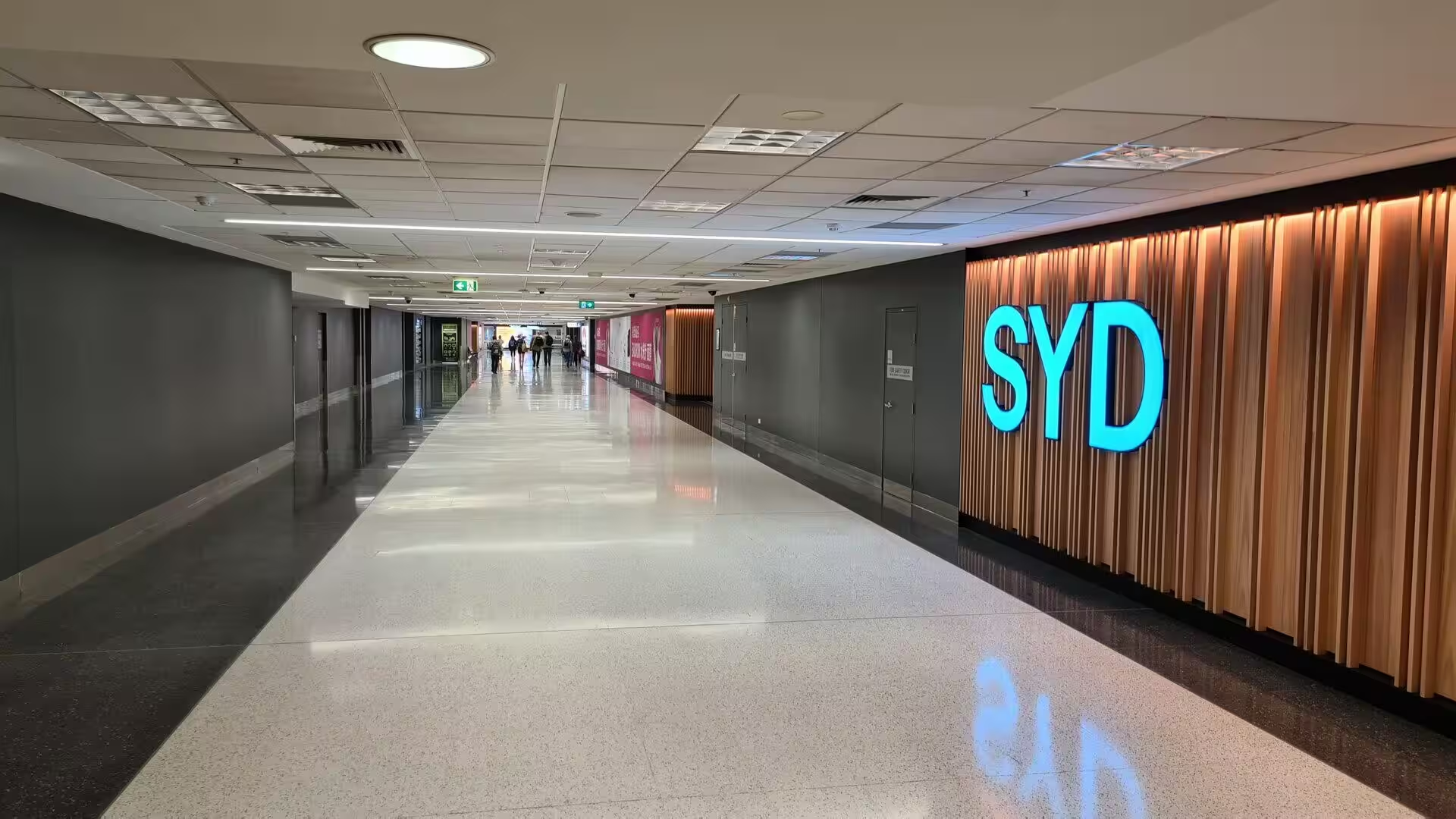
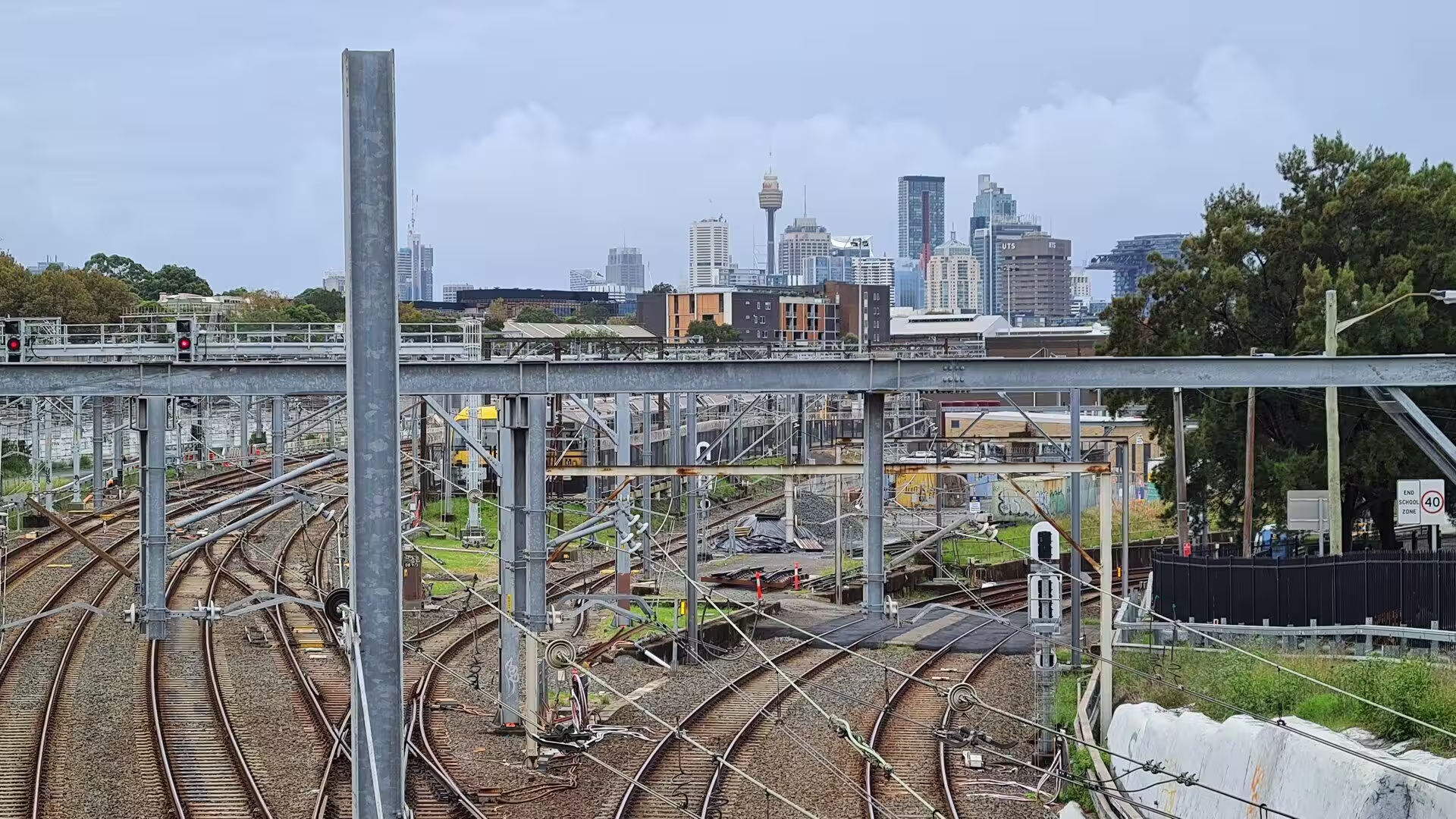
The arrival in Sydney begins with the airport at Mascot, on the northern shore of Botany Bay, only about eight kilometres from the centre. Kingsford Smith Airport is the busiest in Australia, and the first view of the city from the runway or the terminal apron already contains the elements of the place: the flat light of the coast, the tower blocks on the horizon and the sandstone of the bay behind. The train into the centre takes a few minutes and crosses the country of the Eora on the way.
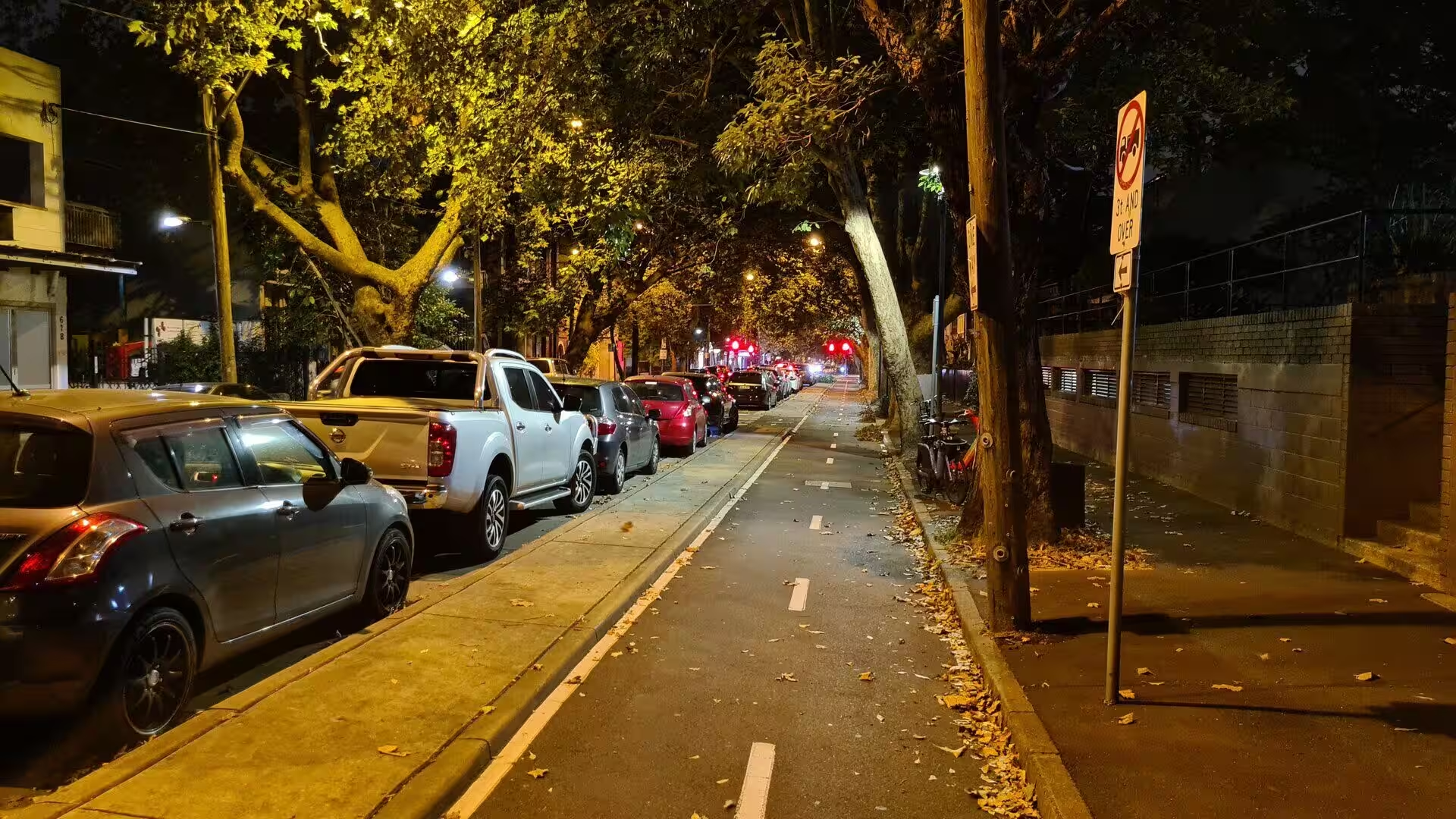
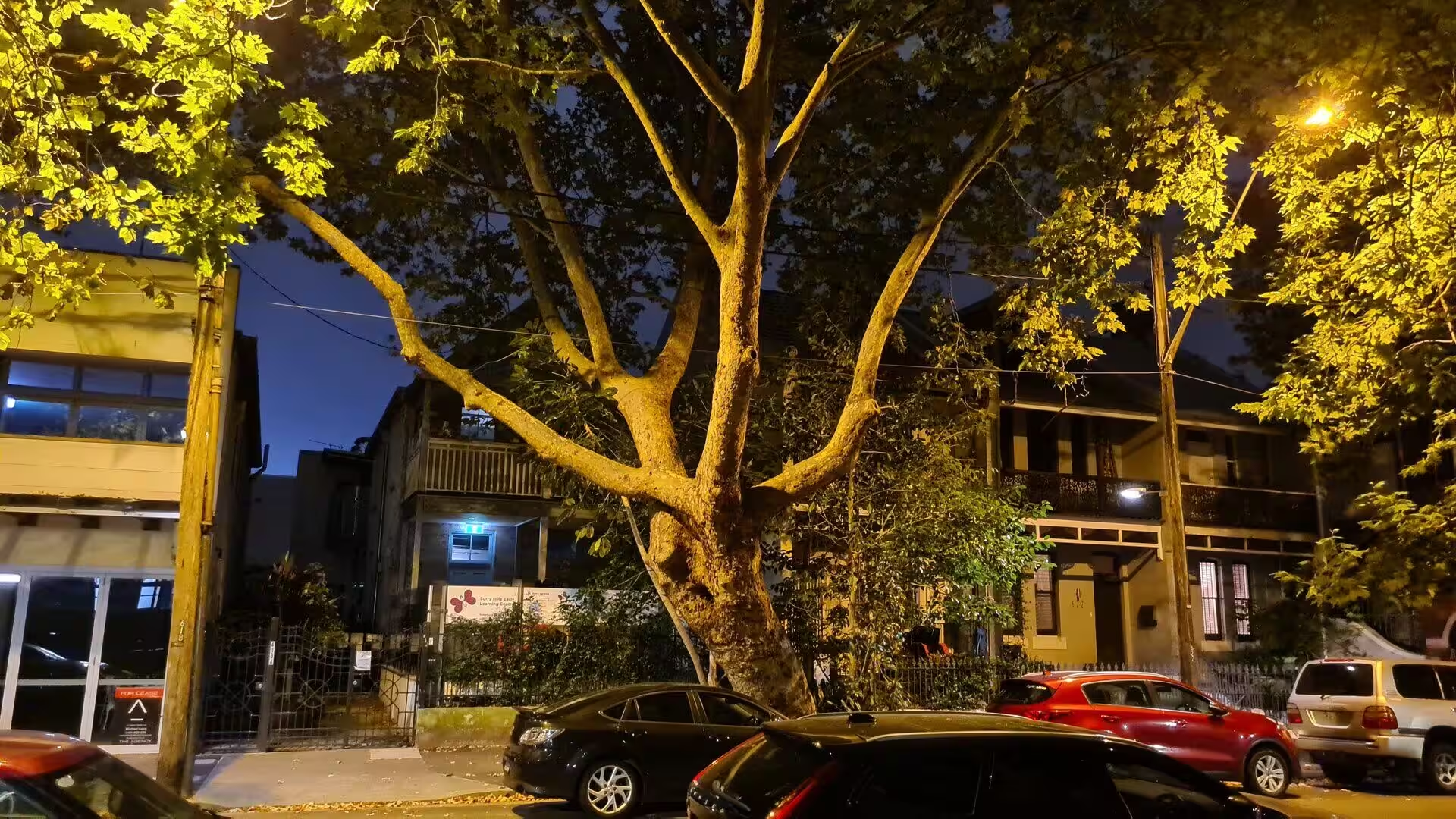
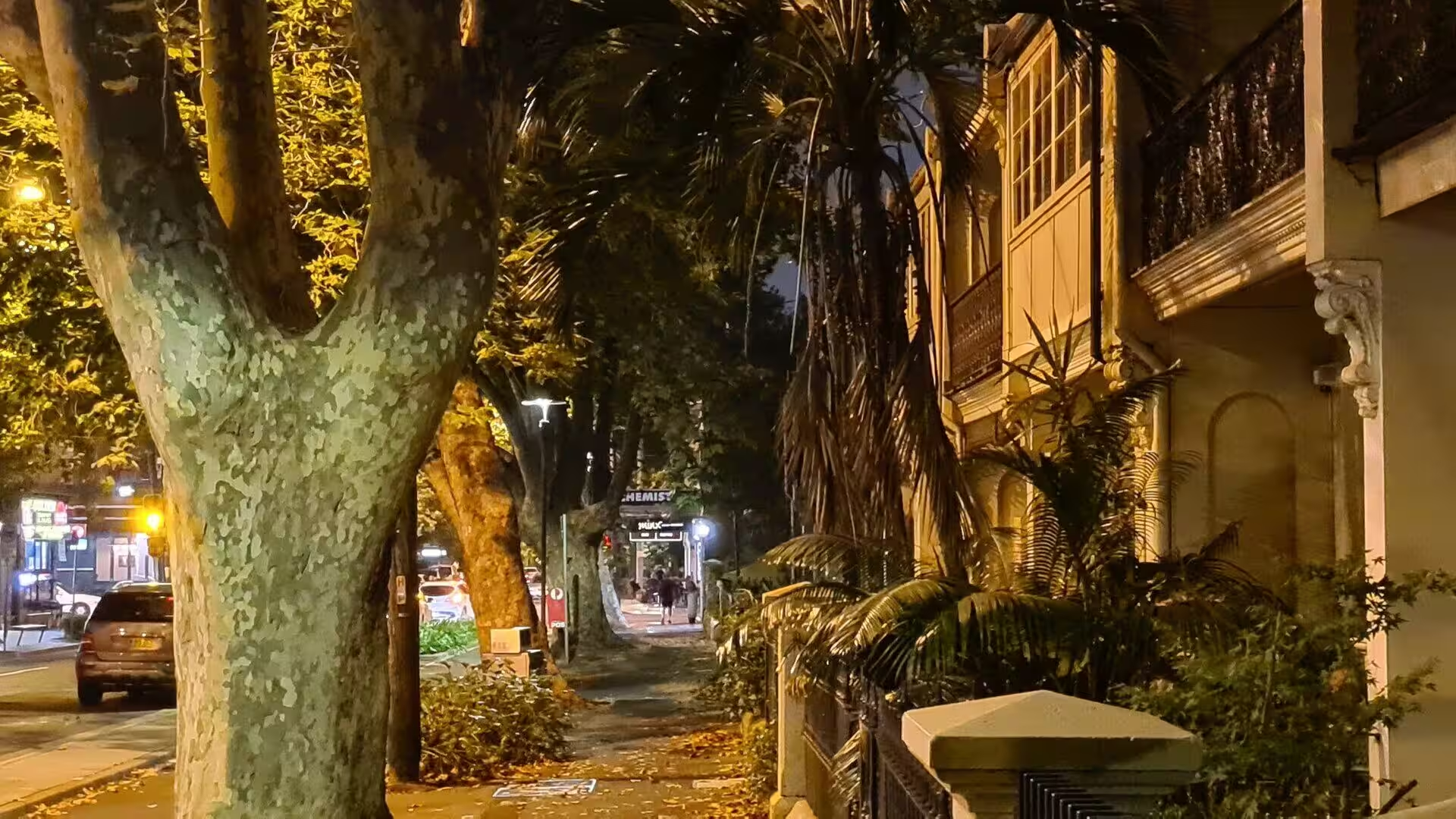
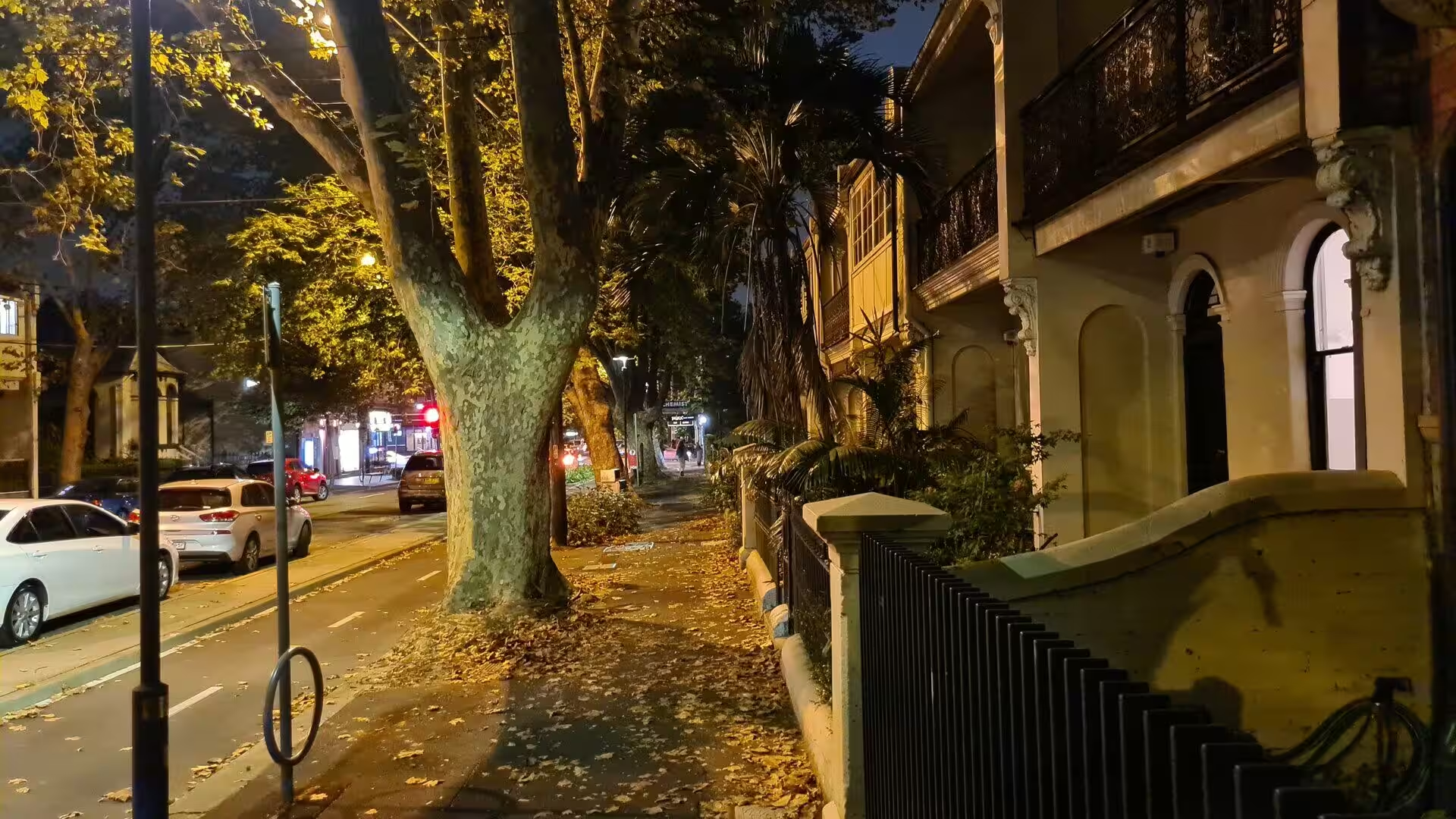
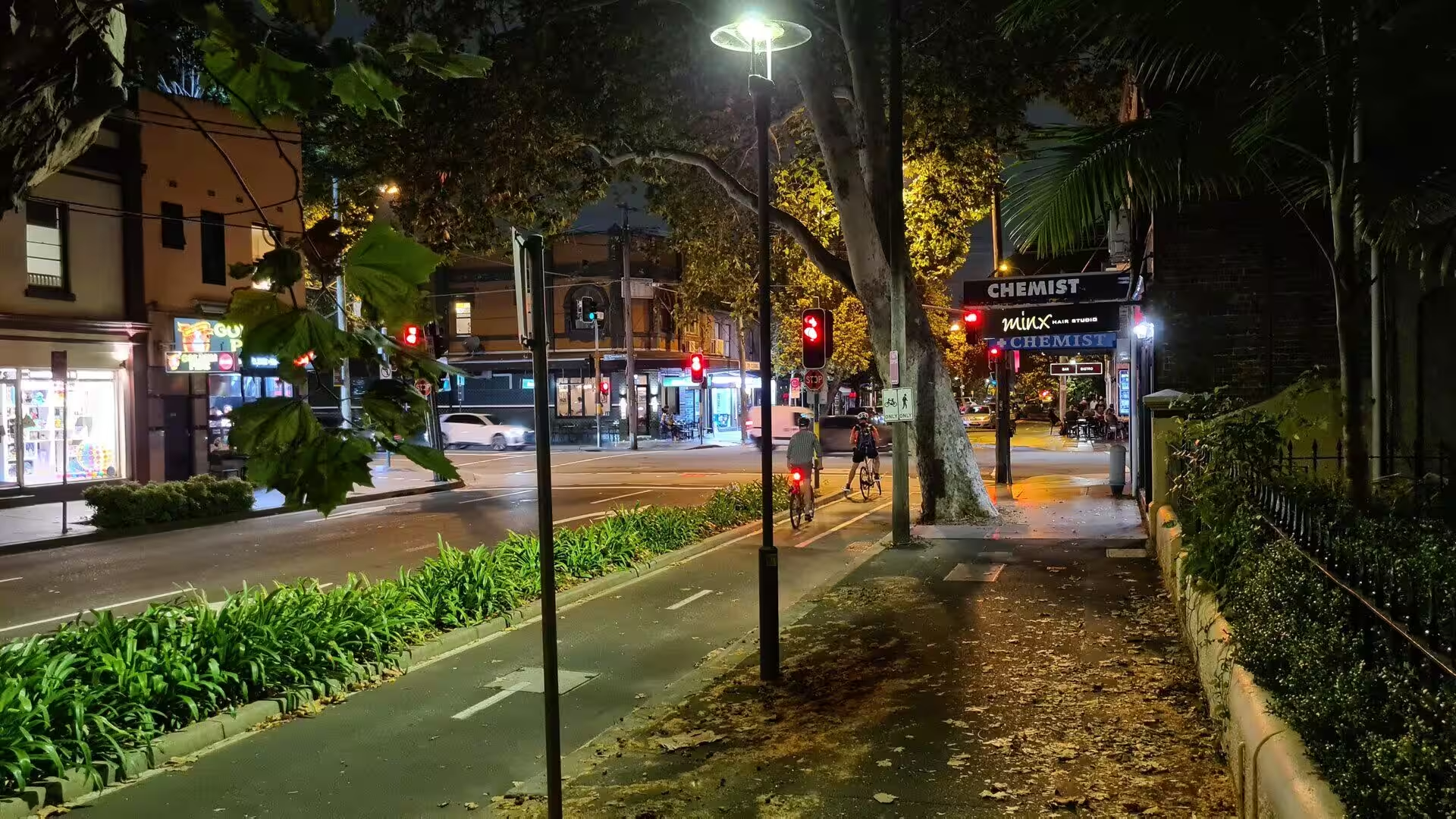
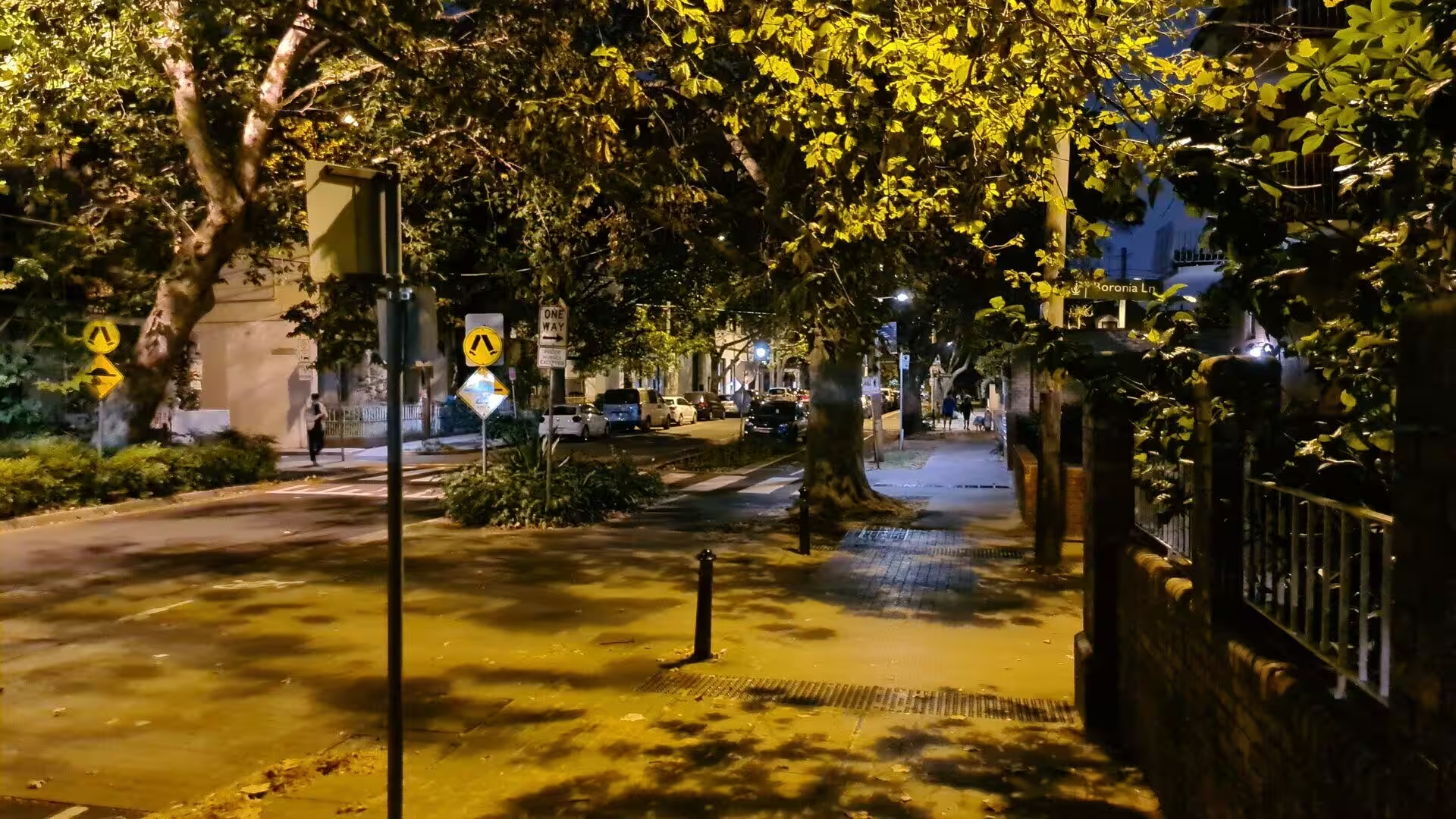
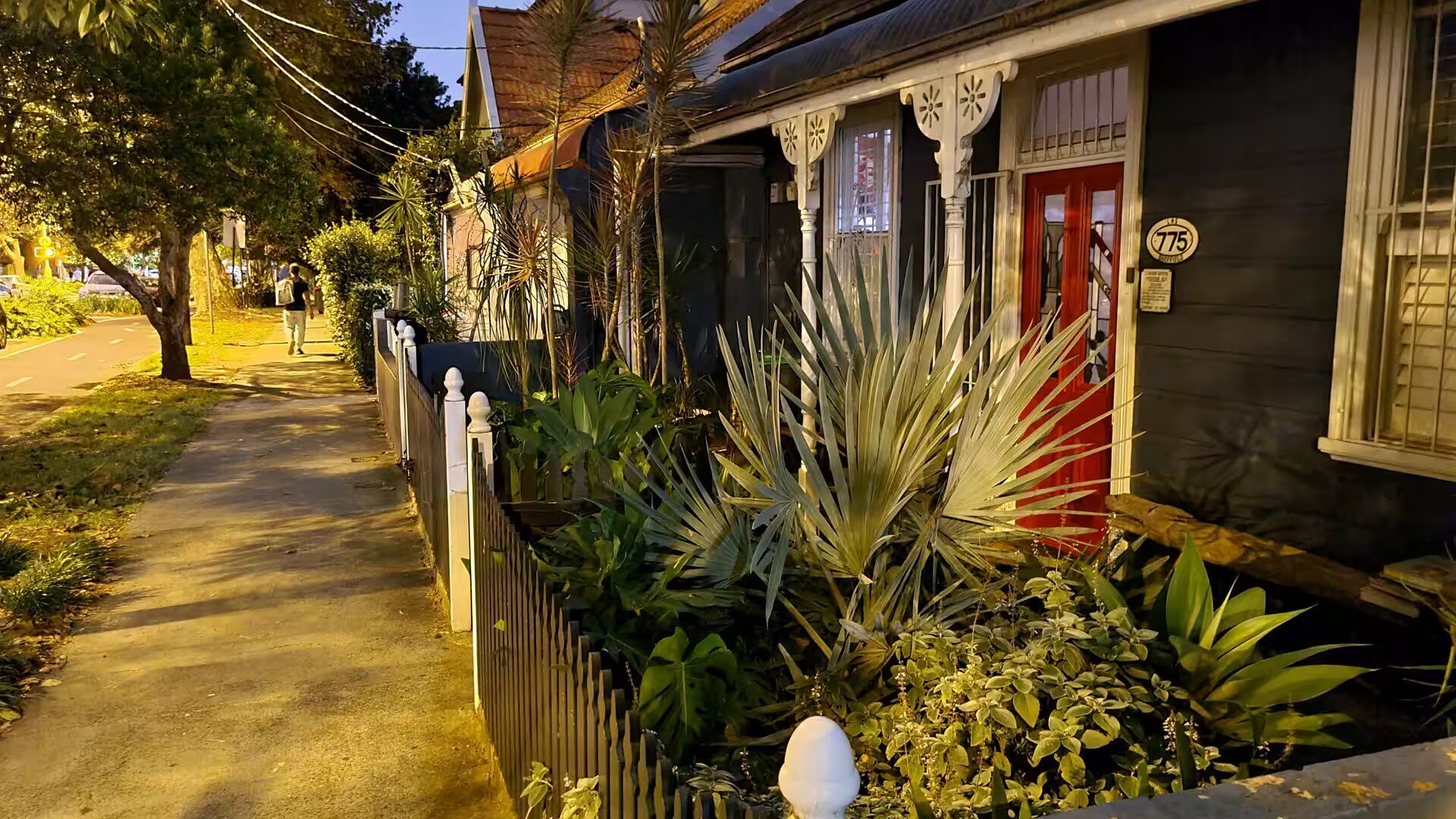
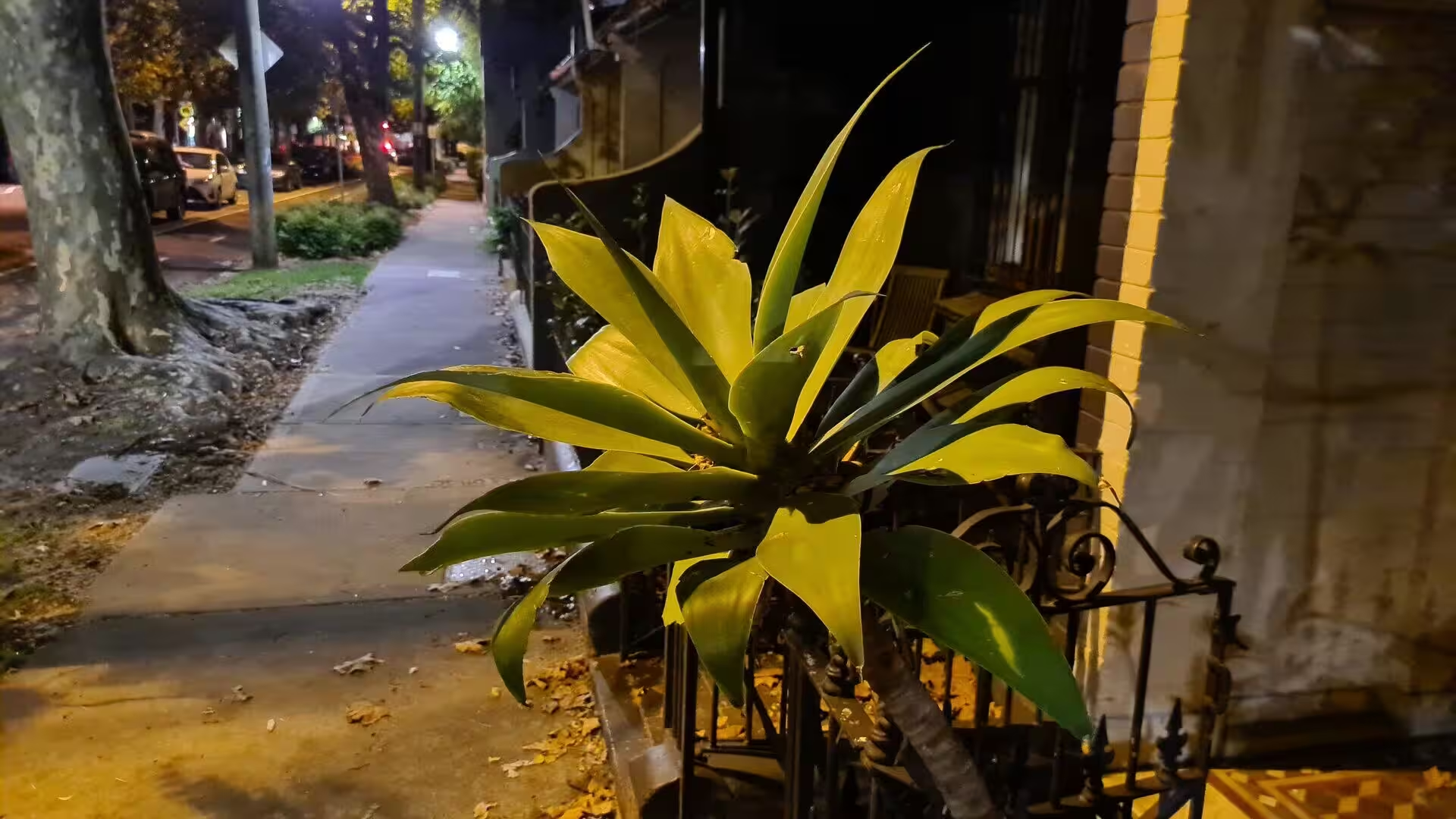
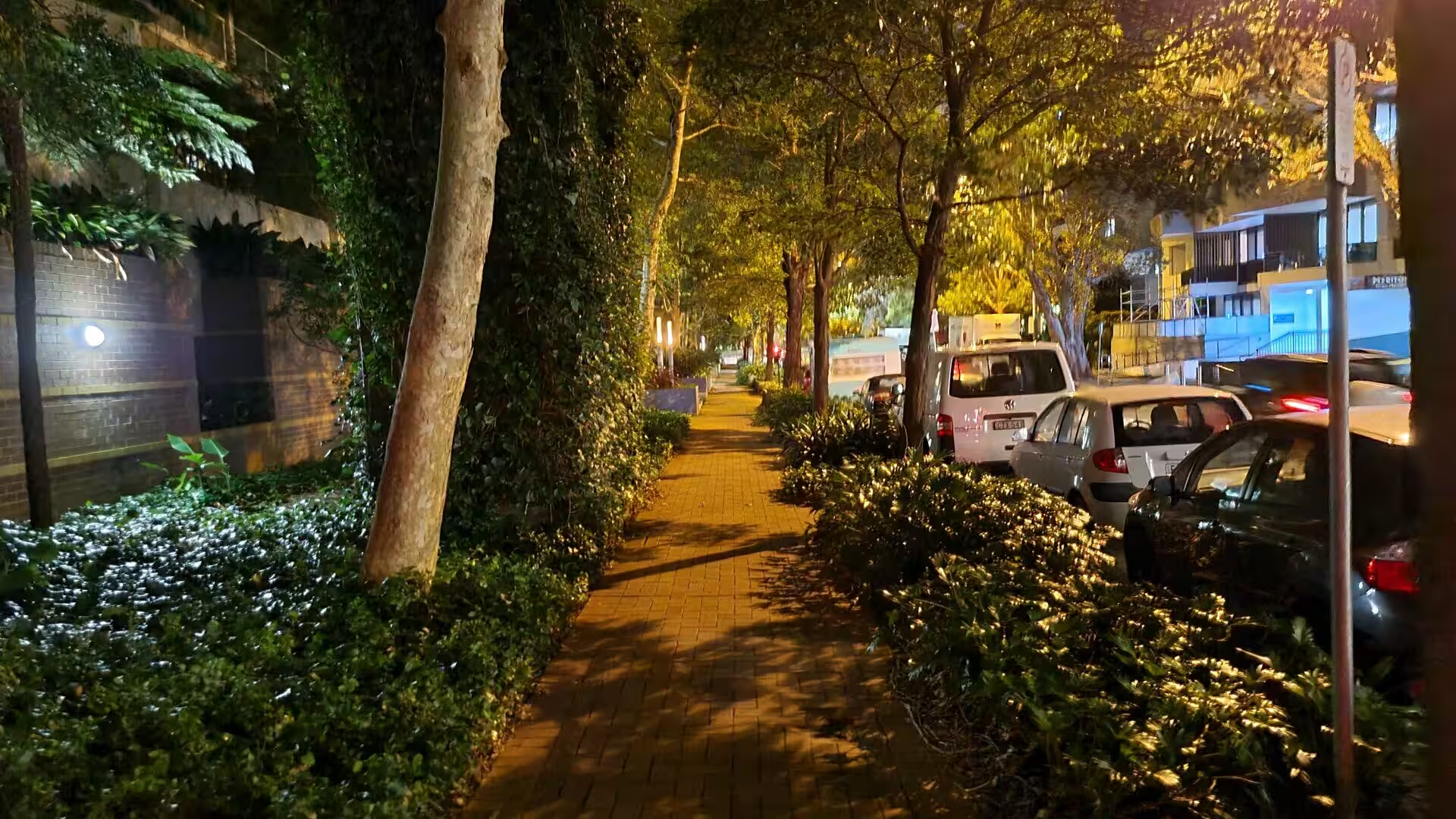
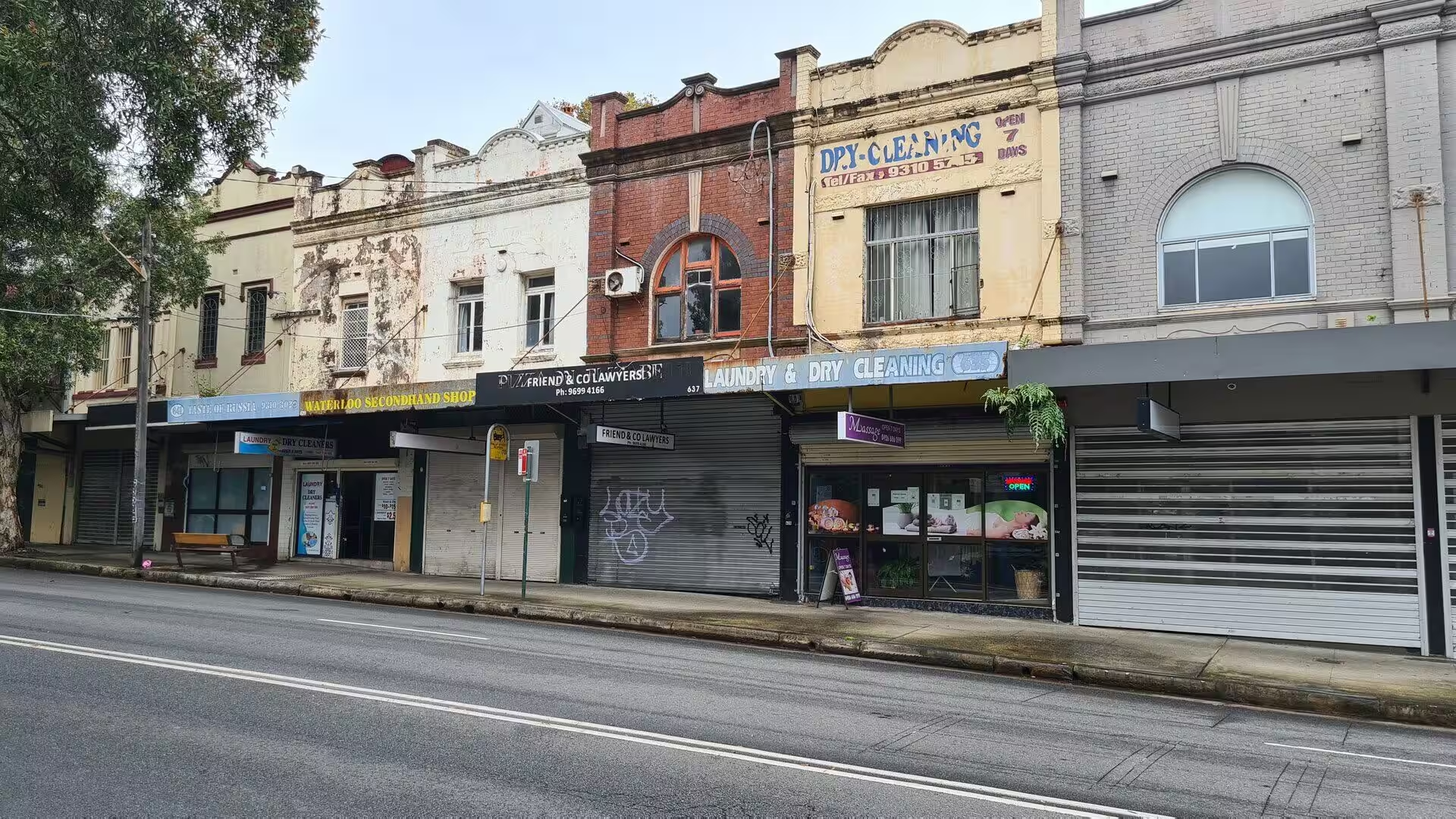
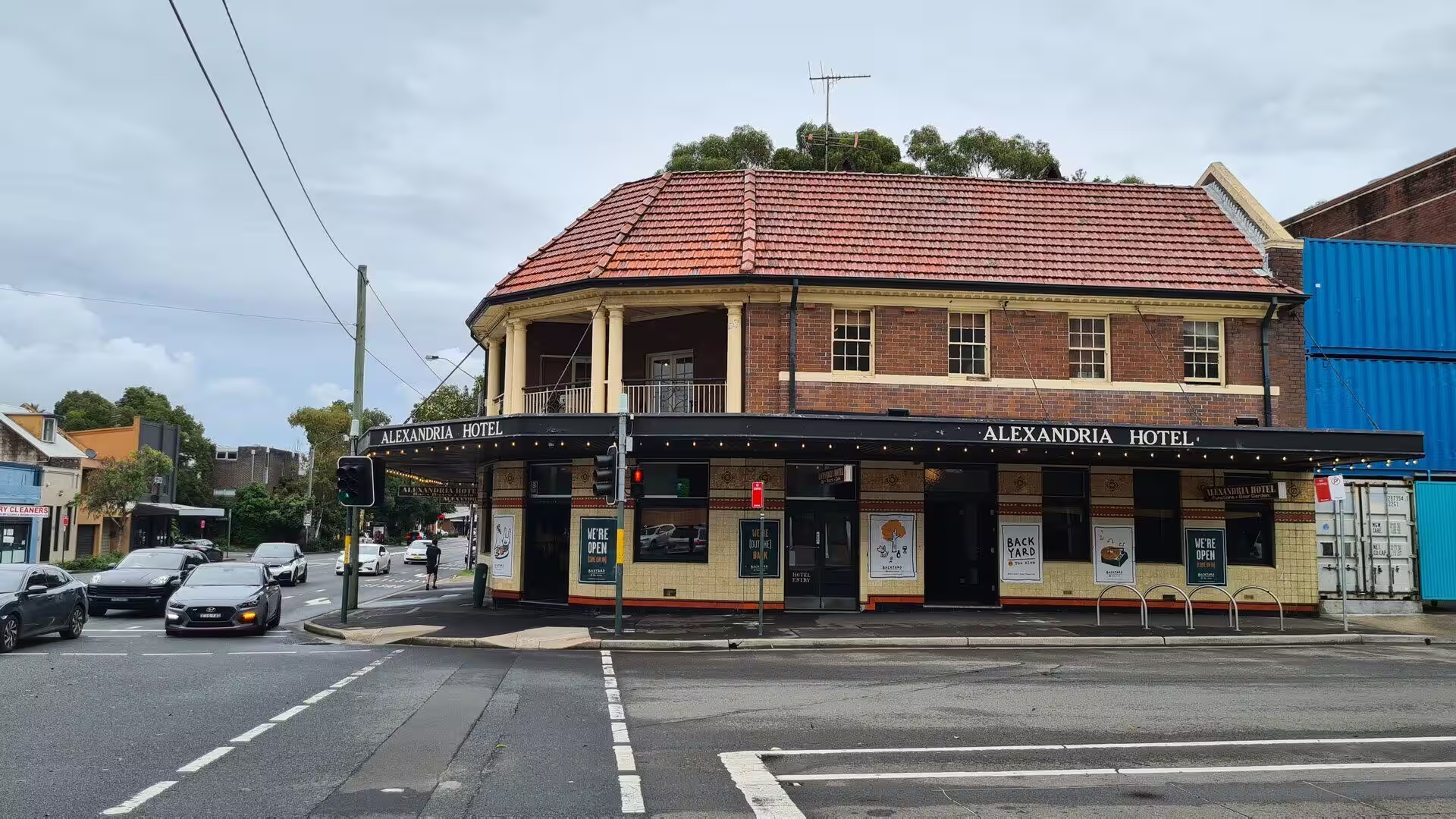
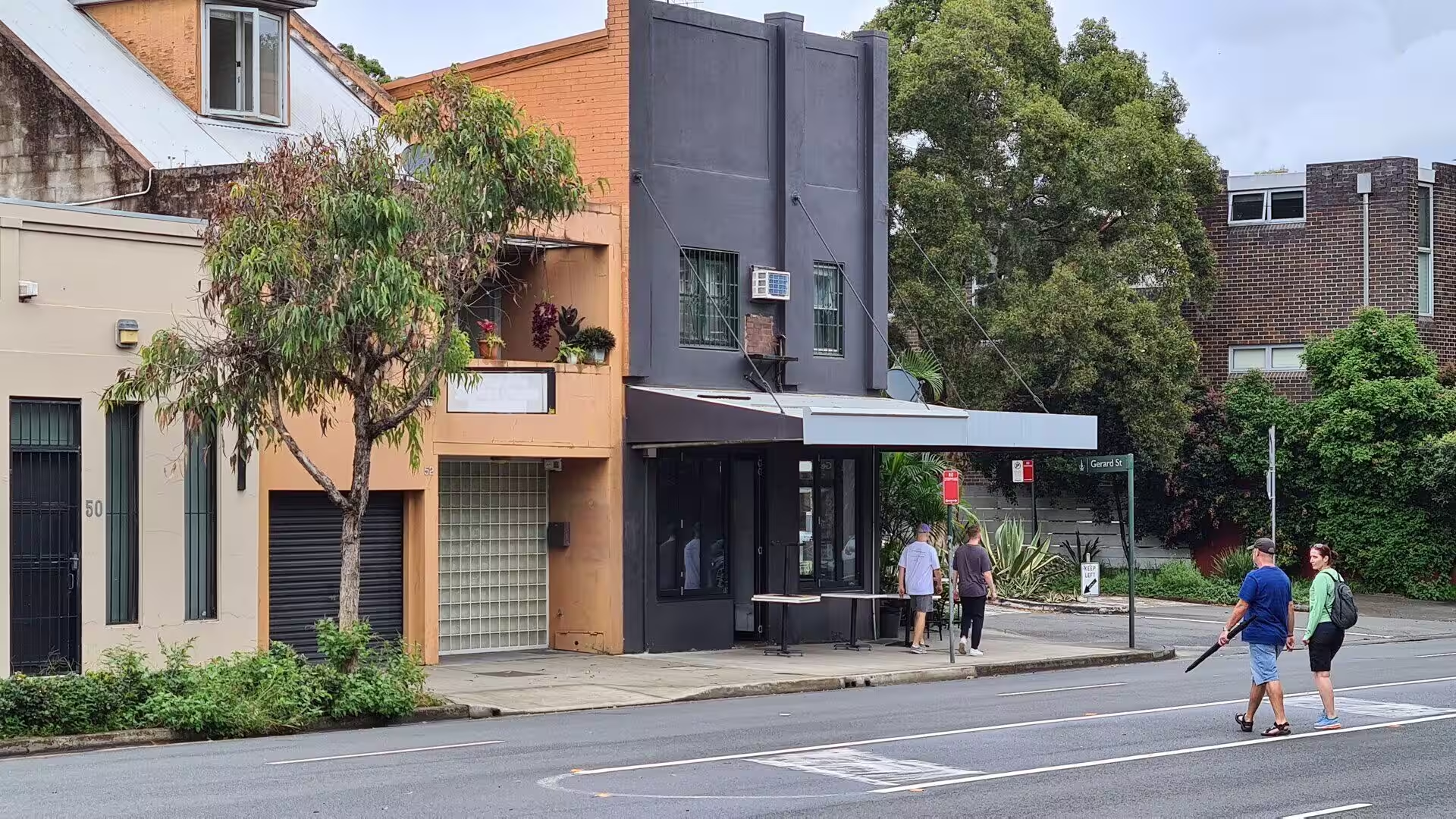
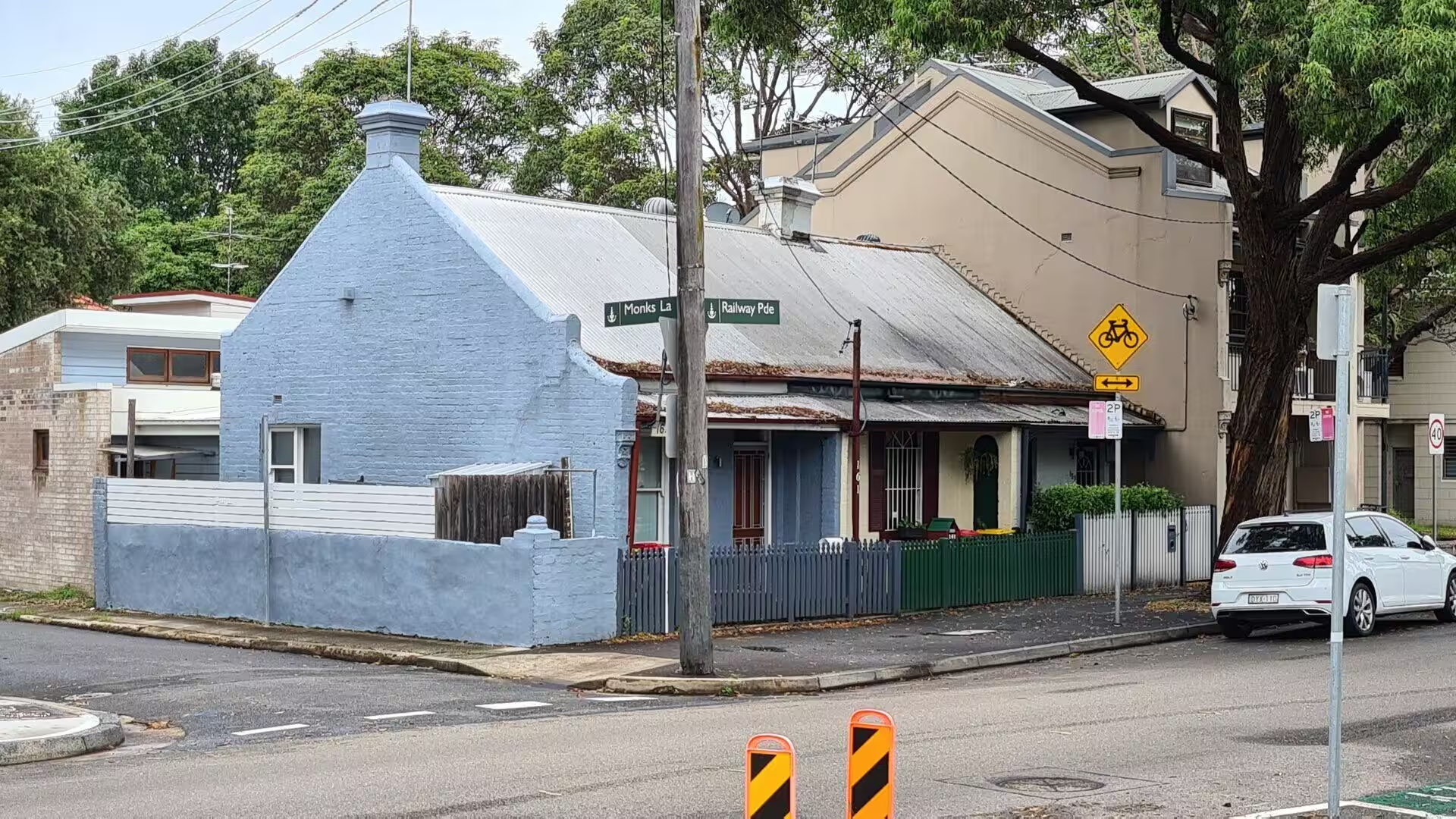
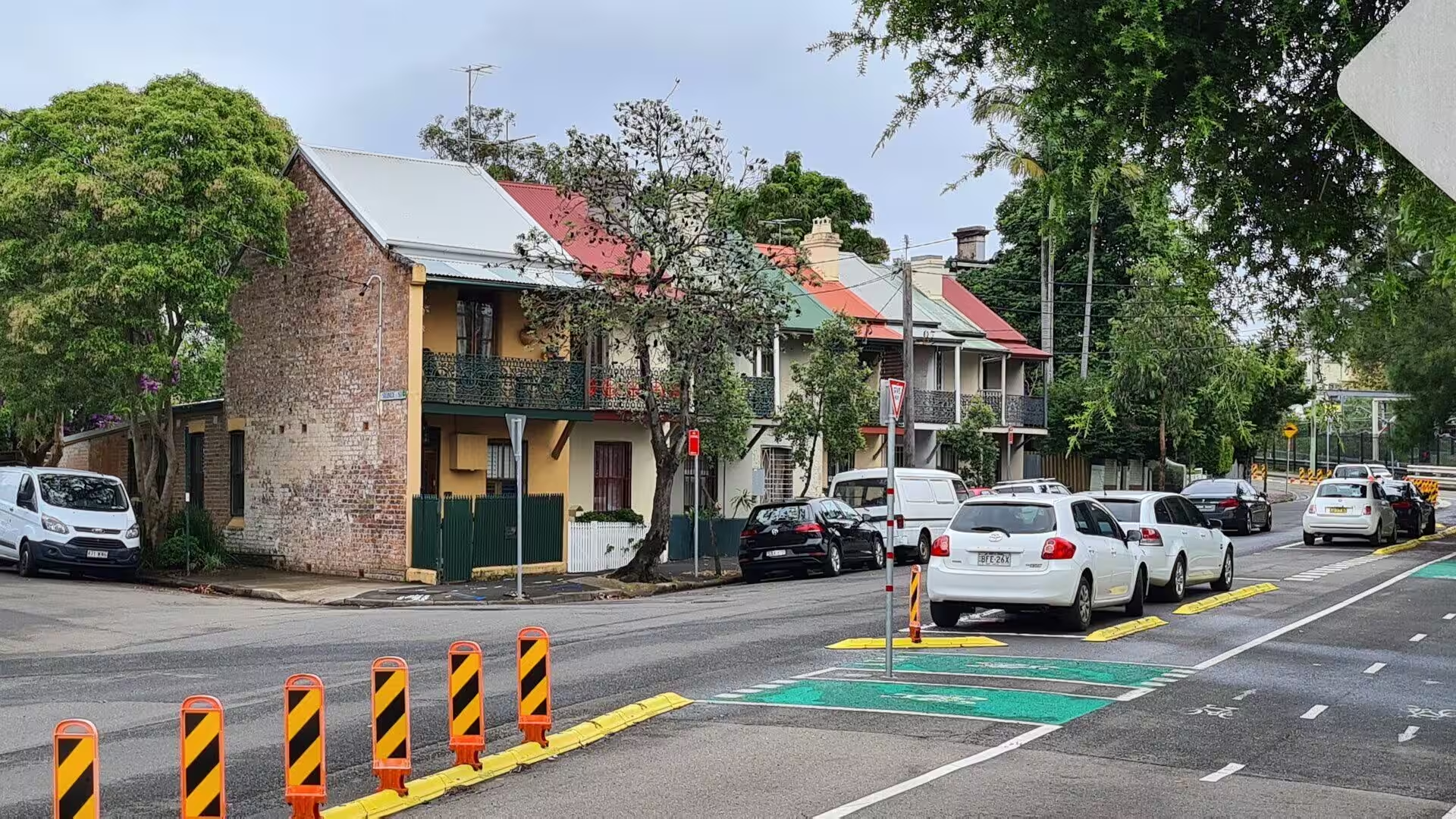
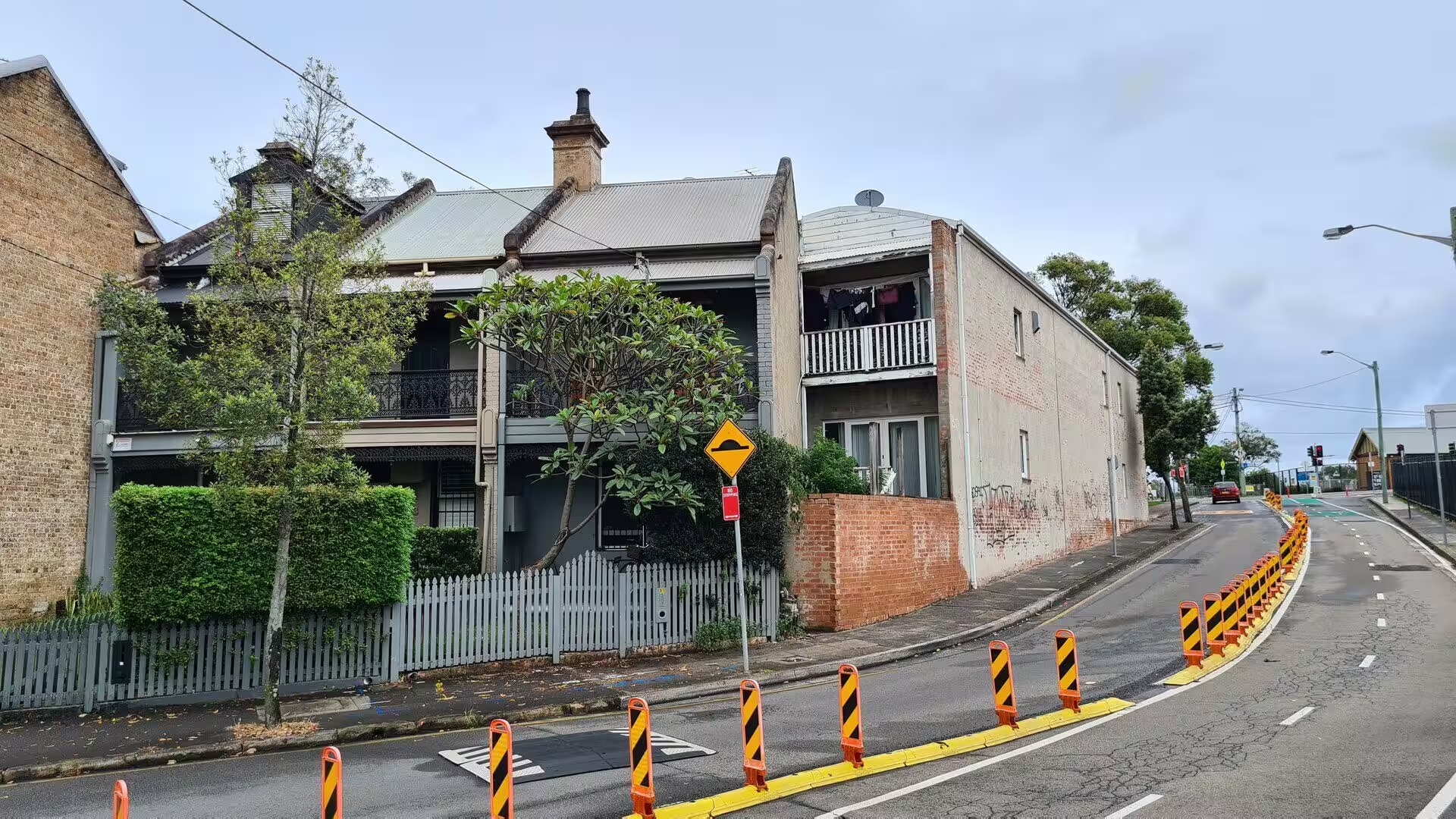
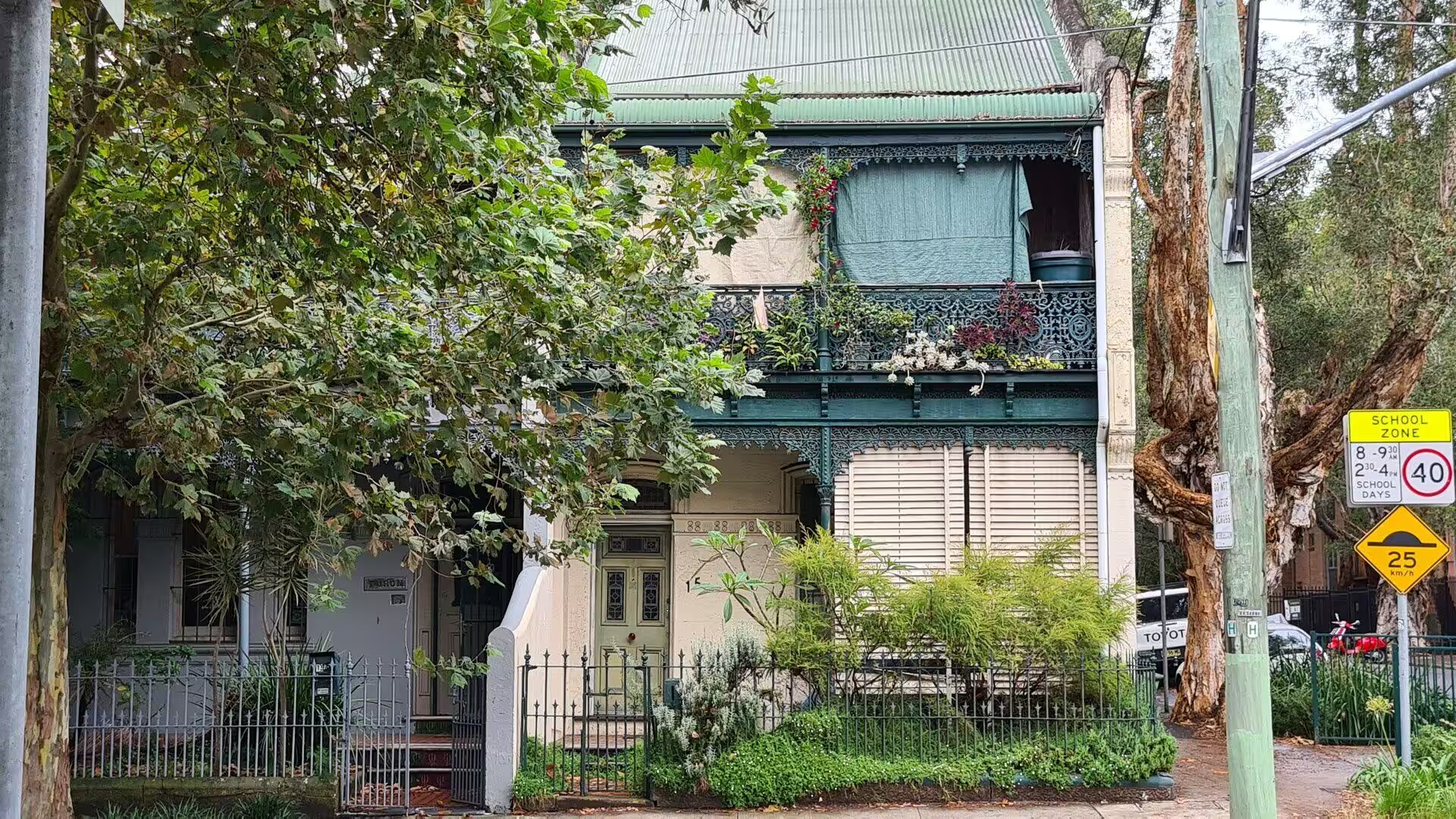
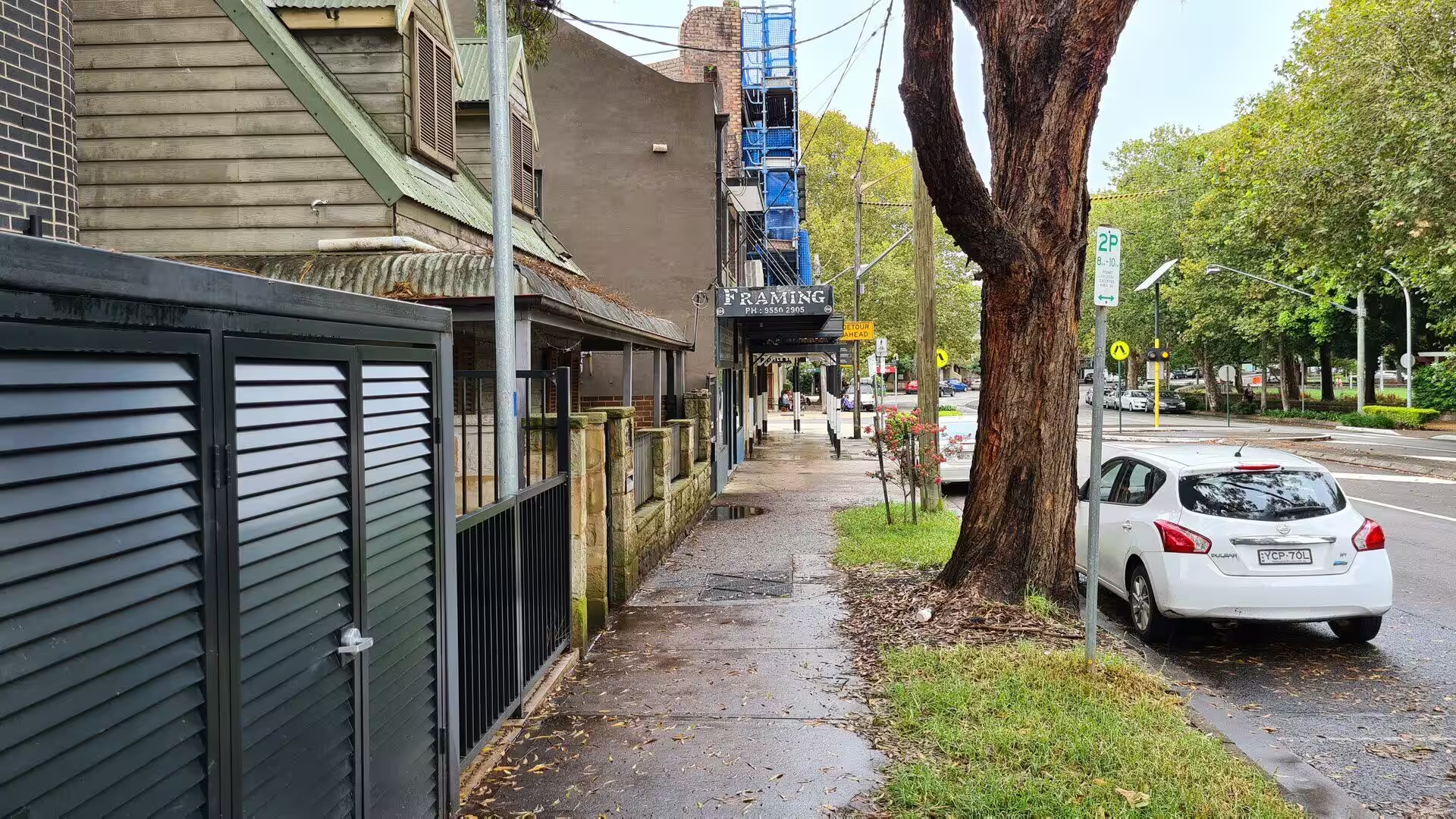
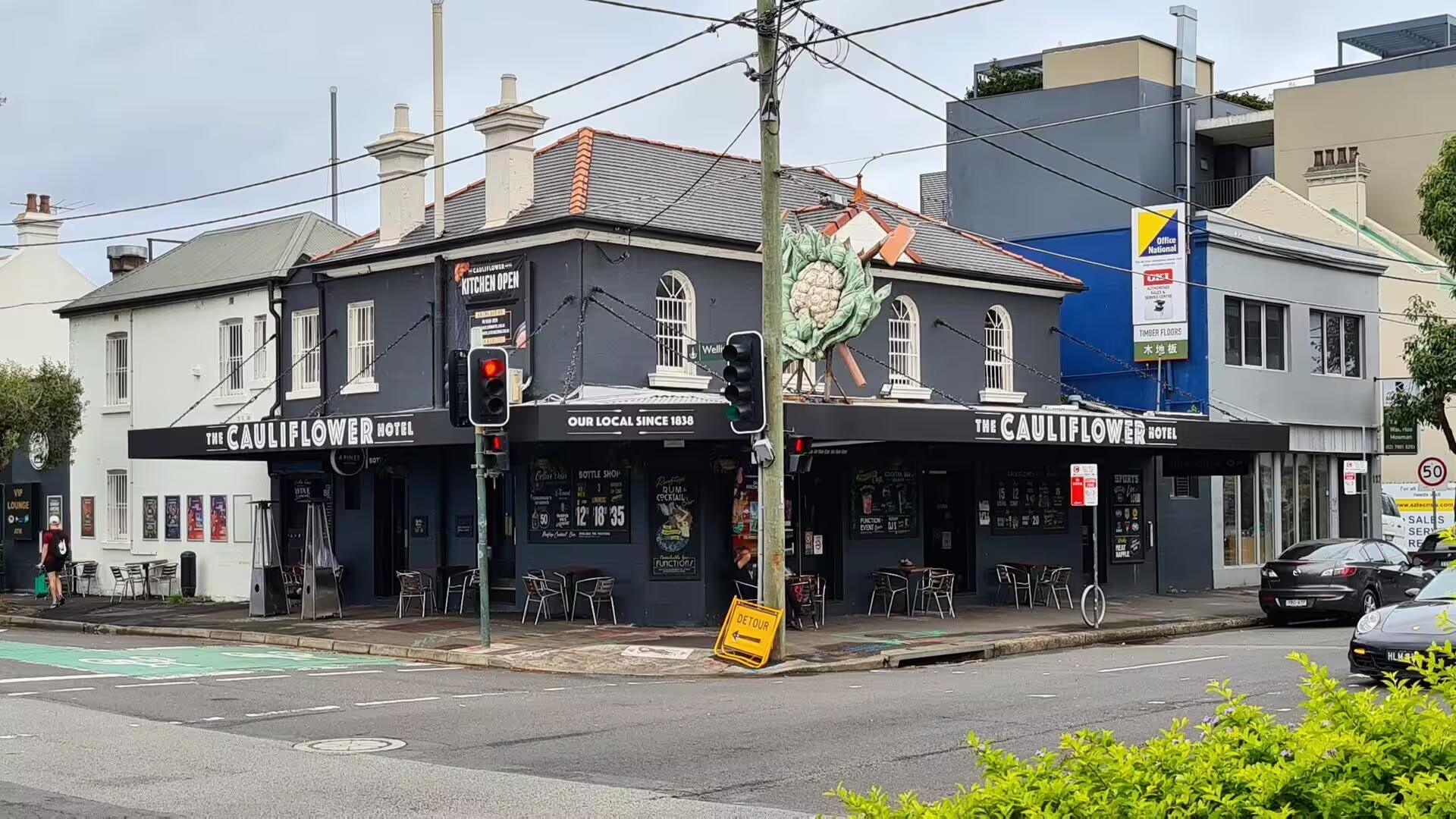
The inner western suburbs show the domestic face of Sydney. Streets of two storey terrace houses run between spreading plane trees, with iron lacework on the balconies, low garden walls and palm trees behind them, and in the evenings the same streets fill with the traffic and the shop signs of a dense and lived in city. Newtown and its neighbours are the heart of this part of town, and their restaurants, small shops and music venues are a short walk from one another.
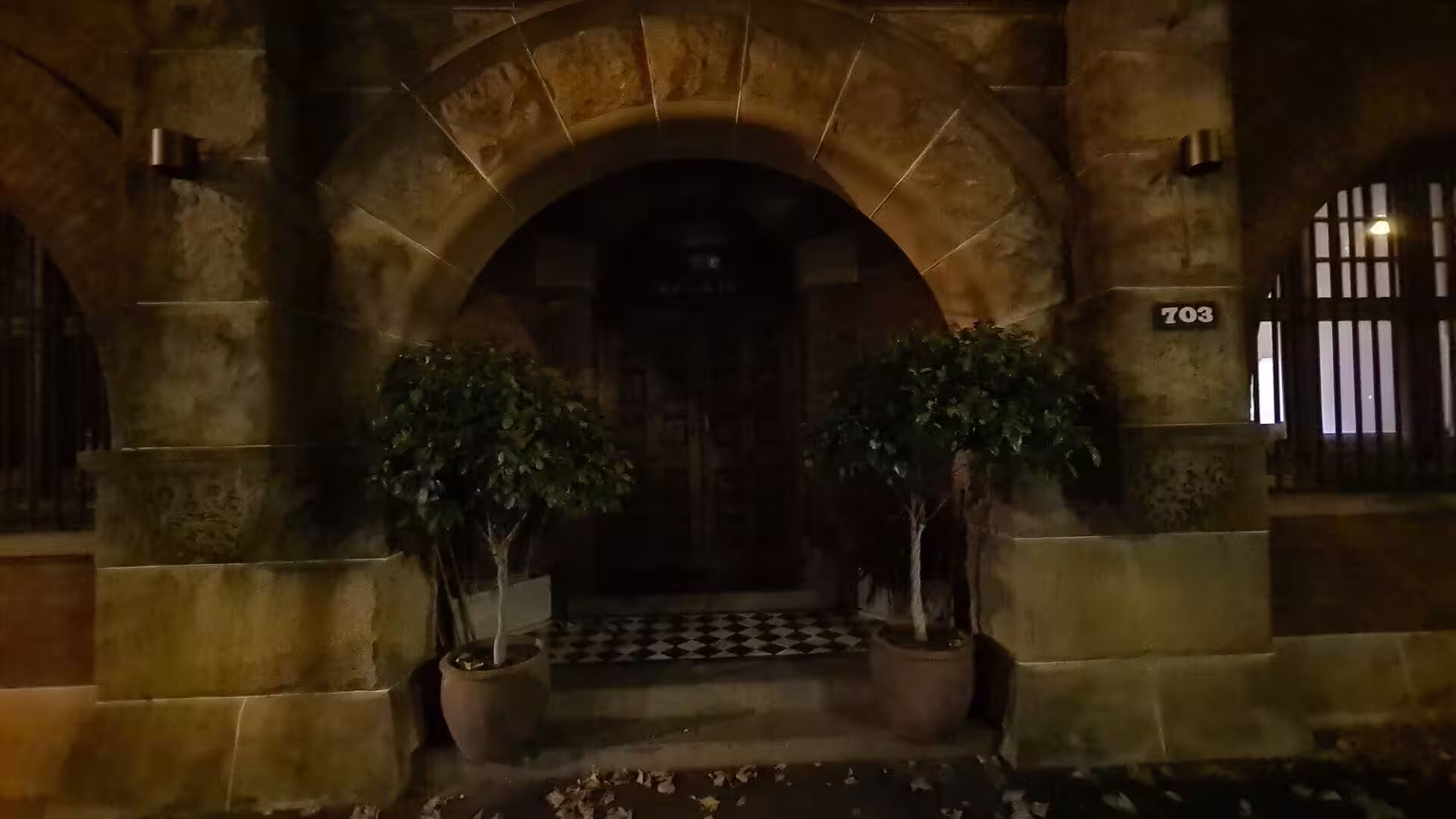
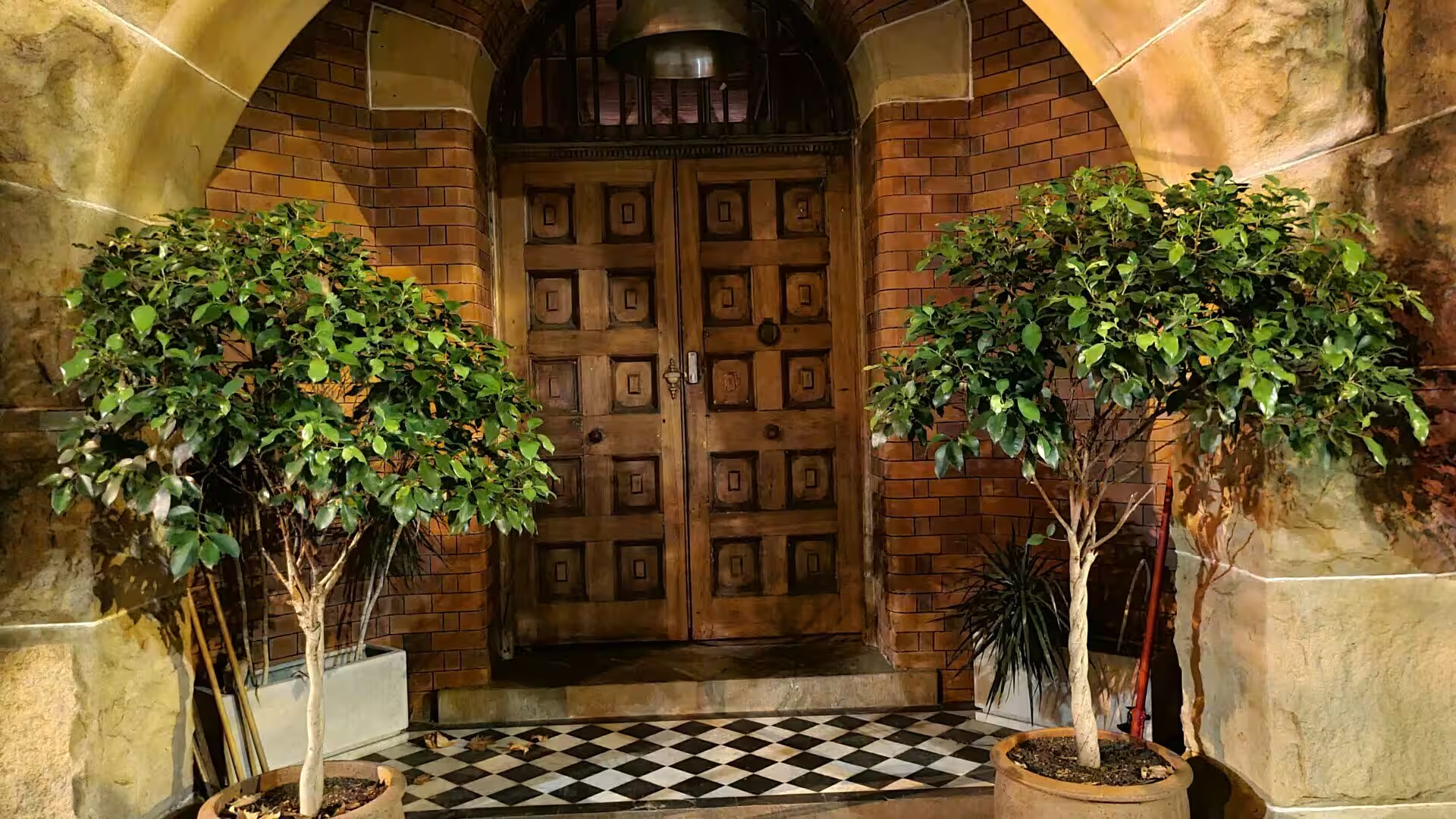
The Rocks and the colonial core of the city preserve the earliest layer of the buildings. Here the sandstone comes into its own: coursed walls, carved lintels, deep window reveals and arched doorways, with the date of construction set into the stone above the entrance of many of the public buildings. Hyde Park Barracks, the Customs House and the surviving warehouse facades stand in the same quarter, and the whole area is a working record of the architecture of a penal colony that turned into a colonial city.
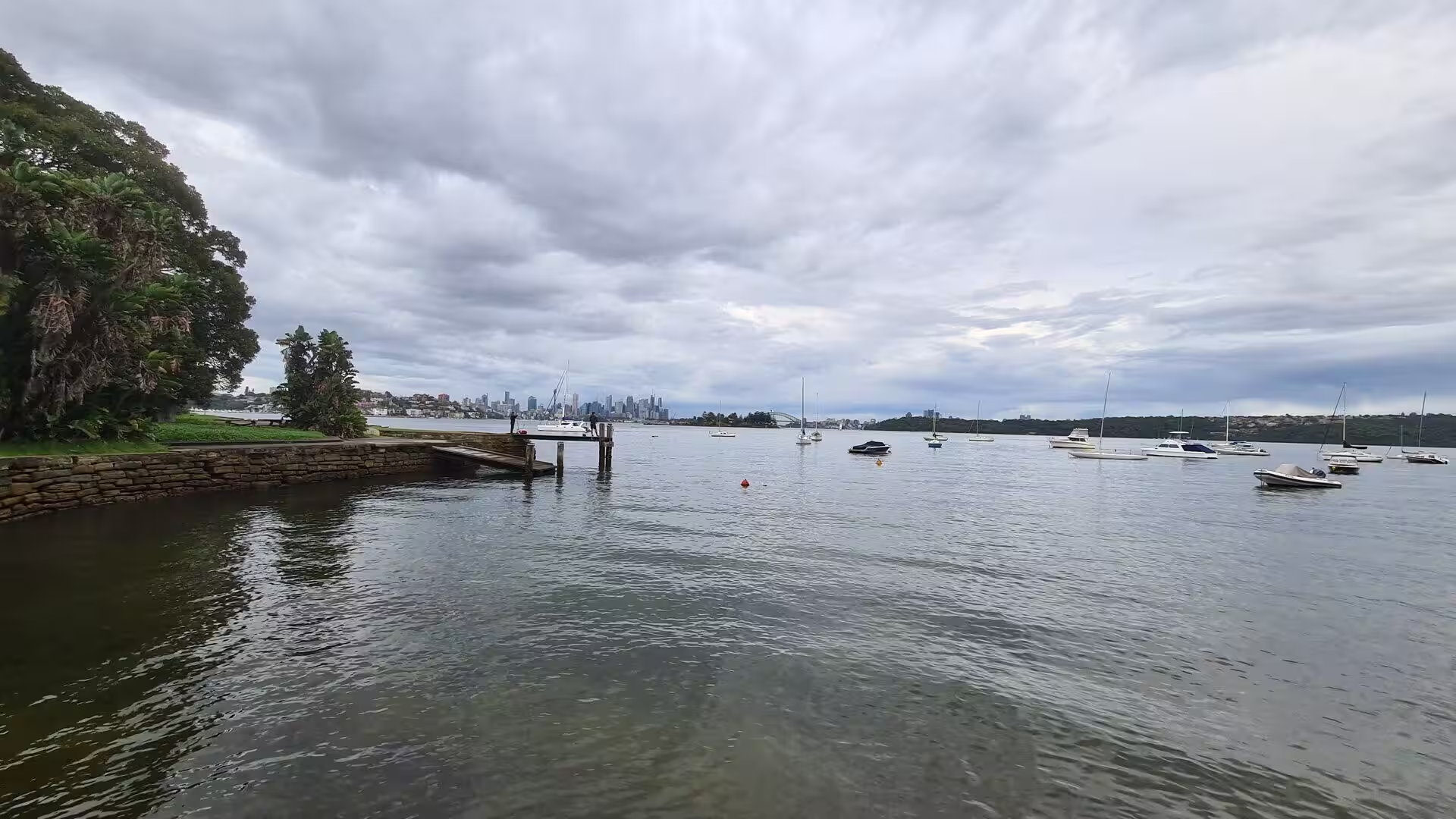
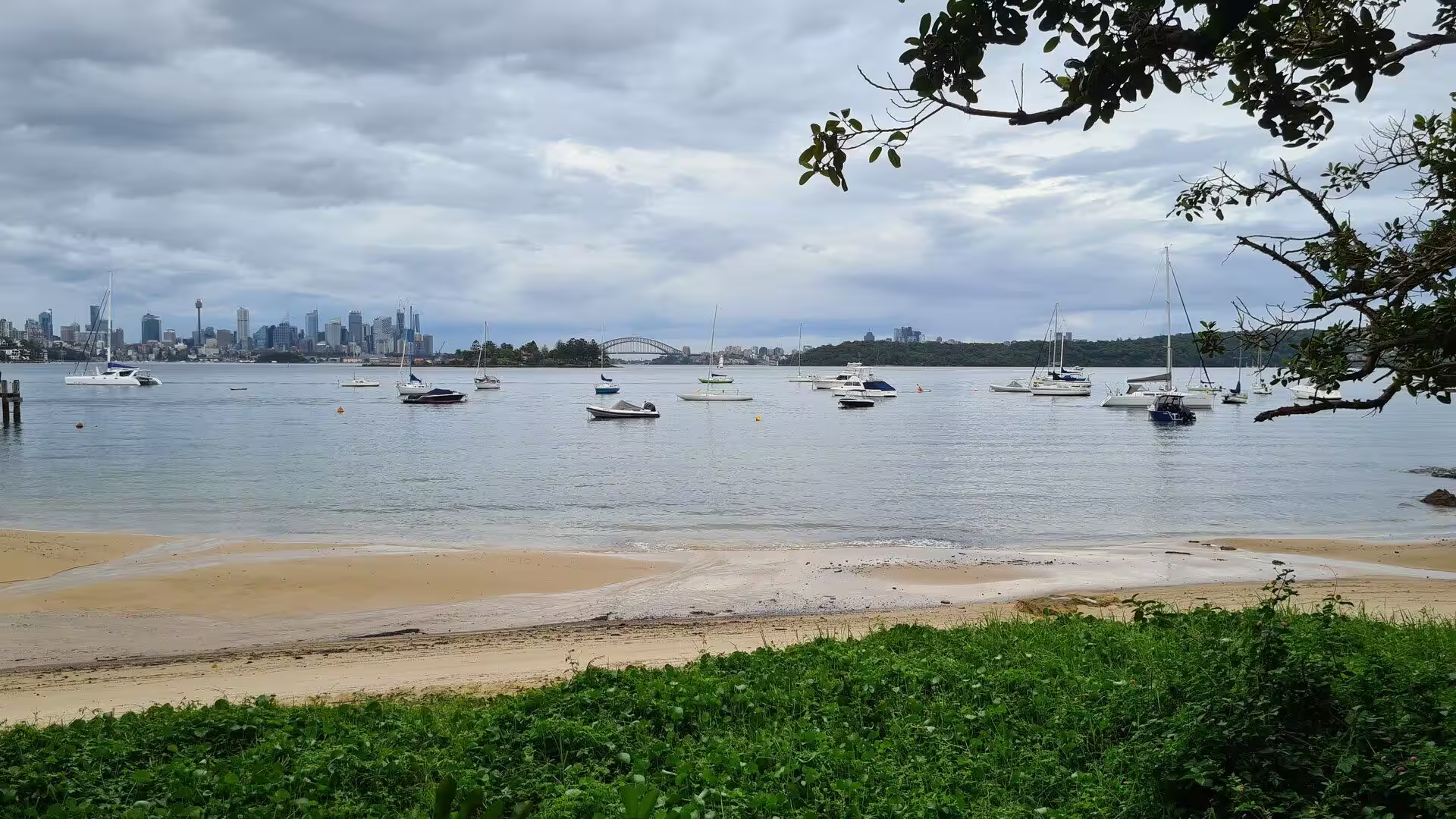
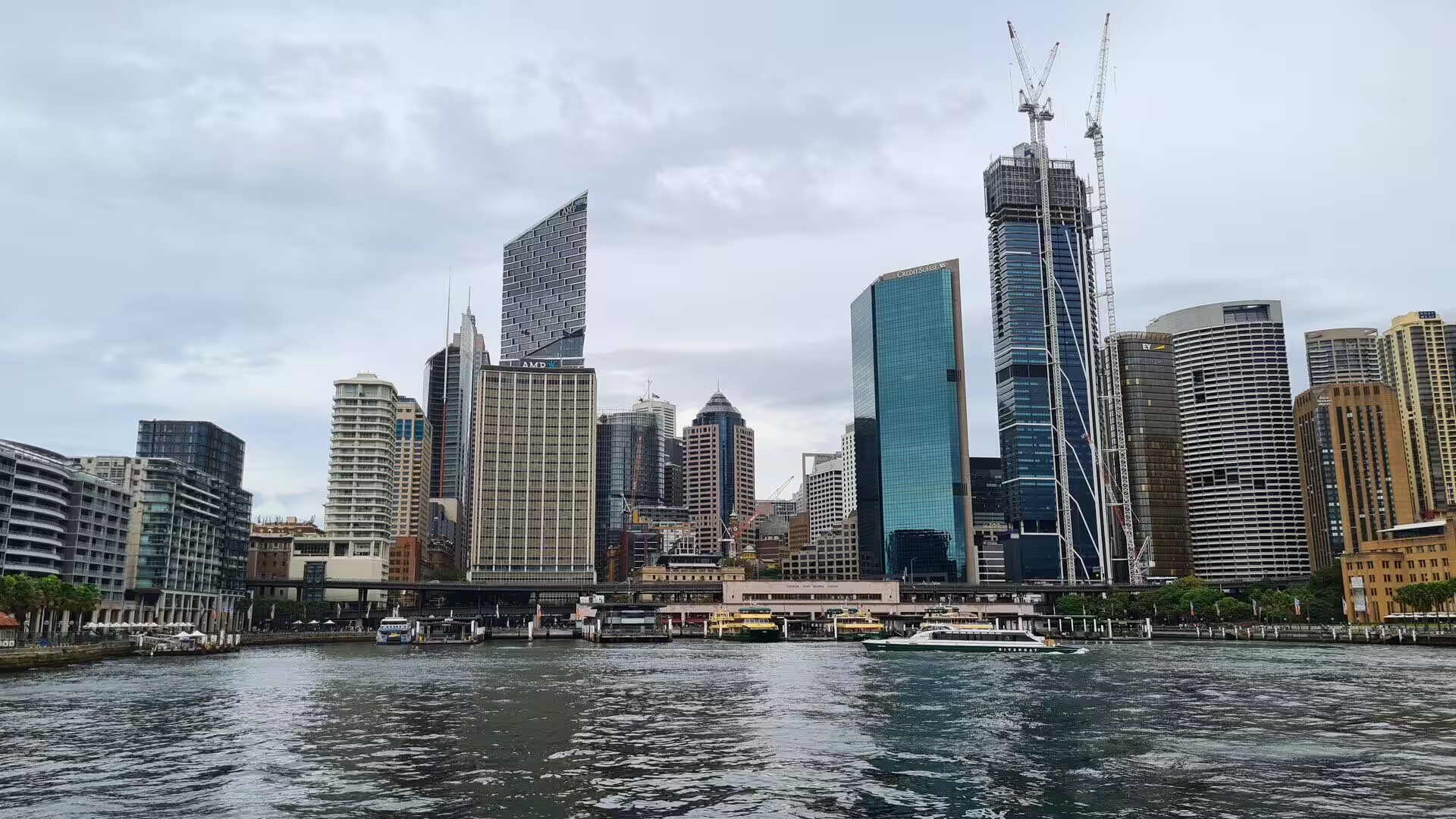
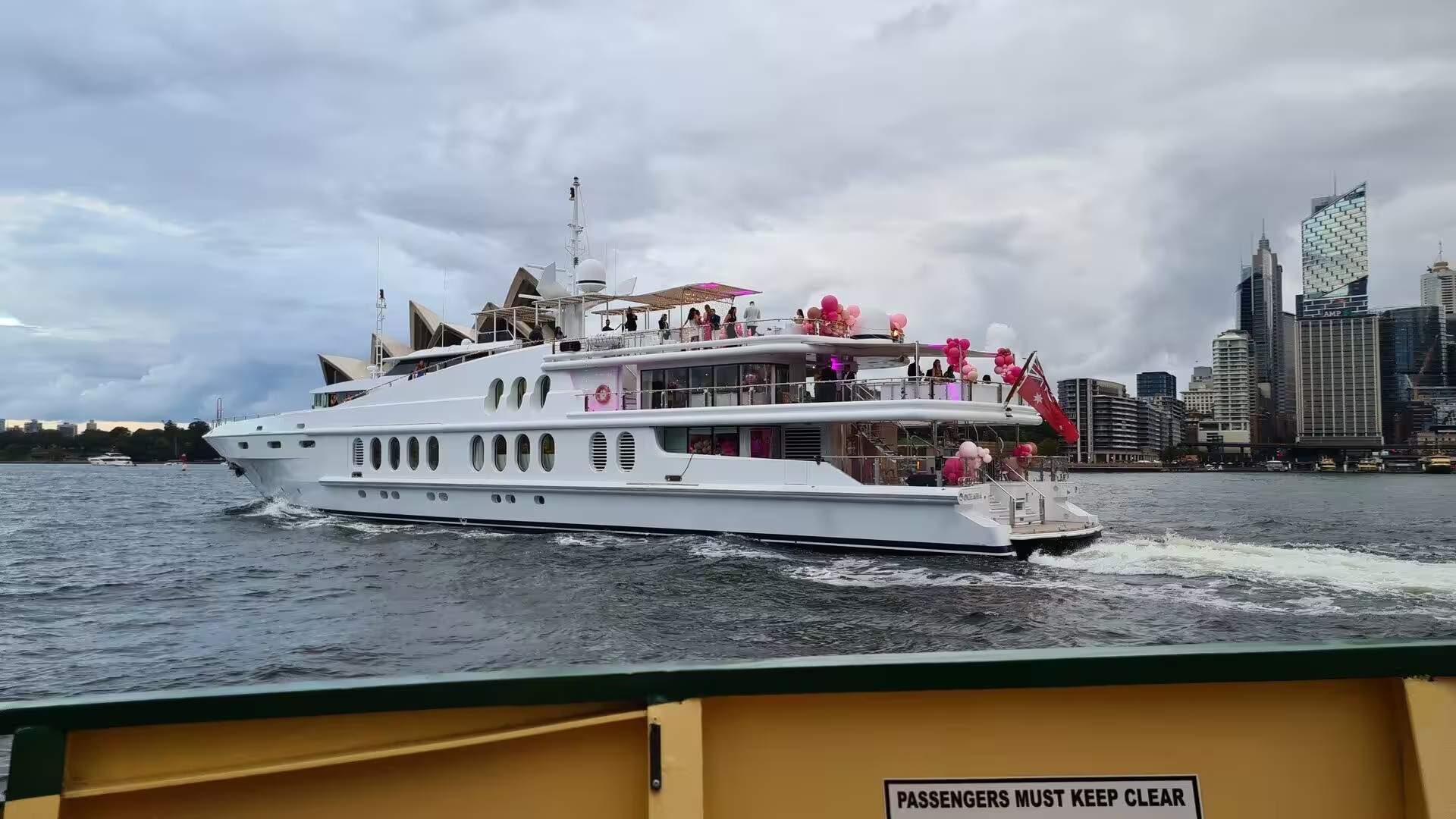
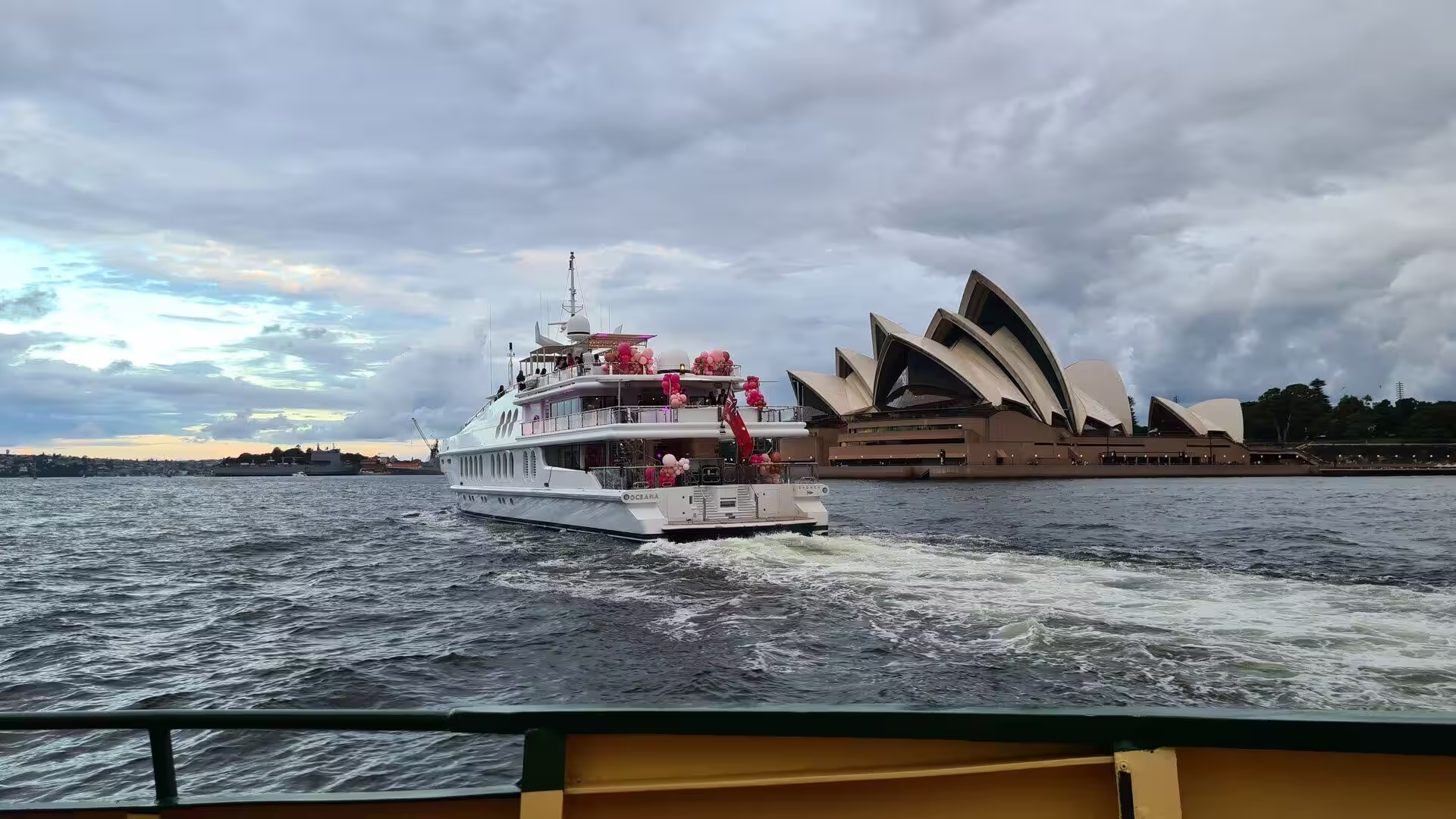
The harbour itself is best seen from the water. The ferries that cross Port Jackson run on the busiest and most scenic commuter routes in the country, and the journey from Circular Quay past the Opera House and the bridge towards Manly or Balmain is the standard introduction to the geography of the place: wooded headlands, sandstone ledges at the waterline, coves with jetties and the skyline rising behind them. Everything about the city is arranged around this sheet of water.
The Opera House stands on Bennelong Point and is the one building in the city listed as a World Heritage site. Its shells, built between 1959 and 1973, are clad in more than a million ceramic tiles, and the halls beneath them host opera, orchestra, theatre and chamber music through the year. The building was the subject of one of the most public architectural quarrels of the twentieth century, and the reconciliation with the family of its Danish architect came long after the work was finished.
The Harbour Bridge carries the eye across the water. Its single steel arch, nicknamed the Coathanger, spans from Dawes Point to Milsons Point and was opened in 1932 by the premier of the day in the middle of the Great Depression; the design was based on observations of the Hell Gate Bridge in New York, and the tenders were won by the firm that built the final structure. Walking the bridge is free and takes about twenty minutes, while the BridgeClimb route over the arch is the commercial version of the same view.
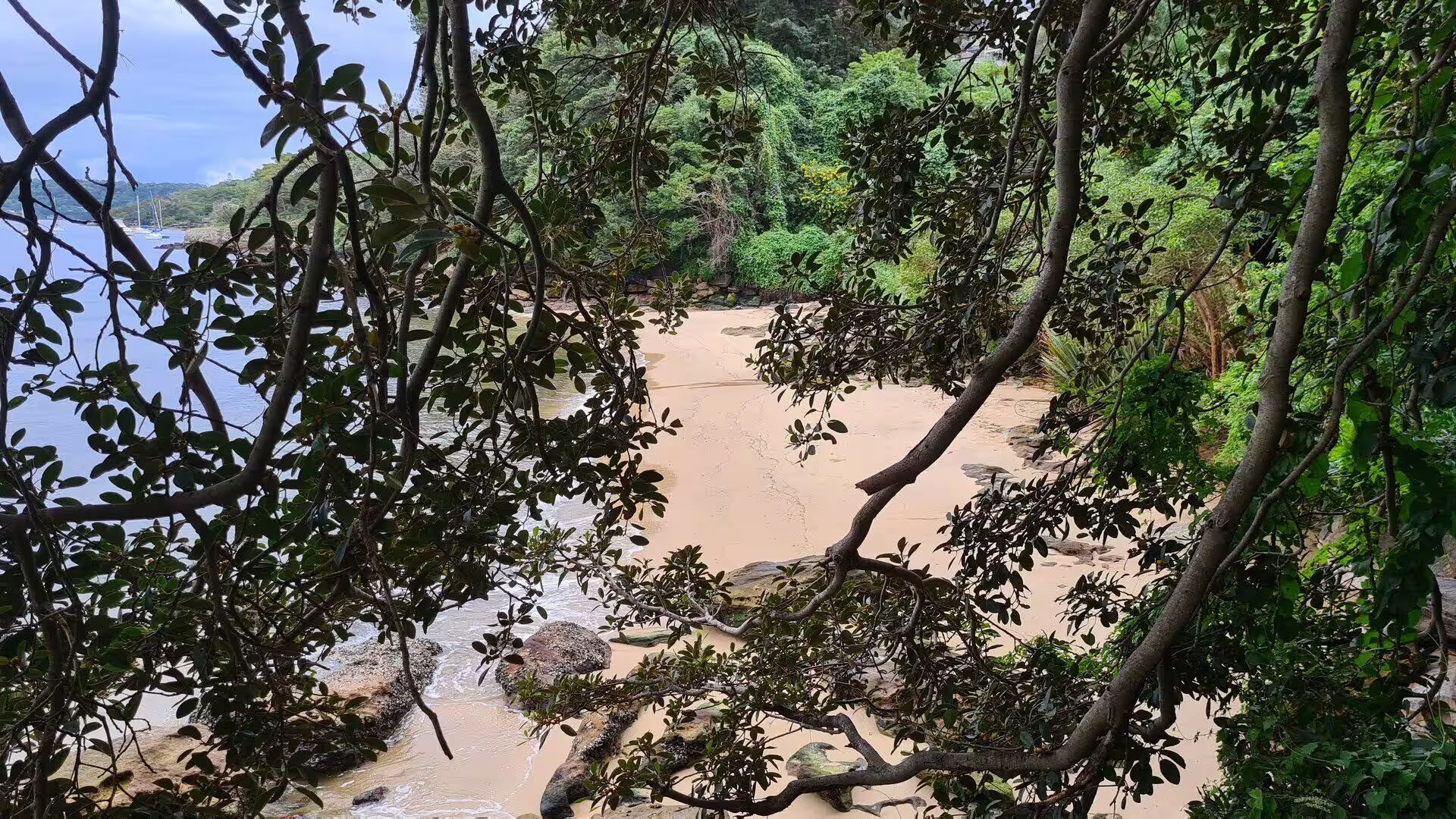
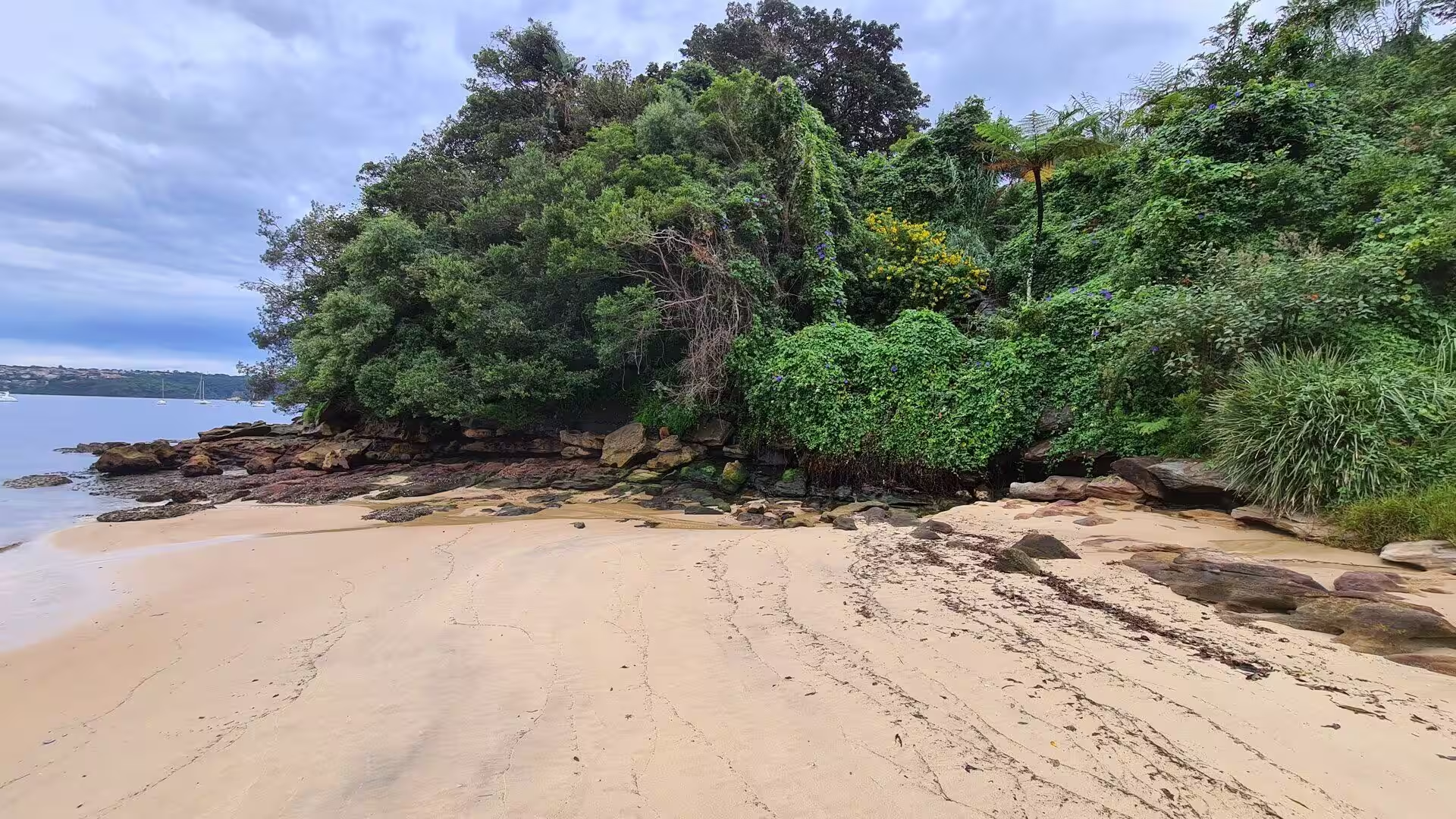
The harbour beaches and the ocean beaches belong to the same system of sandstone and sand. Balmoral and the coves of Middle Harbour offer calm water, jetties and lawns, where swimming is a matter of walking in from the sand, while the surf beaches of the eastern suburbs face the open ocean and are patrolled by the clubs of Surf Life Saving Australia. Bondi, the most famous of them, is a beach of a kilometre between two headlands, with a sea pool at its southern end cut into the rock.
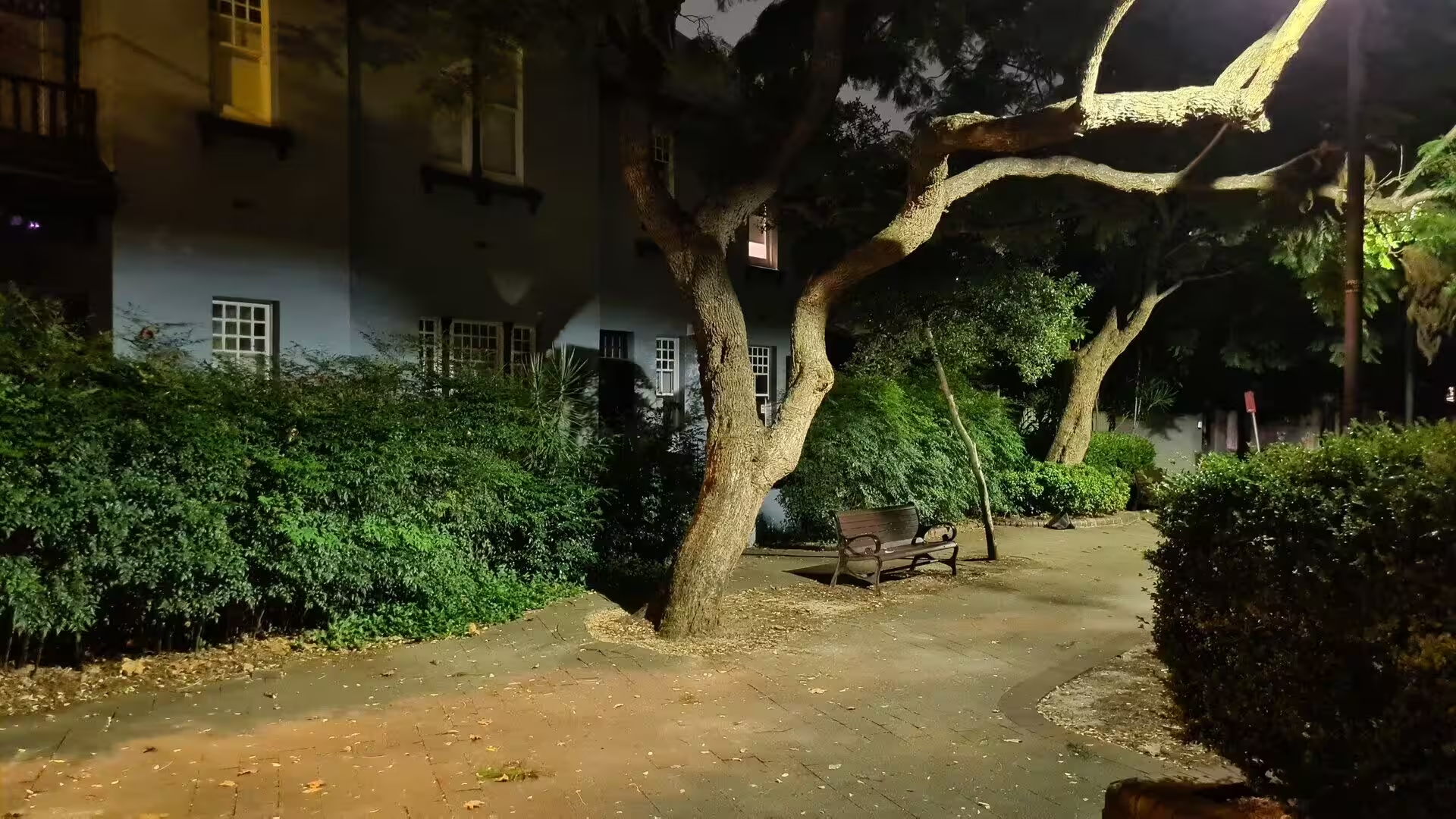
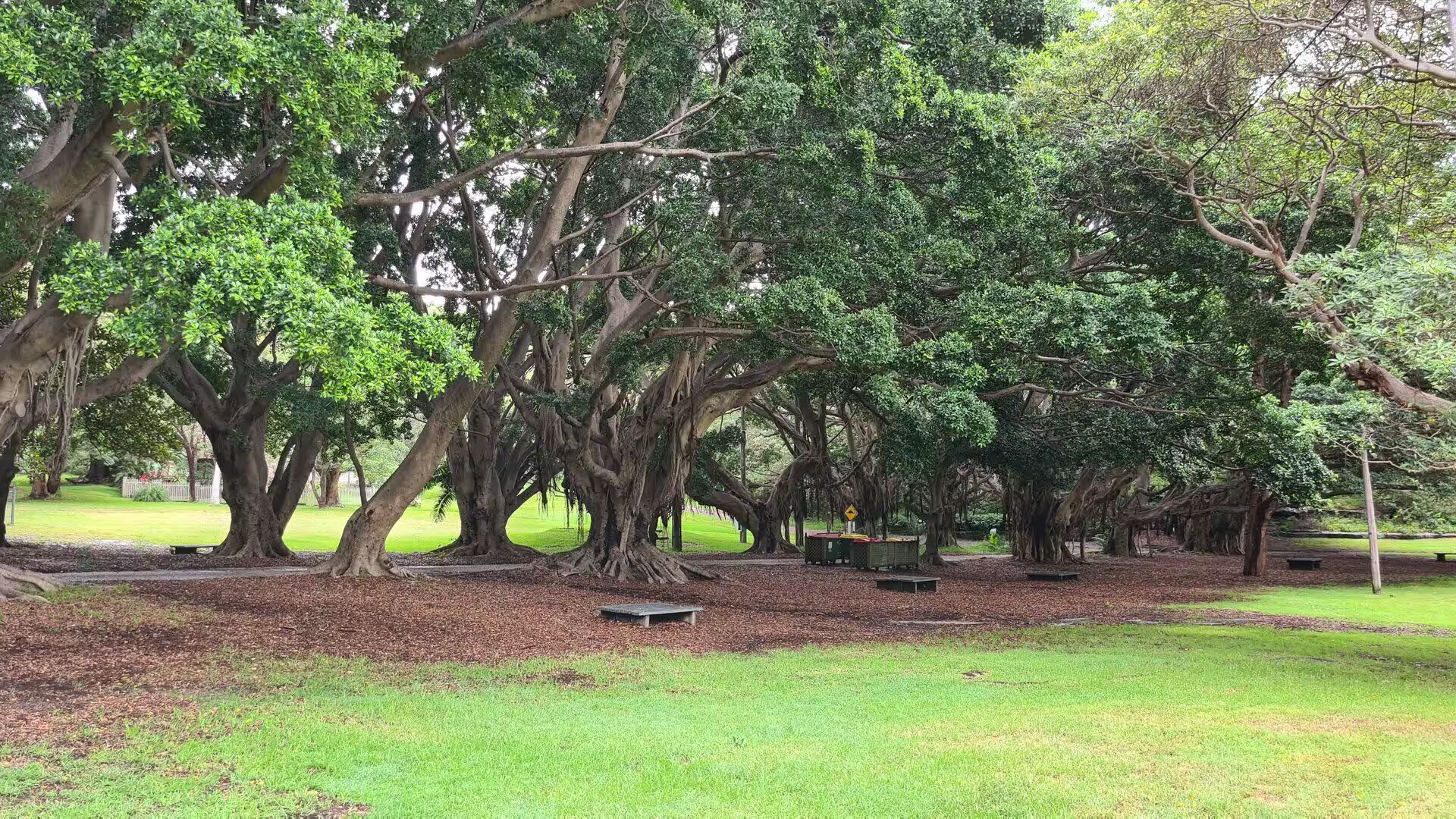
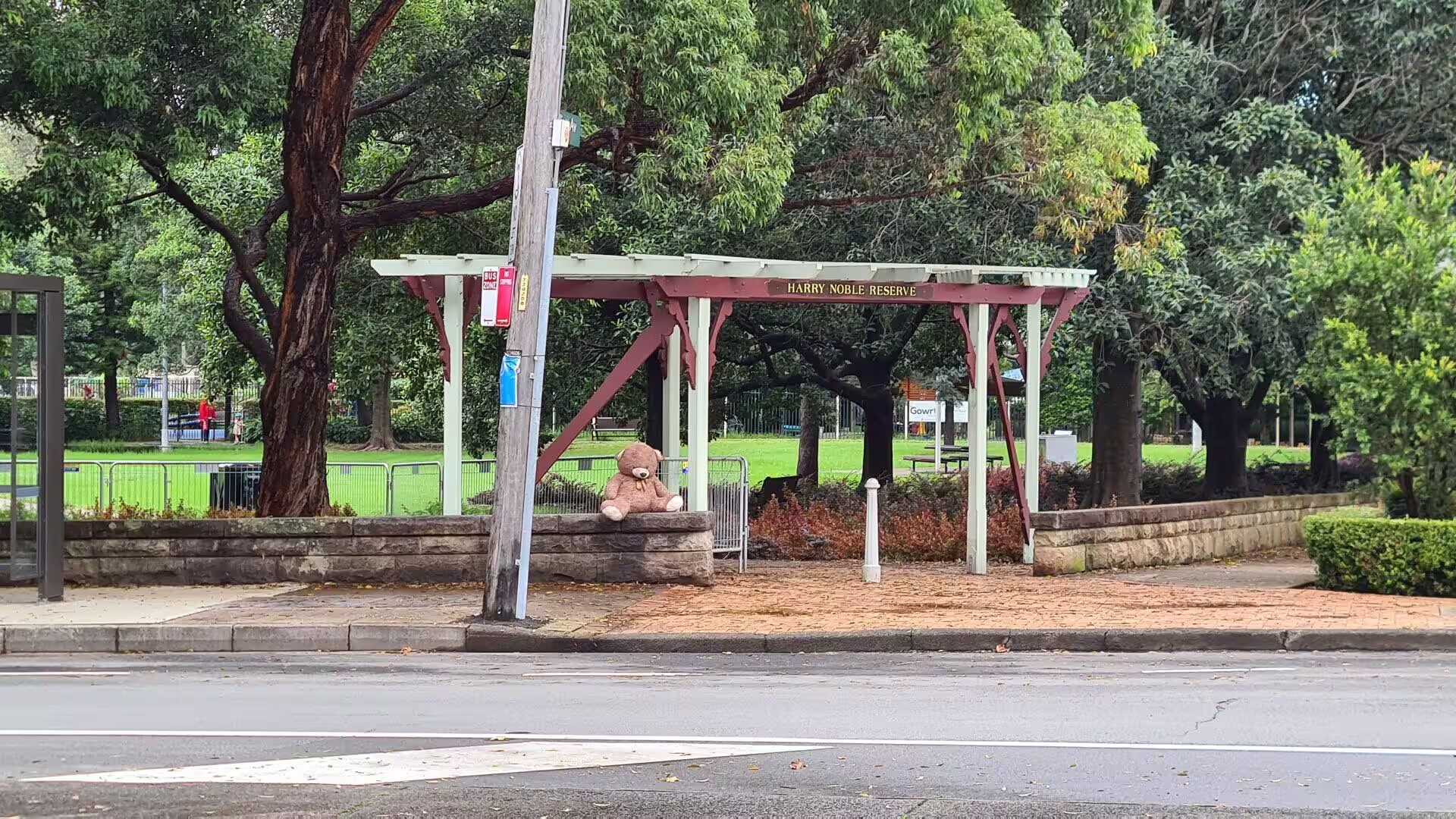
The green spaces of the city complete the picture. The Royal Botanic Garden, on the harbour side of the central business district, is both a scientific institution and the most used park in the region, and Hyde Park is the oldest parkland in the country. The fig trees that stand in them, with their spreading roots and their deep shade planted in the middle of the nineteenth century, are older than most of what surrounds them, and the walk from the garden to Mrs Macquarie’s Point is the standard place from which the harbour, the bridge and the Opera House are seen together.
References
- Wikipedia contributors (2026). Sydney. en.wikipedia.org/wiki/Sydney
- Wikipedia contributors (2026). Sydney Harbour. en.wikipedia.org/wiki/Sydney_Harbour
- Wikipedia contributors (2026). Sydney Opera House. en.wikipedia.org/wiki/Sydney_Opera_House
- Wikipedia contributors (2026). Sydney Harbour Bridge. en.wikipedia.org/wiki/Sydney_Harbour_Bridge
- Wikipedia contributors (2026). Port Jackson. en.wikipedia.org/wiki/Port_Jackson
- Wikipedia contributors (2026). New South Wales. en.wikipedia.org/wiki/New_South_Wales
- Wikipedia contributors (2026). Sydney sandstone. en.wikipedia.org/wiki/Sydney_sandstone
- Wikipedia contributors (2026). Terraced houses in Australia. en.wikipedia.org/wiki/Terraced_houses_in_Australia
- Wikipedia contributors (2026). Newtown, New South Wales. en.wikipedia.org/wiki/Newtown%2C_New_South_Wales
- Wikipedia contributors (2026). Balmoral Beach. en.wikipedia.org/wiki/Balmoral_Beach
- Wikipedia contributors (2026). Royal Botanic Garden, Sydney. en.wikipedia.org/wiki/Royal_Botanic_Garden%2C_Sydney
- Wikipedia contributors (2026). History of Sydney. en.wikipedia.org/wiki/History_of_Sydney
- Wikipedia contributors (2026). Sydney central business district. en.wikipedia.org/wiki/Sydney_central_business_district
- Wikipedia contributors (2026). The Rocks, New South Wales. en.wikipedia.org/wiki/The_Rocks%2C_New_South_Wales
- Wikipedia contributors (2026). Bondi Beach. en.wikipedia.org/wiki/Bondi_Beach
- Wikipedia contributors (2026). Manly, New South Wales. en.wikipedia.org/wiki/Manly%2C_New_South_Wales
- Ward P. (2018) Excavation of Hawkesbury Sandstone in the Sydney Region. Engineering Geology of the Sydney Region. 199-202. doi.org/10.1201/9780203757390-11
- Bailey M. (2021) Retail Suburbanization, Modernization, and Growth in Sydney during Australia’s Postwar Boom. Journal of Urban History. 49. 844-864. doi.org/10.1177/00961442211023600
- Steele J. (2018) The aboriginal language of Sydney. Multilingual Sydney. 167-179. doi.org/10.4324/9781351215541-14