Day 14 - Agrigent





























Journal Notes
General
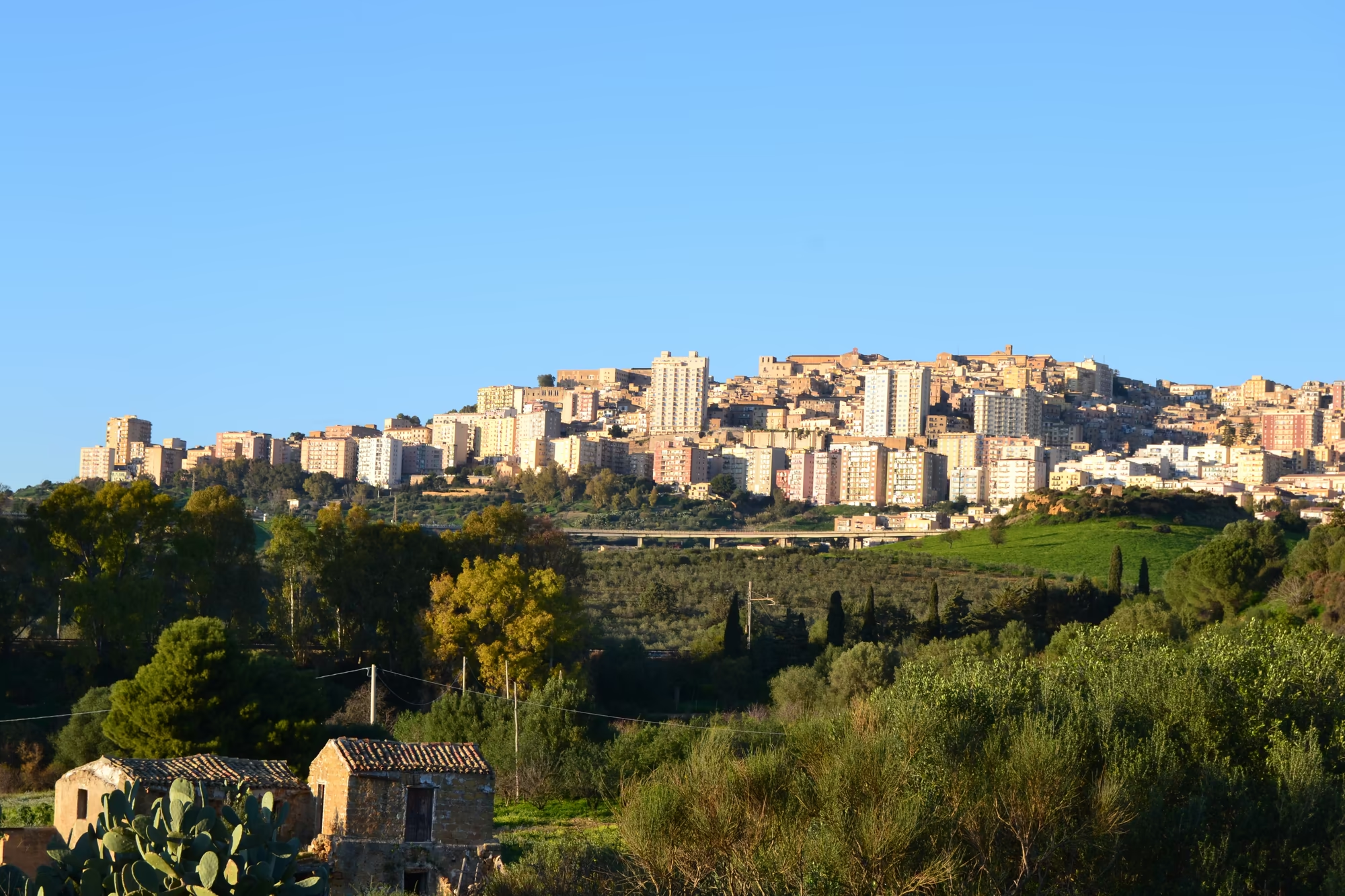
The last day of the journey goes to the south coast, to Agrigento and the archaeological site that lies below it. Agrigento is a city of 55,227 people as of 2025, the largest in its province, the tenth largest in Sicily and the 115th in Italy, and it stands on a ridge above a long coastal plain. The Valley of the Temples, the Valle dei Templi, lies outside the modern town, and the site is the reason for the journey: it is one of the most outstanding examples of ancient Greek art and architecture of Magna Graecia and one of the principal attractions of the island.
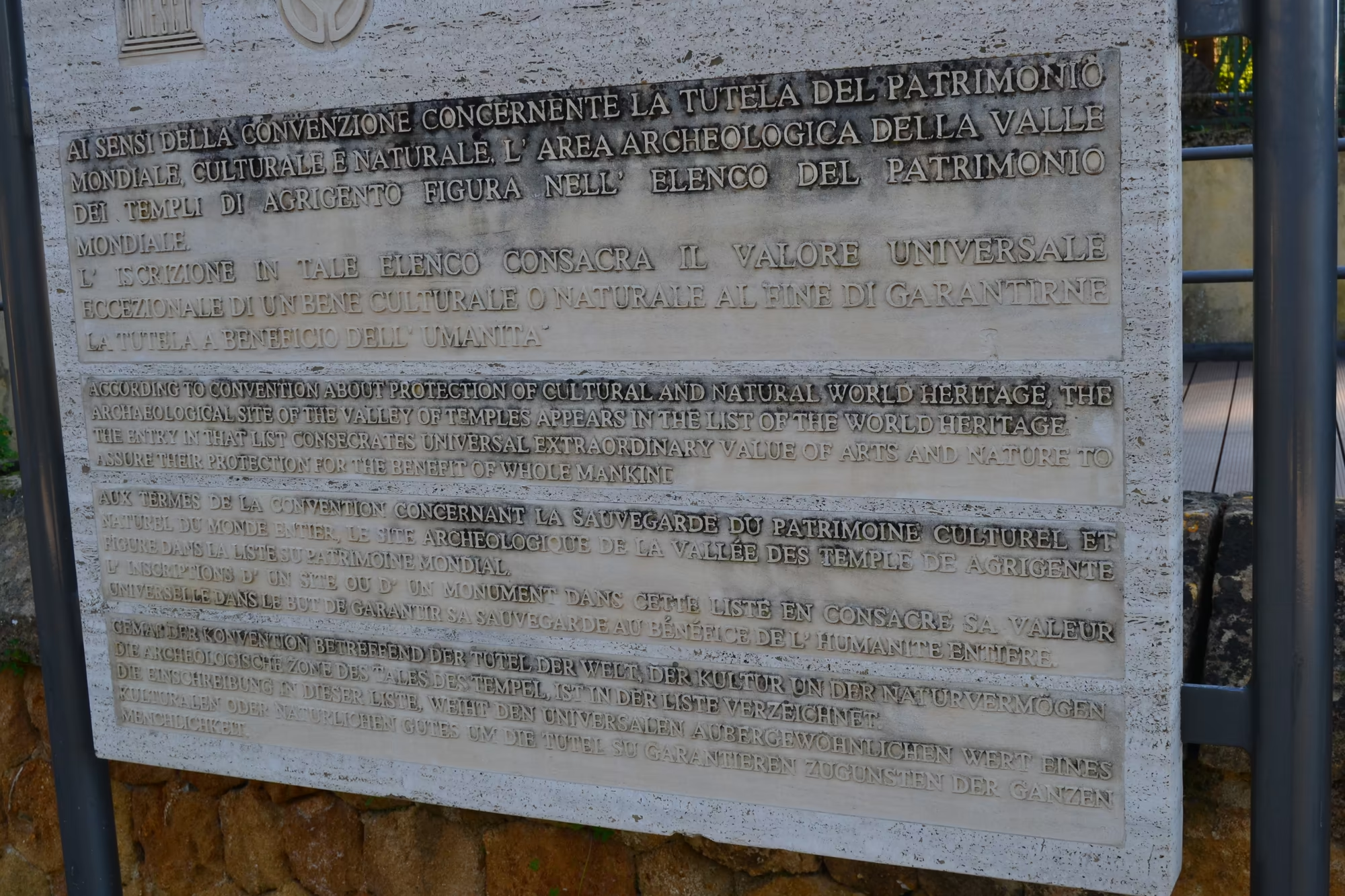
The name of the site is a misnomer, since it stands on a ridge rather than in a valley, but the view explains the mistake: the temples occupy a long limestone backbone above the plain, and the ground falls away on both sides, so that from a distance the ruins appear to sit in a hollow. Since 1997 the entire area has been included in the UNESCO World Heritage List, and the archaeological and landscape park covers 1,300 hectares, which makes it the largest archaeological park in Europe and the Mediterranean basin.
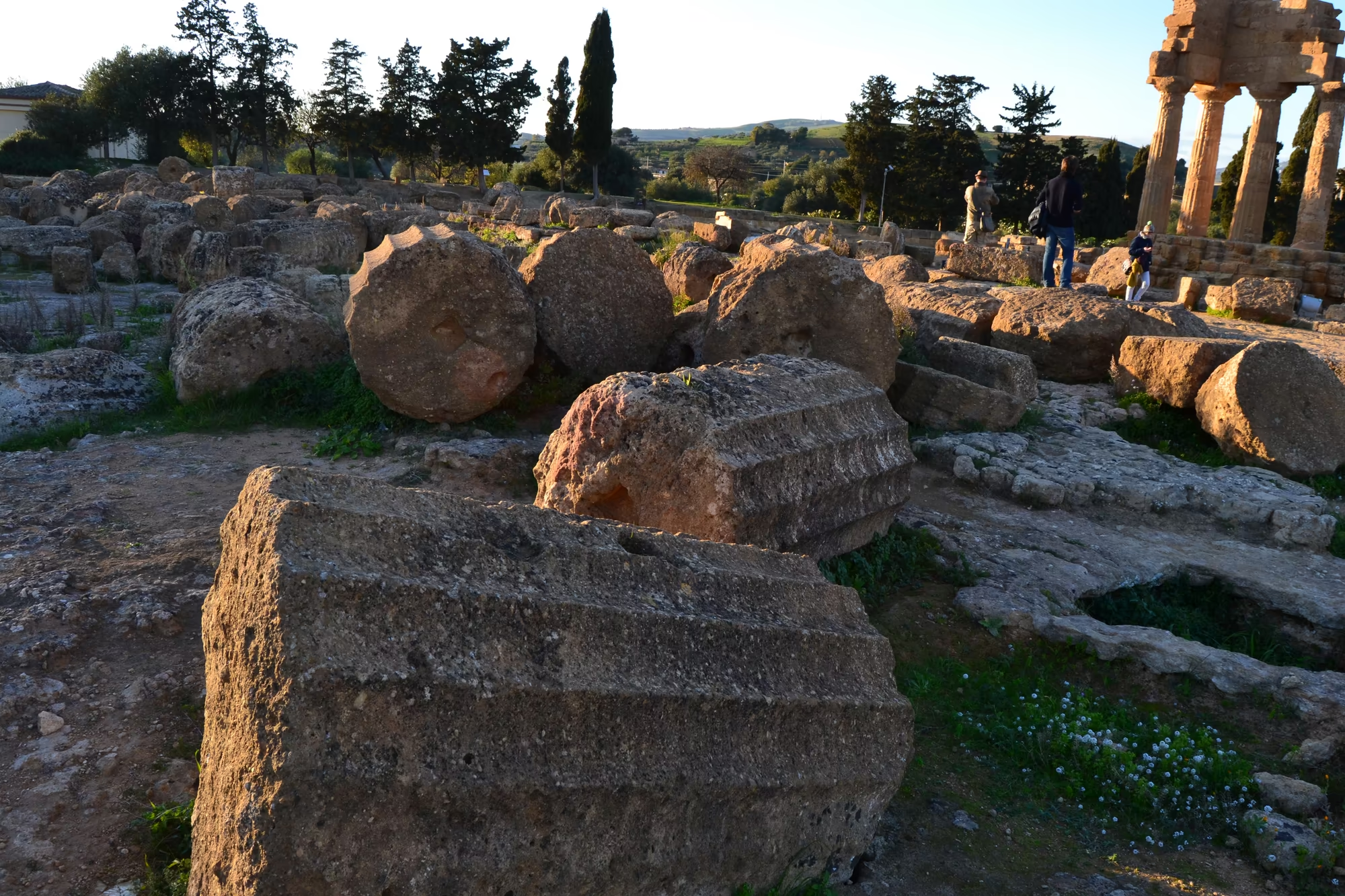
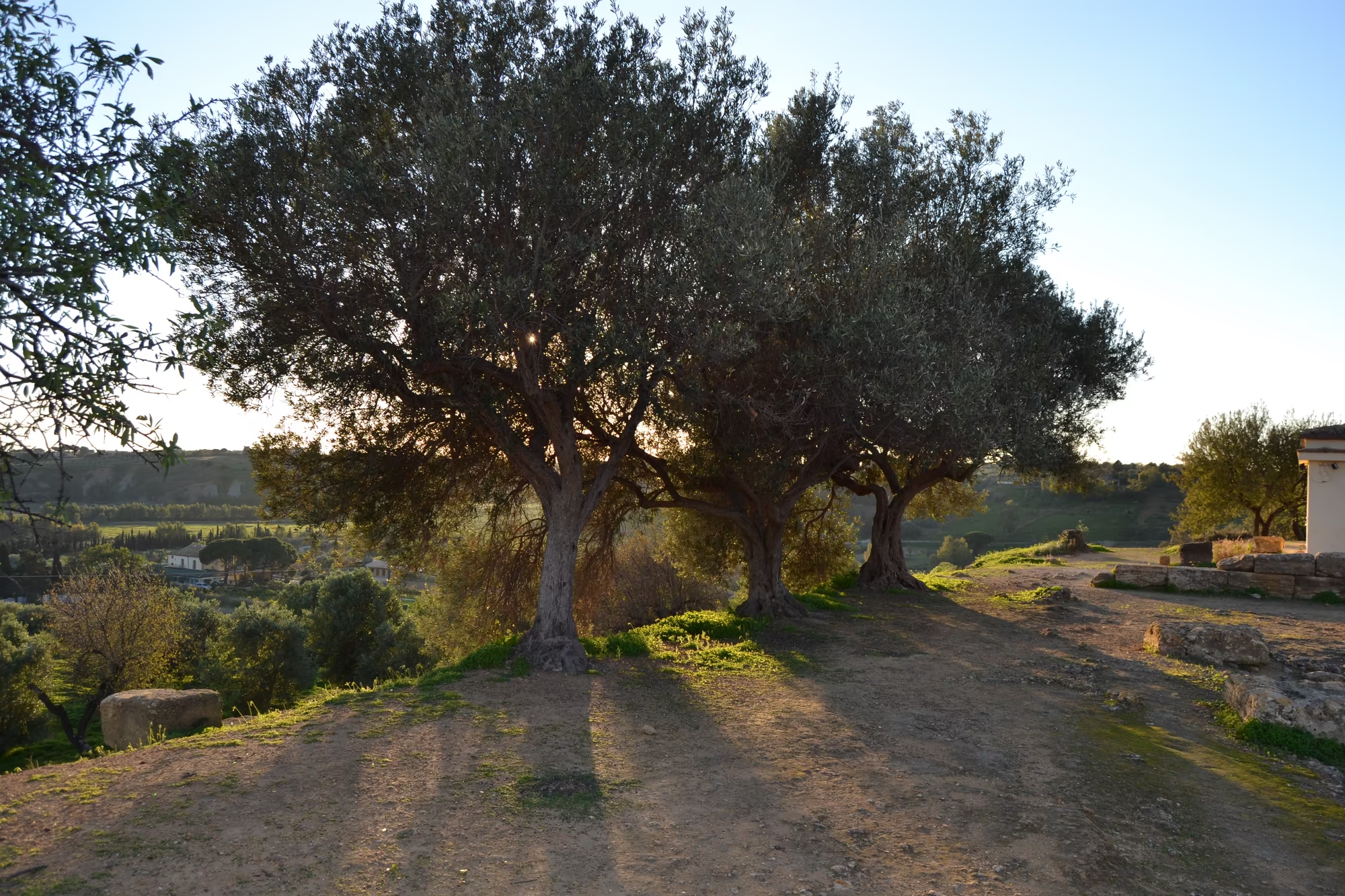
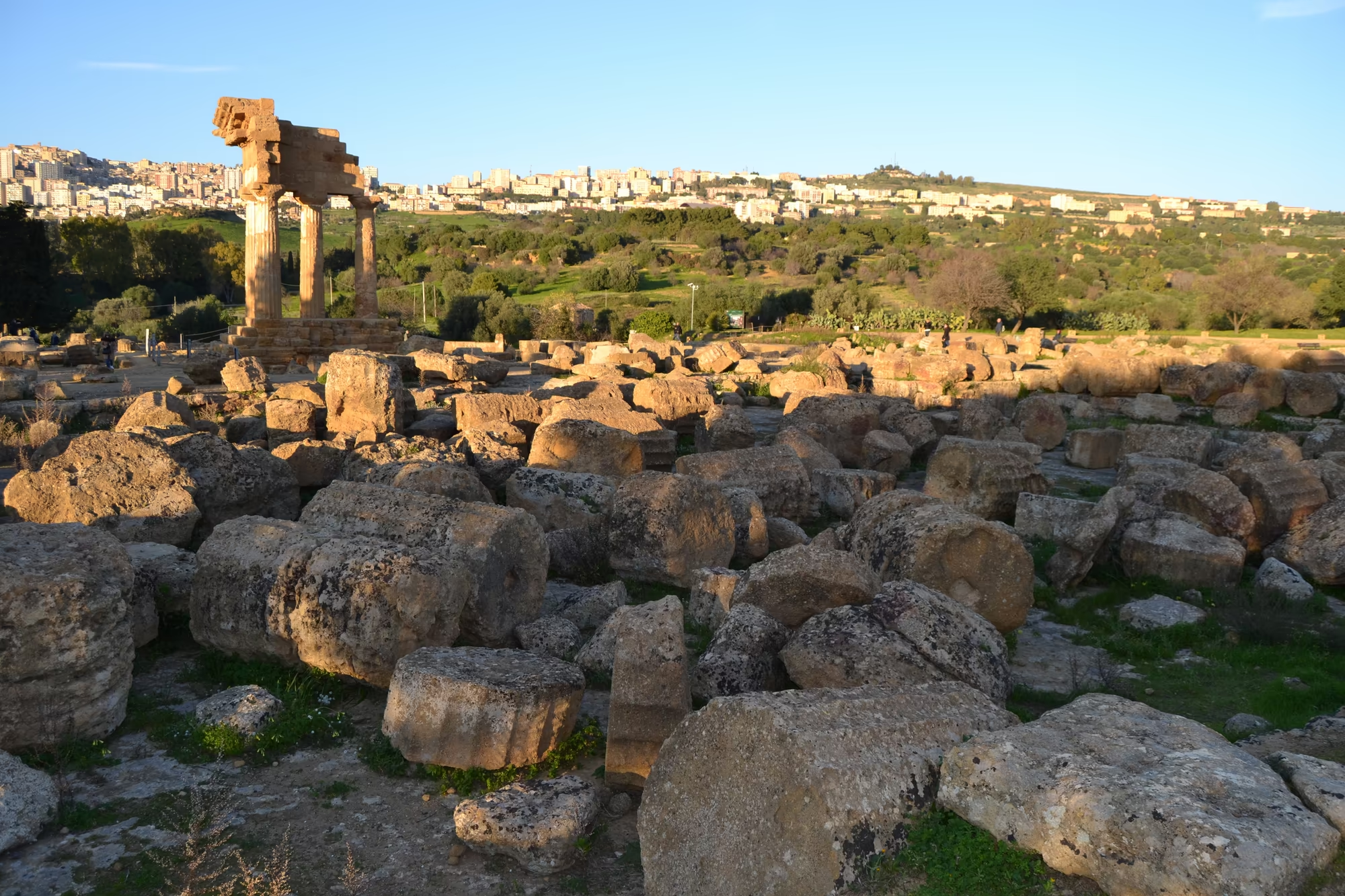
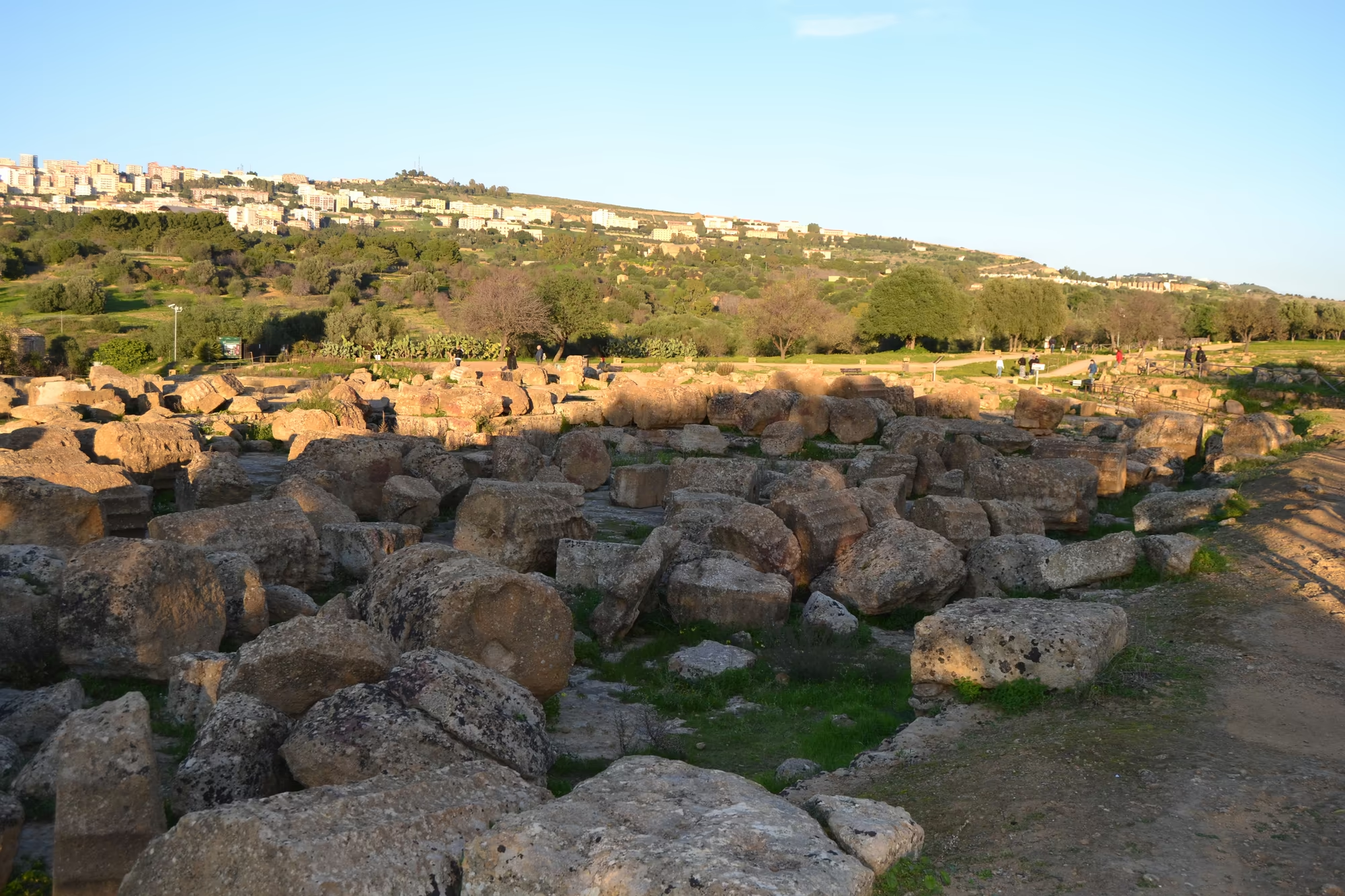
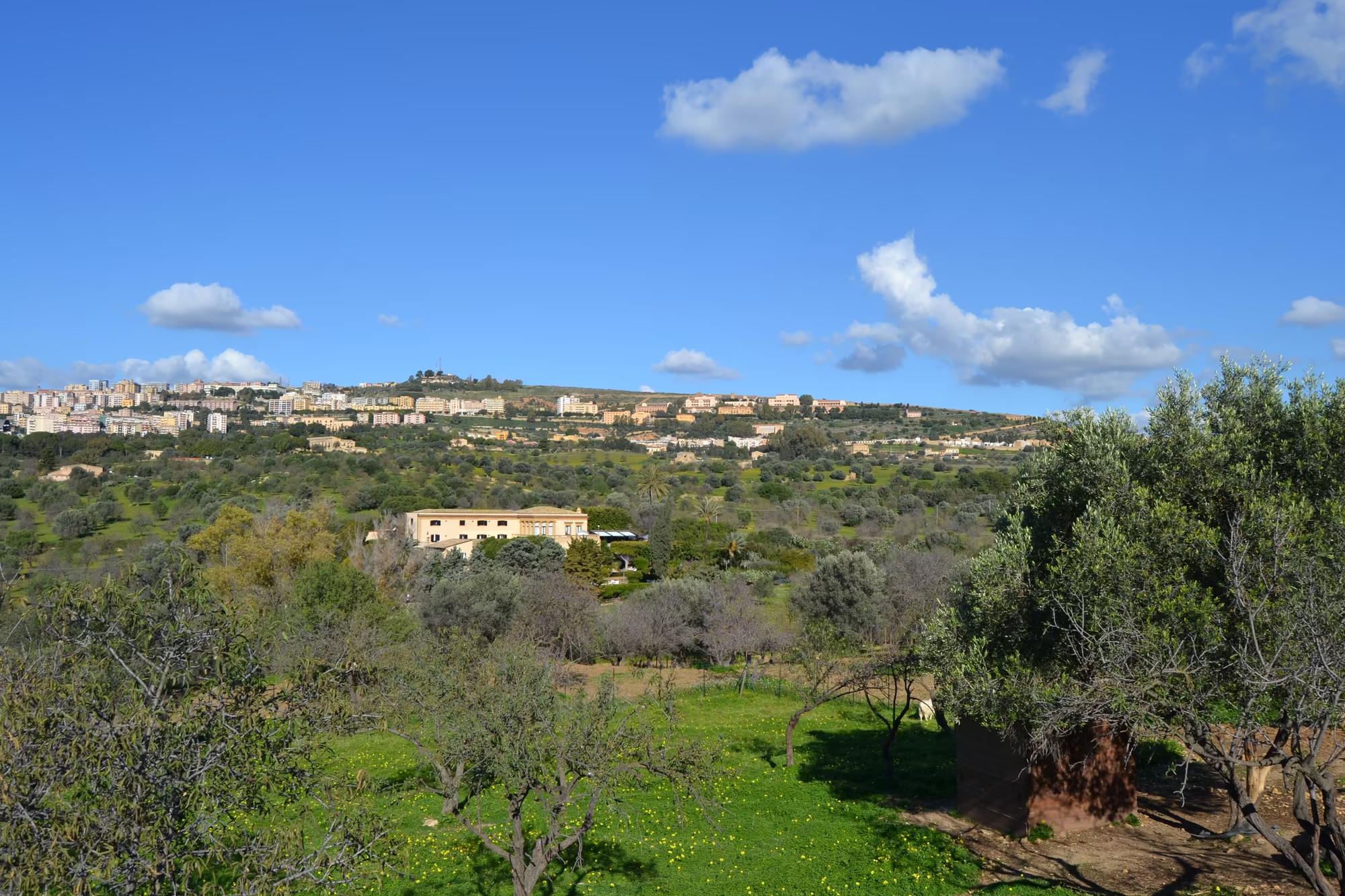
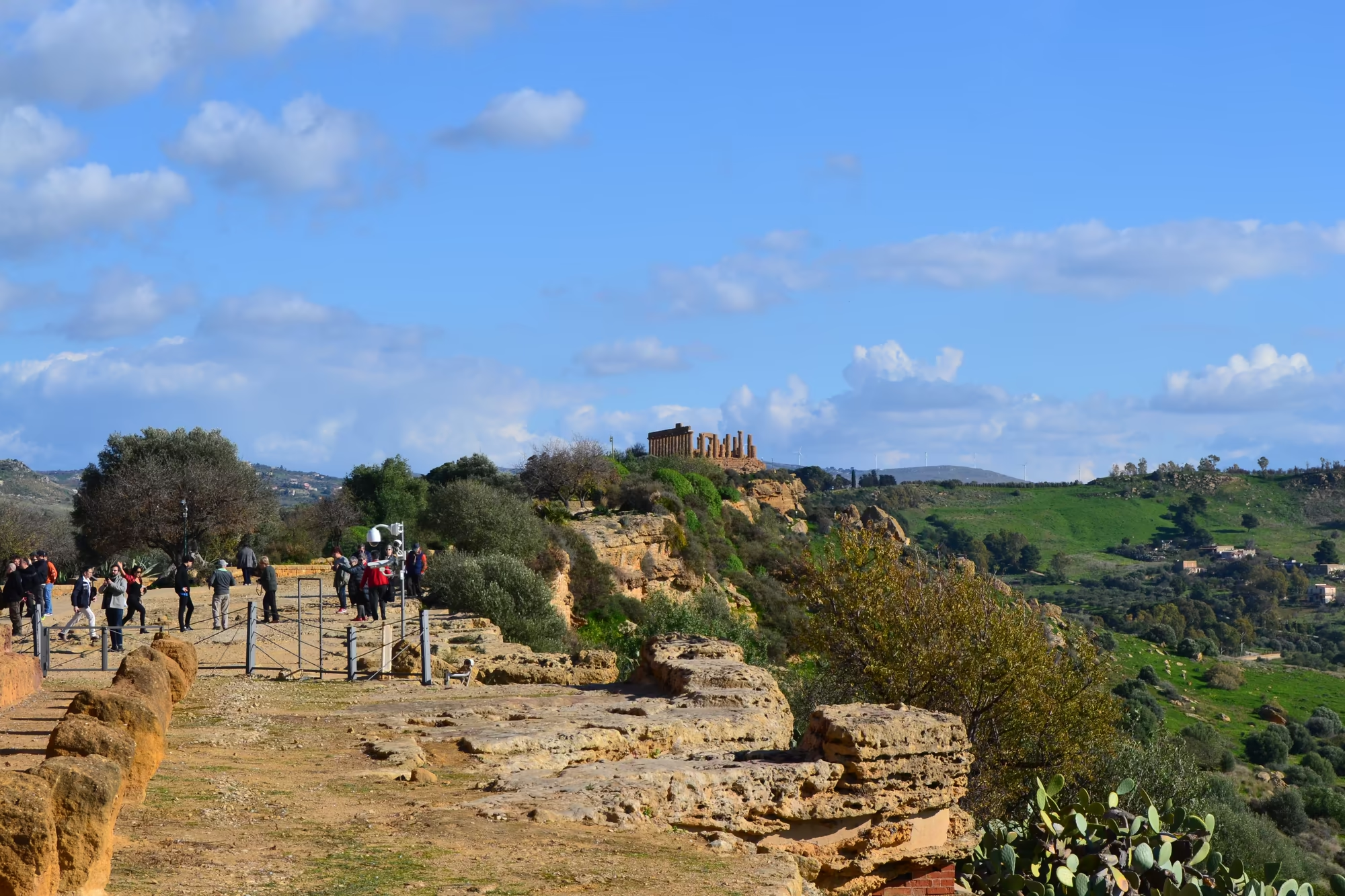
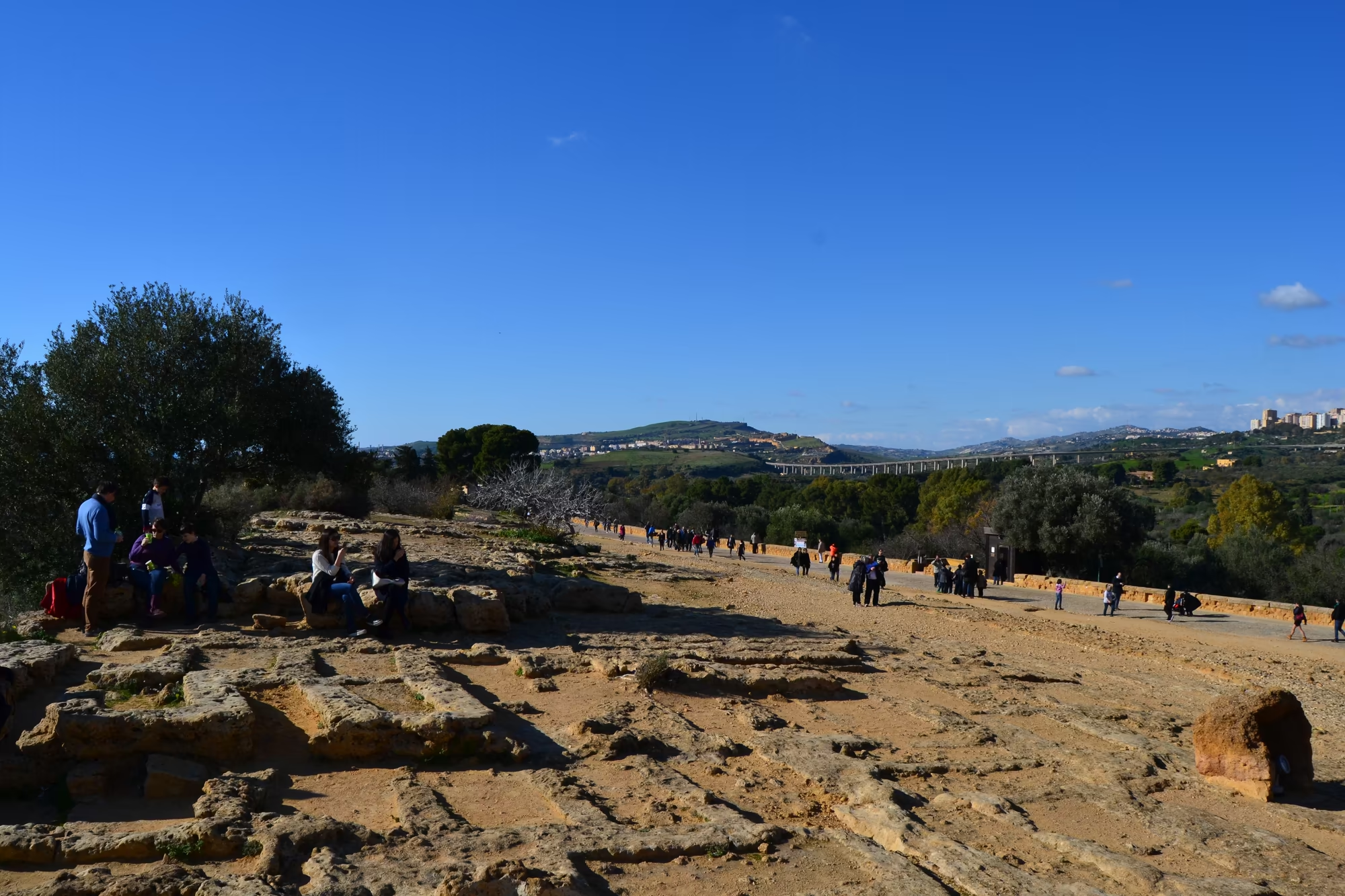
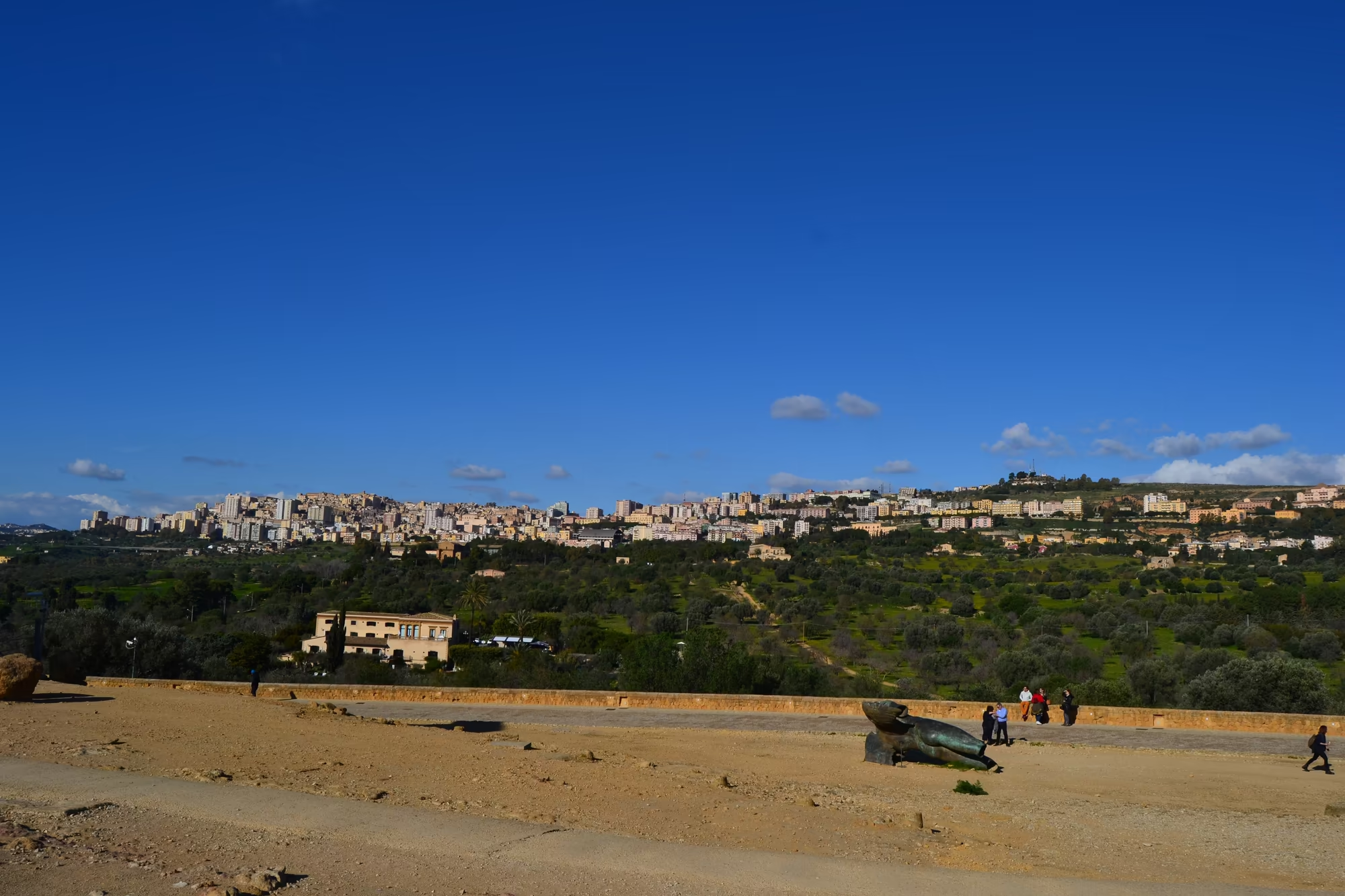
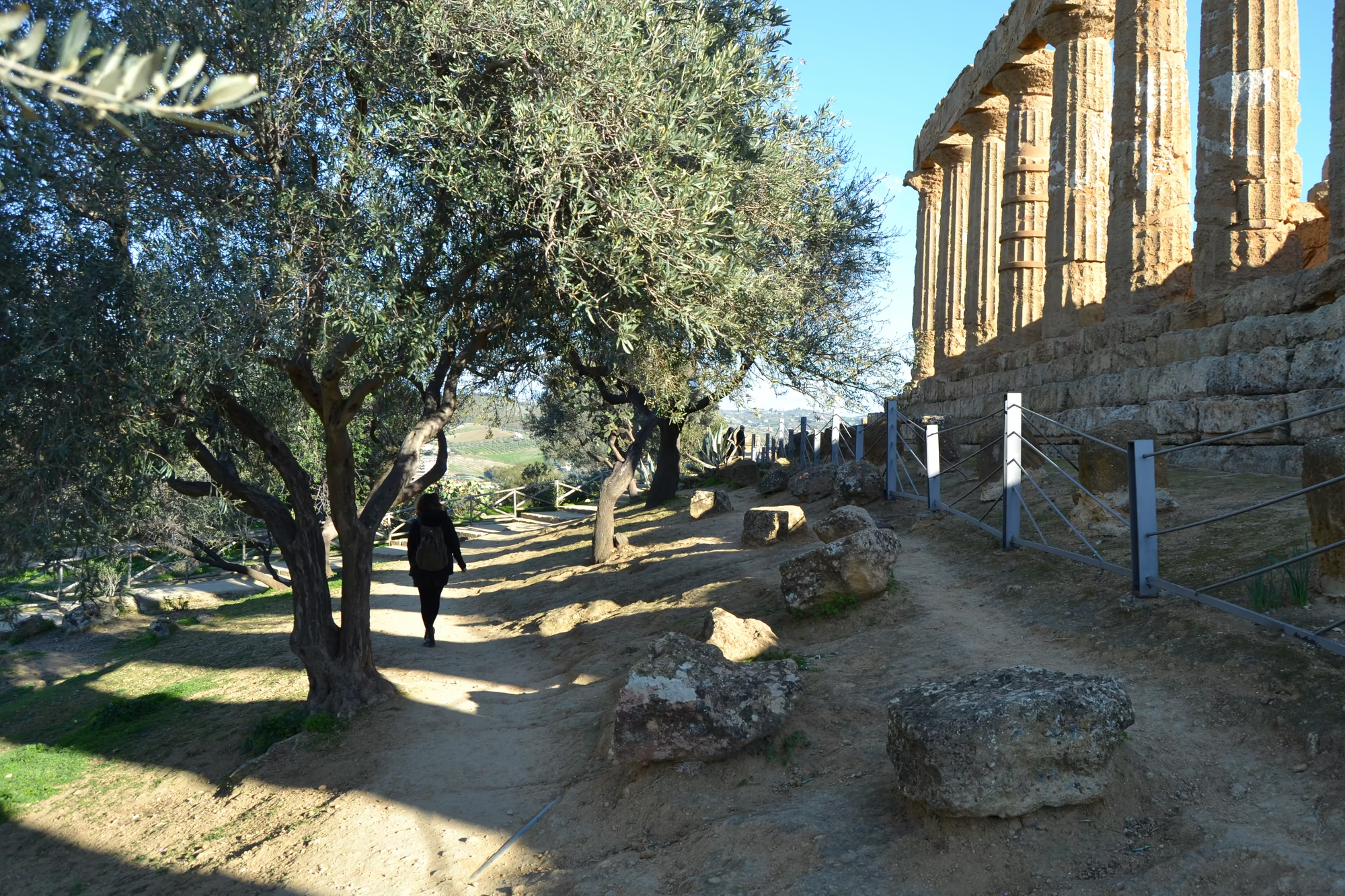
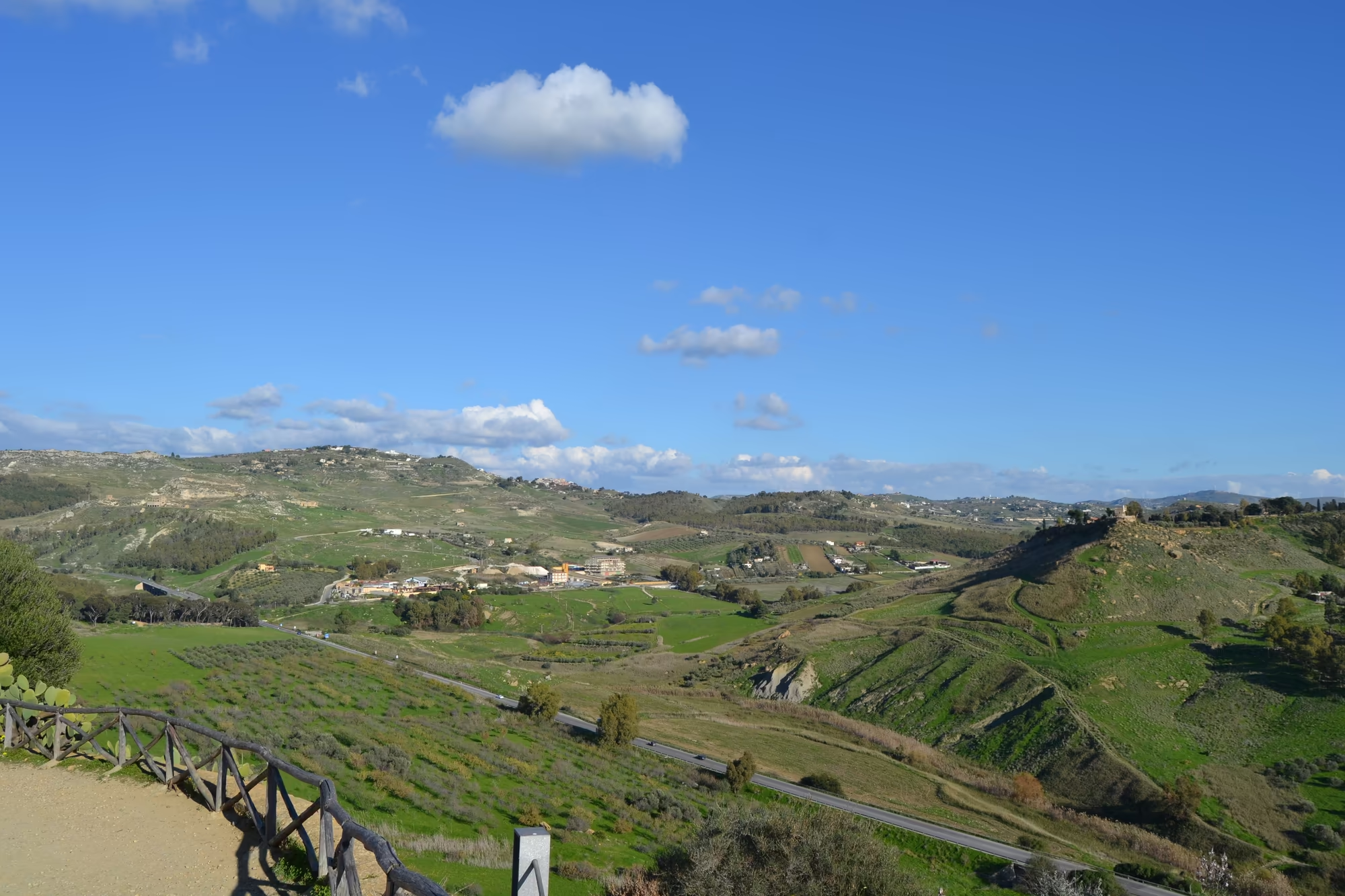
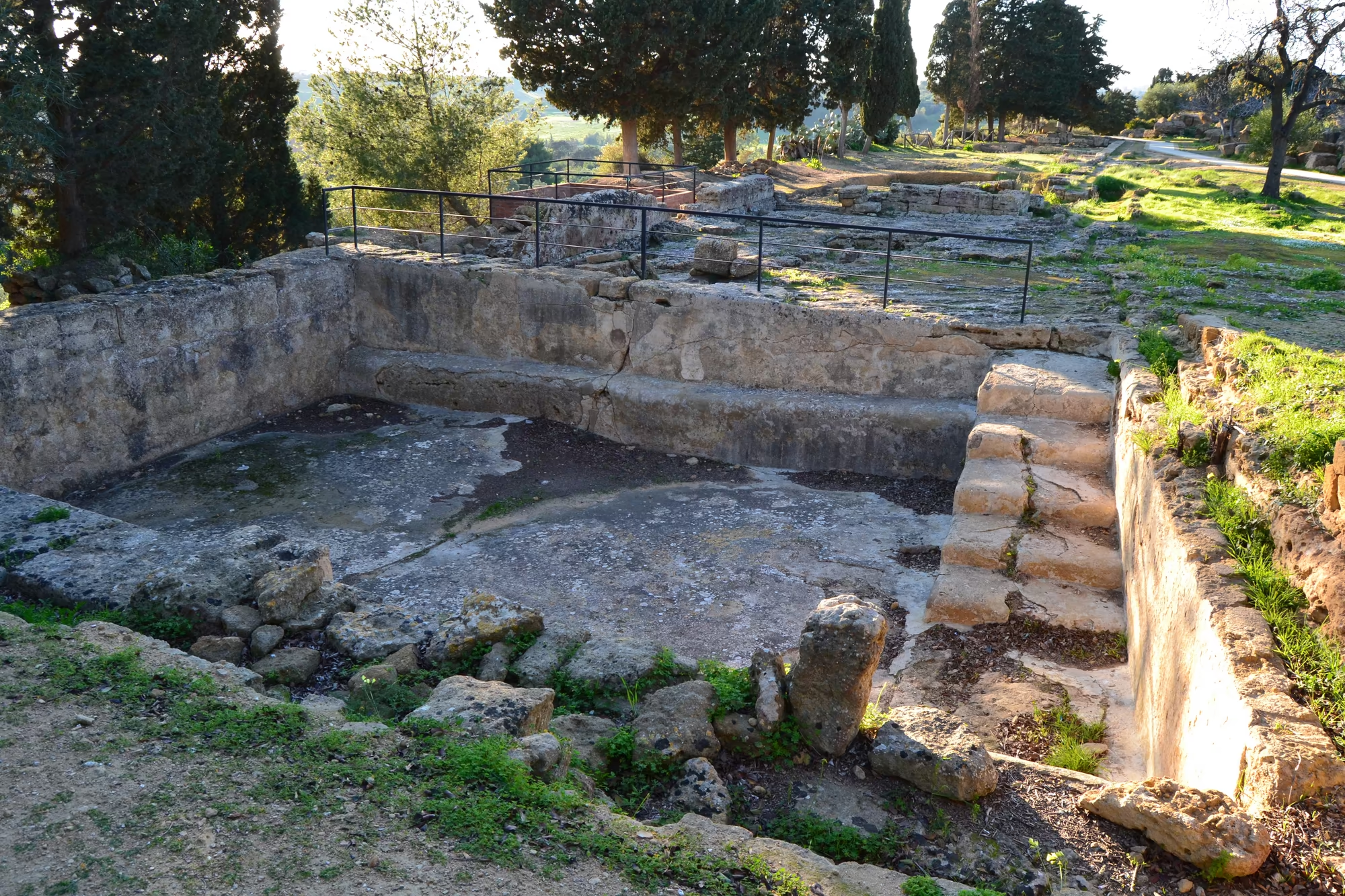
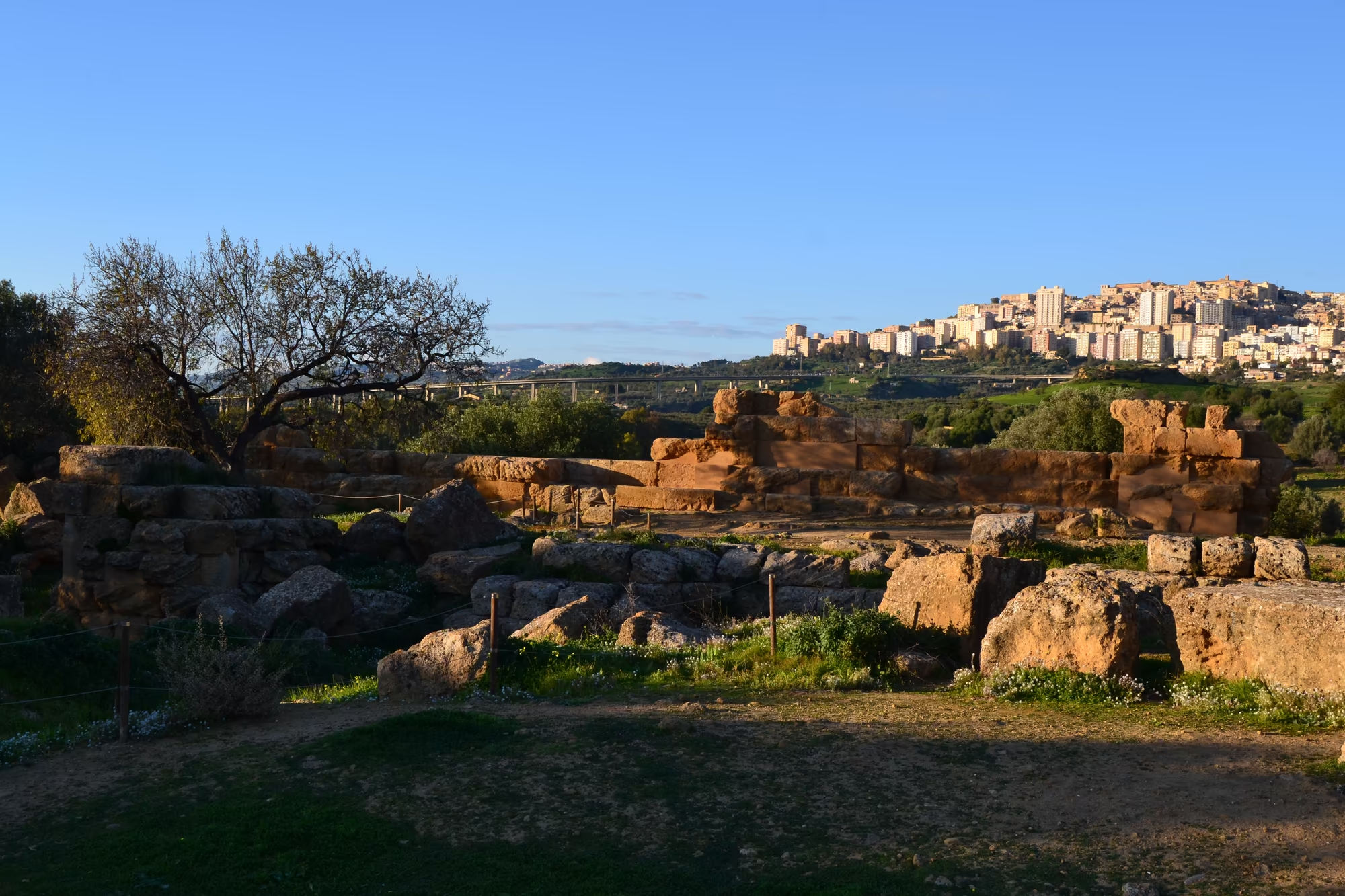
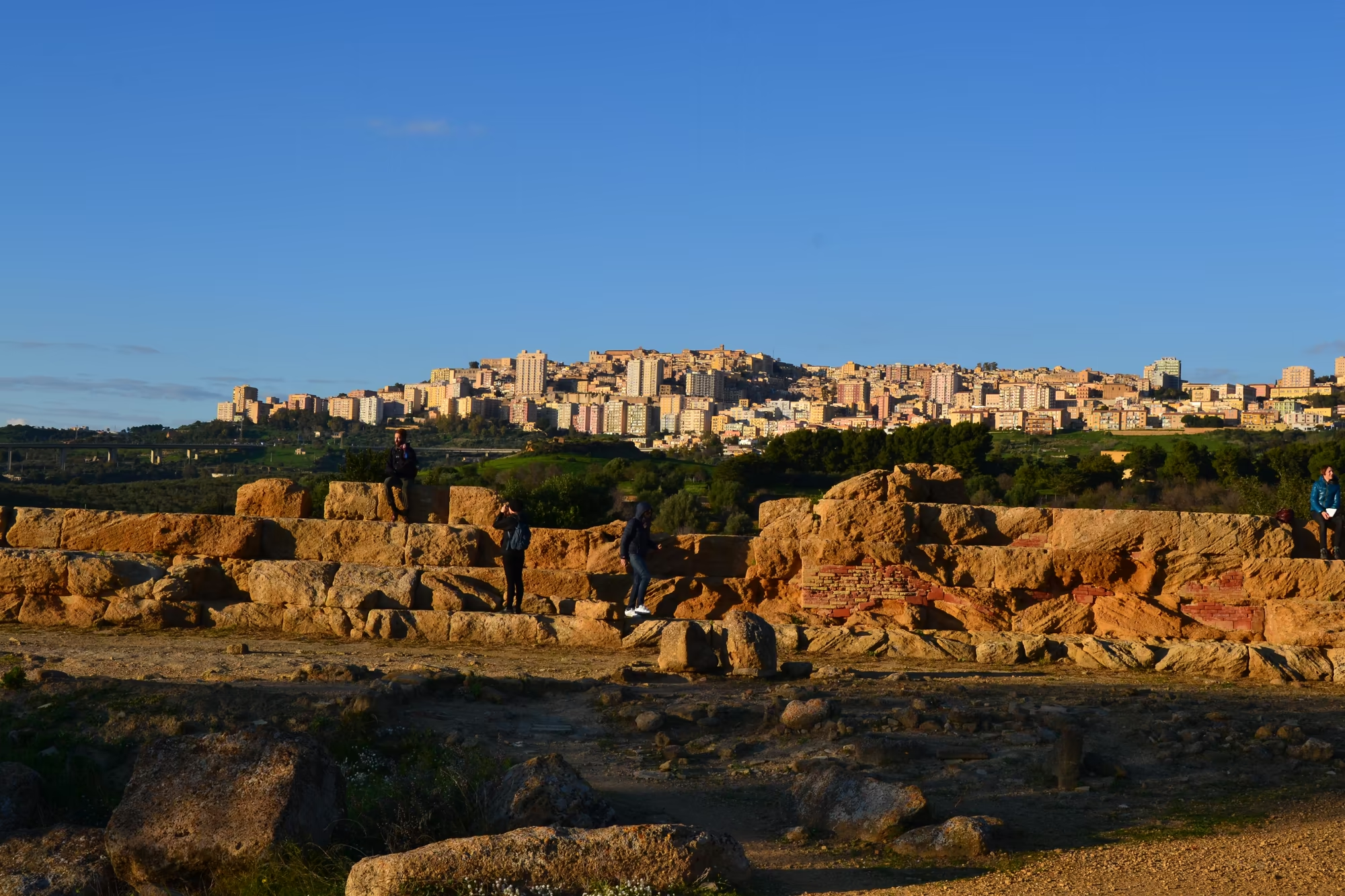
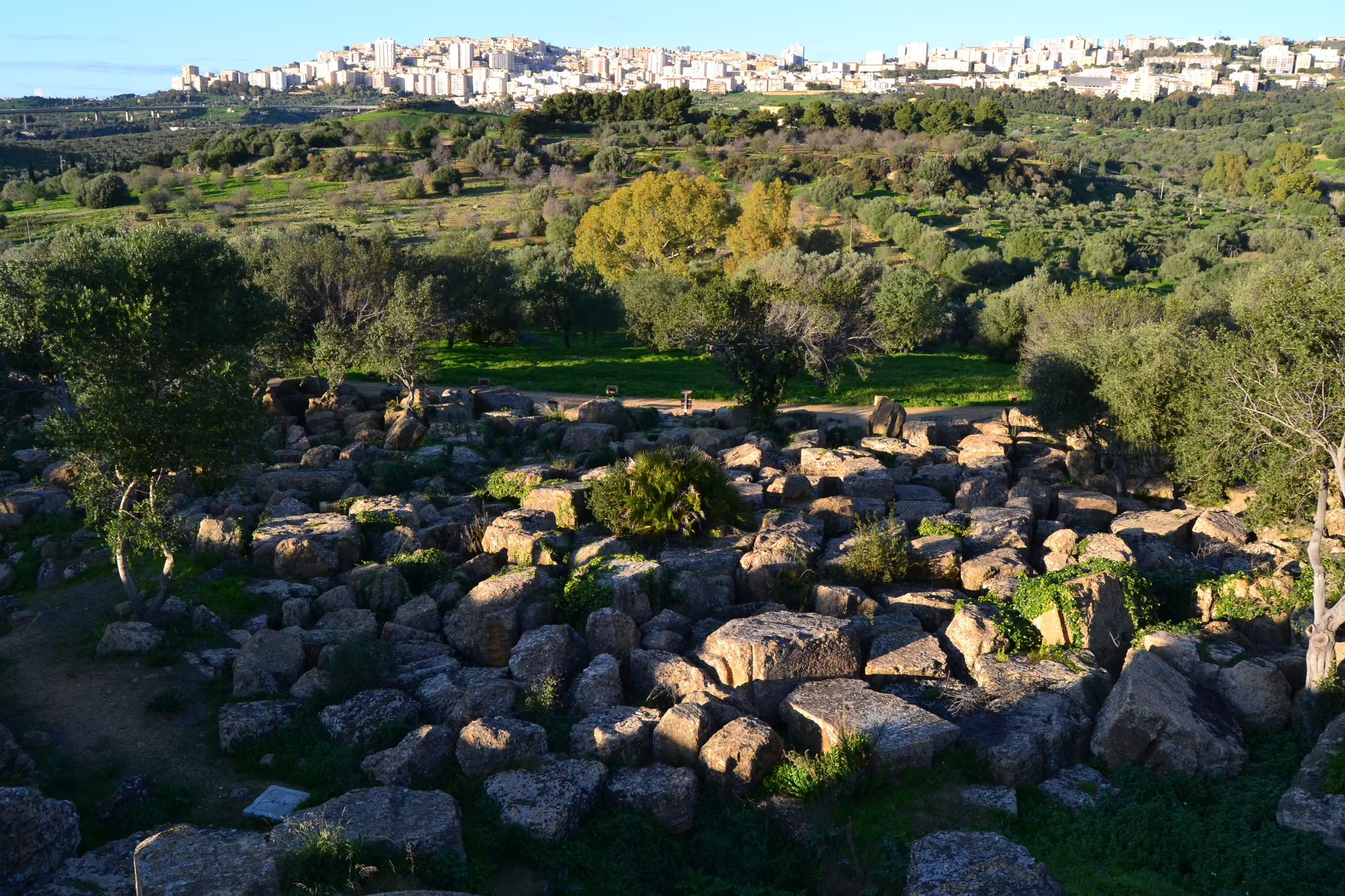
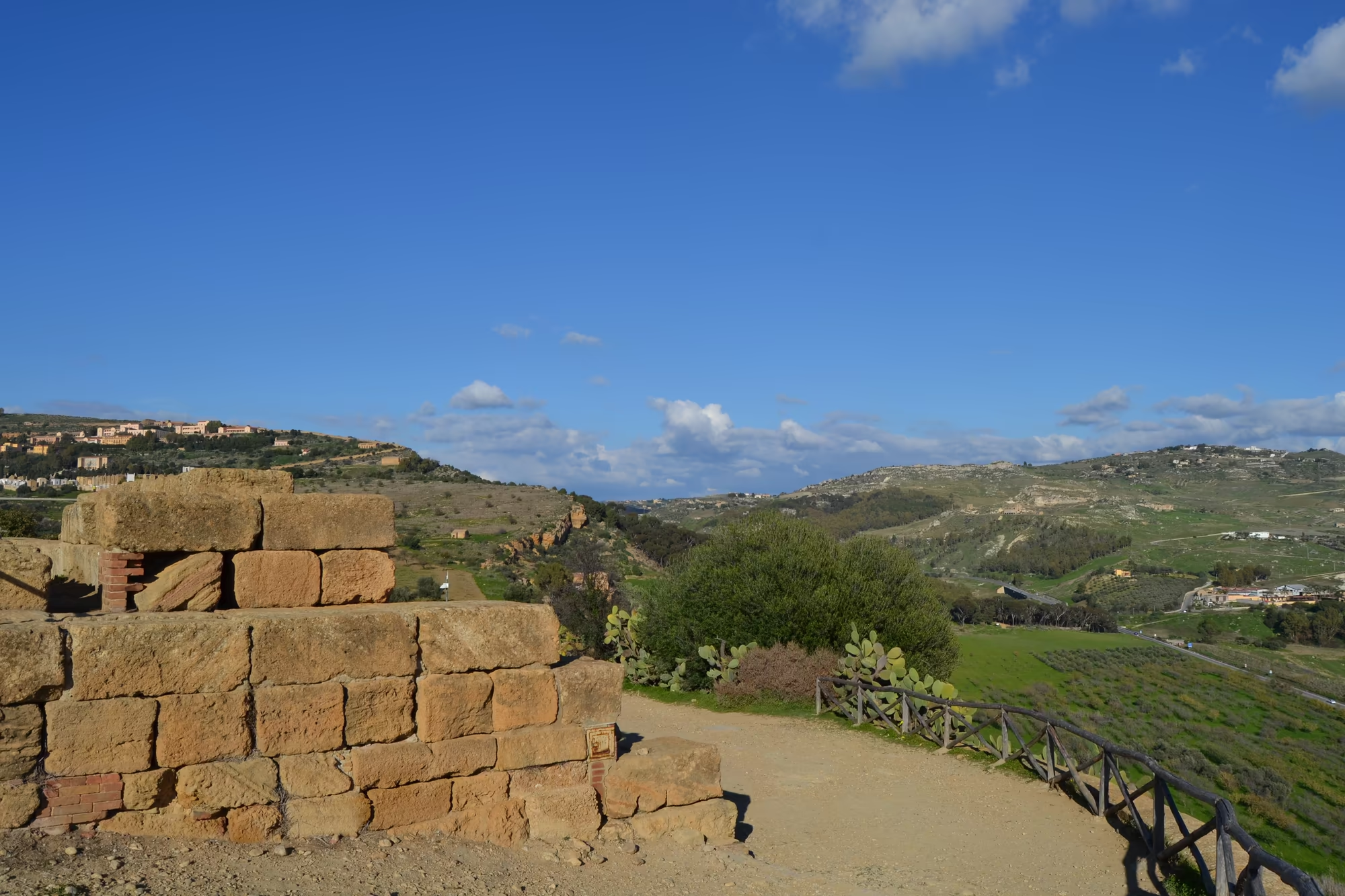
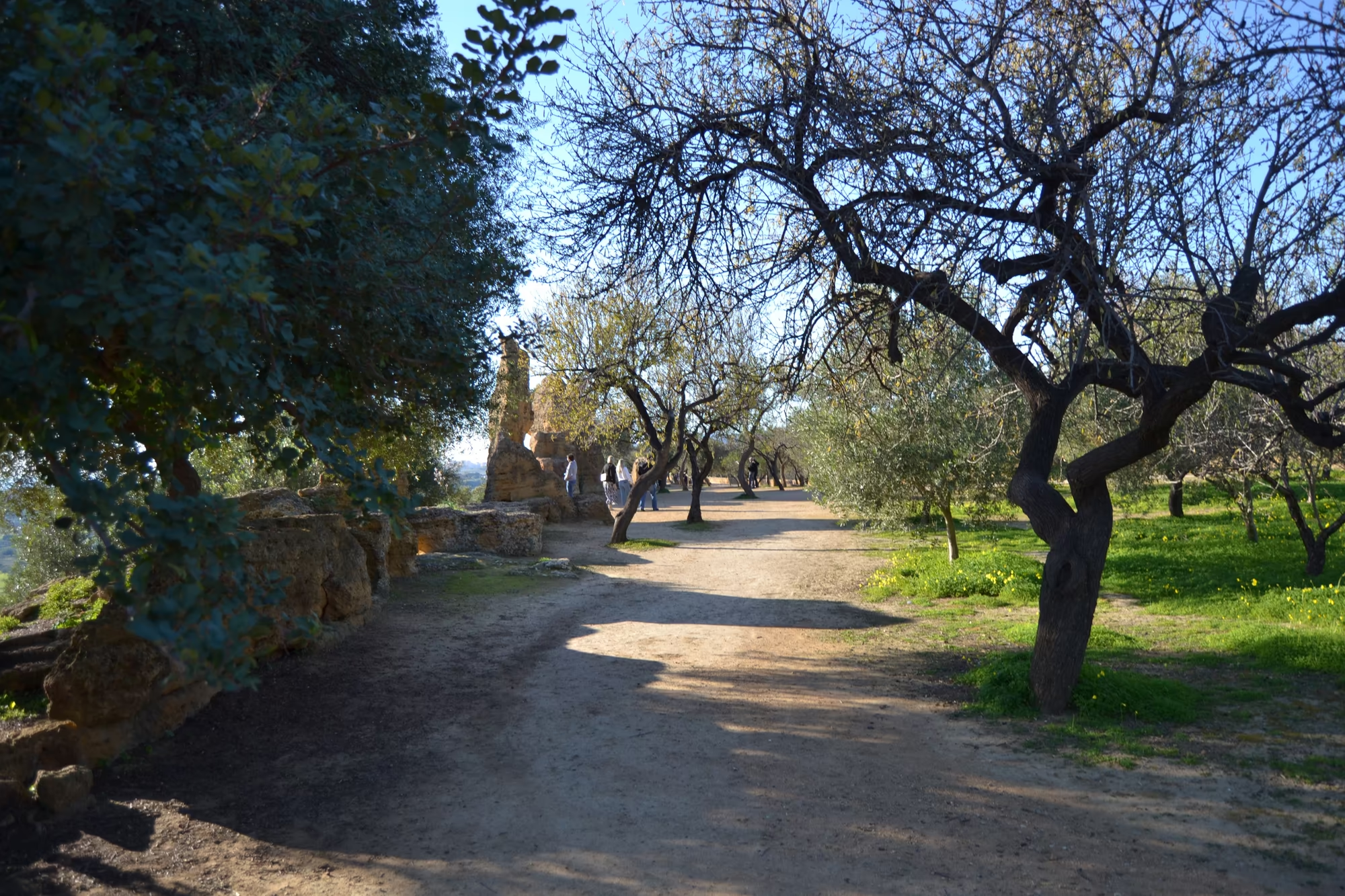
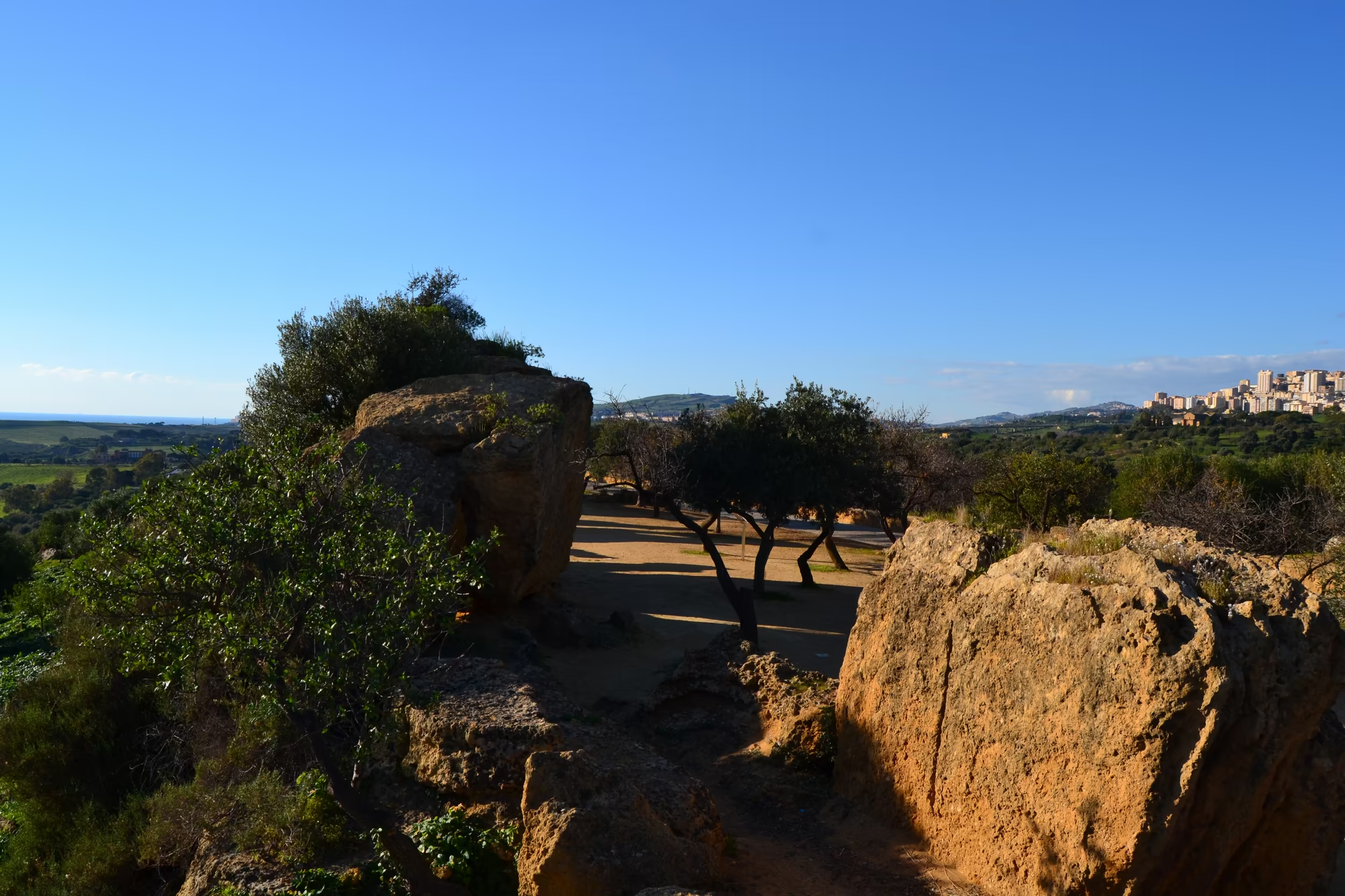
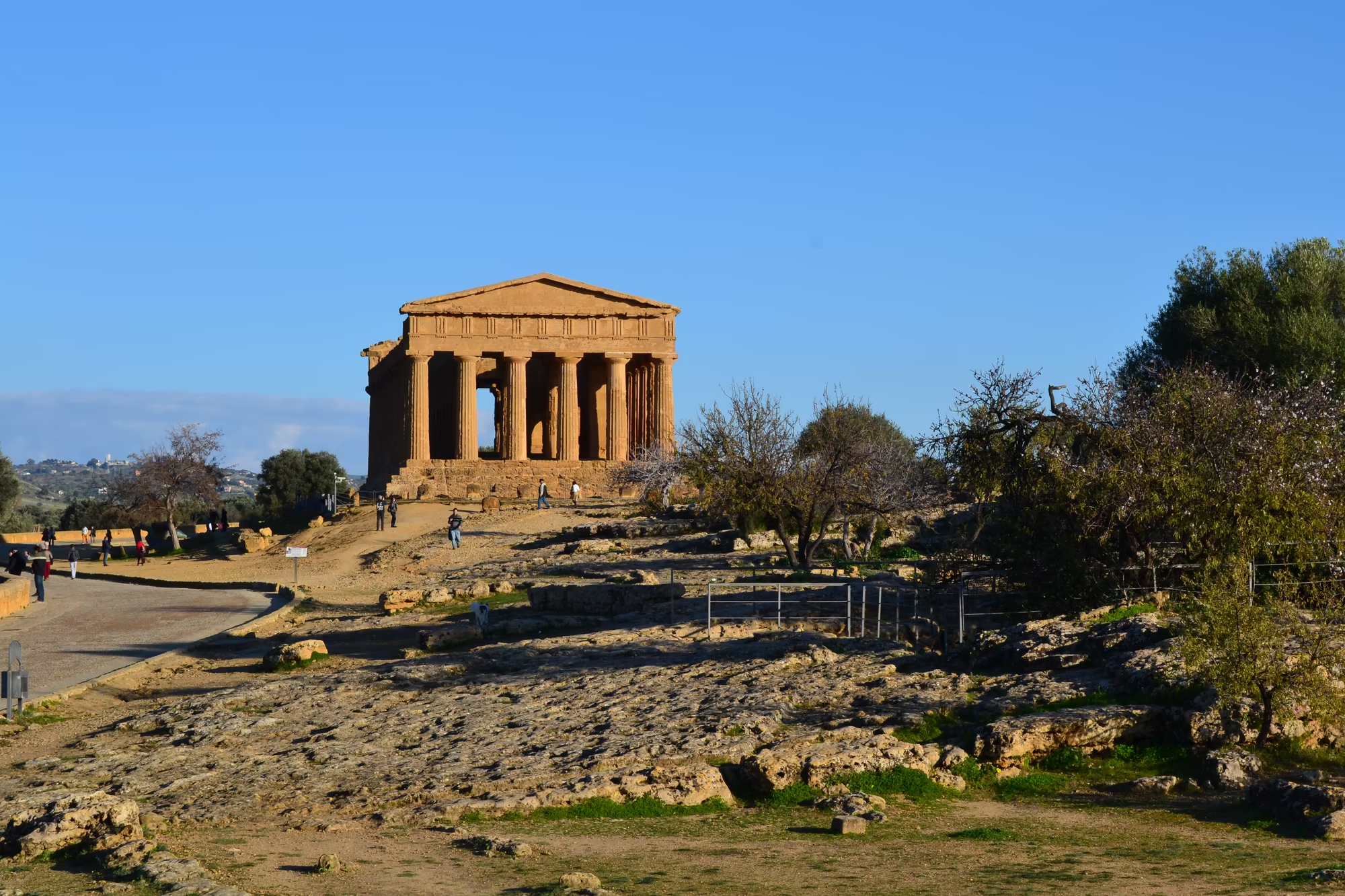
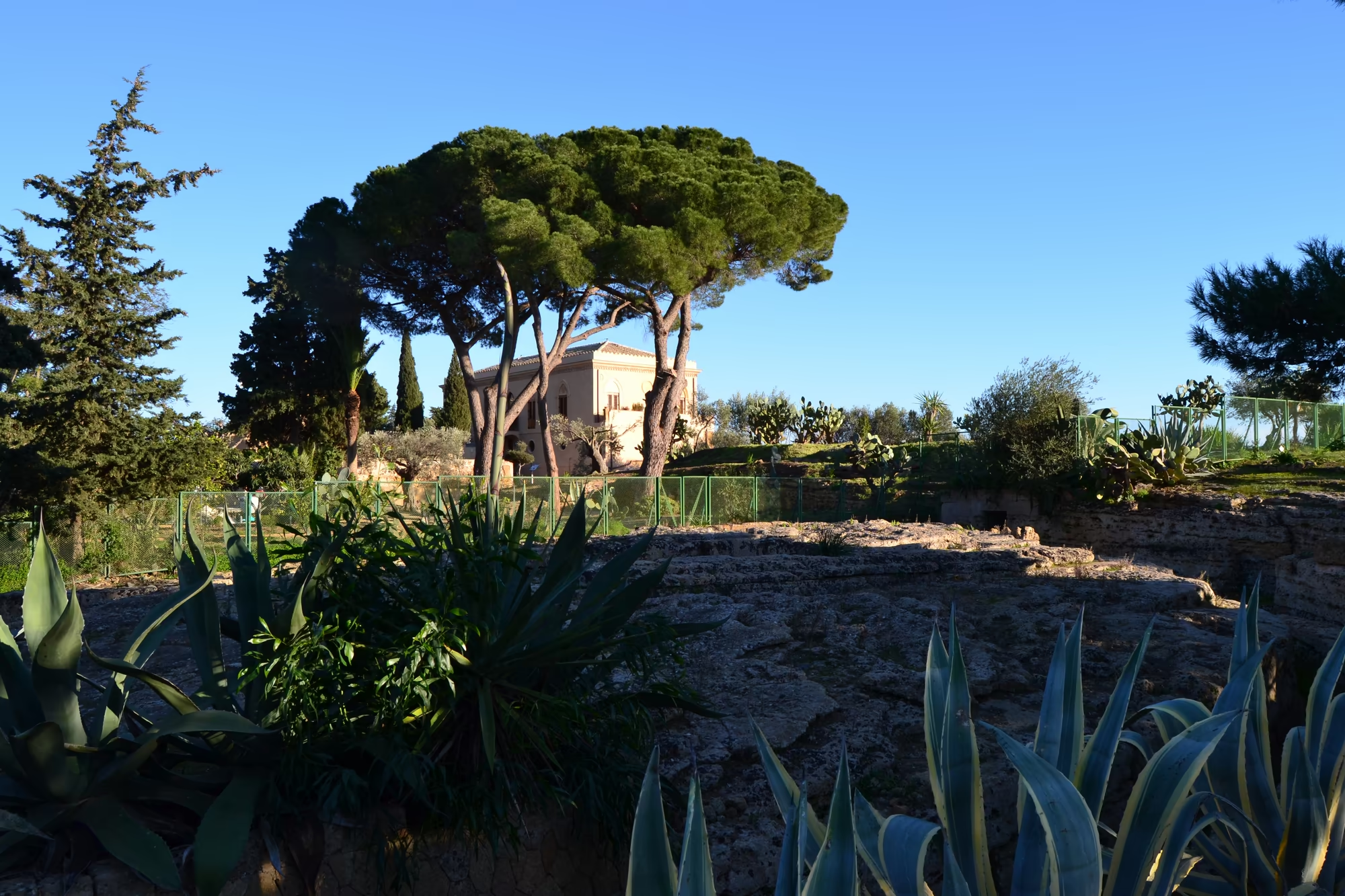
The physical setting is part of the experience. The ridge runs for more than a kilometre, planted with olive trees and almond trees between the ruins, and at intervals the ground opens into a view of the coastal plain, the sea in the distance and the modern town on the hill behind. The visitor walks the whole length of it on dirt paths and modern walkways, past fallen column drums, blocks and foundations as well as the standing temples, and the effect is of a landscape in which archaeology and agriculture occupy the same ground.
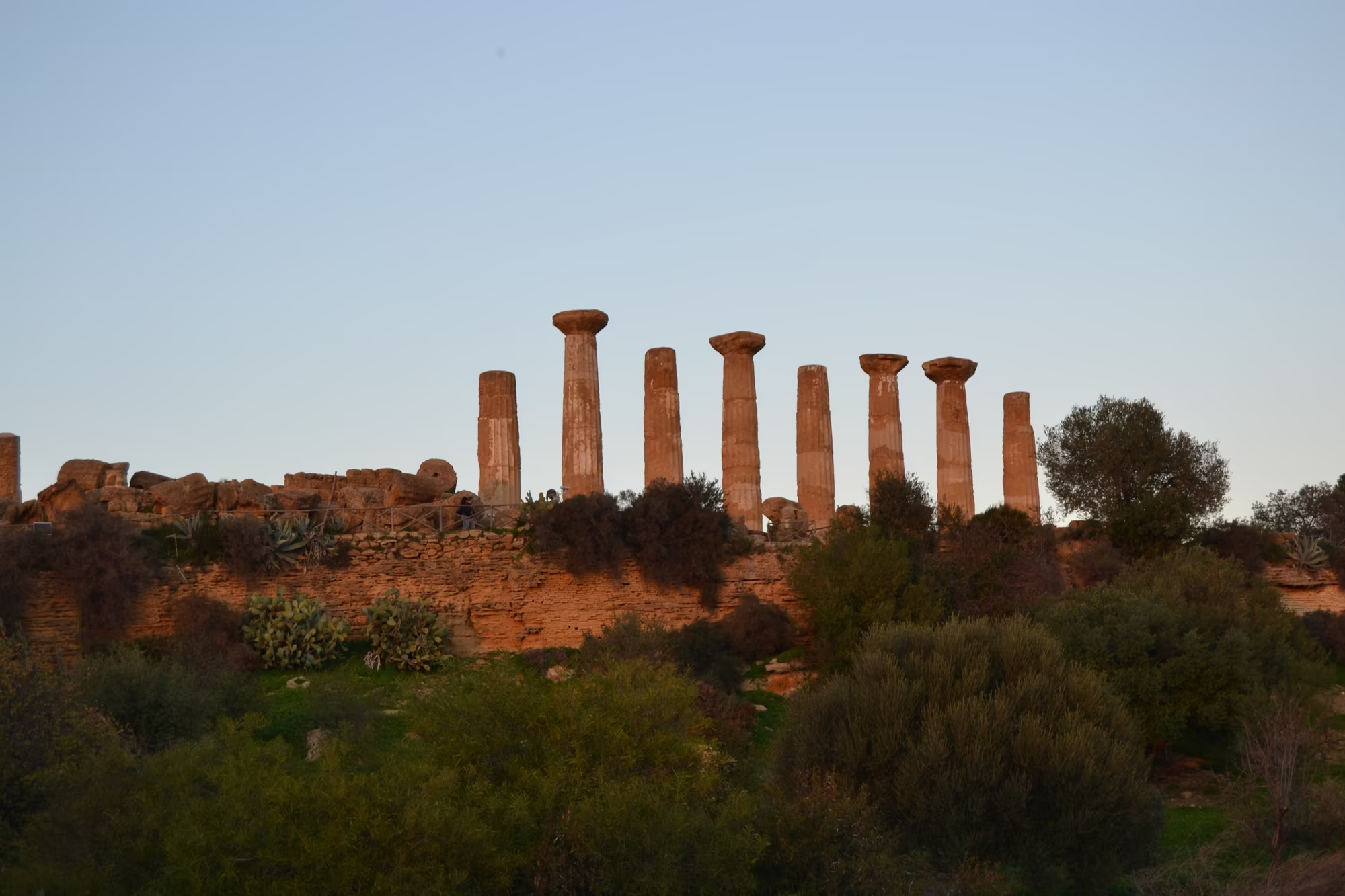
The day of these pictures is a winter day, with low sun, long shadows and clear air. The stone of the site is warm in colour at that season, the almond trees are bare, the grass between them is green, and the number of visitors is small; walking from the eastern end of the park to the western one takes several hours with stops, and in February it can be done without either heat or crowds, which is the best way to see it.
The park is a landscape as much as a site. The ridge is planted with olive and almond trees between the ruins, the ground is worked where it can be, and the paths run between archaeology and agriculture without a clear boundary; the almond blossom, which comes in February, turns the same ground pink, and the olives are harvested from trees that stand among the fallen drums of temples. It is one of the few large archaeological sites in Europe where the surrounding land is still farmed in the traditional way.
History
Agrigento was founded as a Greek colony and became one of the leading cities of the Greek world. Known in antiquity as Akragas, it flourished in the golden age of Ancient Greece and reached its height under the leadership of Theron in the fifth century BCE, a period marked by ambitious public works and the construction of the renowned temples whose remains are the reason for the site’s fame. The city was one of the largest in the Greek west, and its territory and its trade made it a power in the politics of the island.
The centuries that followed were more difficult. There were periods of dormancy during the Punic Wars, in which the city was besieged and sacked, and then a recovery: in the Republican era Agrigento emerged again as one of the largest cities of Sicily. During the Principate its port and a diverse economy based on sulphur mining, trade and agriculture sustained its importance through the high and late Empire, and economic prosperity persisted into the third century and beyond.
In the modern period the city changed its name and its shape more than once. In 1860, as in the rest of Sicily, the inhabitants supported the arrival of Giuseppe Garibaldi during the Expedition of the Thousand, which brought the island into the new Kingdom of Italy; in 1927, by decree law, the Italianised version of the Latin name was introduced, and following the suggestion of Andrea Camilleri, the Sicilian writer of Agrigentine origin, the historic city centre was renamed with the Sicilian name Girgenti in 2016. The Viaduct Akragas, opened in 1970, is the modern addition to the skyline above the valley.
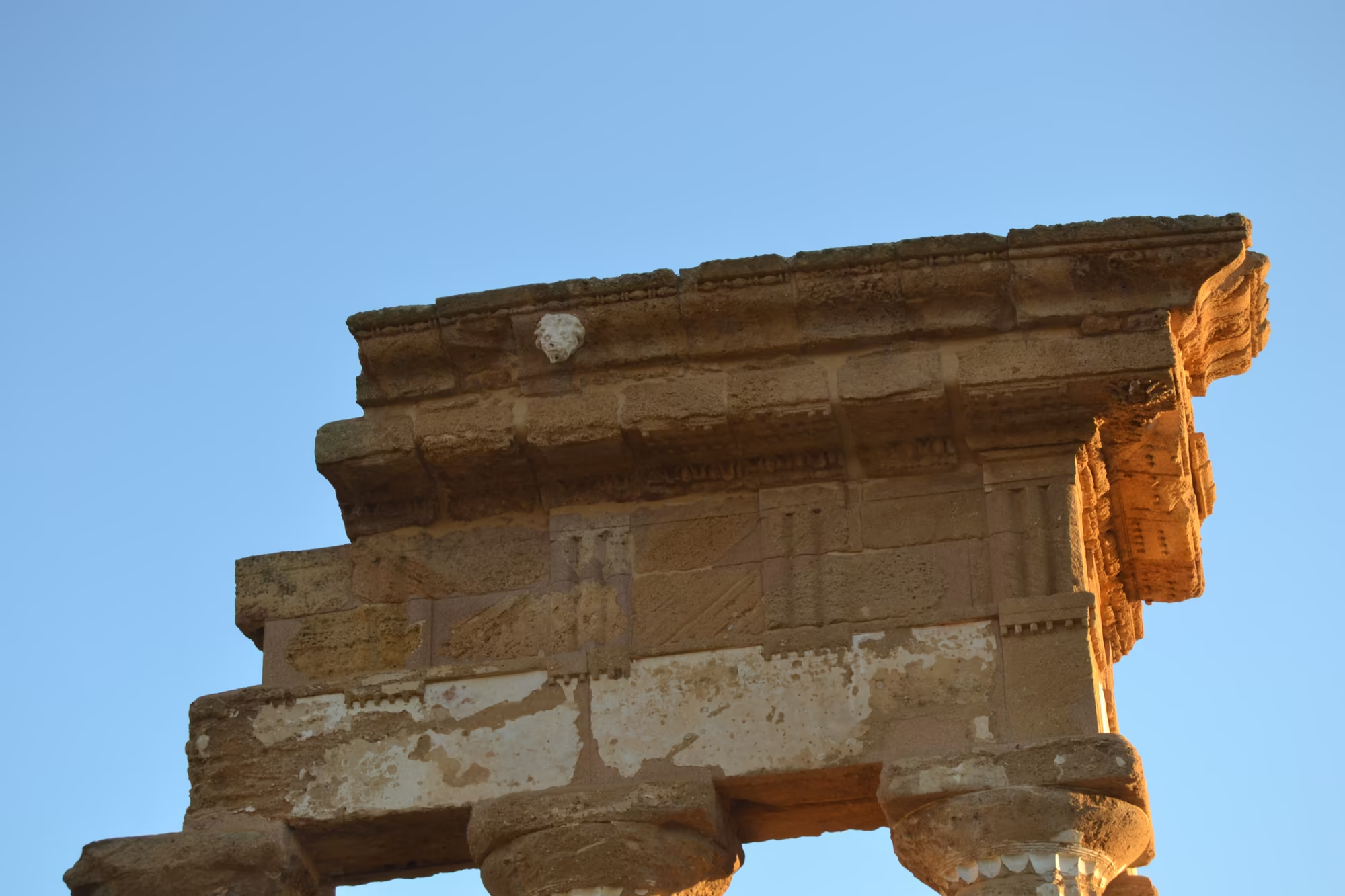
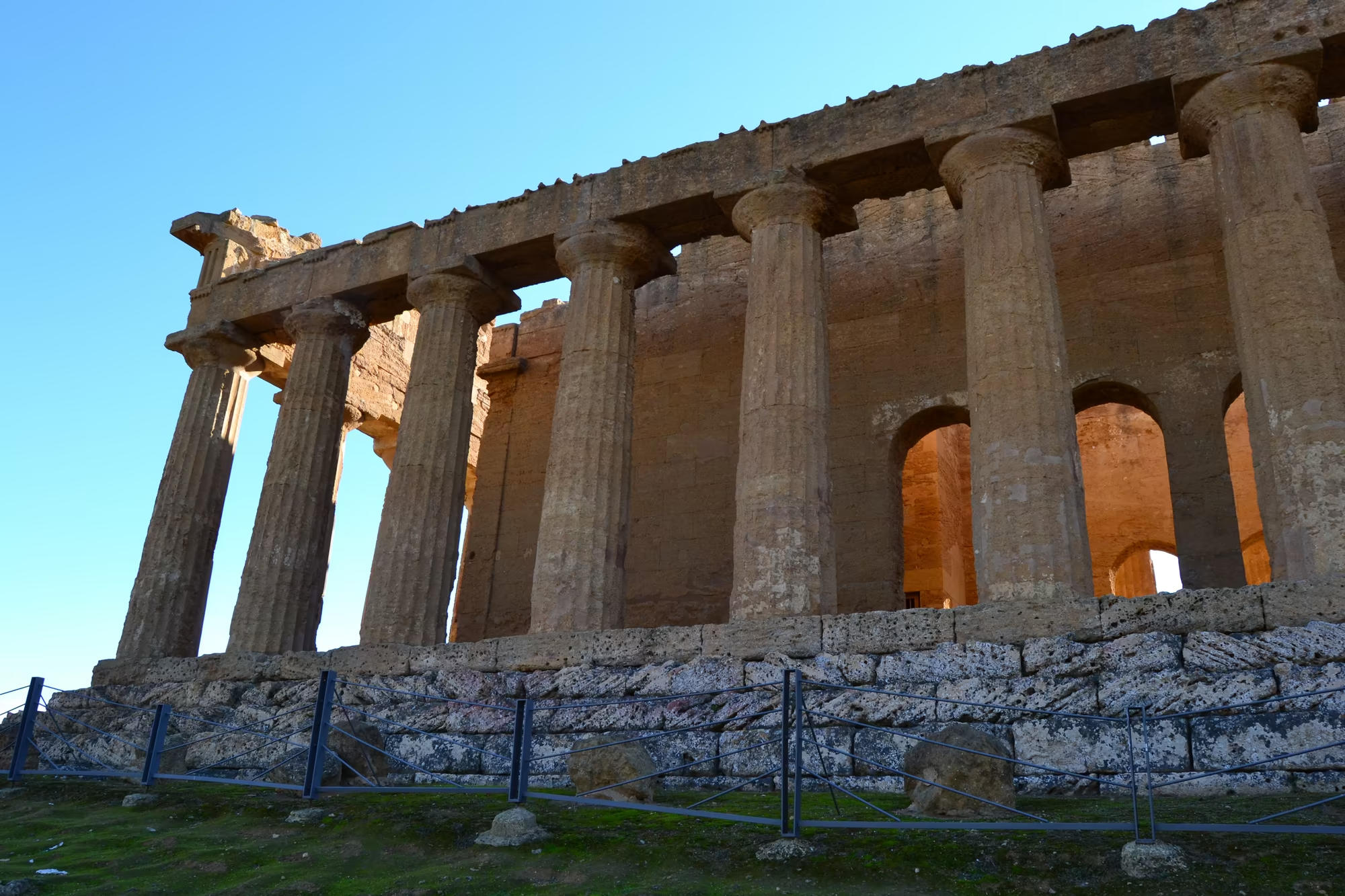
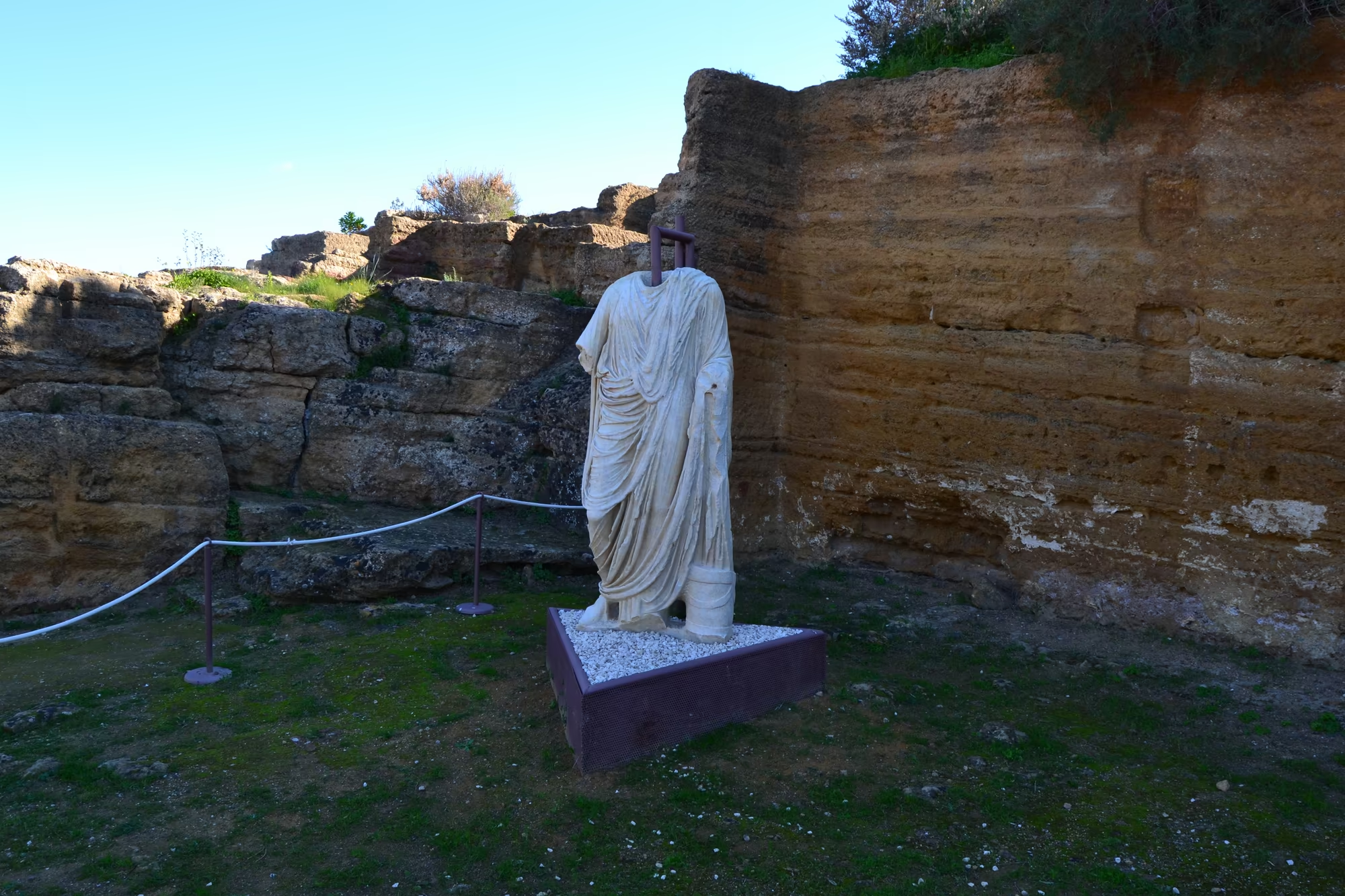
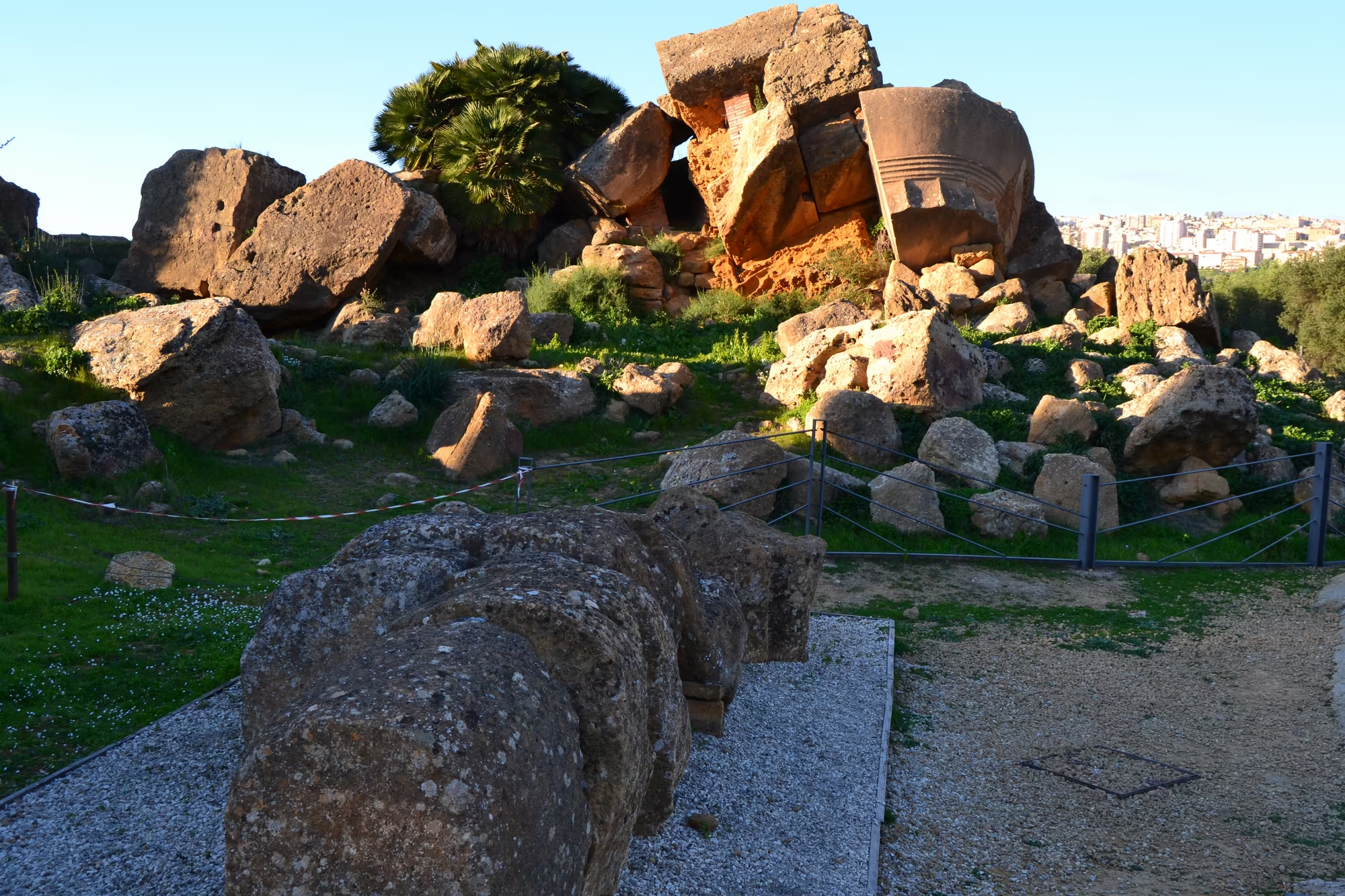
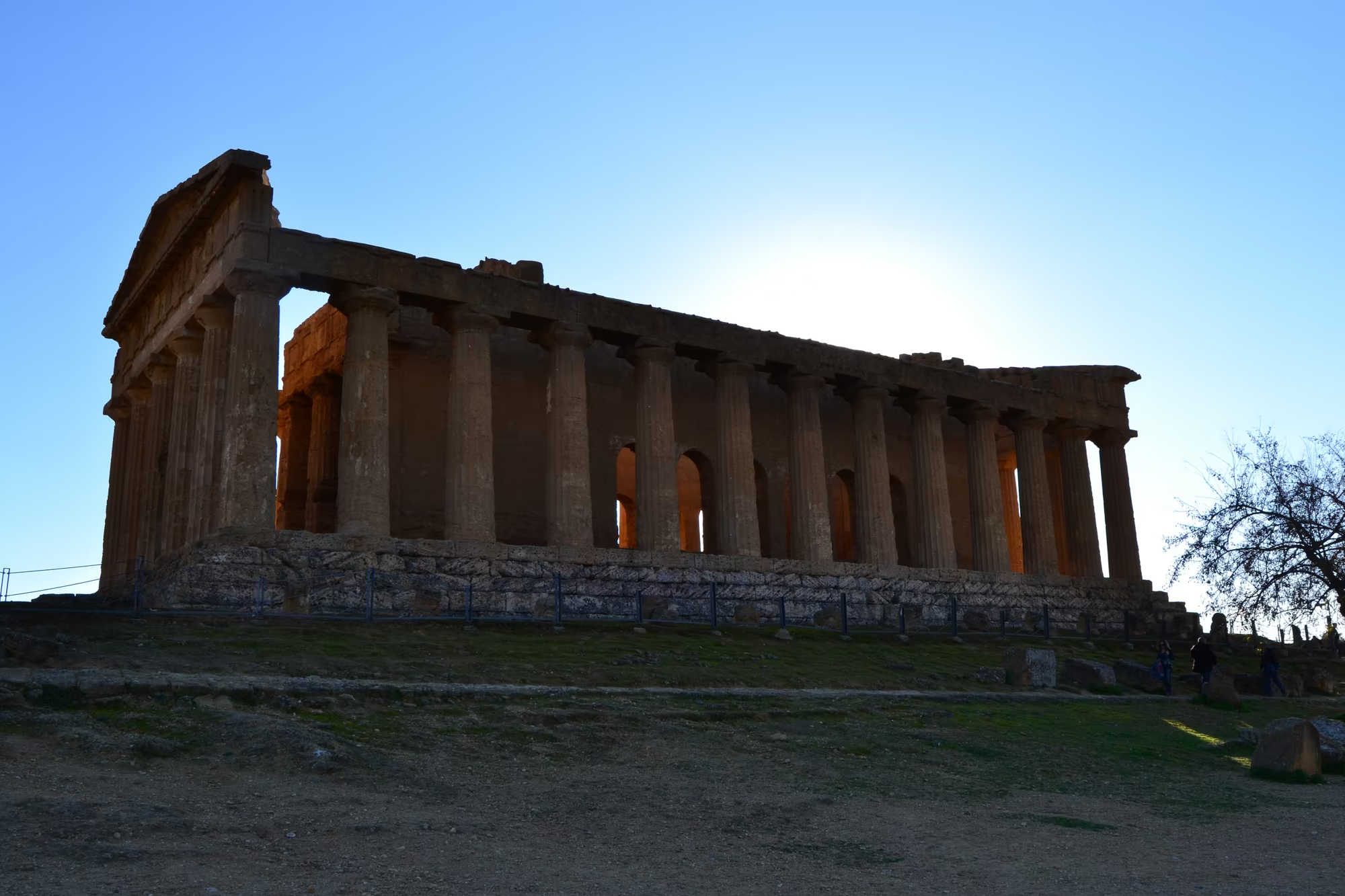
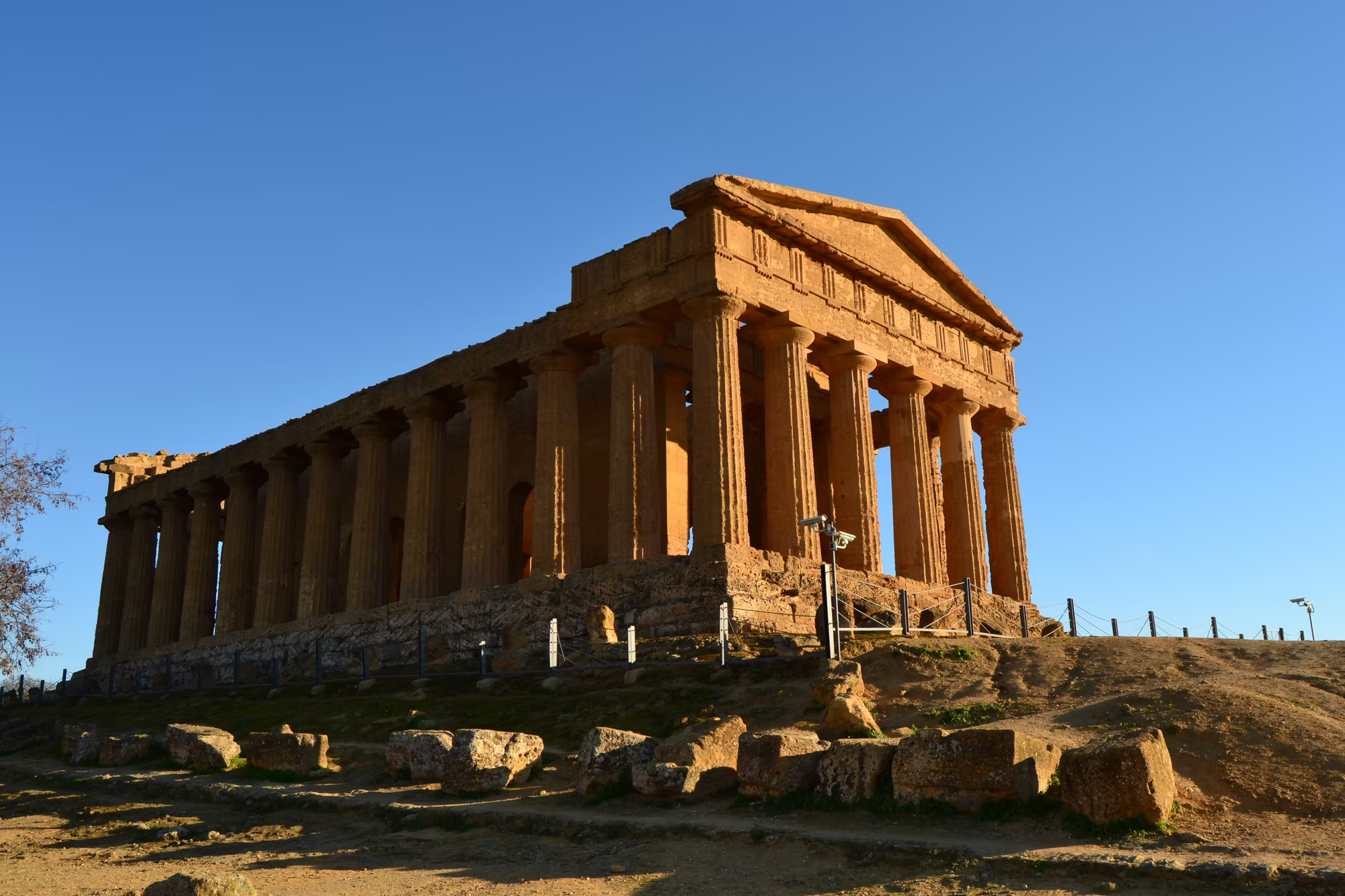
The temples themselves have had a second life as buildings of other kinds. The Temple of Concordia, like several others on the ridge, was converted into a Christian church in late antiquity, which is the main reason it survived: its cella was hollowed out for a chapel, the spaces between the columns were walled up, and the building continued in use while its neighbours were quarried for stone. The Christian alterations were removed during the restoration of 1785, and the temple was returned to its classical form. A weathered headless marble statue of a draped figure now stands among the ruins, and the site as a whole has been a destination for travellers since the eighteenth century, when the engraved views of Girgenti were part of the grand tour.
The city’s greatest period is dated by its buildings. Akragas flourished under Theron in the fifth century BCE, when the temples on the ridge were built, and it remained one of the largest cities of Sicily in the Republican era; during the Principate its port and an economy based on sulphur mining, trade and agriculture sustained it through the high and late Empire. The temples were later quarried and, in the case of the Temple of Concordia, converted into a church, which is why it survived while its neighbours were taken apart.
Geology
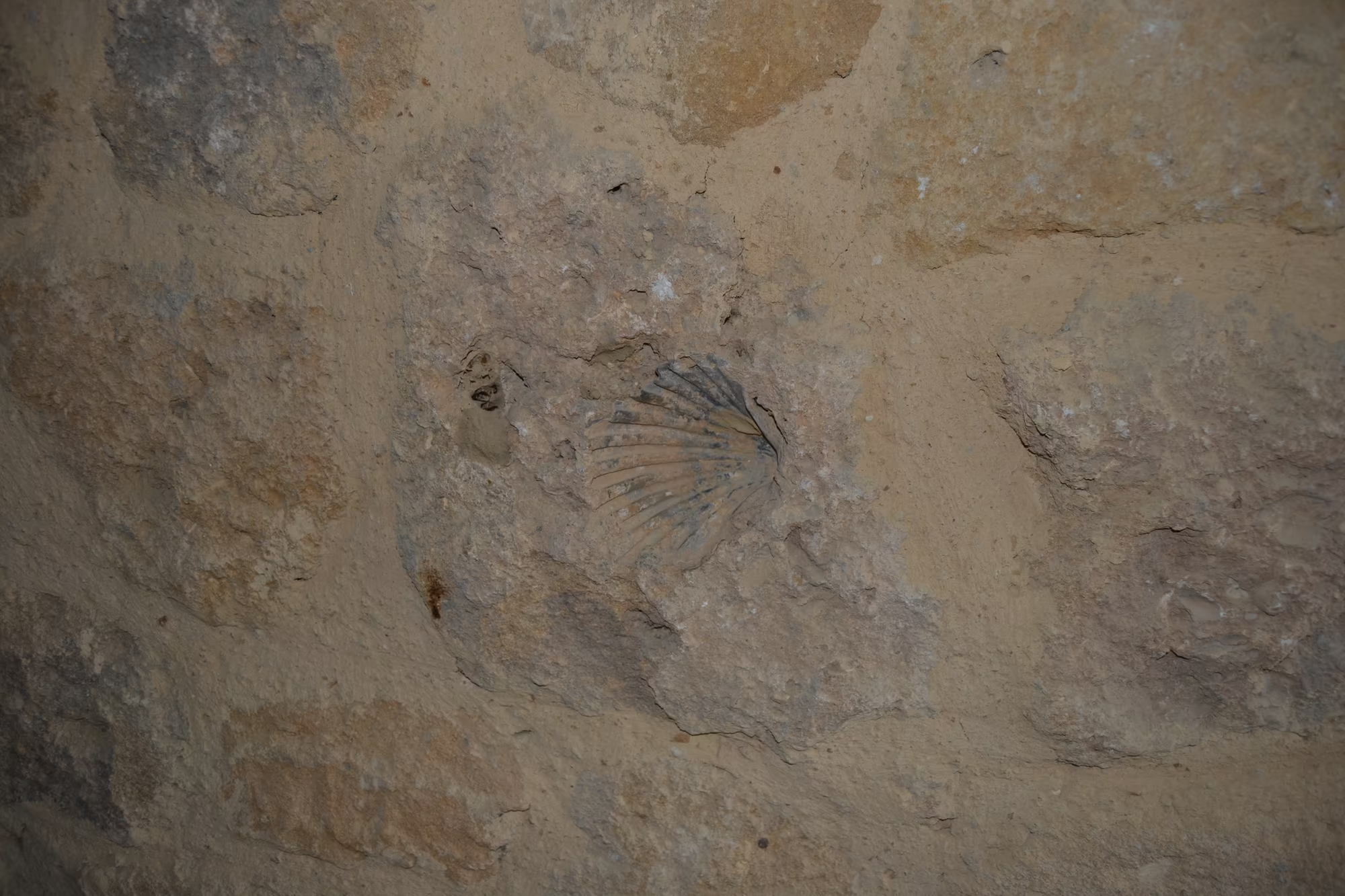
The site rests on a ridge of sedimentary rock, and the stone is part of the story. The temples were built of local limestone, a soft, warm coloured material full of fossils, which was quarried in the area, and the rock of the ridge itself shows the same shells and fragments where it has been cut or worn; one of the close views in this album is a clear imprint of a scallop shell embedded in the stone. The material is easy to work when freshly cut and hardens on exposure, which is why the temples could be built with such precision from local supplies.
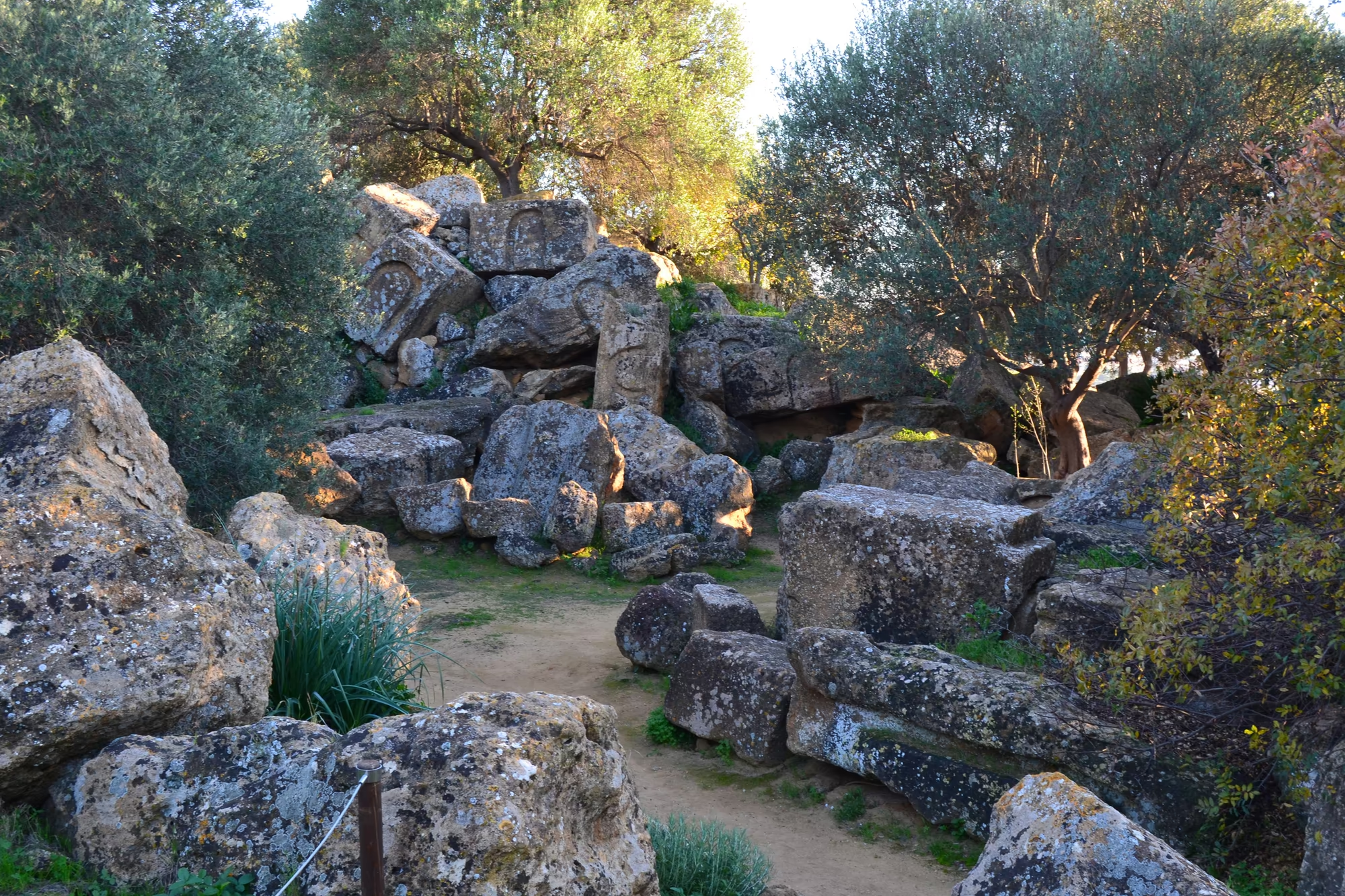
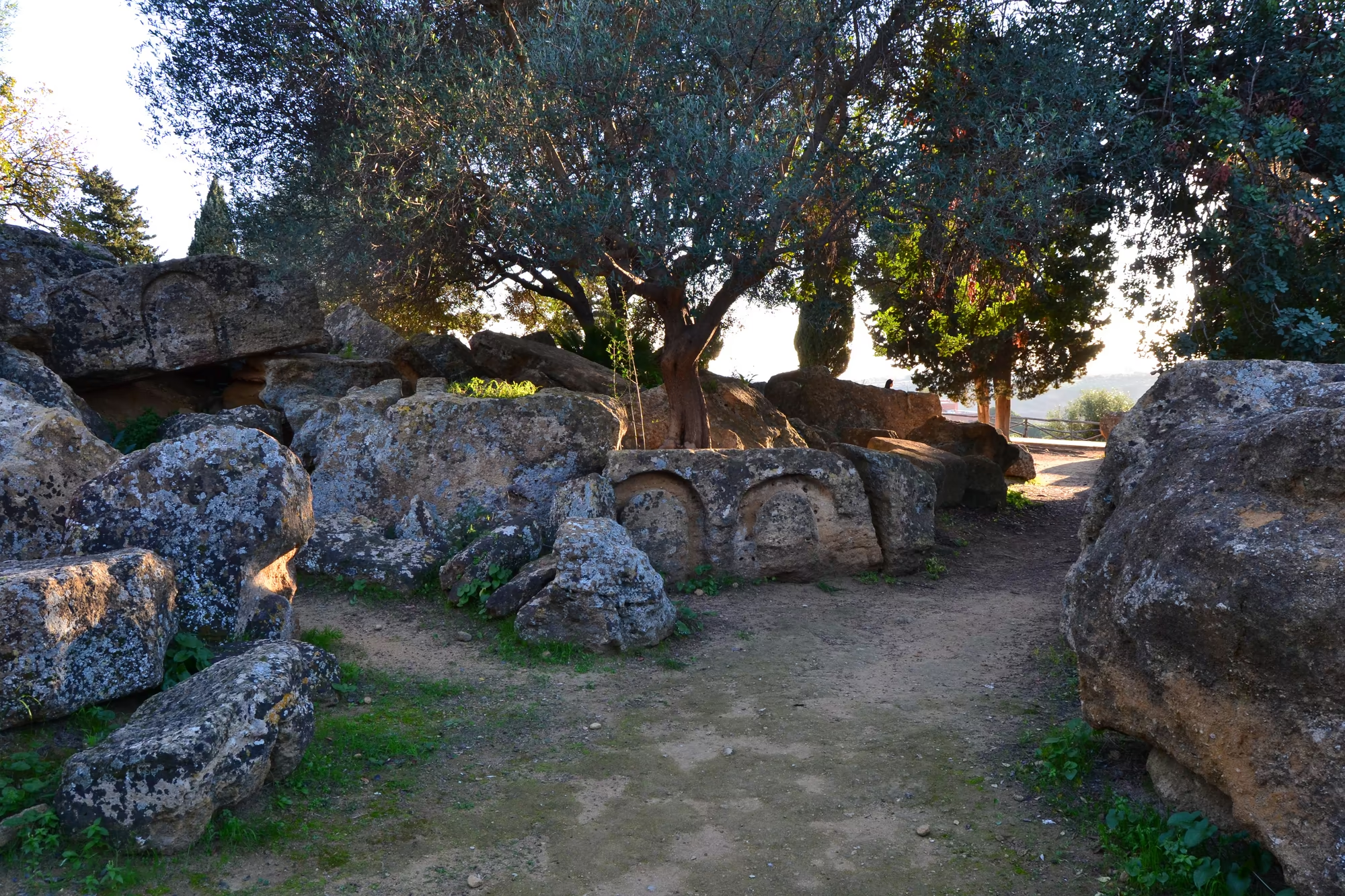
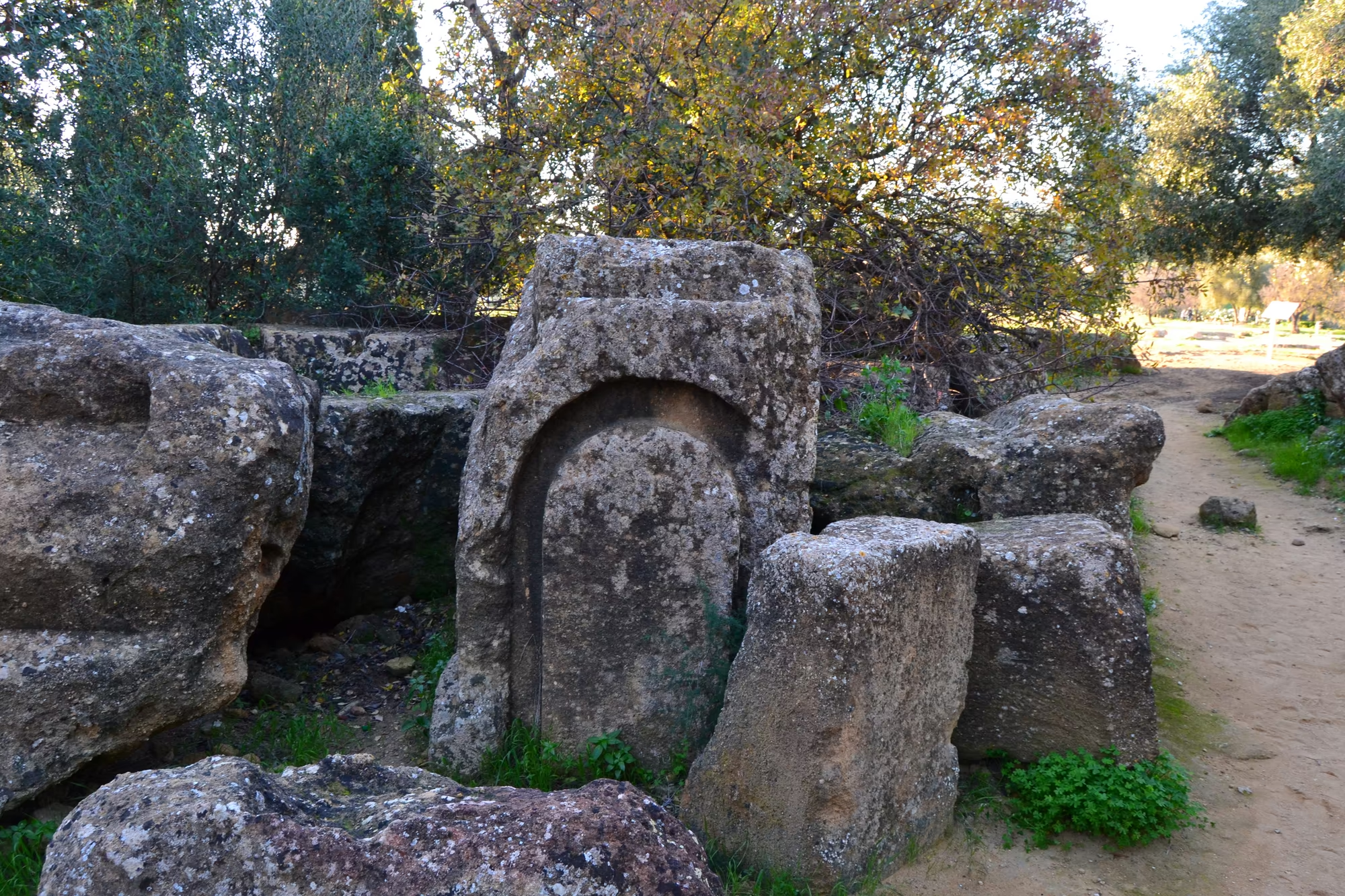
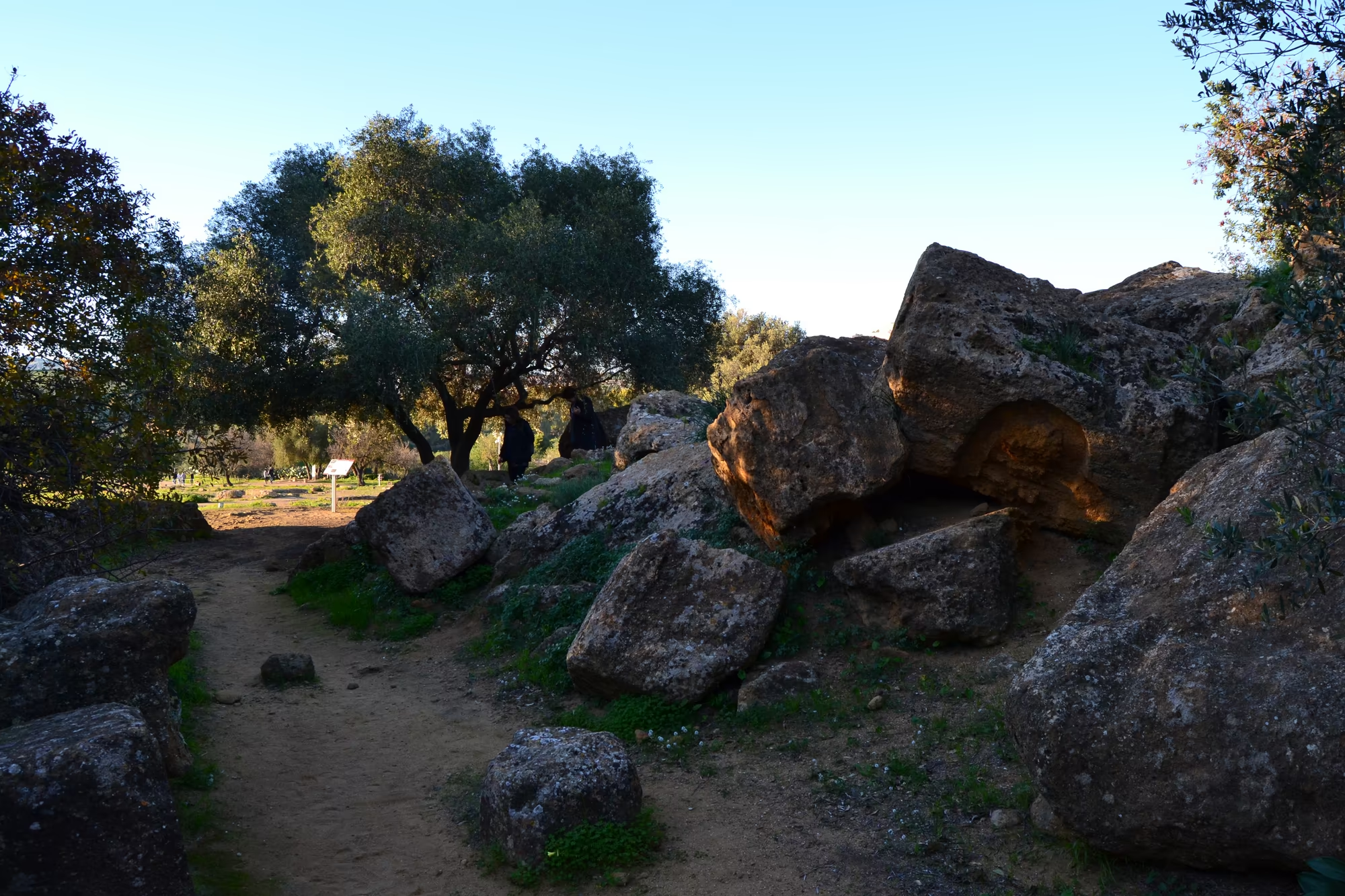
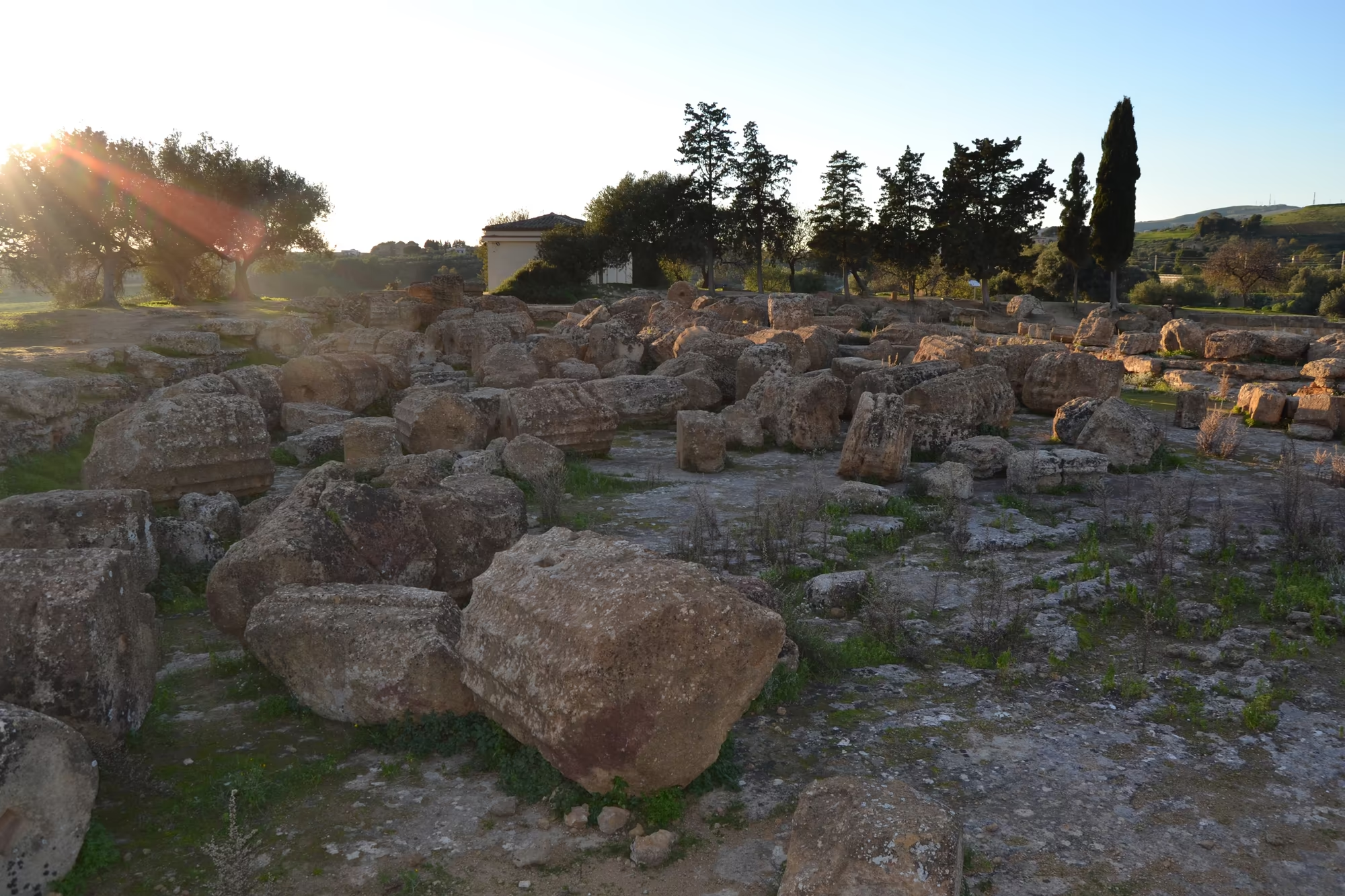
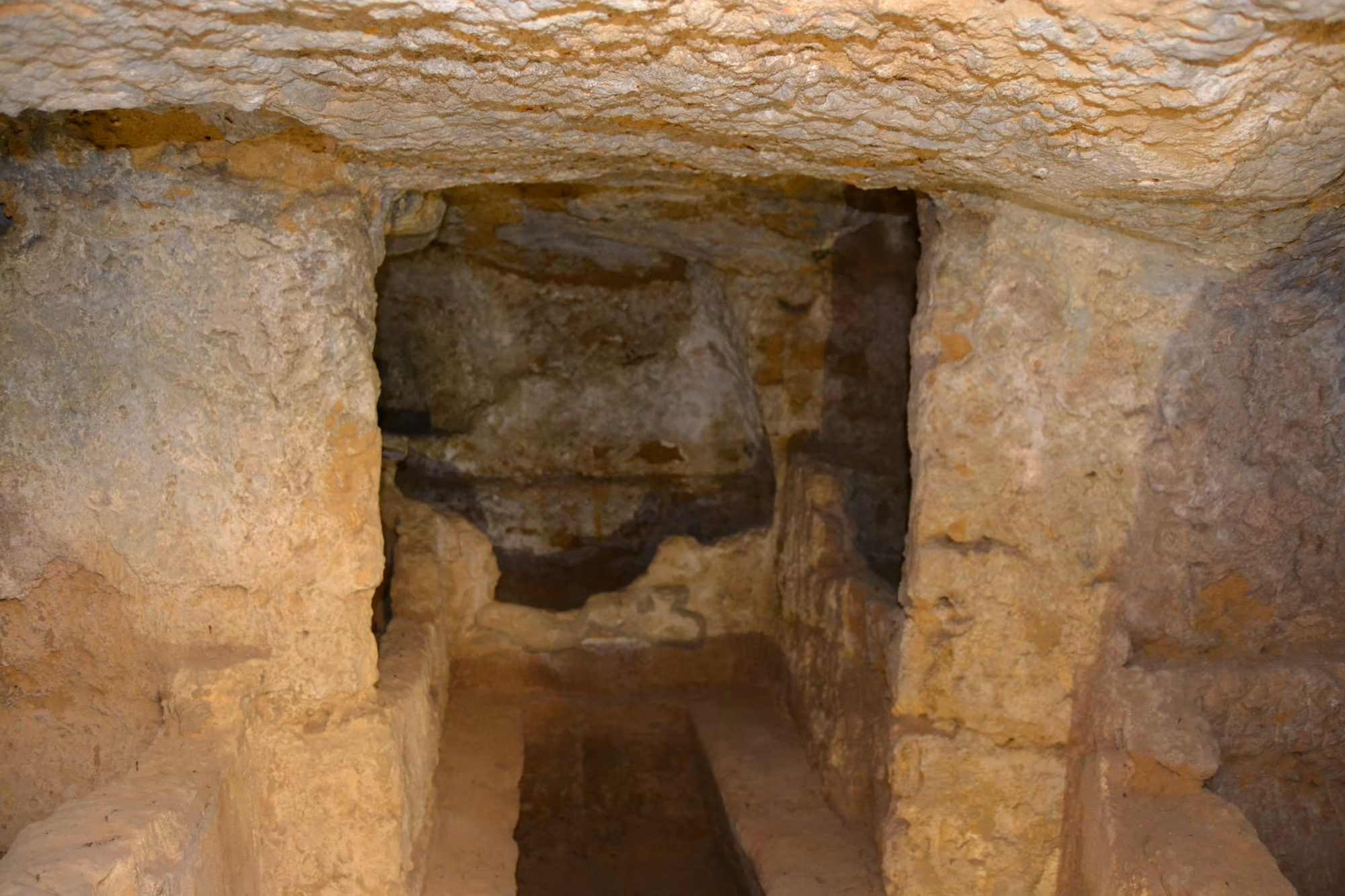
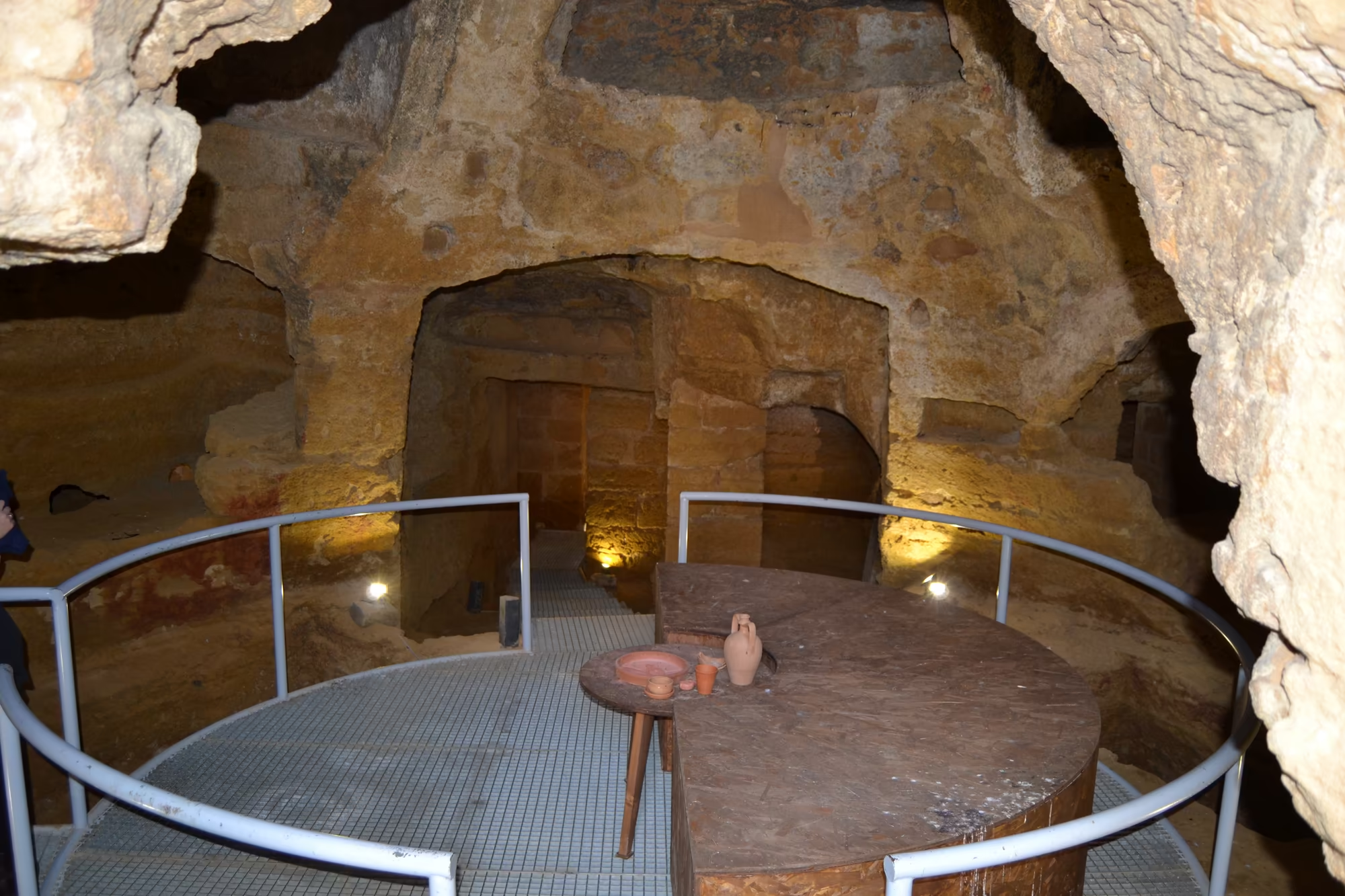
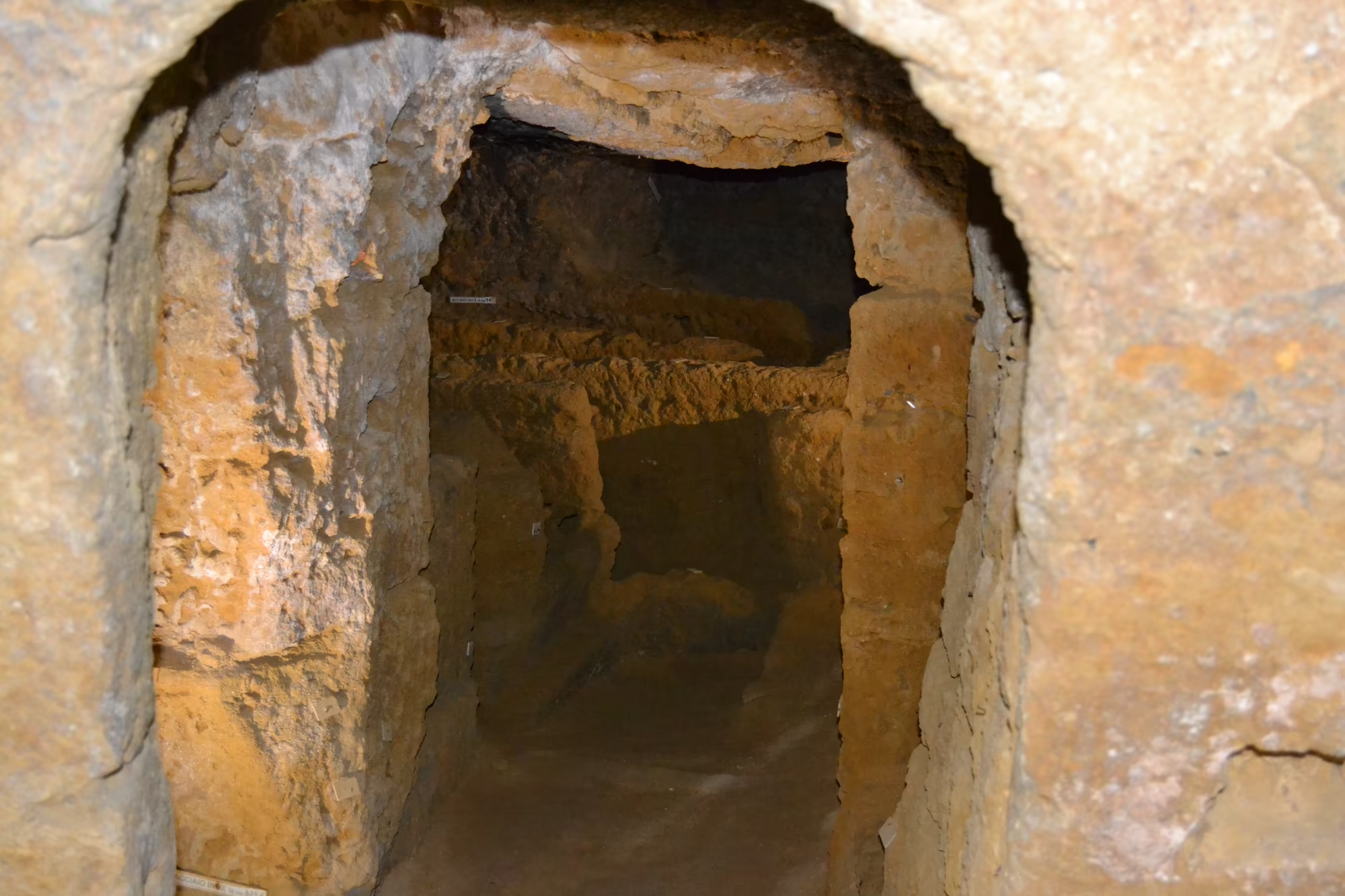
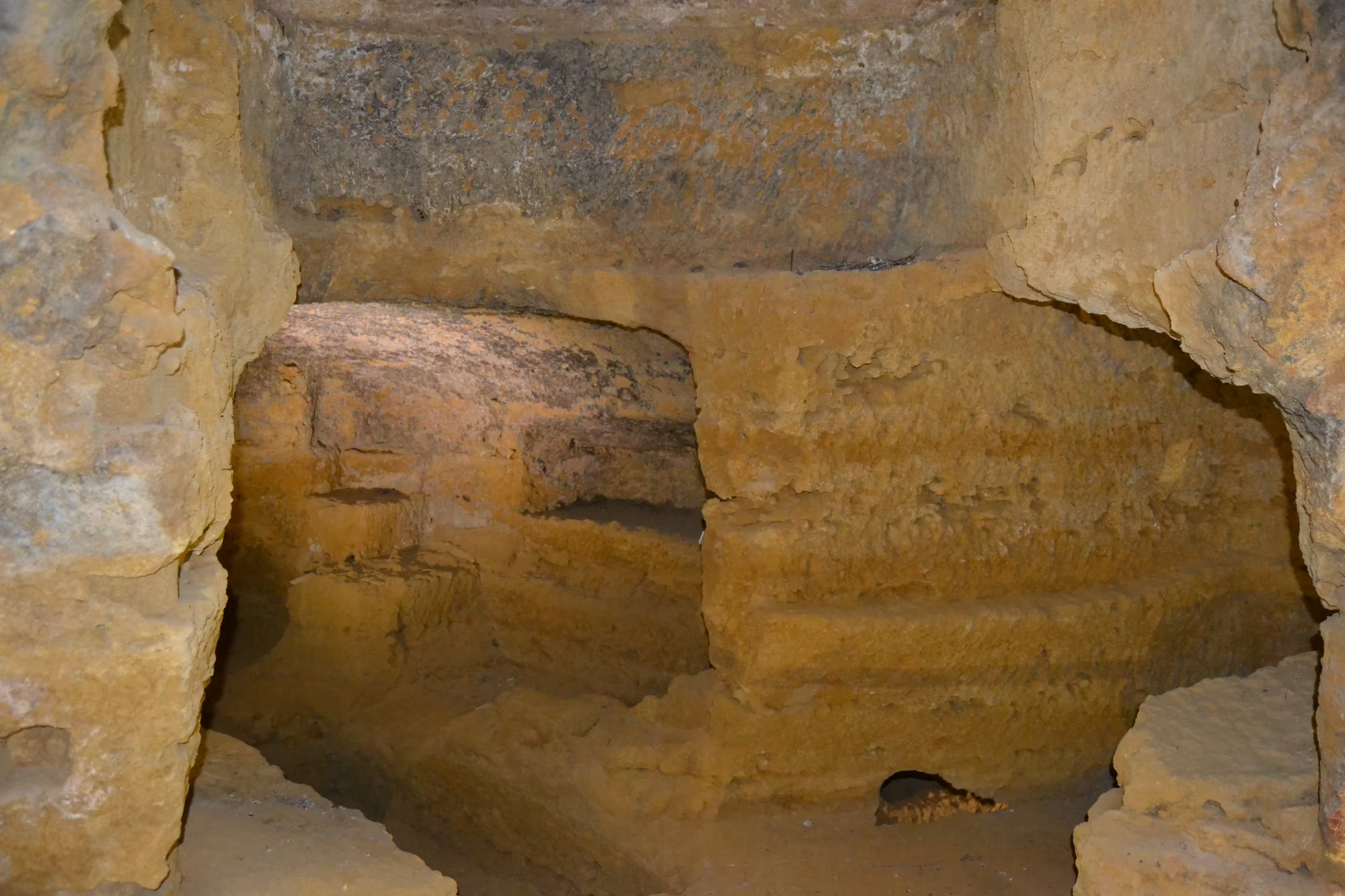
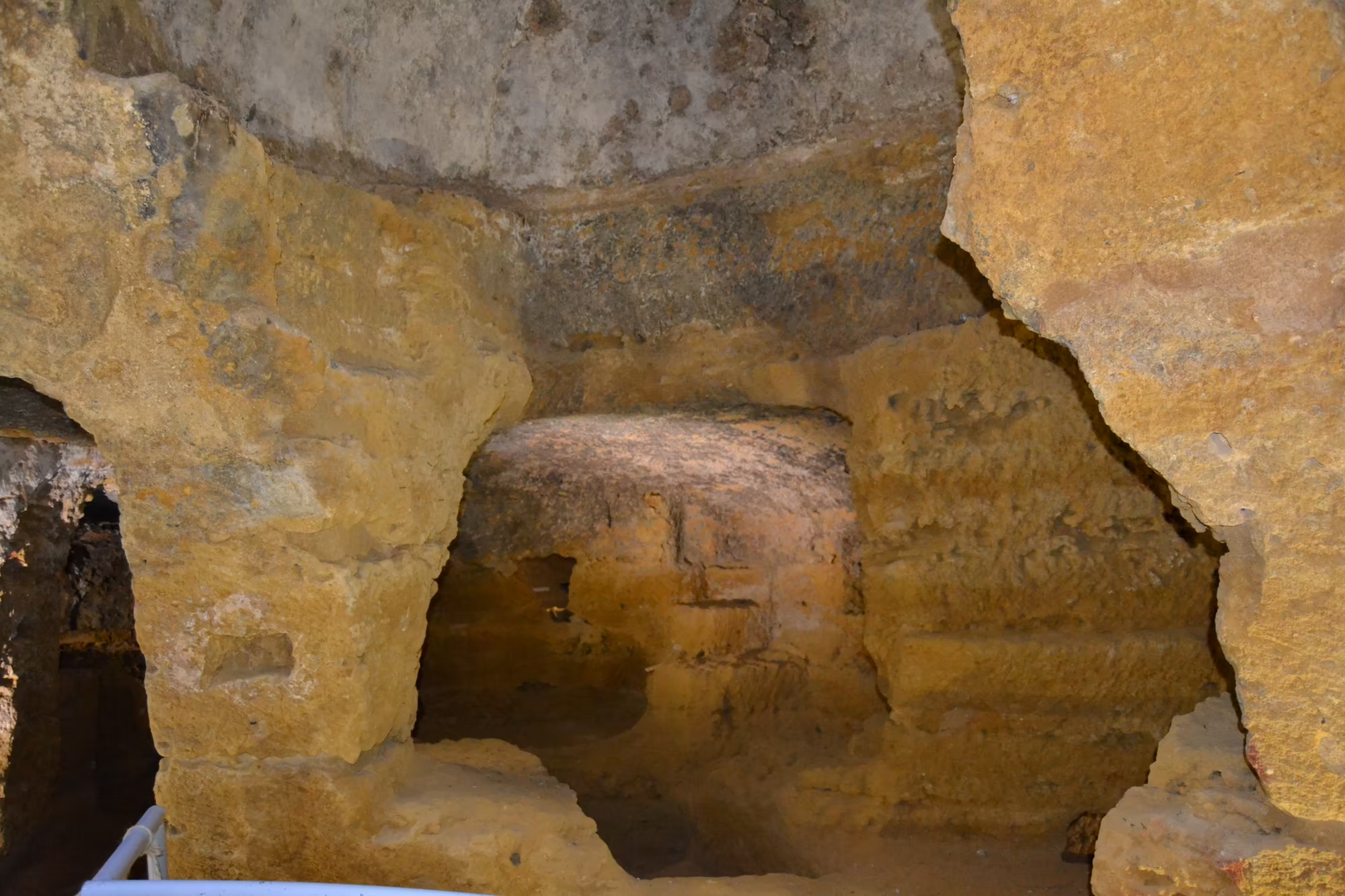
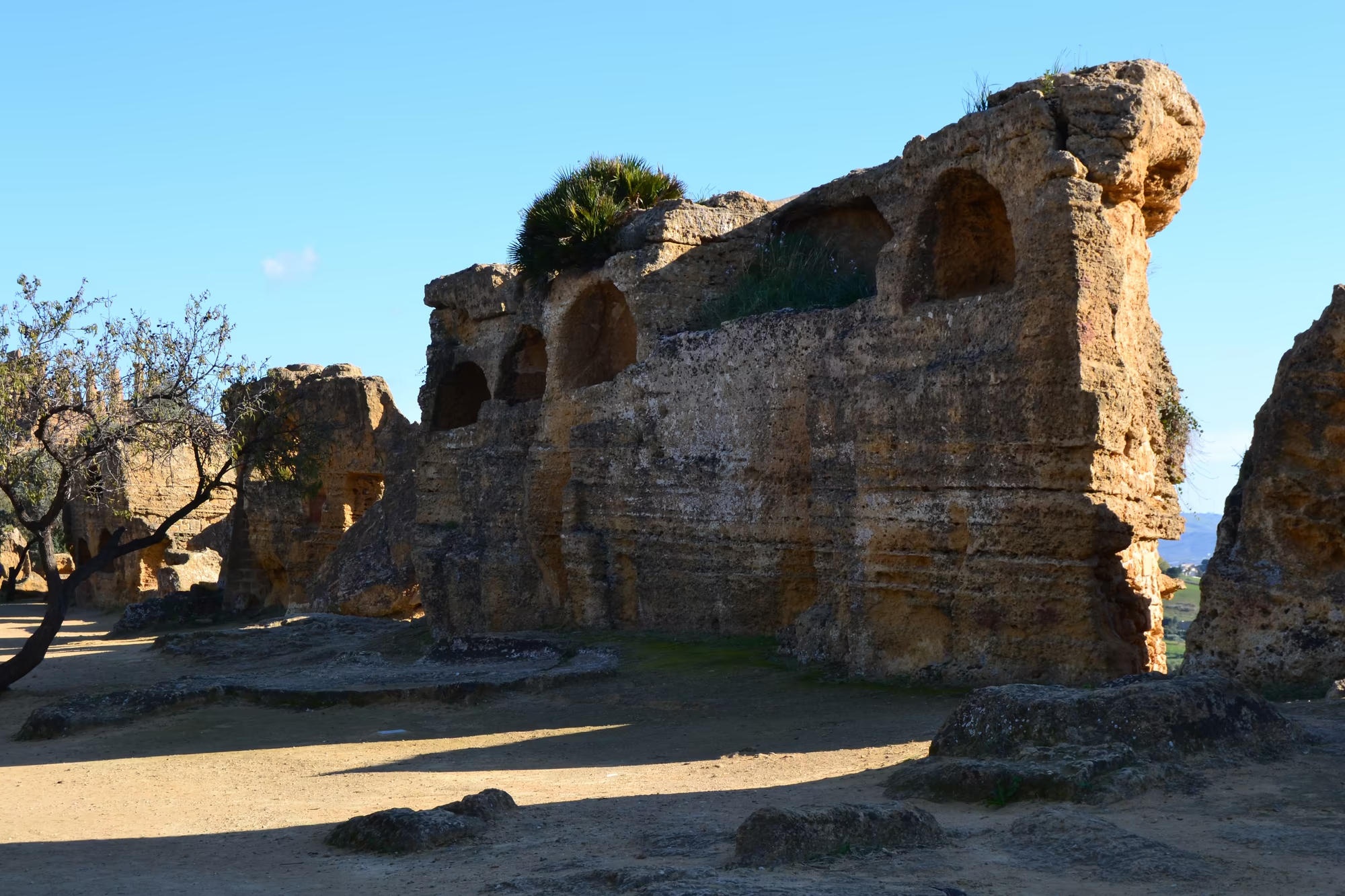
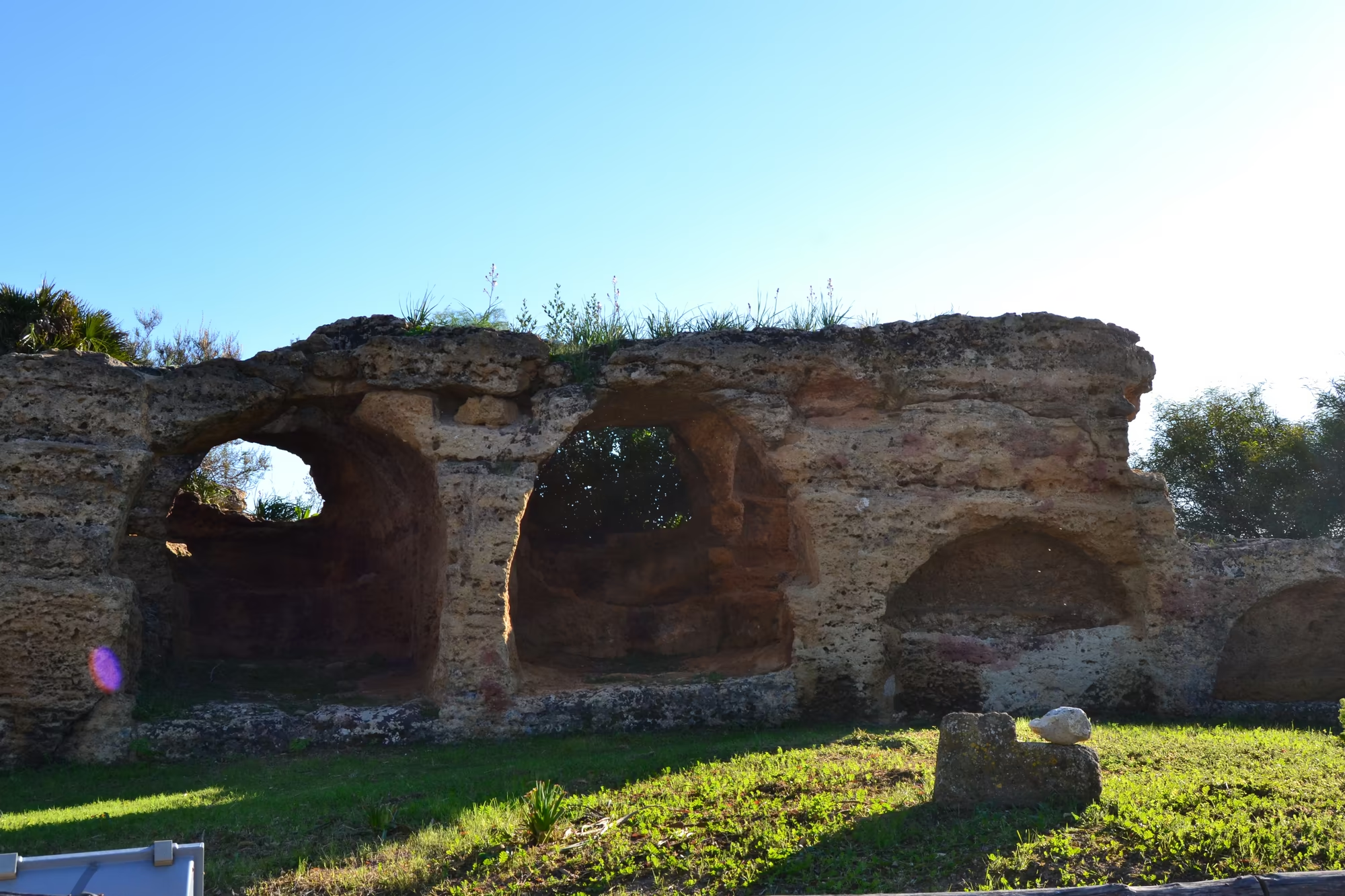
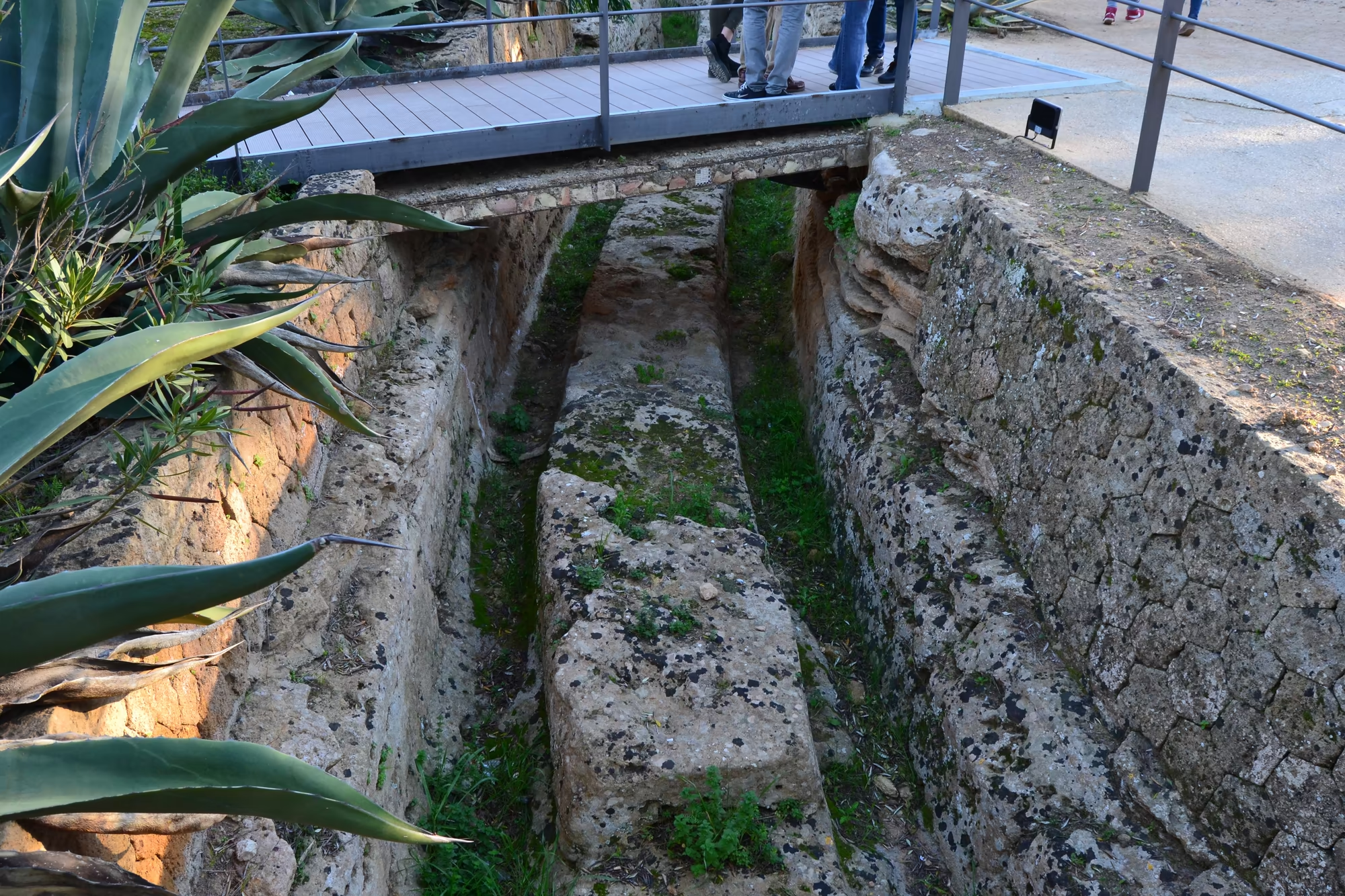
The limestone also made the site possible in another way, because it is soft enough to be excavated. The ground beneath and beside the temples is cut by rock tombs, arched niches and chambers, and the necropolis of ancient Akragas extends along the ridges outside the city walls; the tomb niches carved into the rock in these pictures, glowing in low sunlight, are part of that necropolis. Subsidence and earthquakes have toppled many of the structures over the centuries, which is why the fallen drums and blocks are scattered across the ground as they are.
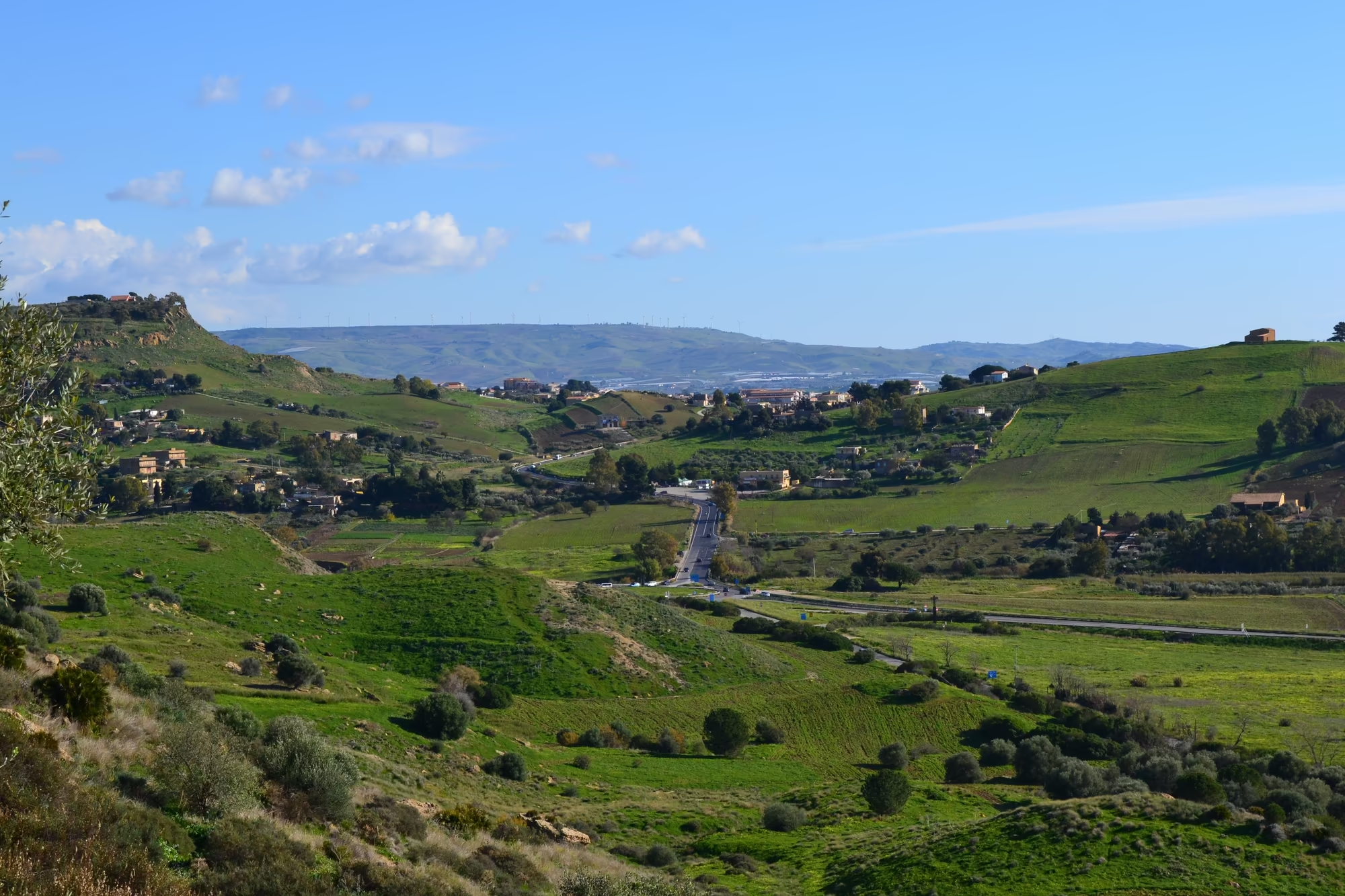
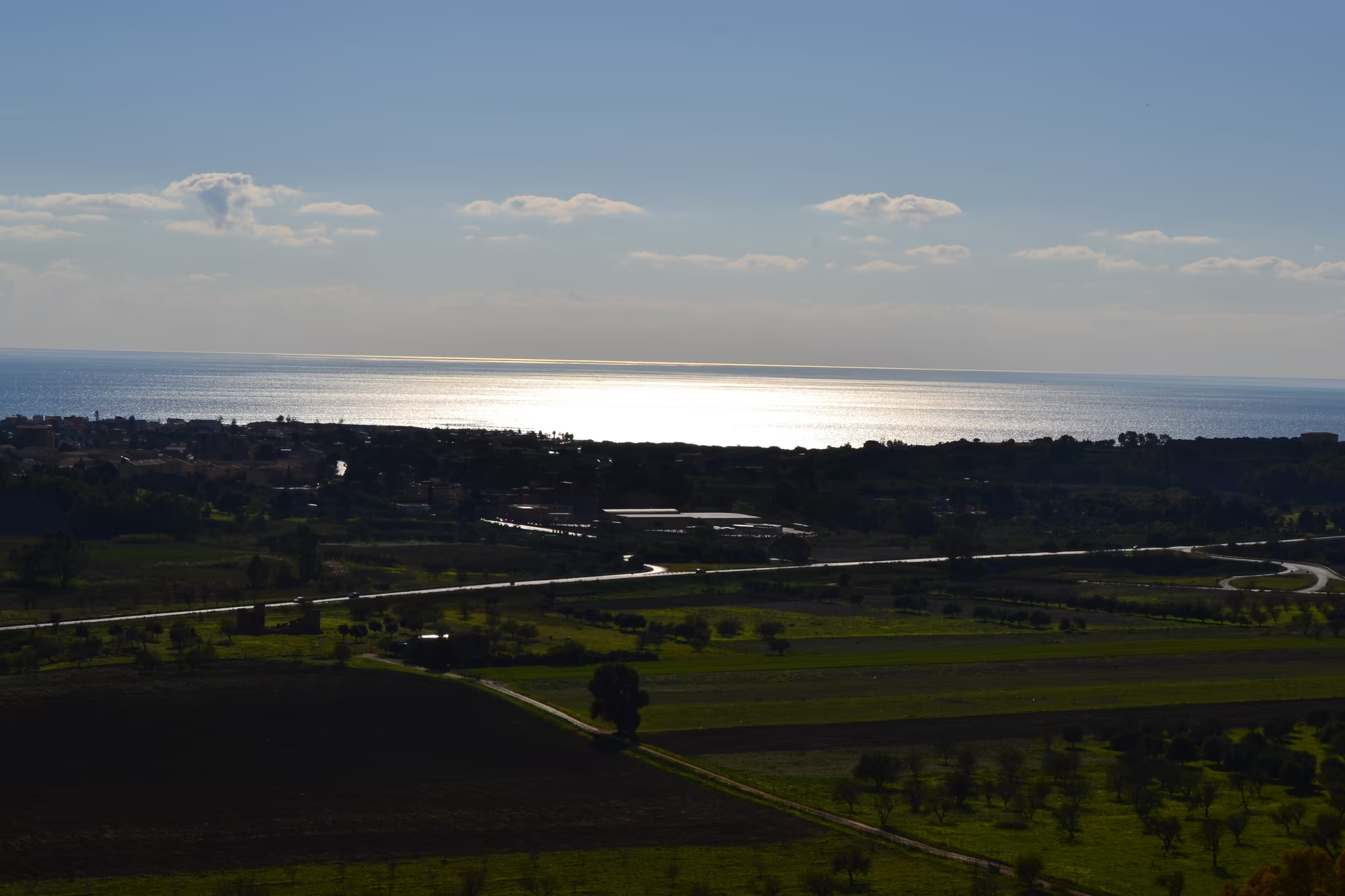
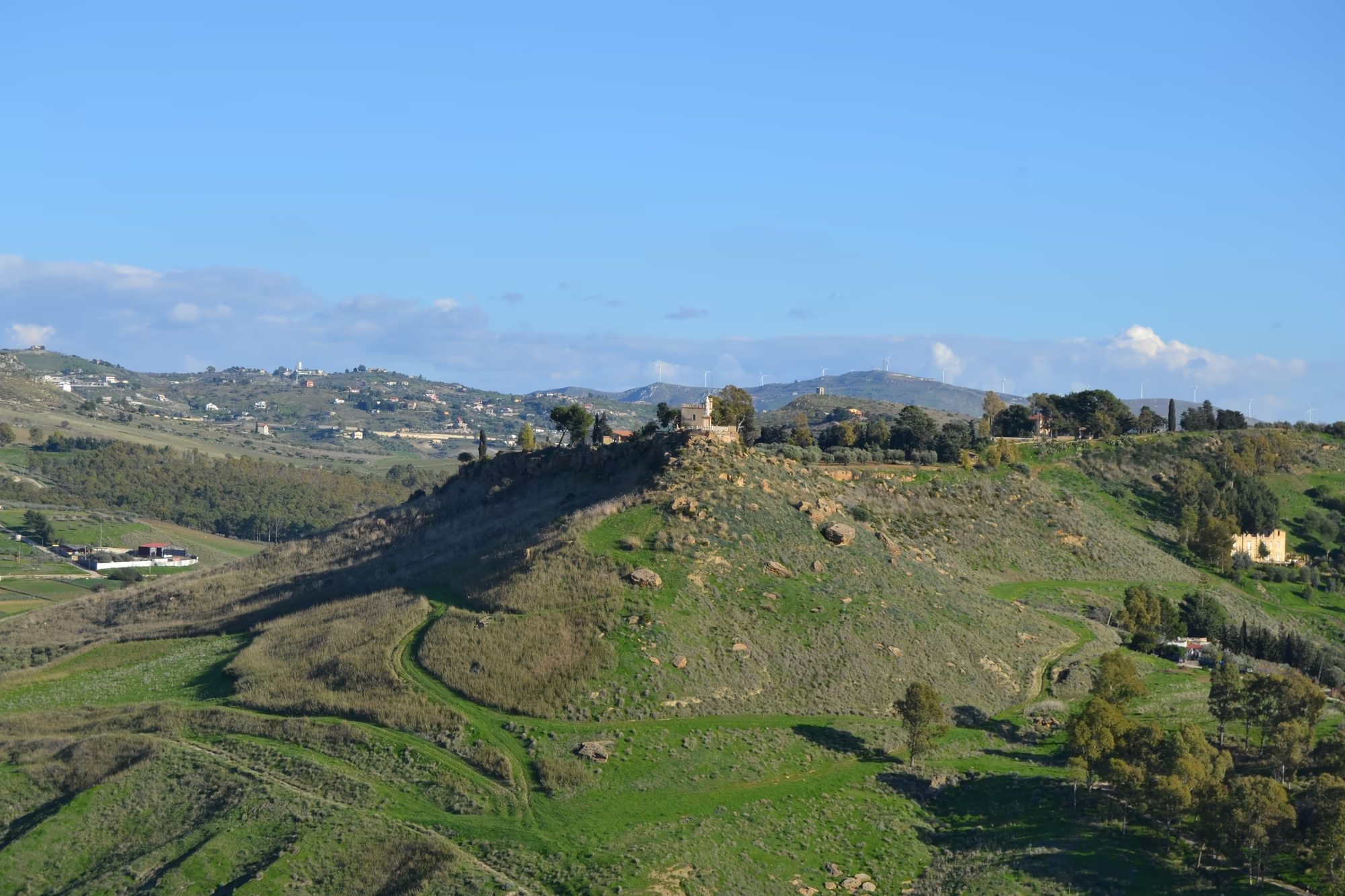
The landscape around the ridge is the coastal plain of southern Sicily, formed by the erosion of the hills inland and by marine processes at the shore. The plain is broad, gently sloping and mainly agricultural, planted with olives, almonds, vines and vegetables, and behind it the land rises into the limestone hills of the interior. The sea, which lies a few kilometres to the south, has cut a low coastline of small cliffs and beaches; from the belvederes of the park the fields run out to the water in a single view.
The materials of the temples also record where they came from. The columns and the entablatures are limestone, the ornamented details were finished with stucco that has mostly disappeared, and the colonnades stand on substantial platforms built to overcome the unevenness of the rocky terrain, which is why the temples have survived the settling of the ground better than the buildings beside them. In the wider region the same limestone supports the dry stone walls and terraces of the agricultural landscape, so that the geology of the site and the agriculture of the plain are made of the same material.
The park is also a geology lesson in a single rock. The limestone of the ridge contains fossil shells, and one of the close views in this album is a scallop shell imprinted in the stone; the same material, laid down on the floor of a warm sea and later lifted above it, was quarried on the spot for the temples and cut into tombs in the slopes outside the walls. Ancient building and modern agriculture here have used the same stone in different ways.
Things to See
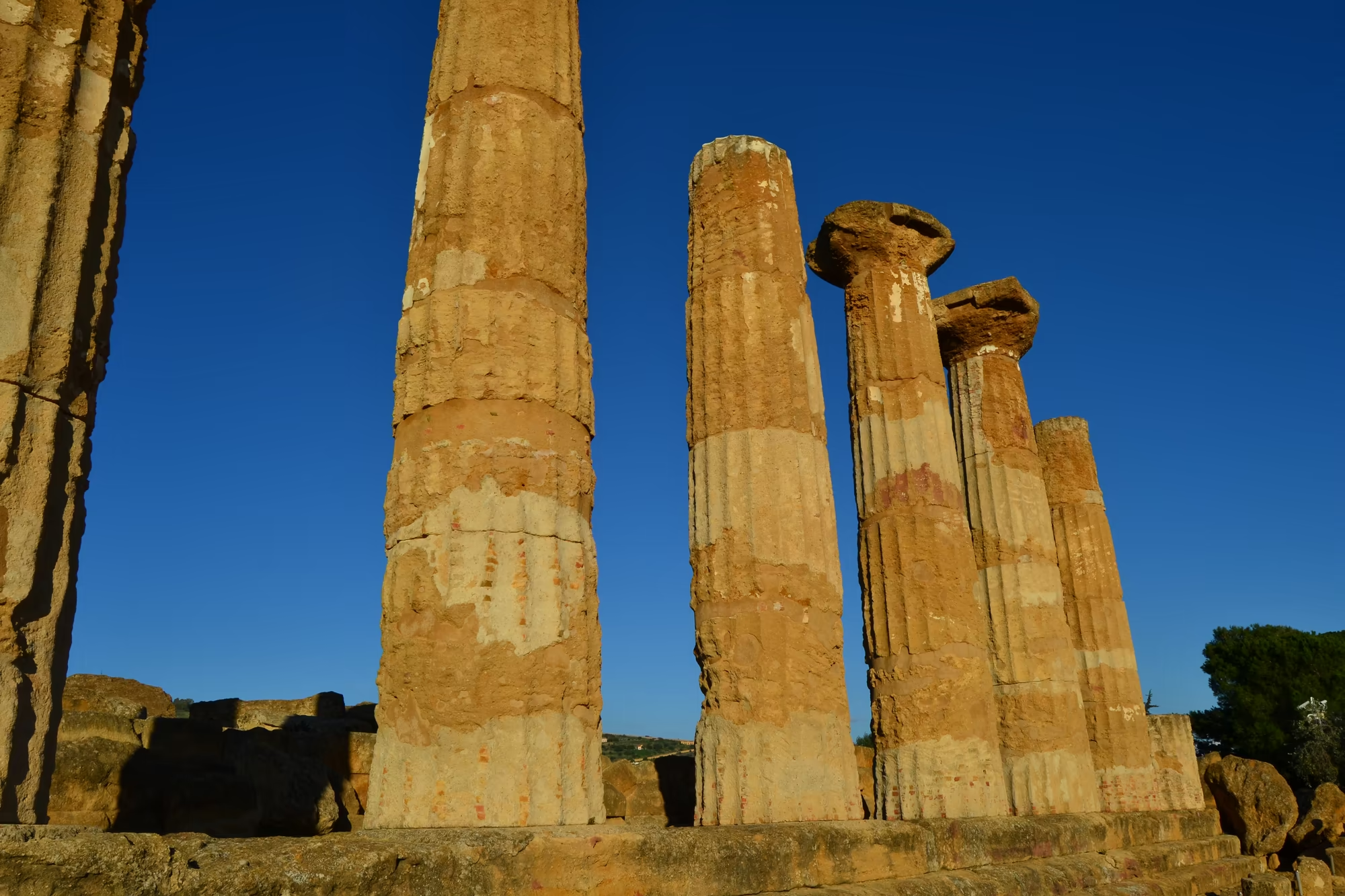
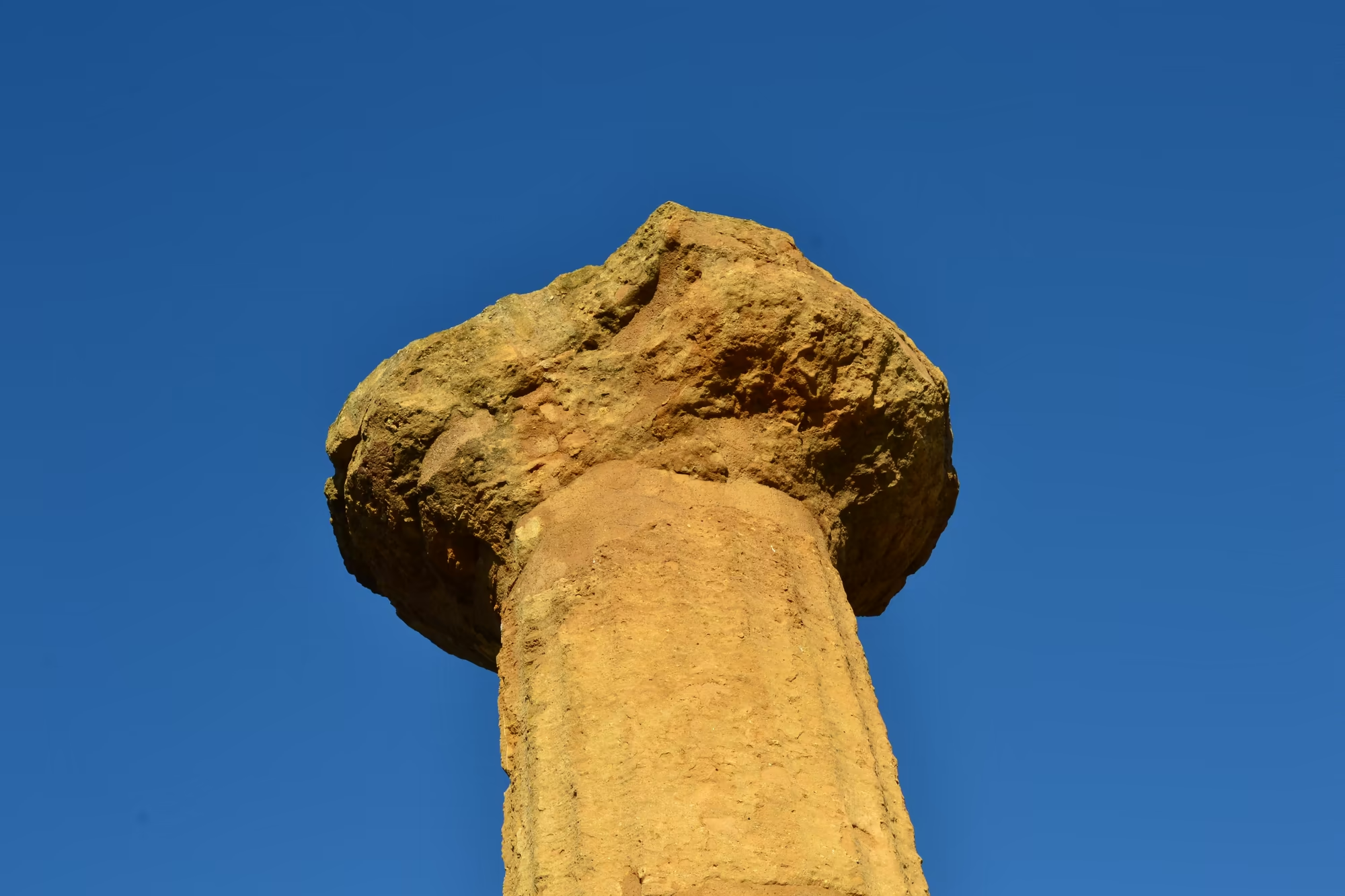
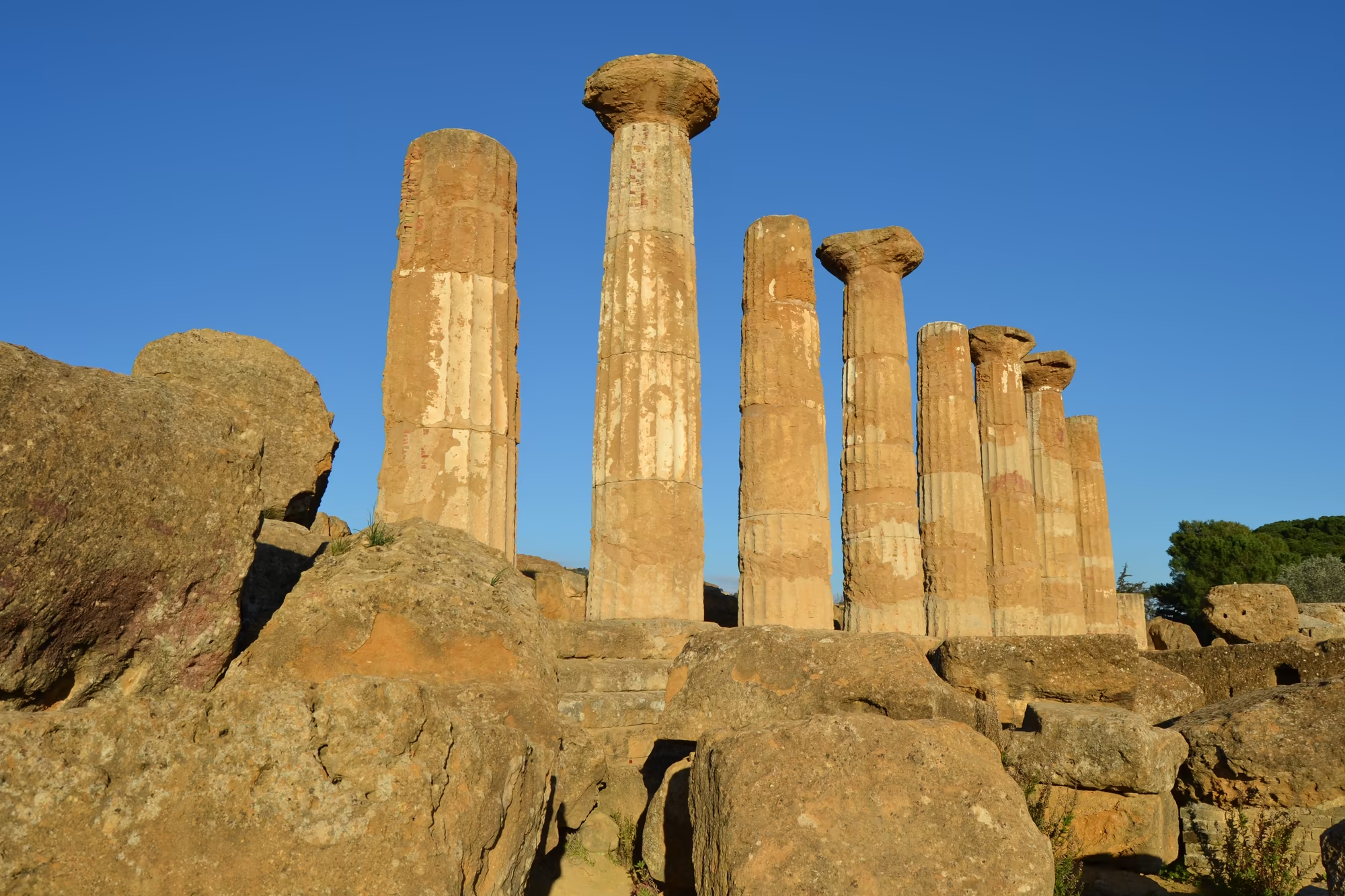
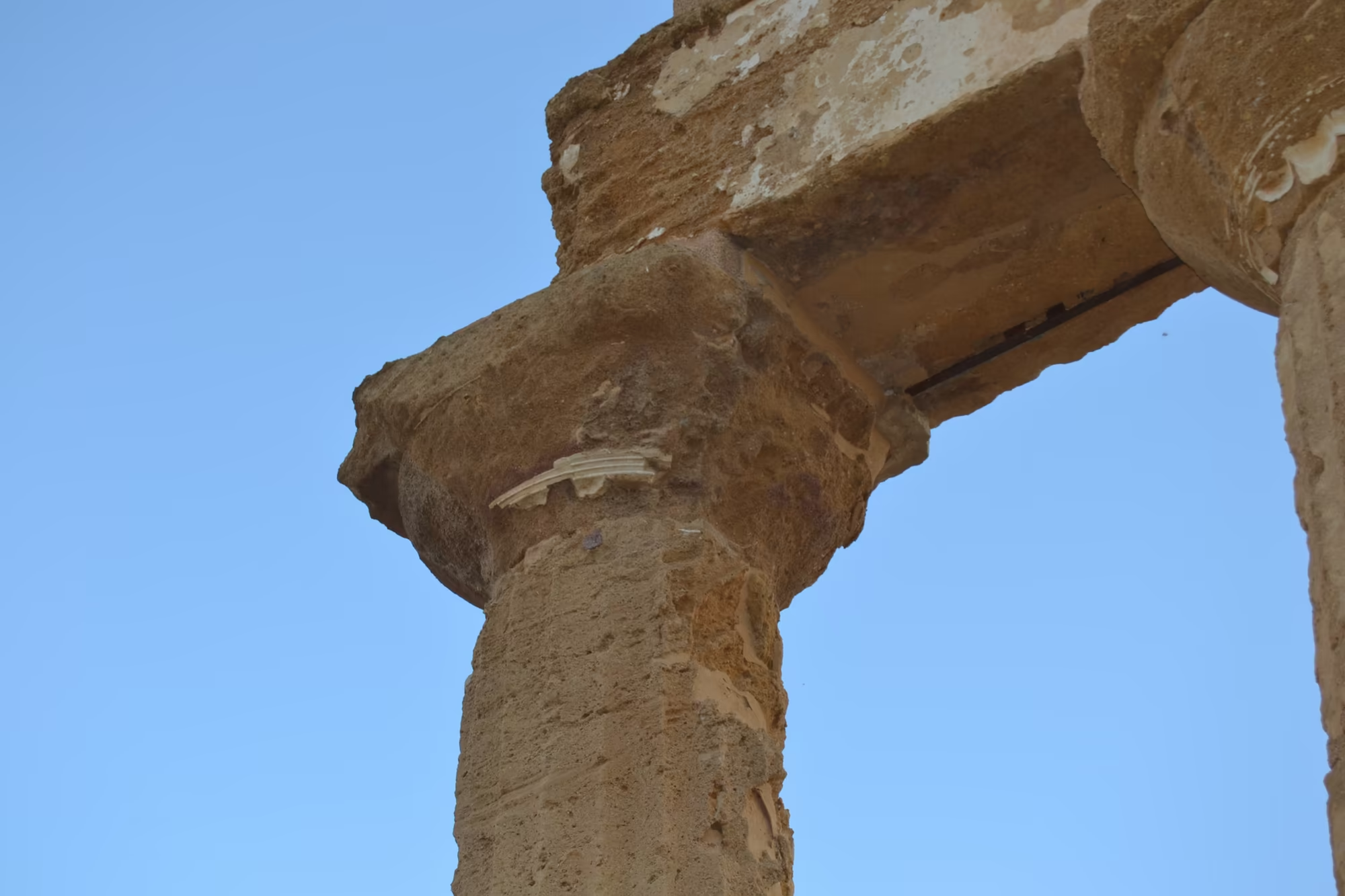
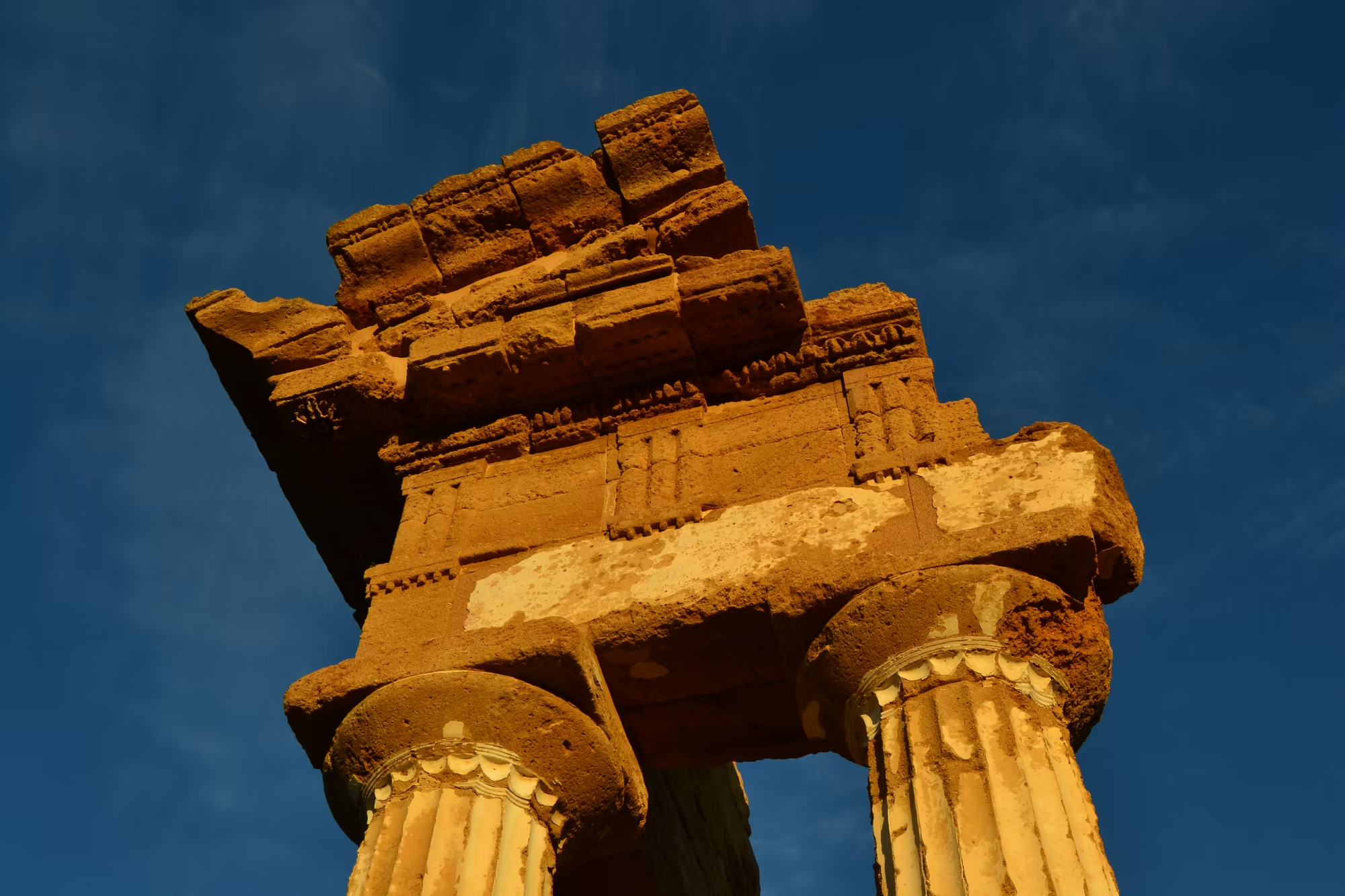
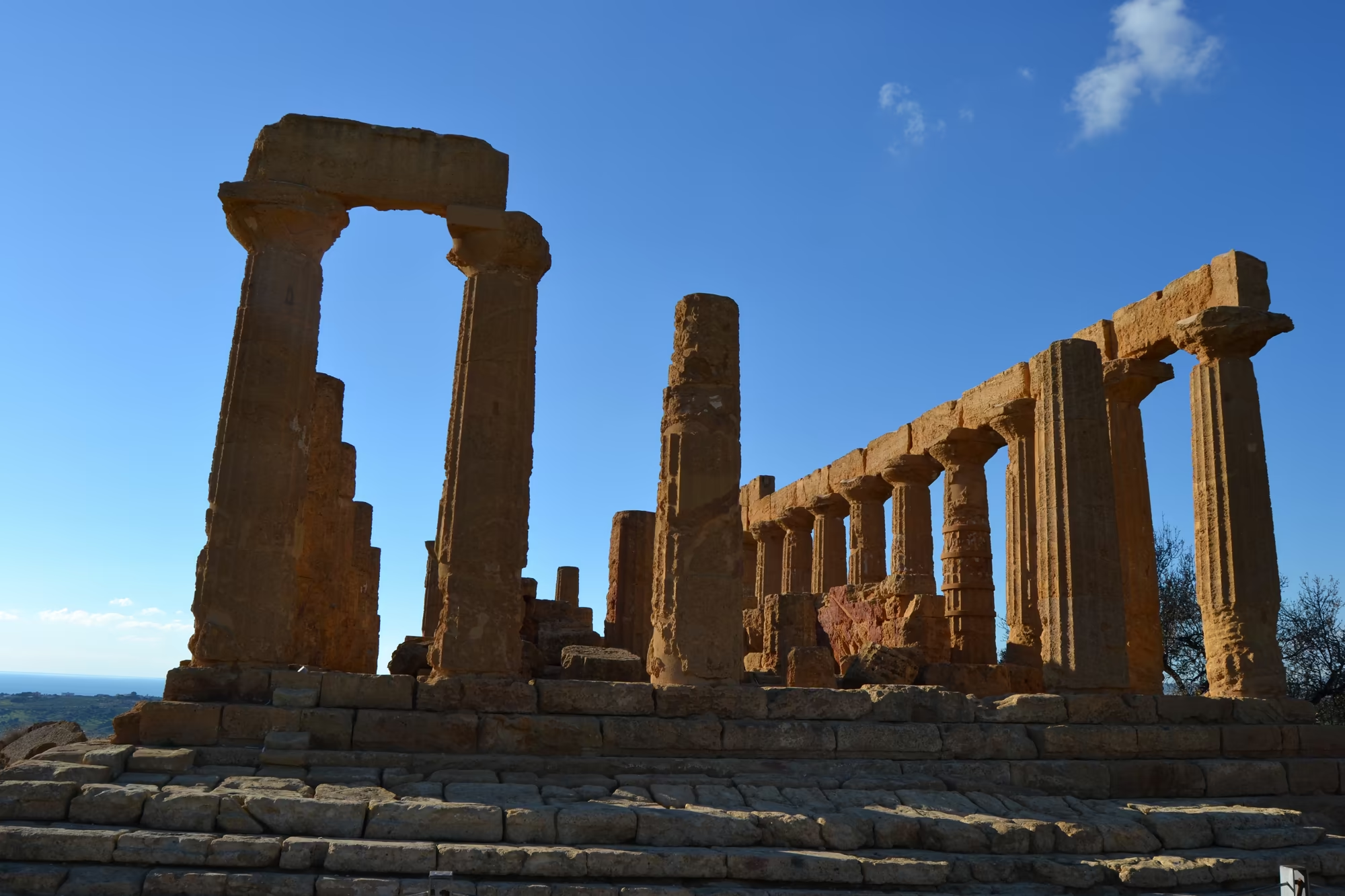
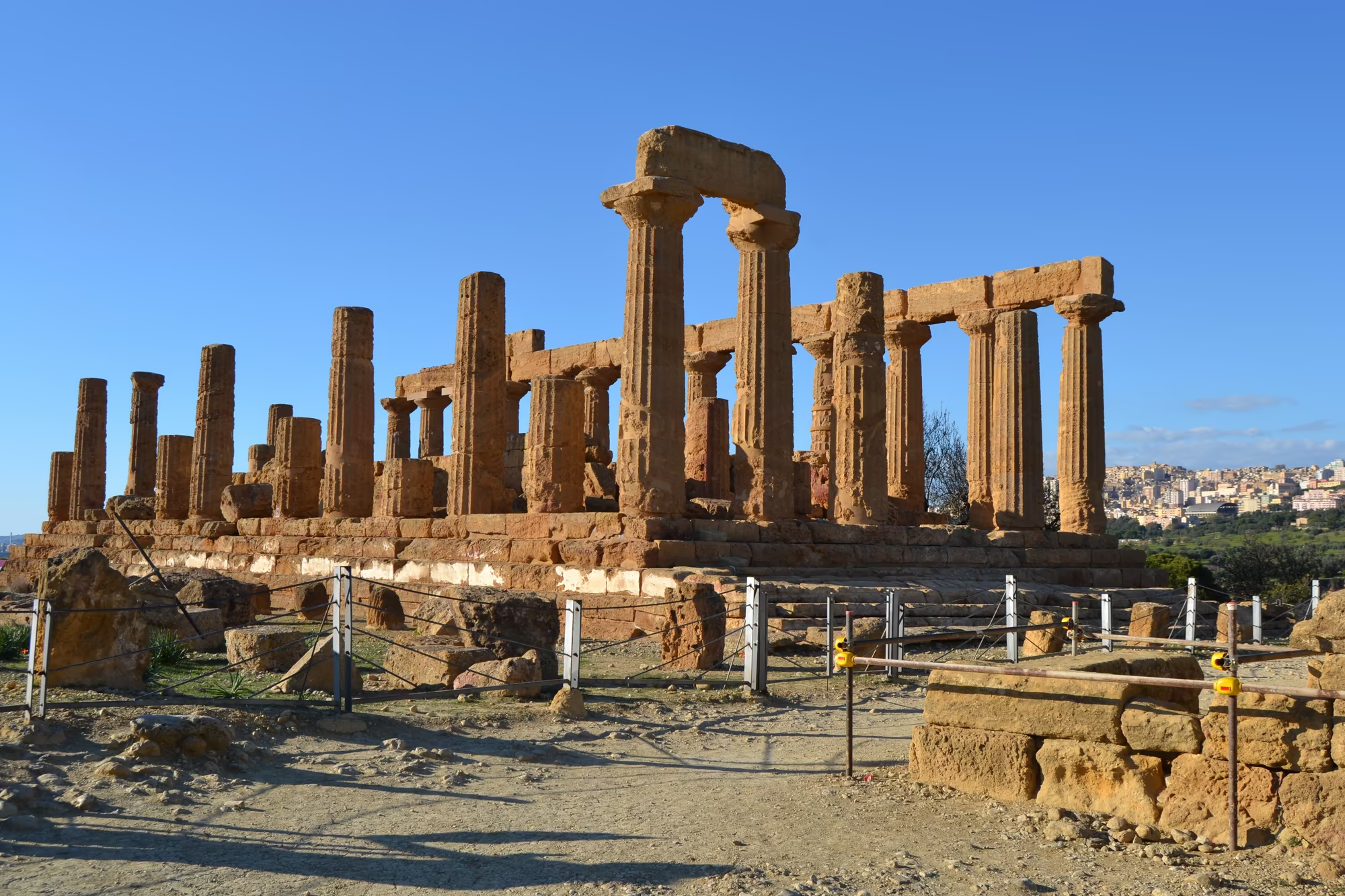
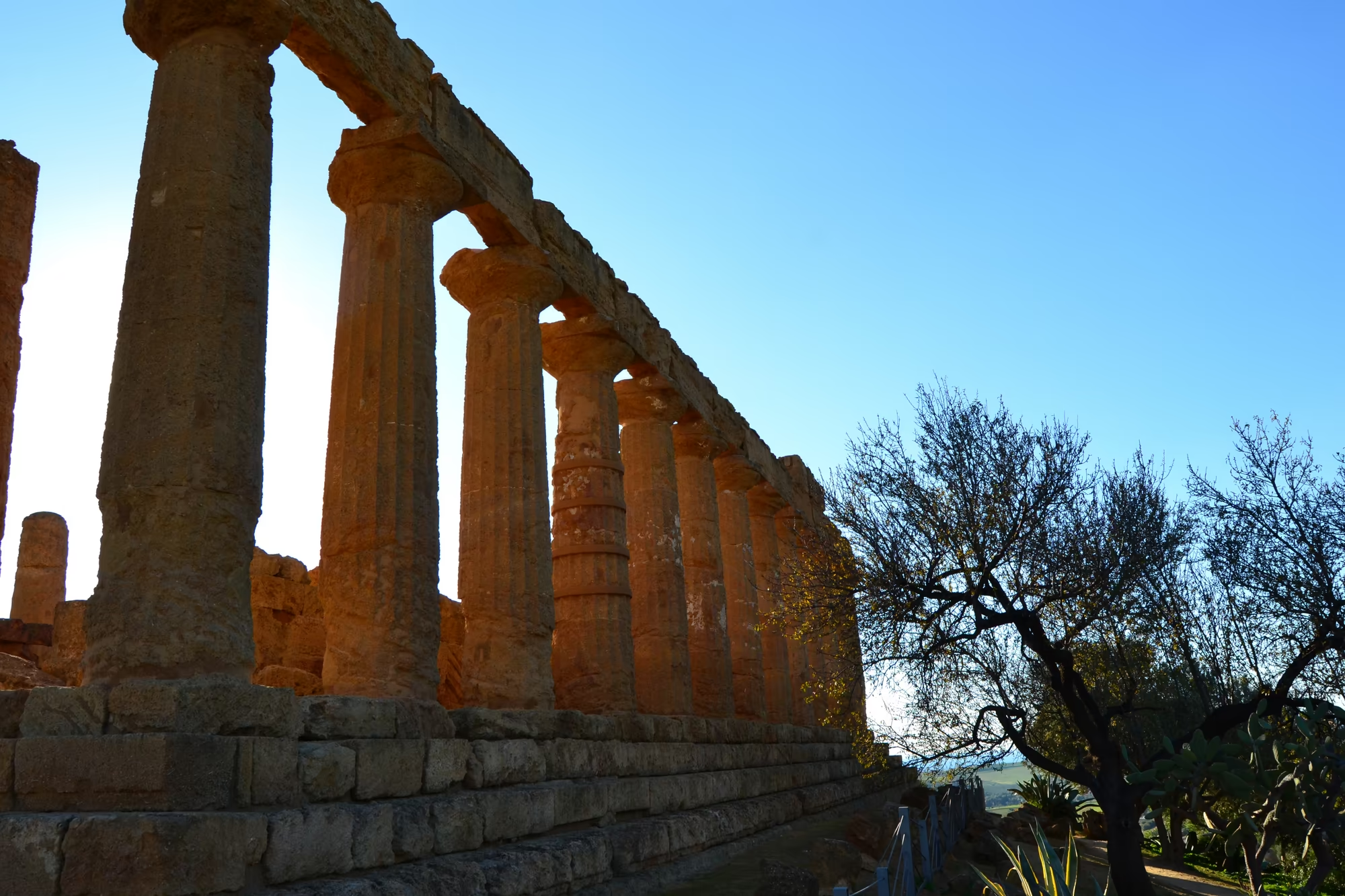
The Temple of Concordia is the centrepiece and the best preserved building on the site. It is the largest and best preserved Doric temple in Sicily and one of the best preserved Greek temples of the Doric order anywhere, with a six by thirteen column peristasis standing on a platform of four steps, columns carved with twenty flutes and with the slight swelling in the middle and tapering at the top that the Greeks used to correct the appearance of the lines. Writers in recent years have called it, apart from the Parthenon, the best preserved Doric temple in the world, and it is constructed on a solid base designed to overcome the unevenness of the rocky ground beneath it.
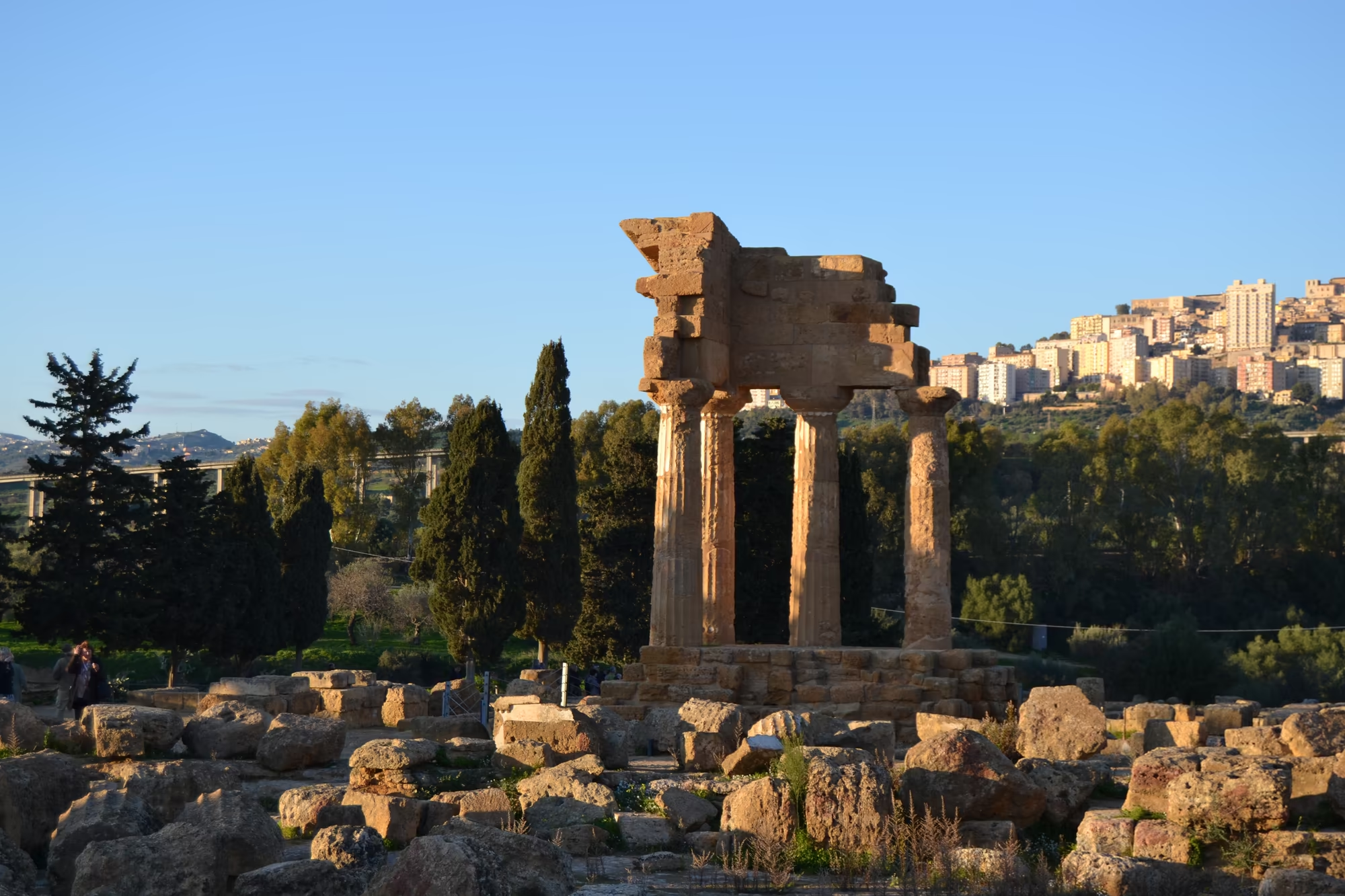
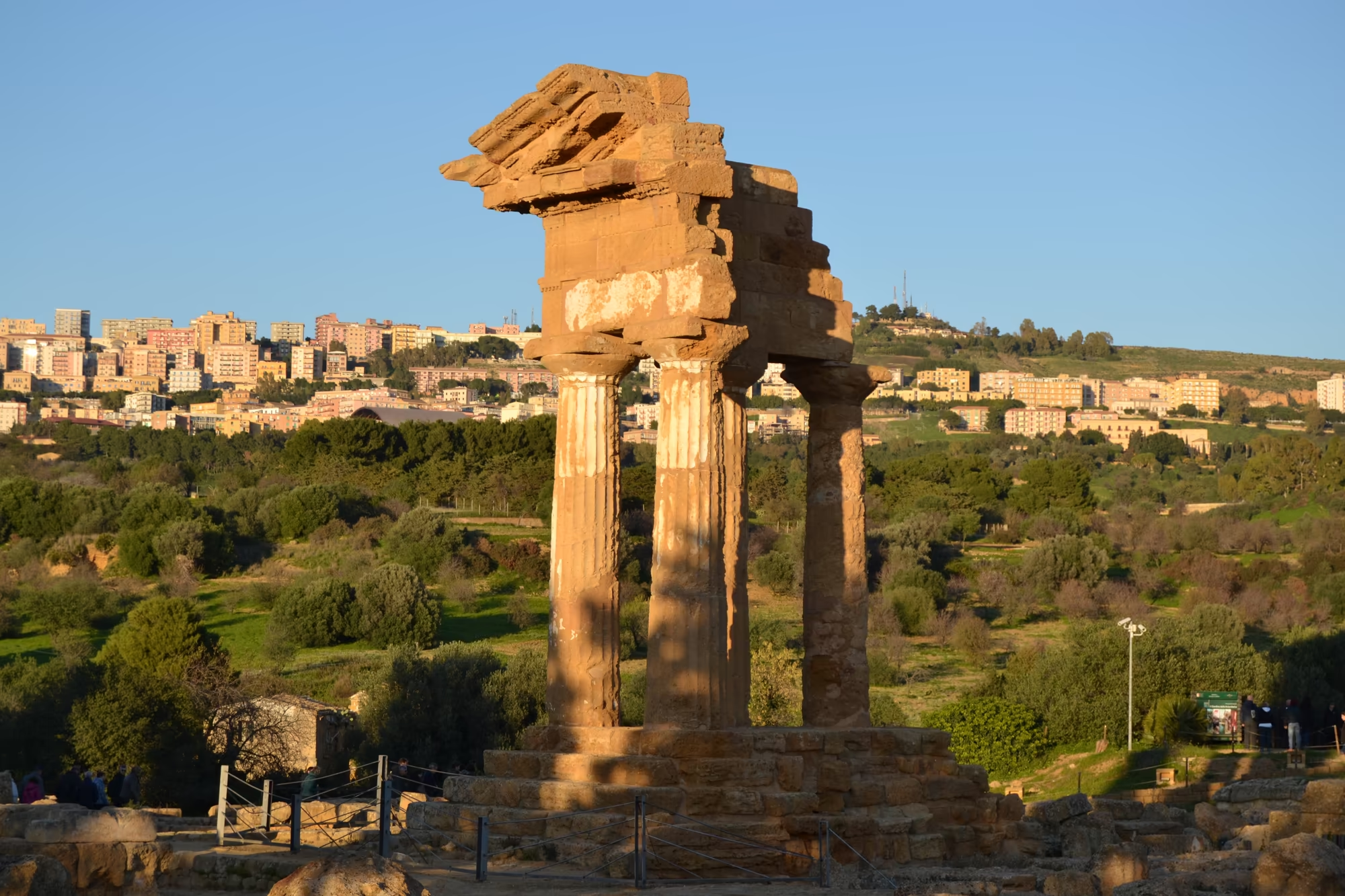
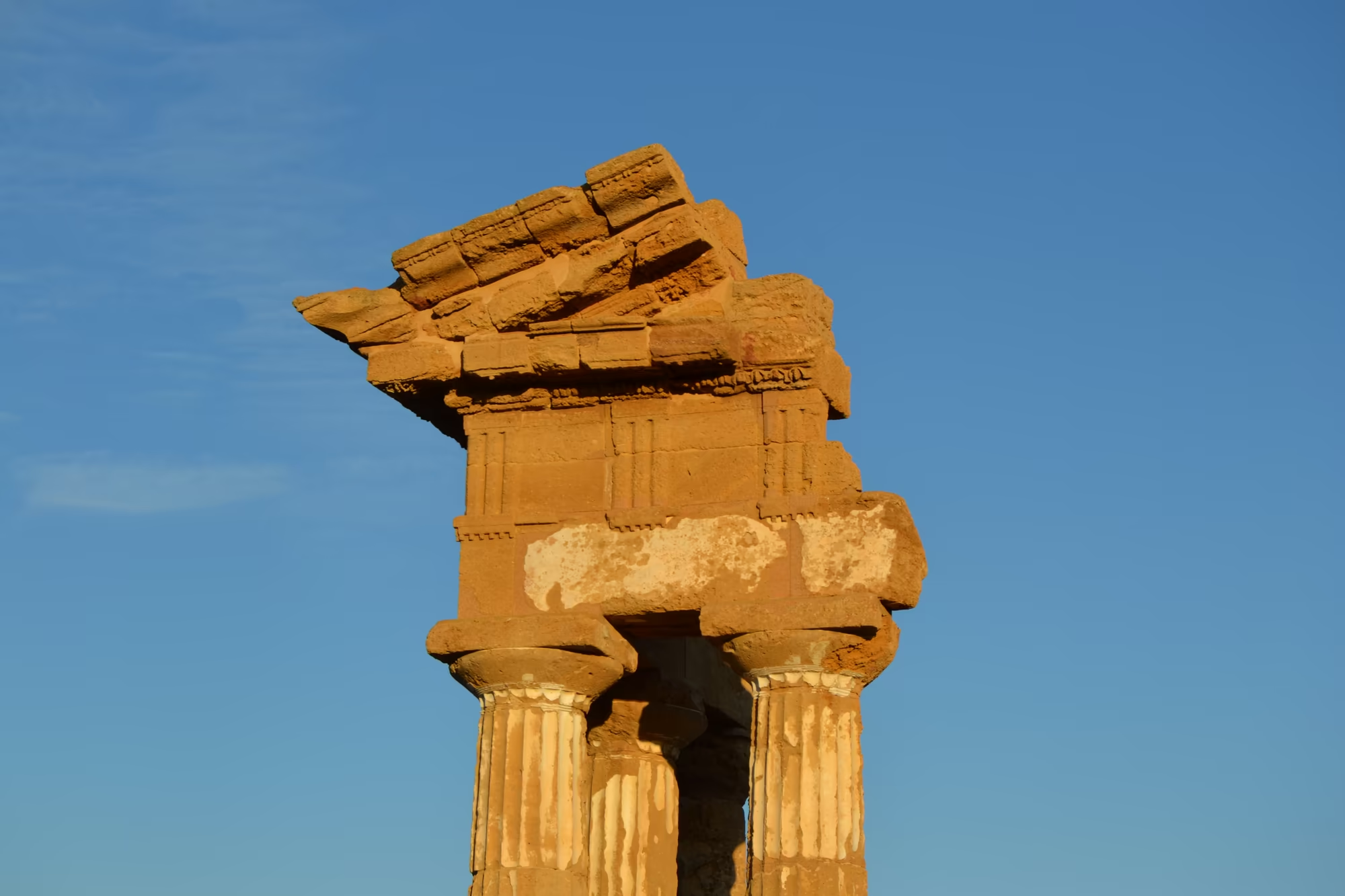
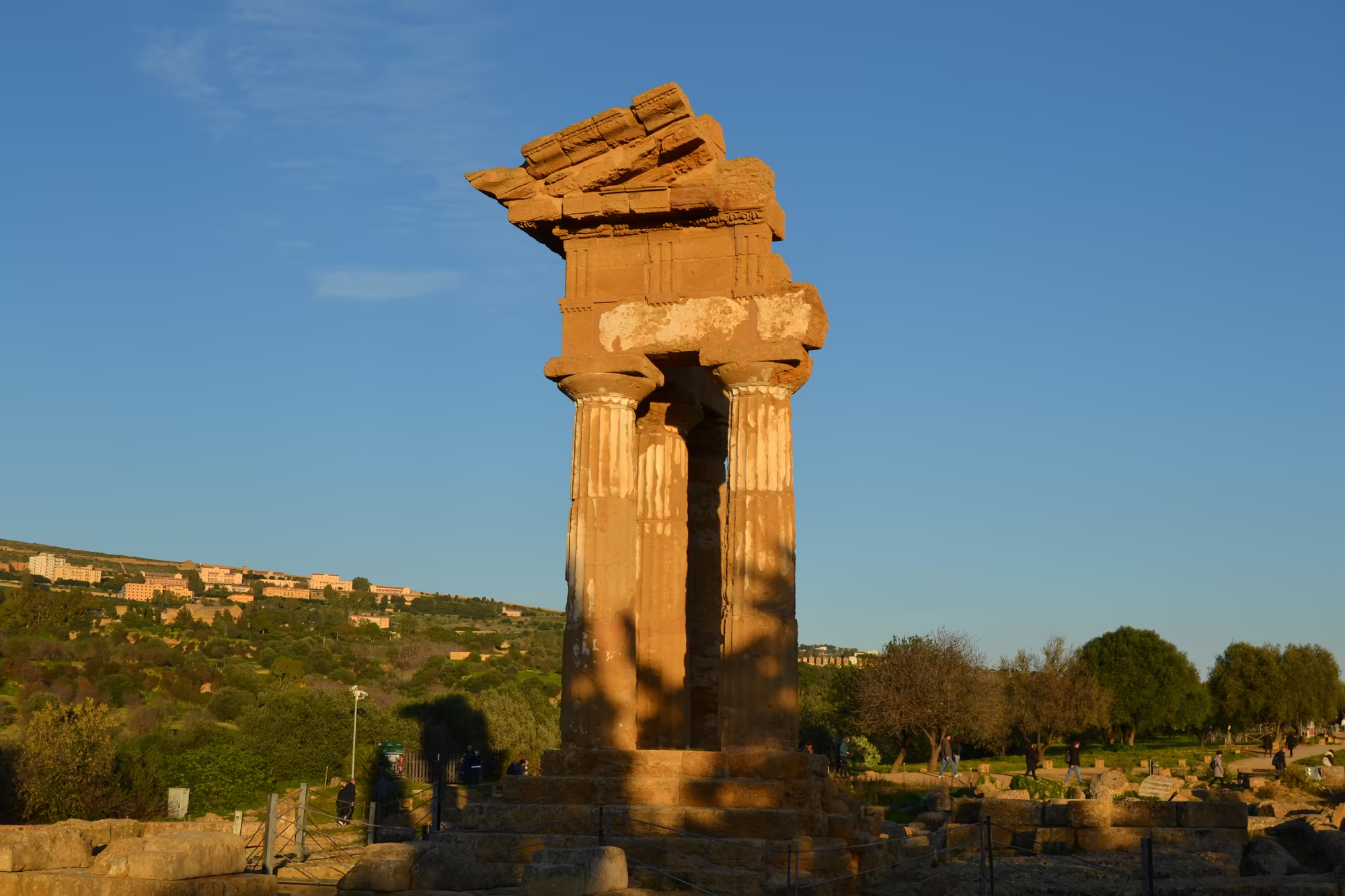
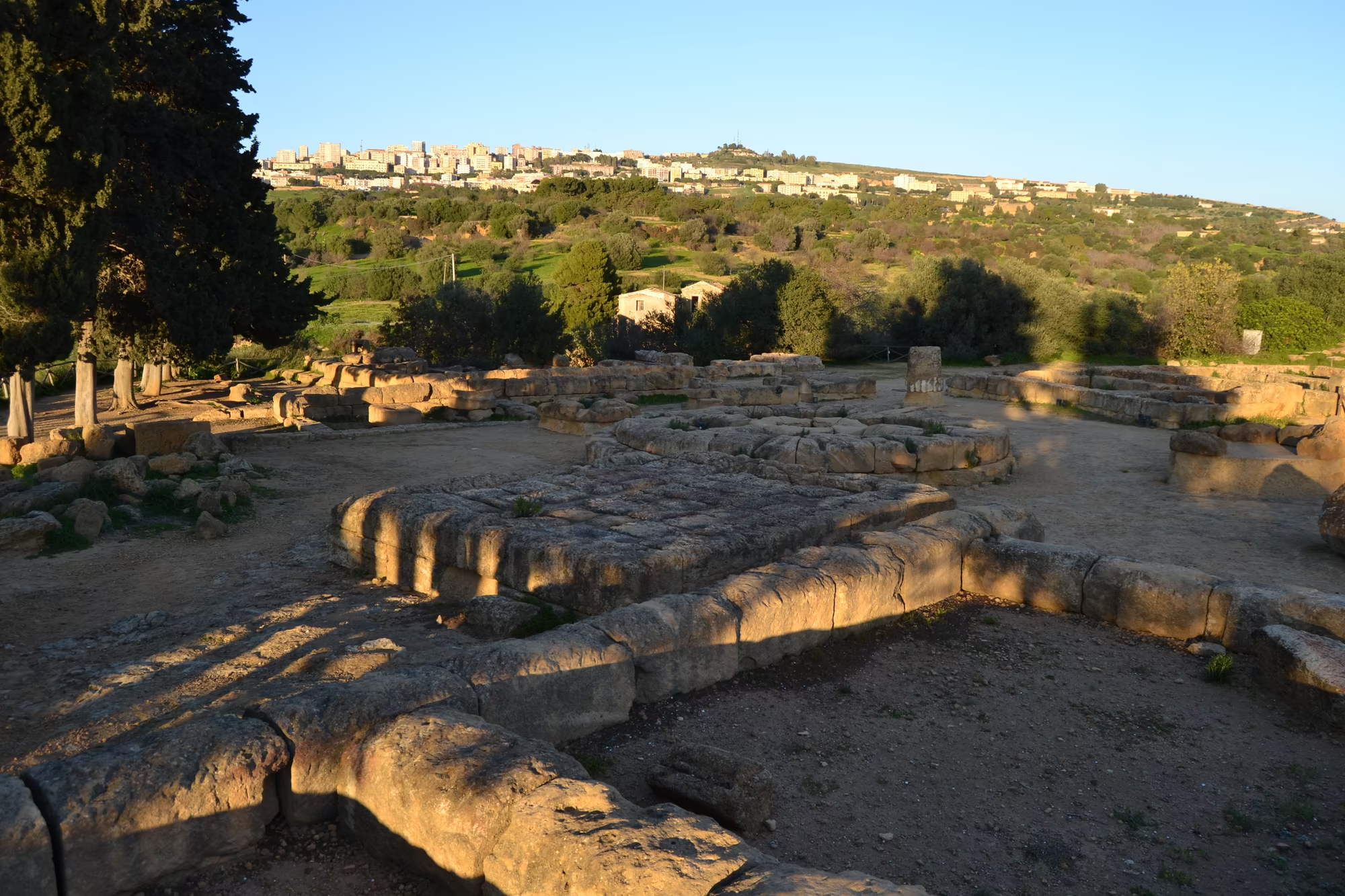
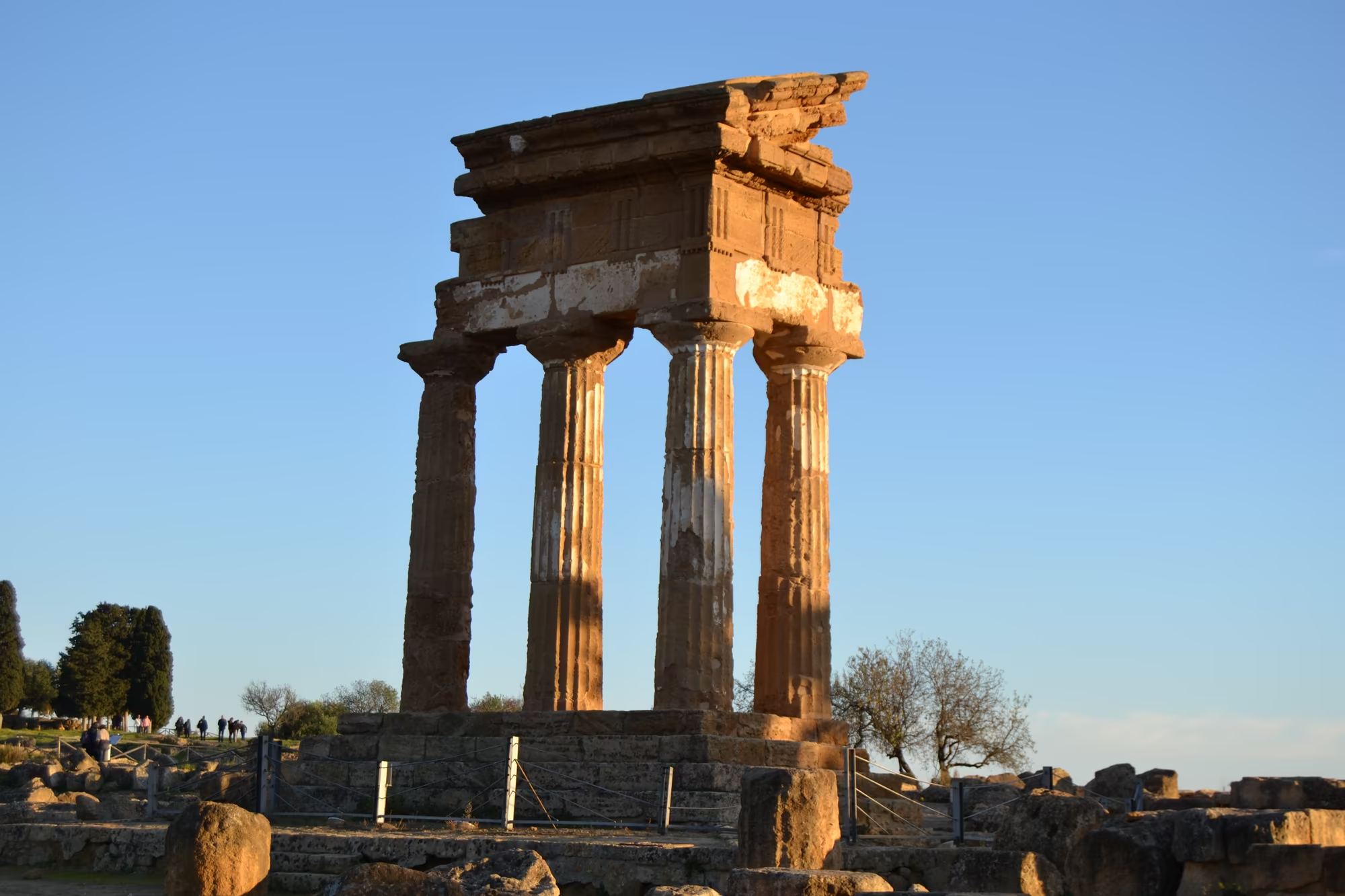
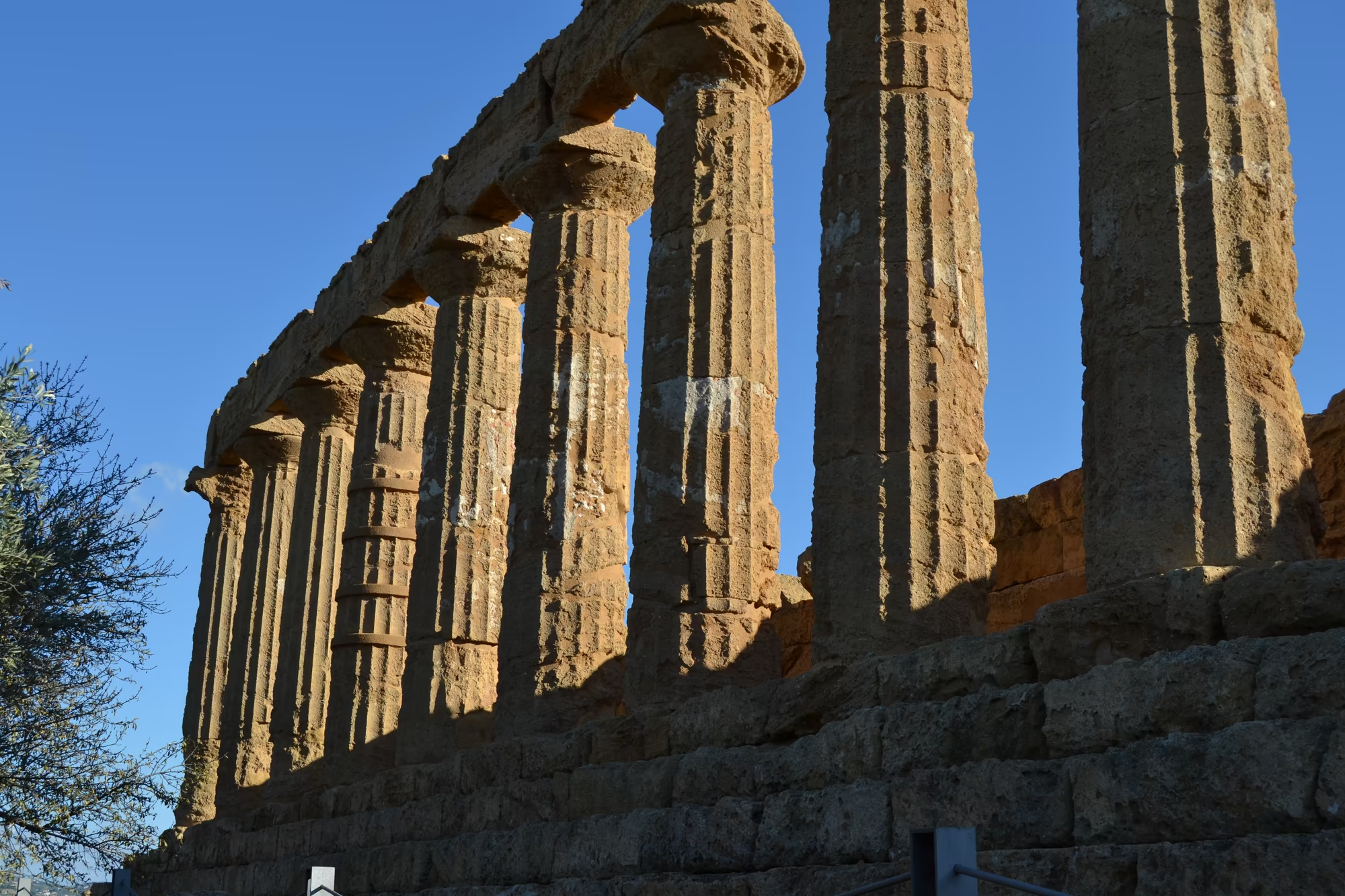
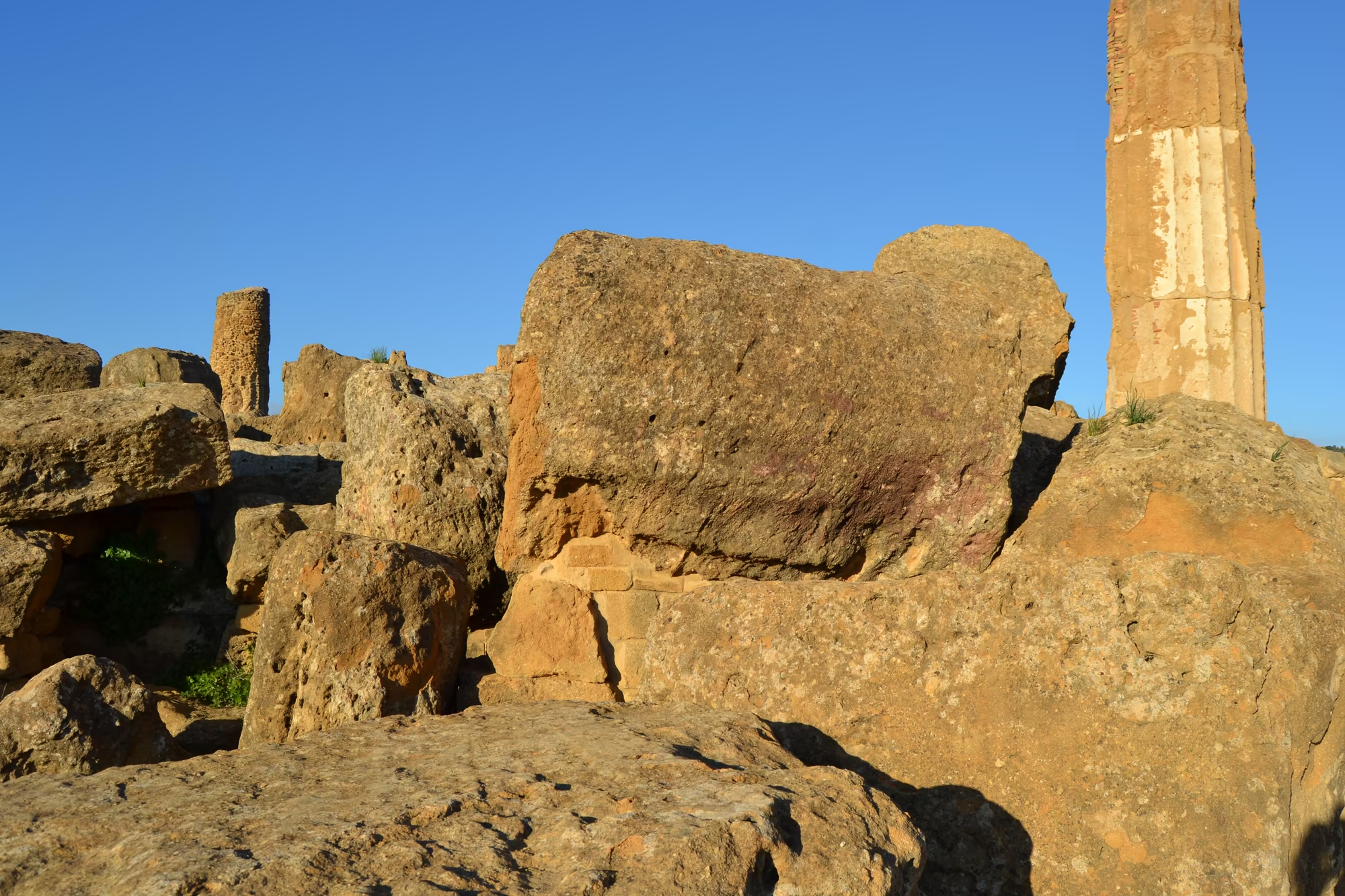
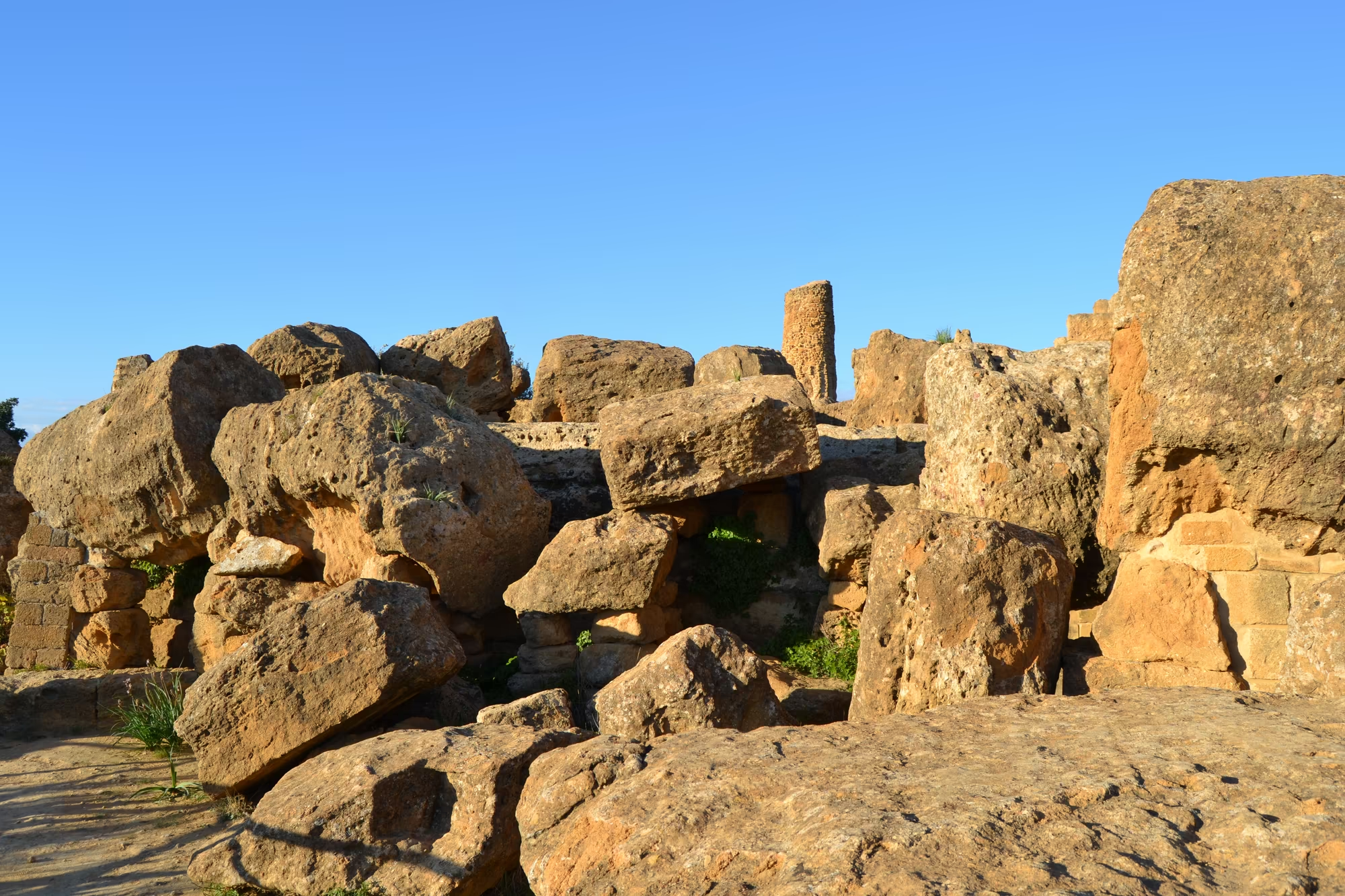
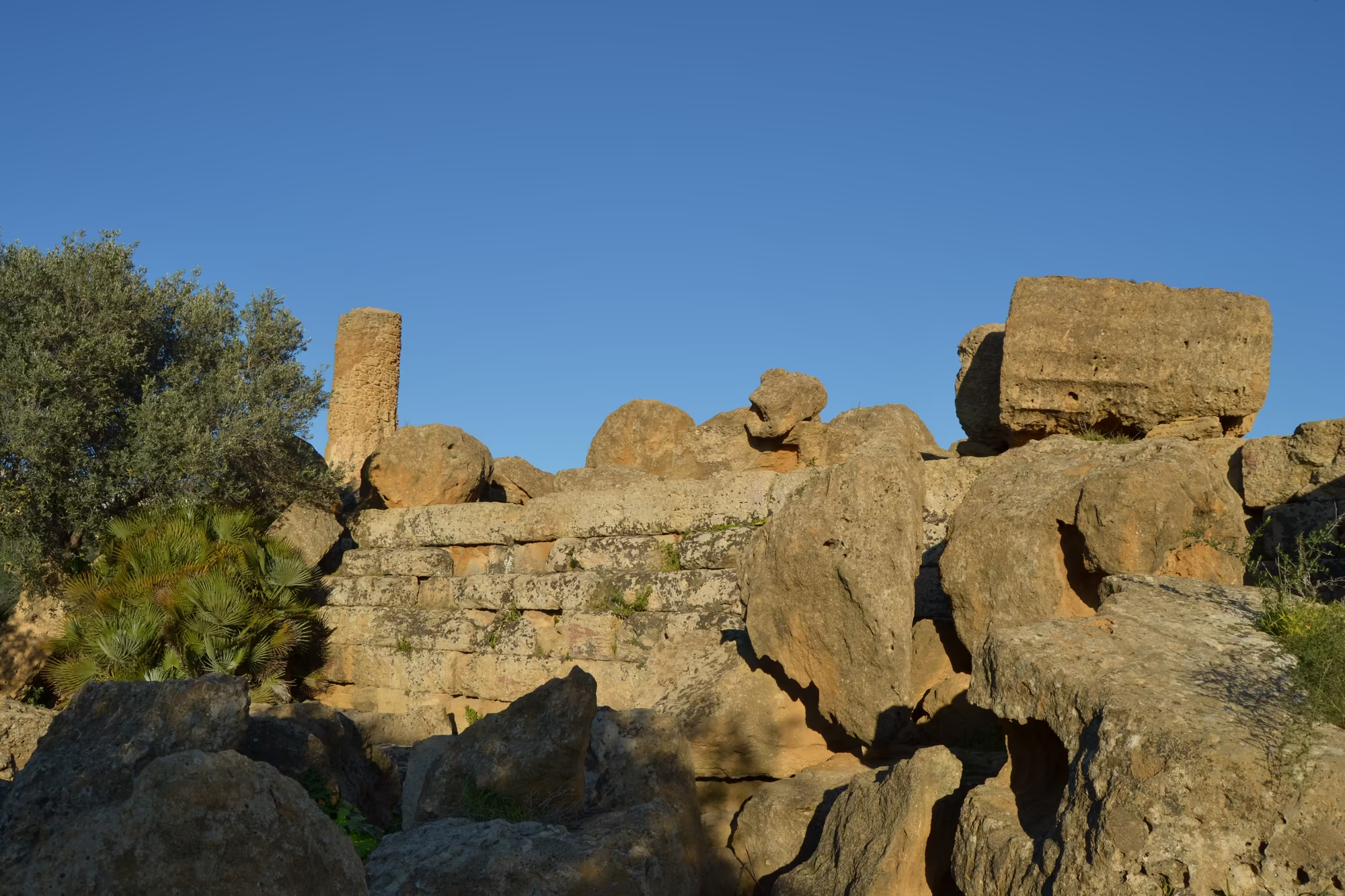
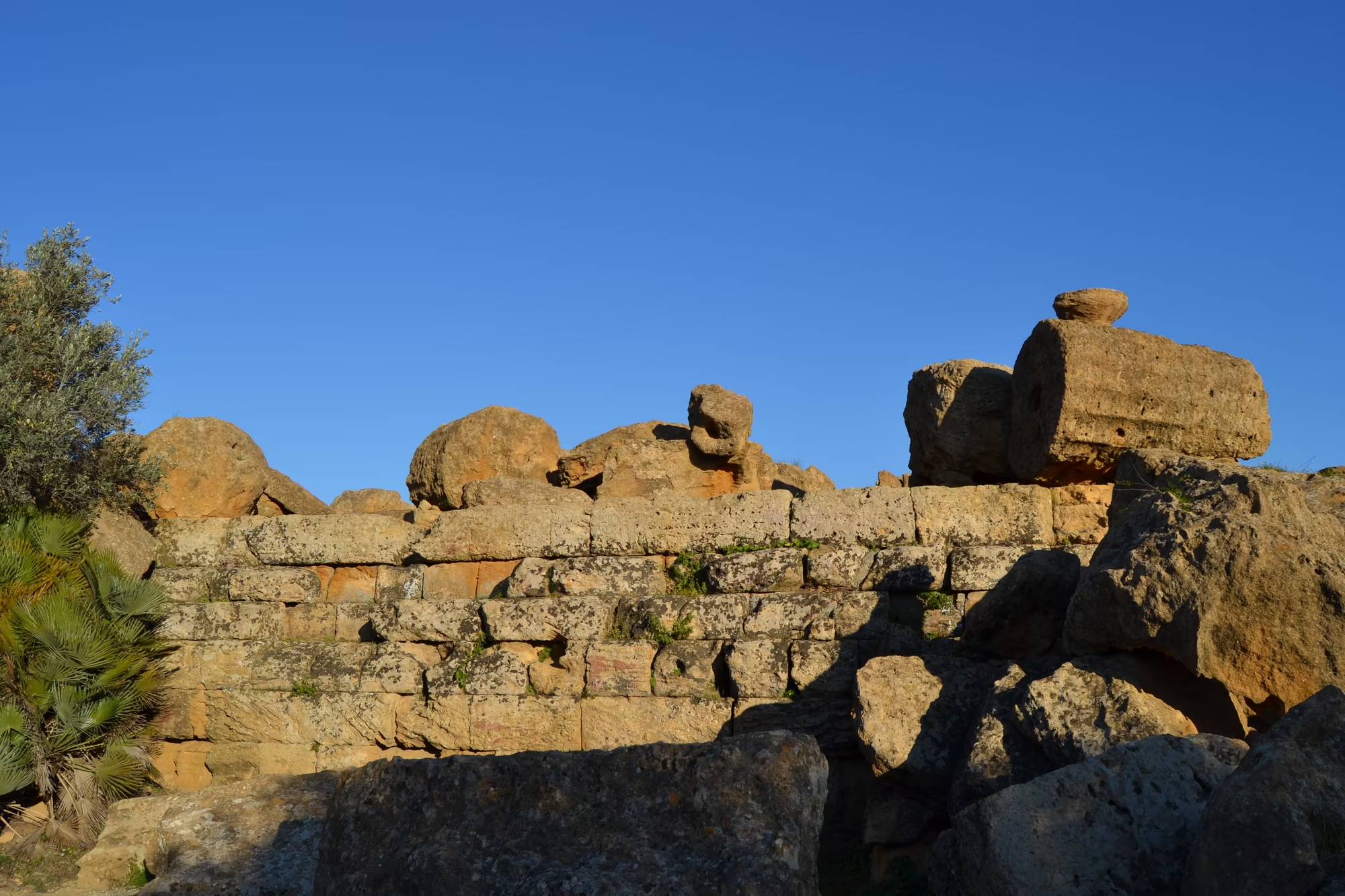
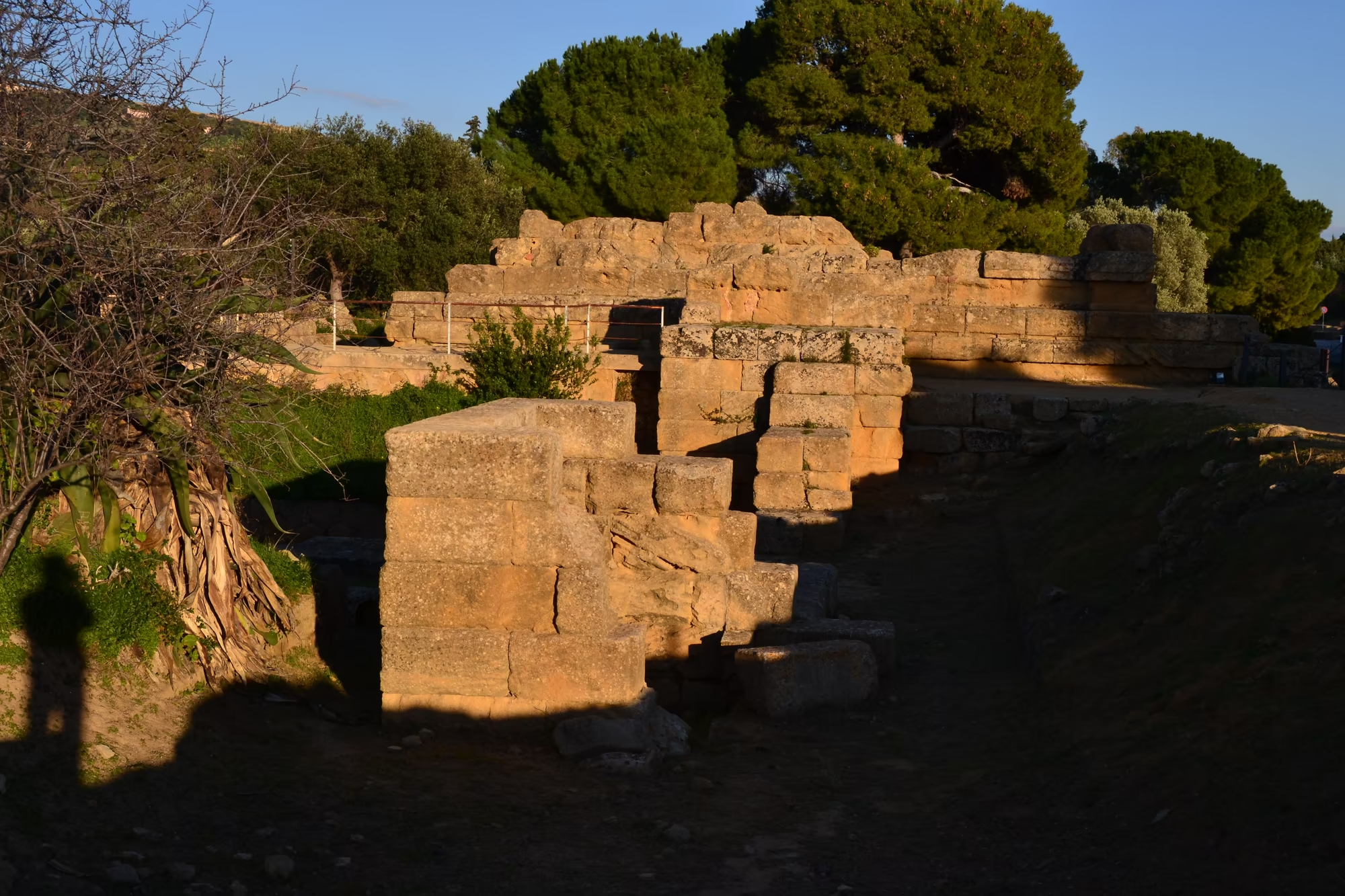
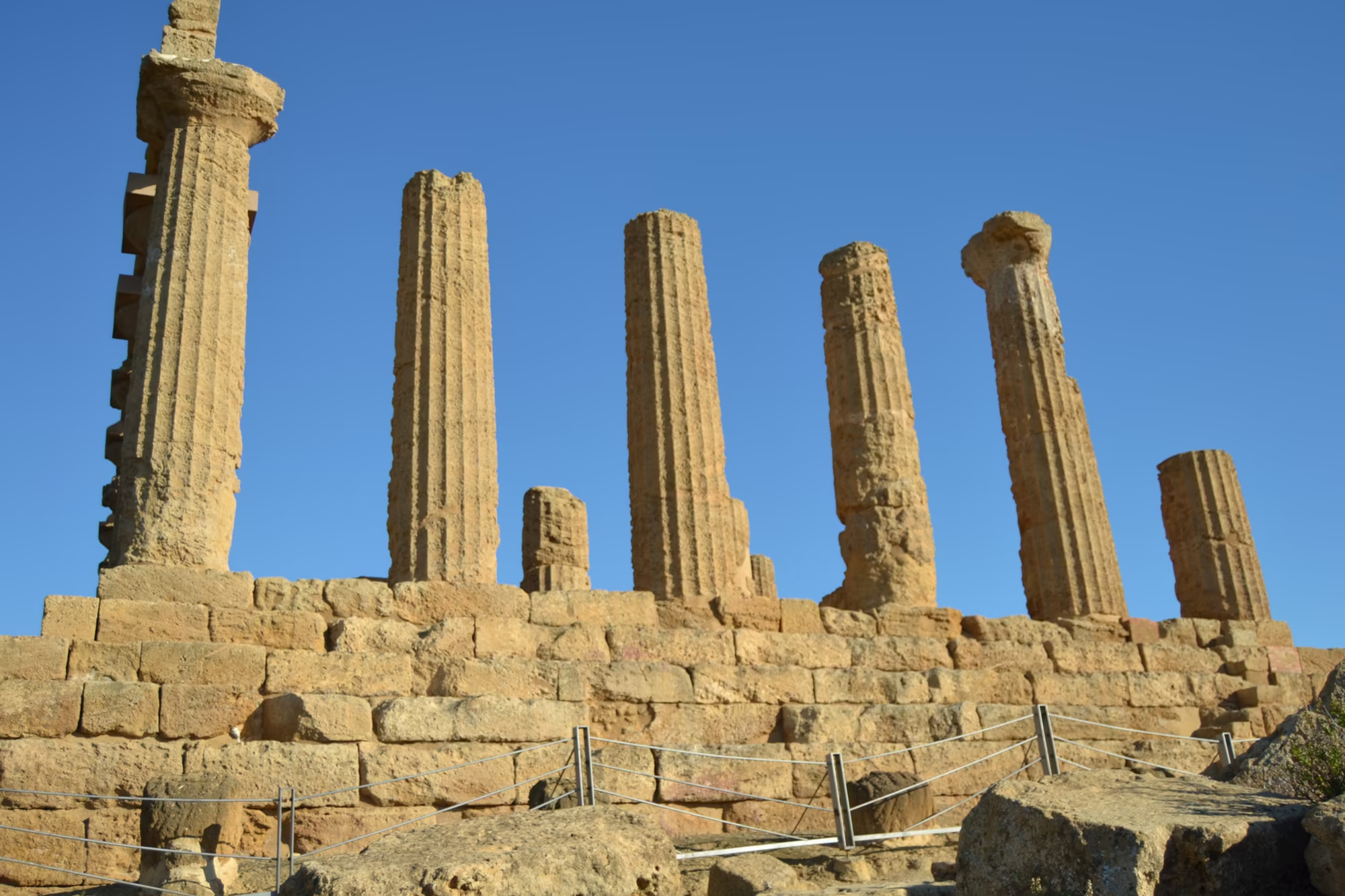
The rest of the ridge is a sequence of different states of preservation. Four fluted Doric columns of the Temple of the Dioscuri stand on the site above fallen stone blocks, their broken drums lying scattered across the green field; the massive foundations and the collapsed elements of the Temple of Olympian Zeus lie where they fell; a row of columns stands on a ridge against a pale sky; and the columns of the Temple of Hera stand on their platform looking out over the plain. Walking the length of the park, the technique of Greek temple building can be read from the foundations up in every stage of decay.
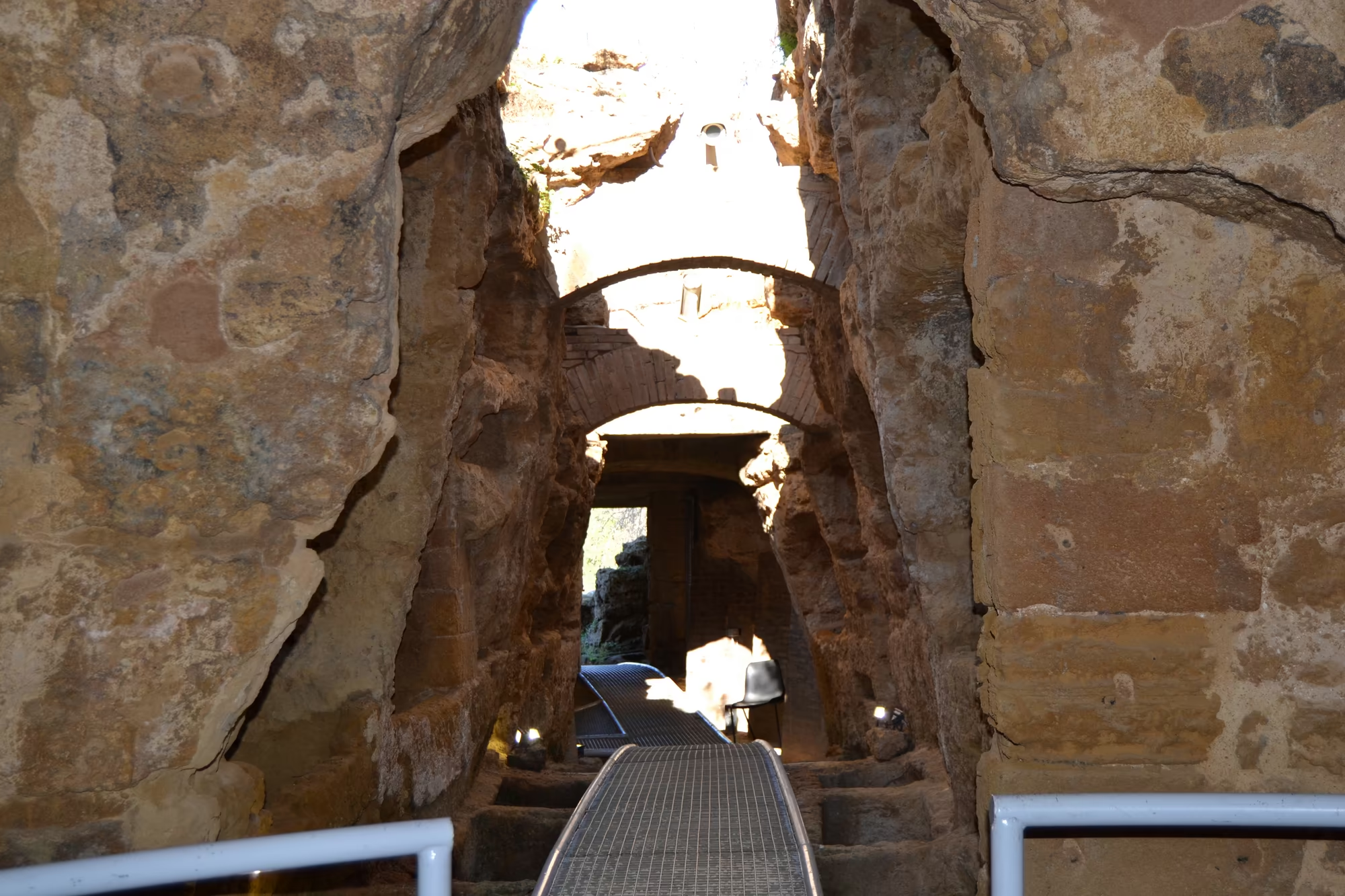
The necropolis and the rock-cut chambers are the third part of the visit. Weathered limestone blocks and a tomb carved with an arched niche stand among the olive trees, ancient blocks carved with rounded arched tomb niches glow in golden light, and large fallen blocks bearing carved niches lie stacked beside a dirt path; further along, arched niches cut into a rock face form a burial complex, and a rock-cut chamber opens into an inner passage with a metal walkway running through it, lit warmly below ground. The tomb chambers inside the hill are one of the least crowded and most atmospheric parts of the site.
The landscape completes the day. A clear imprint of a scallop shell fossil in the stone, several ancient olive trees on a dirt path overlooking a green valley with long shadows on the ground, a cream rural house among olive groves and green meadows with a hillside town in the distance, and a view over coastal fields and low buildings towards the calm sea with the sun reflected on the water are the last pictures of the journey. Looking back from the far end of the ridge, the temples stand above the plain with the sea beyond them, and the site reads as what it was: a great Greek city placed between its farmland and its harbour.
The necropolis above the temples is the part most visitors miss. Arched niches and chambers are cut into the rock faces along the ridges outside the ancient city, and the tomb fronts, with their carved openings, glow in low sunlight; a metal walkway leads through the rock-cut chambers below the museum area, and the interiors, lit warmly, are a sharp contrast to the grey stone outside. Nothing here has been reconstructed, which is what makes the site legible as a whole.
References
- Nocilla, A. & others (2016). Influence of the soil-atmosphere interaction on the collapse of sand in the Valle dei Templi. Procedia Engineering 158, 130-135. doi.org/10.1016/j.proeng.2016.08.460
- Sciarratta, R. (2023). Agrigento: il Parco archeologico e paesaggistico della Valle dei Templi. Annali della Scuola Normale Superiore di Pisa. doi.org/10.2422/2464-9201.202202_17
- Wikipedia contributors (2026). Agrigento. en.wikipedia.org/wiki/Agrigento
- Wikipedia contributors (2026). Doric order. en.wikipedia.org/wiki/Doric_order
- Wikipedia contributors (2026). Expedition of the Thousand. en.wikipedia.org/wiki/Expedition_of_the_Thousand
- Wikipedia contributors (2026). Giuseppe Garibaldi. en.wikipedia.org/wiki/Giuseppe_Garibaldi
- Wikipedia contributors (2026). History of Sicily. en.wikipedia.org/wiki/History_of_Sicily
- Wikipedia contributors (2026). Limestone. en.wikipedia.org/wiki/Limestone
- Wikipedia contributors (2026). Magna Graecia. en.wikipedia.org/wiki/Magna_Graecia
- Wikipedia contributors (2026). Sicily. en.wikipedia.org/wiki/Sicily
- Wikipedia contributors (2026). Temple of Concordia, Agrigento. en.wikipedia.org/wiki/Temple_of_Concordia,_Agrigento
- Wikipedia contributors (2026). Terracotta. en.wikipedia.org/wiki/Terracotta
- Wikipedia contributors (2026). UNESCO. en.wikipedia.org/wiki/UNESCO
- Wikipedia contributors (2026). Valle dei Templi. en.wikipedia.org/wiki/Valle_dei_Templi