2016 Tokyo 2











Journal Notes
General
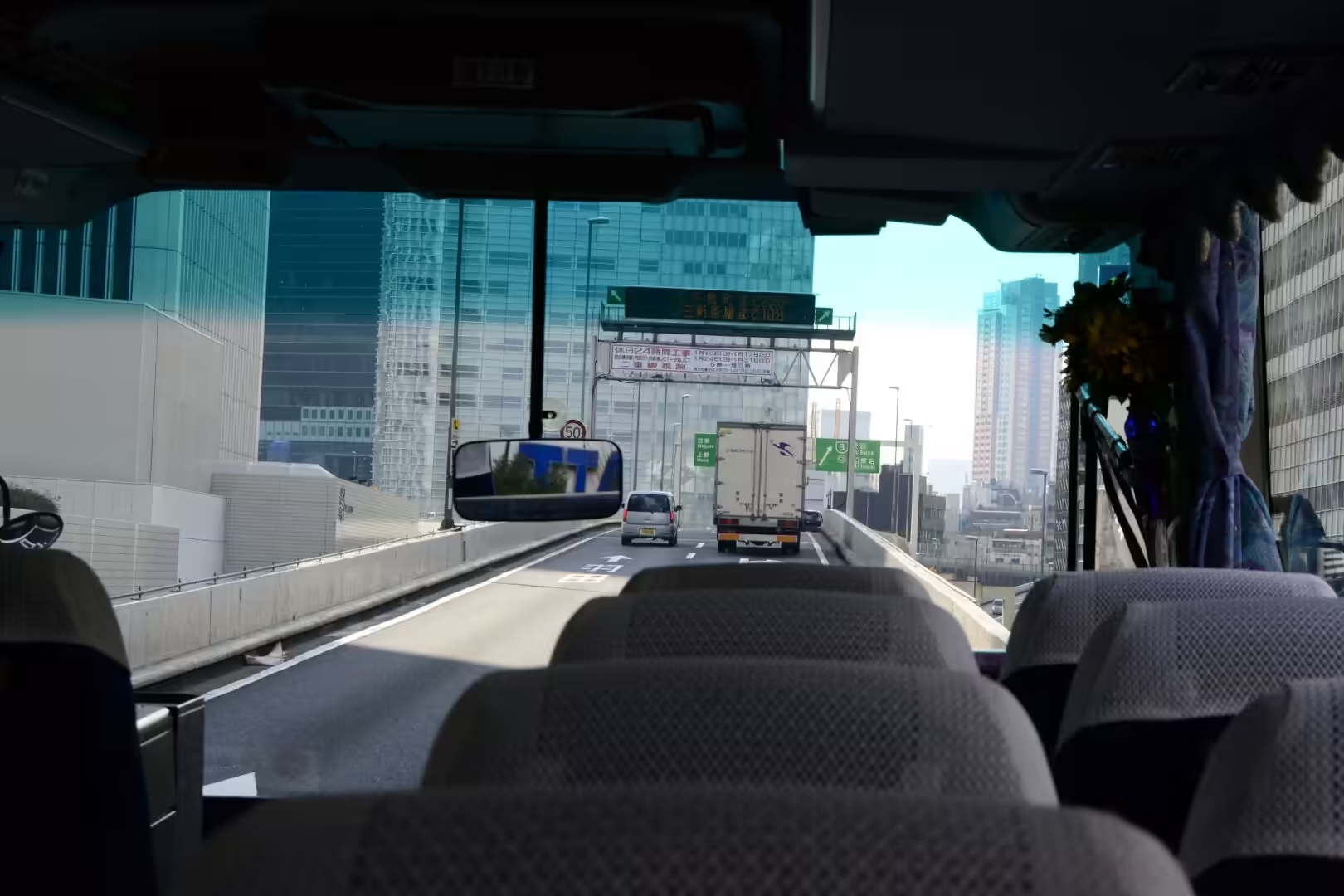
The second day in Japan was the day of the old capital. It began in Tokyo with a coach on the elevated expressway and a first view of the Imperial Palace across its moat, continued southwards to Kamakura on the coast of Sagami Bay, and ended after dark at the busiest pedestrian crossing in the world. Kamakura is a small city by Japanese standards, with about 173,000 inhabitants in an area of less than forty square kilometres, which gives it one of the higher population densities of the region, and it is one of the main tourist destinations of the Kanto region.
The road south leaves the plain and enters the hills, and the change is abrupt. Tokyo is flat and grey and endless; Kamakura is green and enclosed, a town of temples and lanes between wooded ridges and the sea. It was the seat of Japan’s first military government and it has been a place of pilgrimage and leisure ever since, first for the townspeople of Edo, then for the railway excursion and eventually for the modern day visitor.
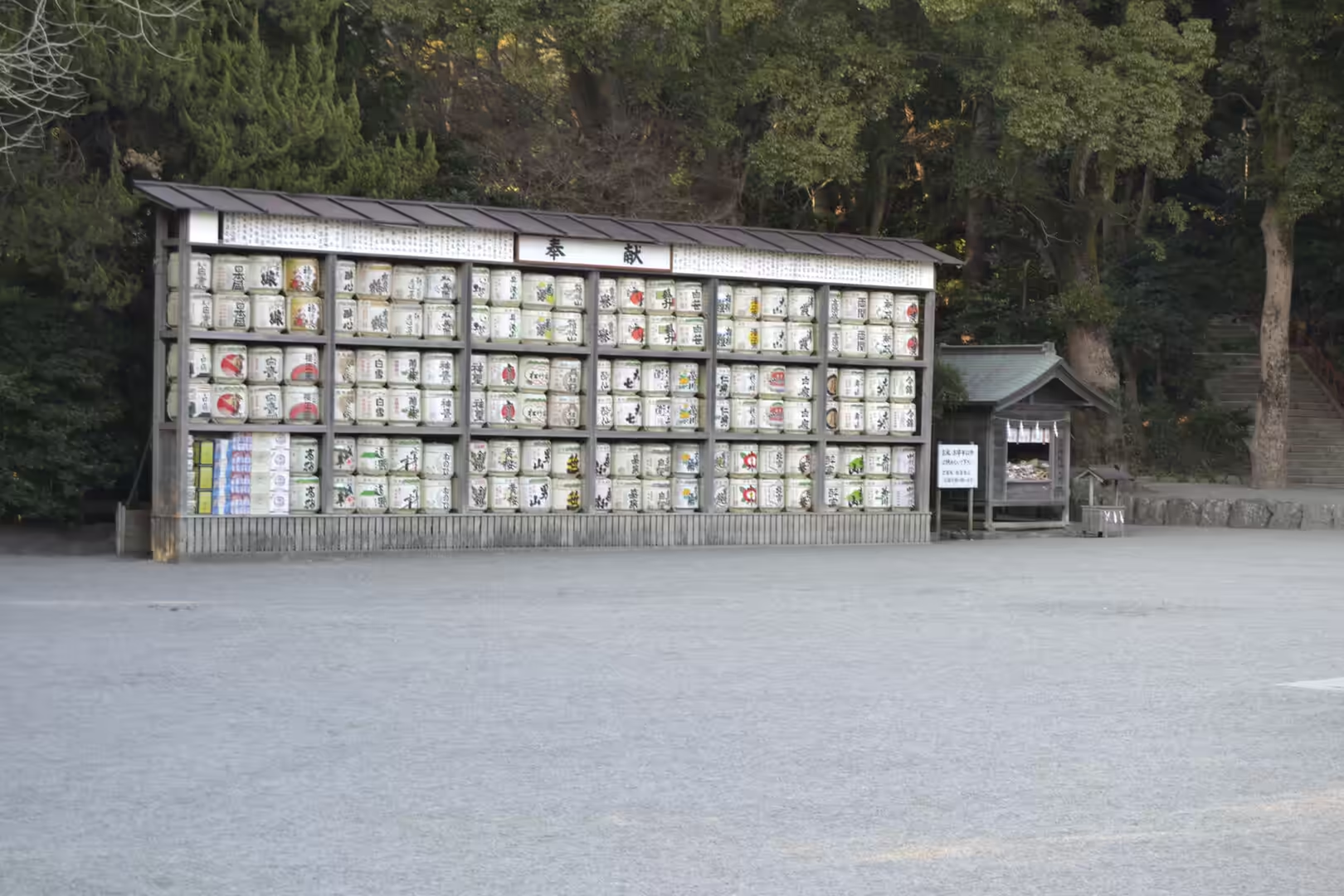
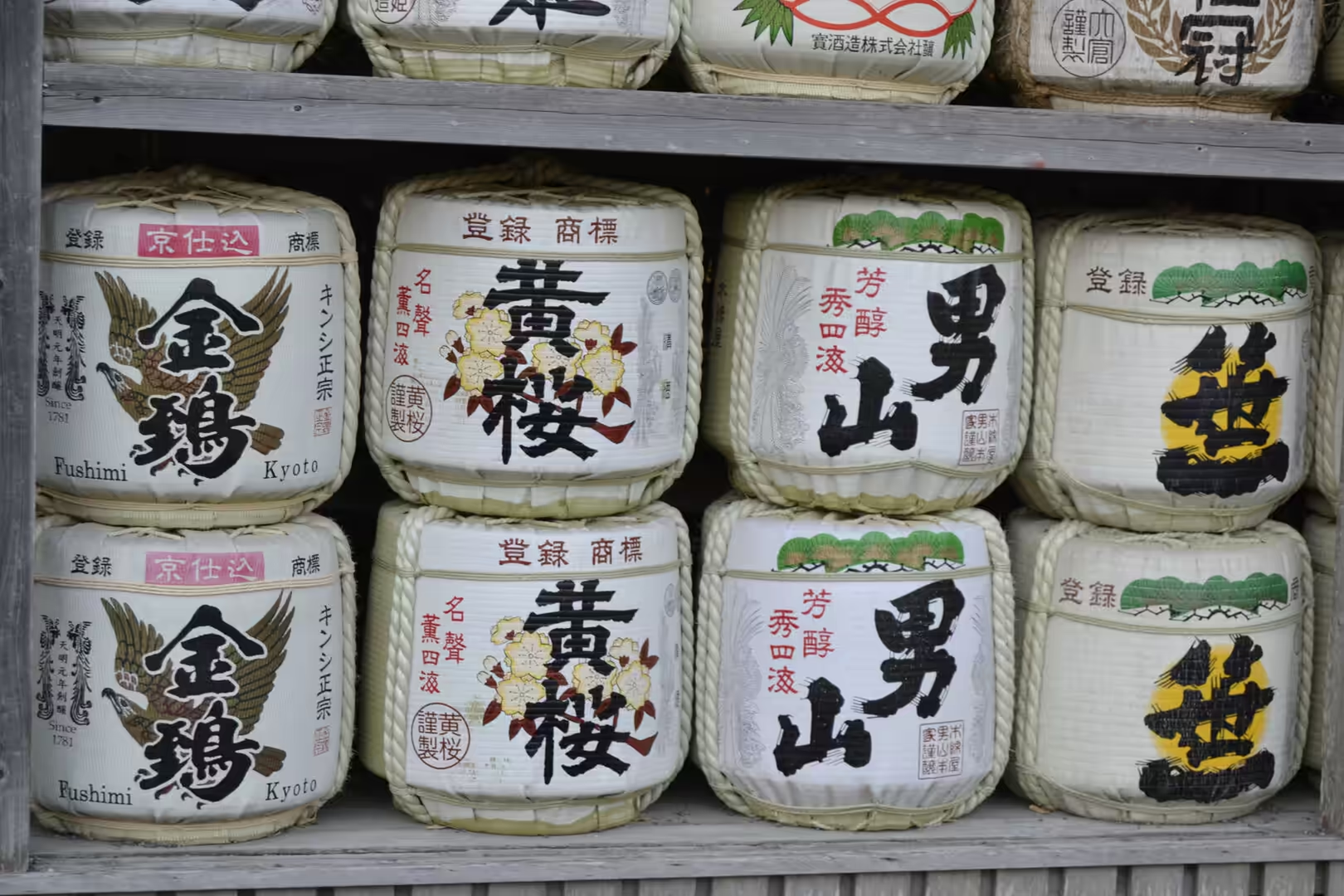
The plan of the day was simple: the shrine and the temples in the morning, the streets and the shops in the middle of the day, the sea in the afternoon, and the return to Tokyo for the evening. The weather was fine and warm, the town was busy with school groups in uniform, and the sake bottles left as offerings at the temple steps gave the day its colour.
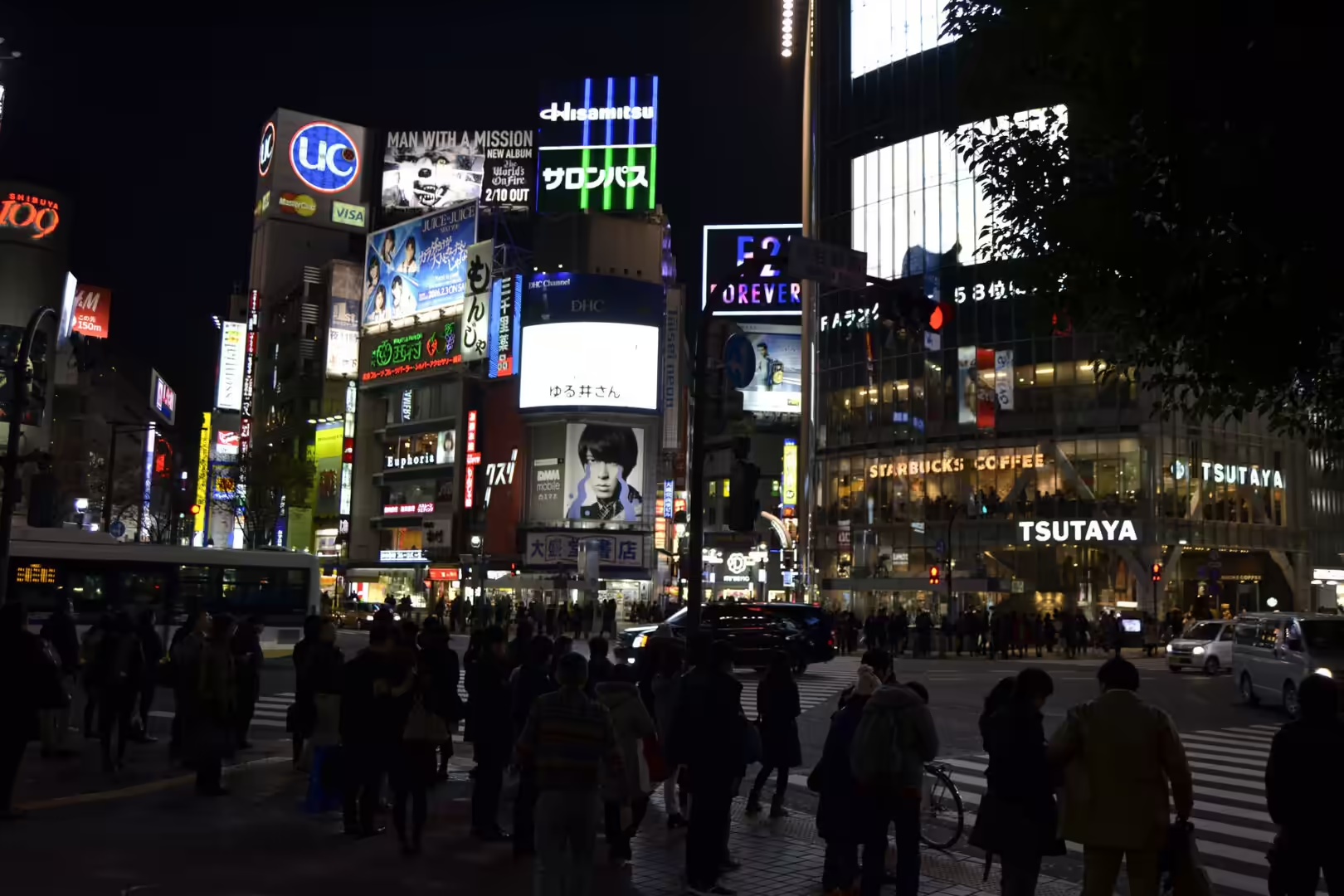
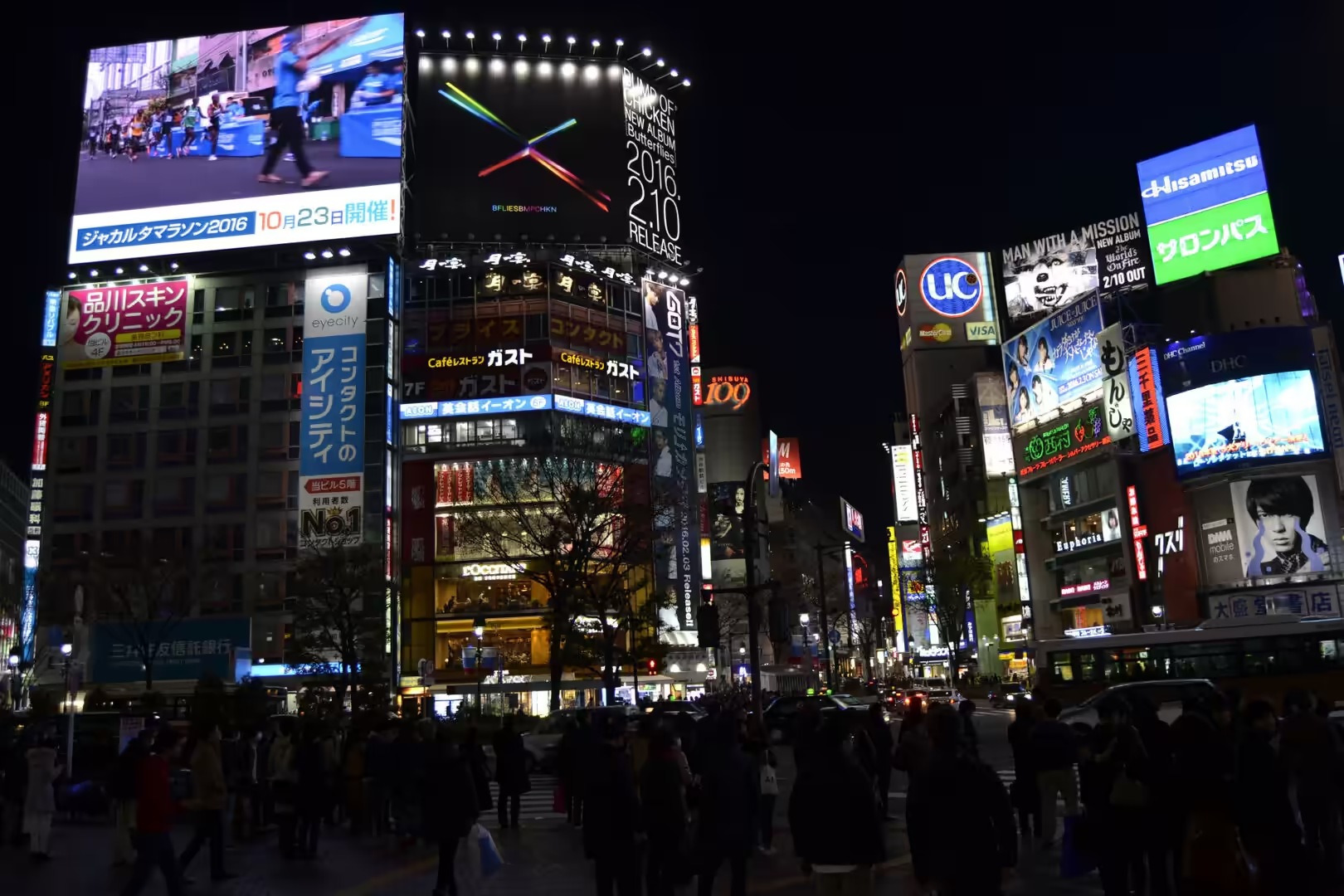
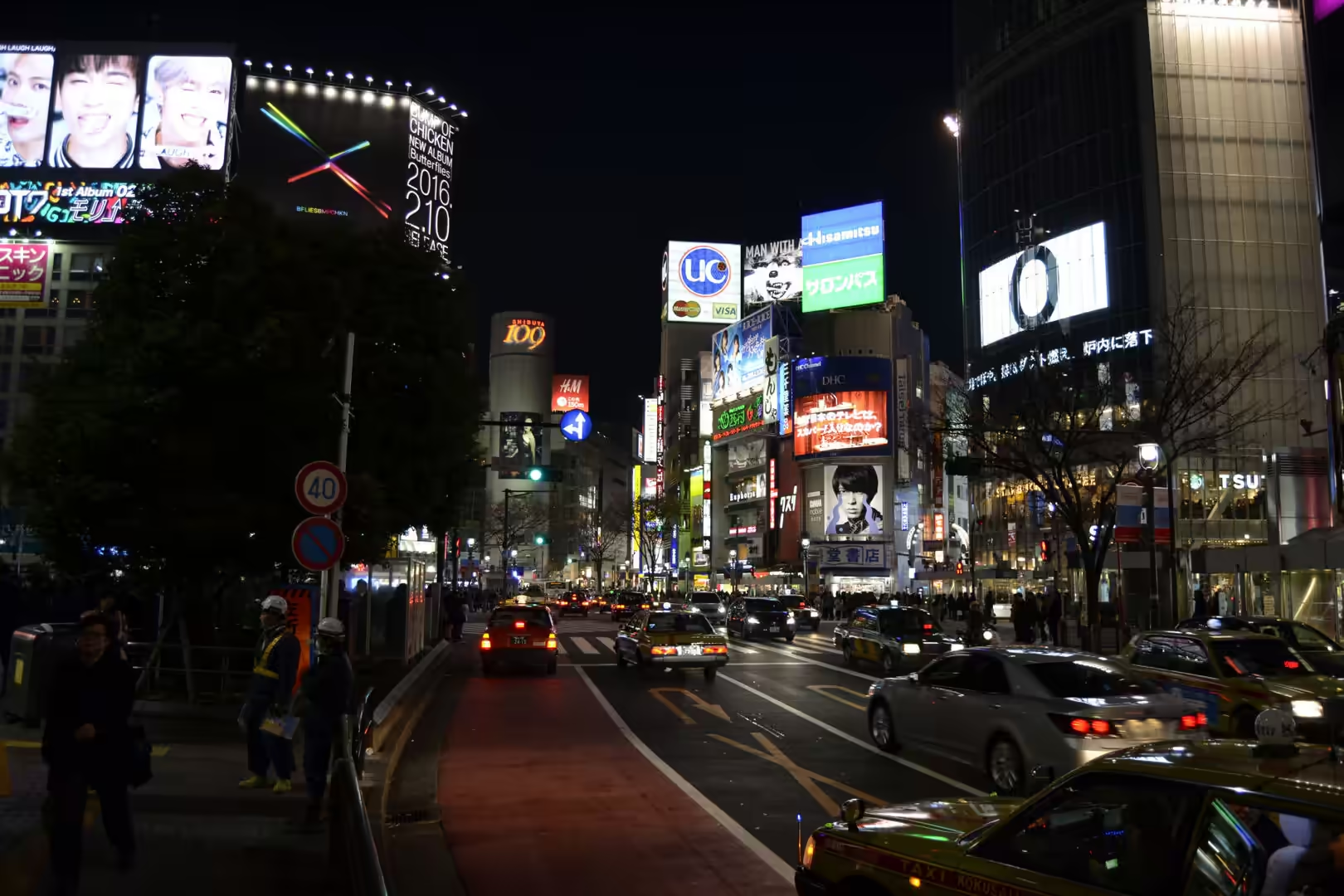
The evening belonged to Shibuya. The scramble crossing beside Shibuya Station, where the pedestrian phases of several streets run at once, was laid out in 1973 and is regularly described as the busiest pedestrian crossing in the world, with as many as three thousand people crossing in a single green light. Around it are the screens, the shops and the crowds that have made the place an image of Tokyo in its own right.
History
Kamakura was the capital of Japan for a century and a half without ever being called that. In 1185, after the Genpei War between the Taira and the Minamoto, the warrior Minamoto no Yoritomo established his military government at Kamakura, and the shogunate he founded ruled the country from there until 1333. It was the first military government in Japanese history, and its peculiarity was that it left the emperor and the imperial court in Kyoto in place as a figurehead while the real power sat in a small seaside town four hundred kilometres to the east.
The institution lasted a hundred and thirty five years and produced nine shoguns, though for much of that time the real authority lay with the regents of the Hojo family, sixteen of whom held office in succession. In 1221 the retired emperor Go-Toba attempted to overthrow the shogunate in the Jokyu War and failed, which settled the question of where power lay for another century. Kamakura was governed as a warrior city, and the Buddhist temples that remain, with their great halls and their ranks of stone monuments, were the spiritual and political architecture of that government.
The Great Buddha belongs to this period. The bronze statue of Amida at the Kotoku-in temple, thirteen and a third metres high including its base and weighing about ninety three tonnes, was cast around 1252, during the Kamakura period, and it is one of the most famous images in Japan and a designated National Treasure. It replaced an earlier wooden figure, itself a replacement, whose hall had been destroyed by a storm; the bronze image was funded by a noblewoman and a priest and cast by one of the leading founders of the day, and the statue is hollow, so that visitors can walk inside it.
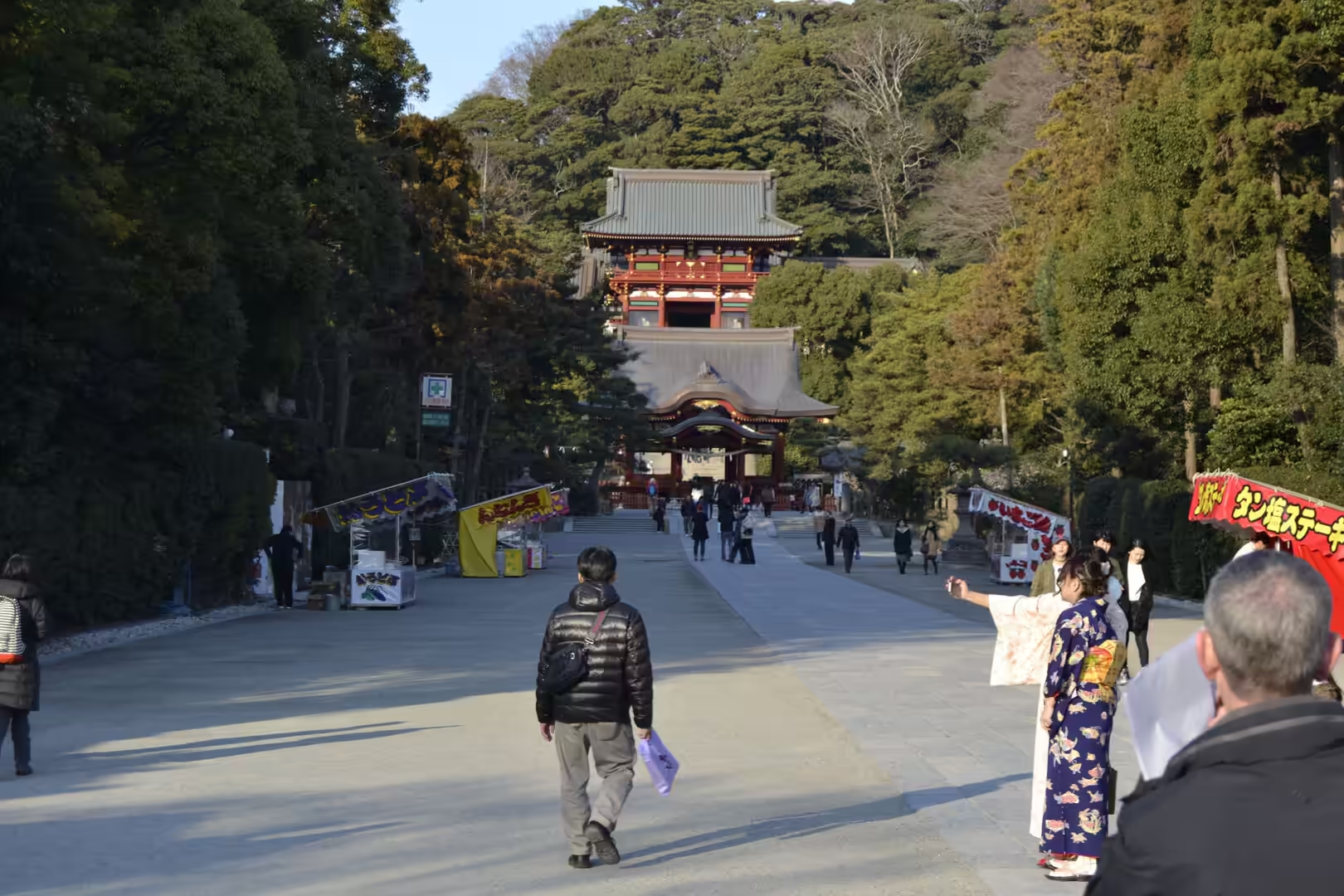
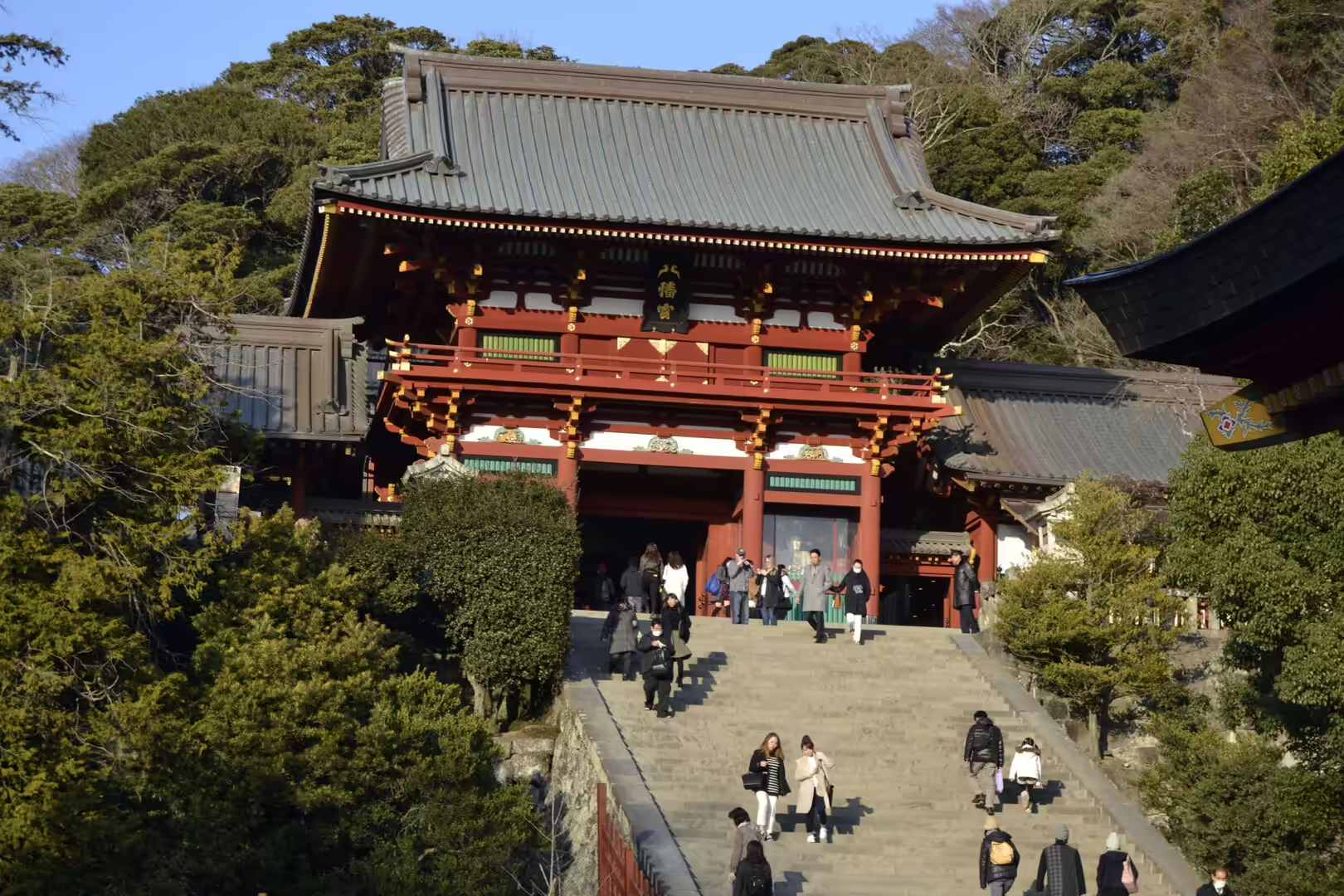
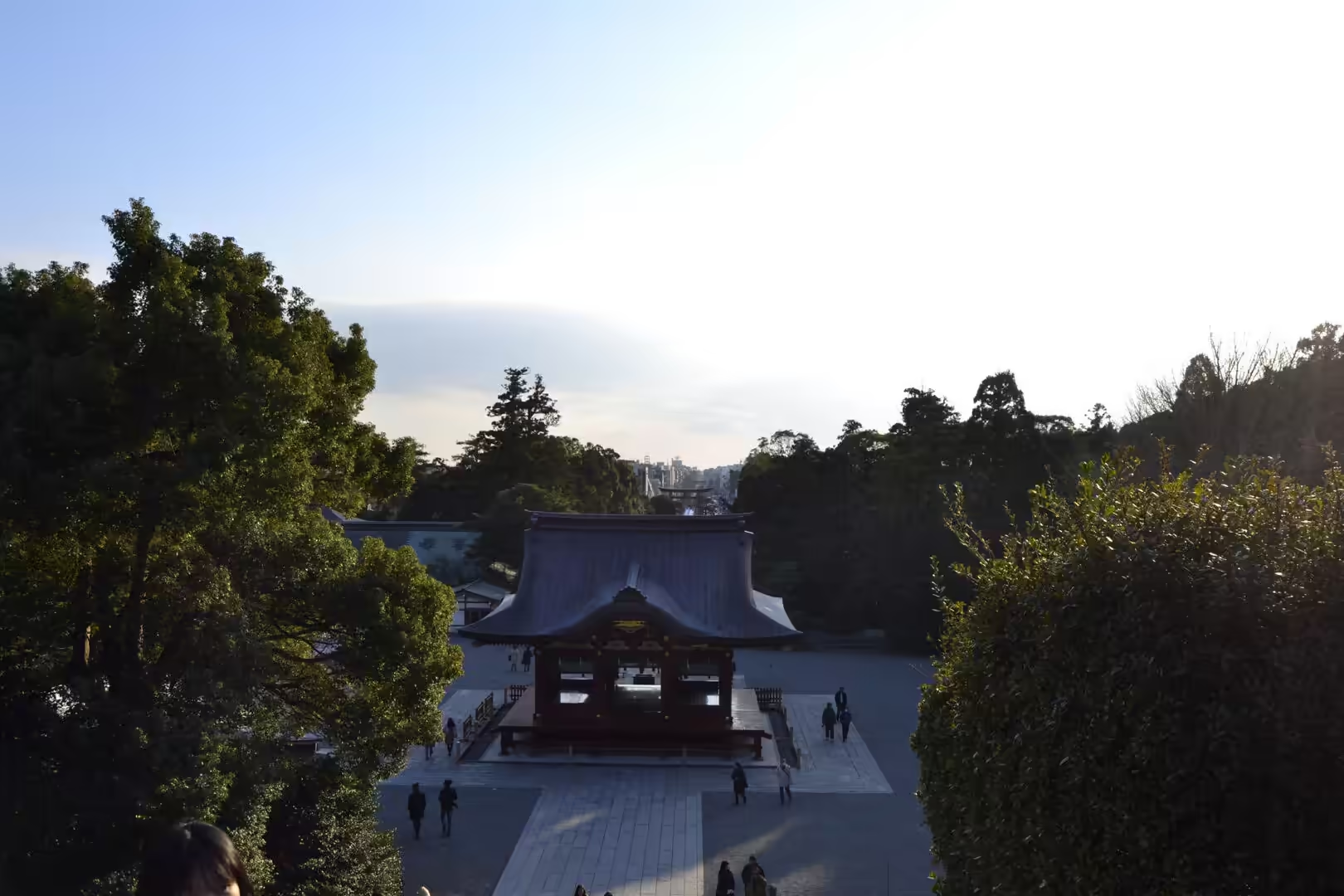
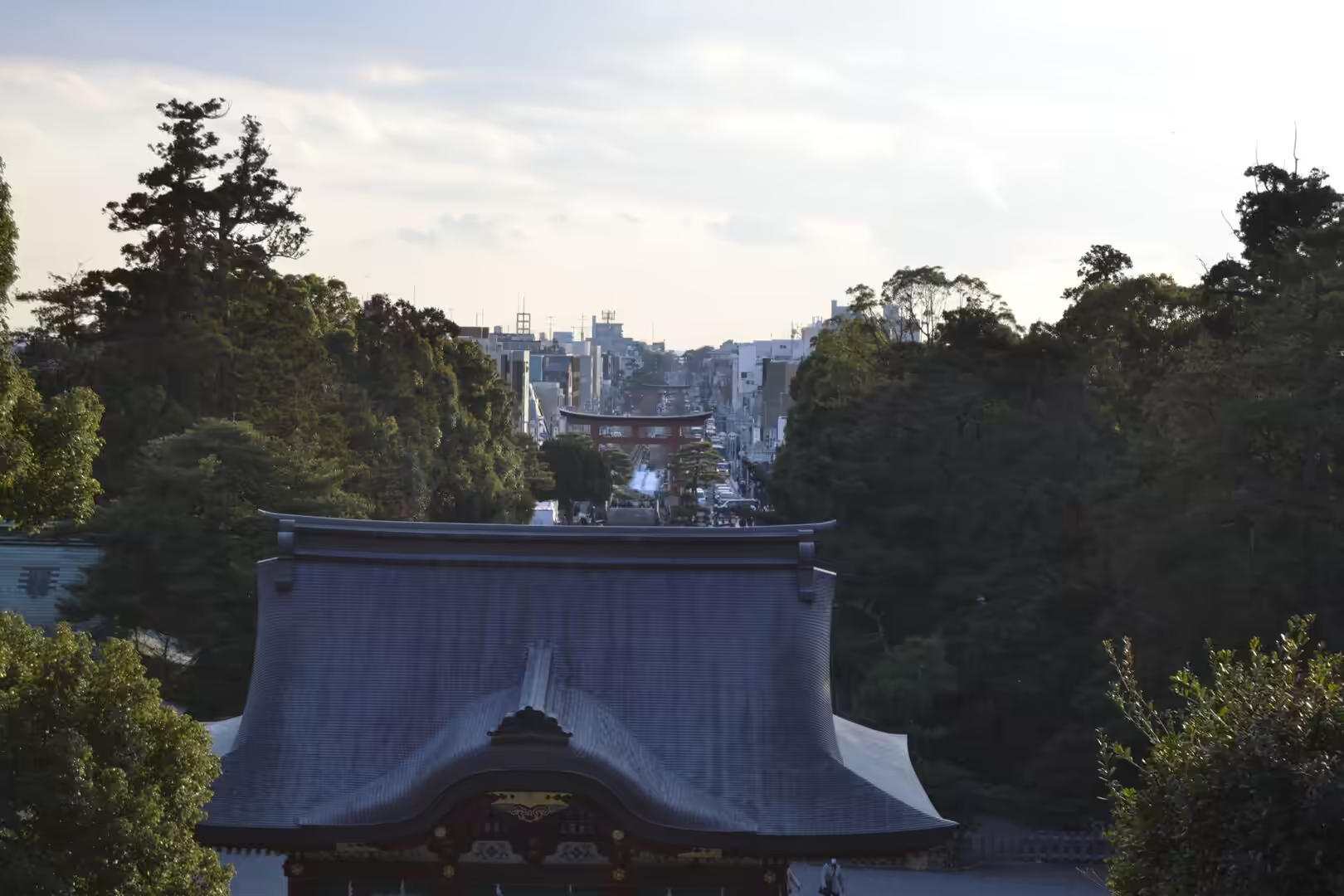
Tsurugaoka Hachimangu, the shrine that was the religious centre of the warrior city, was laid out at the end of a straight approach more than a kilometre and a half long that runs down to the sea at Yuigahama, and it served as both a Shinto shrine and a Buddhist temple until the separation of the two religions was ordered in 1868. The present buildings are a twentieth century reconstruction, the shrine having been rebuilt after the war, and it remains the most important Shinto shrine in Kamakura.
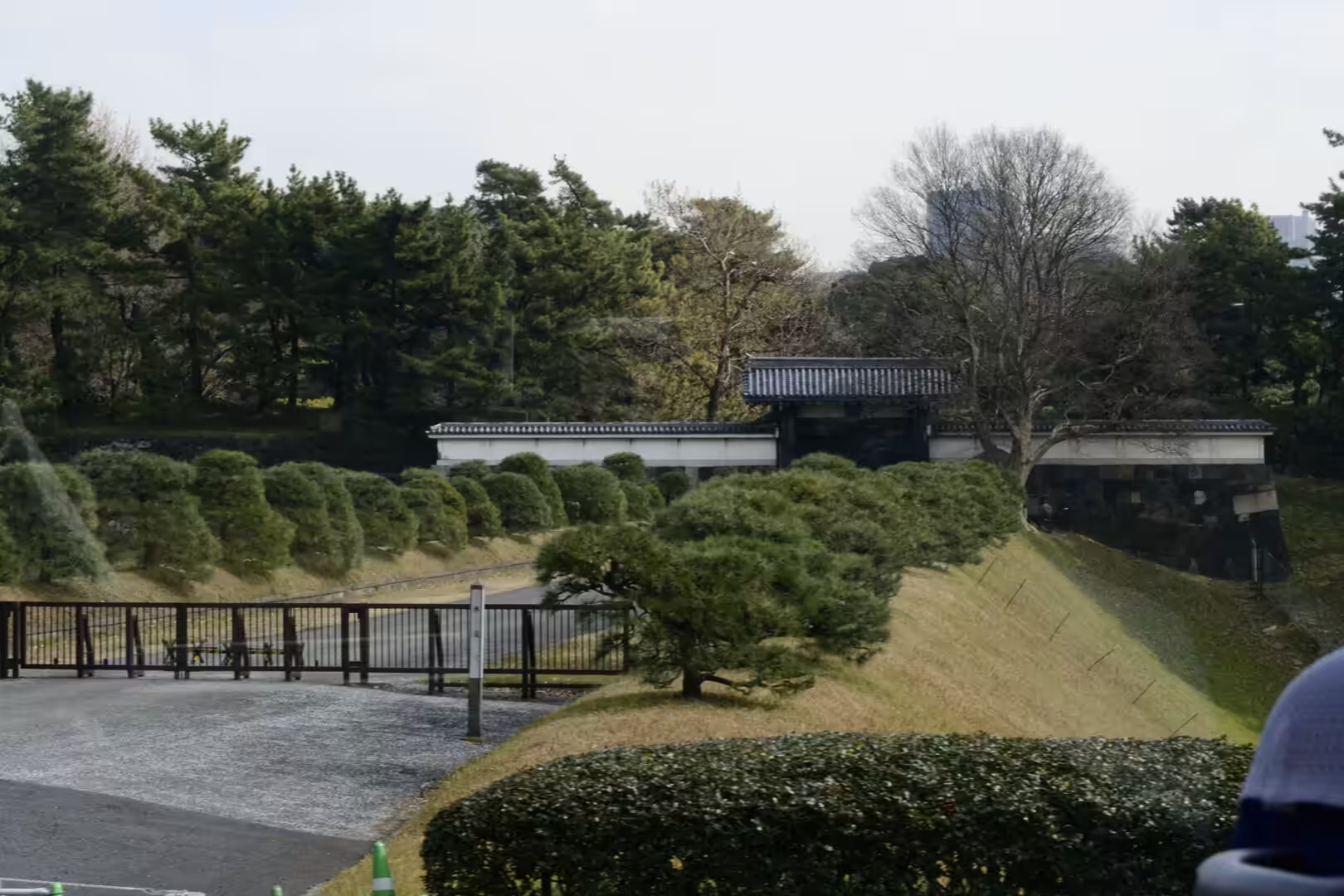
Edo Castle, seen from the expressway on the way out of Tokyo, belongs to the other end of Japanese history. It was built in 1457, became the headquarters of the Tokugawa shogunate in 1603, and grew into the largest fortress in the country, with a perimeter of about sixteen kilometres, thirty eight gates at its greatest extent and ramparts almost twenty metres high behind walls of twelve, all of it surrounded by concentric moats. It is the Imperial Palace today, and the white gatehouse among the pines above the water is one of the few pieces of the old castle that a visitor sees without entering the palace grounds.
Geology
The geology of the day begins with the plain and ends with the sea. Tokyo stands on the Kanto Plain, the largest plain in Japan, a basin of river gravel, sand, silt and clay about 17,000 square kilometres in extent, with hills of older Tertiary rock standing out of the alluvium. Kamakura sits at the southern edge of that region, where the plain meets the hills of the Miura Peninsula and the water of Sagami Bay, and it is a natural fortress: ridges on three sides, the sea on the fourth, and only a few passes through the hills.
Sagami Bay is a deep indentation on the Pacific coast of central Honshu, between the Miura and Izu peninsulas and about forty kilometres south west of Tokyo. Its greatest depth is around 1,500 metres, and the water is unusual: the Oyashio, the cold current from the north, reaches into the bay, so that sub arctic organisms live alongside warm water species and the bay has an exceptionally rich marine fauna for its latitude. The climate of Kamakura, mild in winter and green all year, is a product of that sea.
The bay is also where the plates meet. The Philippine Sea plate is being subducted beneath the island arc along the Sagami Trough, which runs across the sea floor at the entrance to the bay, and this boundary produced the great earthquake of 1 September 1923, whose epicentre lay about a hundred kilometres south west of Tokyo. Kamakura suffered significant losses of its historical and cultural assets in that earthquake, and the region has been the subject of seismological study ever since, because a trench of this kind accumulates strain and releases it in events of magnitude eight.
Water has shaped the town in slower ways as well. During the Jomon period, several thousand years ago, the sea stood higher than it does now, and all of the flat land in Kamakura as far inland as Tsurugaoka Hachimangu, and beyond it to the east, lay under water. The oldest pottery fragments found in the area come from hillside settlements of that period, and it was only as the sea receded in the Yayoi period that the plain of the town emerged and farming replaced hunting and fishing. The modern coastline is a recent arrangement of a much older shoreline.
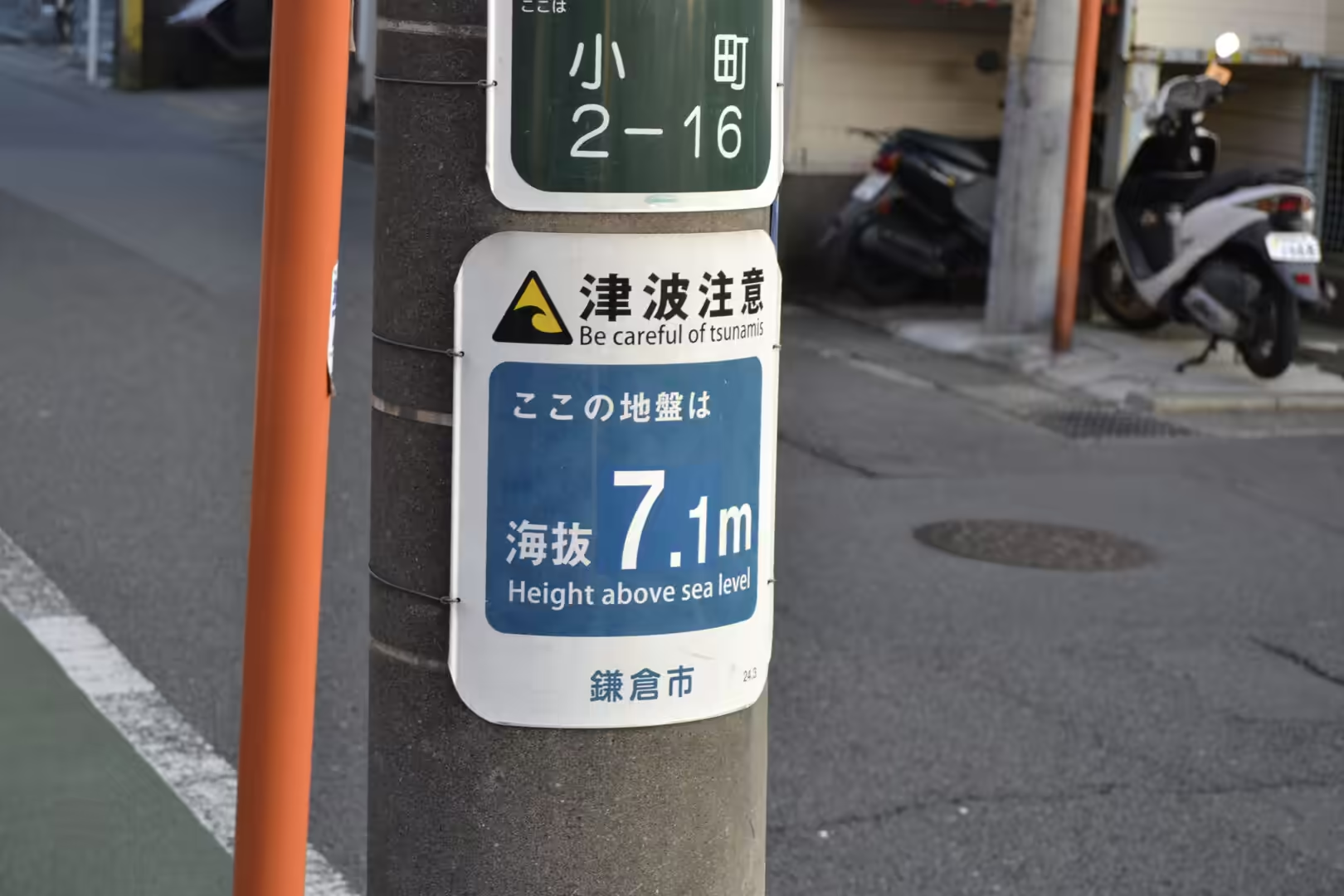
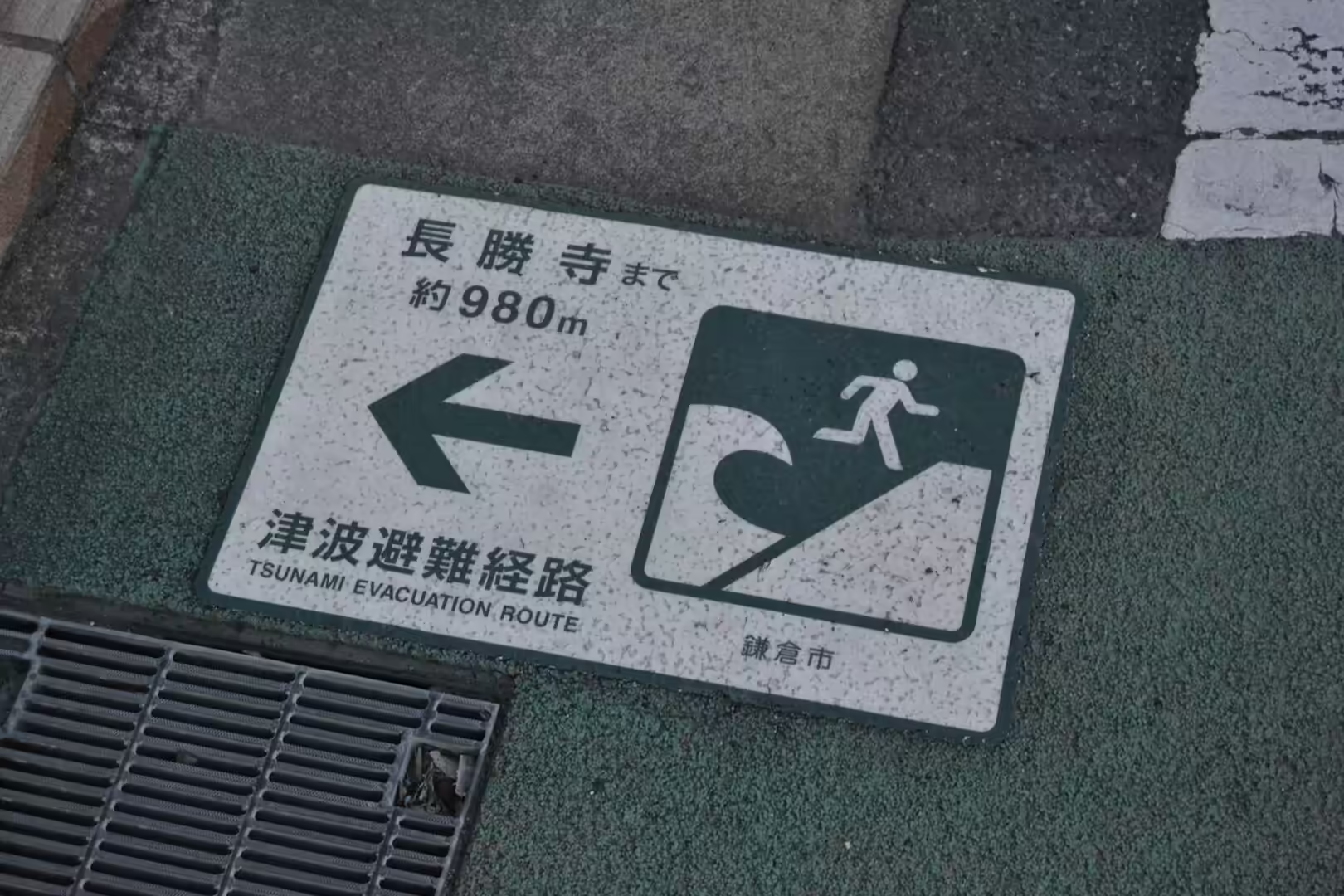
The sea has also taken things away. The tsunami that followed the Nankai earthquake of 20 September 1498 washed away the last building that housed the Great Buddha, and the statue has stood in the open air ever since, which is why it is seen today against the sky rather than inside a temple hall. A tsunami warning sign stands among the houses of the town, and it is not a decoration: the coast of Sagami Bay has a documented history of these waves, and the engineering of the seaside districts is designed around them.
Things to See
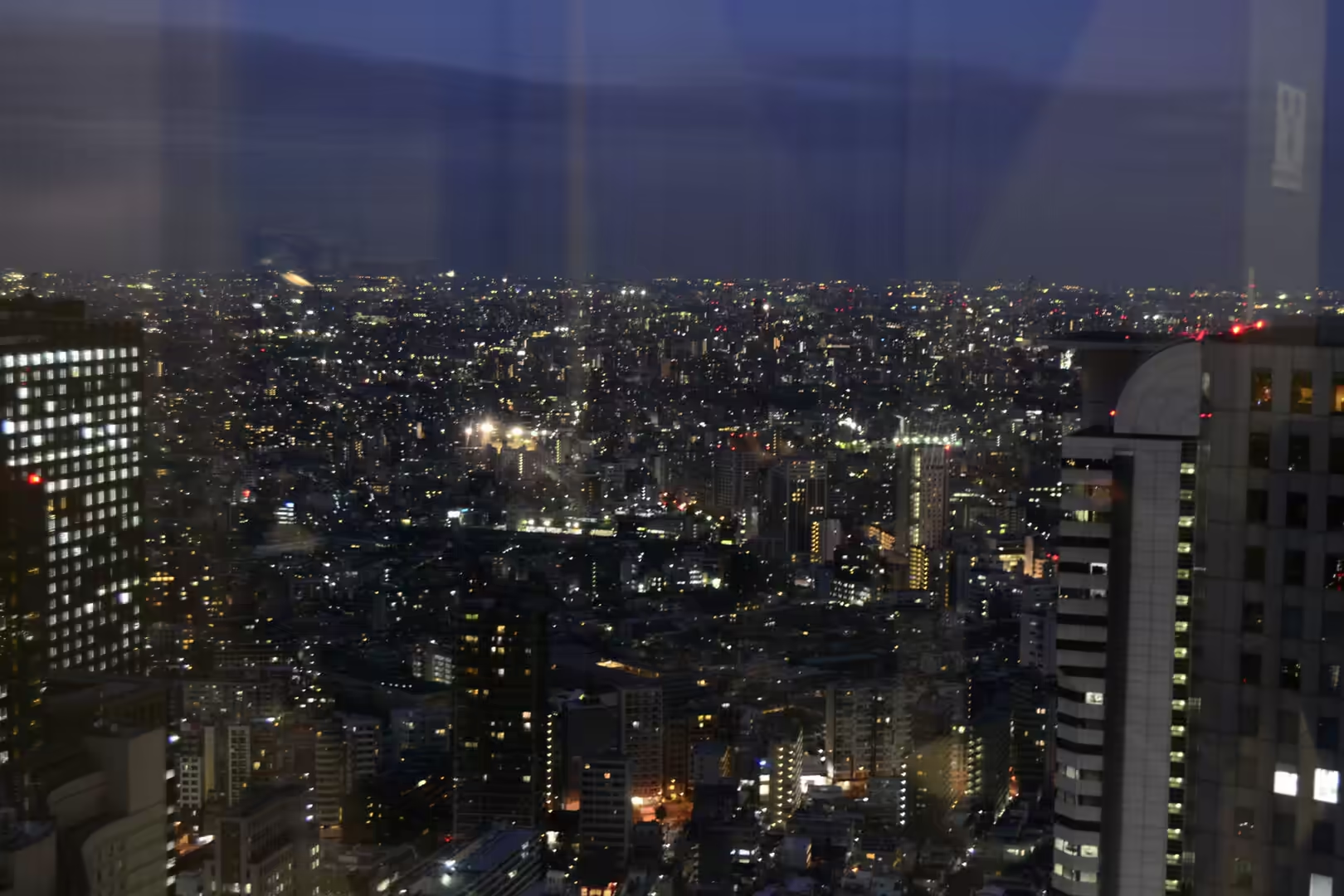
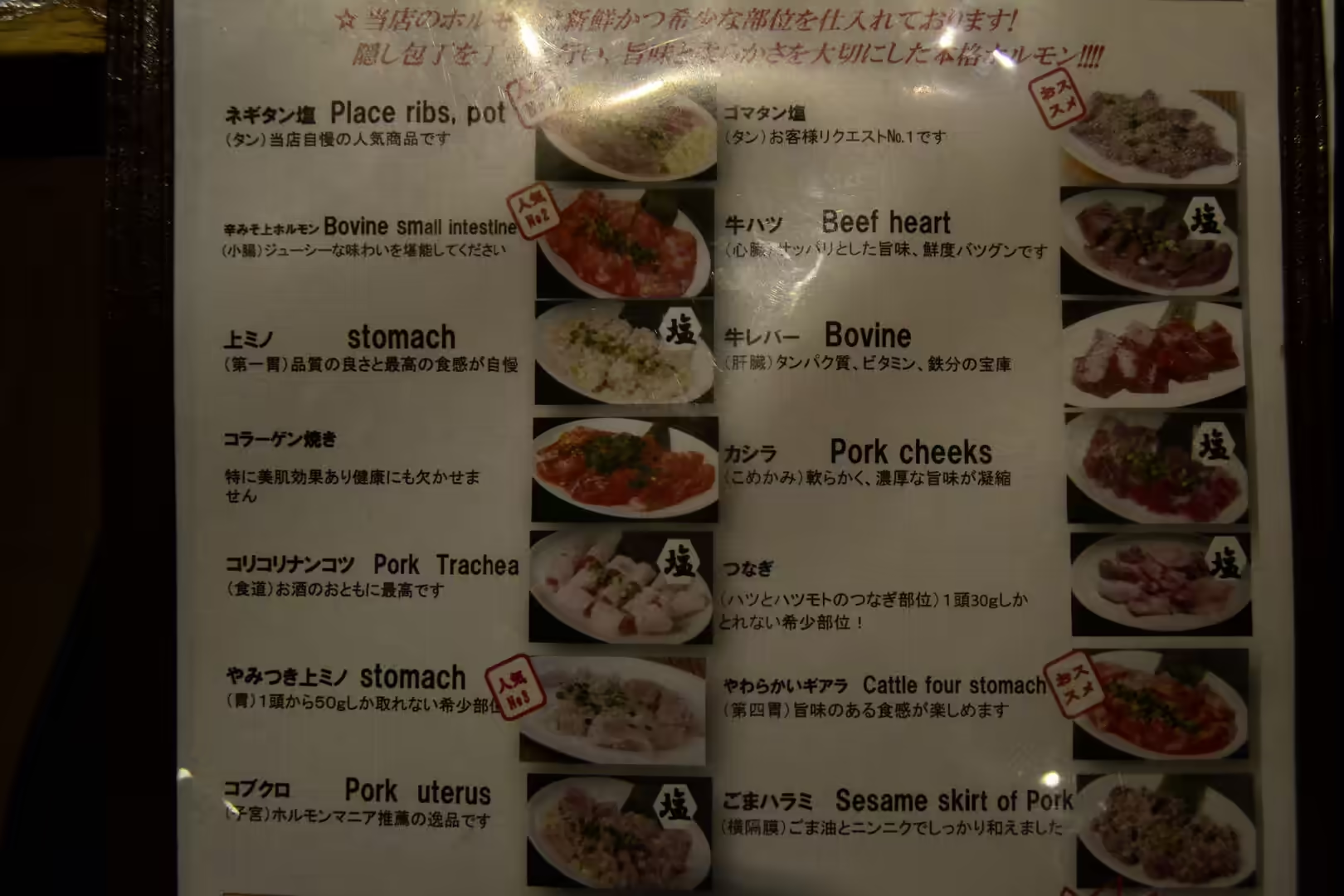
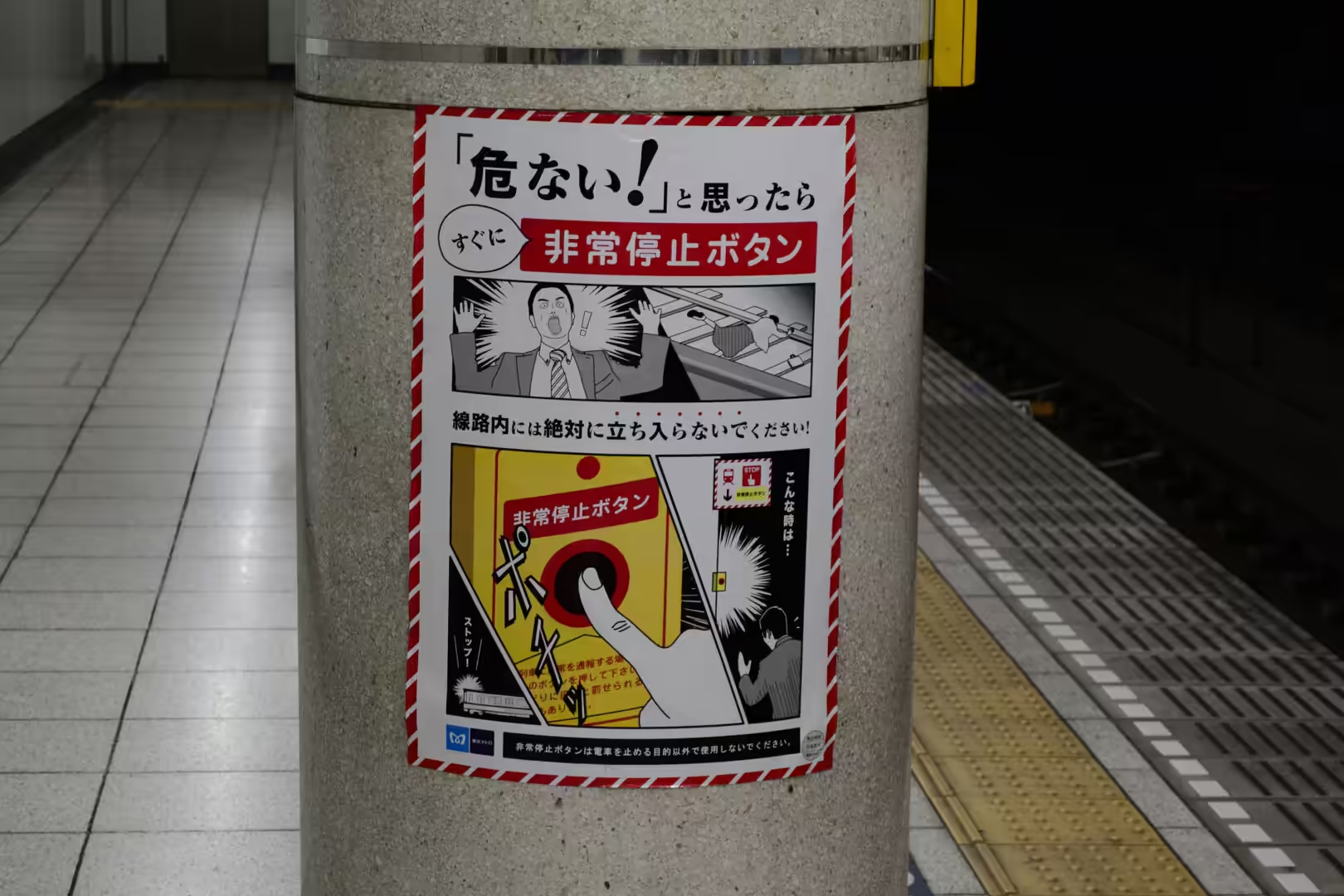
The day opened in Tokyo after dark, with the city spread out and lit below the hotel window, and with the ordinary surprises of the Japanese street: a restaurant menu covered in characters and prices with no picture to help, and a warren of underground passages beside a station, lined with signs and shops, which is how one changes lines in this city without ever coming to the surface.
The first proper sight of the old capital was the Imperial Palace, seen from the coach as it came onto the expressway. A moat with water the colour of stone, a long white wall, a gatehouse with a dark tiled roof and two storeys, pines leaning over one corner, and the towers of the modern city standing behind it: the two Tokyos, the shogun’s and the salaryman’s, in a single view.
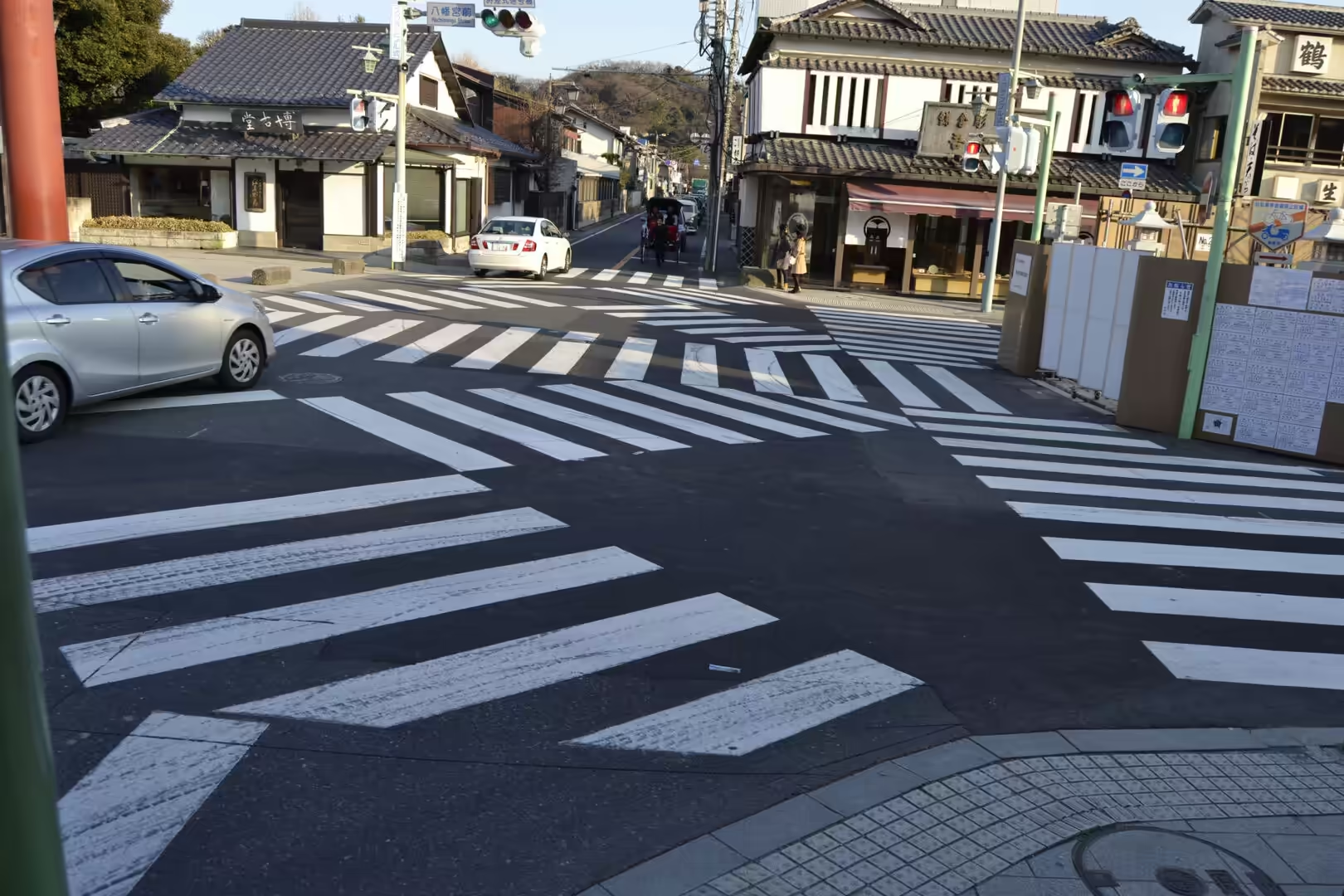
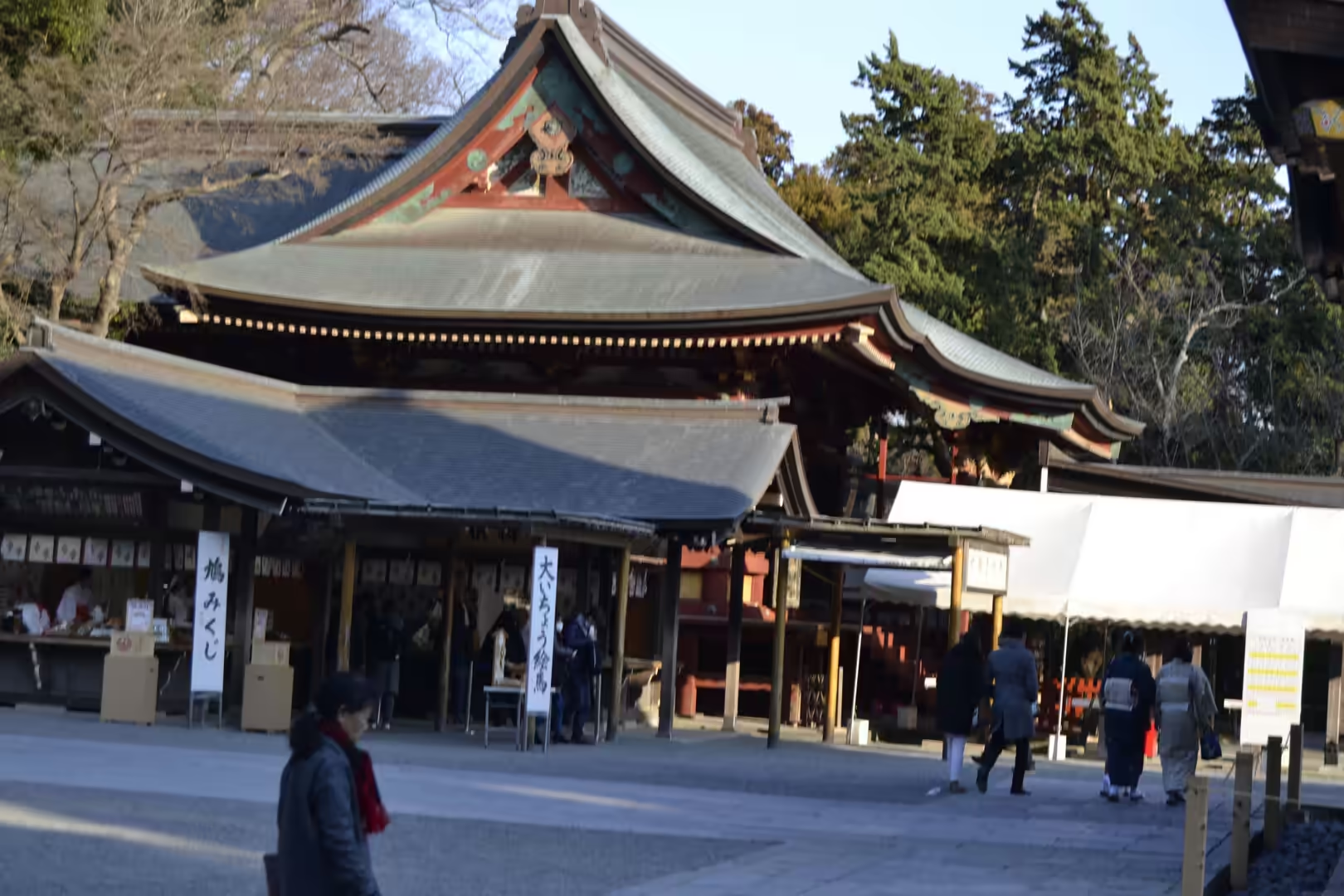
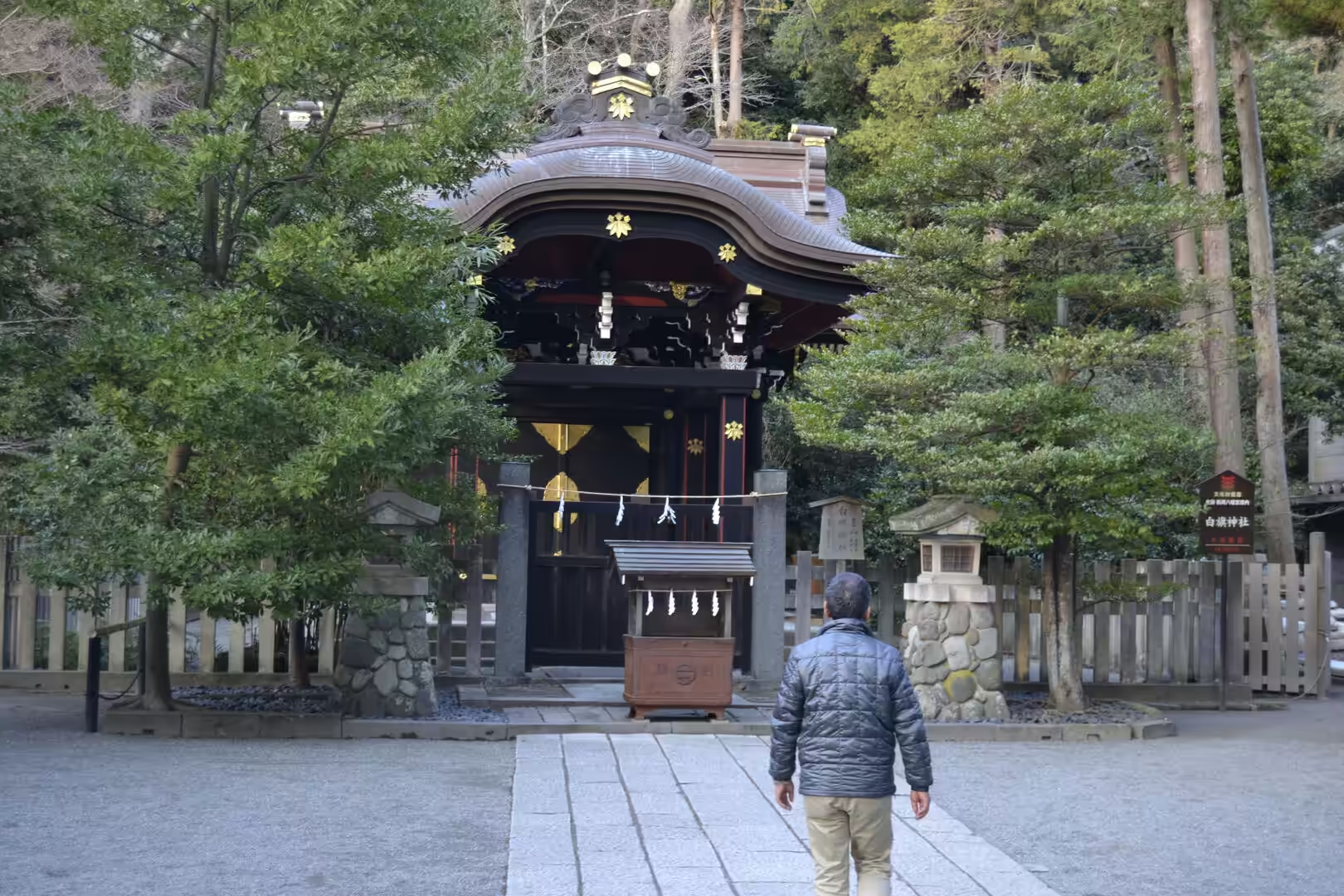
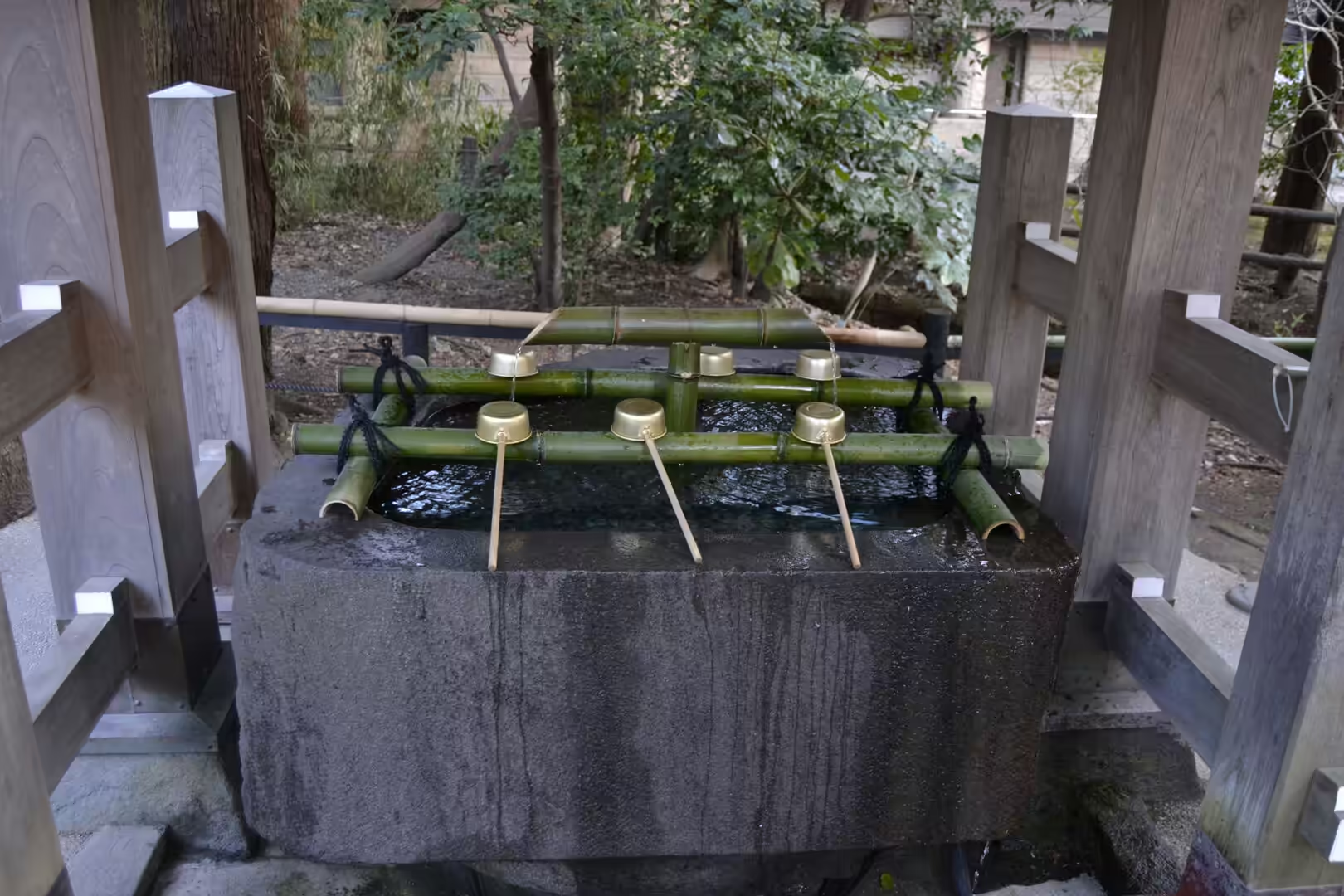
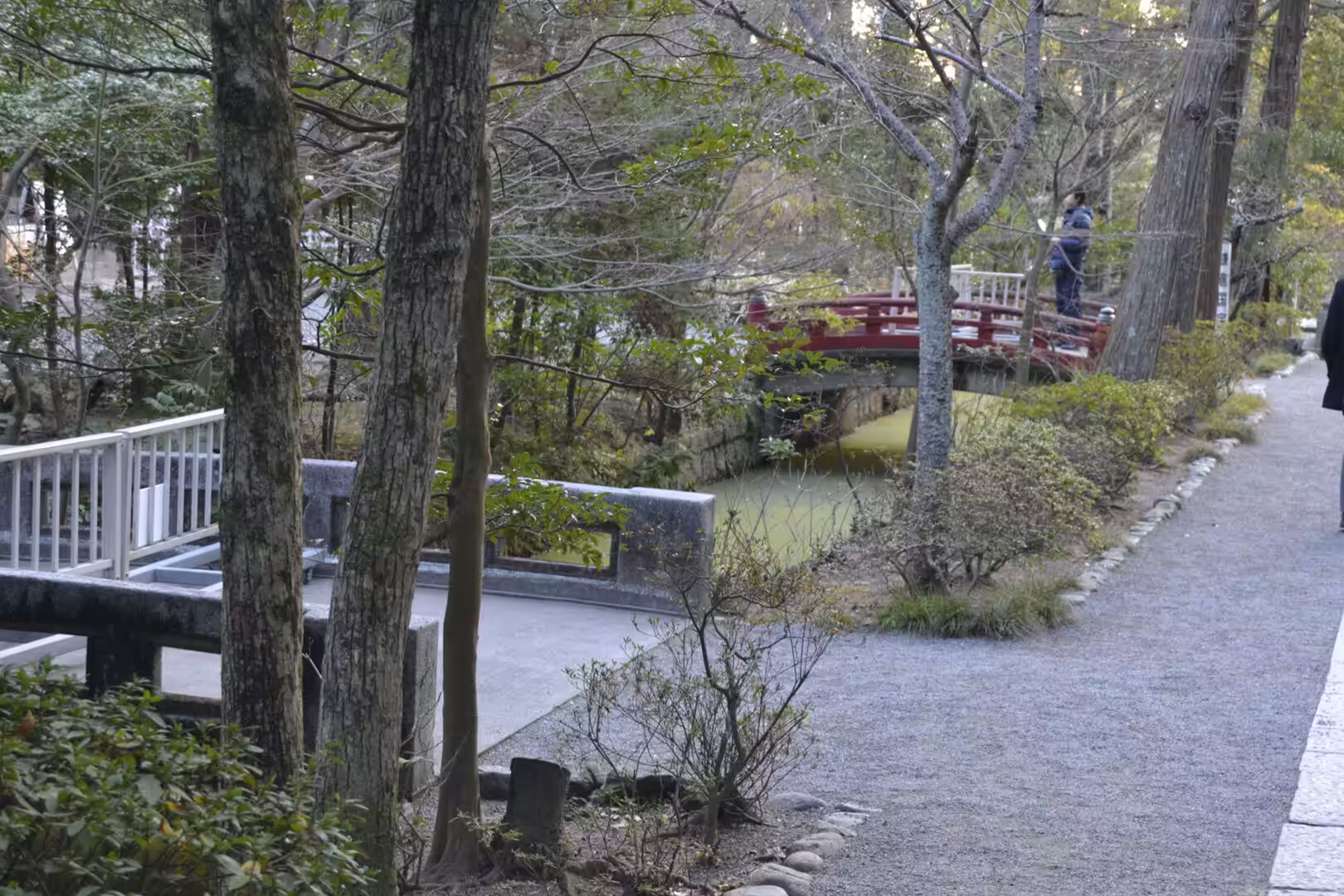
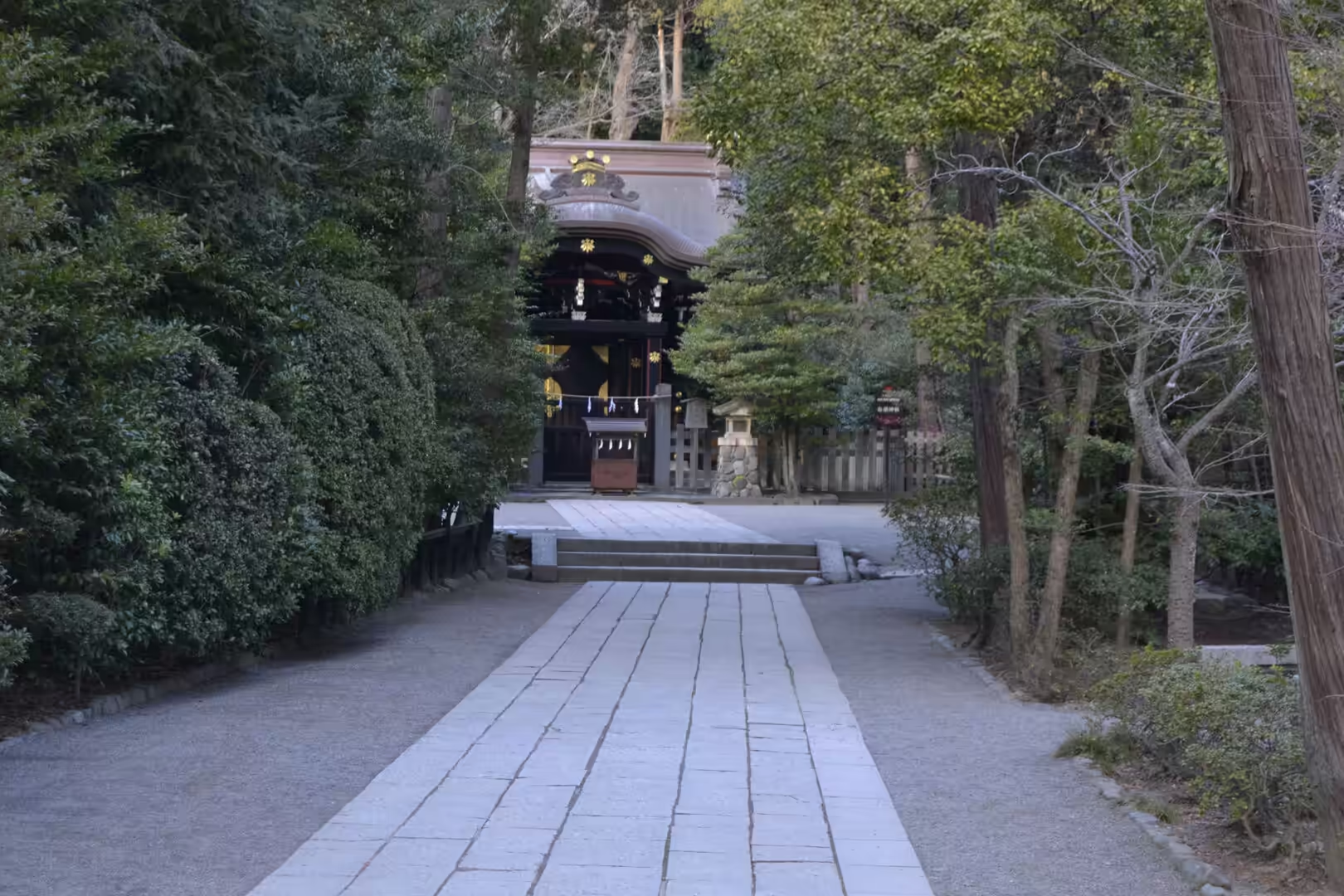
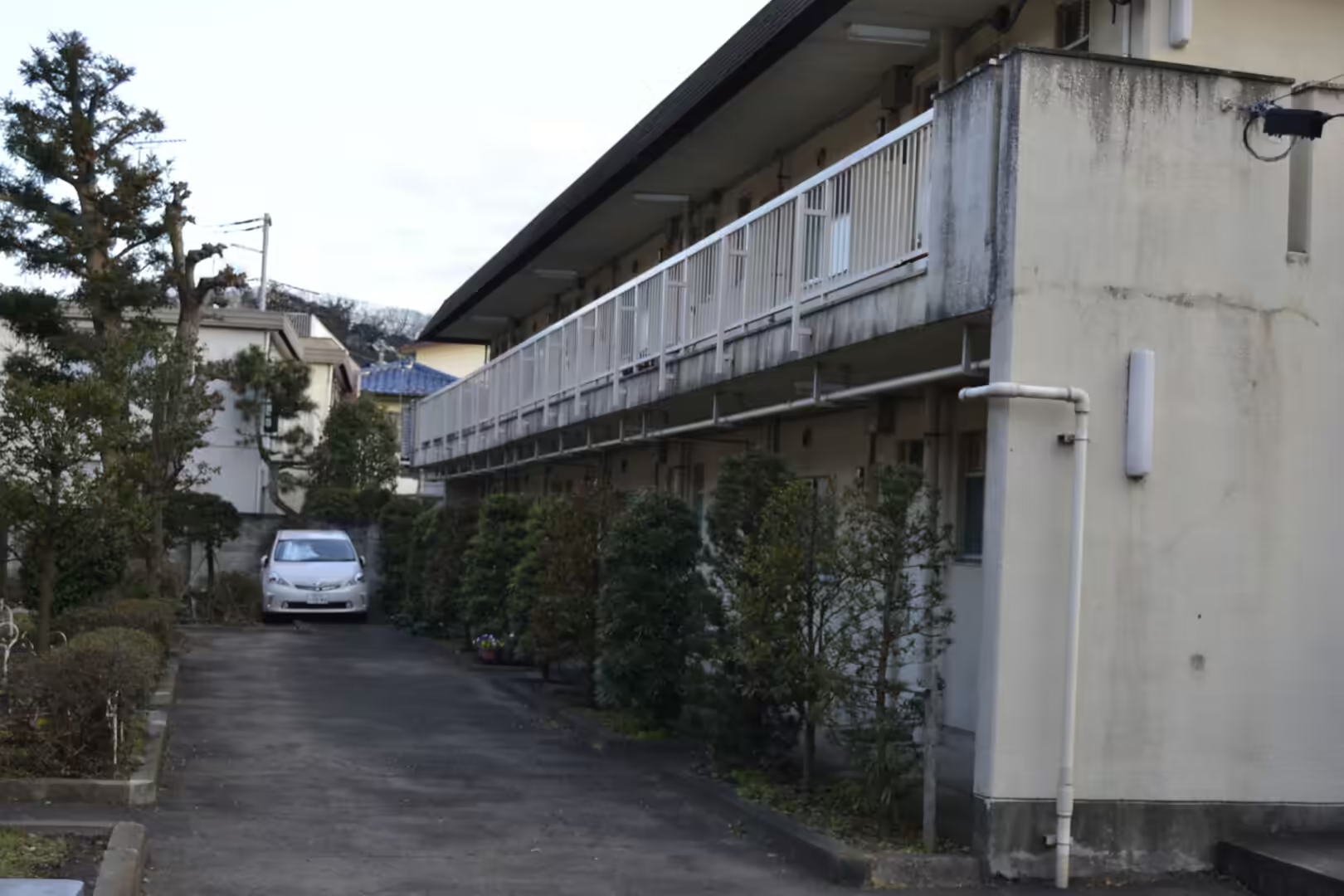
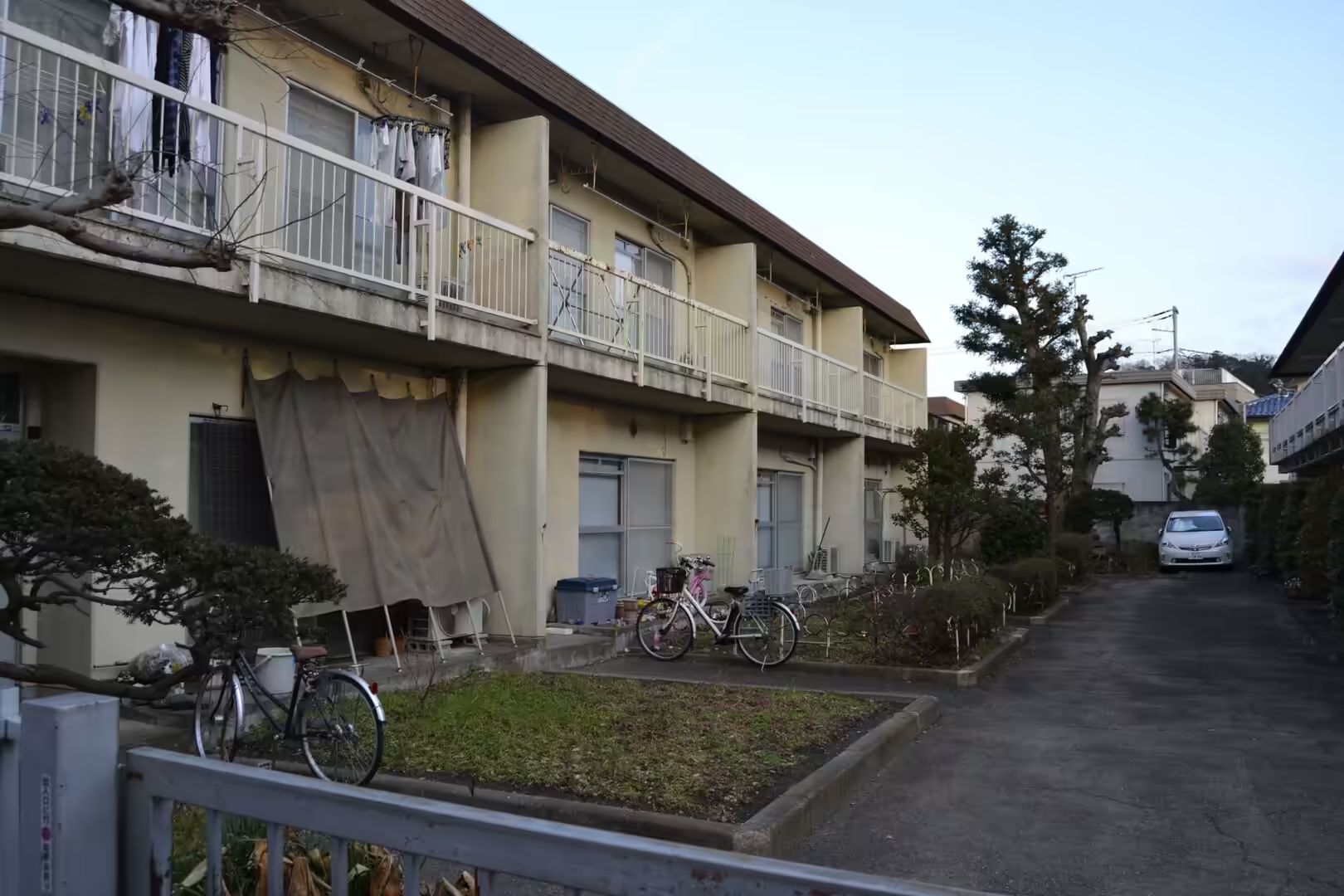
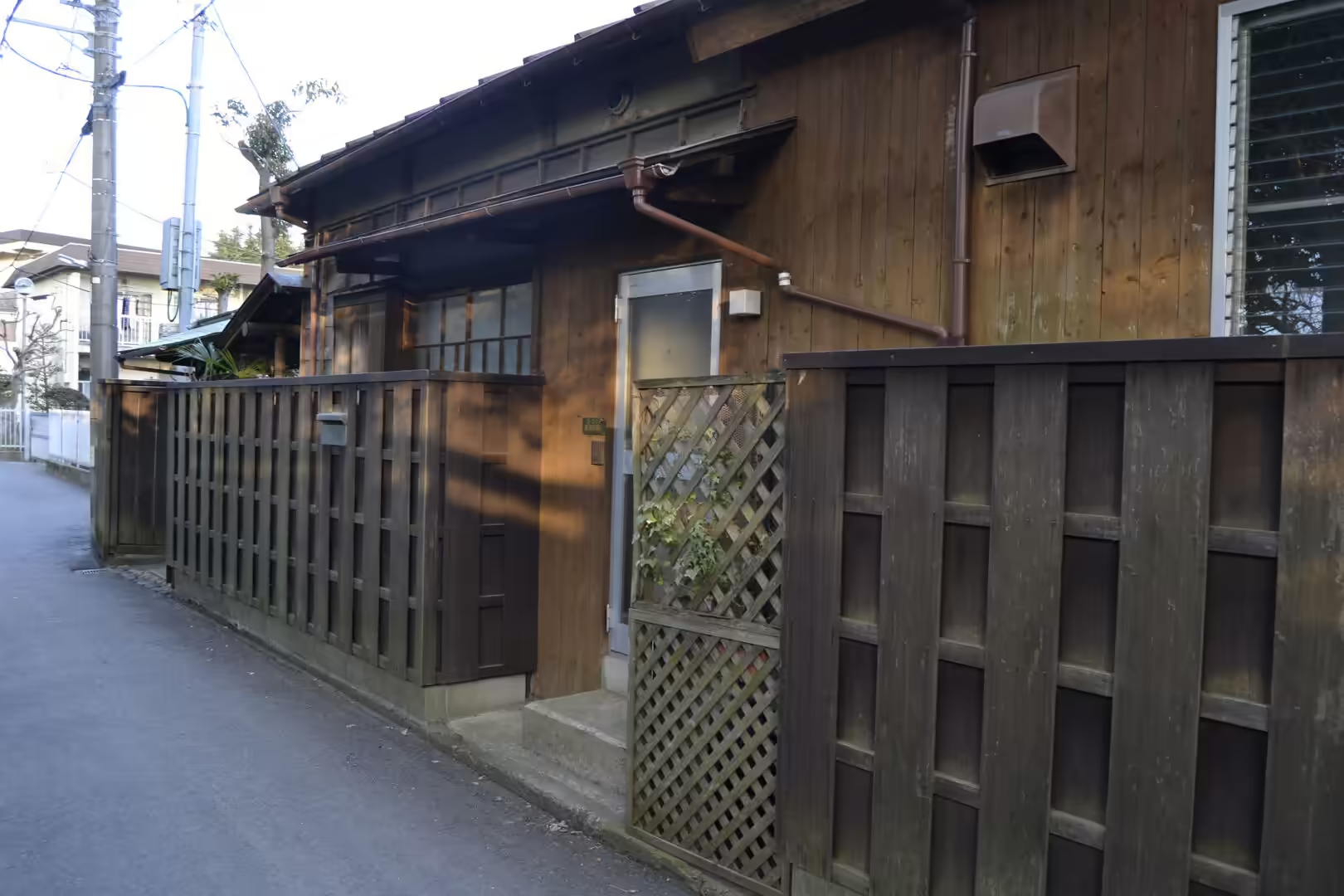
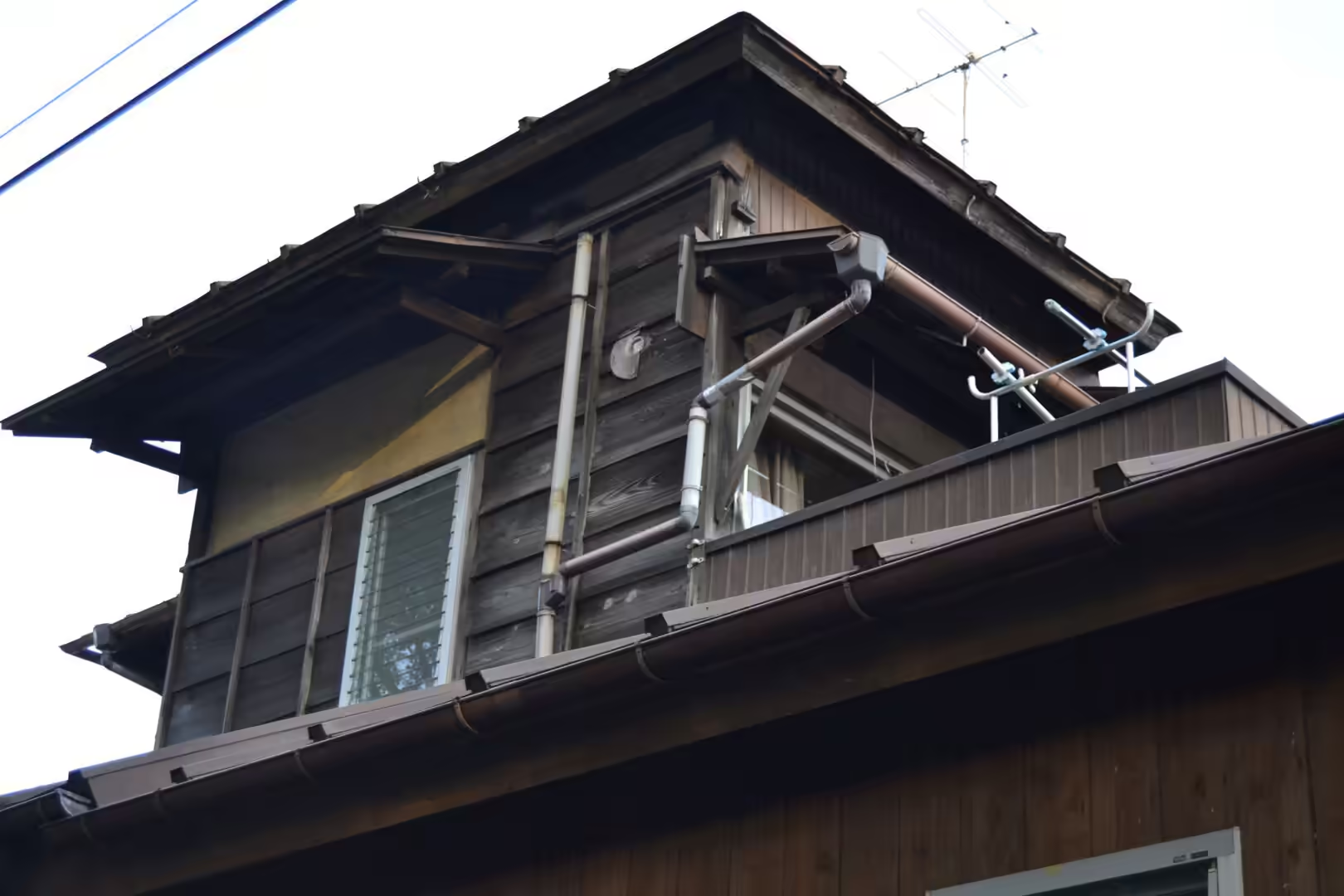
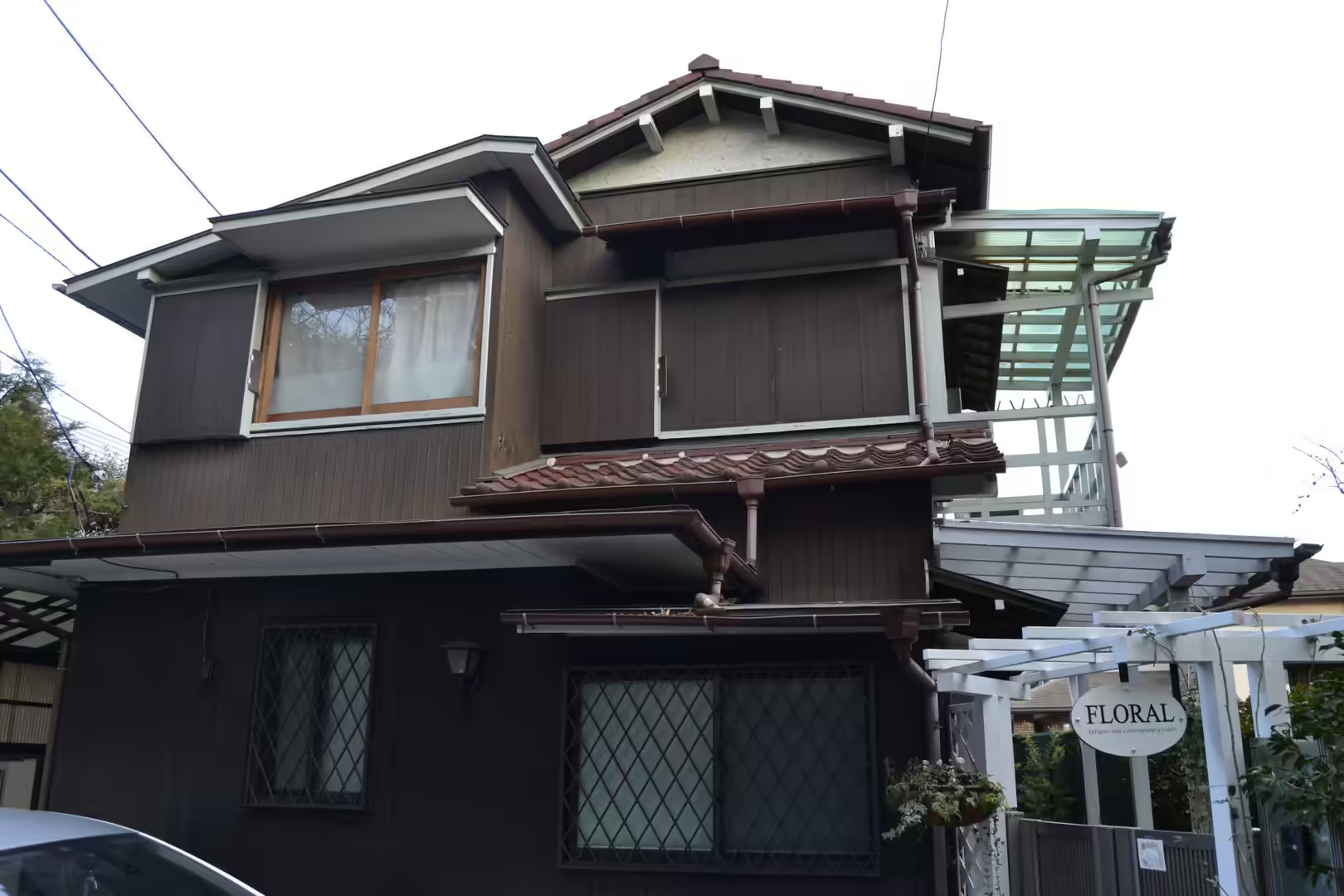
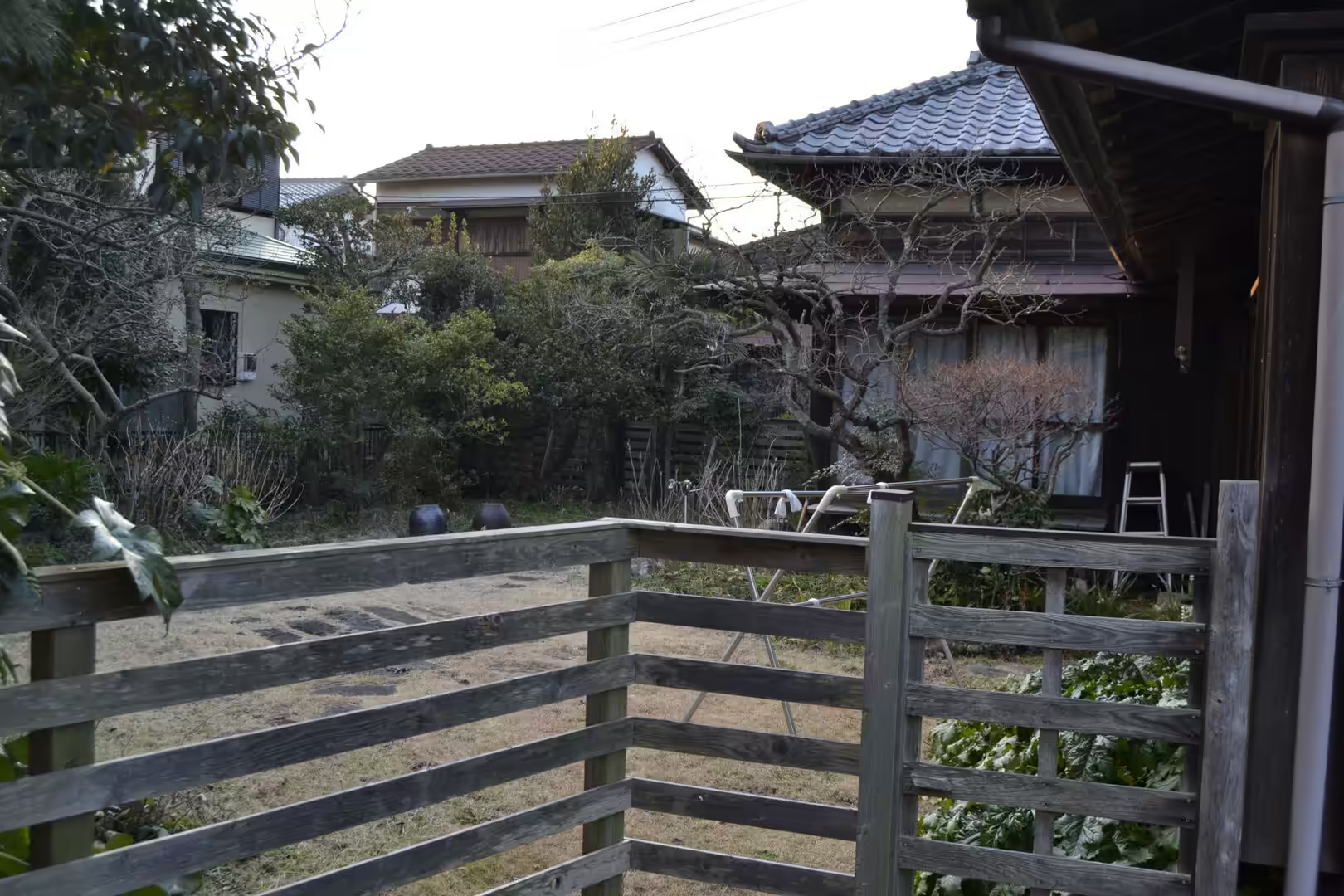
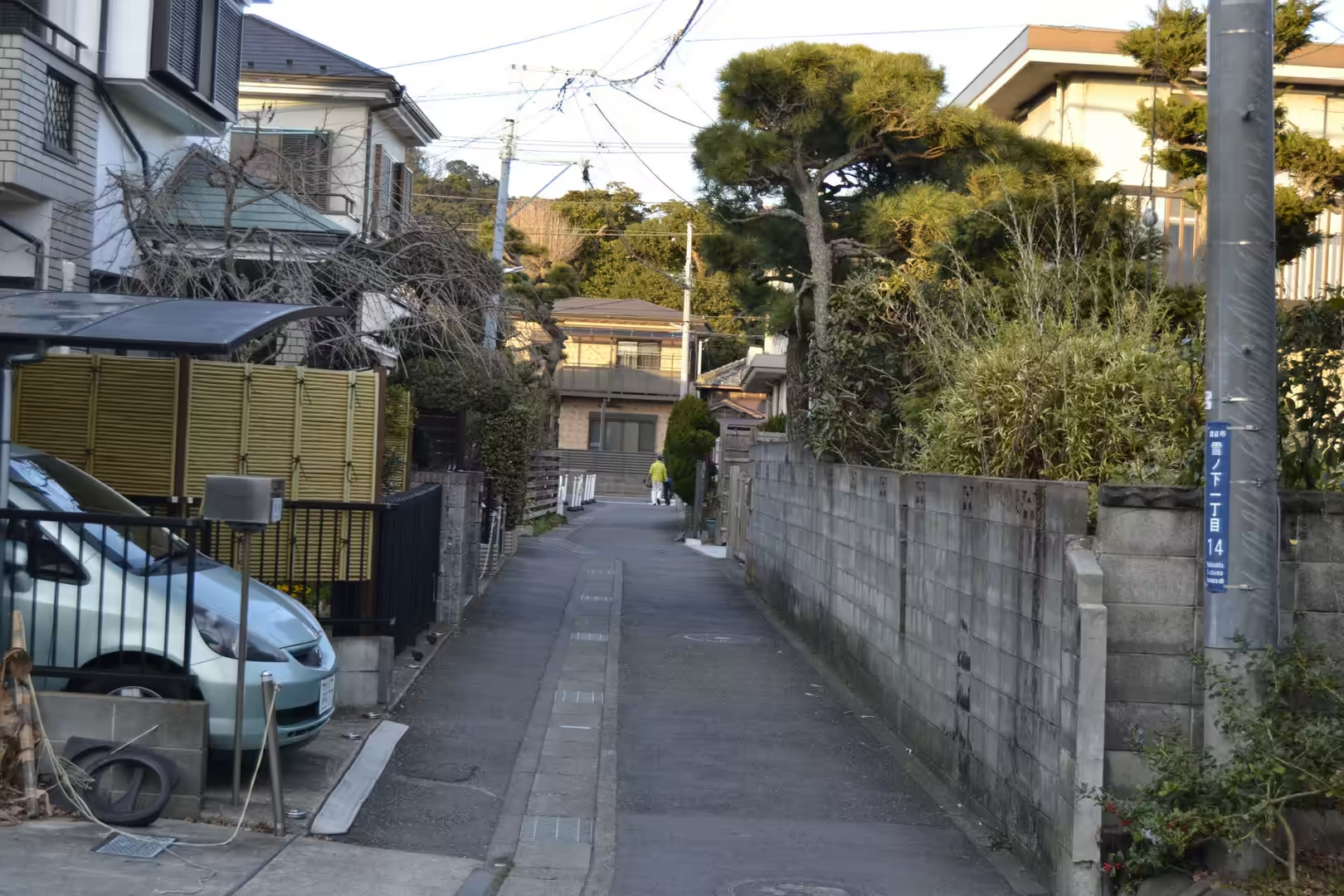
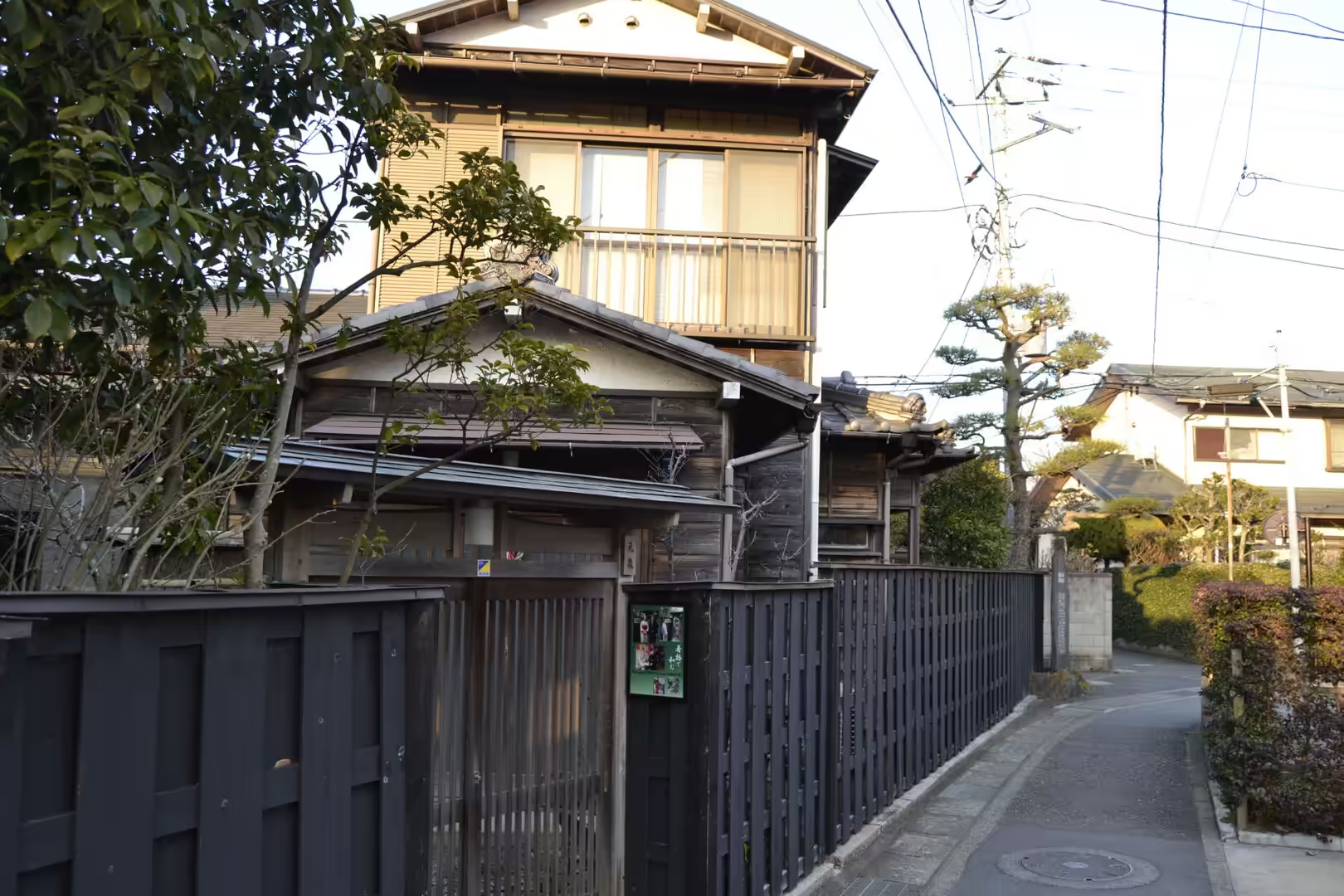
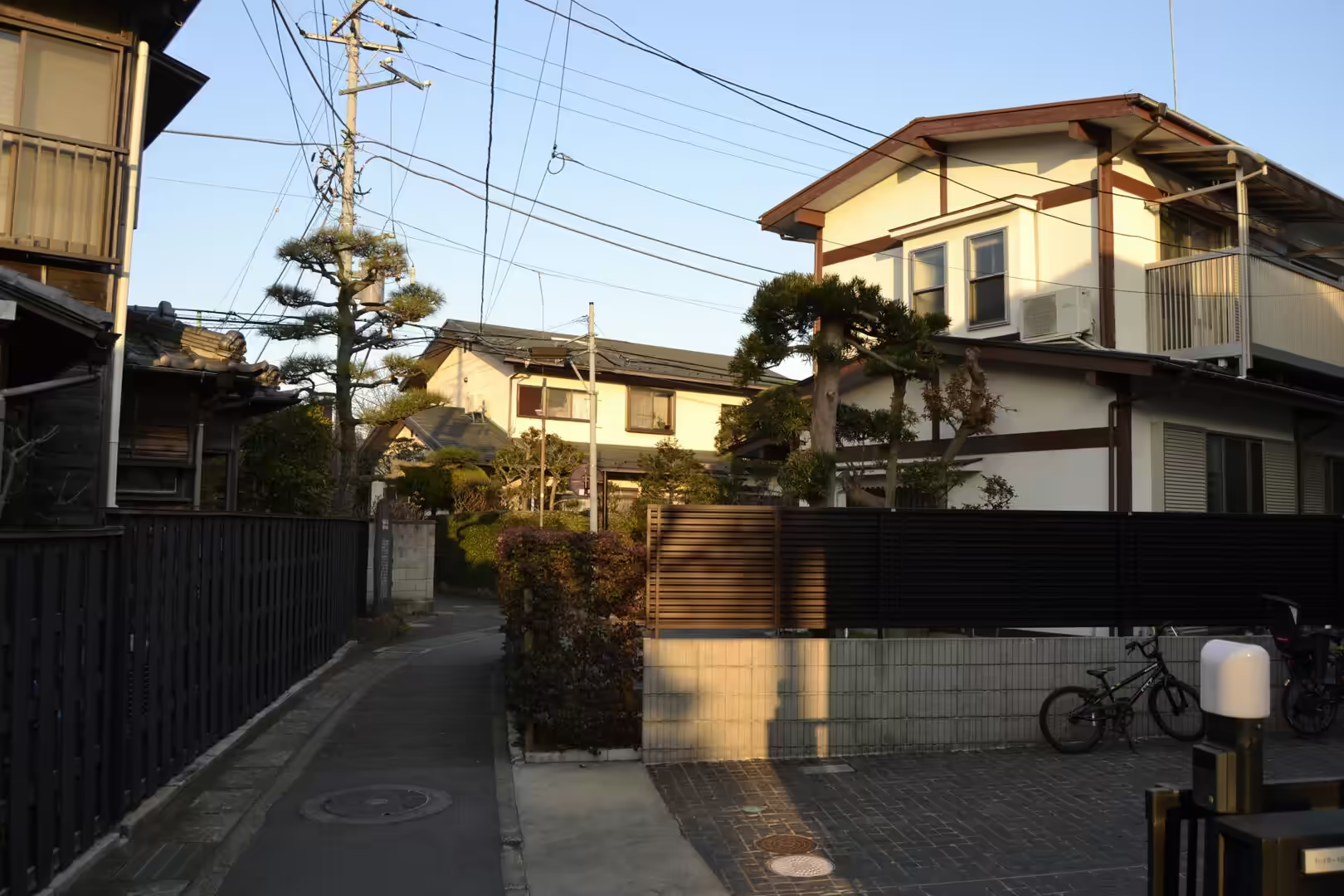
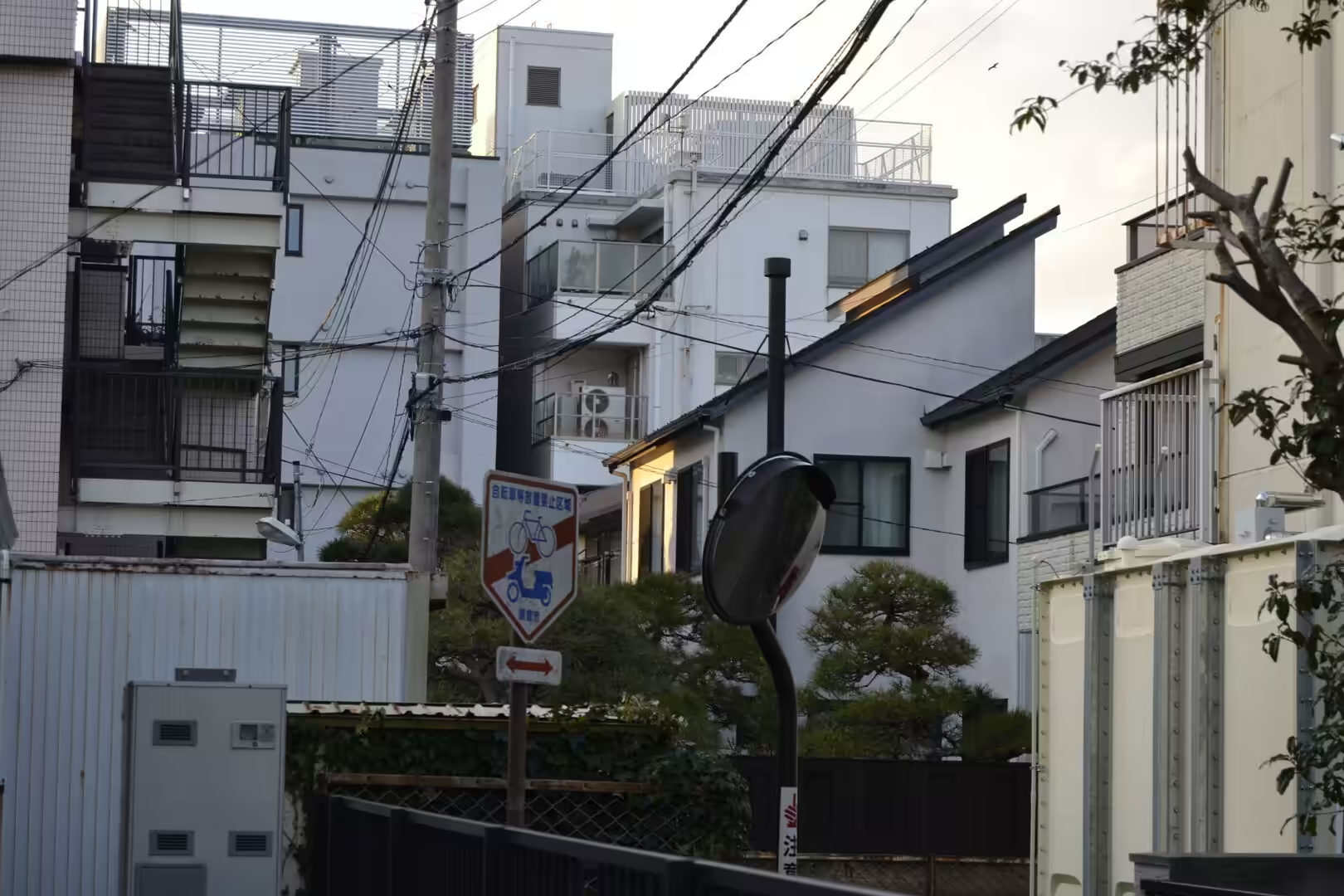
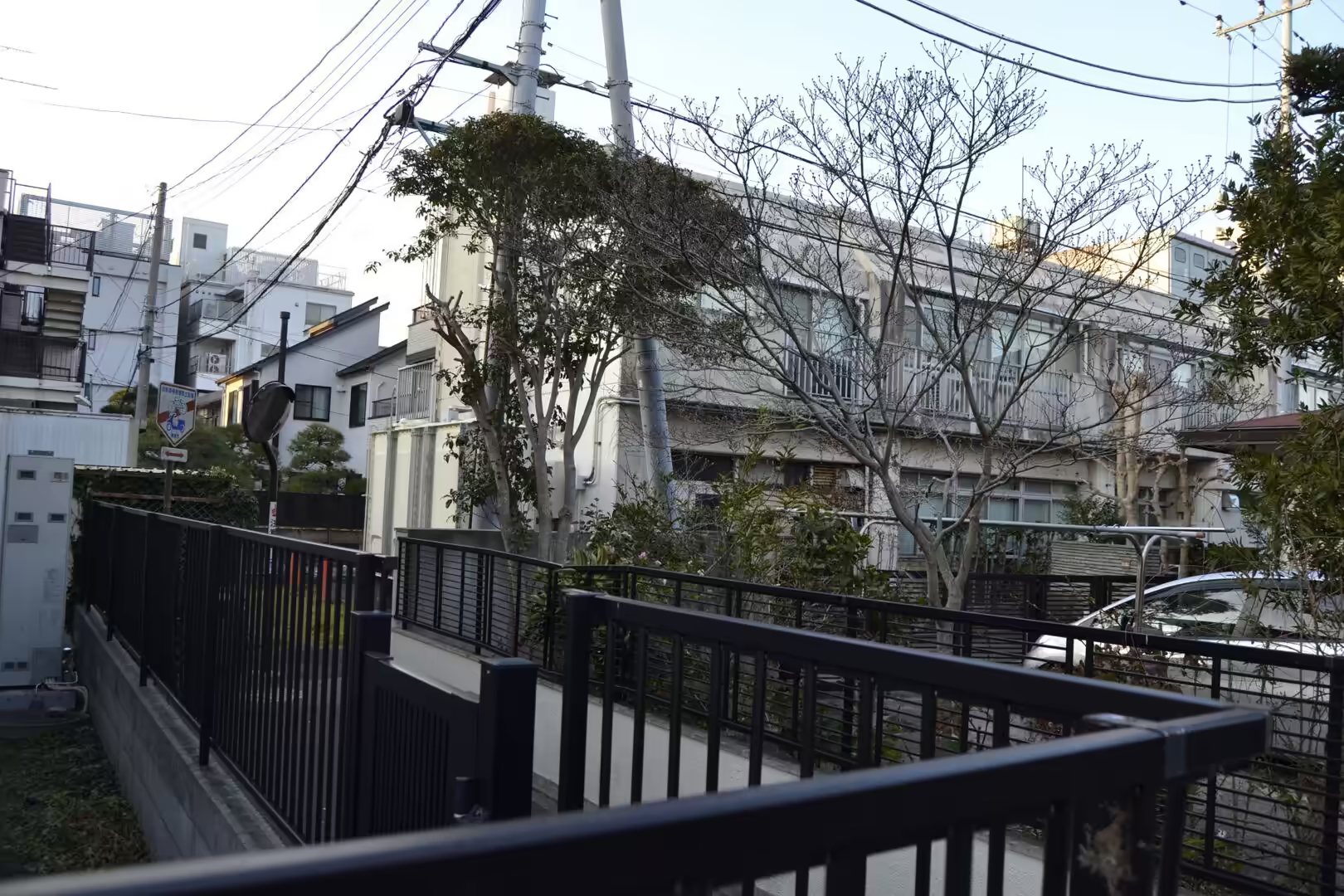
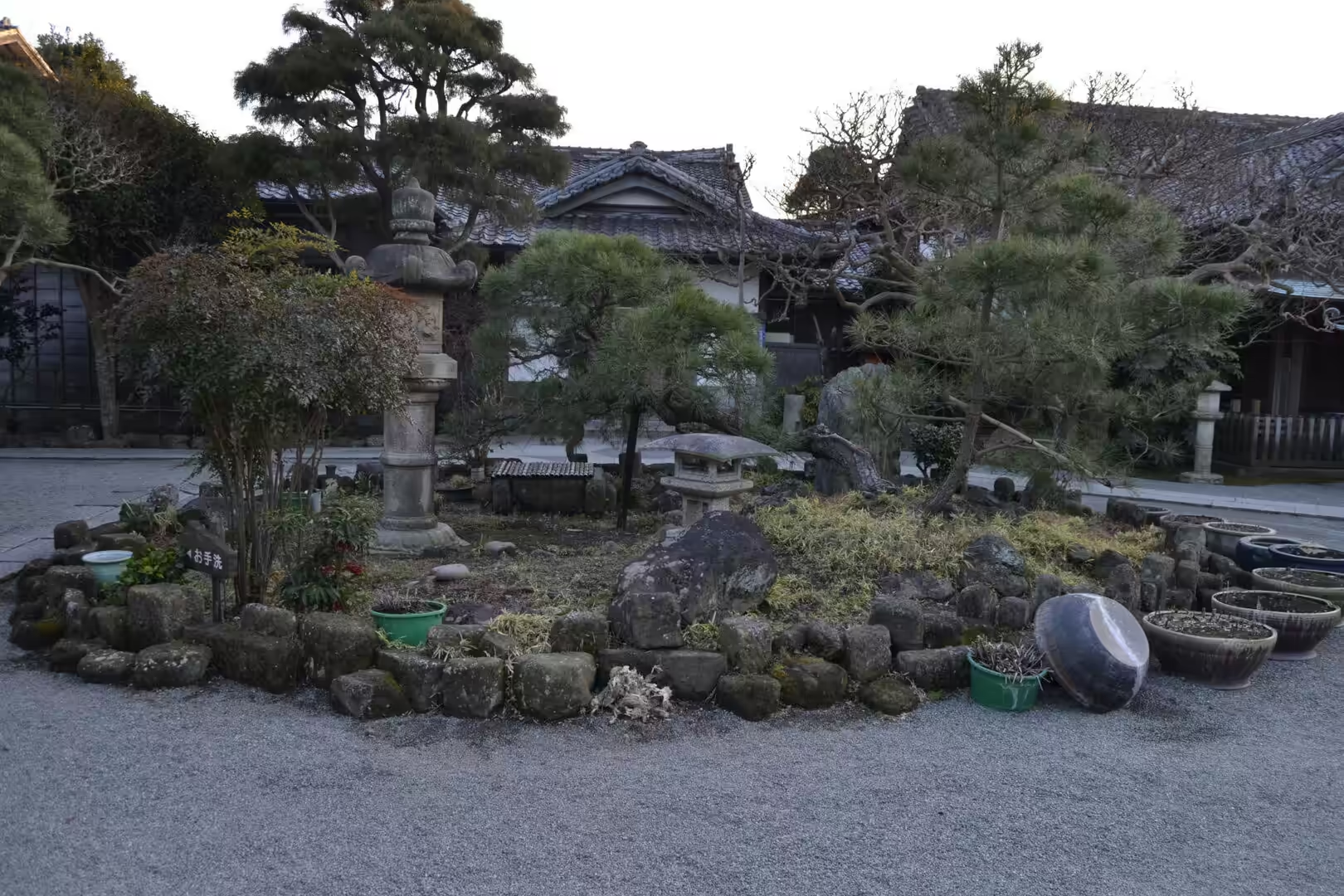
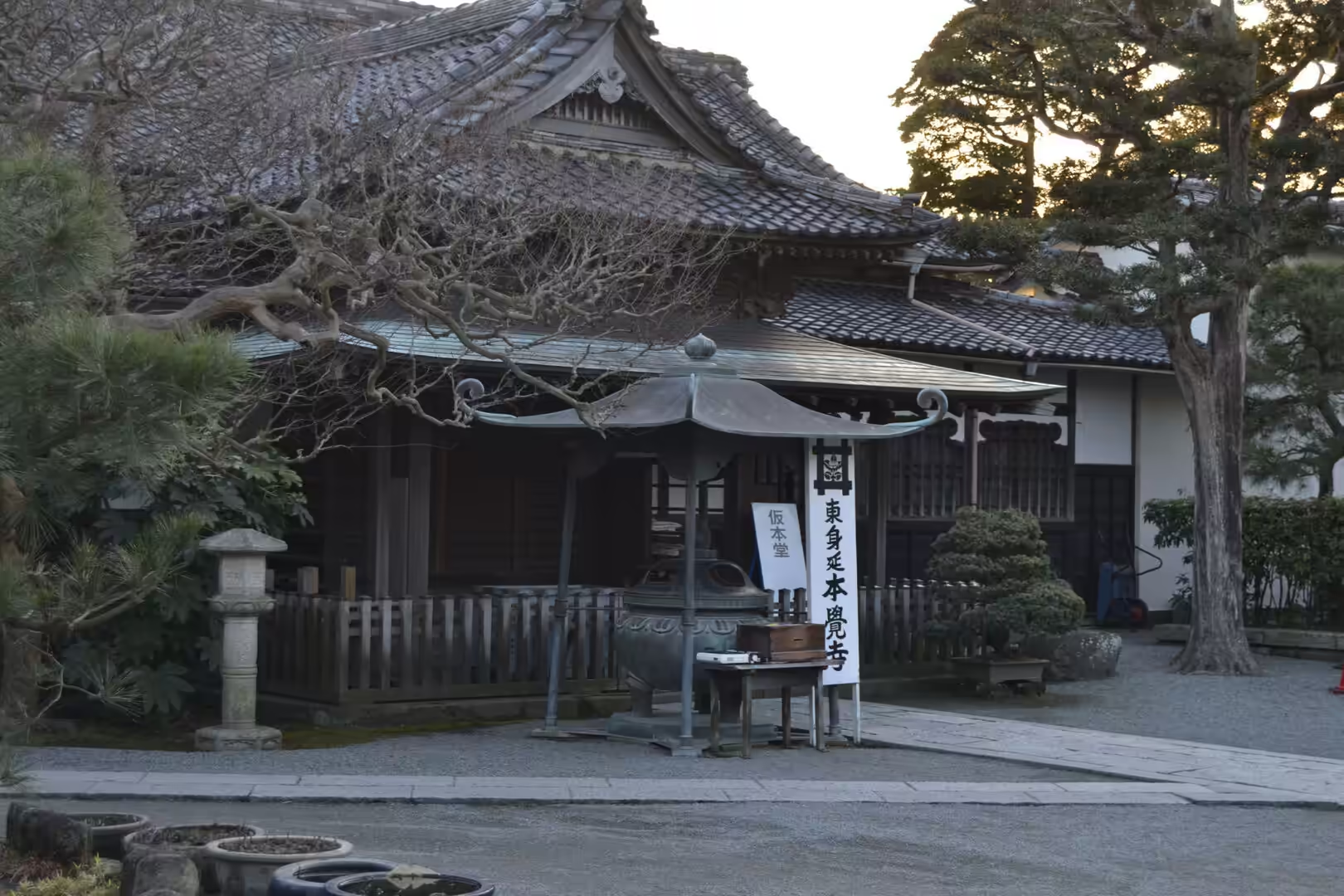
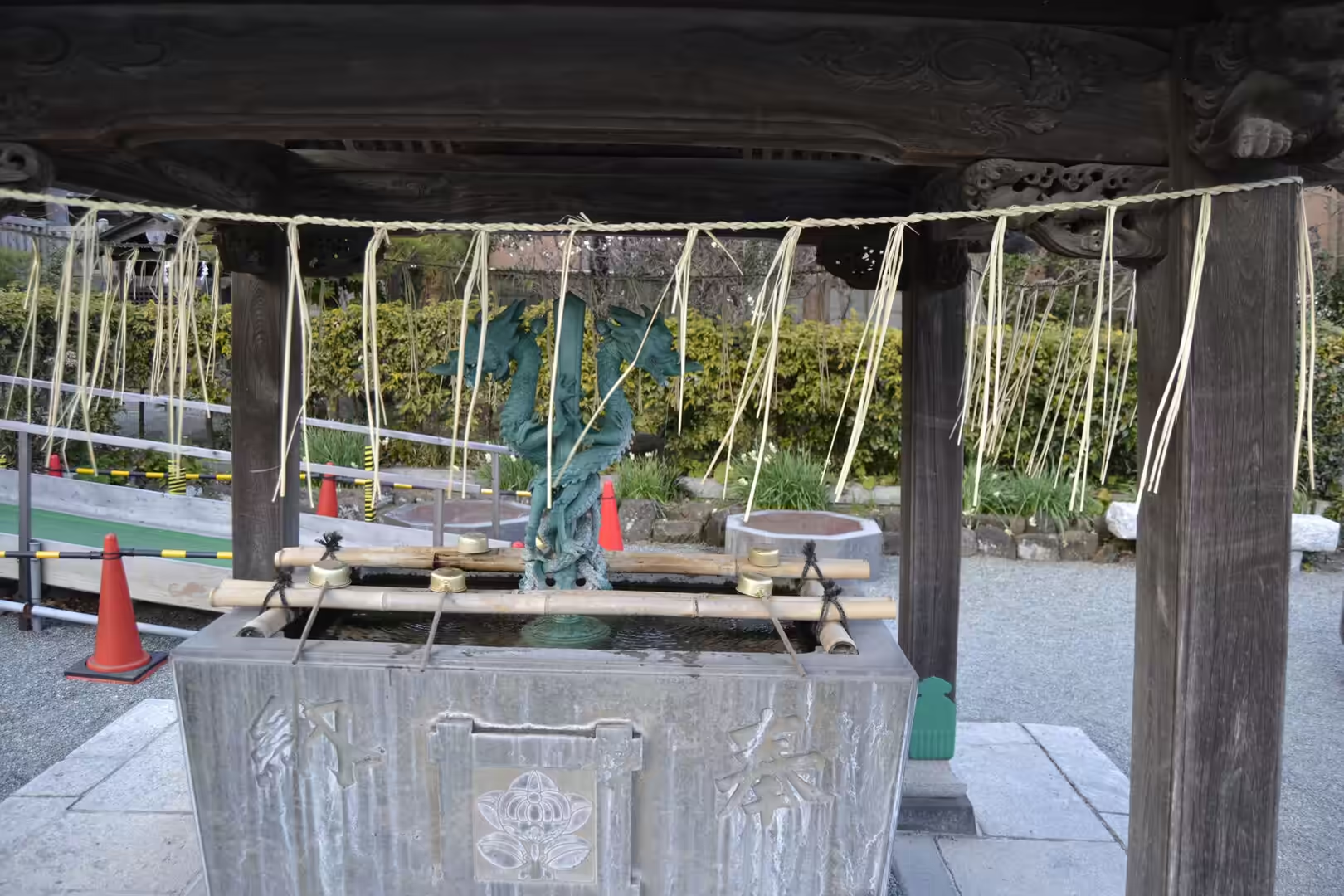
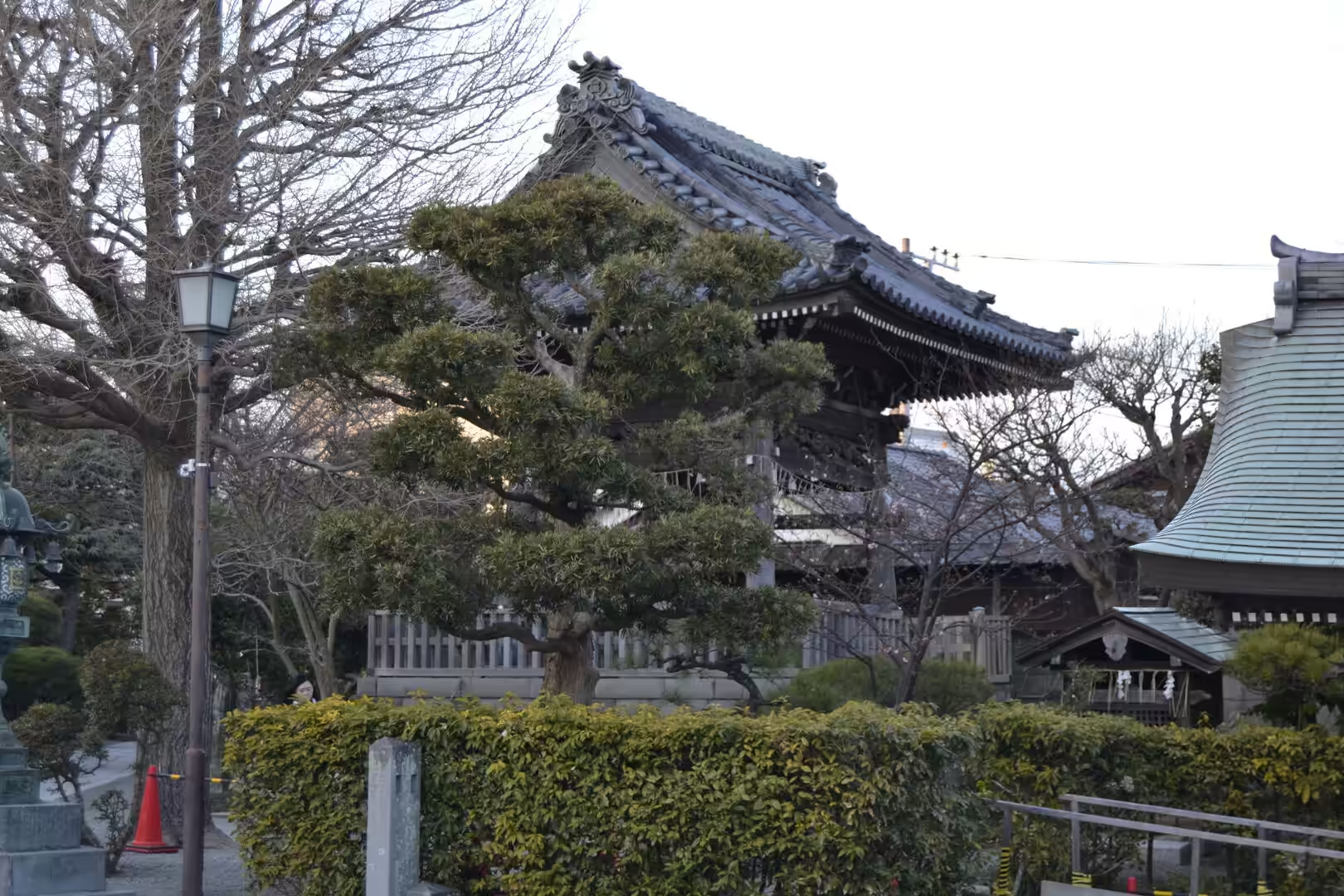
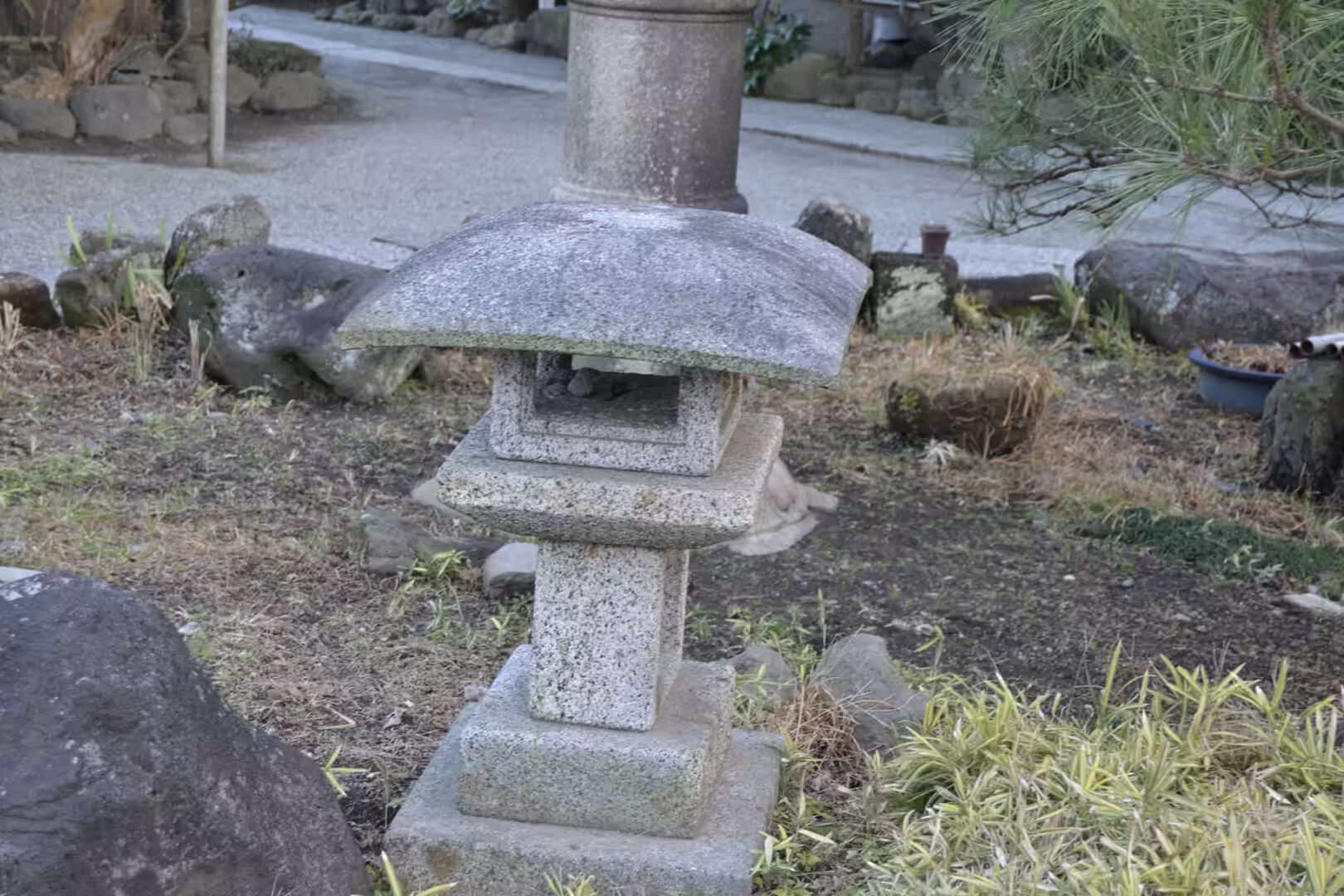
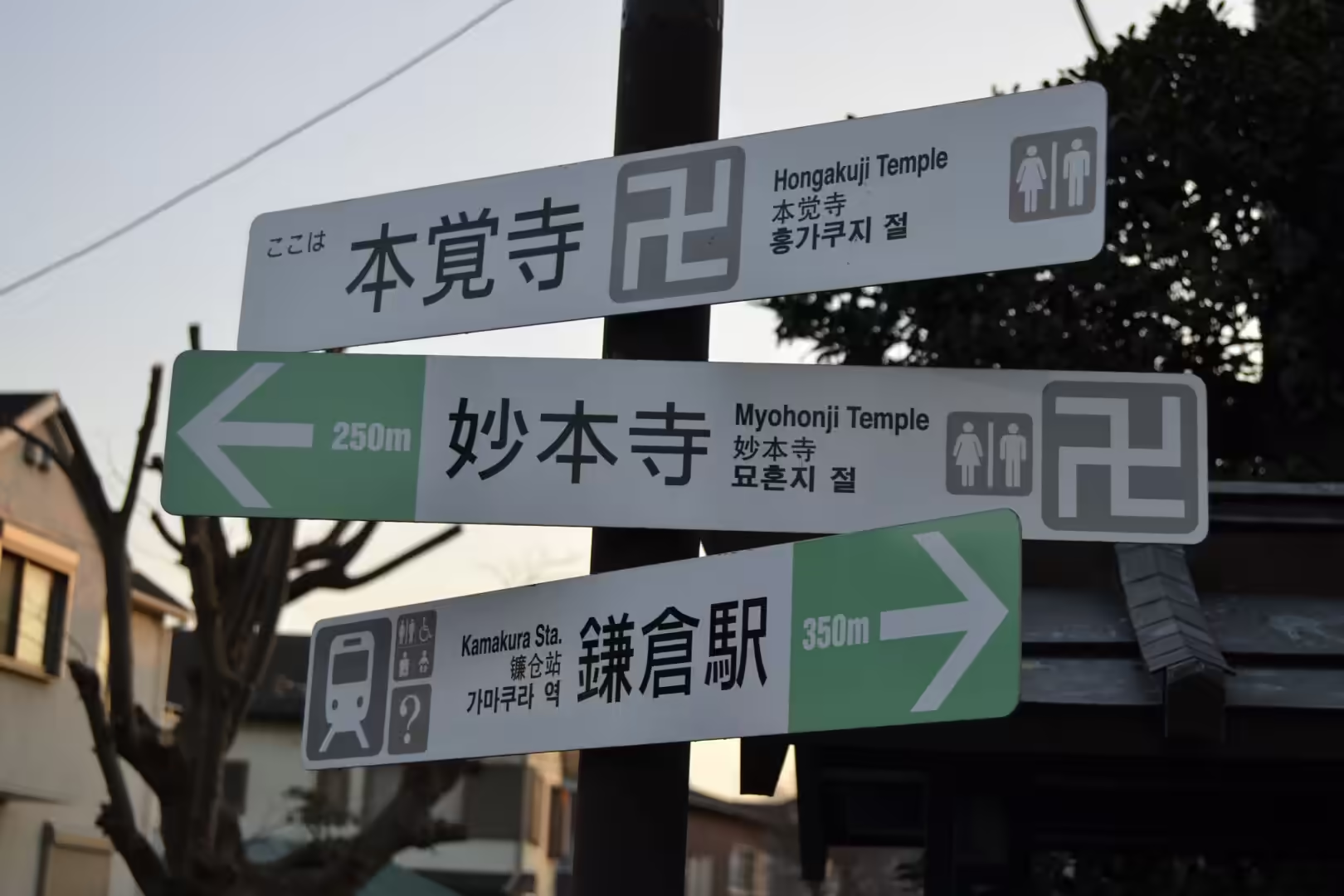
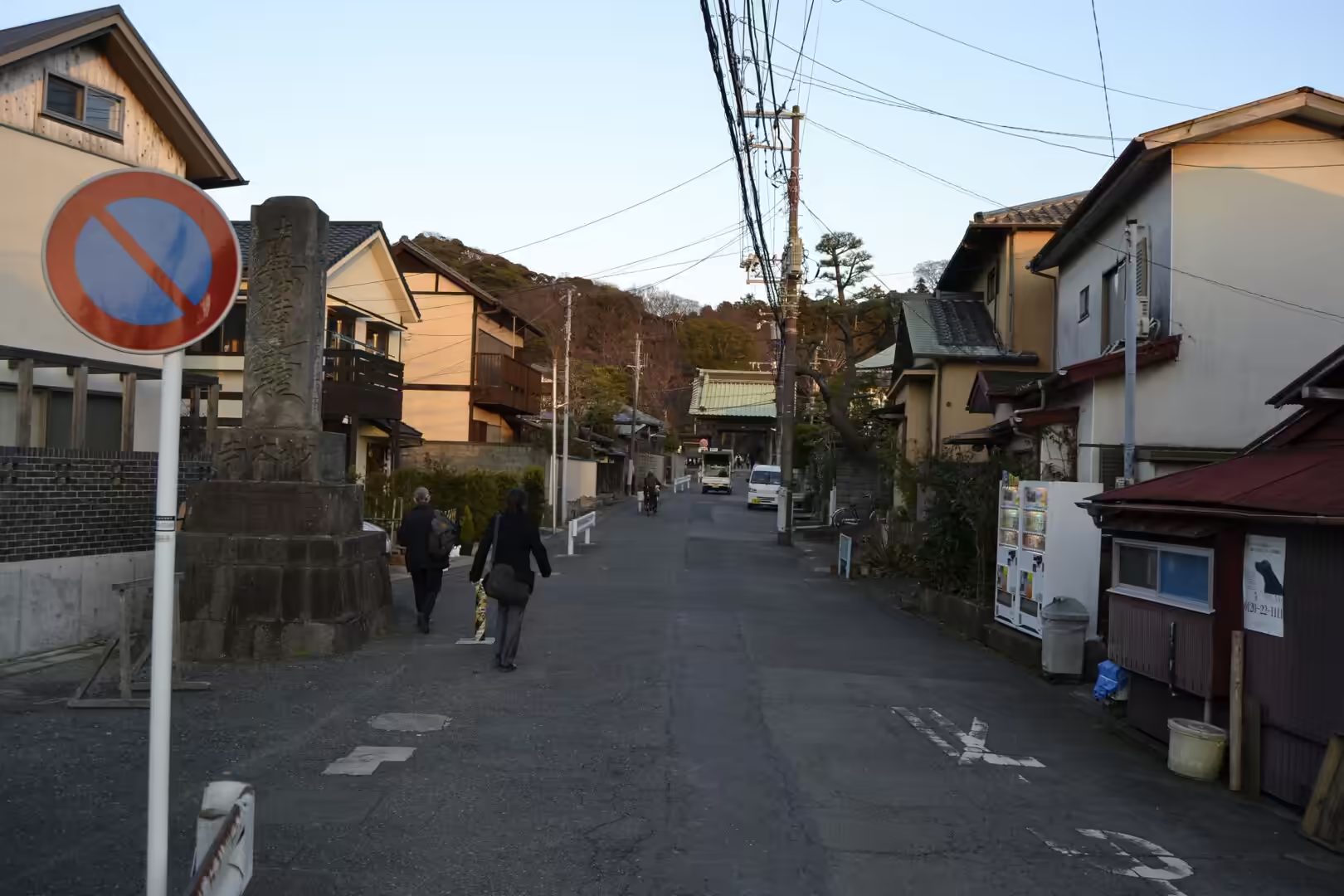
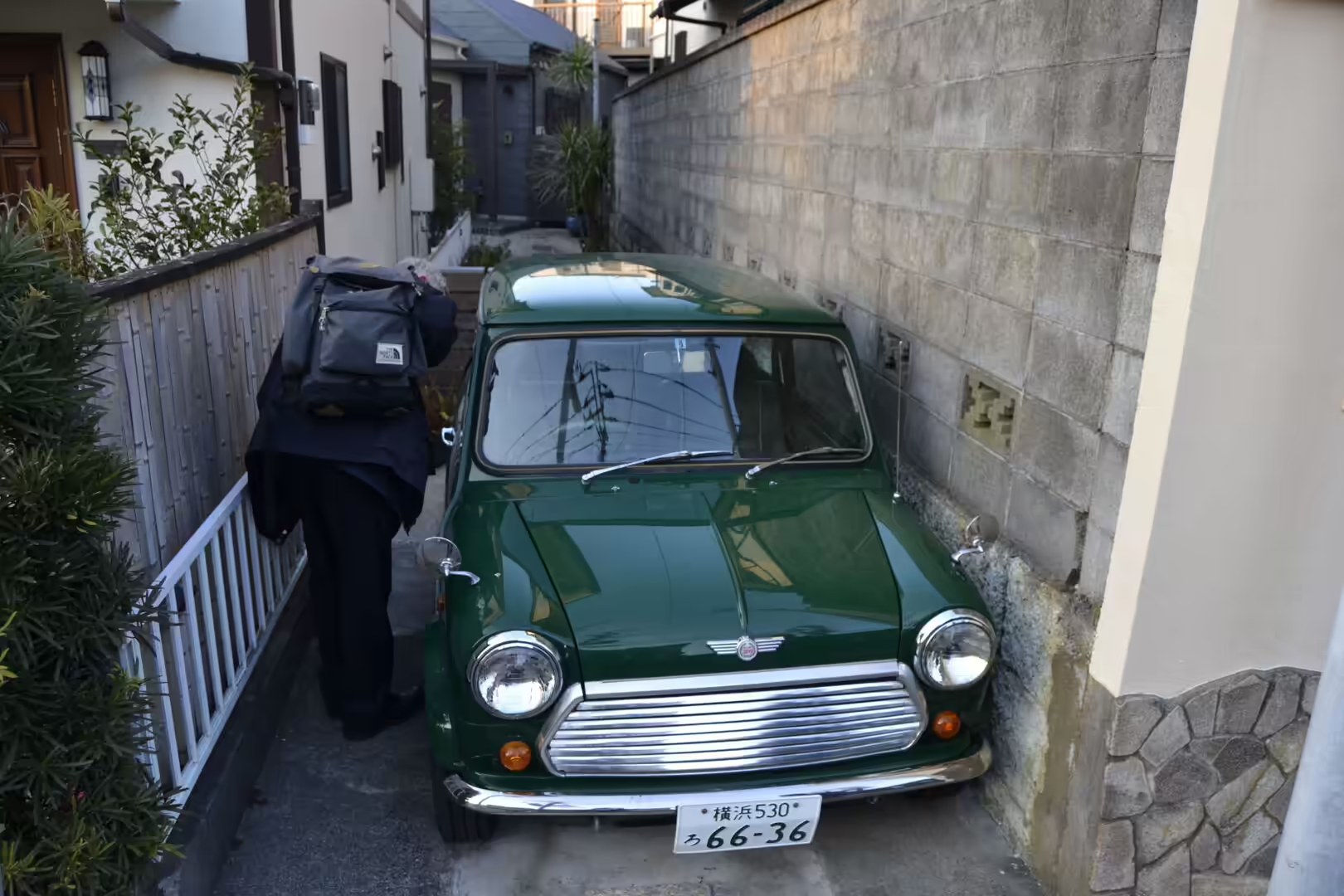
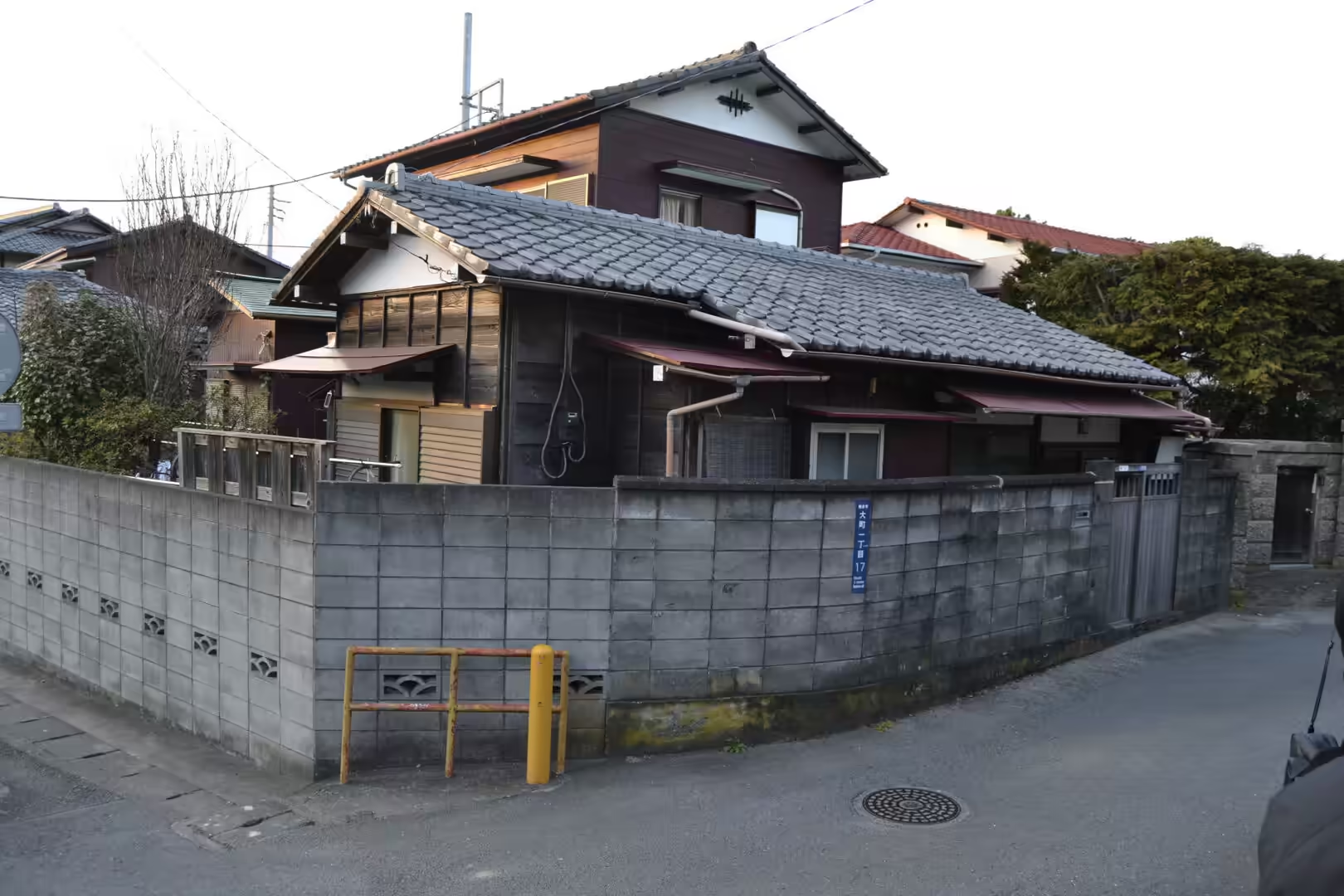
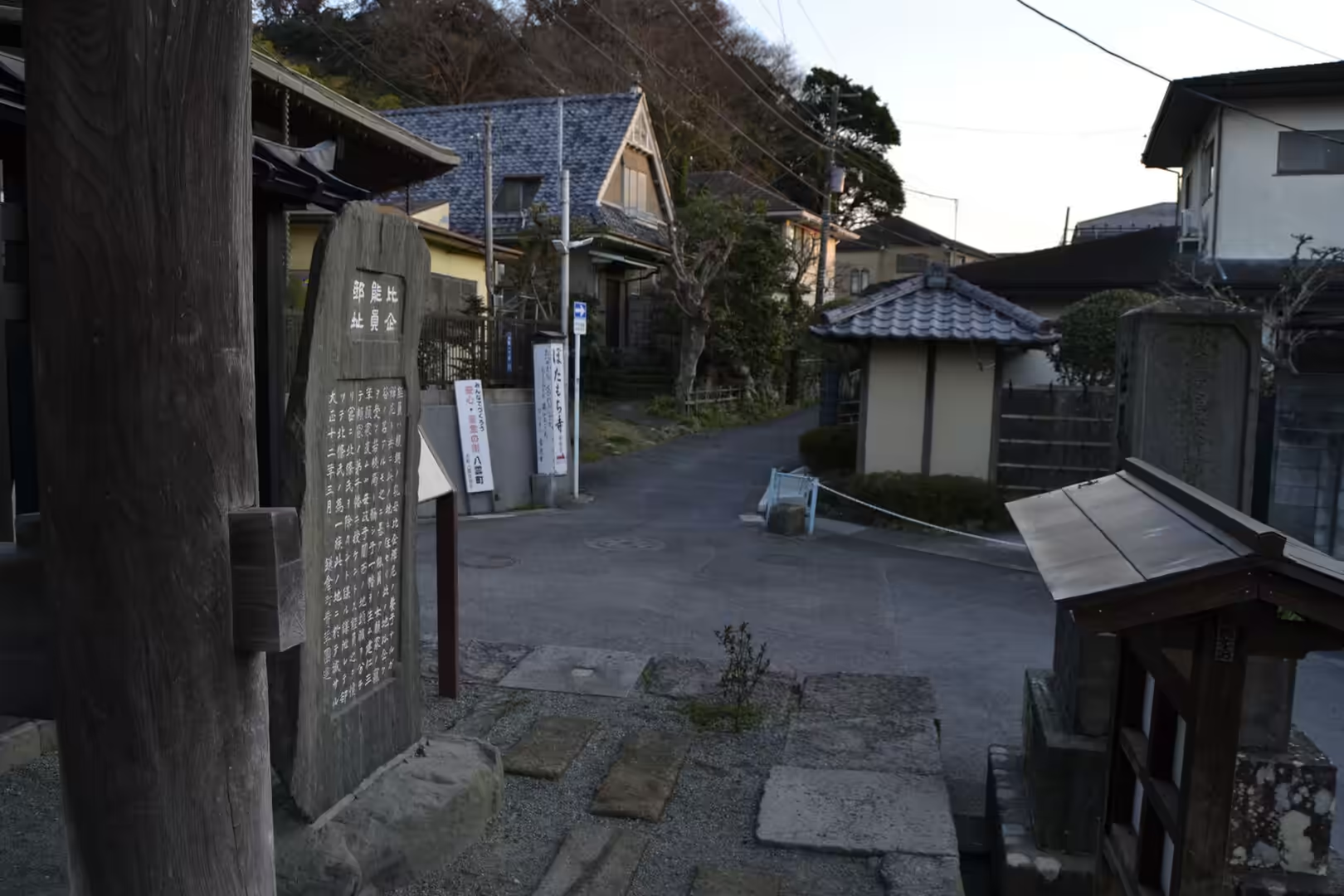
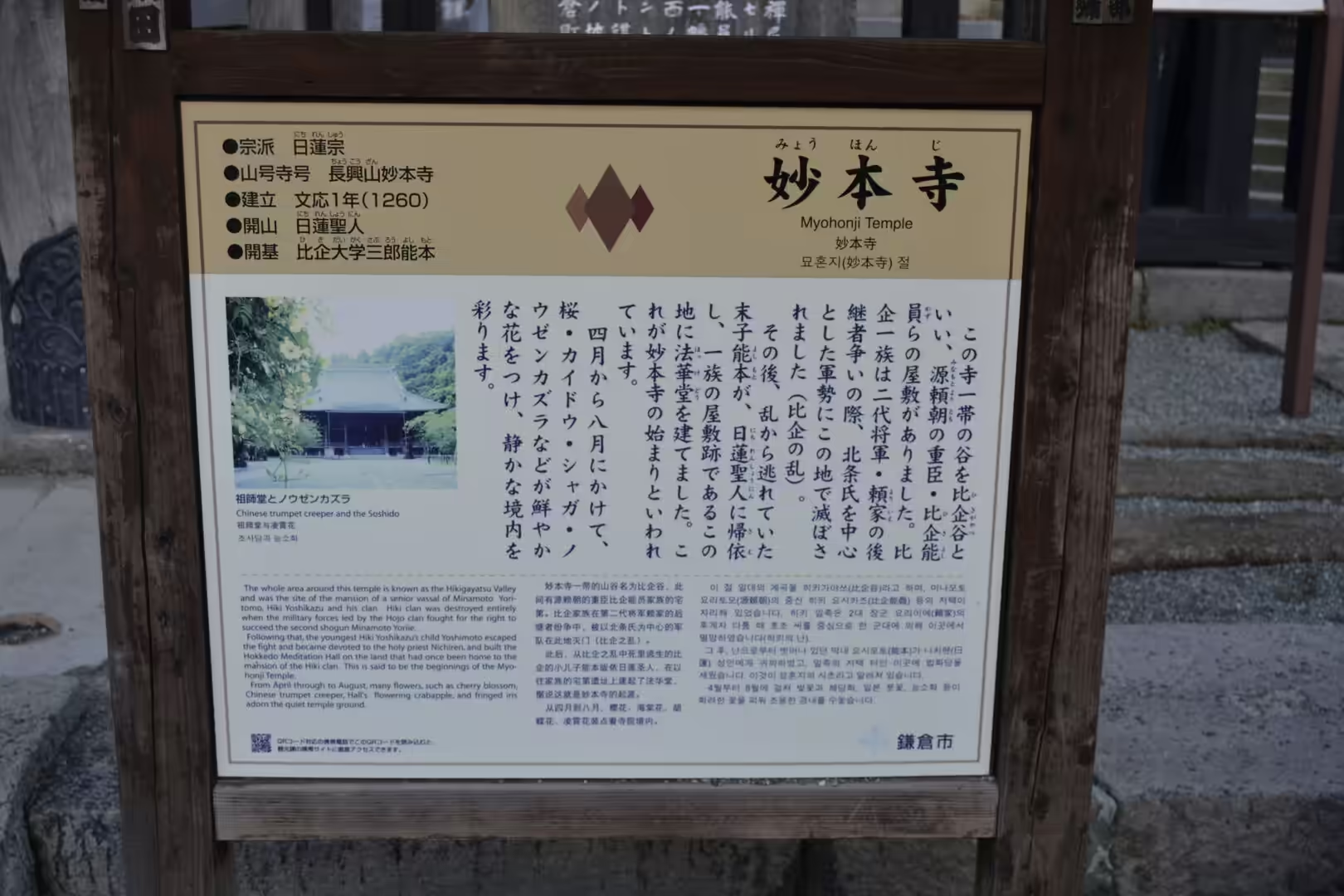
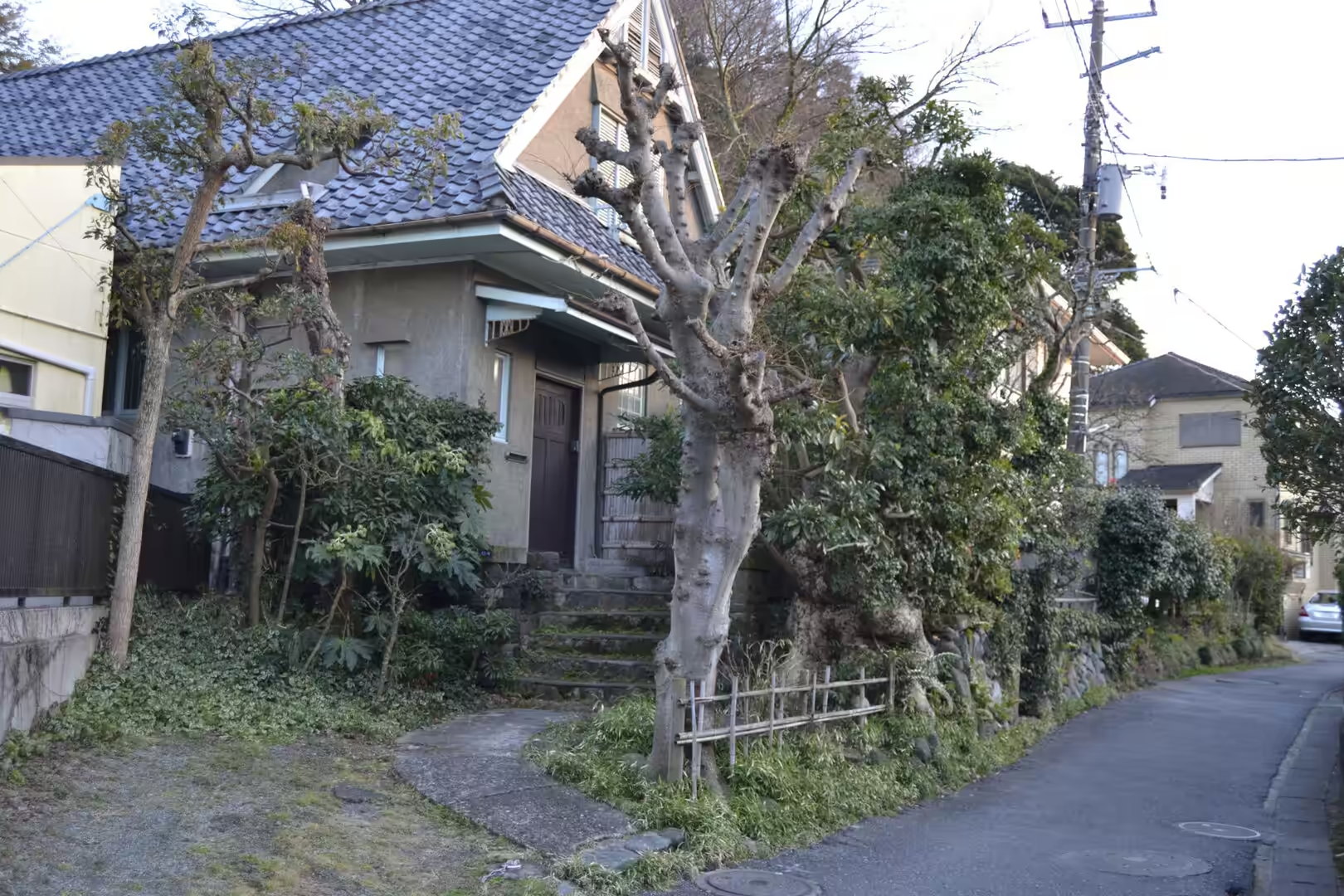
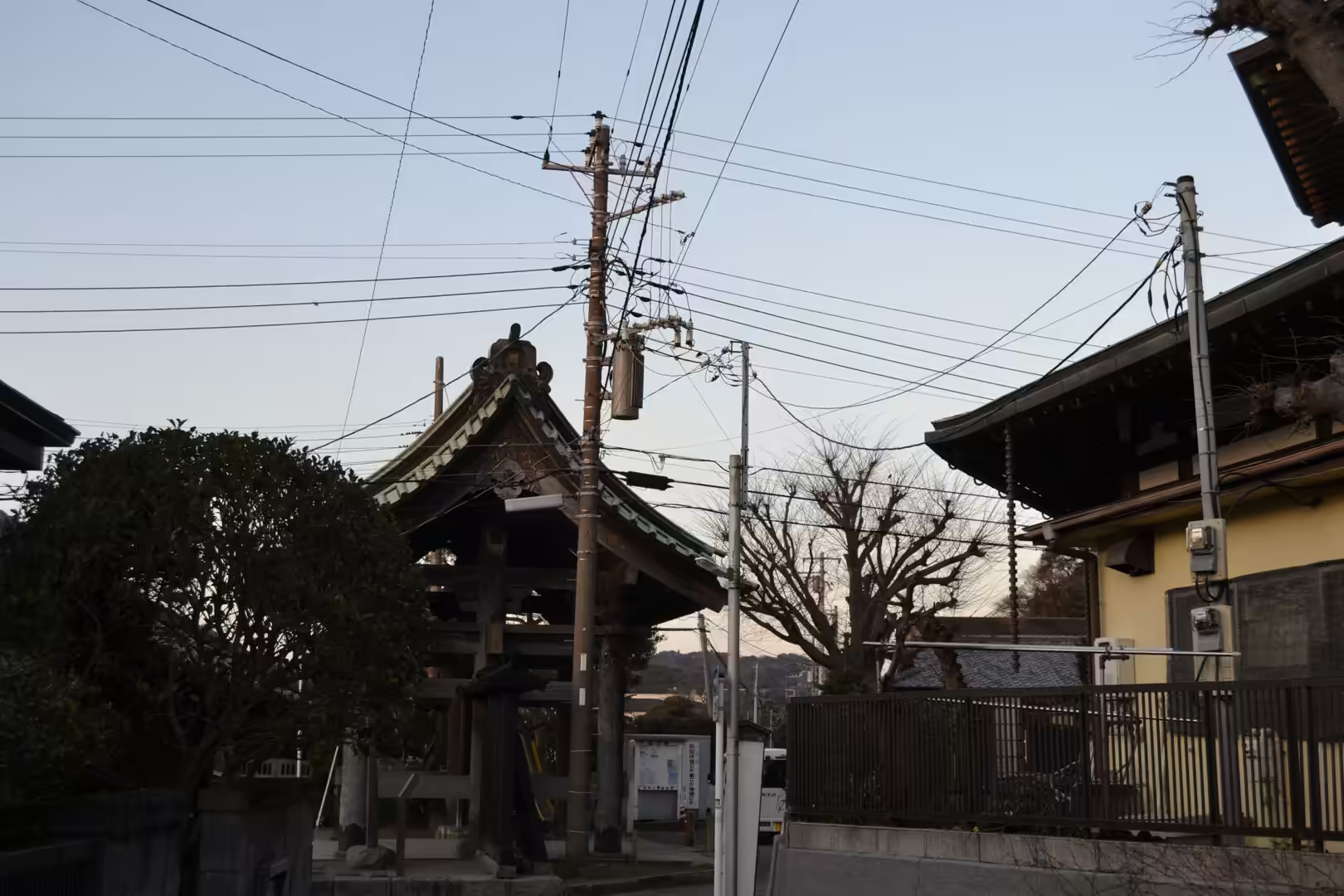
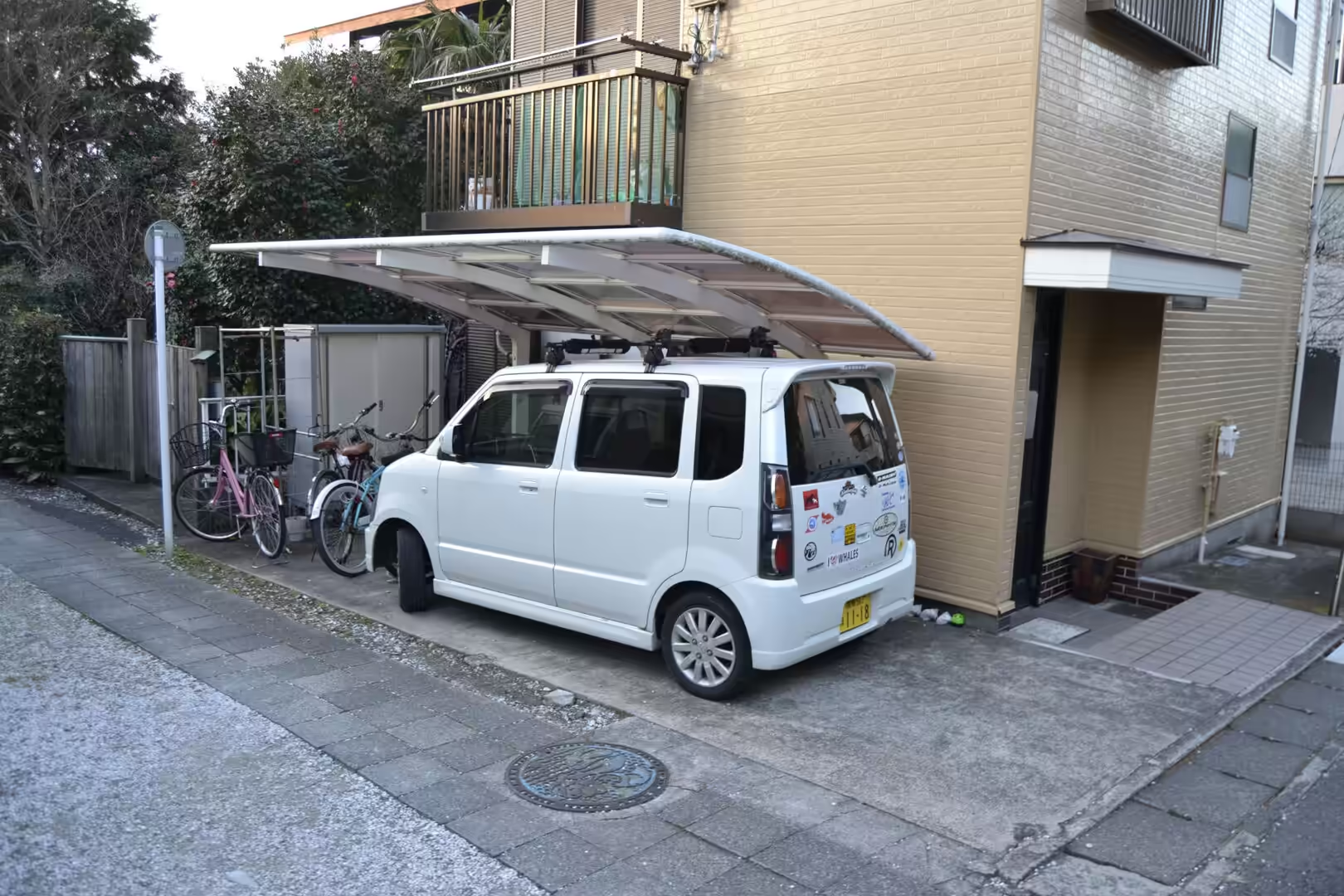
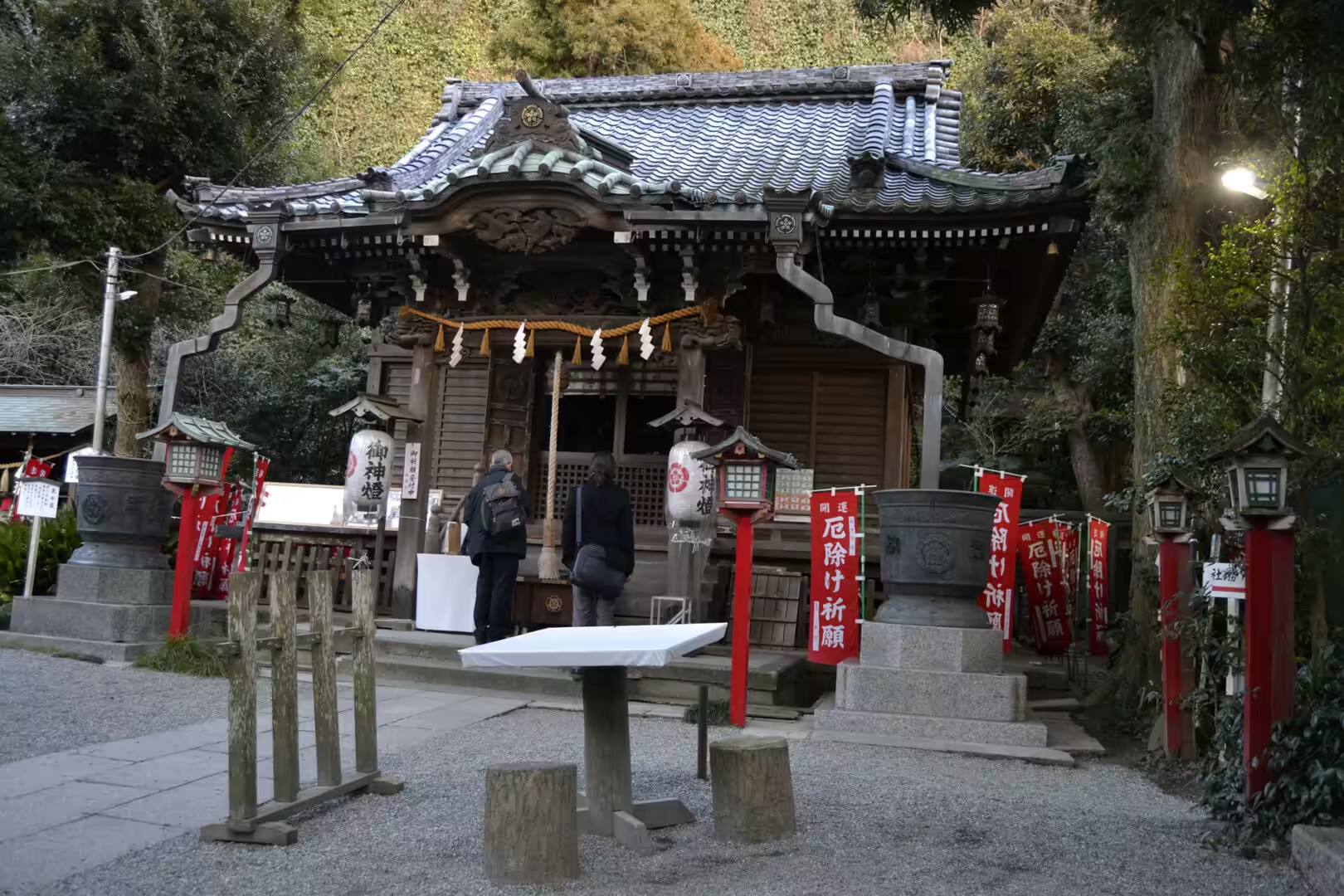
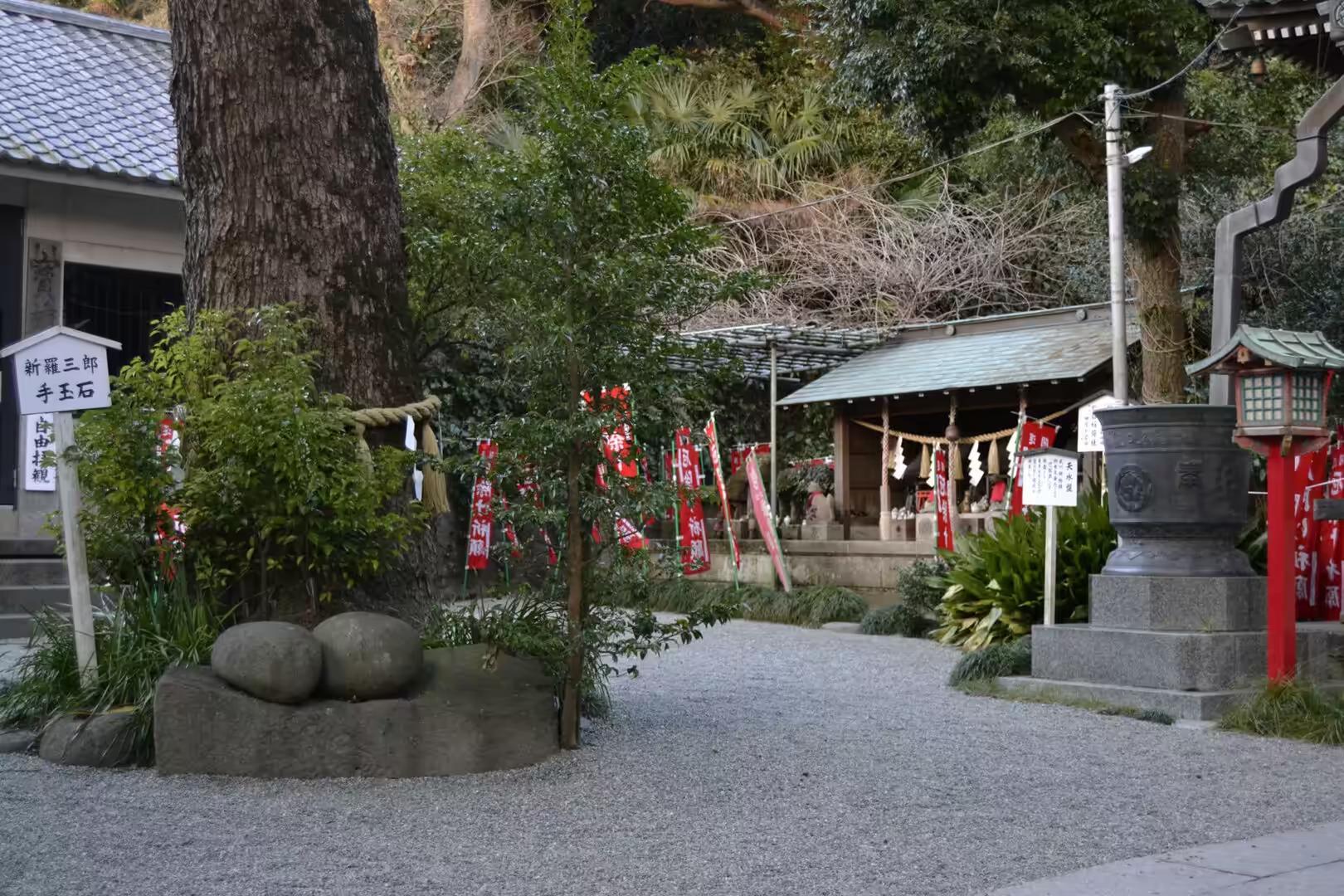
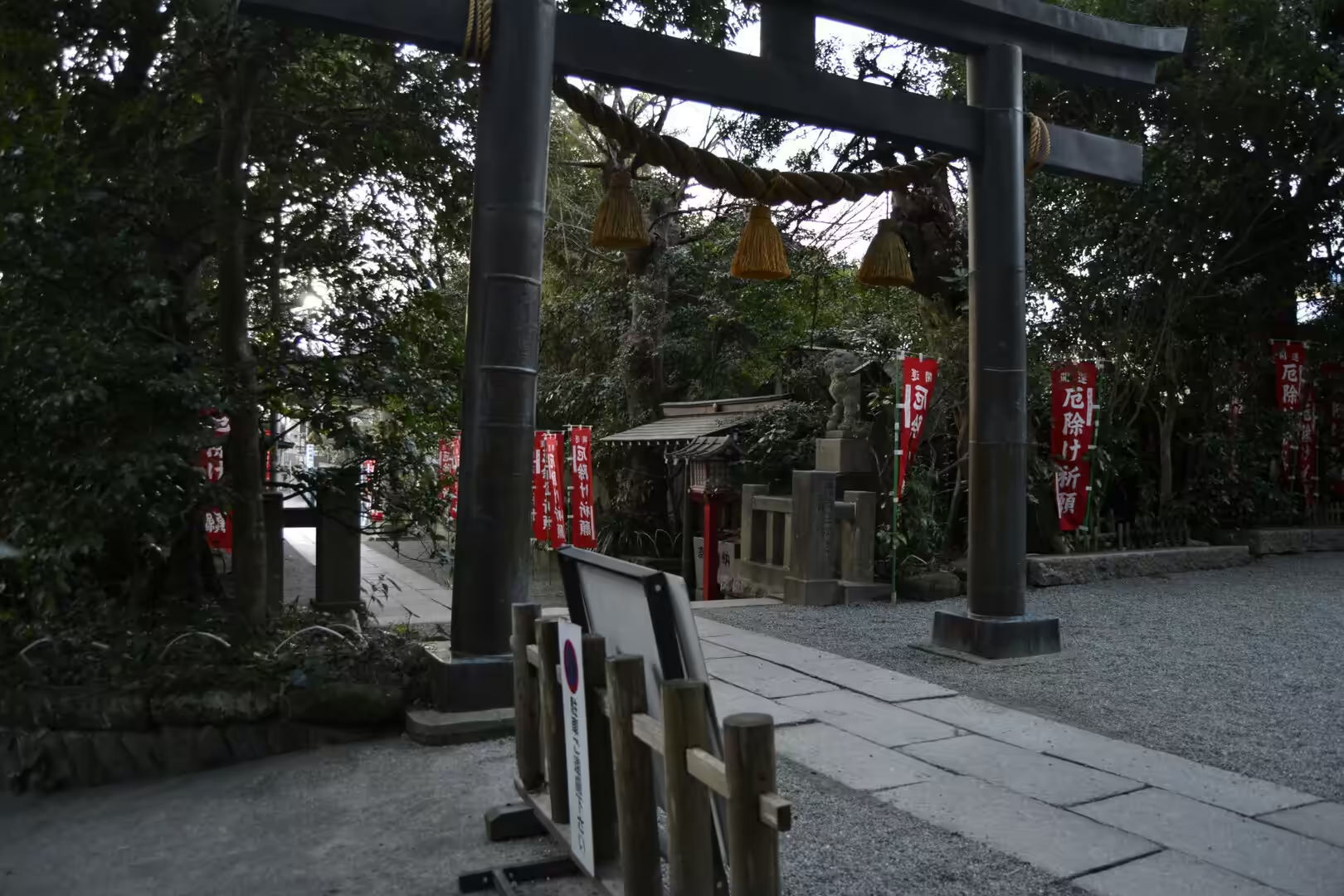
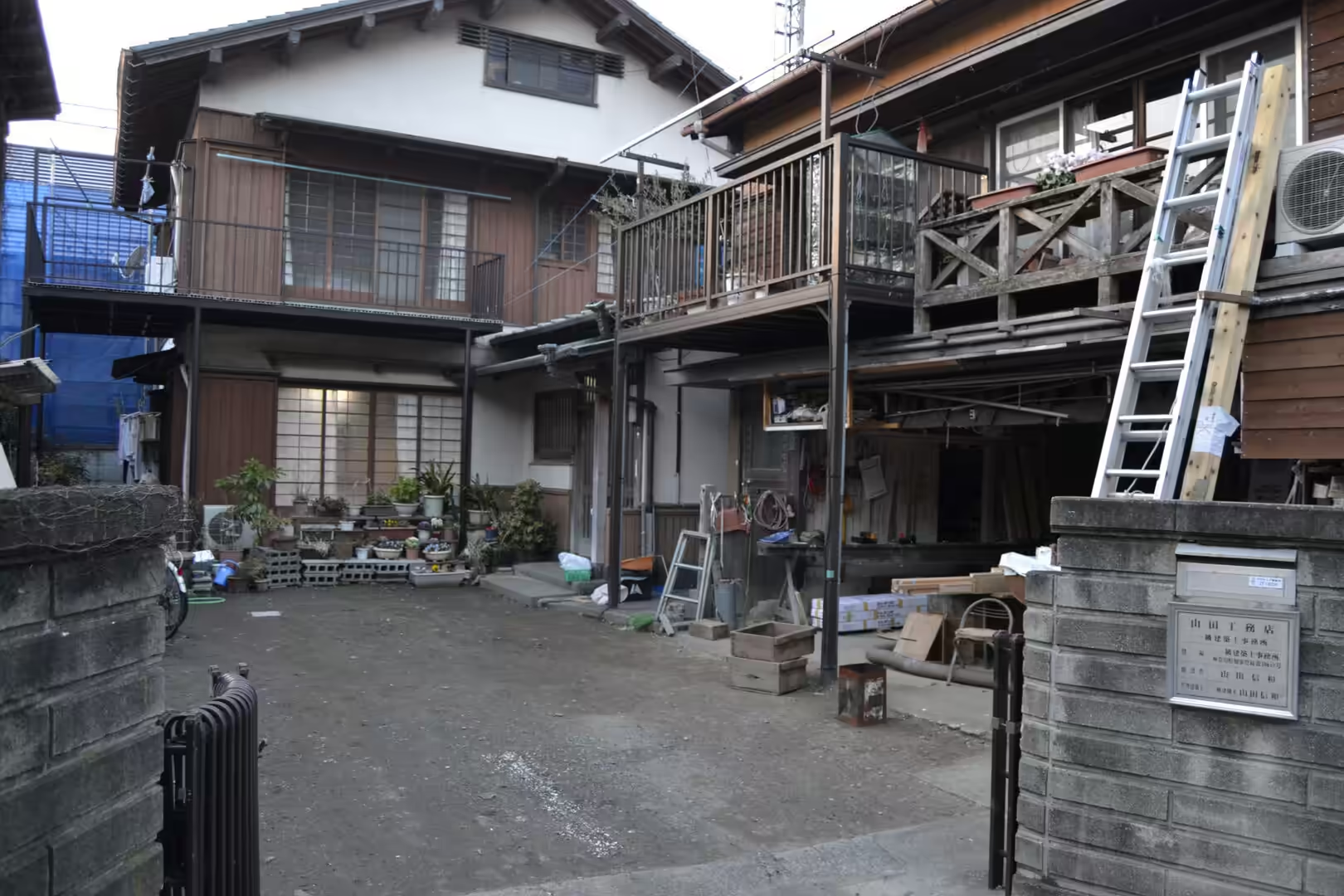
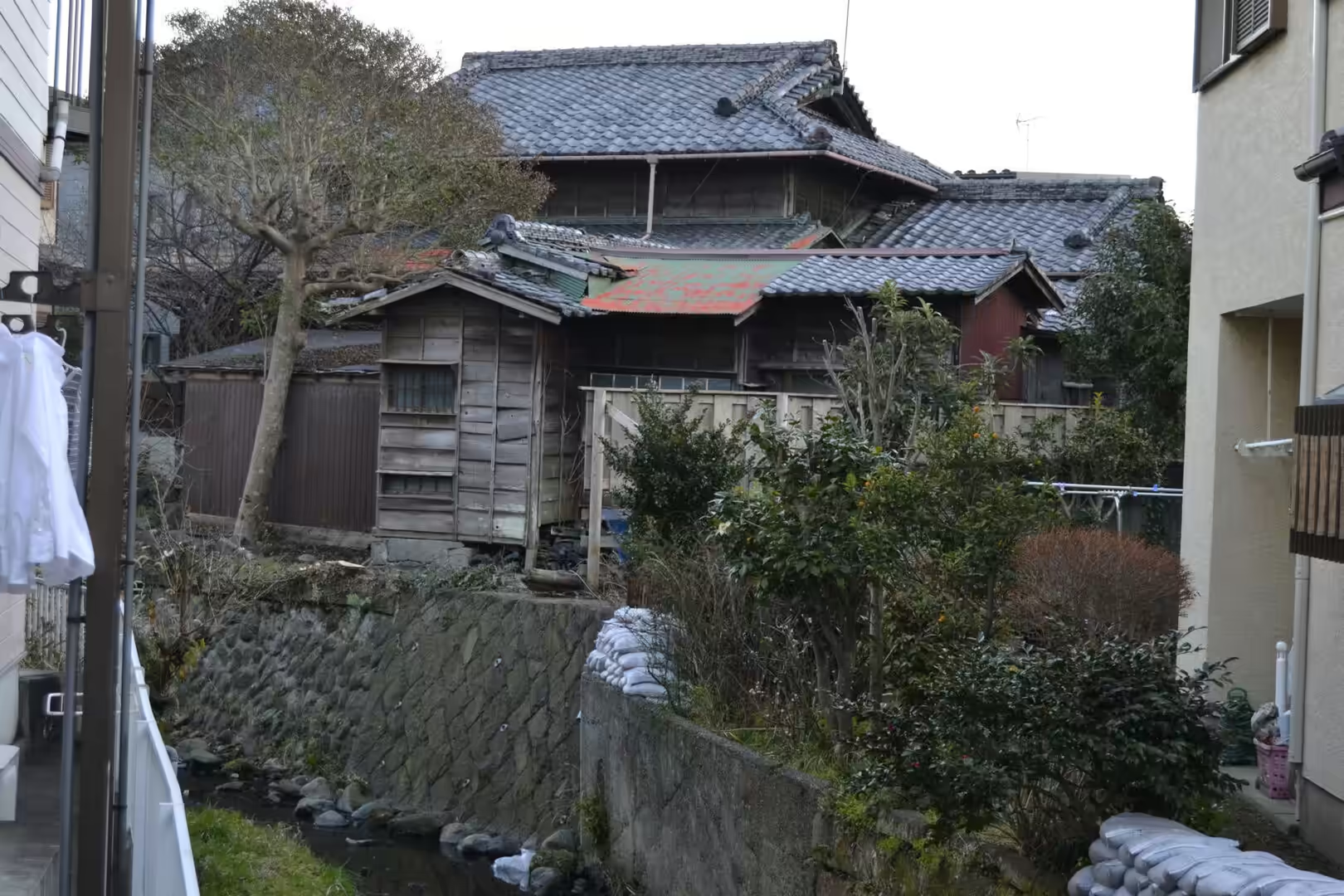
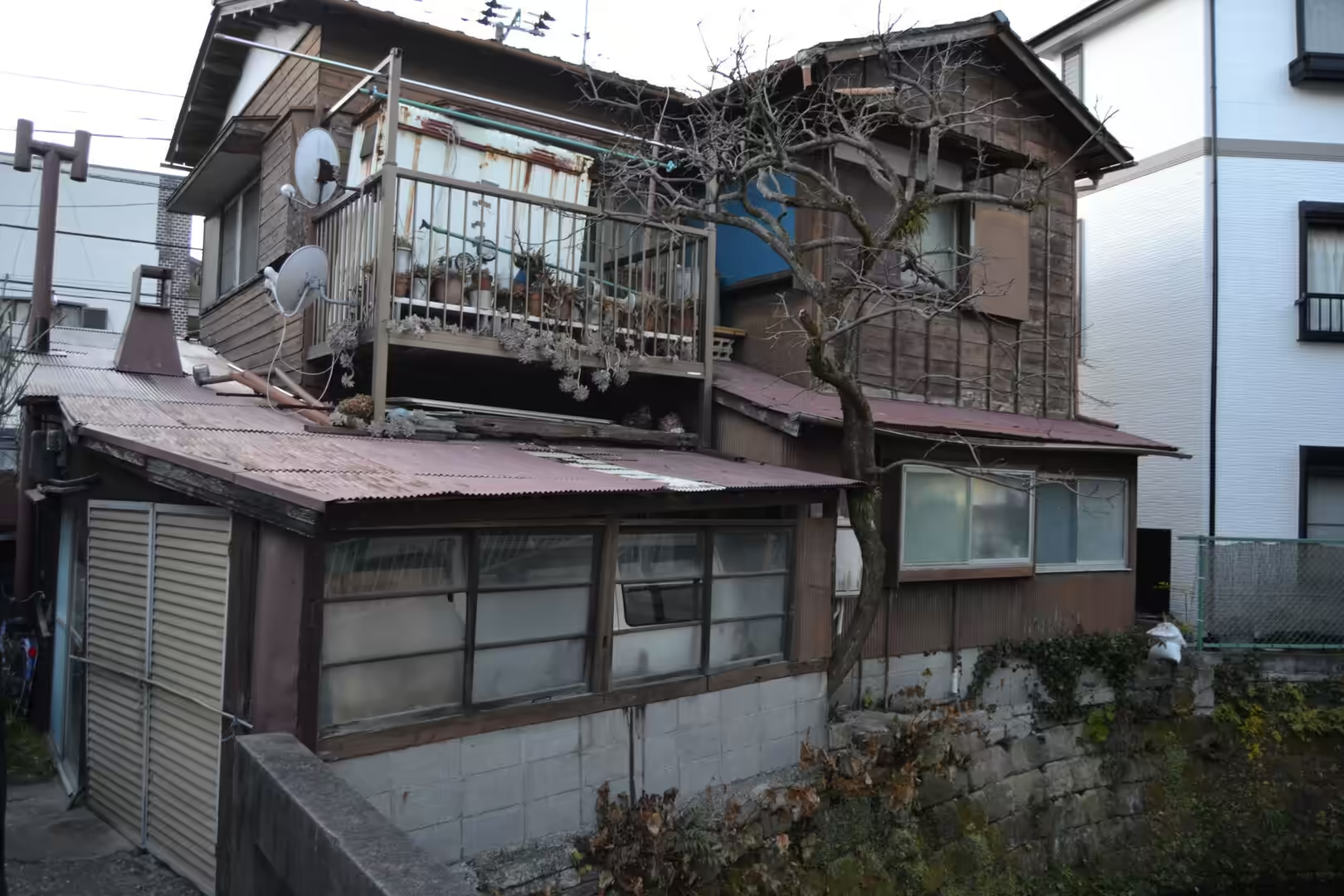
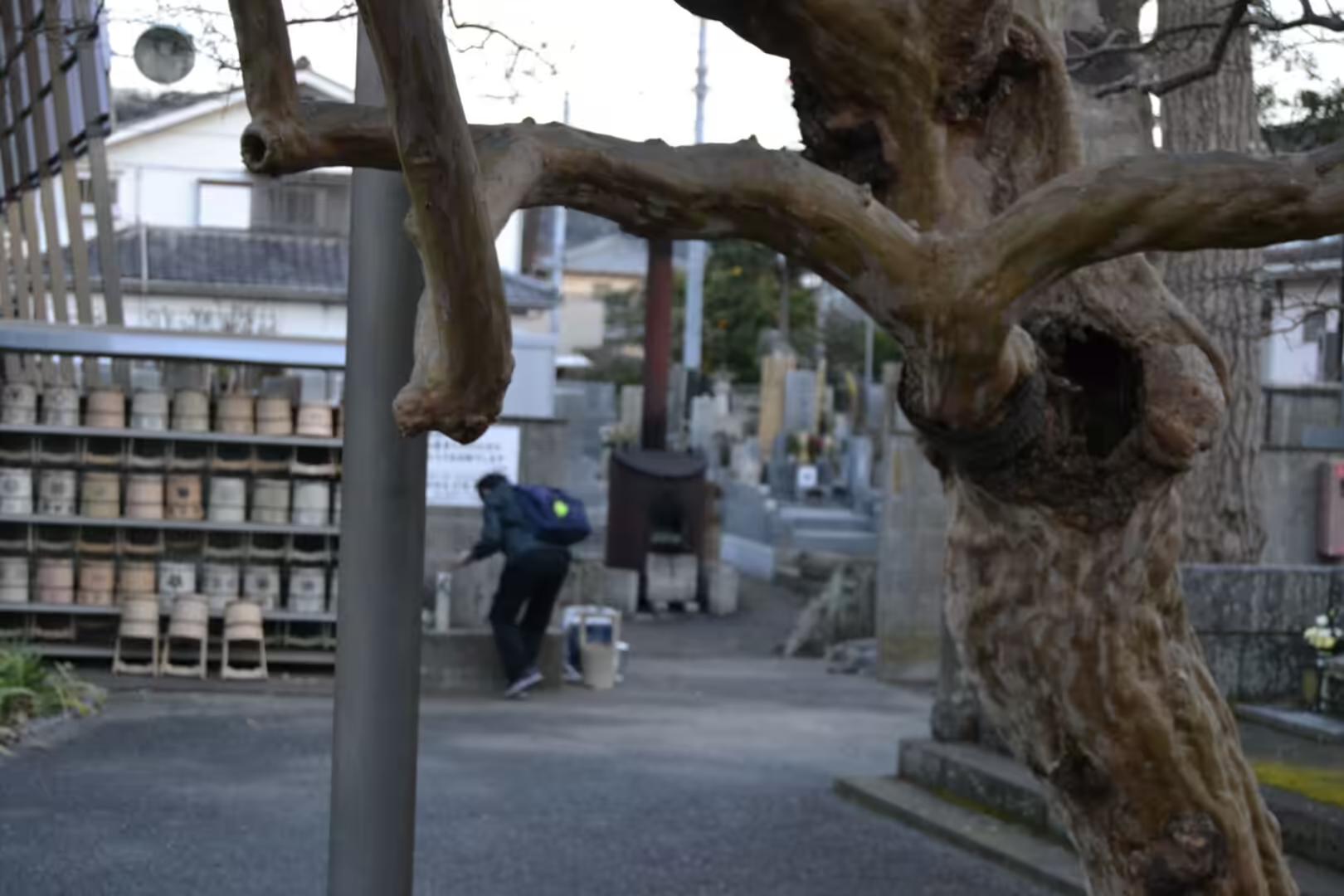
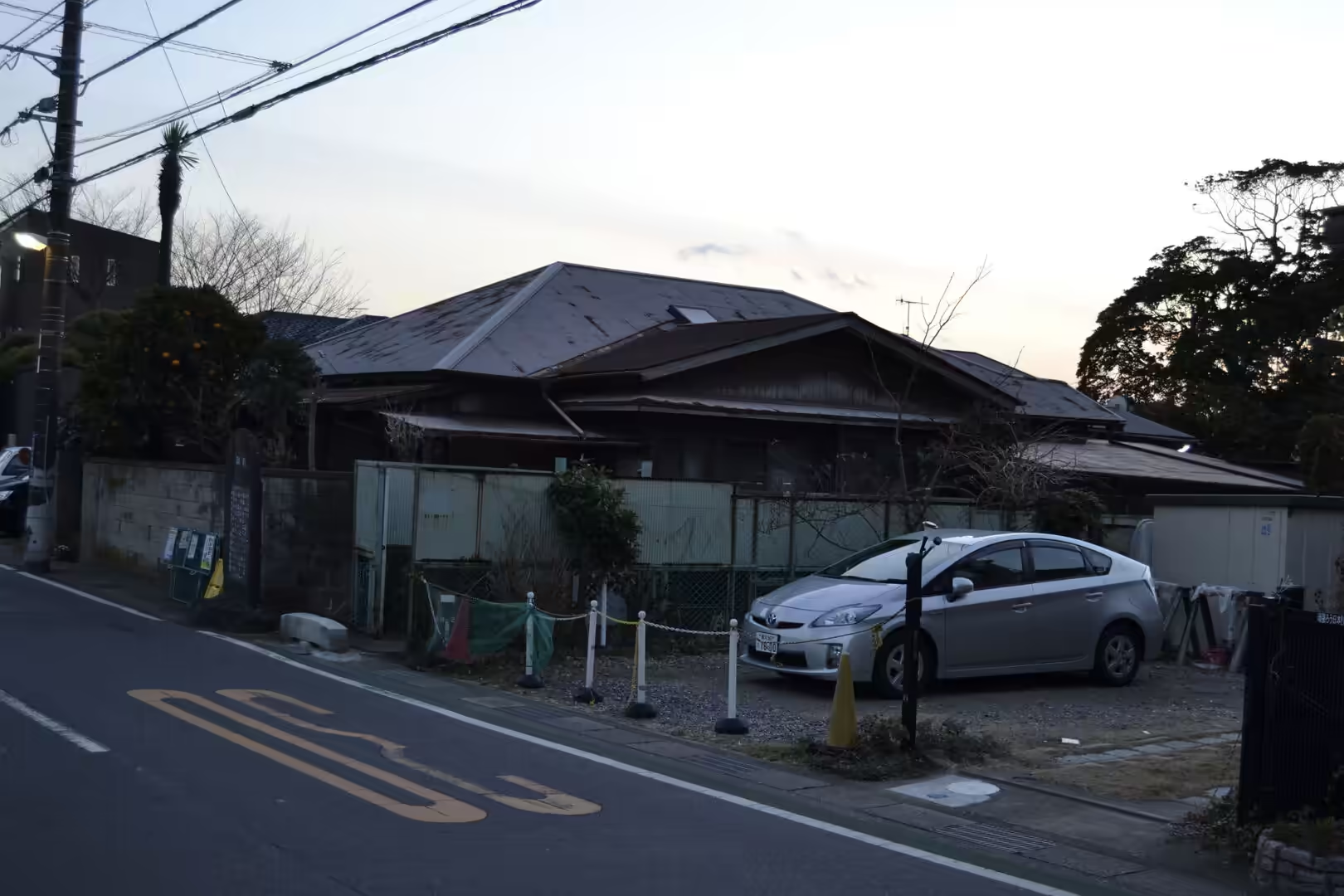
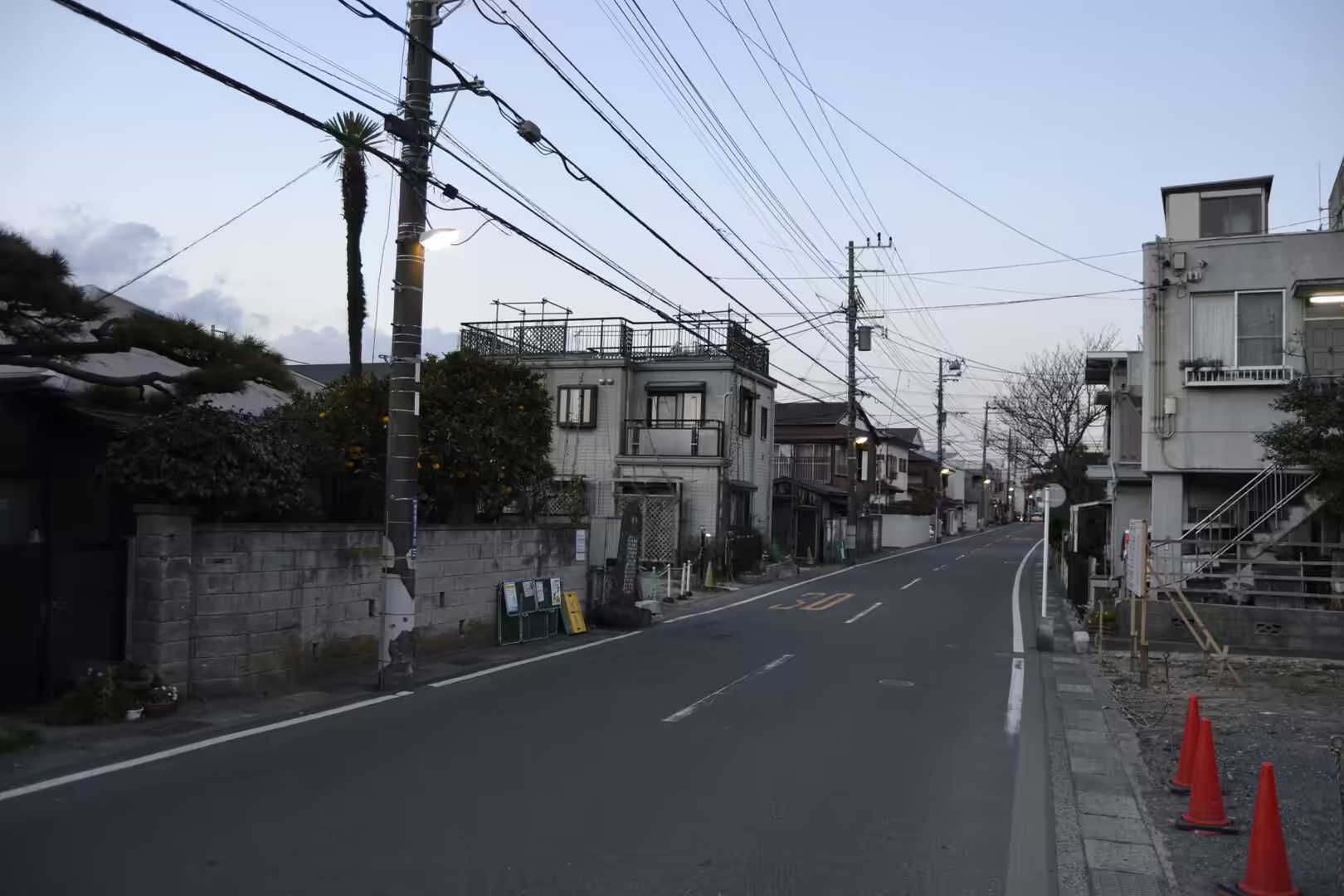
Then Kamakura, and the streets first. Streets with wooden shopfronts, awnings and bicycles, a crossing where the traffic waits for a crowd of schoolchildren in dark uniforms, and lanes that climb between gardens towards the temples. The temple grounds themselves were the heart of the day: broad gravel paths between the trees, stone lanterns, a hall with its roof curving upwards at the corners, and at its steps the offering of sake bottles, dozens of them, white and brown, arranged in rows by people who had come to ask for something or to give thanks for it.
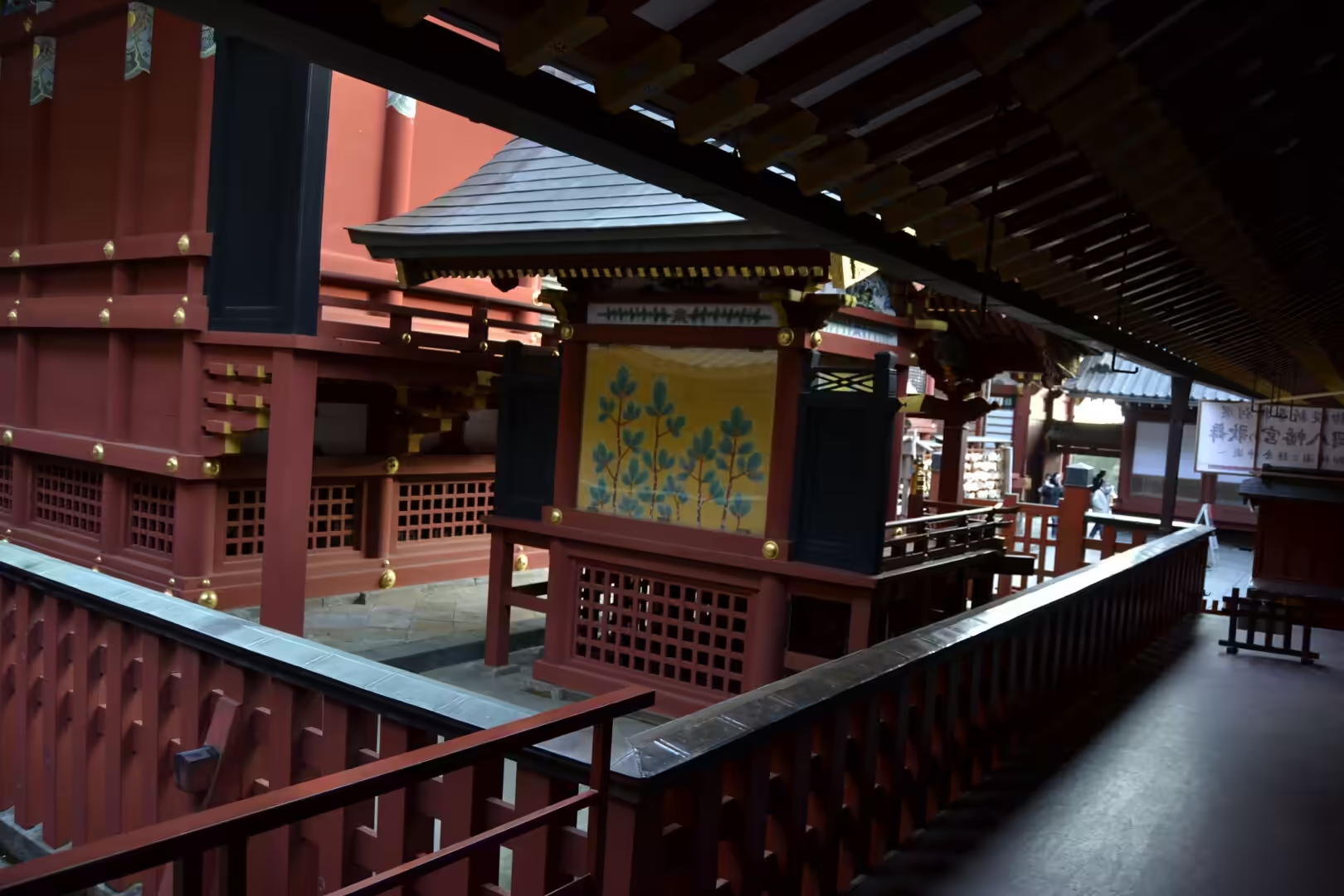
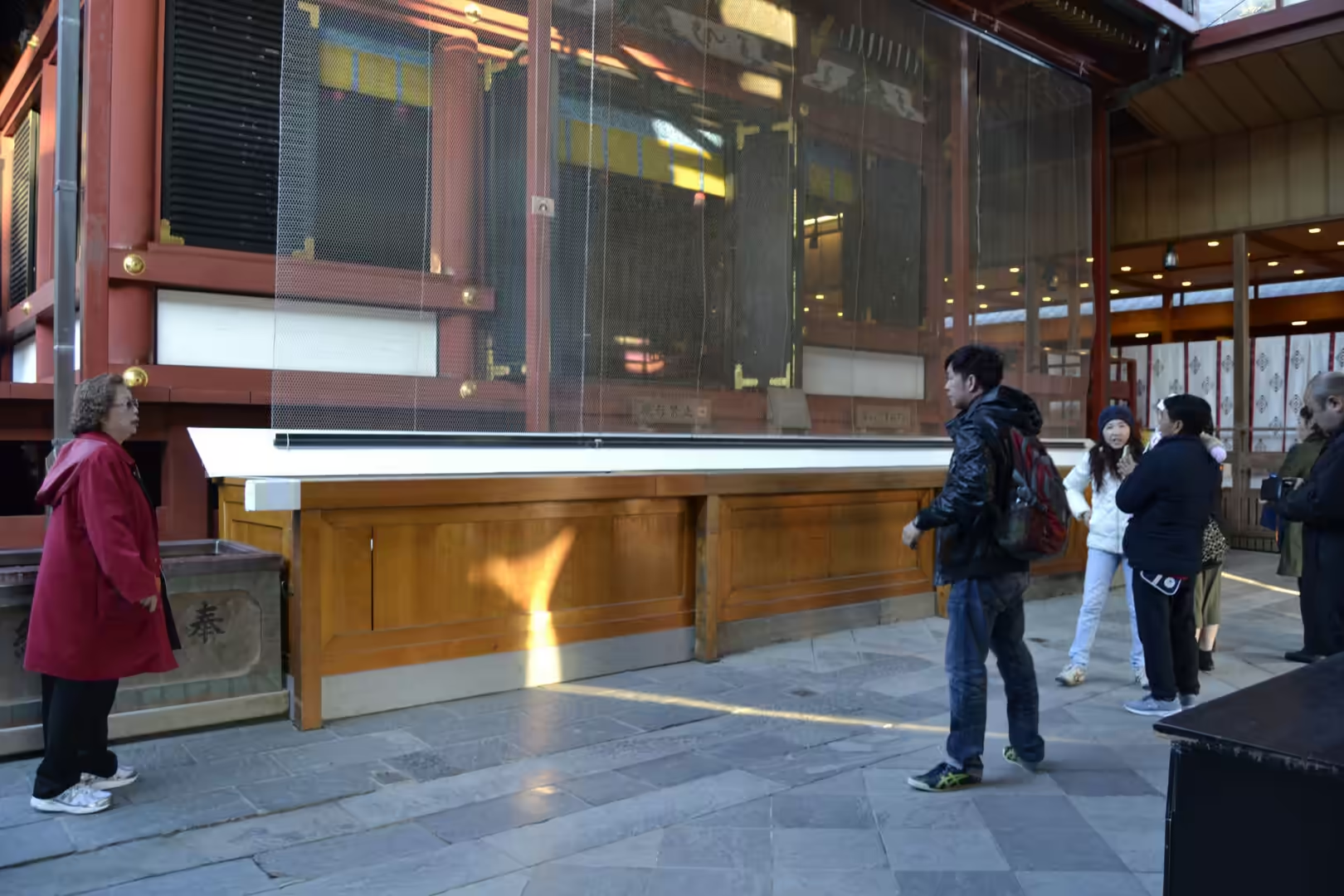
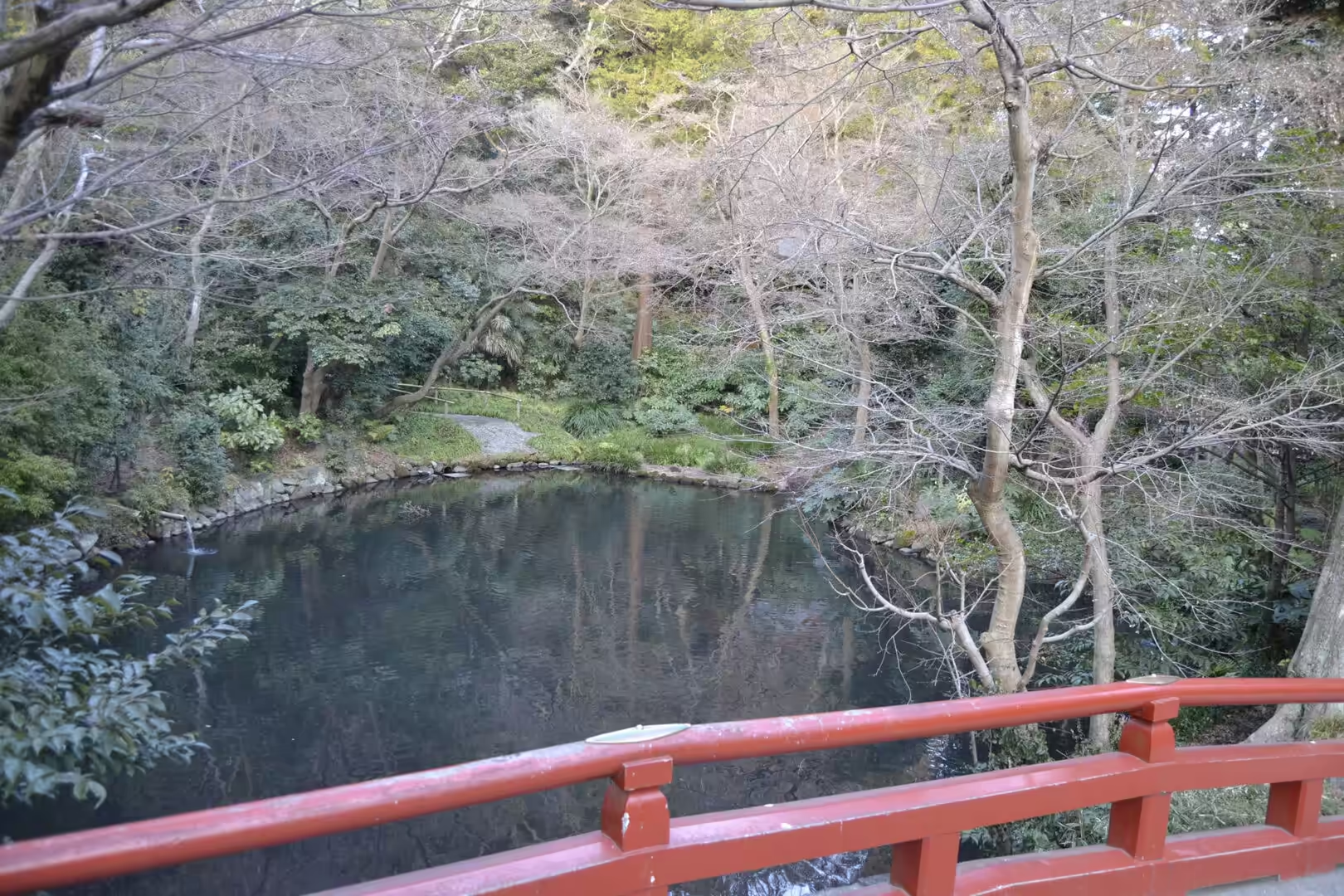
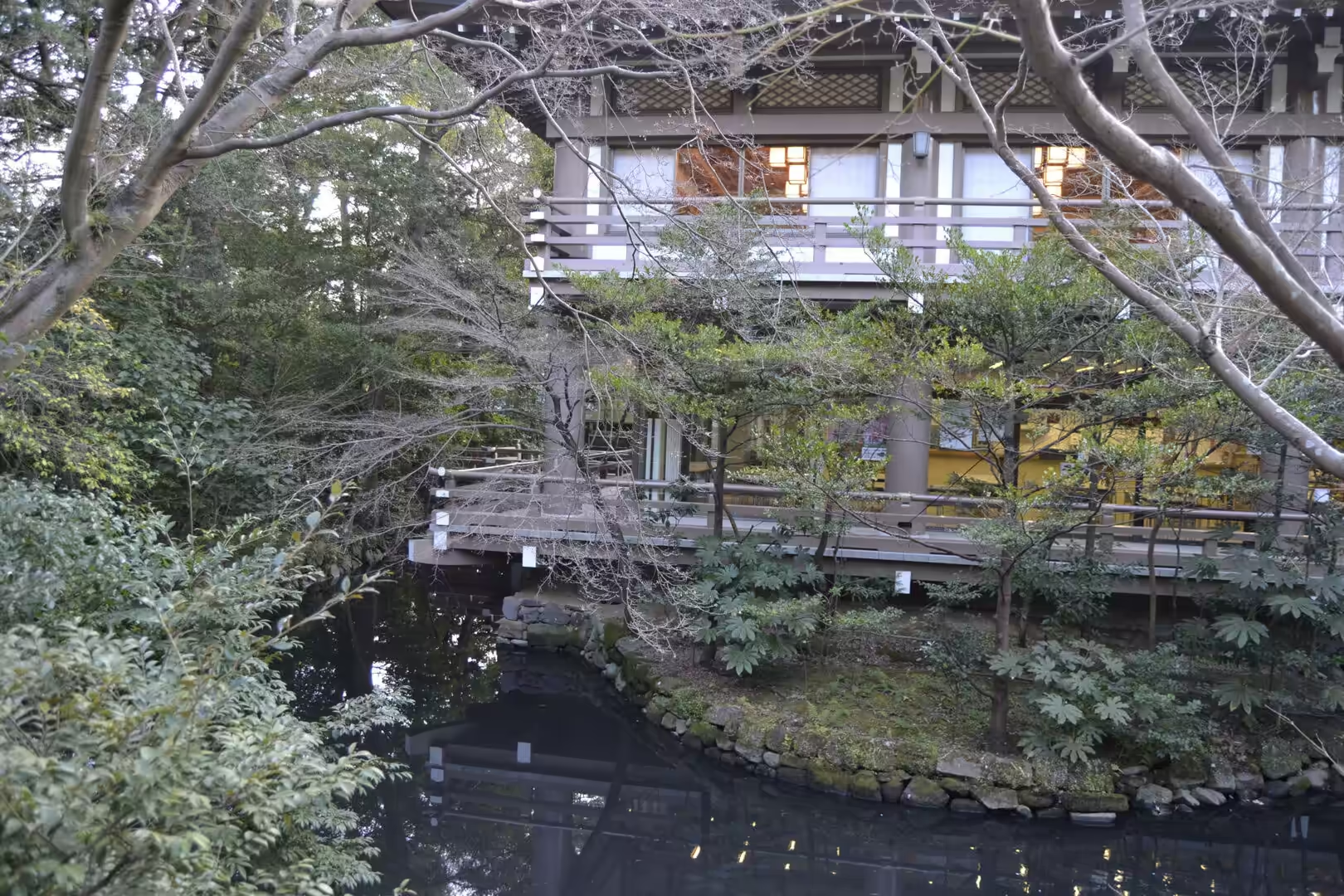
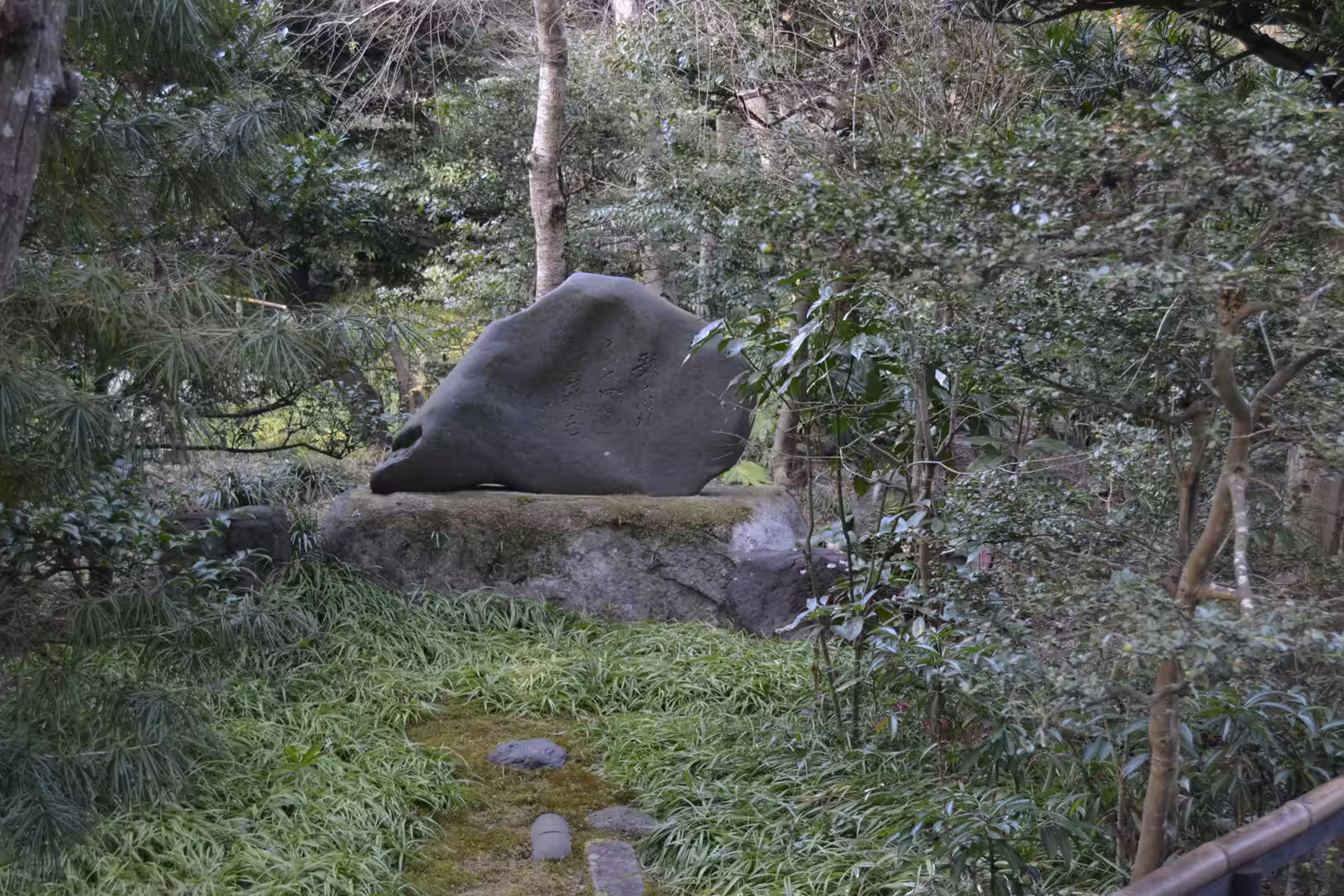
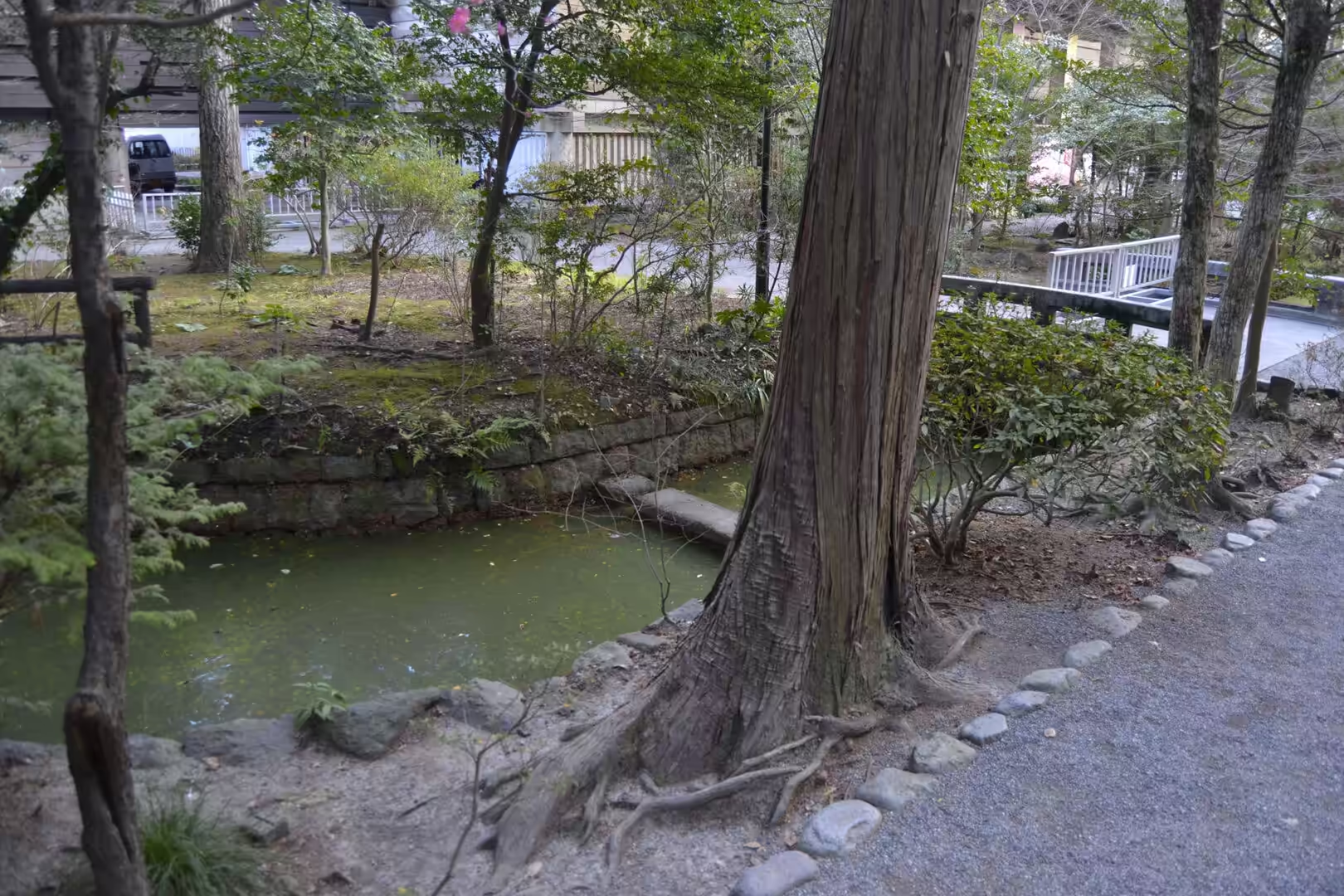
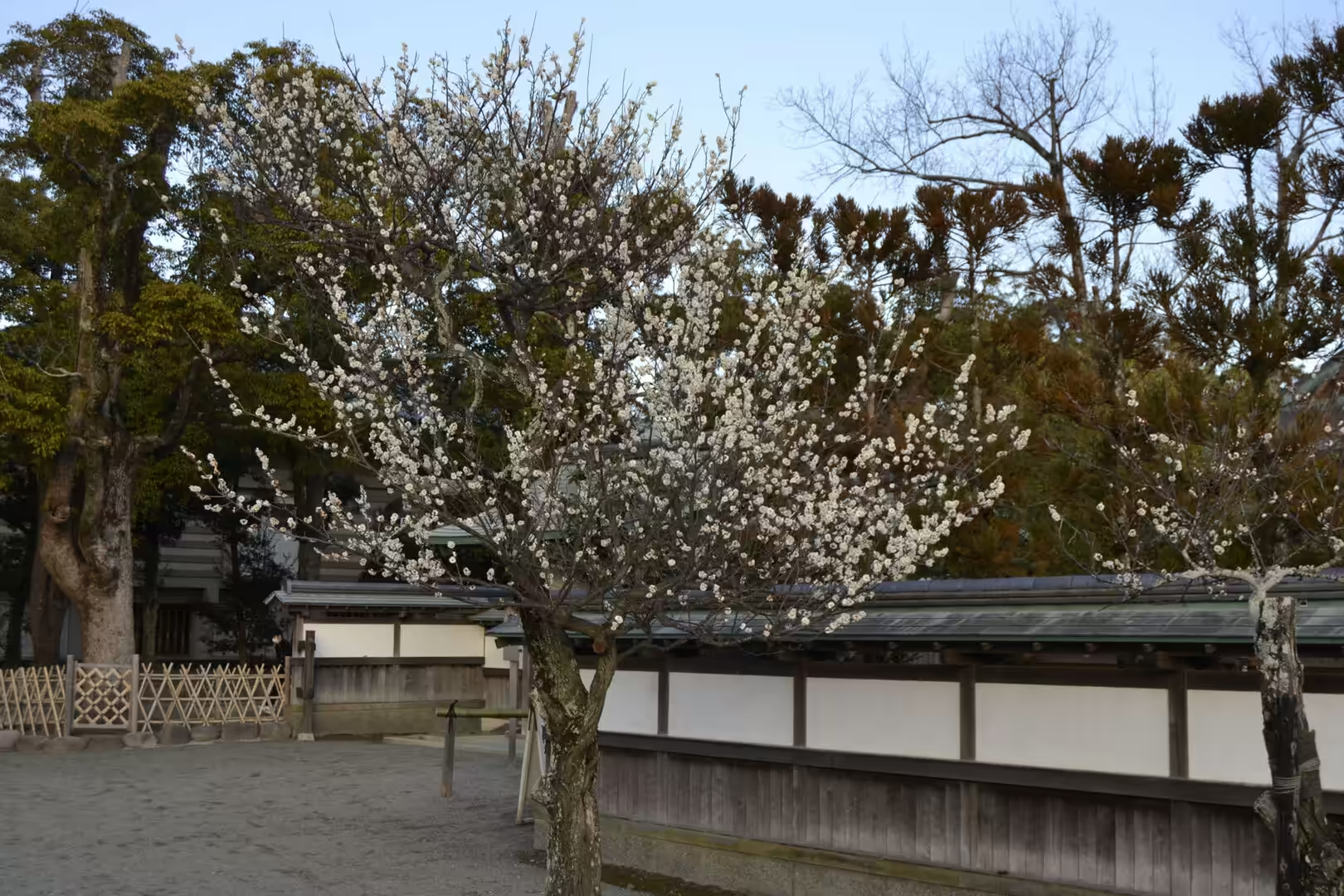
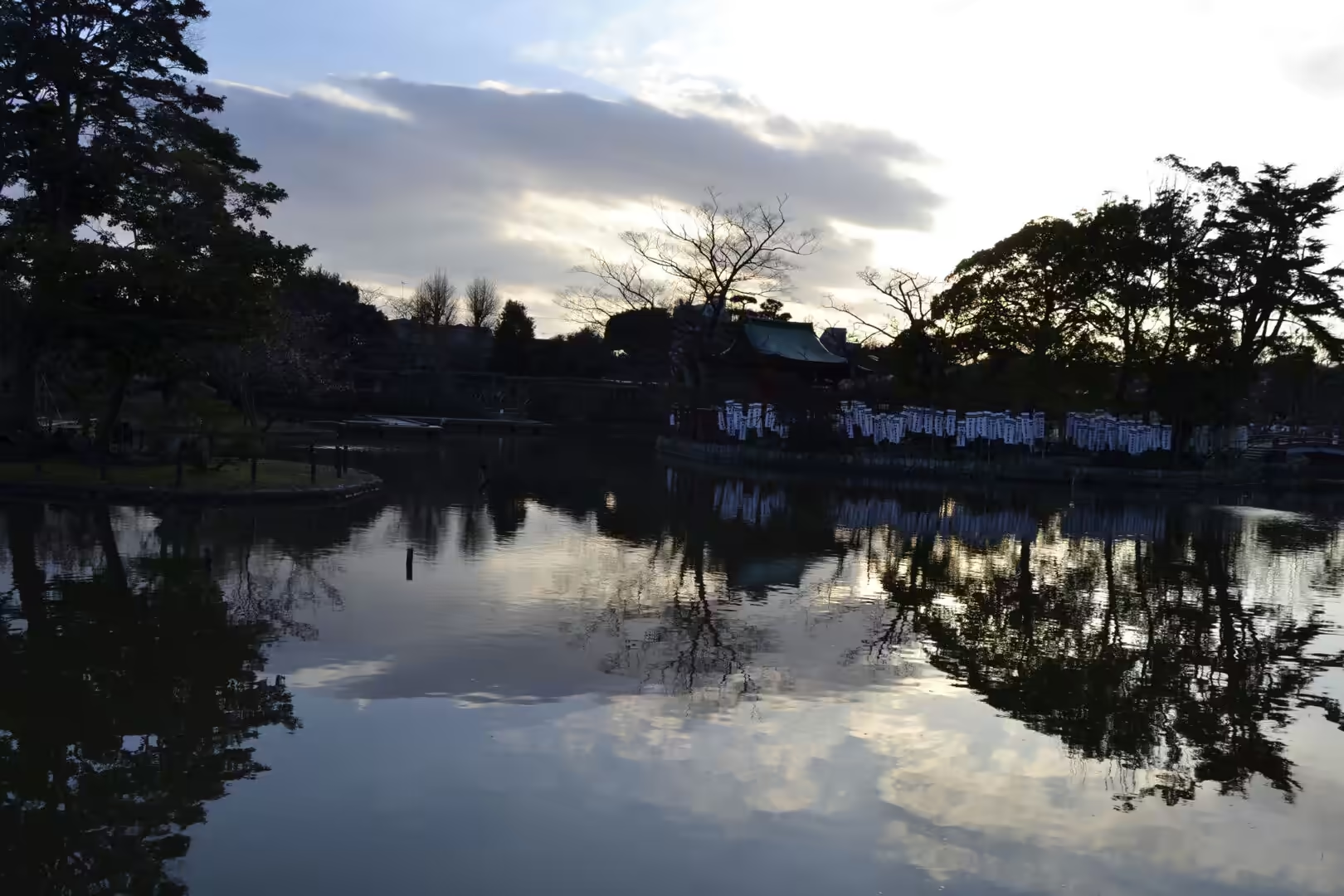
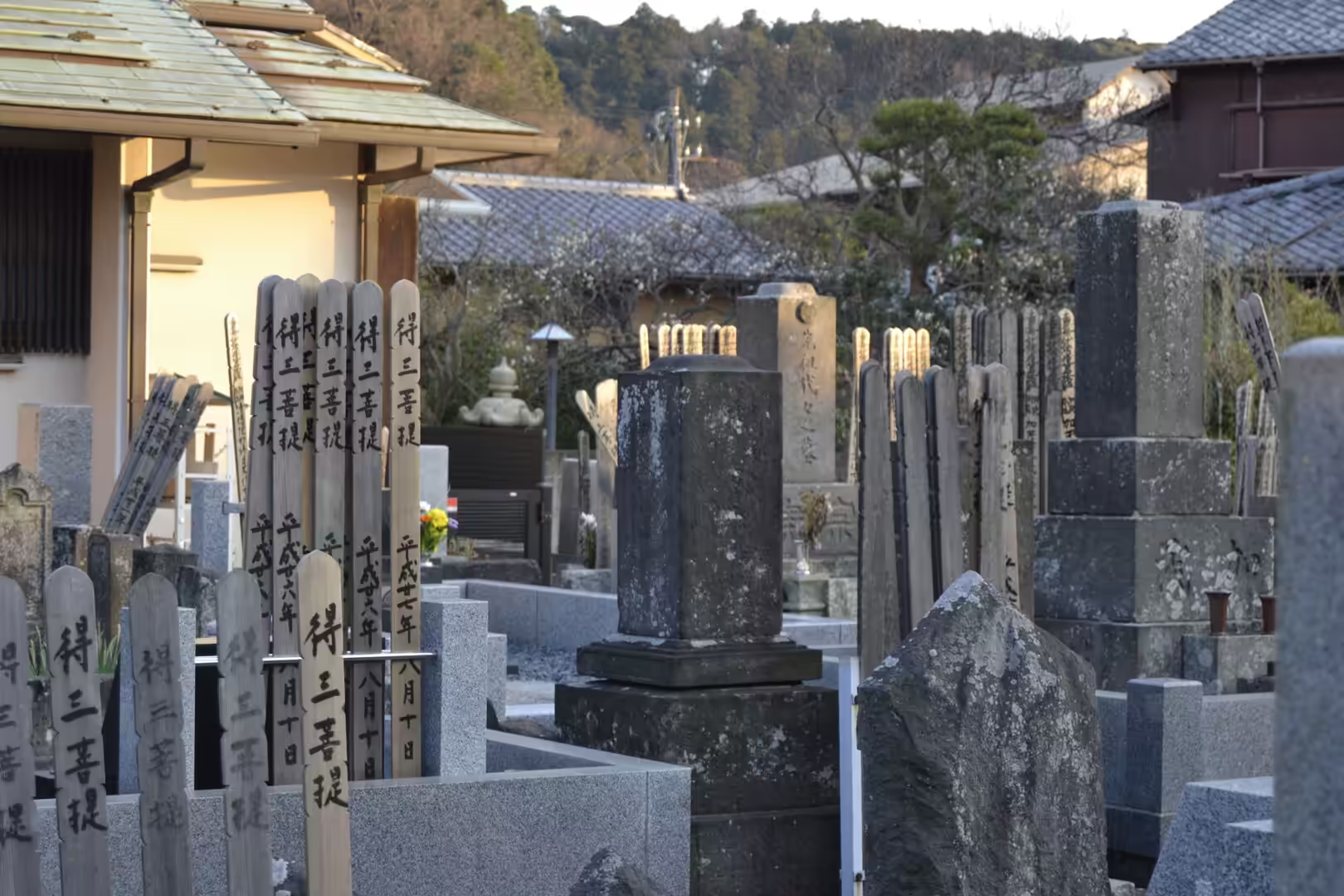
The shrine was larger and more formal. Tsurugaoka Hachimangu has its great approach, its stairway and its vermilion buildings, and it was busy with visitors but not crowded, the way a place of worship is busy on a fine morning. Among the trees there were figures and monuments, a graveyard on the hillside with its ranks of stone pillars, and a park where a flowering tree stood above a pond.
The Great Buddha was the sight that justified the journey. It stands in the open air, thirteen metres of bronze on a stone base, green black with age and with traces of the old gilding still visible near the ears, and it is hollow: visitors walk inside the statue, through a narrow doorway in its back, where the seams of the casting are visible on the inner walls. That the hall which once covered it was swept away by a tsunami in 1498, and that nobody has rebuilt it since, is the kind of fact that changes the way one looks at the statue: it is a piece of medieval engineering that has been standing in the weather for five hundred years.
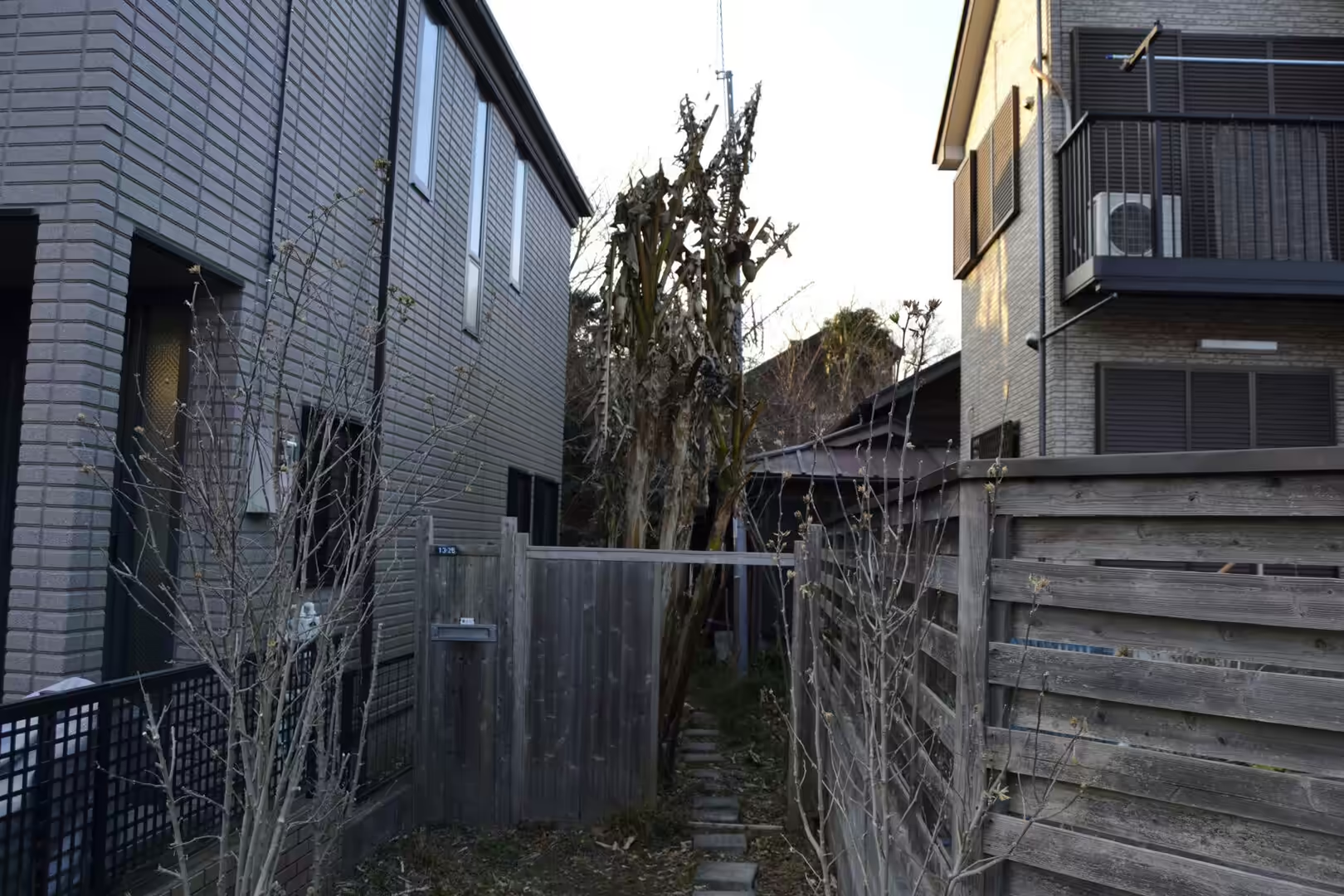
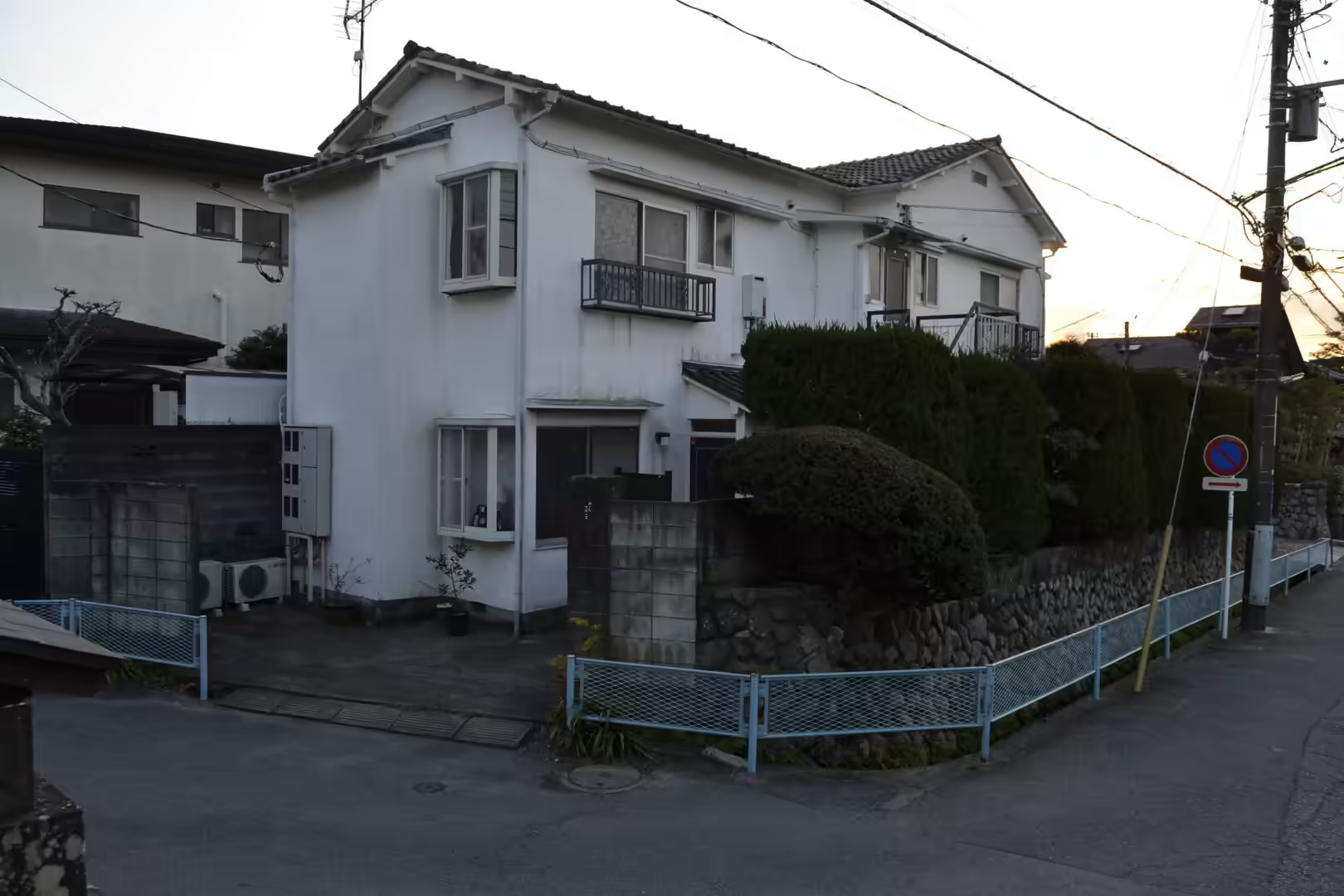
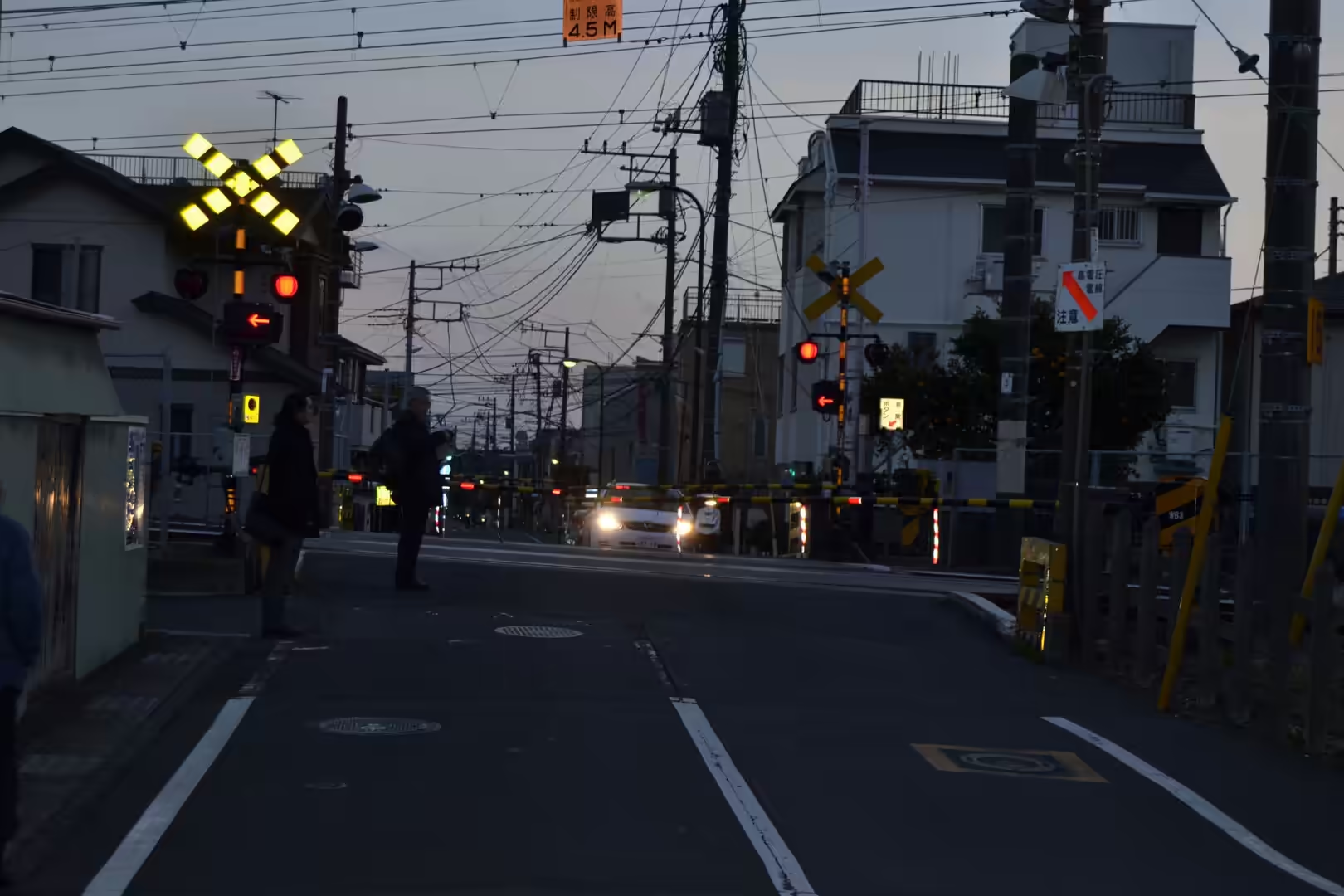
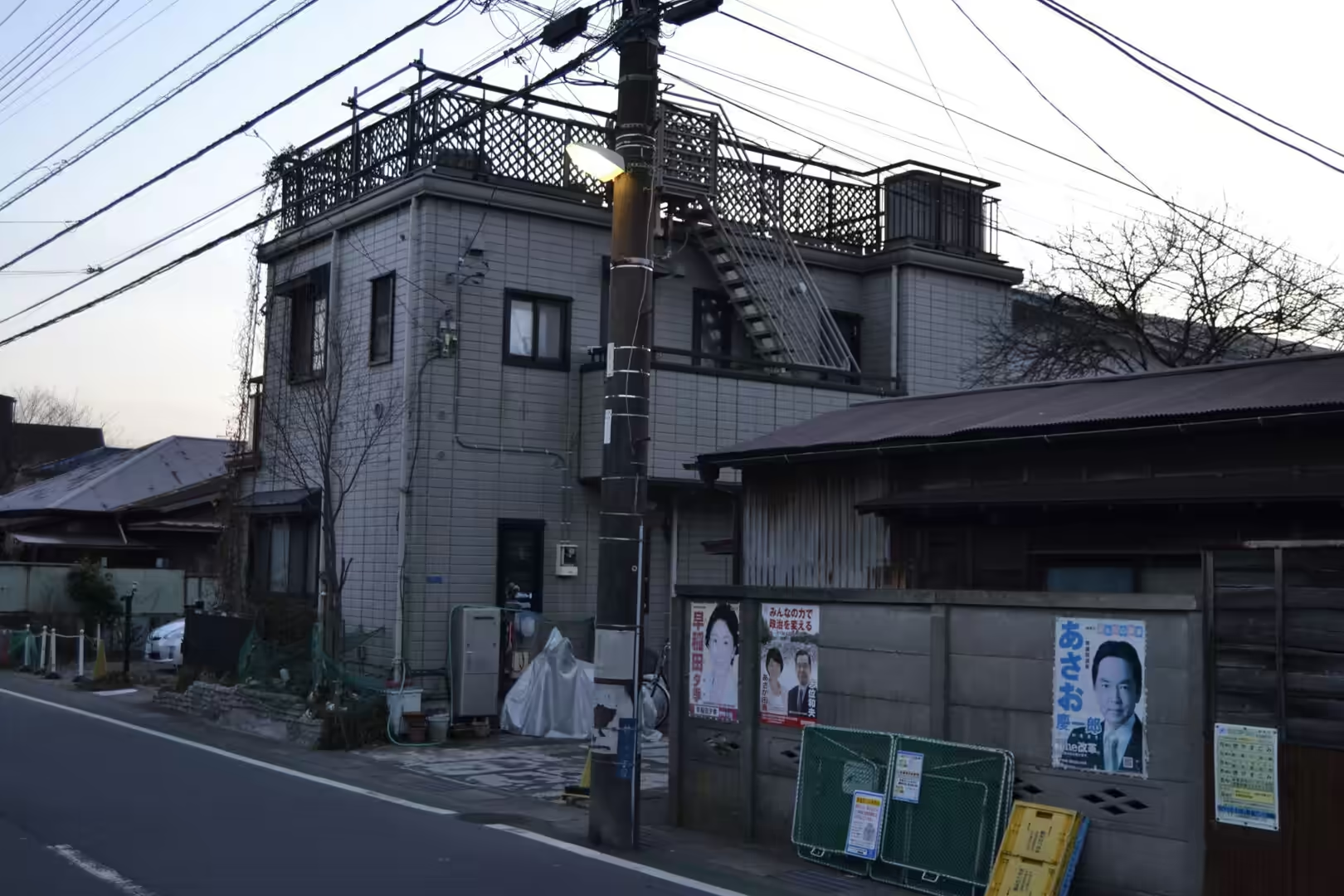
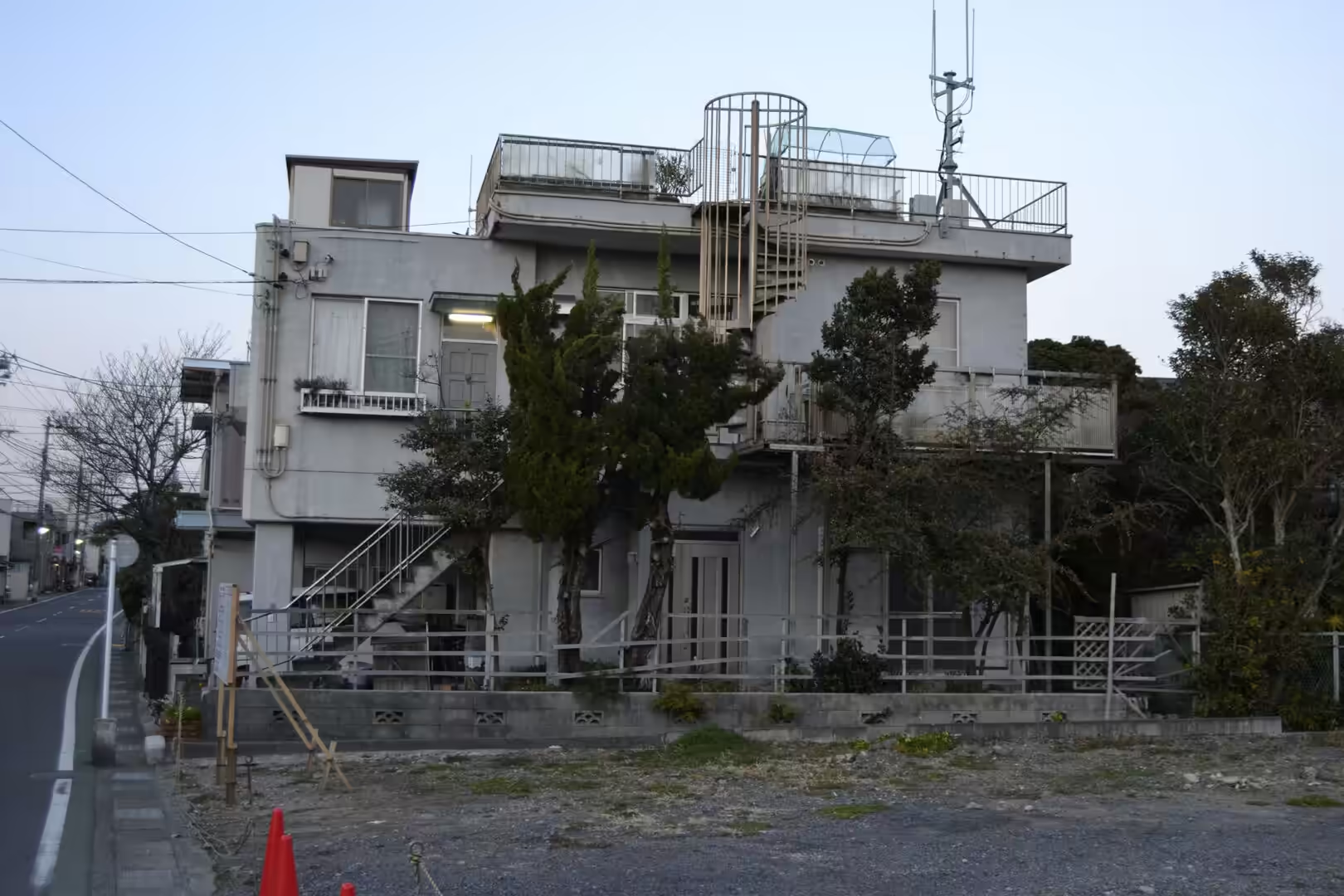
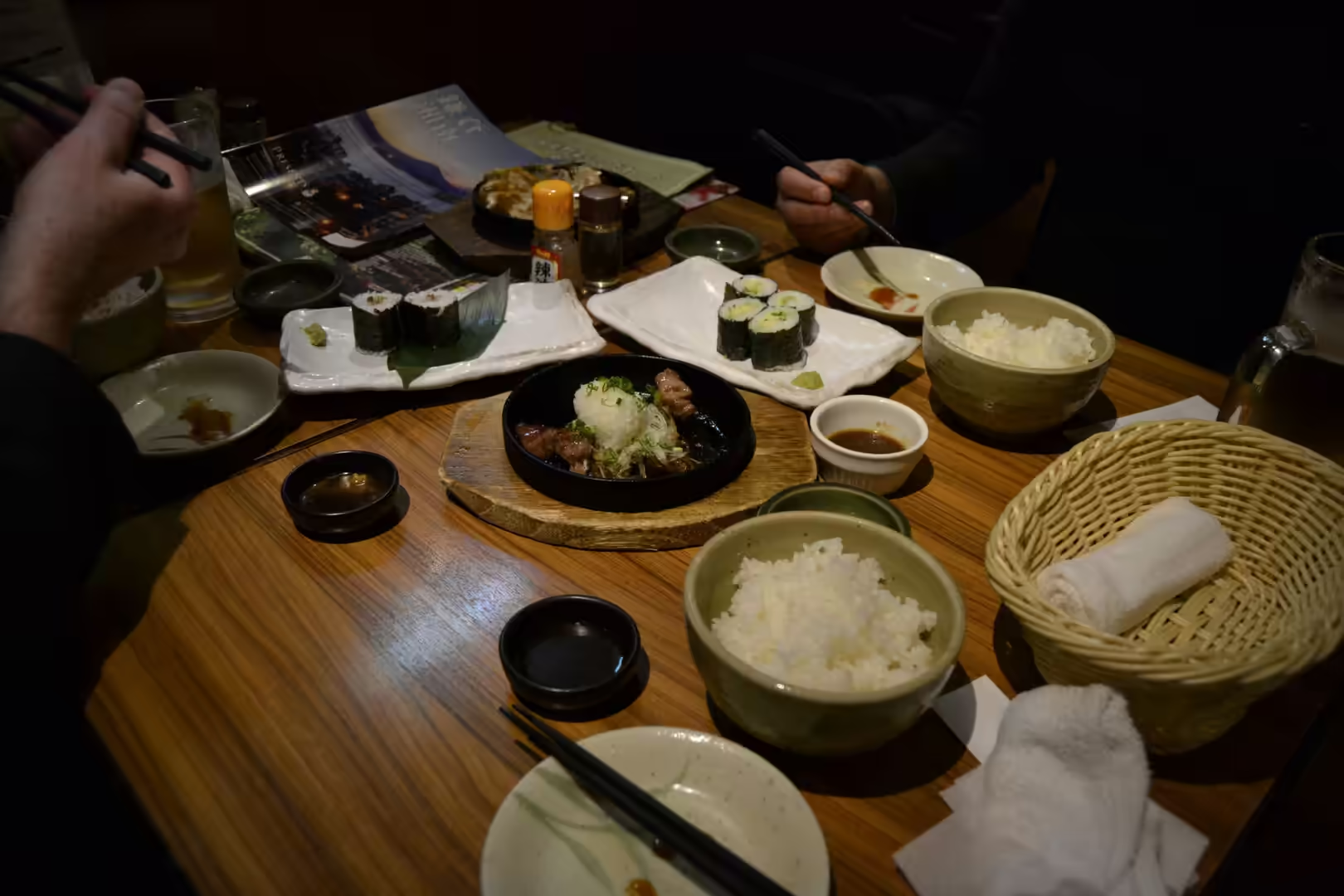
The town gave the day its other pleasures: a restaurant with low tables and a bowl of noodles, a street of souvenir shops, a coastal road with the beach and the surf beyond it, and the warning sign about tsunamis standing in a quiet residential street, which is the sort of thing that one notices more on a coast with this history than on a holiday beach. By evening the coach was back in Tokyo, and the last stop was Shibuya, where the crossing runs on its diagonal phase and three thousand people move at once in every direction, past the screens and the shop windows, under the lights.
References
- Wikipedia contributors (2026). Kamakura. en.wikipedia.org/wiki/Kamakura
- Wikipedia contributors (2026). Kamakura shogunate. en.wikipedia.org/wiki/Kamakura%20shogunate
- Wikipedia contributors (2026). Kōtoku-in. en.wikipedia.org/wiki/K%C5%8Dtoku-in
- Wikipedia contributors (2026). Tsurugaoka Hachimangū. en.wikipedia.org/wiki/Tsurugaoka%20Hachimang%C5%AB
- Wikipedia contributors (2026). Sagami Bay. en.wikipedia.org/wiki/Sagami%20Bay
- Wikipedia contributors (2026). Tokyo. en.wikipedia.org/wiki/Tokyo
- Wikipedia contributors (2026). Shibuya Crossing. en.wikipedia.org/wiki/Shibuya%20Crossing
- Wikipedia contributors (2026). Shibuya. en.wikipedia.org/wiki/Shibuya
- Wikipedia contributors (2026). Edo Castle. en.wikipedia.org/wiki/Edo%20Castle
- Wikipedia contributors (2026). Tokyo Skytree. en.wikipedia.org/wiki/Tokyo%20Skytree
- Wikipedia contributors (2026). Kantō Plain. en.wikipedia.org/wiki/Kant%C5%8D%20Plain
- Wikipedia contributors (2026). 1923 Great Kantō earthquake. en.wikipedia.org/wiki/1923%20Great%20Kant%C5%8D%20earthquake
- Wikipedia contributors (2026). Japanese cuisine. en.wikipedia.org/wiki/Japanese%20cuisine
- (ohne Angabe) (2010) THIRD PERIOD. FROM THE FOUNDATION OF THE KAMAKURA SHOGUNATE TO THE END OF THE TOKUGAWA SHOGUNATE (FEUDAL PERIOD). A History of Japan. 58-125. doi.org/10.4324/9780203845073-8
- TOISHI K. (1965) Radiography of the Great Buddha at Kamakura. Studies in Conservation. 10. 47-52. doi.org/10.1179/sic.1965.009
- SEKINO M. (1965) Restoration of the Great Buddha Statue at Kamakura. Studies in Conservation. 10. 39-46. doi.org/10.1179/sic.1965.008
- Jimura T. (2021) Industrial heritage in Japan. Cultural Heritage and Tourism in Japan. 129-150. doi.org/10.4324/9780429019173-7
- NARUSE Y. (1963) Quaternary Volcanic Ashes in the Kanto Region. The Quaternary Research (Daiyonki-Kenkyu). 3. 94-109. doi.org/10.4116/jaqua.3.94