Day 5 - Cinque Terre





Journal Notes
General
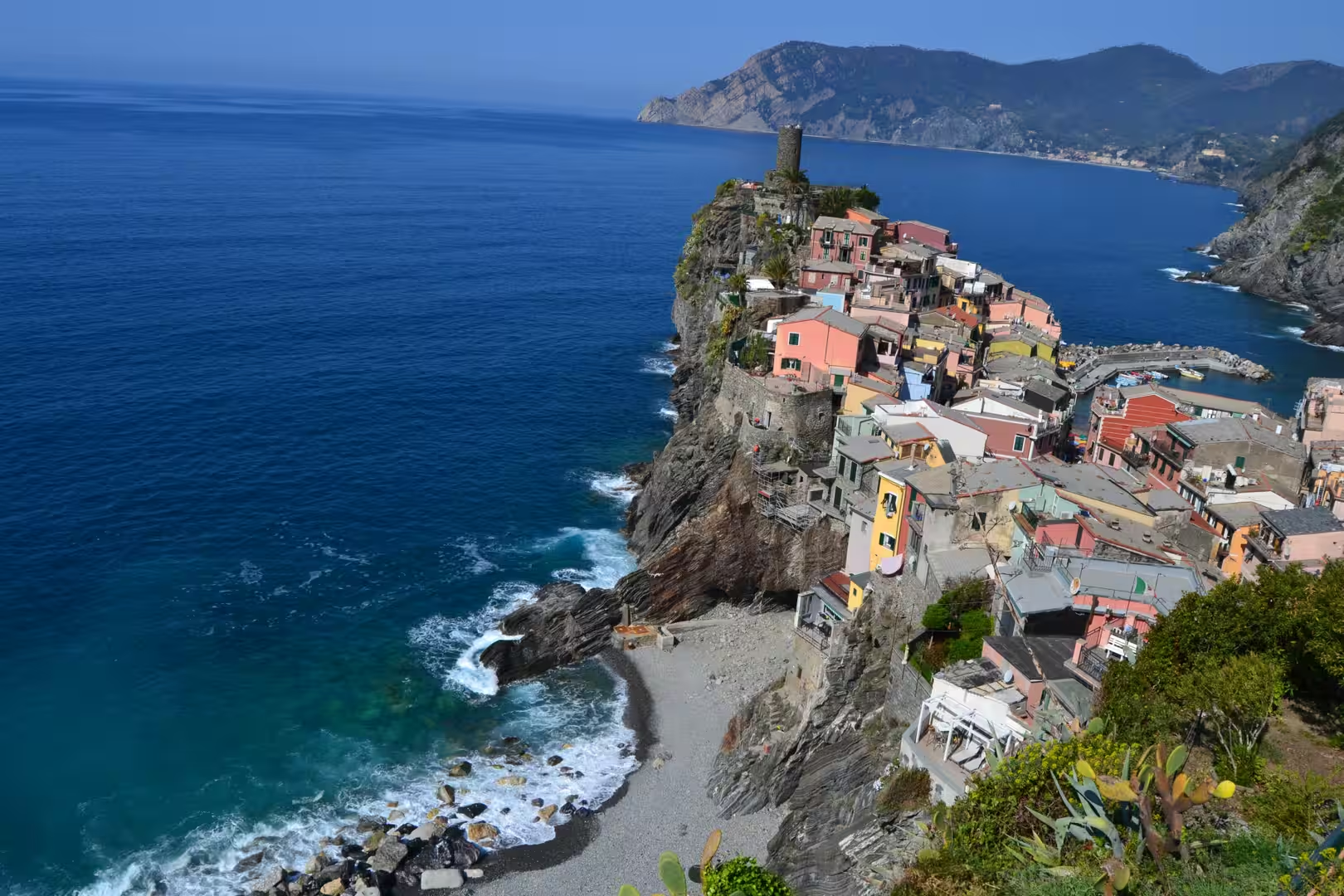
The fifth day was the one without a plan. The villages had been walked and the museums had been seen, and the day was given to the water and to the slow business of staying in one place: a swim in the morning, a boat in the middle of the day, a long lunch, and the evening on the rocks at the end of the harbour with the sun going down behind the headland.
The swimming on this coast is one of its quiet pleasures. There are no long beaches, only coves of pebbles and platforms of rock, and the water gets deep quickly, which means that a few strokes take the swimmer out past the rocks where the boats are moored and into the clear blue over the bottom. The local people swim early and late, the visitors swim in the middle of the day, and the difference between them is the difference between good sense and a sunburn.
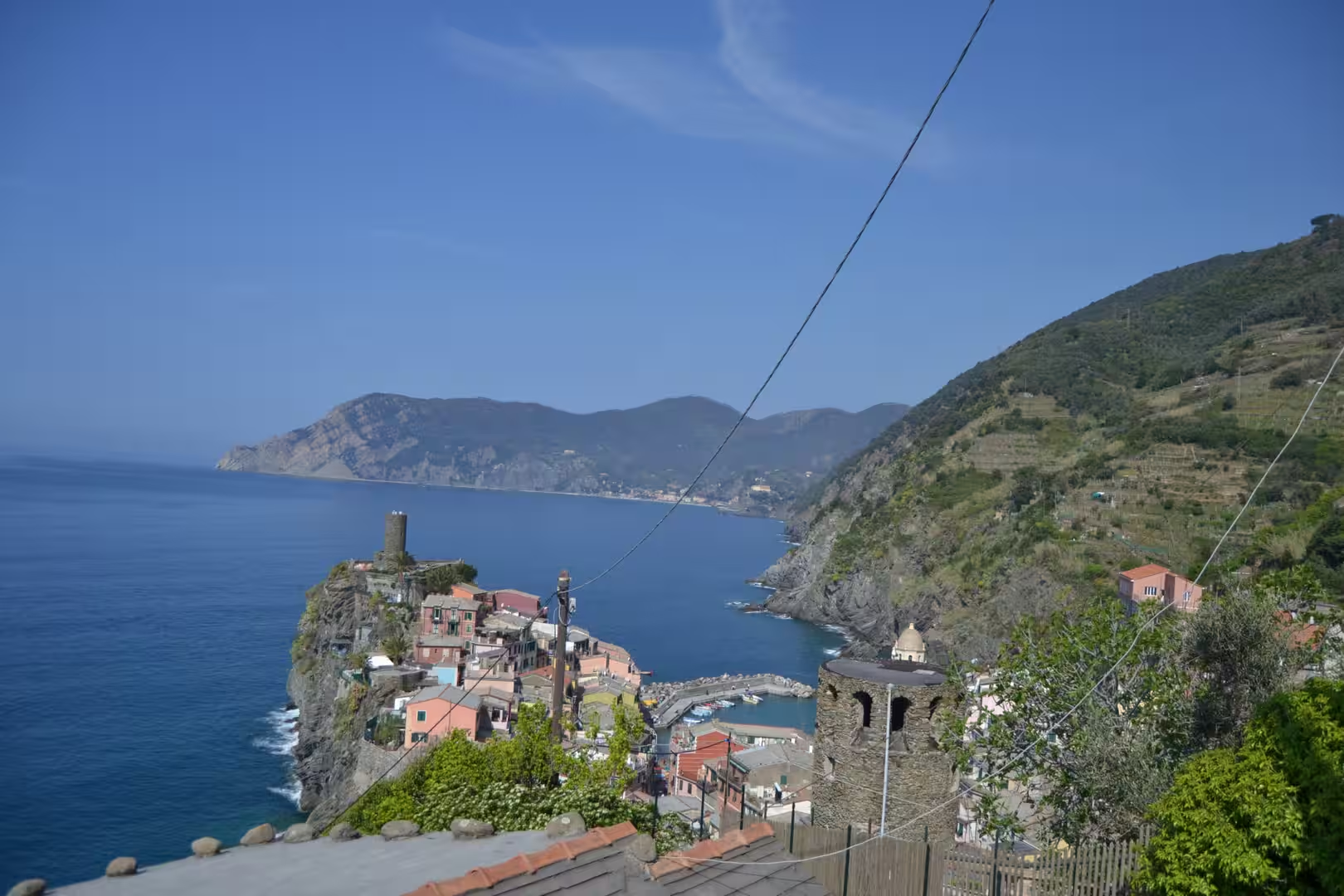
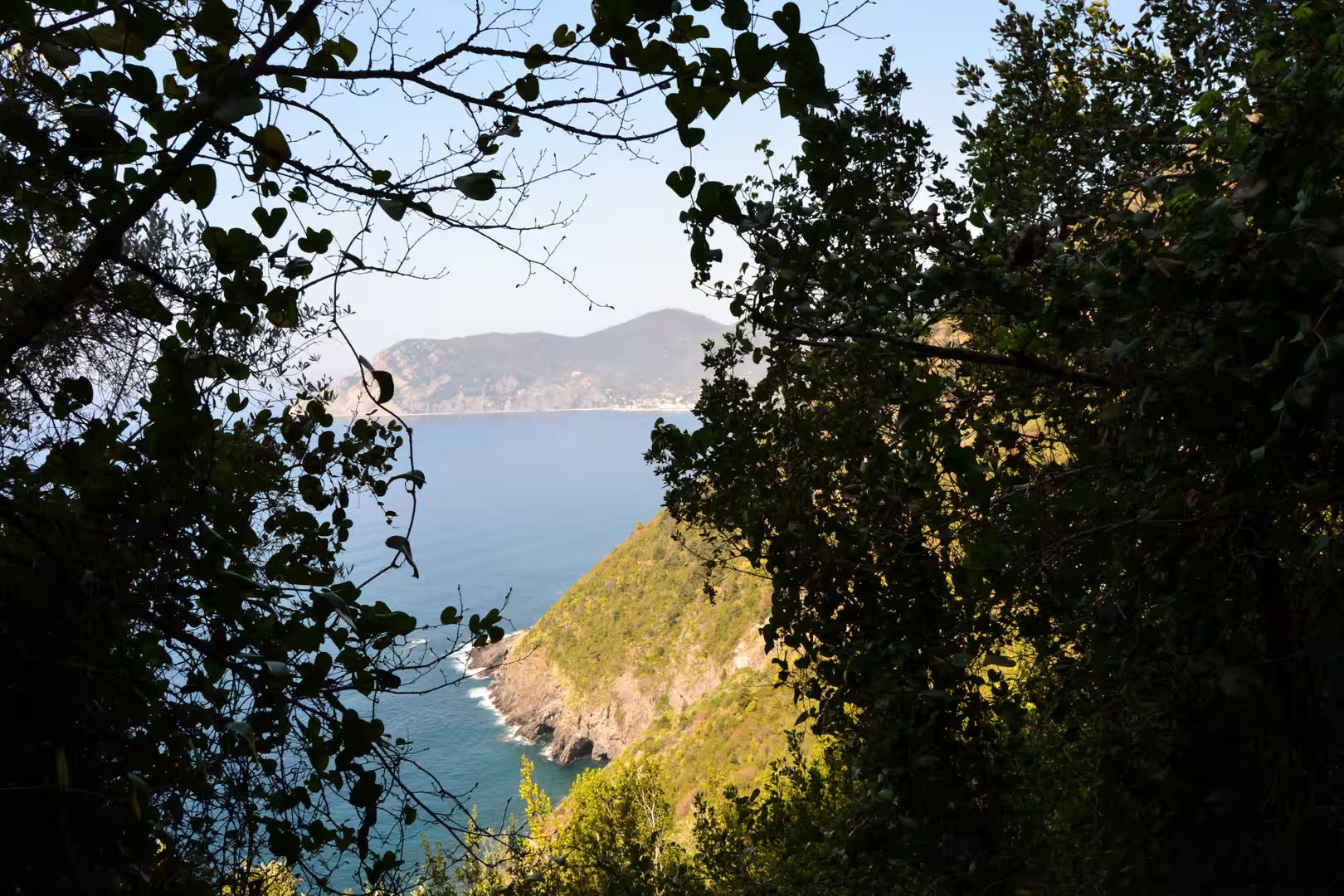
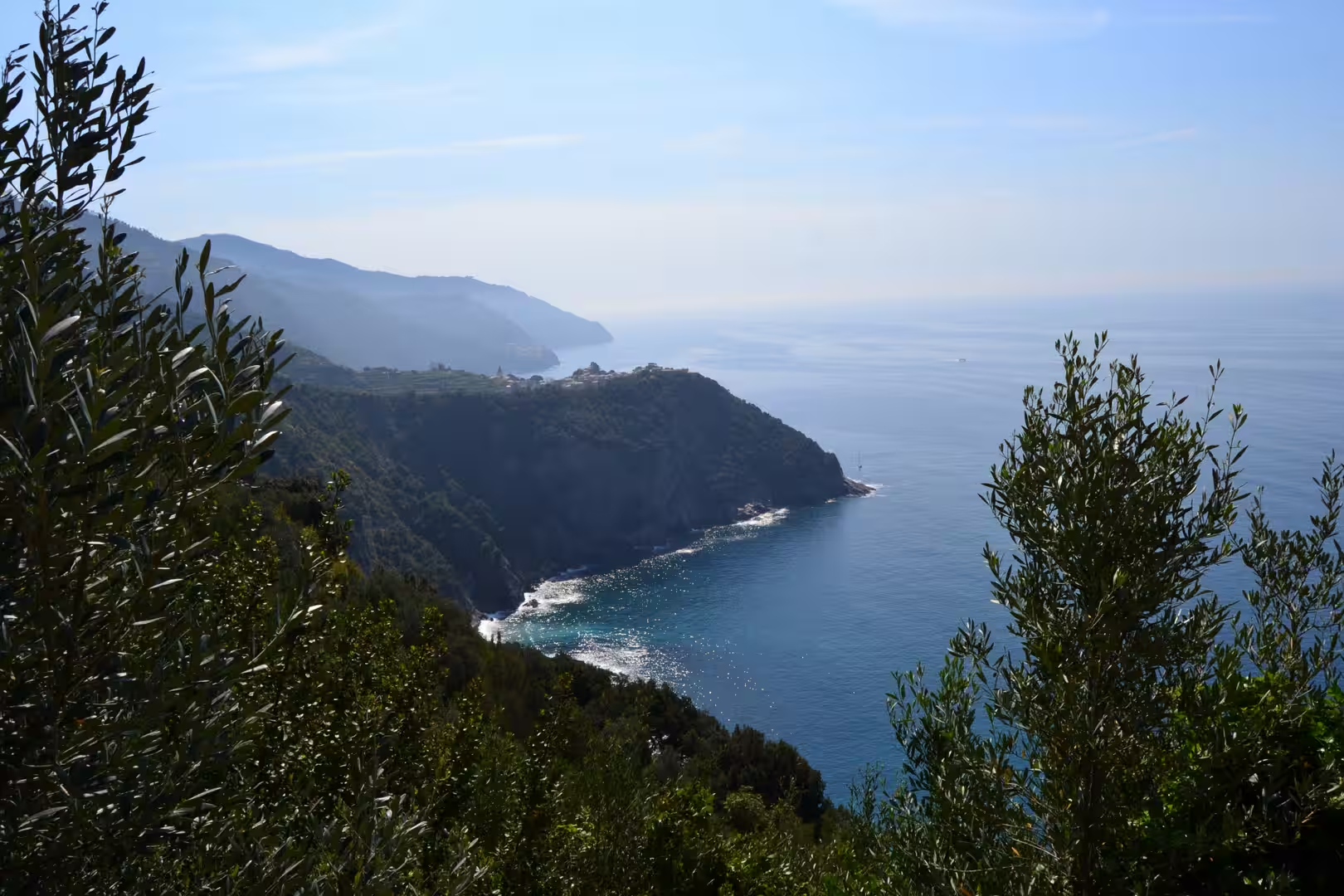
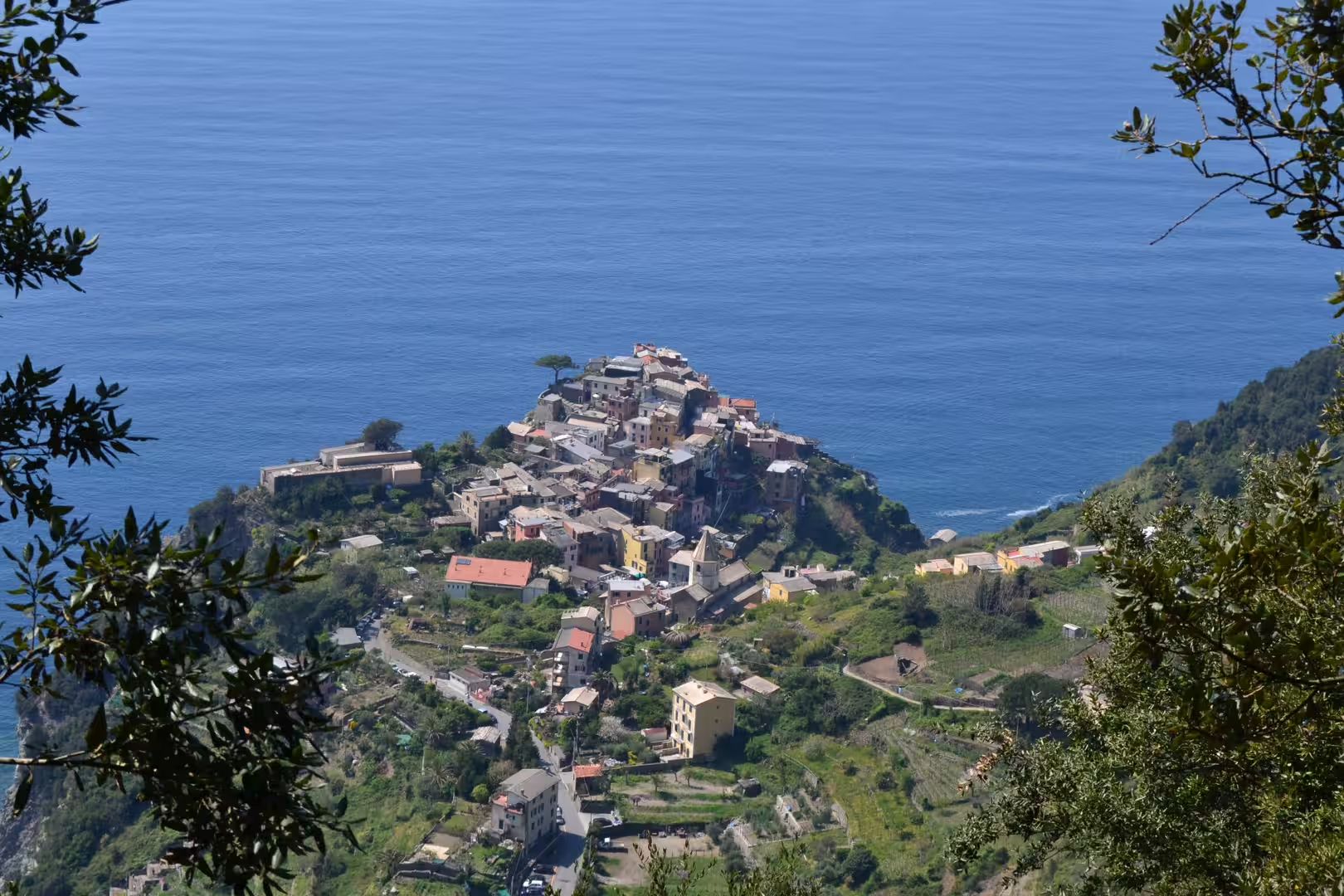
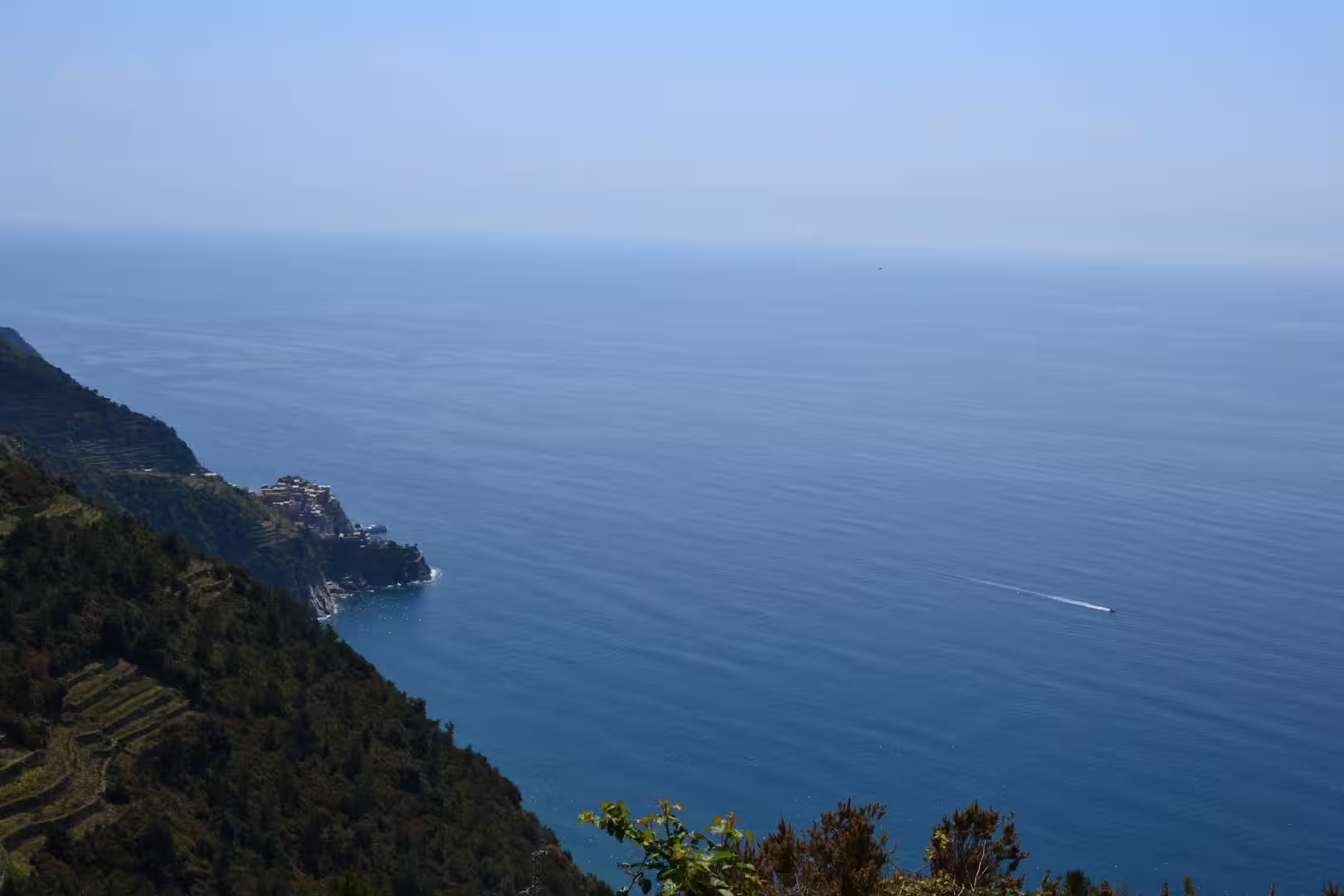
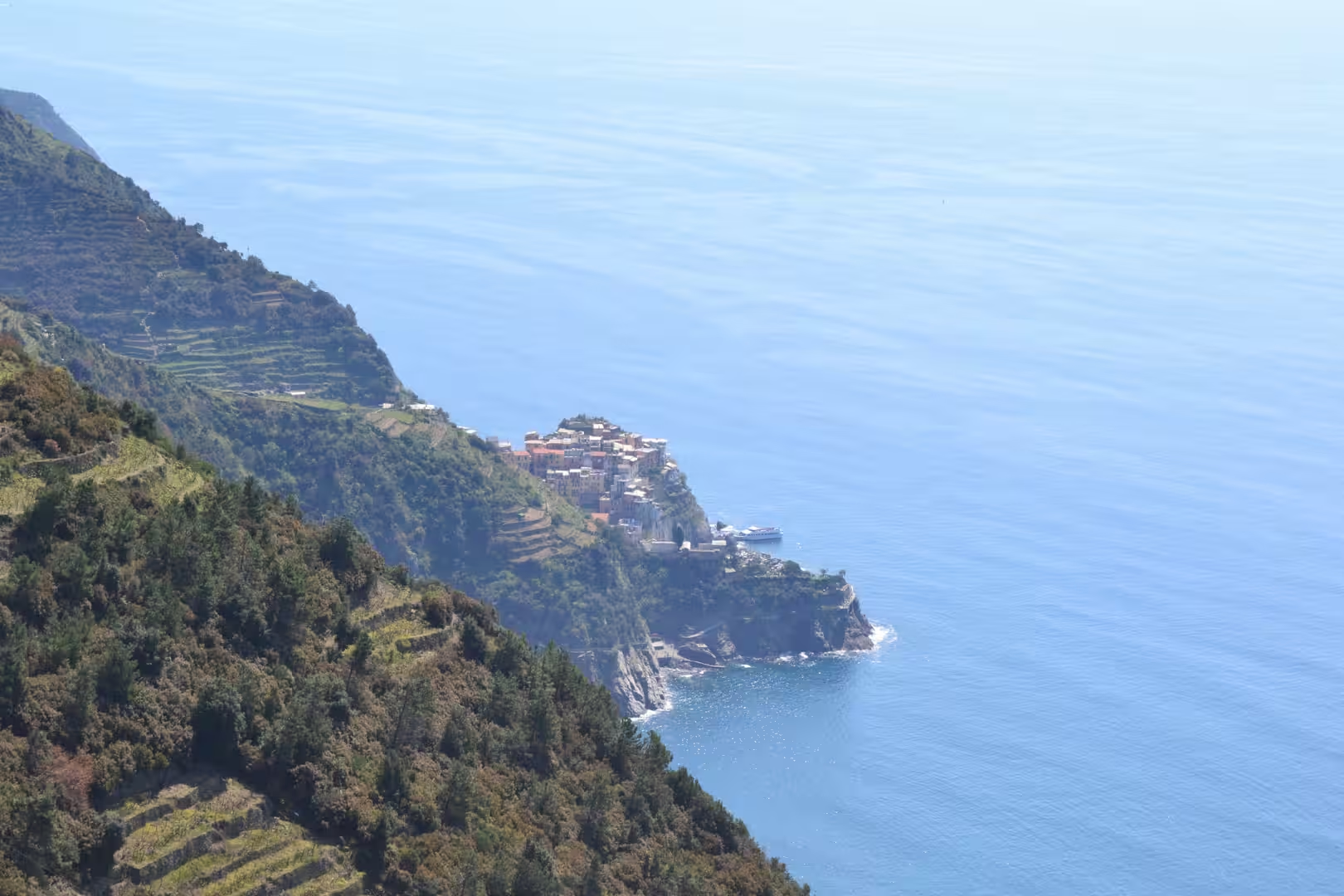
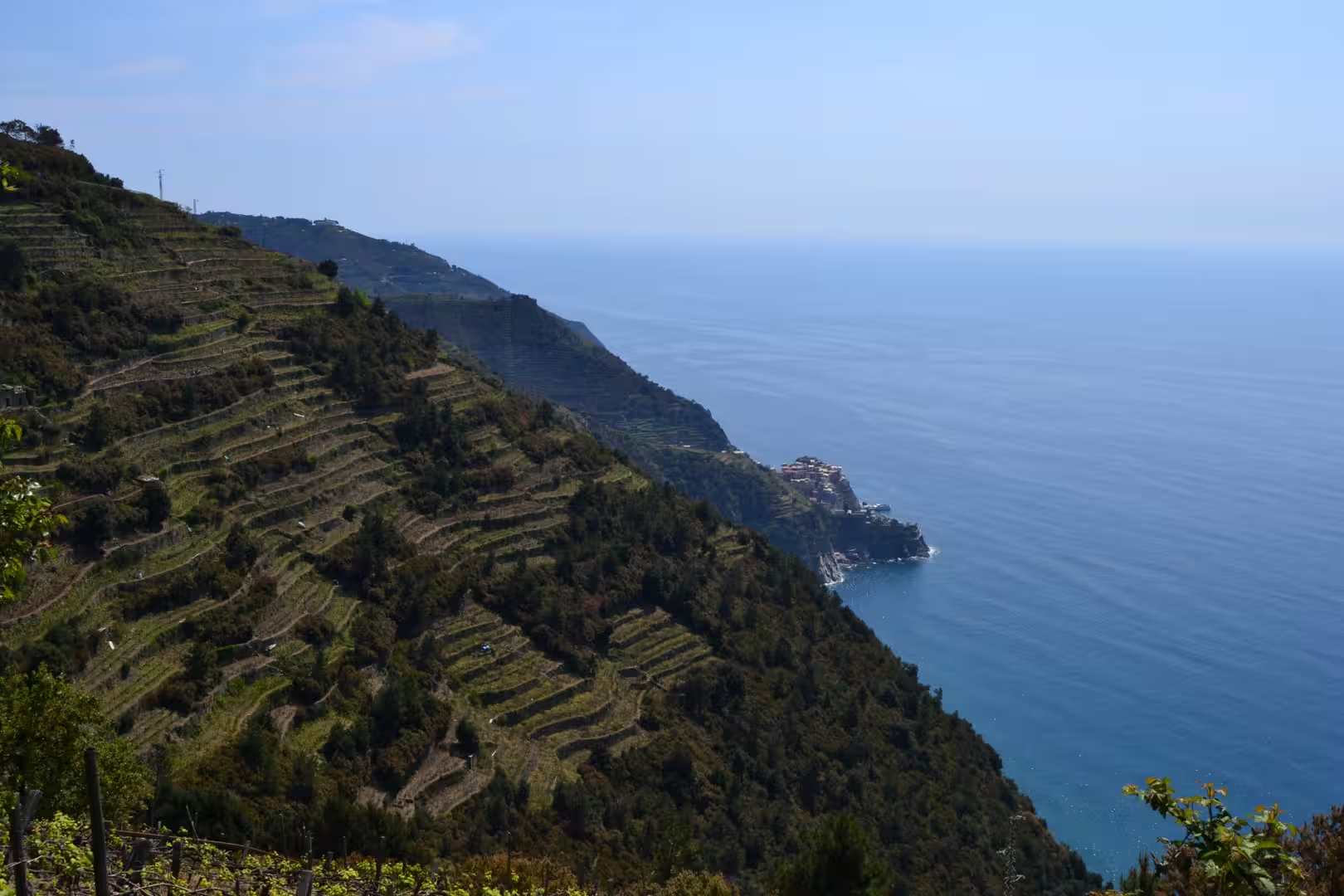
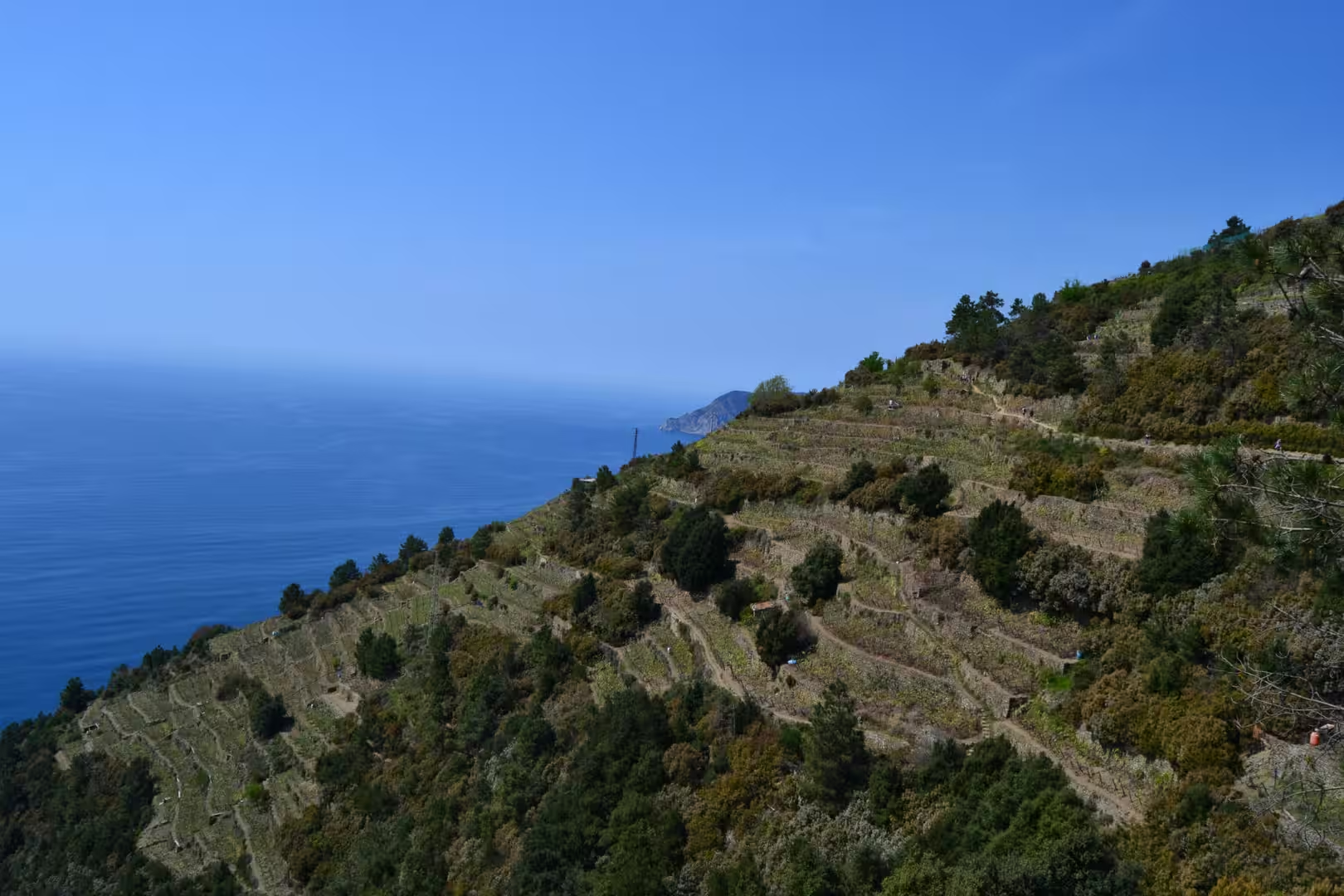
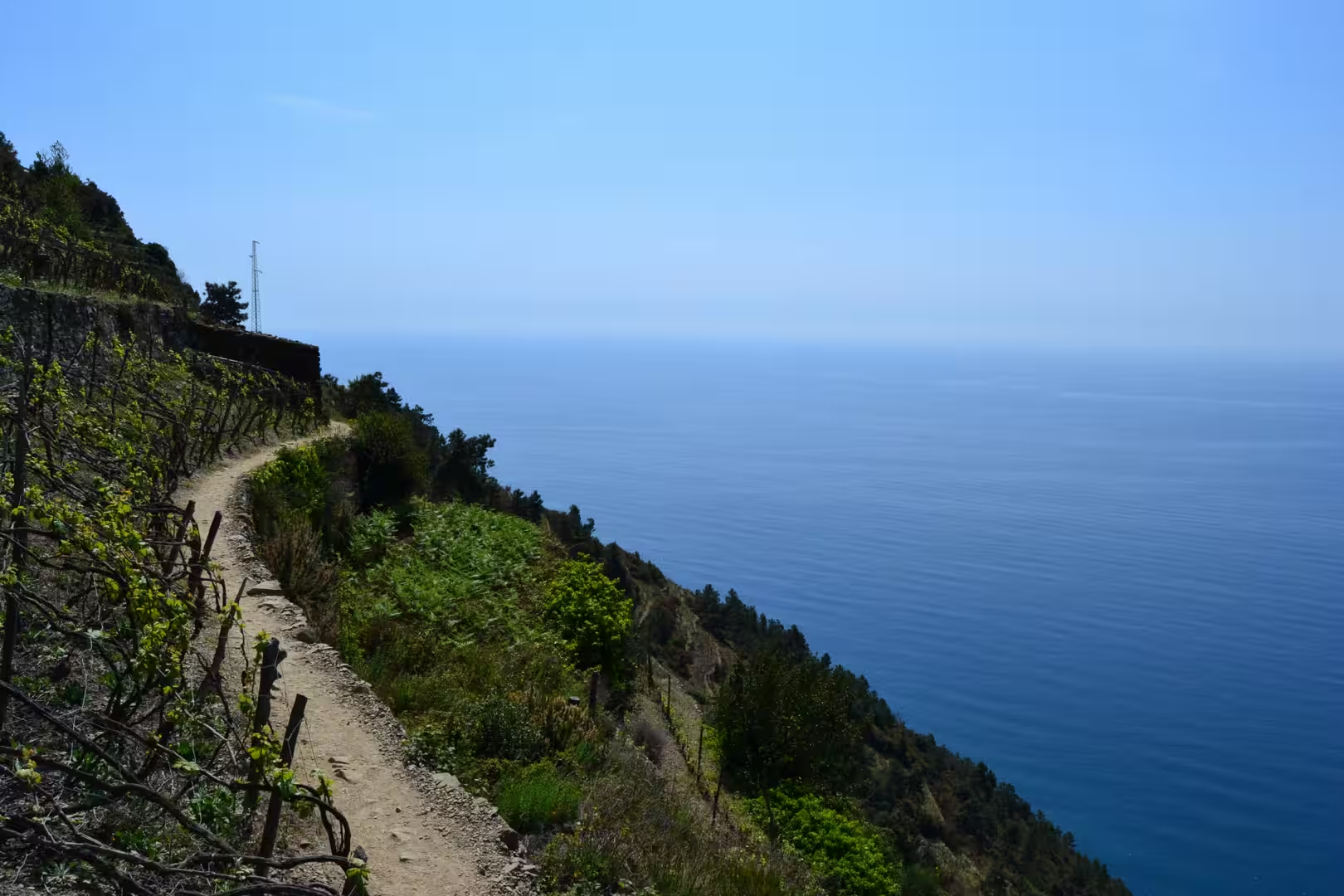
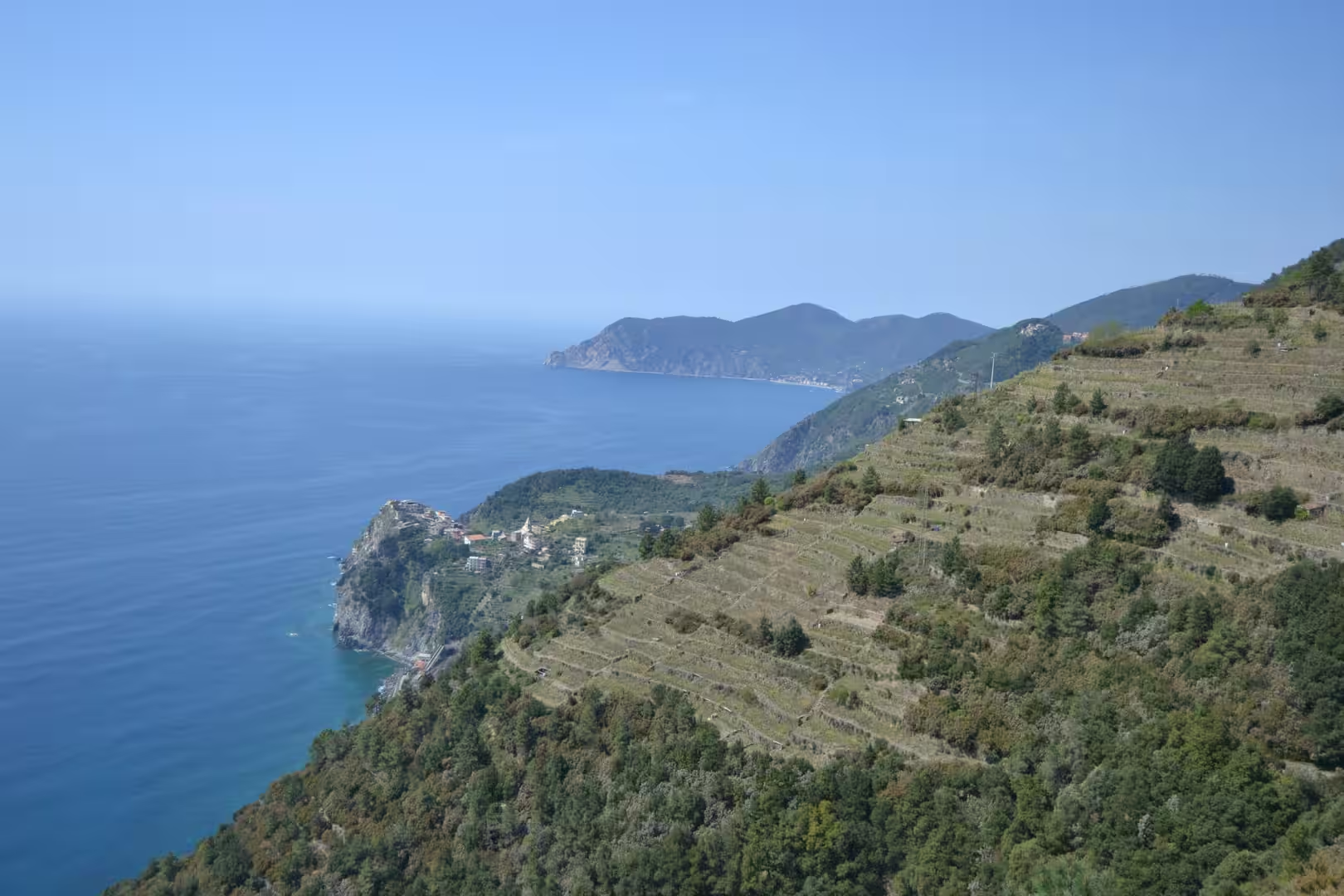
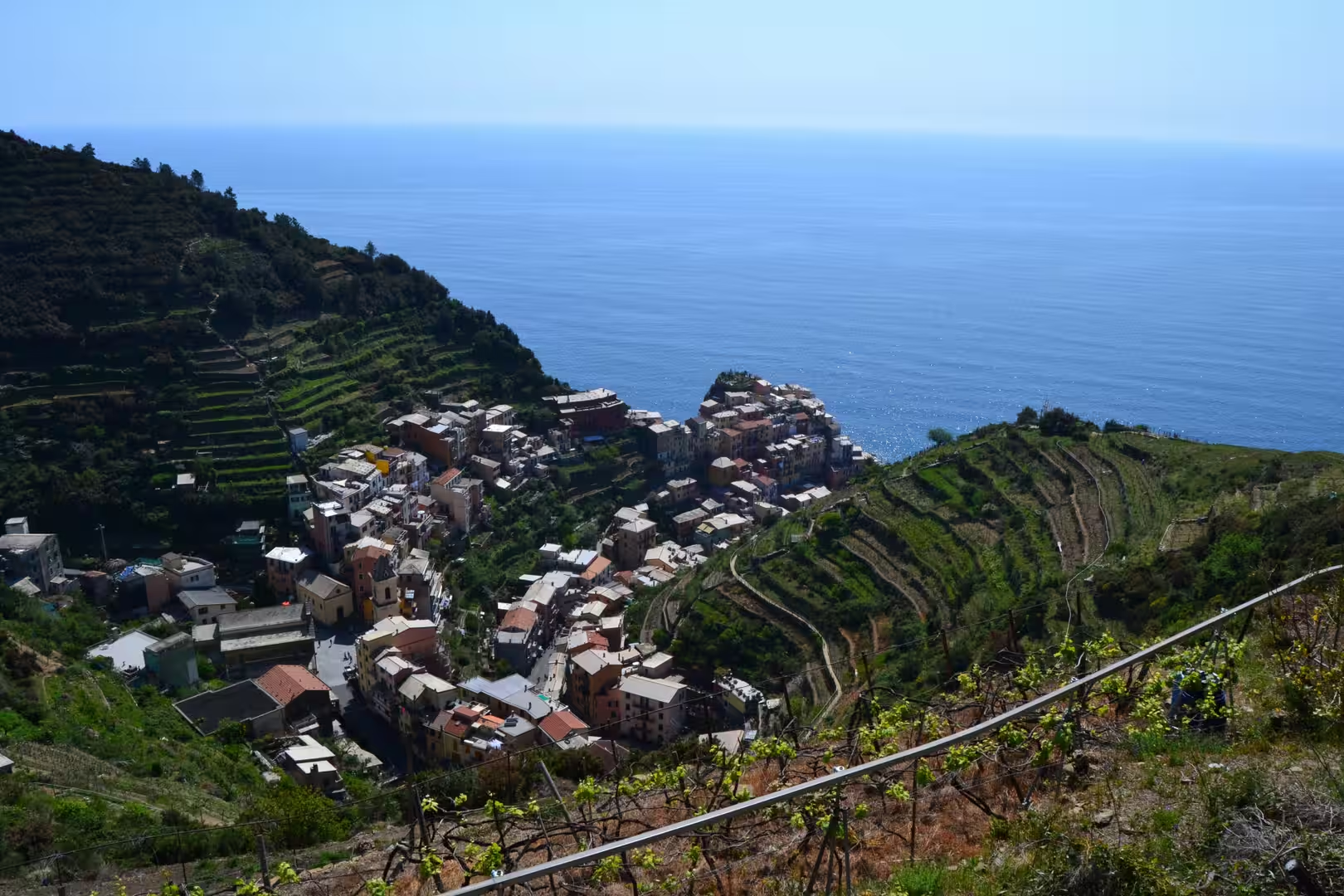
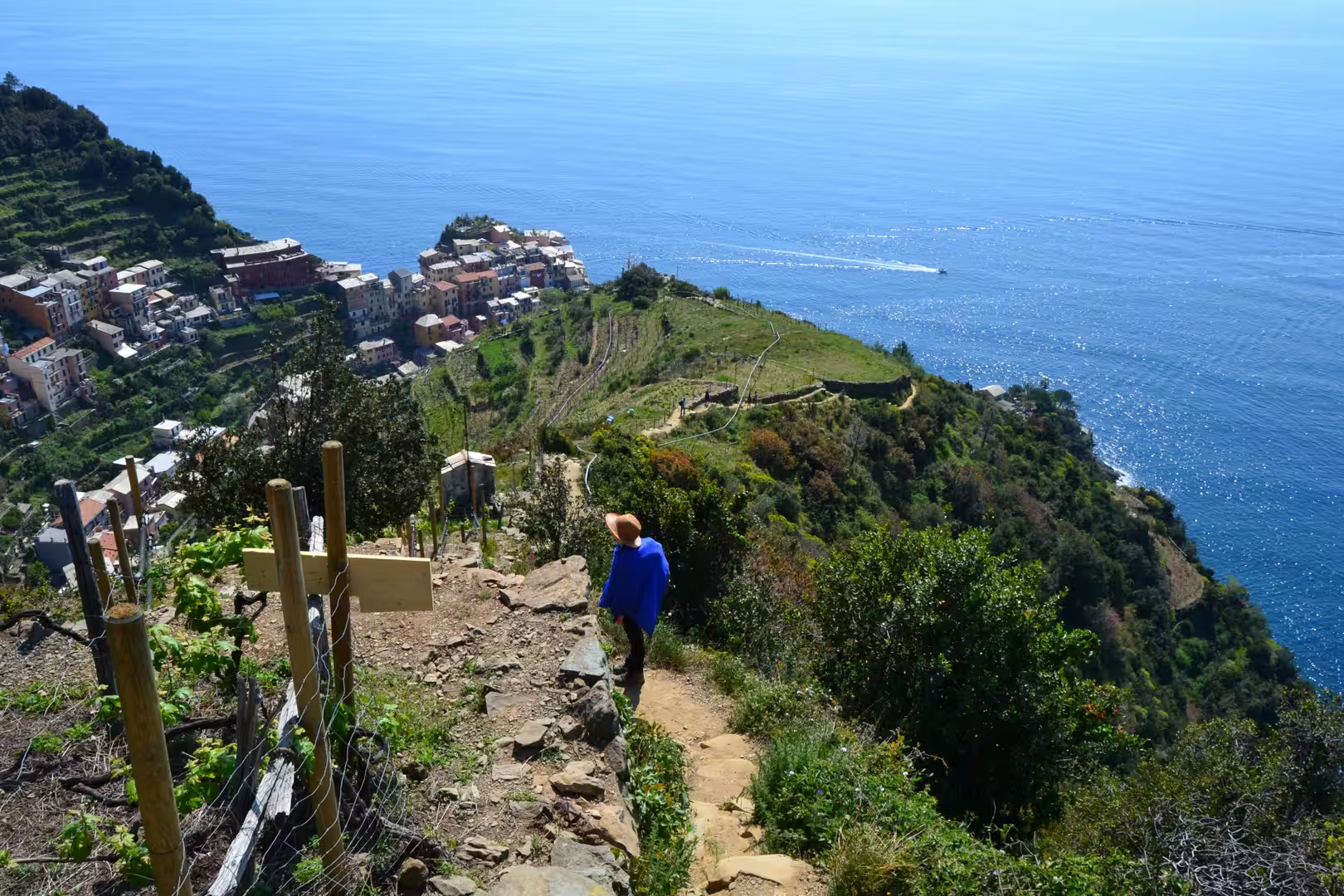
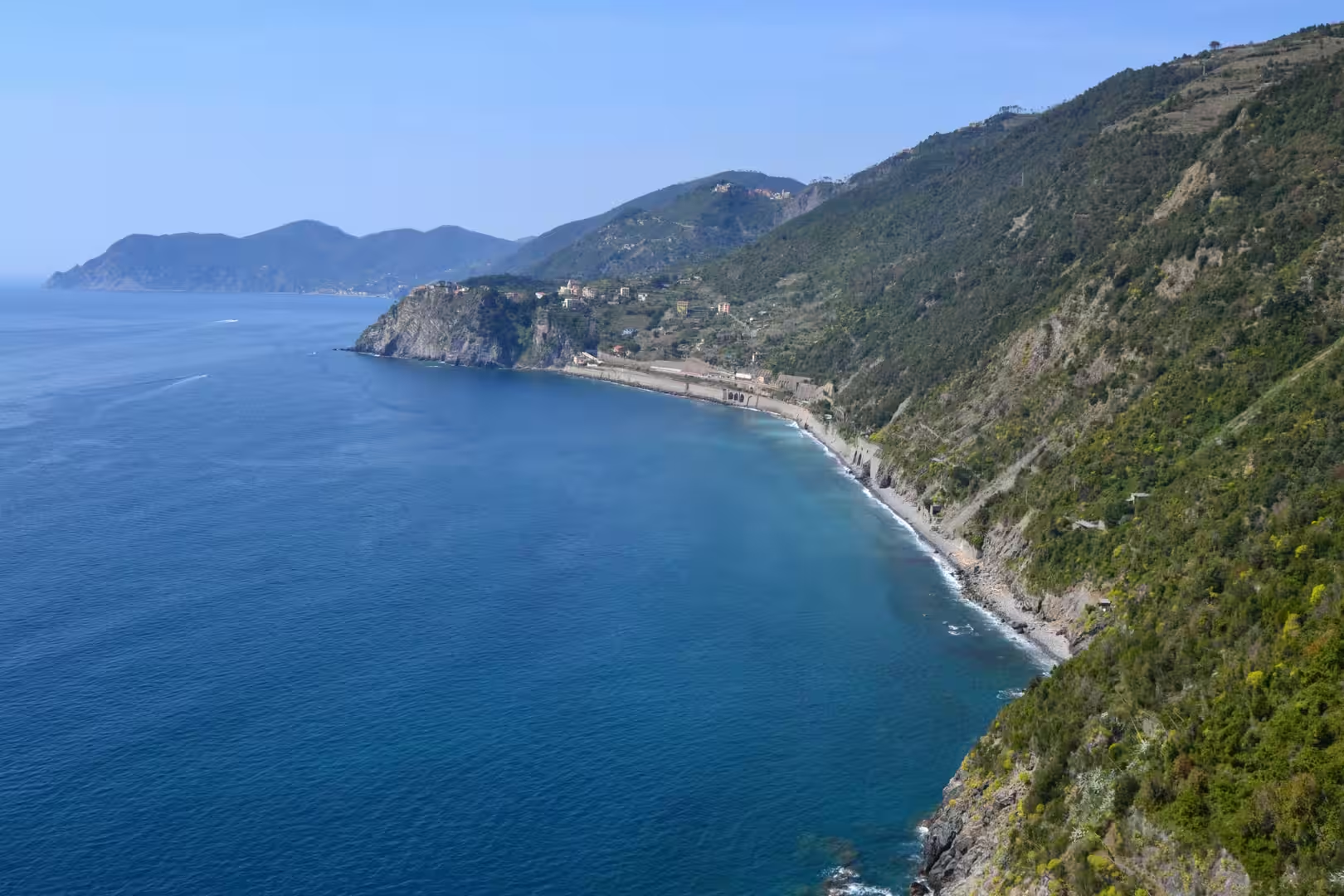
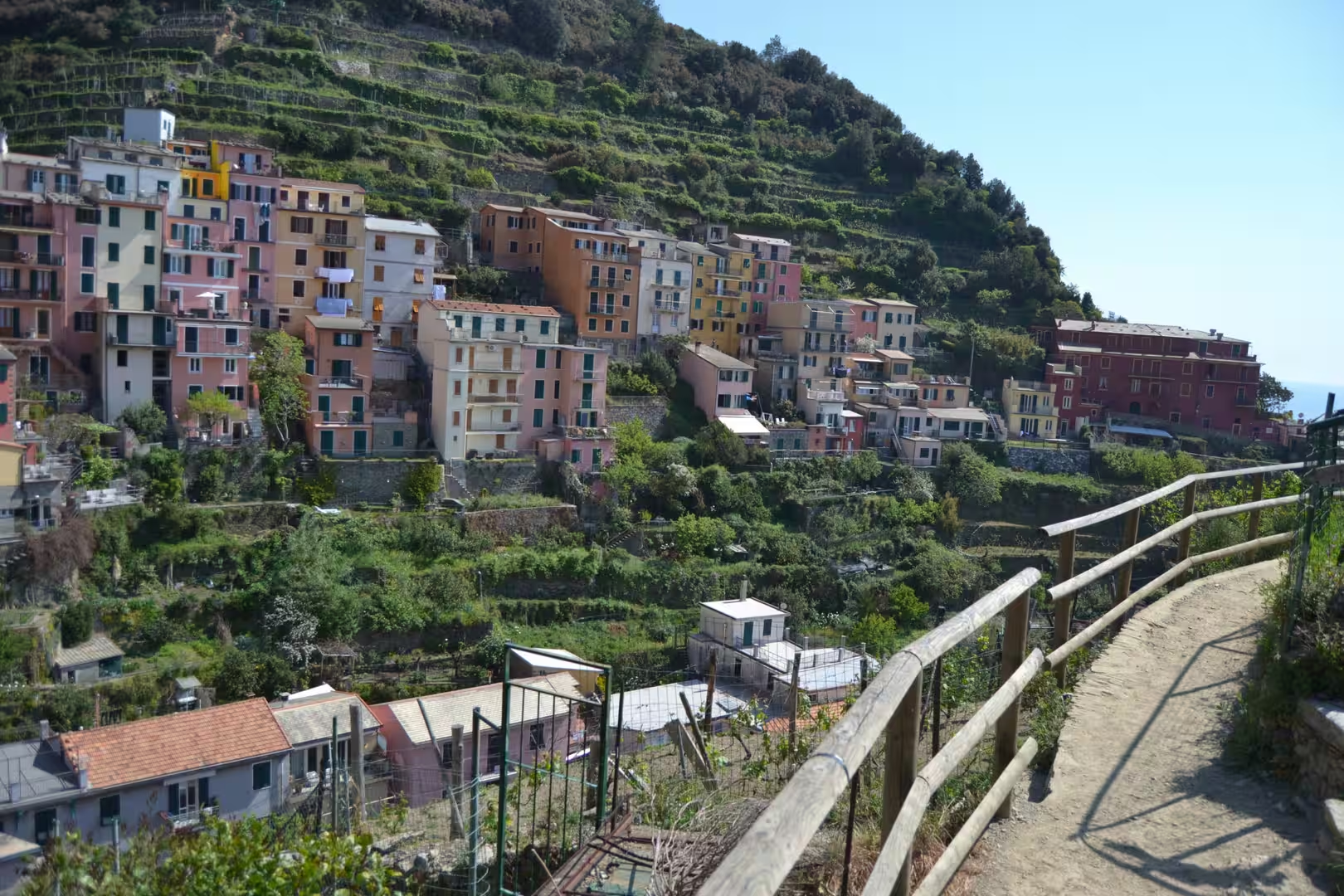
The boat trip is the other way to see the coast. The ferries run between the villages in the season, they come into harbours that were built for fishing boats, and from the water the whole system of the Cinque Terre becomes visible at once: the five villages on their promontories, the terraces climbing the slopes behind them, the paths cut along the cliffs, and the mountains standing over everything.
The evening ended in the village square, which is where the day ends for everyone. The bars put their tables out, the children play between them, the fishermen mend their nets on the quay, and the light on the painted houses turns from yellow to orange to a soft grey. It is the hour that the travel writers describe and the residents ignore, and it is the reason the villages fill every spring.
The day was also the day for the small businesses that make the villages work. The bakeries open at dawn and sell out by noon, the shops that sell the wine and the oil of the terraces are run by the cooperatives and by families, and the boatmen who take visitors along the coast are the sons of fishermen who have switched from the nets to the passengers. The economy of the Cinque Terre is small, seasonal and visible in a way that the economy of a city never is.
The rhythm of a May morning in the villages is worth the early start. The delivery boats come in with the bread and the gas cylinders, the fishermen sort the night’s catch on the quay, the shopkeepers wash the pavement in front of their doors, and the first walkers appear from the stations with their maps out. By ten the first boats of the visitors have arrived, and by eleven the lanes are full.
The last morning in the villages is the one to spend on the harbour wall. The fishing boats come back with the night catch, the gulls and the cats do their work, and the old men who no longer go out sit on the stone and discuss the state of the sea. It is the most ordinary scene of the whole coast and the one that explains the rest of it.
History
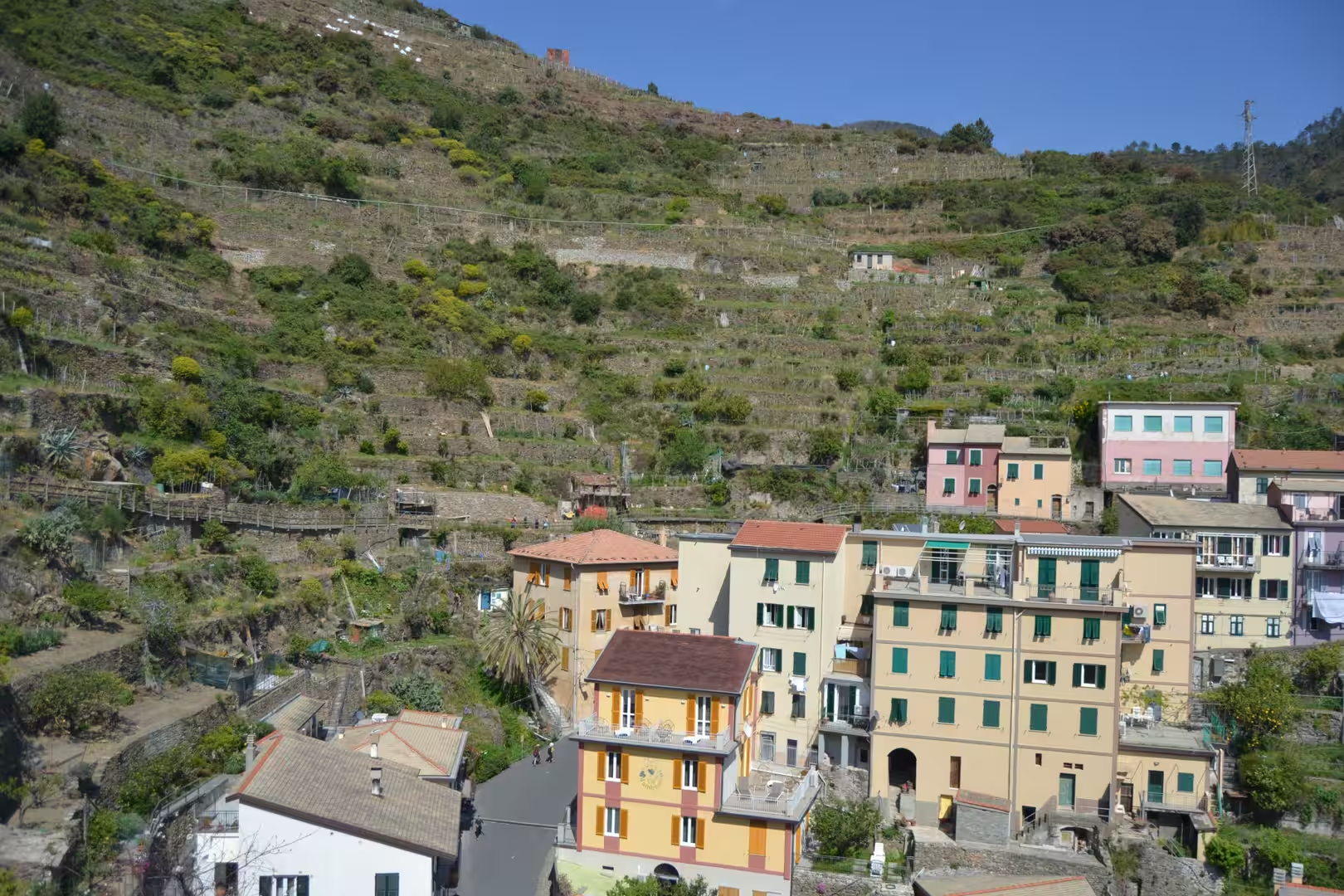
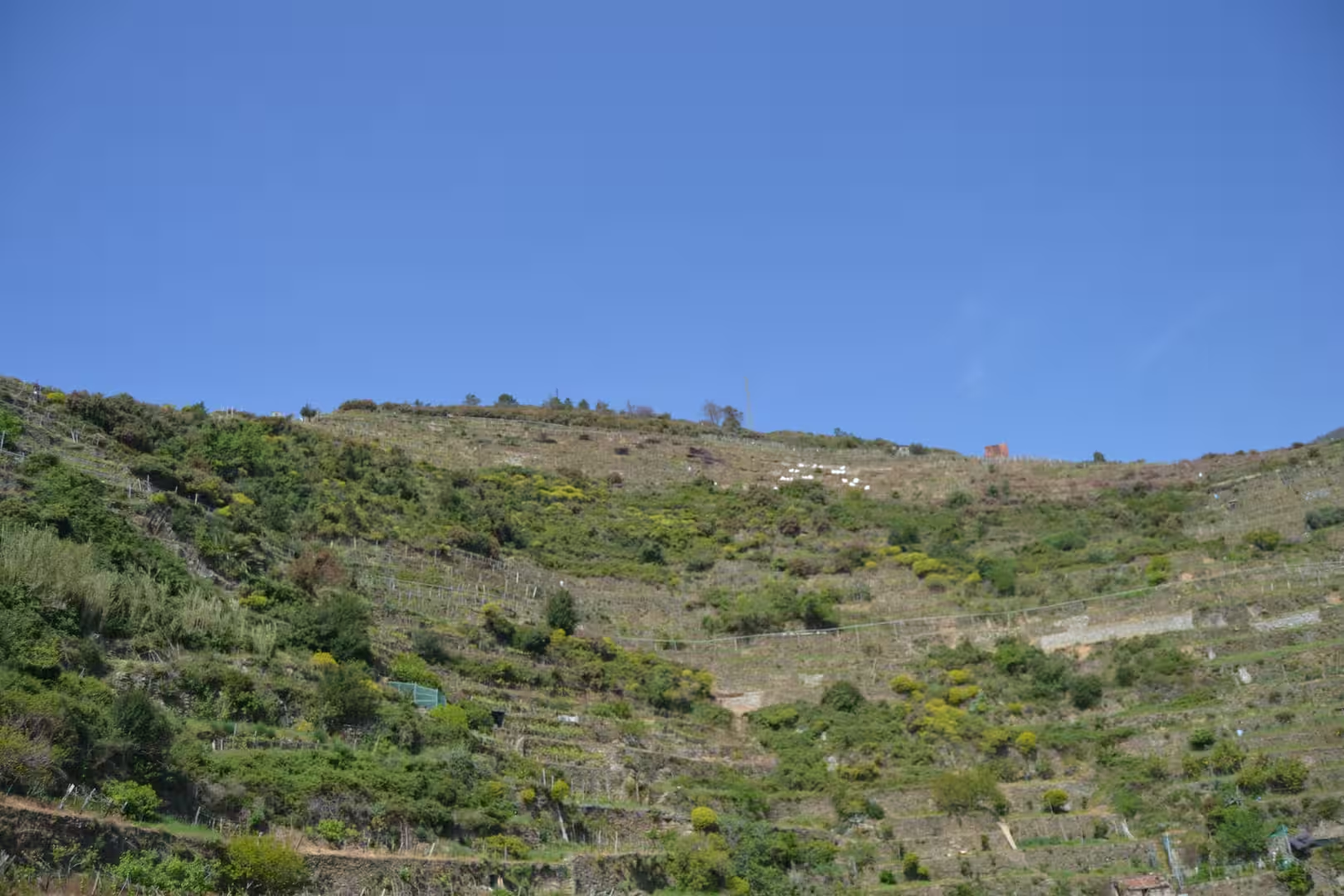
The economy that built these villages was the sea and the slope, and both are still visible. The fishing boats that are moored in every harbour are the descendants of a fleet that supplied Genoa and the interior with anchovies, and the salt and the oil that preserved them came in the same boats. The terraces above the villages produced the wine and the olives that paid for the houses, and the two economies were managed by the same families with the same boats and the same walls.
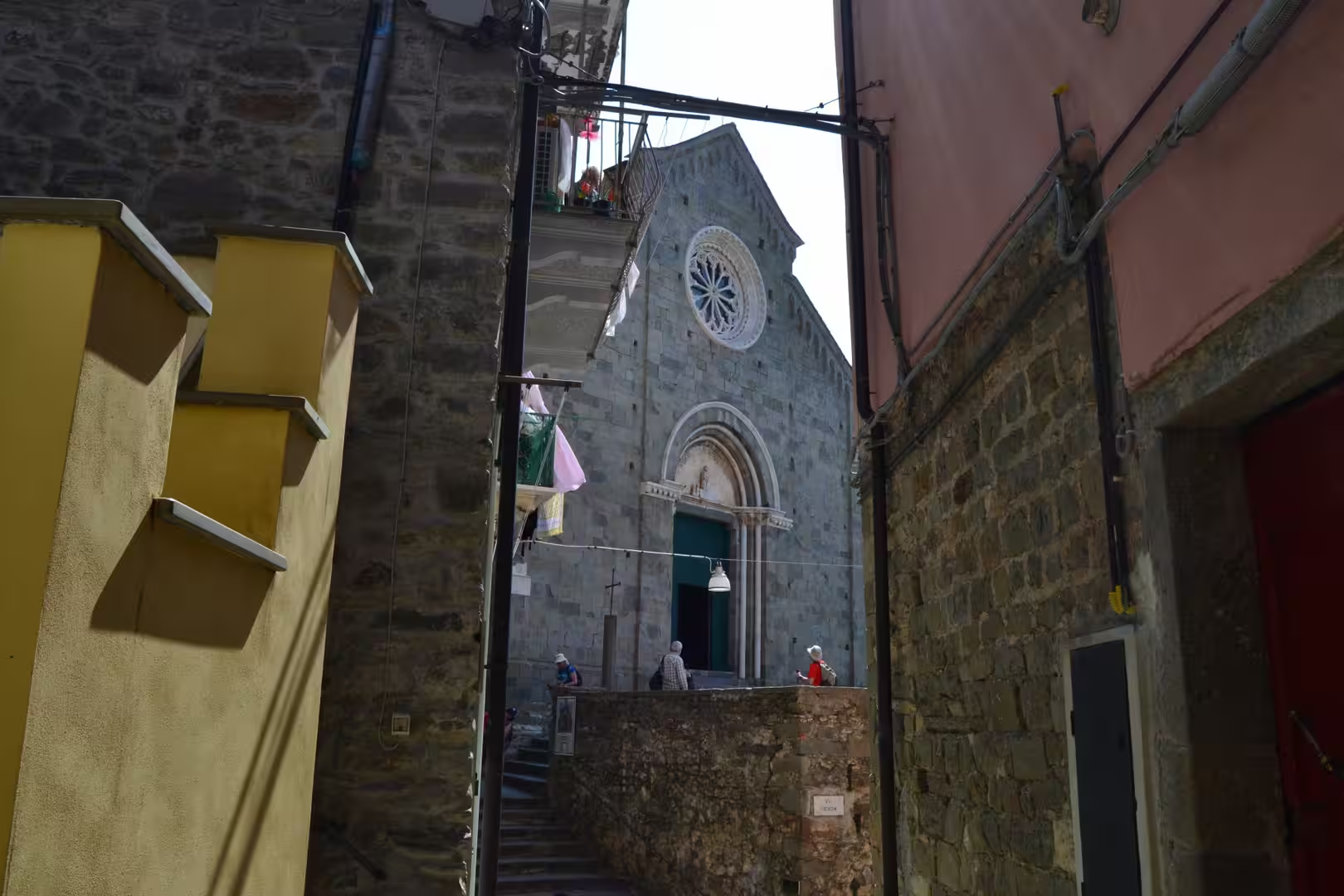
The churches record the wealth of those centuries. Each village has one, the largest in Vernazza, which was built in the fourteenth century and stands on the water with its bell tower above the harbour, and the interiors are decorated with the painted altarpieces that the prosperous families paid for. The festivals that the villages still hold, with processions and fireworks and boats decorated with lights, are the survival of the religious calendar that organised the year of a fishing community.
Emigration is the other half of the story and the reason the villages are so quiet in the middle of the twentieth century. The young people who could not live from the terraces went to Genoa, to La Spezia, to America and to Australia, and the houses that their families left behind are the ones that the visitors now rent. The population figures of the five villages in the post-war decades tell the story of a coast that was emptied and then refilled by a different kind of arrival.
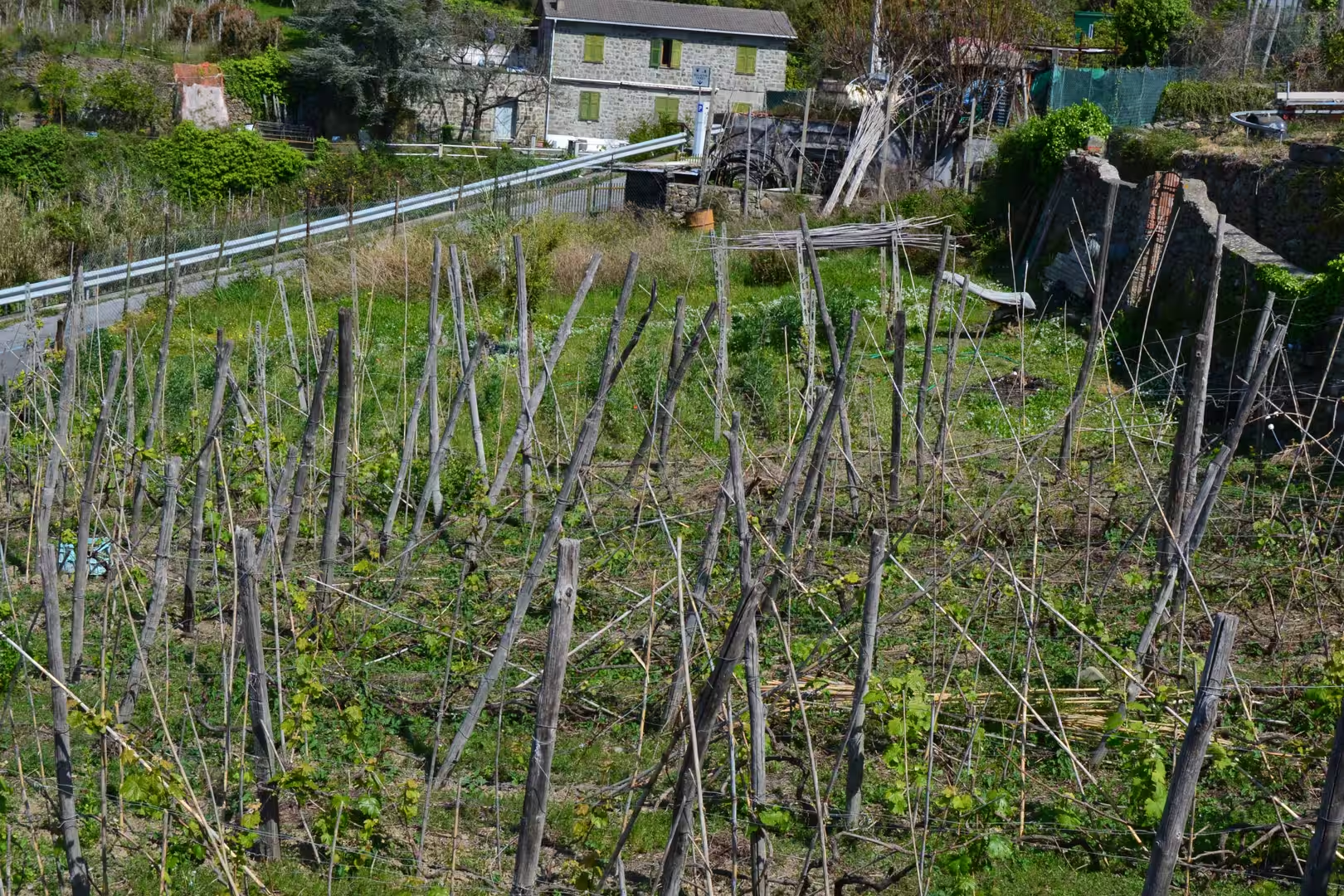
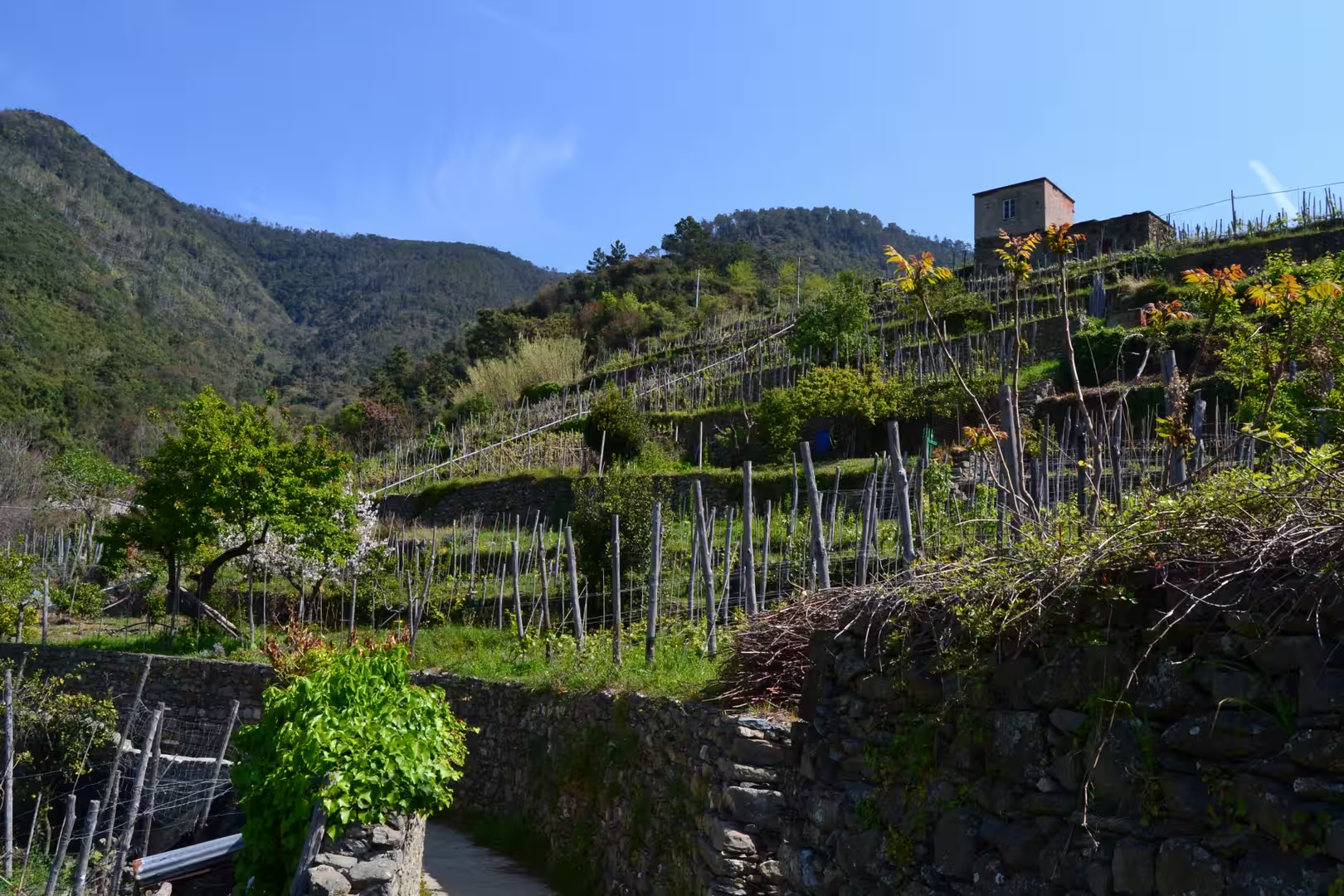
The wine has come back with them. The protected status granted to the wines of the Cinque Terre in 1973, the work of the park and the cooperatives, and the fashion for the white wines of the Ligurian coast have made the terraces worth farming again, and the younger generation of some families has returned to the trade of their grandparents. It is a small recovery, and it is the only kind that keeps a landscape like this one maintained.
The festivals of the villages are the best introduction to the place for anyone who can arrange to be there at the right time. Each village has its patron saint, the feast is celebrated with a procession, a mass and fireworks over the water, and the boats take part with lanterns. The most famous of them commemorates the arrival of a relic or the deliverance from a storm, and the whole calendar is a survival of the world in which these villages lived from the sea and the terraces.
Geology
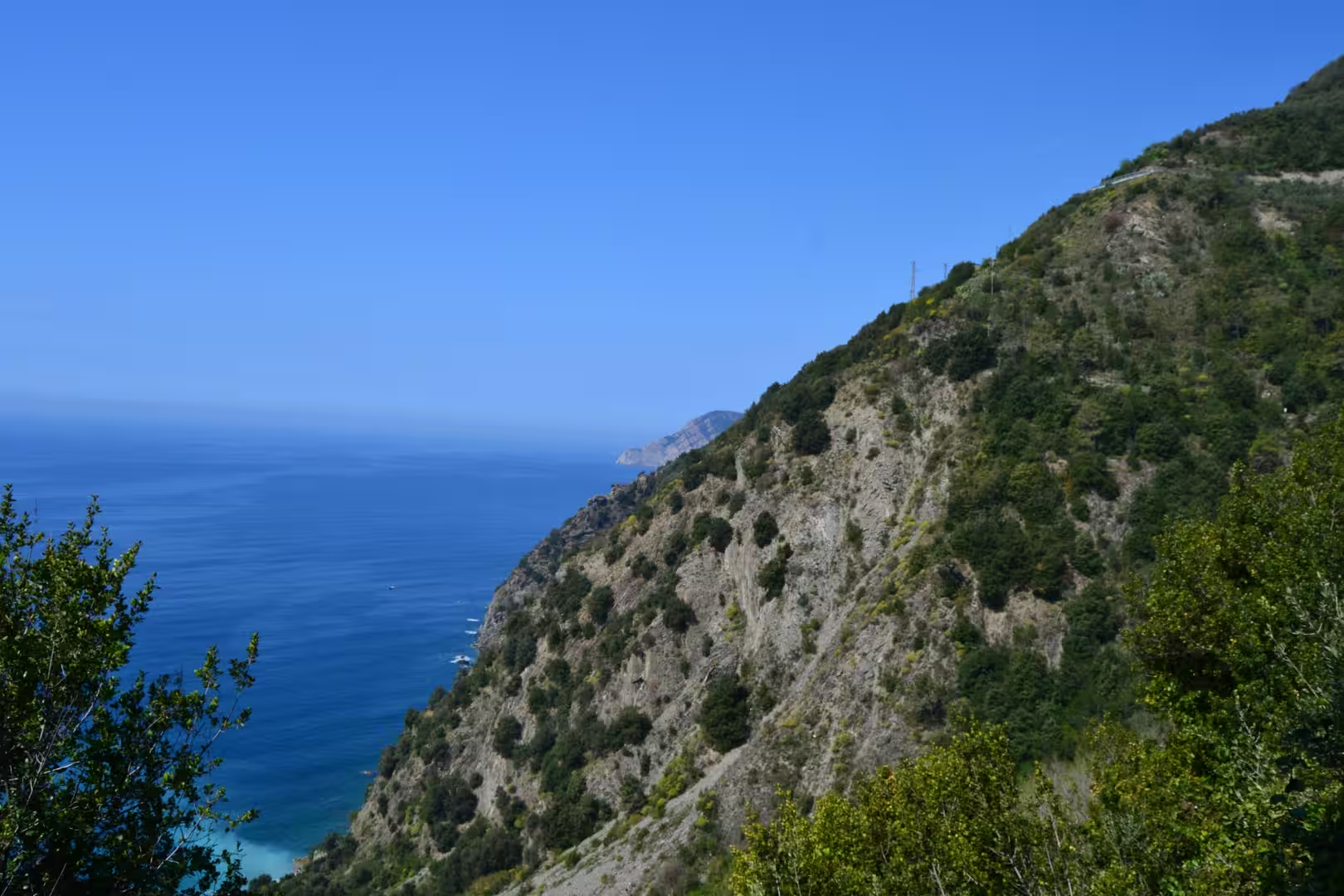
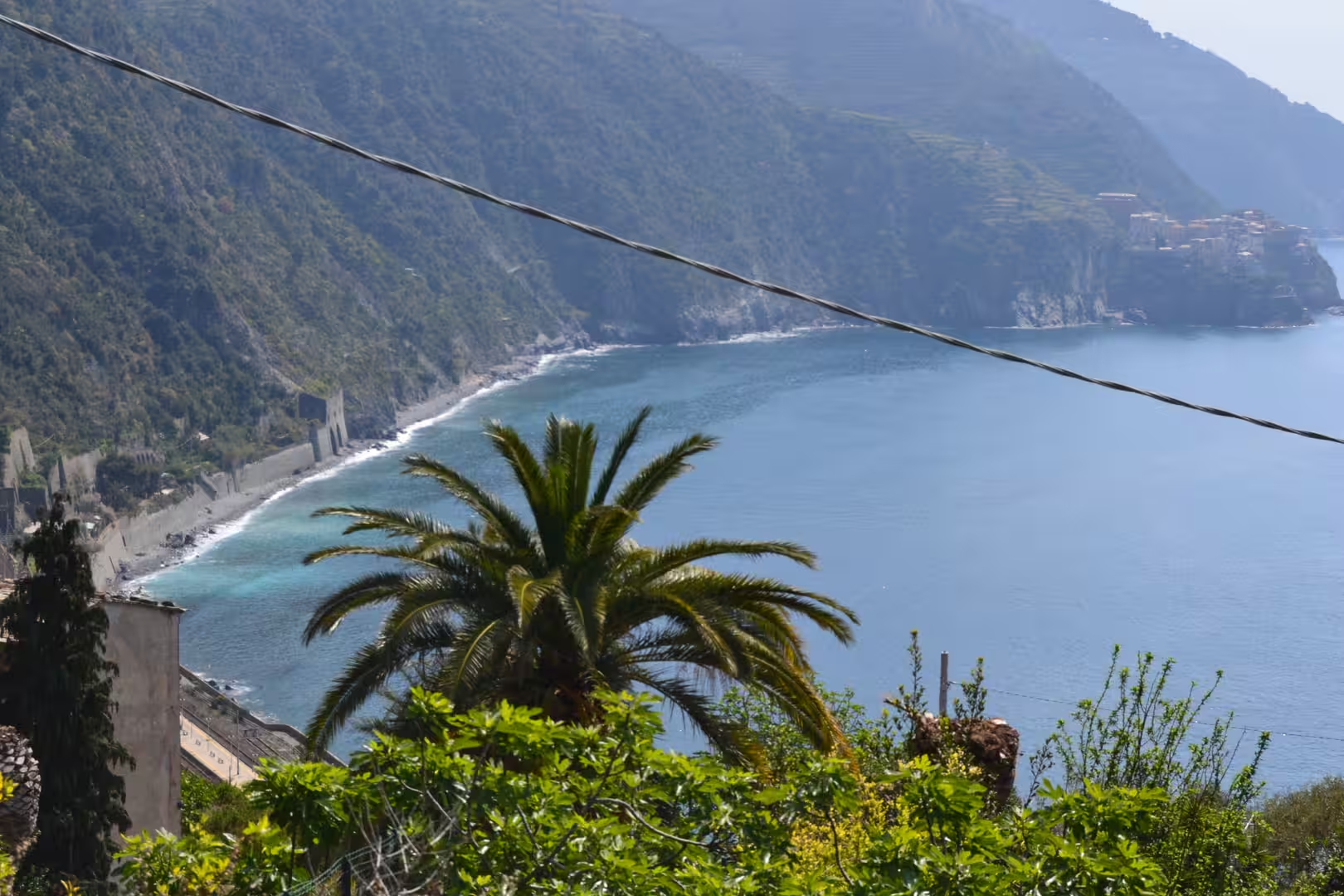
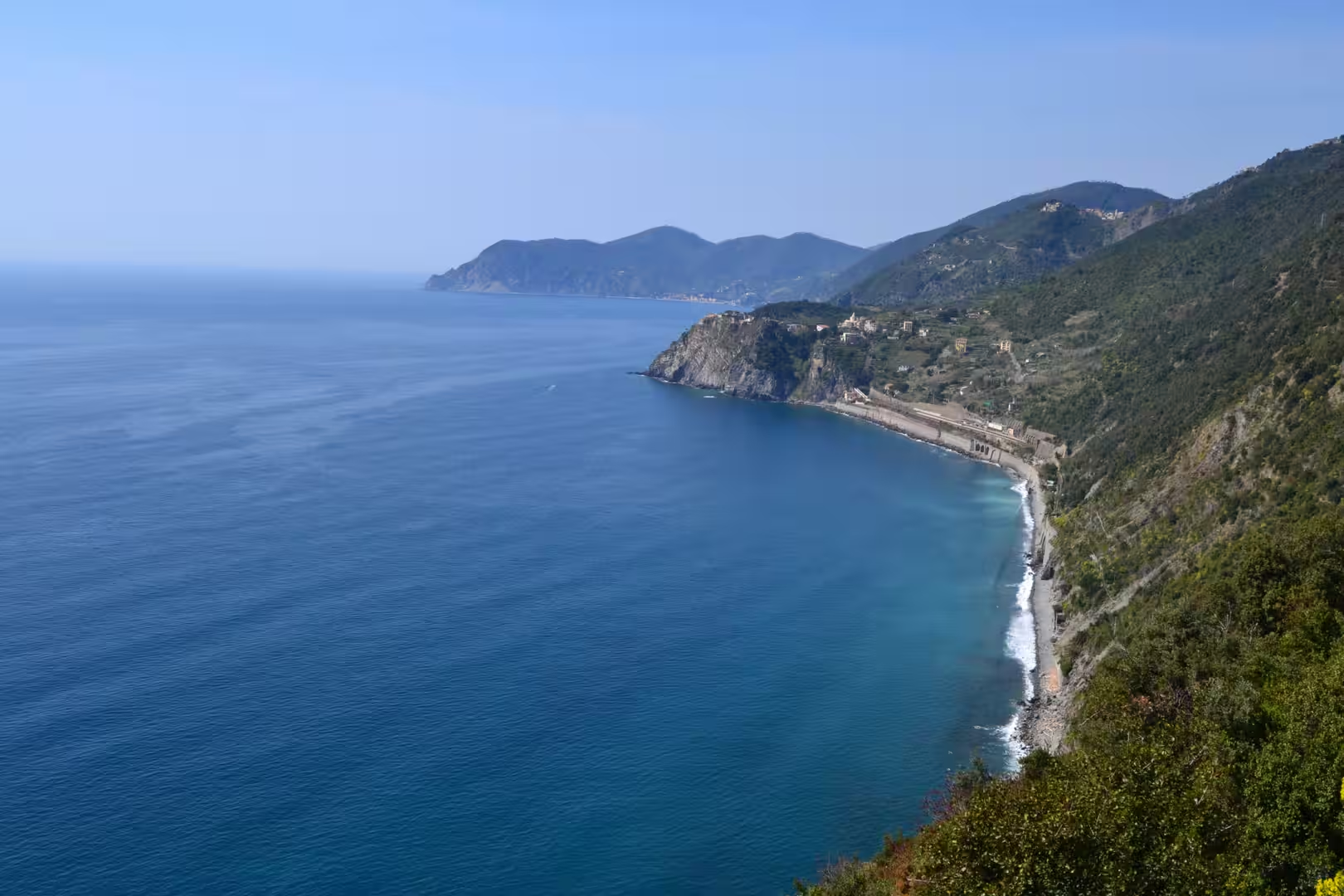
The geology of the day is the geology of the sea, because from the water the coast shows its structure. The cliffs are the edges of the ridges that the sea has been cutting into since the end of the ice age, the coves are the drowned mouths of the valleys, and the headlands are the harder outcrops of rock that have resisted the waves. The villages stand on the headlands and in the coves for the same reason that the boats use them: those are the places where the shelter and the landing are.
The water of the Ligurian Sea is deep and clear close to the shore. There are almost no large rivers along this coast and very little sediment reaches it, the rain that falls on the mountains drains through short torrents, and the result is the transparency that the swimmers notice and the tourists remember. Below the surface the rocky bottom supports the community of a temperate Mediterranean reef, and the protected areas along the coast exist to keep it that way.
The pebbles of the beaches are the coast’s own material, delivered by the torrents and worked by the waves. The sea sorts what it receives, the fine material is carried away and the coarse stays behind, and the shingle that makes the beaches uncomfortable to sit on is the reason the water is so clear. A beach of sand would mean a river with a large catchment behind it, and the geography of the Cinque Terre does not provide one.
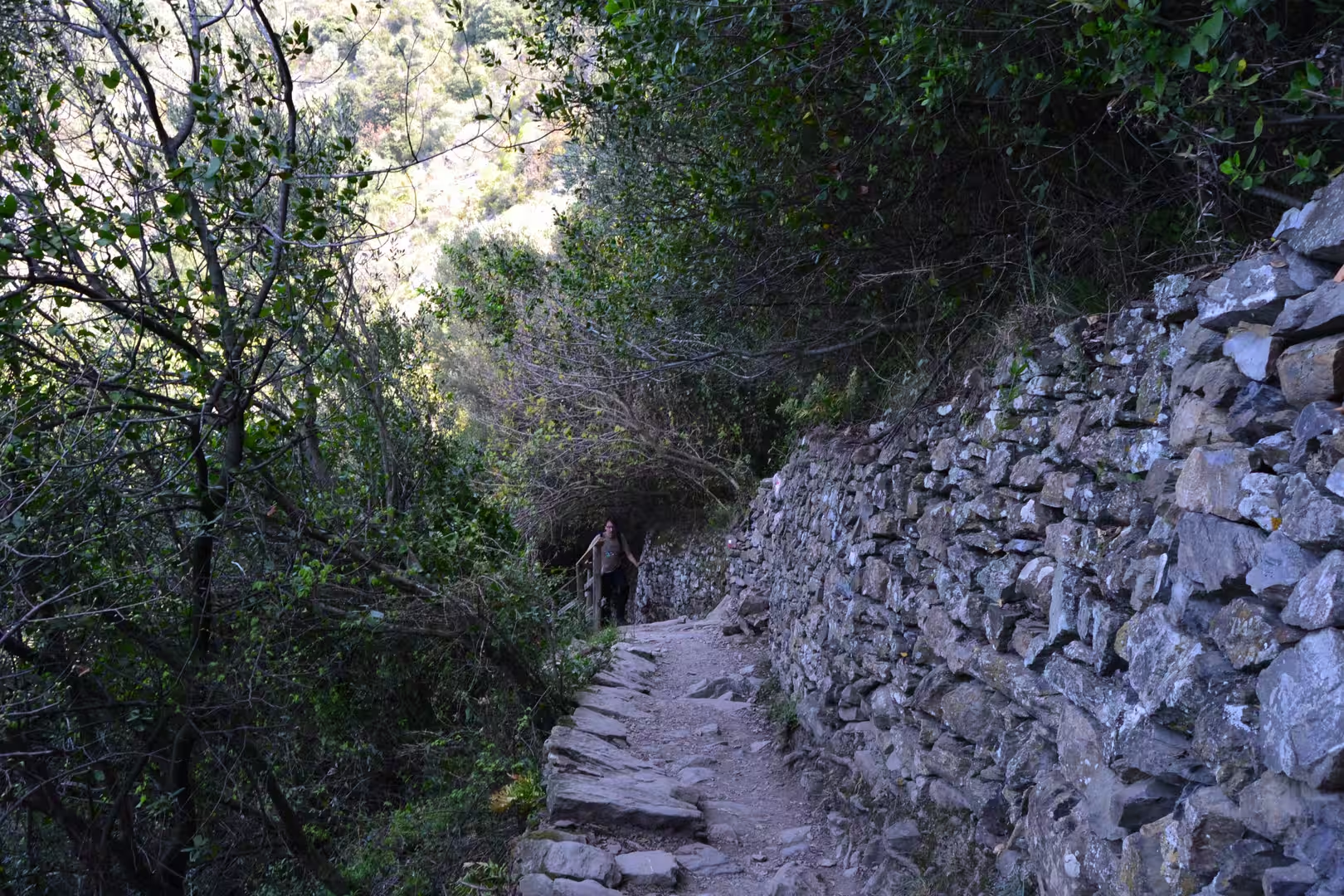
The instability of the slopes is the price of the landscape. The combination of steep ground, thin soil, occasional intense rainfall and the abandonment of many of the terraces has made the coast a place of floods and landslips, and the villages have had to spend on retaining walls, channels and the rebuilding of the paths. The geology that produced the terraces is also the geology that takes them away, and every generation has to do the work again.
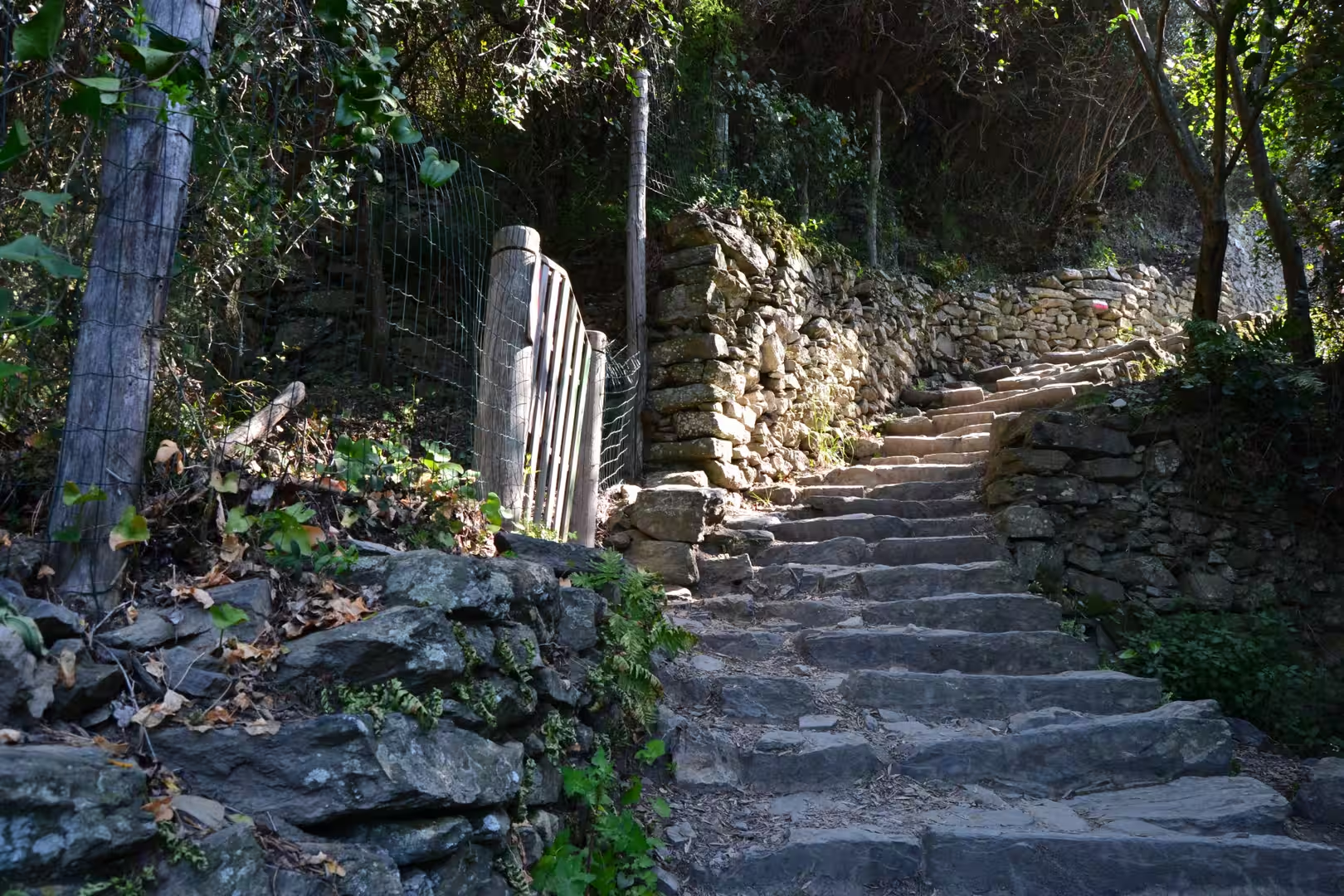
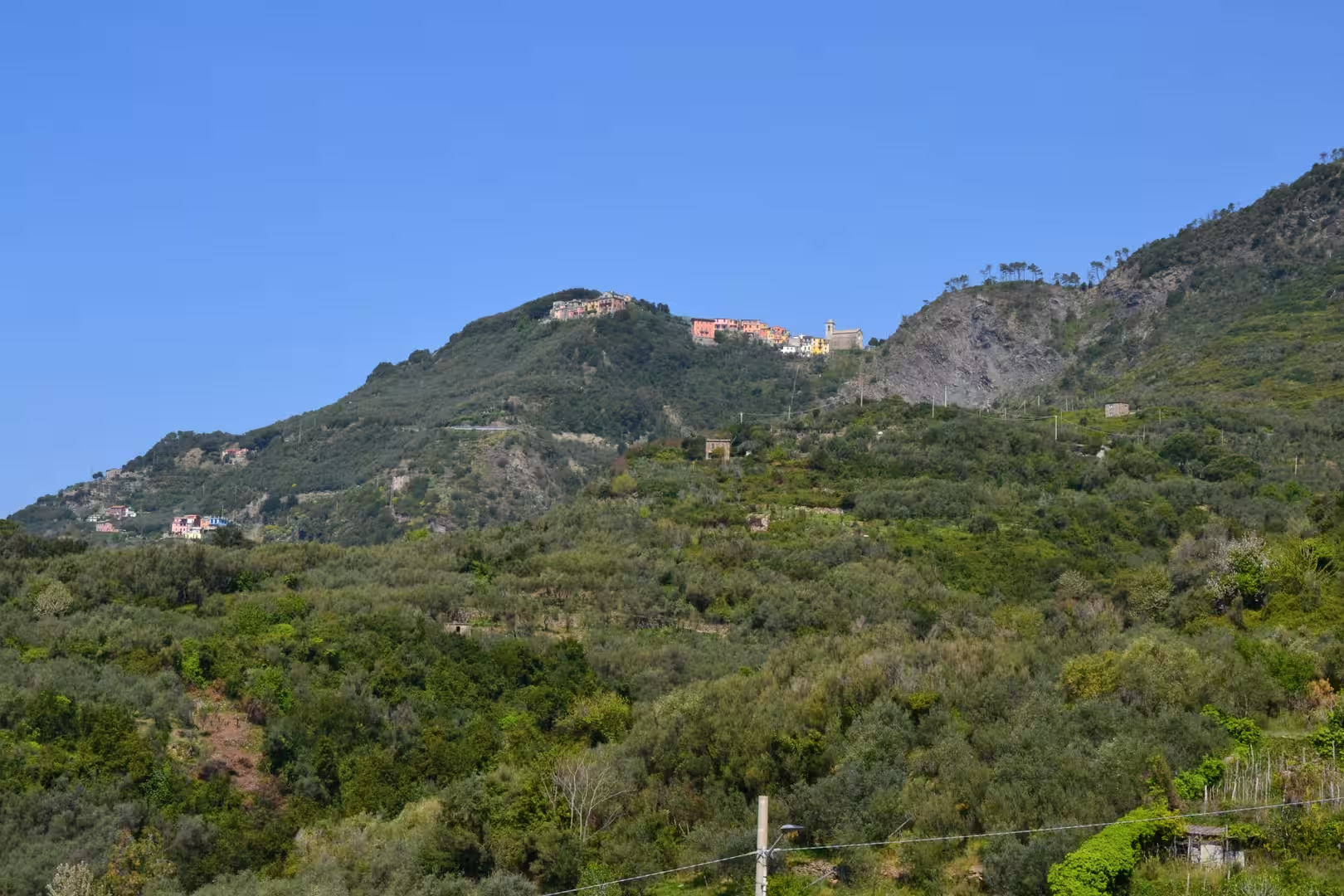
The coast has been sinking and rising in a way that geologists are still working out. The Mediterranean has changed level many times, the land itself has moved with the tectonics of the Apennines, and the terraces that the villages sit on are partly marine: they were cut by the waves when the sea stood higher against the slopes. The villages that appear to cling to impossible ground are standing on ledges that were made by the water, and the stairs between them follow the natural steps of the rock.
Things to See
The food of the coast is the reason to give the day a long lunch. The cooking of Liguria is built on olive oil, herbs, fish and the flat bread of the region, the pasta is served with pesto made from the basil that grows on the terraces, and the anchovies of Monterosso are salted and cured in a way that has been copied everywhere and improved nowhere. The restaurants in the villages are small, family run and busy, and the best of them are found by asking rather than by reading.
The swimming spots are worth naming because they differ. Each village has its own: the sand at Monterosso, the rocks below the castle at Vernazza, the long flight of steps down to the water at Corniglia, the deep inlet at Manarola, and the little harbour at Riomaggiore where the boys jump from the quay. The water is cold in April and warm from June, and the local rule is that you swim when the fishermen swim, which is early in the morning.
The wine of the coast should be drunk here and not carried away. The white wine of the Cinque Terre is light, salty and best young, it is grown on slopes that no machine can work, and it is sold by the glass in every bar at a price that makes a second glass an obvious decision. The sweet wine made from grapes dried on racks is the speciality of the villages, and it is usually offered with a biscuit at the end of a meal.
The evening is the best part of the day and needs no organisation. The villages fill, the restaurants open, the shops sell the products of the terraces and the sea, and the light goes down the walls of the houses until the lamps come on and the place becomes a different village. Anyone who has the time should stay for the second evening, because the first one is spent looking and the second one is spent understanding.
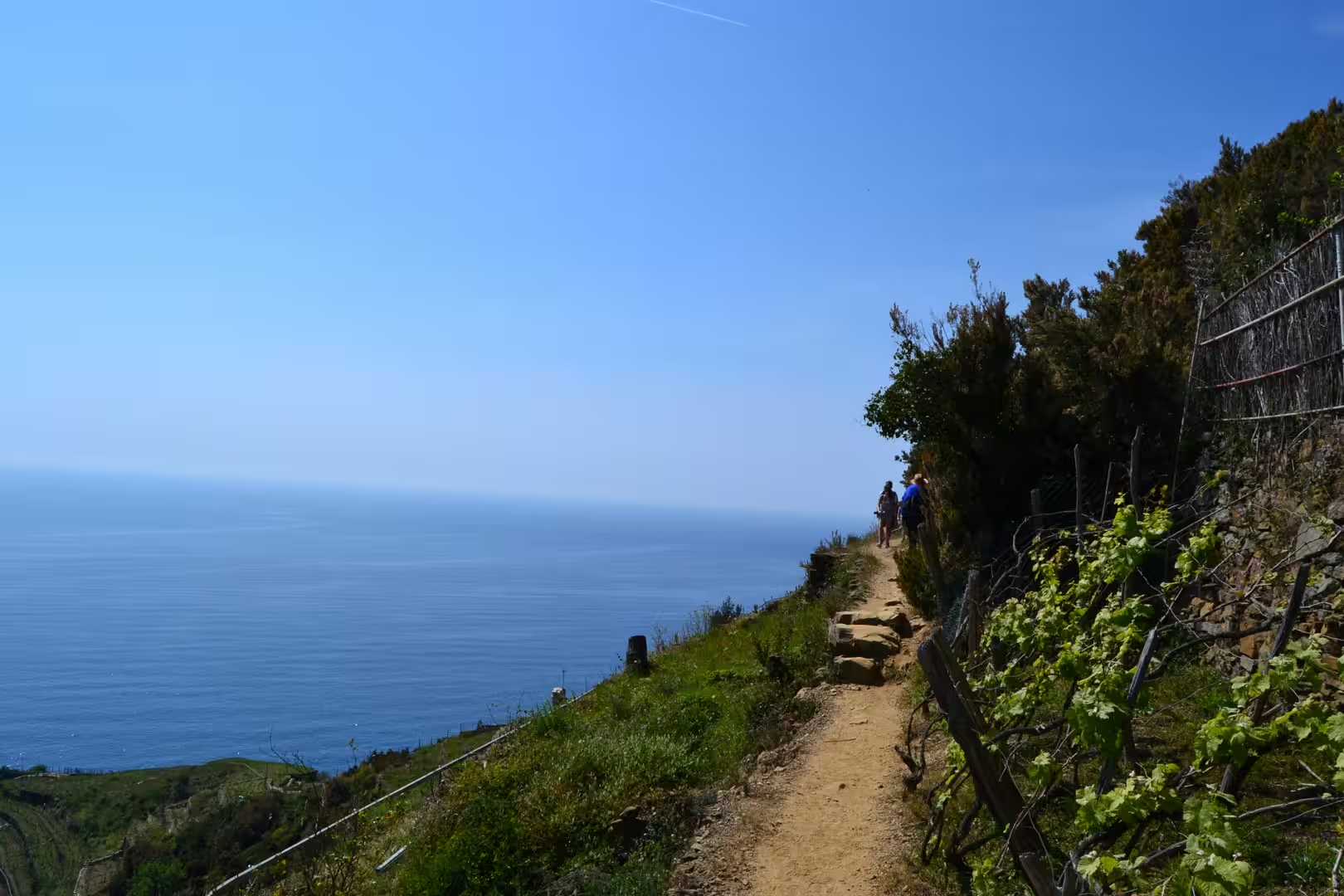
The practical note for a day like this is to plan around the boats. The timetable of the ferries is the most useful document on the coast, the last one runs in the late afternoon, and the trains keep going after that. A combination of the two, with the walking in the cooler hours and the swimming in the hottest, is how the coast is best used, and it is the way the residents use it themselves.
References
- Wikipedia contributors (2026). Cinque Terre. en.wikipedia.org/wiki/Cinque%20Terre
- Wikipedia contributors (2026). Monterosso al Mare. en.wikipedia.org/wiki/Monterosso%20al%20Mare
- Wikipedia contributors (2026). Vernazza. en.wikipedia.org/wiki/Vernazza
- Wikipedia contributors (2026). Corniglia. en.wikipedia.org/wiki/Corniglia
- Wikipedia contributors (2026). Manarola. en.wikipedia.org/wiki/Manarola
- Wikipedia contributors (2026). Riomaggiore. en.wikipedia.org/wiki/Riomaggiore
- Wikipedia contributors (2026). Cinque Terre National Park. en.wikipedia.org/wiki/Cinque%20Terre%20National%20Park
- Wikipedia contributors (2026). Liguria. en.wikipedia.org/wiki/Liguria
- Wikipedia contributors (2026). La Spezia. en.wikipedia.org/wiki/La%20Spezia
- Wikipedia contributors (2026). Portofino. en.wikipedia.org/wiki/Portofino
- Wikipedia contributors (2026). Genoa. en.wikipedia.org/wiki/Genoa
- Wikipedia contributors (2026). Ligurian Sea. en.wikipedia.org/wiki/Ligurian%20Sea
- Wikipedia contributors (2026). Tuscany. en.wikipedia.org/wiki/Tuscany
- Brandolini P. (2017) The Outstanding Terraced Landscape of the Cinque Terre Coastal Slopes (Eastern Liguria). World Geomorphological Landscapes. 235-244. doi.org/10.1007/978-3-319-26194-2_20
- Mazzuoli M., Berardi R. (2018) Numerical simulation of a debris flow propagation: A case of study in Cinque Terre, Liguria. Landslides and Engineered Slopes. Experience, Theory and Practice. 1393-1399. doi.org/10.1201/9781315375007-160