2017 Sydney II 3









Journal Notes
General
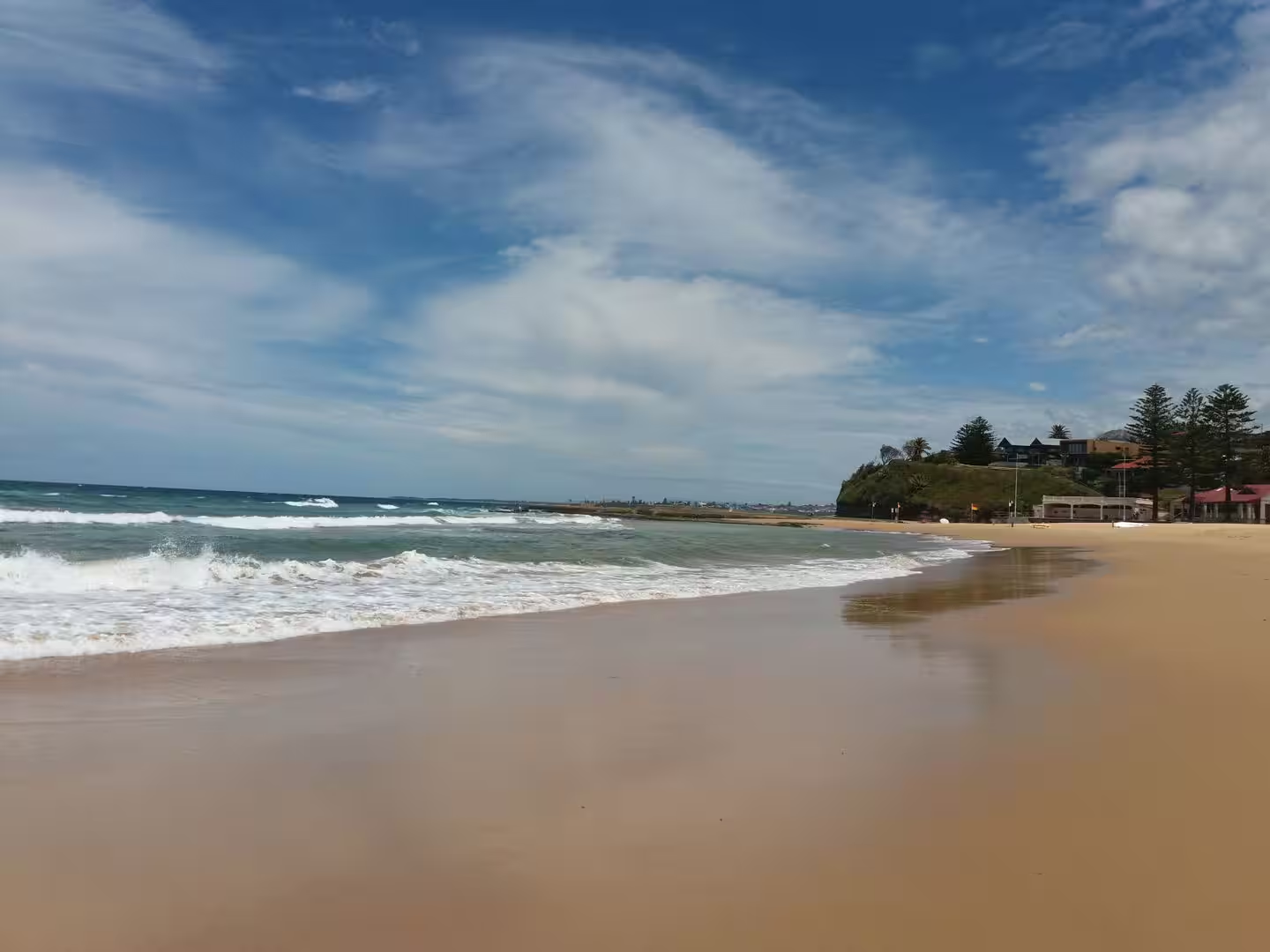
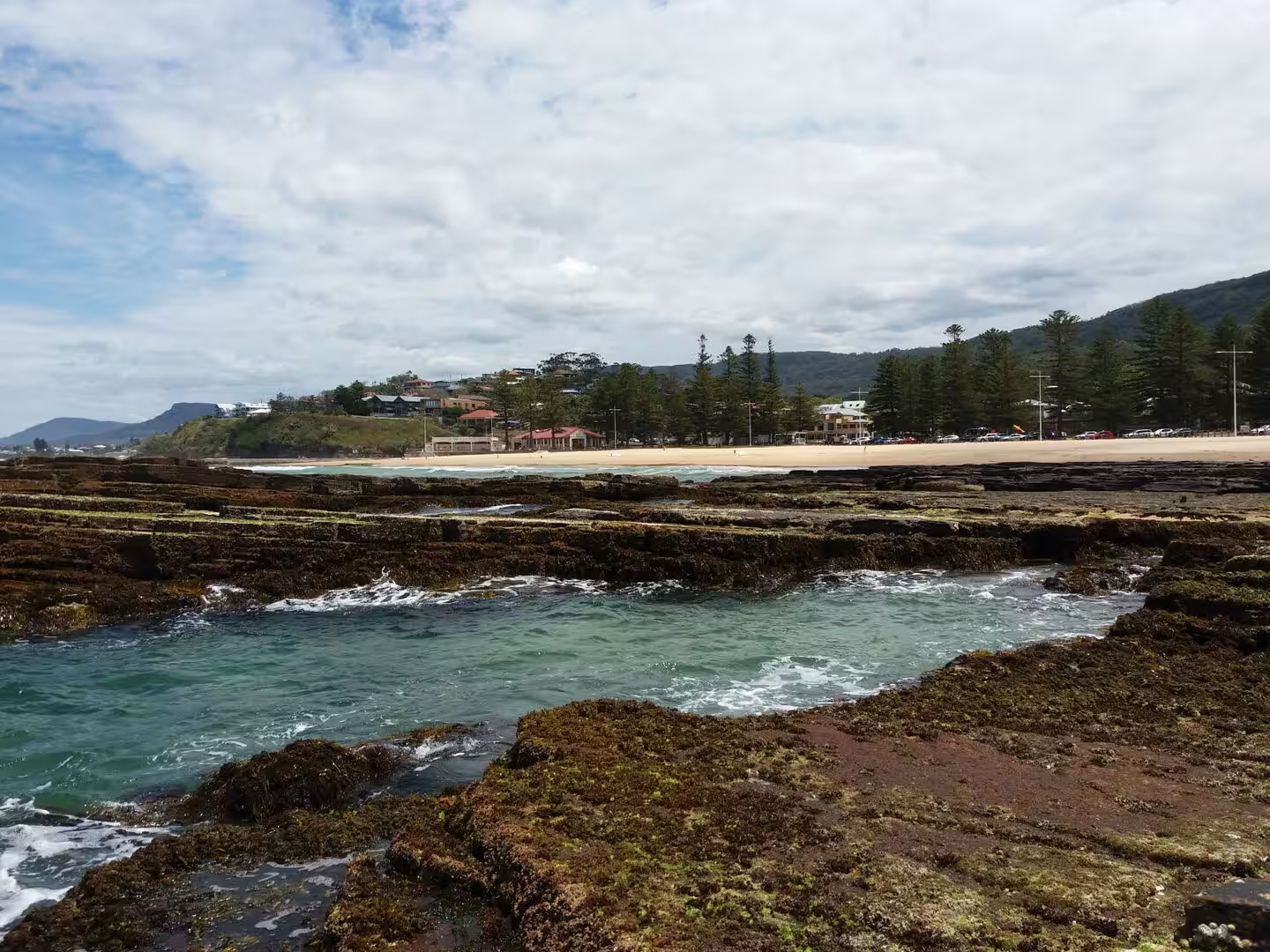
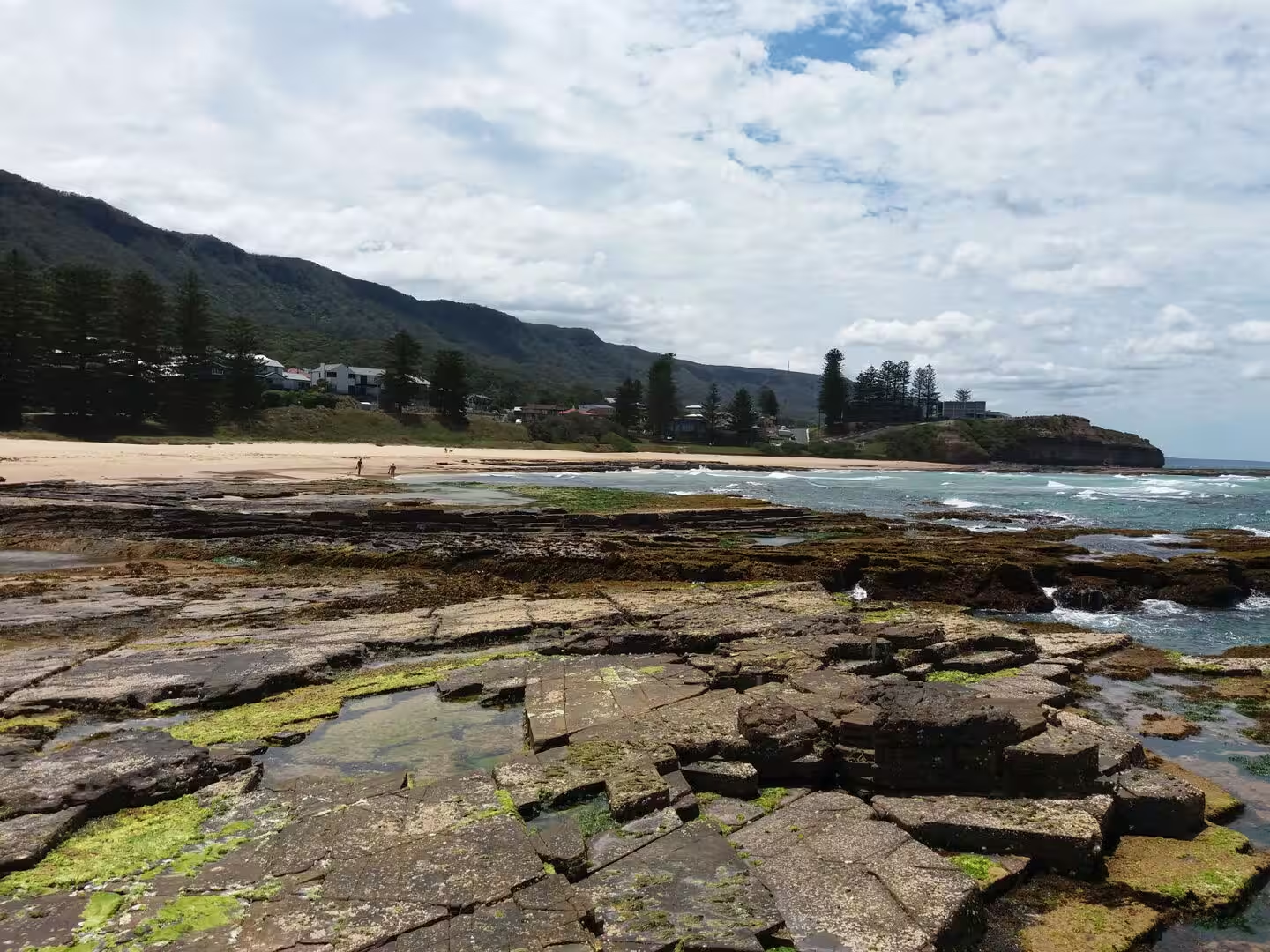
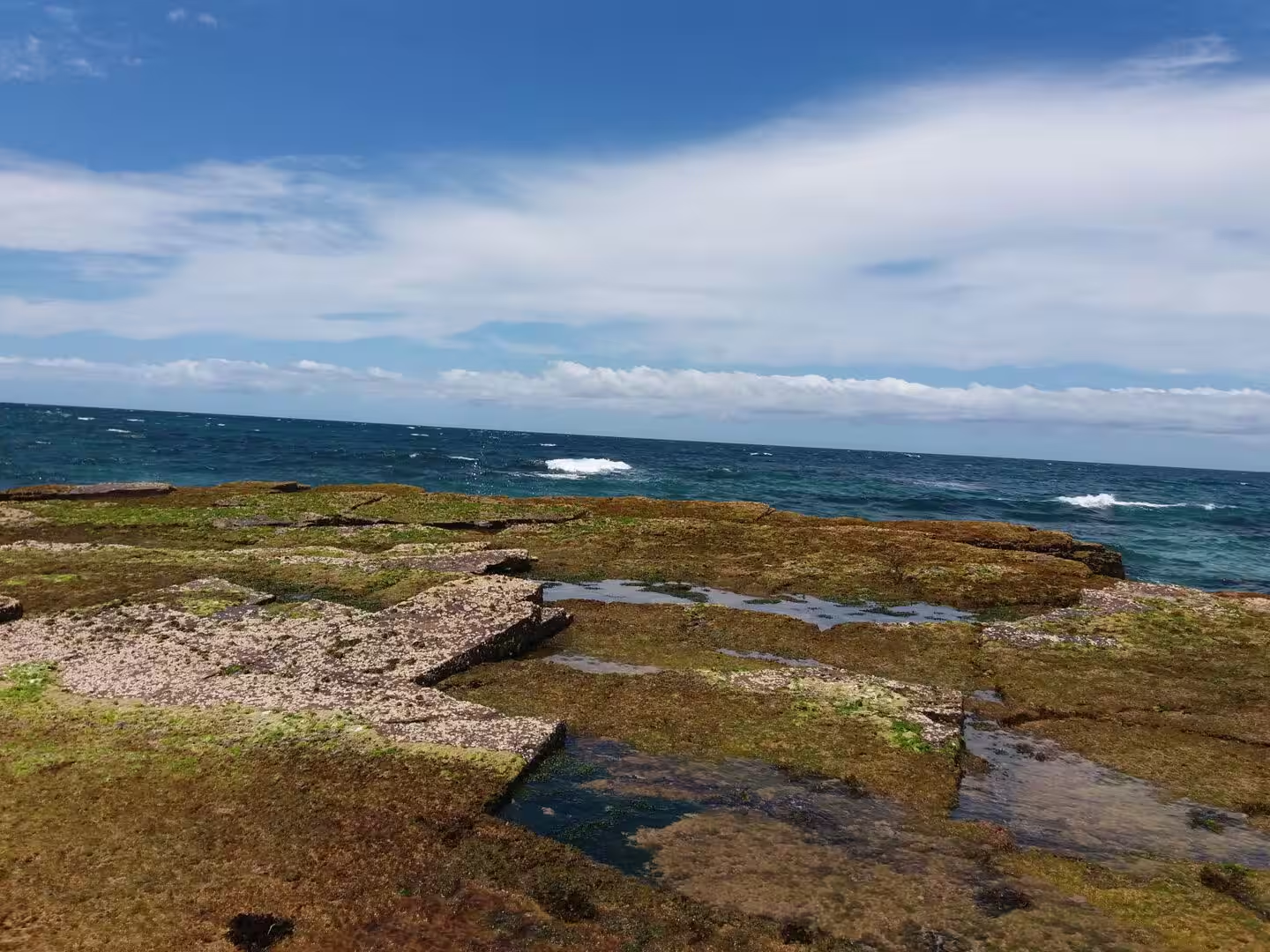
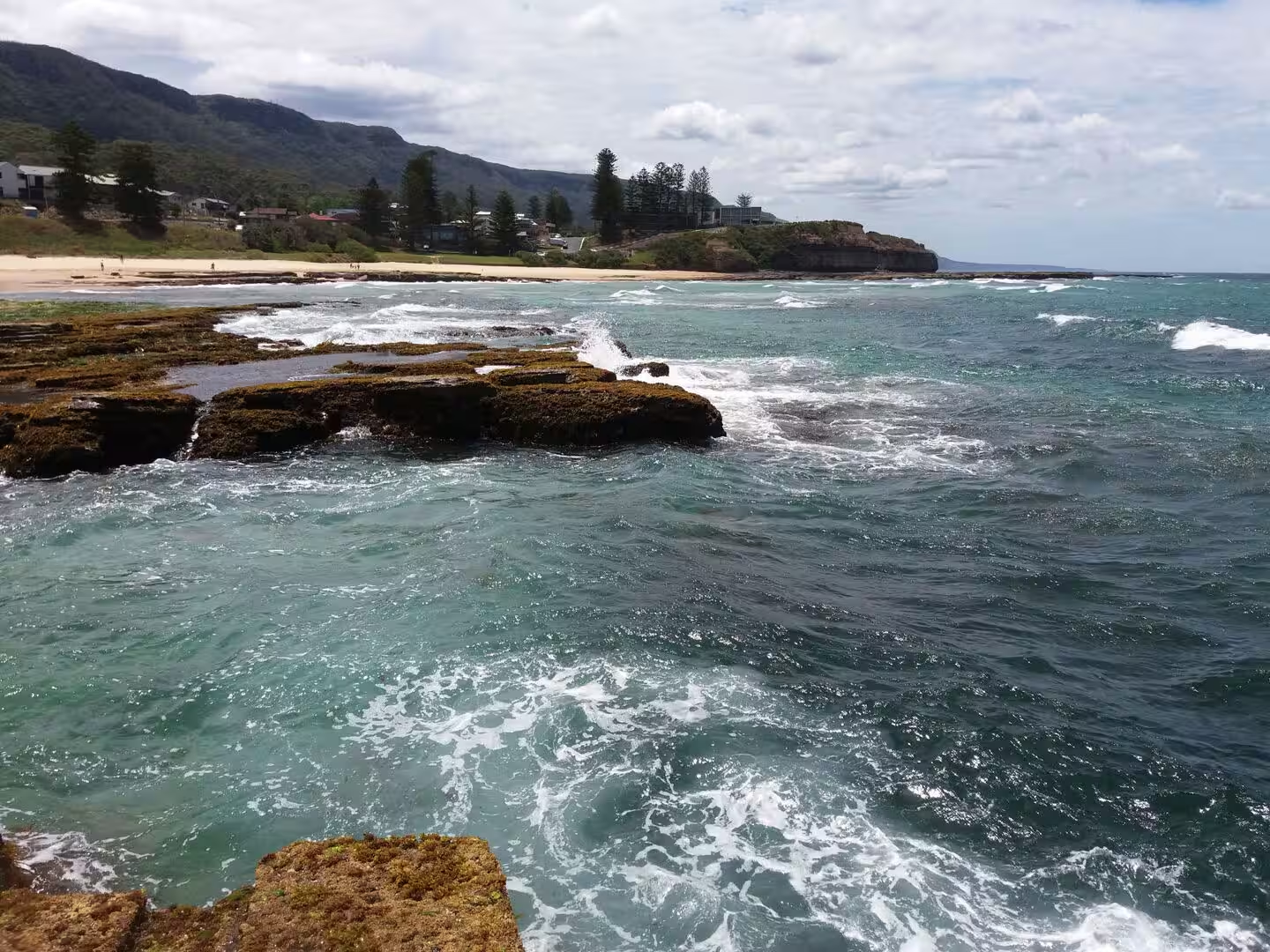
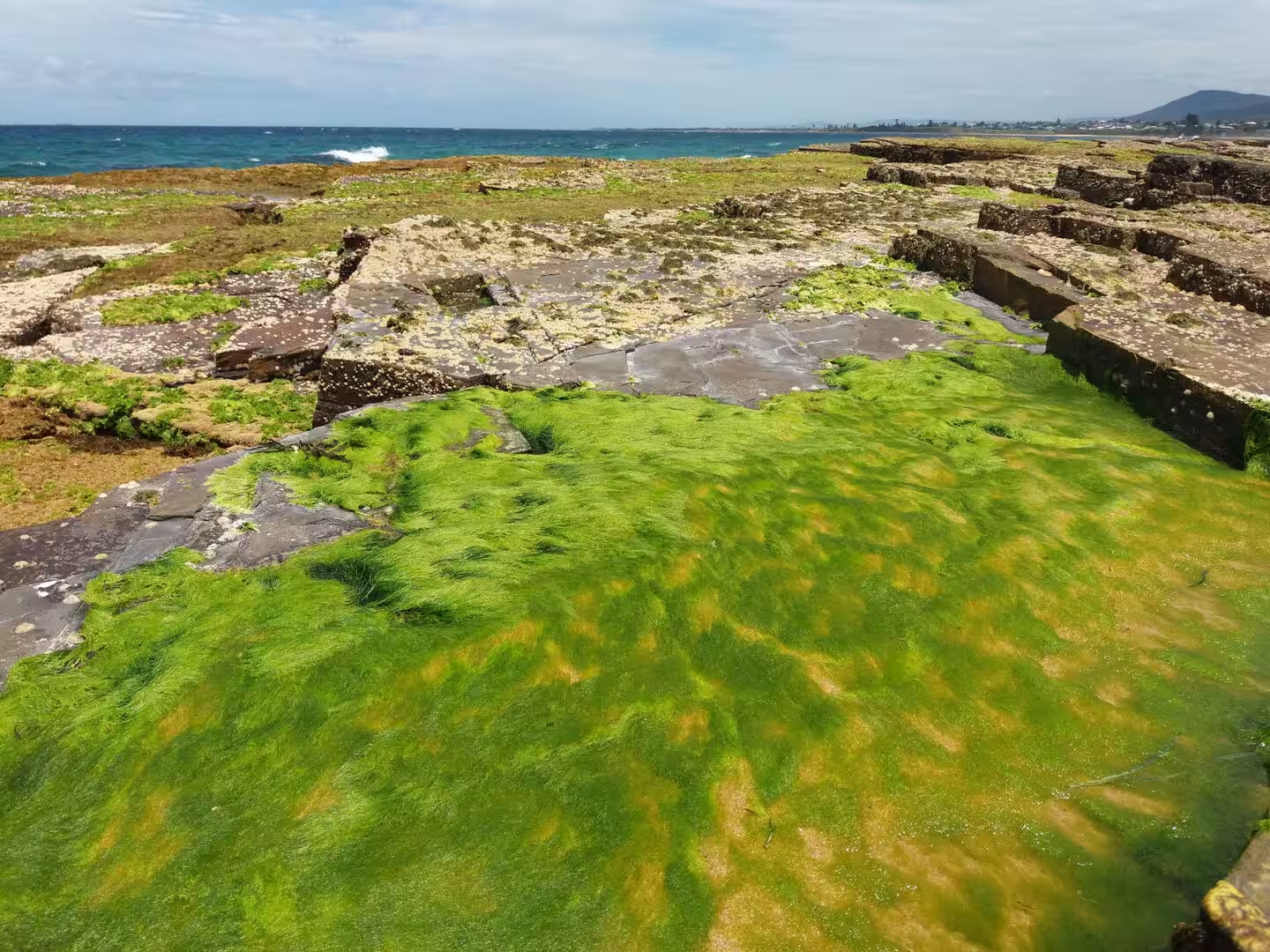
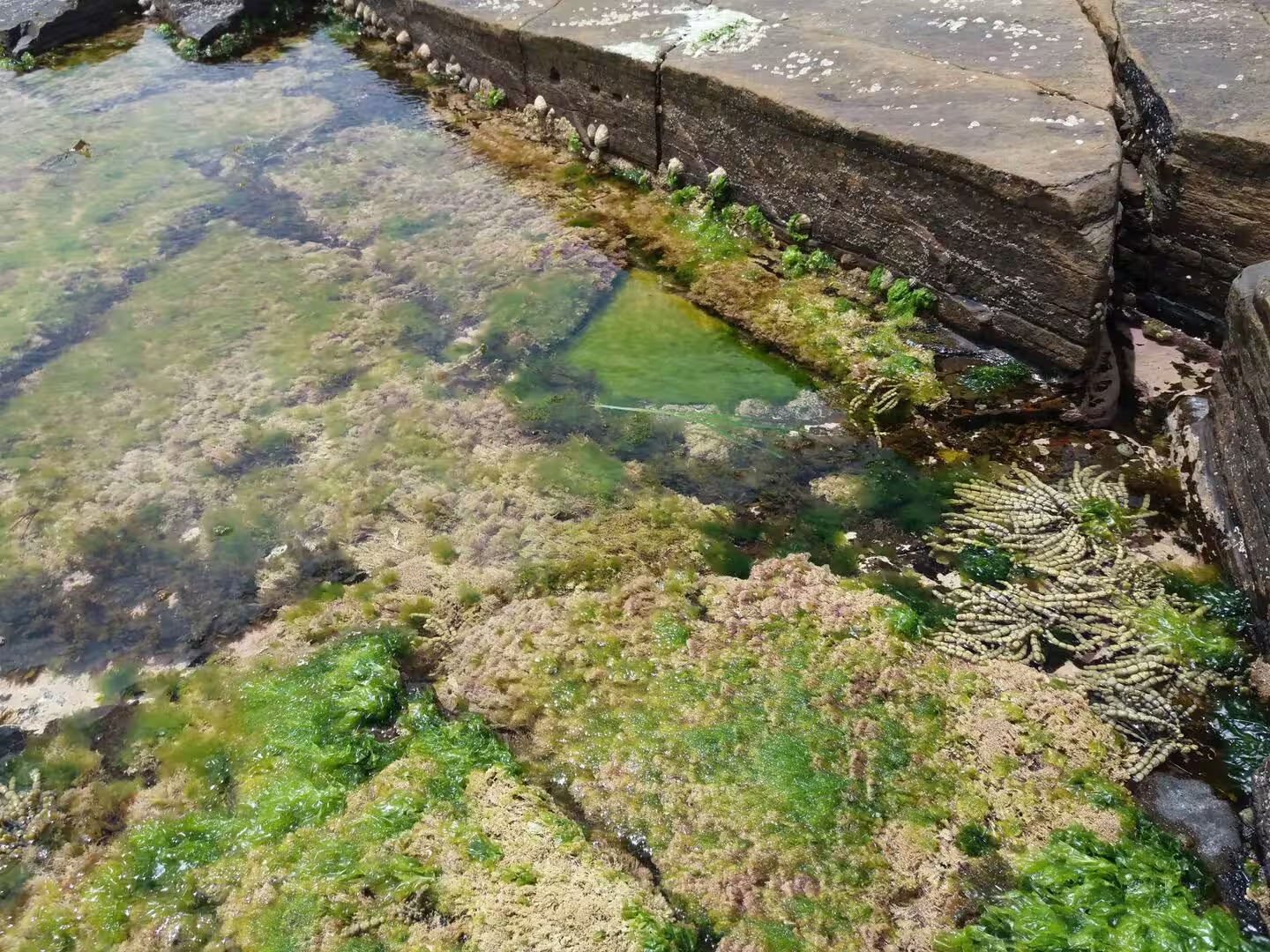
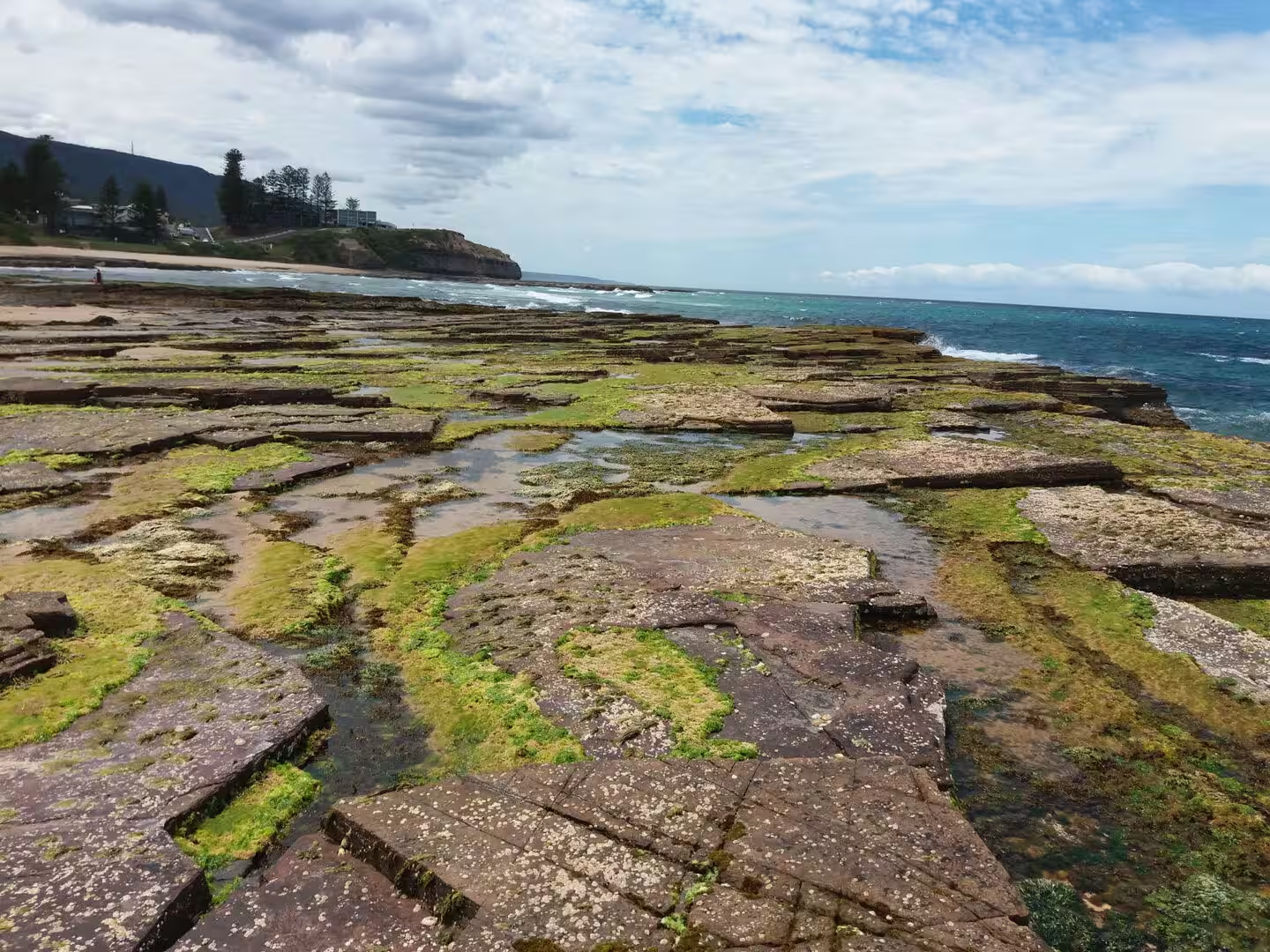
The last of the three days began on the beach and ended in the mountains, with a stop at a supermarket in between. The morning was spent on the sand and on the rock platforms: wide golden beaches with soft waves washing in, layers of sandstone ledges covered in green and brown algae, and tide pools full of small life at the edge of the ocean. The water was warm, the light was hard, and the platform at low tide was the most interesting place of the morning.
The shop was interesting for a different reason. Kangaroo steak and kangaroo sausages were on special offer in the meat cabinet of an ordinary suburban supermarket, which is the kind of thing that stops a European visitor in their tracks. The animal that appears on the coat of arms of the country is also a farmed meat, promoted by the government as a low fat product and sold alongside beef and lamb.
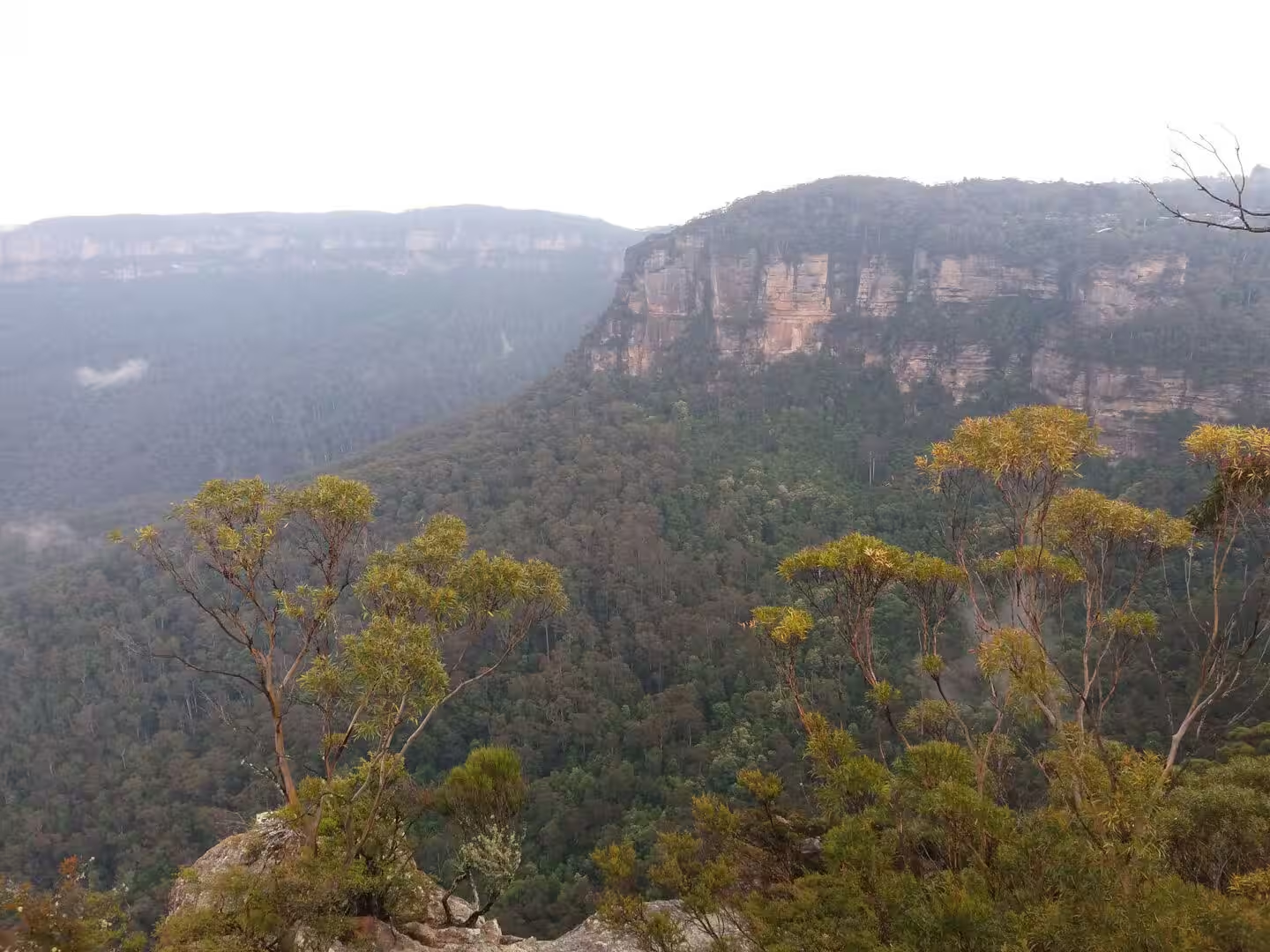
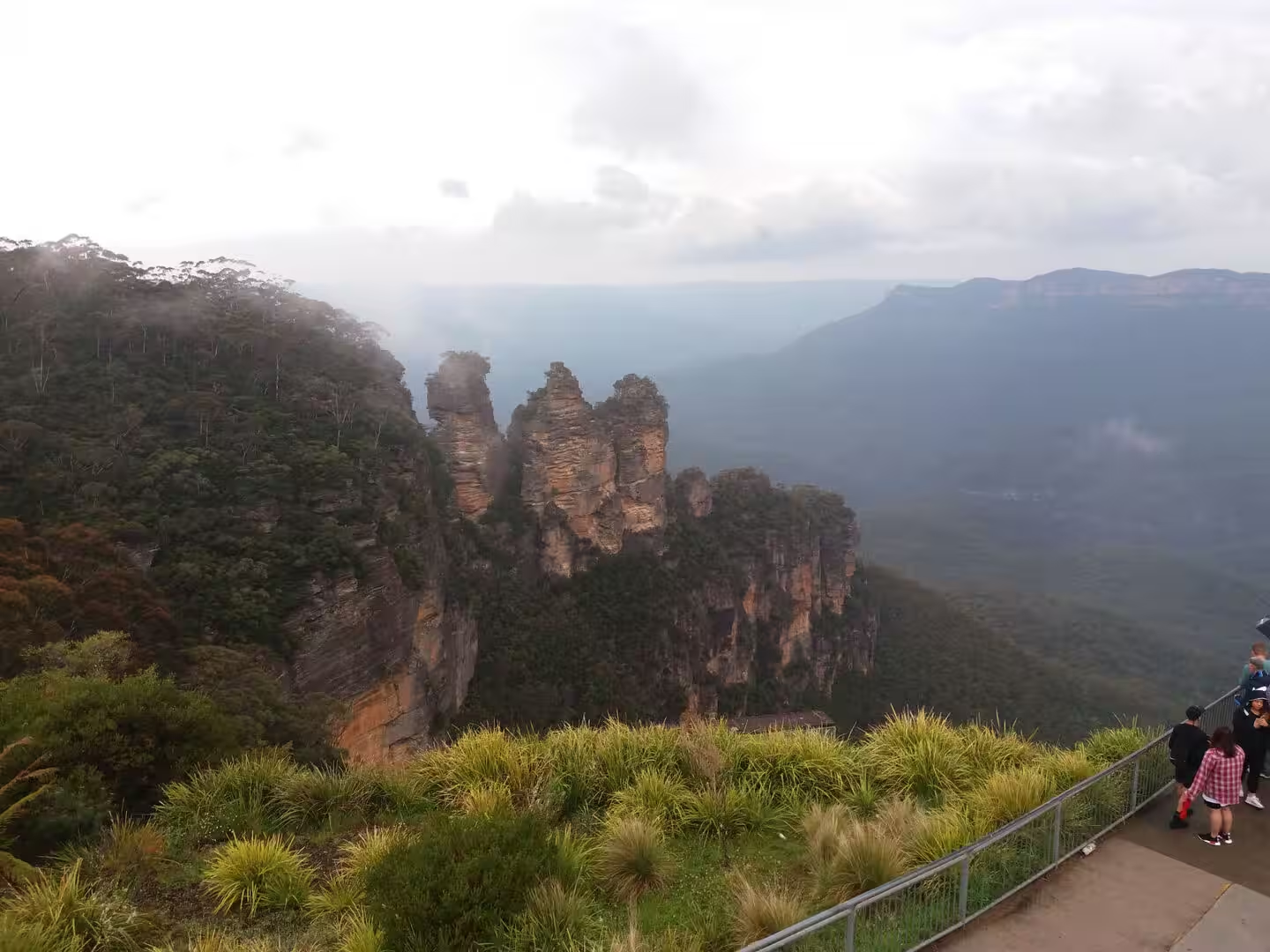
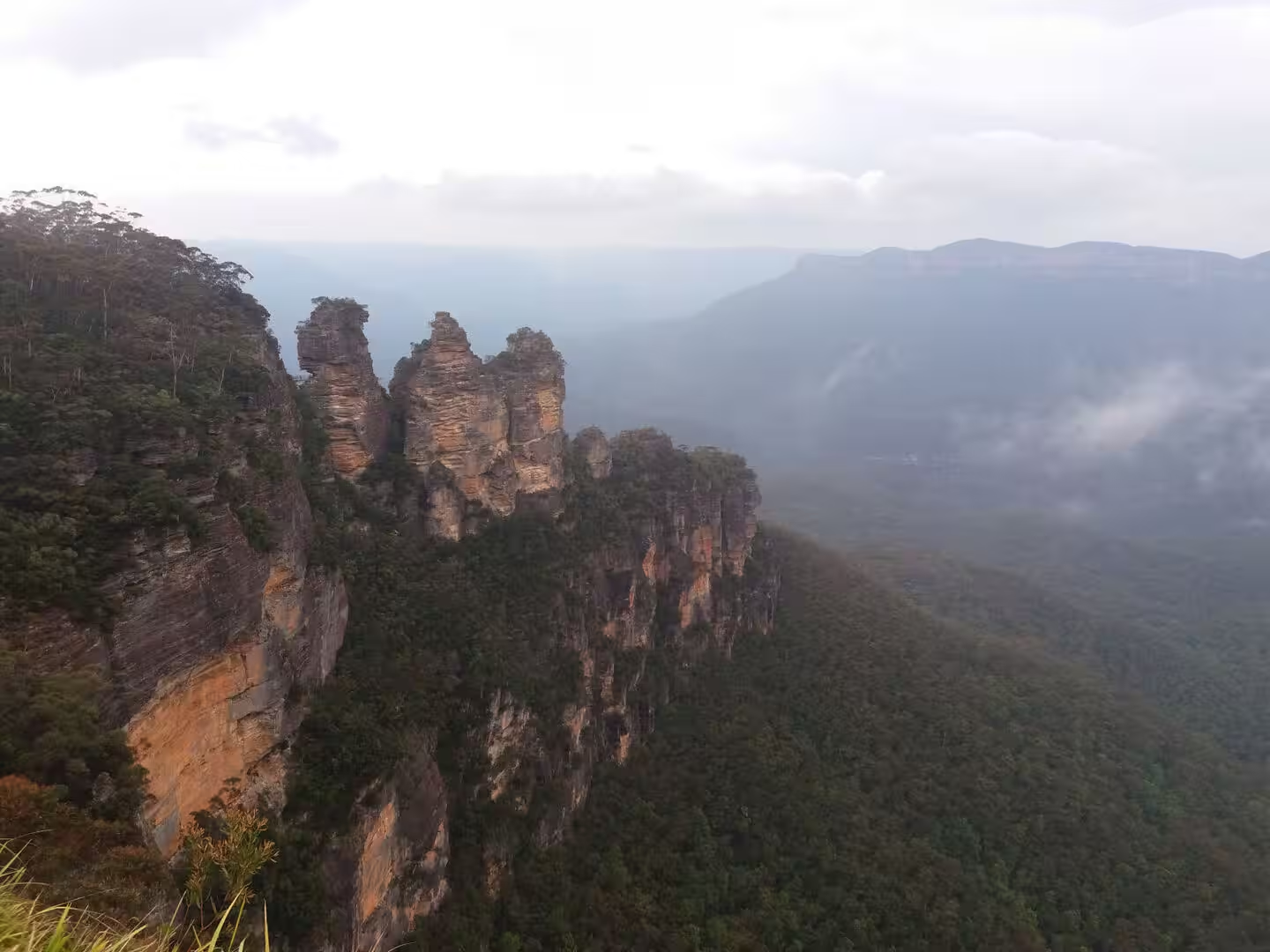
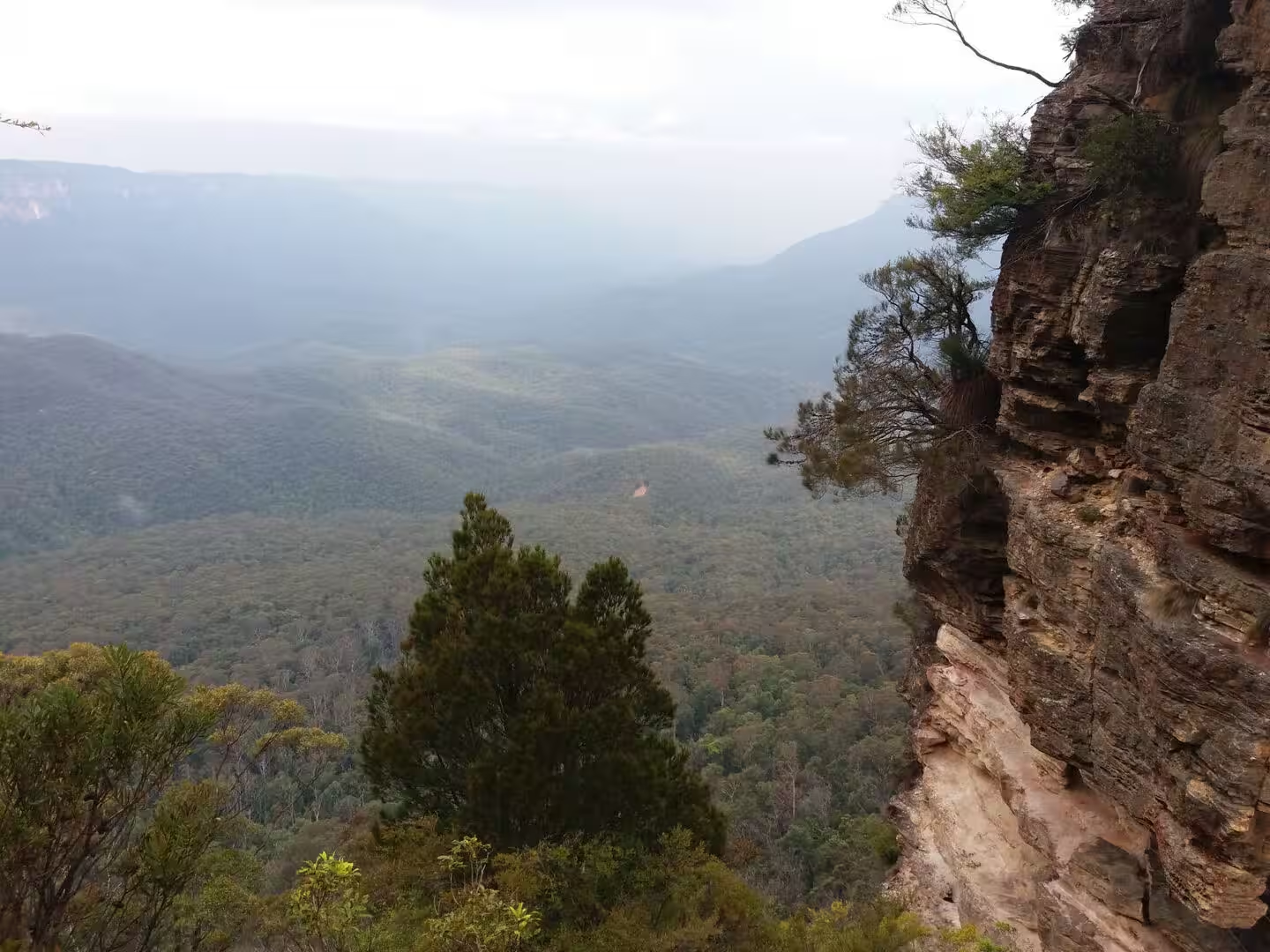
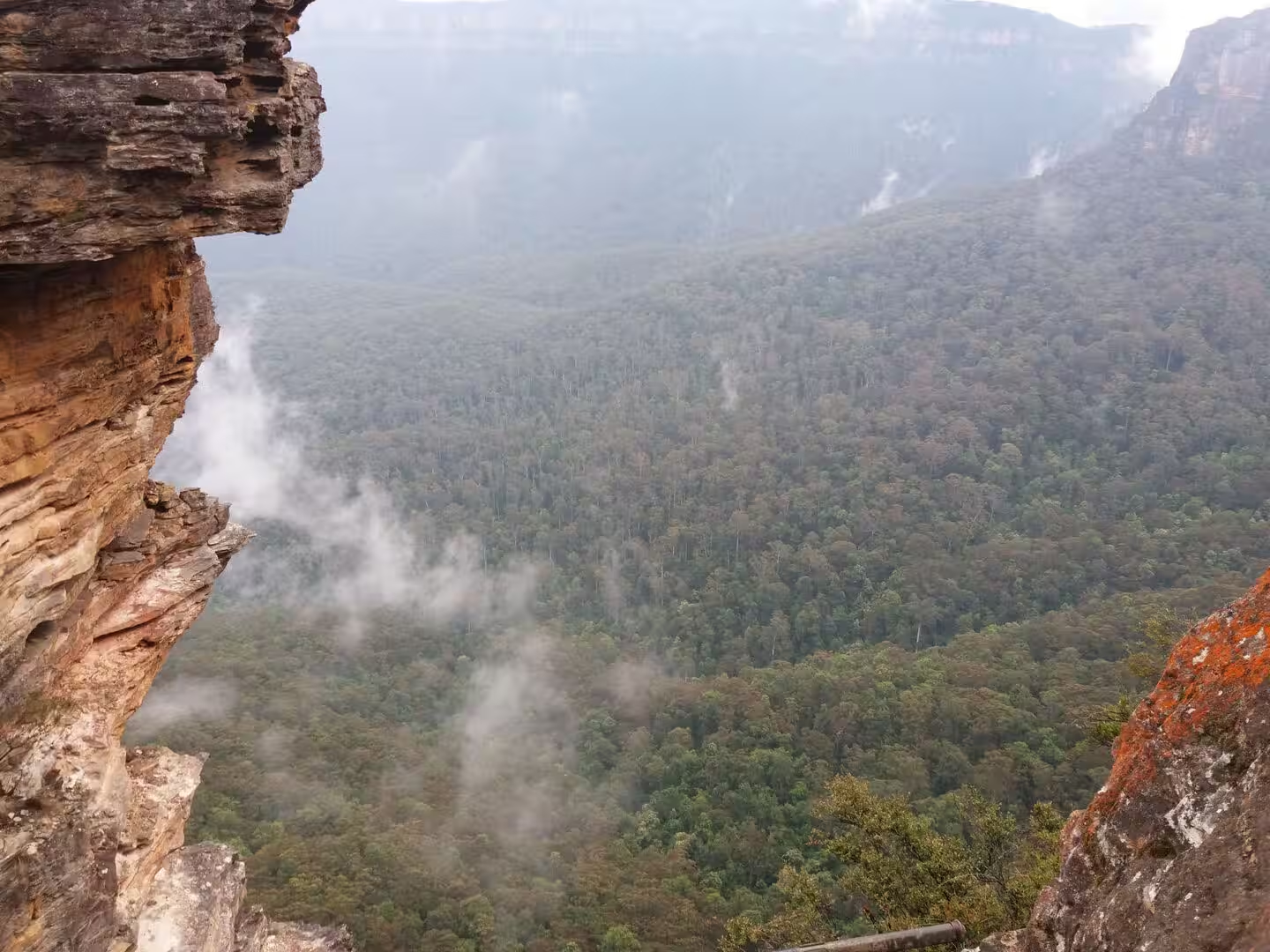
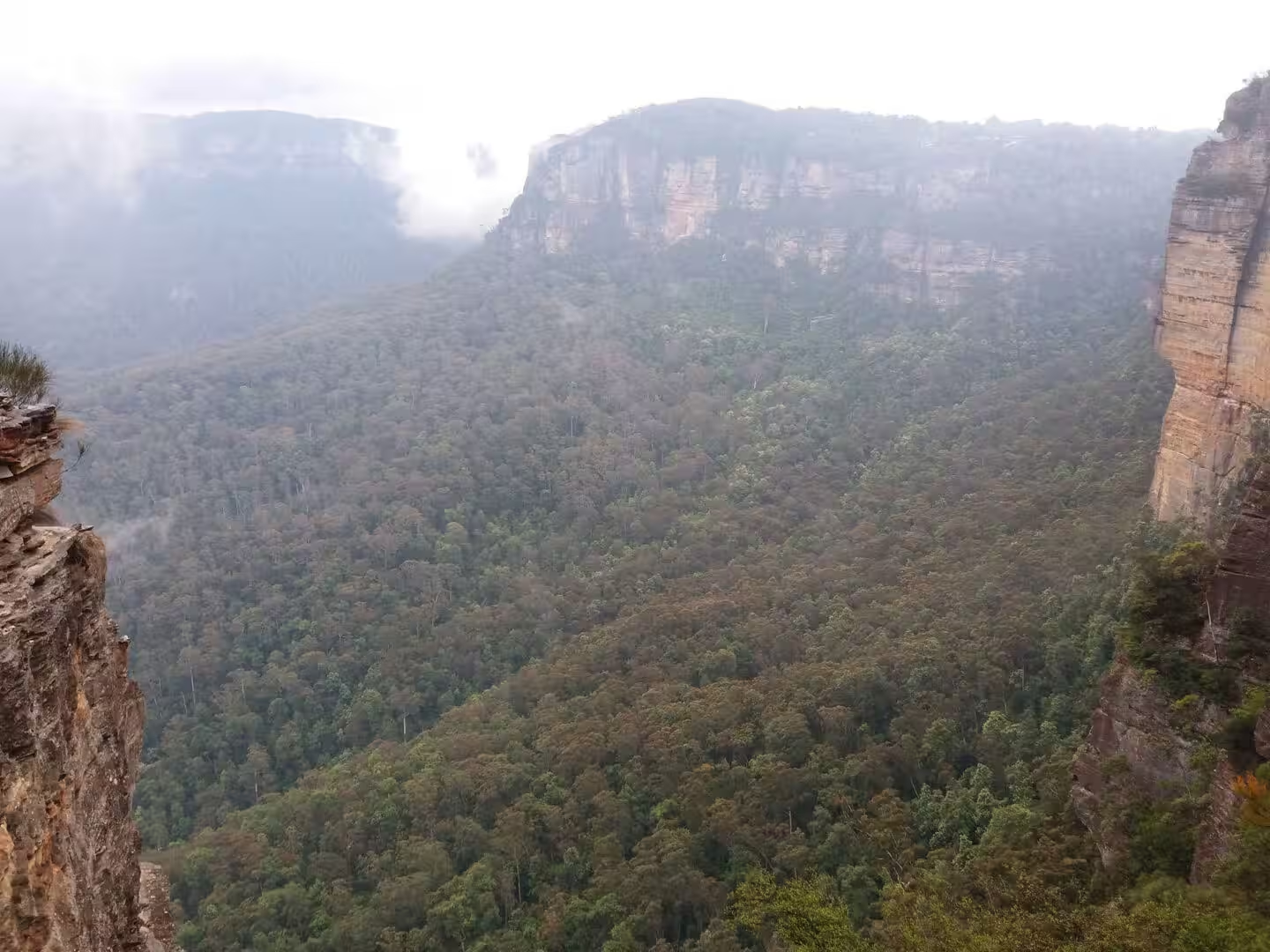
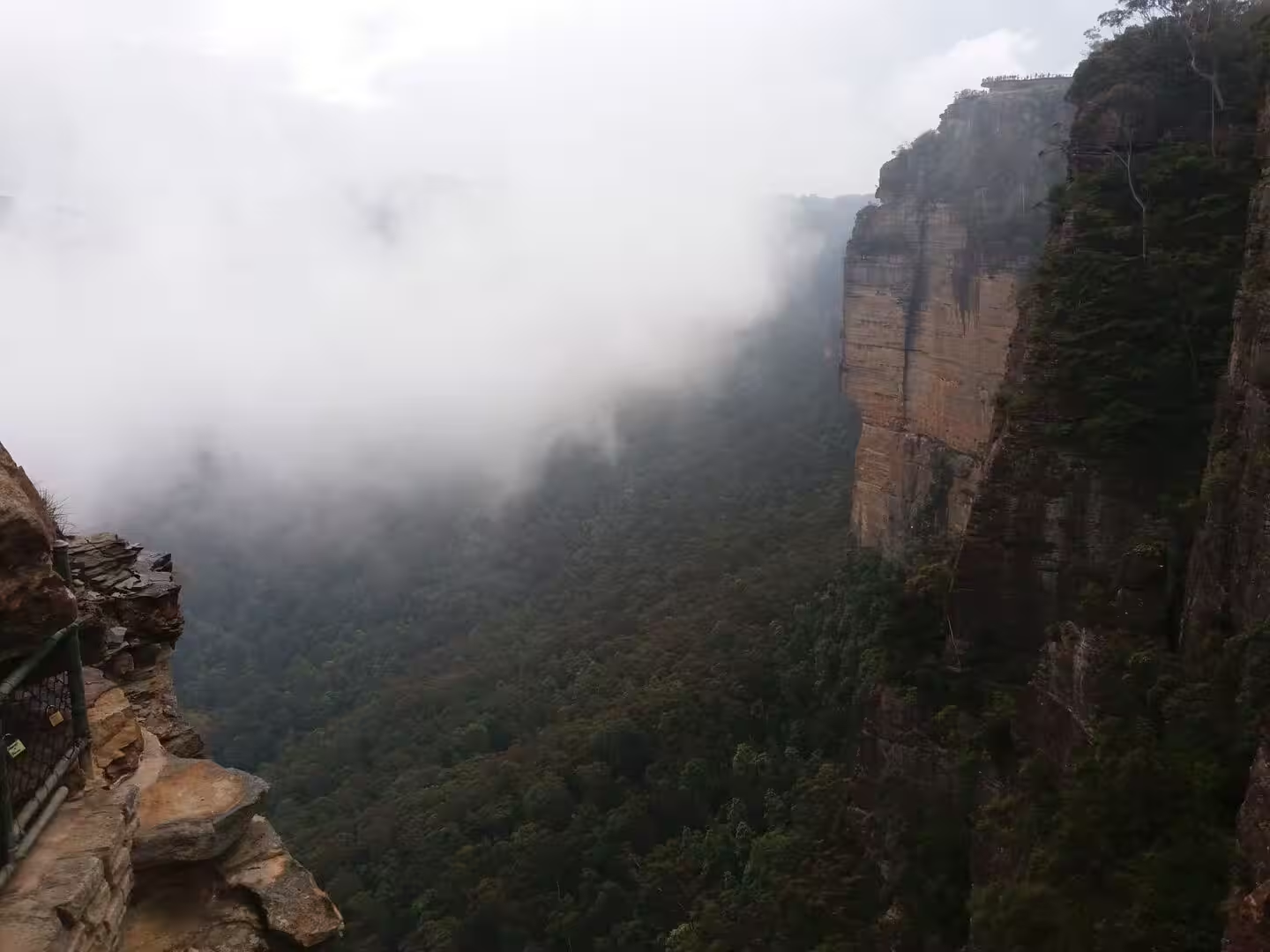
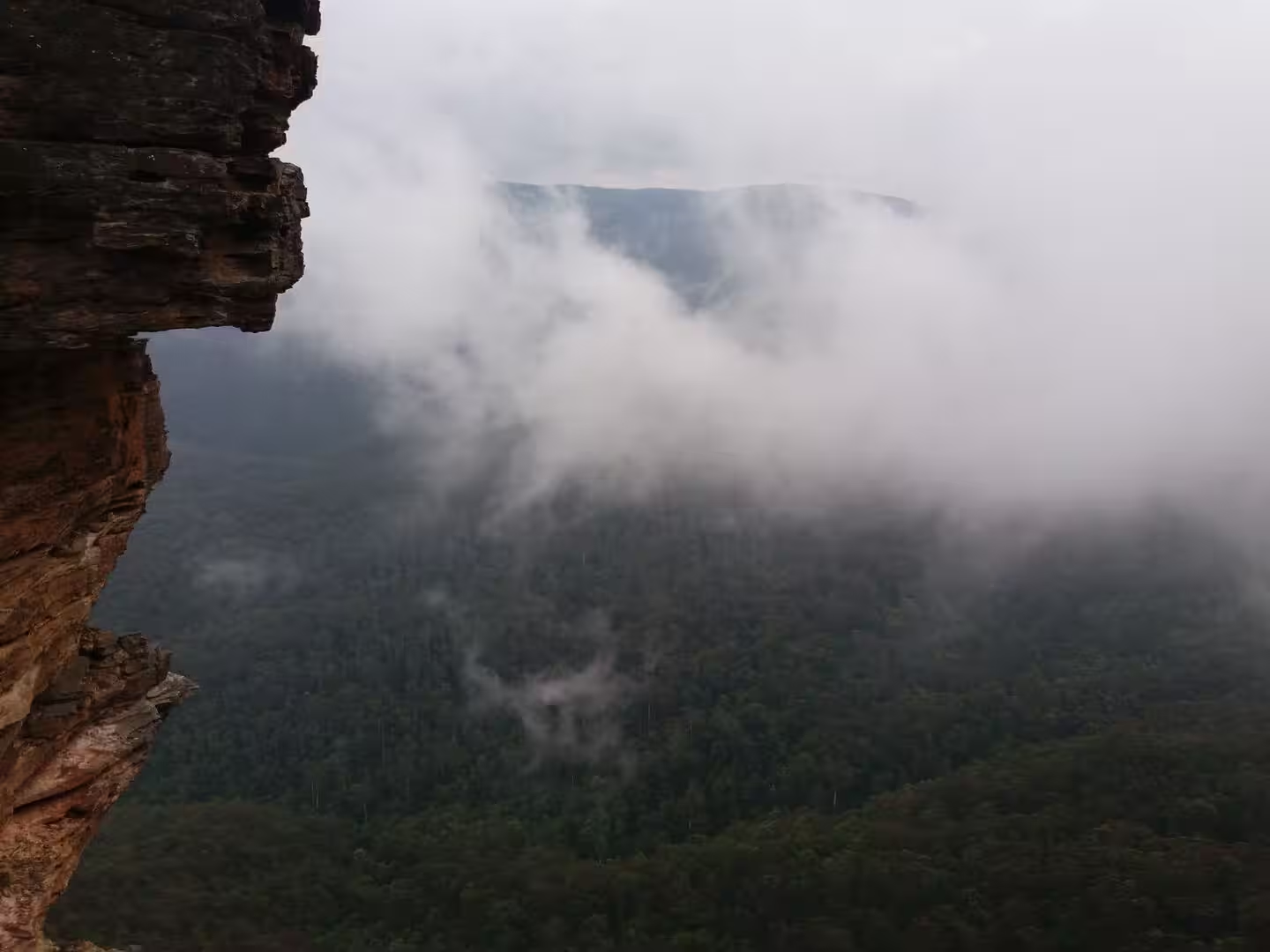
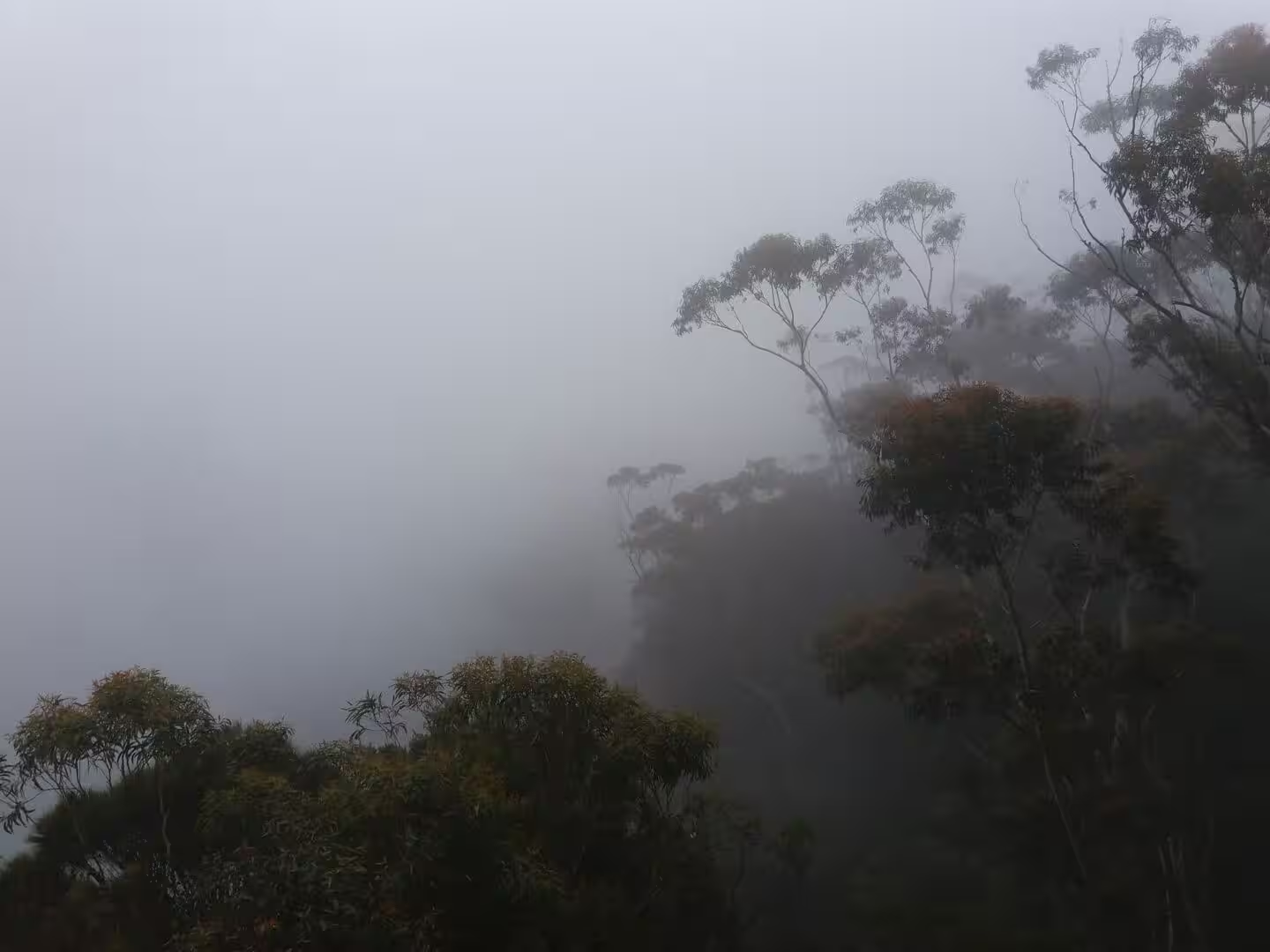
The afternoon was given to the Blue Mountains. The road climbs out of the coastal plain onto the plateau, and within an hour the country changes from suburbs to eucalyptus forest. At the edge of the escarpment, where the plateau falls away into the Jamison Valley, the mist was coming and going, and the view kept appearing and vanishing: forested ridgelines dissolving into cloud, cliffs dropping into the valley, and the three sandstone pillars that everyone comes to see, standing in the gap with the fog moving between them.
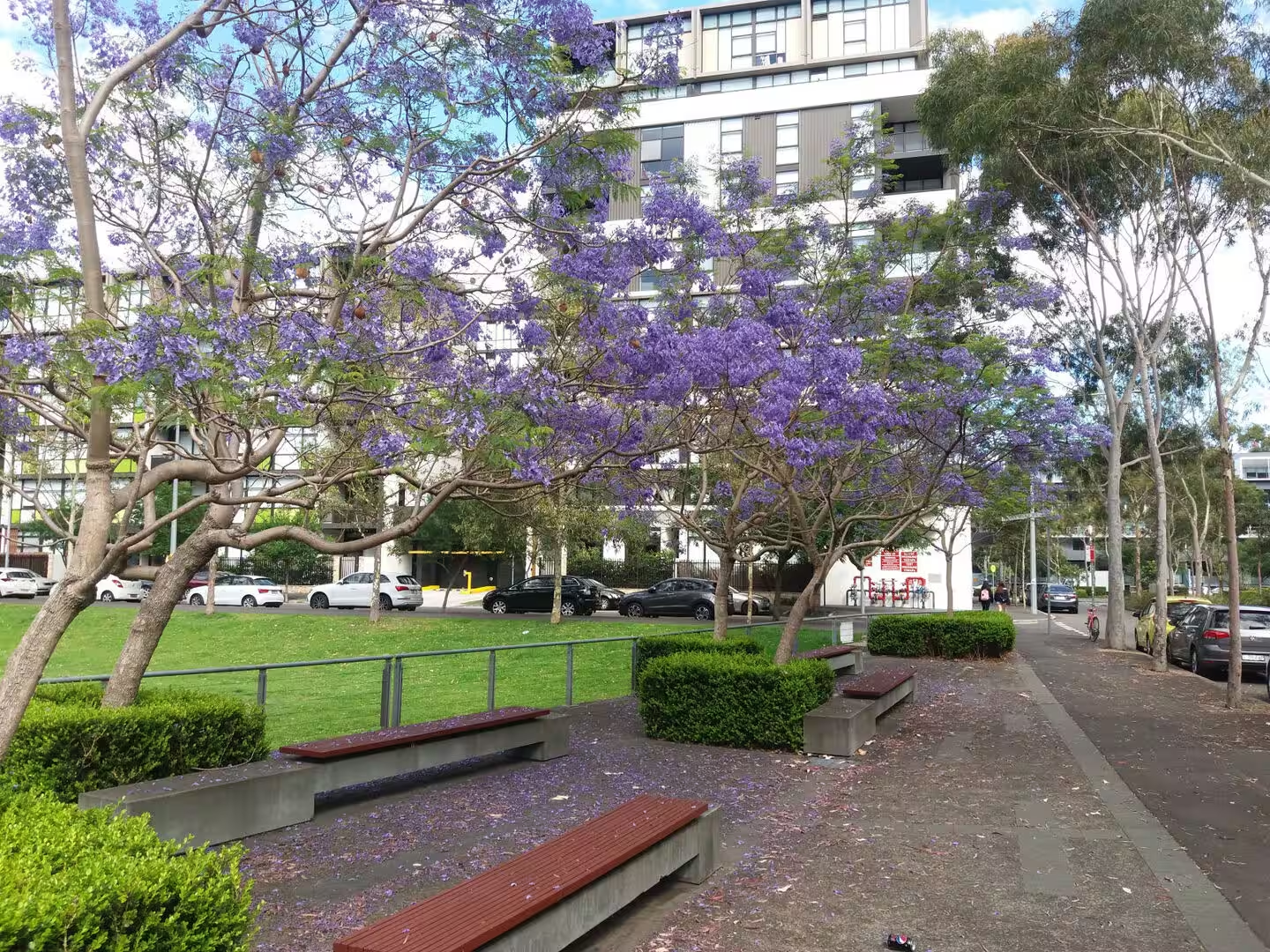
The day also produced the small pleasures that a long journey accumulates. Jacaranda trees in a city park with purple blossom draped over the benches, a bird of prey on a fence post, a wallaby in the golden light of the late afternoon, and a walk through bushland where the sandstone and the eucalyptus smell came off the ground in the heat. The last day of a trip is usually an anticlimax; this one was not.
The day also produced a piece of evidence about the scale of the country that no map conveys. The Blue Mountains look like a short drive from the city on paper, and they are, but the plateau behind the escarpment extends for hundreds of kilometres of wilderness with no road across it. The town of Katoomba is on the edge of it, the walks from the escarpment descend into a valley that is a national park, and the country beyond the first ridge is one of the largest tracts of protected land in the state.
History
The Blue Mountains are not mountains in the sense that a European would use the word. They are a plateau of sandstone that has been cut into by rivers, and the deep gorges and the cliffs that make them famous are the edges of the plateau rather than peaks. The crossing of that plateau was one of the great achievements of the early colony: in 1813 a party of three settlers found a route over the ridges to the west, and the road and the railway followed within a generation.
Katoomba, where the road arrives, is the main town of the Blue Mountains and has been a resort since the nineteenth century. It stands on the Great Western Highway and the railway, it has hotels of every period, and its position above the Jamison Valley makes it the base for the escarpment viewpoints. The Three Sisters, the rock formation on the north escarpment of the valley, are the best known of those views, and the story attached to them is an Aboriginal one: three sisters turned to stone, with their names recorded in the literature as Meehni, Wimlah and Gunnedoo.
Bondi, where the morning was spent, is the other end of the same story of tourism. The beach was one of the first places in the colony to be used for bathing, and it has been a public space of one kind or another ever since: a place where the city goes to swim, to be seen and, in the last century, to be recorded. The suburb behind it is dense, the beach is patrolled and crowded in summer, and the coastal walk along the cliffs to Coogee is one of the most popular walks in the country.
The jacaranda in the park is an import with a colonial history of its own. The tree is South American, it was planted across the warmer parts of Australia from the nineteenth century onwards, and its habit of flowering in a mass of purple blossom in late spring and early summer has made it a seasonal event in Sydney and Brisbane. The supermarket meat cabinet, meanwhile, tells the story of a much older relationship: the kangaroo has been eaten on this continent for tens of thousands of years, and it is now farmed and sold as a lean and environmentally lighter alternative to beef.
The mountains have been a resort since the railway reached Katoomba in the 1870s, and the infrastructure of tourism arrived with it: hotels, guesthouses, a funicular railway down the cliff, cableways across the gorge and a network of walking tracks that has been maintained for more than a century. The resort trade declined in the middle of the twentieth century and revived at the end of it, and the town that exists now is a mix of weekend houses, cafes, day visitors and the administration of a city council that covers an area larger than many countries.
Geology
The rock platforms of the coast are the most accessible piece of geology in the Sydney region and the best place to see the structure of the sandstone. The platforms are the exposed top of the Hawkesbury sandstone where it has been planed off by the sea, and the layers visible in them are the bedding planes of the original deposit, laid down by rivers in the Triassic. Cross bedding, the diagonal lines left by the currents that deposited the sand, is visible in the cliff faces above the platforms, and the joints that cut across the layers control the shape of the ledges and the pools.
The ecology of the platform is as interesting as its geology. The lower parts are covered in green and brown algae, the middle zone is the domain of barnacles, limpets and small snails, and the upper edge is the realm of lichens and of the small periwinkles that survive the longest exposure. The pools in the rock hold a measure of everything else: small fish, crabs, anemones, sea stars and the algae that colours them. It is a world of zonation arranged by the tide, and it can be read like a chart on a single platform.
Inland, the same sandstone is the material of the Blue Mountains plateau. The sequence that is exposed in the coastal cliffs continues westward and thickens, and the escarpment of the Jamison Valley is the edge of it cut by the rivers. The valleys are deep because the sandstone is hard and jointed, the waterfalls of the region fall over resistant bands into plunge pools, and the pillars of the Three Sisters are the remnants of a sandstone spur that has been attacked from both sides along its joints.
The blue of the mountains has a physical explanation that is worth knowing. The eucalyptus forest that covers the plateau releases volatile oils, and those oils scatter the short wavelengths of light in the same way that smoke and dust do. The result is the blue haze that gives the range its name and that is strongest in the heat of the day. It is a landscape effect produced by the plants themselves, and it is the reason the mountains look as they do from the city on a clear morning.
The plateau that the escarpment edges is not flat in the way the word suggests. It is a system of ridges and valleys cut into the sandstone, with the hard bands forming the tops of the ridges and the soft ones the slopes, and the whole surface is dissected by a drainage network that has been working on it for millions of years. From the air the pattern is dendritic, like the veins of a leaf, and from the escarpment it resolves into the succession of spurs and gullies that the walker has to negotiate.
Things to See
The beaches and the rock platforms of the eastern suburbs are the morning’s business. Bondi is the best known and the busiest, with its surf lifesaving club, its sea pool and its coastal walk; Coogee, Maroubra and Malabar continue the sequence to the south, each with its own character and its own rock platform. The tide tables are published and displayed, the pools and the ledges are best at low water, and a pair of shoes with a grip is more useful than a camera on the wet rock.
The coastal walk between the beaches is the best way to see the coast and takes two or three hours if the whole of it is walked. The path runs along the clifftops and through the streets of the suburbs in places, and it passes cemeteries, sea baths, rock platforms and a long series of viewpoints. The whales pass along this coast in the migration seasons, and there is usually someone on the cliffs with binoculars who will point them out.
The Blue Mountains need a full day and should be started early. The train from the city takes about two hours, the drive about ninety minutes, and the escarpment viewpoints at Katoomba are busy from mid morning. Echo Point, beside the Three Sisters, is the classic view and has the infrastructure to match; the walks down into the valley below it are steep and spectacular, and the various cableways and railways that cross the gorge give the same view from a different angle.
The bushwalking of the region is one of the reasons people move to the mountains. The tracks range from paved promenades to multi day routes through the valleys, and the shorter walks to waterfalls and lookouts are within reach of anyone with a few hours. The vegetation changes with the altitude and the aspect, from the eucalyptus forest of the ridges to the rainforest of the sheltered gullies, and the birds are loud and various. For a visitor with a day to spare at the end of a long journey, it is the best possible contrast with the desert that came before it.
The end of a long journey produces its own kind of landscape blindness, and the last day here was the cure for it. The colours of the sea and the sandstone, the smell of the eucalyptus after rain, the sound of the birds at the escarpment and the simple fact of standing on a beach in the middle of a city of five million people are all things that a traveller stops noticing after a few weeks on the road. The day was spent noticing them again, and it was the right way to finish.
References
- Wikipedia contributors (2026). Bondi, New South Wales. en.wikipedia.org/wiki/Bondi%2C%20New%20South%20Wales
- Wikipedia contributors (2026). Bondi Beach. en.wikipedia.org/wiki/Bondi%20Beach
- Wikipedia contributors (2026). Blue Mountains (New South Wales). en.wikipedia.org/wiki/Blue%20Mountains%20%28New%20South%20Wales%29
- Wikipedia contributors (2026). Blue Mountains National Park. en.wikipedia.org/wiki/Blue%20Mountains%20National%20Park
- Wikipedia contributors (2026). Katoomba, New South Wales. en.wikipedia.org/wiki/Katoomba%2C%20New%20South%20Wales
- Wikipedia contributors (2026). Echo Point. en.wikipedia.org/wiki/Echo%20Point
- Wikipedia contributors (2026). Three Sisters (Australia). en.wikipedia.org/wiki/Three%20Sisters%20%28Australia%29
- Wikipedia contributors (2026). Jamison Valley. en.wikipedia.org/wiki/Jamison%20Valley
- Wikipedia contributors (2026). Wentworth Falls, New South Wales. en.wikipedia.org/wiki/Wentworth%20Falls%2C%20New%20South%20Wales
- Wikipedia contributors (2026). Jacaranda. en.wikipedia.org/wiki/Jacaranda
- Wikipedia contributors (2026). Callistemon. en.wikipedia.org/wiki/Callistemon
- Wikipedia contributors (2026). Tasman Sea. en.wikipedia.org/wiki/Tasman%20Sea
- Wikipedia contributors (2026). Sydney Basin. en.wikipedia.org/wiki/Sydney%20Basin
- Wikipedia contributors (2026). Hawkesbury sandstone. en.wikipedia.org/wiki/Hawkesbury%20sandstone
- Pells P. (2018) Engineering properties of the Hawkesbury Sandstone. Engineering Geology of the Sydney Region. 179-197. doi.org/10.1201/9780203757390-10
- Wallace I. (2018) Sandstone for building blocks. Engineering Geology of the Sydney Region. 345-354. doi.org/10.1201/9780203757390-17
- Jernakoff P. (1985) Interactions between the limpet Patelloida latistrigata and algae on an intertidal rock platform. Marine Ecology Progress Series. 23. 71-78. doi.org/10.3354/meps023071