2017 Sydney II 2




























Journal Notes
General
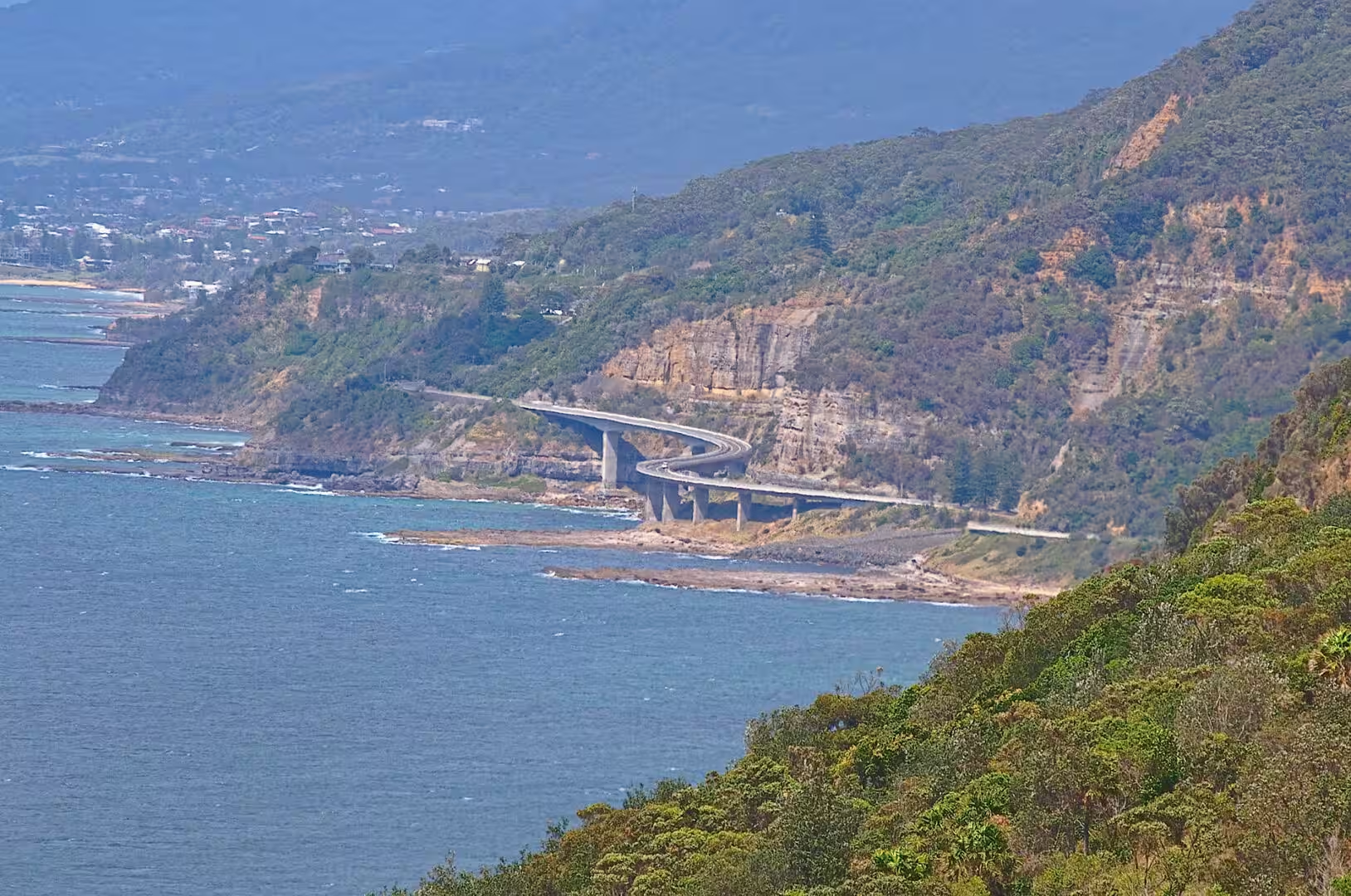
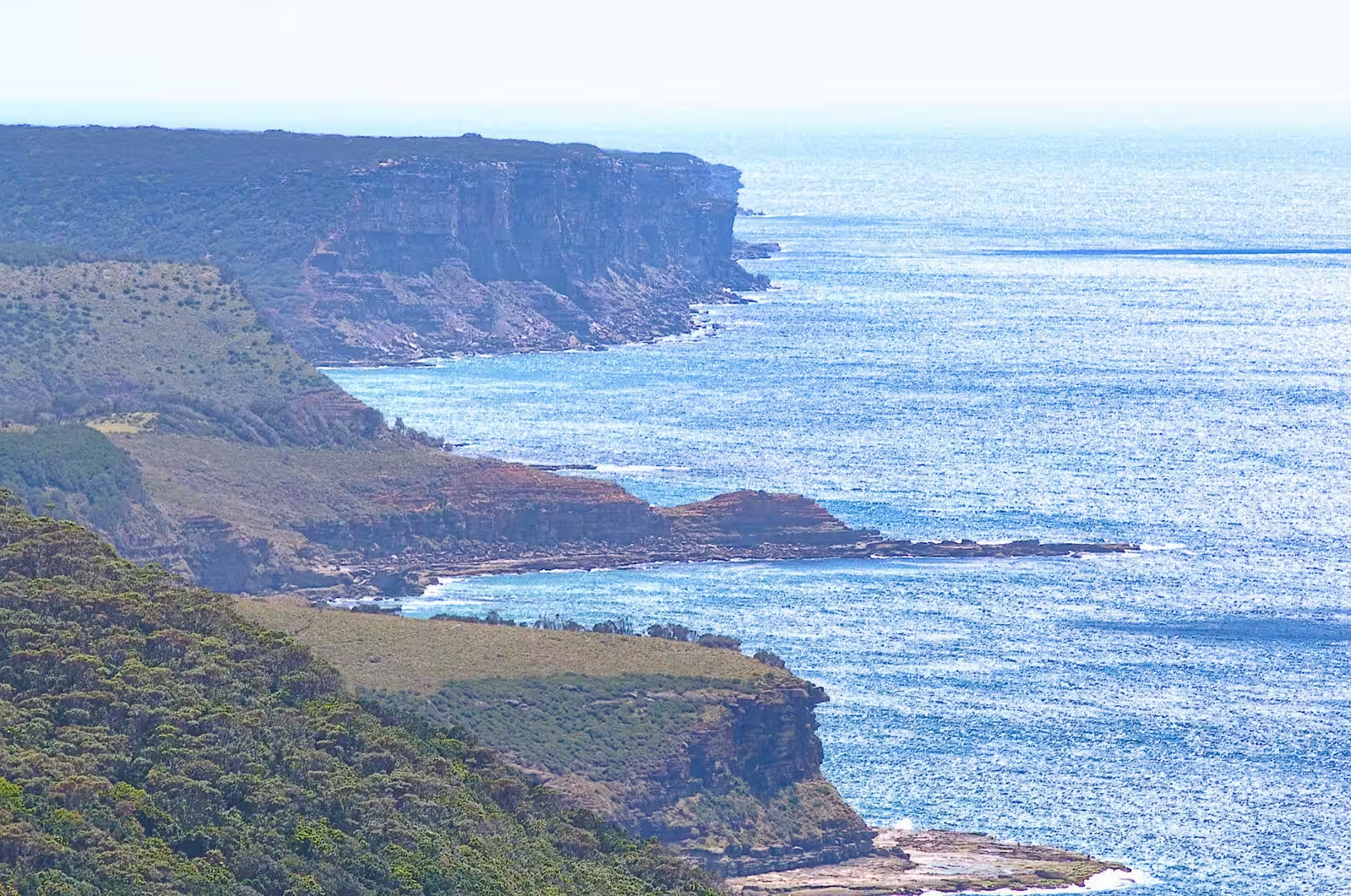
The next day went south, along the coast road that runs from the city to the Illawarra. The route leaves the suburbs at the Royal National Park and then follows the escarpment on a road that is one of the great coastal drives of the country: cliffs on one side, the ocean on the other, and the Sea Cliff Bridge carrying the road out over the water where the cliff face falls directly into the sea.
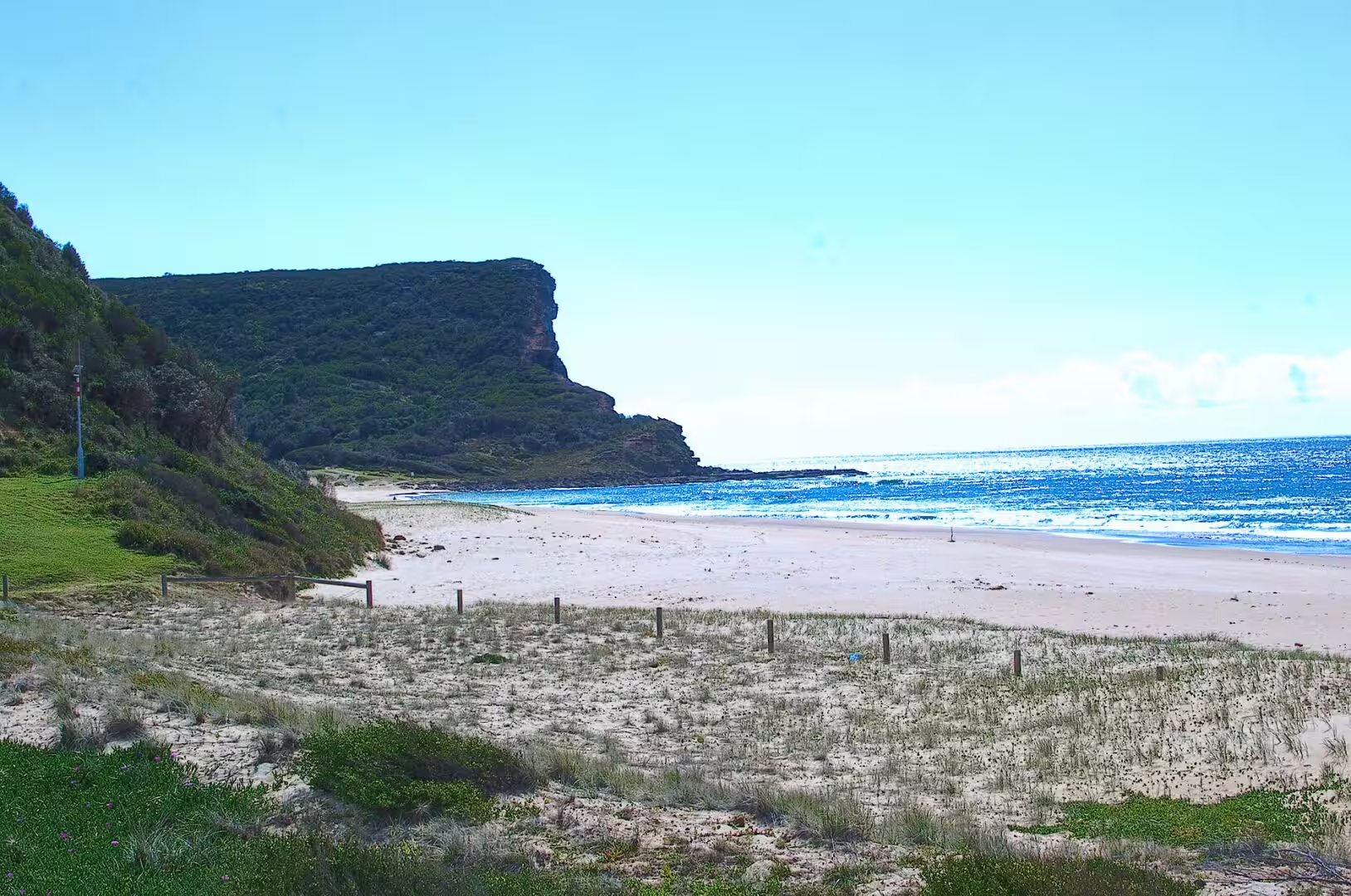
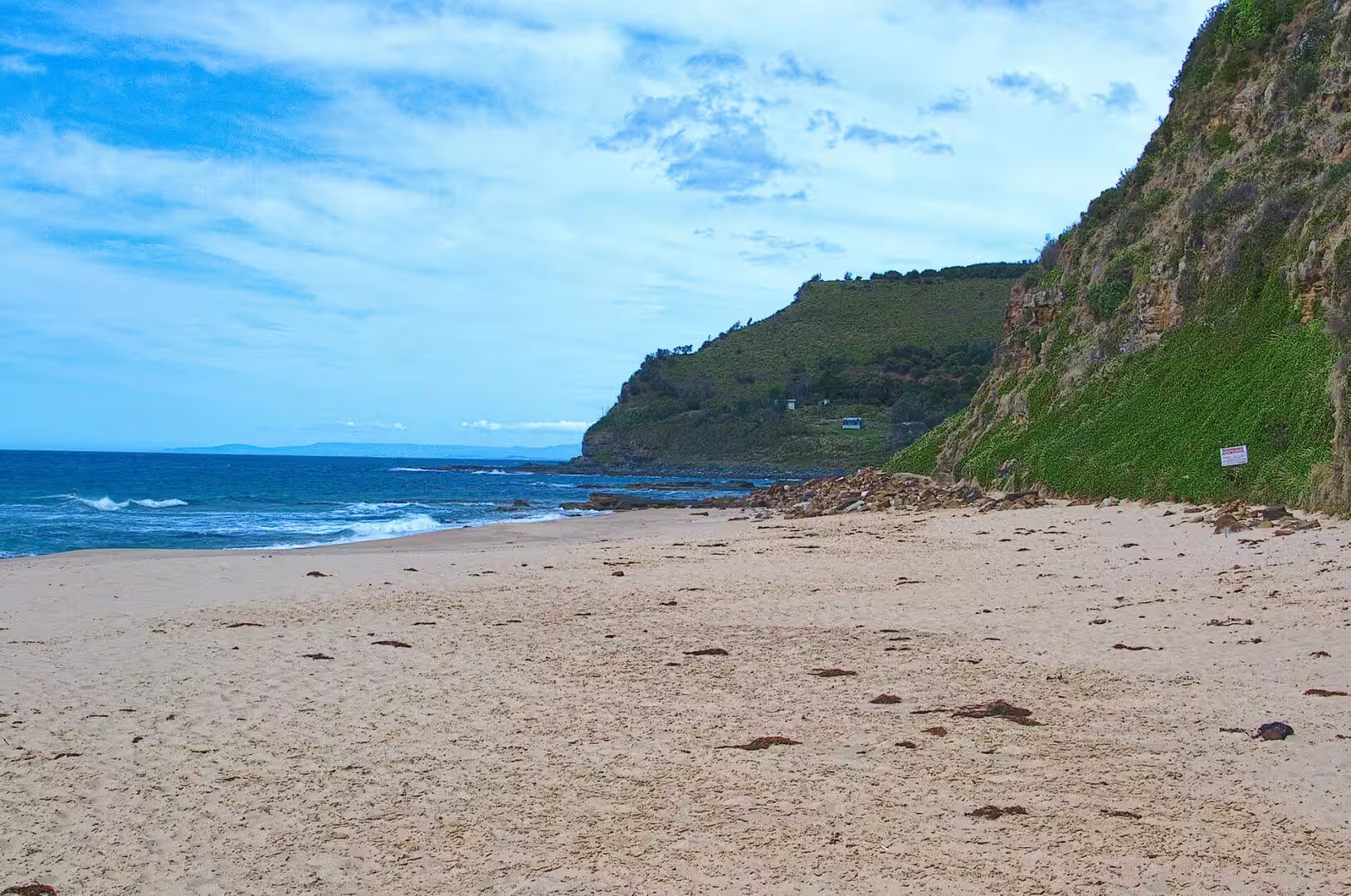
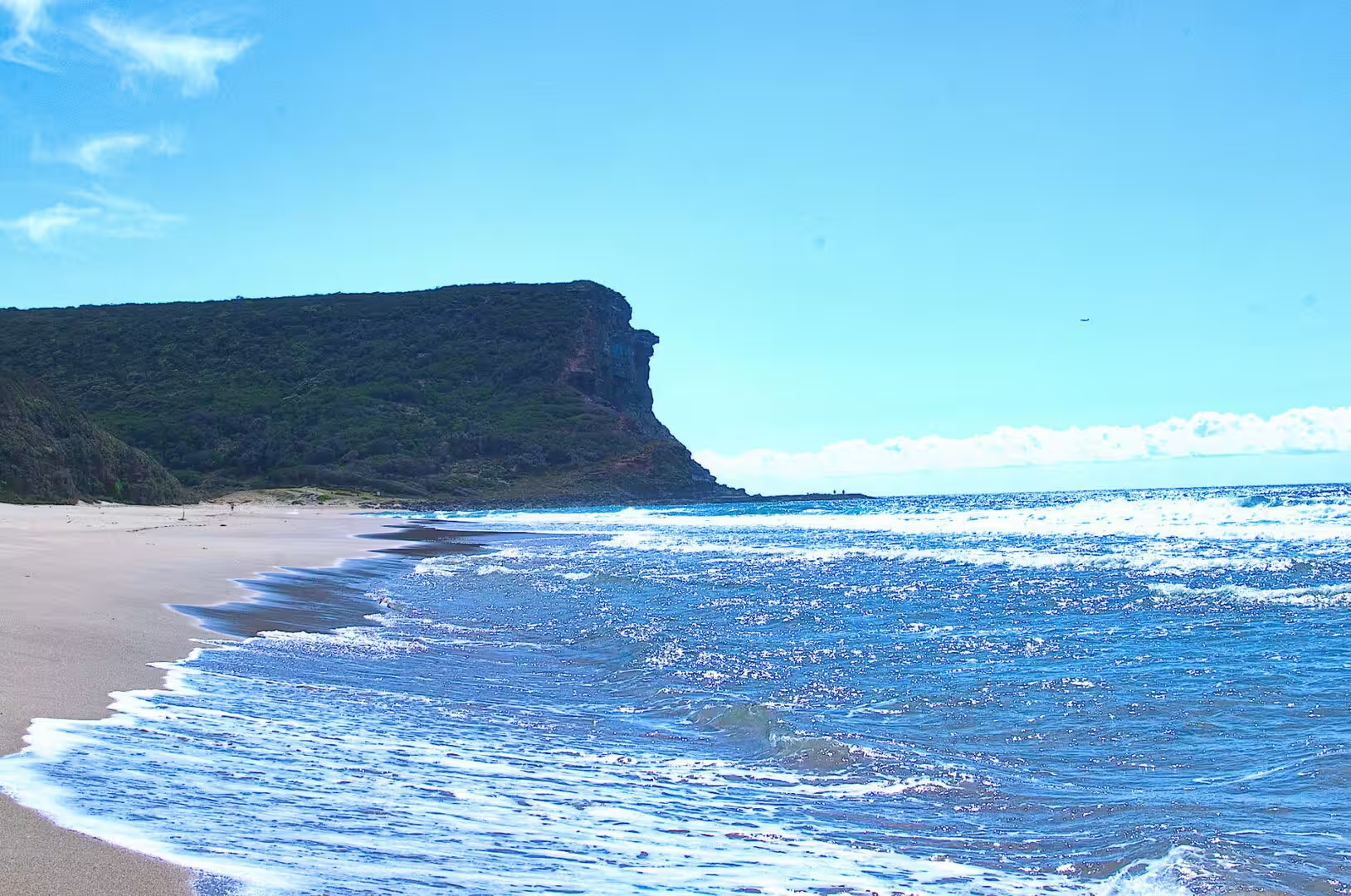
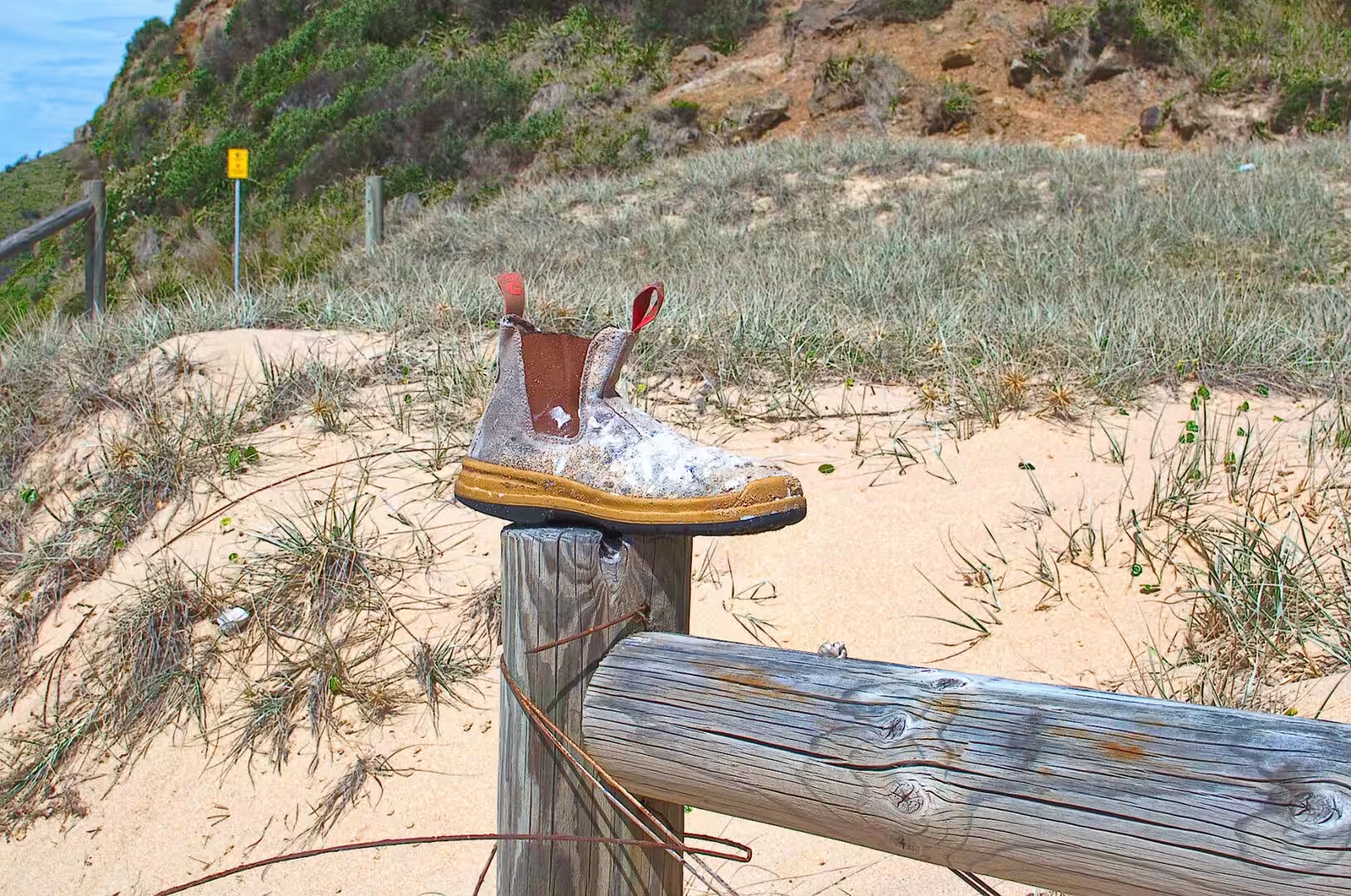
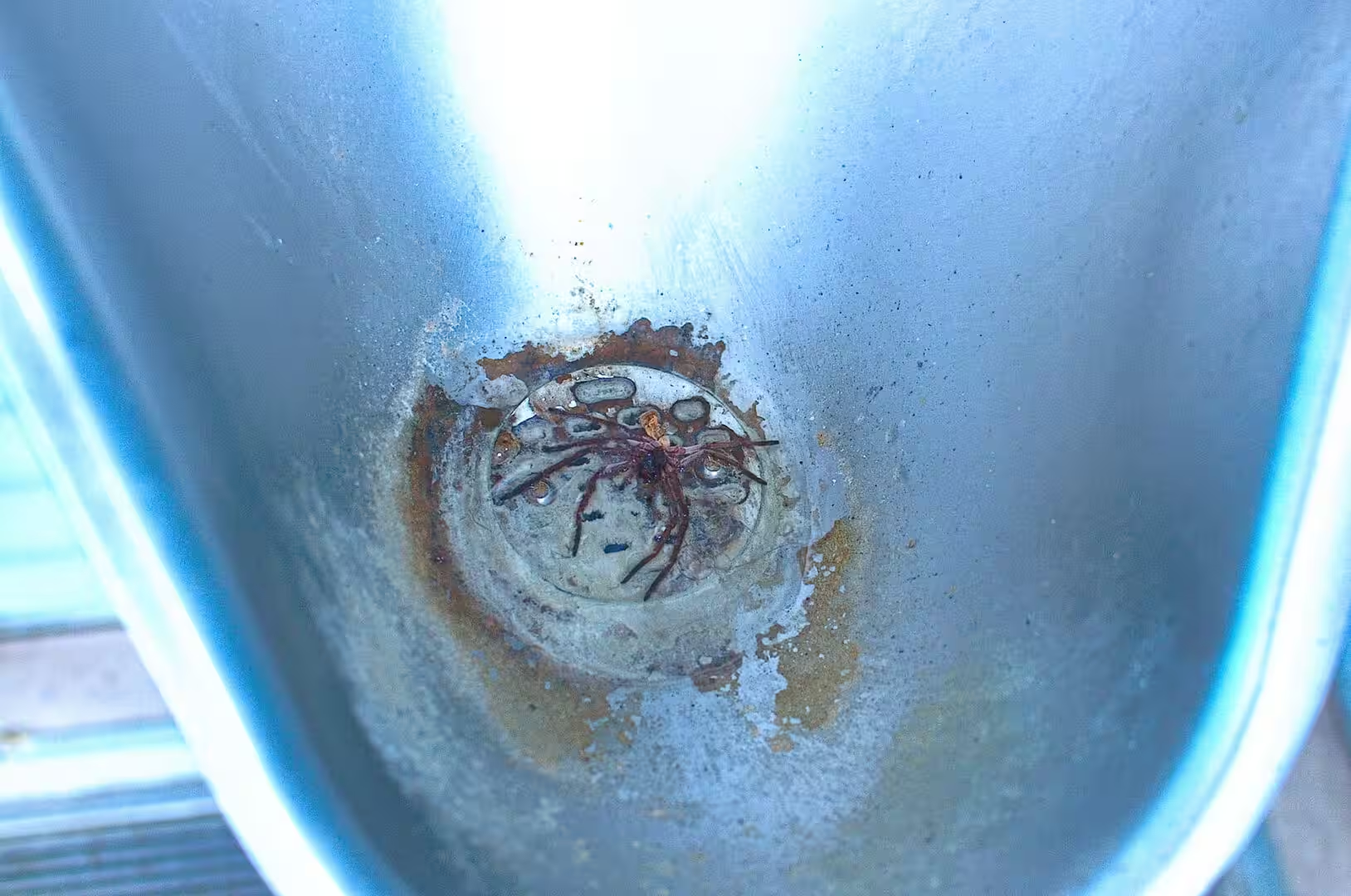
The beaches along the way are wide, empty and covered in kelp in the tide line. Long vanished beach towns appear at the foot of the escarpment, with boatsheds on the sand and small boats pulled up beside them, and the coastline between them is a series of coves, headlands and rock platforms. A pair of boots left on a fence post in the dunes, and a spider sitting in the hollow of an old wash basin, were the human traces of the day.
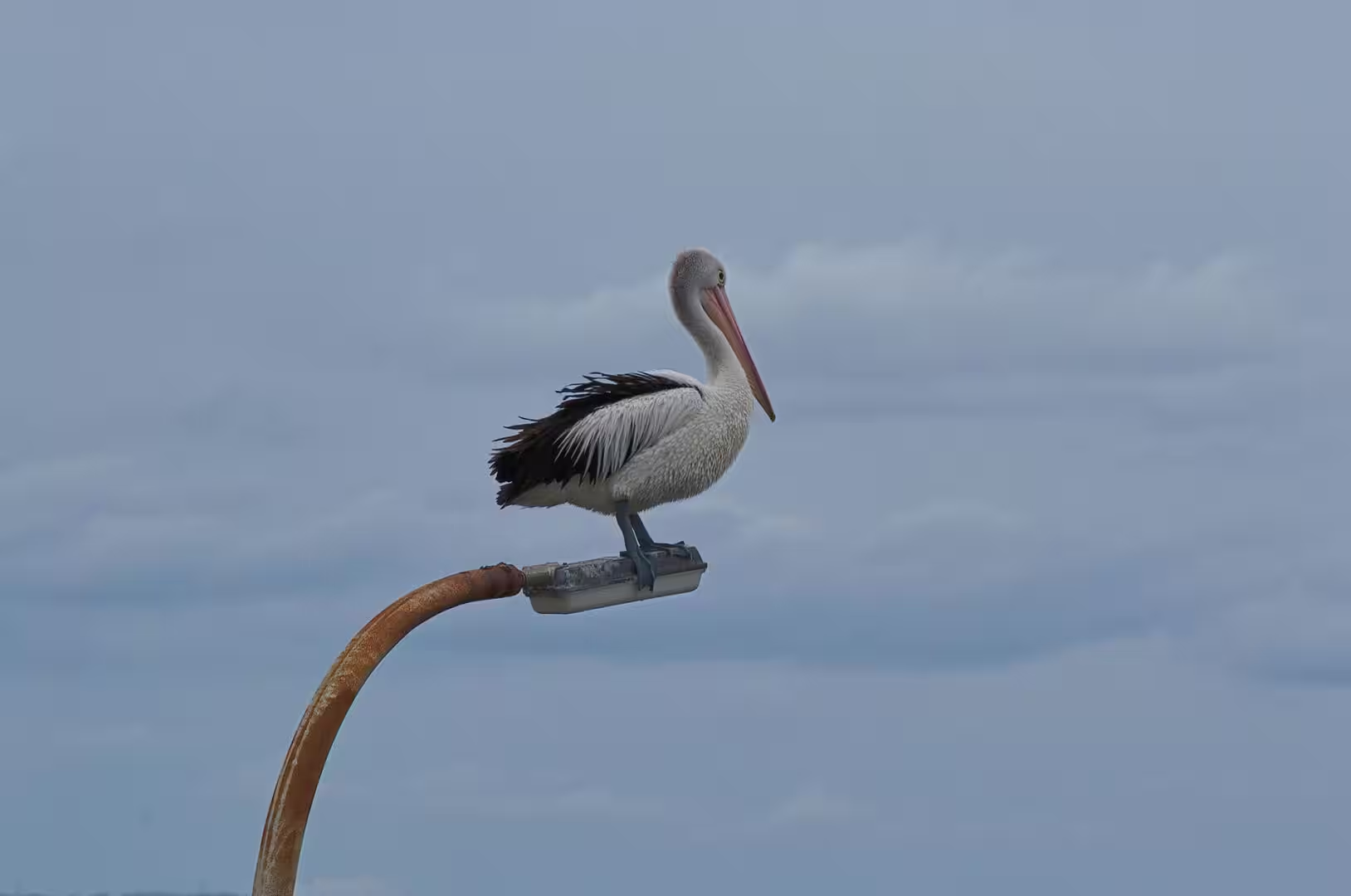
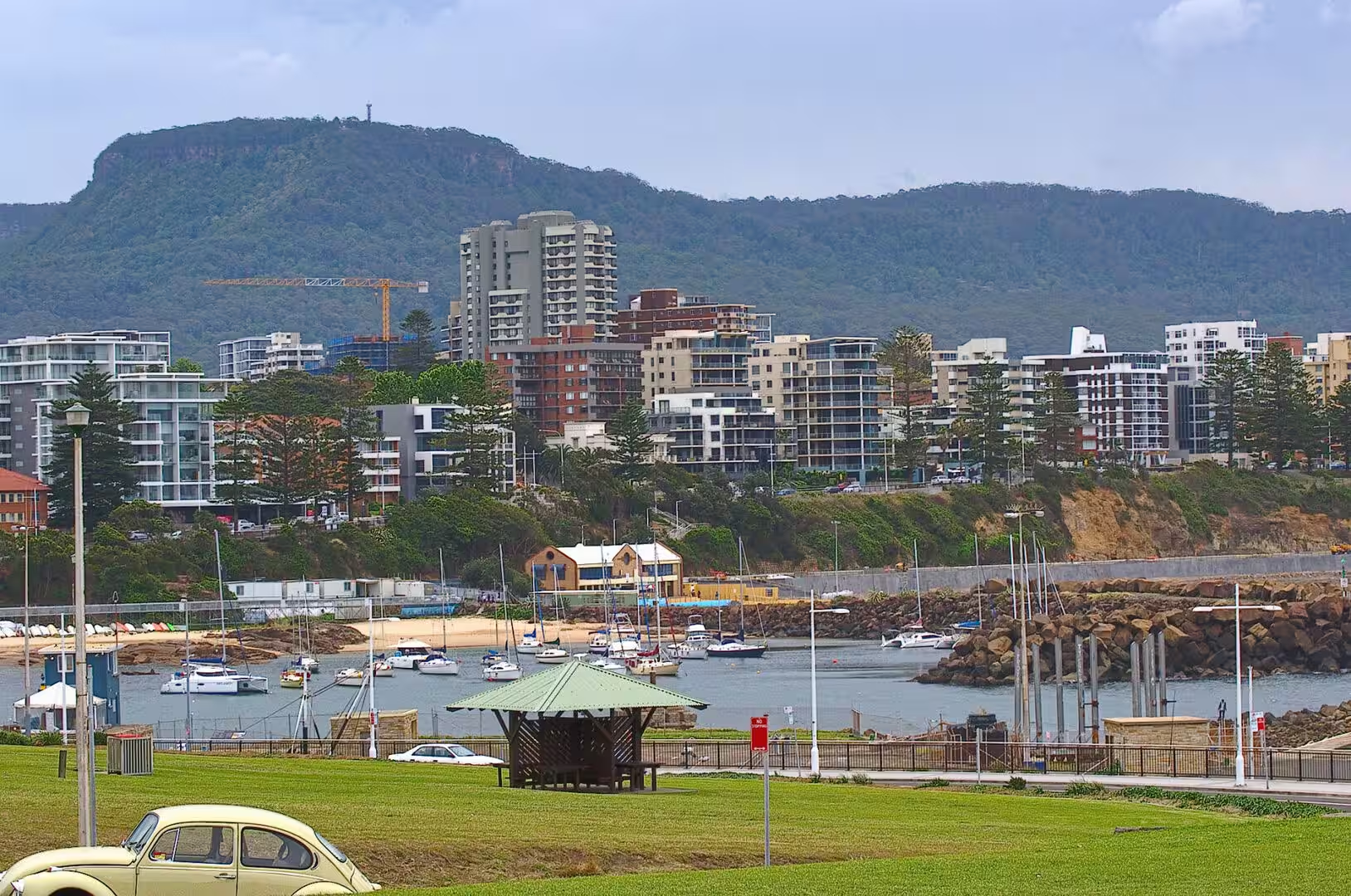
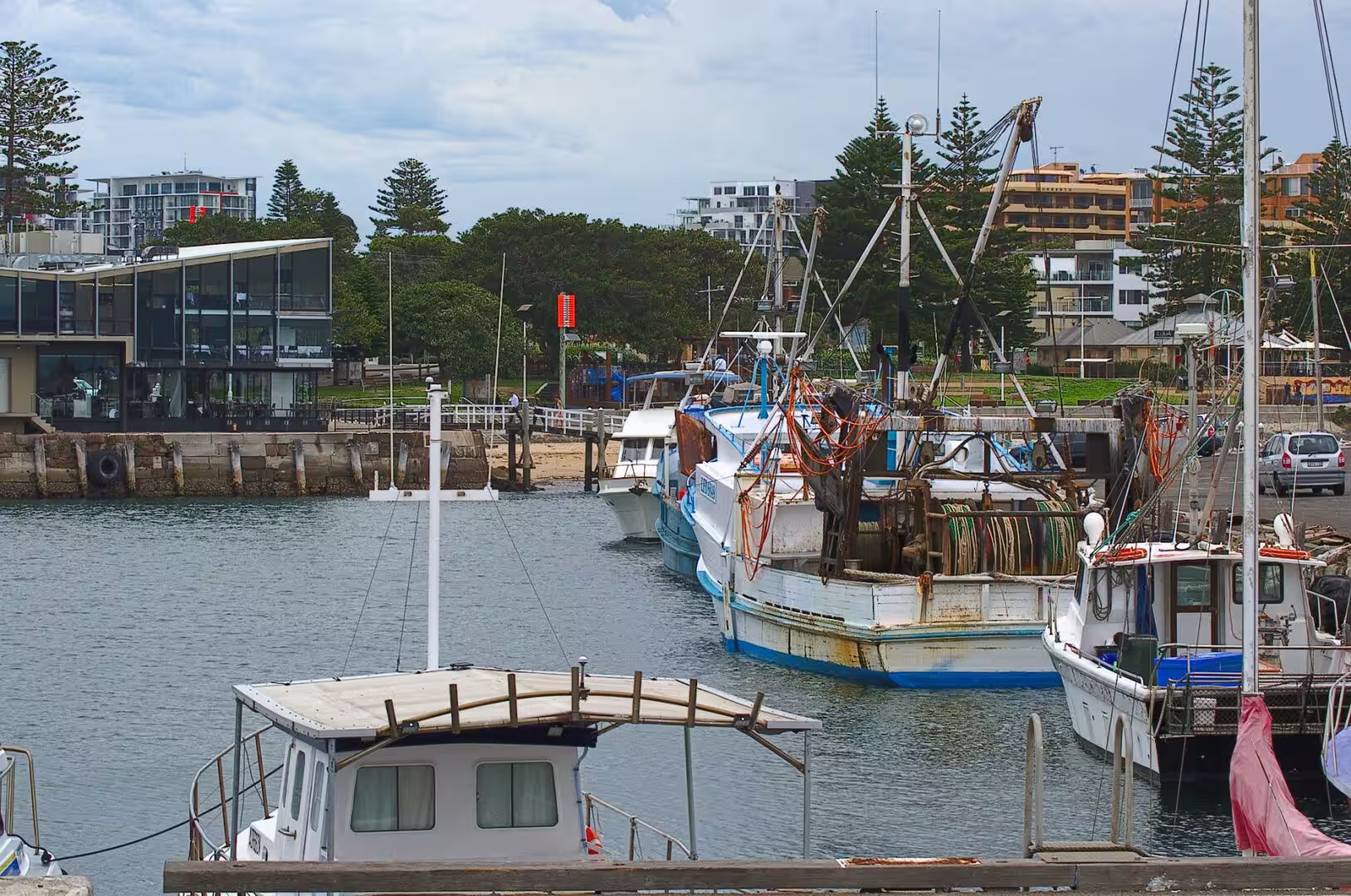
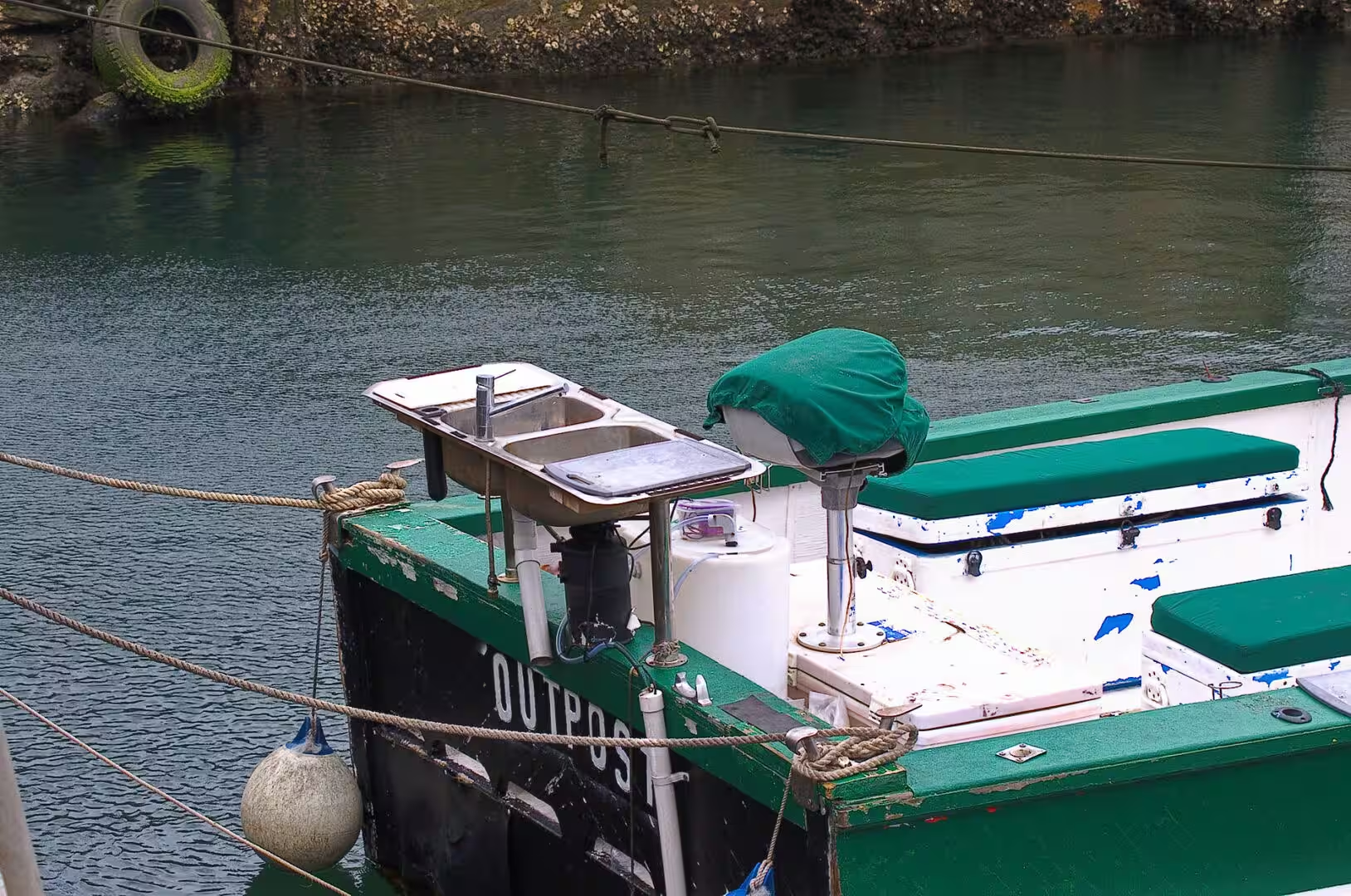
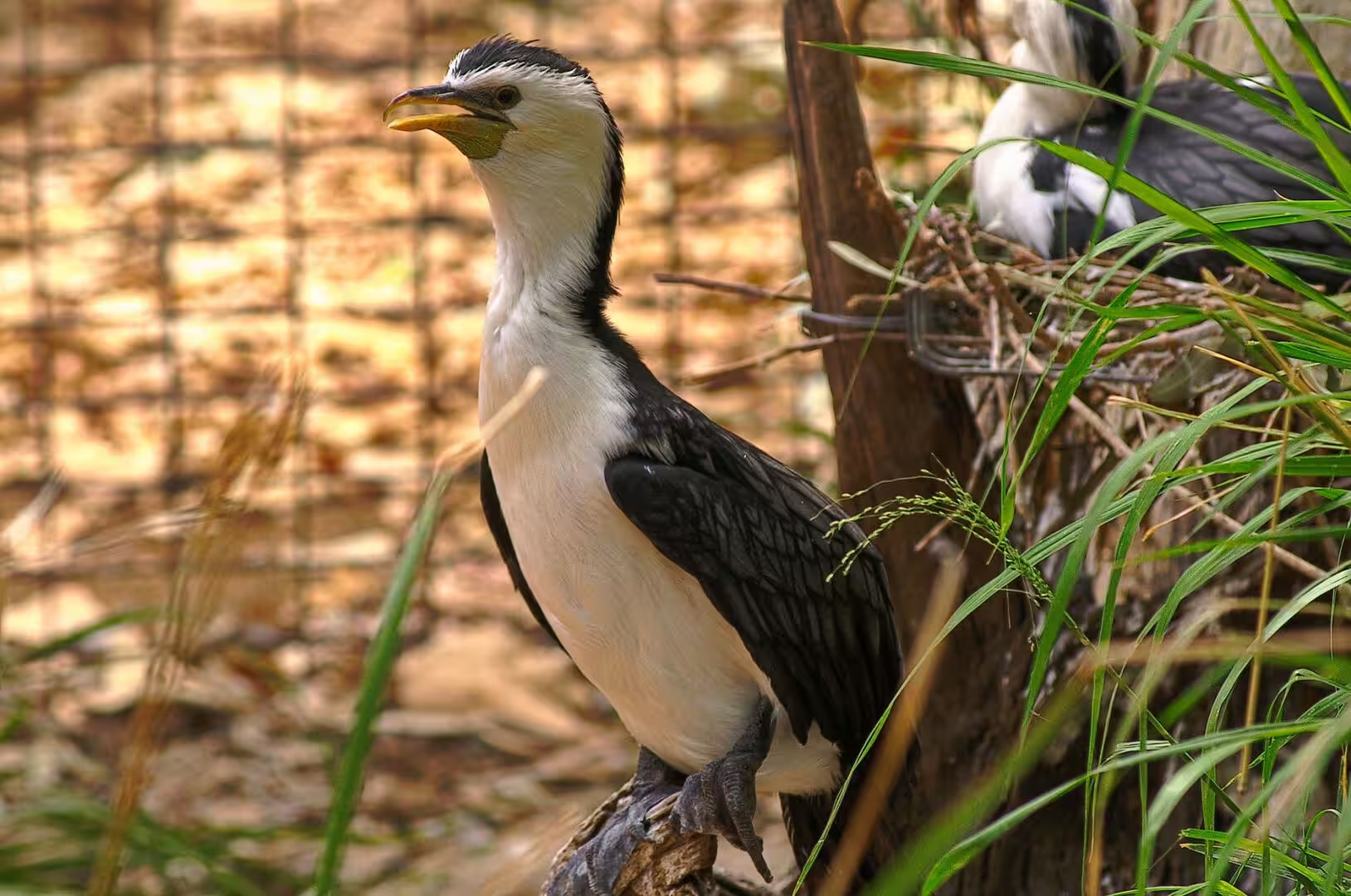
The afternoon brought the industrial coast. The road reaches the coal port with its smokestacks and its piles of black coal behind the beach, and past it the city of Wollongong, where trawlers tie up at wooden wharves, a lighthouse stands on a grassy headland above moored yachts, and a surf beach runs between Norfolk pines and a rocky reef. A pelican balancing on a lamp post and two cormorants on the arm of another were the local residents.
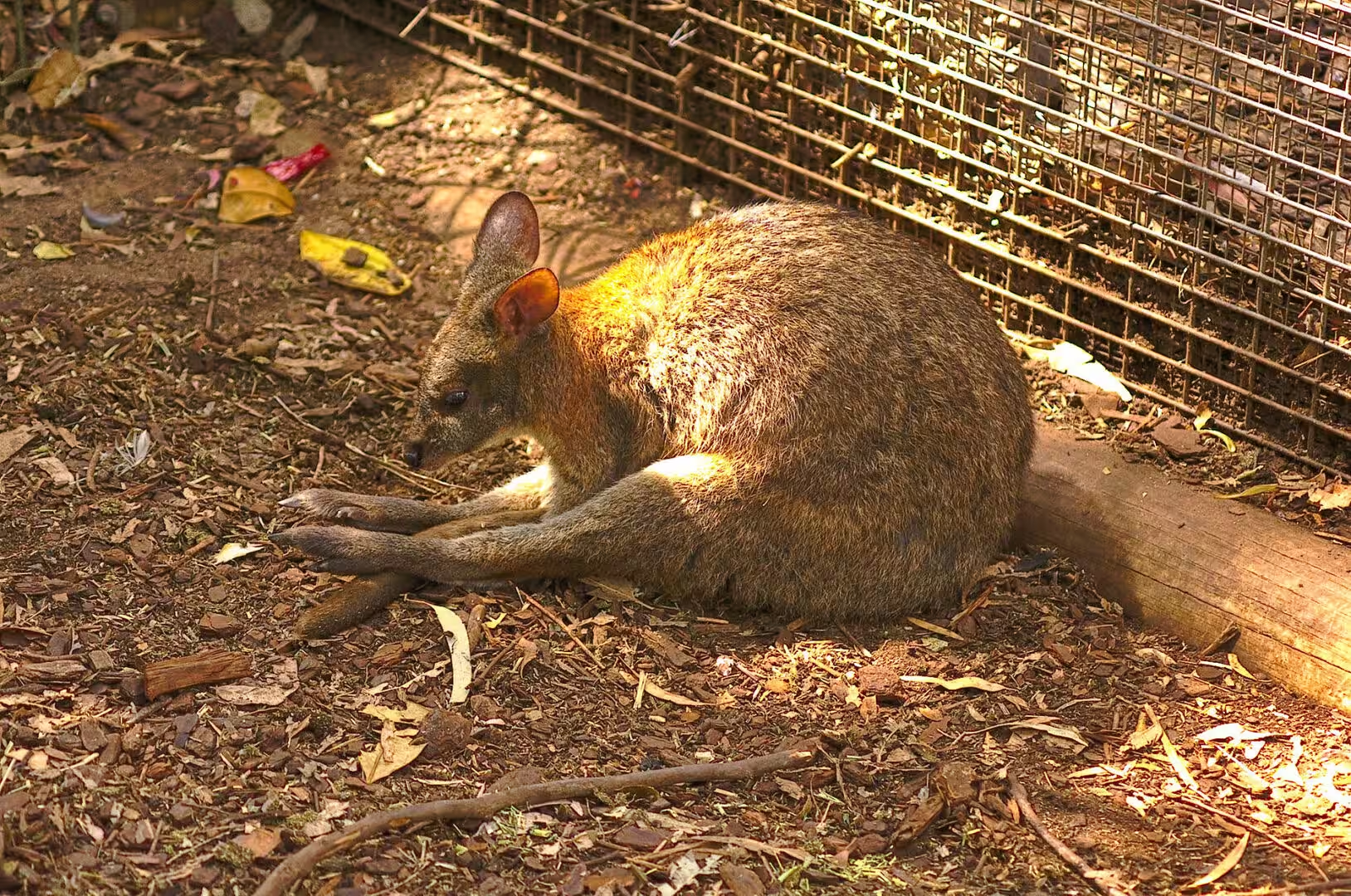
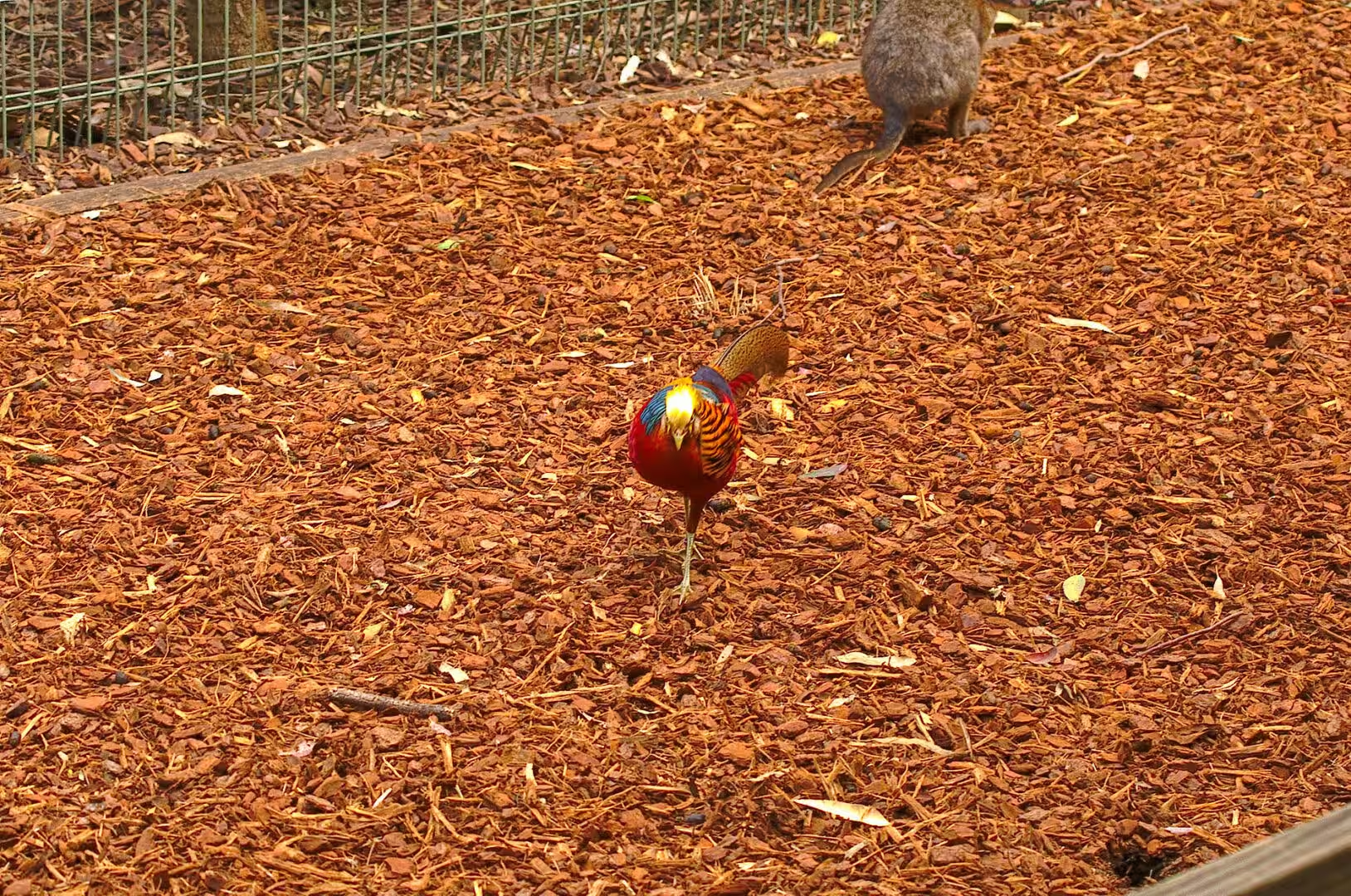
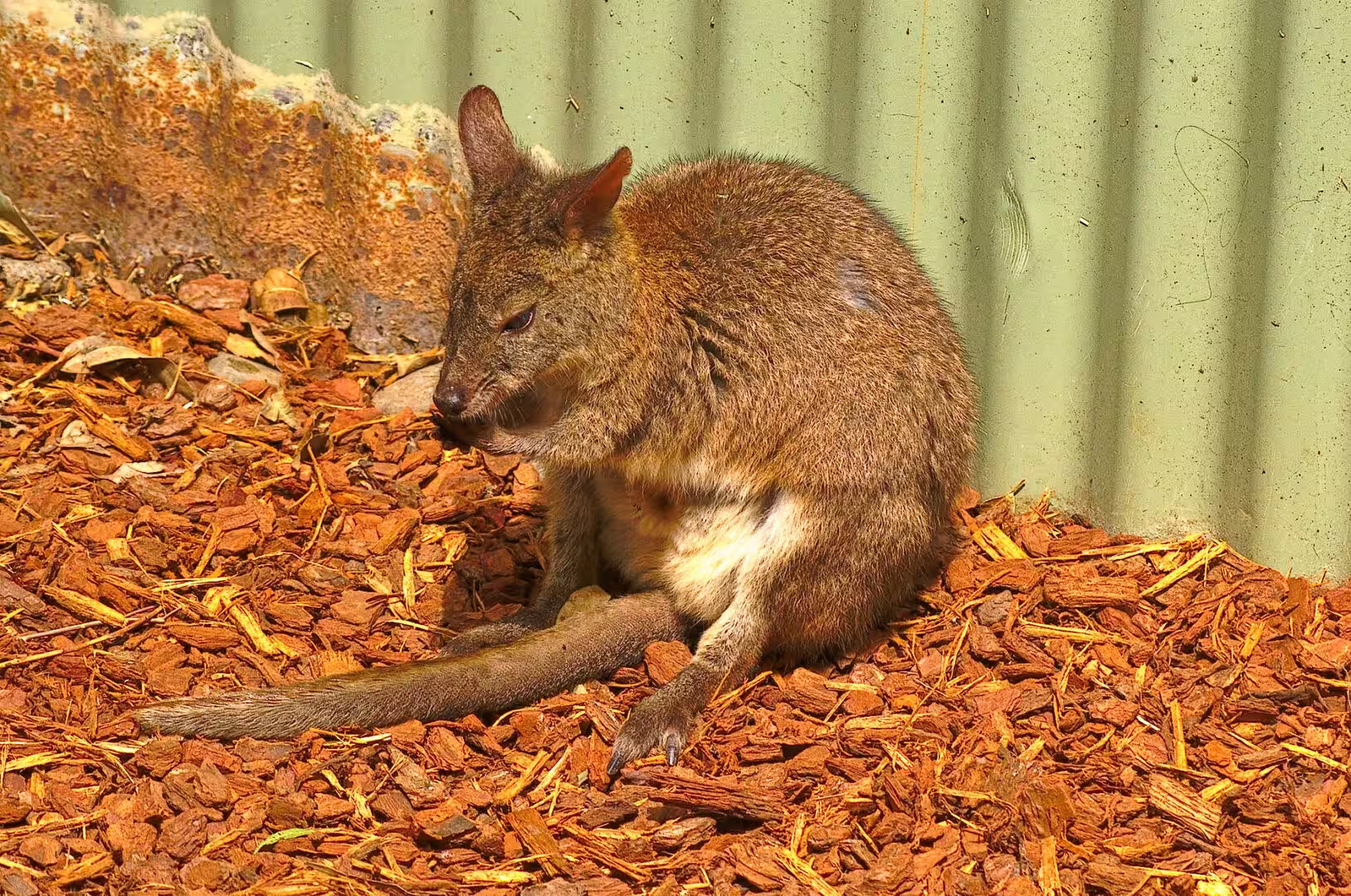
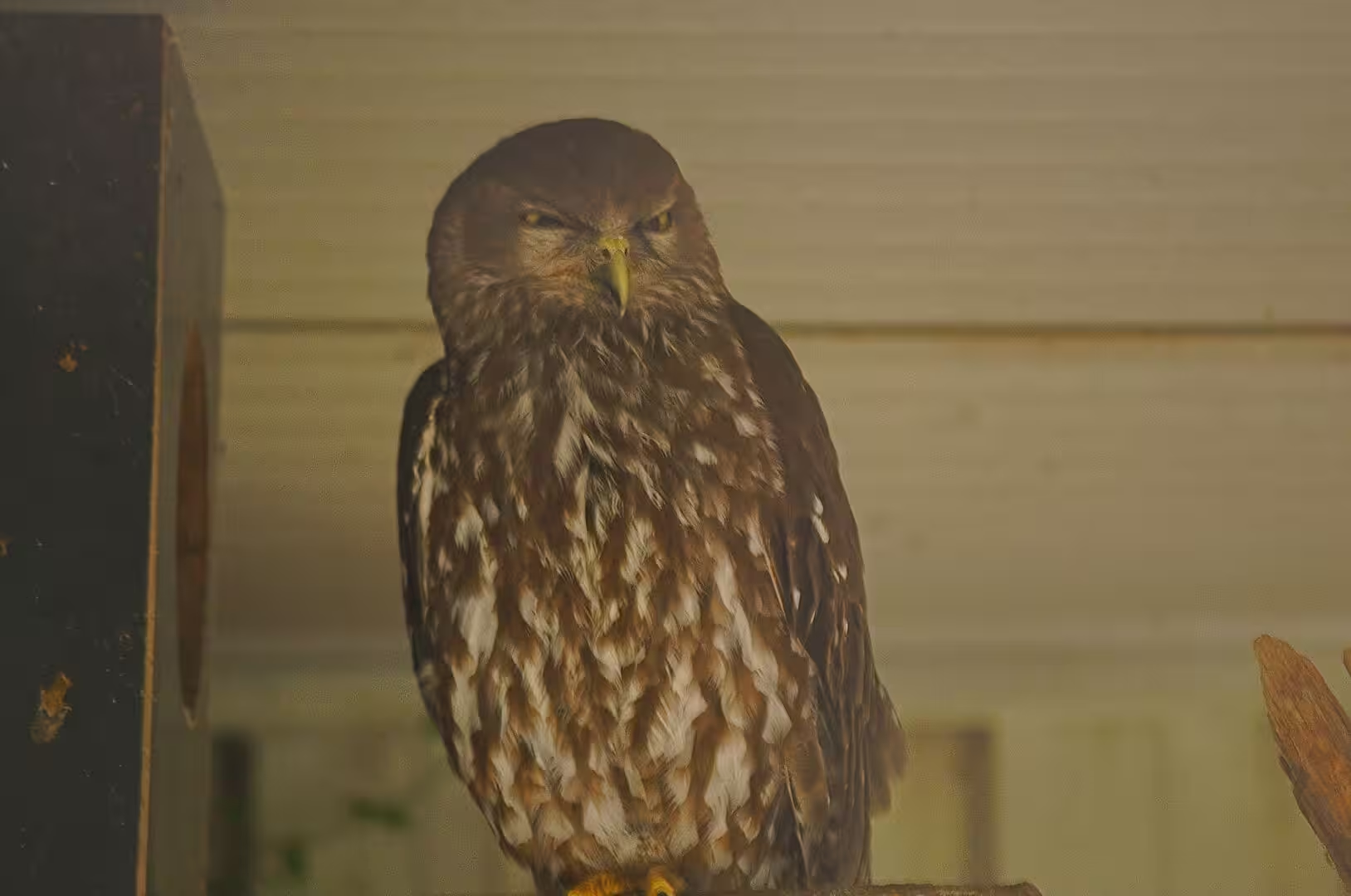
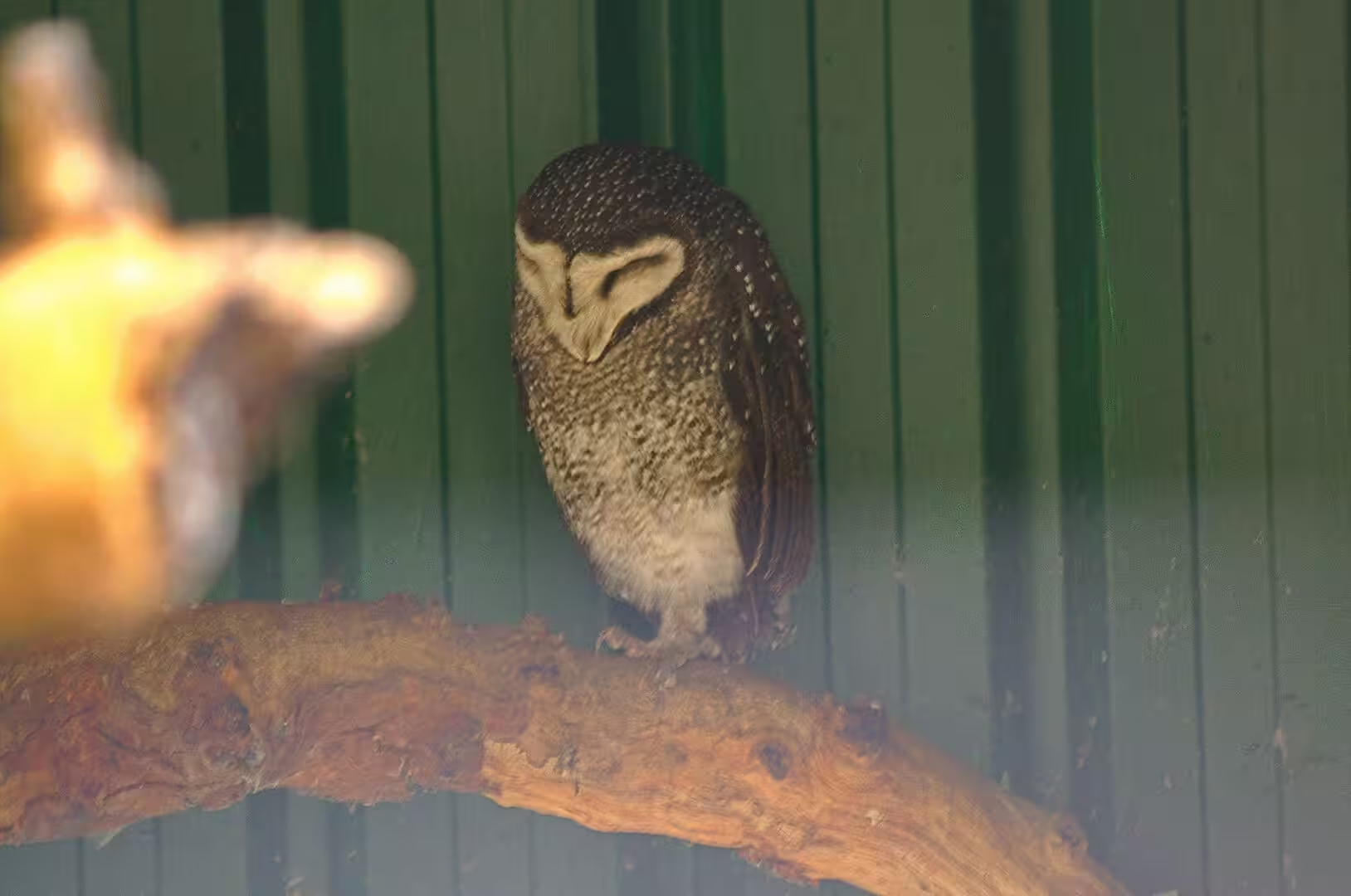
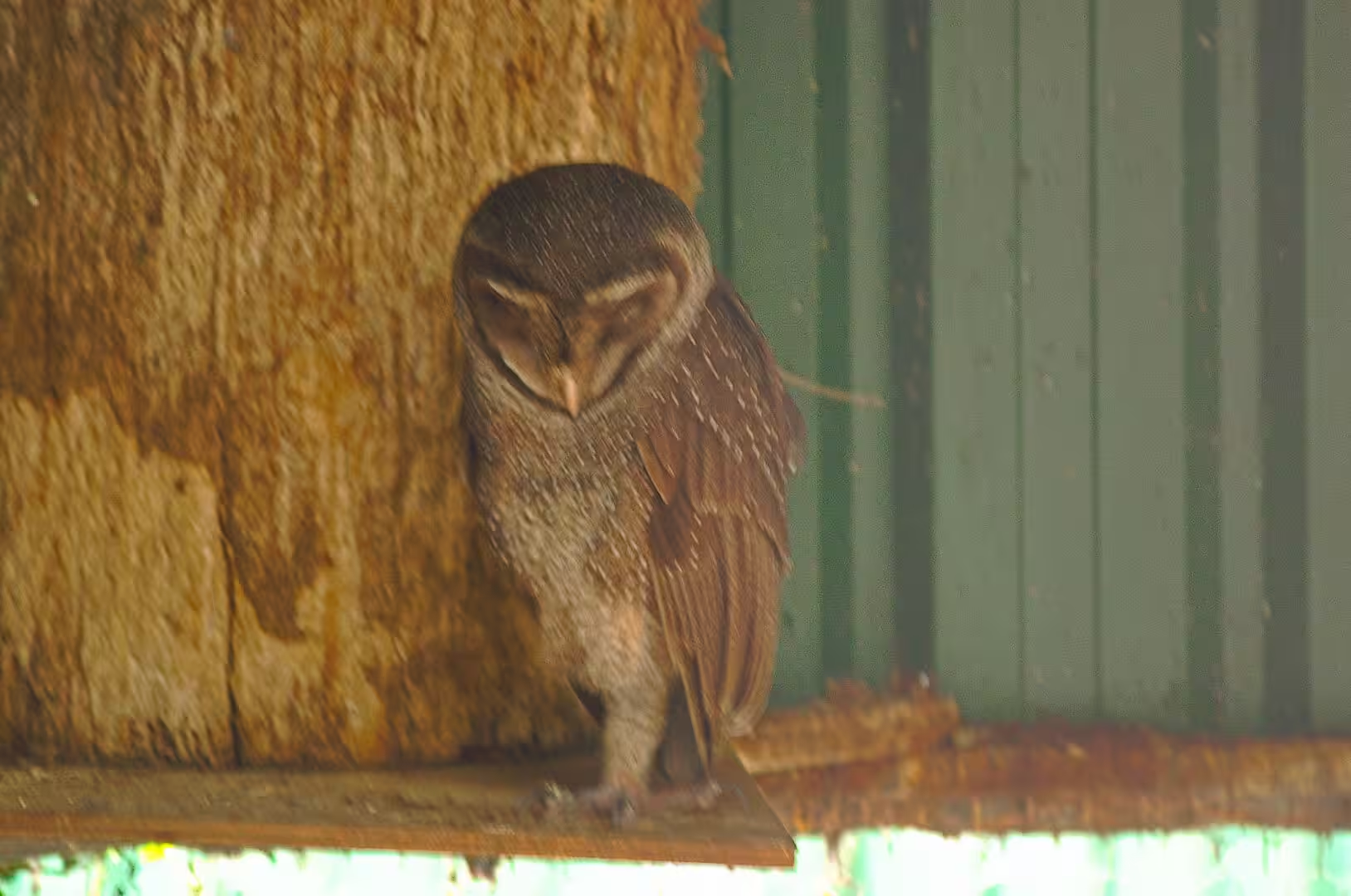
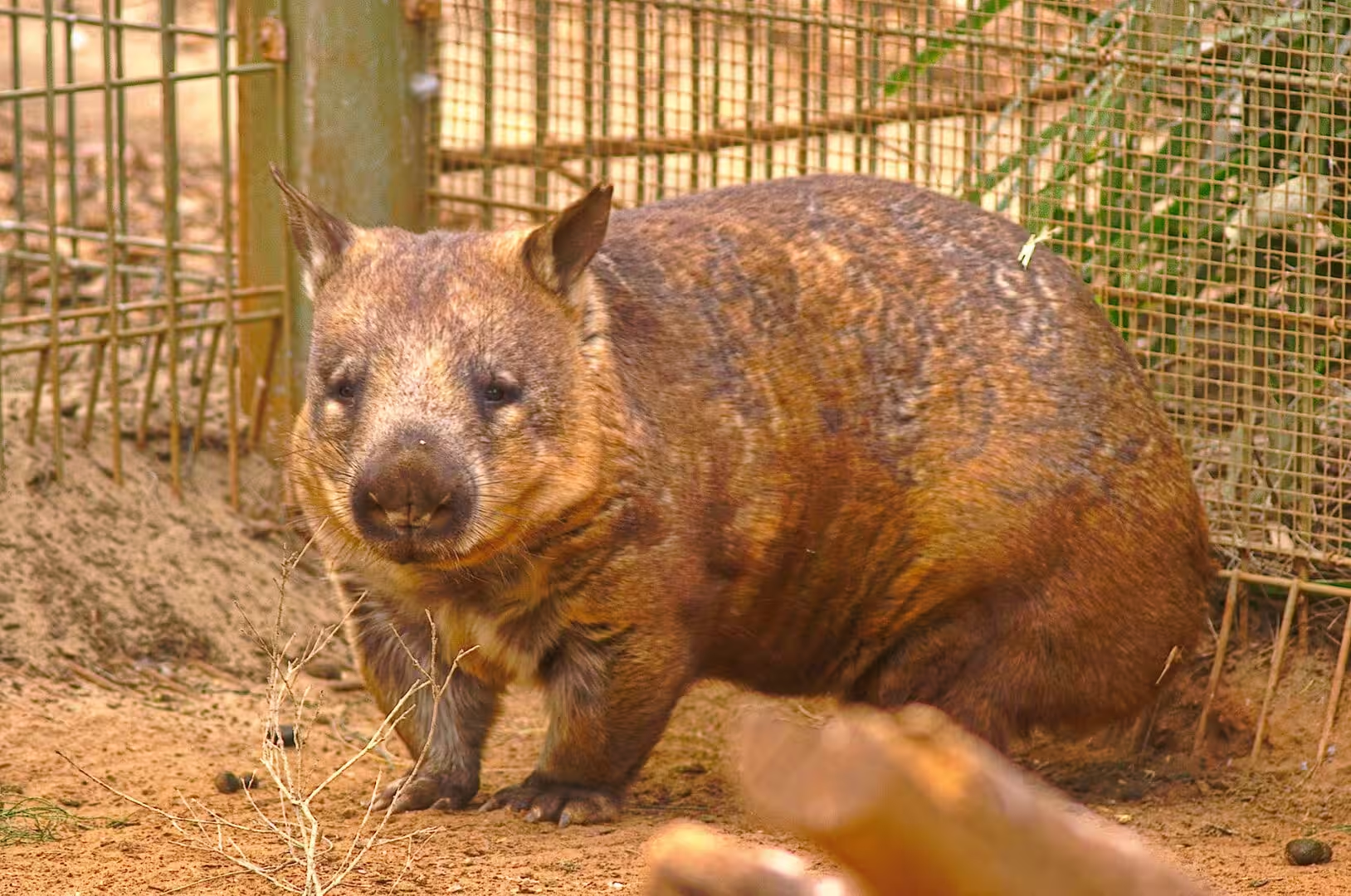
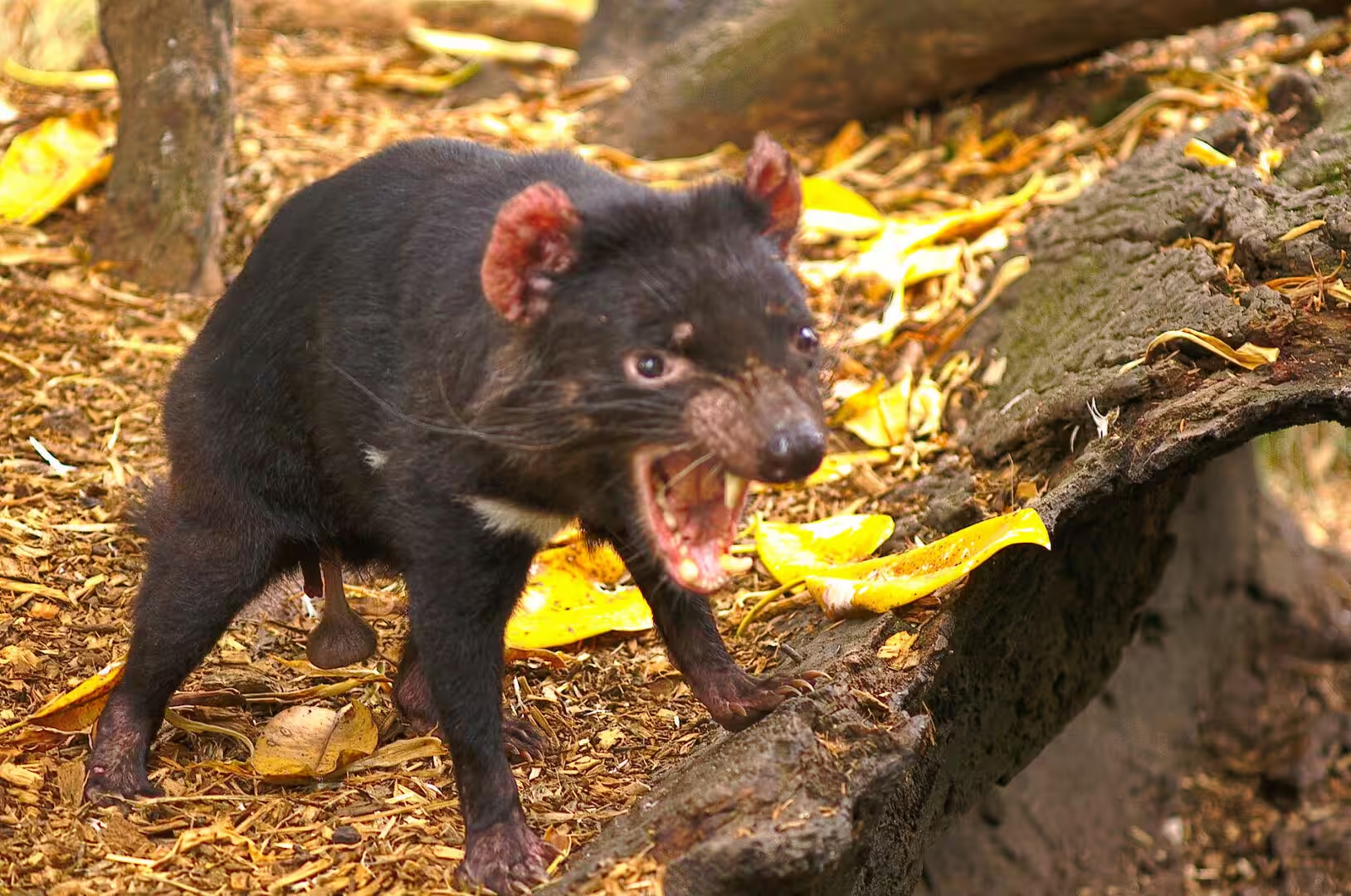
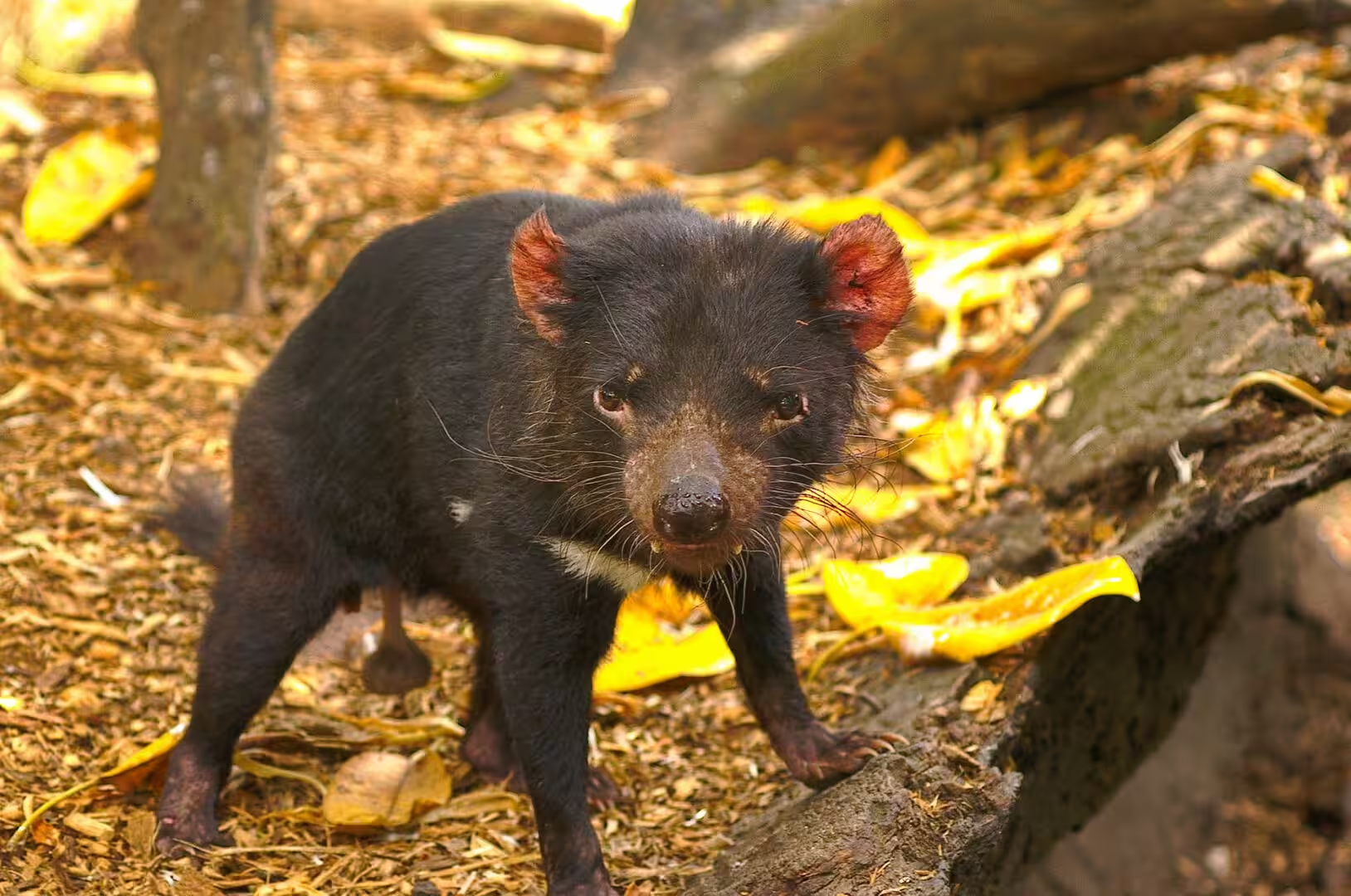
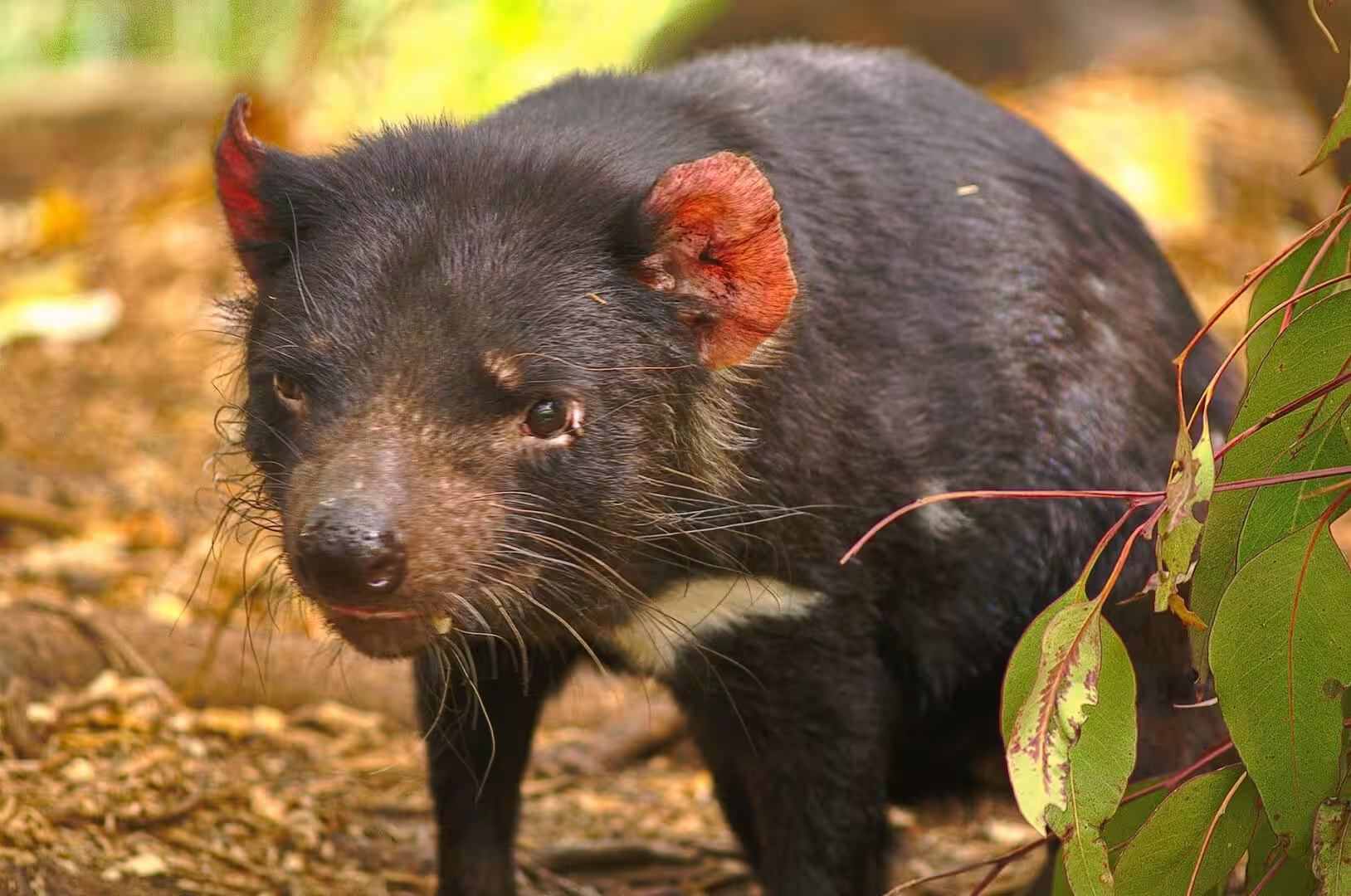
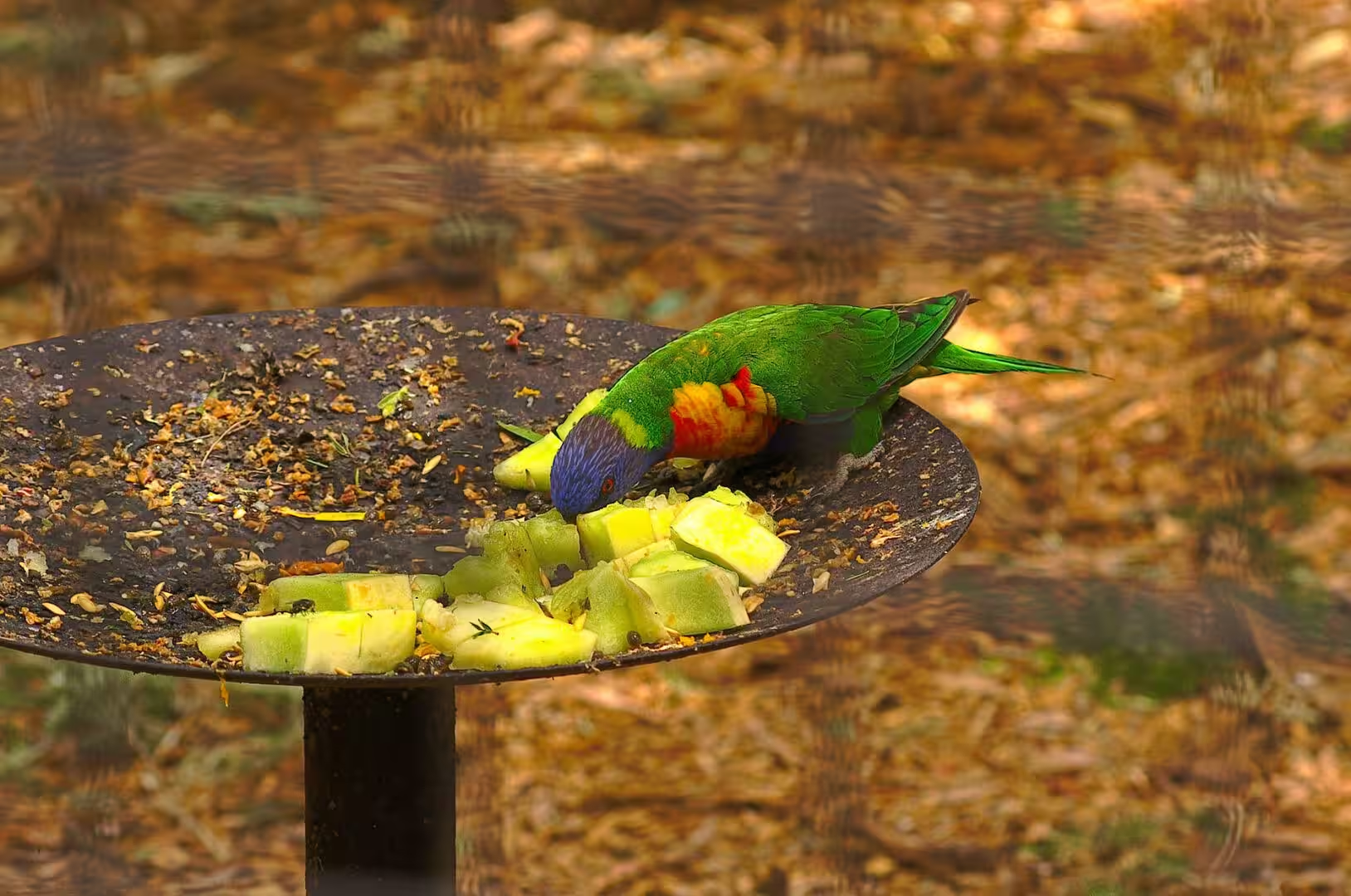
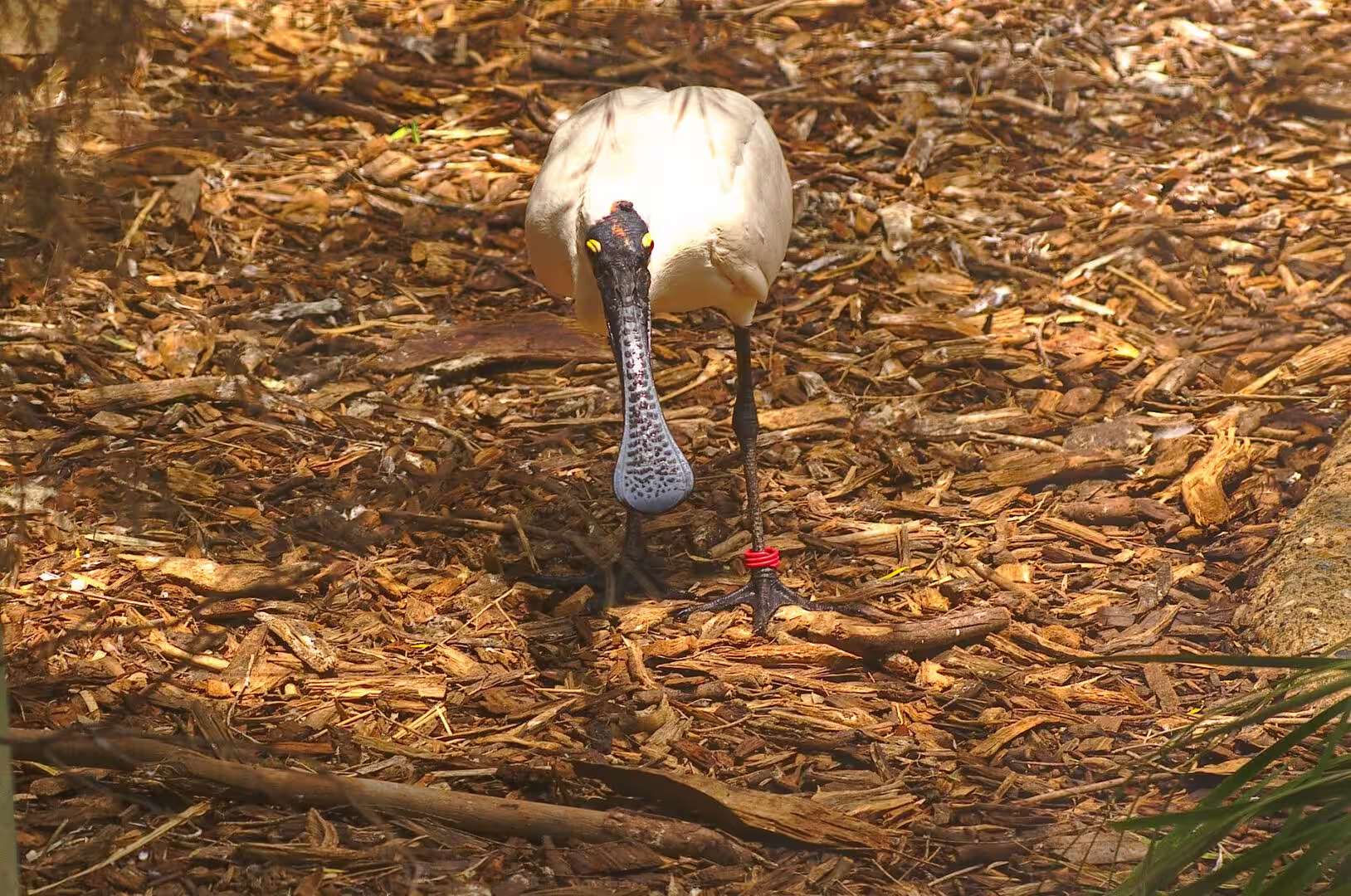
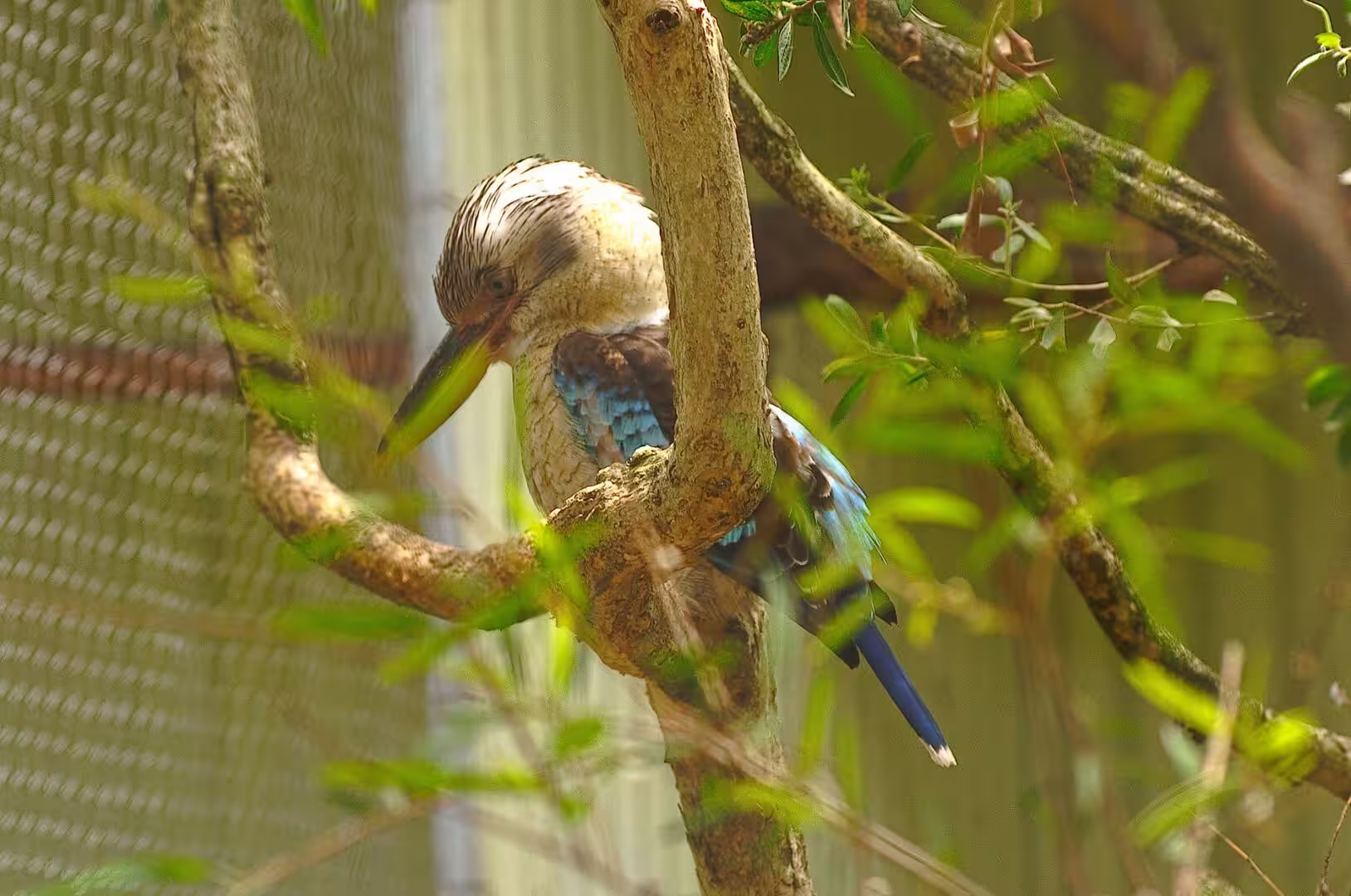
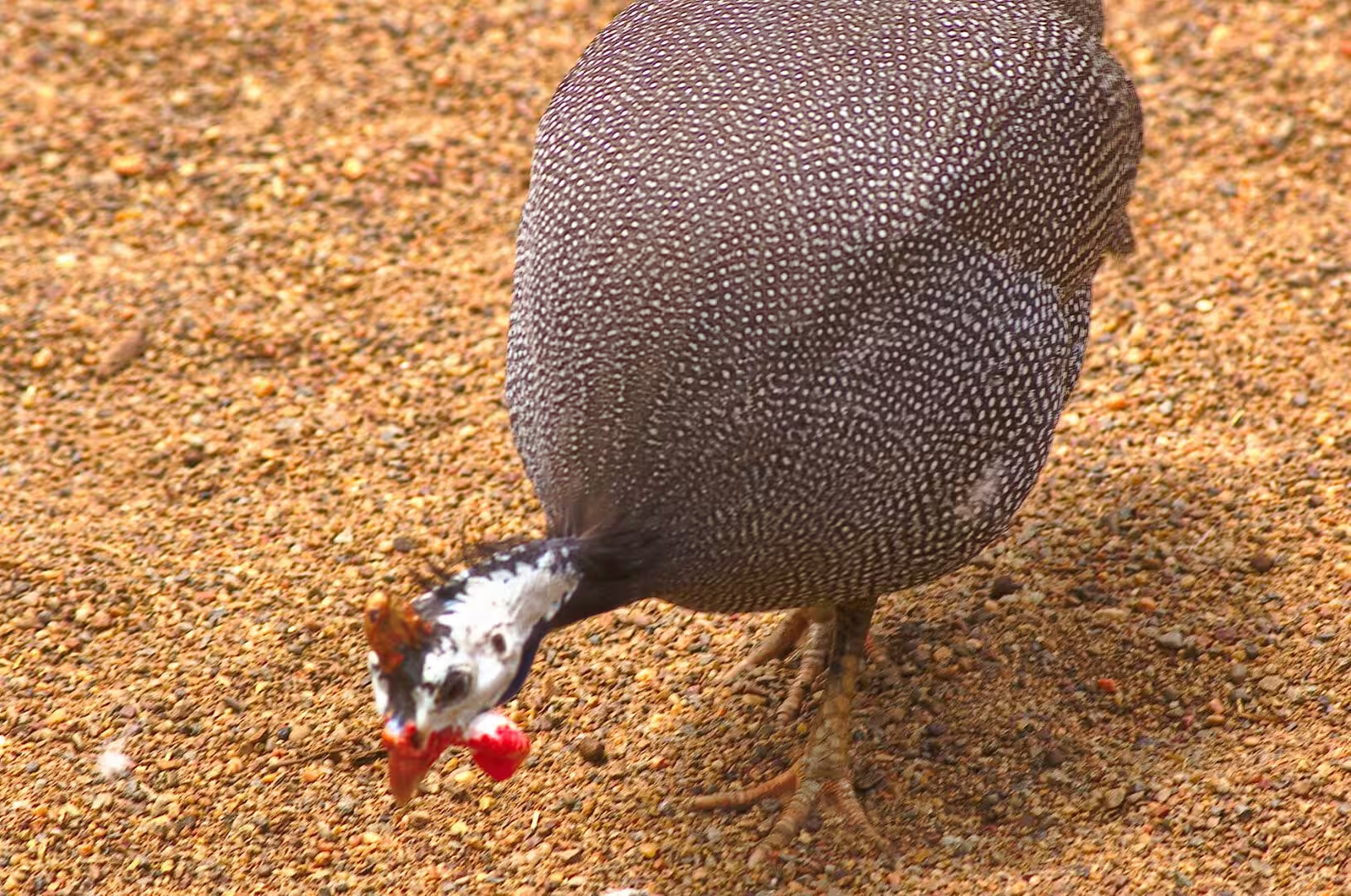
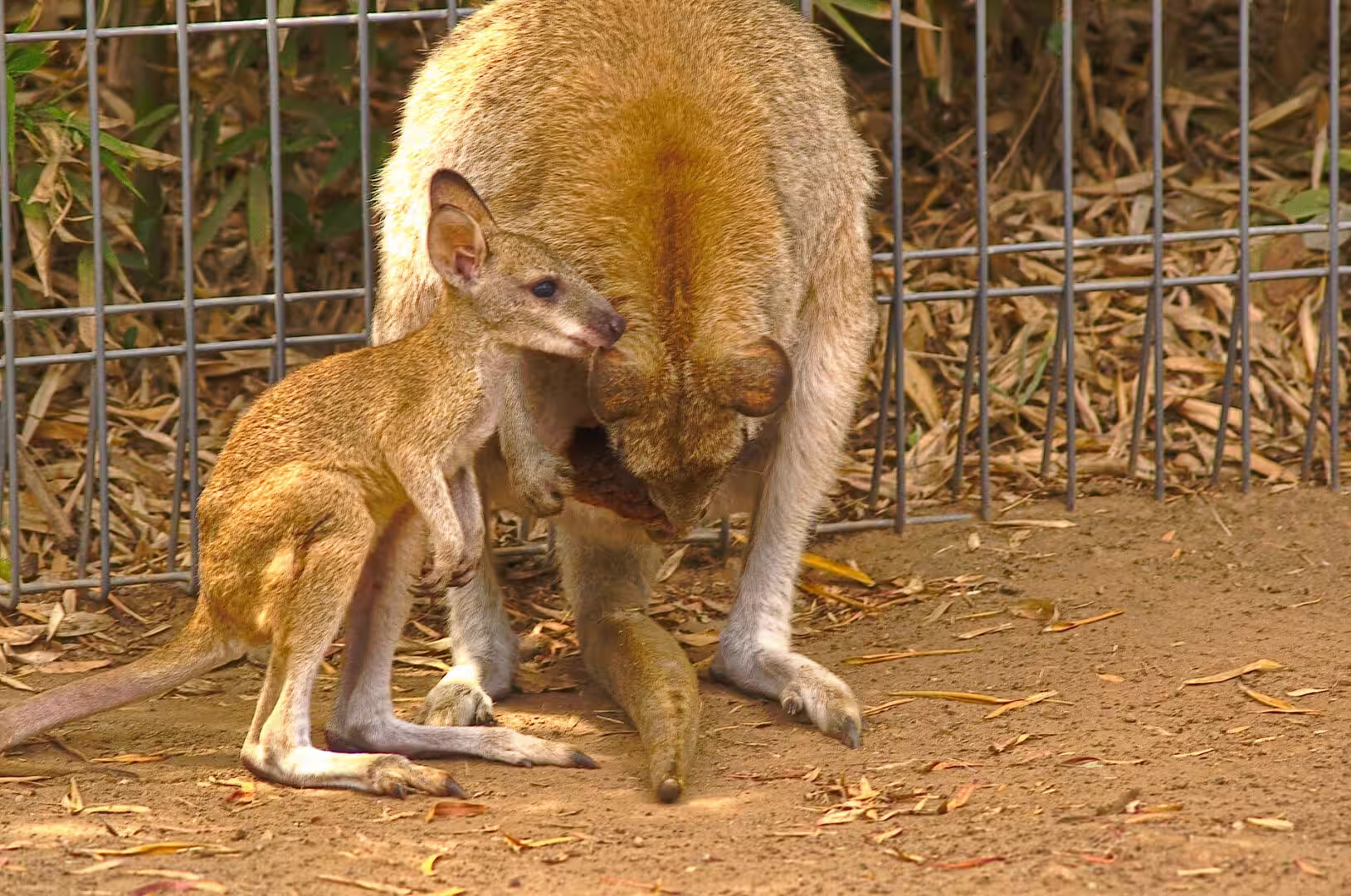
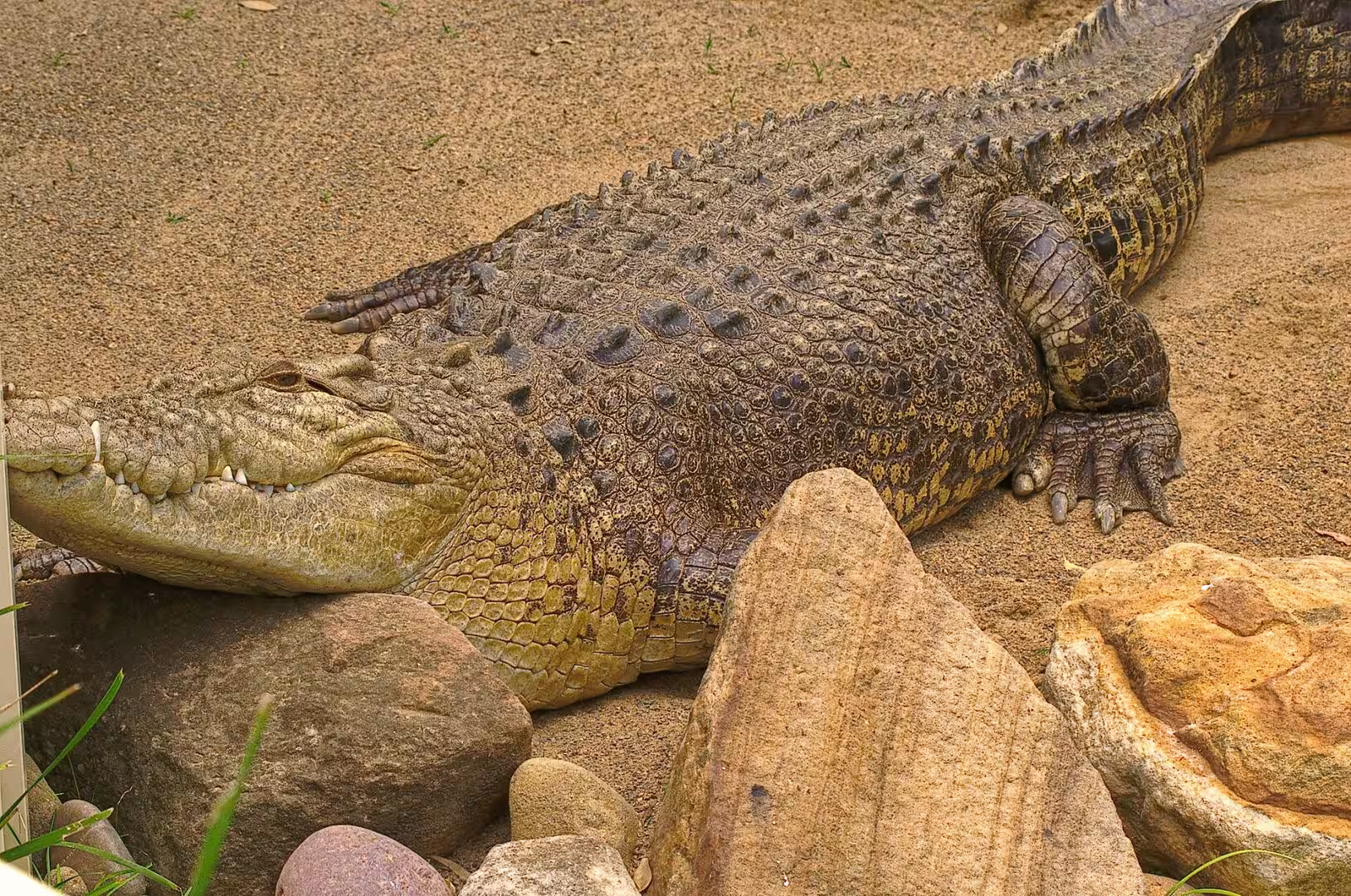
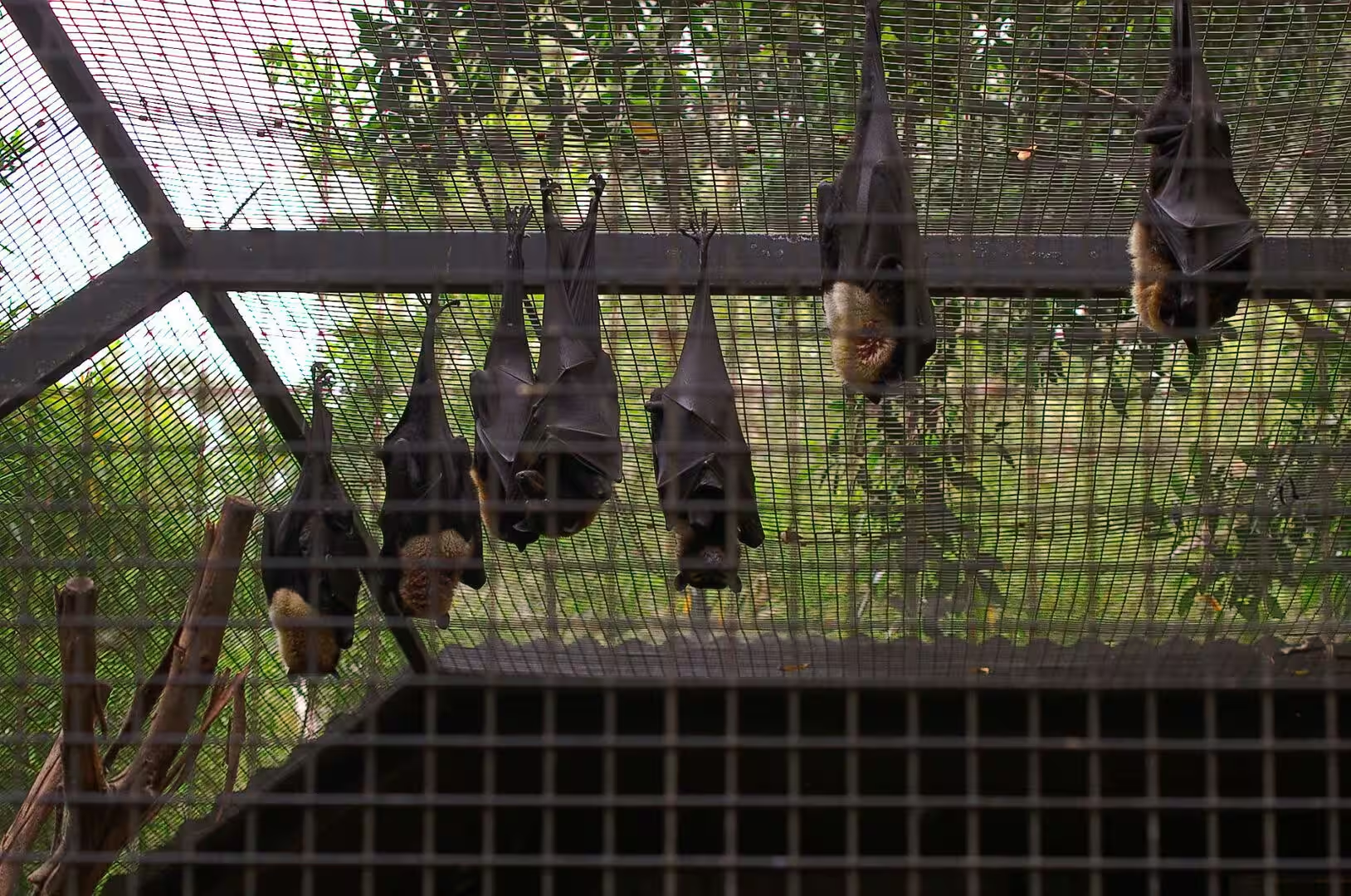
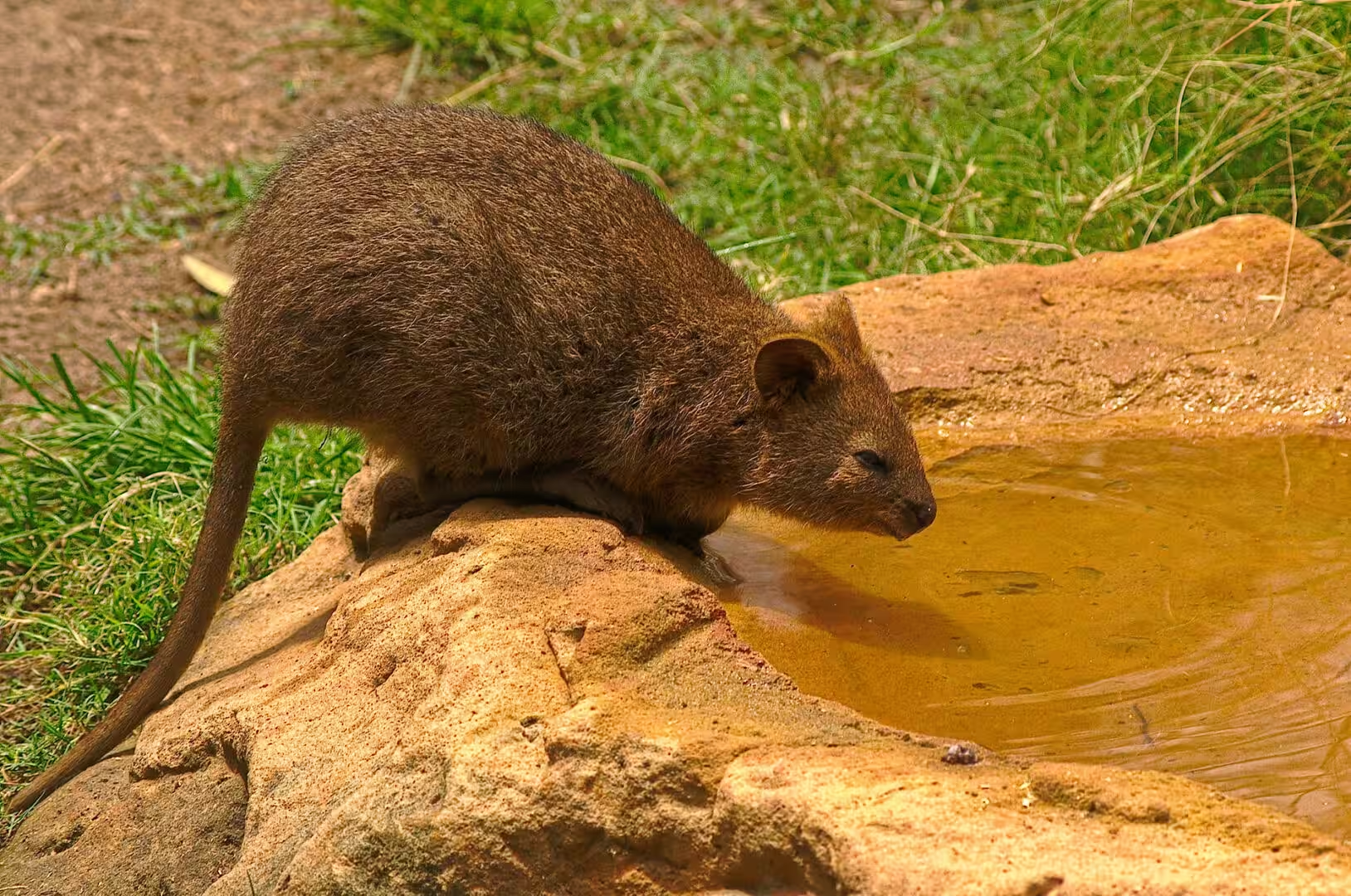
The day finished at a wildlife park in the western suburbs, which turned out to be the best introduction to the animals of the country that the whole trip offered. Wallabies, pademelons, kangaroos with joeys in the pouch, wombats, echidnas, koalas, a cassowary, tree kangaroos, Tasmanian devils, a crocodile, fruit bats and an aviary of birds stand in enclosures and paddocks within reach of a camera and, in some cases, of a hand.
The contrast of the day is the thing that stays. Within three hours the road passes from the cliffs of a national park to the coal piles and smokestacks of an industrial port, and both are within sight of beaches that would be the pride of any coastline in the world. The people of the Illawarra live with that arrangement, and they are neither apologetic about the industry nor indifferent to the coast: the surf clubs, the ocean pools and the walking tracks are as well used here as anywhere in the state.
The scale of the animals themselves is part of the interest. A koala is small and grey and spends most of its life asleep in a fork of a branch, a wombat is a compact barrel of muscle that can dig through a fence in a night, an echidna is covered in spines and eats ants with a tongue that reaches further than its head, and a cassowary stands taller than a person with a blue neck and a casque on its skull. The Tasmanian devils in their enclosure are the survivors of a species that has been reduced by a facial cancer, and the park’s breeding programme is part of the effort to keep them in existence.
History
The coast south of Sydney has been worked for two hundred years, and the landscape records it. The Illawarra escarpment behind the coastal plain is the edge of a plateau of sandstone and coal measures, and the coal seams that outcrop along it were mined from the middle of the nineteenth century, first for the colony and then for export. The mines are mostly closed, the towns that served them are not, and the coal is still shipped from the terminal at Port Kembla, ten kilometres south of Wollongong, where one of the largest industrial complexes in the country occupies the point.
Port Kembla has the oldest continuous industrial history of the region. The steelworks opened there in the 1920s, the harbour was deepened for it, and the town that grew up around it was a working class community with unions, churches and a football team. The campaigns of its workers, including the one that won the right for women to work at the steelworks, are part of the labour history of the country, and the port itself has changed with the economy: coal and steel in the past, containers, cars and bulk cargo now.
The Sea Cliff Bridge above the road is a recent piece of that history. The old coast road along the base of the cliffs became unsafe as the rock above it fell away, and the bridge was built out over the water to carry the road past the unstable section. It is a cantilevered structure with a pedestrian walkway on one side, it is used by the traffic of the district every day, and it has become an attraction in its own right: a road that was built to solve a problem in the 2000s is now one of the most recognisable pieces of infrastructure in the state.
The wildlife park at the end of the day belongs to a different tradition. It was established as a family run collection of Australian animals on a small property in the western suburbs, forty kilometres from the city centre, and it has grown into one of the largest collections of native species anywhere in the world. Its value to a visitor is that it gathers, in an afternoon, animals that would otherwise require a continent of travel: the koala, the wombat, the echidna, the kangaroo and the wallaby, and the species of the north and the tropics, brought together for a public that will never see them in the wild.
The escarpment towns have their own history, and it is the history of a coal district that became a commuter belt. The mines along the Illawarra line employed thousands of men, the villages that housed them cling to the slope between the railway and the cliffs, and the pubs, the halls and the football grounds of those villages are still in use. Since the mines closed, the same villages have been discovered by people who work in Wollongong or commute to Sydney, and the result is a landscape of old timber houses being renovated by new owners.
Geology
The Illawarra escarpment is the geological spine of the region and the reason the coast road has the shape it does. The escarpment is the edge of a plateau of sedimentary rock, sandstone and shale with coal seams between, that was laid down in the Permian period and then lifted along a fault line. The uplift left a steep face running north to south behind the coastal plain, and the roads that cross it have to climb hundreds of metres to reach the towns on top.
The coal seams in that sequence are the reason the region was settled. They outcrop along the escarpment where the rock has been eroded, they were accessible from the early days of the colony, and the mines that followed them provided the fuel for Sydney and for the ships that carried the wool and the wheat. The same seams continue under the sea, and the mining that went offshore in the twentieth century left the subsidence, the tunnels and the industrial archaeology that the district still has to deal with.
The coastline below the escarpment is a sequence of sand and rock that changes with every headland. Where the cliffs reach the sea there is no beach at all, and the road has to be carried on a bridge or cut into the rock; where a stream reaches the coast there is a beach, a lagoon behind it and a town on the flat ground. The rock platforms at the headlands are the most interesting places at low tide: pools cut into the sandstone that hold fish, crabs, anemones and the green algae that gives the platforms their colour.
The beaches themselves are made of sand that has been moving north along the coast since it was eroded from the rivers and the cliffs. The mineral content of the darker sand in places is a reminder that the source rocks include the volcanic and sedimentary sequences of the hinterland, and the shell and the kelp along the tide line are the biological part of the same system. On a coast with this much energy, the beach is a temporary arrangement that the sea rebuilds every season.
The escarpment is also the reason for the weather of the region, which is one of the wettest in the state. The moist air coming off the ocean is forced upward when it meets the slope, it cools, and its water falls as rain on the coastal plain and the ridge behind it. The rainfall and the coal seams are the same accident of geology and geography, and both have shaped what people do here: the rain grows the forest and fills the catchment, and the coal measures it eroded provided the seams that were worked for a hundred and fifty years.
Things to See
The Sea Cliff Bridge is the first stop and it should be walked. A footpath runs along the seaward side, the ocean is directly below, and the view back along the coast to the beach and the cliff takes in the whole reason for the bridge’s existence. The layby at the northern end is the access point, and the walk across takes about twenty minutes; the traffic passes within a couple of metres and the wind is usually strong, so it is not a place for a loose hat.
The beaches south of the bridge are the second stop. Each has a car park, a shower and nothing else, and the sand and the water are the equal of any beach in the country. The boatsheds along the shore are historic and some of them are still in use for the fishing boats, and the rock platforms at the points are worth exploring at low tide. Swimming is safe in the patrolled areas in summer and dangerous everywhere else, and the signs about the rips should be read.
The harbour at Wollongong is the third stop and the most surprising. The small basin behind the headland holds the fishing fleet, the last of the trawlers that worked this coast, and the wharves where they tie up are open to the public. Beside it, the lighthouse on Flagstaff Point stands above the harbour, the continental pool below it is a seawater bath cut into the rocks, and the walk along the breakwater gives a view back to the city and the steelworks in the distance.
The wildlife park deserves the whole of the remaining afternoon. The animals are in enclosures that allow them to be seen closely, and many of the smaller ones are in walk through areas, which is how a visitor ends up standing within a metre of a kangaroo and its joey. The staff feed the animals at set times, the bird collection includes species from every part of the country, and the keepers are willing to explain what is being kept and why. For anyone travelling with children, or with any interest in the animals of the continent, it is the best few hours in the region.
References
- Wikipedia contributors (2026). Wollongong. en.wikipedia.org/wiki/Wollongong
- Wikipedia contributors (2026). Port Kembla, New South Wales. en.wikipedia.org/wiki/Port%20Kembla%2C%20New%20South%20Wales
- Wikipedia contributors (2026). Sea Cliff Bridge. en.wikipedia.org/wiki/Sea%20Cliff%20Bridge
- Wikipedia contributors (2026). Newcastle, New South Wales. en.wikipedia.org/wiki/Newcastle%2C%20New%20South%20Wales
- Wikipedia contributors (2026). Royal National Park. en.wikipedia.org/wiki/Royal%20National%20Park
- Wikipedia contributors (2026). Featherdale Wildlife Park. en.wikipedia.org/wiki/Featherdale%20Wildlife%20Park
- Wikipedia contributors (2026). Tasmanian devil. en.wikipedia.org/wiki/Tasmanian%20devil
- Wikipedia contributors (2026). Cassowary. en.wikipedia.org/wiki/Cassowary
- Wikipedia contributors (2026). Little penguin. en.wikipedia.org/wiki/Little%20penguin
- Wikipedia contributors (2026). Koala. en.wikipedia.org/wiki/Koala
- Wikipedia contributors (2026). Wombat. en.wikipedia.org/wiki/Wombat
- Wikipedia contributors (2026). Short-beaked echidna. en.wikipedia.org/wiki/Short-beaked%20echidna
- Wikipedia contributors (2026). Laughing kookaburra. en.wikipedia.org/wiki/Laughing%20kookaburra
- Wikipedia contributors (2026). Rainbow lorikeet. en.wikipedia.org/wiki/Rainbow%20lorikeet
- Wikipedia contributors (2026). Saltwater crocodile. en.wikipedia.org/wiki/Saltwater%20crocodile
- Jones M.E., Hamede R., Storfer A., Hohenlohe P., et al. (2019) Emergence, transmission and evolution of an uncommon enemy: Tasmanian devil facial tumour disease. Wildlife Disease Ecology. 321-341. doi.org/10.1017/9781316479964.011
- Bourne J., Klomp N.I. (2004) Ecology and Management of the Little Penguin Eudyptula minor in Sydney Harbour. Urban Wildlife. 131-137. doi.org/10.7882/fs.2004.089
- Smith A.P. (2004) Koala conservation and habitat requirements in a timber production forest in north-east New South Wales. Conservation of Australia’s Forest Fauna. 591-611. doi.org/10.7882/fs.2004.033
- BRADFORD M.G., WESTCOTT D.A. (2010) Consequences of southern cassowary (Casuarius casuarius, L.) gut passage and deposition pattern on the germination of rainforest seeds. Austral Ecology. 35. 325-333. doi.org/10.1111/j.1442-9993.2009.02041.x
- Ligtermoet E., Gumurdul J.N., Nayinggul C., Baker R. (2023) The return of the kinga (saltwater crocodile): Population ‘bust then boom’ shapes shifting baselines in Indigenous biocultural knowledge in northern Australia. Biological Conservation. 277. 109746. doi.org/10.1016/j.biocon.2022.109746