Day 1 - Sydney









Journal Notes
General
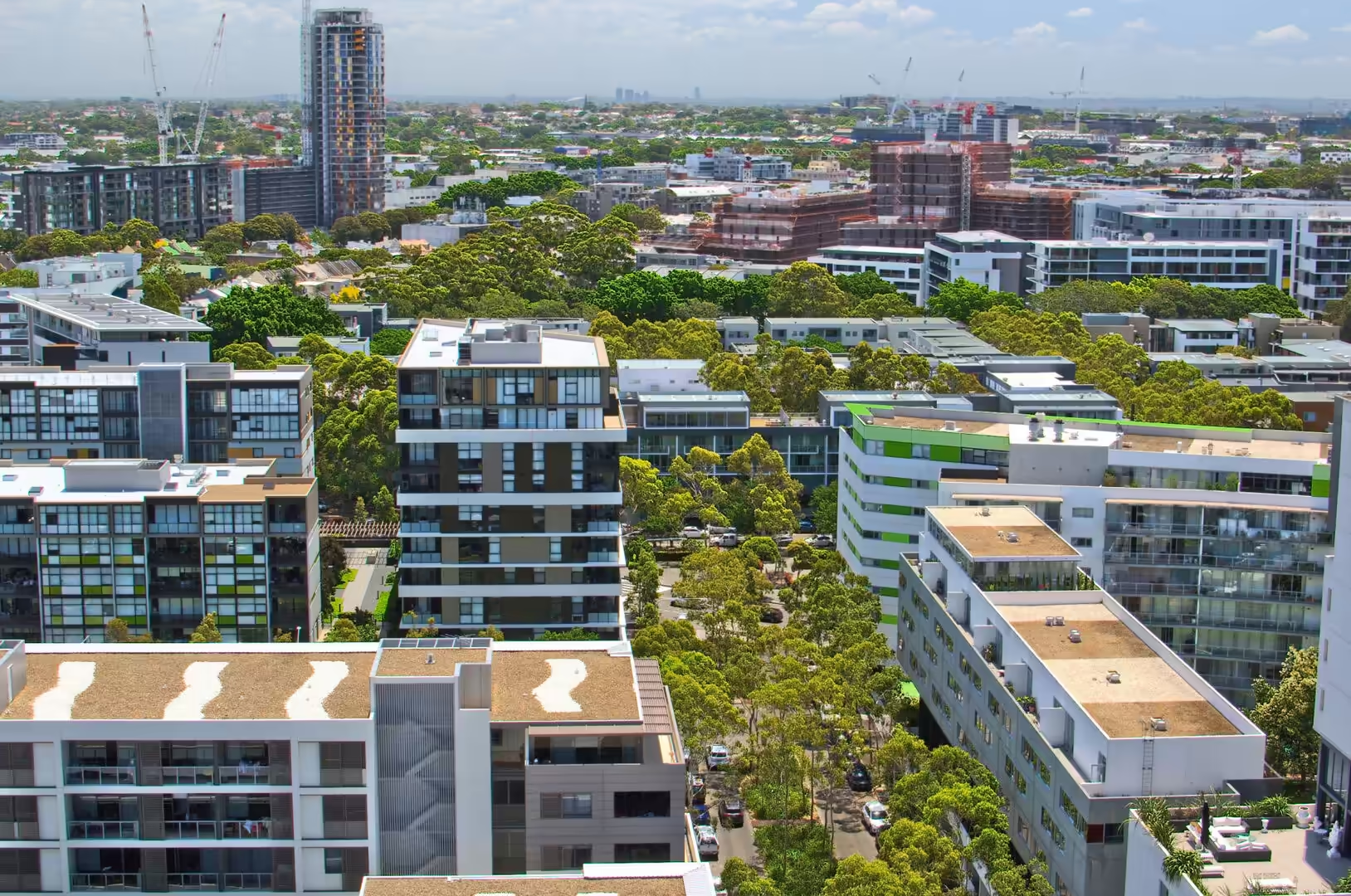
Sydney took a long time to arrive and then arrived all at once. The flight from Europe crosses so many time zones that the body gives up on keeping count, and the first thing registered after the airport transfer was the view from a balcony on the upper floor of an apartment block in Zetland. Green suburbs rolled away to the south, dense with trees and low apartment buildings, and here and there the arm of a construction crane stood above the rooflines, because this city is still being built upward on every vacant plot it can find.
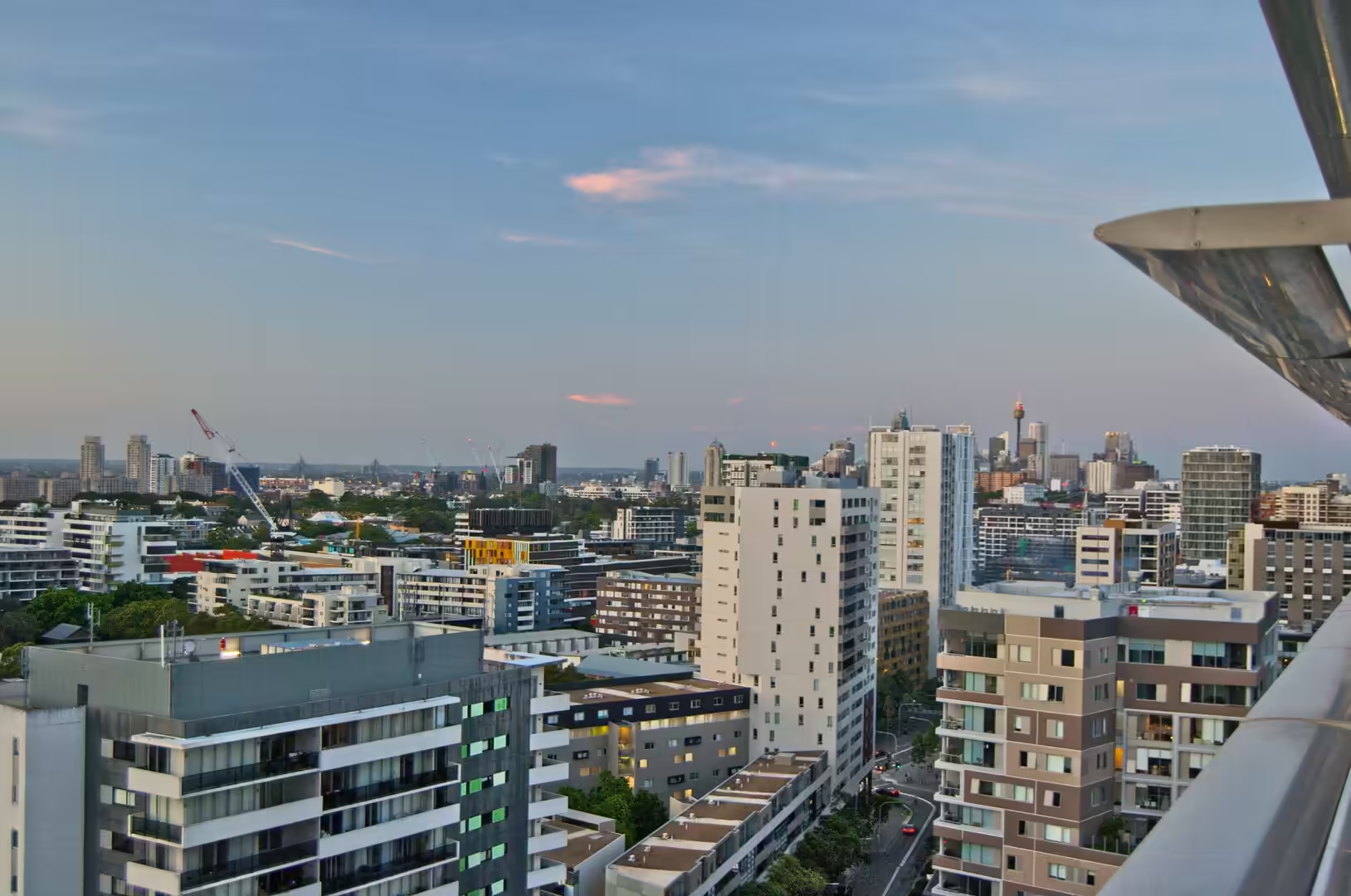
By evening the light had changed. From the same balcony the skyline of the central business district stood sharp against a wide orange and violet sky, with the dark shape of the Sydney Tower above it, and one by one the windows of the towers began to glow. It was the middle of December, which in this hemisphere means the beginning of summer and the run up to Christmas, and the city was decorated for a festival that falls in the hottest part of the year.
The plan for the following weeks was simple. A few days in Sydney first, to shake off the journey and to see the harbour properly, then a flight west to Perth and a long drive north along the coast of Western Australia. What follows in this report is the first part of that journey: the harbour city, the island of the quokkas, and then the great dry country beyond.
The first full day in the city is always a lesson in scale. Zetland, where the apartment stood, is a former industrial quarter south of the centre that has been rebuilt in the last twenty years with towers, cafes and a light rail line, and the construction cranes above it were working on the next stage of the same process. From the balcony the distance to the harbour looked short on a map and took half an hour by train, and the temperature in the middle of December sat in the high twenties by nine in the morning. Everything in Sydney happens outdoors, and everything outdoors happens early.
History
Sydney is the oldest and largest city in Australia, the capital of New South Wales and the place where British settlement of the continent began. In January 1788 the ships of the First Fleet arrived under the command of Arthur Phillip and established a penal colony at Sydney Cove, a small inlet on the southern shore of a harbour that James Cook had charted and named Port Jackson in 1770. The settlement was named after Lord Sydney, the British home secretary of the day, and for its first decades it lived from the labour of convicts, from the timber and the soil of the surrounding country, and from the deep water that made it a natural port.
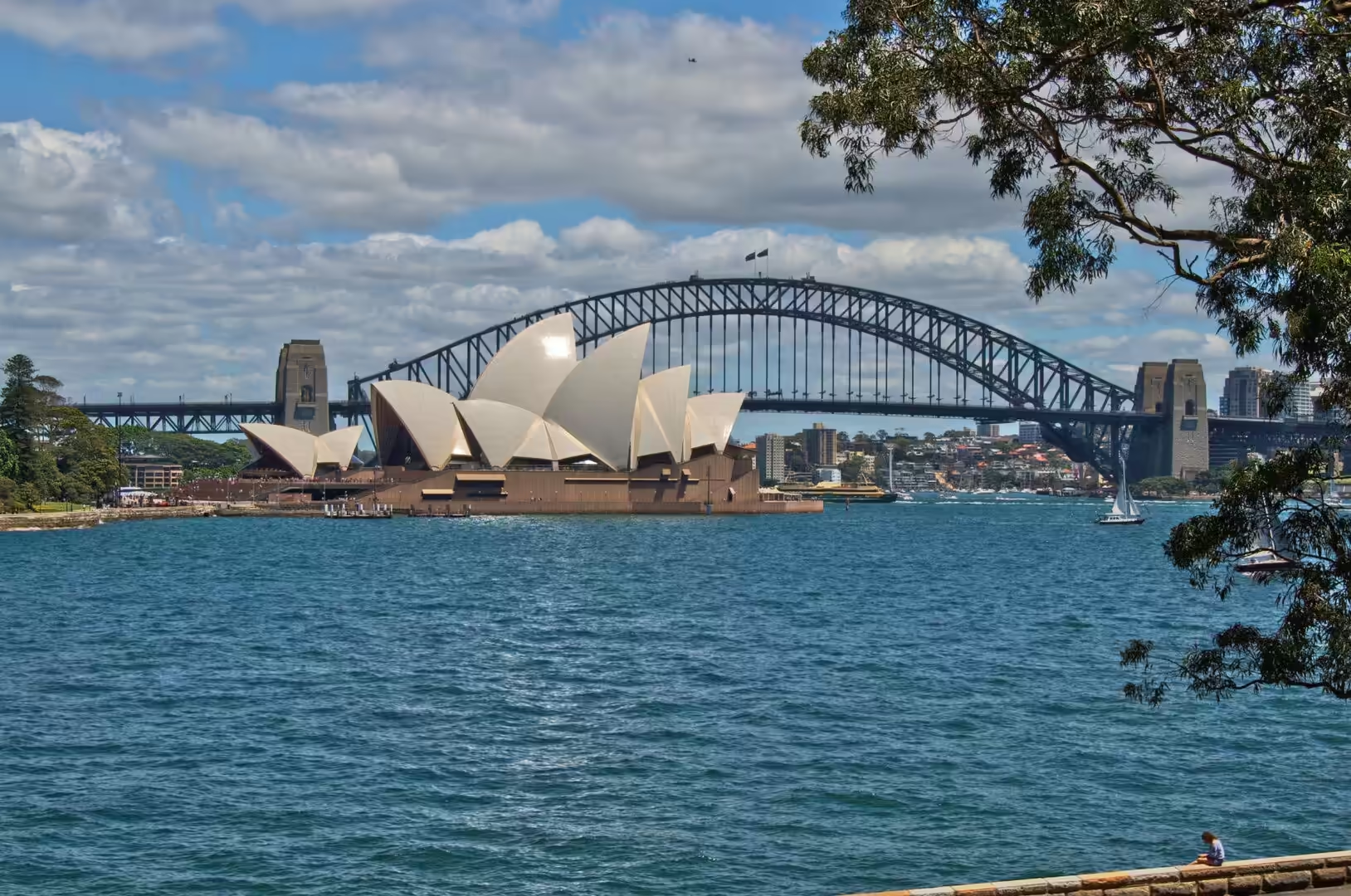
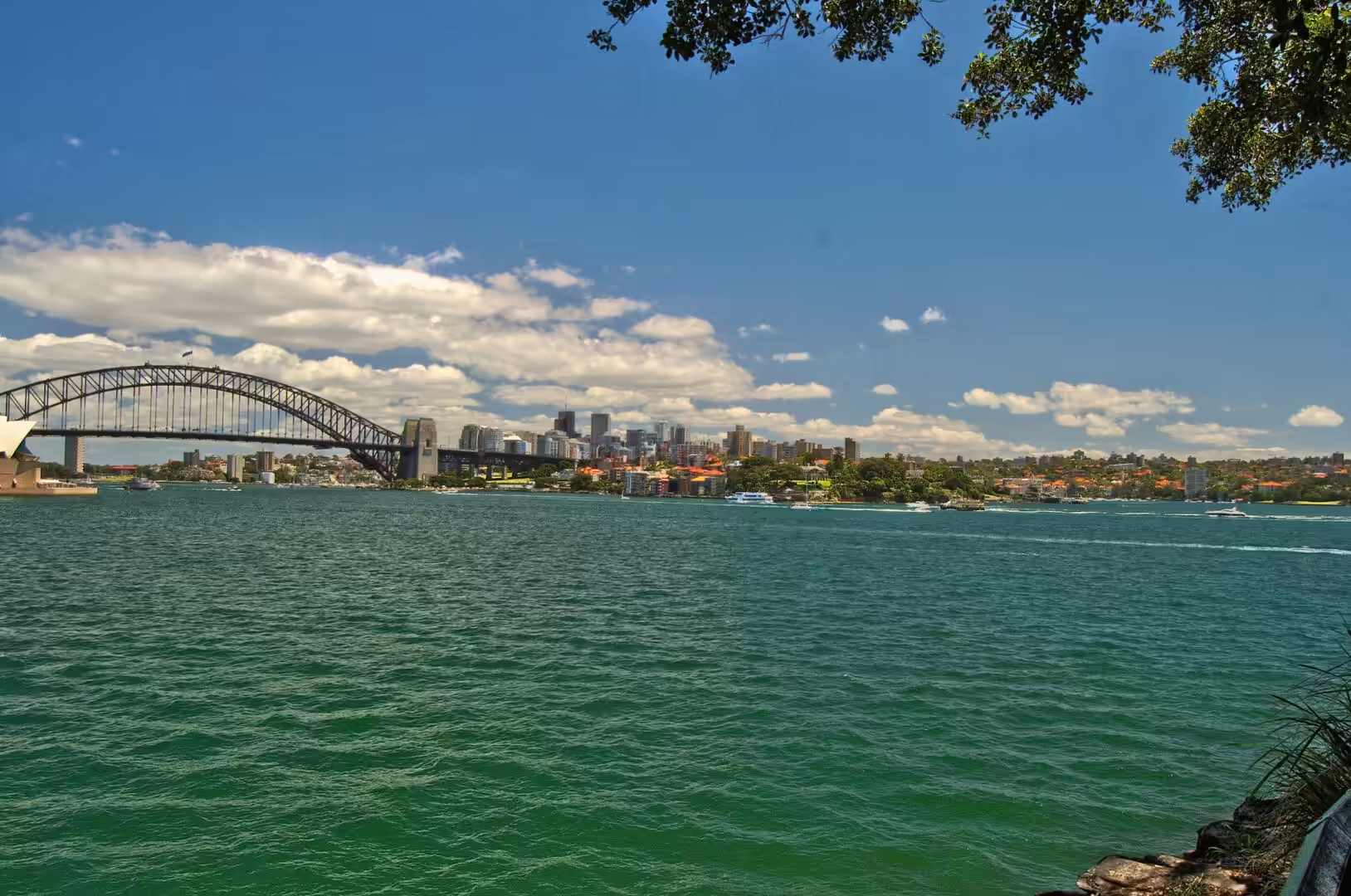
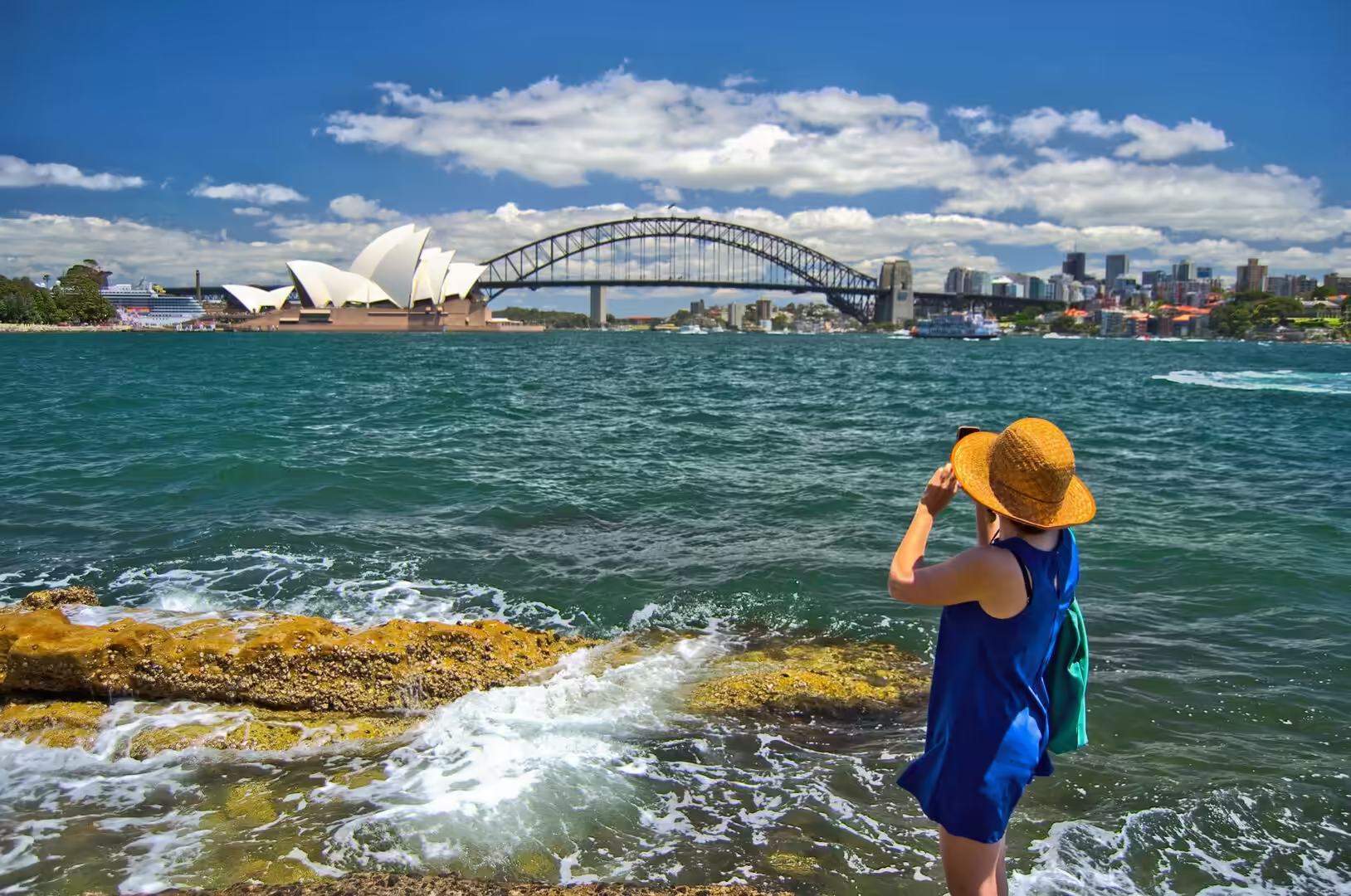
Through the nineteenth century the town became a city. Wool, then the gold rushes, then shipping and manufacturing brought people and money, and suburbs spread along the harbour and out across the sandstone plateau behind it. Two structures from the twentieth century gave the skyline the shape it has today. The Sydney Harbour Bridge, a steel arch carrying road and rail between the city and the north shore, was opened in 1932 after years of planning by the engineer John Bradfield, and its single span of 503 metres remains one of the widest steel arches ever built. The Sydney Opera House, designed by the Danish architect Jørn Utzon and opened in 1973, put a cluster of white shells on Bennelong Point and later became a World Heritage site.
The city that surrounds those two landmarks is now home to a little over five and a quarter million people, according to the census of 2021, and it is a place of immigration and of money, of ferries that run like buses, of a harbour that is both a working port and a playground. The Rocks, the sandstone quarter on the western side of the cove, still holds the oldest surviving buildings of the colony, and the Christmas decorations that hang there in December look oddly placed on streets laid out for a convict settlement.
The last decades of the twentieth century changed the city again. The harbour was cleaned up, the old industrial waterfront was converted into apartments and promenades, and the Olympic Games of 2000 gave the western suburbs a new centre with stadiums, parks and a rail link that still carries the crowds. The Opera House was inscribed on the World Heritage list in 2007, the light rail returned to the streets in 2019, and the population keeps climbing, which is why the skyline that was admired from the balcony in the evening is never quite the same skyline two years later.
Geology
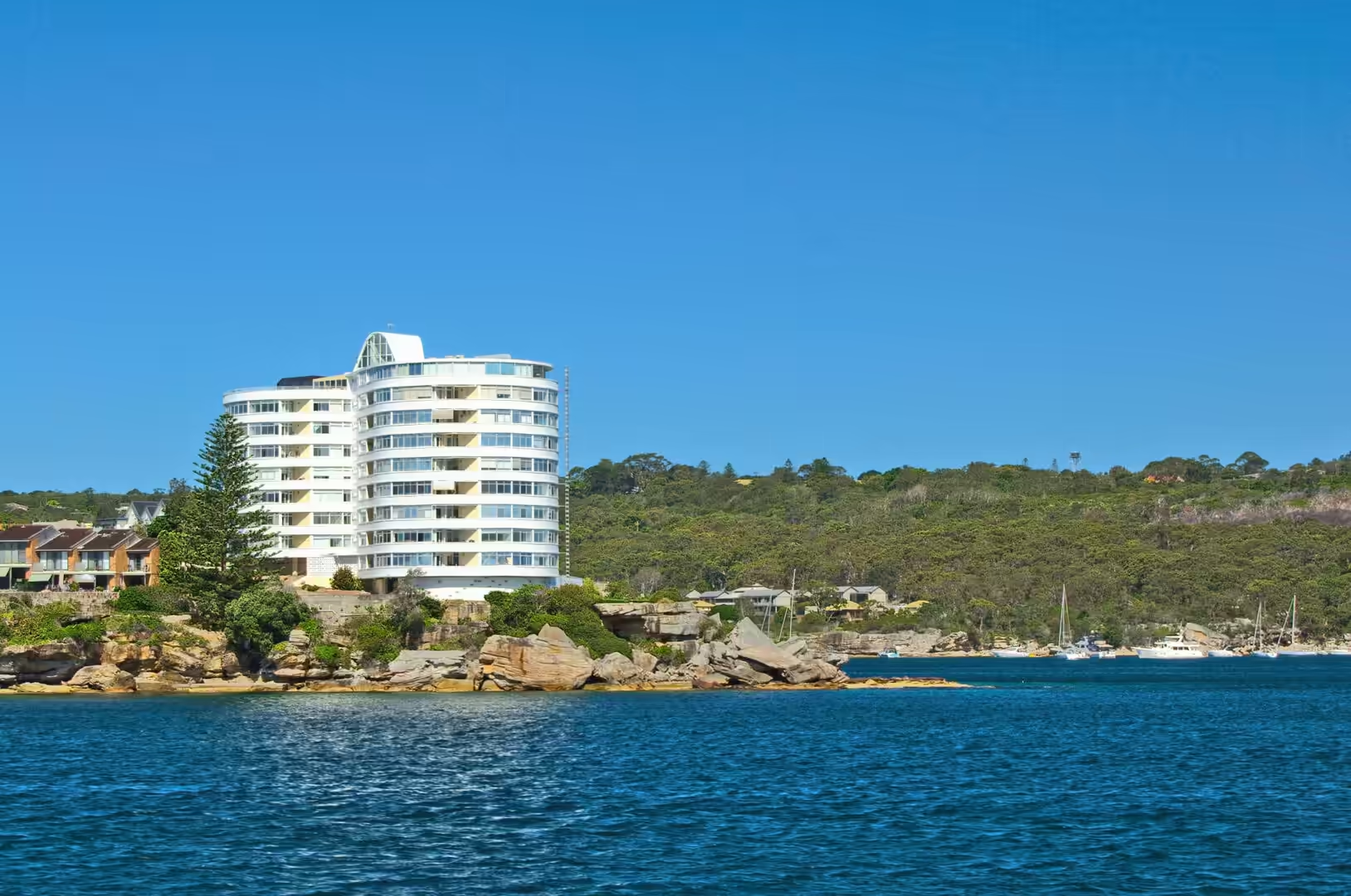
Sydney sits on the drowned valley of a river. The harbour is an inlet of the Tasman Sea that follows the old course of what is now the Parramatta River, and it reaches inland in a tangle of bays, coves and headlands because the sea flooded a landscape that had been carved by running water when the ocean was much lower. The rocks that line it belong mostly to the Hawkesbury sandstone, a Middle Triassic formation laid down in the Sydney Basin by rivers and deltas around two hundred and forty million years ago. It is a quartz rich sandstone, thick bedded and jointed, and it gives the city both its cliffs and its building stone.
The Hawkesbury sandstone has been quarried for foundations, kerbstones and facades since the earliest years of the colony, and engineers still study its strength and its jointing because tunnels and basements are cut into it wherever the city grows. Its behaviour is well enough known to fill textbooks: the stone is strong in compression, it parts along bedding planes, and it weathers into the rounded forms and the honeycomb surfaces that can be seen on any headland around the harbour.
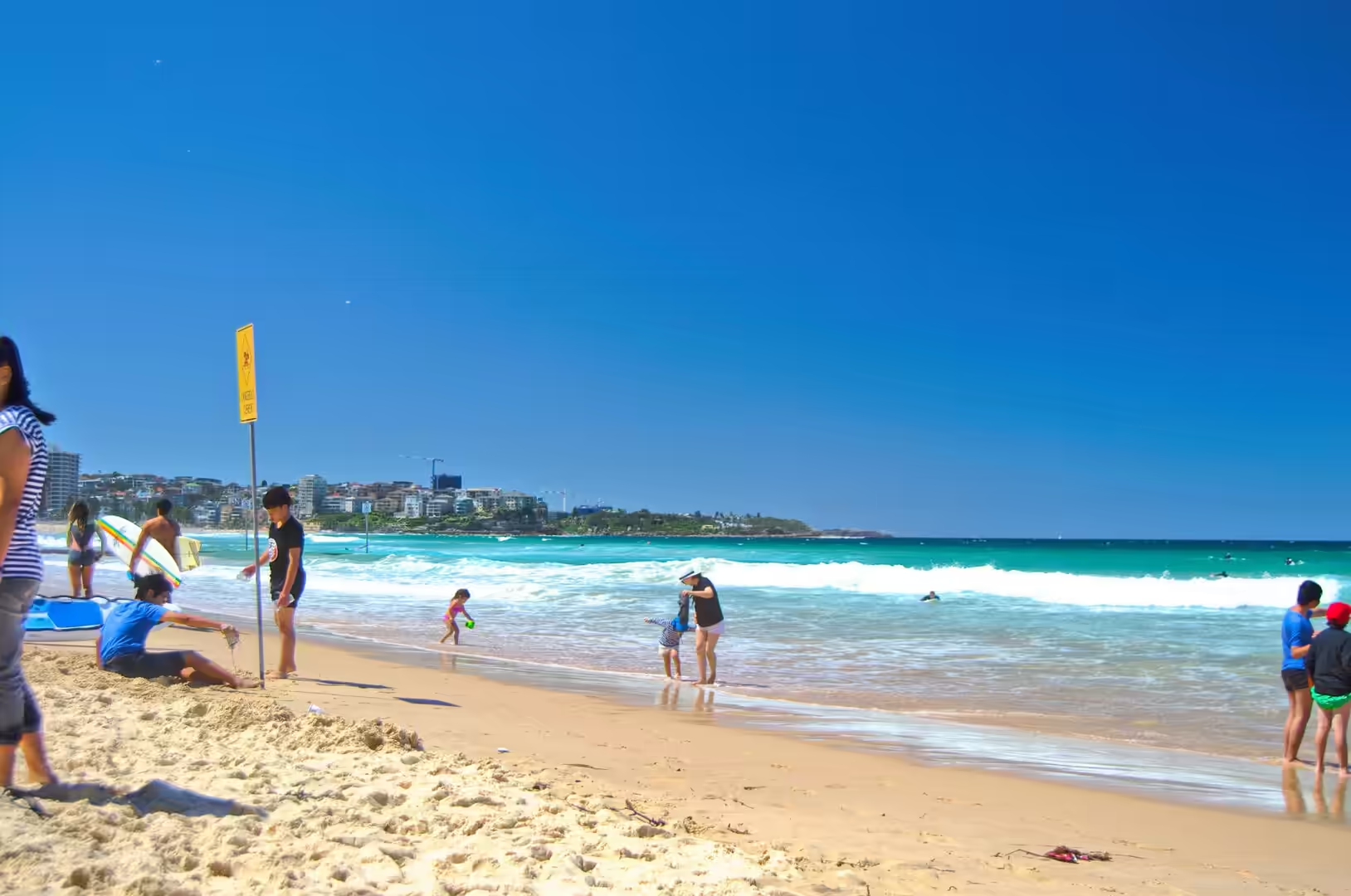
The beaches are a product of the same geology and of the sea level change that followed the last ice age. When the ice caps were large, the coast lay far to the east and the rivers cut their valleys across what is now the sea floor. As the ice melted, the water rose by more than a hundred metres and drowned those valleys, leaving the harbour and the long sandy bays that face the open ocean. Bondi, Coogee and Manly are the visible result: curved beaches of quartz sand trapped between sandstone headlands, rebuilt by every storm and every swell that arrives from the Tasman Sea.
Behind the coastal strip the same sedimentary sequence continues inland and upward. The sandstone plateau that carries the suburbs rises slowly to the west and ends in the Blue Mountains, a dissected tableland of the same rocks cut by deep gorges where the rivers have worked their way down through the beds. Where the plateau breaks, the rock is exposed in cliff lines that run for kilometres, and the pattern of hard and soft layers is the same one that shows in the cliffs of the harbour, simply seen on a much larger scale. The whole region is one piece of geology, and the sea has only trimmed its eastern edge.
Things to See
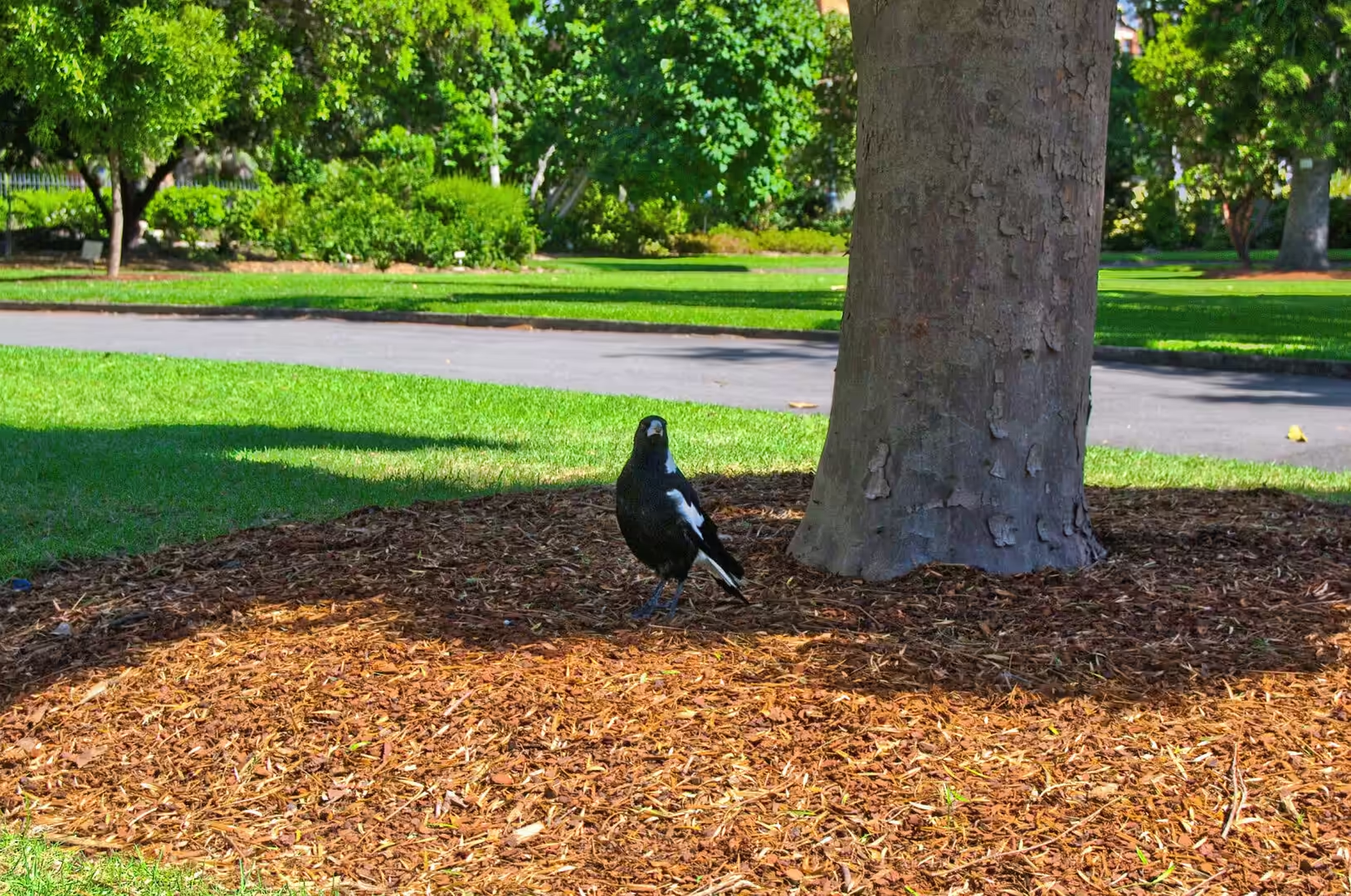
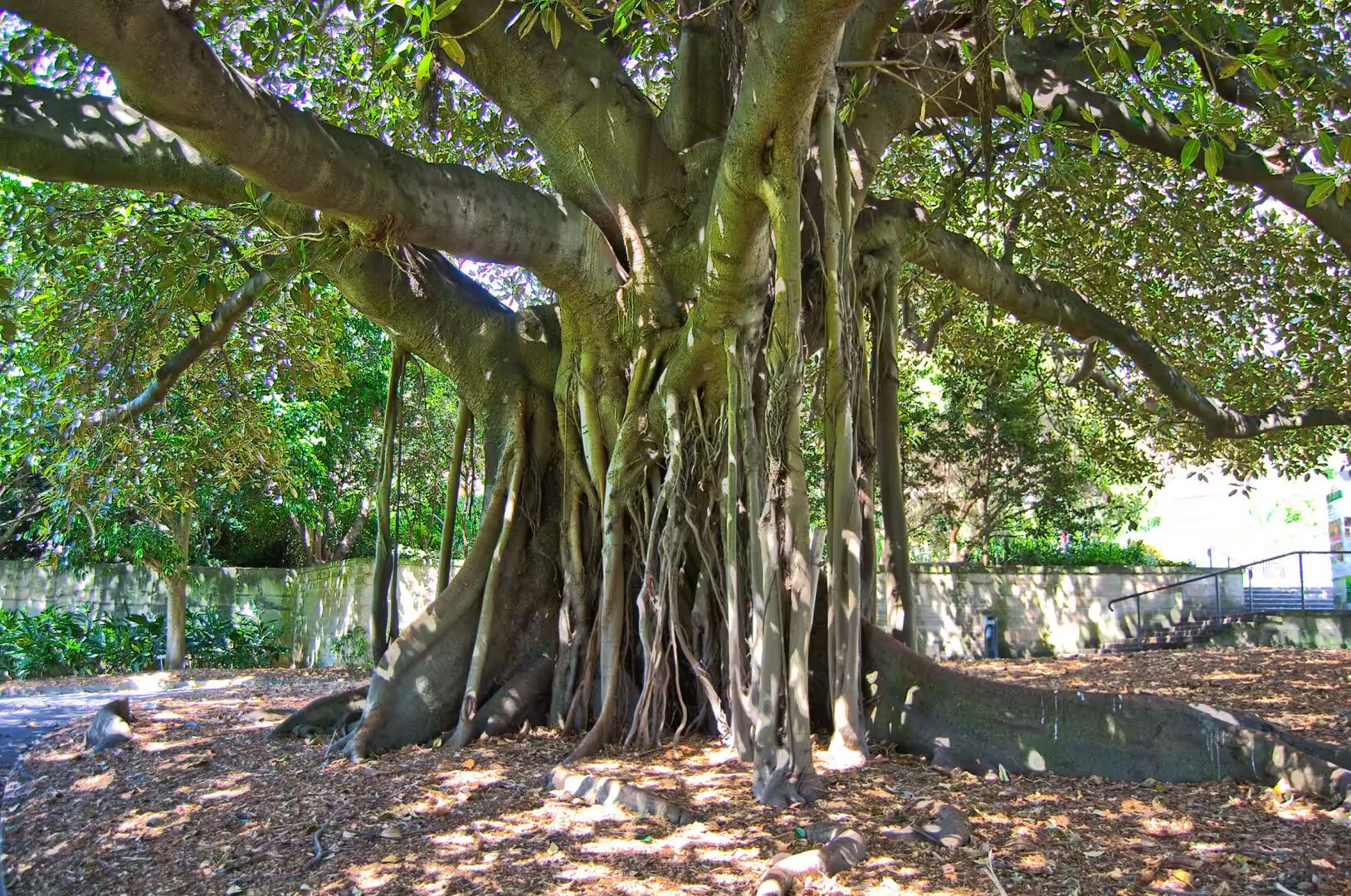
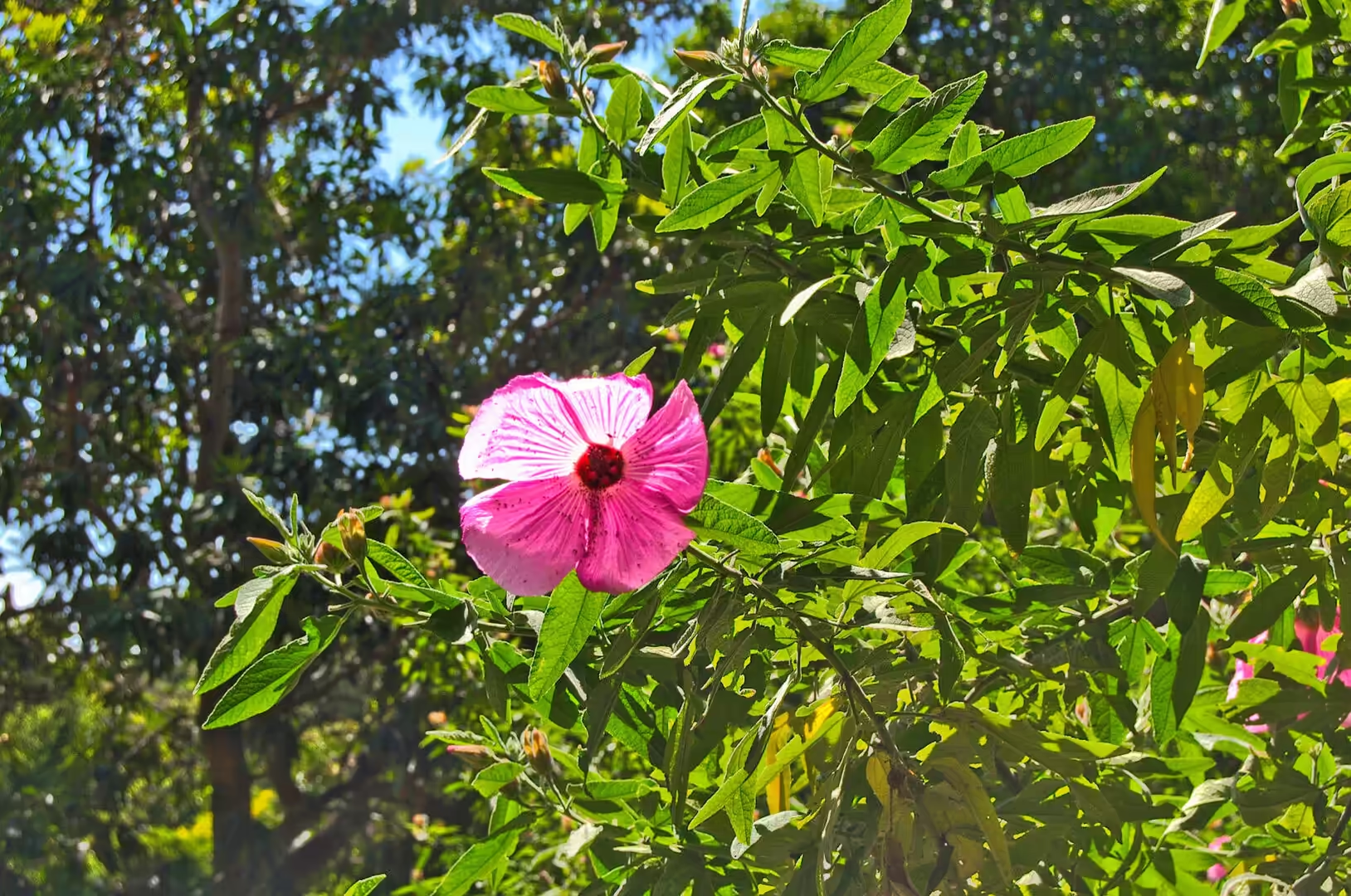
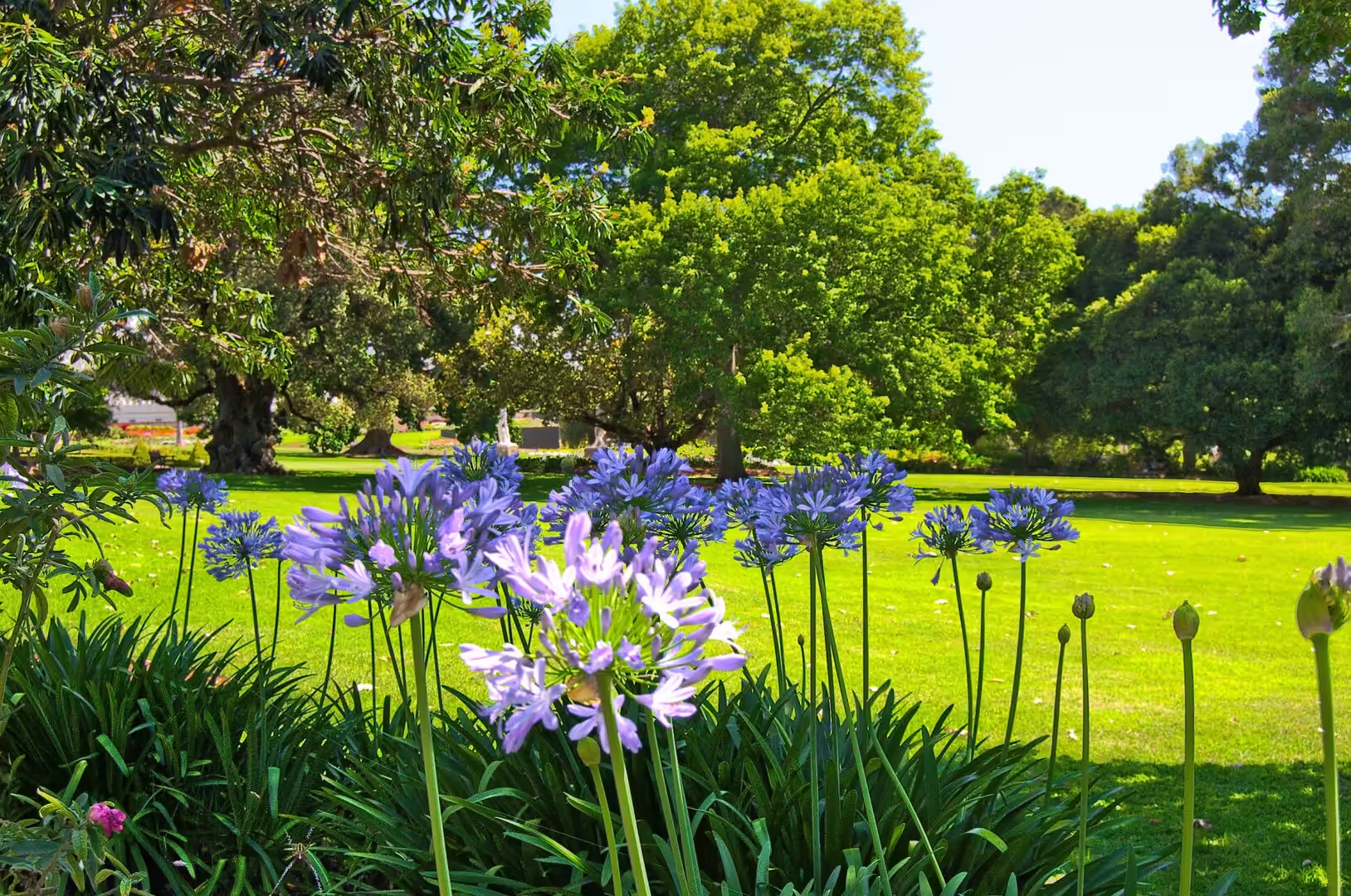
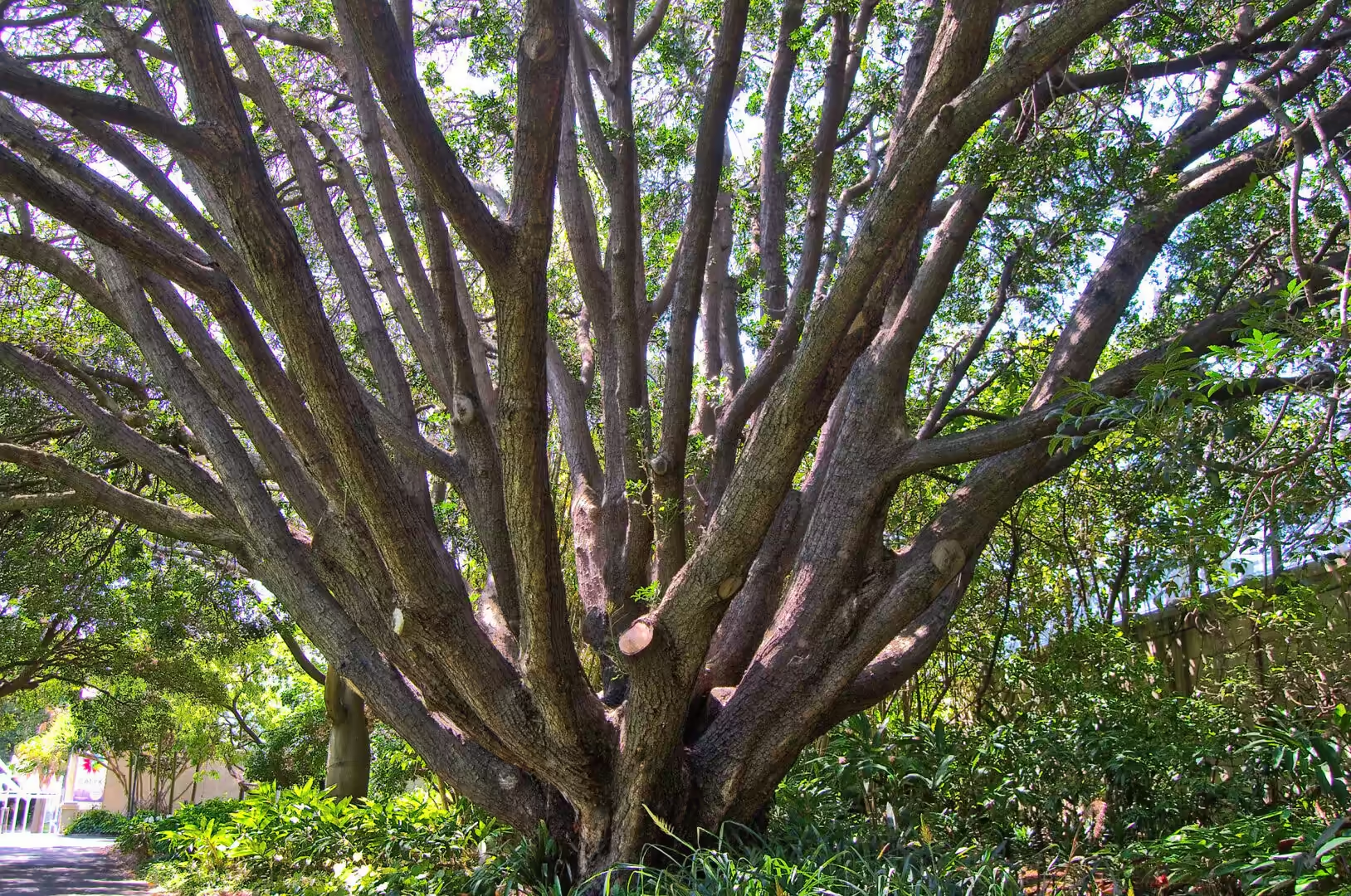
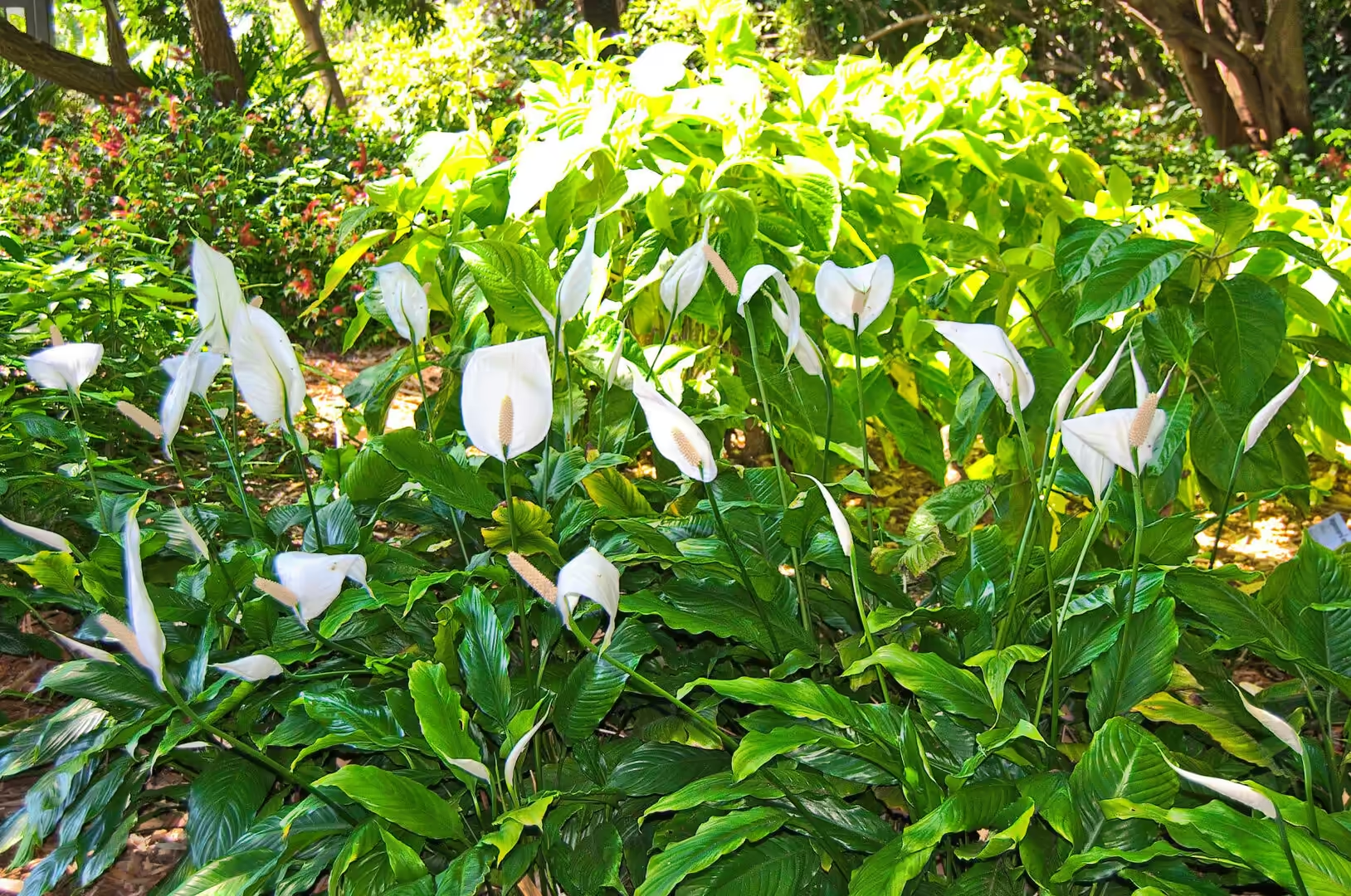
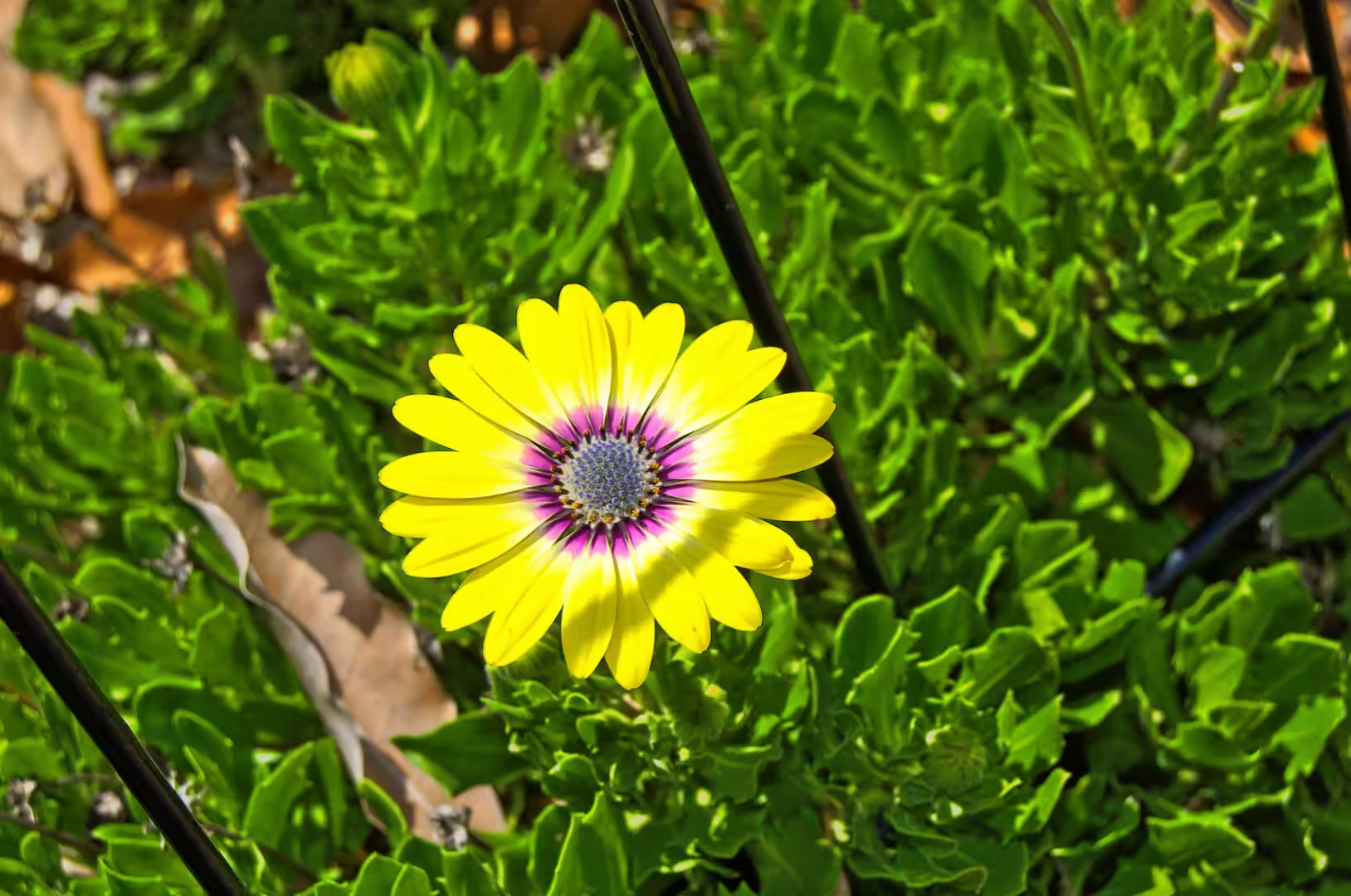
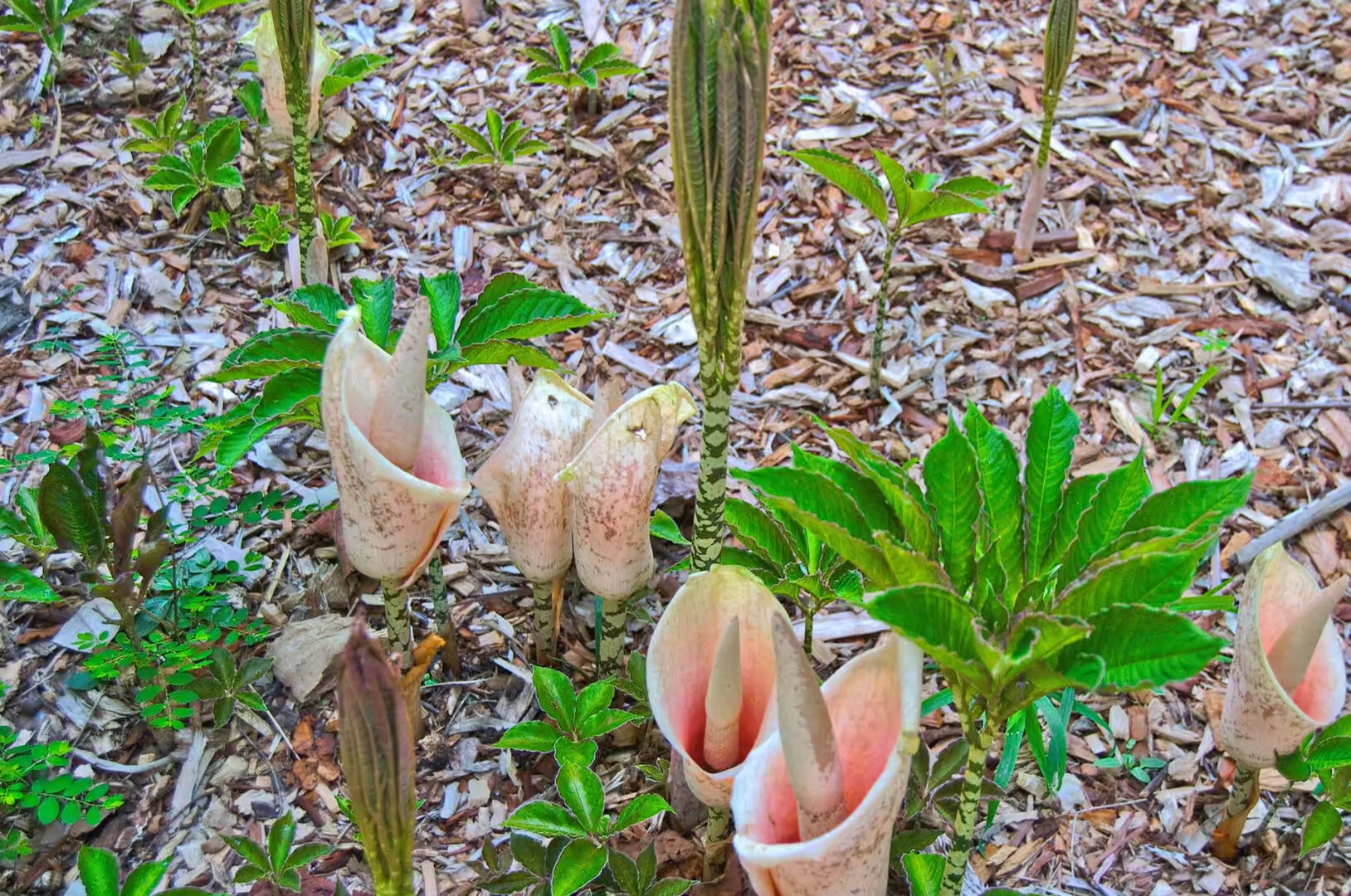
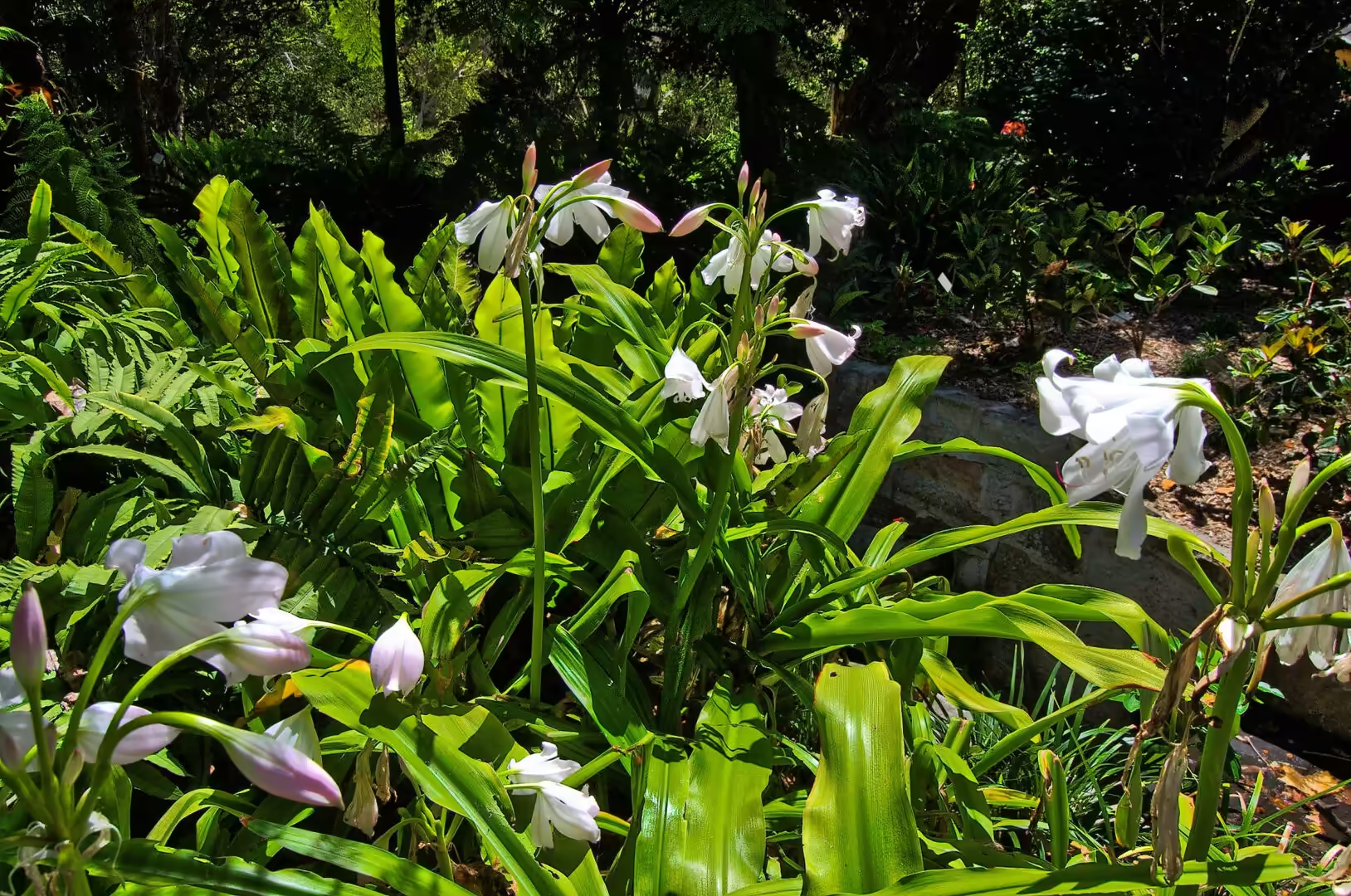
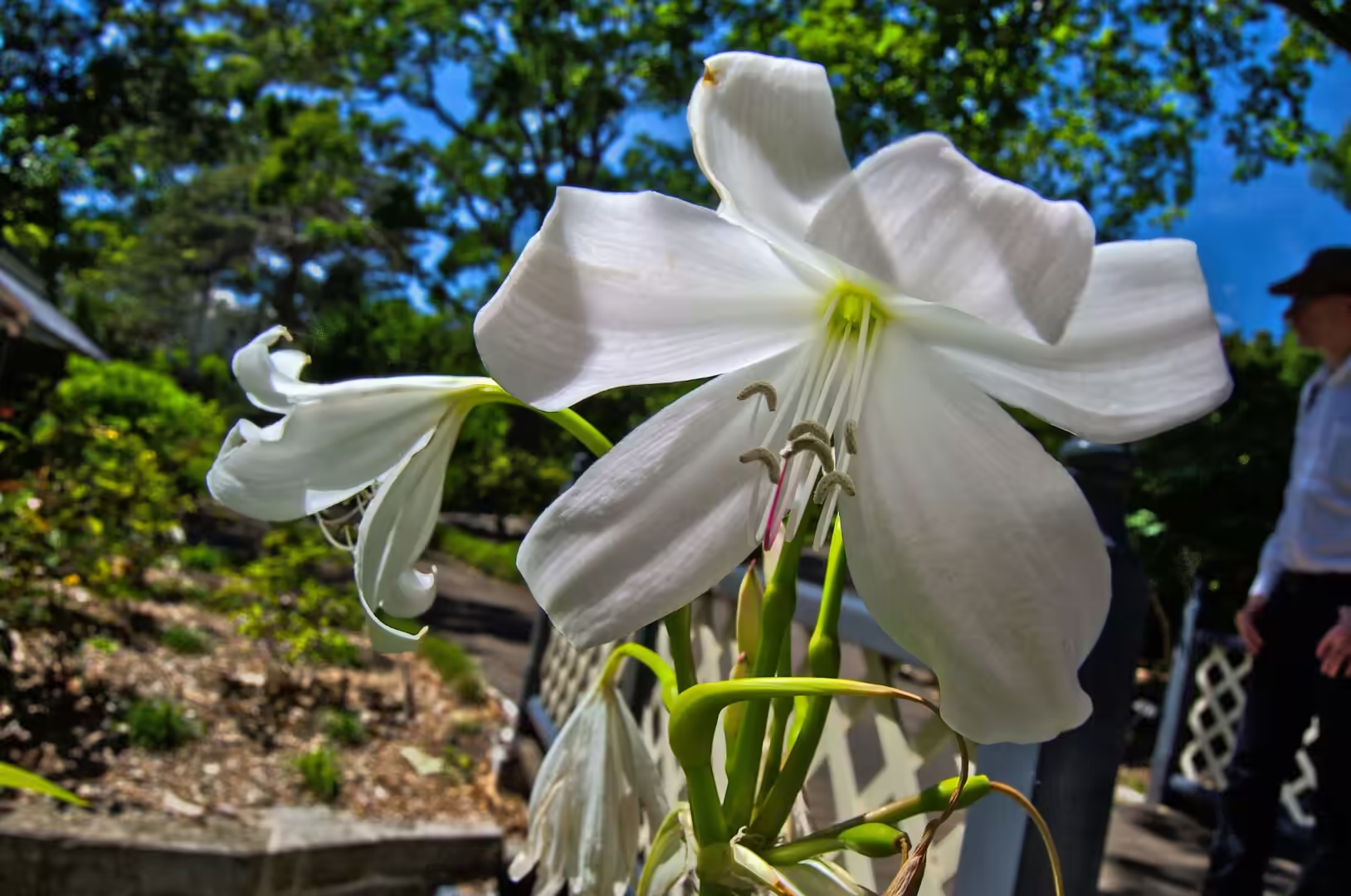
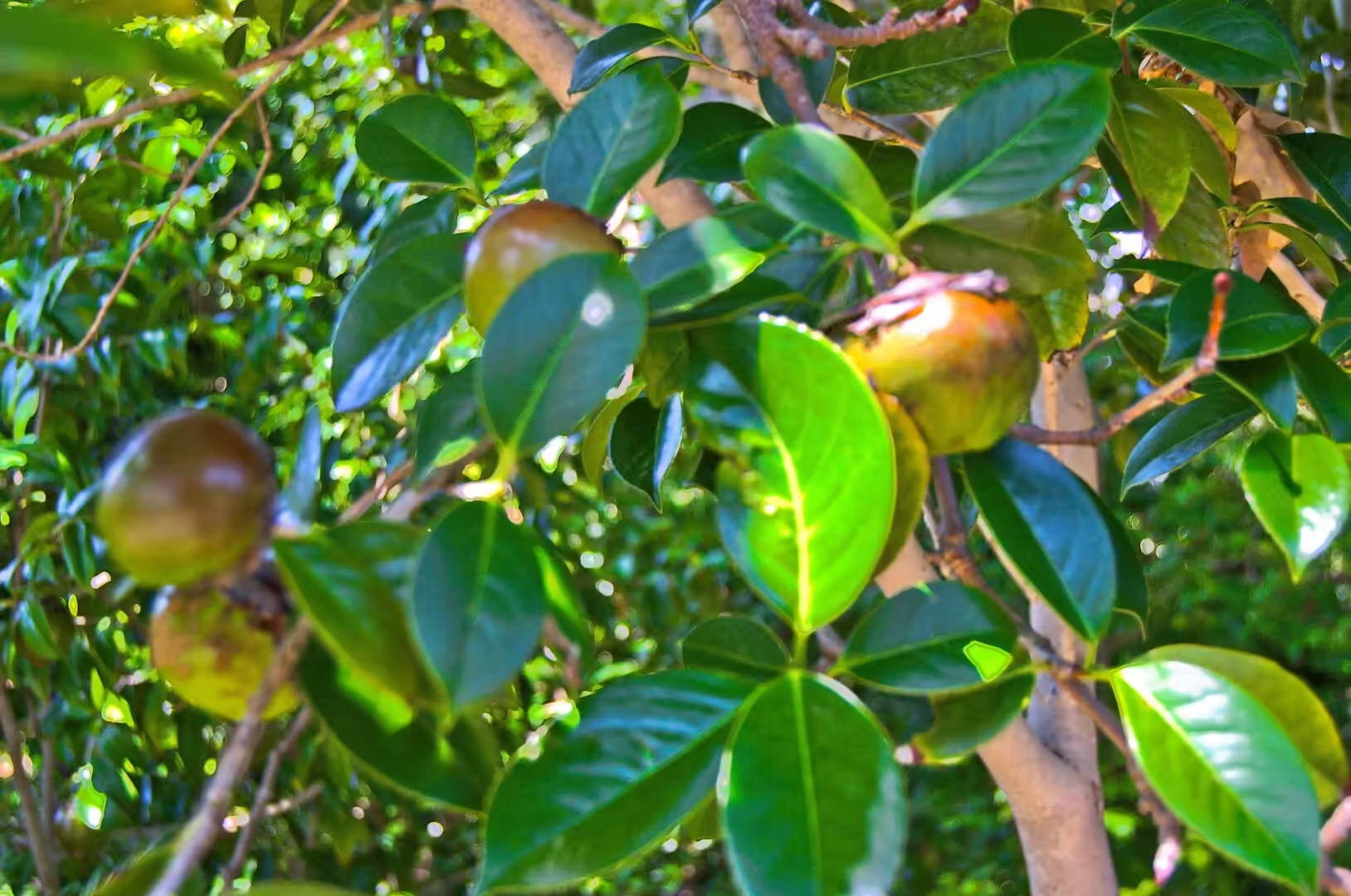
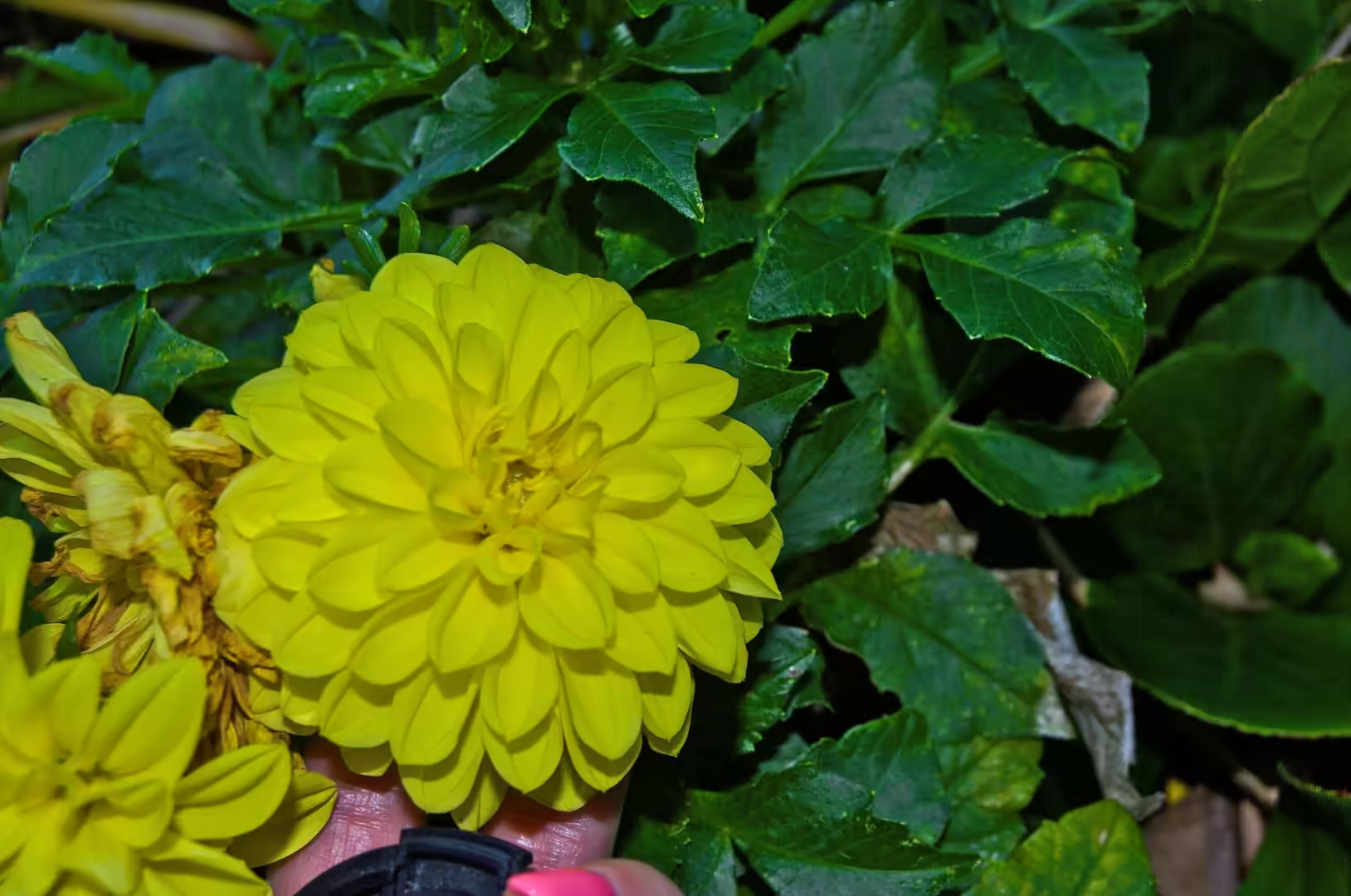
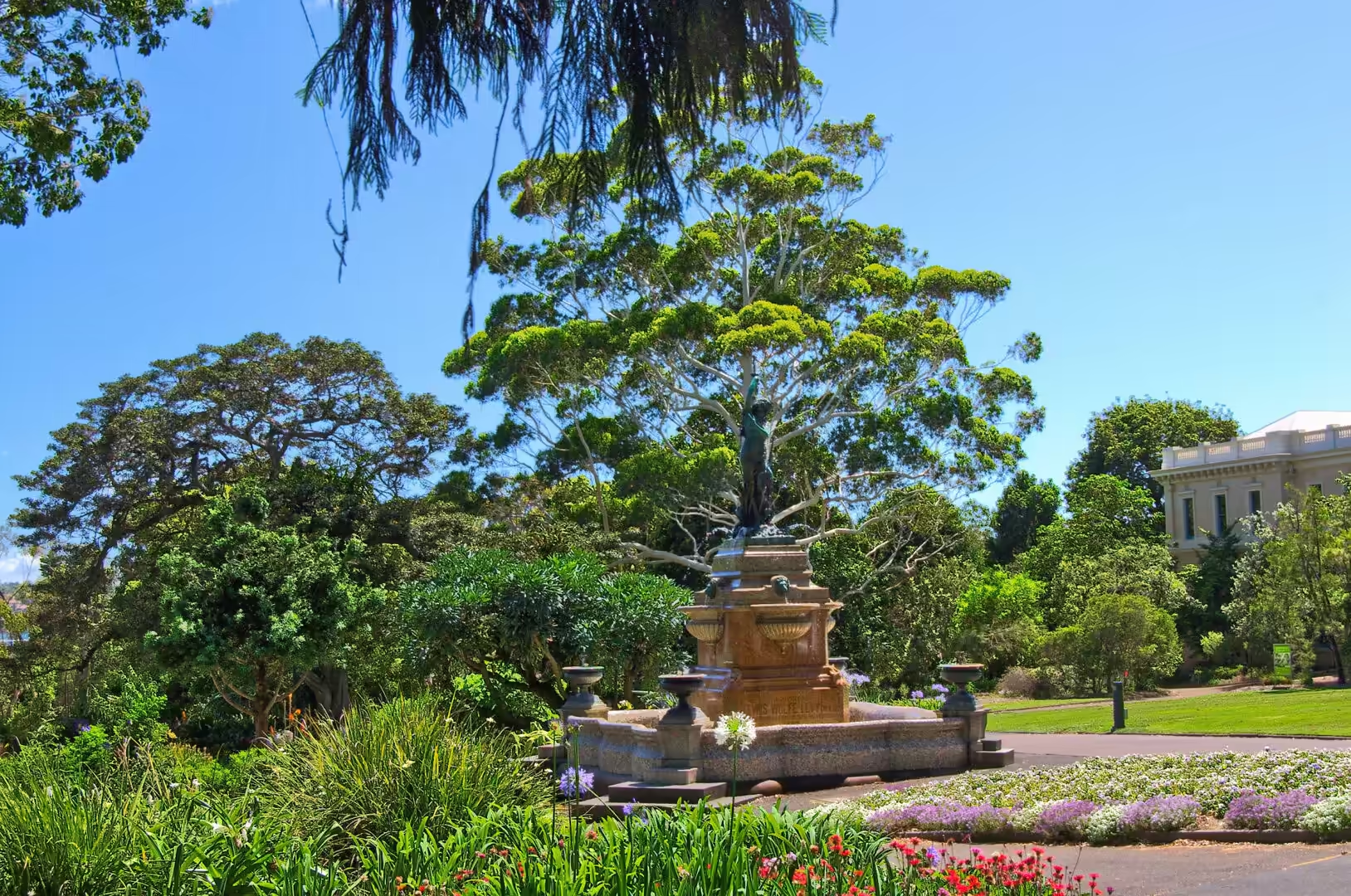
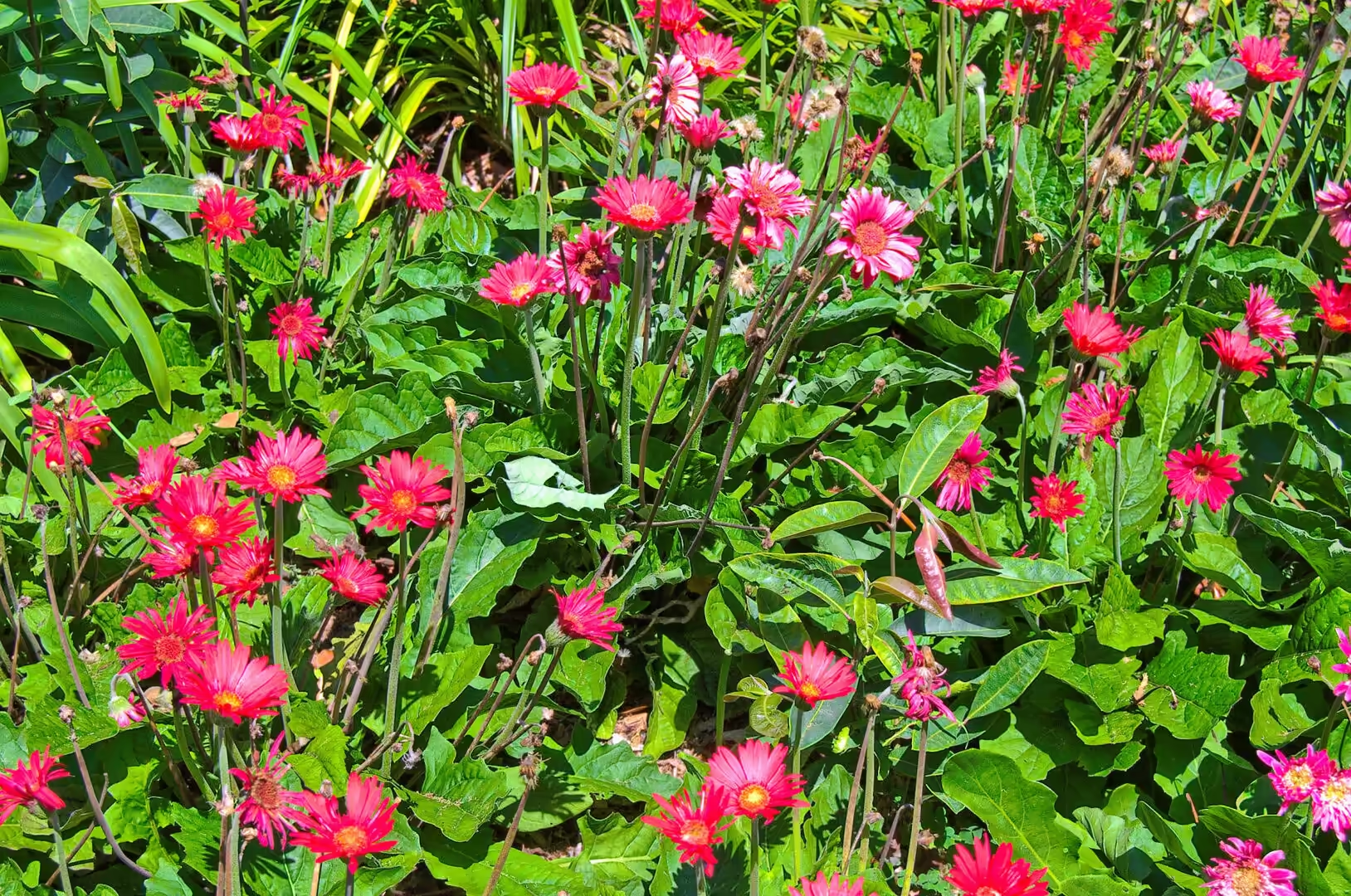
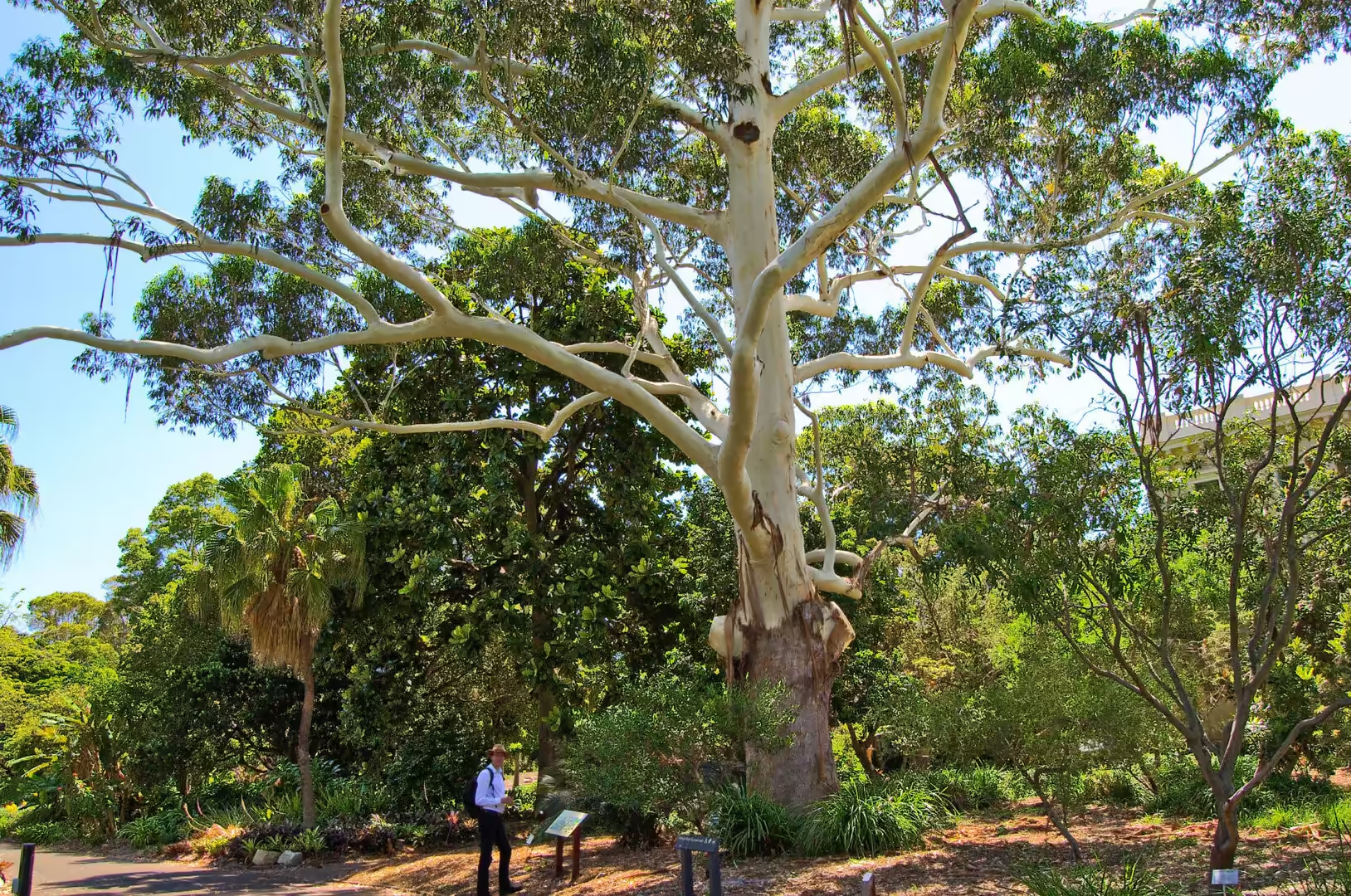
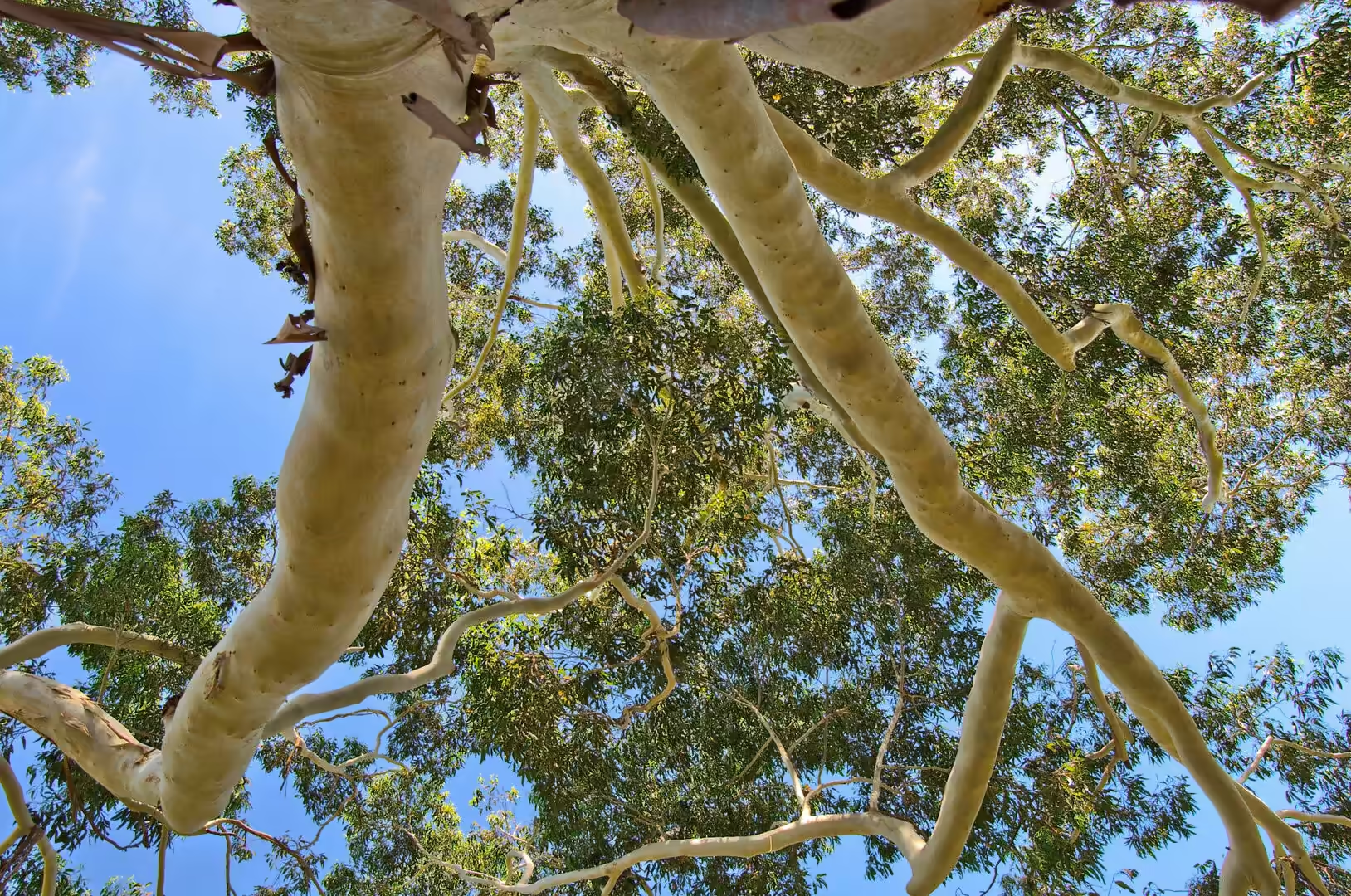
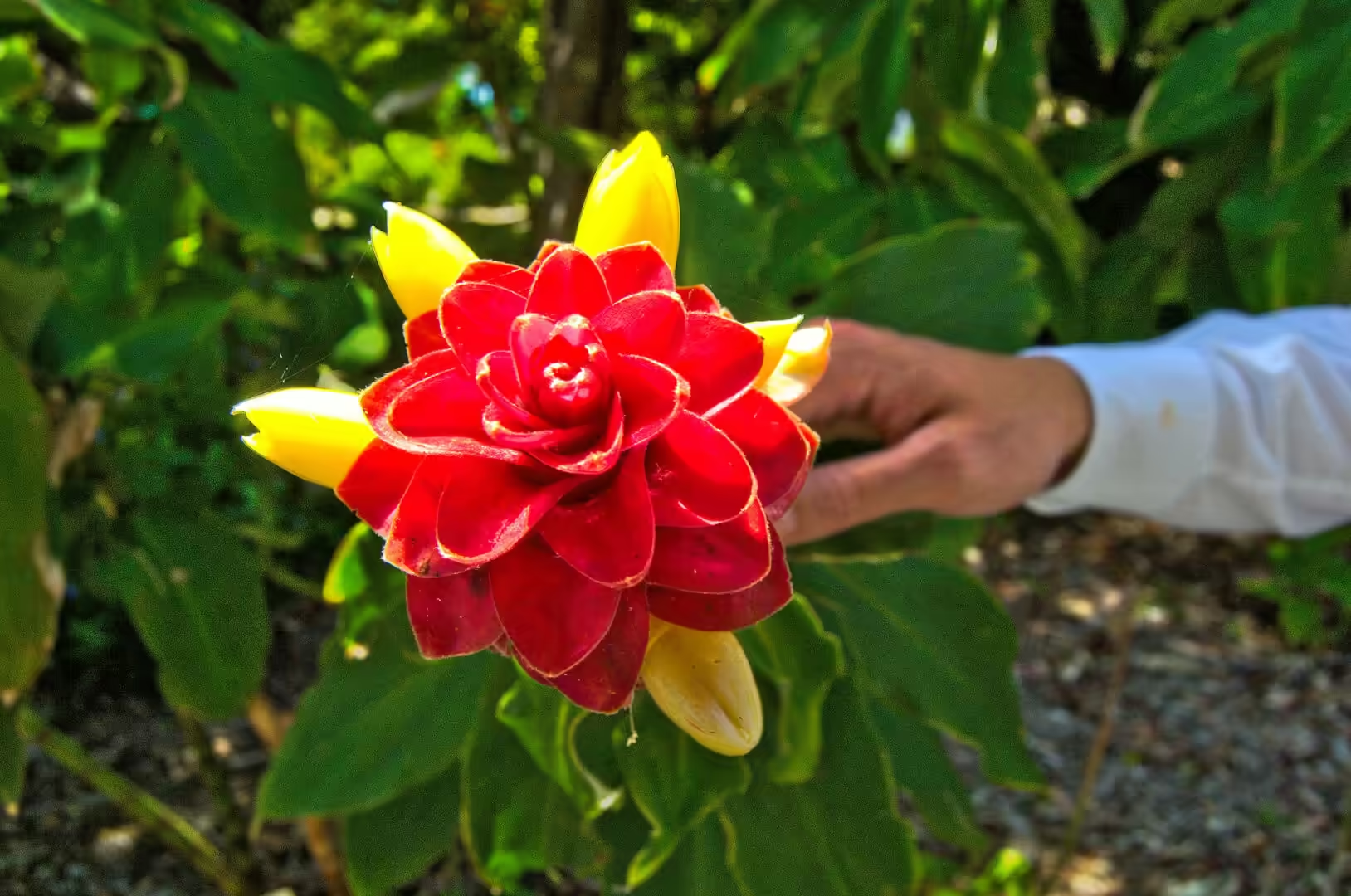
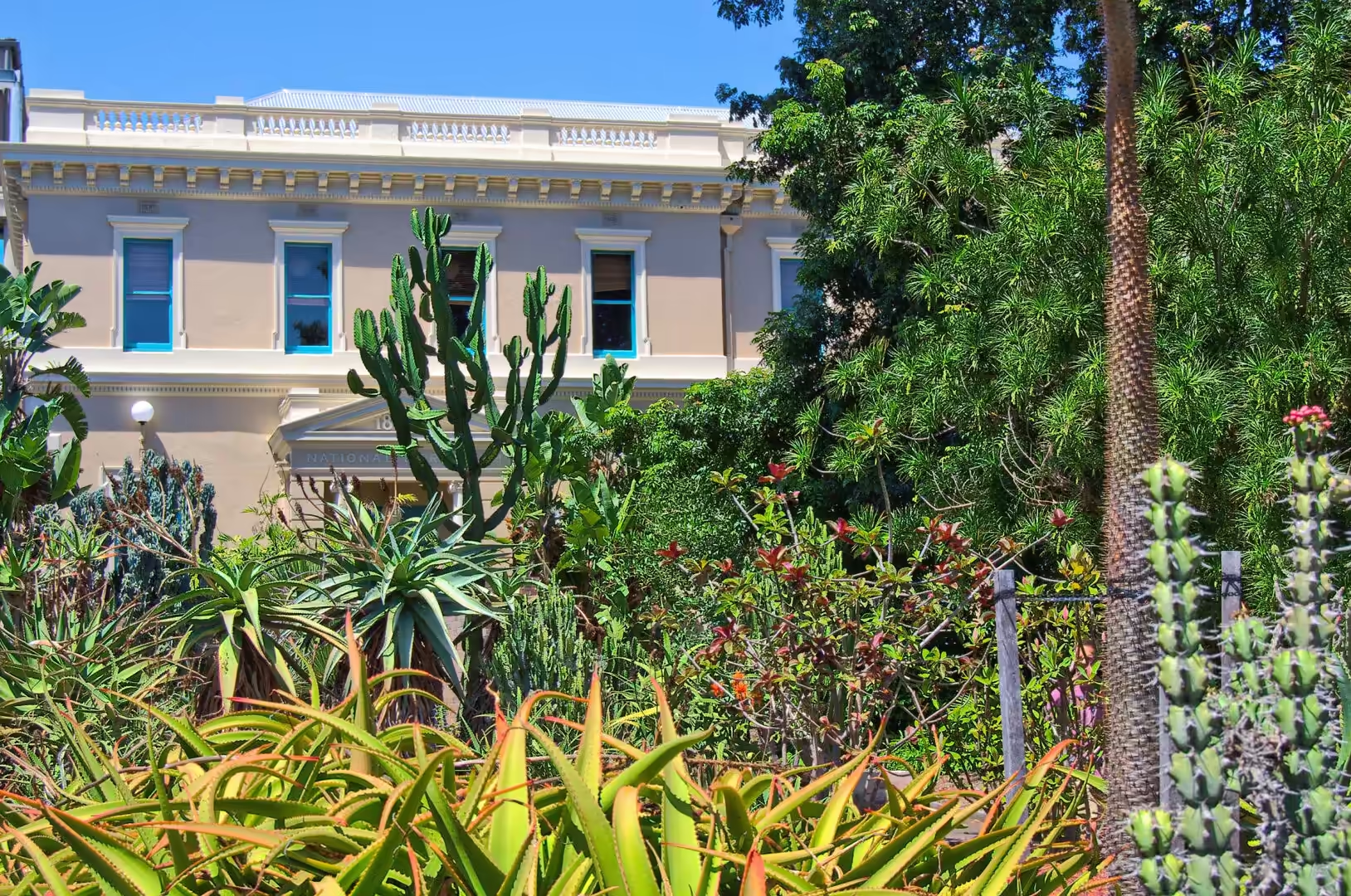
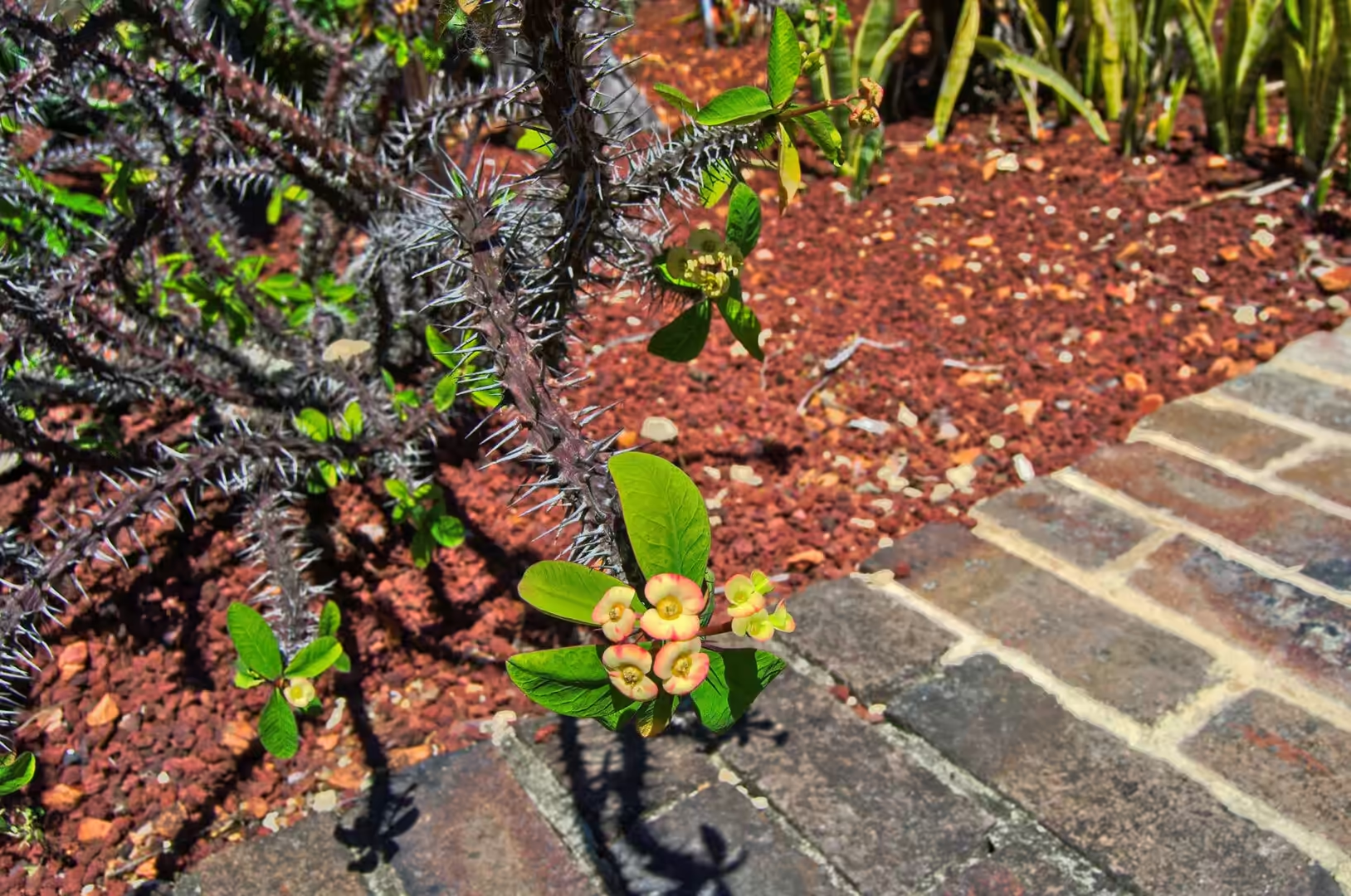
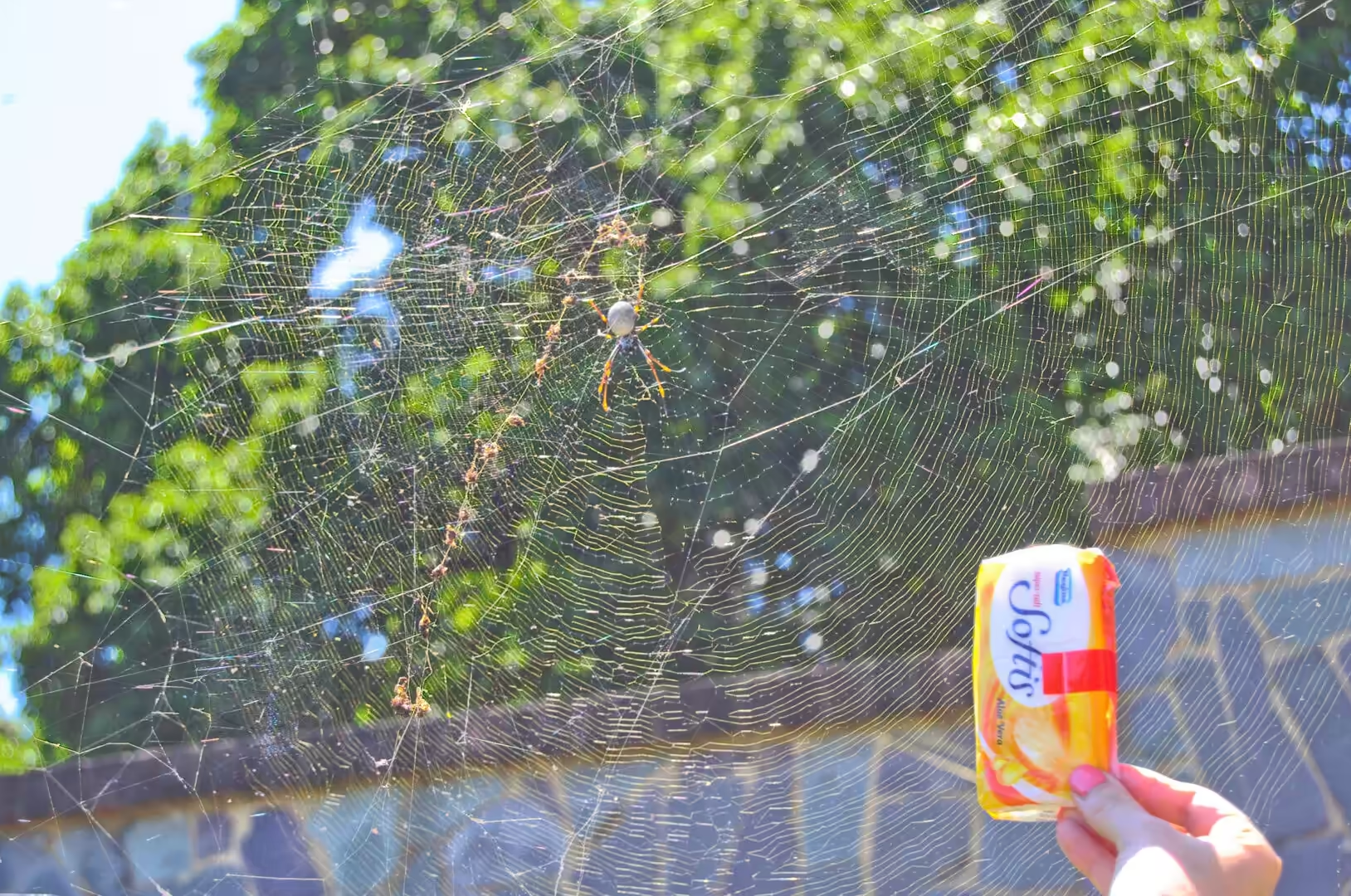
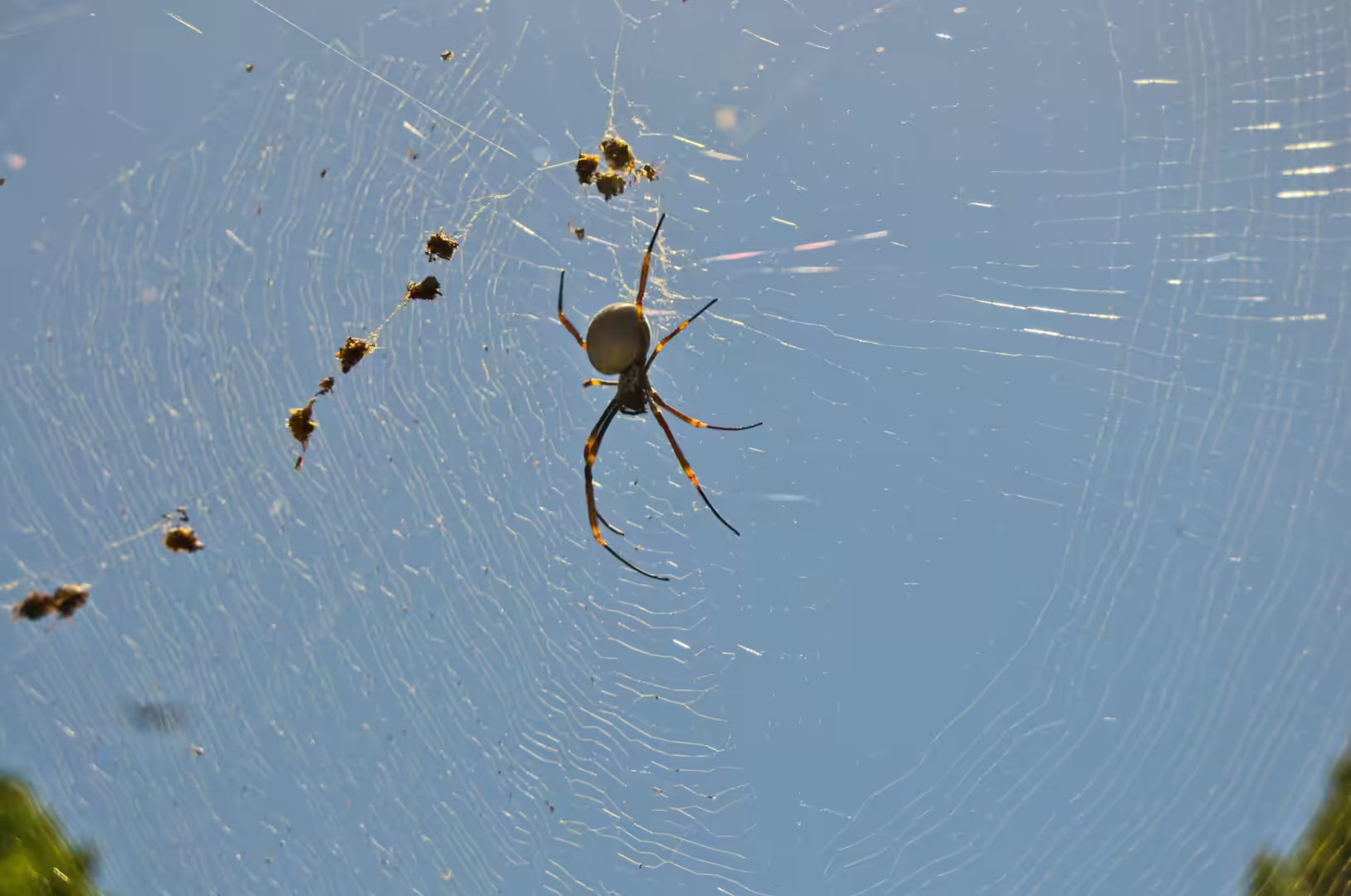
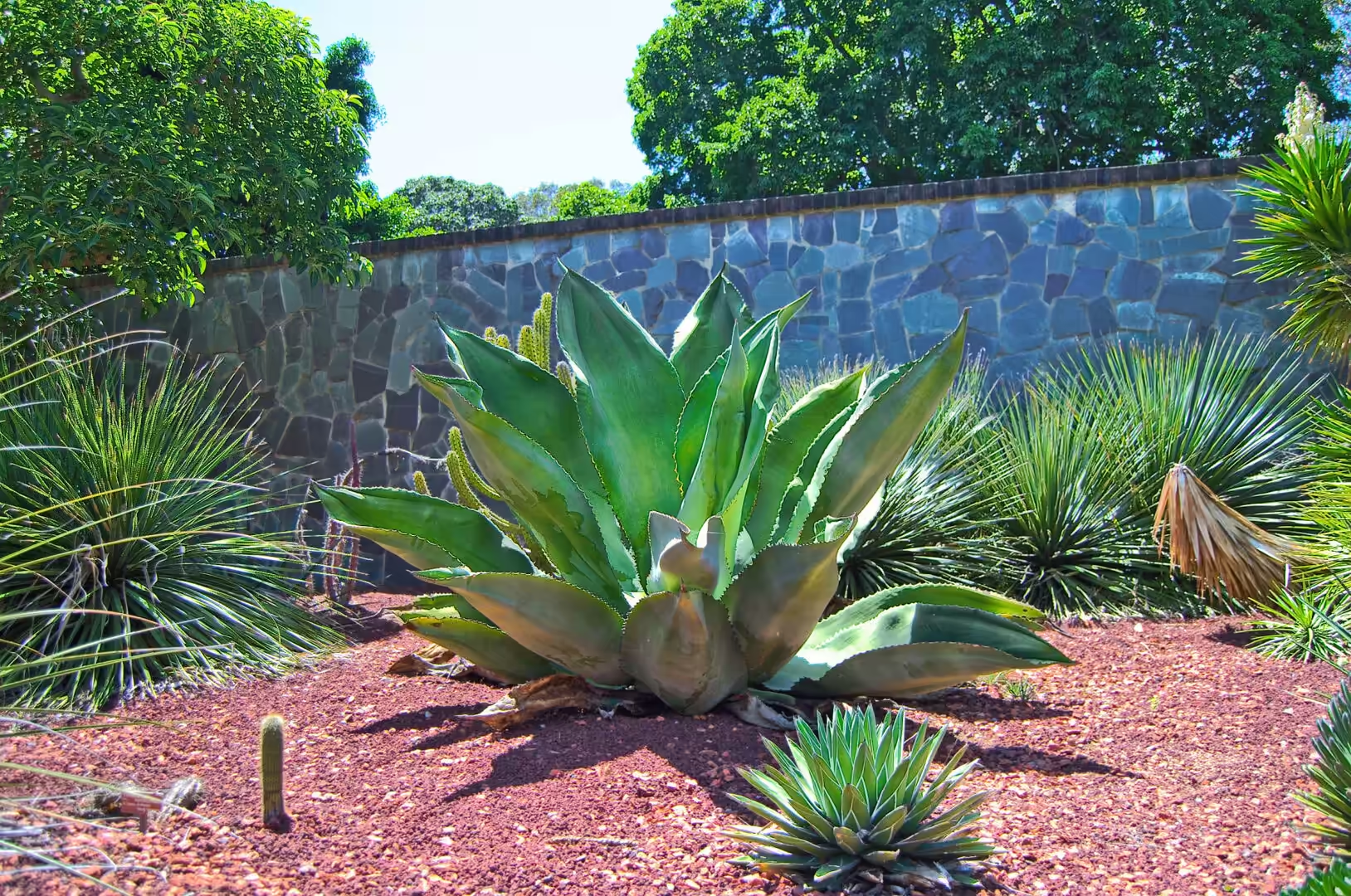
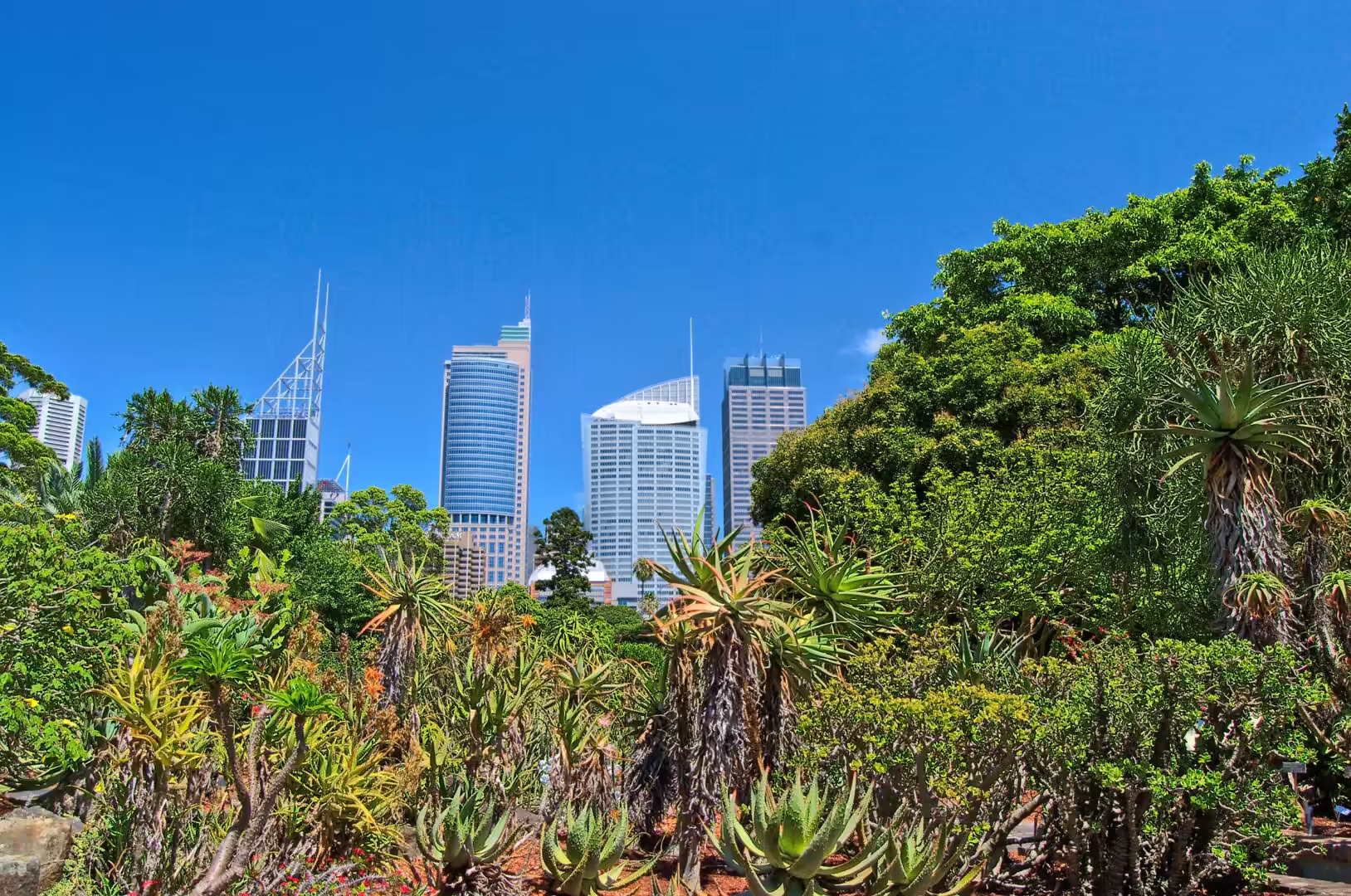
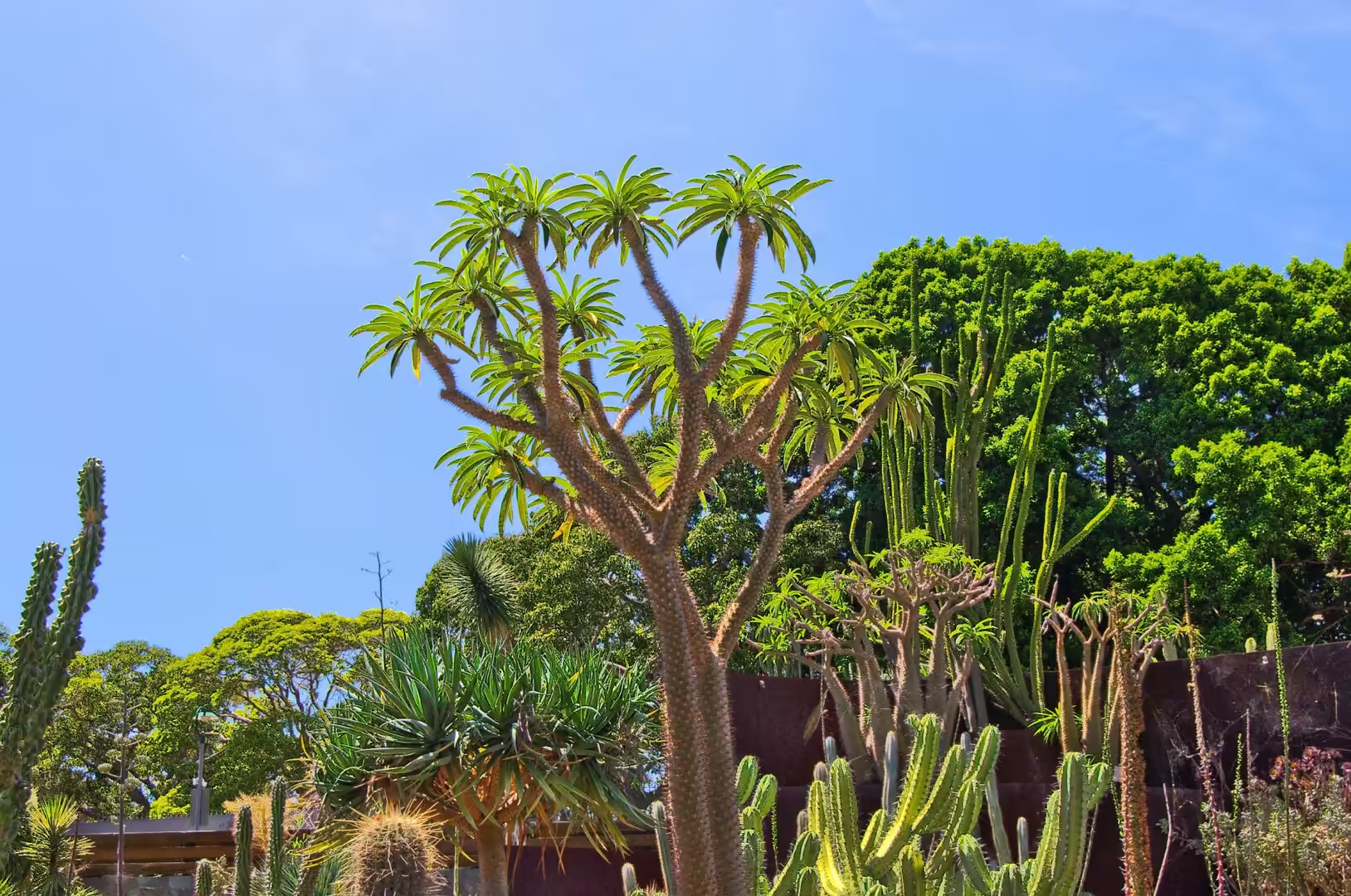
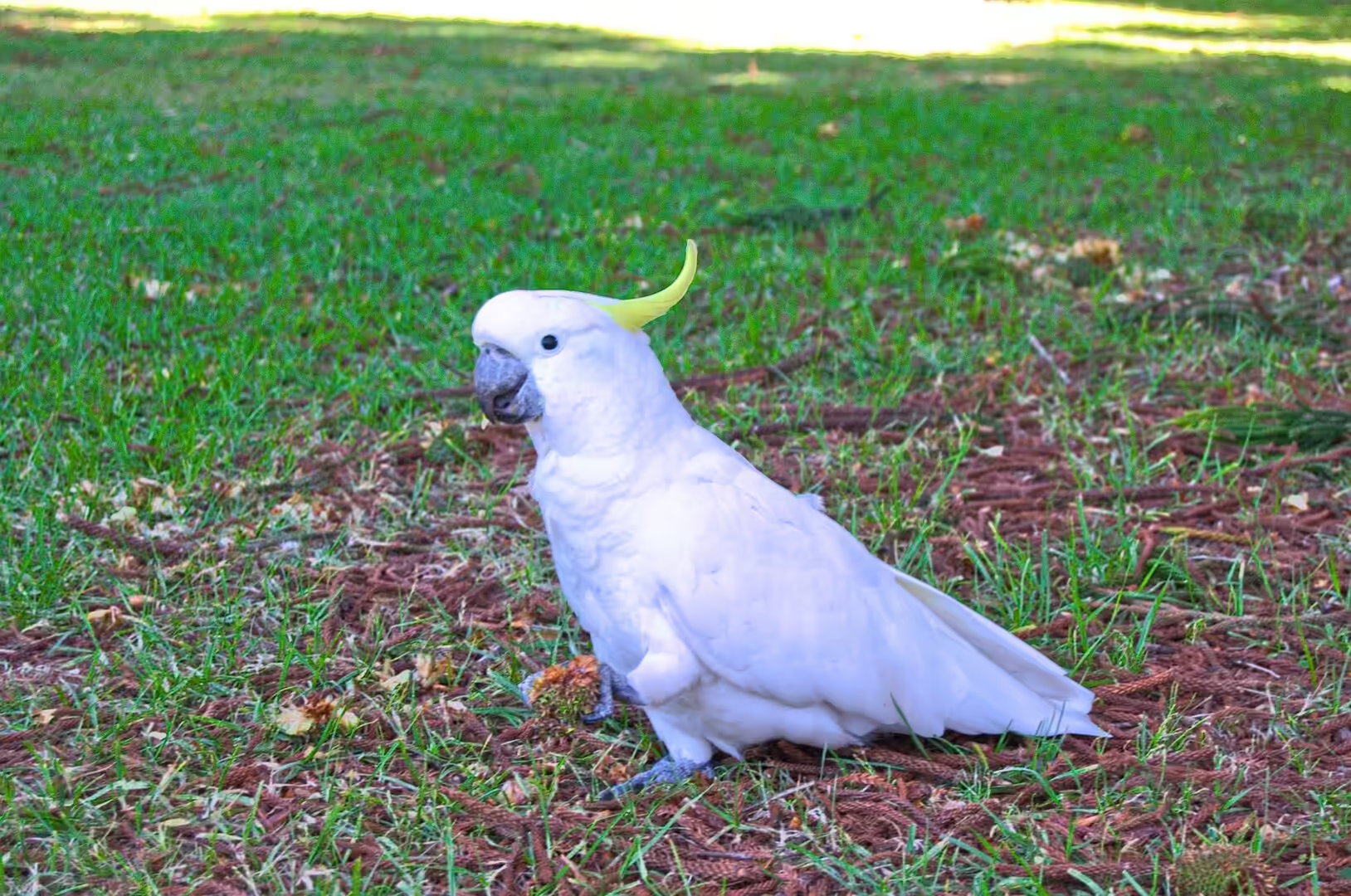
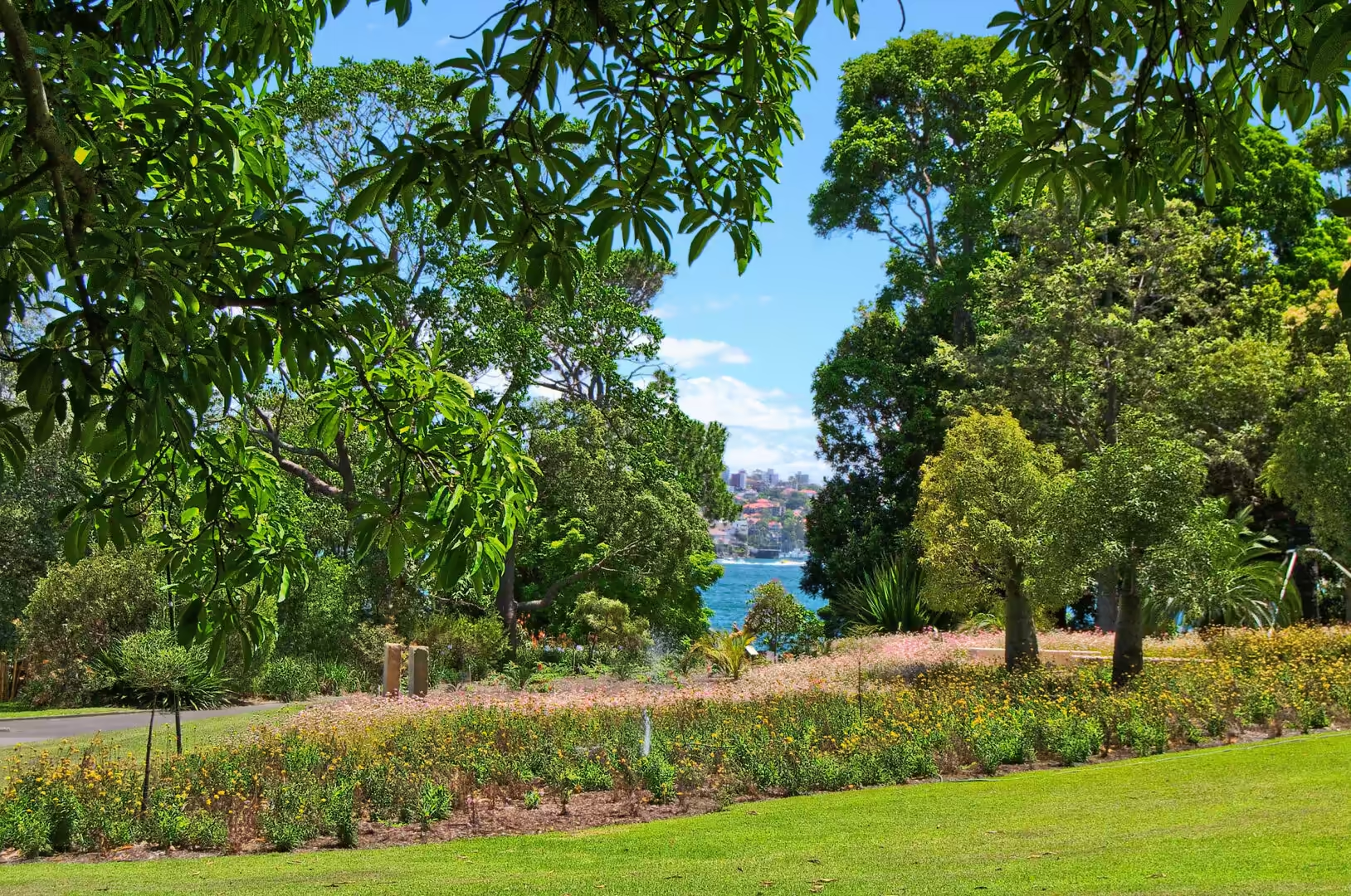
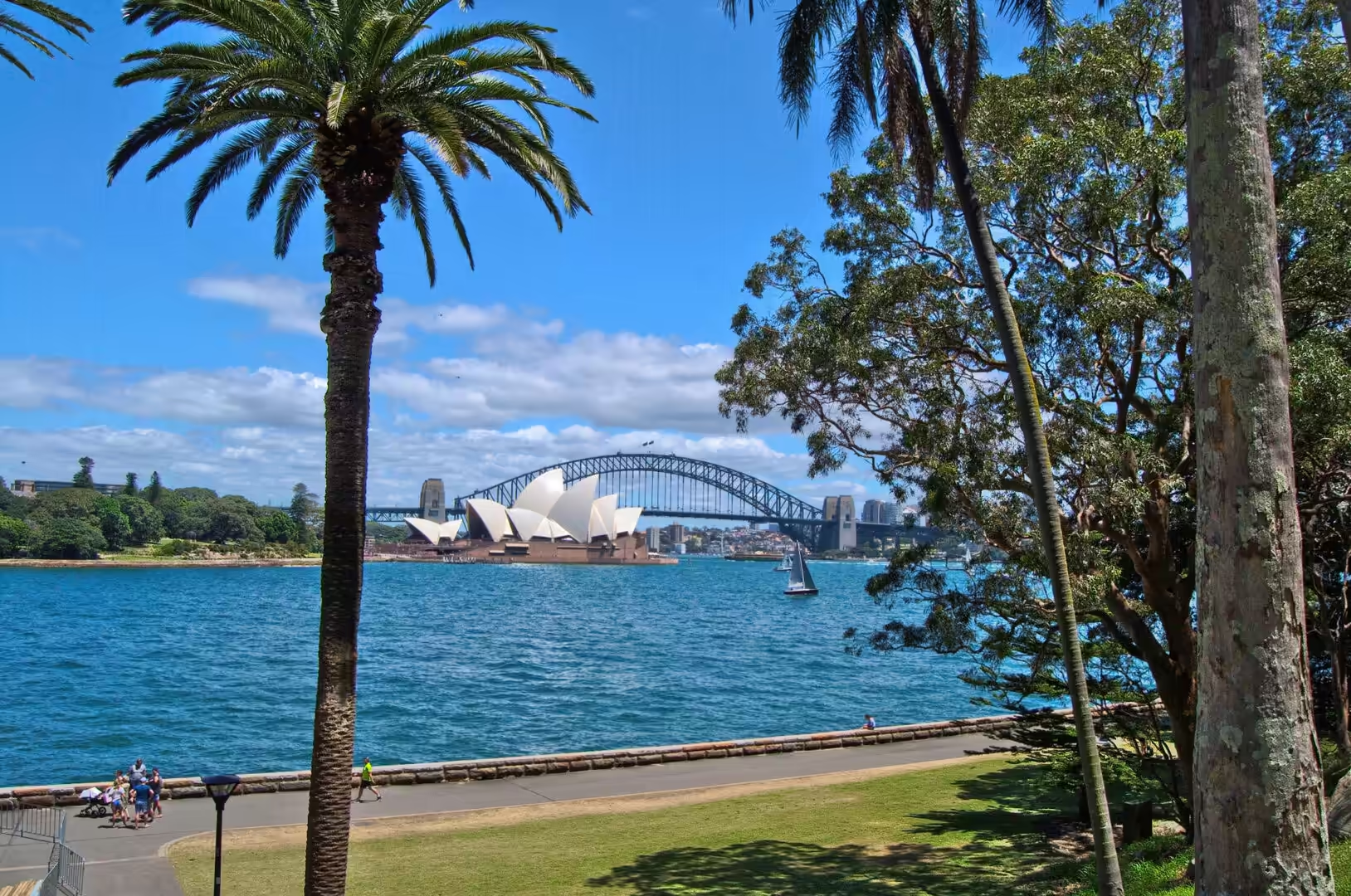
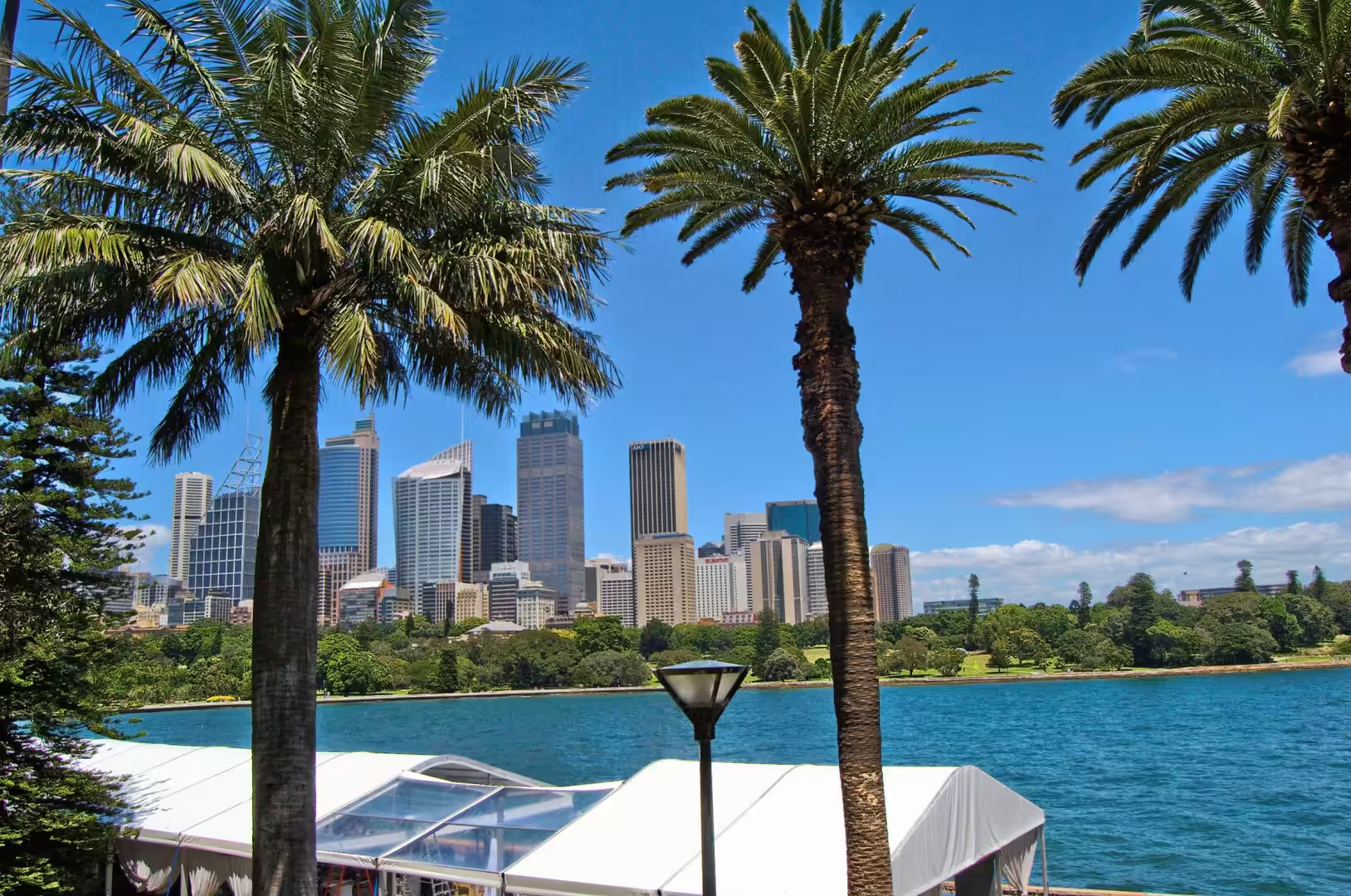
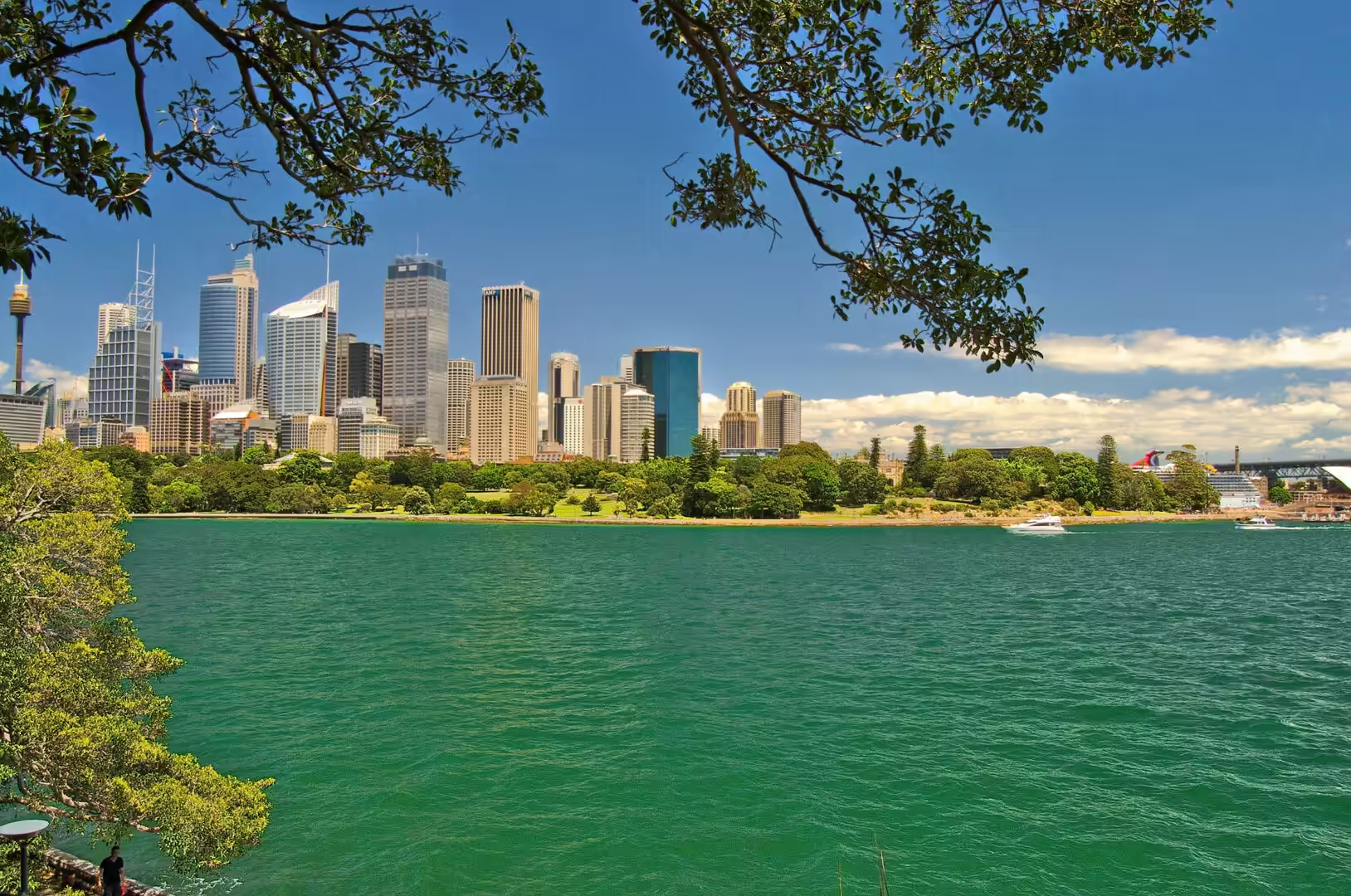
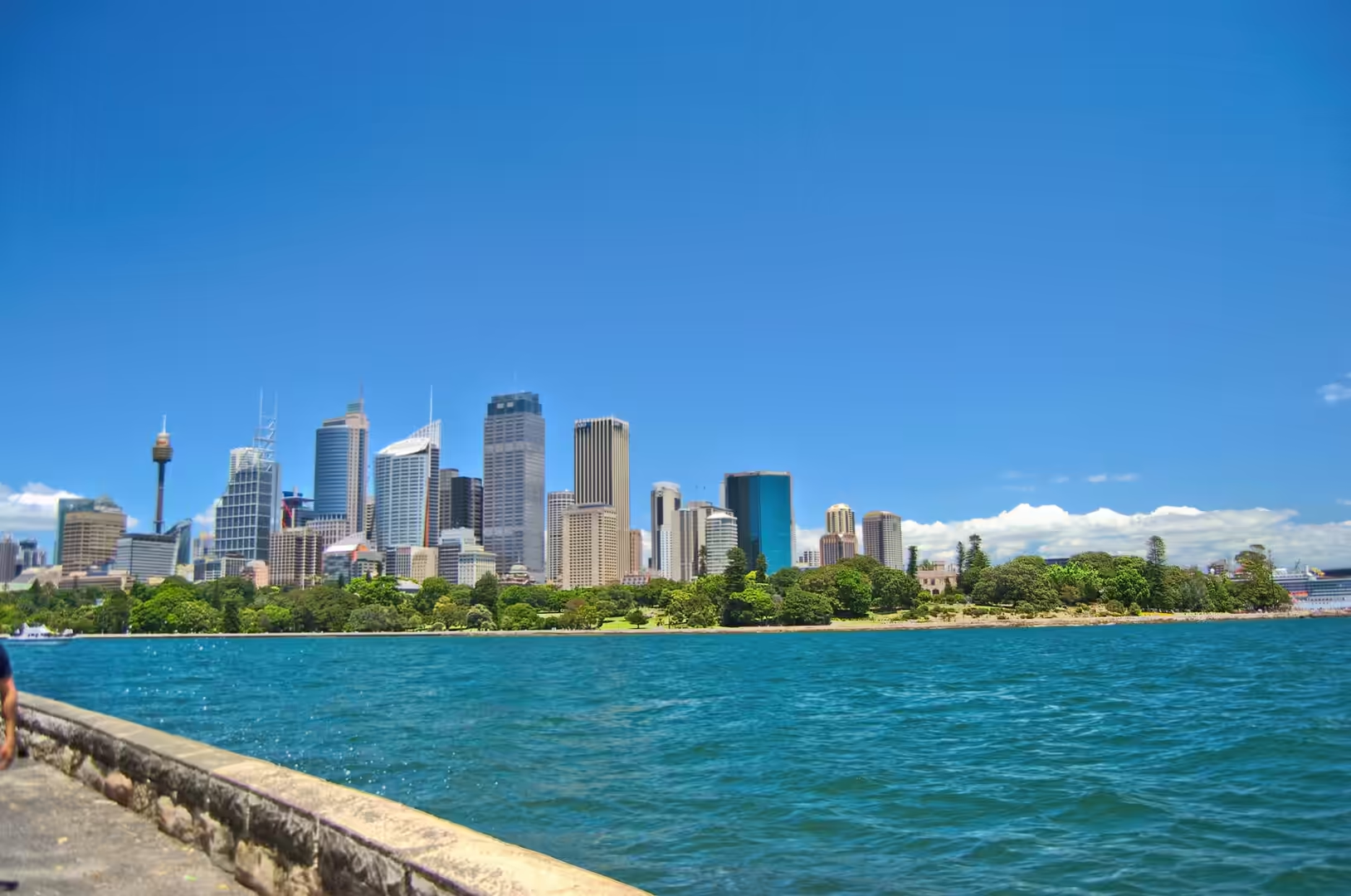
The Royal Botanic Garden, on the shore of Farm Cove just east of the Opera House, is the oldest scientific institution in the country and one of the best places to understand what grows in this climate. The garden opens at seven in the morning and is free to enter, and it holds fig trees with buttress roots as thick as a person, a succulent collection of agaves and columnar cacti, beds of agapanthus in full blue flower, dahlias, pansies and lilies, and a palm grove that looks across the water to the city. Sulphur crested cockatoos feed on the lawns without much concern for the visitors, and the golden orb weaver spiders that string their webs between the shrubs are worth a careful look before walking into one.
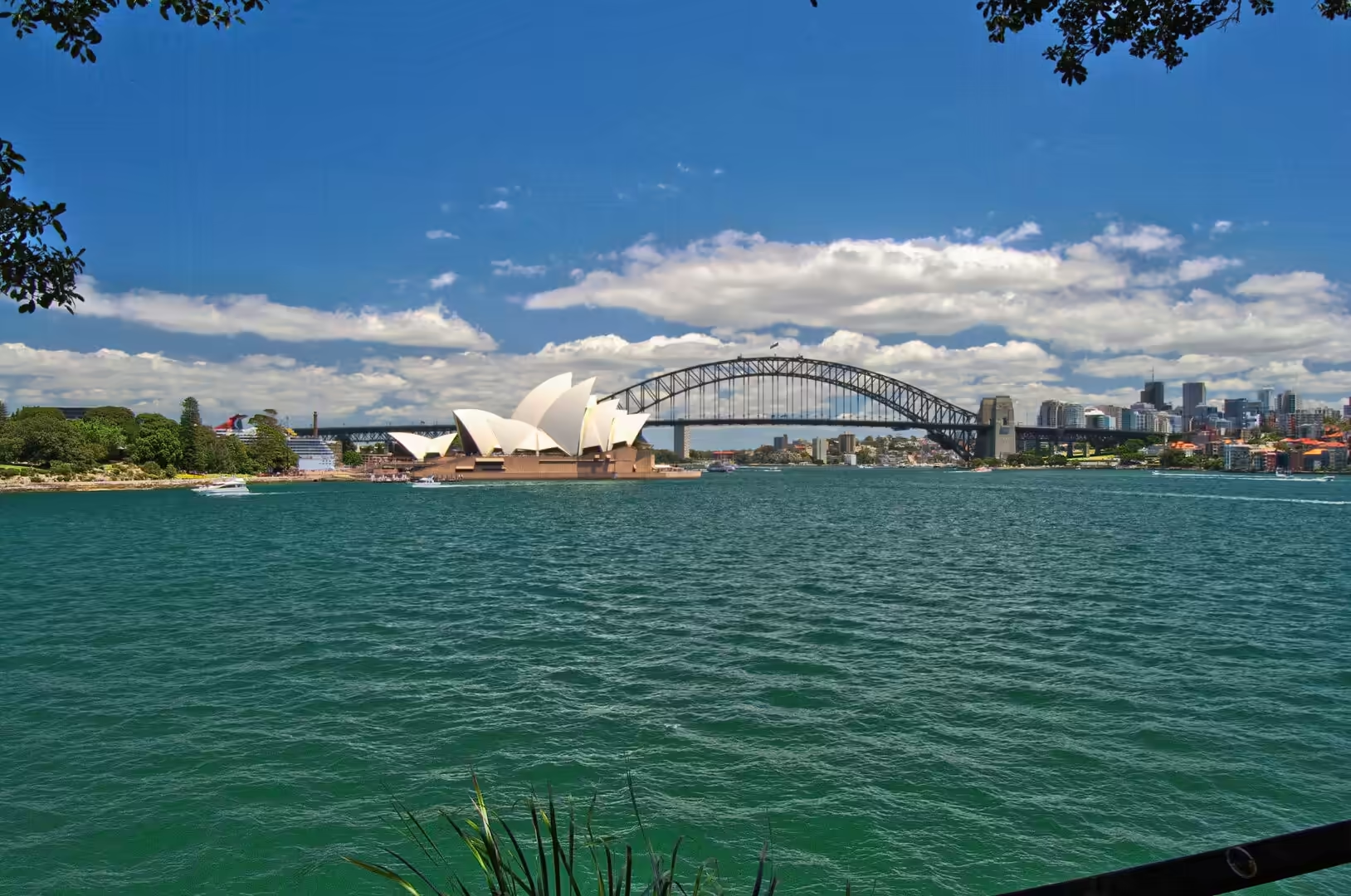
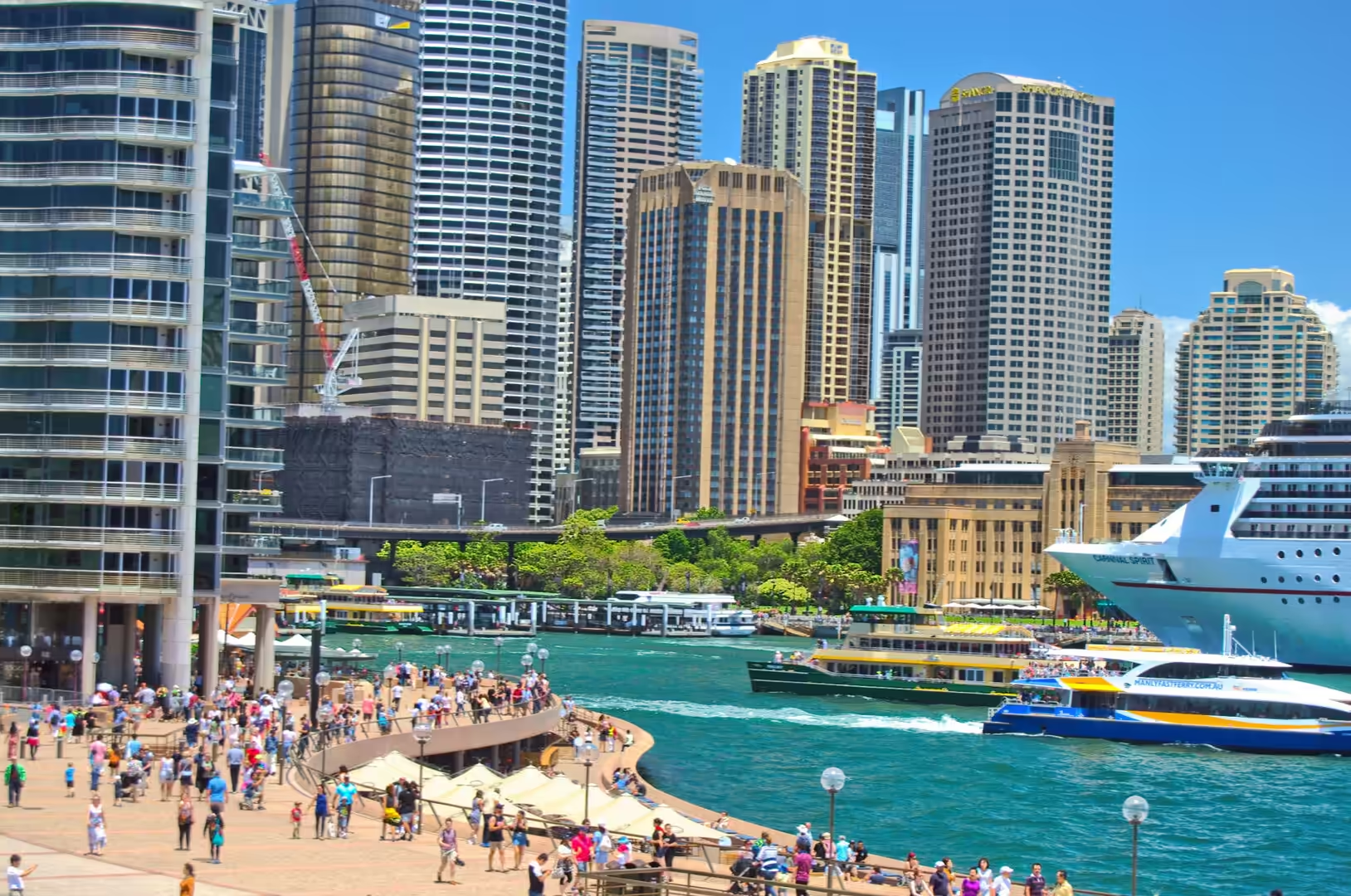
From the garden the two icons of the harbour stand together in a single view. The Opera House is best seen from the seawall at Mrs Macquarie’s Point, where the white shells sit in front of the arch of the Harbour Bridge with the water between them, and the walk along the waterfront from the garden to Circular Quay passes the pools, the lawns and the sandstone terraces of Government House. Circular Quay itself is the transport heart of the city, where the ferry wharves line up beneath the towers and a cruise ship sometimes fills the whole western side of the cove at the Overseas Passenger Terminal.
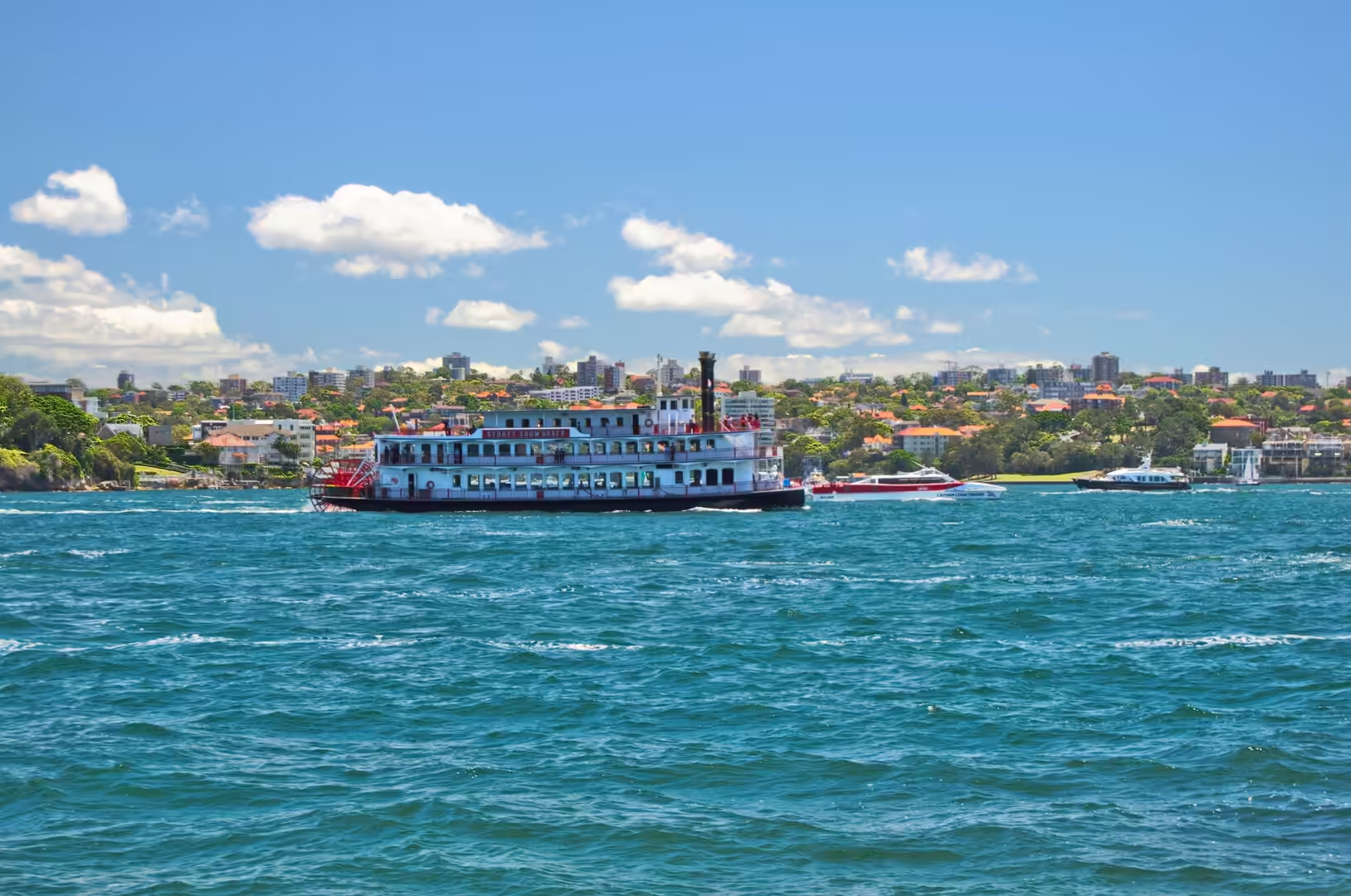
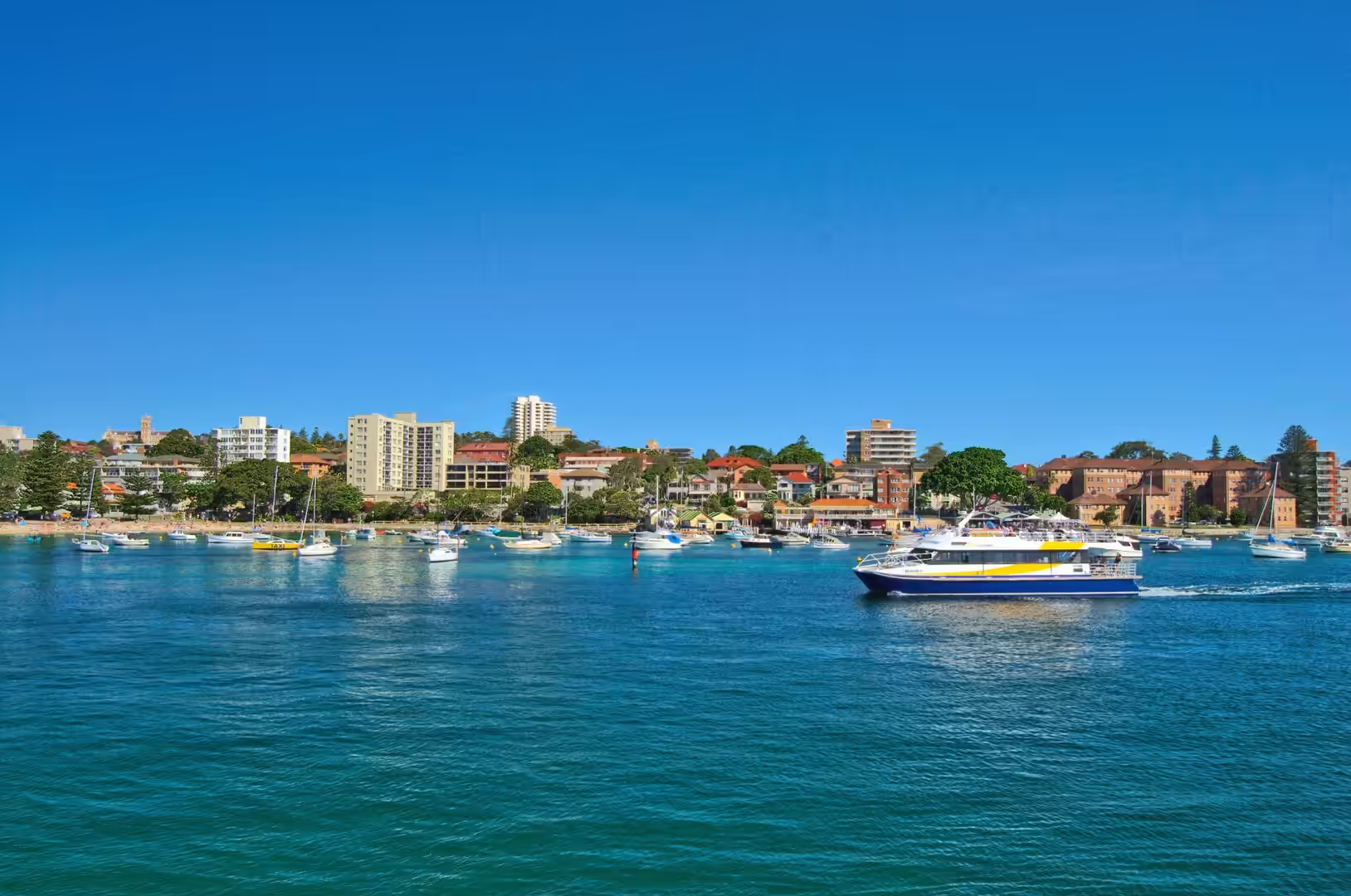
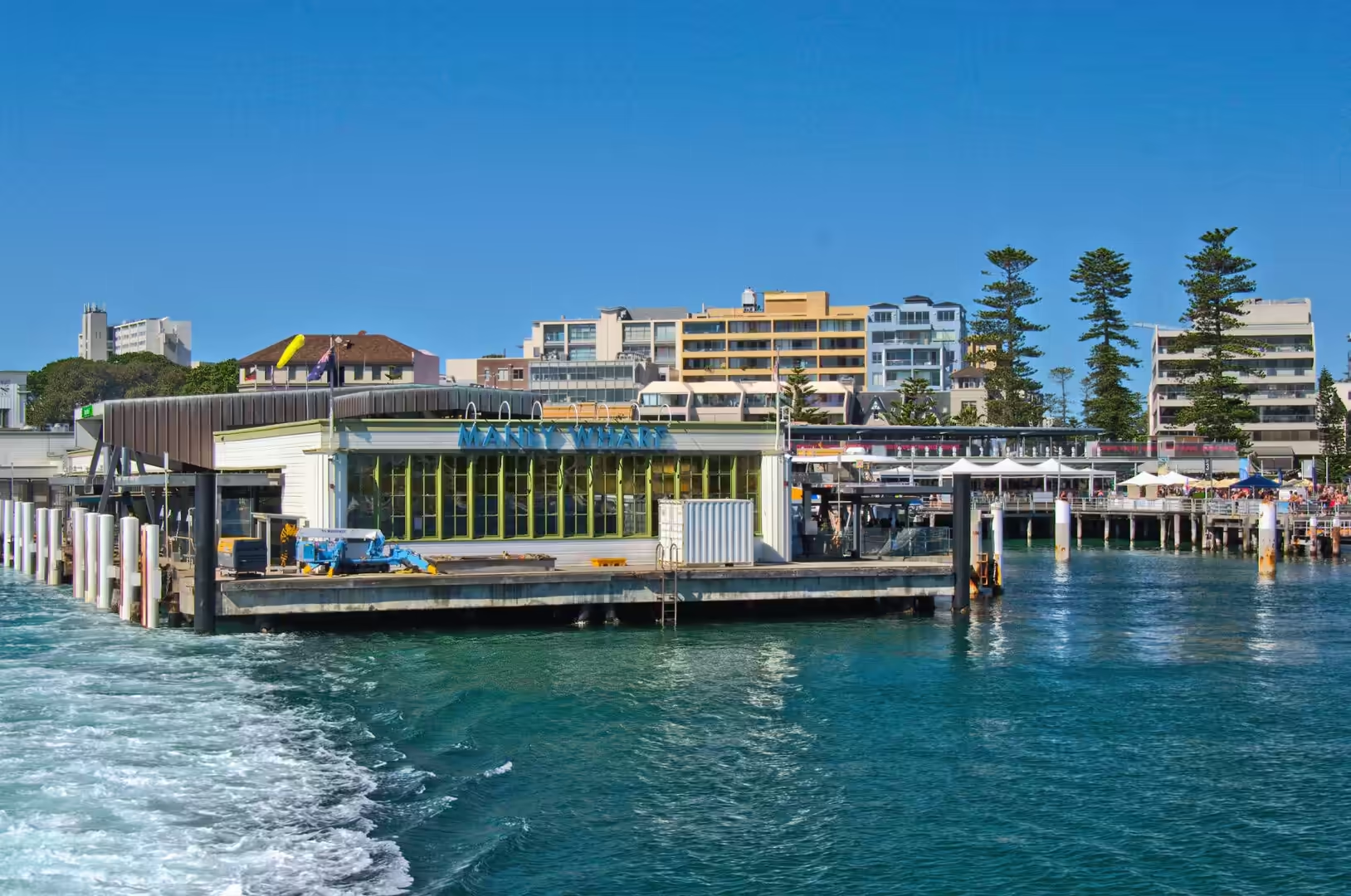
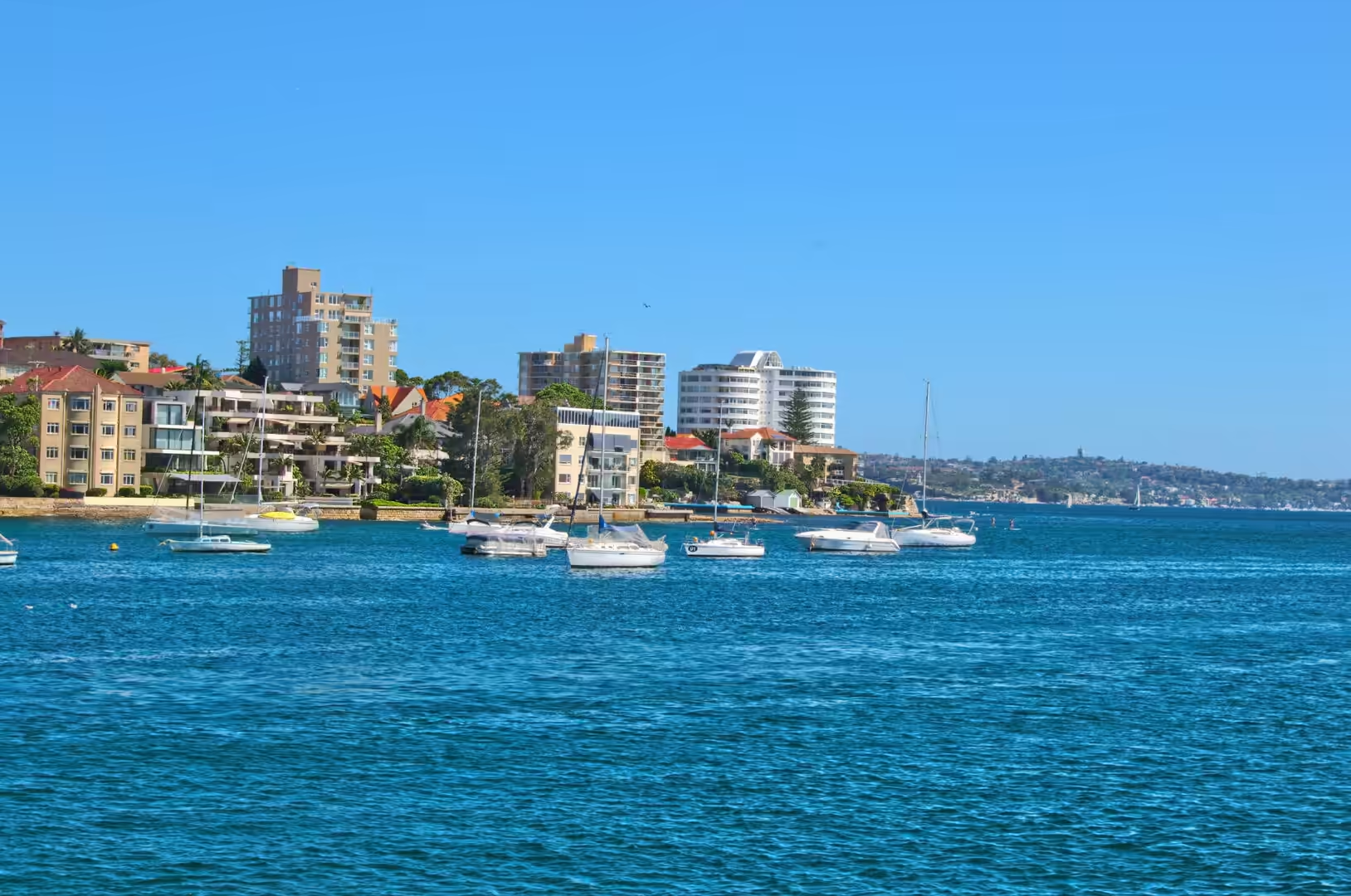
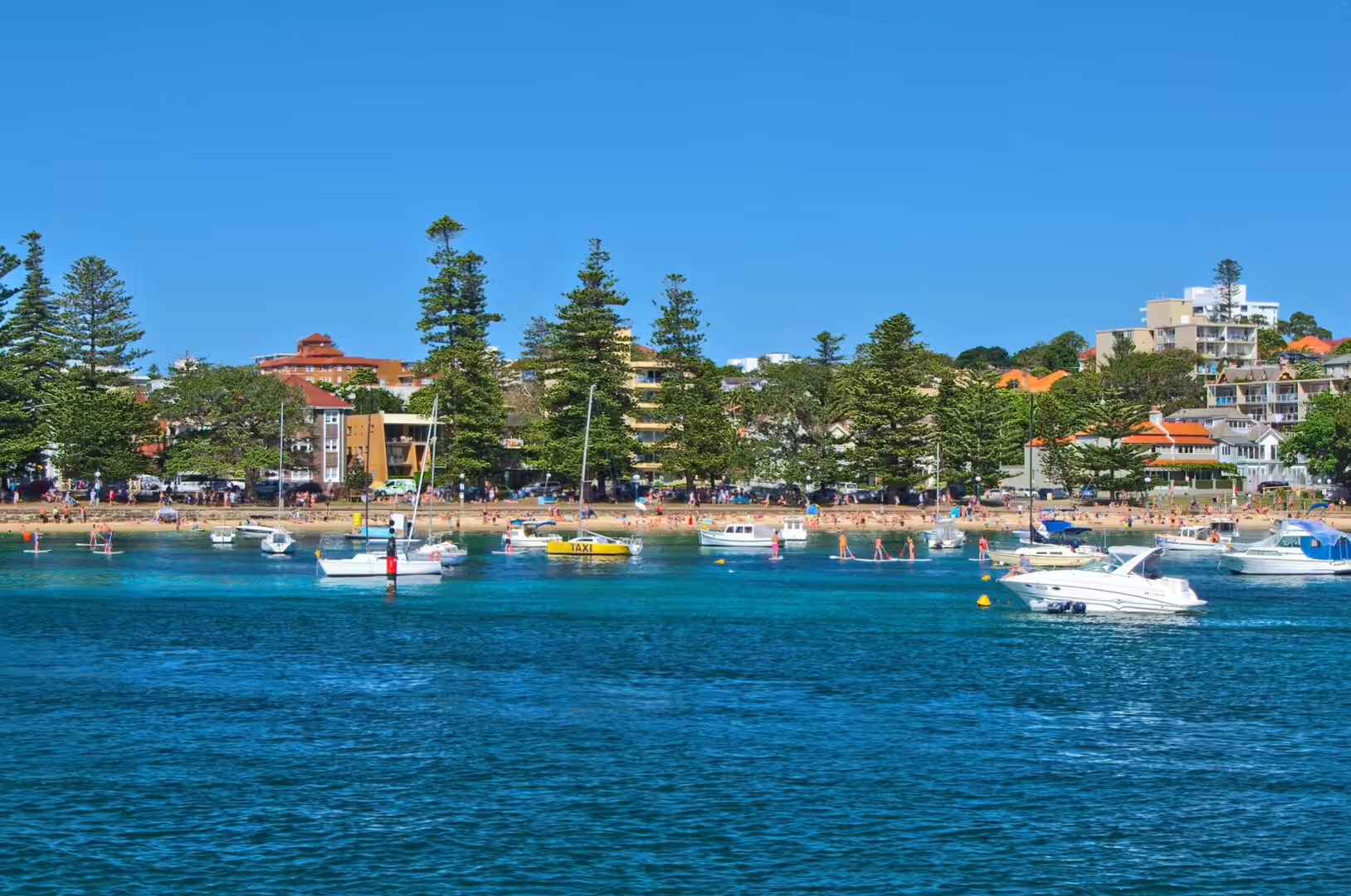
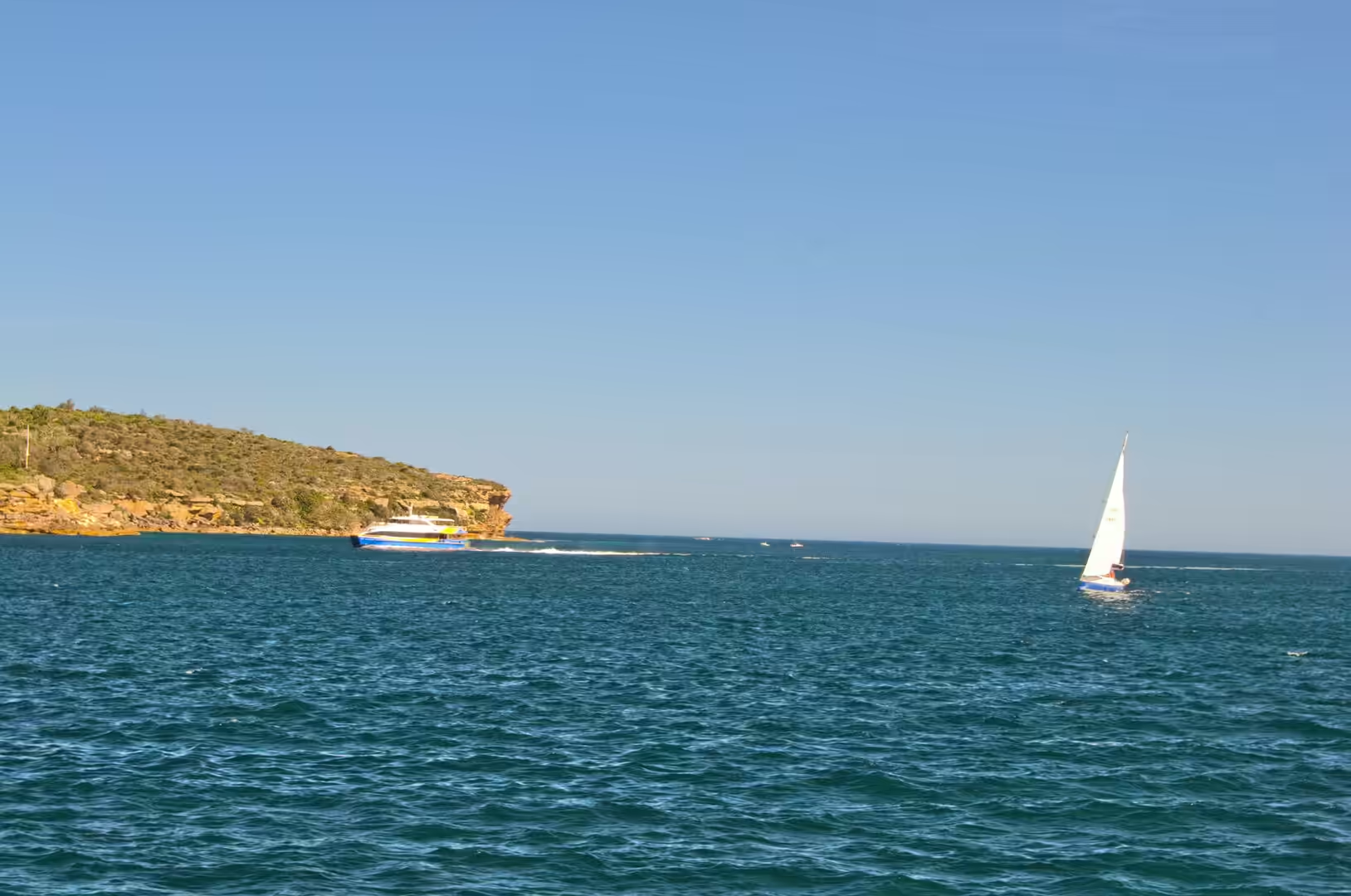
The ferries are the cheapest harbour cruise in the world. The route to Manly leaves the quay, passes the Opera House and the bridge, crosses the heads between the sandstone cliffs of the north and south shores, and lands at Manly Wharf on a beachfront of Norfolk pines and surf. The ride takes about half an hour and costs a few dollars on a tap on card, and it shows both faces of the harbour: the working port with its container cranes and moorings on one side, and the quiet residential coves of Mosman and Watsons Bay on the other.
On the ocean side, Bondi Beach is the view that most visitors carry away: a kilometre of golden sand and turquoise surf, patrolled by lifeguards, backed by a suburb of cafes and apartment blocks. Coogee, Maroubra and Malabar continue the sequence of beaches southward, each one smaller and quieter than the last. In the middle of December they are busy with local families rather than with tourists, and the water is warm enough for a long swim without a wetsuit.
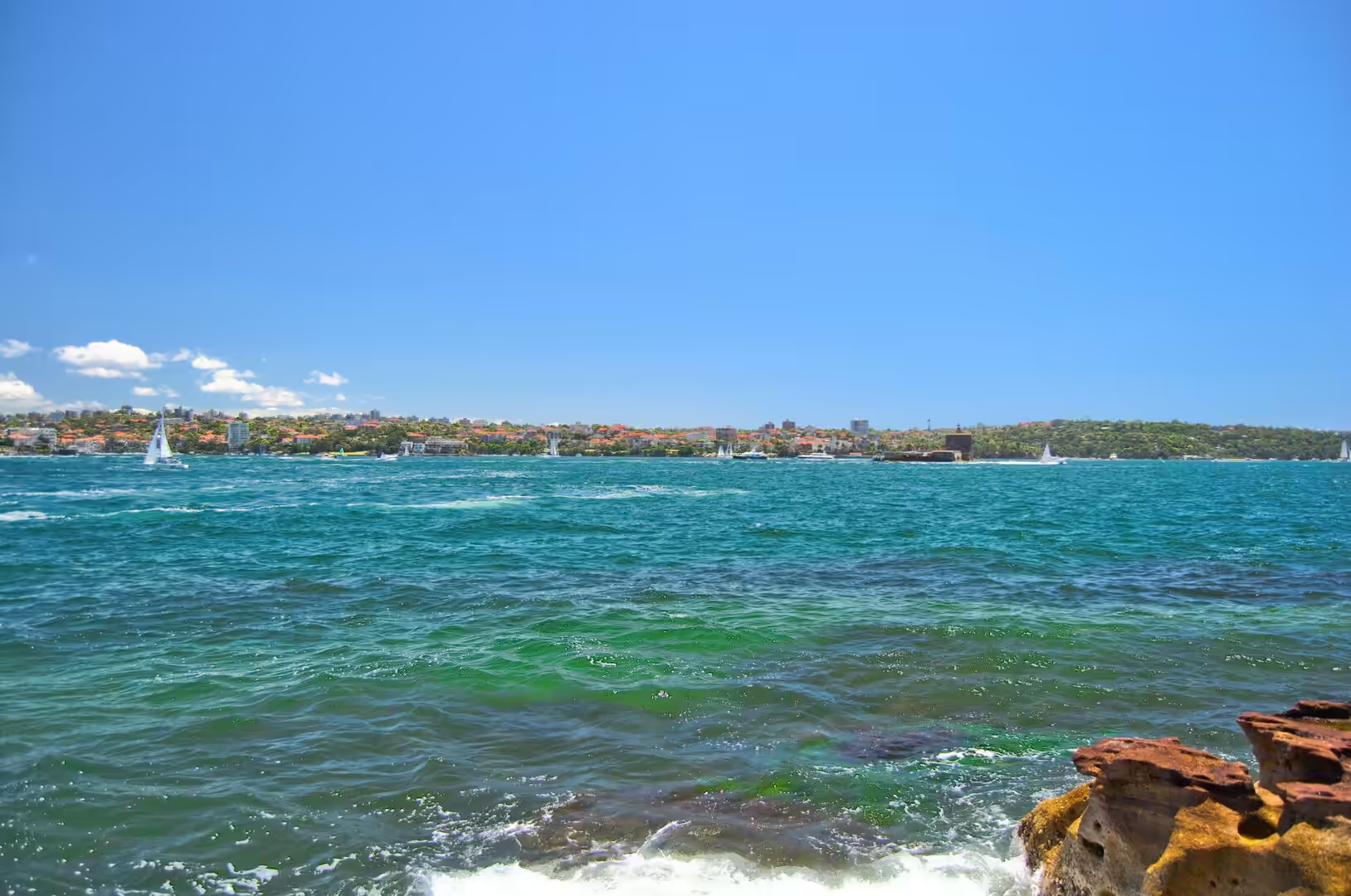
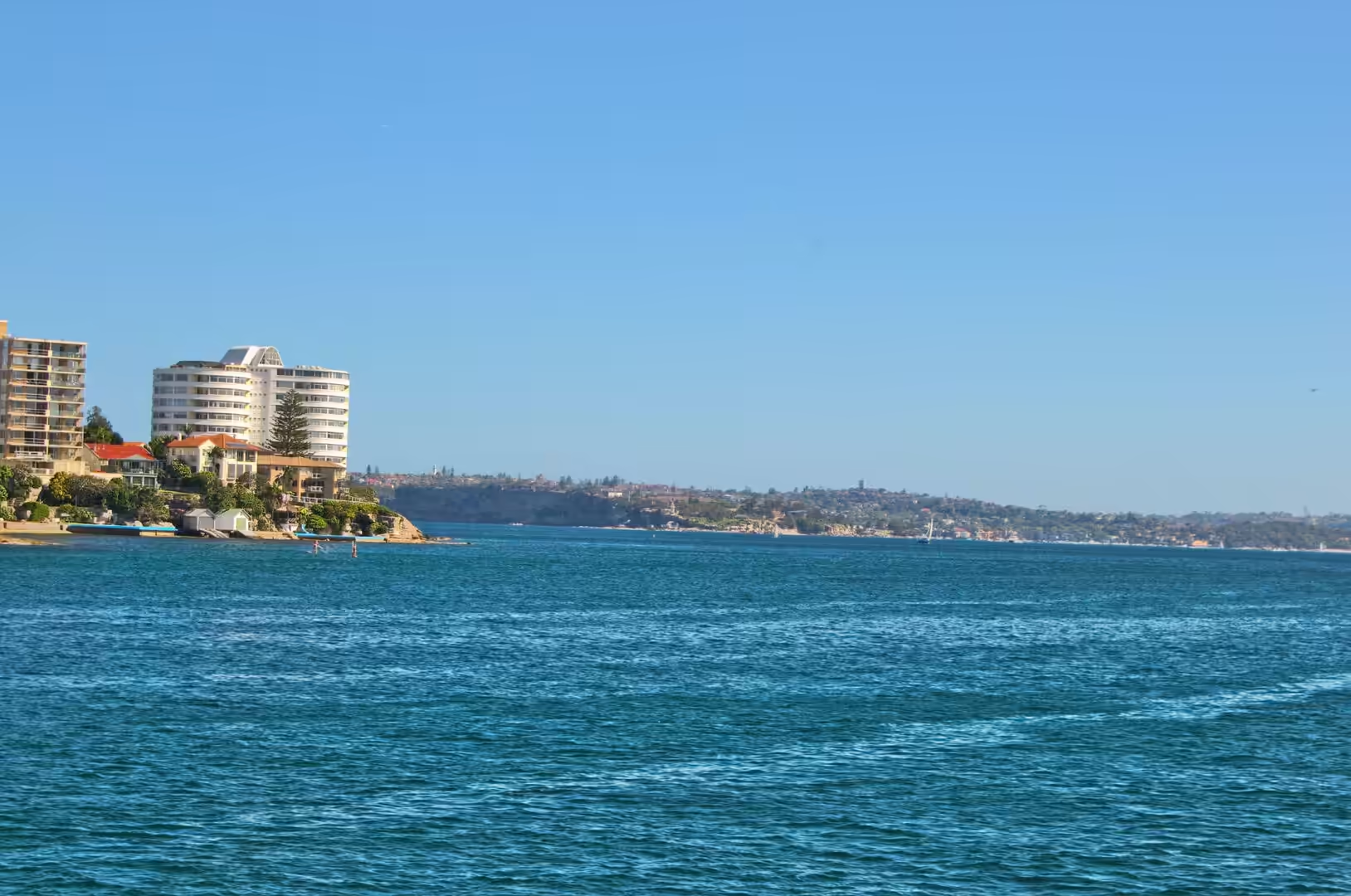
The southern shore of the harbour is best seen from the water. The ferry to Watsons Bay crosses the harbour, passes the naval base on Garden Island and lands at a small wharf below the old fishing village, from which a path climbs to the cliff at South Head and the squat white lighthouse that marks the entrance to the port. Below the cliff the ocean opens to the east with nothing between it and New Zealand, and on the way back the coastal path that links the eastern beaches can be walked in stages between Coogee and Bondi, with a swim at the end of each one.
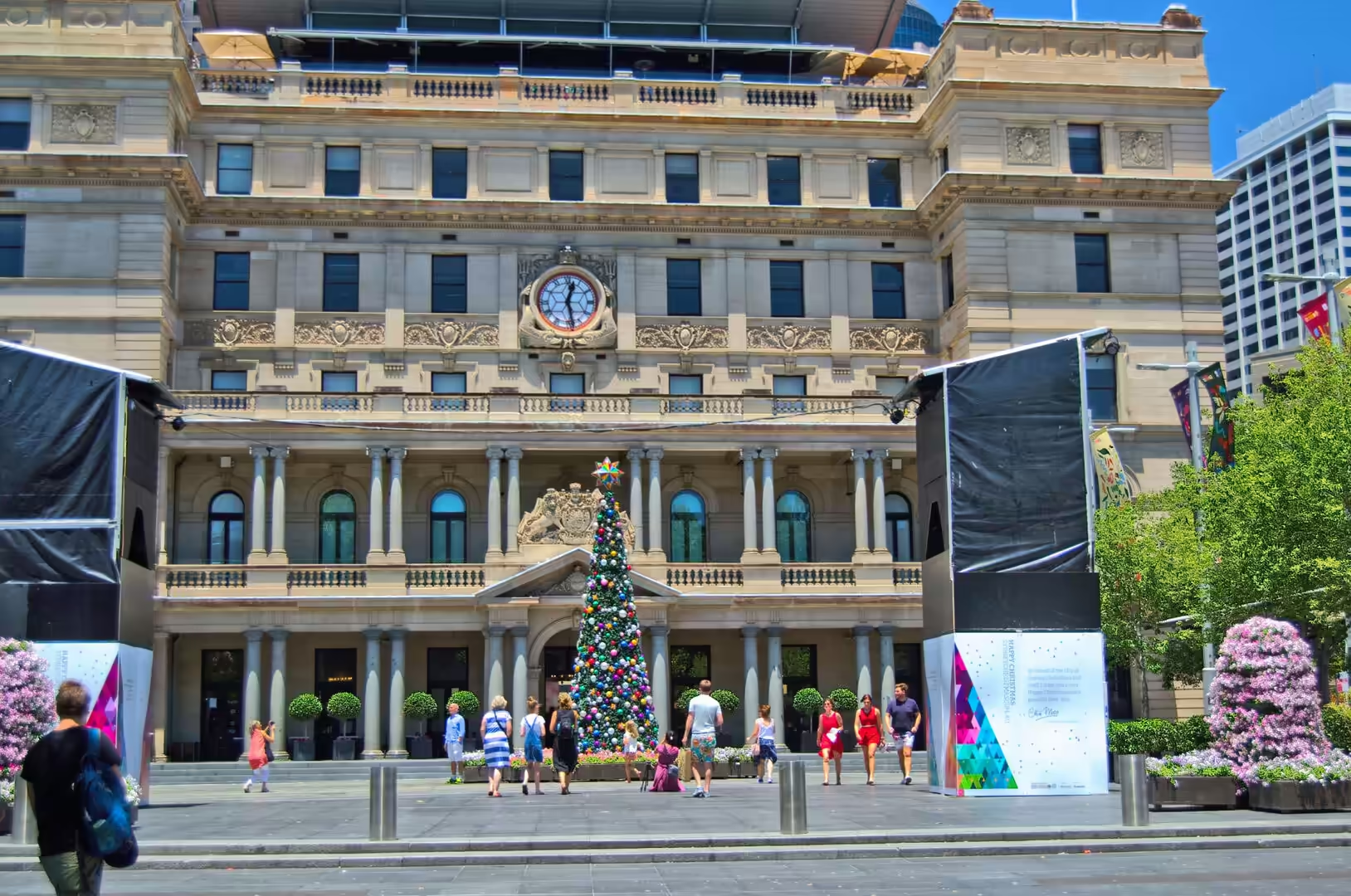
Evenings in the city centre belong to the harbour. The promenade at Circular Quay fills with people waiting for ferries after dark, the bridge and the Opera House are lit, and the restaurants along the water serve seafood at prices that take some getting used to. The Christmas decorations in the shopping streets are switched on early in December and stay up through the hottest weeks of the year, which gives the season a strange double character: fir trees and tinsel in thirty degree heat, carols sung by a choir in the open air, and a city that treats the whole month as one long evening out.
References
- Wikipedia contributors (2026). Sydney. en.wikipedia.org/wiki/Sydney
- Wikipedia contributors (2026). Circular Quay. en.wikipedia.org/wiki/Circular%20Quay
- Wikipedia contributors (2026). Sydney Harbour. en.wikipedia.org/wiki/Sydney%20Harbour
- Wikipedia contributors (2026). Sydney Harbour Bridge. en.wikipedia.org/wiki/Sydney%20Harbour%20Bridge
- Wikipedia contributors (2026). Sydney Opera House. en.wikipedia.org/wiki/Sydney%20Opera%20House
- Wikipedia contributors (2026). Port Jackson. en.wikipedia.org/wiki/Port%20Jackson
- Wikipedia contributors (2026). Bondi Beach. en.wikipedia.org/wiki/Bondi%20Beach
- Wikipedia contributors (2026). Tasman Sea. en.wikipedia.org/wiki/Tasman%20Sea
- Wikipedia contributors (2026). Sydney Basin. en.wikipedia.org/wiki/Sydney%20Basin
- Wikipedia contributors (2026). Hawkesbury sandstone. en.wikipedia.org/wiki/Hawkesbury%20sandstone
- Wikipedia contributors (2026). Watsons Bay. en.wikipedia.org/wiki/Watsons%20Bay
- Wikipedia contributors (2026). Sydney Ferries. en.wikipedia.org/wiki/Sydney%20Ferries
- Wikipedia contributors (2026). Royal National Park. en.wikipedia.org/wiki/Royal%20National%20Park
- Wikipedia contributors (2026). Manly, New South Wales. en.wikipedia.org/wiki/Manly%2C%20New%20South%20Wales
- Wikipedia contributors (2026). Coogee, New South Wales. en.wikipedia.org/wiki/Coogee%2C%20New%20South%20Wales
- Pells P. (2018) Engineering properties of the Hawkesbury Sandstone. Engineering Geology of the Sydney Region. 179-197. doi.org/10.1201/9780203757390-10
- Wallace I. (2018) Sandstone for building blocks. Engineering Geology of the Sydney Region. 345-354. doi.org/10.1201/9780203757390-17
- Ward P. (2018) Excavation of Hawkesbury Sandstone in the Sydney Region. Engineering Geology of the Sydney Region. 199-202. doi.org/10.1201/9780203757390-11