Day 11 - Coral Bay / Ningaloo Reef



















Journal Notes
General
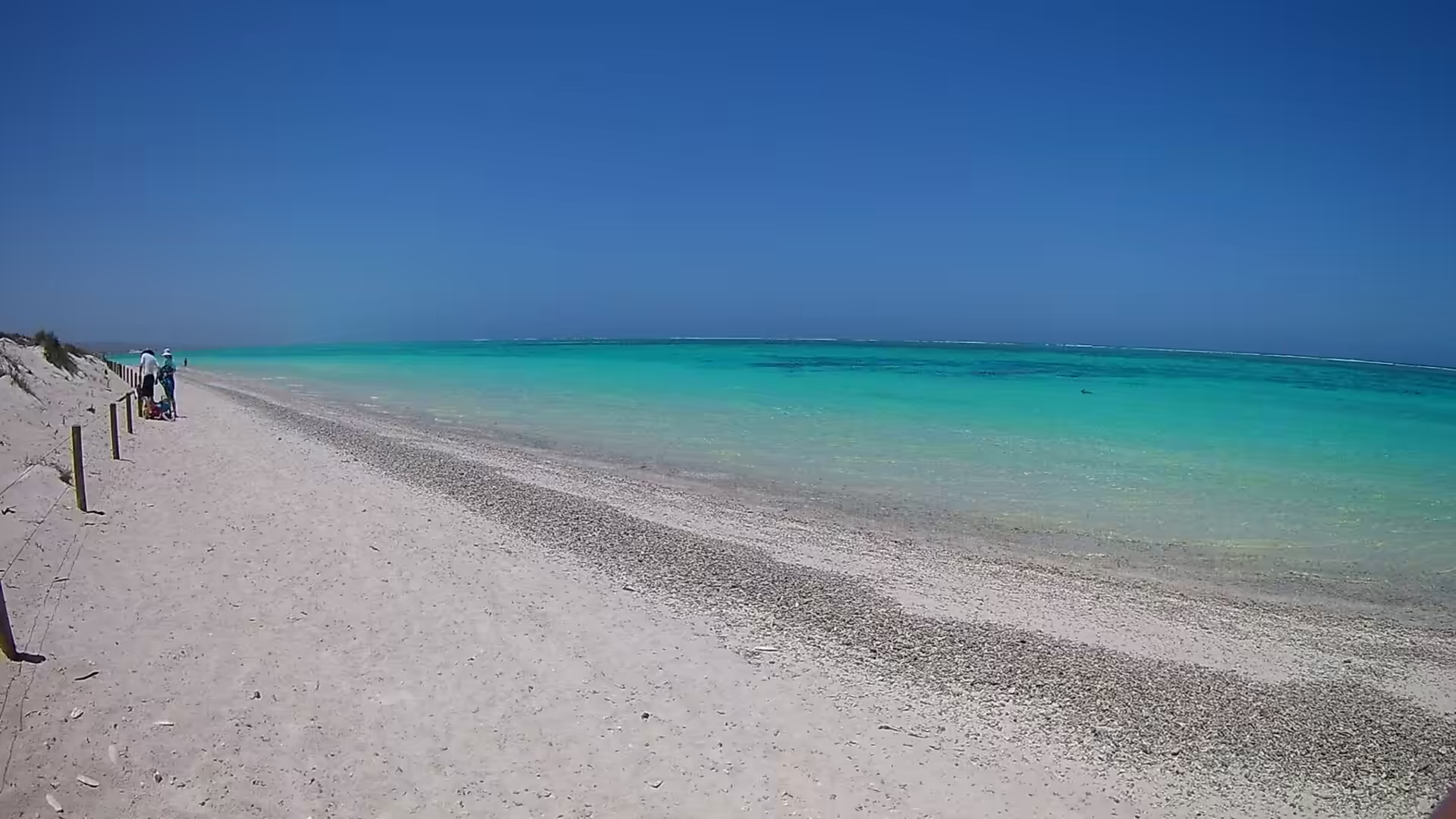
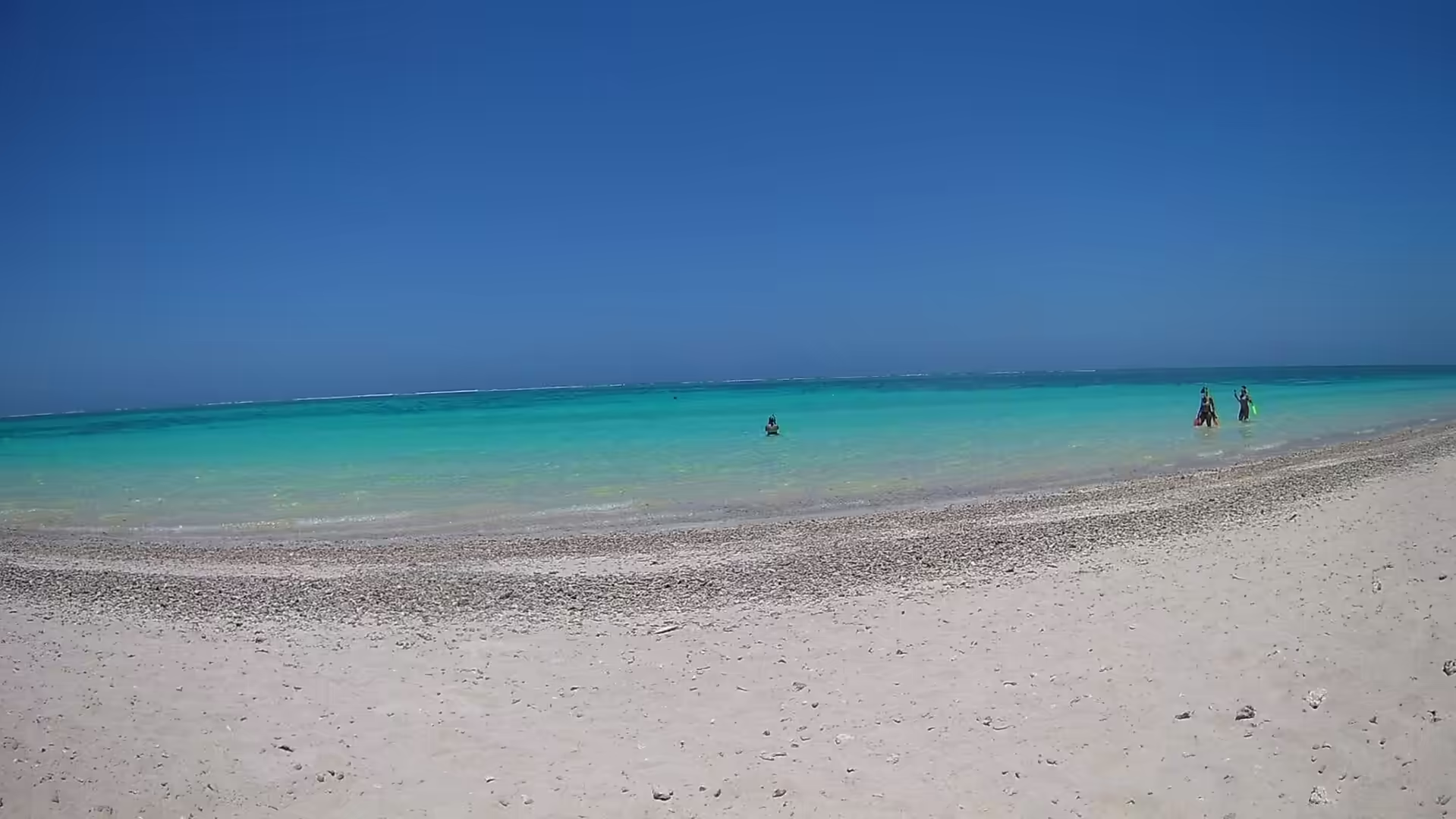
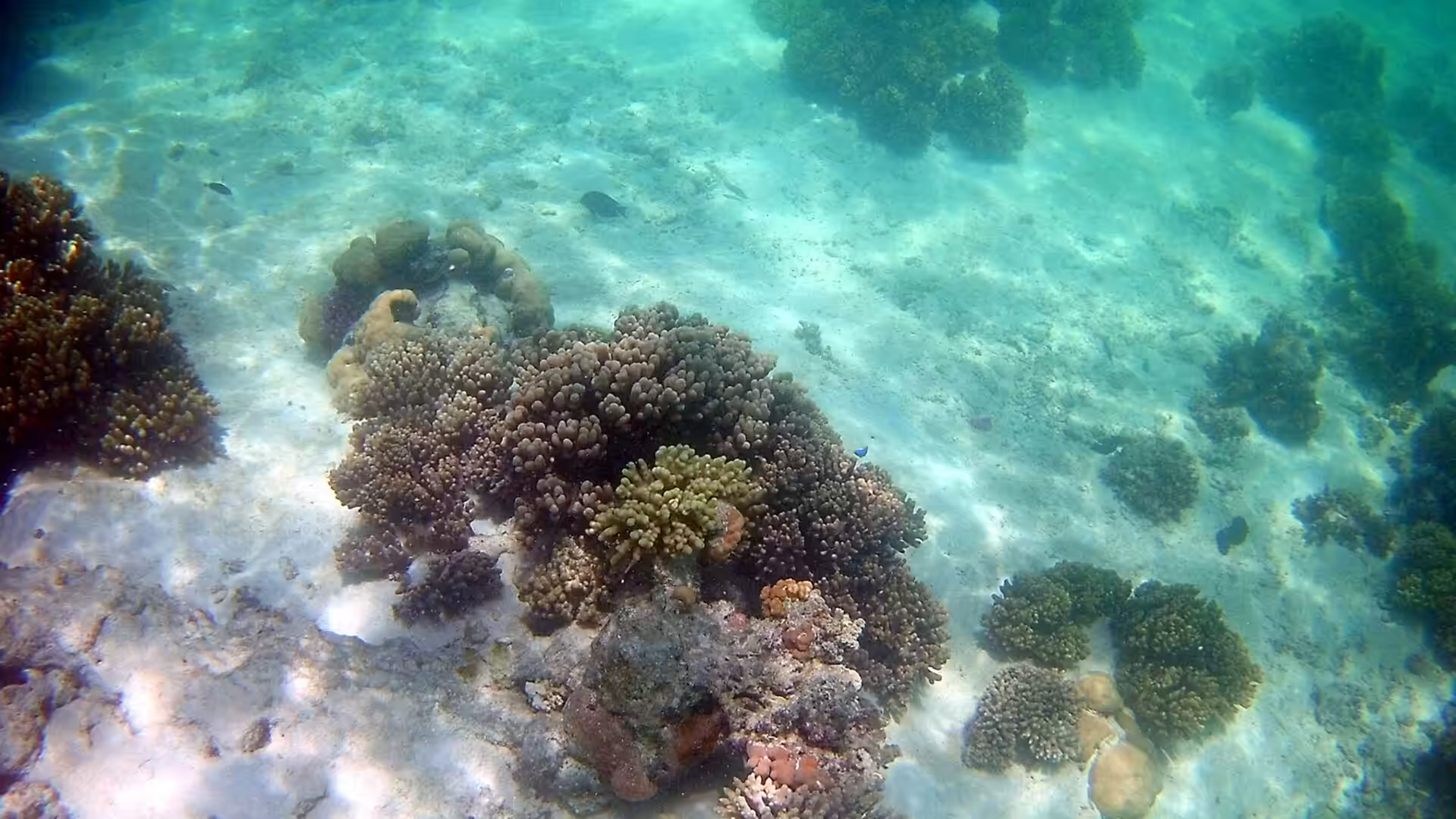
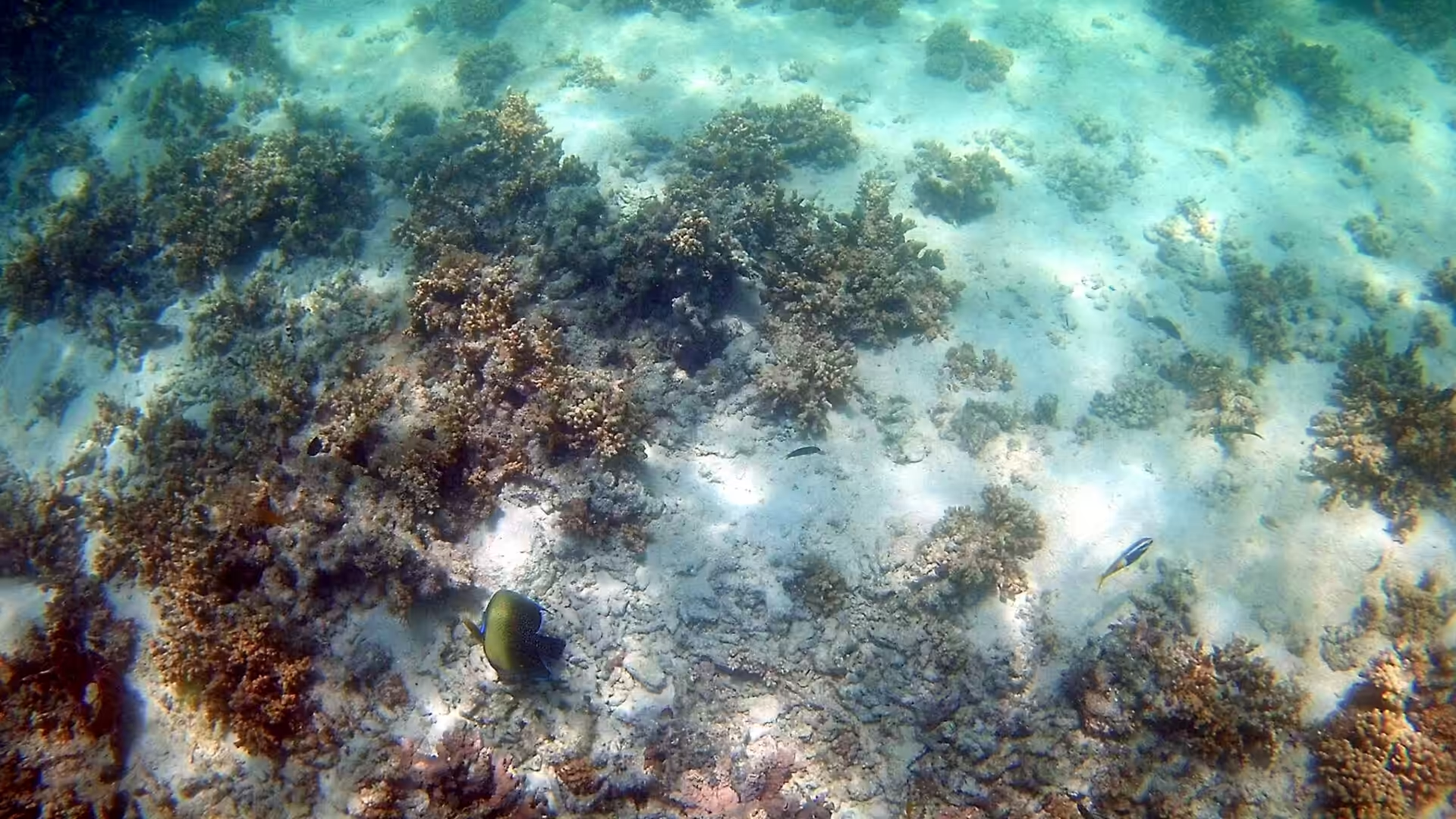
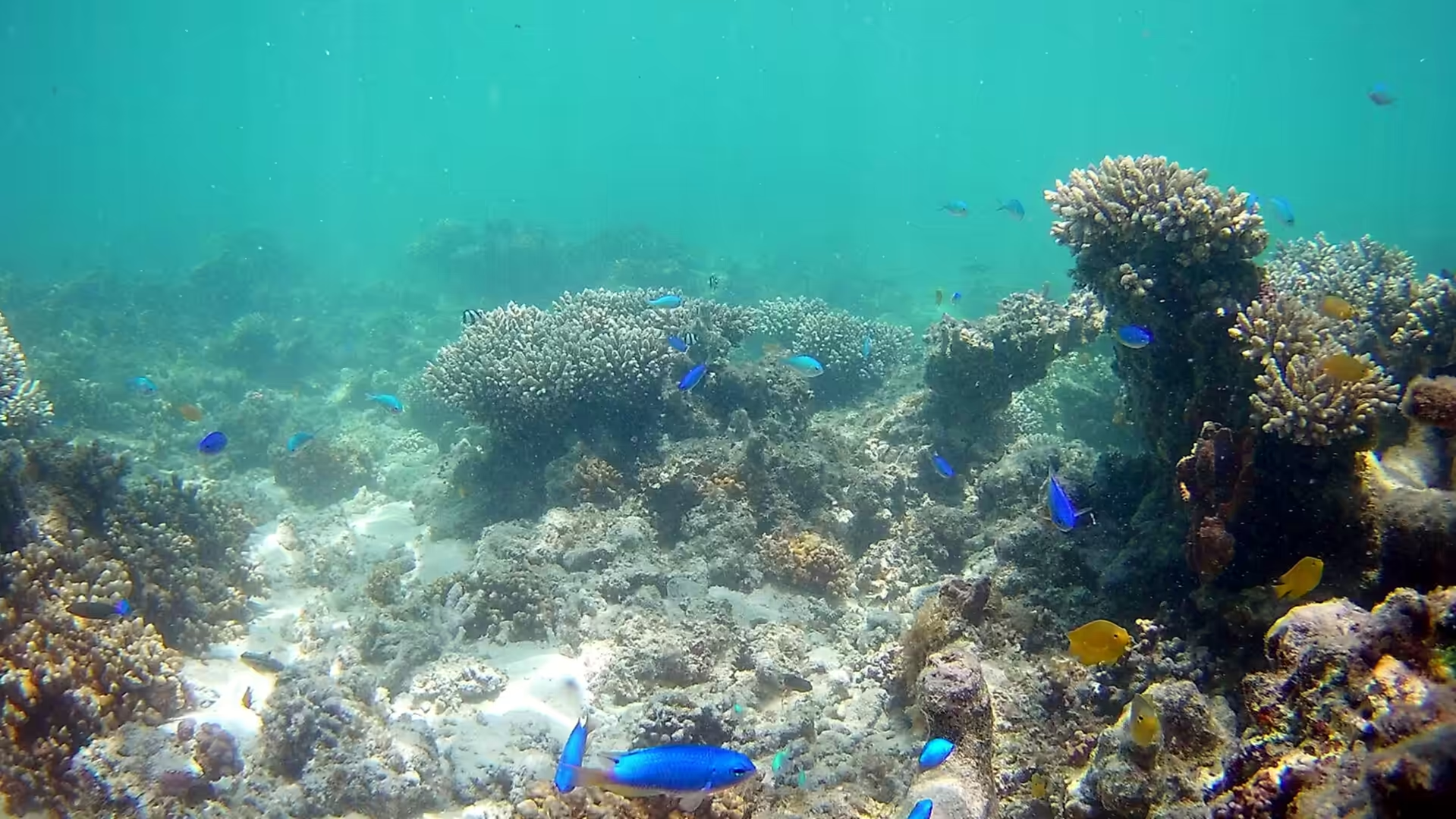
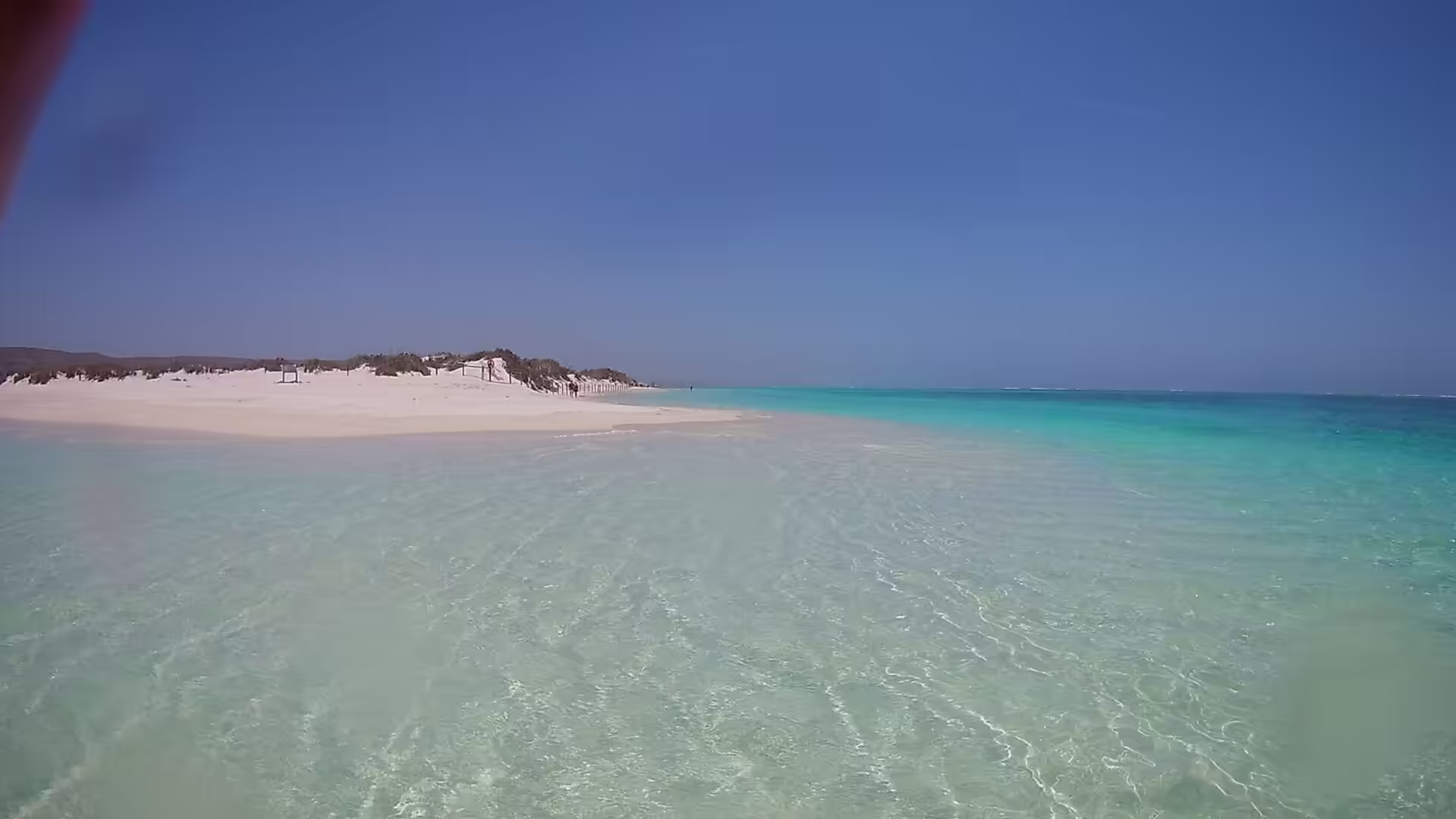
The eleventh day was a beach day, which on the Ningaloo coast means a reef day. The morning began with the sun on the water and the sand already too hot to stand on, and the first hour was spent in the lagoon off Coral Bay with a mask and a snorkel, working along the edge of the reef flat where the coral begins. Golden sand meets breaking turquoise waves at the shoreline, and fifty metres out the floor changes to coral, seagrass and patches of bare white sand.
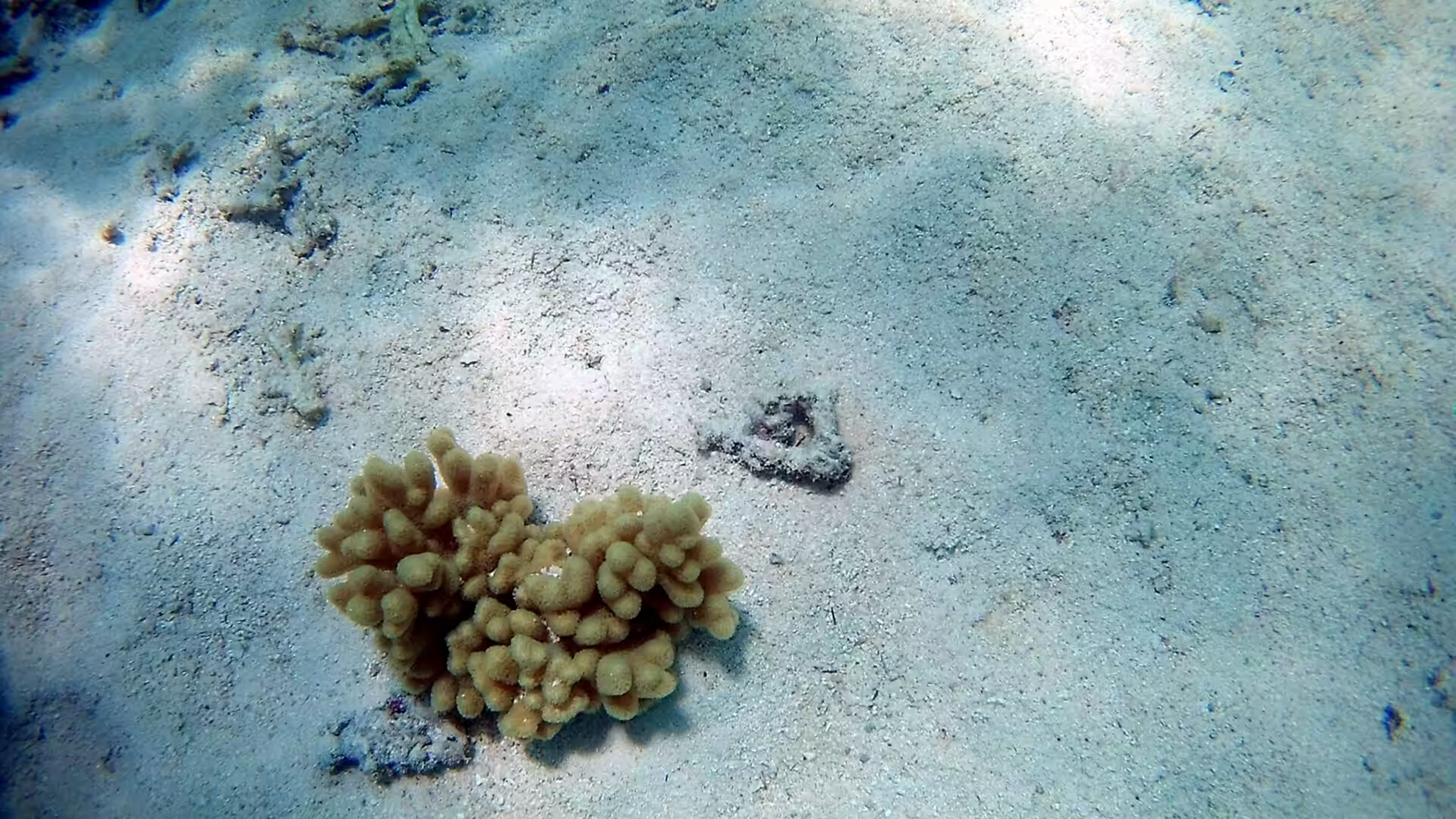
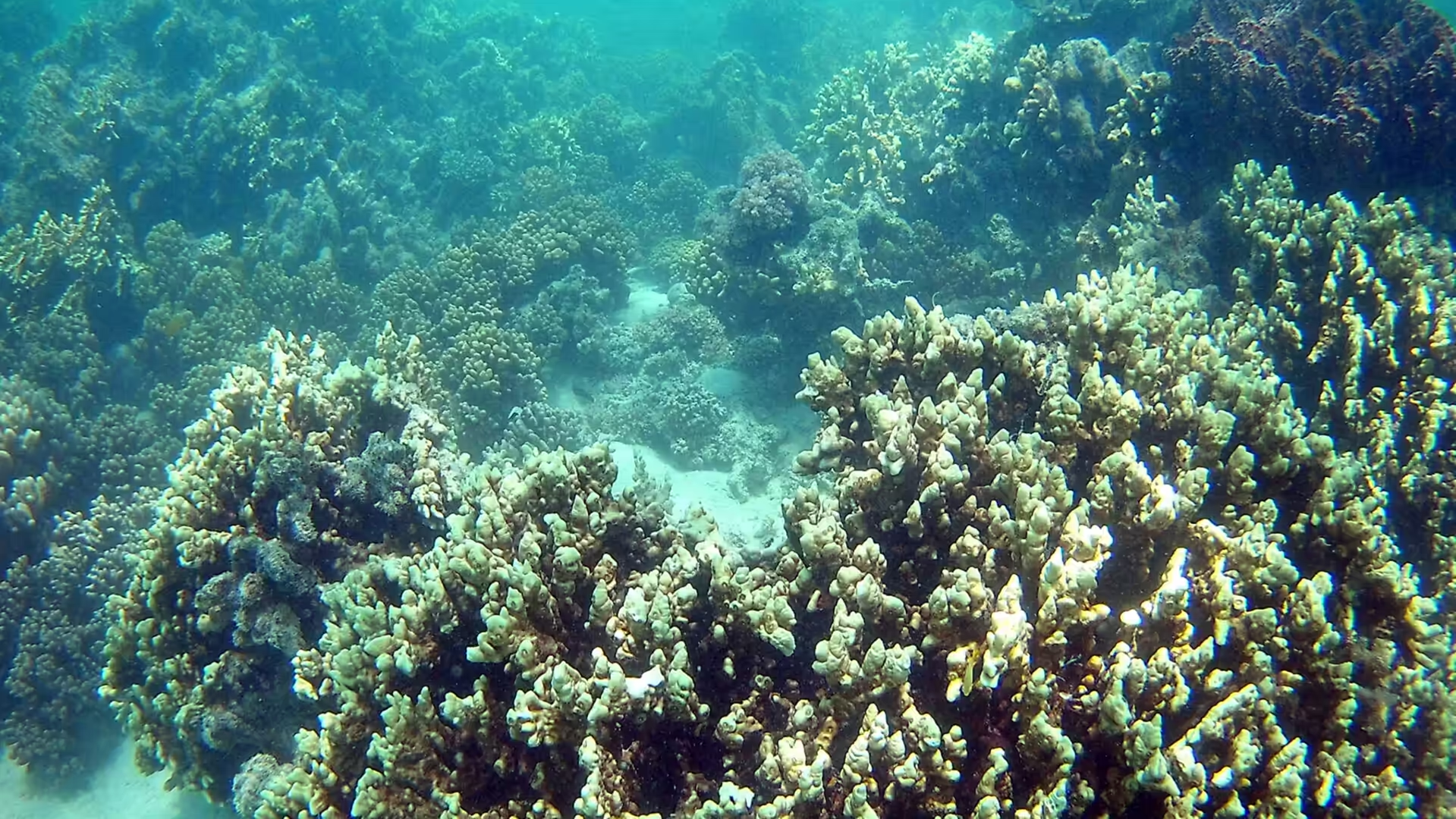
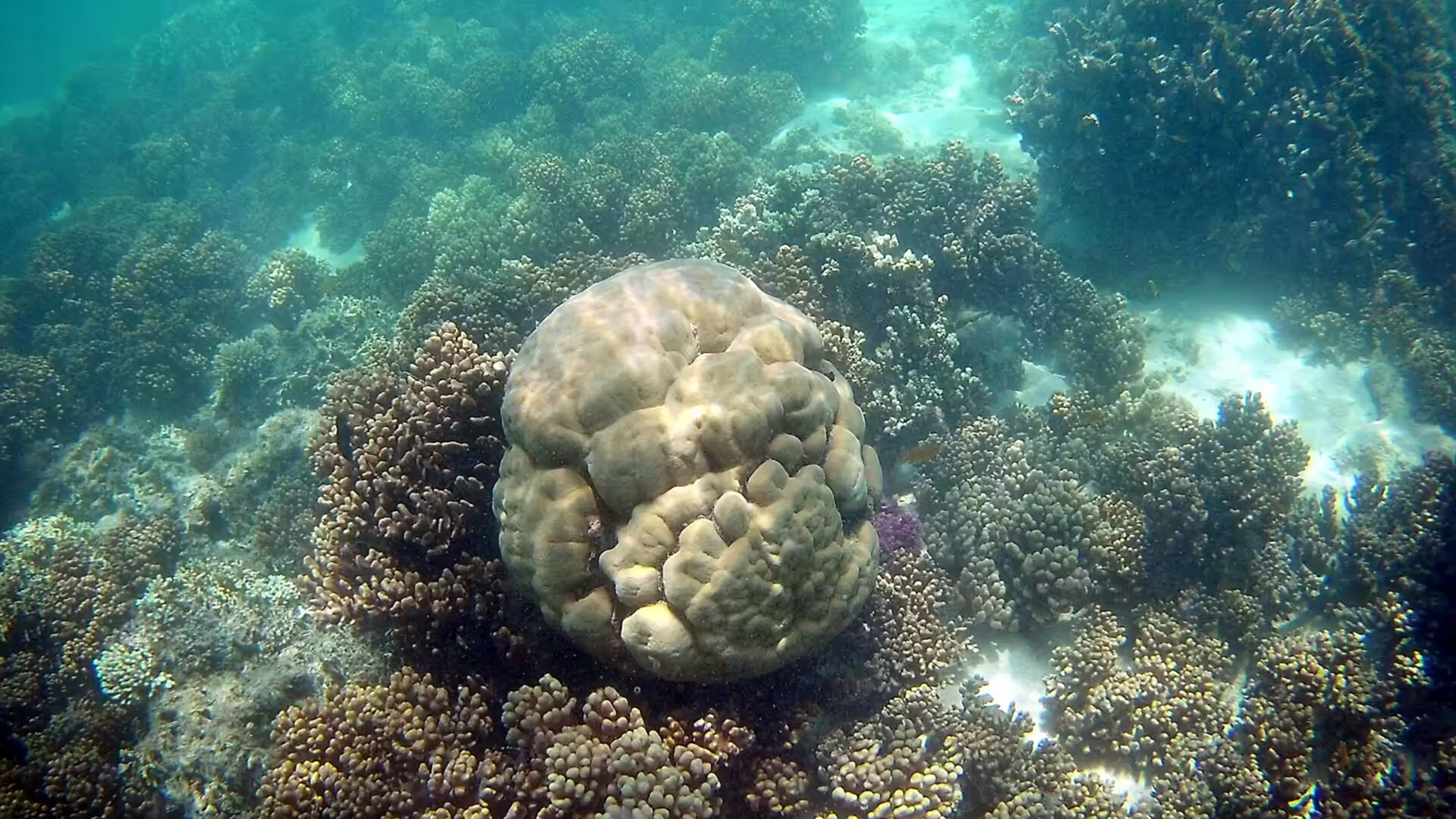
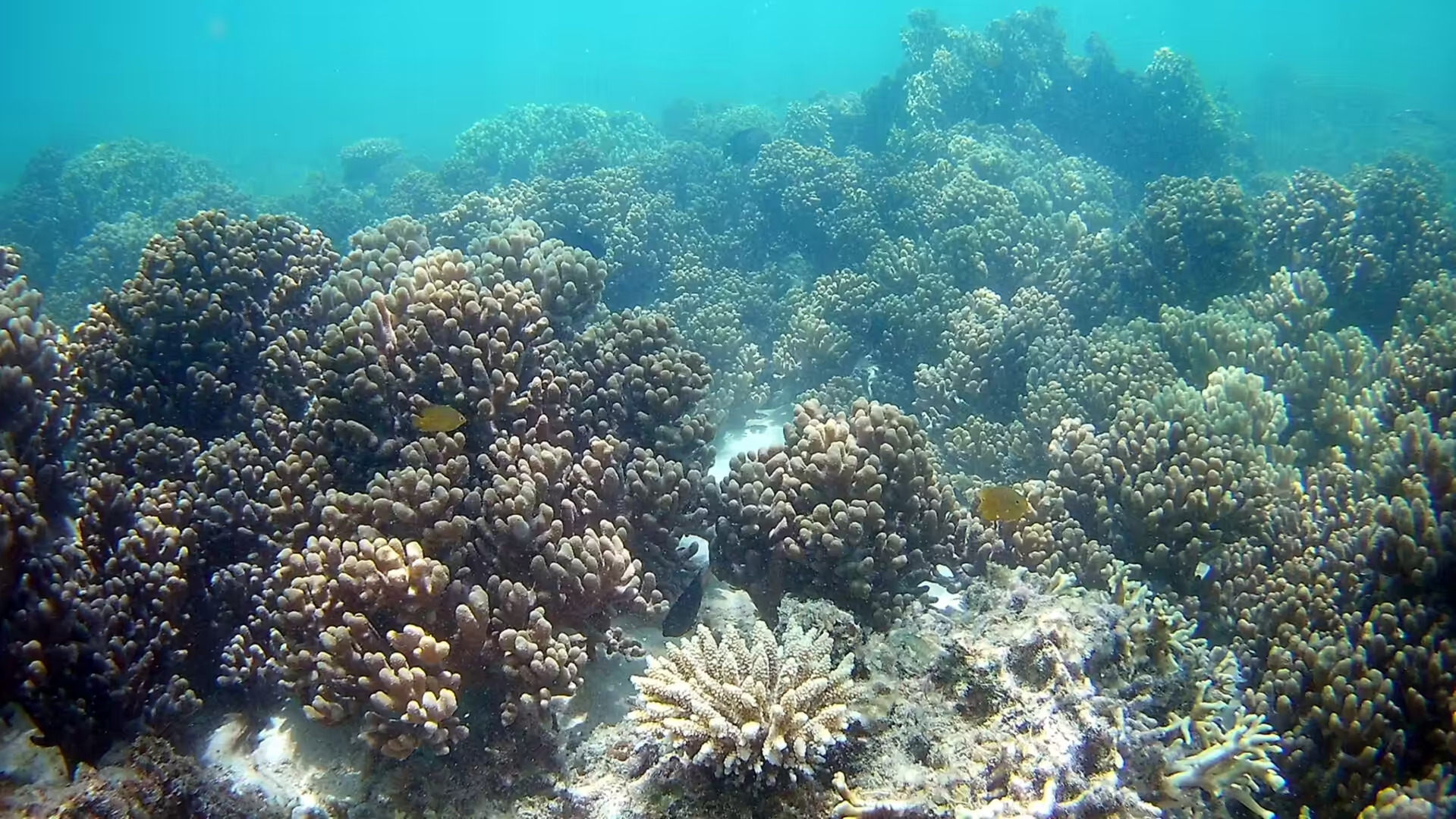
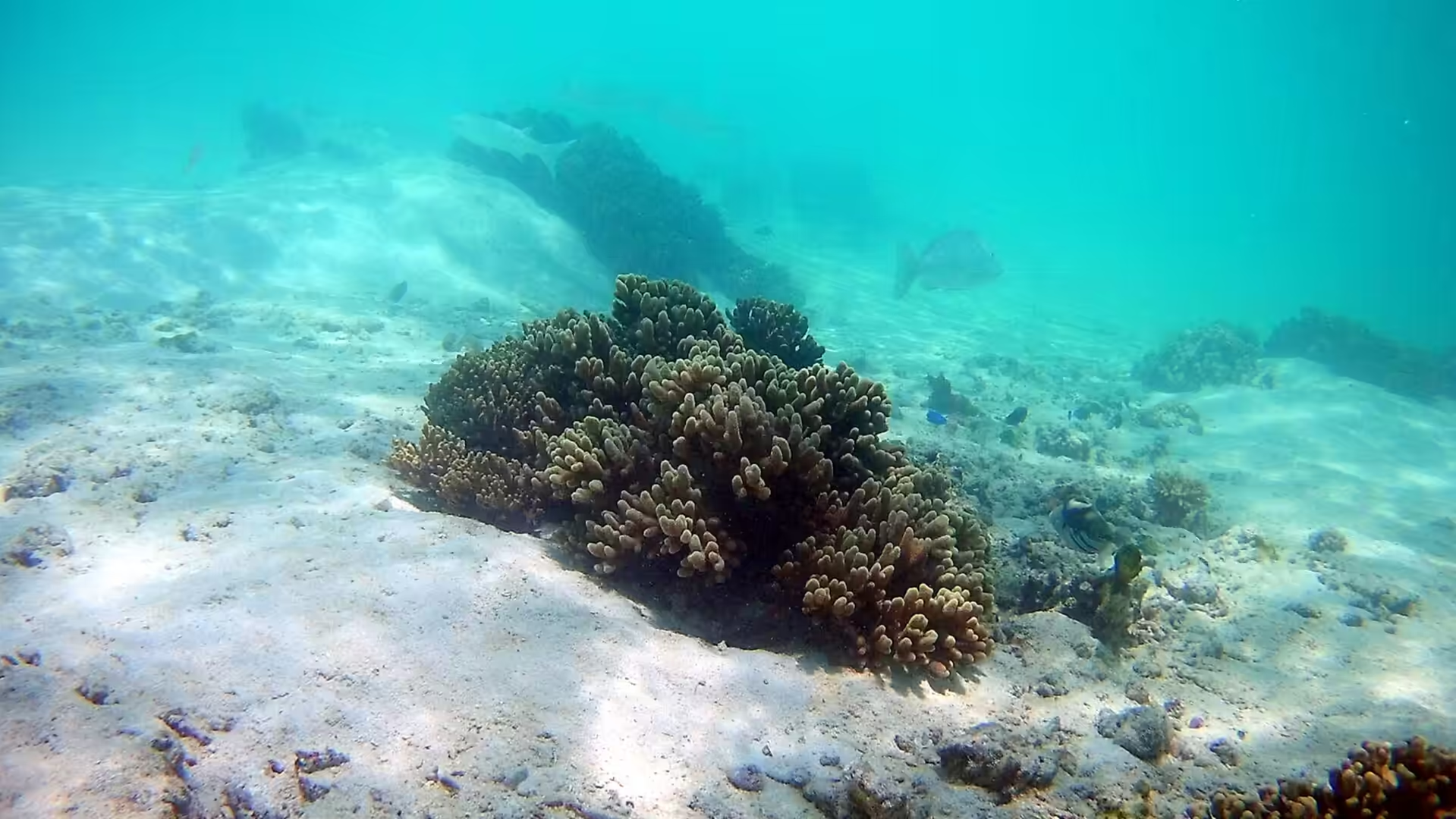
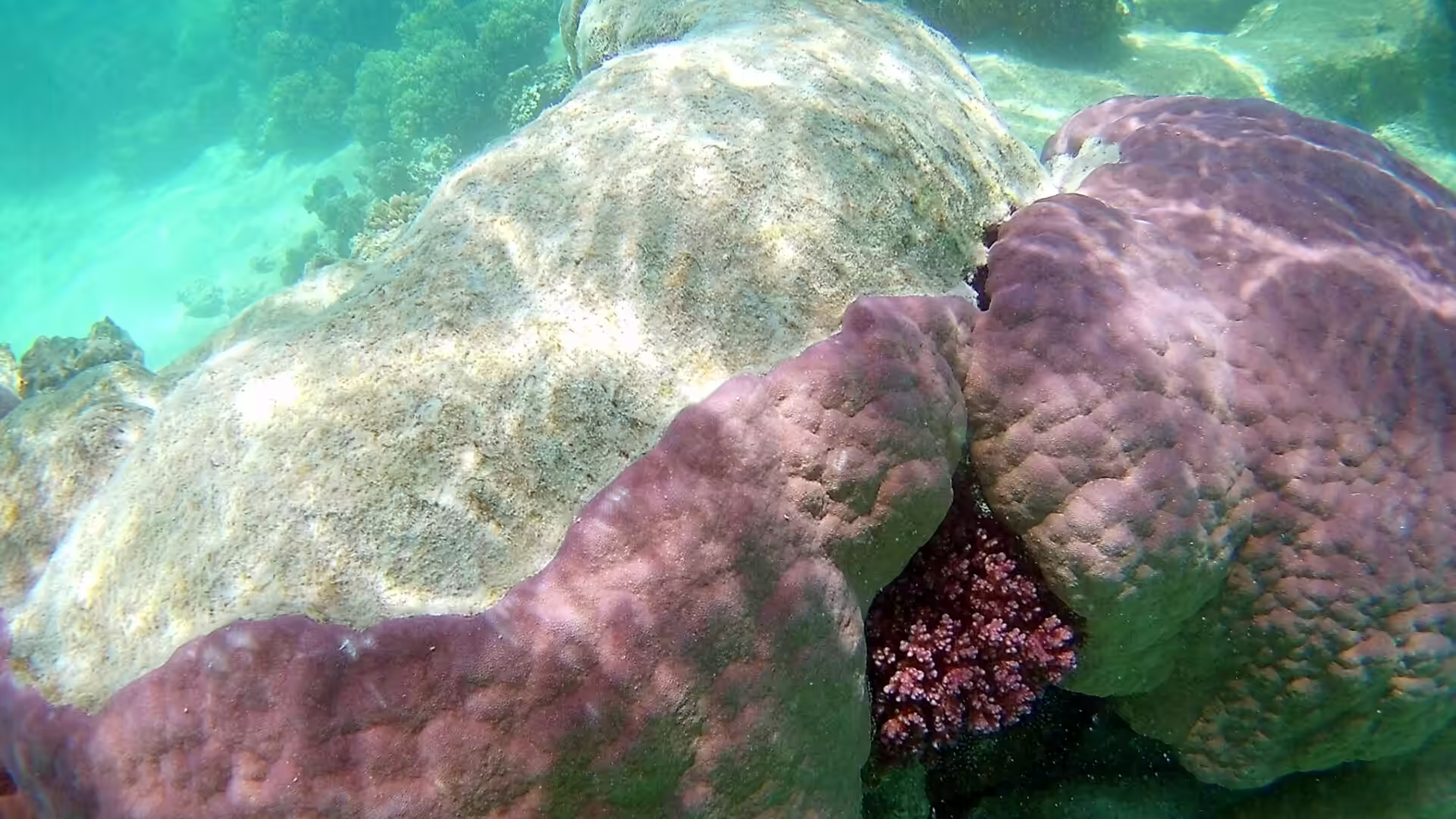
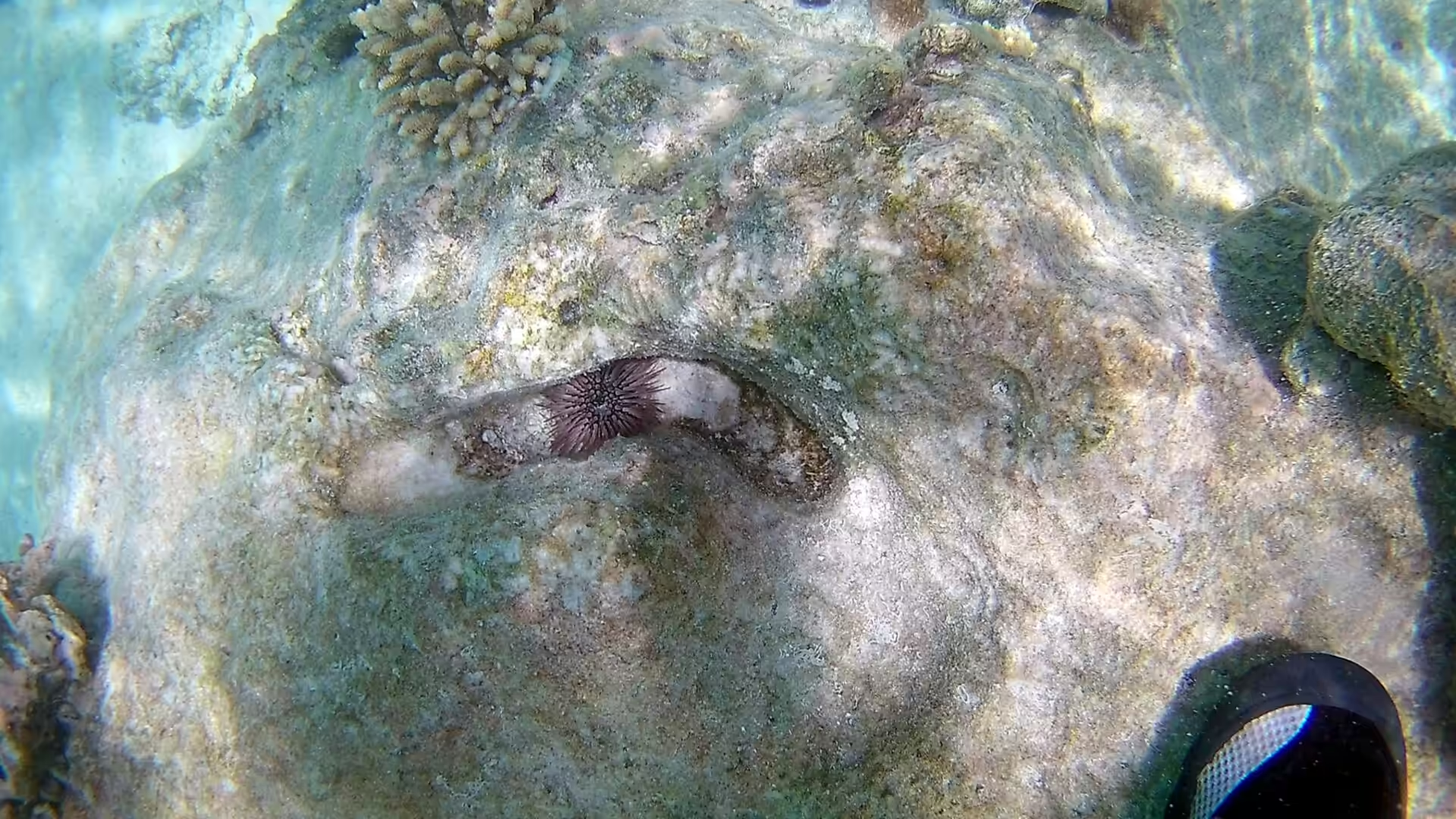
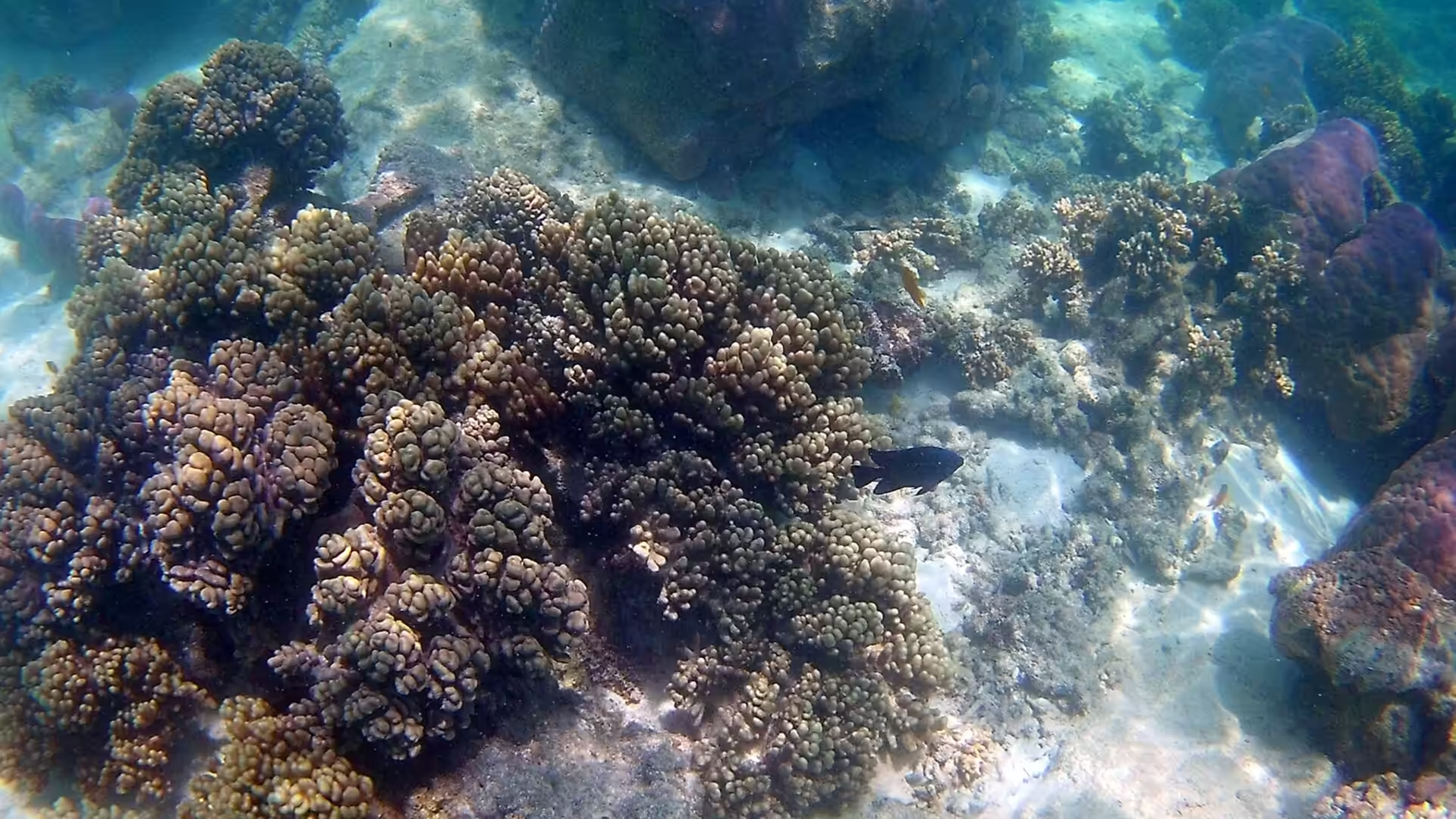
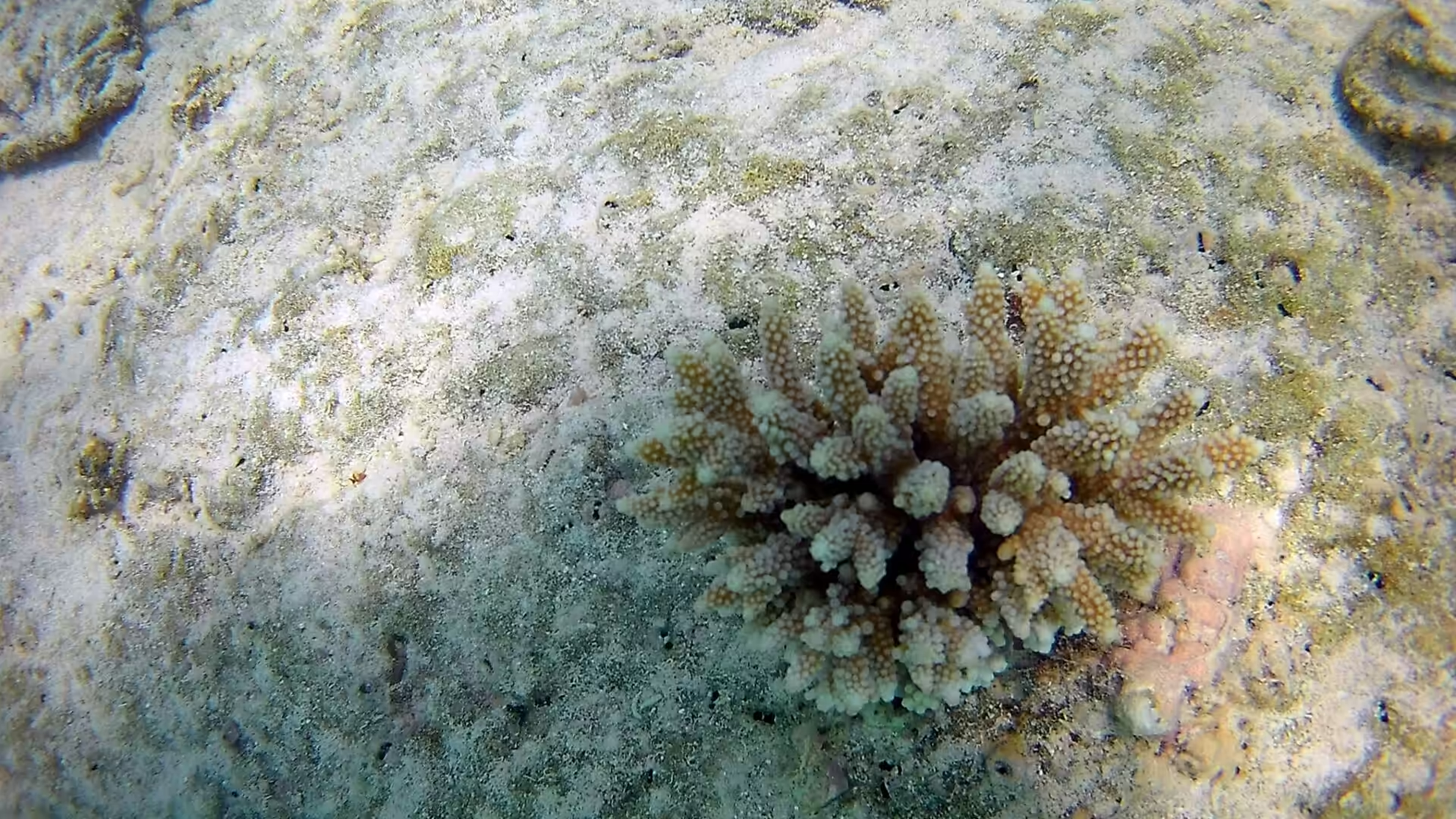
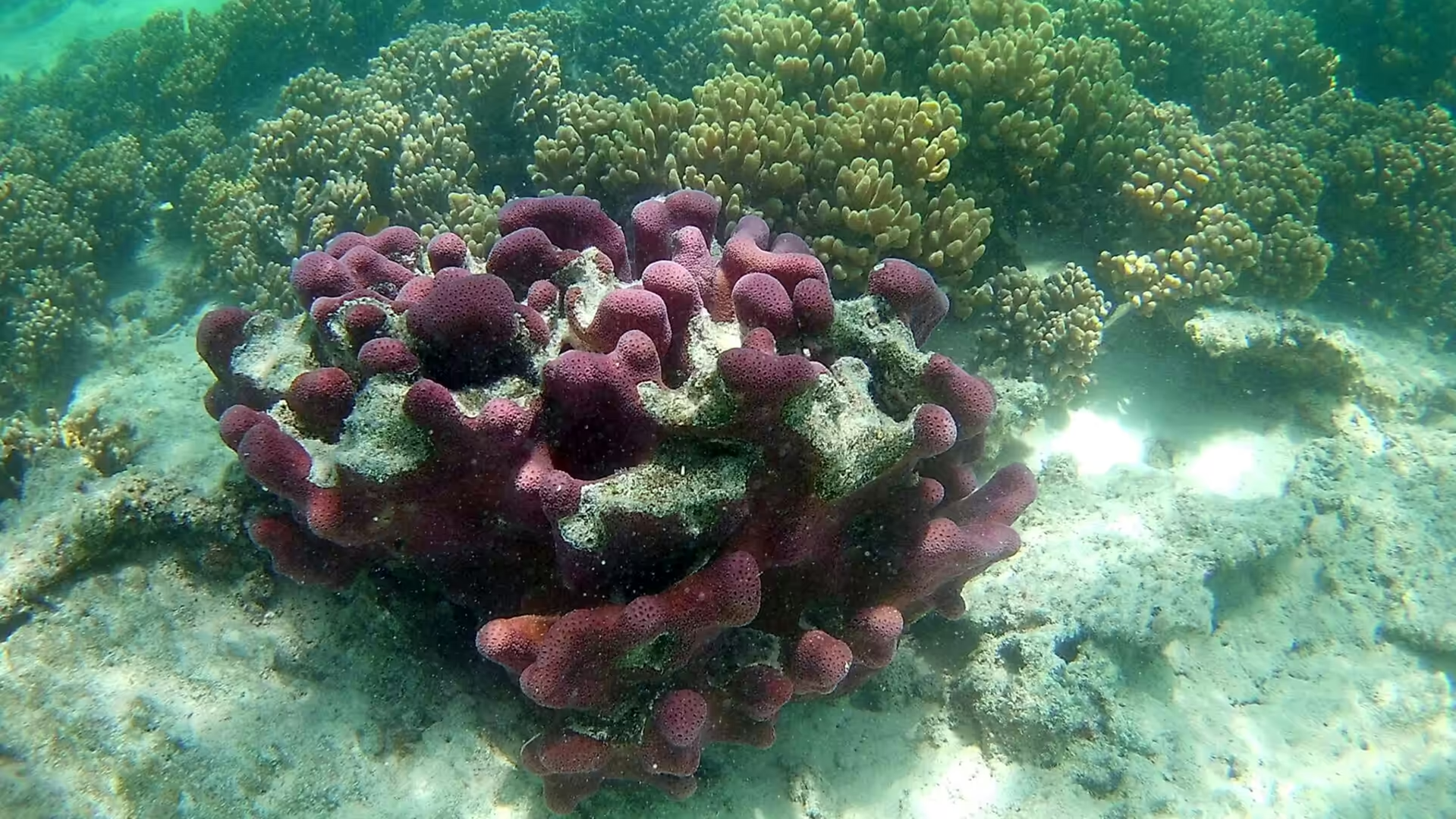
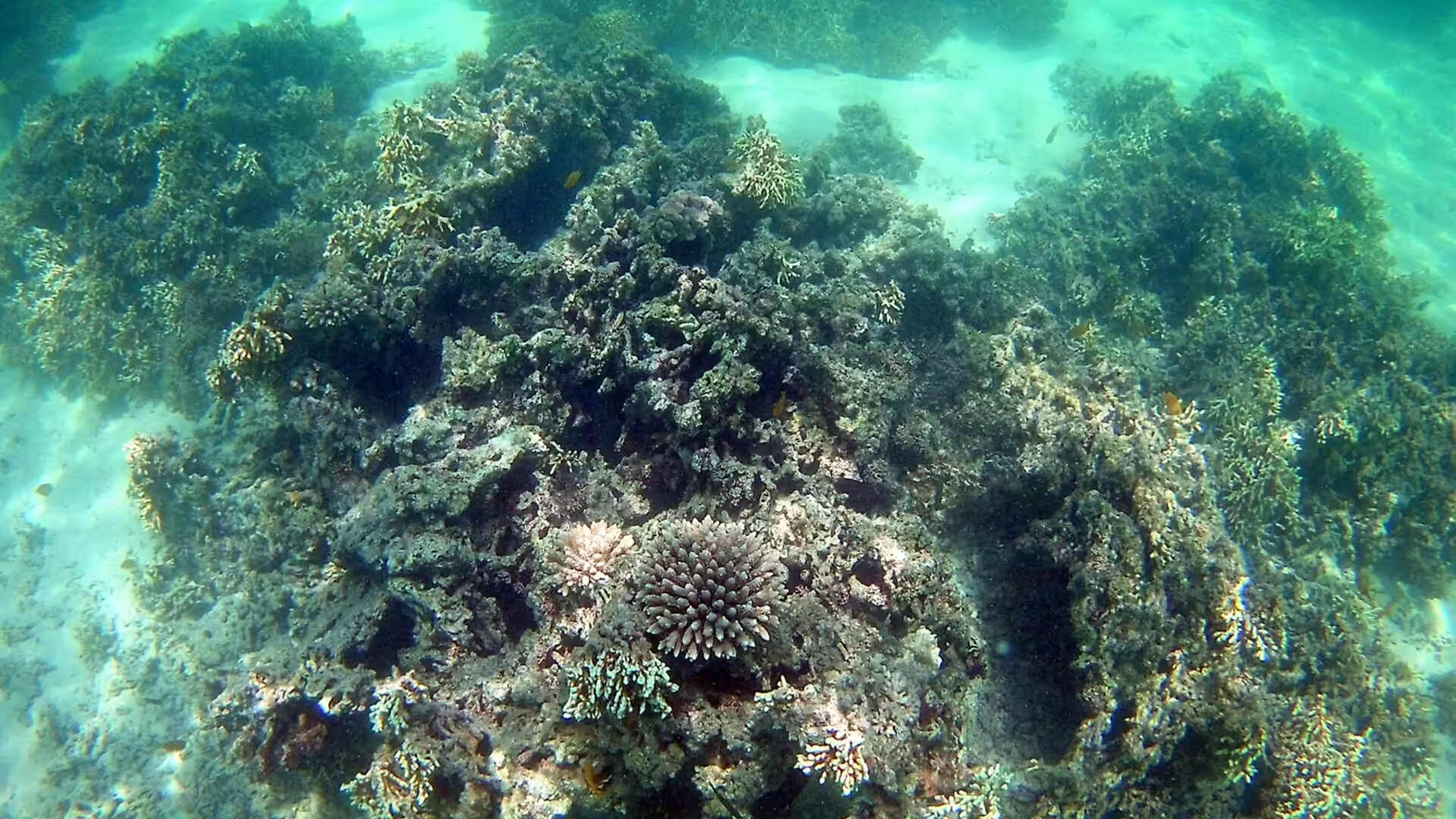
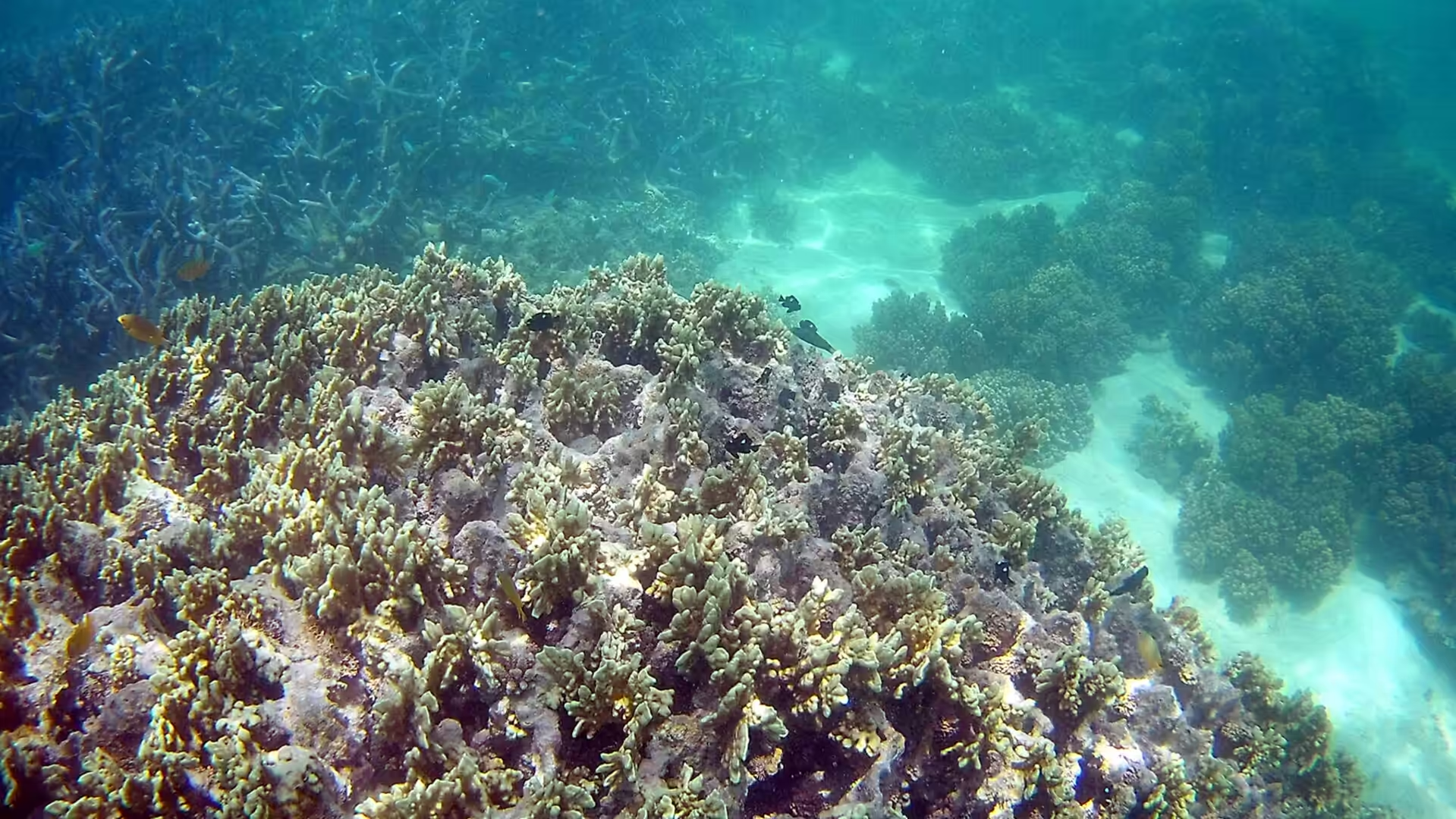
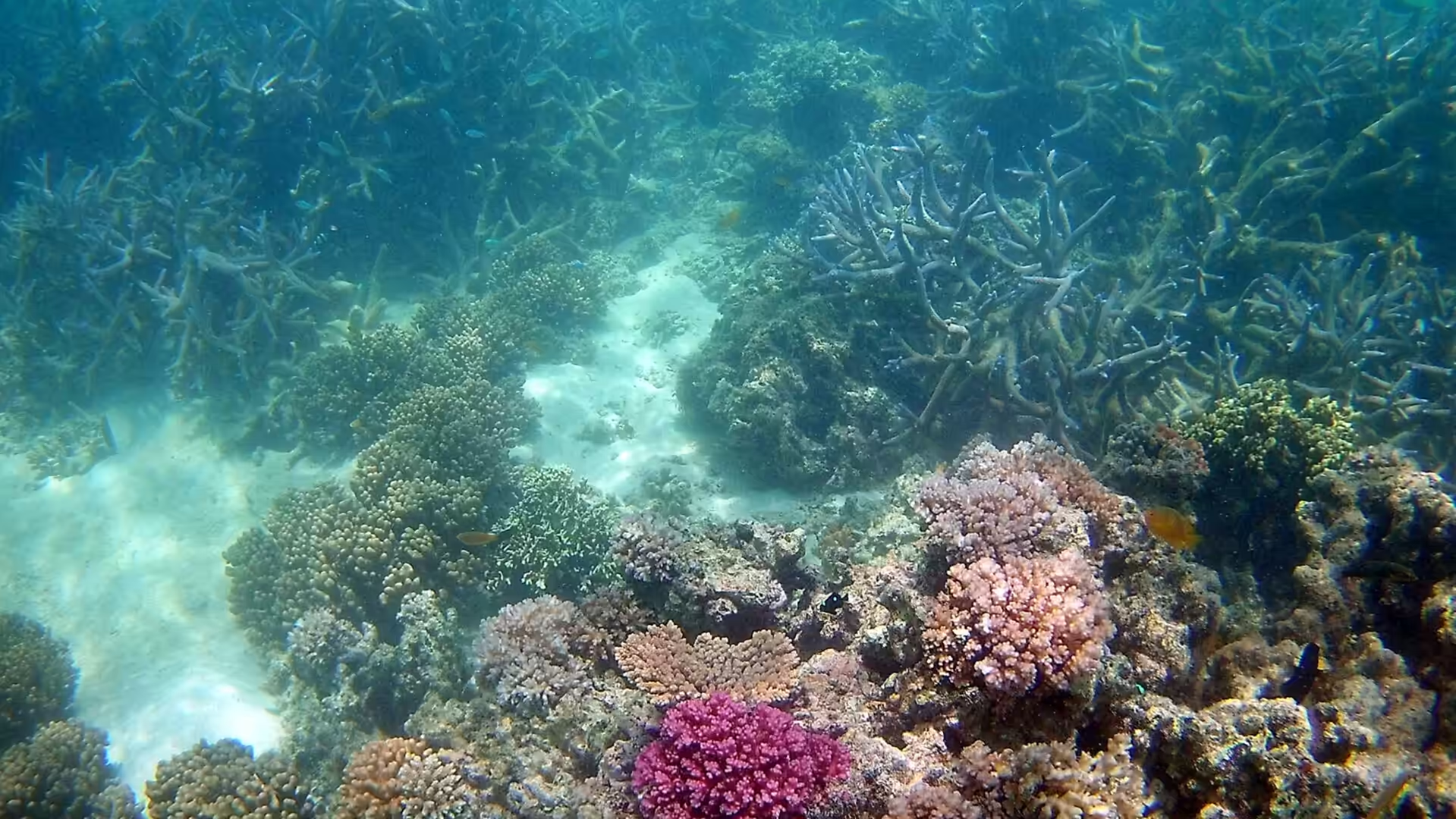
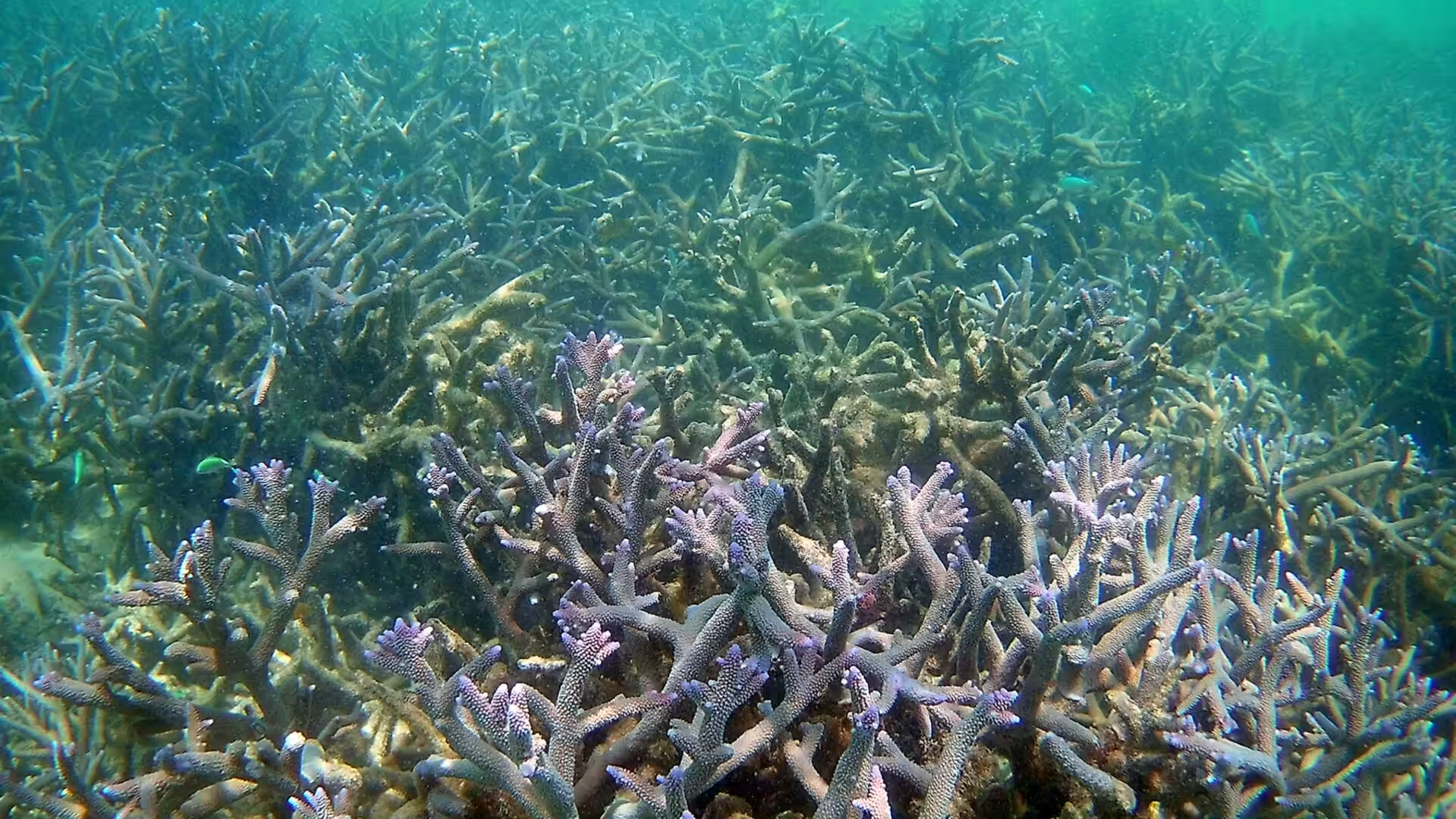
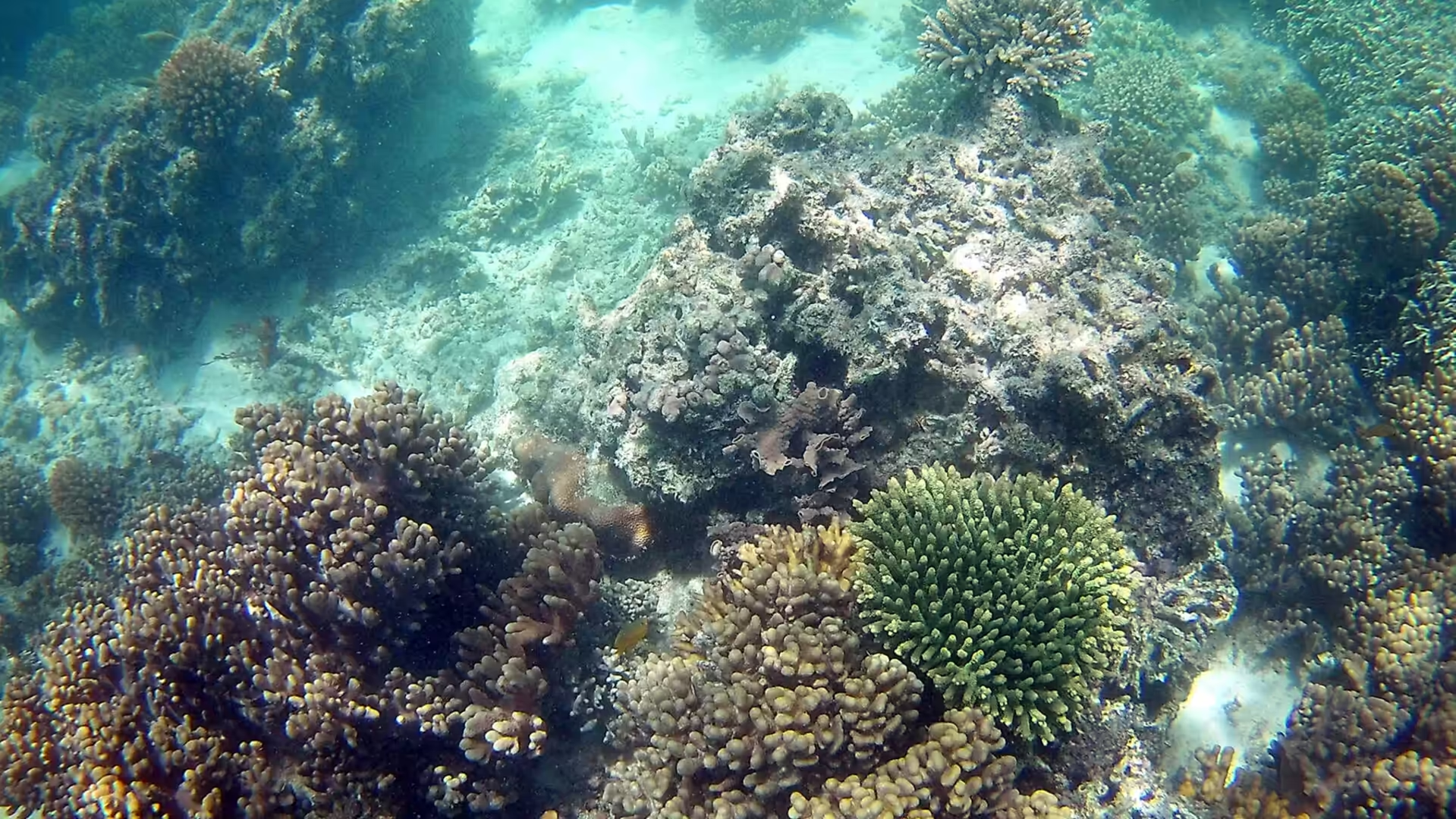
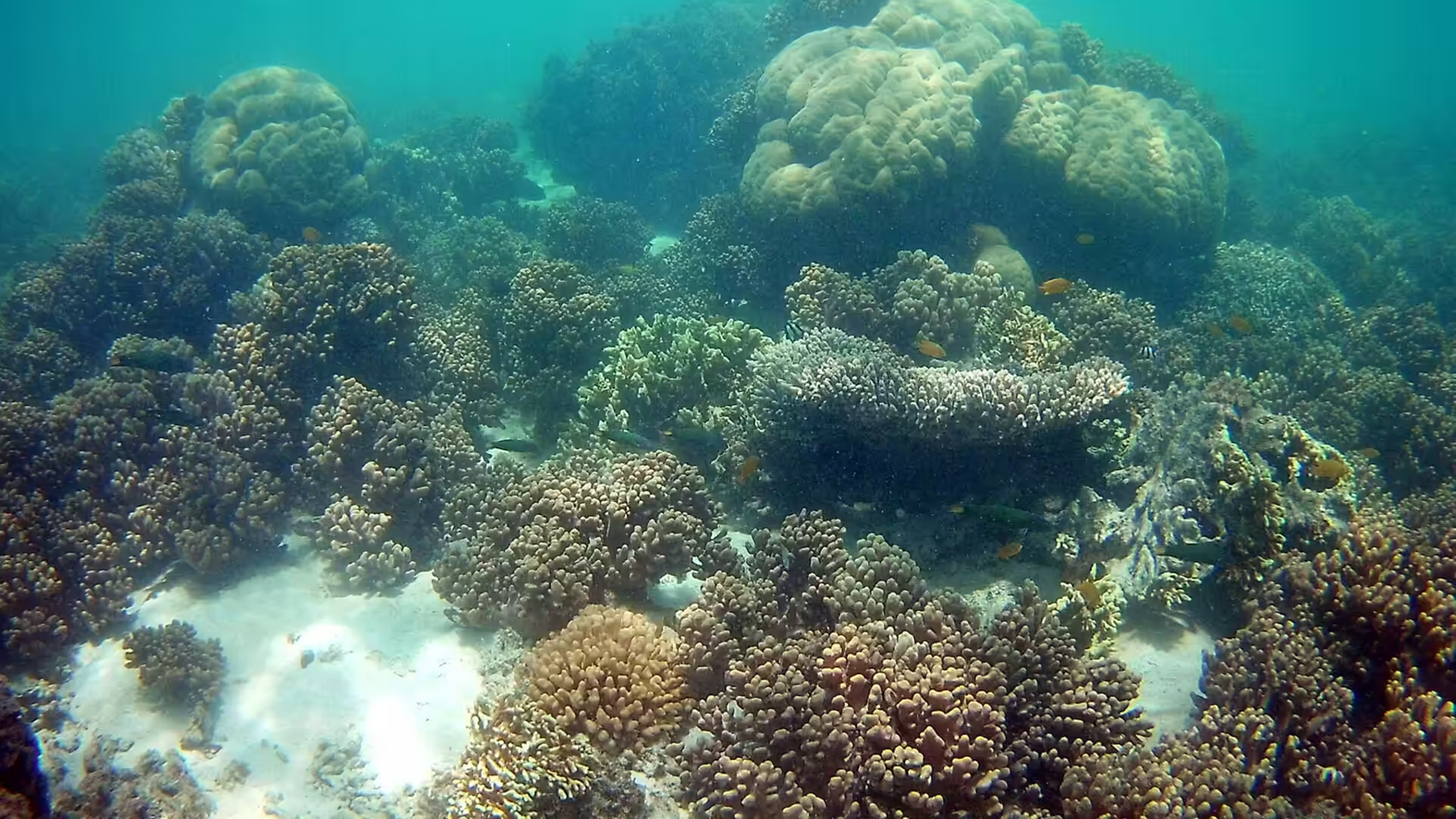
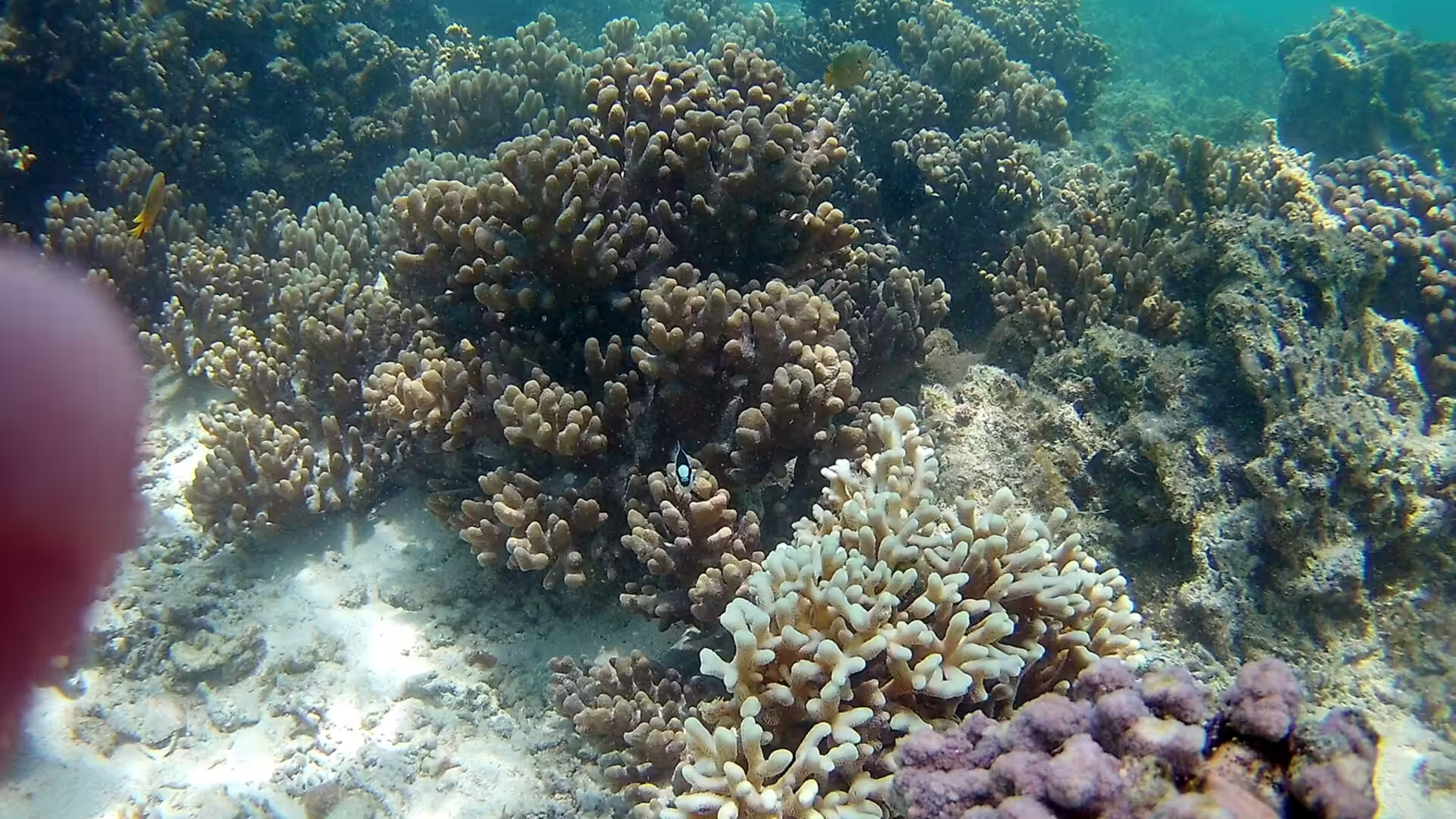
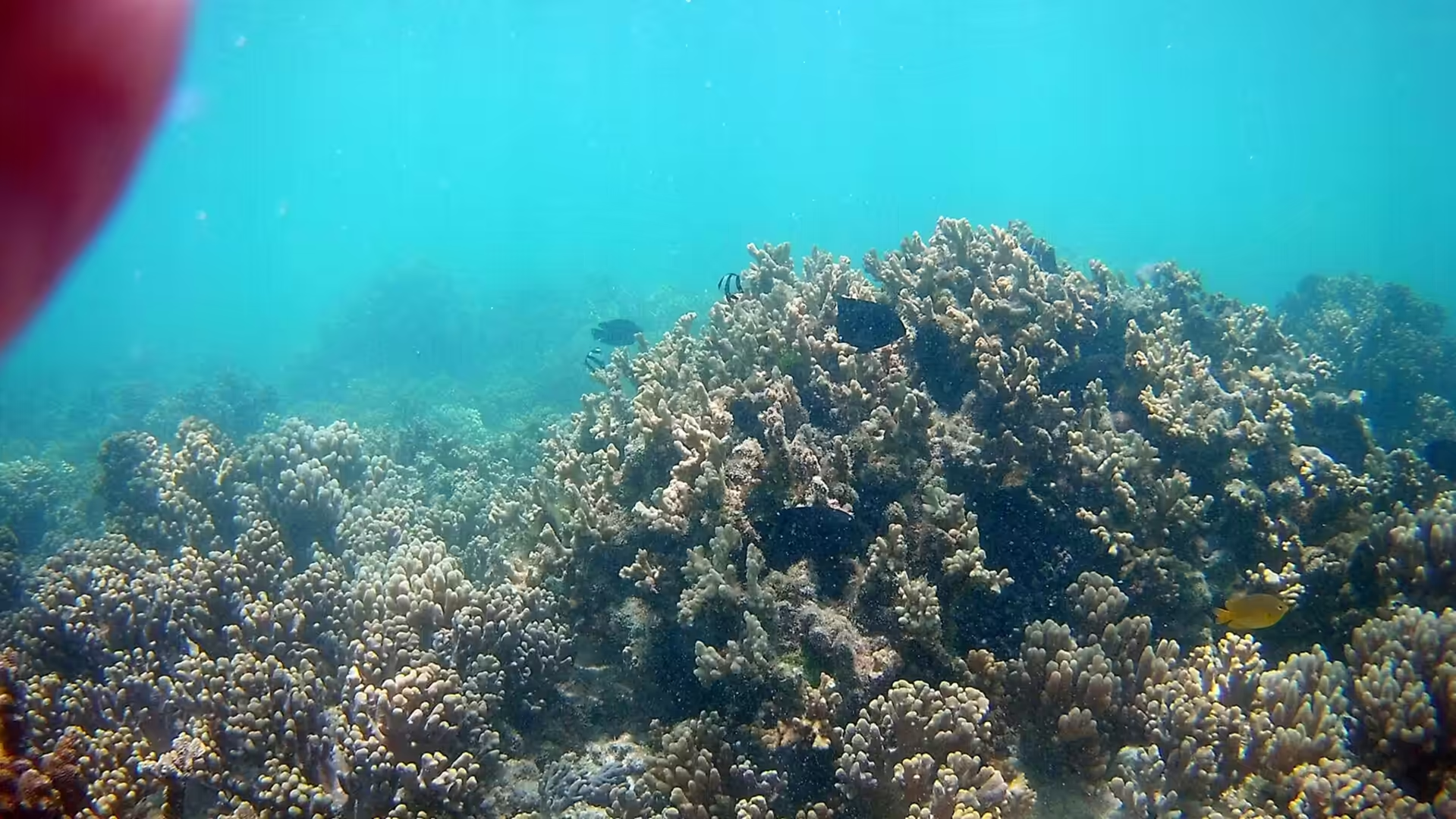
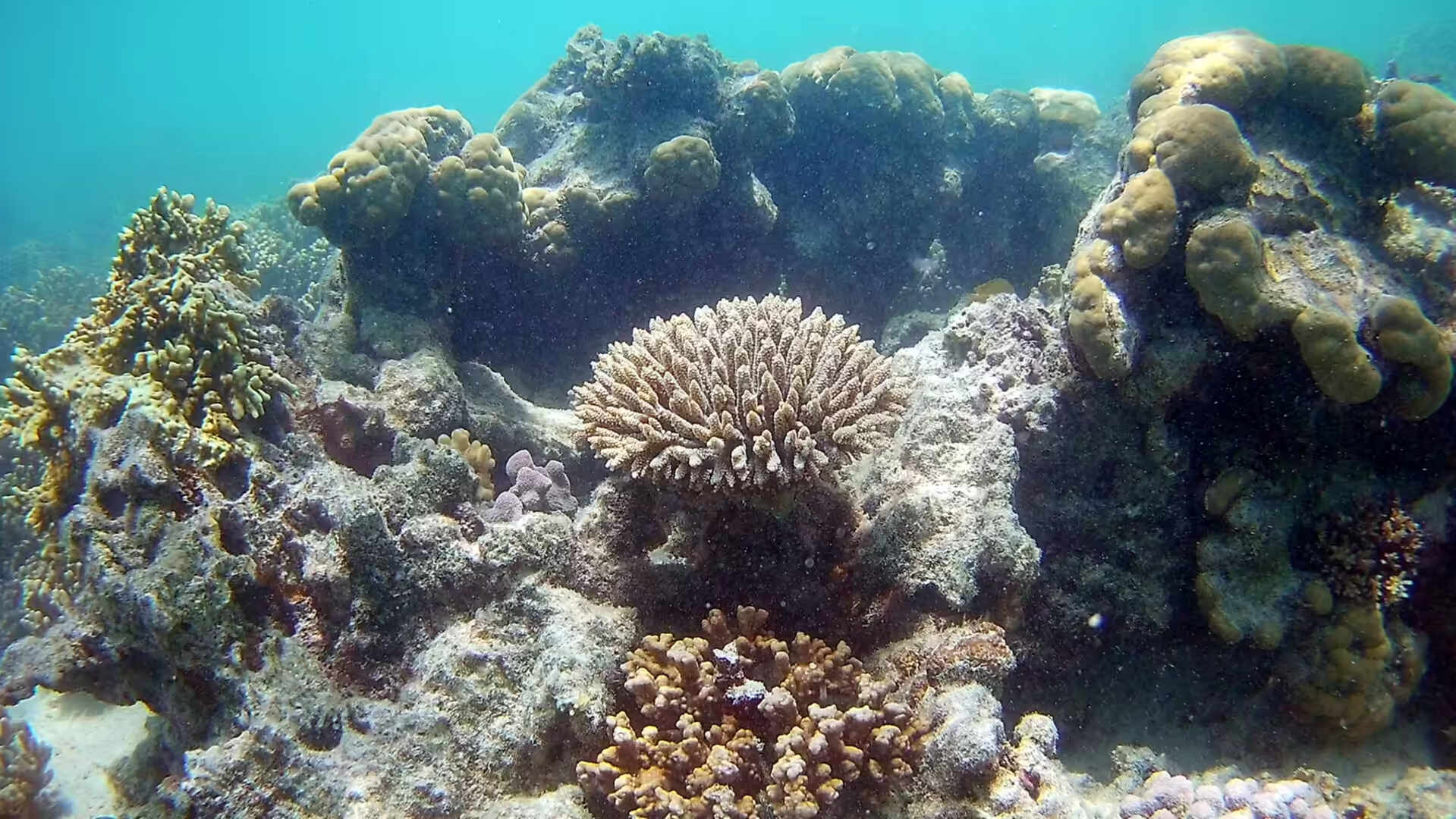
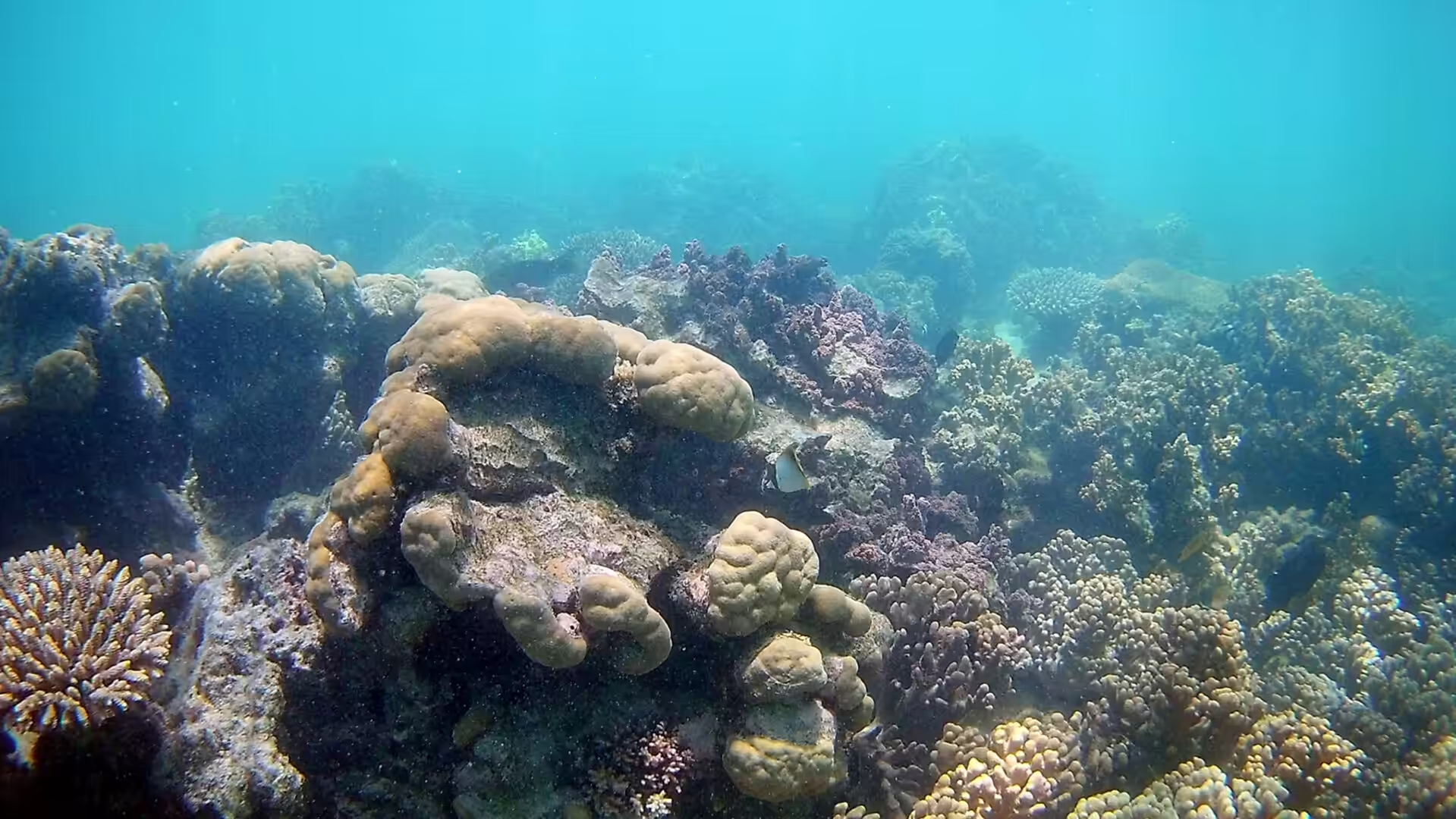
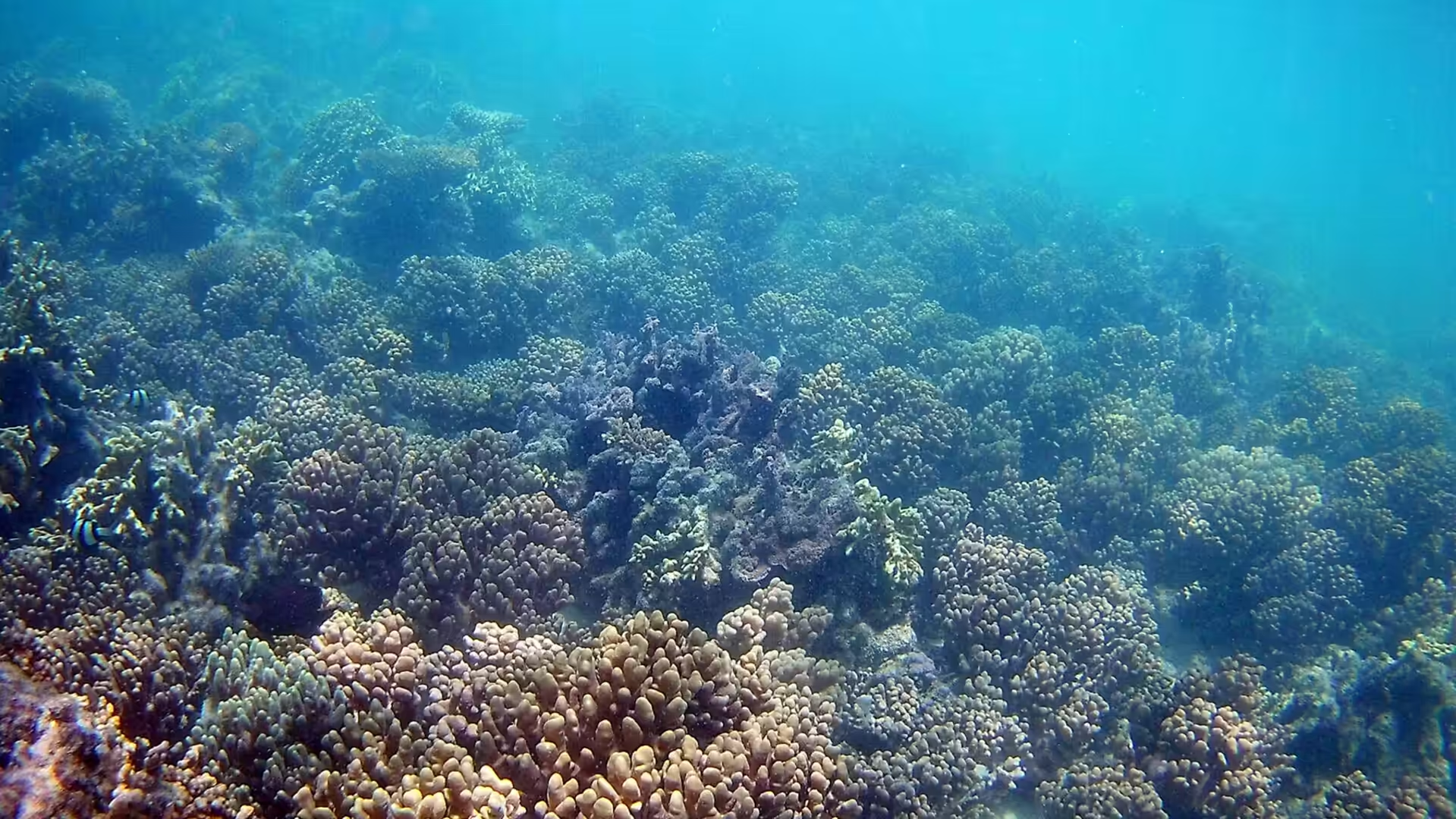
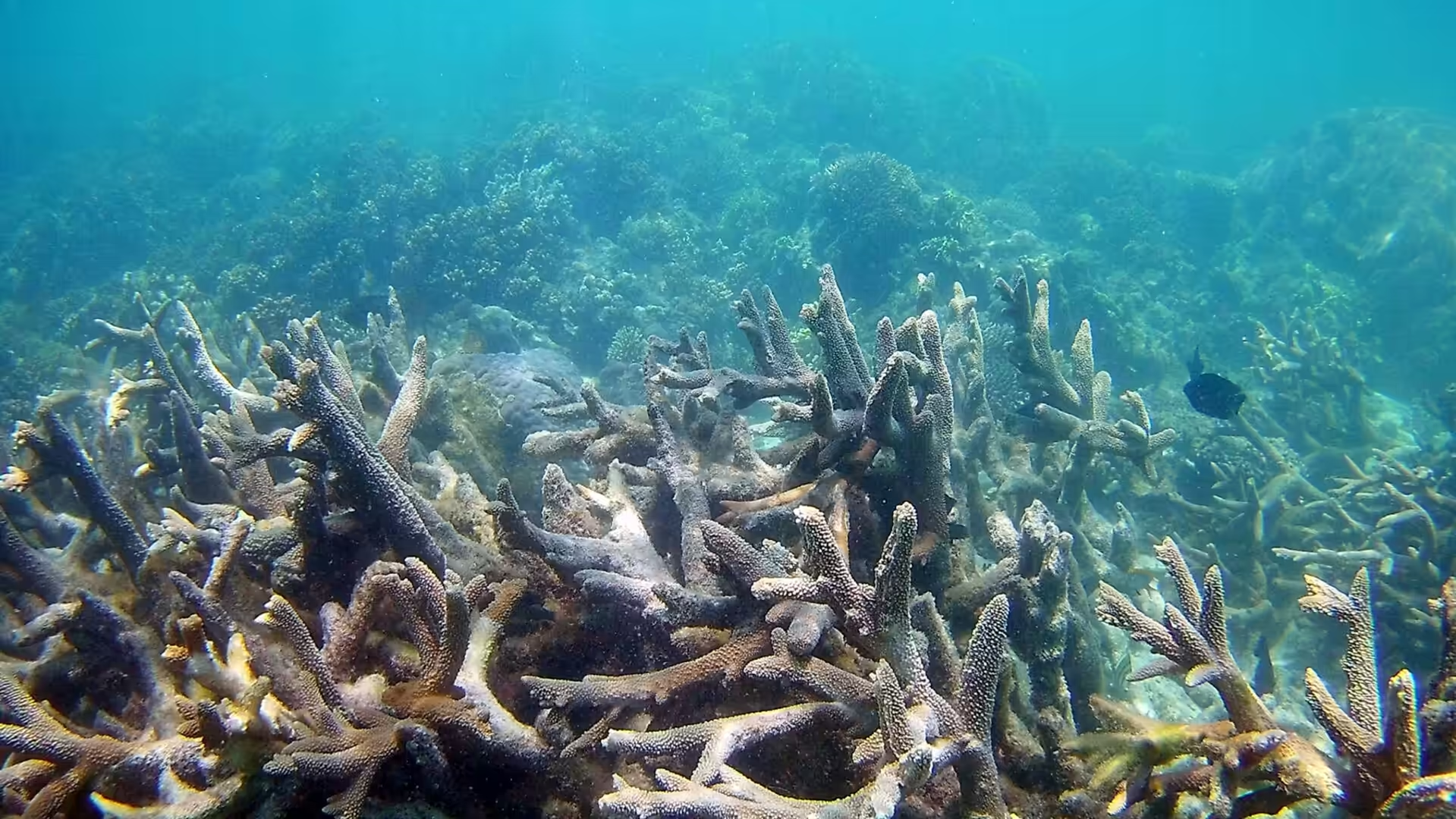
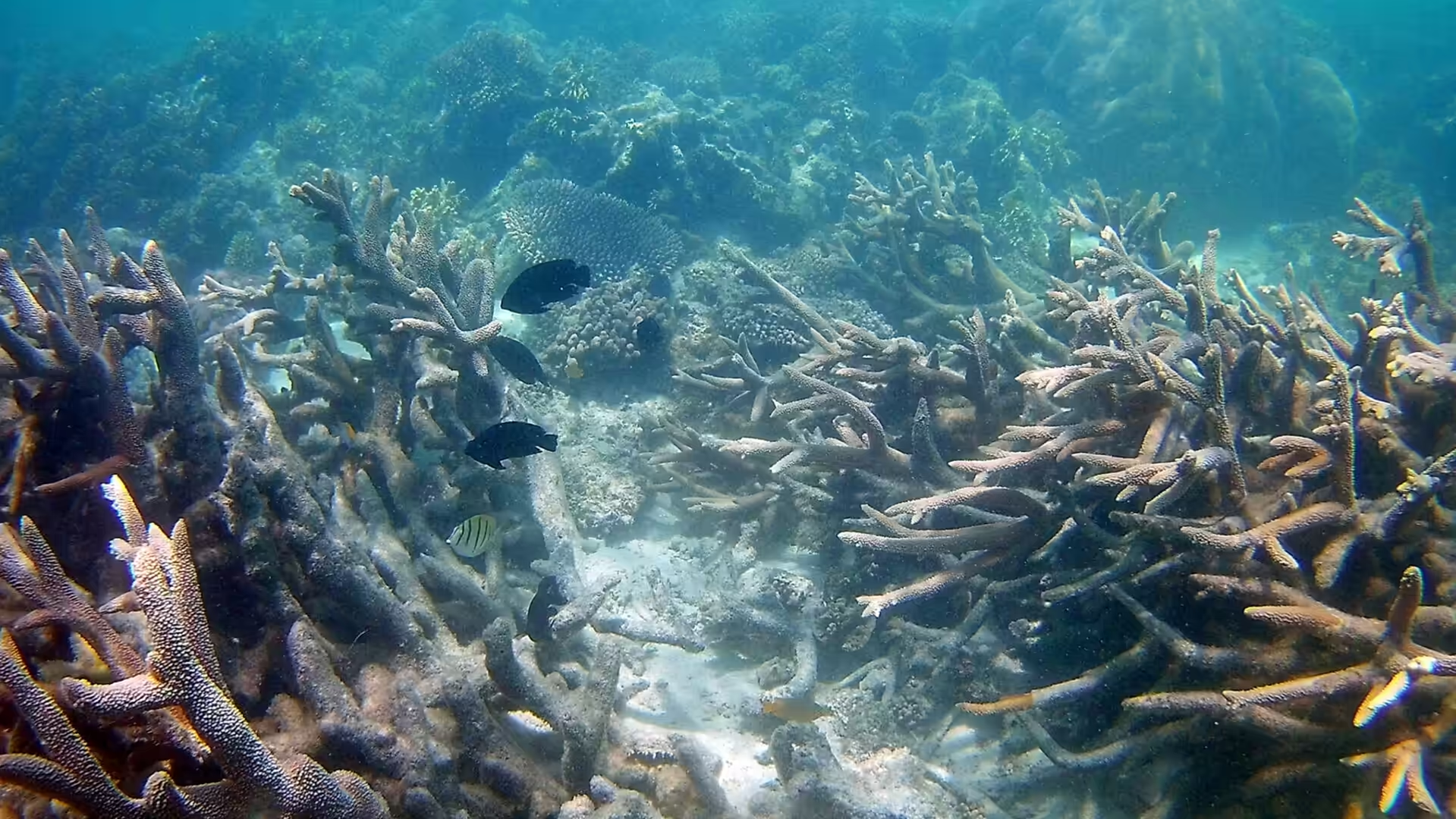
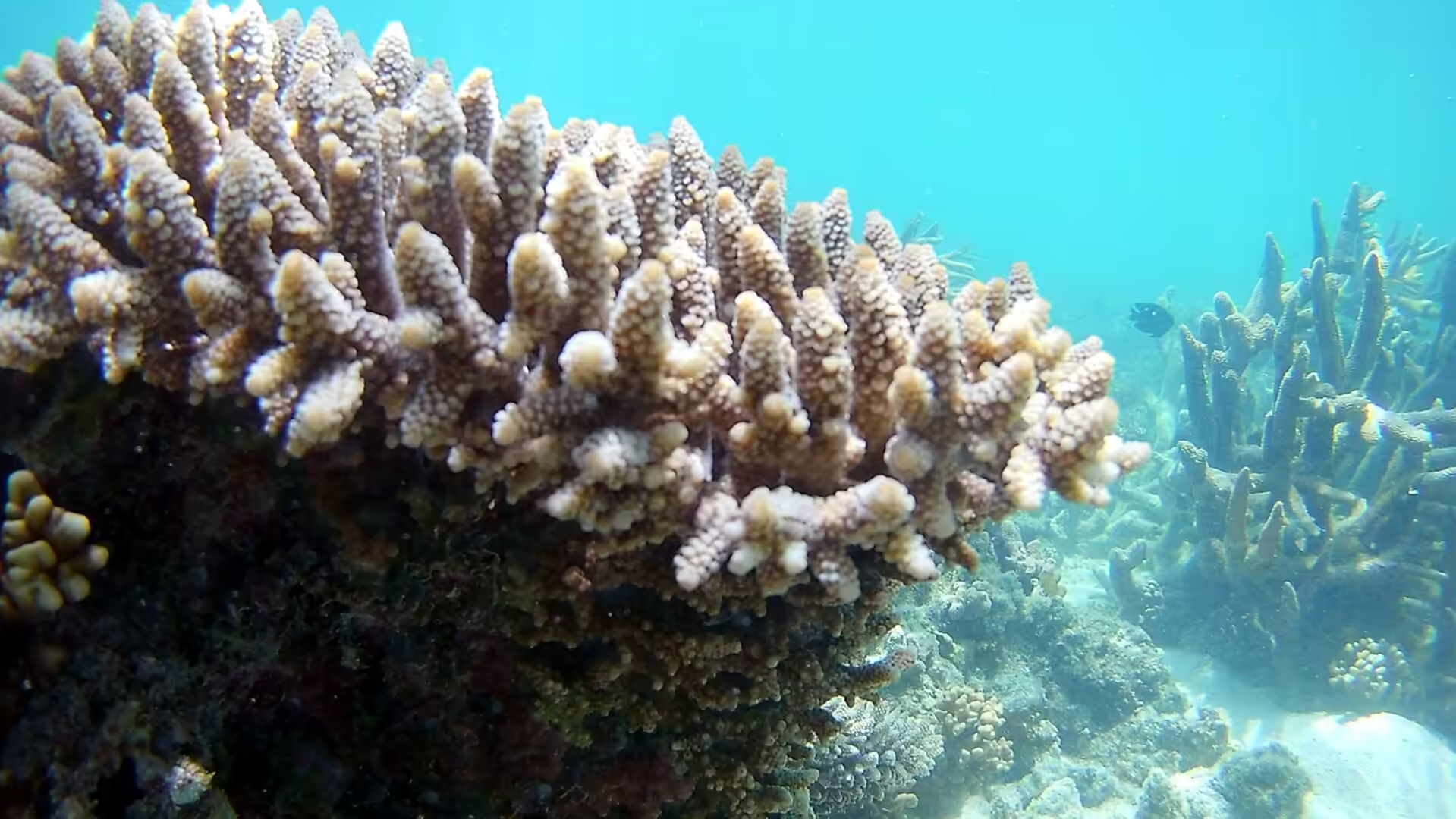
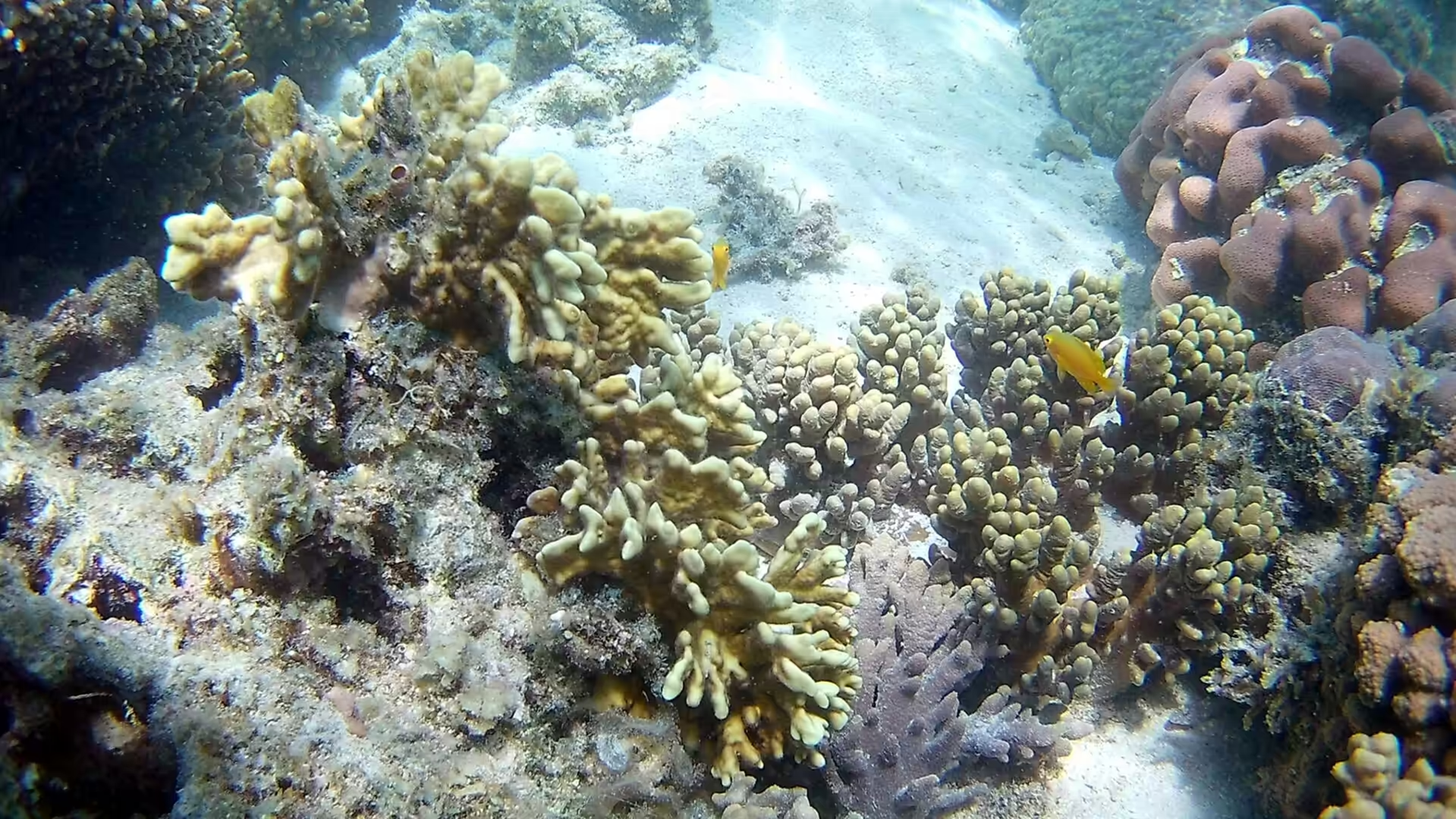
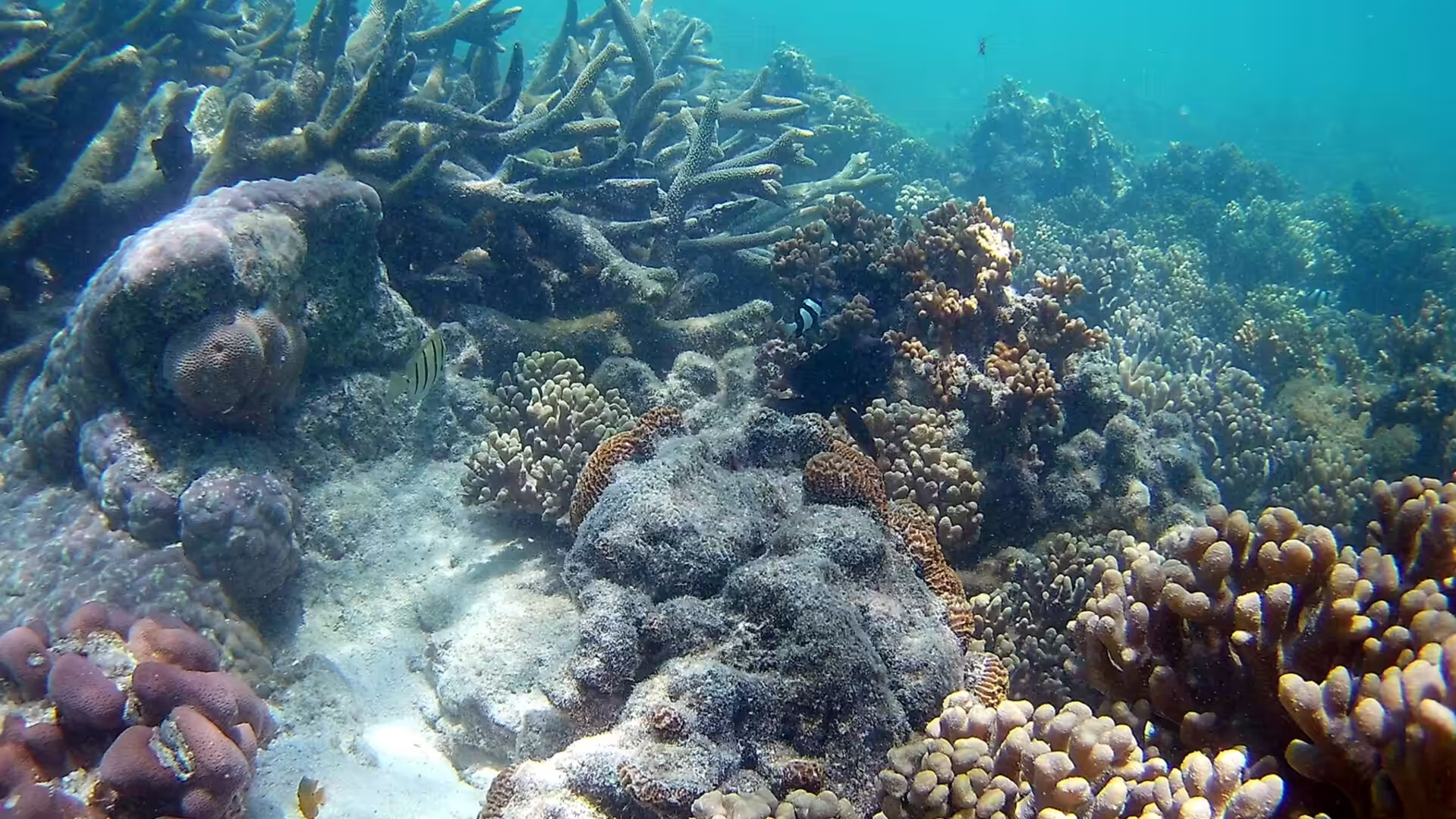
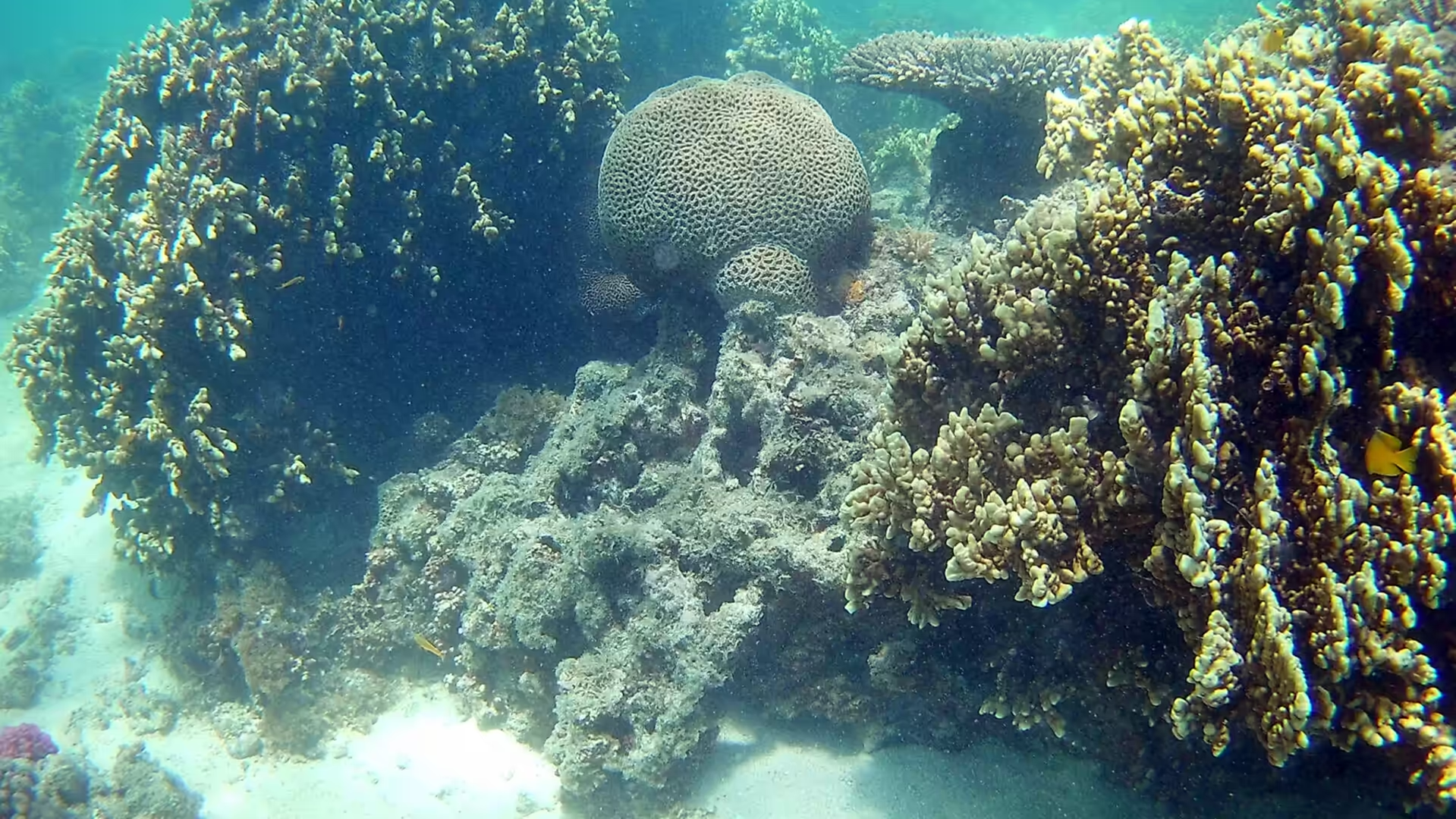
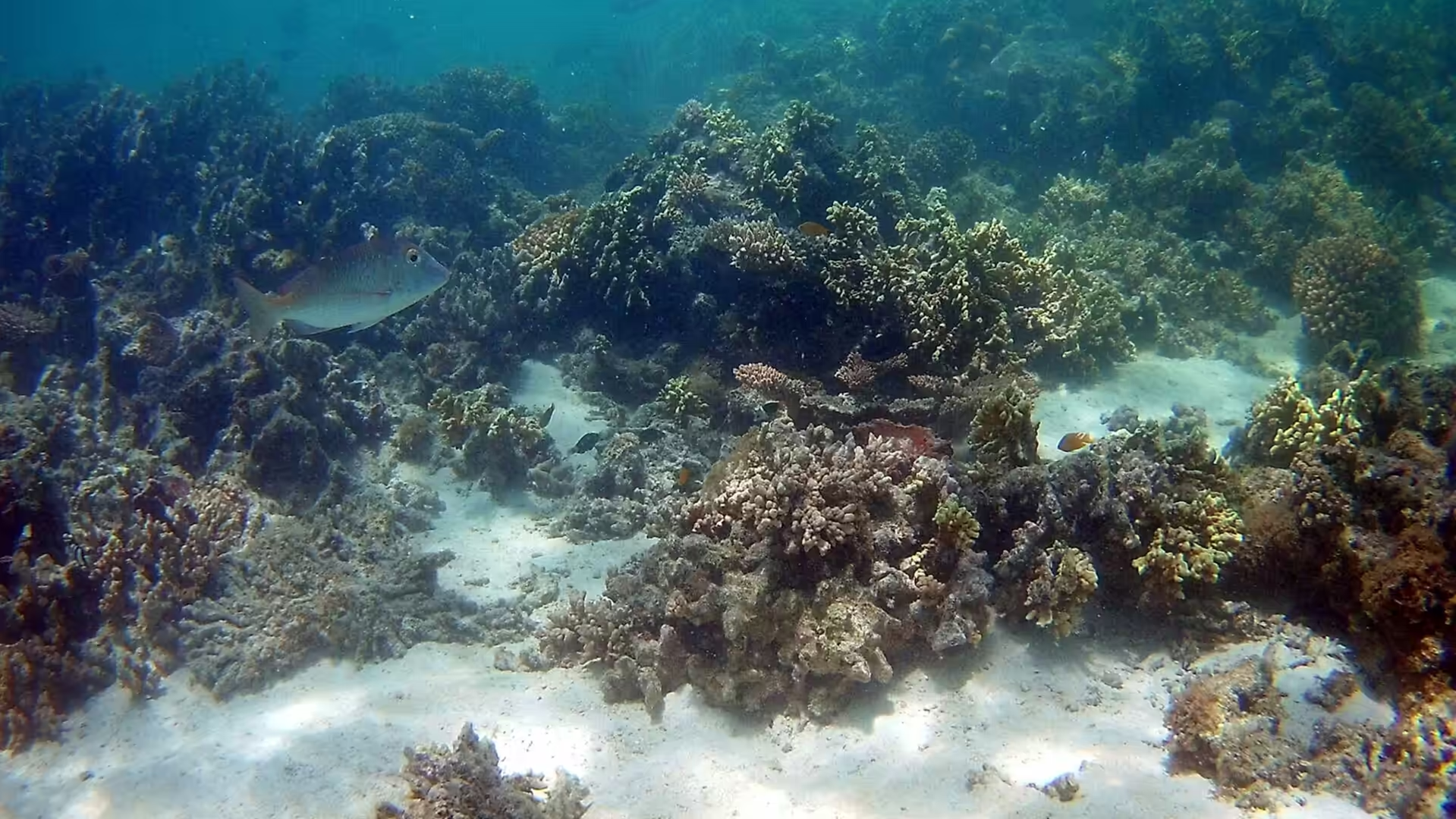
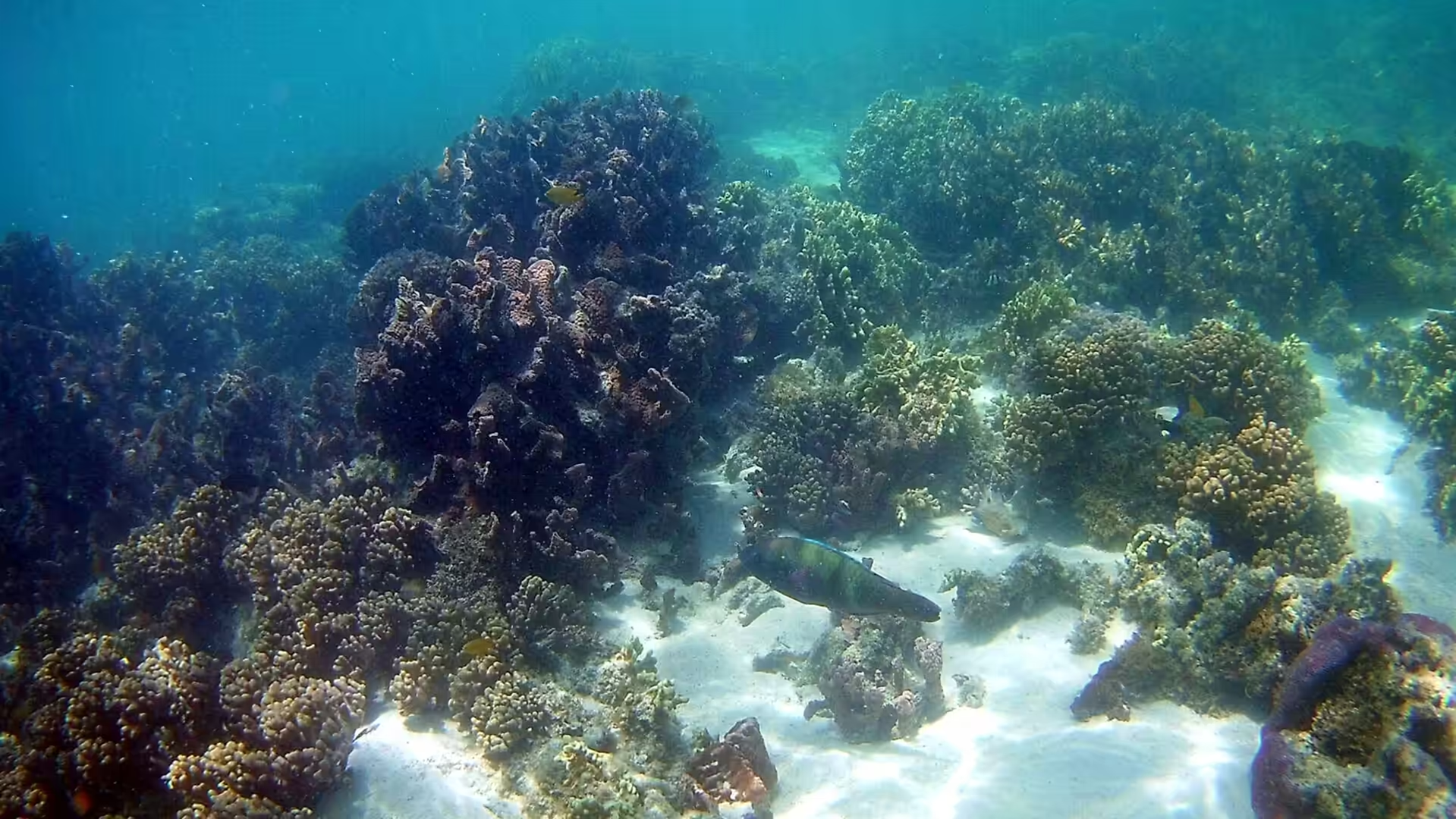
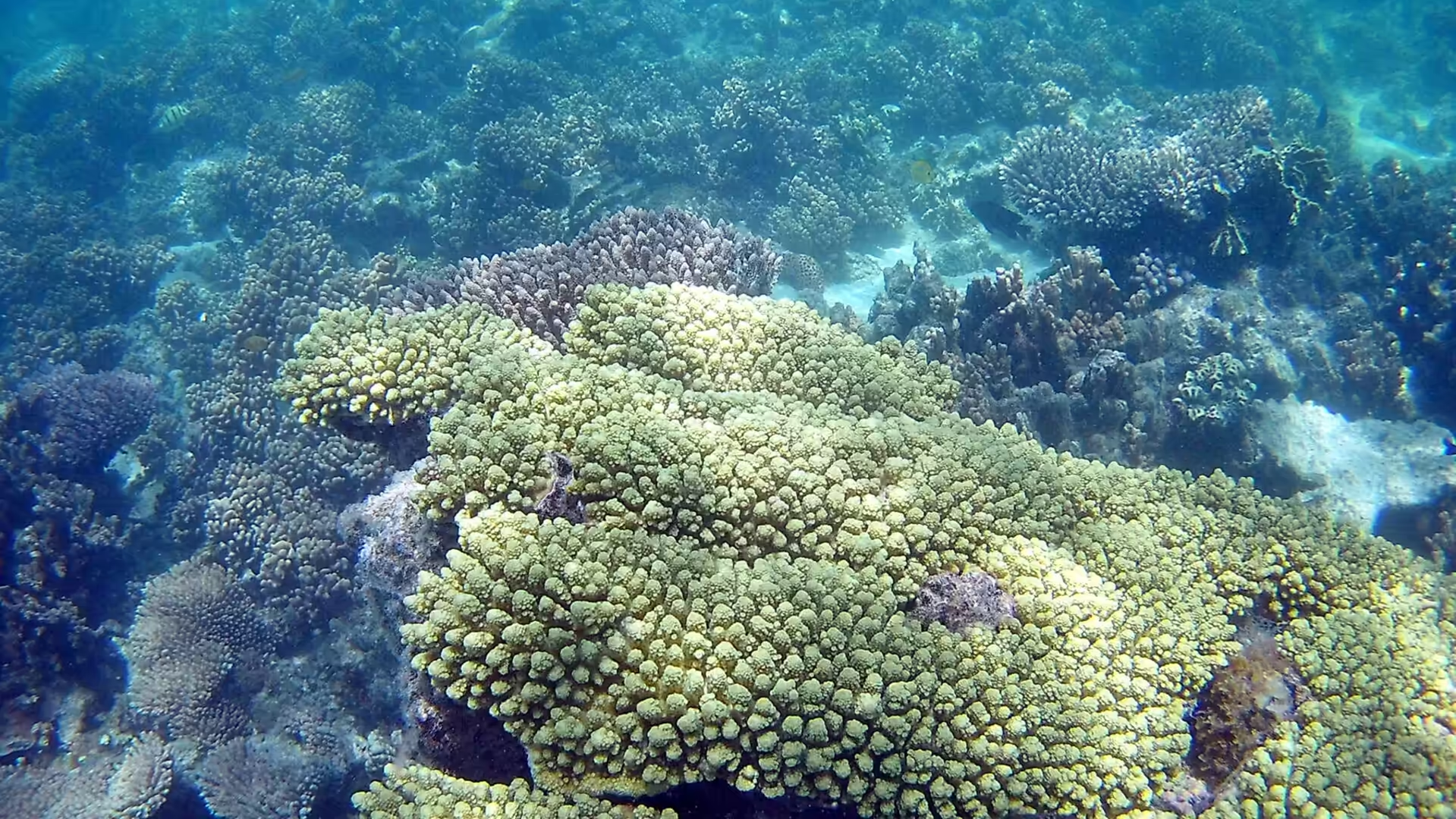
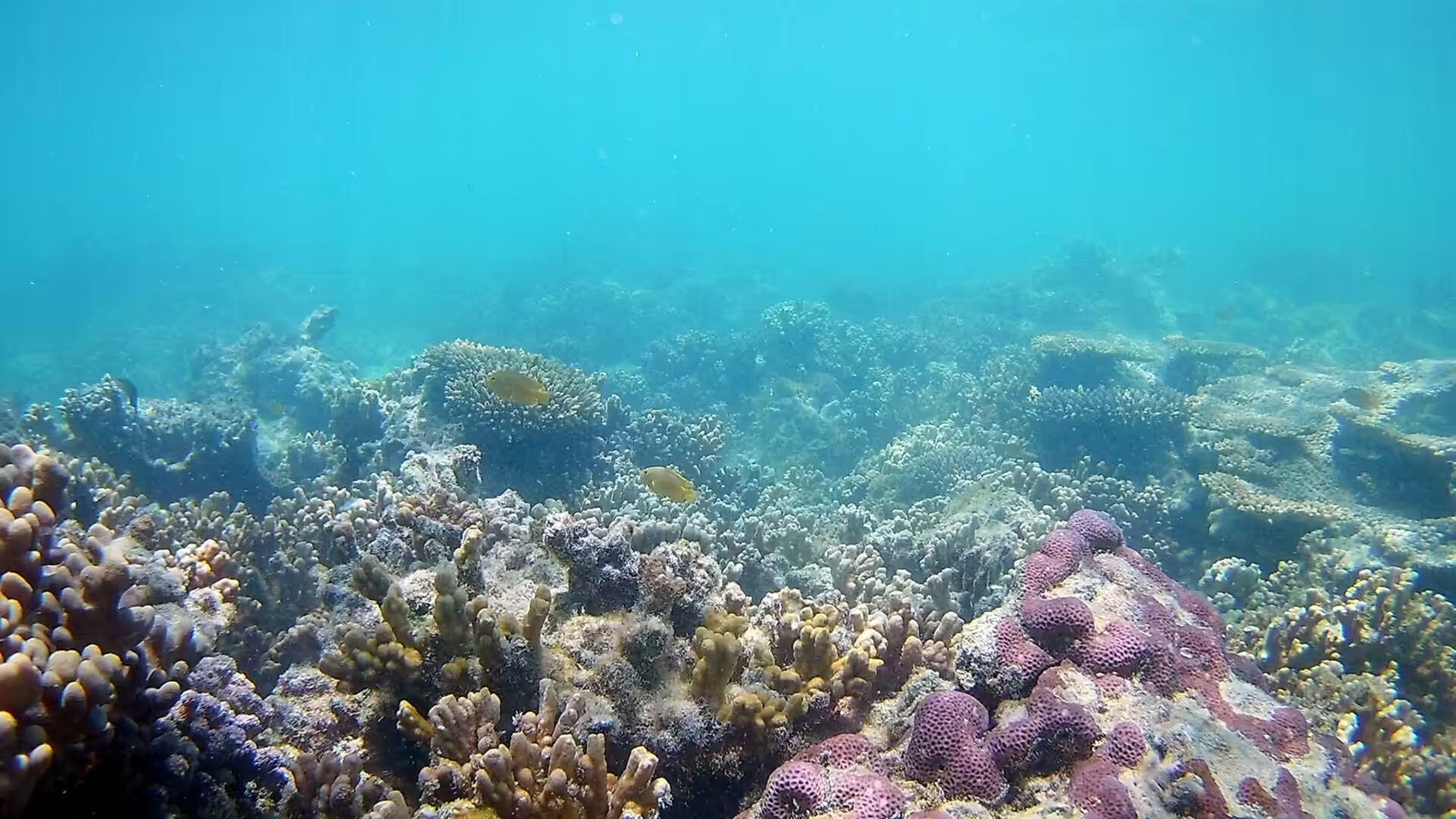
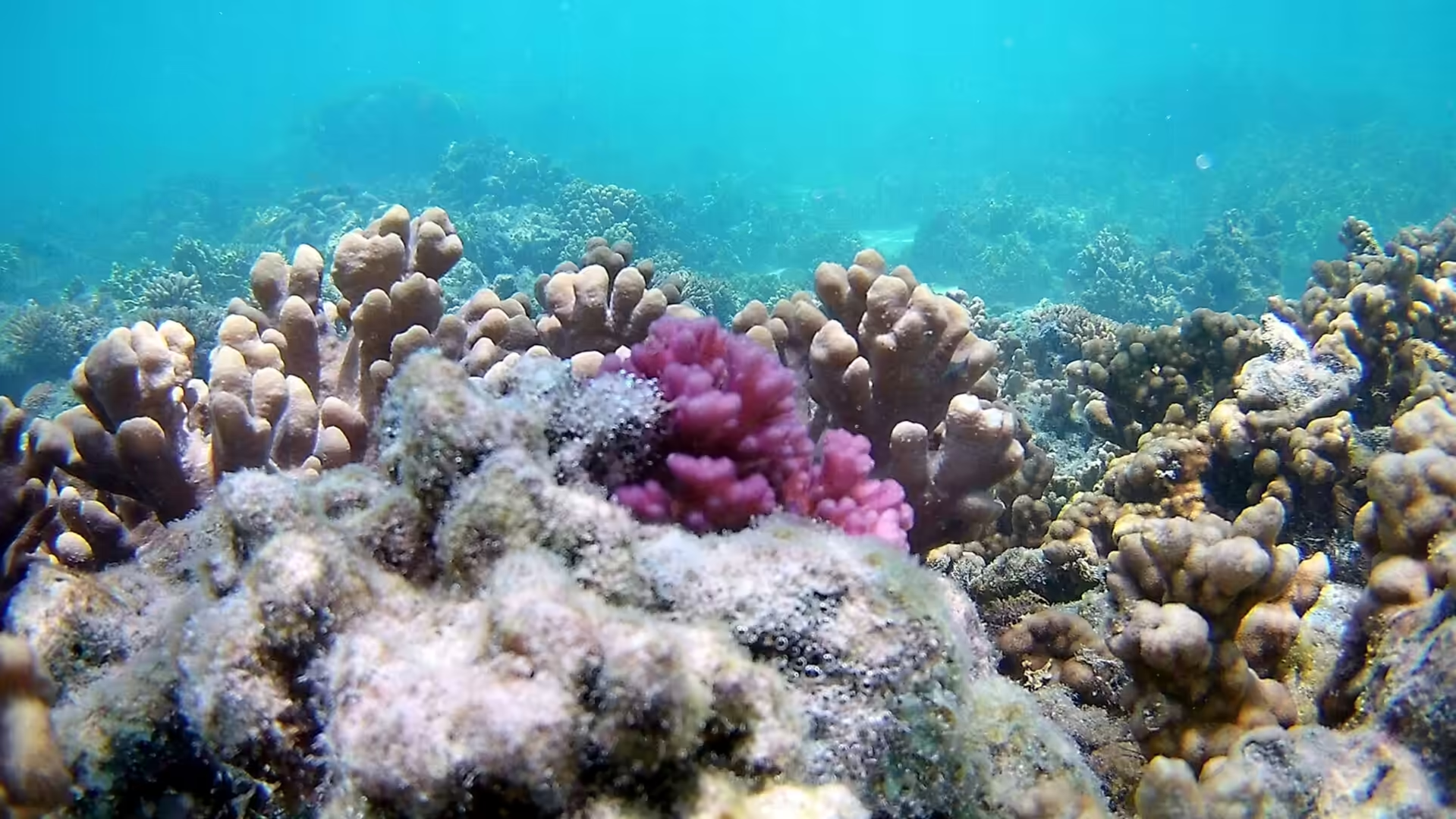
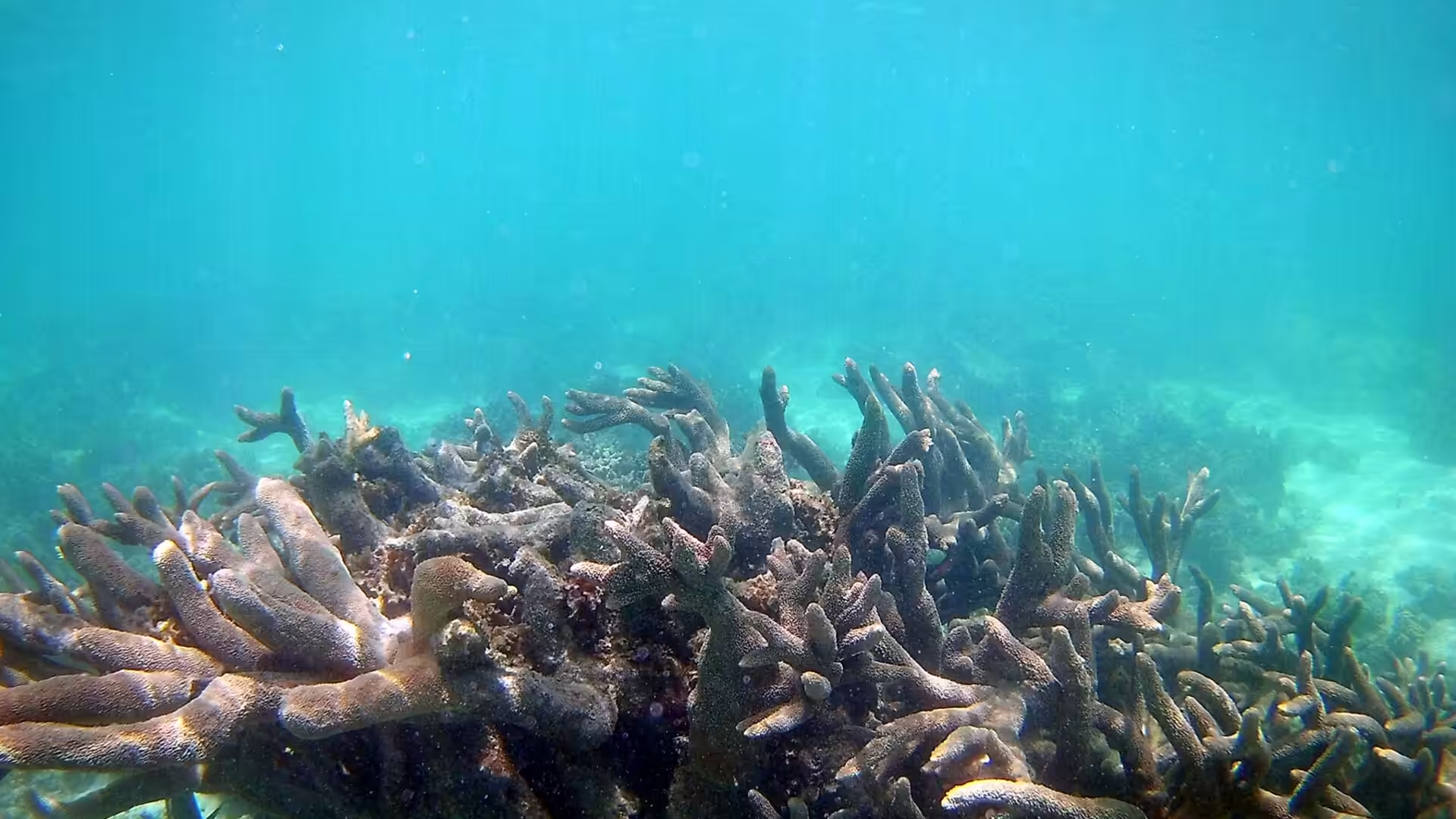
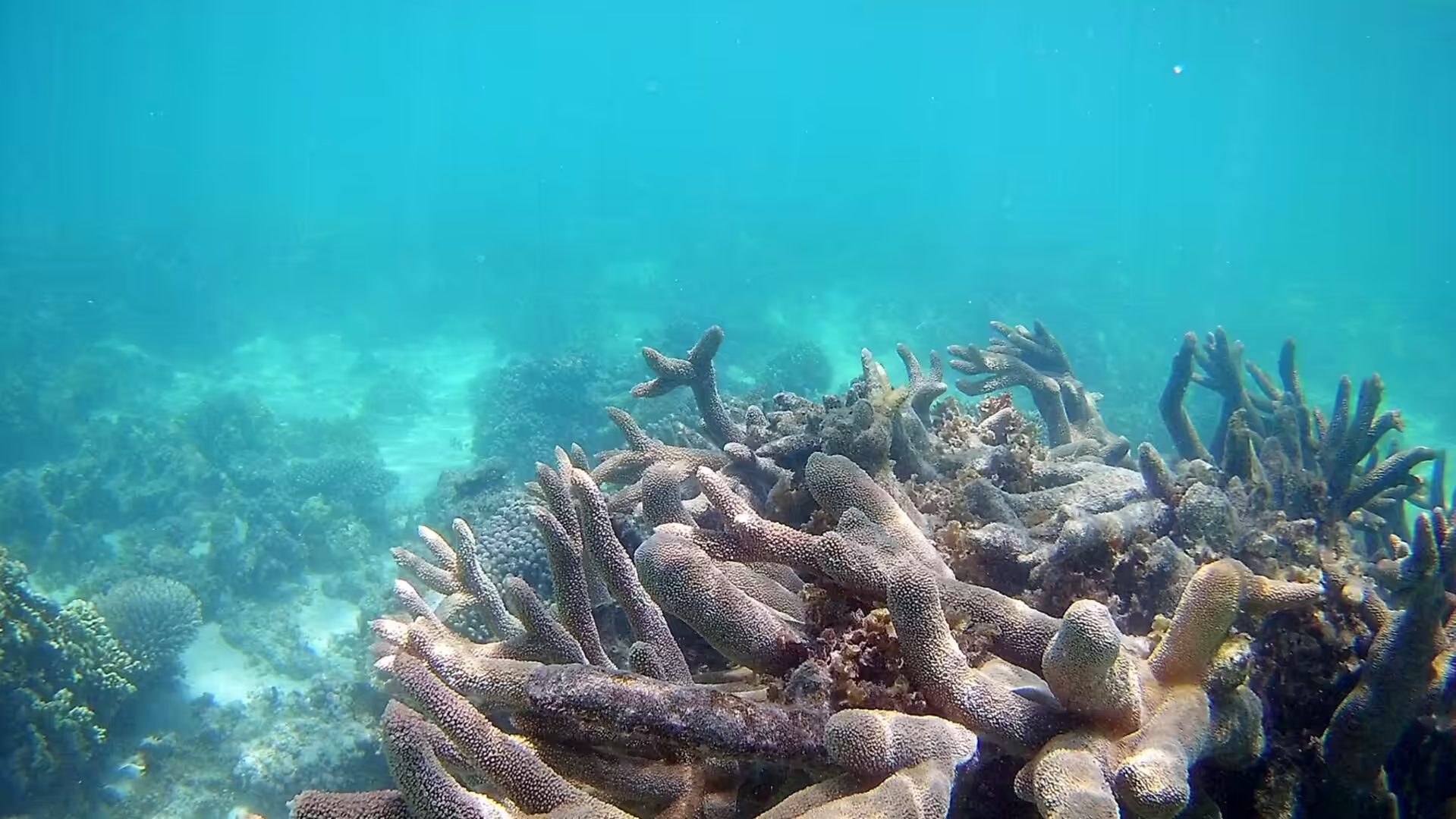
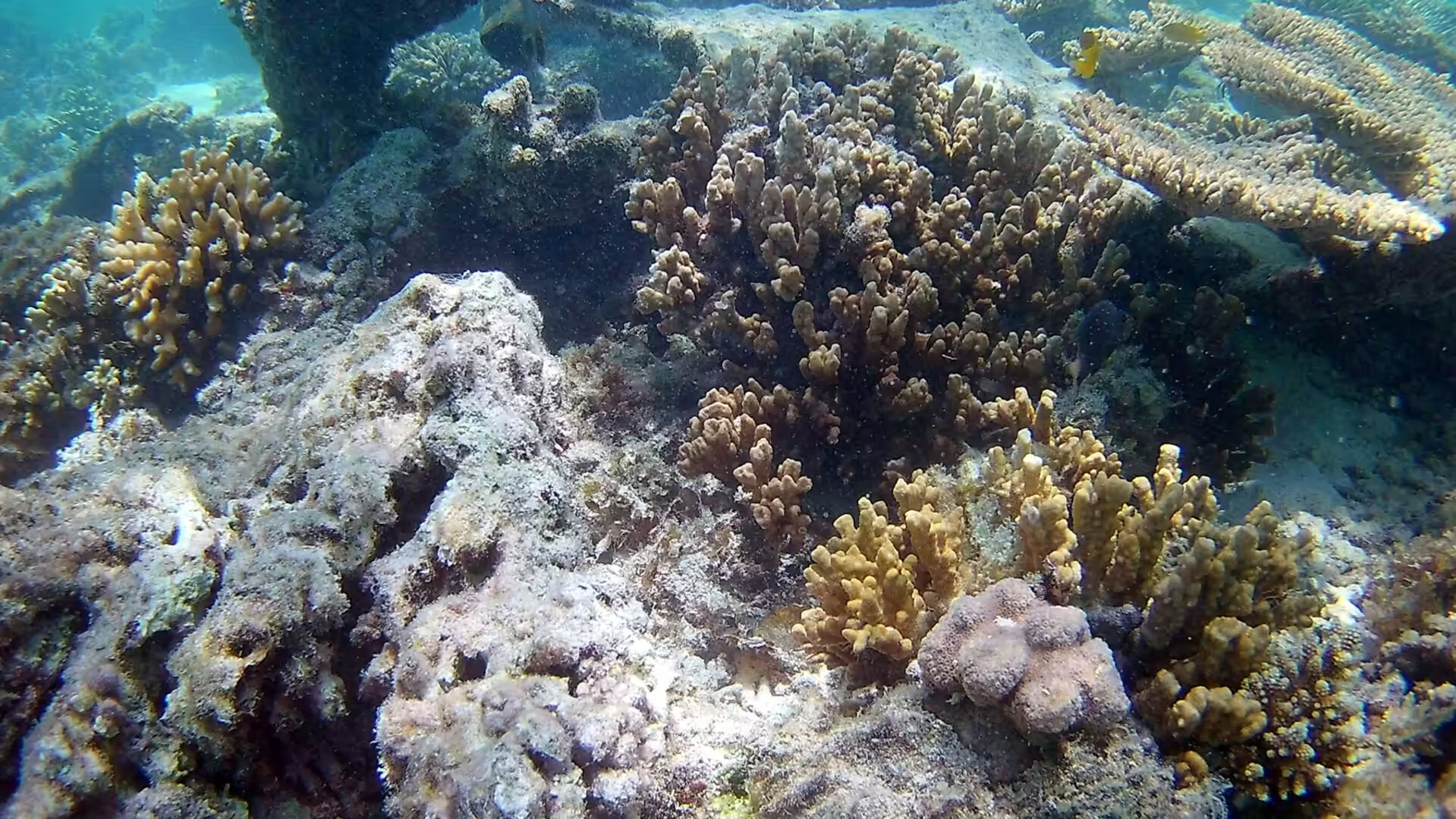
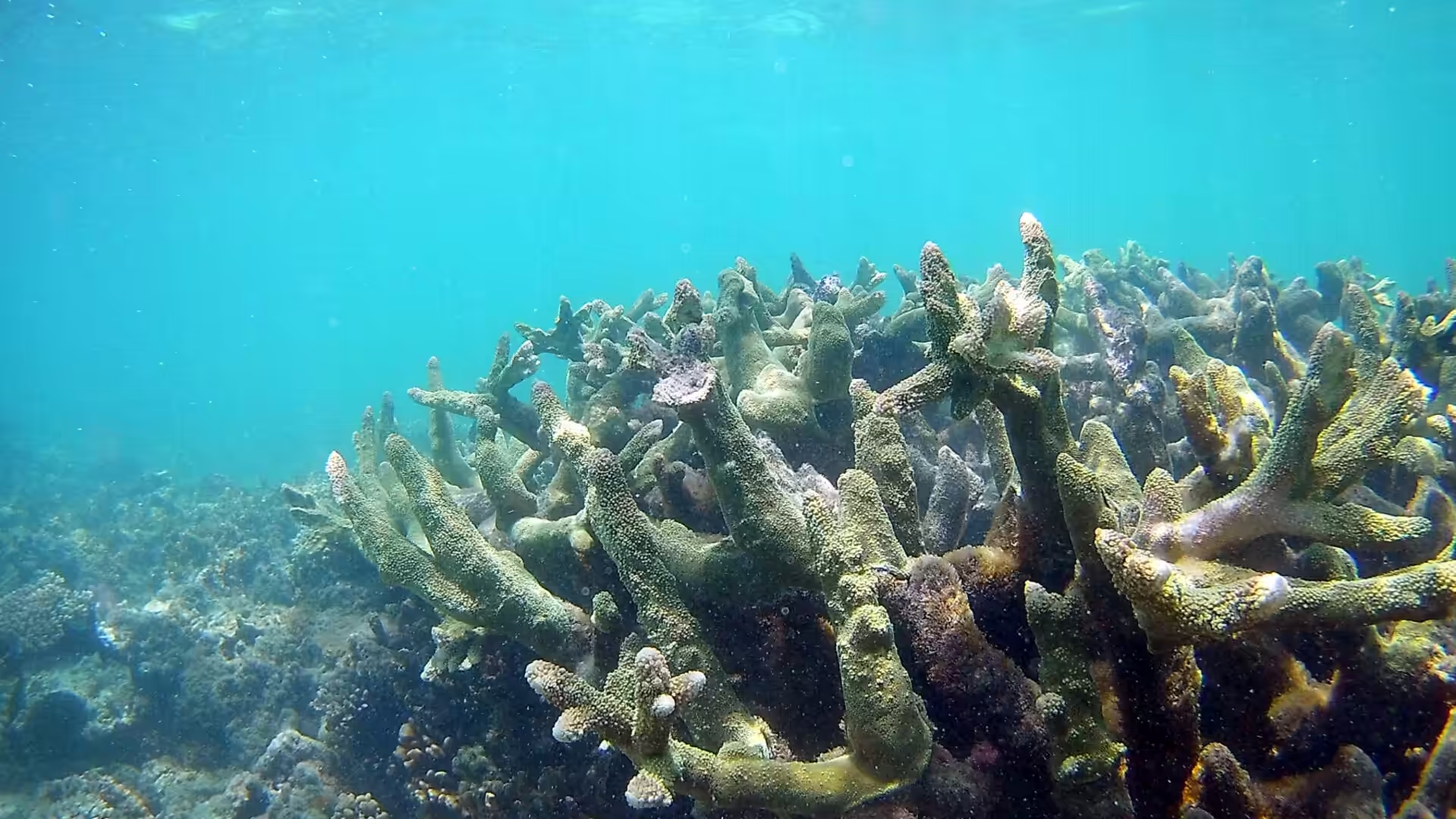
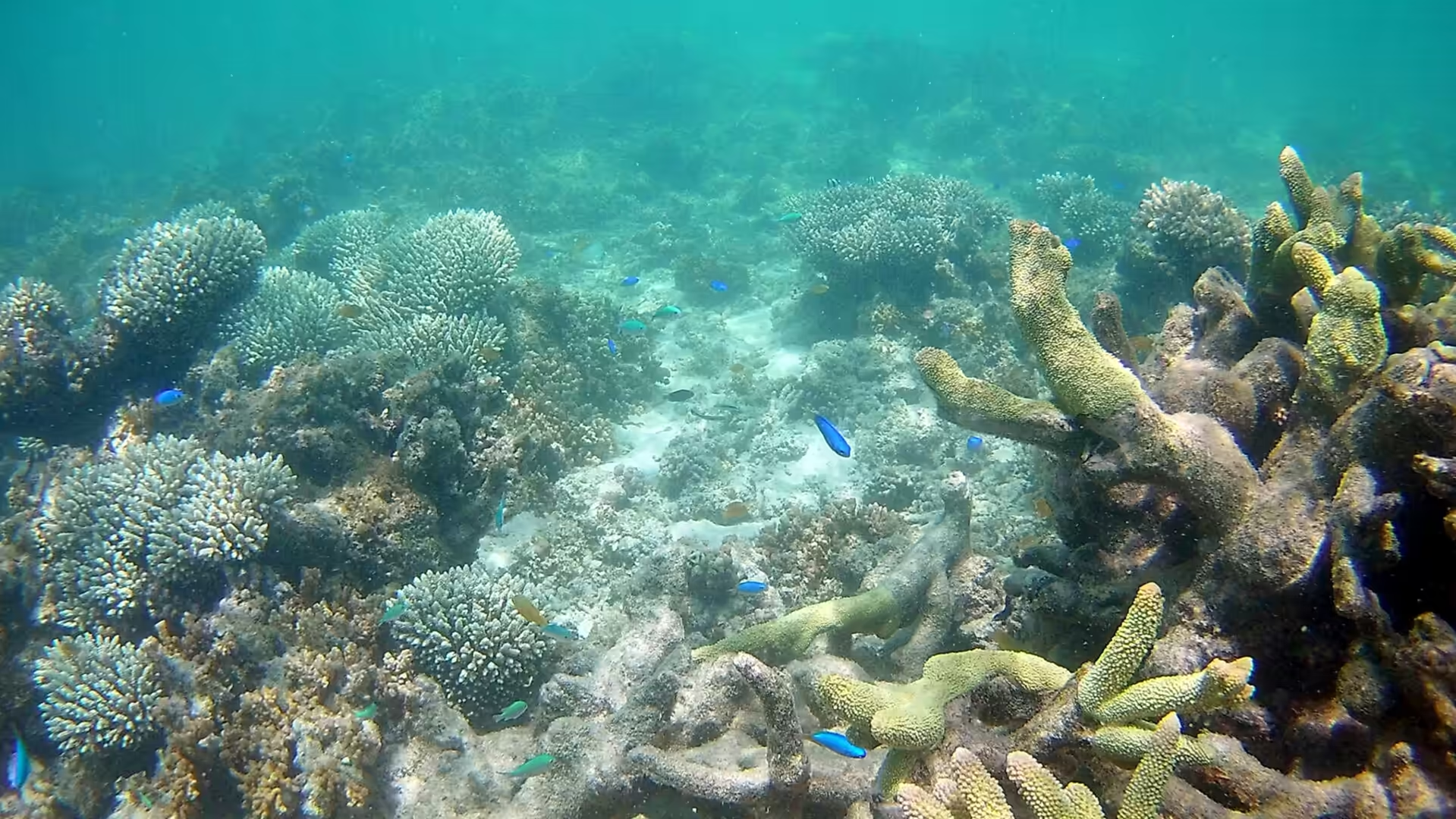
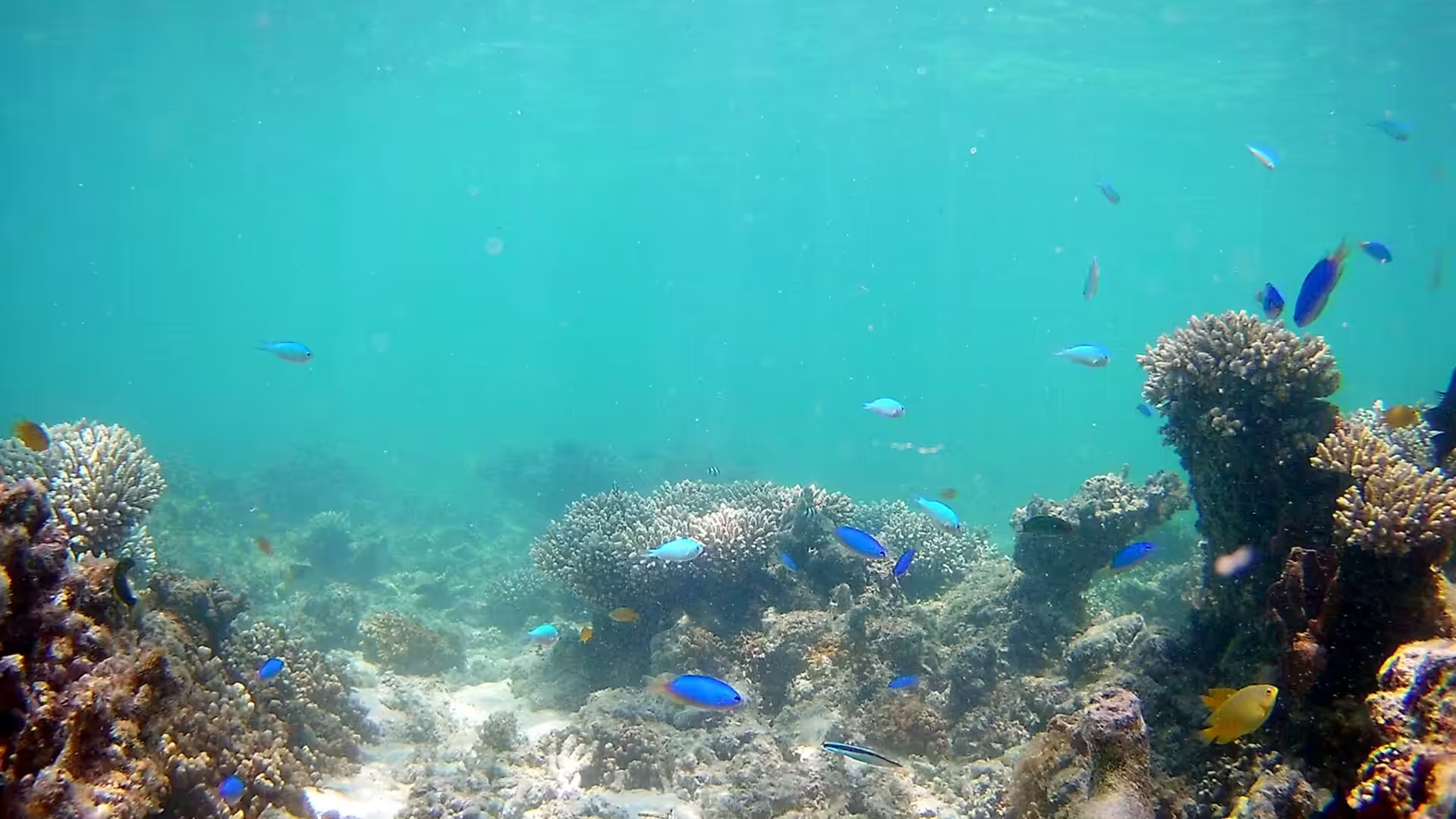
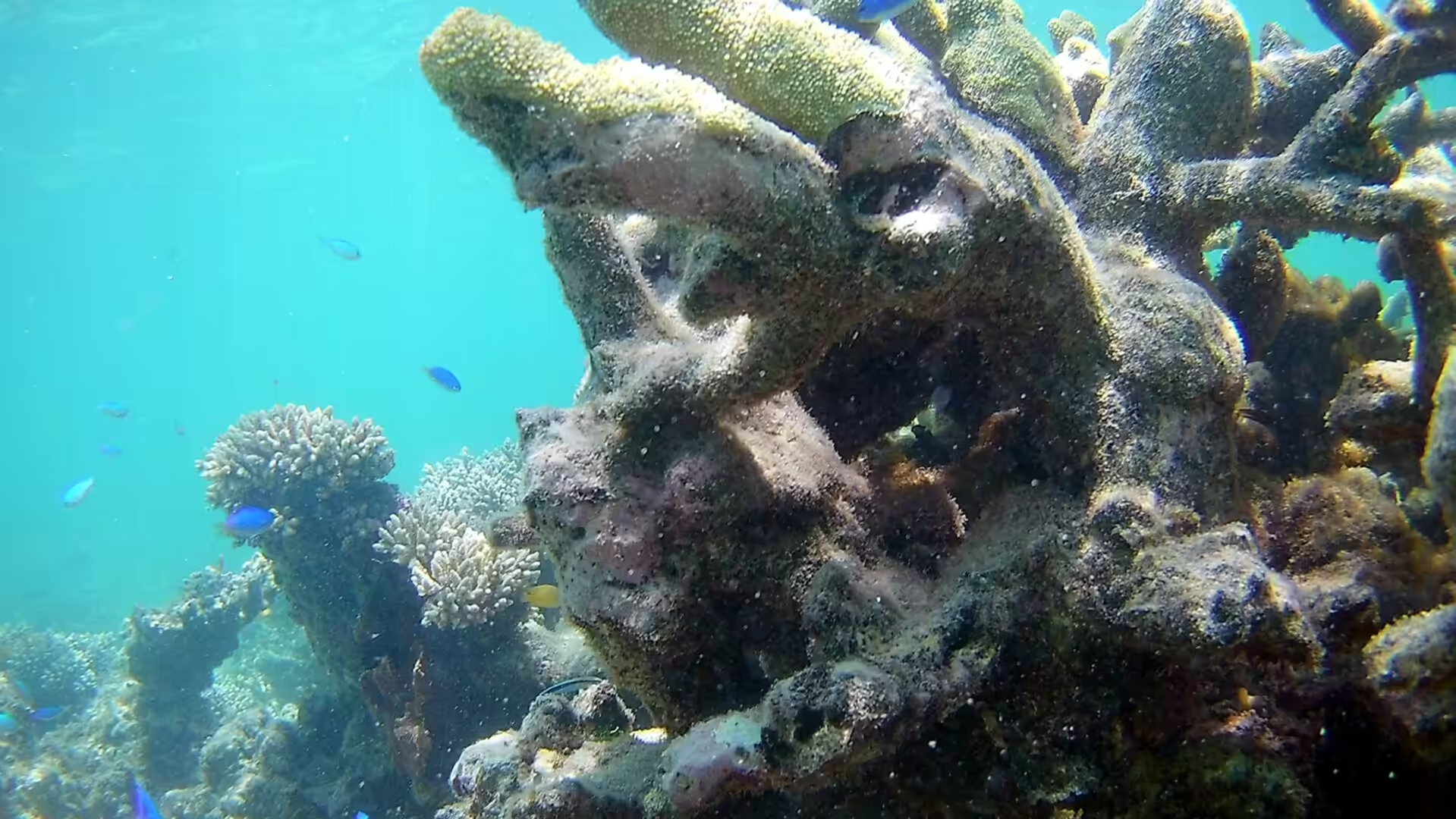
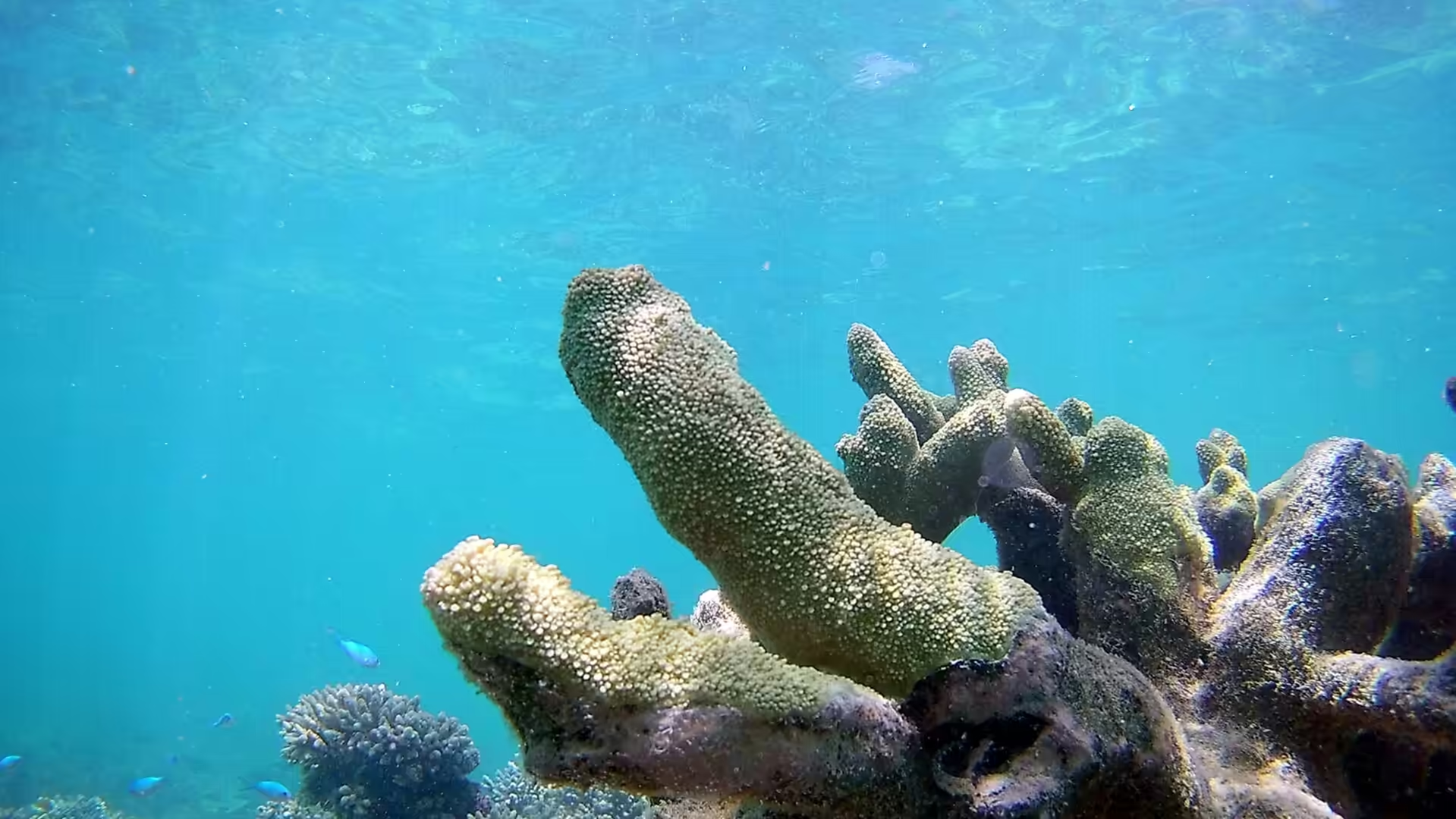
The reef is close enough to the beach to reach without a boat, and that is the whole point of Coral Bay. The swimmer crosses the shallows, sees the first dark shapes below, and then the garden opens out: staghorn thickets and plate corals stacked in tiers, rounded boulder corals in pale and maroon, a purple sea urchin sitting in a hollow in the sand, and small yellow fish weaving between the branches. The water is clear enough to see twenty metres, and warm enough to stay in for an hour at a time.
In the middle of the day the beach filled up and the water emptied. The pattern of a reef day is fixed by the tide and the sun: swim in the morning, eat and sleep through the worst of the heat, and go back in during the afternoon when the light is lower and the fish are active again. Two people walking in white along the water’s edge, a few swimmers wading in the shallows, and a boat anchored offshore were the only company for most of the afternoon.
A day at the reef requires some discipline about the sun, and the discipline is learned quickly. The ultraviolet index on this coast reaches extreme values by the middle of the morning, the reflection off white sand doubles the dose, and a rash vest and a hat are more useful than any amount of sunscreen. The pattern that works is the one the locals use: swim early, sleep in the shade in the middle of the day, eat late and swim again in the afternoon. Shade is scarce and valuable, and the few trees along the beach are occupied before breakfast.
The evening at Coral Bay has a rhythm of its own. The beach empties as the sun drops, the fishermen take up positions at the north end of the bay, the dive shop closes and the caravan park lights come on, and the sky over the water turns orange for twenty minutes and then goes dark. People walk out onto the sand to watch it and then drift back to the tents, and the settlement is quiet by nine. There is no nightlife beyond a restaurant and a bar at the caravan park, and after a day in the water nobody is looking for any.
History
The name of the coast comes from the Wajarri language, and the traditional owners of this stretch are the Yamatji peoples of the Baiyungu and Yinigudura groups, whose country includes the cape, the gulf and the reef. Their connection to the place is not a matter of a name on a sign: the rock shelters of the Cape Range contain evidence of occupation and use going back thousands of years, the coastal sites include fish traps and middens, and the knowledge of the tides, the fish and the seasons that the first European visitors recorded came from people who had been living on this coast for a very long time.
European use of the coast was slow and mostly unsuccessful. The peninsula was surveyed and named in the nineteenth century, pastoral leases were taken up along the gulf, and a small settlement at Coral Bay grew from a fishing and camping site rather than from a town plan. Fishing, and later prawning and tourism, gave the place its living, and the settlement’s present existence depends almost entirely on income from people who come to see the reef and its animals.
The formal protection of the coast is recent and it came in layers. The marine park was declared in the 1980s and extended in stages, the national park on the cape was enlarged, and in 2011 the World Heritage Committee inscribed the Ningaloo Coast on the strength of its fringing reef, its karst landscape and its whale sharks. The listing obliges the state to manage the coast as an international asset, which means that fishing, anchoring, diving and building are all regulated, and the regulations are enforced by rangers who are conspicuous in the season.
Fishing and prawning were the industries that kept the settlement alive before tourism, and they are still part of the economy. The boats work the gulf and the lagoon for prawns and fish, the catch goes to Carnarvon and Perth, and the jetties and the boat ramps at Coral Bay are busy at the start and the end of the day. The transition from a fishing camp to a wildlife tourism destination has taken two generations, and it can be read in the buildings of the settlement: the old sheds and the new dive shop stand within sight of each other, and the same families often run both.
Geology
The reef is a fringing reef, and the term describes both its position and its origin. It grows along the edge of the continent, on a shallow shelf where sunlight reaches the sea floor, and it is separated from the shore by a lagoon that is usually less than five metres deep. Beyond the reef crest the shelf drops away quickly into deeper water, and the contrast between the calm lagoon and the swell beyond the crest is what breaks the waves and protects the beach.
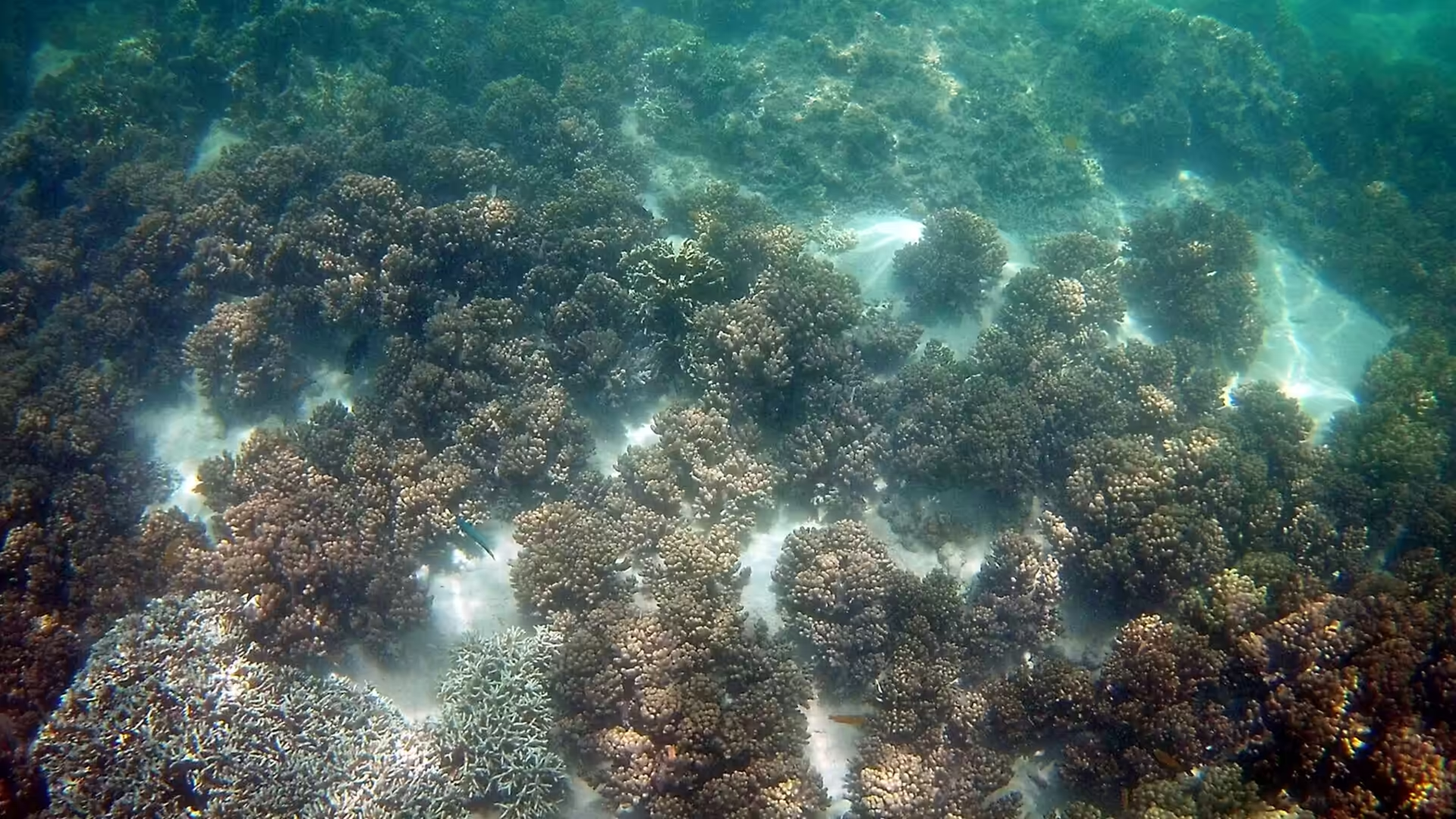
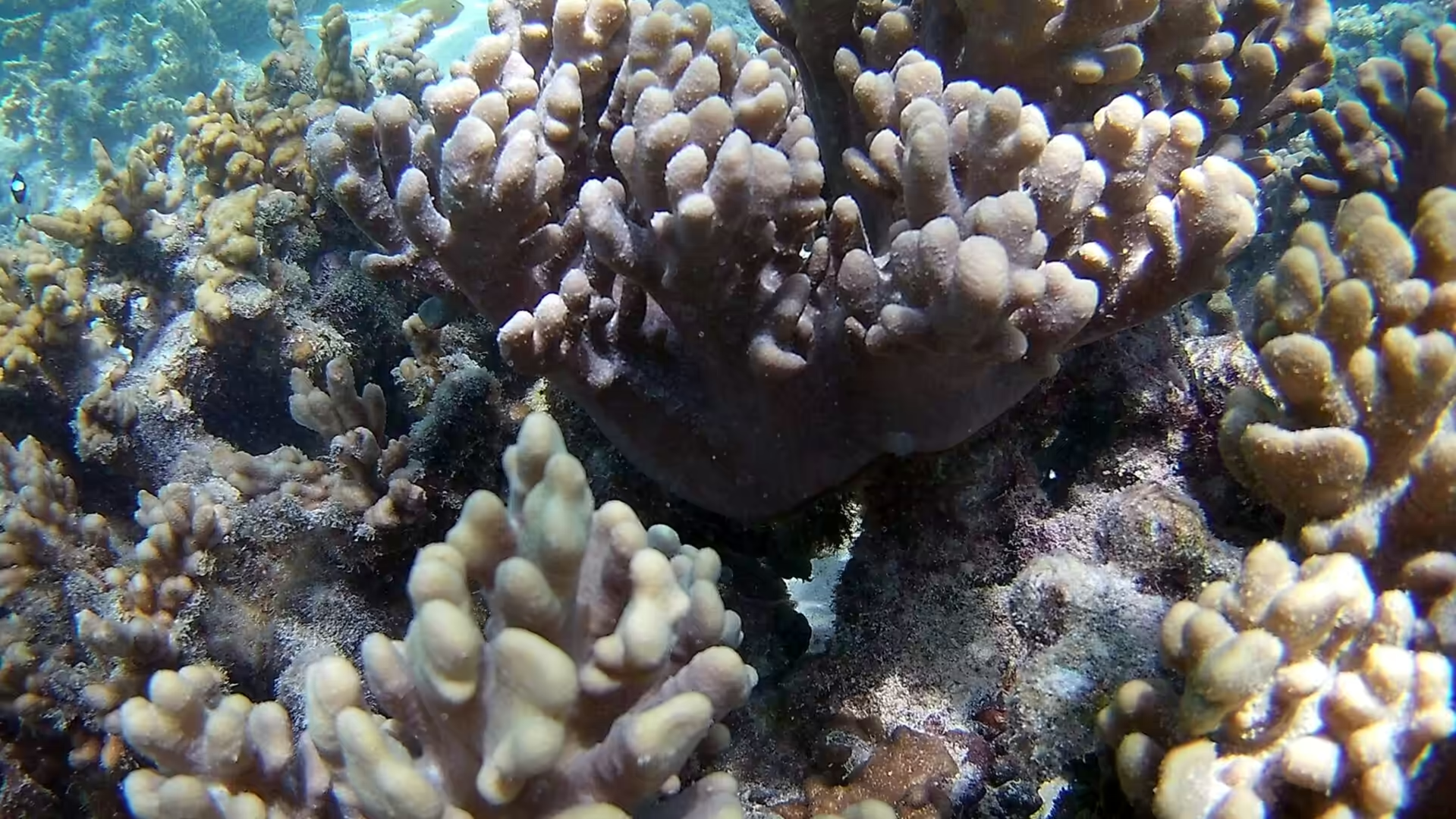
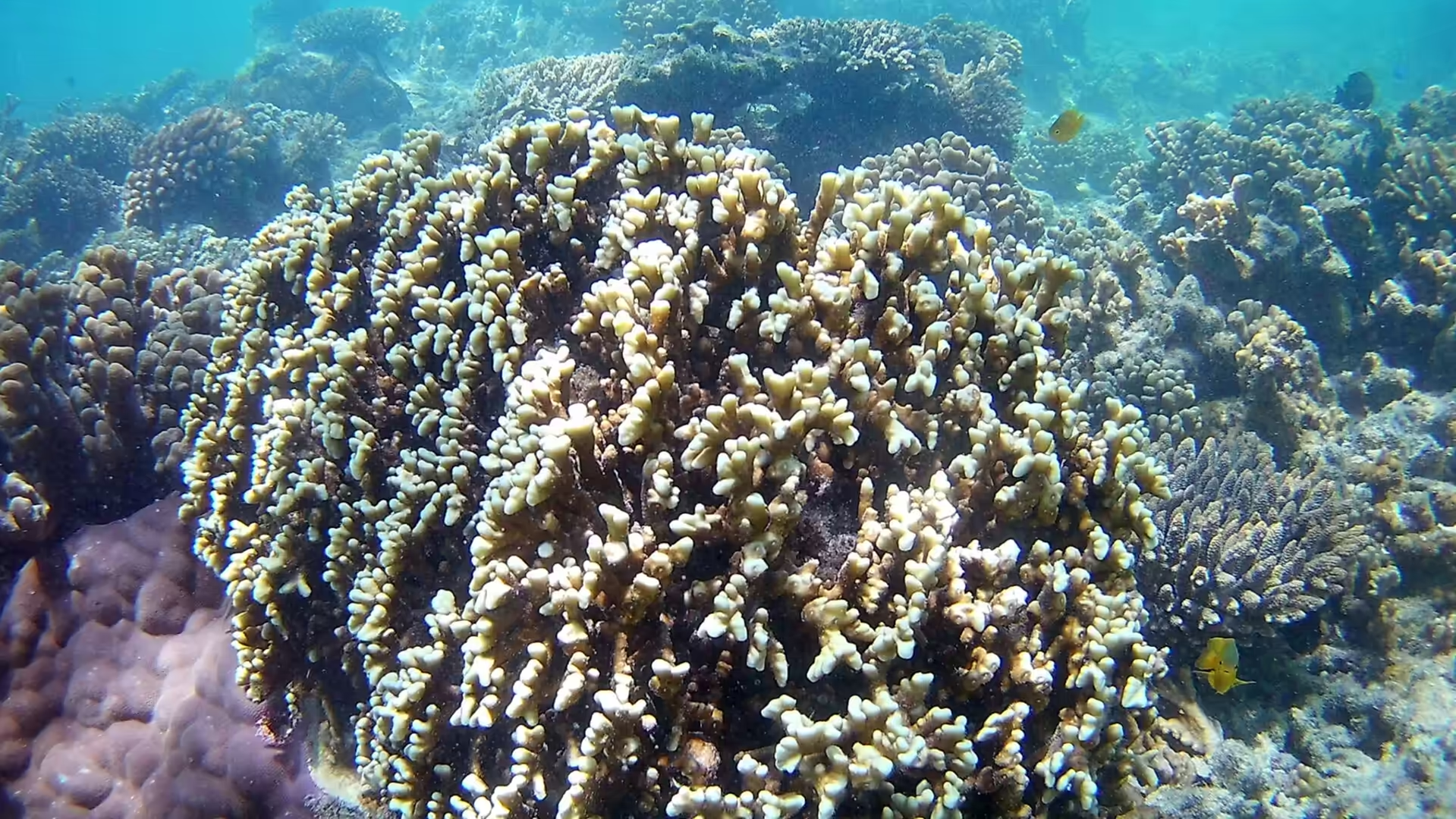
The corals themselves are animals, colonies of small polyps that build skeletons of calcium carbonate and live in partnership with algae that supply them with energy from sunlight. The shapes they make are adaptations to water movement and light: branching staghorn corals for the shallows where the water is turbulent, plate and table corals for the deeper water where they compete for light, rounded boulder corals for the exposed edges, and fans for the channels where the current delivers food. The colours are partly the coral and partly the algae living in its tissue.
The reef exists at this latitude because of a current. The Leeuwin Current carries warm water and coral larvae southward along the Western Australian coast, allowing tropical species to establish themselves hundreds of kilometres further south than they could otherwise survive. The same current makes the coast an unusual place for its latitude, with warm water in winter and a marine community that includes both tropical and temperate species. It also brings the whale sharks, which follow the seasonal bloom of plankton that the current helps to create.
The reef is not permanently stable, and the last decade has shown why. Marine heatwaves have caused bleaching events that killed corals in large areas, and the reef has been through at least two of them, with recovery varying from place to place and species to species. The lagoon in front of Coral Bay has fared better than parts of the outer reef, and the monitoring that goes on here is part of the reason the coast is regarded as one of the best places in the world to study what warm water does to a coral community.
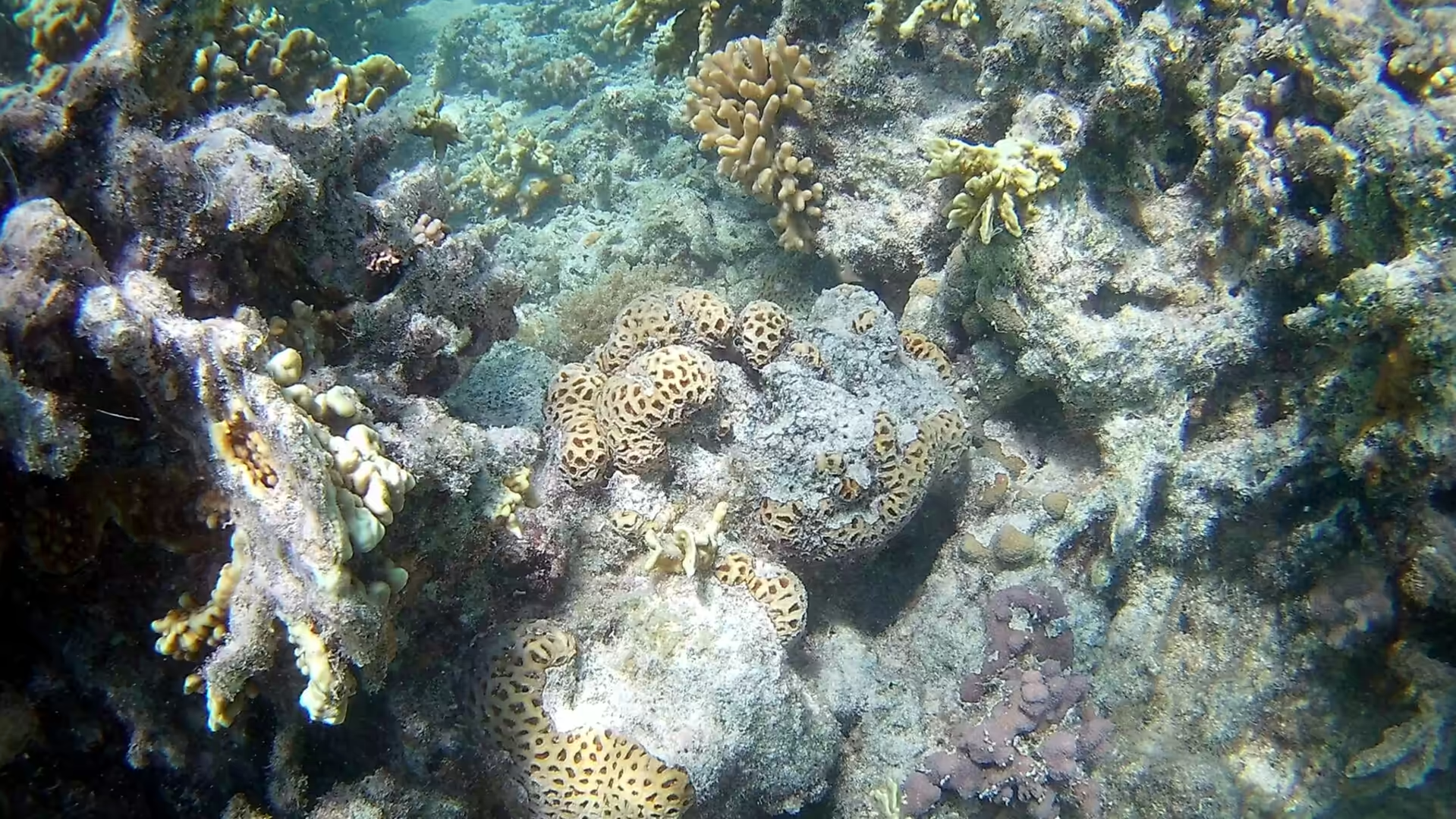
The lagoon floor is a patchwork that changes with every tide. Sand moves in and out of the seagrass, sediment settles in the calm water behind the reef crest, and the patches of bare sand between the coral heads shift from season to season. The seagrass itself is grazed by turtles and dugongs and by small invertebrates, and its condition is monitored as an indicator of the health of the whole lagoon. For the swimmer this means that the reef is never quite the same on two visits: the coral heads stay where they are, but the channels between them and the colour of the water change with the tide, the wind and the amount of sediment in the water.
Things to See
Snorkelling at Coral Bay requires nothing more than a mask, a snorkel and a pair of fins, and the best place to start is directly in front of the settlement where the beach slopes into the lagoon. The corals begin a short swim from the sand, there are sandy channels between the patches where it is safe to stand if needed, and the tide governs everything: the incoming tide brings clear water and fish, the outgoing tide stirs the sediment and makes the lagoon cloudy. Local advice on the tide is worth more than any guidebook.
The bay is a sanctuary zone for much of its area, which means nothing may be taken from it and boats may not anchor on the coral. The rules sound restrictive and are in fact the reason that a place within walking distance of a caravan park still has a reef in good condition. Fishing is permitted from the beach and from boats outside the zones, subject to size and species limits, and the rangers patrol the bay in season to enforce both sets of rules.
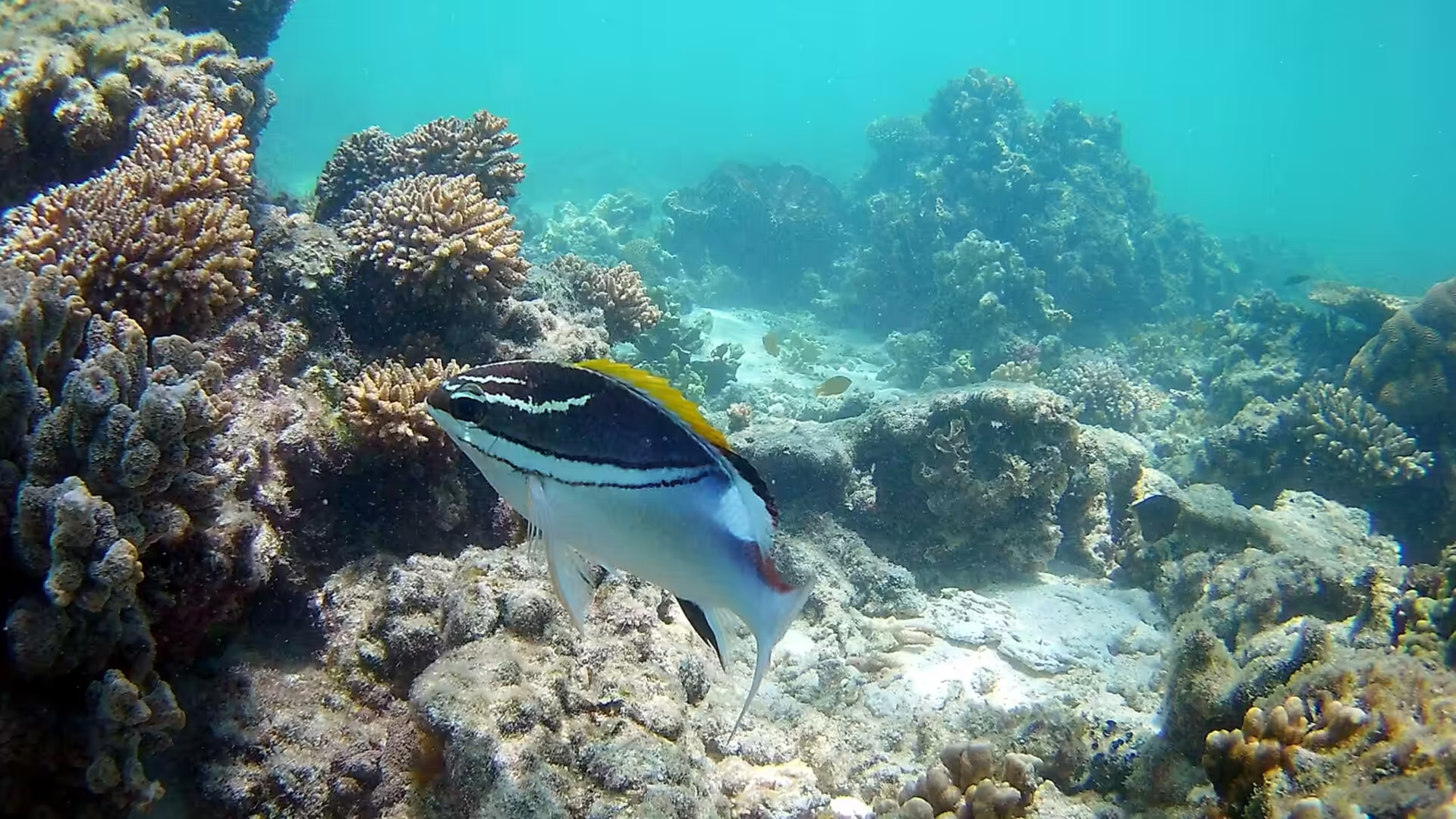
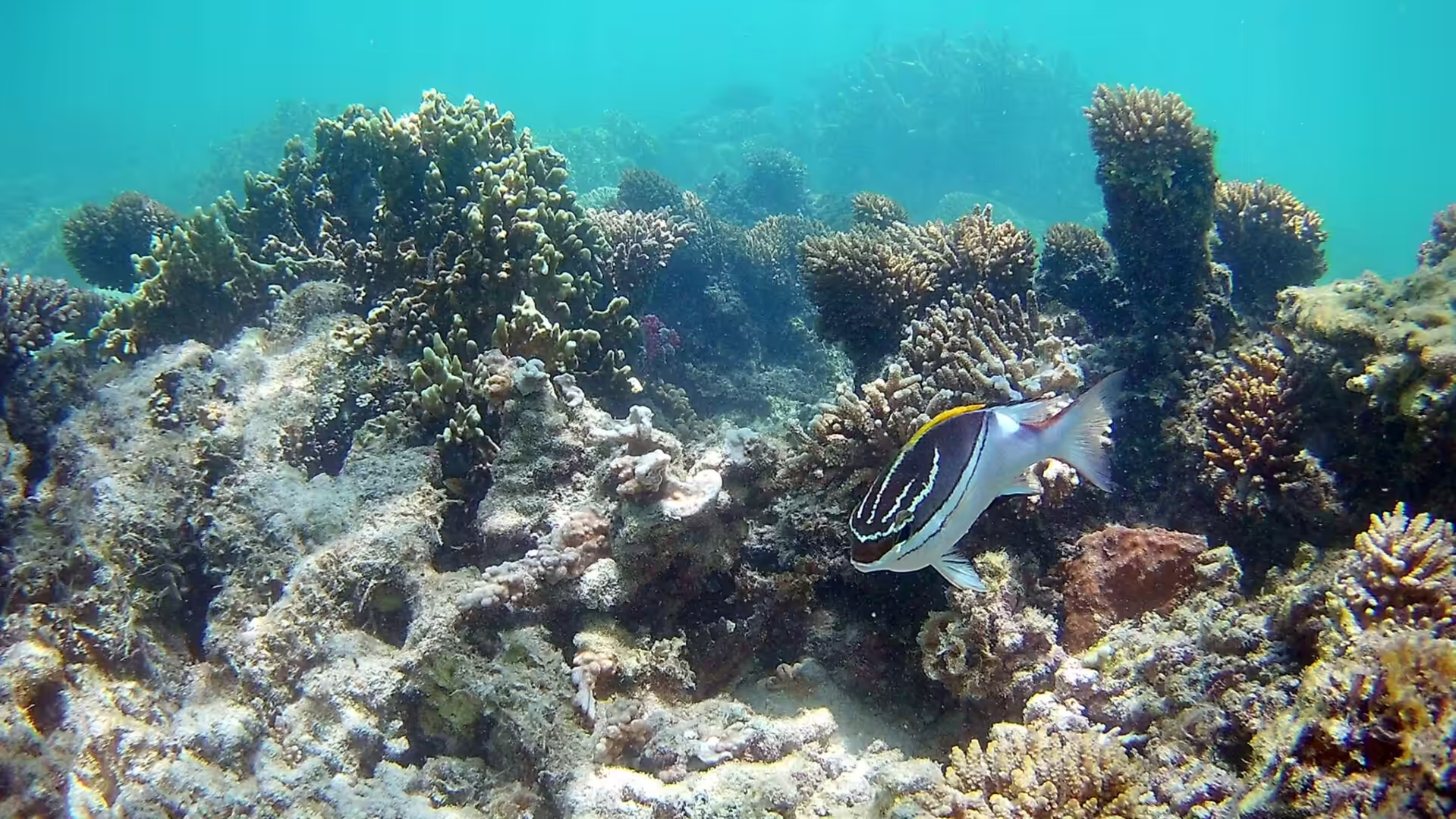
The reef life visible from the surface is a fraction of what is there. Sea urchins, small fish of every colour and pattern, giant clams, sea cucumbers, octopus and the occasional turtle or ray are all regular sights within the lagoon, and the larger animals, the manta rays in particular, come through the bay in the warmer months. Further out the dive sites are deeper and more varied, with coral walls and bommies that reward a boat trip, and the dive operators in the settlement run trips for both divers and snorkellers.
The rest of a Coral Bay day is spent on the beach, and there is nothing complicated about it. There is one shop and one caravan park, the nearest fuel is in Carnarvon, and the nearest hospital is a long way further. What the place offers instead is a shallow bay with a reef at the edge of it, a beach of white sand, and the kind of routine that resets a traveller: swim, eat, sleep, swim again. It is a small settlement with a small economy, and both depend on the reef remaining exactly as it is.
The settlement has everything needed and nothing more. There is a general store with fuel, a bakery, a caravan park with cabins and a handful of houses, a dive shop that rents snorkelling gear and runs boat trips, and a single cafe. Water is limited, power comes from a small grid, and the rubbish has to be carried out. Anyone planning to stay in the season should book accommodation months in advance, because the number of beds is small and the demand from people who have driven a thousand kilometres to get here is enormous. Beyond that, the place needs no planning: the reef is at the end of the beach, and the best thing to do is nothing in particular.
References
- Wikipedia contributors (2026). Coral Bay, Western Australia. en.wikipedia.org/wiki/Coral%20Bay%2C%20Western%20Australia
- Wikipedia contributors (2026). Ningaloo Coast. en.wikipedia.org/wiki/Ningaloo%20Coast
- Wikipedia contributors (2026). Ningaloo Reef. en.wikipedia.org/wiki/Ningaloo%20Reef
- Wikipedia contributors (2026). Whale shark. en.wikipedia.org/wiki/Whale%20shark
- Wikipedia contributors (2026). Dugong. en.wikipedia.org/wiki/Dugong
- Wikipedia contributors (2026). Cape Range National Park. en.wikipedia.org/wiki/Cape%20Range%20National%20Park
- Wikipedia contributors (2026). Exmouth, Western Australia. en.wikipedia.org/wiki/Exmouth%2C%20Western%20Australia
- Wikipedia contributors (2026). Ningaloo. en.wikipedia.org/wiki/Ningaloo
- Wikipedia contributors (2026). Ningaloo Marine Park (Commonwealth waters). en.wikipedia.org/wiki/Ningaloo%20Marine%20Park%20%28Commonwealth%20waters%29
- Wikipedia contributors (2026). Exmouth Gulf. en.wikipedia.org/wiki/Exmouth%20Gulf
- Wikipedia contributors (2026). North West Cape. en.wikipedia.org/wiki/North%20West%20Cape
- Catlin J., Jones R. (2010) Whale shark tourism at Ningaloo Marine Park: A longitudinal study of wildlife tourism. Tourism Management. 31. 386-394. doi.org/10.1016/j.tourman.2009.04.004
- Ceh J., Van Keulen M., Bourne D.G. (2010) Coral-associated bacterial communities on Ningaloo Reef, Western Australia. FEMS Microbiology Ecology. 75. 134-144. doi.org/10.1111/j.1574-6941.2010.00986.x
- (ohne Angabe) (2022) Australia, Western Australia, Gascoyne Region, Indian Ocean Coast. Journal of Coastal Research. 100. doi.org/10.2112/jcr-si100-coralreef-018.1