2023 Australia - May 2 - Gold Coast












Journal Notes
General
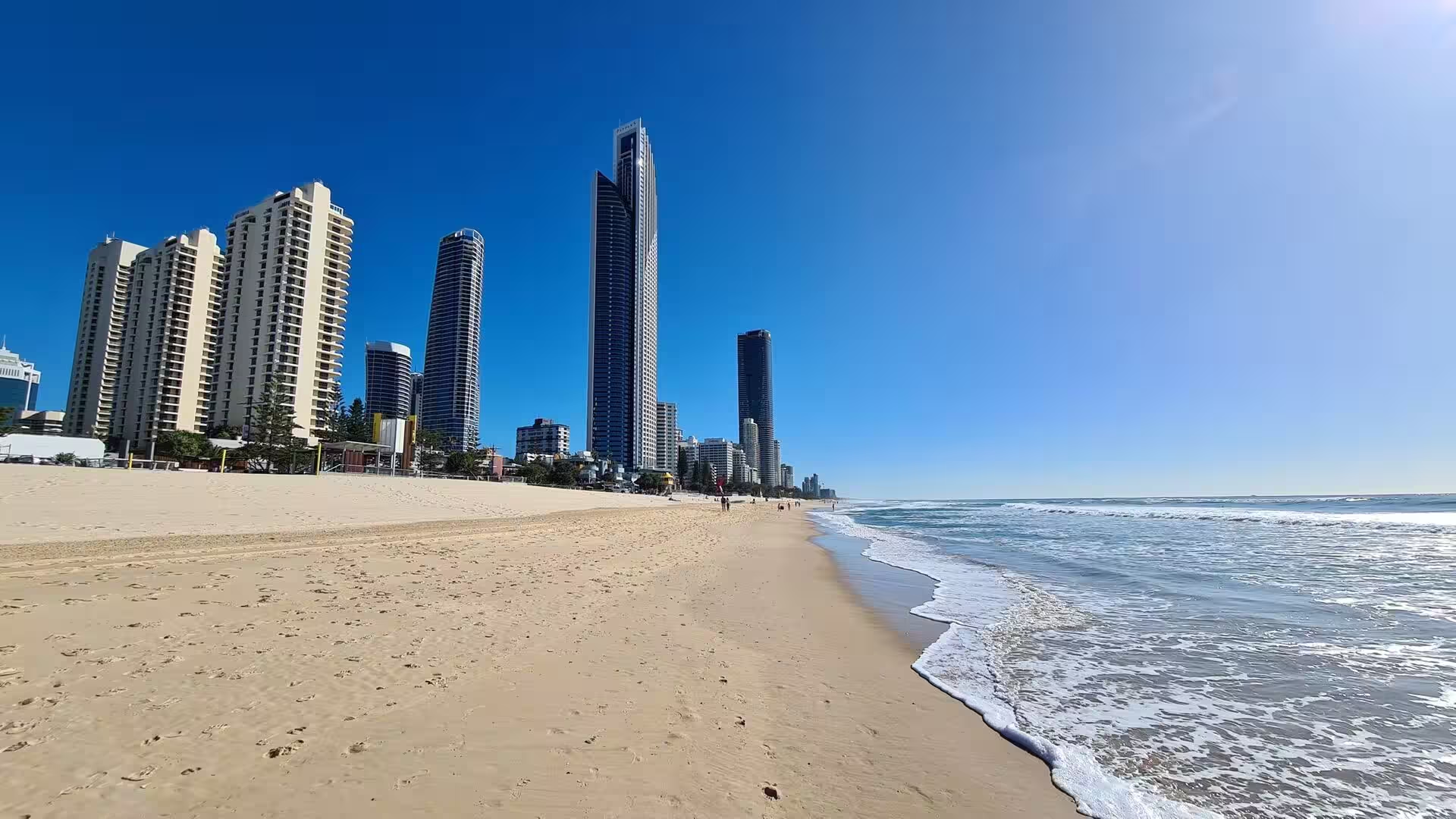
The Gold Coast is a coastal city of South East Queensland, built on the narrow plain between the Pacific Ocean and the forested ranges of the hinterland. The urban area stretches along more than sixty kilometres of coast, from the suburbs that merge with Brisbane in the north to the New South Wales border at Coolangatta in the south, and the city is the second largest of Queensland and the largest non-capital city of Australia. The centre of the region lies around Southport, at the mouth of the Nerang River, while the best known quarter of the coast, Surfers Paradise, gives the city its famous skyline of high-rise towers above the beach.
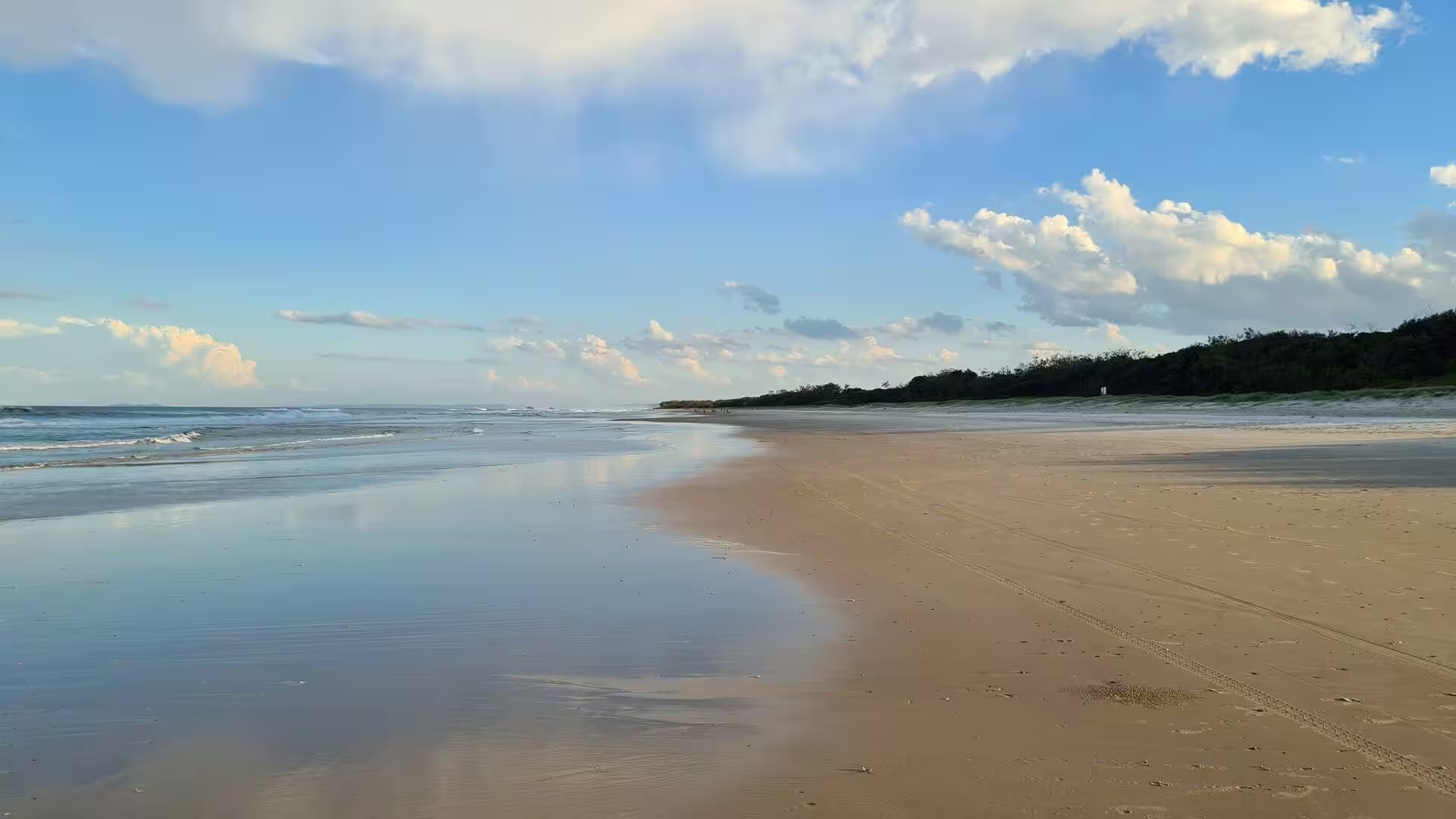
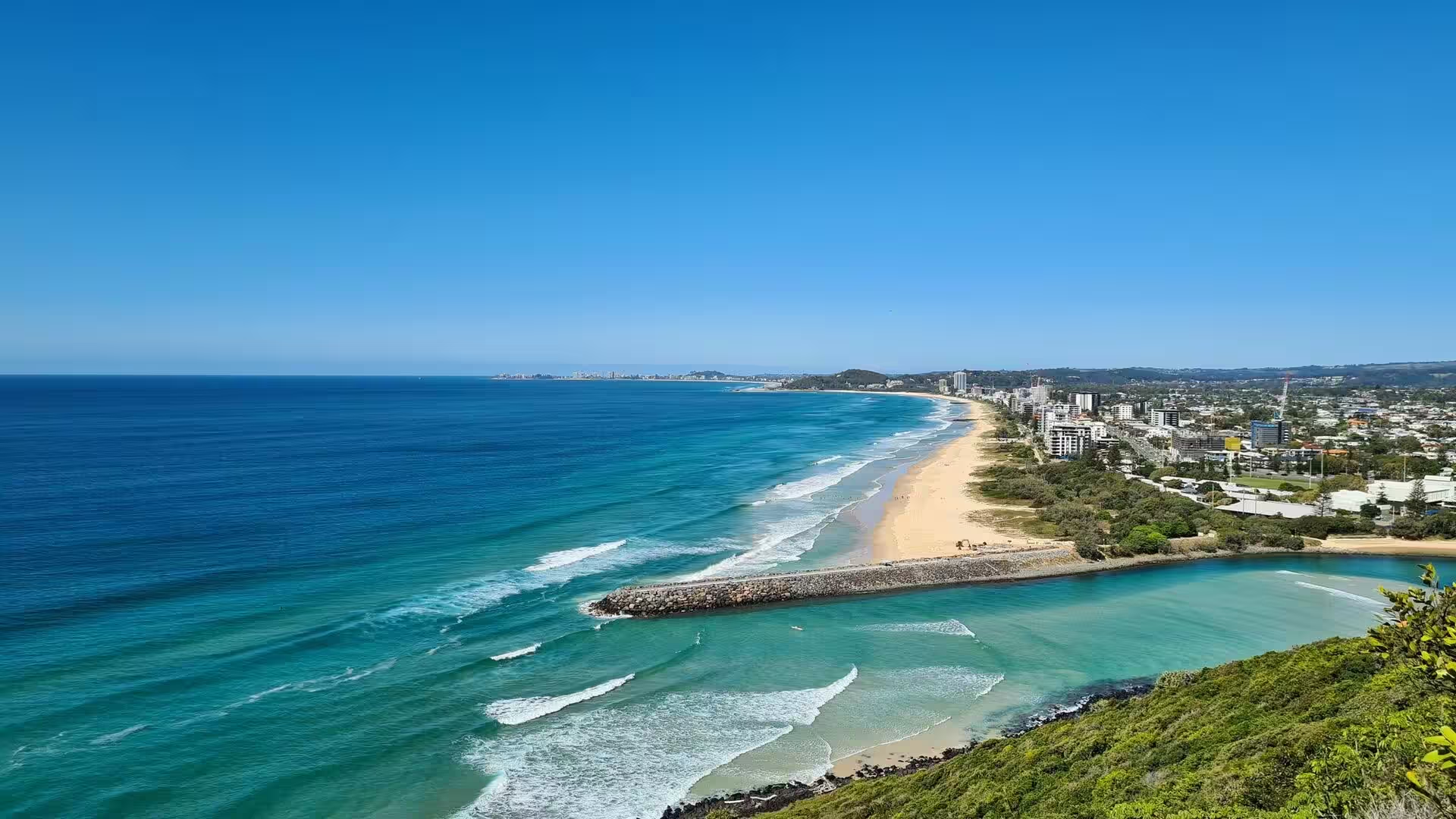
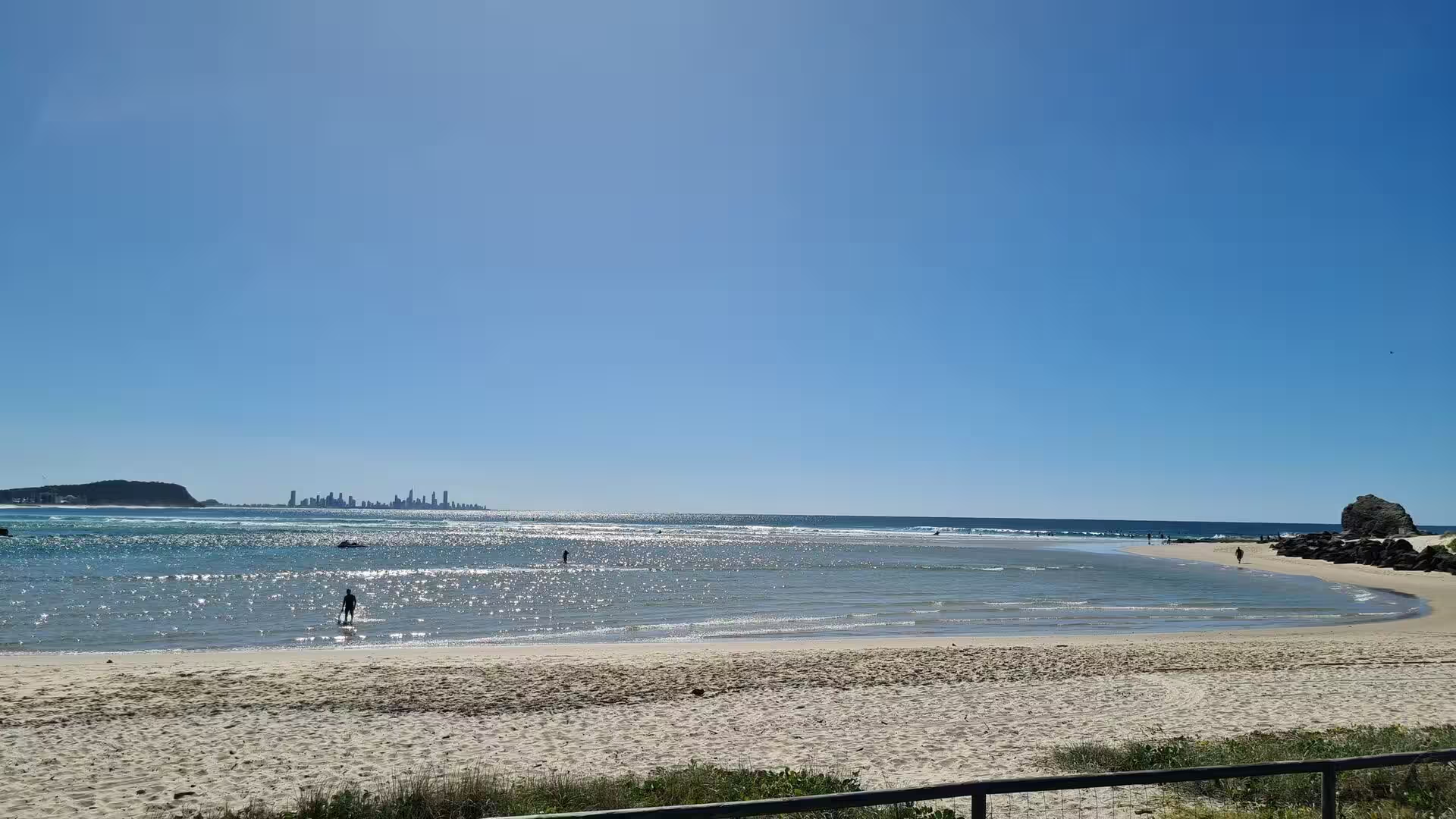
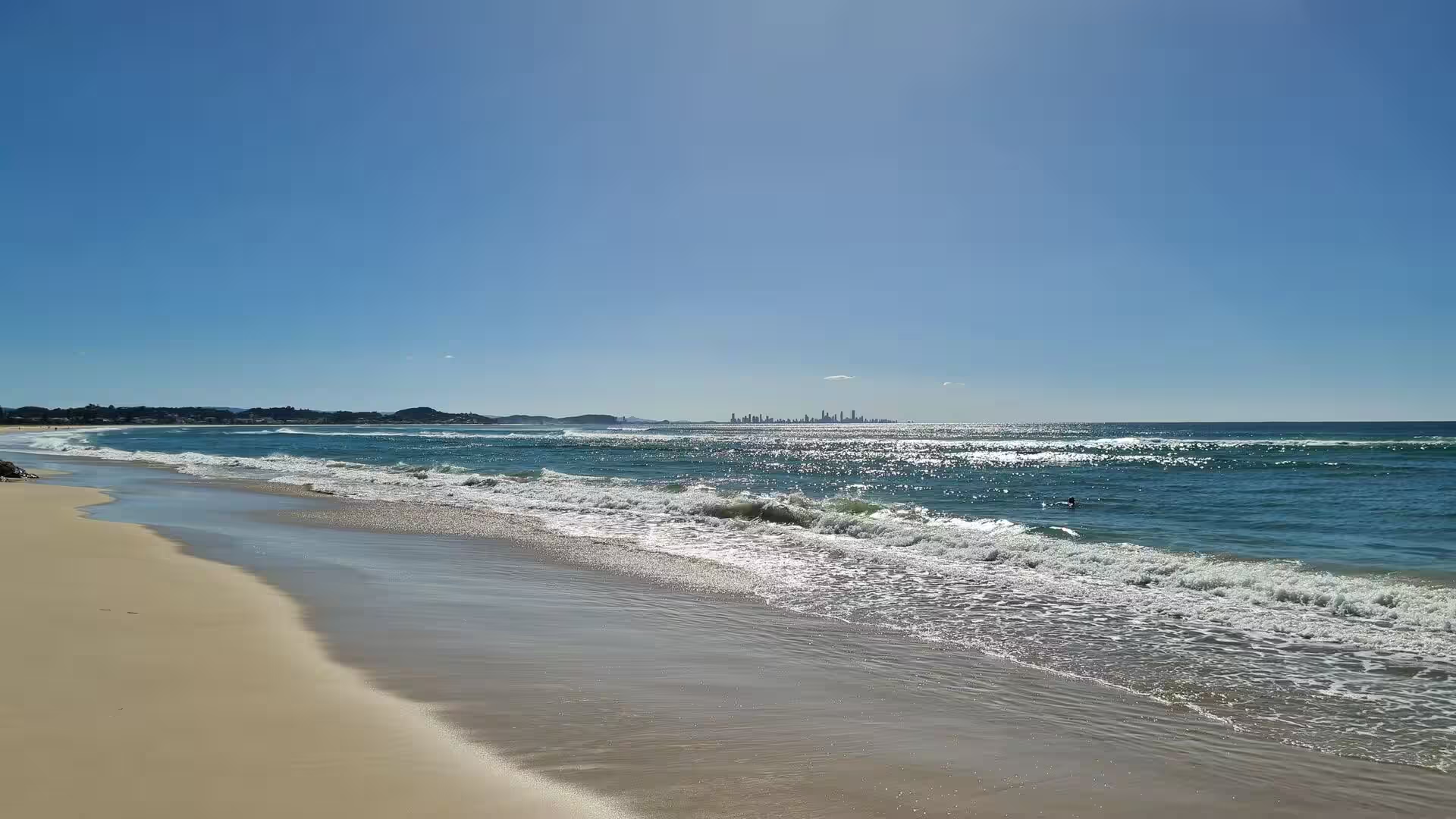
The coast that gave the city its name is a nearly continuous line of surf beaches, broken only by the rocky headlands of the southern shore and the river mouths of the northern creeks. The beaches face the Coral Sea and the Pacific beyond, their sand built from the rivers of the region and washed by the long swell of the ocean, and lifeguard towers, flags and surf patrols mark the swimming areas through the year. Behind the dunes the suburbs spread across the low country of the river plain, threaded by the canals and artificial islands of the Nerang River estuary.
The climate is subtropical, warm and sunny through most of the year, with humid summers and mild winters, and it was this climate that made the coast a holiday place. From the 1920s tourism shaped the towns of the shore, and since the 1960s the resort skyline of Surfers Paradise has grown into one of the most recognisable skylines of Australia. The economy of the city has widened from tourism into health, education, film and television production, construction and services, and the region has become one of the fastest growing of the country.
The city is known to Australians by its nicknames, the Glitter Strip and the Goldy, and its reputation has always been louder than its size. Behind the bright centre the Gold Coast is a string of distinct beach towns, from the family beaches of the north to the surf breaks of the south, each with its own character, shops and surf clubs. The suburban heart of the region is more ordinary than its postcards suggest, a spread of houses, malls and canals that has absorbed the farming towns of the old coast.
The hinterland rises directly behind the city and belongs to it: the forested ranges, volcanic plateaus and national parks of the Scenic Rim, with the plateau of Springbrook and the valleys of the border ranges only a short drive from the beach. The contrast is the essence of the Gold Coast. On one side the surf and the towers, on the other the rainforest waterfalls of the ancient volcanic country, and the coast road and the mountain roads join them in a single landscape.
History
The Gold Coast has been the country of the Yugambeh people for many thousands of years. Their clans held the coast, the river valleys and the forested ranges behind them, gathering shellfish on the tidal flats, fishing the creeks and rivers and moving with the seasons through the coastal woodland, and their camps and ceremonial places lined the shores that later became the resort coast.
European settlement came late and slowly. The coast and its river valleys were taken up by settlers from the middle of the nineteenth century, and the oldest town of the region, Nerang, dates from 1865. The beaches themselves remained almost empty for decades, known only to a few fishermen and campers and reached by rough tracks through the bush.
For decades the district was known simply as the South Coast, a chain of small seaside towns strung along the highway. Tourism brought the decisive change in the 1920s, when Jim Cavill, an early hotelier, opened his Surfers Paradise hotel on the beach north of the river mouth; Cavill Avenue and the Surfers Paradise Esplanade still carry his memory.
The modern city was born in the boom years after the Second World War. In 1959 the Gold Coast was declared a city, the first high-rise tower rose at Surfers Paradise in 1960, and within a generation the skyline of the resort had become the symbol of the city. The 1980s brought the era of rapid tower construction, canal estates and theme parks that fixed the reputation of the Glitter Strip in the Australian imagination.
The twenty-first century has made the Gold Coast a permanent city rather than a resort. The G:link light rail, opened in 2014, ties the coastal suburbs together, the film and television industry has given the city the nickname Goldywood, and the city remains the largest non-capital city of Australia, so that the beach town of the 1950s has become one of the great cities of the country while keeping its surf beaches and its skyline.
Geology
The foundations of the Gold Coast landscape are volcanic. About 23 million years ago, as the Australian continent drifted over a hot spot in the earth’s mantle, a vast shield volcano erupted where the border ranges now stand, building a mountain almost twice the height of Mount Warning today and more than a hundred kilometres across. The lavas of this Tweed Volcano flowed to the sea, and their erosion since has left the ring of plateaus and ranges, the Scenic Rim, that frames the hinterland of the city.
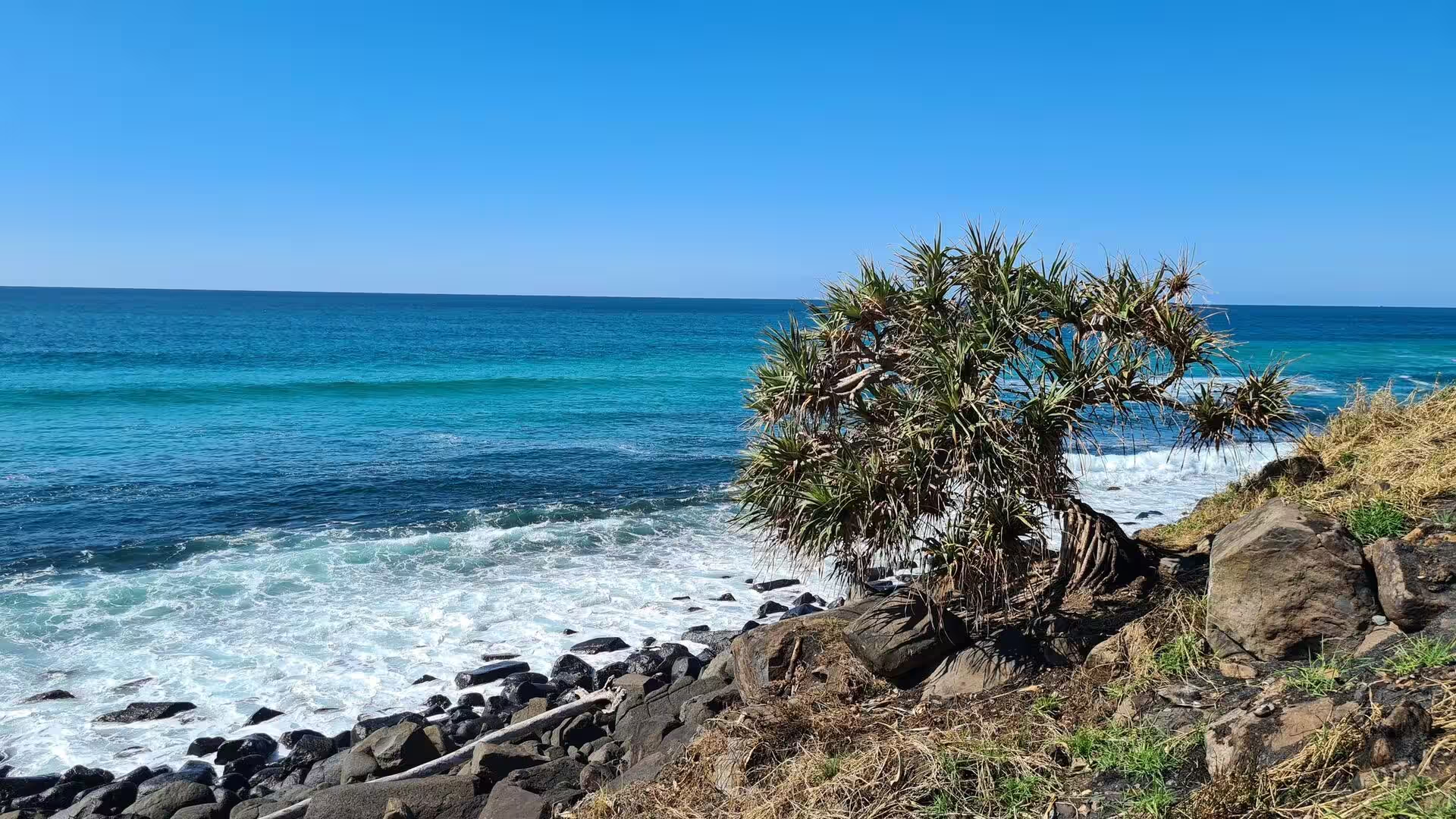
The headlands of the coast are remnants of those lava flows. The basalt reached the shore about 20 to 23 million years ago and now forms the rocky capes of the coastline, among them the dark headland of the southern shore and the points at the river mouths. Where the hard volcanic rock meets the ocean the surf has cut platforms, boulder fields and tidal pools into the old lava, and the headlands stand out against the long sand beaches between them.
The plateaus of the hinterland are the eroded heart of the same volcano. The Springbrook plateau, part of the McPherson Range, carries the remains of the volcanic pile in its deep basalt soils and its cliffs, where the streams of the plateau drop over the escarpment in waterfalls. At Natural Bridge, Cave Creek, a tributary of the Nerang River, has cut through the basalt in a remarkable way: the falling water undercut a cave, a pothole opened above it, and the creek now pours through a natural arch of rock into a grotto below.
The sand of the beaches is younger than the rock. The rivers of the region, above all the Nerang, carry sand and silt from the ranges to the sea, and the longshore drift spreads it along the coast in the beaches and dunes of the city. The Nerang itself has been reshaped by human hands in the last decades: its lower course was dredged into the canal estates and artificial islands that now carry some of the most valuable waterfront land of Australia, so that the geography of the modern Gold Coast is as much engineered as natural.
Things to See
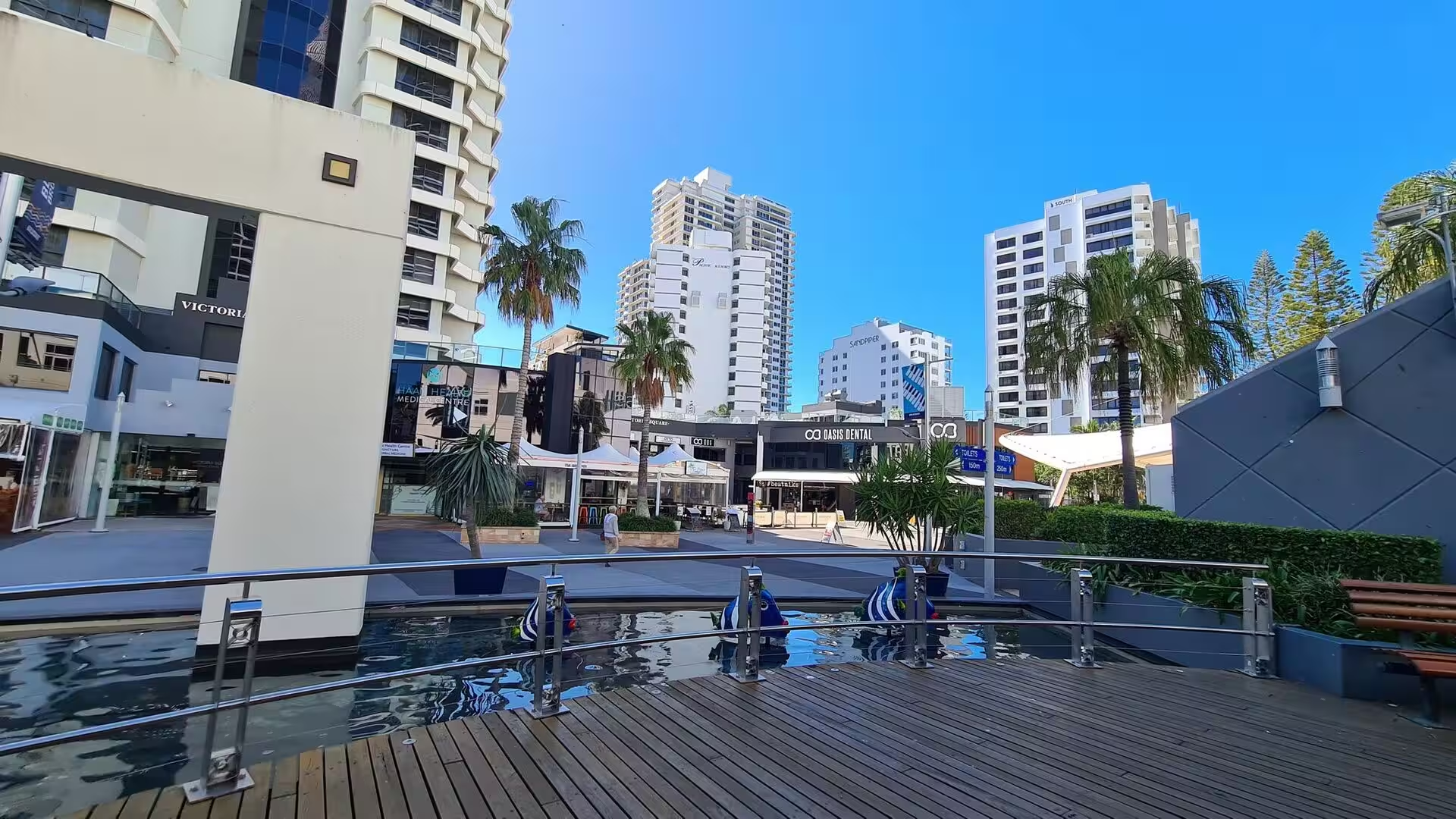
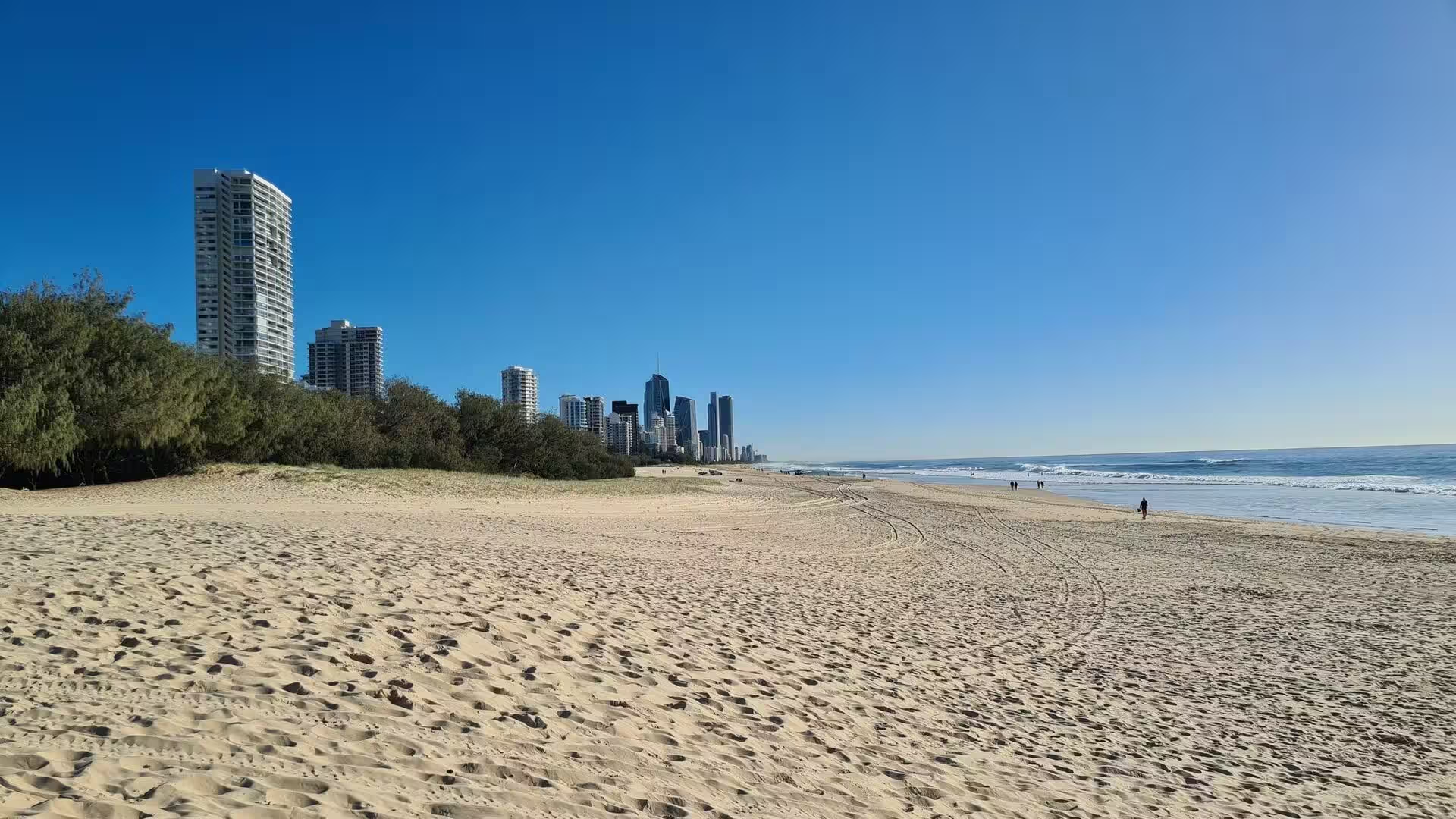
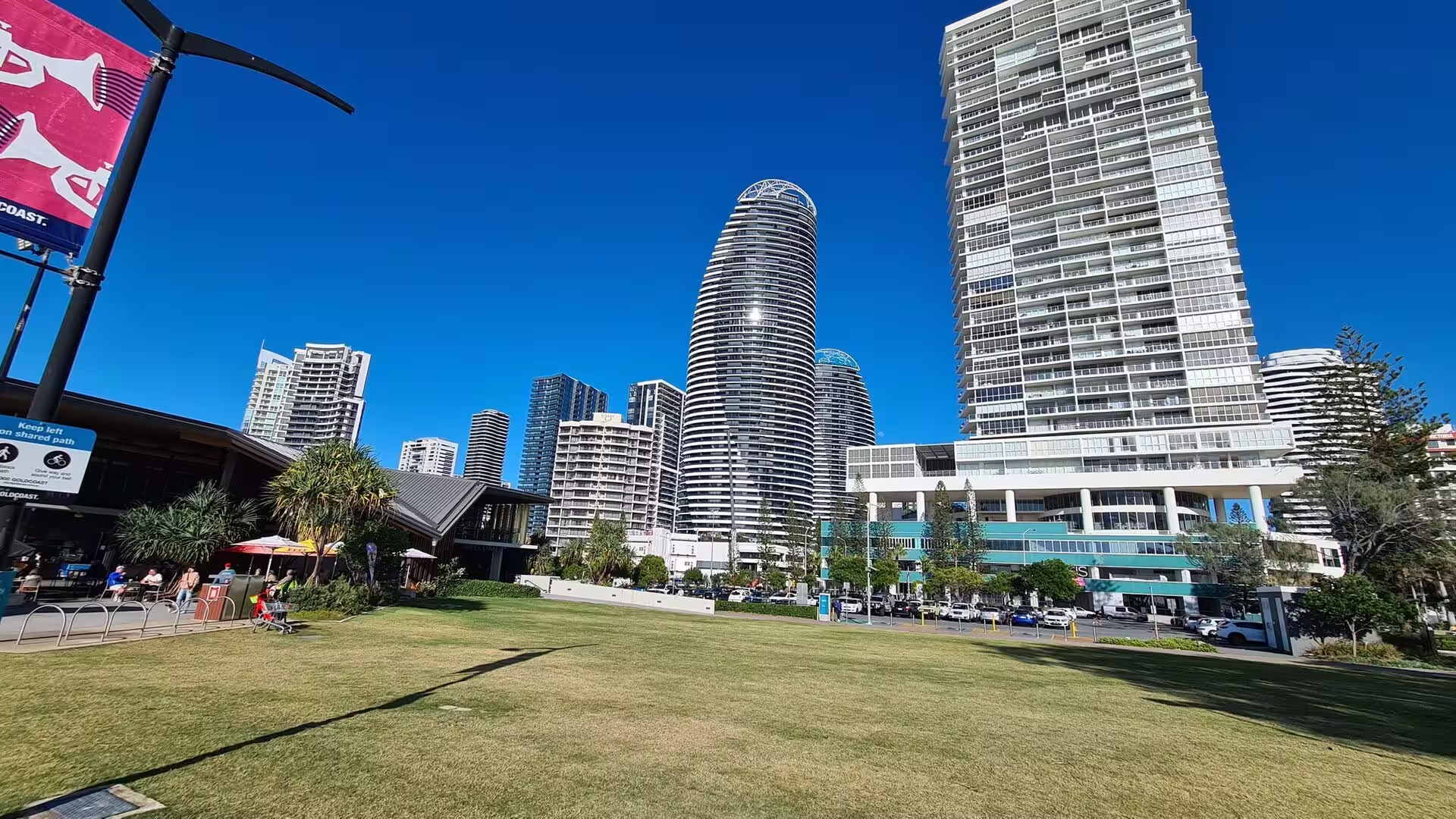
The heart of the resort is Surfers Paradise, where the surf beach meets the high-rise towers of the esplanade. Surfers Paradise Beach runs the full length of the suburb, a broad band of pale sand patrolled through the year, and the tall apartment and hotel towers rise directly behind it. The Esplanade that runs along the shore carries the morning walkers and the evening crowds past the cafes and the surf club, while Cavill Avenue, the shopping and entertainment spine of the suburb, runs inland from the beach with its malls, restaurants and nightlife.
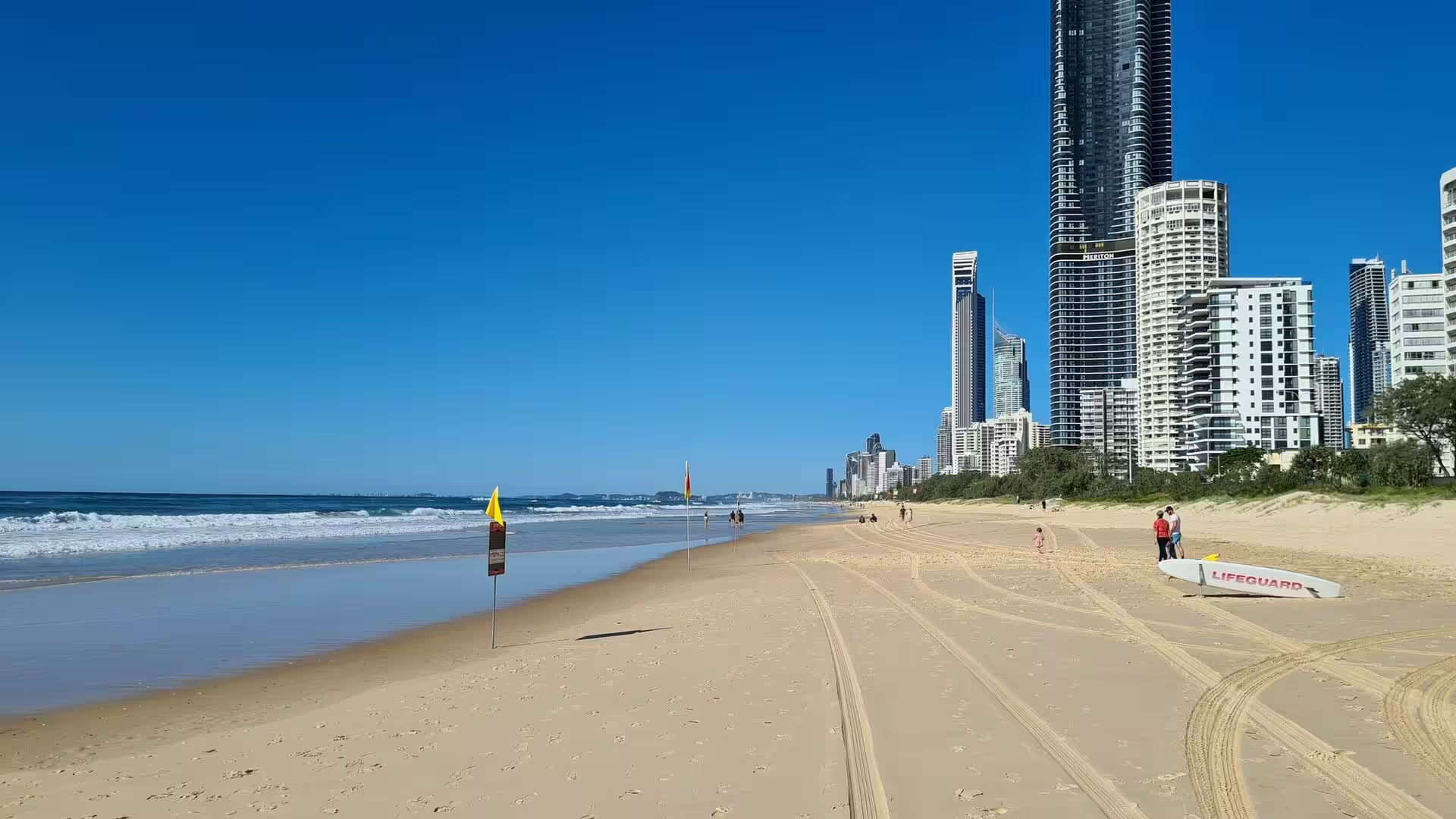
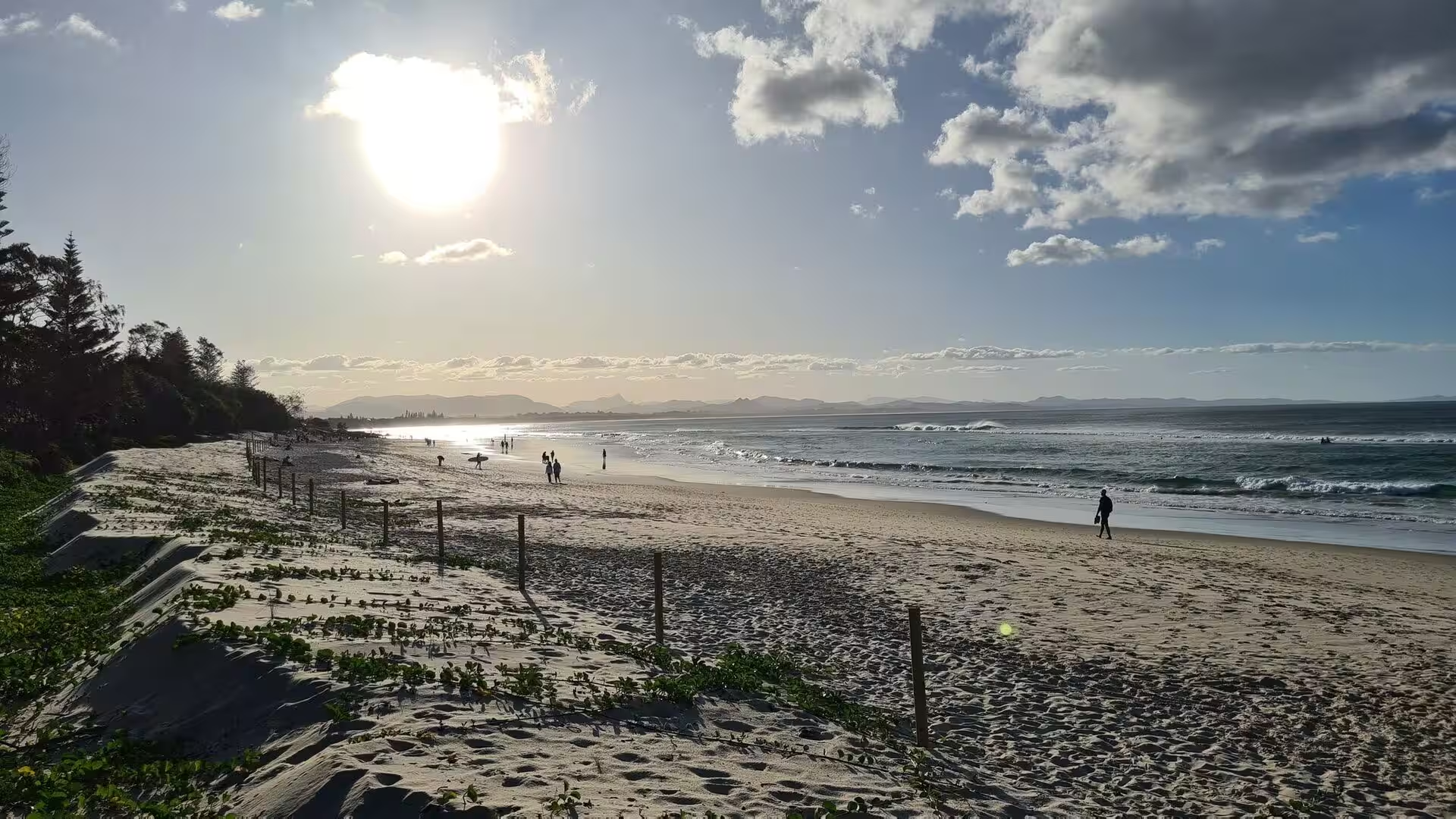
The beaches of the Gold Coast are among the most carefully watched bathing shores in Australia. The clubs of the coast belong to Surf Life Saving Australia, the volunteer movement that has patrolled the beaches since 1907 and has rescued more than six hundred and fifty thousand swimmers and surfers since then, and their red and yellow flags mark the safe swimming zones on the sand. Lifeguard towers stand along the crowded beaches of the resort, and on the quieter stretches the tracks of the patrol boards cross the sand between the flags while the blue and red surf flags fly above the sets.
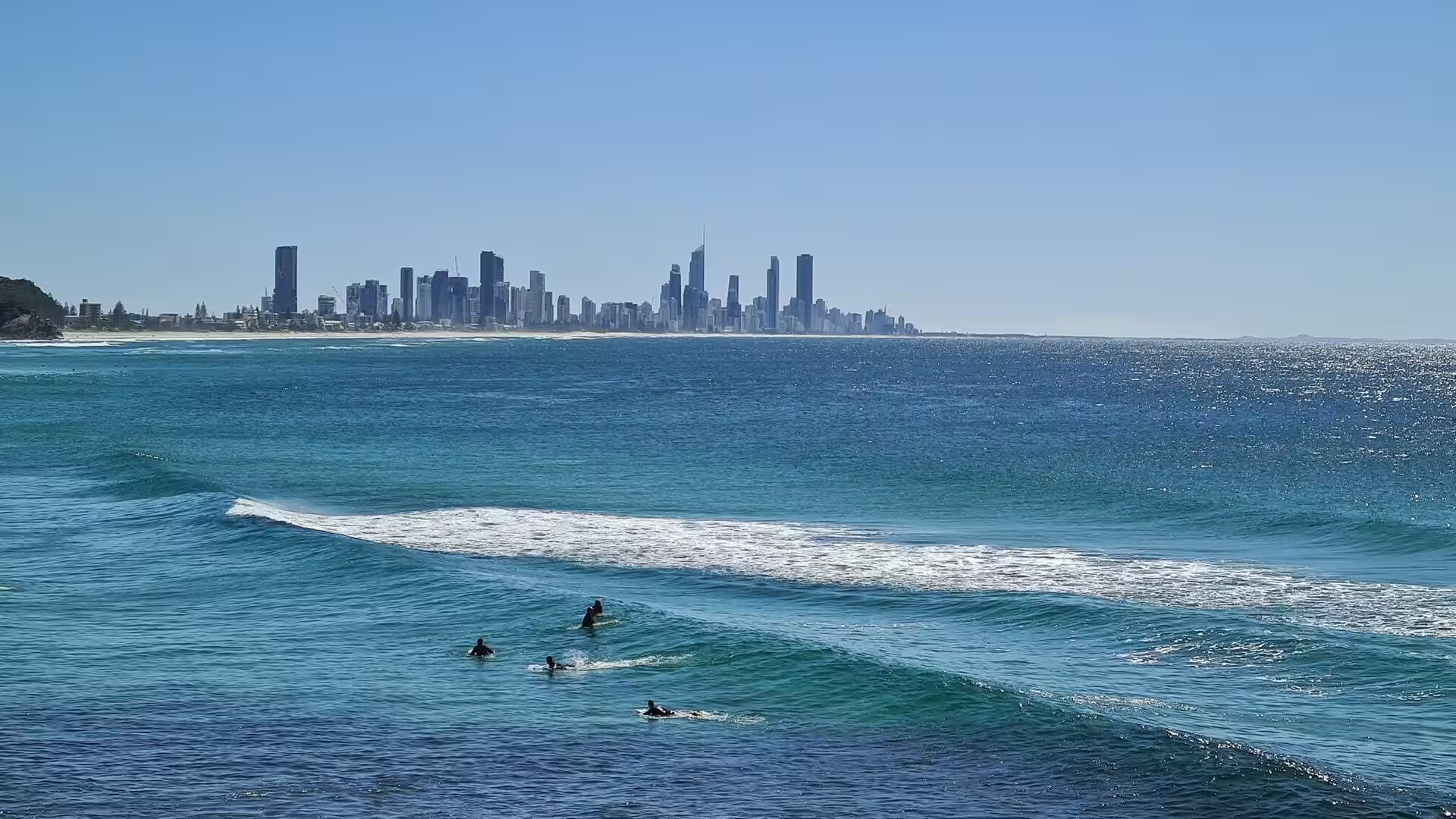
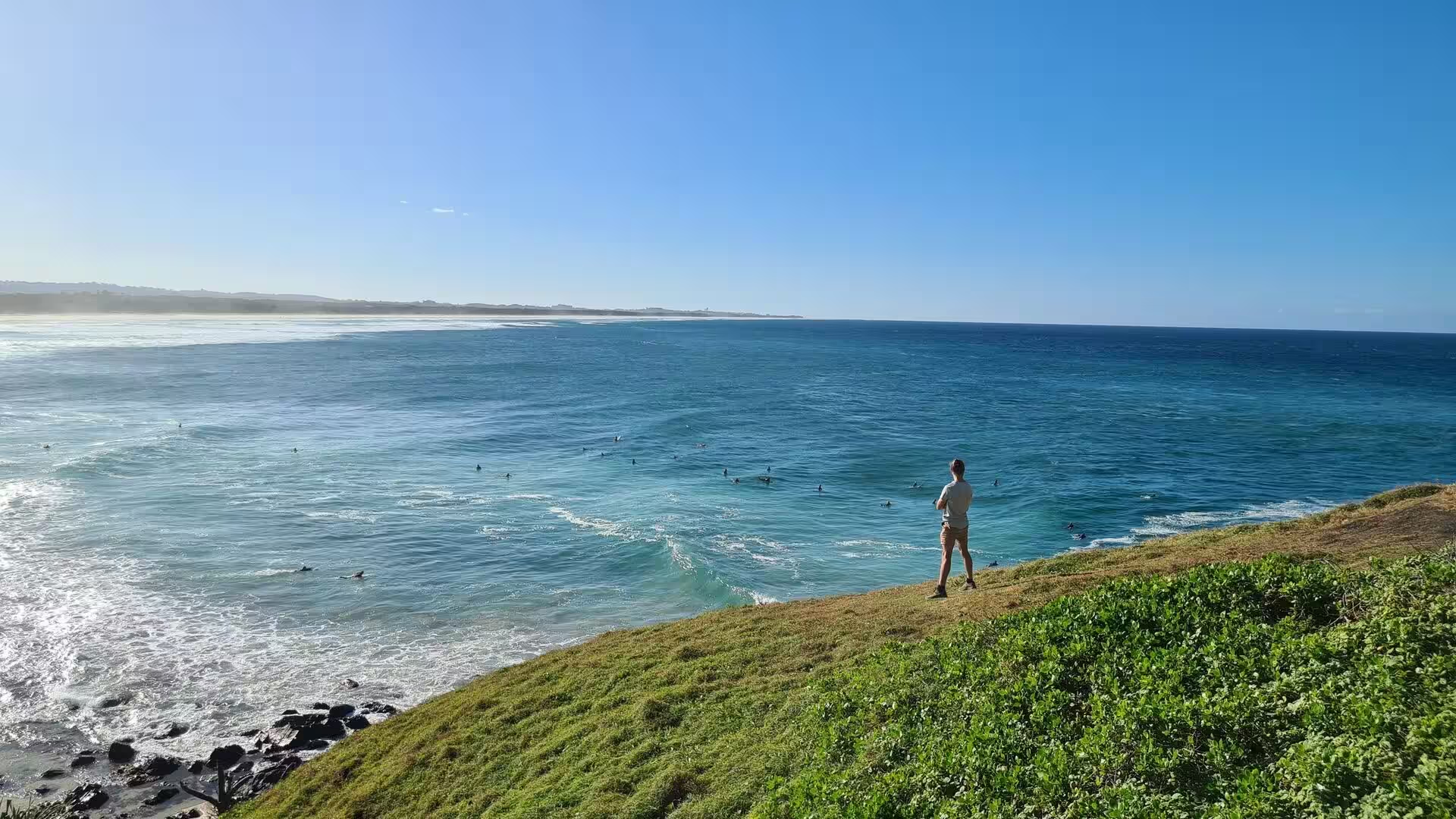
The long Pacific swell makes the Gold Coast one of the great surfing coasts of the country. Surfers paddle out through the break at the sheltered points and river mouths and ride the clean lines that run along the shore, and the broad beaches of the resort draw a constant line of boards on the warmer days. The same water carries the swimmer, the paddler and the bodyboarder, so that the surf is the common life of the coast from the first light to dark.
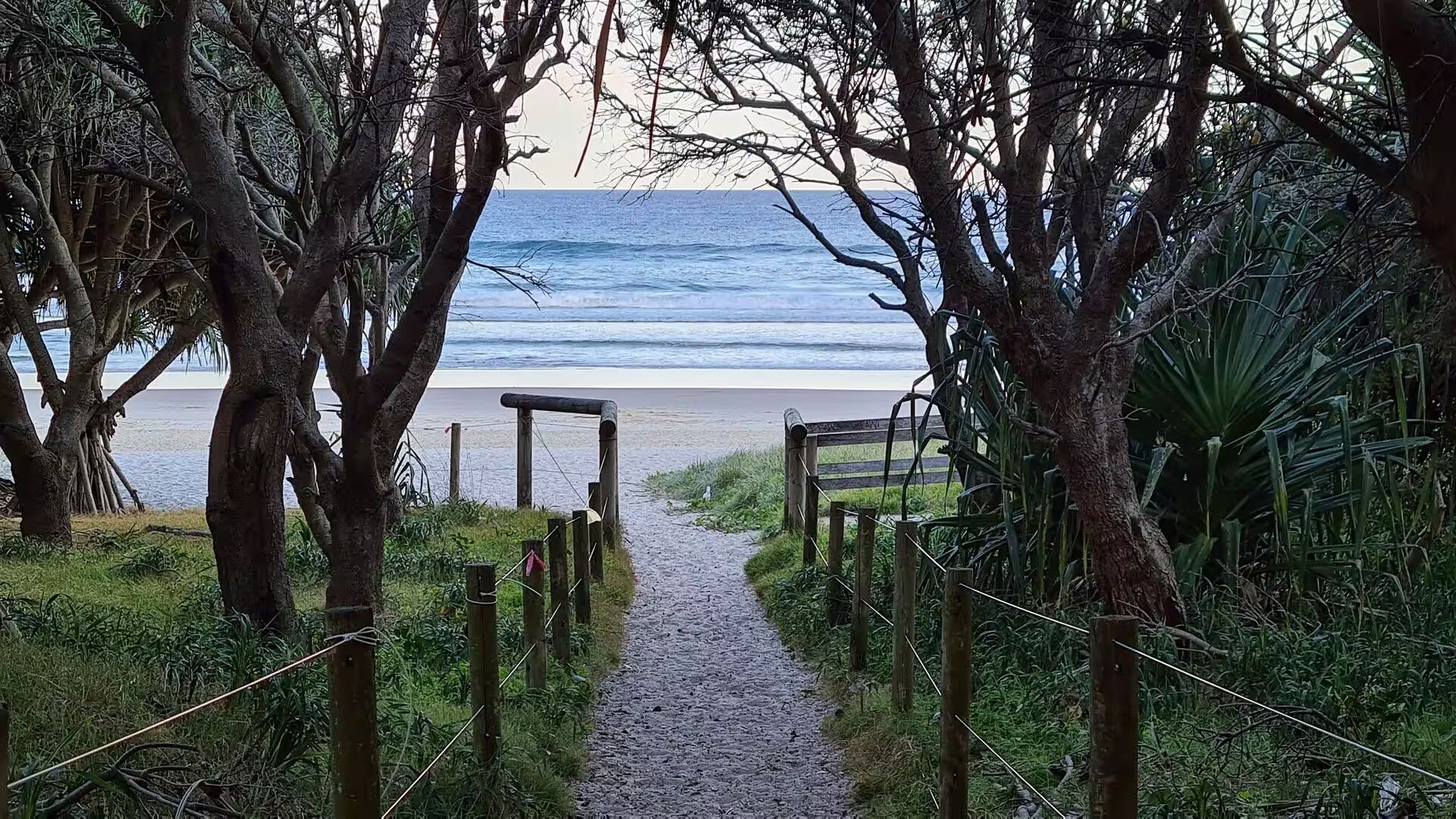
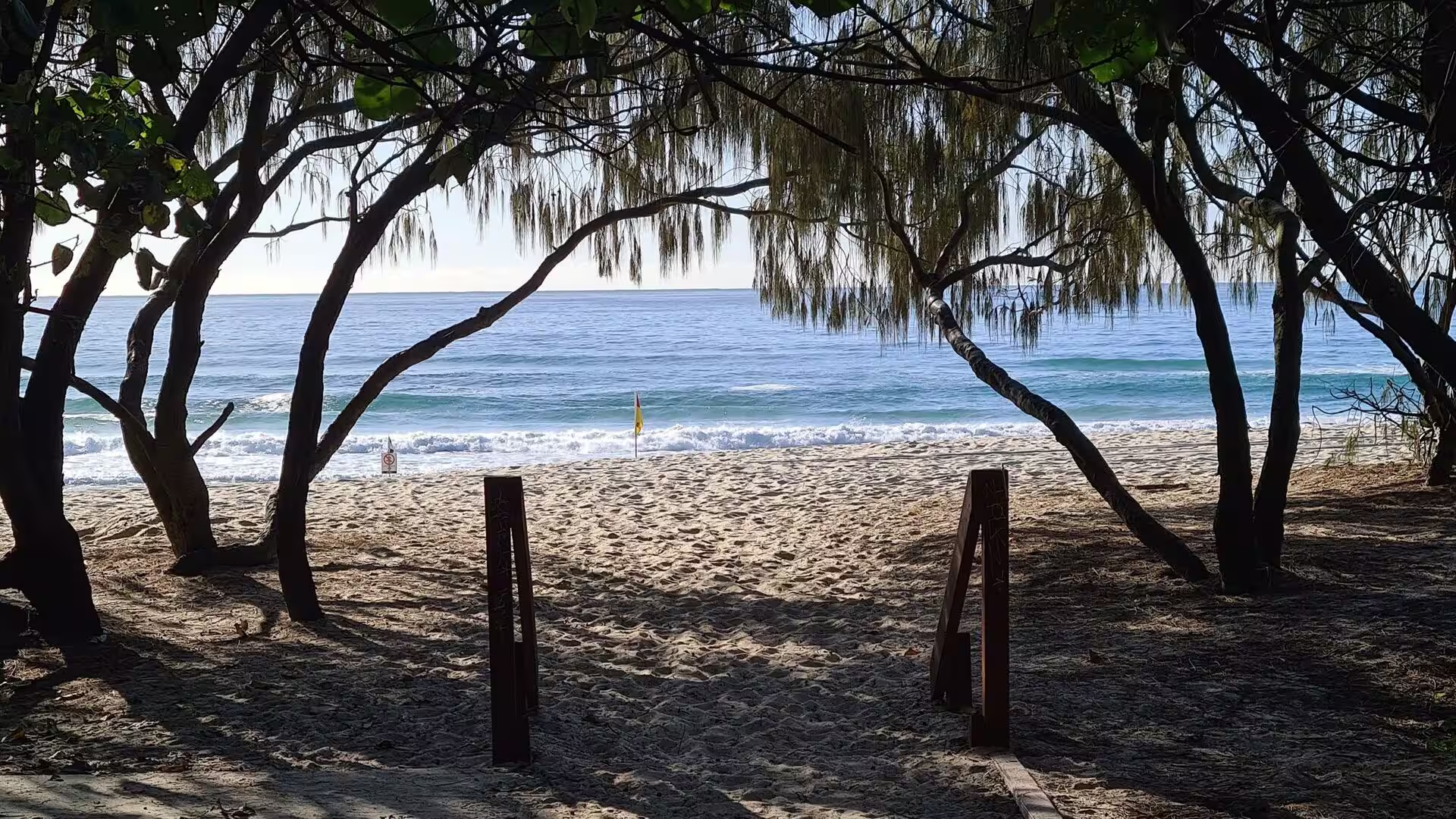
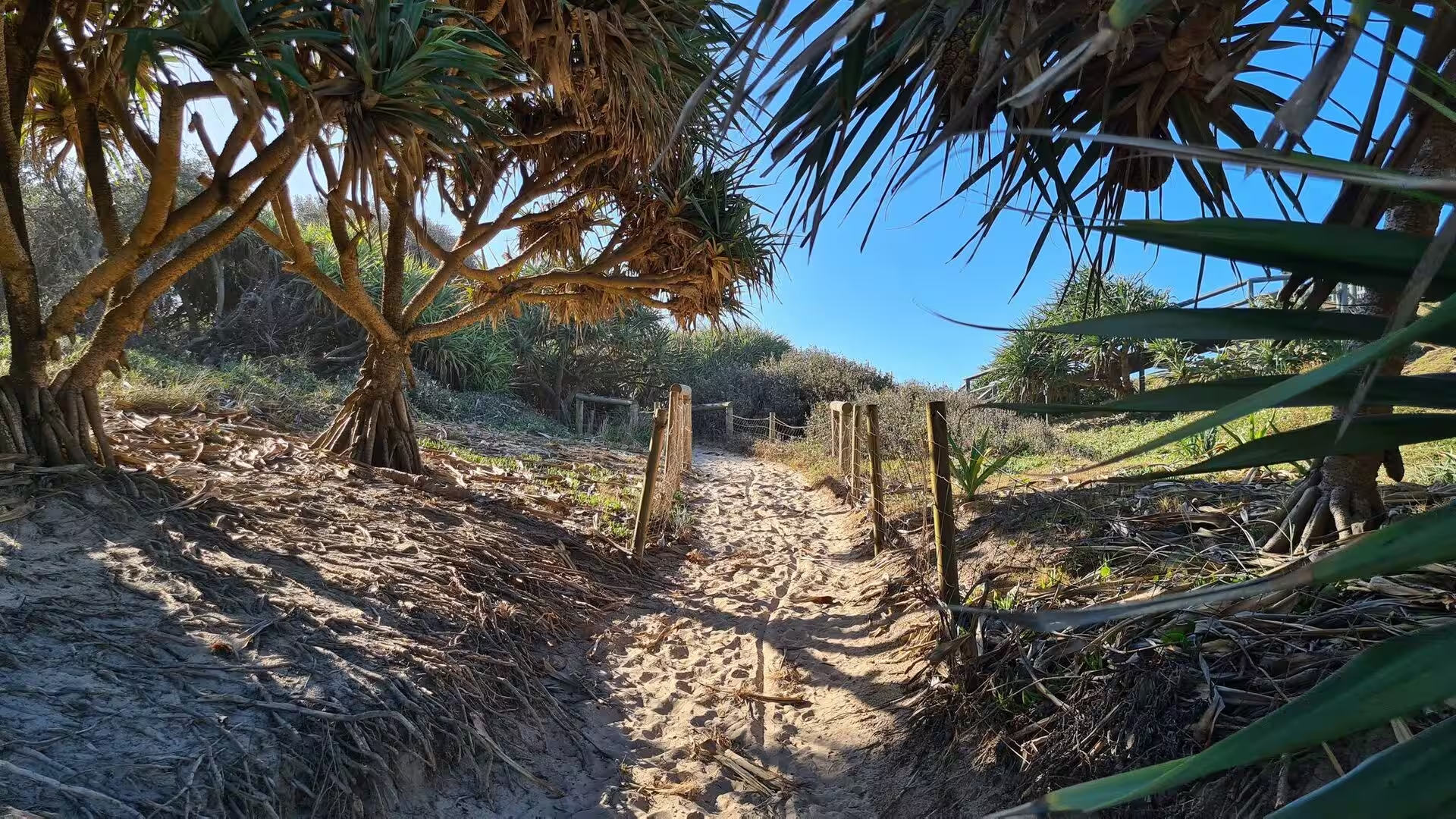
Behind the sand the coast opens into a network of paths and promenades. Foreshore and dune walks run between the beach and the scrub, their tracks winding between wooden posts through the coastal trees, and at the grassy points and headlands above the rocks the paths climb to open views along the whole curve of the shore. From these lookouts the sea, the surf and the distant skyline of the resort lie within a single frame, and the walk is as much a part of the Gold Coast as the beach itself.
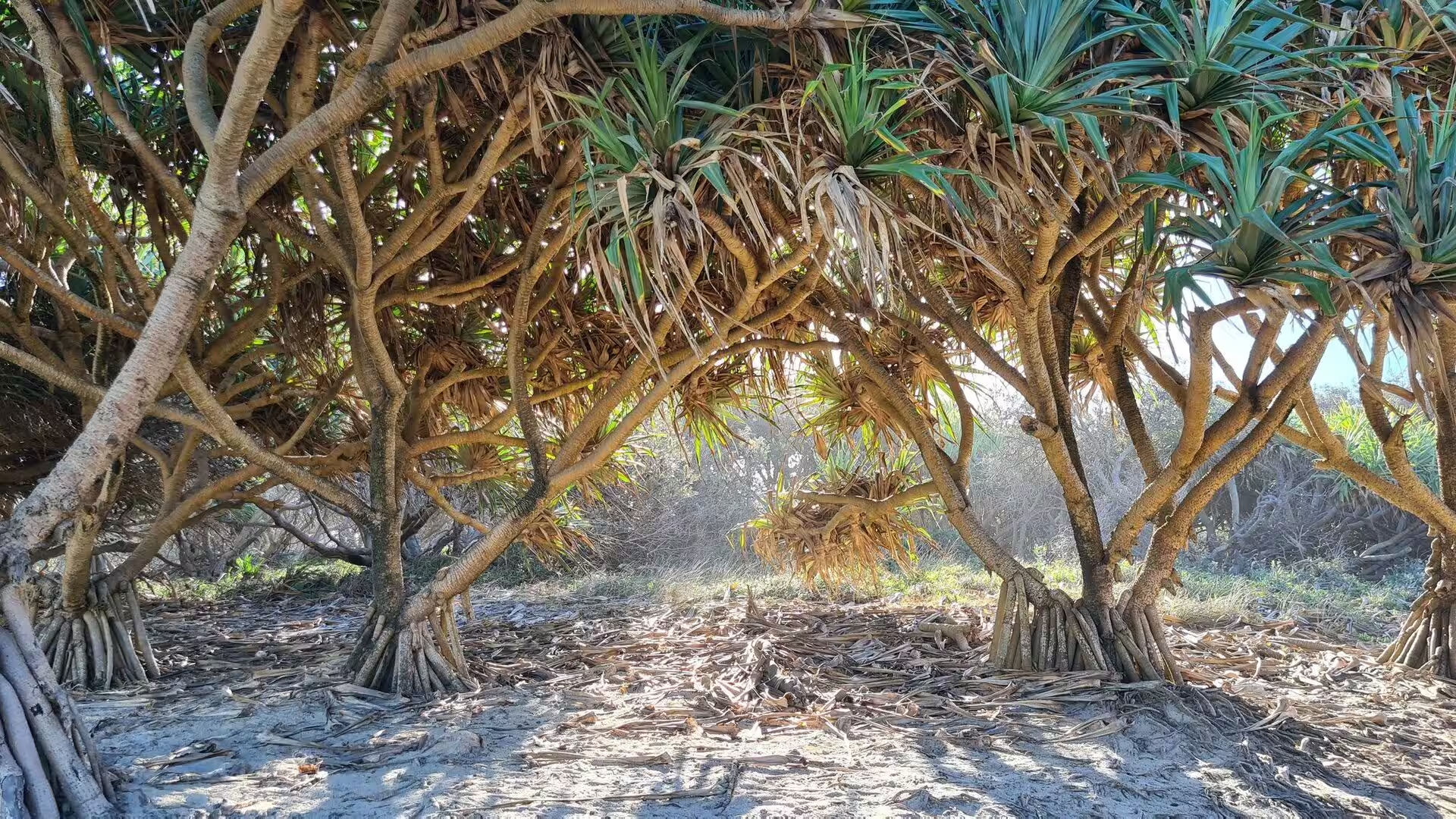
The coastal forest is marked by the pandanus, the screw pine of the Queensland shore, whose spiky crowns lean above the sand and the rocks. The old pandanus groves stand along the northern beaches, their long leaves arching over the walking tracks, and where the trees open the sea shines through in bands of turquoise and blue. The pandanus frames the coast much as the palms frame the edge of the resort, and its shade falls on the dunes in the heat of the day.
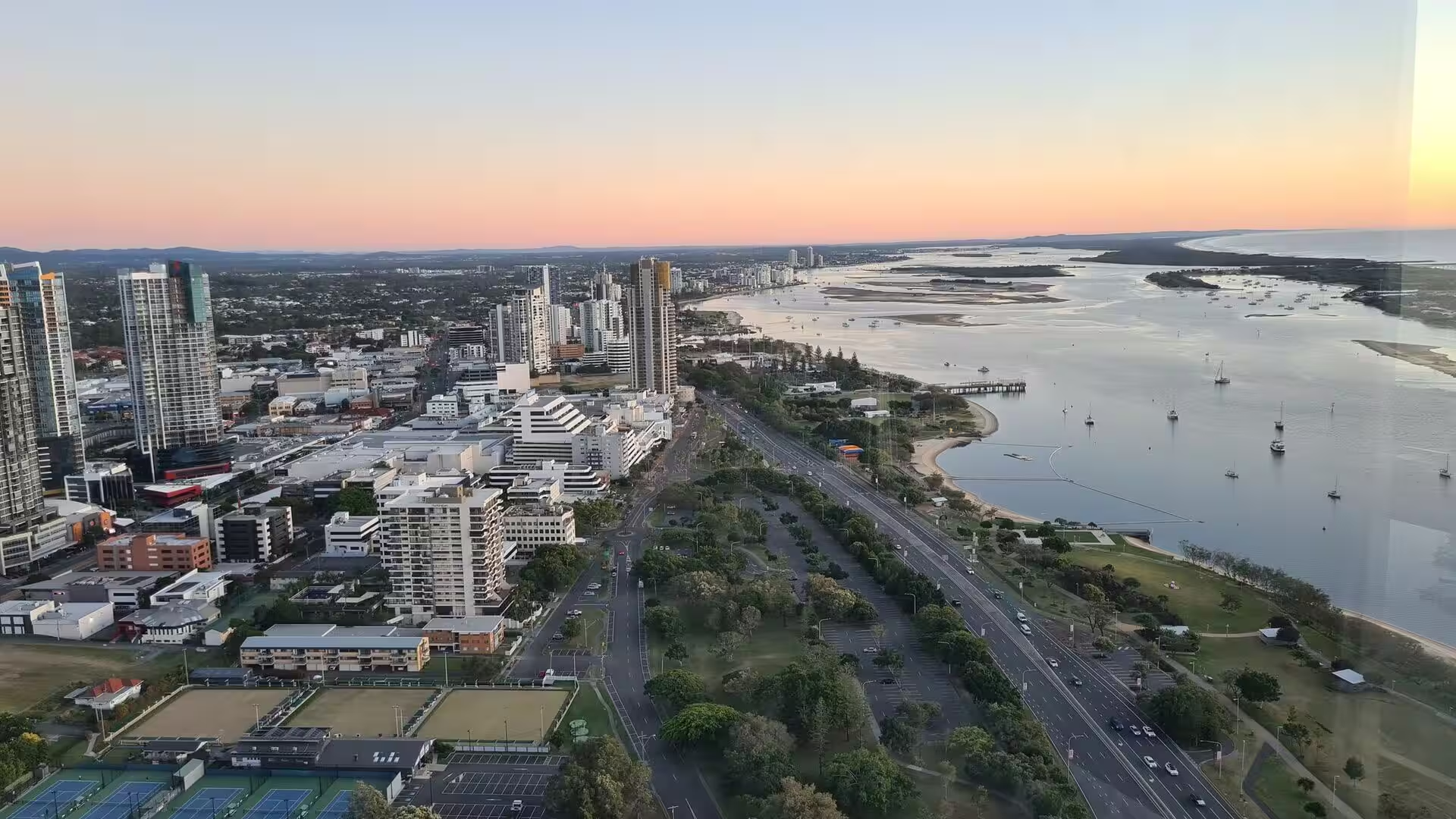
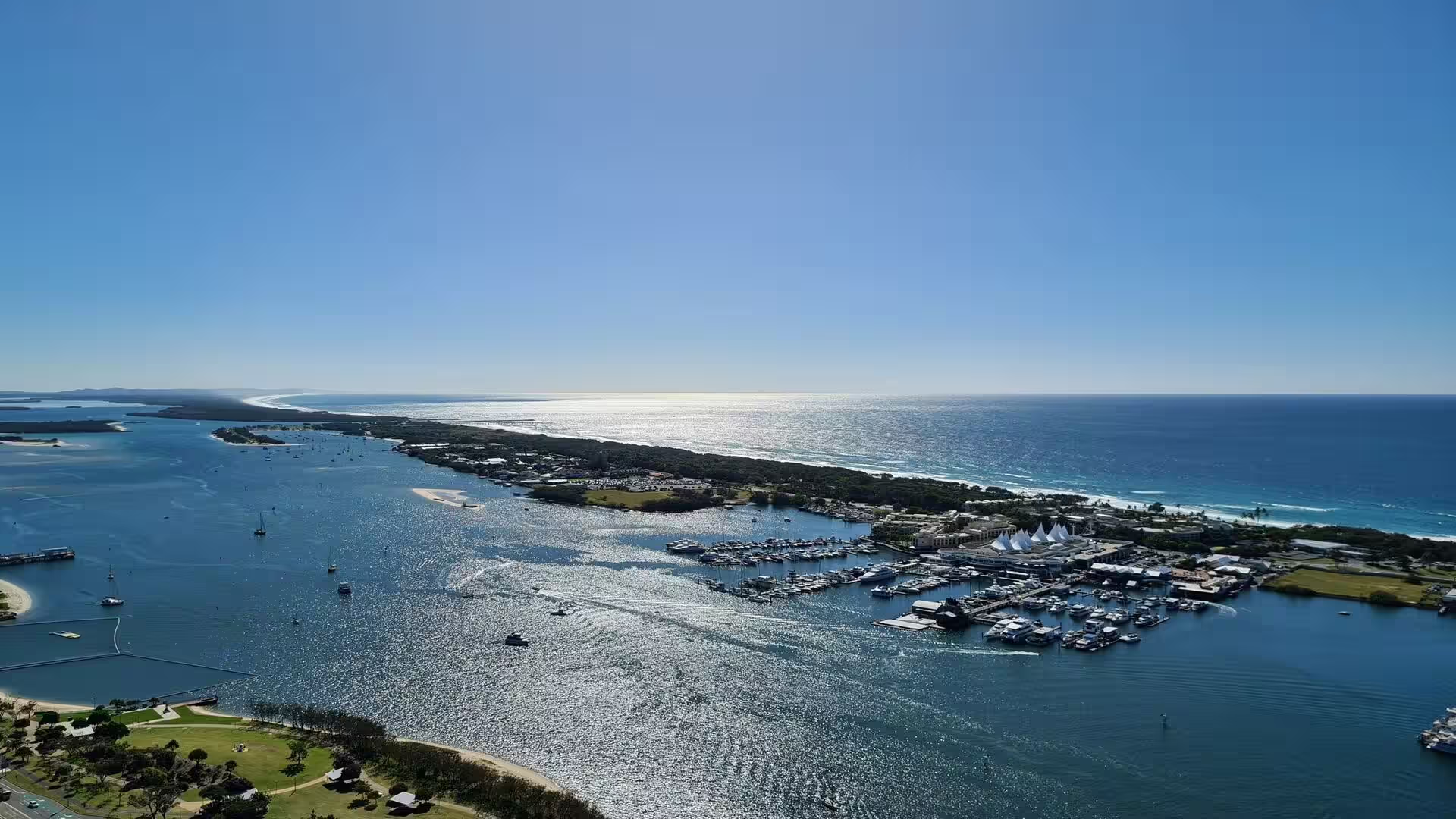
The Nerang River, which divides the northern suburbs from the spit of Southport, is the watery spine of the city. From the air its polished estuary threads between the towers, the sandbars and the green runs of parkland, and its mouth opens into the Broadwater, the shallow lagoon that lies behind the southern beaches. The marinas of the river and the Broadwater are filled with cruisers and sailing yachts, and the waterfront is stitched with the canals and artificial islands of the residential estates, so that a large part of the modern city is built on water.
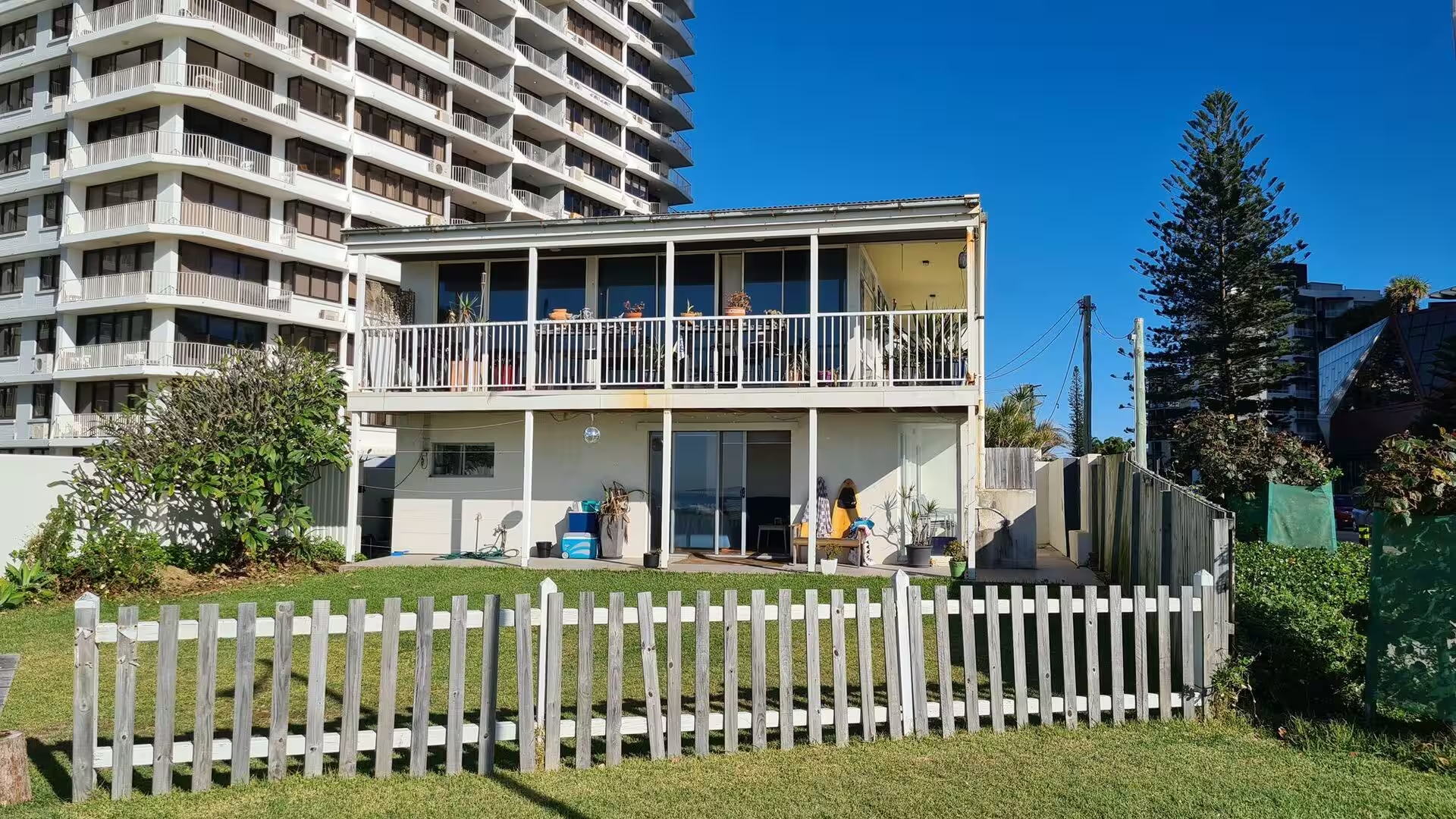
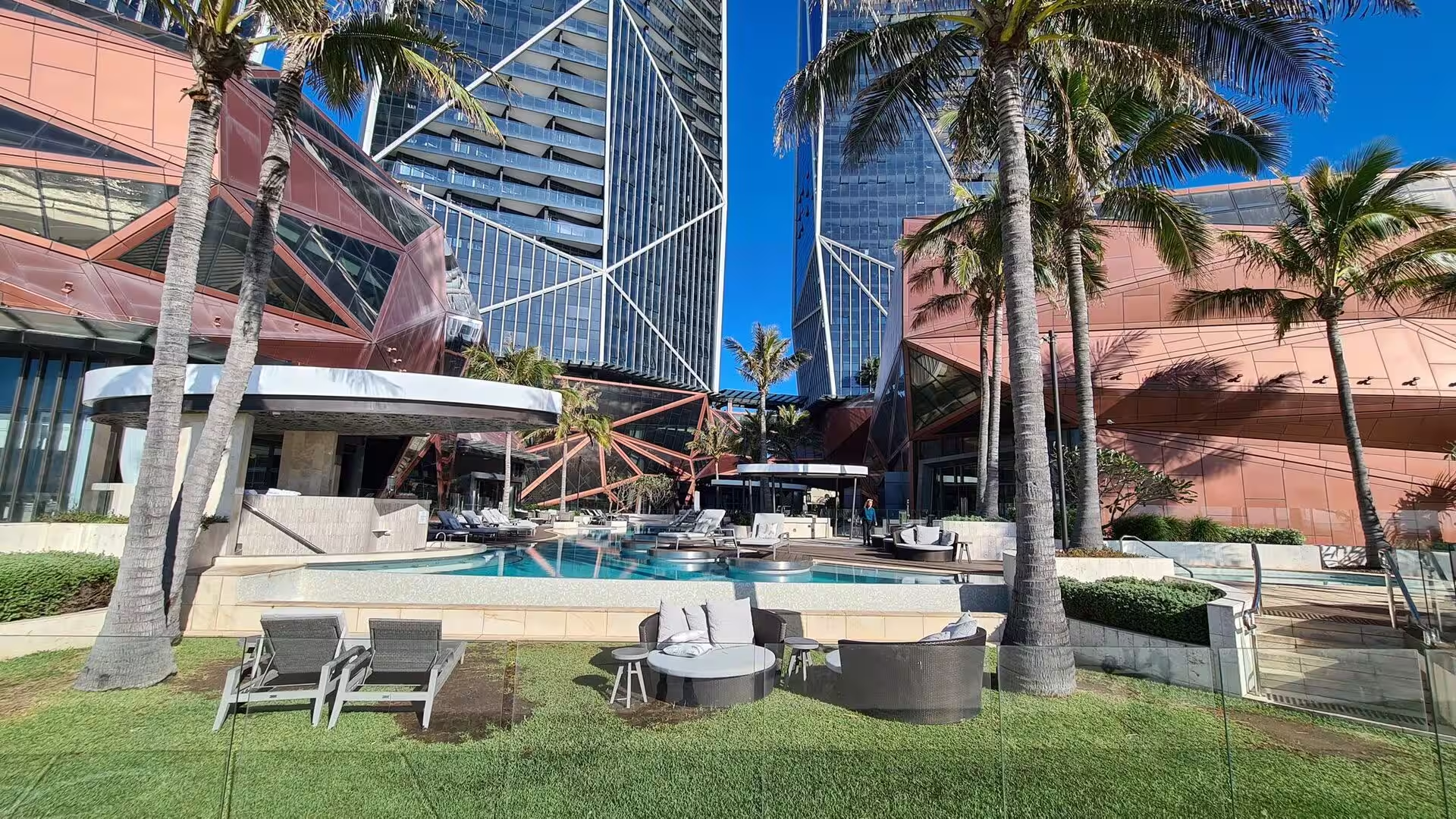
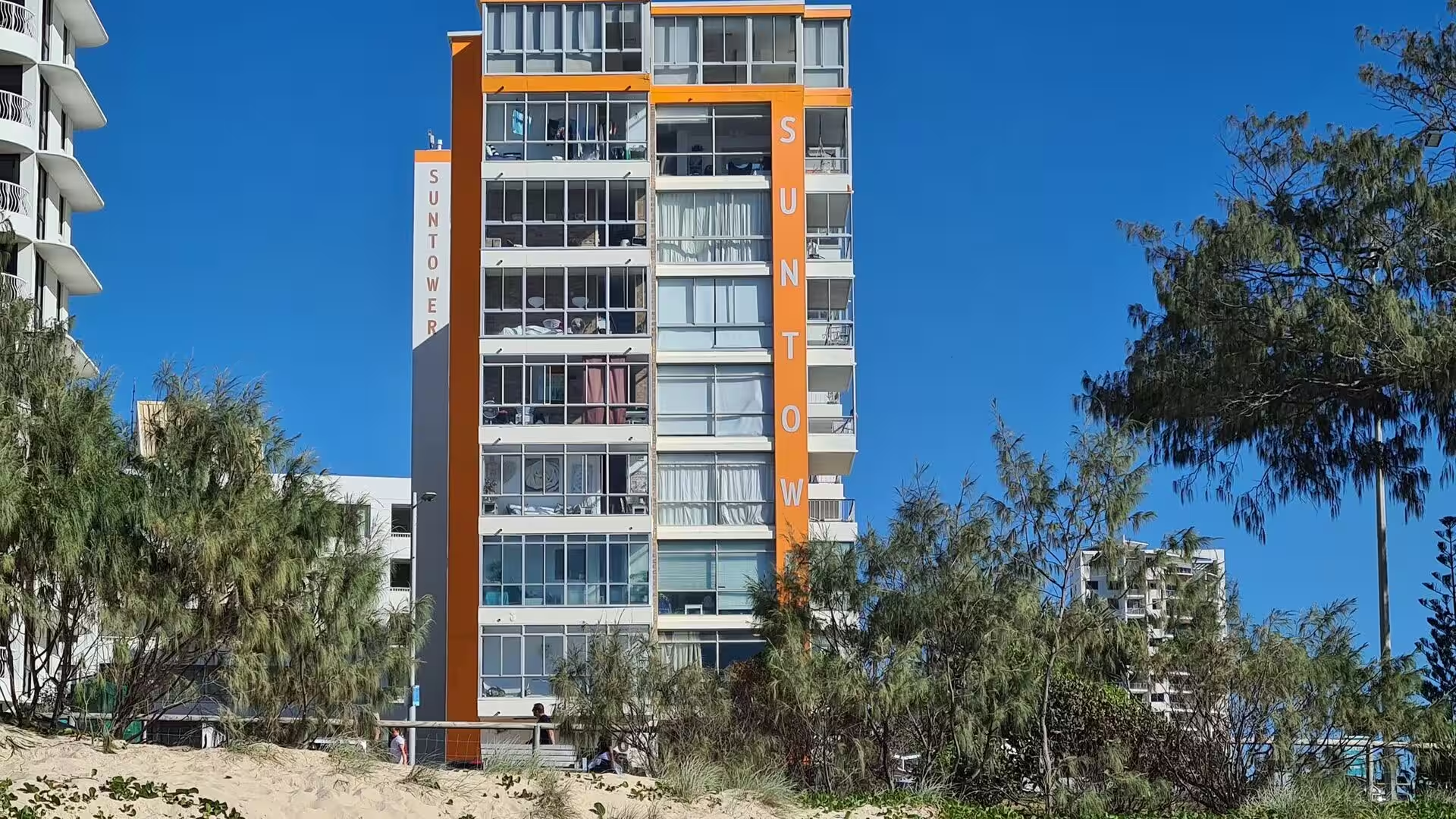
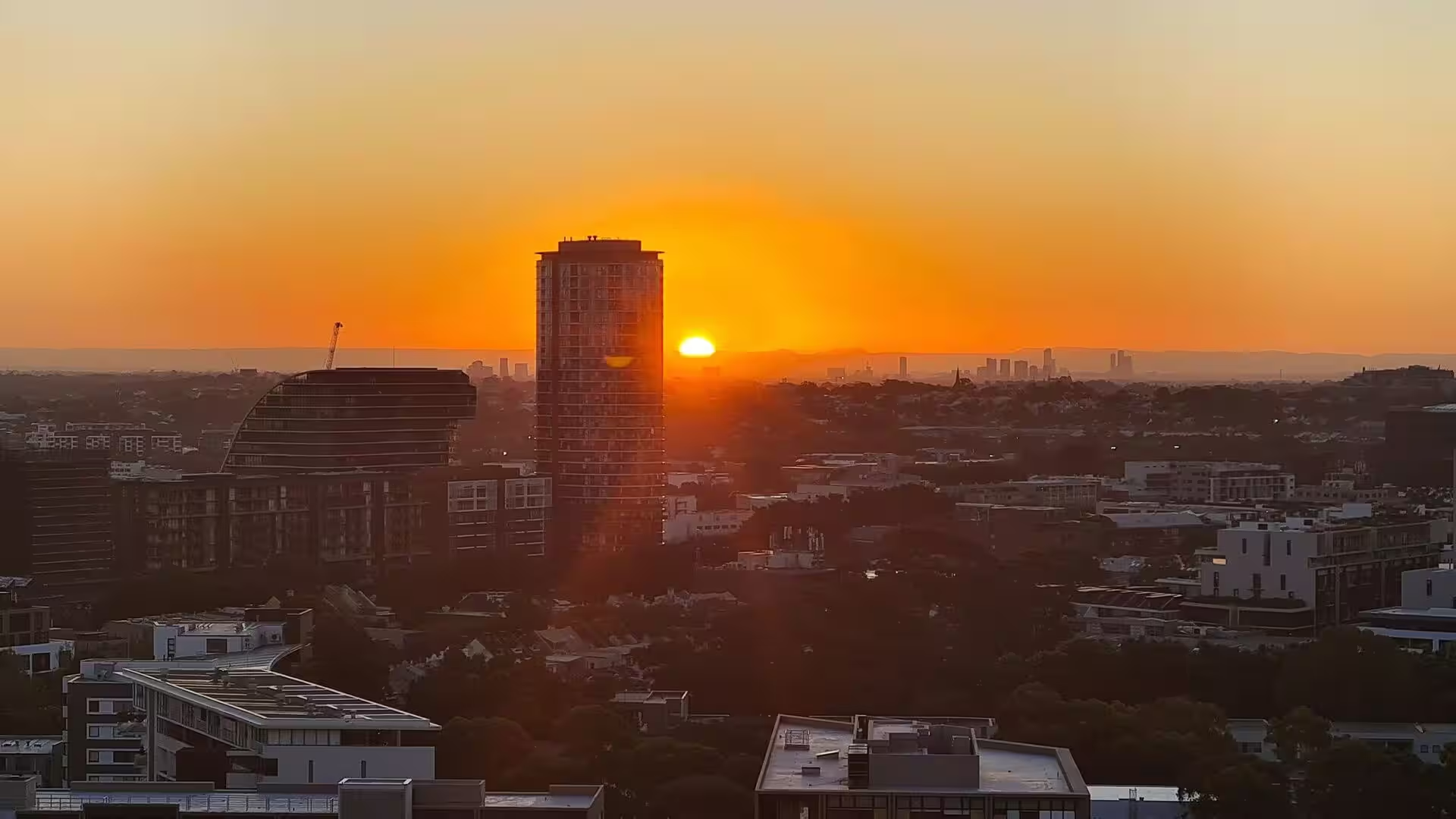
The skyline of Surfers Paradise is the work of the resort boom and the emblem of the coast. The towers that went up from 1960 onwards carry the apartment blocks, hotels and resorts of the Glitter Strip, their pools and terraces raised above the sand, and along the shore the newest high-rise stands beside the weathered beach houses of the old coast. The contrast between the low timber cottages and the glass walls of the towers tells the story of the place, and the evening light, when the whole skyline turns orange behind the sea, is the sight the coast is known for.
References
- Wikipedia contributors. Gold Coast, Queensland. en.wikipedia.org/wiki/Gold_Coast,_Queensland
- Wikipedia contributors. Surfers Paradise, Queensland. en.wikipedia.org/wiki/Surfers_Paradise,_Queensland
- Wikipedia contributors. Nerang River. en.wikipedia.org/wiki/Nerang_River
- Wikipedia contributors. Gold Coast Airport. en.wikipedia.org/wiki/Gold_Coast_Airport
- Wikipedia contributors. Surf Life Saving Australia. en.wikipedia.org/wiki/Surf_Life_Saving_Australia
- Wikipedia contributors. Coolangatta, Queensland. en.wikipedia.org/wiki/Coolangatta,_Queensland
- Wikipedia contributors. Southport, Queensland. en.wikipedia.org/wiki/Southport,_Queensland
- Wikipedia contributors. Gold Coast Broadwater. en.wikipedia.org/wiki/Gold_Coast_Broadwater
- Wikipedia contributors. Tweed Volcano. en.wikipedia.org/wiki/Tweed_Volcano
- Wikipedia contributors. Mount Warning. en.wikipedia.org/wiki/Mount_Warning
- Wikipedia contributors. Yugambeh people. en.wikipedia.org/wiki/Yugambeh_people
- Wikipedia contributors. Gondwana Rainforests of Australia. en.wikipedia.org/wiki/Gondwana_Rainforests_of_Australia
- UNESCO World Heritage Centre. Gondwana Rainforests of Australia. whc.unesco.org/en/list/368/
- City of Gold Coast. Official website. www.goldcoast.qld.gov.au/
- Gold Coast Airport. Official website. www.goldcoastairport.com.au/
- Surf Life Saving Australia. Official website. www.surflifesaving.com.au/