2024 Italy - Siena









Journal Notes
General
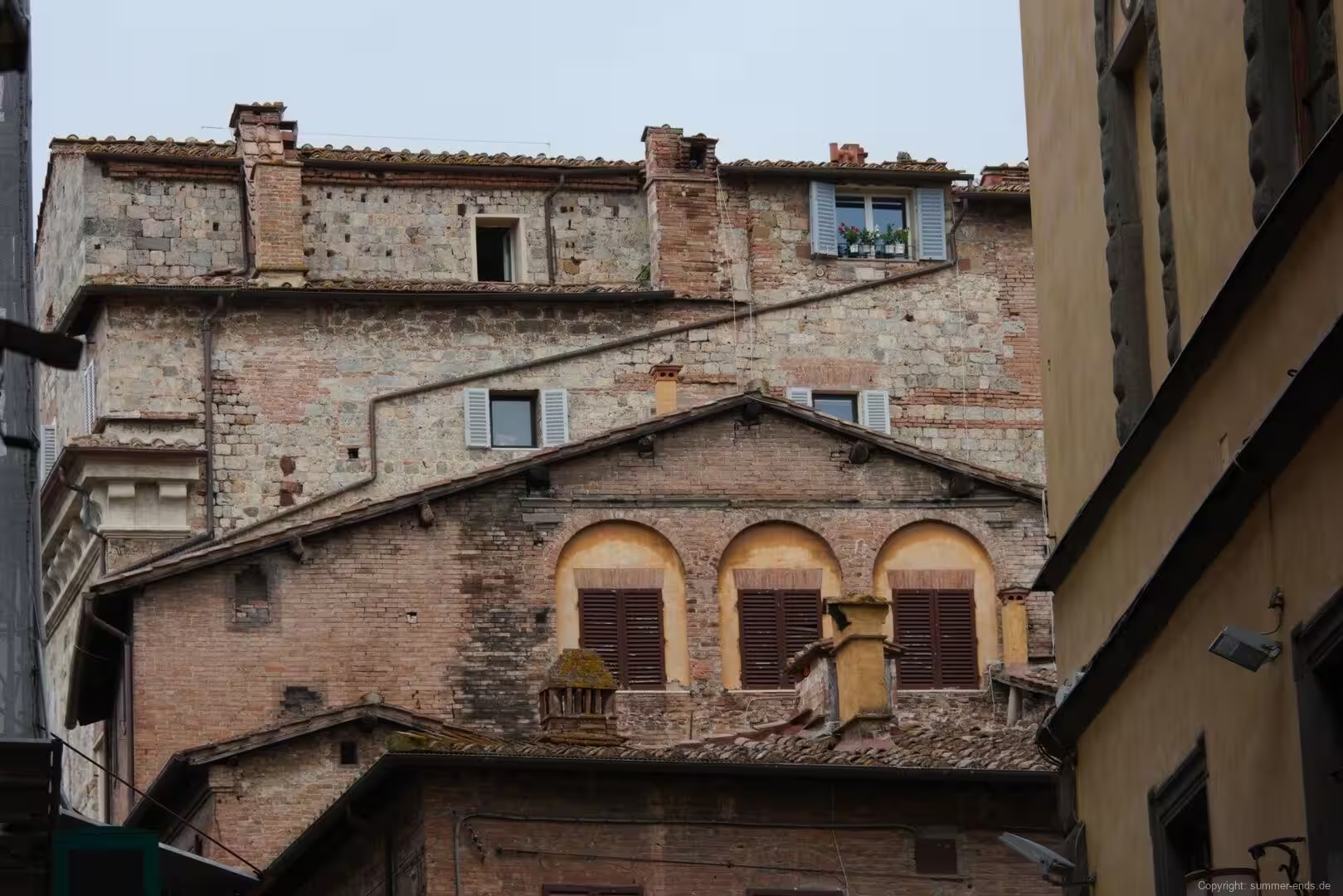
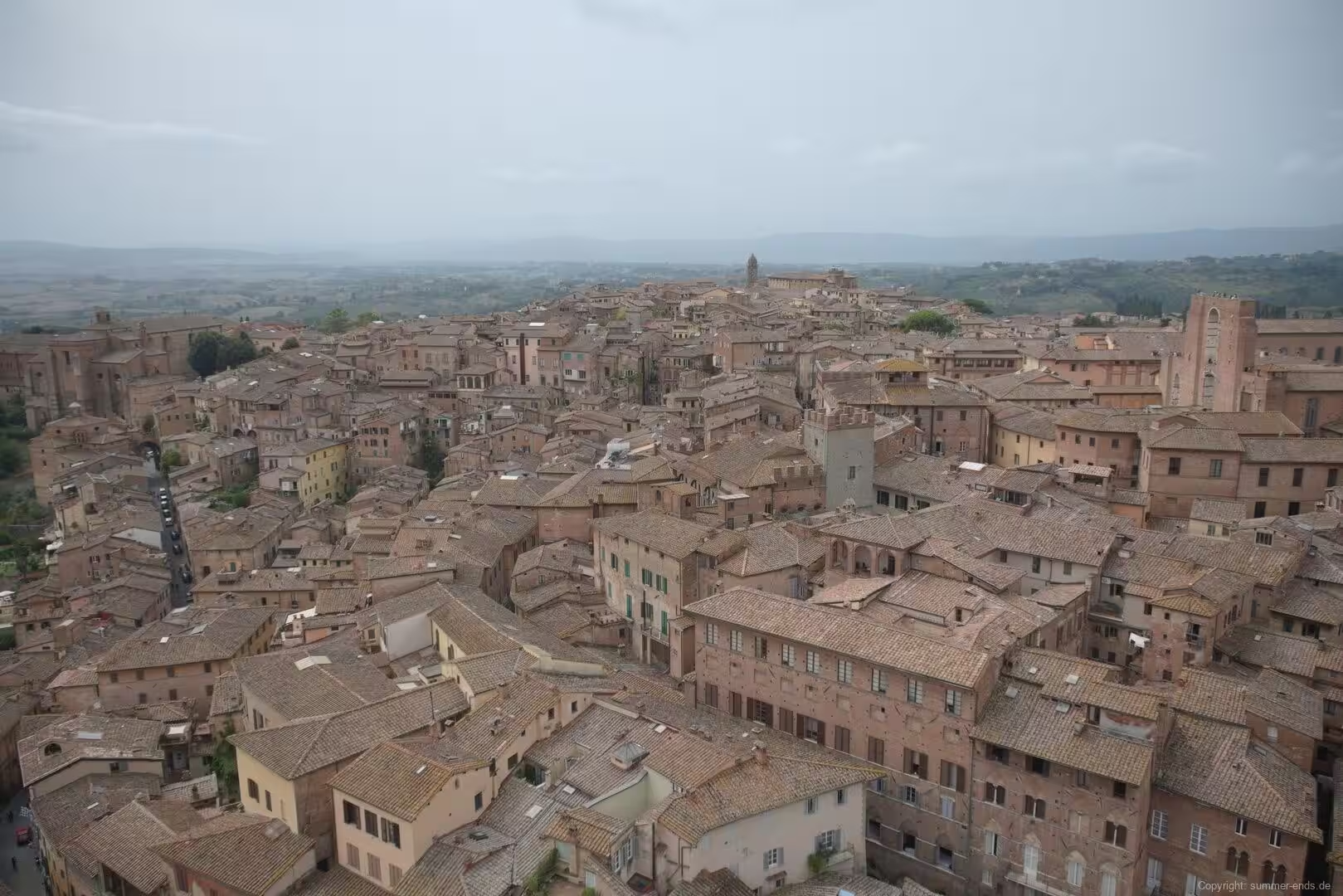
Siena is a historic city in central Italy, in the Tuscany region some 70 kilometres south of Florence, built on three linked hills that overlook the rolling Tuscan countryside. The city sits above the valleys that run through the clay hills of the Crete Senesi and the Val d’Orcia beyond, and it is enclosed by a circuit of medieval walls that have preserved the dense medieval fabric of the interior. Siena is known for the exceptional continuity of its urban plan, its brick and stone architecture, its steep lanes and its central civic space, and it functions today as a regional centre of culture, education and tourism.
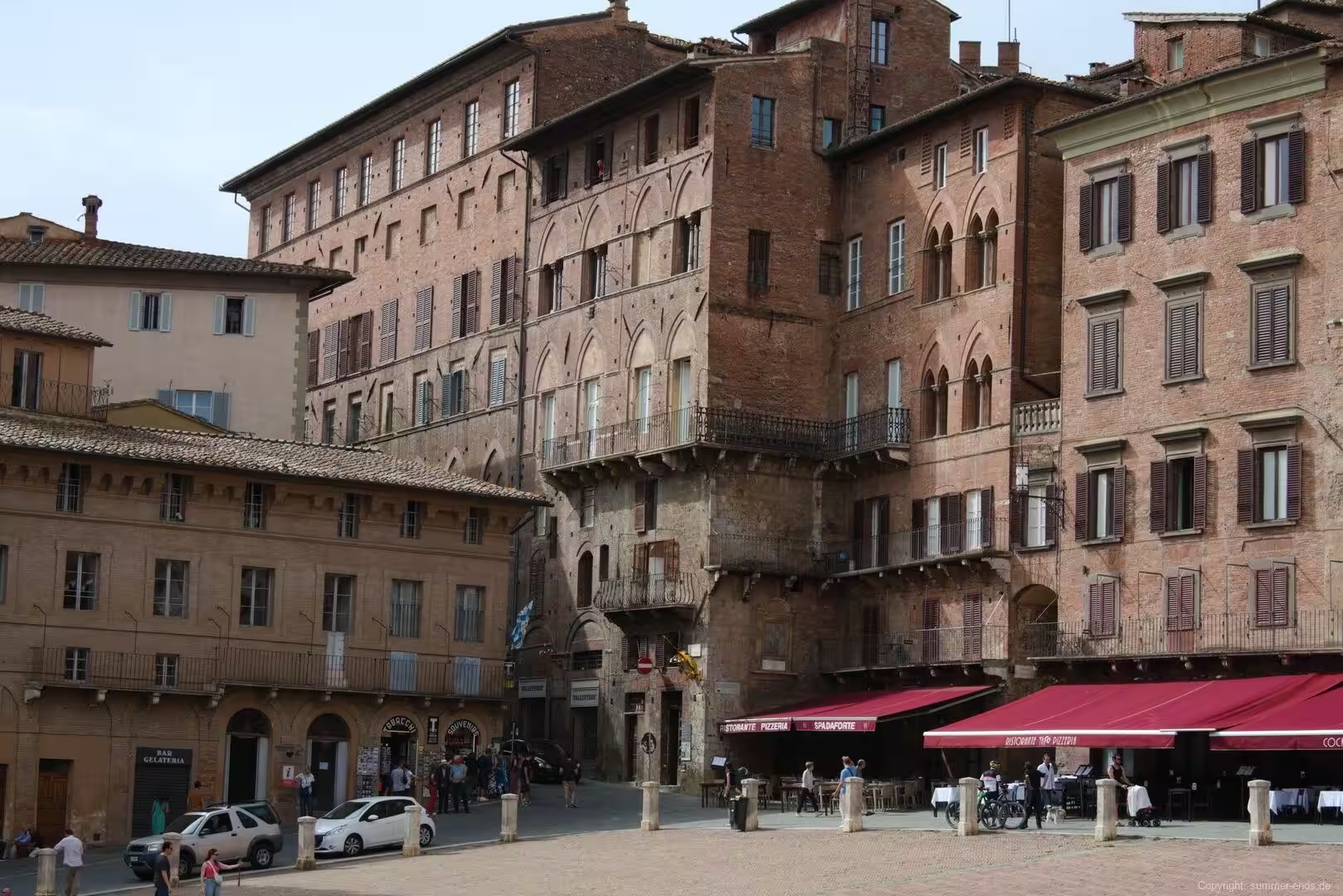
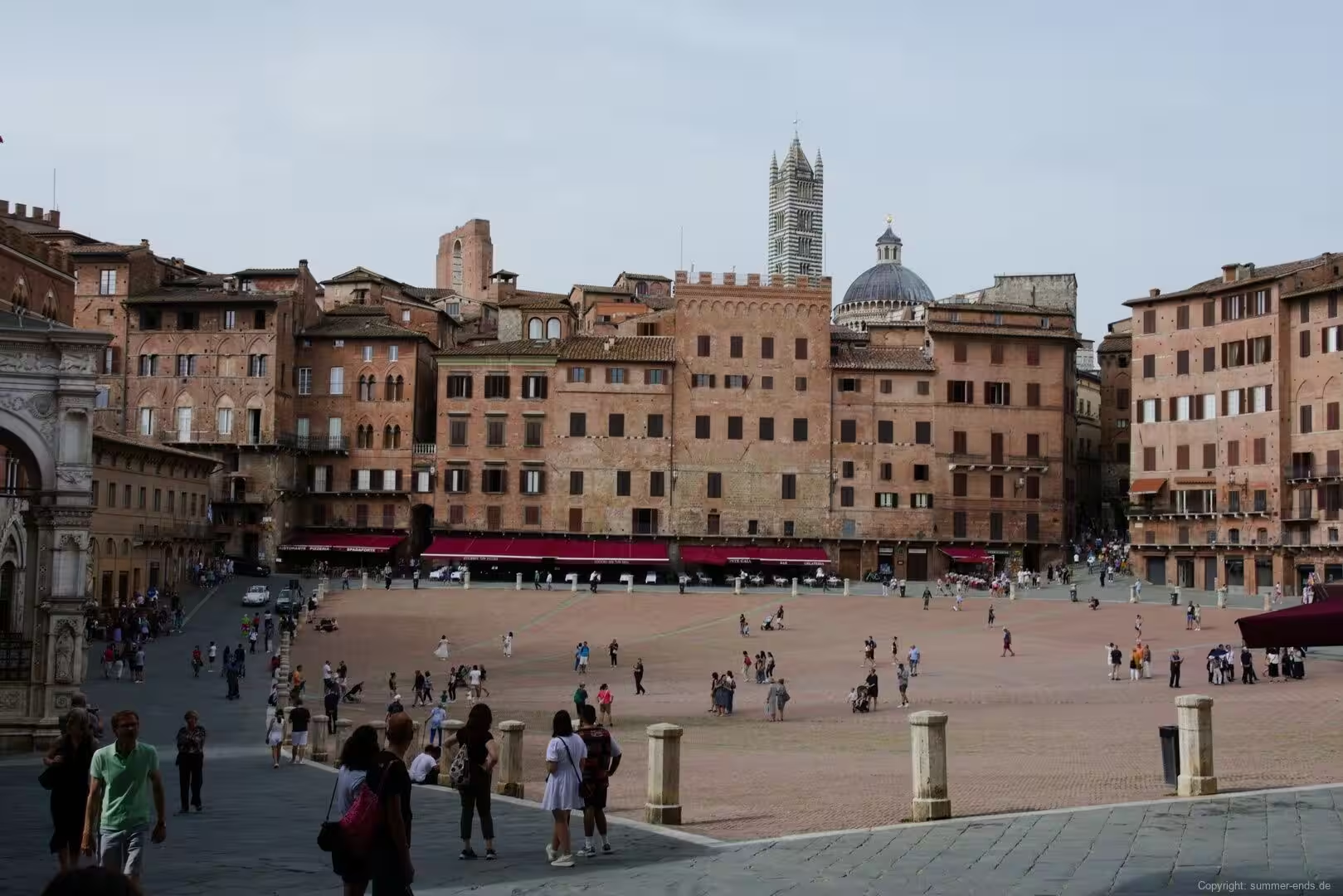
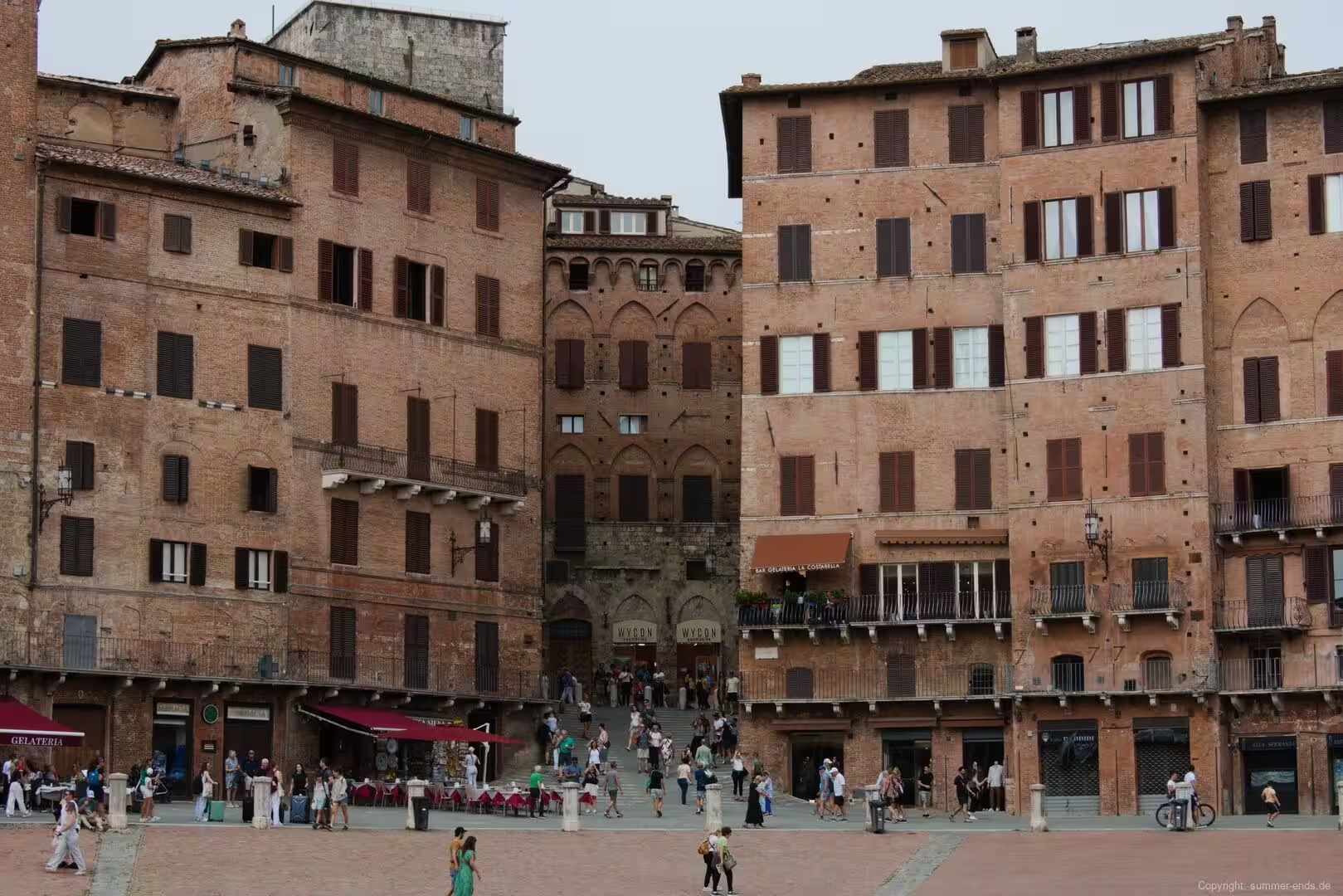
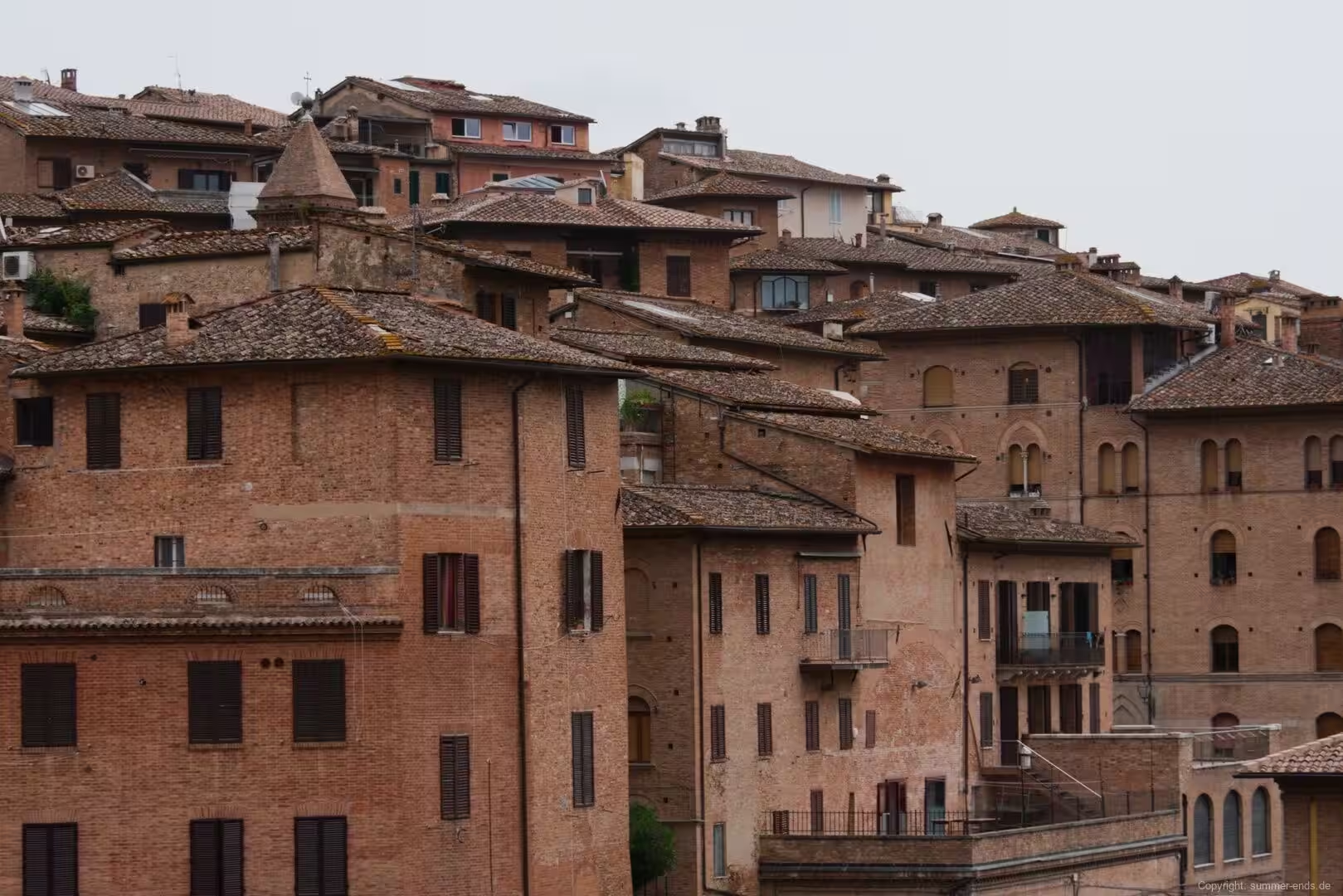
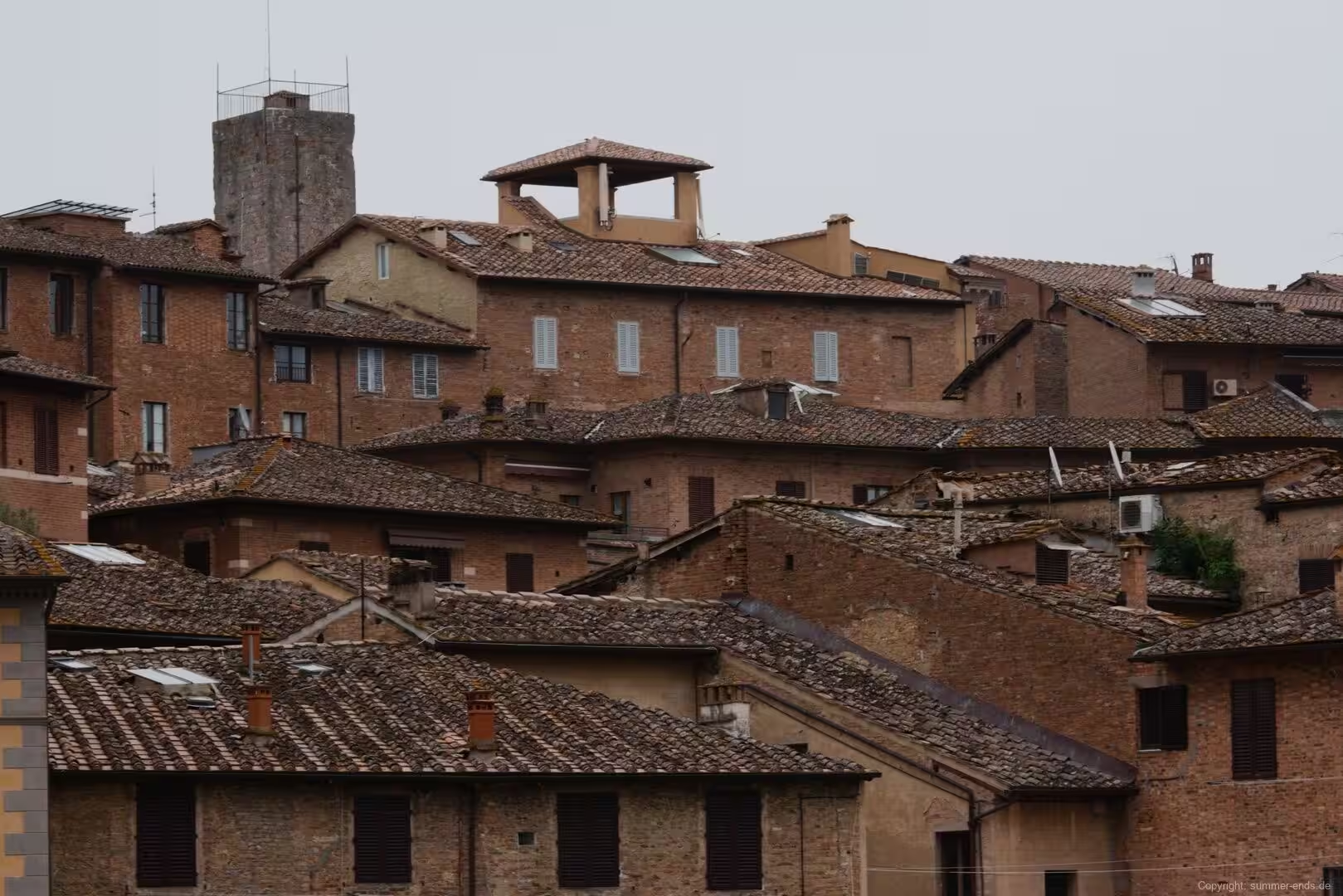
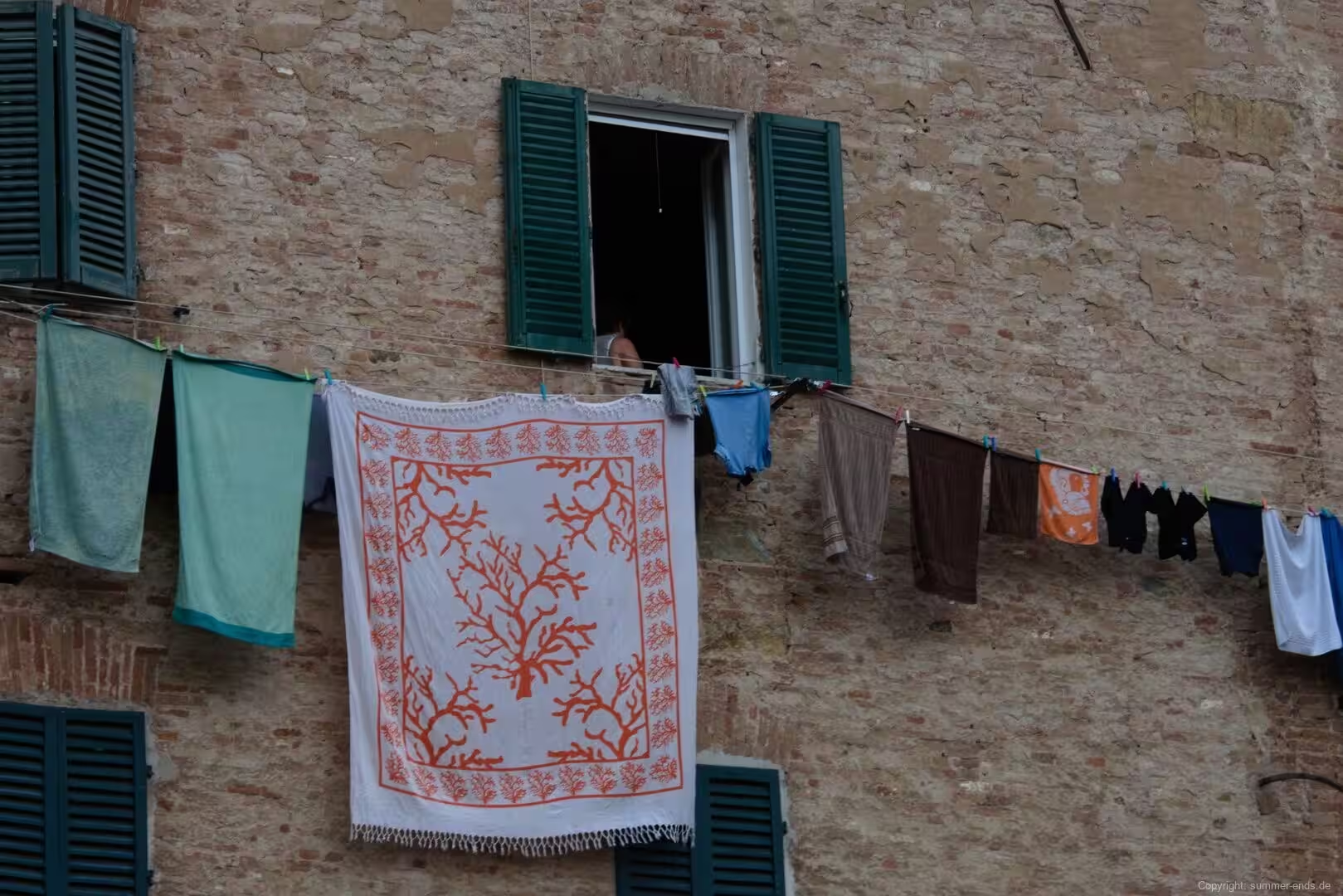
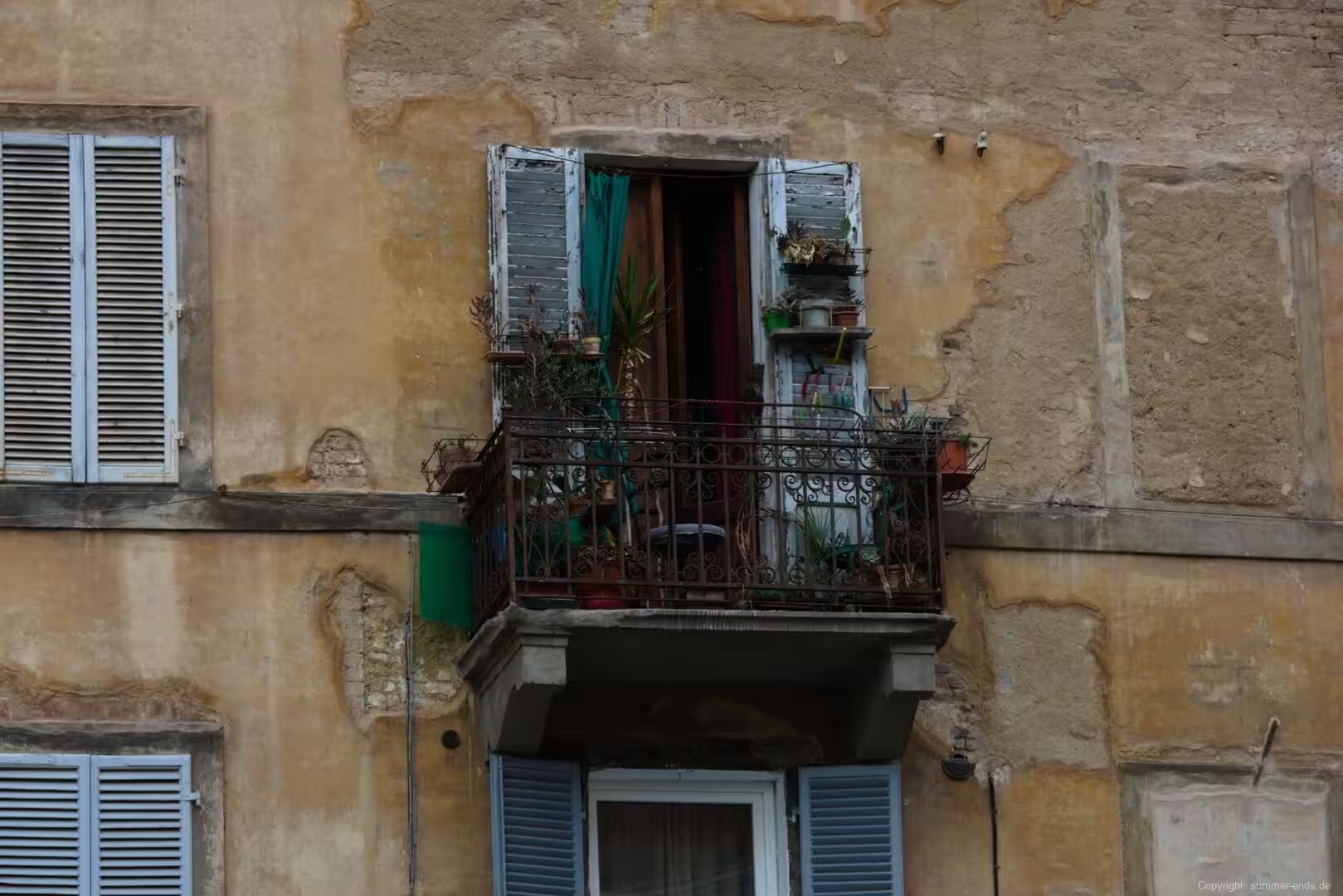
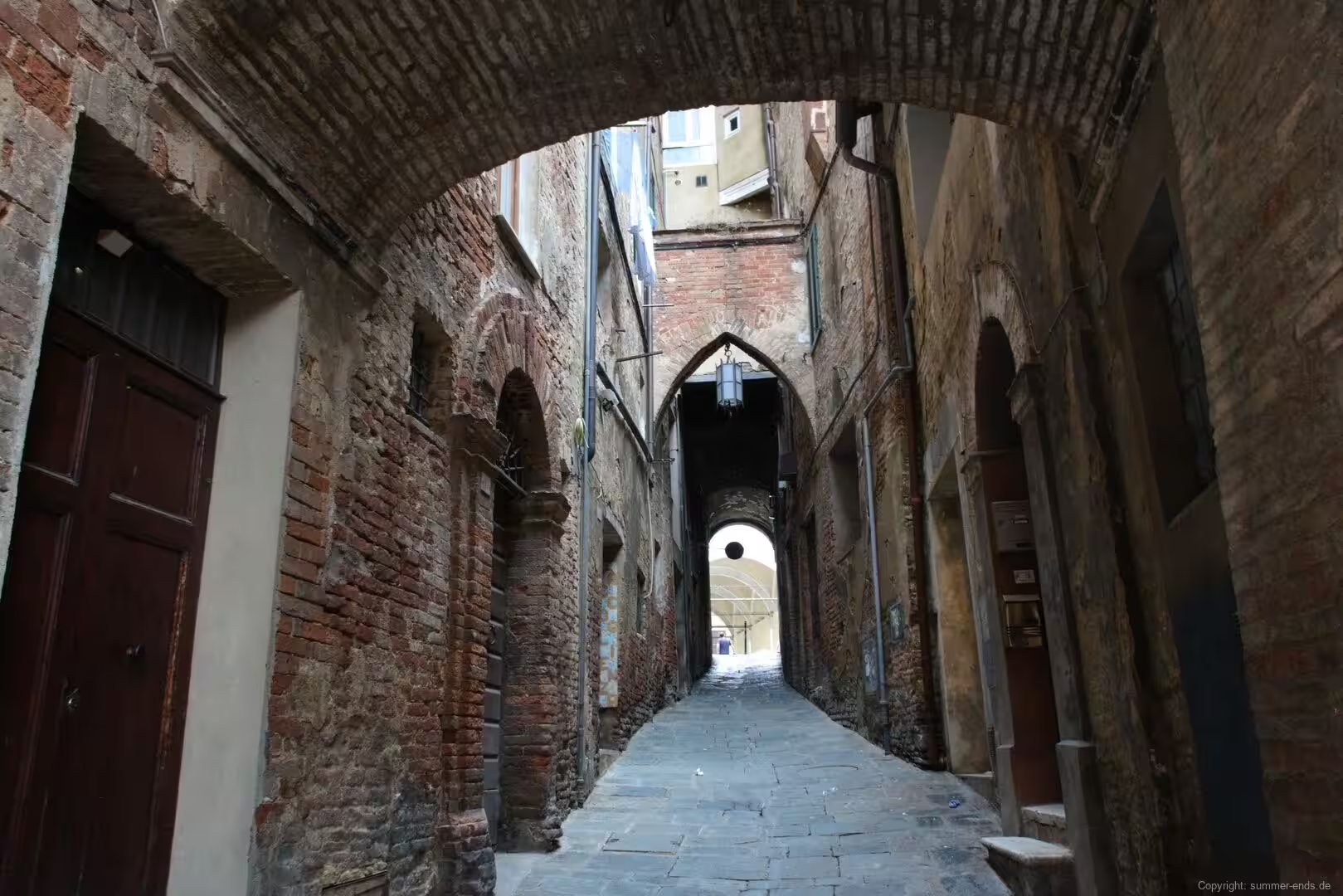
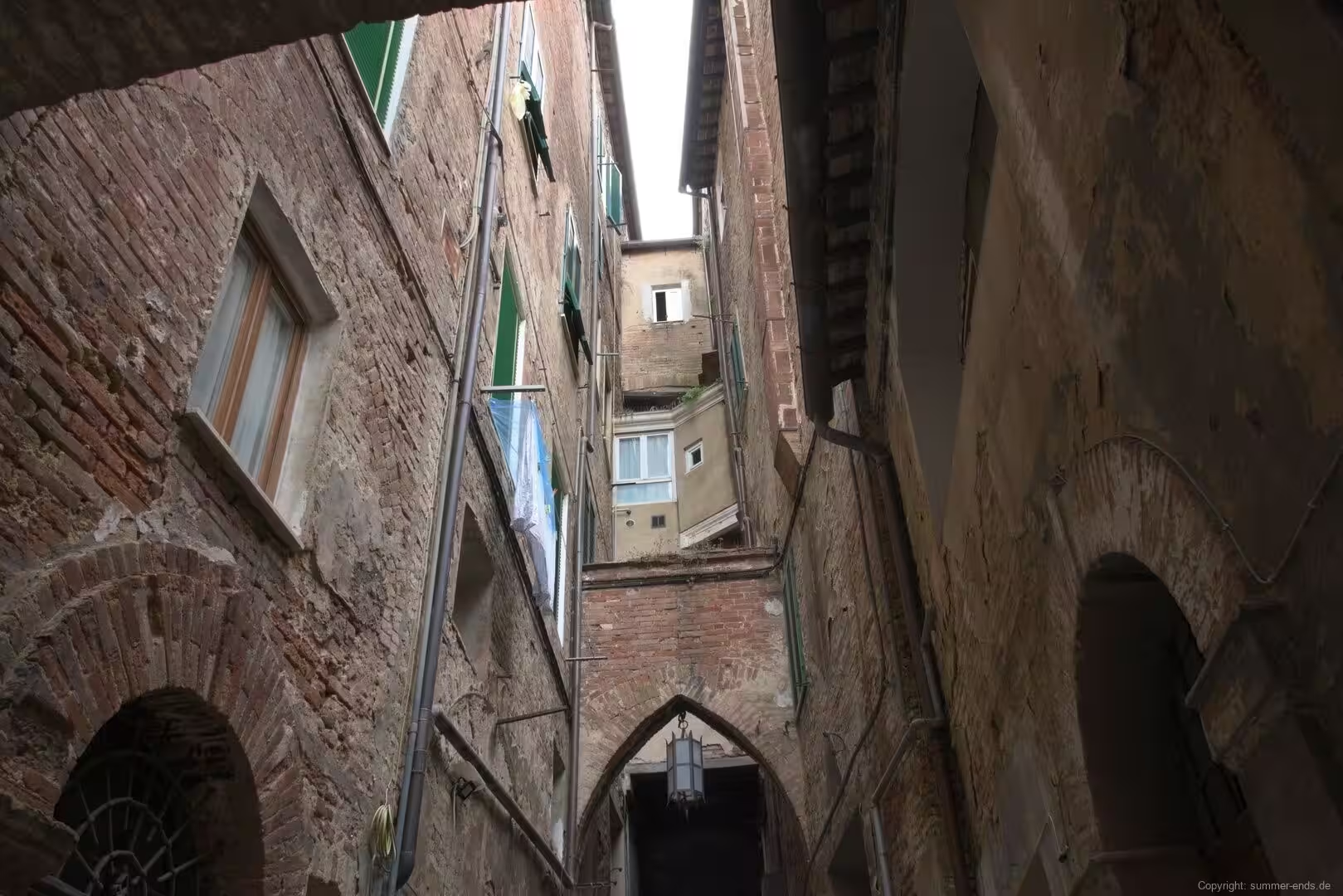
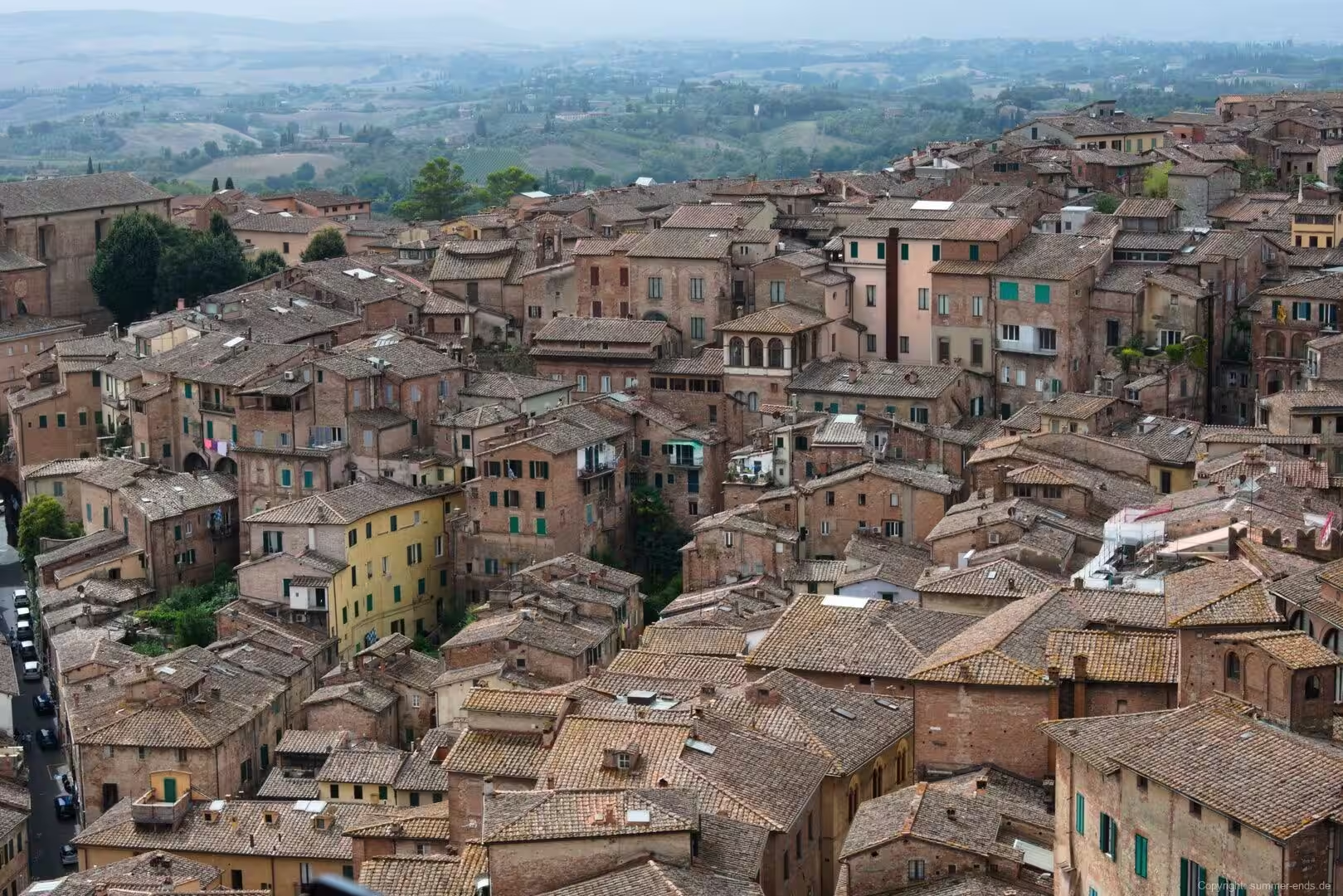
Siena’s historic centre was inscribed on the UNESCO World Heritage List in 1995 and covers the area within the medieval walls, recognised for its intact medieval urban fabric and its influence on later town planning. The city is organised around the Piazza del Campo at its heart, from which the contrade, the historic districts, radiate uphill and downhill along the ridges. The population of the comune is about 54,000, and much of the historic core remains residential and compact, a red-brick town of tower houses, churches and palazzos that climbs and falls with the terrain, its narrow streets opening unexpectedly onto sunny squares.
Throughout its history Siena has been closely tied to the surrounding landscape, to the Via Francigena that crossed the region on its way to Rome, and to the agricultural production of the clay hills and the grain-growing plains. The city’s medieval wealth rested on banking and on the wool and cloth trade, and its civic identity is expressed in the comune, the cathedral and the annual horse race in the Campo. Today Siena combines this inheritance with its role as a university town, home to an ancient university and to a well-preserved centre that has remained remarkably unbroken by modern development, and it remains a centre of the study of medieval and Renaissance art through its museums, archives and library collections.
History
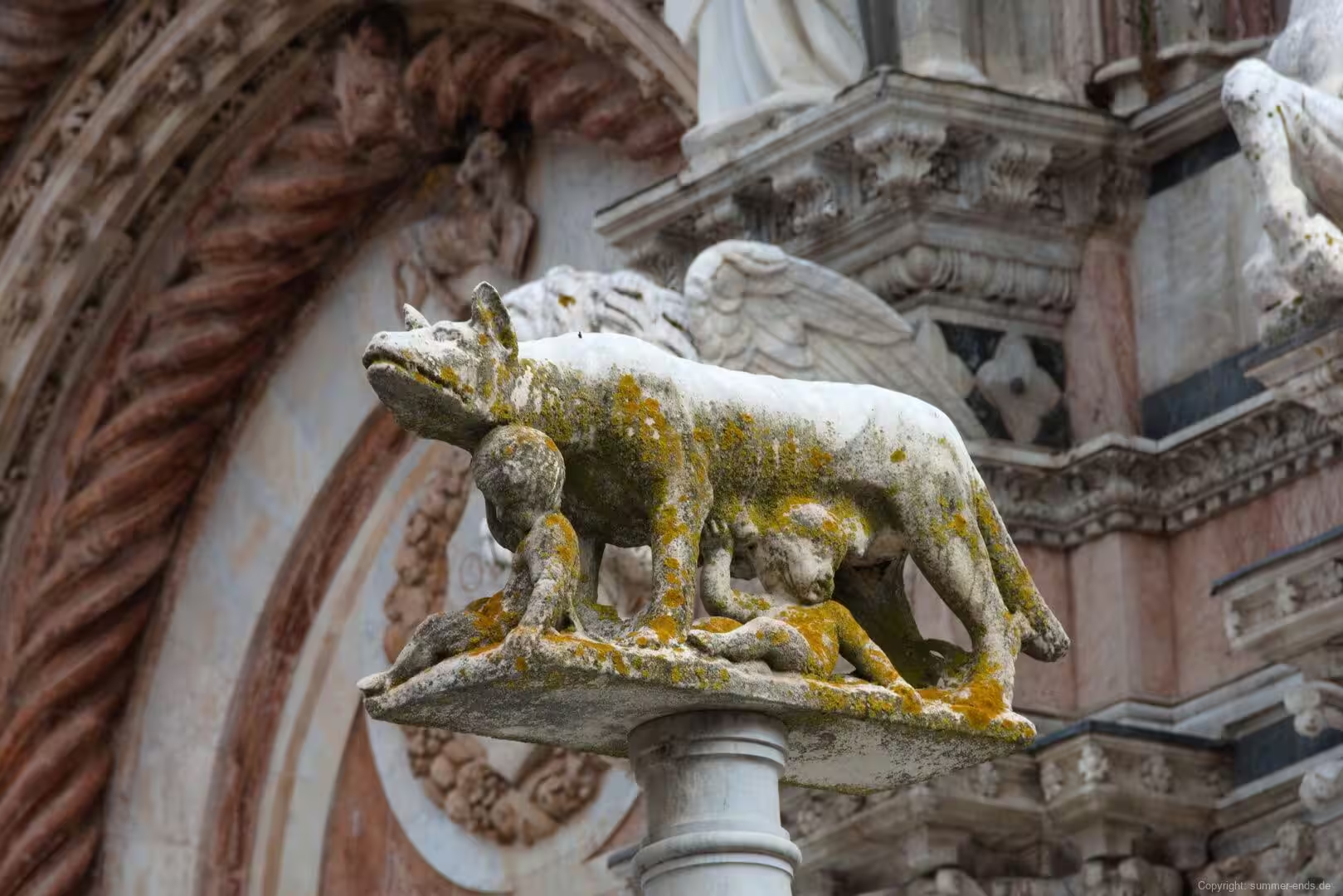
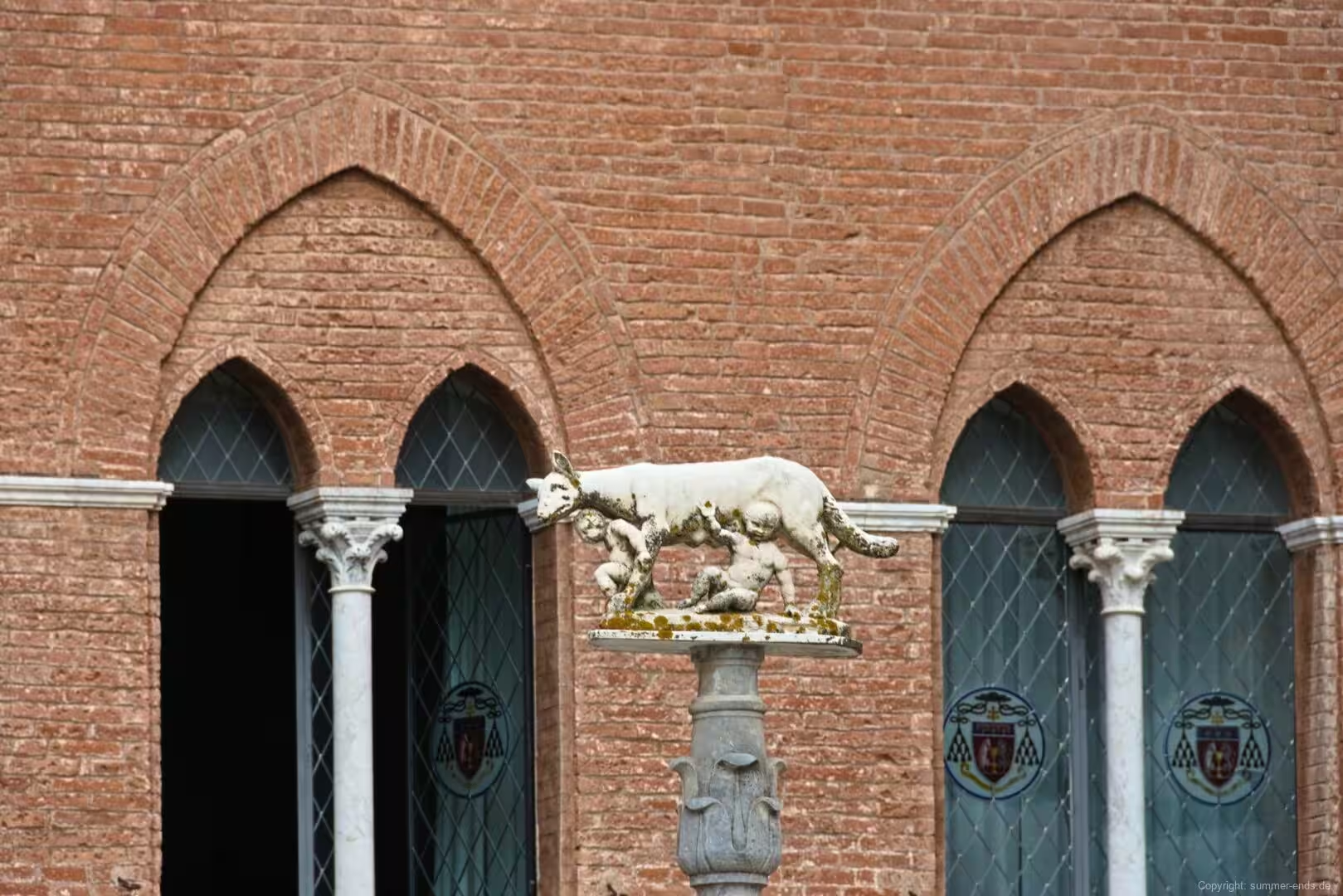
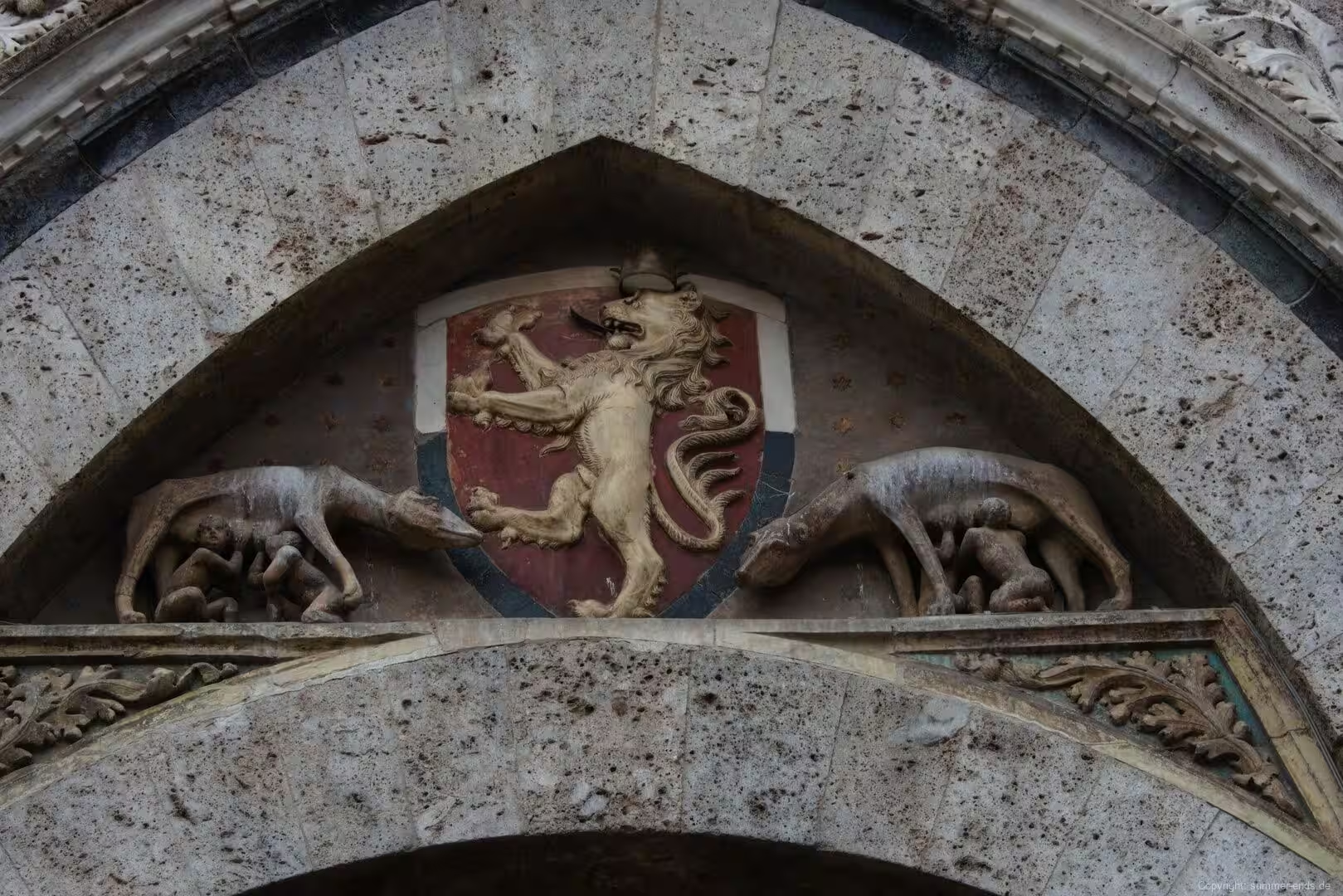
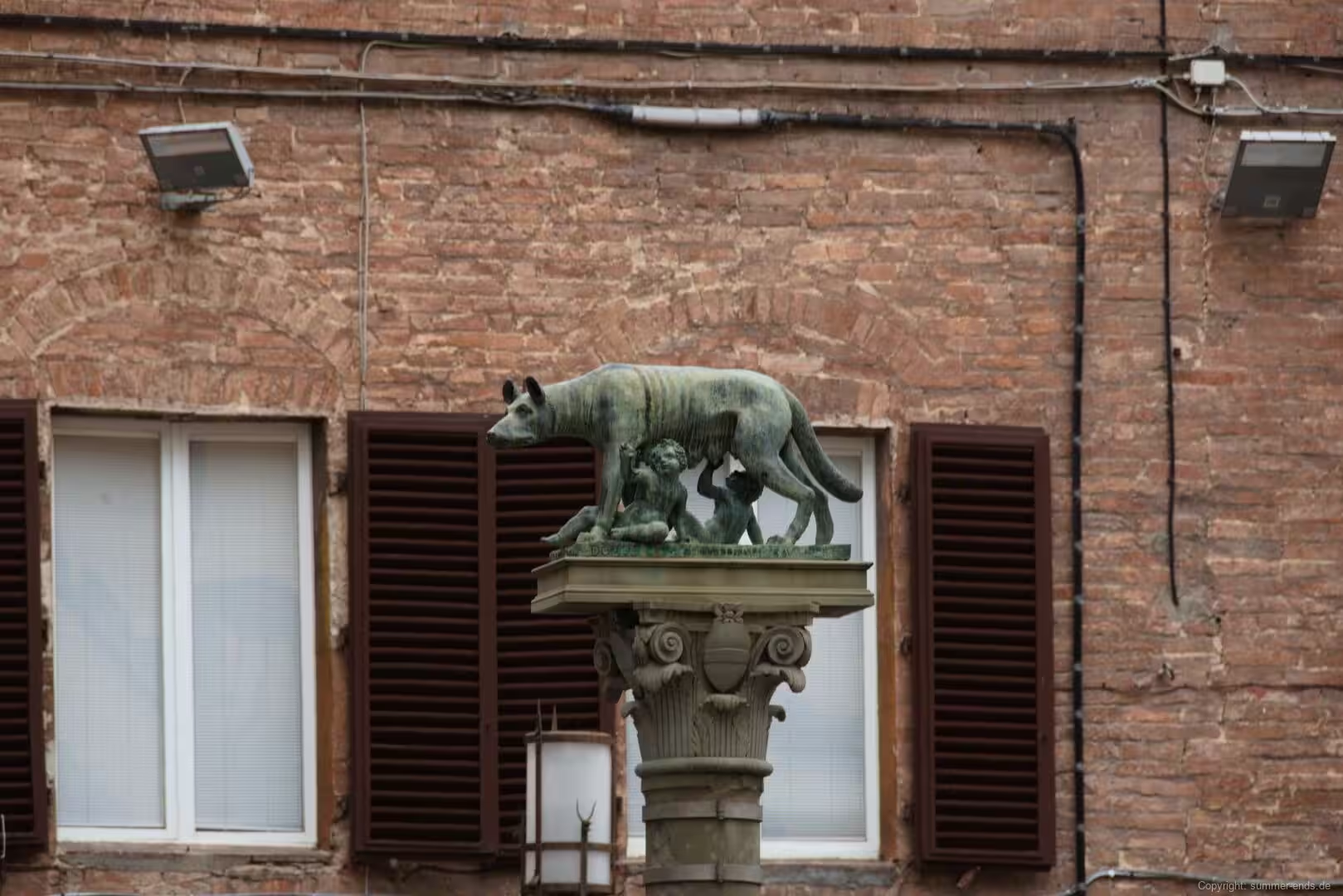
Siena’s origins reach back to Etruscan and Roman times, although the city rose to prominence primarily during the Middle Ages. According to tradition it was founded, and the city’s emblem of the she-wolf nursing two infants recalls the founding legend borrowed from Rome. From the twelfth to the fourteenth centuries Siena developed into a powerful and independent city-state, a major political, economic and cultural rival to Florence, its prosperity built on banking, trade and its position on the Via Francigena and on the routes between Florence and Rome. The medieval period was the height of Siena’s power and artistic achievement, when the city developed its distinctive civic institutions, its urban layout and its architectural style.
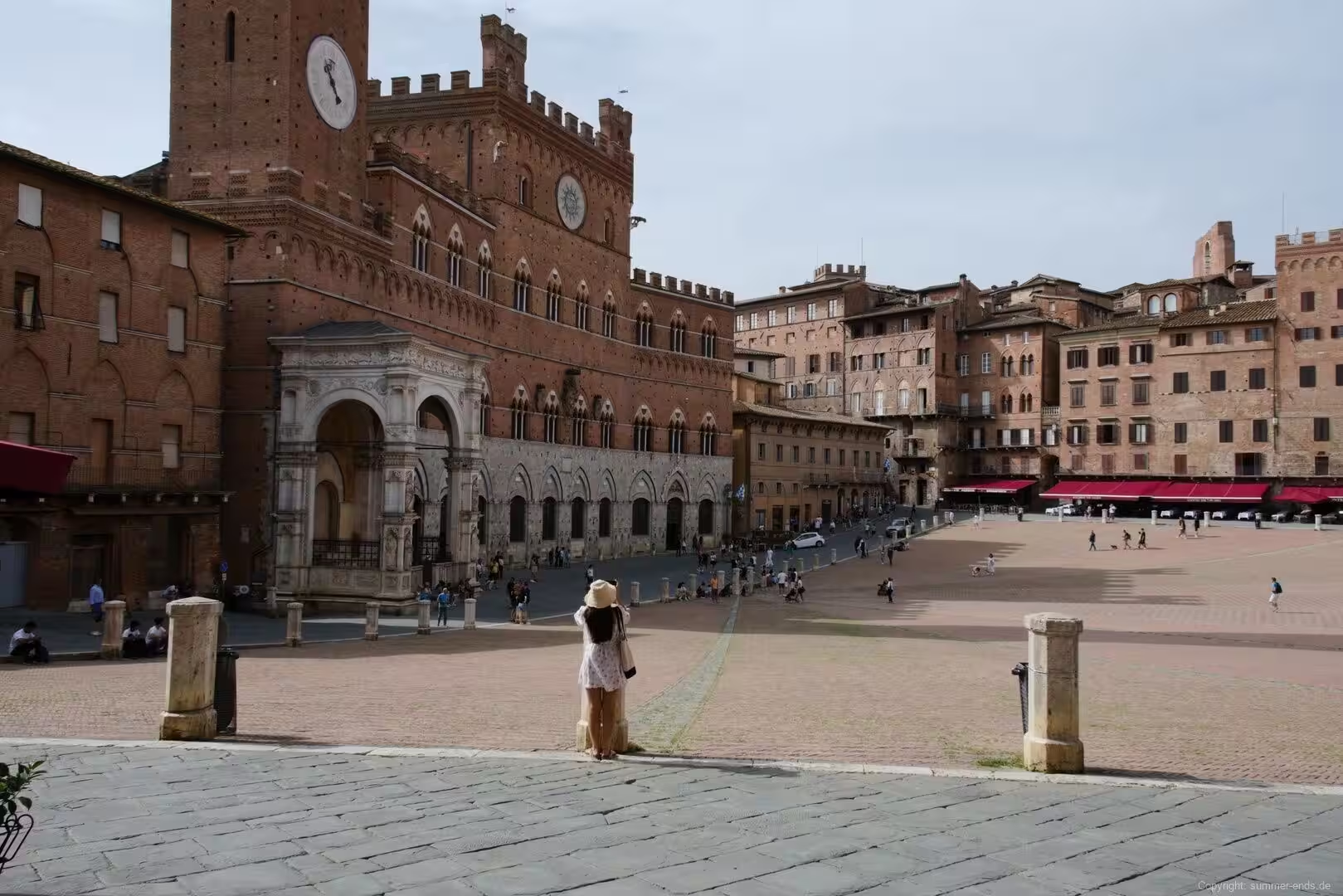
Landmark projects such as the Cathedral of Santa Maria Assunta and the Palazzo Pubblico were built during this period, expressing both religious devotion and civic pride, and the famous Piazza del Campo became the focal point of political and social life. The city’s government, first a commune and then governed by the Nine, largely in the thirteenth and fourteenth centuries, commissioned the civic architecture and the works of the Sienese school of painting that made the city a centre of the Gothic and early Renaissance. Siena’s decline began in the mid-fourteenth century with the Black Death, which sharply reduced the population and weakened its economic and political structures, and the city was finally absorbed into the Grand Duchy of Tuscany in the sixteenth century.
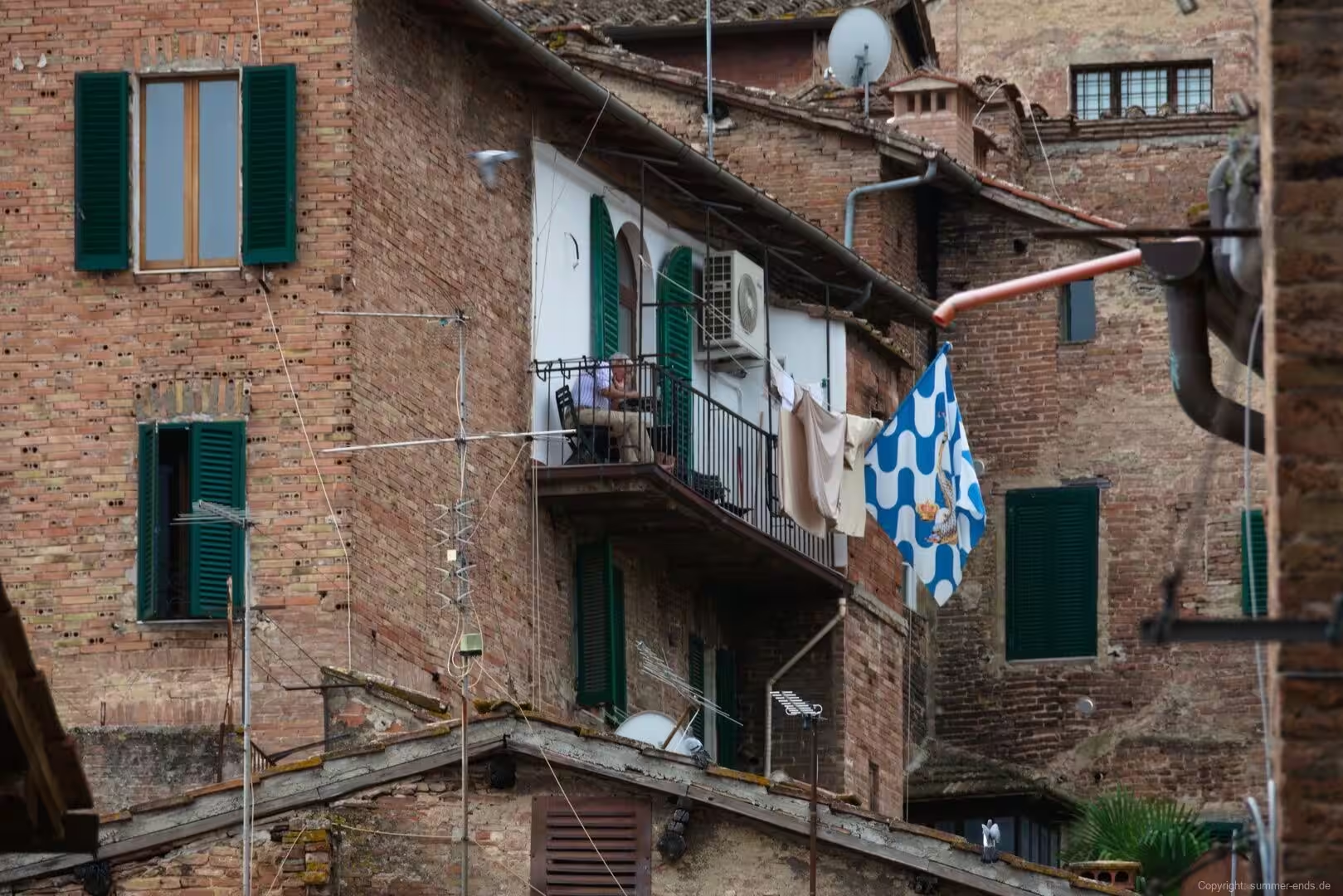
Despite this decline, Siena experienced relatively limited modernisation, which contributed to the preservation of its medieval character. The city remained a quiet provincial centre through the early modern period, its fabric largely untouched by the rebuilding that elsewhere remade Italian towns. In the modern era Siena has focused on heritage conservation, education and tourism, and it restored and documented its monuments, so that it now serves both as a living city and as one of the most complete examples of medieval urbanism in Italy. The institutional continuity of the contrade, the medieval districts that still govern the running of the Palio and the civic life of their members, is itself a survival of the city’s medieval communal organisation, preserved into the present alongside the medieval streets and squares.
Geology
Geologically, Siena lies within the Tuscan basin system, an area shaped by sedimentary deposition and tectonic activity associated with the Apennine orogeny. The hills on which the city is built consist mainly of sedimentary rocks, including sandstones, marls and clays deposited in marine environments during the Neogene period. These formations are relatively soft and easily eroded, which influenced both the morphology of the landscape and the techniques used for construction, and they provide the local stone and brick from which the city is built.
The surrounding countryside includes the distinctive geological unit of the Crete Senesi, an area dominated by clay-rich sediments that produce smooth, rounded hills and the characteristic badland erosion forms known as biancane and calanchi. These clay soils are of limited agricultural fertility, but they create a pale, sun-bleached landscape of a distinctive appearance closely identified with Siena and the villages that share the territory. The finer beds of marine origin are prone to erosion and to the dry gullies, which have been stabilised only with difficulty, and their fragility has shaped the way the land is farmed.
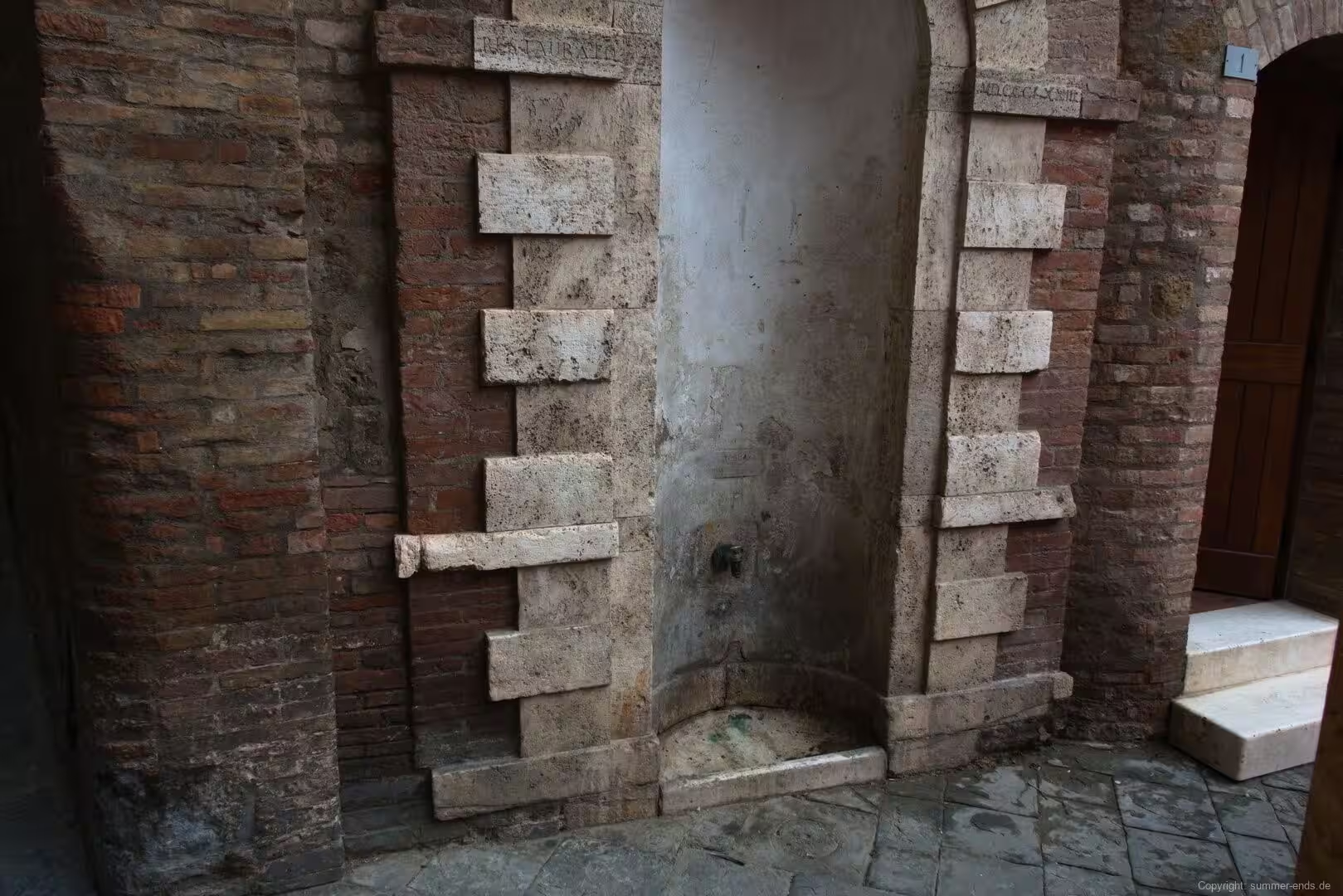
The geological substrate has influenced urban development, drainage and the extensive use of local brick and stone in construction. Erosion processes and slope stability have historically shaped settlement placement and infrastructure, and the absence of large rivers in the immediate vicinity contributed to the city’s defensible hilltop location, with water drawn from wells, from the cistern system beneath the Campo and from the Fonte Gaia. The dramatic form of the Piazza del Campo, a fan-shaped square built partly on filled ground, reflects the terracing of the hills that its planners had to negotiate. The geology of the area, with its soft clay and the impermeable beds beneath the surface, also shaped the engineering of the cathedral’s foundation and of the city’s wells and underground passages.
Things to See
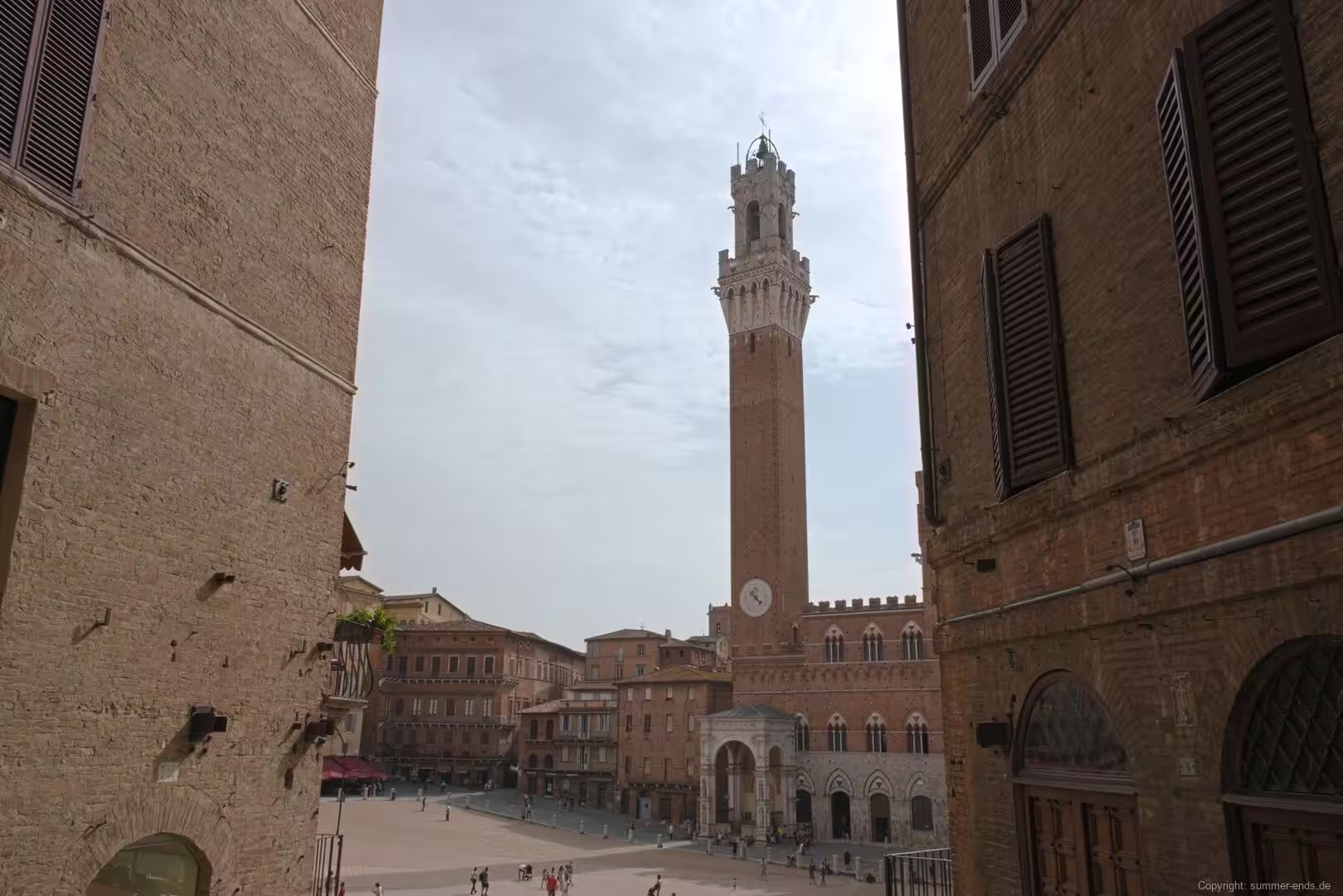
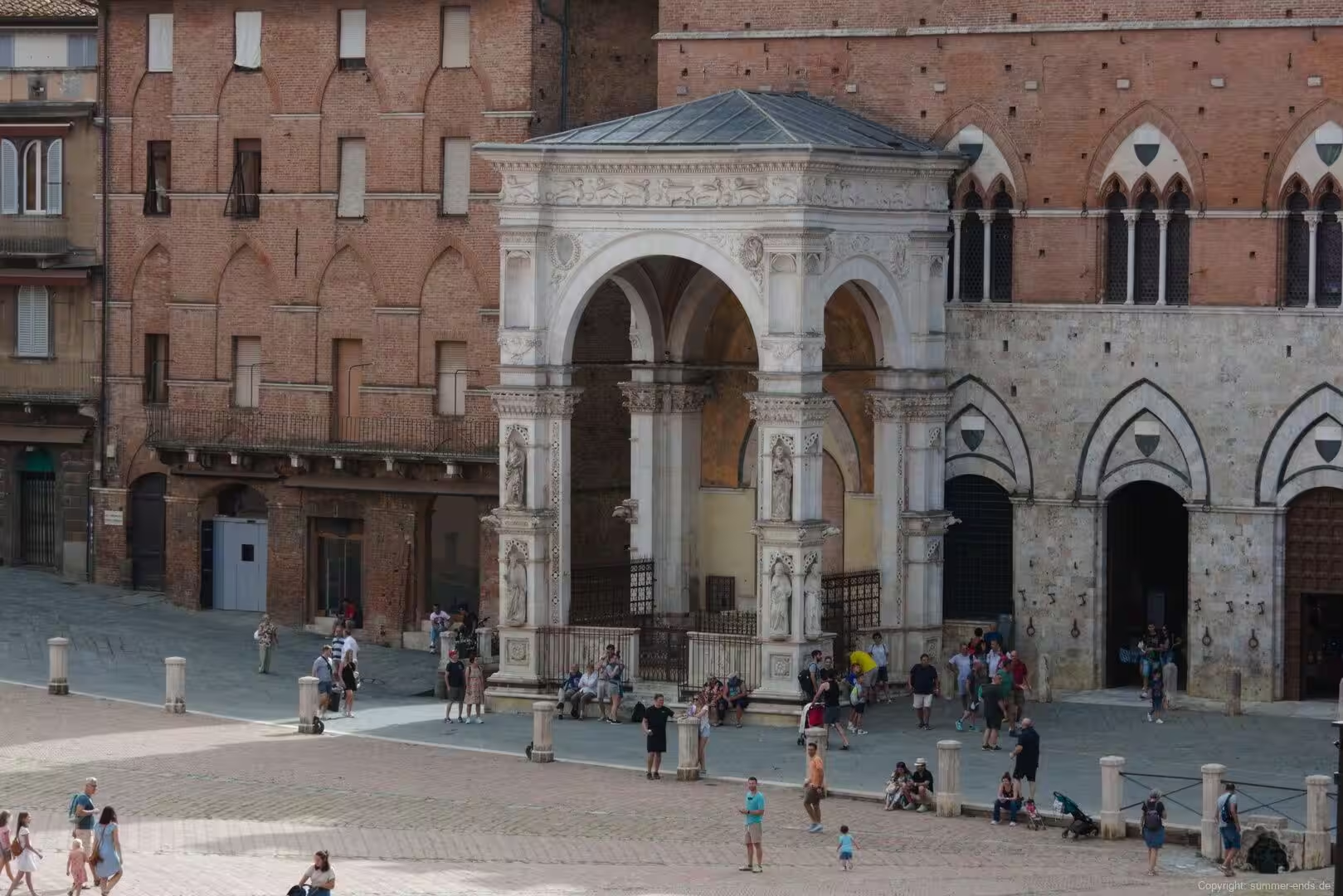
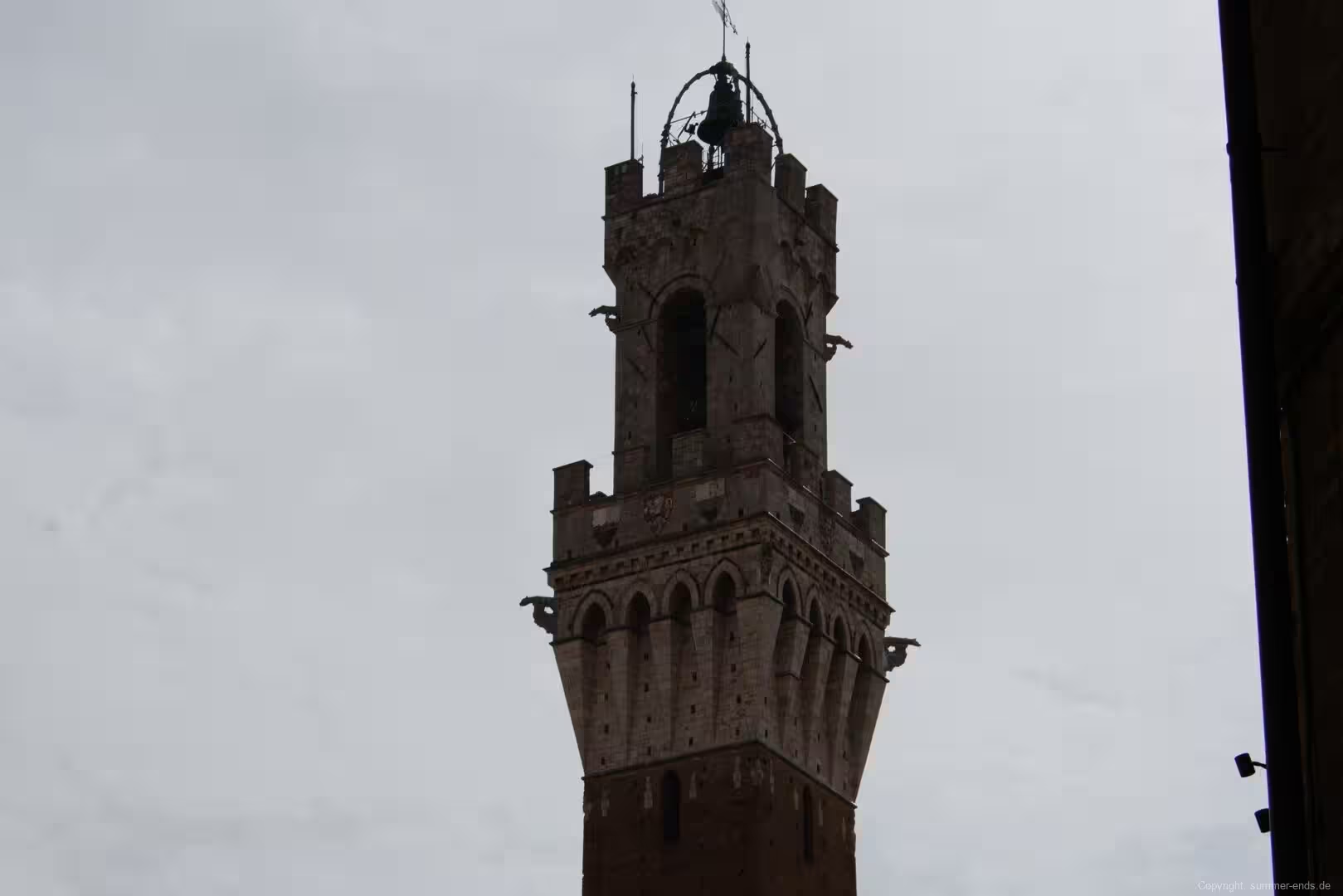
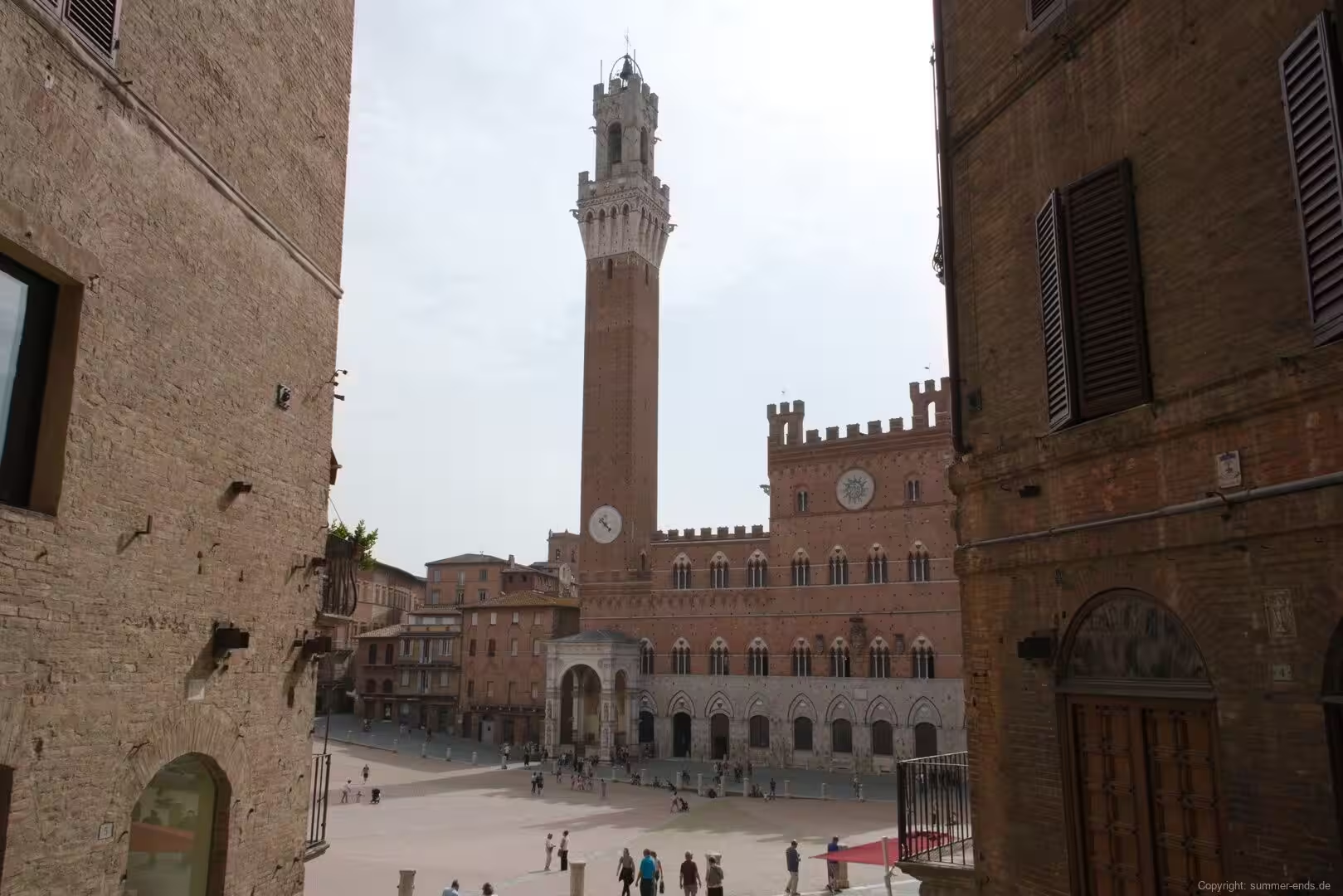
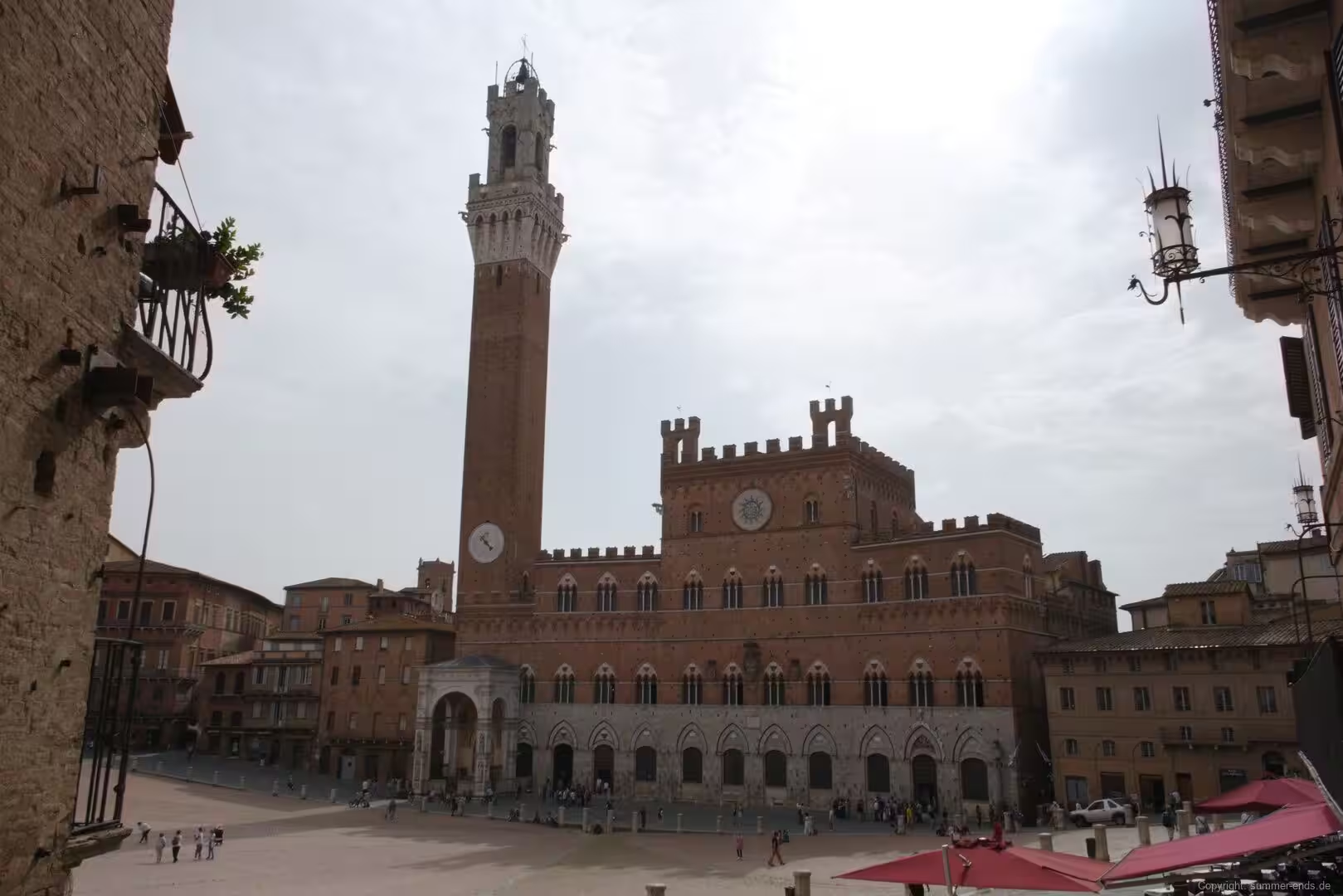
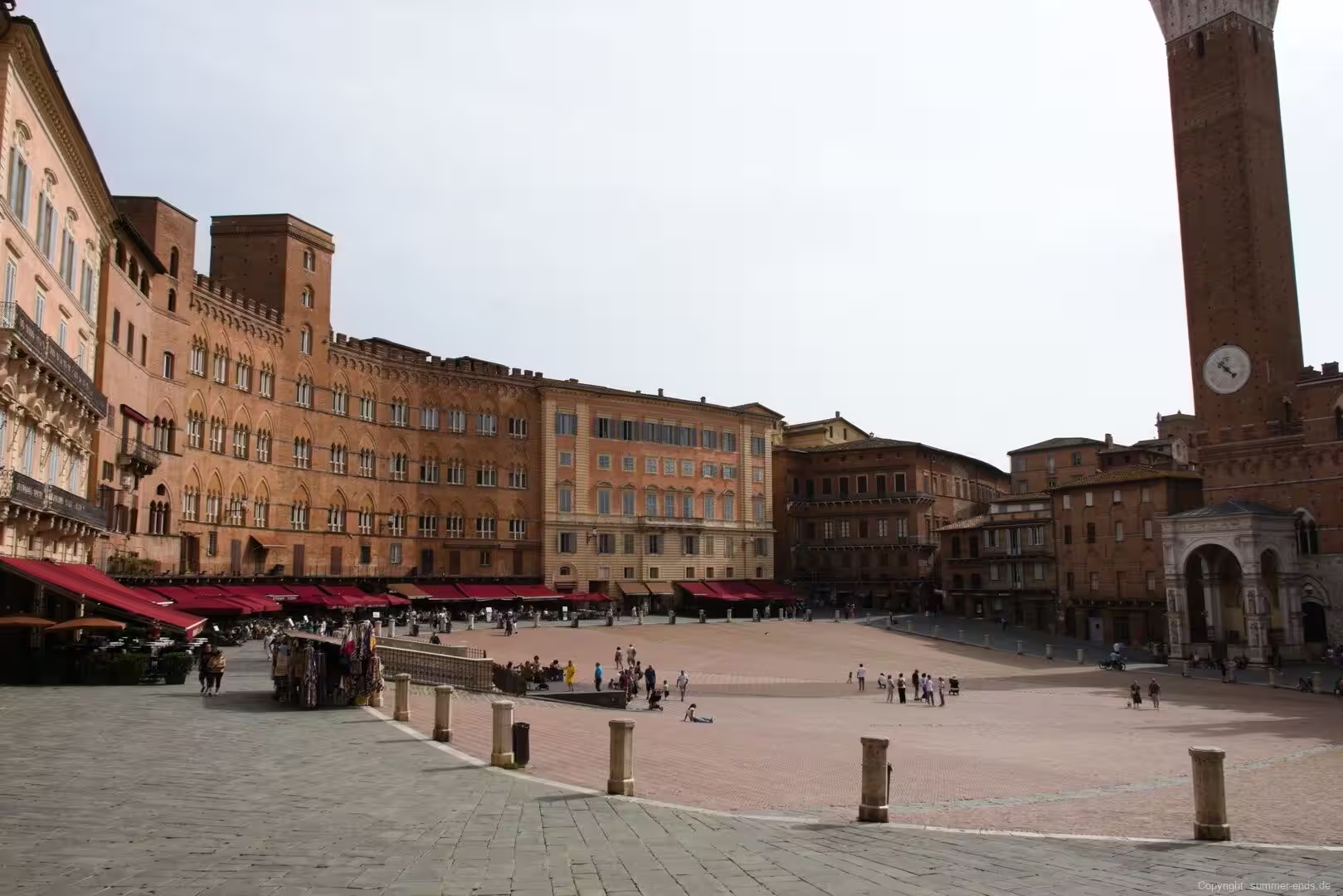
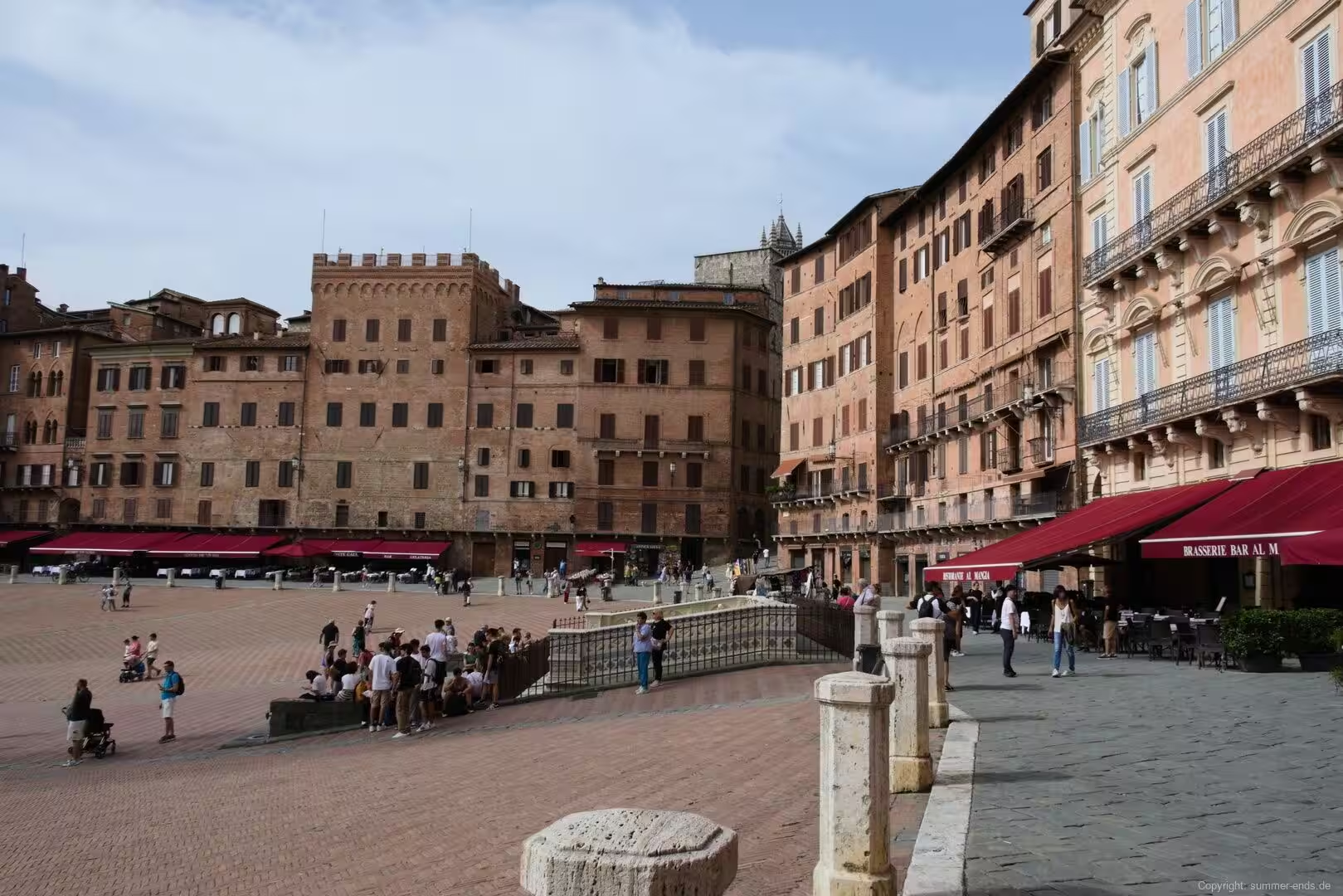
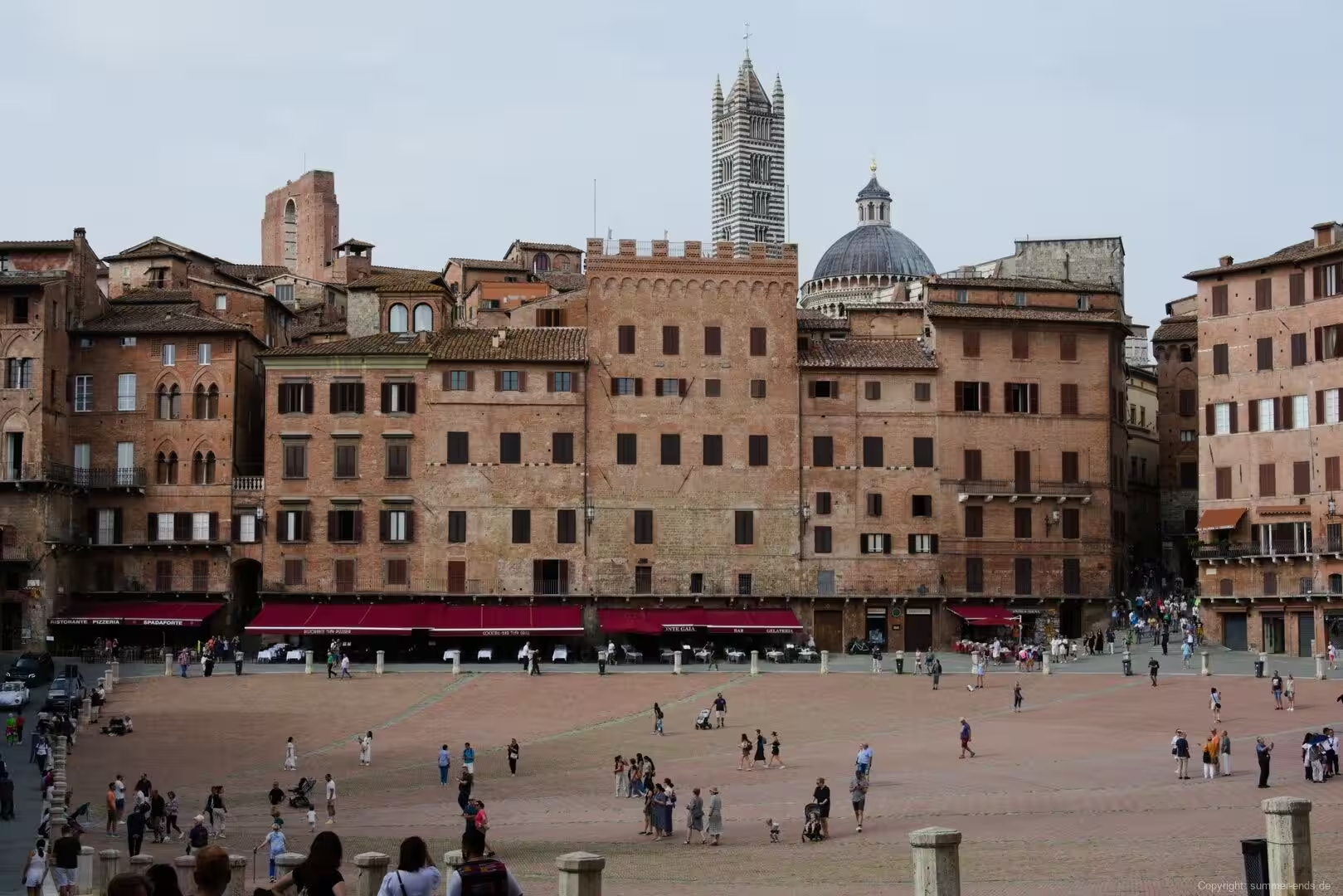
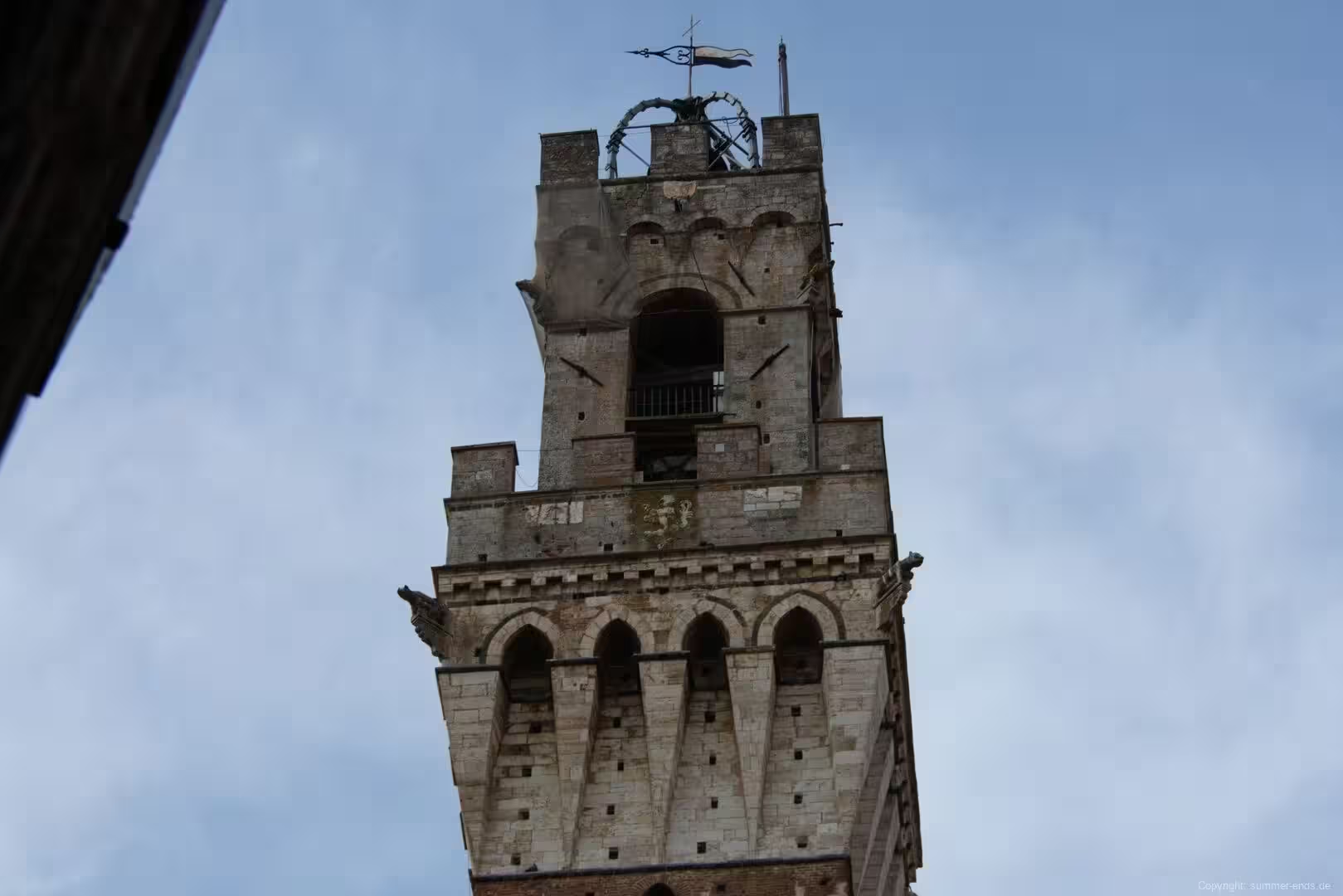
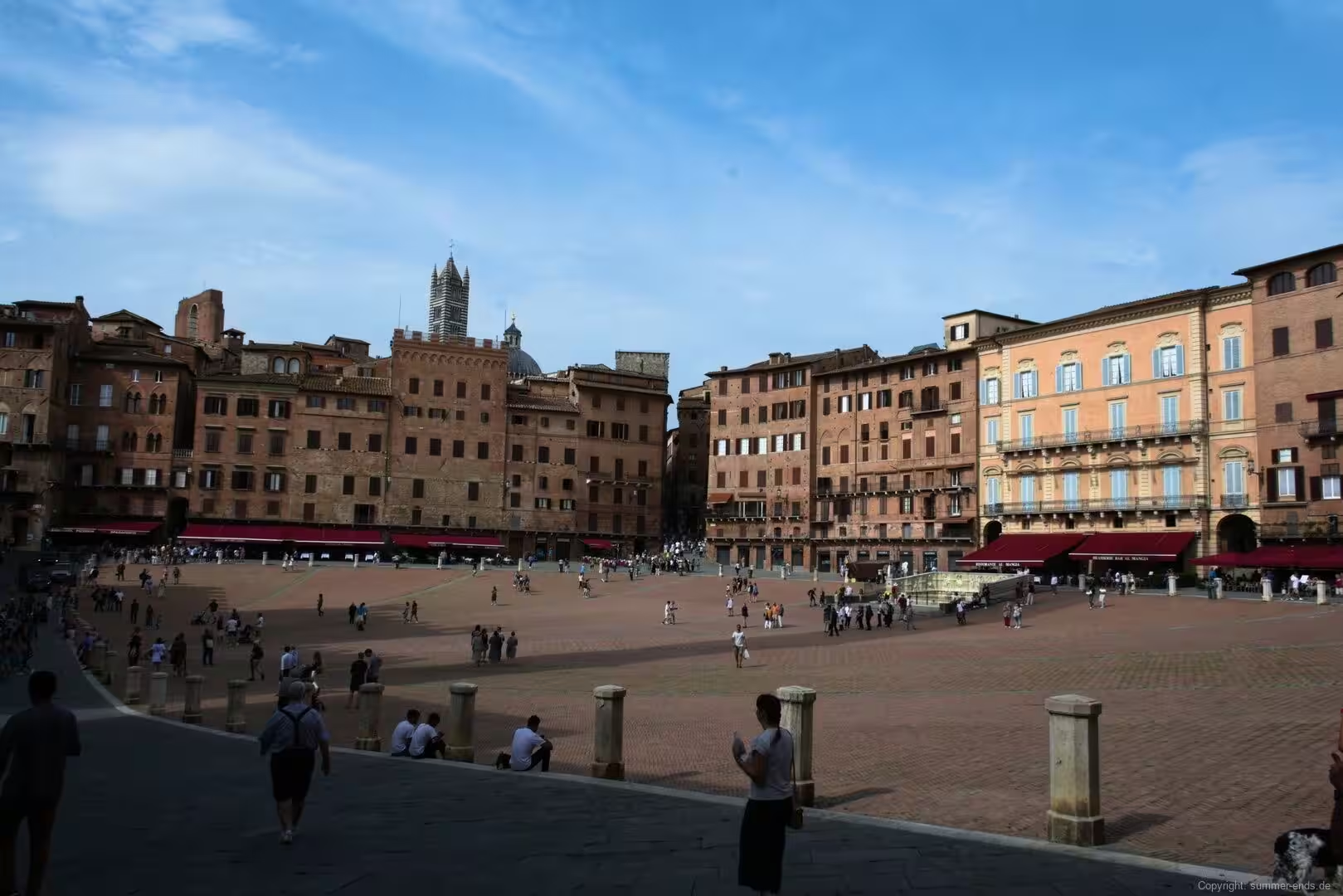
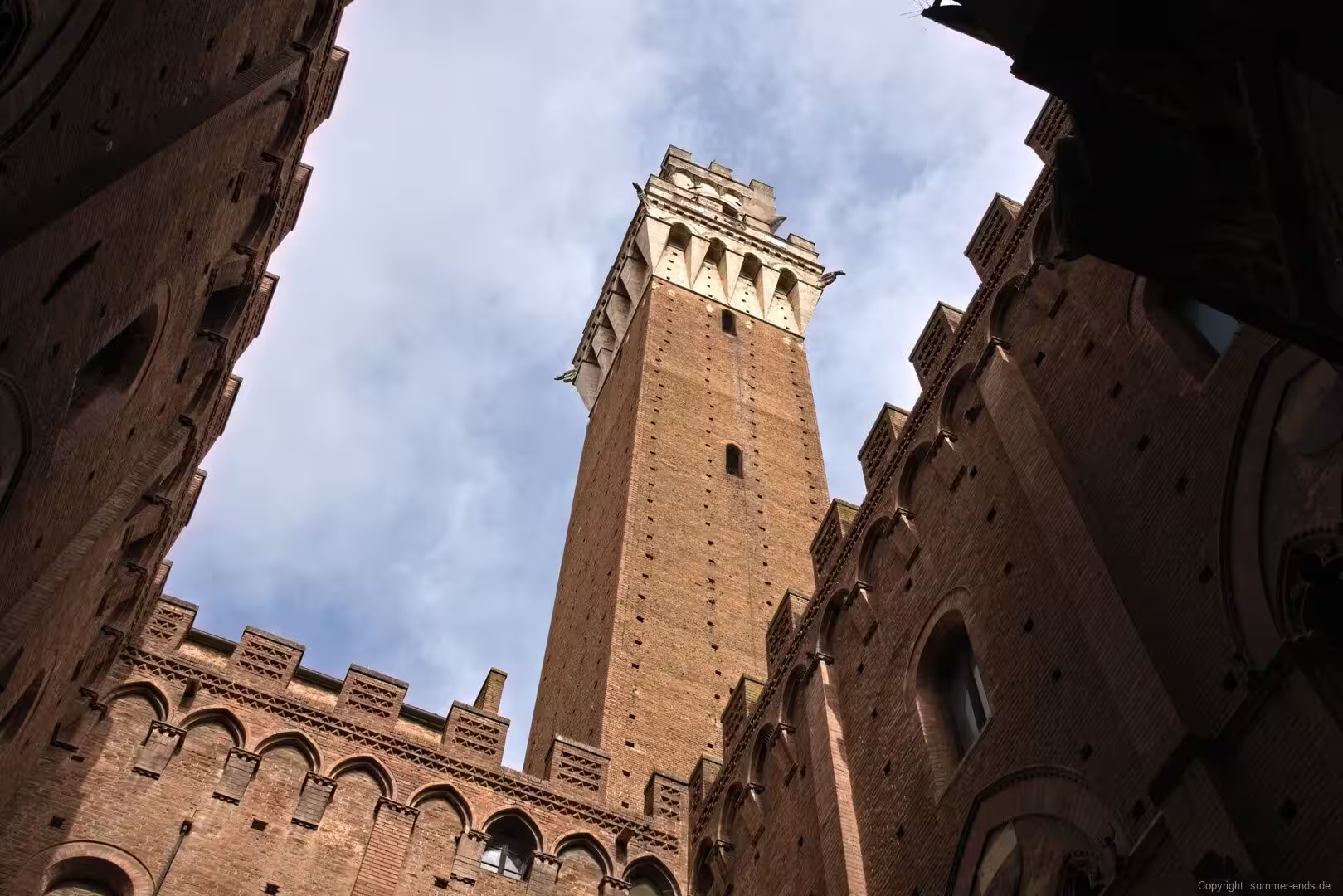
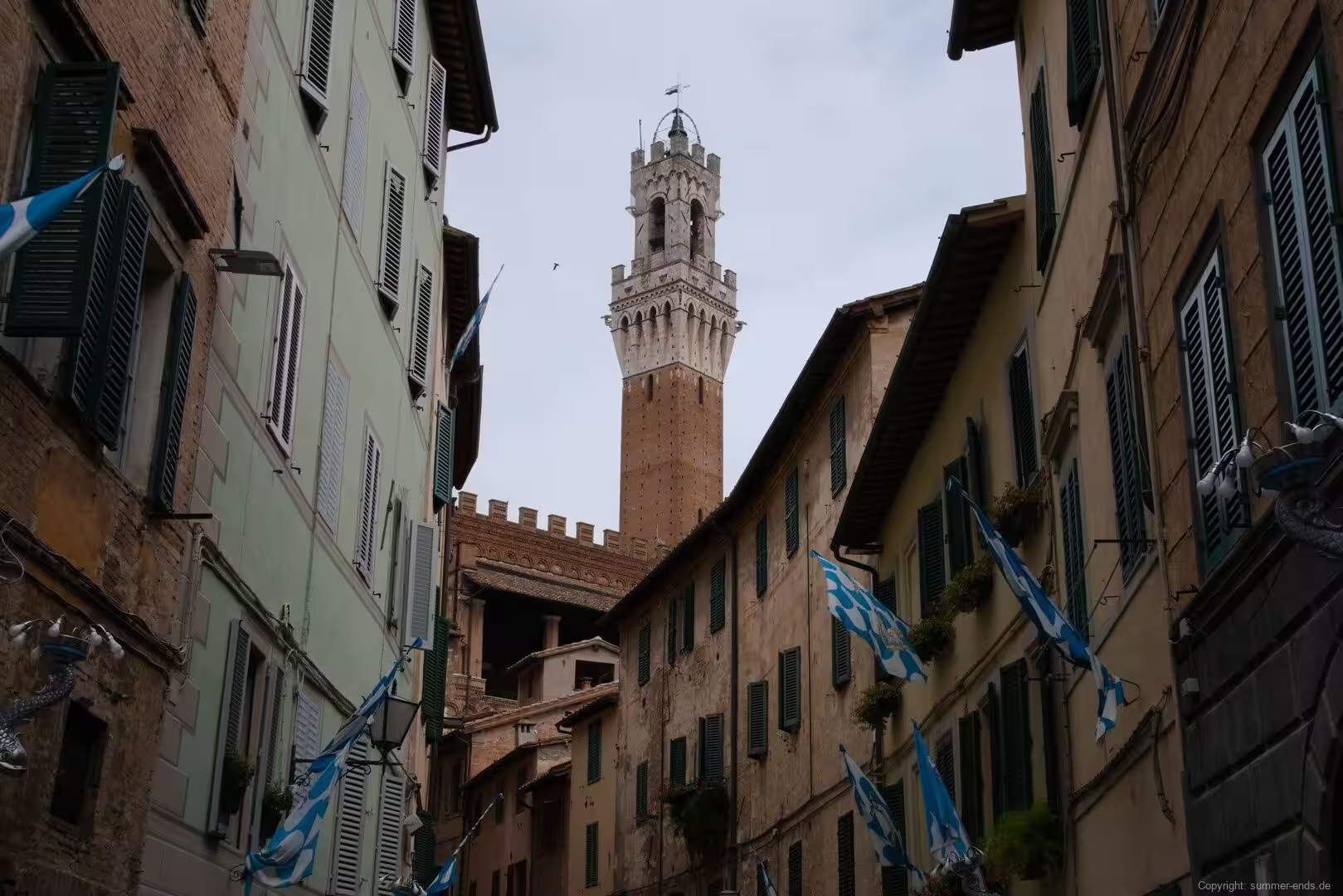
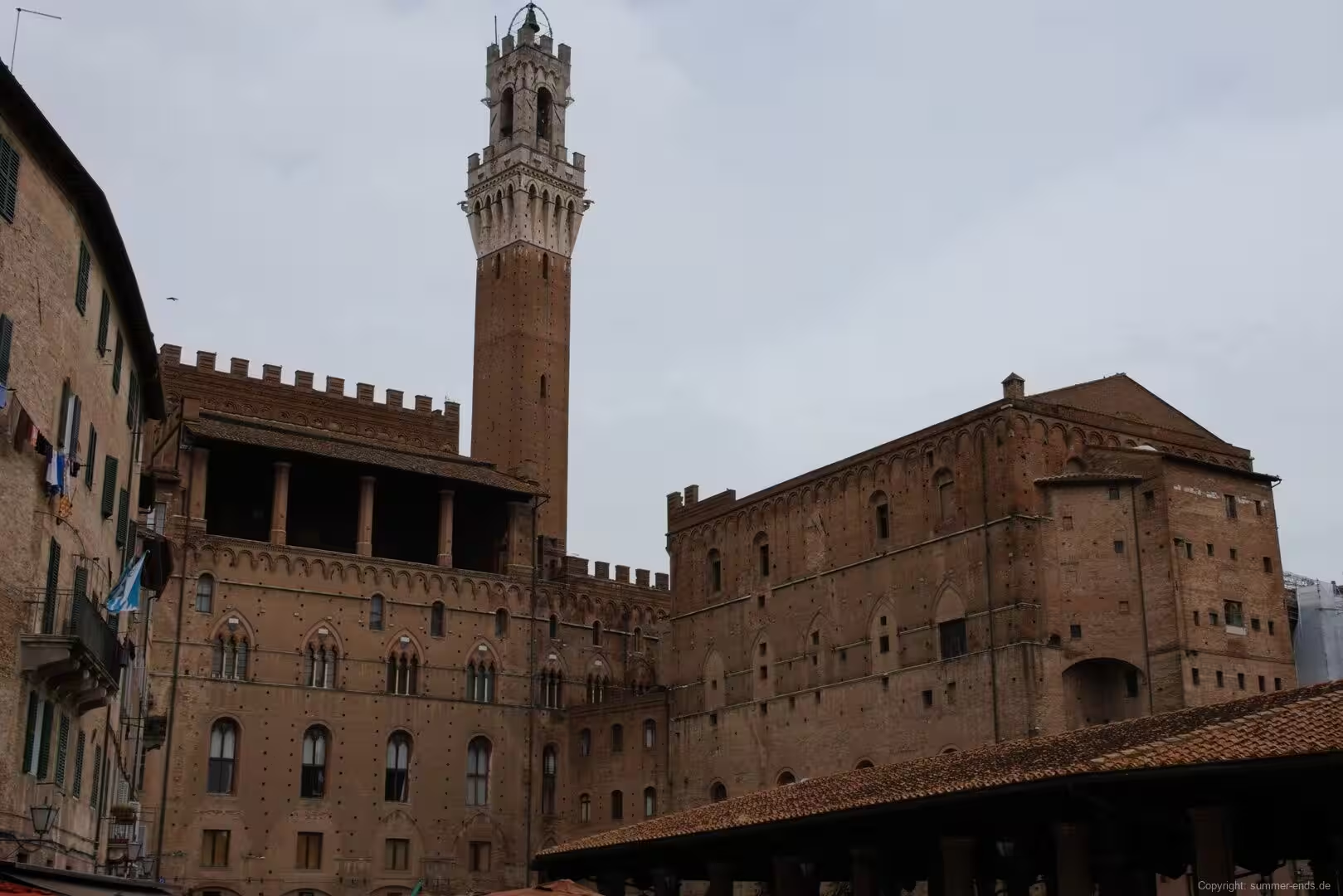
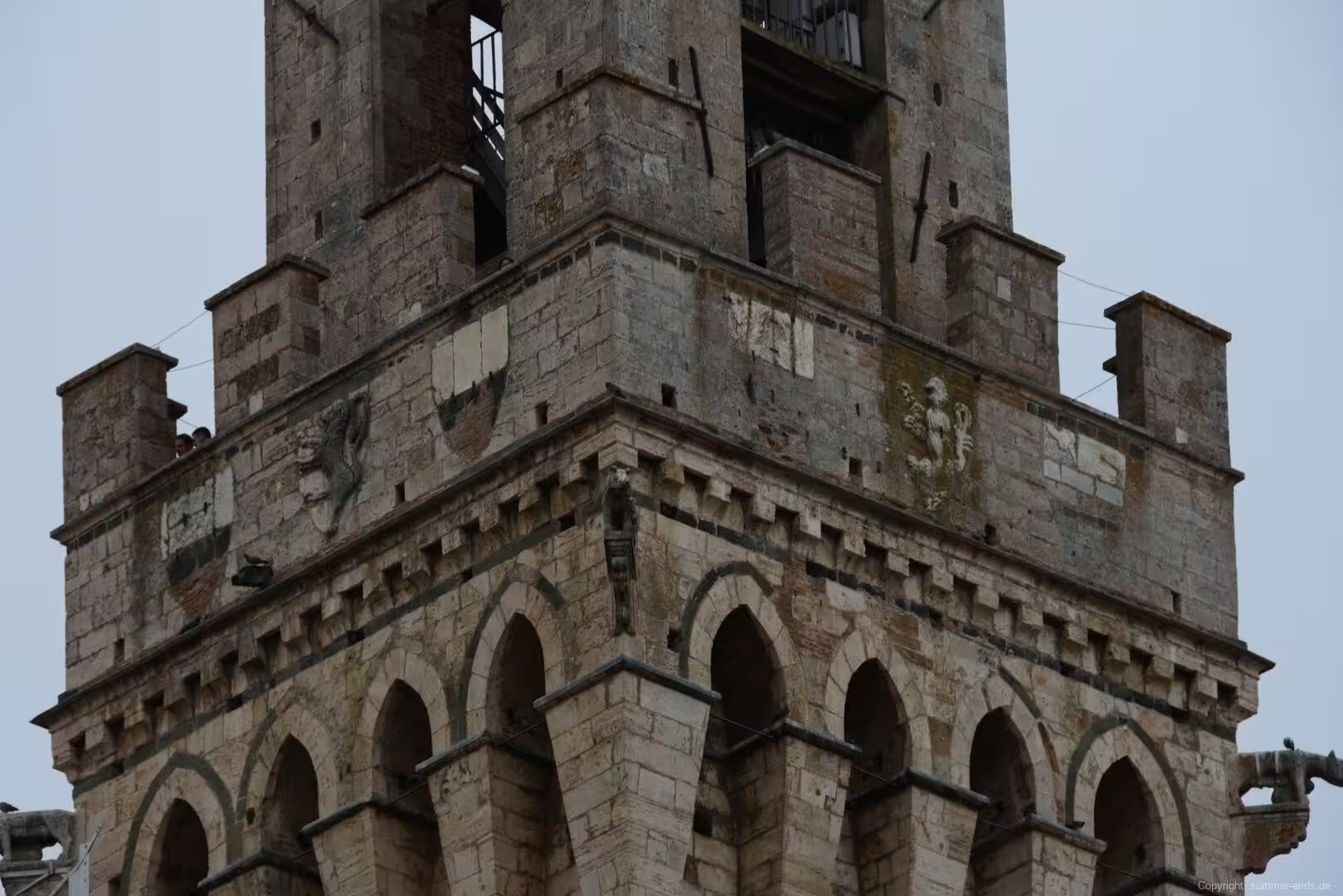
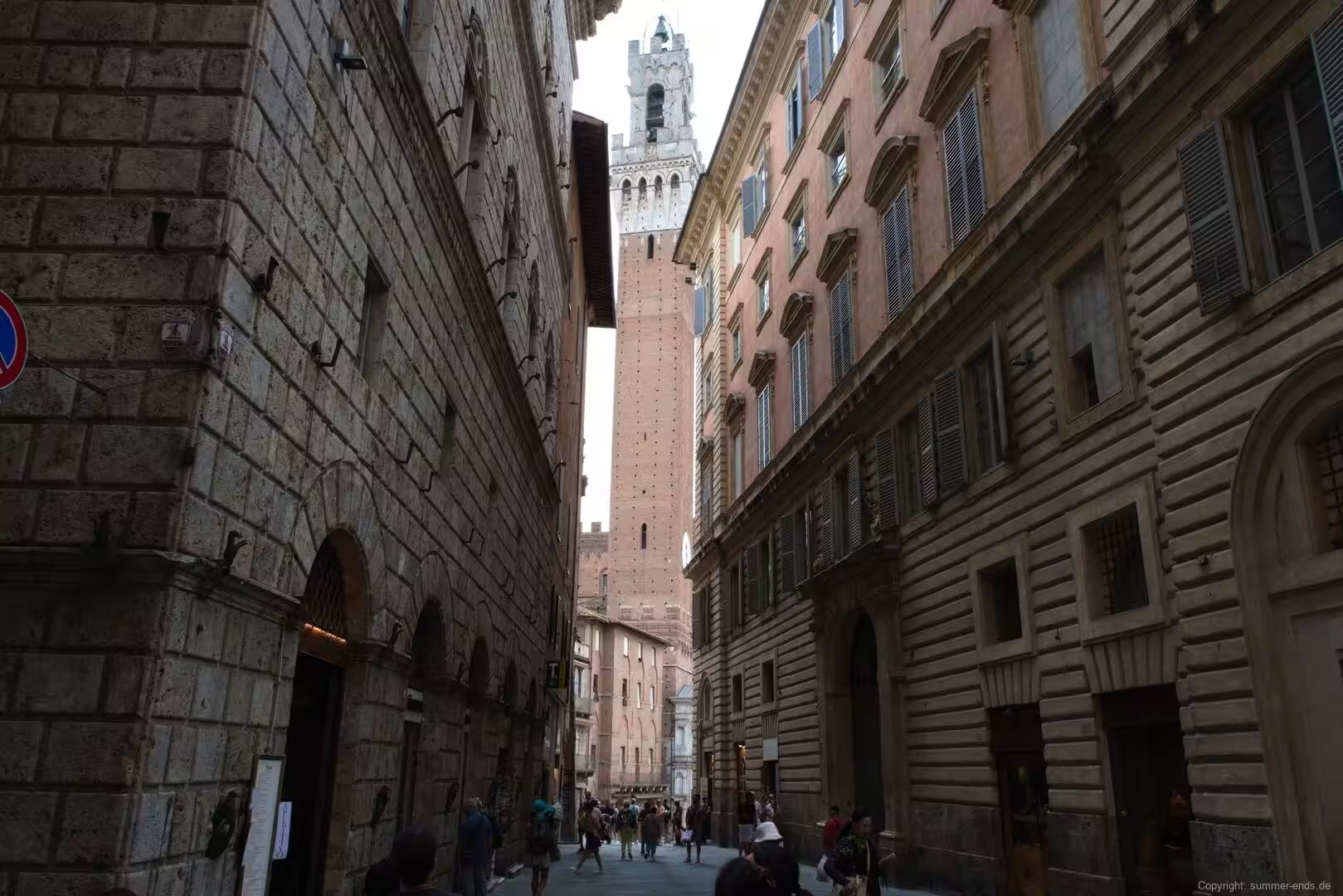
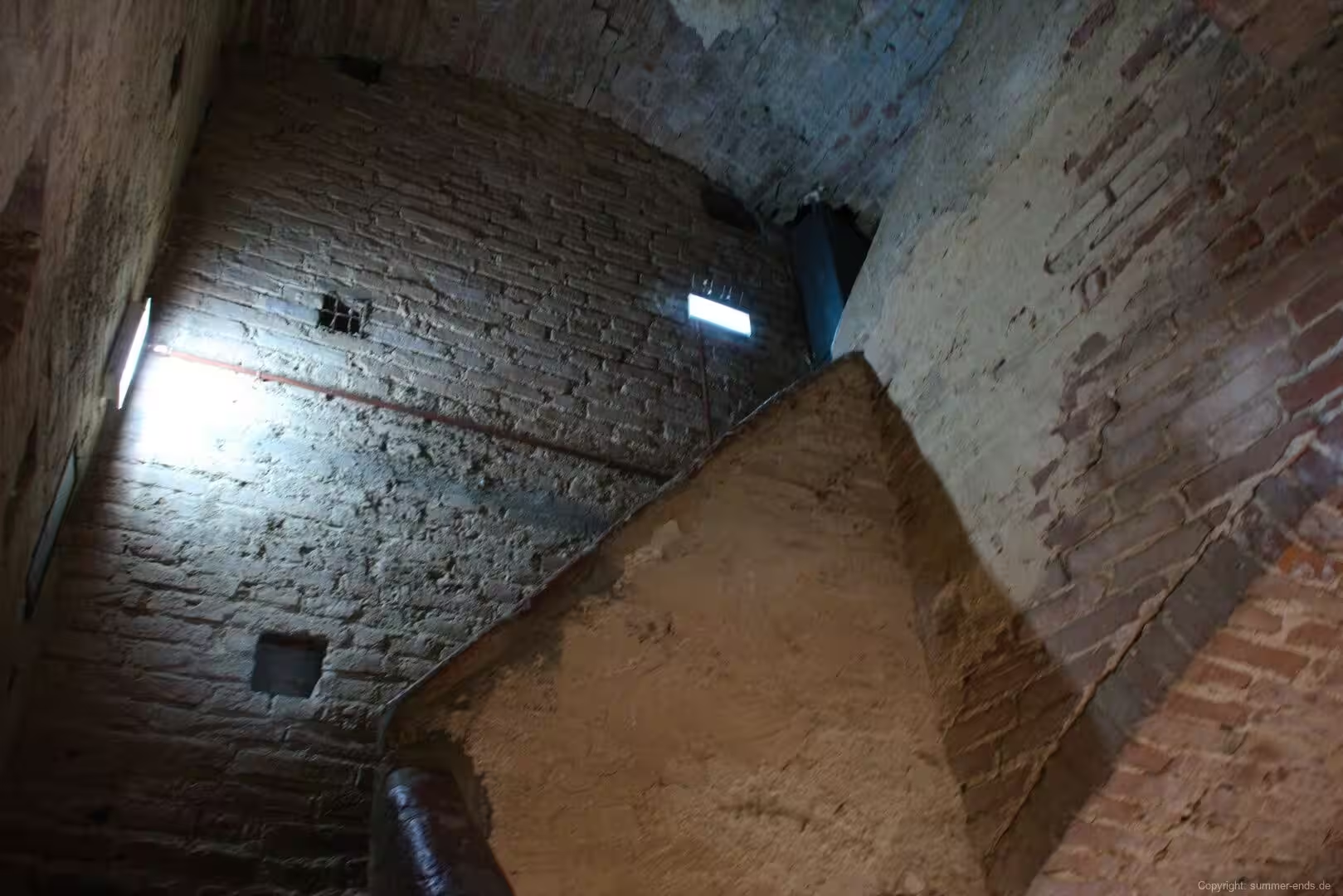
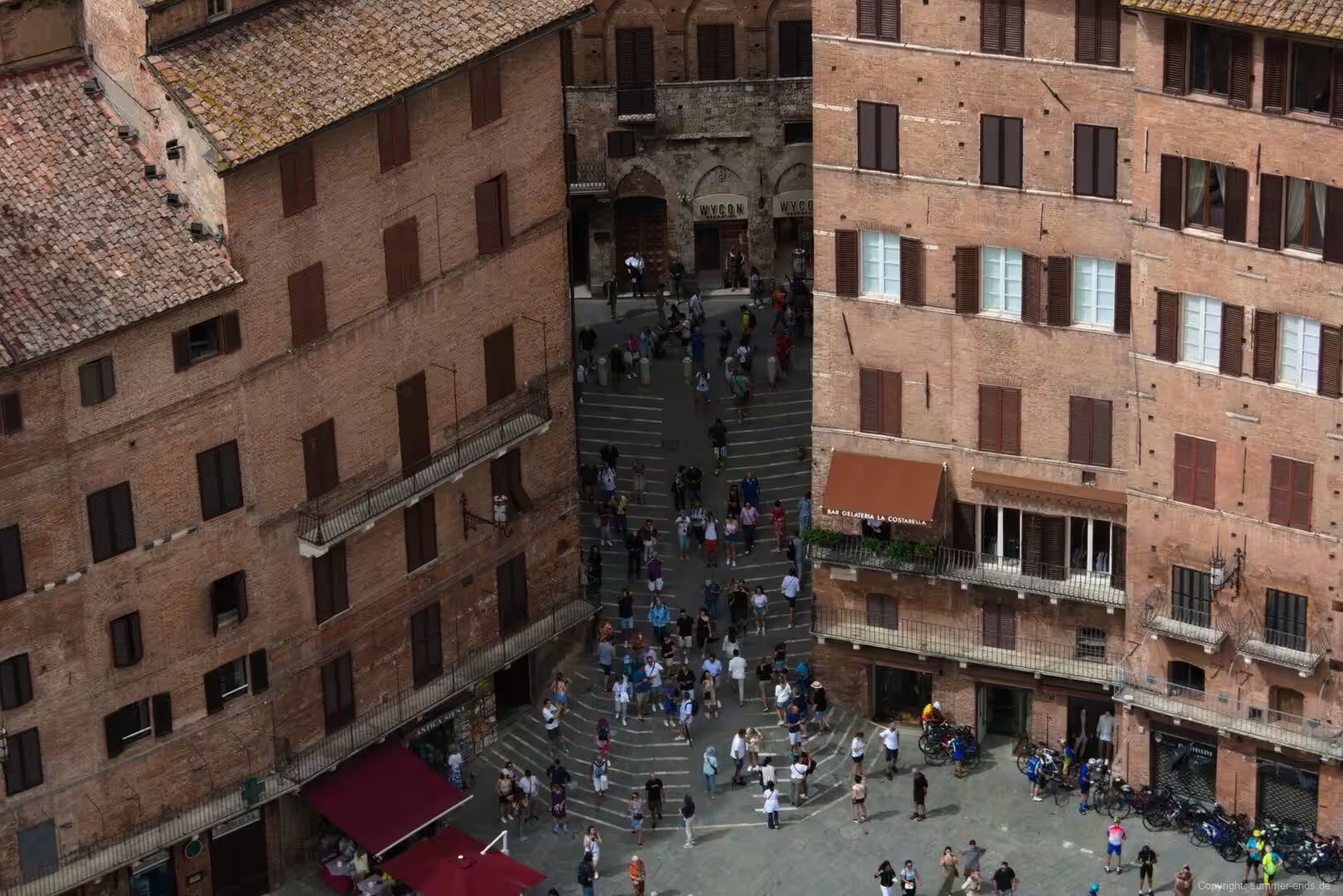
The Piazza del Campo, the heart of Siena, is one of the most distinctive public squares in Europe, a large shell-shaped space of brick with nine radial sections of paving, sloping gently toward the Palazzo Pubblico. The square is famous as the setting for the Palio, the twice-yearly bareback horse race held on 2 July and 16 August, in which the city’s contrade compete around the perimeter. The Palazzo Pubblico, the brick town hall begun in the late thirteenth century, dominates the square, and beside it rises the slender Torre del Mangia, begun in 1338 and one of the tallest medieval towers in Italy at about 102 metres, reached by steps climbed in a climb that offers a wide view over the city and the countryside below.
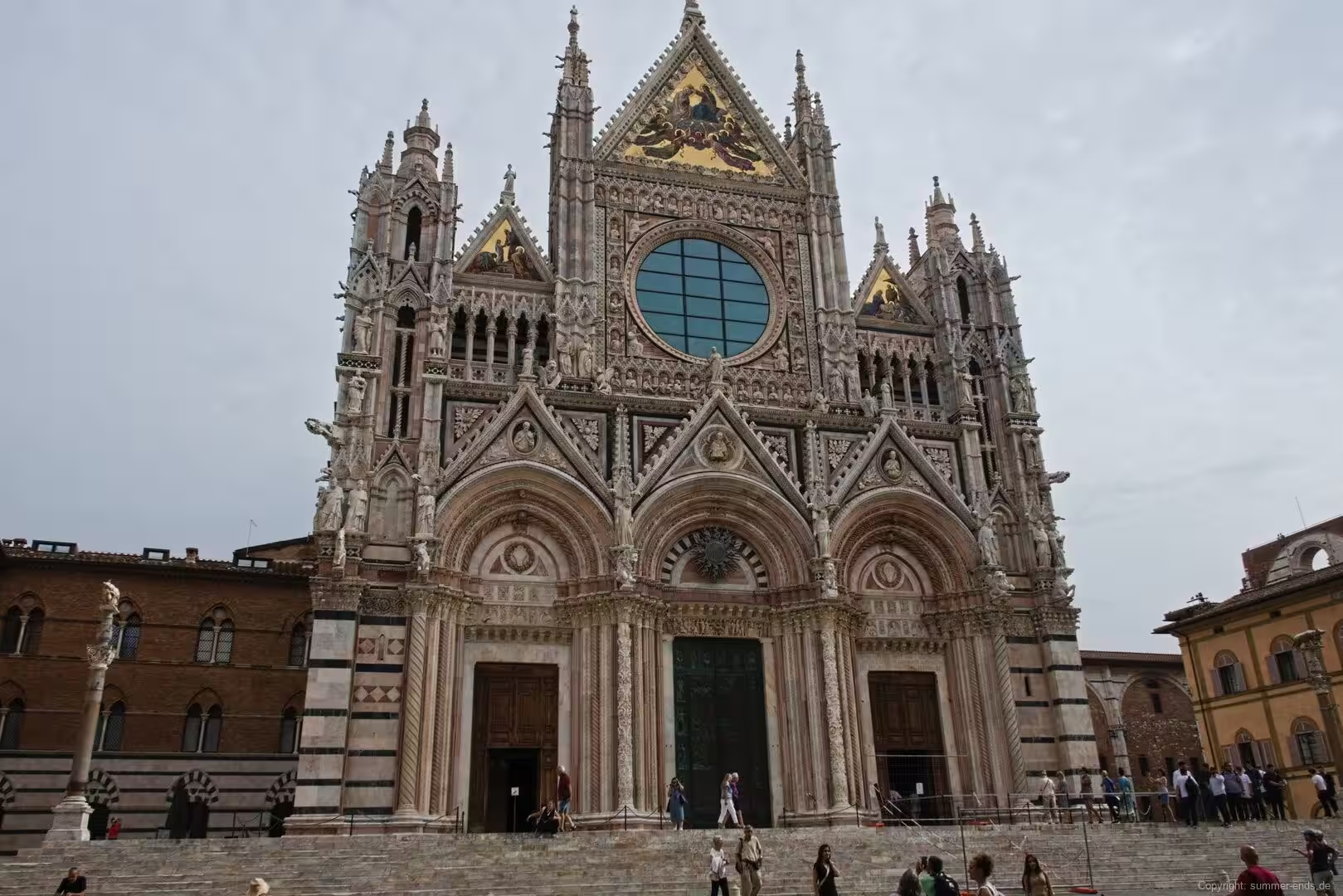
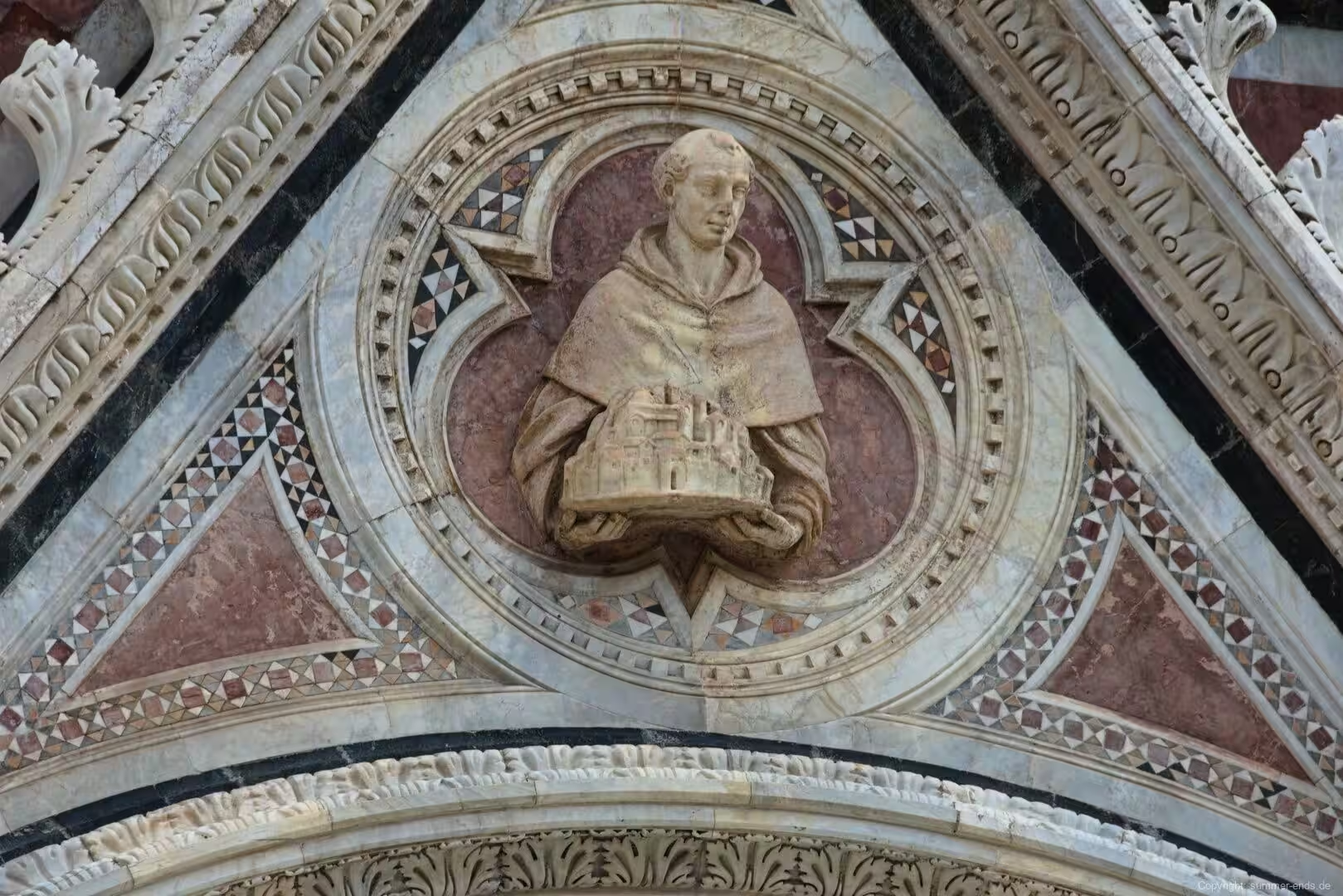
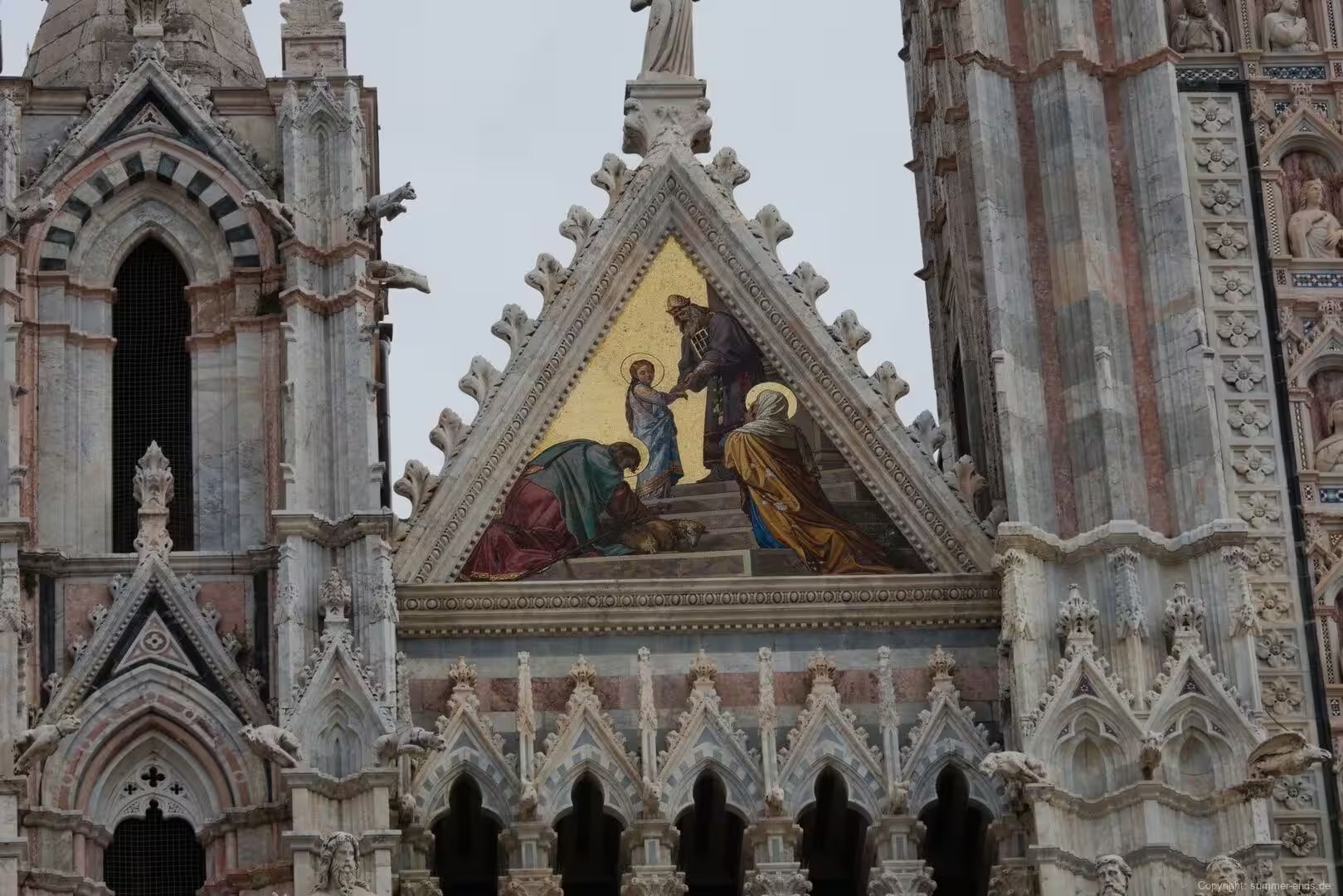
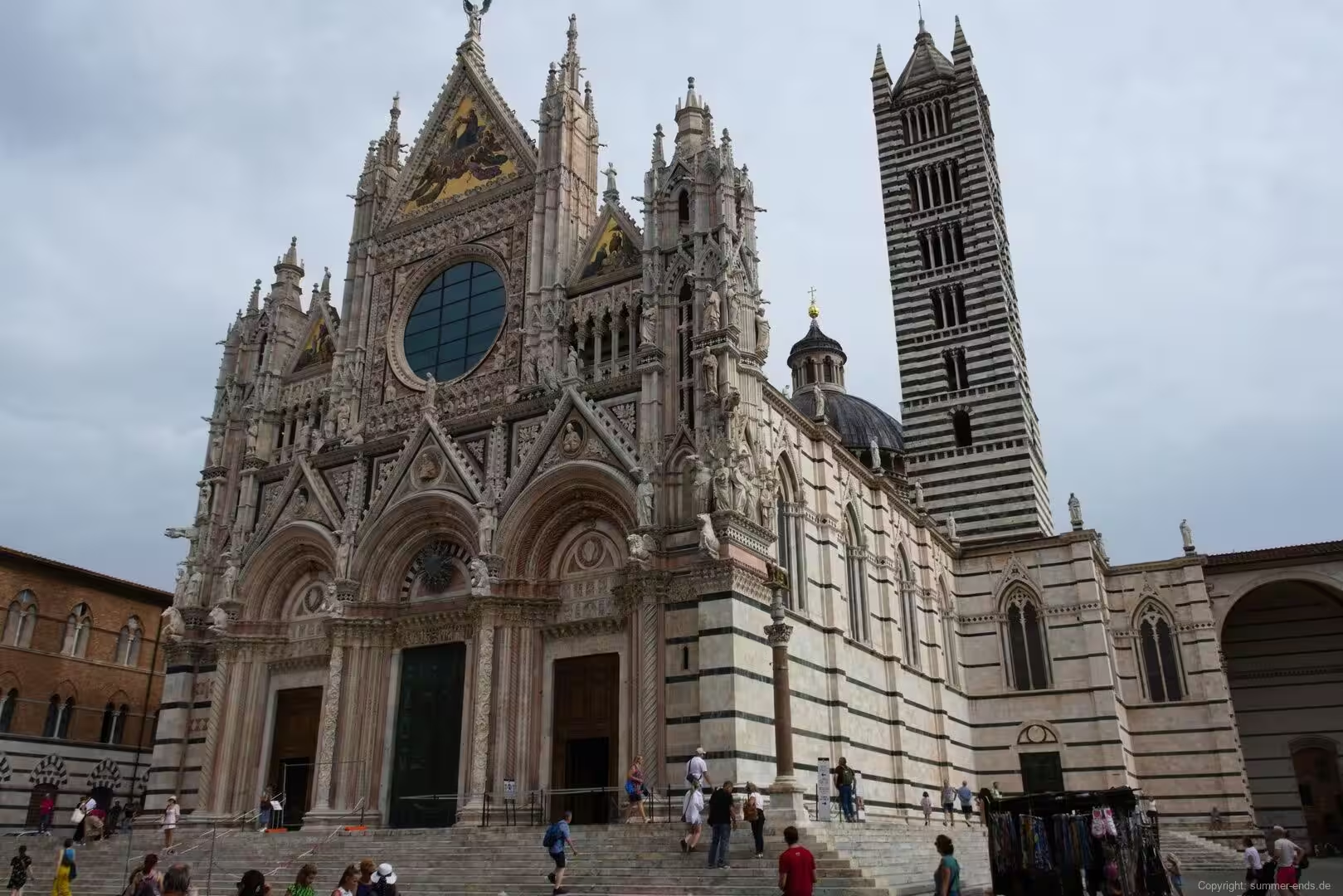
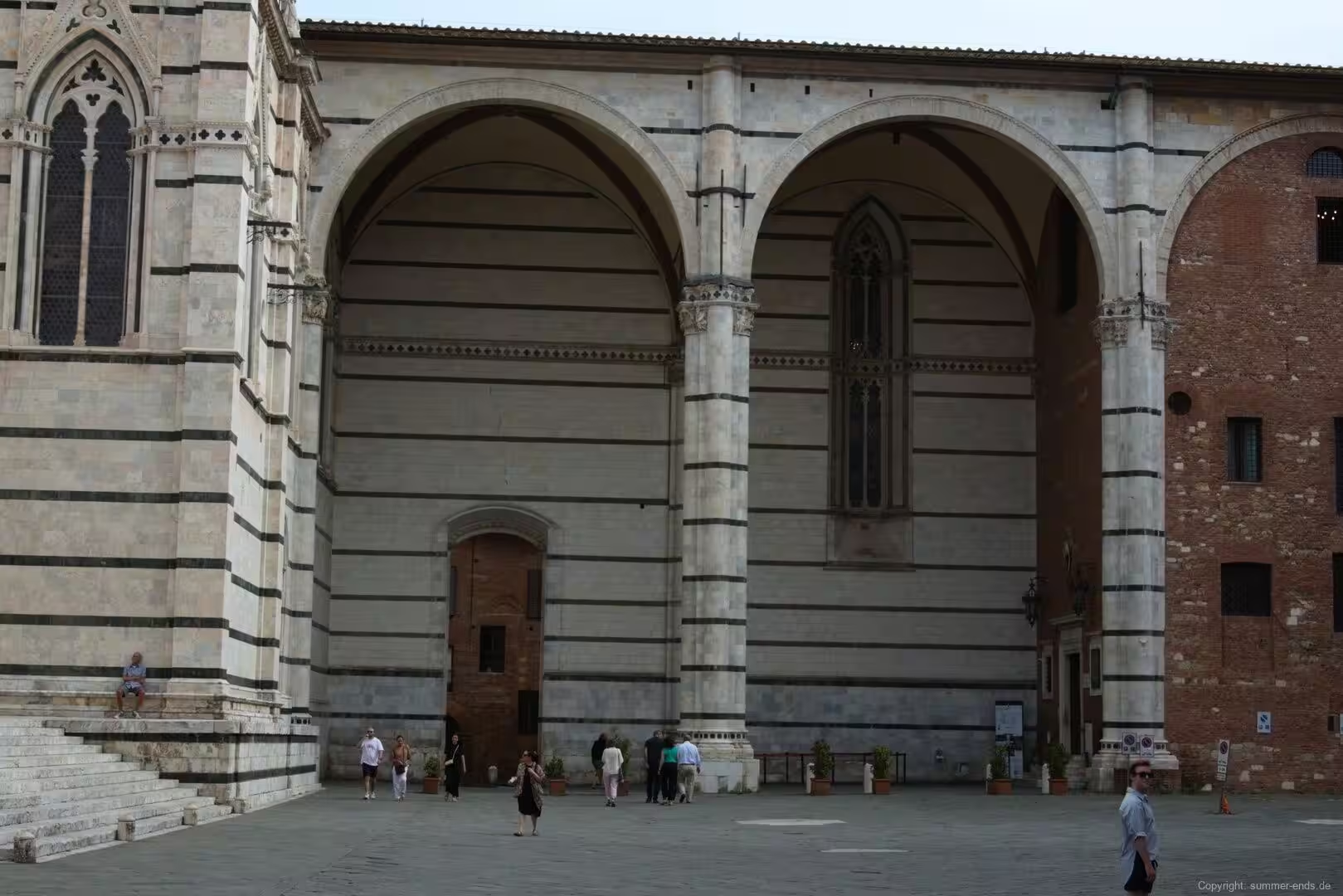
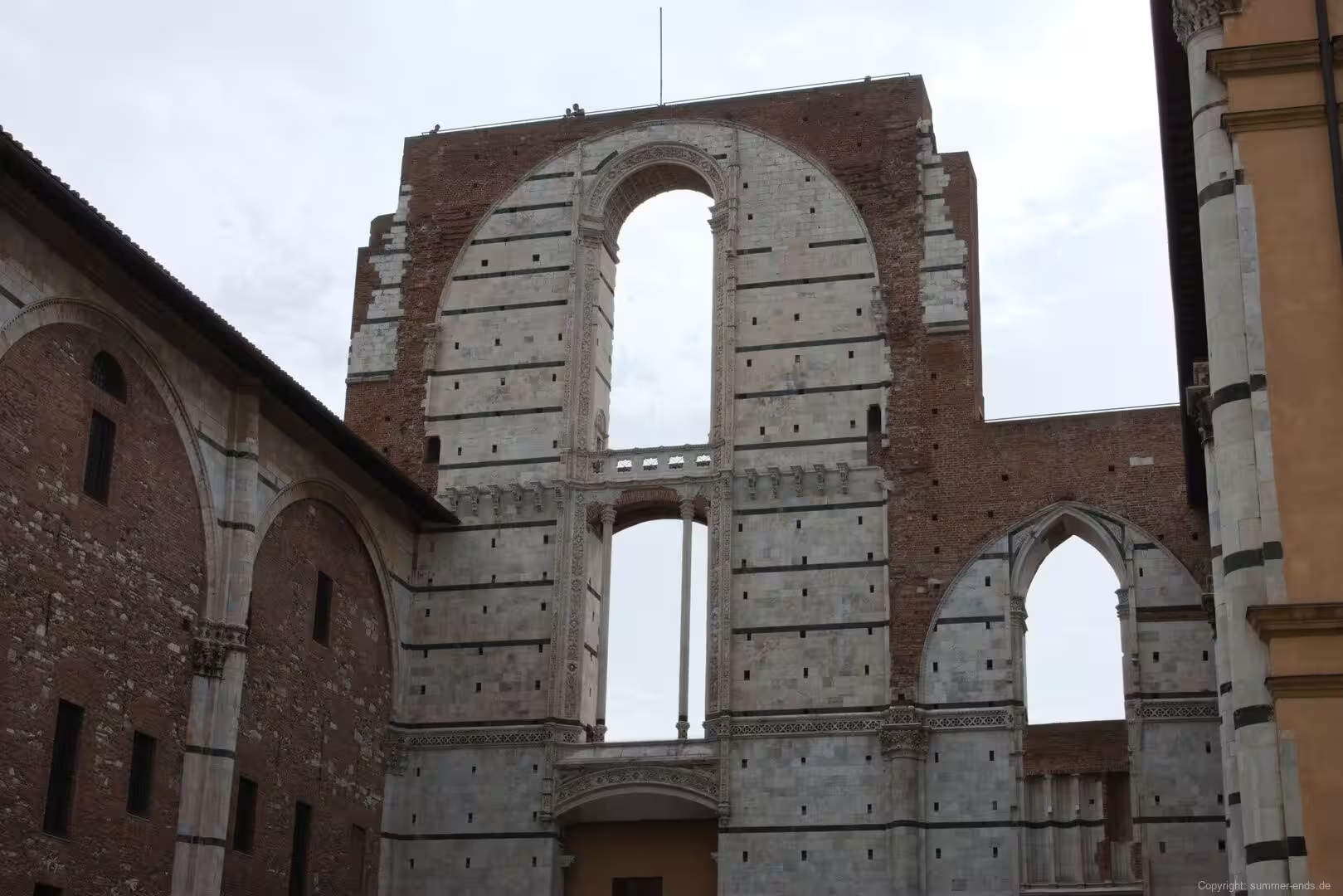
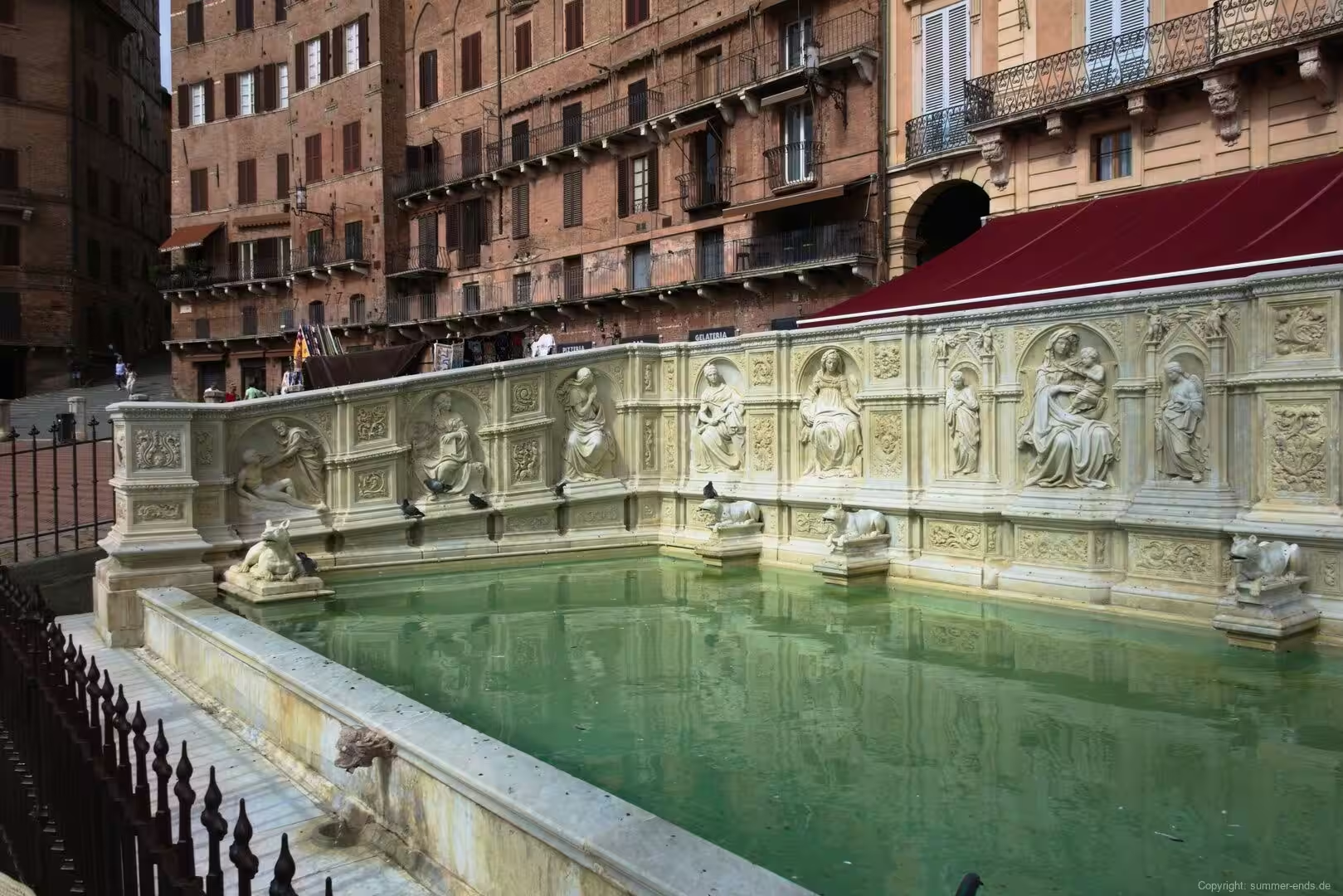
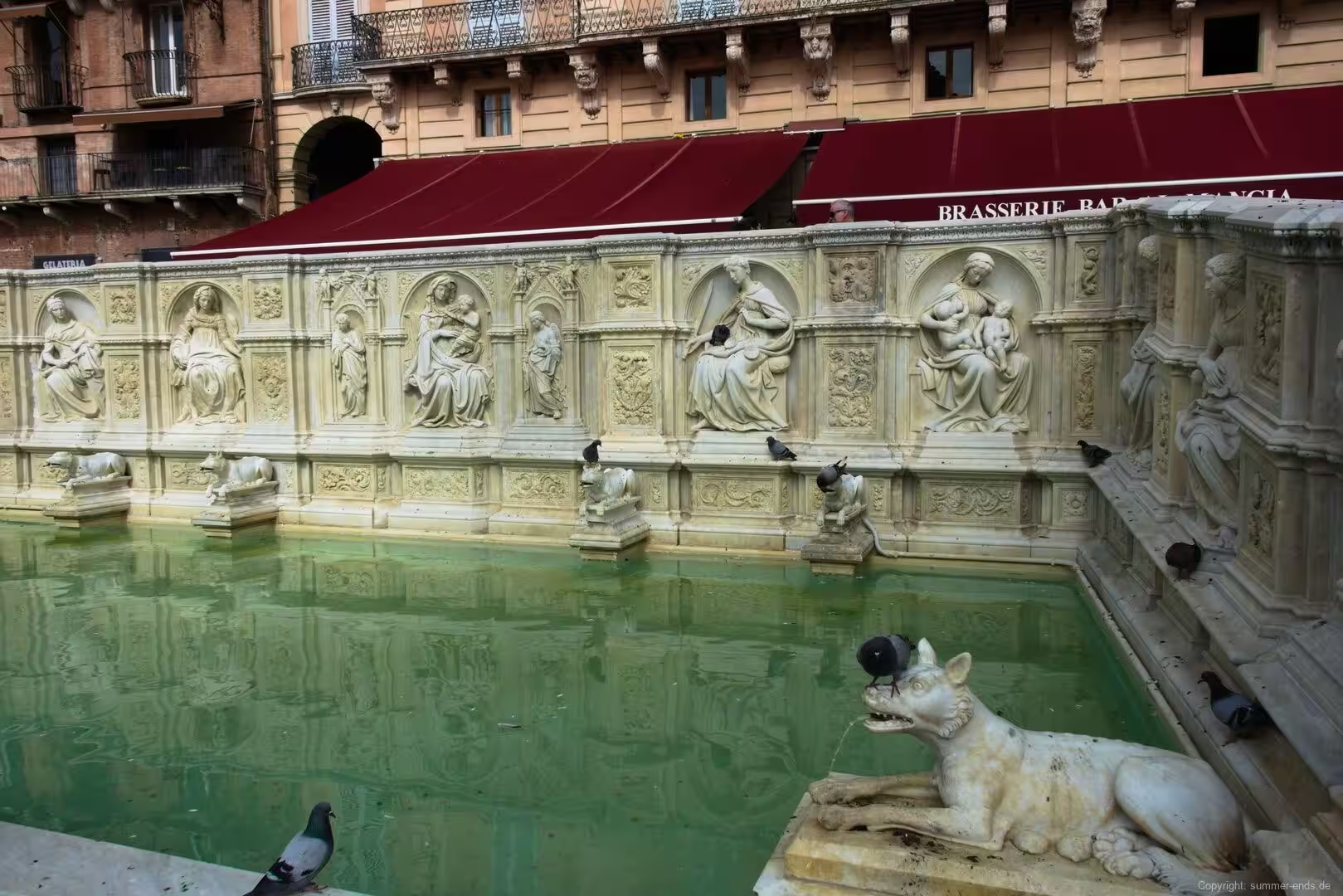
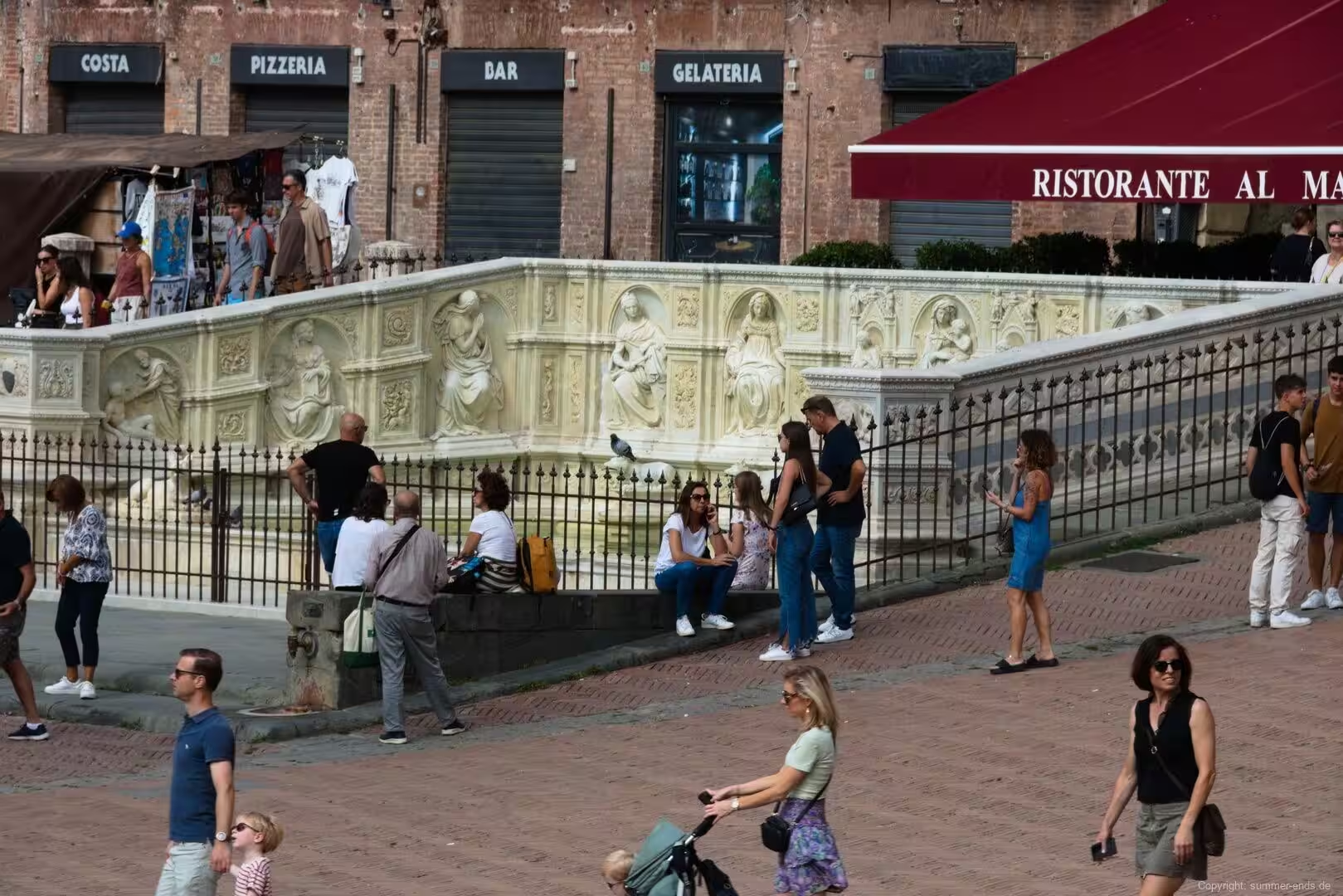
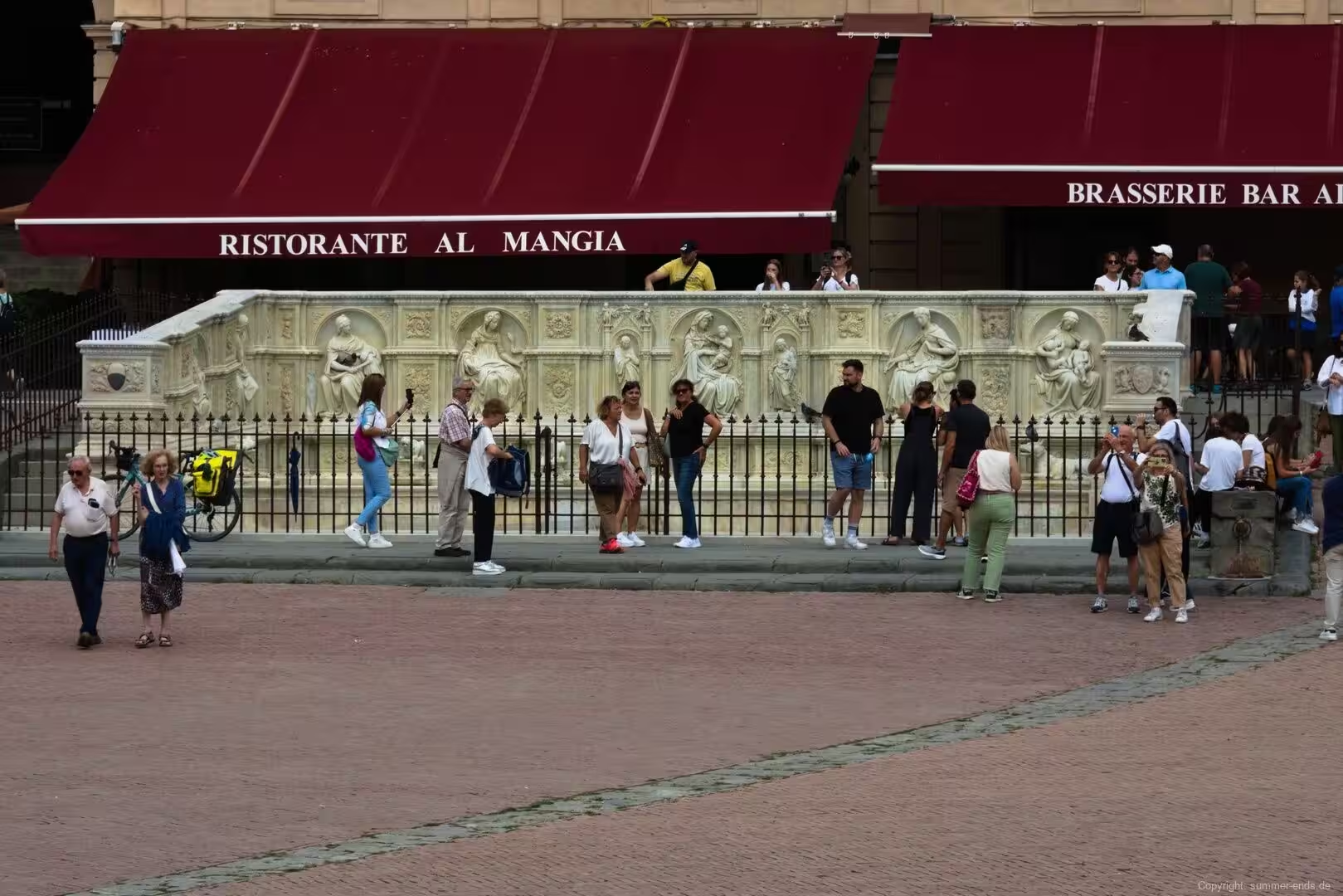
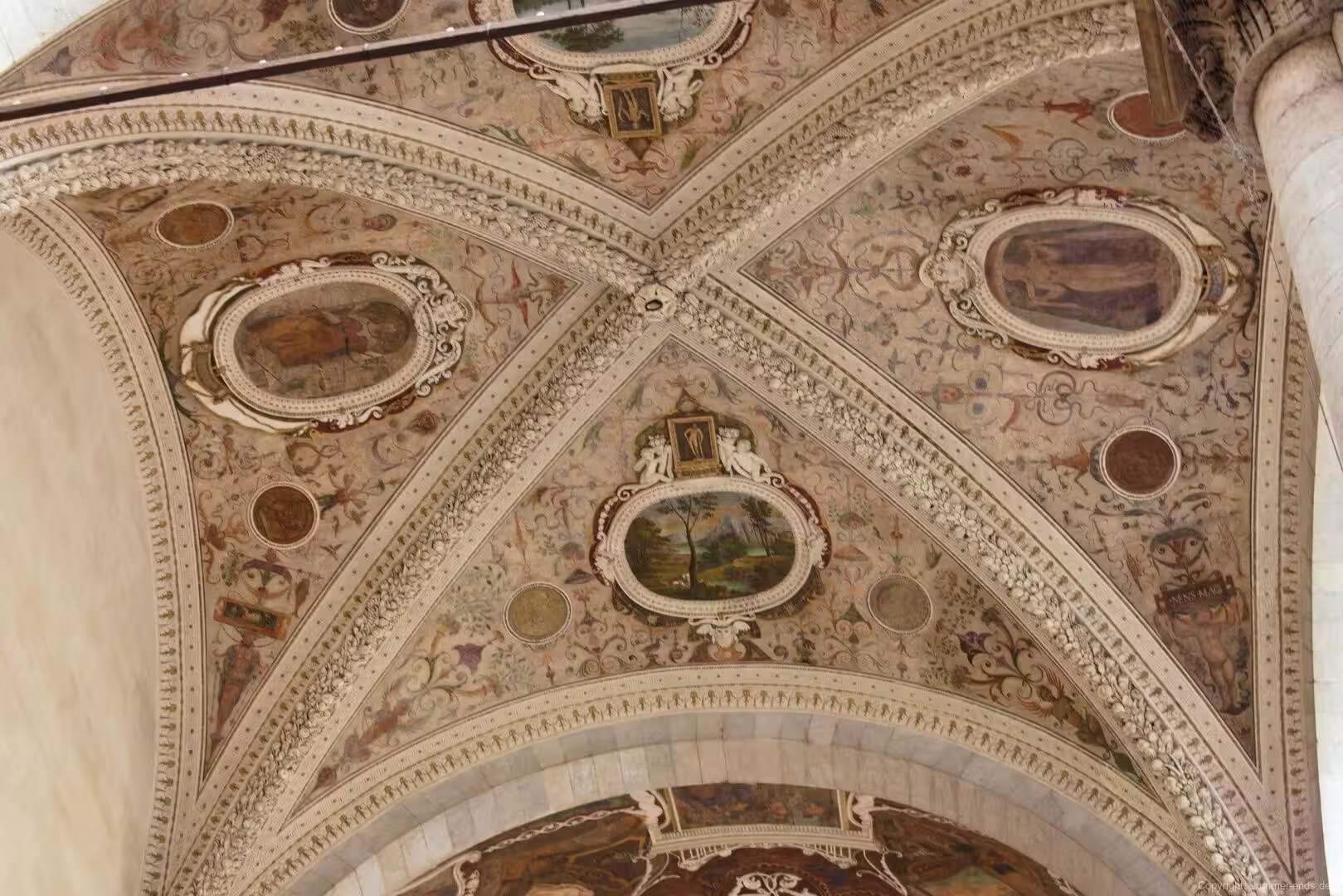
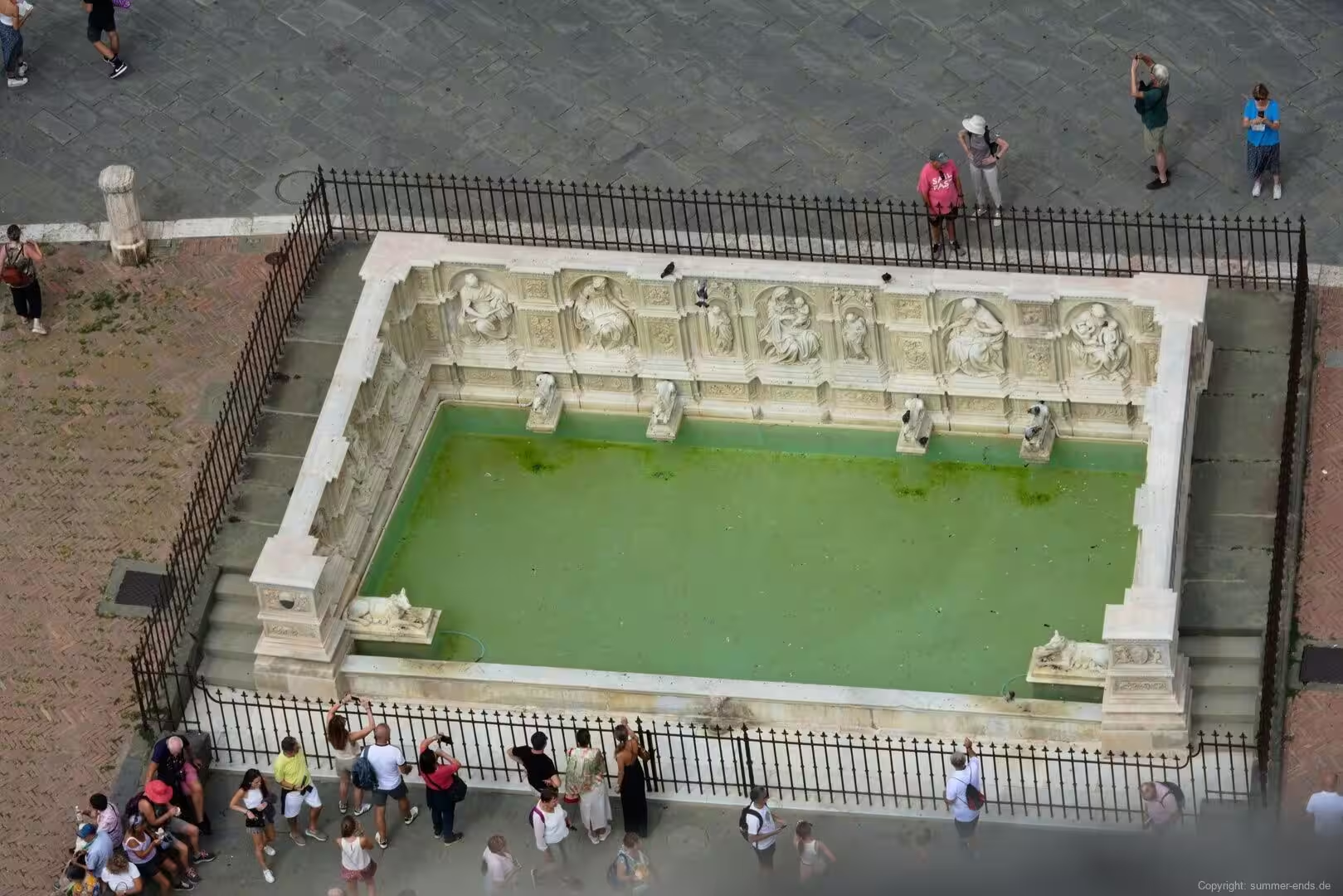
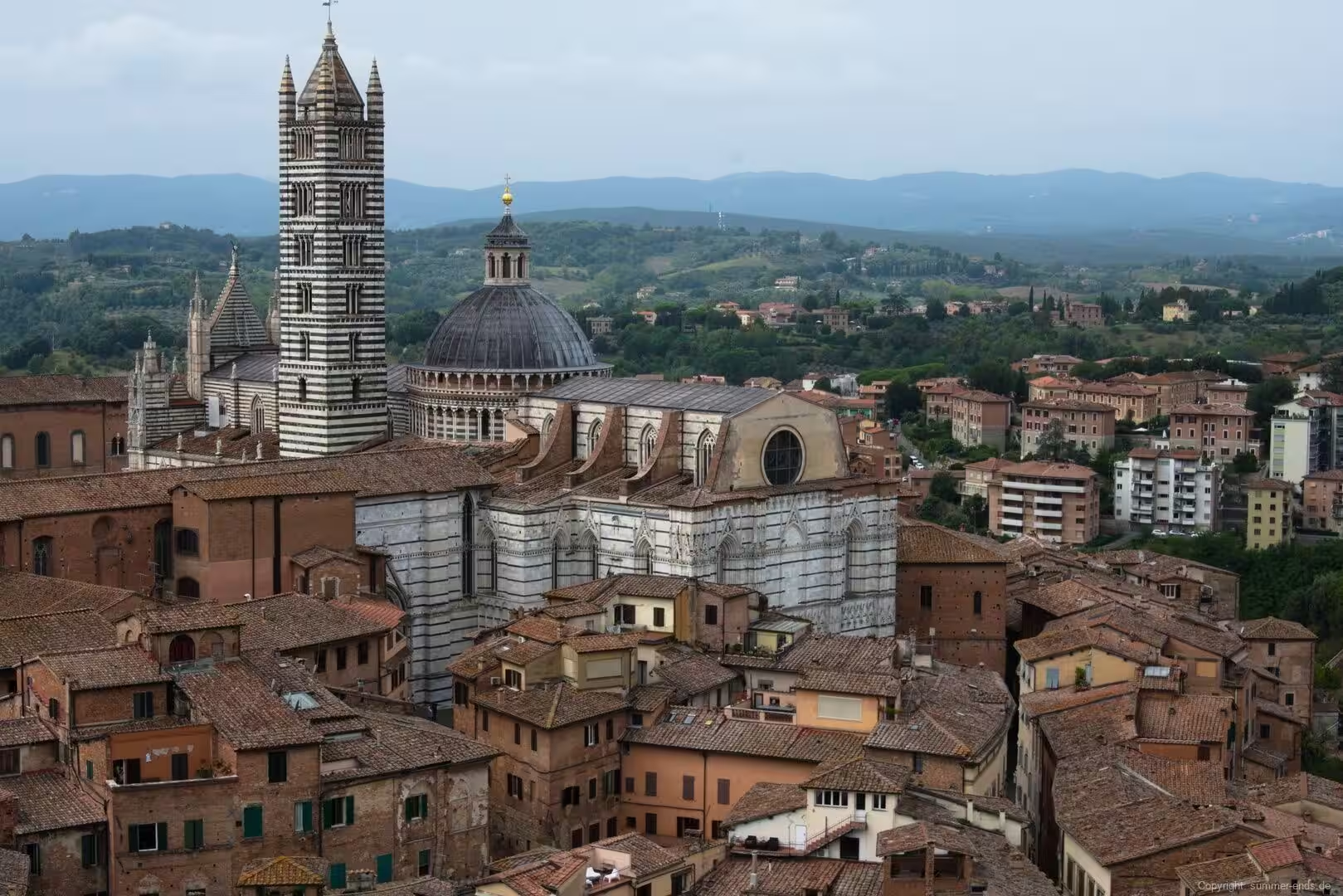
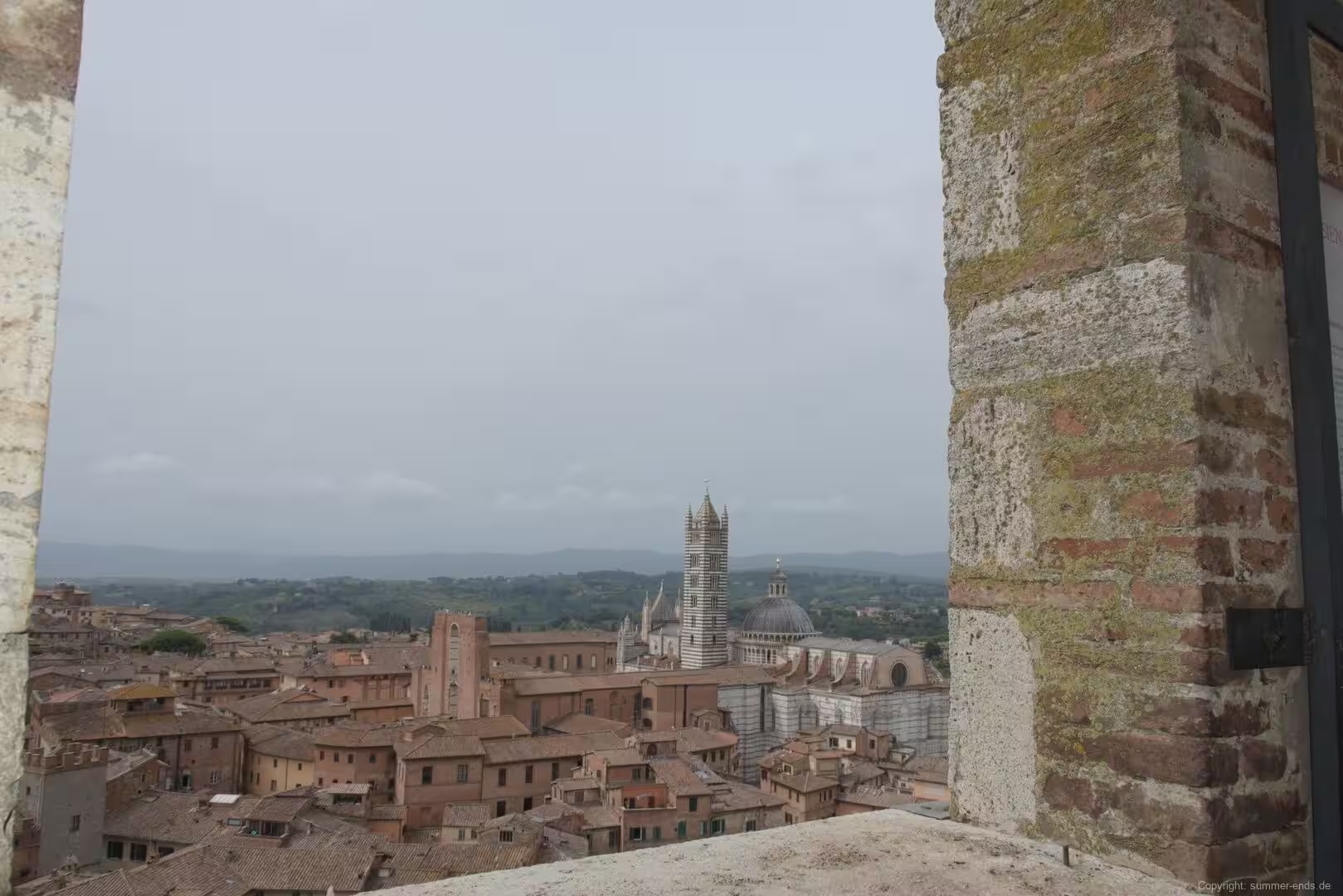
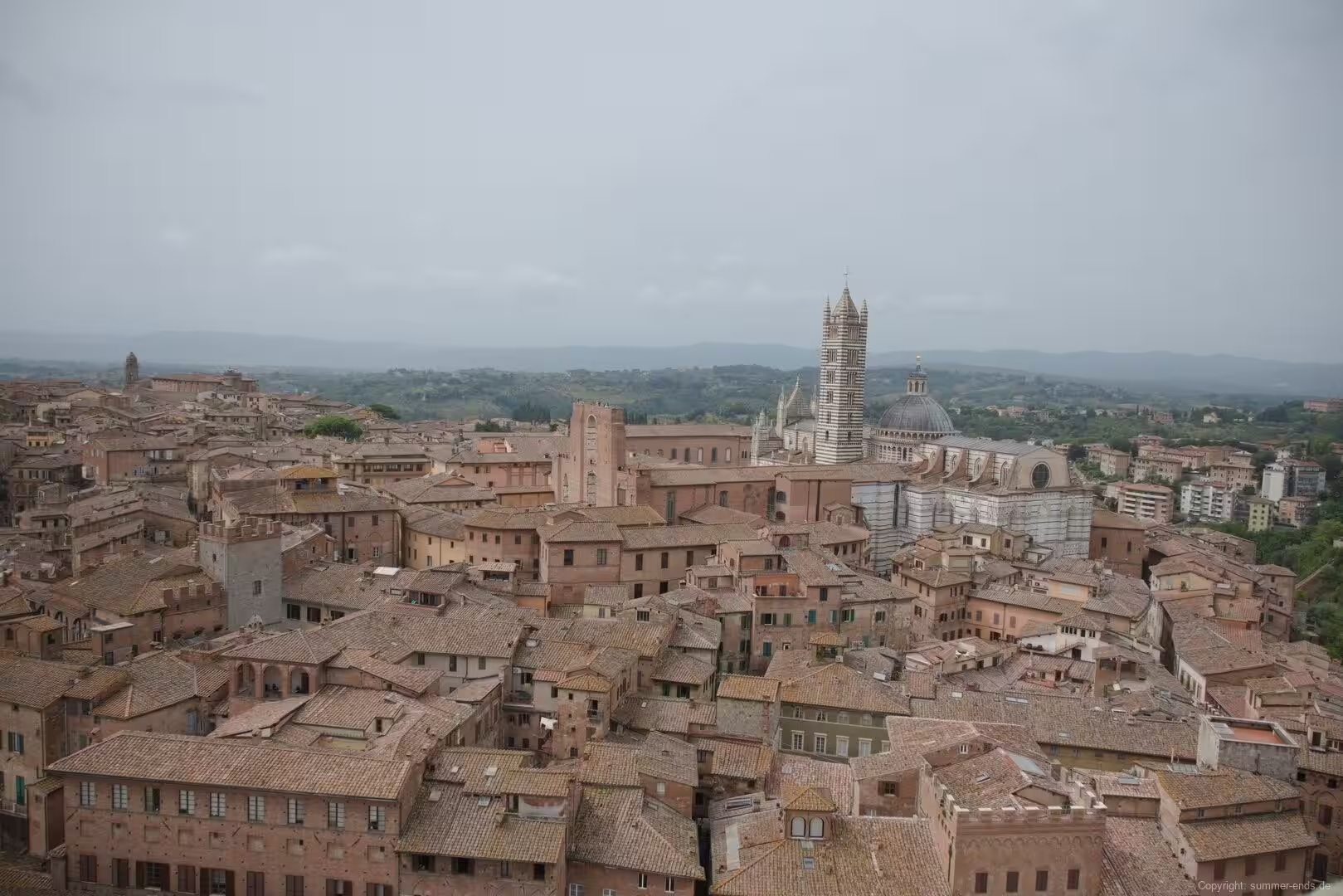
At the head of the Campo stands the Fonte Gaia, the public fountain carved by Jacopo della Quercia in the early fifteenth century and restored in the nineteenth, its sculpted reliefs and figures of the city’s protectors set around an elongated basin. The fountain draws on the water of the cistern system that still runs beneath the square. Beyond the square, the city’s medieval lanes climb the hill to the Cathedral of Santa Maria Assunta, a major example of Italian Gothic architecture begun in the thirteenth century. Its striking black-and-white striped marble facade, its mosaic-trimmed gable and campanile, the great open arches of the incomplete new nave, and the Piccolomini Library with its frescoes mark it as one of the great churches of Tuscany. Below and beside it stand the Baptistery of San Giovanni and the crypt, and the collection of the cathedral museum. The Palio, run on 2 July and 16 August, consists of a circuit of three laps of the Campo, preceded by the historic procession of the contrade, and its preparations and the celebration of the winning district shape the life of the city throughout the year.
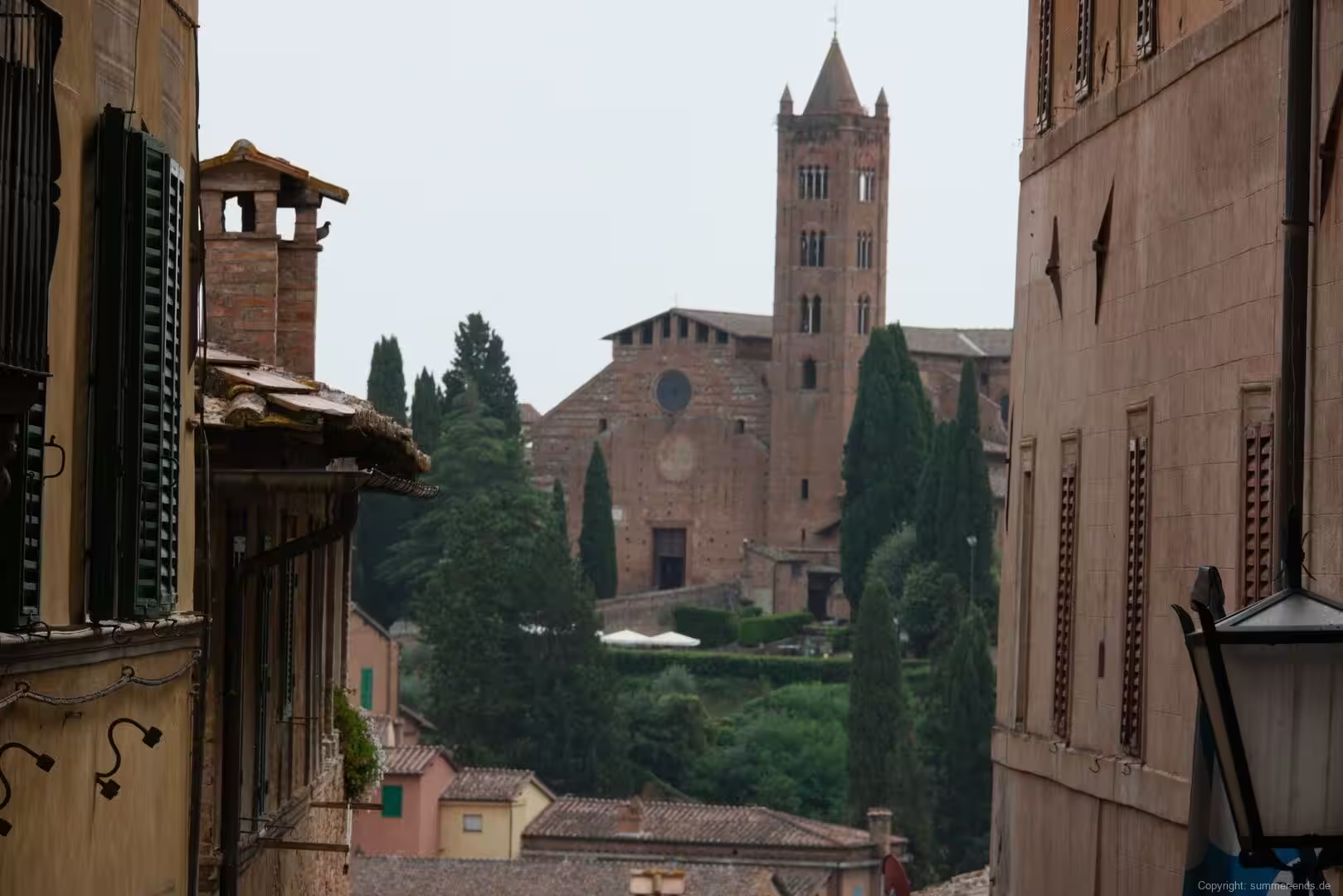
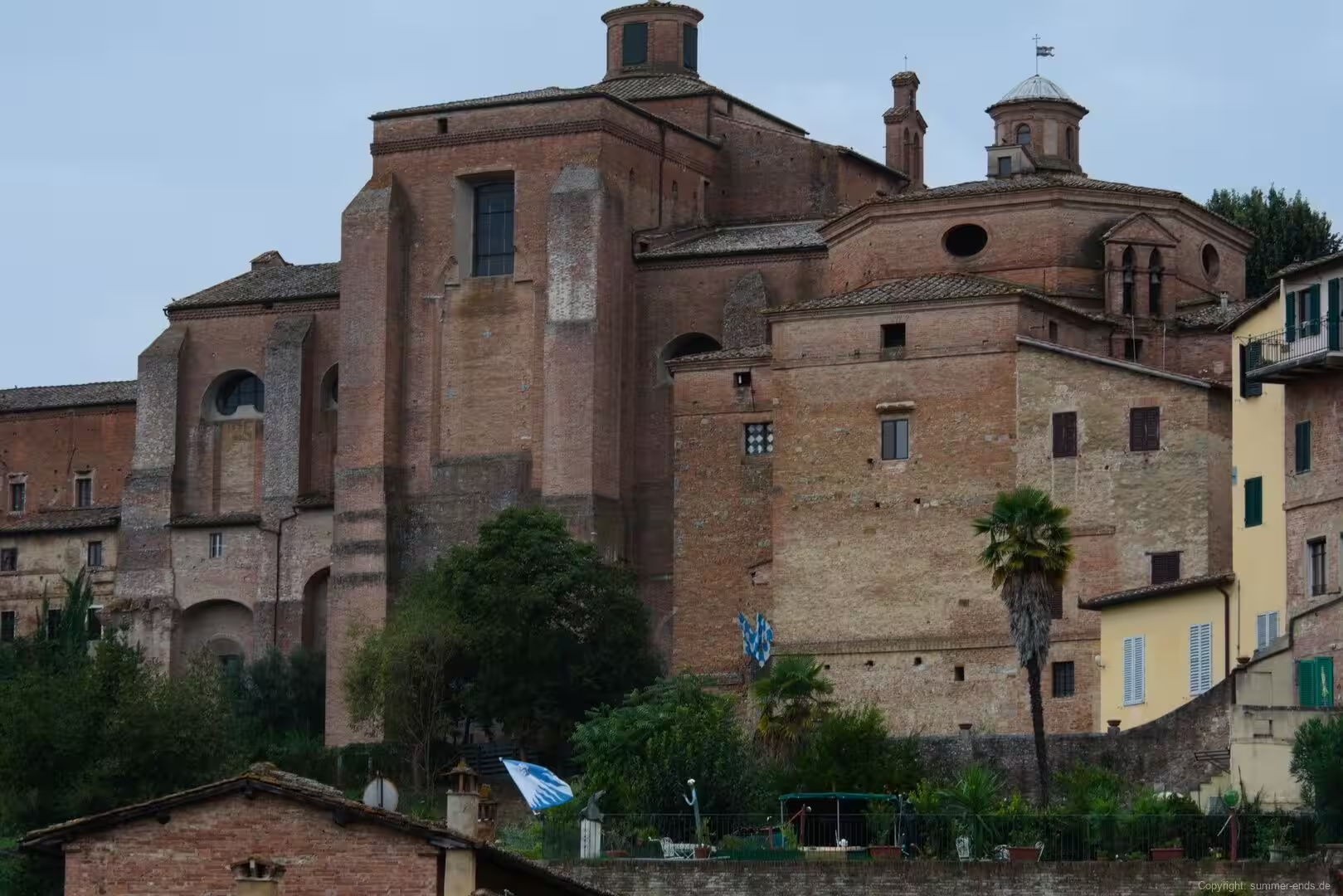
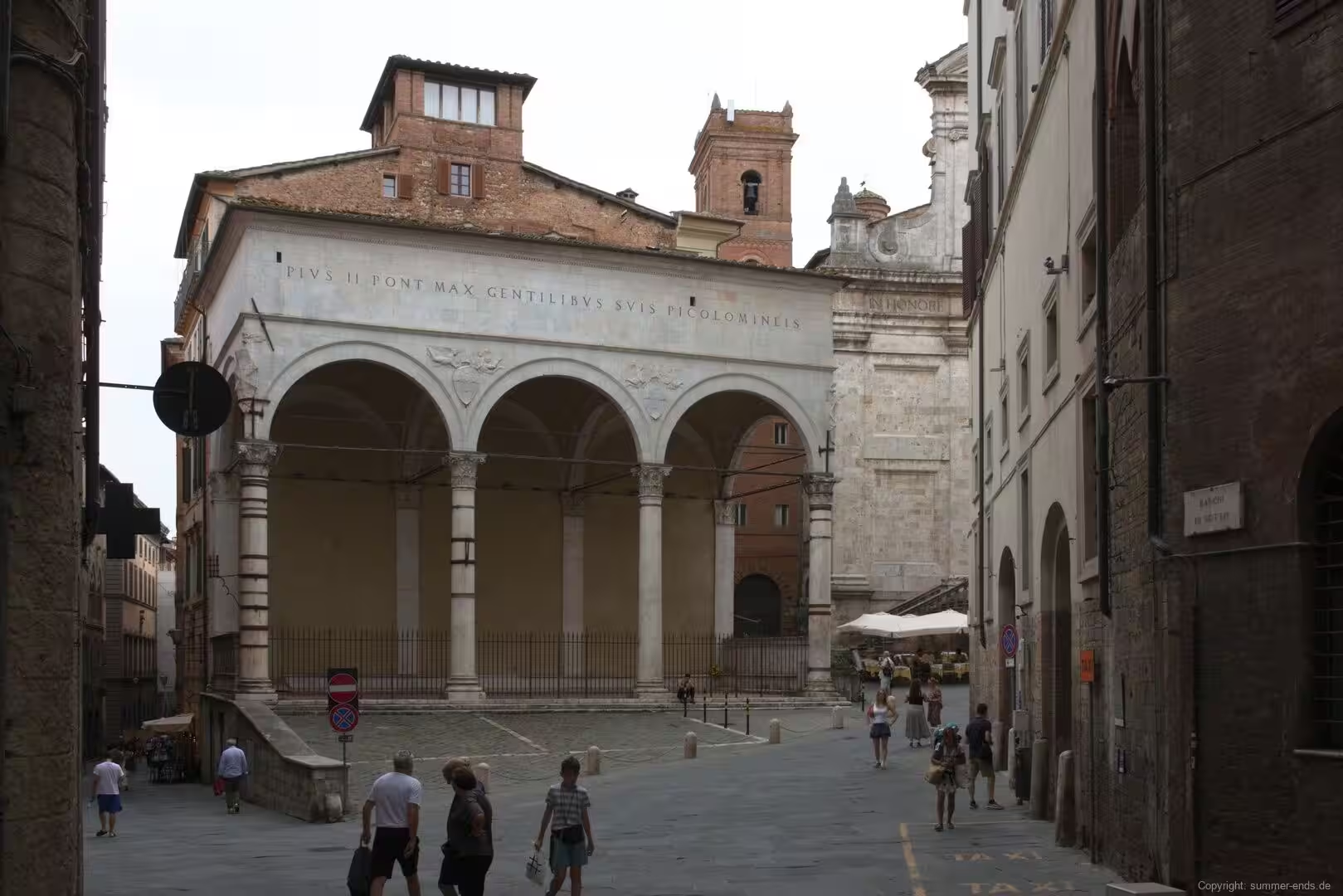
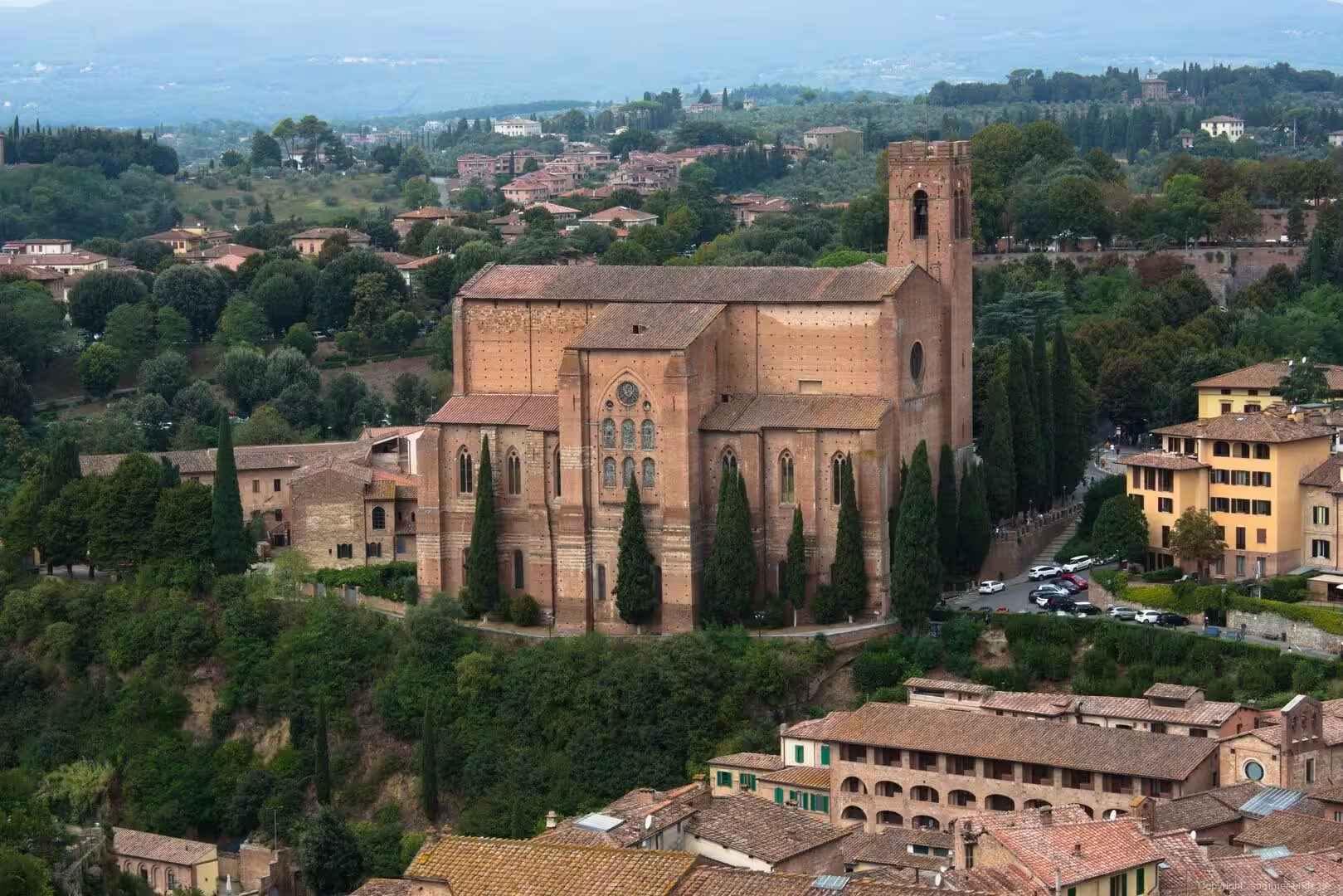
The civic and religious centre is surrounded by the preserved fabric of the medieval city, the streets of brick and stone, the palazzos and the villas of the surrounding countryside. The Biblioteca Piccolomini, the Museo Civico in the Palazzo Pubblico, the Pinacoteca Nazionale and the Santuario di Santa Caterina, and the Romanesque basilicas of San Domenico and San Francesco, illustrate the city’s artistic and spiritual history. The Museo Civico holds the celebrated cycle of frescoes of Good and Bad Government by Ambrogio Lorenzetti, painted in the late 1330s for the Sala dei Nove, among the most important civic paintings of the Middle Ages, and the same rooms display the altarpieces and the political imagery of the commune.
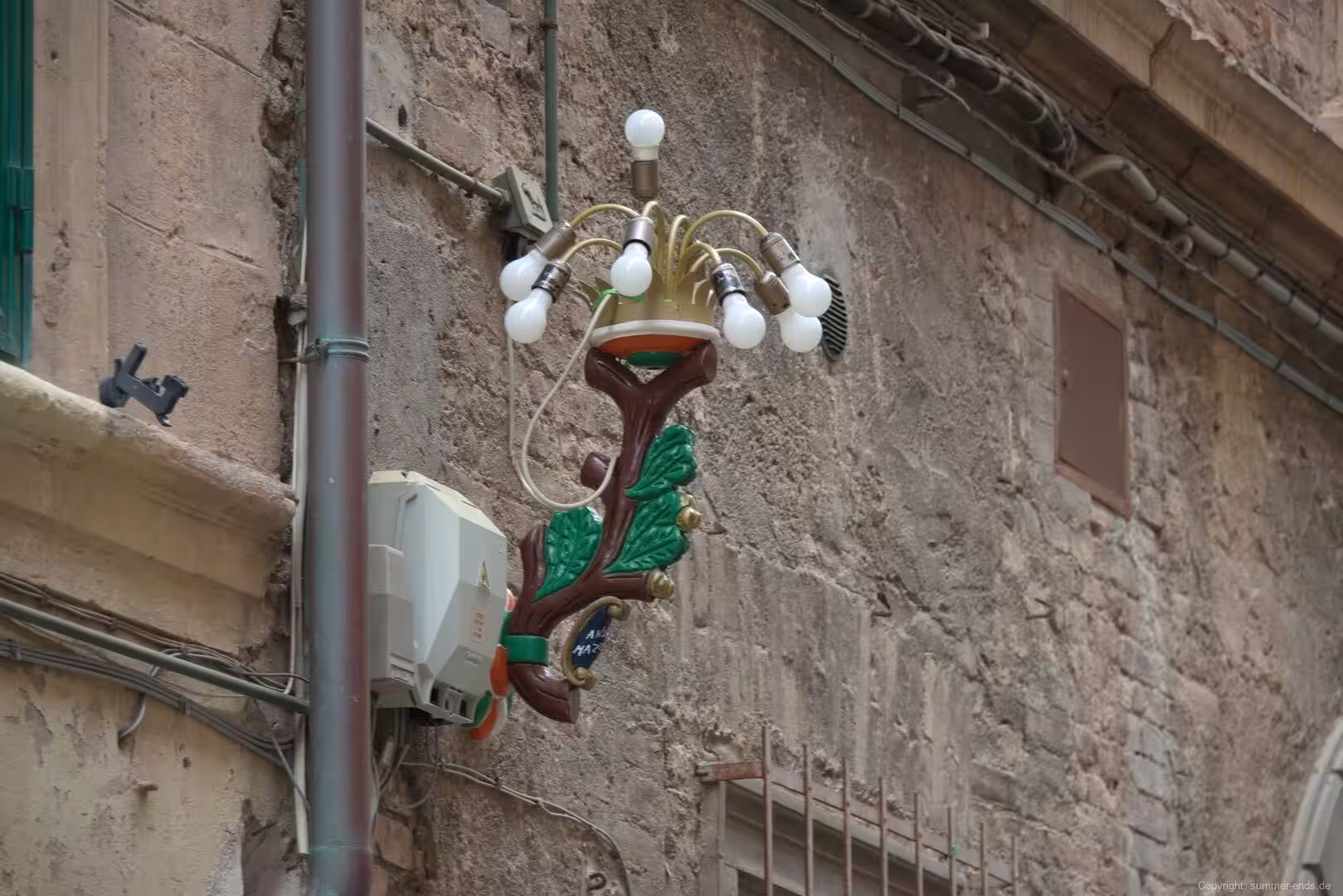
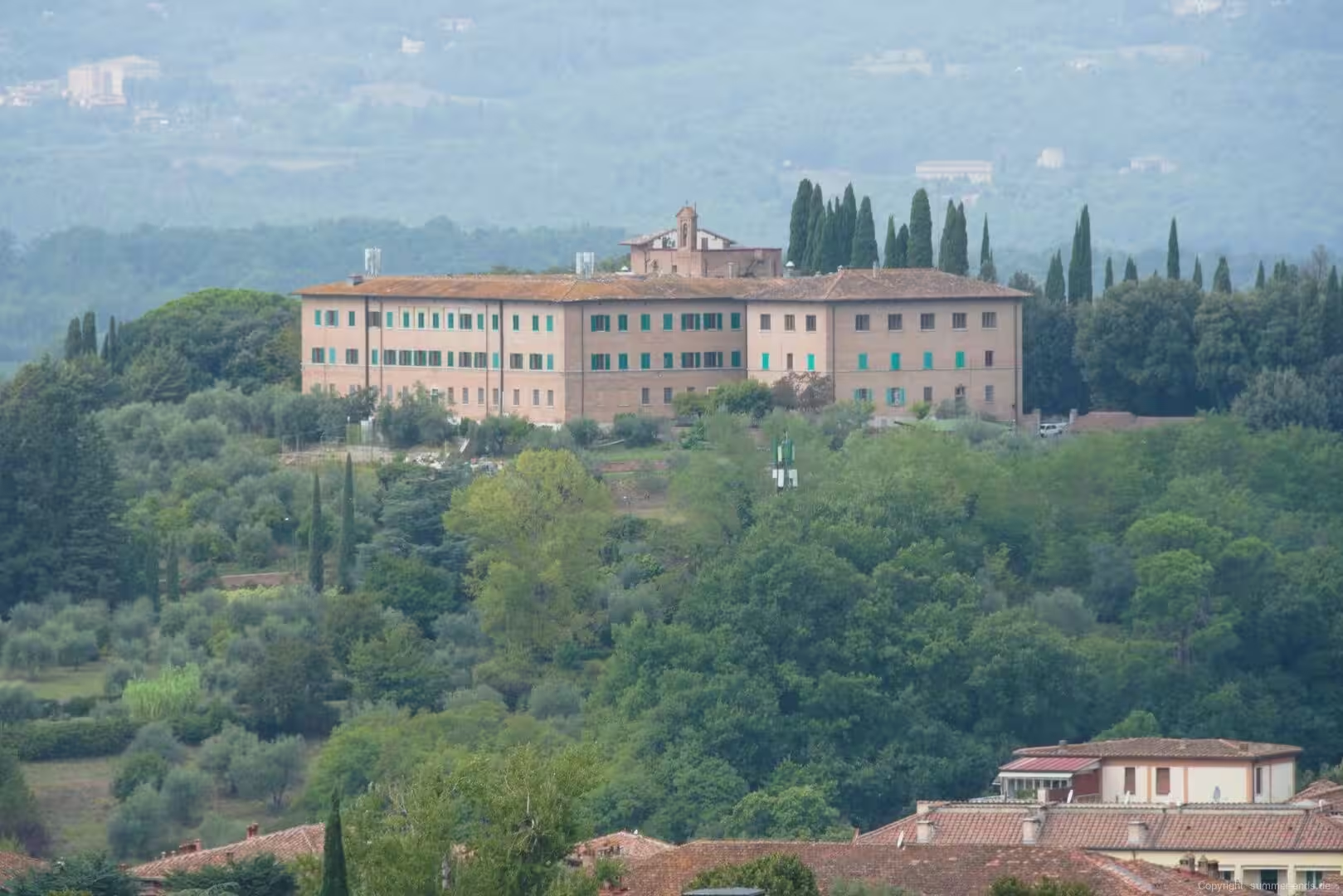
Beyond the walls, the hill roads and the countryside of the Crete Senesi, with its farmhouses and views toward the fields and the distant hills, reveal the close relationship between Siena and the landscape that sustained it. The surrounding villages, the fortified borghi and the abbey of Monte Oliveto Maggiore, the monastery of the Olivetan order in the clay hills, and the landscape of the Val d’Orcia toward San Quirico and Pienza extend the city’s heritage into the wider territory. The district known as the contrade, whose competition and devotion to their own quarters, emblems and palios shape the life of the city, gives Siena its distinctive social geography, with each of the seventeen districts tracing its identity through the medieval and modern period.
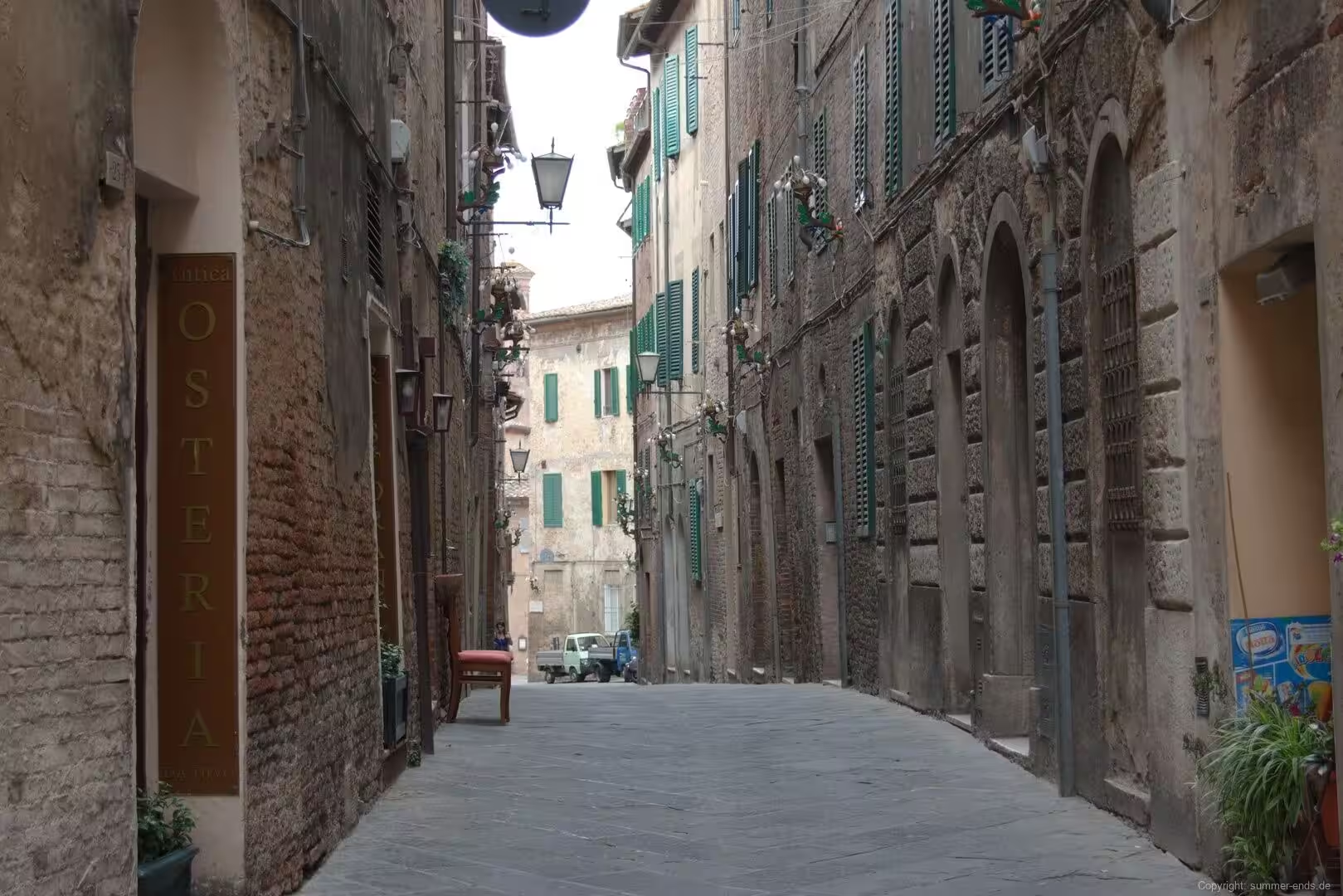
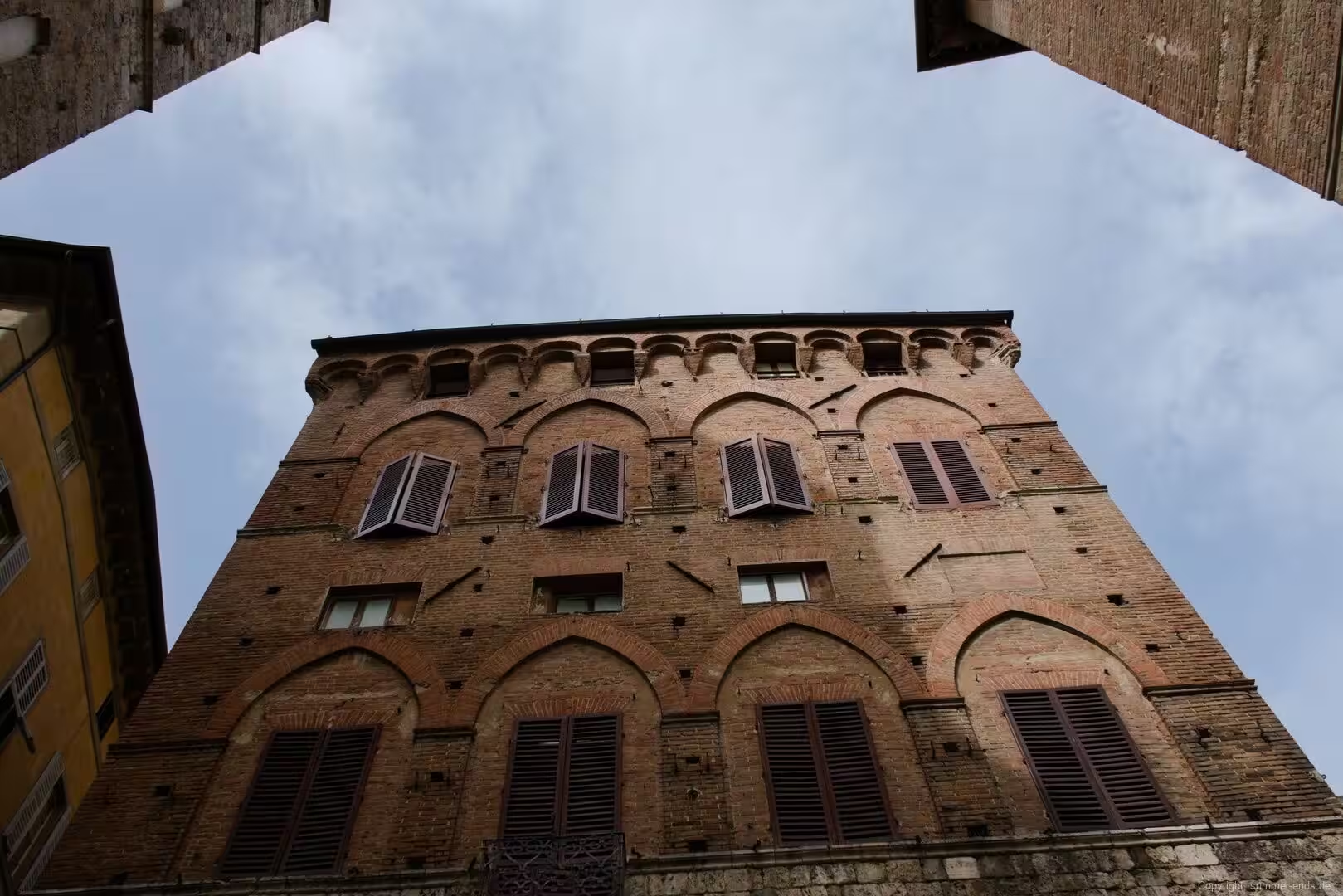
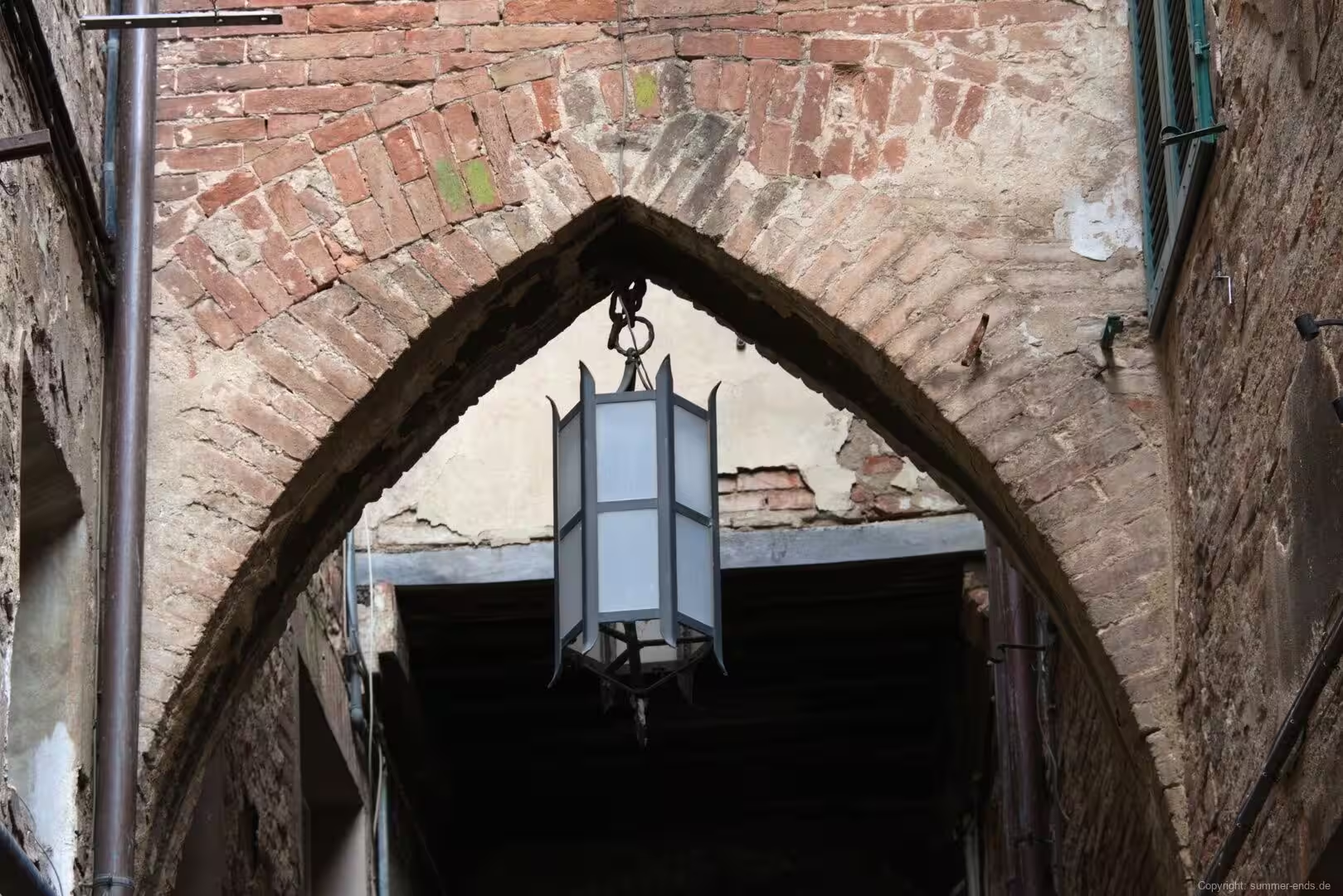
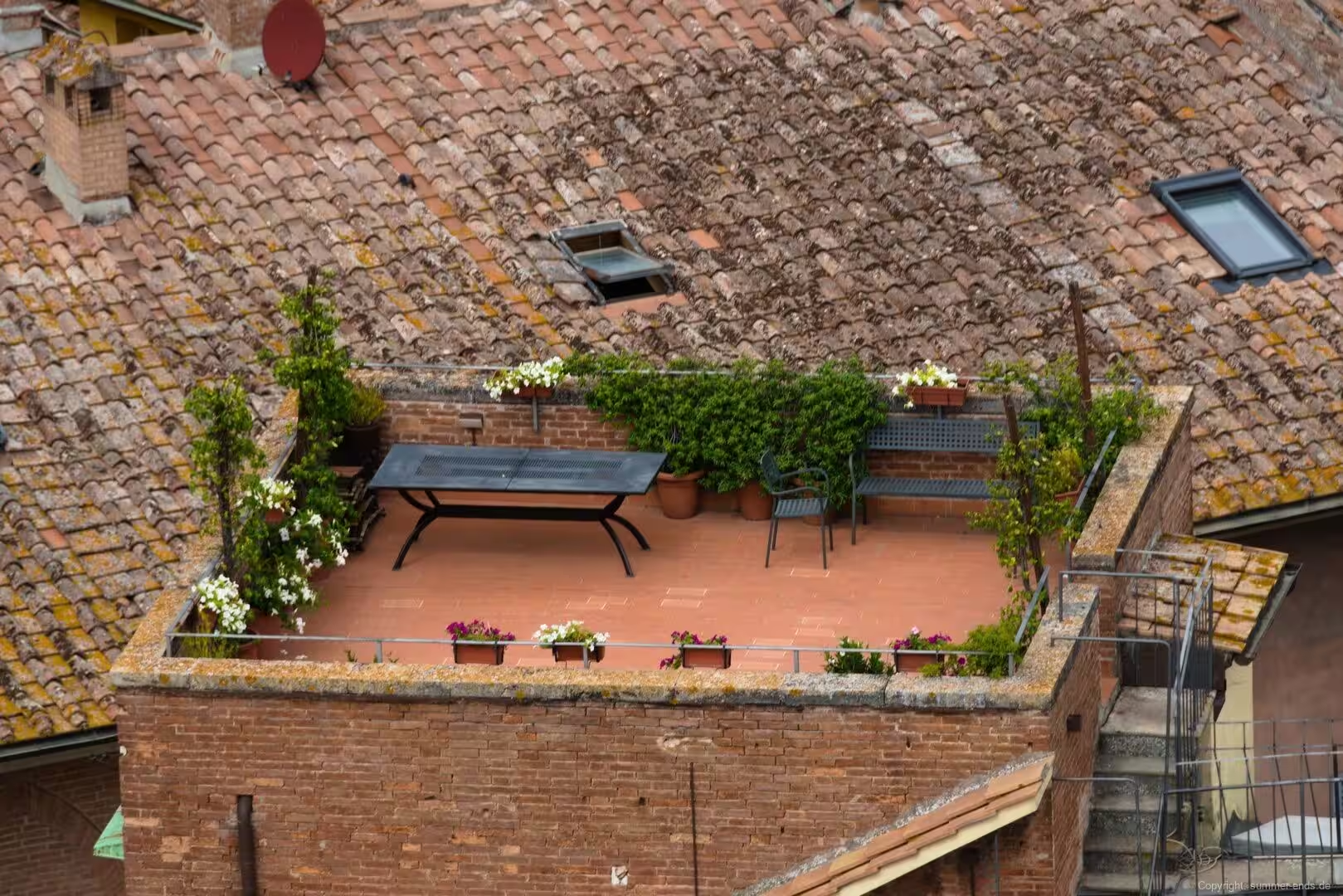
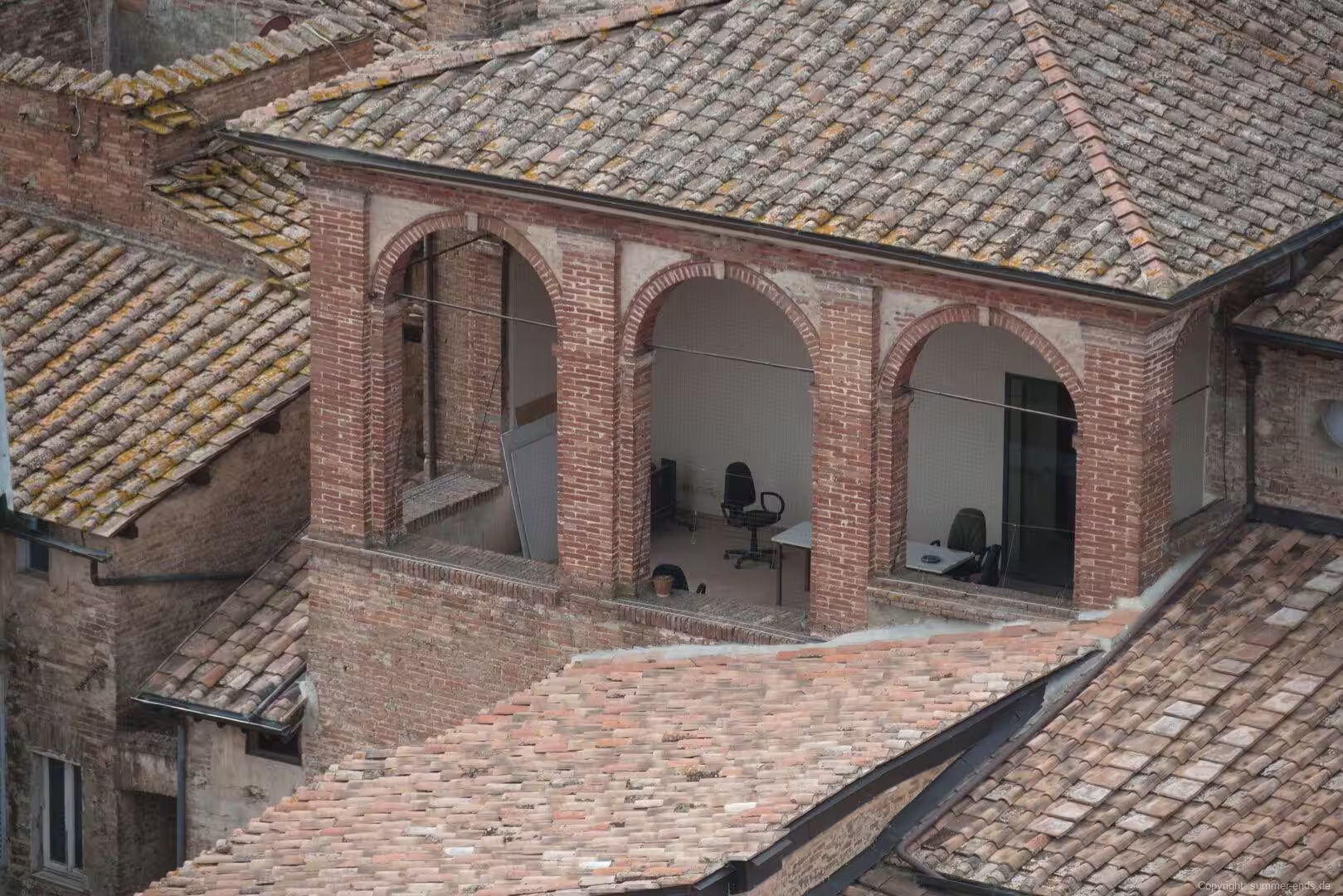
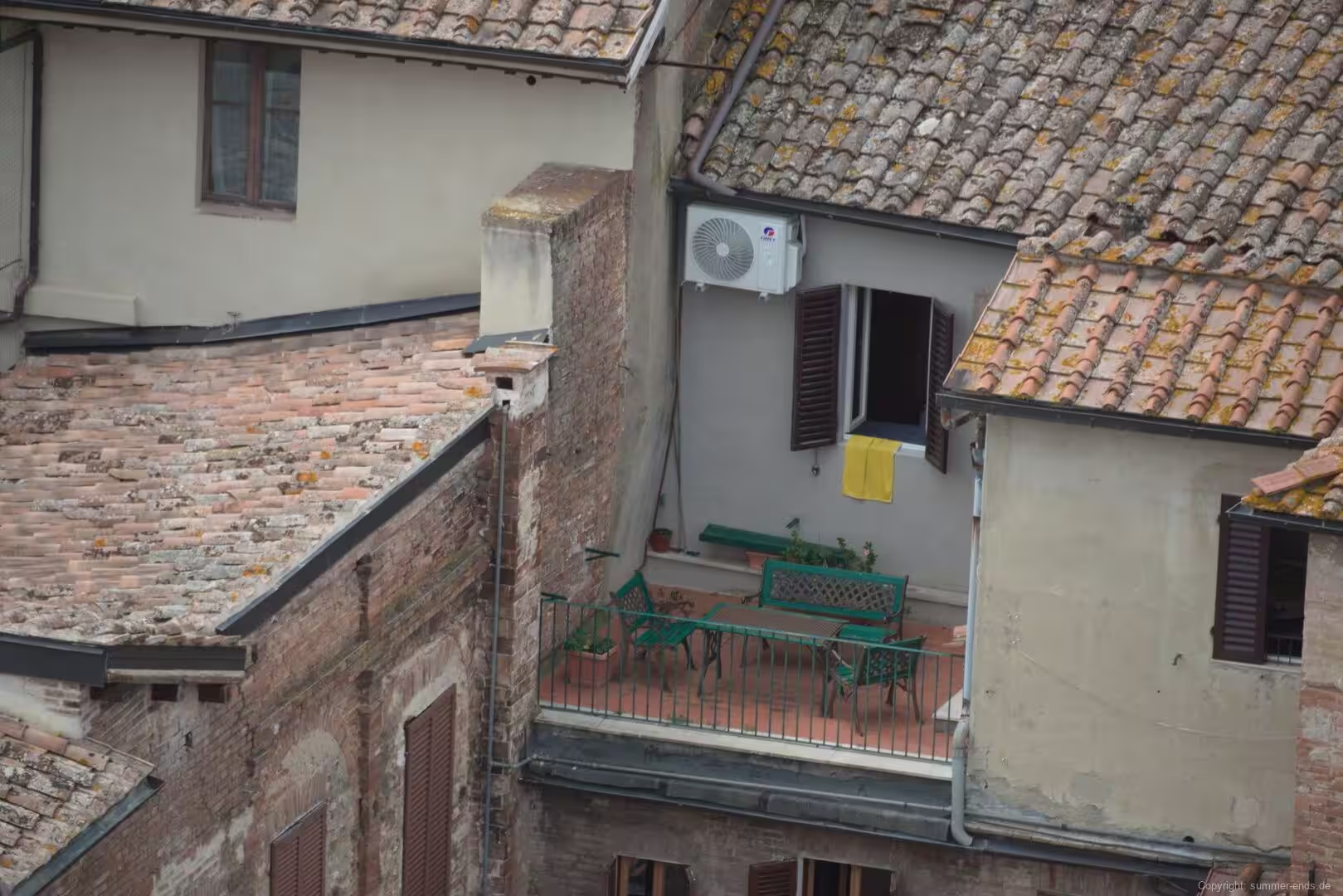
Wandering the city, the visitor moves from the Campo, through the narrow lanes and their sudden views, toward the cathedral and the churches, and out again to the belvederes on the edge of the walls. The city’s brick, its warm tones and the terracotta of its rooftops, and the long views over the hills, are as much a part of its character as its monuments. Siena is best grasped on foot, where the scale of the medieval town, its compactness and its still-living contrada life remain evident, and where the civic and the sacred sit close together in the enduring urban form of the city.
References
- Wikipedia. Siena. en.wikipedia.org/wiki/Siena
- Wikipedia. Piazza del Campo. en.wikipedia.org/wiki/Piazza_del_Campo
- Wikipedia. Palazzo Pubblico. en.wikipedia.org/wiki/Palazzo_Pubblico
- Wikipedia. Torre del Mangia. en.wikipedia.org/wiki/Torre_del_Mangia
- Wikipedia. Fonte Gaia. en.wikipedia.org/wiki/Fonte_Gaia
- Wikipedia. Siena Cathedral. en.wikipedia.org/wiki/Siena_Cathedral
- Wikipedia. Palio di Siena. en.wikipedia.org/wiki/Palio_di_Siena
- Wikipedia. Via Francigena. en.wikipedia.org/wiki/Via_Francigena
- Wikipedia. Crete Senesi. en.wikipedia.org/wiki/Crete_Senesi
- Wikipedia. History of Siena. en.wikipedia.org/wiki/History_of_Siena
- Wikipedia. Contrade of Siena. en.wikipedia.org/wiki/Contrade_of_Siena
- Wikipedia. Santa Maria della Scala. en.wikipedia.org/wiki/Santa_Maria_della_Scala
- Wikipedia. Basilica of San Domenico, Siena. en.wikipedia.org/wiki/Basilica_of_San_Domenico_(Siena)
- Wikipedia. Catherine of Siena. en.wikipedia.org/wiki/St._Catherine_of_Siena
- Wikipedia. Sant’Agostino, Siena. en.wikipedia.org/wiki/Sant%27Agostino_(Siena)
- Wikipedia. Medici family. en.wikipedia.org/wiki/Medici_family
- Wikipedia. Jacopo della Quercia. en.wikipedia.org/wiki/Jacopo_della_Quercia