2024 Italy - Porto Venere






Journal Notes
General
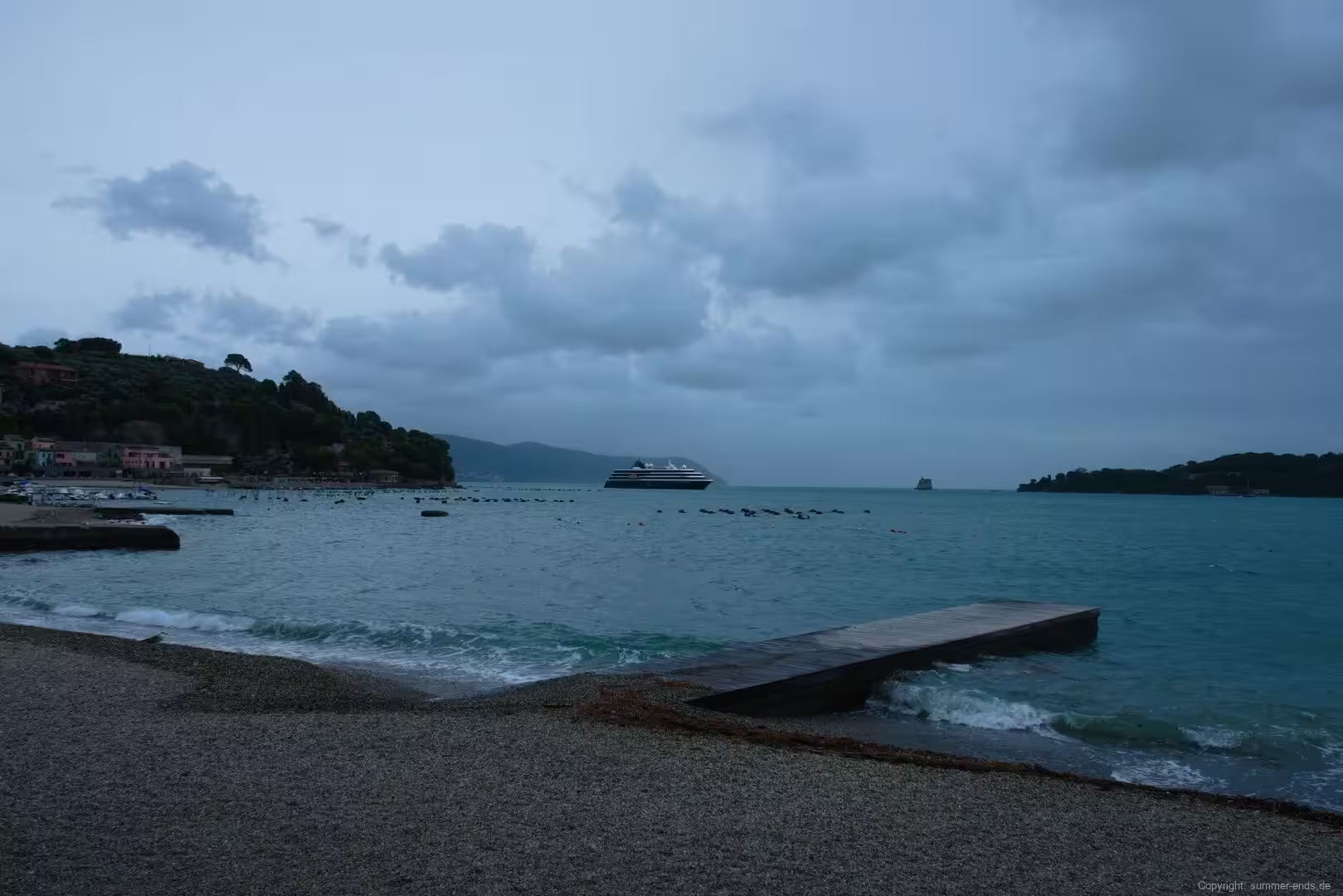
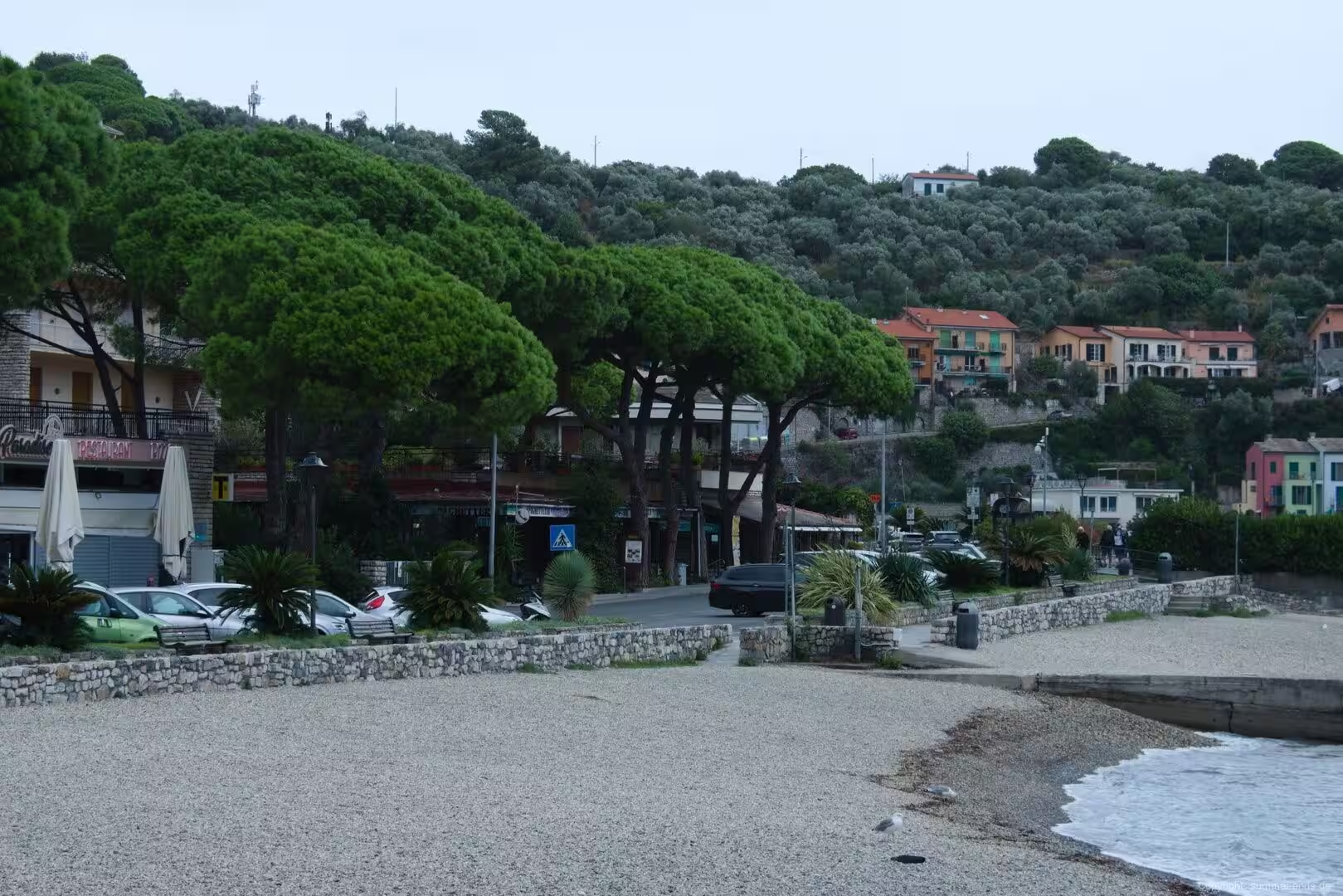
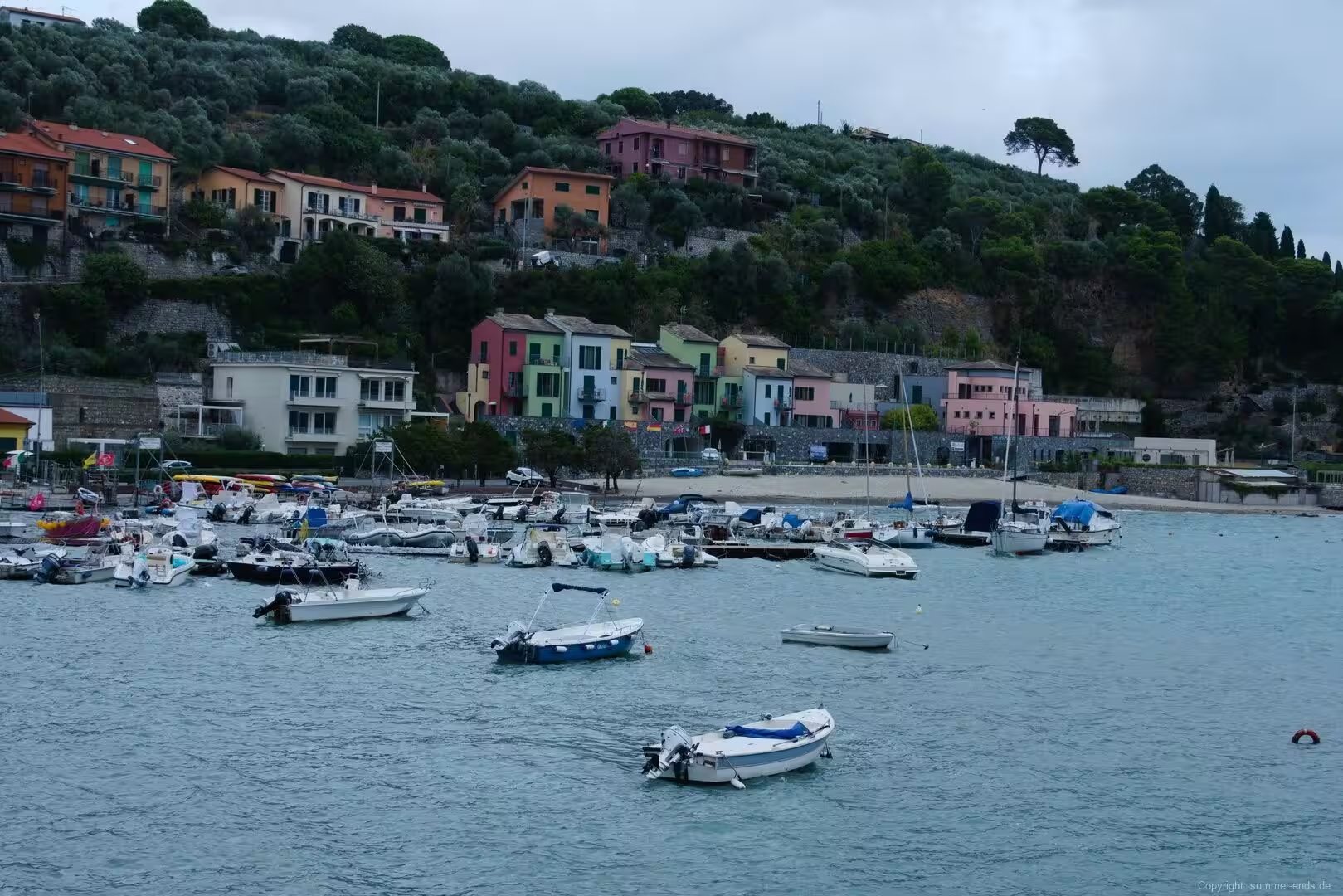
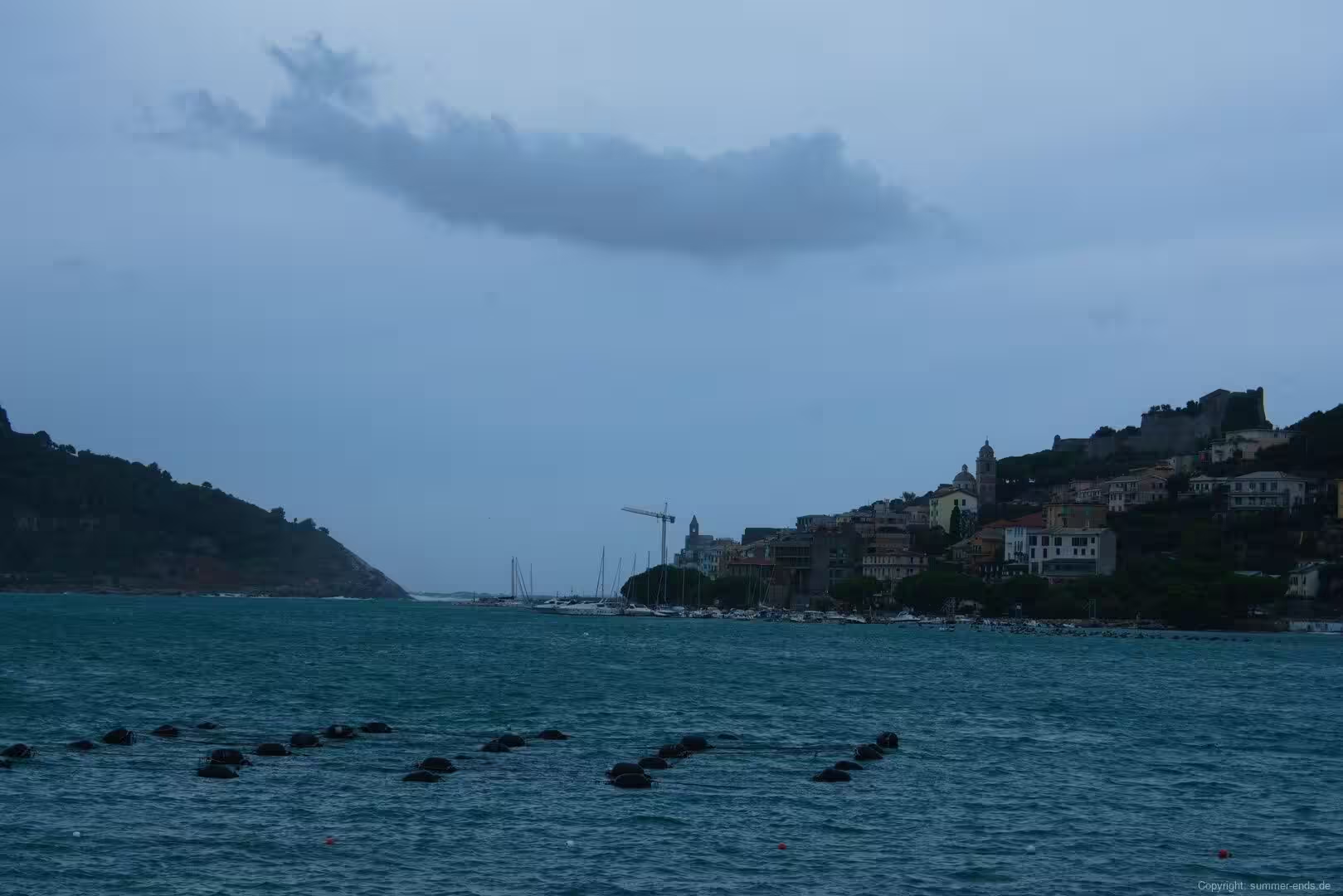
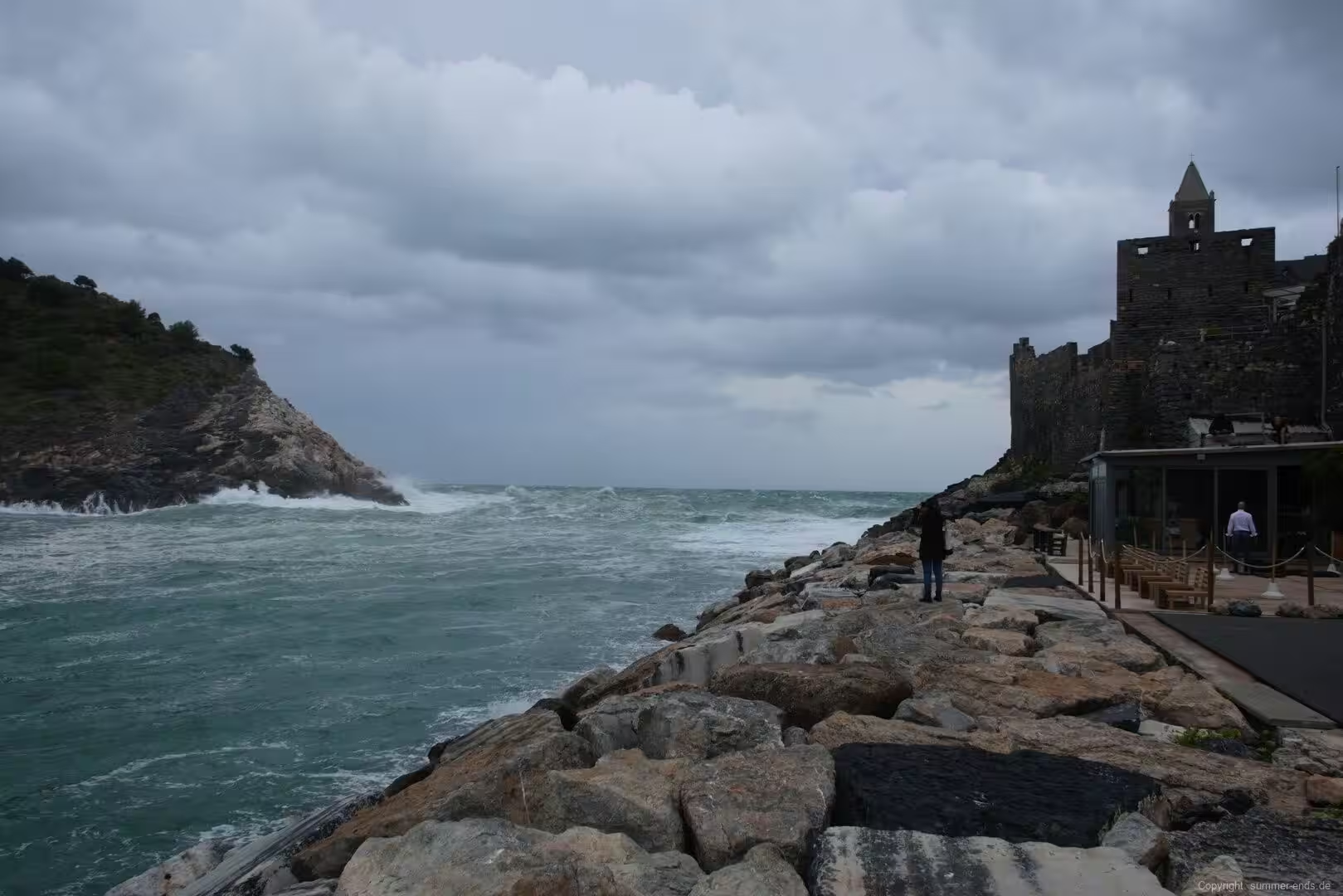
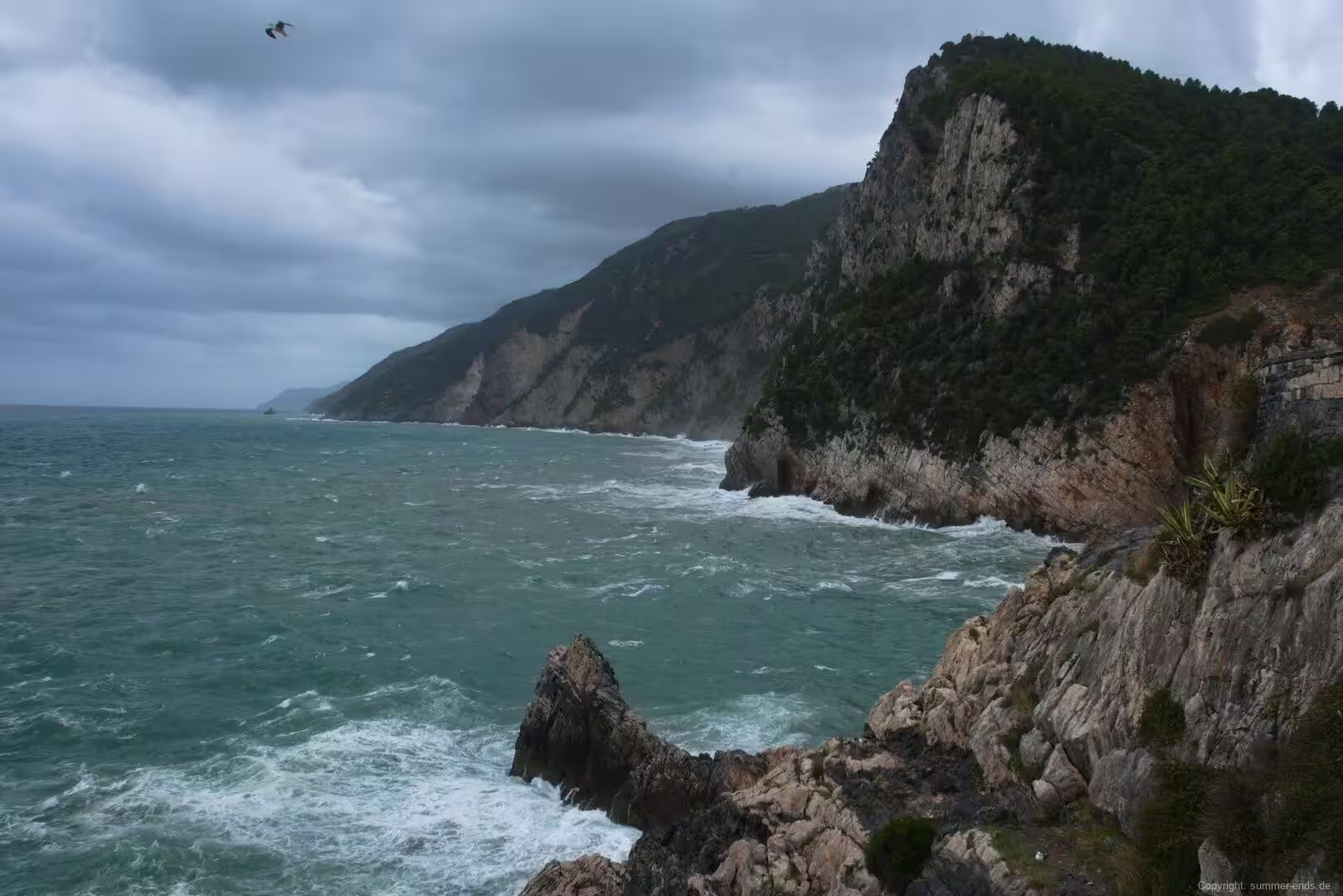
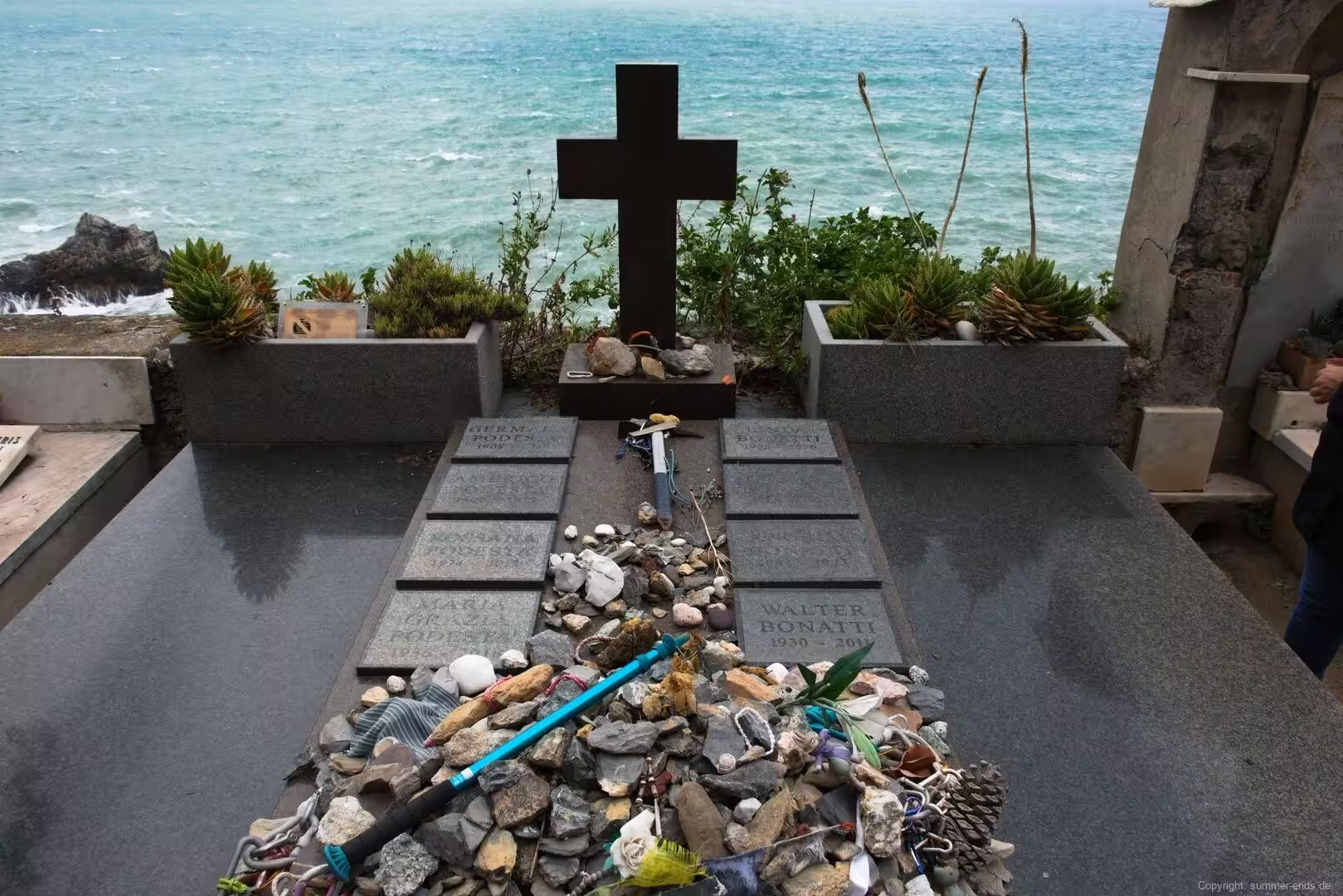
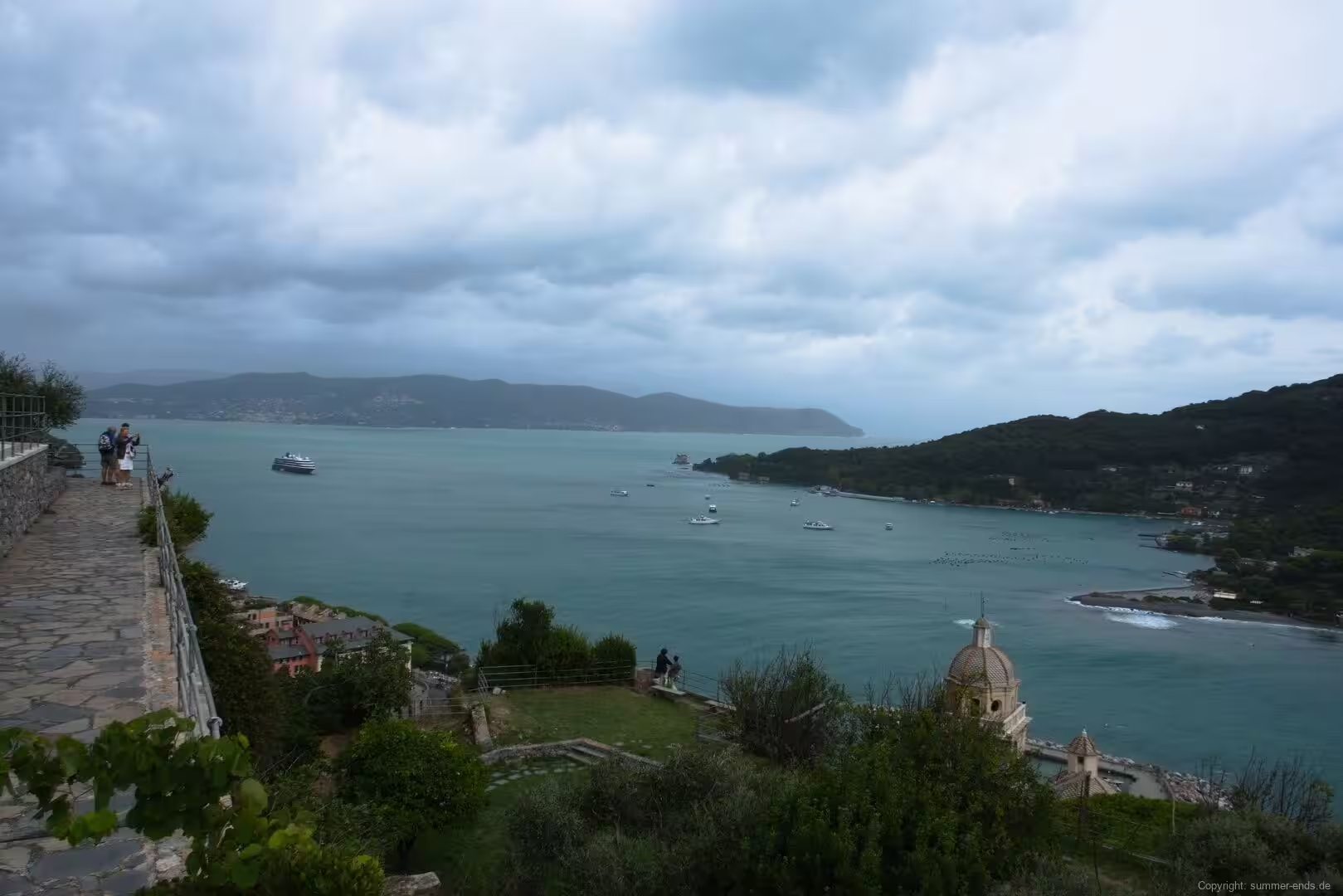
Porto Venere is a historic coastal town in northwestern Italy, on the eastern edge of the Ligurian coast at the mouth of the Gulf of La Spezia, where the open Ligurian Sea meets the sheltered waters of the gulf. It stands on a narrow rocky promontory, its densely packed tower houses rising above the harbour, with the sea on three sides and the islands of Palmaria, Tino and Tinetto directly offshore. The town lies at the southern end of the eastern Riviera, below the wooded slopes of the hills, and its position gives it a dramatic setting in which the urban fabric, the cliffs and the sea are inseparably bound together.
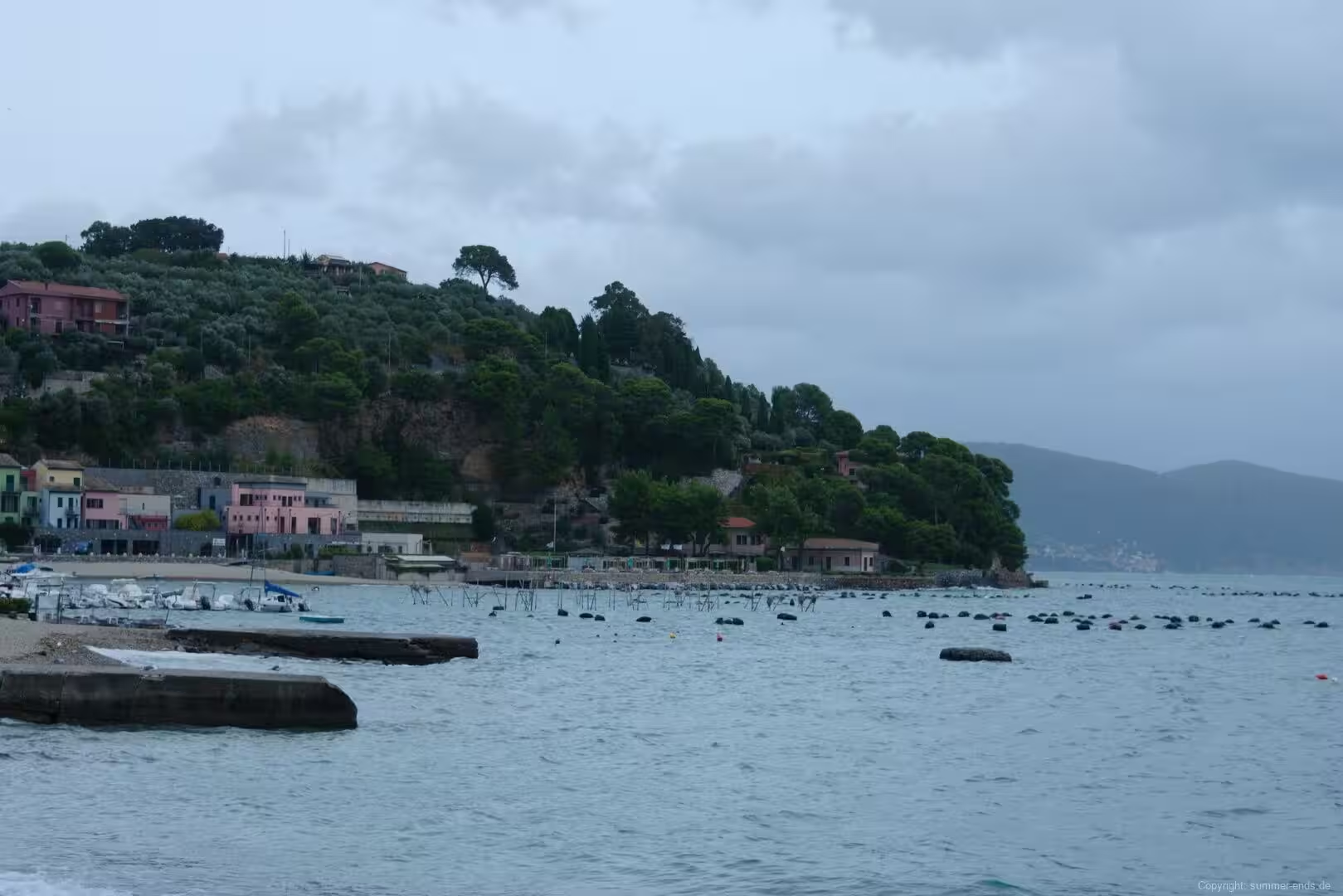
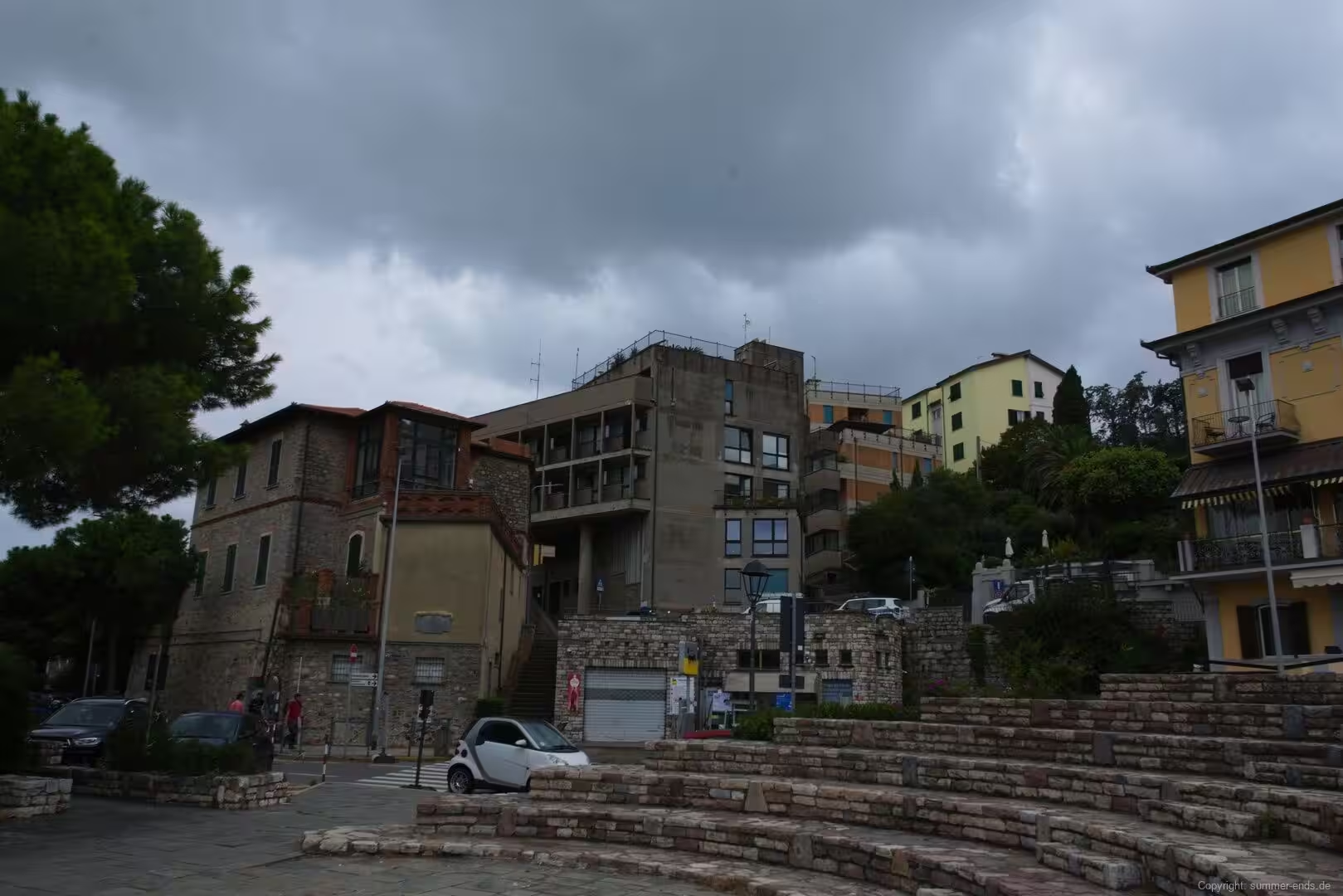
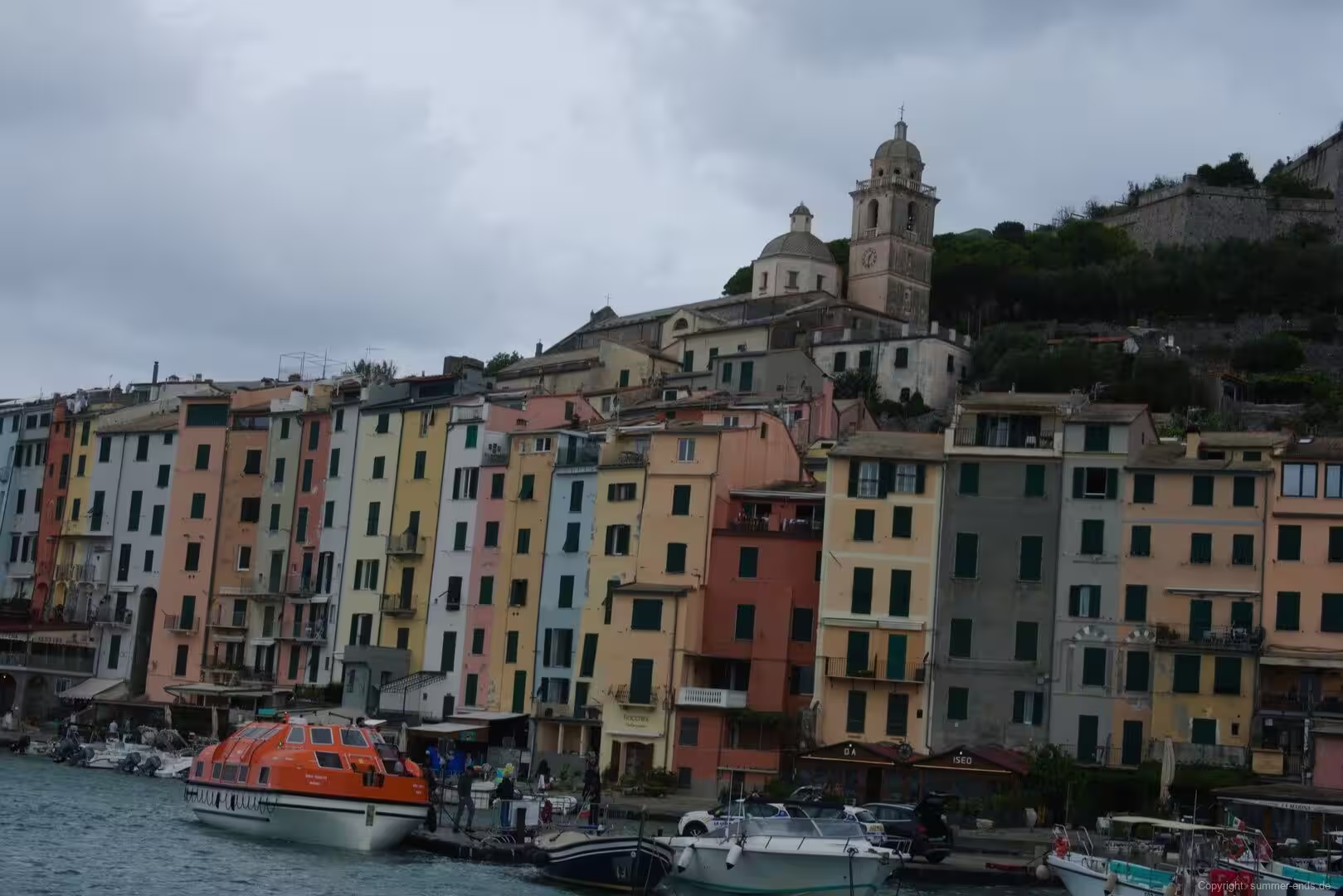
Porto Venere belongs to the province of La Spezia and, together with the Cinque Terre, the islands and the surrounding waters, forms part of a landscape inscribed on the UNESCO World Heritage List for its outstanding coastal scenery and its historical, architectural and cultural value. The historic centre is a dense cluster of tall stone and plastered houses, mostly pastel painted, that line a single main street and the quay of the small harbour. The town’s sheltered water and its ferry connections make it a gateway both to the nearby Cinque Terre and to the islands in the gulf, and fishing, transport and tourism are its principal activities.
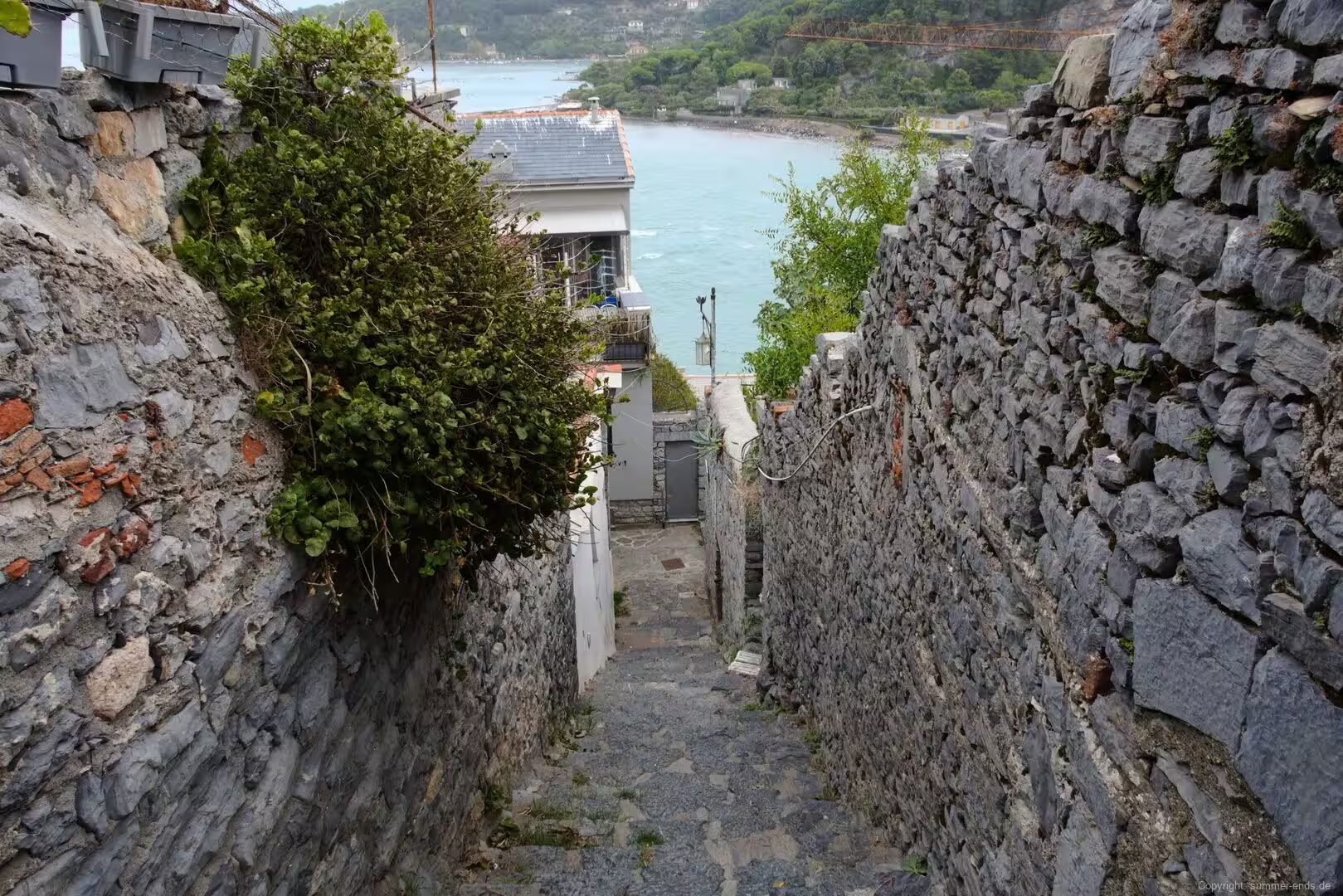
The promontory and the islands mark the meeting of the mountains and the sea, and the town has been shaped by its maritime role and by its position guarding the entrance to the Gulf of La Spezia. Its churches, its castle and its fortifications are built of the local stone, and its character is that of a Ligurian maritime and seafaring community, bound to the water, to the islands and to the narrow strip of coast on which it stands. The town is reached by the coastal road that winds along the rocky shore, and by the large public car parks at the entrance, beyond which the centre is largely pedestrian, its laneways and steps leading between the houses and up toward the castle and the church. For most of the day the waterfront is busy with ferries, fishing boats and pleasure craft, and the town has a close, familiar scale that belies its dramatic setting.
History
The area around Porto Venere has been inhabited since antiquity, with early settlements linked to maritime routes and coastal defence. In Roman times the site was associated with a sanctuary and a port dedicated to Venus, from which its name is held to derive, and the shelter of the gulf made it a useful anchorage for the ships of the Roman and Byzantine fleets. The name also came to be connected with the ancient temple of Venus on the headland, and the derived settlement of Portus Veneris gave the town its identity as a port of the goddess. In the early medieval period Porto Venere developed as a fortified settlement, reflecting its strategic importance at the entrance to the Gulf of La Spezia and on the sea route along the Ligurian coast.
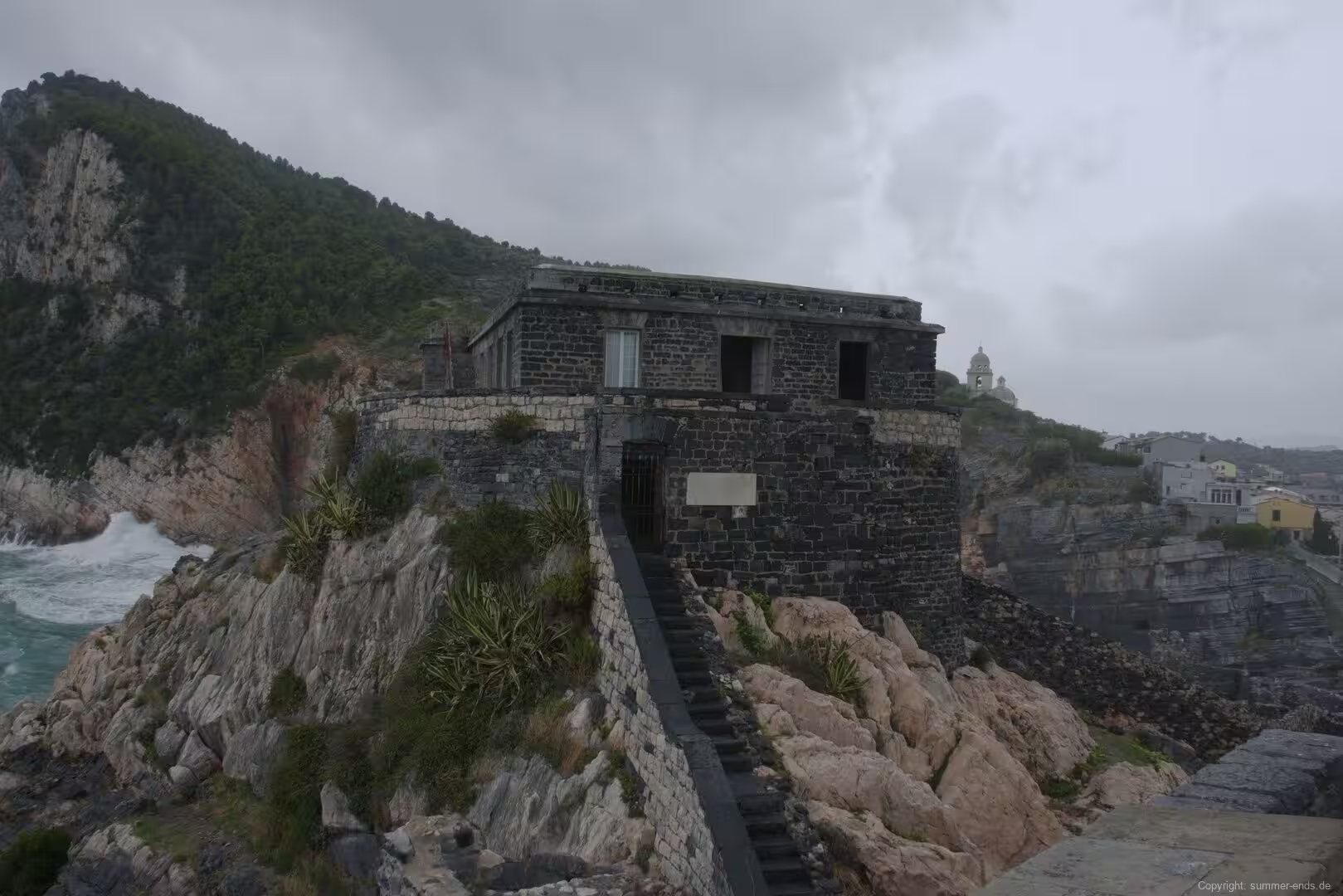
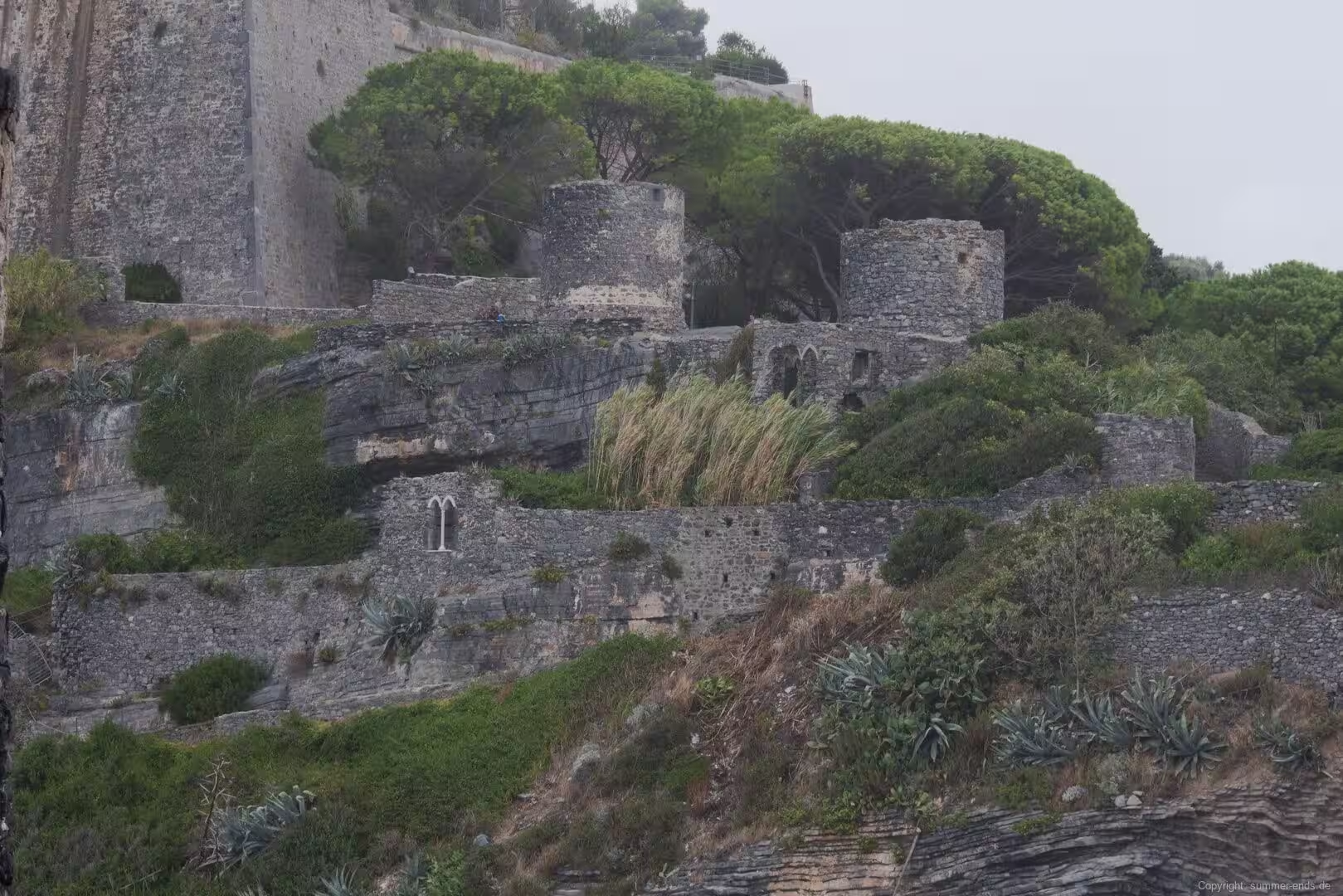
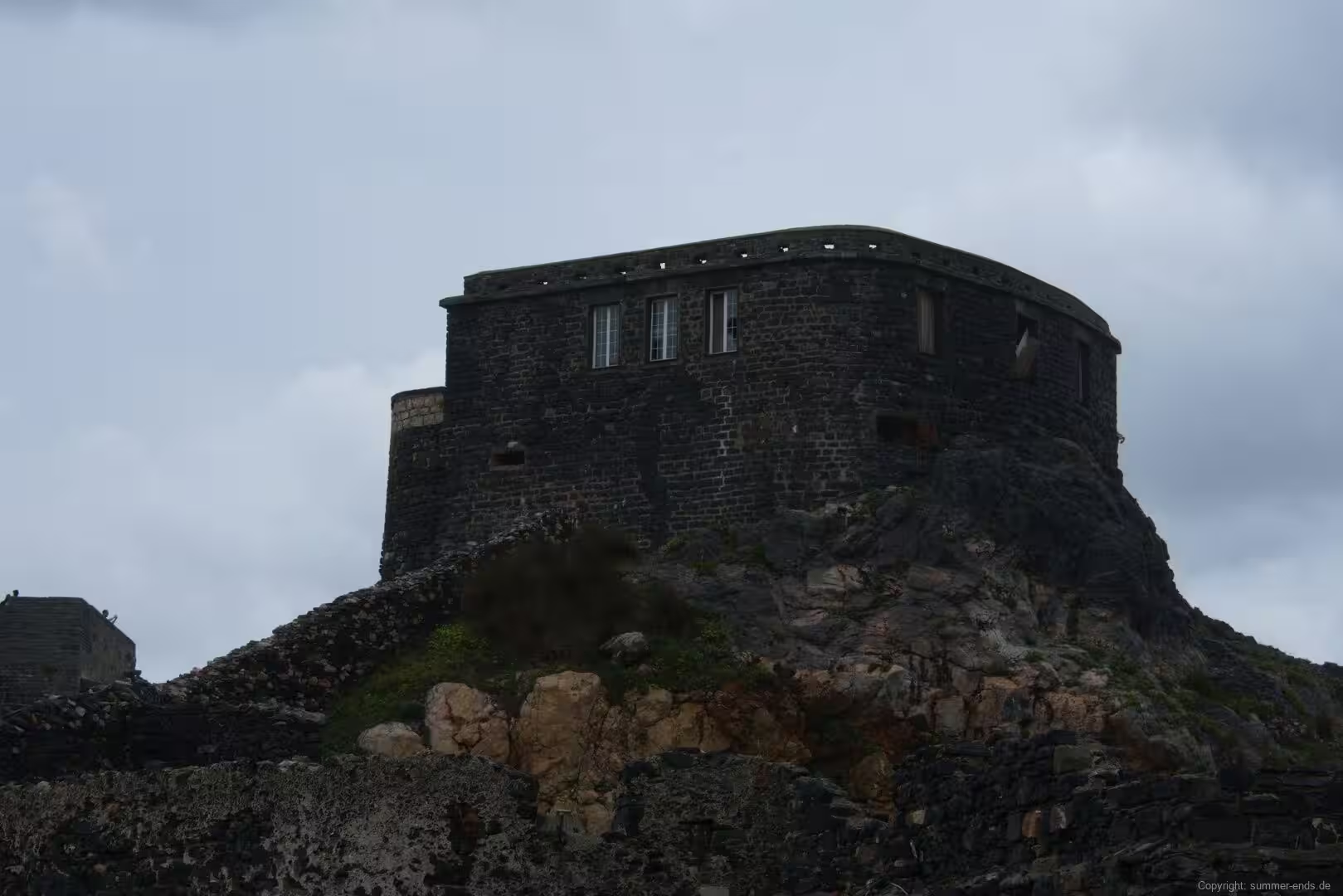
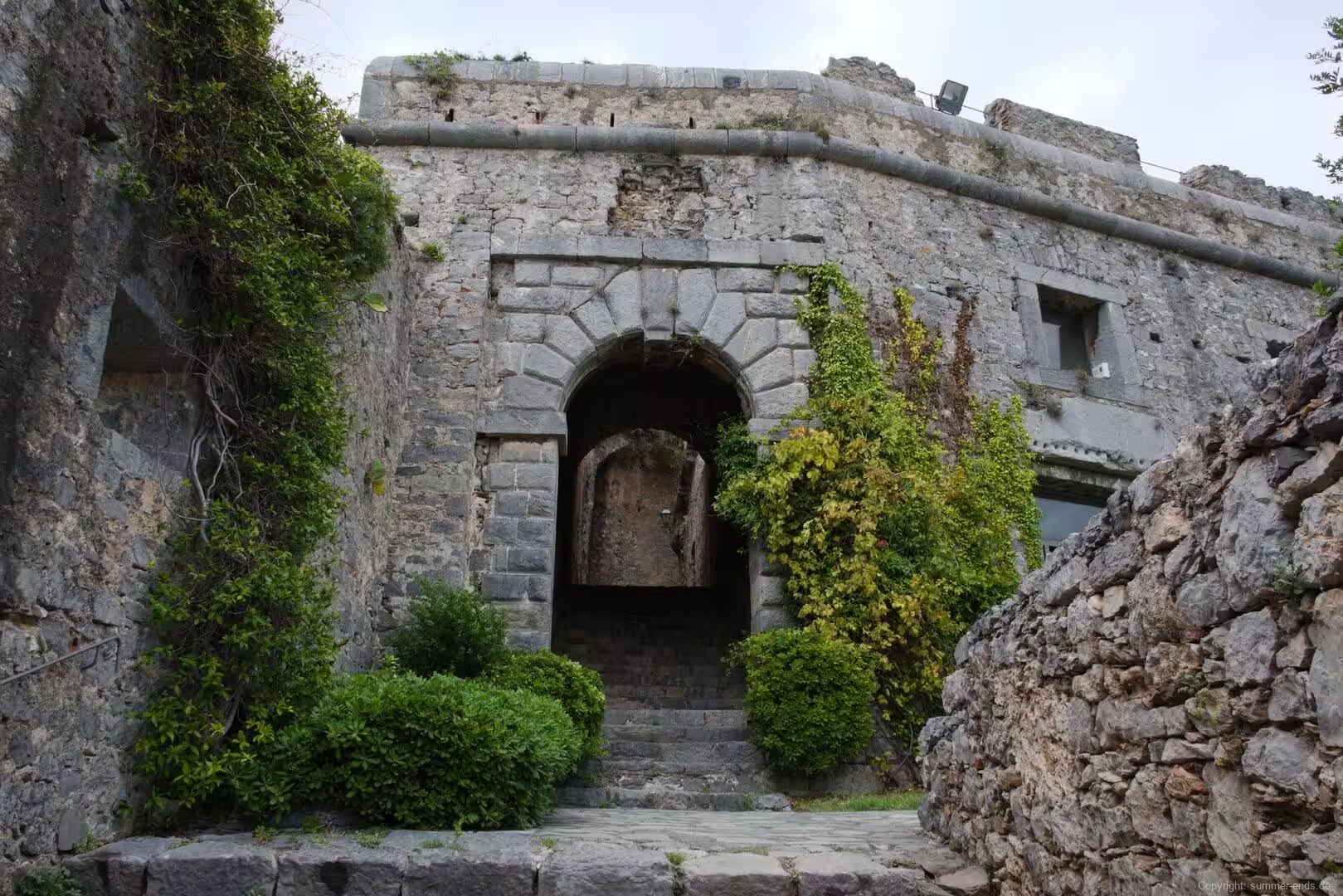
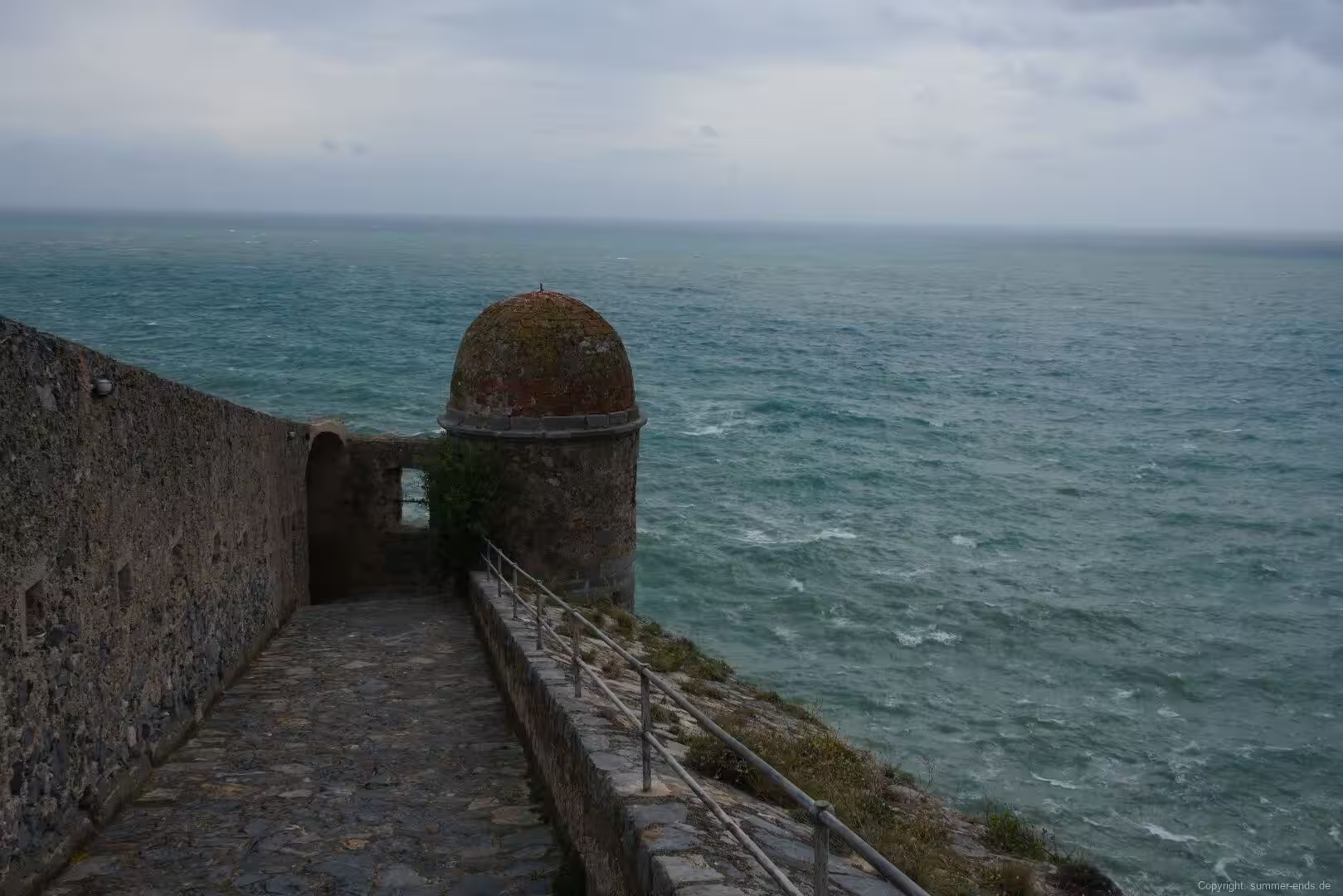
From the twelfth century onward Porto Venere came under the control of the Republic of Genoa and played a key role in Genoese maritime defence against rival powers, particularly Pisa, whose fleet operated in the Tyrrhenian. The town’s churches and castle were built during this period, and the stone walls, the fortifications and the harbour defences were constructed to protect the promontory and the anchorage, many of which survive in the present town. Porto Venere served both as a military outpost and as a commercial and fishing harbour, connected to the trade and the naval operations of the Ligurian coast. The medieval harbour, the harbour towers and the fortified ridge made the town a key element in the Genoese defence of the approaches to the gulf and to the naval base that would later grow at La Spezia.
Following the decline of Genoese maritime power, Porto Venere lost much of its strategic significance but retained its identity as a fishing and coastal community. In the modern era the town has become closely associated with cultural tourism and heritage preservation, and its historic centre, its churches and its islands were recognised when the site was inscribed on the UNESCO World Heritage List in 1997 together with the Cinque Terre. The careful conservation of the waterfront, the castle and the headland has preserved the character of the town, while tourism and the ferry services to the islands and the Cinque Terre have largely shaped its economic life since the late twentieth century. The town has grown with the nearby development of the port and the naval facilities of La Spezia, yet its historic core remains tightly governed by the constraints of the rock and the sea.
Geology
Geologically, Porto Venere lies within the complex tectonic zone of eastern Liguria, where the Apennine mountain system meets the Ligurian Sea. The bedrock consists mainly of sedimentary and metamorphic rocks, including limestone, dolomite and sandstone units that have been folded, faulted and uplifted during the Alpine and Apennine orogenies. The sequence of rocks here belongs to the units of the Ligurian-Piedmontese ocean, the remnants of the former oceanic crust and the metamorphic rocks that record the closing of the ocean and the collision that built the Apennines.
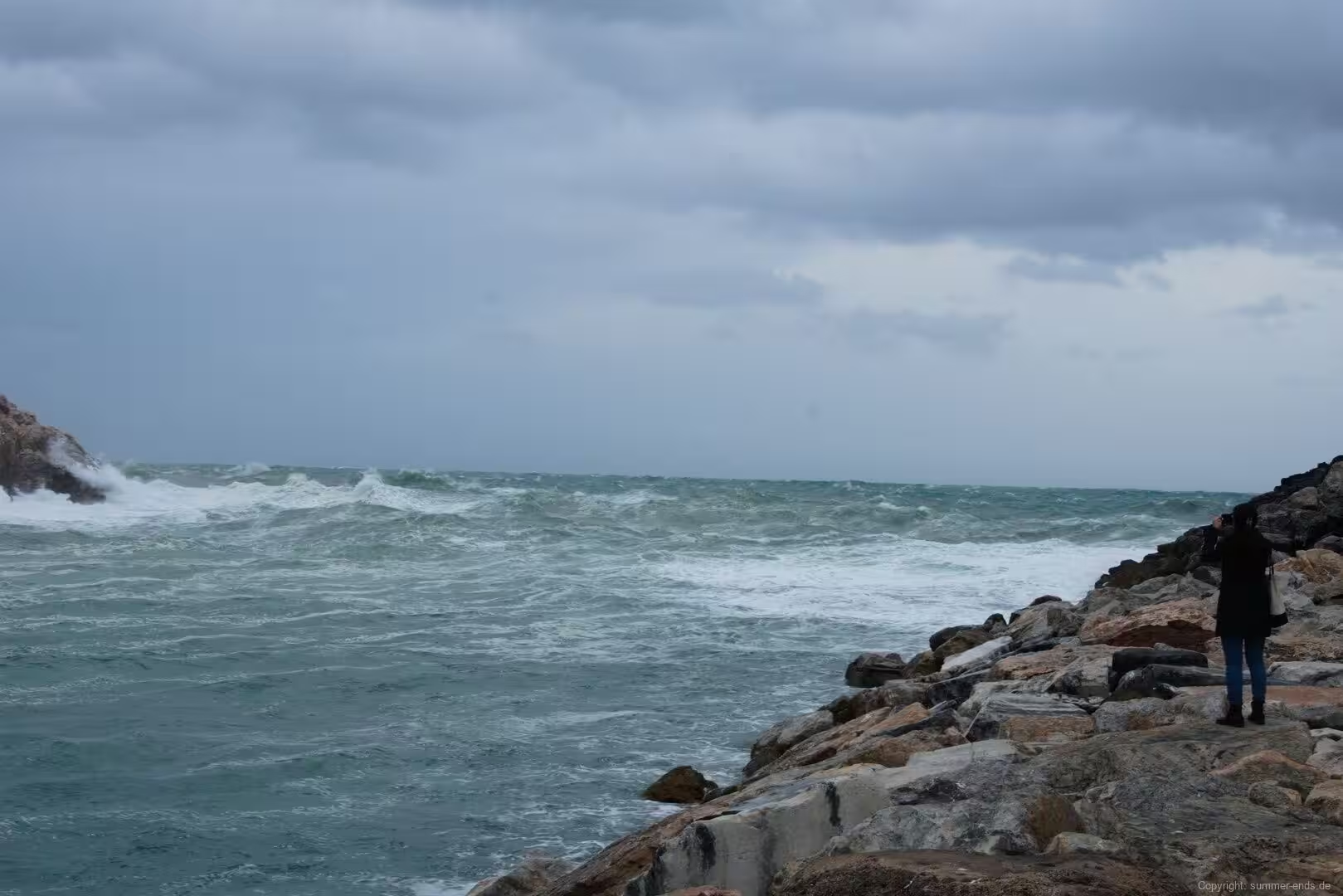
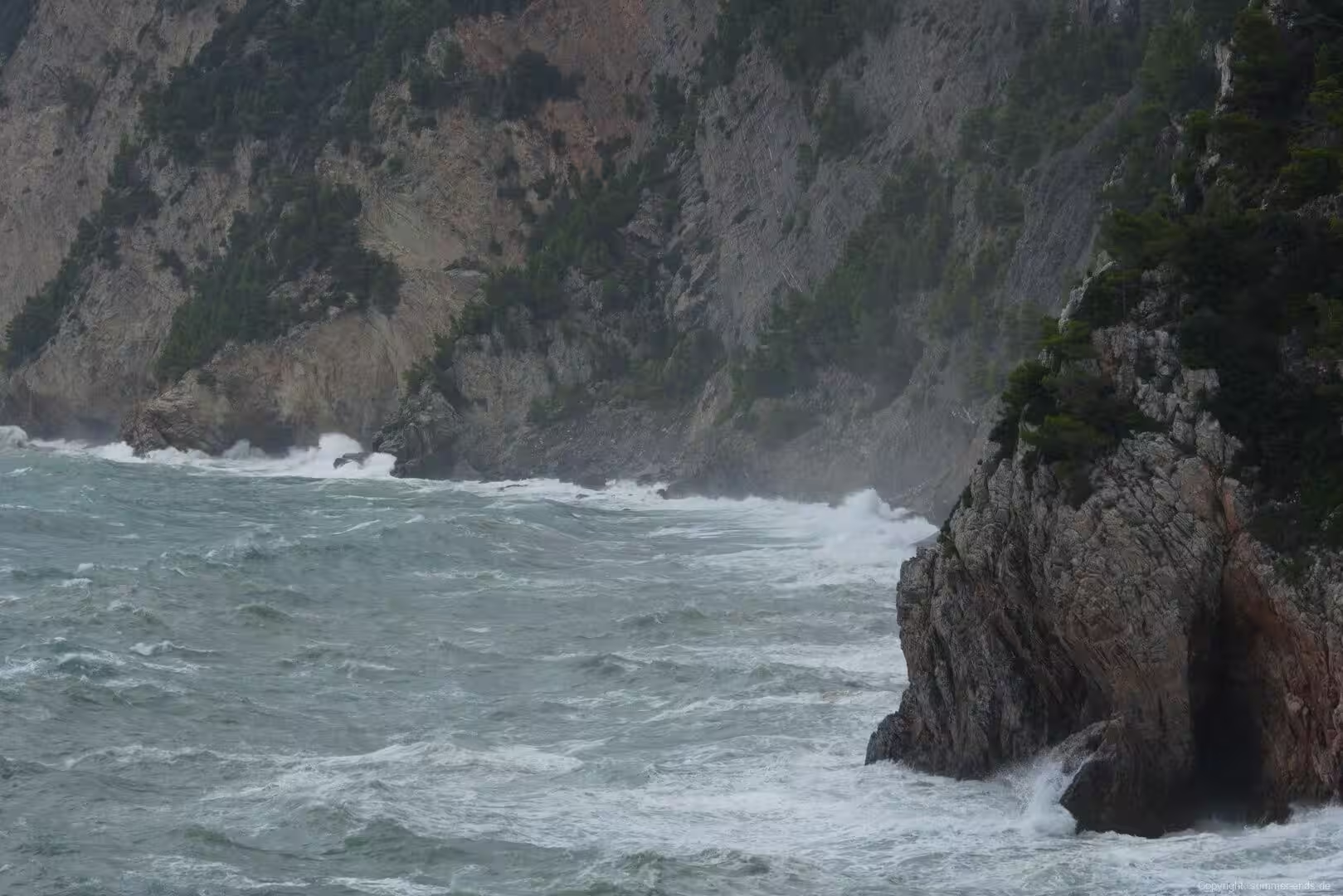
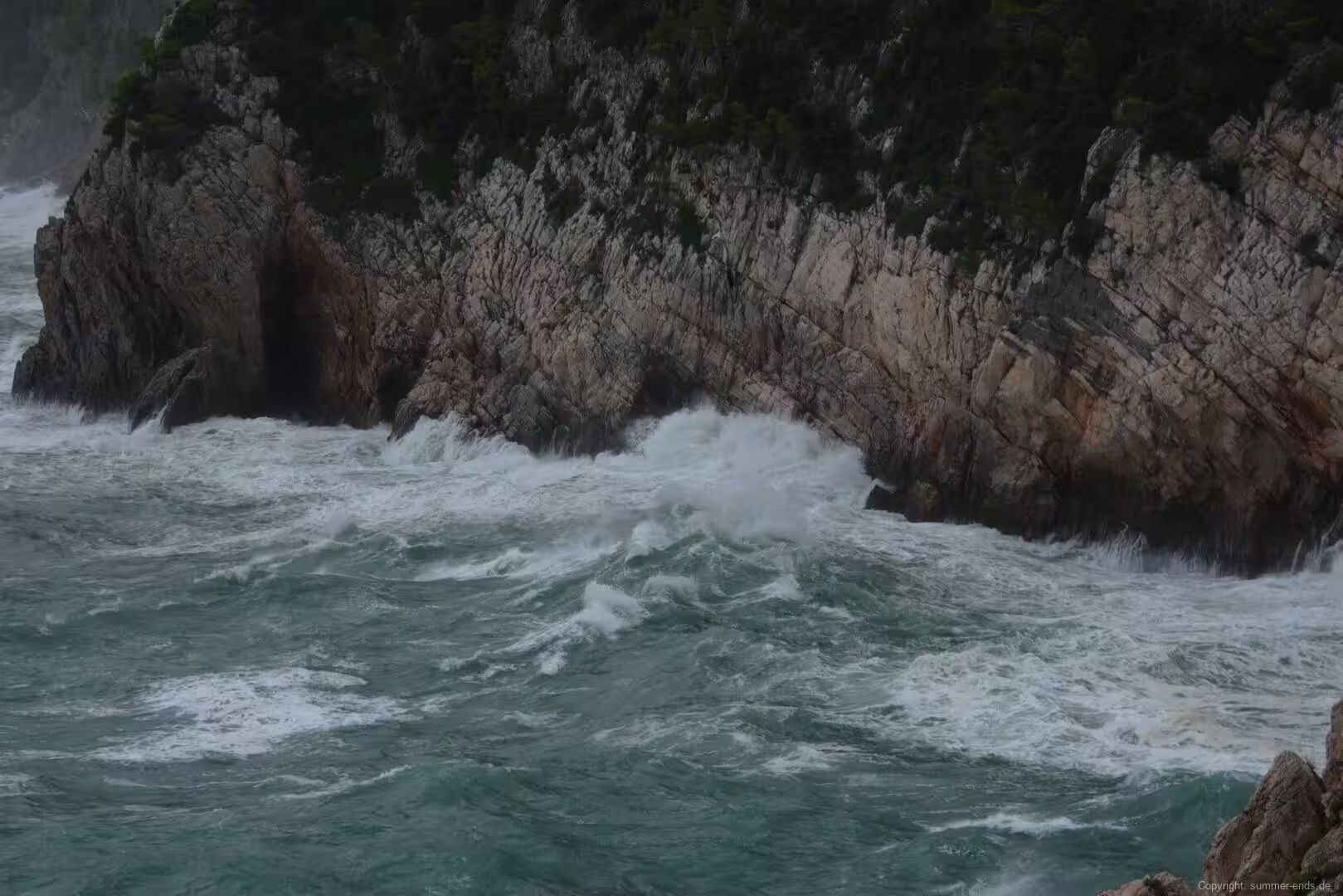
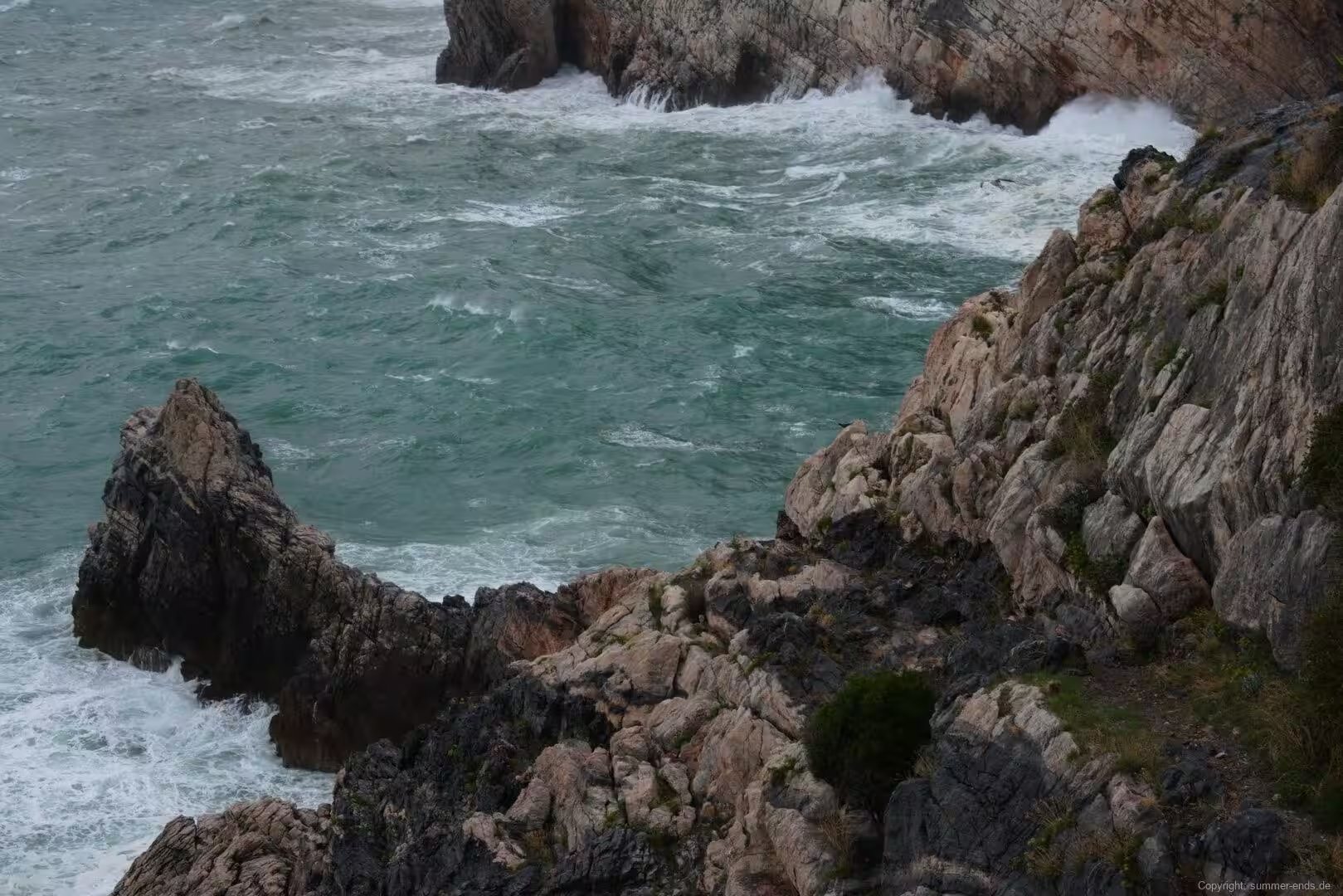
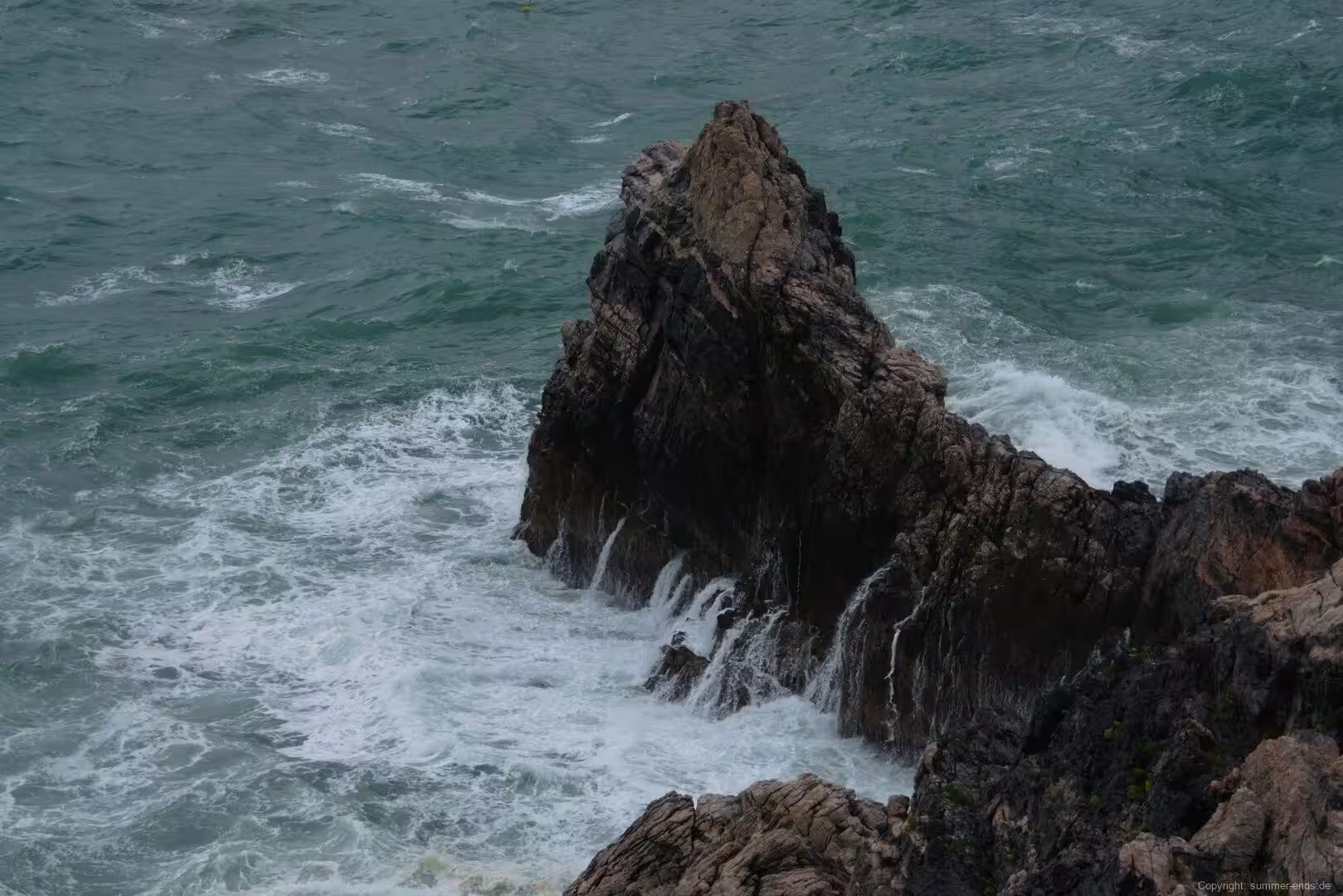
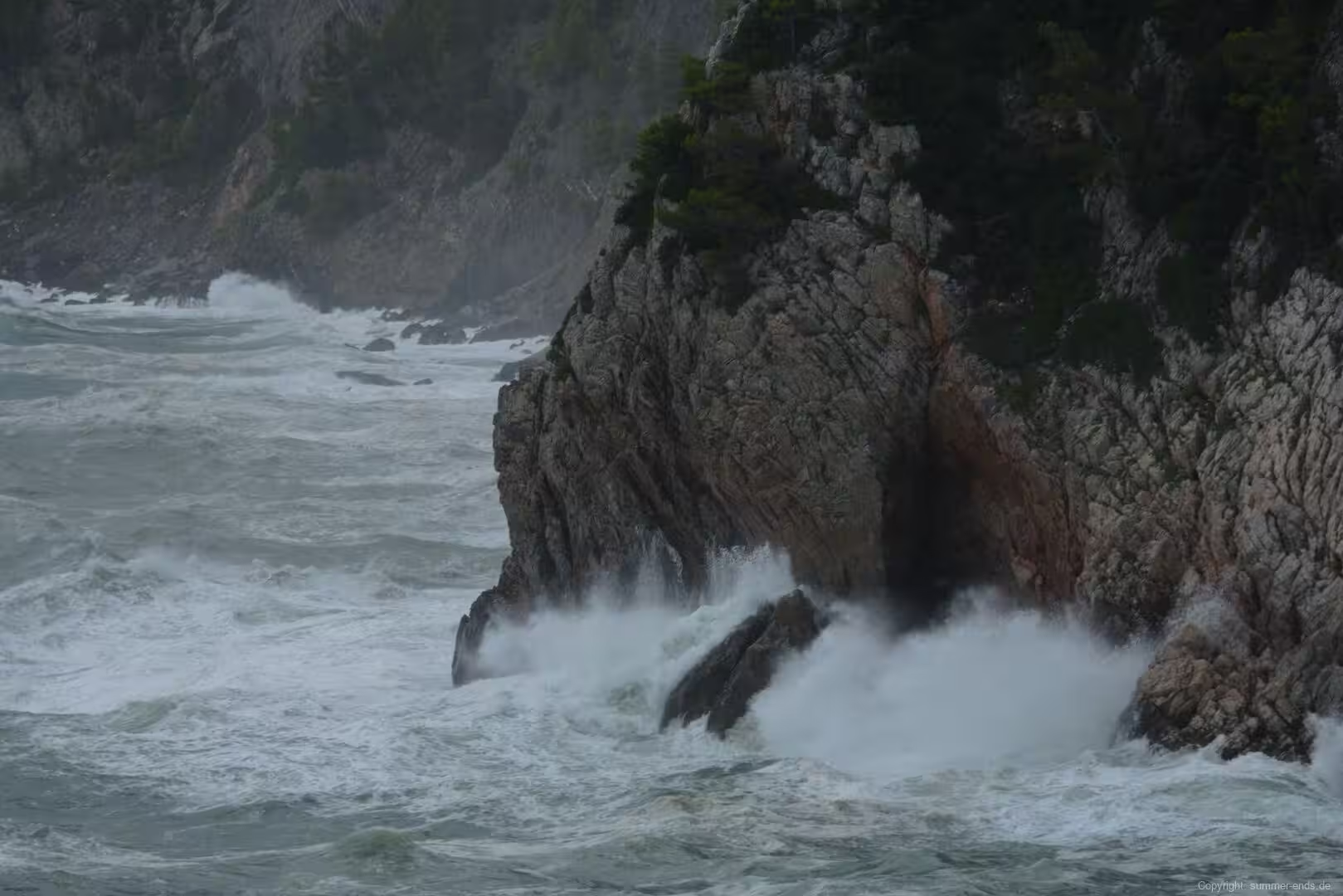
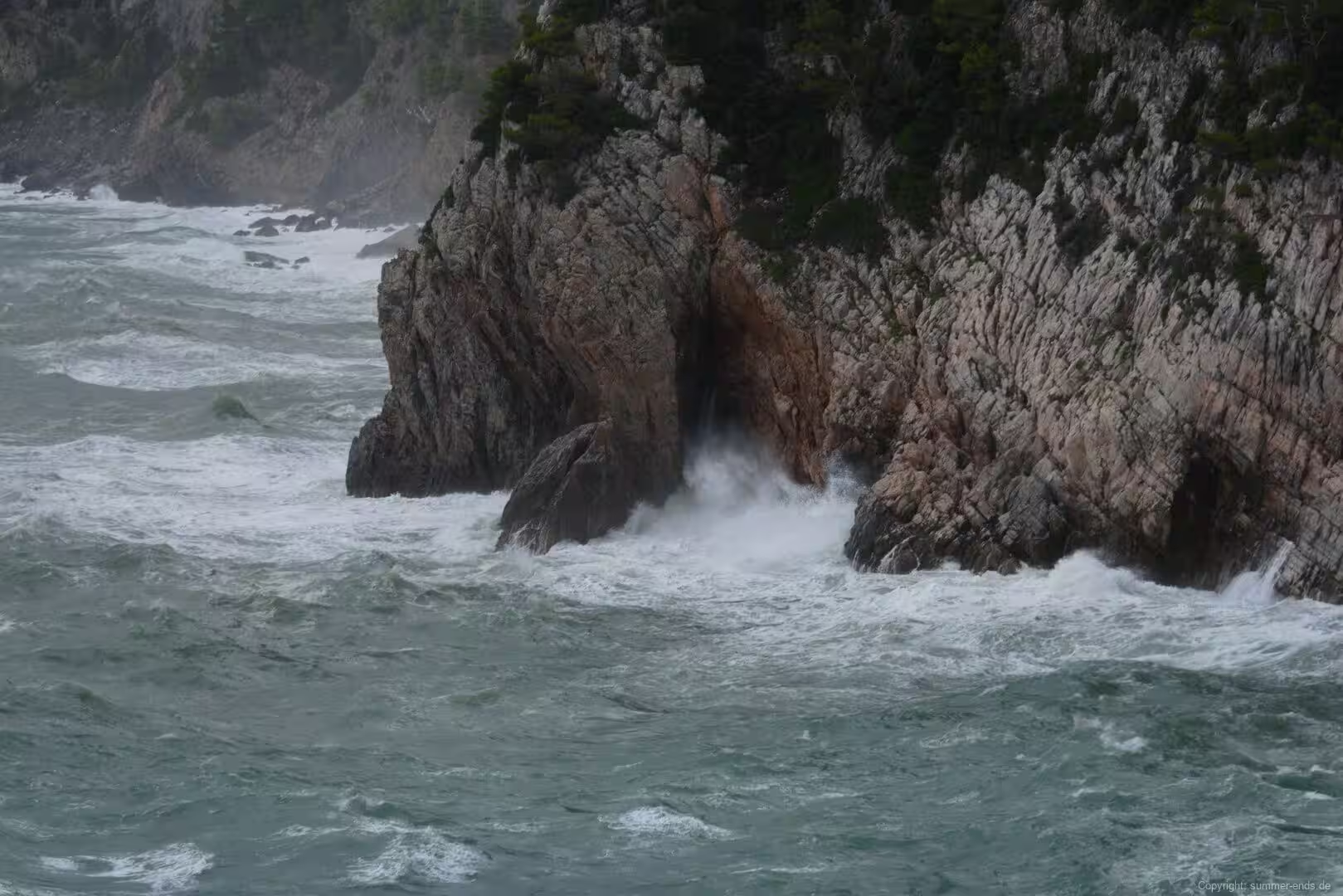
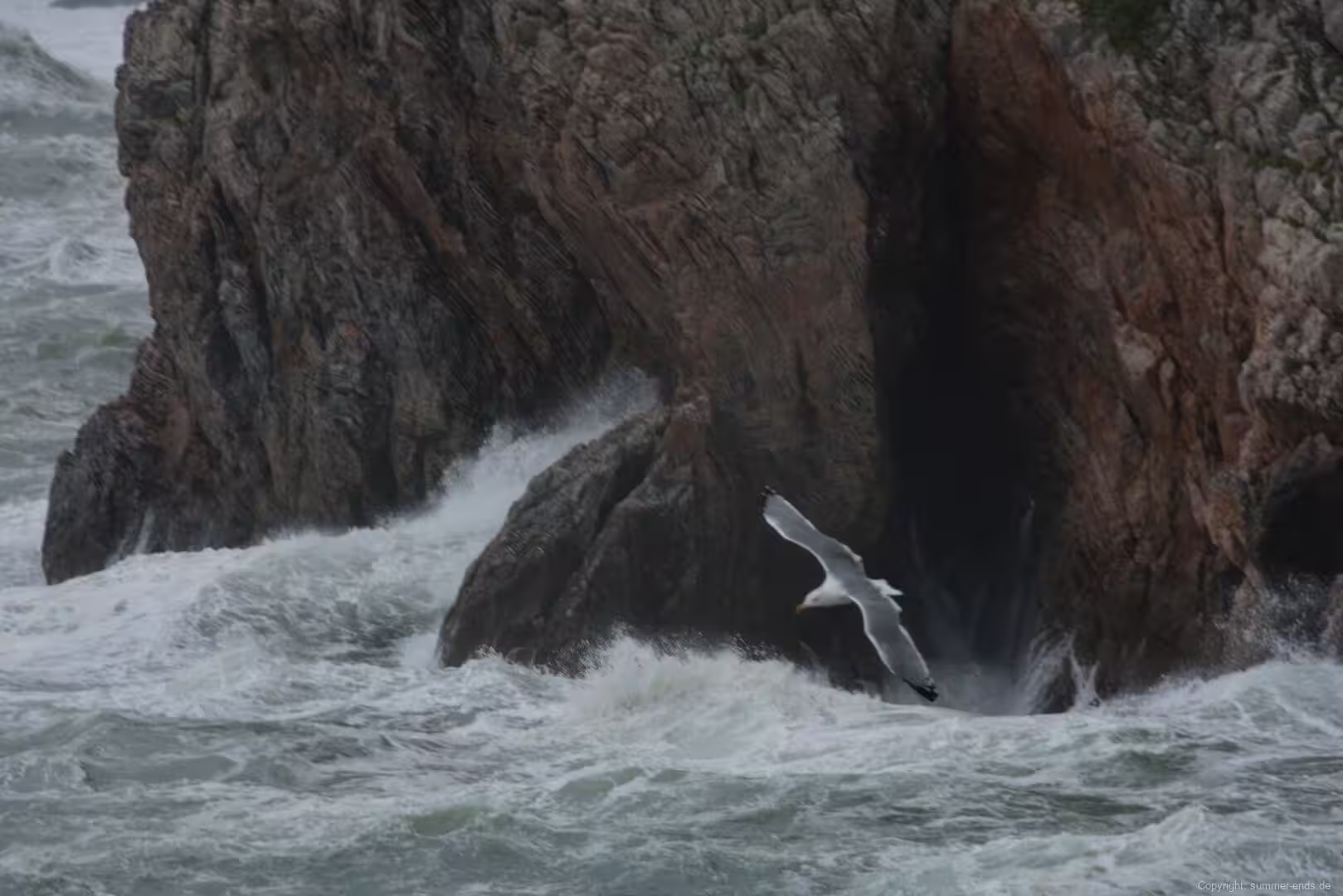
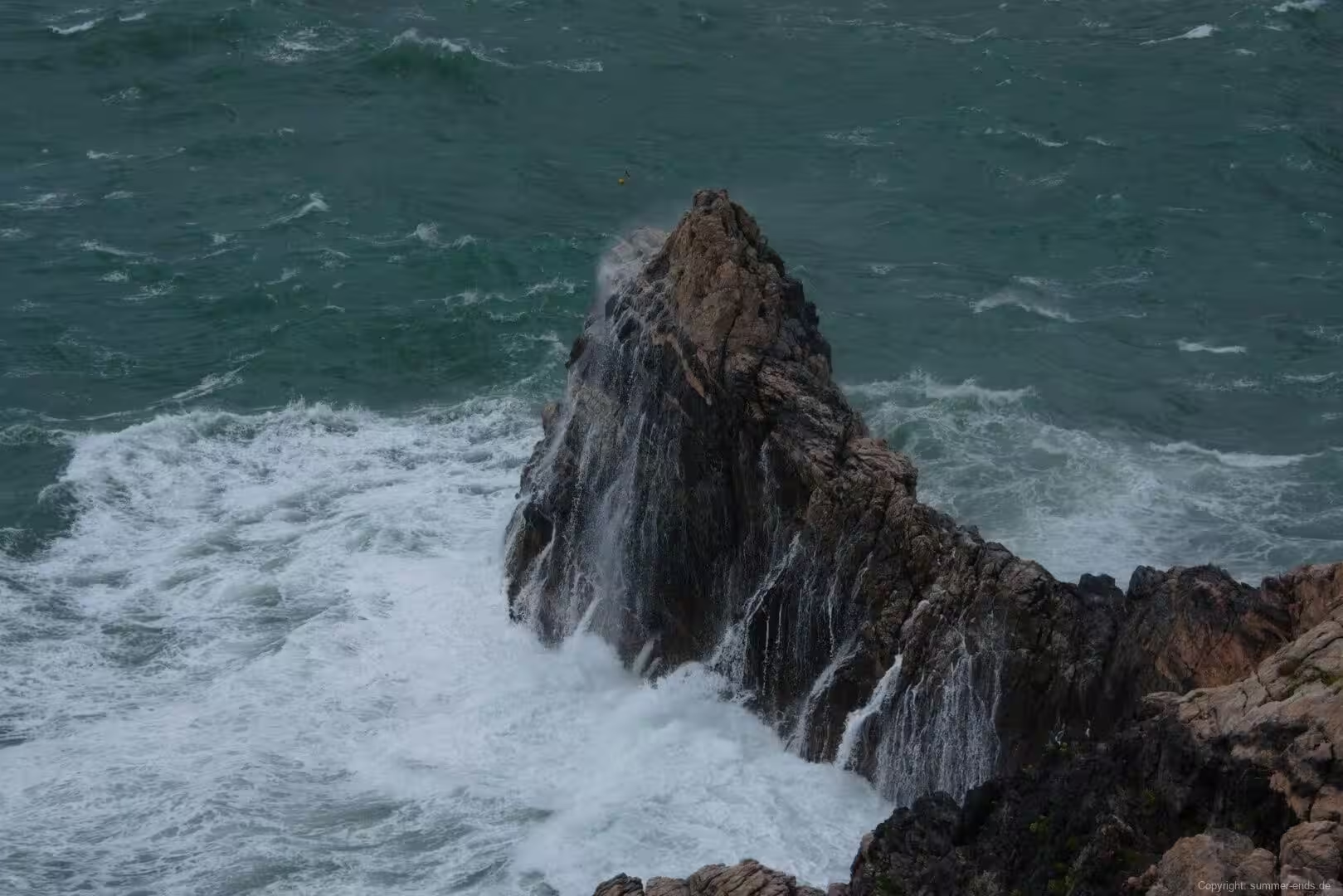
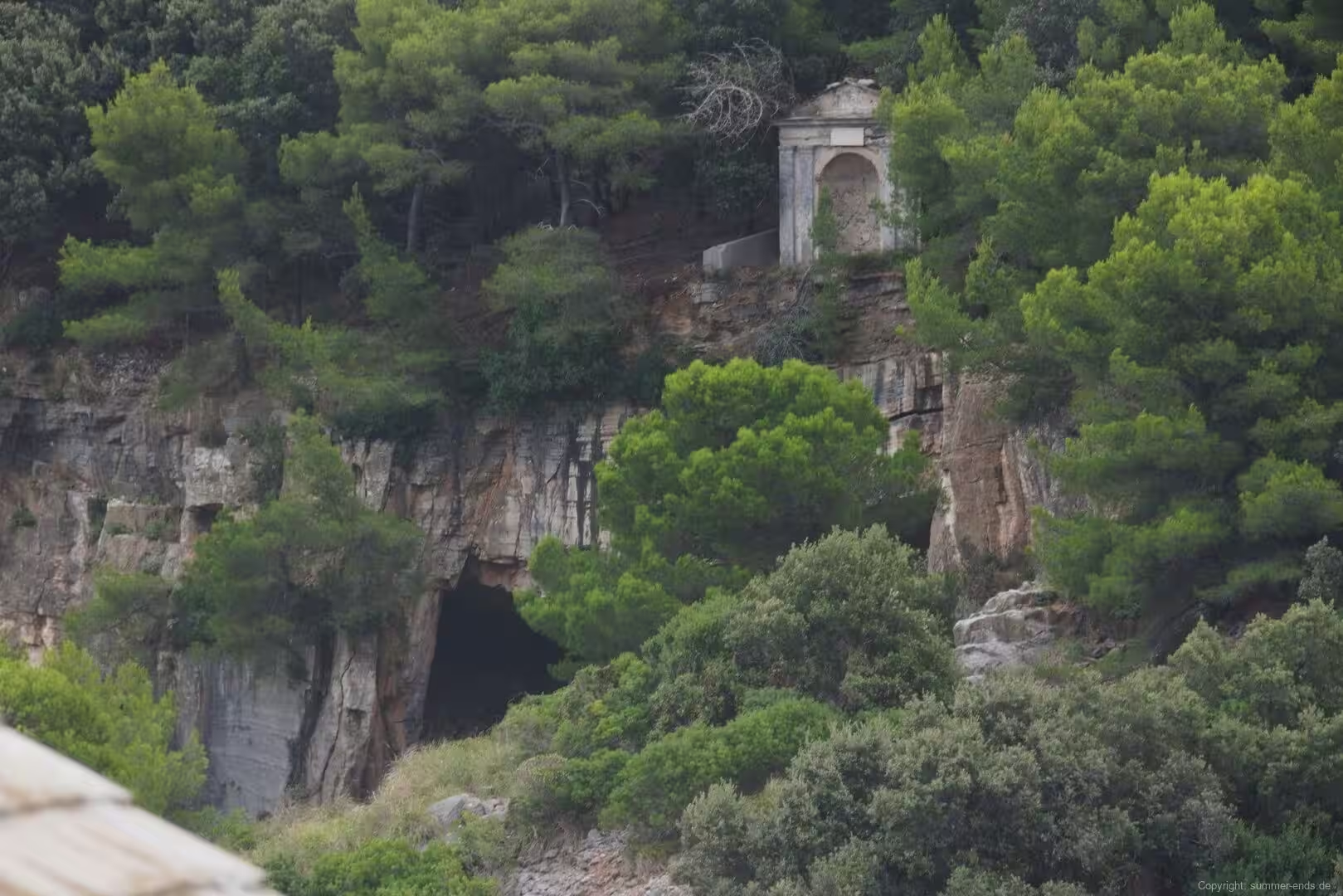
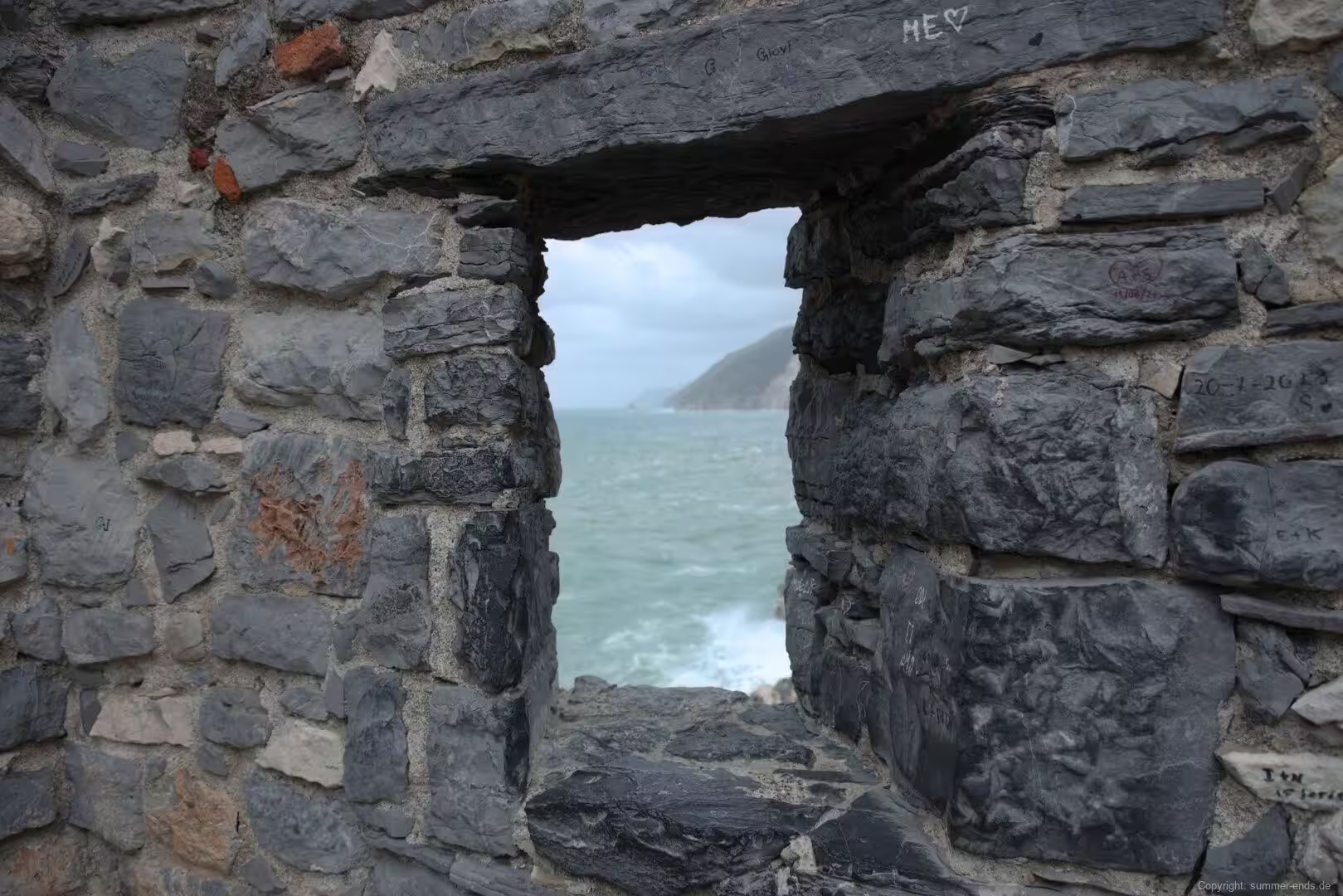
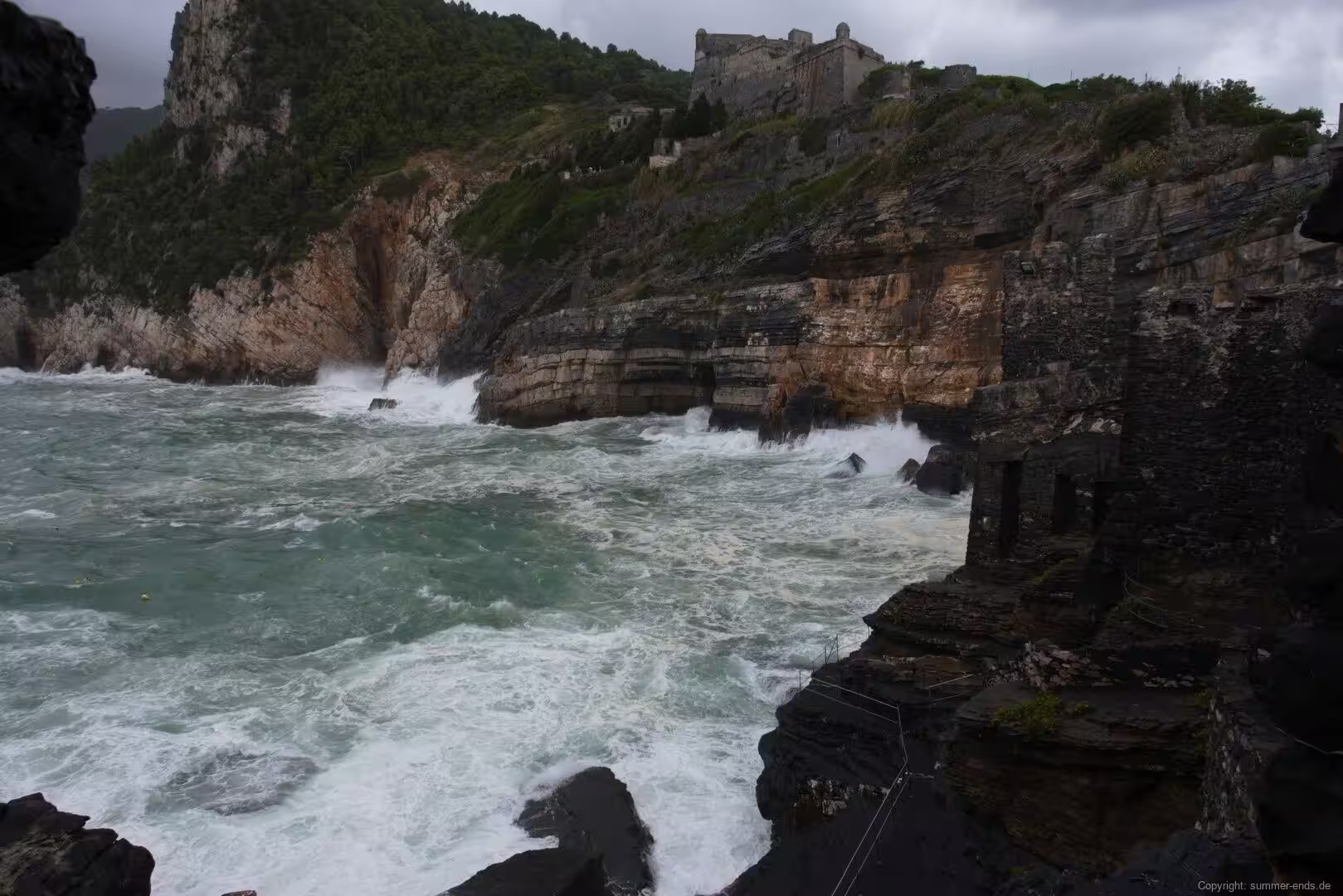
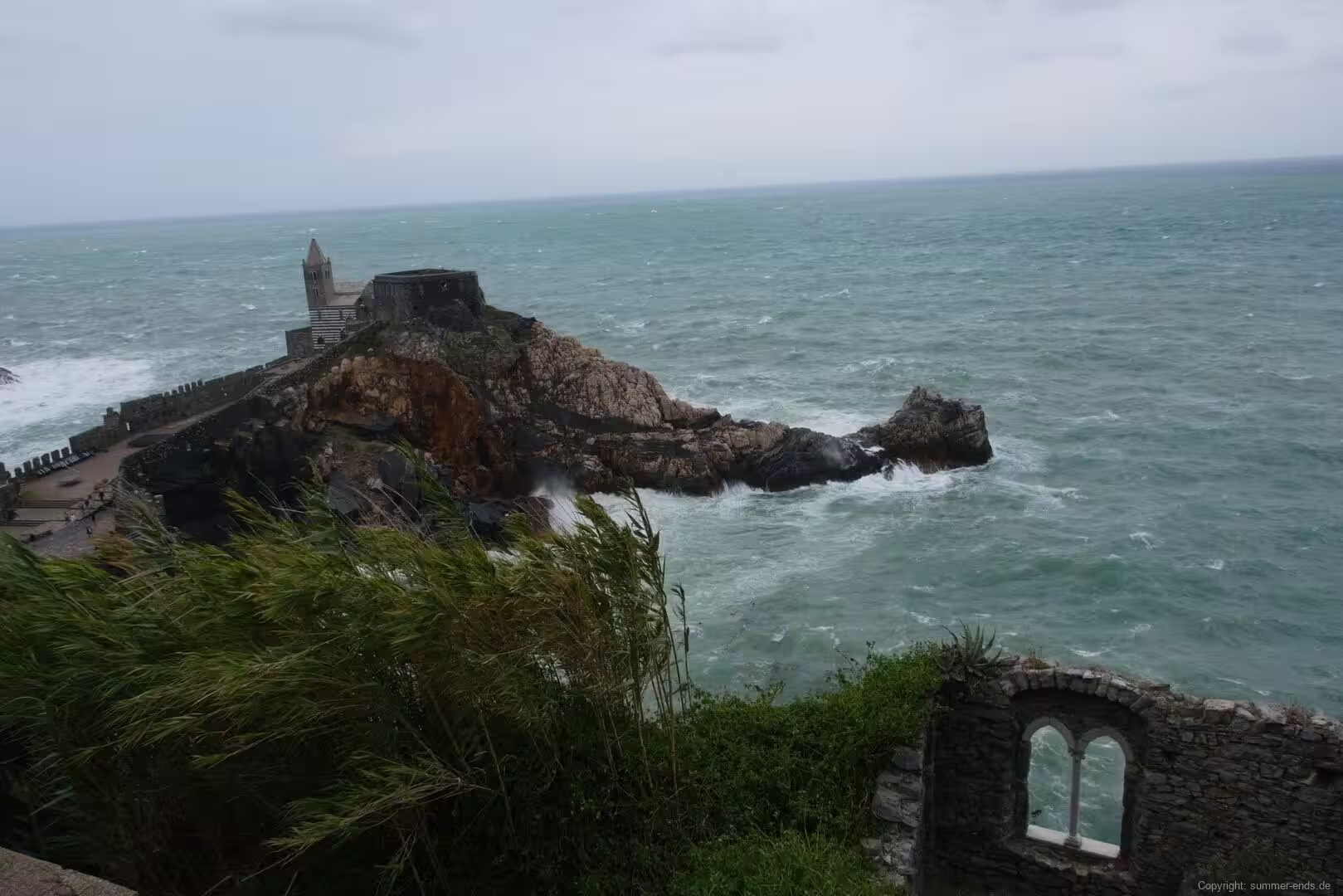
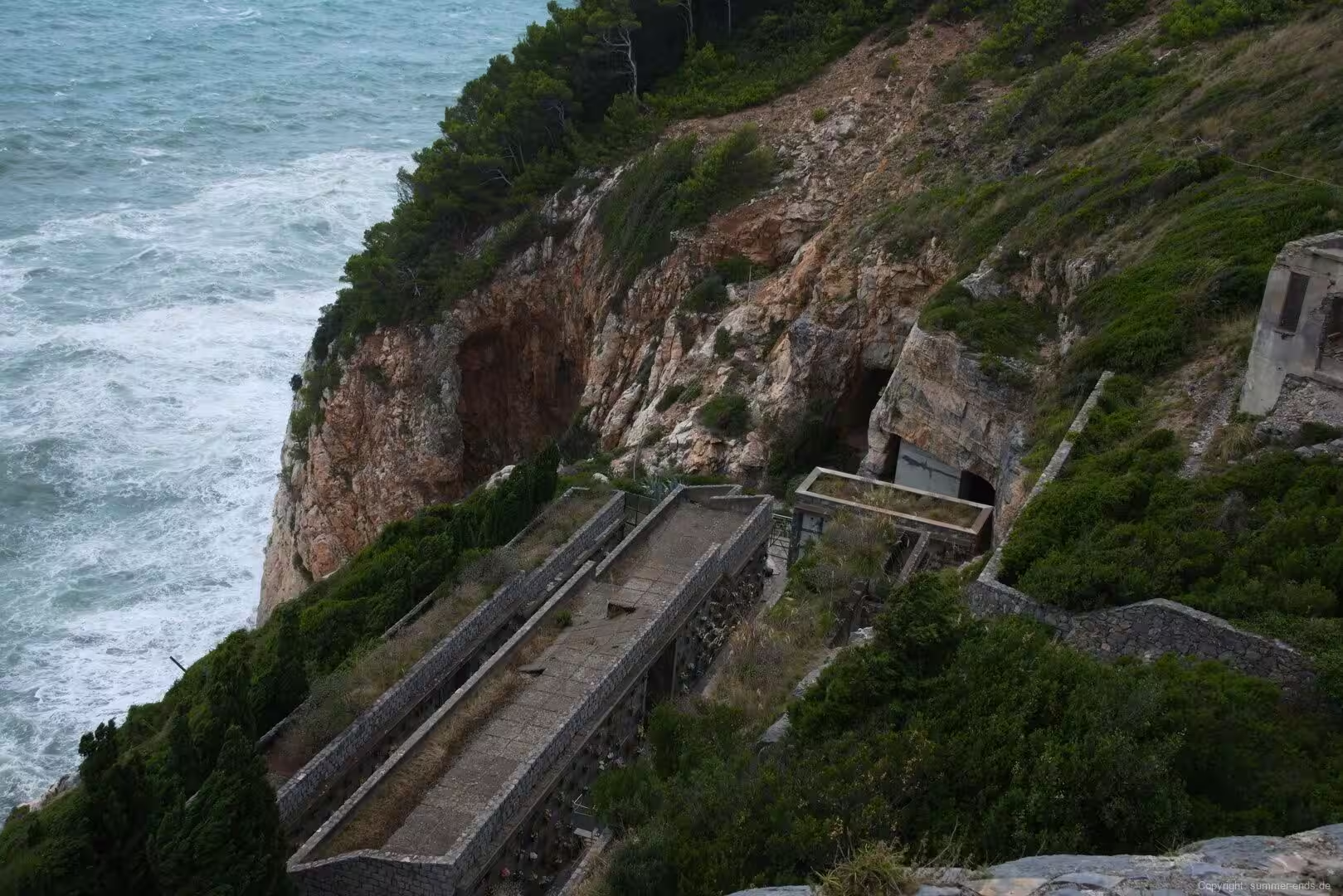
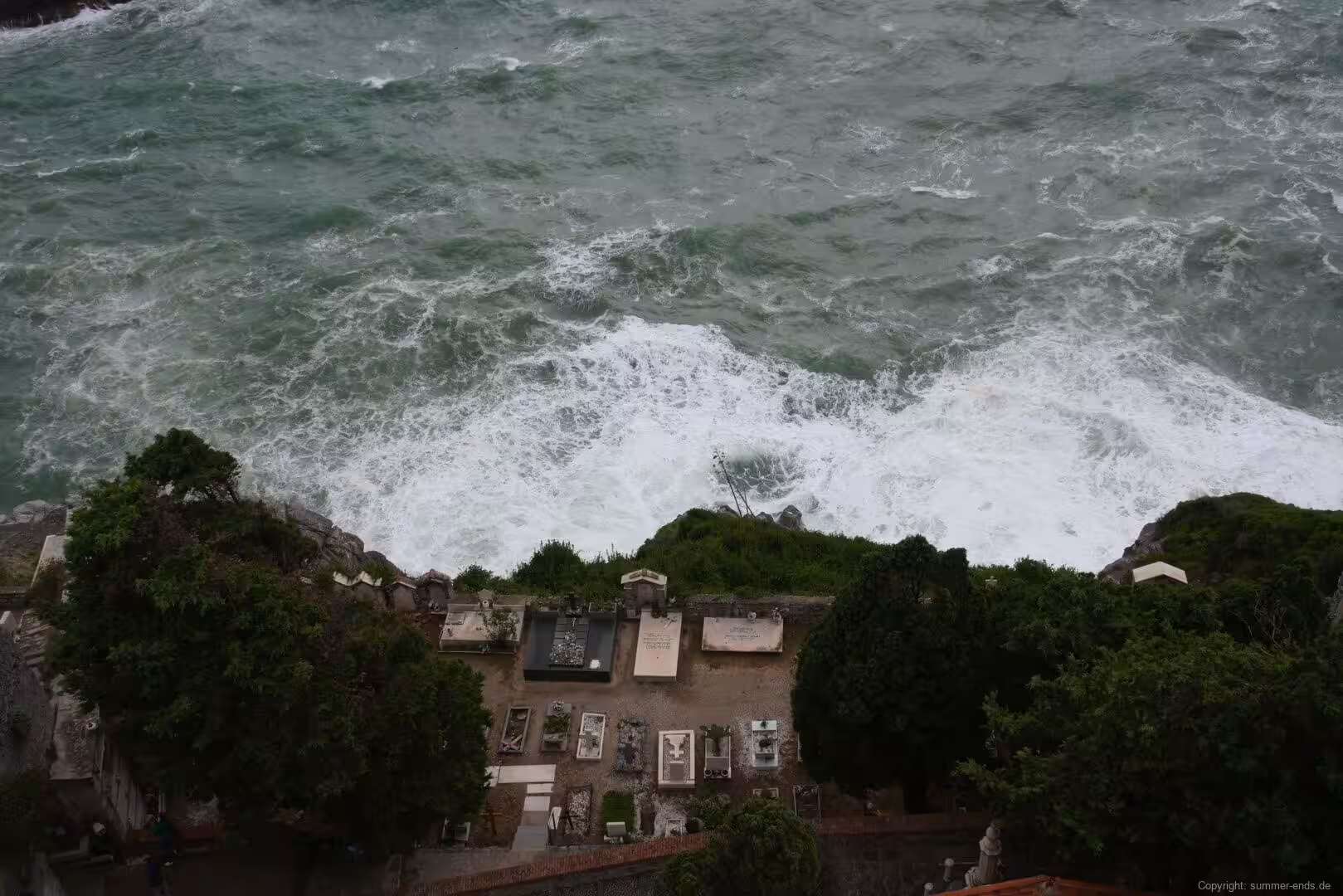
The rocky promontory on which the town is built consists largely of resistant carbonate rocks, which form steep cliffs and rugged coastal morphology, and the headland exposes the contact between the darker metamorphic and the lighter carbonate units in the low cliffs at the water’s edge. Marine erosion, wave action and chemical weathering have shaped the shoreline, creating the sea caves, vertical rock faces and narrow inlets that line the coast. The islands of Palmaria, Tino and Tinetto share similar geological characteristics and represent erosional remnants of the same structural units, cut off from the mainland by the sea.
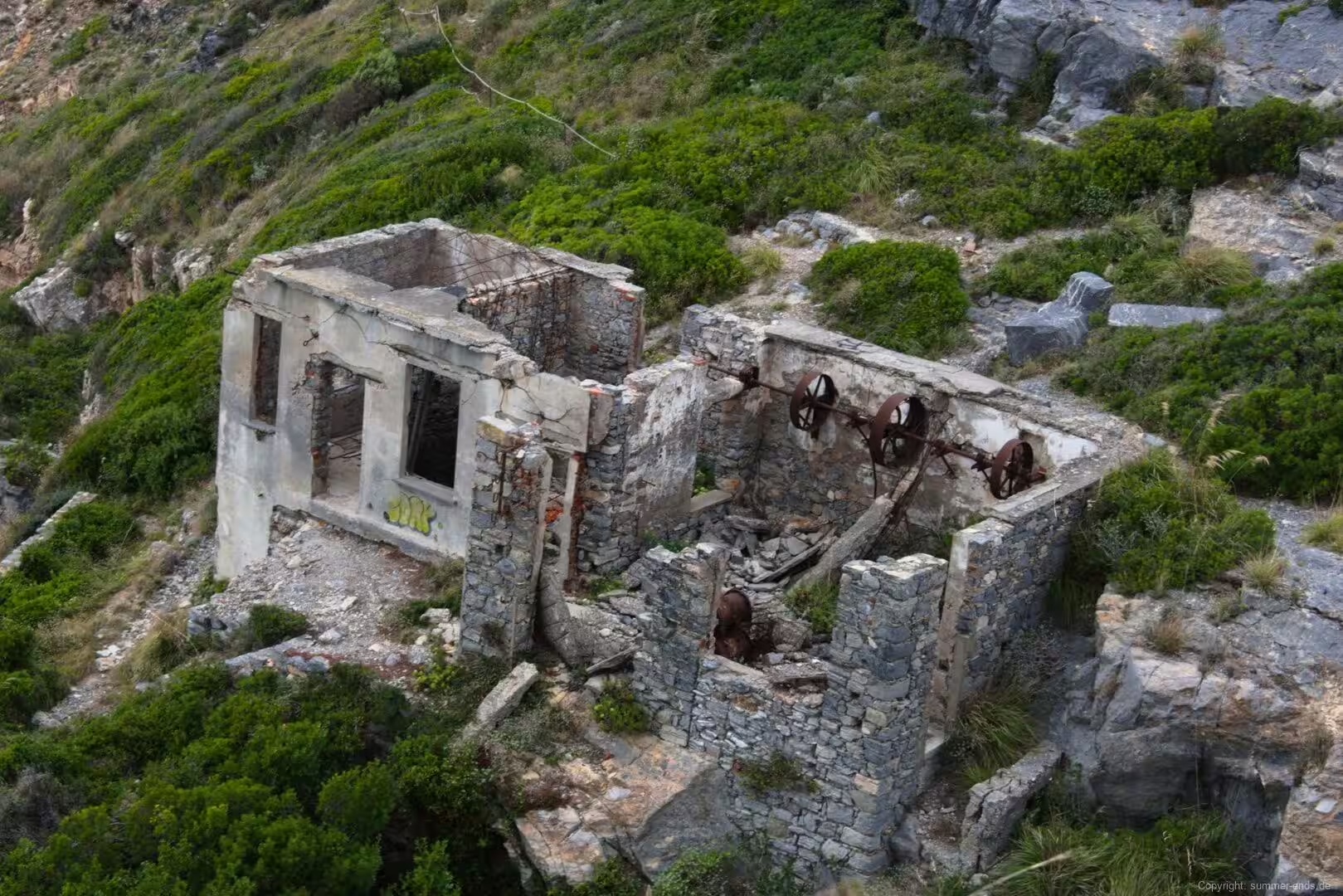
Thin soils, steep slopes and active geomorphological processes such as rockfall and landslides have strongly influenced settlement patterns and construction techniques, and they carry a continuing risk on the steep faces above the coast. The geology of the area has necessitated compact urban development and the extensive use of stone in architecture, while the resistance of the rock and the depth of the water have made the sheltered anchorage and the site defensible. The contrast between the pale rock, the folded strata and the deep sea contributes to the dramatic appearance of the promontory and the islands.
Things to See
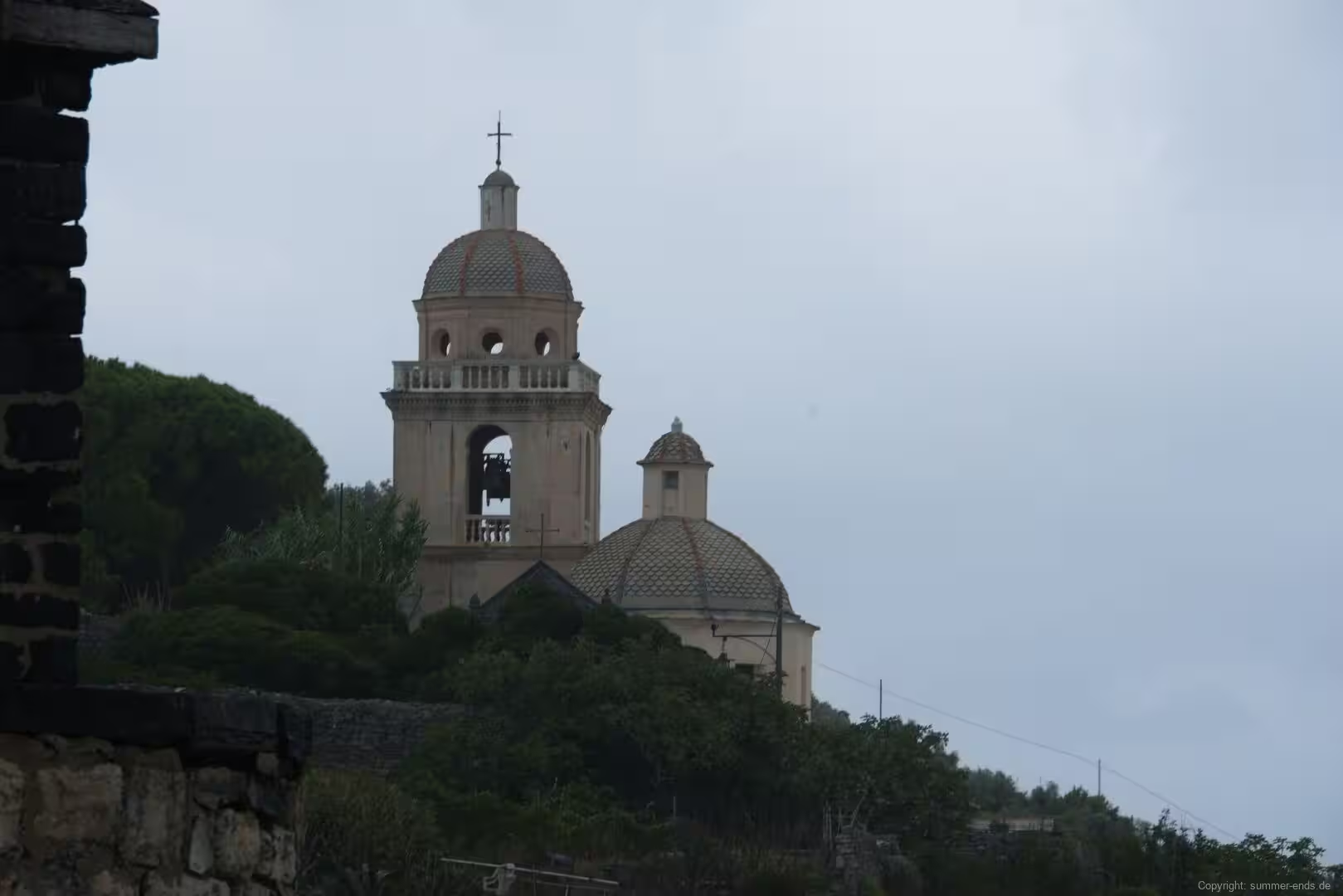
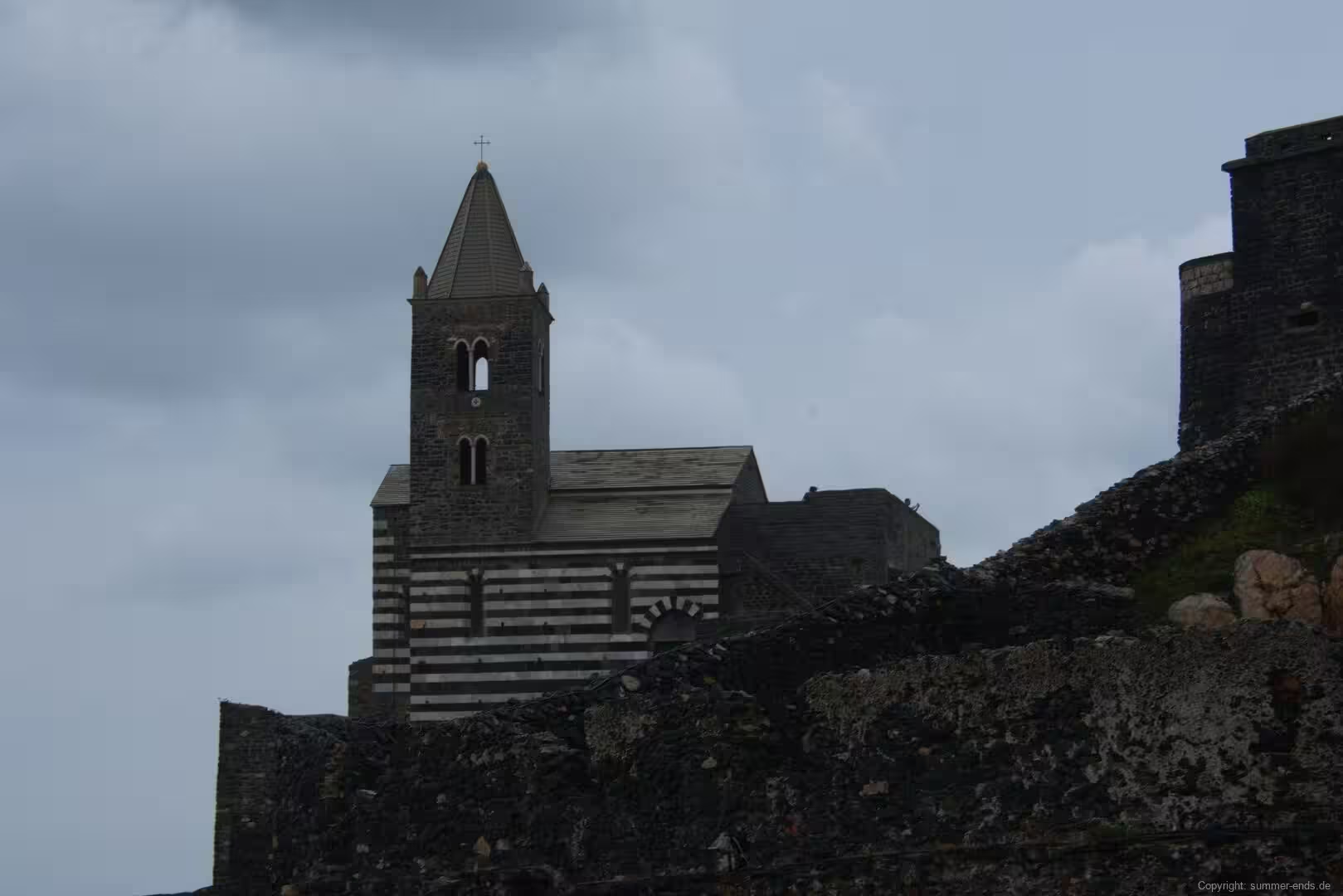
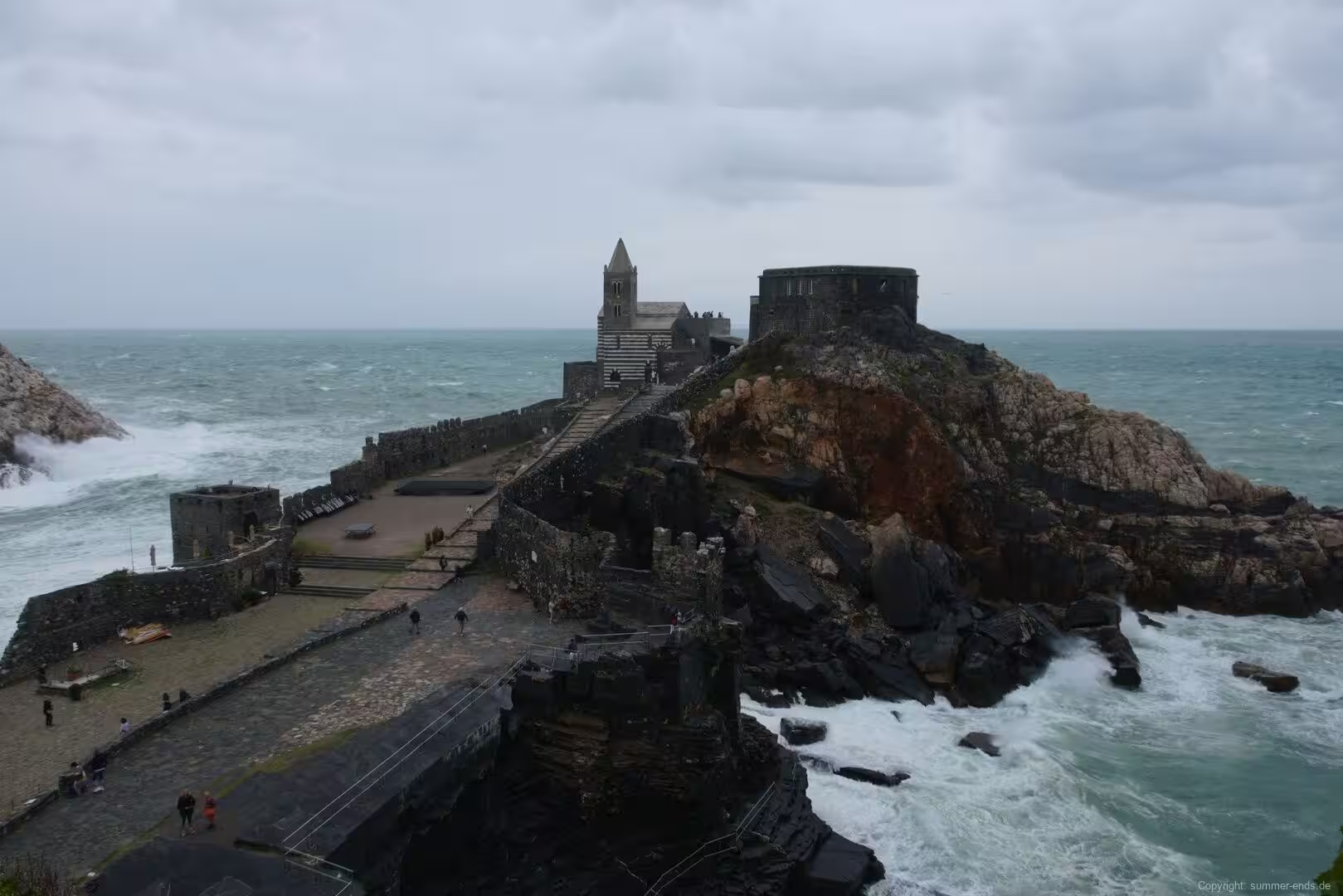
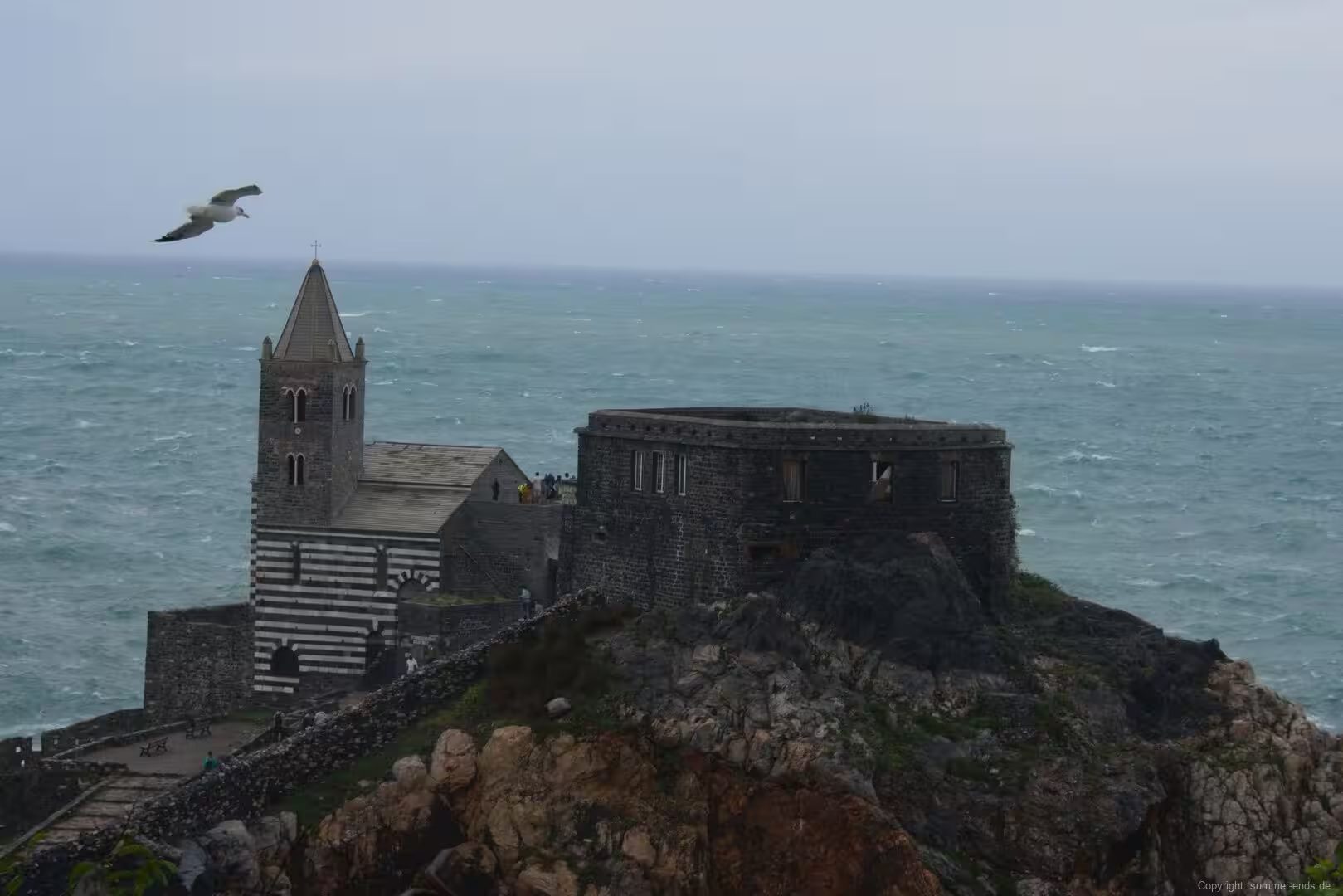
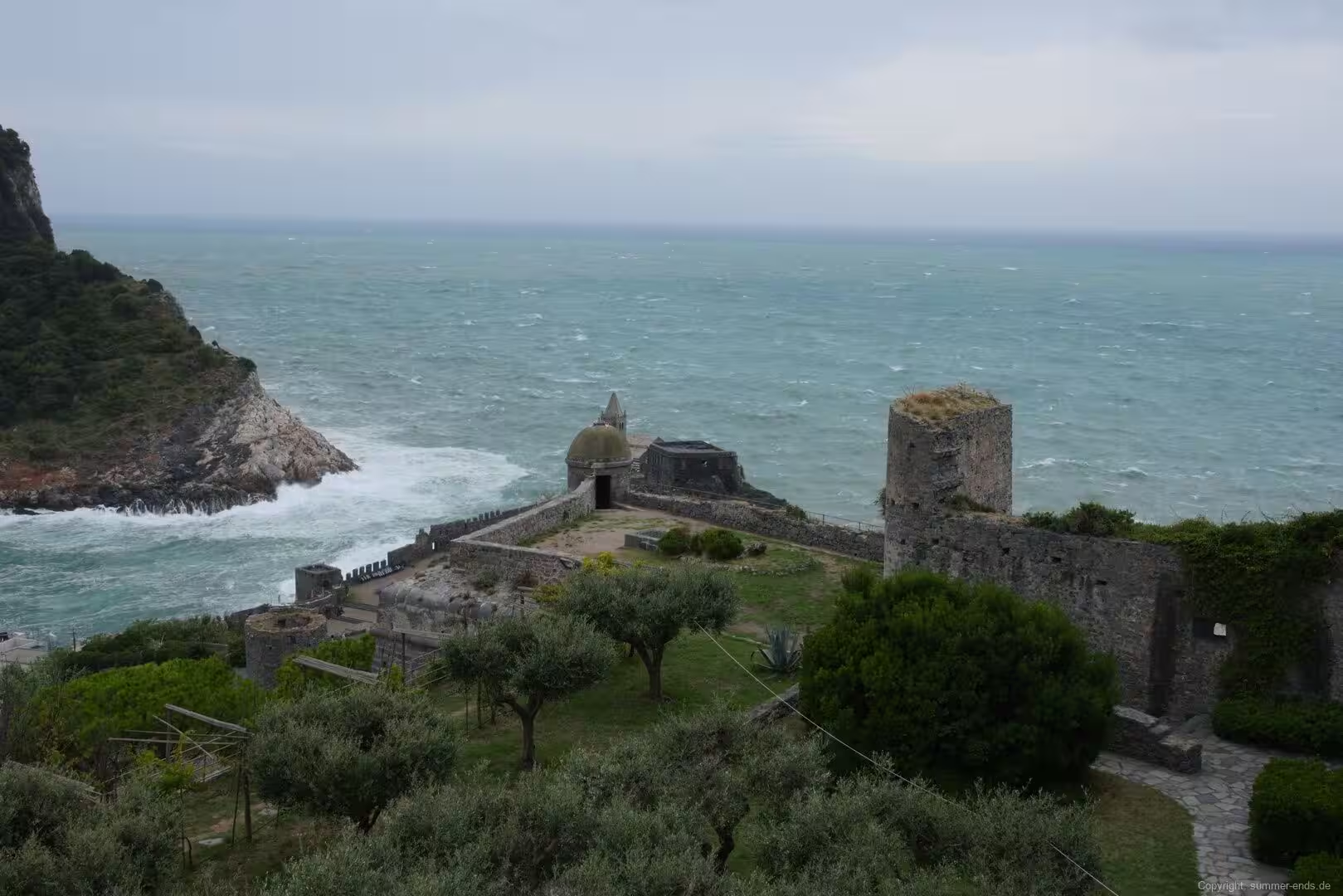
The Church of San Pietro, dramatically positioned on the rocky headland at the southern tip of the town, is the most iconic building of Porto Venere. Its broad terrace overlooks the open sea and the islands, and its walls, partly of striped local stone, date from a Romanesque phase of the twelfth and thirteenth centuries, later extended with a gothic presbytery and a bell tower that face the water. The church and the headland on which it stands, with the white rock of the cliffs dropping directly into the sea, illustrate the integration of architecture and coastal geology that defines the town.
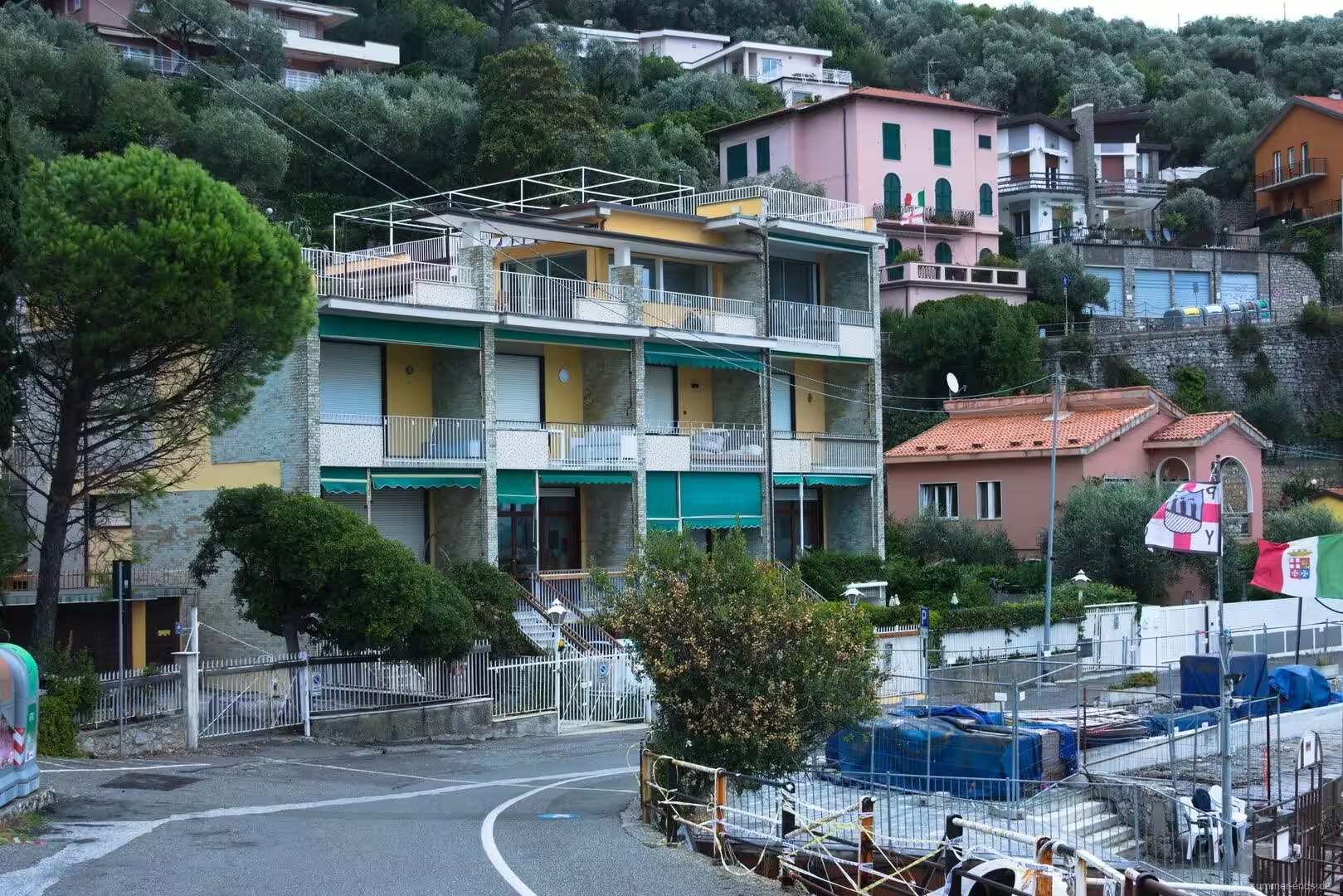
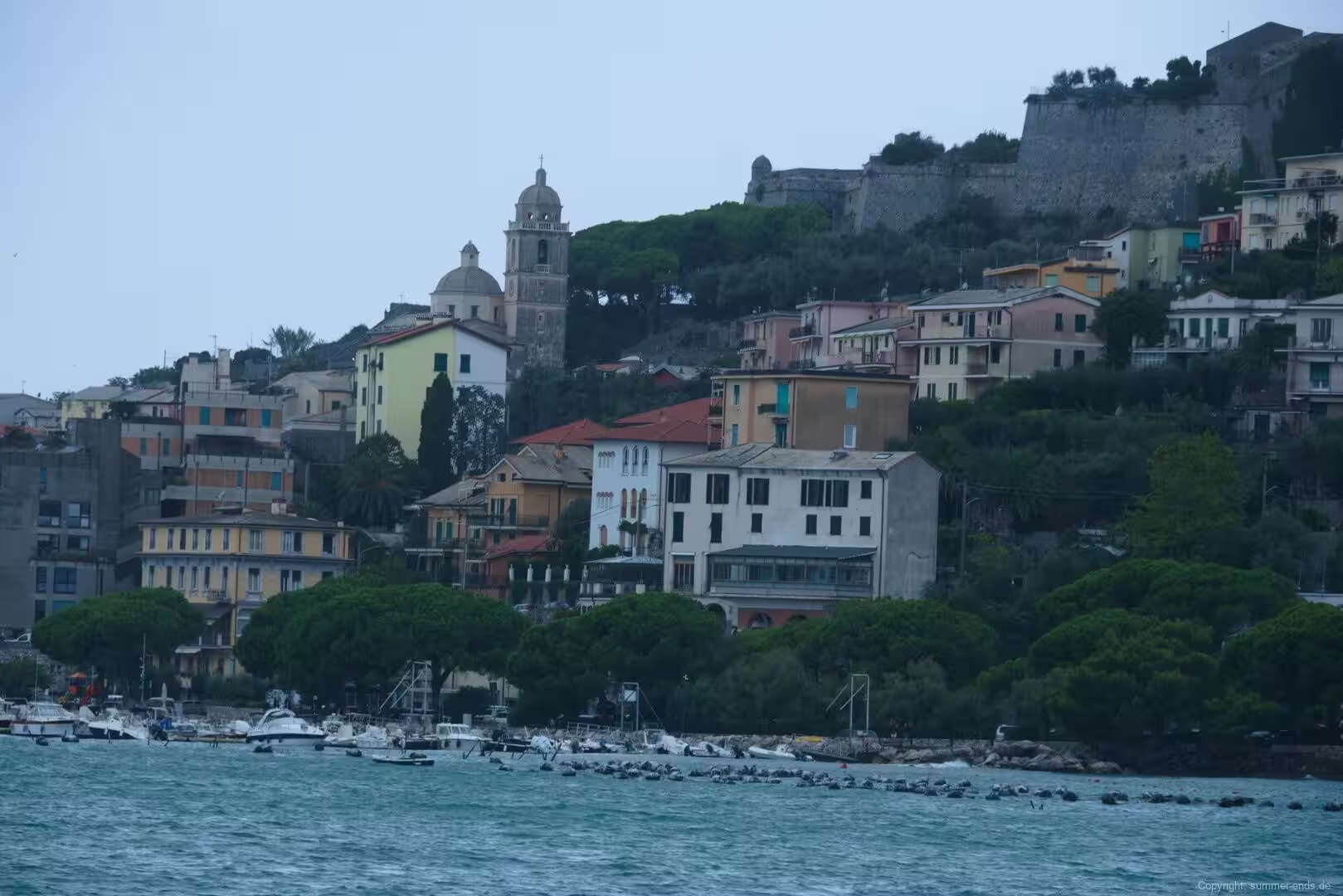
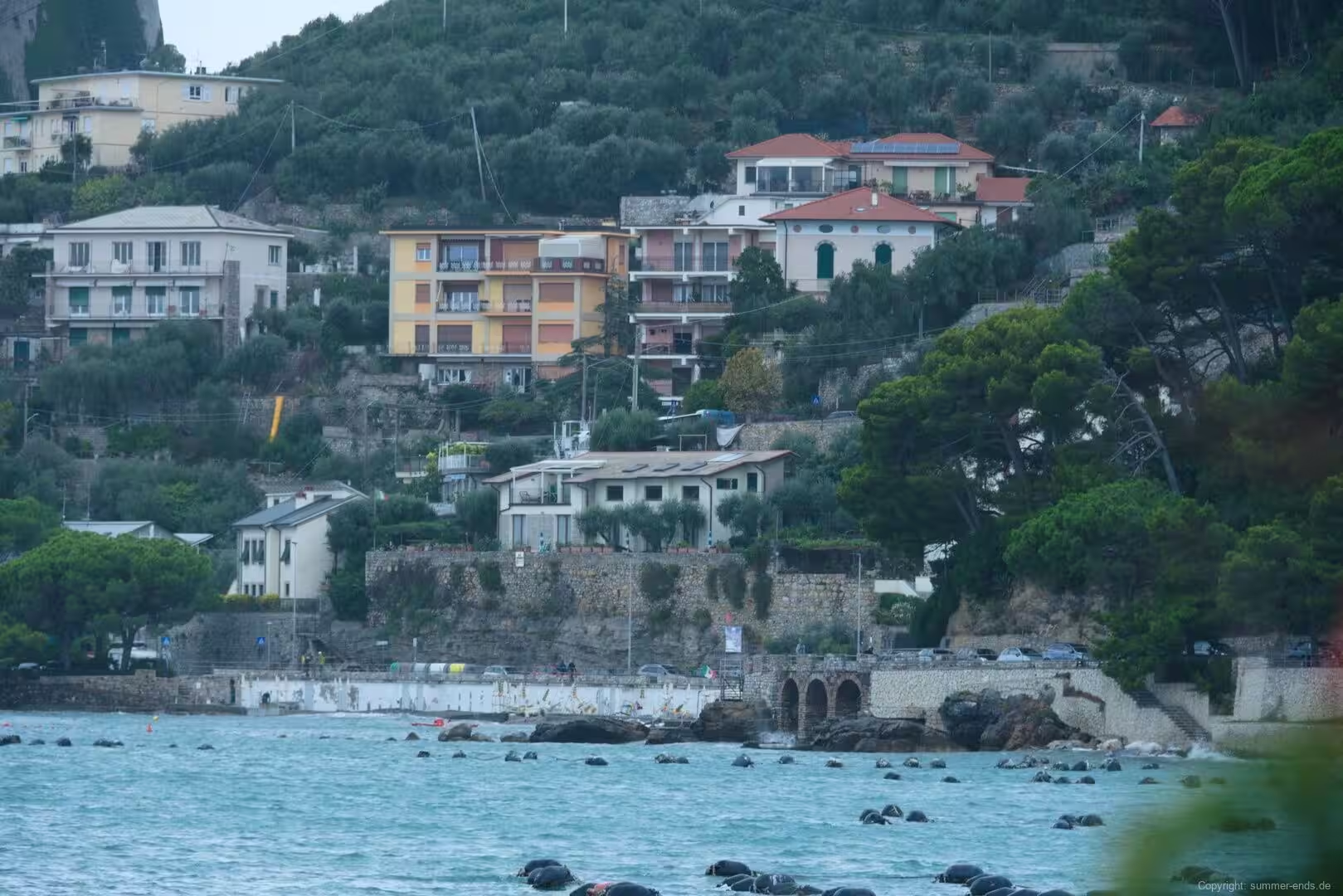
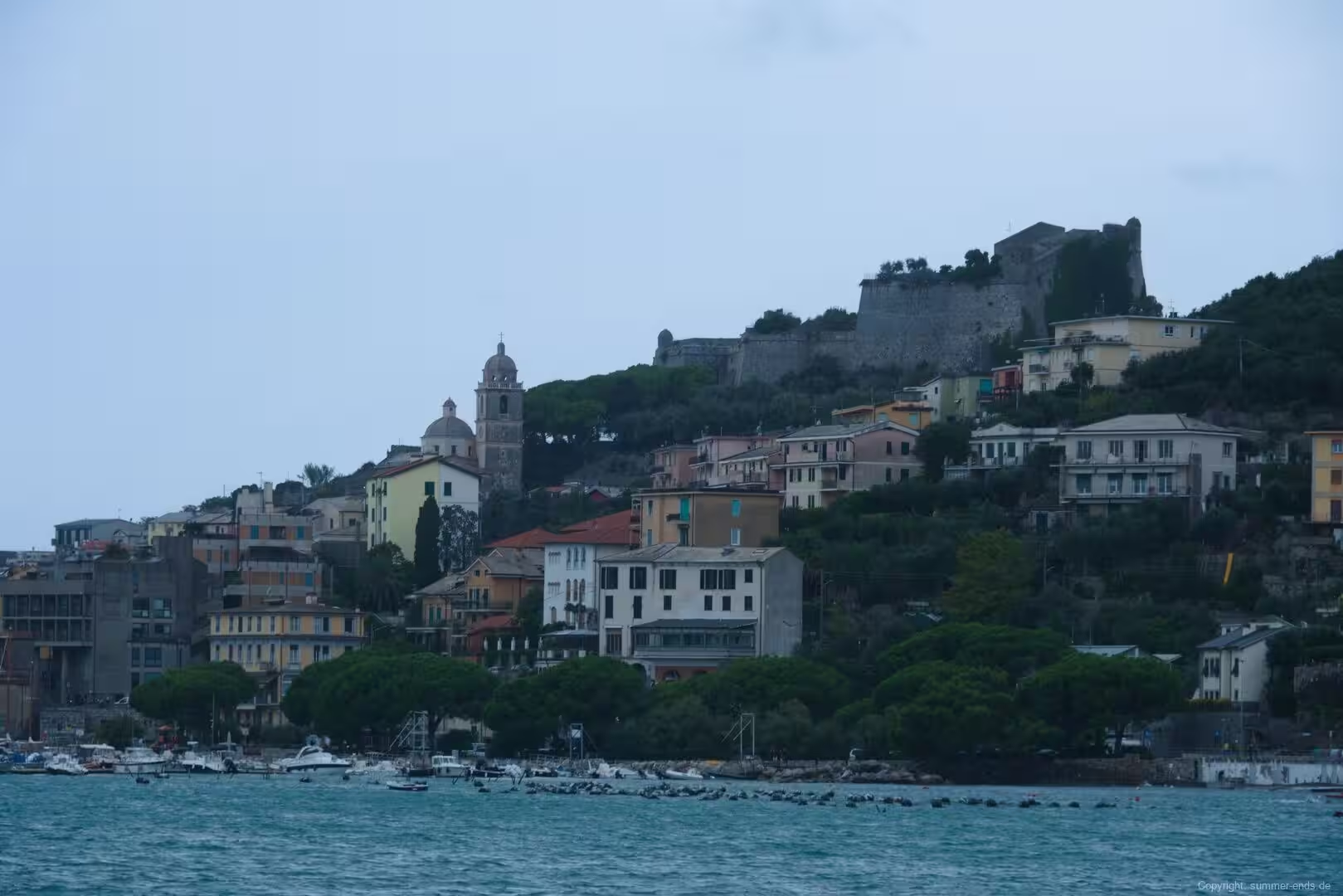
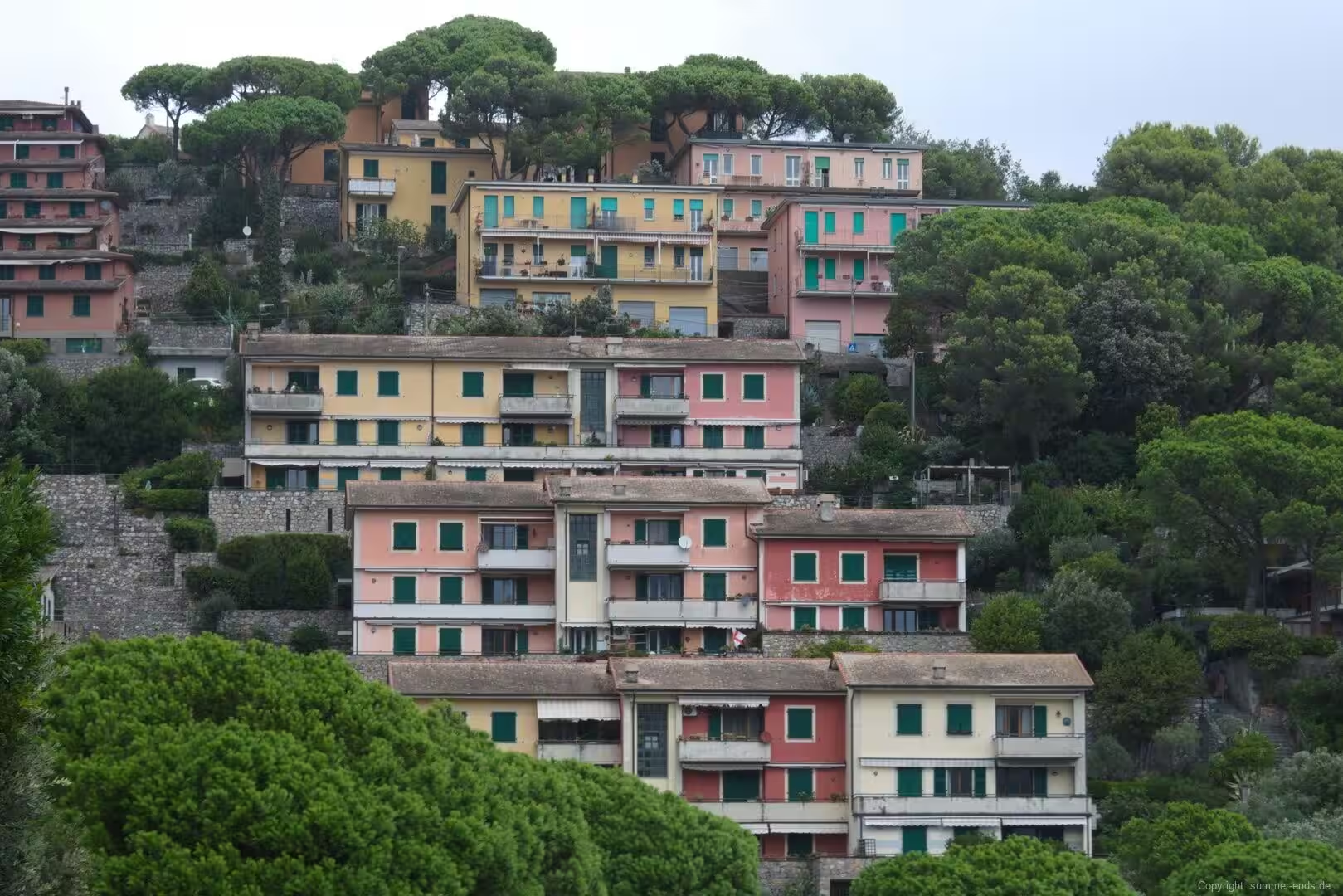
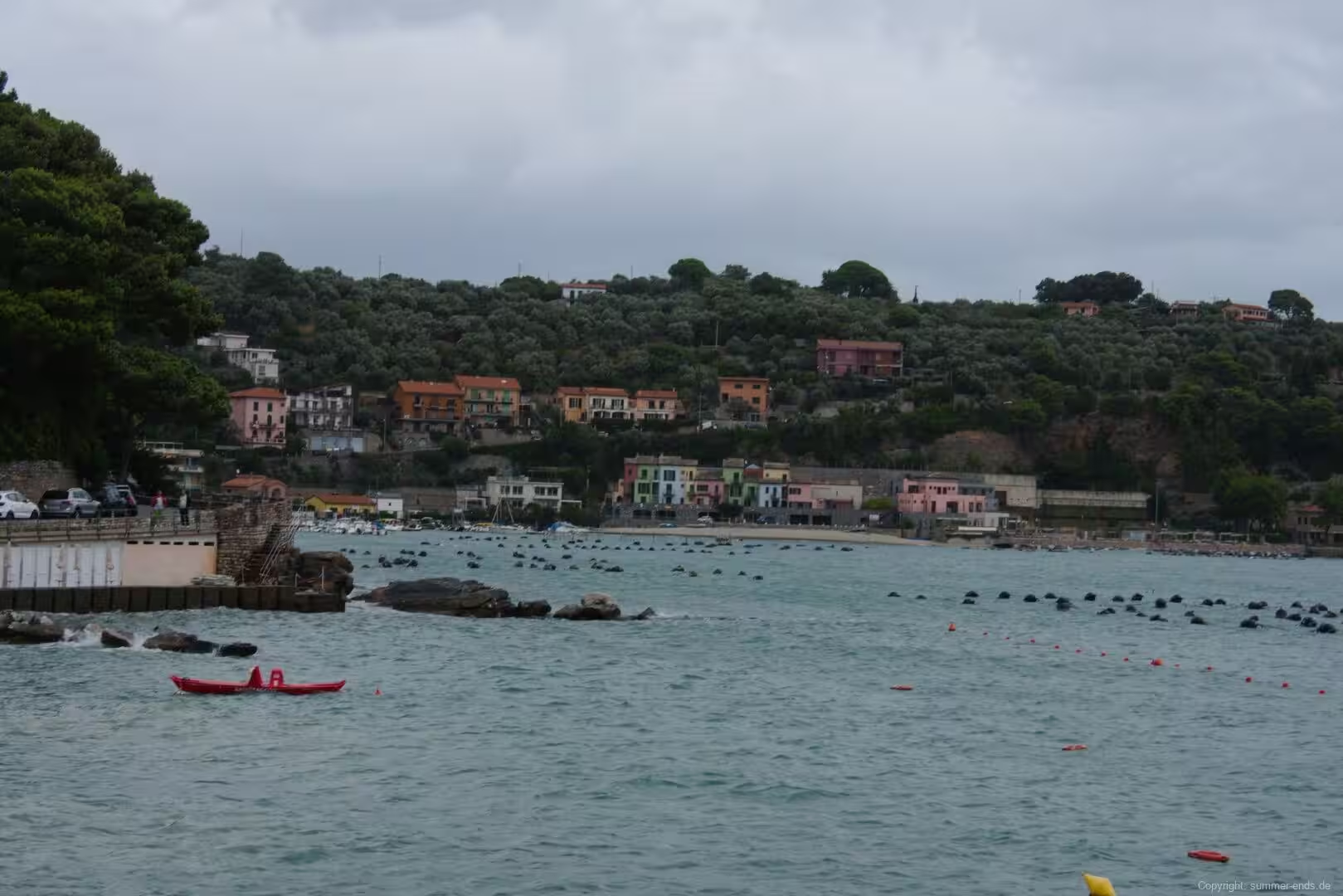
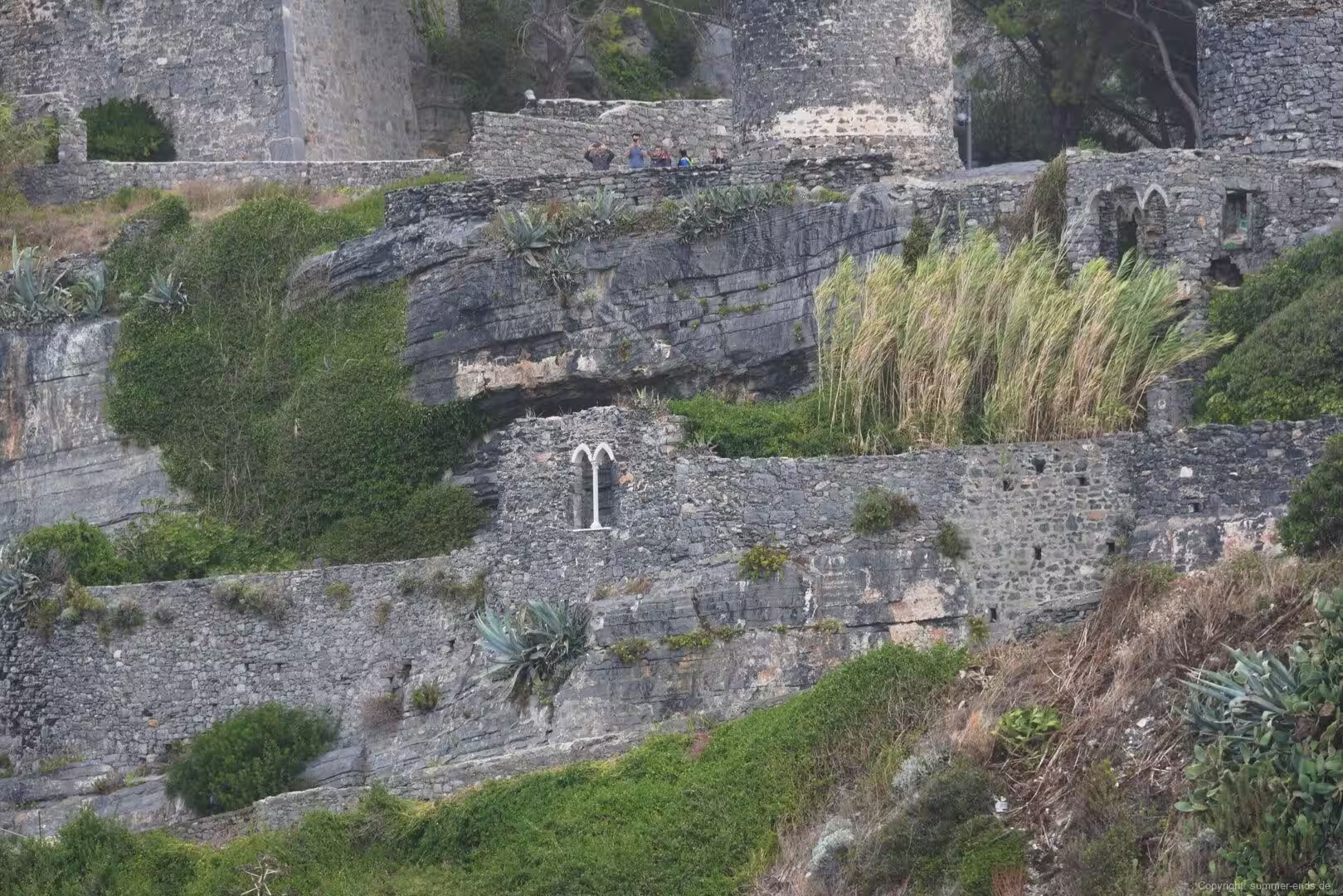
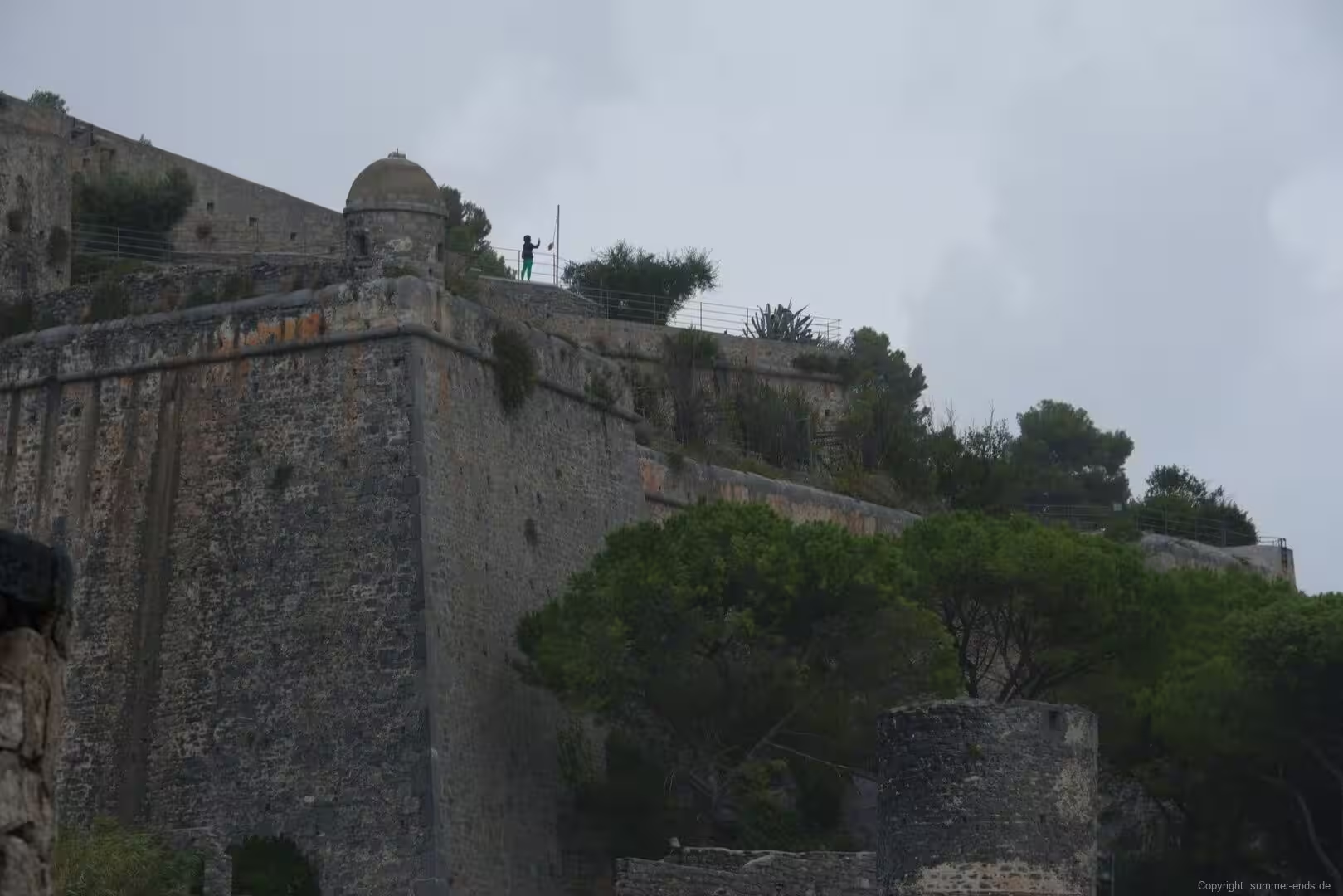
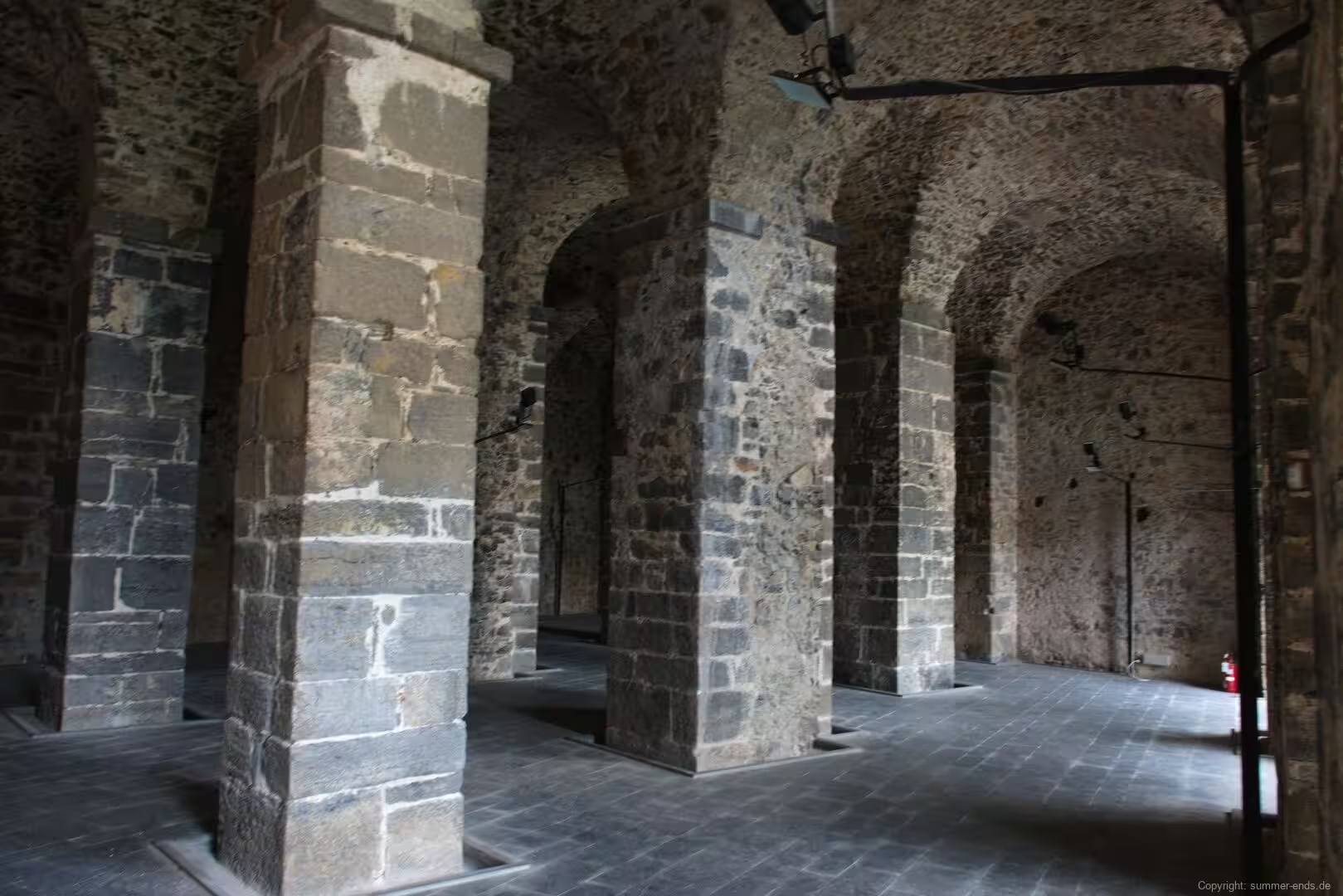
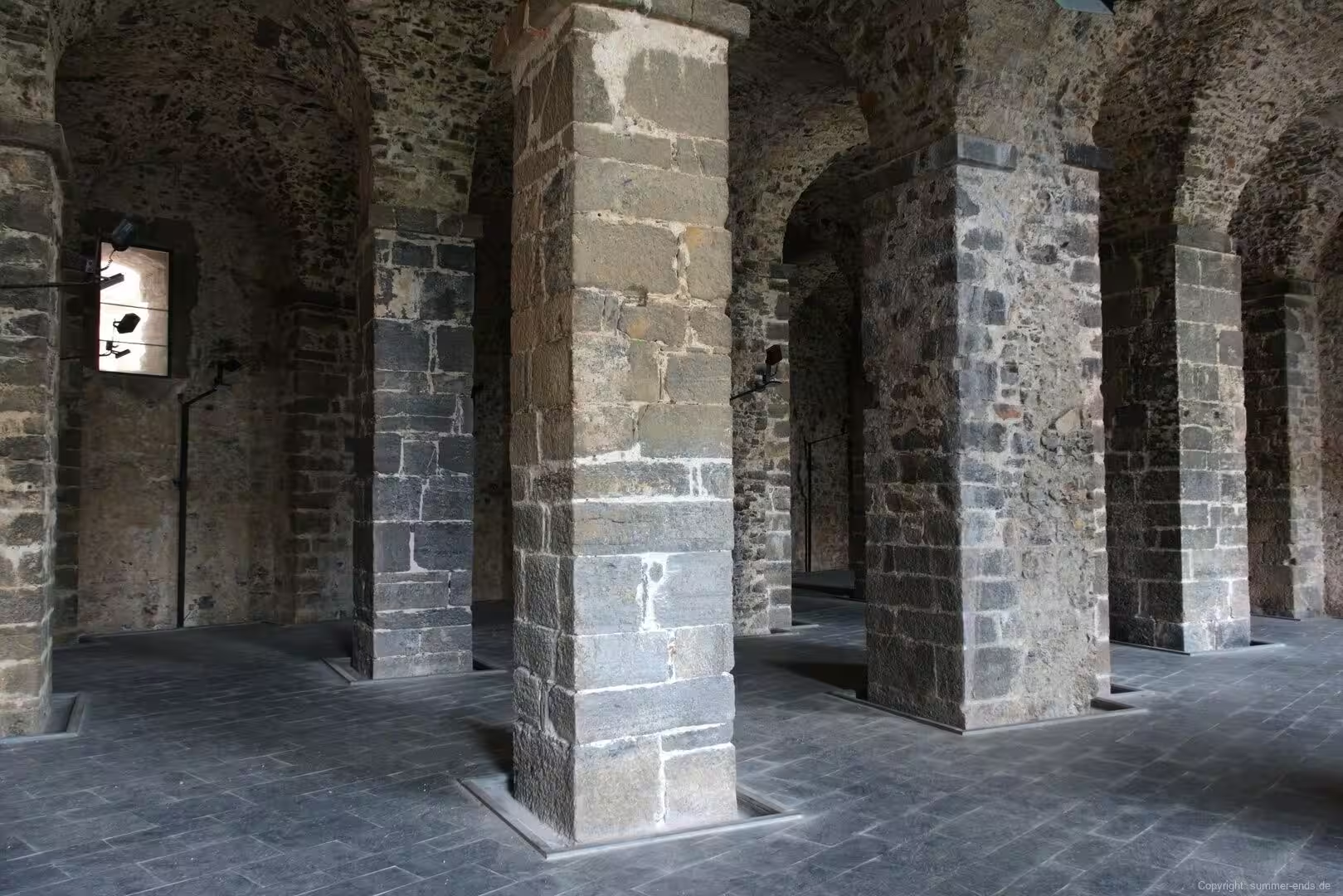
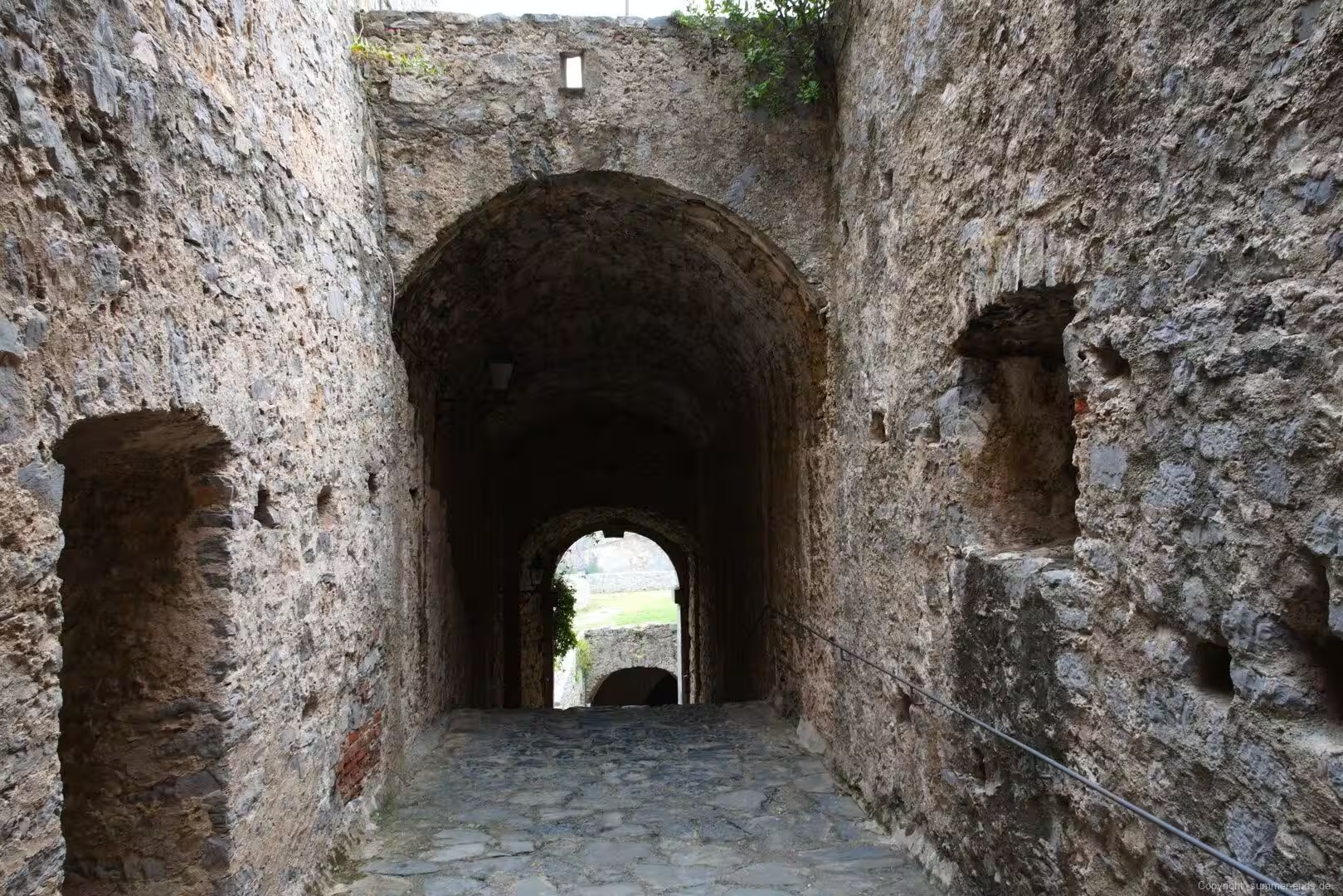
The Doria Castle, the thirteenth-century fortress that crowns the hill above the harbour, commands the promontory and the town. It was built and rebuilt under the Republic of Genoa, and its walls, towers and battlements, together with the surrounding fortifications that run along the ridge, offer views over the Gulf of La Spezia, the islands and the coastline. The medieval towers and the tall narrow houses of the historic centre, many painted in the pastel tones of yellow, pink and red, rise straight from the harbour edge, and the quay and the square of the small port provide the setting of the daily life of the town.
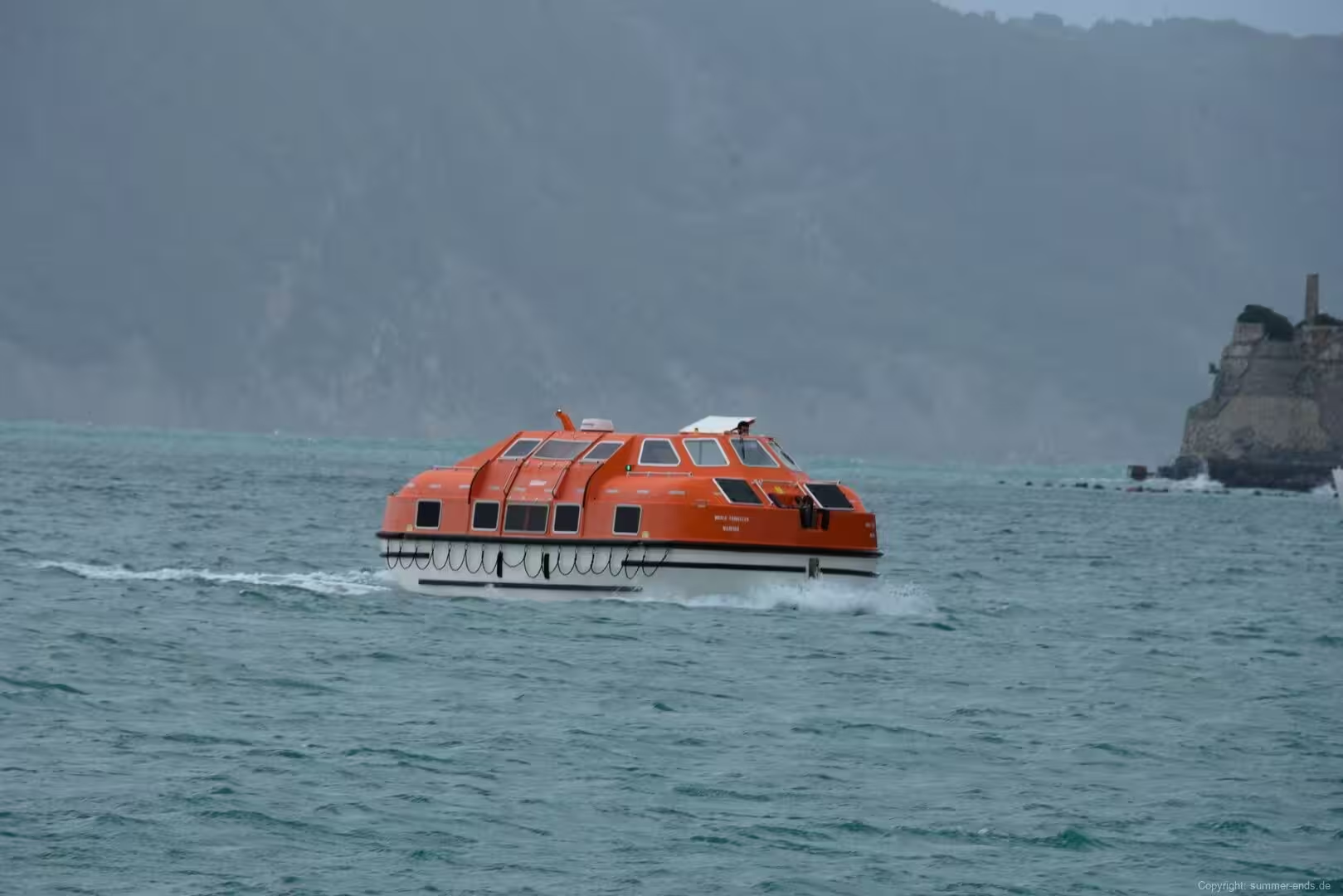
The historic centre holds the Church of San Lorenzo, the town’s parish church, rebuilt after damage in the twentieth century and standing above the harbour, and the narrow lanes that climb between the tower houses. Below the castle, the walls and the rocky shore, the Quarantino and the cliff path along the coast give access to the grottoes and the sea caves that open in the rock. Boats and ferries link the town to the islands of Palmaria, Tino and Tinetto, which offer paths, rocky cliffs and the remains of the Tino monastery, and to the waters and the inlets of the gulf.
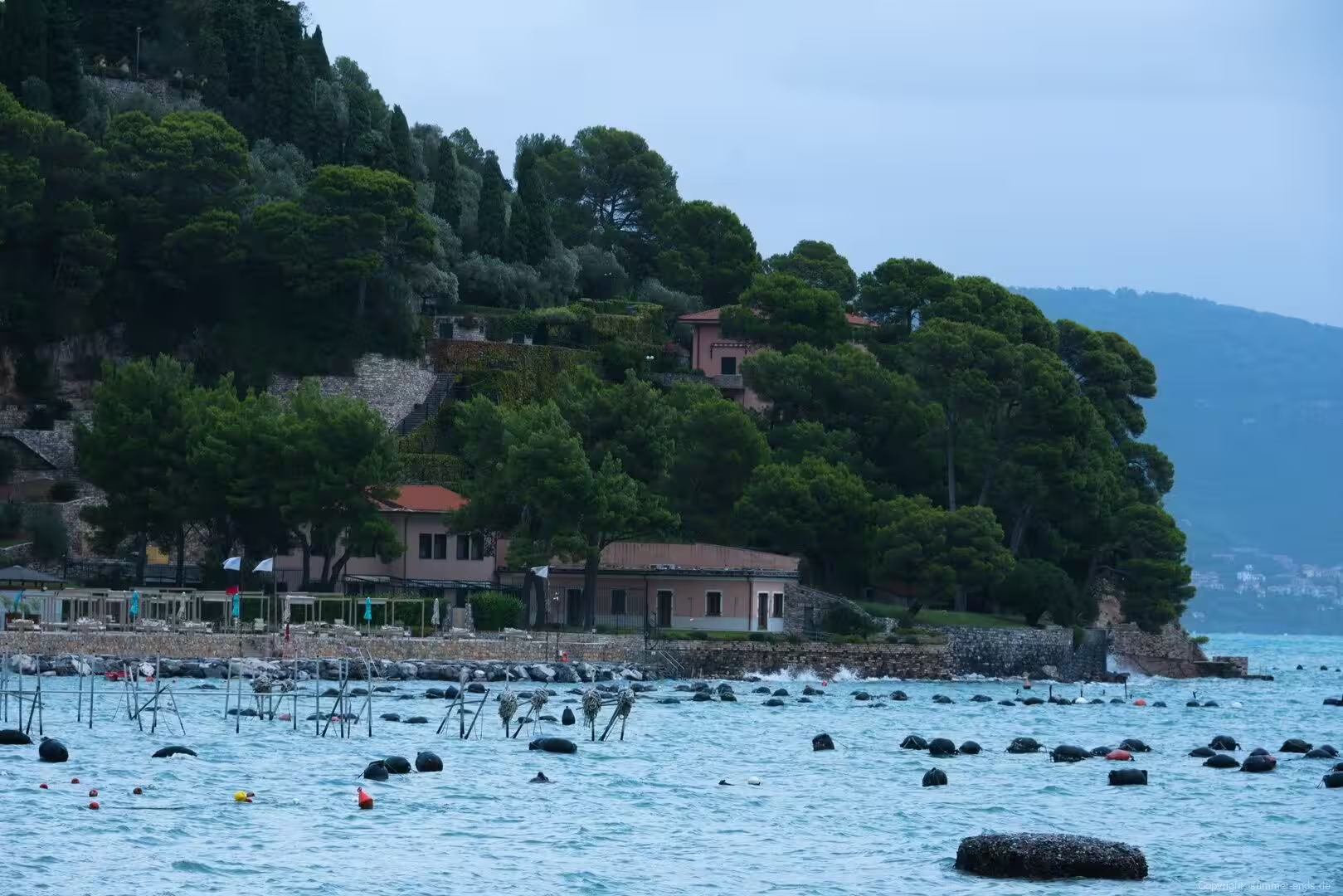
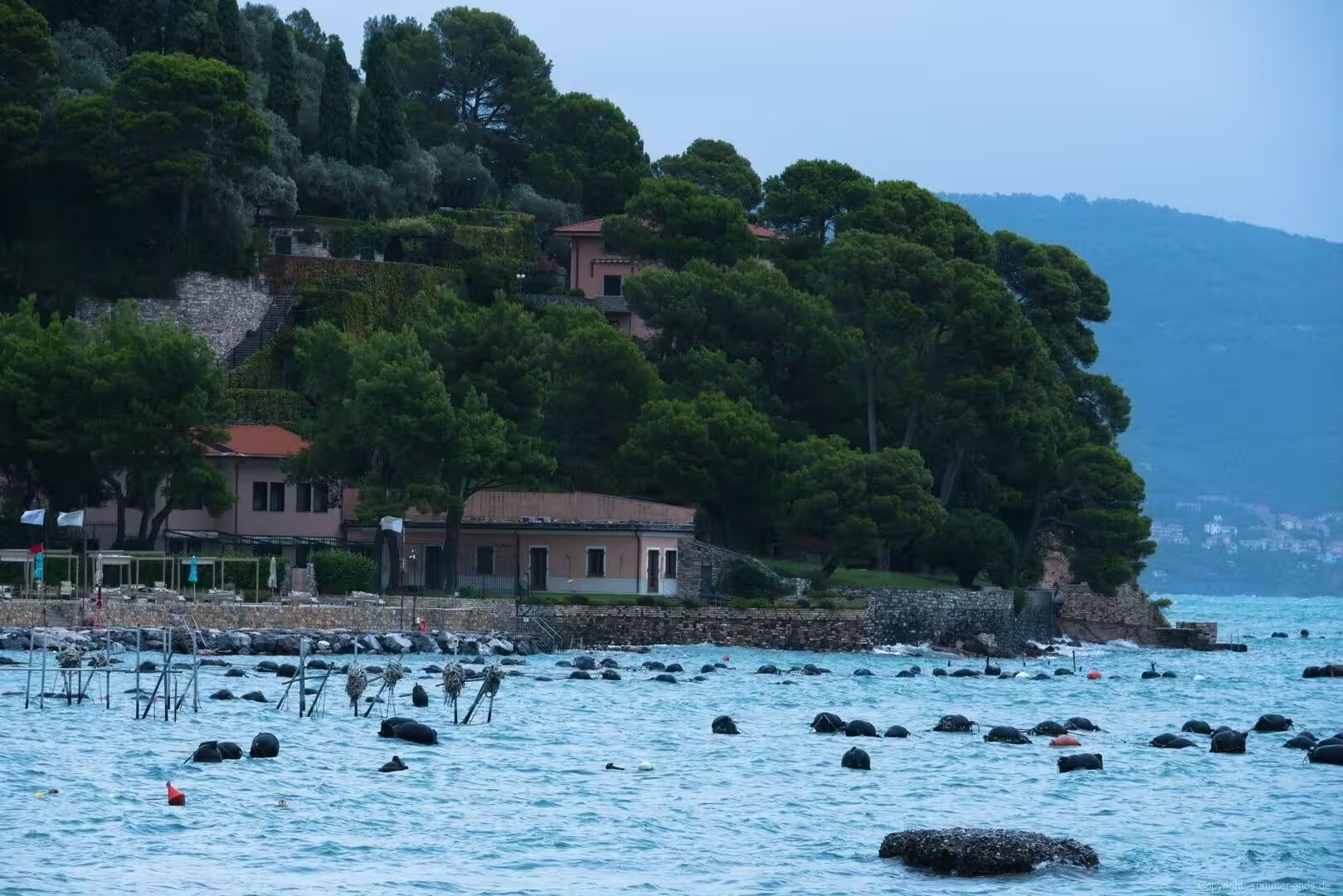
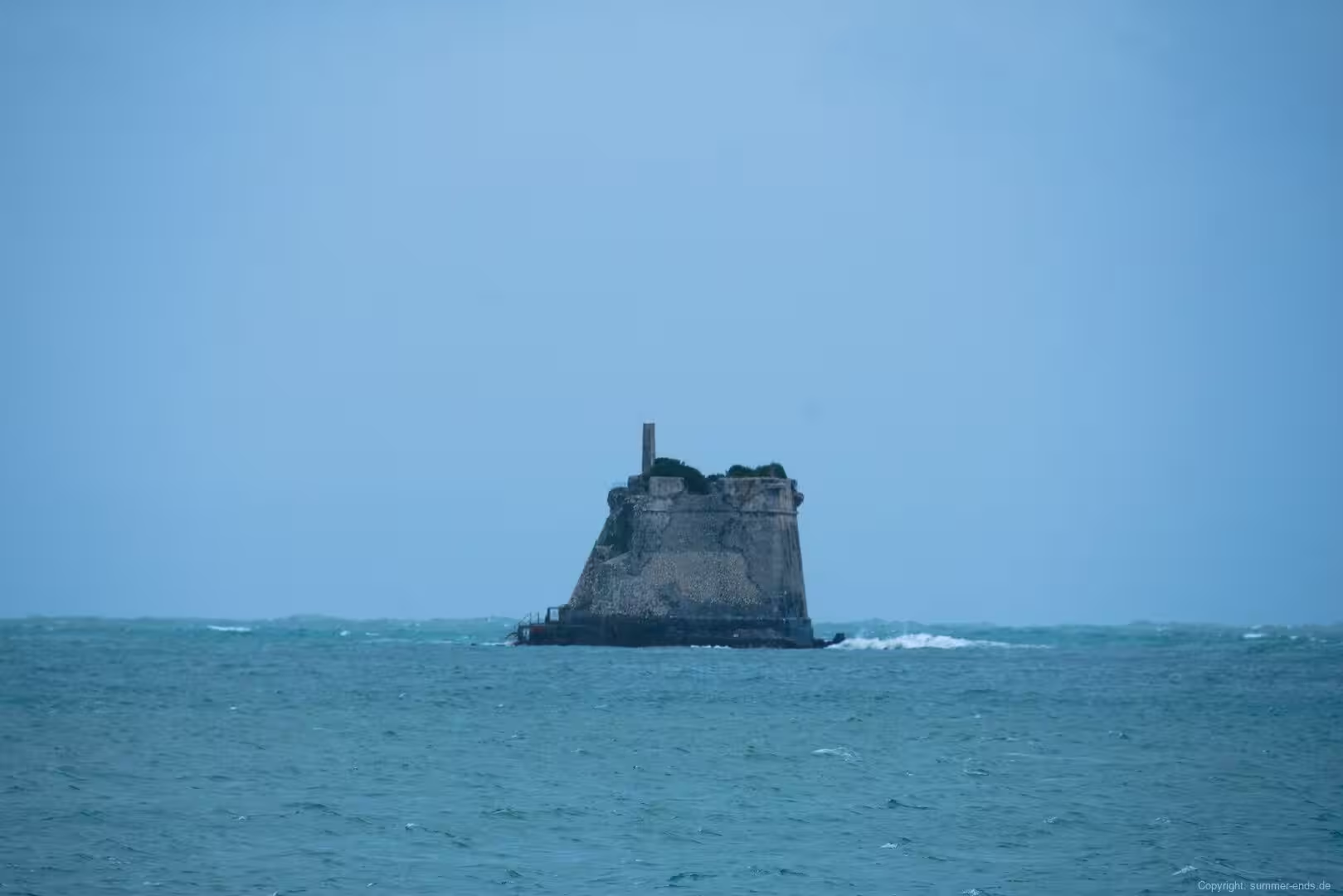
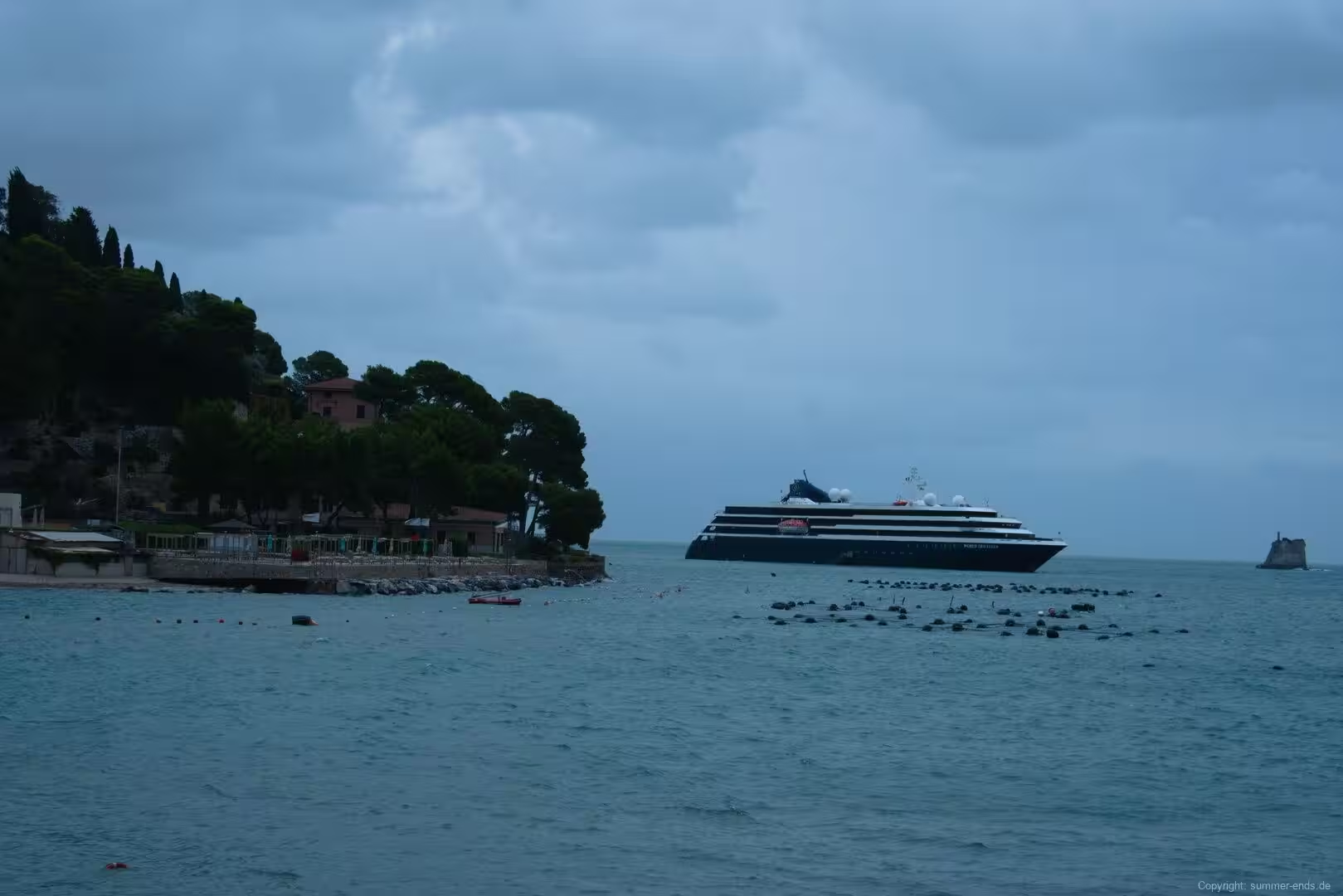
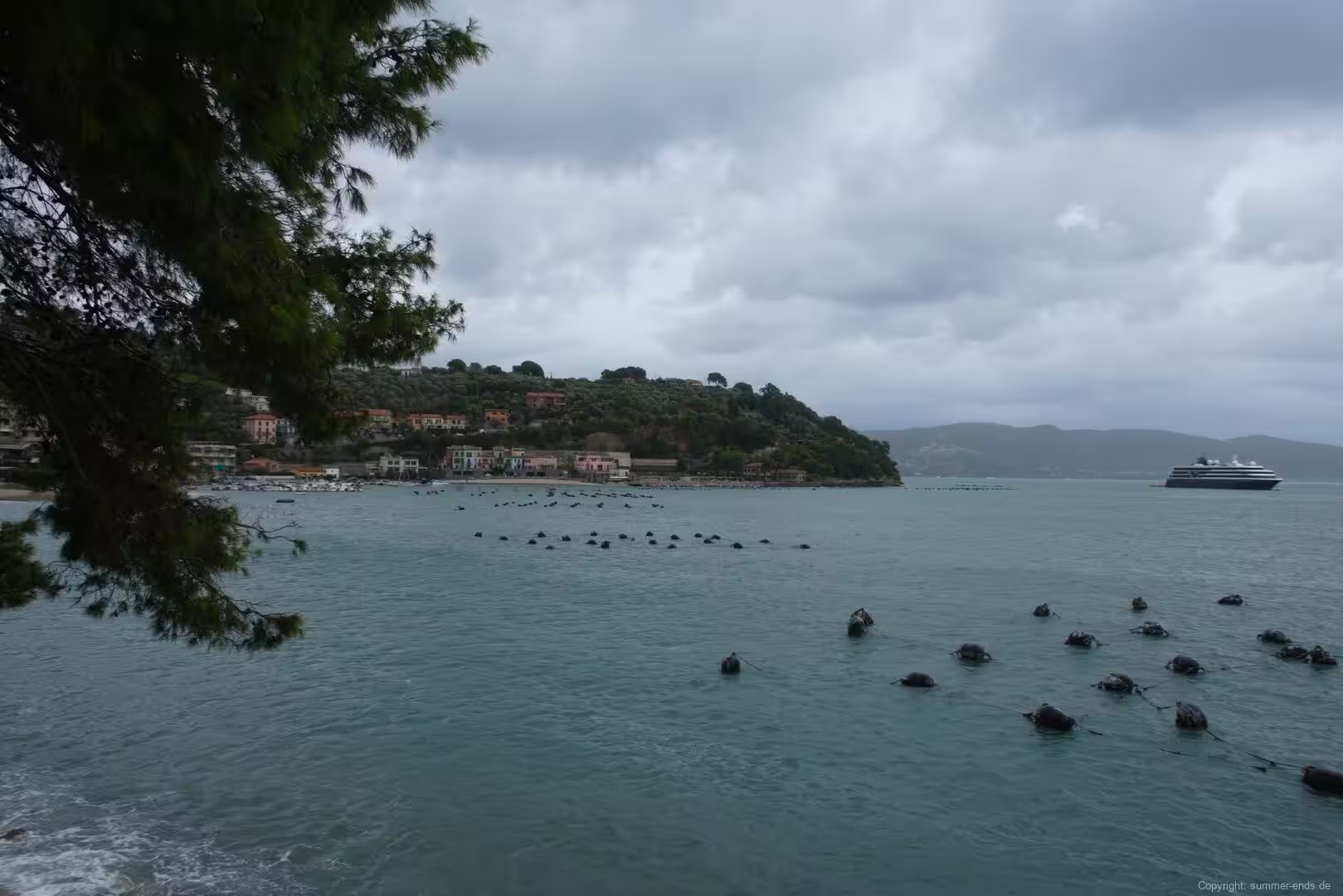
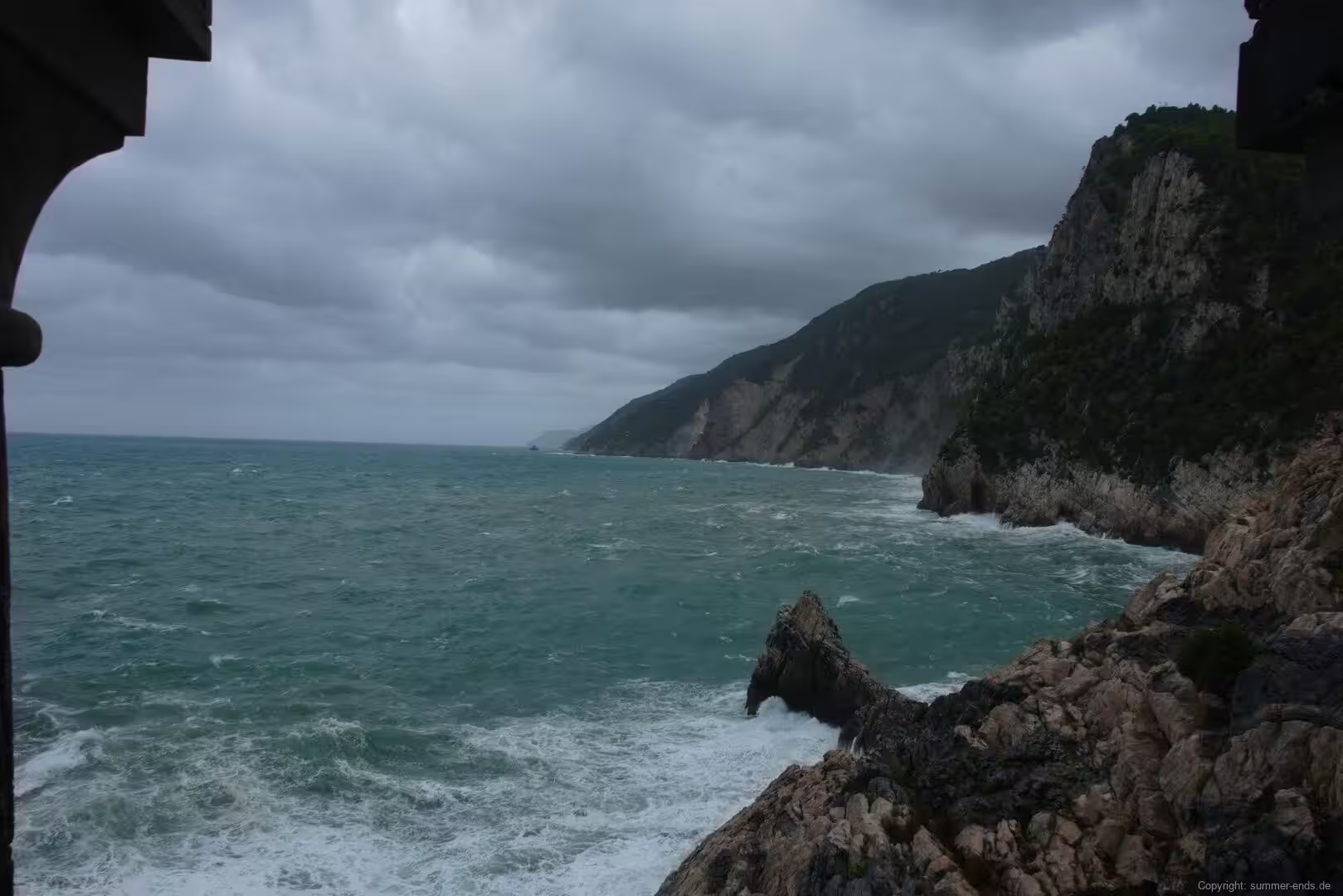
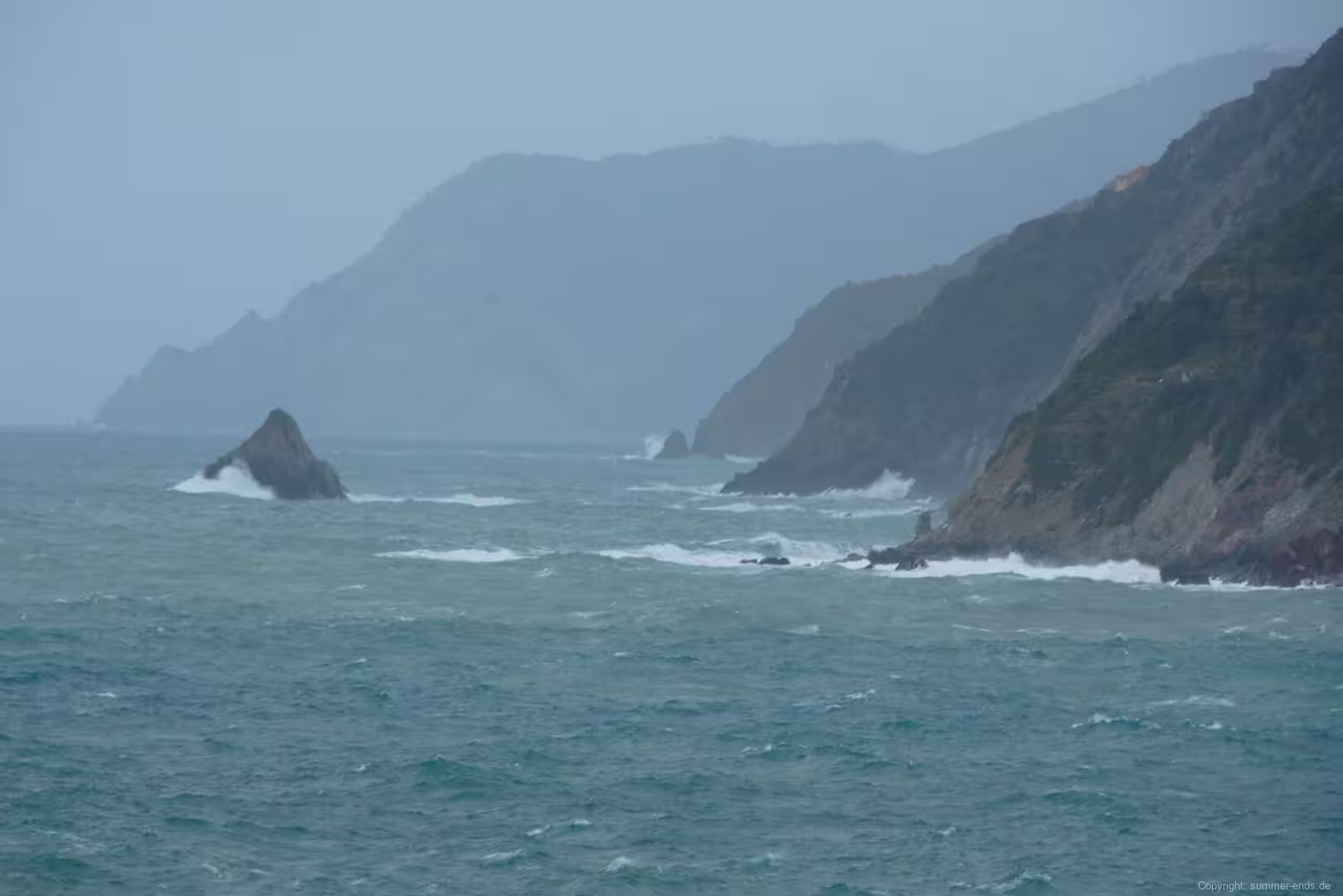
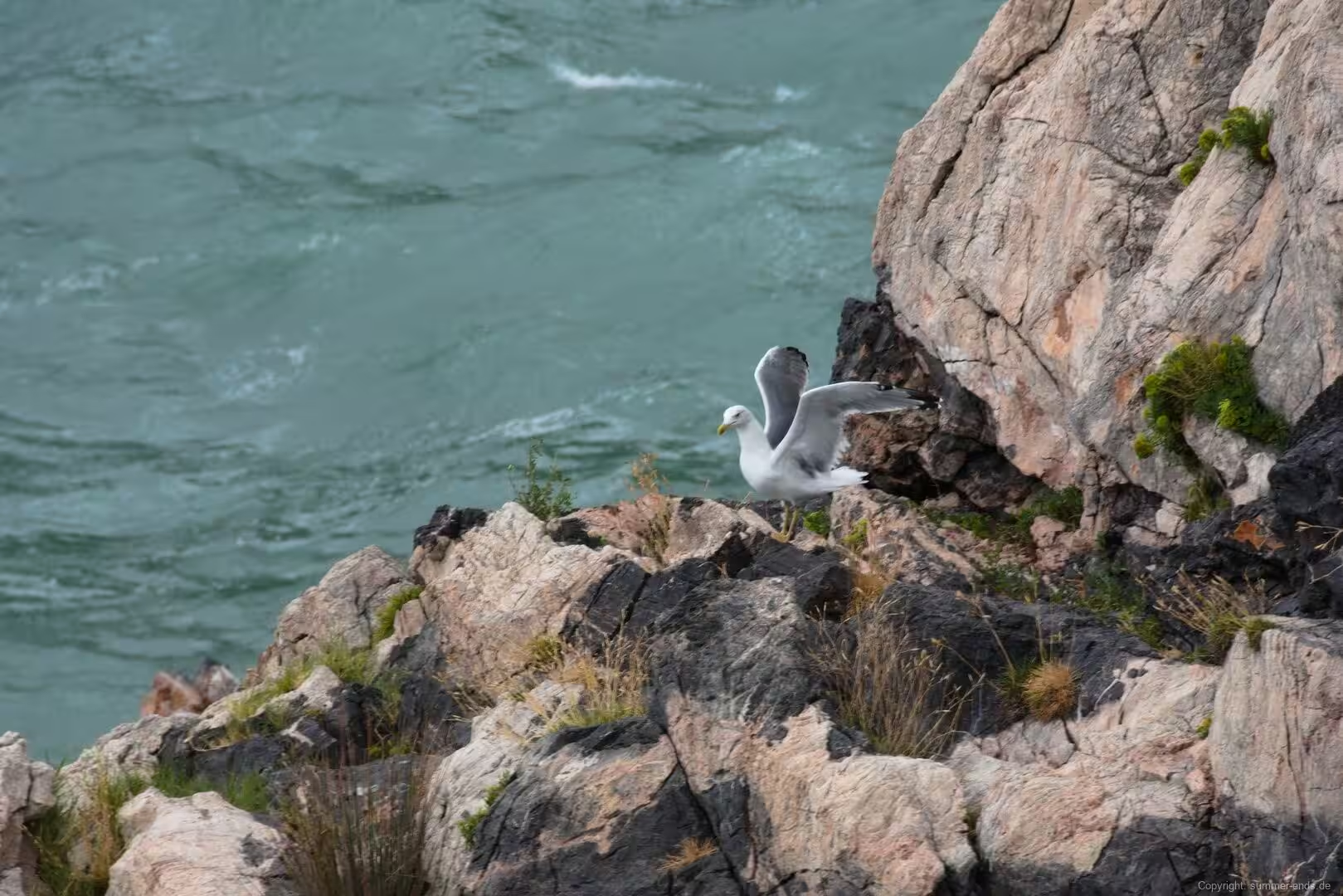
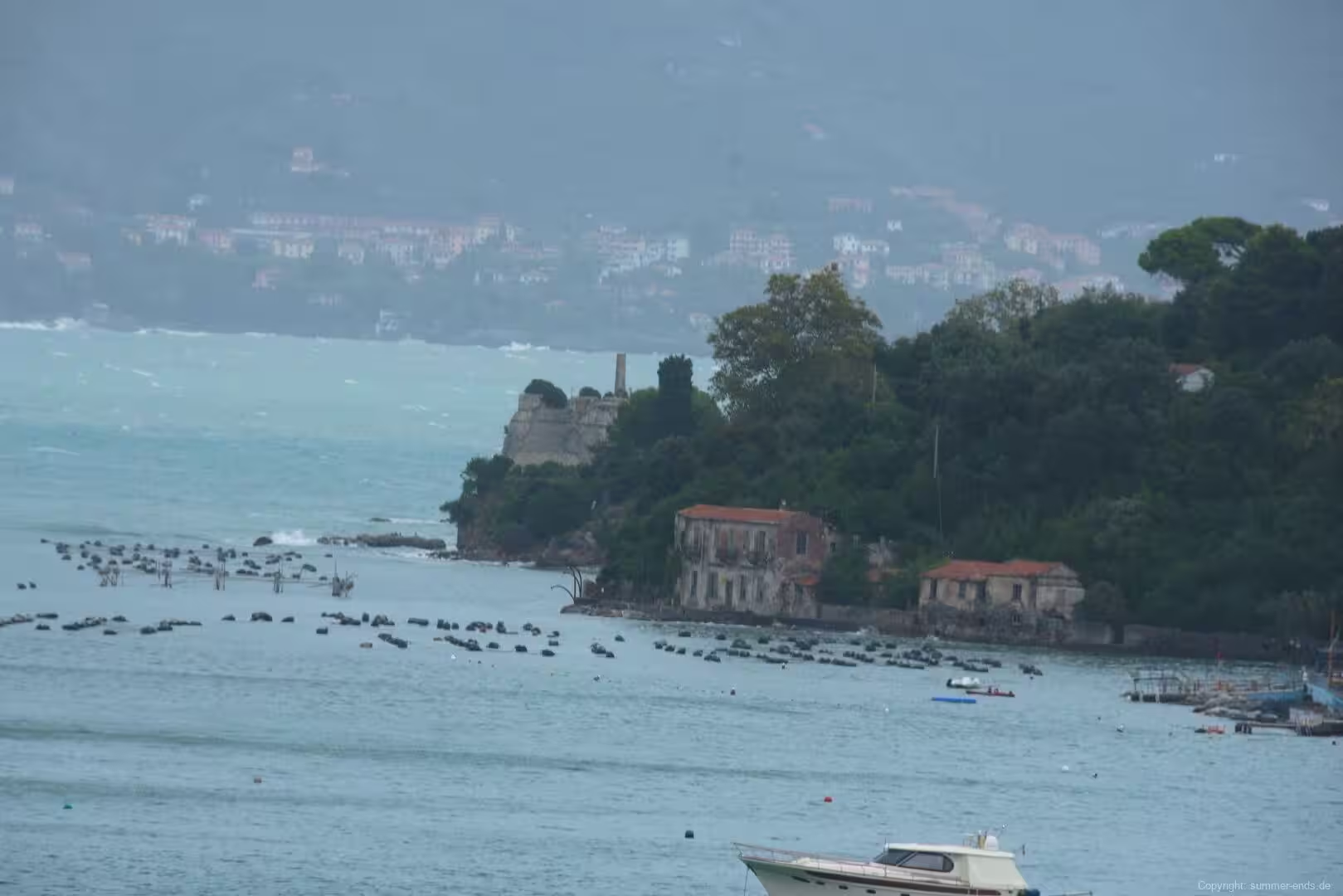
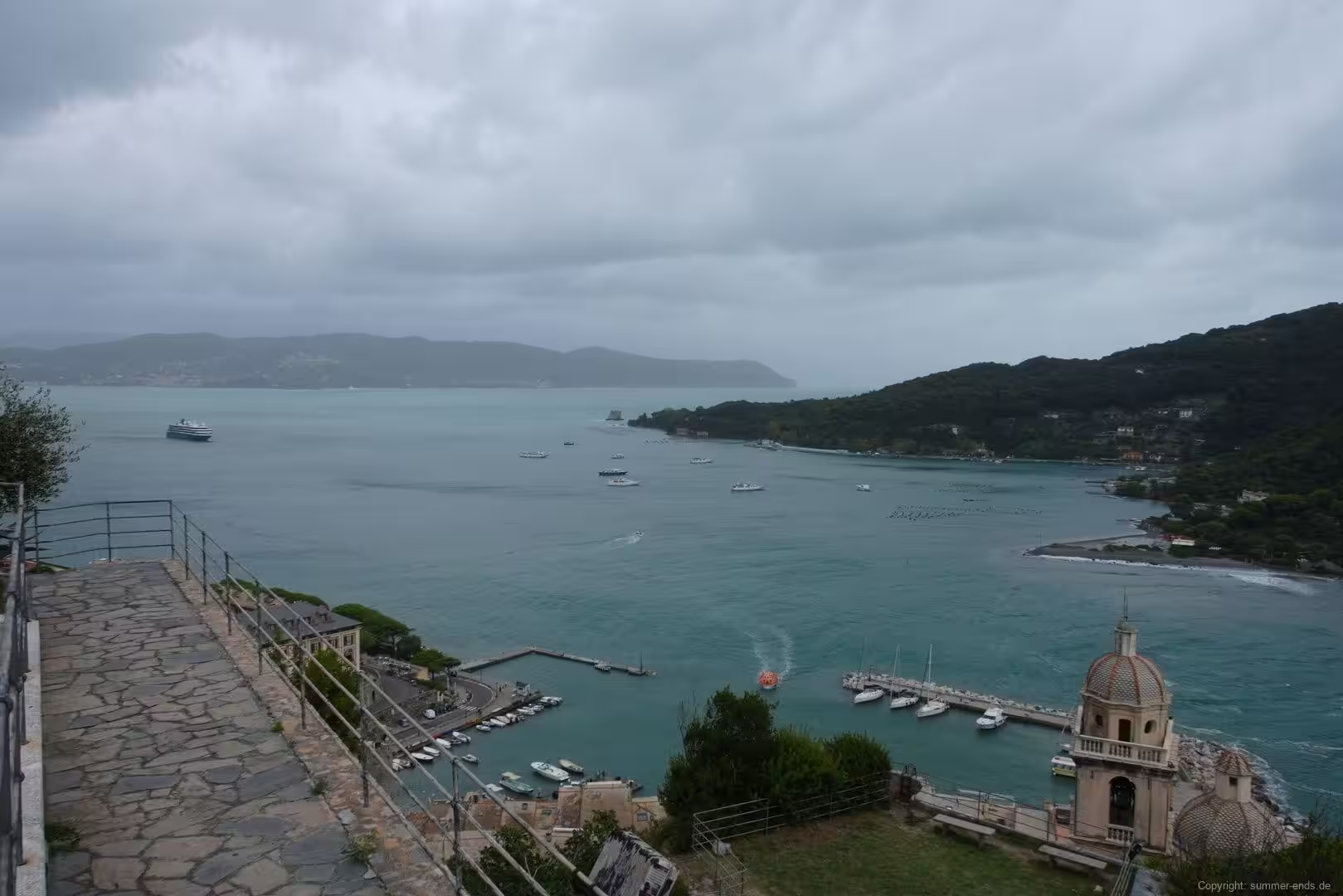
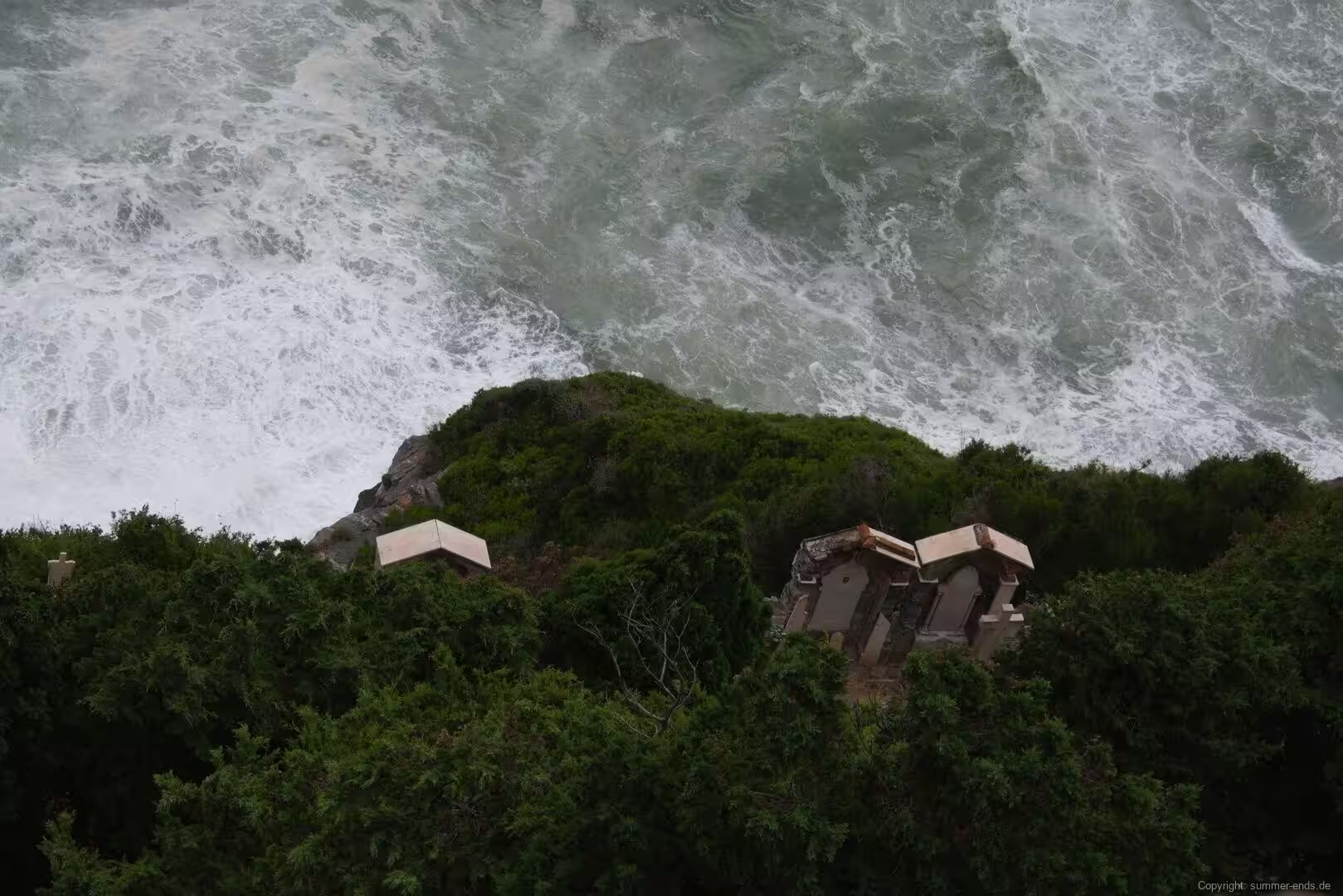
The surrounding coastline and the nearby islands provide the most dramatic natural scenery of the area, with steep green cliffs, white-capped sea and the slender rock stacks that rise from the water. The protected position of the gulf, and the mussel-farming buoys that dot the water, reflect the working connection between the town and the sea. From the terrace above the harbour, or from the boats that run between the islands and the Cinque Terre, the view takes in the towers, the striped church and the cliffs together, and makes Porto Venere one of the most striking coastal towns of Liguria.
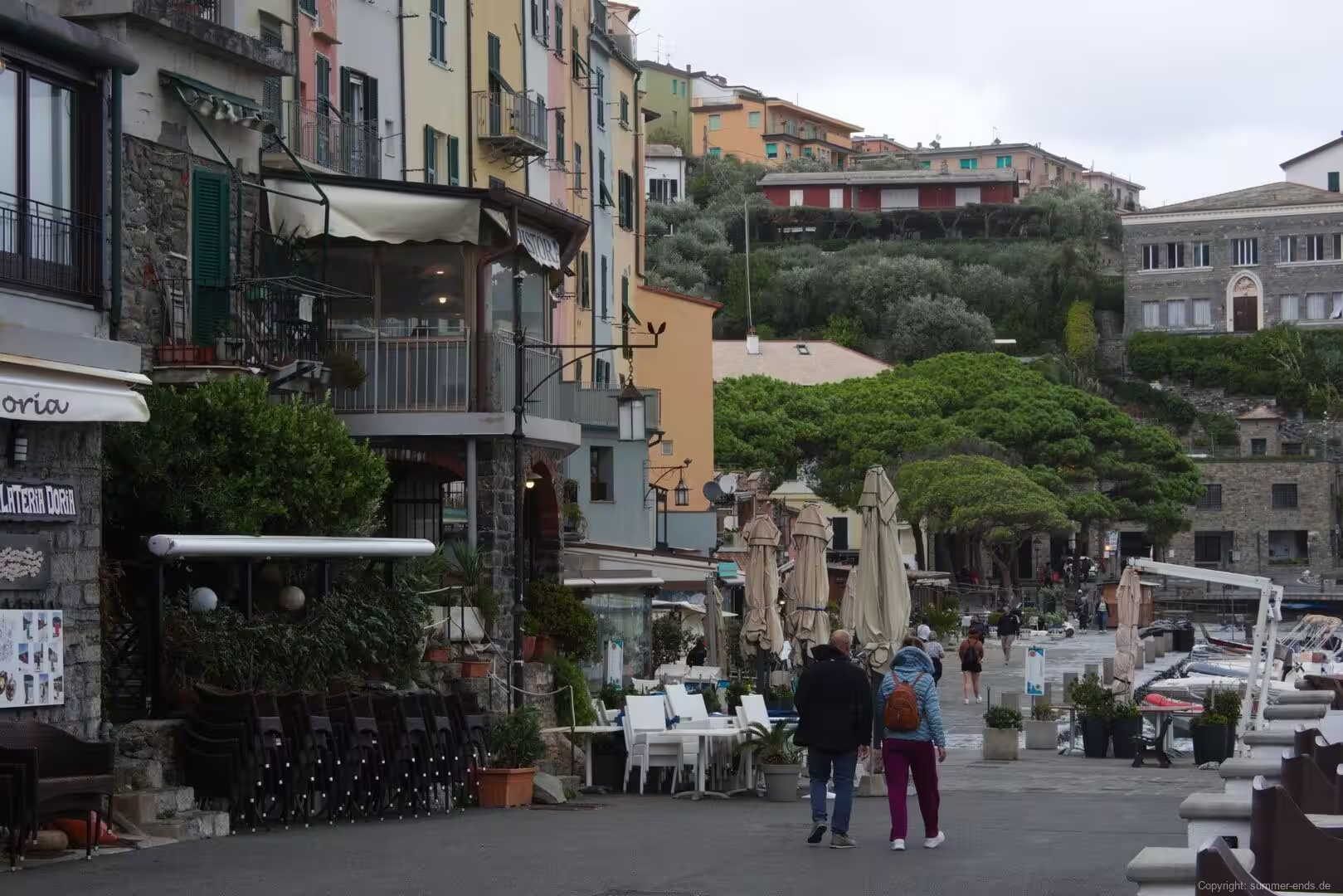
Walking the town, the main street runs from the entrance square, past the small church of the Compagnia and the tall painted houses, down to the harbour where the boats are moored and the cafés and the ferry landing line the quay. From the harbour, the steps climb over the ridge to the castle and to the belvedere, and the narrow lanes and arches, the stone gates and the gardens that cling to the slope connect the upper and the lower parts of the town. In the early evening the harbour is one of the last places in Liguria to catch the setting sun over the sea, and the coloured facades, the lit windows and the water form one of the most striking views on the coast.
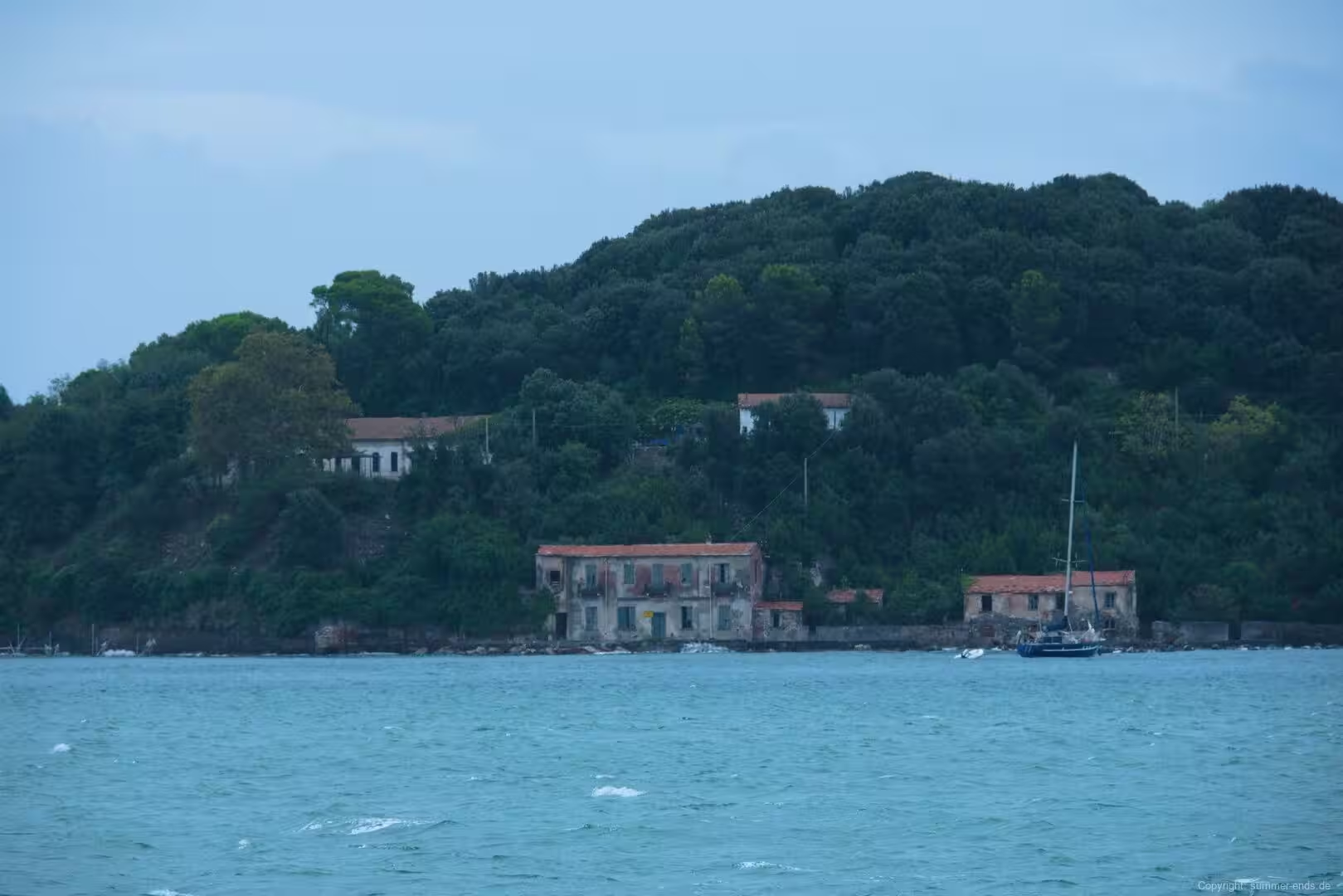
Beyond the immediate town, the coast and the islands reward those who leave the waterfront. The path up the ridge behind the main street joins the old quarry ways and the coastal trails that run along the promontory, and below the cliffs the boatless coves and the sea caves open from the water. From the islands, the return view of the town, the castle and the church, with the quay and the moored sailing boats below, gathers the whole setting of Porto Venere into a single prospect that explains its reputation and its place on the World Heritage List.
References
- Wikipedia. Porto Venere. en.wikipedia.org/wiki/Porto_Venere
- Wikipedia. San Pietro, Porto Venere. en.wikipedia.org/wiki/San_Pietro,_Porto_Venere
- Wikipedia. Palmaria. en.wikipedia.org/wiki/Palmaria
- Wikipedia. Tino. en.wikipedia.org/wiki/Tino_(island)
- Wikipedia. Tinetto. en.wikipedia.org/wiki/Tinetto
- Wikipedia. Gulf of La Spezia. en.wikipedia.org/wiki/Gulf_of_La_Spezia
- Wikipedia. Republic of Genoa. en.wikipedia.org/wiki/Republic_of_Genoa
- Wikipedia. Cinque Terre. en.wikipedia.org/wiki/Cinque_Terre
- Wikipedia. Cinque Terre National Park. en.wikipedia.org/wiki/Cinque_Terre_National_Park
- Wikipedia. La Spezia. en.wikipedia.org/wiki/La_Spezia
- Wikipedia. Genoa. en.wikipedia.org/wiki/Genoa
- Wikipedia. Byzantine Empire. en.wikipedia.org/wiki/Byzantine_Empire