2024 Italy - Livorno




Journal Notes
General
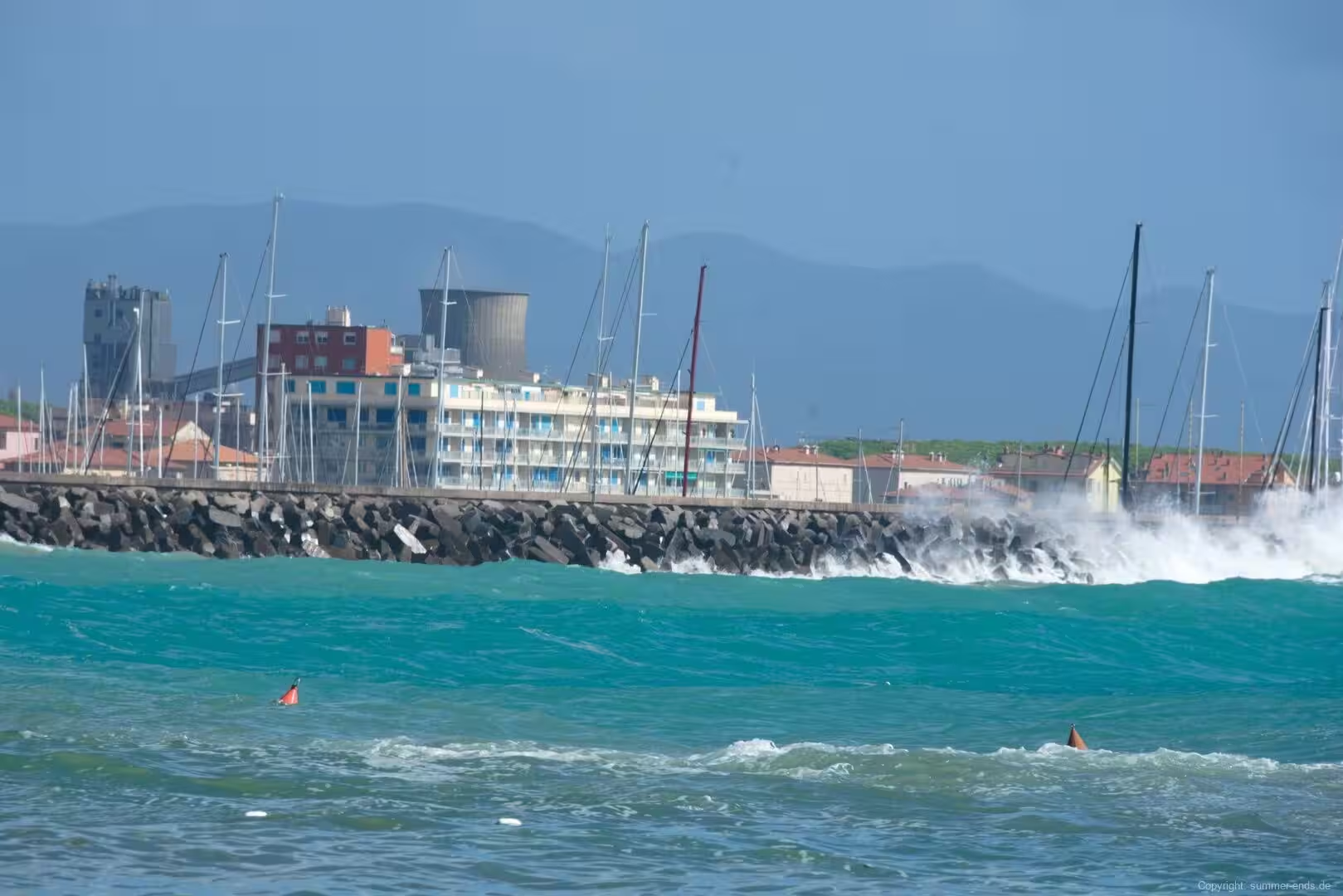
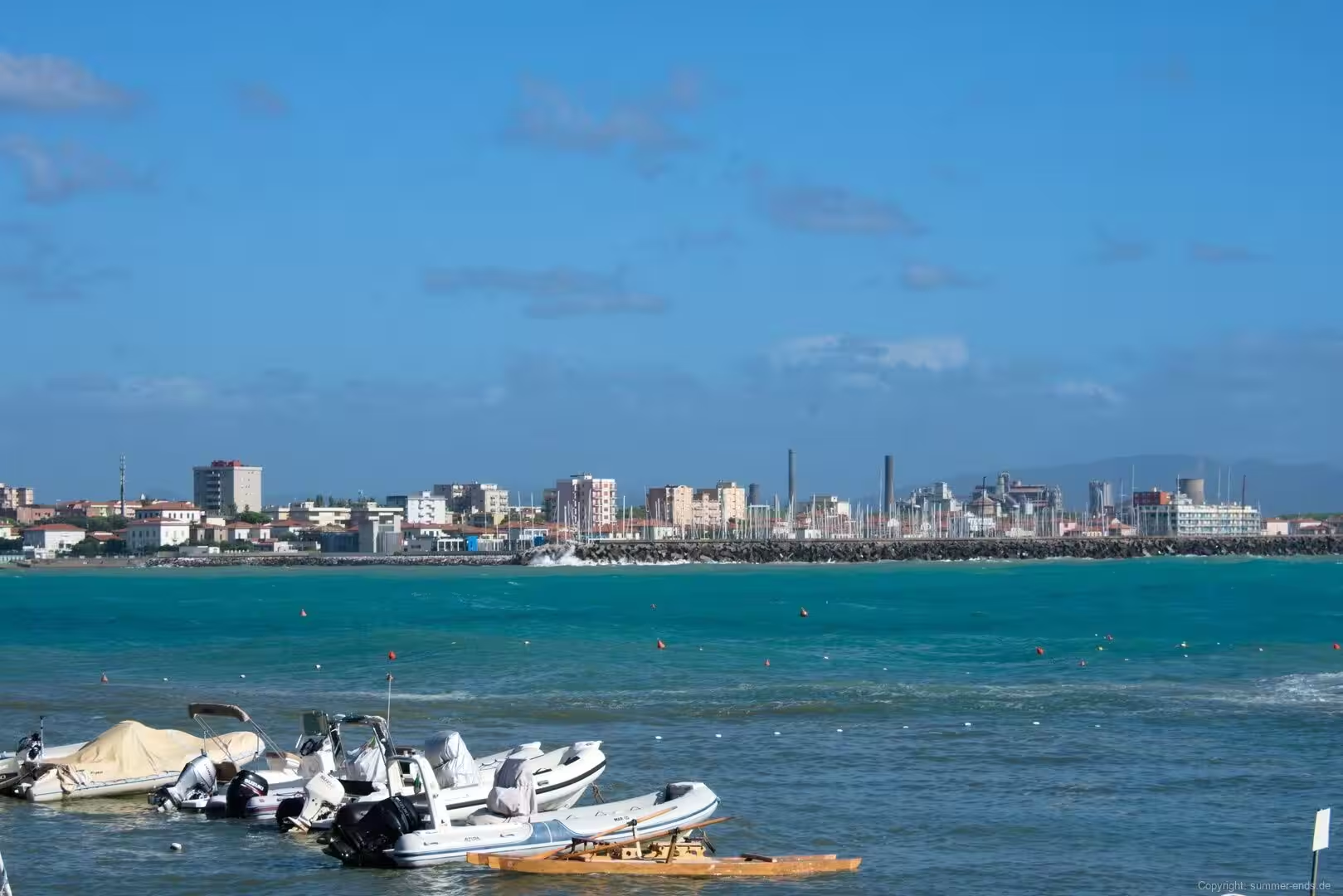
Livorno is a port city on the western coast of Tuscany, Italy, on the Ligurian Sea, and the principal maritime gateway between central Italy and the wider Mediterranean. Unlike most Tuscan cities, which grew from medieval hilltop settlements, Livorno was developed deliberately as a planned port city, and it is characterised by its relatively modern, regular street layout, by canals, fortifications and extensive harbour infrastructure, and by its strong links to maritime trade. The city lies on a low coastal plain, its waterfront shaped by artificial quays, basins and breakwaters rather than by natural beaches, and the gently rising hills of the inland district break the flat ground behind it.
Livorno is the capital of its province and has a population of about 150,000, making it one of the larger cities of Tuscany. Its economy is dominated by the port, the ferry terminals and the related industrial, commercial and shipping services, together with a navy yard, petrochemical plants and the cruise and cargo traffic that pass through the harbour. The historic centre is distinct from the modern grid that surrounds it, and the old quarters, the canal network and the fortifications survive within a city that has grown and rebuilt considerably, especially after the damage of the Second World War.
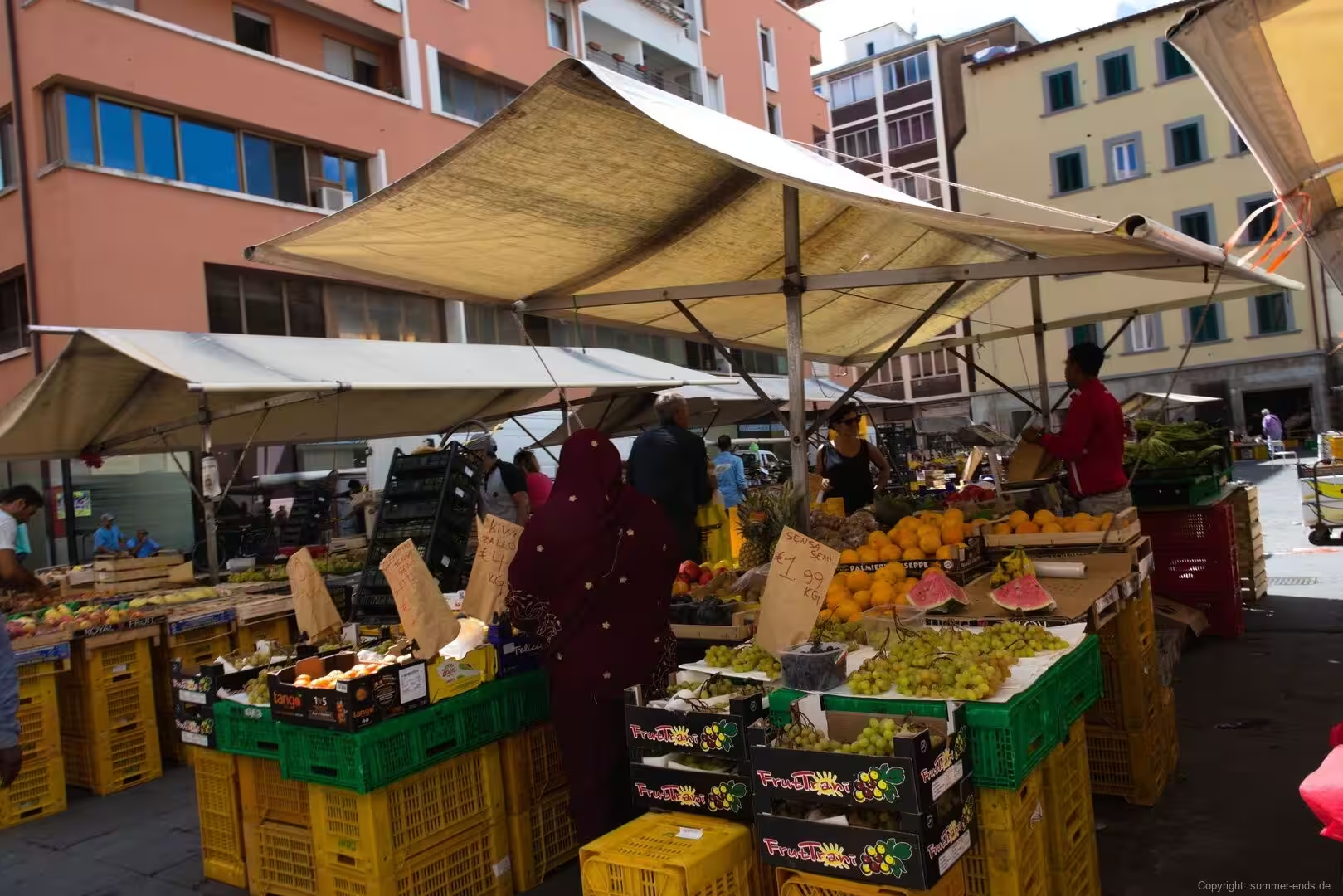
The name of the city is linked to its role as a free port, and for centuries it was a cosmopolitan trading town that welcomed merchants of many faiths and nationalities, from Jews, Greeks and Armenians to British, Dutch and other European traders. This heritage of tolerance, trade and cultural mix, together with the gastronomic tradition of the baccalà, the cacciucco fish stew and the local wines, gives Livorno a distinct identity among the cities of Tuscany, more maritime, more working-class and more outward-looking than its inland neighbours. The city’s monuments, its food and its dialect all reflect this history of strangers and sailors, of traders and of the port that made it, and the city is known for its lively neighbourhoods, its coffee and its famous fish markets and food stalls.
History
Livorno’s significance began in the late Middle Ages, when it emerged as a small fishing and coastal settlement under the control of Pisa, whose port was silting up and losing its trade. In the early fifteenth century Pisa was taken by Florence, and from the late sixteenth century the Medici, the ruling family of the Grand Duchy of Tuscany, began to develop Livorno deliberately as the main seaport of the state. The city was given special legal status through the Leggi Livornine, established in 1593, which granted freedom of trade, religious tolerance and privileges that encouraged immigration, and as a result Livorno grew rapidly into a cosmopolitan port attracting merchants and craftsmen from across the Mediterranean and beyond.
During the seventeenth and eighteenth centuries Livorno flourished as a free port and as a major trading hub of the western Mediterranean. Its urban fabric, including the canal network of the Venezia Nuova district, the fortifications and the warehouses, reflected this period of planned expansion, and the city’s commercial life was dominated by foreign trading communities, consulates and shipping companies. The Grand Duchy’s rulers rebuilt the centre in a regular grid with a network of navigable canals, a fortress and a walled and moated enclosure, so that the city became one of the great ports and a model of late Renaissance and early modern town planning.
In the nineteenth century, with the changing patterns of trade and the political restructuring of Italy, Livorno gradually lost its free port status but remained an important commercial and naval centre, growing with the expansion of the railway and of heavy industry. The city was one of the first places in Italy to feel the effects of the industrial age, and the harbour was expanded with new basins and quays to serve the steamships, the ferries and the growing cargo trade. The population grew rapidly with immigration from the region and beyond, and the city became a centre of the Italian socialist and labor movements, as well as a destination for emigrants leaving for the Americas and for refugees of the European wars and persecutions.
The city suffered extensive damage during the Second World War, when the port and the historic centre were bombed, and this destruction led to a large-scale post-war reconstruction that reshaped much of the built fabric while leaving the canal network and the medieval layout of the inner quarters partly intact. In the modern era Livorno continues to function as a key port for cargo, ferries and cruise traffic, and its cultural identity remains closely tied to its maritime, multicultural and working-class inheritance. The city’s music, its food and its local dialect, and the memory of figures such as the composer Pietro Mascagni and the painter Amedeo Modigliani, both natives of Livorno, continue to define its place in the culture of Tuscany.
Geology
Geologically, Livorno lies on the western margin of the Apennine system, within the coastal plain of Tuscany. The immediate urban area is underlain by Quaternary sediments, including marine sands, silts, clays and alluvial deposits laid down by coastal and fluvial processes during the fluctuating sea levels of the Pleistocene. These soft, largely unconsolidated sediments create low relief and have influenced both the port construction and the foundation engineering of the city, which has required careful management of the ground and of the water table.
Inland and to the south, older sedimentary formations associated with the Tuscan units of the Apennines are exposed, including limestones, marls and sandstones. These rocks record a complex geological history involving marine deposition, tectonic compression and uplift during the formation of the Apennine mountain belt, and they rise in the hills that frame the coastal plain. The contrast between the soft Quaternary plain and the older, harder rocks of the hills is visible in the landscape and in the materials used for building in the two zones.
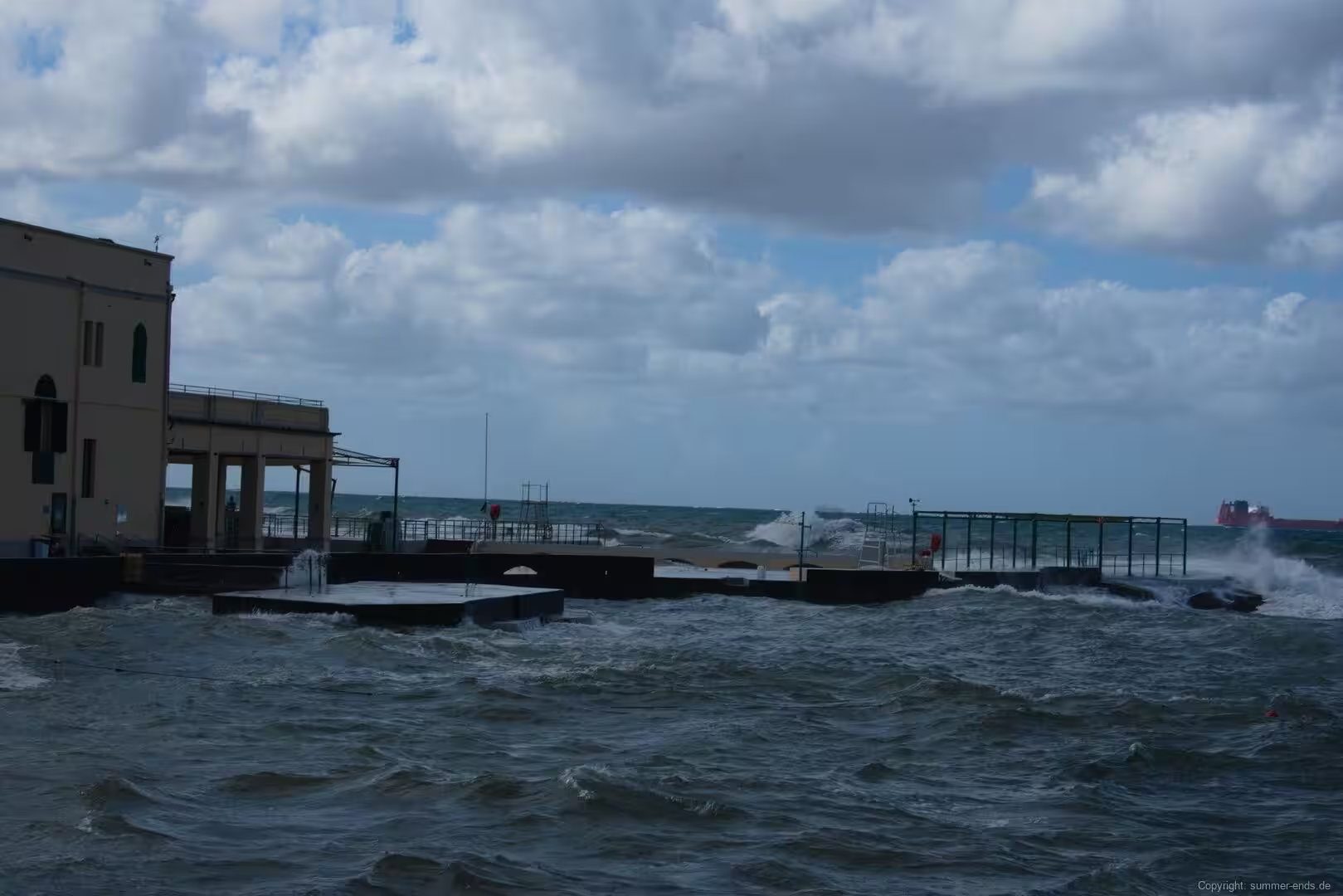
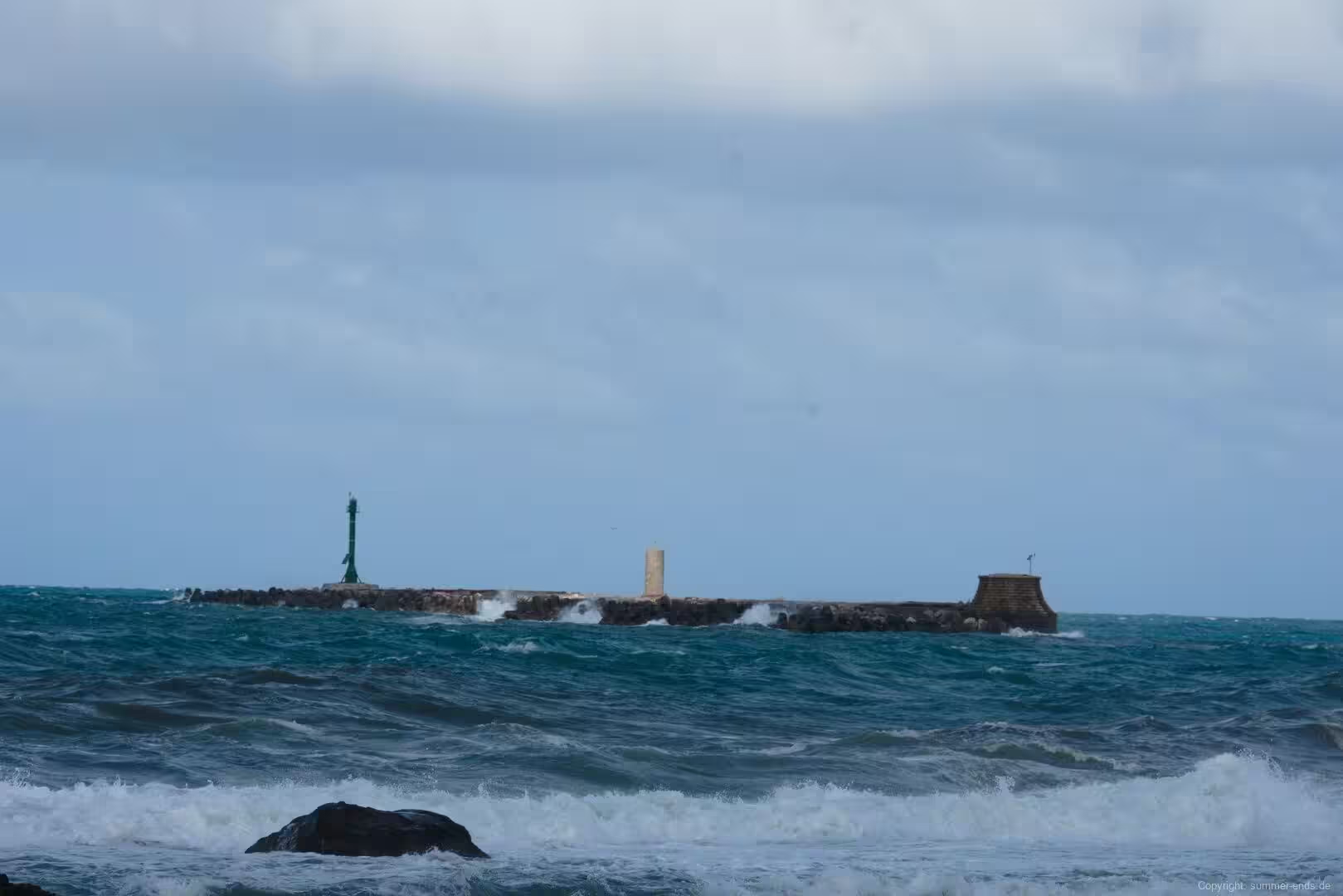
Coastal geomorphology around Livorno is strongly influenced by human modification, with the artificial harbour structures, the breakwaters, the sea wall and the coastline works altering natural sediment transport and shoreline dynamics. Nevertheless, marine erosion, sediment deposition and subsidence continue to play a role in shaping the coastal environment and require ongoing management. The city’s position on an open, fairly low coast exposed to the sea and to the storms of the Ligurian Sea has made the protection of the waterfront, the beaches and the port a constant concern, and the engineering of the harbour and of the shoreline reflects this. The softer inland soils and the low-lying ground have also required the drainage of the coastal plain and the management of the canals, which both carry the water of the city and form part of its historic identity.
Things to See
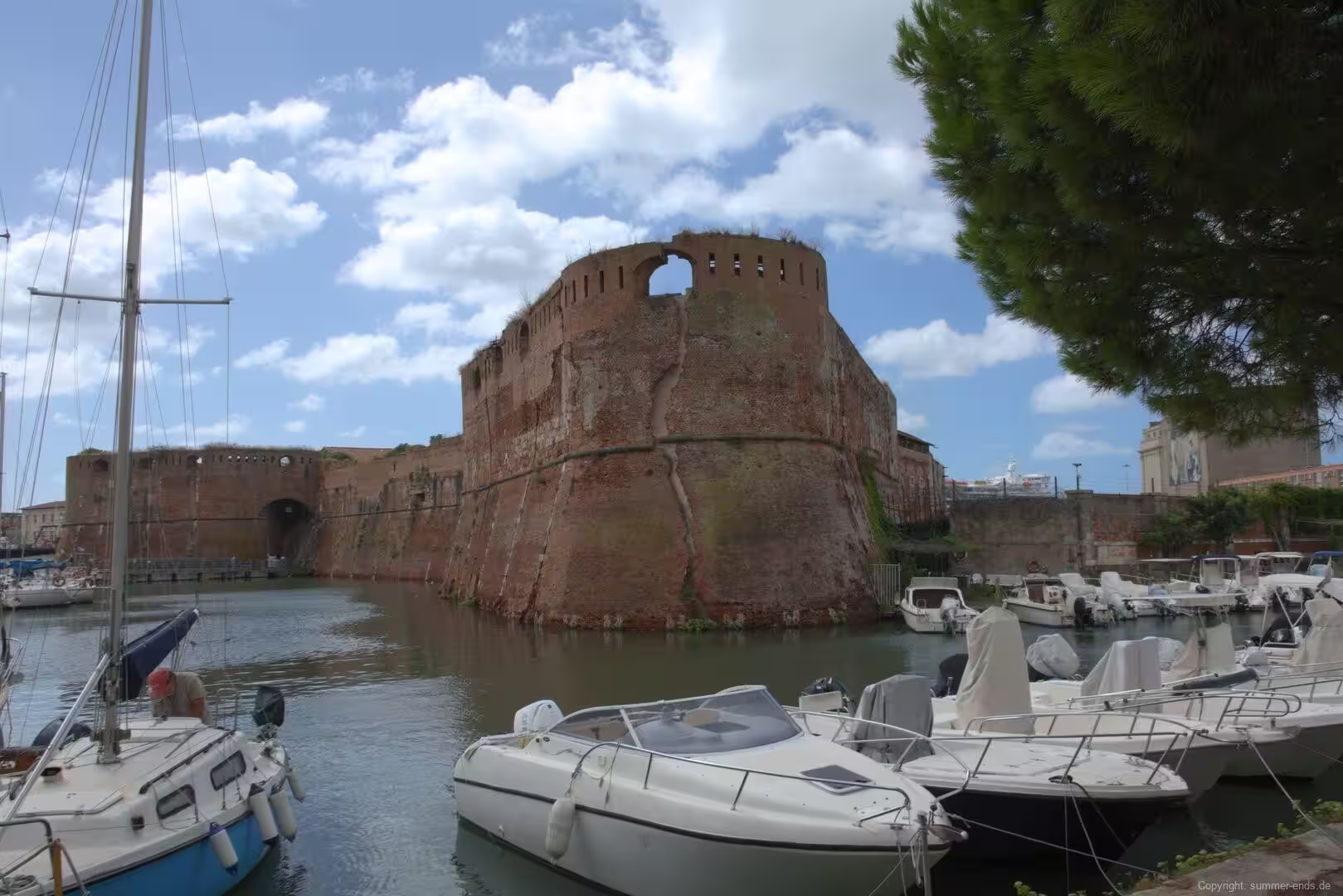
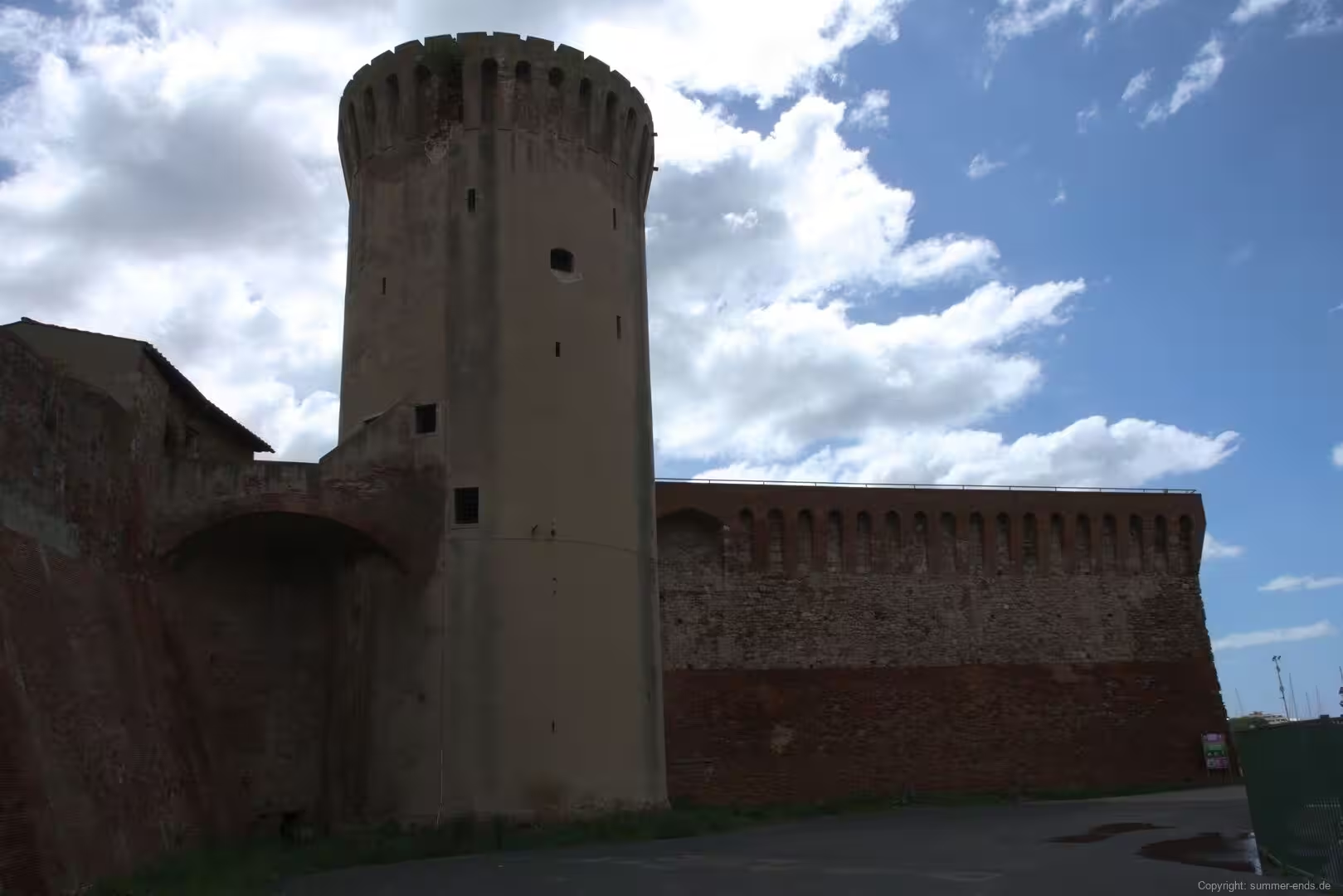
The historic harbour area of Livorno is dominated by two great fortresses. The Fortezza Vecchia, the old fortress built on the foundation of the medieval defensive works and expanded by the Medici in the sixteenth century, stands on the edge of the port and the inner harbour, its massive round tower and star-shaped brick walls rising directly from the water. The Fortezza Nuova, the newer fortress begun in the late sixteenth century on the site of a monastery, is a large star fort surrounded by moats and set within the city, its red brick walls and grassy embankments enclosing a quiet space and a small theatre.
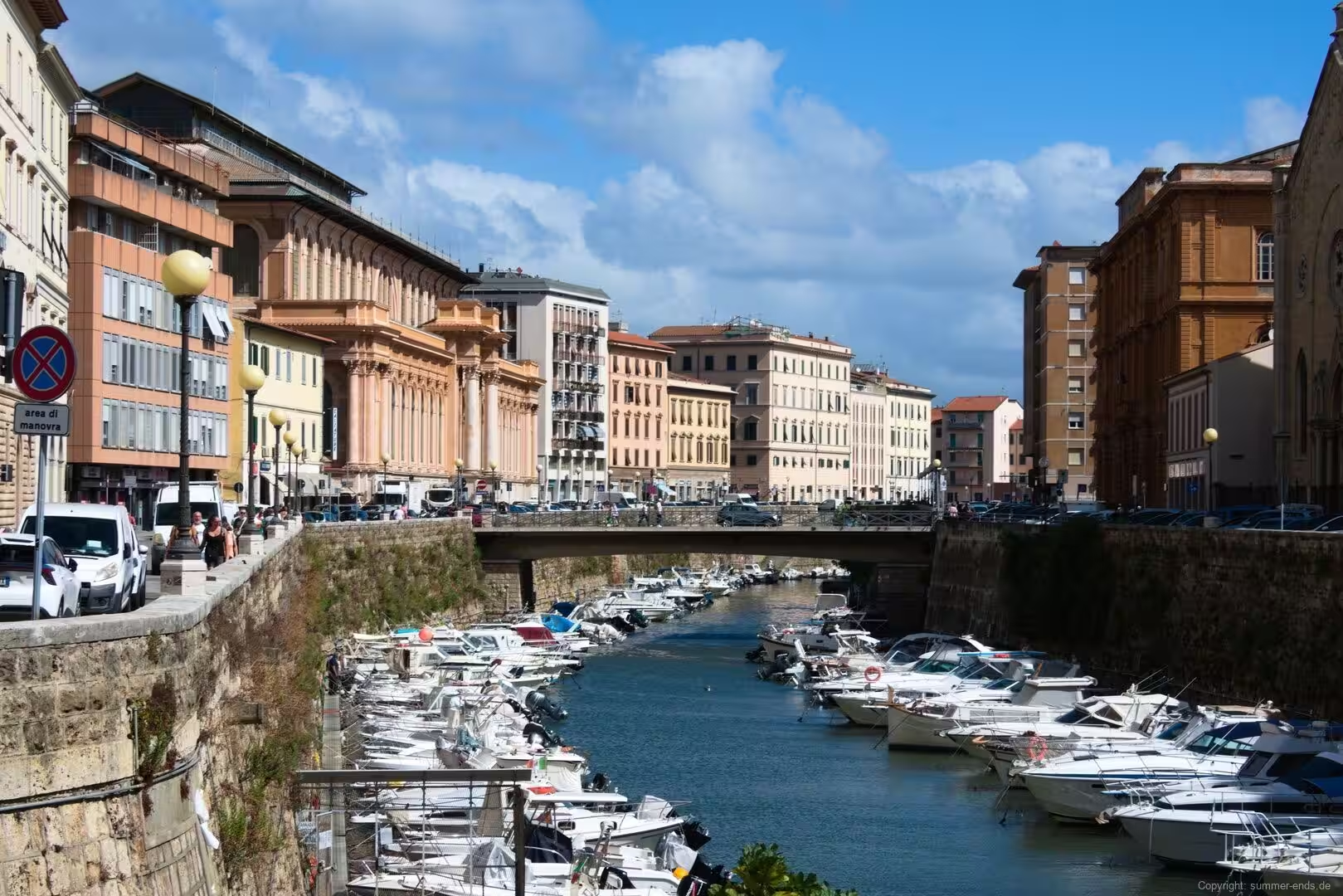
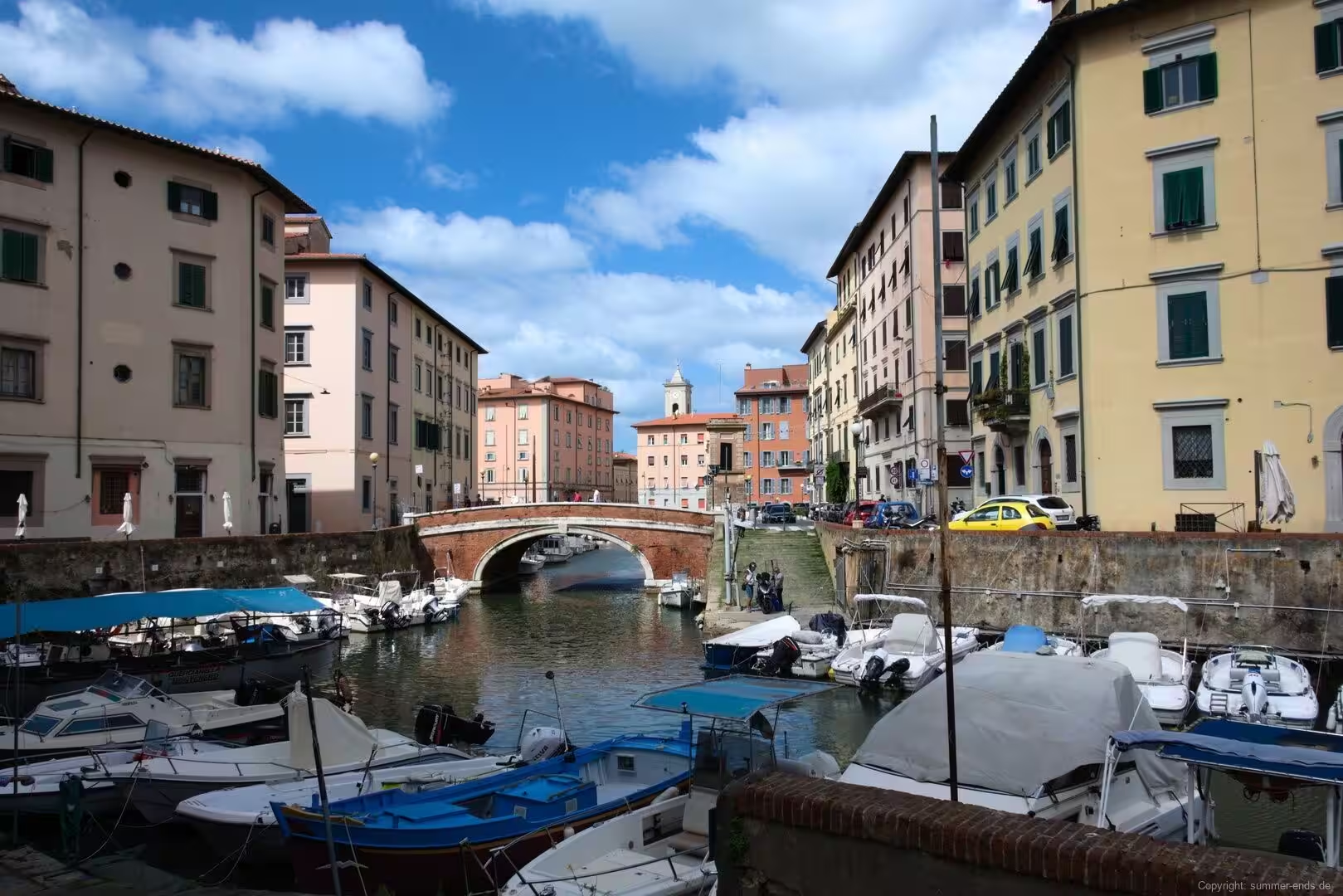
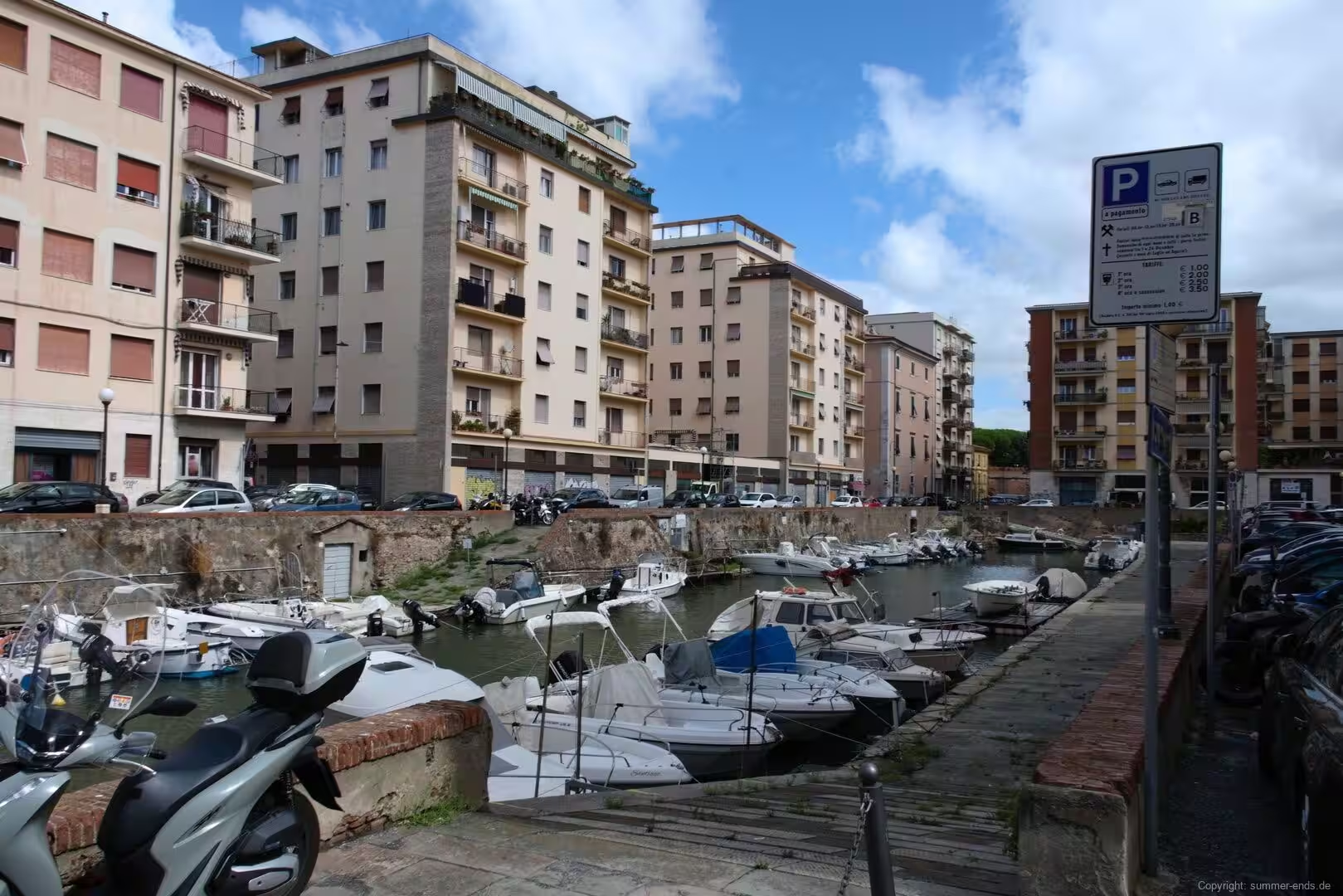
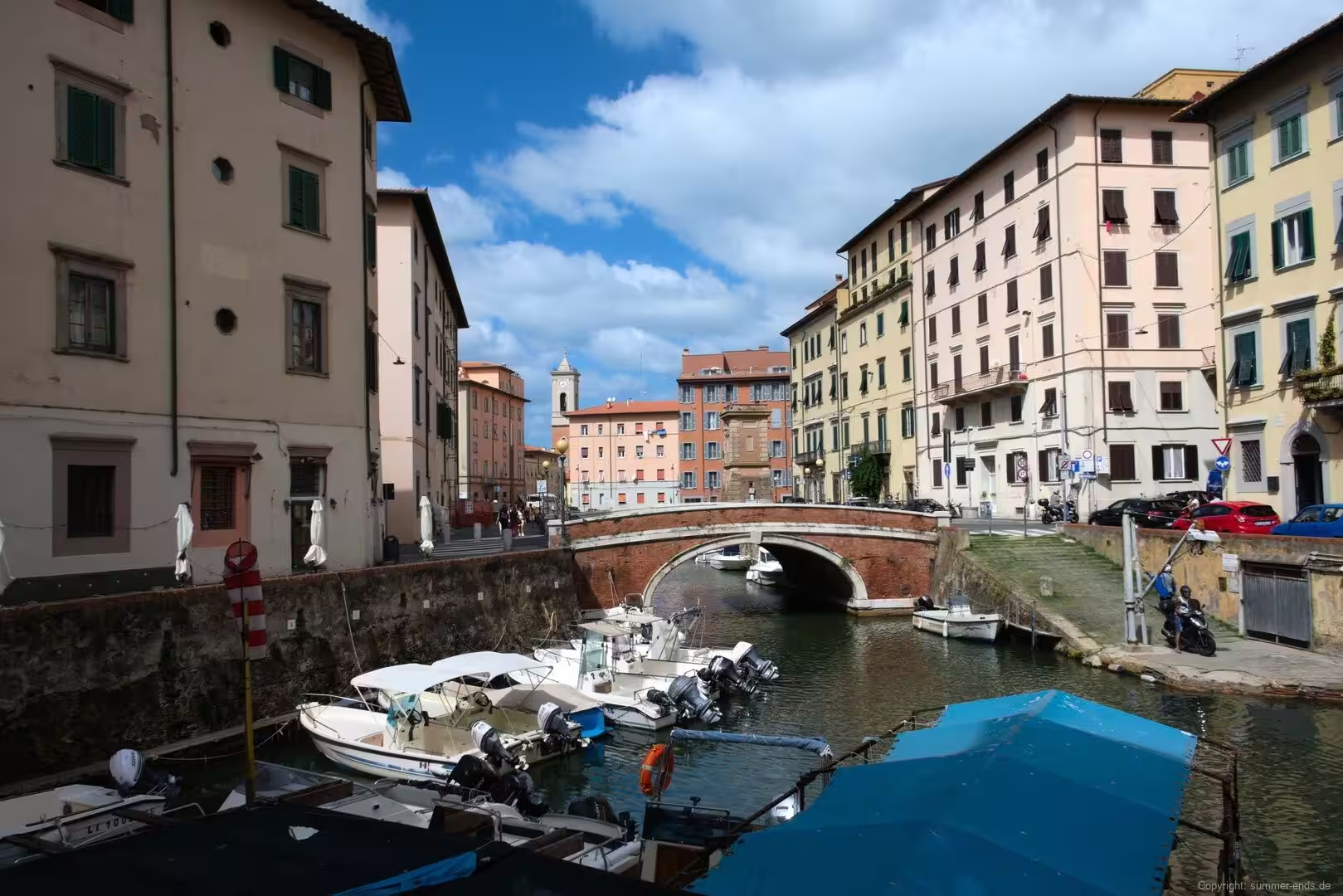
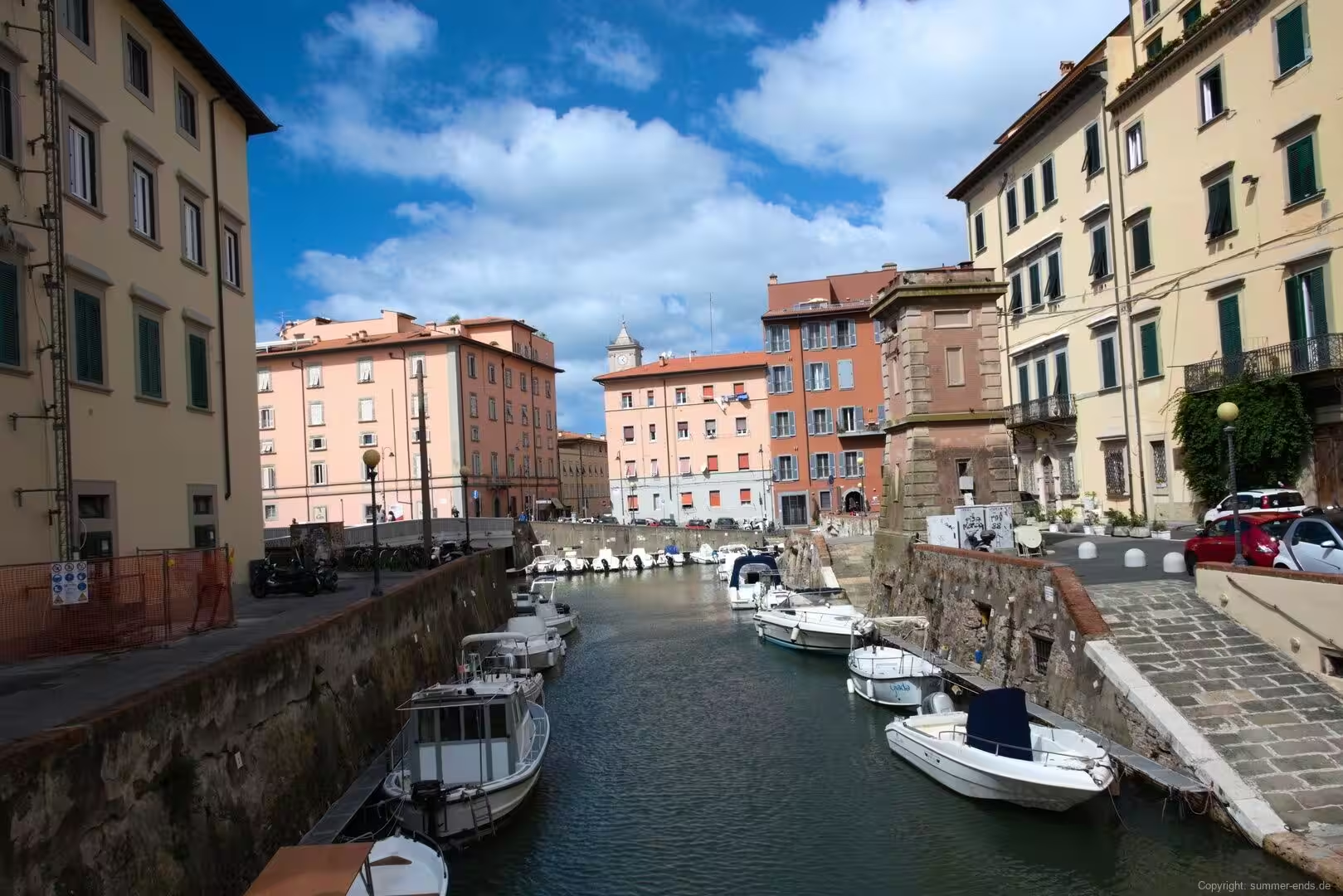
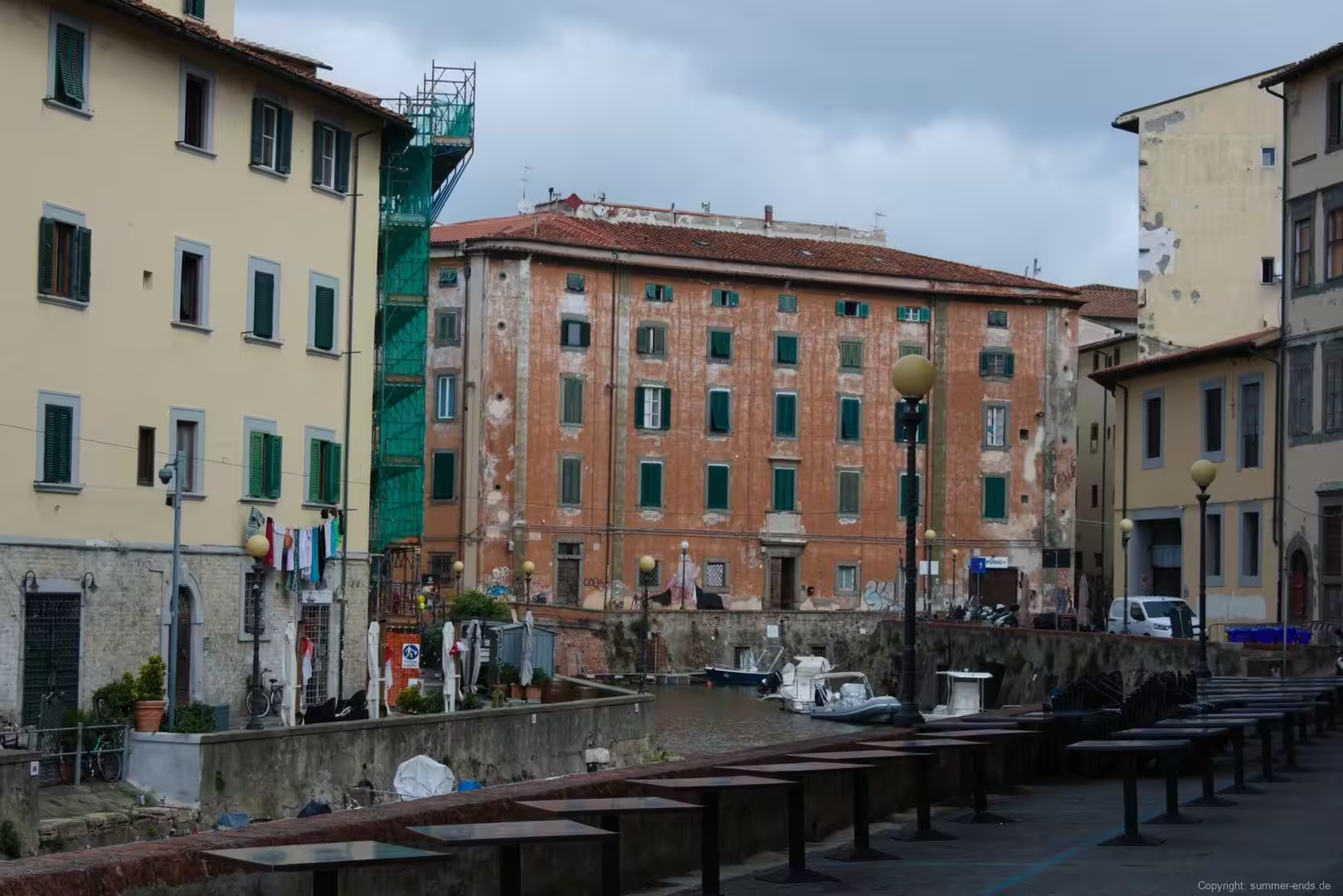
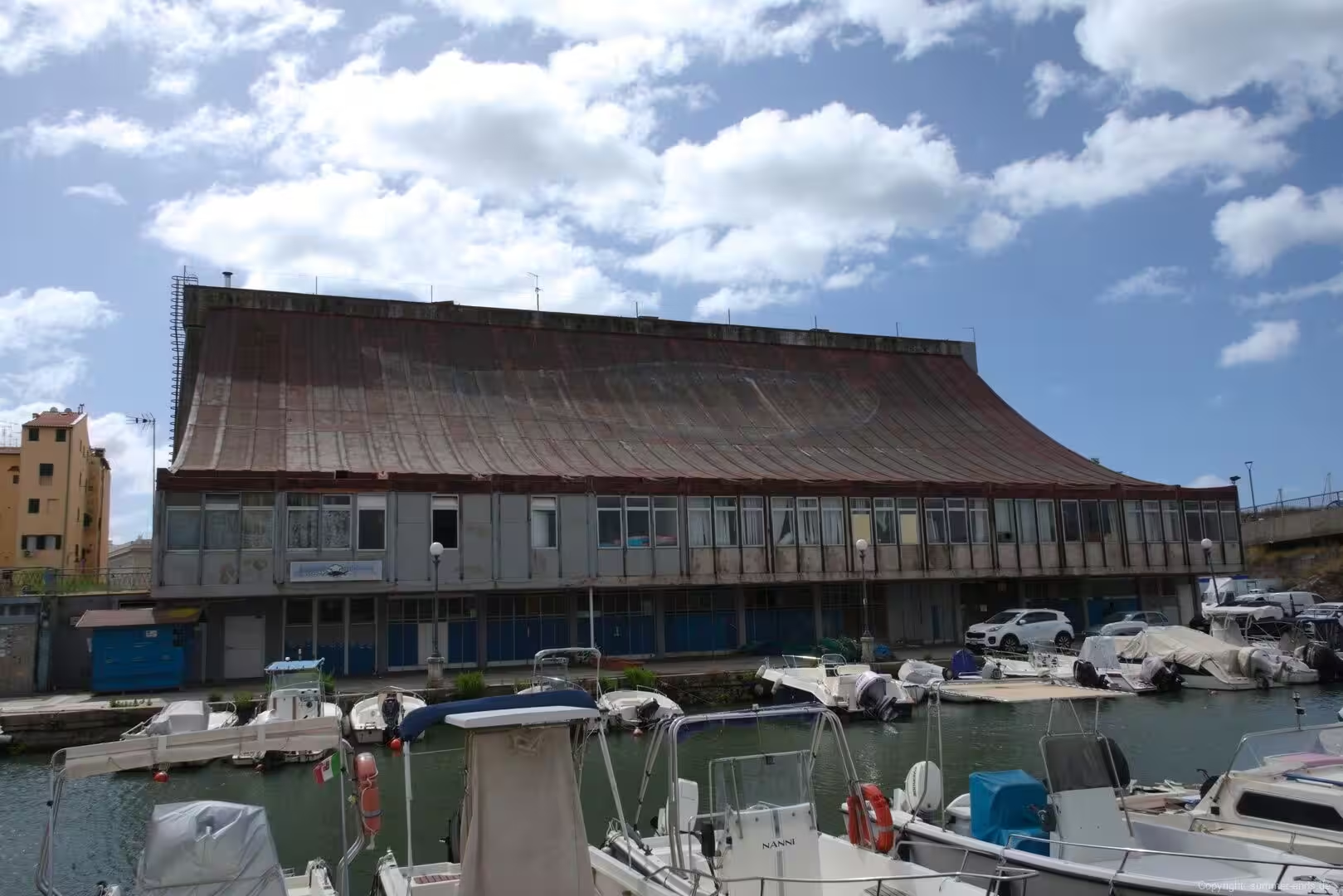
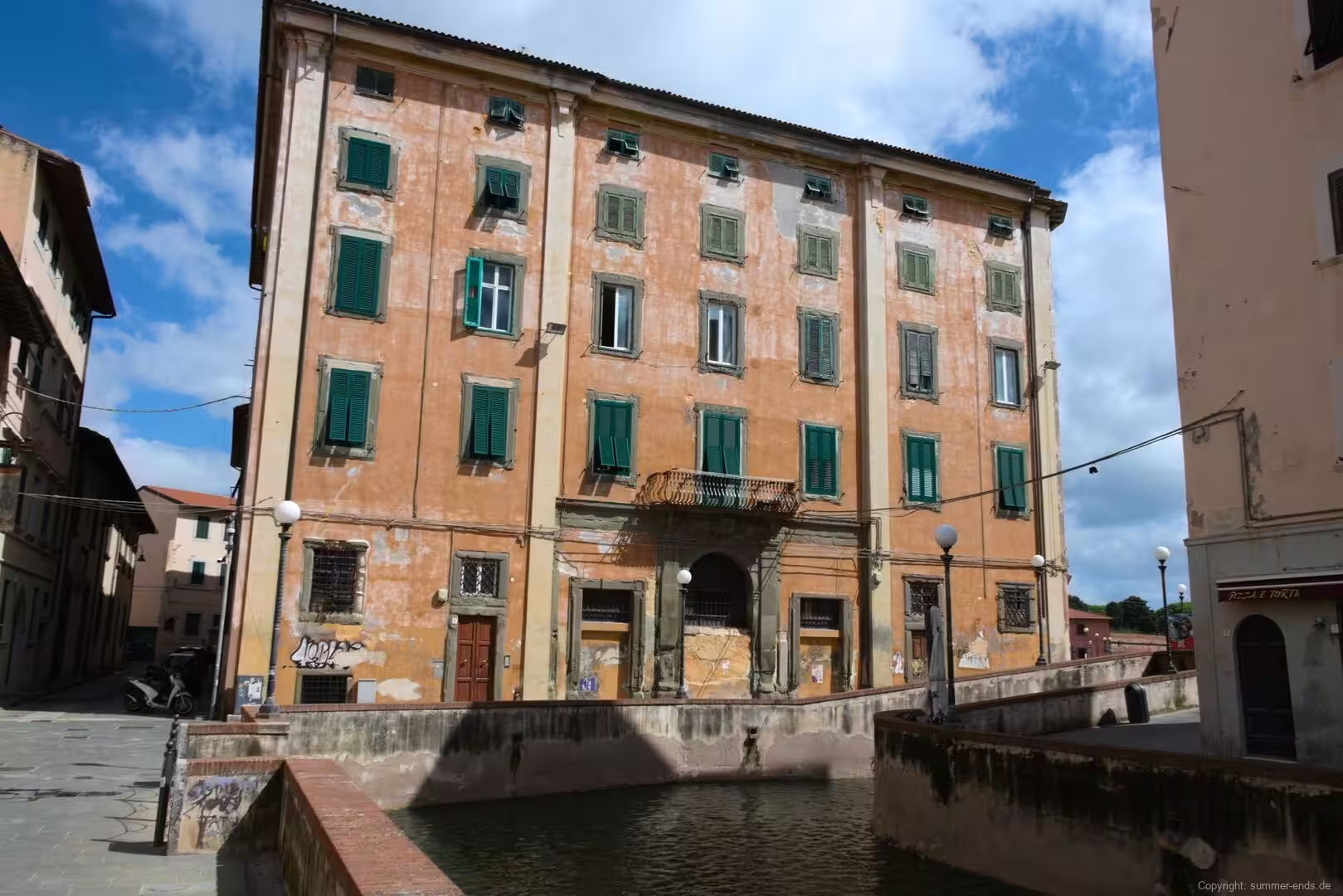
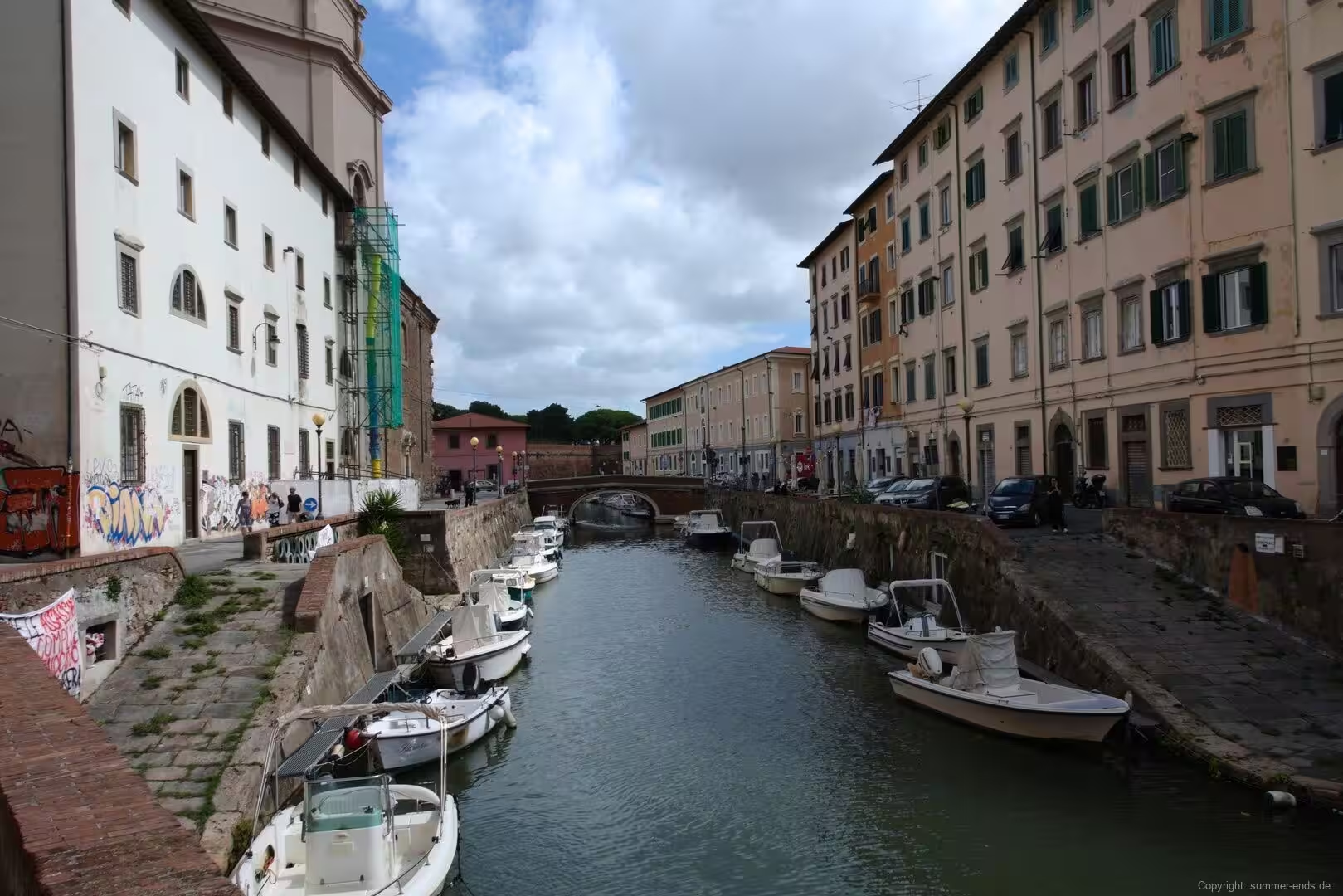
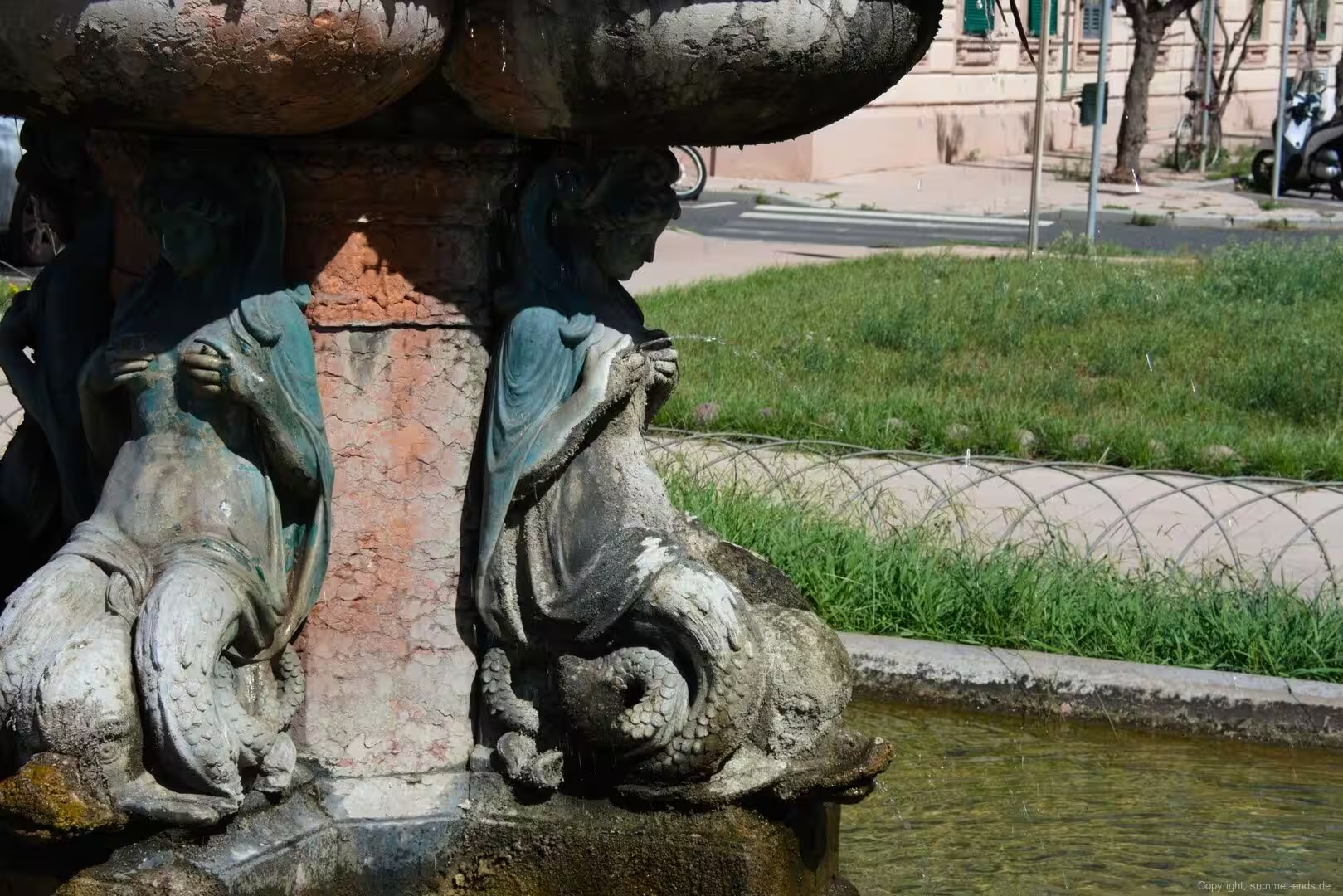
The district known as the Venezia Nuova, the new Venice, is the old commercial quarter between the two fortresses, cut by a network of navigable canals. The canals are bordered by moored boats, quays and brick bridges, and they pass beneath the archways and along walls of pastel plastered houses and warehouses, so that the quarter preserves the character of a small canal city, recalling the waterborne trade on which Livorno was built. The four black bronze Moors of the Monumento dei Quattro Mori, chained at the foot of their statue, stand on the waterfront as a monument to the maritime trade and to the galley slaves of the port.
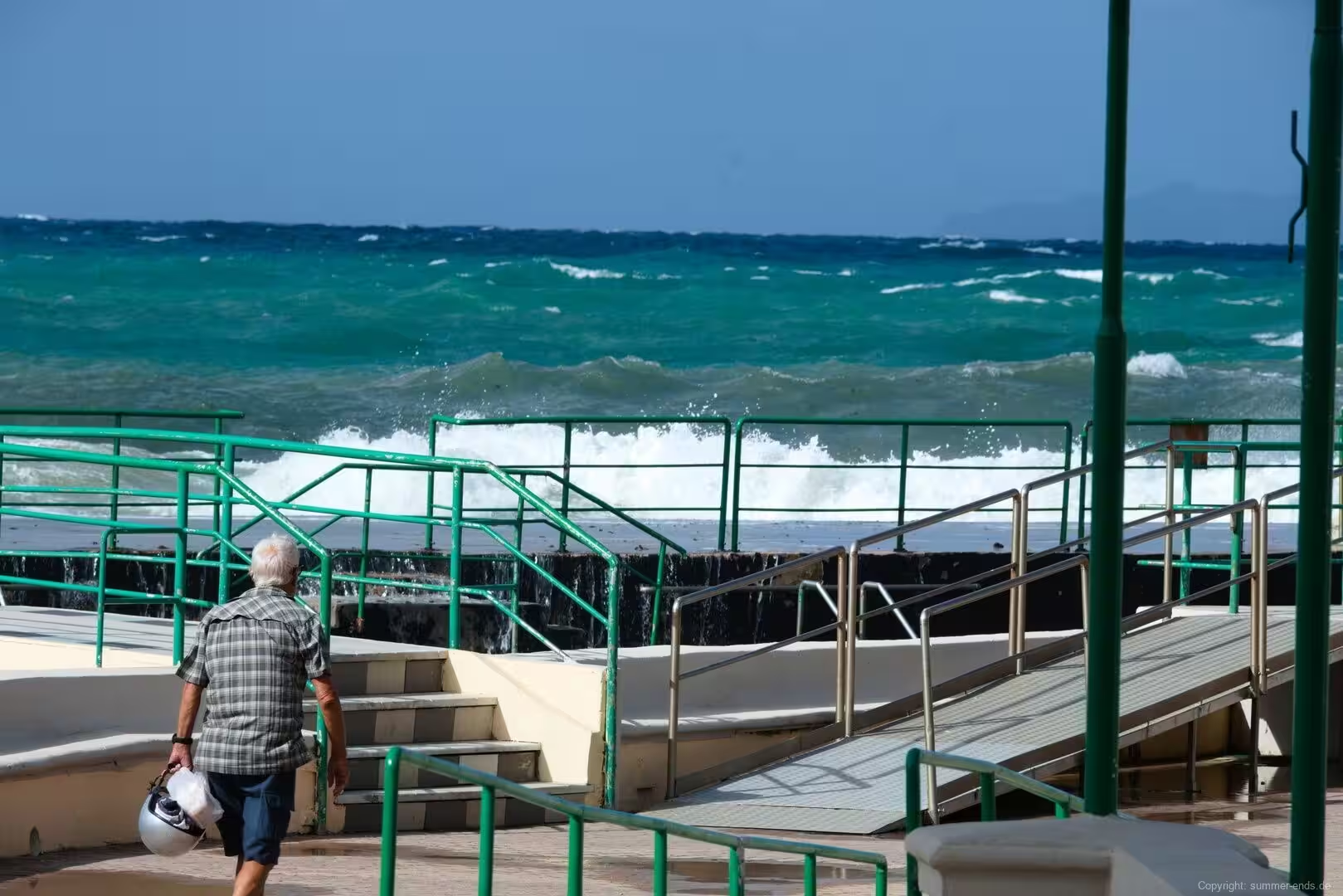
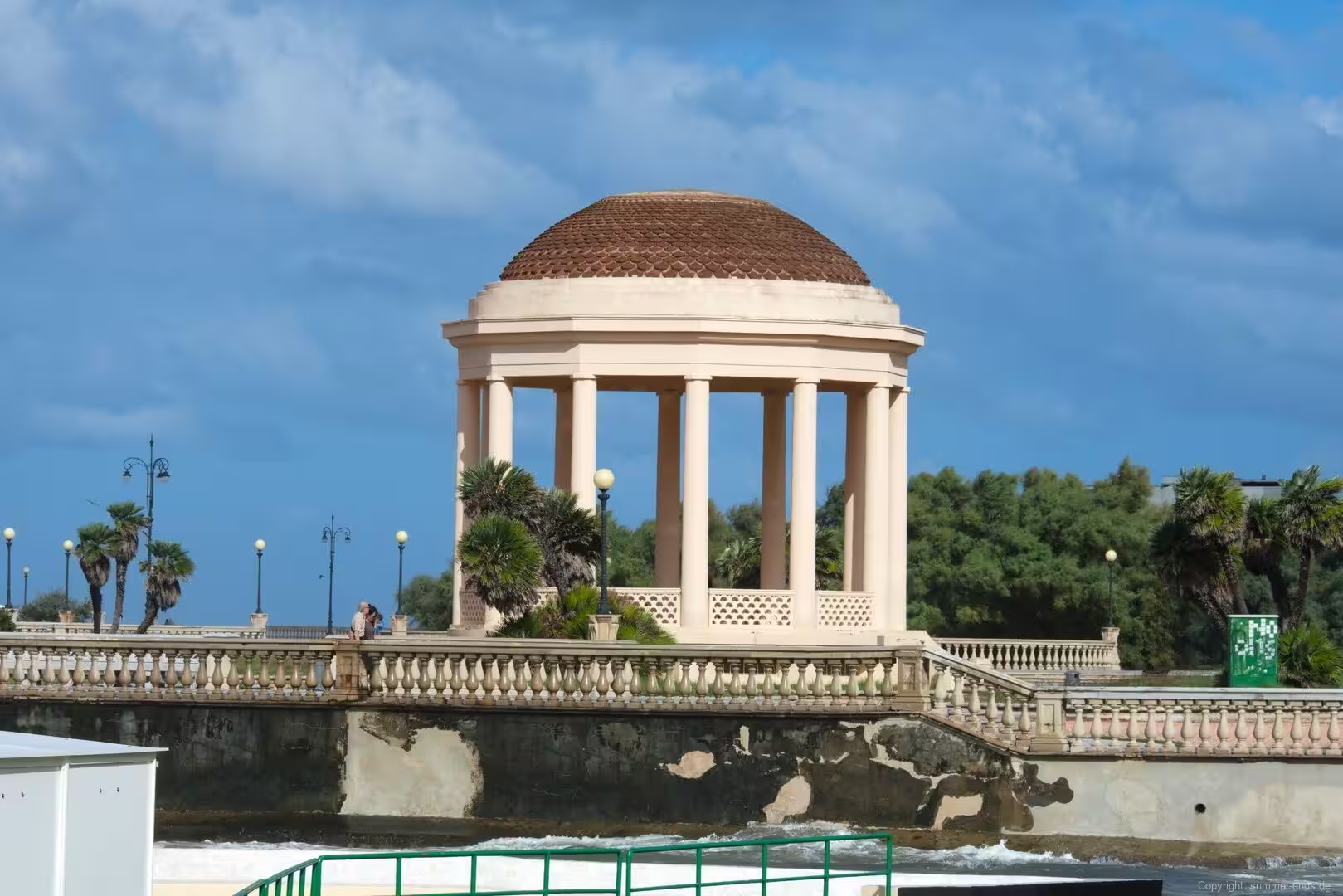
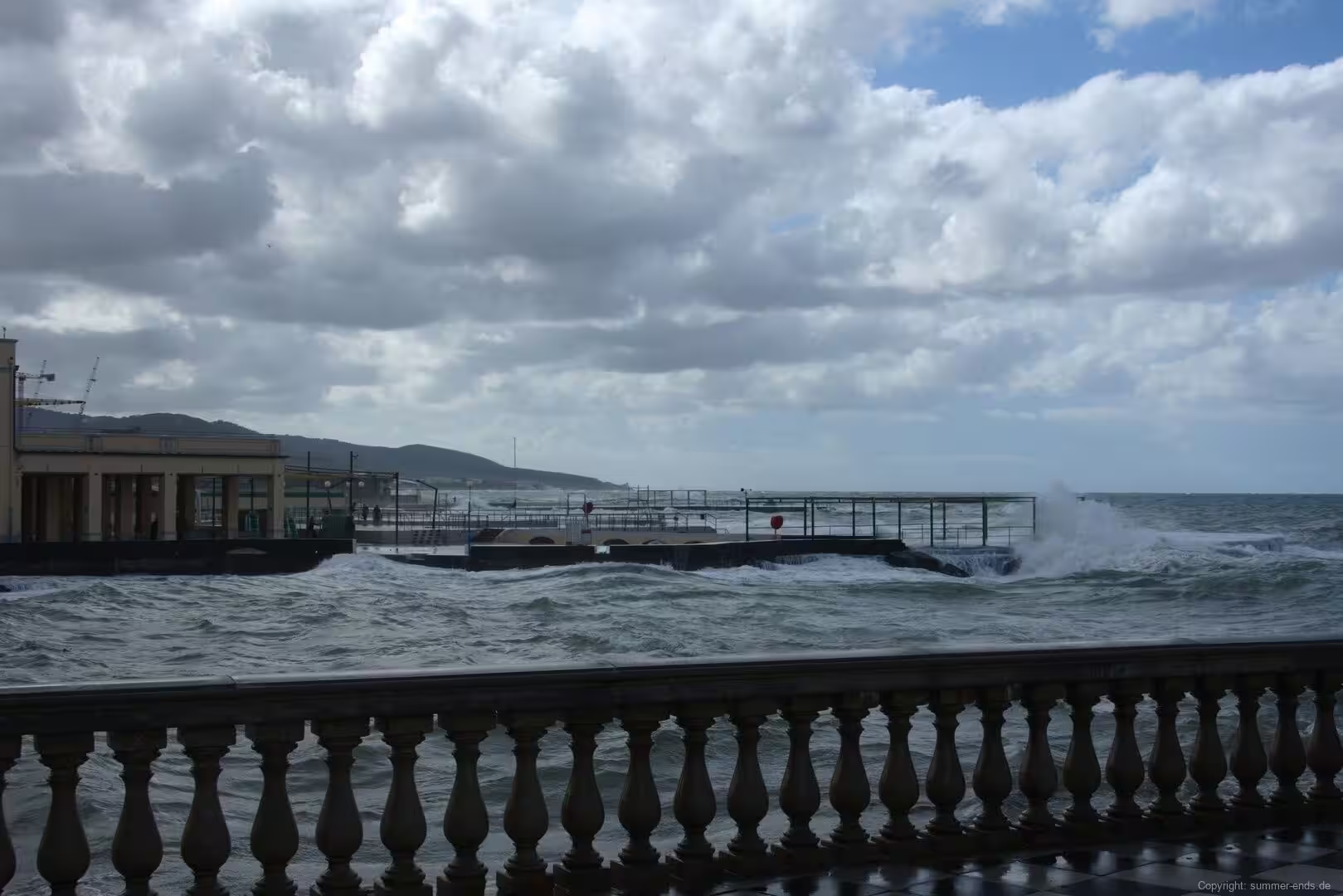
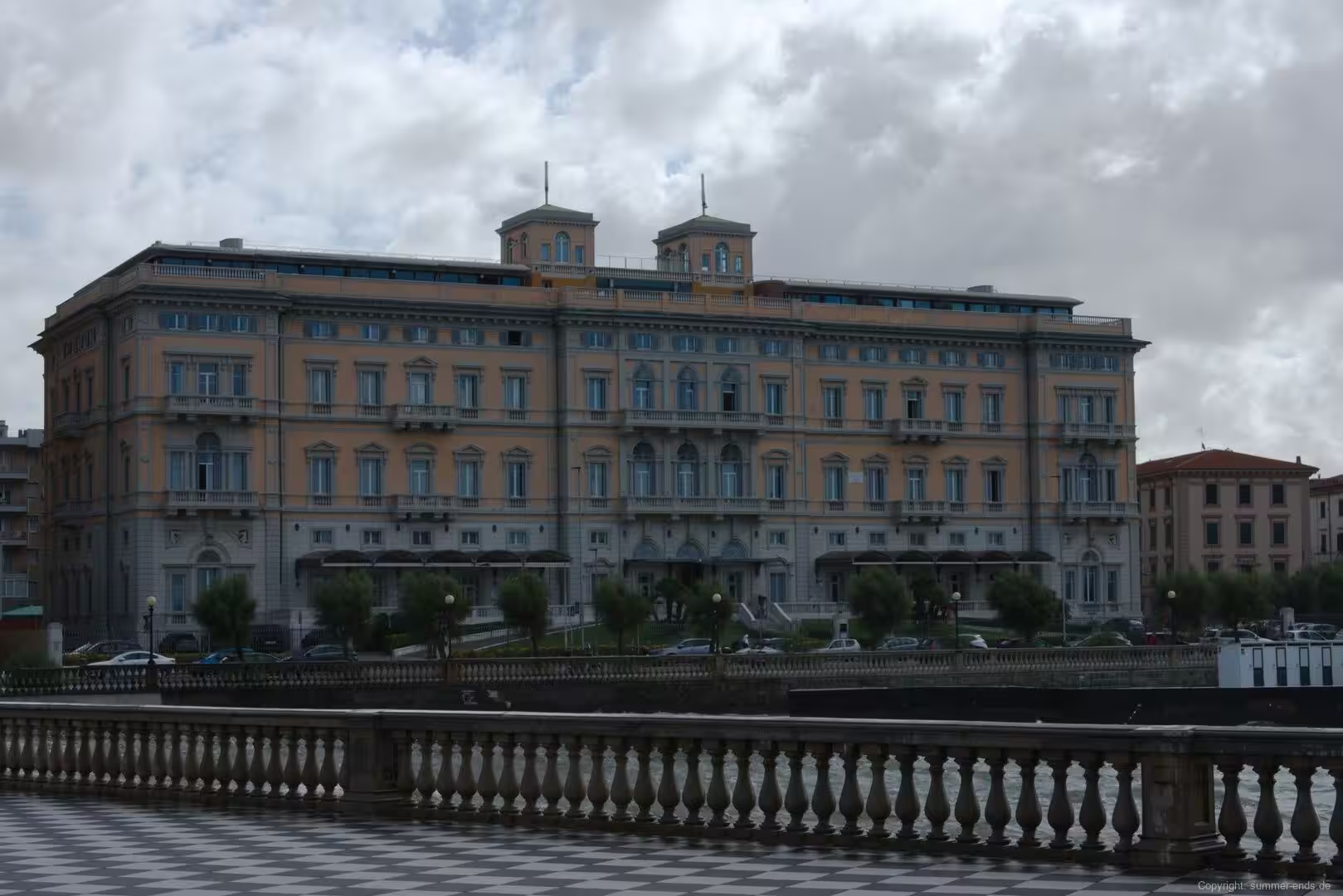
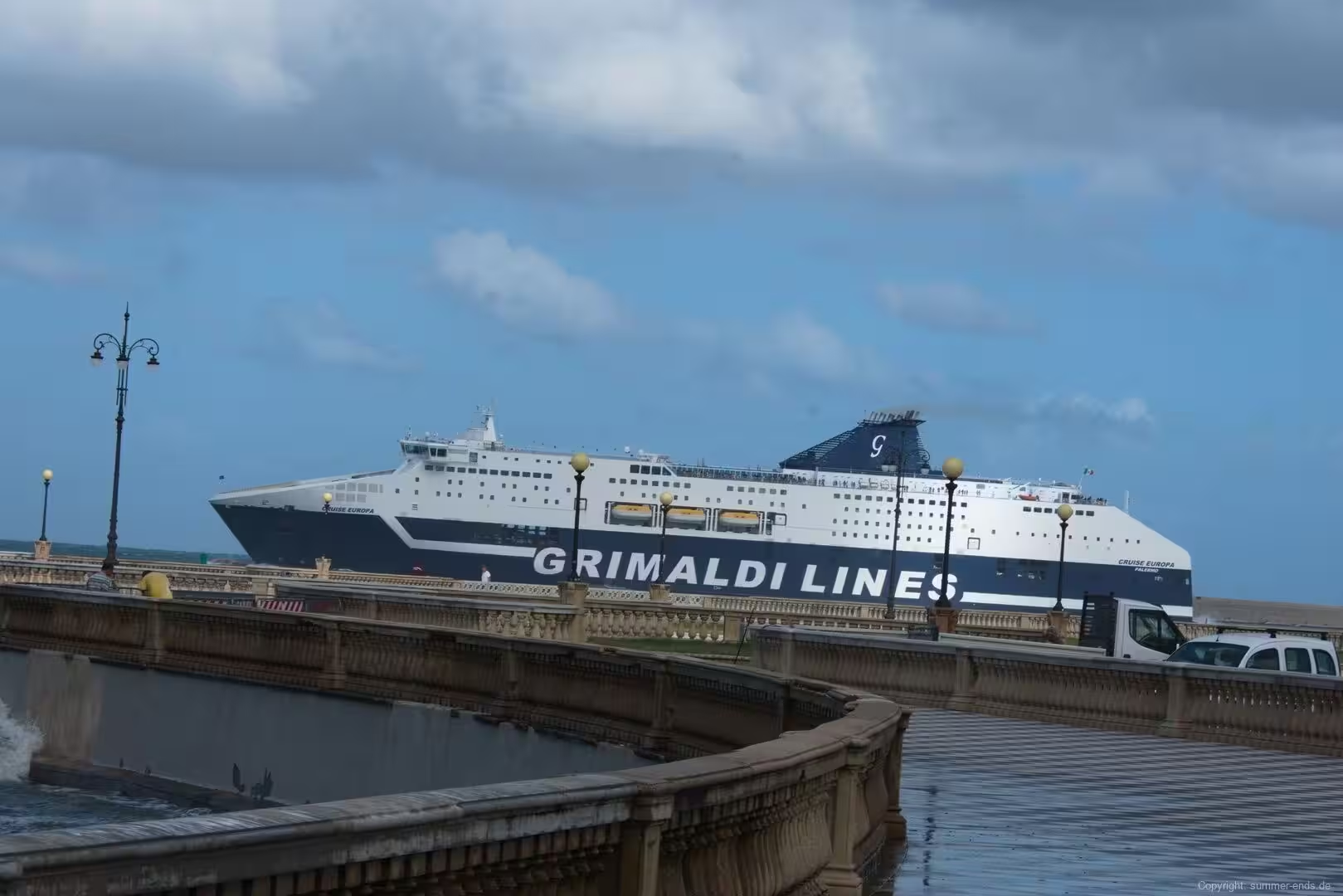
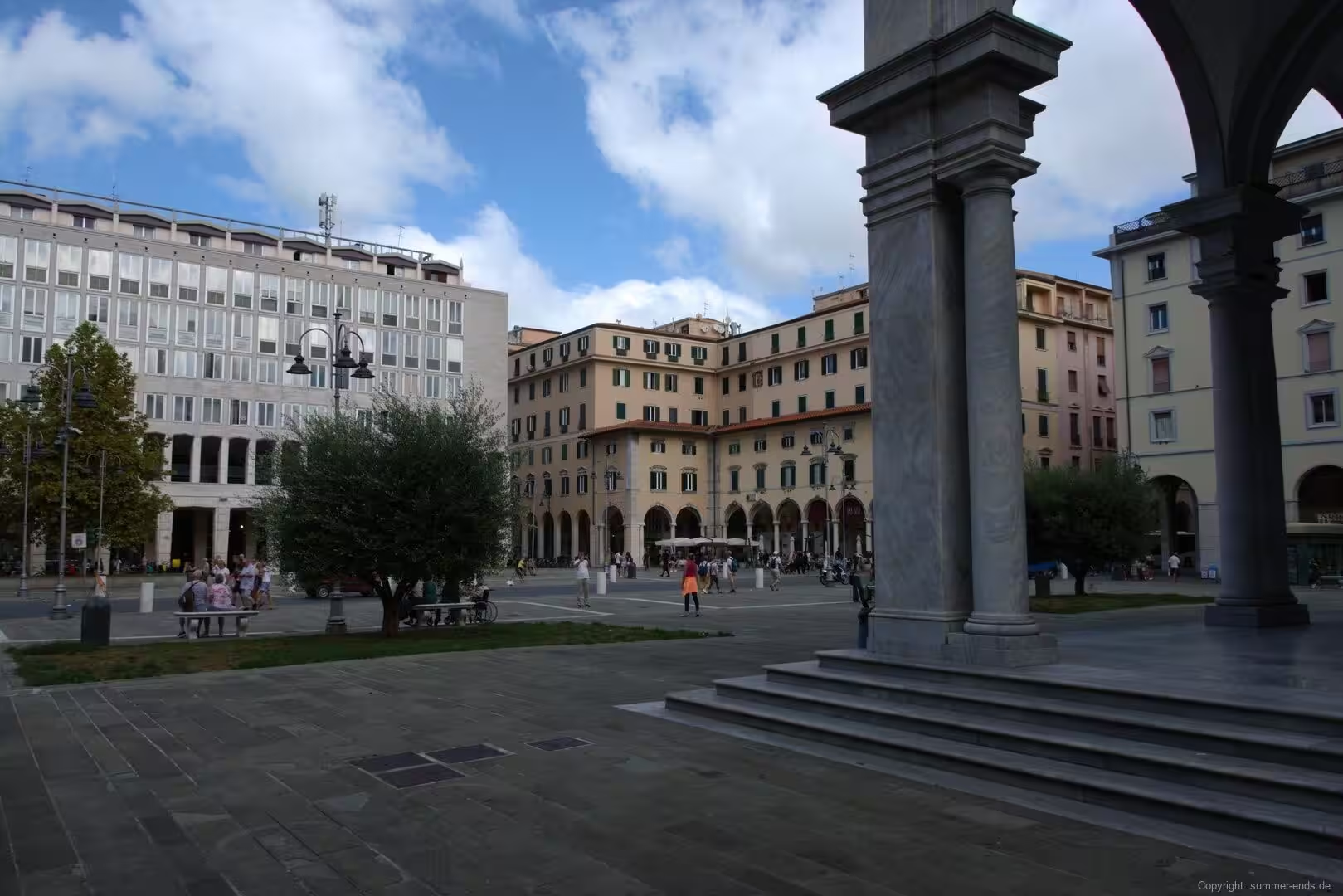
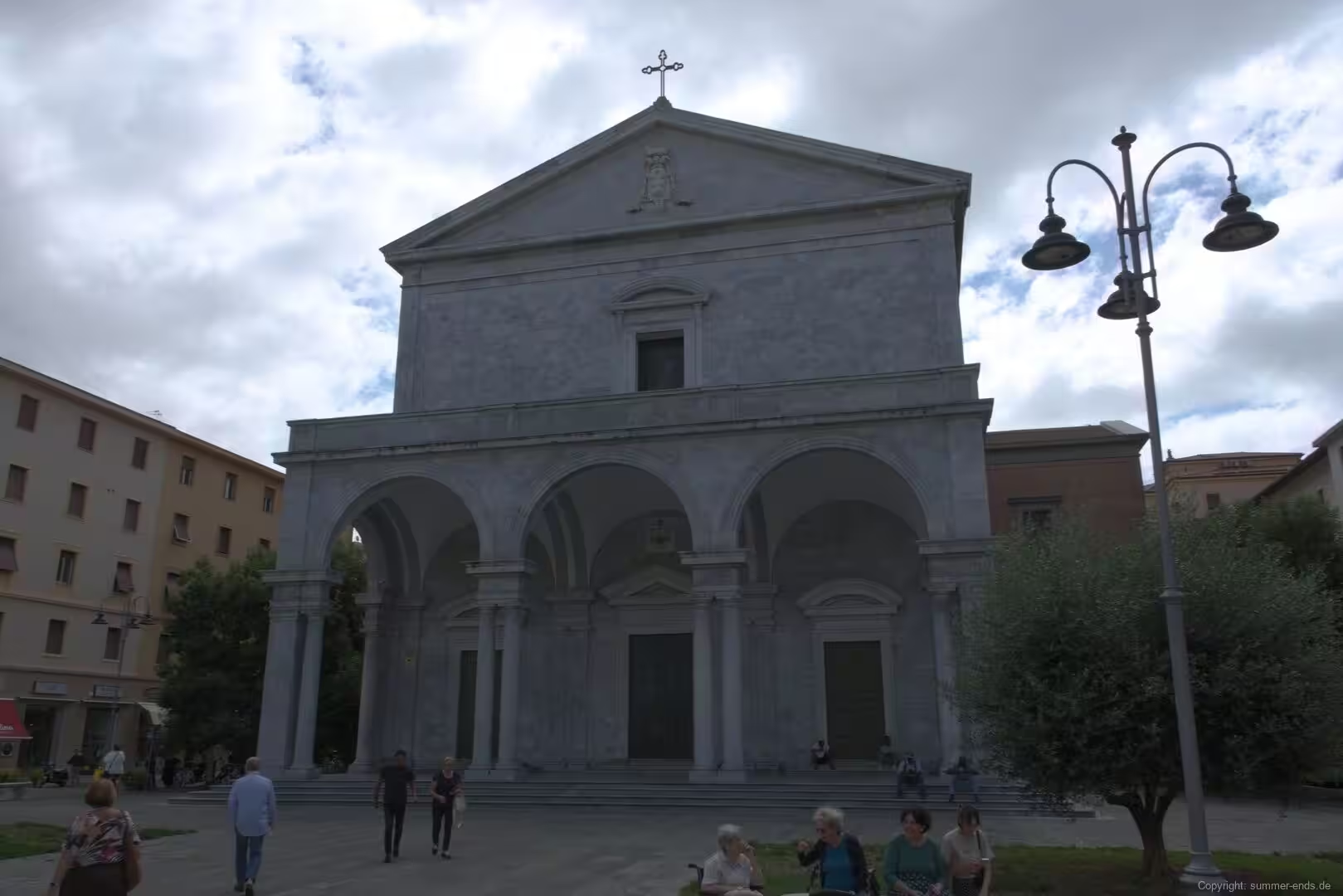
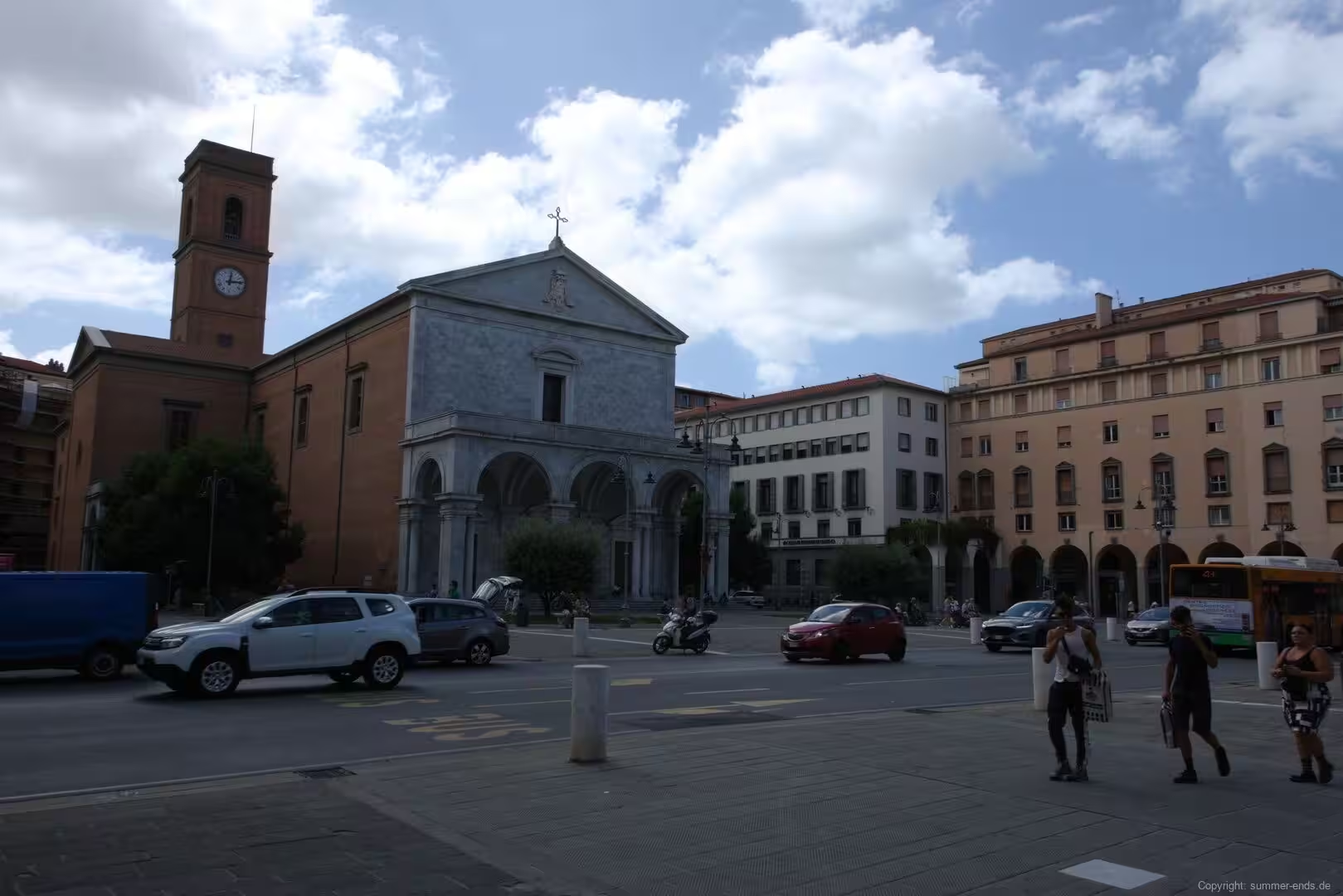
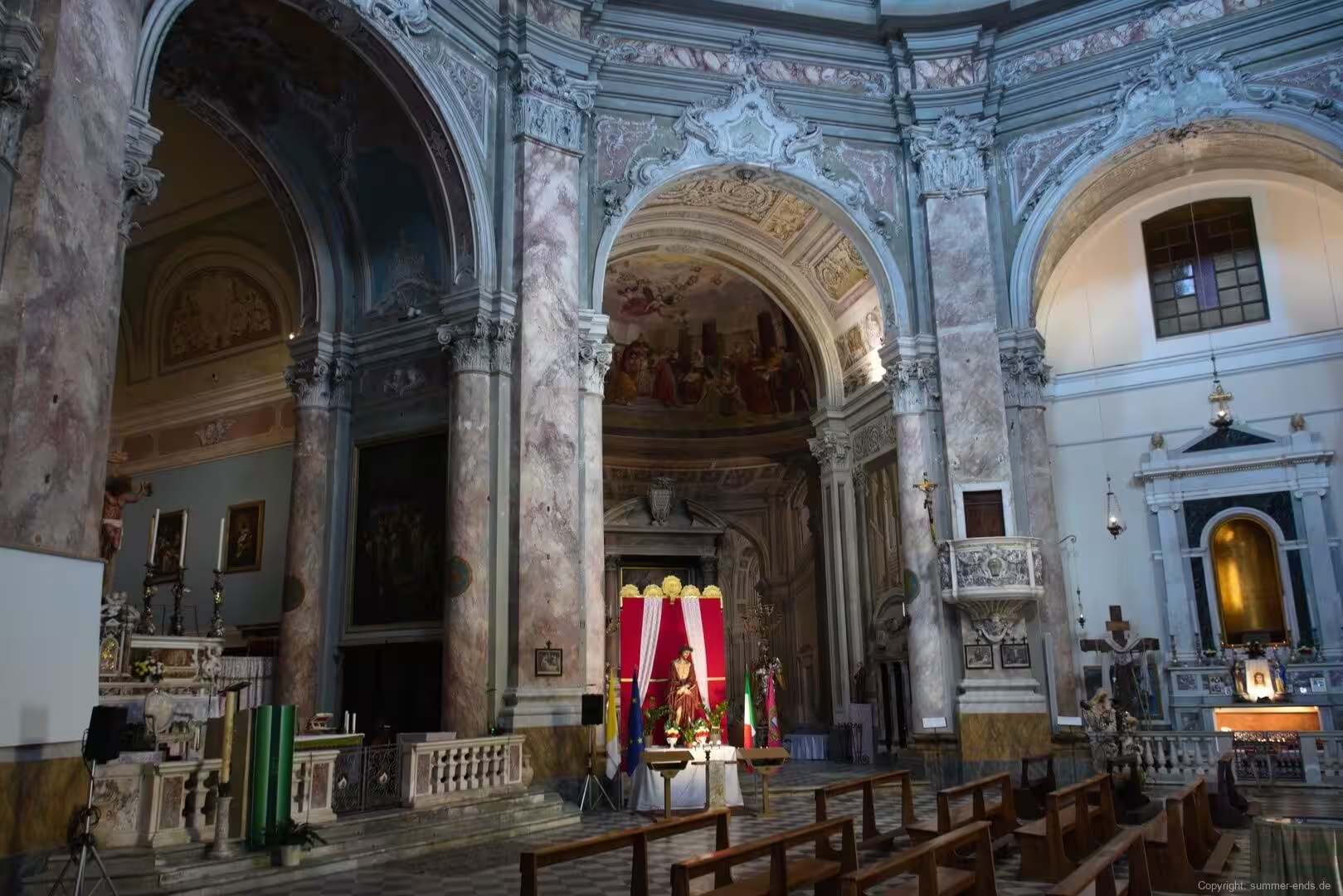
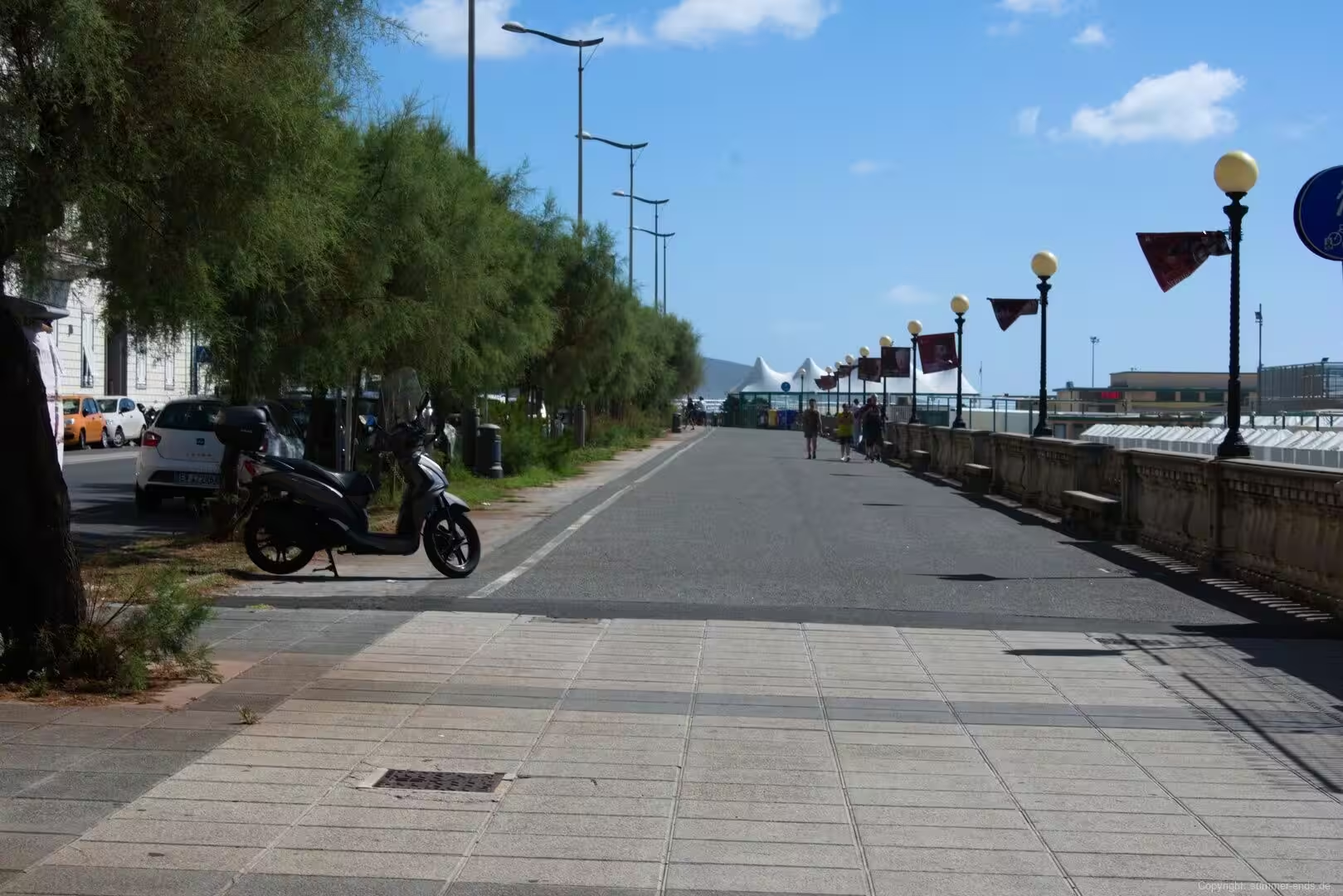
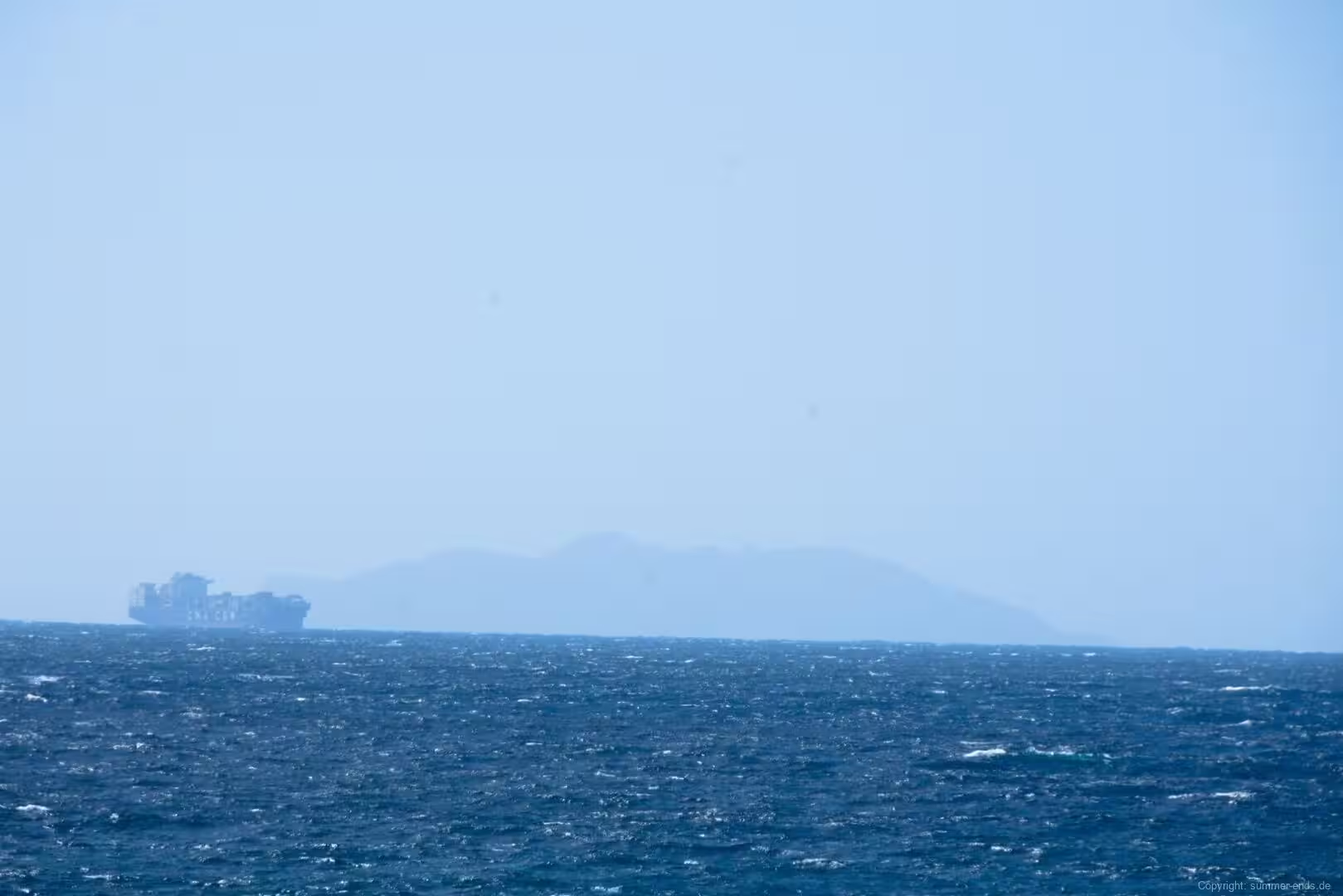
On the seafront, below the hillside district of the city, stretches the Terrazza Mascagni, a broad esplanade laid out in the early twentieth century and named for the composer Pietro Mascagni, a native of the city. Its distinctive balustrade and black-and-white checkerboard paving run along the sea, with palm-trees and the pier where the ferries and the cruise ships call, and the terrace gives open views over the Ligurian Sea, the islands and the distant Portofino headland. The Cathedral of San Francesco and the churches and palazzi of the centre, the Palazzo Comunale and the neoclassical arcades of the main streets, frame the historic heart of the city.
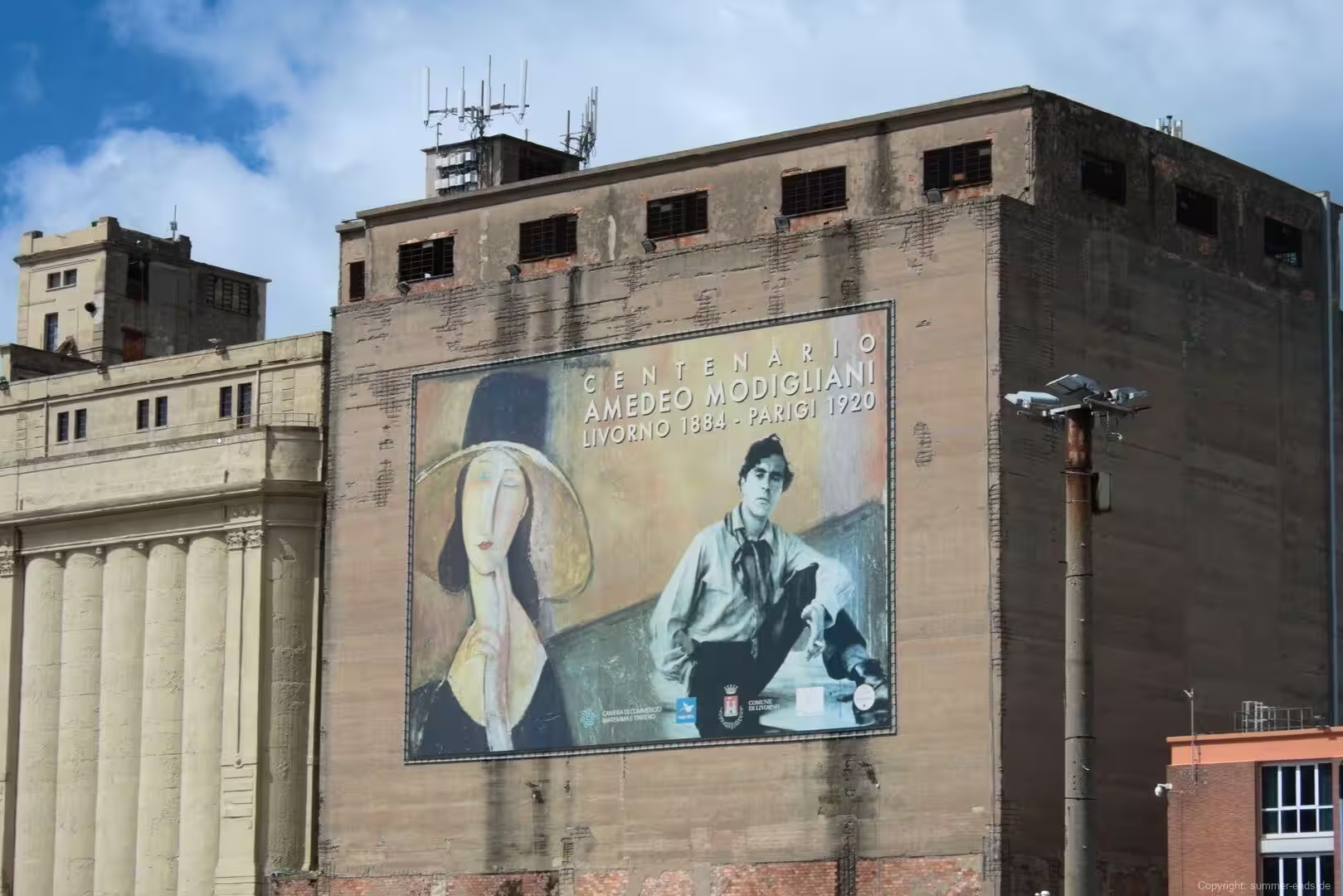
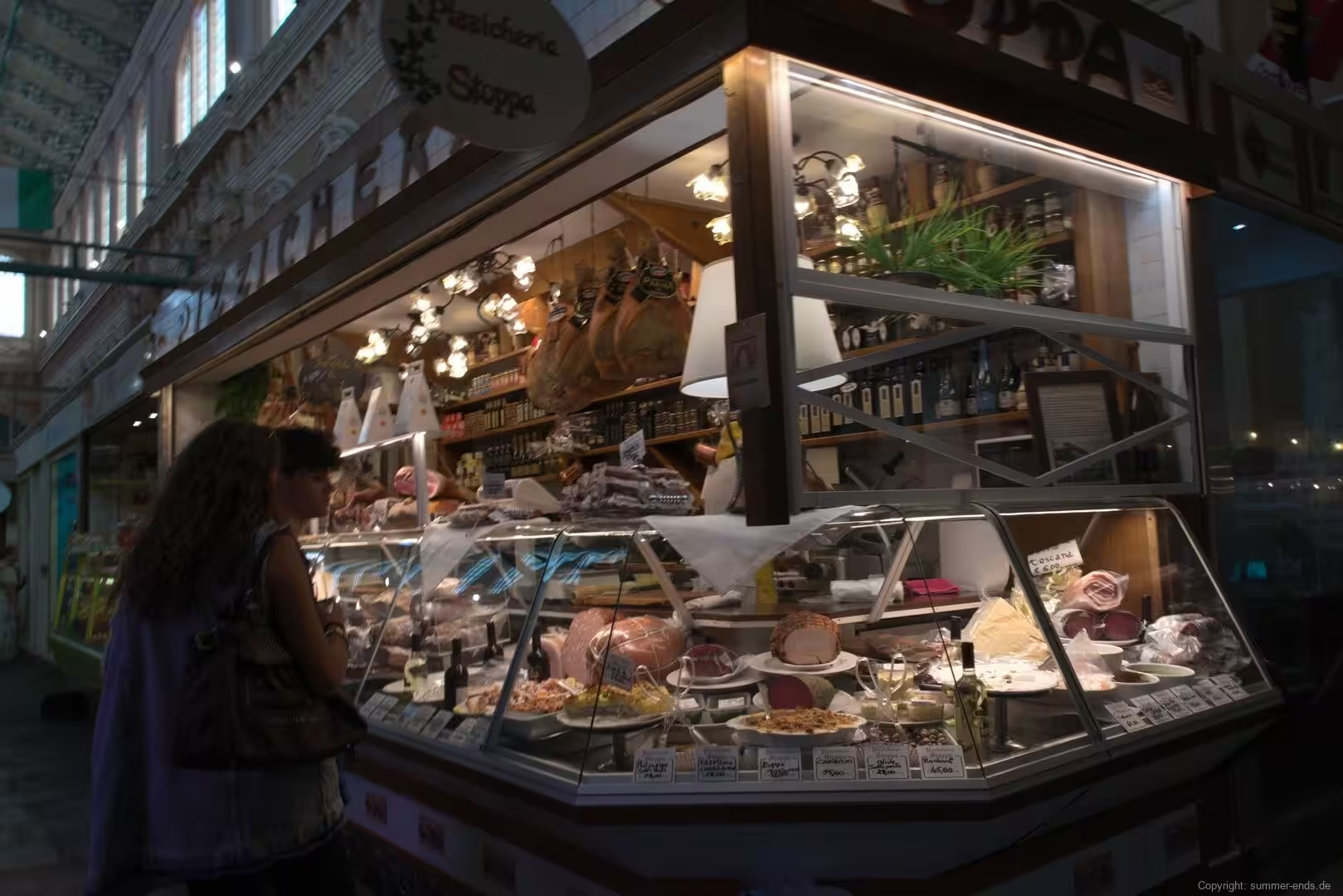
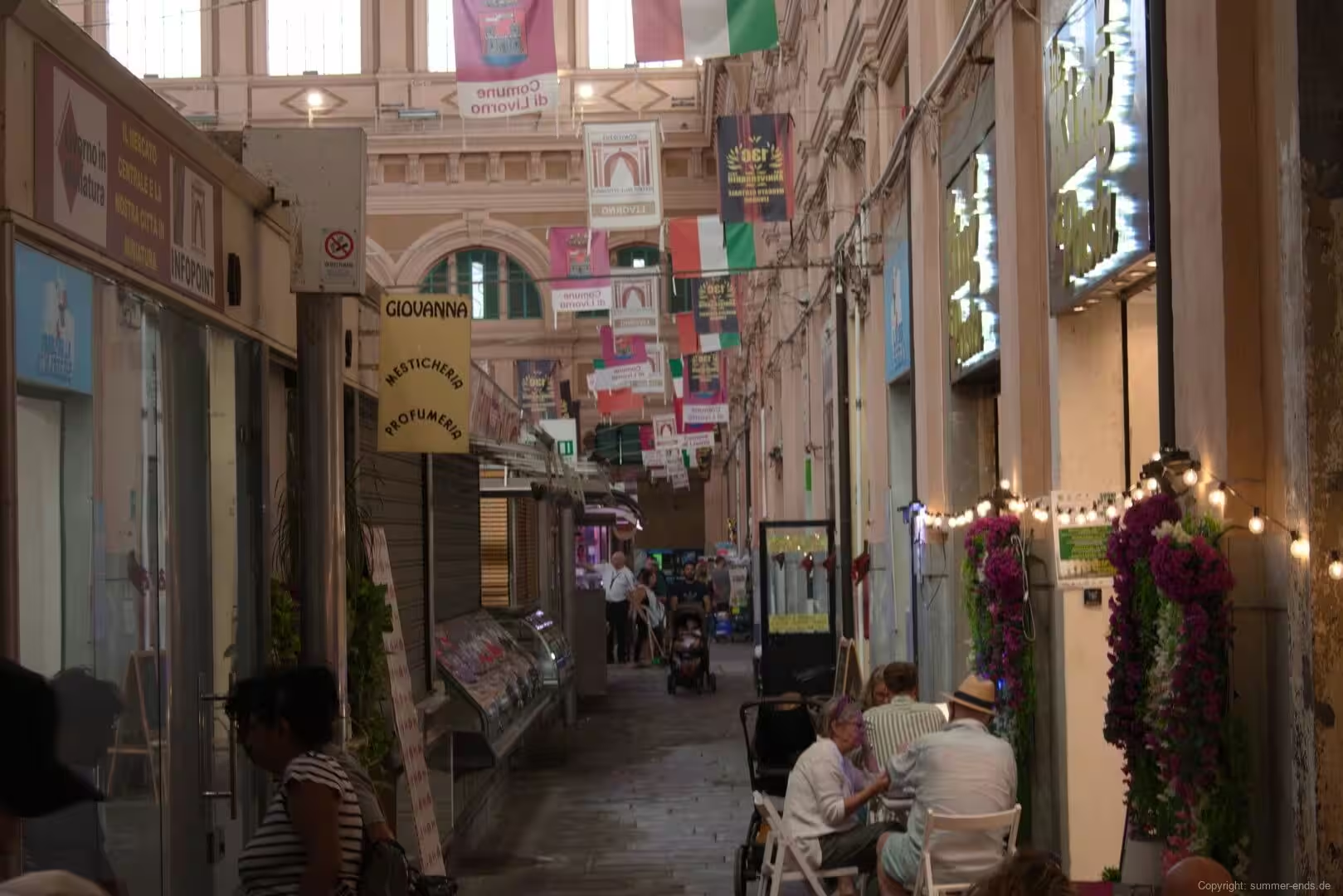
The cultural life of Livorno celebrates its links to the sea and to its diverse population, and the city is associated with the painter Amedeo Modigliani, who was born here in 1884 and whose portrait appears in a mural in the centre. The old market, the covered shops, the food stalls and the quayside workshops, together with the port itself and the boatyards, show the working character of the city, and the marina and the beaches of the coastline provide the leisure side. The city’s markets, its monuments and its waterfront combine the modern maritime port with the inheritance of the free port and of the canal district.
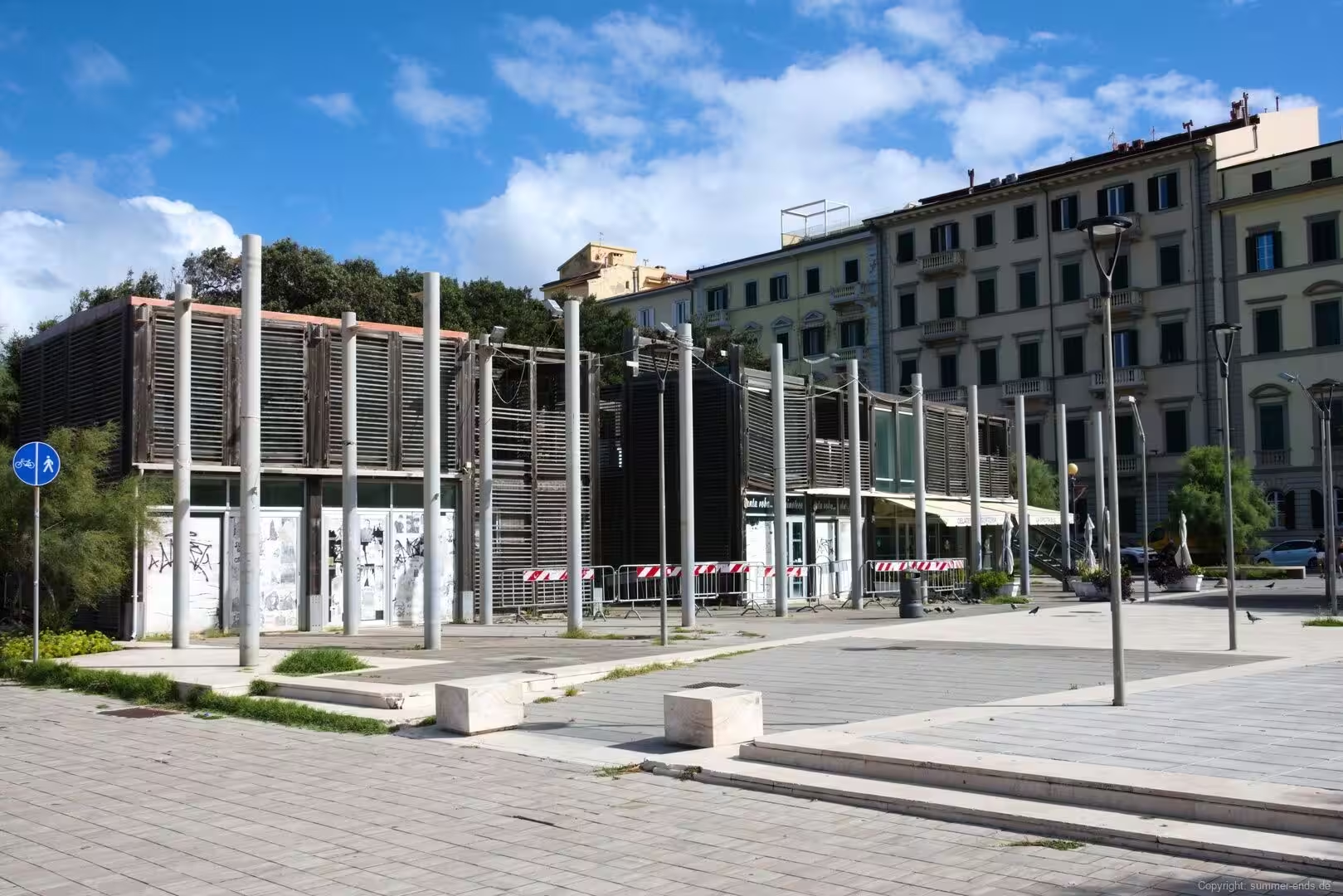
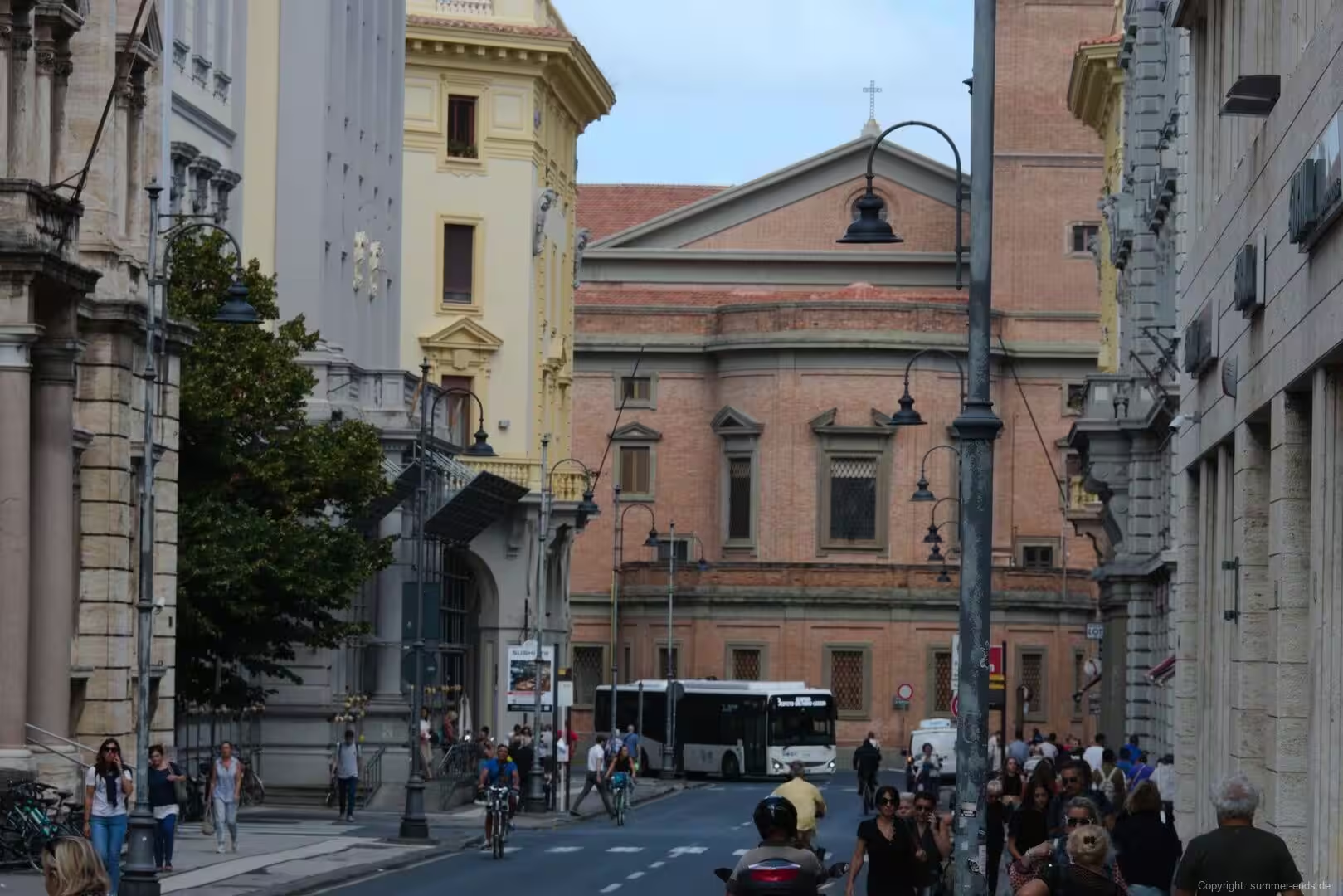
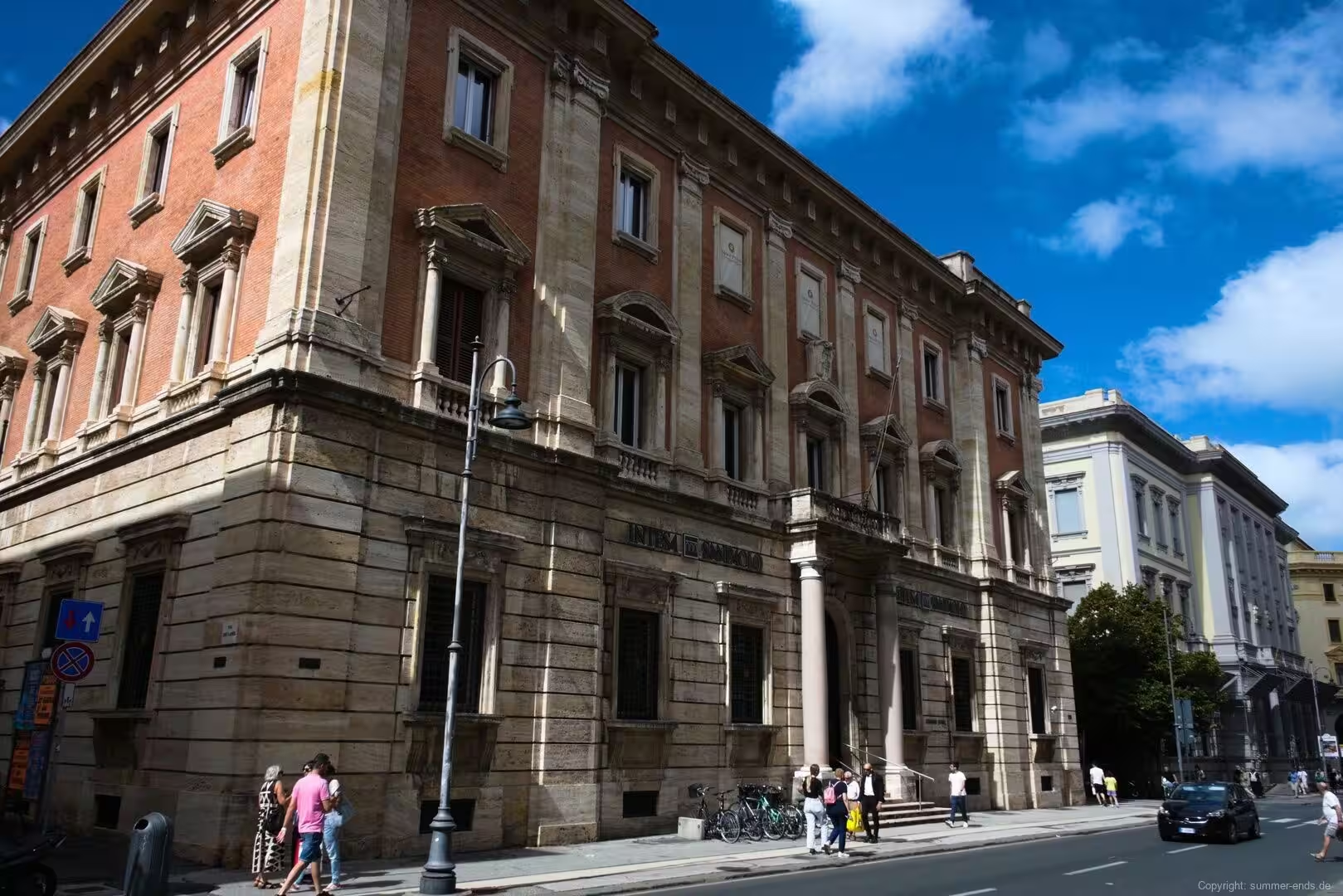
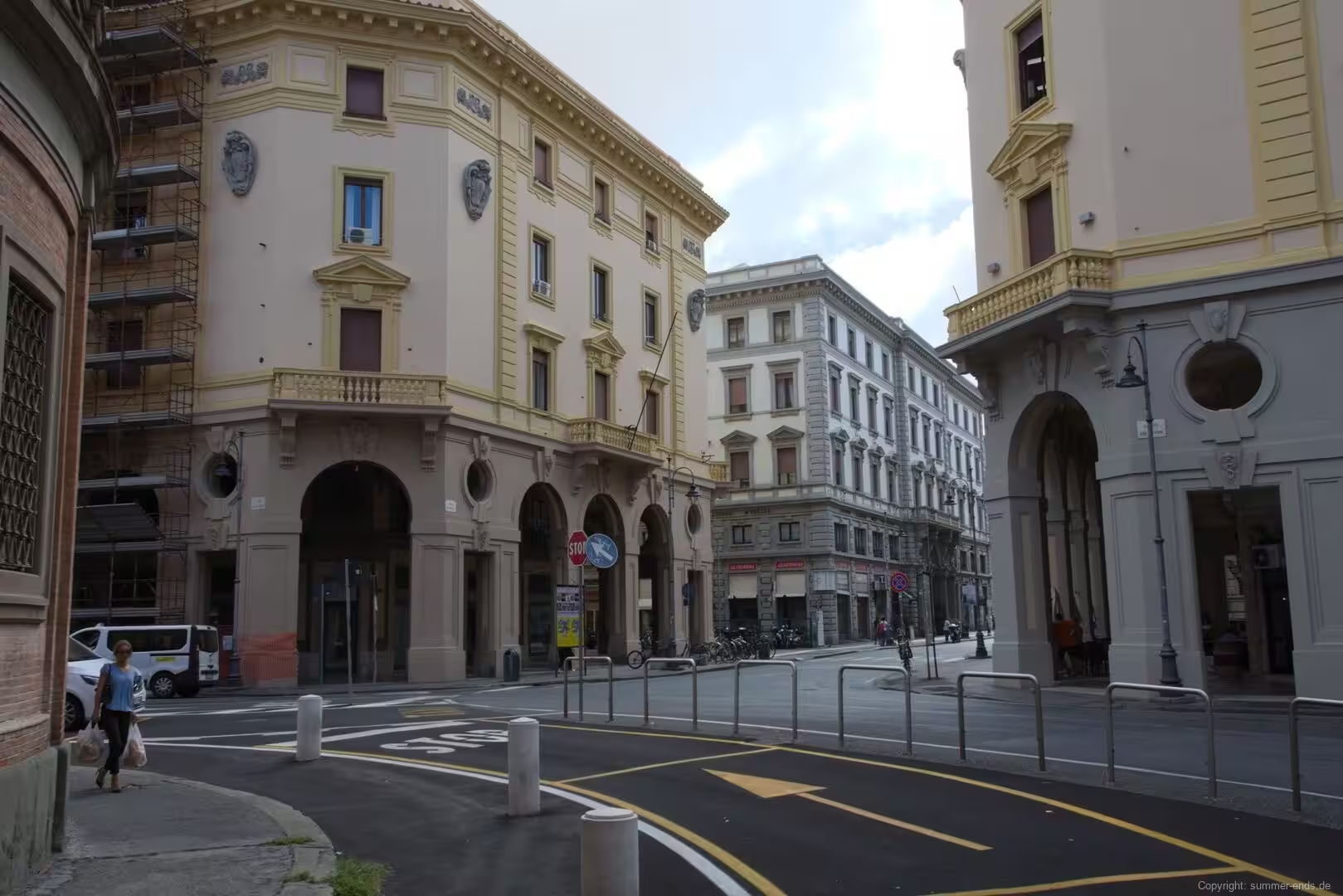
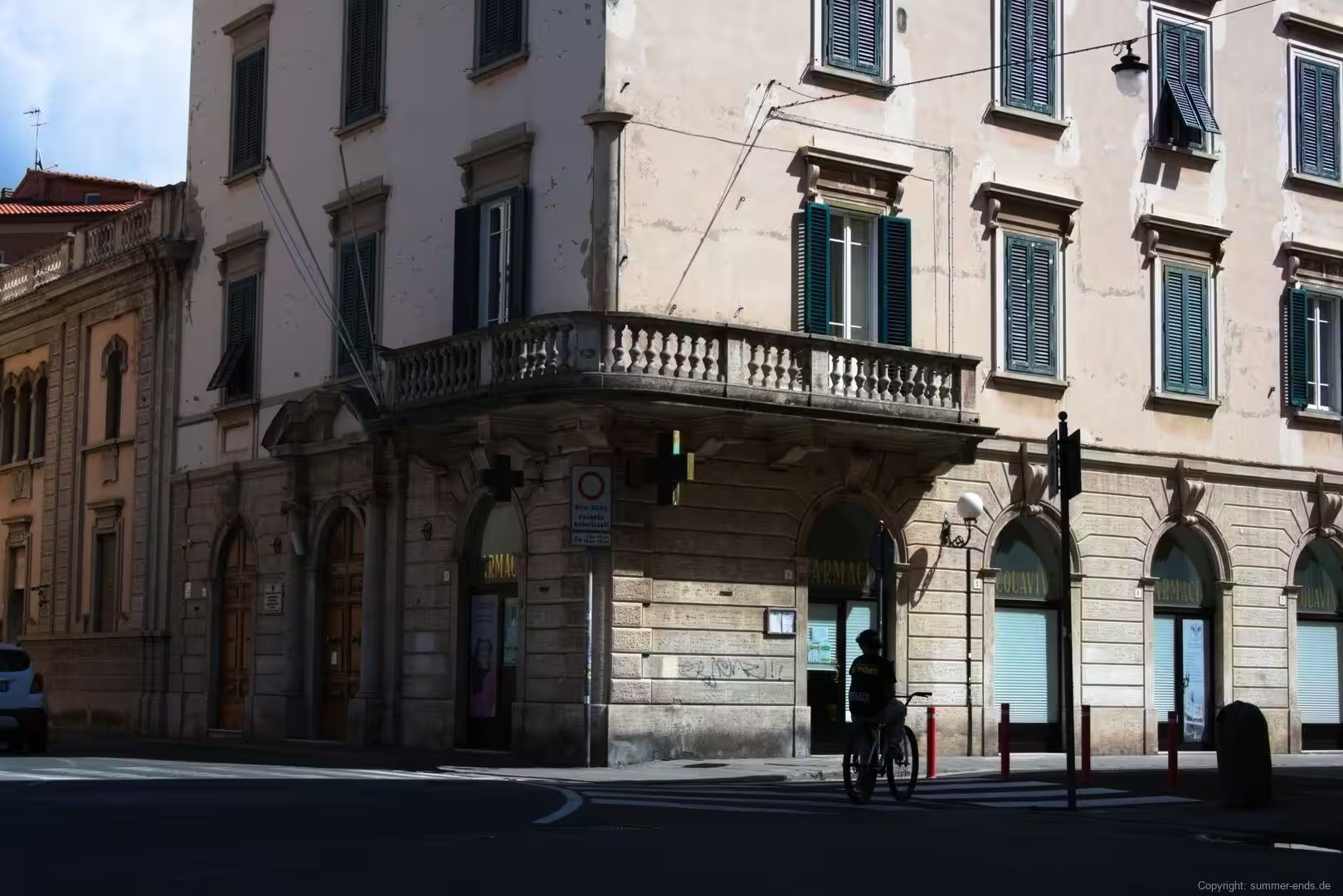
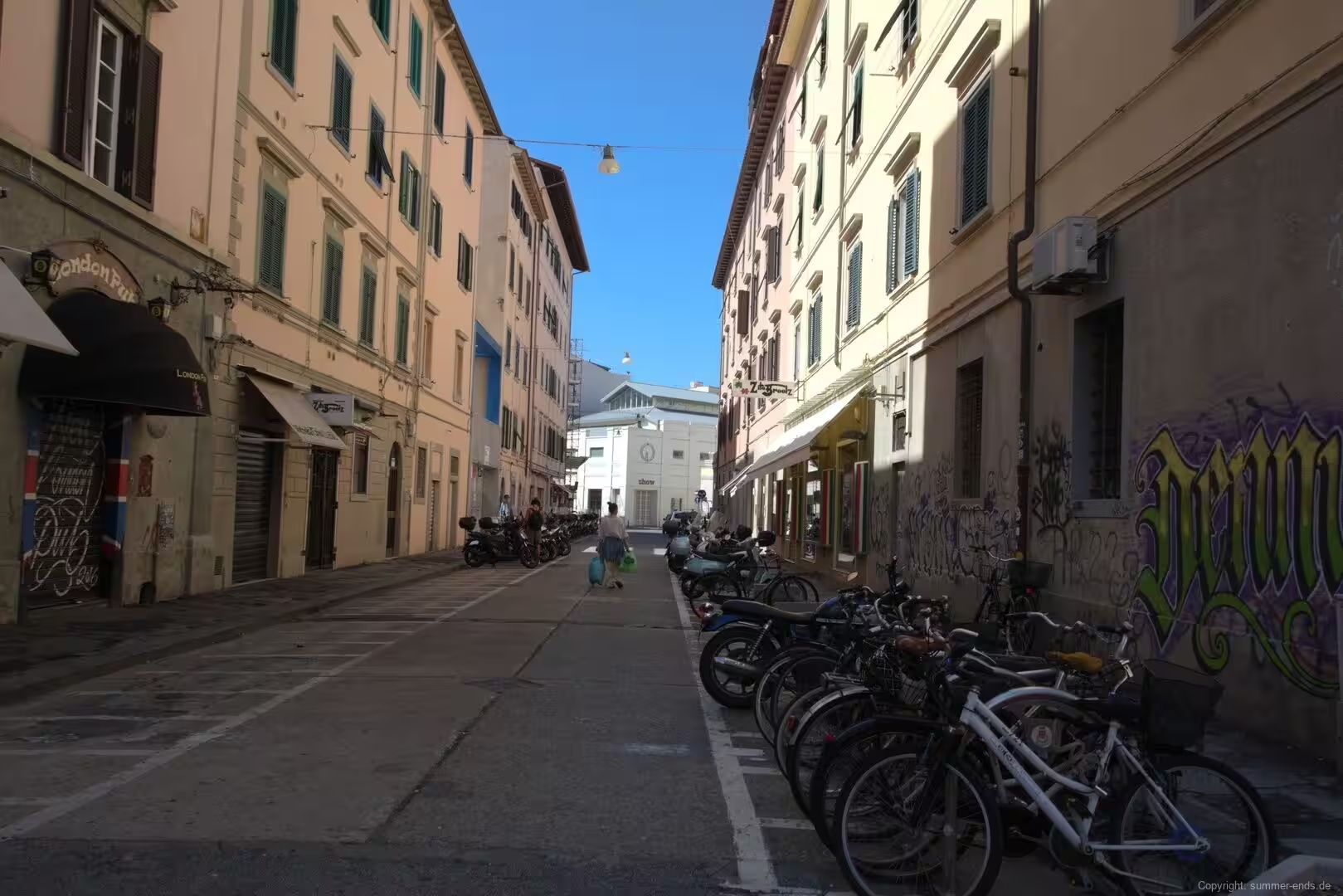
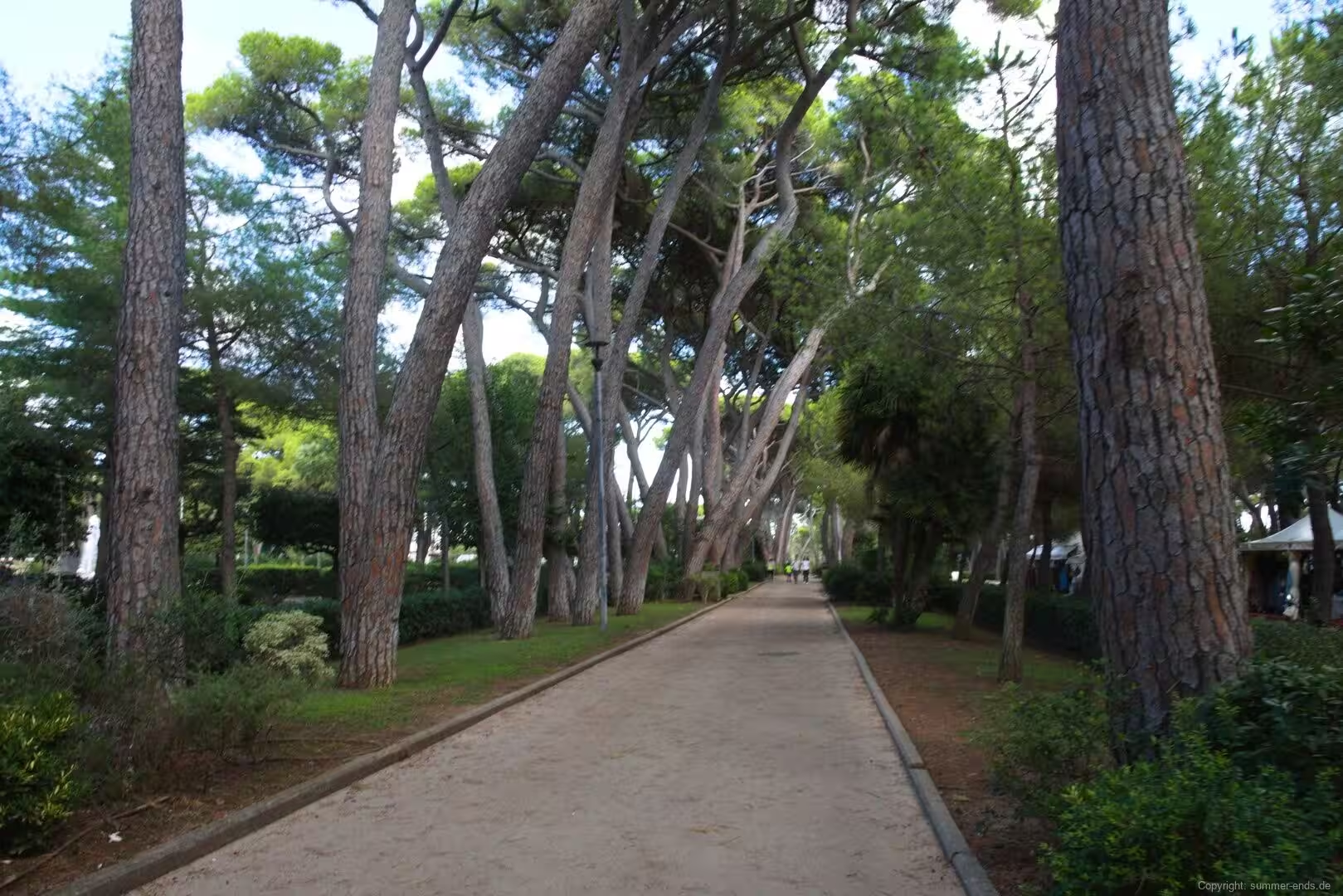
Walking the city, the visitor moves between the two great spaces of the old city and the sea. The centre is a grid of broad streets and squares, its arcades and neoclassical facades framing the busy streets, while the older quarters of the canal district preserve the irregular lanes and the bridges of the waterborne town. The waterfront, from the Terrazza Mascagni to the port and the Mercato Centrale, gives the view over the sea and the islands, and the food markets and the cafes of the centre show the daily life of the city. Beyond the harbour, the beaches of the coast, the pine wood and the sand dunes of the surrounding shore extend the maritime character of Livorno into the wider landscape of the coast.
References
- Wikipedia. Livorno. en.wikipedia.org/wiki/Livorno
- Wikipedia. Fortezza Vecchia. en.wikipedia.org/wiki/Fortezza_Vecchia
- Wikipedia. Fortezza Nuova. en.wikipedia.org/wiki/Fortezza_Nuova
- Wikipedia. Medici family. en.wikipedia.org/wiki/Medici_family
- Wikipedia. Grand Duchy of Tuscany. en.wikipedia.org/wiki/Grand_Duchy_of_Tuscany
- Wikipedia. History of Livorno. en.wikipedia.org/wiki/History_of_Livorno
- Wikipedia. Cosimo I de’ Medici. en.wikipedia.org/wiki/Cosimo_I_de%27_Medici
- Wikipedia. Ferdinando I de’ Medici. en.wikipedia.org/wiki/Ferdinando_I_de%27_Medici
- Wikipedia. Republic of Pisa. en.wikipedia.org/wiki/Republic_of_Pisa
- Wikipedia. Quattro Mori. en.wikipedia.org/wiki/Quattro_Mori
- Wikipedia. Amedeo Modigliani. en.wikipedia.org/wiki/Amedeo_Modigliani
- Wikipedia. Pietro Mascagni. en.wikipedia.org/wiki/Pietro_Mascagni