2024 Scotland - Edinburgh









Journal Notes
General
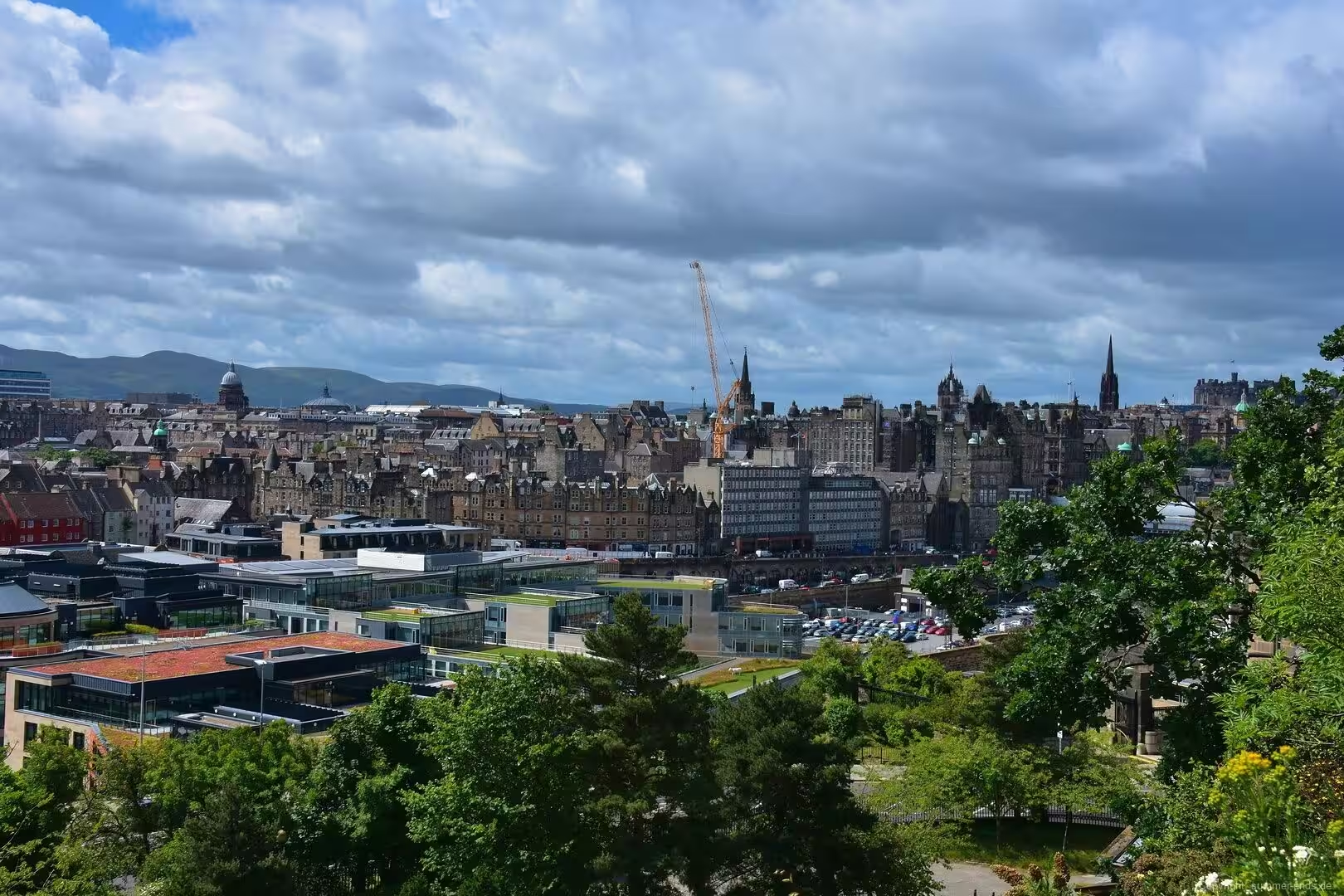
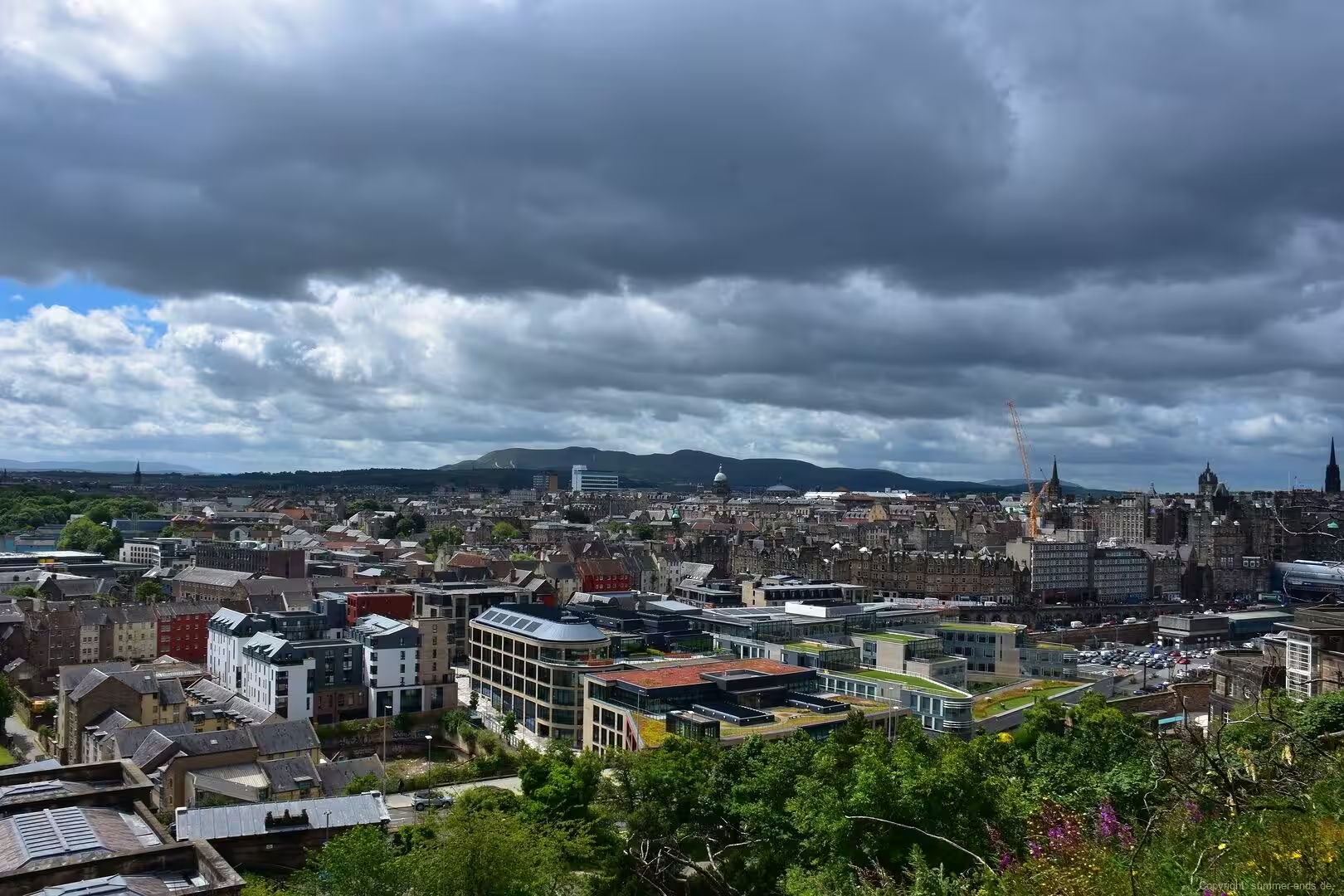
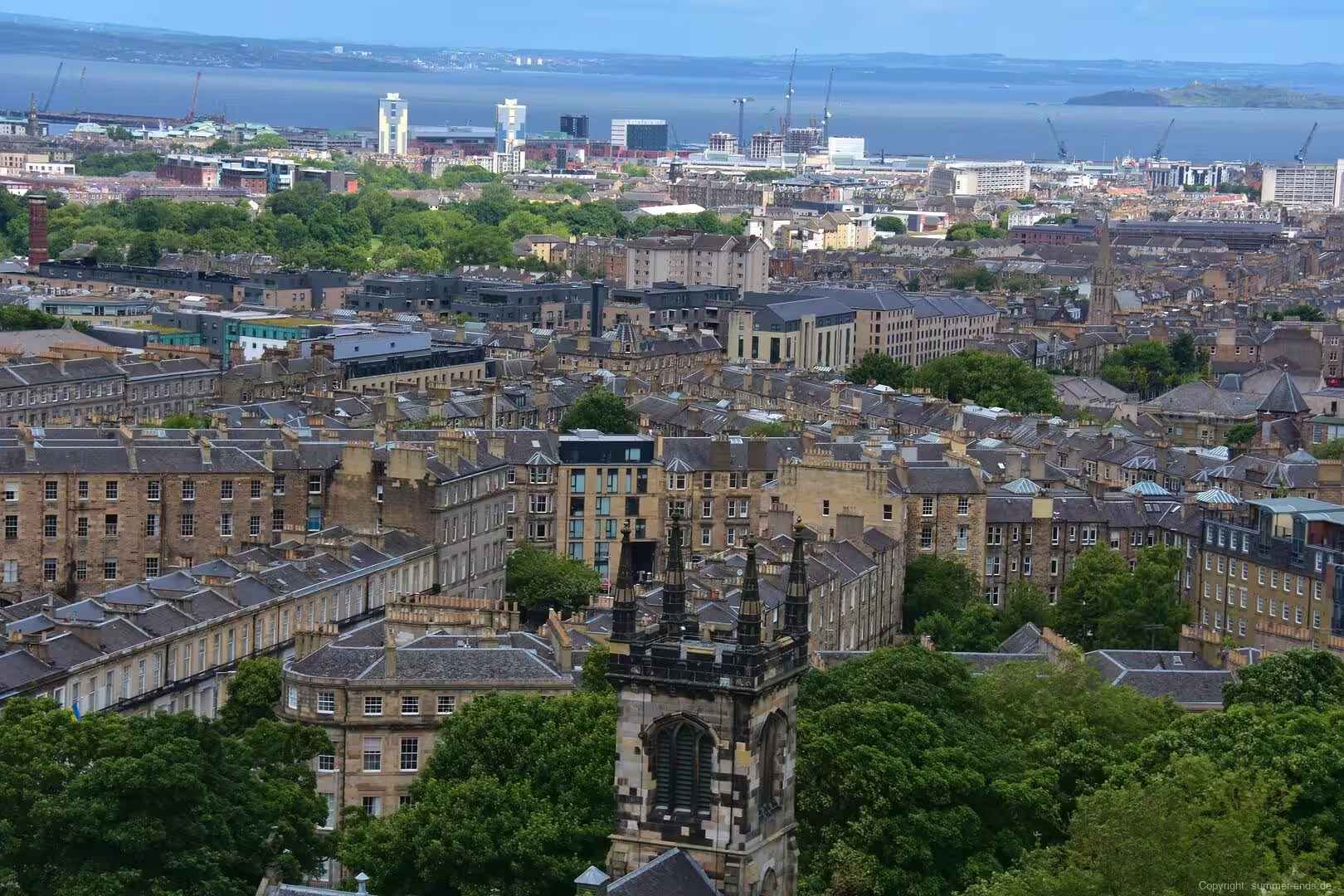
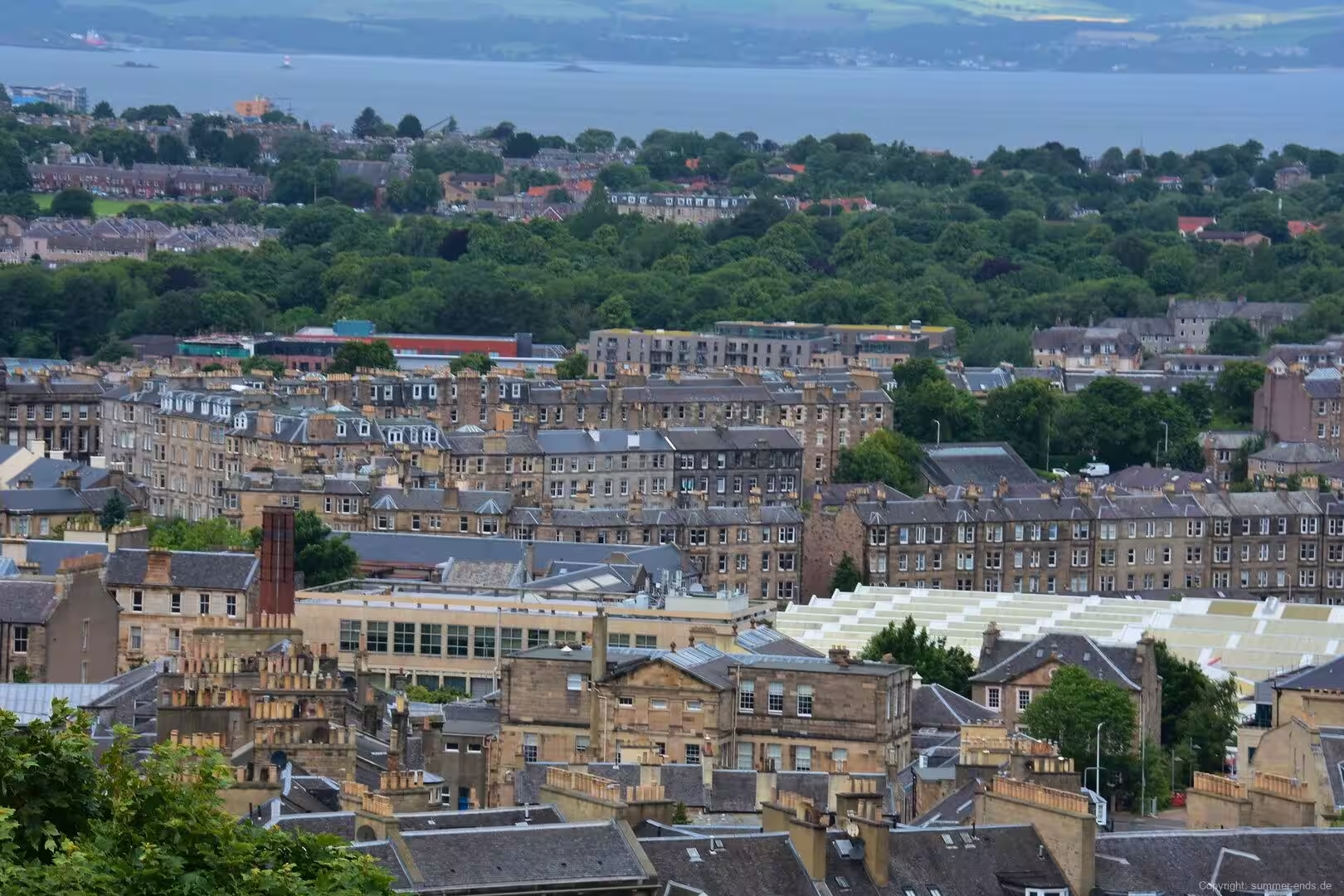
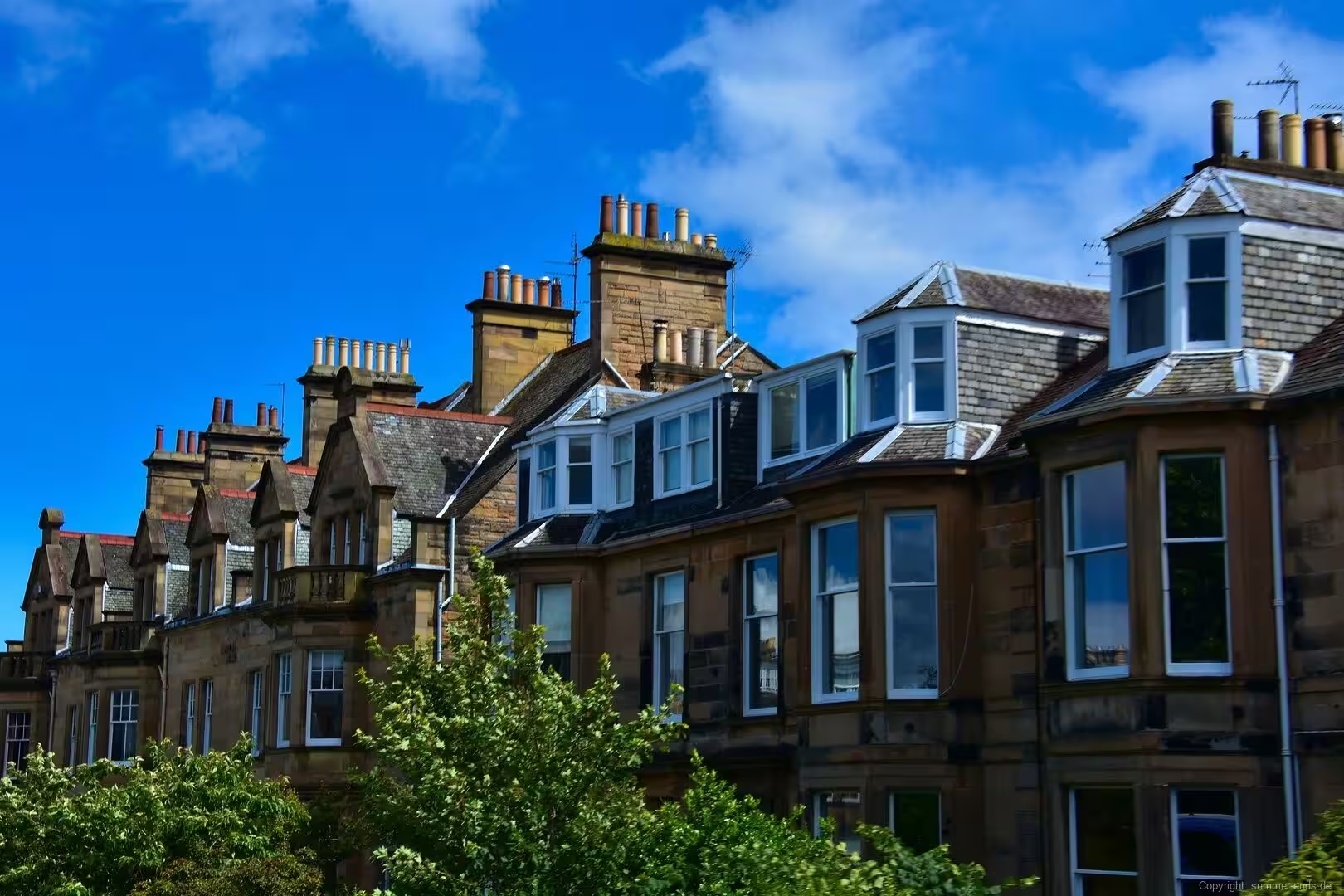
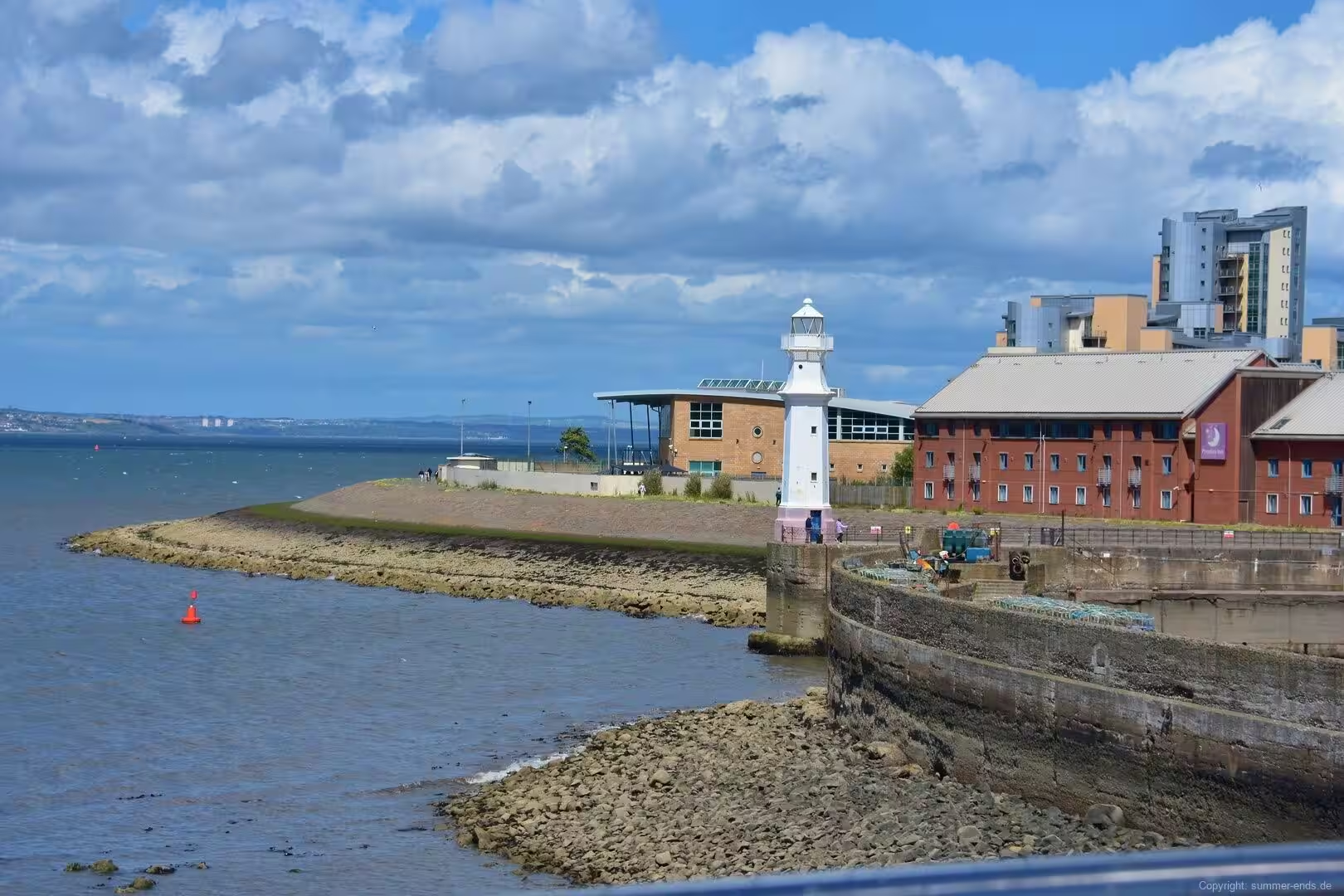
Edinburgh is the capital city of Scotland and one of the most historically and culturally significant urban centres of the United Kingdom, on the southern shore of the Firth of Forth on the east coast. The city forms part of the Central Belt, Scotland’s principal population and economic corridor, and its dramatic natural setting is shaped by volcanic landforms, coastal influences and glacial processes. Edinburgh combines a medieval Old Town, a neoclassical New Town, extensive green spaces and a modern metropolitan area, and it serves as the political, legal, educational and cultural capital of the country.
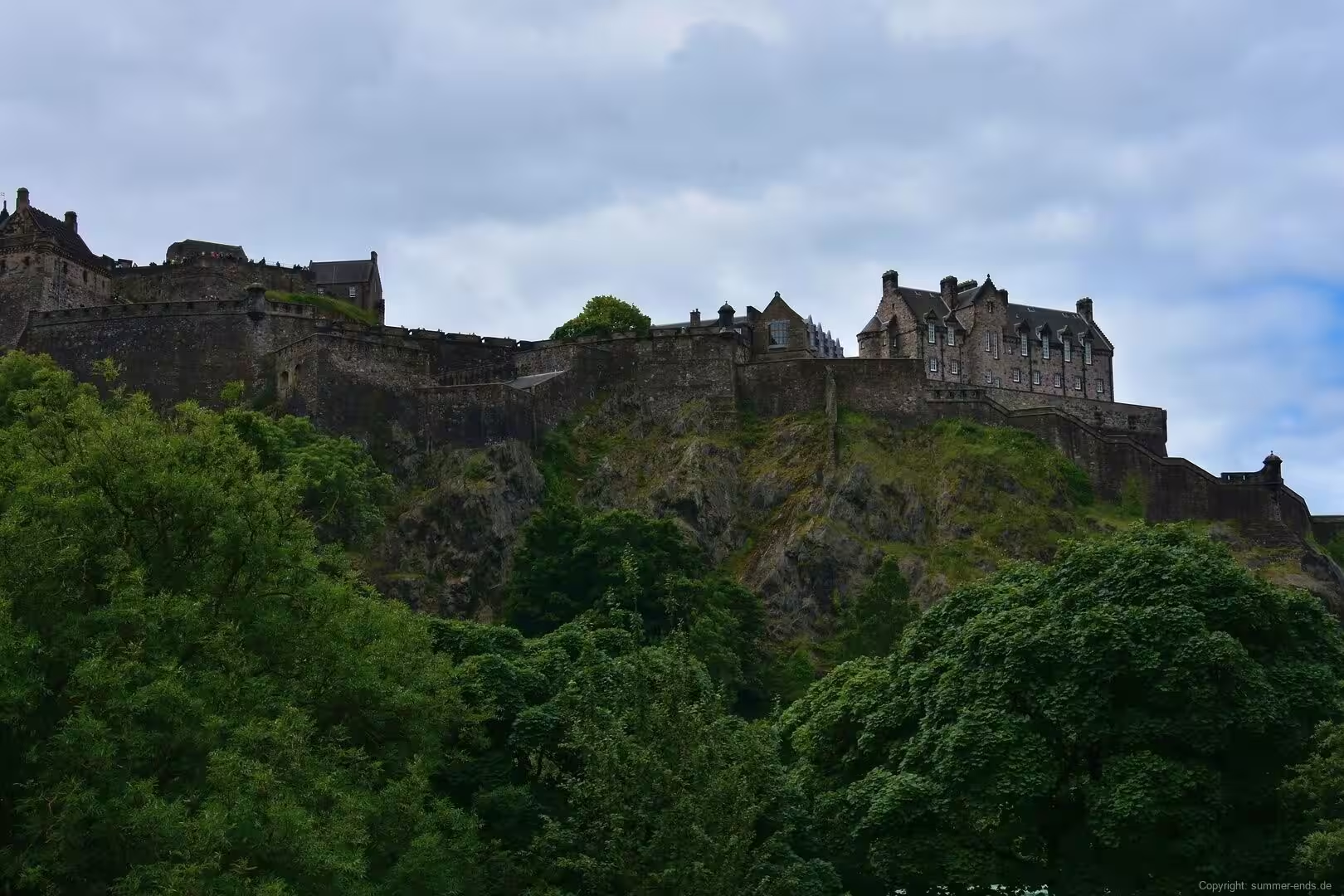
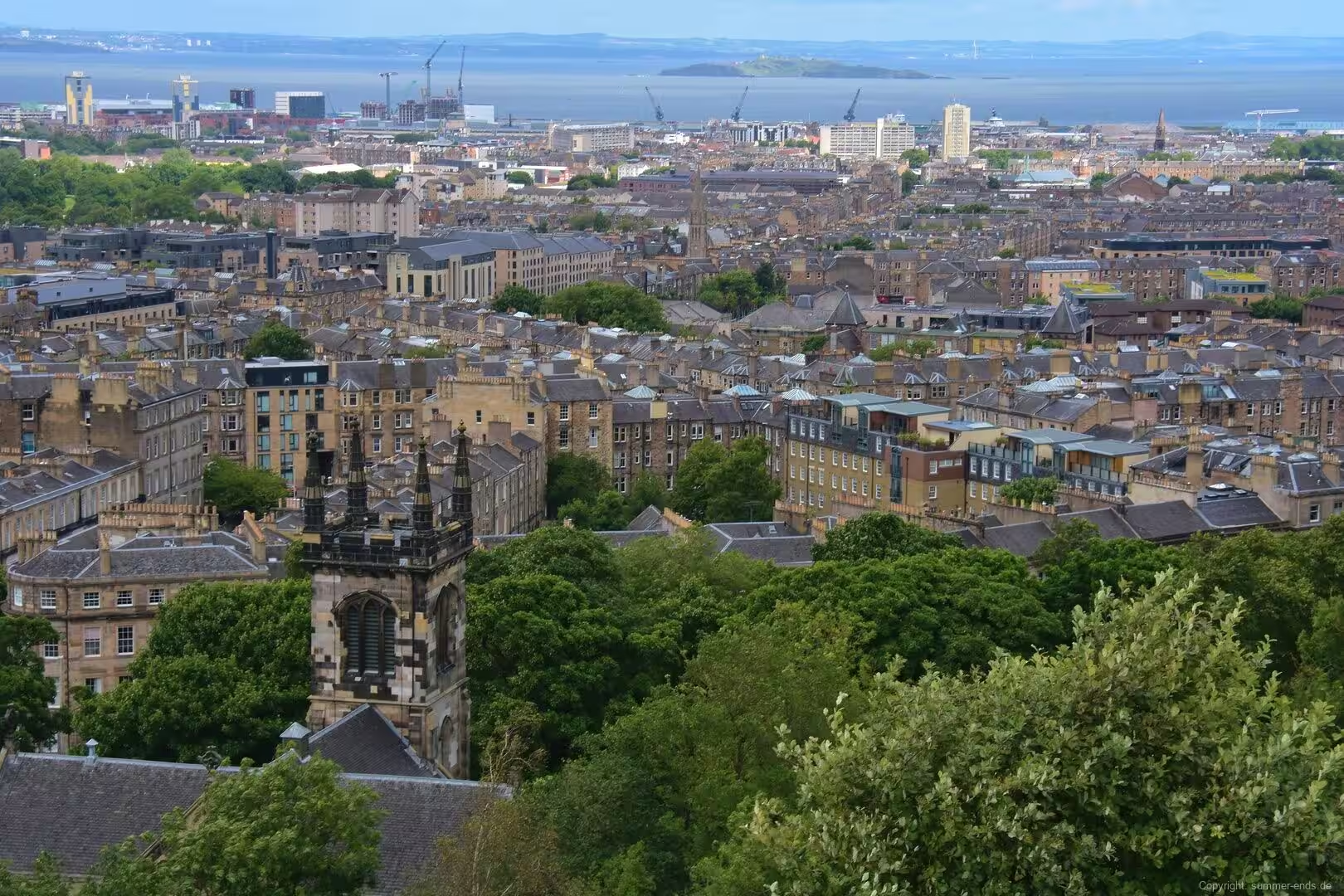
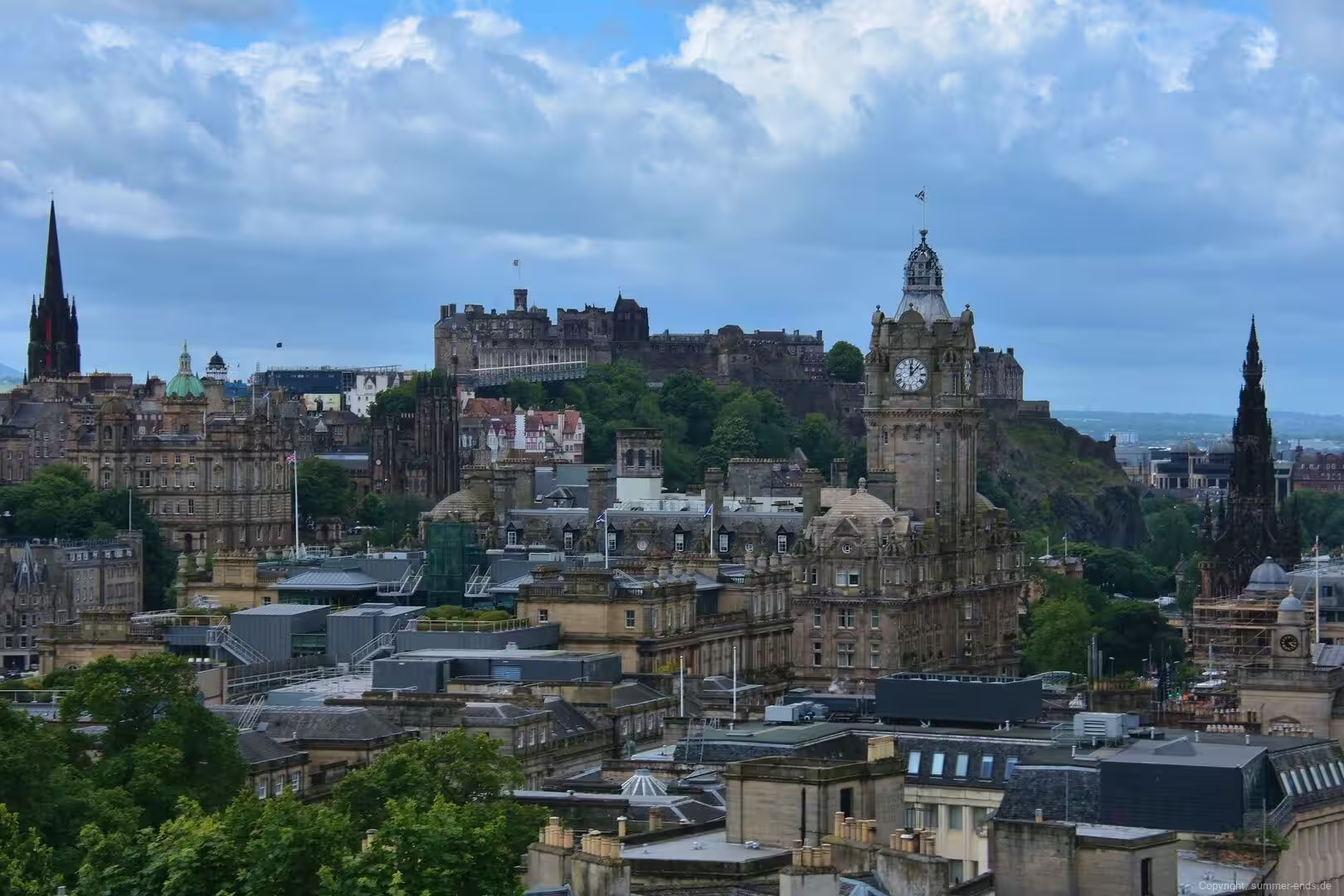
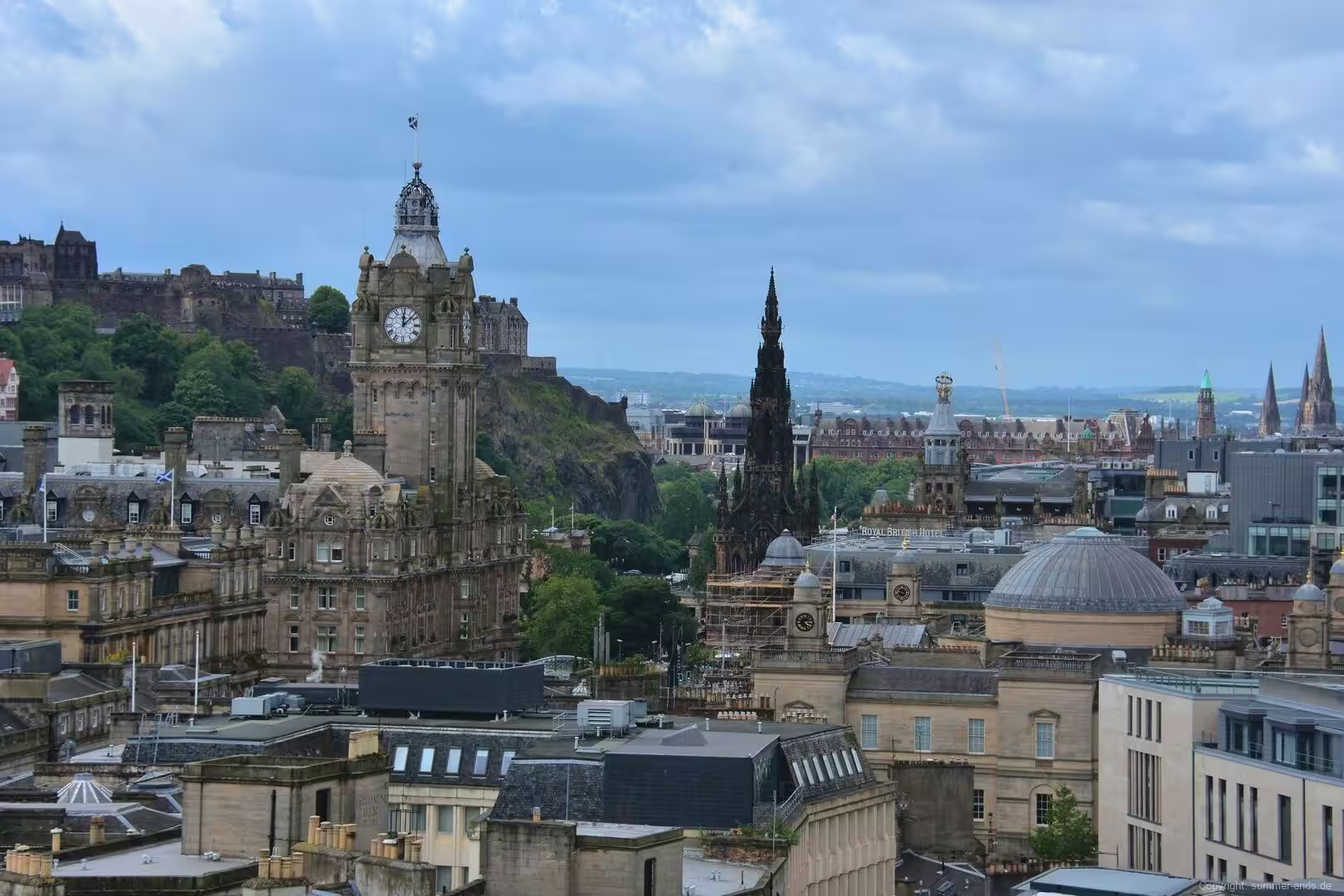
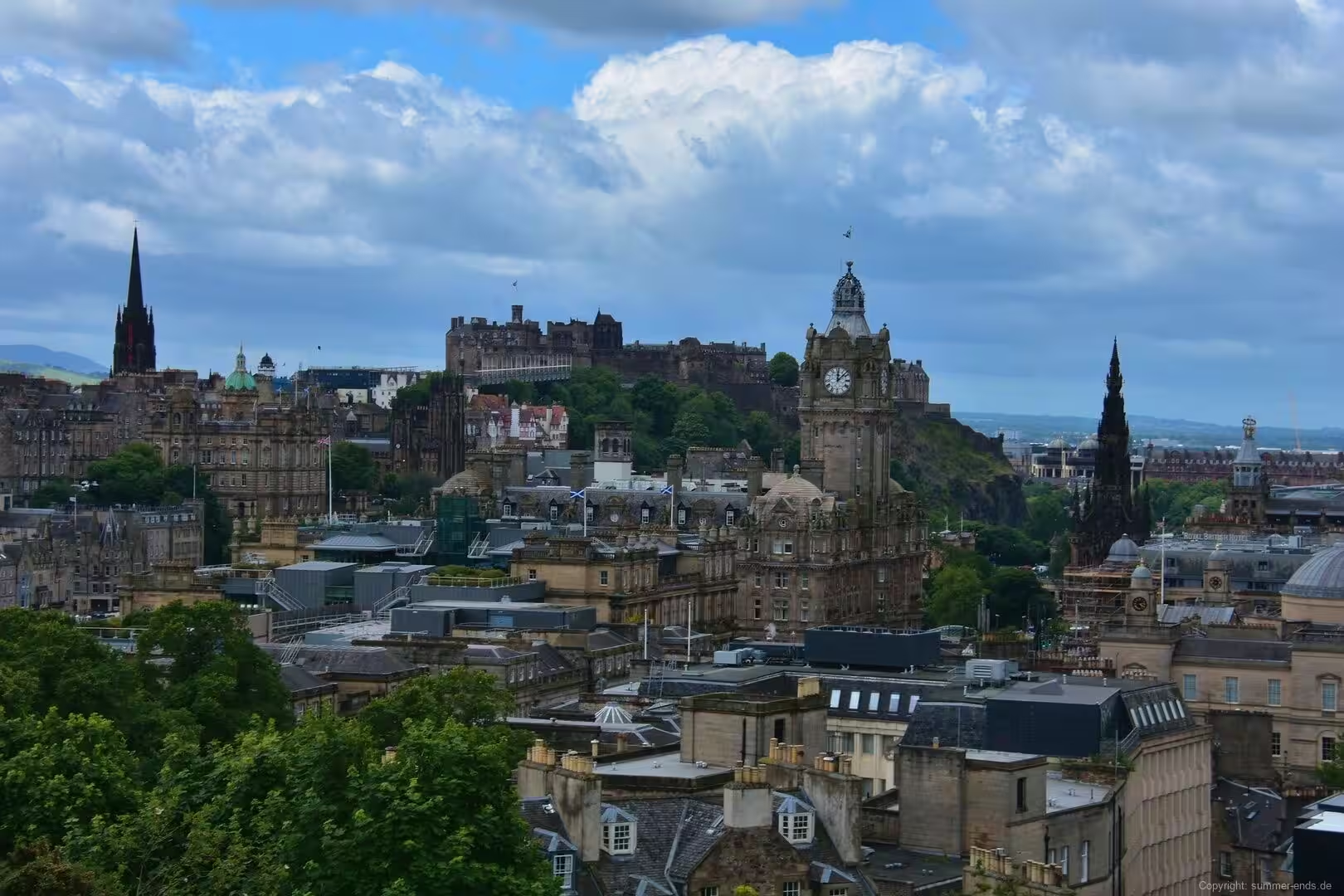
The city is home to the Scottish Parliament, the courts, the national museums and galleries and two historic universities, together with the headquarters of a number of financial, professional and cultural institutions, and it is one of the principal festival cities of the world. Edinburgh’s layout and skyline are strongly influenced by its topography, with elevated ridges, extinct volcanic hills and low-lying coastal plains defining its structure, and the view from Castle Rock and from Arthur’s Seat across the city and the Forth is among the most celebrated in Britain.
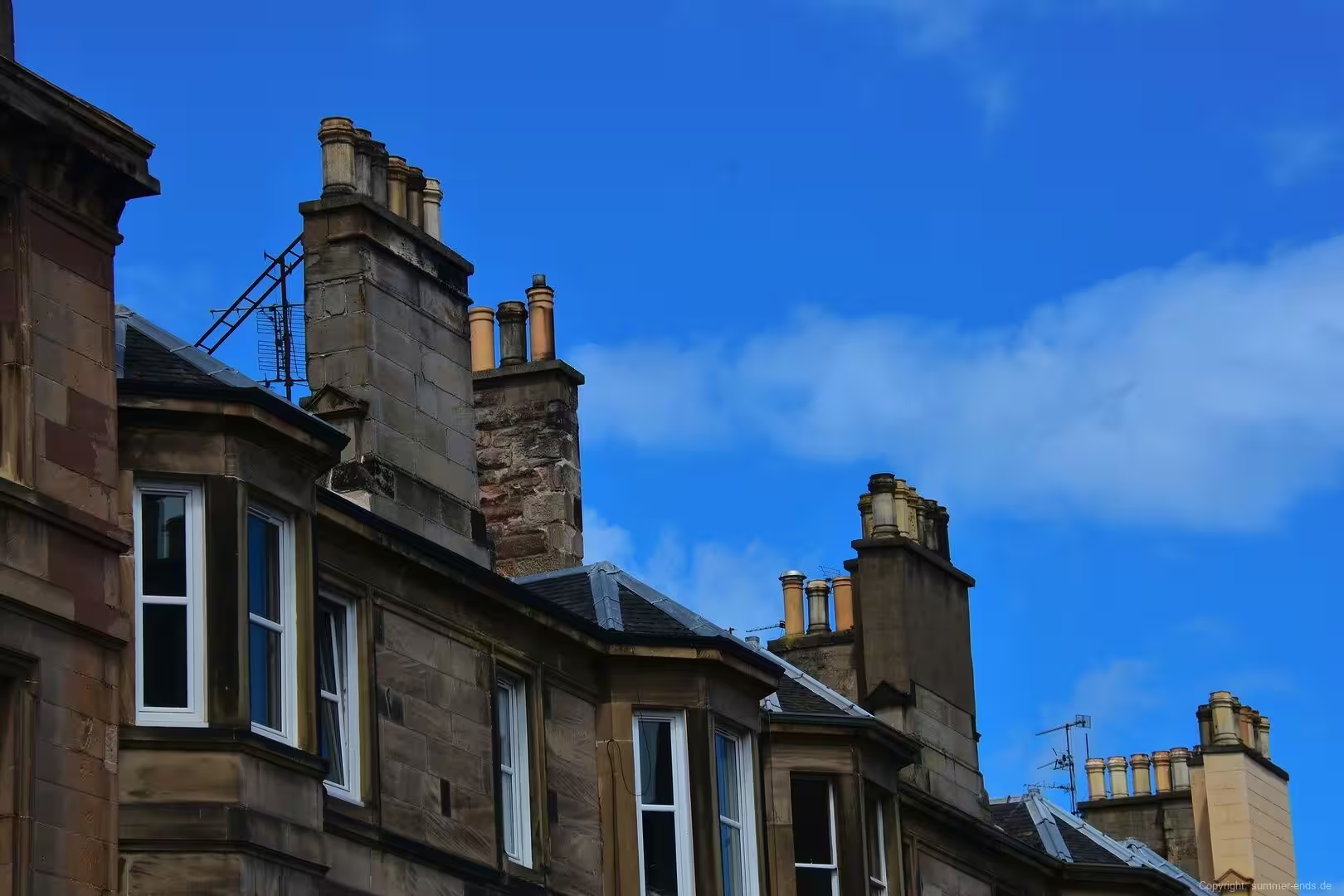
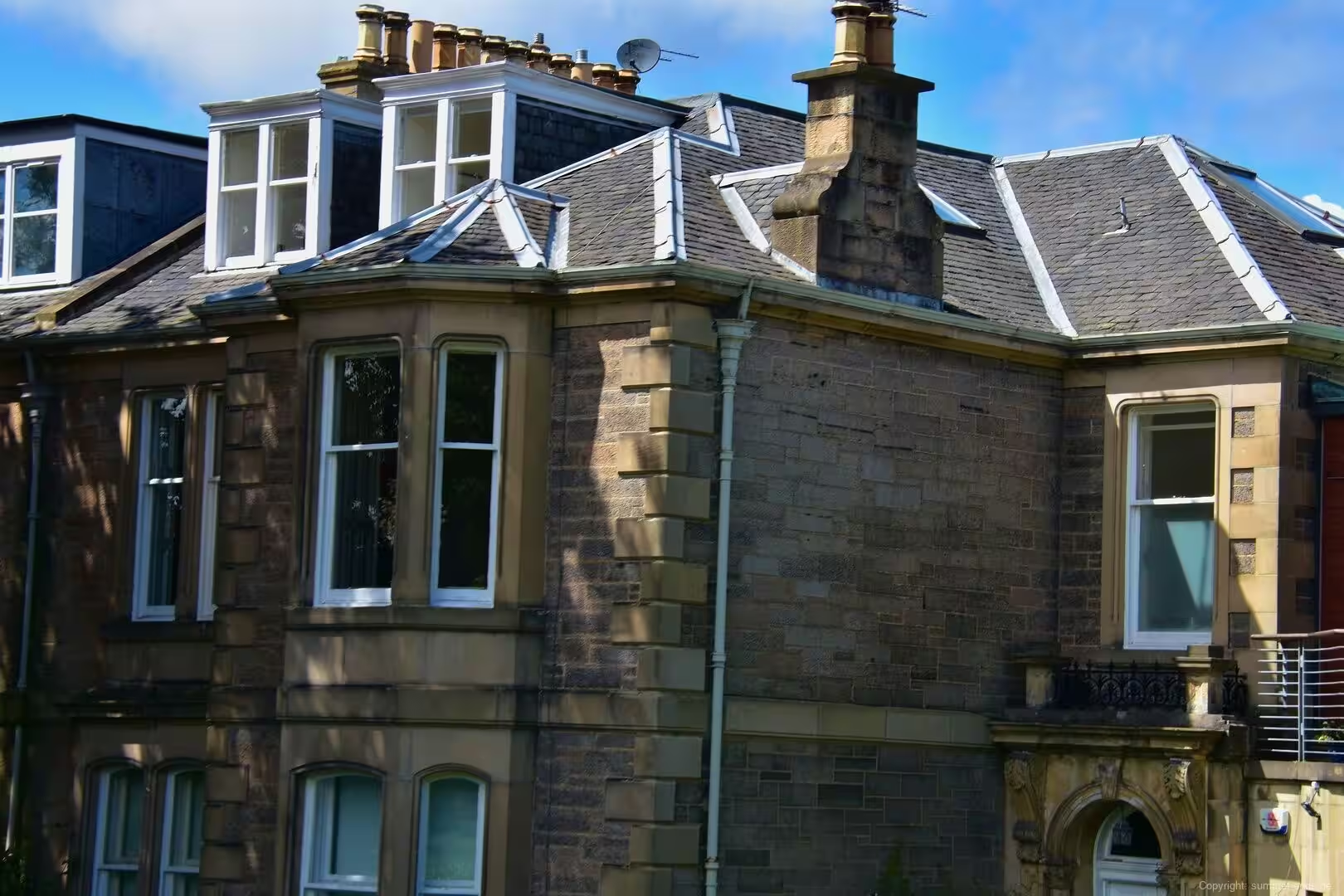
Edinburgh has a population of about 530,000 in the city council area, with a larger figure for the wider city region, and it has grown from a compact medieval and Georgian core into a modern capital. Its heritage is preserved in the UNESCO World Heritage-listed Old and New Towns, and its character combines the closes and wynds of the medieval ridge with the order and elegance of the Georgian New Town, the parks and the hills, and the cultural life of the festival and the university.
History
Human occupation of the Edinburgh area dates back thousands of years, with archaeological evidence of prehistoric settlement on sites that were elevated and defensible. The city’s strategic position made it a focal point for early fortification, most notably on Castle Rock, which has been occupied since at least the Iron Age, and the rock has been a seat of power for much of its history. During the early medieval period Edinburgh developed as an important stronghold within the kingdom of Scotland, and by the late Middle Ages it had become the country’s principal political and commercial centre, its royal castle and its palace at Holyrood drawing court, church and trade to the ridge between them.
Edinburgh officially became the capital of Scotland in the fifteenth century, replacing Perth, and the medieval Old Town grew densely along the ridge descending from the castle, its houses and closes squeezed within the walls. The city’s role expanded through trade, governance and education, and it was from the castle and the palace that the Scottish court and the parliament governed, until the union of crowns in 1603 and the union of parliaments in 1707 shifted the political centre to London. The city remained the capital of the church and of the law of Scotland, and its intellectual life flourished.
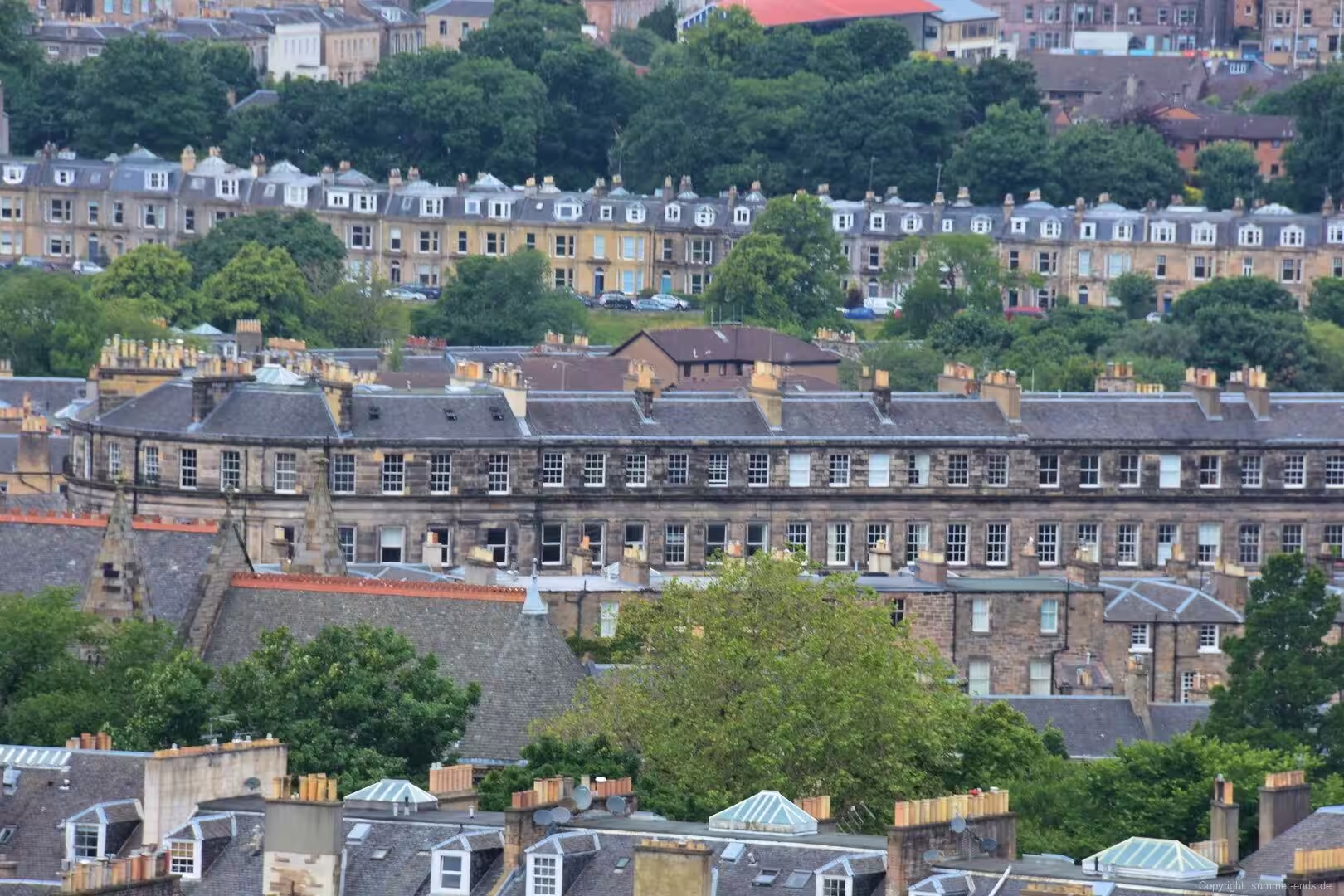
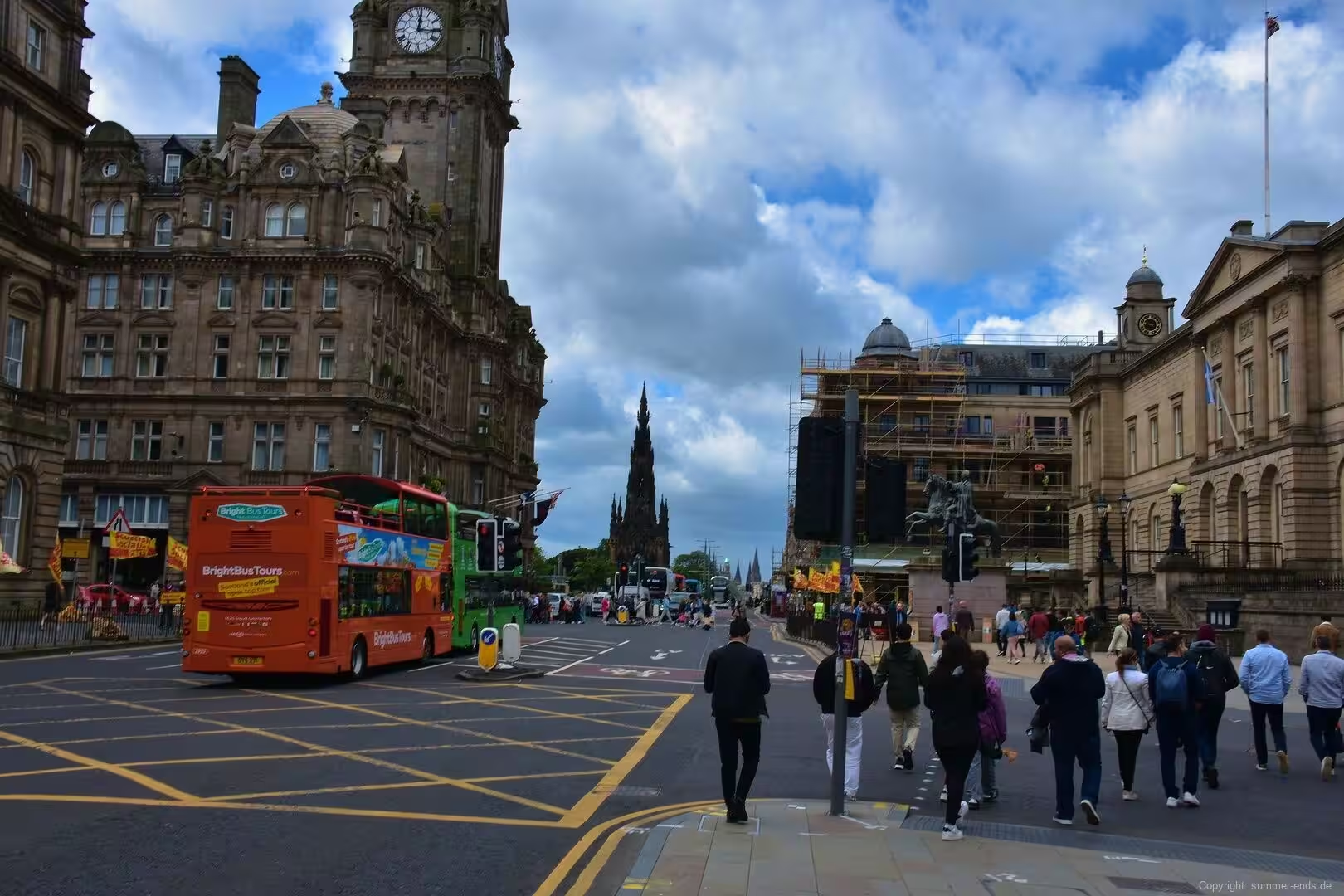
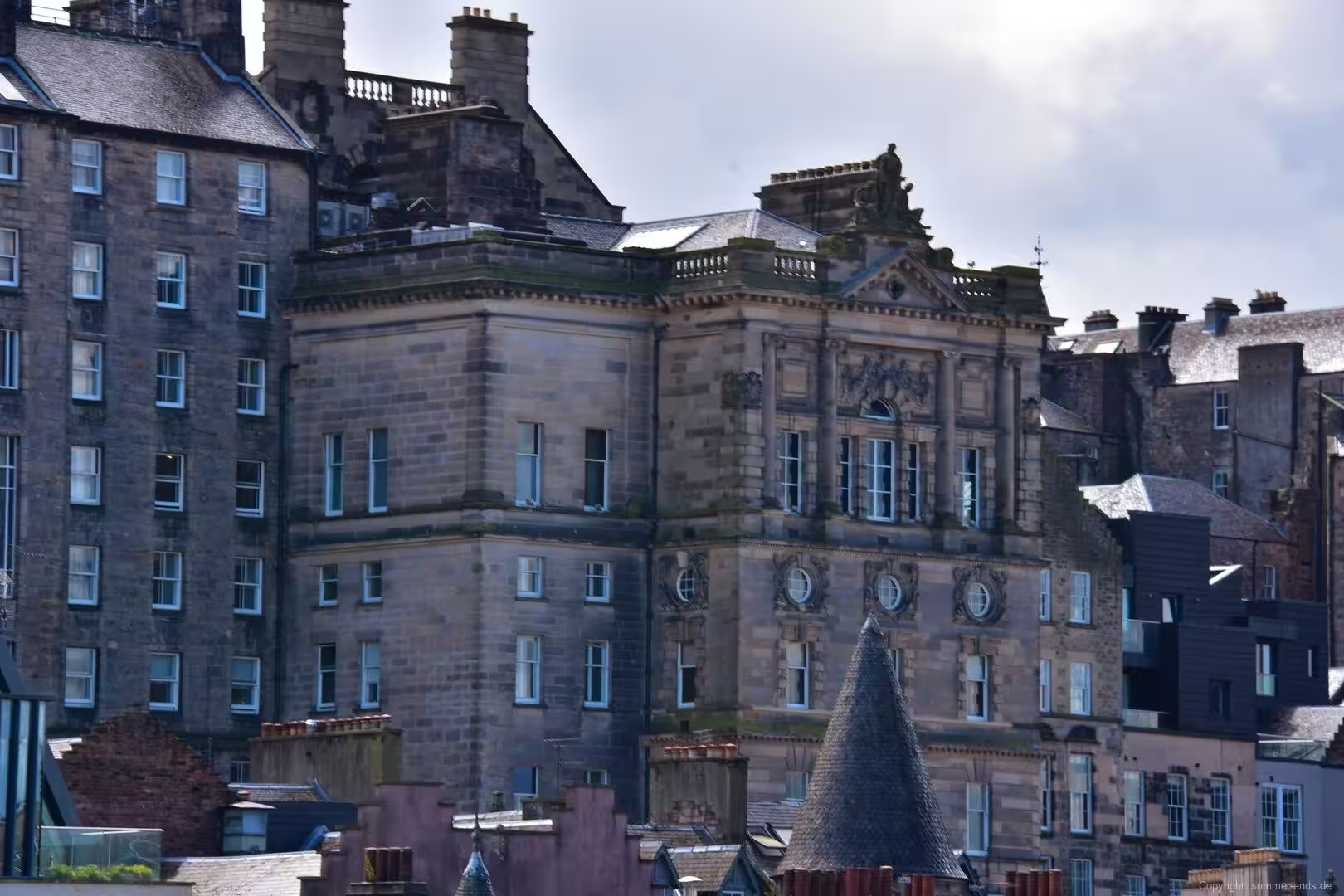
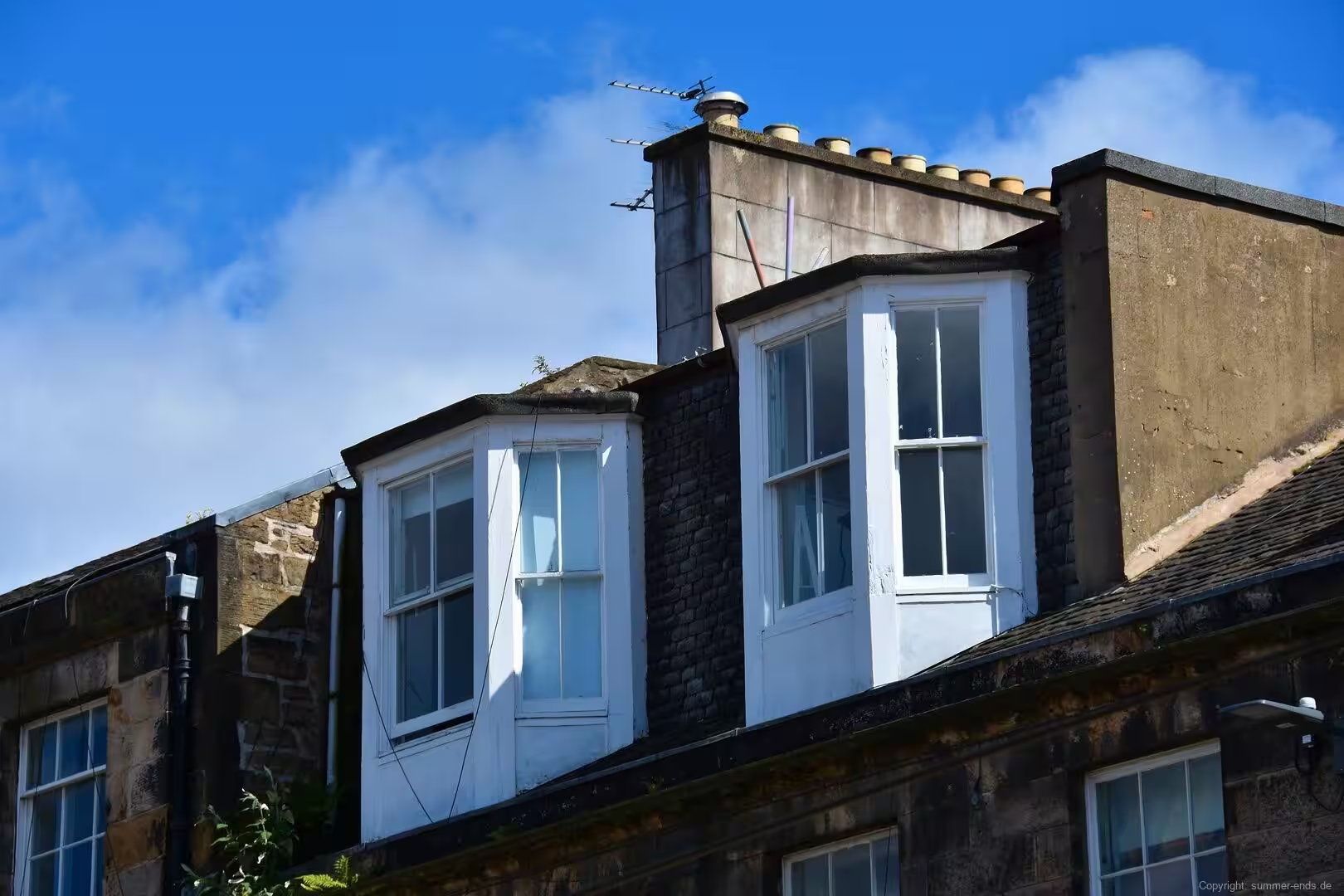
The eighteenth century marked a major transformation with the construction of the Georgian New Town, designed to address the overcrowding of the Old Town and to reflect the Enlightenment ideals of order, symmetry and rational planning. This period coincided with Edinburgh’s emergence as a global centre of intellectual life during the Scottish Enlightenment, when philosophers, economists, scientists and writers, including David Hume, Adam Smith and James Hutton, worked in the city, and when its literary and publishing life flourished. The New Town expanded into the elegant grid of streets, crescents and squares that balances the medieval Old Town, and the two together form the historic core that was inscribed on the UNESCO World Heritage List.
In the nineteenth and twentieth centuries industrialisation, urban expansion and social reform reshaped the city, and the suburbs grew along the railway lines and the Forth. While the traditional industries declined in the later twentieth century, Edinburgh strengthened its position in finance, education, tourism and government, becoming the capital of a devolved Scotland with a restored parliament in 1999. Today the city combines the heritage of its medieval and Georgian centre with the life of a modern European capital, its finance sector, its universities and its festivals, and its Old and New Towns, its castle and its hills, remain among the most recognisable landmarks of the United Kingdom.
Geology
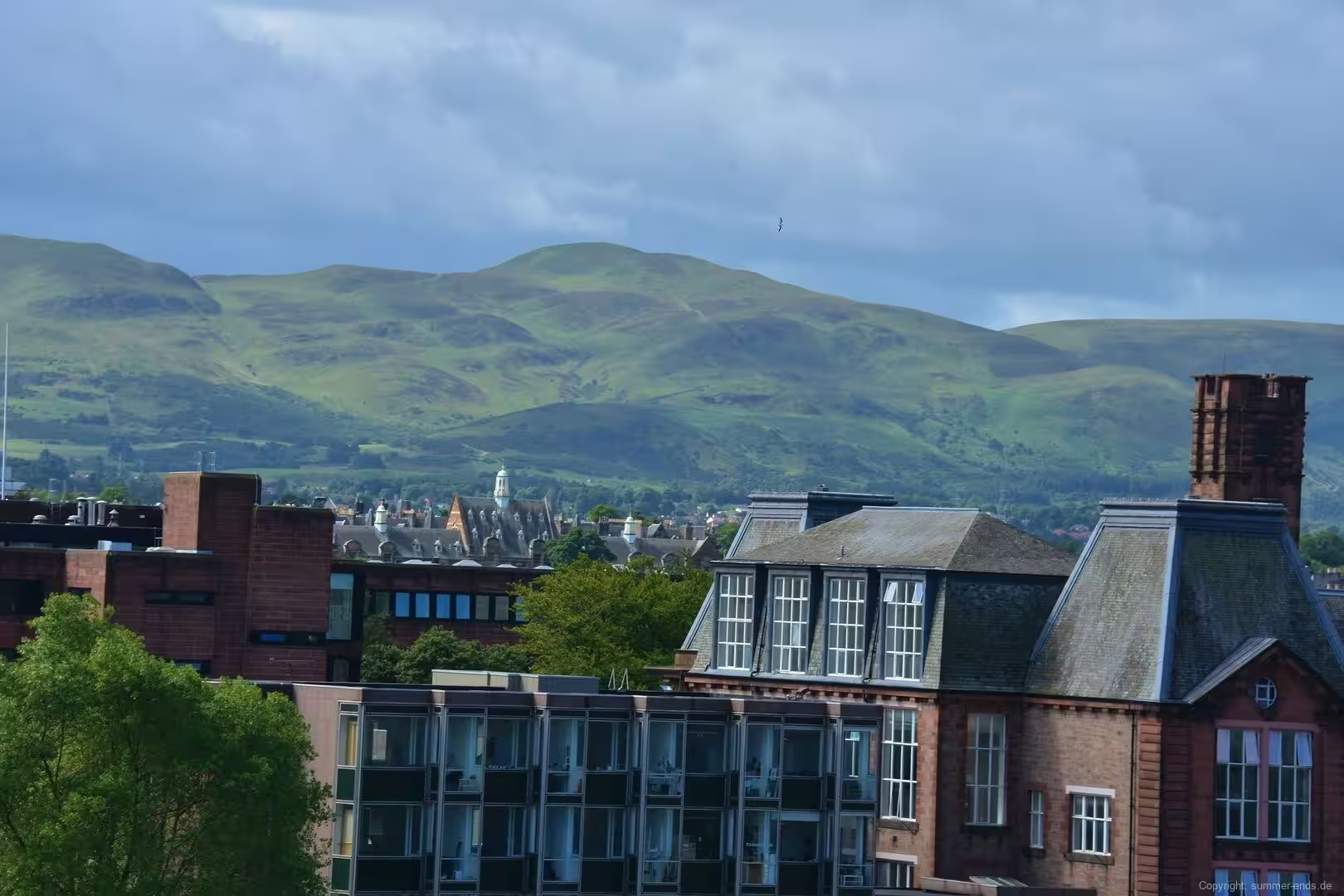
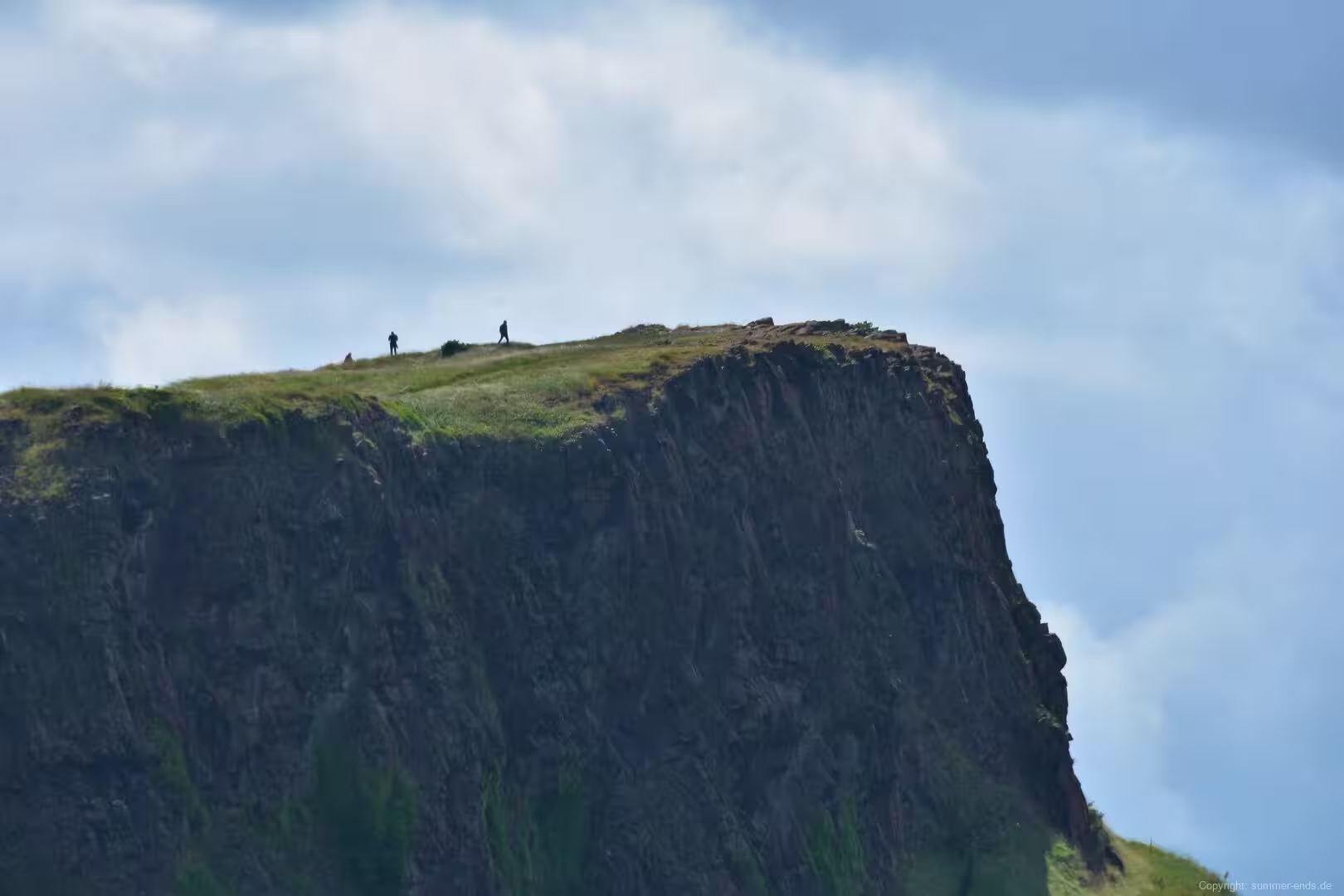
Edinburgh’s landscape is fundamentally shaped by its geological history, particularly volcanic activity and glaciation. The city sits within the Midland Valley of Scotland, a tectonic rift formed during the Paleozoic era, and the prominent landforms of Castle Rock, Arthur’s Seat, Calton Hill and Corstorphine Hill are the remnants of extinct volcanoes formed during the Carboniferous period, roughly 340 million years ago. The volcanic rock of these centres is hard and resistant, and it stands above the softer sedimentary rocks and the glacial deposits that surround them.
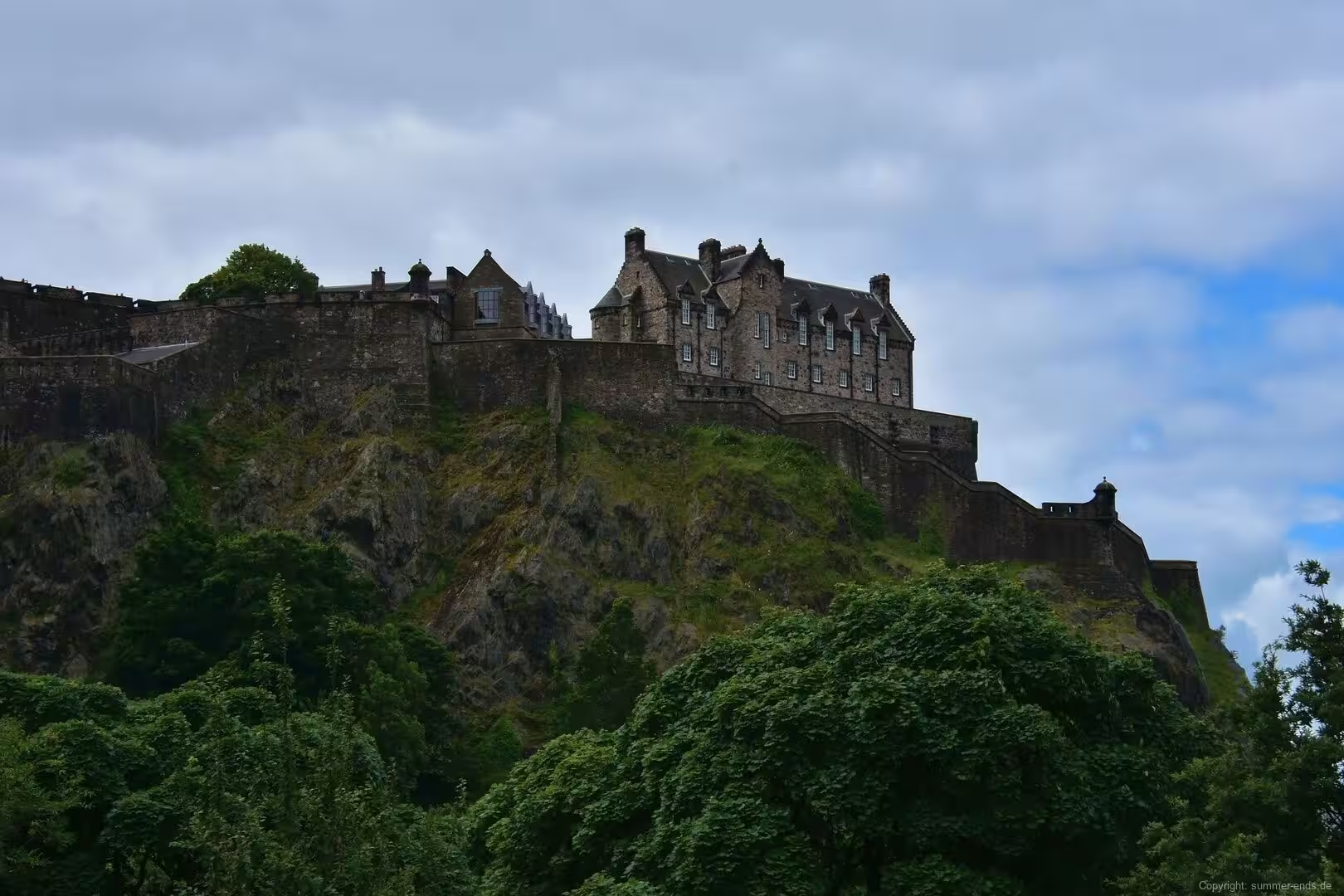
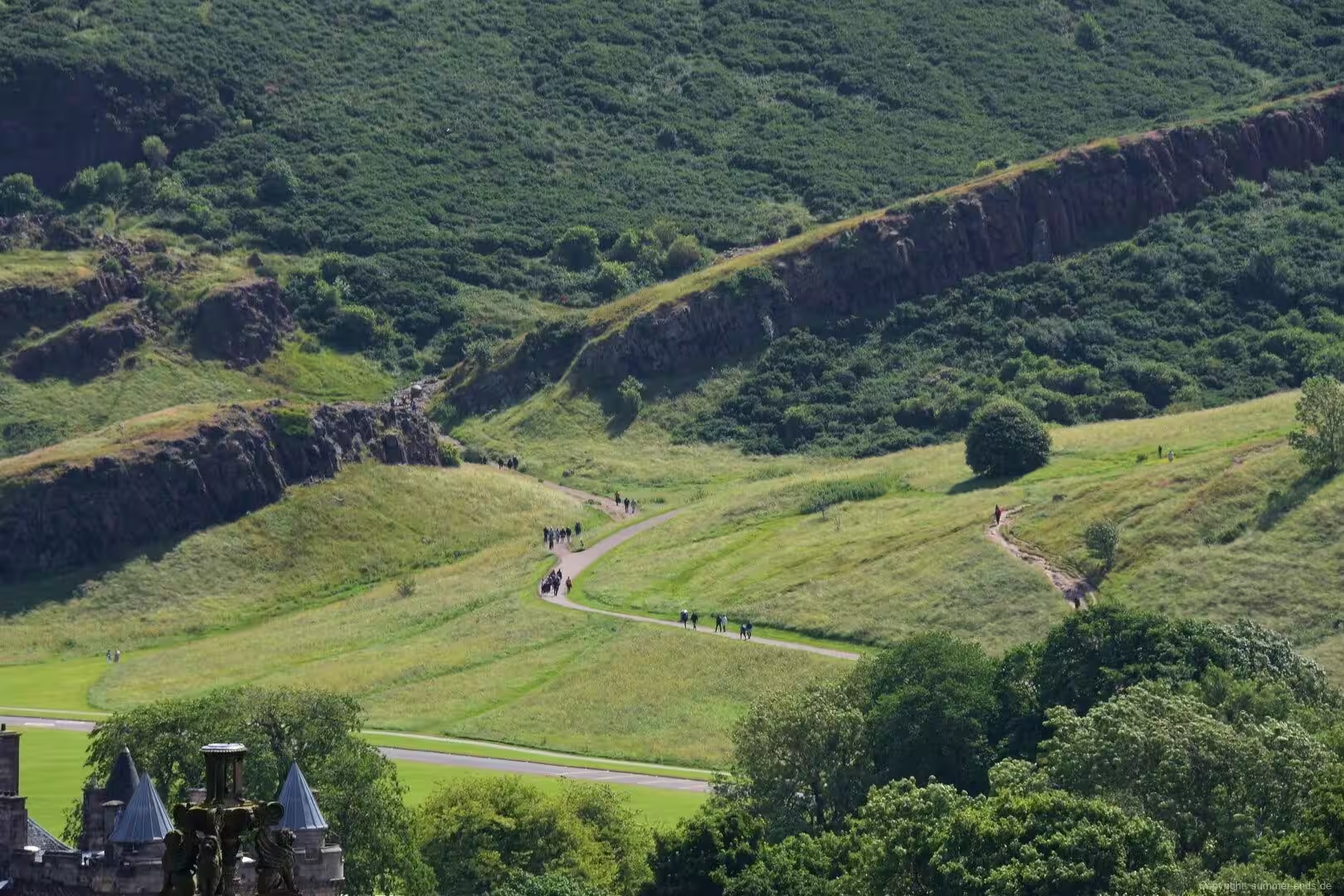
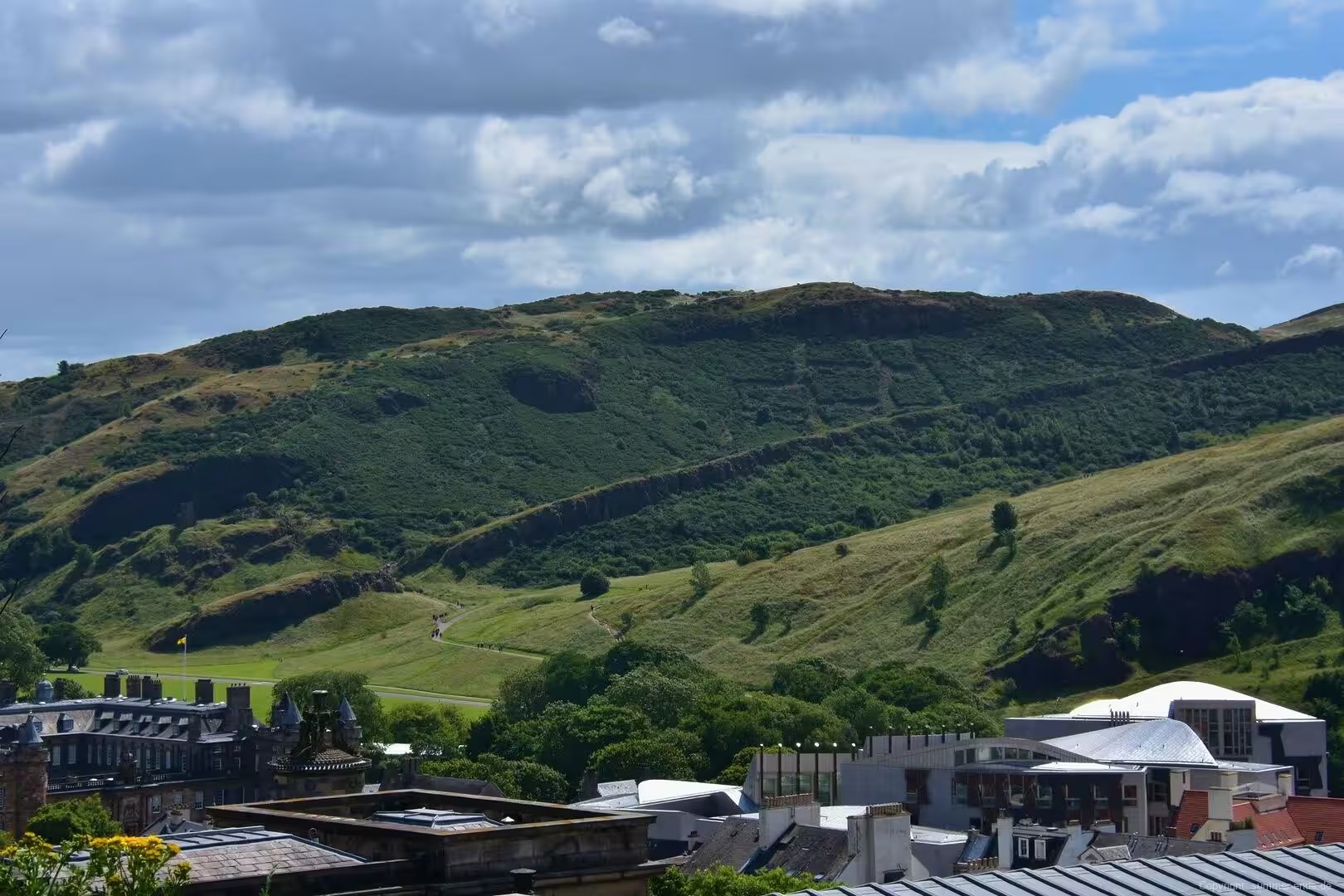
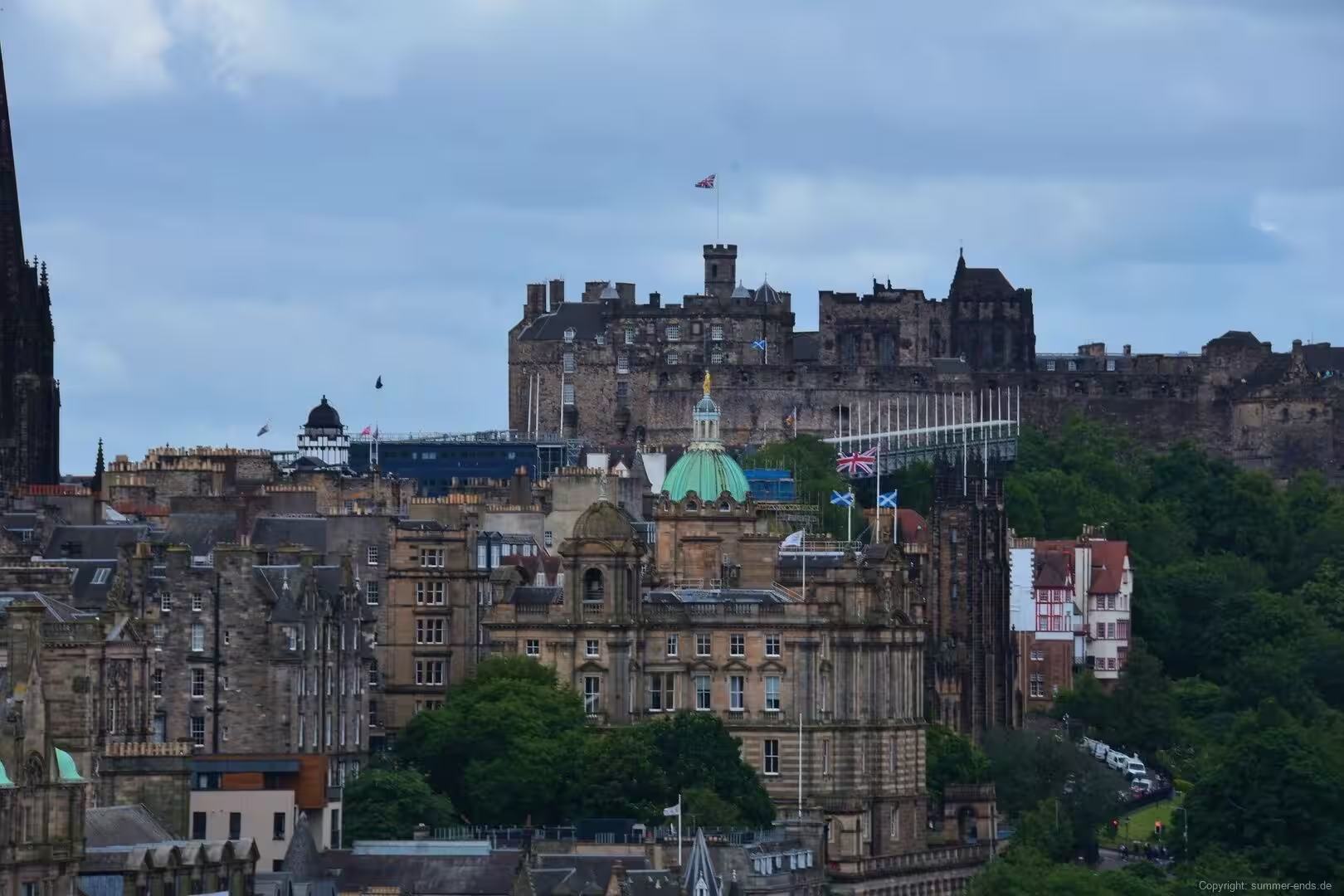
Arthur’s Seat, the highest point in central Edinburgh, represents the eroded core of an ancient volcano and provides a clear example of basaltic lava flows and intrusive structures; the summit rises to about 251 metres within Holyrood Park. During the last Ice Age glaciers moved eastward across the region, sculpting the landscape into a classic crag and tail formation, in which Castle Rock forms the resistant crag and the Old Town ridge extends eastward as the tail, created by glacial deposition and erosion protected behind the rock. The same process shaped the strath of the Forth and the valleys of the city.
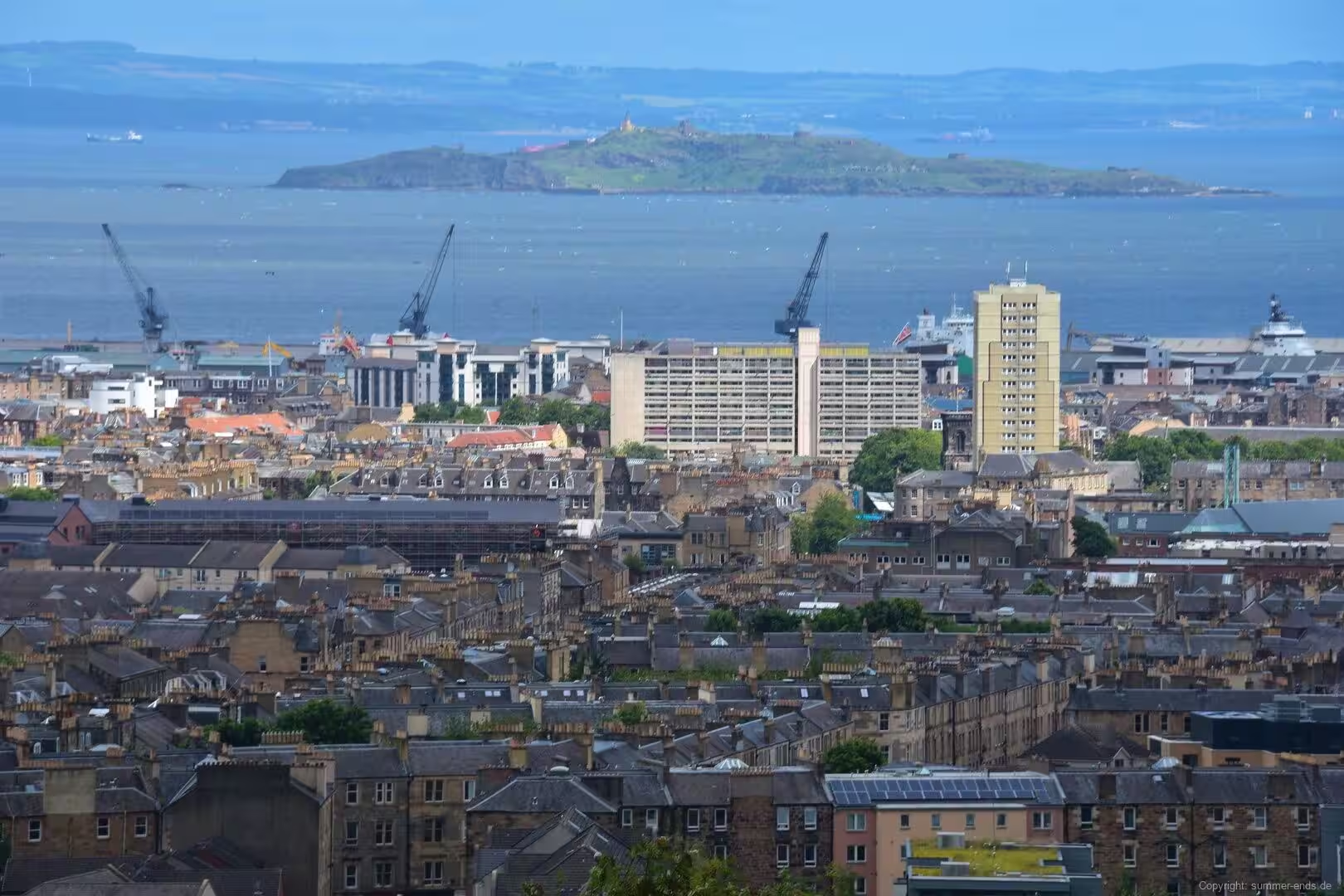
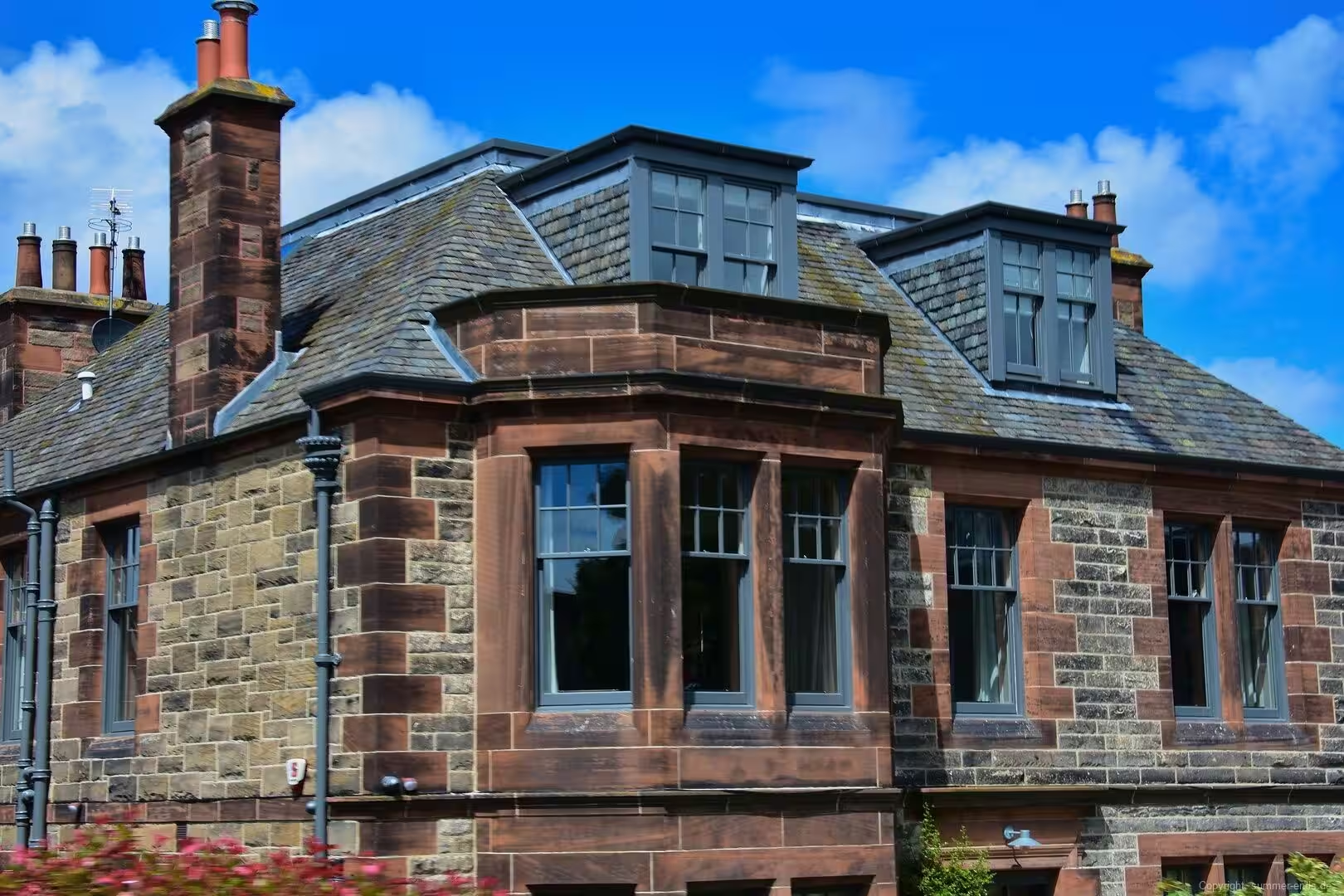
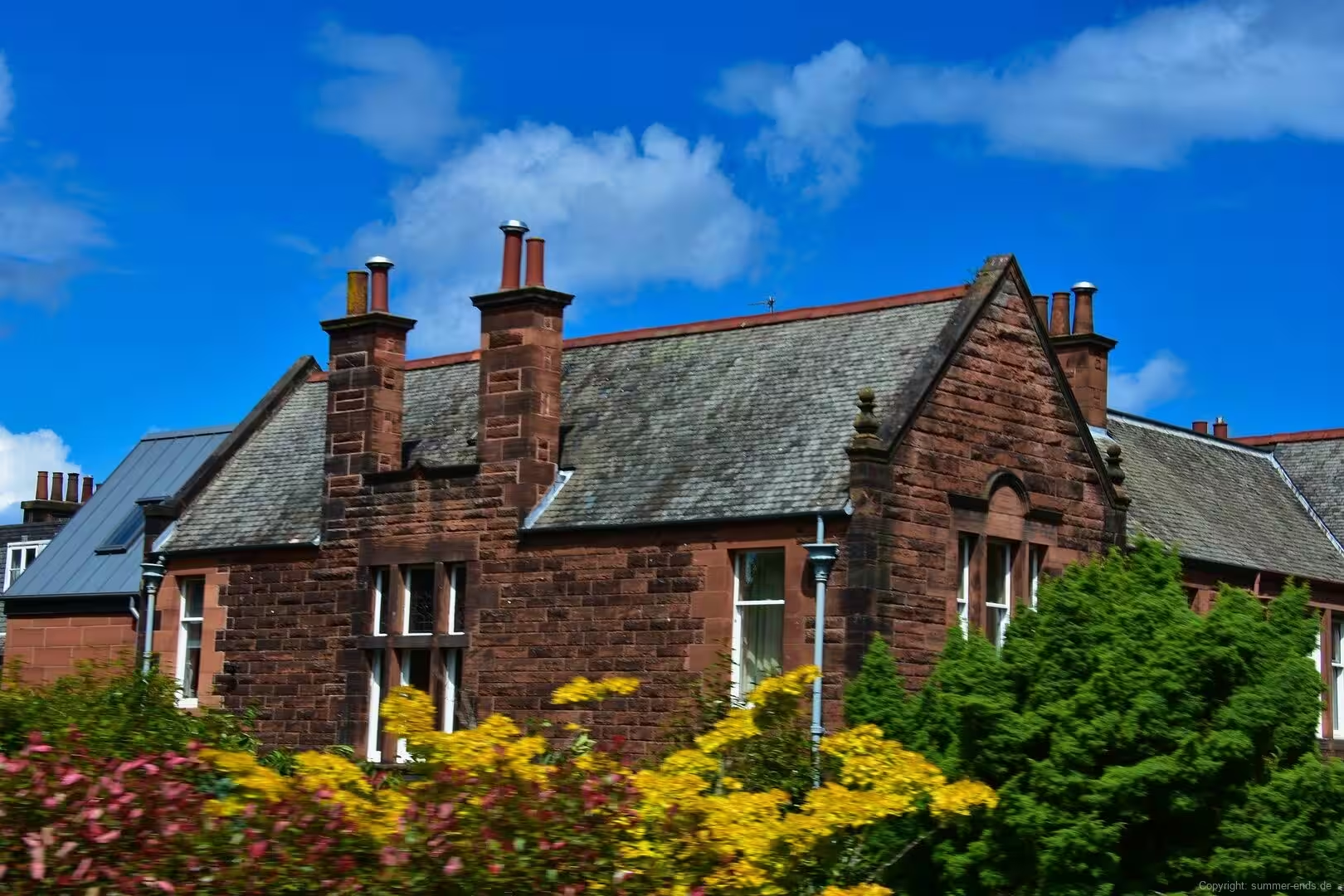
Glacial till, sand and gravel deposits underlie much of the lower-lying areas, while coastal sediments influence the shoreline along the Firth of Forth, where the wide tidal estuary opens to the sea. This geological framework has strongly influenced settlement patterns, defensive strategies, drainage and the spatial development of the city, and the contrast between the hard volcanic crags and the softer glacial plain, together with the long views from the hills over the Firth, gives Edinburgh its distinctive appearance and its dramatic skyline. The building and the stone of the city, the dark Carboniferous sandstone of the Old Town and the lighter stone of the New Town, reflect the local geology and the trade that brought stone from farther afield.
Things to See
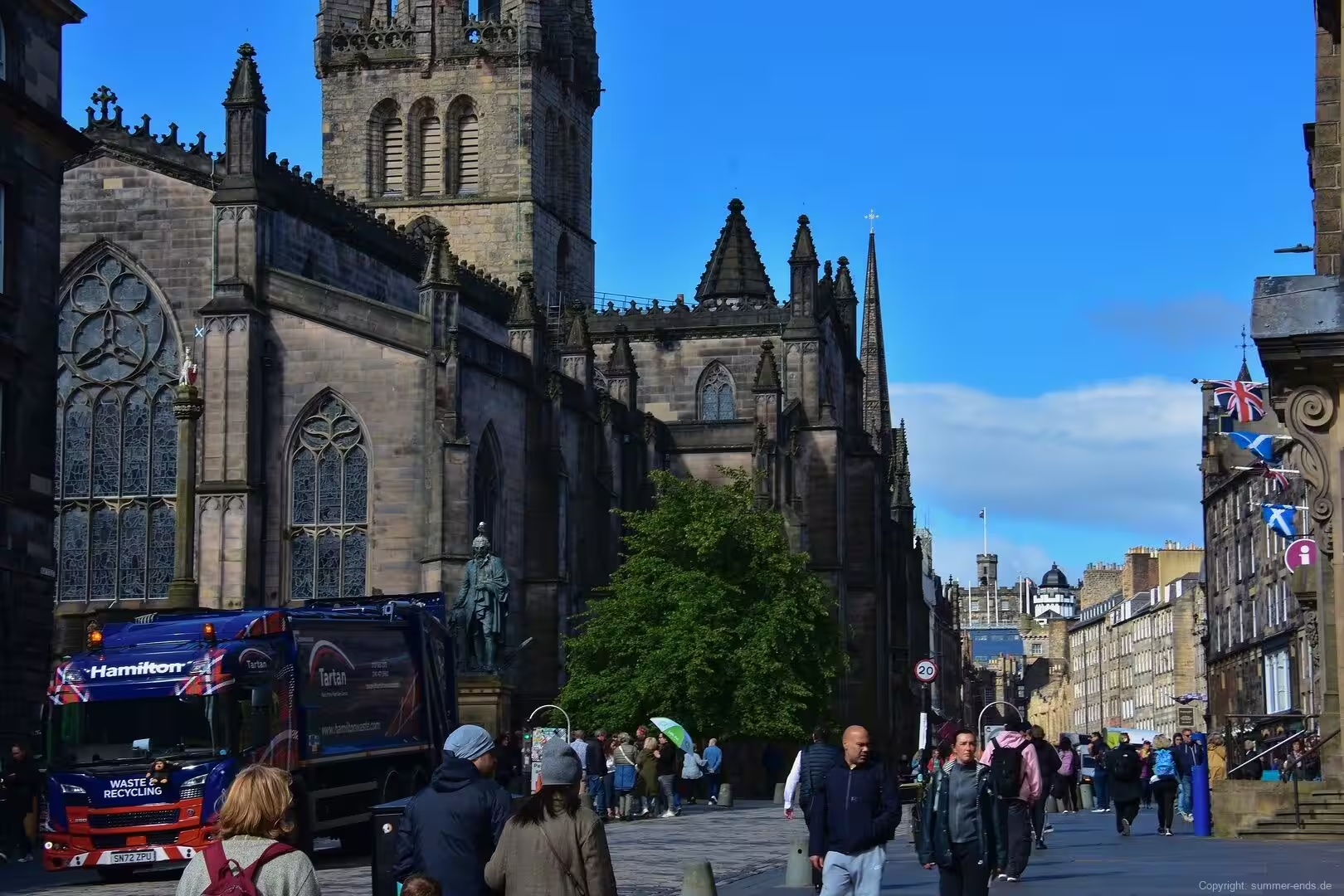
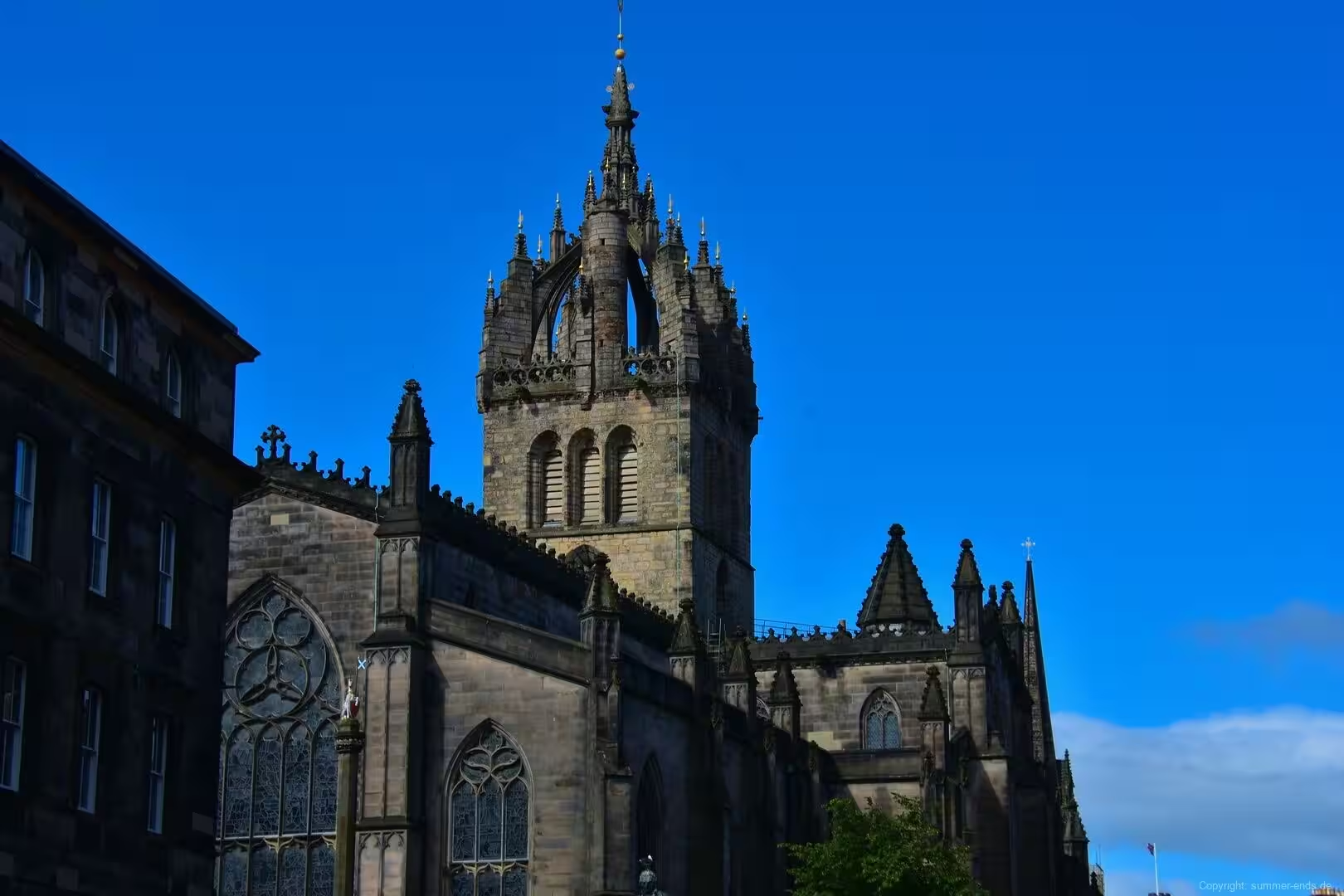
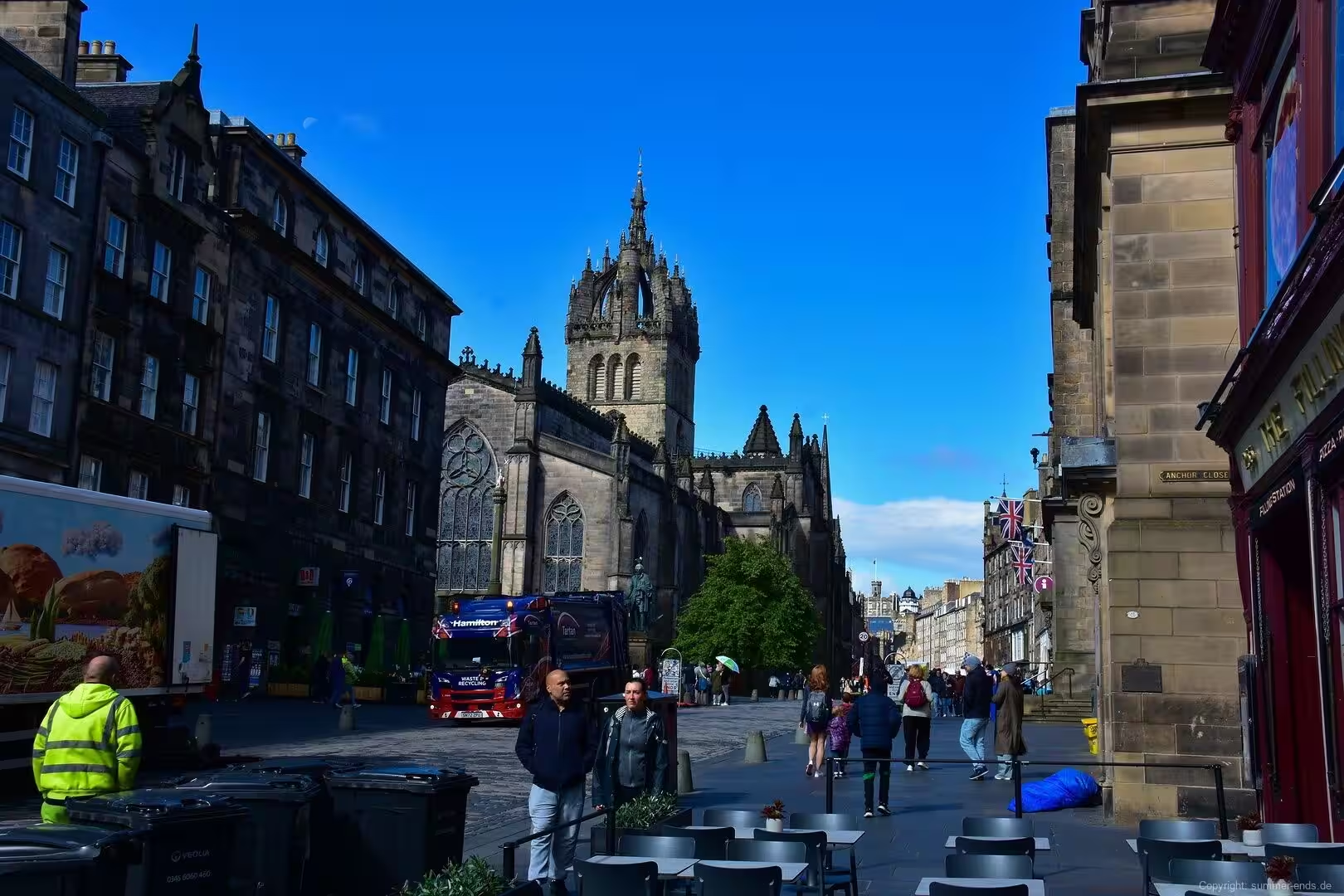
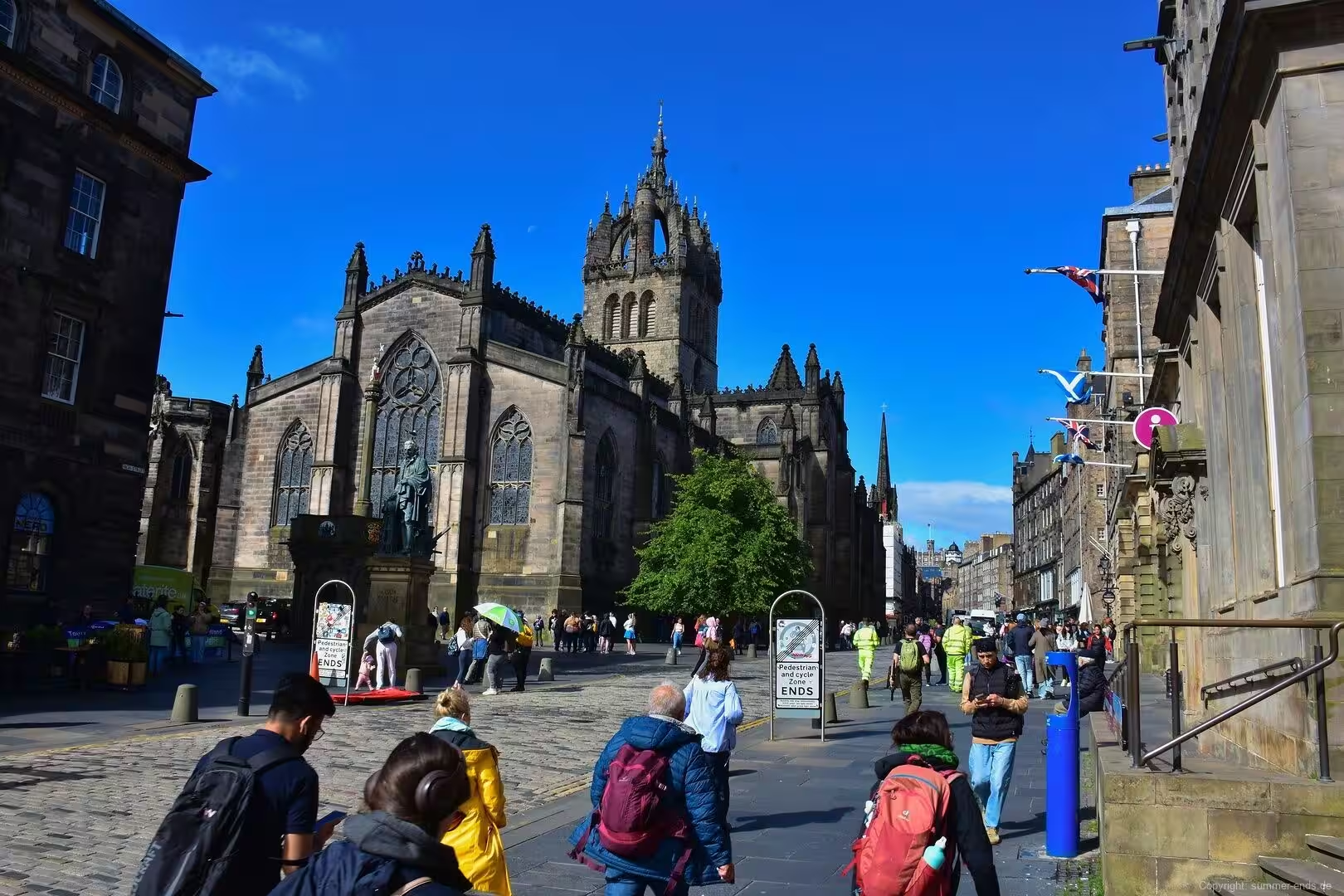
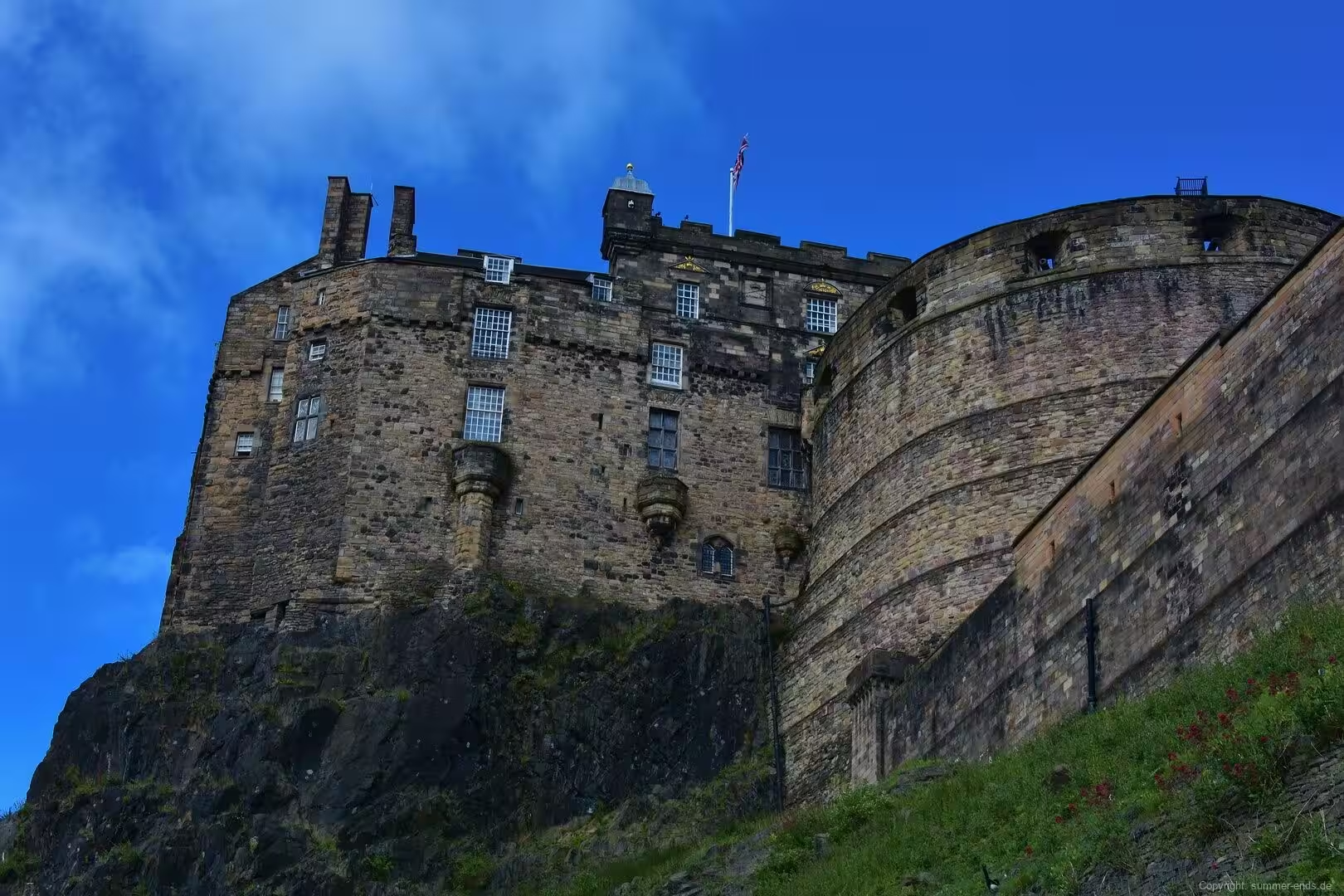
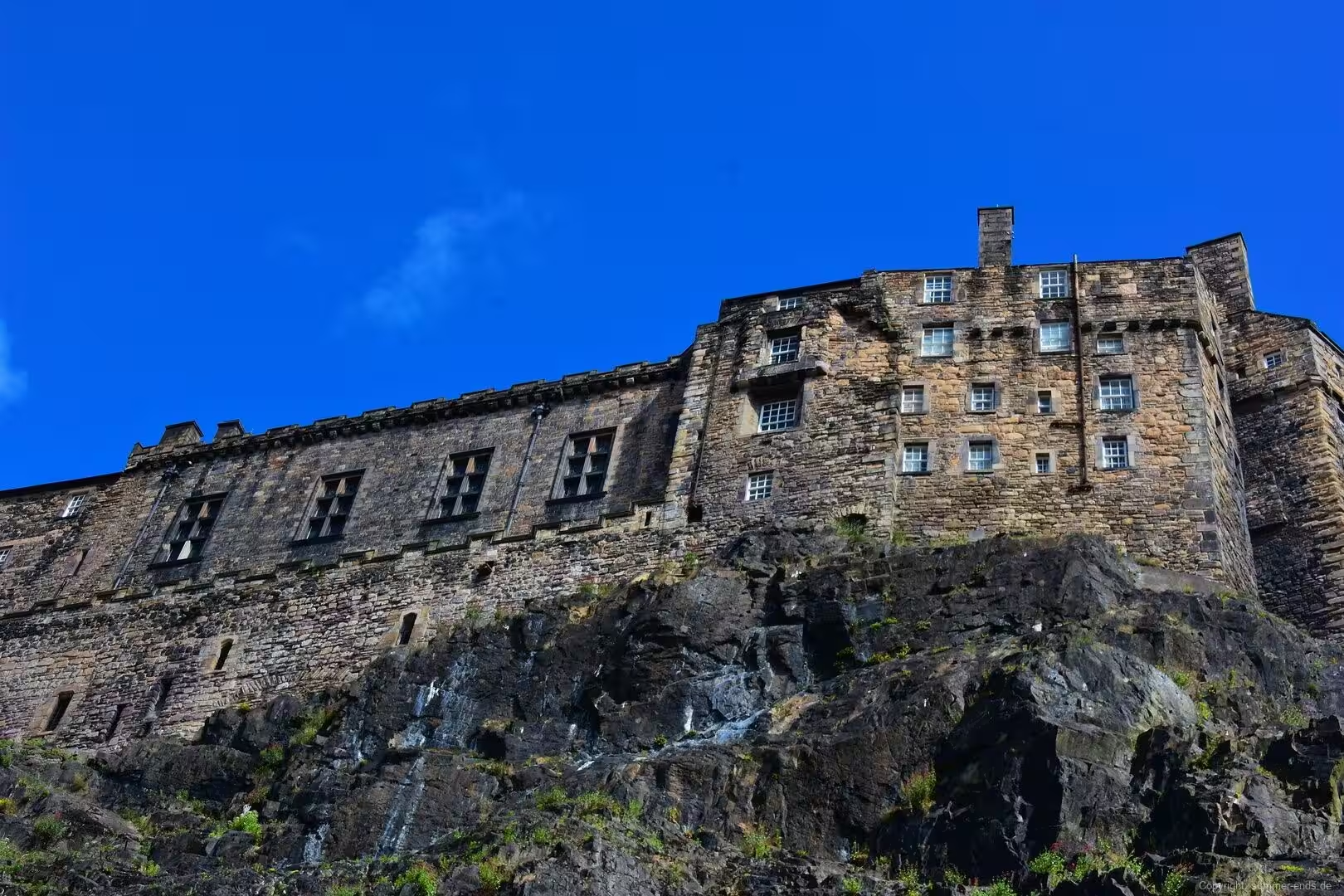
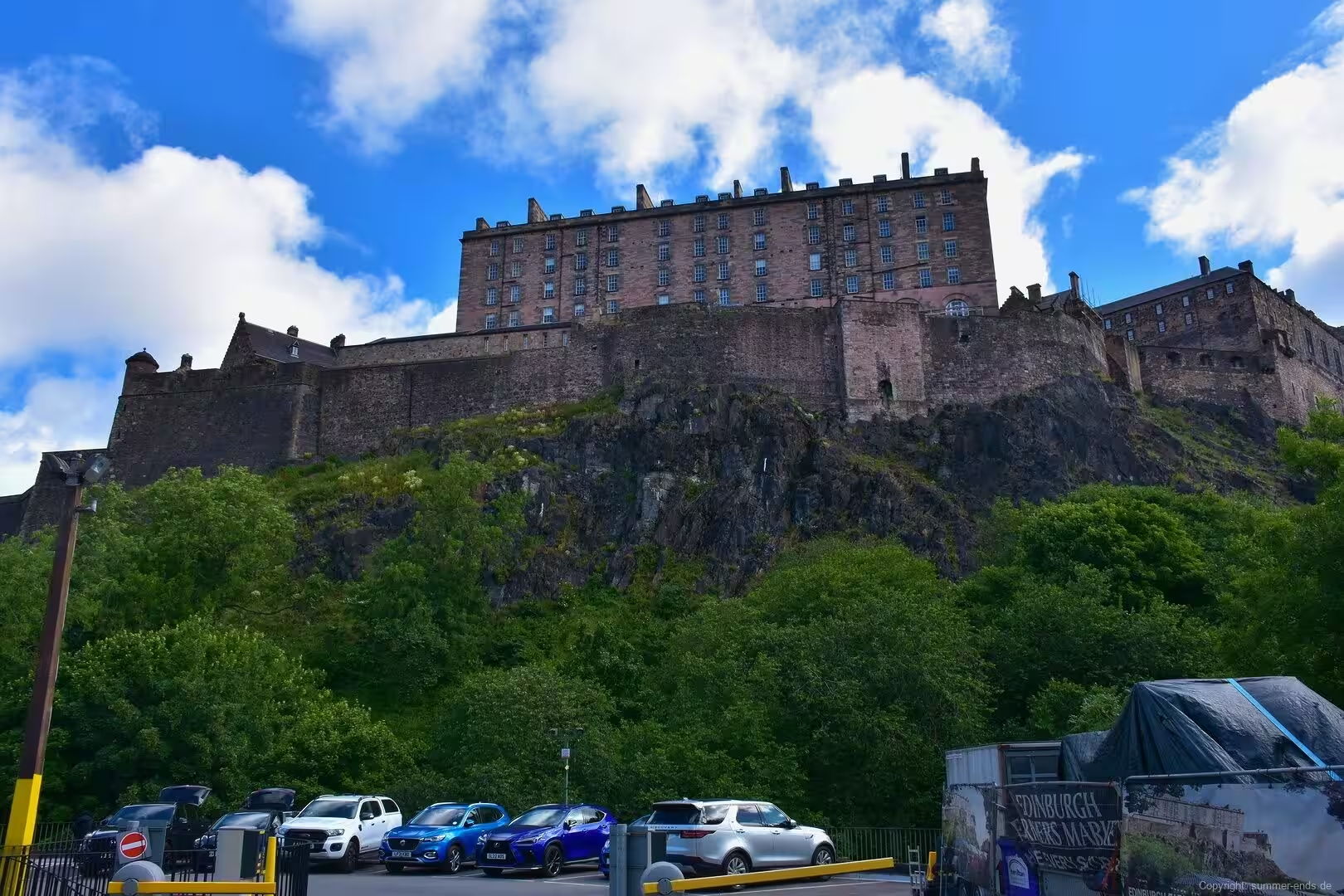
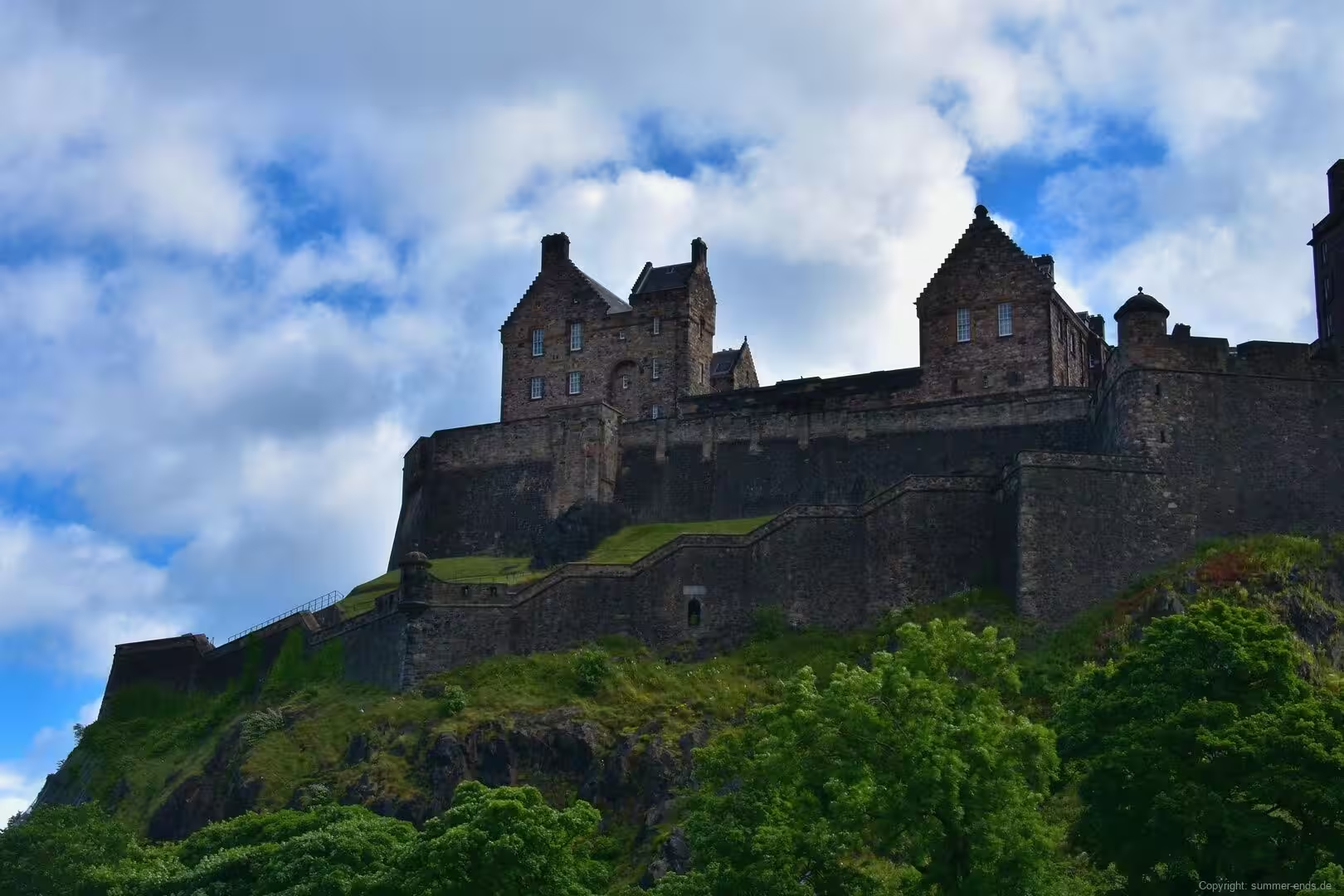
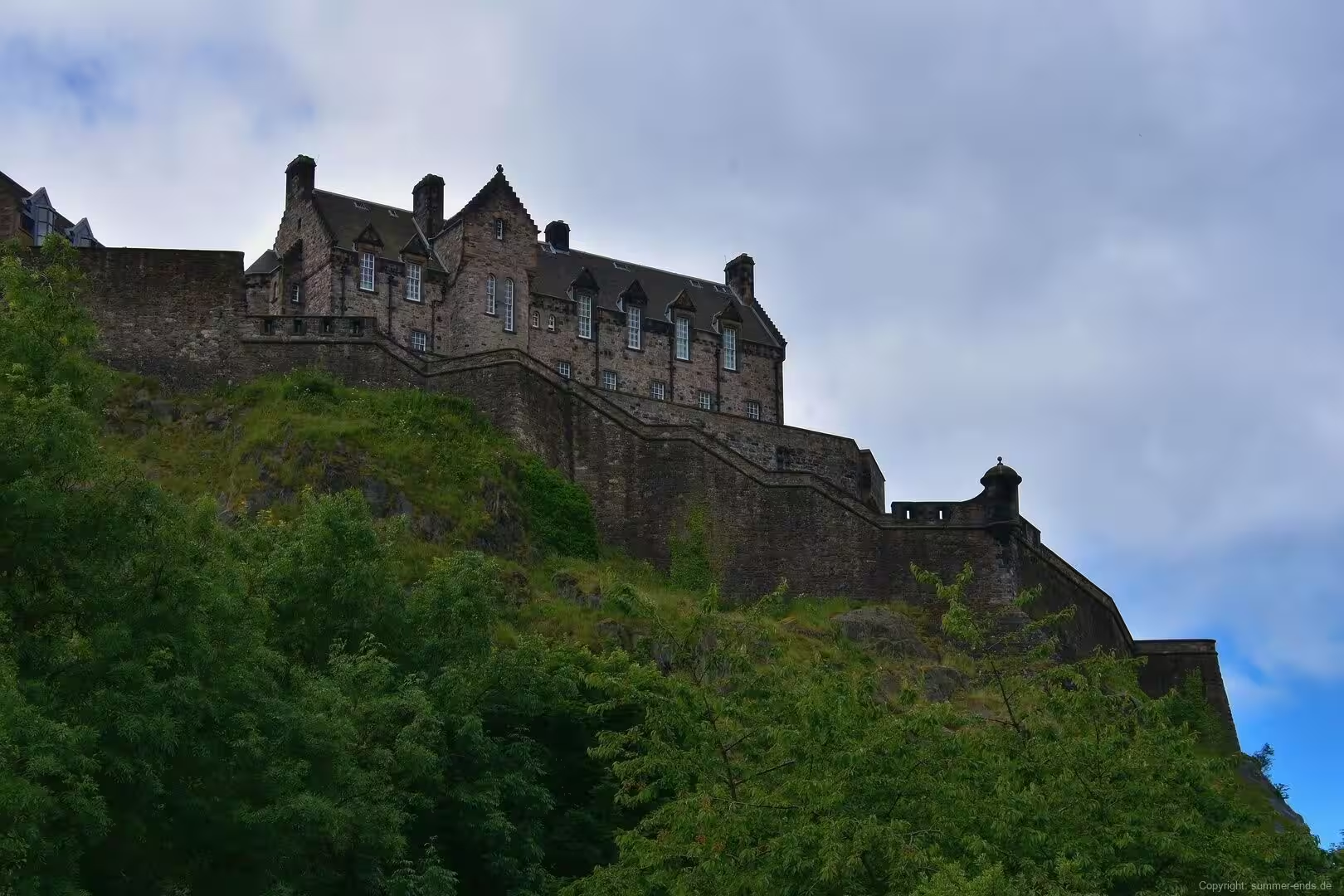
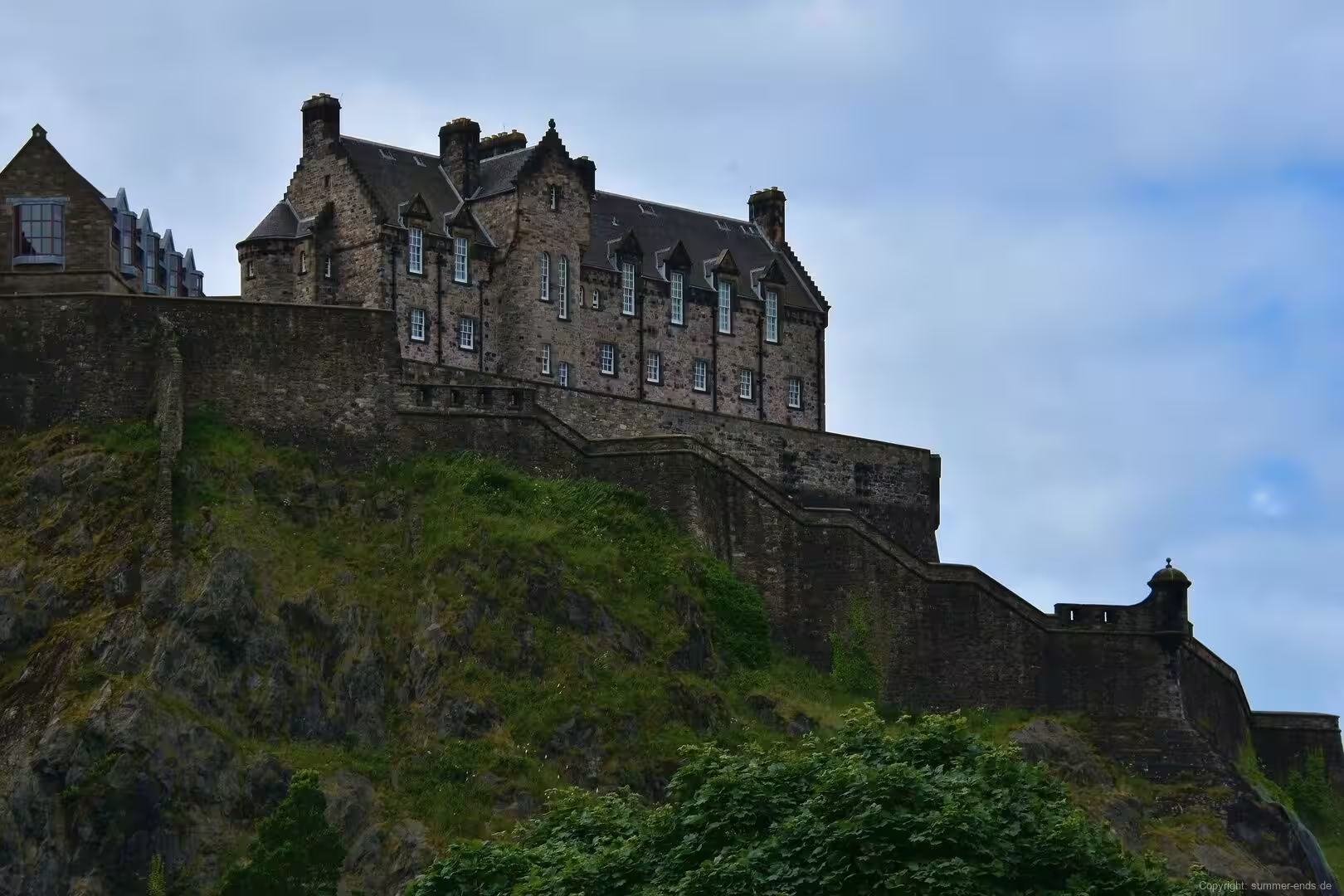
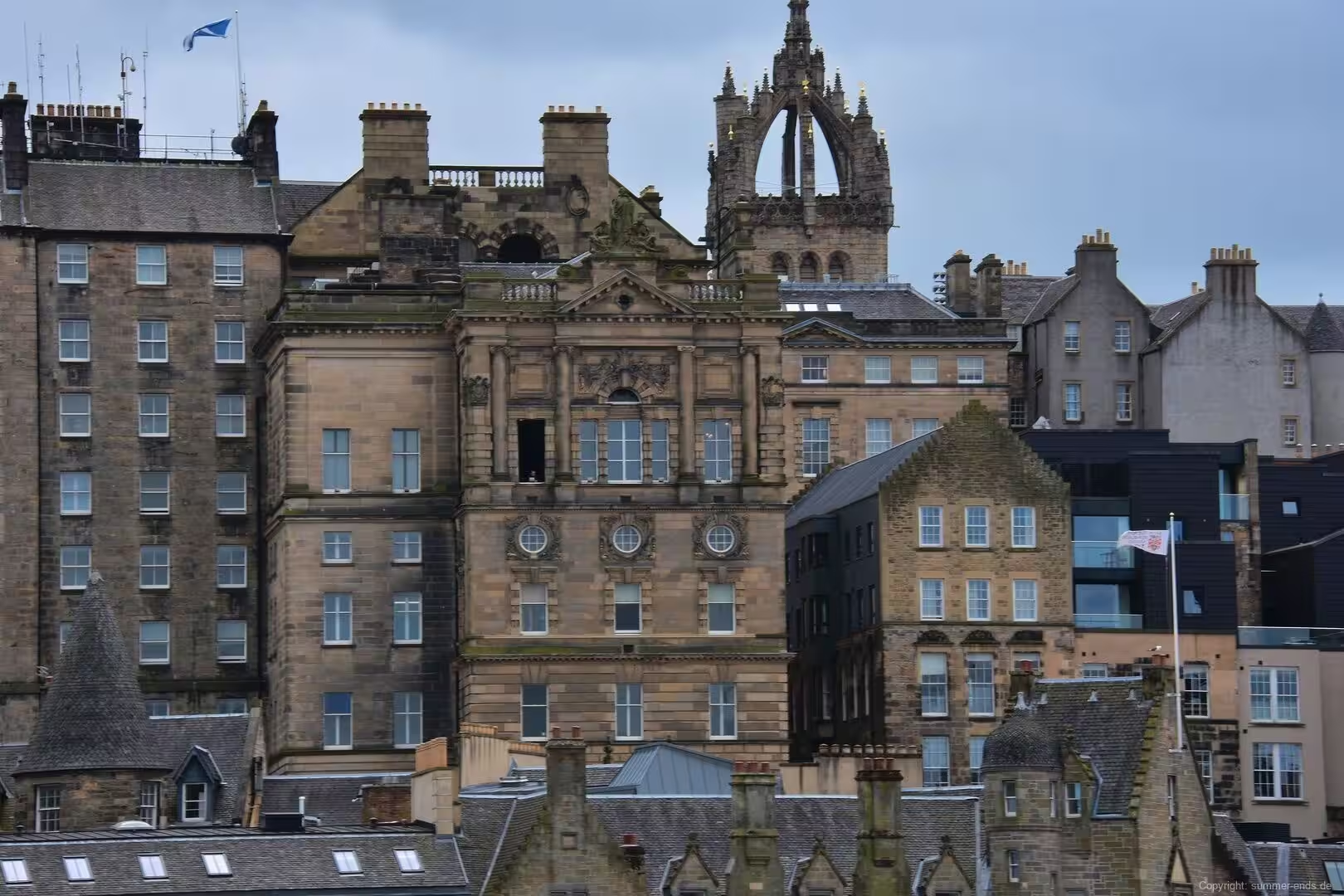
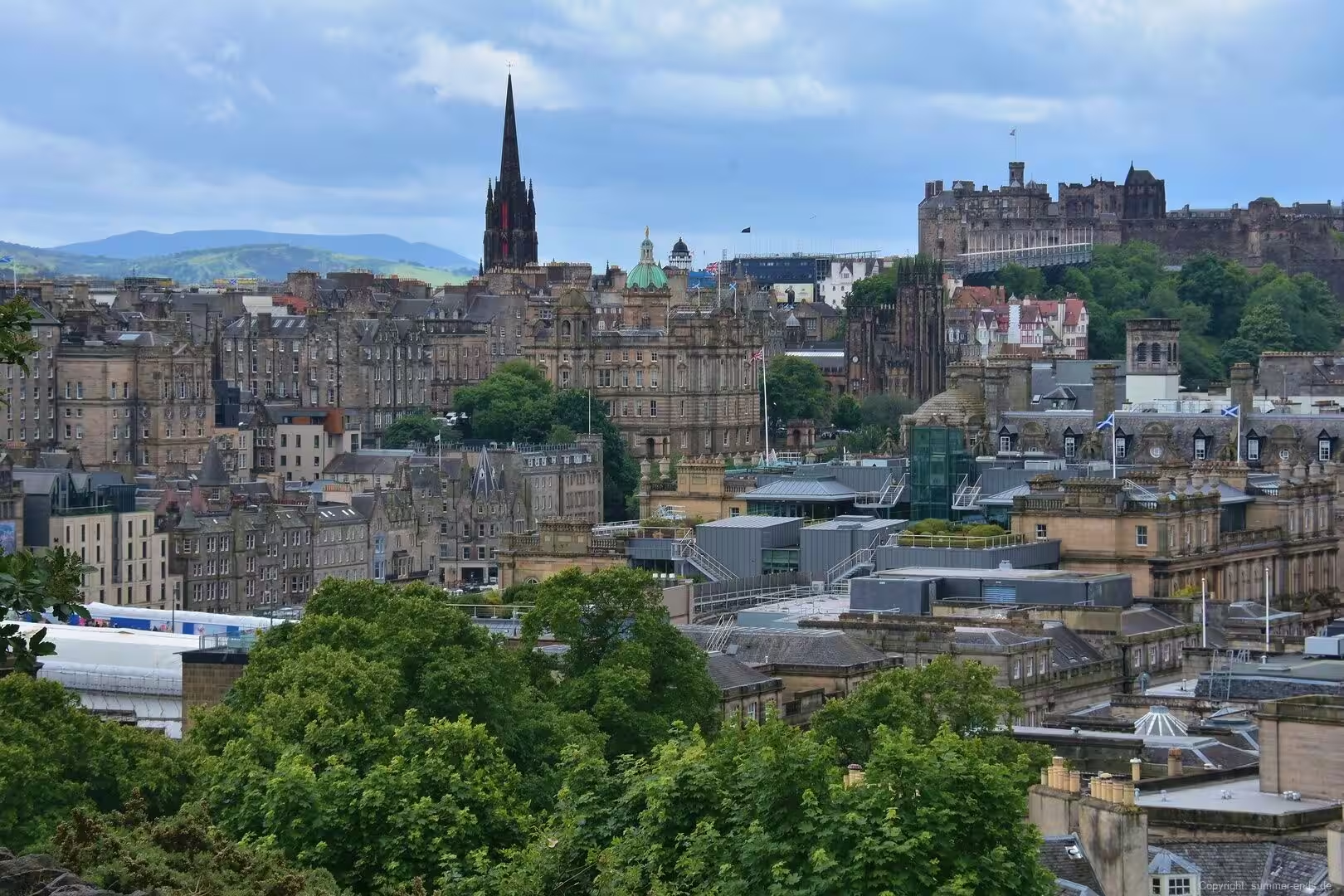
Edinburgh Castle dominates the skyline from the top of Castle Rock, its mighty walls, towers and battery descending the sheer volcanic crag. The castle has been the seat of Scottish royal power for much of its history, and it houses the Honours of Scotland, the Scottish crown jewels, the Stone of Destiny and the National War Museum; the Esplanade and the views from the ramparts over the city and the Forth make it the most visited monument in the country. From the castle, the Royal Mile, the historic street of the Old Town, runs downhill through a series of closes, wynds and squares past St Giles’ Cathedral, with its distinctive crown steeple, to the Palace of Holyroodhouse at the foot of the ridge.
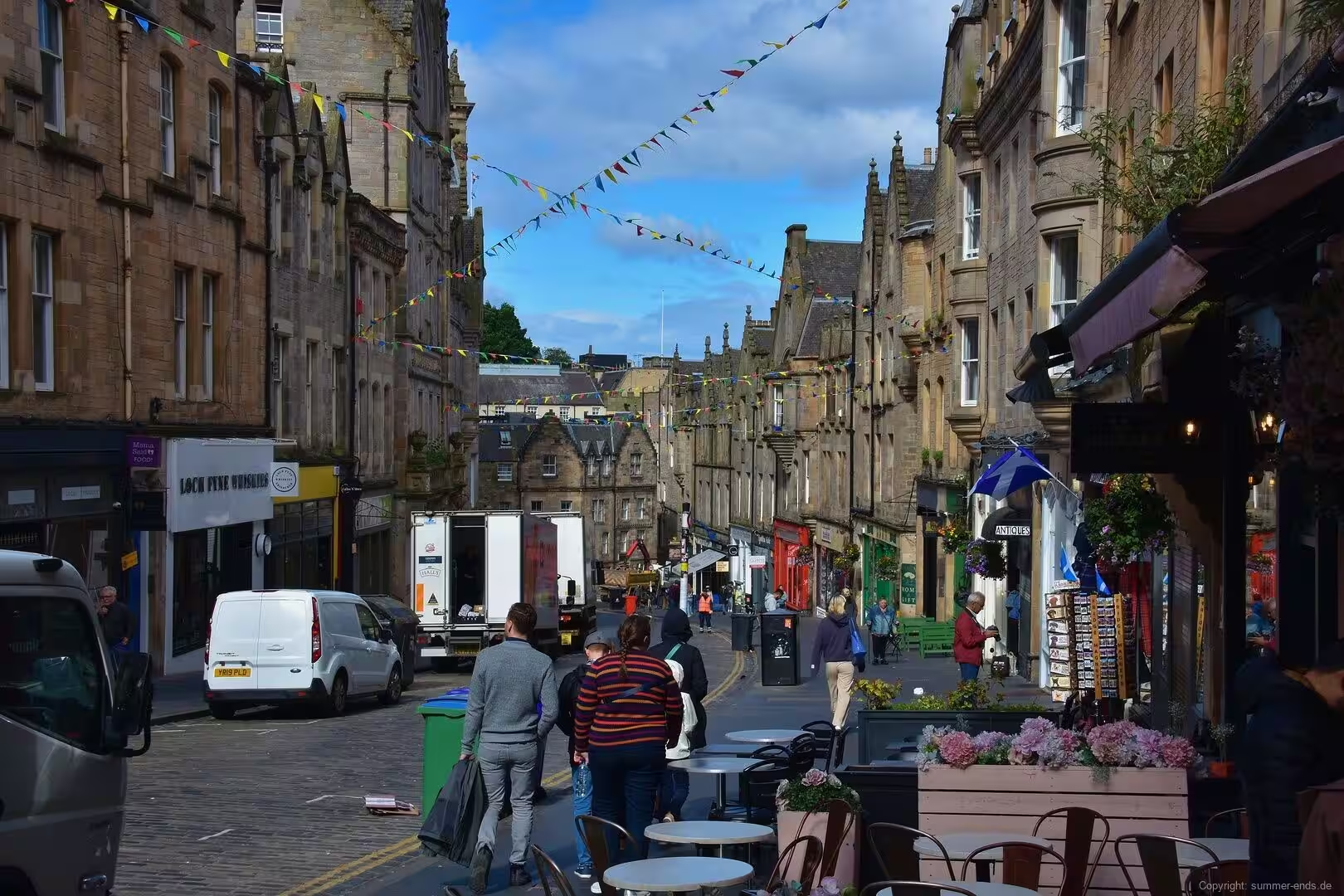
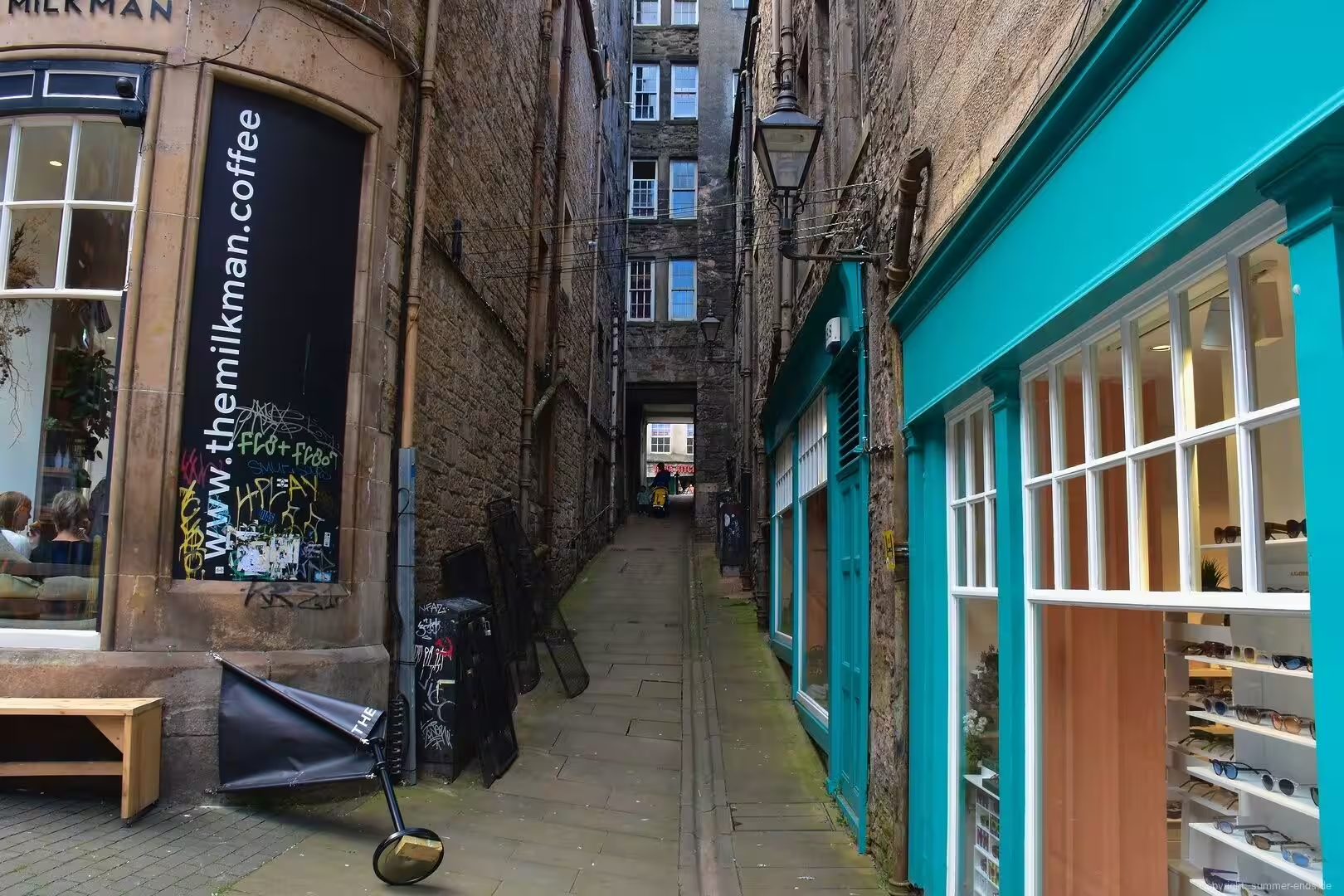
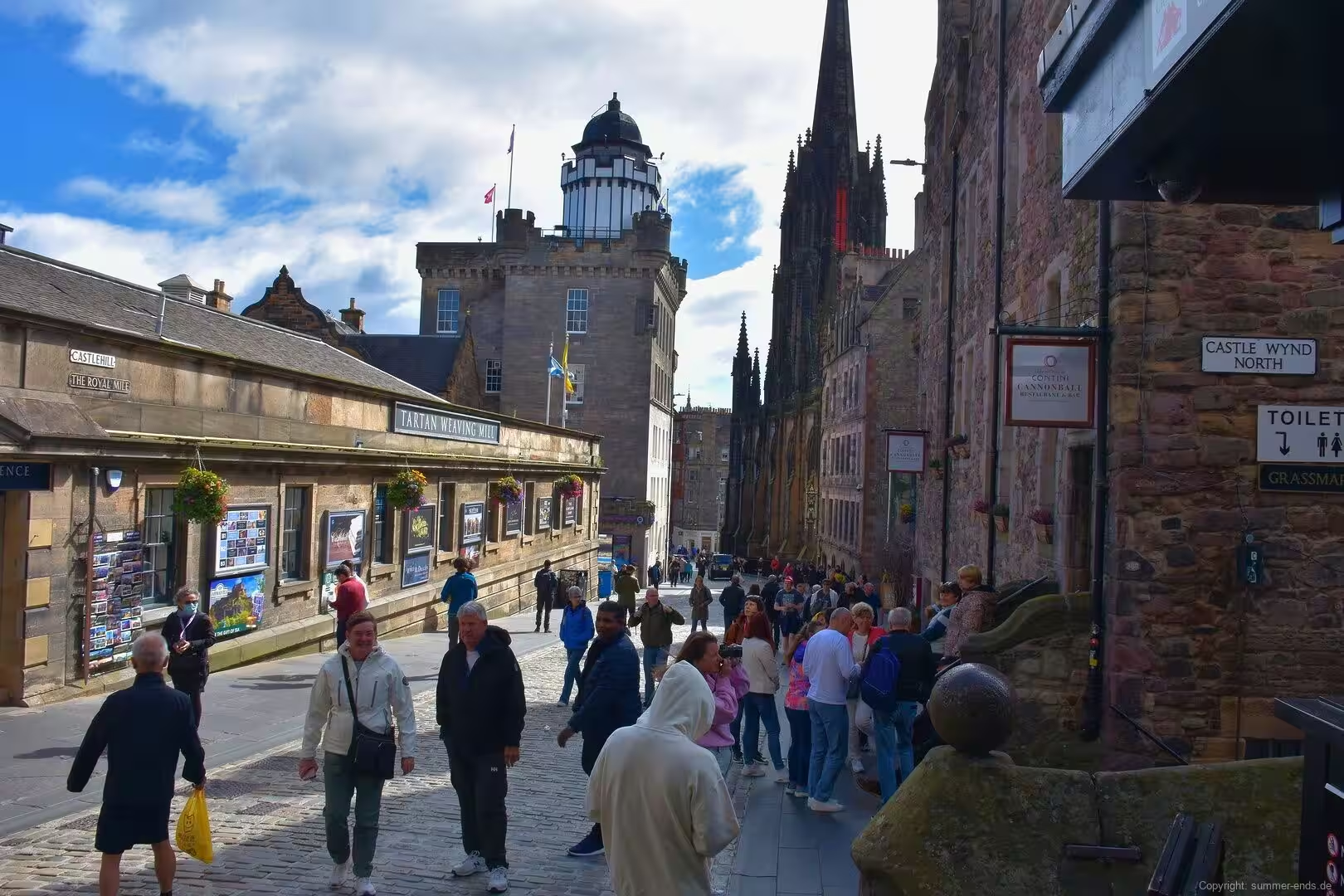
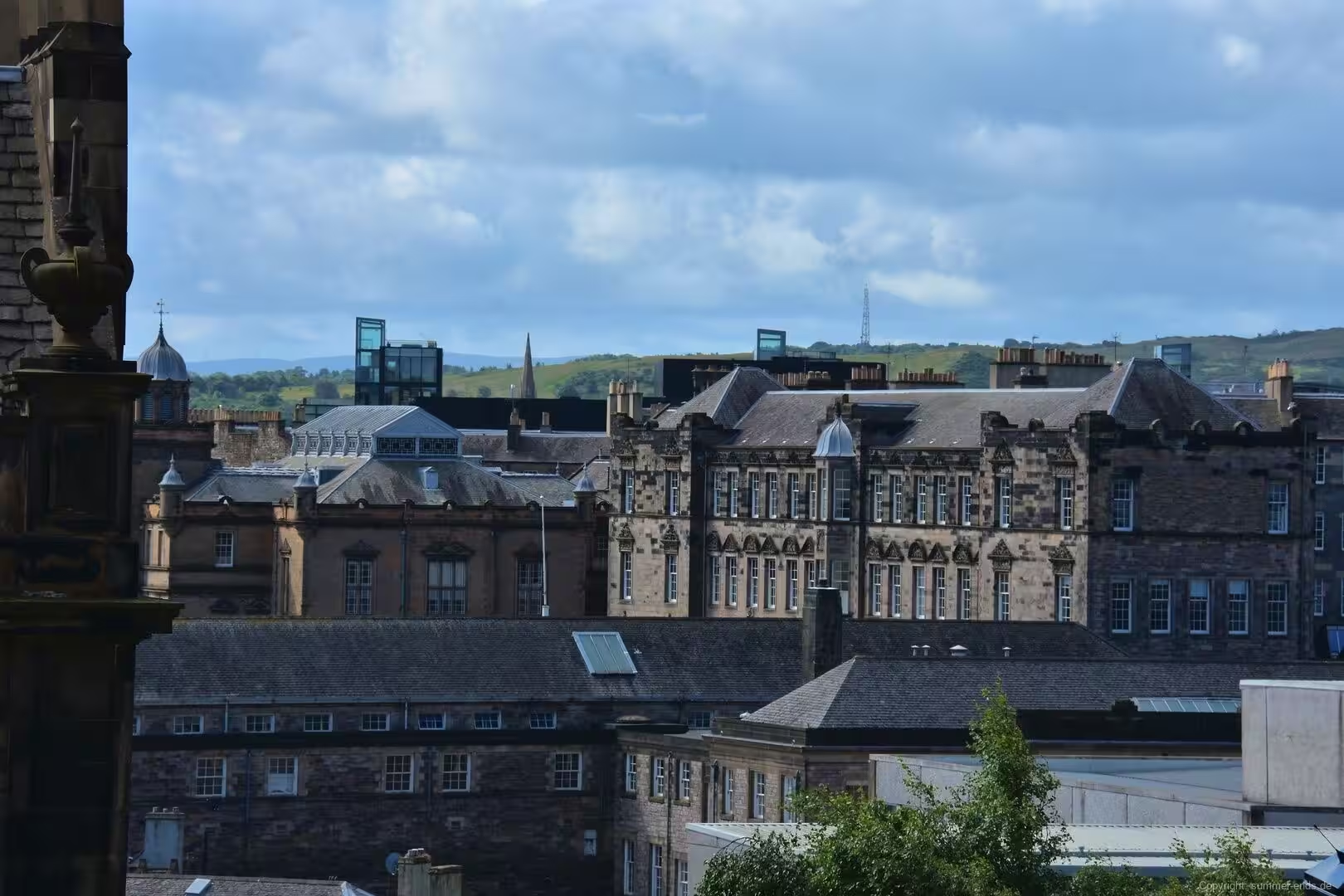
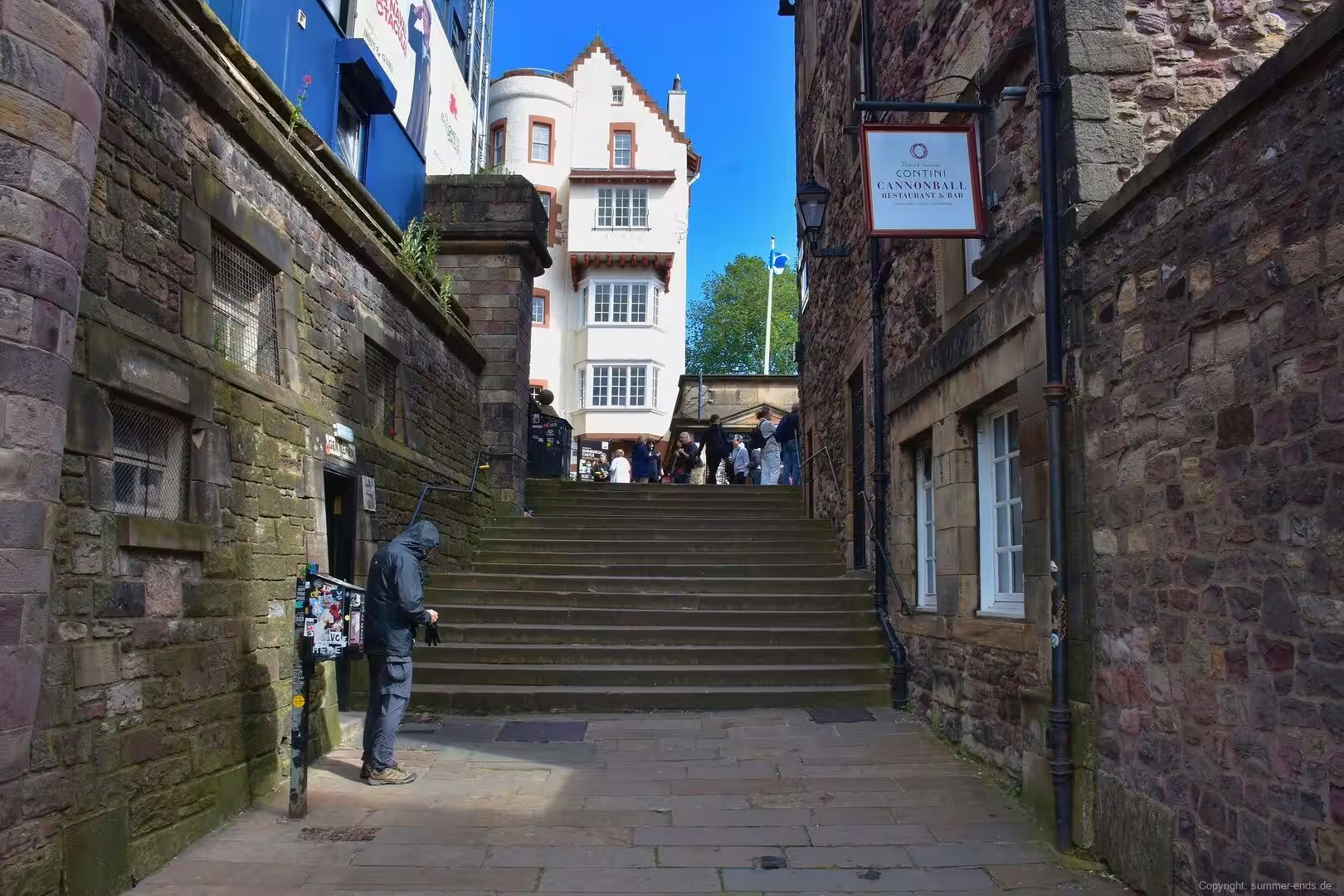
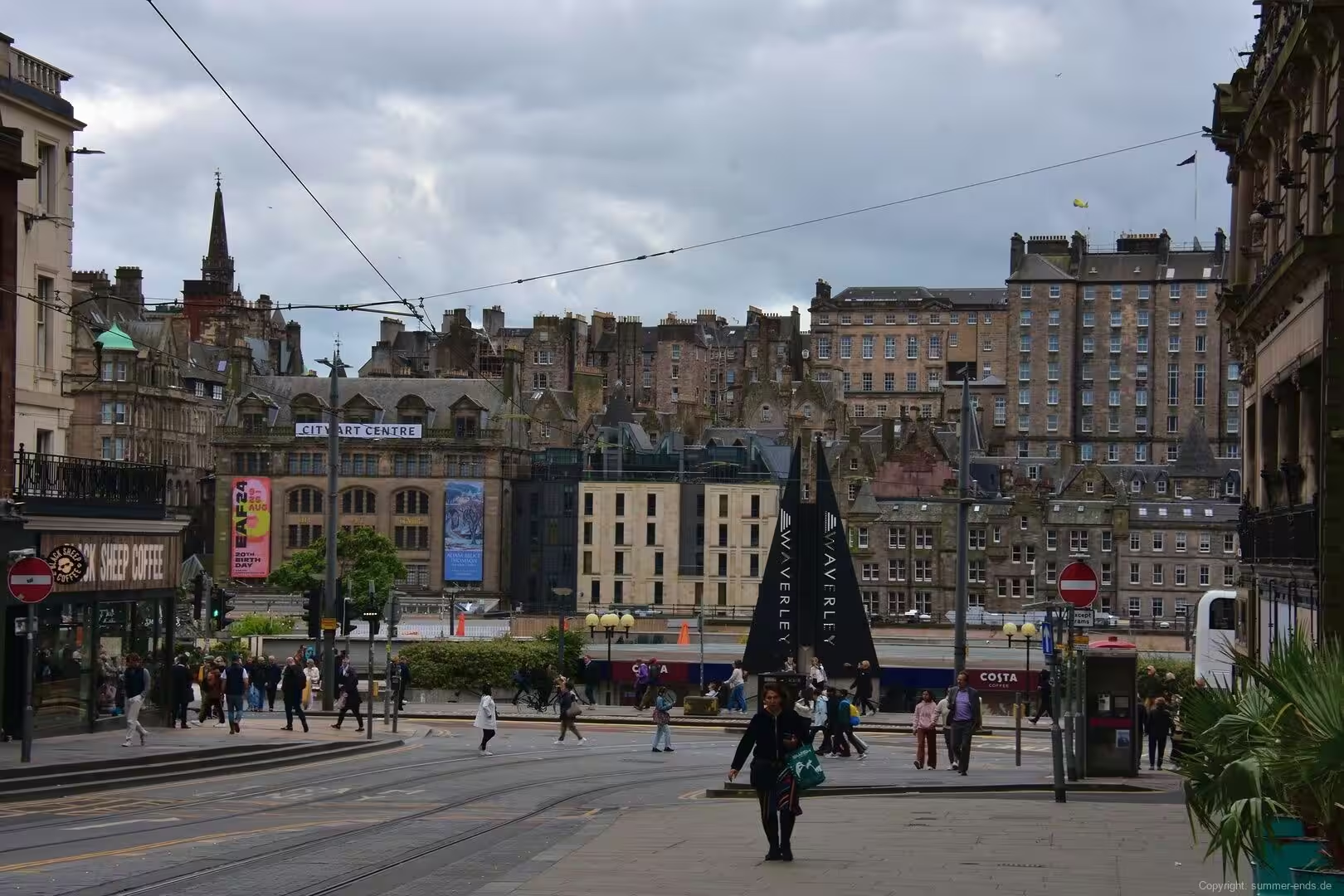
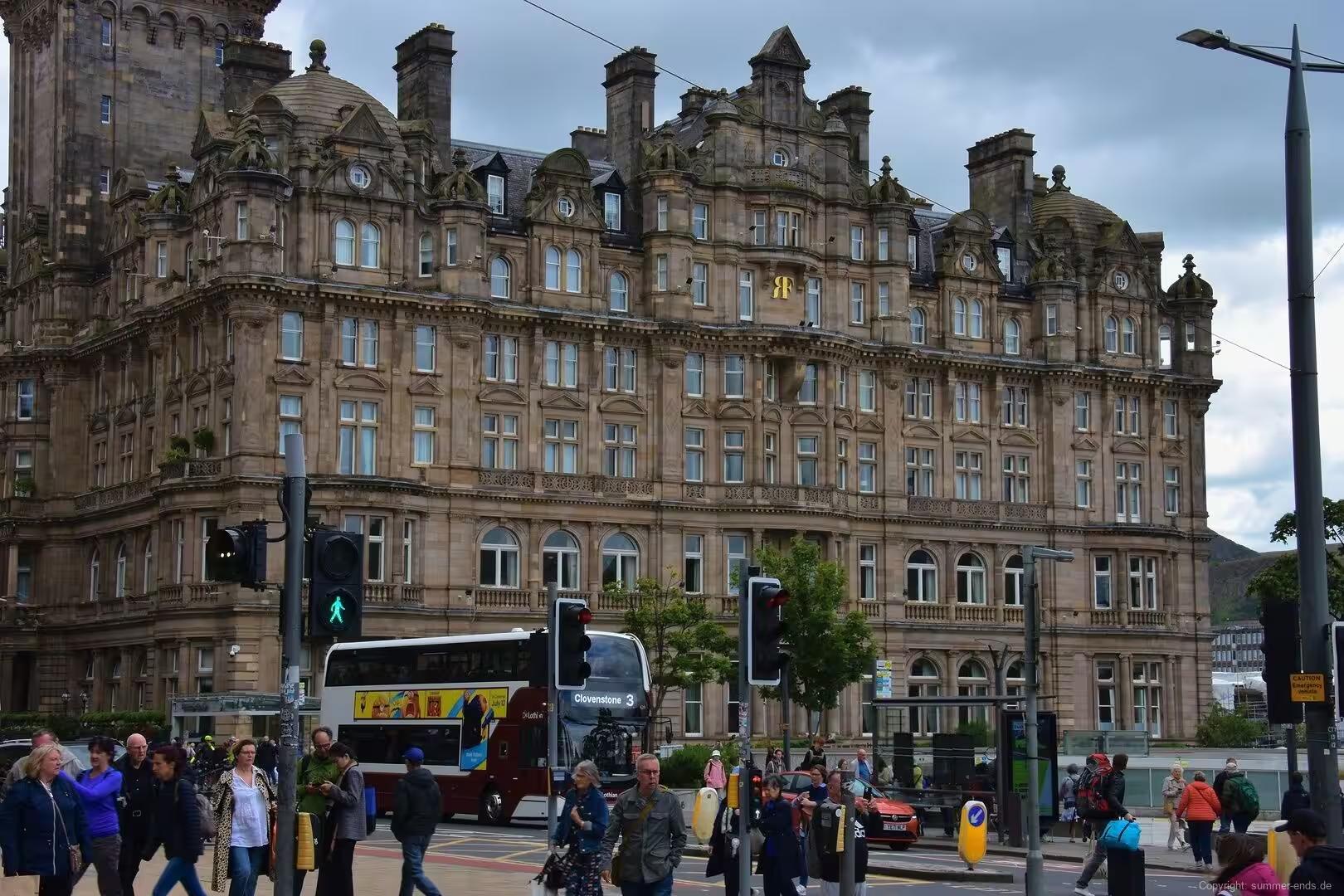
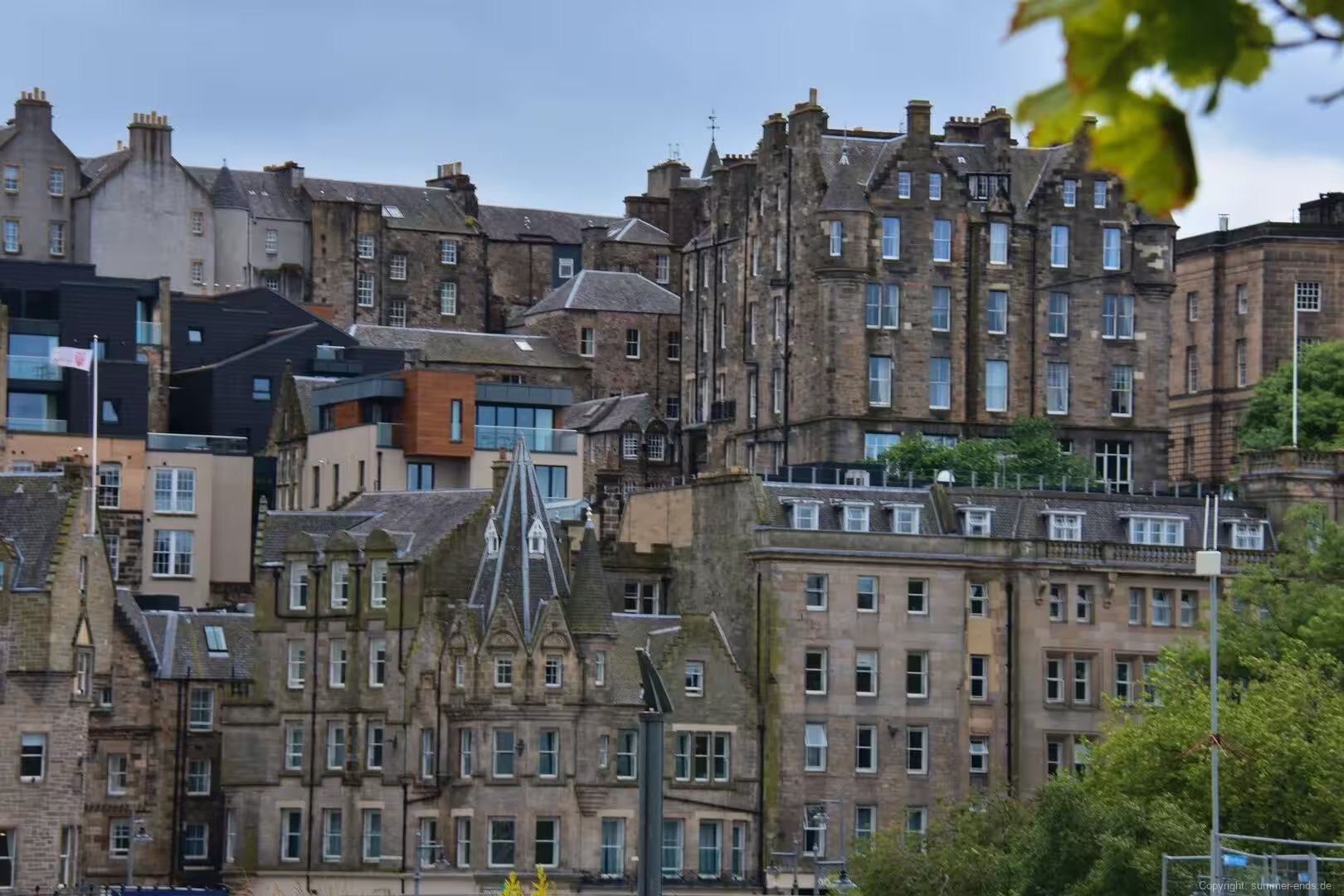
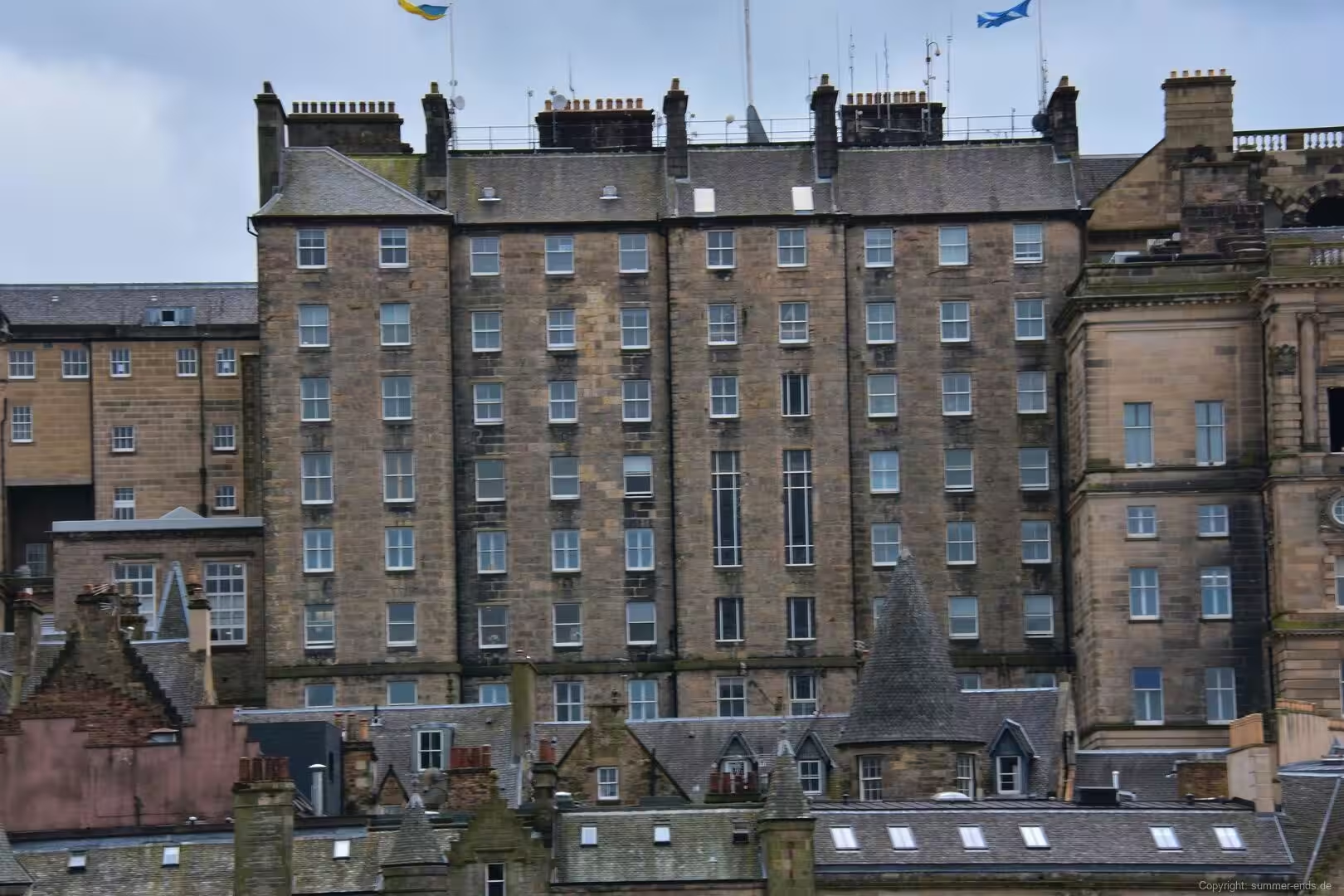
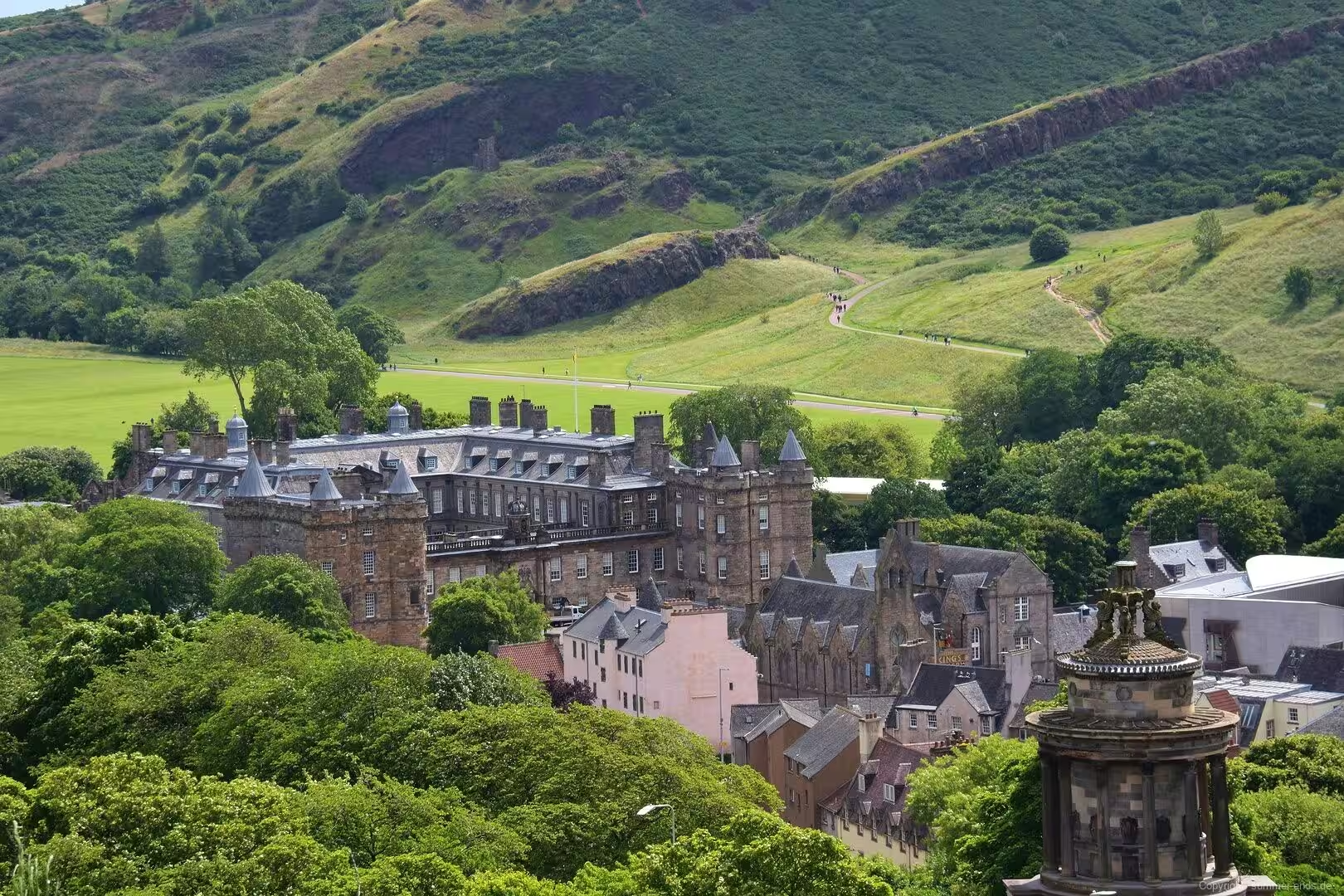
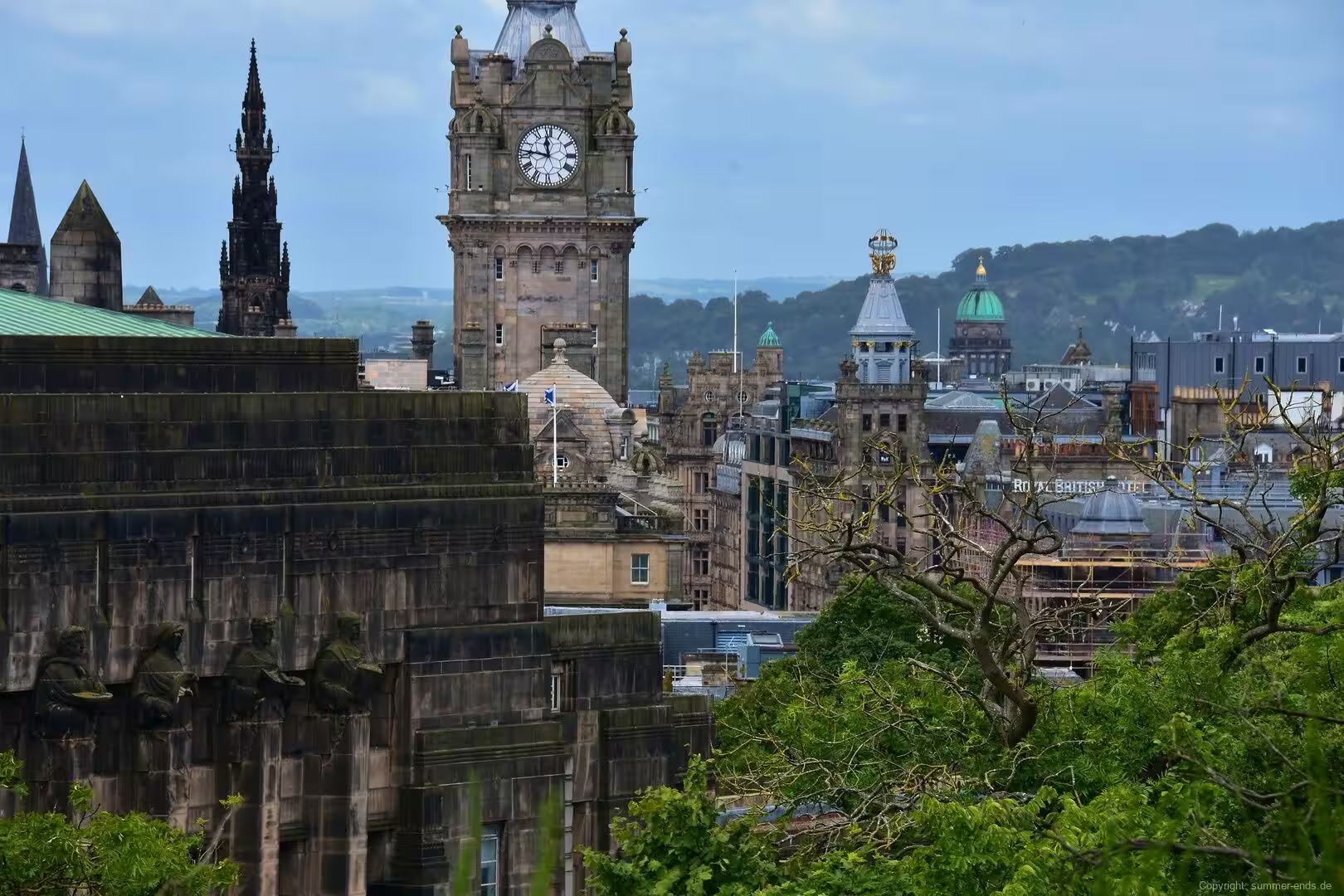
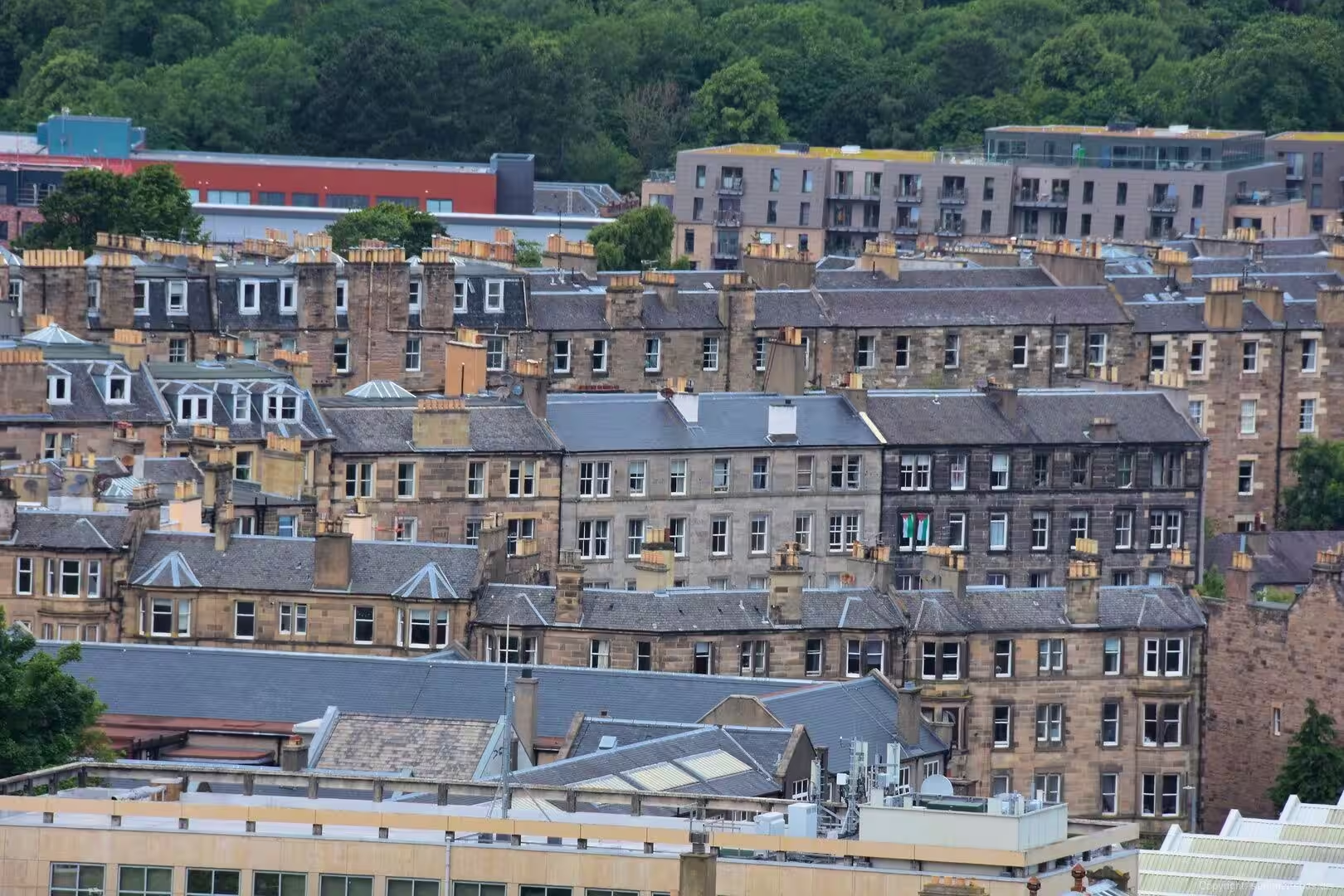
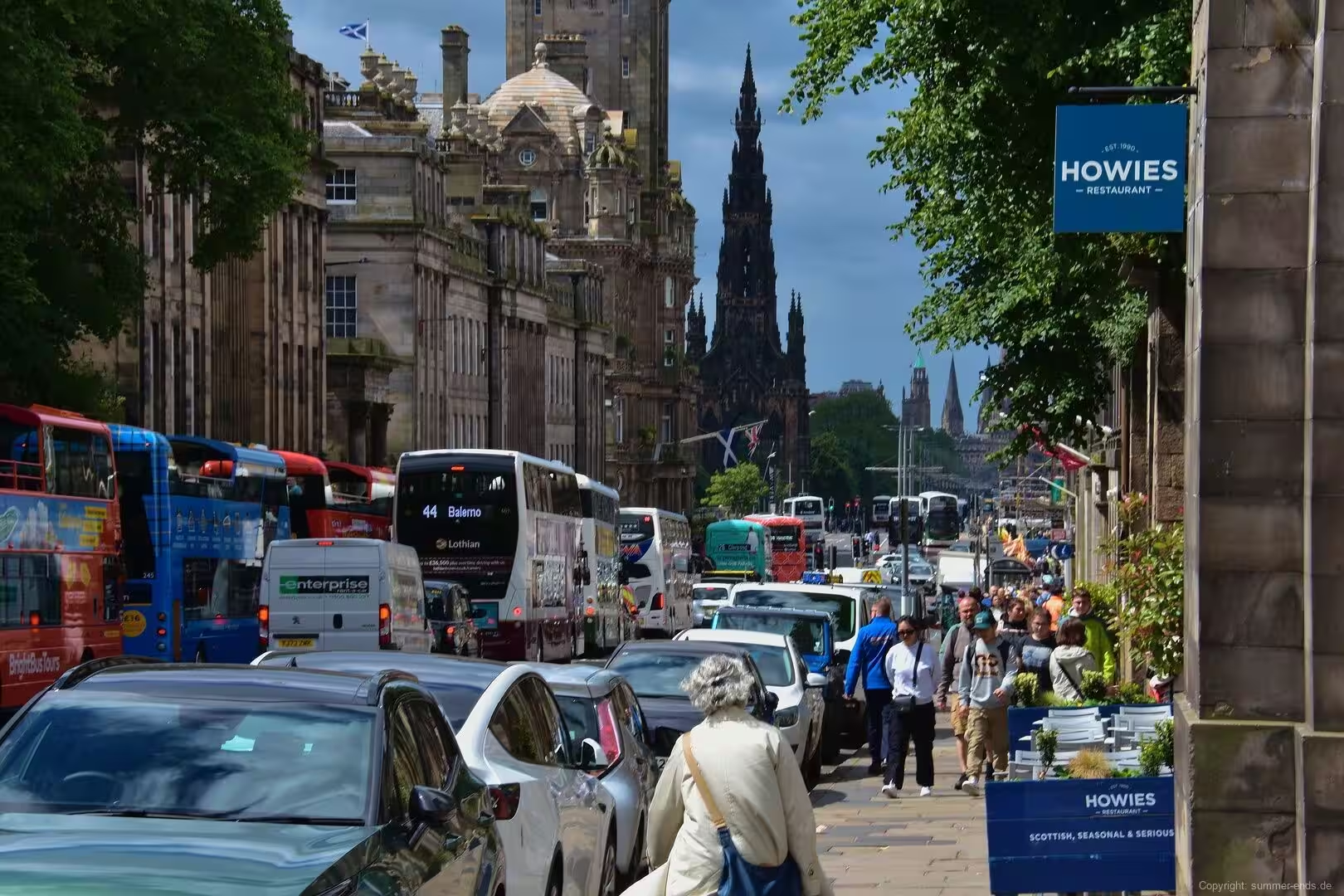
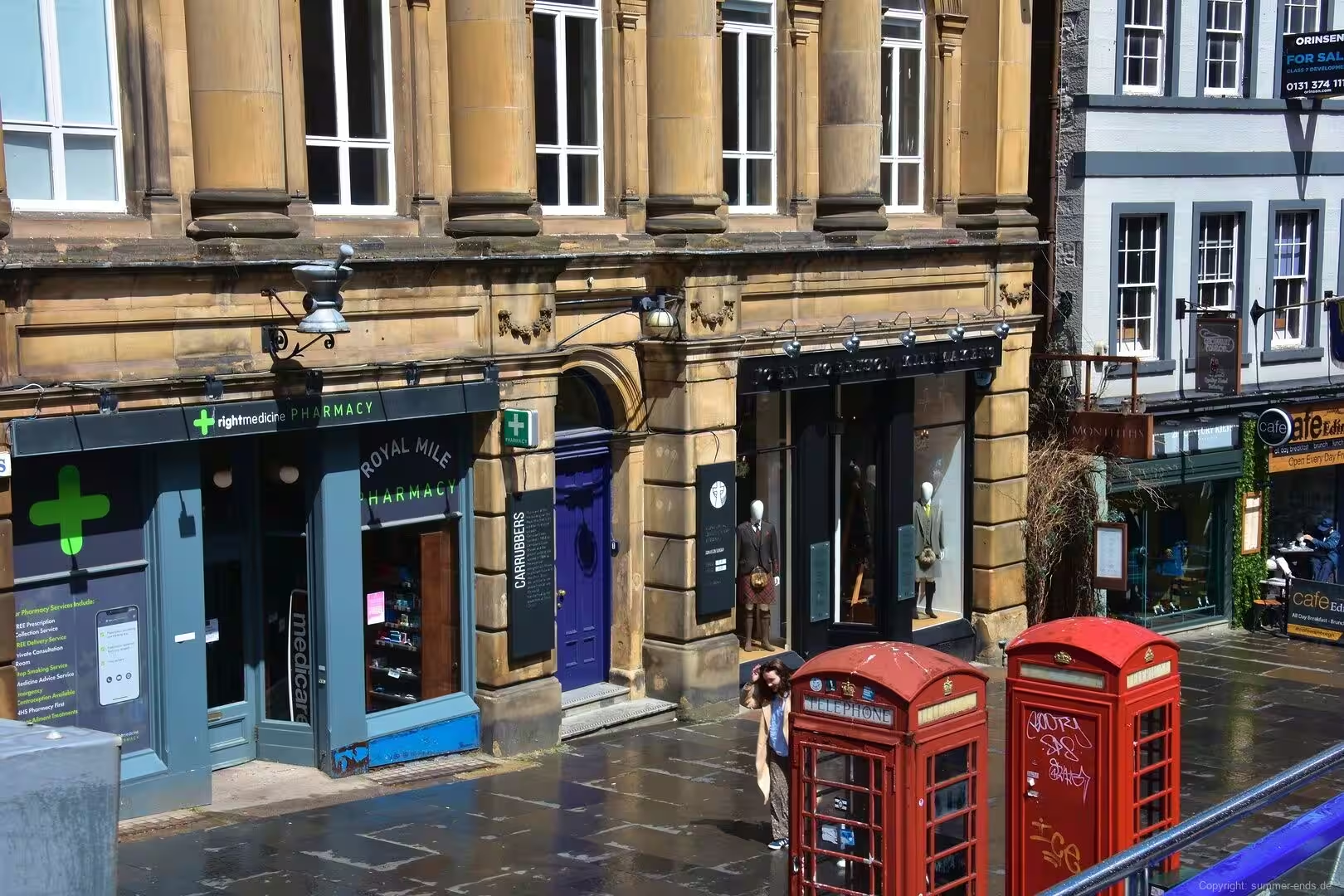
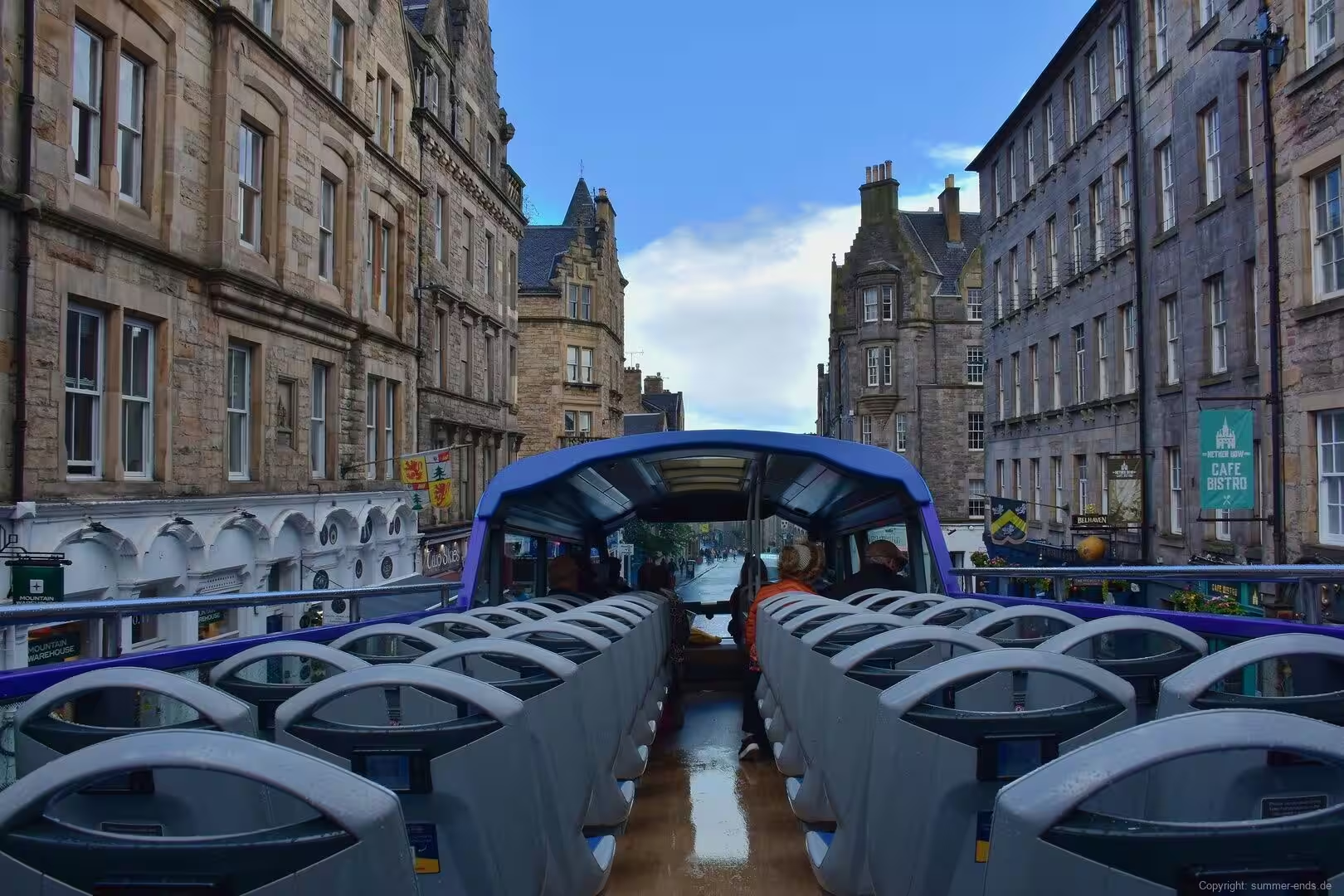
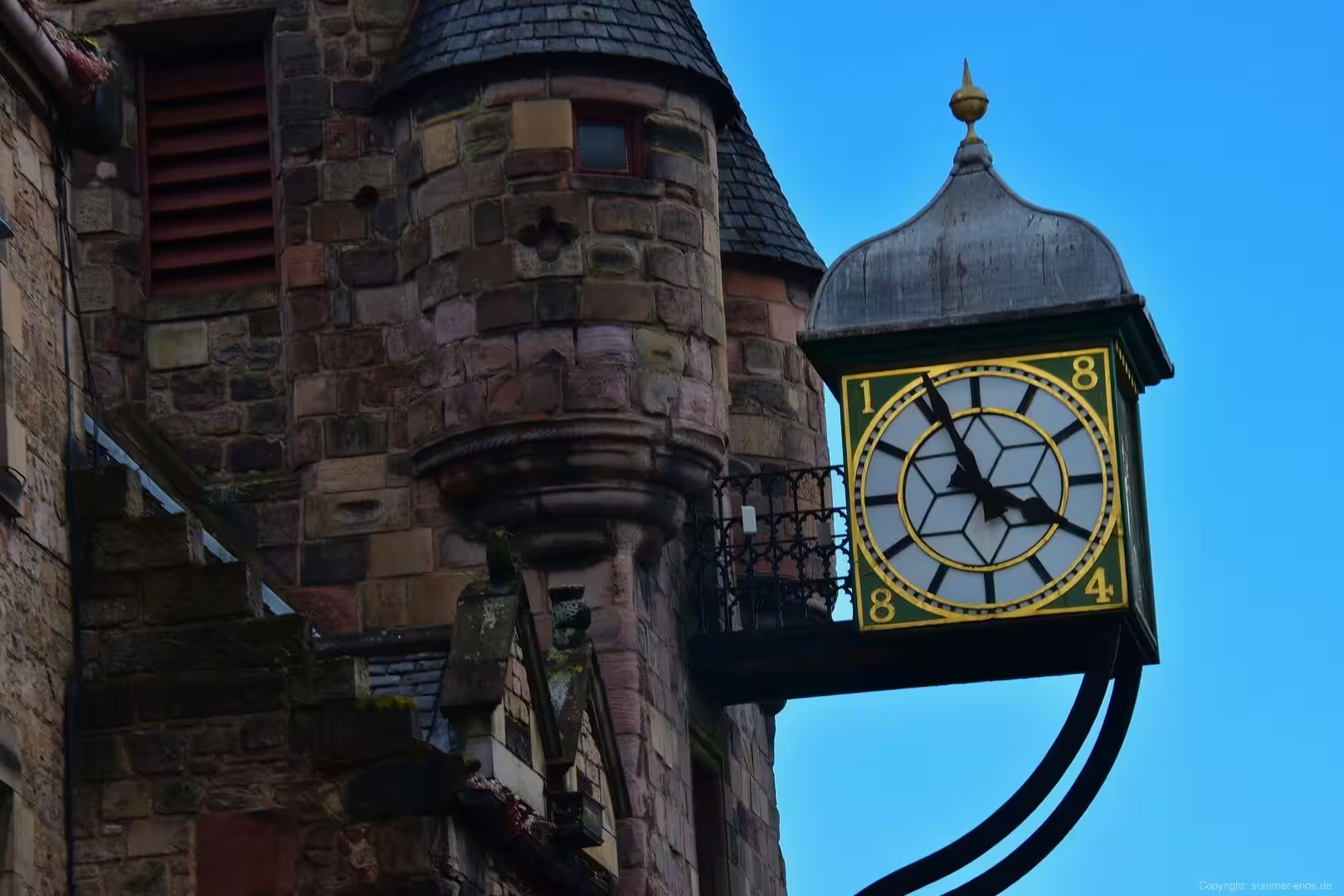
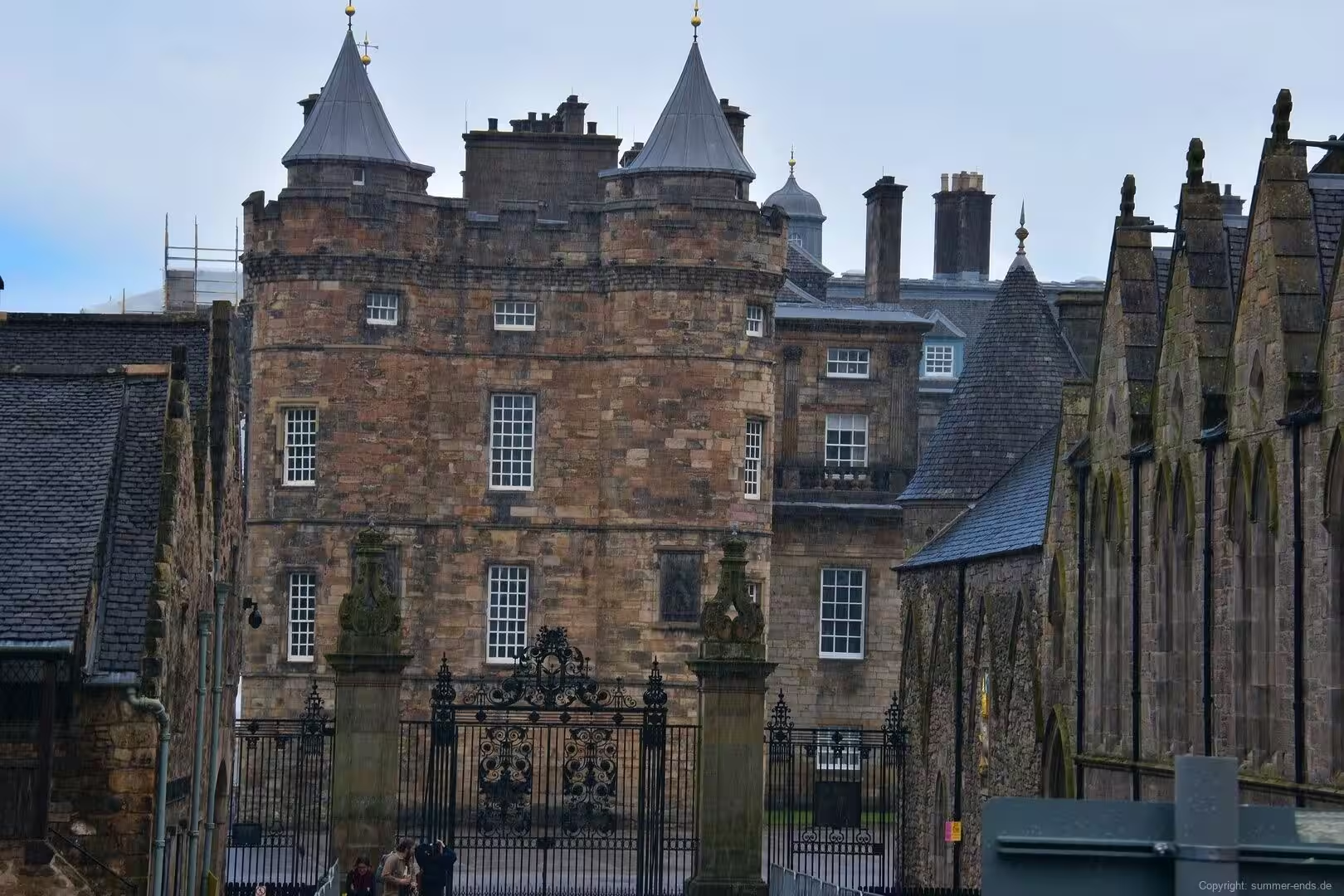
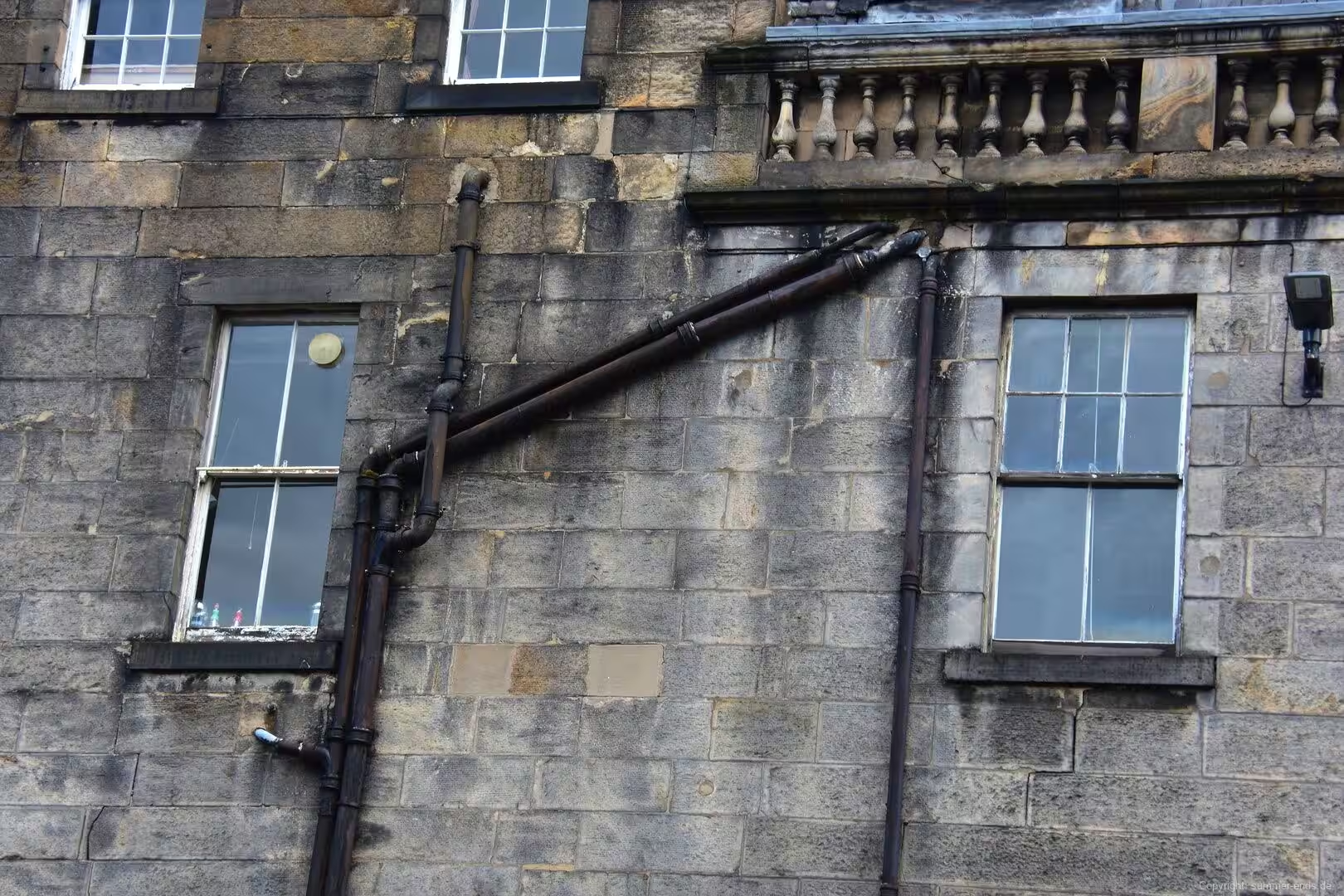
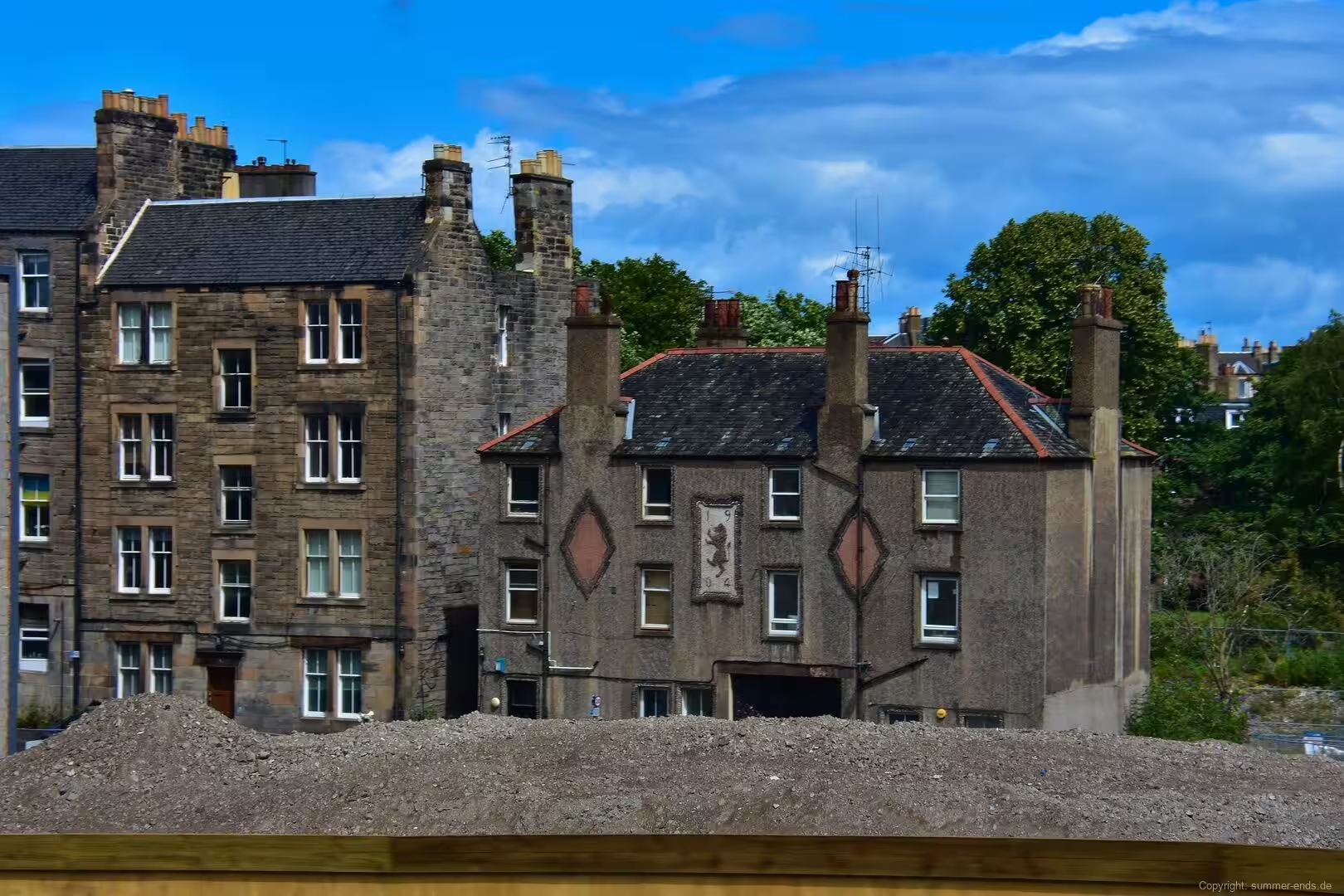
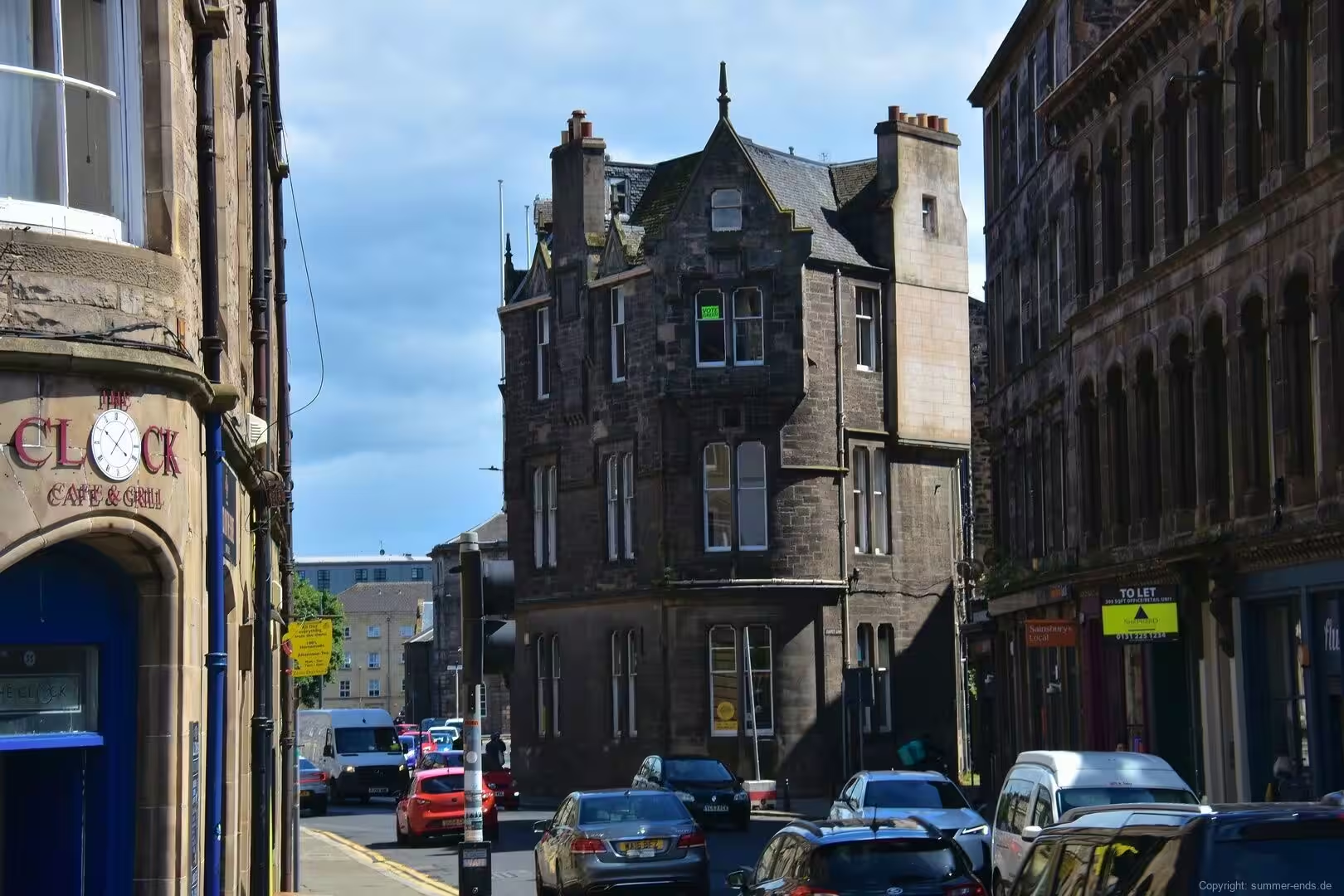
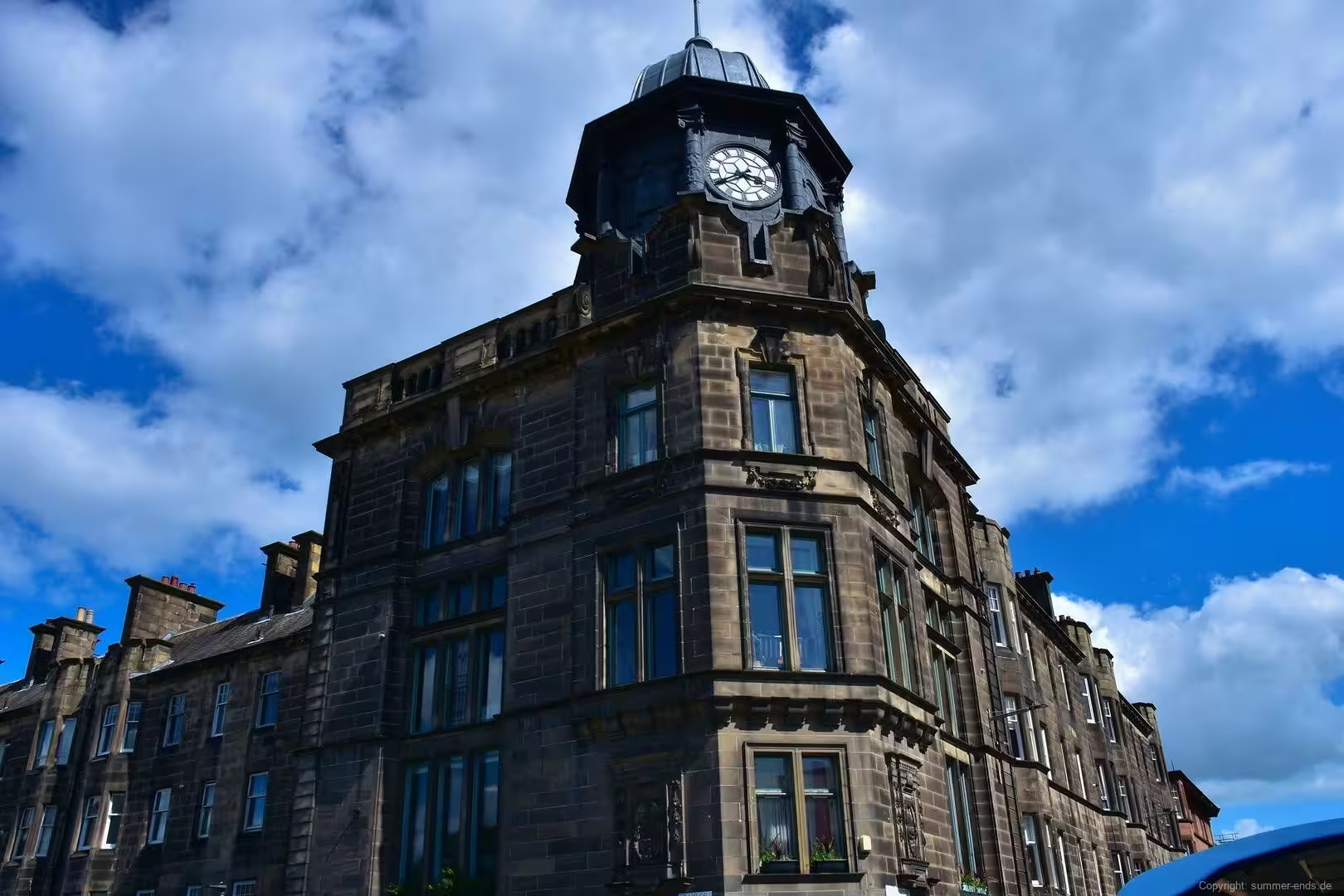
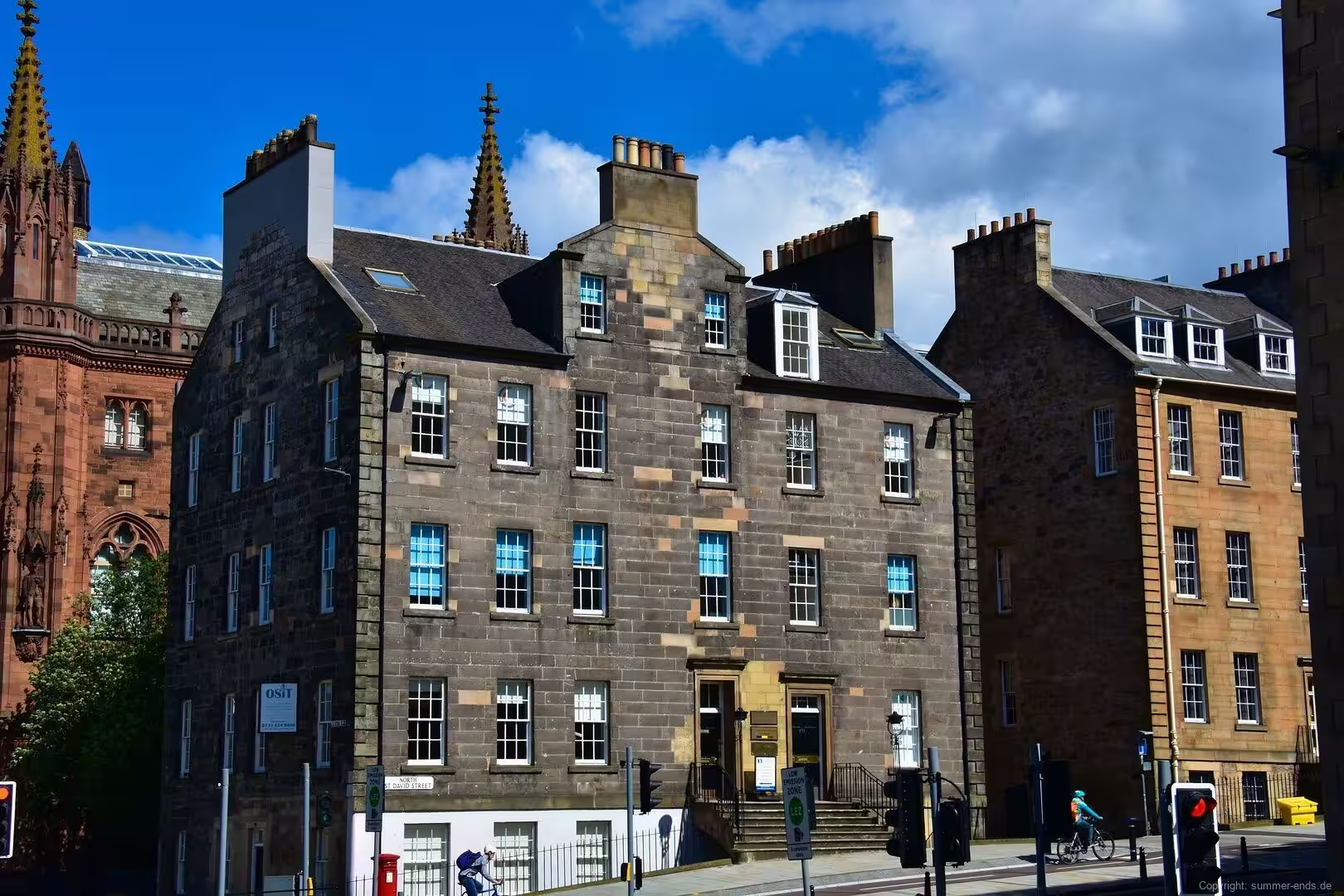
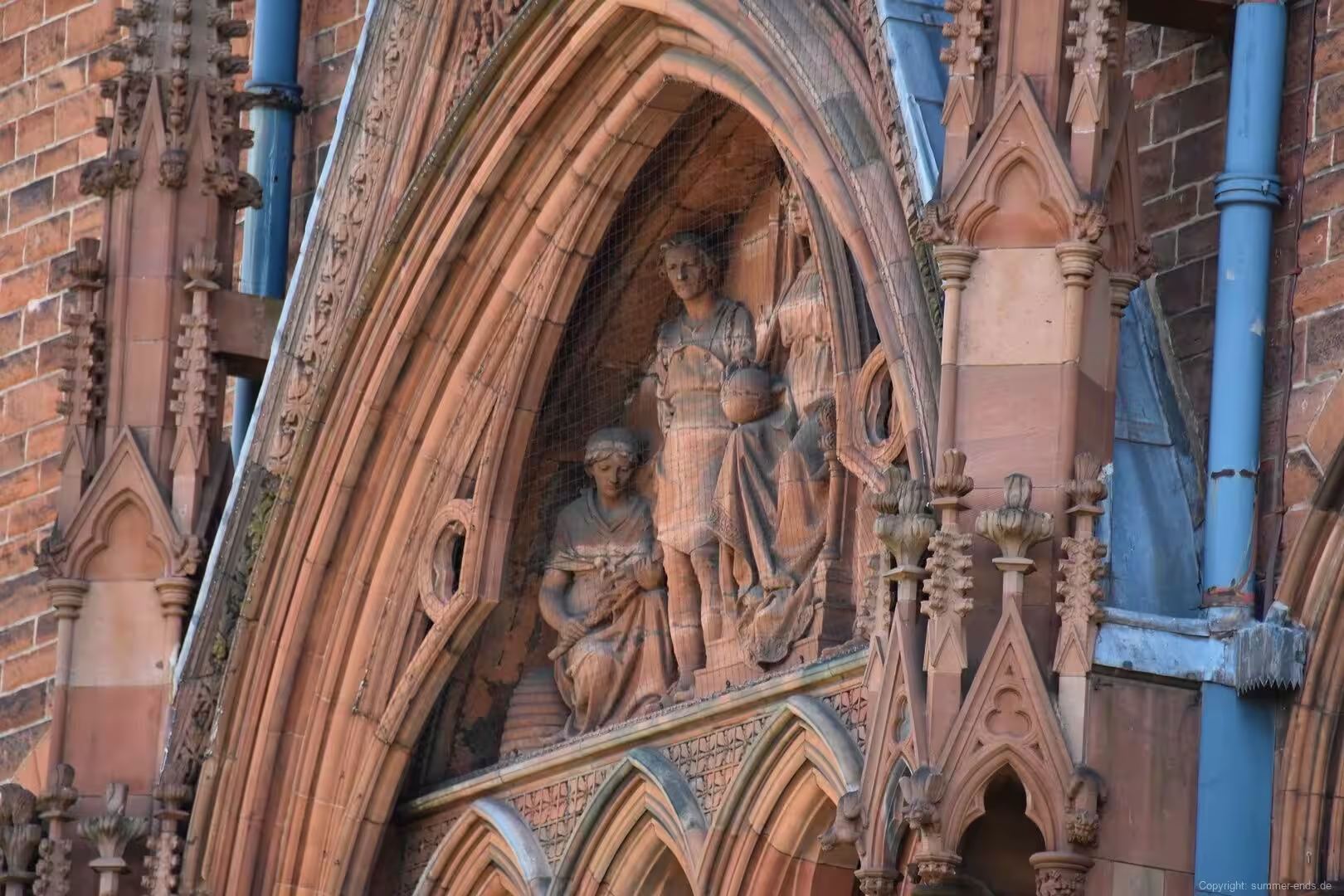
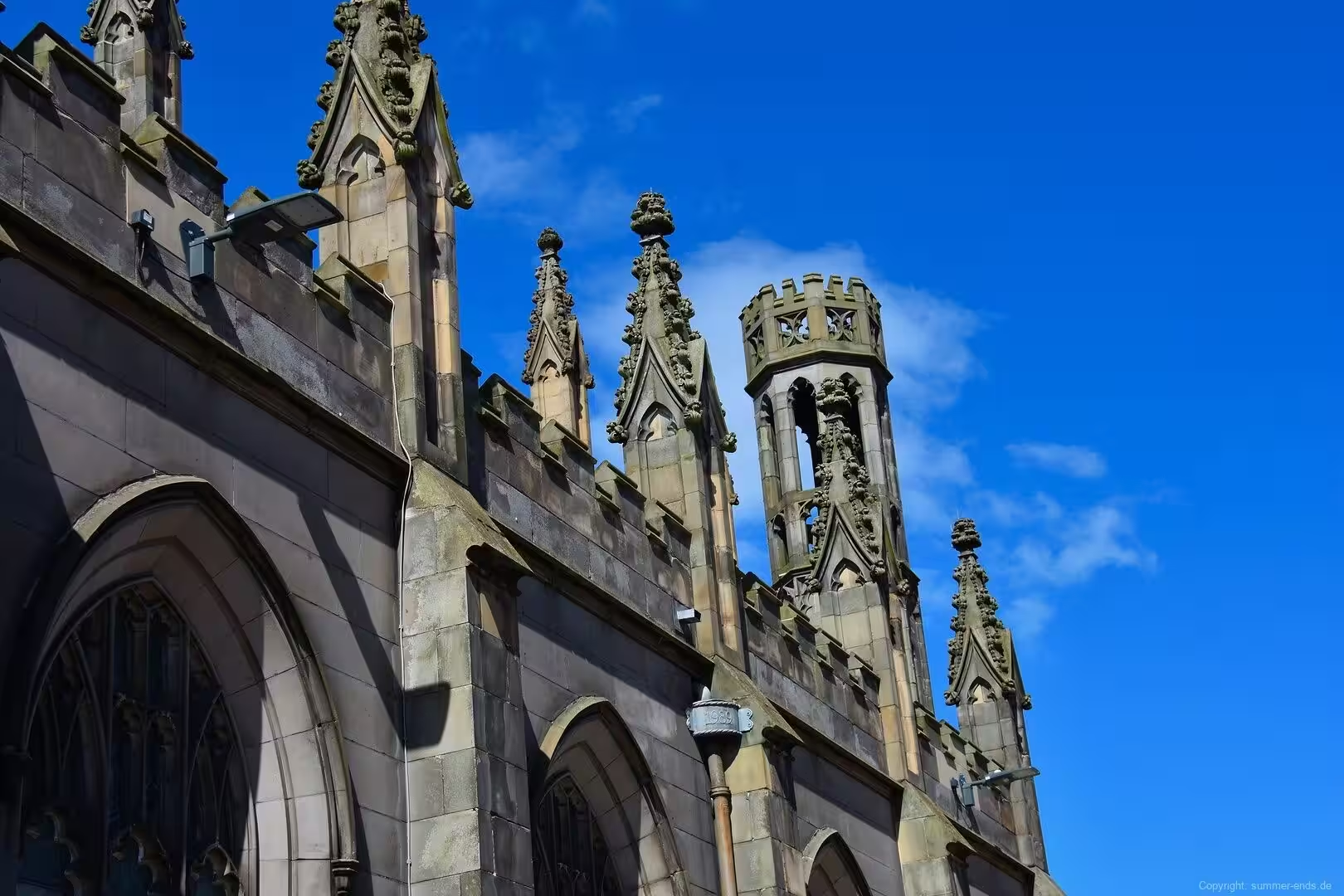
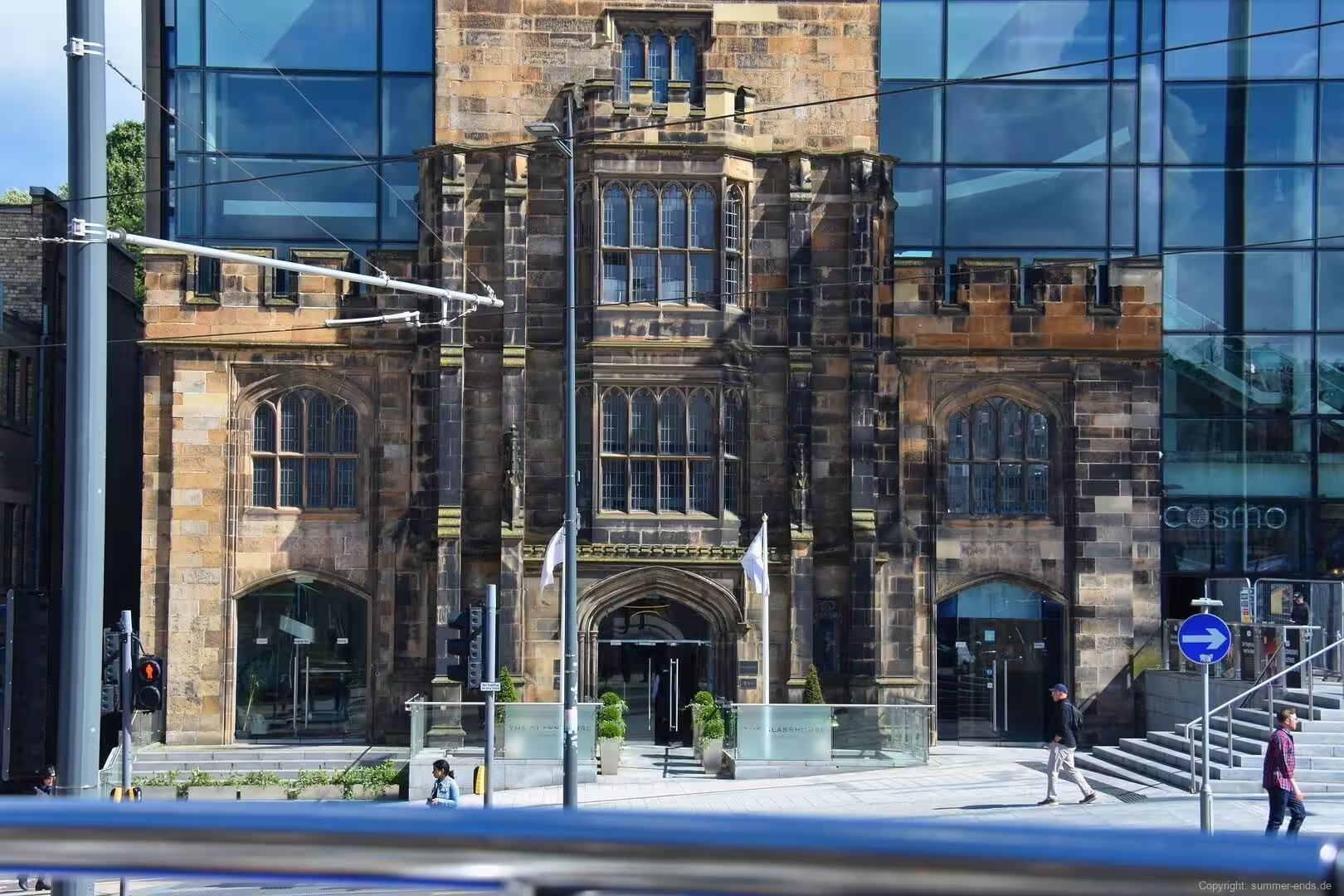
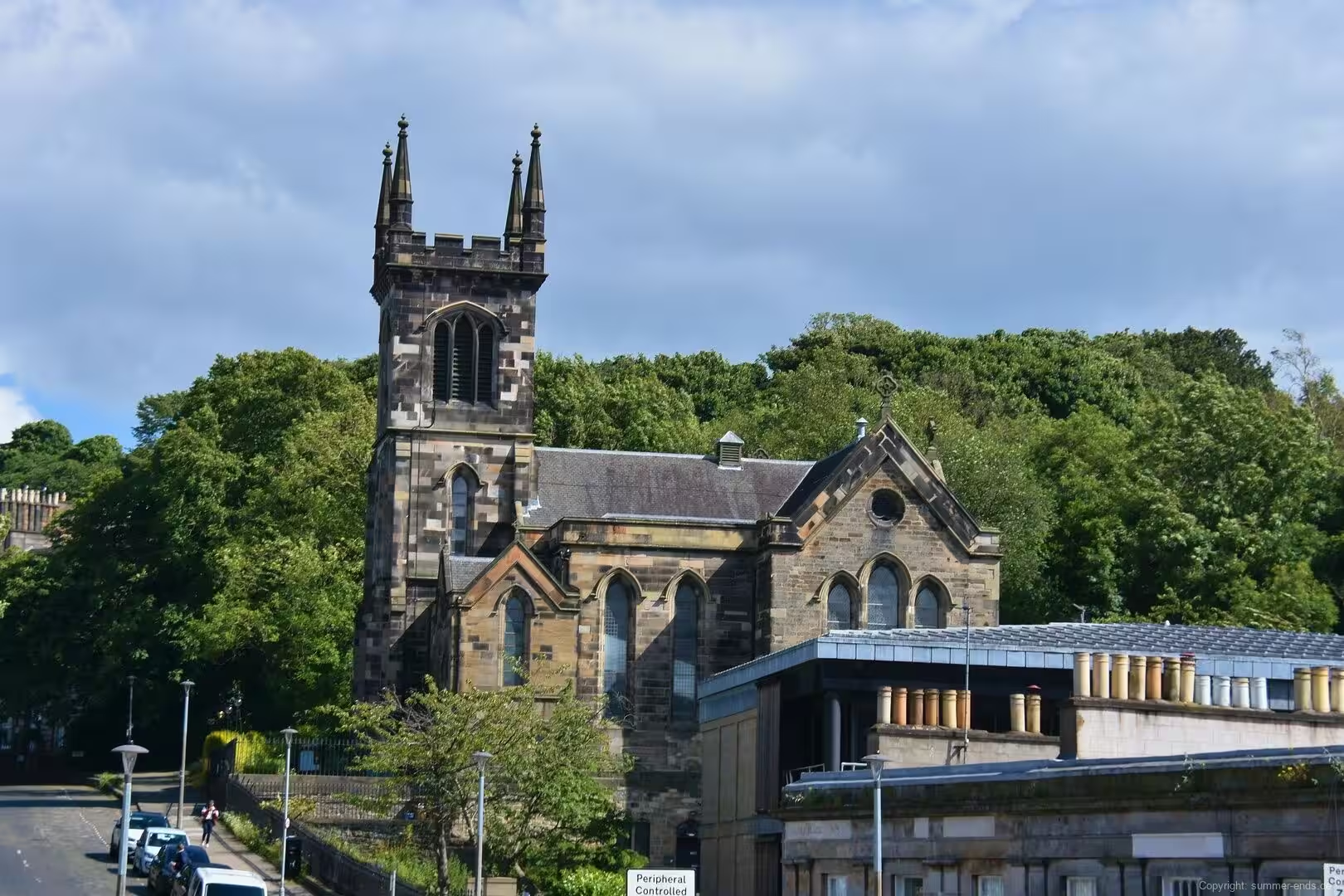
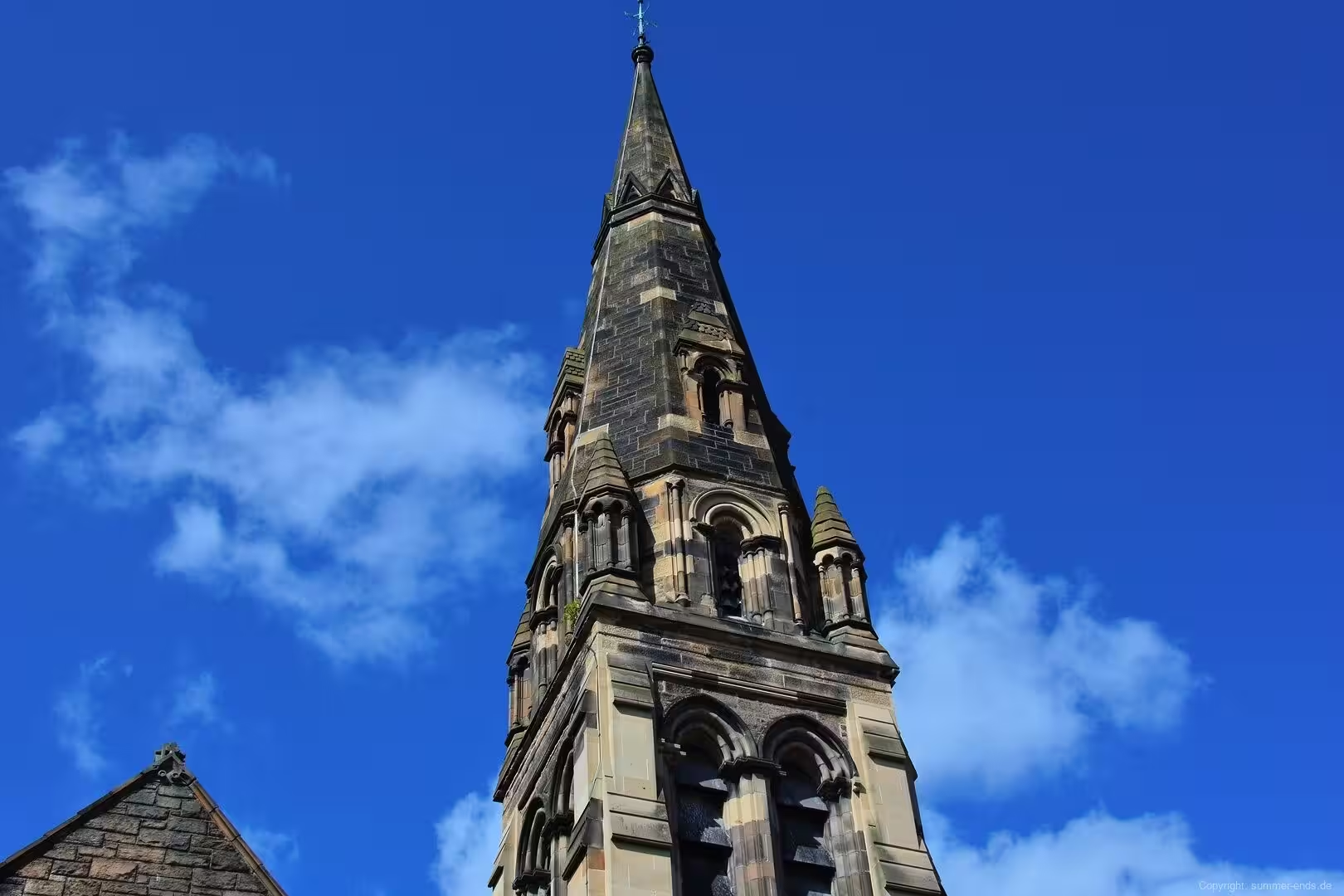
The Palace of Holyroodhouse, the official residence of the British monarch in Scotland, stands beside the ruins of Holyrood Abbey and the modern Scottish Parliament building across the square. The medieval Old Town, a dense warp of tenements and narrow closes that climb the ridge, preserves the character of the pre-modern city, and its castle, cathedral, church towers and lane walls repeat in the many postcards and views of the royal mile. The dark smoky stone of the Old Town, its flights of steps and its hidden courtyards, and its many taverns, museums and shops, give the historic centre its distinctive atmosphere, and the outlook tower on the Royal Mile, the Real Mary King’s Close and the various museums tell the story of the city.
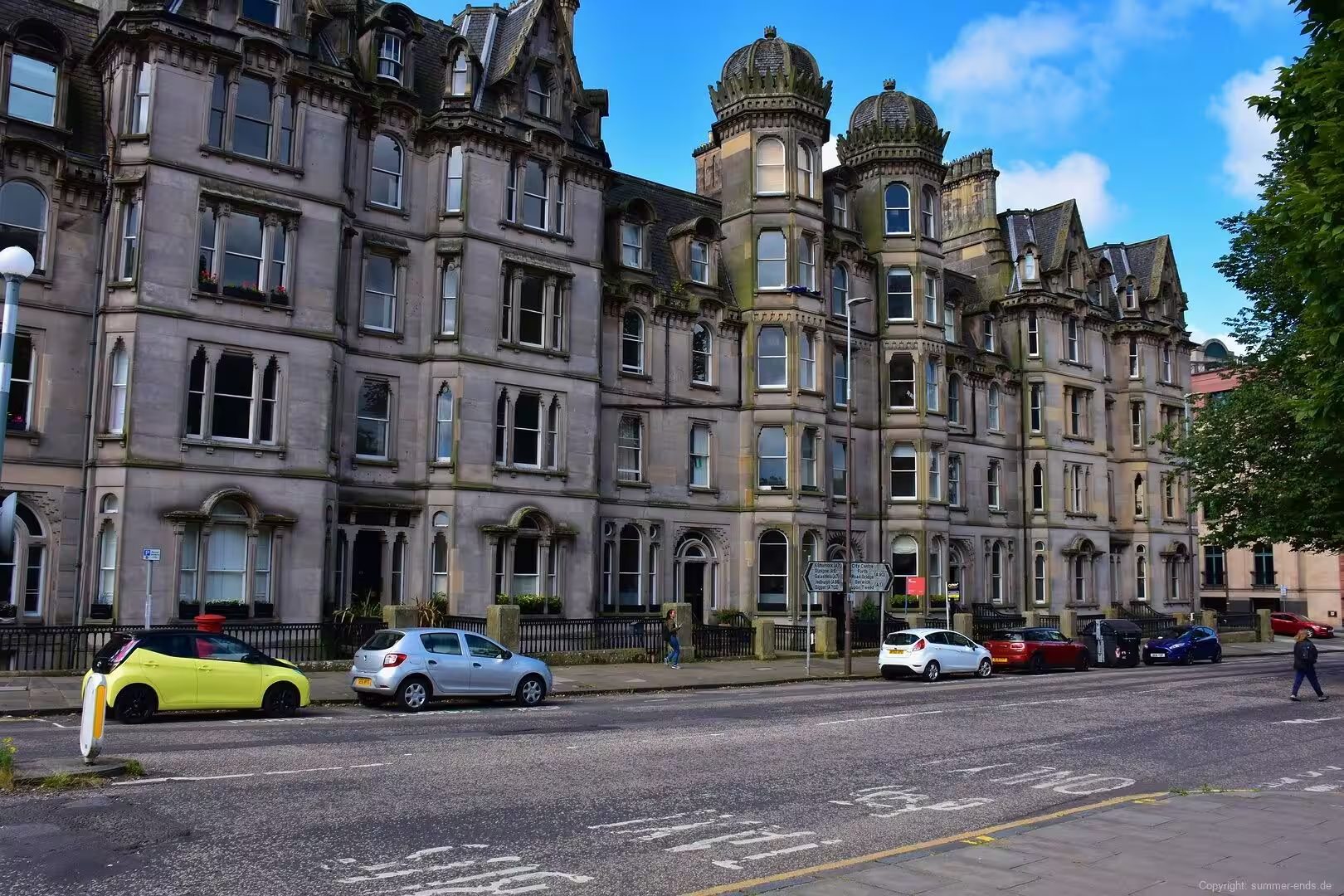
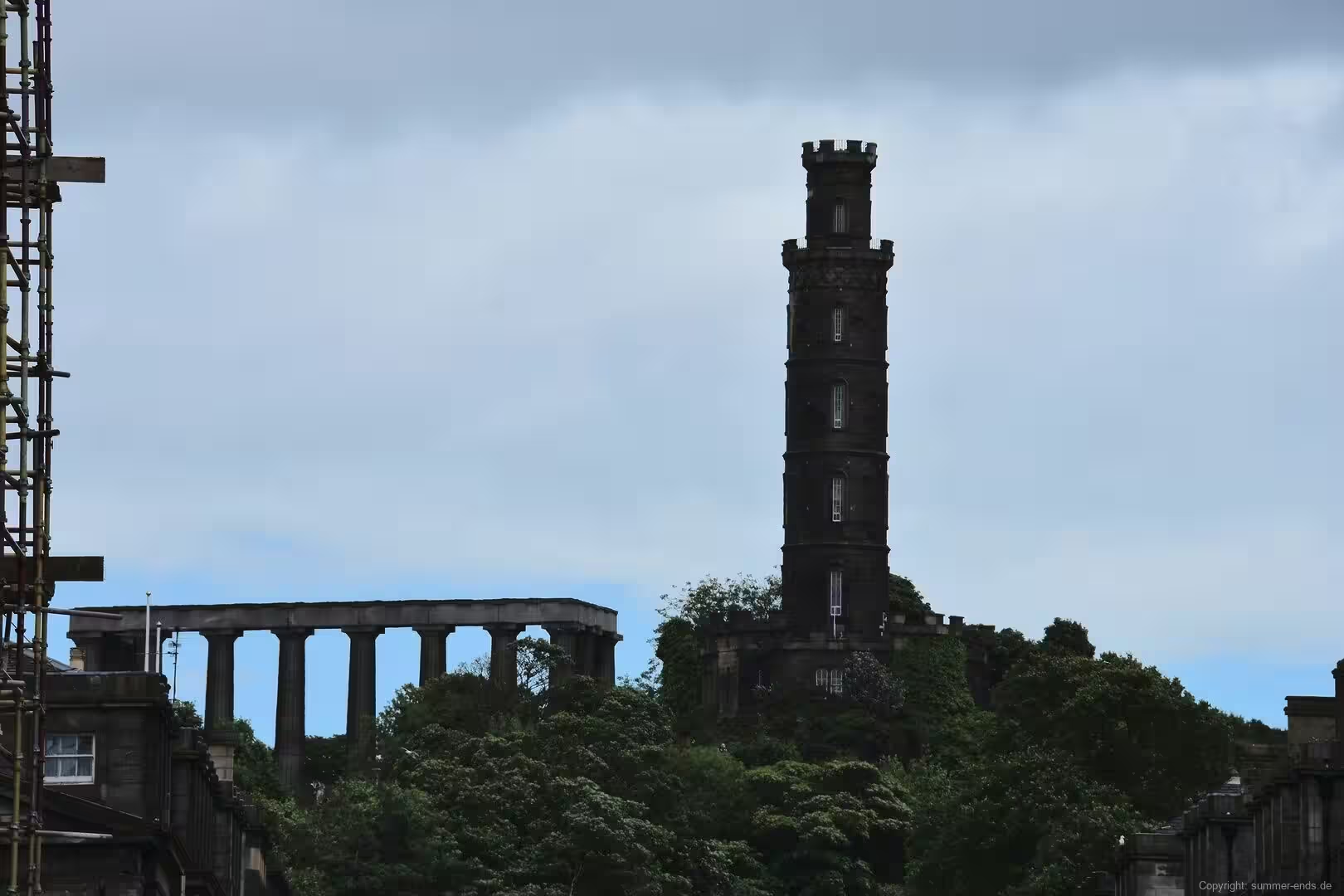
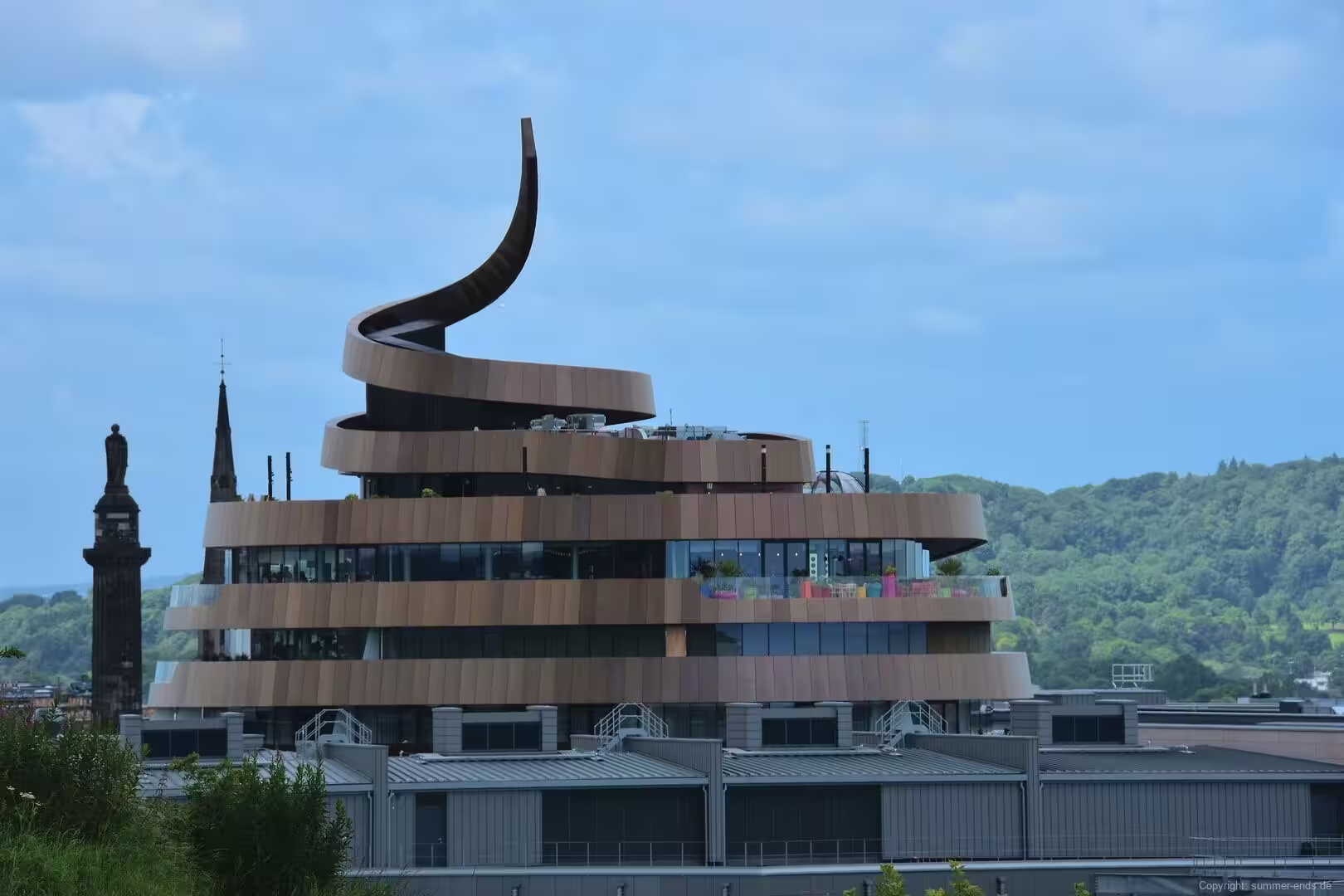
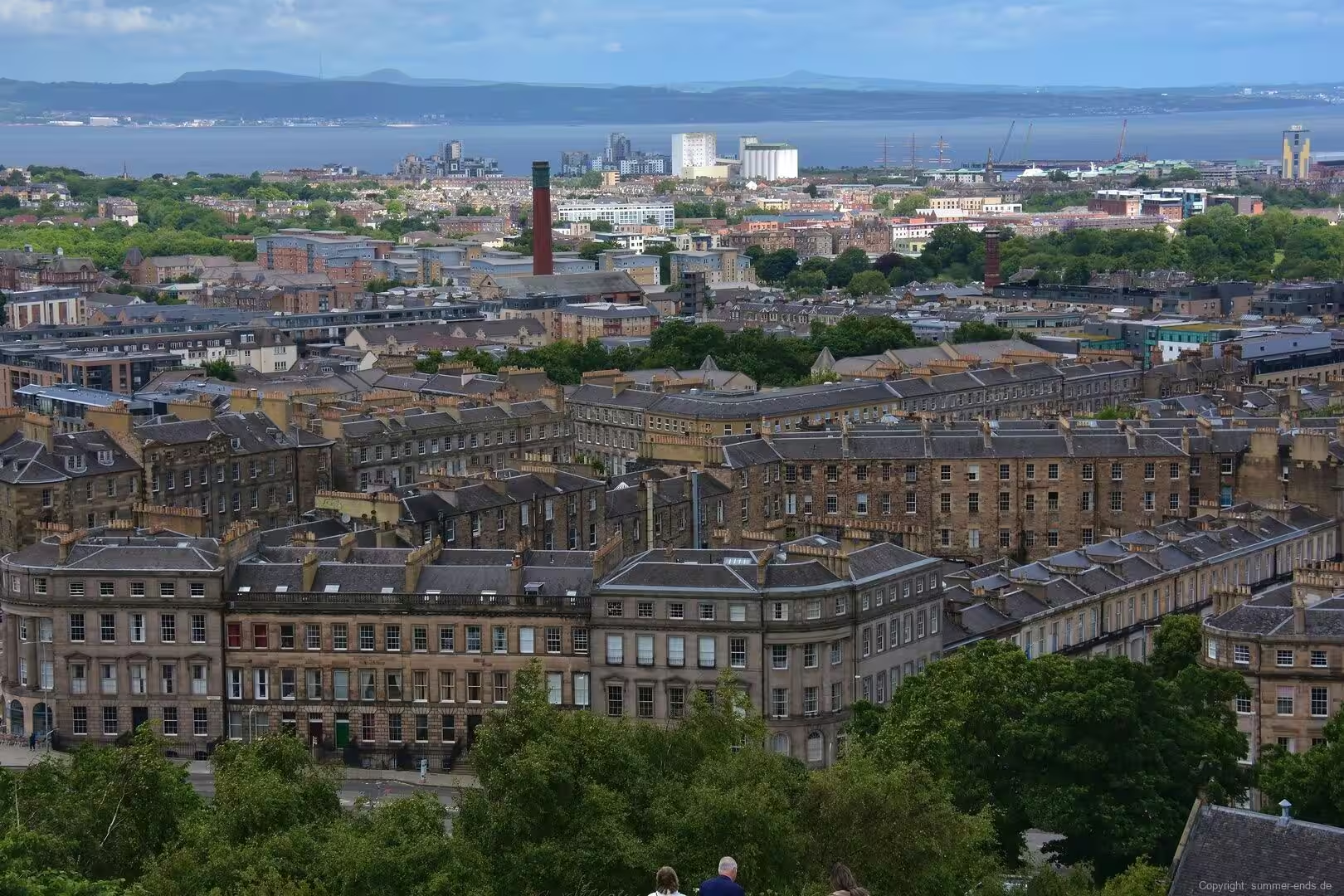
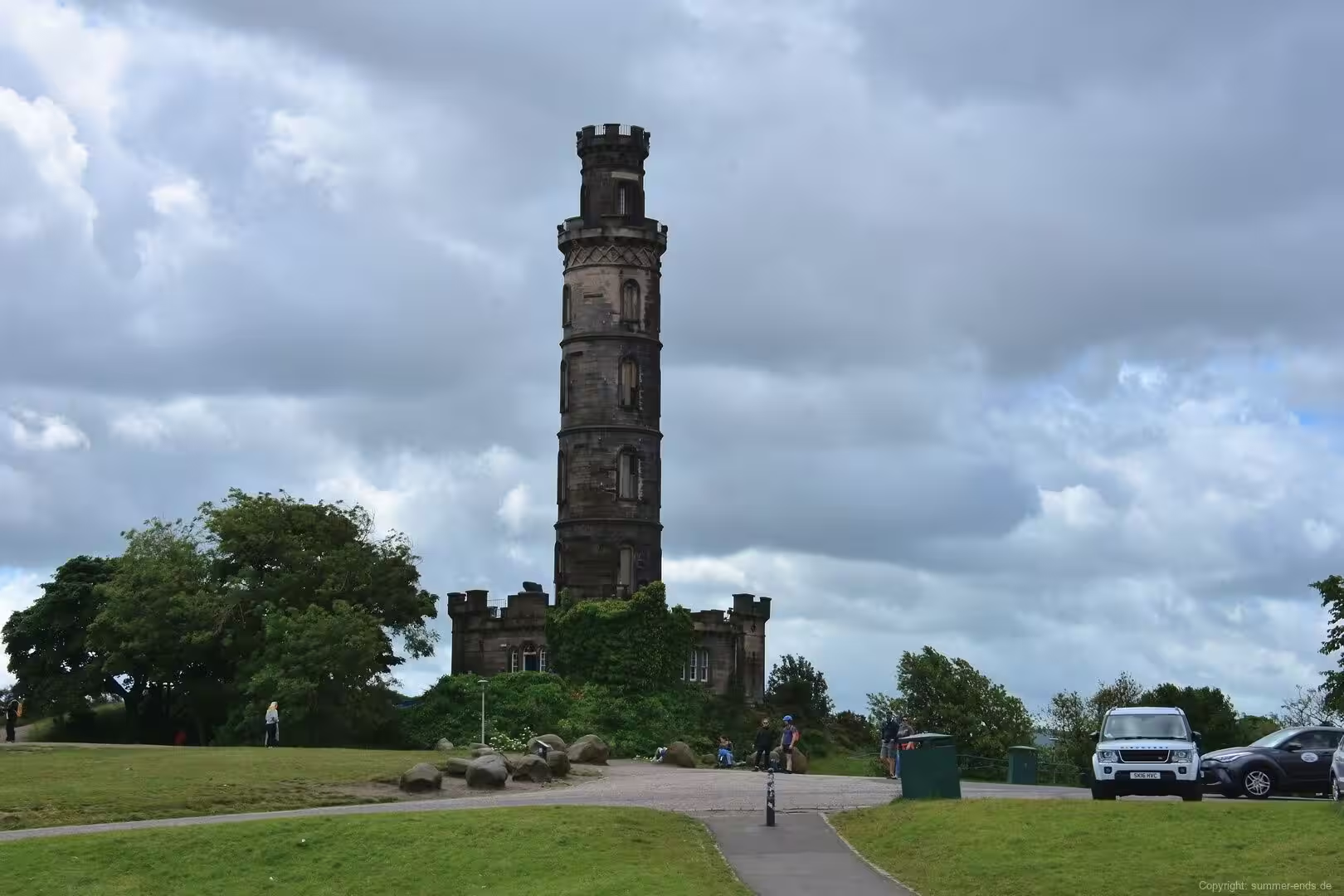
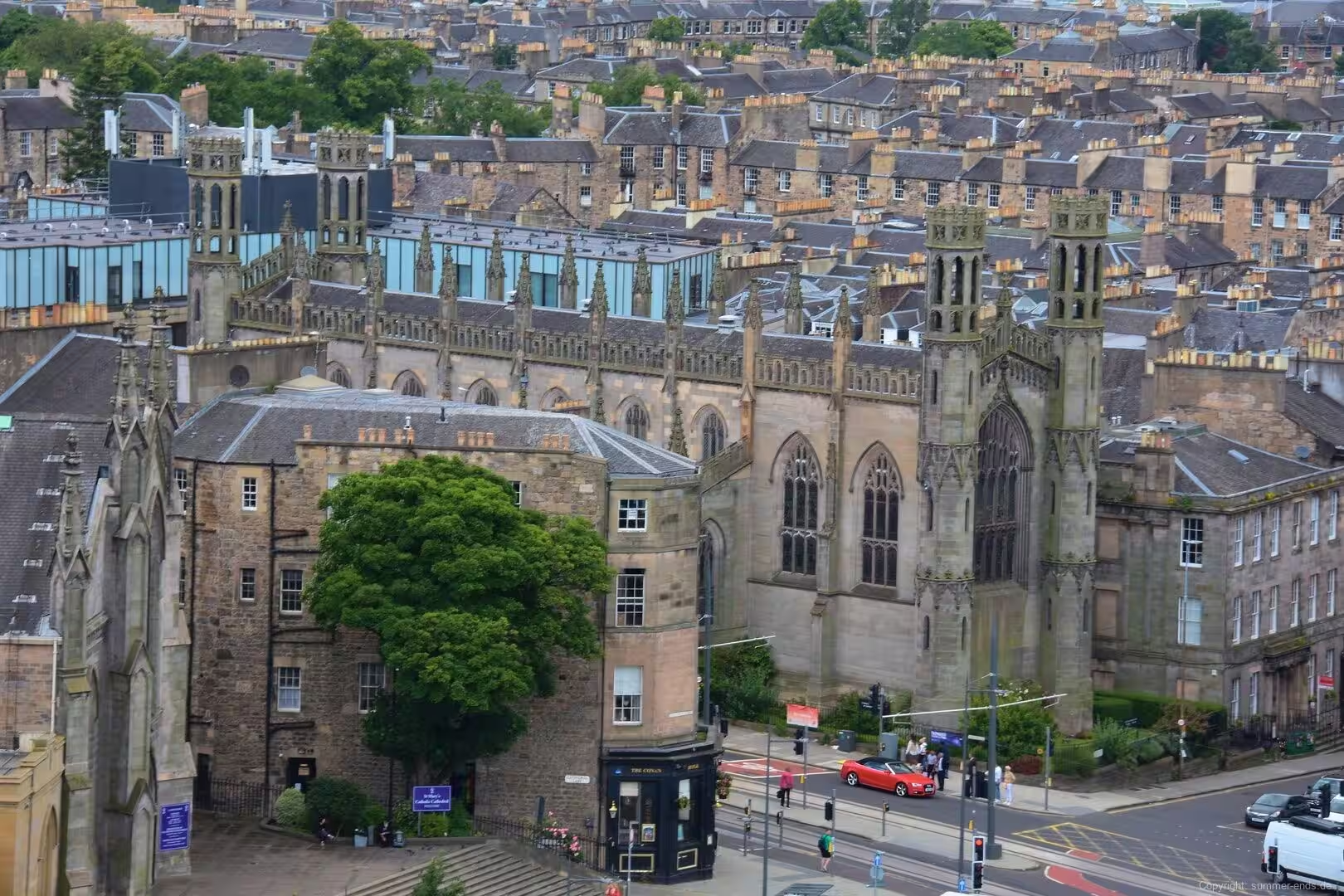
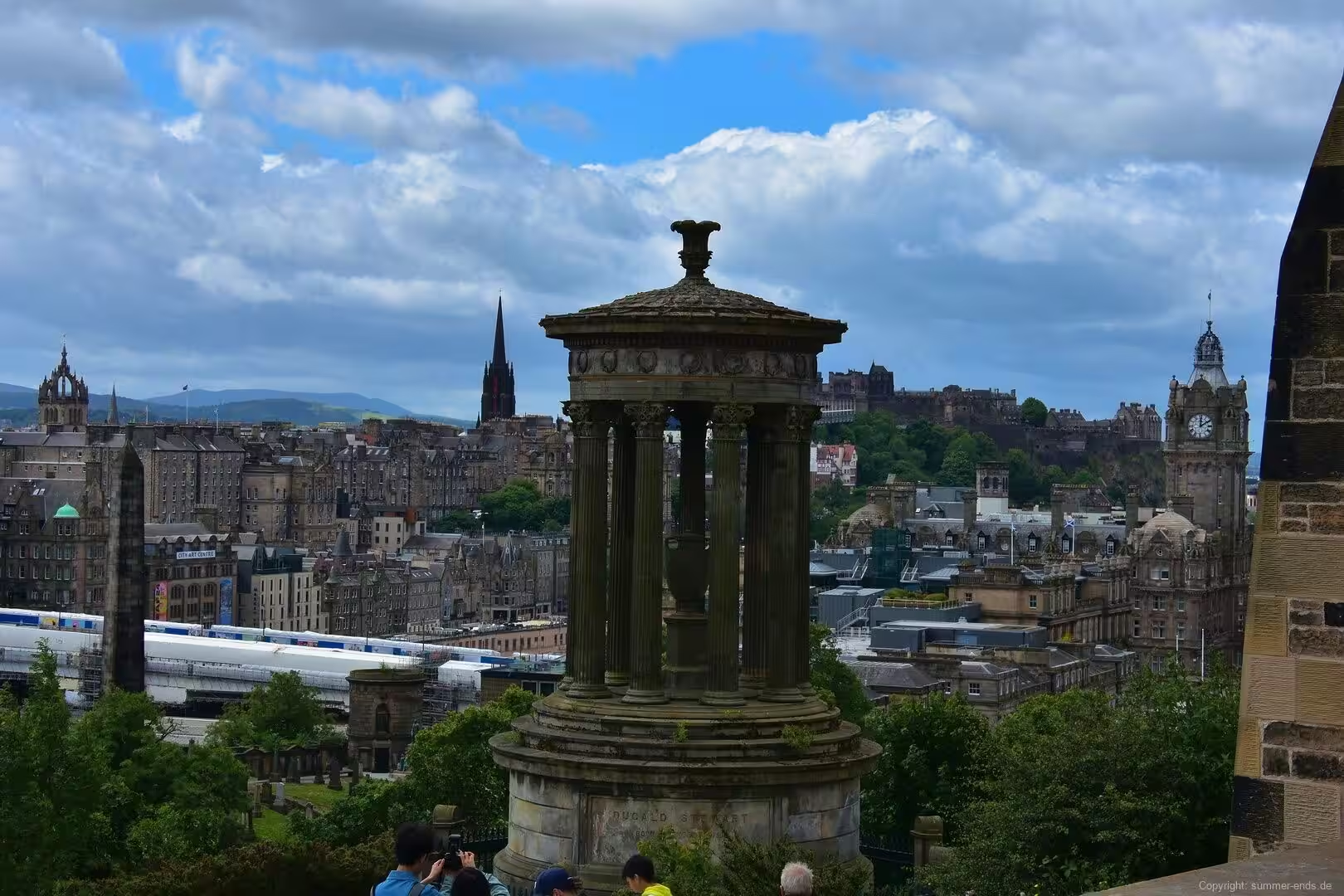
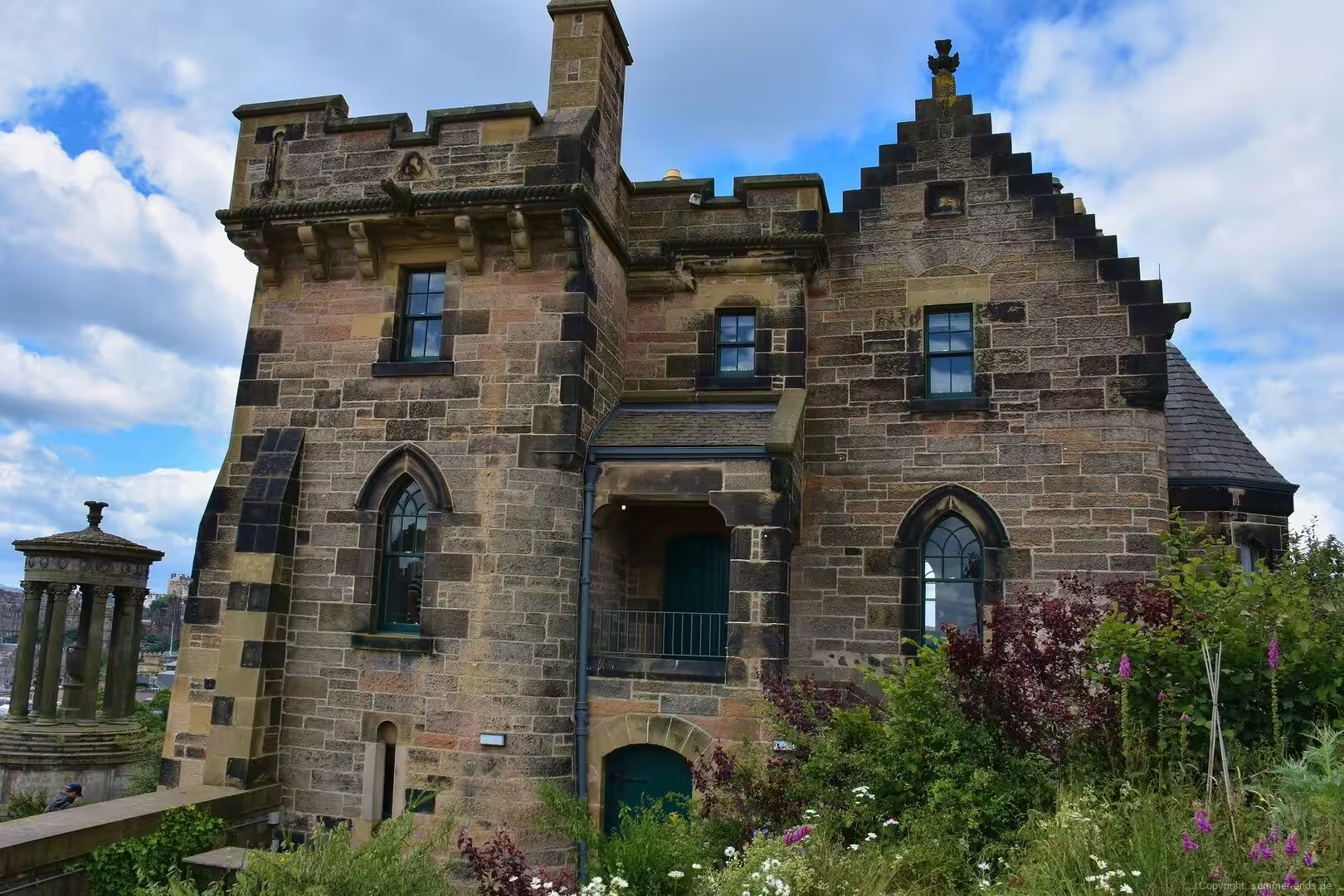
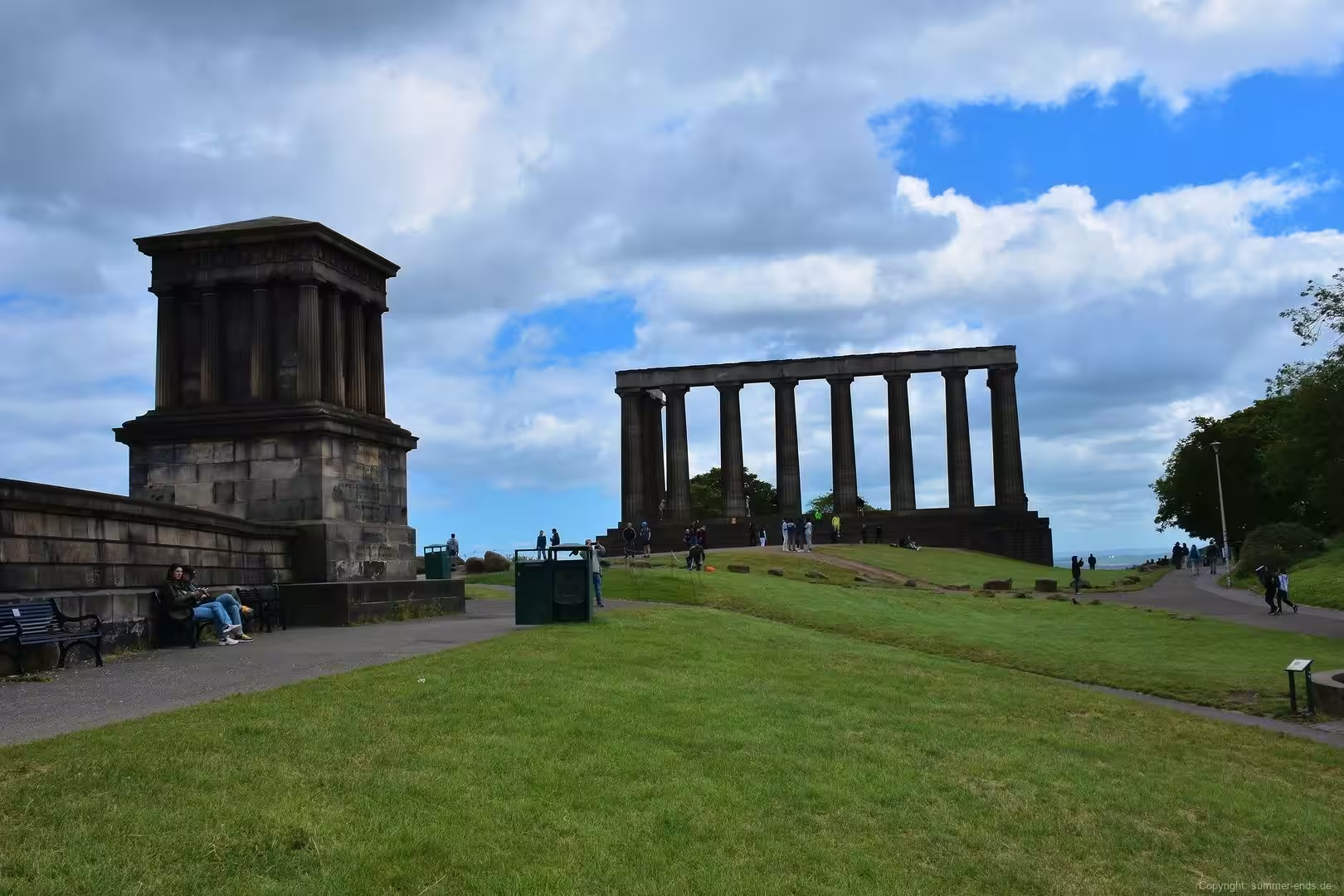
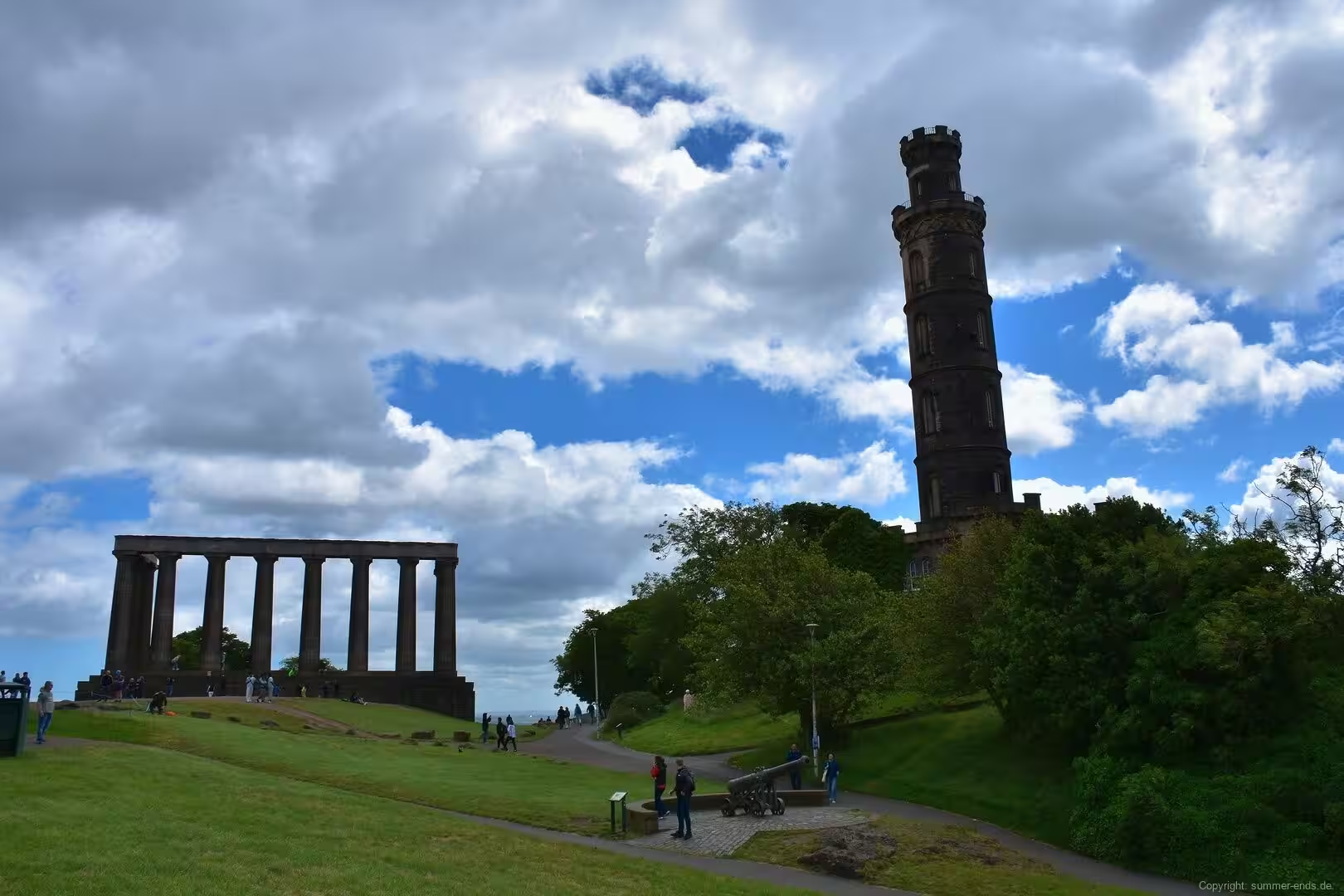
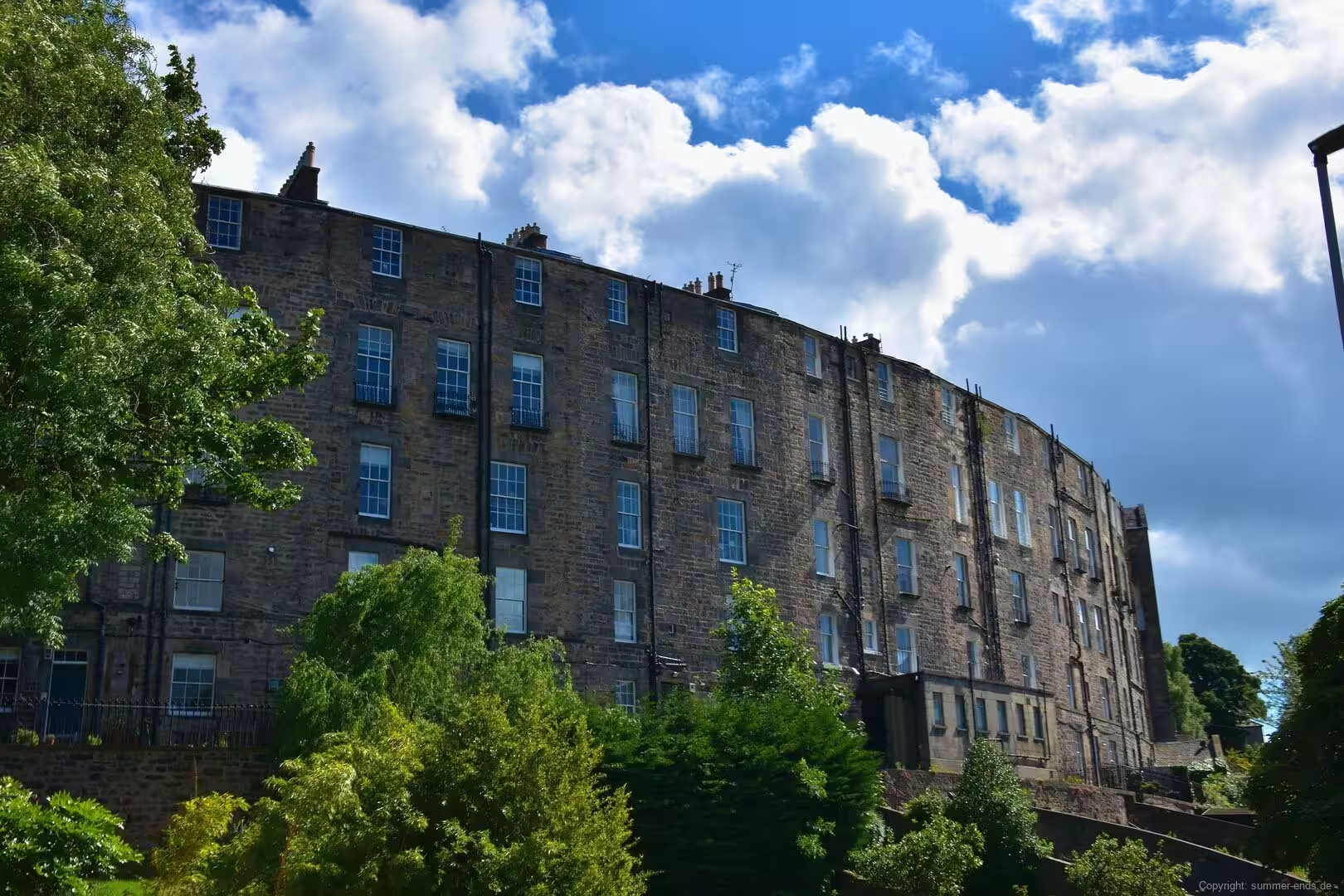
Holyrood Park and Arthur’s Seat, the large park at the foot of the Royal Mile, offer access to the volcanic landscape and to the highest point in the city, with panoramic views over Edinburgh and the Firth of Forth, and the park contains the ruined chapel, the lochs and the rolling grassland of the crags. North of the old town, the Georgian New Town, built in the eighteenth and early nineteenth centuries, shows the planned urban design and neoclassical architecture of the Enlightenment, with its broad streets, crescents, squares and terraces of elegant stone houses. Calton Hill, rising at the east of the New Town, carries the National Monument, the unfinished replica of the Parthenon, the Nelson Monument and the tower, and gives iconic views over the valley, the spires and the Forth.
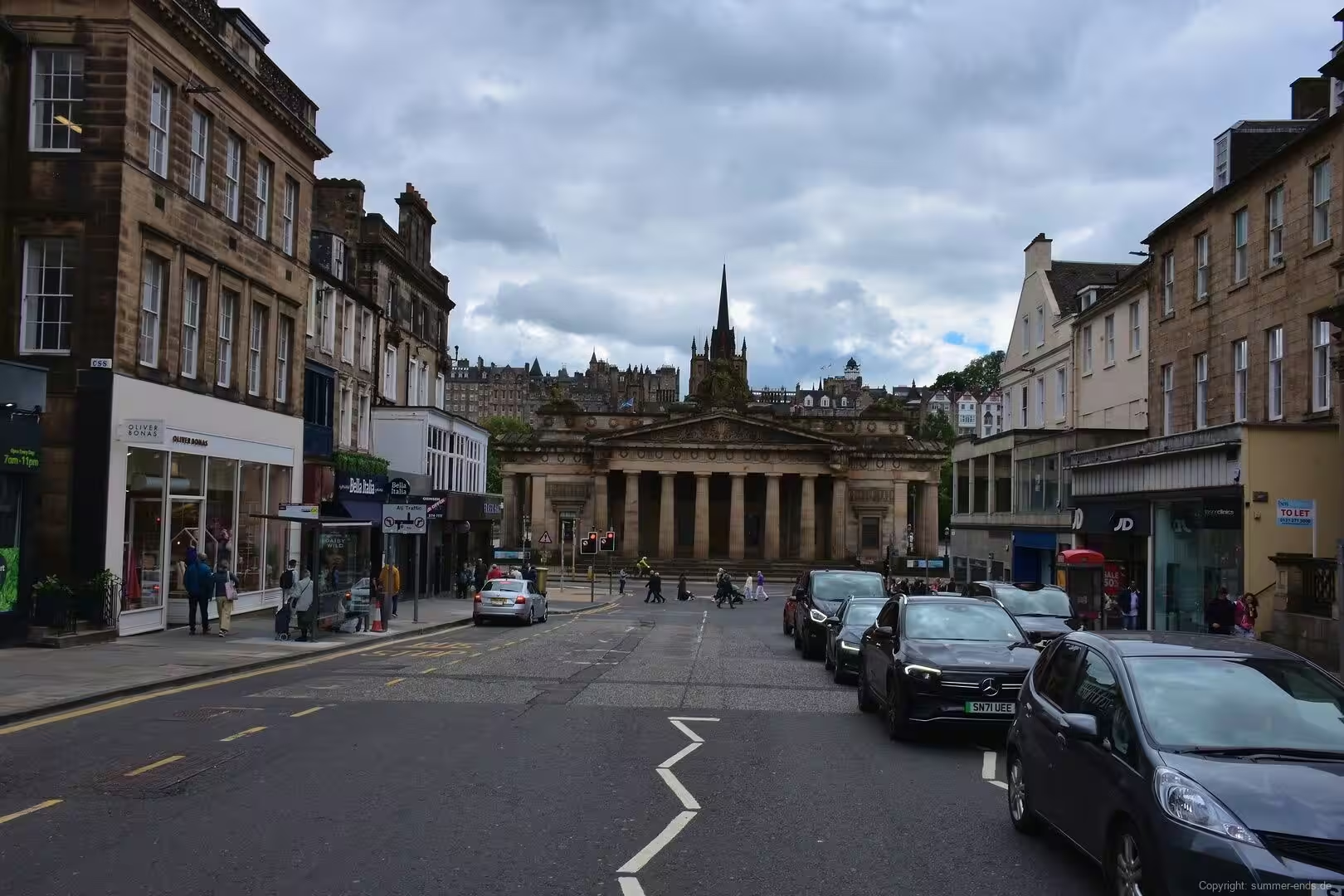
Cumulus of the city’s cultural institutions, the National Museum of Scotland, the Scottish National Gallery, the Royal Scottish Academy and the National Portrait Gallery, together with the theatres, the festival venues and the university, highlight the role of Edinburgh as the cultural and intellectual capital of Scotland. The city’s colleges, its museums and its archives, and the world-famous festivals and events, from the Edinburgh International Festival and the Fringe to the Royal Edinburgh Military Tattoo and its summer of culture, make it one of the most celebrated festival cities of Europe. The combination of the historic urban fabric, the dramatic volcanic landforms and the coastal proximity of the Firth of Forth, visible from the castle and the hills, makes Edinburgh one of the most distinctive capitals of Europe, and the walk between the castle and the palace, up the royal mile and down to the new town, takes the visitor through the whole history of the Scottish capital.
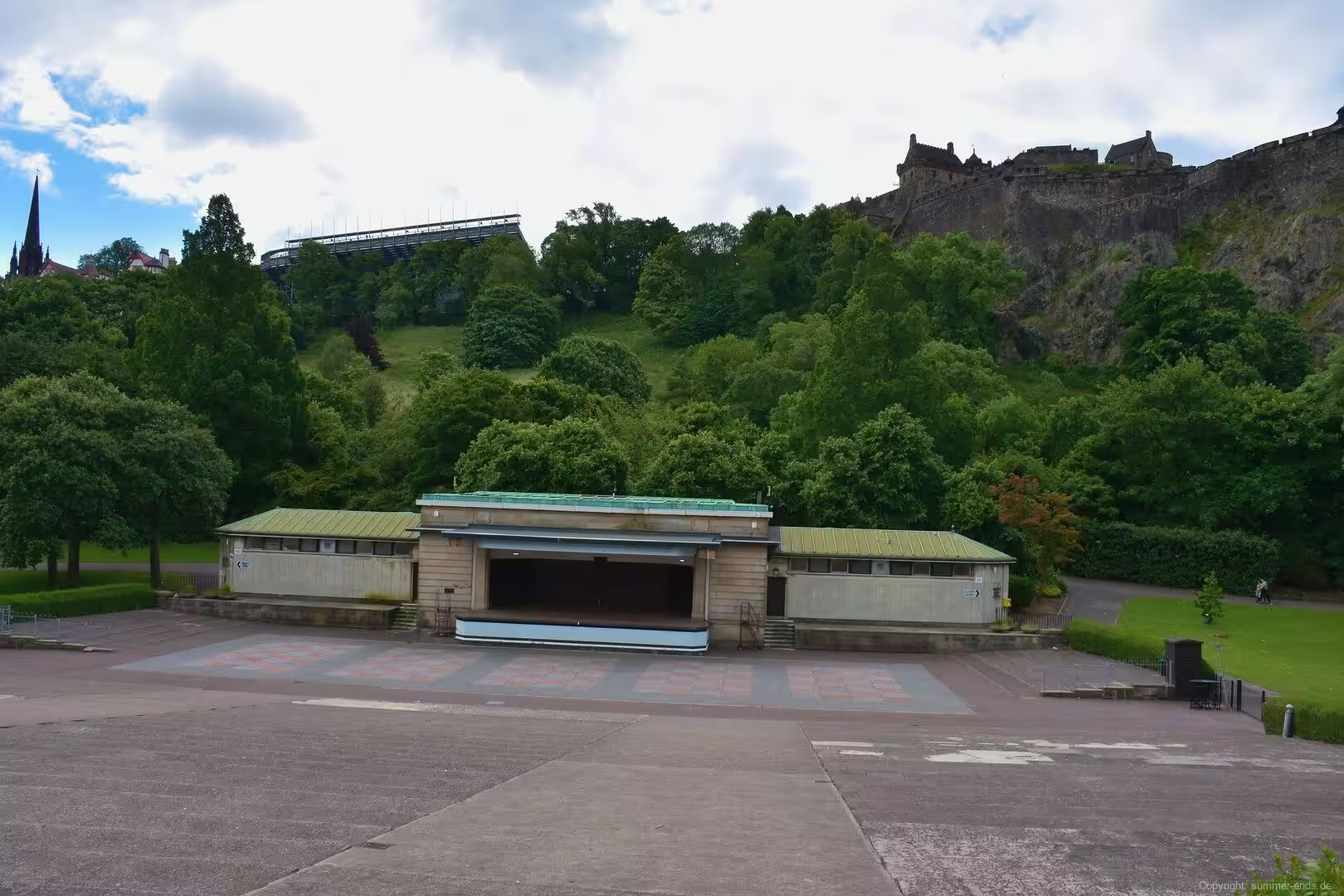
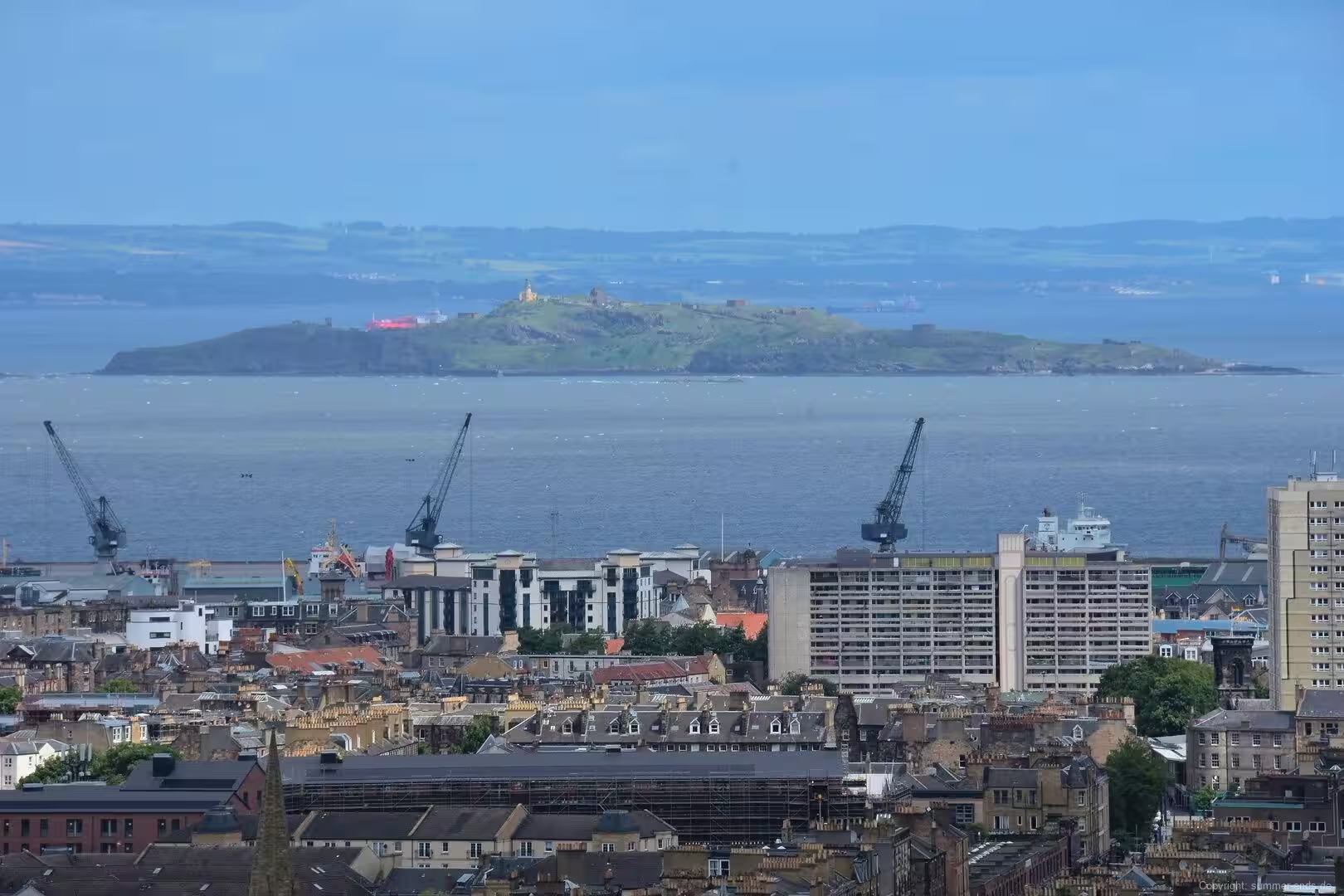
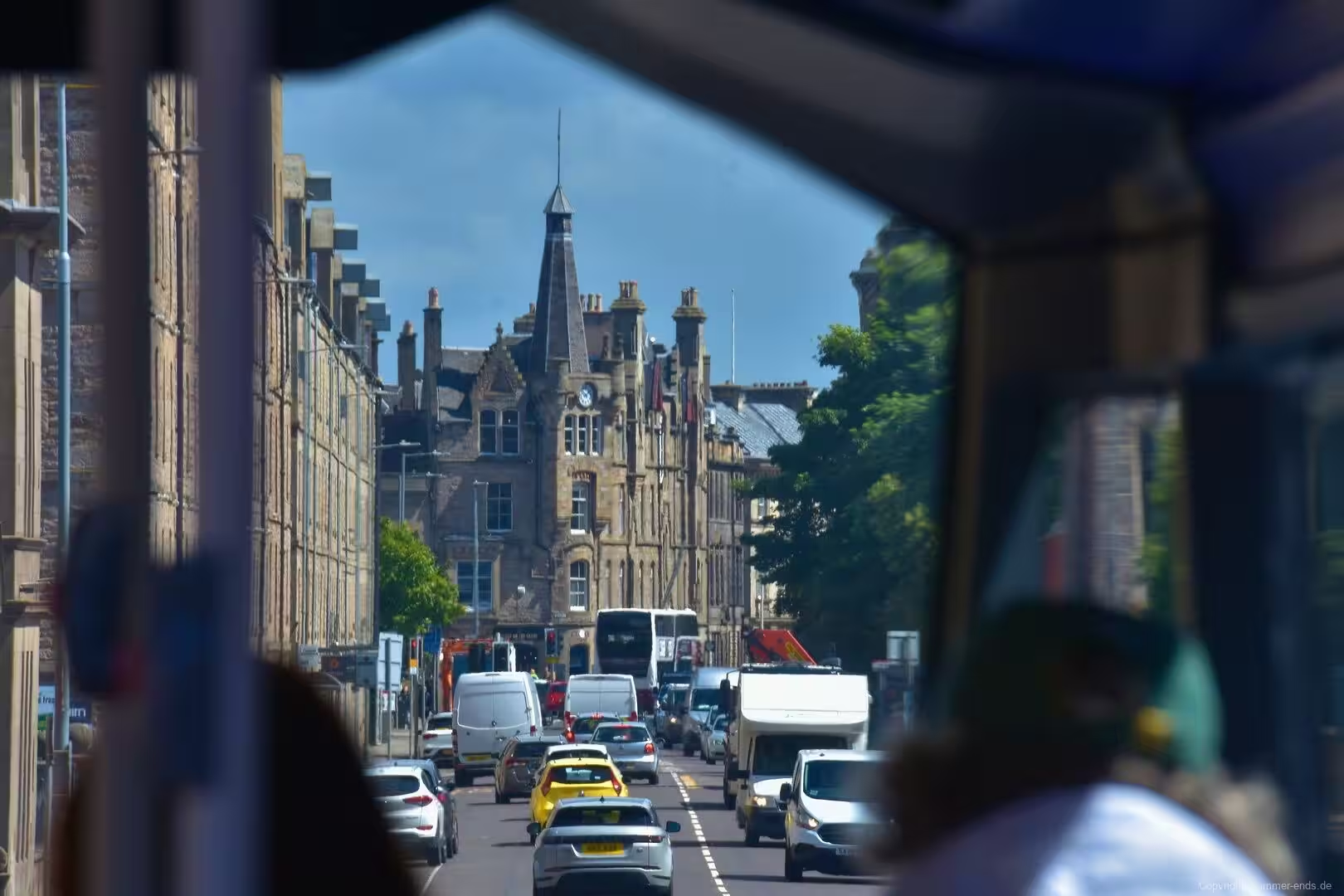
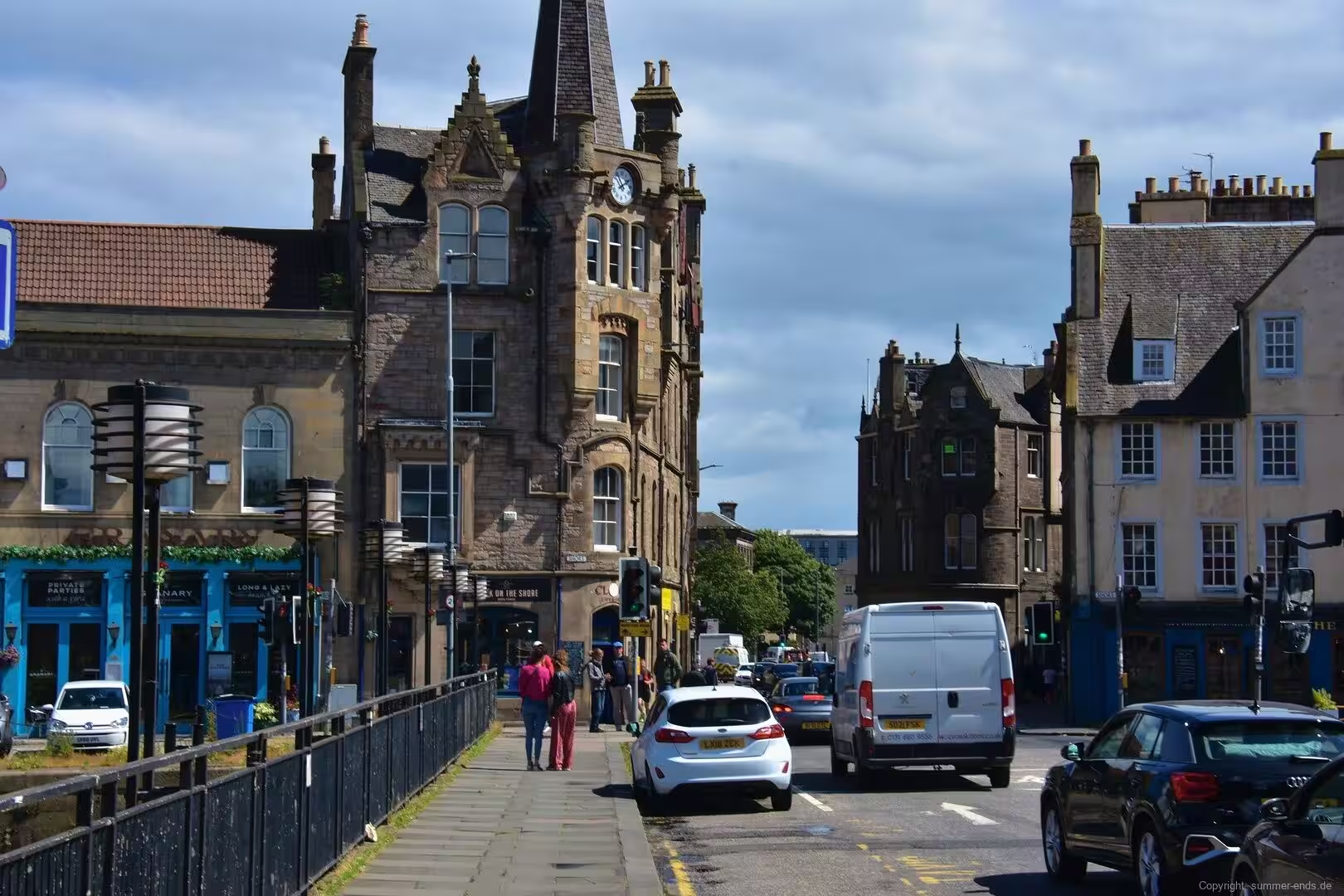
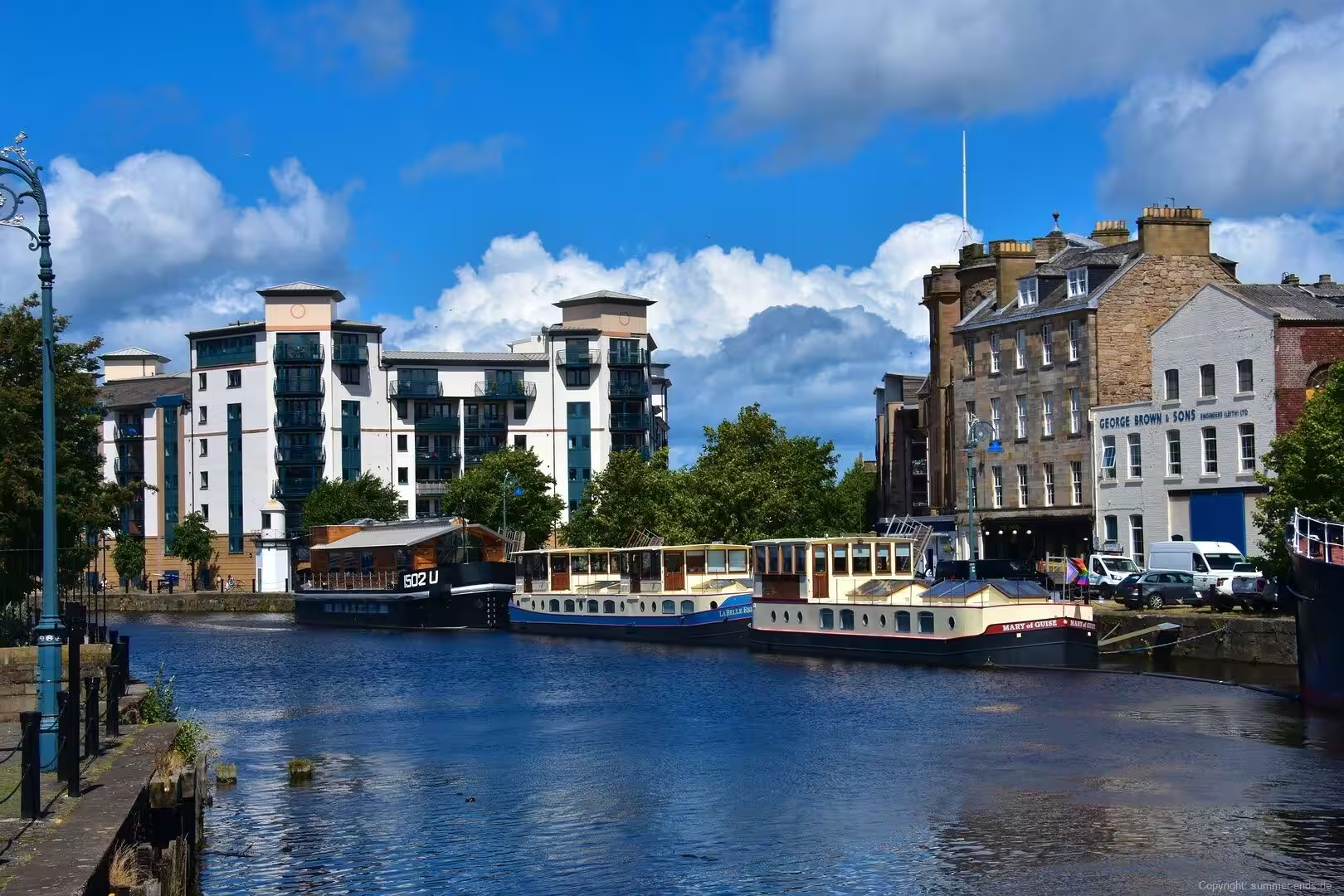
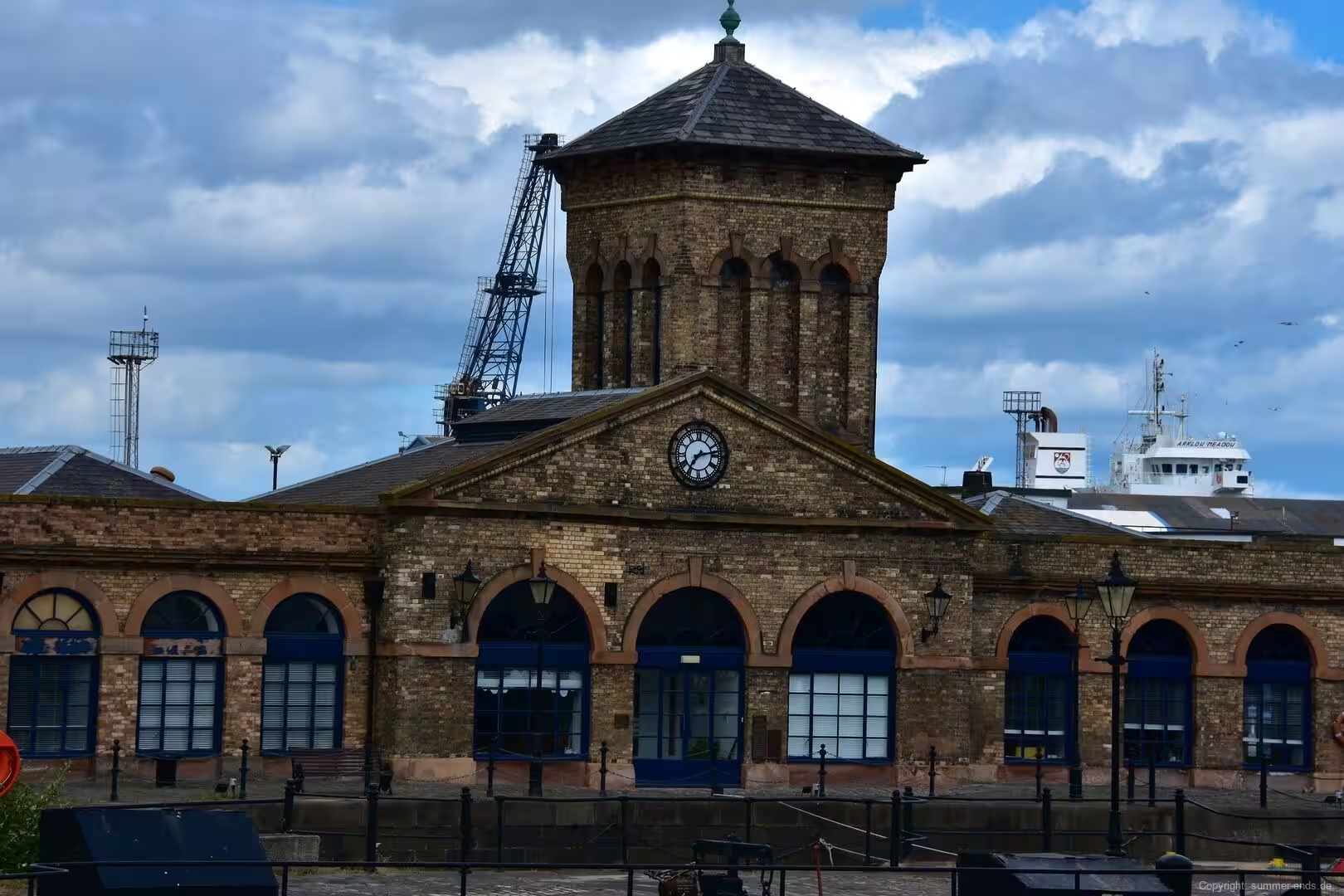
The vivid green of Holyrood Park and of the hills, the rising crag of the castle rock and the smooth curve of Arthur’s Seat, define the landscape setting of the city, and the paths from the Royal Mile up through the park and the Salisbury Crags give a wide view over the Firth of Forth and the Fife shore beyond. Along the waterfront of Leith, the historic port at the mouth of the Water of Leith, where the royal yacht Britannia and the old docks lie, the city meets the sea. Edinburgh combines the working capital and the historic city, and a walk from the castle, down the Royal Mile to the palace, up the New Town and the Calton Hill, and out to the park, shows the whole image of a city in which geology, history, commerce and culture meet within a short distance of one another.
References
- Wikipedia. Edinburgh. en.wikipedia.org/wiki/Edinburgh
- Wikipedia. Edinburgh Castle. en.wikipedia.org/wiki/Edinburgh_Castle
- Wikipedia. Royal Mile. en.wikipedia.org/wiki/Royal_Mile
- Wikipedia. St Giles’ Cathedral. en.wikipedia.org/wiki/St_Giles%27_Cathedral
- Wikipedia. Palace of Holyroodhouse. en.wikipedia.org/wiki/Holyrood_Palace
- Wikipedia. Scottish Parliament. en.wikipedia.org/wiki/Scottish_Parliament
- Wikipedia. Arthur’s Seat. en.wikipedia.org/wiki/Arthur%27s_Seat
- Wikipedia. Calton Hill. en.wikipedia.org/wiki/Calton_Hill
- Wikipedia. Scottish Enlightenment. en.wikipedia.org/wiki/Scottish_Enlightenment
- Wikipedia. National Museum of Scotland. en.wikipedia.org/wiki/National_Museum_of_Scotland
- Wikipedia. Scottish National Gallery. en.wikipedia.org/wiki/Scottish_National_Gallery
- Wikipedia. Central Belt. en.wikipedia.org/wiki/Central_Belt
- Wikipedia. Midland Valley. en.wikipedia.org/wiki/Midland_Valley_(Scotland)
- Wikipedia. Firth of Forth. en.wikipedia.org/wiki/Firth_of_Forth