2024 Scotland - Glasgow















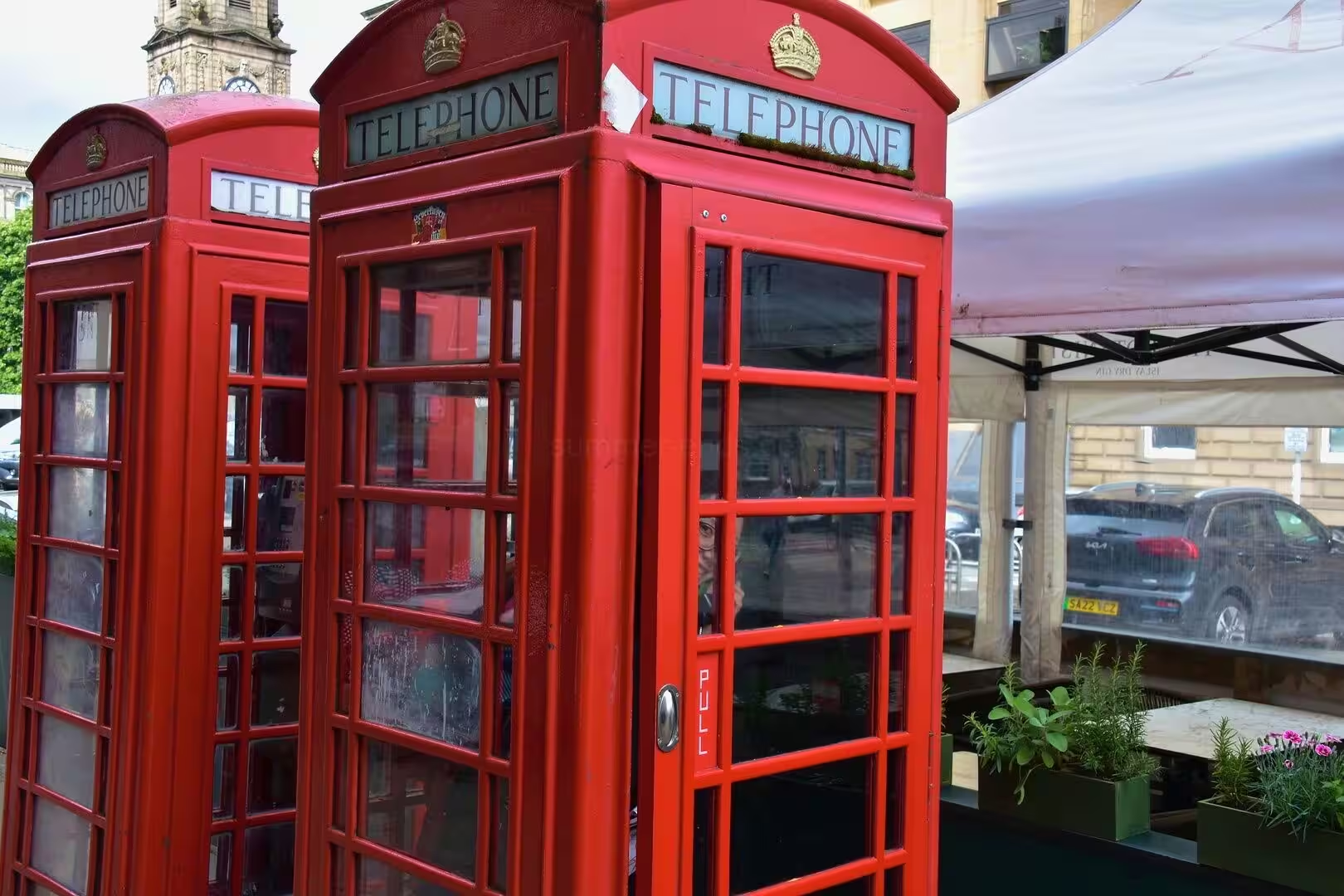
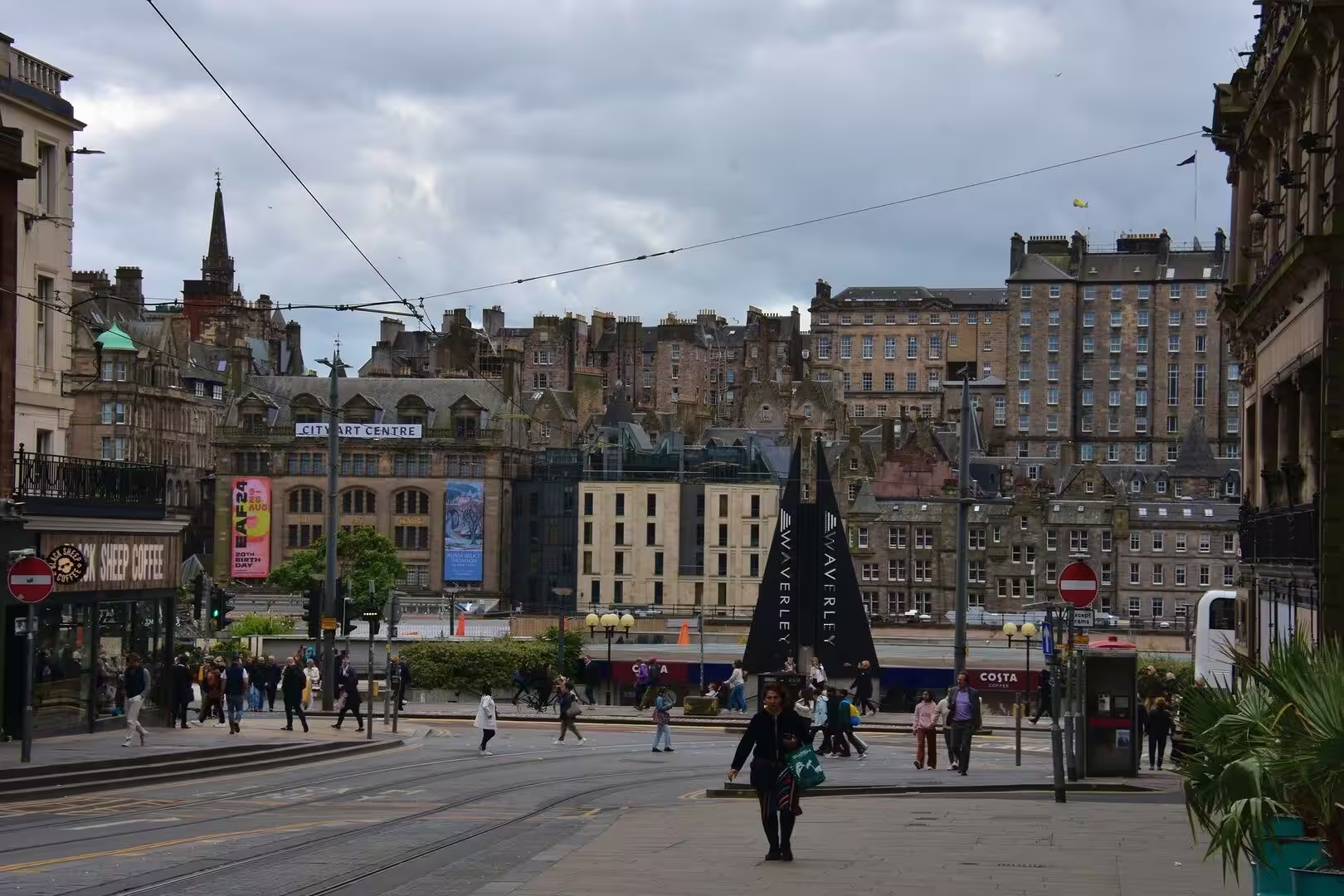
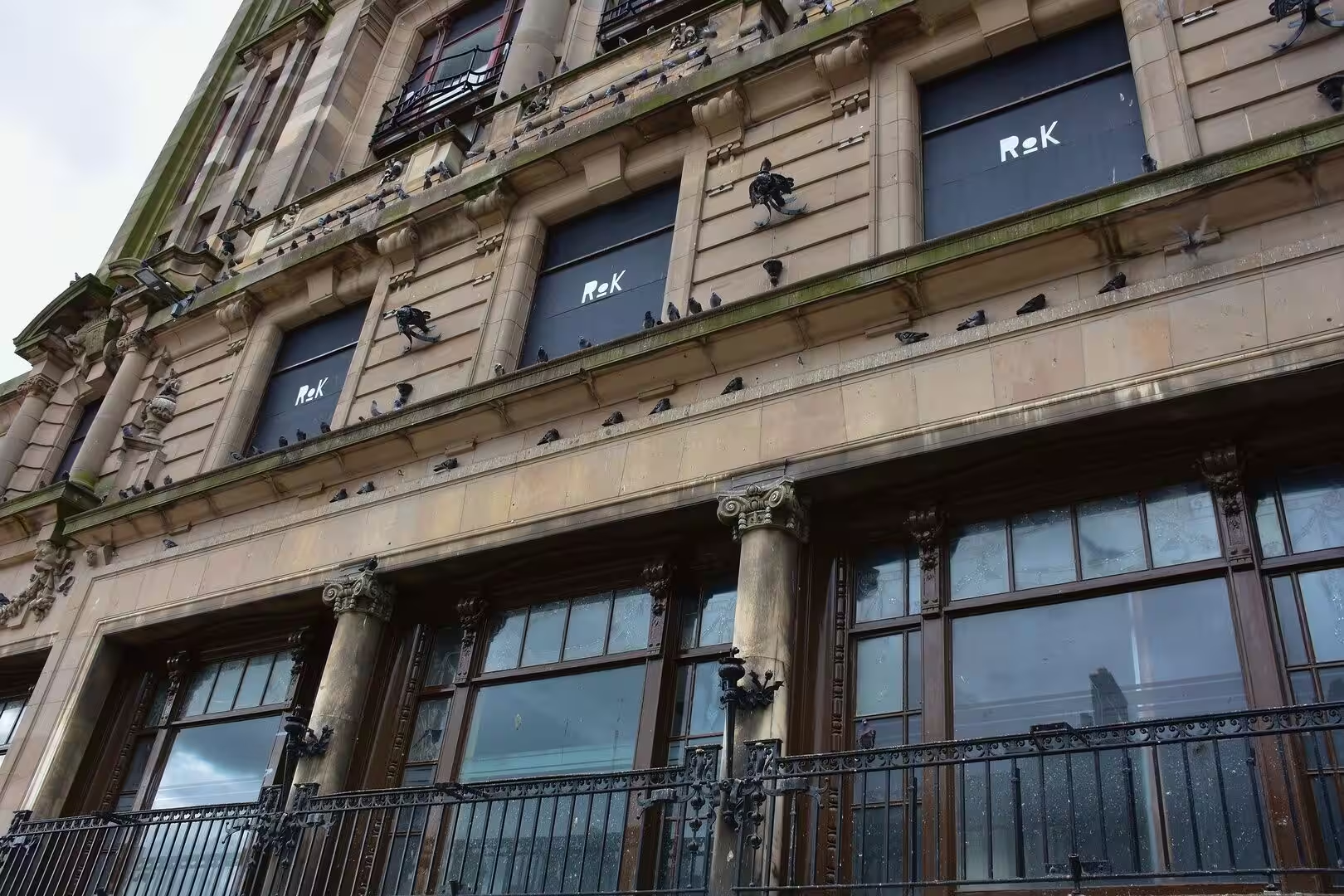
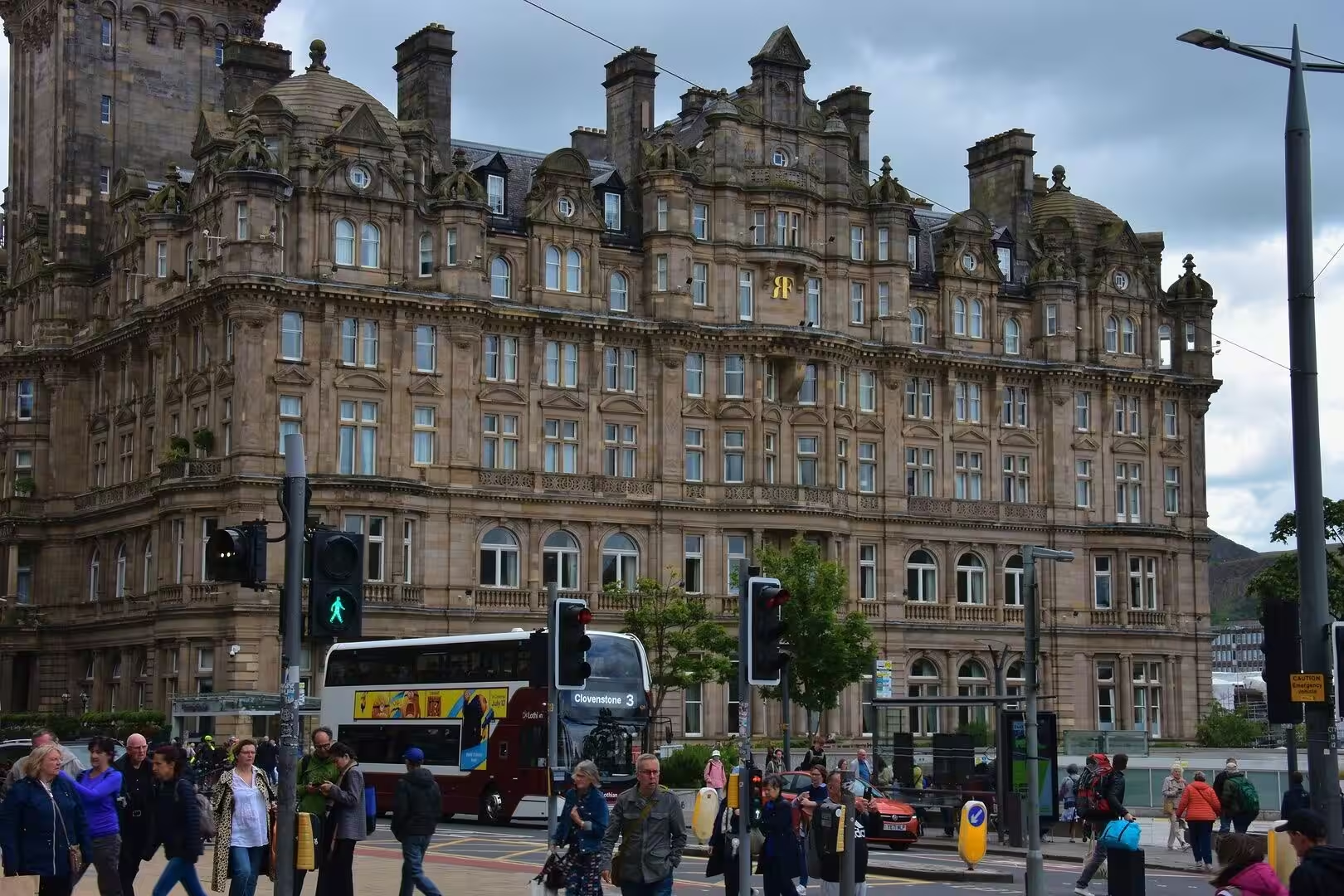
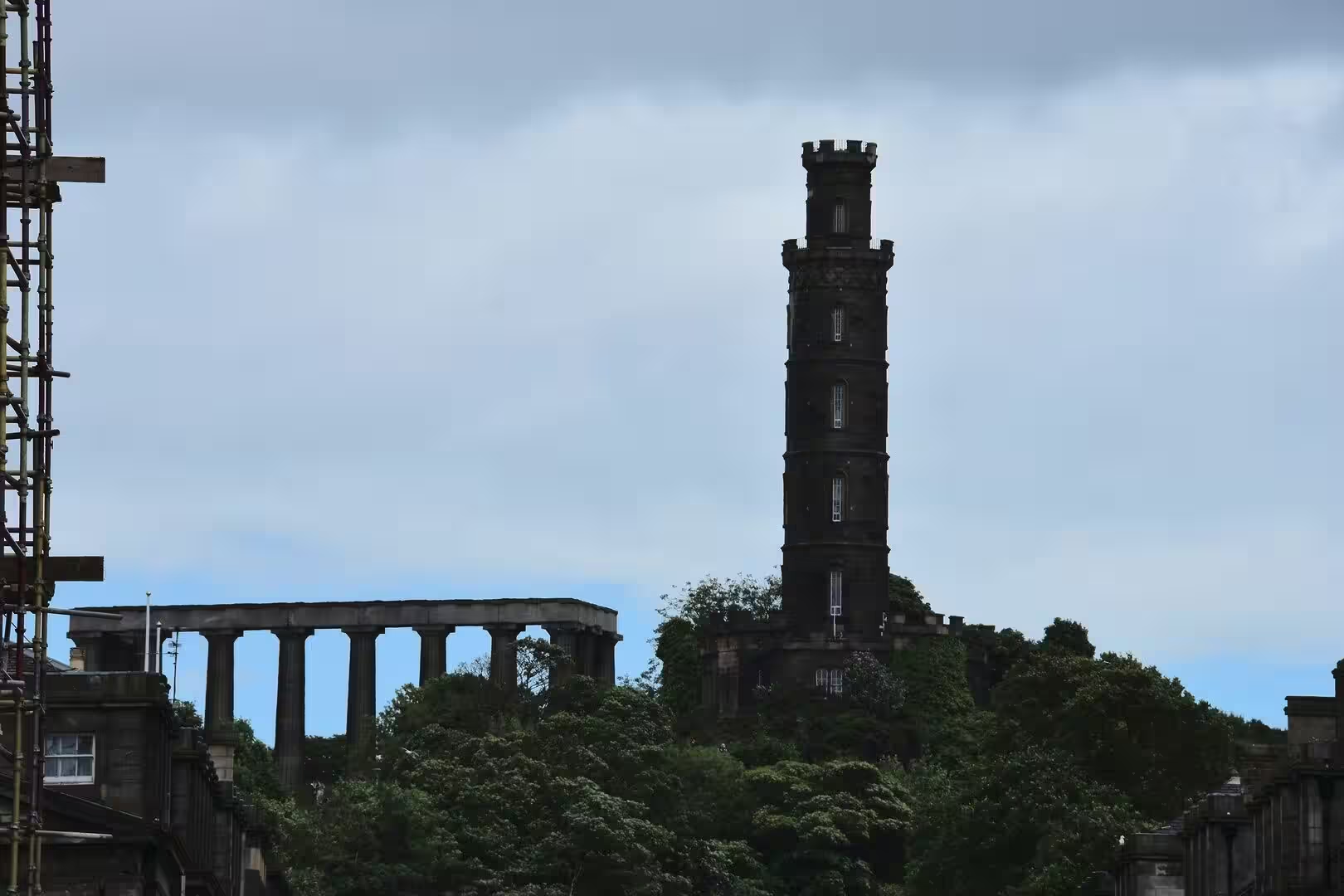
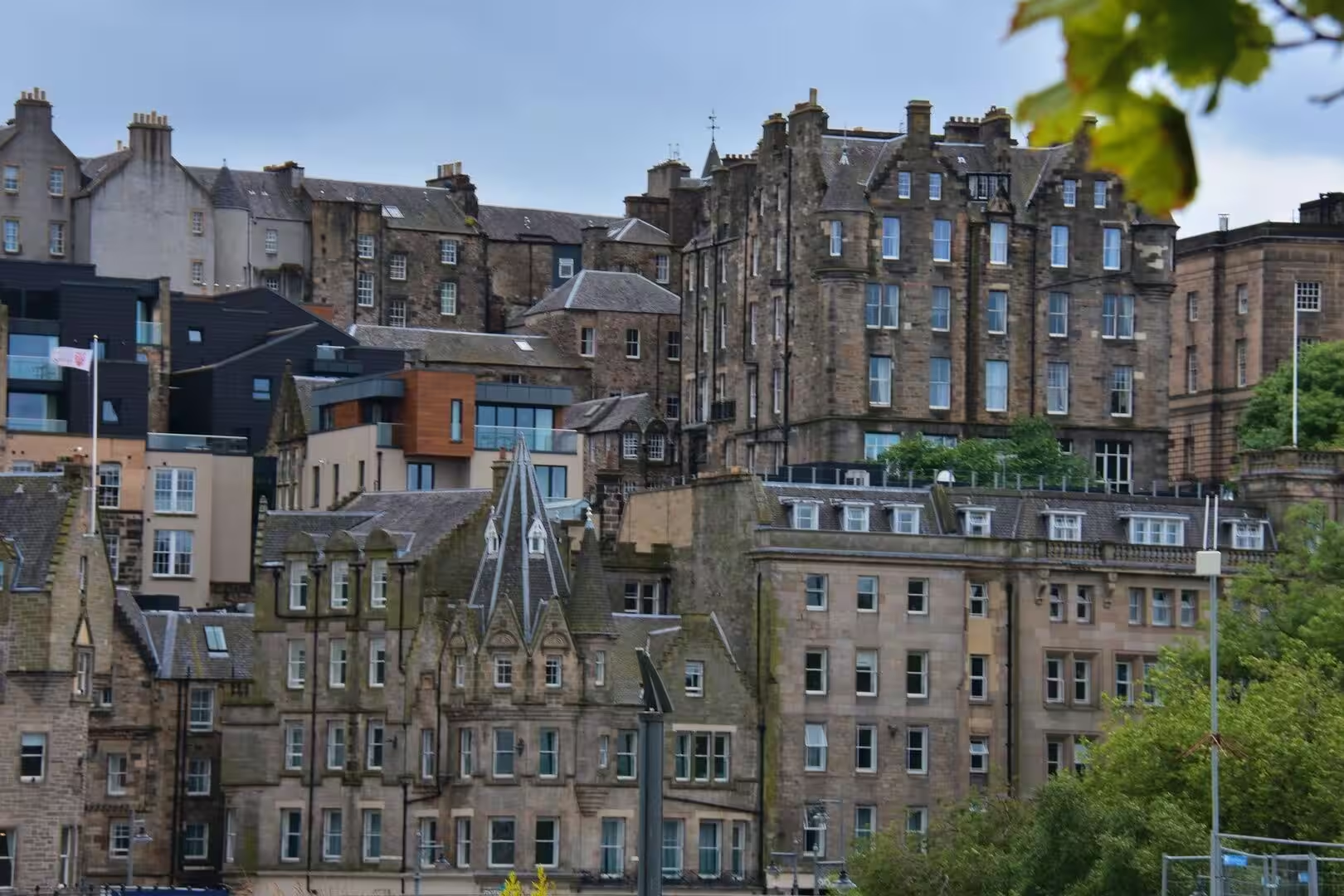
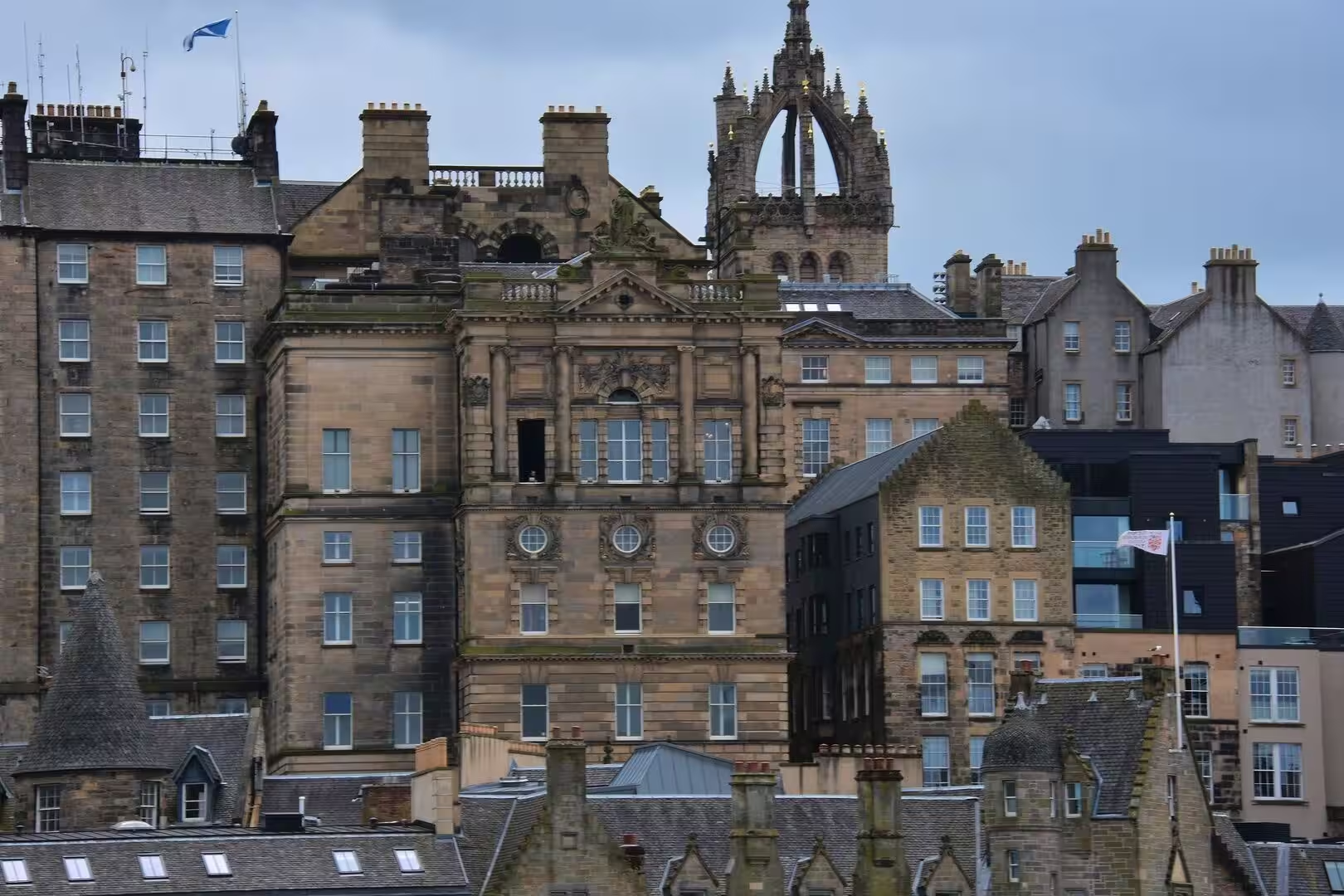
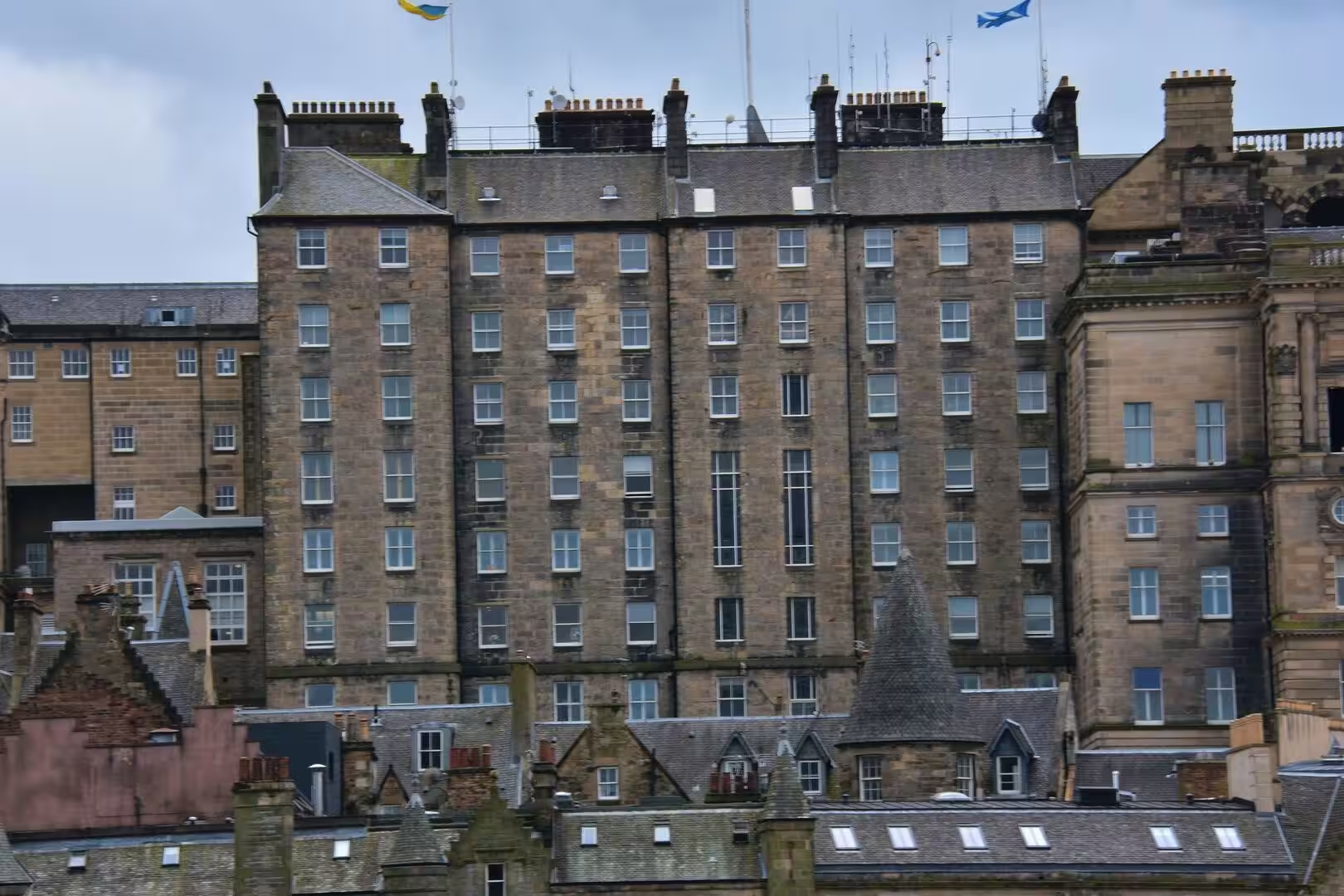





Journal Notes
General
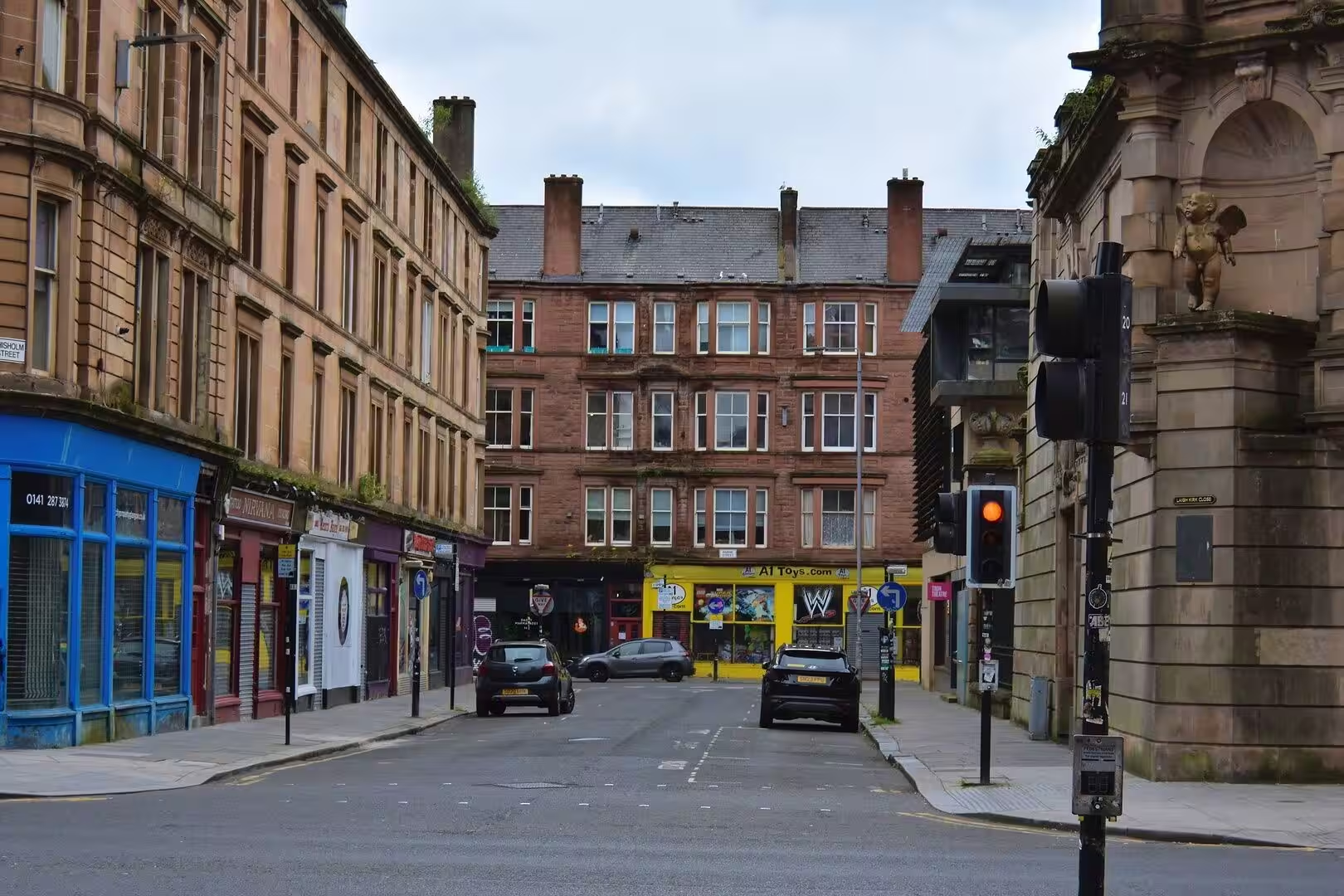
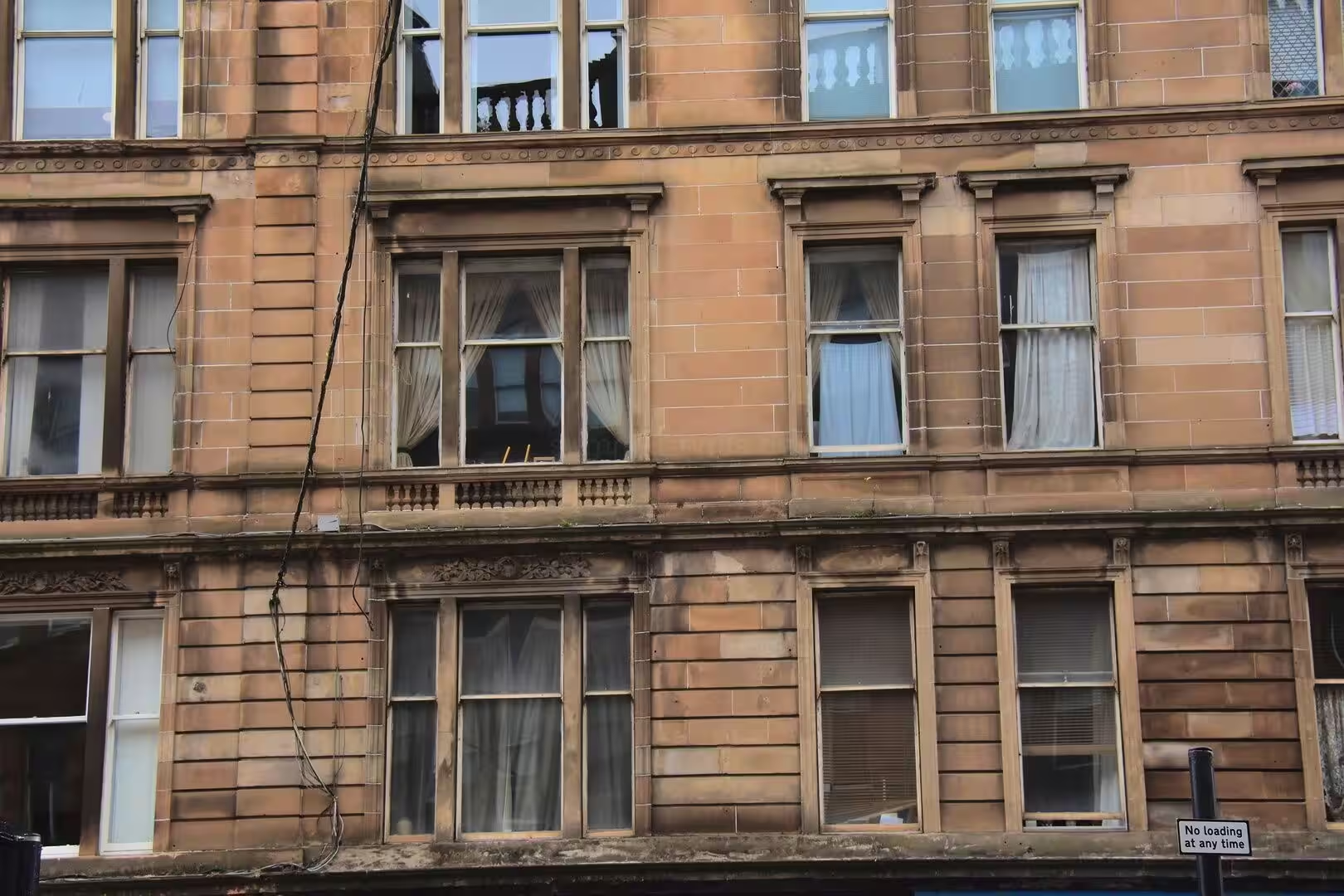
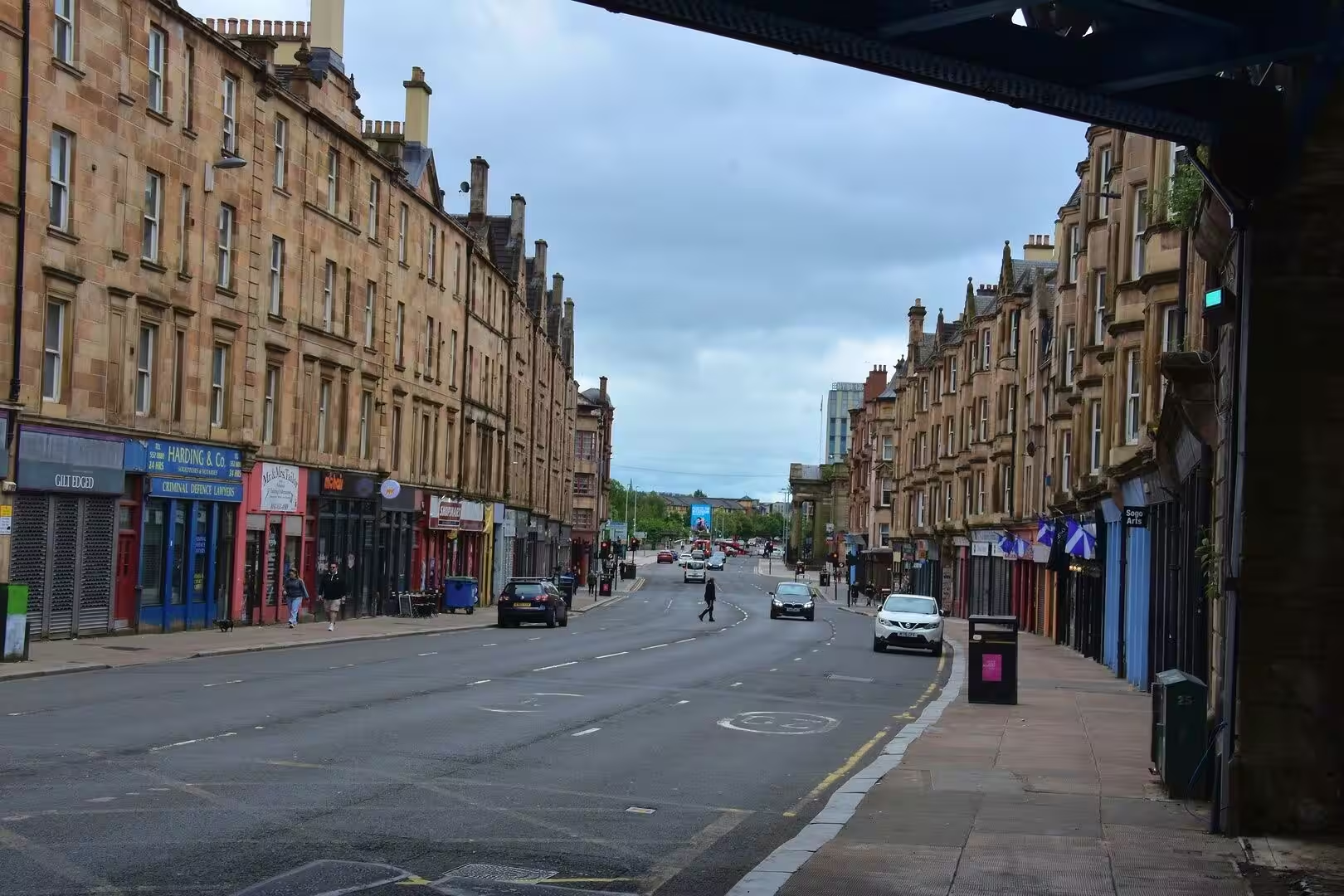
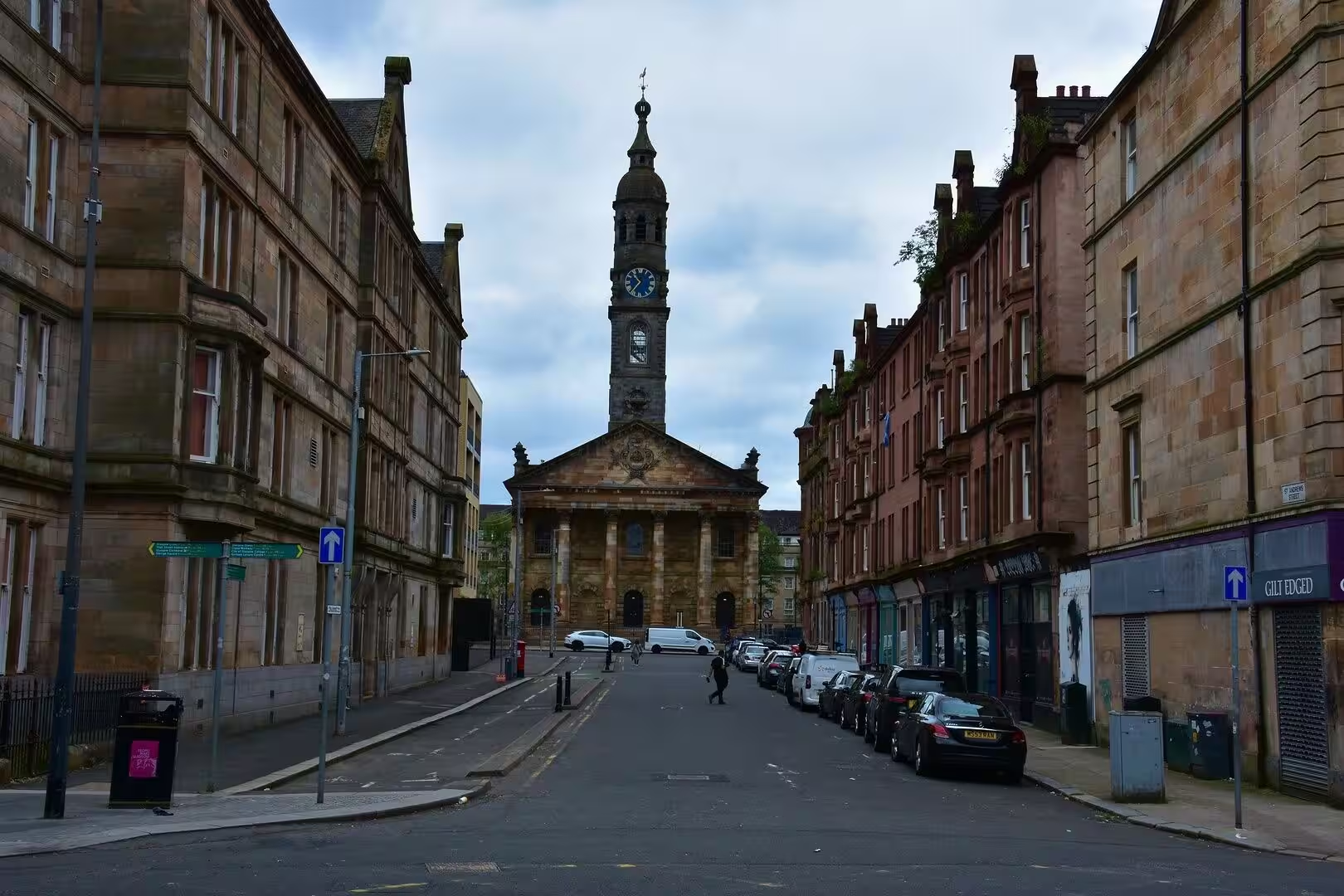
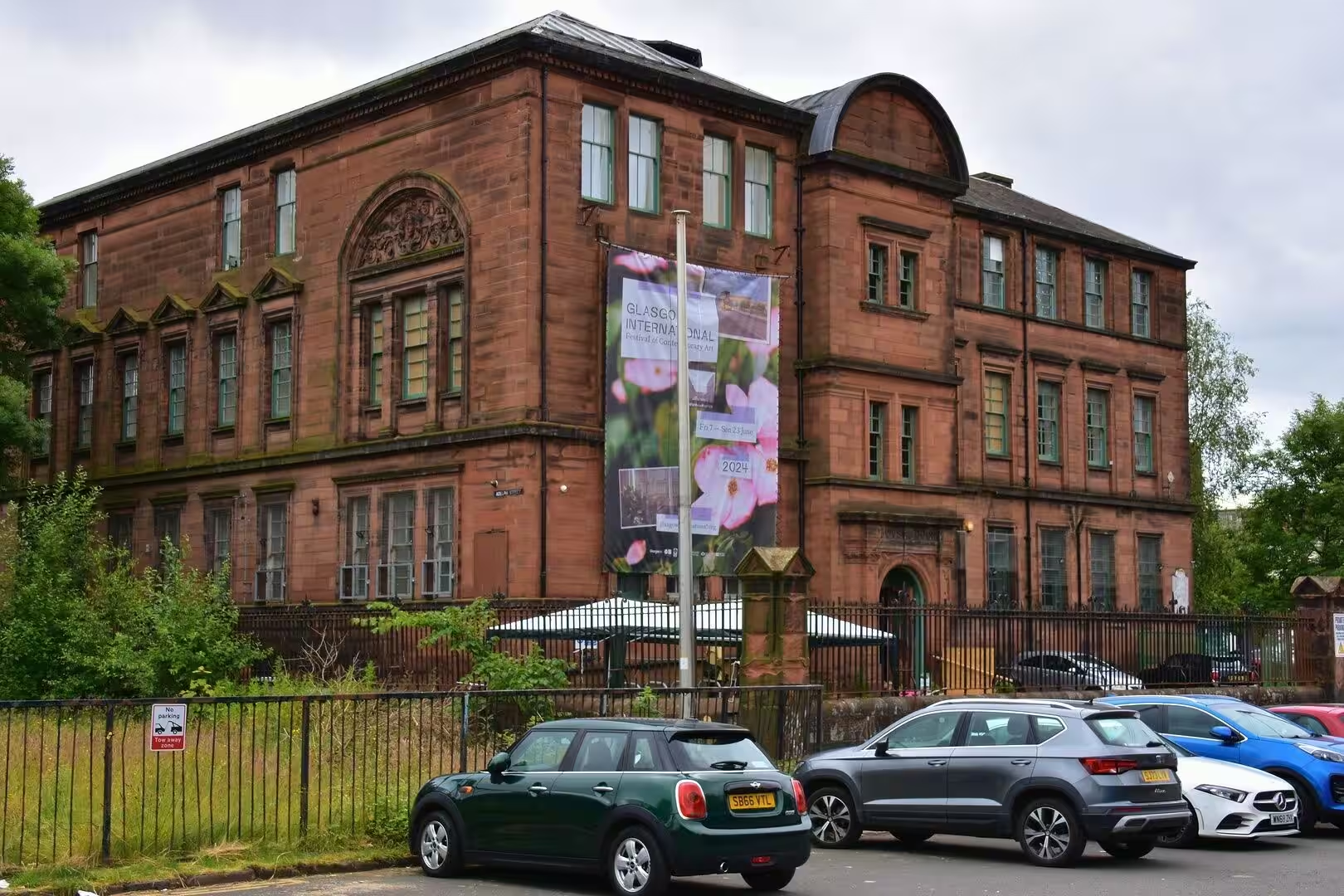
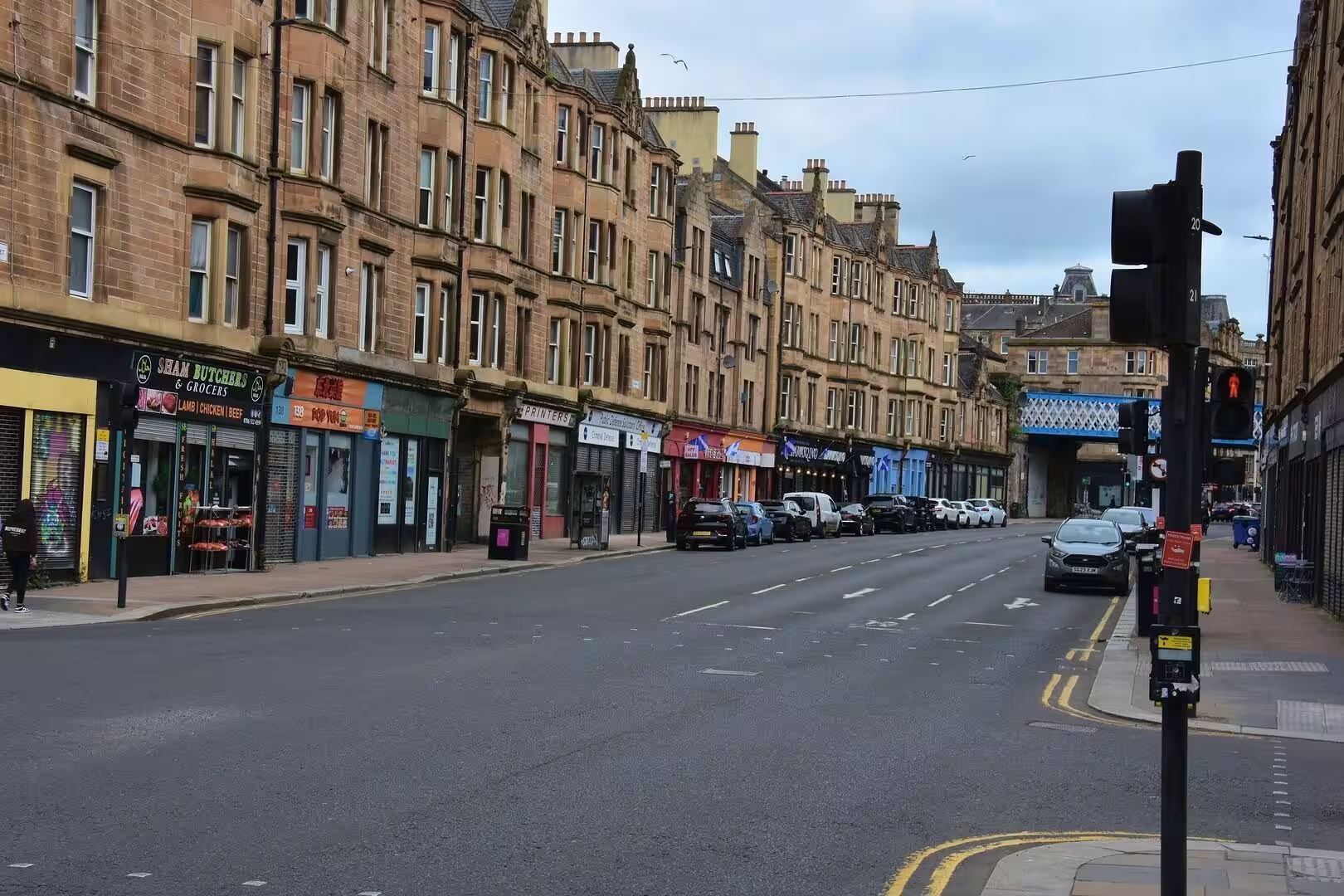
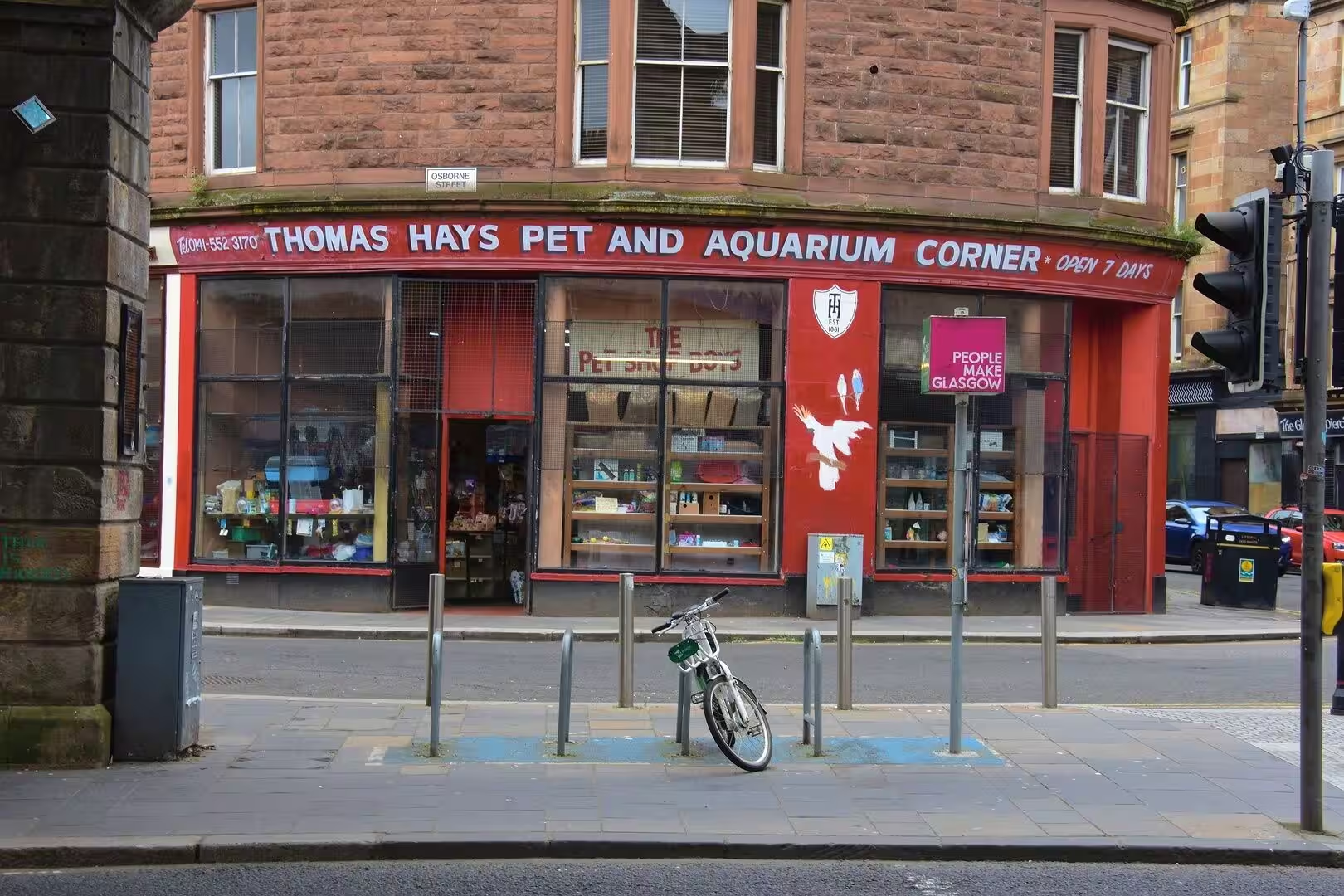
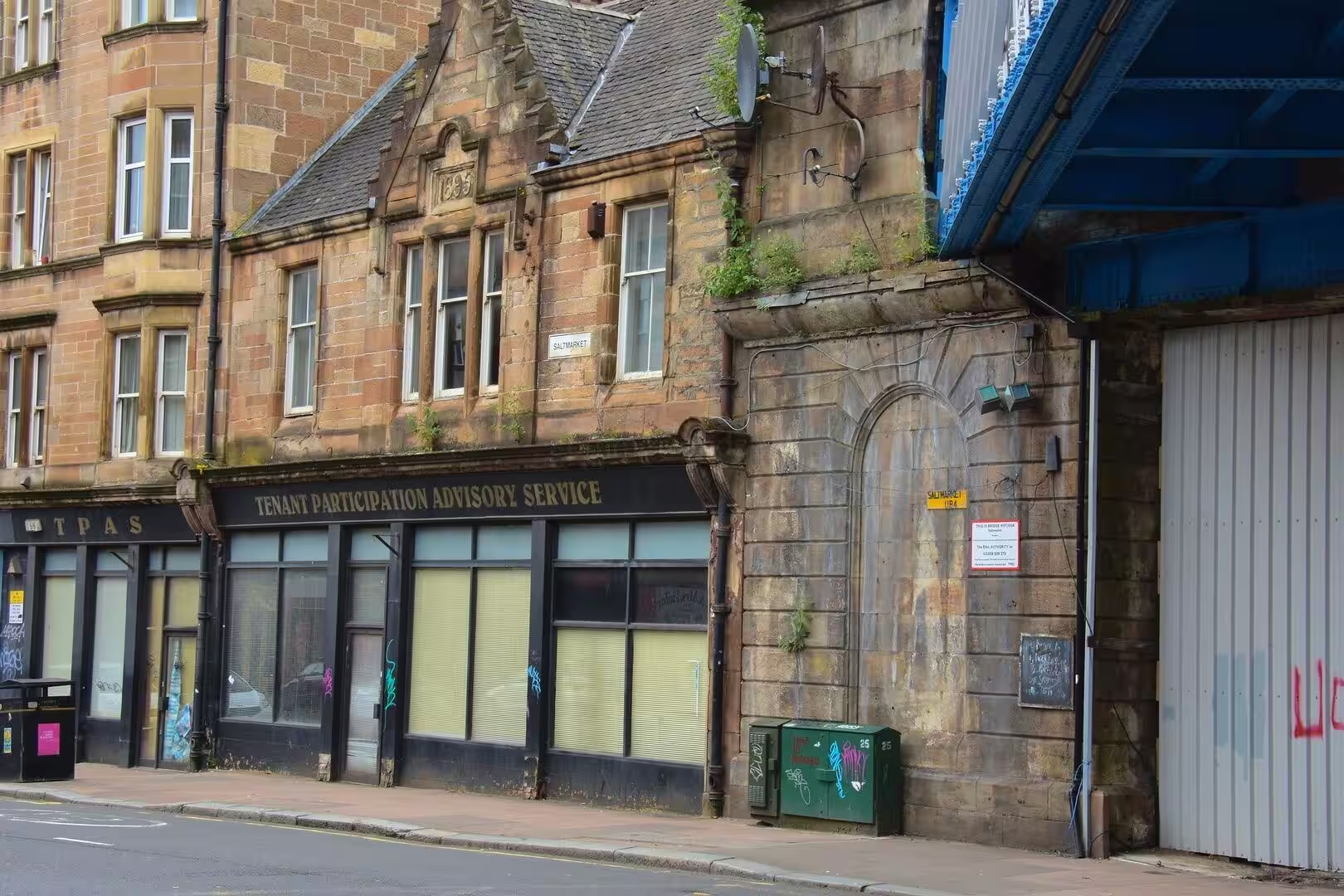
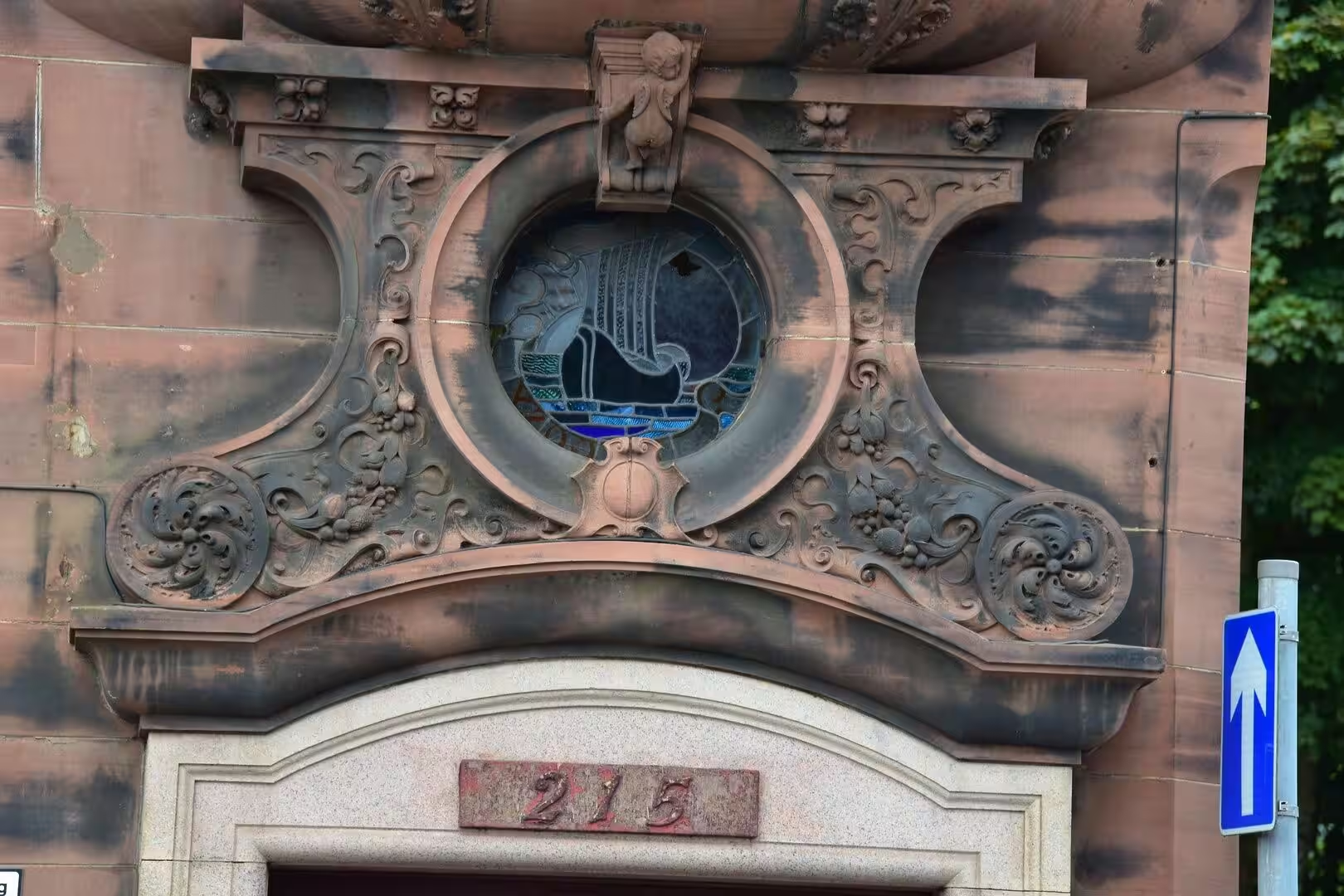
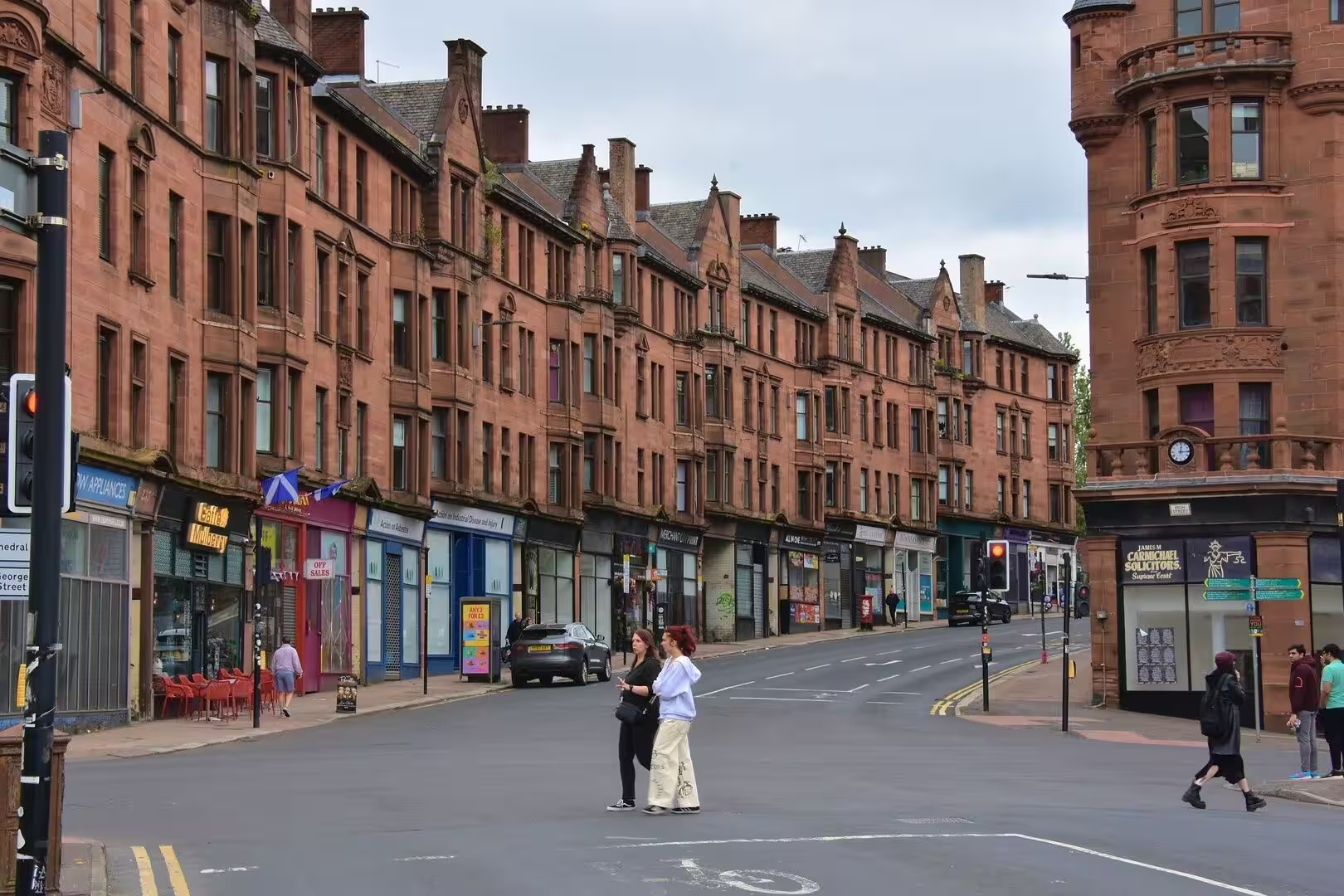
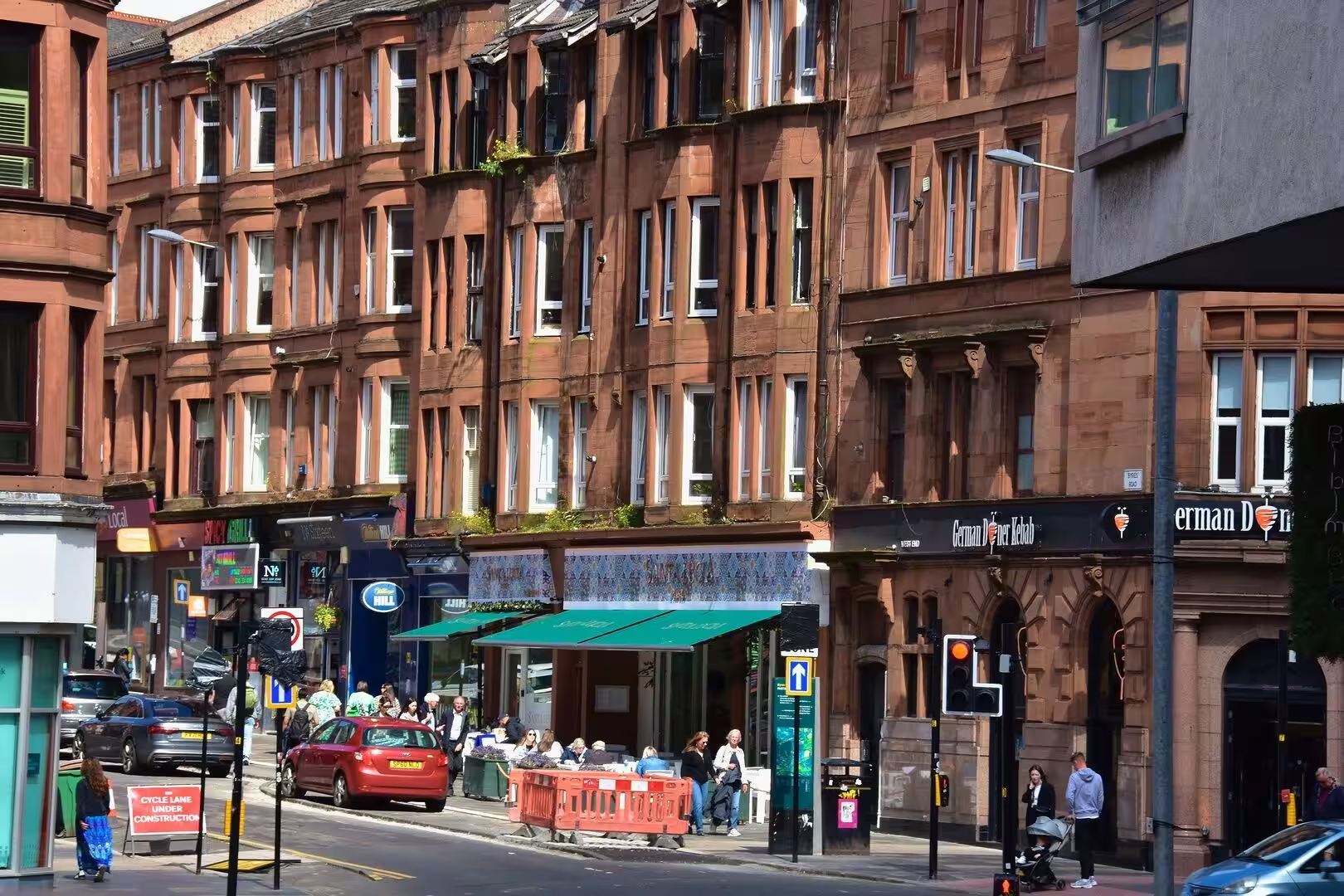
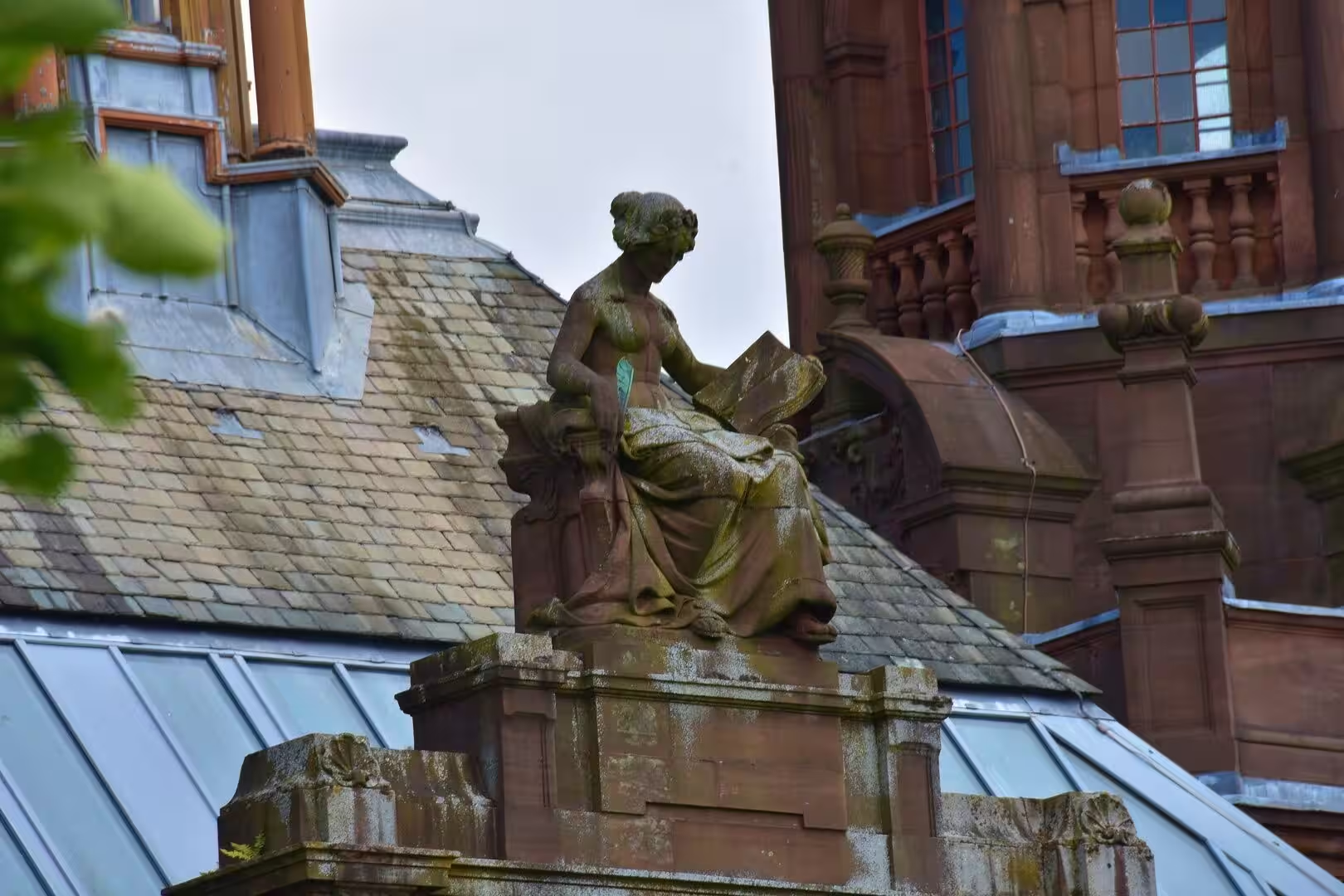
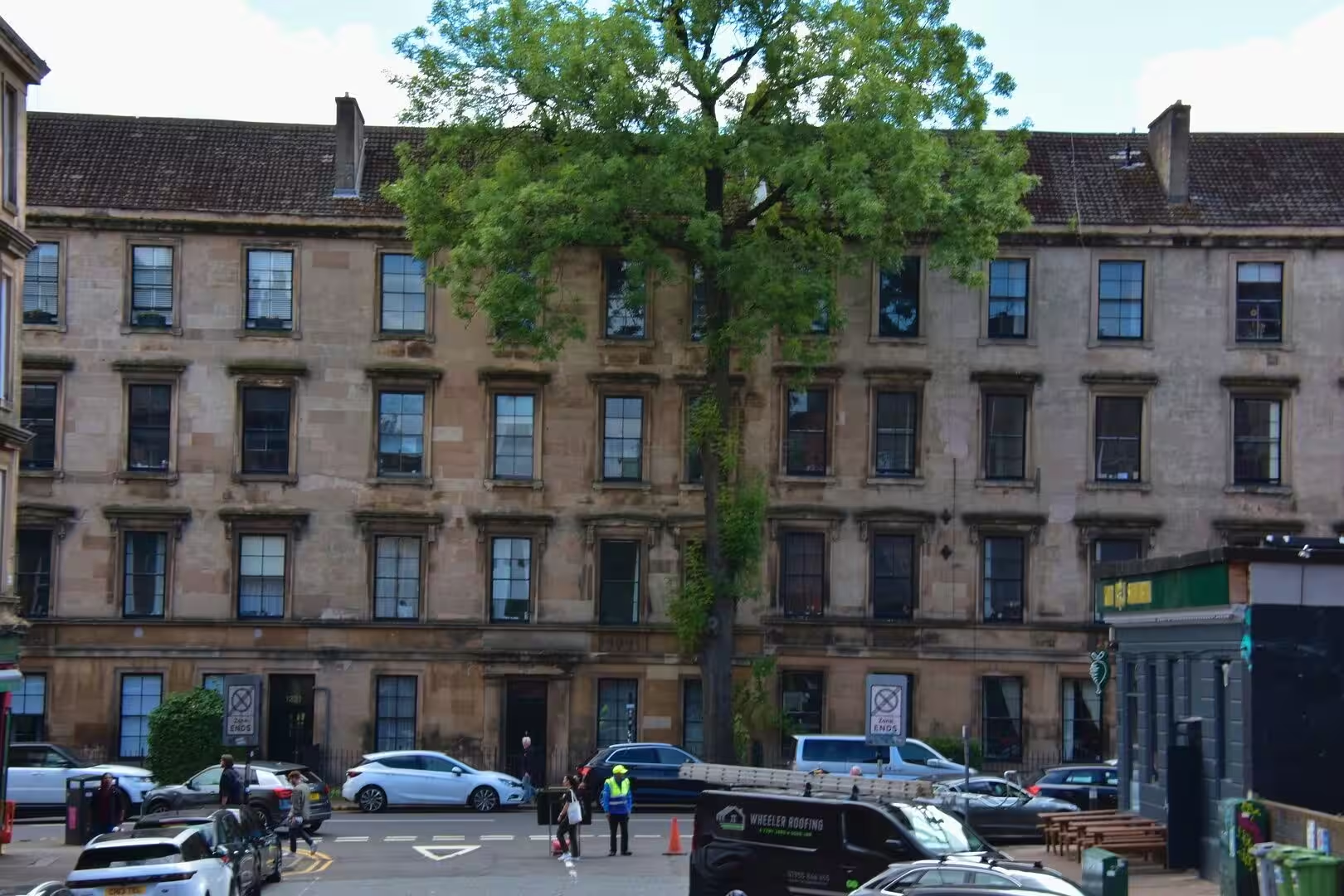
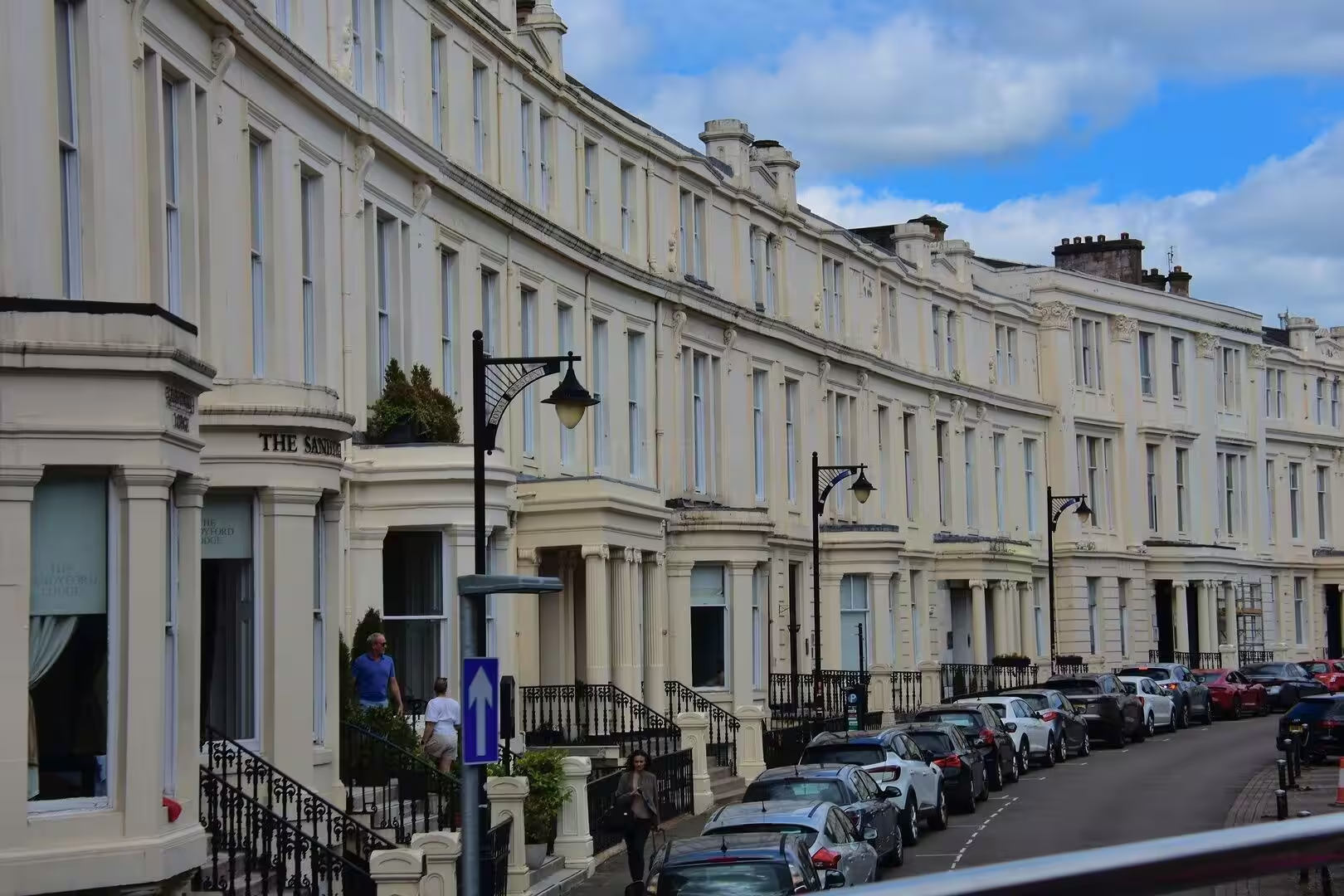
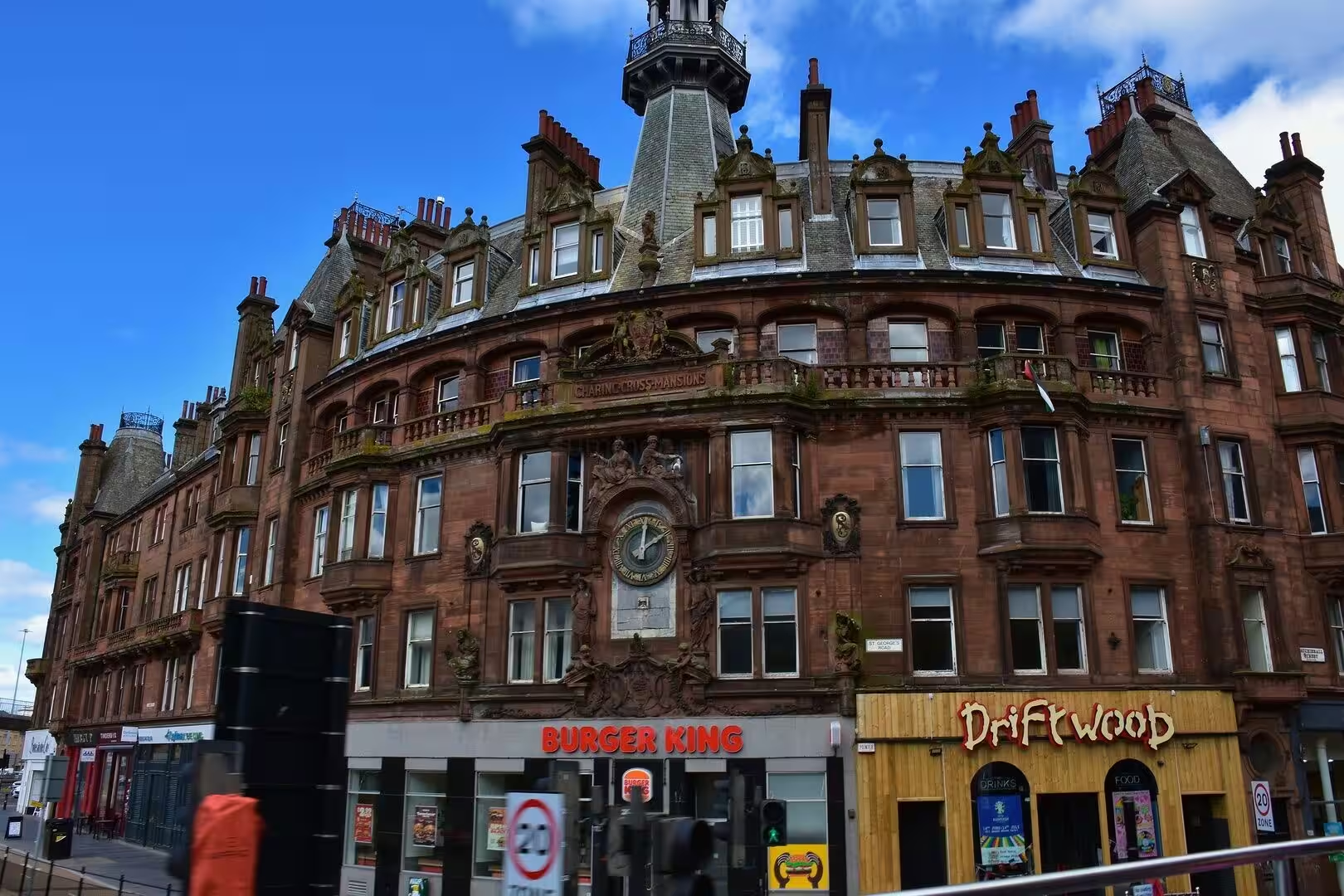
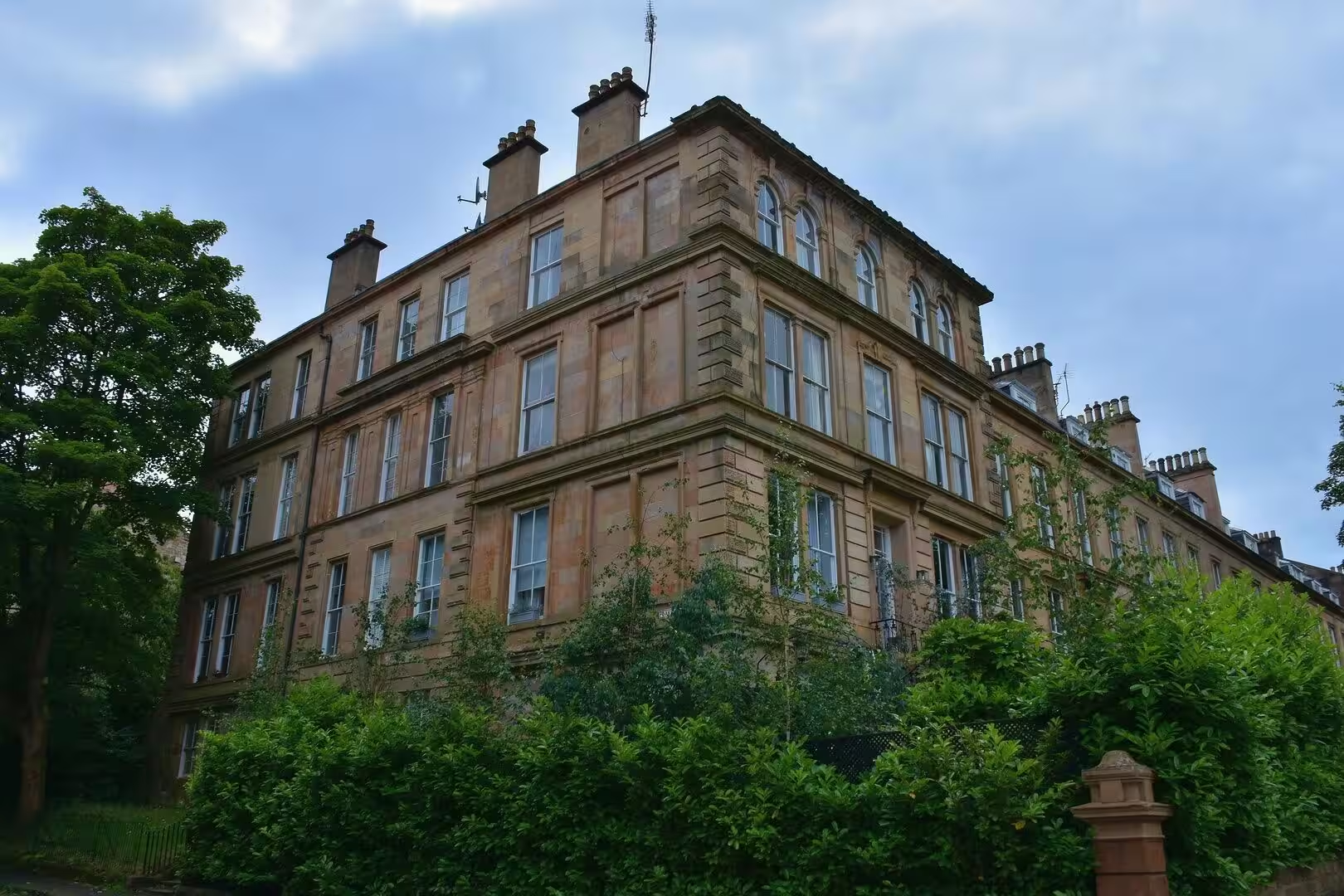
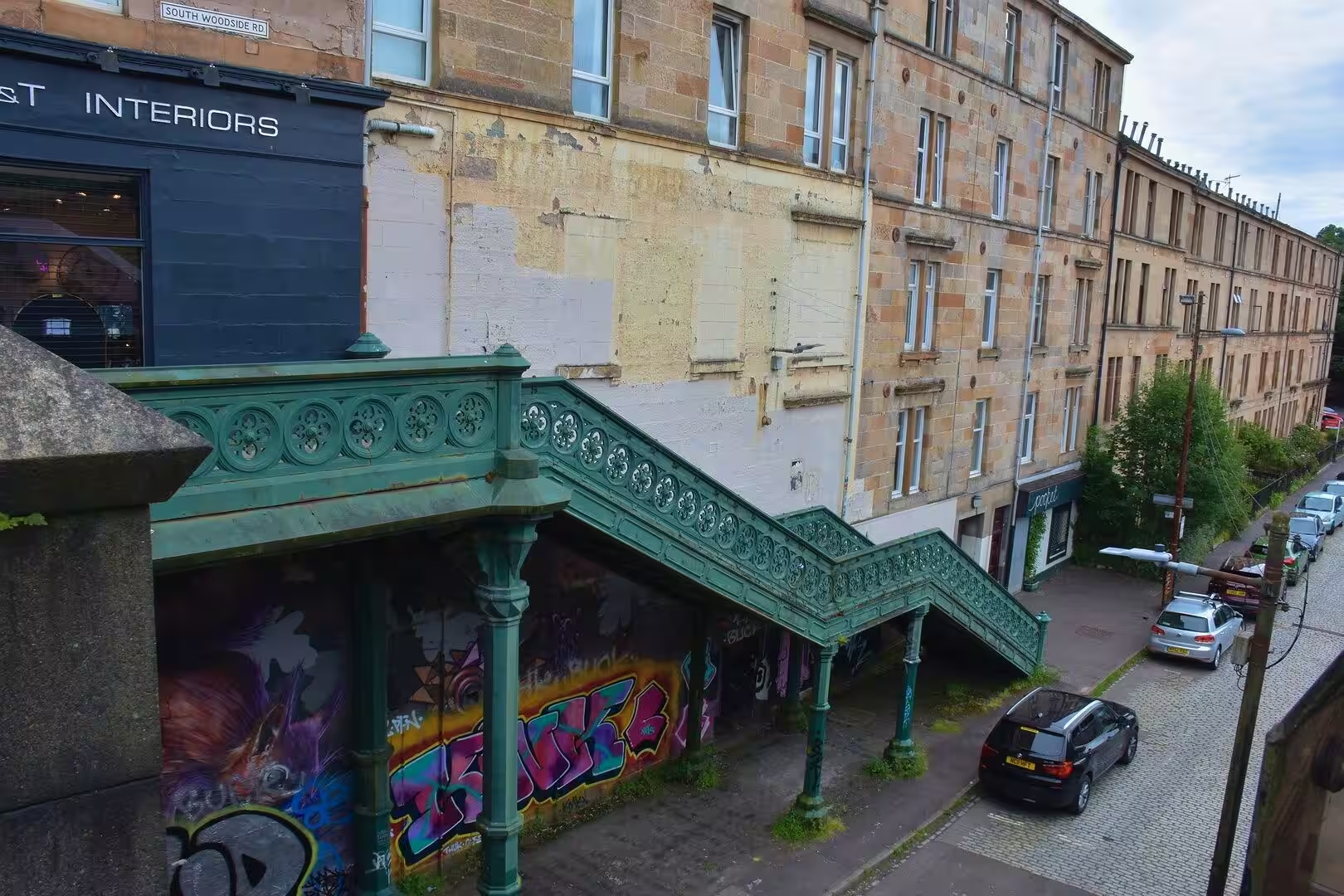
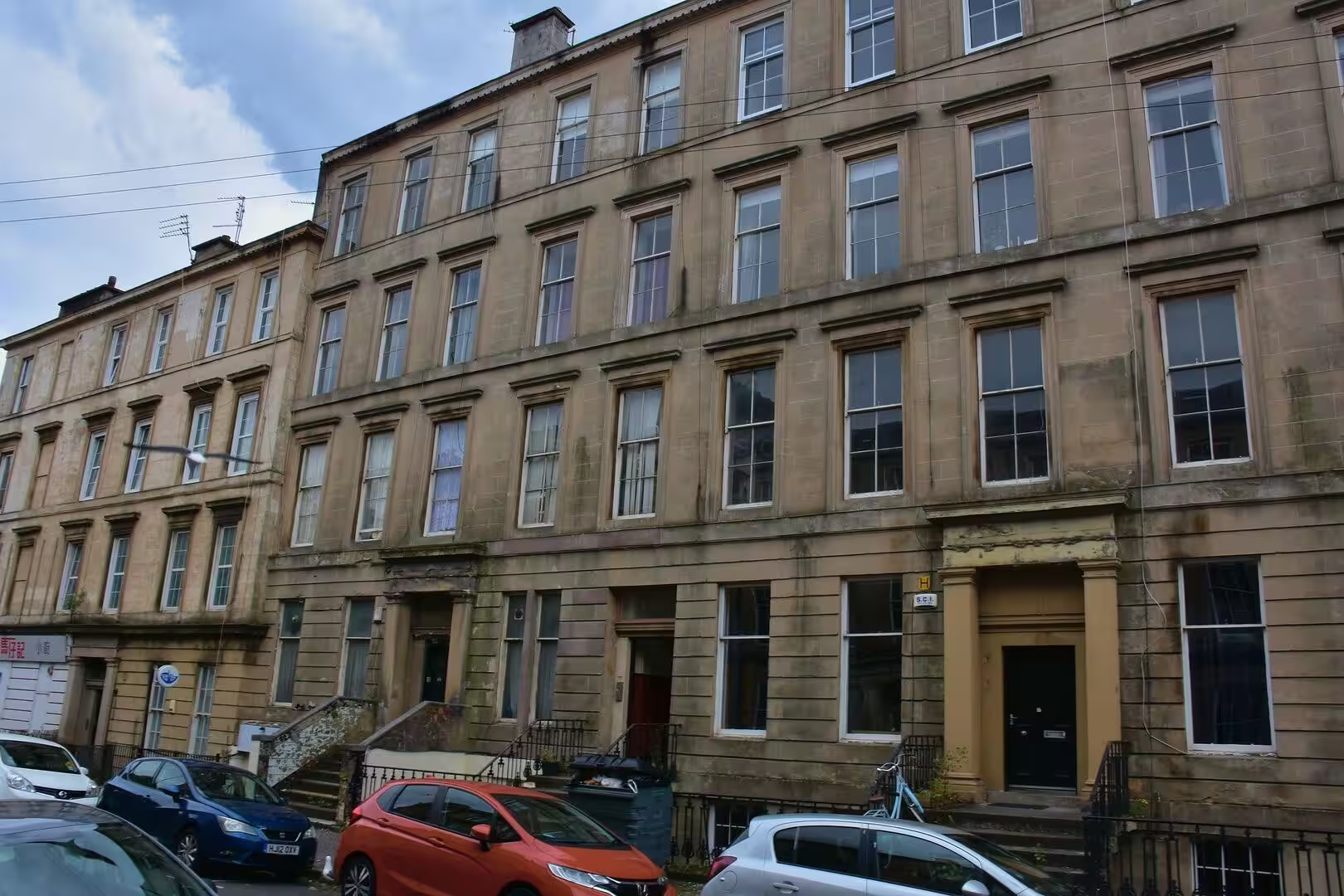
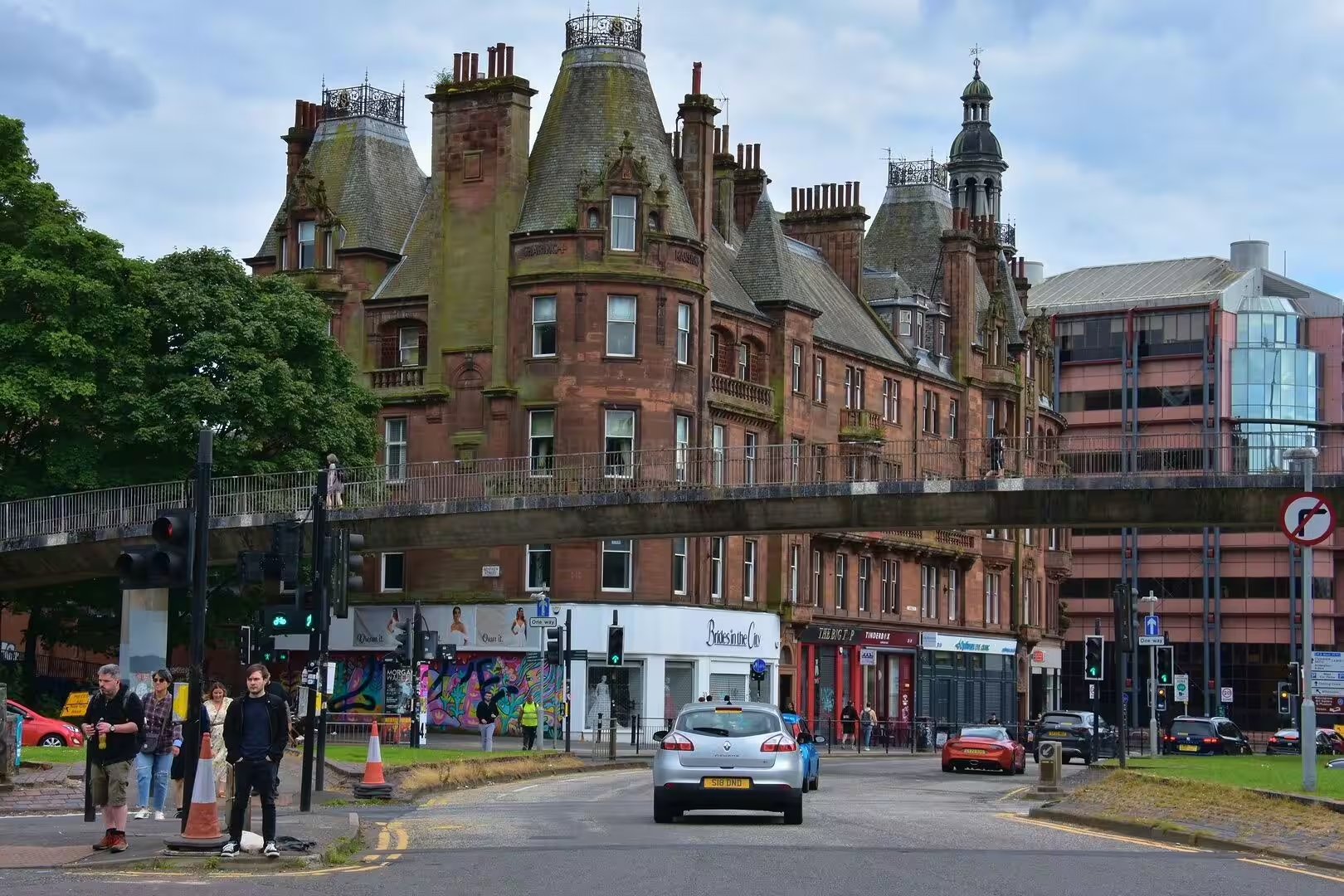
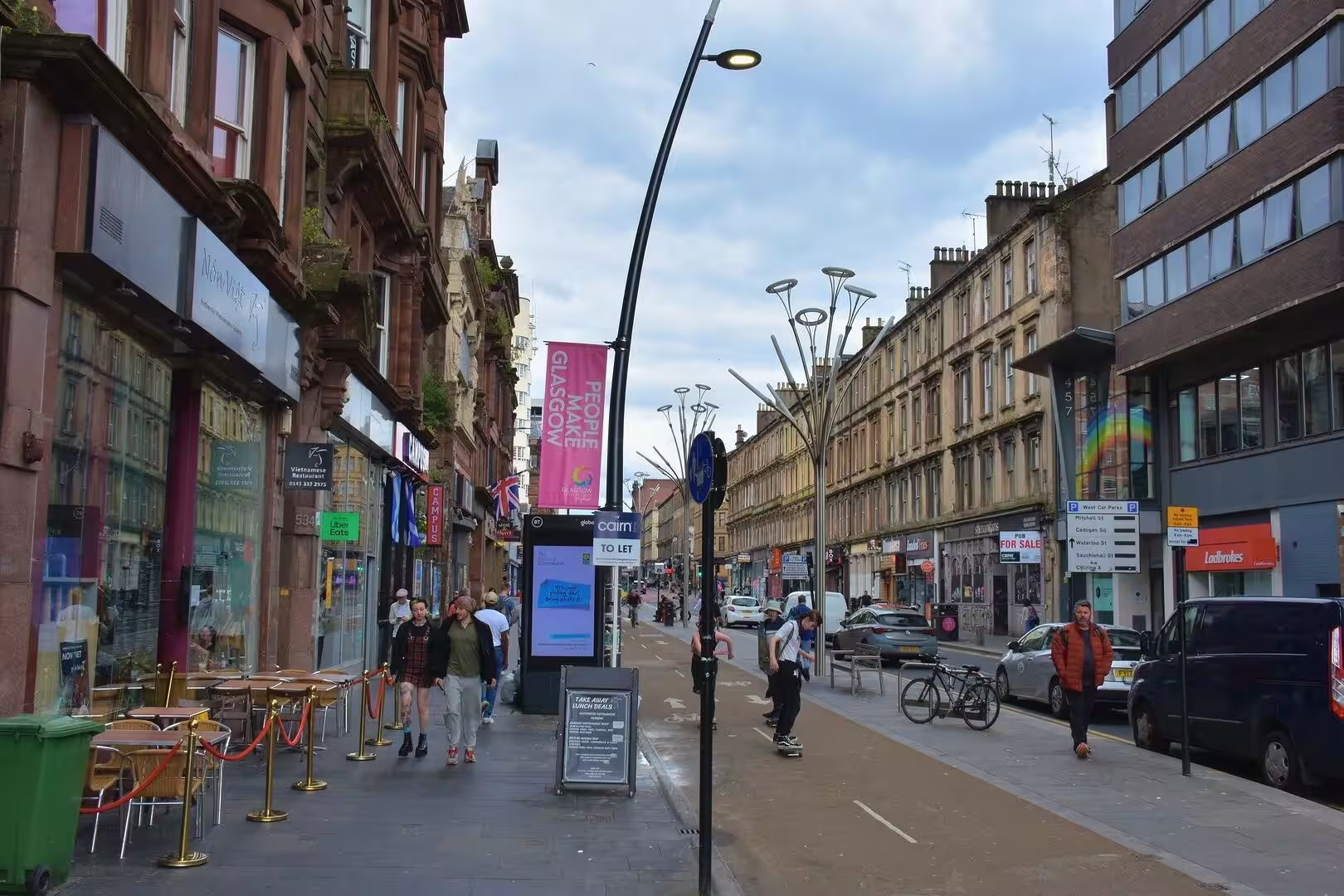
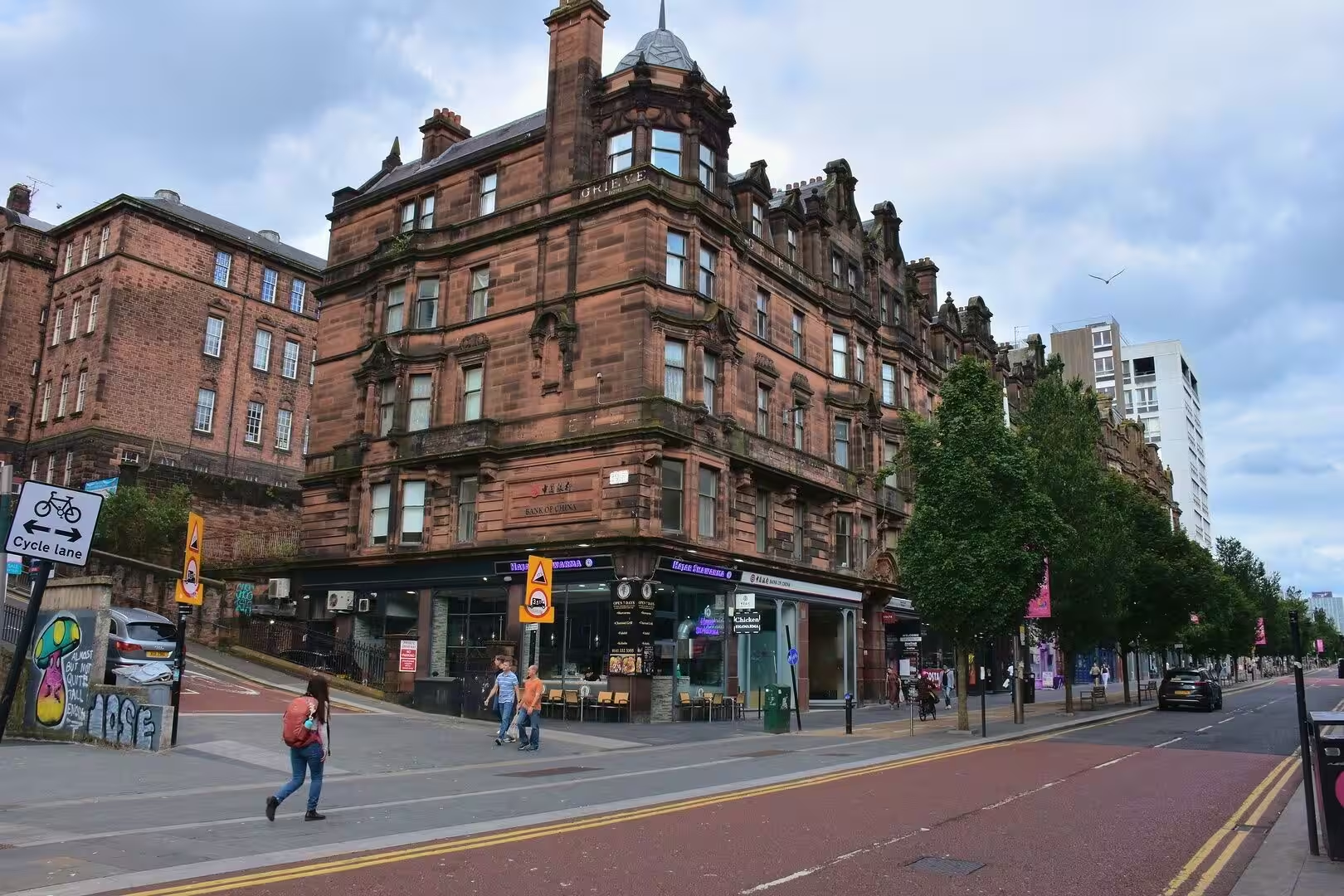
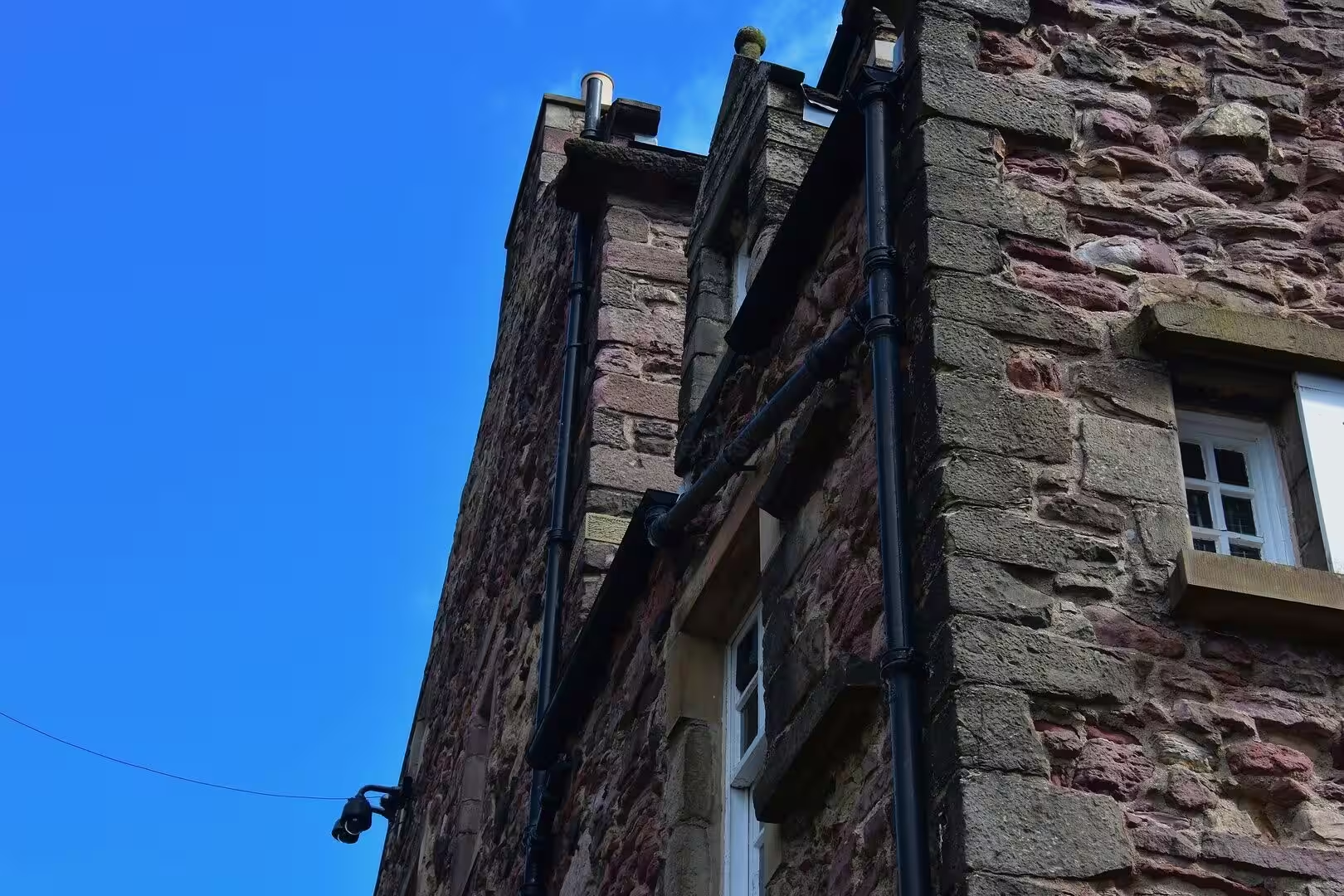
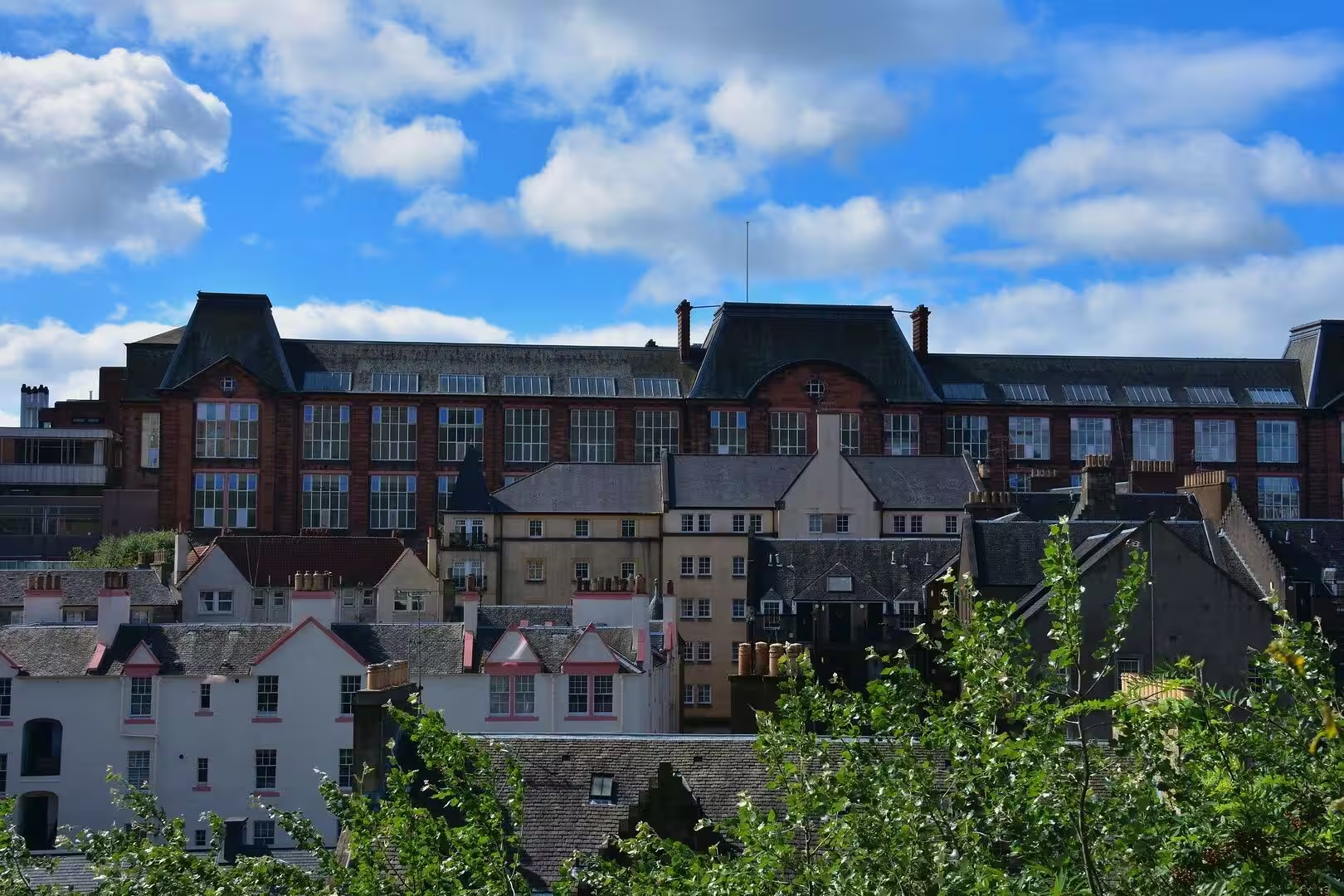
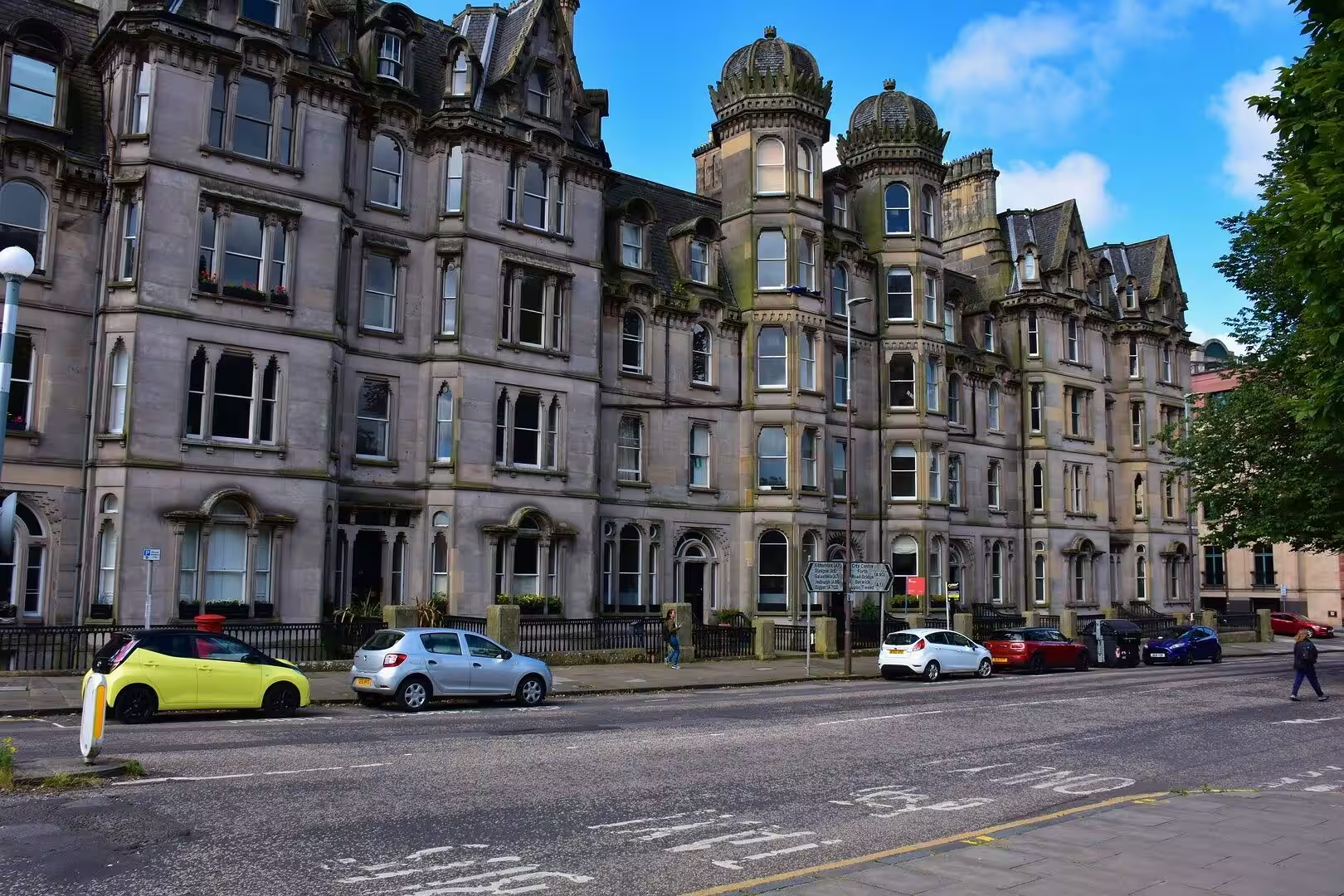
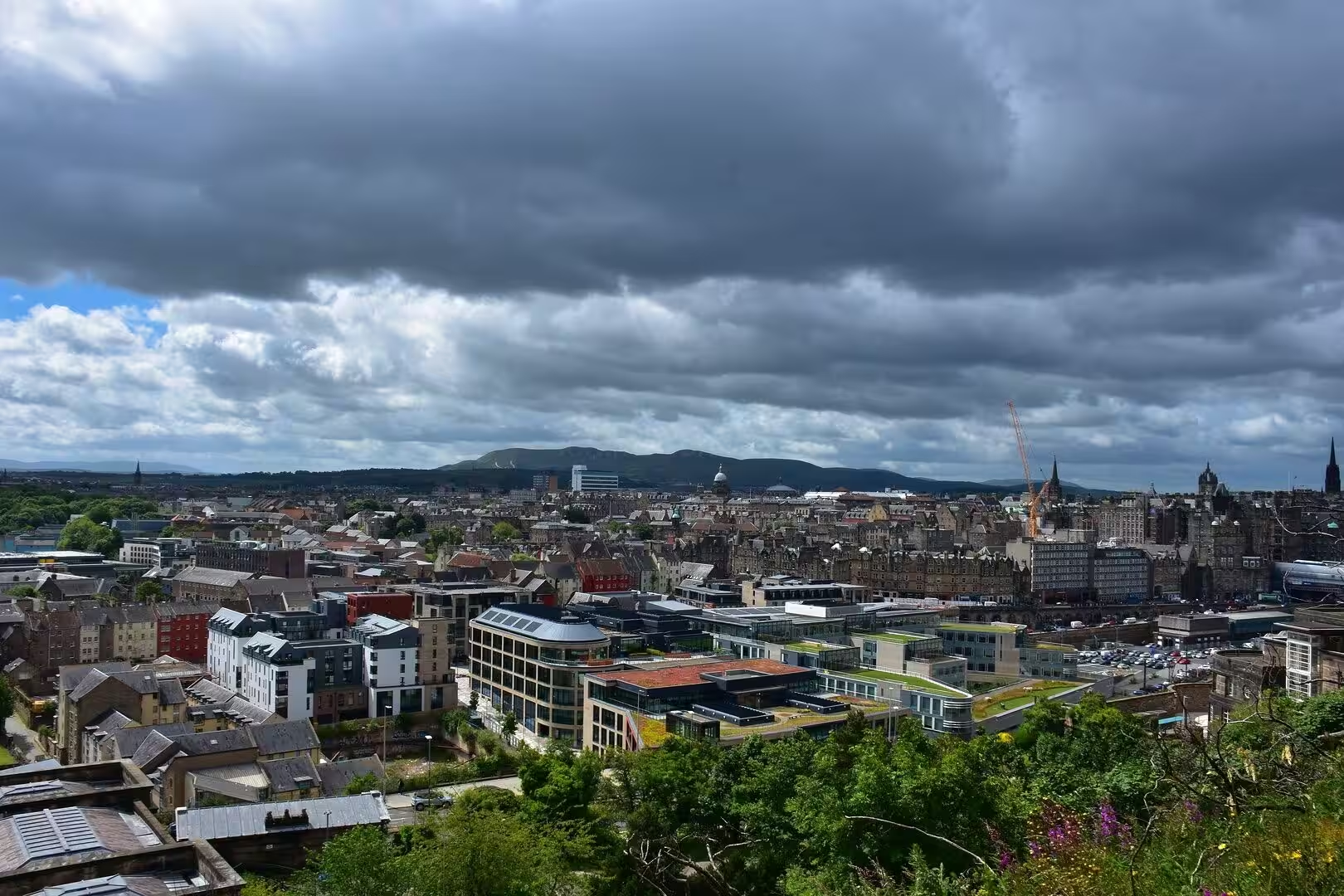
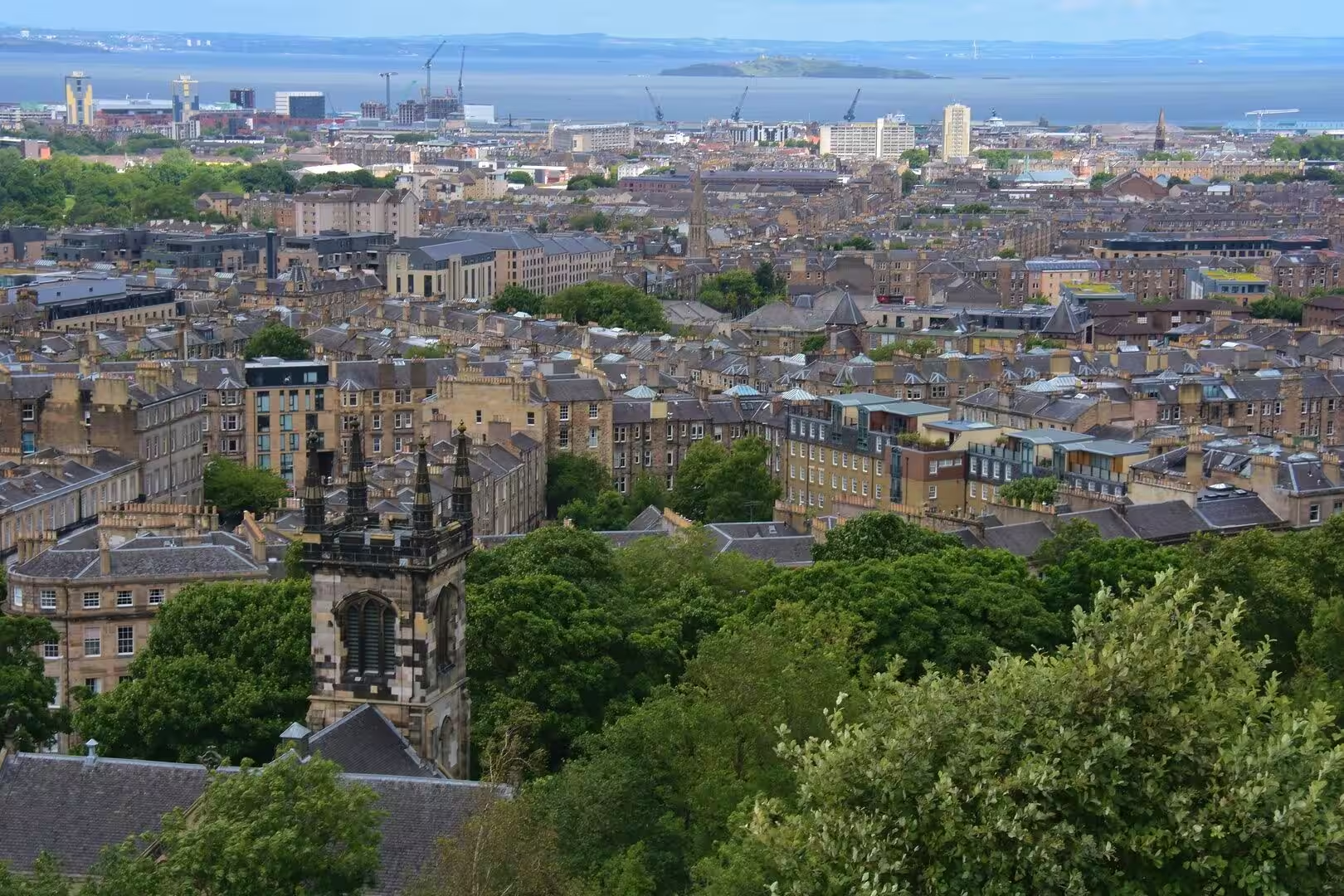
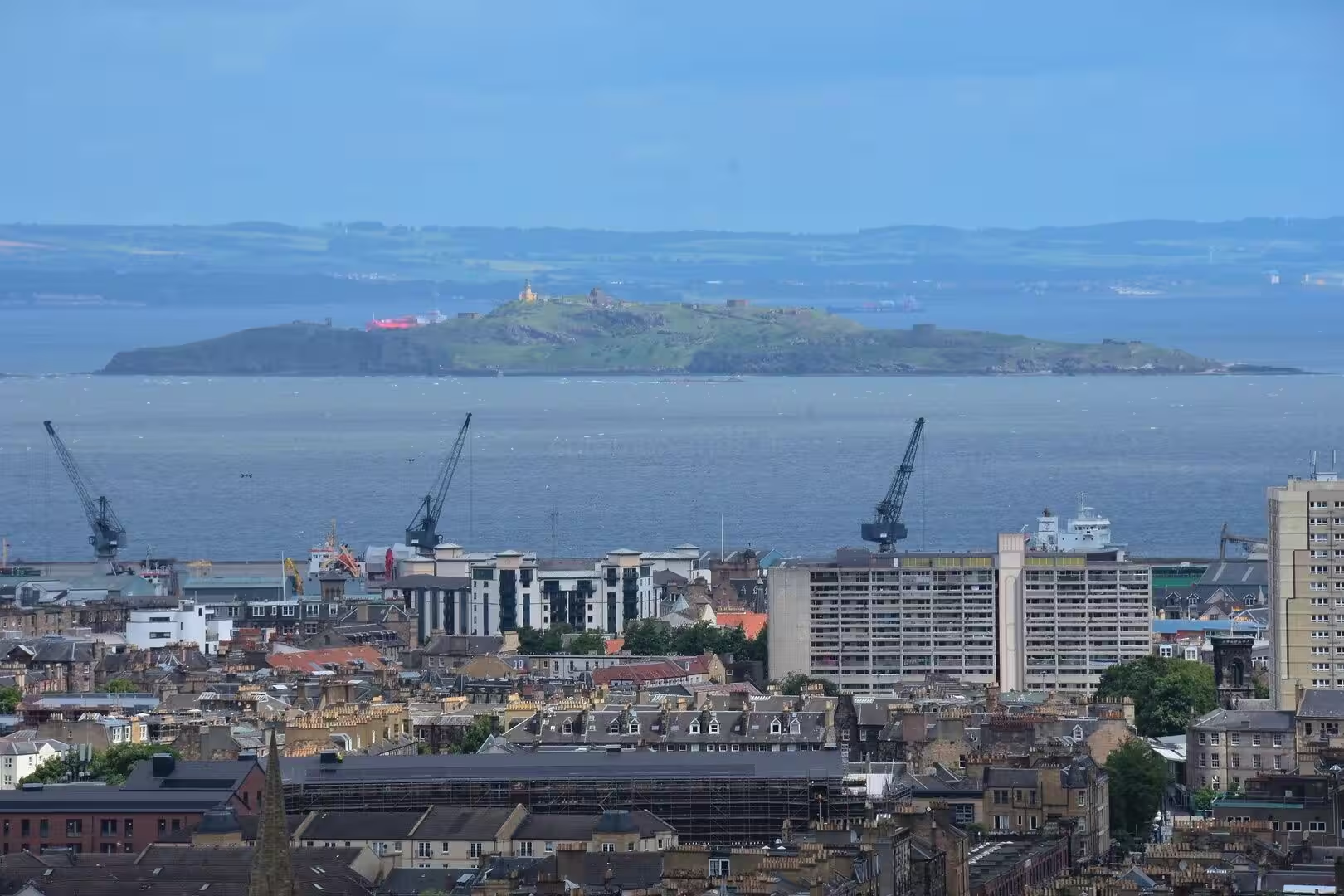
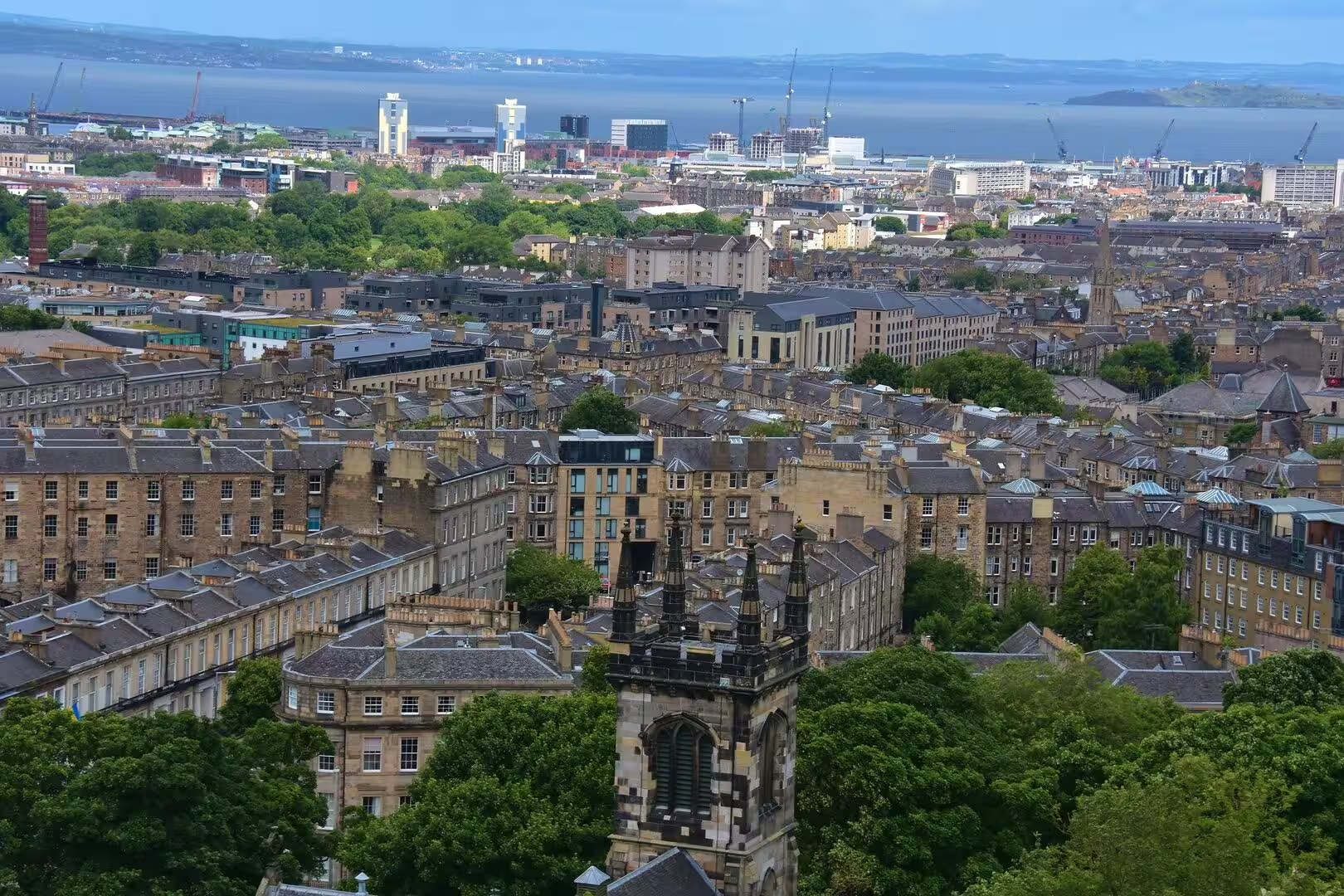
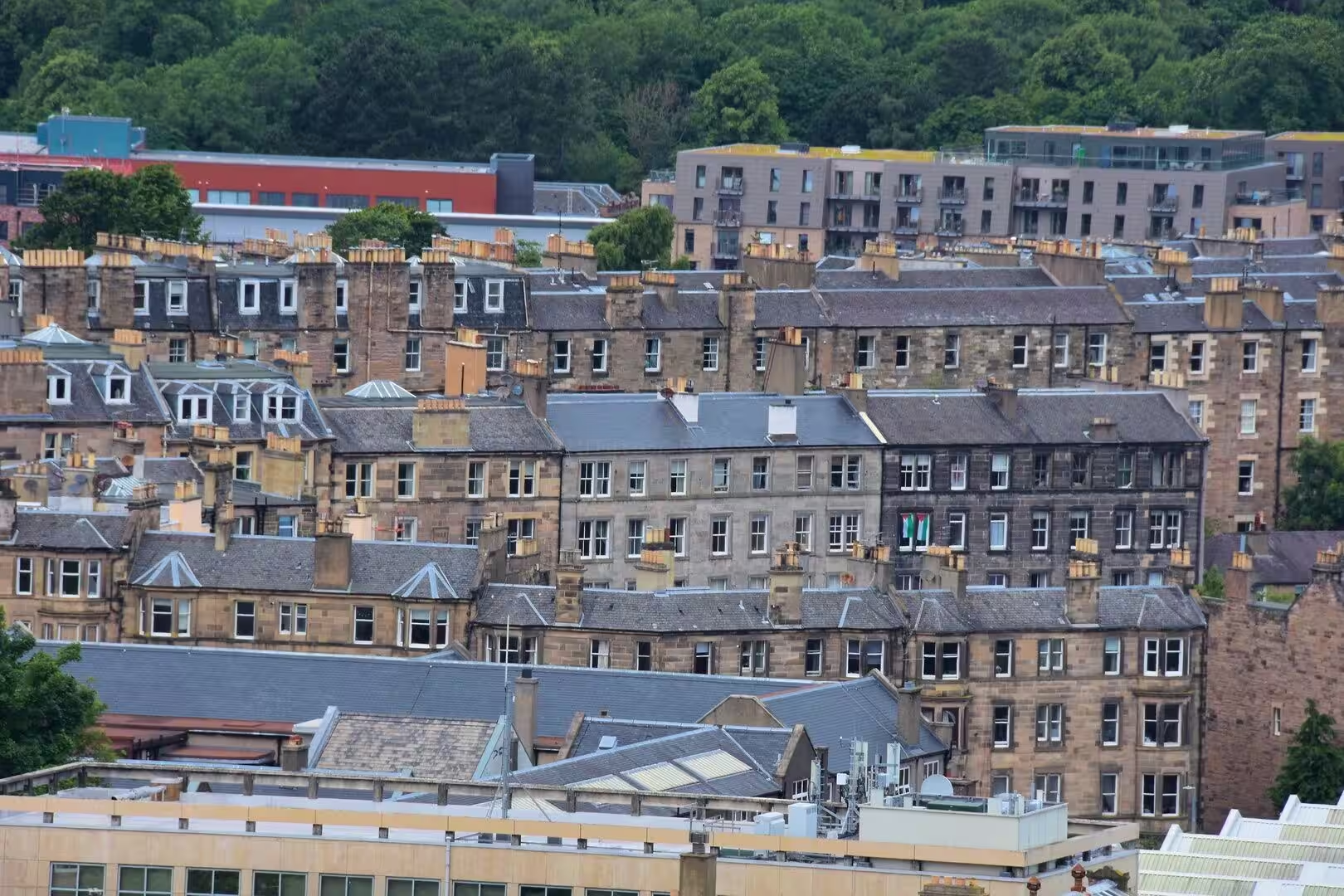
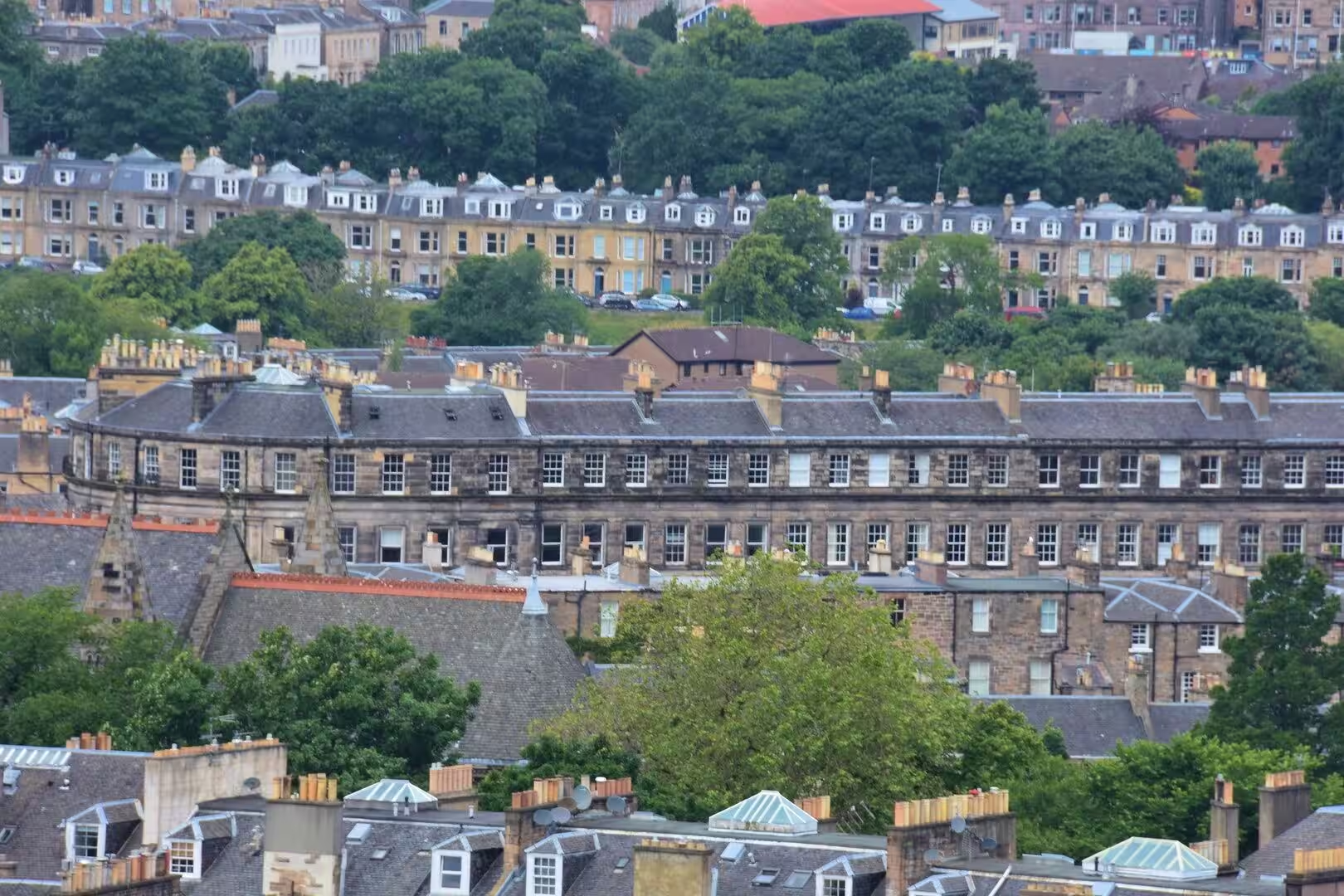
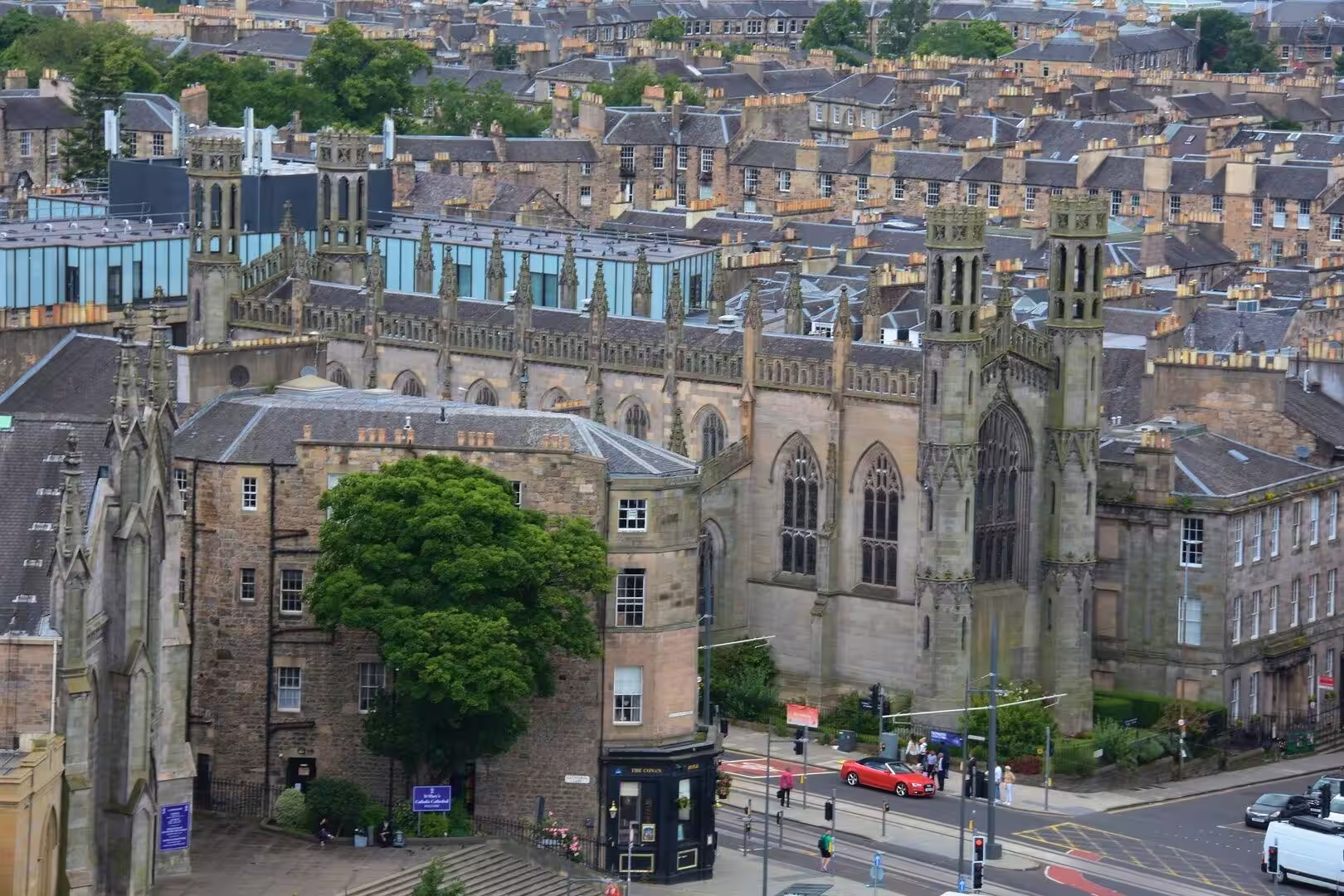
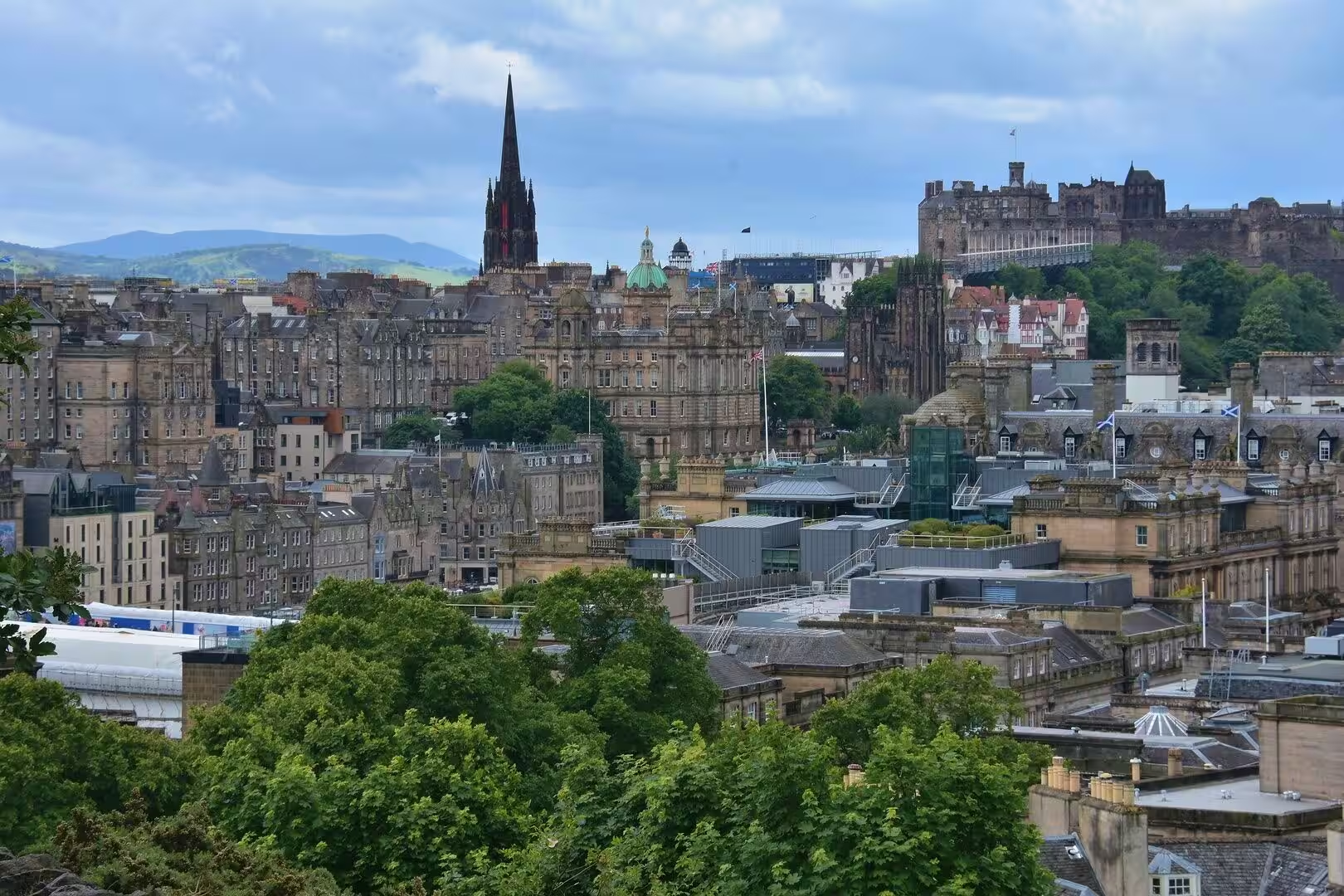
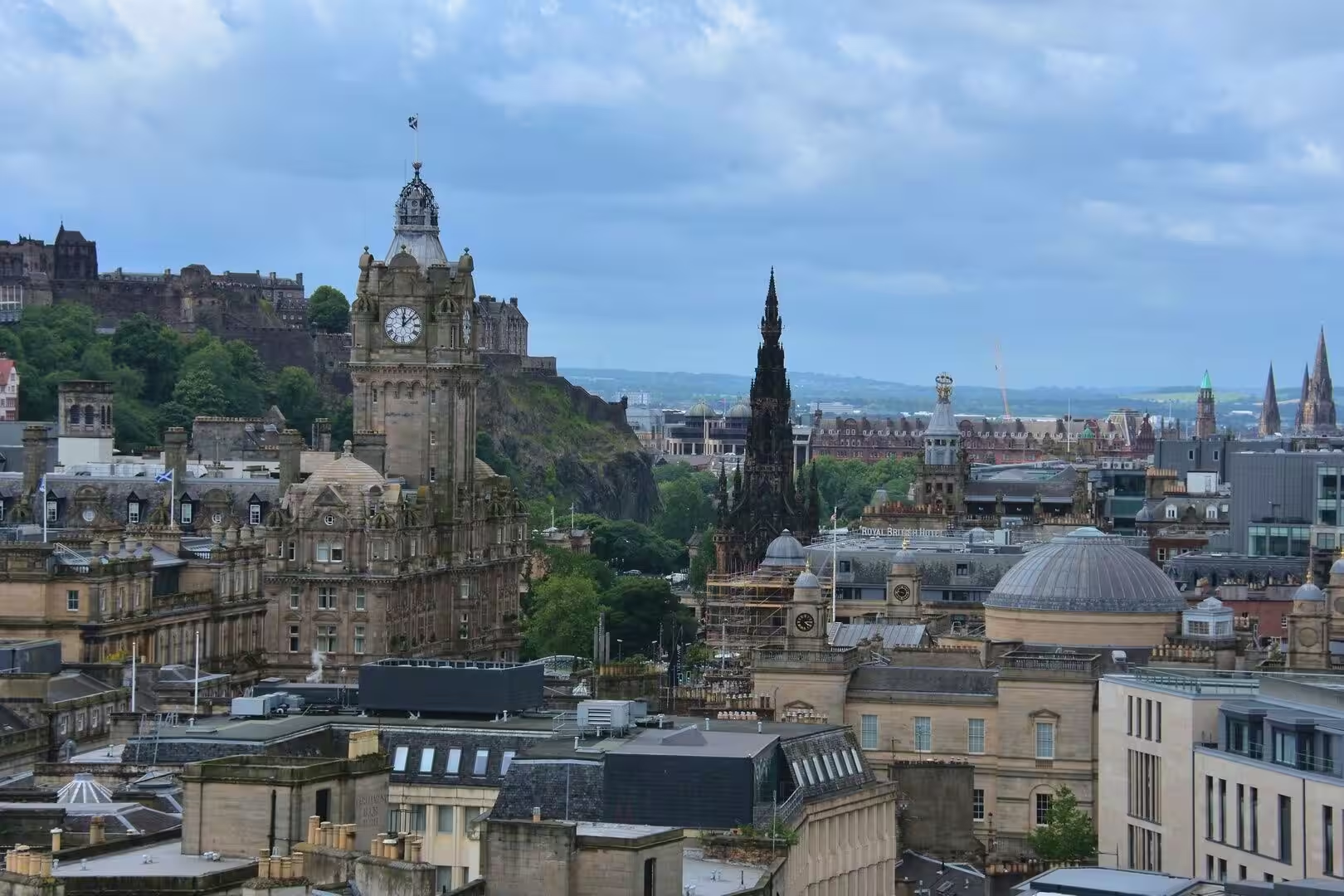
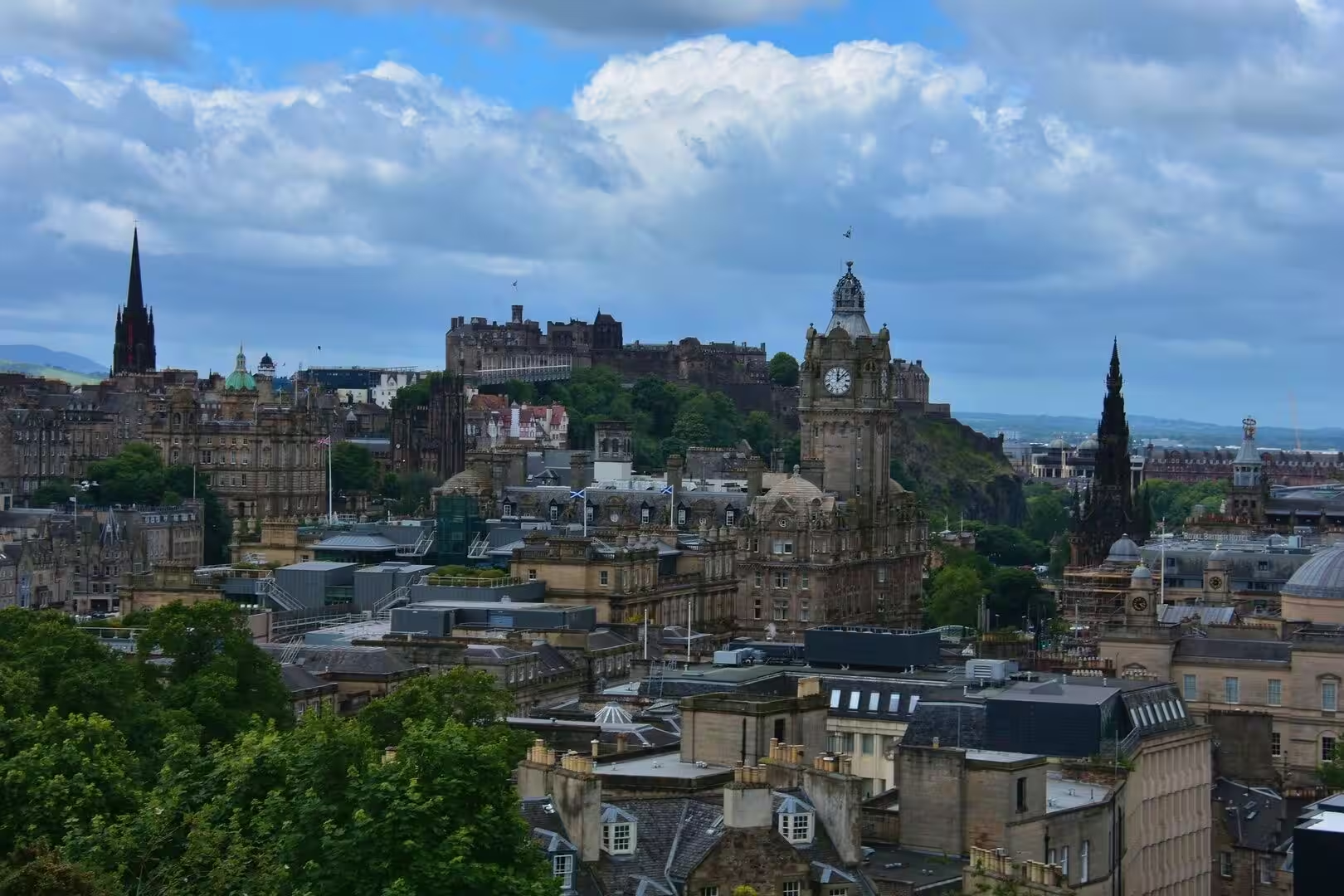
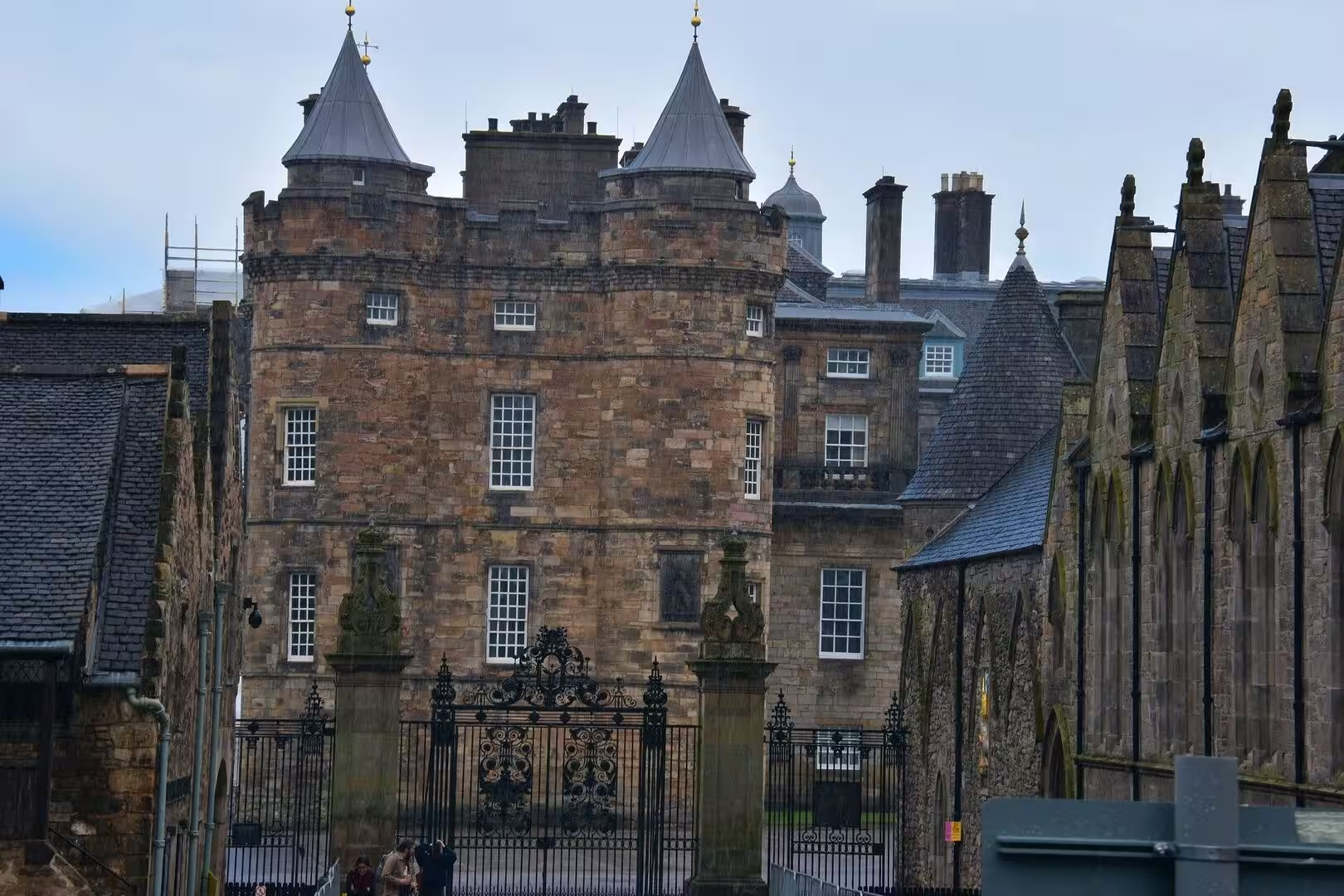
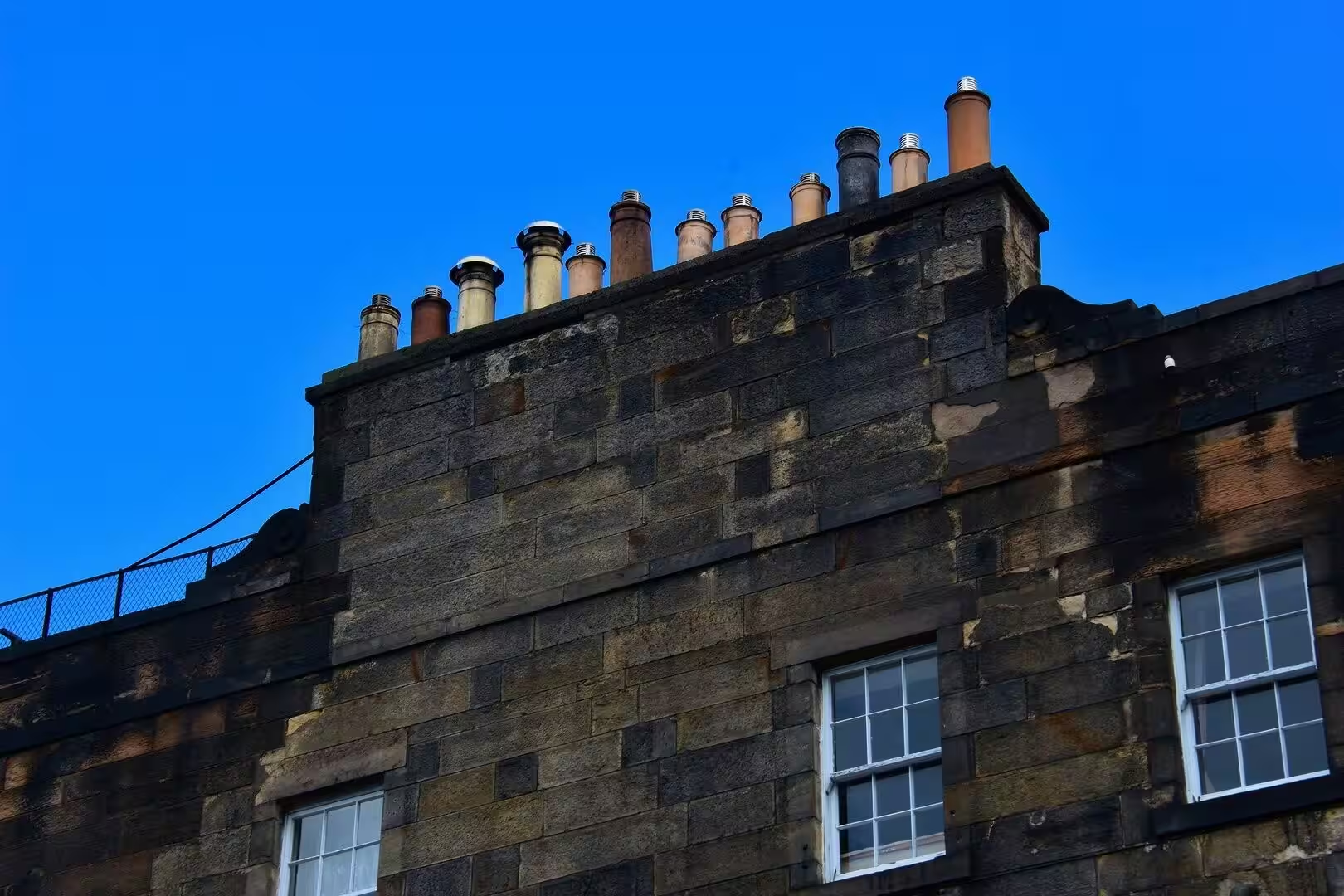
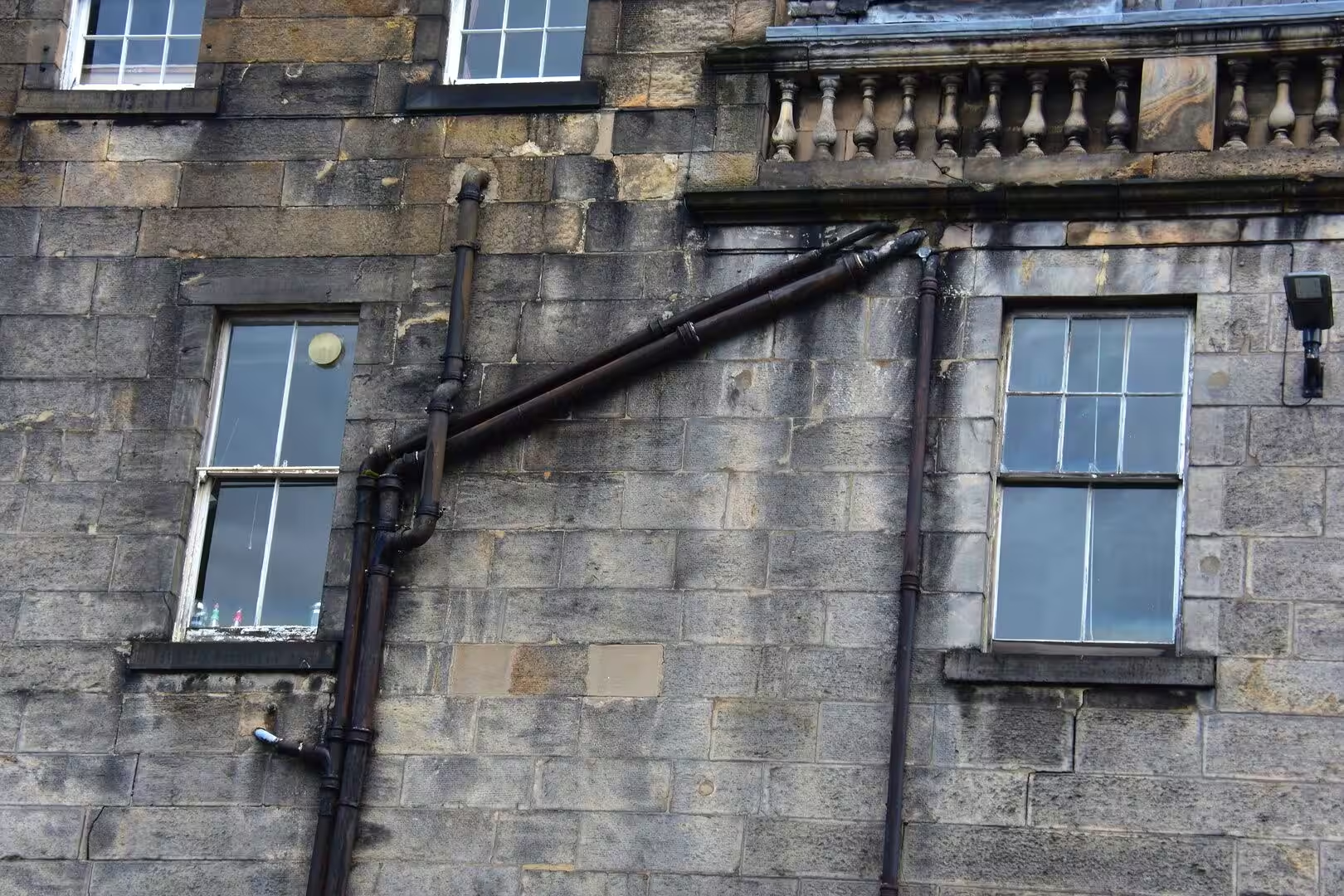
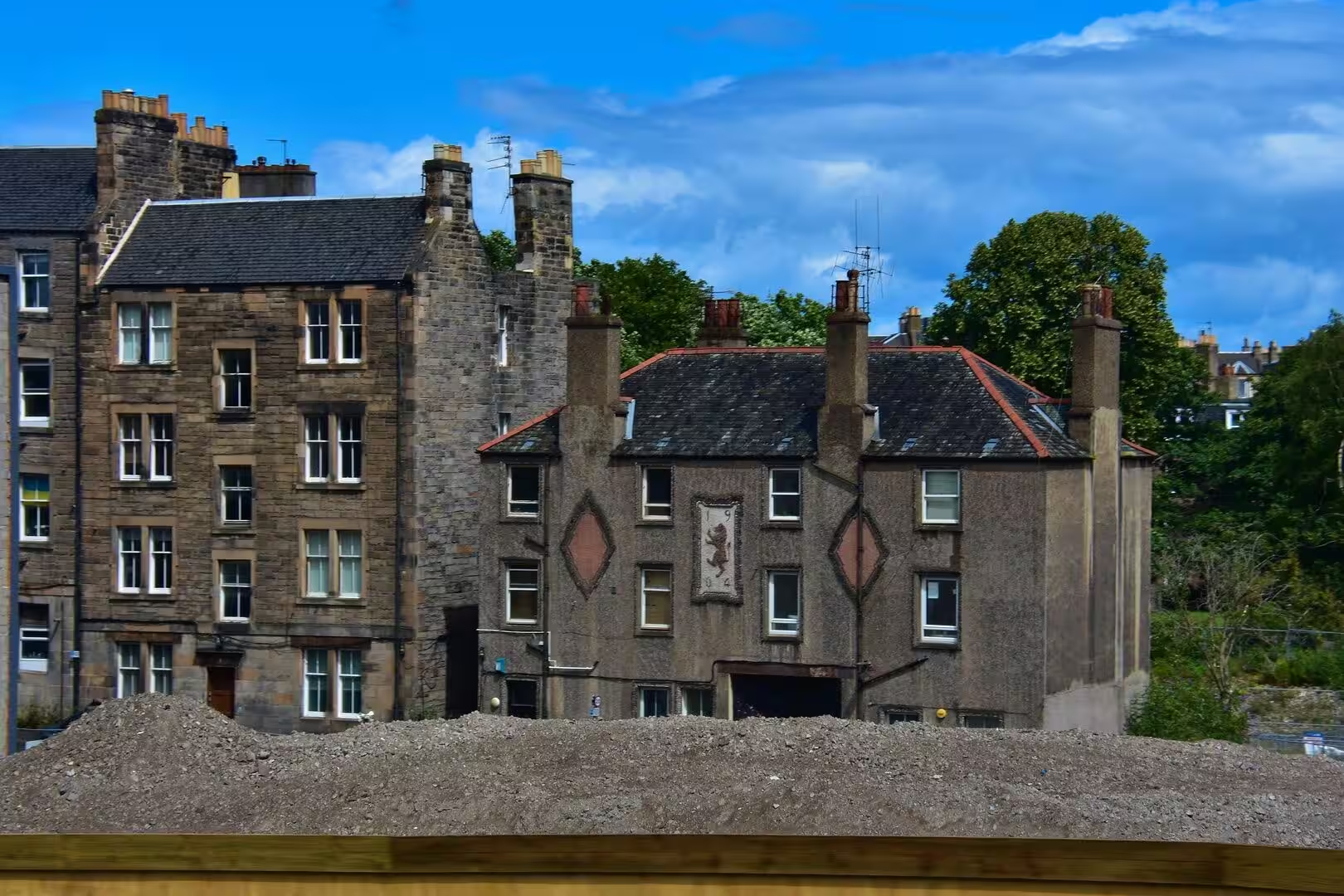
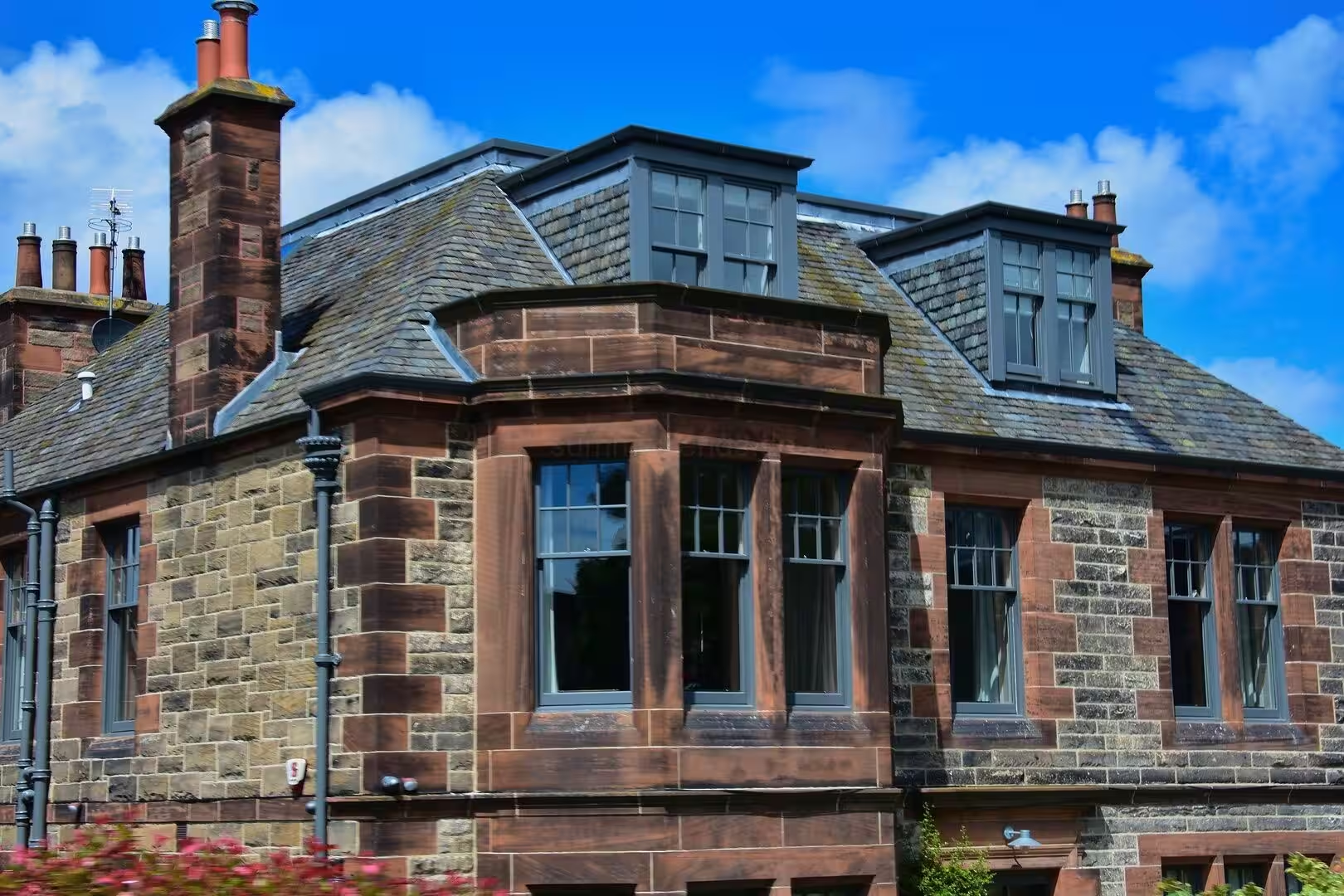
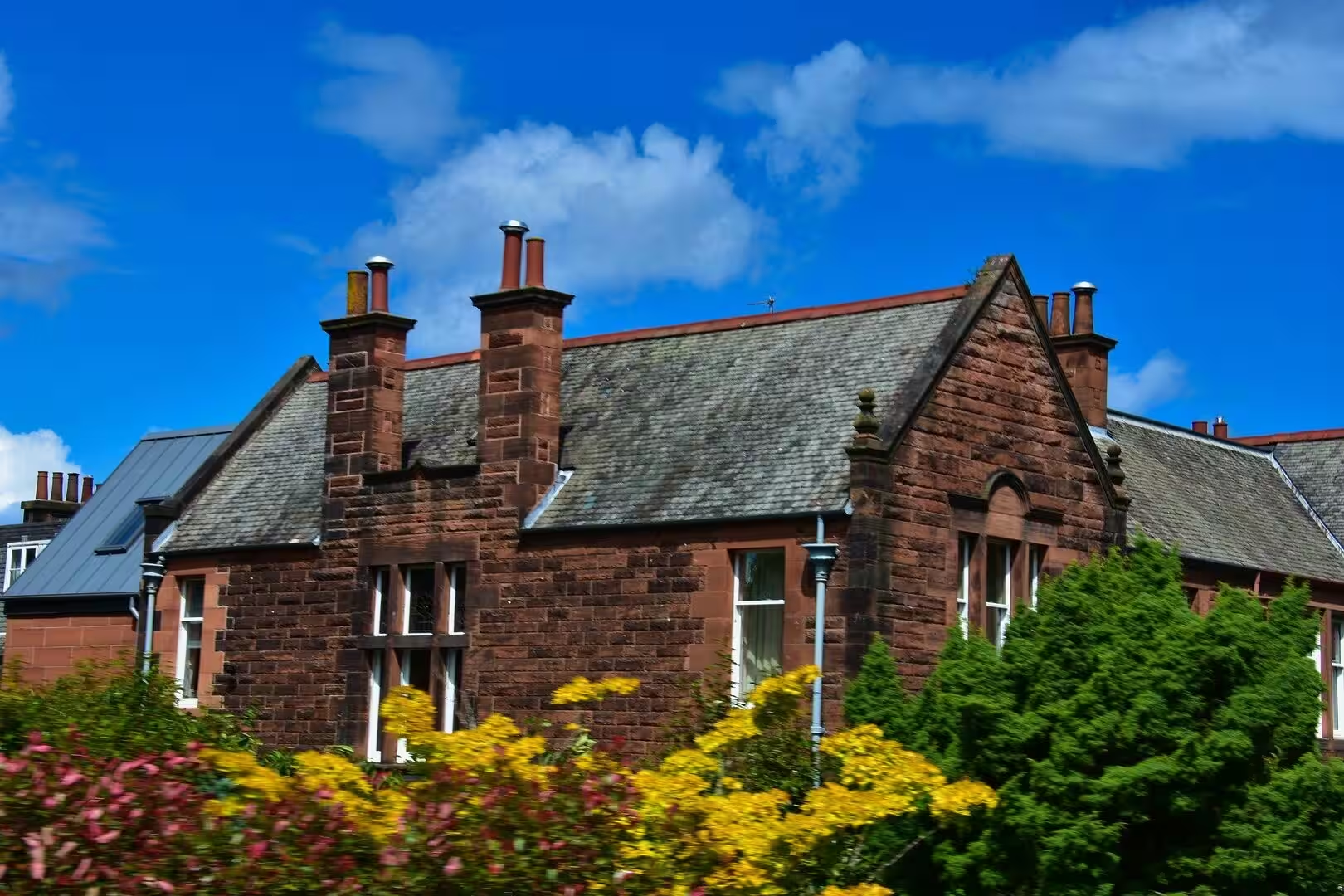
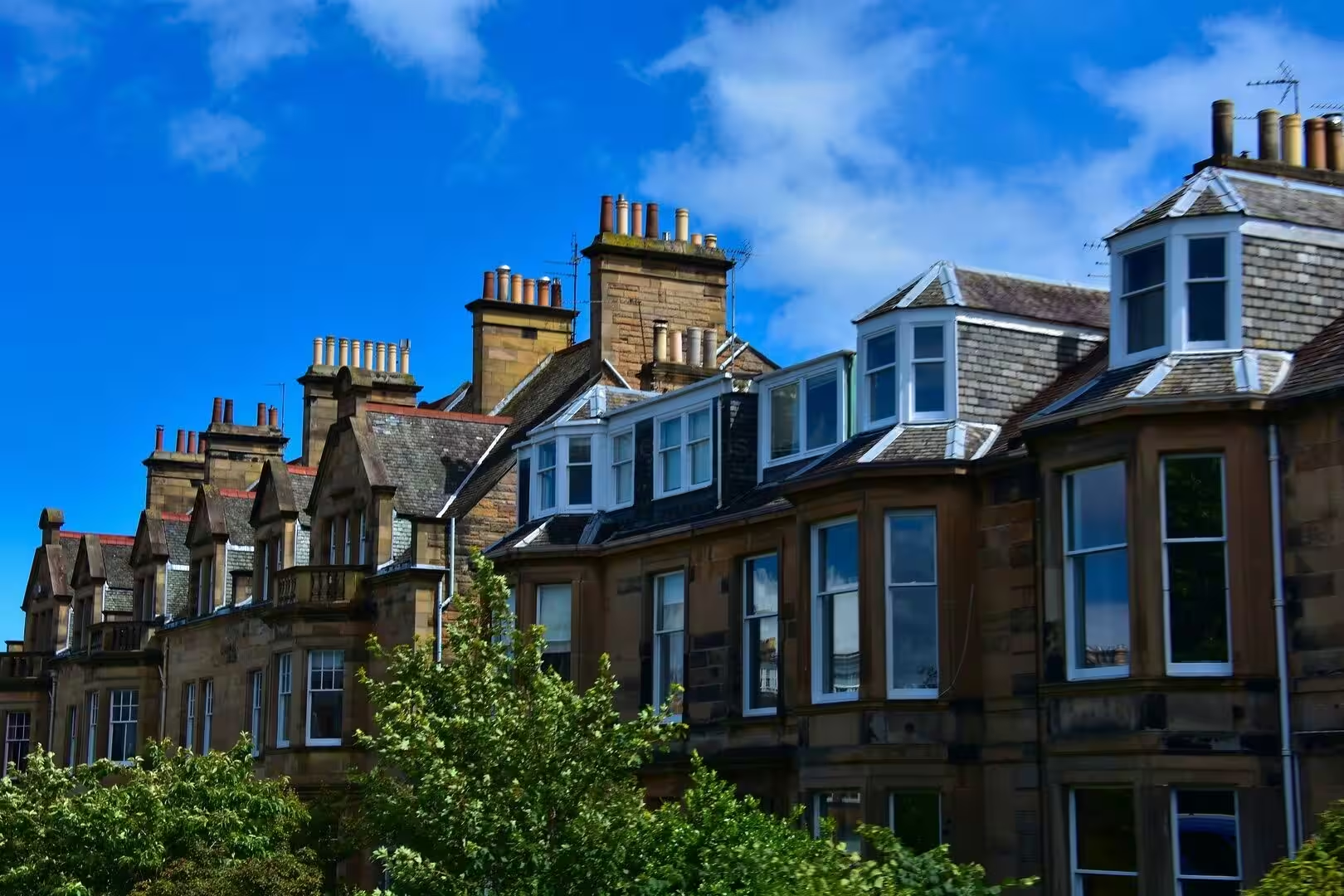
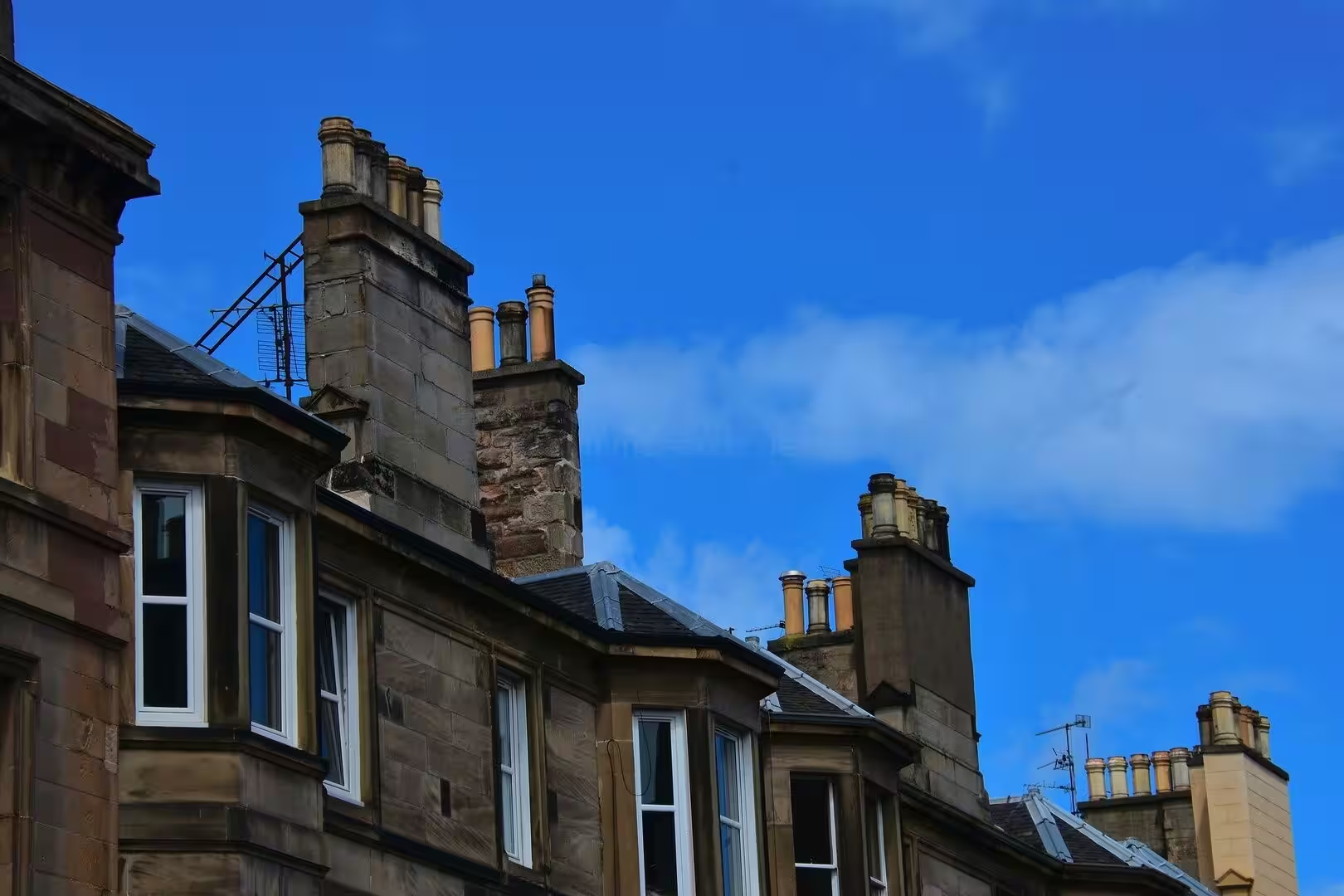
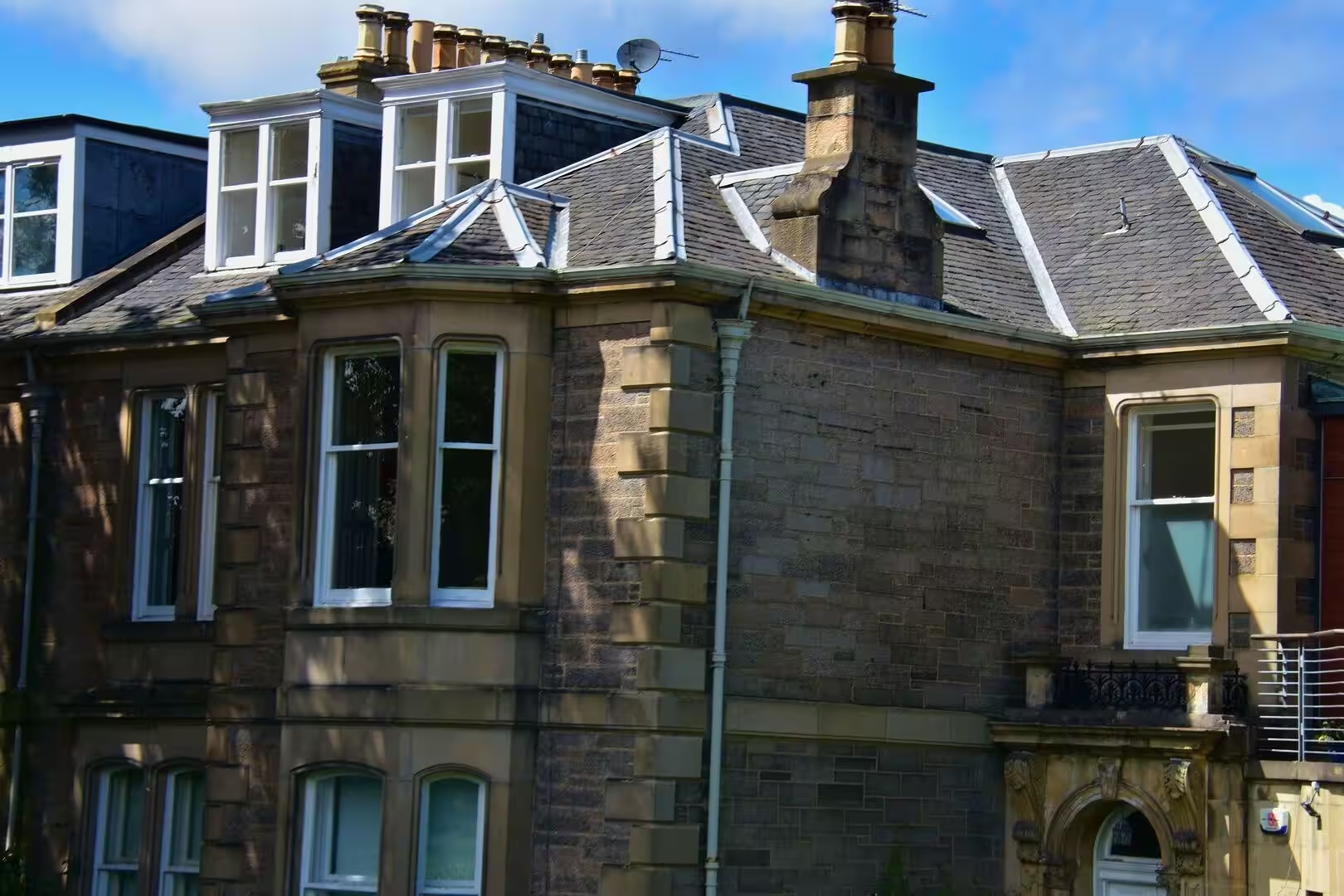
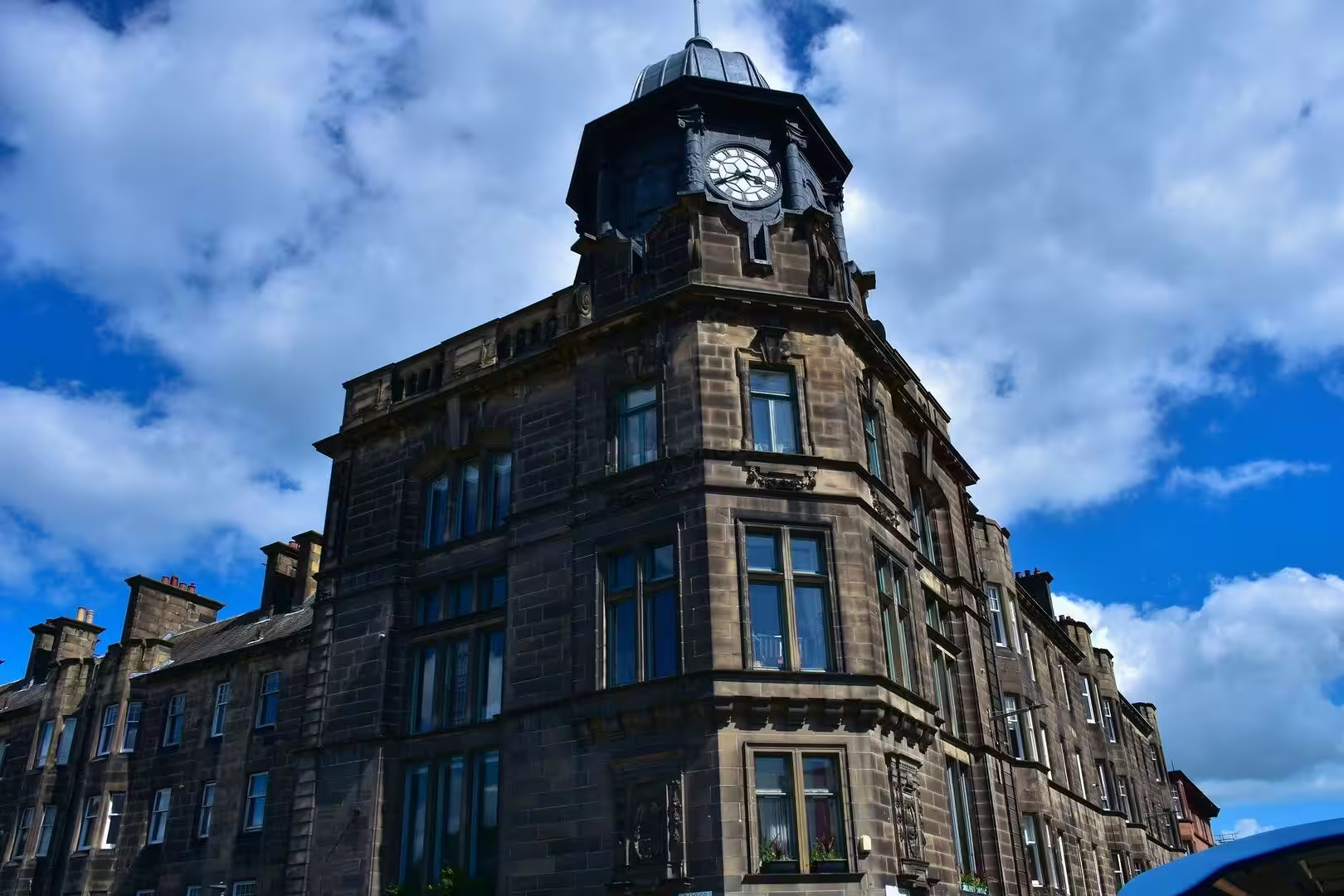
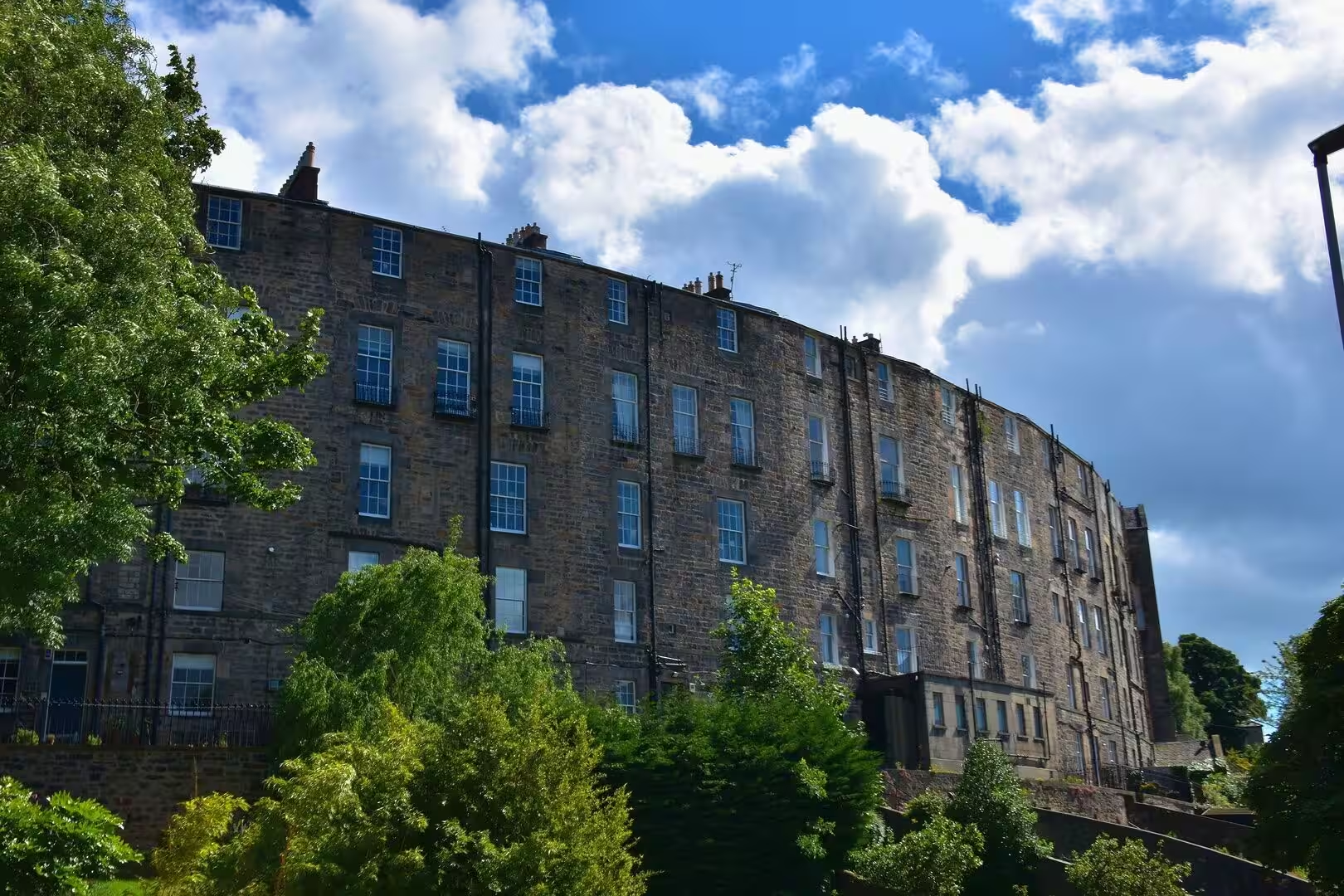
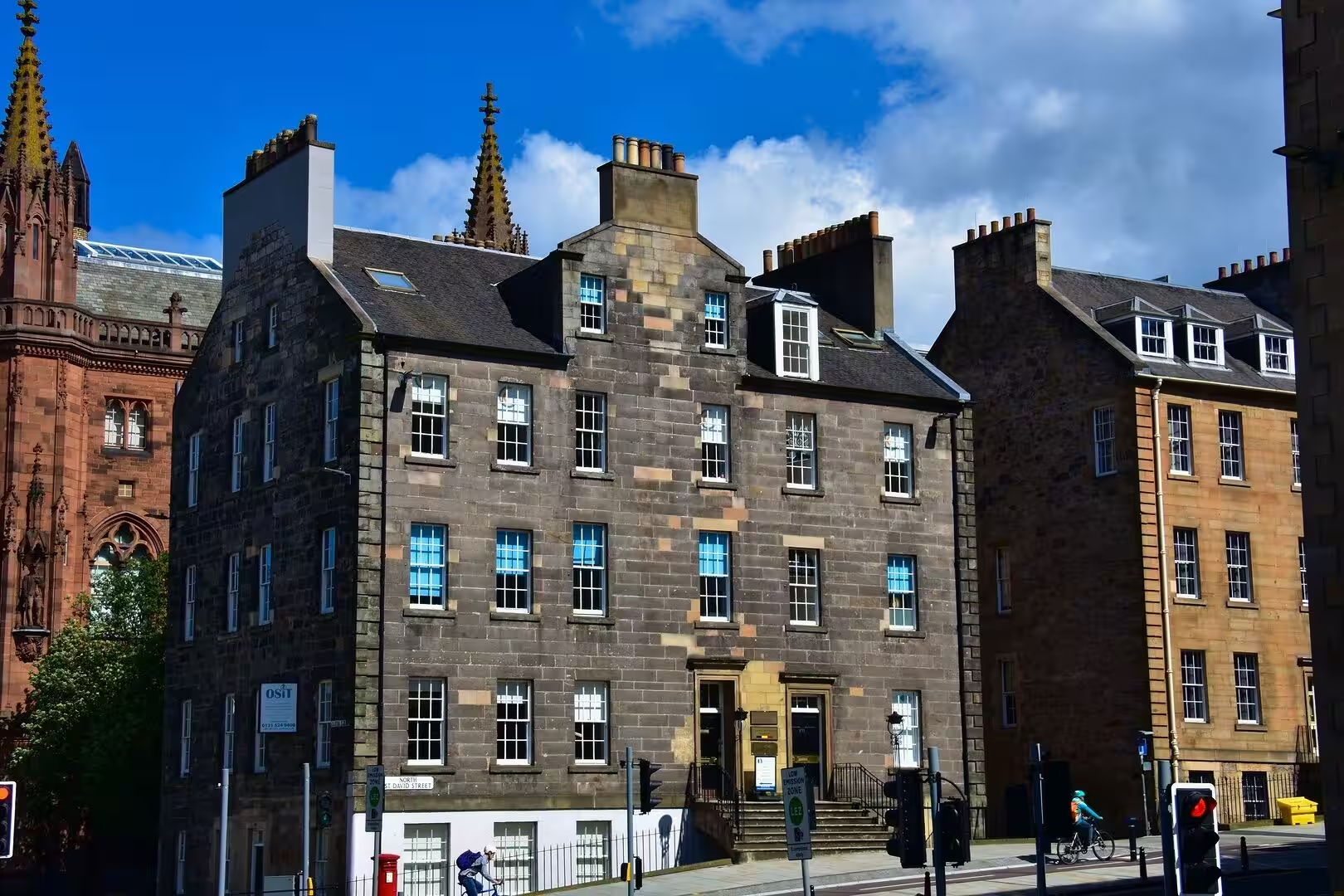
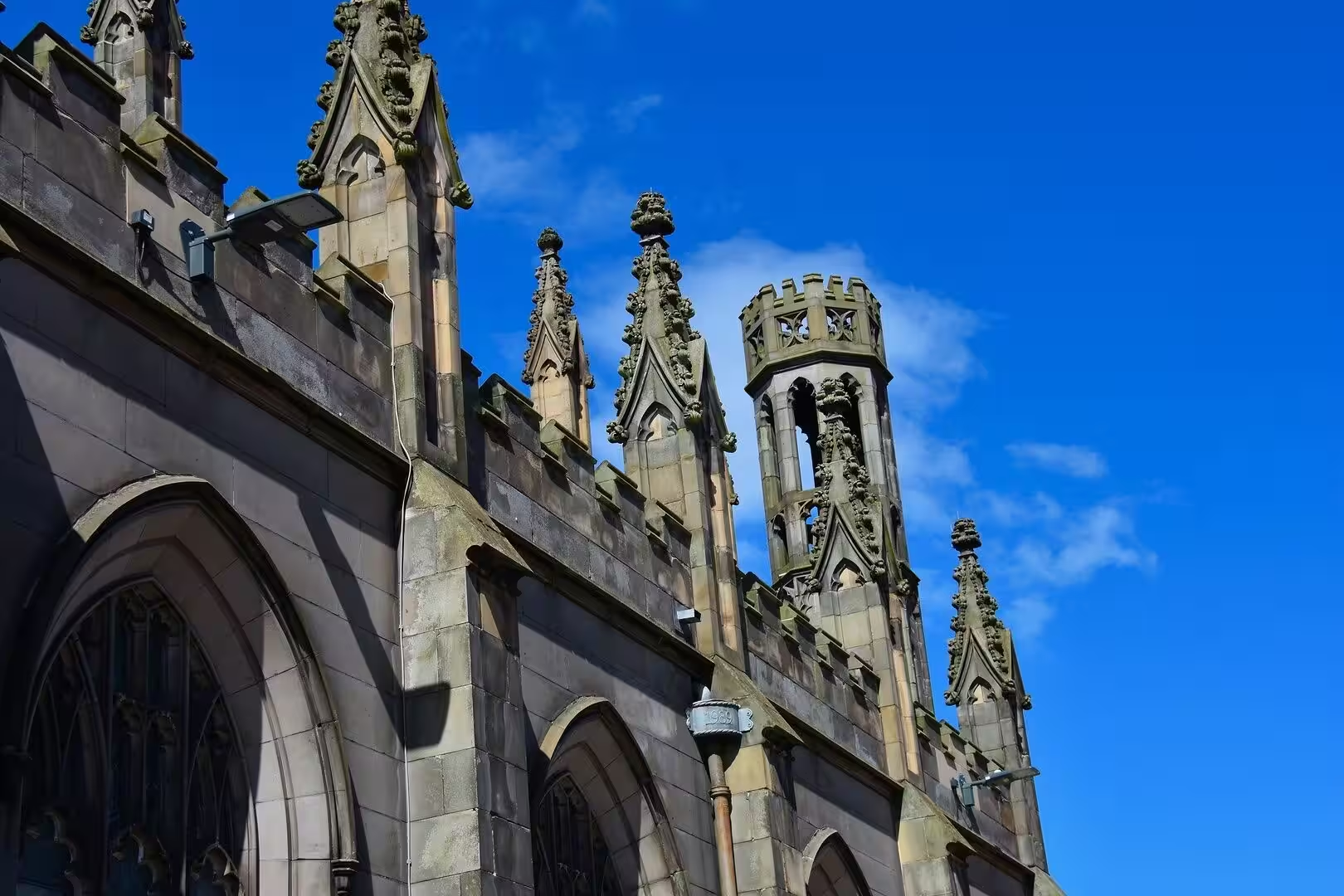
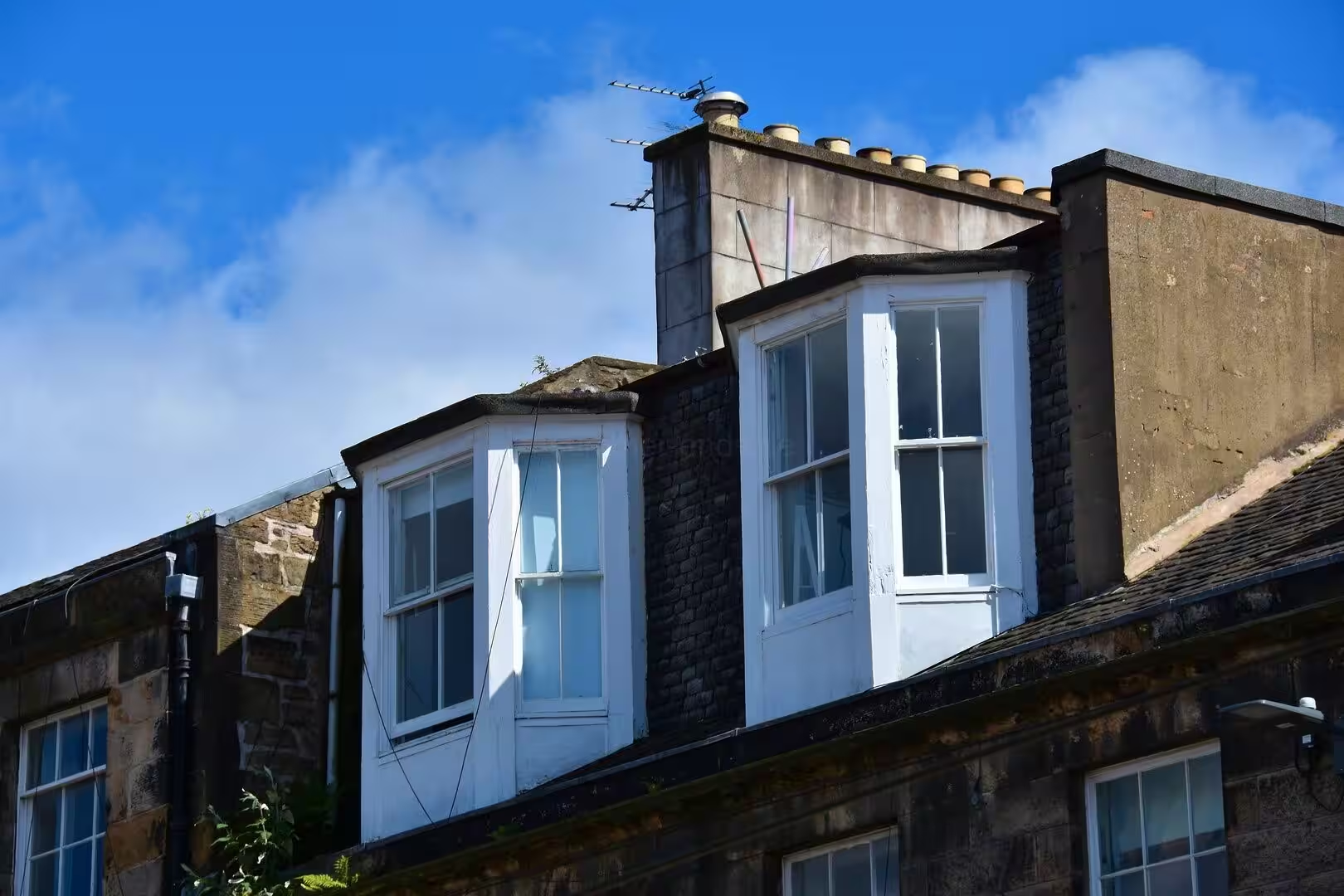
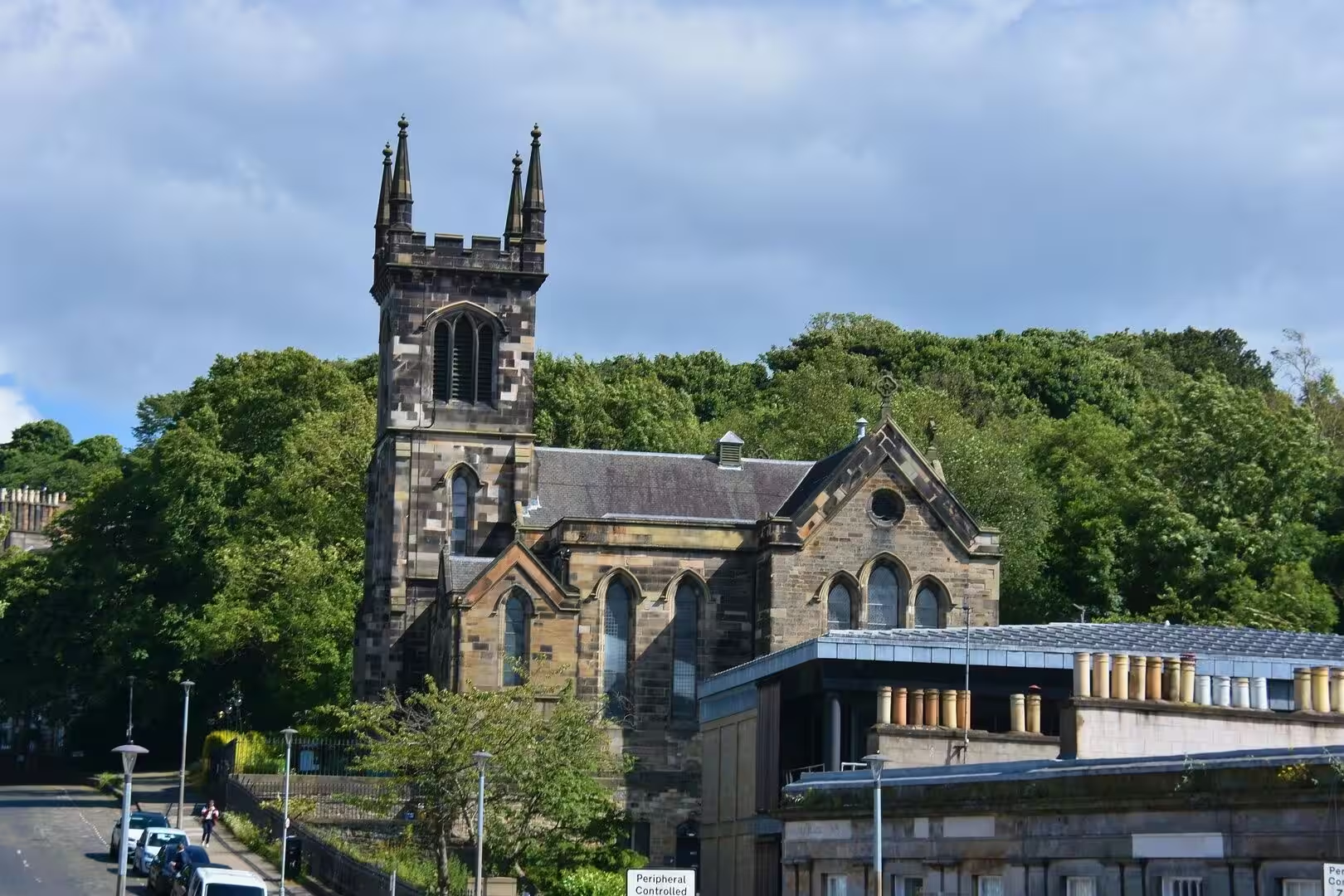
Glasgow is the largest city in Scotland and one of the principal urban centres of the United Kingdom, lying in the west-central Lowlands on the River Clyde some 25 kilometres inland from the Firth of Clyde. The city forms the core of a wider metropolitan region on the Clyde that has historically functioned as an industrial, commercial and transport hub for the west of Scotland. Glasgow is characterised by a dense urban fabric of sandstone tenements, by extensive former industrial and dockland areas, and by large parks and green spaces set within the city, and its buildings are mostly of red and buff sandstone, giving the streets their characteristic warm appearance.
Glasgow is the third most populous city in the United Kingdom, with a population of about 635,000 in the city and a larger figure for the wider council area and conurbation, and it serves as the commercial, cultural and educational centre of western Scotland. Today it plays a major role in the Scottish economy through its universities, its creative and service industries, its retail and its events, while the city has undergone a long transformation from its industrial past toward a service- and culture-oriented economy. The legacy of the docks, the shipyards and the heavy engineering works along the river has been remade as waterfront, museums and public space.
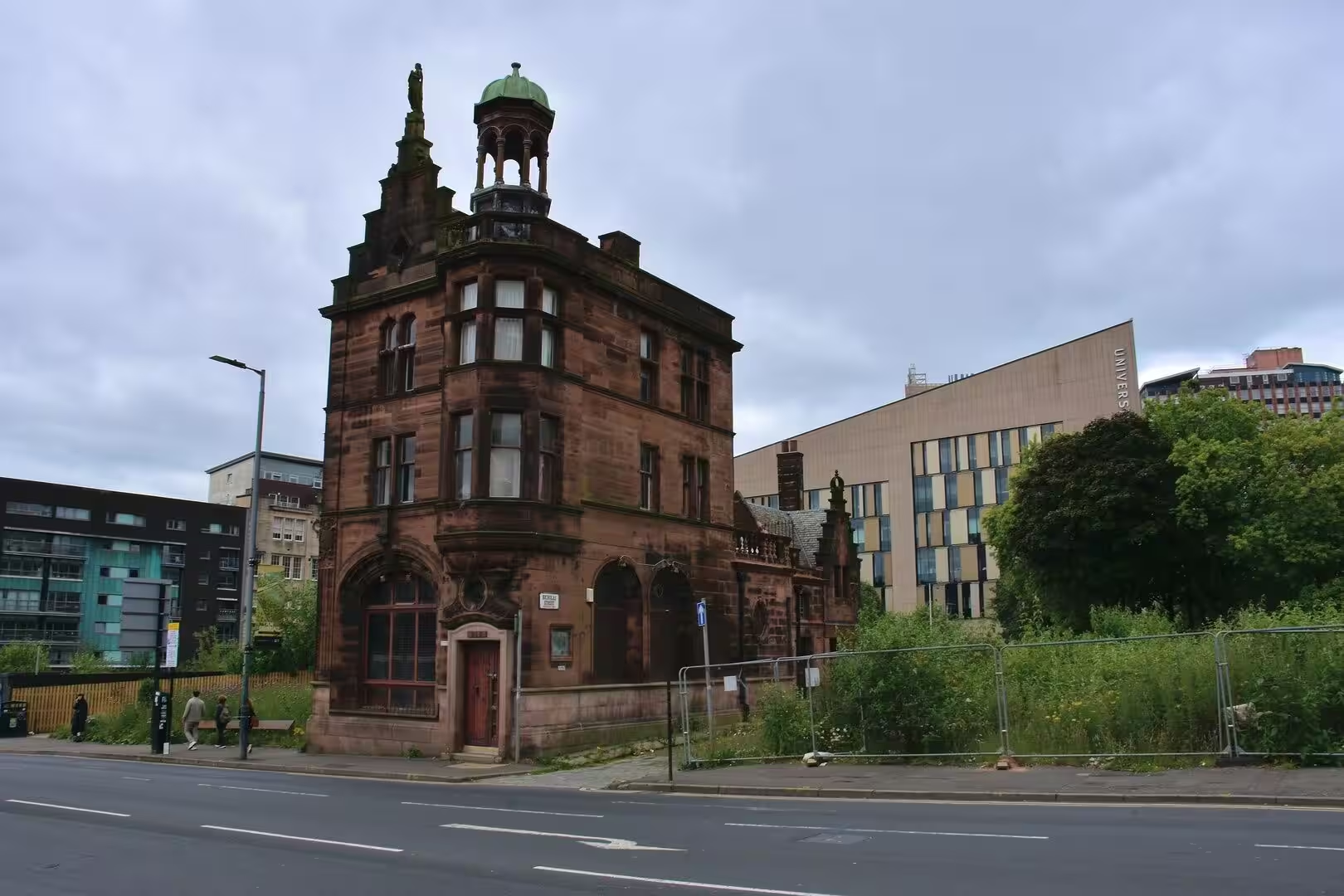
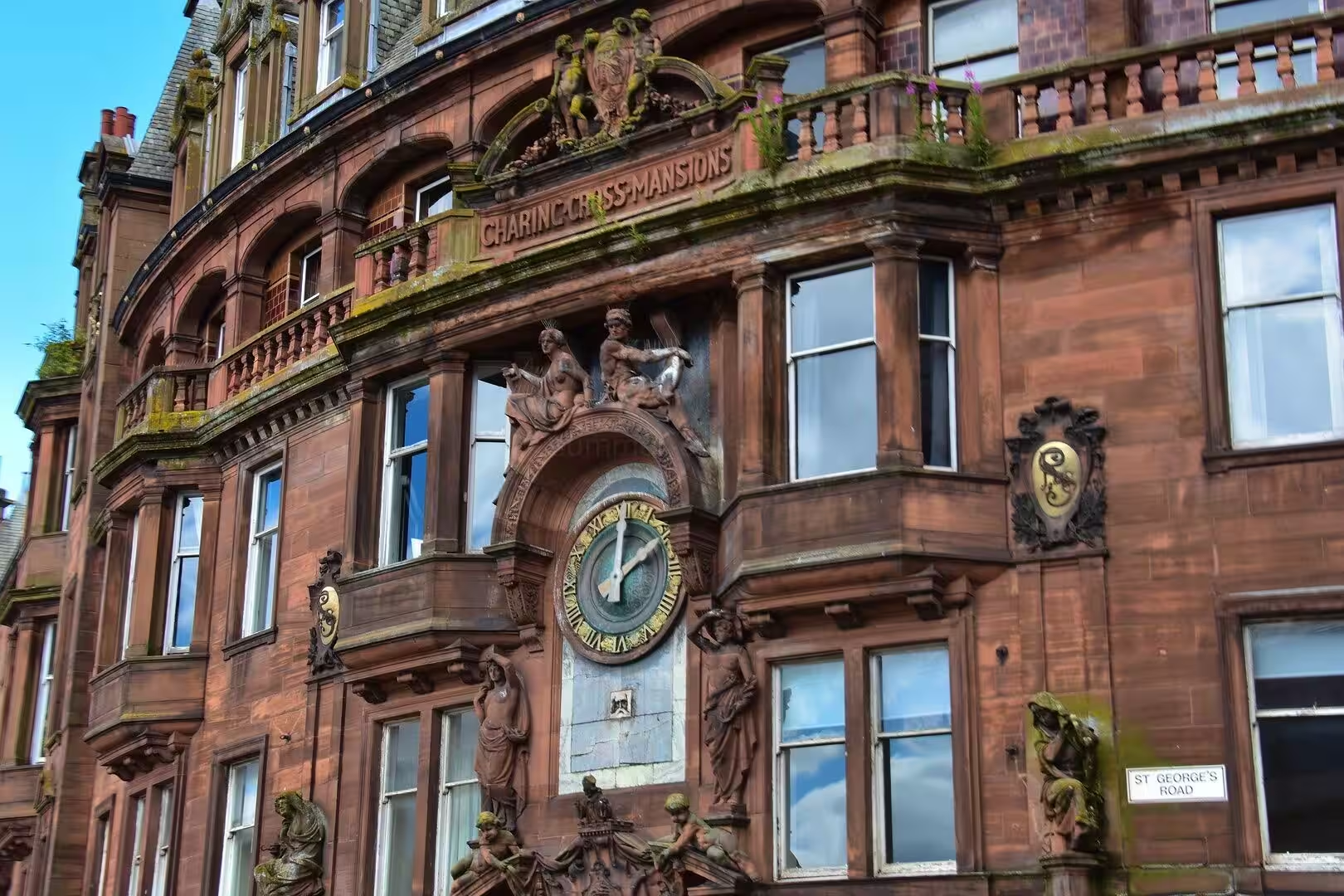
The city’s identity is closely tied to its industrial and mercantile history, to its shipbuilding and its engineering, and to the Victorian and Edwardian confidence of its civic buildings and its terracotta and sandstone architecture. Glasgow has a strong cultural life, with a large number of museums and galleries, a tradition of music and architecture, and a celebrated reputation for hospitality and for the warmth of its people, and it has been recast in recent decades as one of the leading cities of the United Kingdom for culture and tourism.
History
The origins of Glasgow date back to early medieval times, when the area developed as a religious settlement associated with St Mungo, also known as Kentigern, who is credited with founding a church on the site in the sixth century. The settlement of Glasgow Green and the cathedral grew around the saint’s shrine, and Glasgow was granted burgh status in the twelfth century, marking its emergence as an important regional town at the crossing of the Clyde. The establishment of the bishopric and the opportunity of the river and the sea routes supported its growth as a market and ecclesiastical centre.
From the eighteenth century onward Glasgow experienced rapid expansion driven by transatlantic trade, particularly in tobacco, sugar and textiles, and the city became one of the great tobacco lords’ ports of the empire. During the Industrial Revolution the city grew into one of the world’s leading industrial centres, renowned for shipbuilding, heavy engineering, coal processing and manufacturing, and the River Clyde was transformed into a major shipbuilding corridor, earning Glasgow the title of the Second City of the British Empire. The population multiplied, and the city spread across its hills and valleys, its wealth expressed in the sandstone tenements, the banks, the warehouses and the civic buildings of the Victorian era.
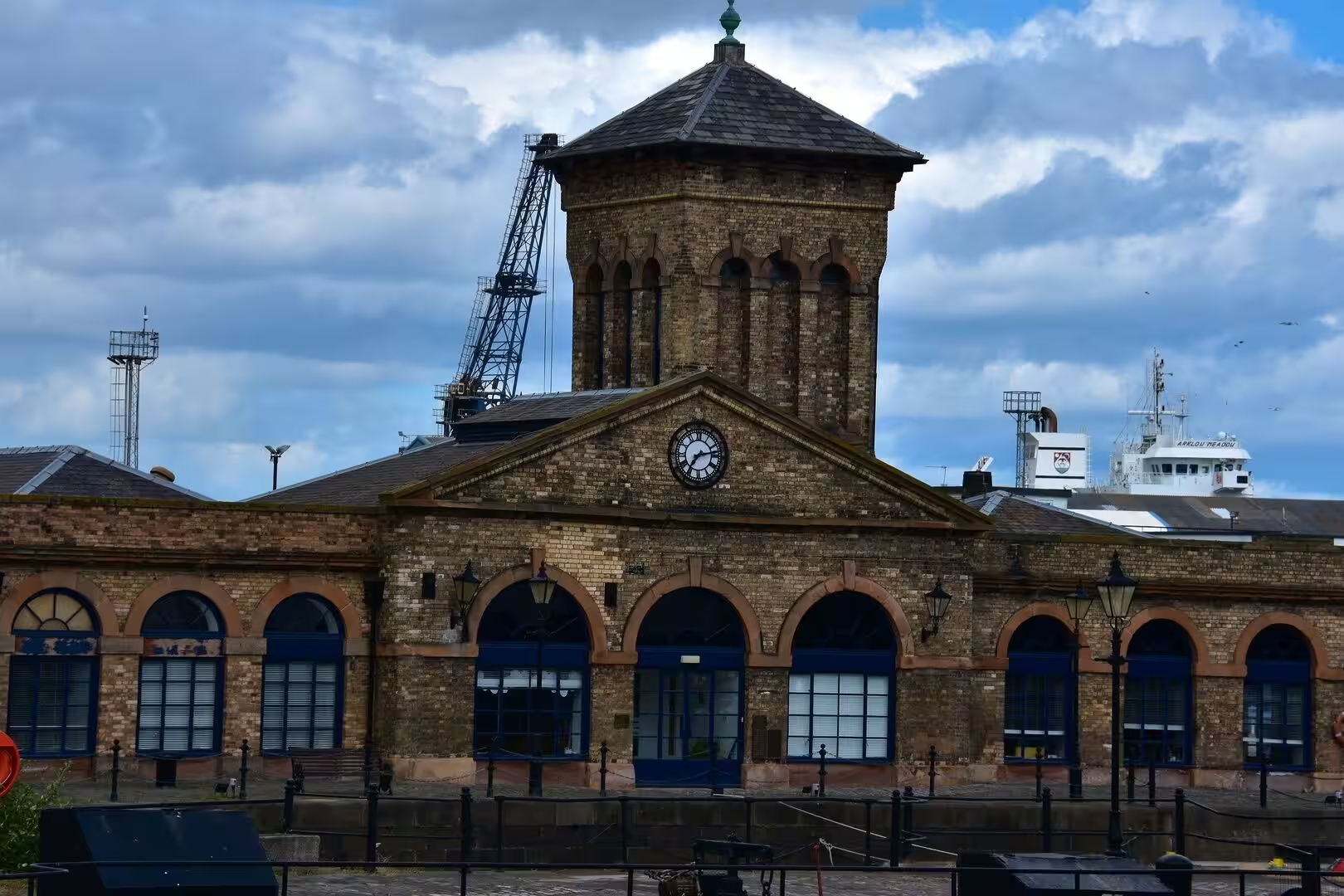
The twentieth century brought industrial decline, population loss and serious social and economic challenges as the traditional heavy industries and the shipyards contracted and closed. From the late twentieth century onward Glasgow undertook extensive urban regeneration, investment in cultural institutions and the redevelopment of the former industrial and dockland areas, notably along the river and in the city centre. These changes repositioned the city as a centre for higher education, the creative industries, tourism and events, while elements of its industrial heritage, its shipbuilding and its engineering, were preserved in its museums and in the memory of its communities, and the Glasgow Renaissance continued into the twenty-first century.
Geology
Glasgow lies within the Midland Valley of Scotland, a broad lowland basin formed by tectonic activity during the Paleozoic era, lying between the Highlands and the Southern Uplands. The underlying geology consists mainly of sedimentary rocks of Carboniferous age, including sandstones, shales, limestones and coal measures. These formations were critical to Glasgow’s industrial development, providing the local sources of coal and the building stone that supplied the city, while the Carboniferous strata also contain the abundant sea, plant and fish fossils of the coal-bearing sequence.
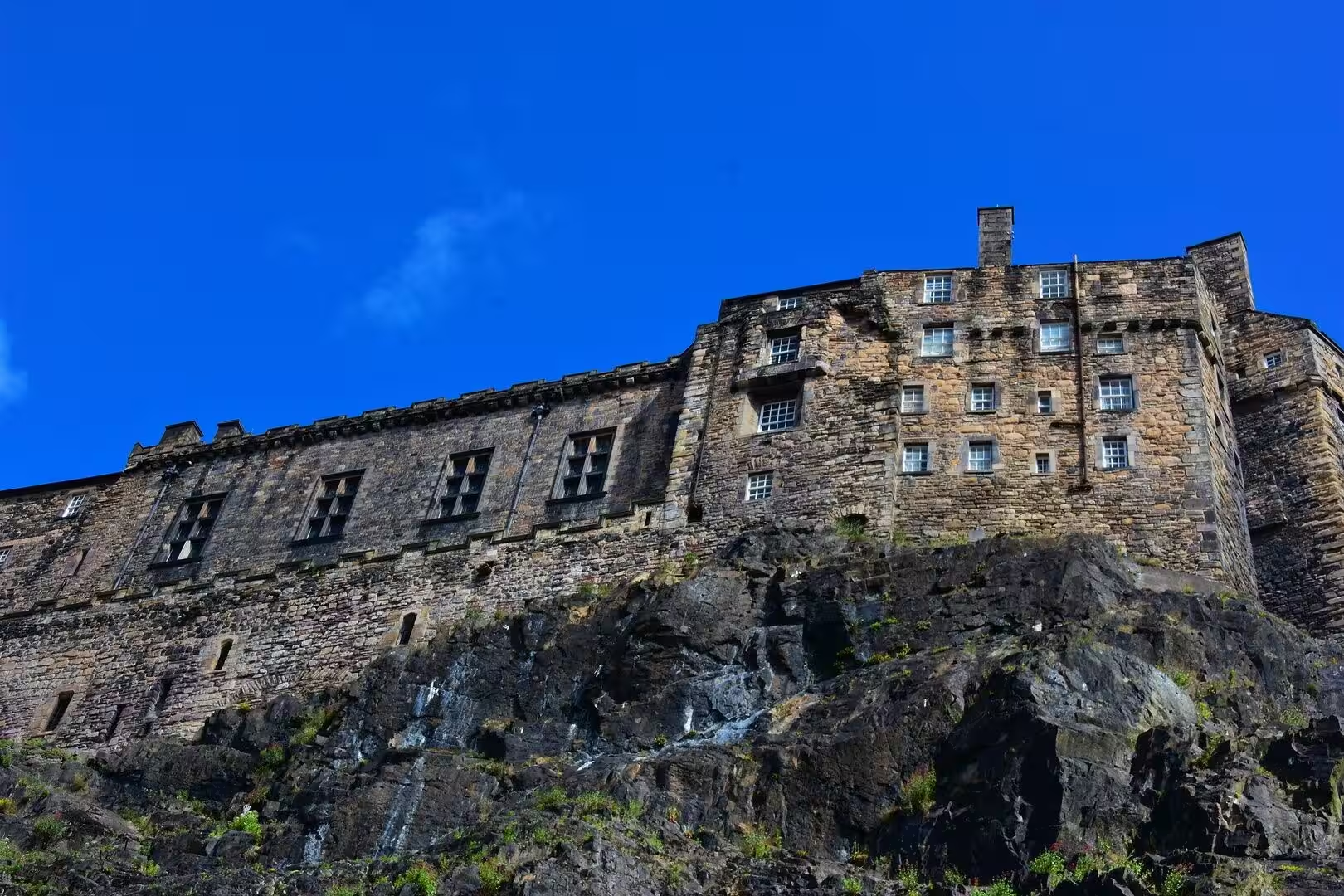
Volcanic activity during the Carboniferous period also left its imprint on the region, with basaltic intrusions and lava flows present in parts of the wider Clyde basin, including the distinctive igneous crags that rise within the city and in the surrounding country. During the last Ice Age extensive glaciation reshaped the landscape, depositing thick layers of glacial till and carving broad valleys, and the River Clyde occupies a glacially modified valley. Post-glacial sea-level changes influenced the development of the estuarine environments downstream toward the Firth of Clyde, where the river broadens and the tide-set mudflats and the raised beaches of the lower Clyde appear.
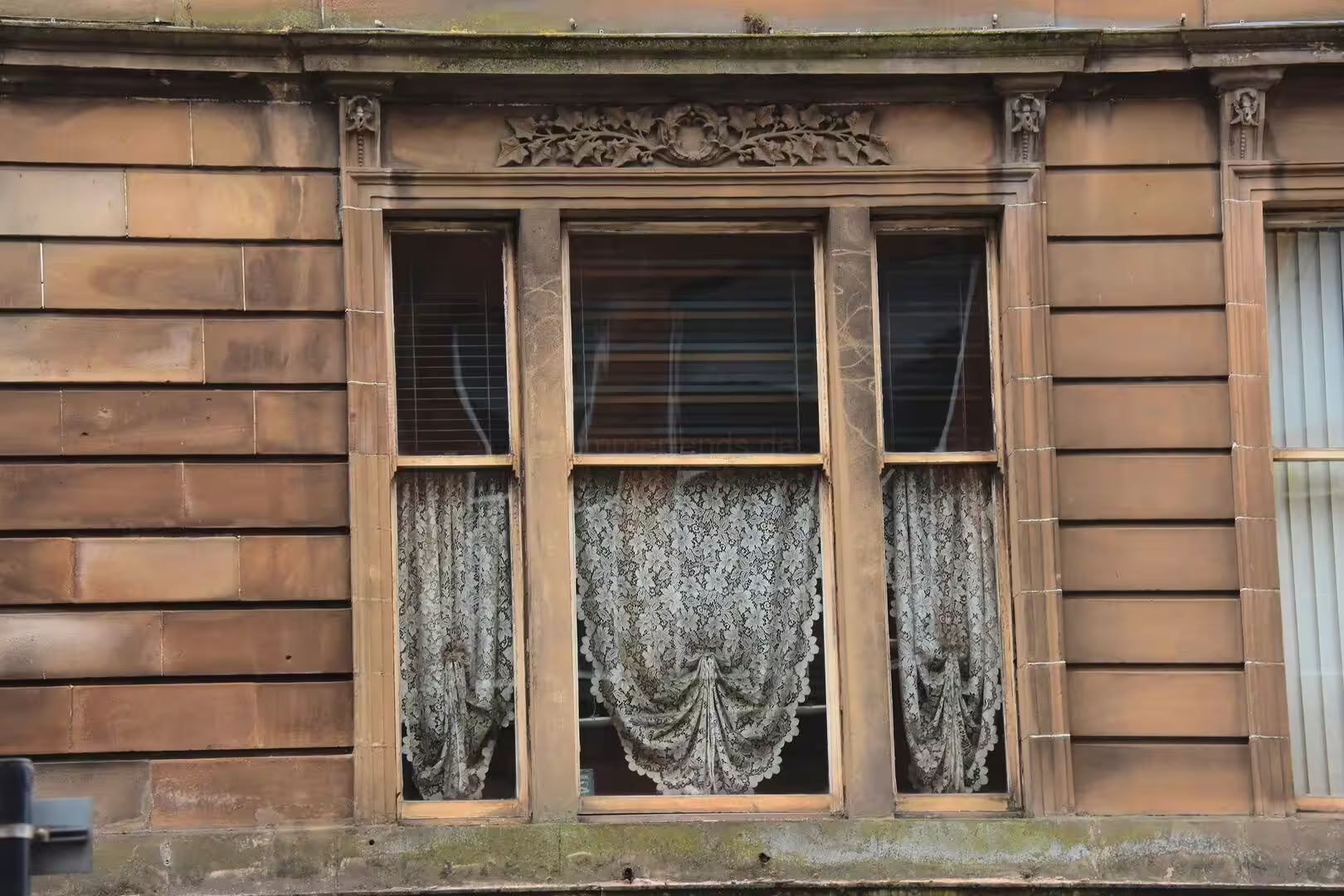
These geological processes produced relatively flat, low-lying terrain, well suited to the large-scale urban and industrial development of the city, and they also shaped the drainage, the soil characteristics and the construction conditions across the wider metropolitan area. The softer Carboniferous strata and the made ground of the centre have influenced the foundations of the city, and the glacial till and the river alluvium of the Clyde valley have dictated the engineering works of the port and the waterfront. The building stone of the city itself, quarried from the surrounding Carboniferous sandstones, gives Glasgow the uniformity of its sandstone architecture and the warm red and pale tones of its streets. The coal-bearing measures, worked in the surrounding coalfield, and the ironstone and the limestone of the Carboniferous sequence sustained the heavy industry and the manufacturing that made the city, and the legacy of abandoned workings and of the reclaimed land still shapes the ground beneath the modern district of the east end and the river.
Things to See
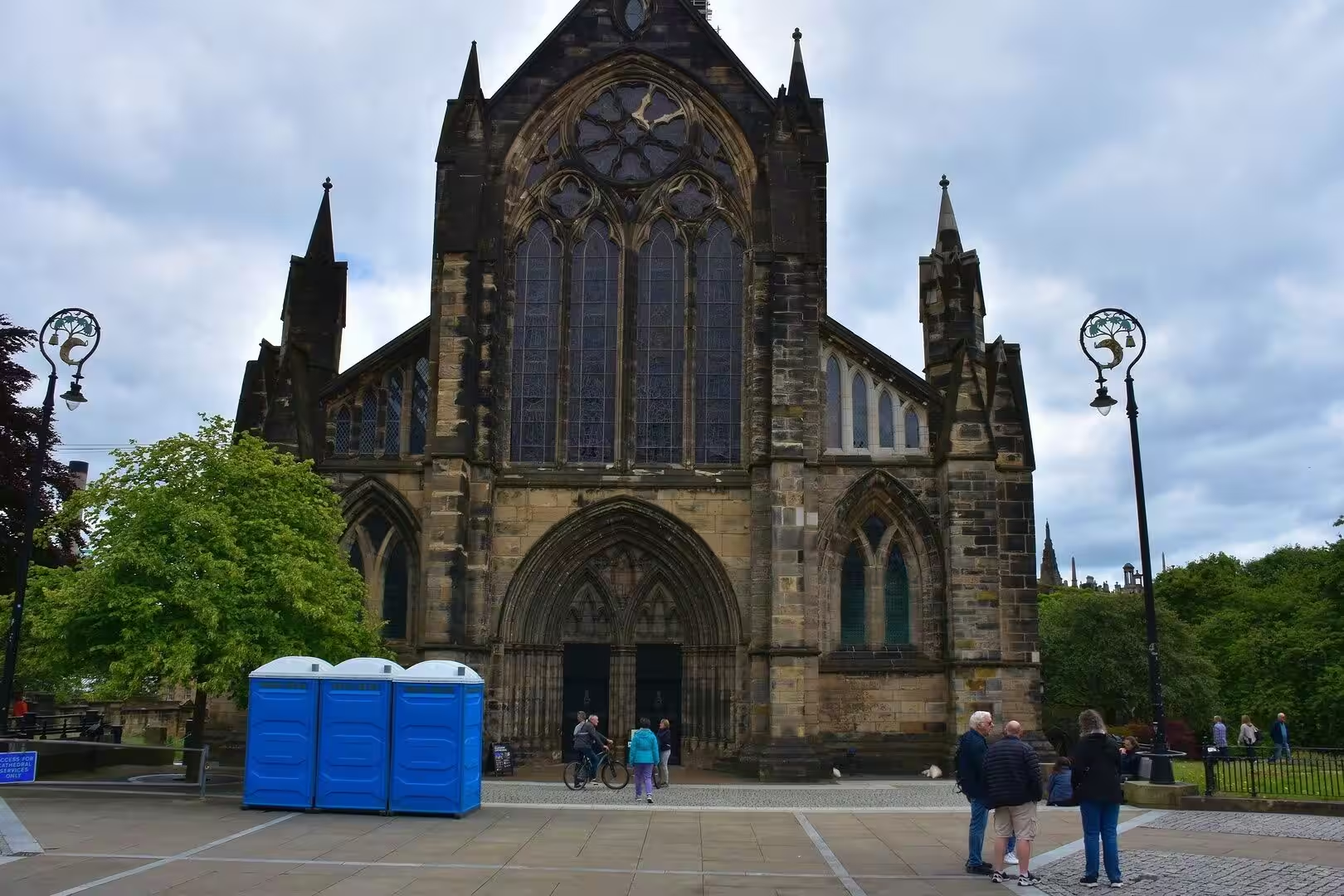
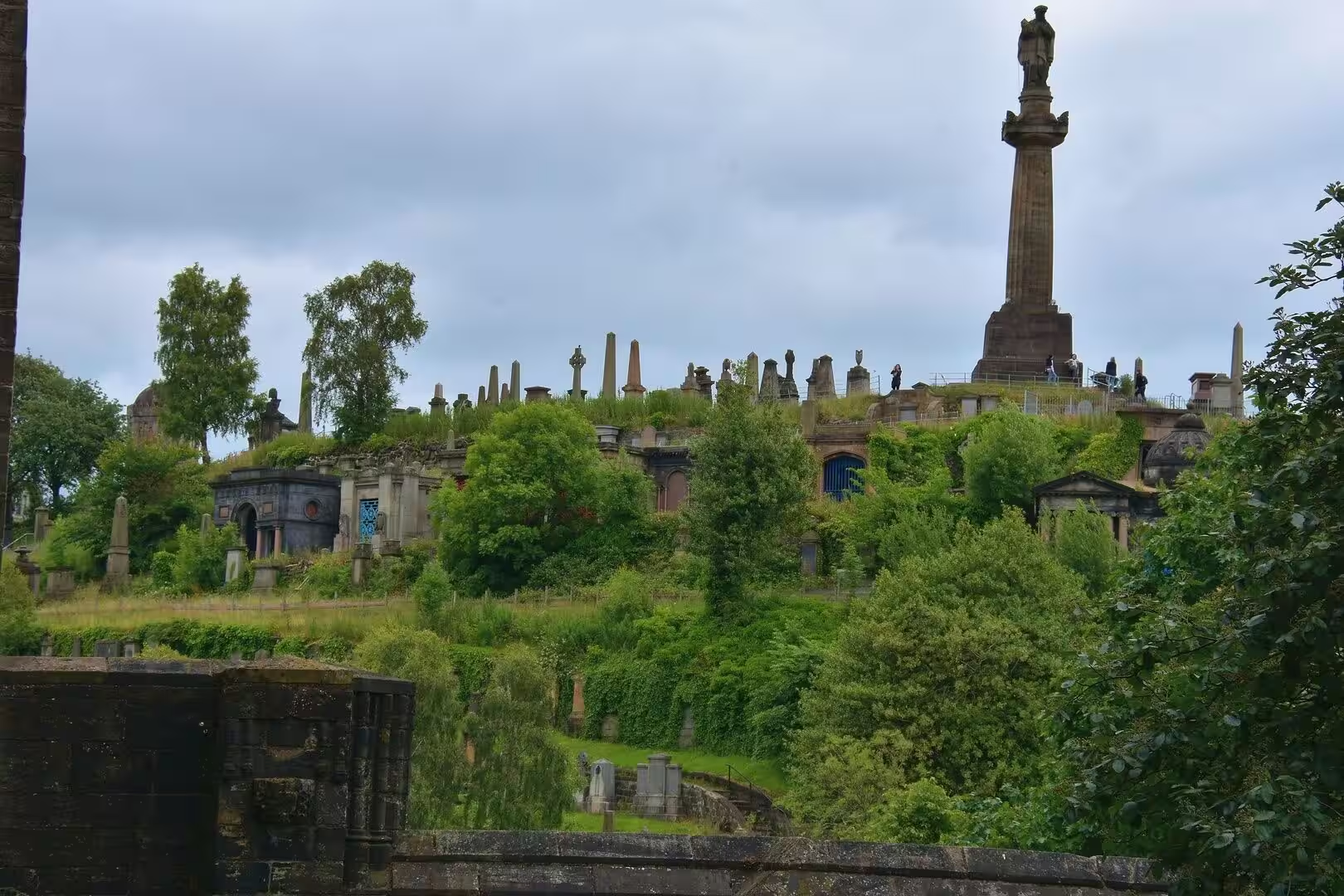
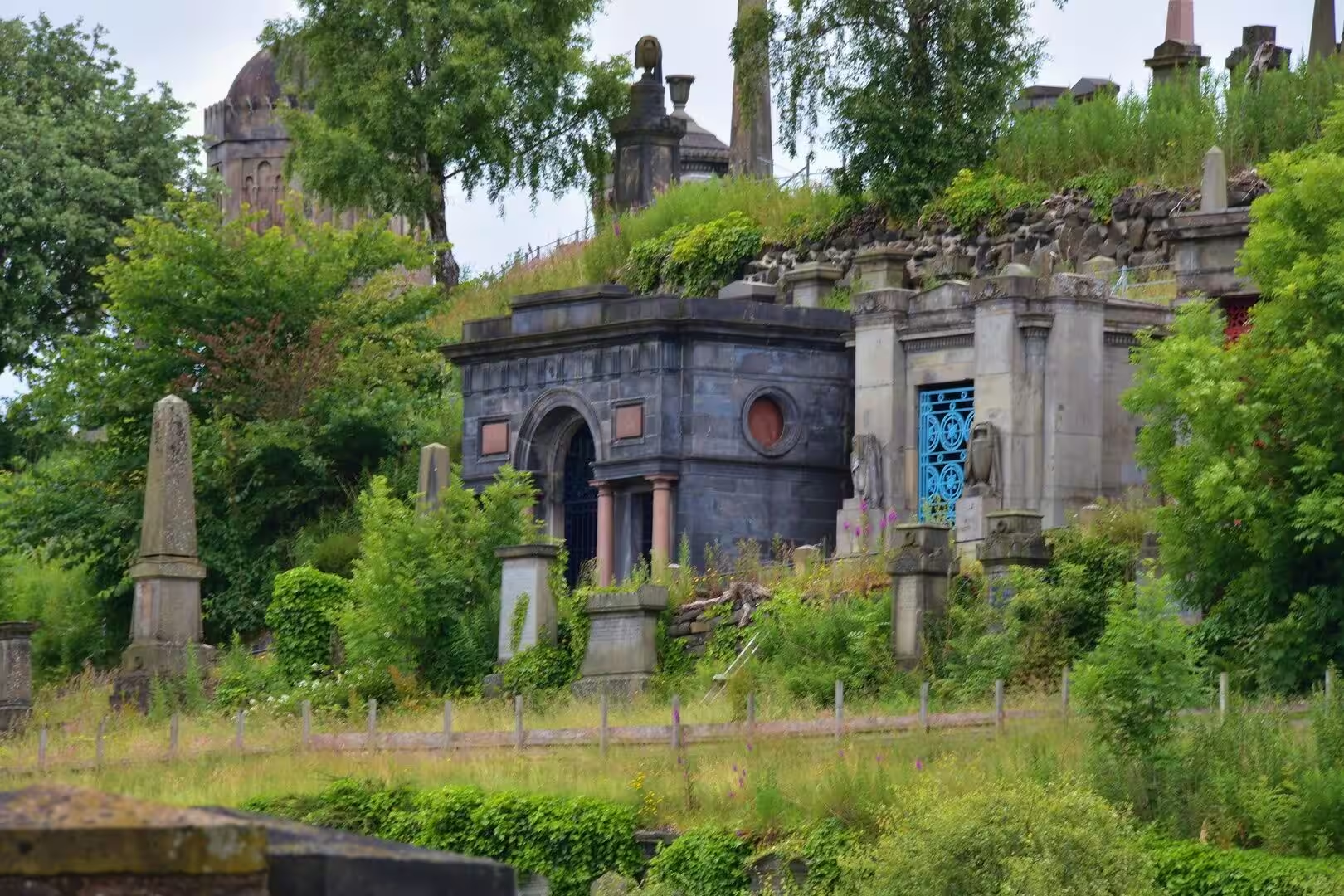
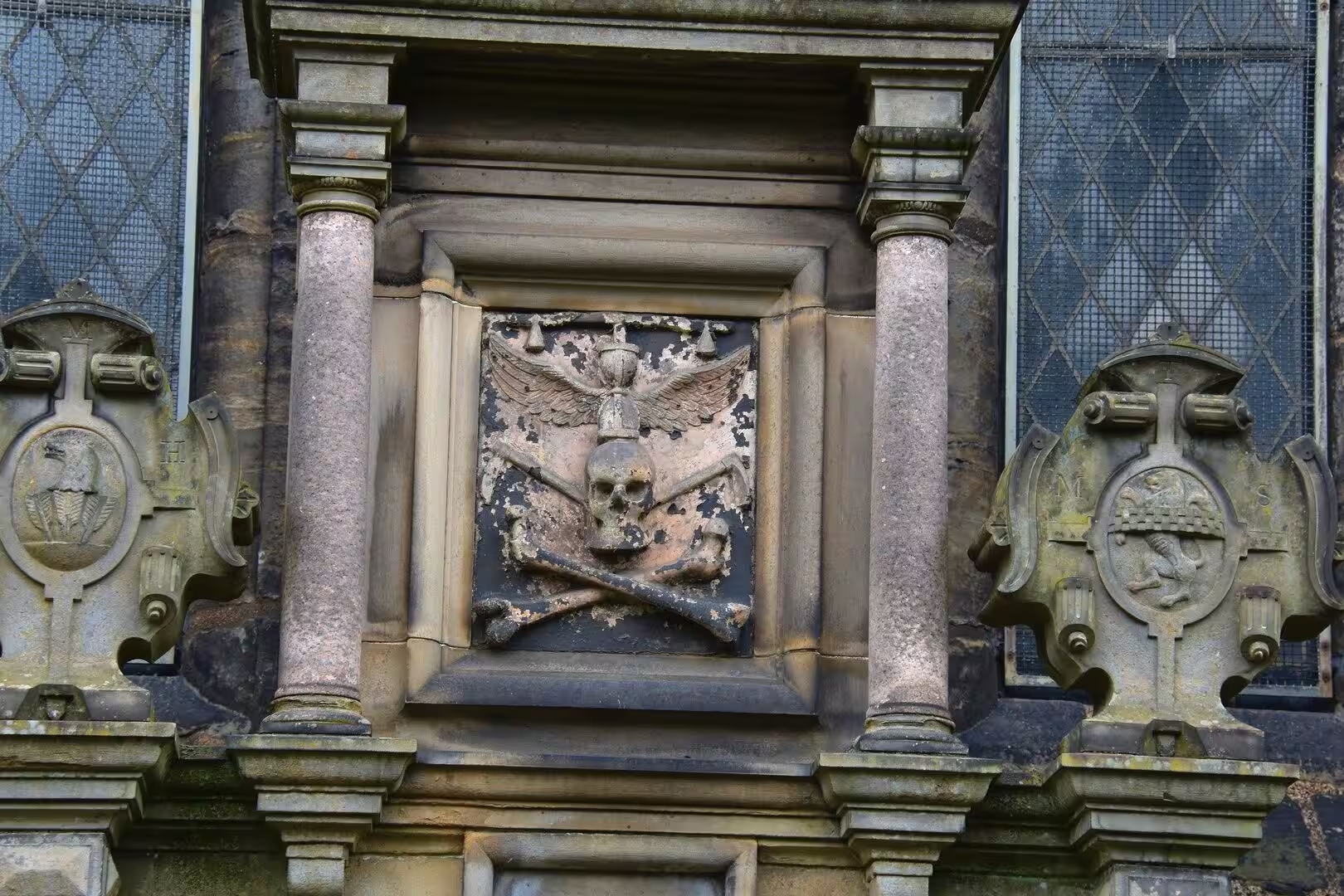
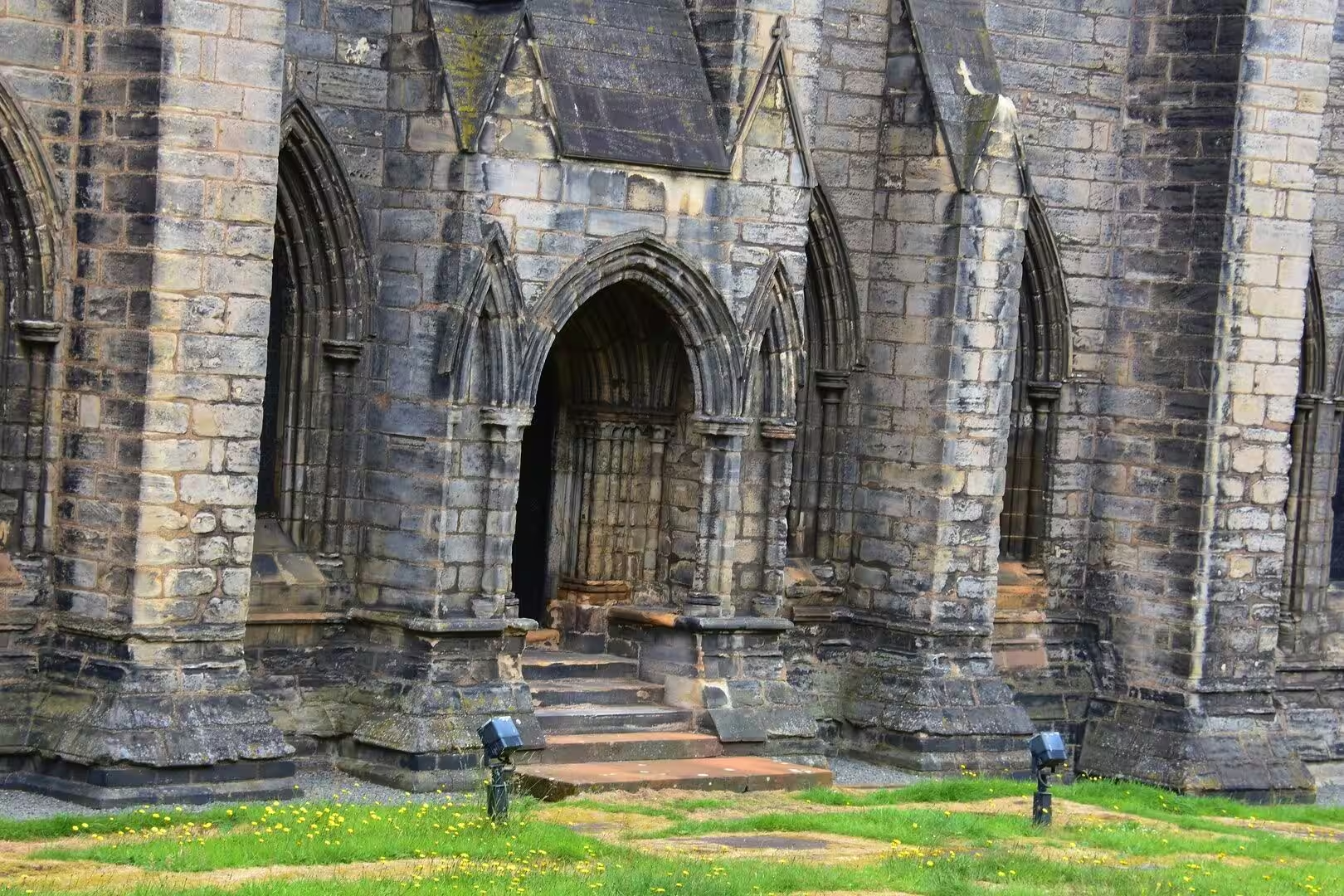
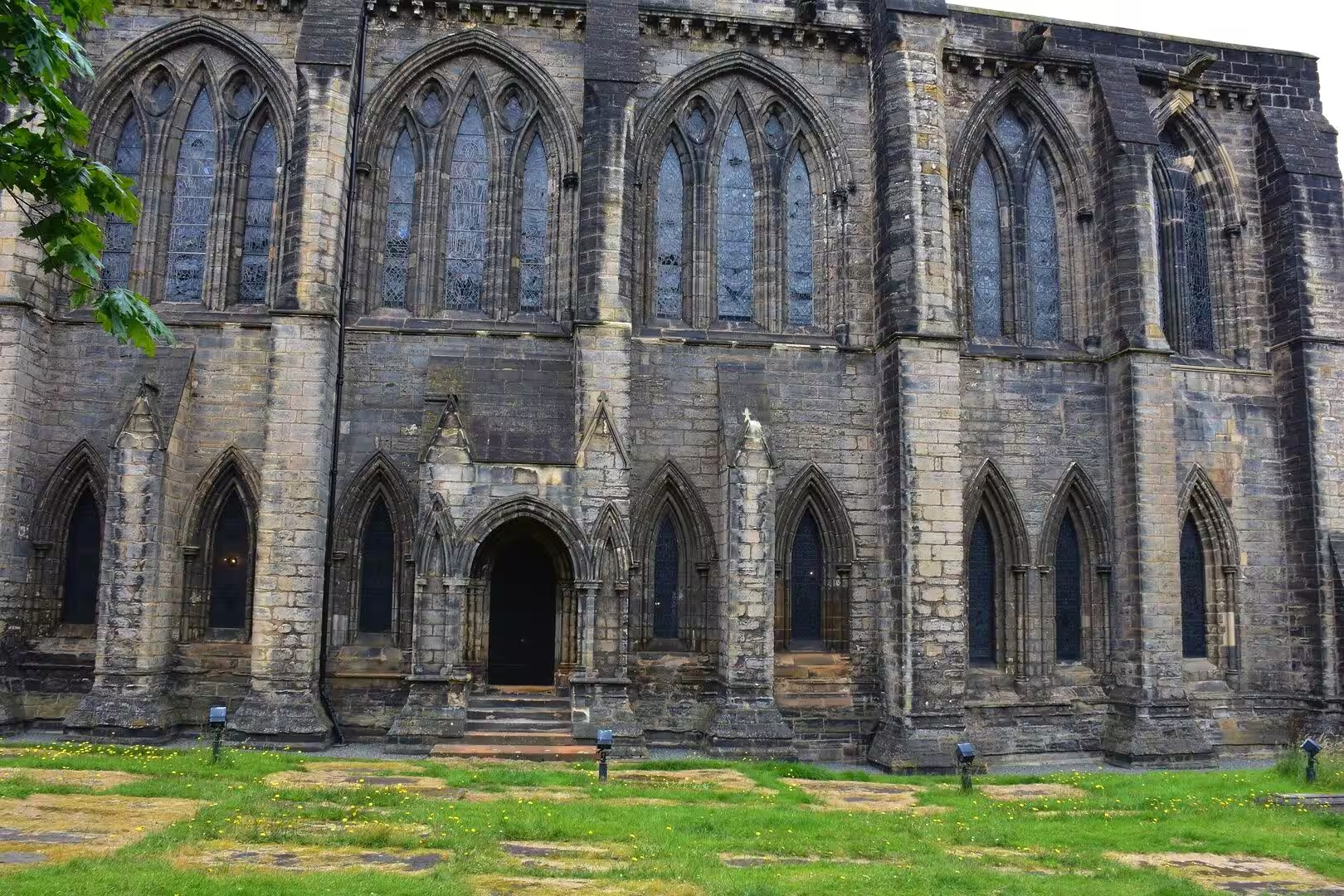
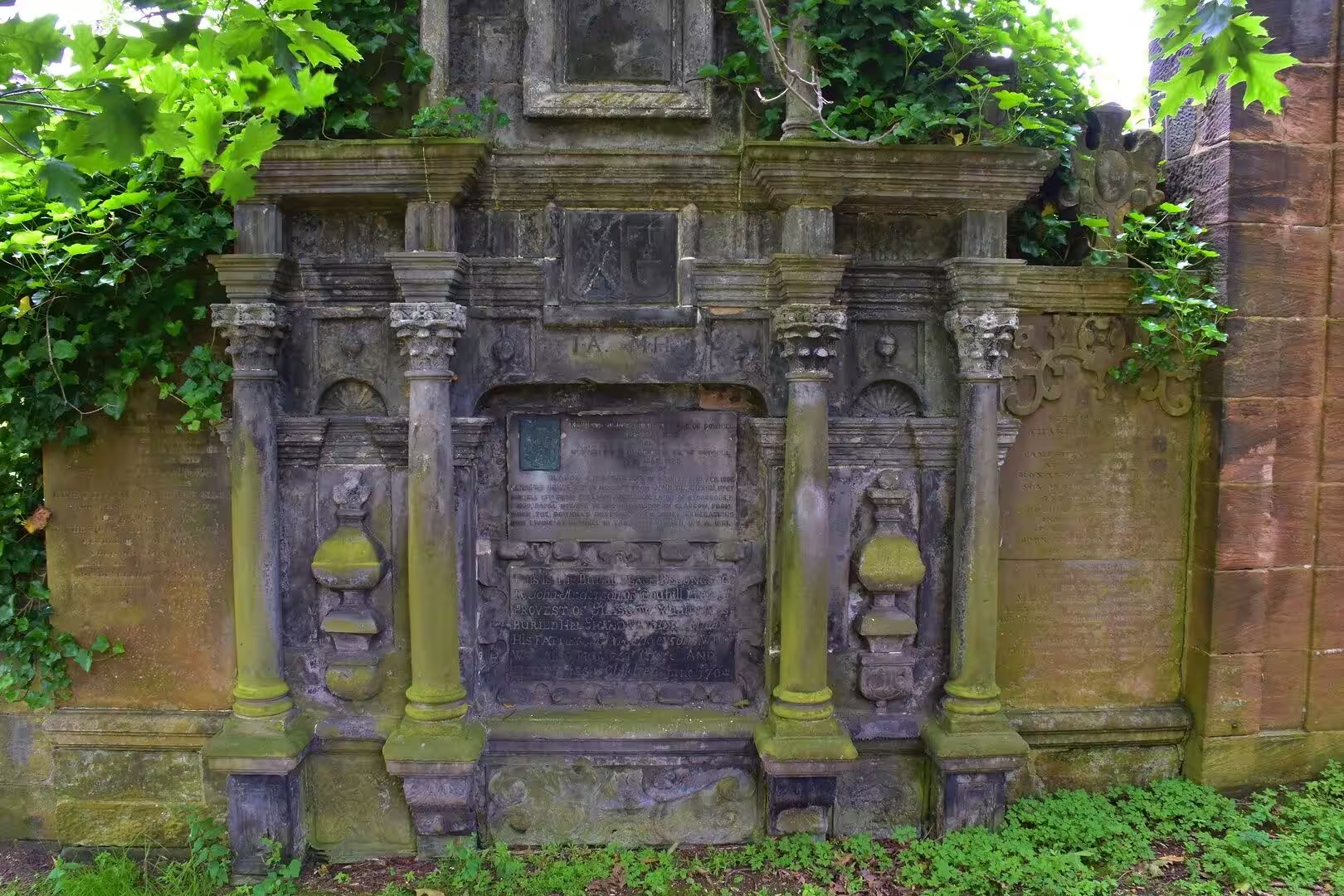
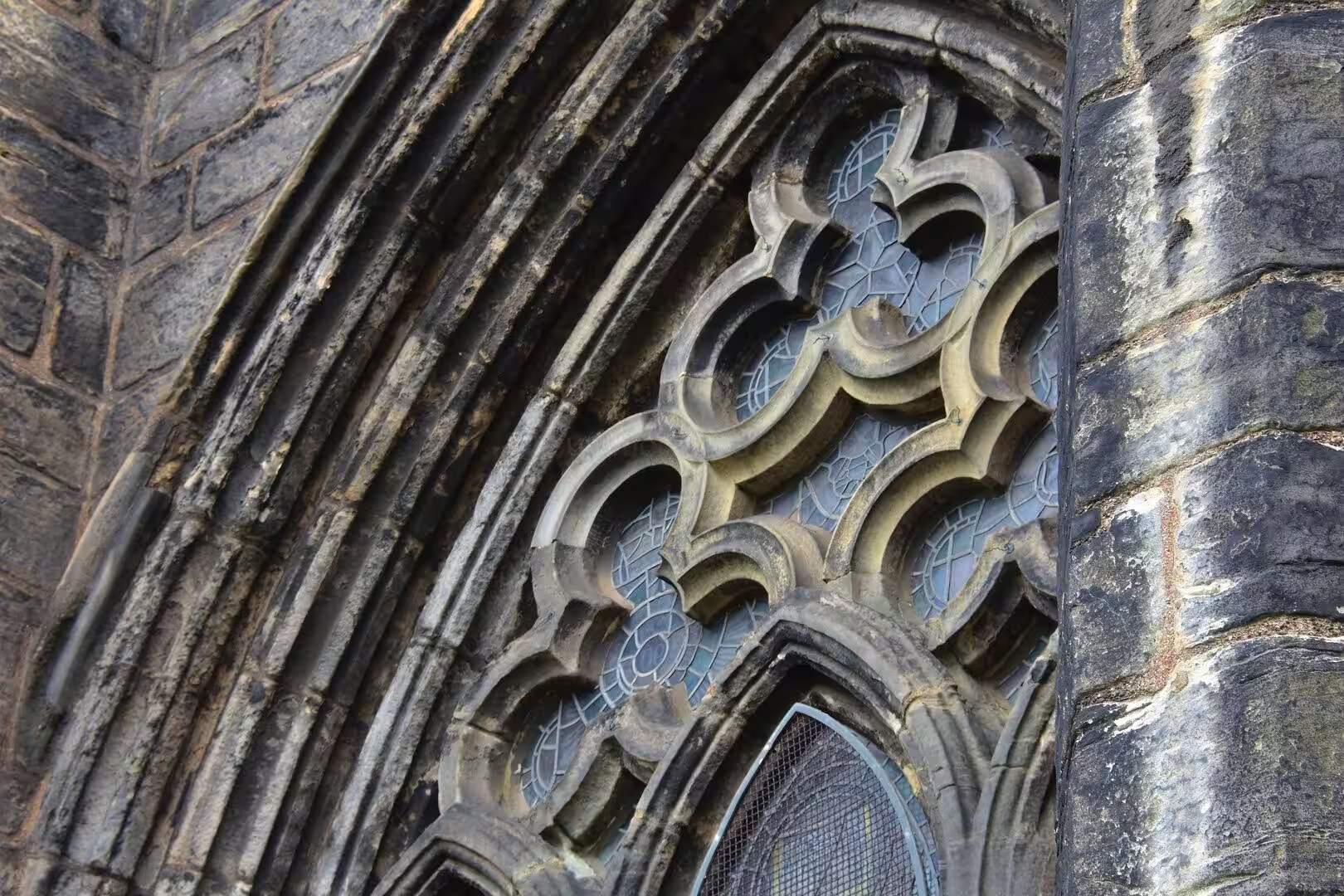
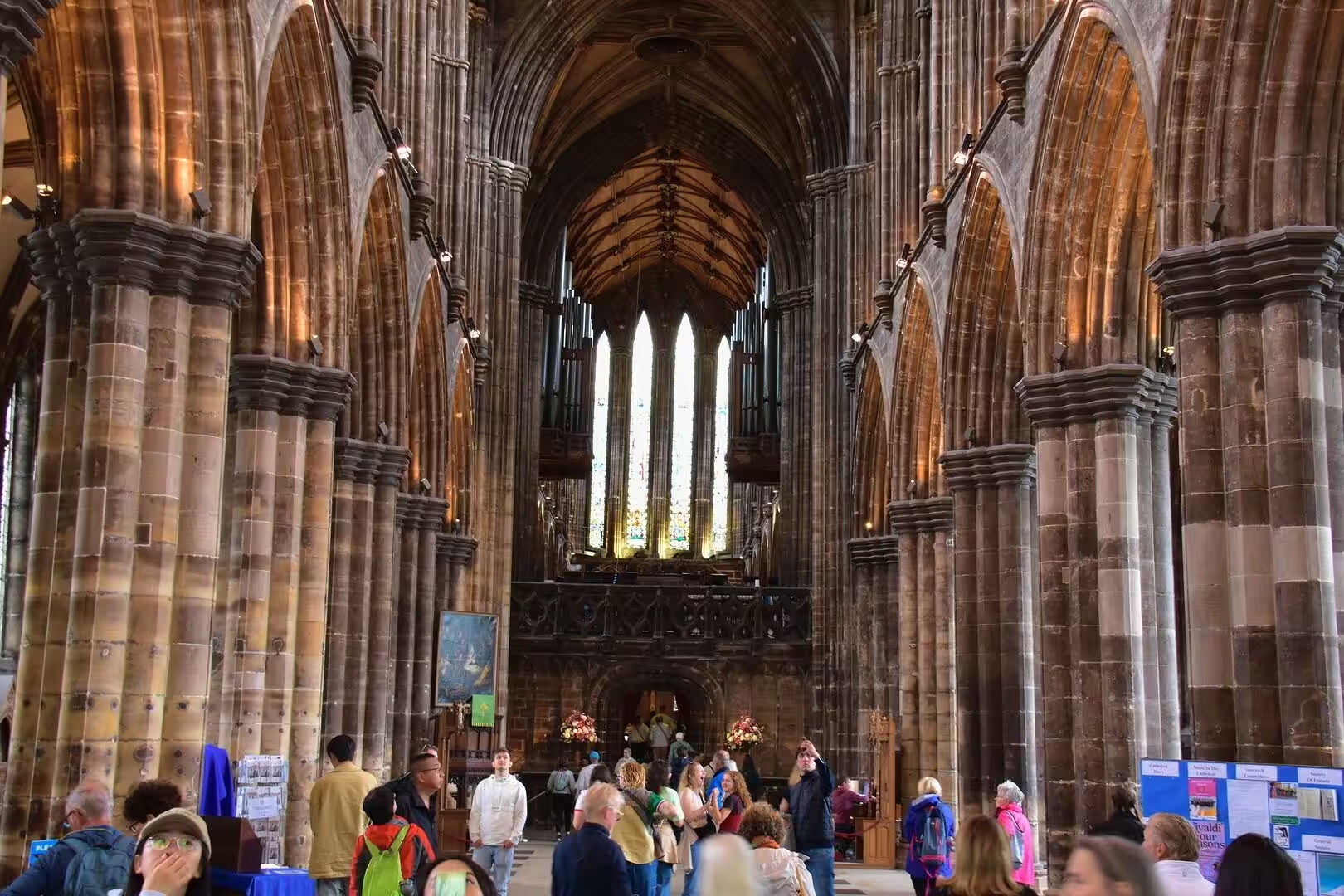
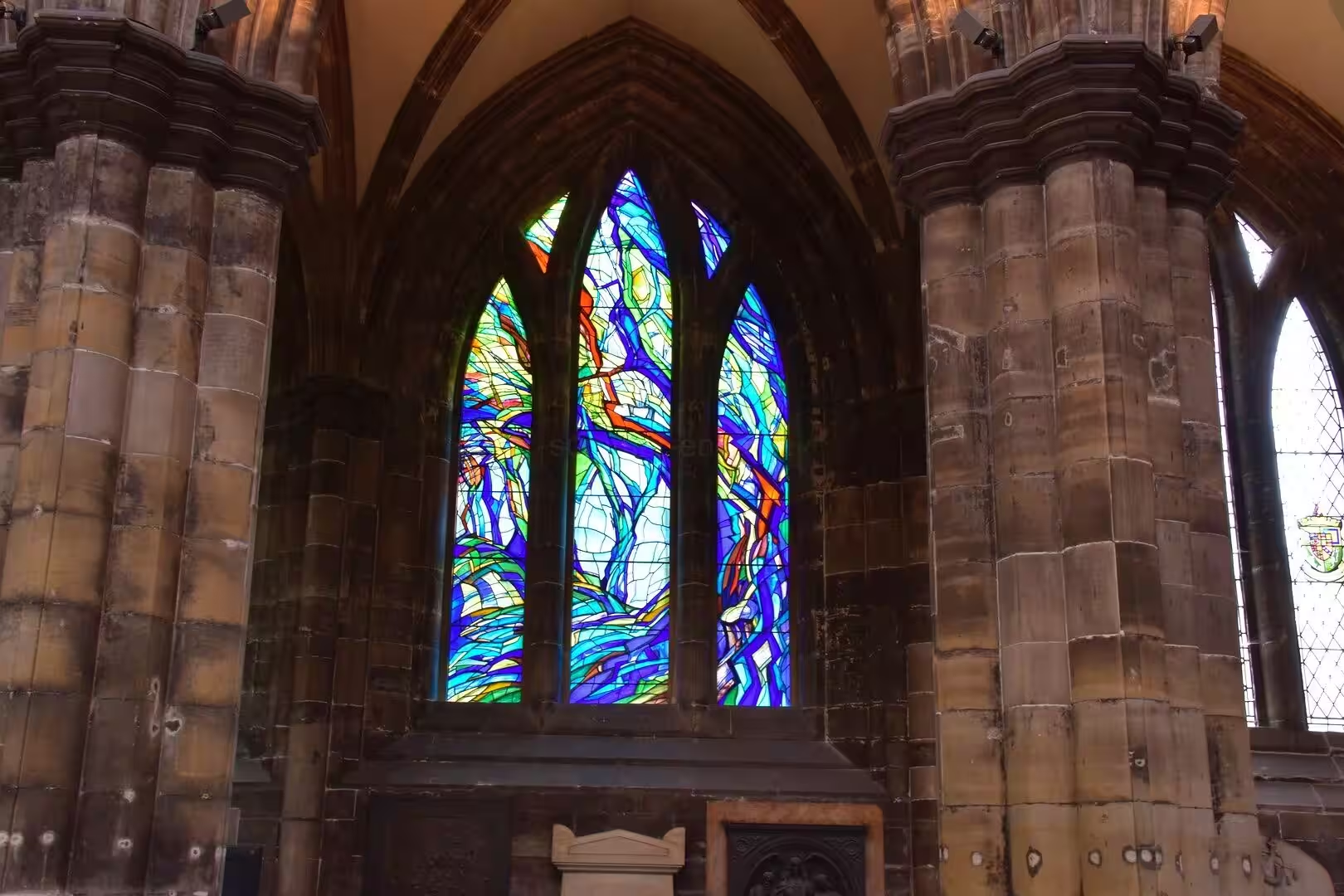
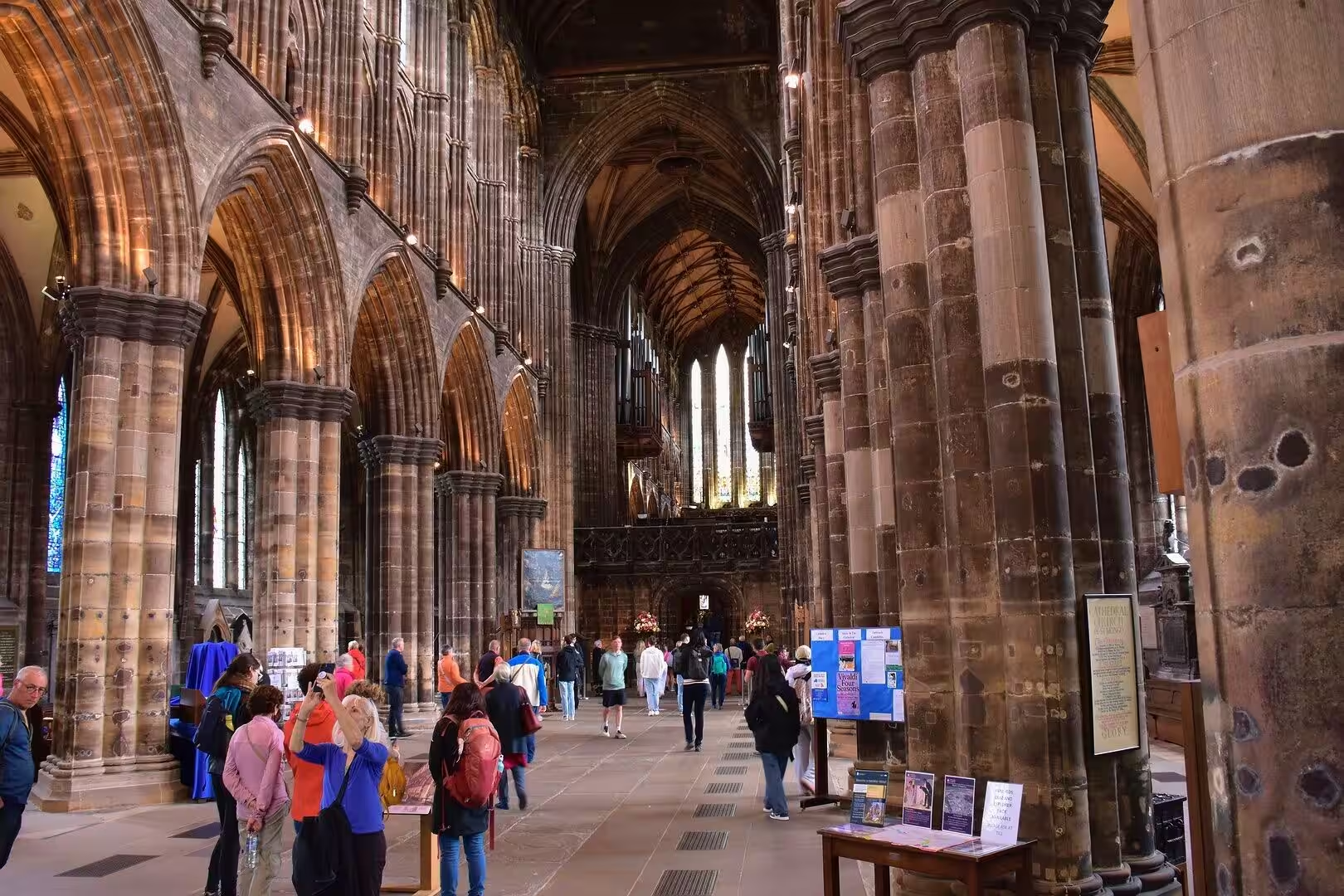
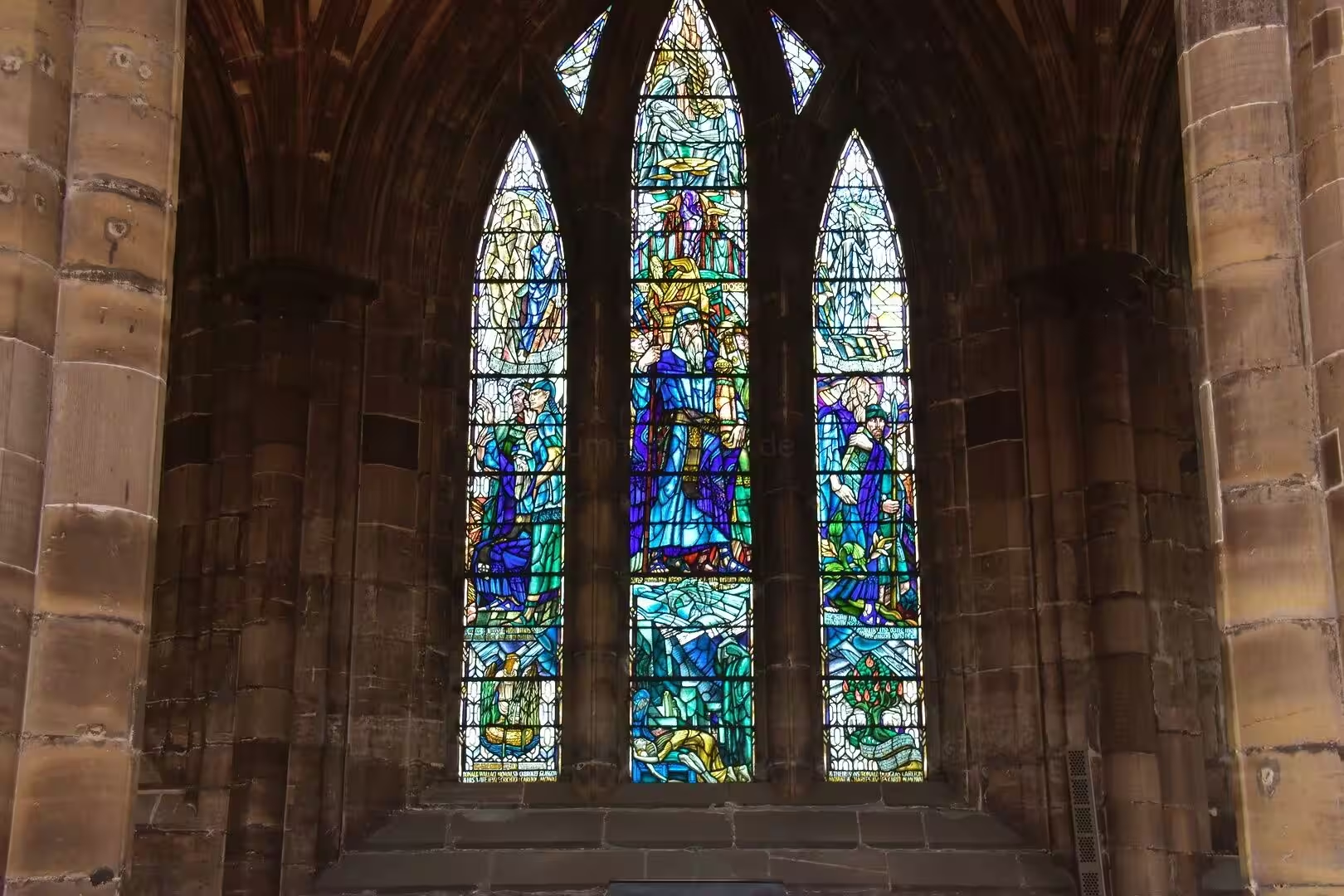
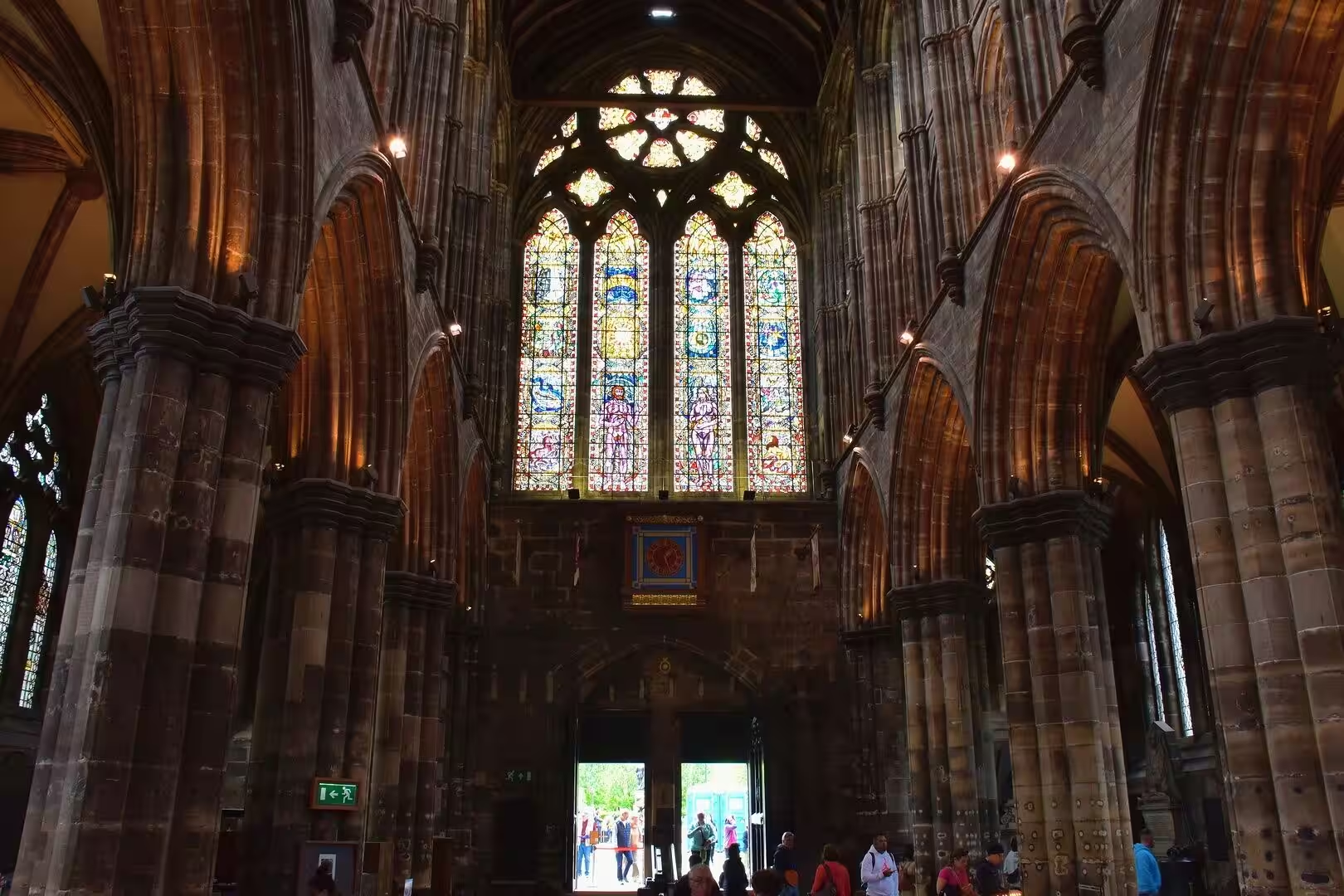
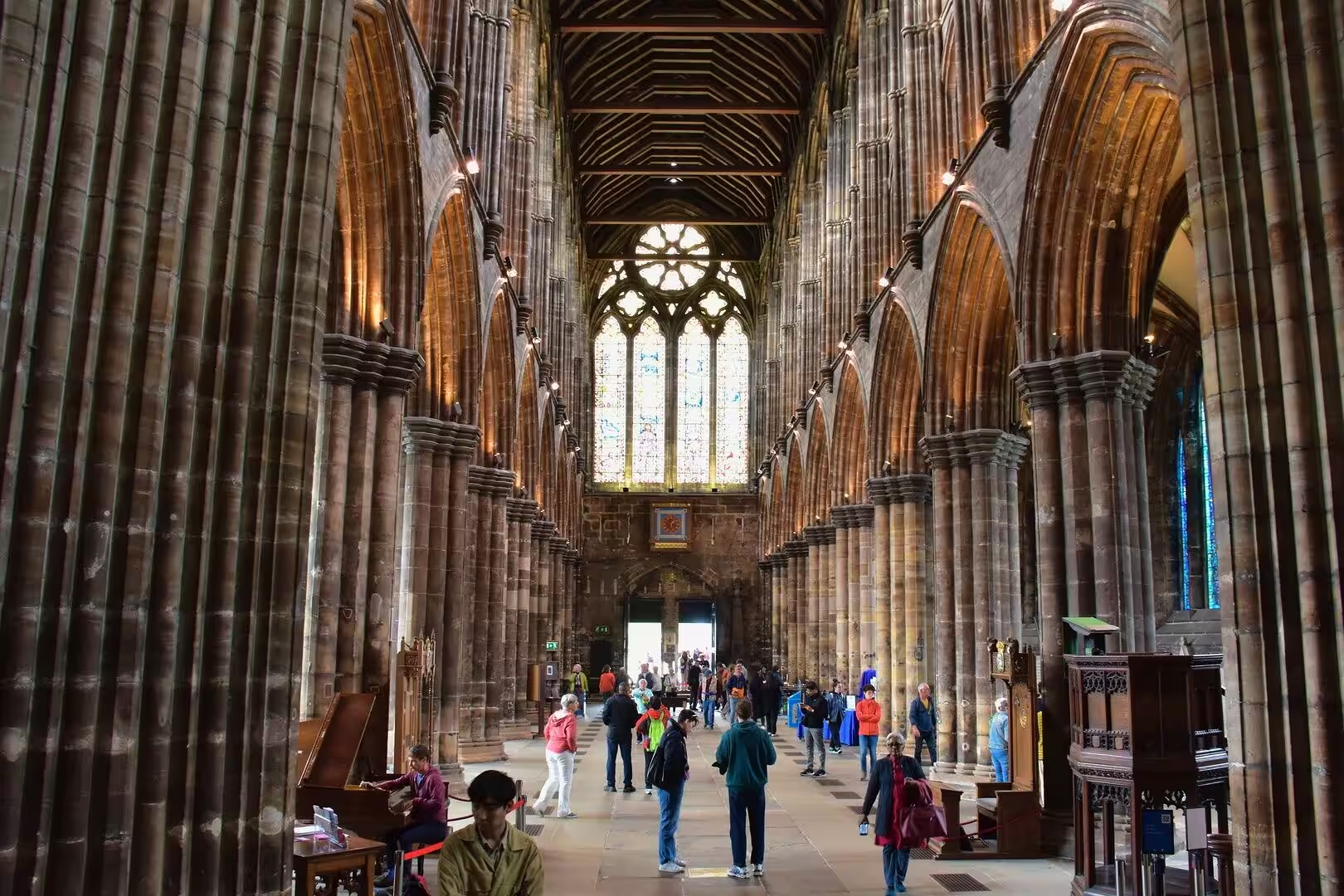
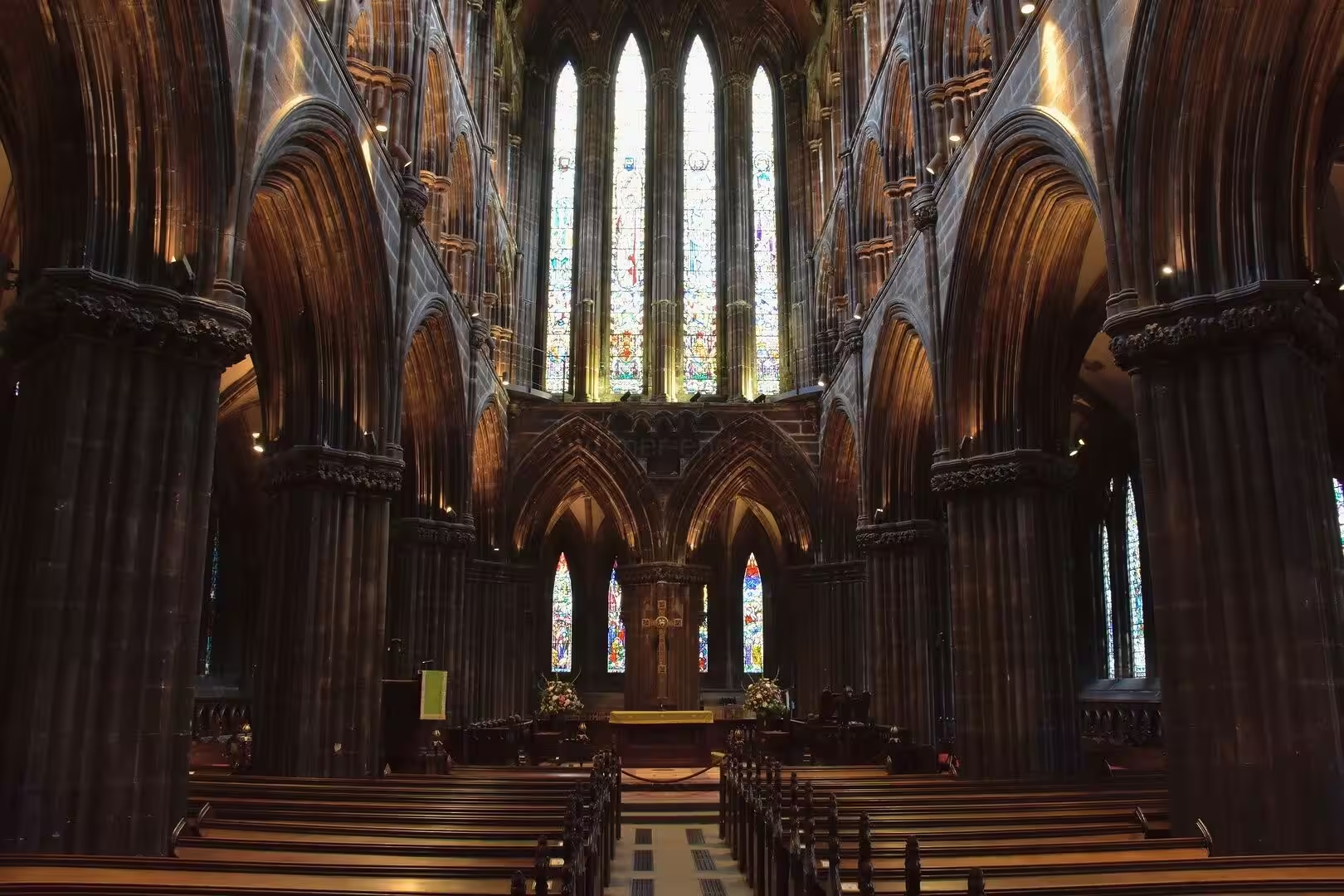
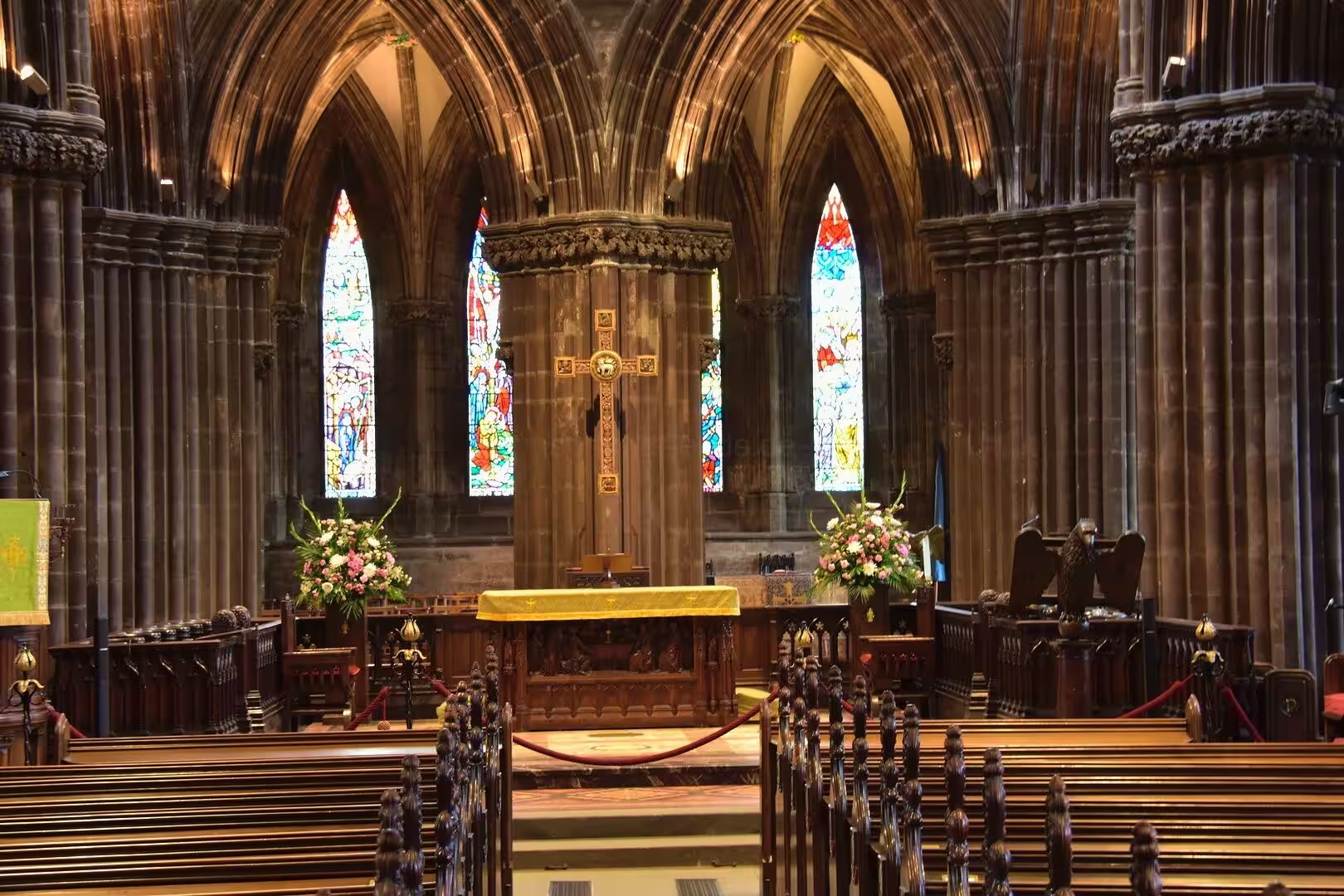
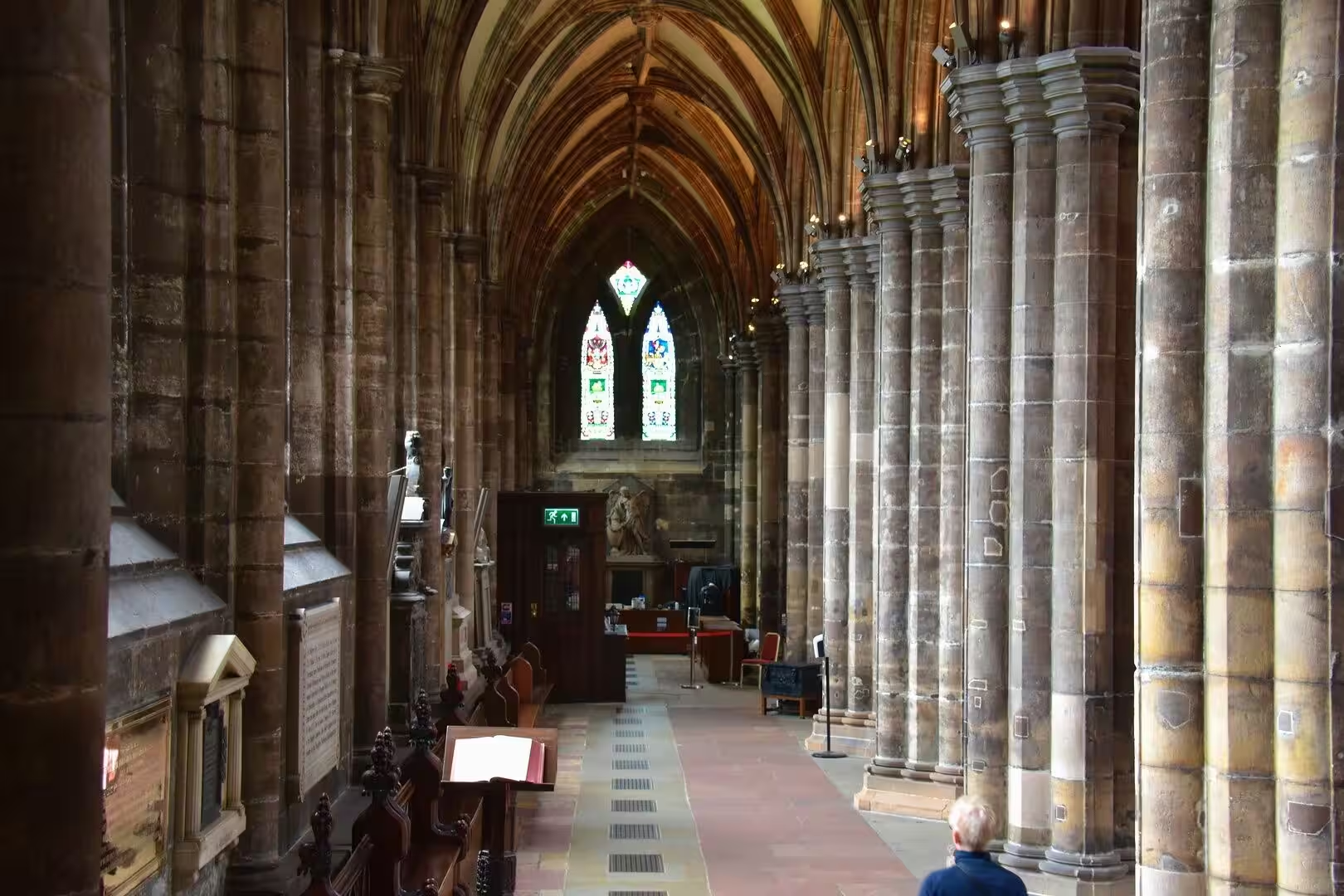
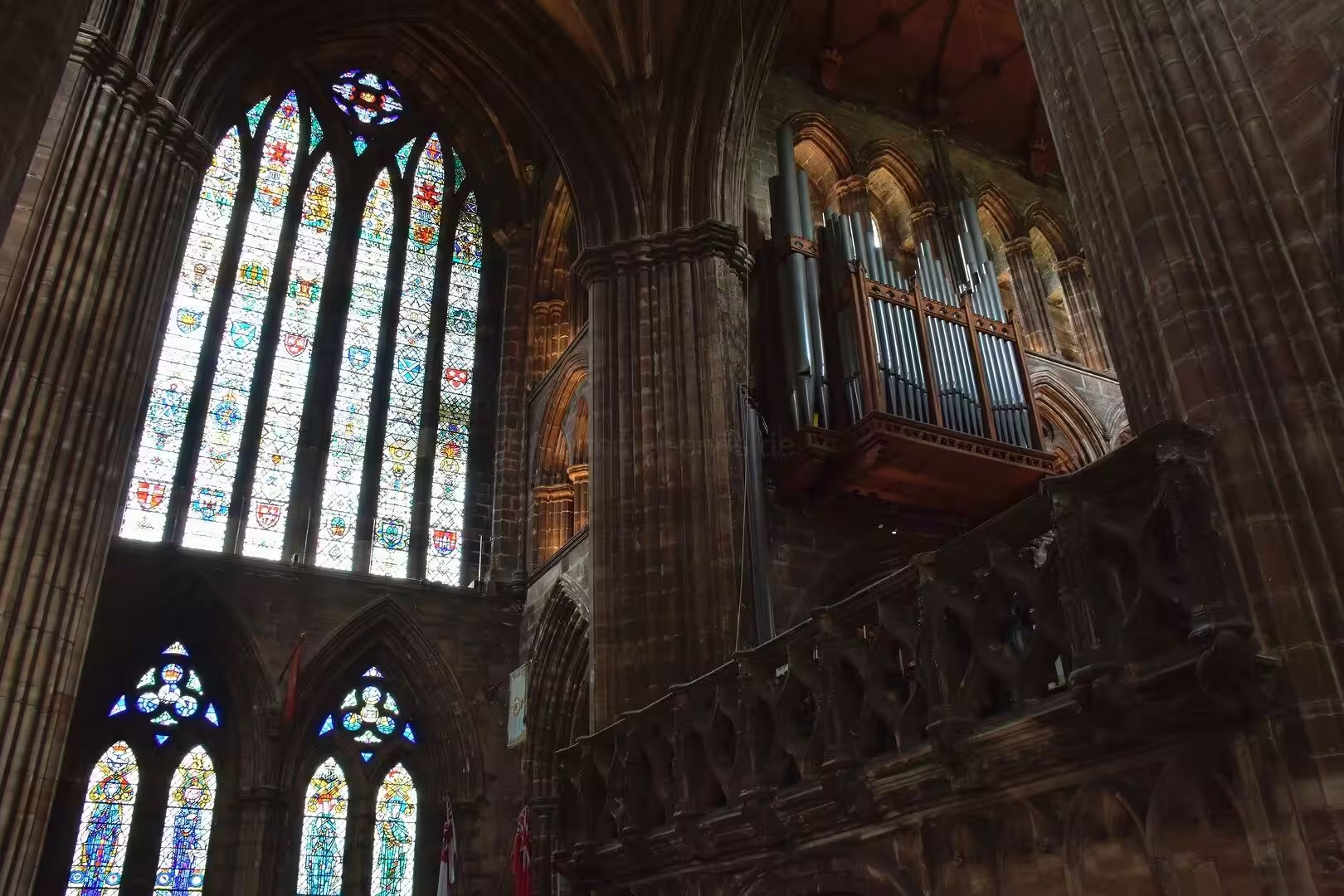
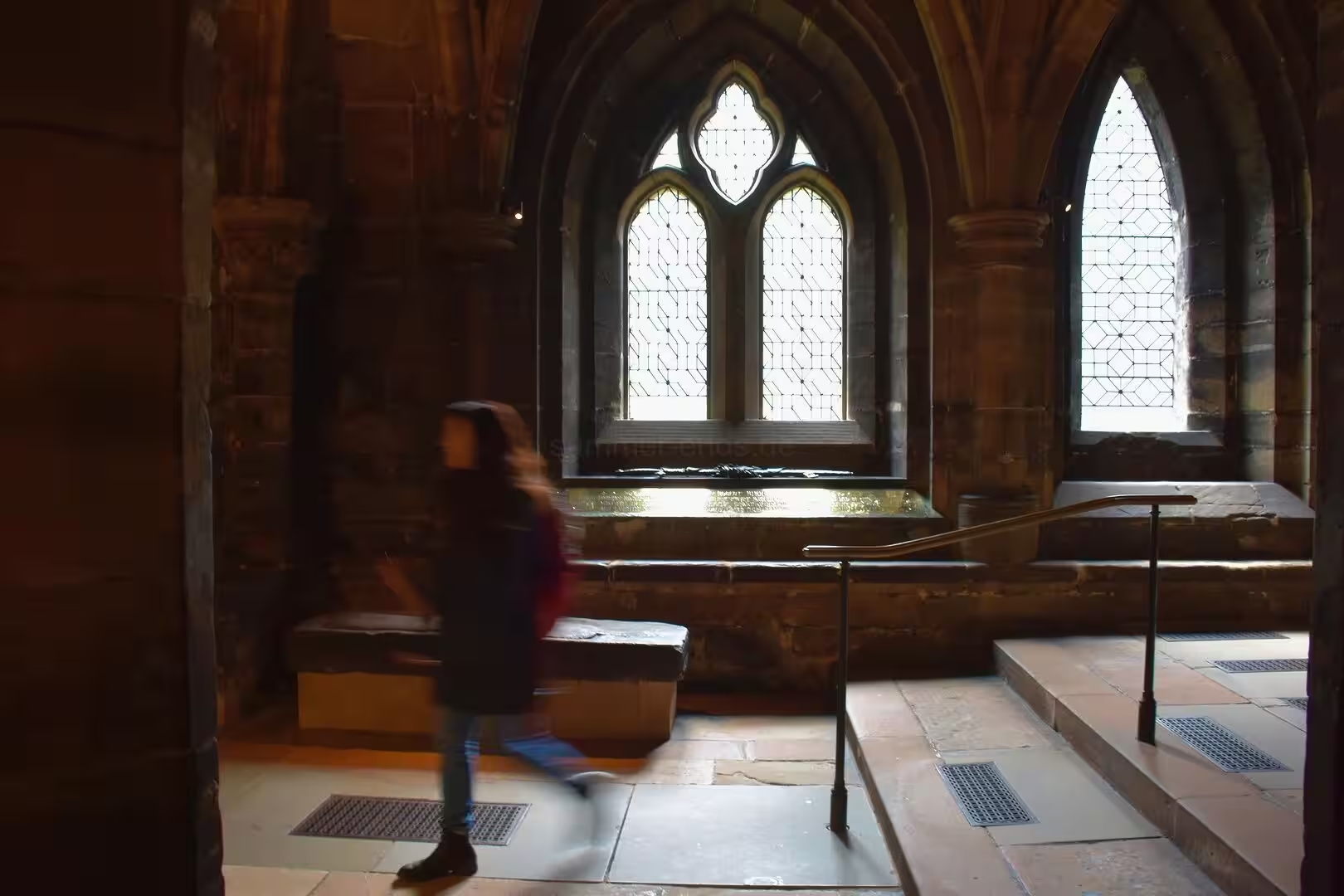
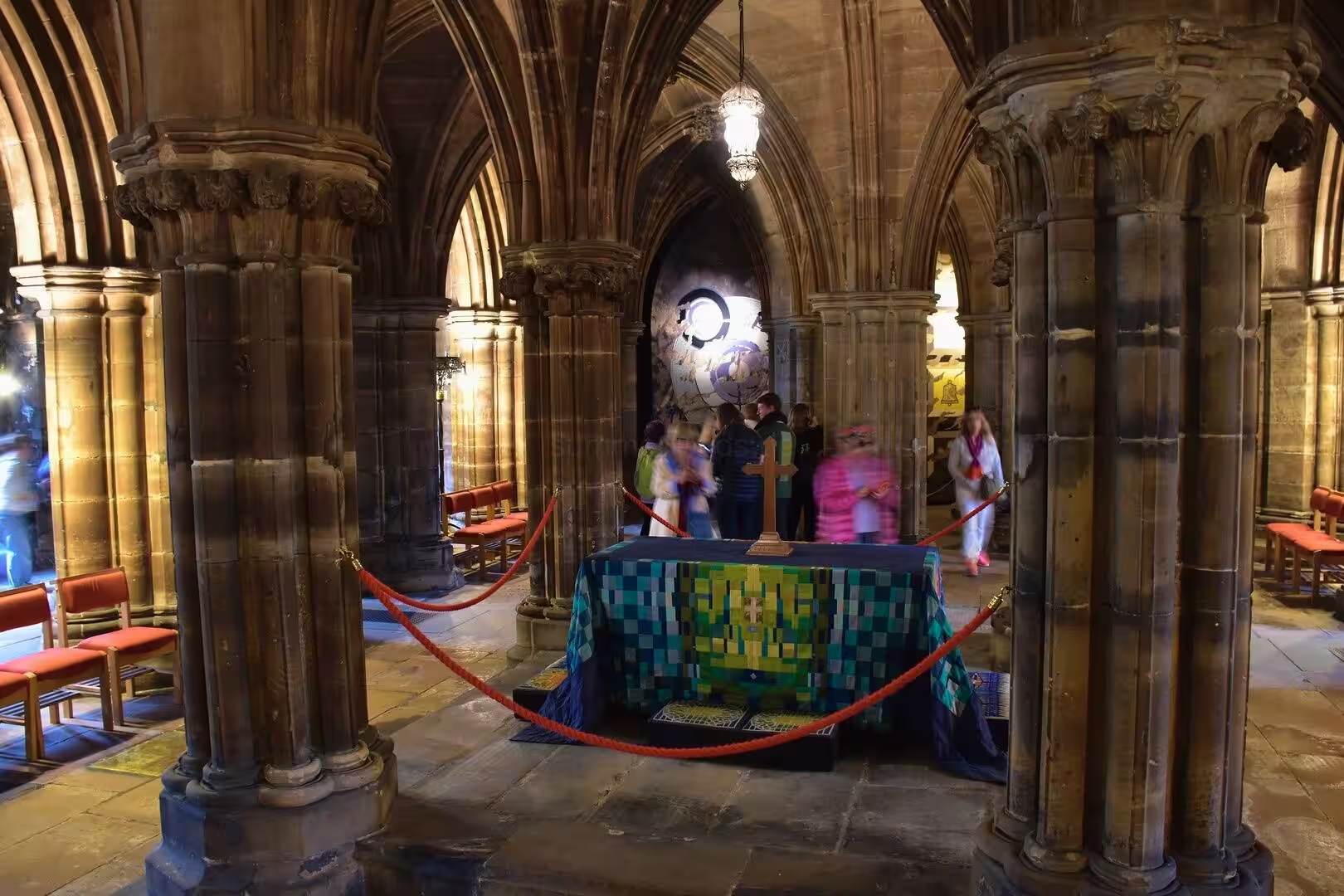
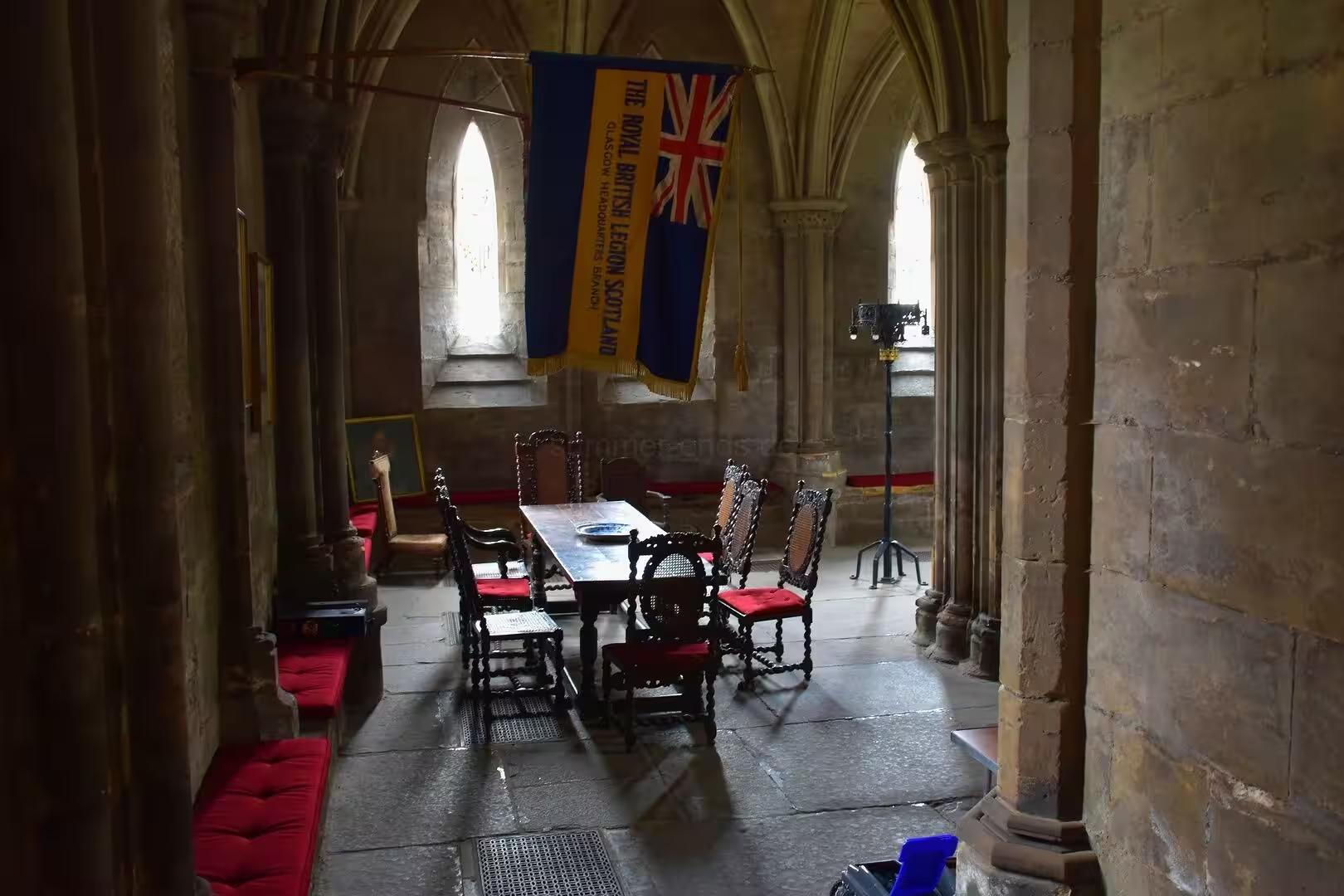
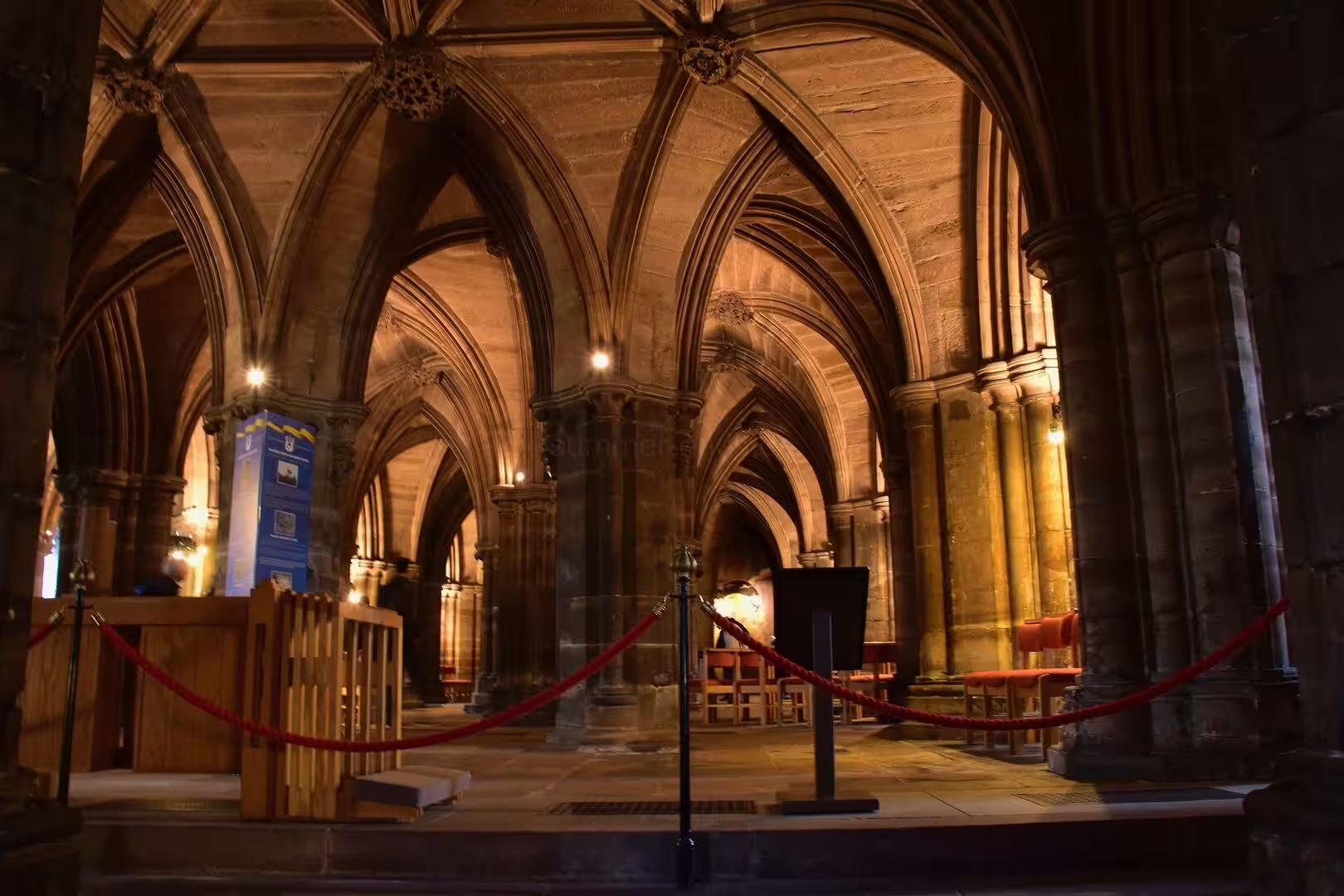
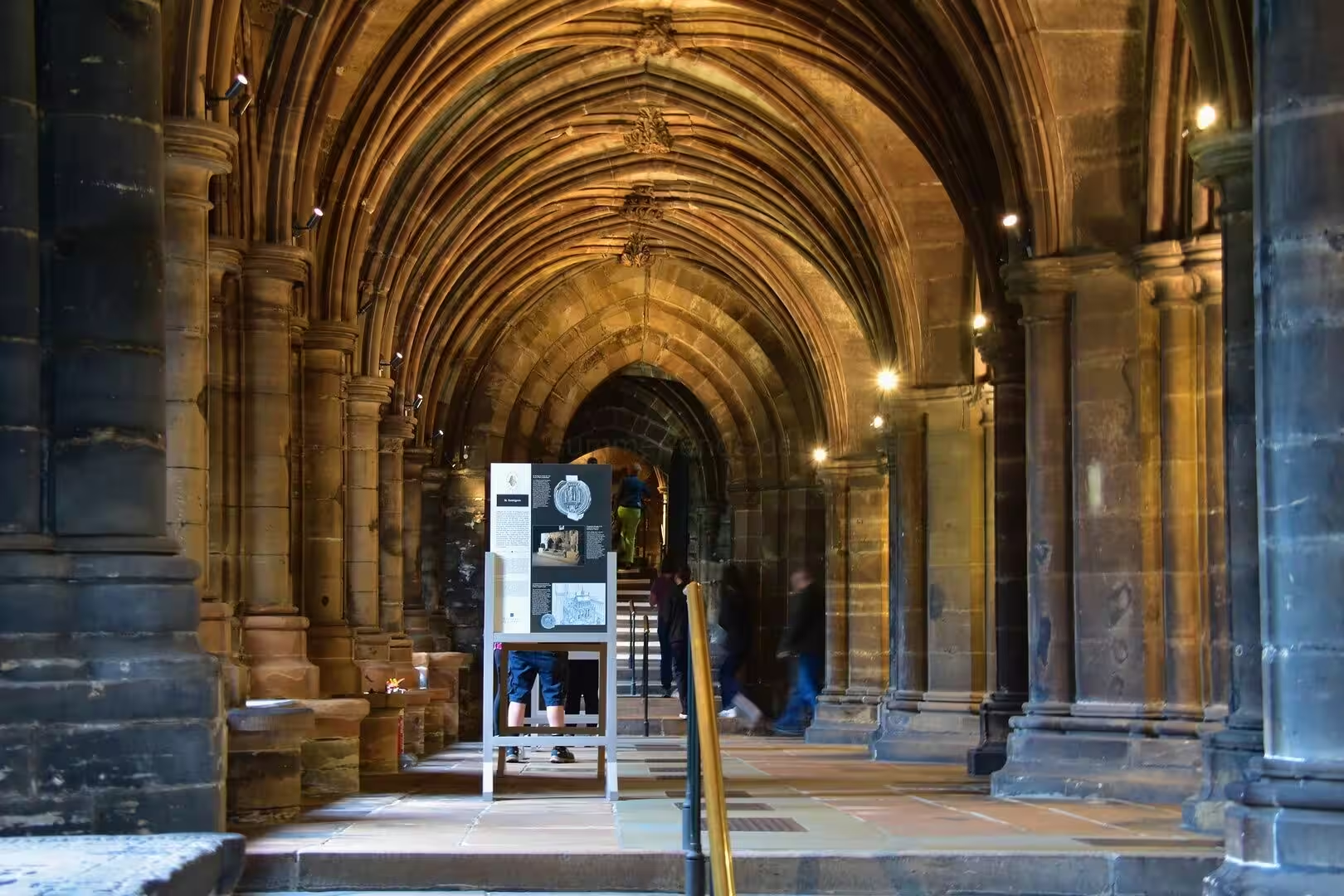
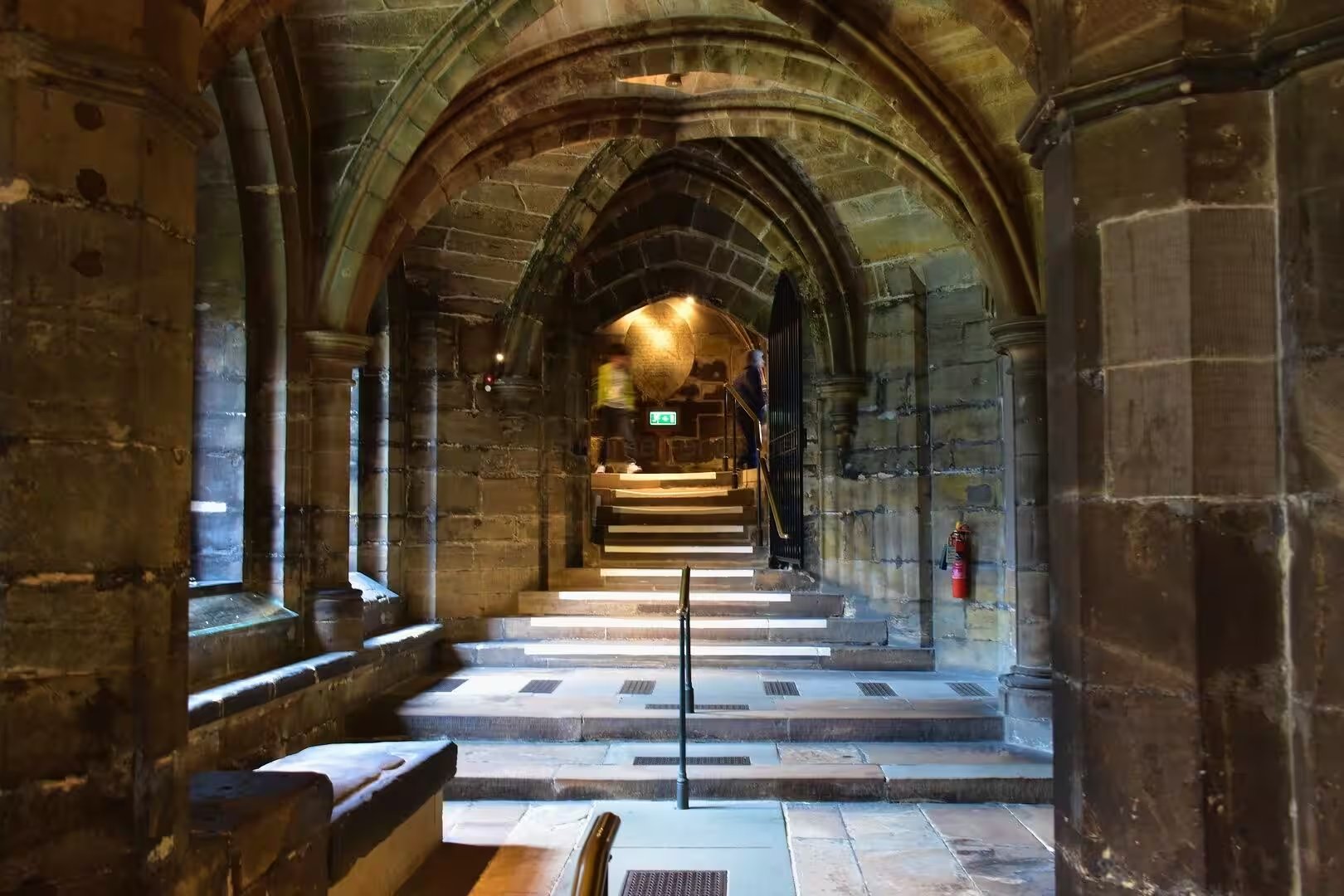
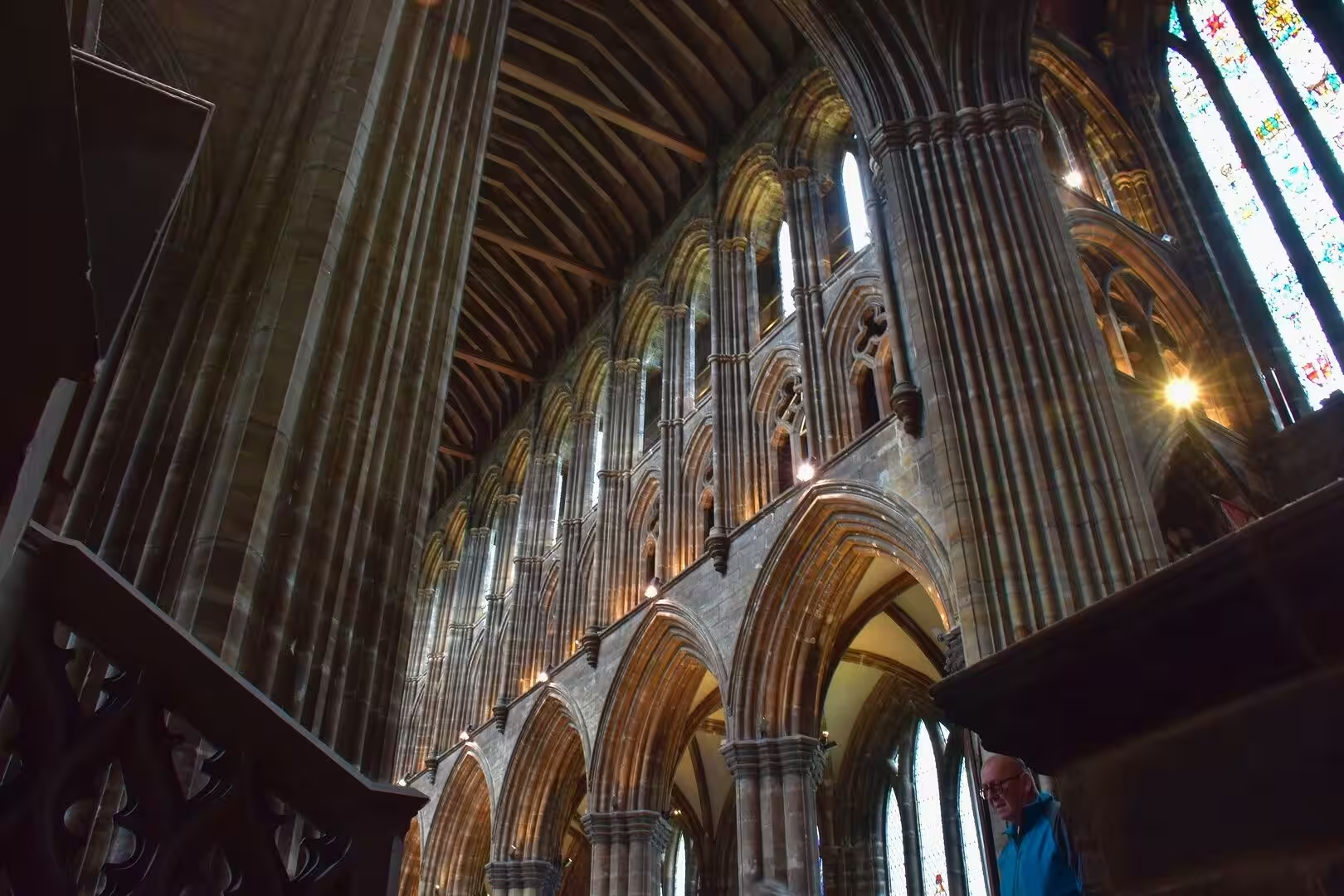
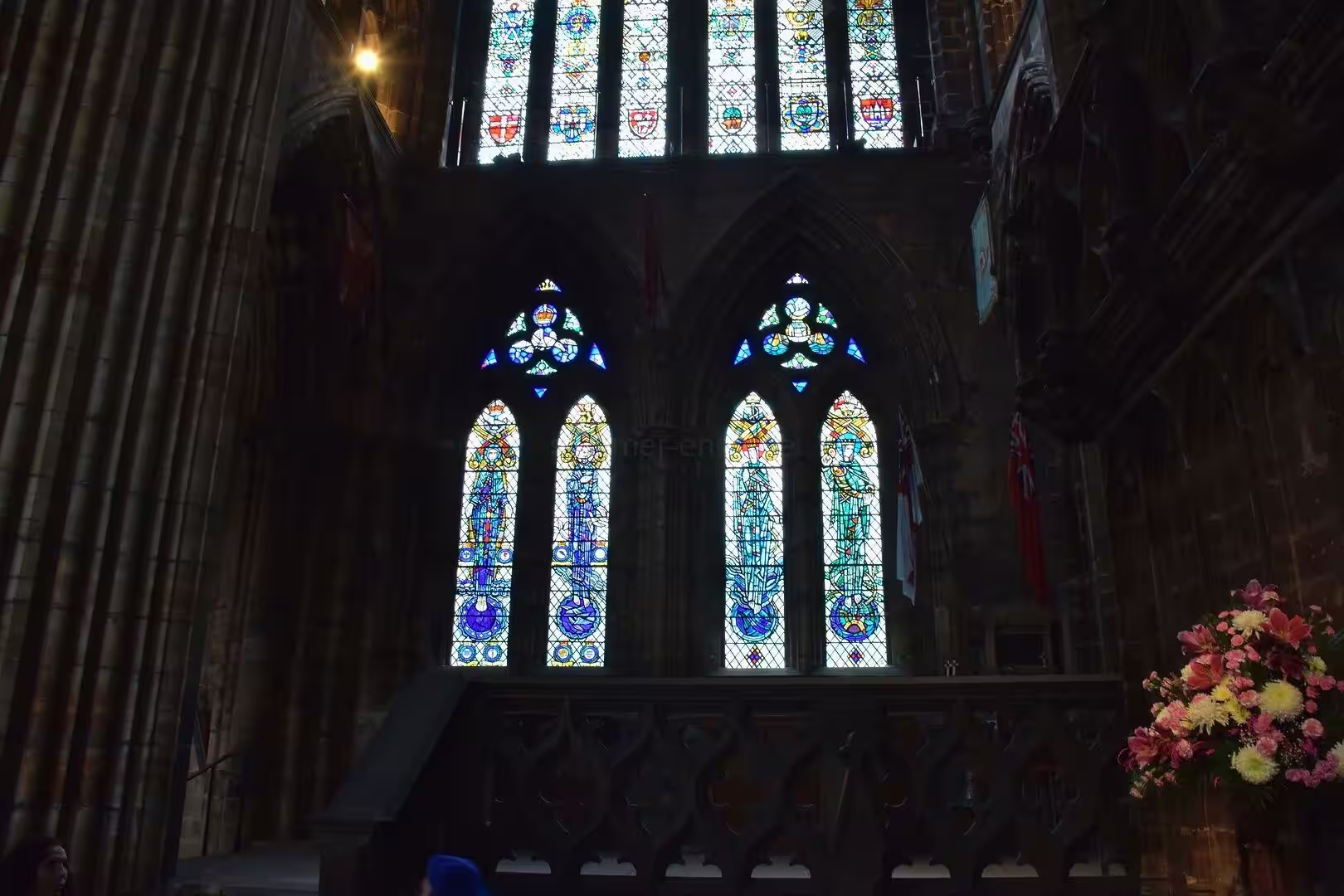
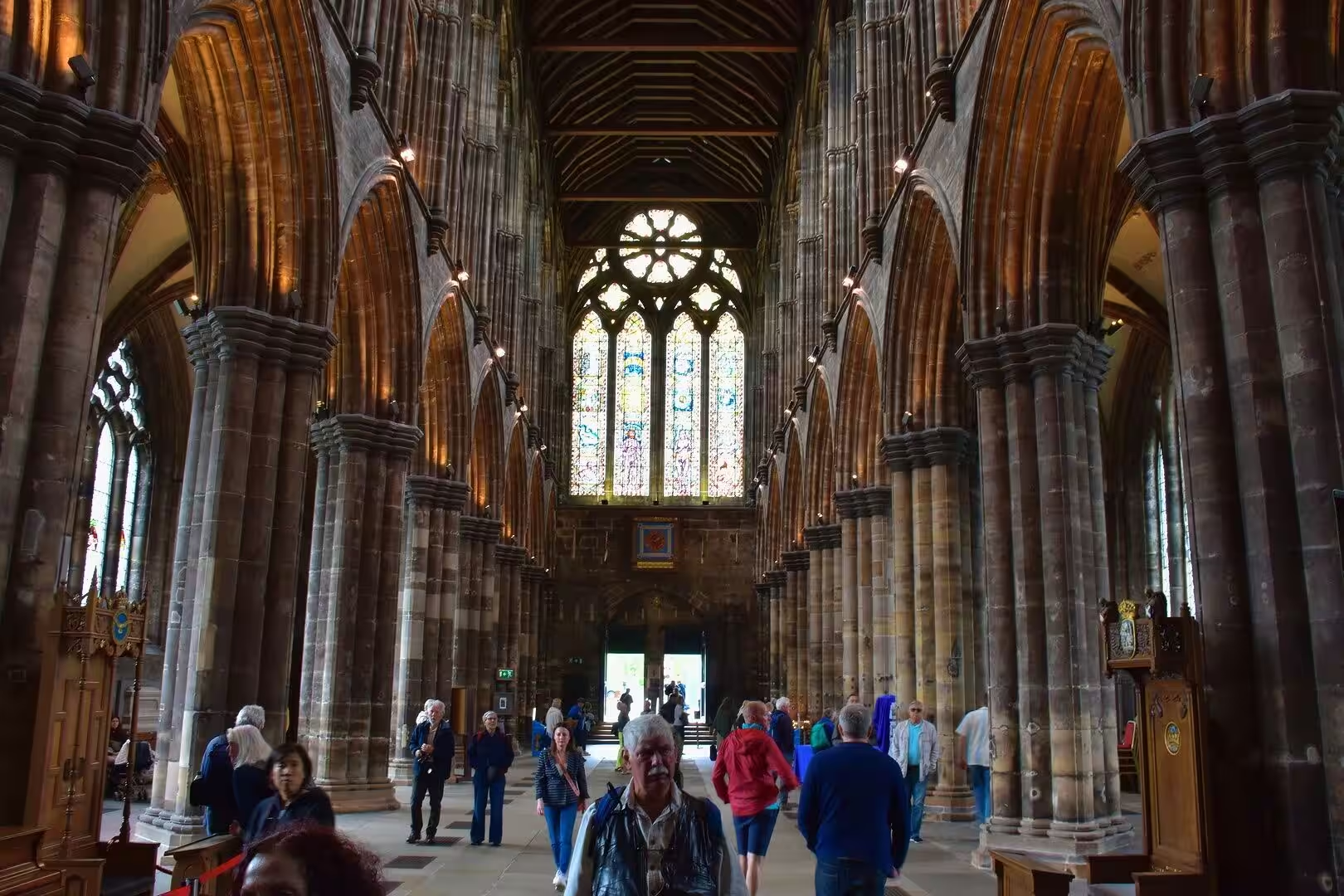
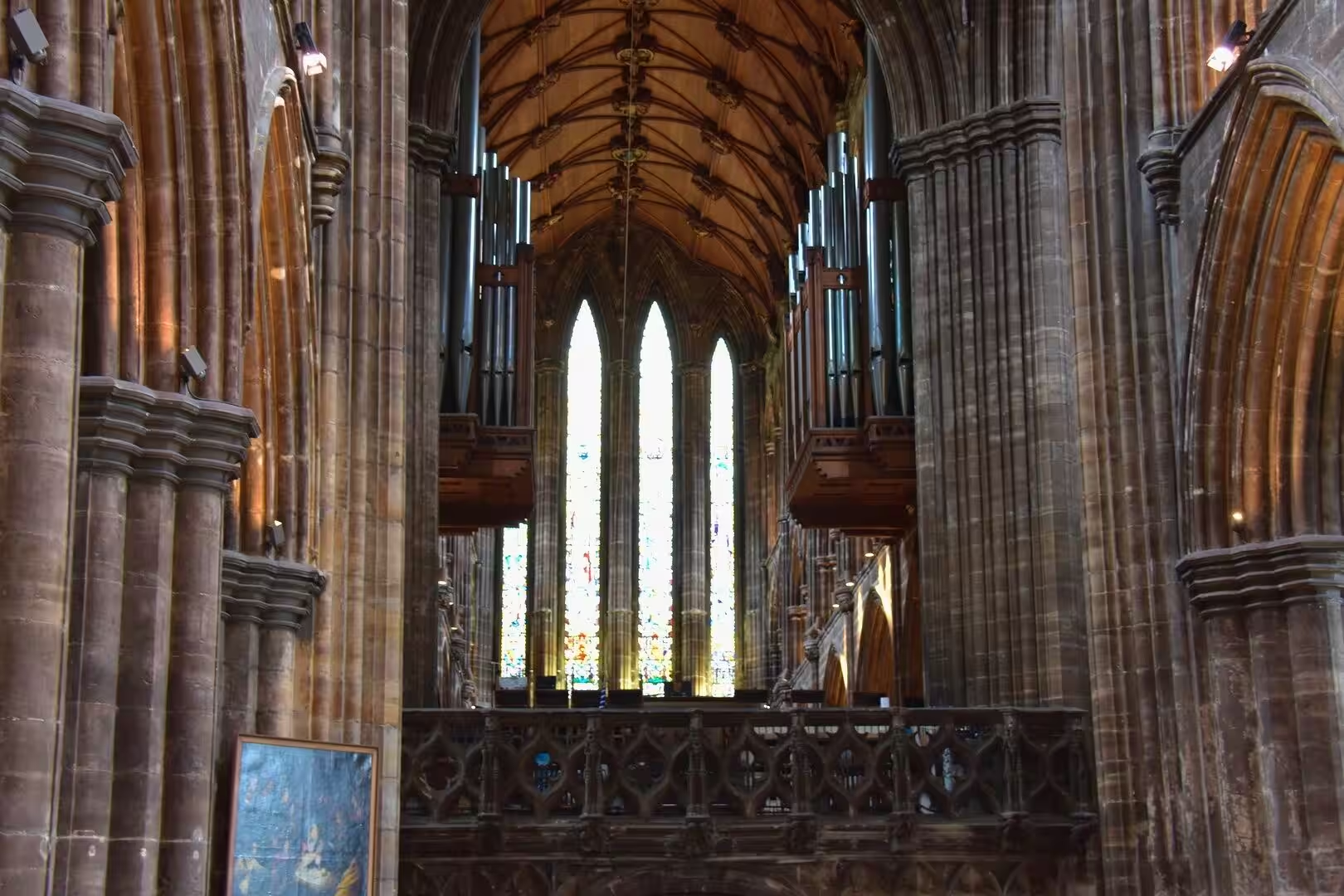
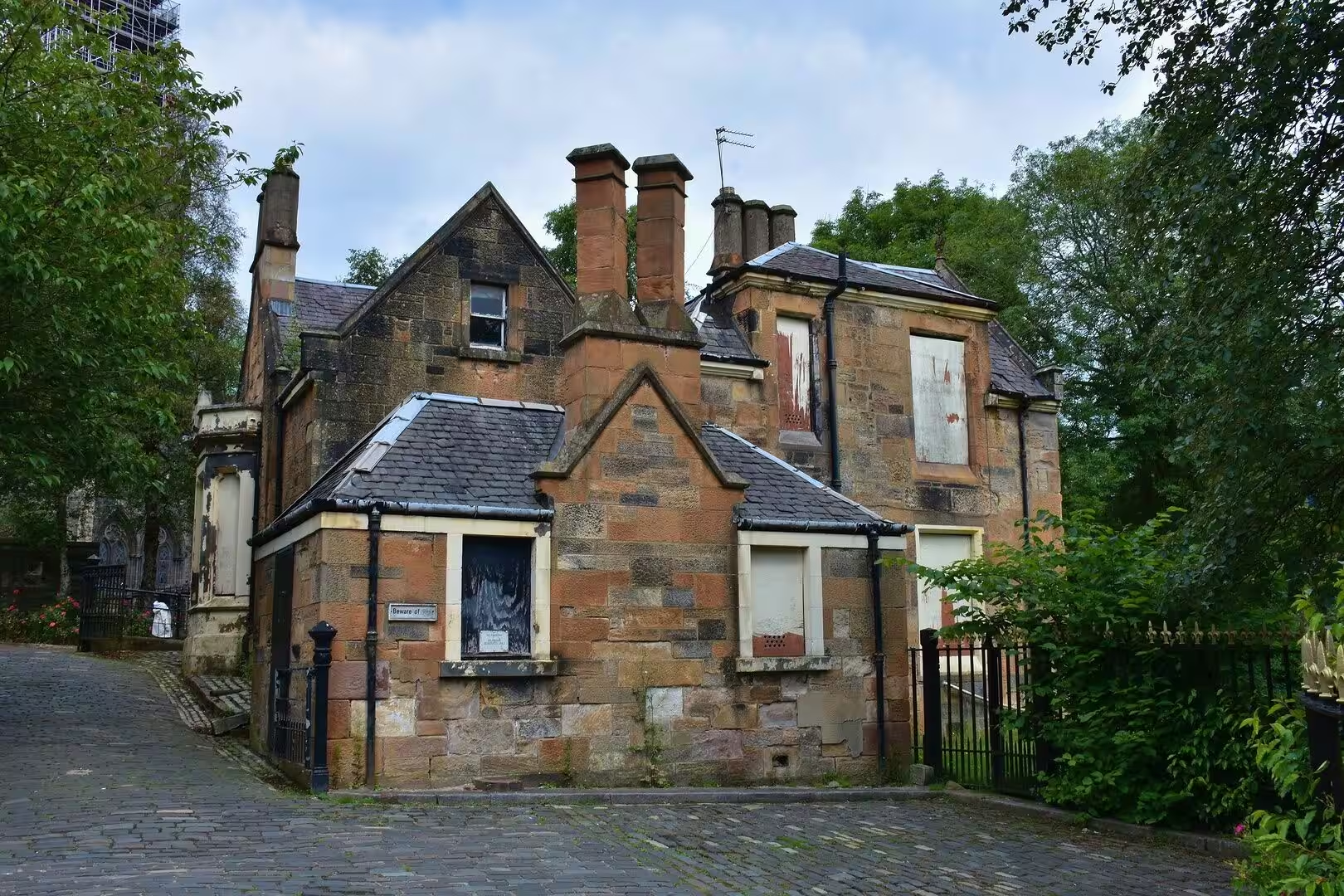
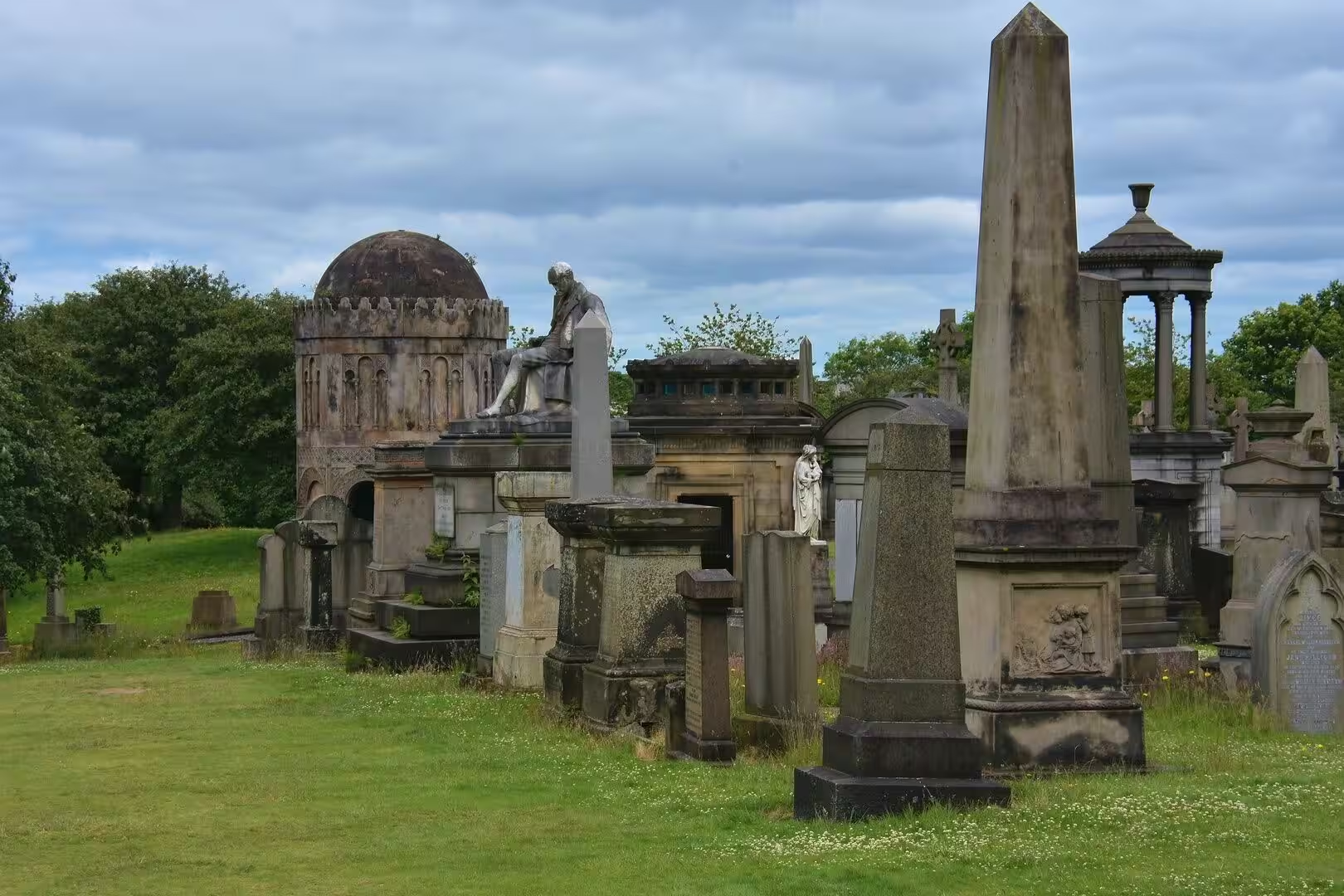
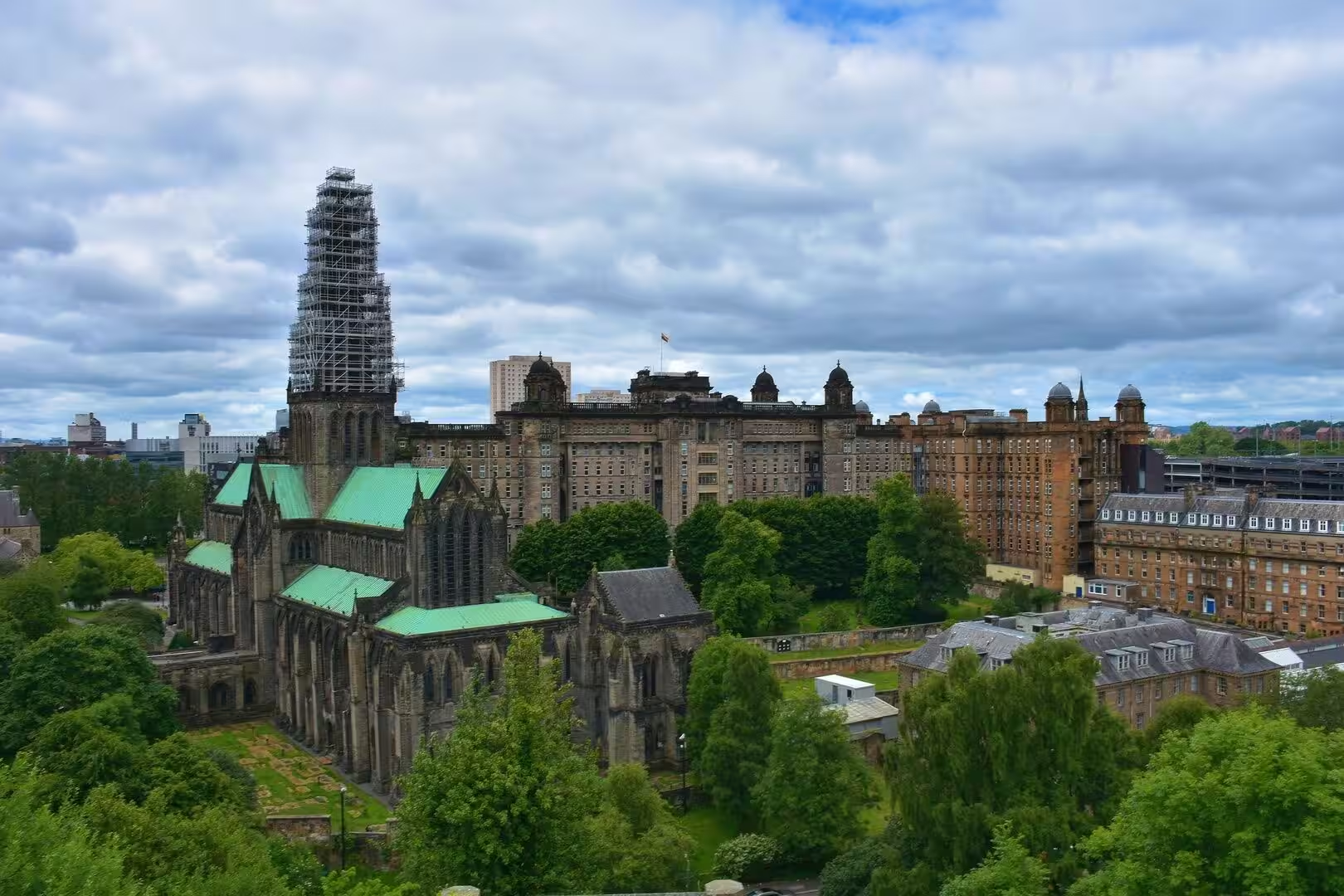
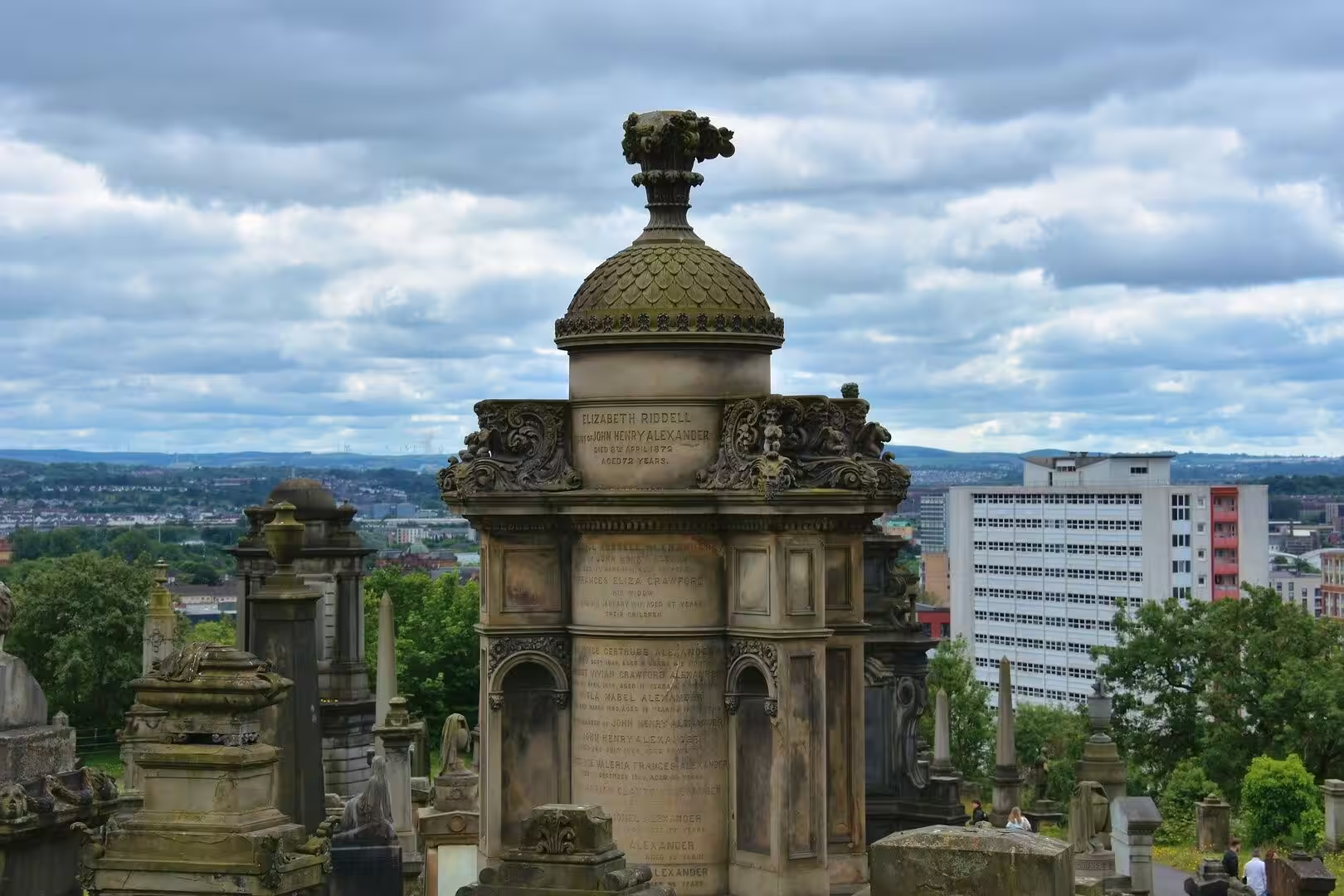
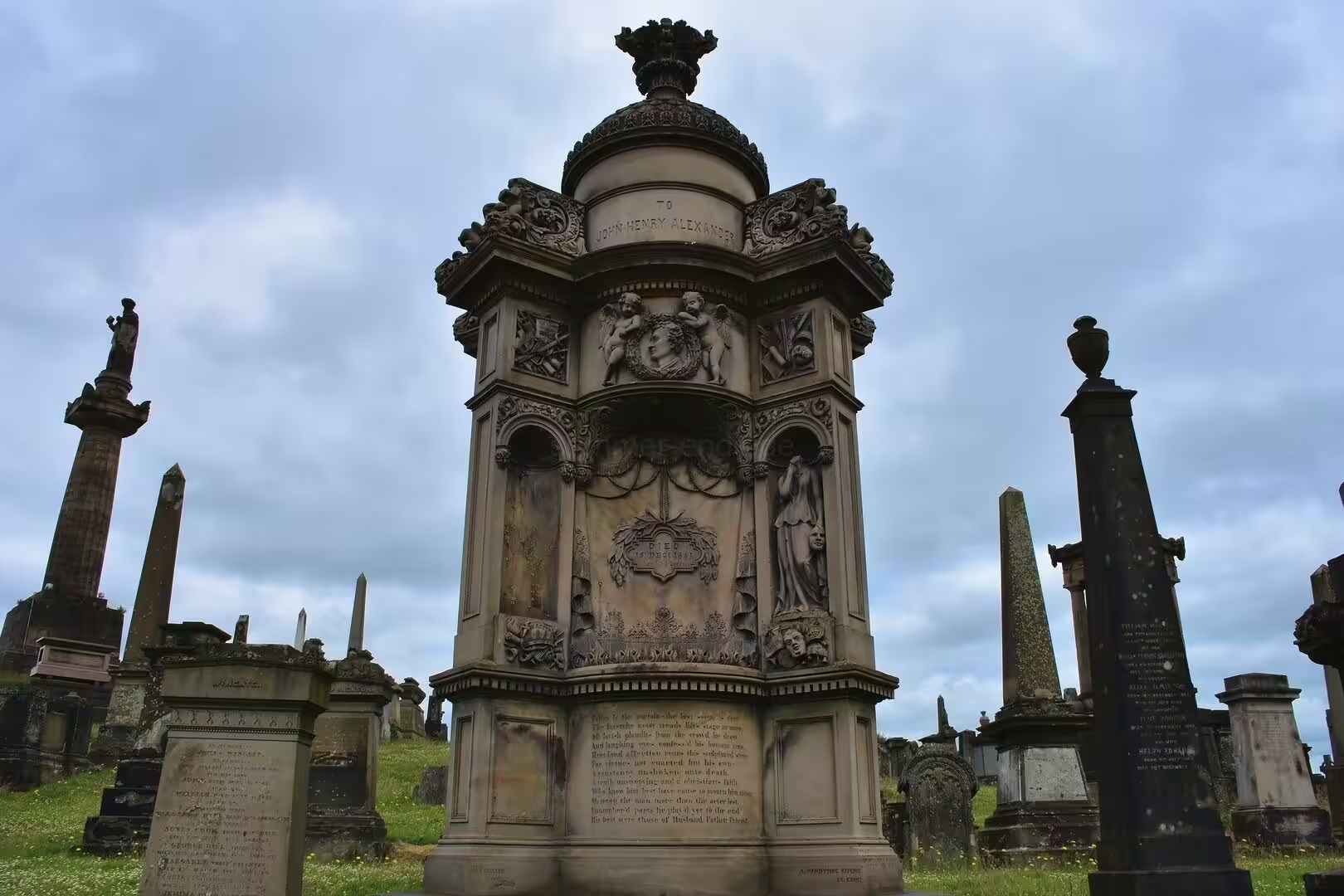
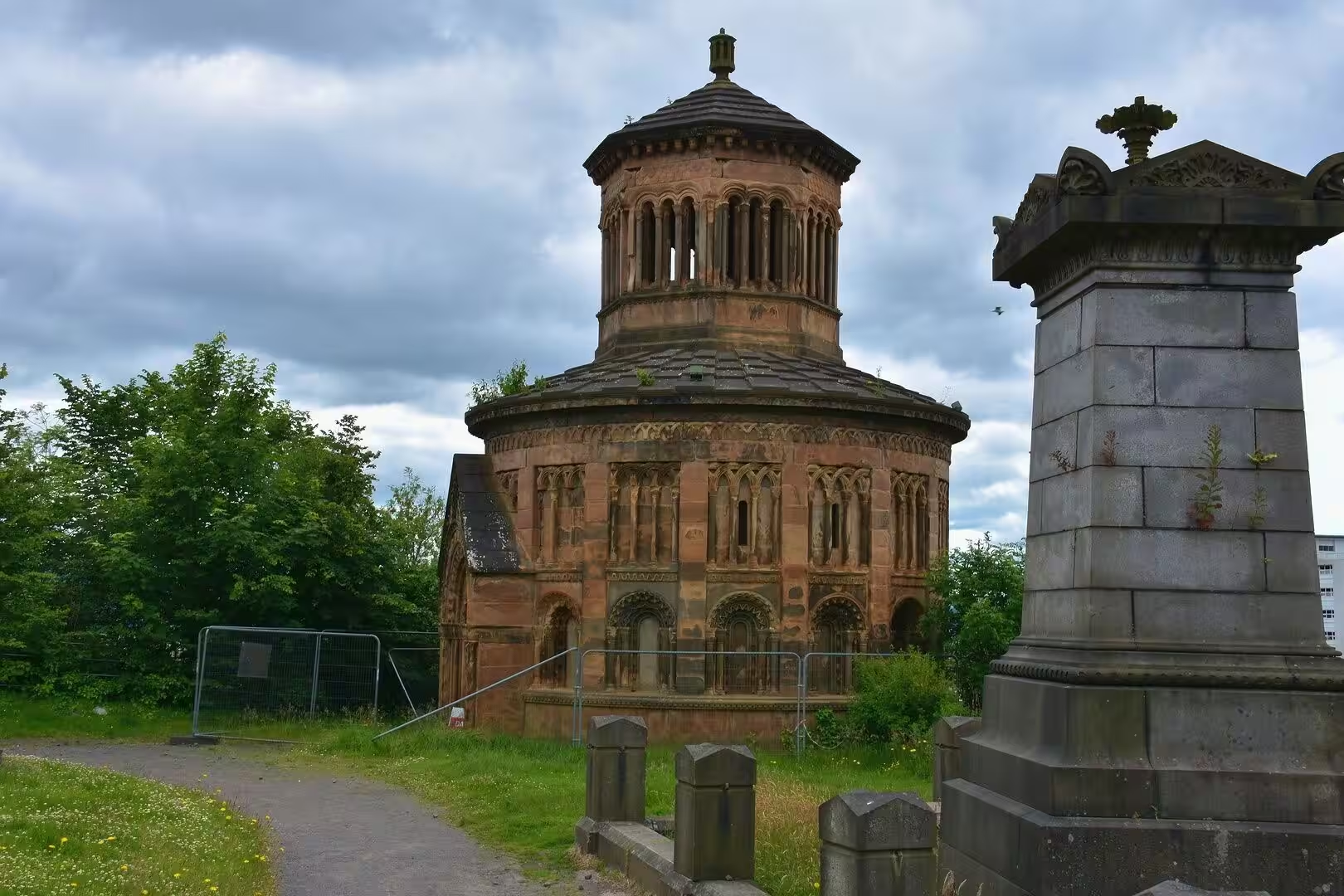
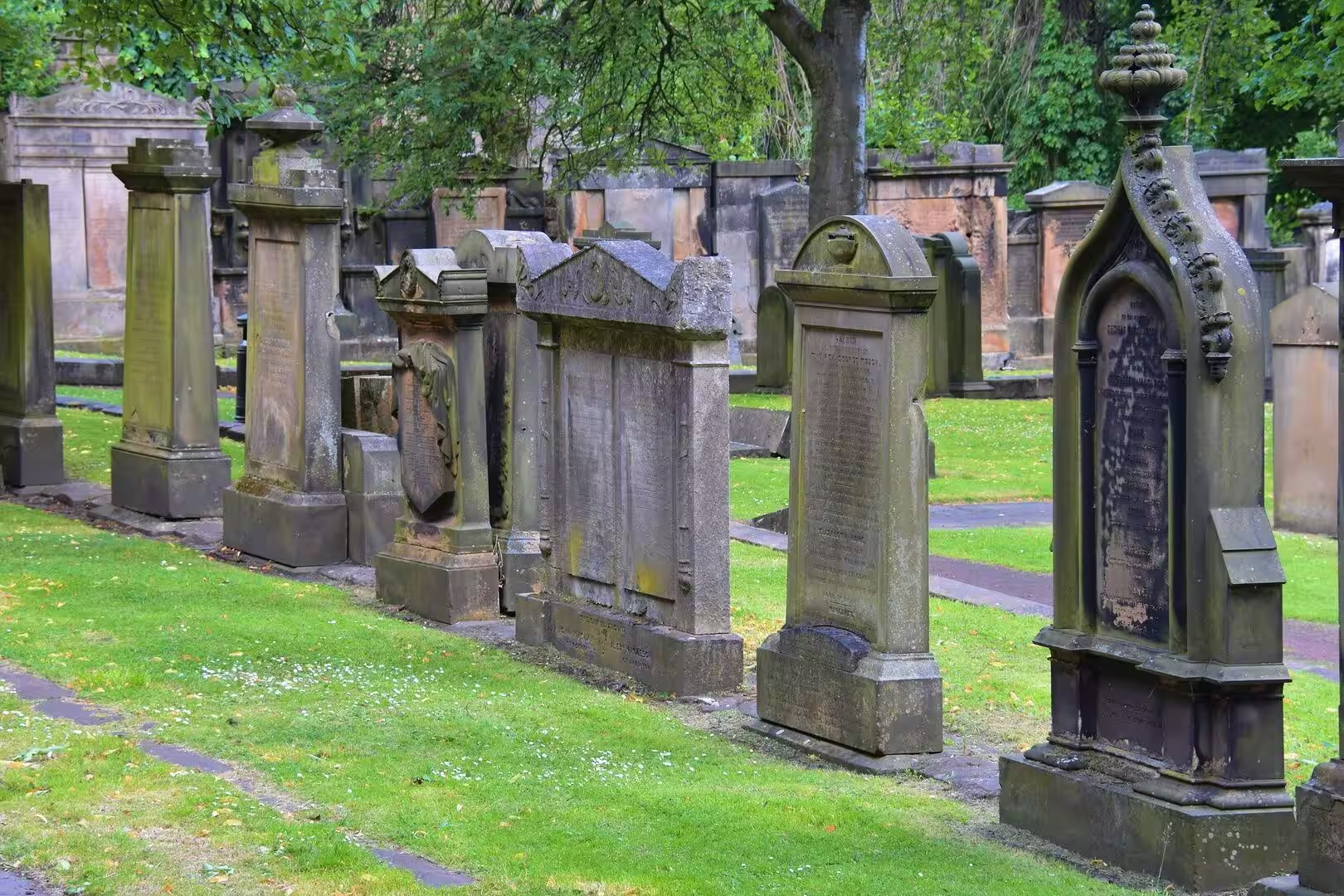
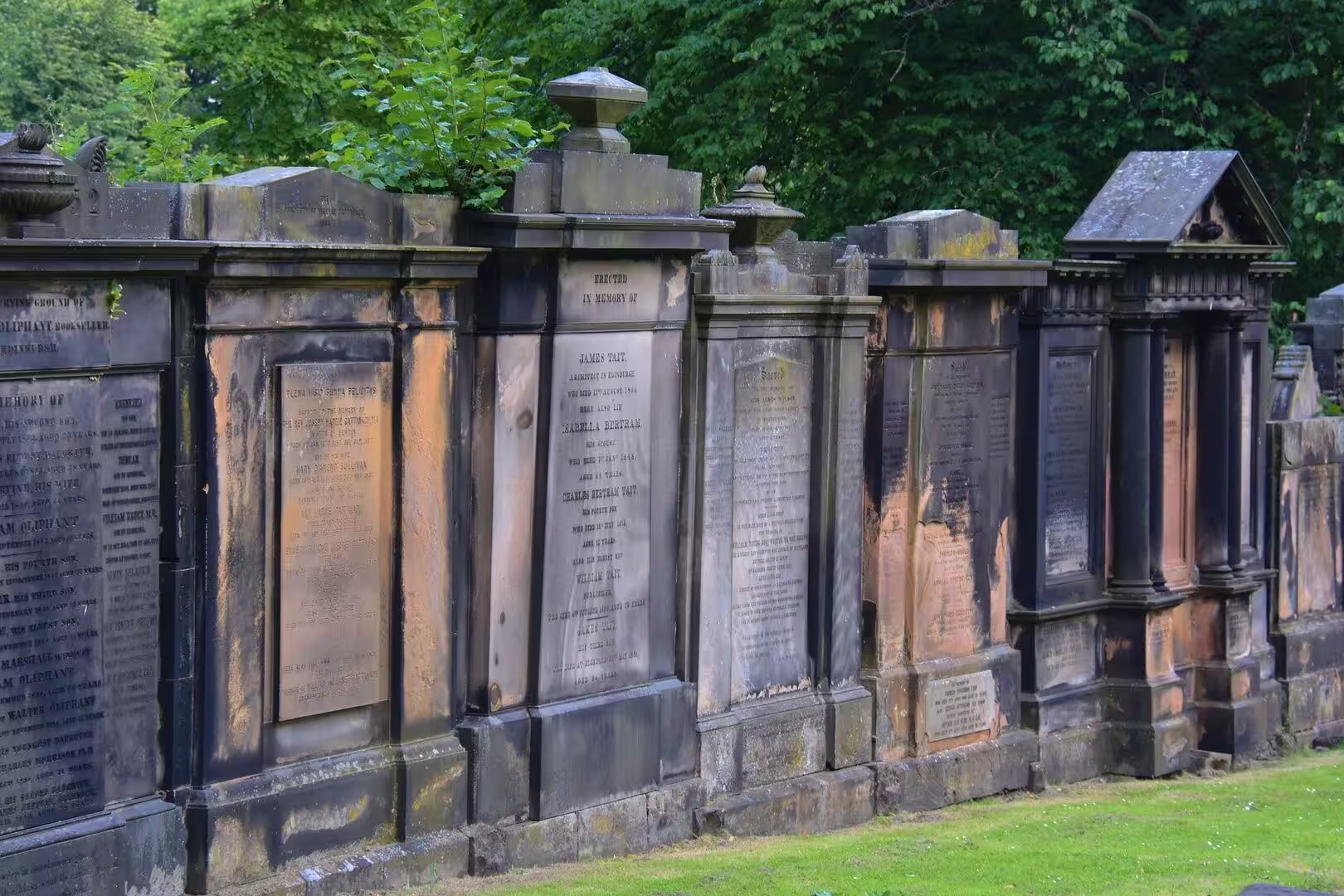
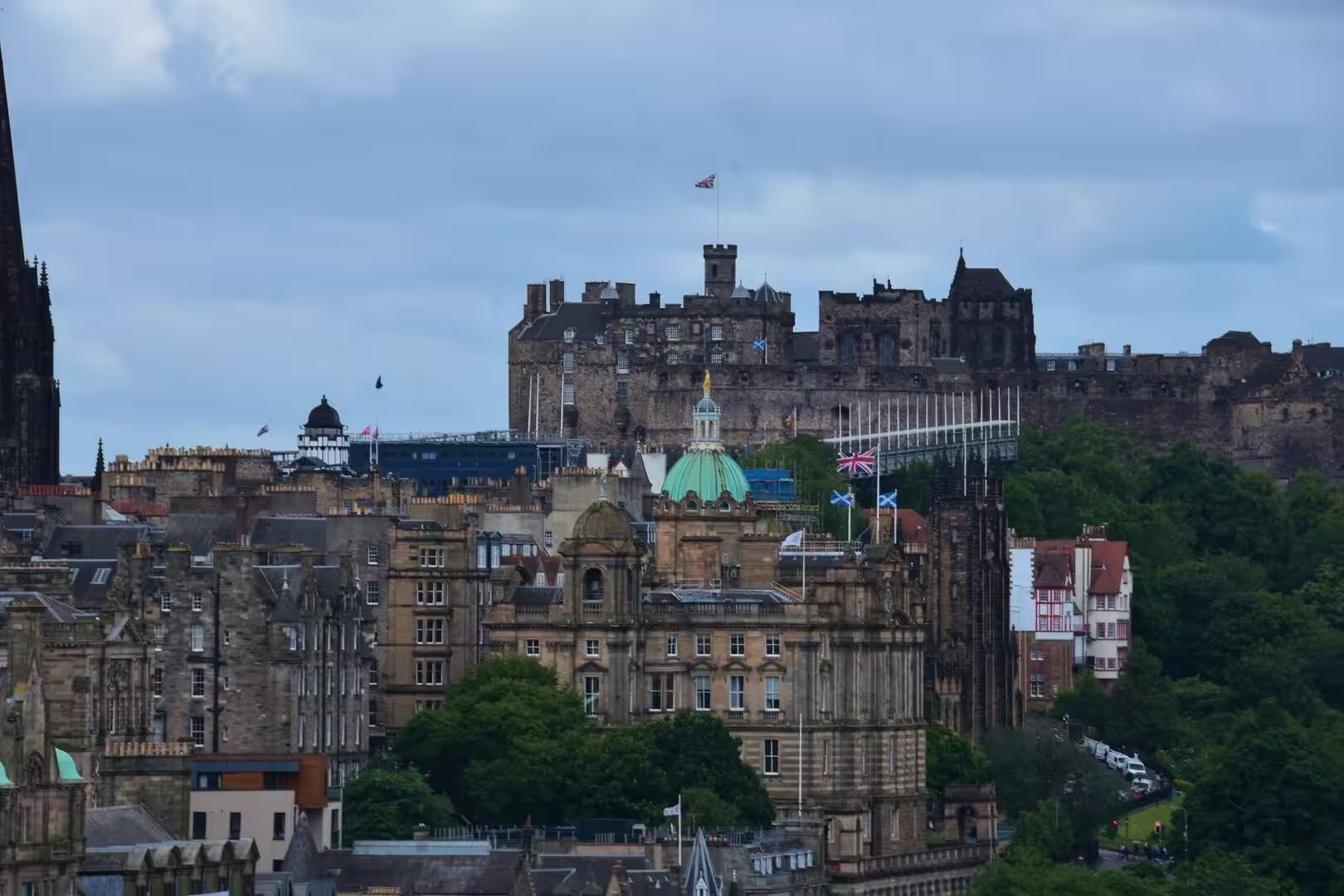
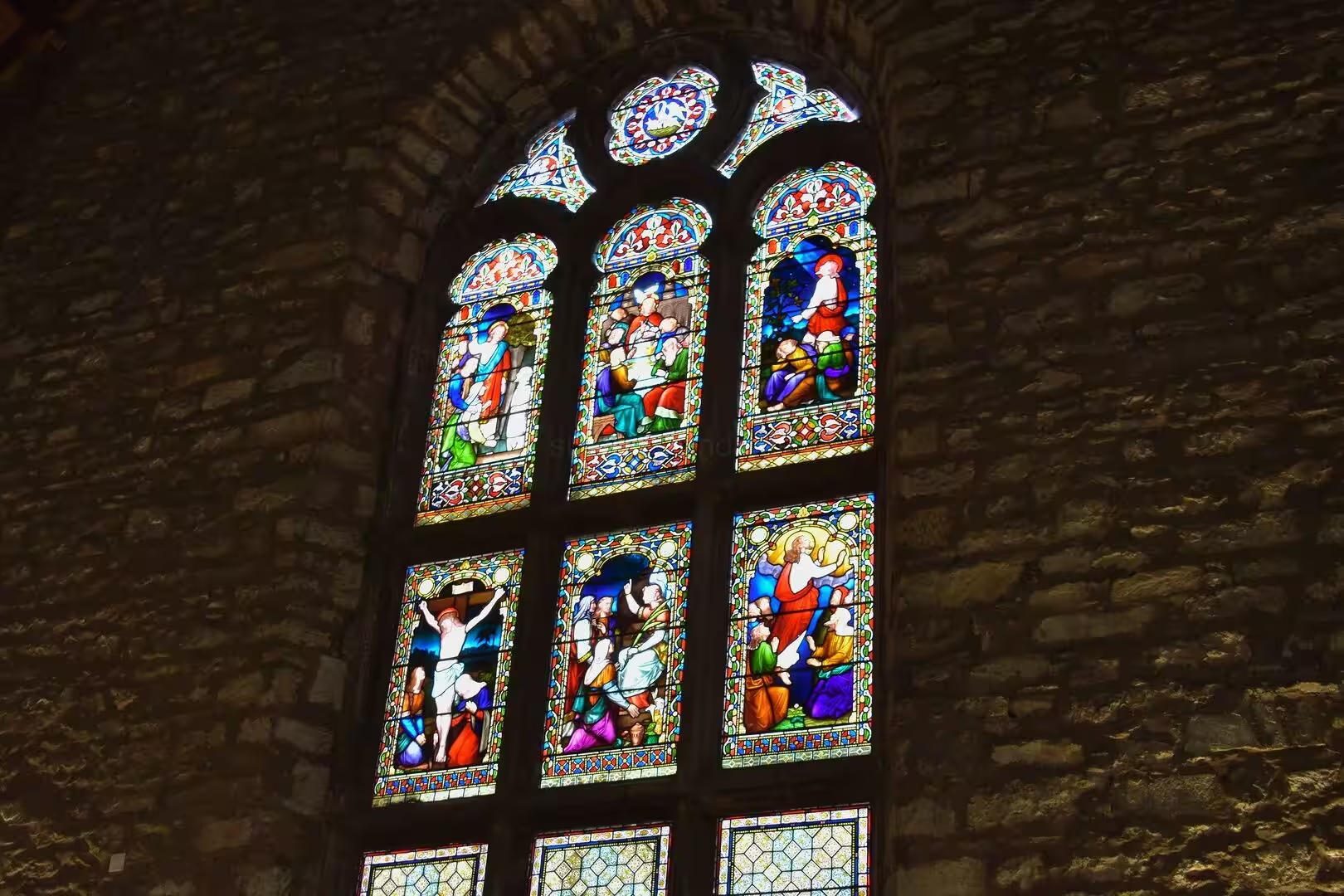
The Glasgow Cathedral, the medieval cathedral of St Mungo, is the finest surviving medieval church of the city, its largely thirteenth-century nave and crypt set beside the ravine of the Molendinar burn. The cathedral, one of the few great medieval Scottish churches to have survived the Reformation, sits beside the Glasgow Necropolis, a hilltop Victorian cemetery that rises above the city with its monuments, obelisks and classical mausolea, and that offers elevated views over the town and the tomb of John Knox at its summit. The contrast between the dark stone of the cathedral and the wooded ravine and the sweeping graveyard of the necropolis is one of the most characteristic views of Glasgow.
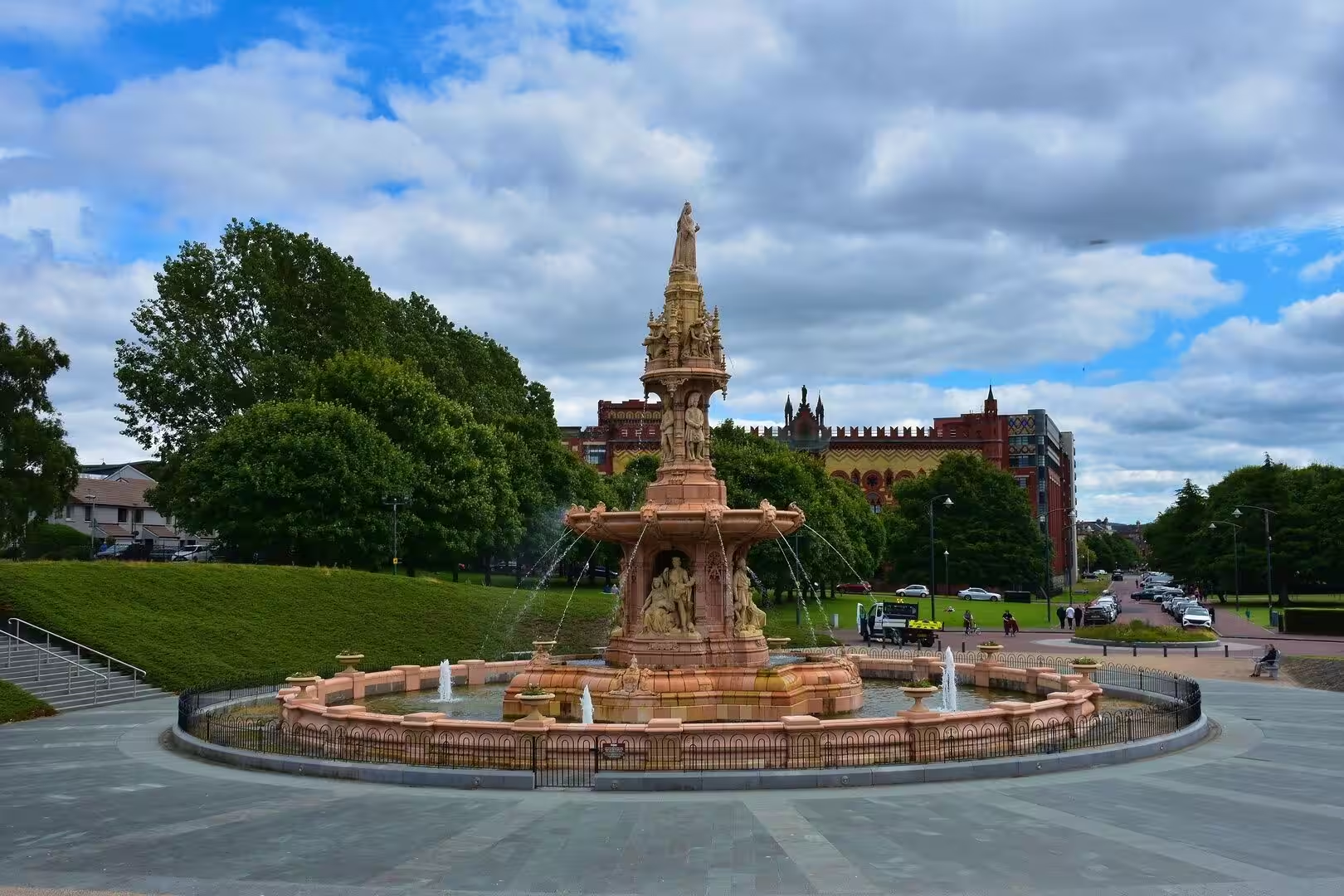
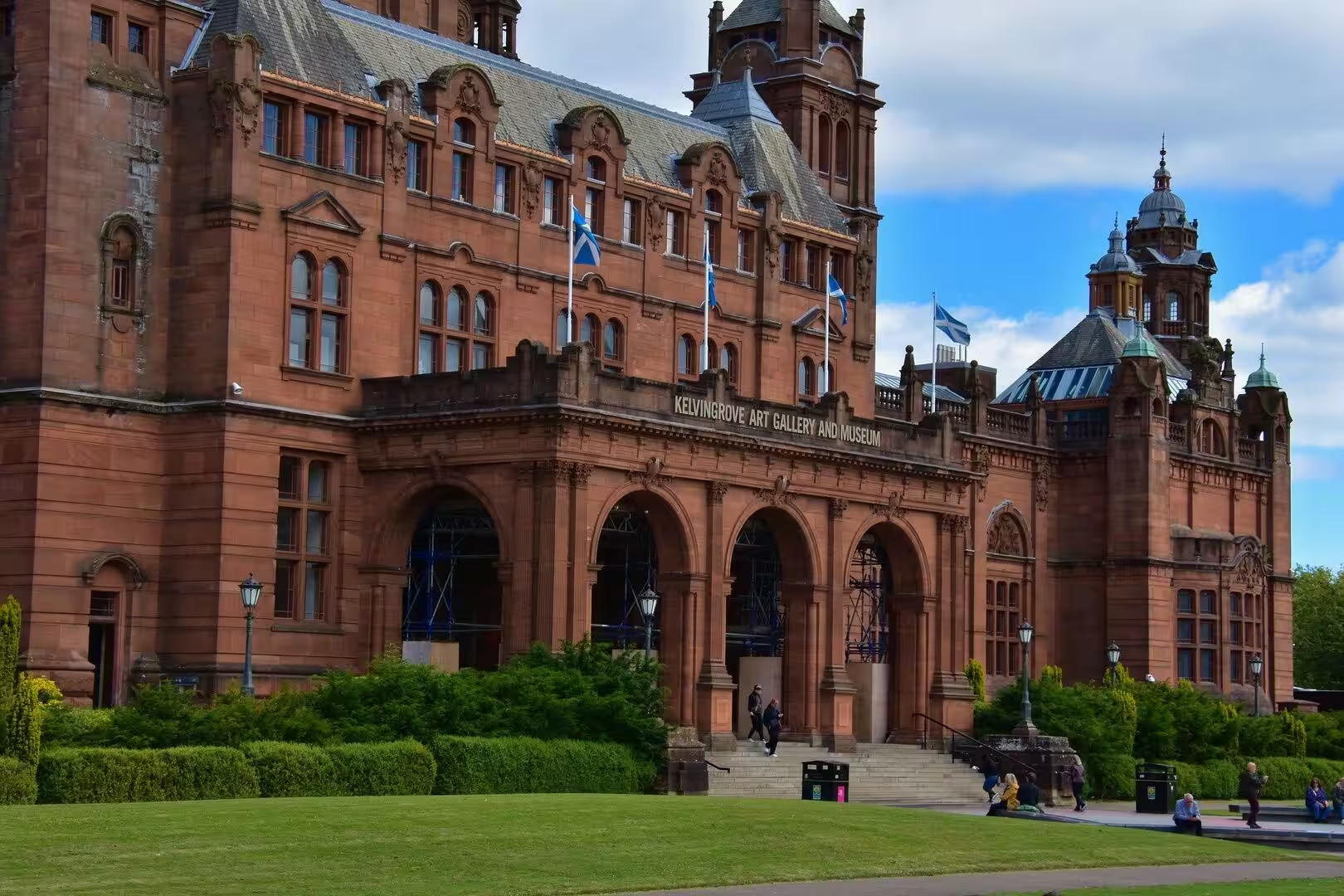
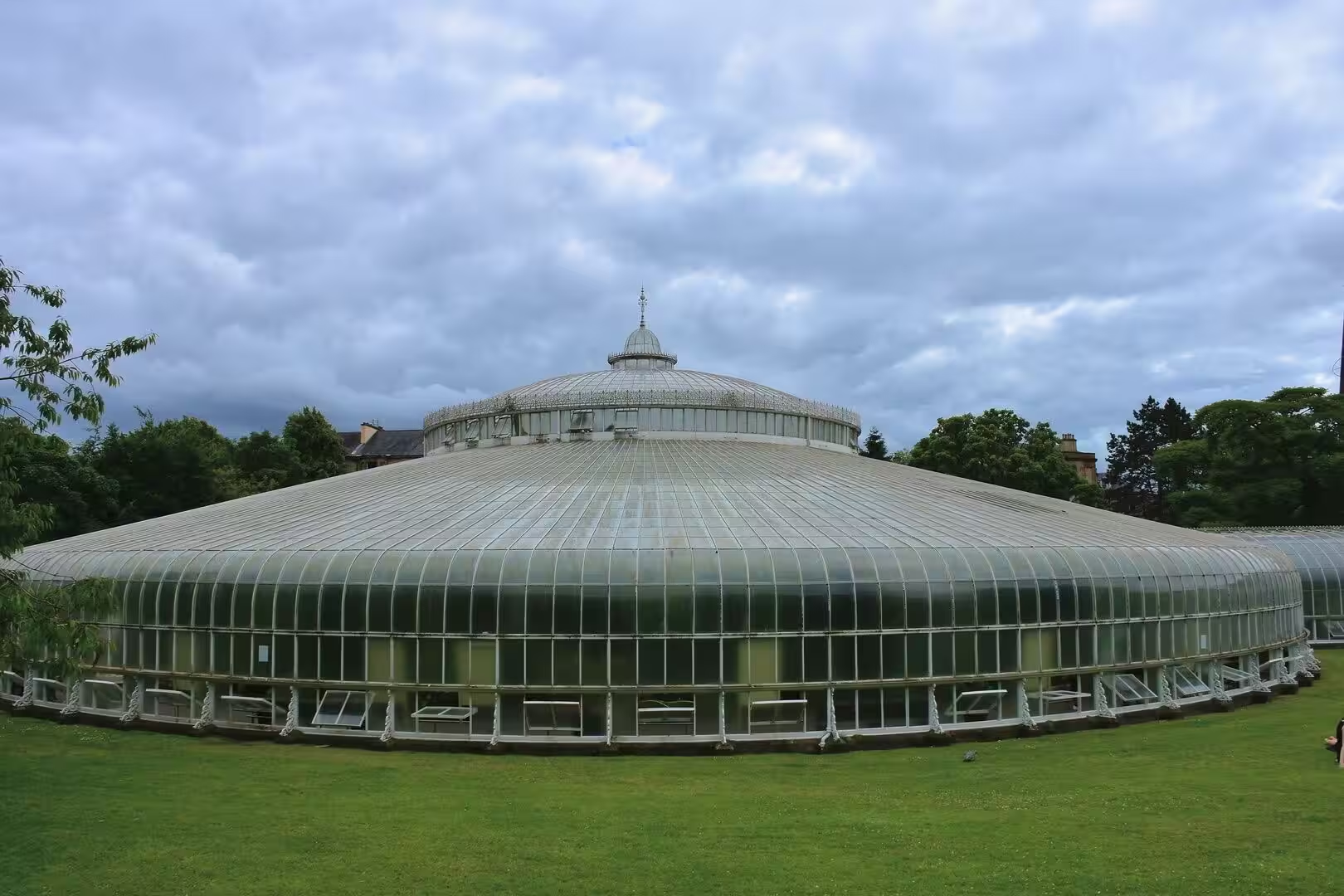
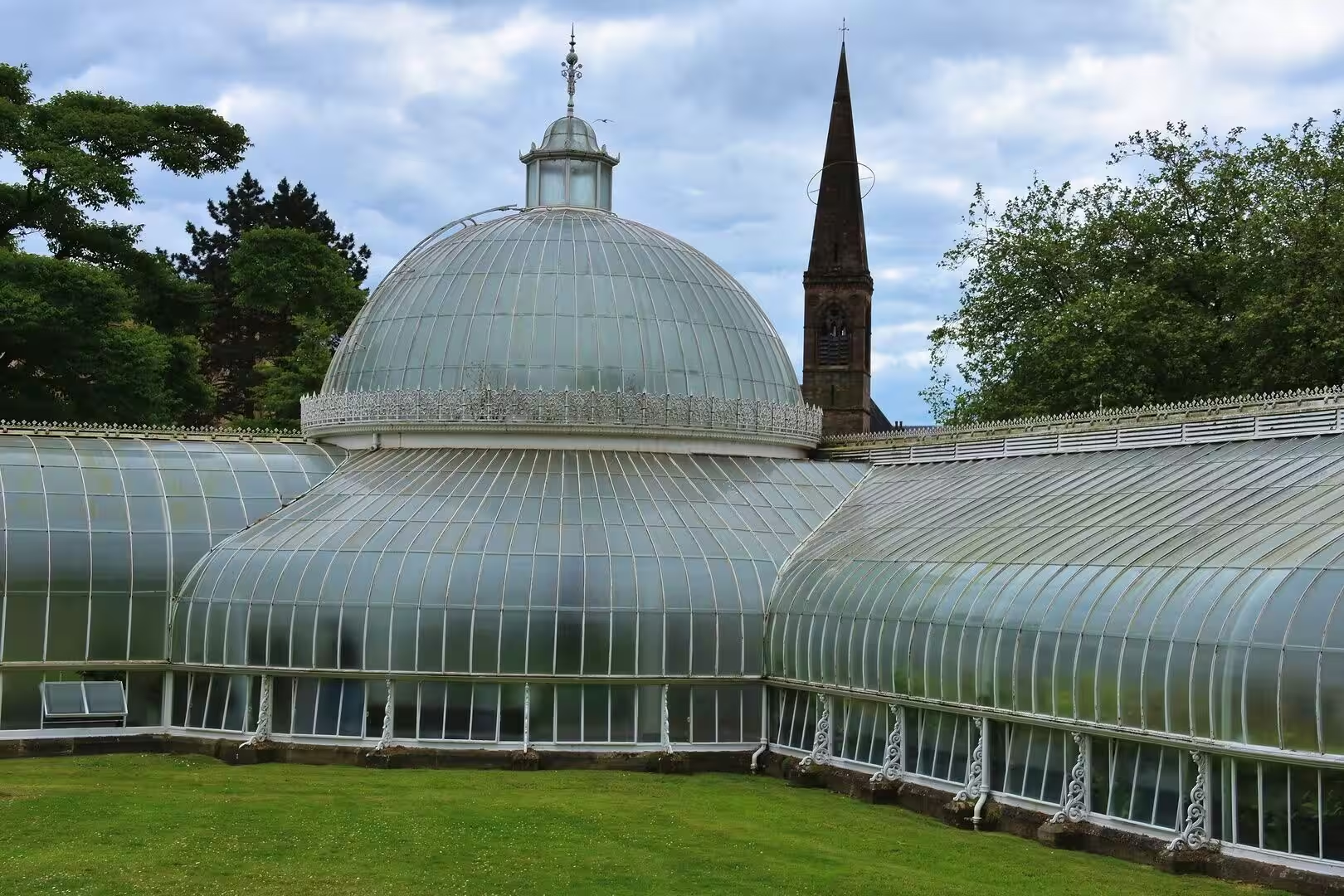
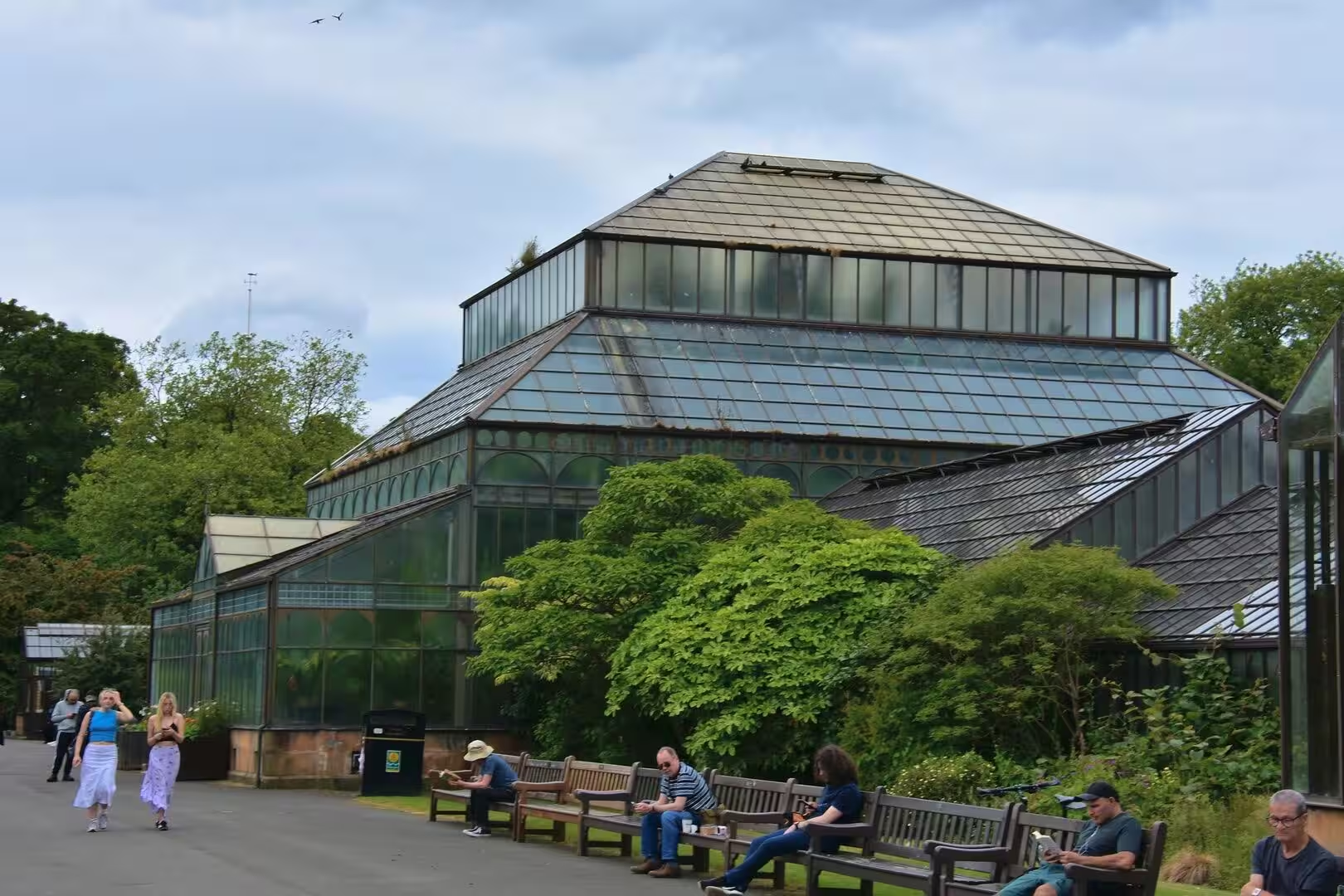
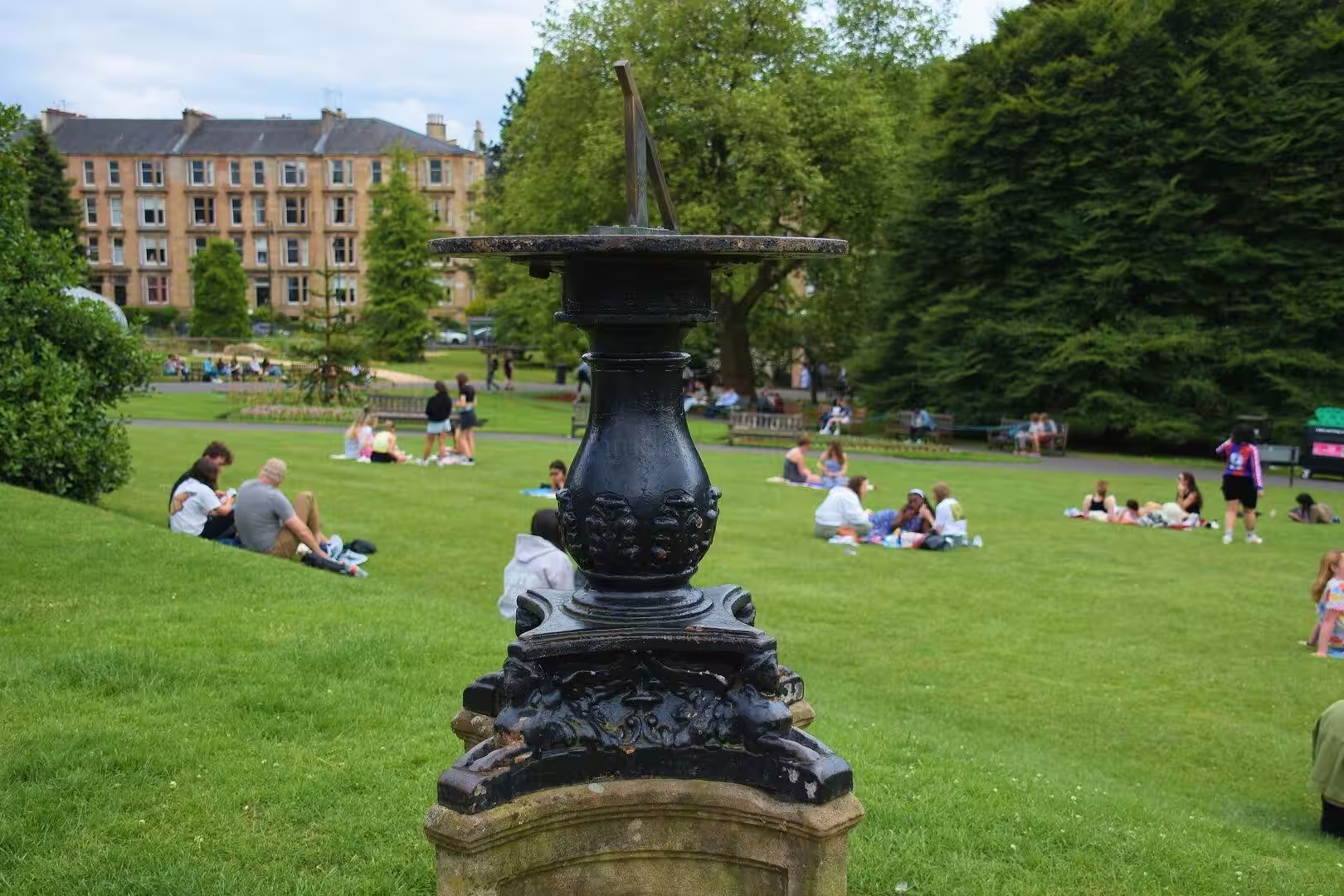
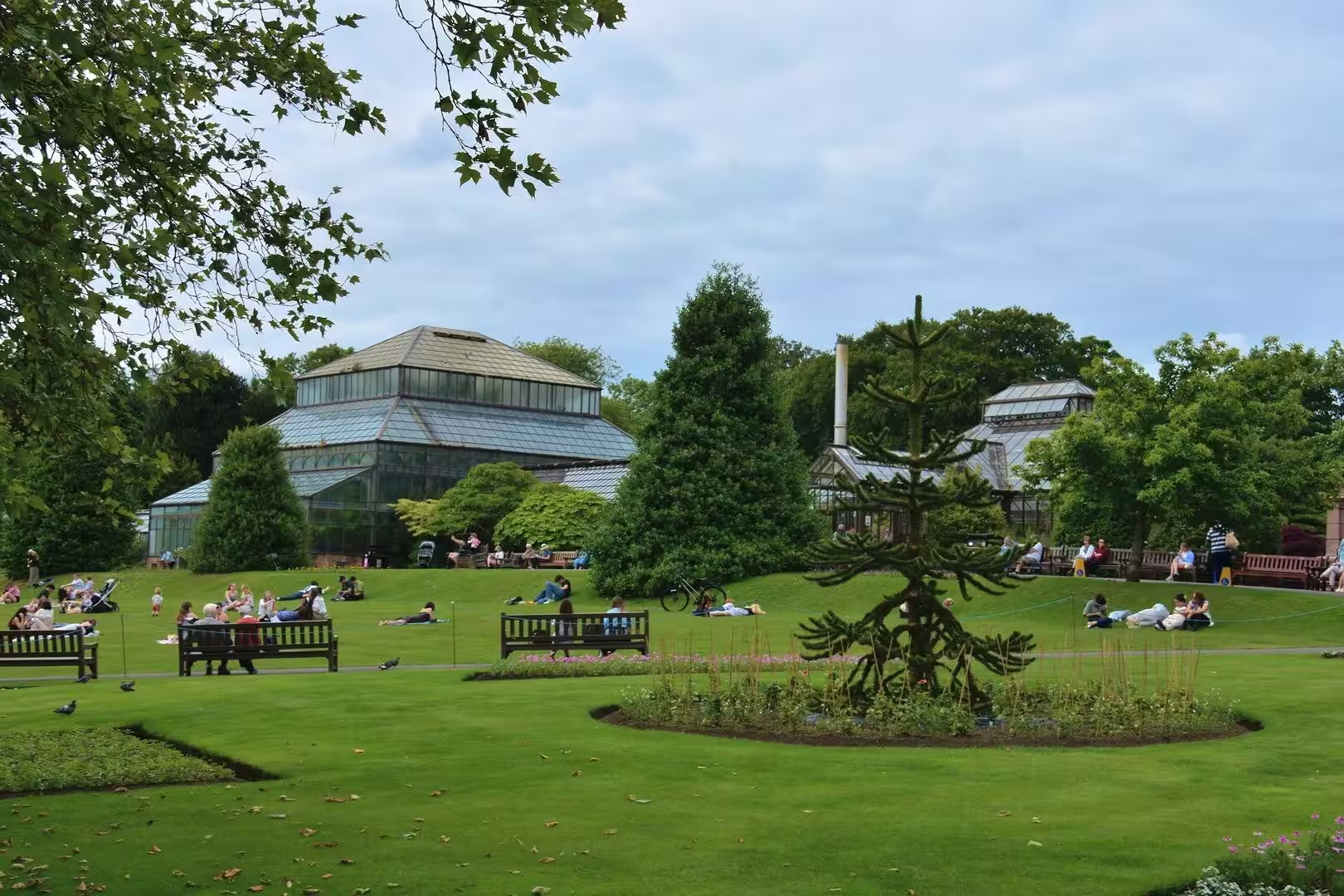
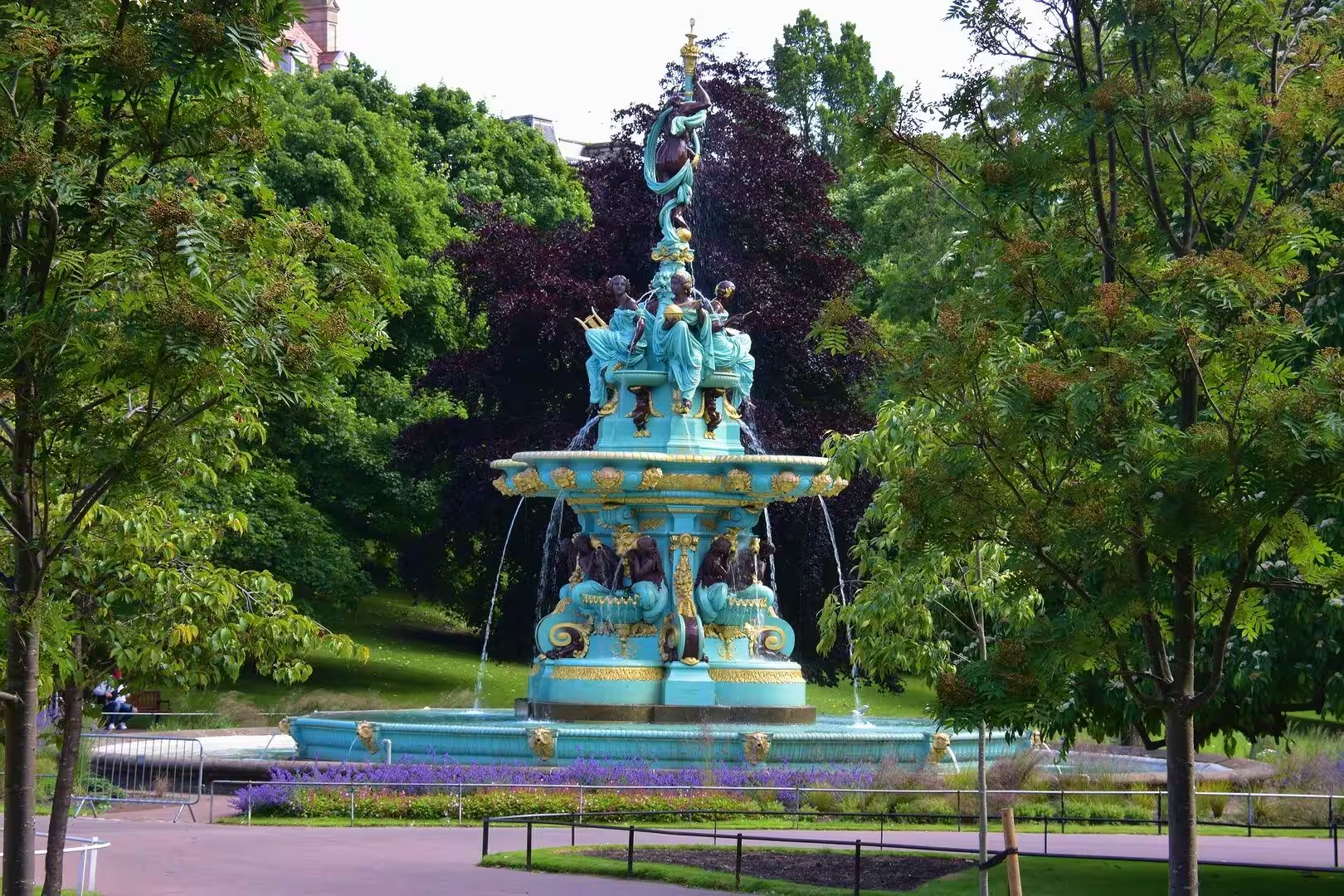
The Kelvingrove Art Gallery and Museum, a grand red sandstone building in Kelvingrove Park with its twin towers and its Spanish Baroque style, houses one of the largest collections of fine and applied art and natural history in Scotland, from Old Masters and Scottish art to armour, archaeology and the natural world. Nearby, the University of Glasgow, its Victorian gothic main building of carved sandstone rising above the Kelvin valley, together with the Riverside Museum on the renovated banks of the Clyde, with its ship models, bicycles and transport collections, and the adjacent tall ship in the harbour, tell the story of the city and of the Clyde. The Kelvingrove Park, the Glasgow Green and the many public gardens and parks, set the city’s green spaces amid the dense sandstone streets.
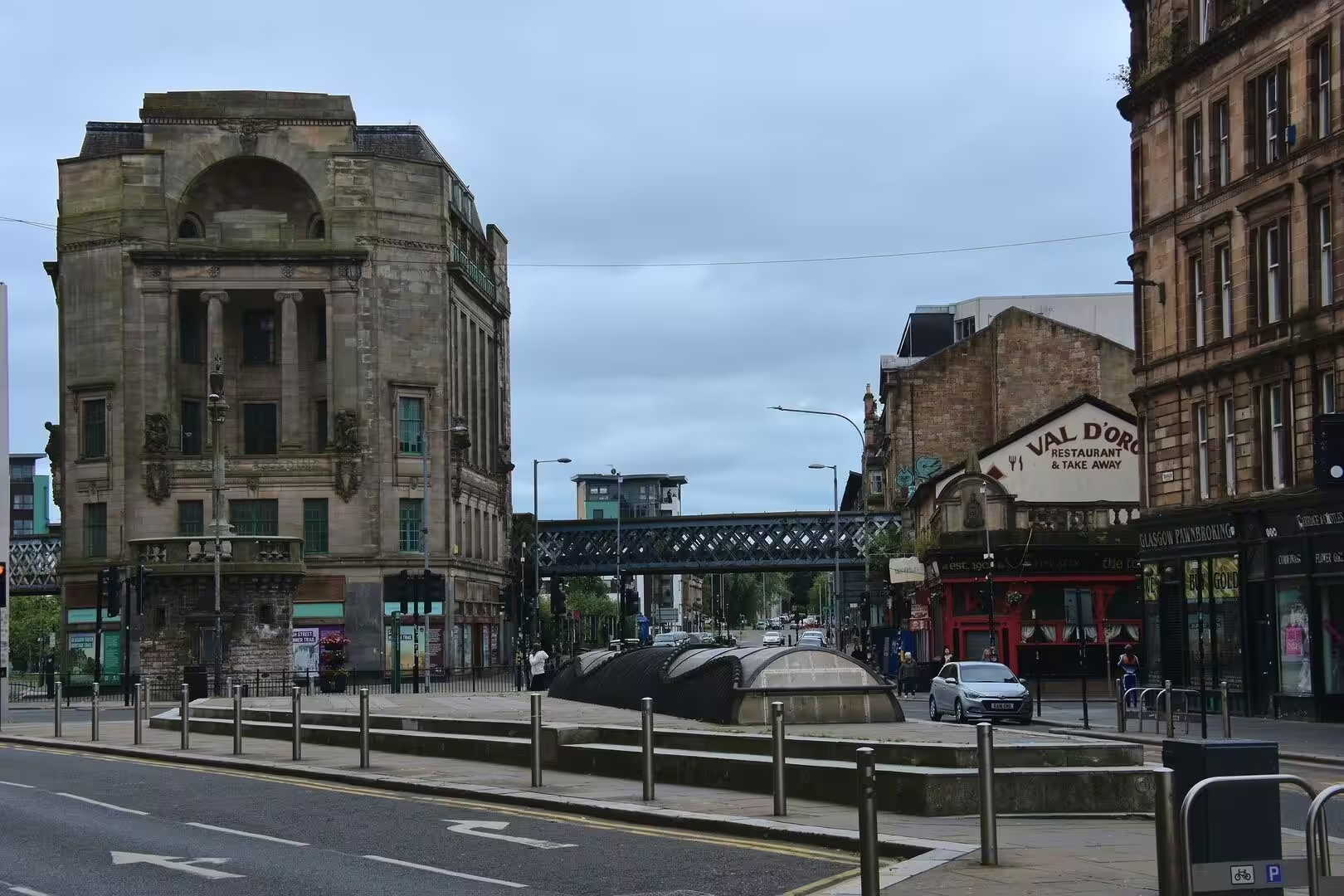
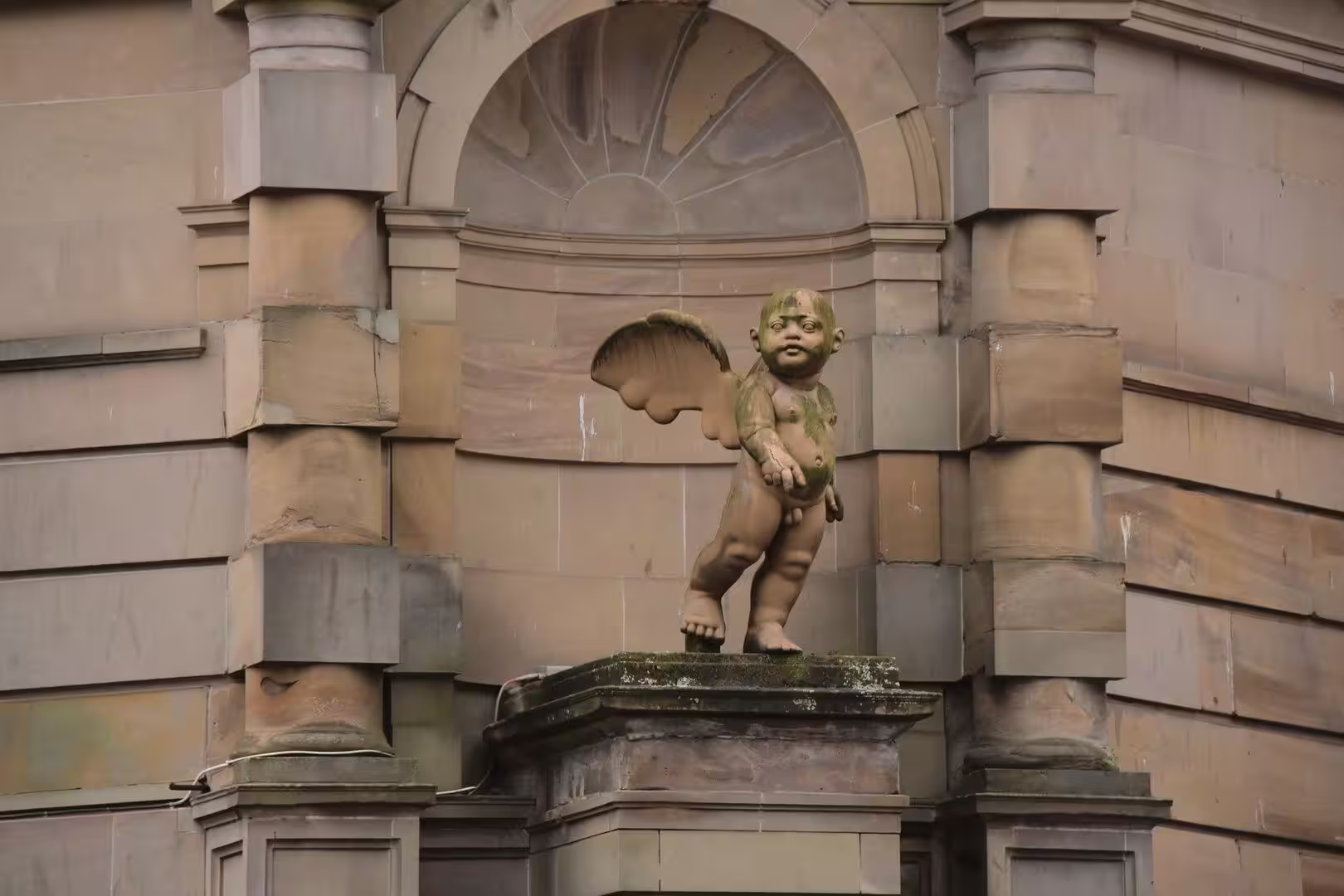
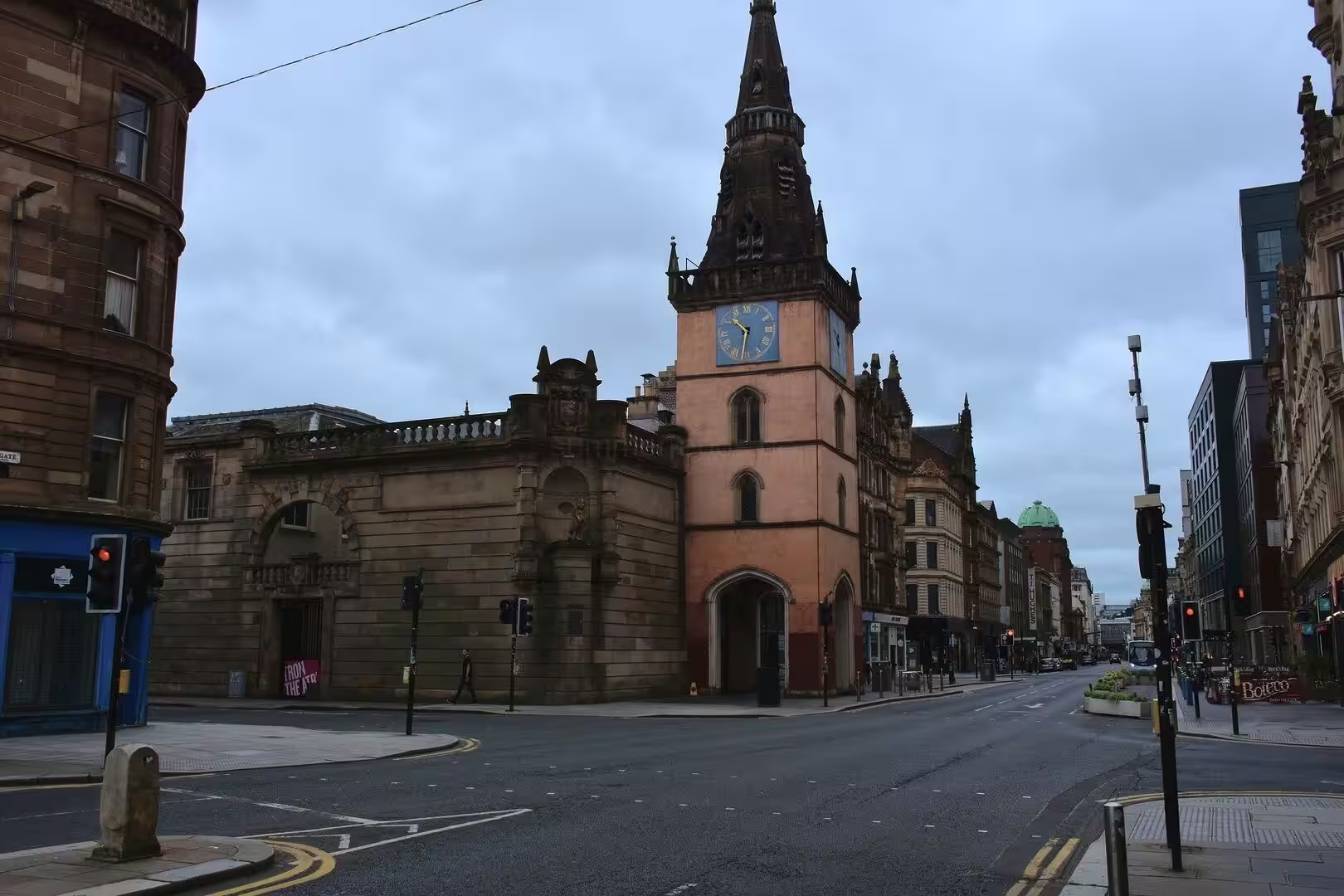
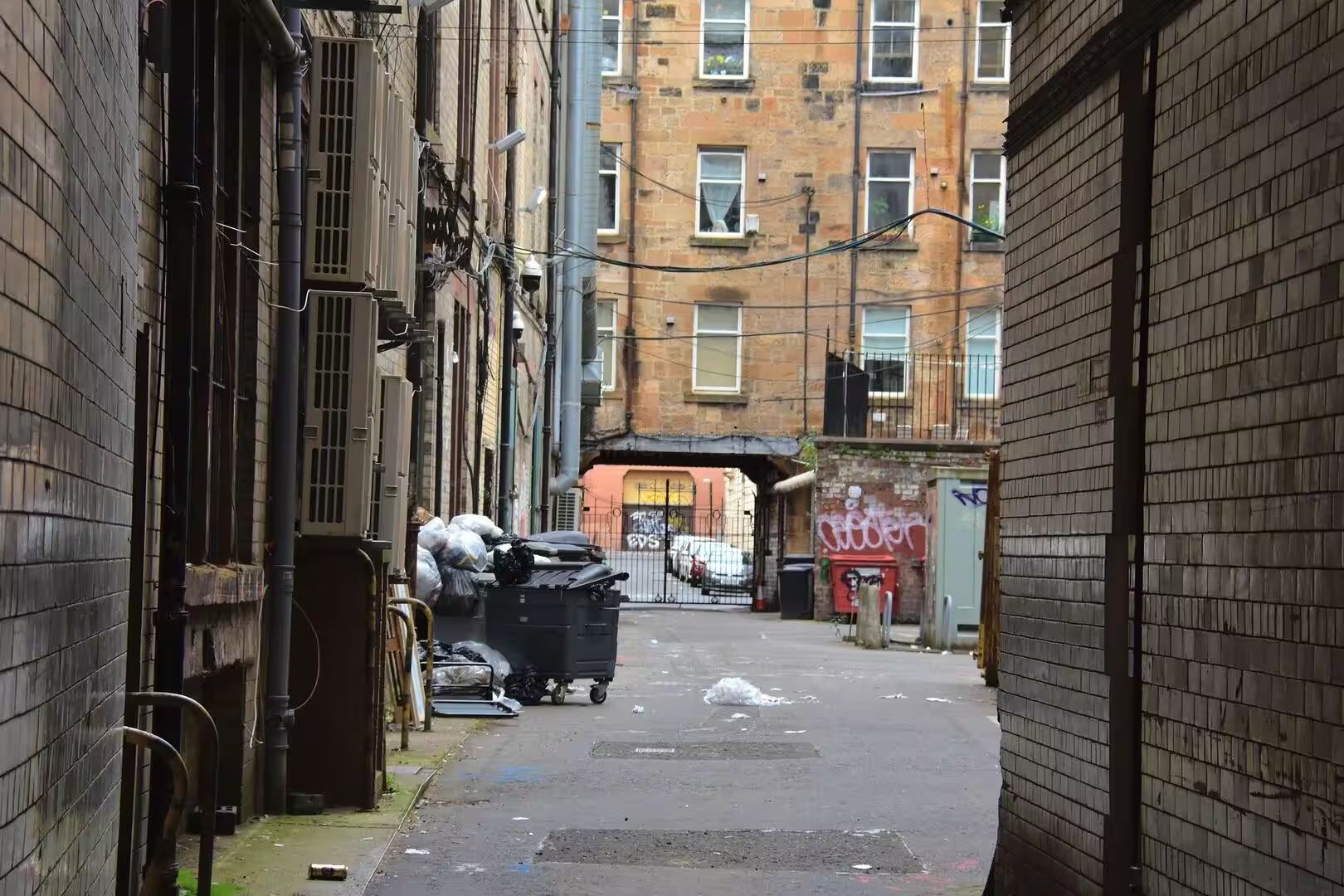
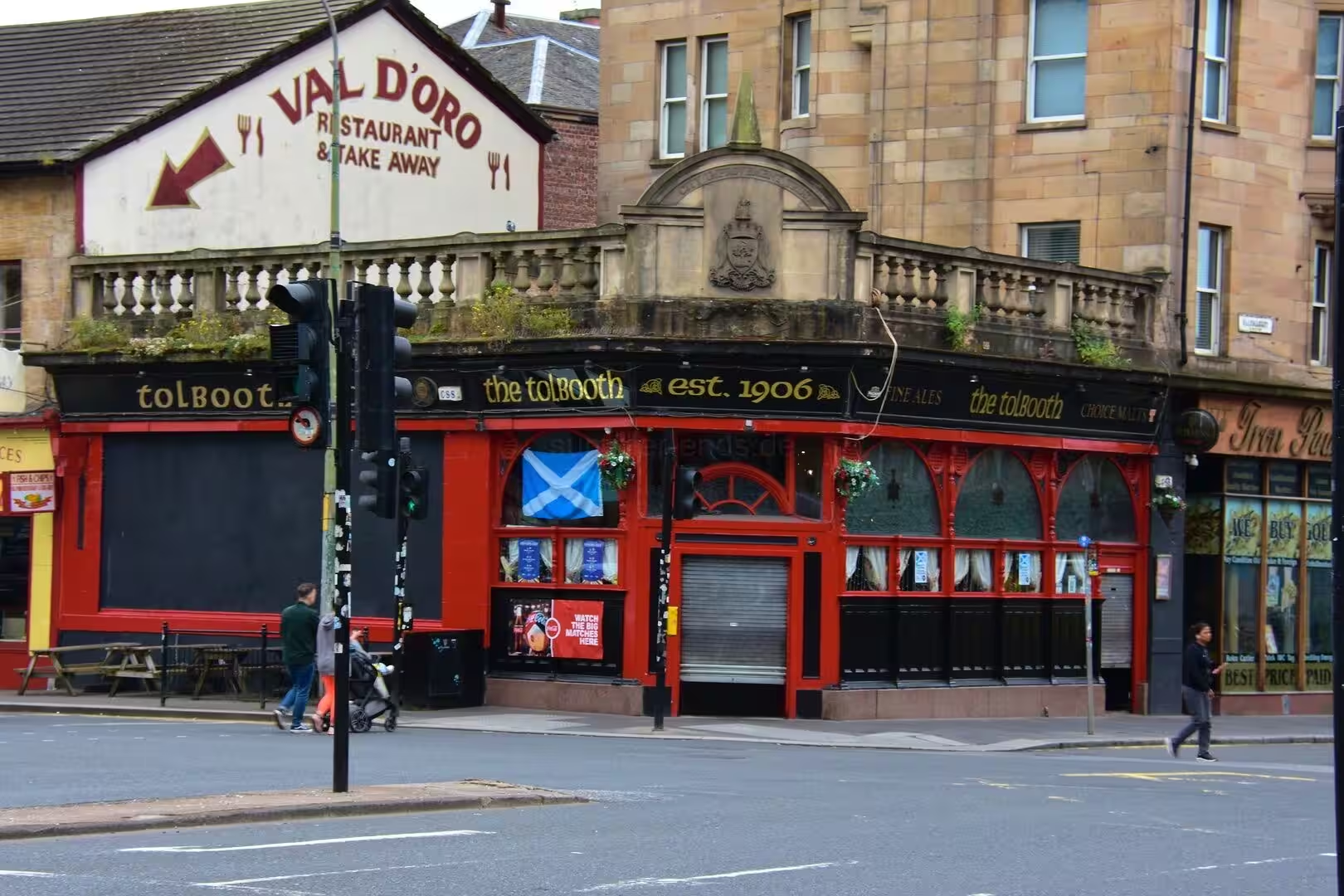
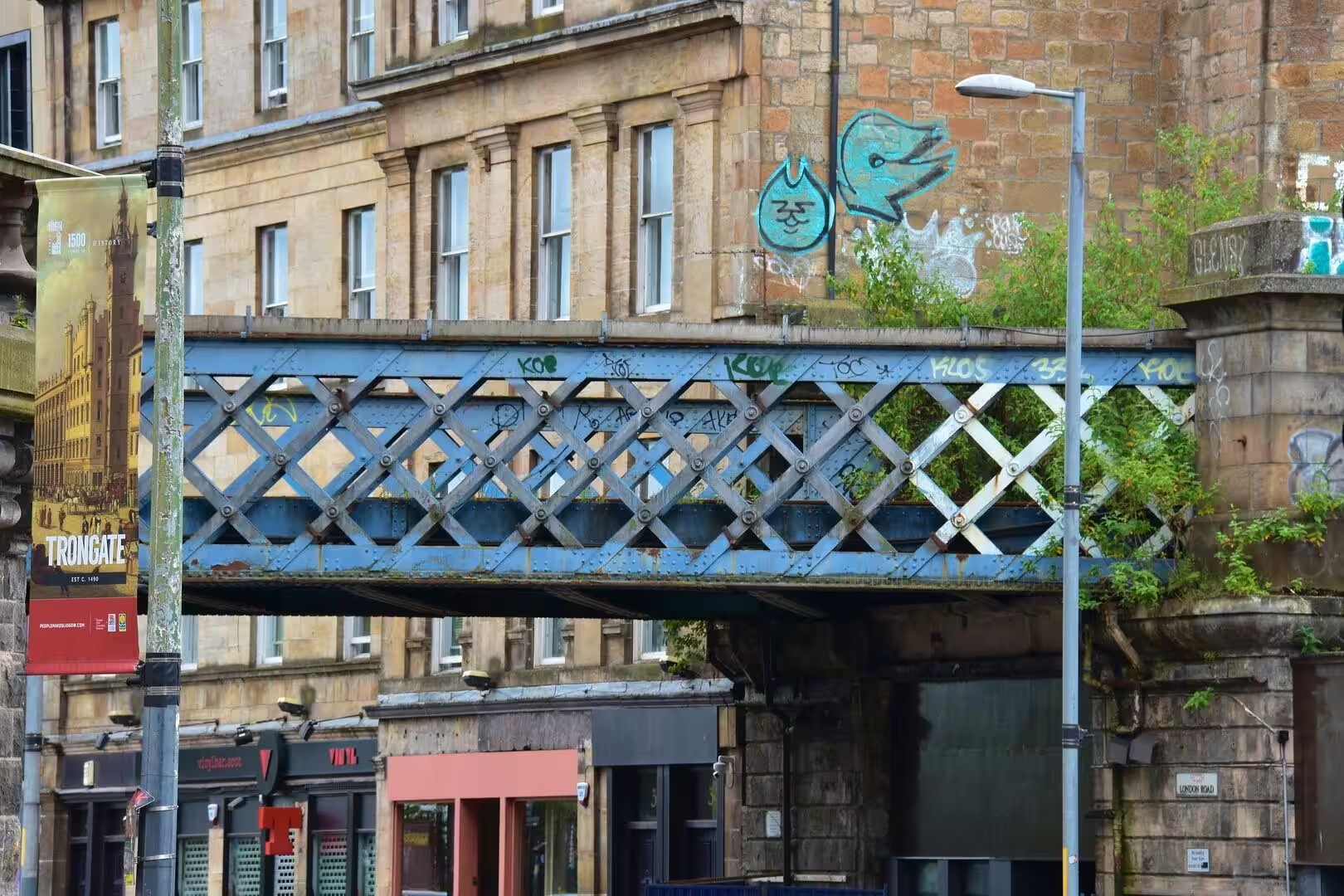
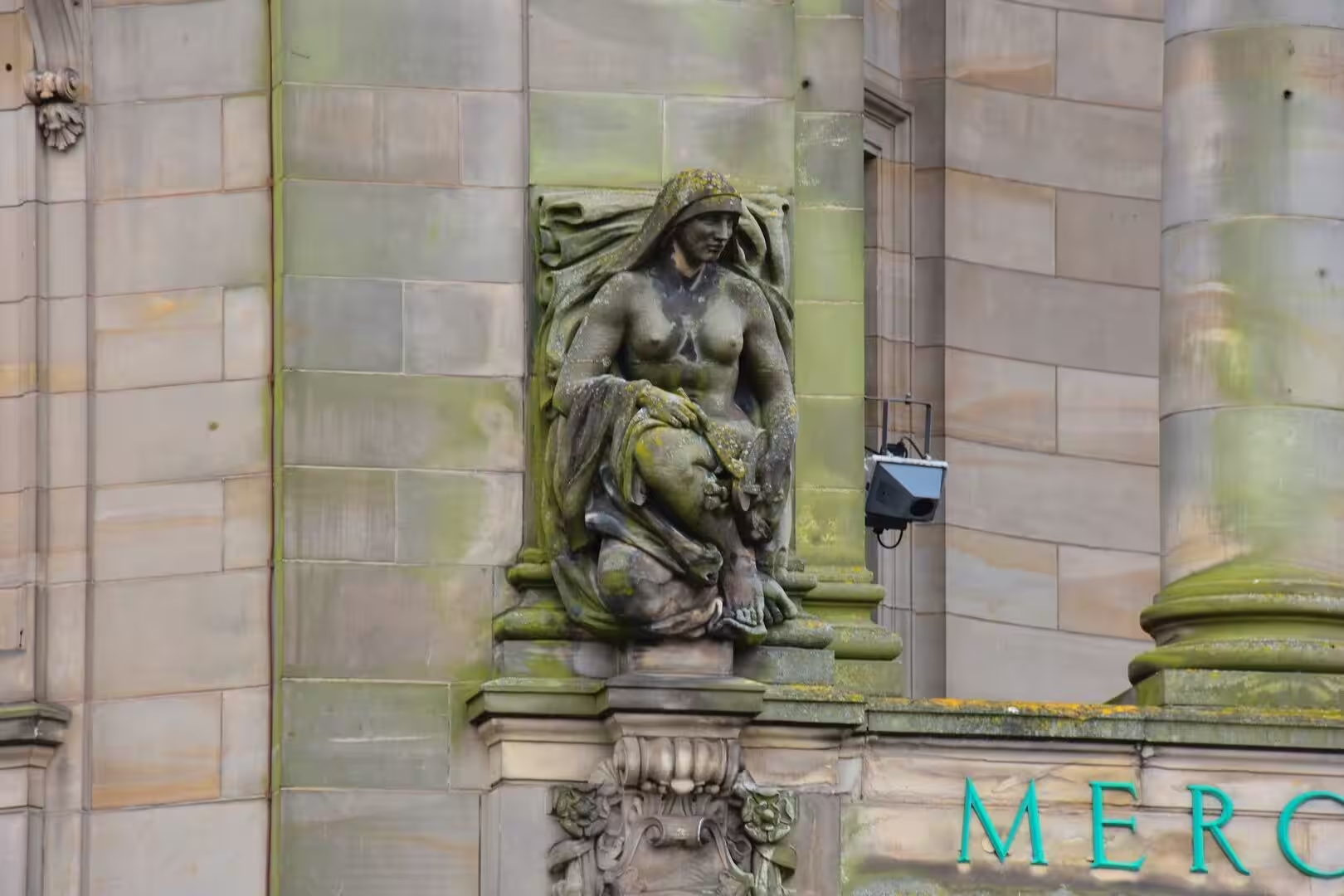
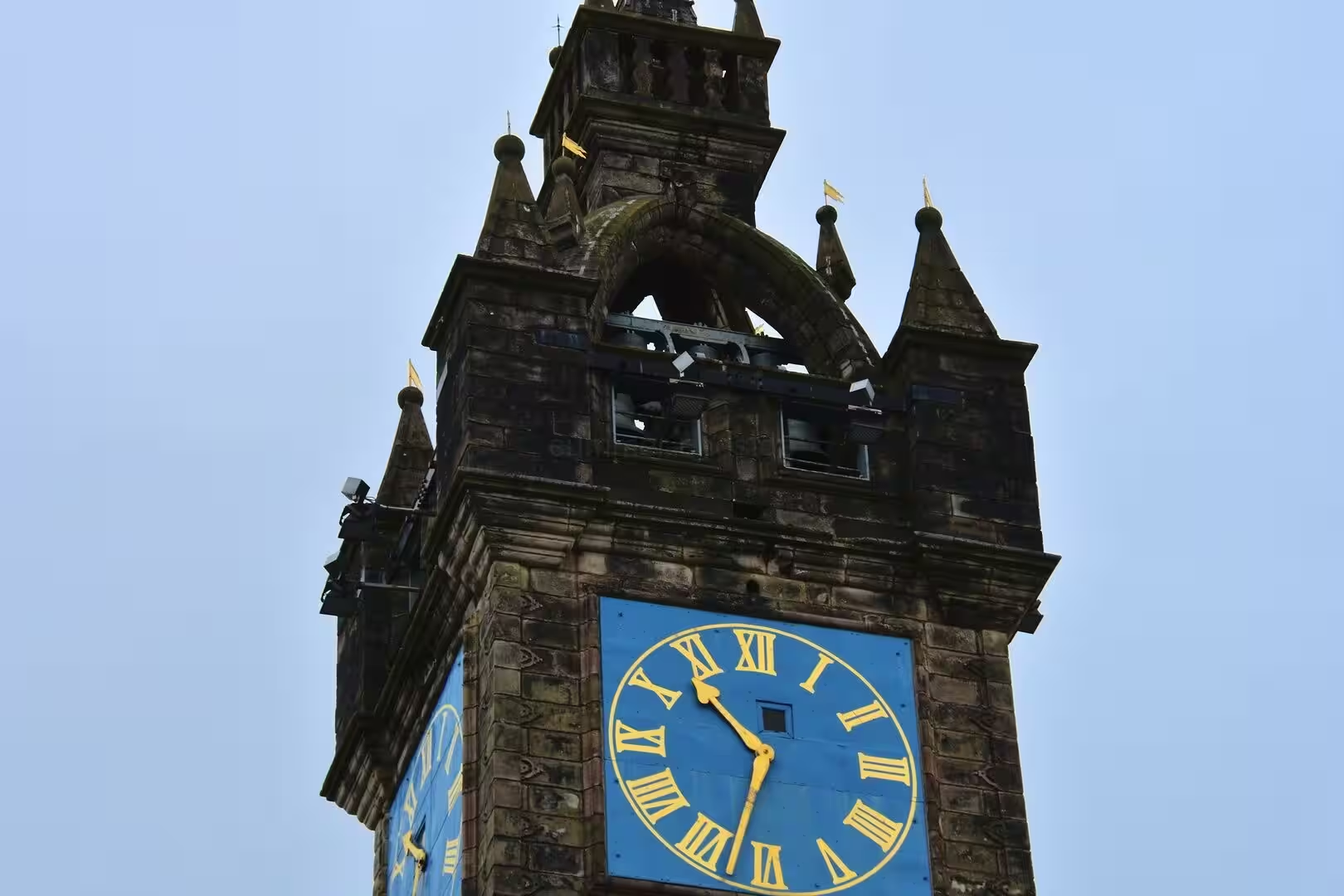
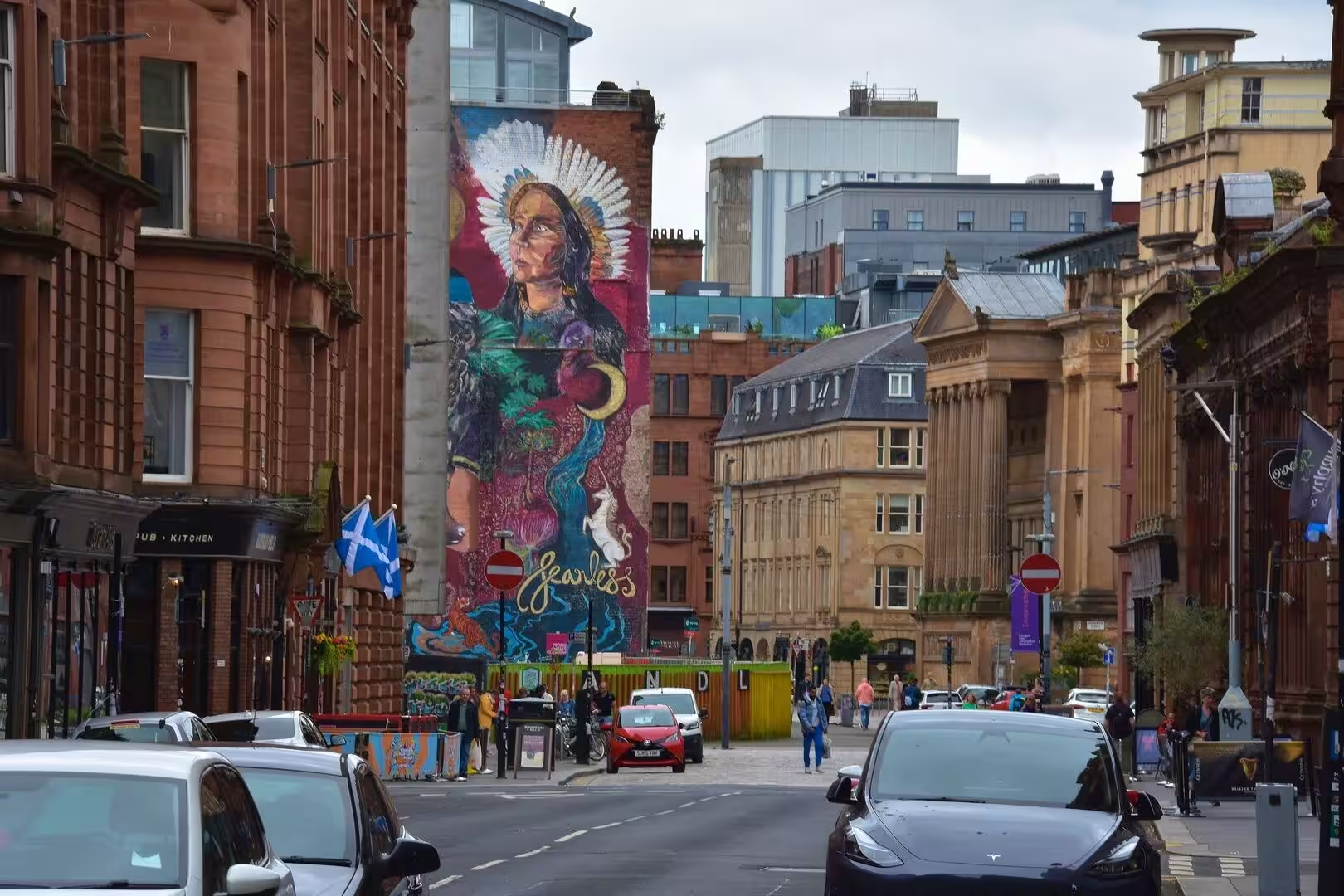
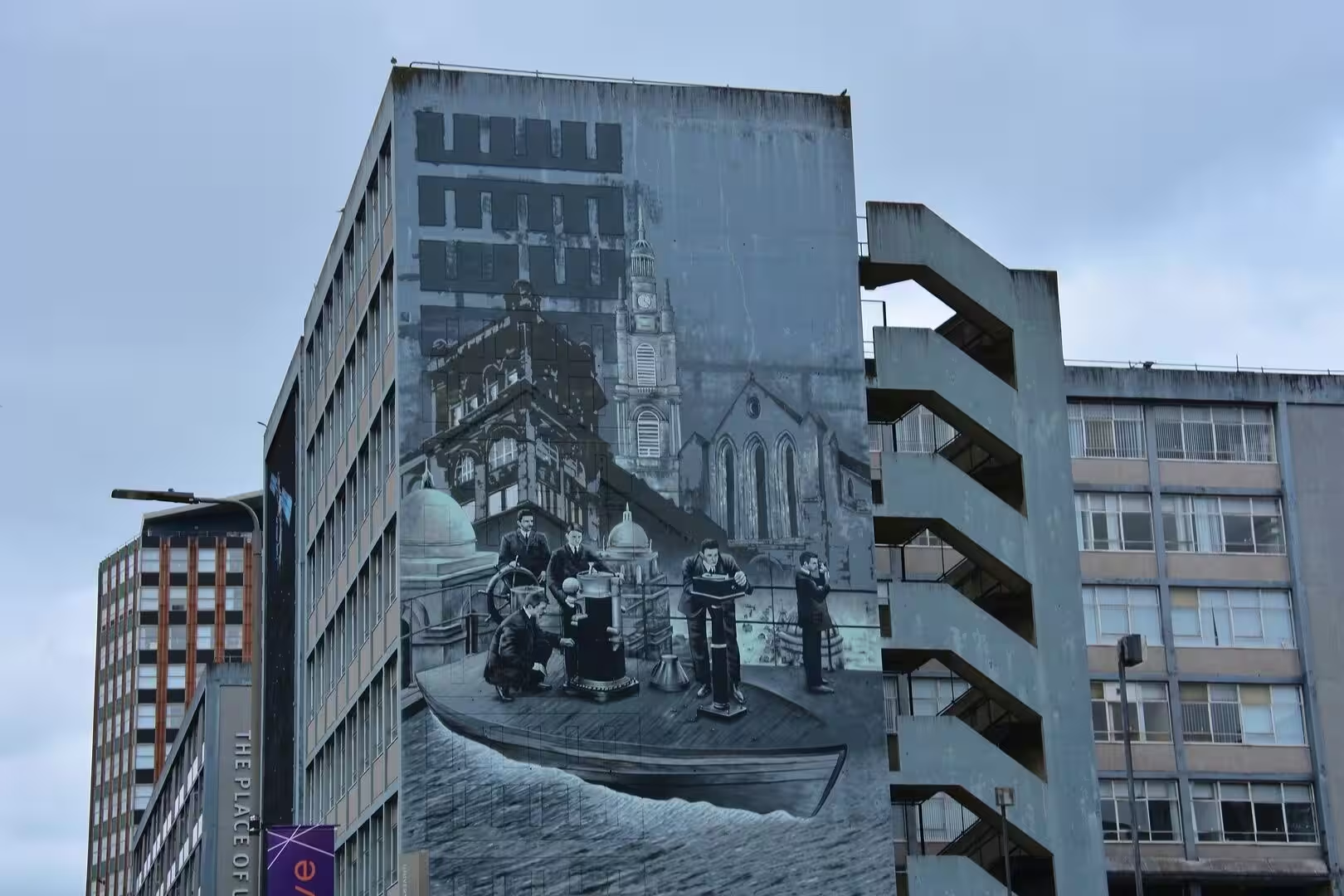
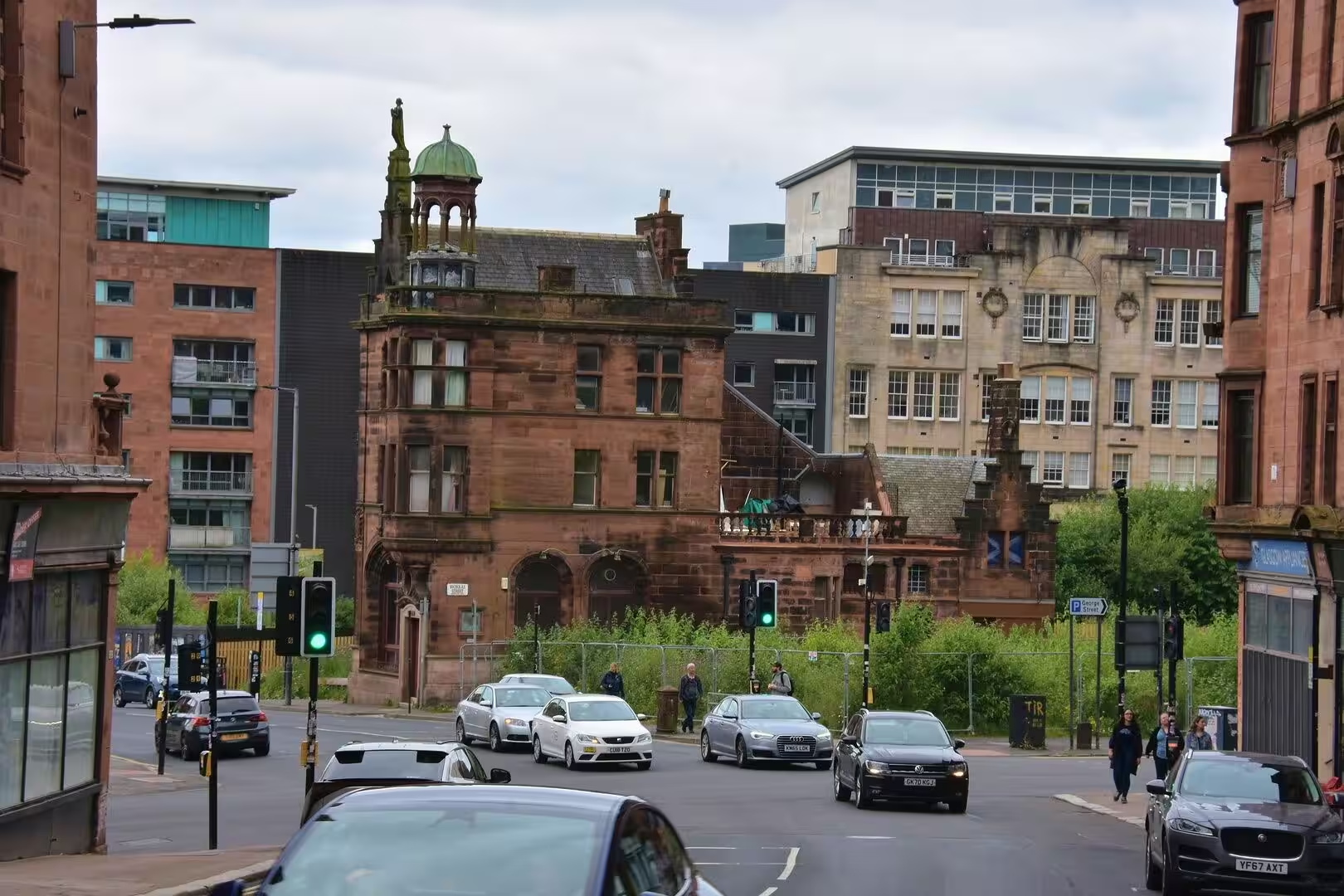
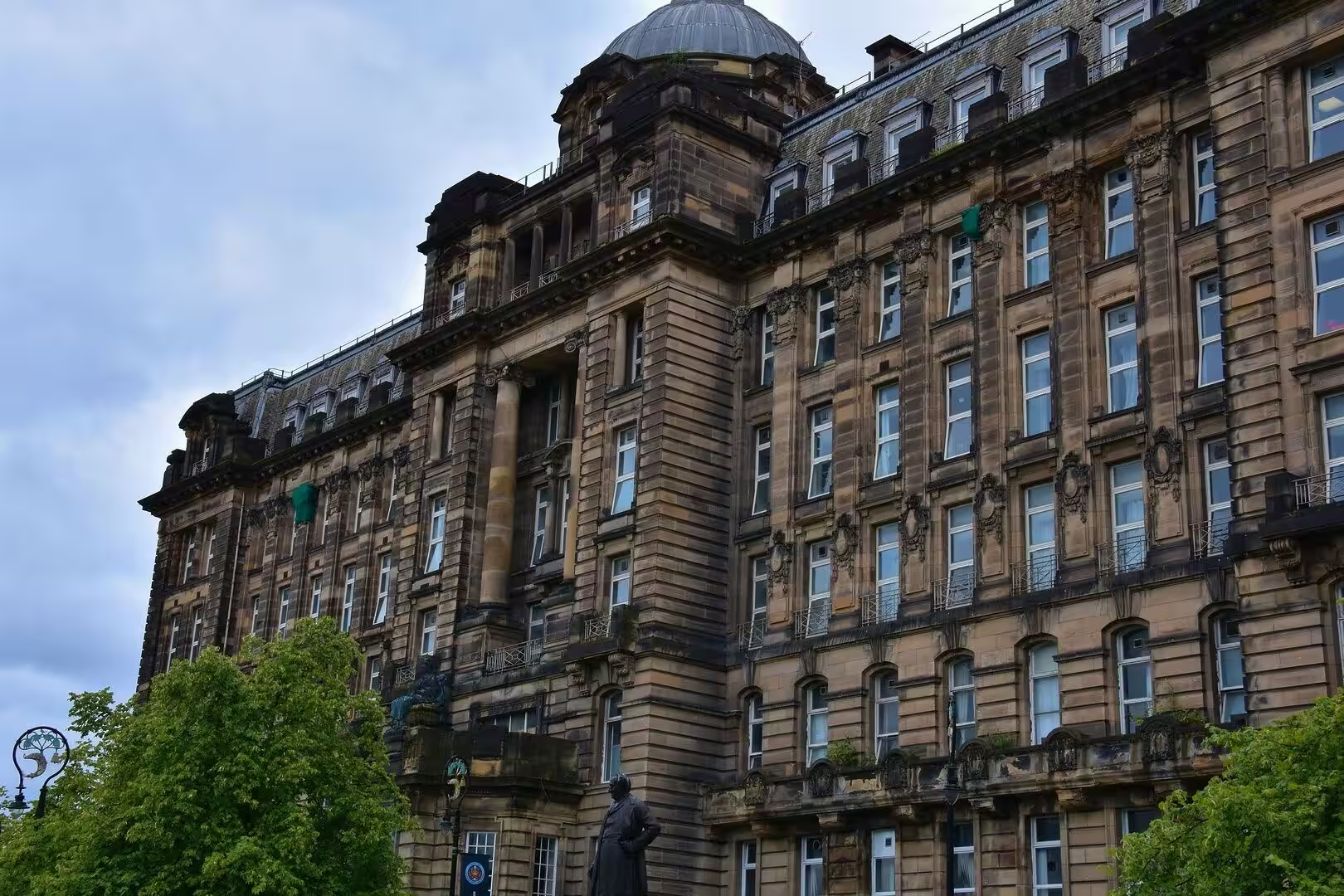
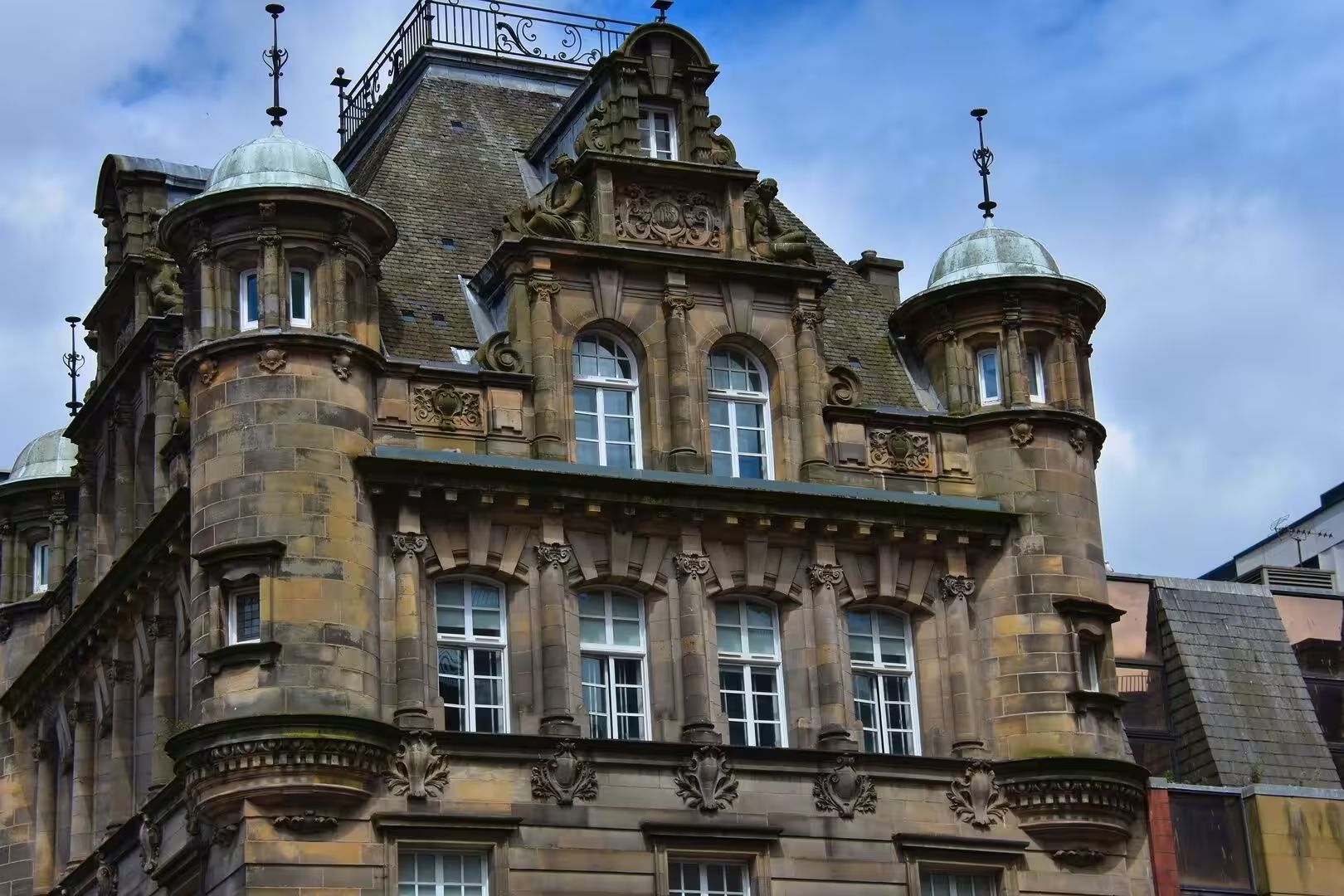
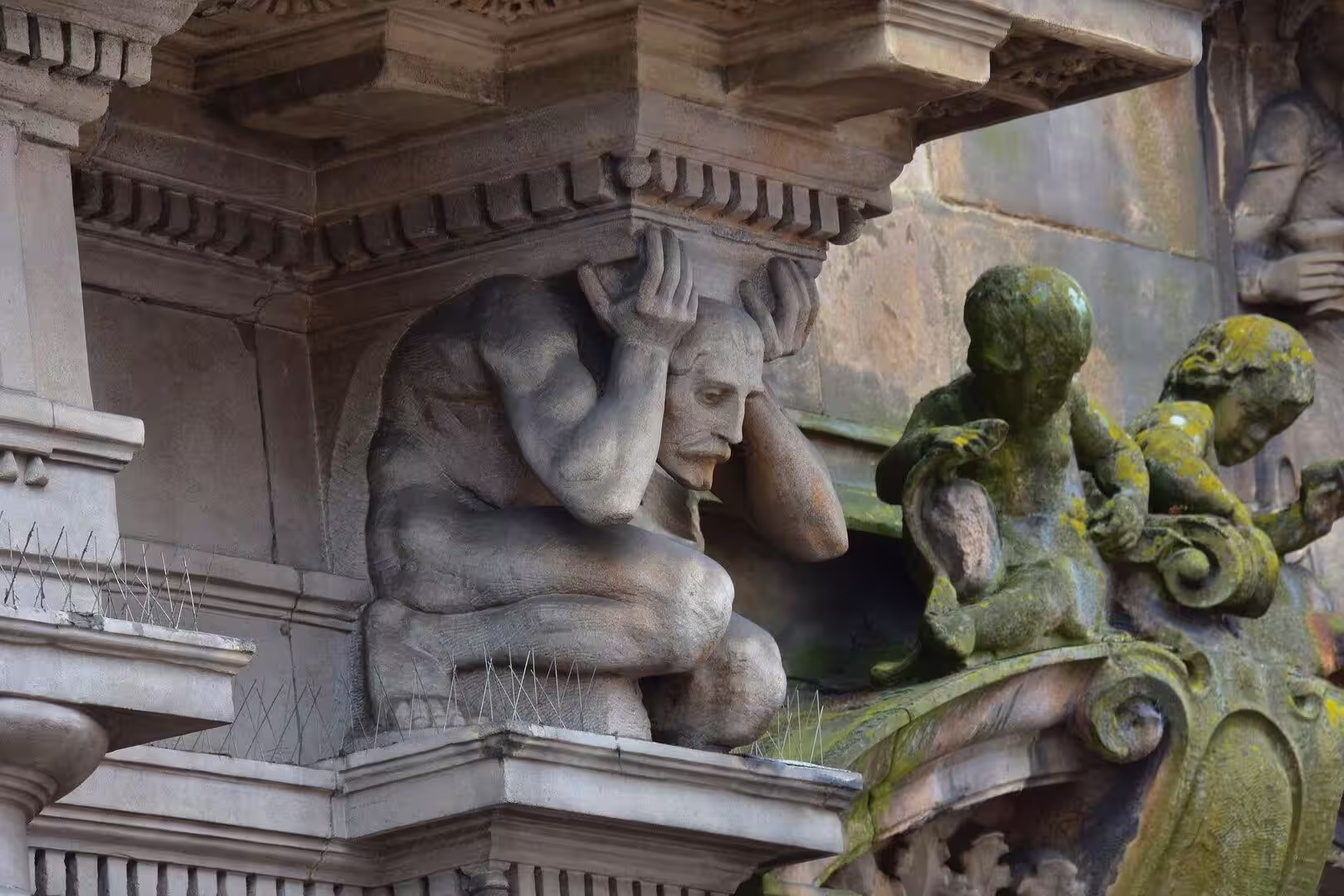
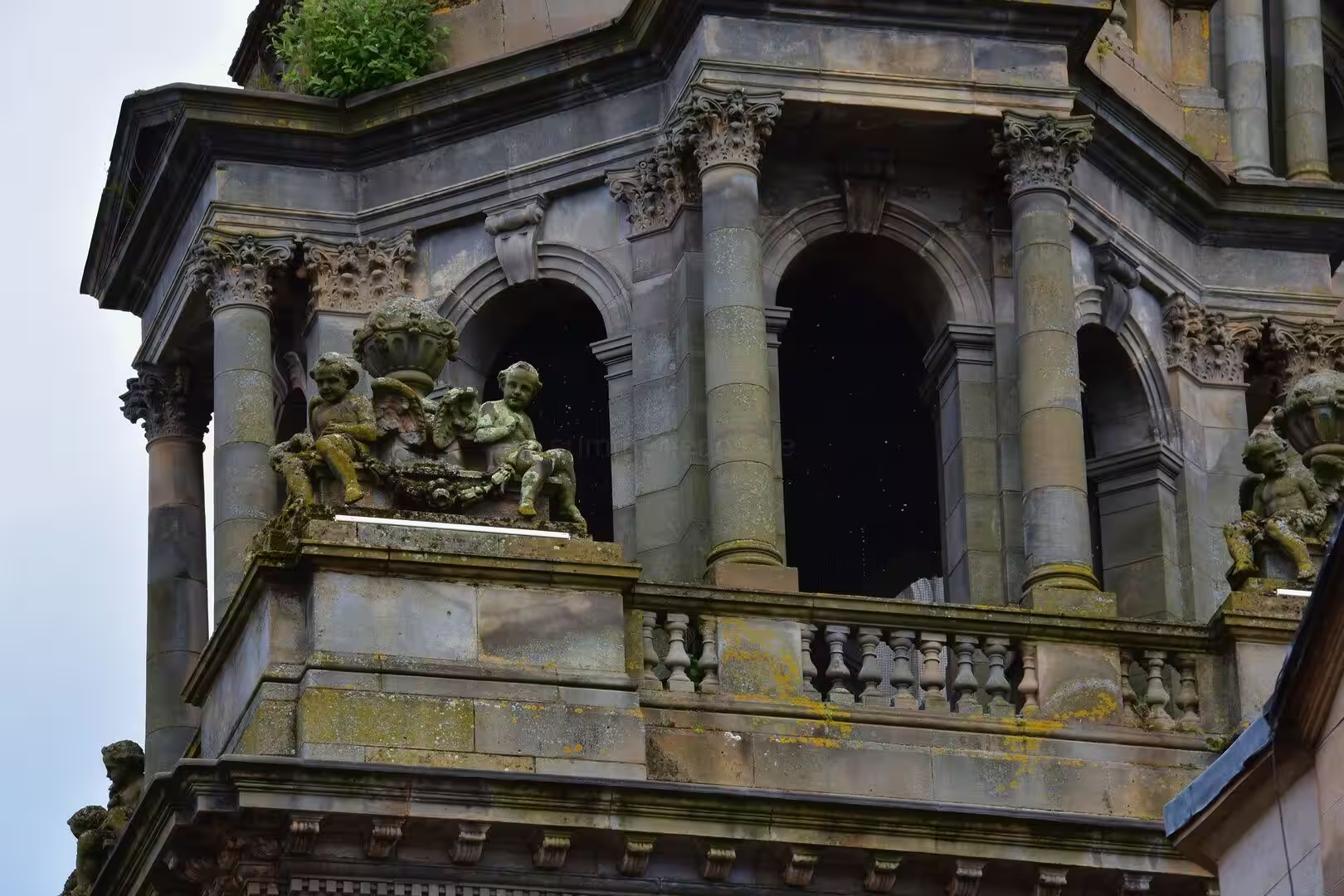
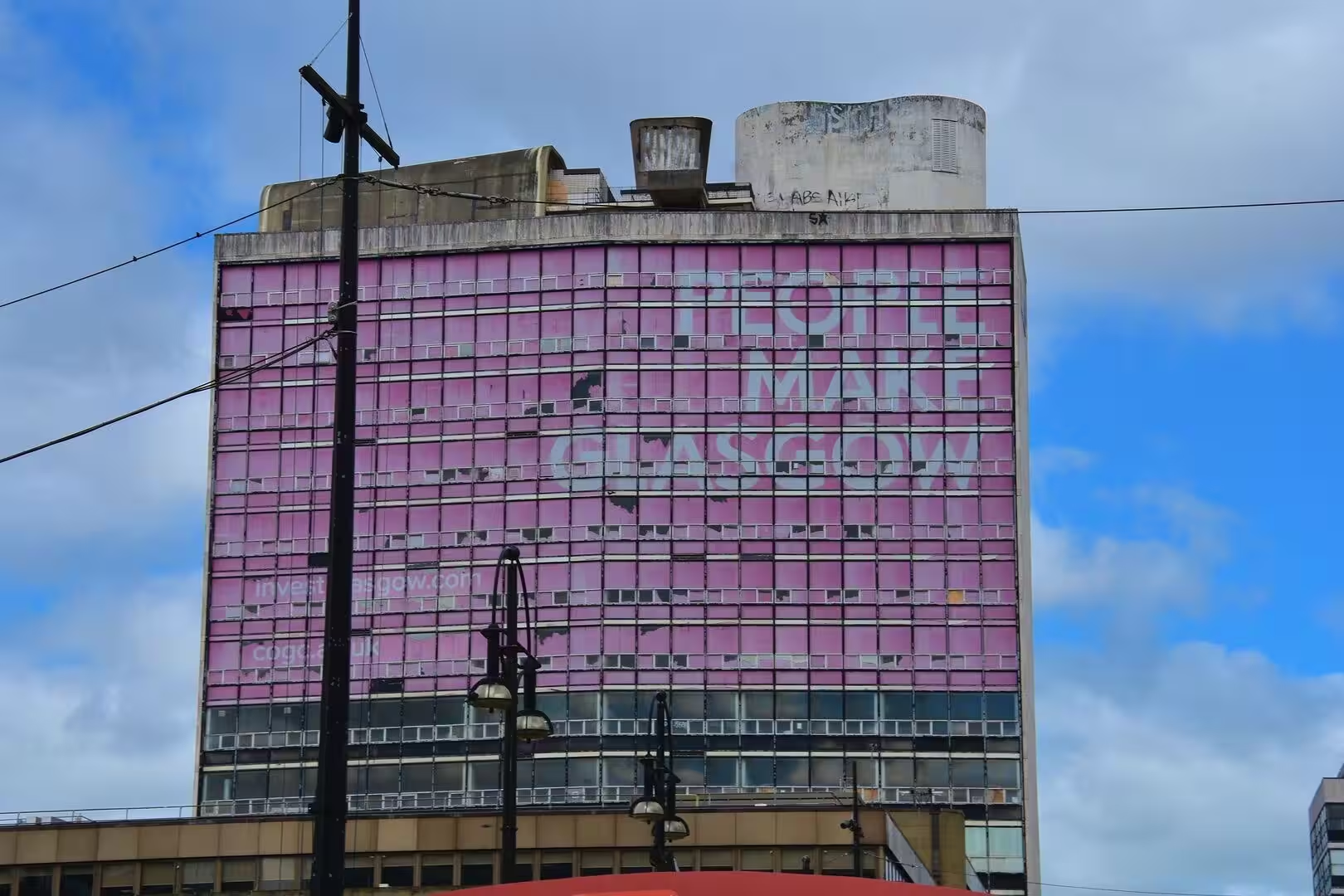
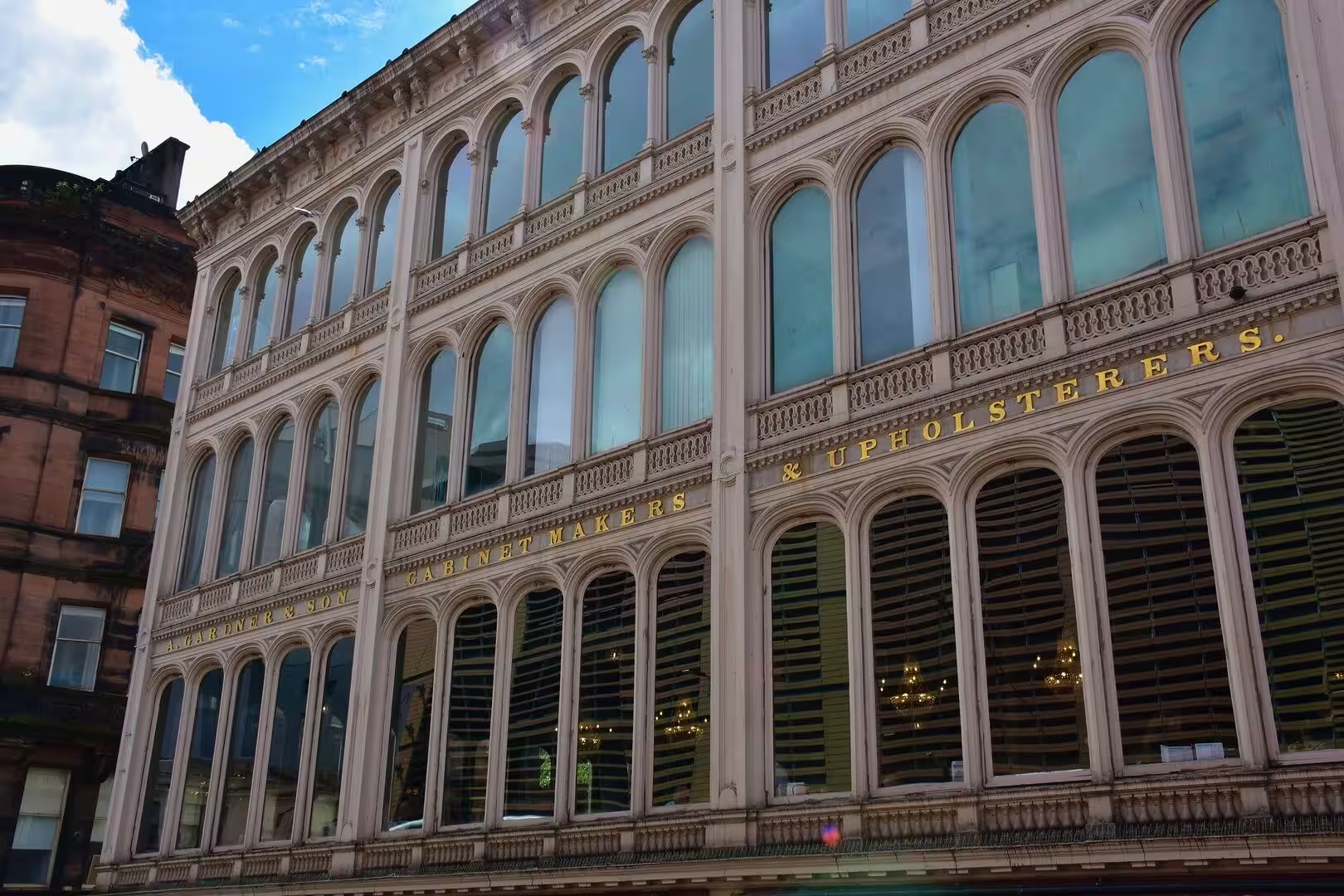
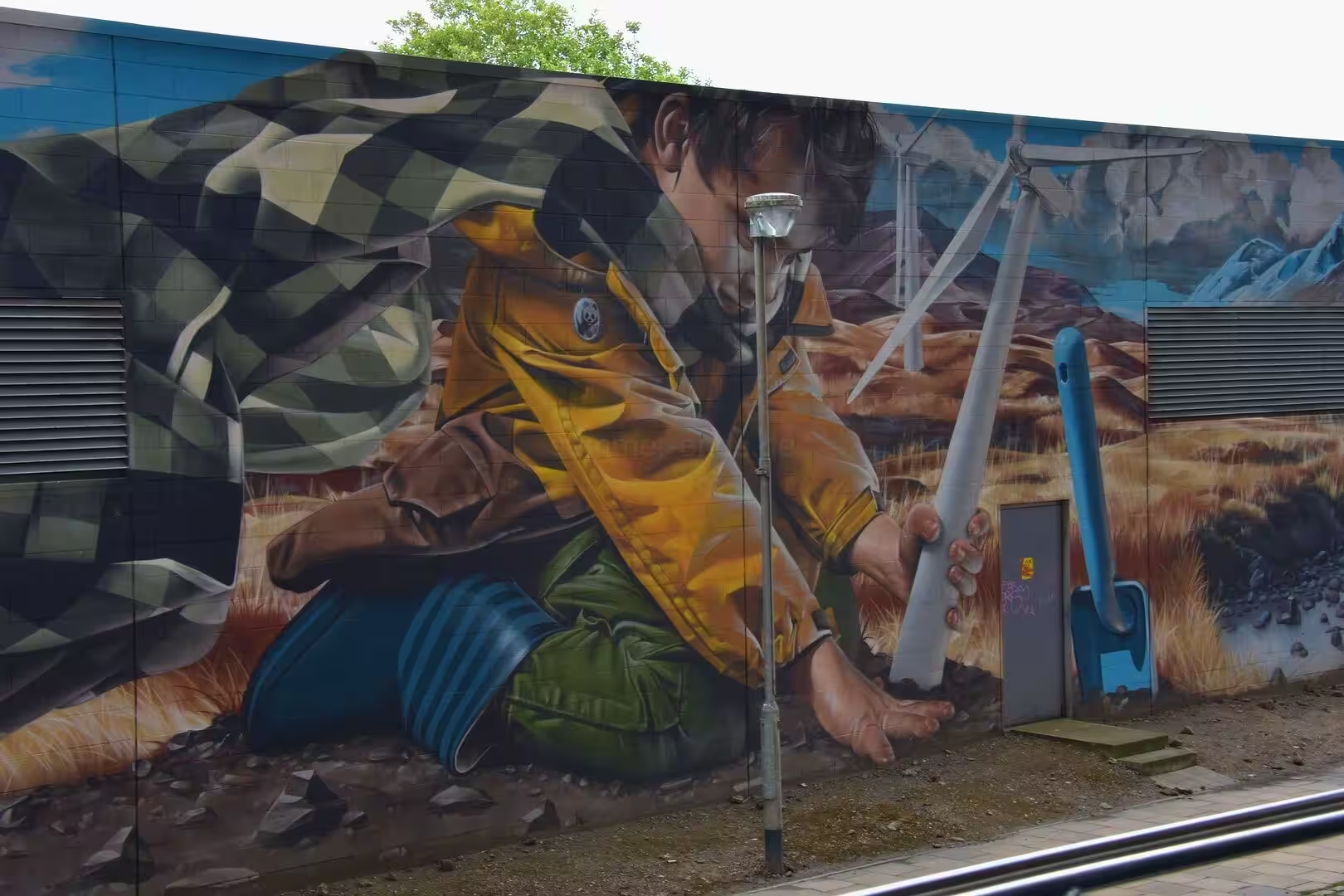
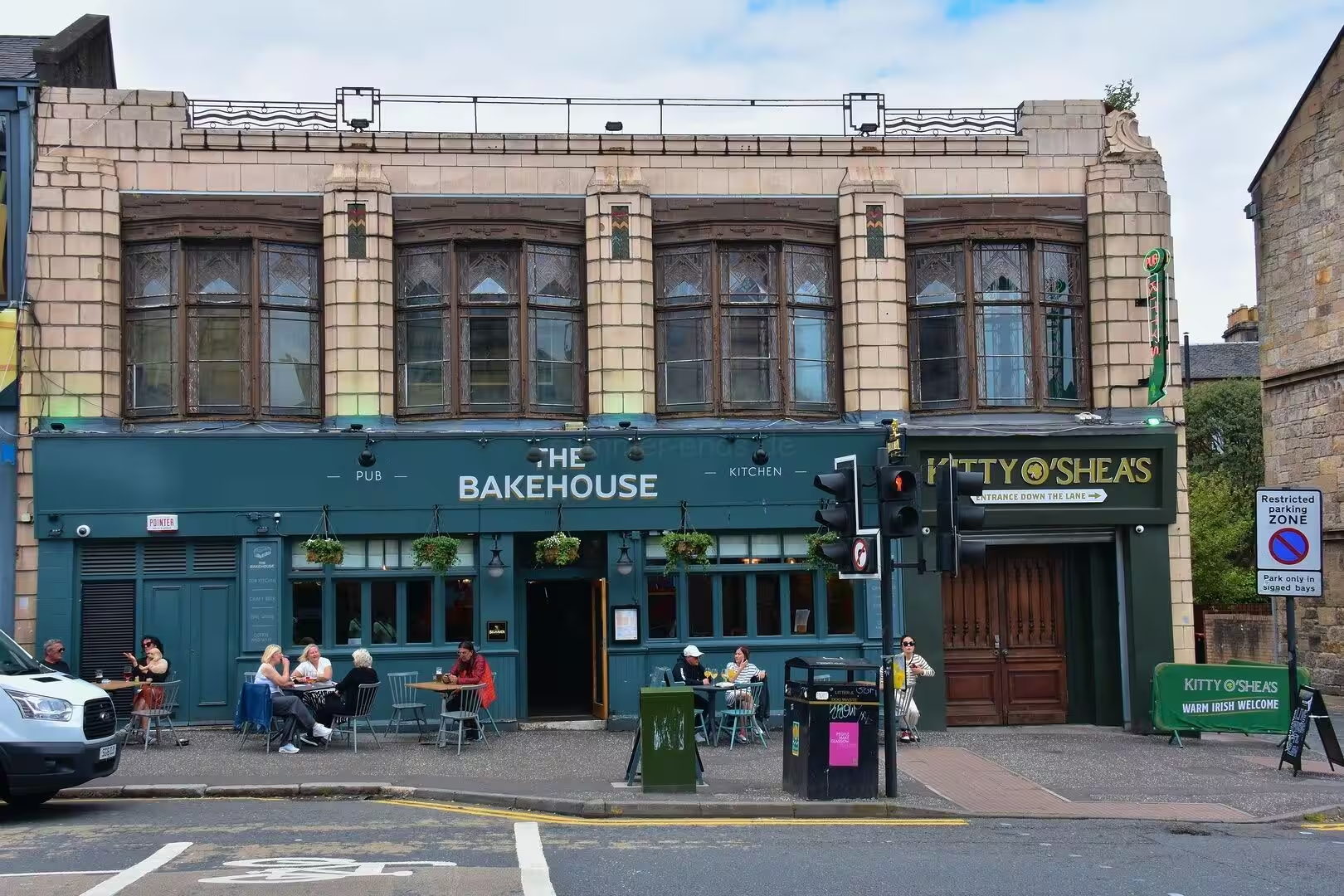
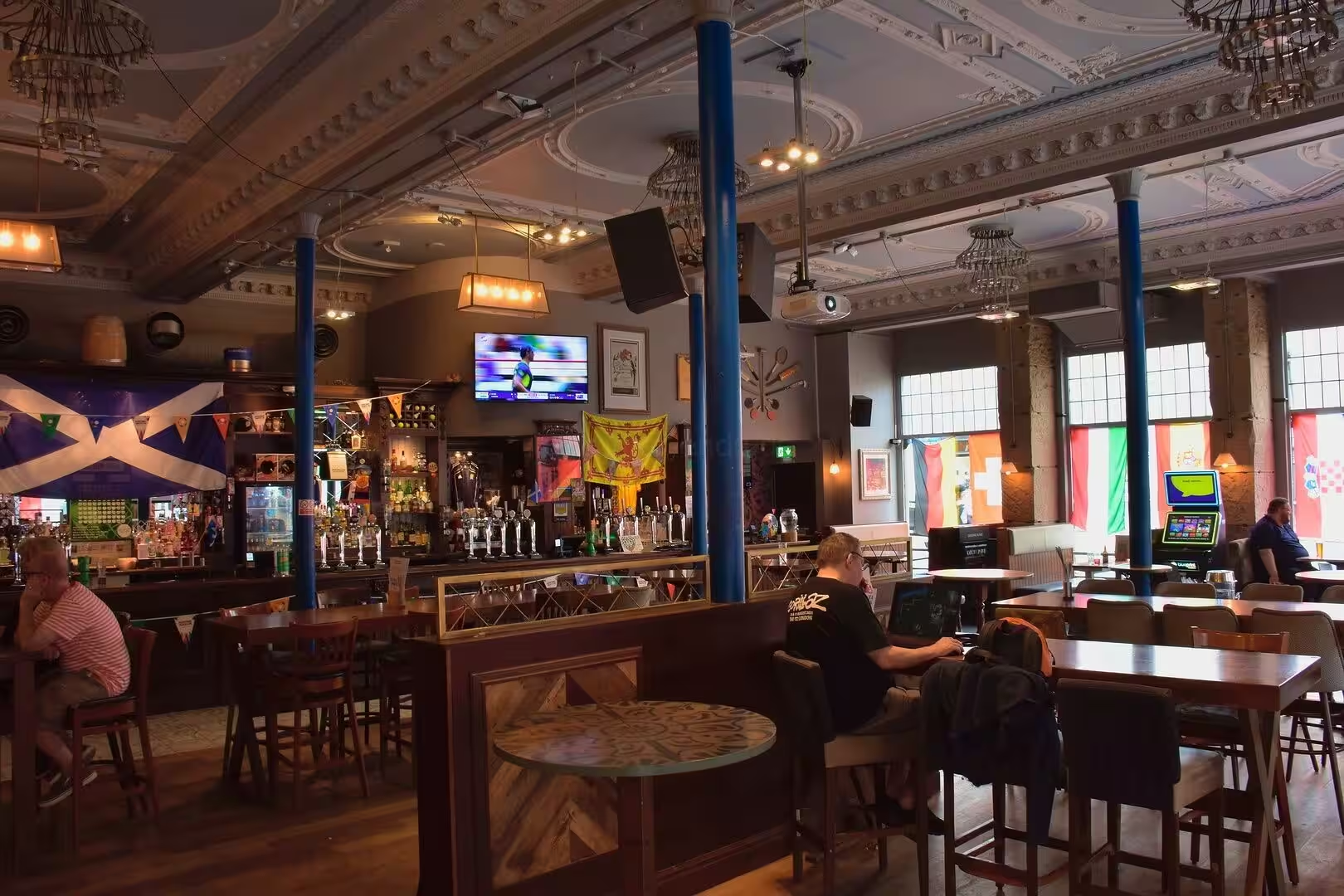
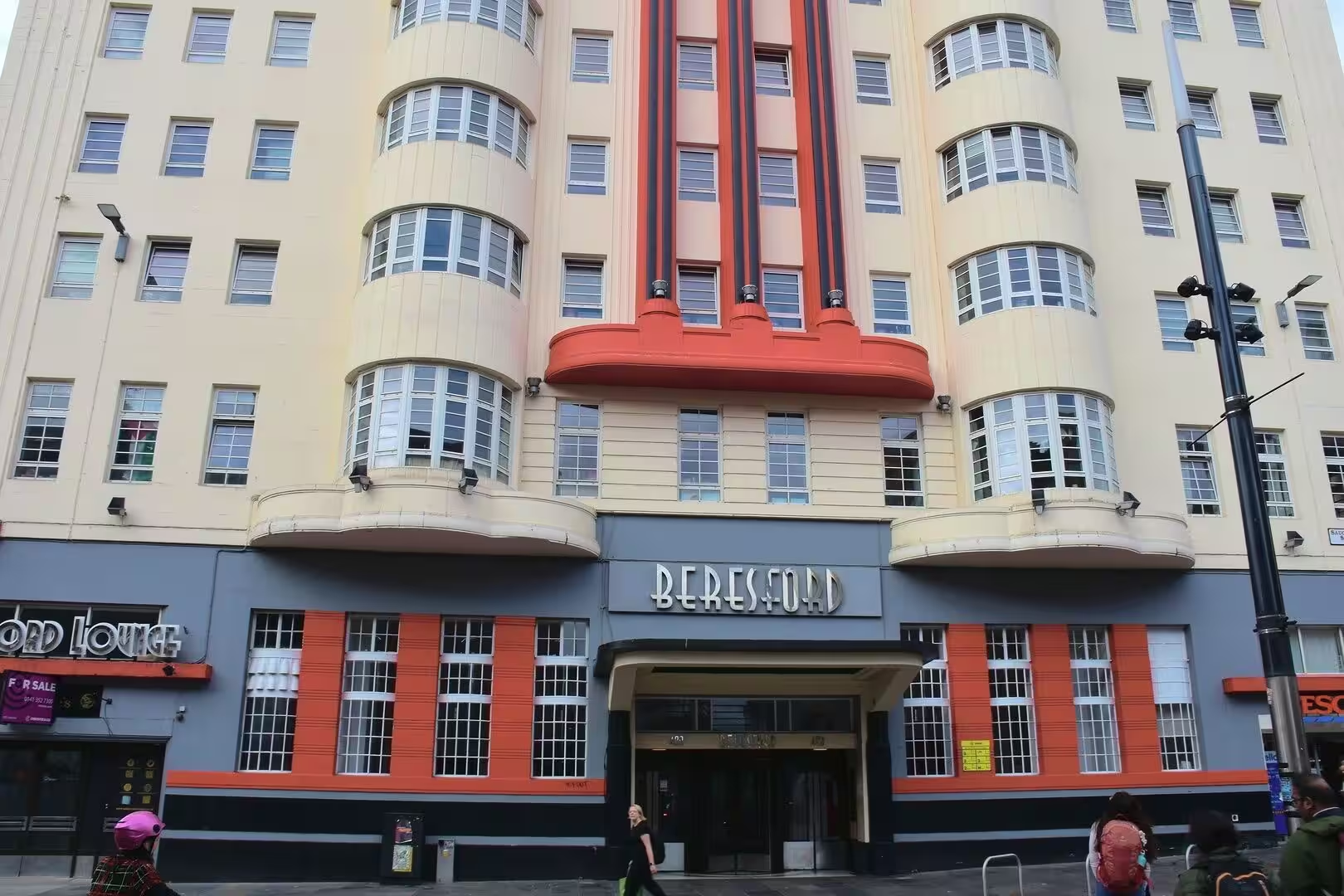
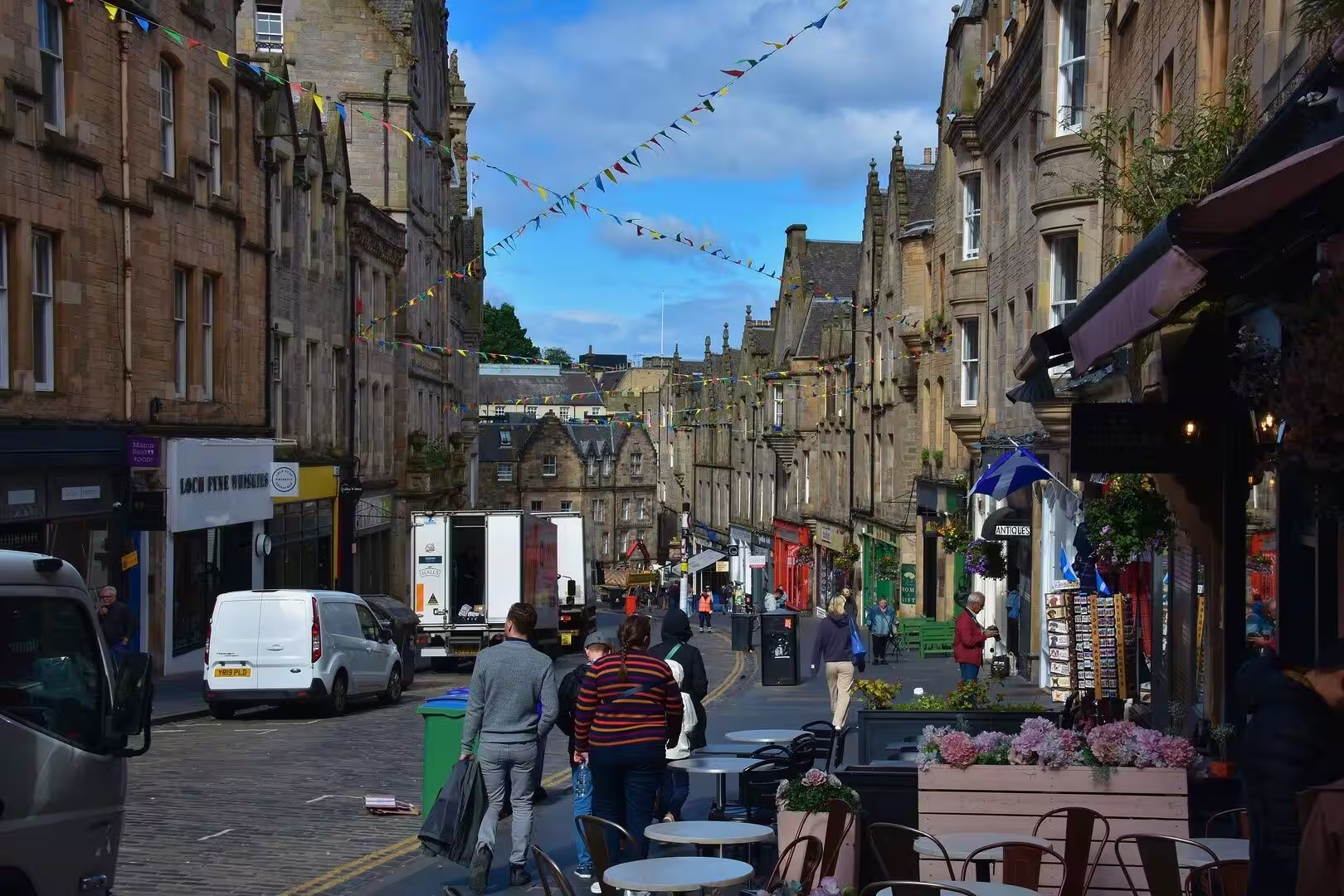
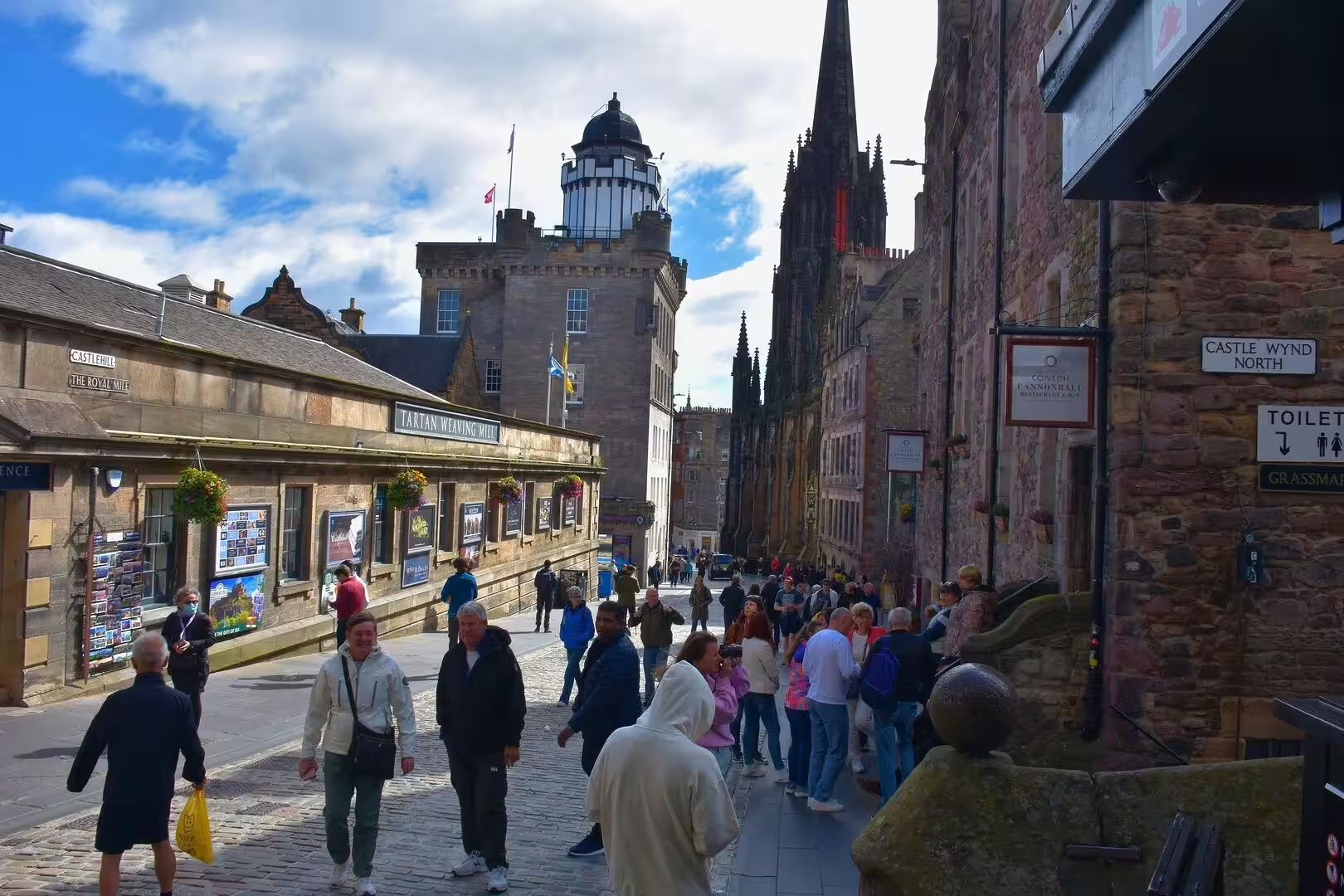
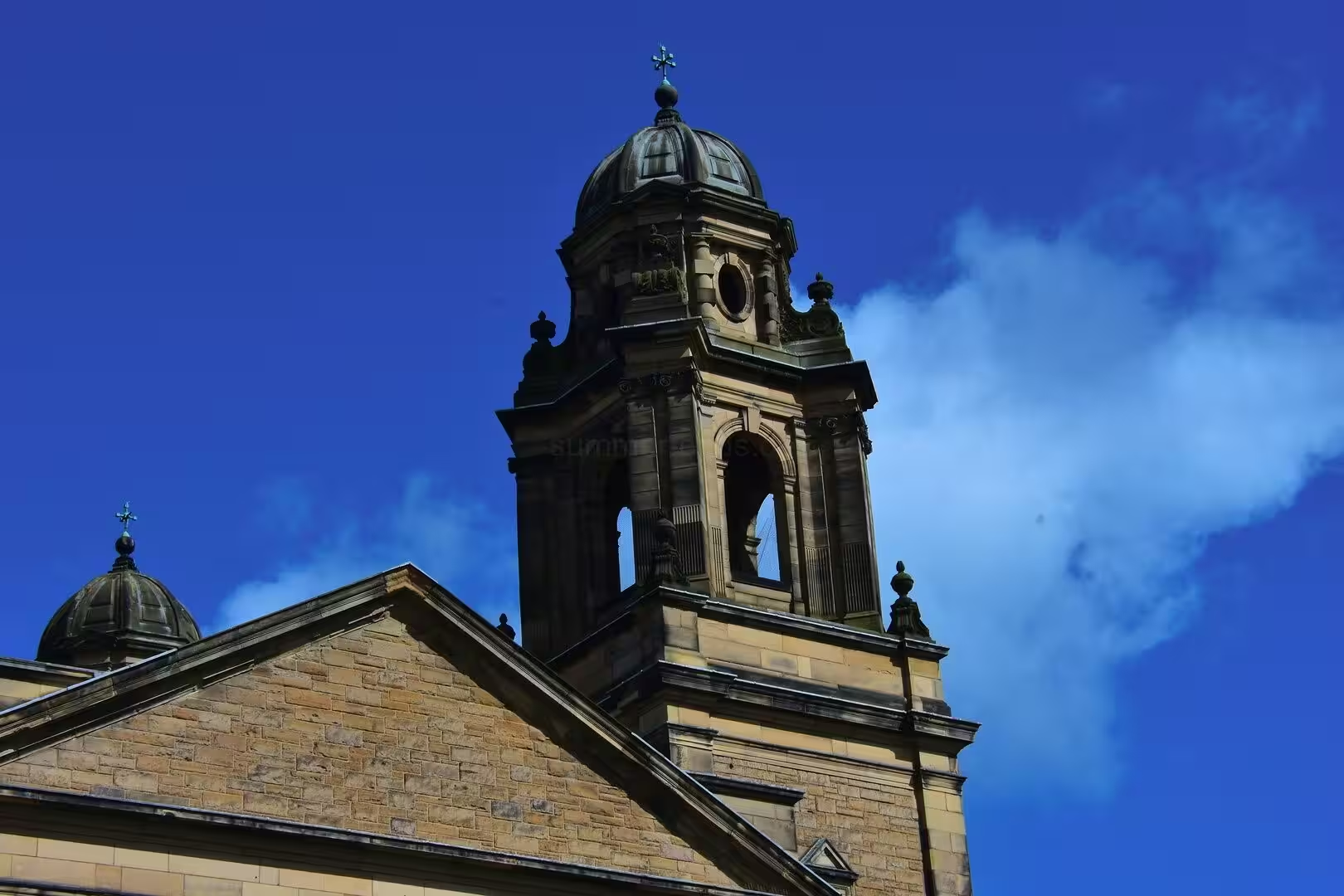
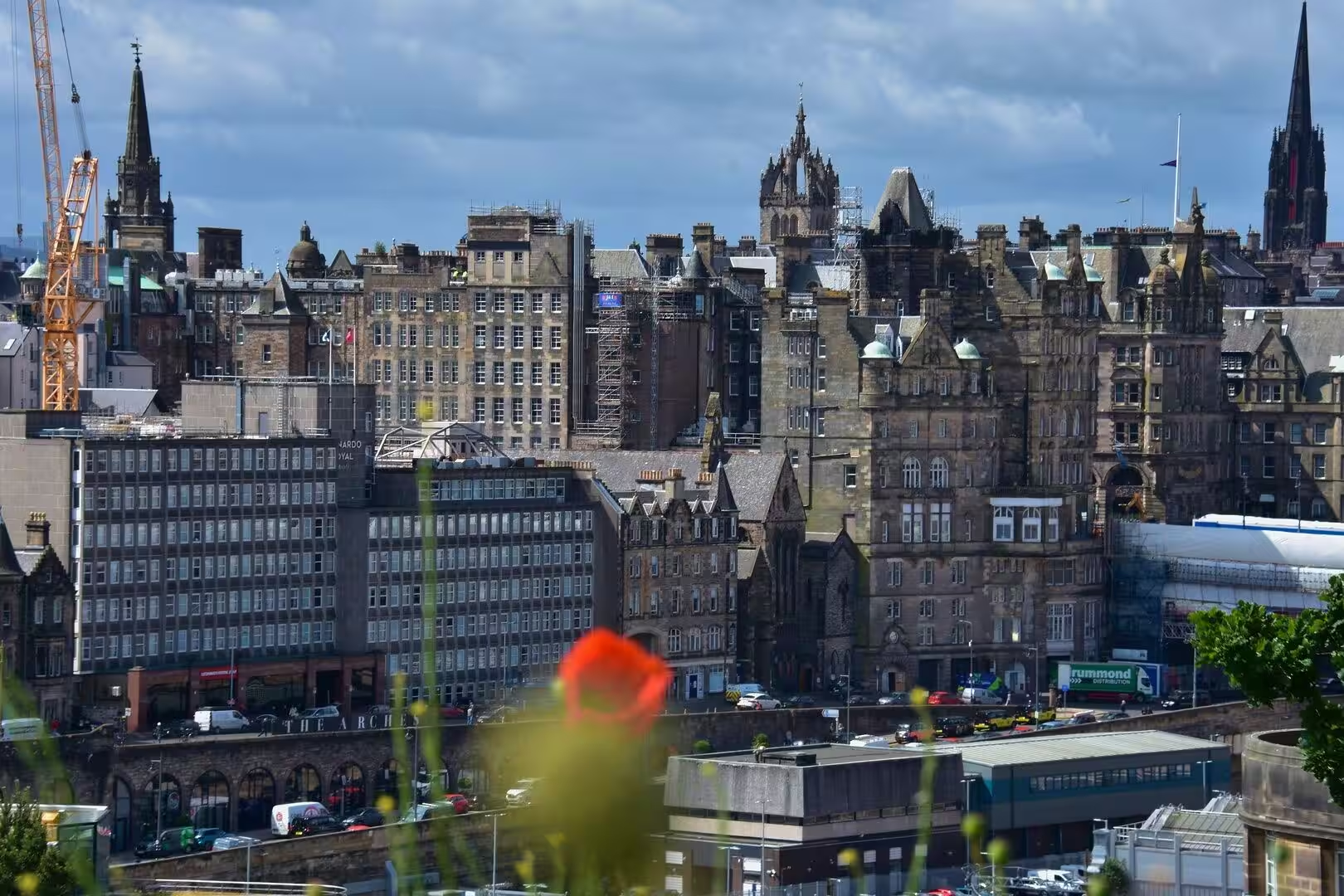
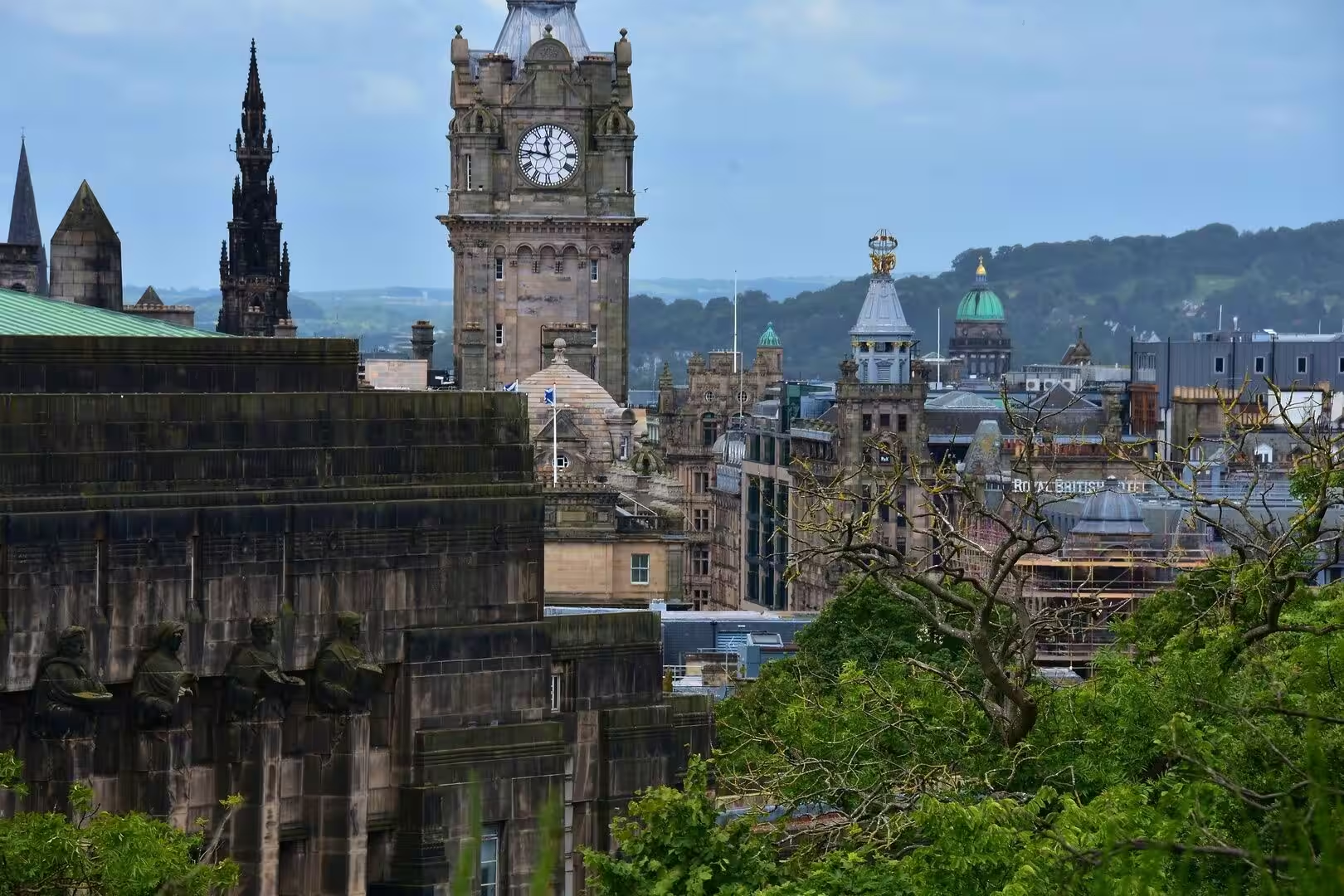
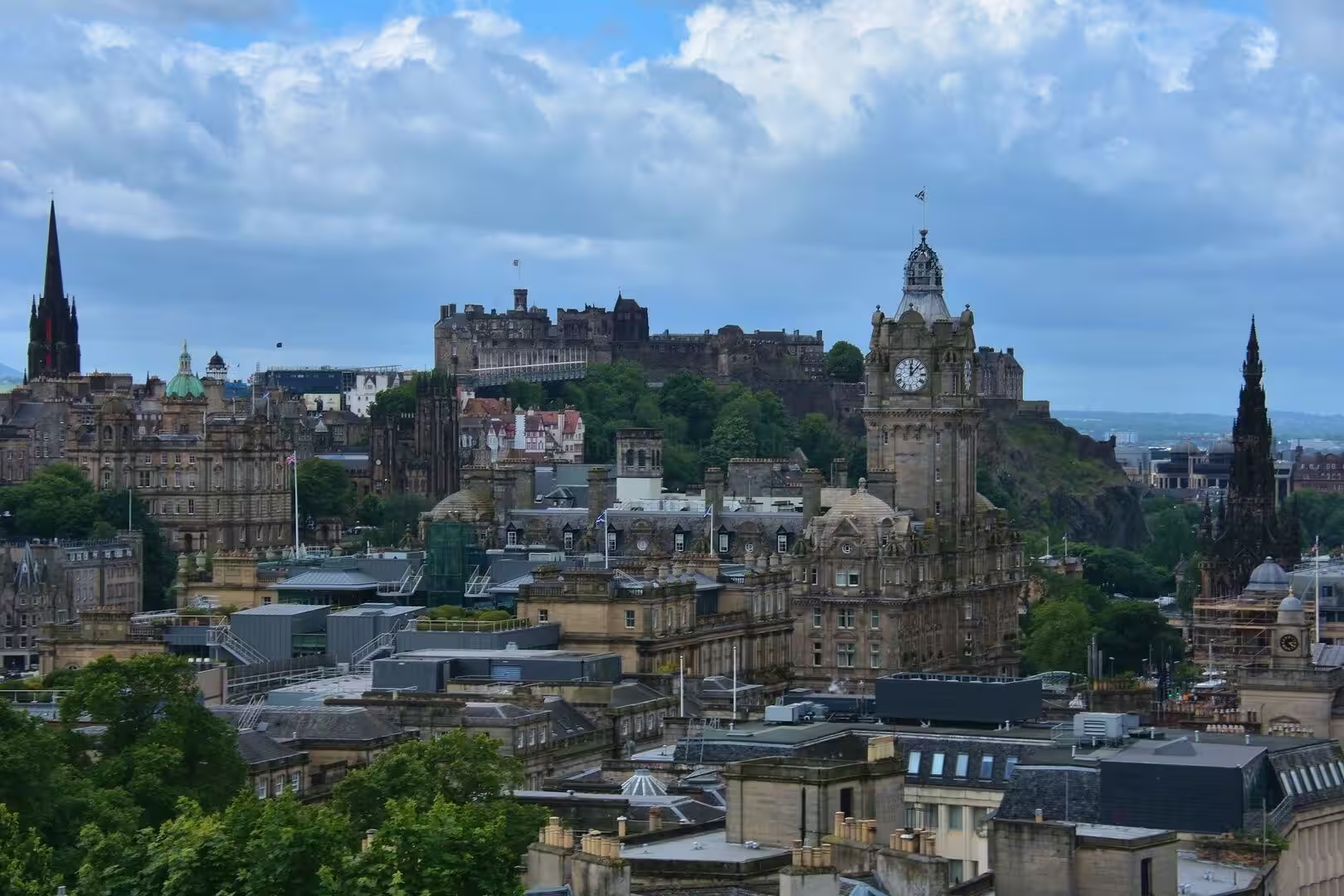
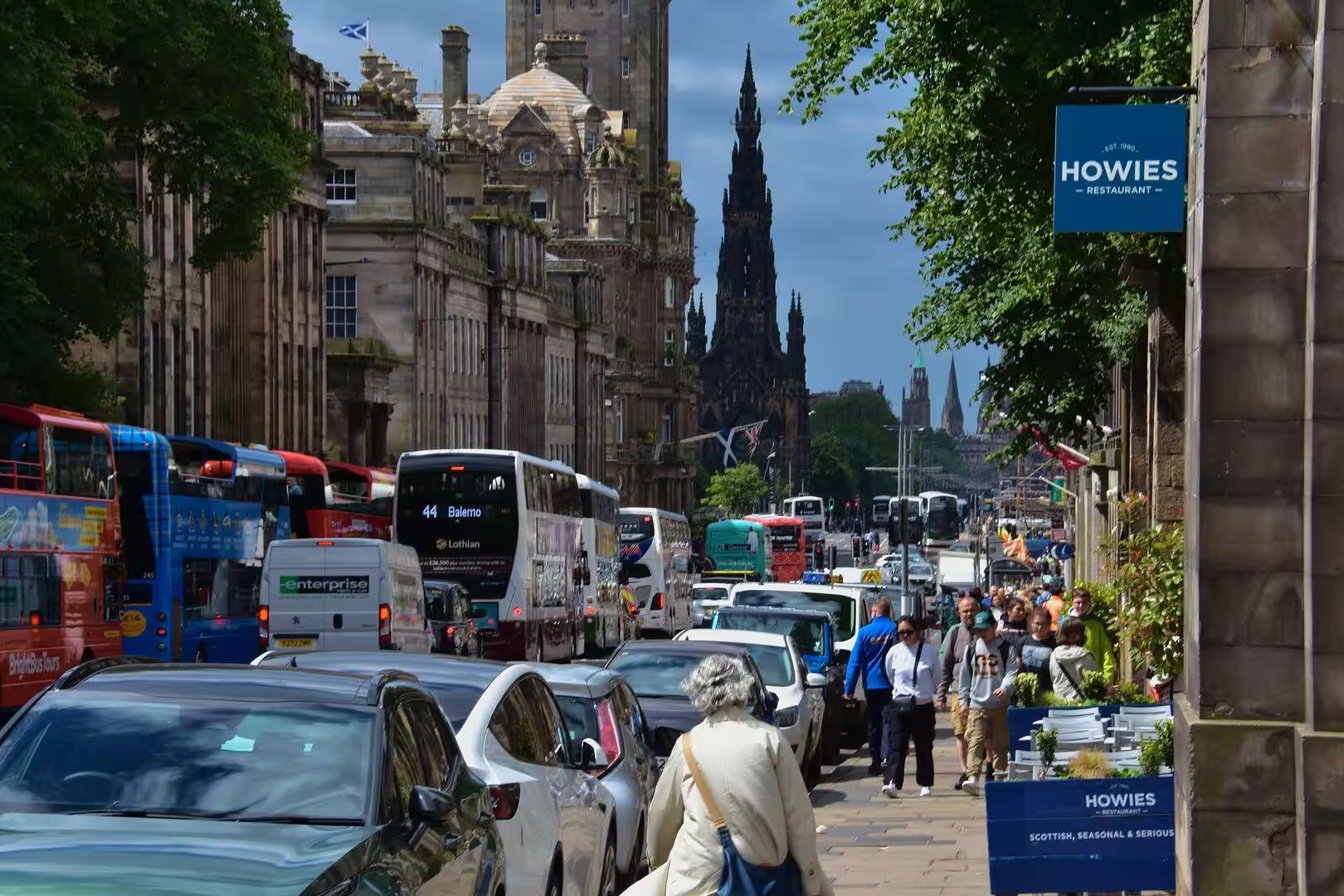
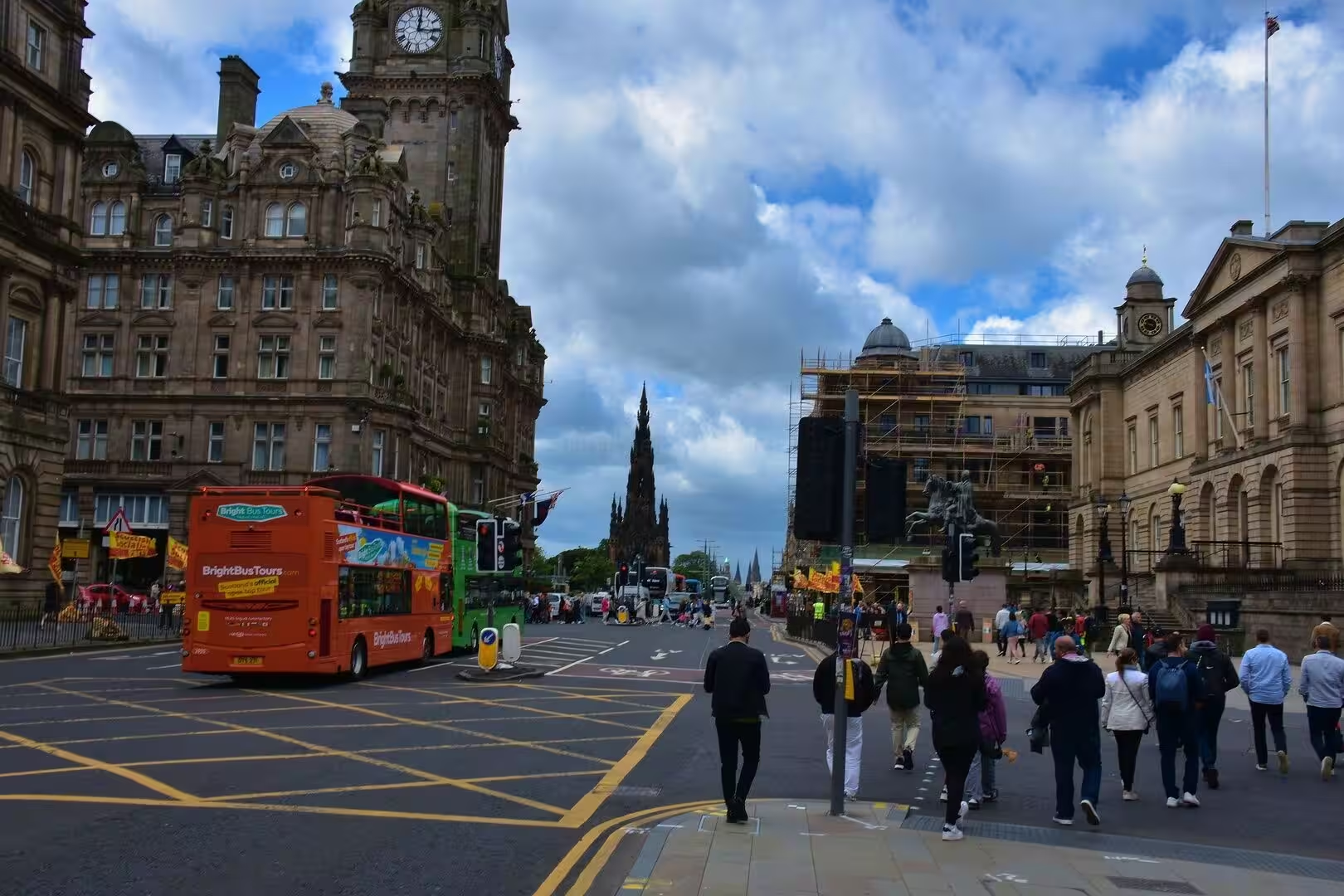
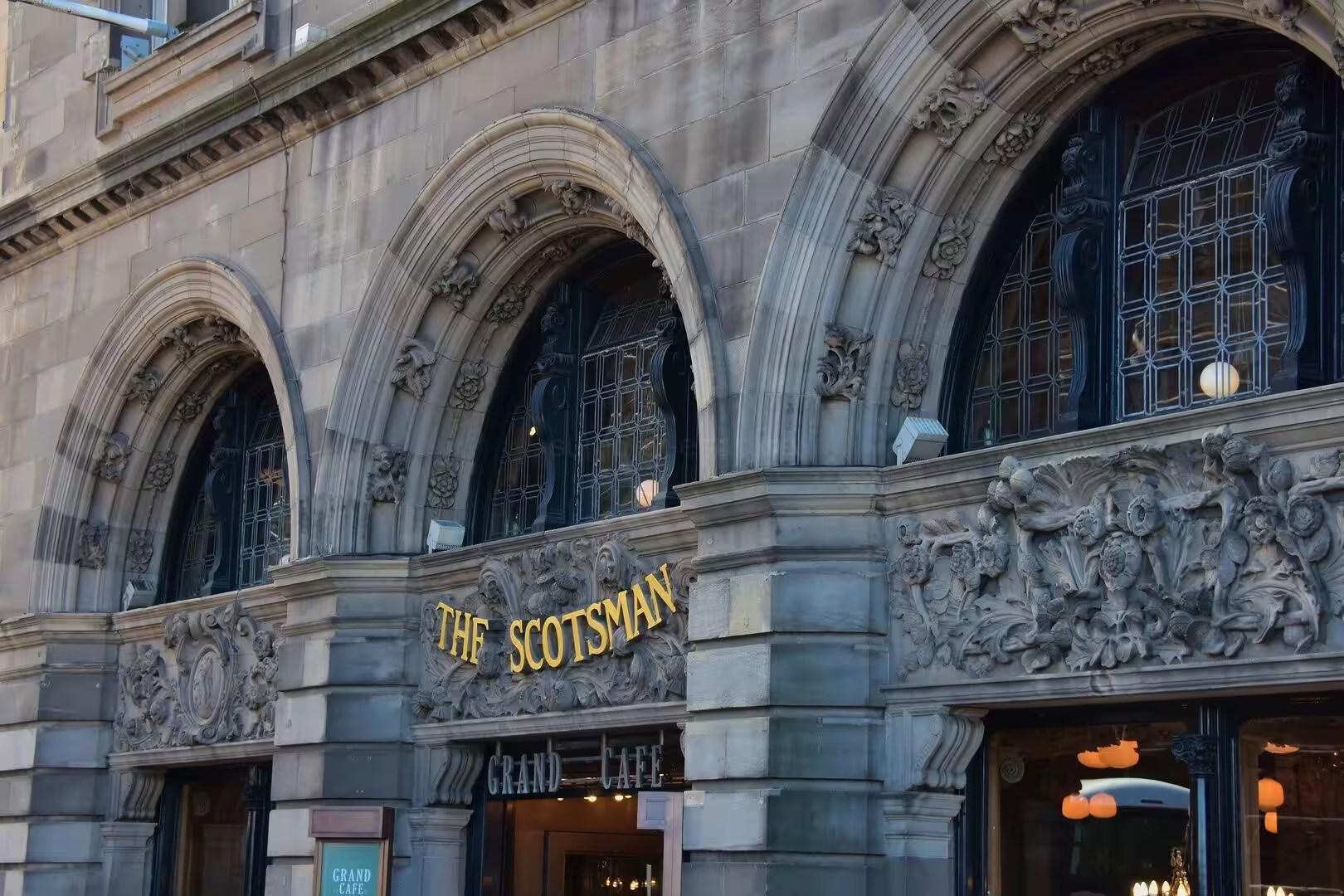
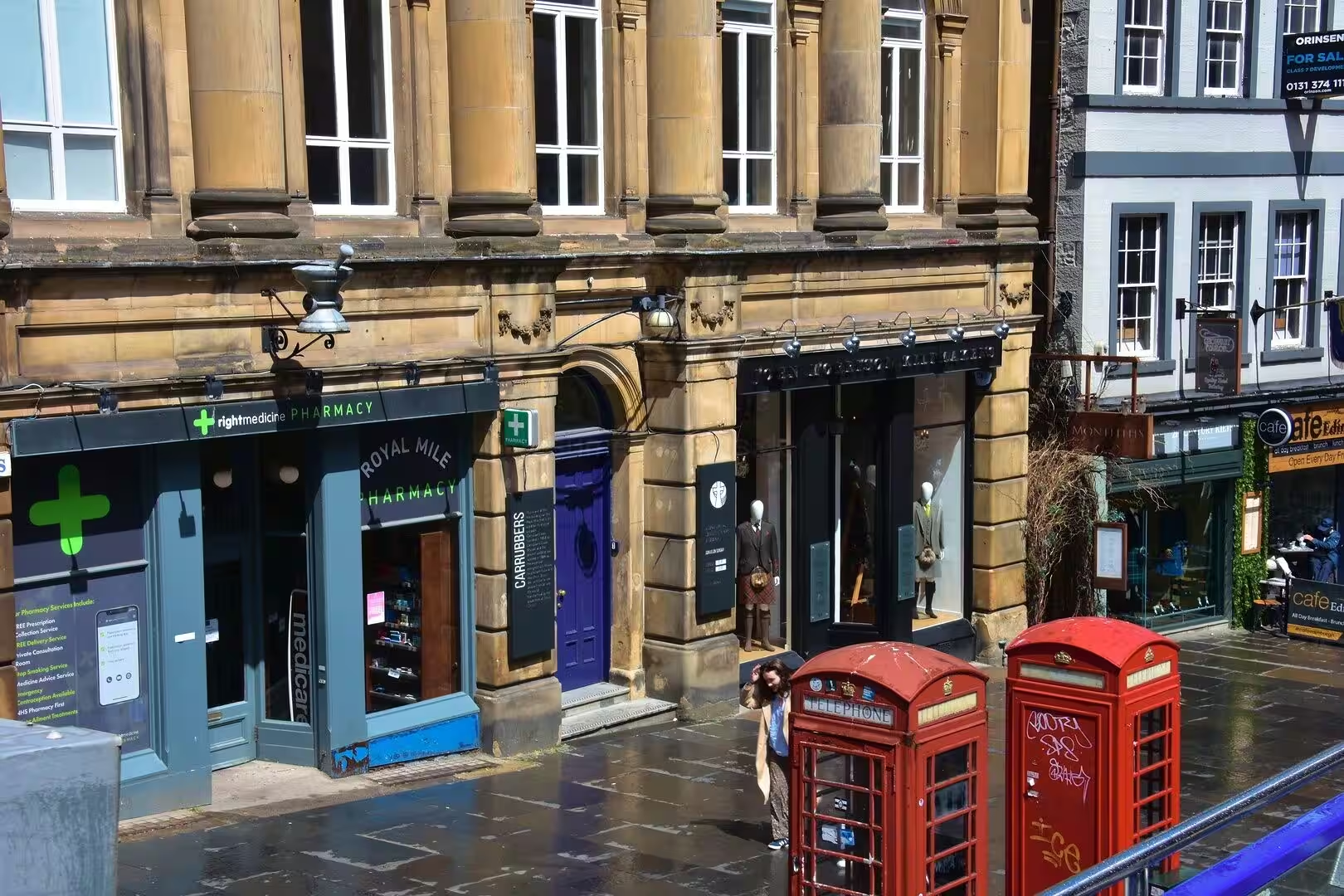
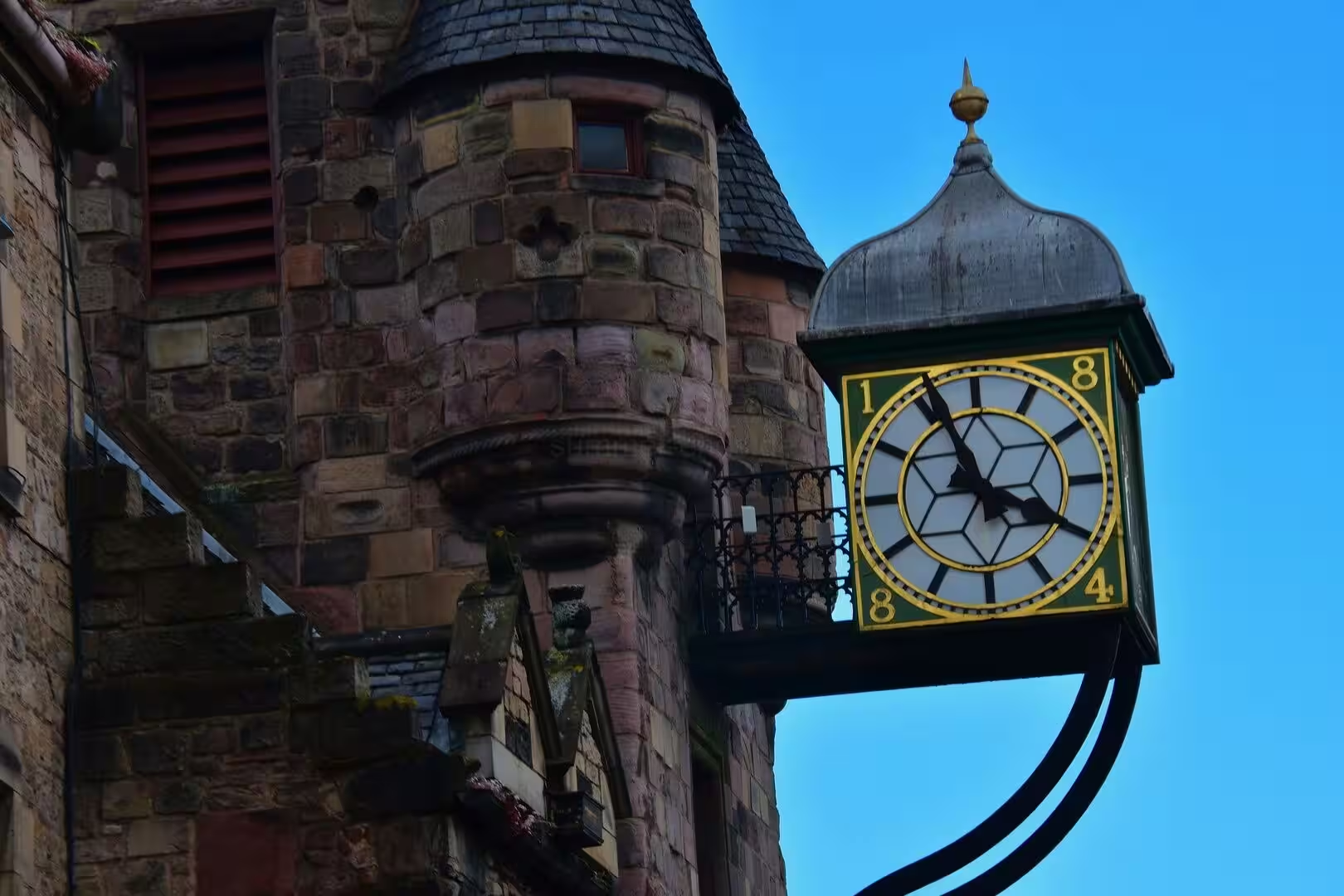
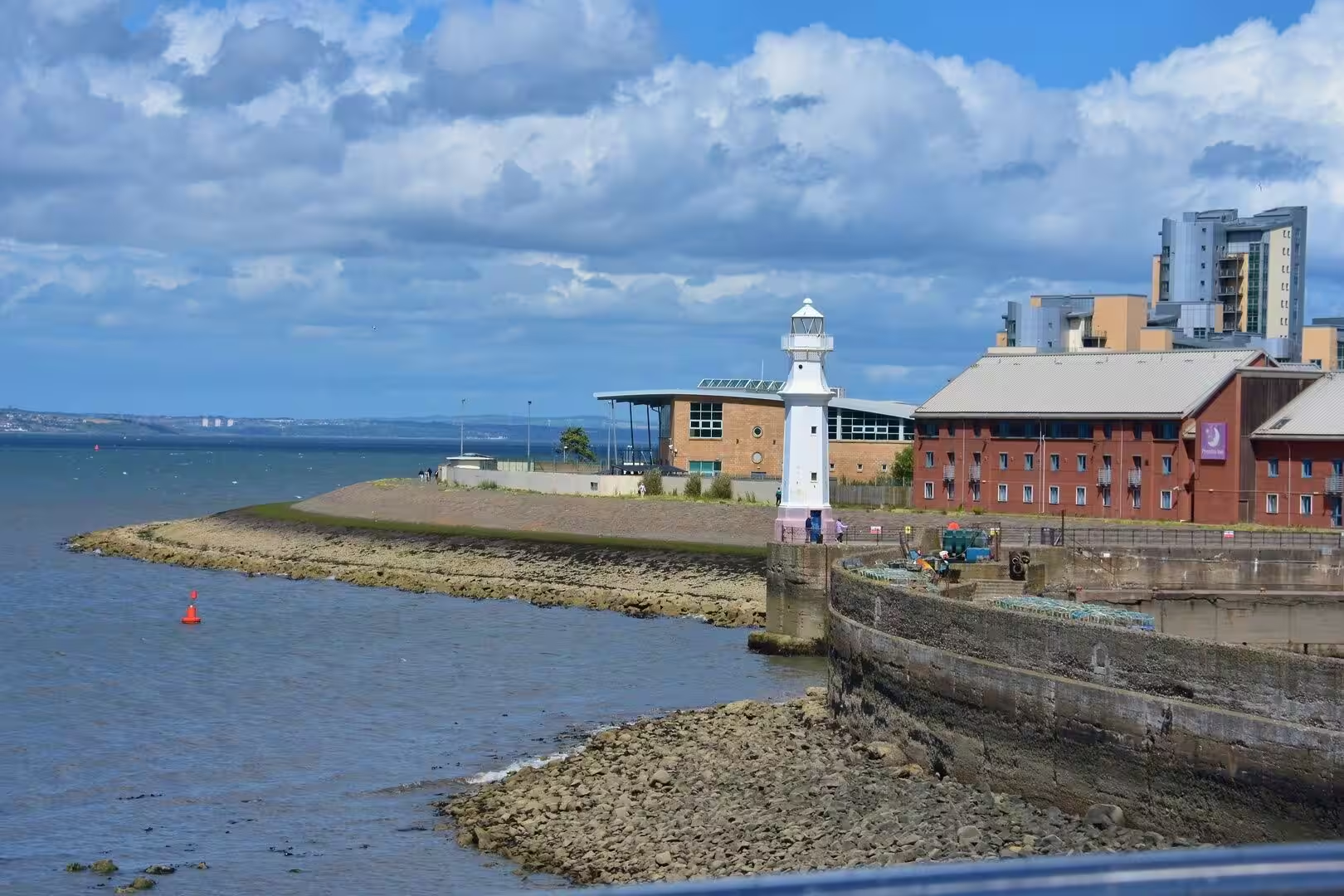
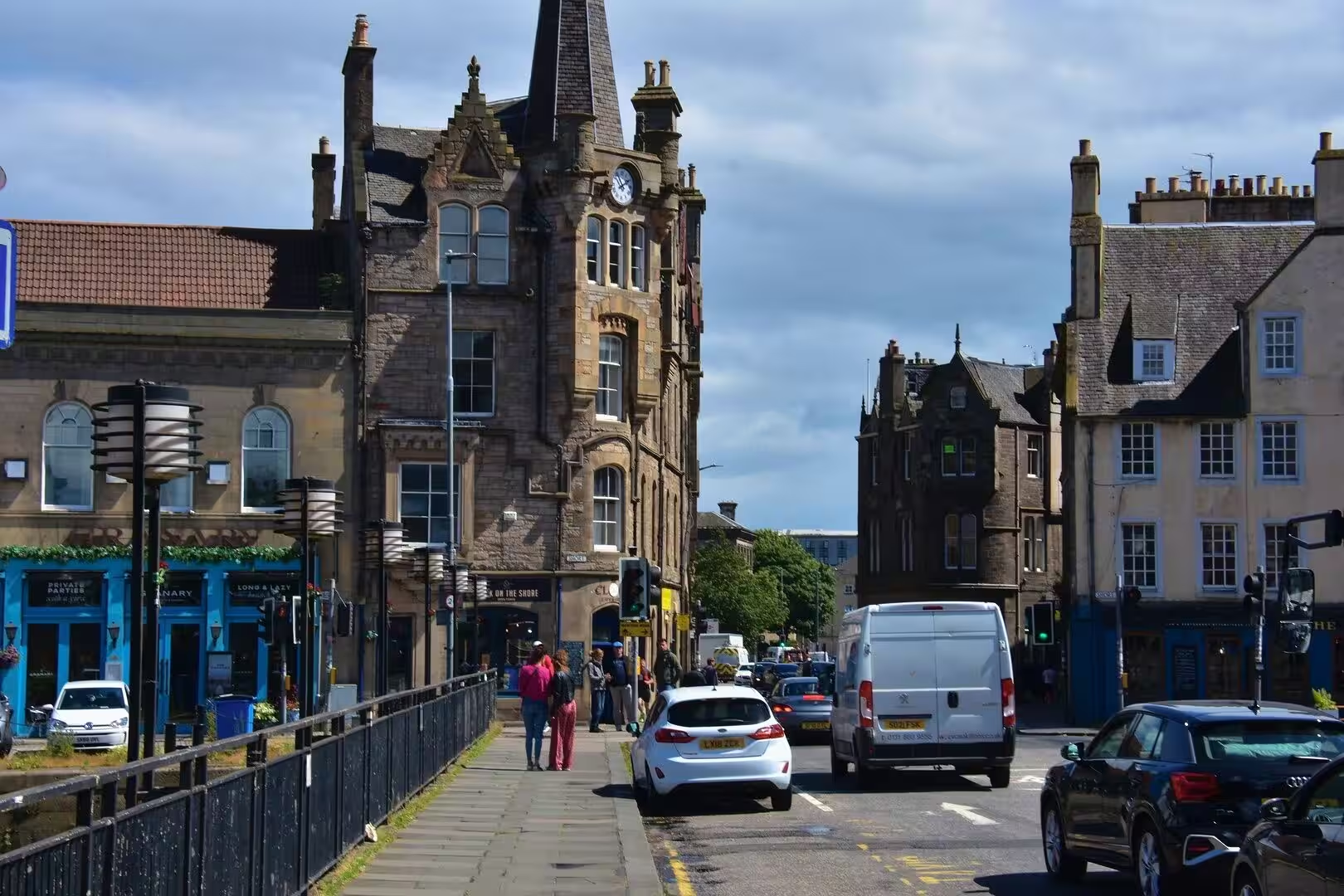
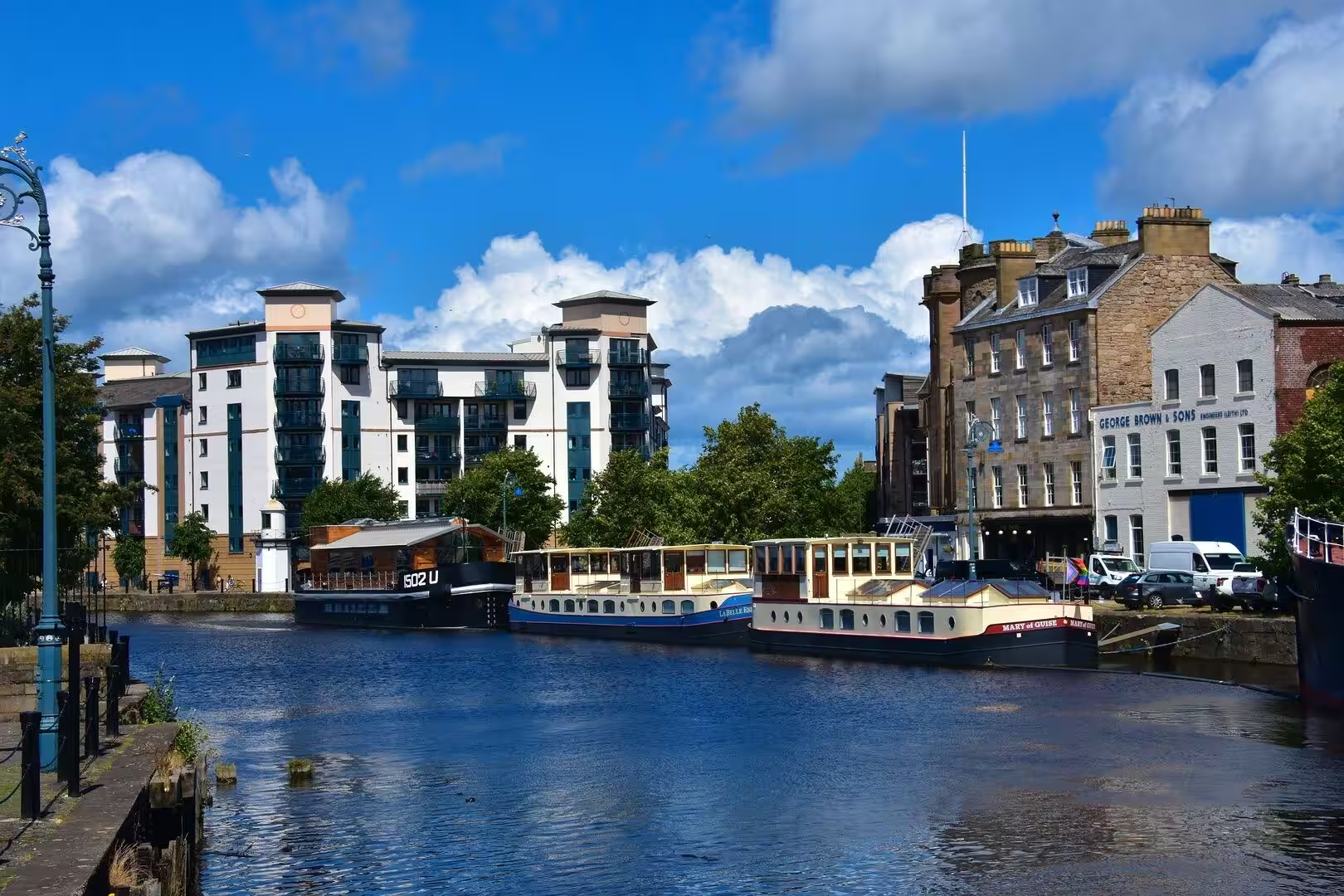
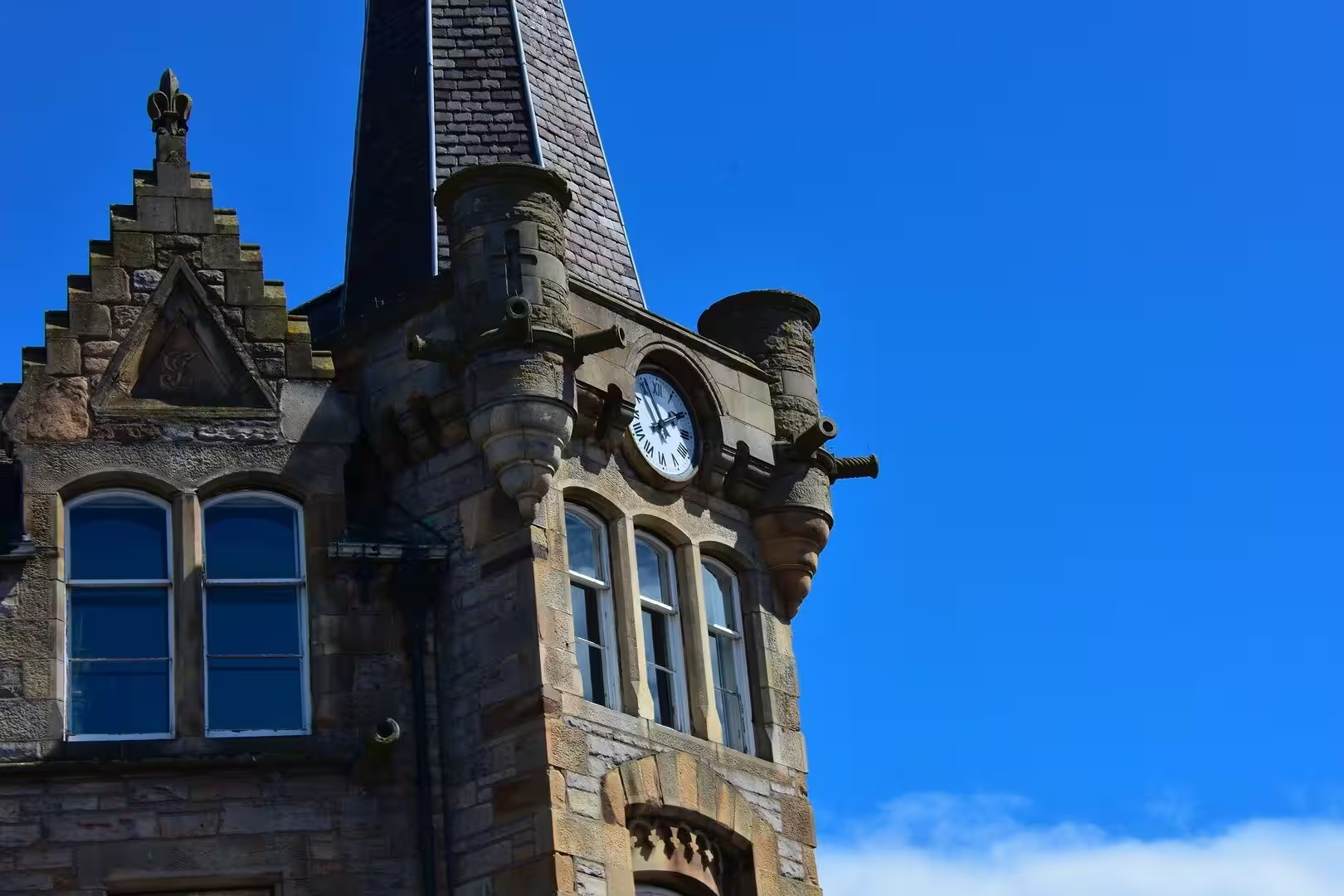
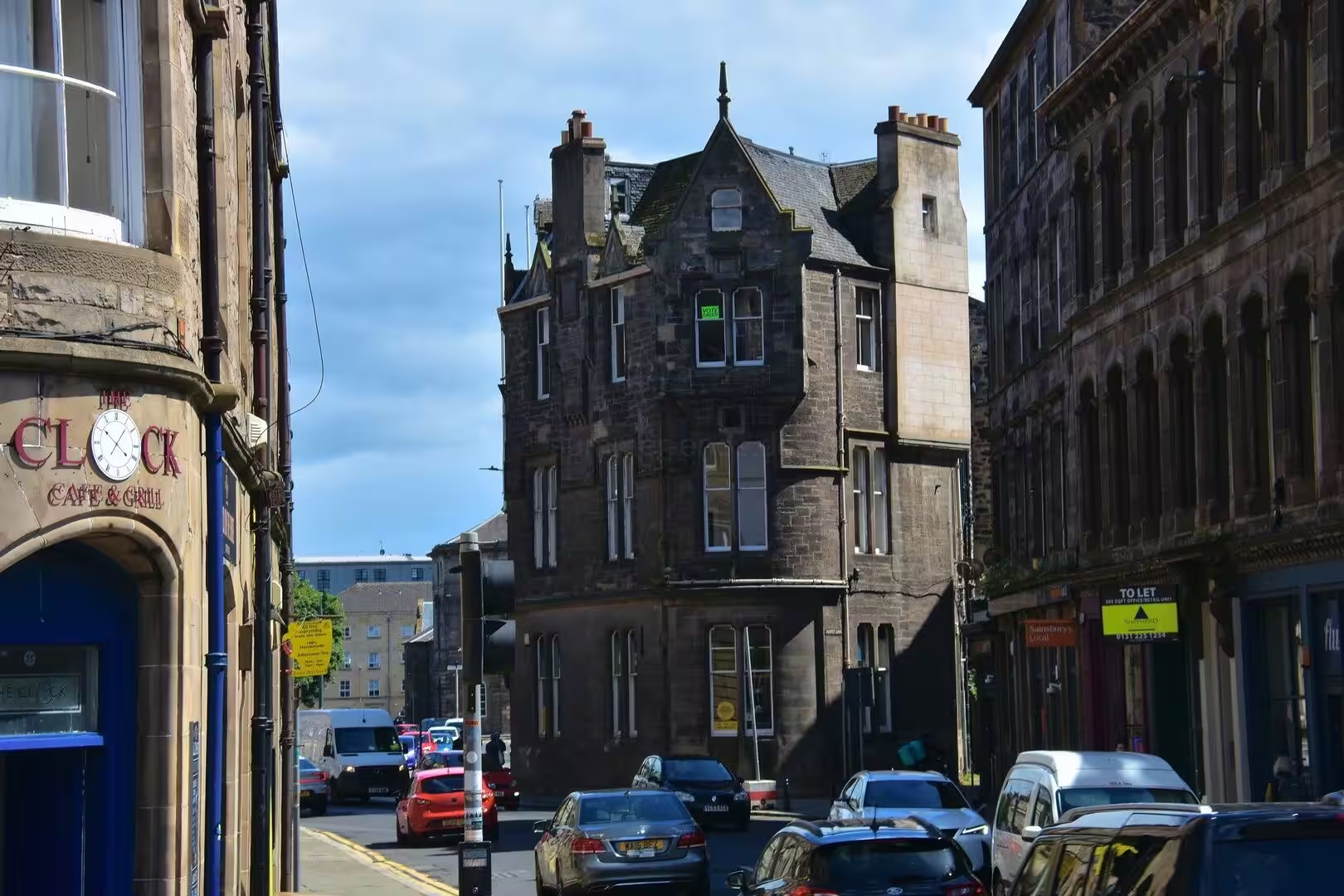
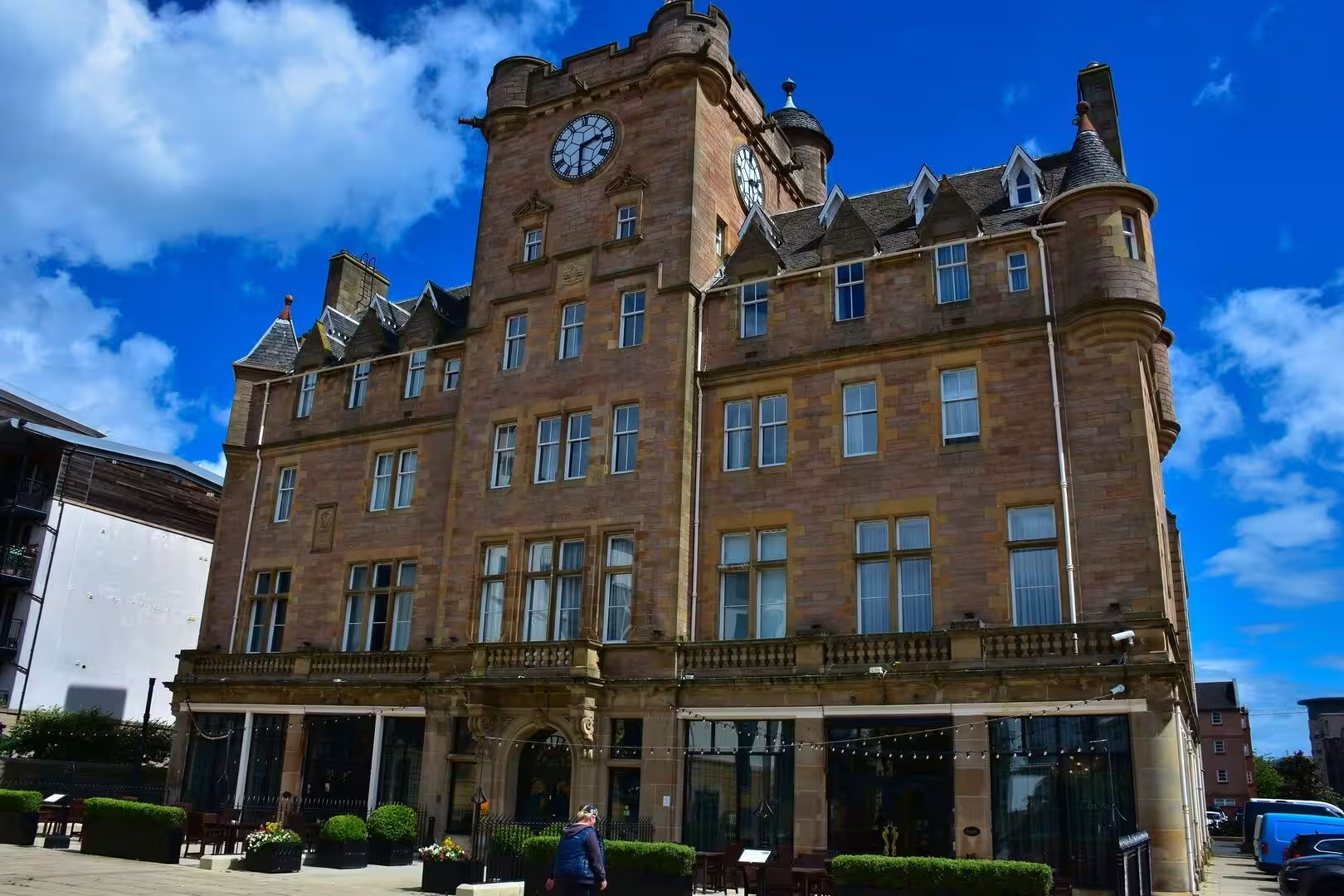
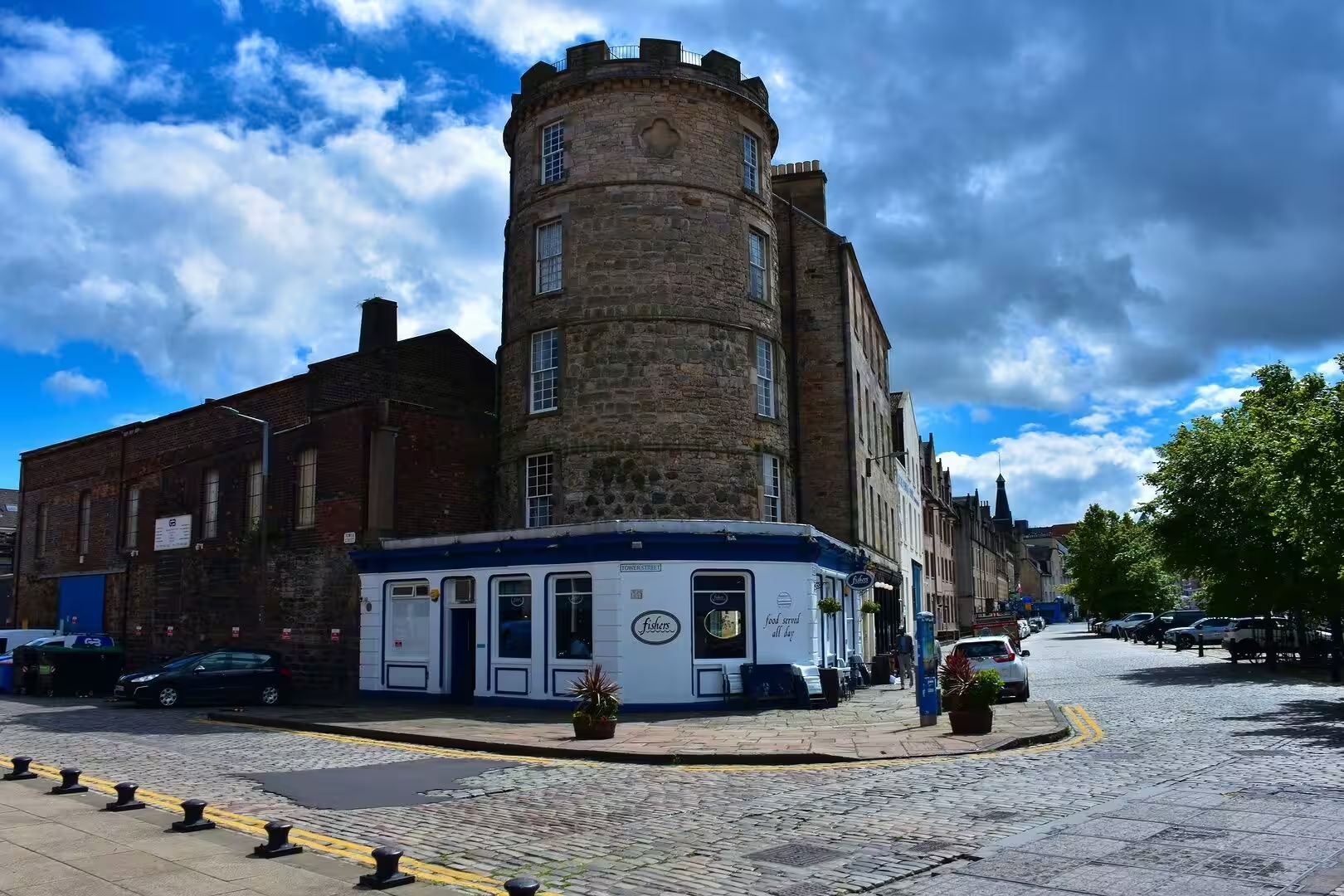
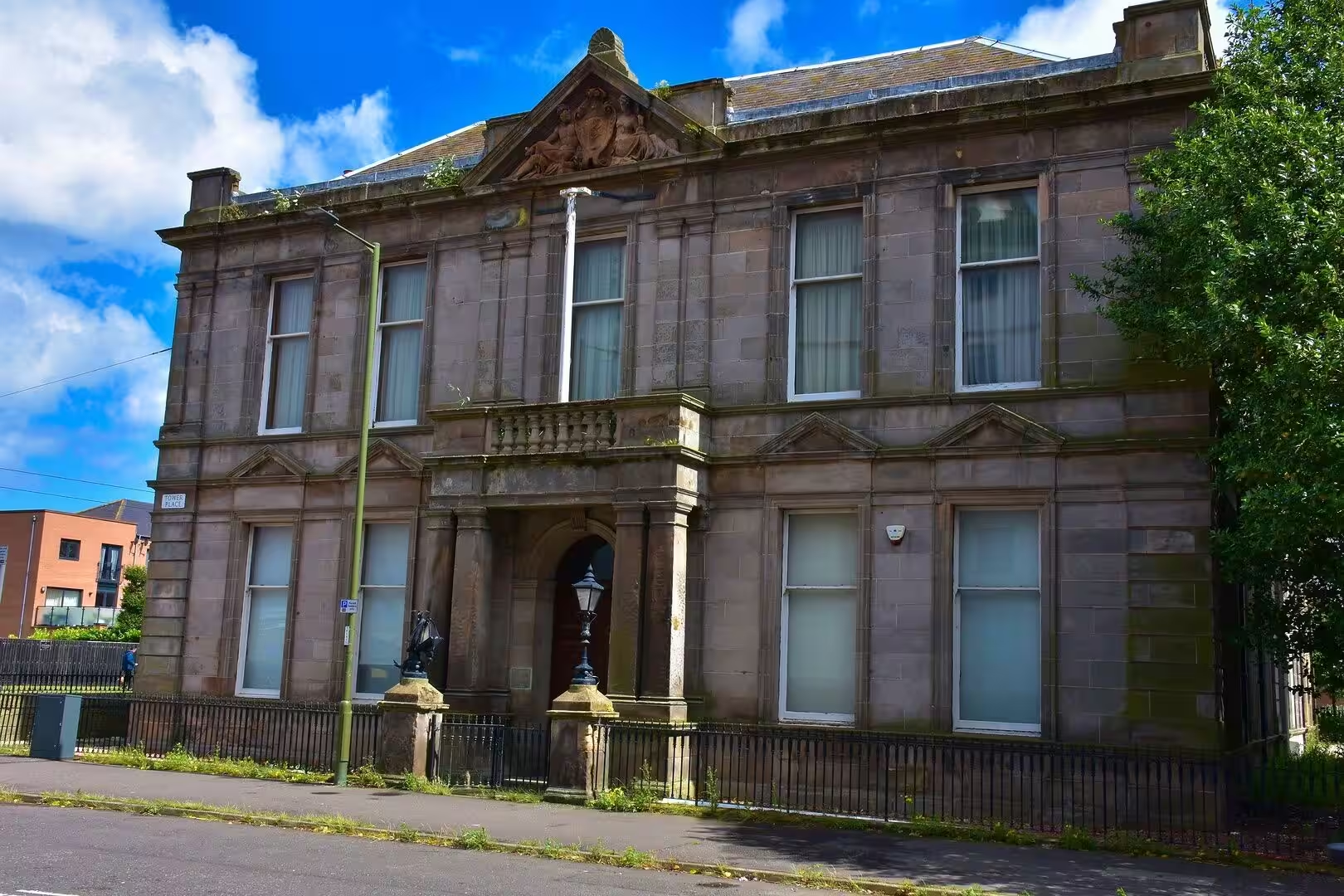
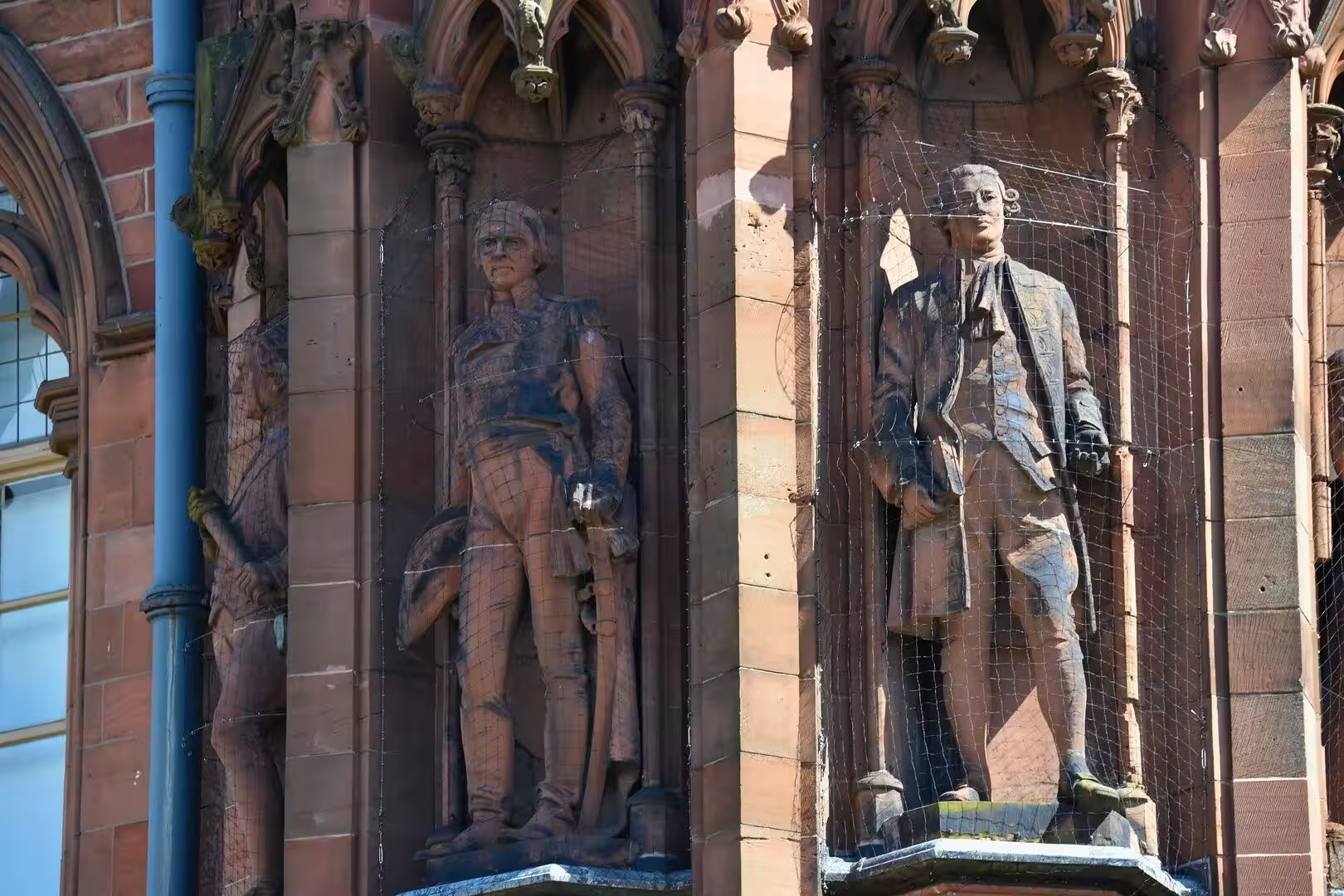
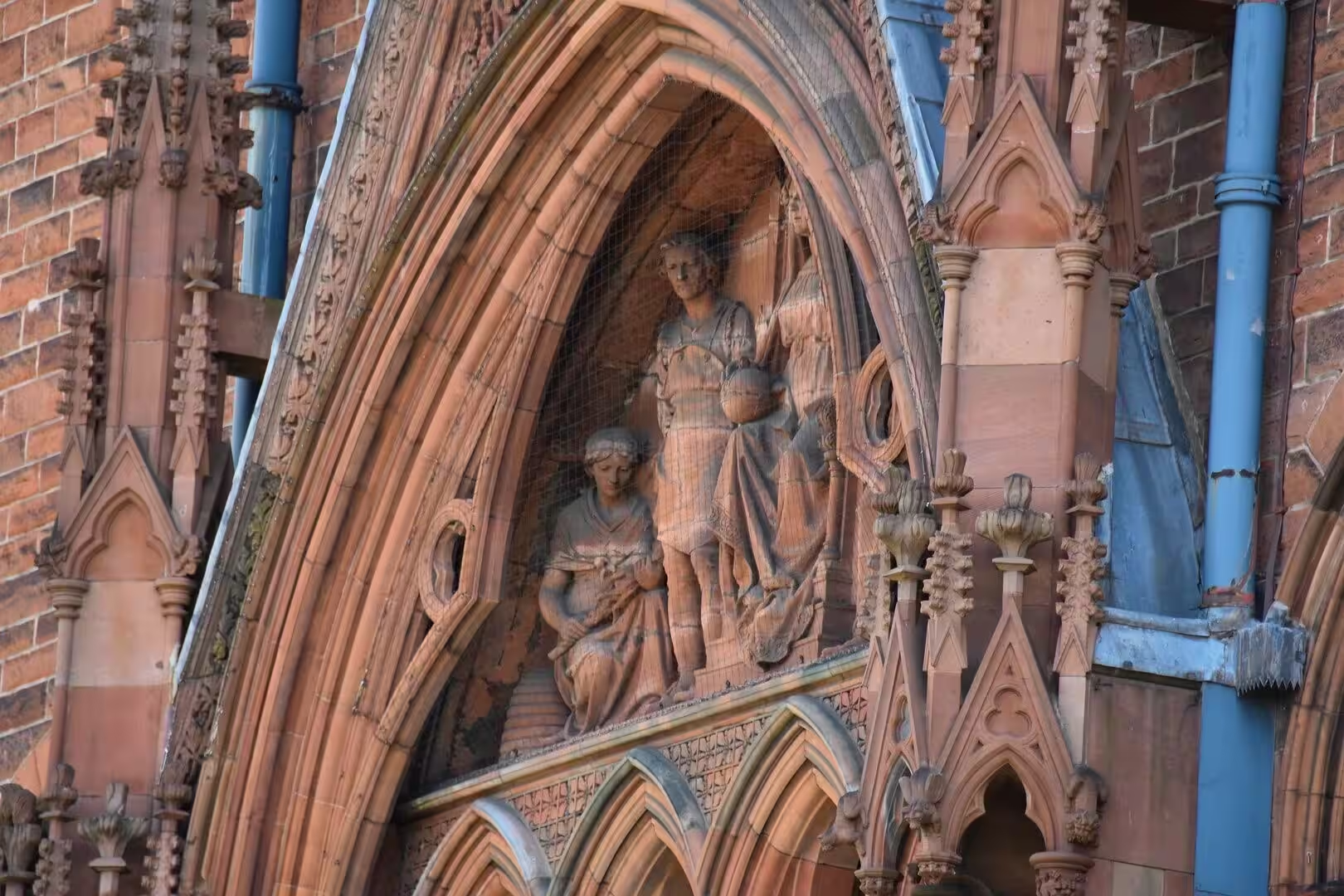
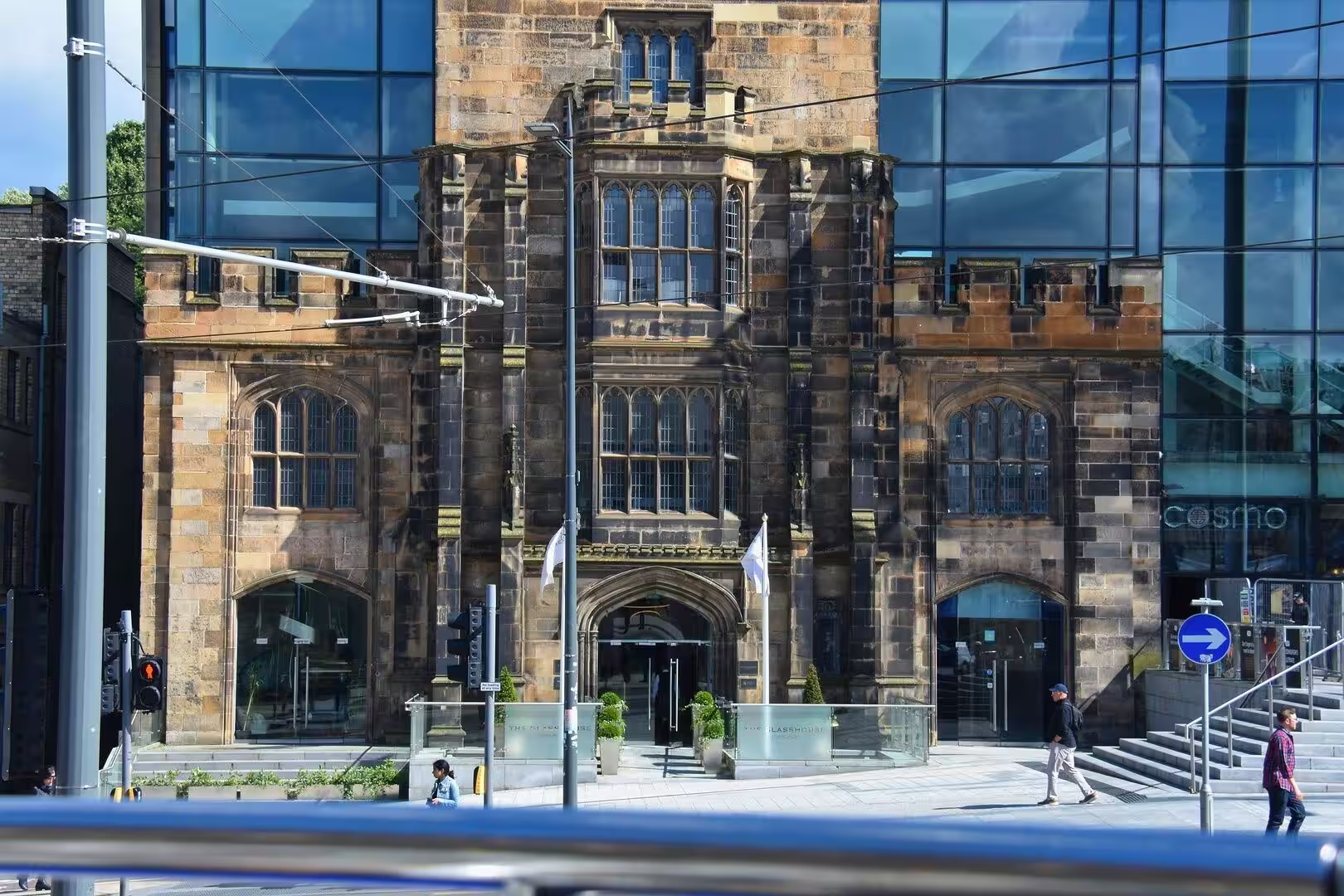
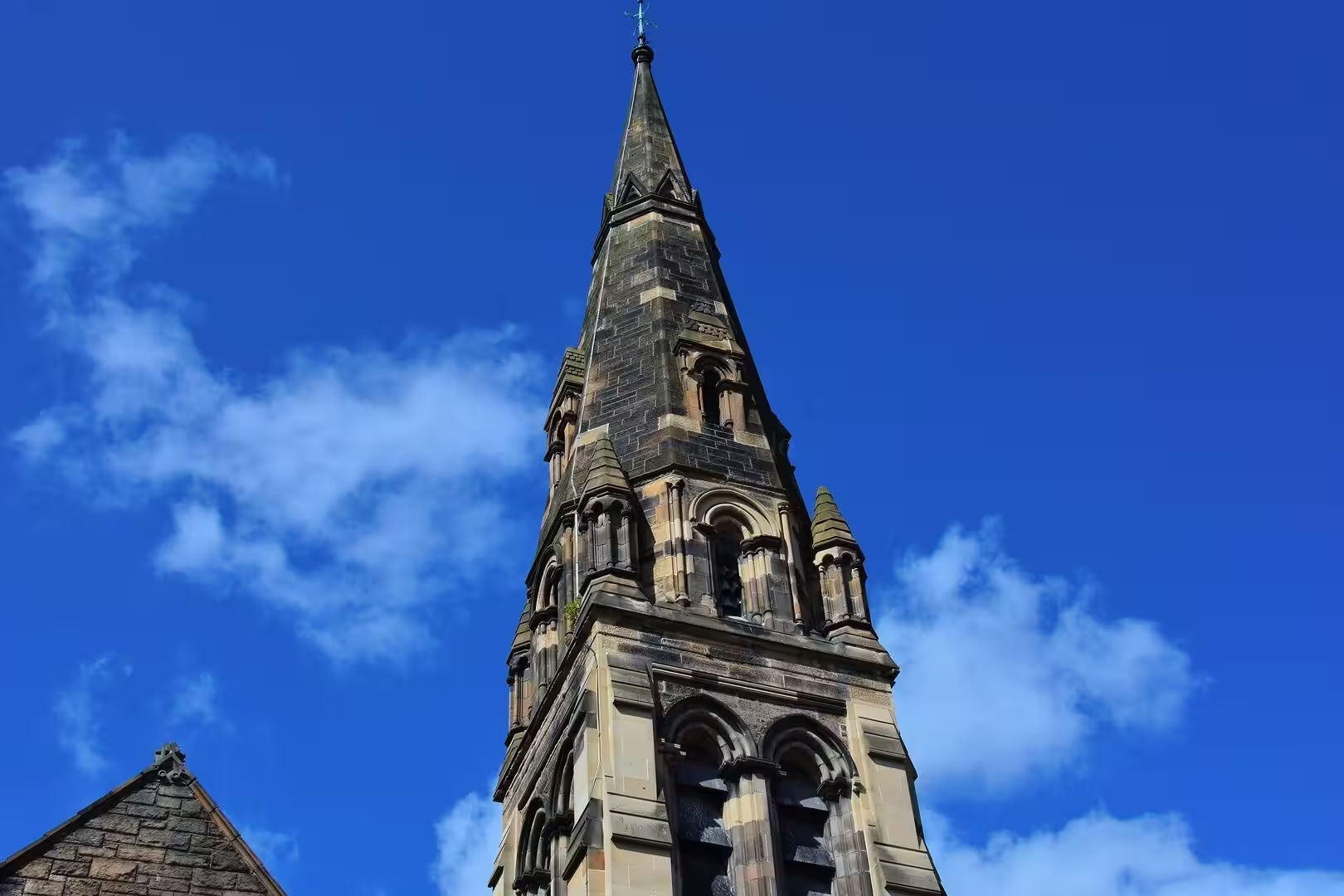
The city centre is a dense grid of Victorian and Edwardian streets, of sandstone tenements, banks, churches and civic buildings, many of them by the celebrated designer Charles Rennie Mackintosh, whose Glasgow School of Art and the Willow Tearooms express the city’s Art Nouveau and design tradition. Along the Clyde, the former docklands and quays have been redeveloped into the modern waterfront with its riverside walkways, while the district of the Merchant City and the lanes of the centre are filled with shops, cafés and nightlife. The city’s shopping, its galleries, its music venues and its restaurants, together with the murals and the street art on the brick and sandstone walls, give the centre its lively and distinctive character, and the spire of the Tolbooth and the tower of the City Chambers mark the heart of the old town.
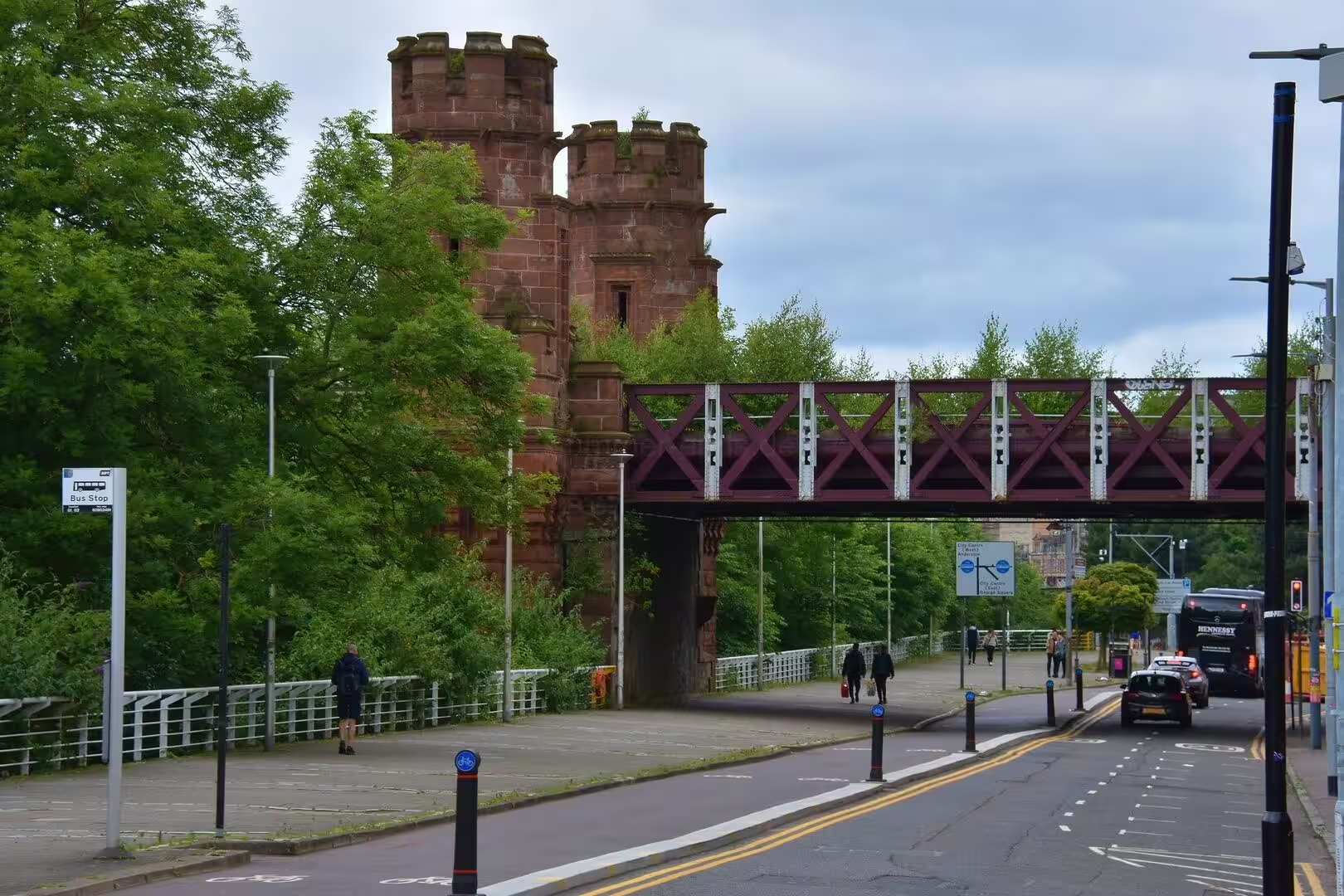
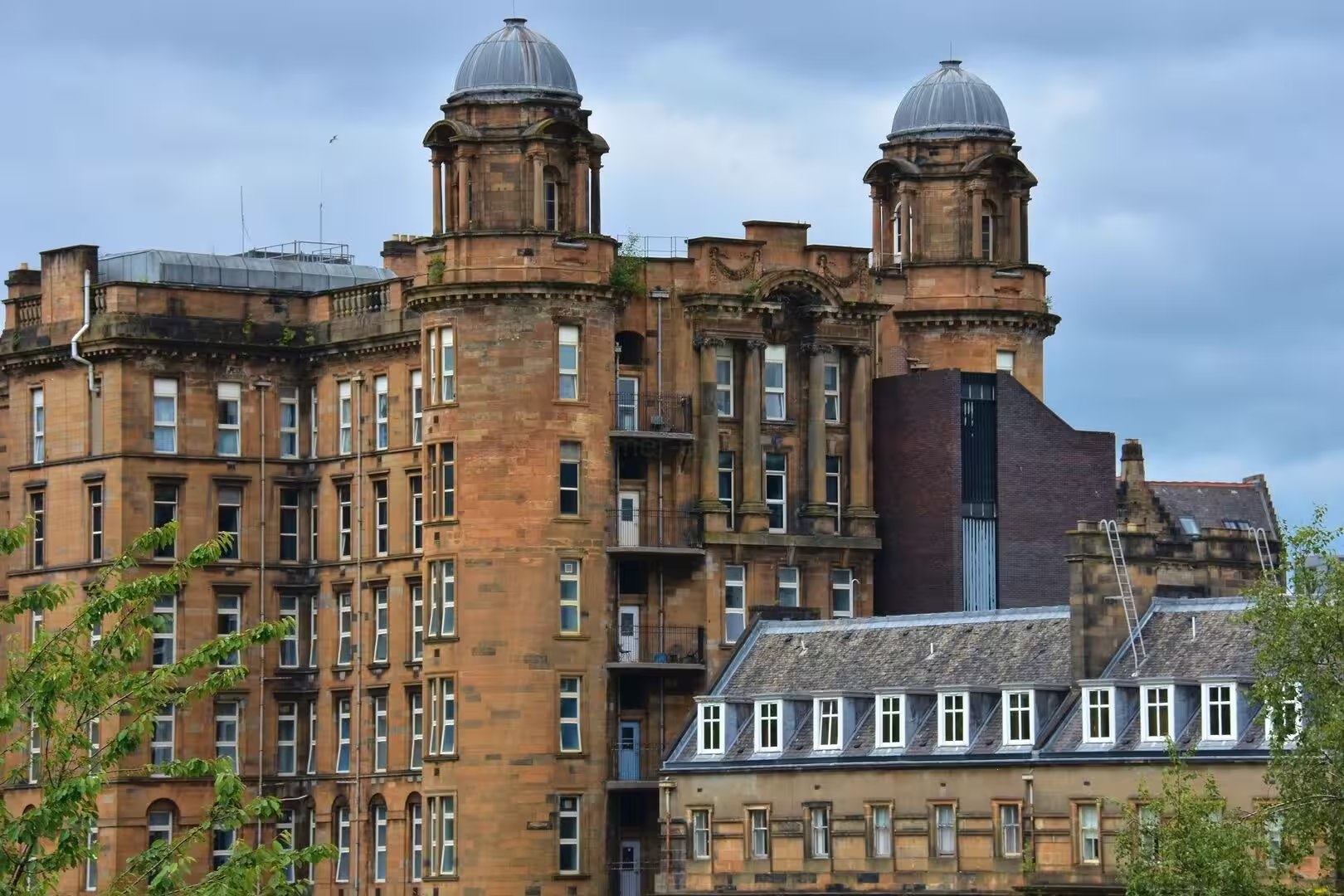
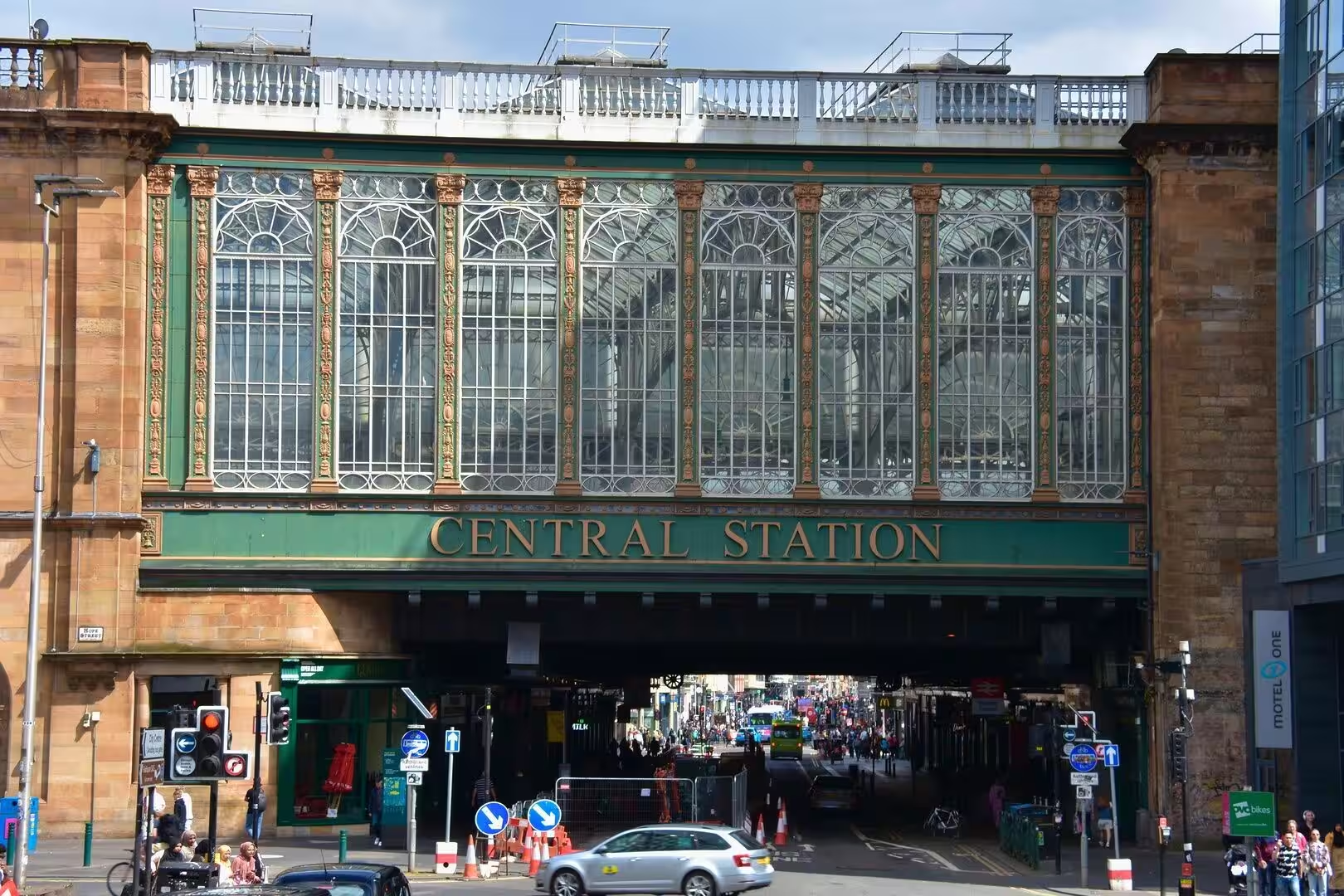
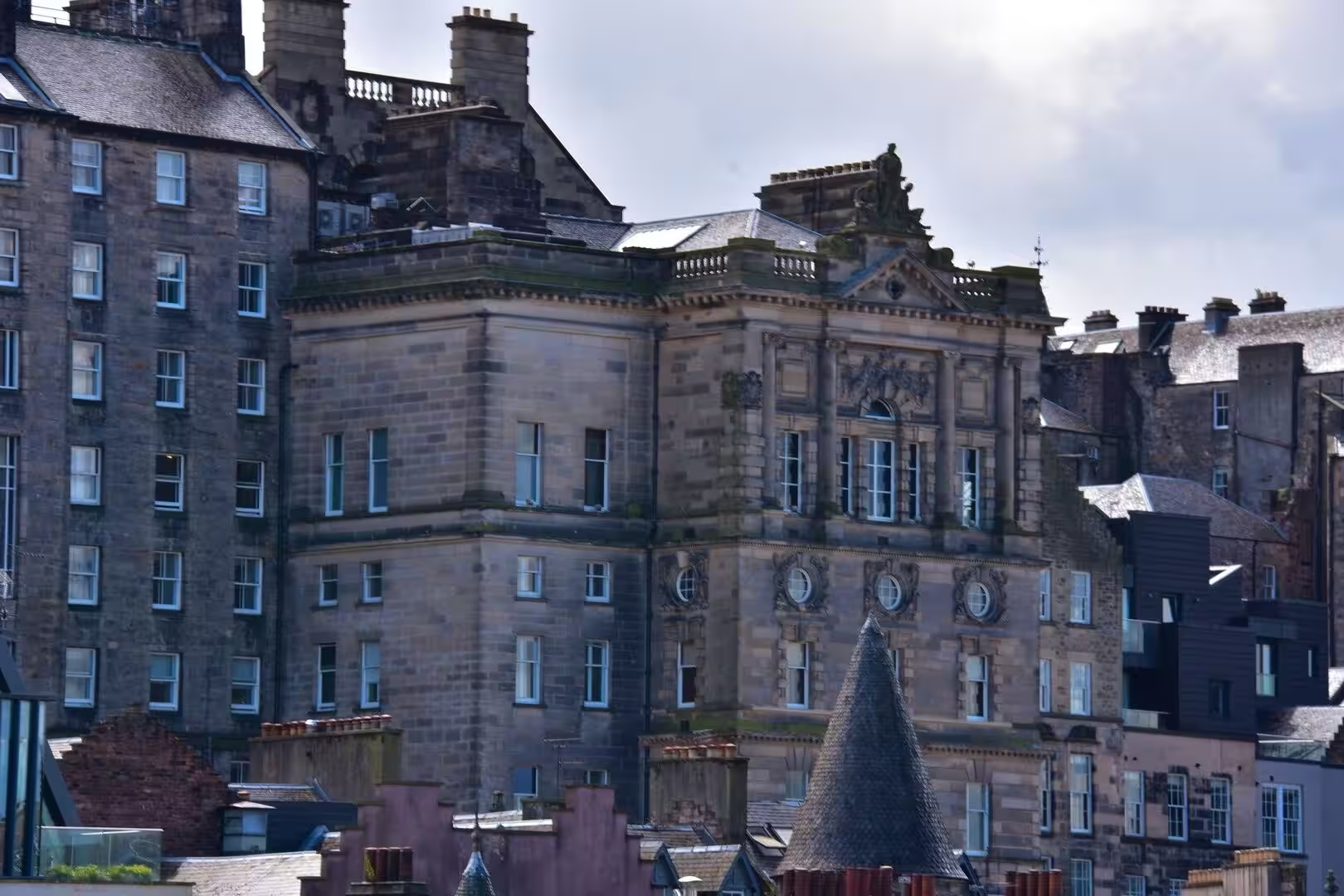
Further out, the West End of Glasgow, its crescents and its leafy terraces around Kelvingrove Park and the university, shows the confidence of the Victorian and Edwardian city, while the East End and the industrial legacy of the river and the docks remain in the warehouses, the railway viaducts and the redeveloped yards. The Glasgow School of Art, the Mitchell Library, the People’s Palace and the Barras market, together with the museums and the galleries and the celebrated parks, round out the city’s inheritance. Beneath the sandstone and the modern regeneration, the distinctive character of Glasgow, its industrial roots and its renaissance as a centre of culture and learning, gives the city its place as the leading metropolis of western Scotland and one of the great urban centres of the United Kingdom.
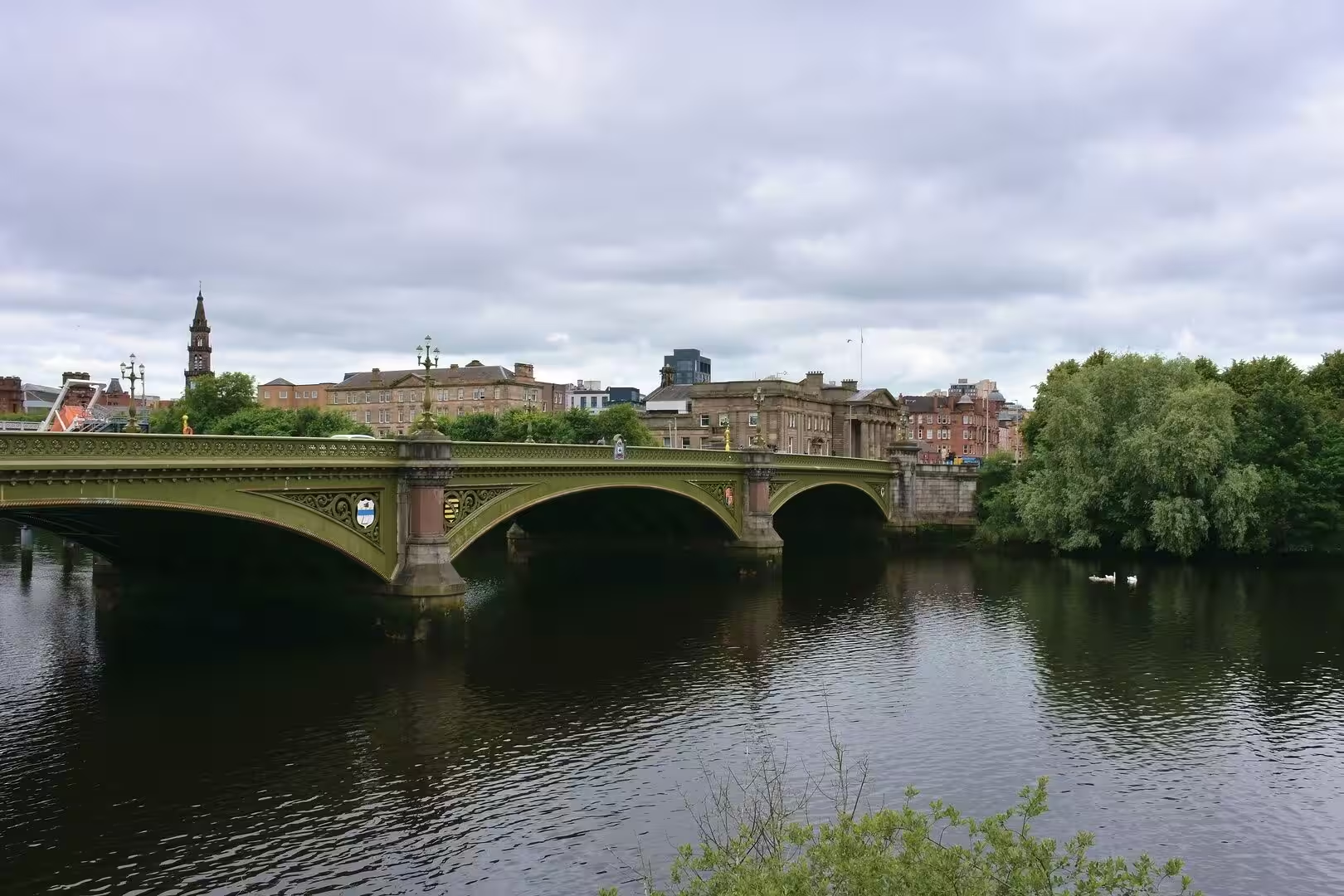
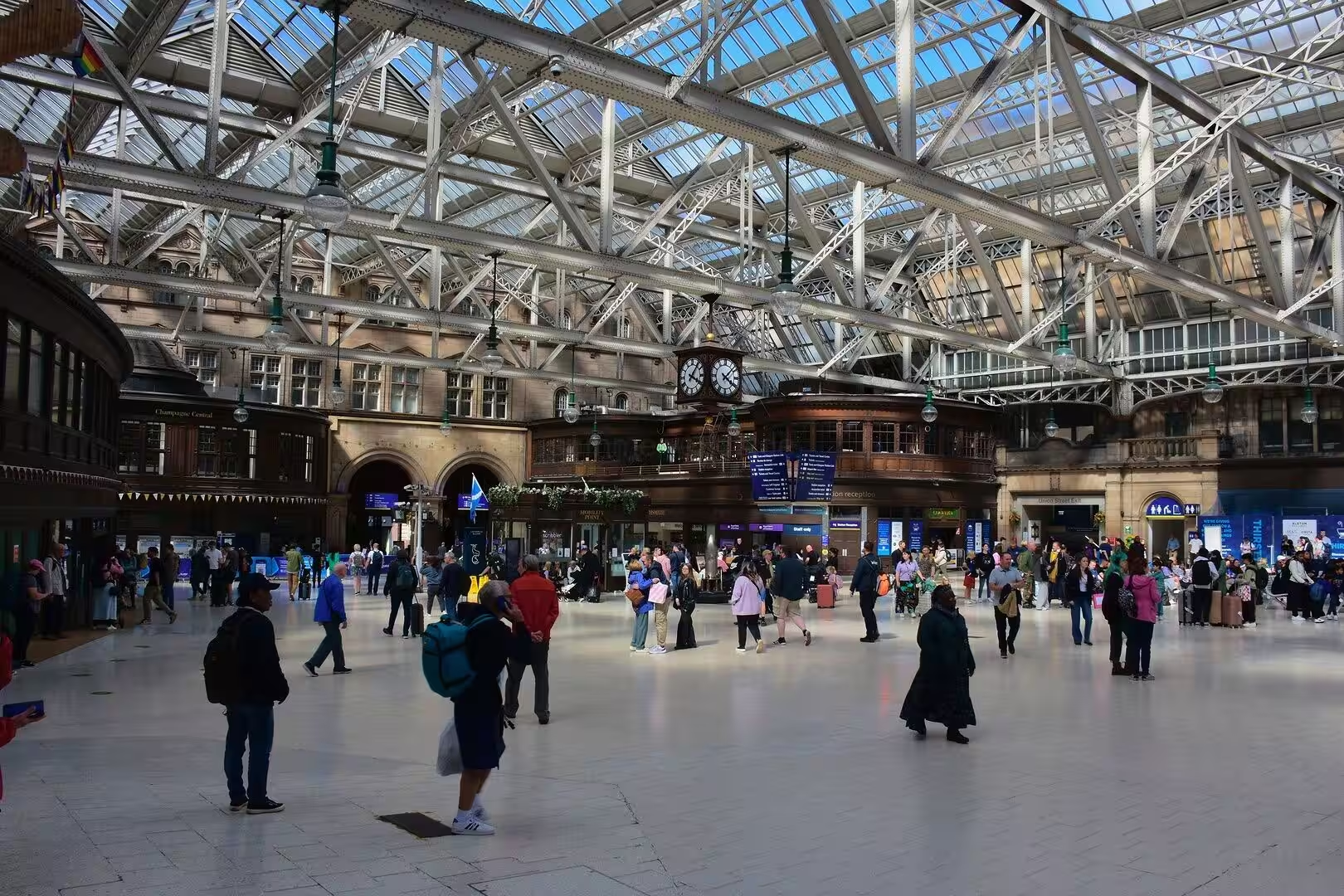
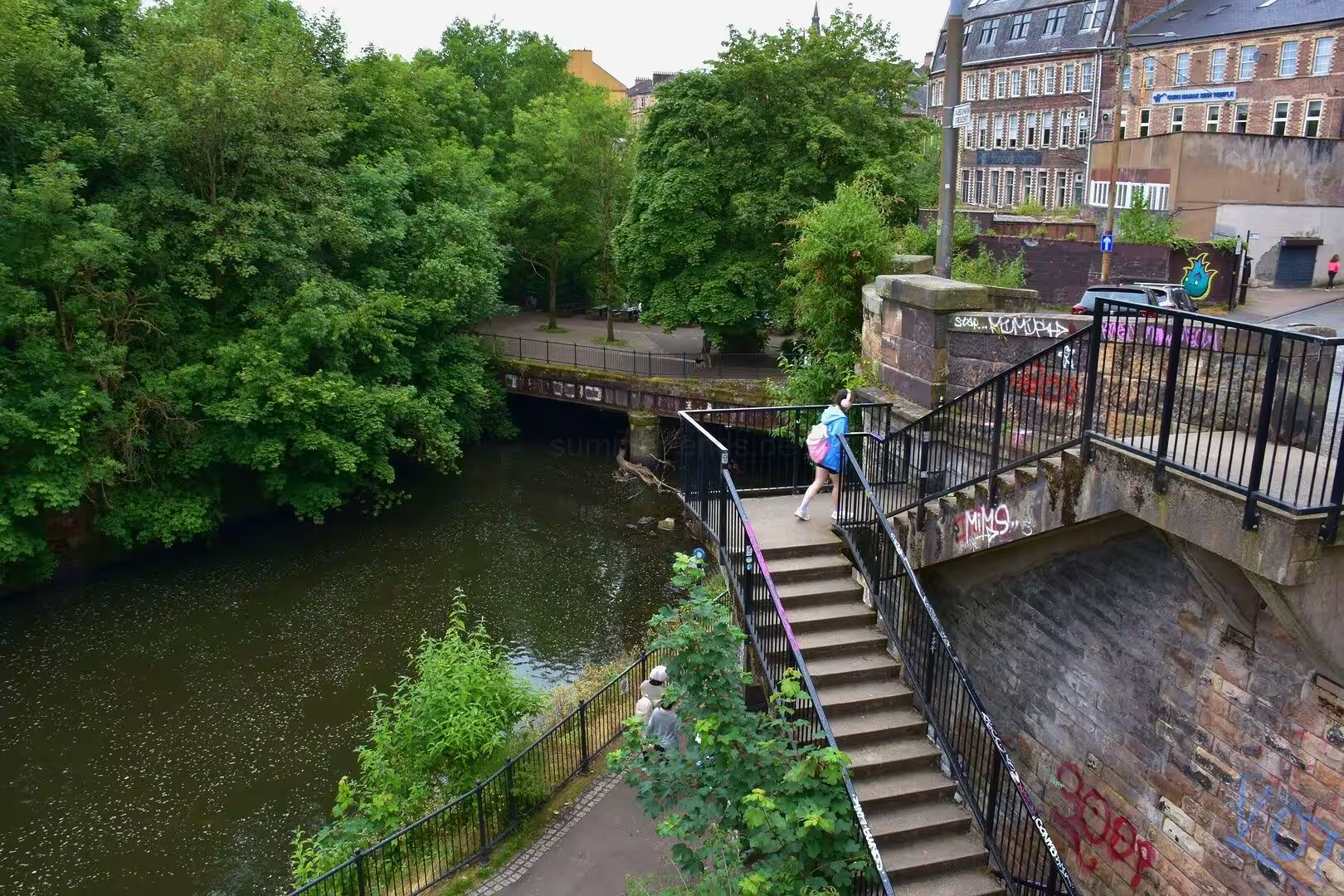
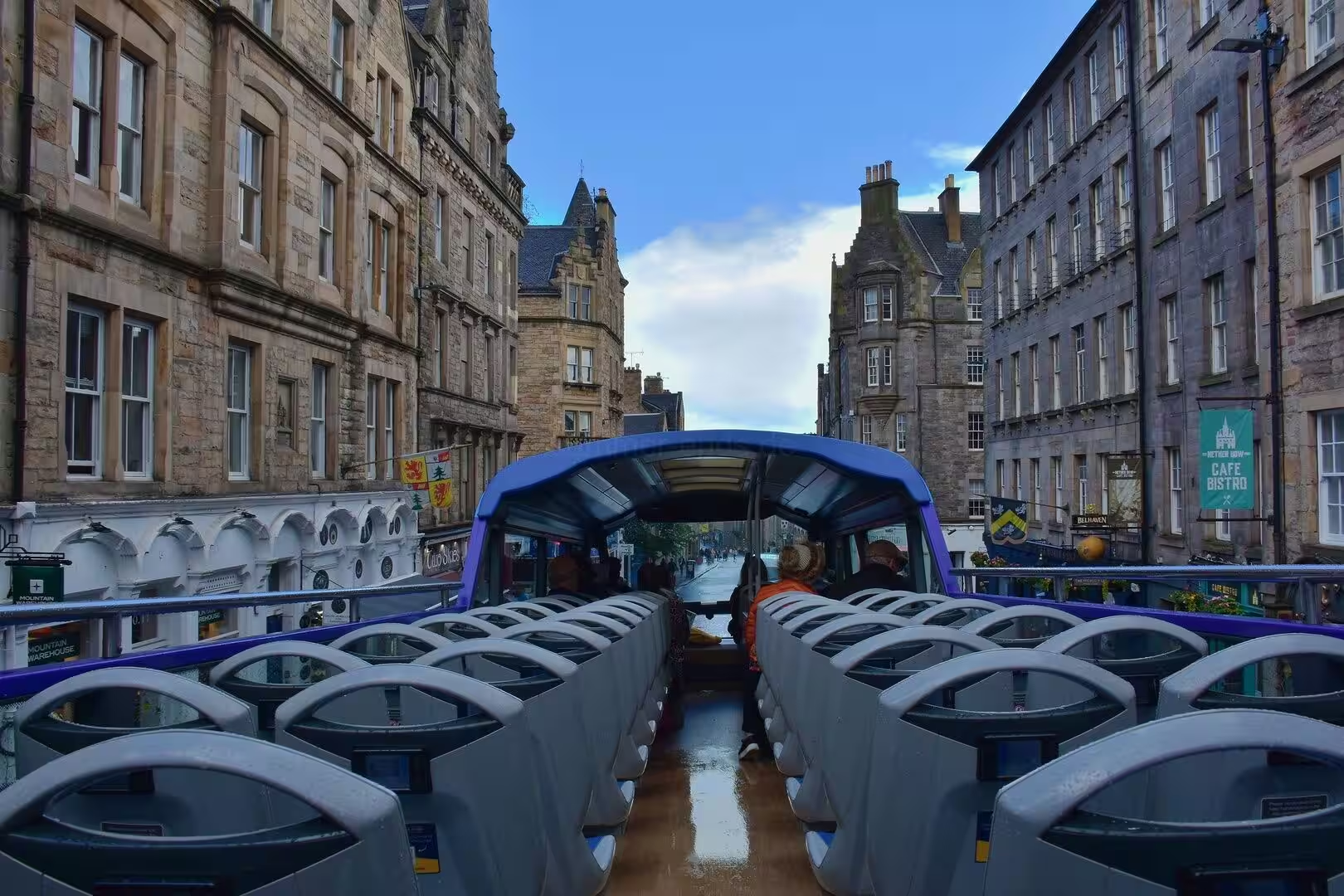
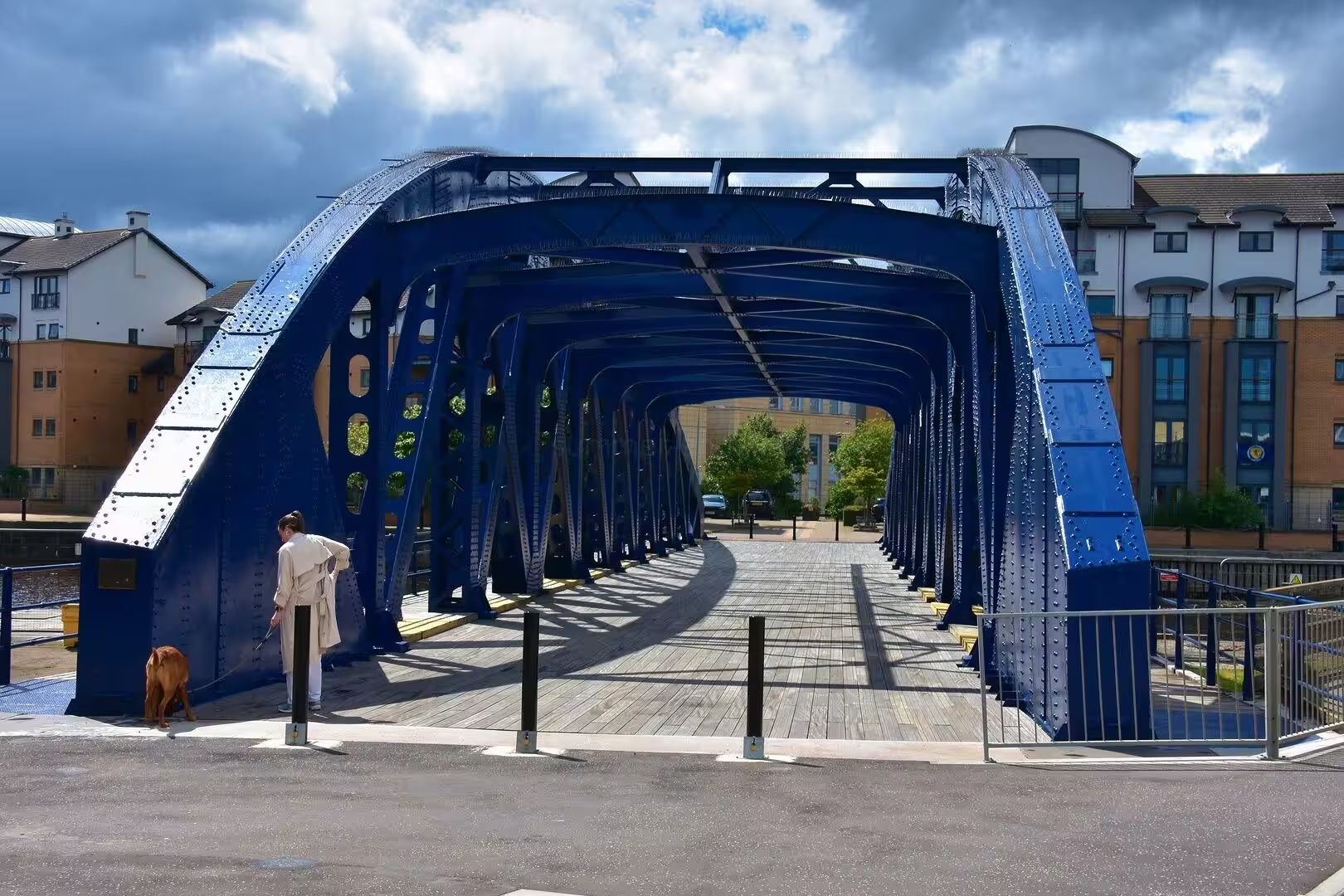
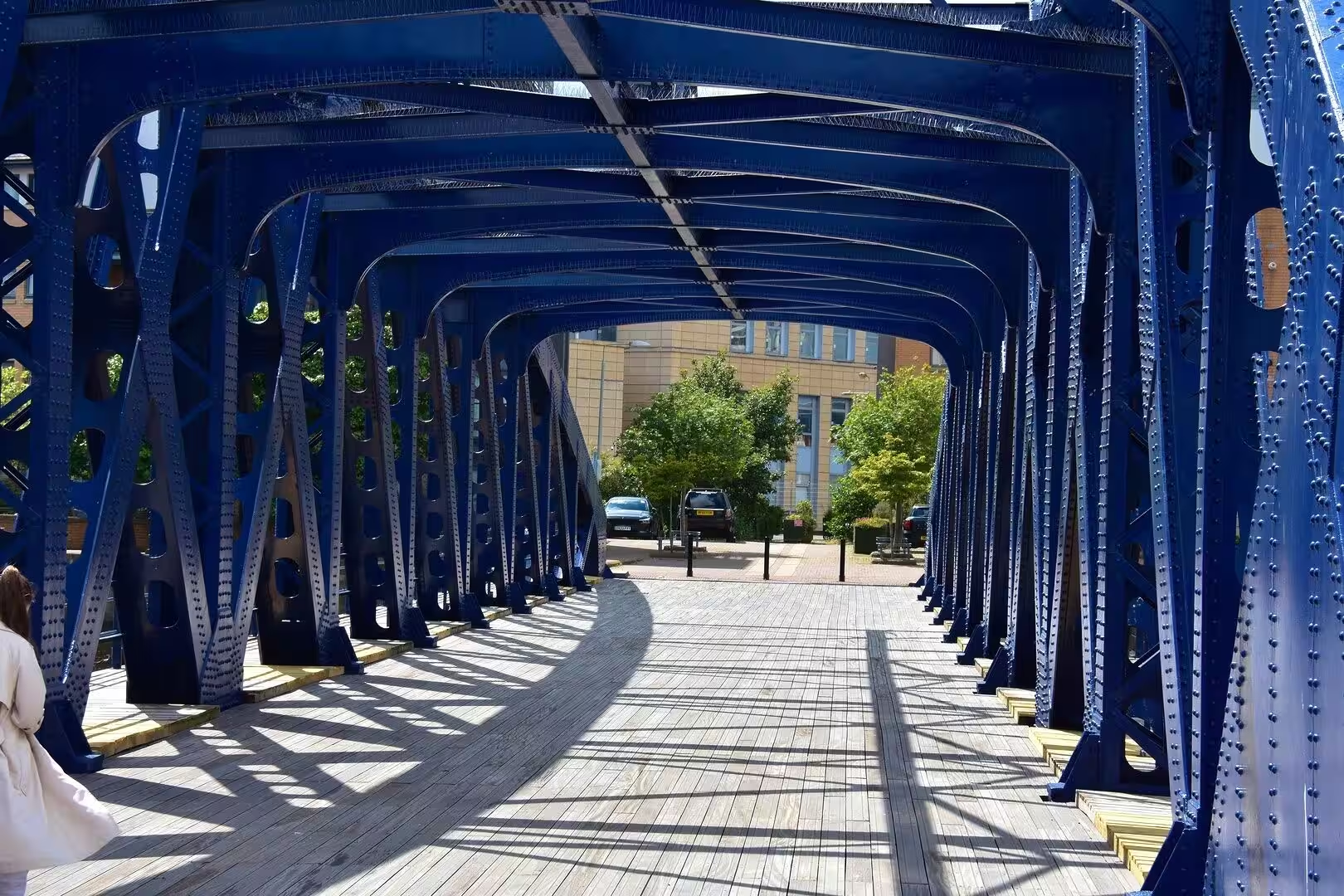
Walking the city, the visitor moves between the broad classical streets and the lanes and closes of the centre, past the City Chambers and the George Square, the sandstone banks and the churches, and down to the river and the regenerated waterfront. The bridges across the Clyde, the squinty bridge and the arched bridges, the tall ship at the Riverside Museum and the views down the river toward the shipyards and the docks, connect the historic core with the maritime and industrial inheritance. The West End with its crescents, terraces and gardens, and the Southside with its tenements and its parks, show the residential and the community character of the city, and the museums, the galleries and the cultural venues draw visitors from across Britain and beyond. Glasgow rewards the on-foot observer, who sees in its sandstone streets and its green spaces a city that has continually remade itself from its industrial past.
References
- Wikipedia. Glasgow. en.wikipedia.org/wiki/Glasgow
- Wikipedia. History of Glasgow. en.wikipedia.org/wiki/History_of_Glasgow
- Wikipedia. Glasgow Cathedral. en.wikipedia.org/wiki/Glasgow_Cathedral
- Wikipedia. Glasgow Necropolis. en.wikipedia.org/wiki/Glasgow_Necropolis
- Wikipedia. Kelvingrove Art Gallery and Museum. en.wikipedia.org/wiki/Kelvingrove_Art_Gallery_and_Museum
- Wikipedia. Kelvingrove Park. en.wikipedia.org/wiki/Kelvingrove_Park
- Wikipedia. Riverside Museum. en.wikipedia.org/wiki/Riverside_Museum
- Wikipedia. University of Glasgow. en.wikipedia.org/wiki/University_of_Glasgow
- Wikipedia. Charles Rennie Mackintosh. en.wikipedia.org/wiki/Charles_Rennie_Mackintosh
- Wikipedia. Glasgow School of Art. en.wikipedia.org/wiki/Glasgow_School_of_Art
- Wikipedia. People’s Palace, Glasgow. en.wikipedia.org/wiki/People%27s_Palace_(Glasgow)
- Wikipedia. Mitchell Library. en.wikipedia.org/wiki/Mitchell_Library
- Wikipedia. River Clyde. en.wikipedia.org/wiki/River_Clyde
- Wikipedia. Firth of Clyde. en.wikipedia.org/wiki/Firth_of_Clyde
- Wikipedia. Glasgow Green. en.wikipedia.org/wiki/Glasgow_Green
- Wikipedia. Midland Valley. en.wikipedia.org/wiki/Midland_Valley_(Scotland)