2025 Amalfi 2 - Pompei











Journal Notes
General
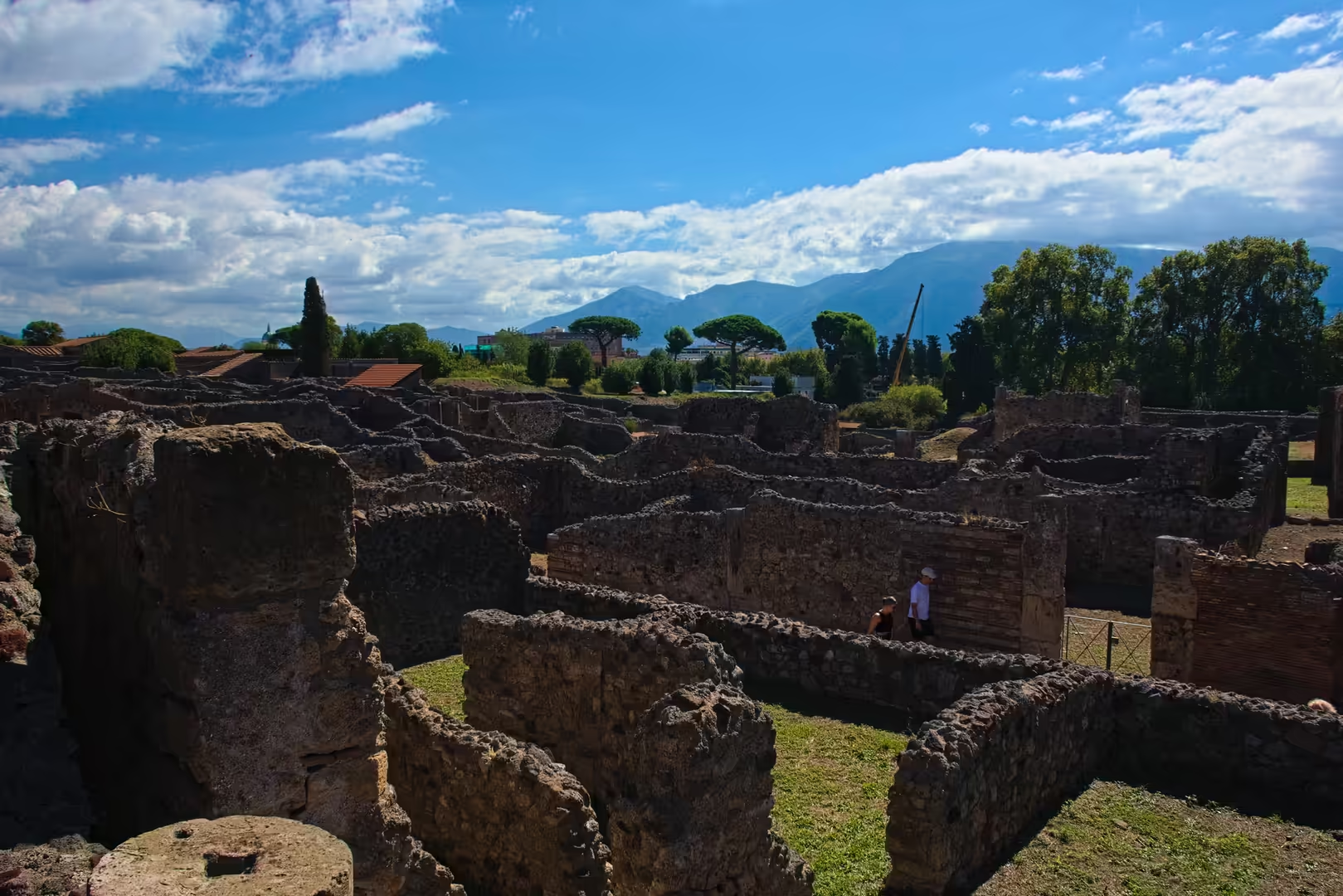
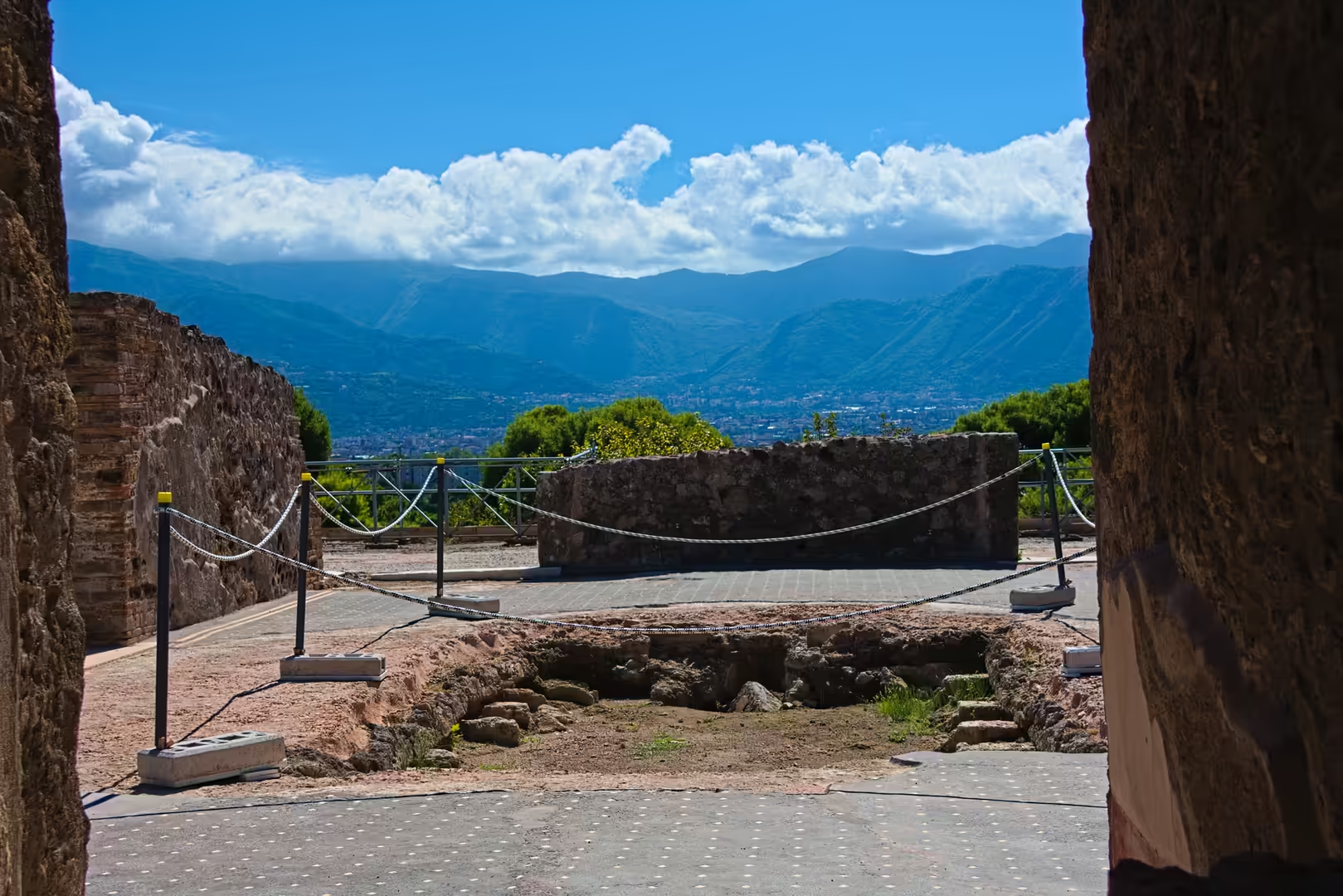
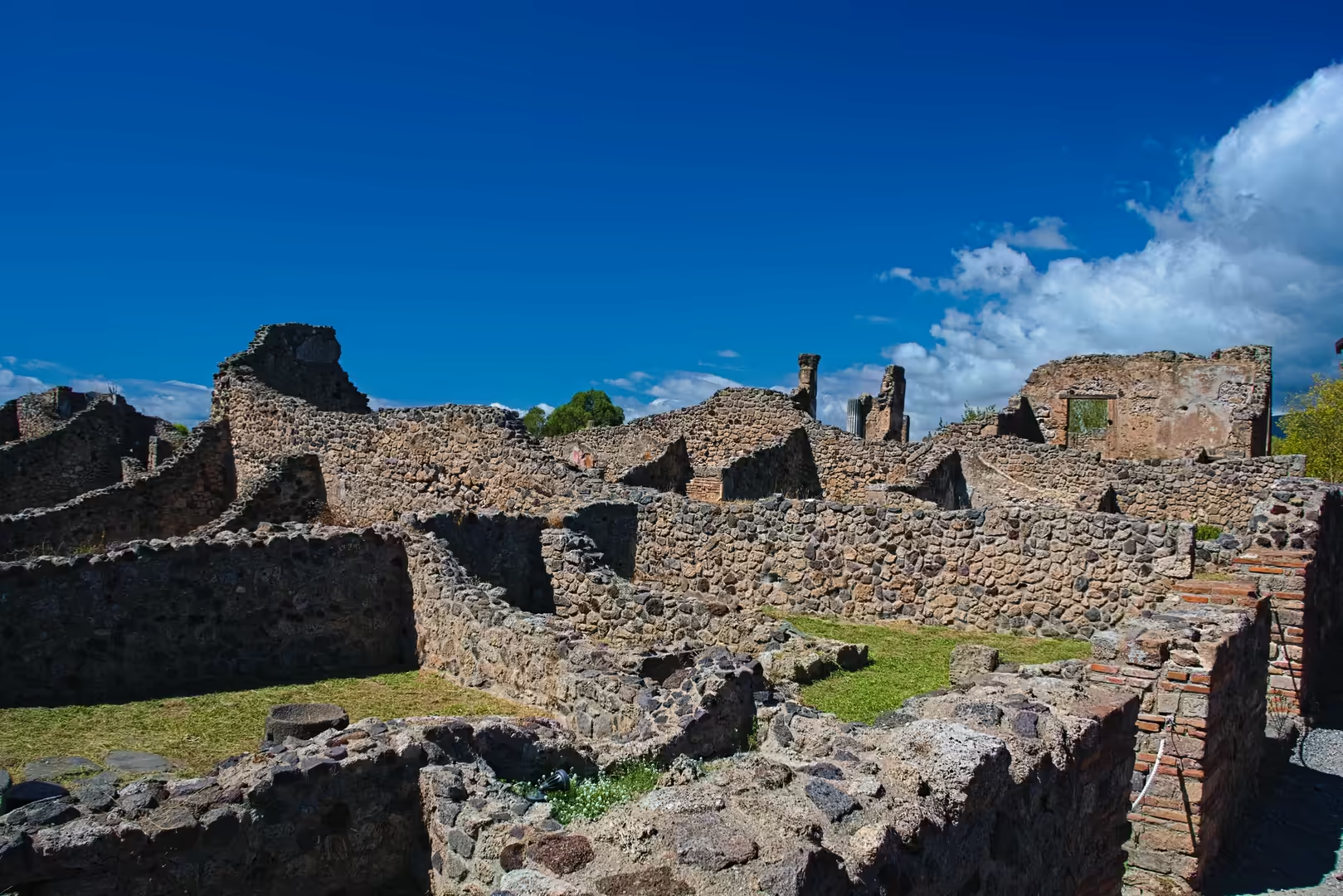
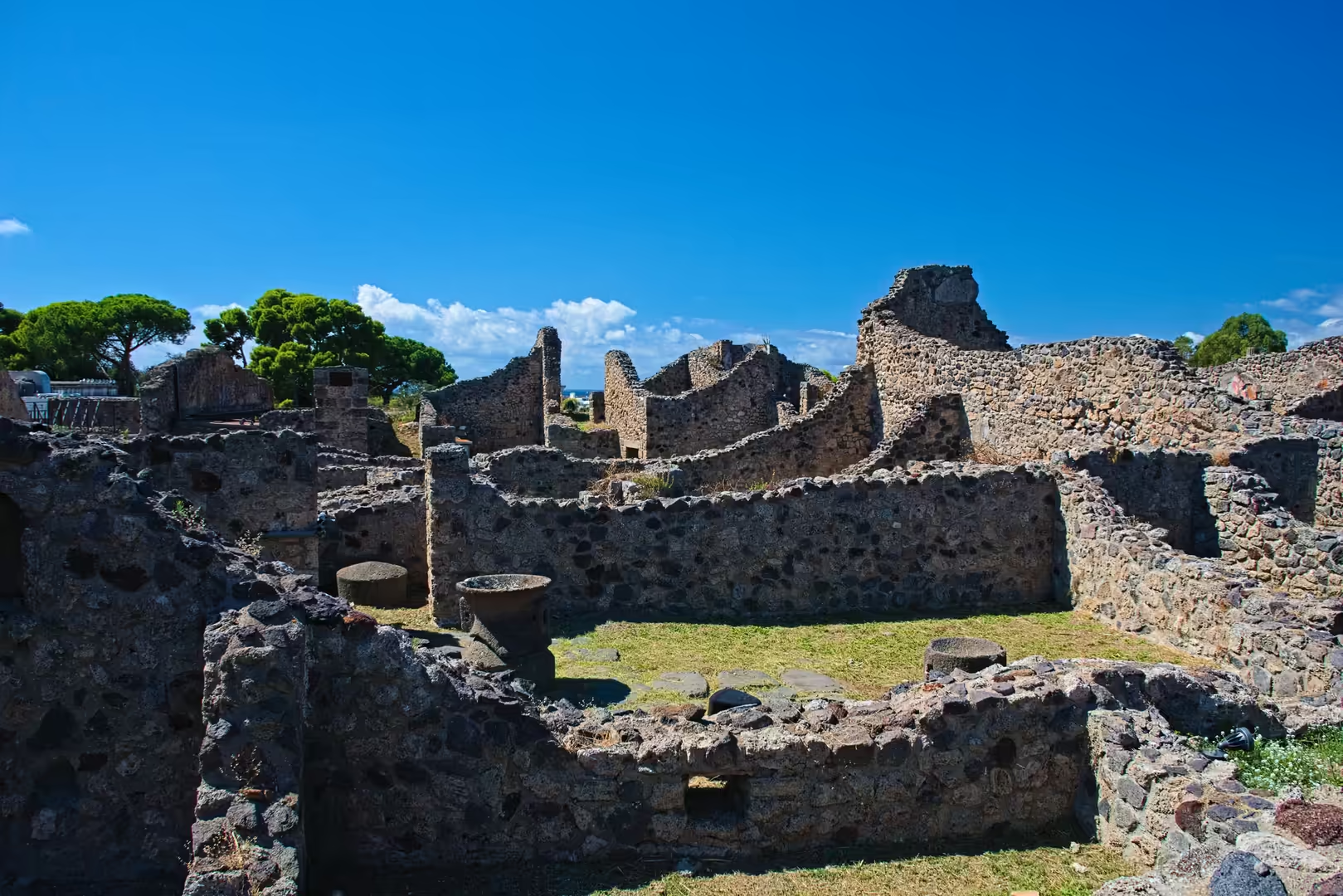
The ancient city of Pompeii lies on the southern flank of Mount Vesuvius, in the modern municipality of Pompei in the metropolitan city of Naples, Campania. The Roman town was built on a coastal lava plateau, about 30 m above sea level, created by eruptions of the volcano in earlier prehistory; the plateau fell steeply toward the sea to the south and west. Once adjoining the shoreline and the navigable mouth of the Sarno River, the site now lies roughly two kilometres inland, the coastline having prograded since antiquity. The walled city enclosed an area of about 66 hectares and, at the time of its destruction, was home to an estimated 10,000 to 20,000 inhabitants. Recent demographic reconstructions based on household counts suggest a figure closer to 11,500.
In AD 79, Pompeii was buried under several metres of volcanic ash and pumice during the eruption of Vesuvius. Because the city was sealed rapidly and then abandoned, it survived as an archaeological record of extraordinary completeness: streets, public buildings, private houses, workshops, wall paintings, inscriptions and organic materials were preserved in the volcanic deposits, providing a uniquely detailed picture of daily life in a Roman town of the early empire. The site attracts on the order of 2.5 million visitors a year and is protected as part of the UNESCO World Heritage property “Archaeological Areas of Pompeii, Herculaneum and Torre Annunziata”, inscribed in 1997 under criteria (iii), (iv) and (v) and described by UNESCO as the only archaeological site in the world that provides a complete picture of an ancient Roman city.
Climatically the site belongs to the Mediterranean zone (Csa after Köppen), with hot, dry summers and mild, rainy winters. The volcanic soils of the Sarno plain are exceptionally fertile, and agriculture (vines, olives and fruit) surrounded the city in antiquity as it does today. Administratively, the archaeological area is managed as the Parco Archeologico di Pompei, which since 2018 has resumed targeted excavations in previously unexplored sectors of the city, complementing the long history of research that began with the first systematic campaigns of the eighteenth century.
History
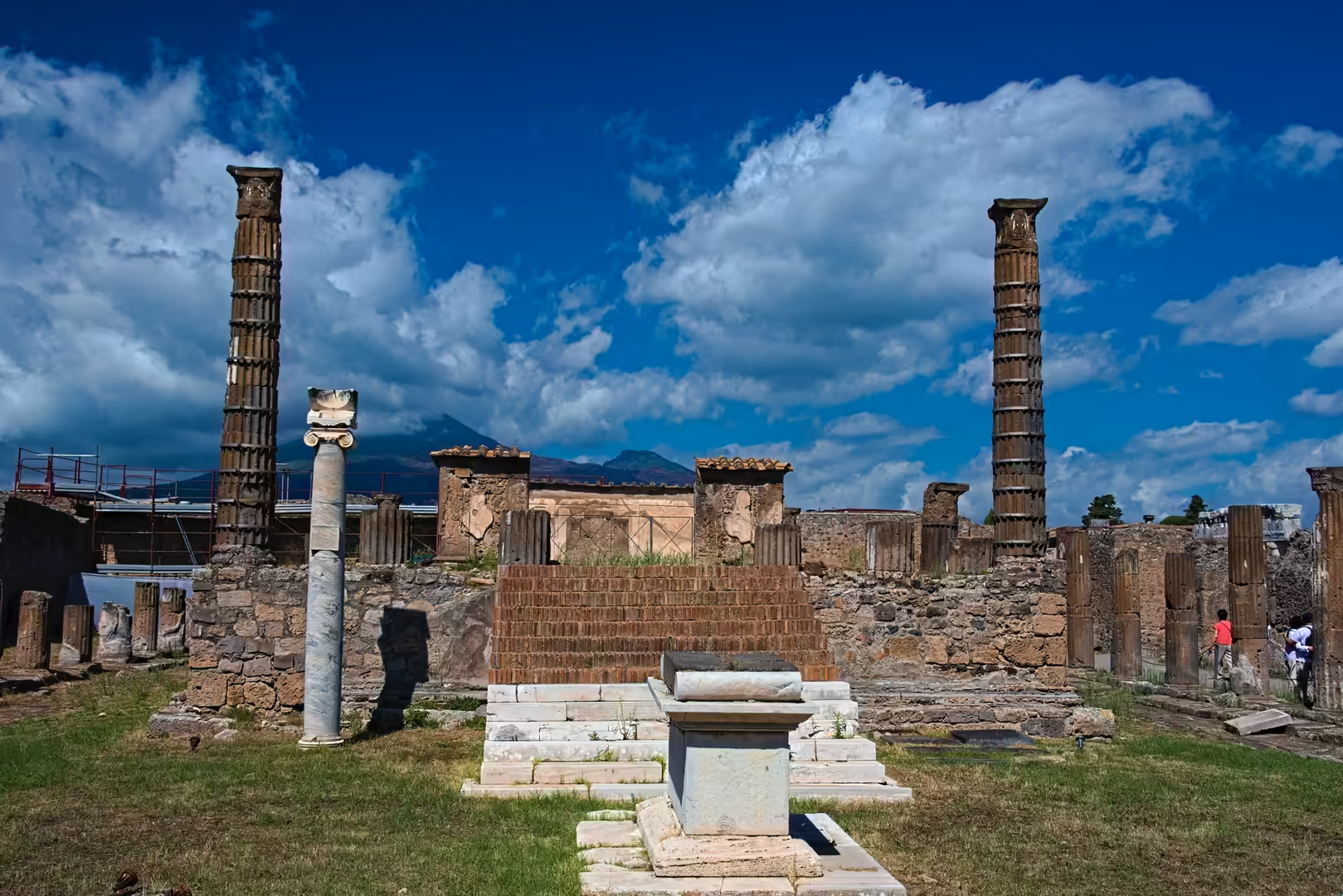
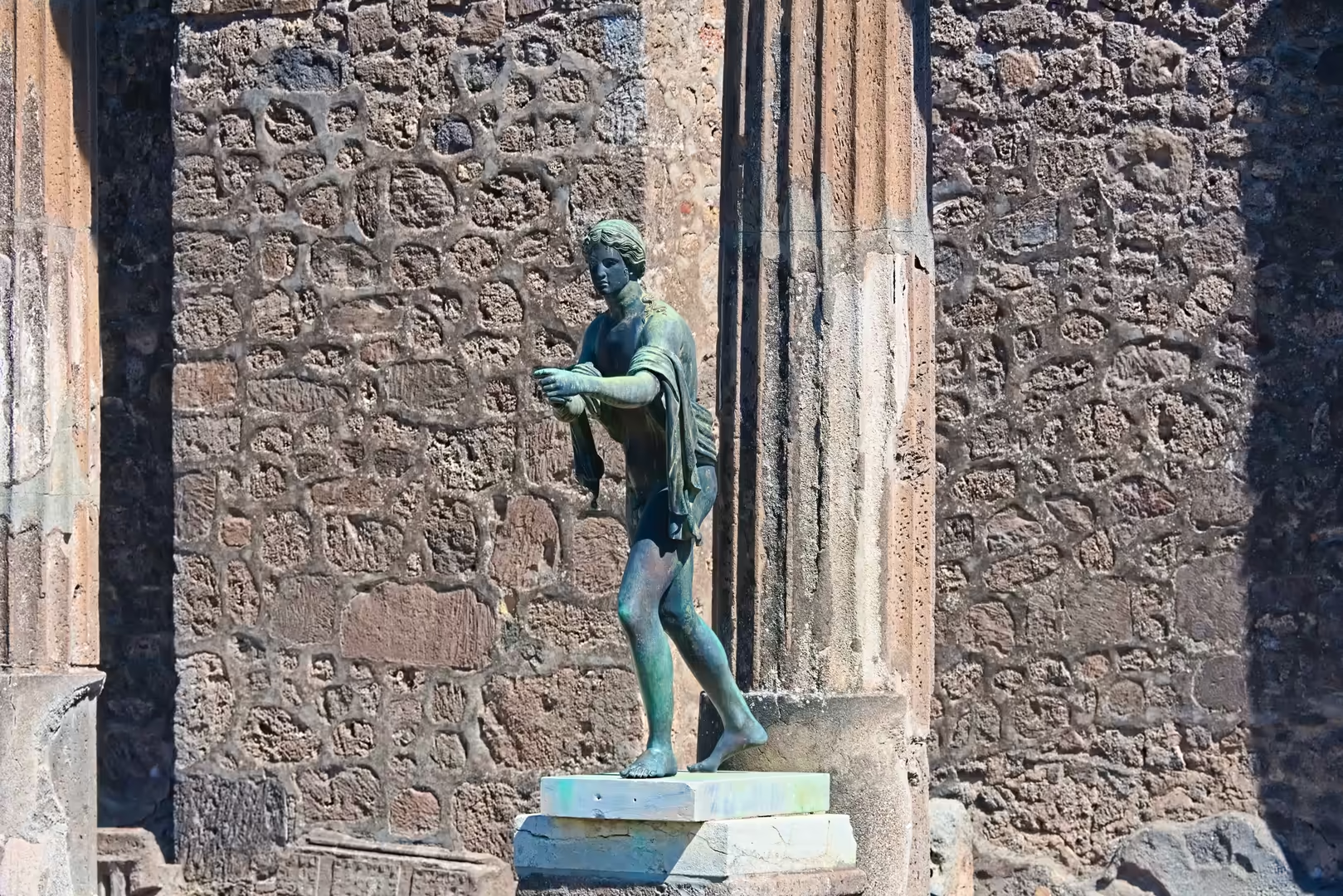
The earliest stable occupation of the site dates to the eighth century BC, when Oscan peoples of central Italy established a group of villages on the lava plateau. From about 740 BC, Greek settlement in Campania brought Pompeii into the orbit of the Hellenic world; the Doric temple of the later Triangular Forum and the early cult of Apollo belong to this phase, and Greek and Phoenician seafarers used the nearby river mouth as a haven. In the early sixth century BC the scattered settlements merged into a single community at the crossroads between Cumae, Nola and Stabiae, enclosed by a circuit of tufa walls that already marked the town as a place of some wealth. Etruscan influence followed during the sixth and fifth centuries, exercised through trade along the Sarno rather than military conquest; thereafter the town passed into the Samnite sphere and shared in the conflicts between Rome and the Samnite peoples during the fourth century BC. The monumental public architecture of the second century BC (the forum, the basilica and the large private houses of the period) reflects the Hellenised tastes of the Samnite elite that governed the city before the Roman conquest.
After the Social War, in which Pompeii sided against Rome, the city was besieged by Sulla and in about 80 BC was refounded as the Roman colony of Colonia Cornelia Veneria Pompeianorum, with veterans settled among the existing population. Under Roman rule the city prospered from the fertility of its hinterland and from trade: wine, oil and the fish sauce garum were produced and exported, and the urban economy supported a dense network of workshops, shops, taverns and services. The public buildings of the forum and the entertainment district were enlarged, and in about 70 BC the amphitheatre (the earliest surviving stone amphitheatre of the Roman world) was built in the south-eastern corner of the city.
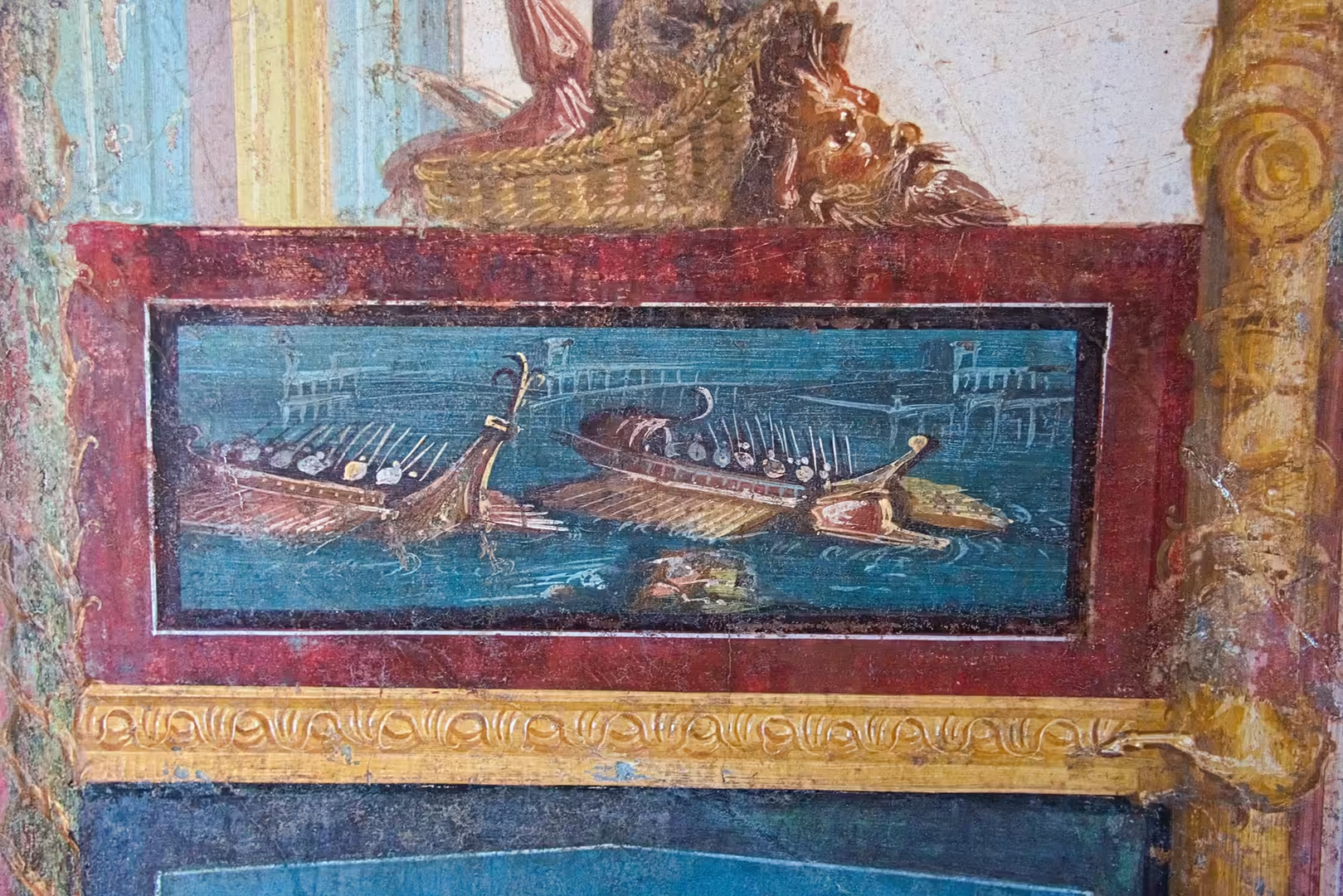
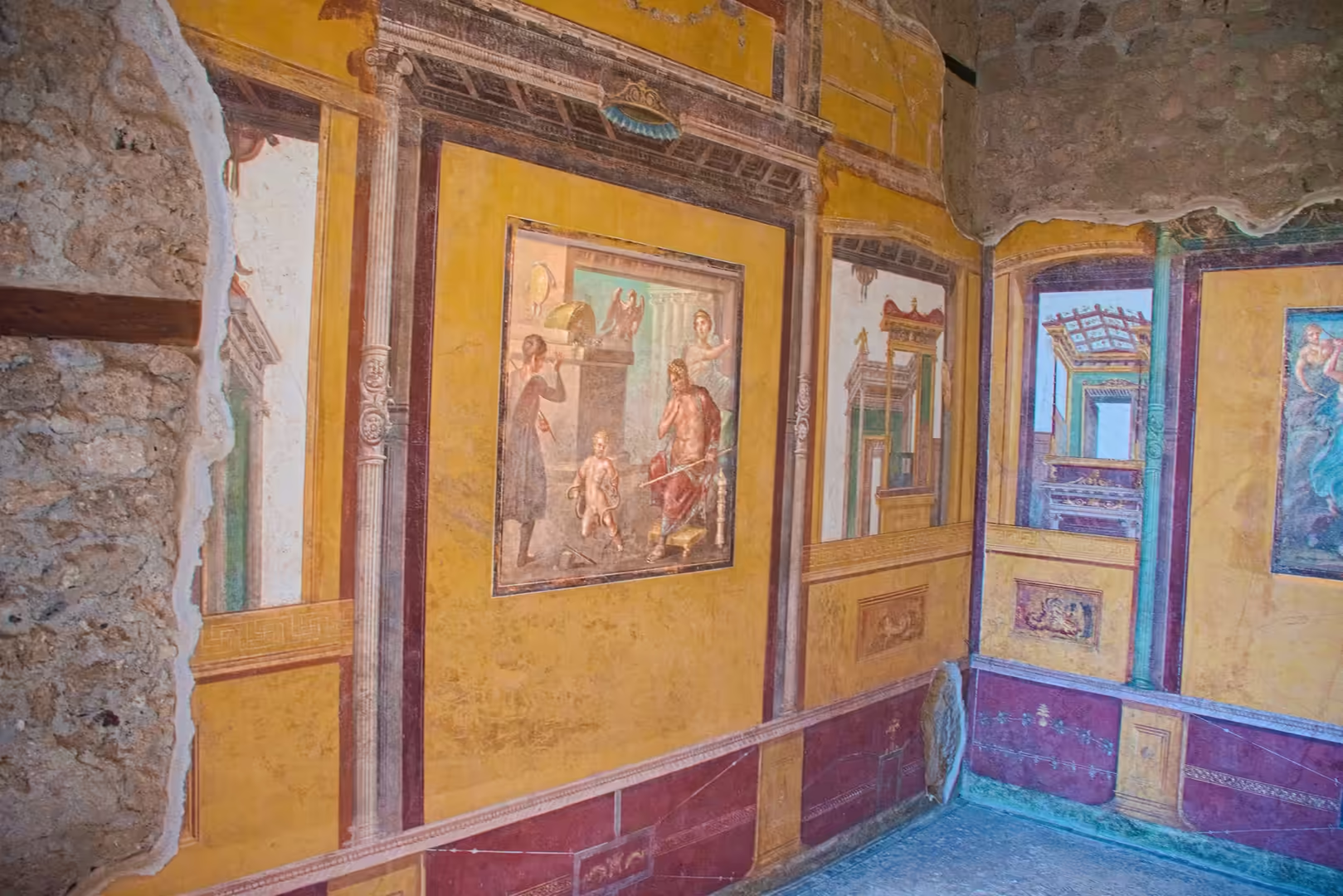
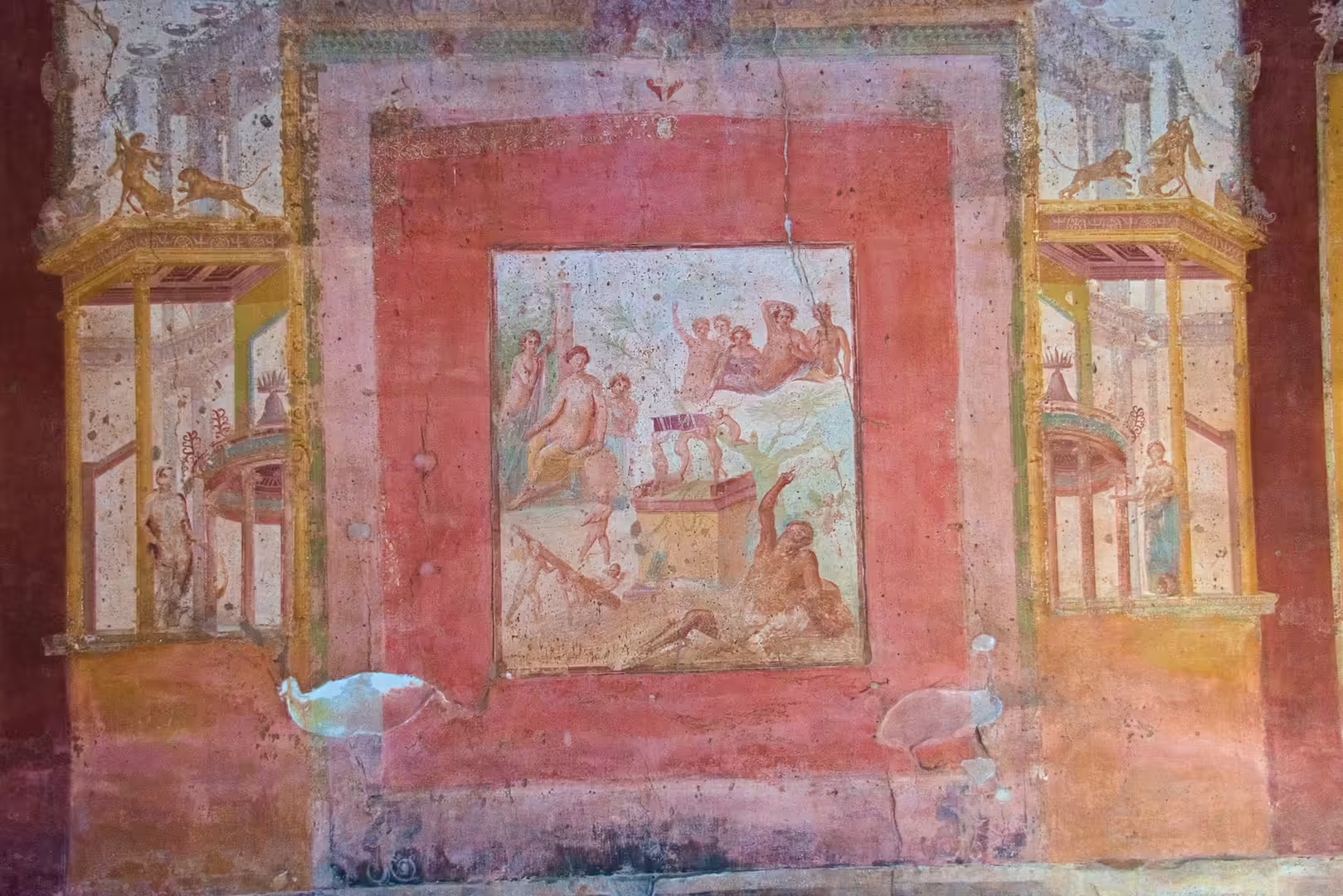
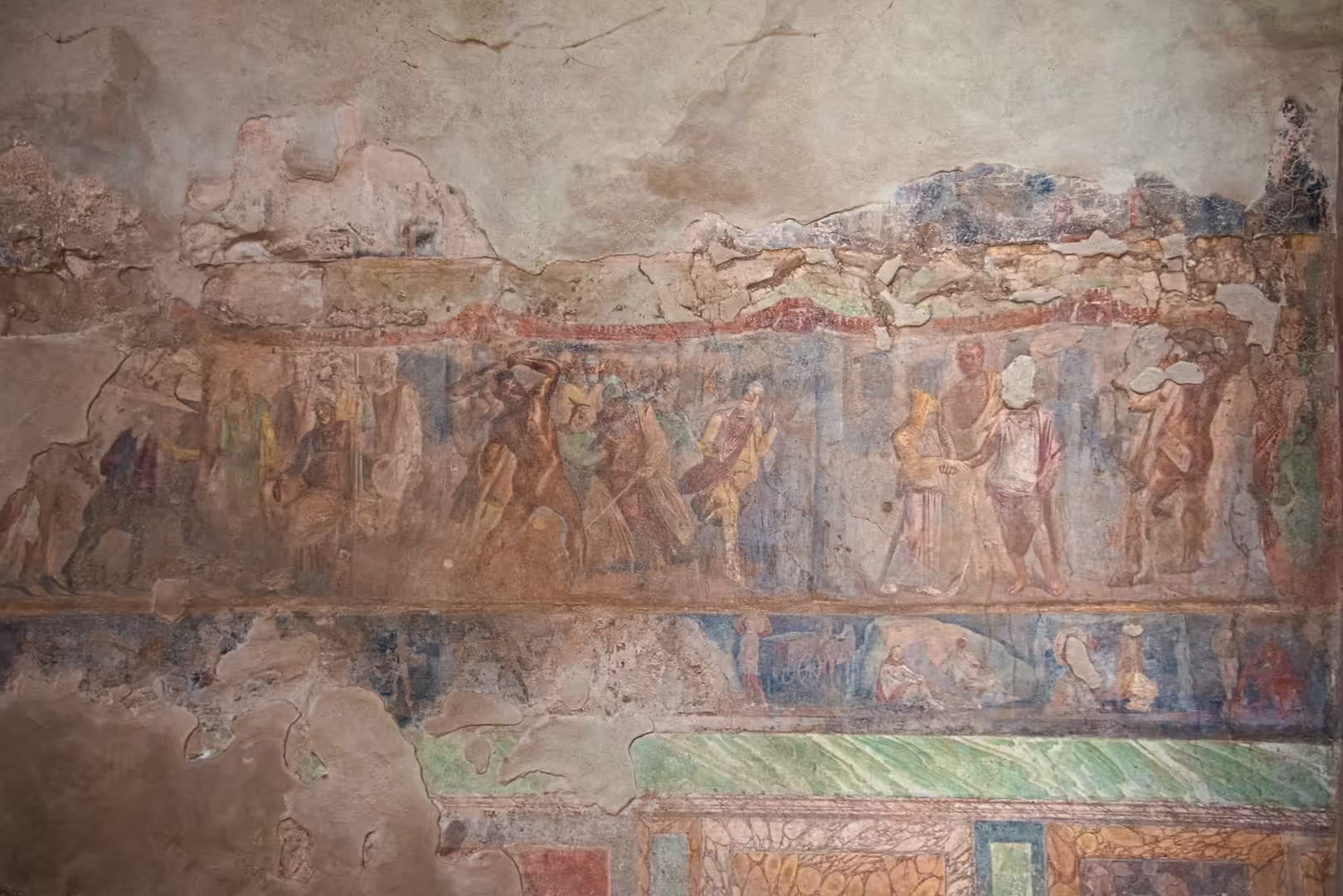
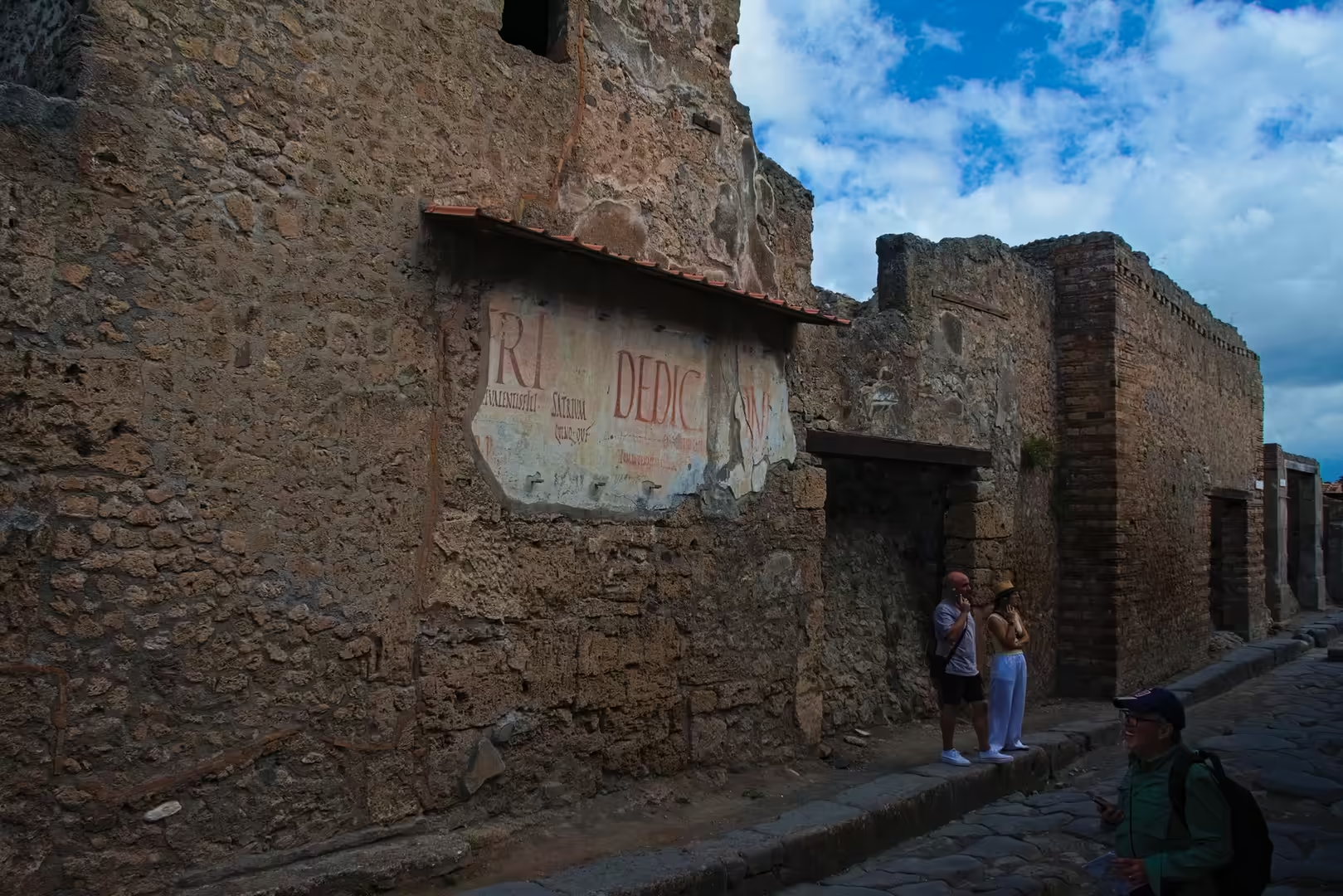
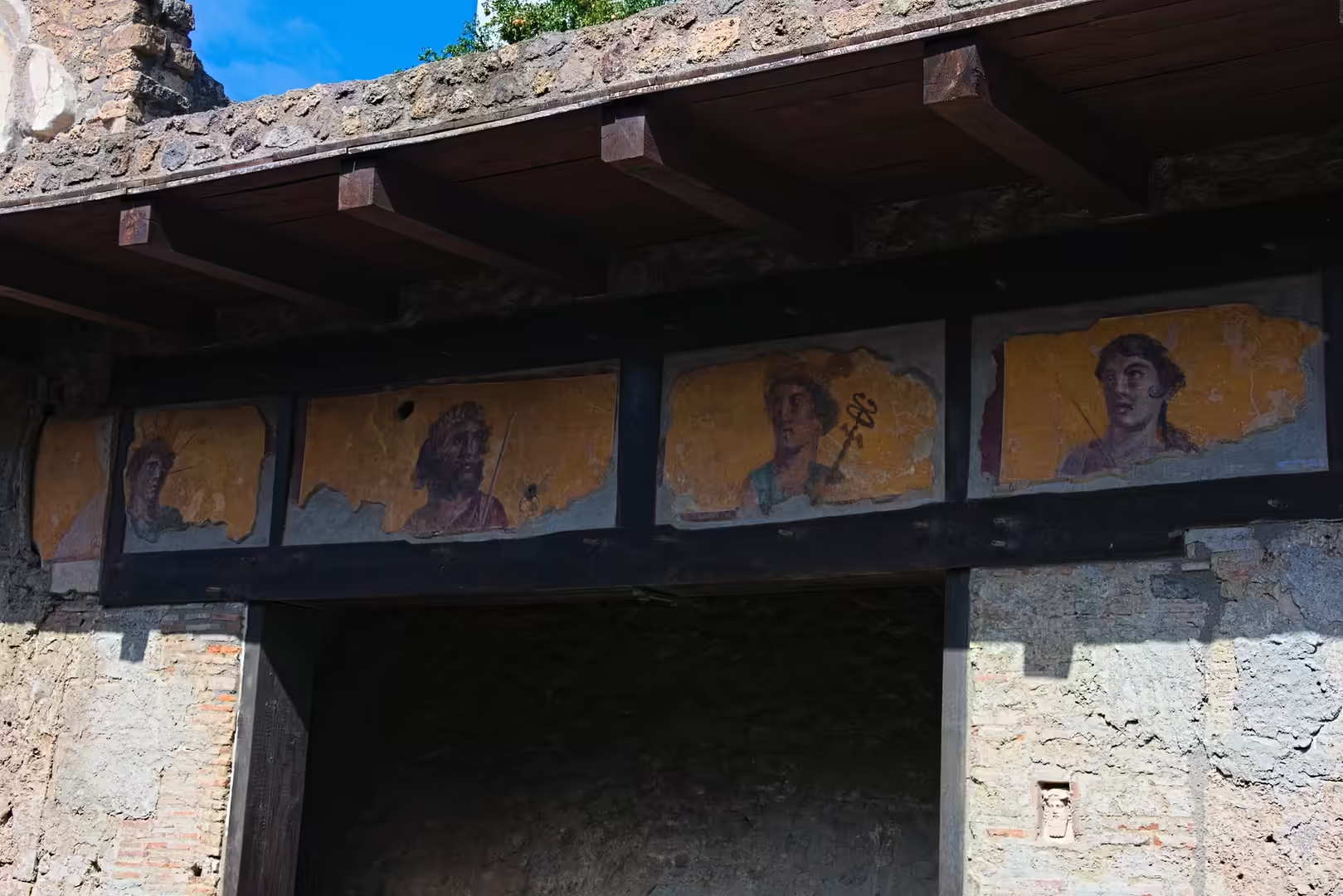
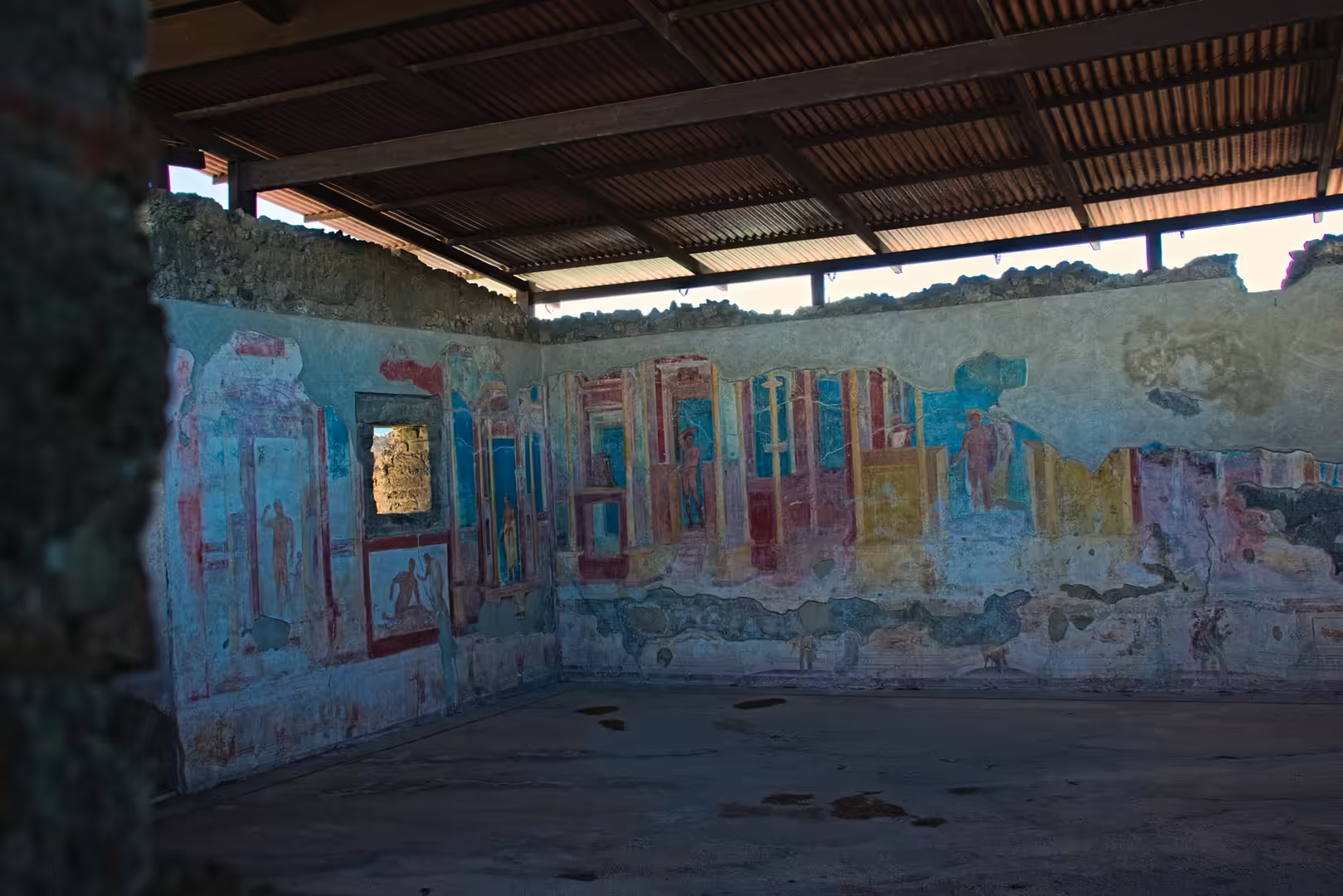
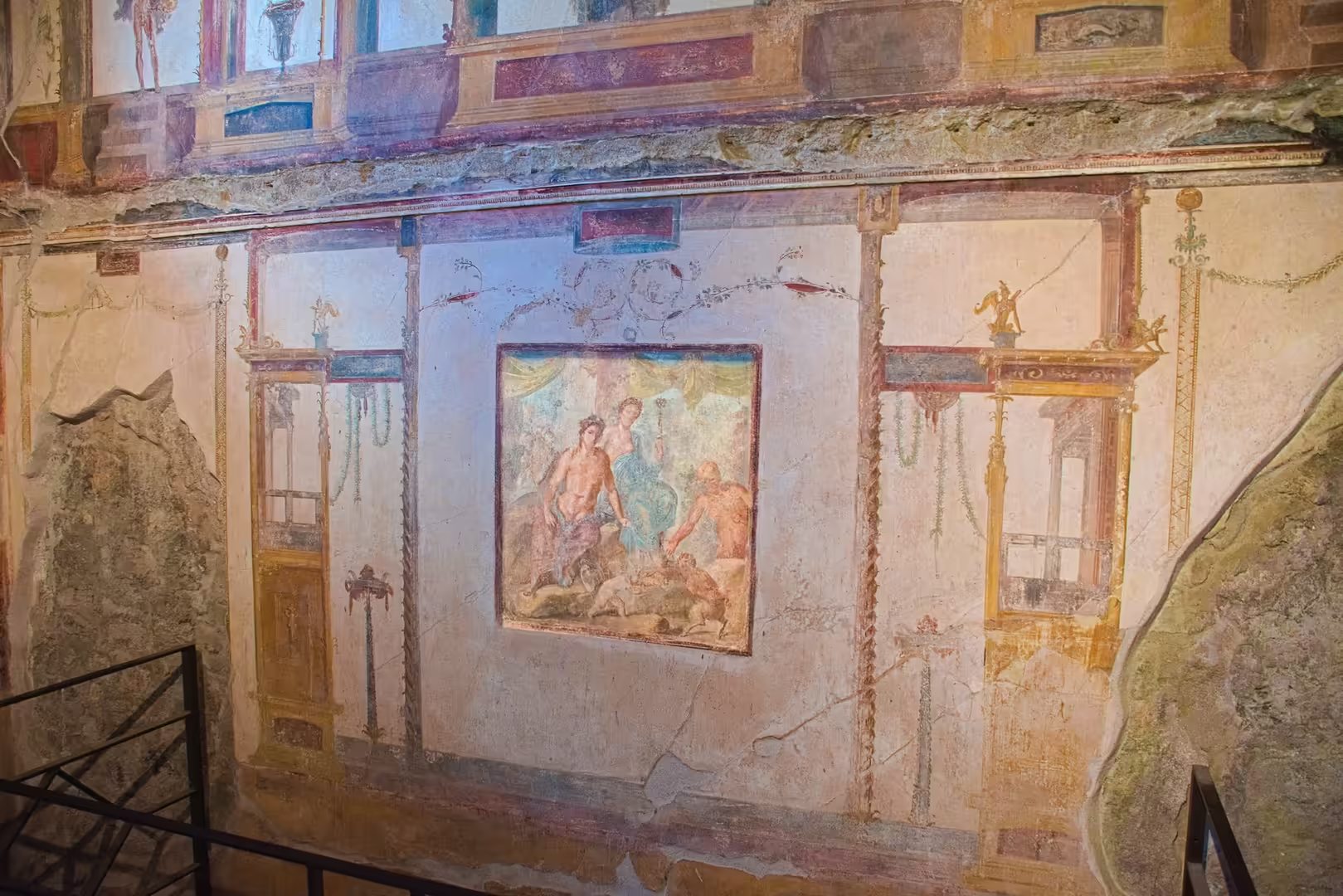
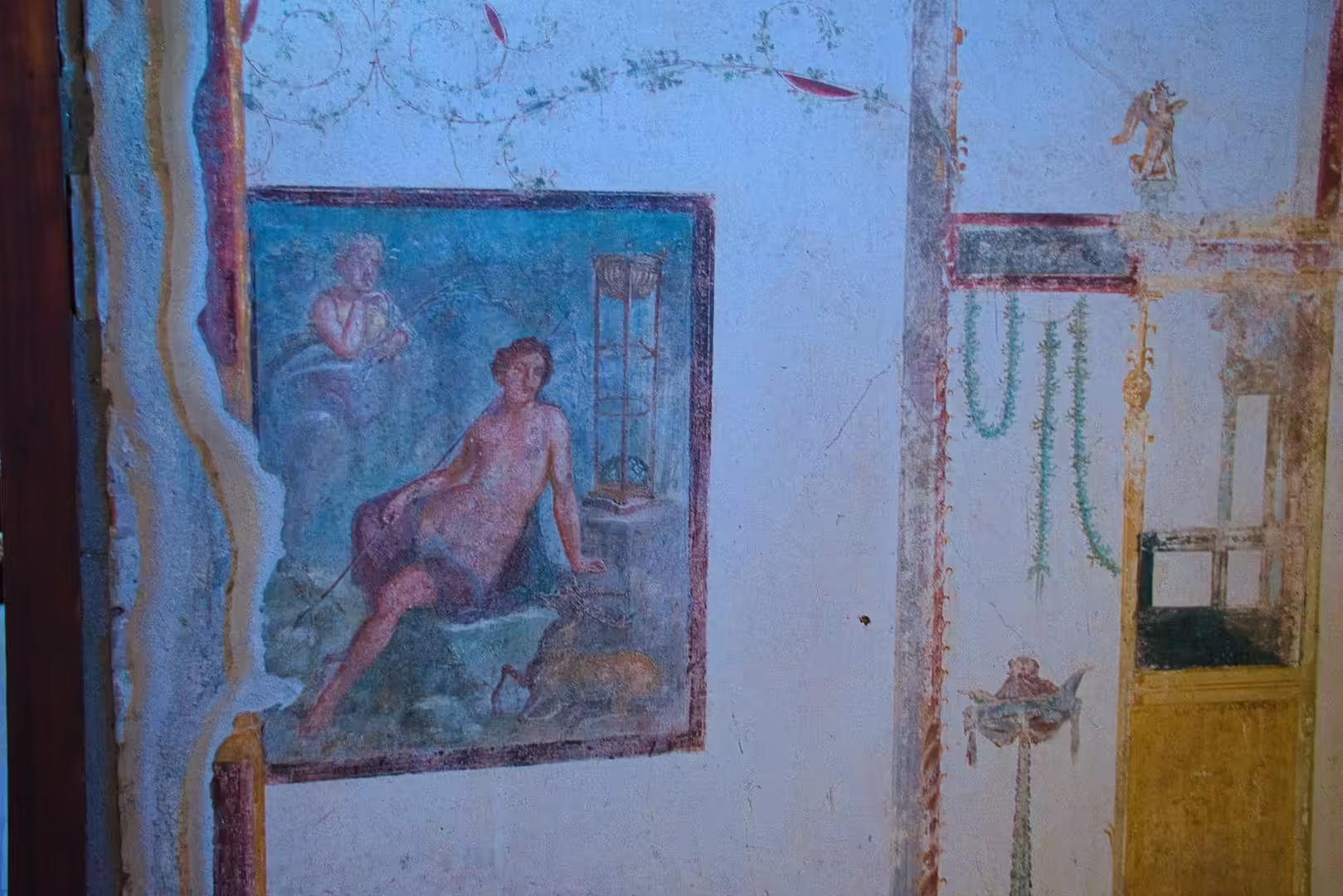
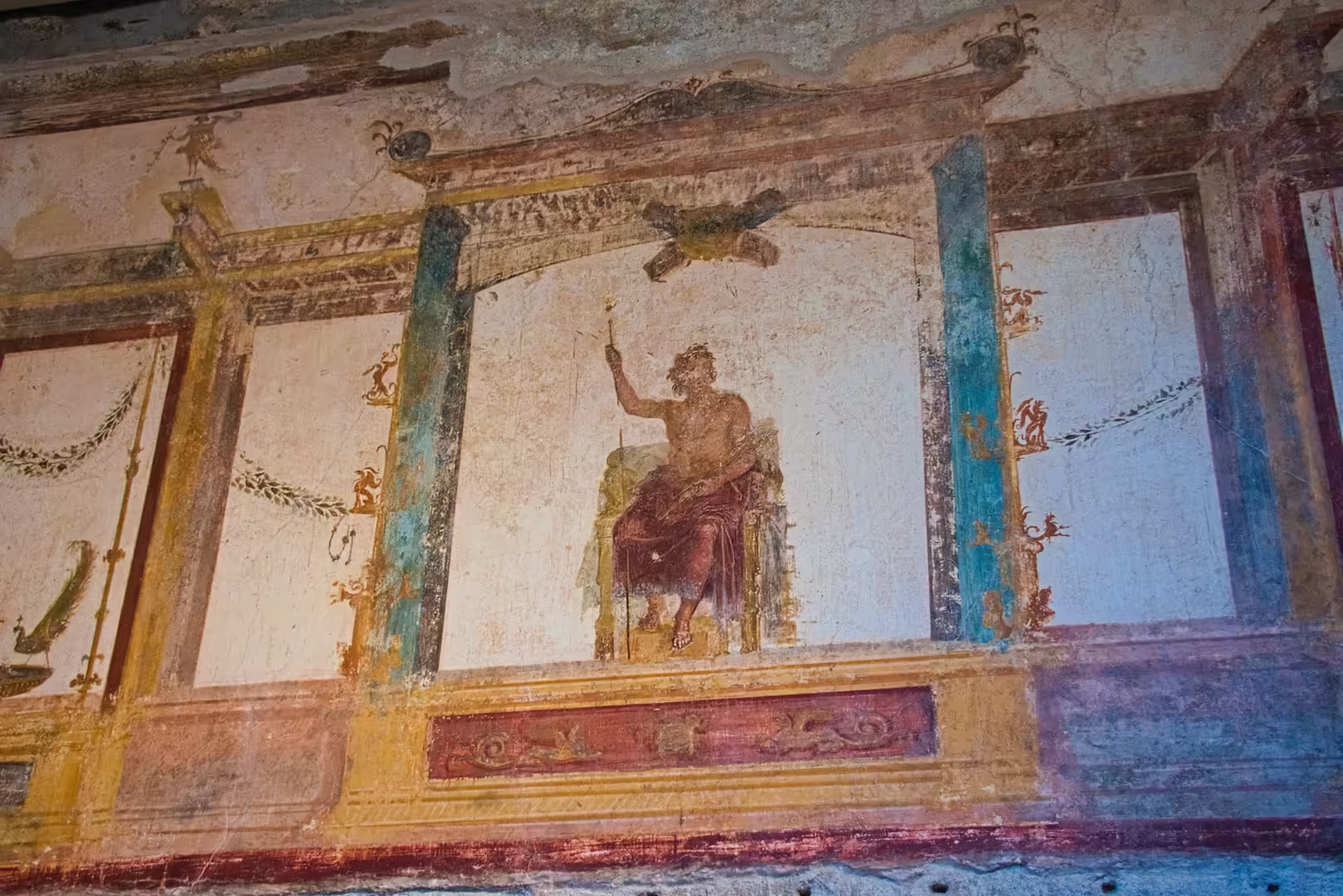
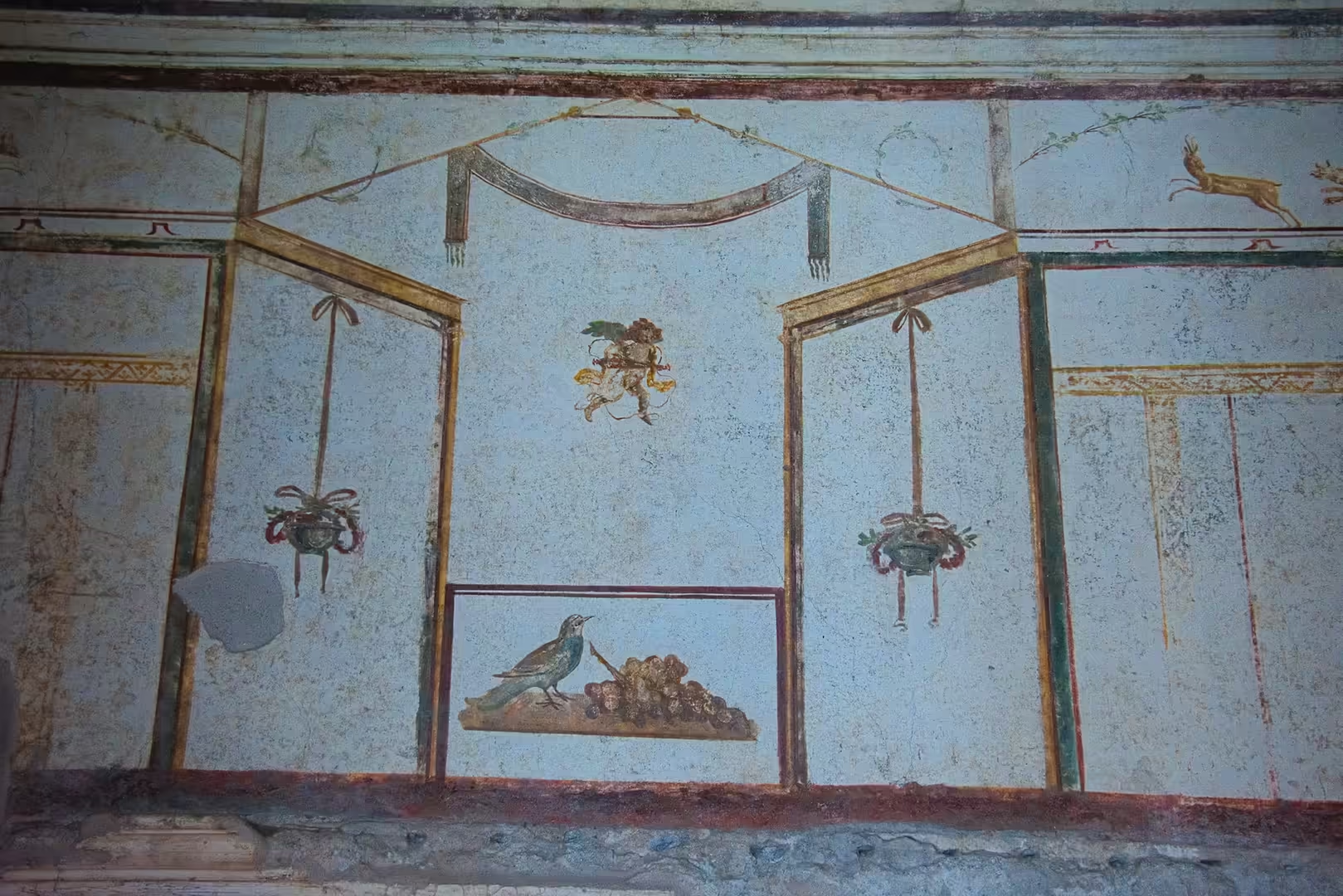
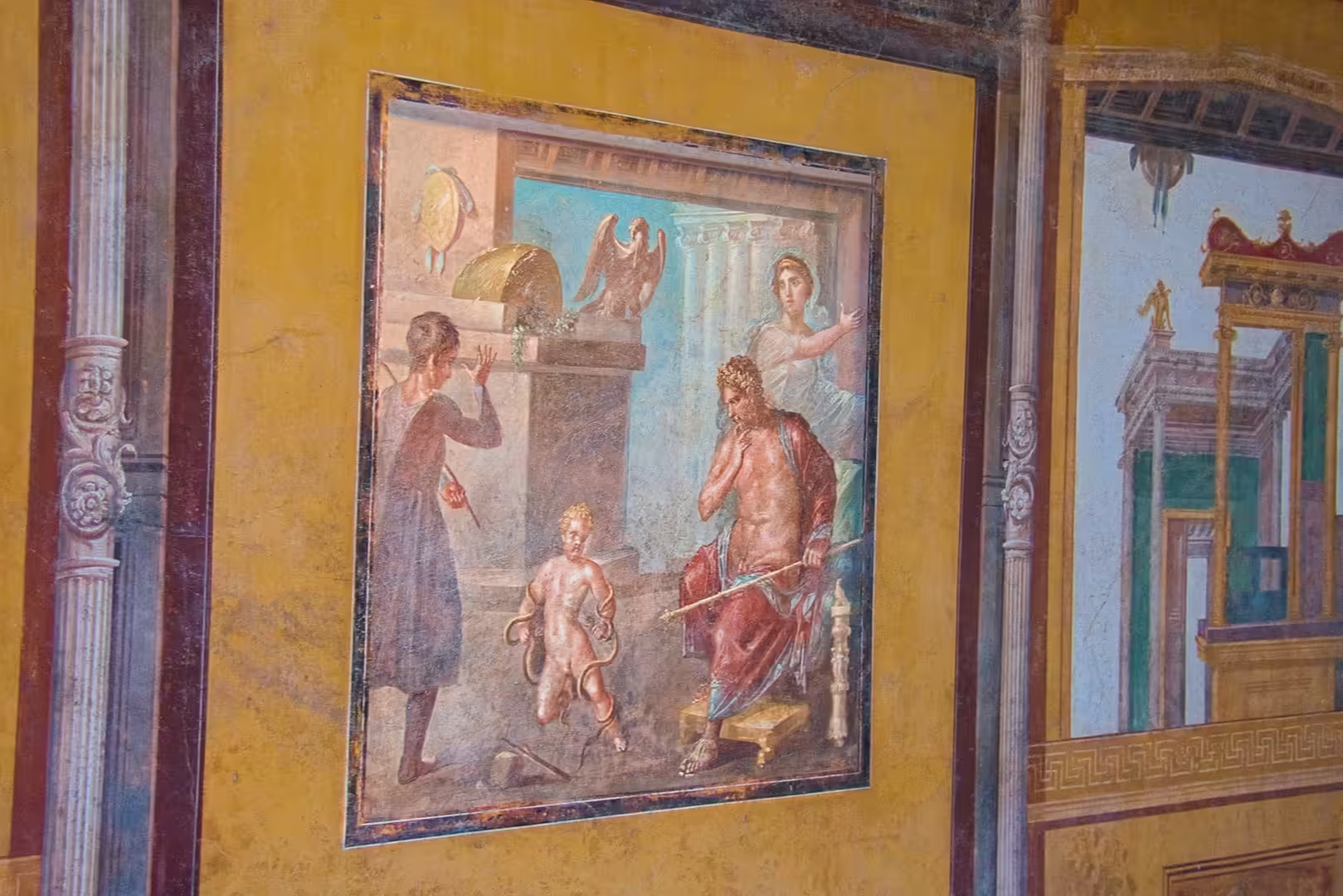
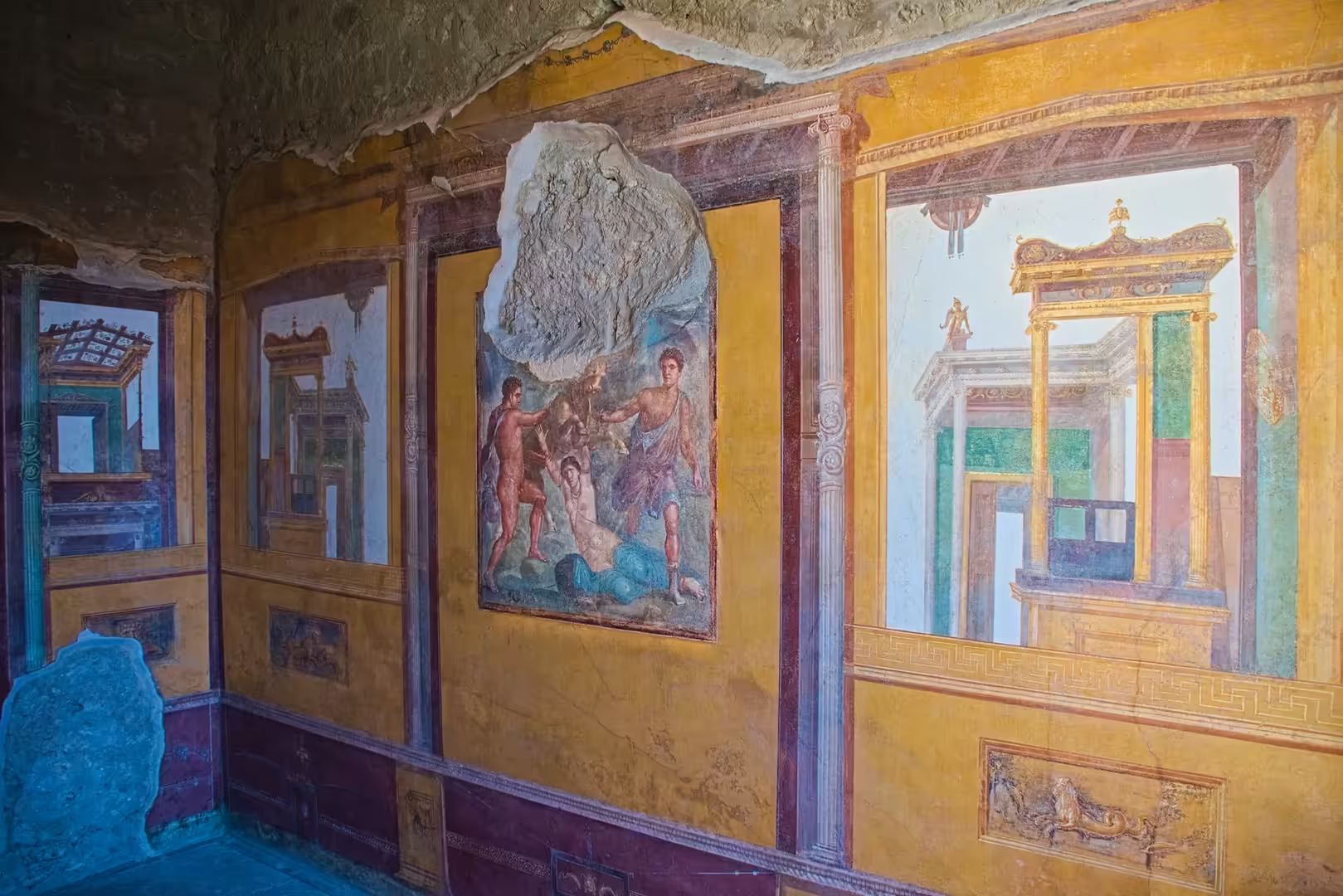
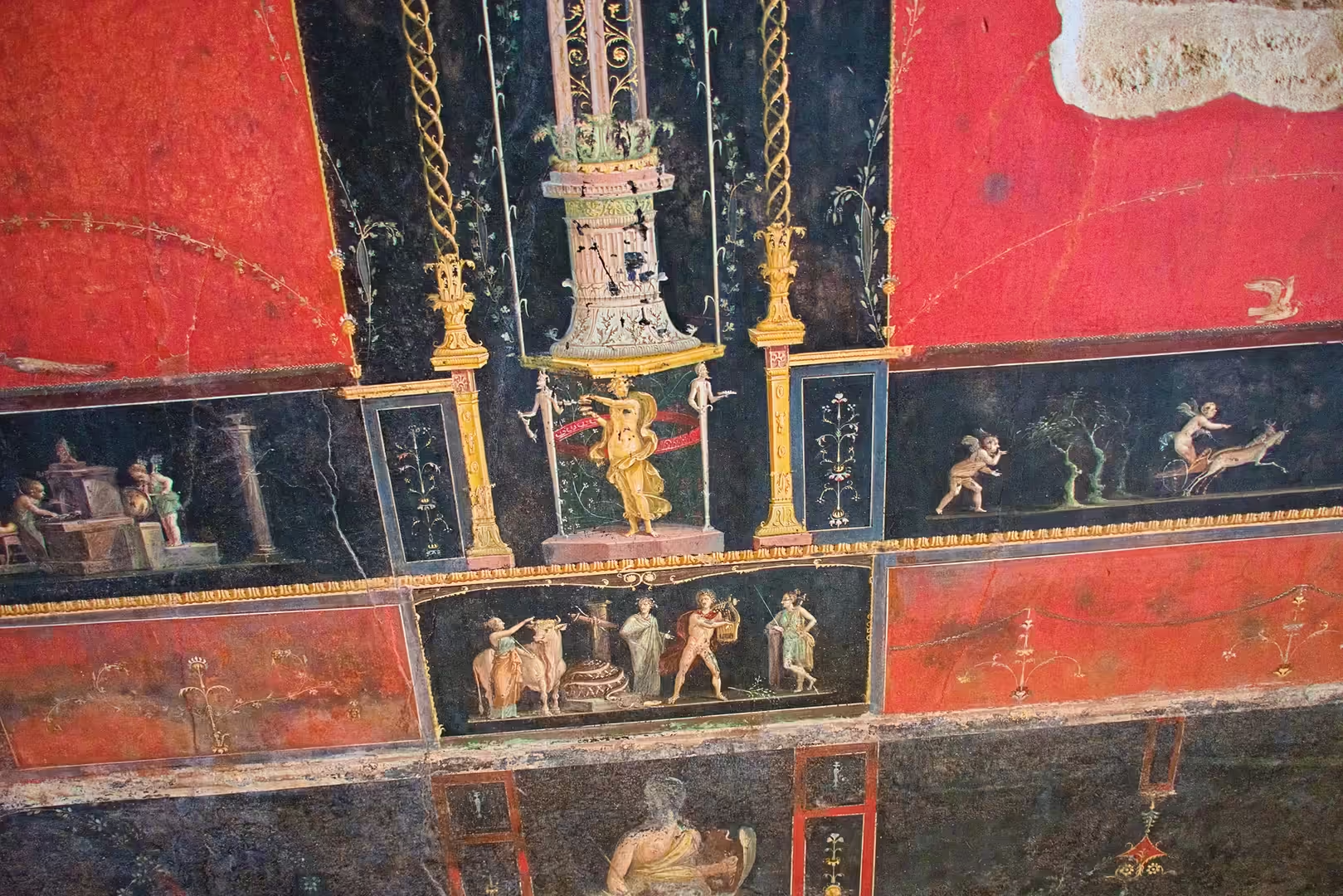
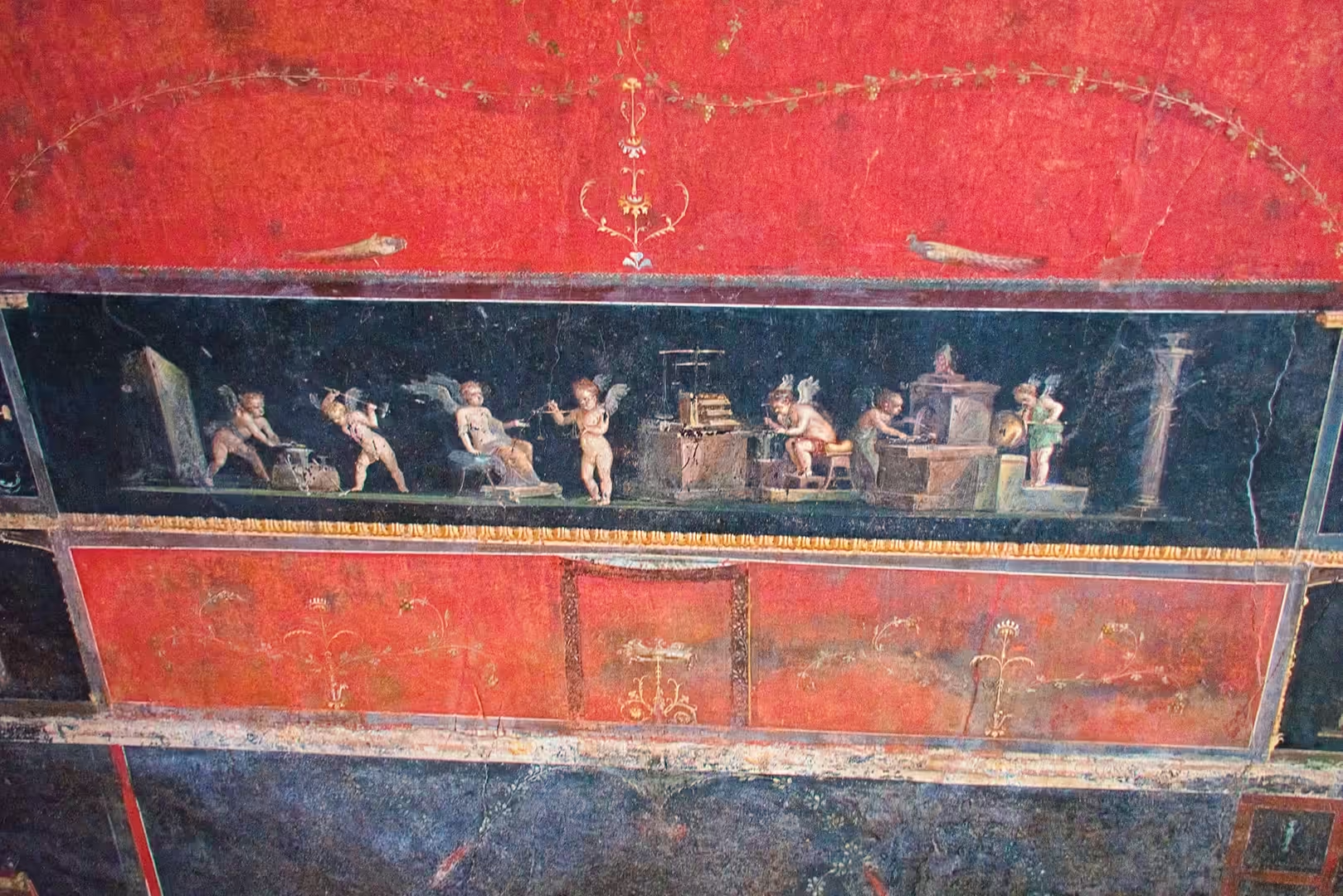
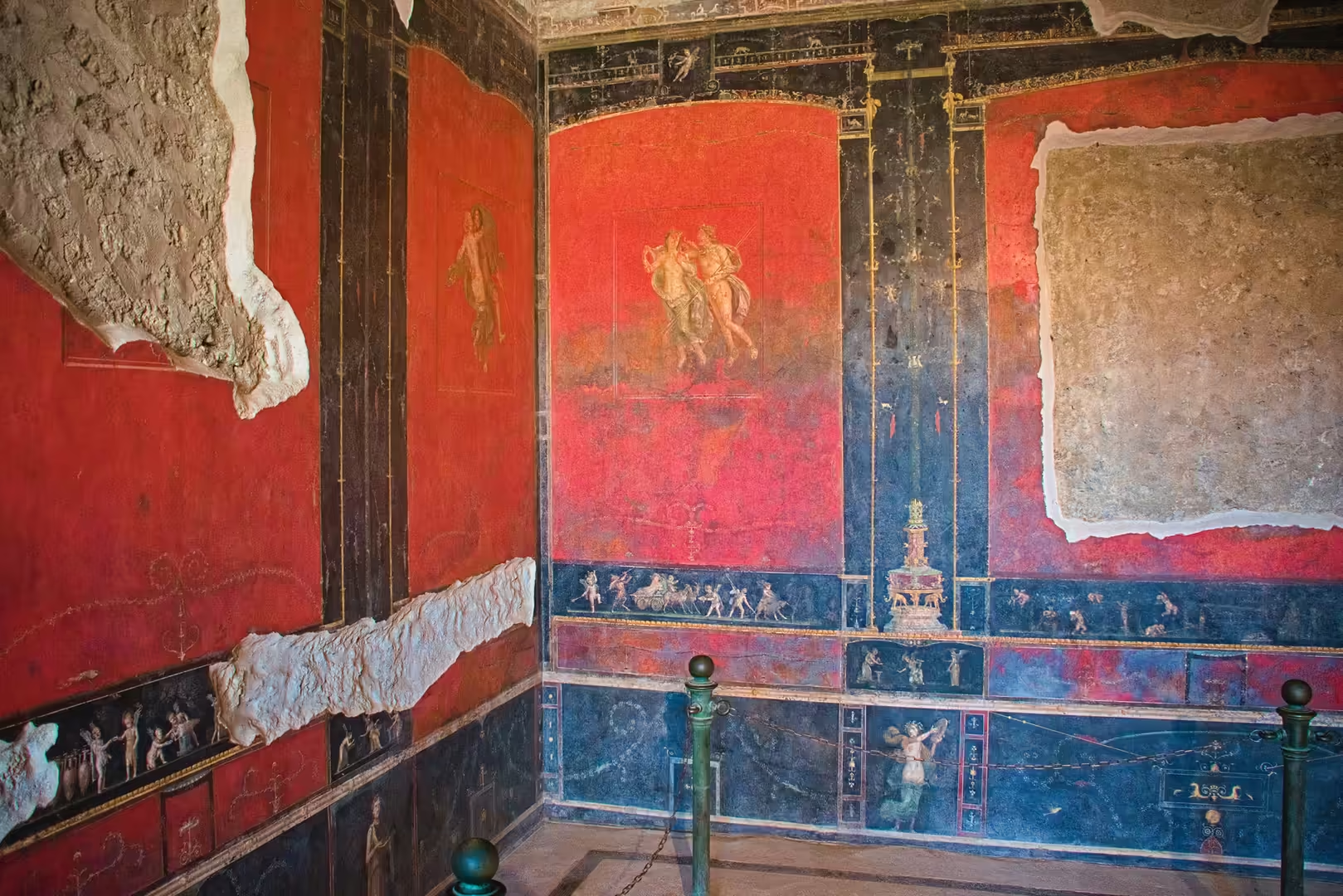
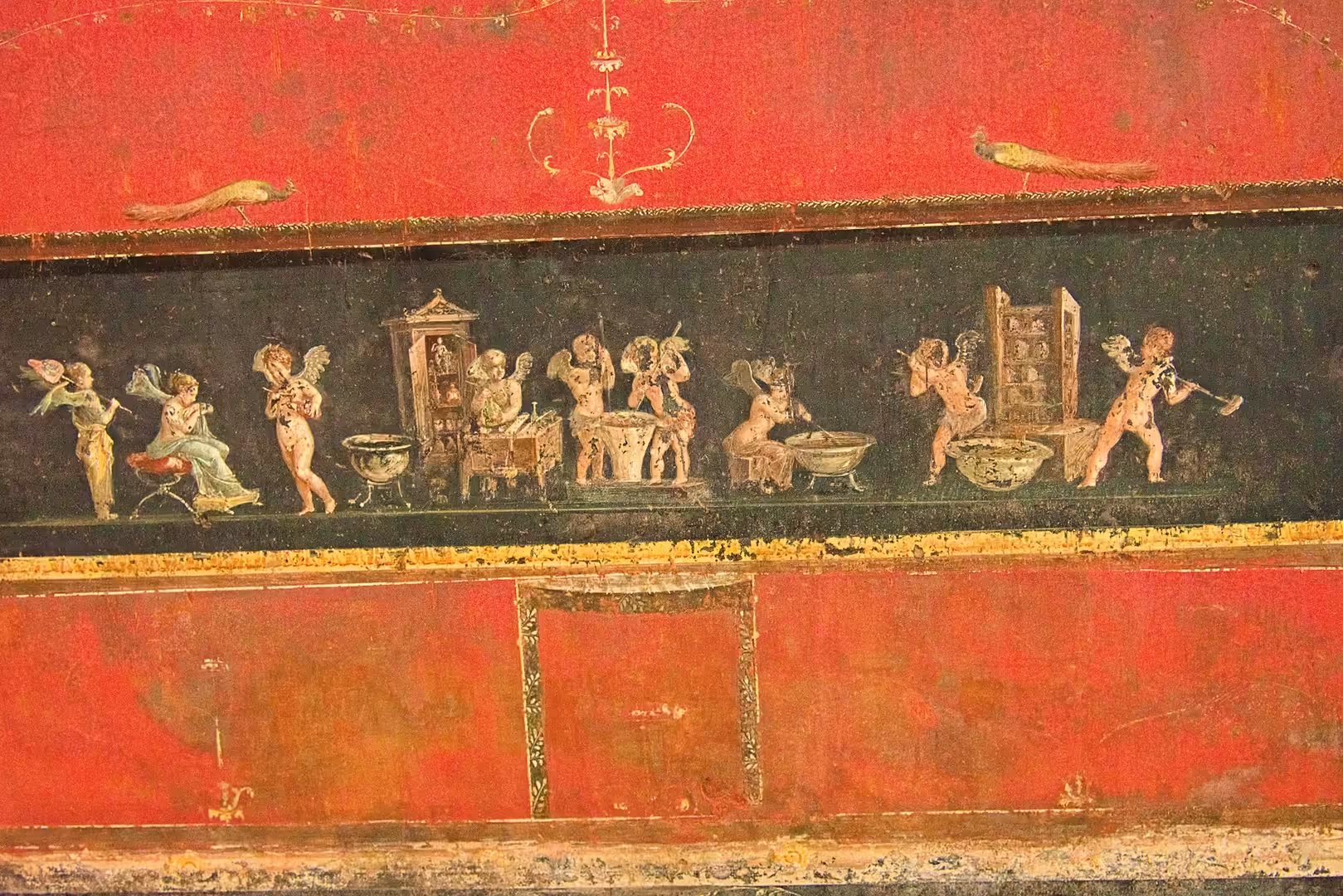
At its destruction Pompeii was a thriving municipium of the early empire with a heterogeneous population of Romans, descendants of the Samnite elite, freedmen and slaves. Its houses were decorated in the successive systems of wall painting (the four Pompeian styles first systematised by August Mau) and its streets carried the wheeled traffic, the shops and the election notices documented in thousands of surviving inscriptions and graffiti, the latter a rich source for the colloquial Latin of the period.
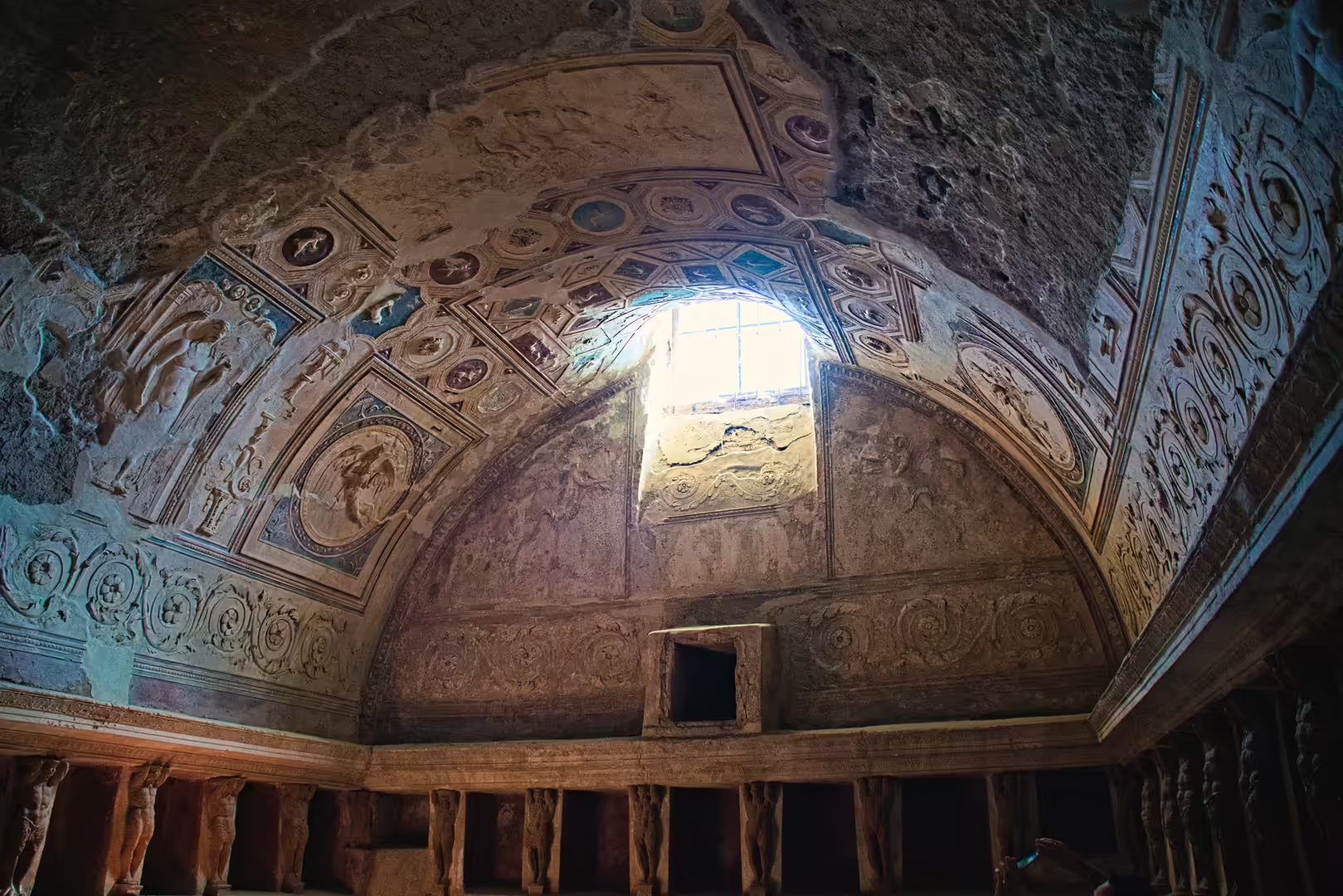
On 5 February AD 62 a severe earthquake, estimated at magnitude 5 to 6, damaged much of the city; the damage was still being repaired seventeen years later, and the rebuilding itself introduced new architecture, such as the Central Baths, with innovations in heating and glazing. The emperor Nero visited the region around AD 64. The city was flourishing again when Vesuvius erupted in AD 79.
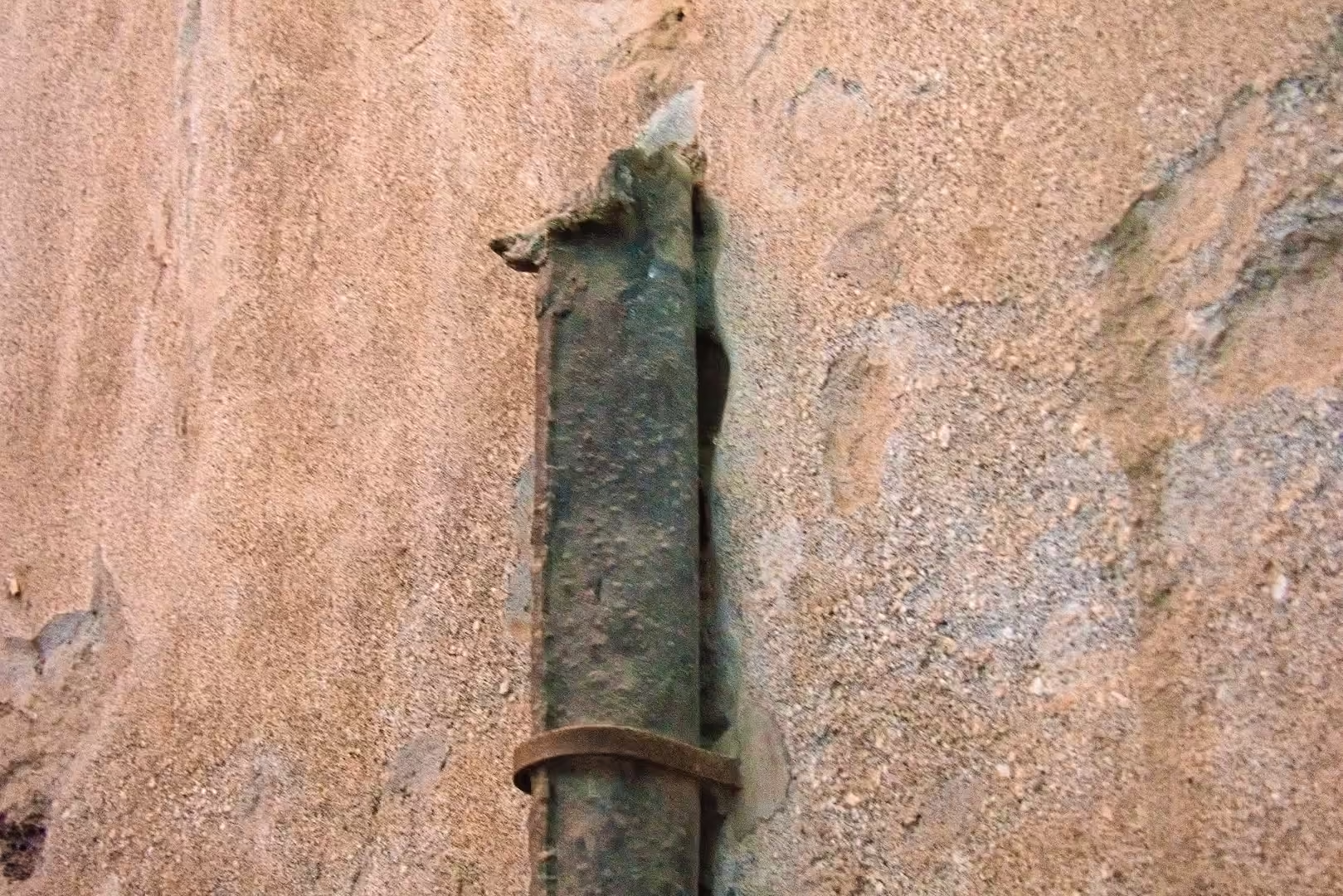
The eruption, traditionally dated to 24 August AD 79 although some recent epigraphic and botanical evidence suggests a later date in the autumn, destroyed the city in two days and buried it under several metres of tephra; the only surviving eyewitness account is that of Pliny the Younger, whose letters to Tacitus also record the death of his uncle, Pliny the Elder, at Stabiae during a rescue attempt. After the burial the site was sporadically quarried and even reoccupied on a small scale, then forgotten; it was rediscovered in 1592, when the architect Domenico Fontana cut an aqueduct through the buried remains, and systematic excavation began in 1748 under the Bourbon king Charles III. The modern archaeology of the site was shaped by Giuseppe Fiorelli, who in the 1860s introduced the system of regional subdivision still in use and developed the technique of plaster casts of the voids left by decomposed bodies. Since the later twentieth century, excavation policy has favoured conservation over further clearance, although targeted campaigns continue to the present day.
Geology
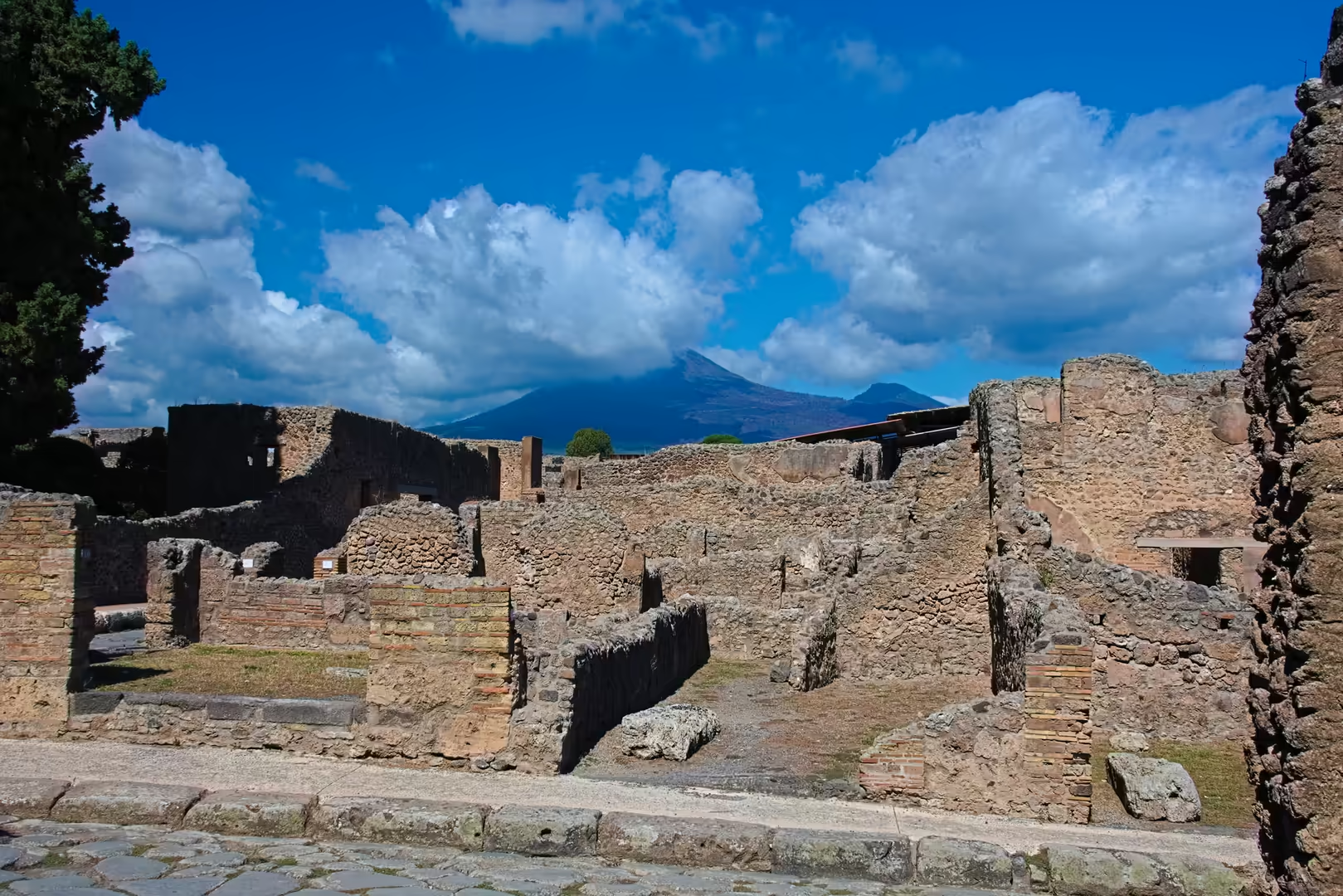
Mount Vesuvius is a stratovolcano on the northern shore of the Bay of Naples and the only active volcano on the mainland of Europe. It forms part of the Campanian volcanic arc, produced by the subduction of the African plate beneath the Eurasian plate; the same volcanic province includes the Campi Flegrei caldera to the north-west and the island of Ischia. The modern cone, about 1,281 m high, rises inside the older caldera rim of Monte Somma, the remnant of a larger predecessor volcano whose summit collapsed in antiquity. Pompeii lies on the lower southern flank of this edifice, some ten kilometres from the present summit.
The site itself is underlain by the lava plateau on which the city was founded, the product of effusive eruptions older than the first settlement, with the bedrock locally mantled by landslide and alluvial sediments. The steep fall of the plateau toward the sea and the proximity of the Sarno river mouth determined both the defensibility and the commercial function of the town. The young volcanic soils of the plain are among the most fertile in Italy, sustaining the intensive agriculture that underwrote Pompeian prosperity.
The eruption of AD 79 is the type example of a Plinian eruption, named after Pliny the Younger, whose letters provide the historical record. In the early afternoon of the first day the volcano produced a sustained, high-altitude eruption column, and pumice and ash began to fall over Pompeii and the surrounding plain; the fallout accumulated over many hours, collapsing roofs and gradually burying the city under roughly two to three metres of pumice and ash before further deposits raised the total cover to several metres. During the night the eruption column began to collapse, generating the first pyroclastic flows and surges, and in the early morning of the second day a series of dense, fast-moving pyroclastic currents swept over the city, knocking down walls and killing most of the inhabitants who had survived the fallout phase, largely by heat and asphyxiation.
The deposits of the eruption mantle the region as a distinctive stratigraphic marker: at Pompeii the sequence comprises the white and grey pumice fallout of the Plinian phase, overlain by the thin, fine-grained surge and flow deposits of the final phase. The fine ash of the last surges sealed the city in an anaerobic environment, preserving wall paintings, wooden objects, textiles and foodstuffs, while the decay of organic matter in the ash left voids that could later be cast in plaster, the basis of the famous body casts and of much of the site’s exceptional state of preservation.
After AD 79 the volcano remained active, with major eruptions recorded in 472 and 512 that buried the ruins more deeply, and repeatedly thereafter: the eruptions of 1631 and 1944 are among the most recent significant events. The archaeological site therefore lies beneath a superimposed stack of historical tephra, and the modern town of Pompei is built on the deposits of successive eruptions. In the long term, the Sarno plain has been shaped by the interaction of volcanic construction, tectonic subsidence of the Campanian basin and the sedimentary progradation of the coastline since antiquity.
The present-day volcanic hazard of the Vesuvius area is among the highest in Europe: more than half a million people live in the officially delimited red zone around the volcano, and the eruption of AD 79 serves as the reference scenario for civil-protection planning. For the archaeological park itself, the principal conservation challenge is not the volcano but the progressive weathering of exposed structures, wall paintings and organic materials after two centuries of excavation, which has driven the modern shift from clearance toward conservation and site management.
Things to See
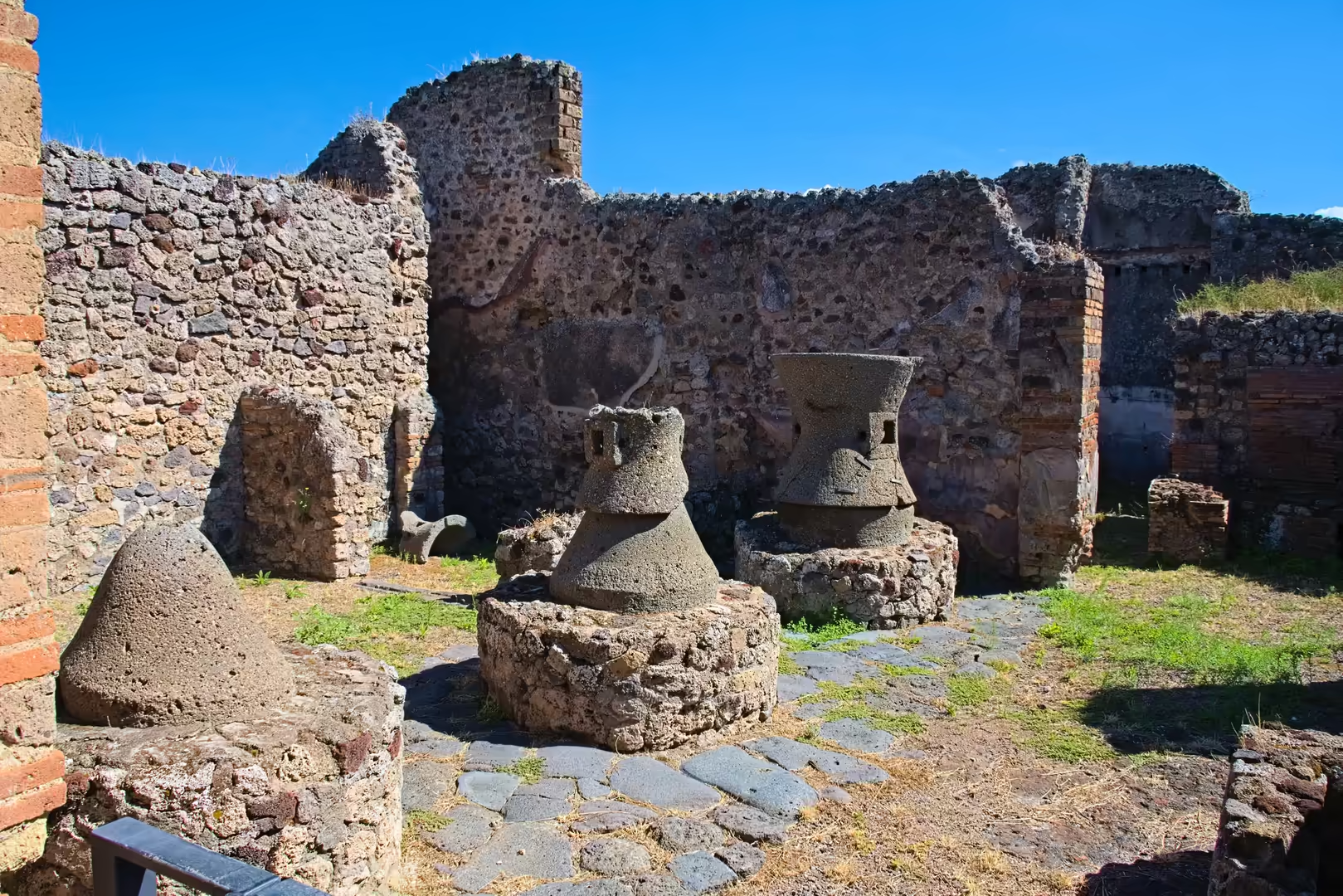
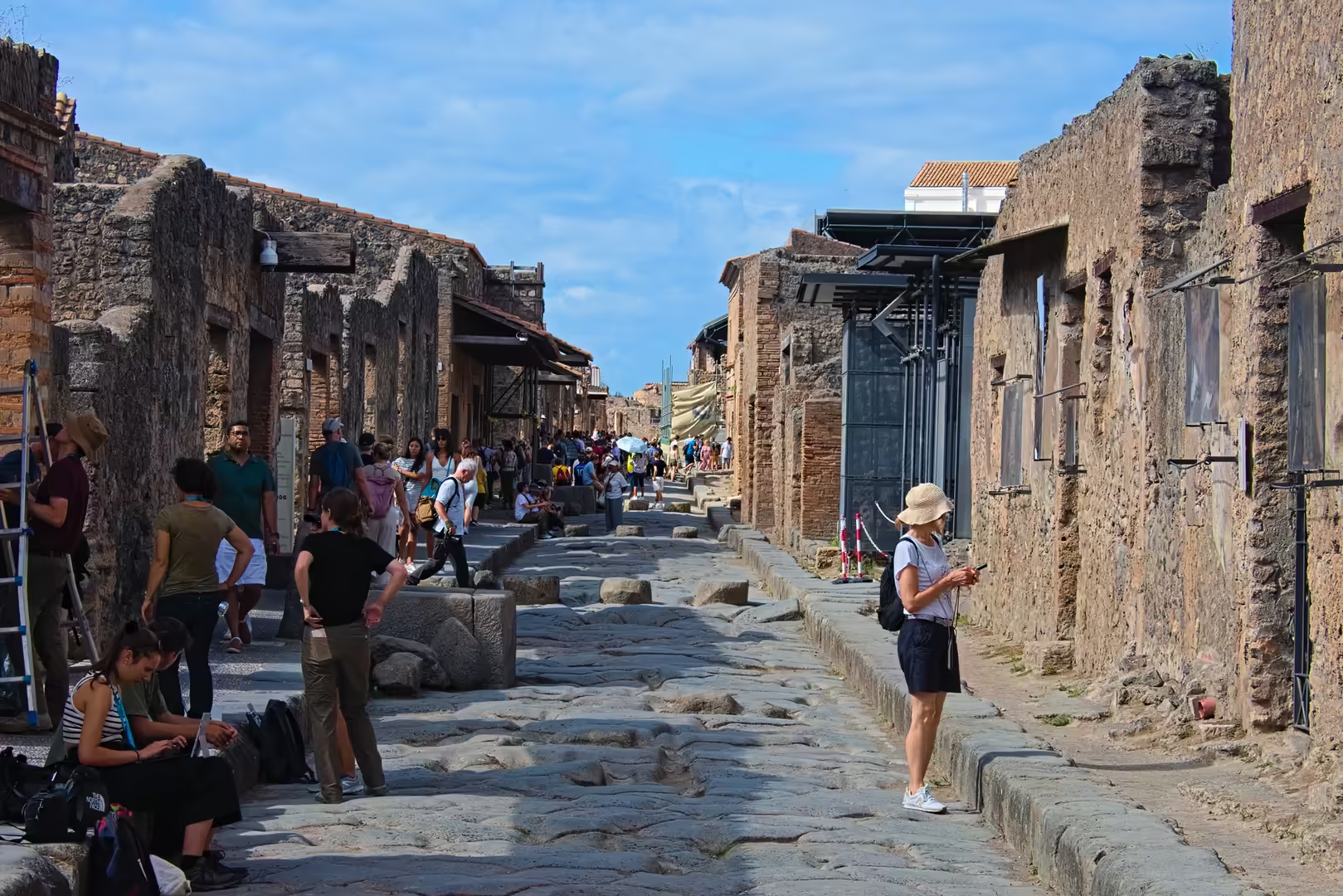
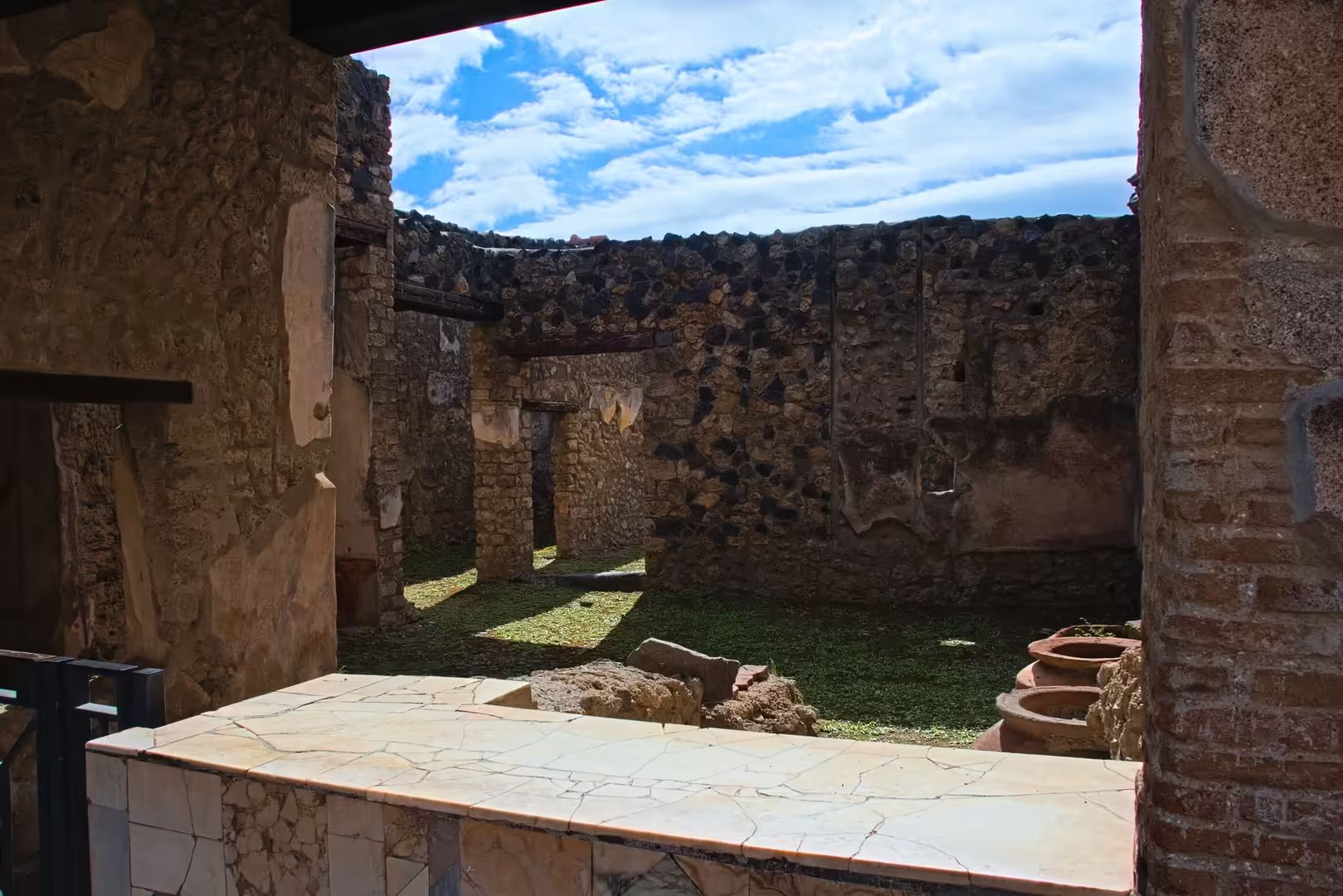
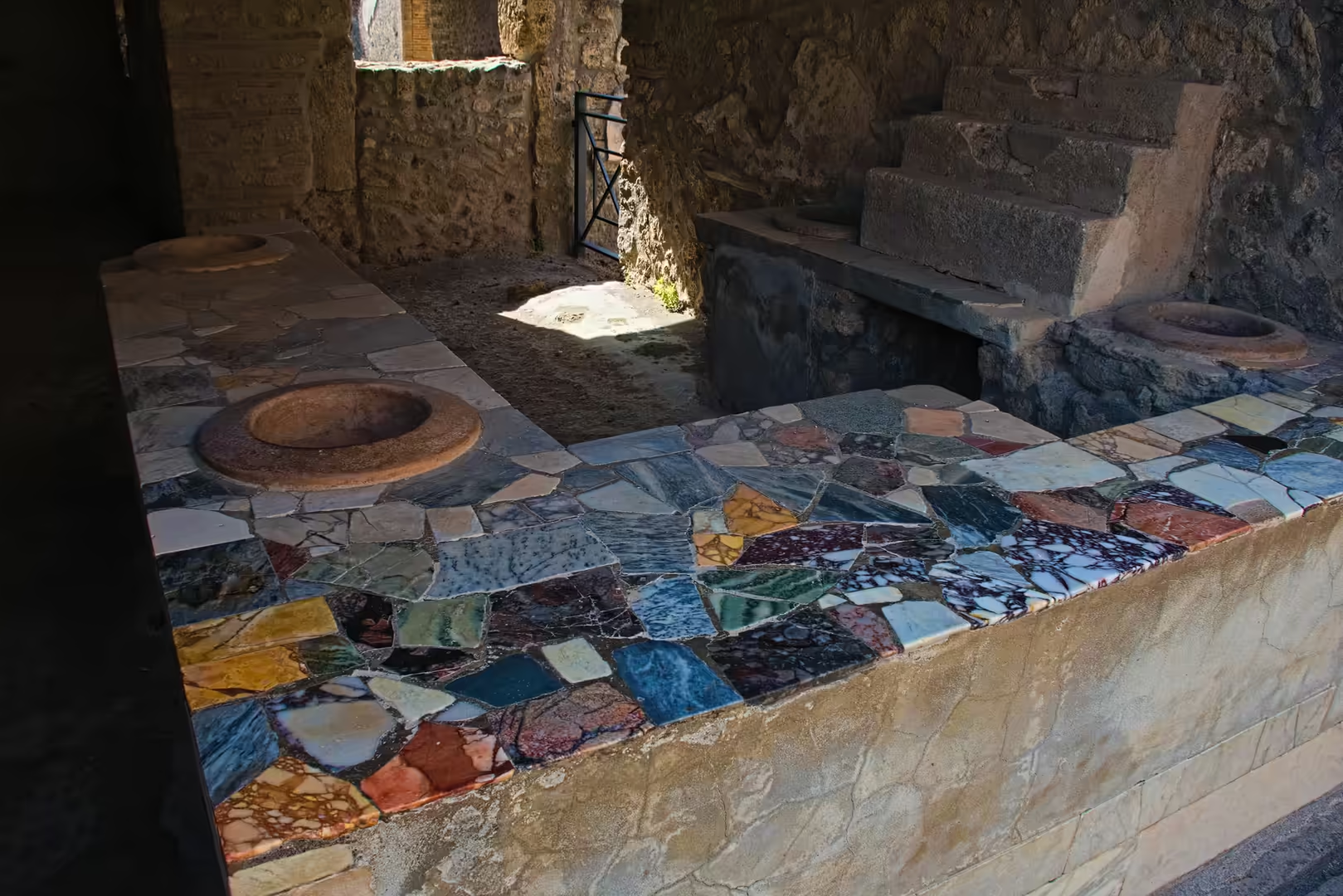
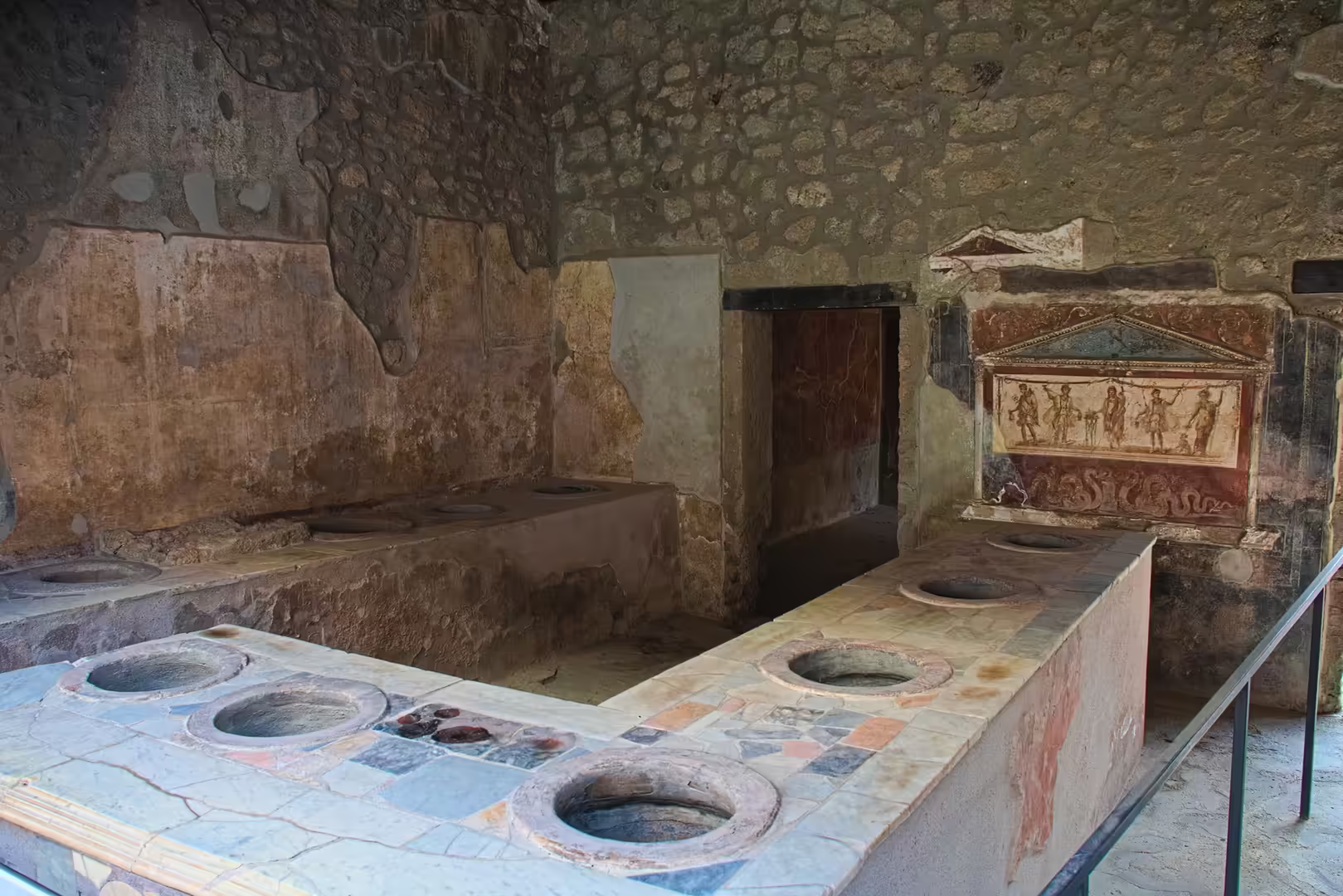
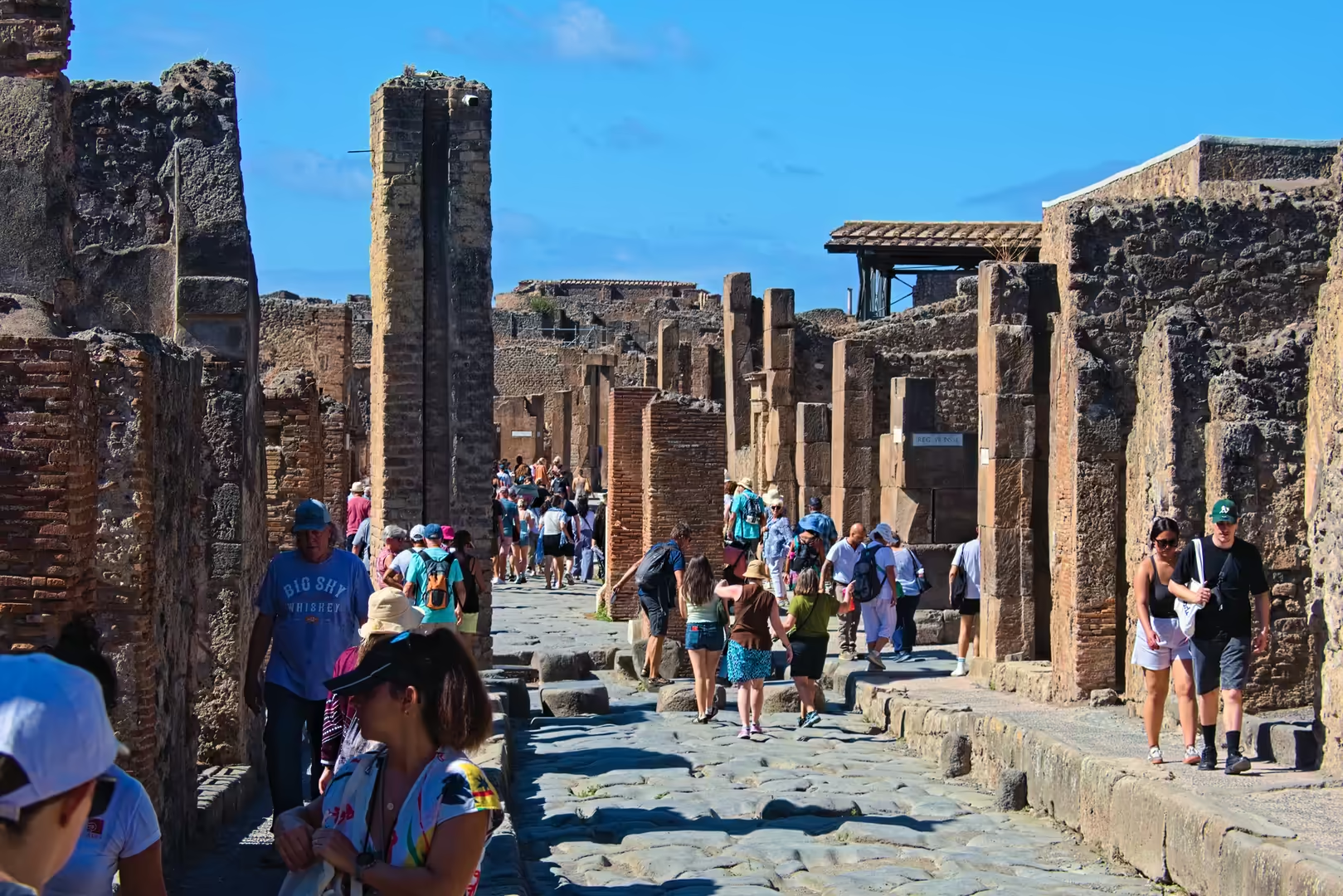
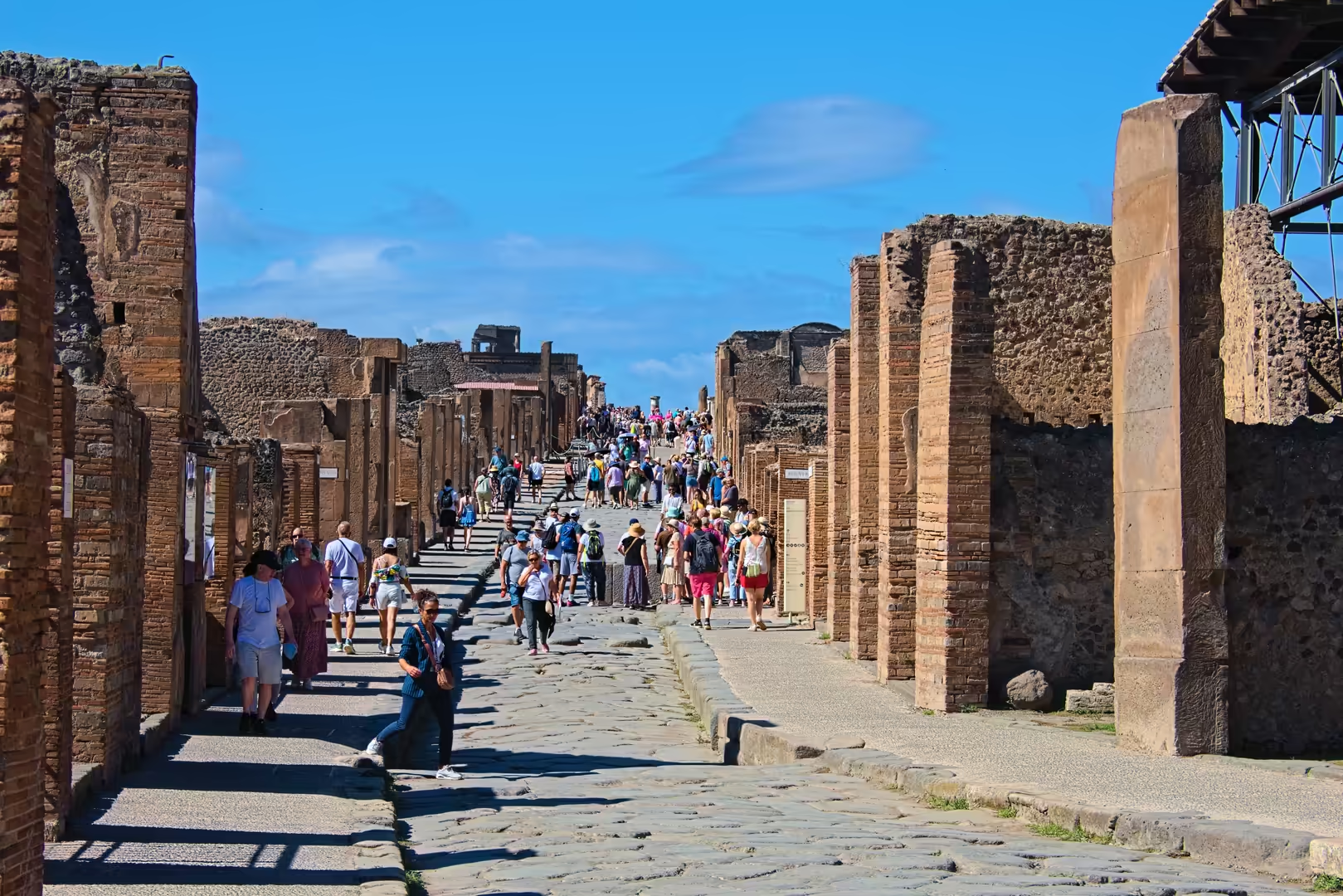
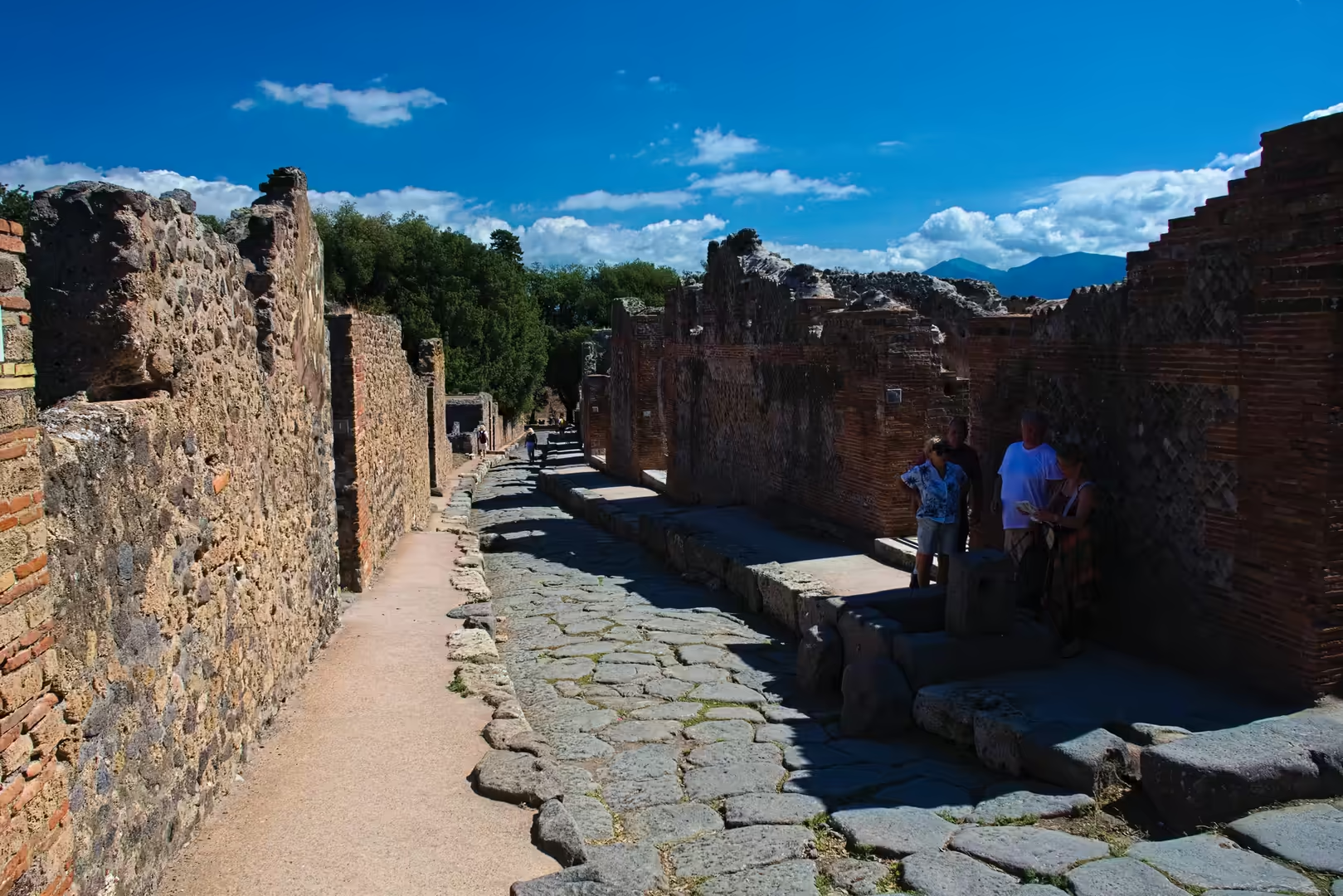
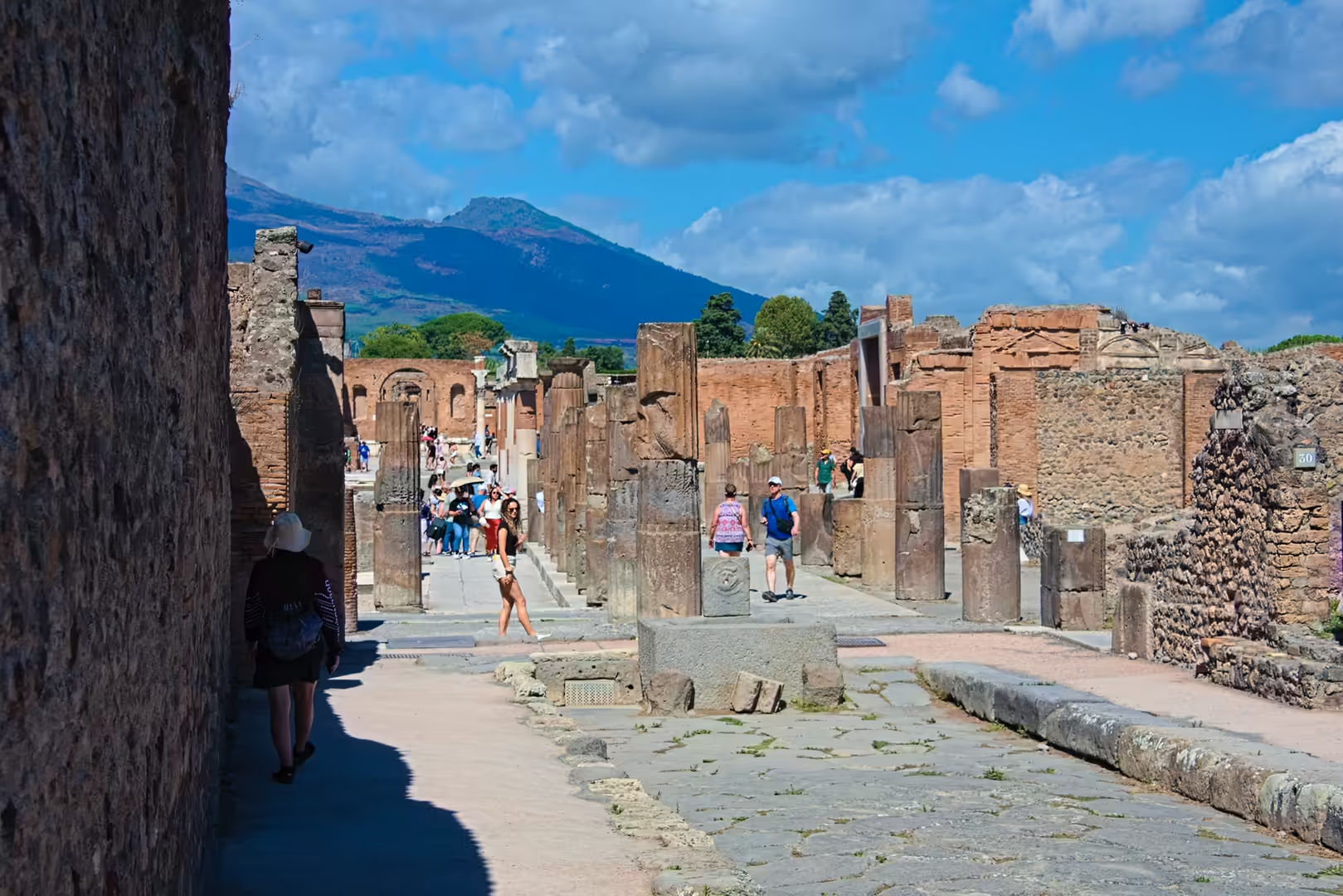
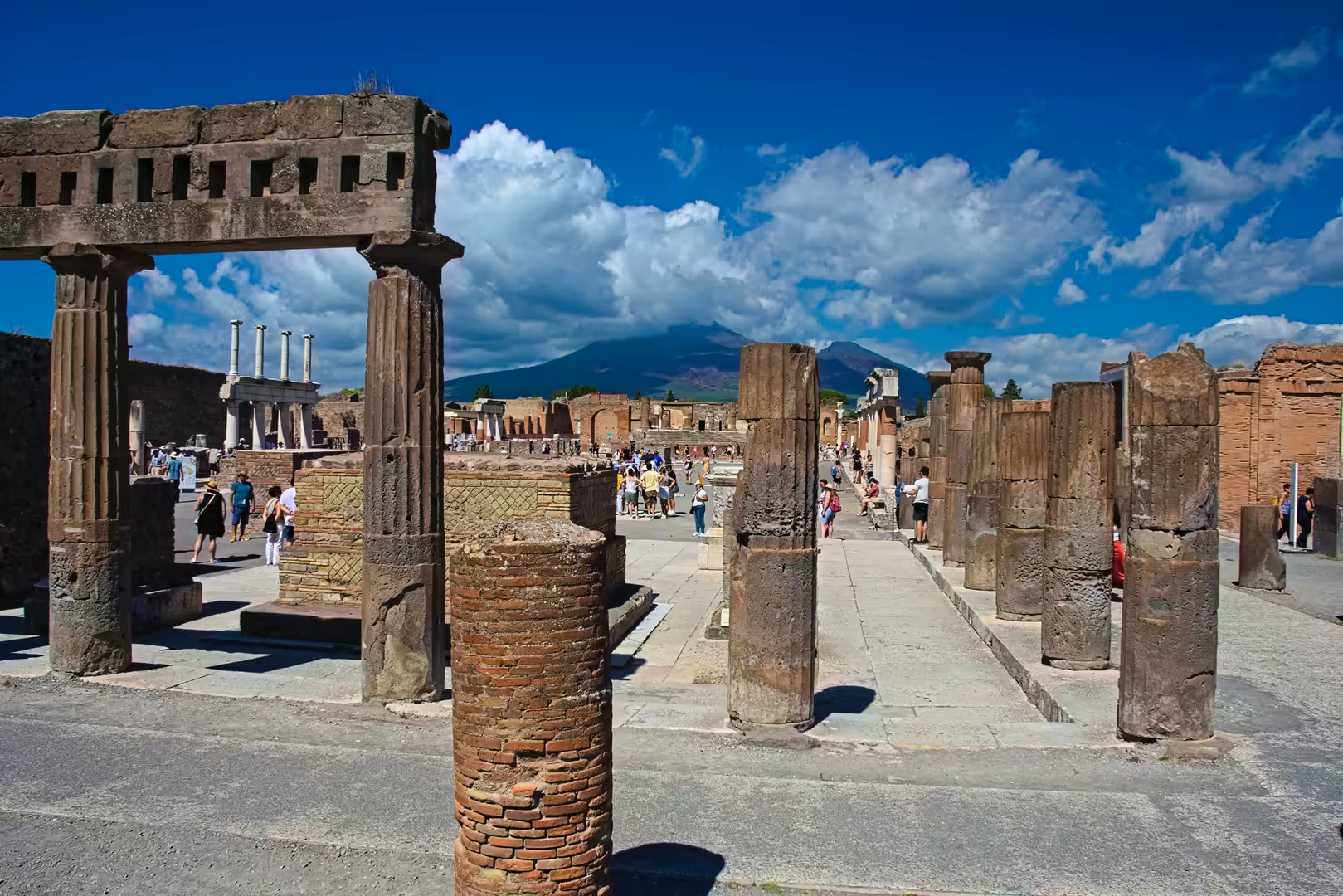
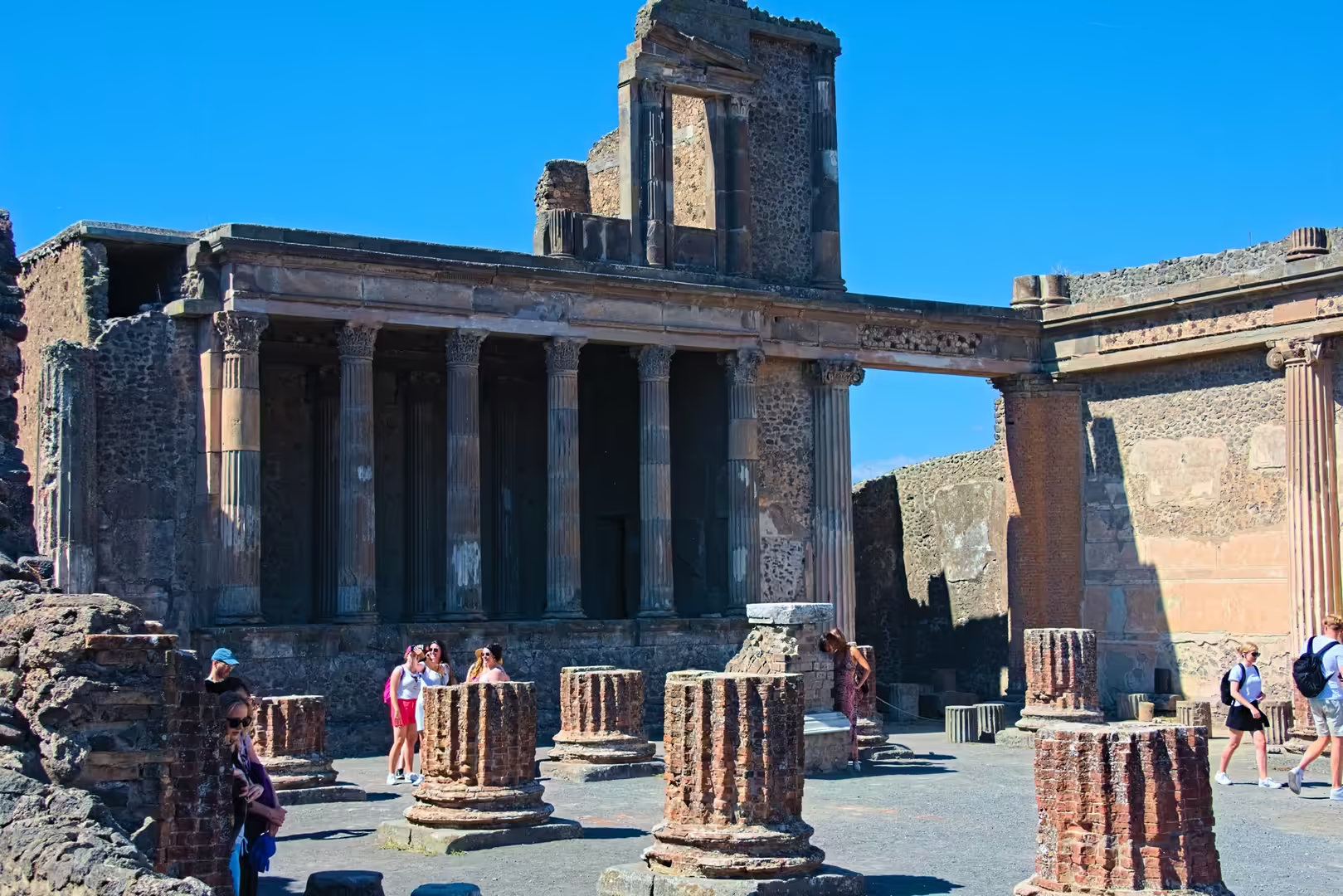
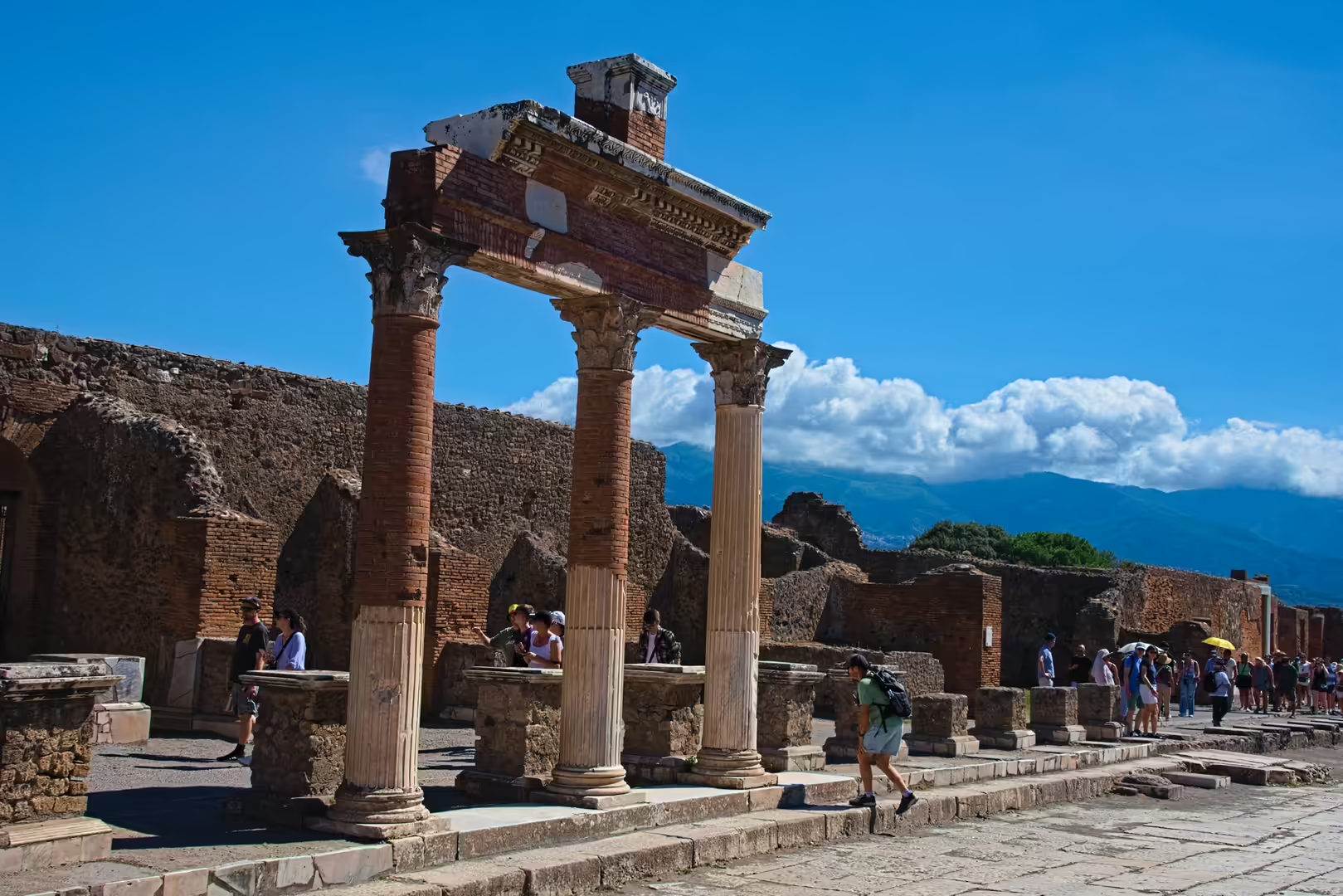
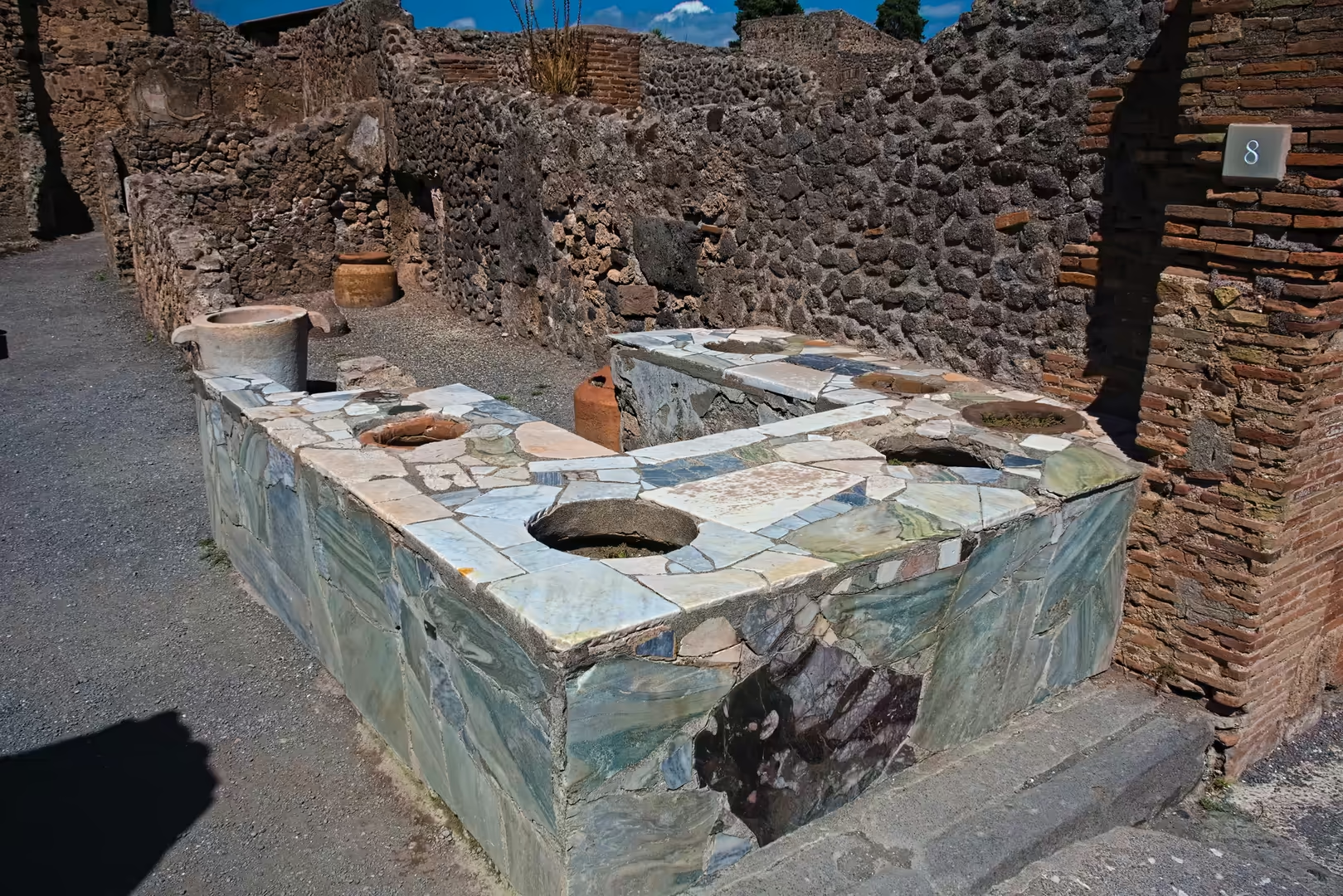
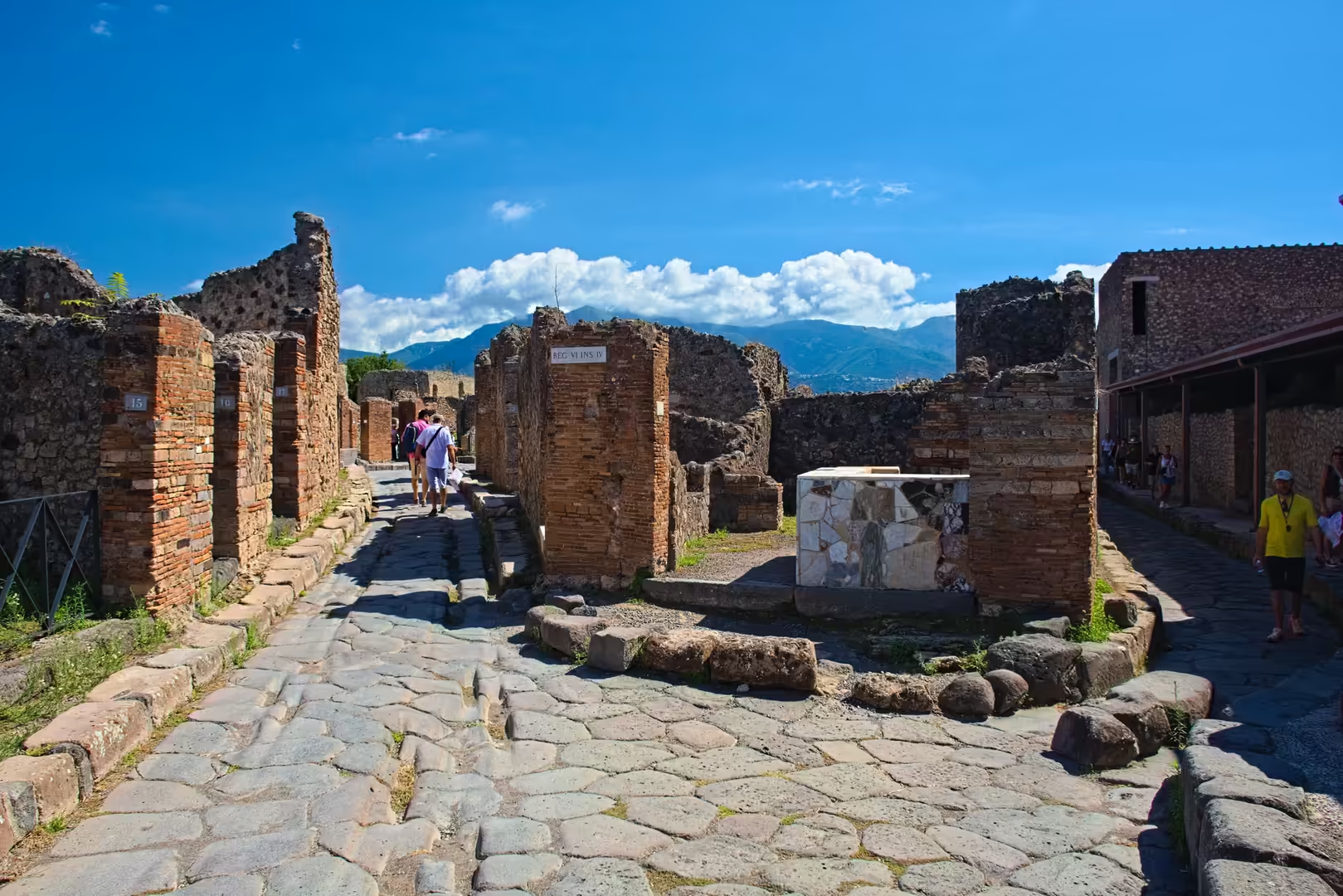
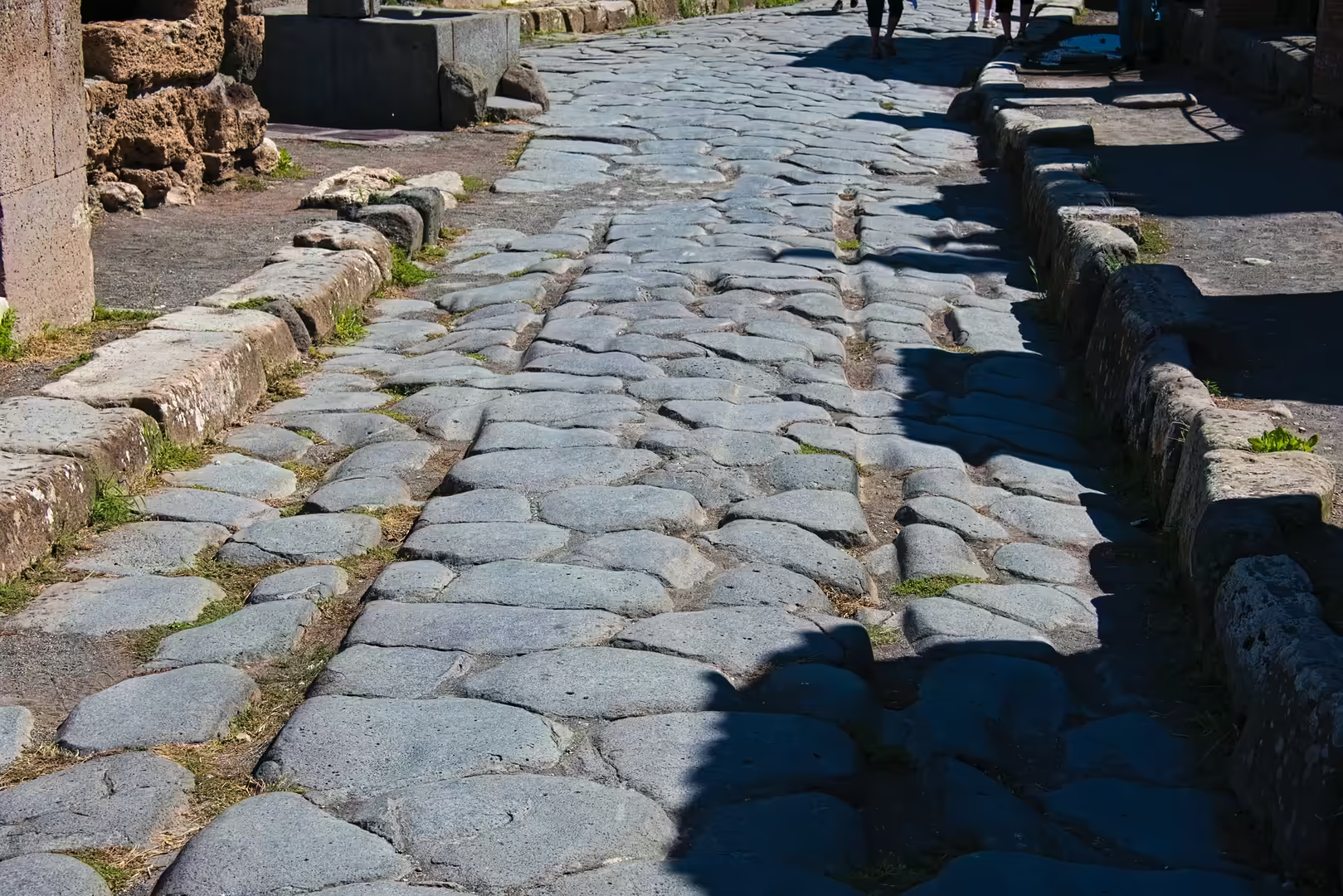
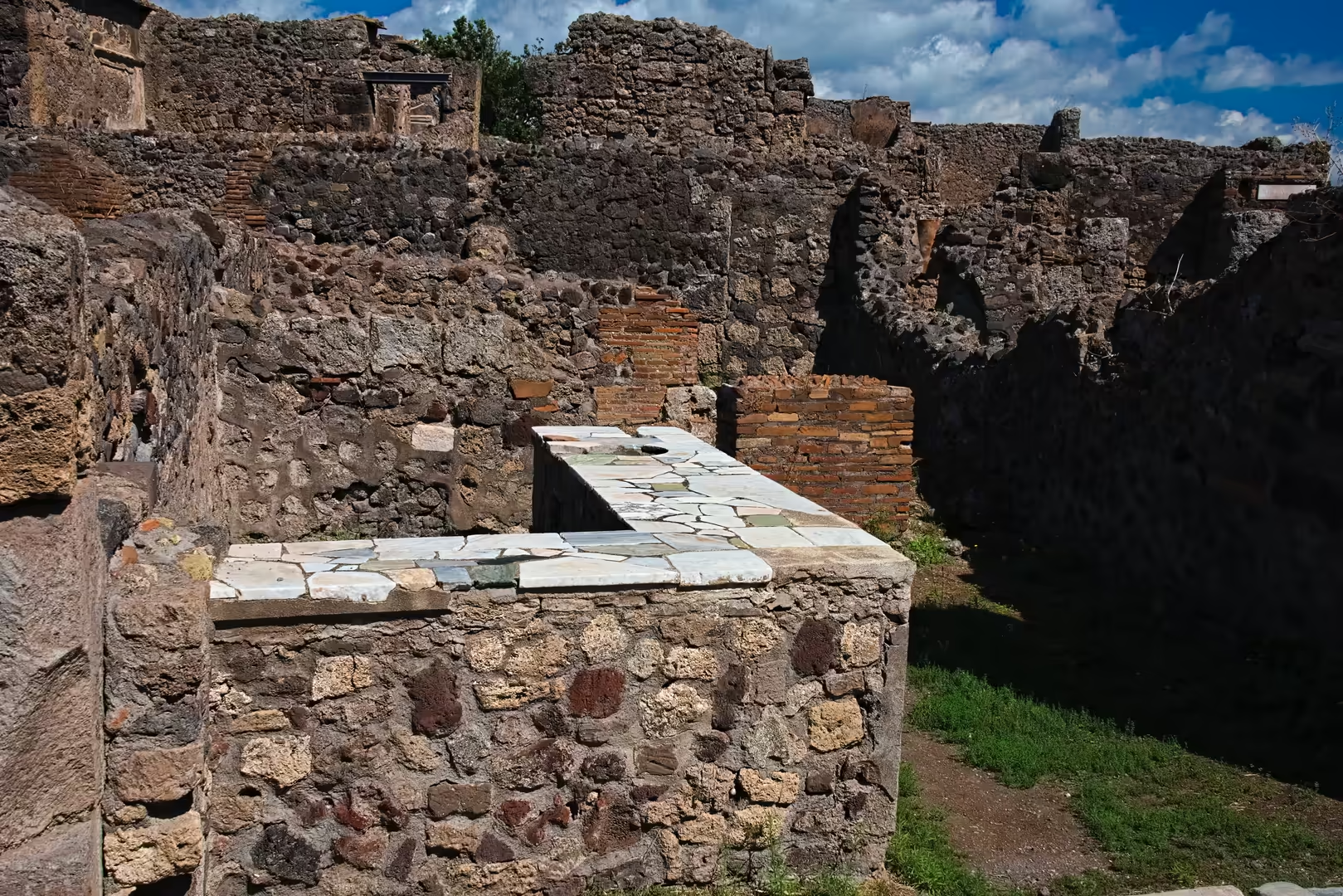
The civic and religious heart of Pompeii is the forum, a long open square flanked by the Capitolium temple of Jupiter, the basilica, the macellum market building and the public administrative offices; the paving, columns and pedestals of the square still show the damage of the AD 62 earthquake. From the forum, the Via dell’Abbondanza, the principal east-west thoroughfare, runs through the commercial districts past shops, workshops, taverns and the thermopolia, the snack bars with their masonry counters and embedded dolia that are among the most evocative survivals of everyday Roman commerce.
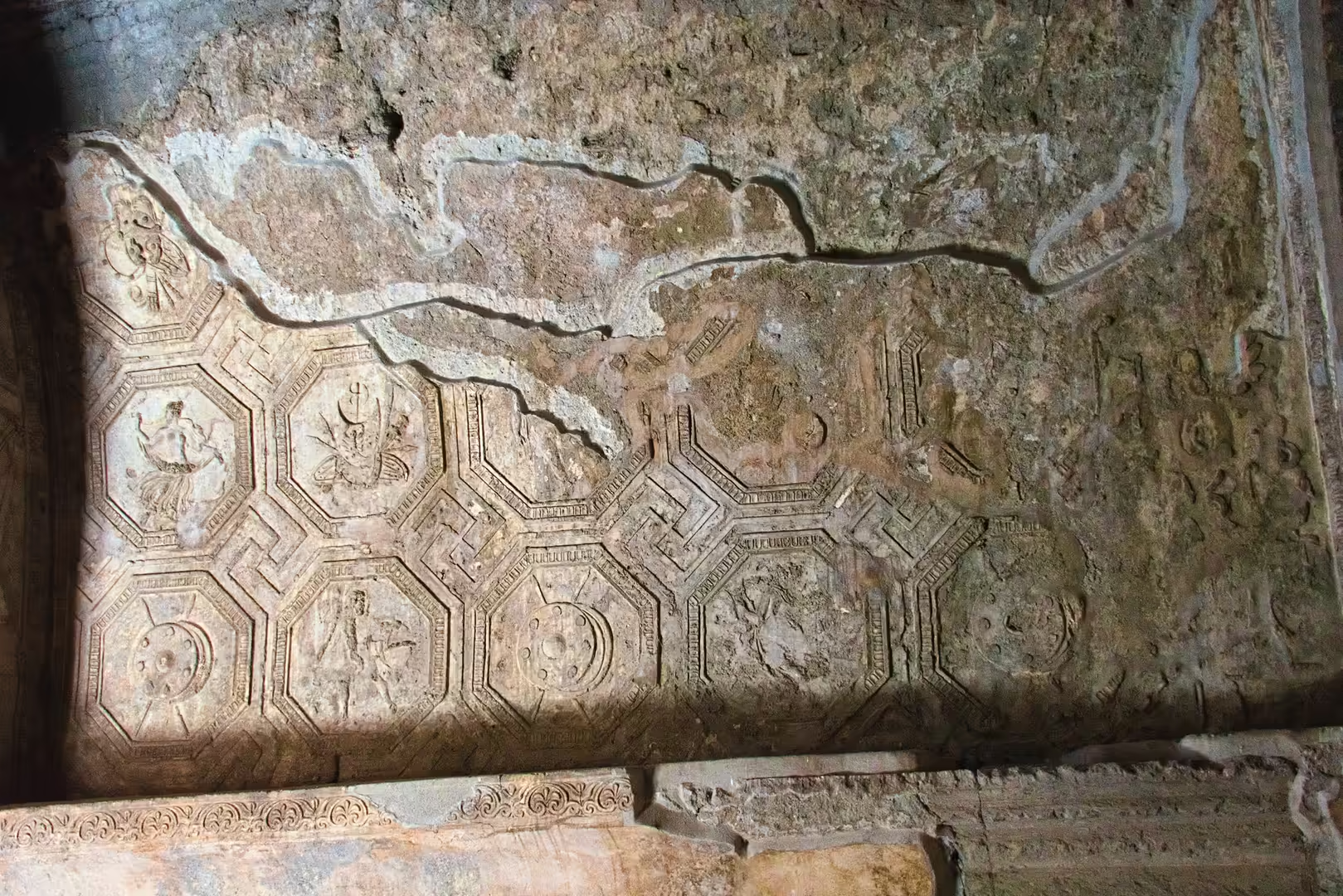
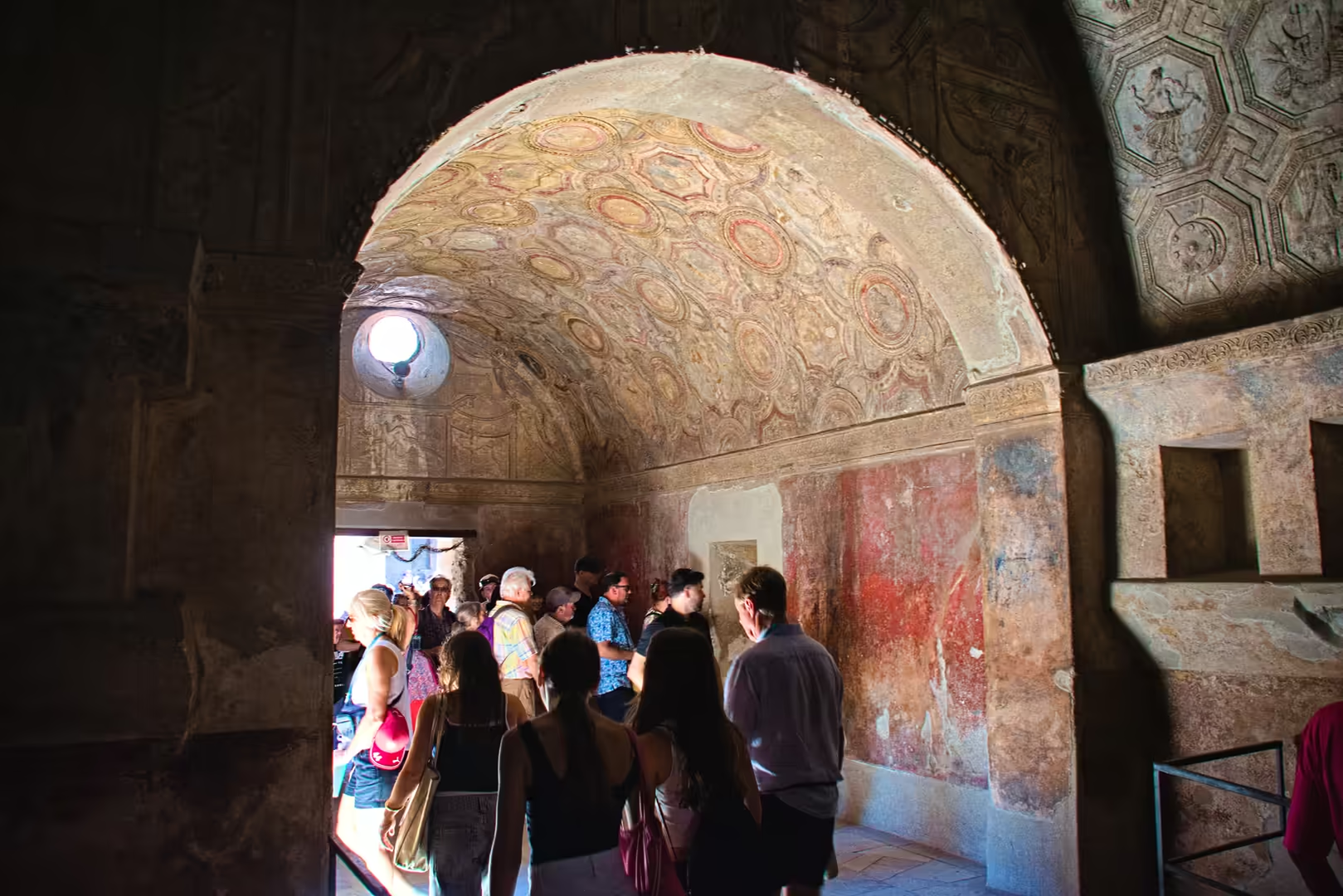
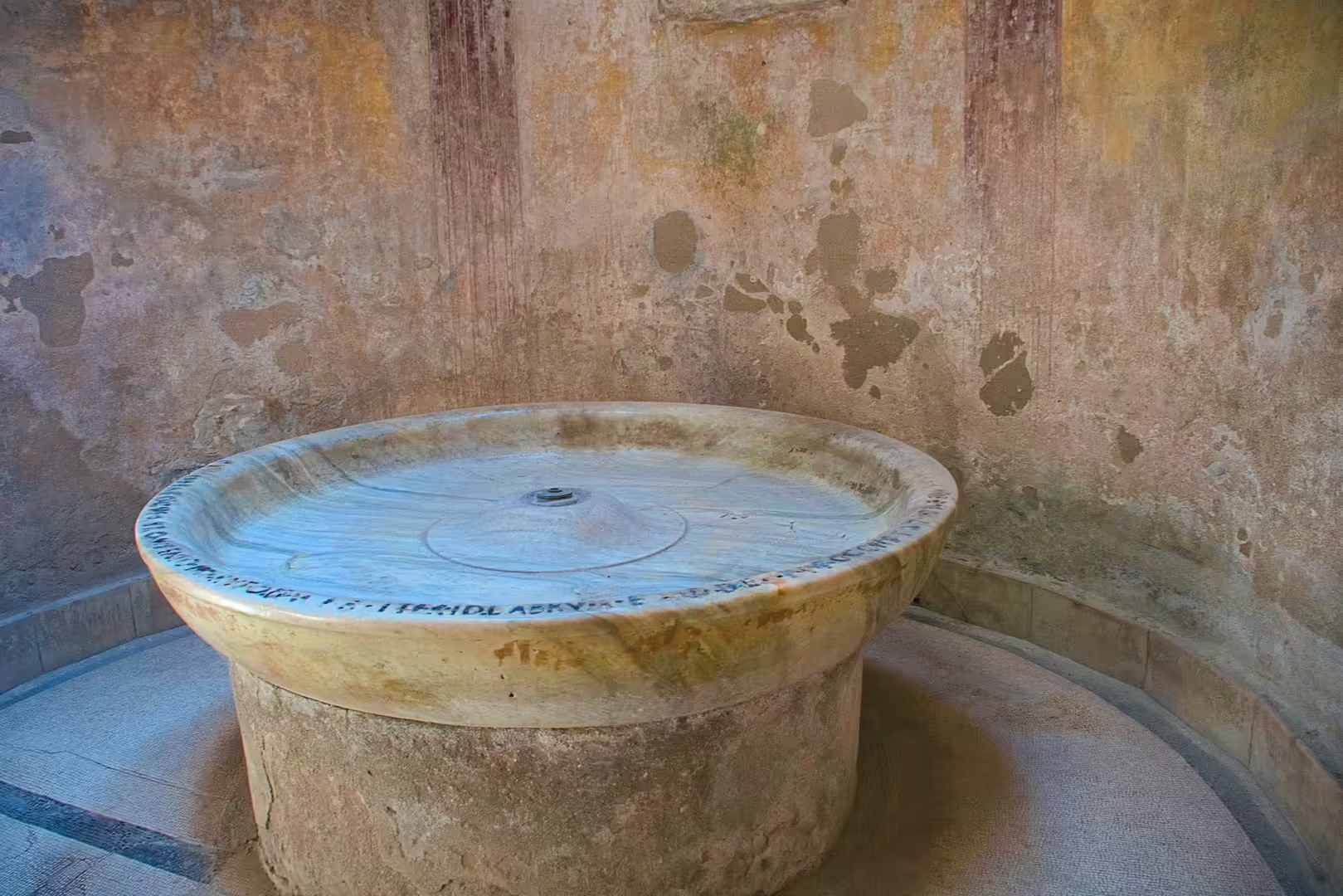
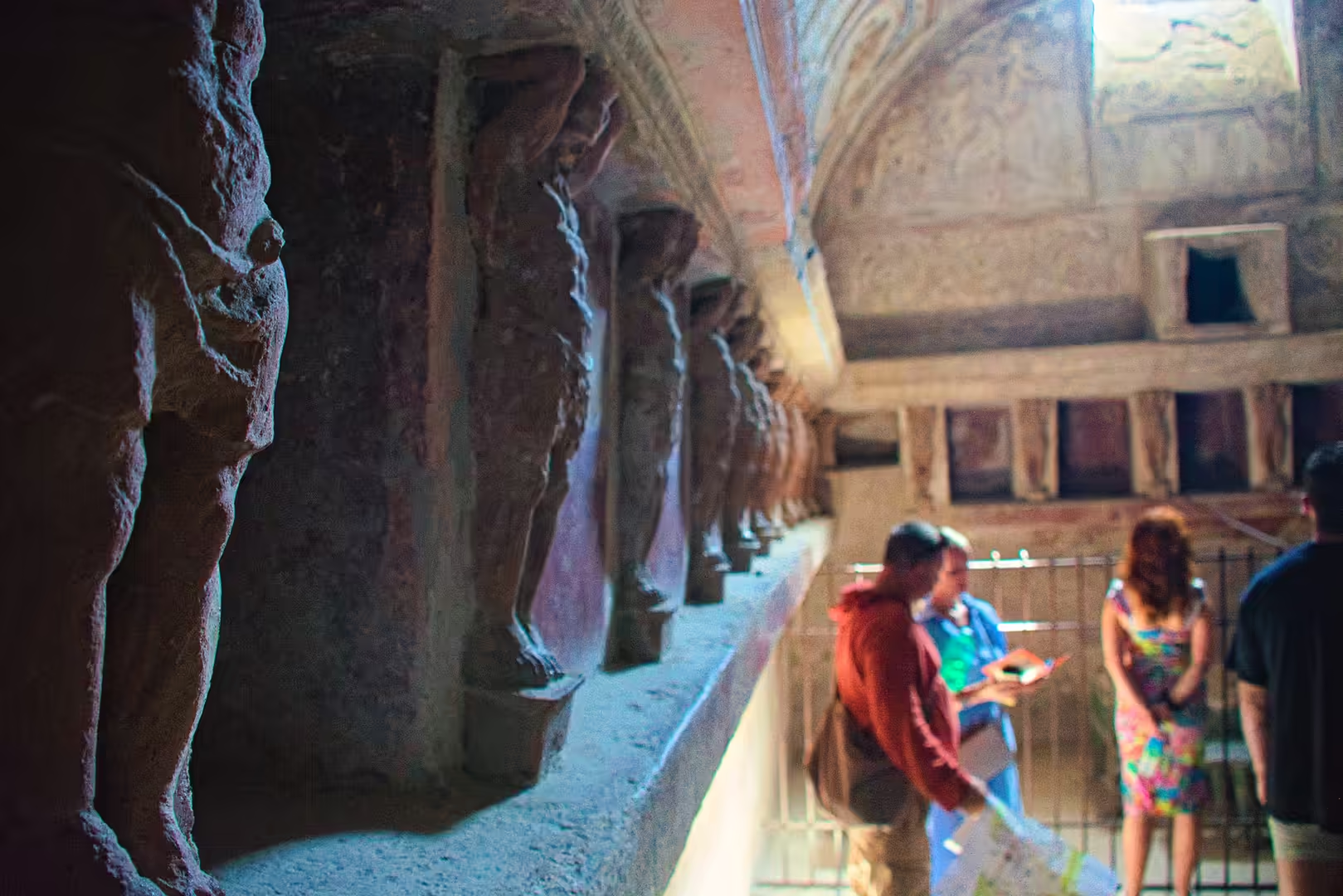
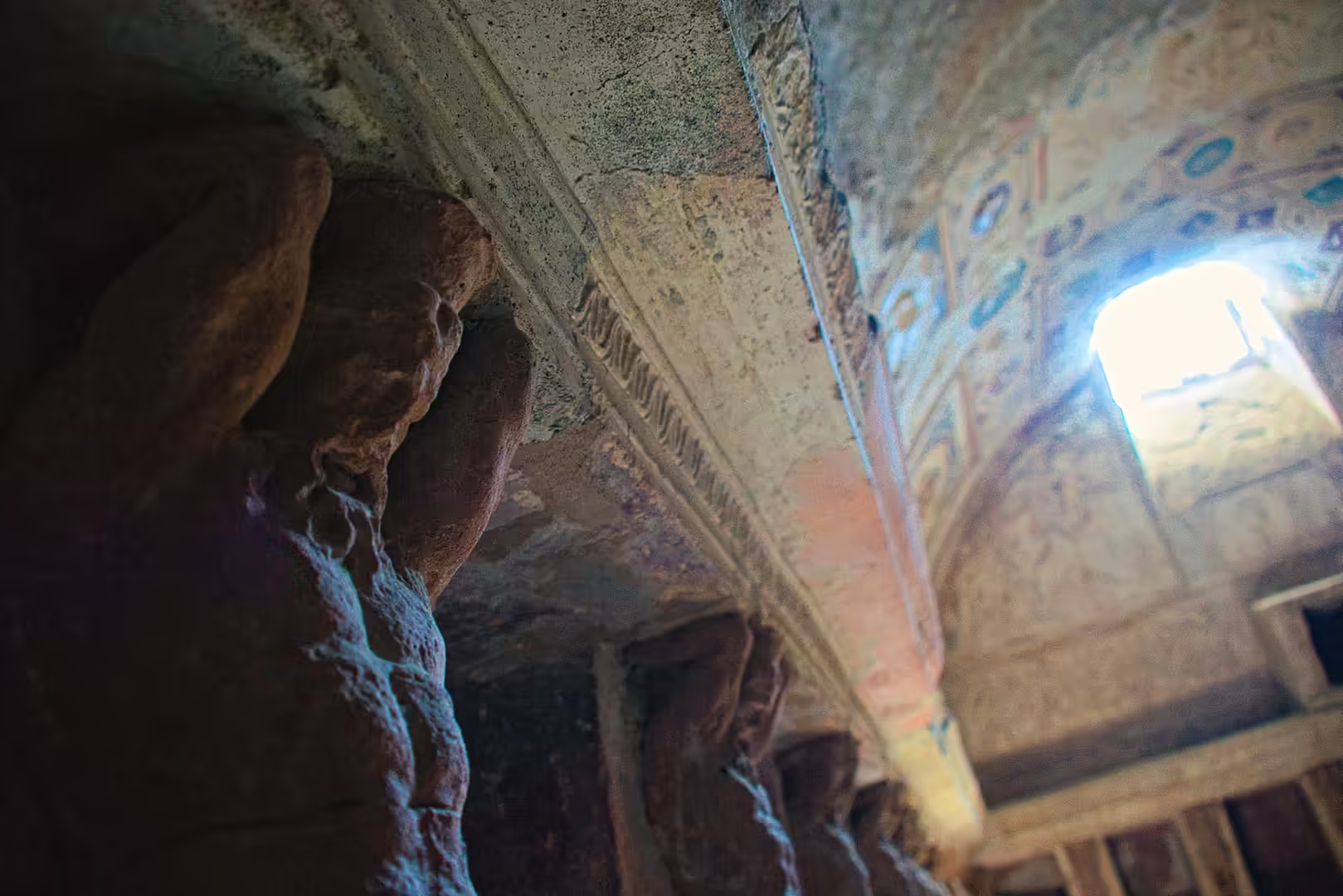
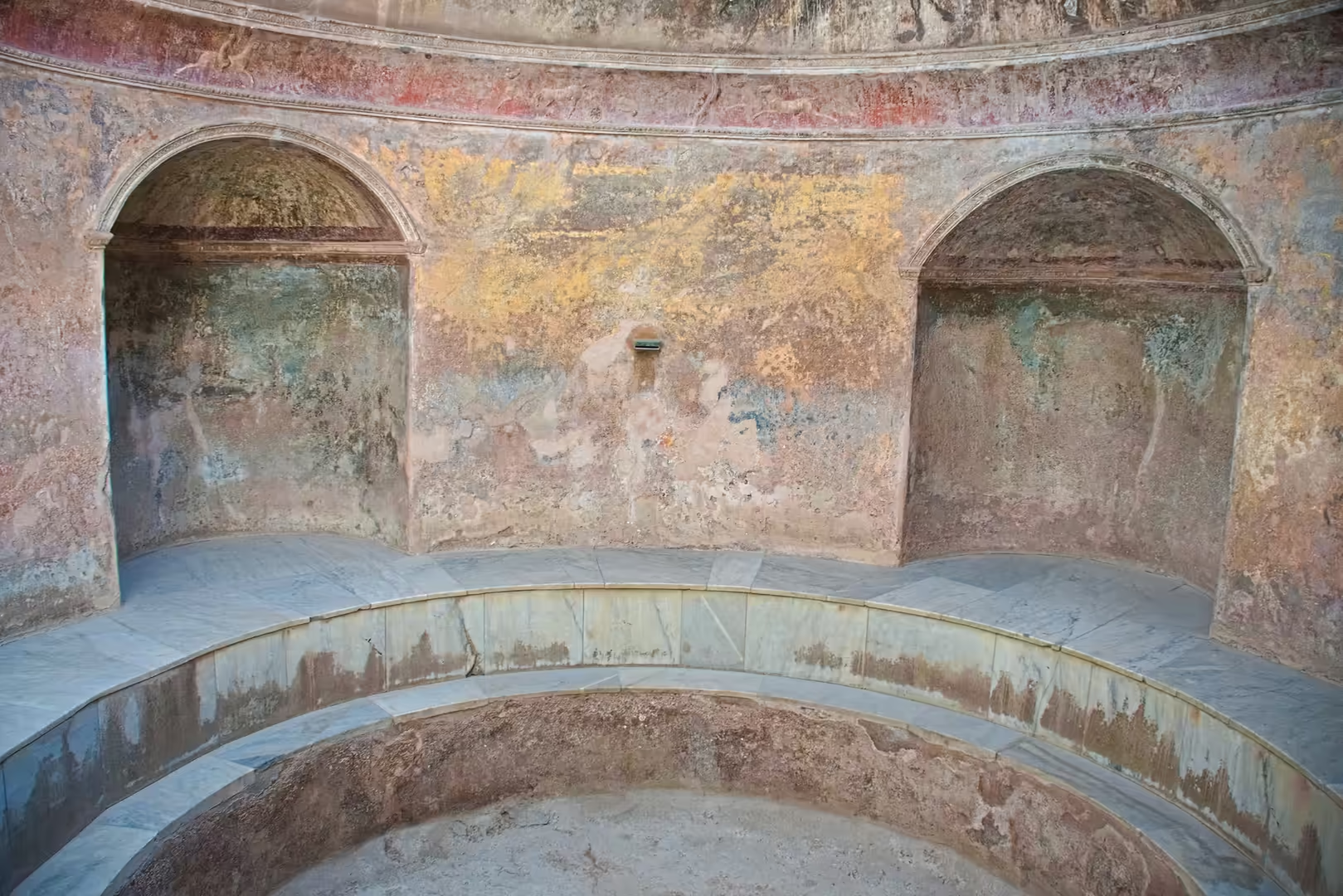
The entertainment quarter in the south-east includes the amphitheatre of about 70 BC, the earliest surviving stone amphitheatre, with its adjacent palaestra, together with the two theatres (the large theatre and the covered odeon) near the Triangular Forum. The public baths of the city, above all the Stabian Baths, the oldest in Pompeii, display the standard sequence of apodyterium, frigidarium, tepidarium and caldarium with their heating systems and vaulted interiors.
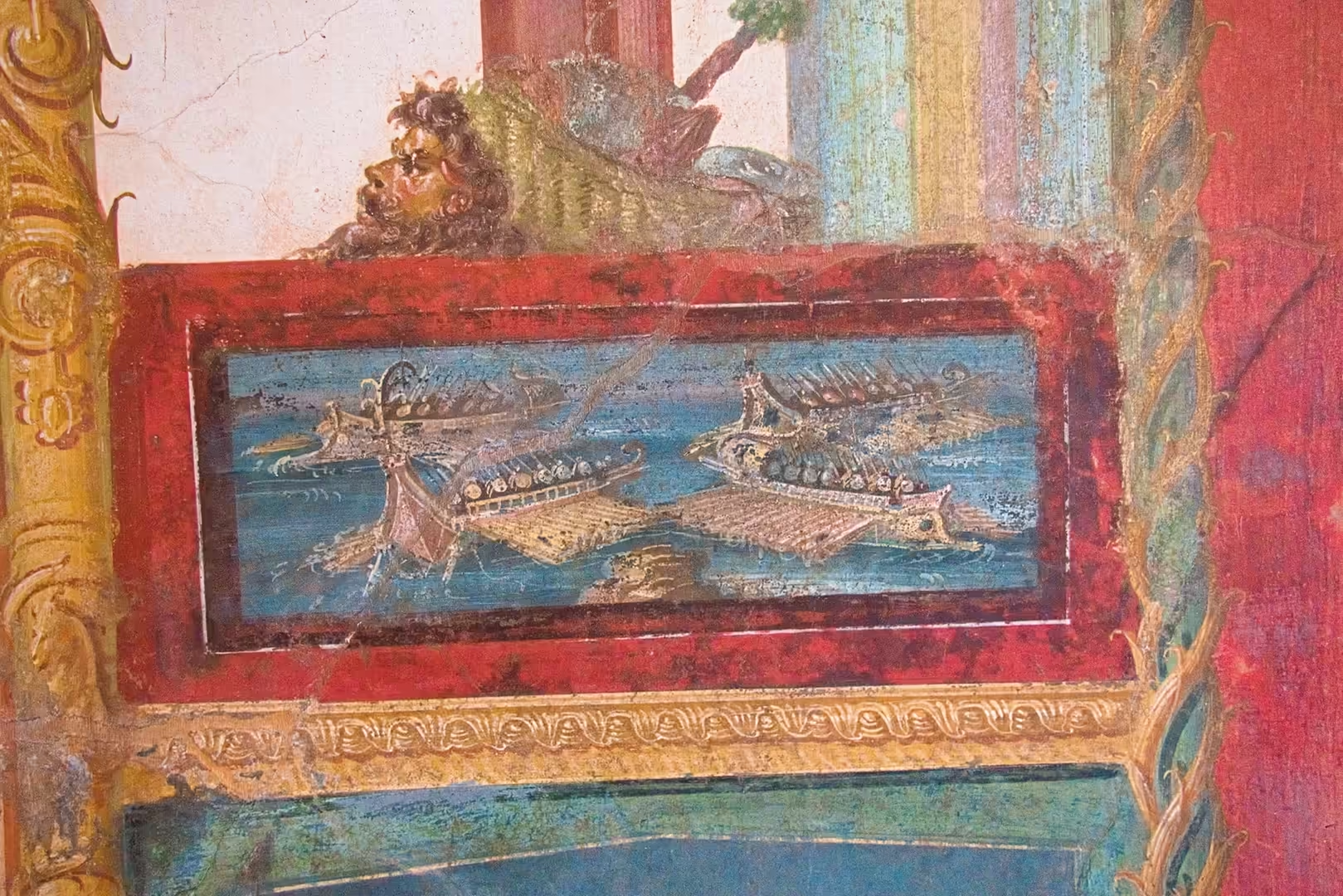
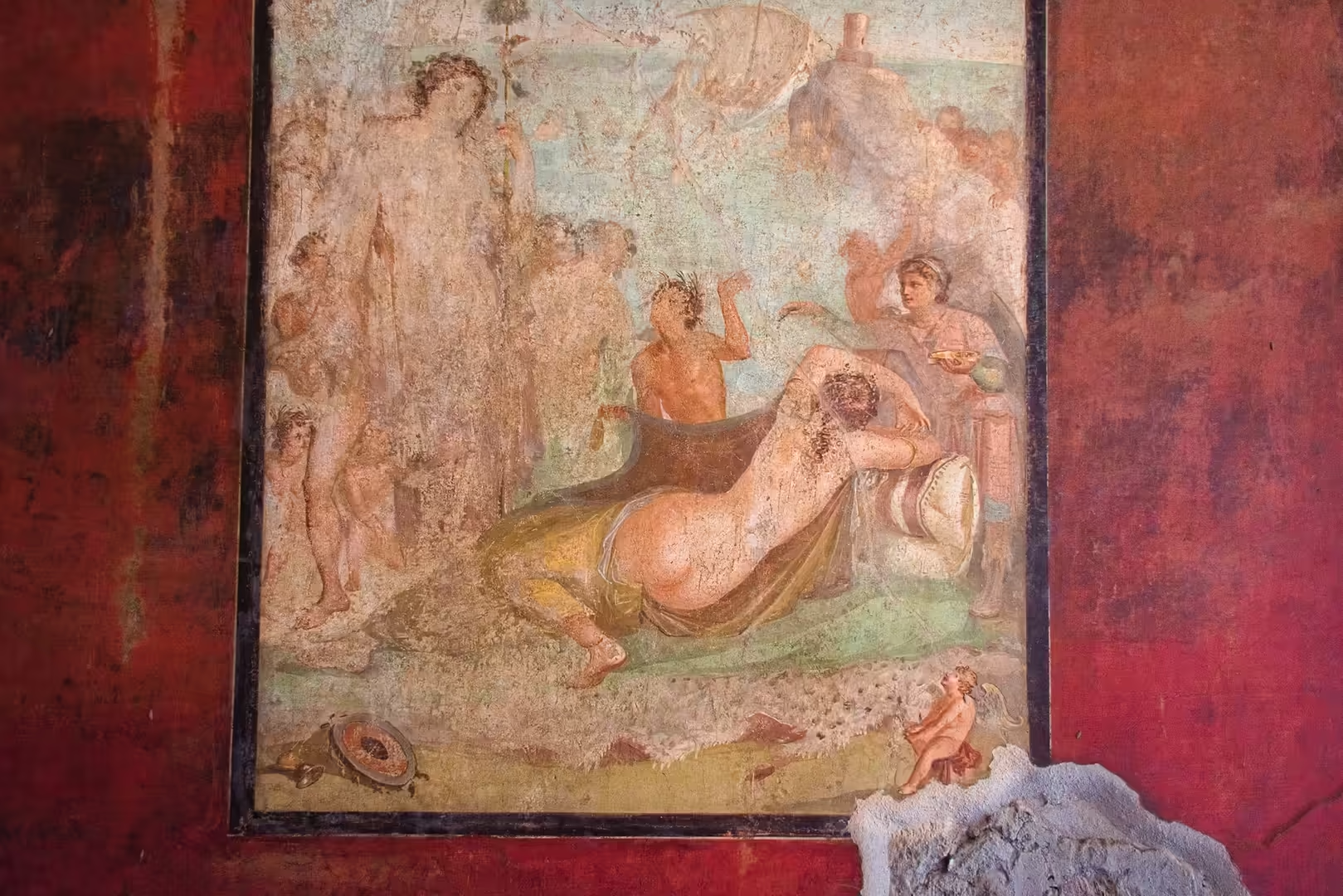
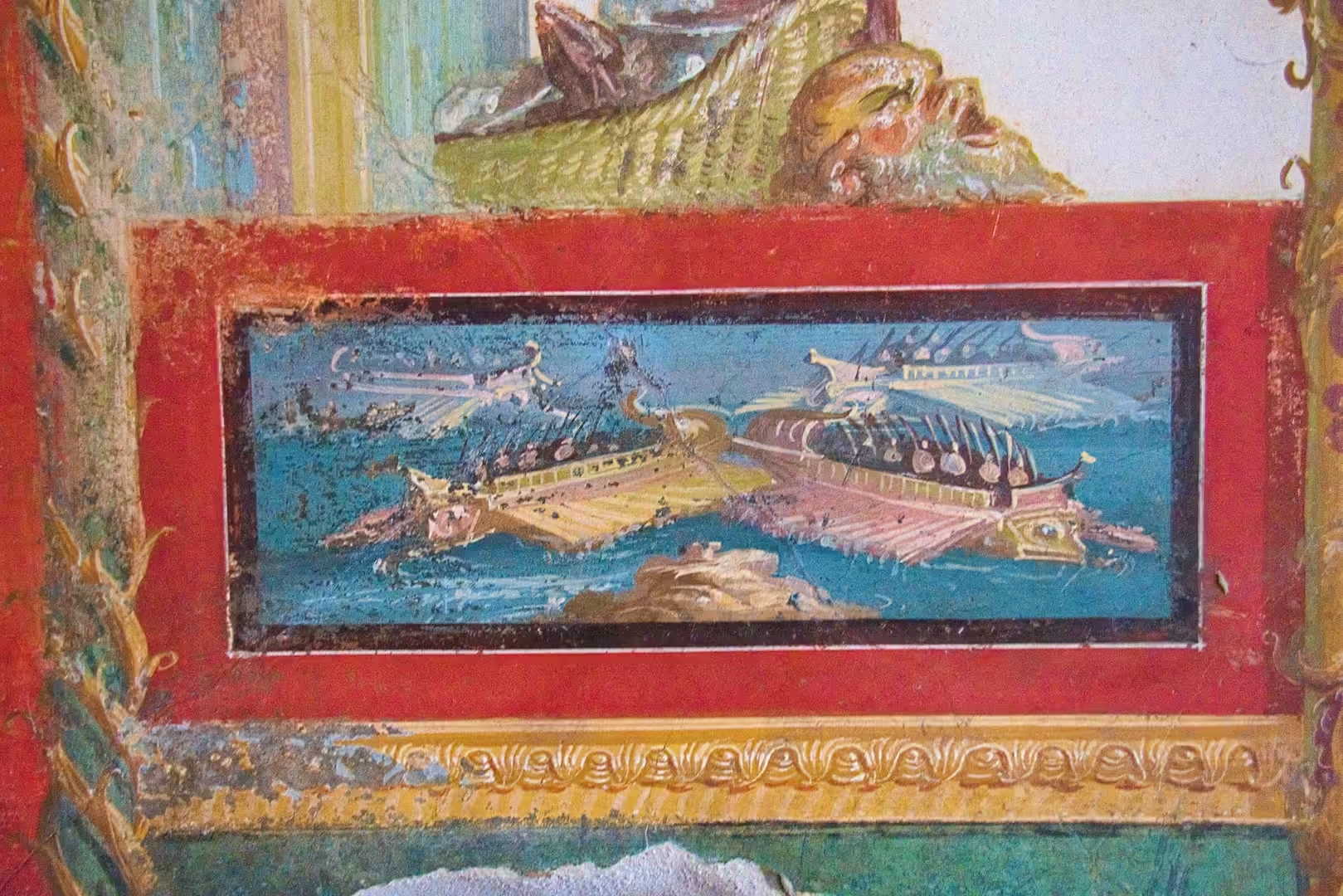
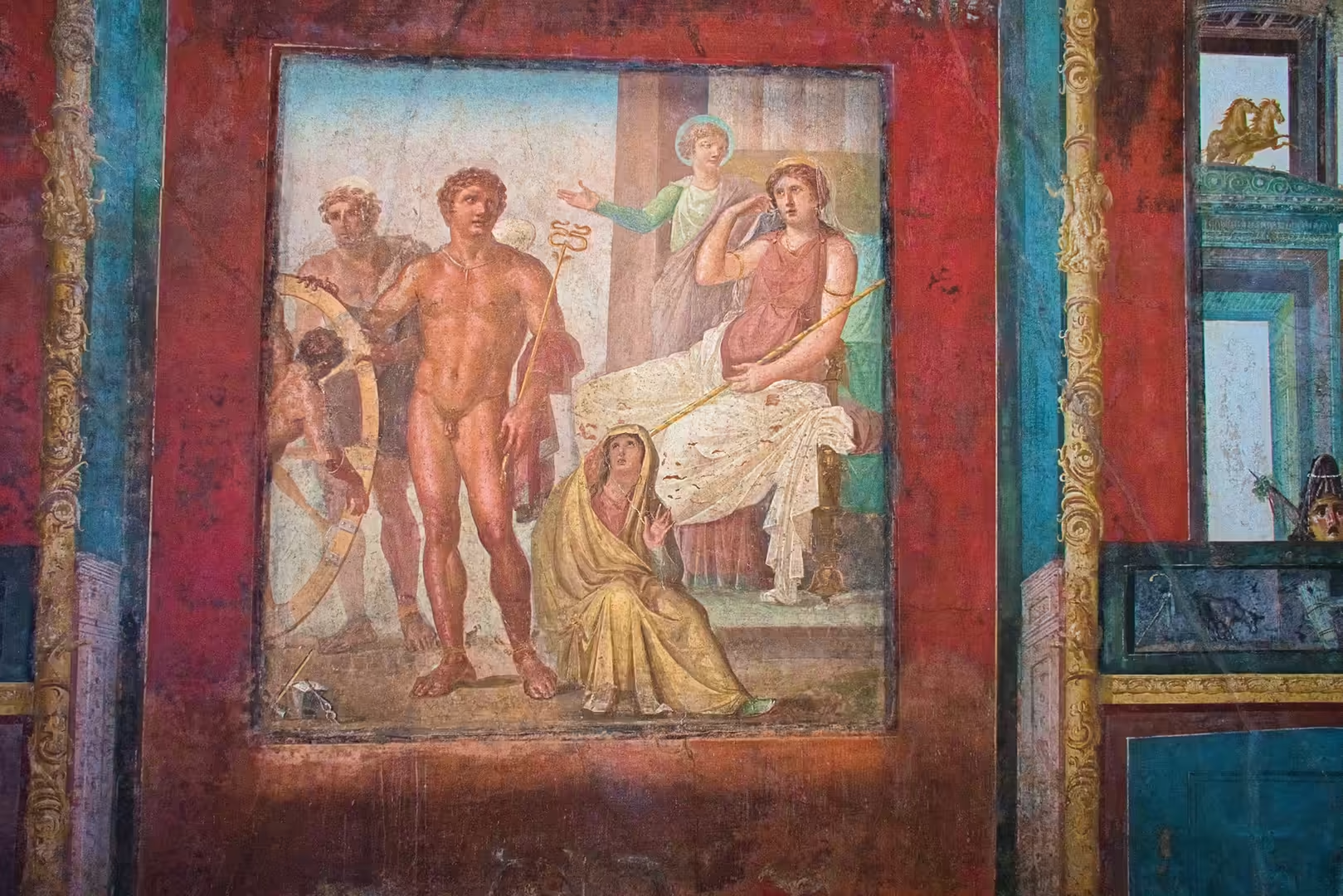
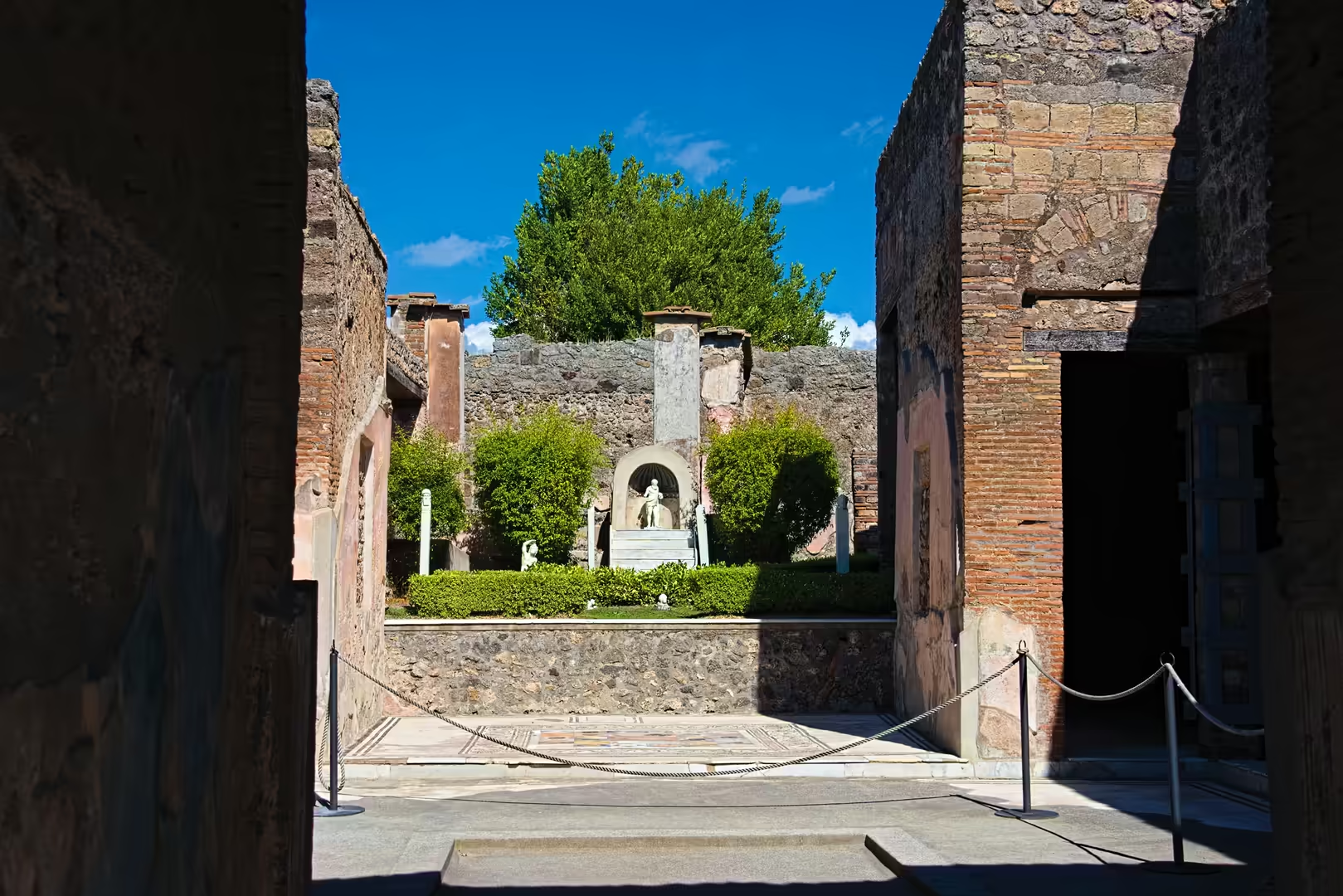
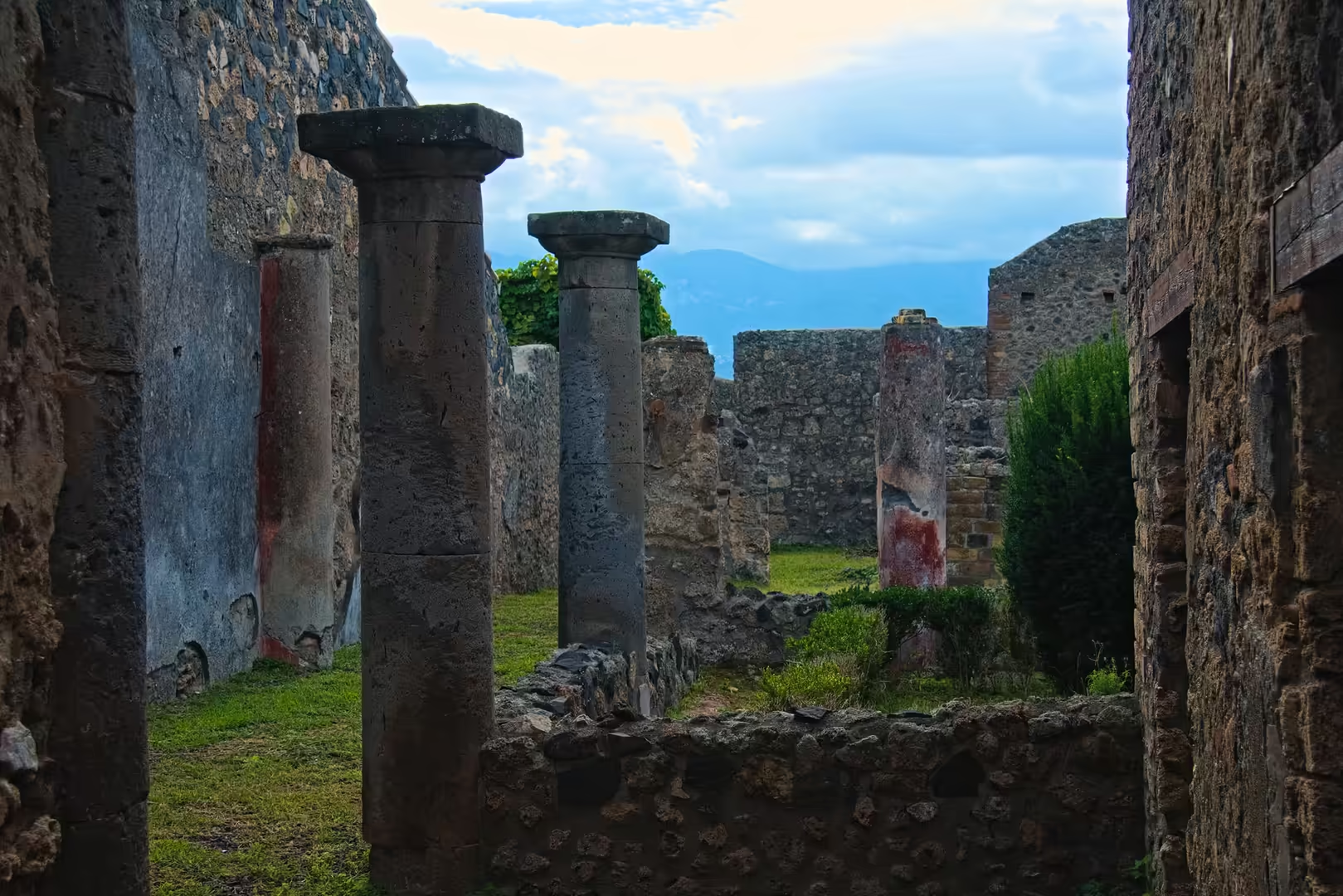
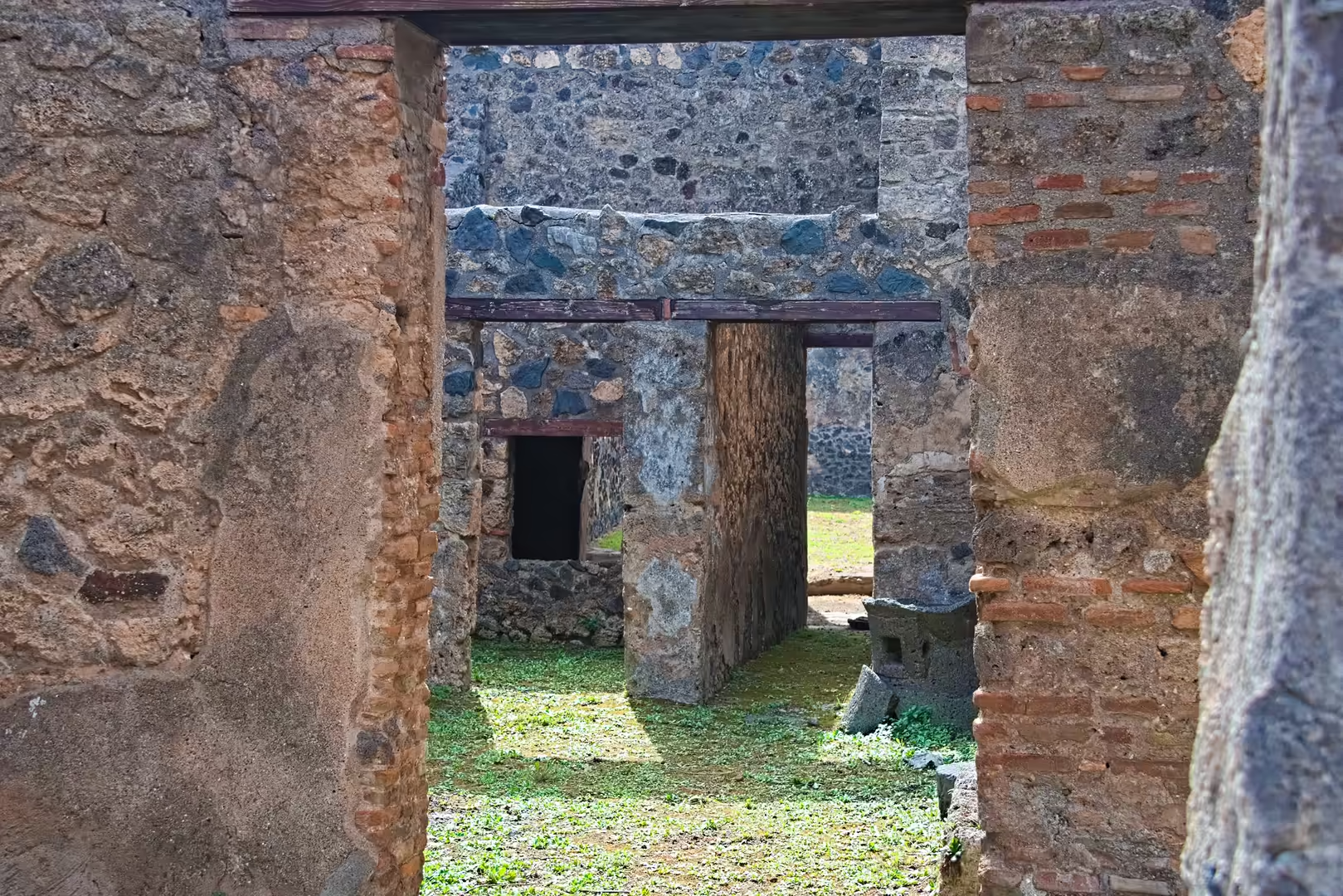
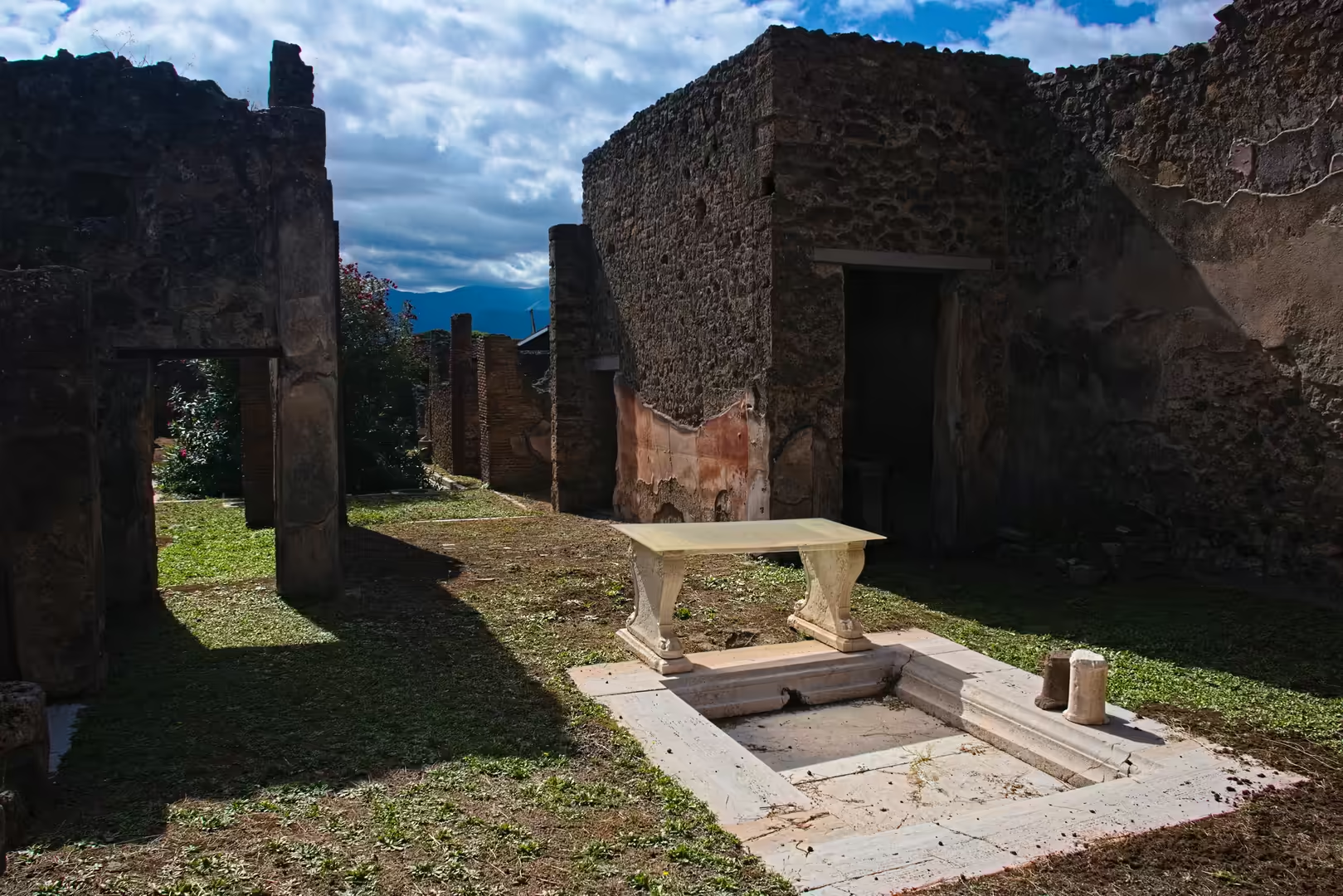
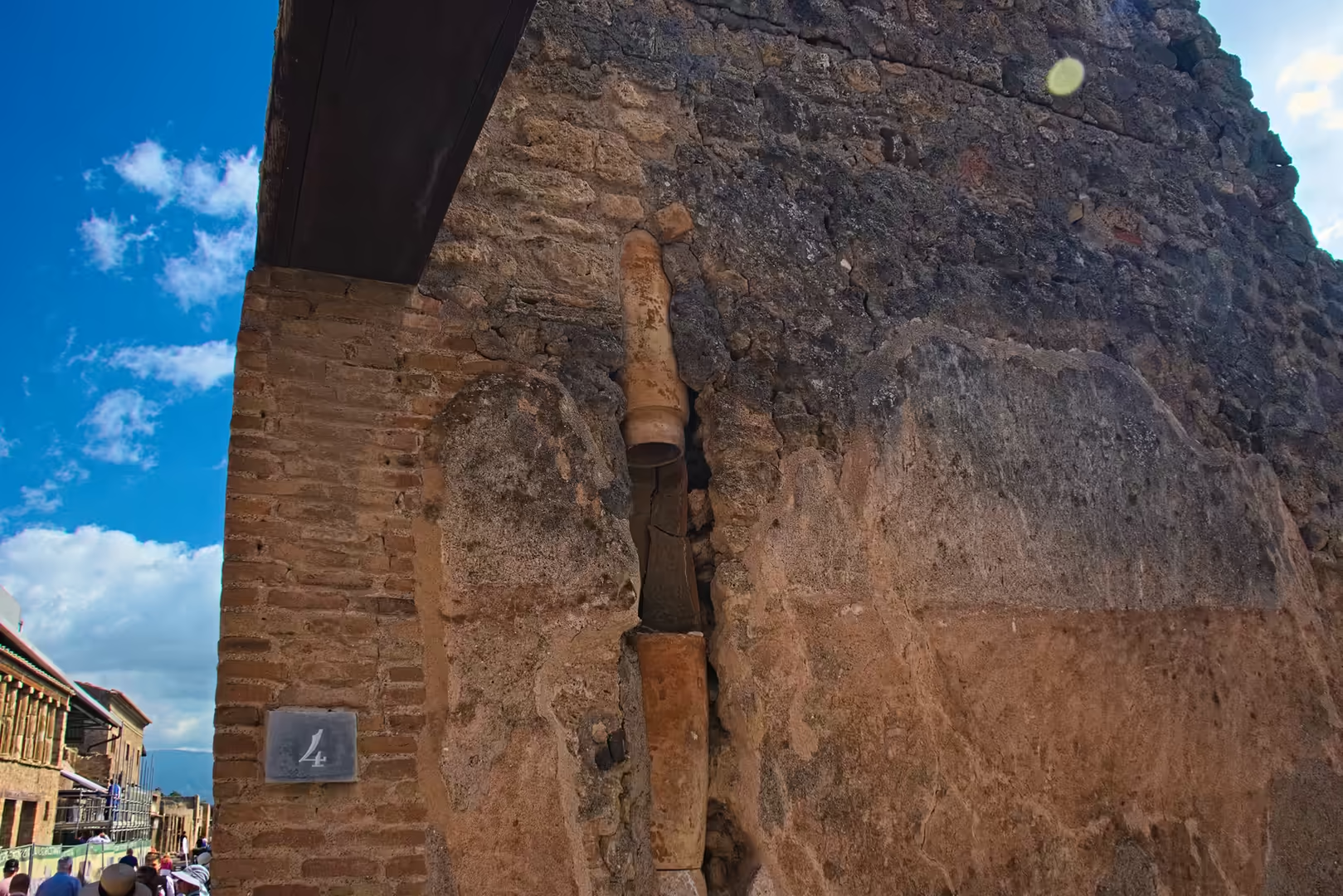
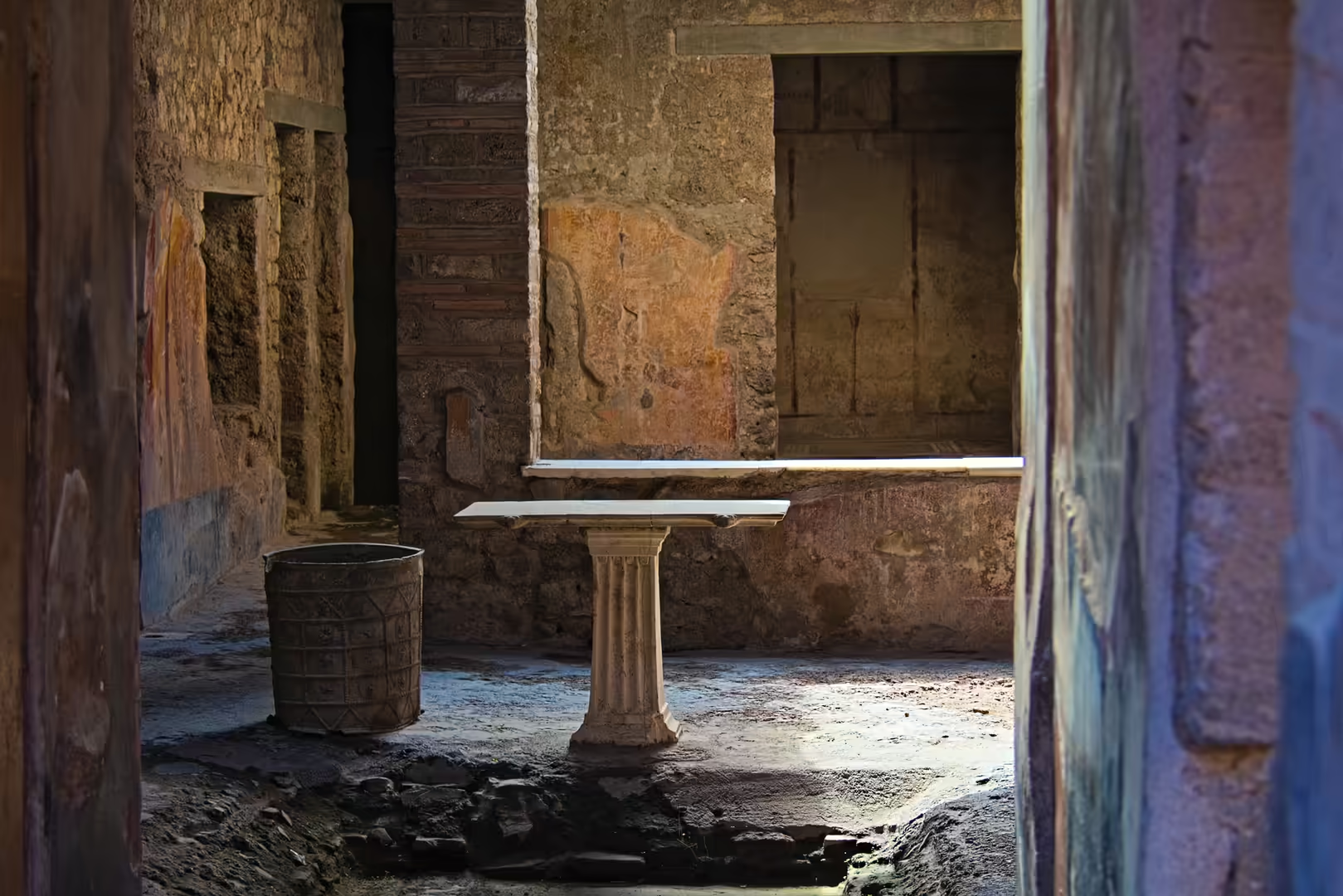
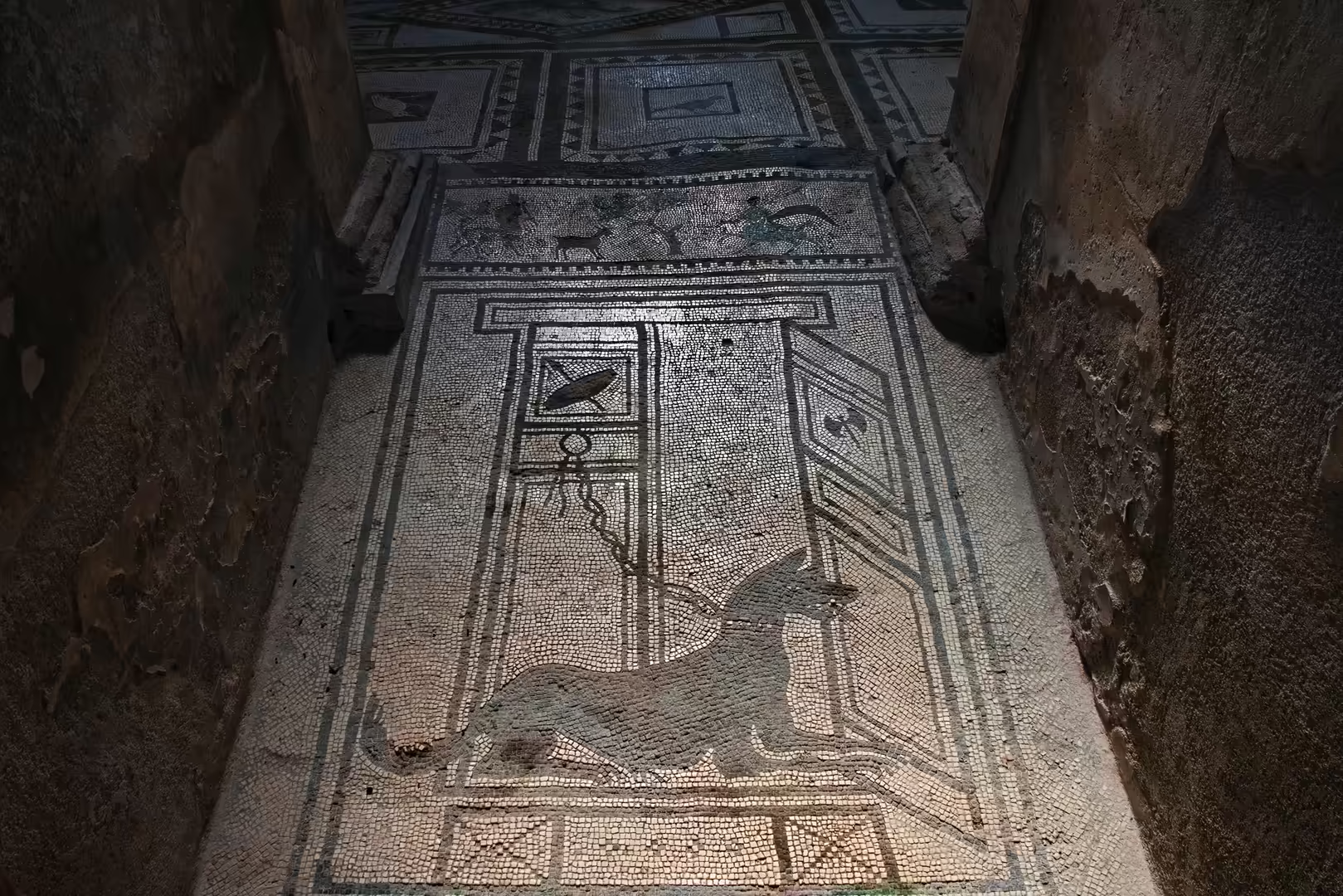
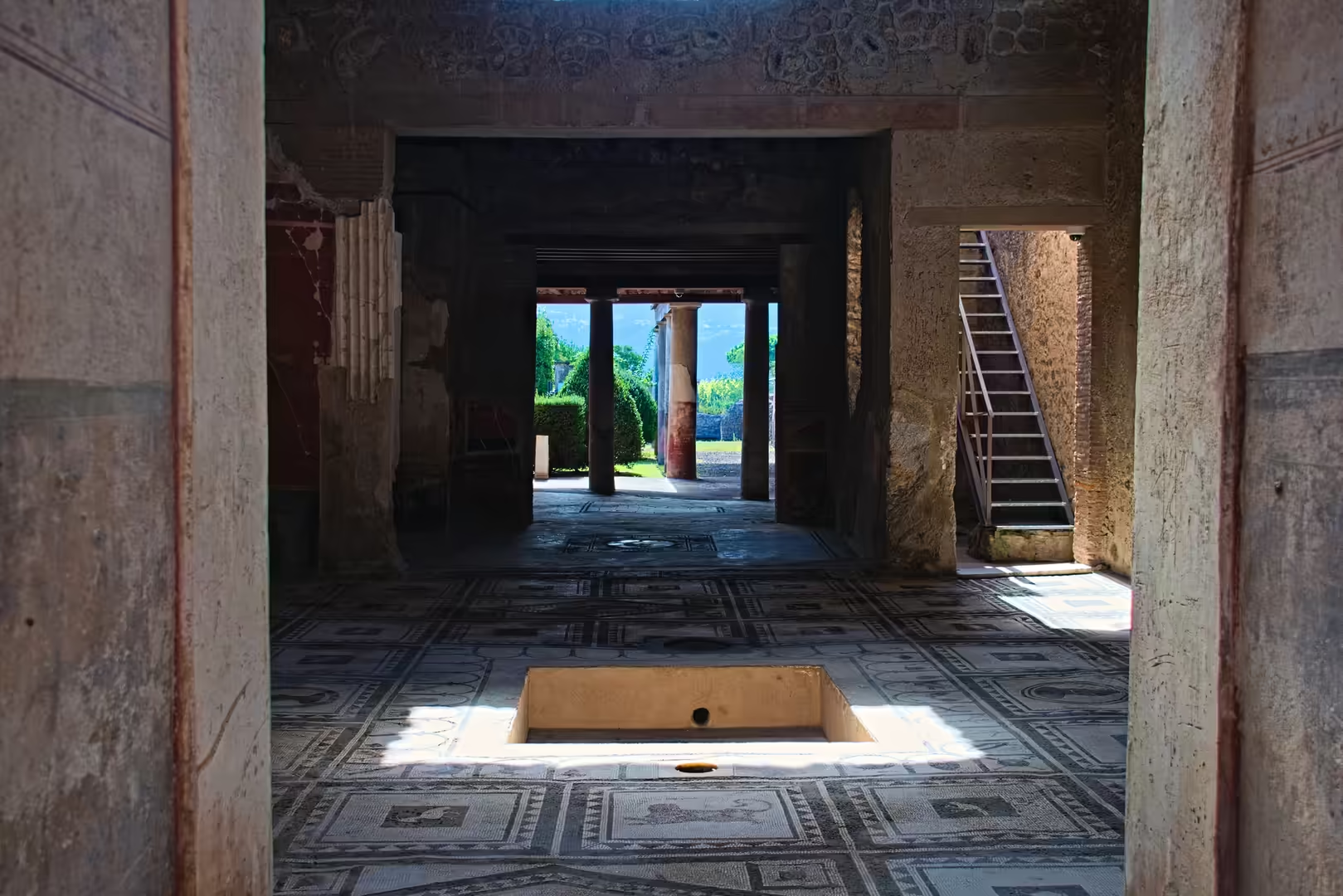
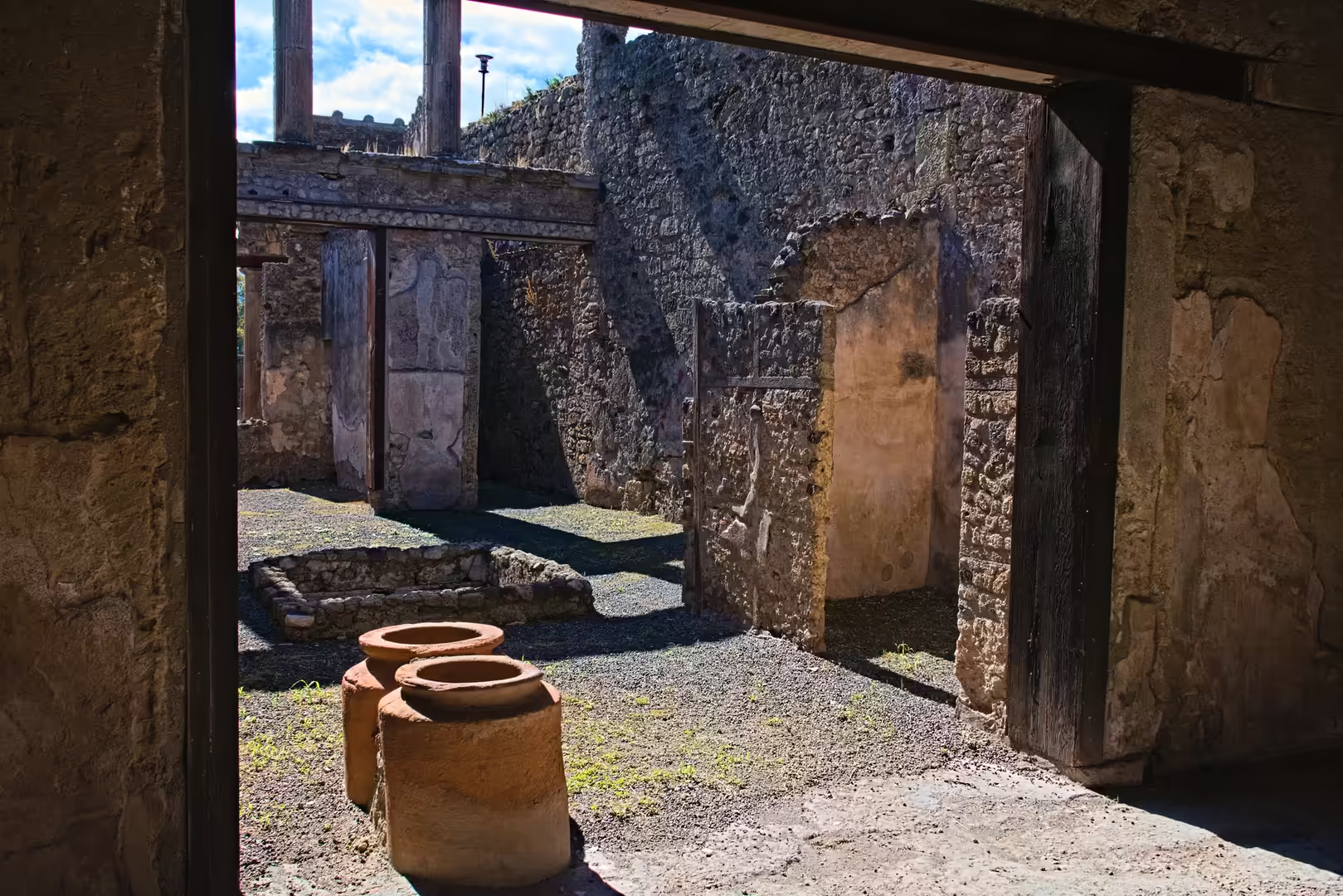
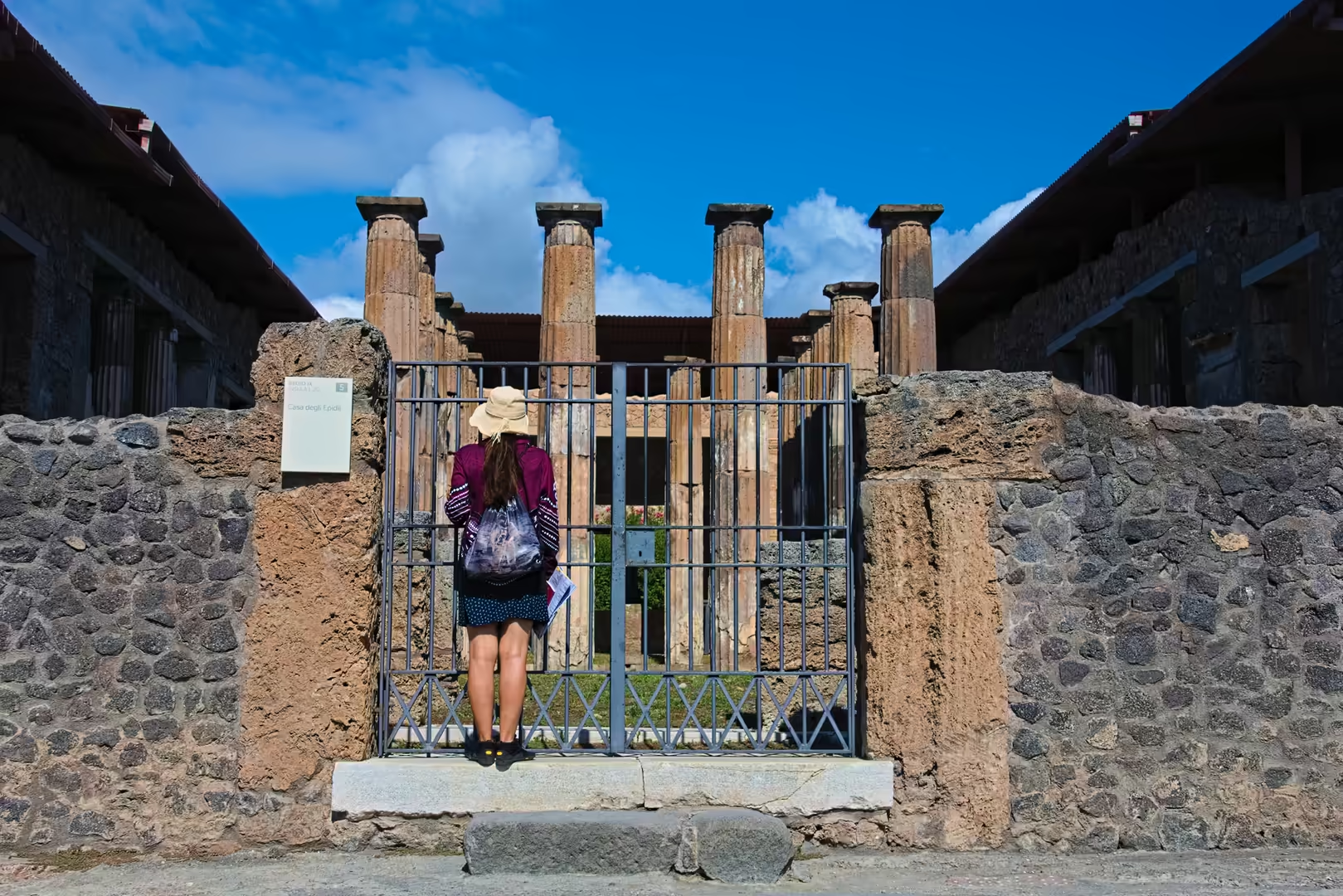
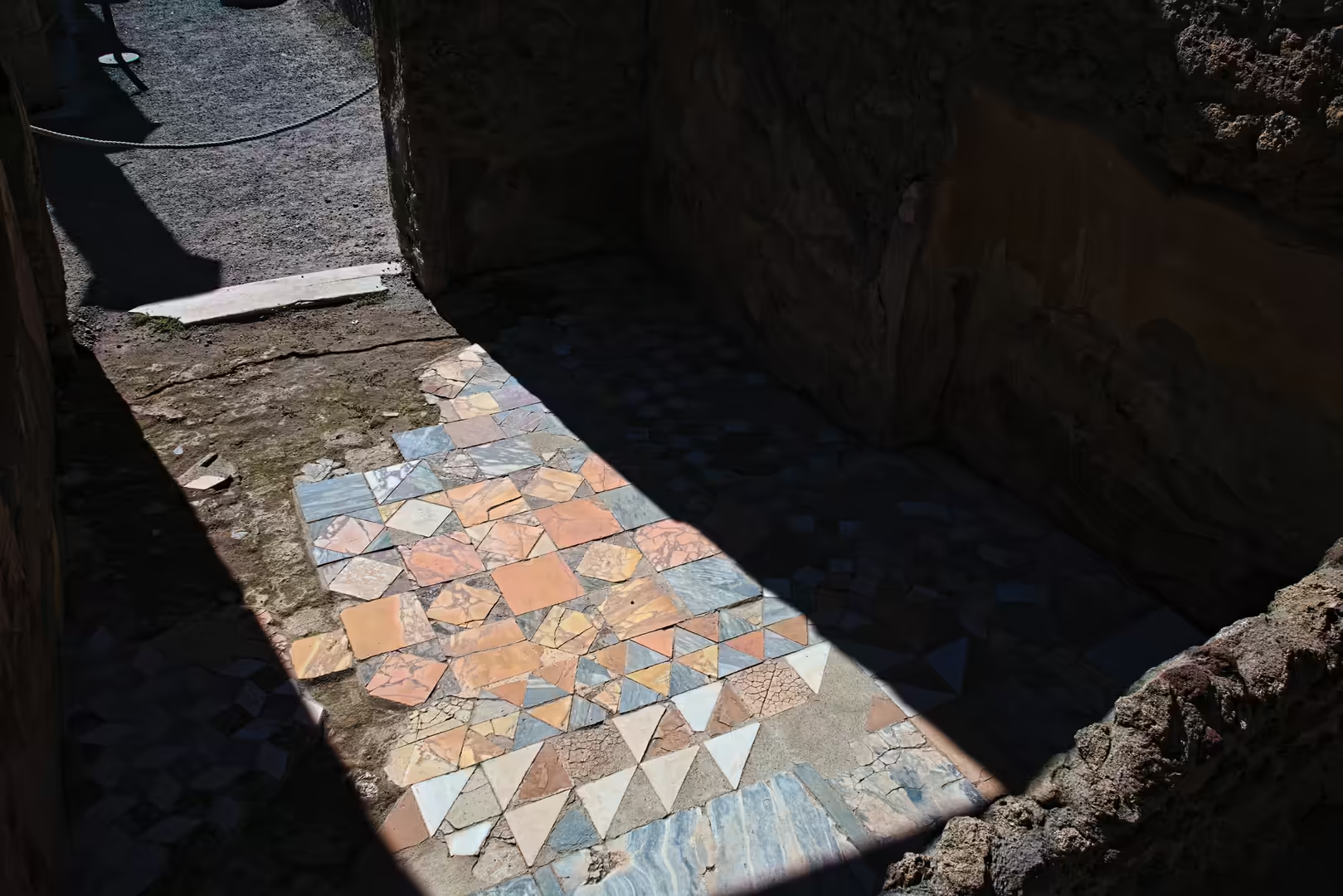
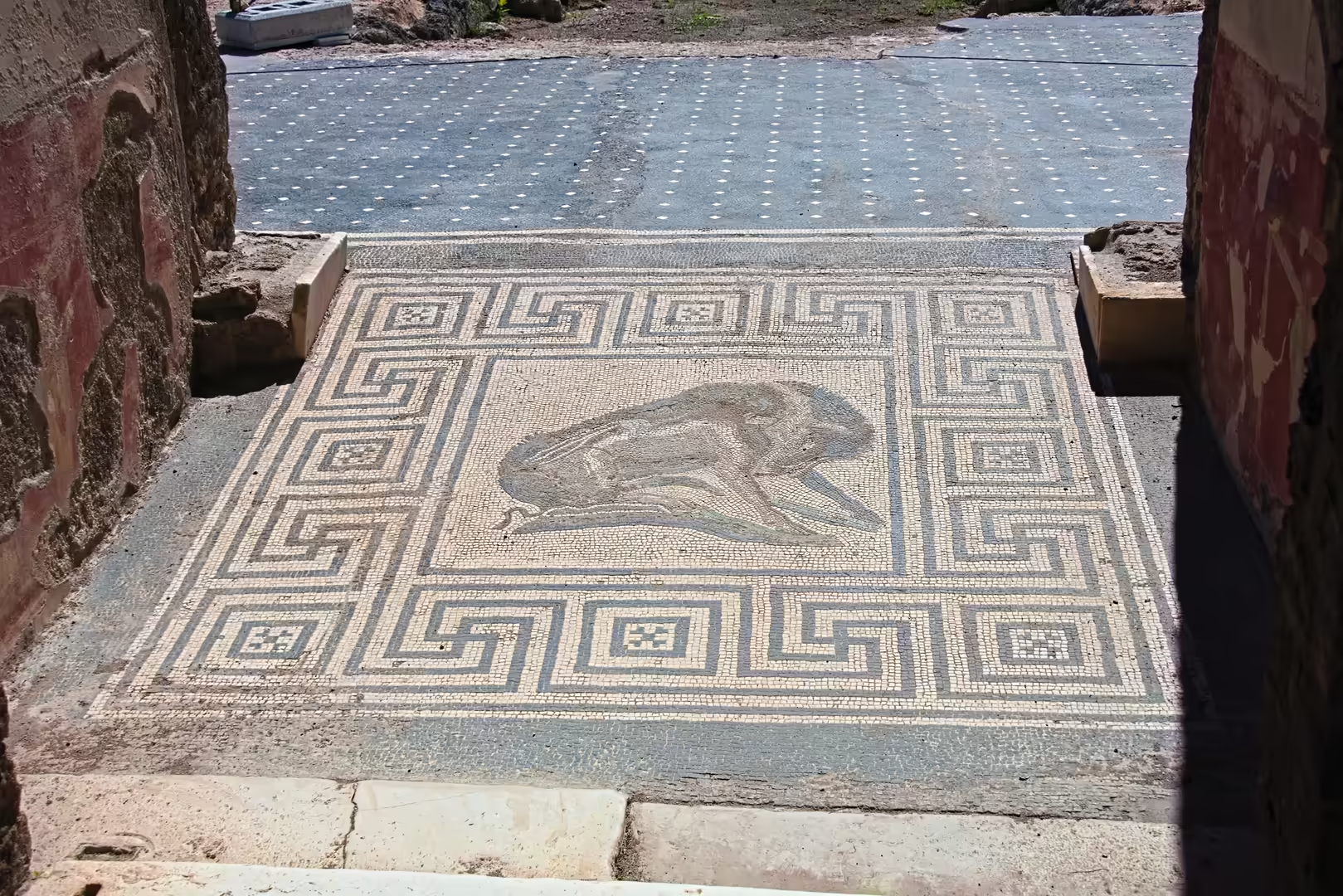
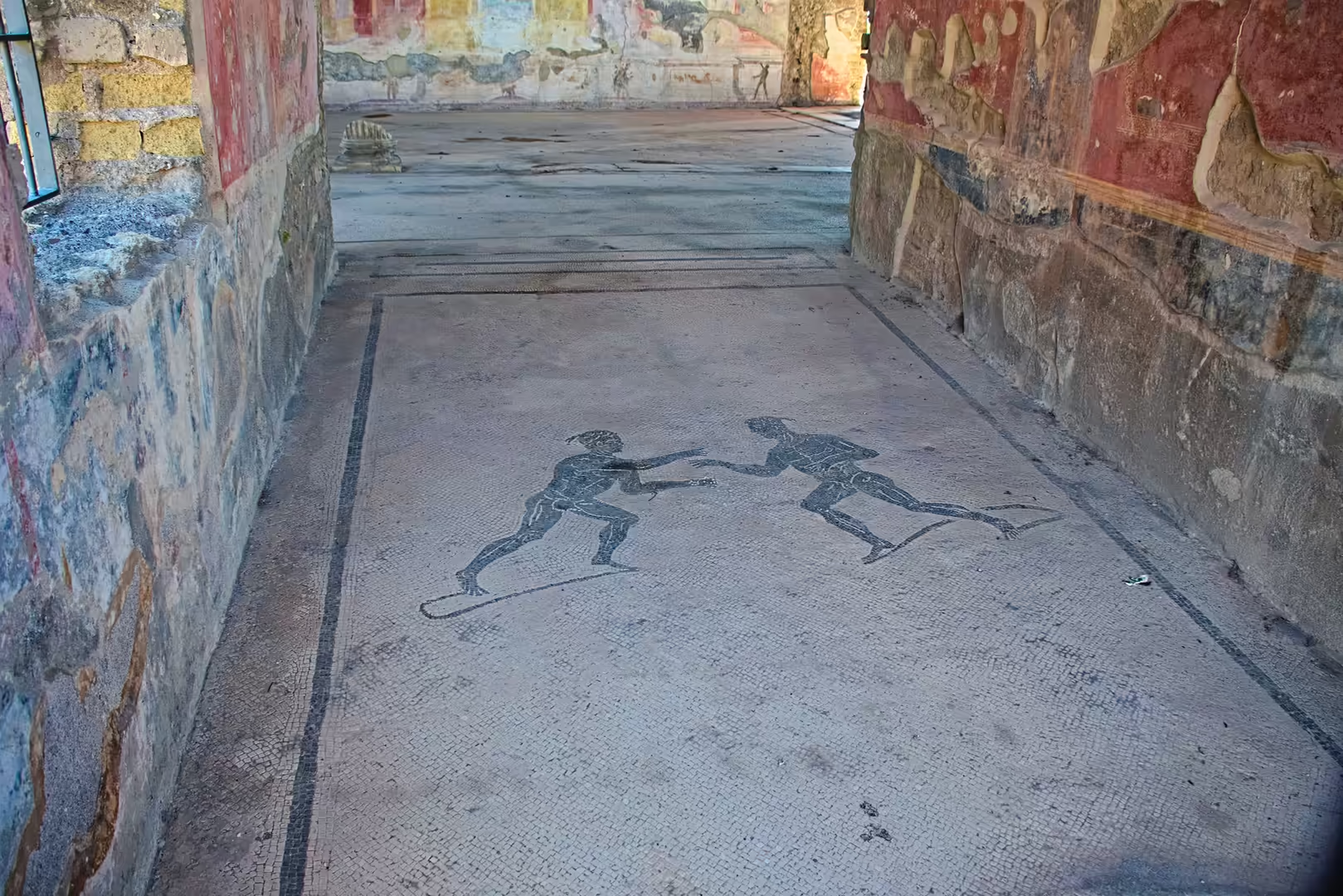
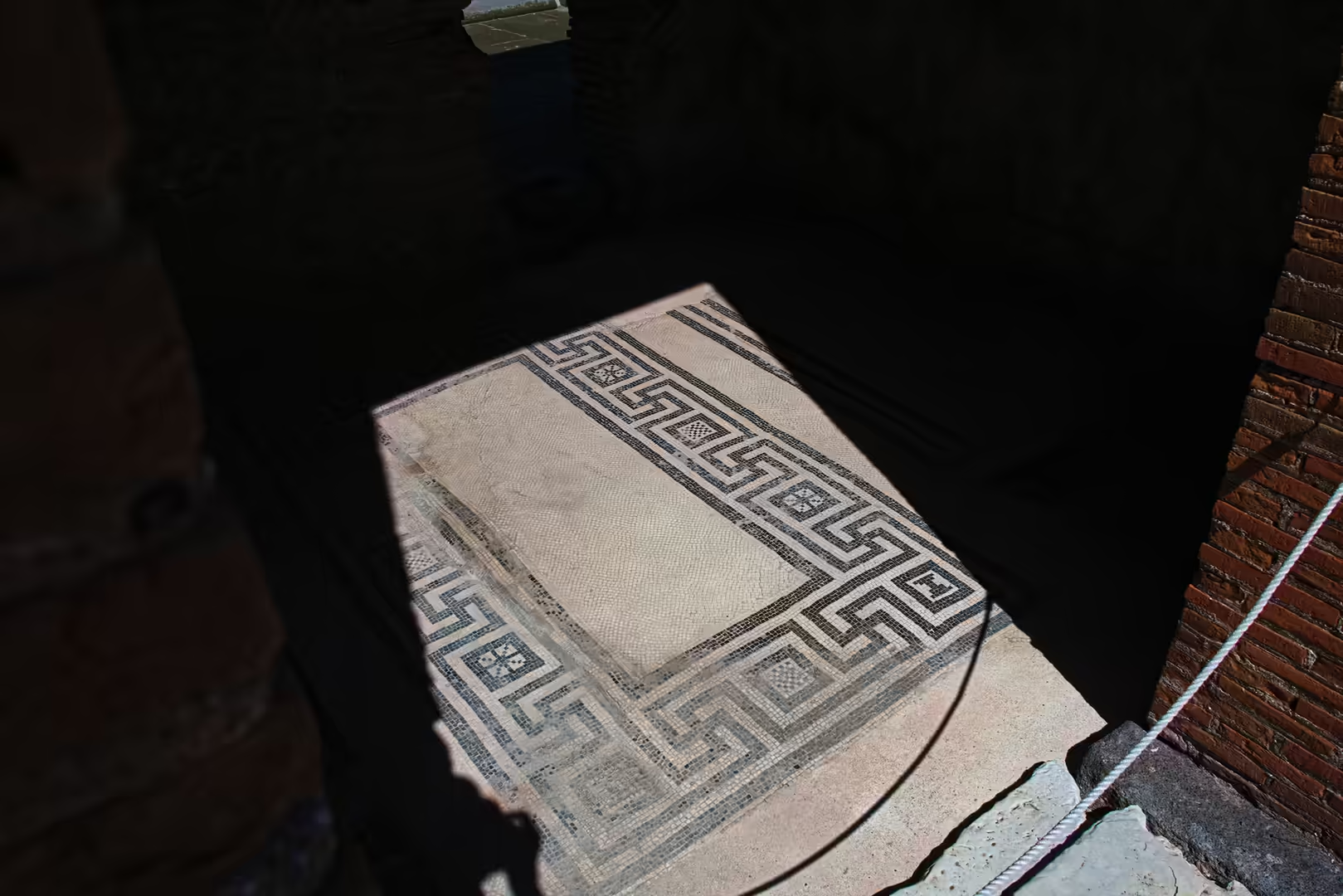
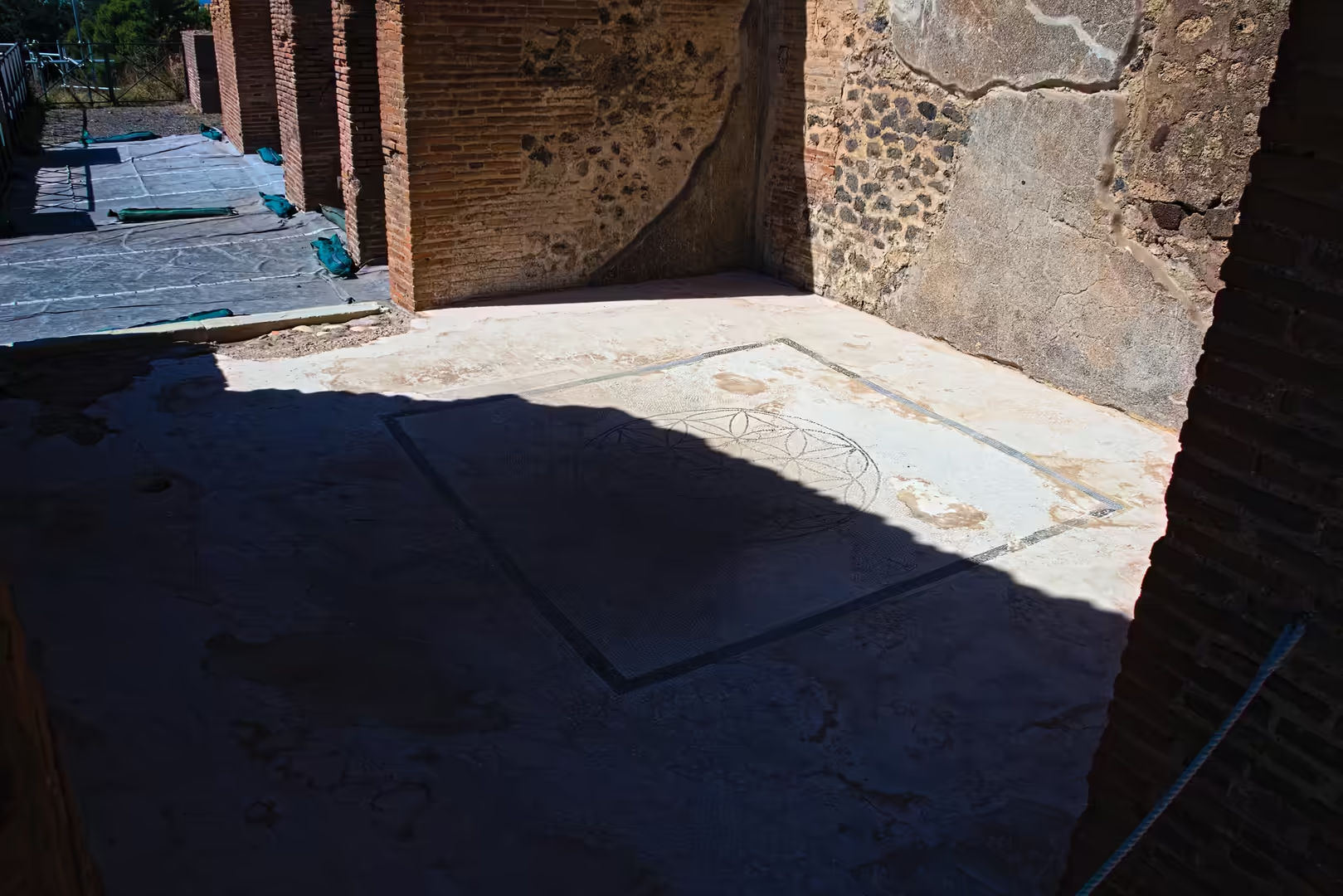
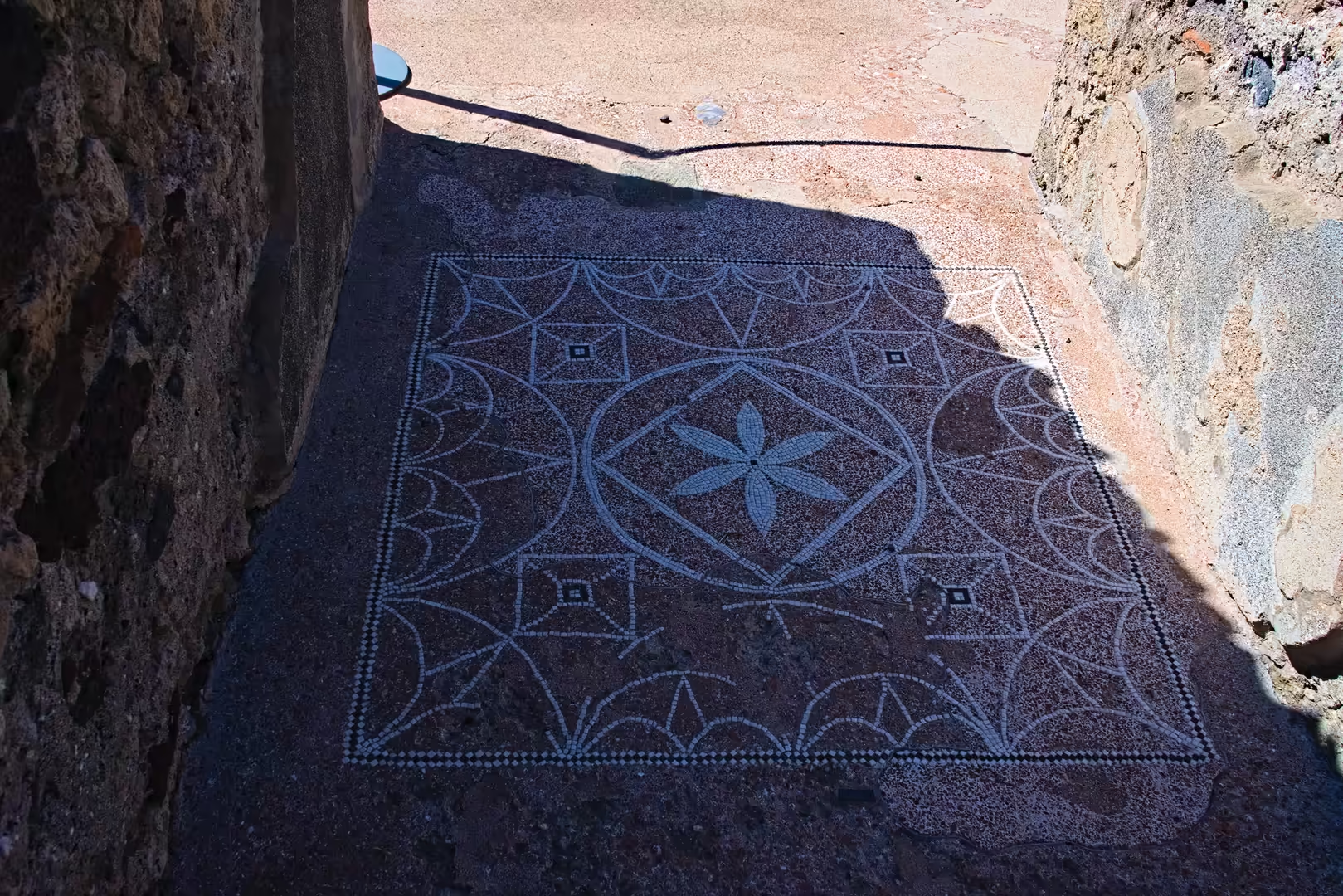
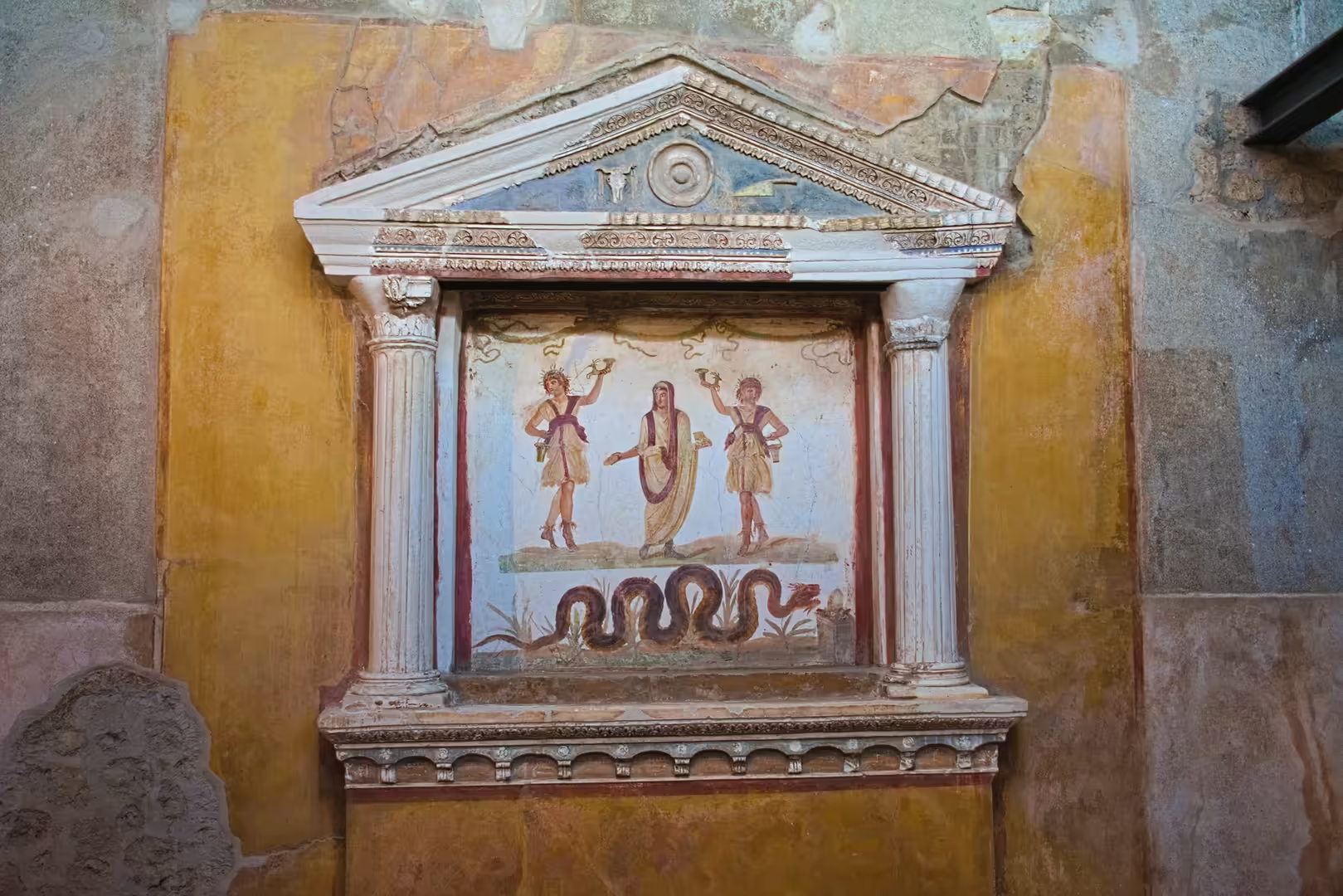
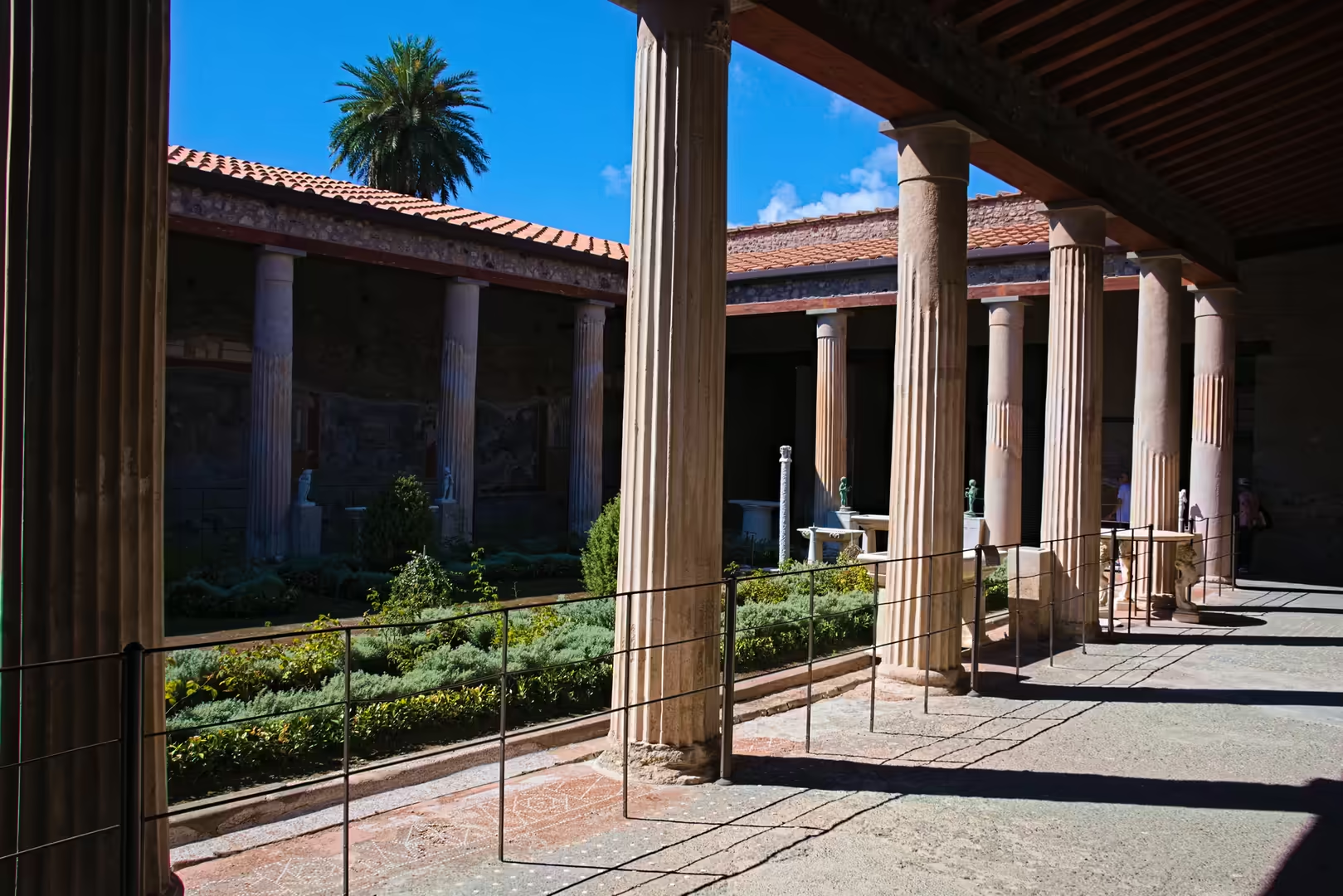
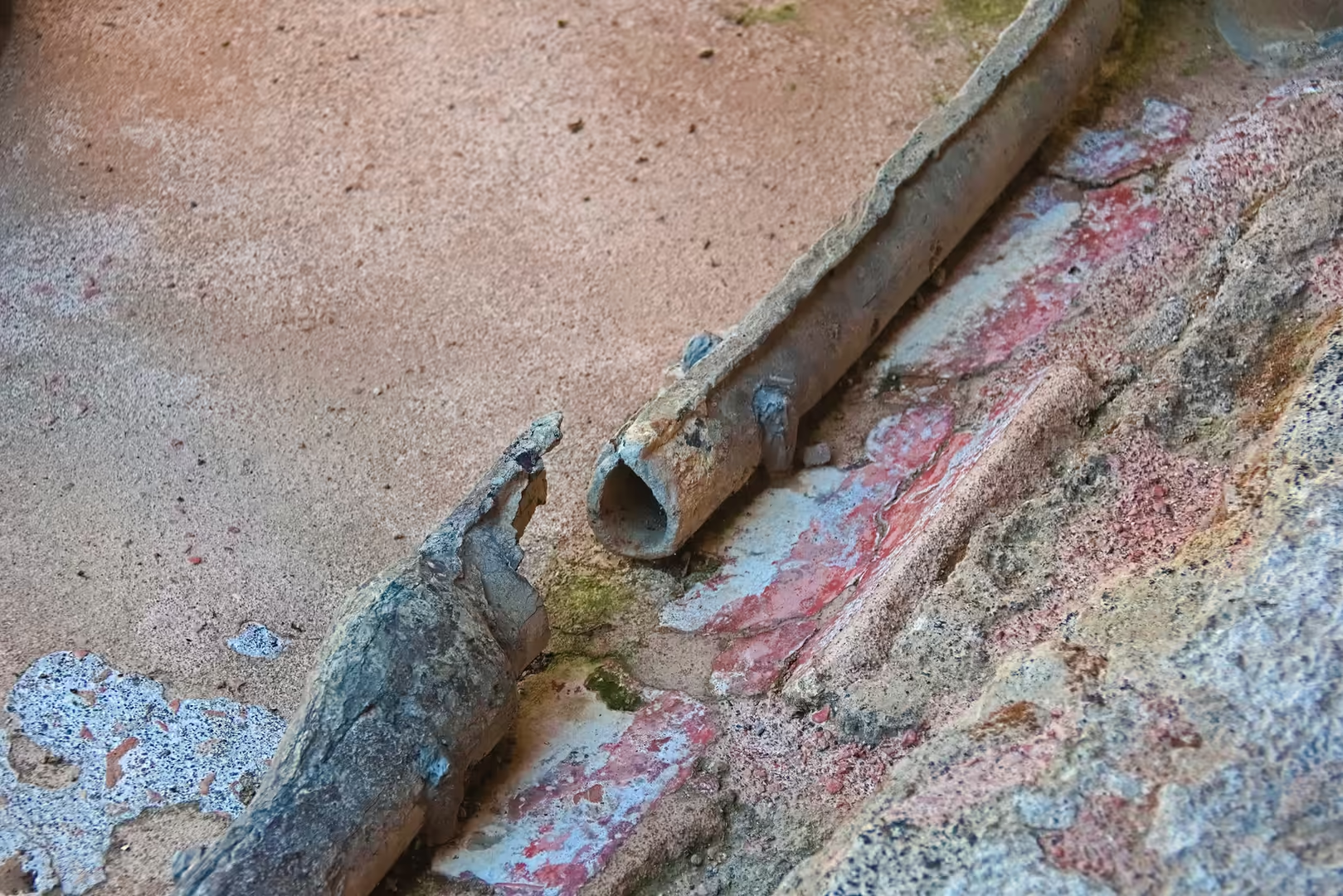
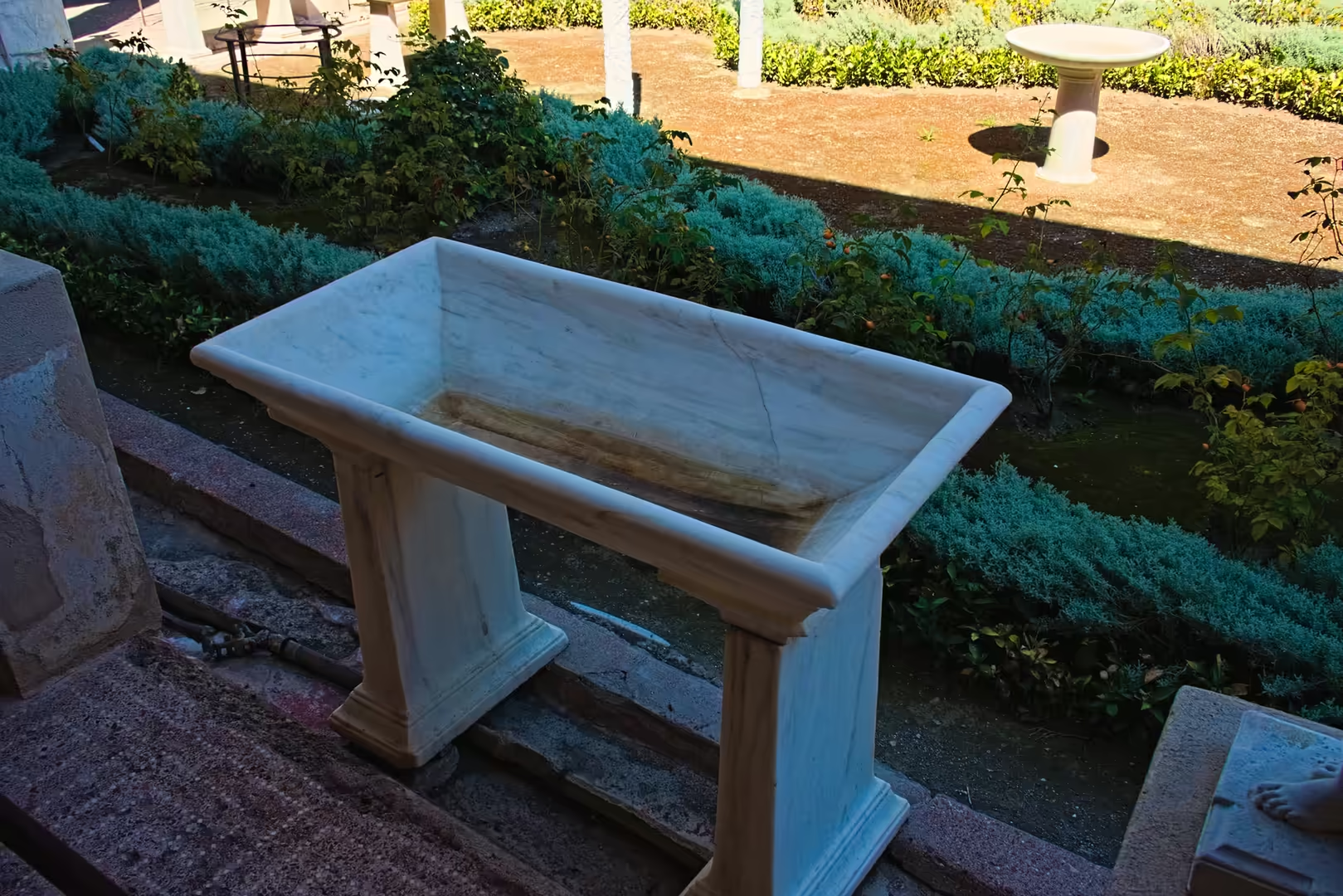
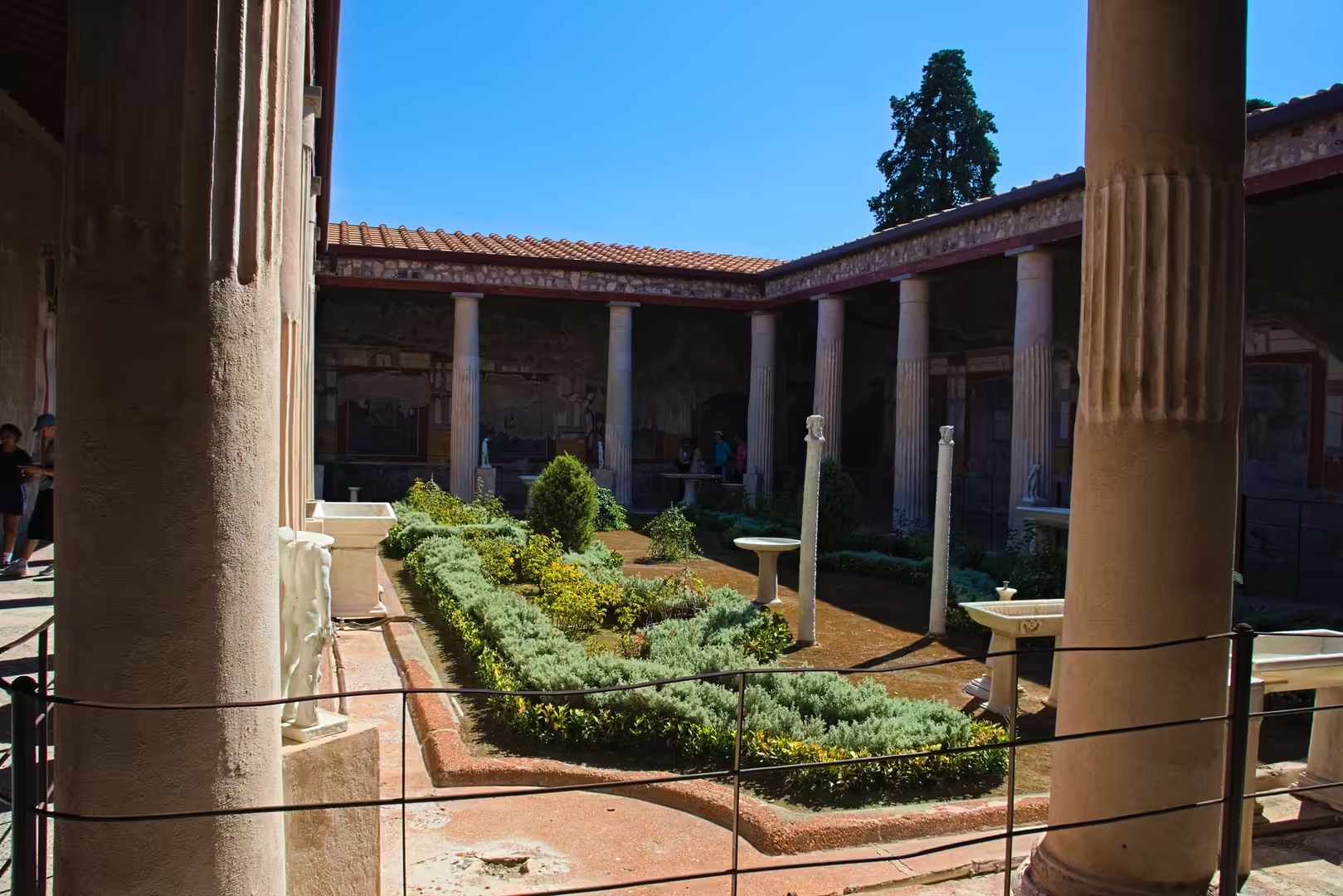
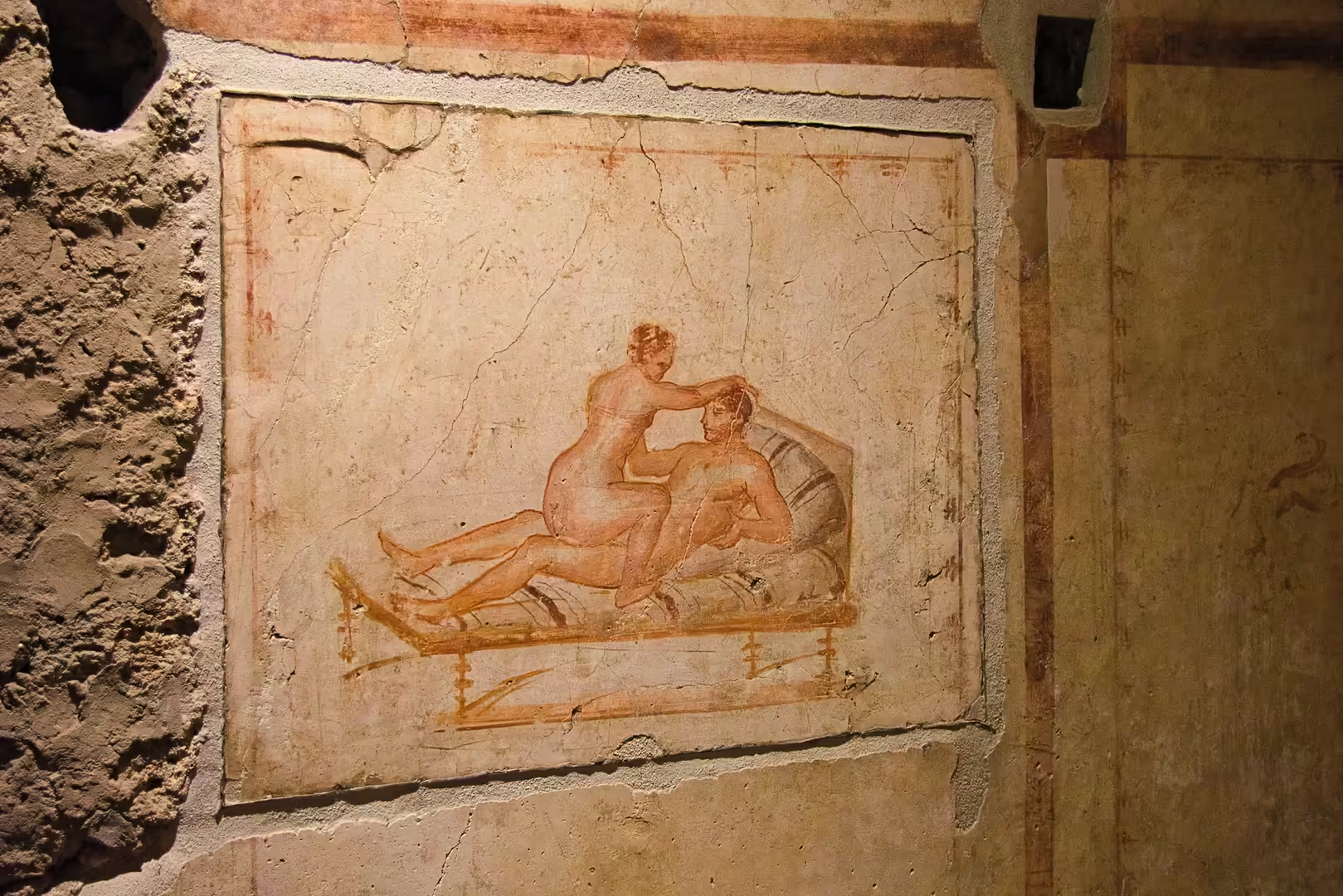
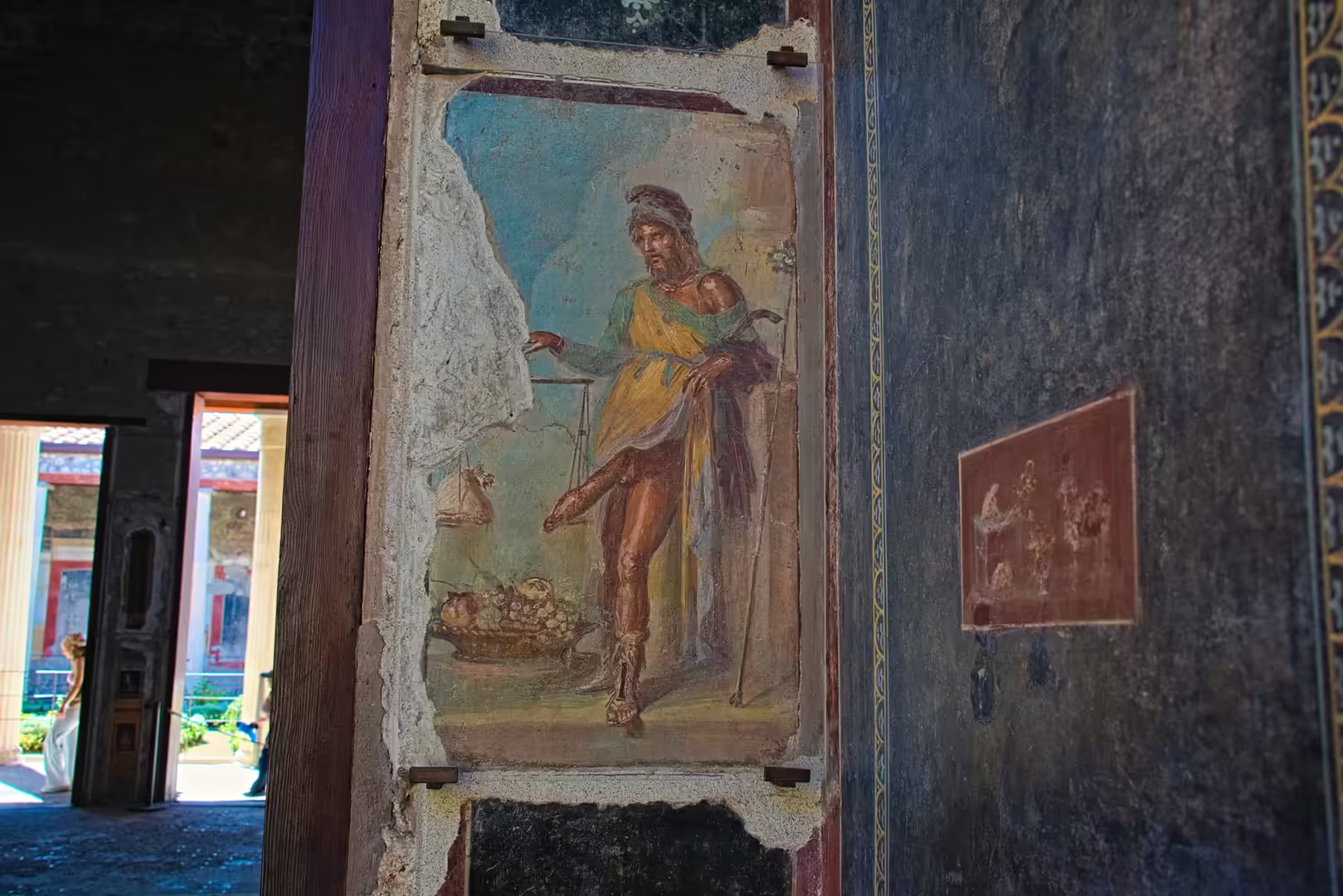
The private houses of the excavated city are among its greatest treasures. The House of the Faun, one of the largest dwellings, takes its name from the bronze statue in the impluvium and contained the Alexander Mosaic, now in the National Archaeological Museum of Naples; the House of the Vettii preserves complete ensembles of Fourth Style wall painting; and the Villa of the Mysteries, just outside the city walls, is famous for its cycle of large frescoes depicting the initiation rites of the cult of Dionysus. The lupanar and numerous smaller establishments document the social history of the town, while the Garden of the Fugitives displays plaster casts of victims in the positions in which they died.
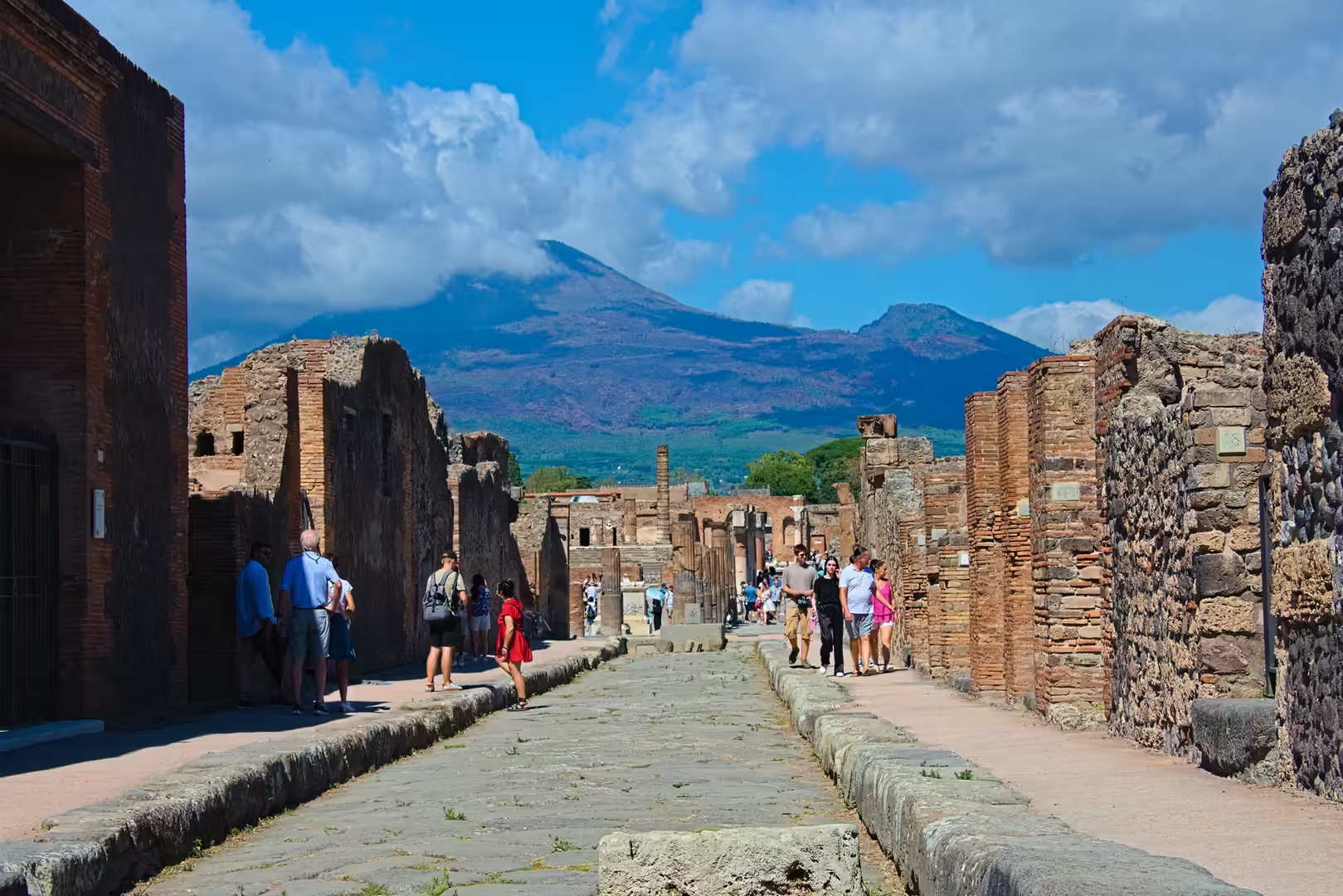
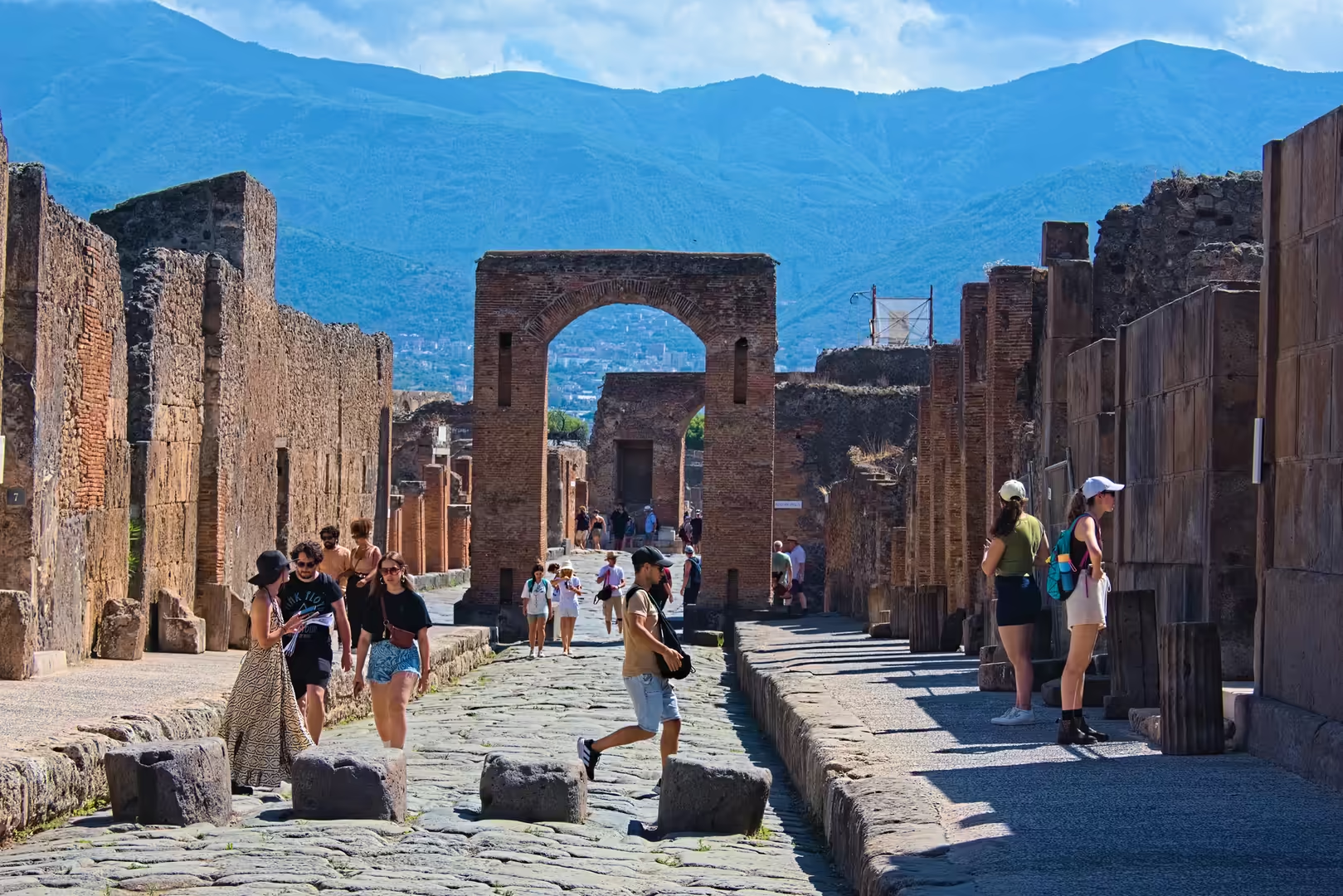
The circuit of walls and gates (among them the Porta Marina and the Porta Ercolano) and the cemeteries lining the roads outside the gates complete the picture of the ancient city. Beyond the excavations, the modern Antiquarium houses finds from the site, and the most celebrated portable objects, including frescoes, mosaics and silver, are displayed in the National Archaeological Museum in Naples. The site as a whole is best experienced along the raised walkways of the excavated streets, with Vesuvius dominating the horizon to the north.
References
- Beard, M. (2008). The Fires of Vesuvius: Pompeii Lost and Found. Cambridge, MA: Belknap Press of Harvard University Press.
- Berry, J. (2007). The Complete Pompeii. London: Thames & Hudson.
- Cooley, A. E. & Cooley, M. G. L. (2014). Pompeii and Herculaneum: A Sourcebook. 2nd edn. London: Routledge.
- Pliny the Younger. Letters 6.16 and 6.20 (to Tacitus).
- Sigurdsson, H., Cashdollar, S. & Sparks, R. S. J. (1982). The Eruption of Vesuvius in A.D. 79: Reconstruction from Historical and Volcanological Evidence. American Journal of Archaeology 86(1), 39-51.
- UNESCO World Heritage Centre (1997). Archaeological Areas of Pompeii, Herculaneum and Torre Annunziata. World Heritage List, ref. 829. whc.unesco.org/en/list/829
- Wallace-Hadrill, A. (1994). Houses and Society in Pompeii and Herculaneum. Princeton: Princeton University Press.
- Wikipedia contributors (2026). Pompeii. en.wikipedia.org/wiki/Pompeii
- Wikipedia contributors (2026). Eruption of Mount Vesuvius in 79 AD. en.wikipedia.org/wiki/Eruption_of_Mount_Vesuvius_in_79_AD
- Wikipedia contributors (2026). Mount Vesuvius. en.wikipedia.org/wiki/Mount_Vesuvius
- Wikipedia contributors (2026). Pliny the Younger. en.wikipedia.org/wiki/Pliny_the_Younger
- Wikipedia contributors (2026). Amphitheatre of Pompeii. en.wikipedia.org/wiki/Amphitheatre_of_Pompeii
- Wikipedia contributors (2026). House of the Faun. en.wikipedia.org/wiki/House_of_the_Faun
- Wikipedia contributors (2026). Villa of the Mysteries. en.wikipedia.org/wiki/Villa_of_the_Mysteries
- Wikipedia contributors (2026). Lupanar (Pompeii). en.wikipedia.org/wiki/Lupanar_(Pompeii)