2025 USA I - 4 - Chicago II


Journal Notes
General
Chicago is the largest city of the state of Illinois and of the entire American Midwest, and the third most populous city of the United States. It stands on the south-western shore of Lake Michigan at the mouth of the Chicago River, some 1,300 kilometres west of the Atlantic coast of the country, and its metropolitan area, with about 9.6 million inhabitants, is the third largest in the United States, after New York and Los Angeles. The city proper counted 2,746,388 residents at the 2020 census and is the seat of Cook County, the second most populous county of the country. Its nickname, the Windy City, refers less to the weather than to the boastful politicians of an earlier age, although the breeze off the lake is real enough.
The city occupies about 600 square kilometres of ground that was once the bed of a glacial lake, and it is remarkably flat: its average elevation of 176 metres varies by barely thirty metres across the whole municipal area. Chicago is divided into seventy-seven community areas and fifty wards, arranged around the Loop, the central business district on the shore of the lake and the second largest business district in North America after Midtown Manhattan. The junction of State Street and Madison Street in the Loop is the zero point of the address system of the city, from which street numbers grow outward by one hundred per mile.
The growth of Chicago rests on its position as the hinge between the Great Lakes and the Mississippi basin. The city stands on the continental divide of the Saint Lawrence Seaway at the Chicago Portage, the ancient route by which canoes and later freight moved between the two great watersheds, and it became the railroad hub of the nation in the nineteenth century. Its economy is still dominated by transport, trade and finance: the city has the largest and most diverse derivatives market in the world, generating about twenty per cent of the global volume in commodities and financial futures alone, and O’Hare International Airport is routinely ranked among the ten busiest airports on earth.
Chicago is also a cultural capital. Its museums, theatres and music clubs are world famous, and its lakefront, which the city kept almost entirely public, is one of its greatest civic achievements: some 26 miles (42 km) of open shore belong to the Chicago Park District, with parks, beaches and an 18.5-mile trail for walkers and cyclists. The skyline behind this green shore is one of the most celebrated in the world, and the city is regarded as the birthplace of the skyscraper and of modern urban planning. Historic Route 66, the Mother Road of the United States, also begins here, at the corner of Jackson Boulevard and Michigan Avenue in the heart of the Loop.
History
The name Chicago comes from the Miami-Illinois word shikaakwa, the wild leek that grew thickly along the river banks, and the first Europeans to reach the site were French explorers and missionaries of the late seventeenth century. Jean Baptiste Point du Sable, a fur trader of African and French descent, built the first permanent non-indigenous settlement here around 1790, and in 1803 the United States Army raised Fort Dearborn at the mouth of the river. The settlement was incorporated as a town in 1833 and chartered as a city in 1837, when it had barely four thousand inhabitants; its strategic position at the portage between the Great Lakes and the Mississippi valley guaranteed its future.
The opening of the Illinois and Michigan Canal in 1848 linked the two watersheds by water and made Chicago the gateway between the eastern states and the farmlands of the west. Railroads followed almost immediately, and within two decades the city had become the greatest railway junction of the continent, the market place where the grain, cattle and timber of the interior were traded. Its population grew from about 30,000 in 1850 to 300,000 in 1870, fed by immigration from Germany, Ireland and Scandinavia and by migrants from the eastern United States. The Union Stock Yards, opened in 1865, made the city the meat packing capital of the world, and its grain elevators and lumber yards lined the river and the lake shore.
On the night of 8 October 1871 a fire that began in a barn south-west of the centre destroyed the city. The Great Chicago Fire burned for two days, killed about 300 people, consumed some 17,000 buildings across 9 square kilometres and left more than 100,000 inhabitants, a third of the population, homeless. The rebuilding that followed made Chicago the laboratory of modern architecture: William Le Baron Jenney’s Home Insurance Building of 1885, ten storeys high with a steel frame, is generally regarded as the first skyscraper, and the group of architects known as the Chicago School developed the steel-framed high-rise, the large window and the modern office block. The World’s Columbian Exposition of 1893, held on the south lakefront, announced the rebuilt city to the world and launched the City Beautiful movement of American urban planning.
The twentieth century brought the waves of immigration and internal migration that shaped the modern city: eastern and southern Europeans arrived until the First World War, and African Americans from the rural south followed in the Great Migration, making Chicago a centre of black culture, commerce and music. The city was also the stage of the great labour struggles of American industry, from the Haymarket affair of 1886 to the Pullman strike of 1894. In 1900 the course of the Chicago River was reversed so that its polluted waters flowed away from the lake and toward the Mississippi, one of the great sanitary engineering feats of the age, and in 1926 the new U.S. Route 66 chose Chicago as its eastern terminus. After the Second World War the city raised some of the tallest towers on earth, among them the Sears Tower of 1973, the tallest building in the world until 1998.
Geology
The flat ground on which Chicago stands is a gift of the Ice Age. During the last glaciation, the Wisconsin glaciation which ended about 11,000 years ago, a sheet of ice more than a kilometre thick repeatedly covered the region, scraping the old rock surface and dumping thick deposits of till, sand and clay. The basin of Lake Michigan itself was carved and deepened by these glaciers, and when the ice retreated it left behind a great proglacial lake, named Lake Chicago by geologists, which filled the southern end of the basin about 13,000 years ago. The city is built on the bed of that vanished lake: the Chicago Plain is the former lake floor, almost perfectly level, and the highest natural point within the city limits, the Blue Island ridge in the Beverly neighbourhood at 205 metres, was once an island in the glacial water.
Lake Michigan, the modern successor of Lake Chicago, is the only one of the five Great Lakes that lies wholly within the United States. It is the third largest of the Great Lakes by surface area, with about 58,000 square kilometres of water, and the second largest by volume, holding some 4,900 cubic kilometres; its maximum depth is 281 metres. The lake is joined to Lake Huron through the broad Straits of Mackinac, so that the two bodies of water stand at the same level and are hydrologically a single lake, the largest body of fresh water on earth by surface area. The lake moderates the climate of the city, cooling the summers, warming the winters and providing the moisture for the heavy snows that sometimes bury the shore in winter.
Beneath the glacial deposits the bedrock of the Chicago area is sedimentary, laid down in a warm shallow sea of the Palaeozoic era. The rock is chiefly dolomite and limestone of Silurian age, the same Niagara dolomite that forms the escarpments farther east, and it was quarried in the nineteenth century for building stone and for lime. Over the bedrock lie the great thicknesses of glacial clay, sand and gravel that make the ground of the city so soft: engineers have had to sink deep foundations, first timber piles and later concrete caissons, to carry the weight of the skyscrapers down to firm strata, and the behaviour of the famous Chicago clay is a classic problem of foundation engineering.
The river and the lake shore are as much engineering as nature. The Chicago River originally flowed into Lake Michigan, carrying the sewage of the growing city toward its own drinking water intakes; between 1892 and 1900 the city therefore dug the Chicago Sanitary and Ship Canal, 51 kilometres long, which reversed the flow of the Main Stem and the South Branch so that the water now runs out of the lake, through the canal and the Des Plaines and Illinois rivers, down to the Mississippi. Named a Civil Engineering Monument of the Millennium in 1999, the reversal is the most famous of the projects by which the flat, swampy site was made habitable. The lake shore itself was extended by landfill to create Grant Park, the Museum Campus and much of the parkland of the city, while the beaches and the lagoons of the lakefront parks were shaped from the sand and spoil of a century of dredging.
Things to See
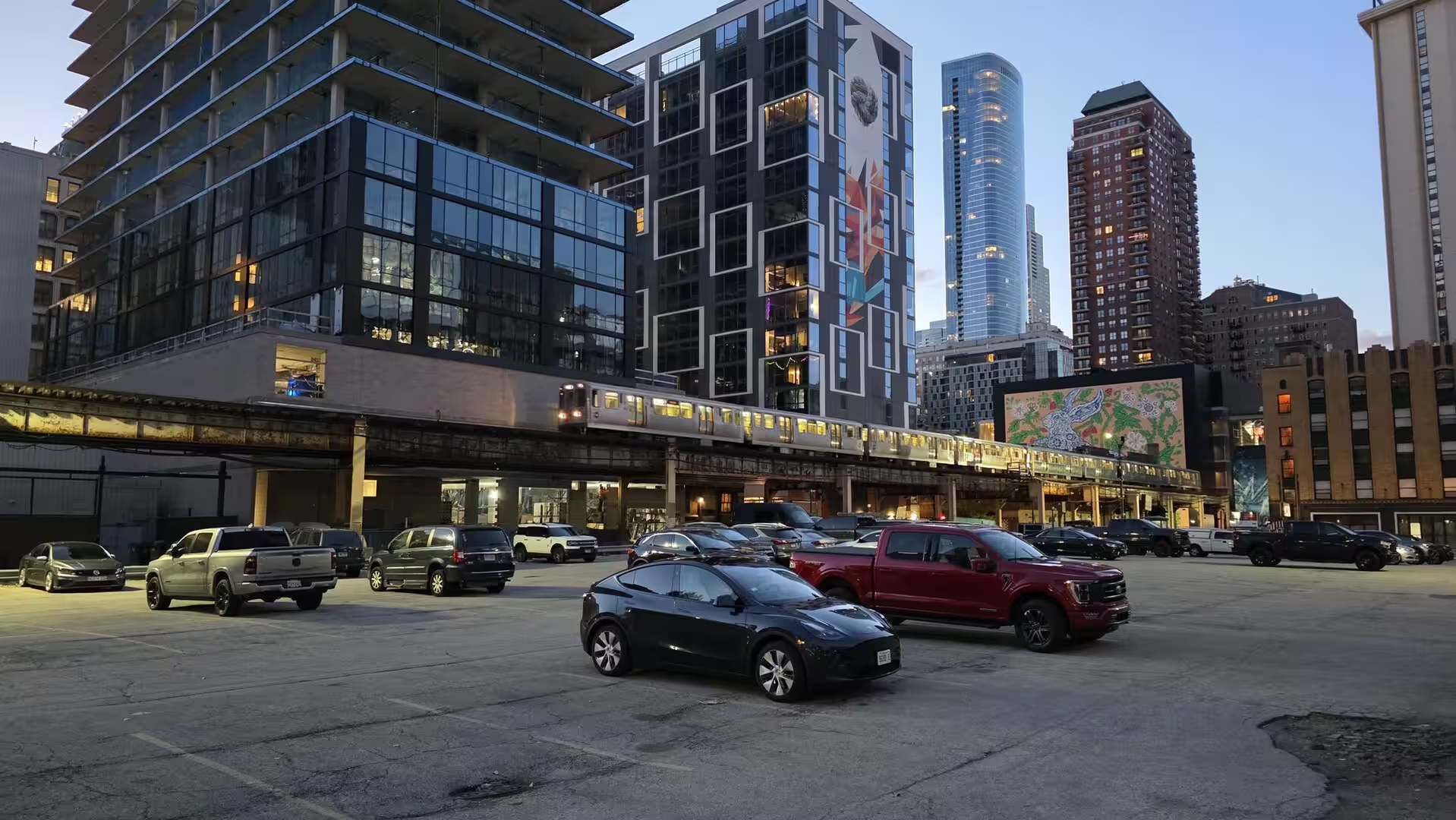
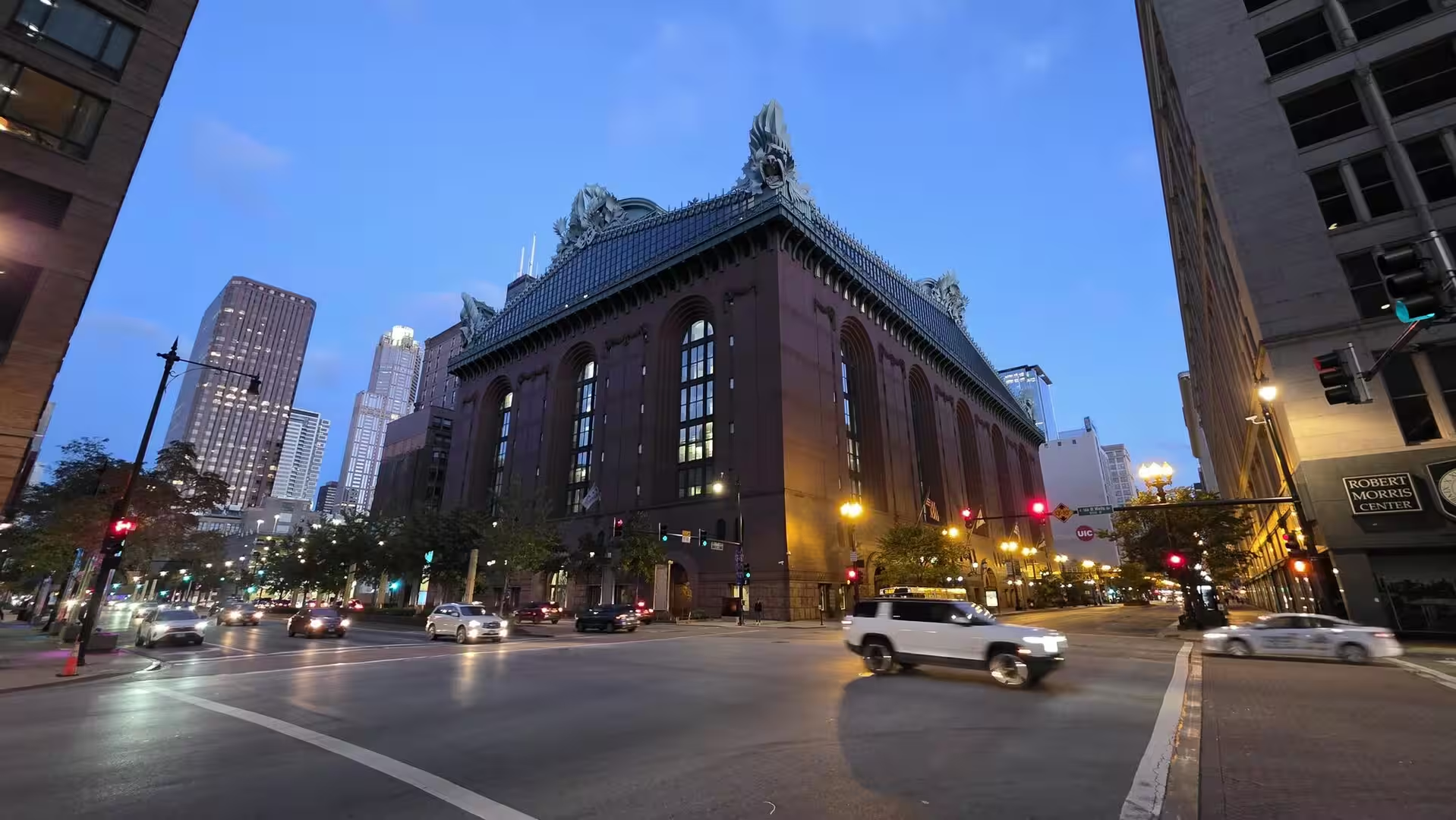
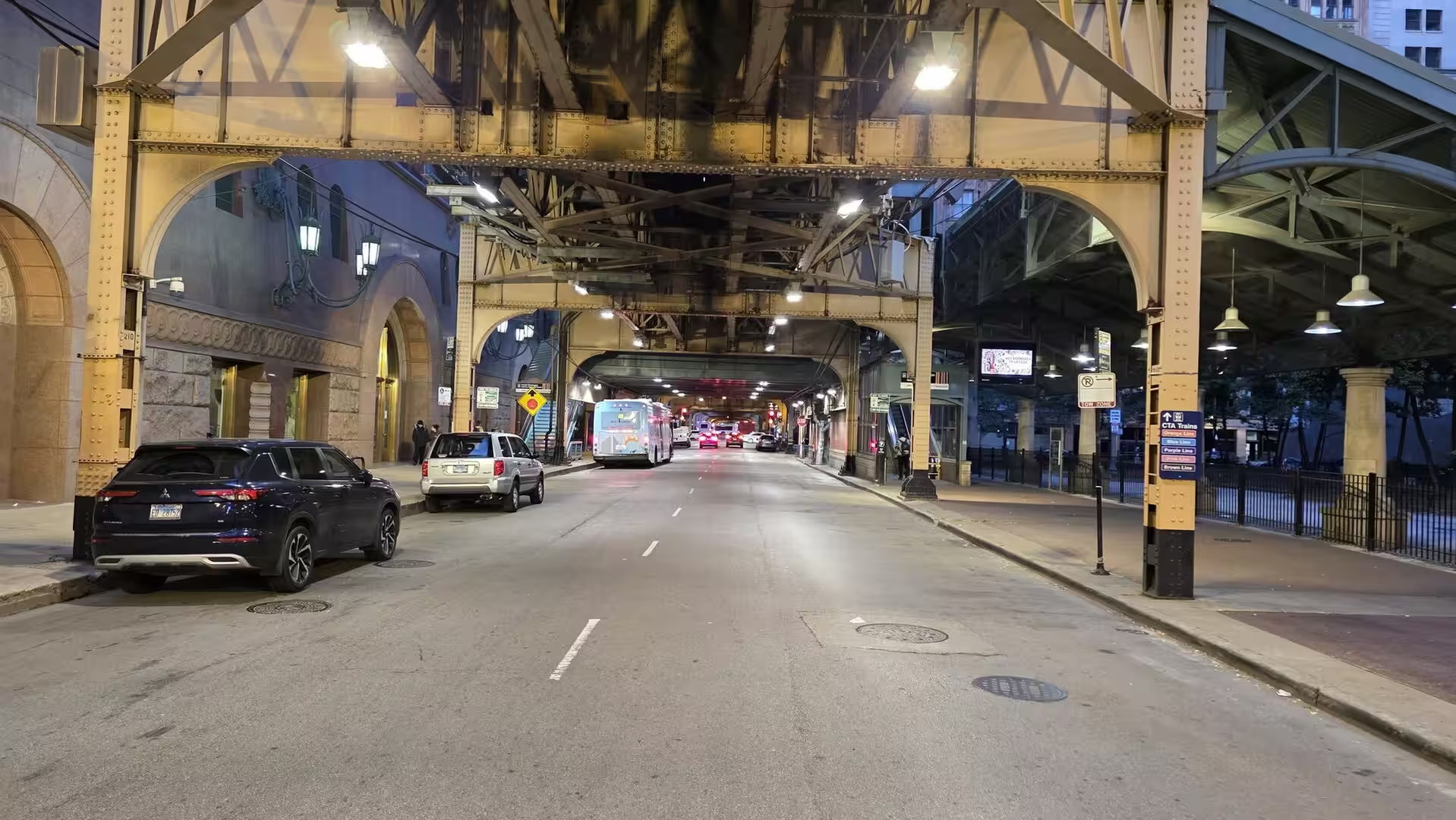
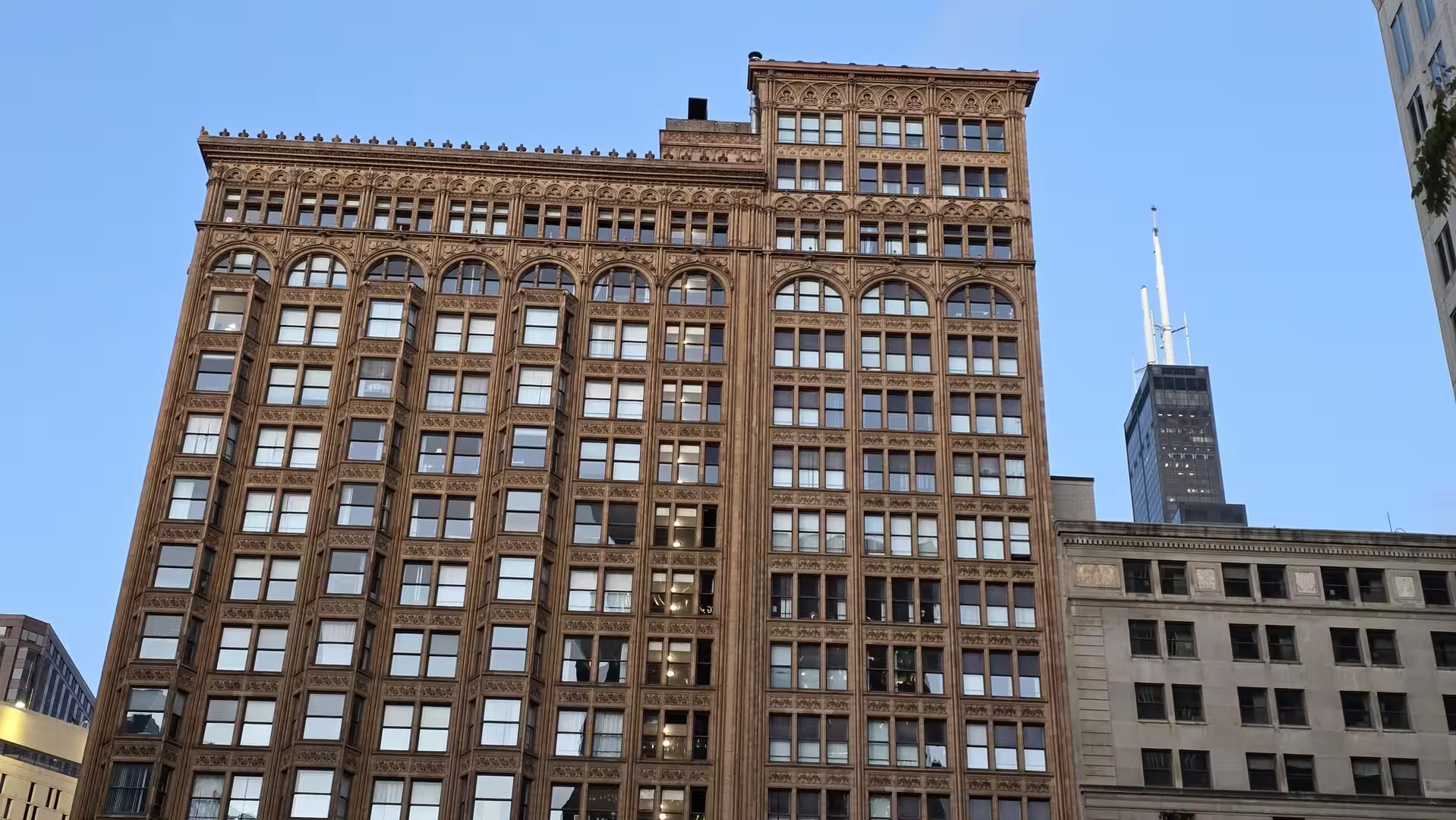
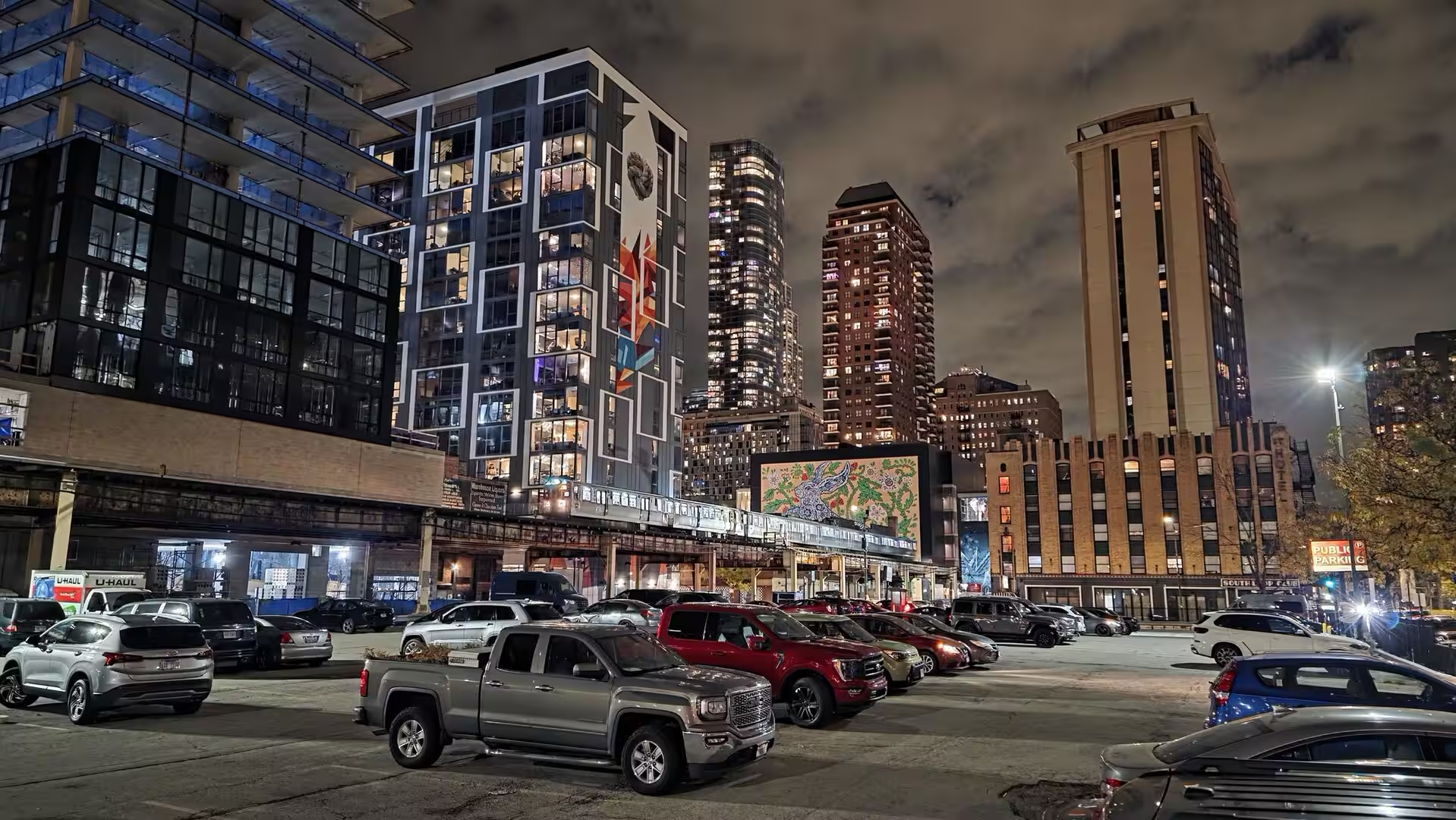
The Loop, the central business district between the lake and the river, concentrates the architectural history of Chicago in a few square kilometres. Its canyons of high-rise buildings mix the masterpieces of the Chicago School with the towers of the modern era, and the elevated railway threads between them at the level of the second and third storeys, giving the district its name: the loop of tracks was laid out in the 1890s and the whole area inside it has been called the Loop ever since. State Street and Wabash Avenue, lined with historic station buildings, are at their most atmospheric after dark, when the trains rumble overhead and the office towers blaze against the night sky.
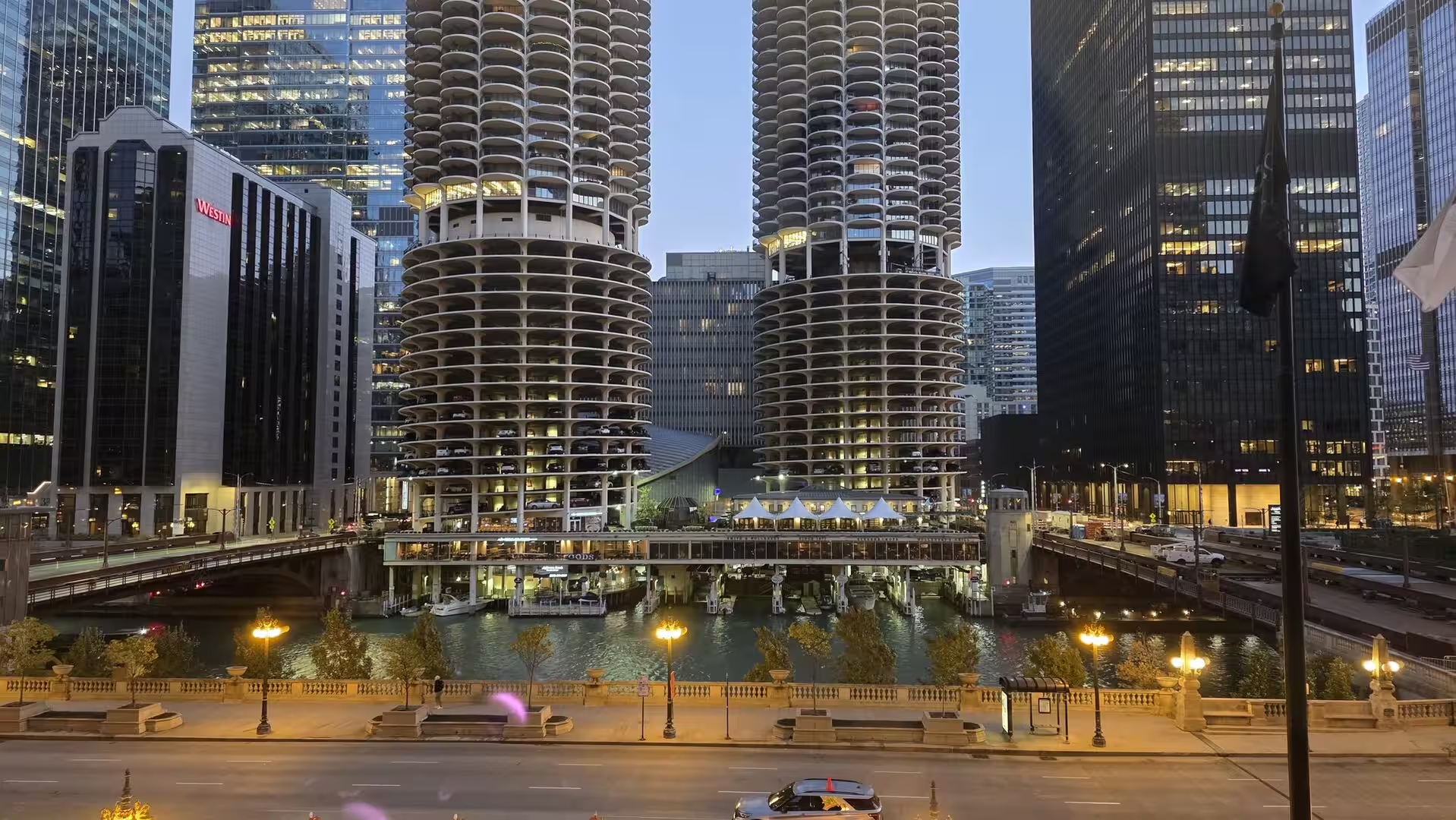
Marina City, at 300 North State Street on the north bank of the Chicago River, is one of the most recognisable silhouettes of the city. The complex was designed by Bertrand Goldberg and opened between 1963 and 1967; its two residential towers, 179 metres and 65 storeys high, have rounded balconies that reminded contemporaries of ears of corn, and the buildings are still known as the corncob towers. The towers stand on a raised platform above the river with a small marina for pleasure craft at water level, an office building later converted into a hotel, and a saddle-shaped auditorium; portions of the complex were designated a Chicago Landmark in 2016.
The Willis Tower, formerly the Sears Tower, rises 110 storeys and 442 metres above the southern end of the Loop. Designed by Bruce Graham and Fazlur Rahman Khan of Skidmore, Owings and Merrill and opened in 1973, it was the tallest building in the world for nearly a quarter of a century and remains one of the defining landmarks of the skyline. The Skydeck on the 103rd floor is the highest observation deck in the United States, visited by more than 1.7 million people each year; from its glass balconies, which project outward from the face of the tower, the visitor looks straight down at the street 412 metres below and across the whole basin of the lake.
The Chicago Cultural Center, on Michigan Avenue facing Millennium Park, is the city’s showcase of free culture. The neoclassical building opened in 1897 as the main library of the Chicago Public Library, and its interiors are among the most splendid of the city: Preston Bradley Hall carries a great glass dome by the Tiffany Glass and Decorating Company, 38 feet (12 metres) in diameter, generally regarded as the largest Tiffany dome in existence. Since 1978 the building has served as the first free municipal cultural centre of the United States, presenting more than a thousand programmes and exhibitions a year.
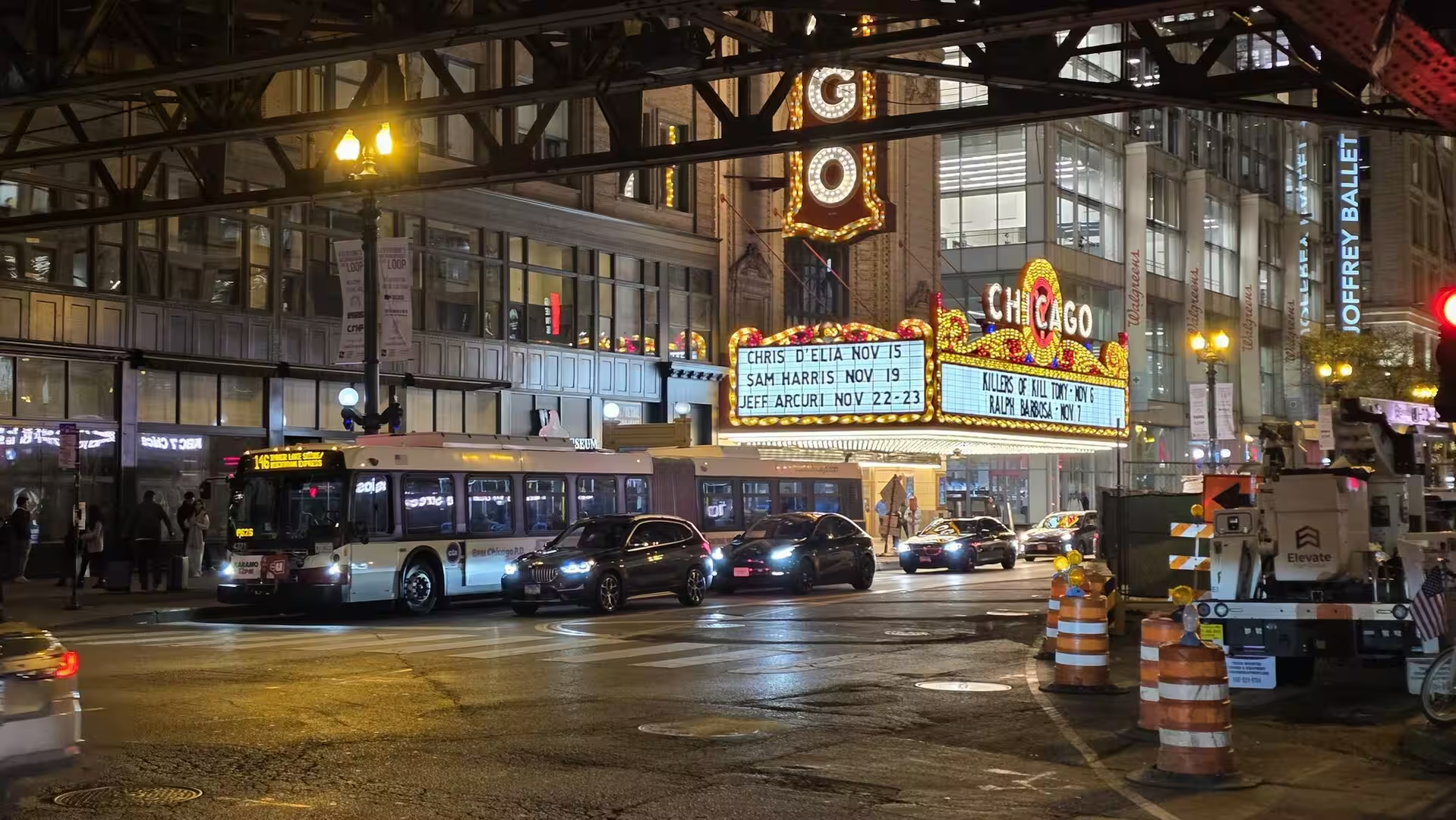
The Chicago Theatre on North State Street is the grandest survivor of the movie palace era. It was built in 1921 for the Balaban and Katz chain as the flagship of their theatre empire, and the celebrated vertical sign and marquee above the pavement, described as an unofficial emblem of the city, have made it one of the landmarks of downtown. Today the auditorium, seating about 3,600, is operated as a performing arts venue for concerts, comedy and stage shows; the building was designated a Chicago Landmark in 1983.
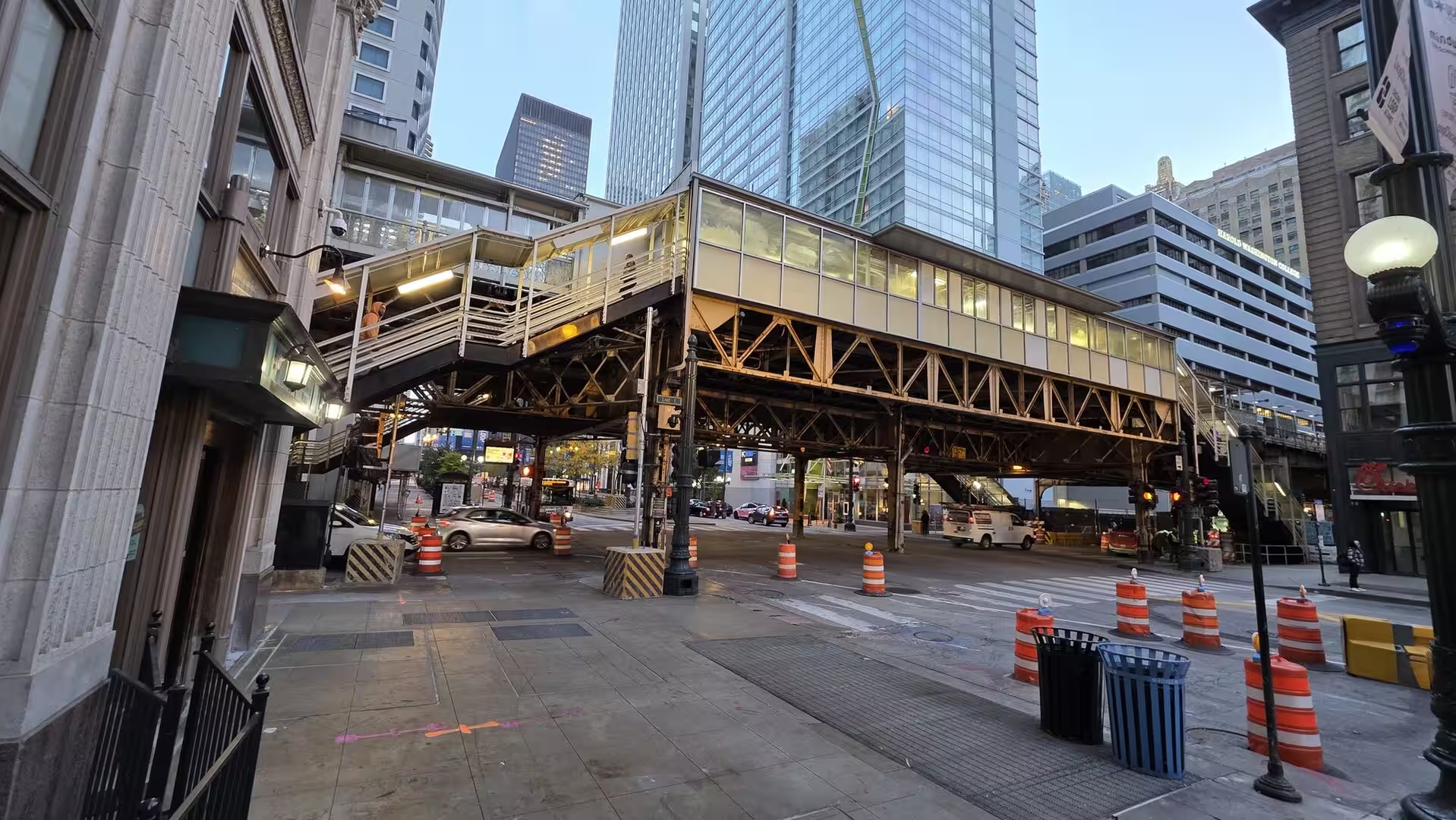
The elevated railway, the famous L of Chicago, is both transport and spectacle. The first sections were opened in 1892, making the system the second oldest rapid transit in the Americas after the elevated lines of New York. The system now operates eight routes over 102.8 miles (165 km) of line with 146 stations, and the Red and Blue Lines run around the clock. Riding the L around the Loop carries the passenger through the heart of the skyline at window level, past the facades of the old office blocks and over the intersections where the stations sit above the traffic.
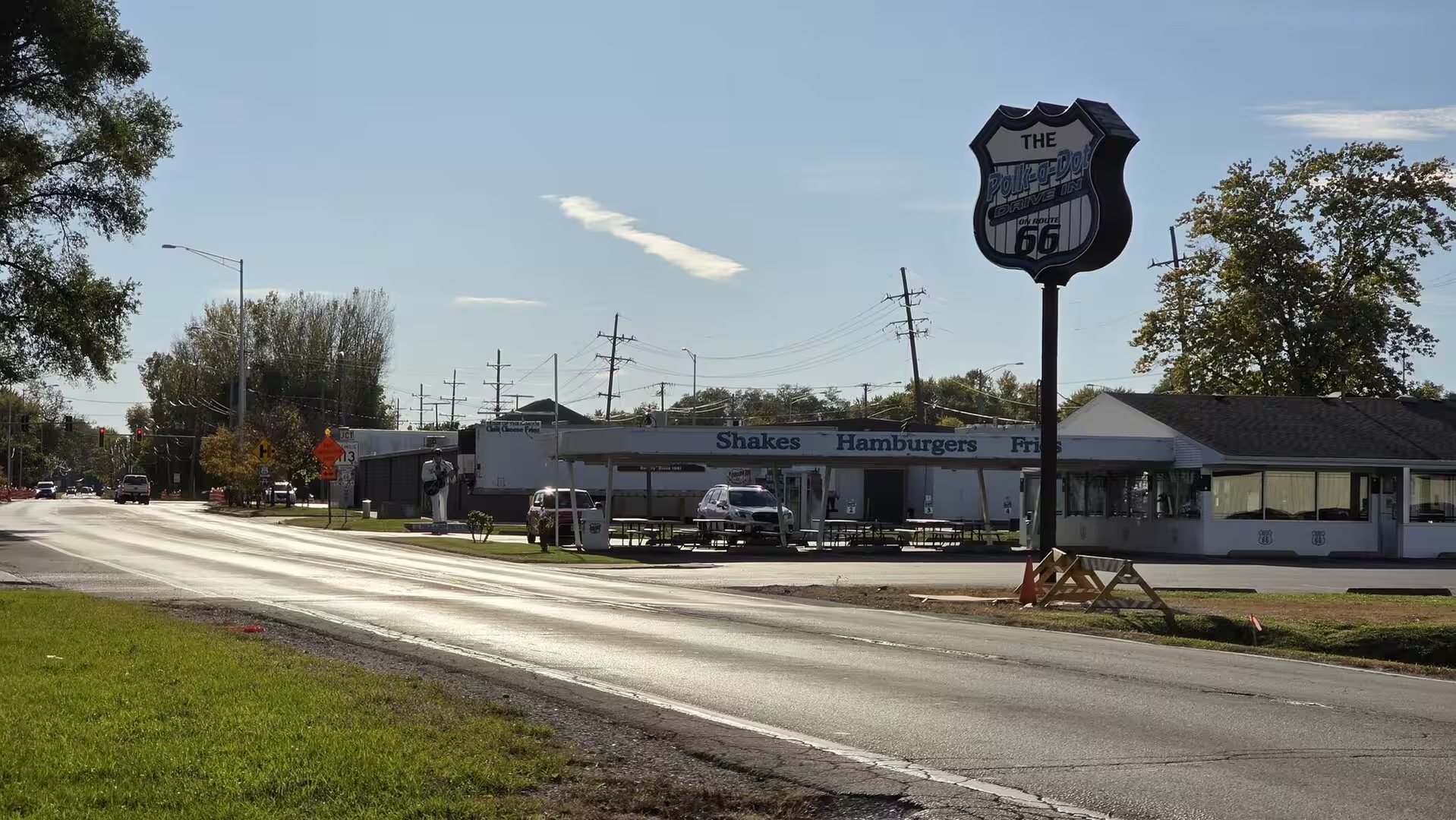
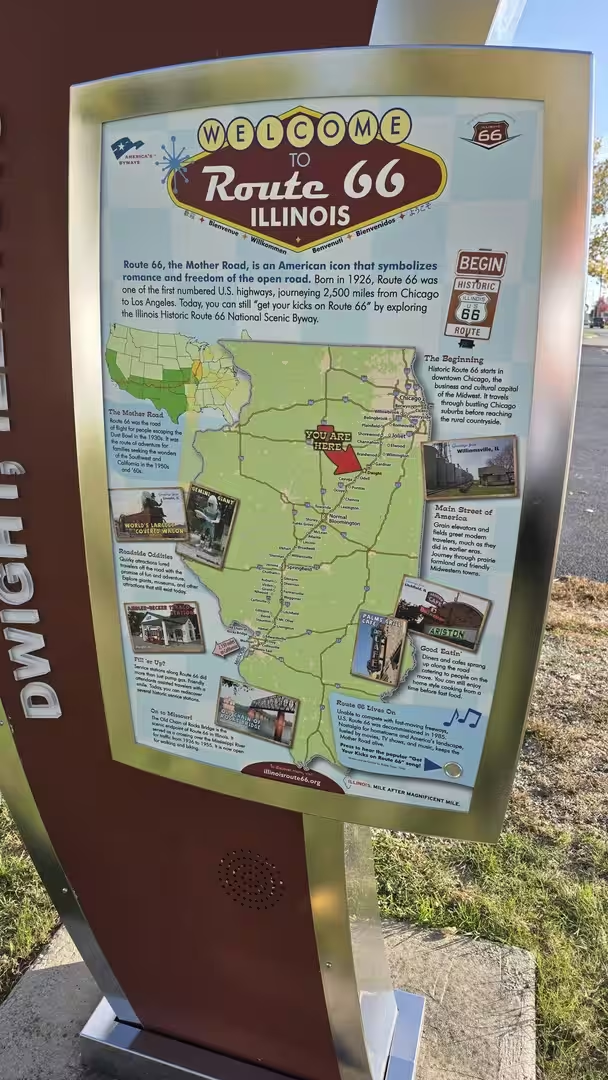
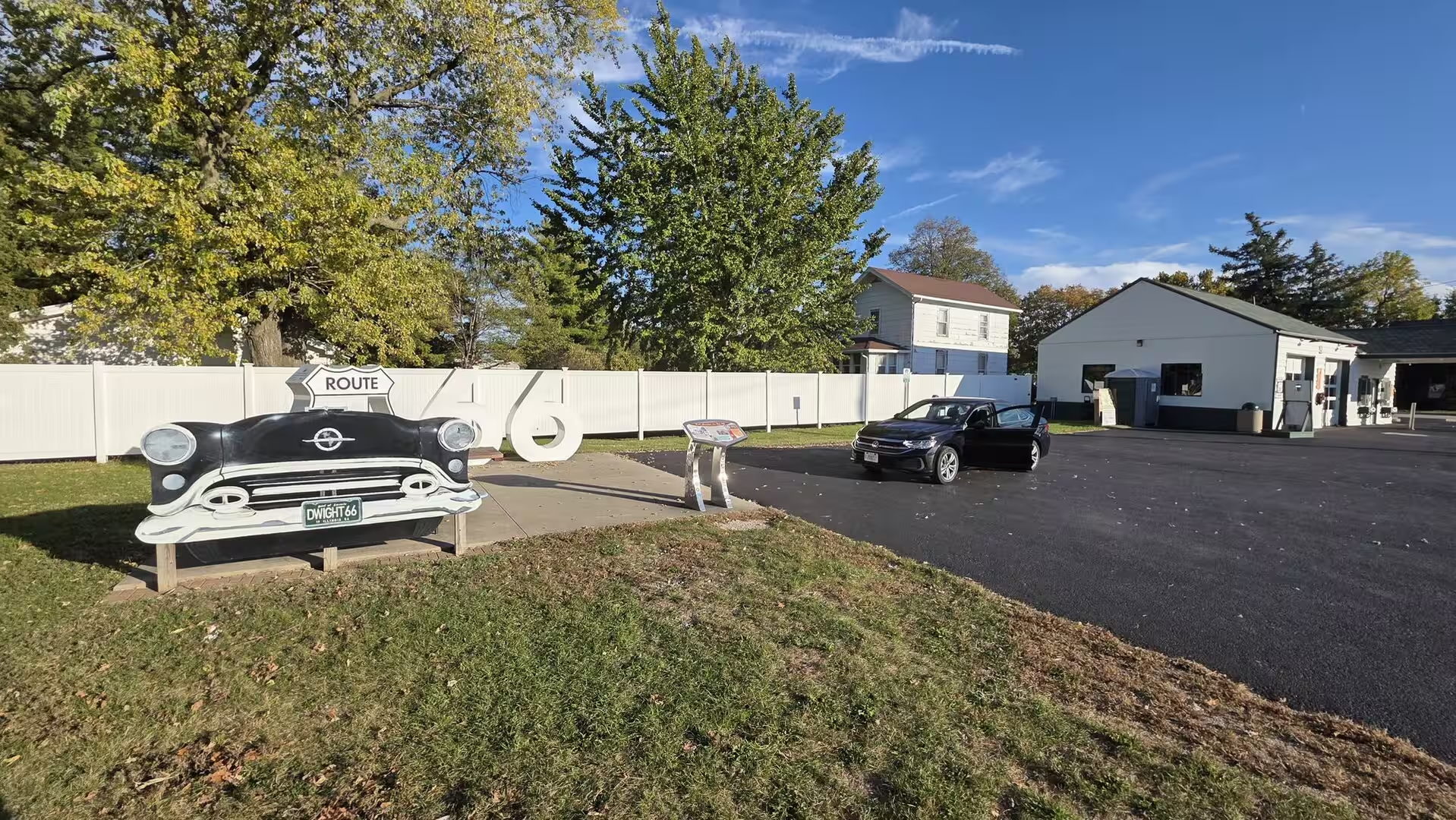
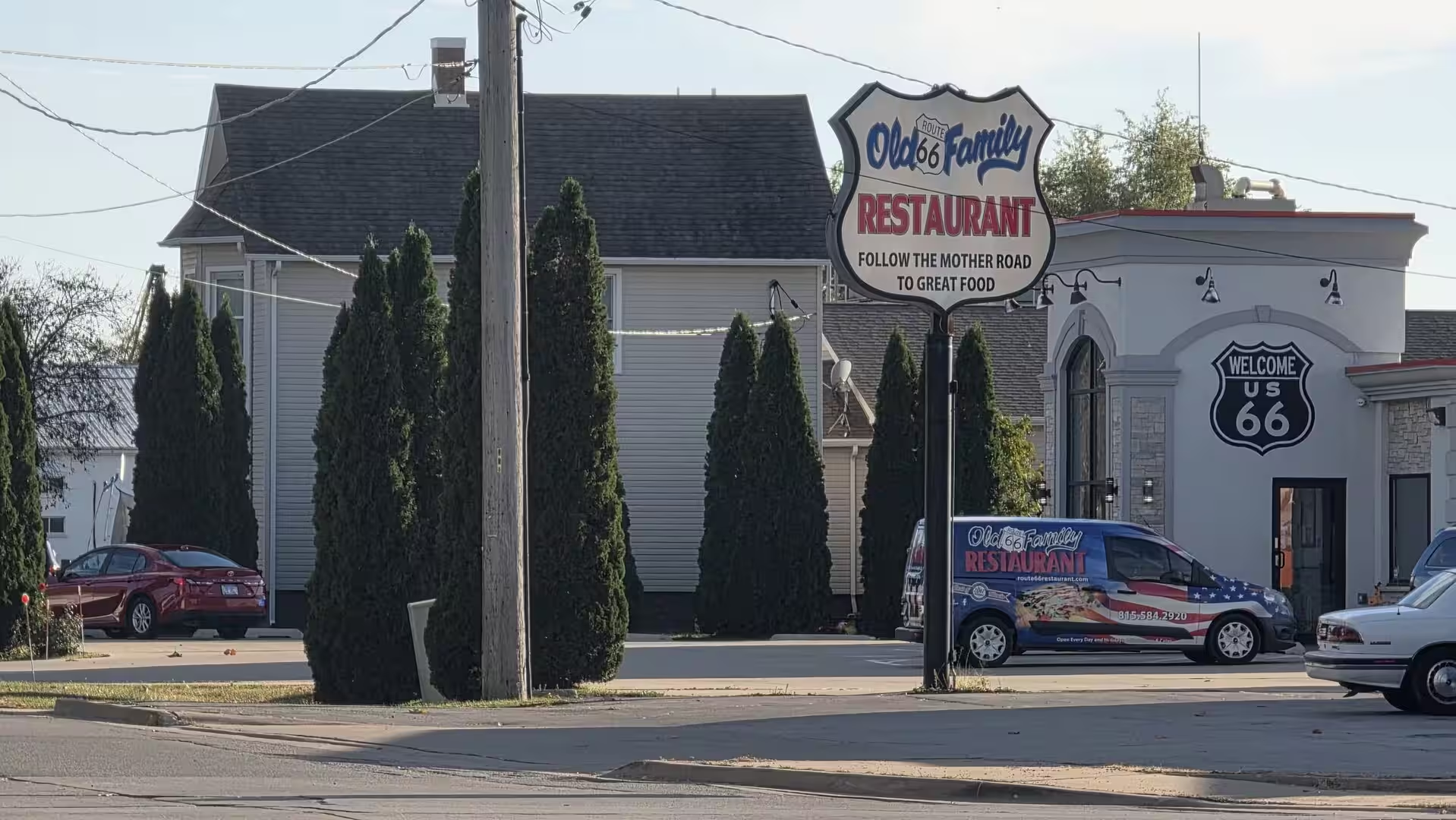
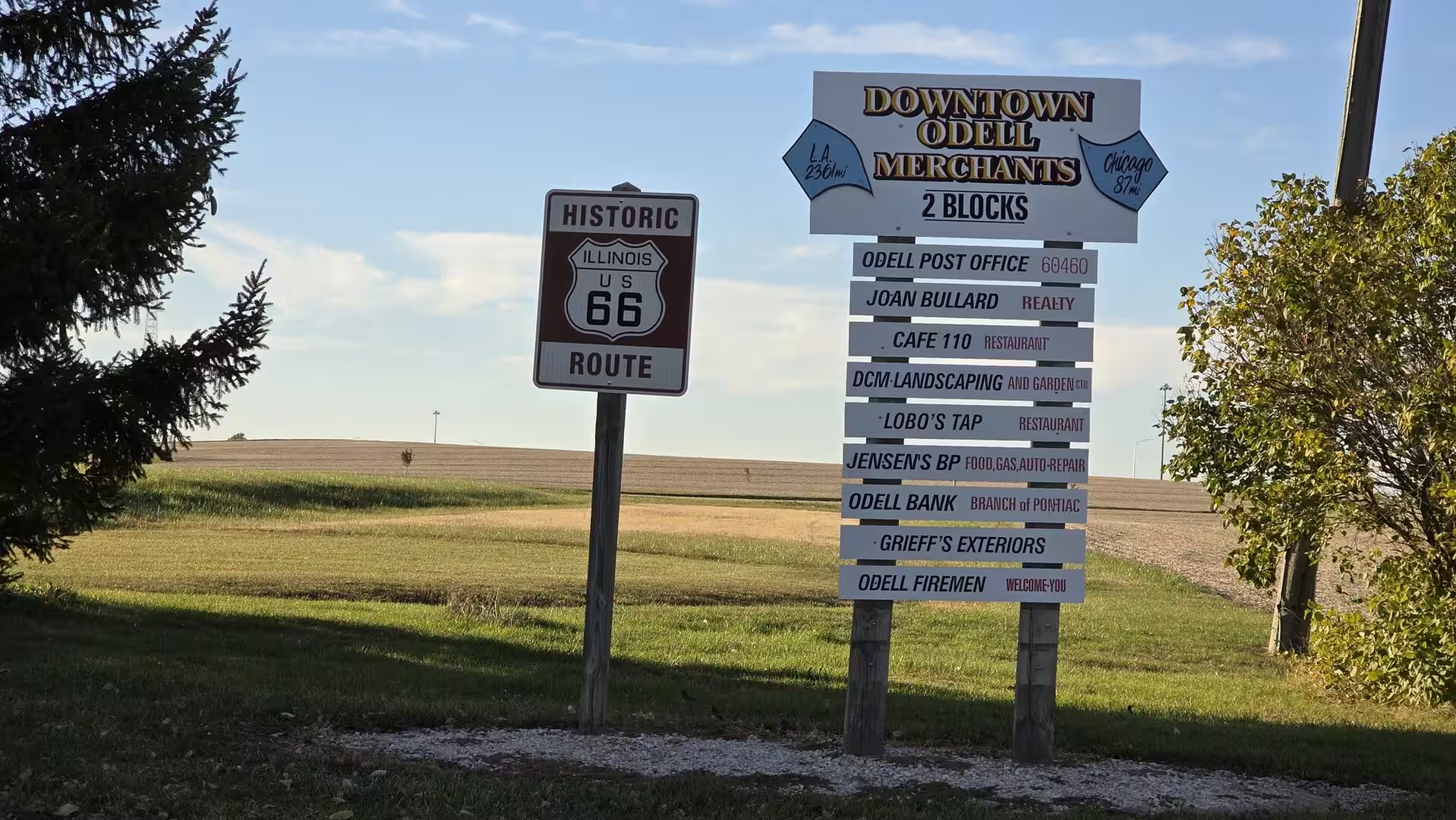
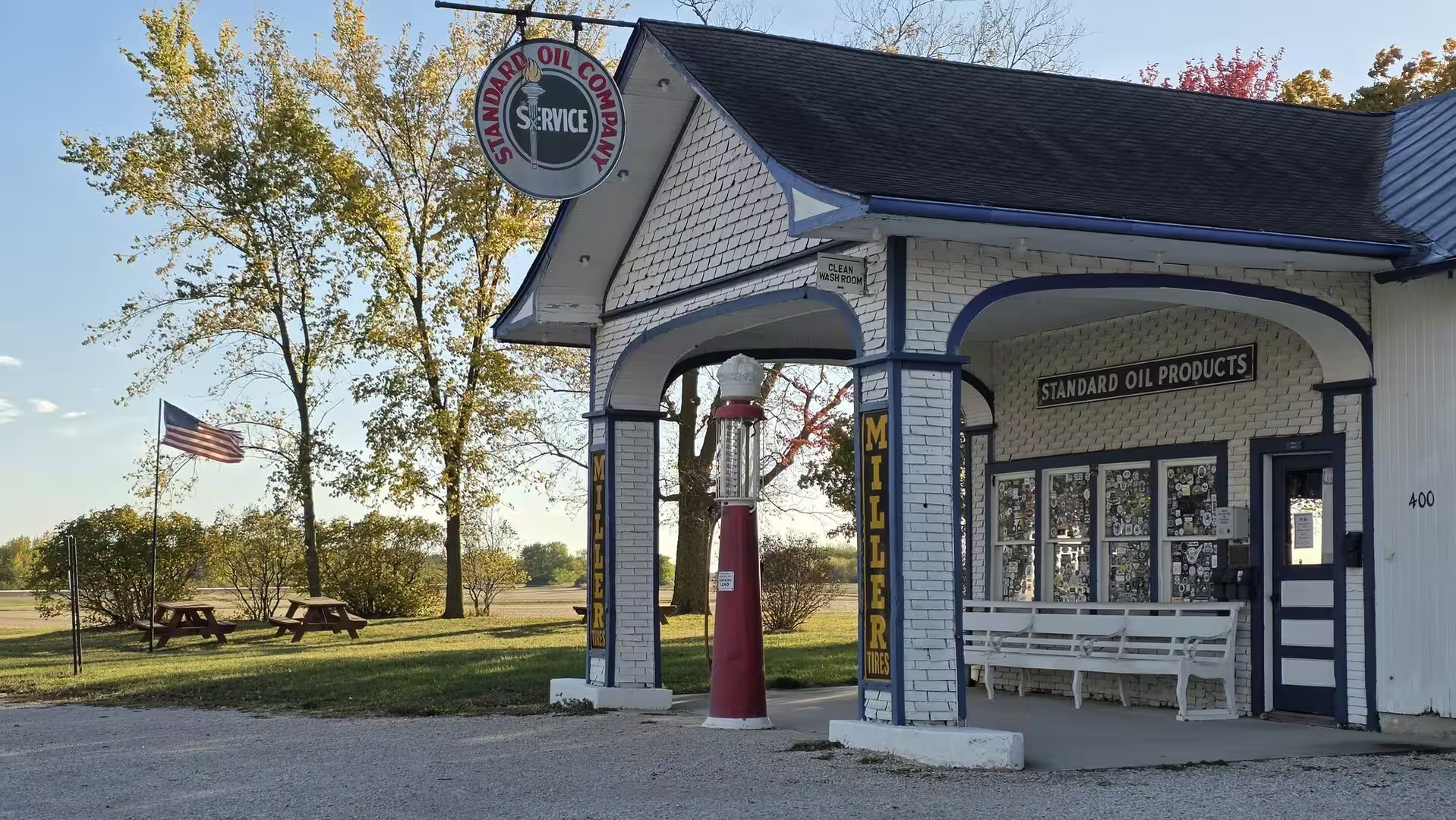
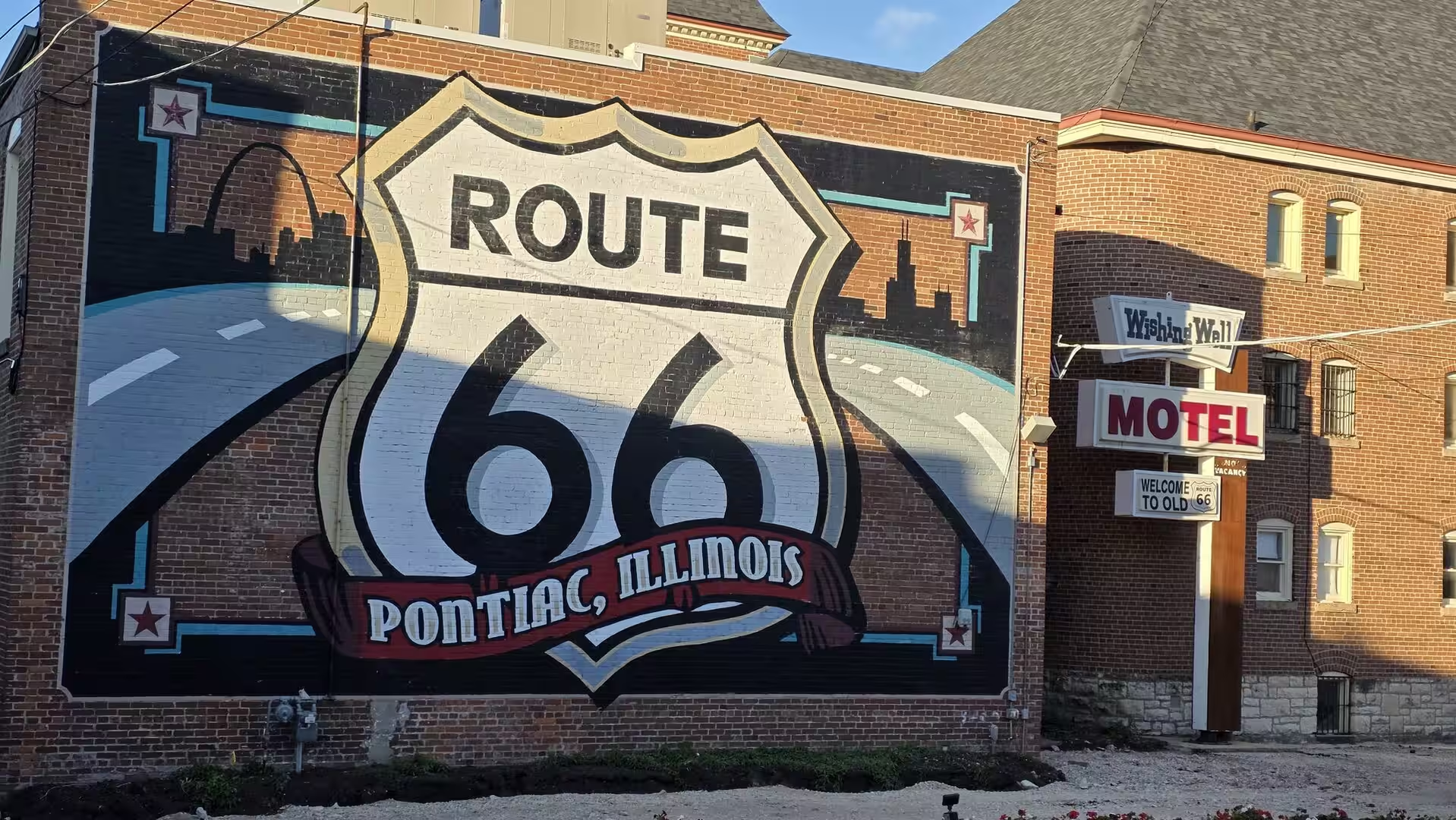
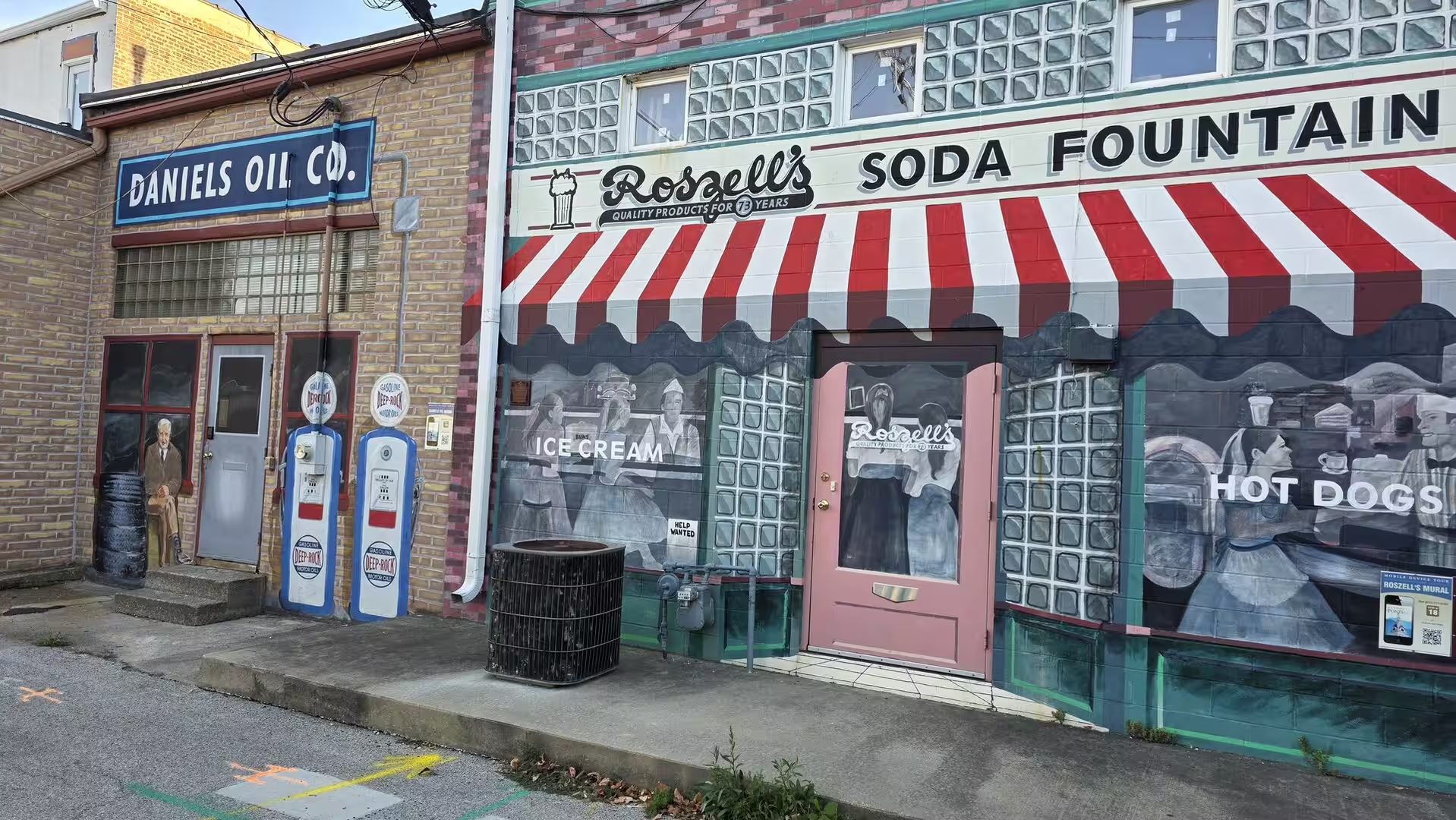
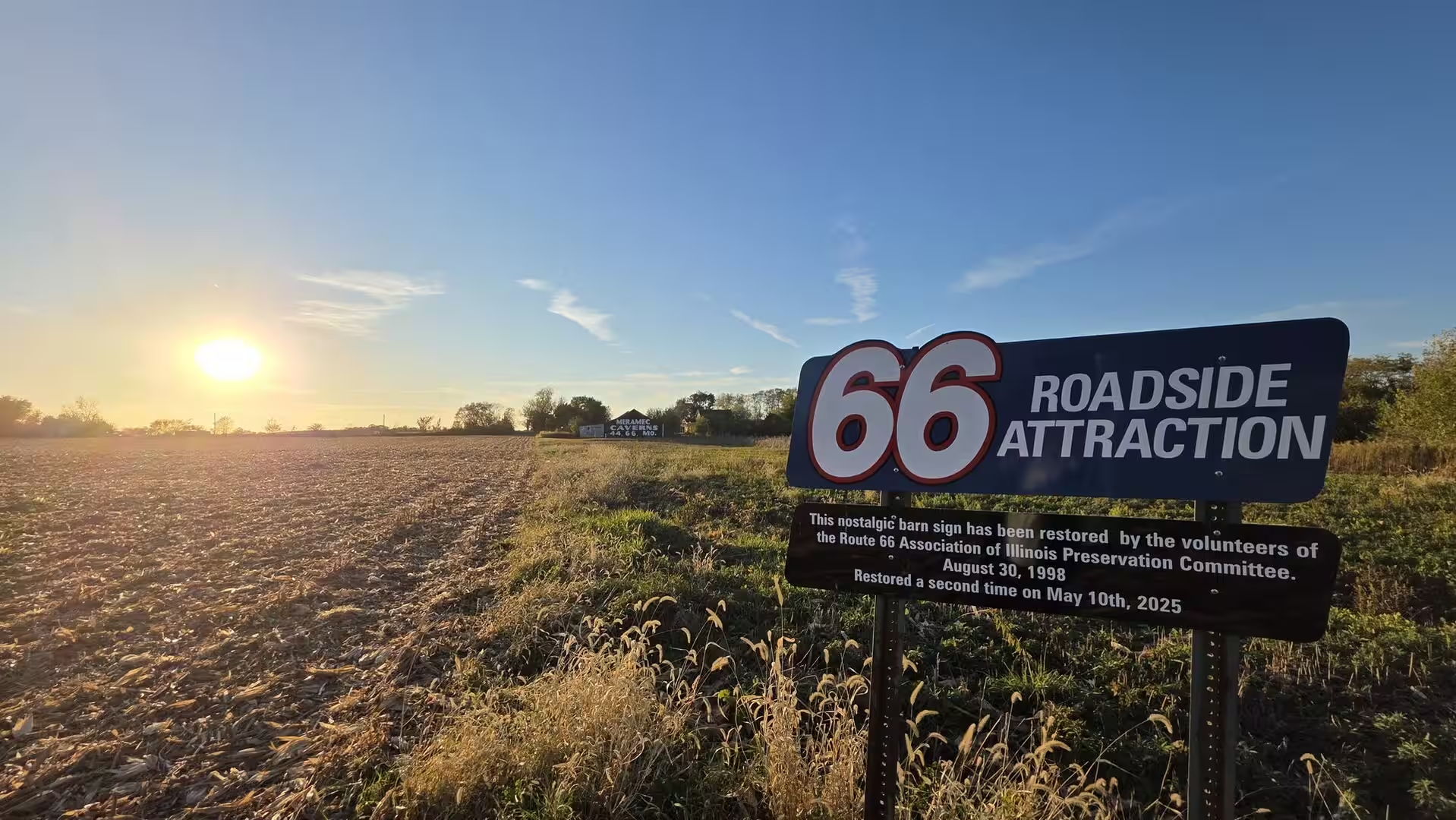
Historic Route 66, whose eastern terminus lies at Jackson Boulevard and Michigan Avenue, leaves the city toward the south-west through the prairie of central Illinois. The old road, opened in 1926 and decommissioned in 1985, is preserved here as a scenic byway, and its small towns keep the roadside architecture of the Mother Road: the village of Dwight, with about 4,000 inhabitants, contains an original stretch of the highway and the restored Ambler’s Texaco station of 1933, which served motorists for 66 years without interruption, the longest operating gas station on the whole route, and is now the village visitor centre. In Odell the restored Standard Oil station of 1932, built to a domestic-style design of 1916, stands beside the old alignment as a welcome centre, while in Pontiac, the seat of Livingston County, the Route 66 Hall of Fame and Museum occupies the former city hall and fire house, and the largest painted Route 66 shield in the world covers the wall of the museum beside the vintage sign of the Wishing Well Motel.
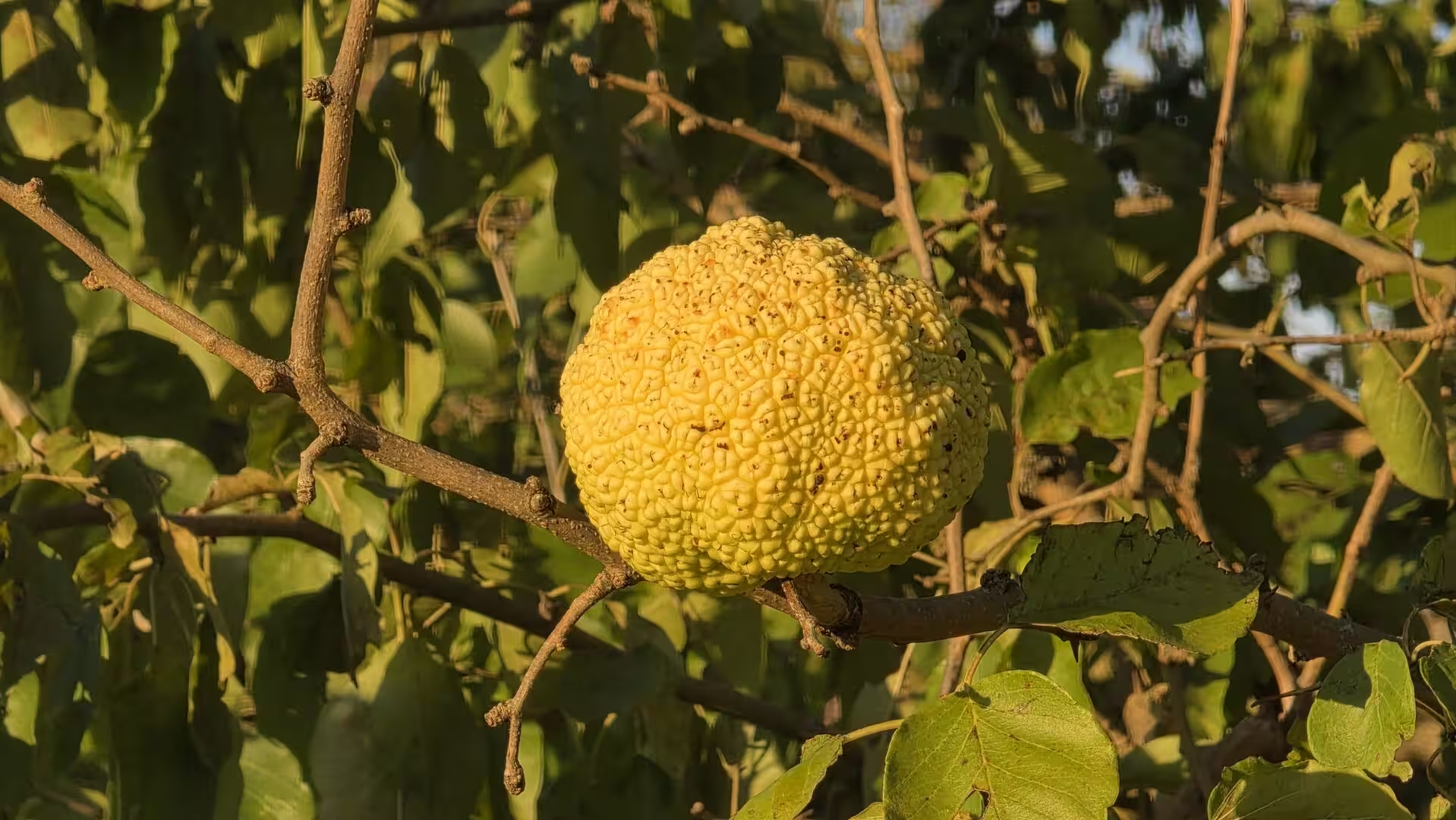
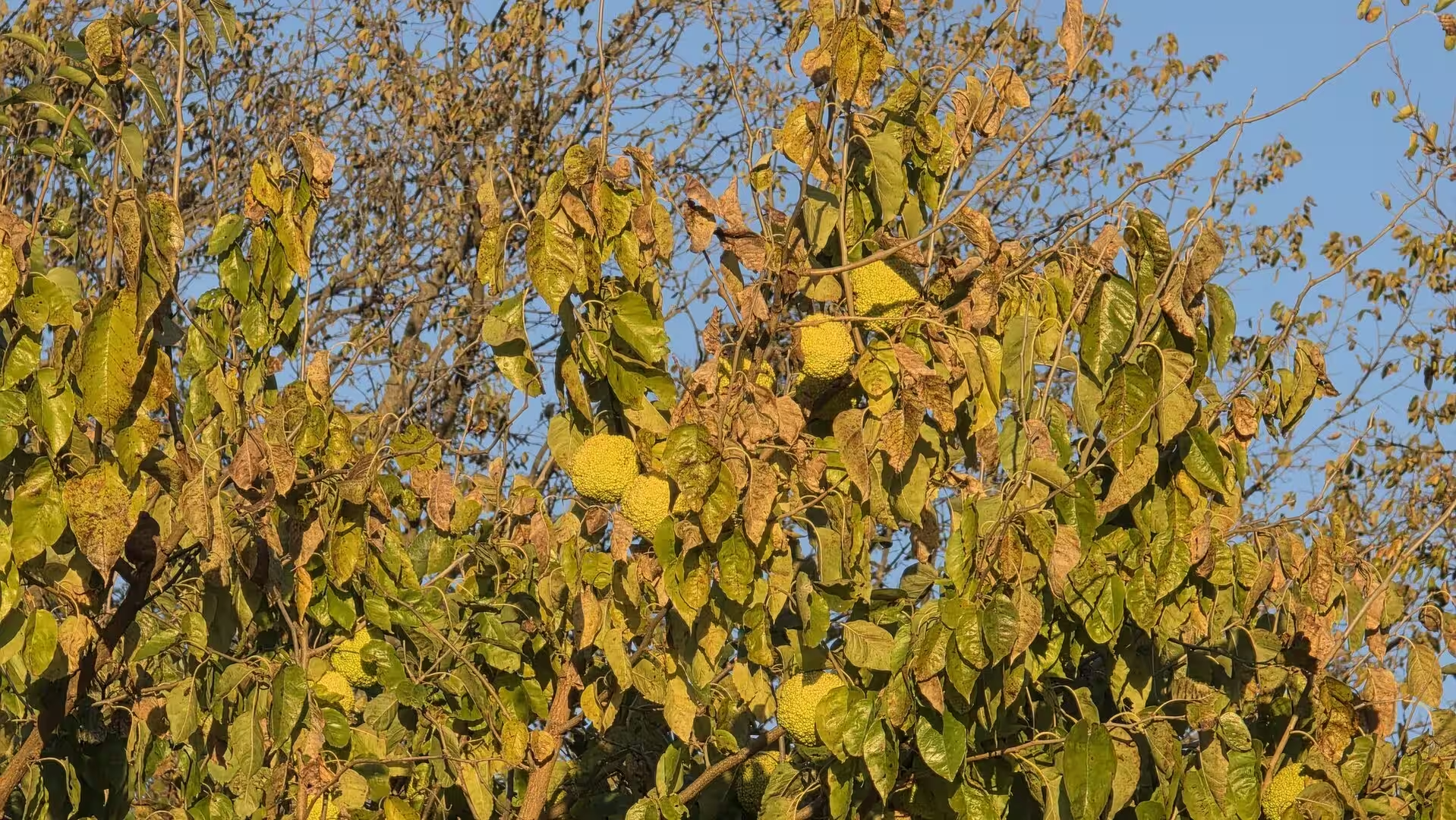
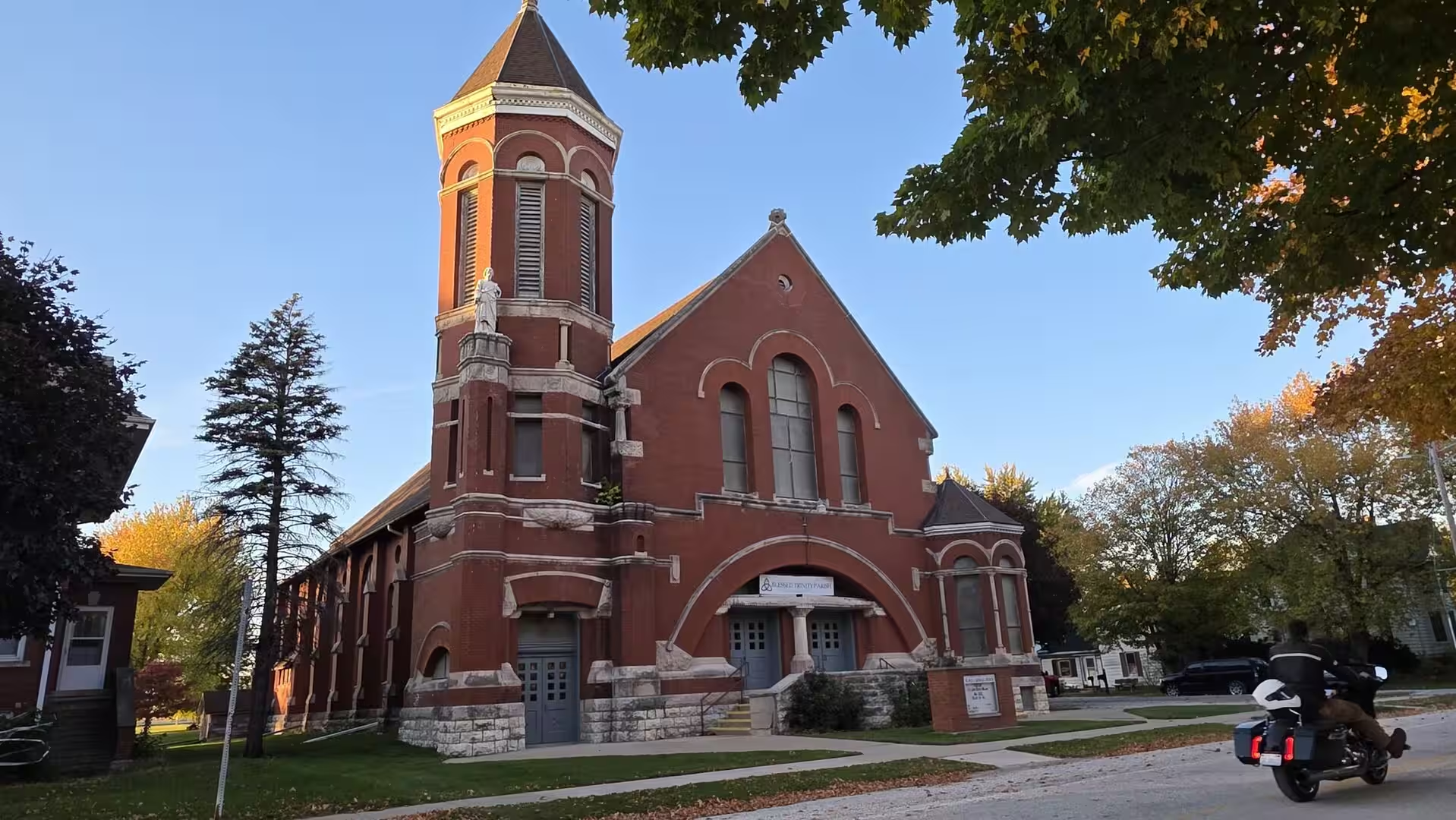
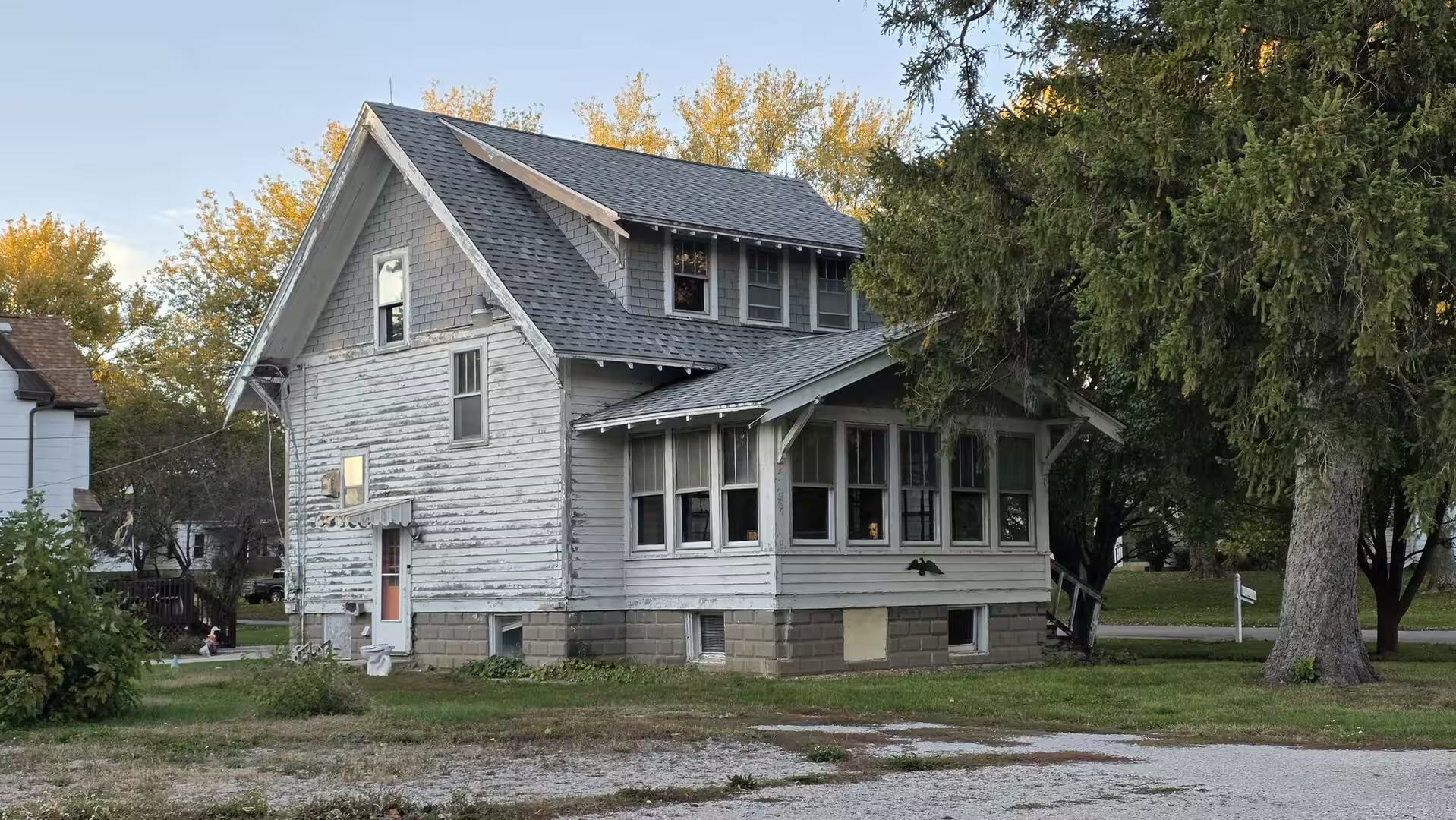
The countryside of the corridor is the level prairie of the Illinois farmland, a landscape of wide fields, farmsteads and small red-brick churches. Osage orange trees, planted by settlers as living fences and windbreaks, grow along the old fencerows and drop their large, knobbly yellow-green fruits, known as hedge apples, in the autumn; their wood is famously hard and durable. Roadside diners, drive-in restaurants and old petrol stations line the highway, and in the golden light of autumn afternoons the drive through this country, with its harvest fields and its weathered barns, shows the American heartland at its most characteristic.
References
- Miller, D. L. (1996). City of the Century: The Epic of Chicago and the Making of America. New York: Simon & Schuster.
- Cronon, W. (1991). Nature’s Metropolis: Chicago and the Great West. New York: W. W. Norton.
- Condit, C. W. (1964). The Chicago School of Architecture: A History of Commercial and Public Building in the Chicago Area, 1875-1925. Chicago: University of Chicago Press.
- City of Chicago, Department of Cultural Affairs and Special Events (2026). Preston Bradley Hall Tiffany Dome. www.chicago.gov/city/en/depts/dca/supp_info/pbh.html
- National Park Service (2026). Illinois: Ambler’s Texaco Gas Station, Dwight. www.nps.gov/places/amblers-texaco-gas-station.htm
- National Park Service (2026). Illinois: Standard Oil Gas Station, Odell. www.nps.gov/places/standard-oil-gas-station.htm
- Wikipedia contributors (2026). Chicago. en.wikipedia.org/wiki/Chicago
- Wikipedia contributors (2026). History of Chicago. en.wikipedia.org/wiki/History_of_Chicago
- Wikipedia contributors (2026). Great Chicago Fire. en.wikipedia.org/wiki/Great_Chicago_Fire
- Wikipedia contributors (2026). Chicago Sanitary and Ship Canal. en.wikipedia.org/wiki/Chicago_Sanitary_and_Ship_Canal
- Wikipedia contributors (2026). Lake Michigan. en.wikipedia.org/wiki/Lake_Michigan
- Wikipedia contributors (2026). Marina City. en.wikipedia.org/wiki/Marina_City
- Wikipedia contributors (2026). Chicago Cultural Center. en.wikipedia.org/wiki/Chicago_Cultural_Center
- Wikipedia contributors (2026). Chicago Theatre. en.wikipedia.org/wiki/Chicago_Theatre
- Wikipedia contributors (2026). Willis Tower. en.wikipedia.org/wiki/Willis_Tower
- Wikipedia contributors (2026). Chicago “L”. en.wikipedia.org/wiki/Chicago_%22L%22
- Wikipedia contributors (2026). U.S. Route 66 in Illinois. en.wikipedia.org/wiki/U.S._Route_66_in_Illinois
- Wikipedia contributors (2026). Maclura pomifera. en.wikipedia.org/wiki/Maclura_pomifera