Grande Traversata delle Alpi · 2026
Stage 6 of 8
2026 GTA 6 - Castelmagno and the Valle Grana
8 July 2026









Journal Notes
The day opens above Celle di Macra, where the last houses stand in a fold of the hillside and the first light catches only the highest larches. Cool air moves down from the ridge, carrying the smell of hay and wet stone. Above the village the meadows rise steeply, pale where the grass has been cut and deeper green where it still stands. A footpath leaves the lane behind the church and begins to climb. This is the middle day of the GTA, the one everything before has been climbing towards, and it is also the longest. A steady ascent through high pastures leads to a pass; beyond it the ground falls away into the Grana valley, and on the far side the sanctuary of San Magno sits on its shoulder of rock above Castelmagno. The weather is kind. Thin cloud lies along the far ridges, the summits stand clear, and for once there is no hurry in the legs. What follows is a day of two halves: the slow, breathing climb among wildflowers and cattle, and then the long, deliberate descent into a valley that has been pastured and prayed in for longer than anyone can say.
The Path out of Celle di Macra
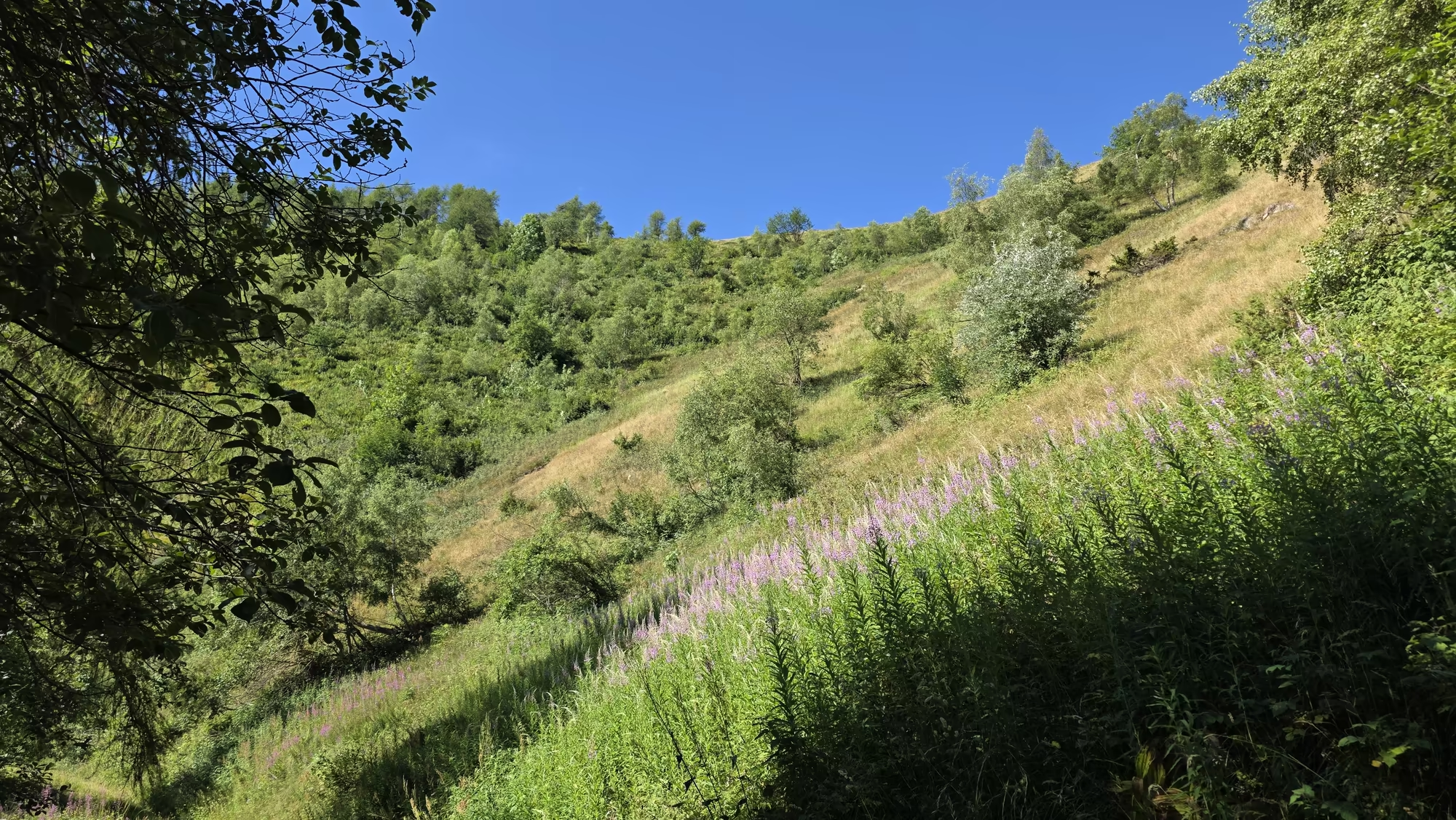
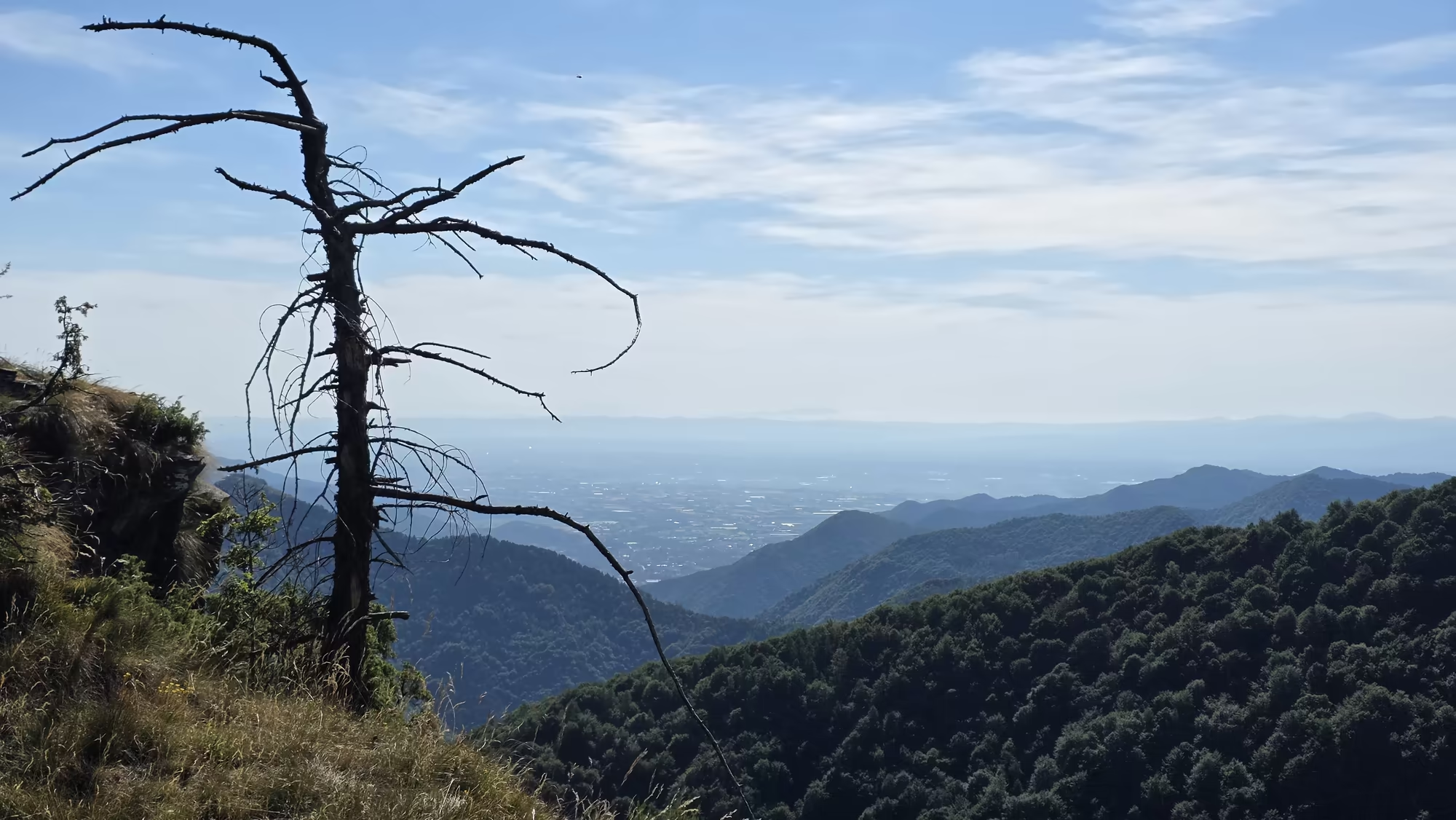
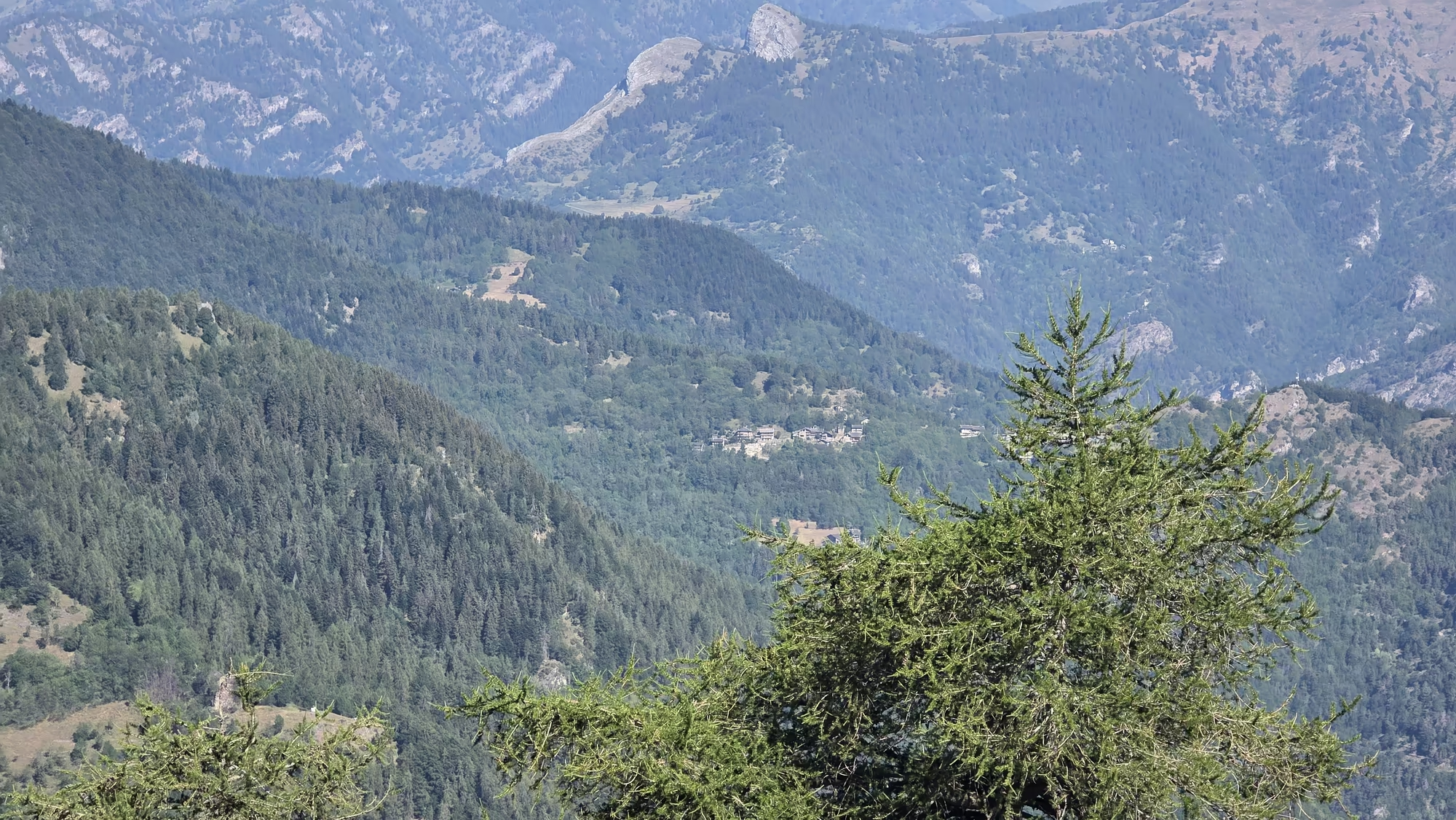
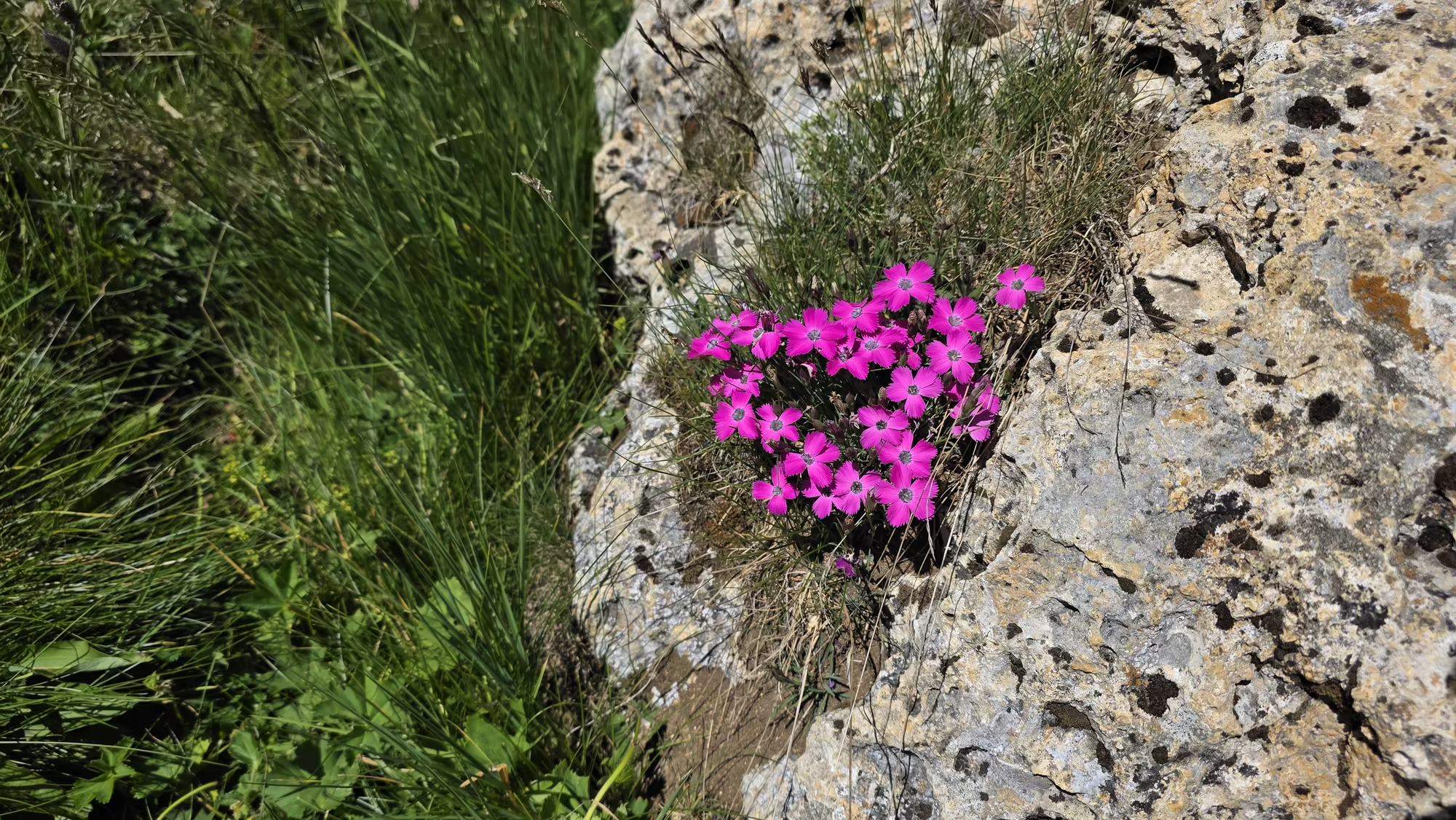
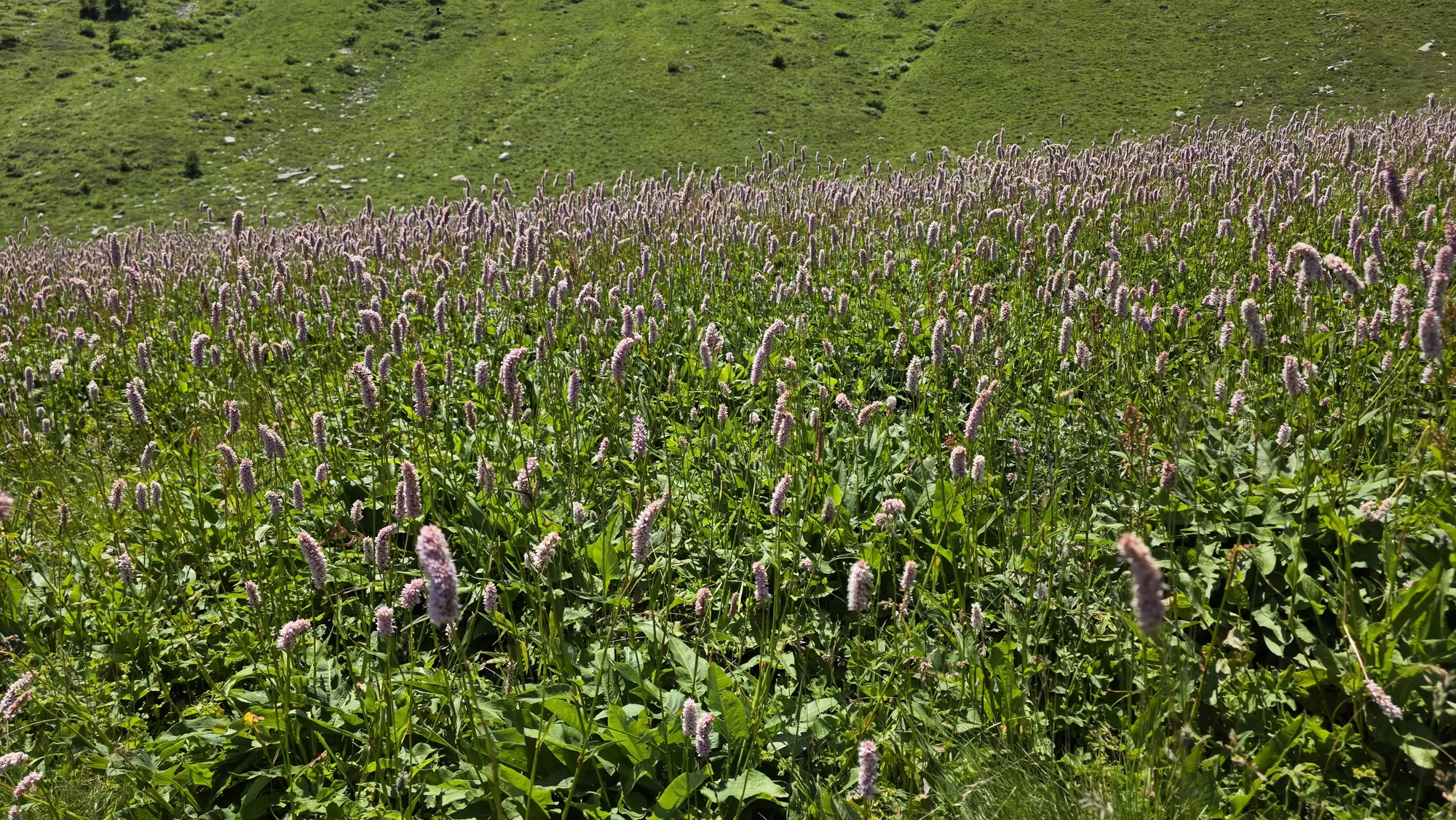
Fireweed grows in tall pink spires on the steep meadow just above the village, the flower of ground that has been disturbed and left to recover. The footpath threads through the grass, narrow at first and then broader, and a single bare tree stands at the edge of the slope, its branches framing the valley beyond. Limestone rocks break through the turf in pale, weathered ridges, and small magenta flowers crowd against them, catching the light. The climb is gentle at the start and then less so. The village slips away below, tucked into its forested slope, and the ridges of conifer forest begin to layer into the distance, one behind another, each a little bluer than the last. Rugged peaks rise above the treeline ahead, and the path turns steadily towards them.
There is time, on a climb like this, to notice how the ground changes underfoot. Grass gives way to gravel, gravel to smooth worn rock where countless boots and hooves have passed. A walker ahead moves slowly, stopping often, and the gaps between stops grow longer as the morning warms. Sheep bells carry up from somewhere below, thin and irregular. The meadow is alive with insects, and the air smells of thyme and crushed mint. Above the last of the trees the sky widens, and the first real view of the day opens across the shoulders of the valley: slopes of grass and stone, empty of buildings, running up to a crest that has to be crossed.
Over the Ridge into the Grana Valley
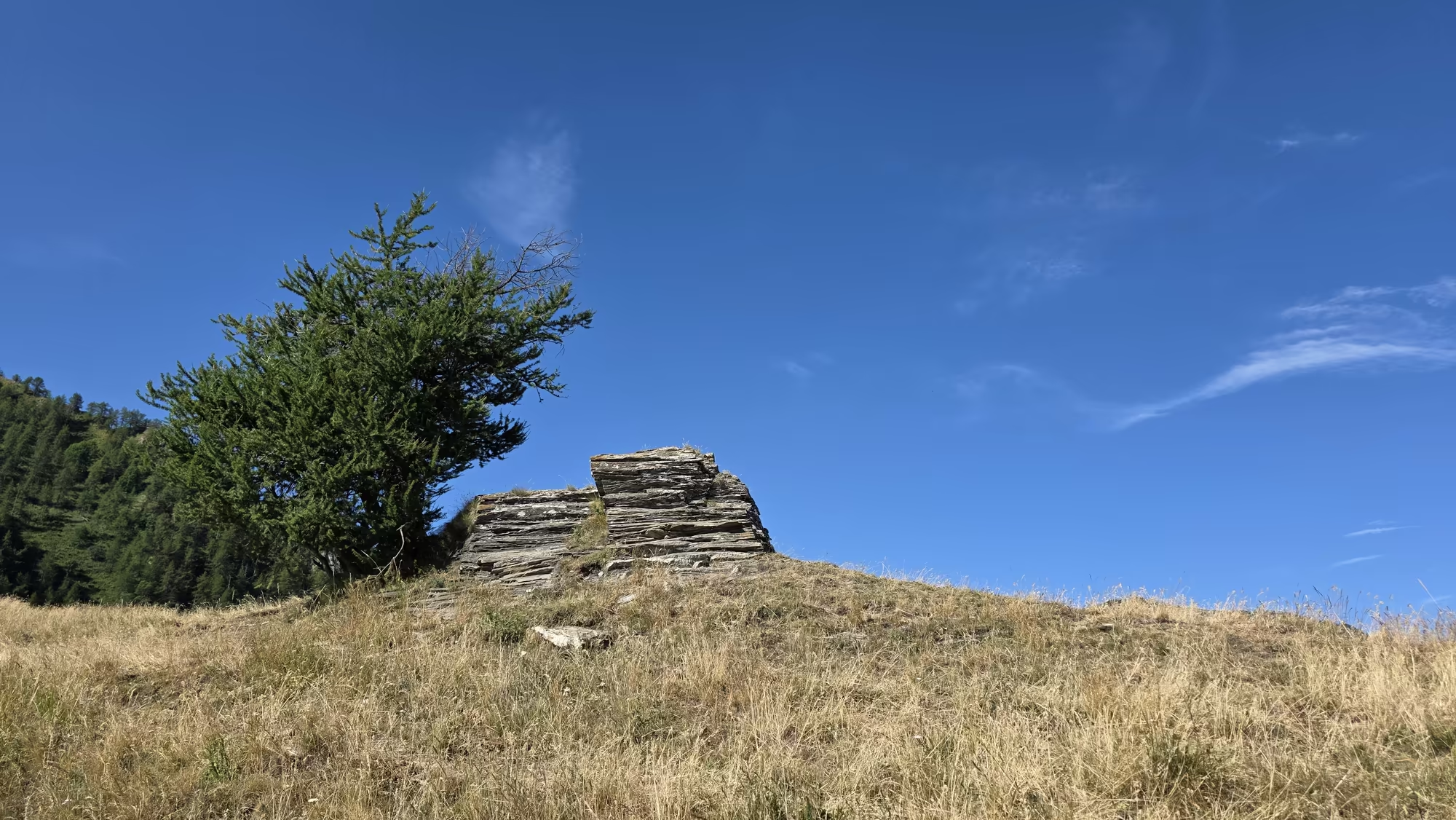
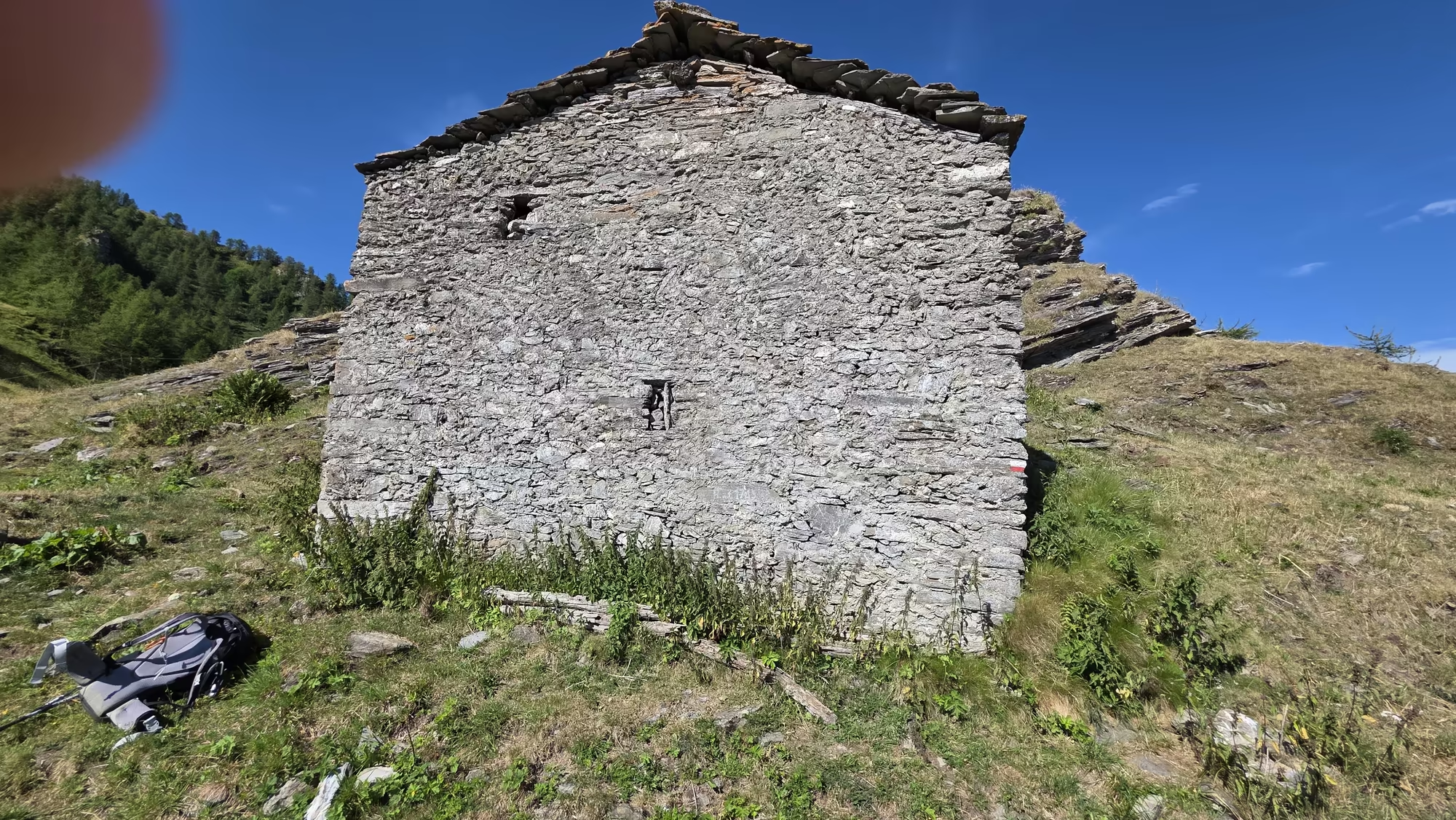
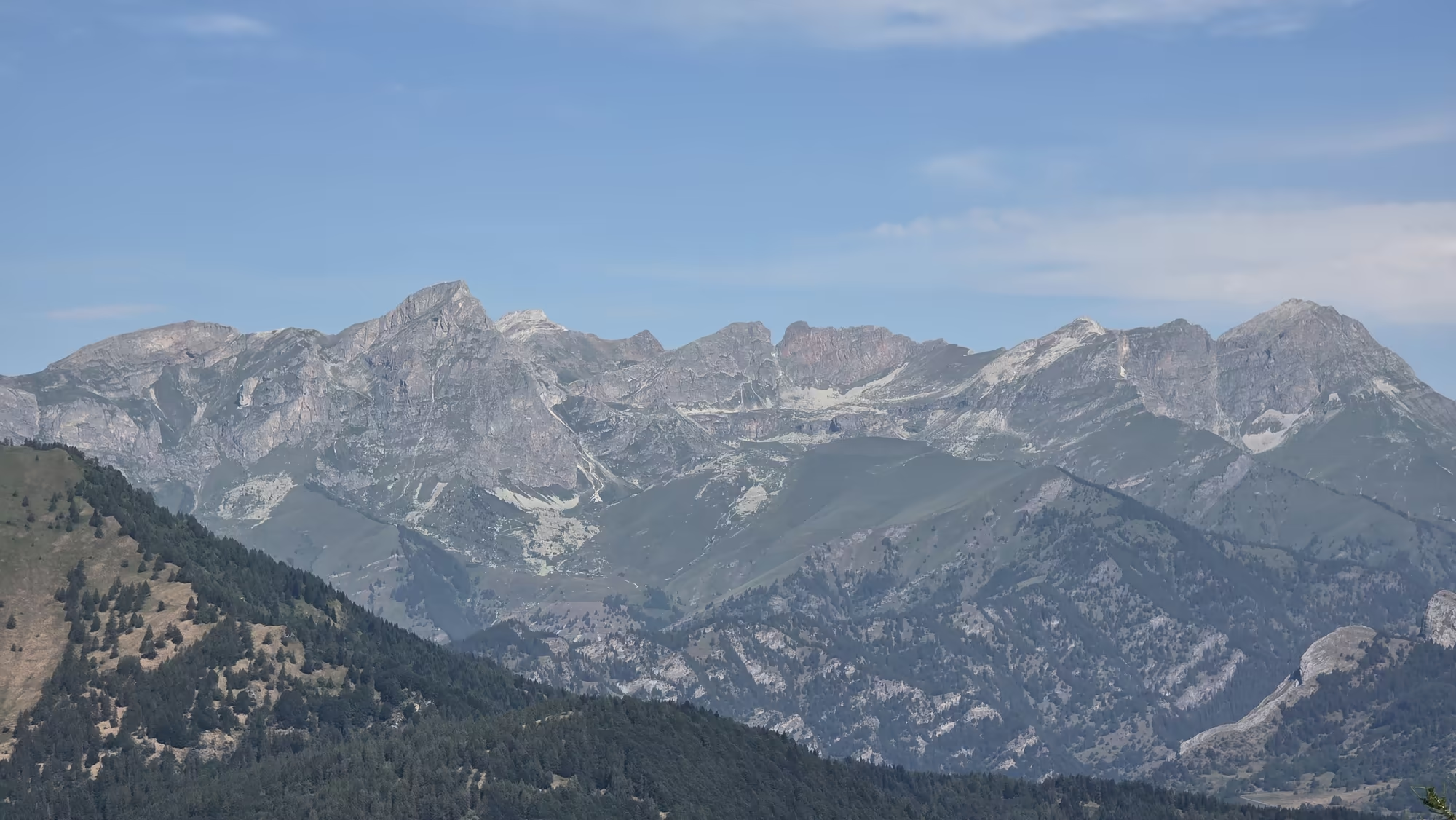
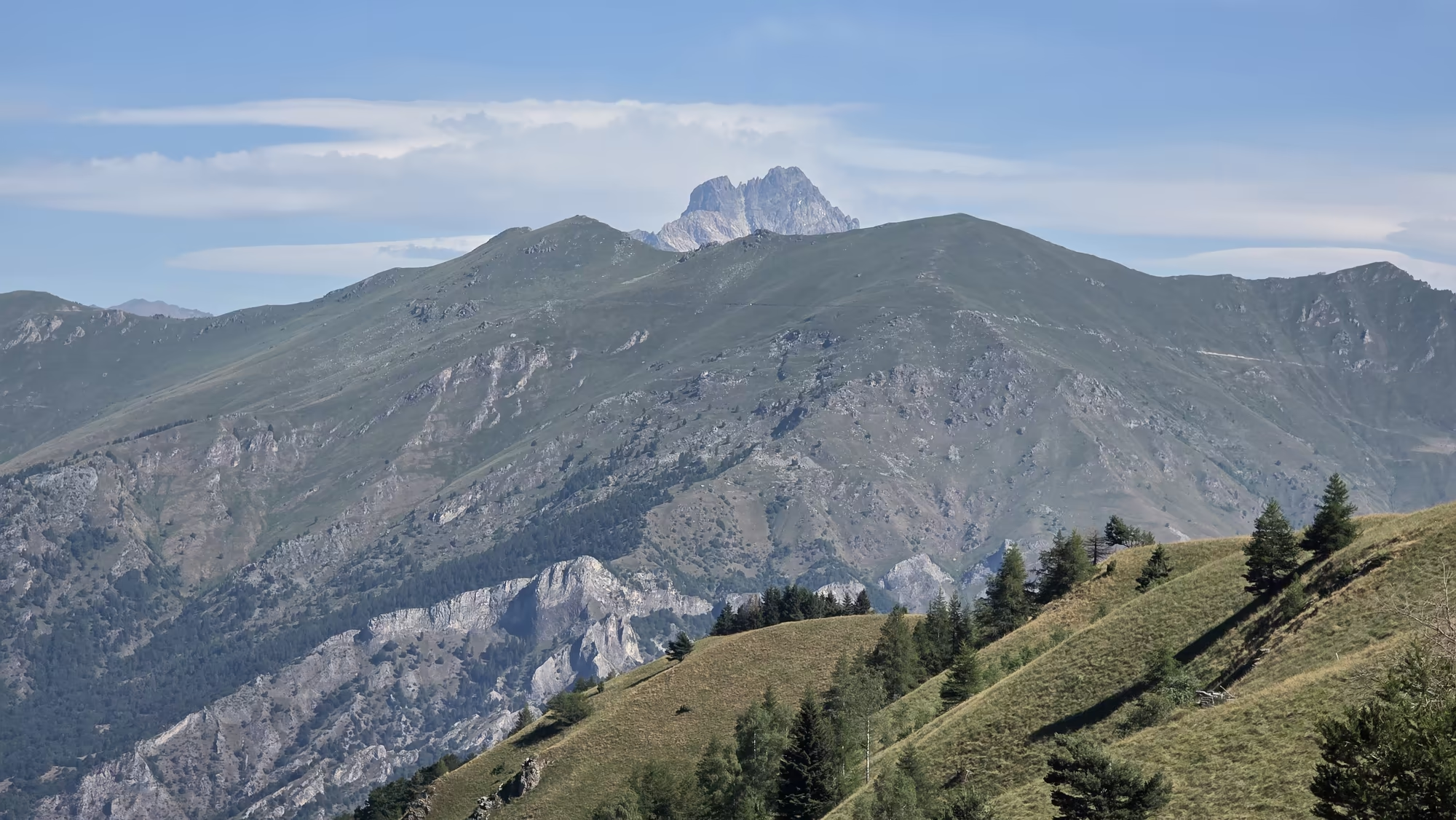
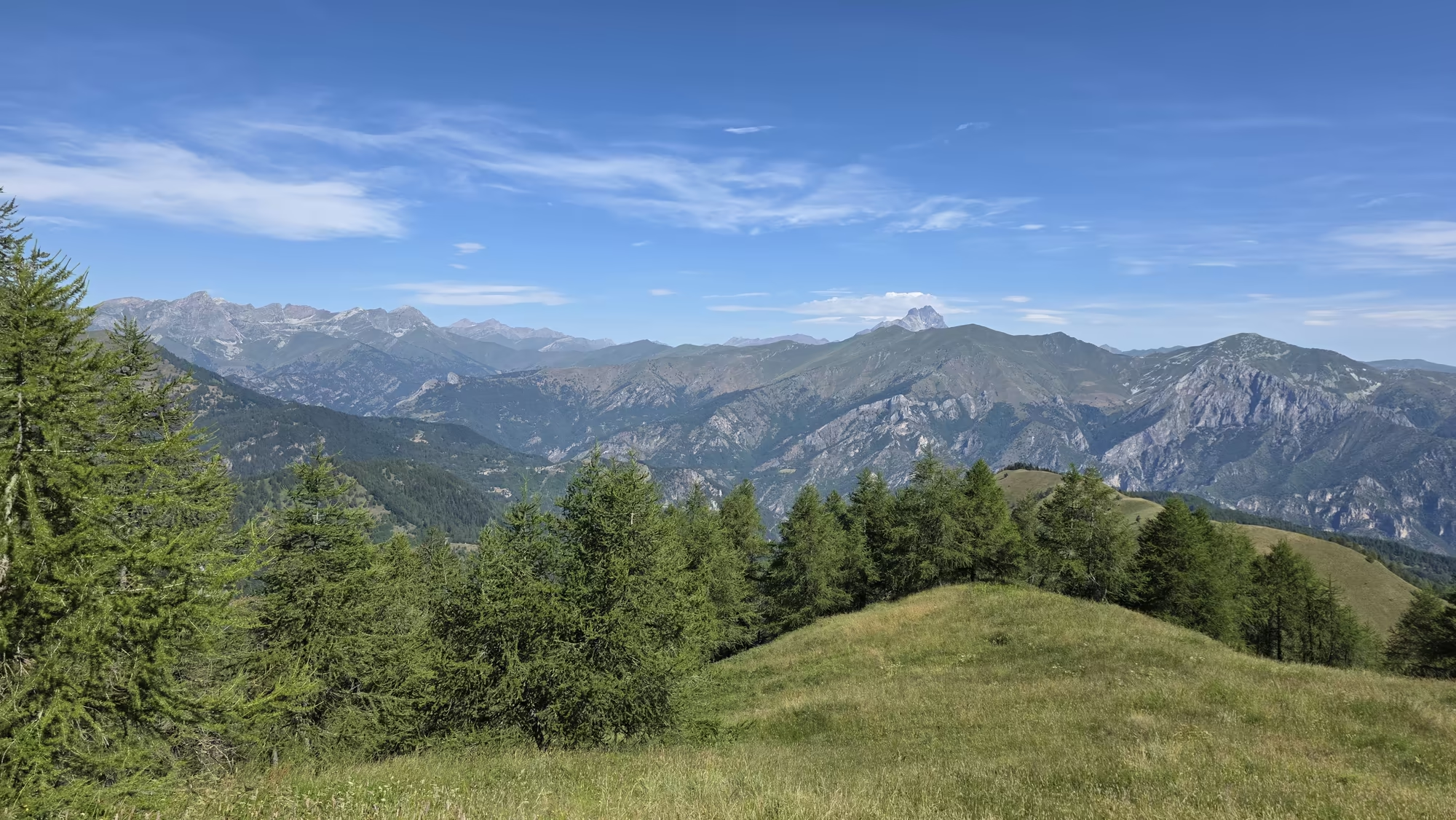
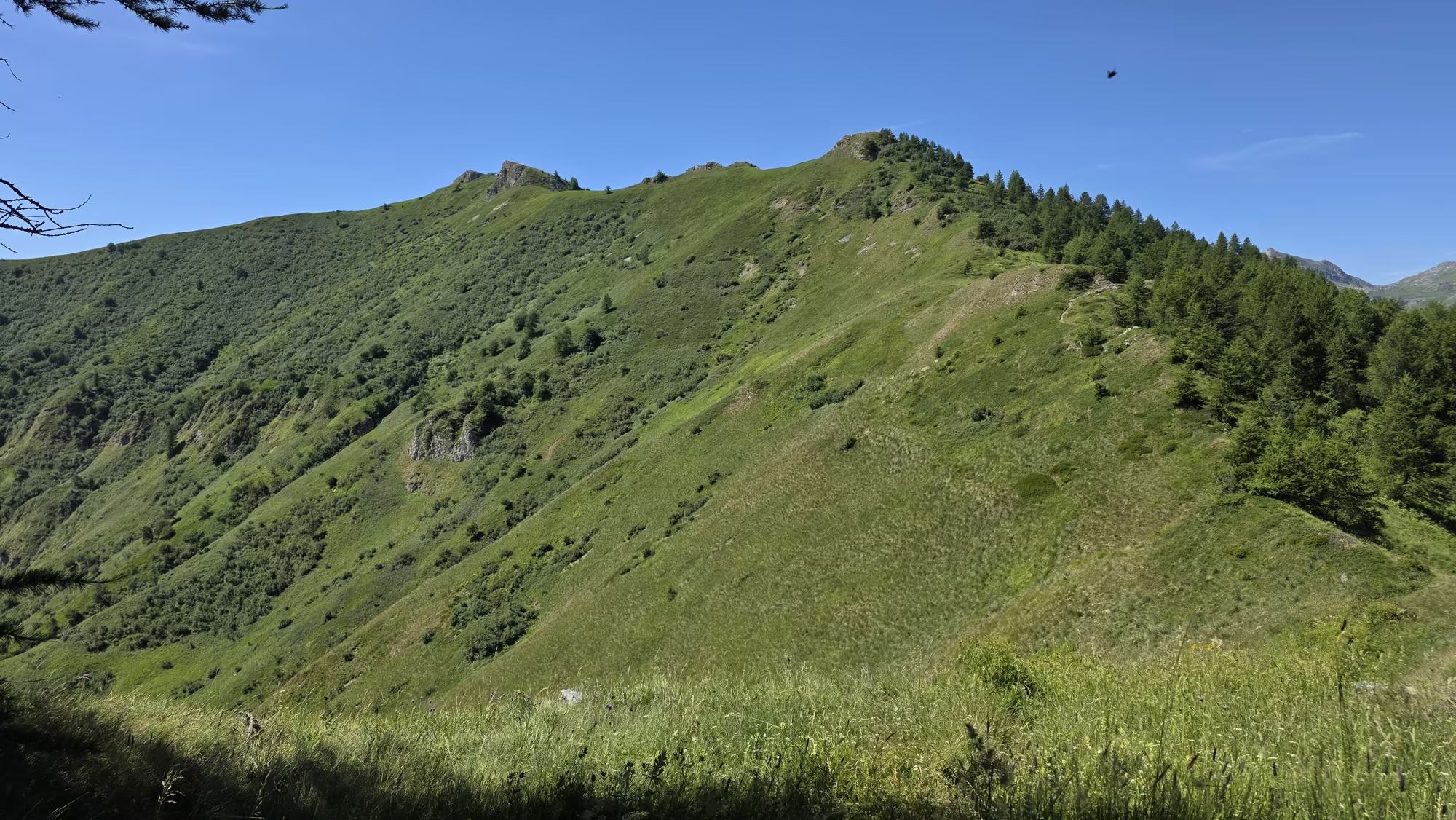
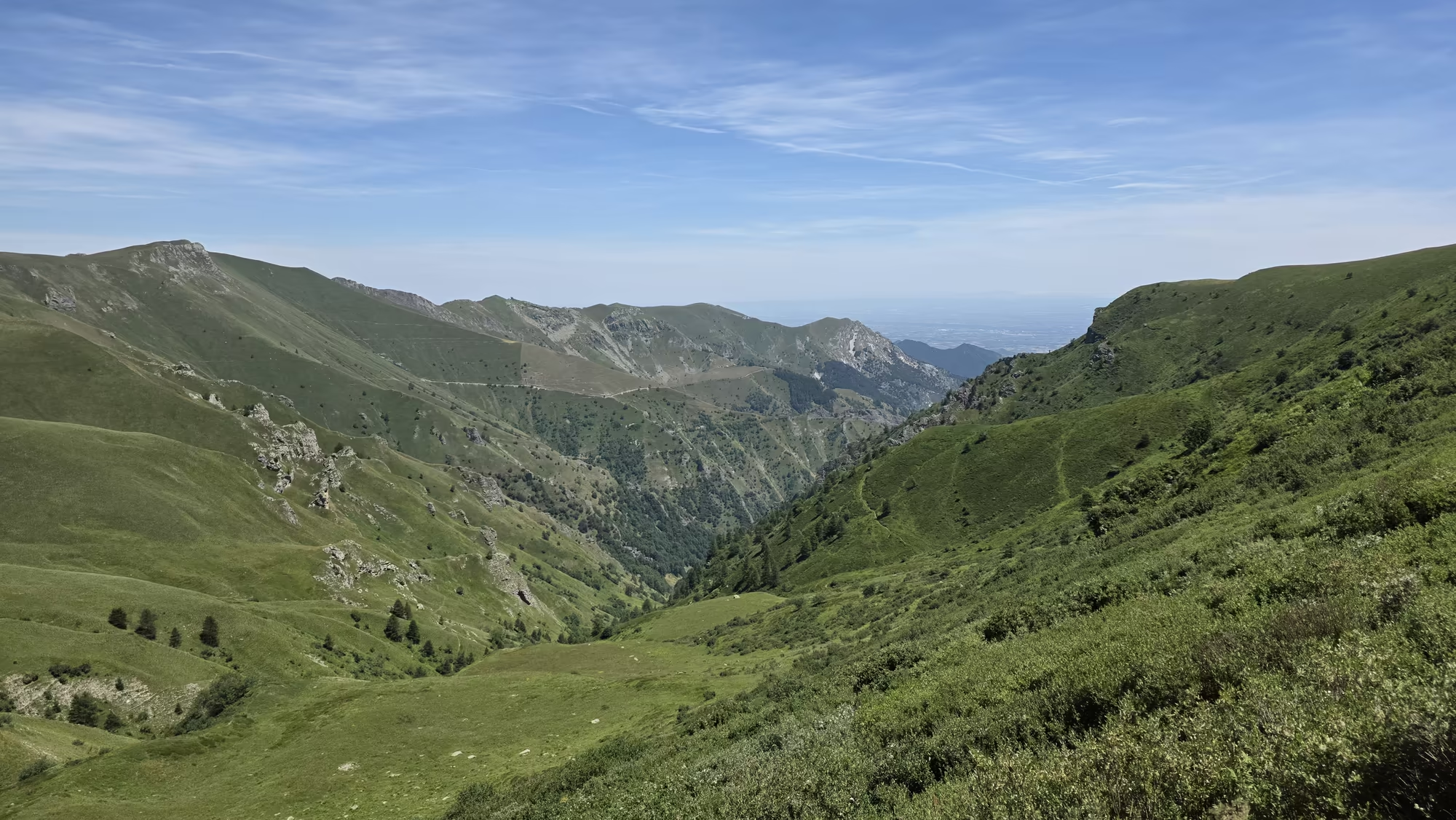
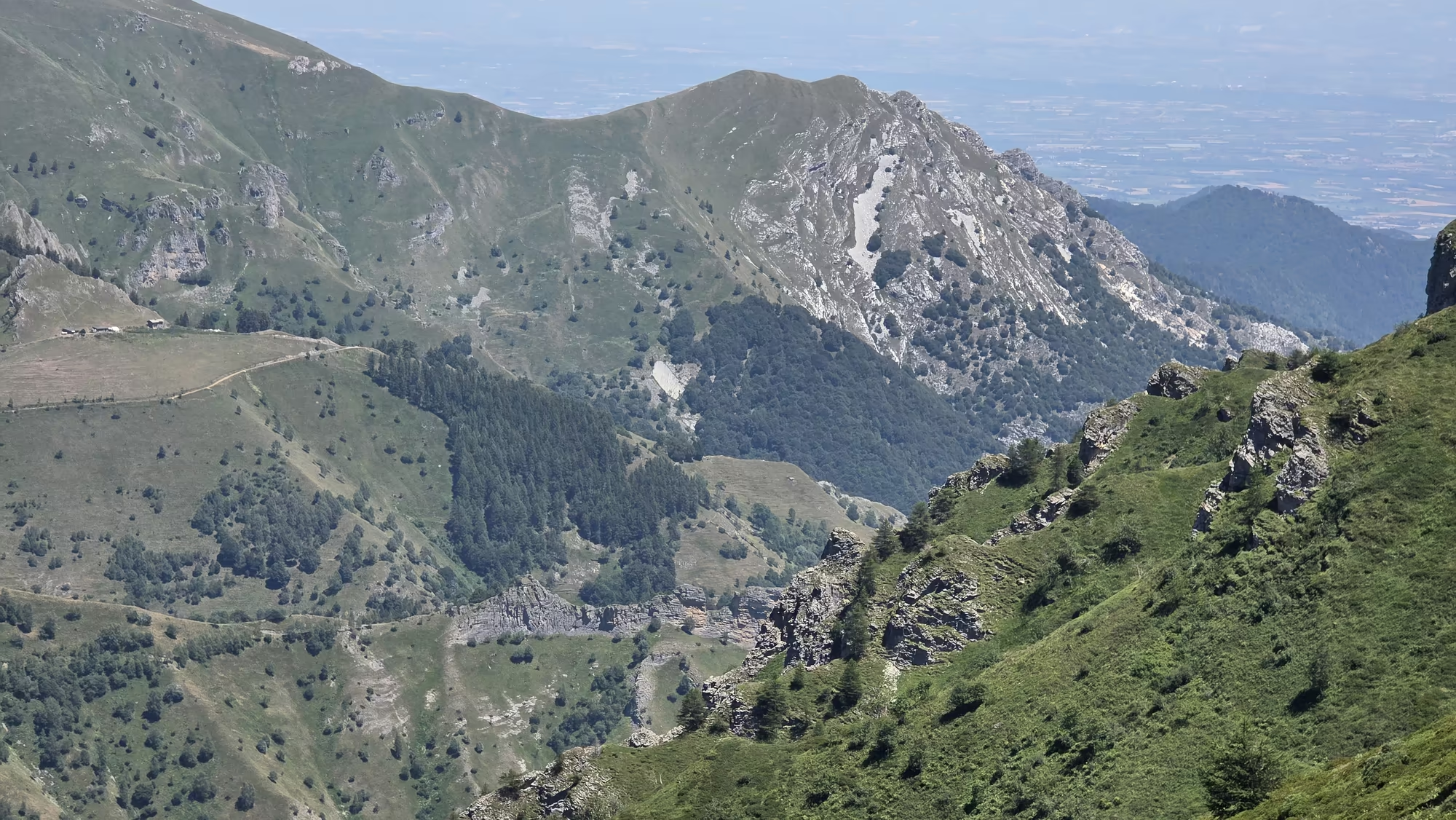
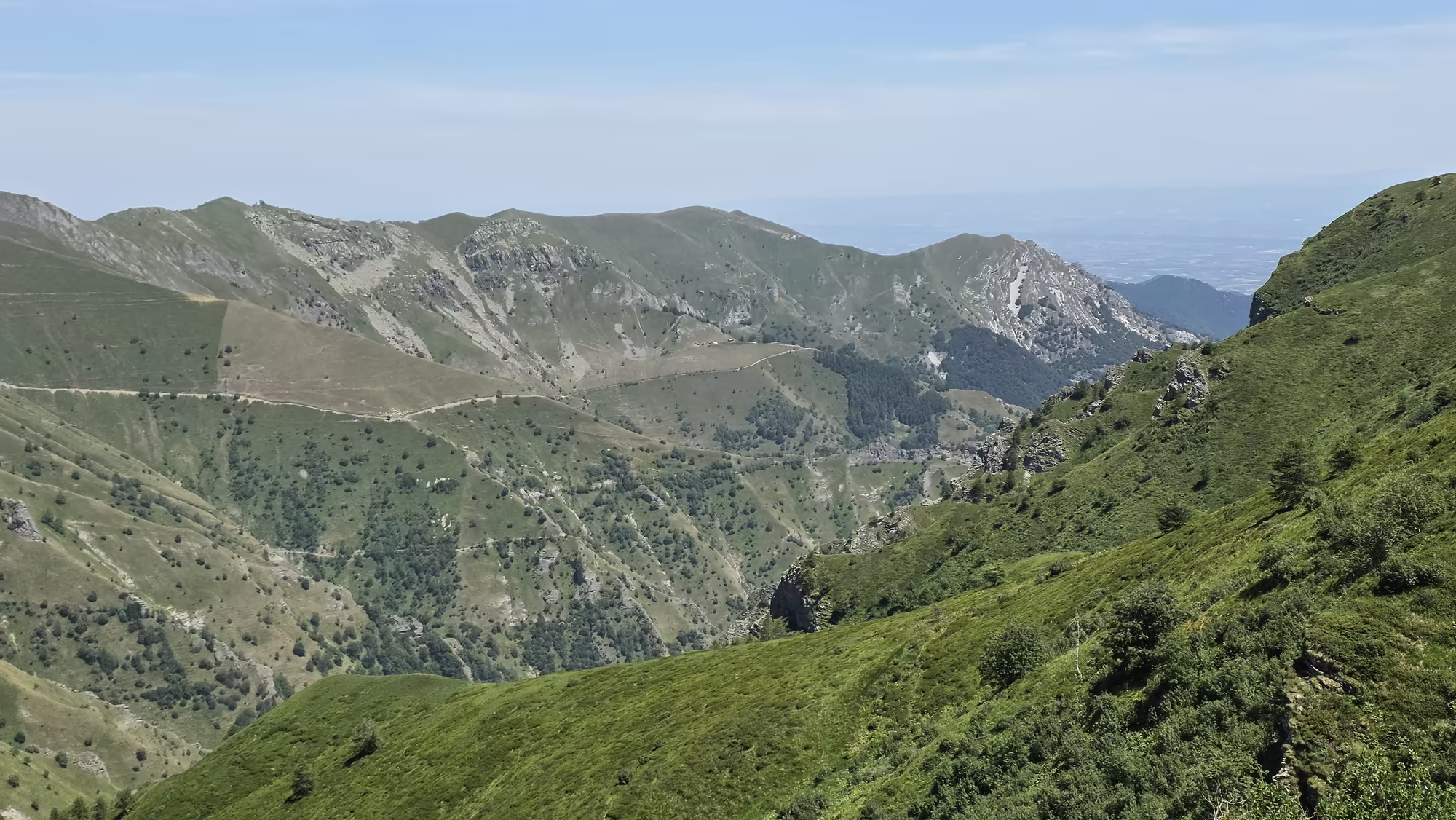
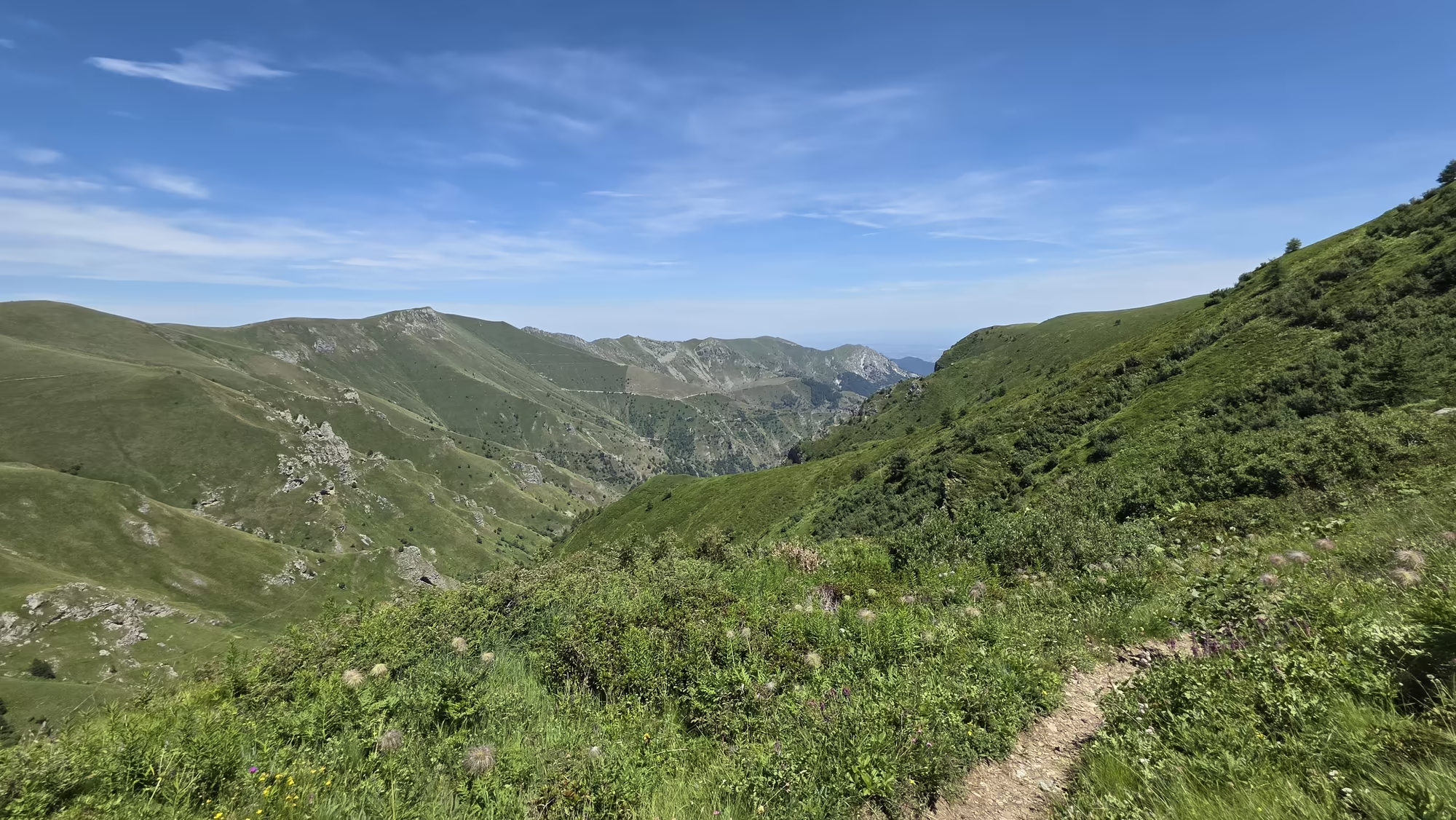
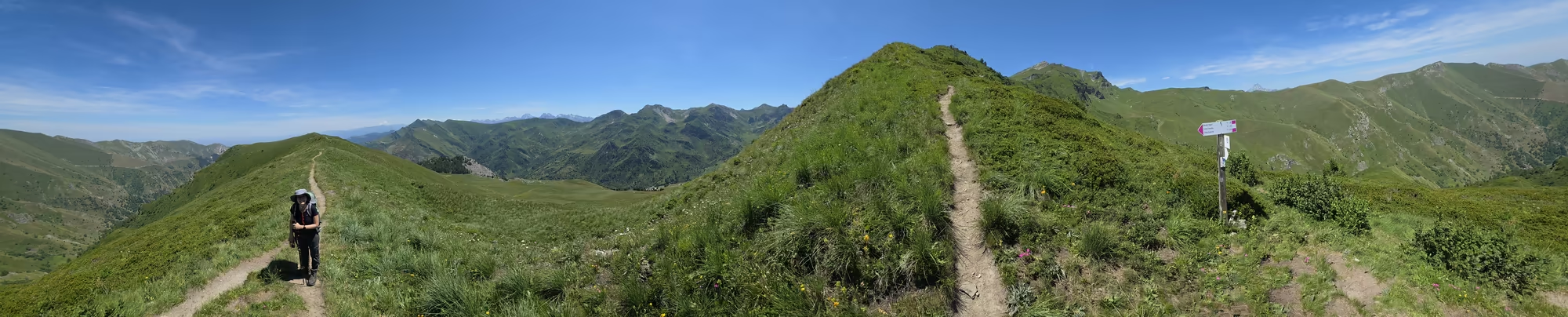
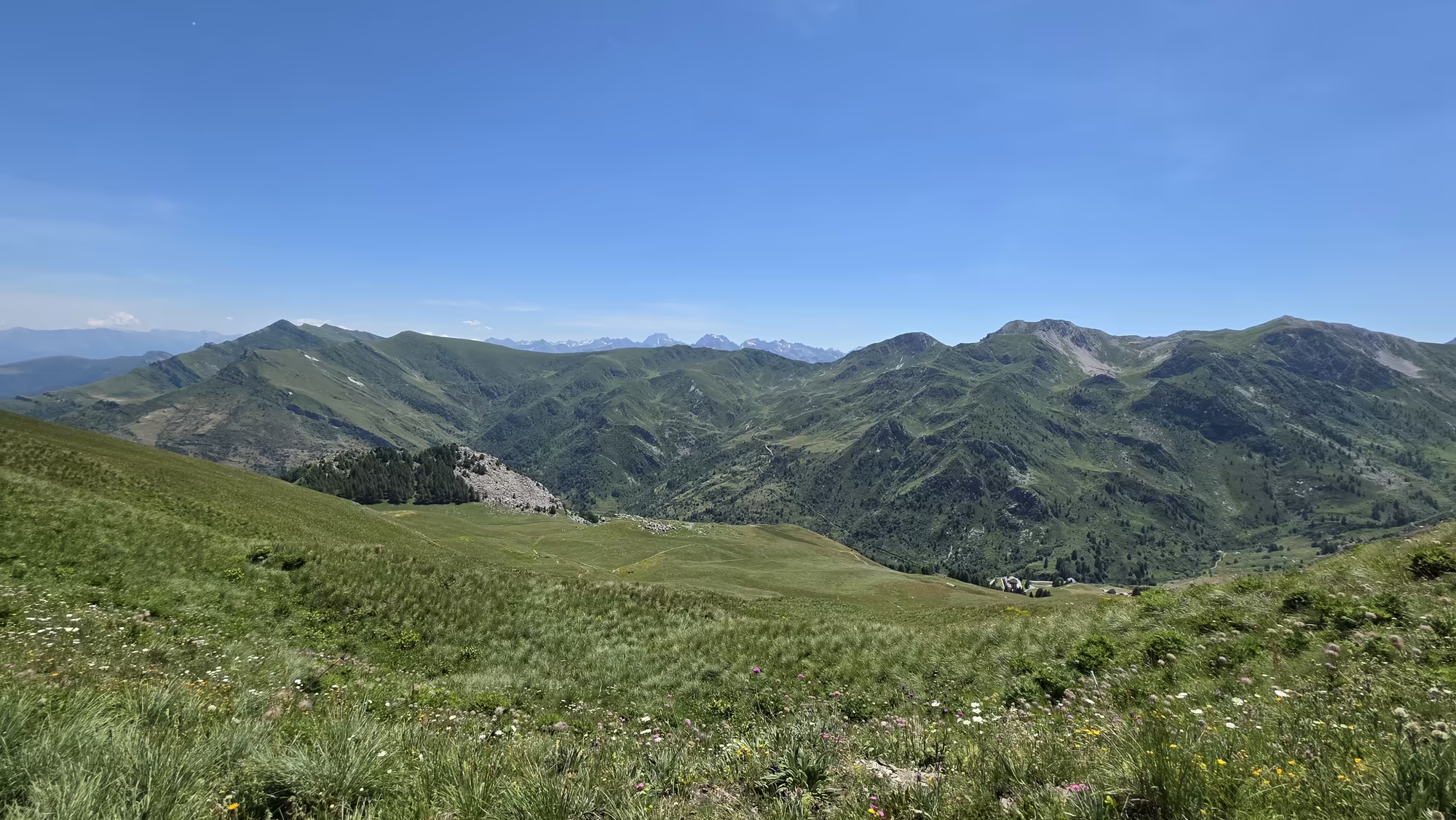
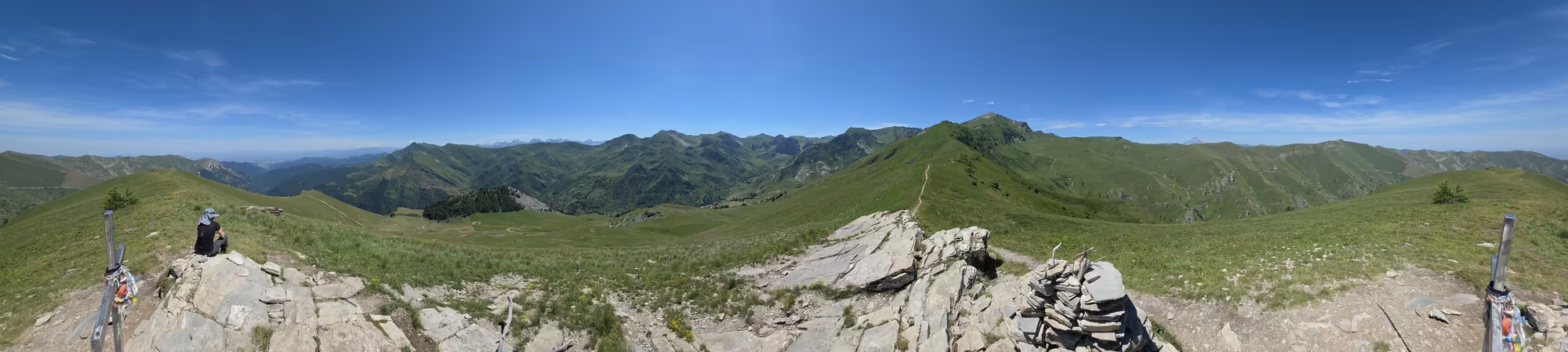
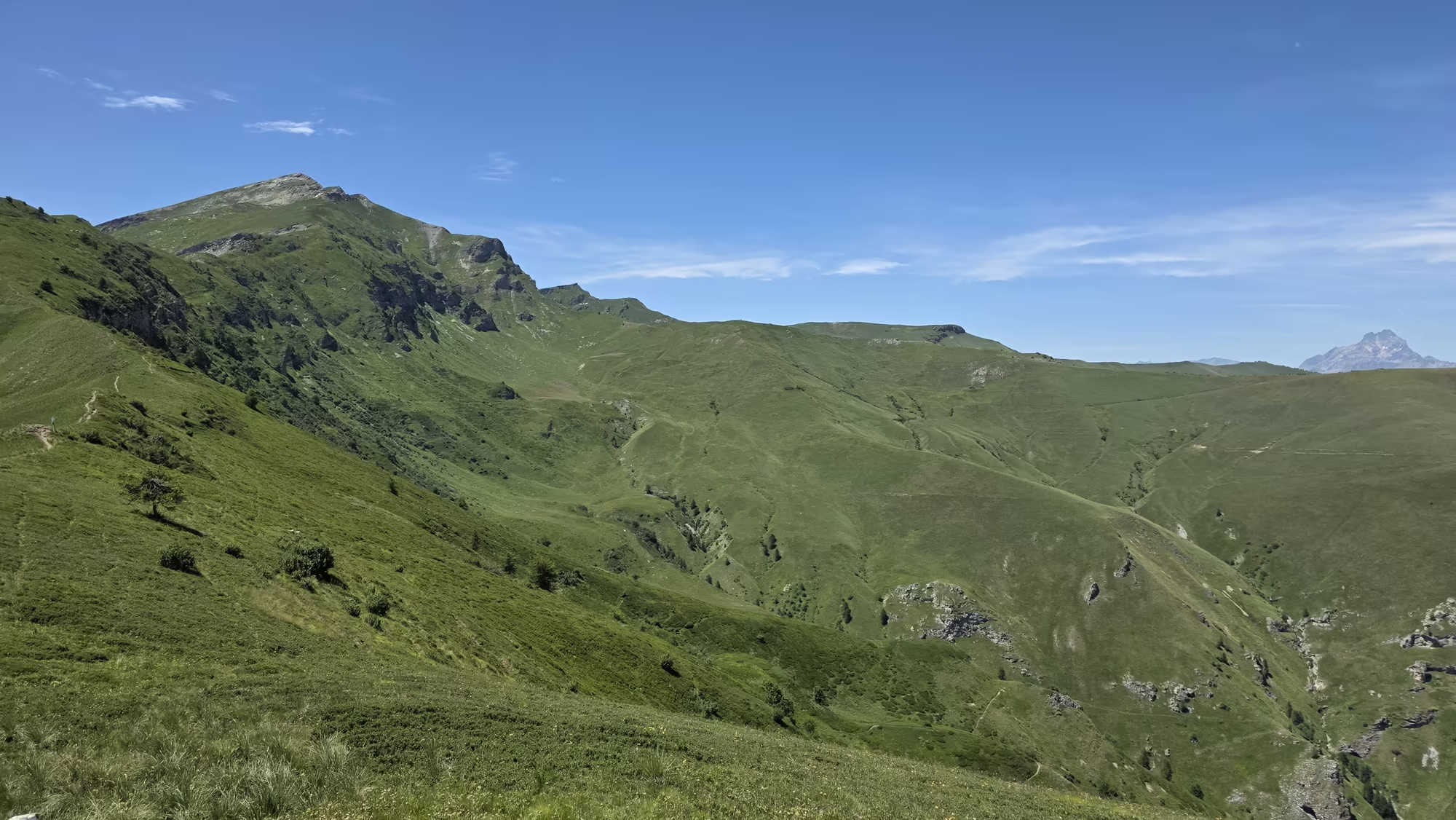
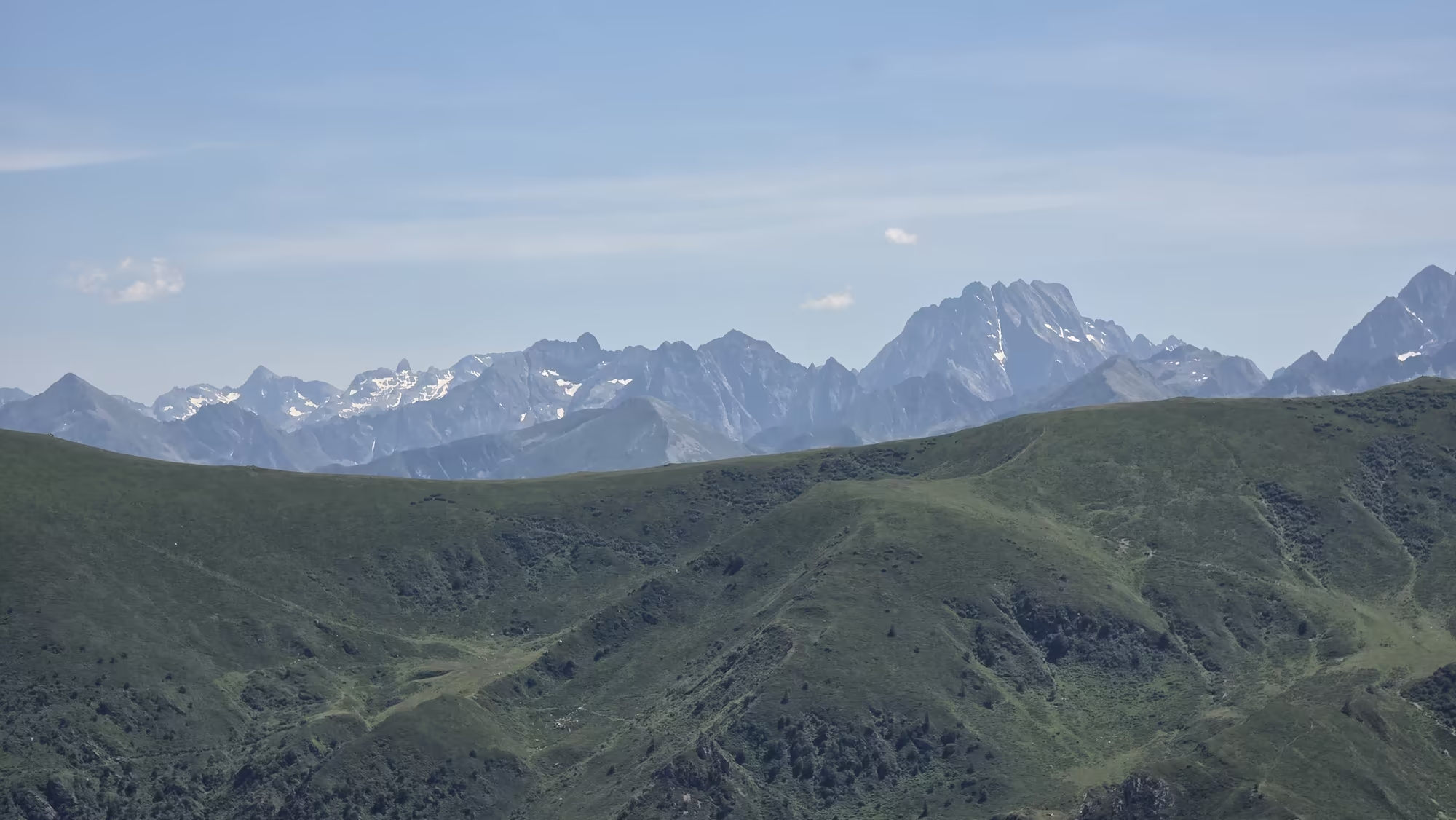
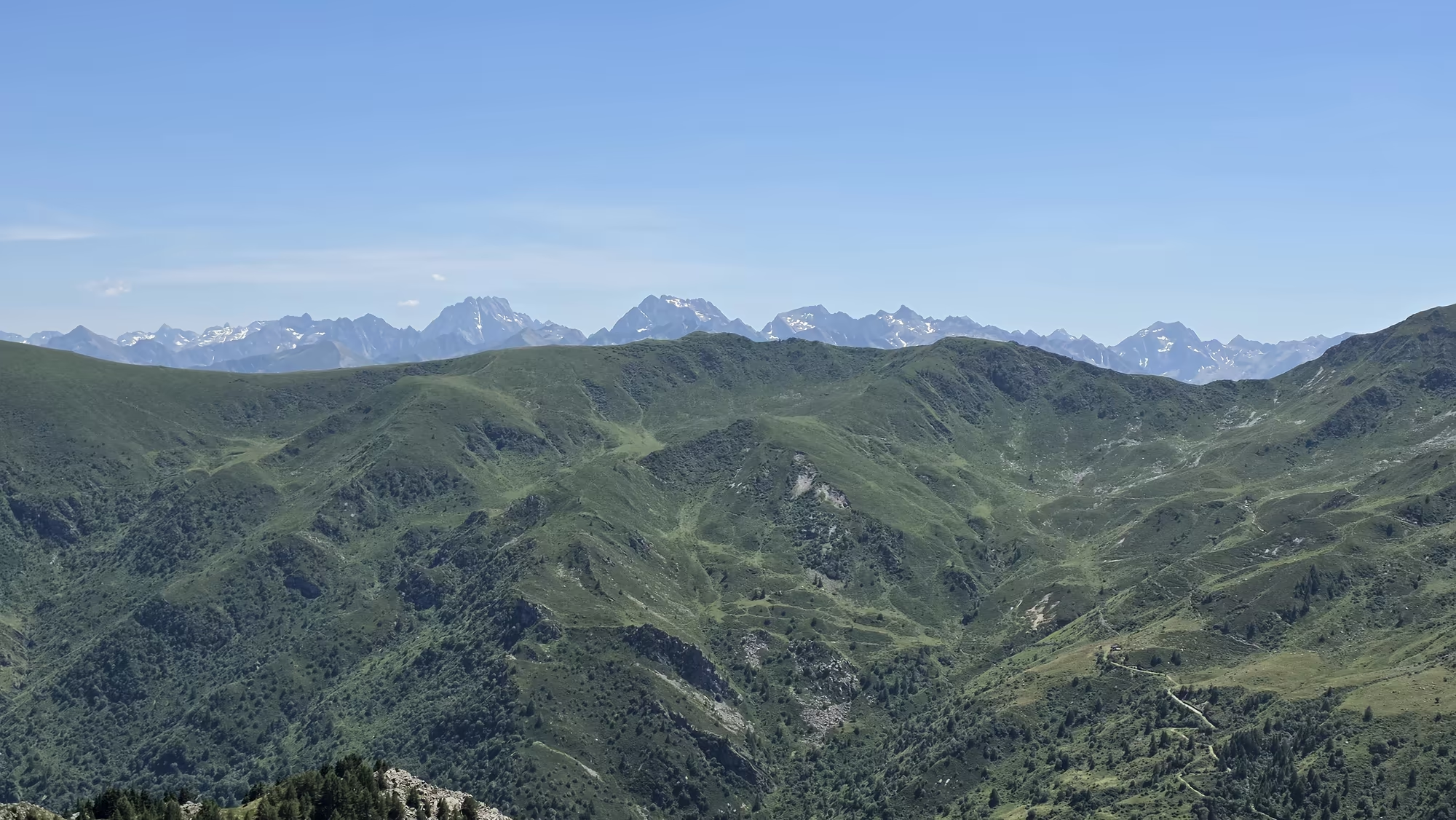
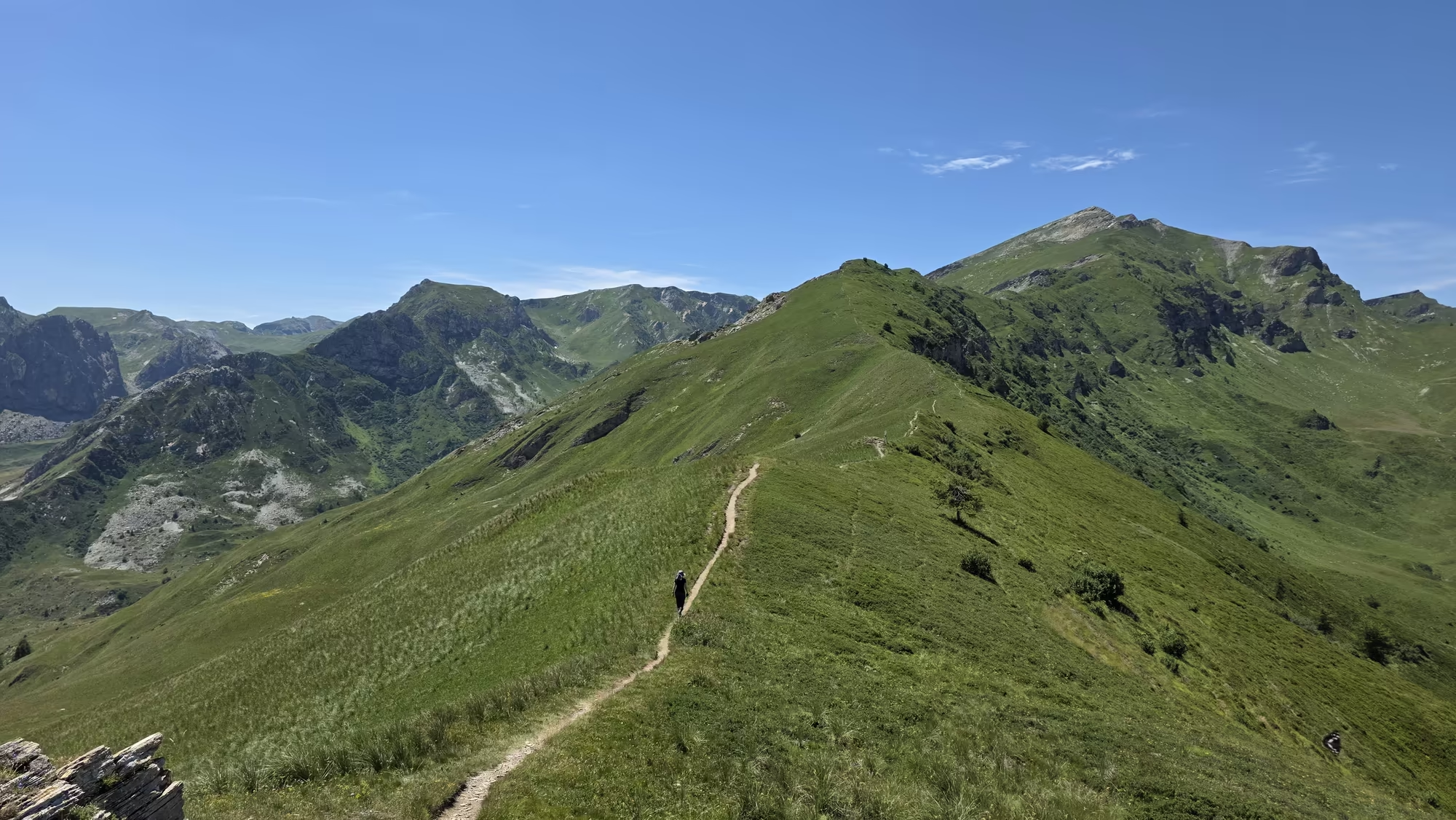
The ridge trail leads towards a pair of summits, one slightly behind the other, and a low stone shelter stands beside the path where a resting backpack has been left against the wall. The meadow footpath runs below the rocky crest, and the last few hundred metres are loose and steep. On the crest the wind arrives all at once. The ground beyond the pass drops away into the Grana valley, and the far side rises in long grassy slopes towards a double summit, bare and green, with snow still lying in the gullies of the highest ground behind it.
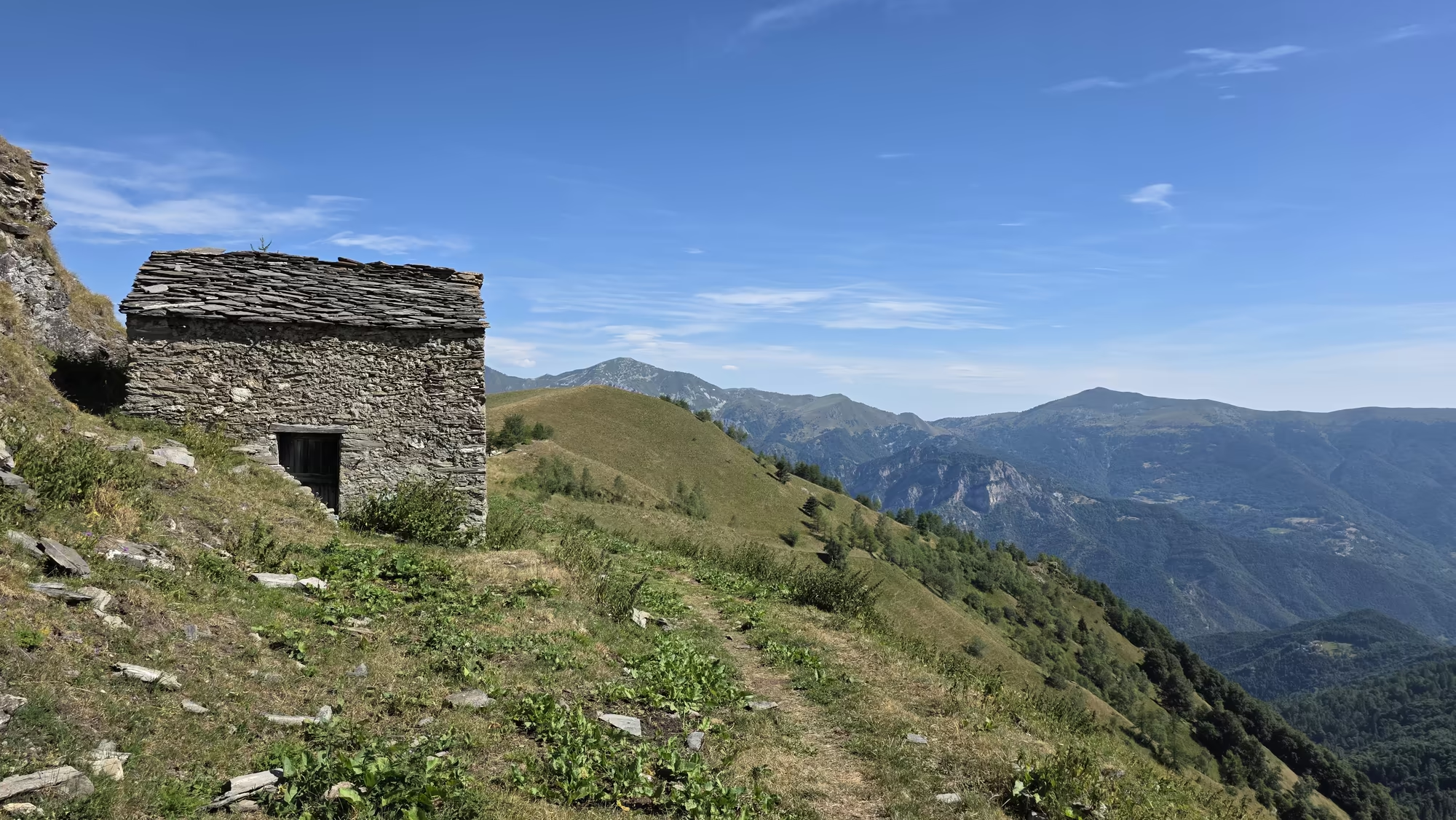
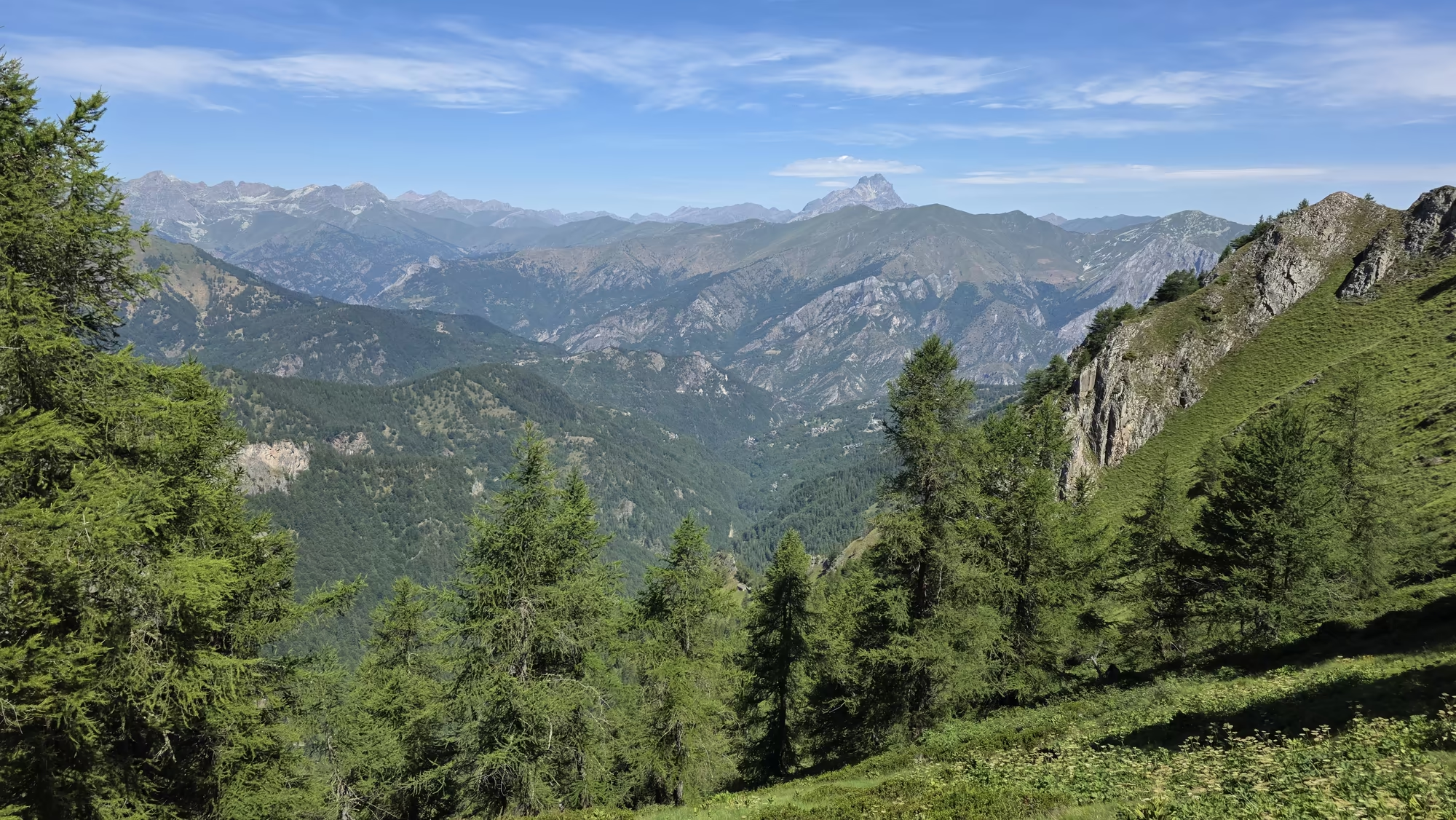
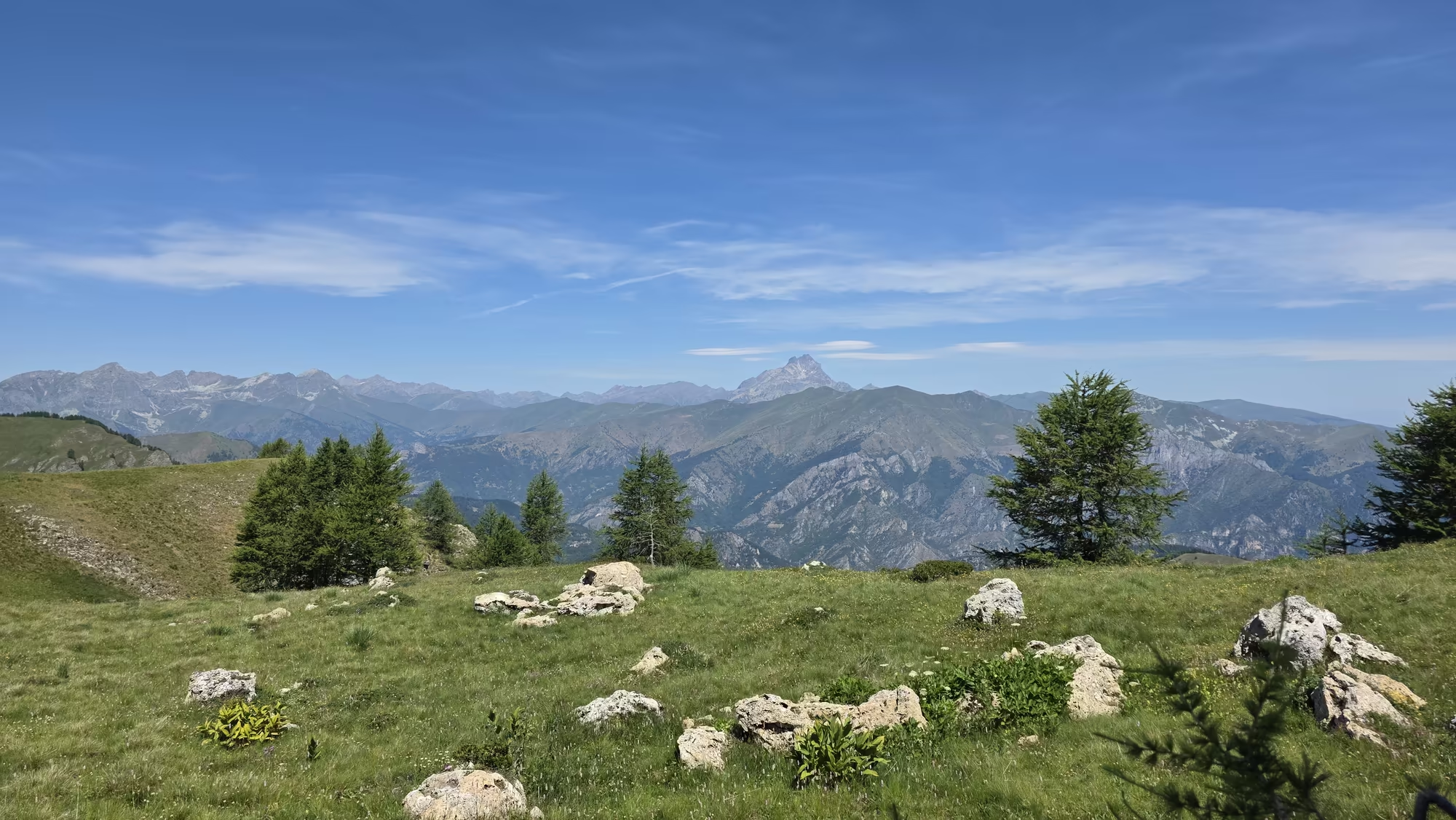
The descent is a zigzag of switchbacks down a rolling green ridge. Scattered conifers stand among the grass, and a slate-roofed shelter marks a bend where the path turns and drops again. Lower down the valley narrows, its floor out of sight beneath a pyramidal peak, and a walker crosses the open slope above it, small and solitary. Signposts appear, then cairns, then the first rough tracks of pasture roads. Stone gives way to mud and then to gravel.
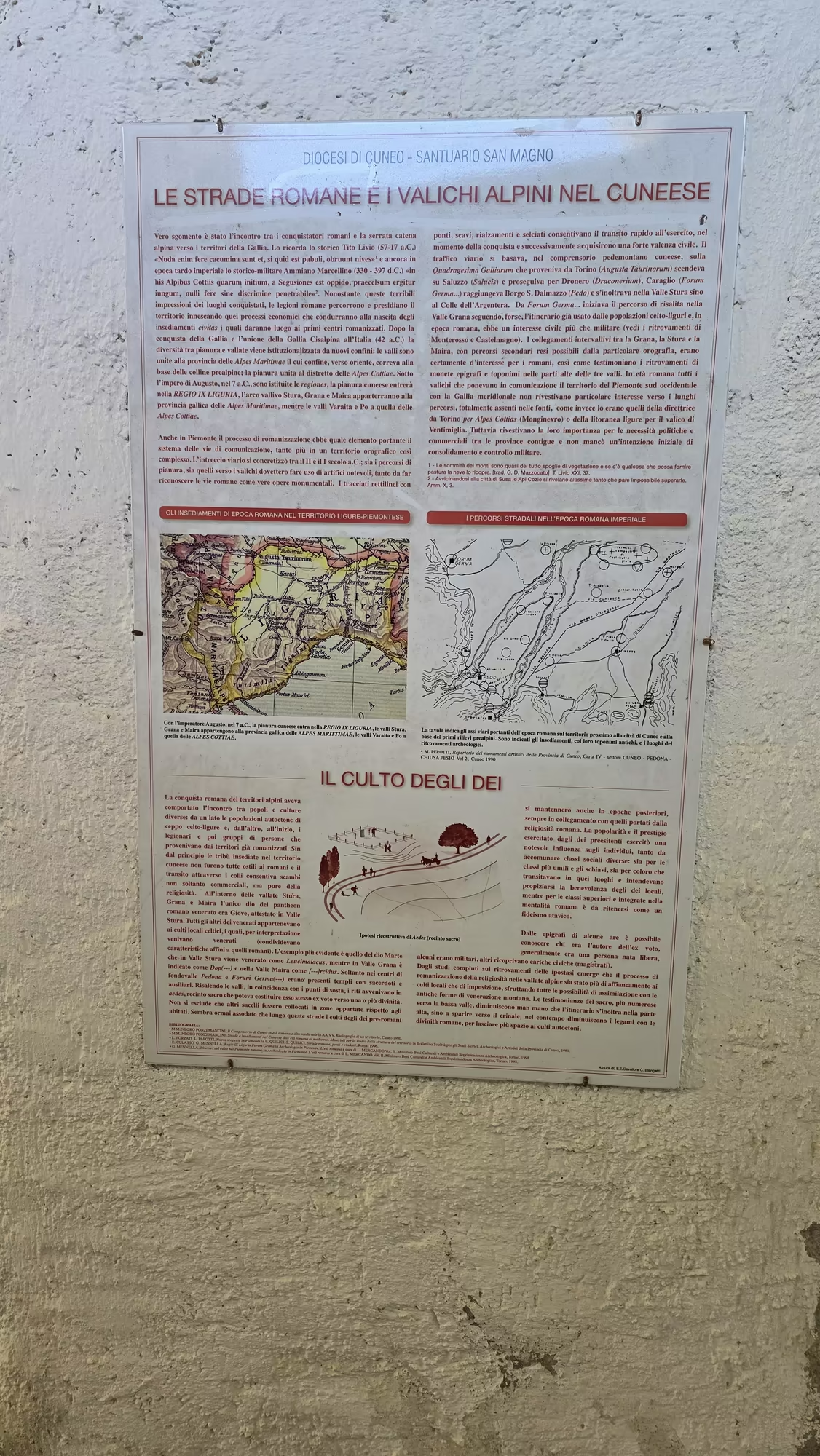
The Grana valley has never been an easy place to reach, but it has always been a place to pass through. It opens no direct route to the plains, and its value has always lain in the passes at its head, routes that connect it with the neighbouring valleys and their summer pastures. Shepherds used these crossings long before any map recorded them. The valley was known to the Romans for exactly this reason, as a crossing rather than a settlement, and the people who lived here before them were pastoralists who had grazed these slopes for generations. The paths that a walker follows today are the same paths, worn a little smoother.
High Pastures and Stone Huts
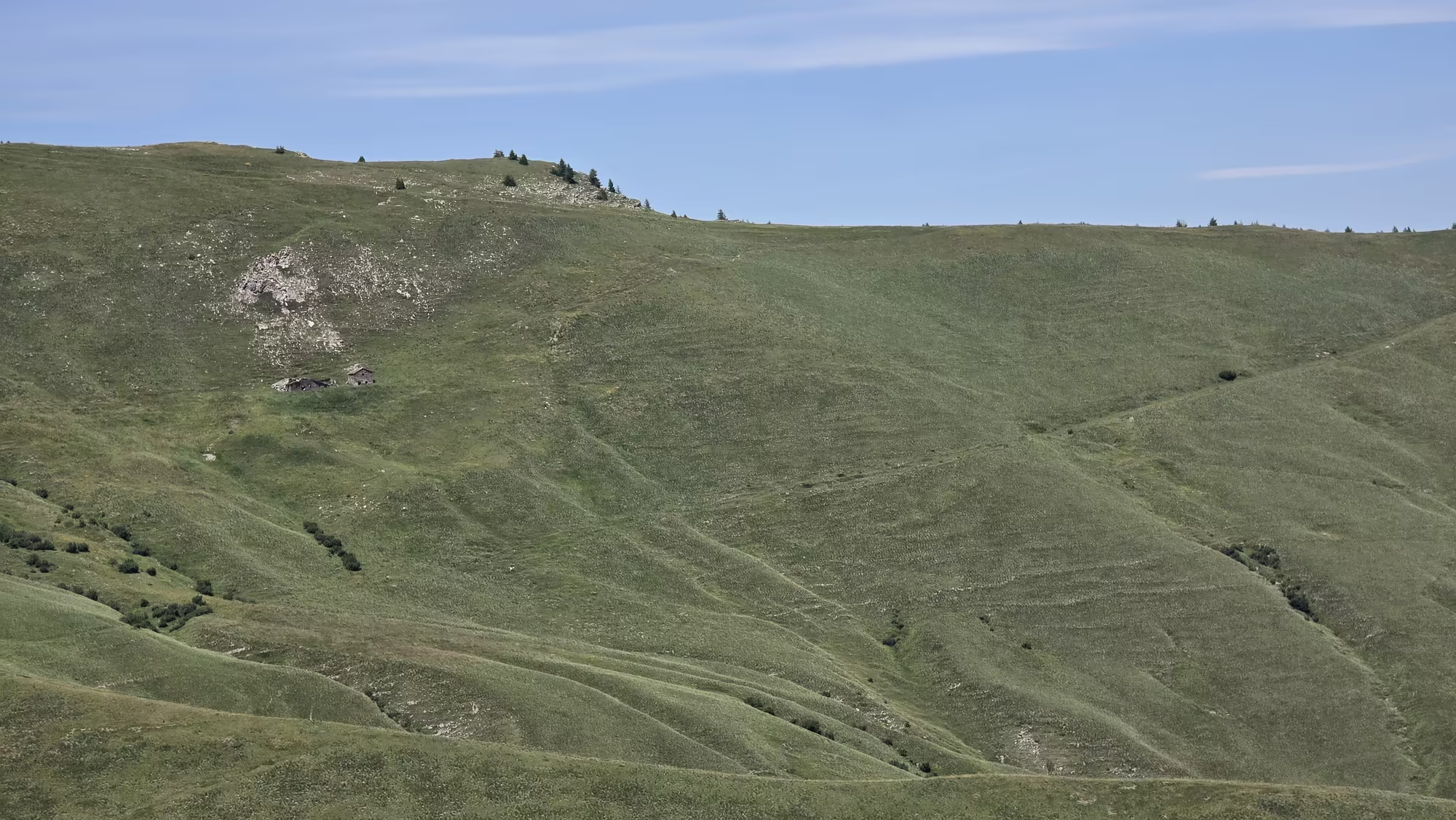
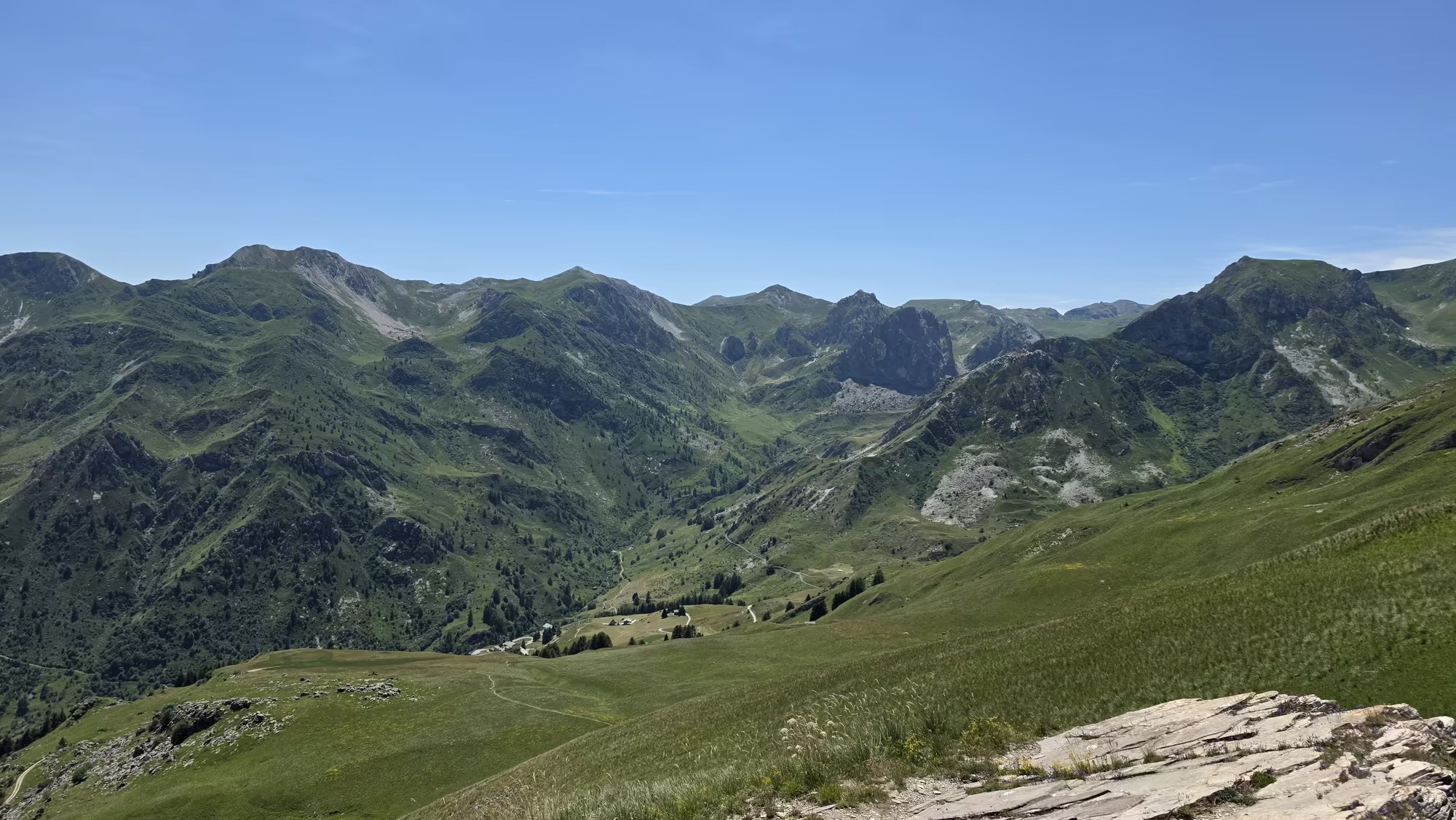
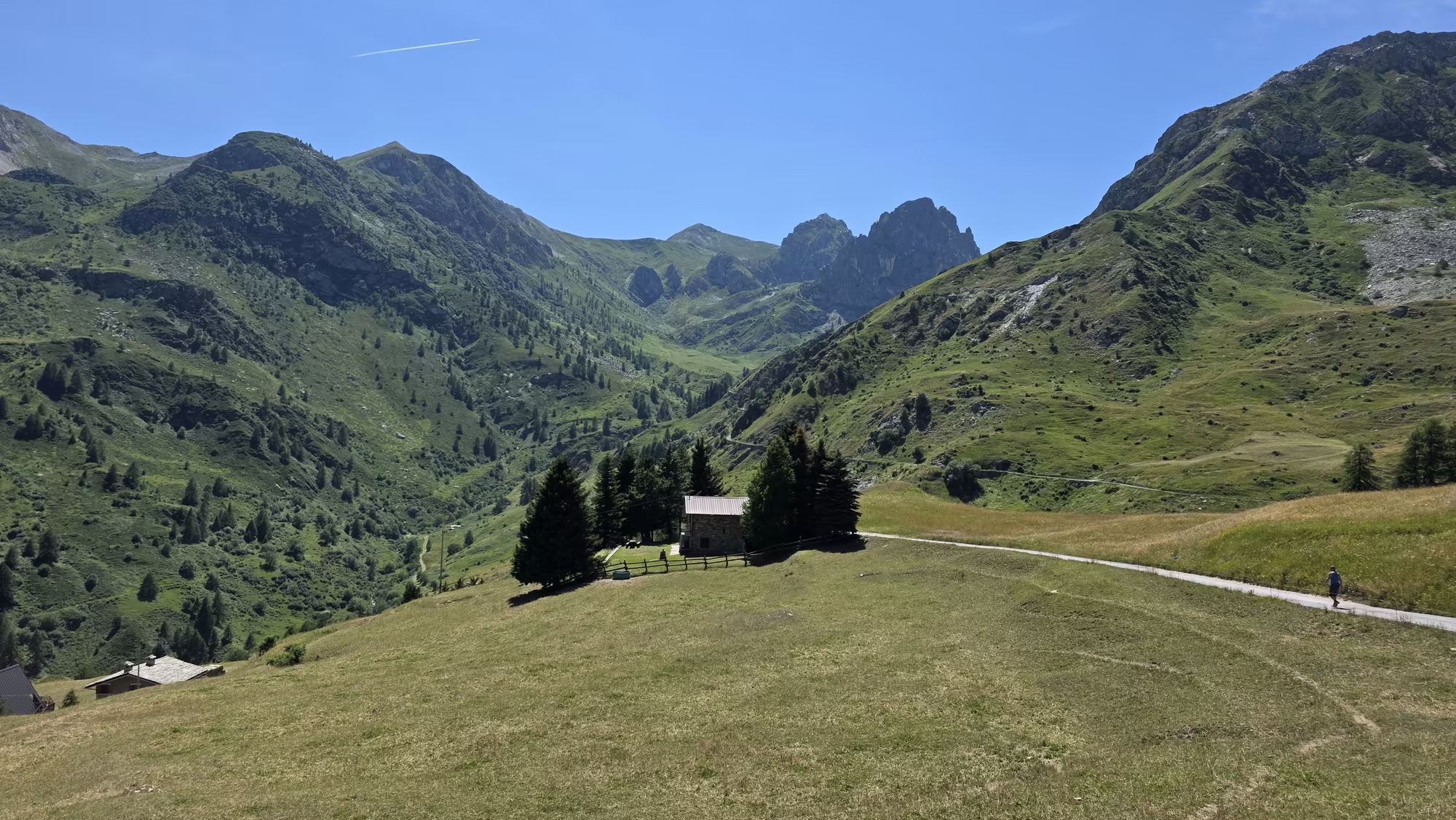
Above the middle of the valley the land opens into a wide U-shaped bowl, and a scatter of alpine huts stands on its floor, low and grey, roofs weighted with stones. A stone hut in the high pastures has lost half its roof and keeps only its walls, while others below the rocky outcrop are still sound and still used. Switchbacks climb the slope beyond, a line of pale earth across the green. A signpost leans at the junction of two paths, and a resting walker sits beside a cairn on the rocky crest, eating and looking back the way the path has come. A lone figure crosses a broad grassy crest far above.
This is working country, not wilderness. The huts are sheds and stables as much as shelters; the grass is cut, dried and stored; the walls mark fields that have been manured and mown for as long as the valley has been inhabited. Cattle and goats graze the open ground in loose herds, and the wildflower meadows above the farmsteads are thick with colour in the middle of summer. The milk from these animals is the reason people live so high and so far from anywhere, and it is the reason a walker finds a bowl of something warm and local at the end of a long descent.
The Sanctuary of San Magno
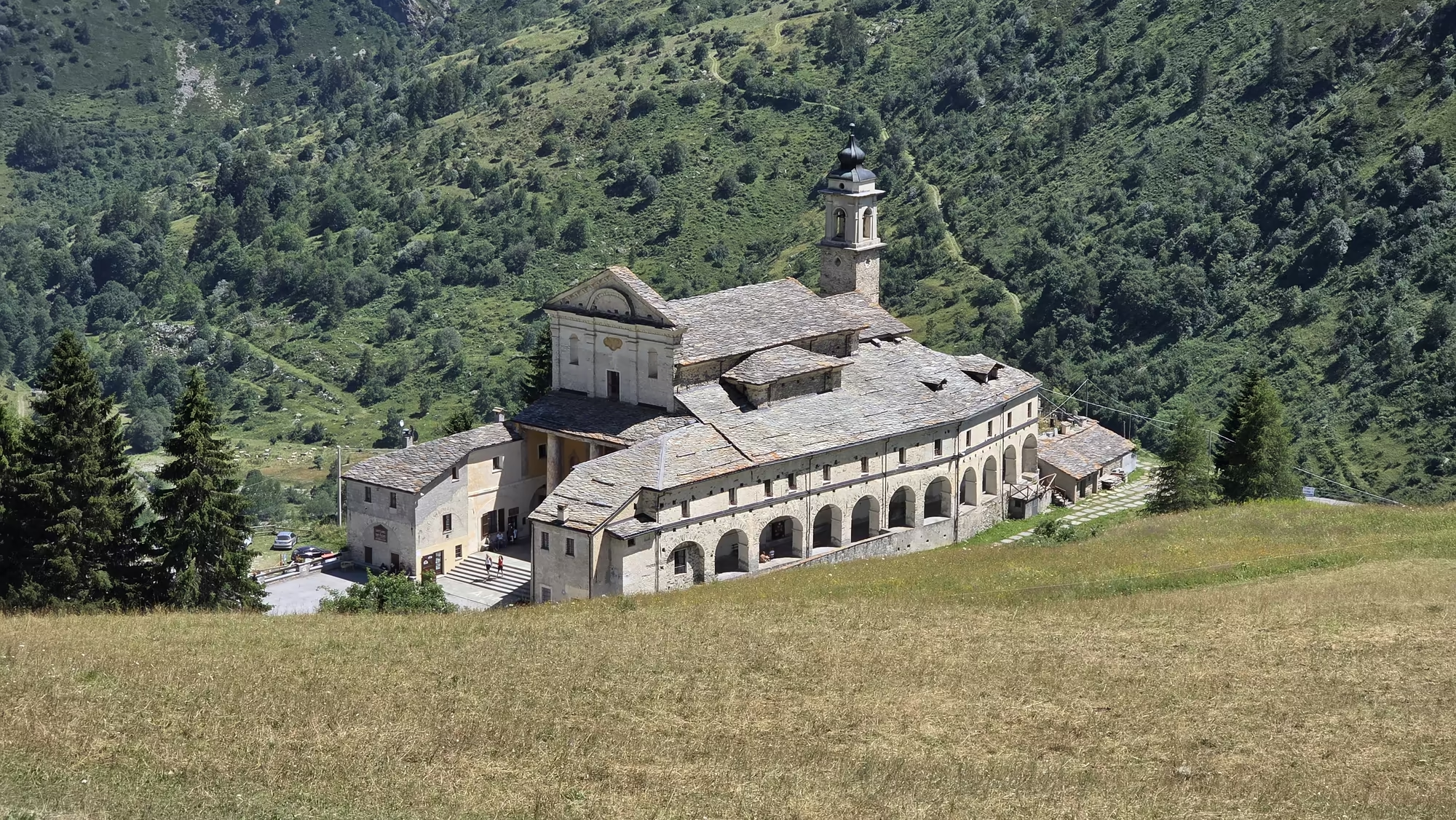
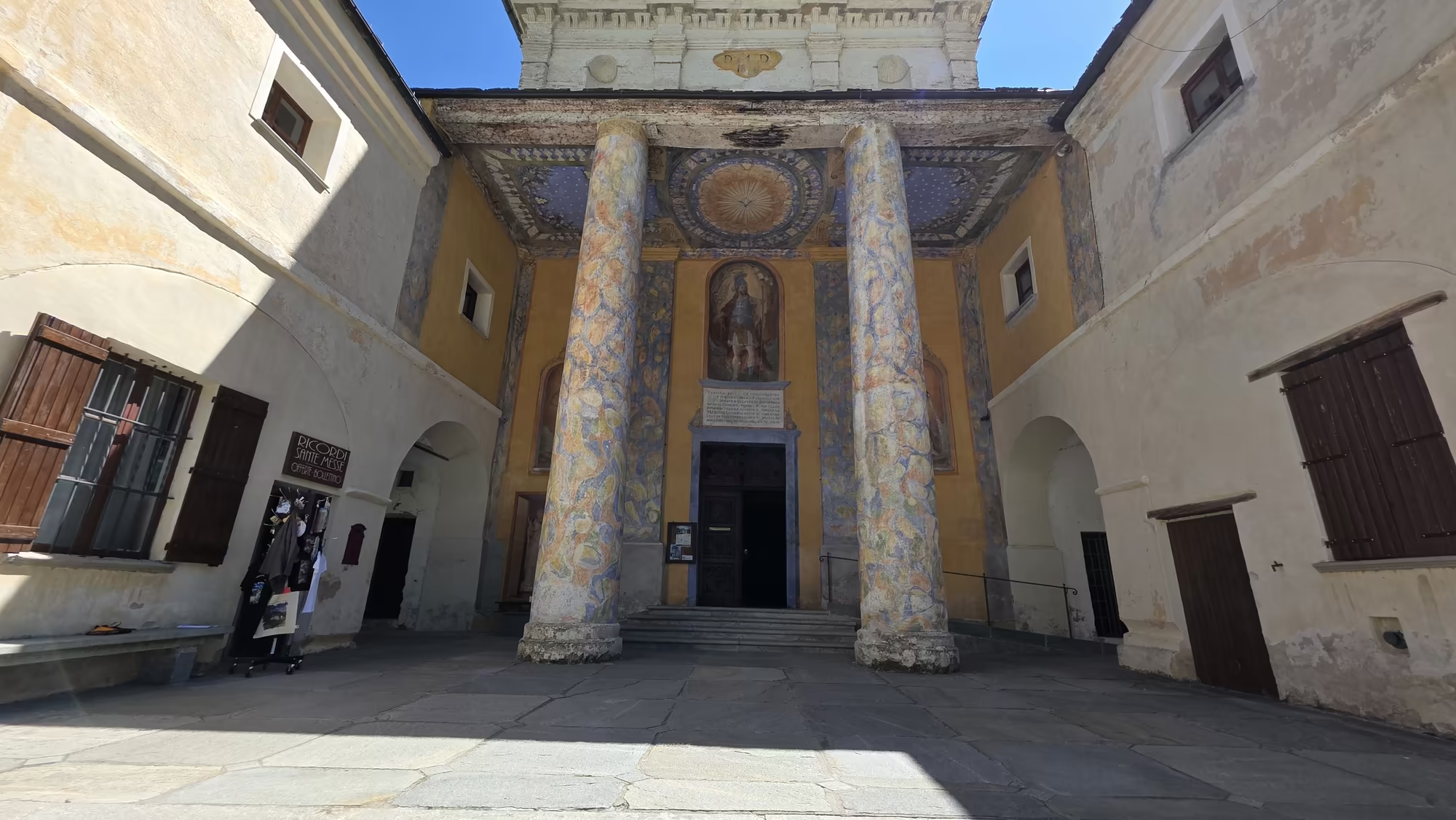
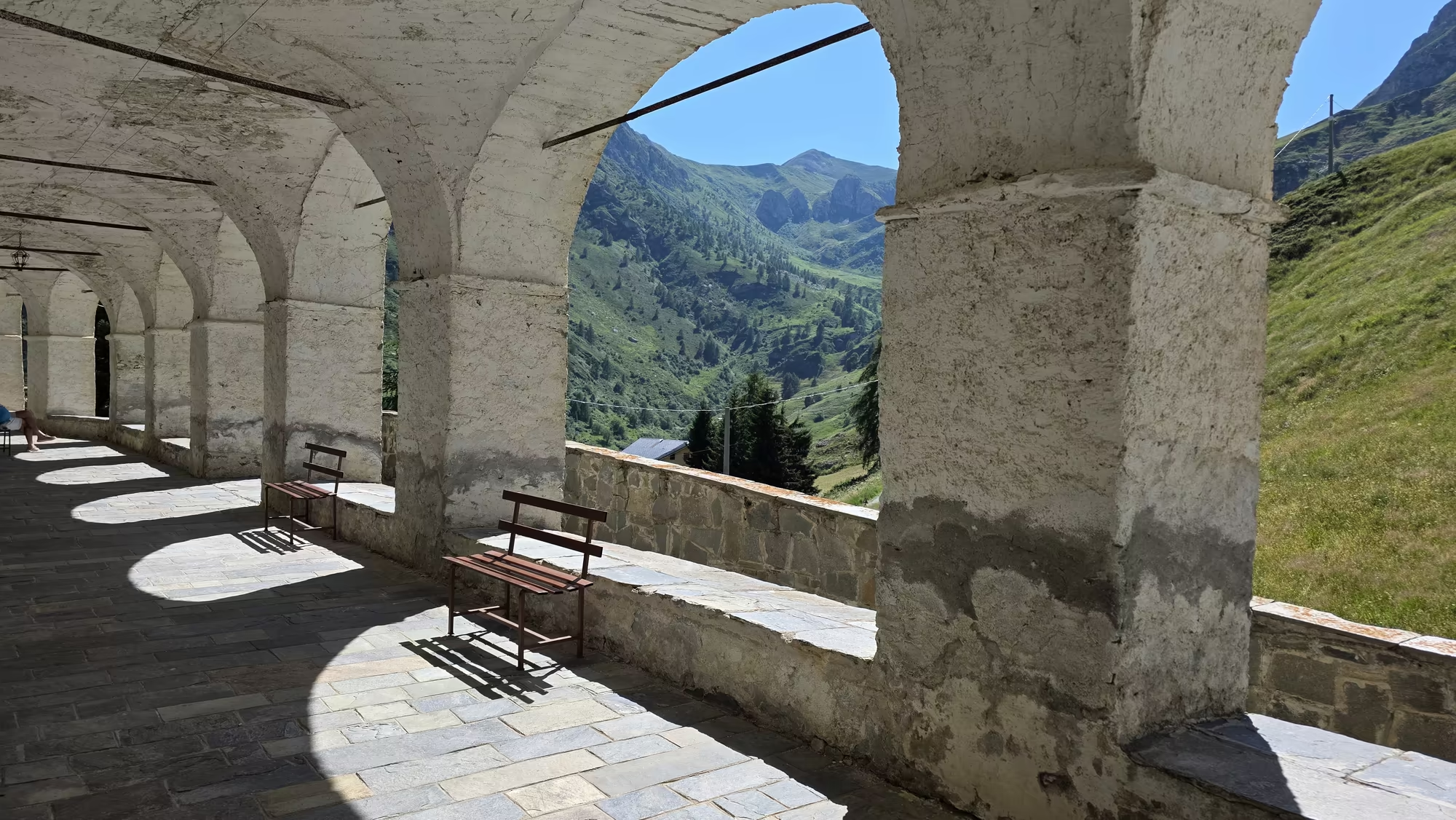
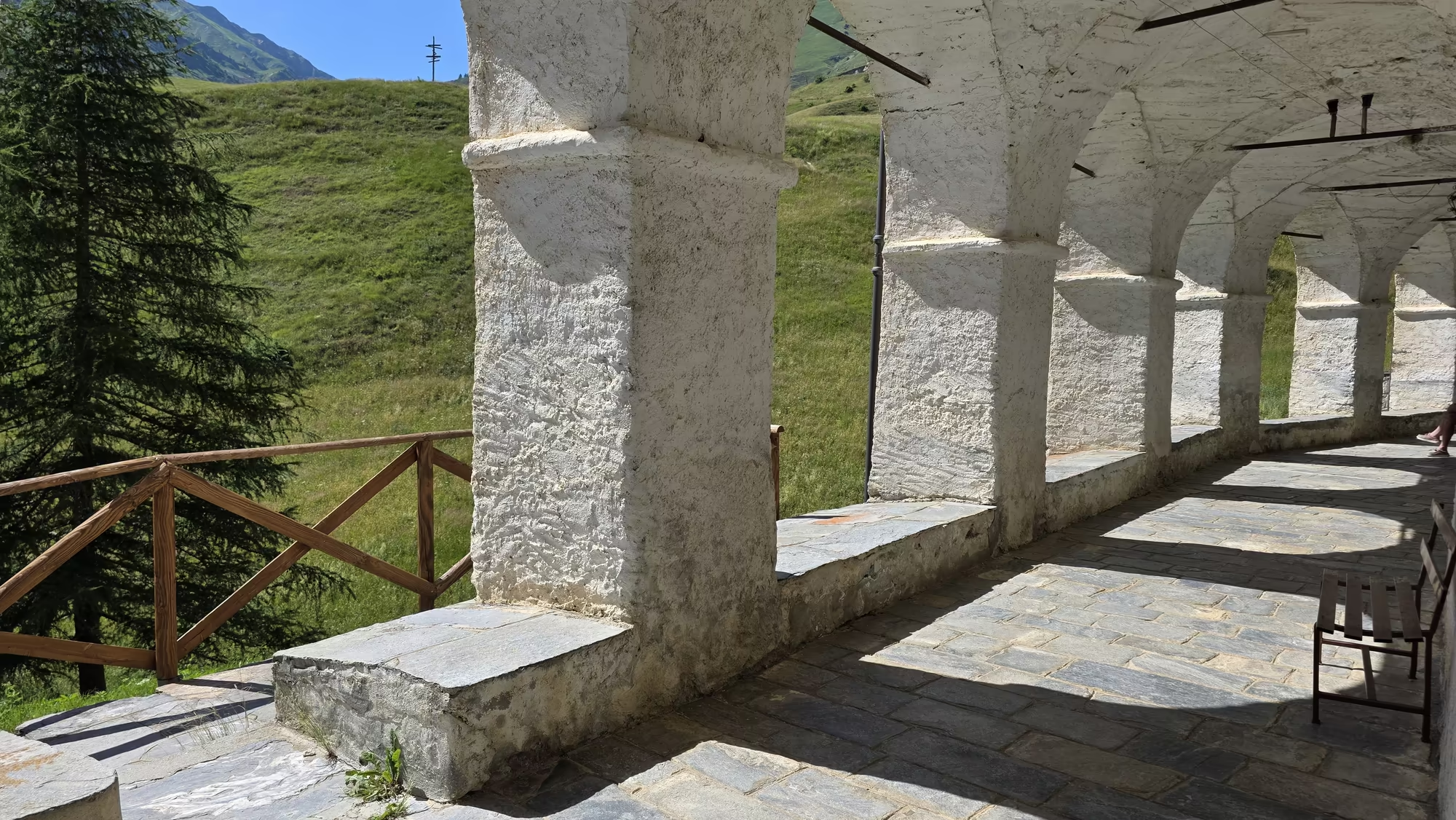
The sanctuary stands at one thousand seven hundred and sixty-one metres, just below the road that climbs towards the pass at the head of the valley, and it is visible from far down the Grana valley as a pale, fortified-looking block against the slope. Its long arcade runs along the front, a row of stone columns carrying a heavy roof, and above the arches there are rooms that once held pilgrims and still hold walkers on feast days. The building is larger than the village it serves and older in feeling, a place that was important before Castelmagno was a name on a map.
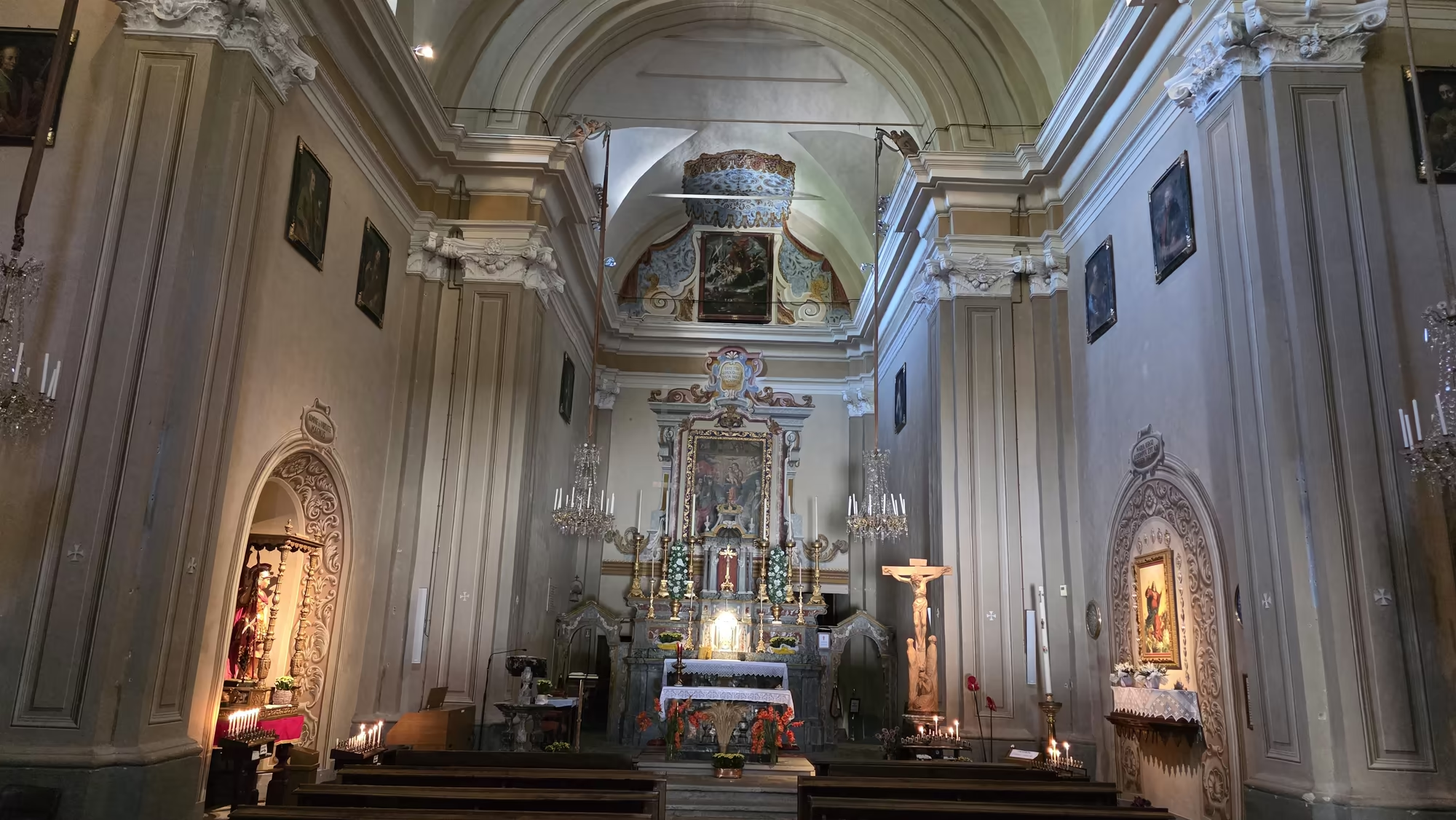
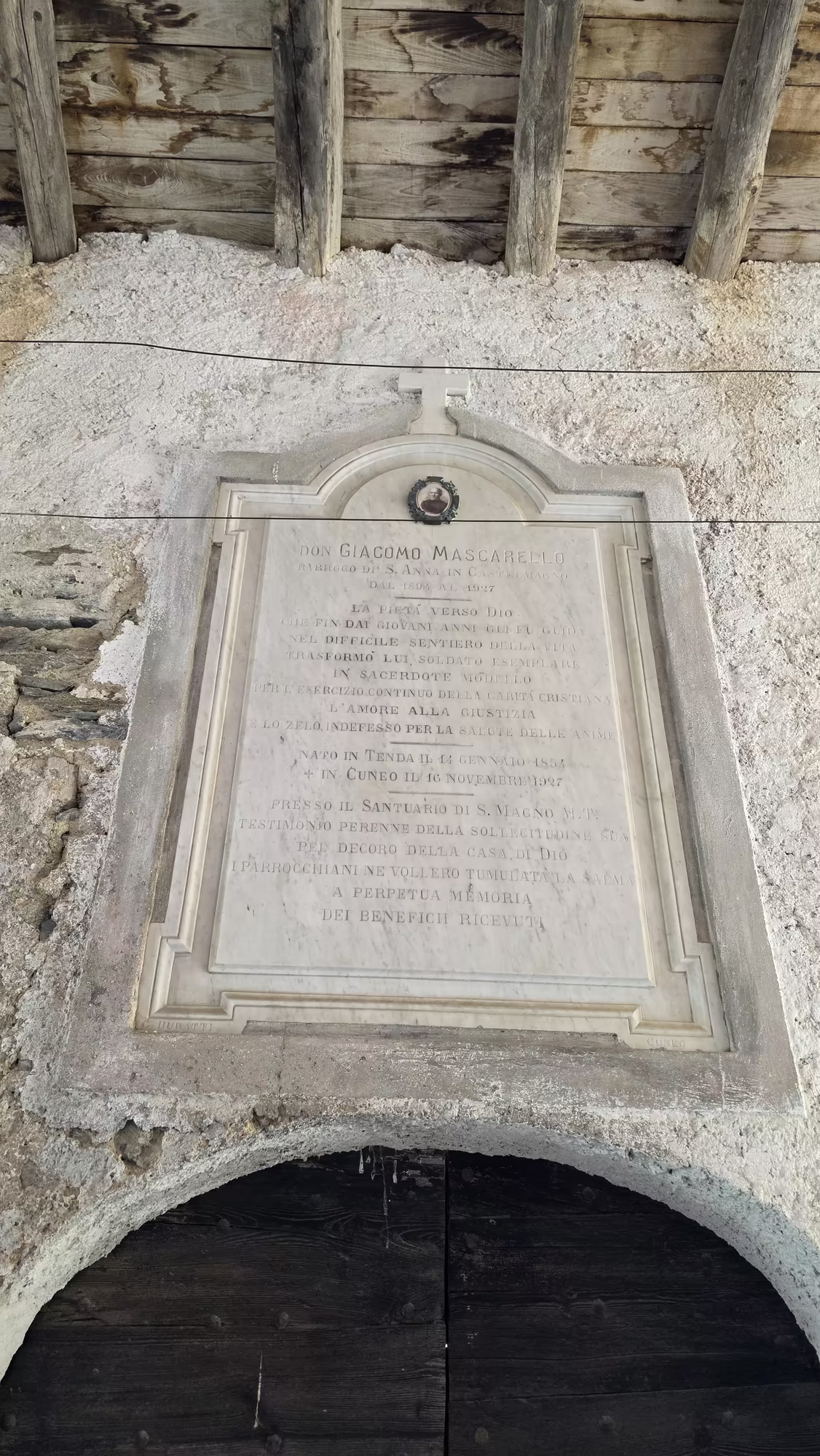
The arcade is cool and shaded, its columns painted with faded figures and its walls carrying memorials, including a marble slab above an arched door. From the shaded walkway the view opens down the valley, green and steep. Inside, the nave is quiet and broad, the walls bright with paintings of the martyr’s life, and the ceiling above the old chapel is worked in a pattern of stars. The building is a palimpsest of its own history: an older chapel at its heart, a larger church grafted on at right angles, and a later arcade wrapped around both. The bells still hang in a tower that was raised before any of the rest.
Pilgrimage is the reason the sanctuary is here. San Magno is venerated as a martyr and invoked above all for the protection of cattle and pastures, the two things on which life in this valley has always depended. The sick animals were blessed, the healthy ones commended, and the vows of grateful herdsmen survive in paint and stone on the walls. The saint’s images almost always show him with animals, or as a soldier with a banner, and the ex voto offerings record a long traffic between this high place and the farms below.
A Roman Altar and its Tale
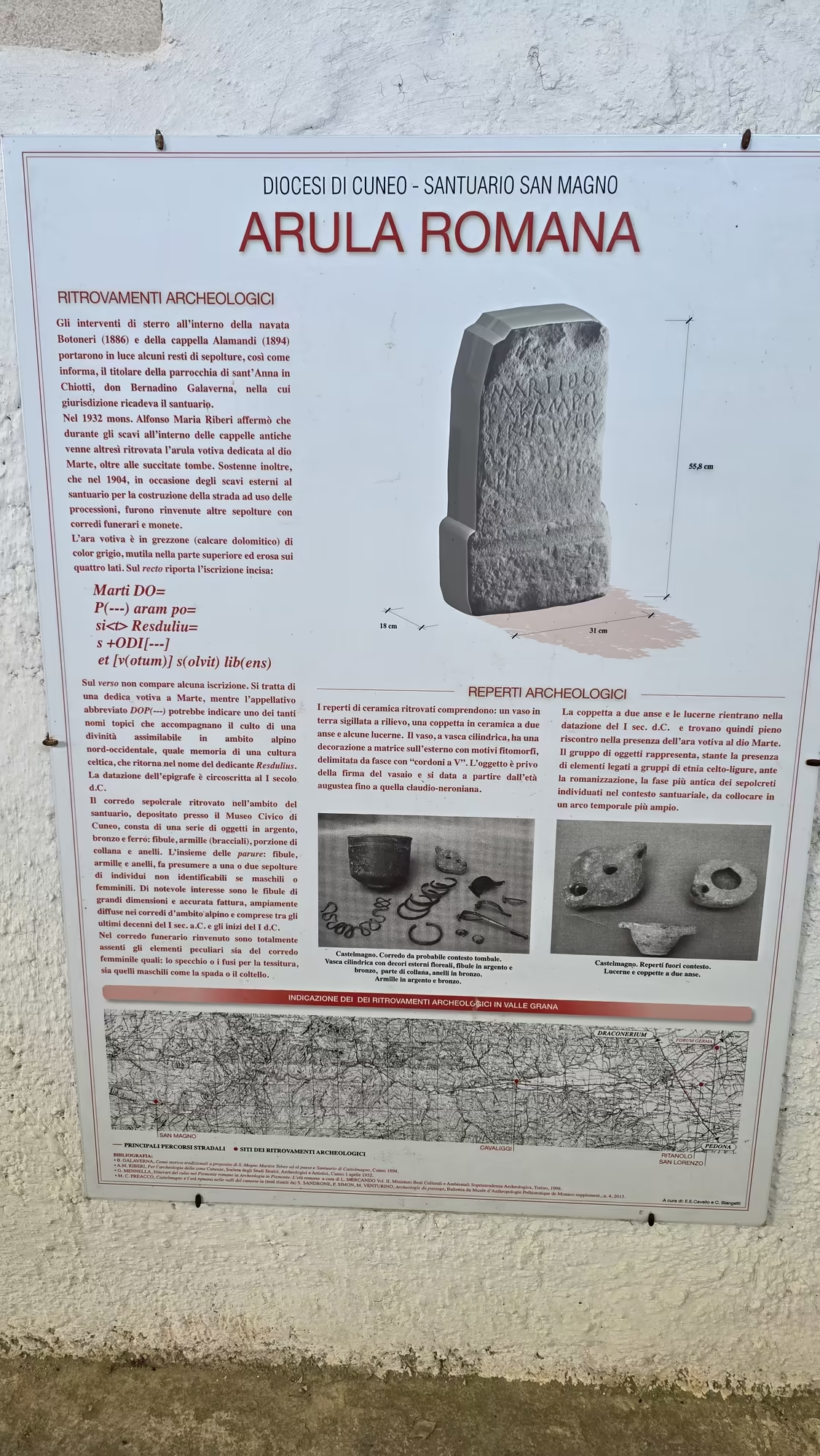
In a corner of the sanctuary a panel sets out the story of a stone found buried beneath the floor of the oldest chapel: a small altar with a Latin inscription. The Arula Romana, as it is known, is dedicated to Mars, the god of war but also the protector of fields, boundaries and animals, and it carries the words of a man named Esdulio Montano, who set it up in fulfilment of a vow. The original is kept in the Museo Civico in Cuneo.
That stone changes the way the whole valley reads. Below the Christian sanctuary there is an older sacred place, a natural promontory above the pastures that was already used for prayer and sacrifice when the Romans held this part of the Alps. Alongside the altar there were graves, oil lamps, pottery and small bronze coins, the ordinary furniture of a shrine that people climbed to for reasons of their own. It is not hard to see why the site was chosen. It commands the passes, it stands above good grazing, and it is the first high ground that a shepherd reaches from the valley floor.
The veneration of Mars did not simply disappear when the region became Christian. San Magno took over the protection of the herds, and the older god’s concern for animals and boundaries survives in the new saint’s cult almost unchanged. The legend makes Magno a soldier of a legendary Christian legion, a martyr of the mountains, but scholars have long suspected that the name and the shrine are older than the story. What remains is the continuity: the same slope, the same climb, the same request for protection over the animals.
Castelmagno Cheese and the Mountain Larder
The cheese that carries the name Castelmagno is one of the great products of these mountains. It is a protected designation of origin, and by law it can be made only within the territories of a handful of municipalities at the head of the Grana valley, of which Castelmagno itself is the centre. It is a semi-hard cheese of raw whole cow’s milk, sometimes with a little sheep’s or goat’s milk added, ripened in cool cellars for a minimum of two months. As it matures it develops veins of greenish blue, a marbling that forms naturally rather than by injection, and a flavour that sharpens from mild and milky to something almost spicy.
The best of it is made at height. When the herds graze above a thousand metres through the summer, feeding almost entirely on the local flora, the cheese may be marked as from alpine pasture, and the difference is real: the taste carries the herbs of the high meadows, and the rind turns the colour of old leather. In its golden age this was counted among the finest cheeses of its time, sought after far beyond the Alps, and then it very nearly vanished as the mountain population fell and the old dairies closed. Its revival belongs to the shepherds and small producers who kept making it when nobody was asking for it, and the cheese on a walker’s plate today is their inheritance.
The pasture economy and the cheese belong together. The cattle and goats seen on the climb are not scenery; they are the reason the paths exist, the reason the huts stand, and the reason the meadows are open rather than forested. Up here the wildflowers are part of the recipe as much as the view is part of the day.
The Village and its Museums
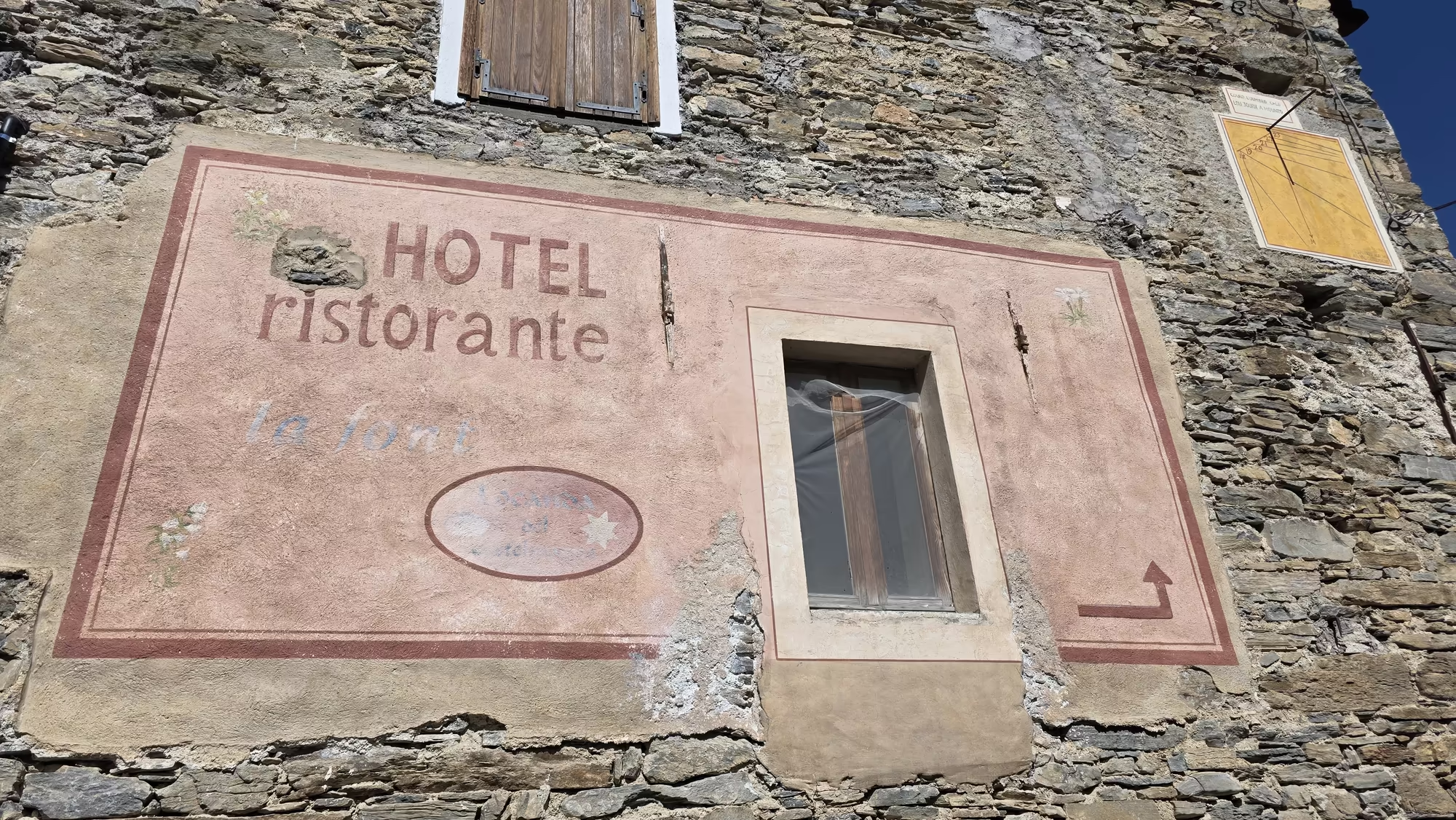
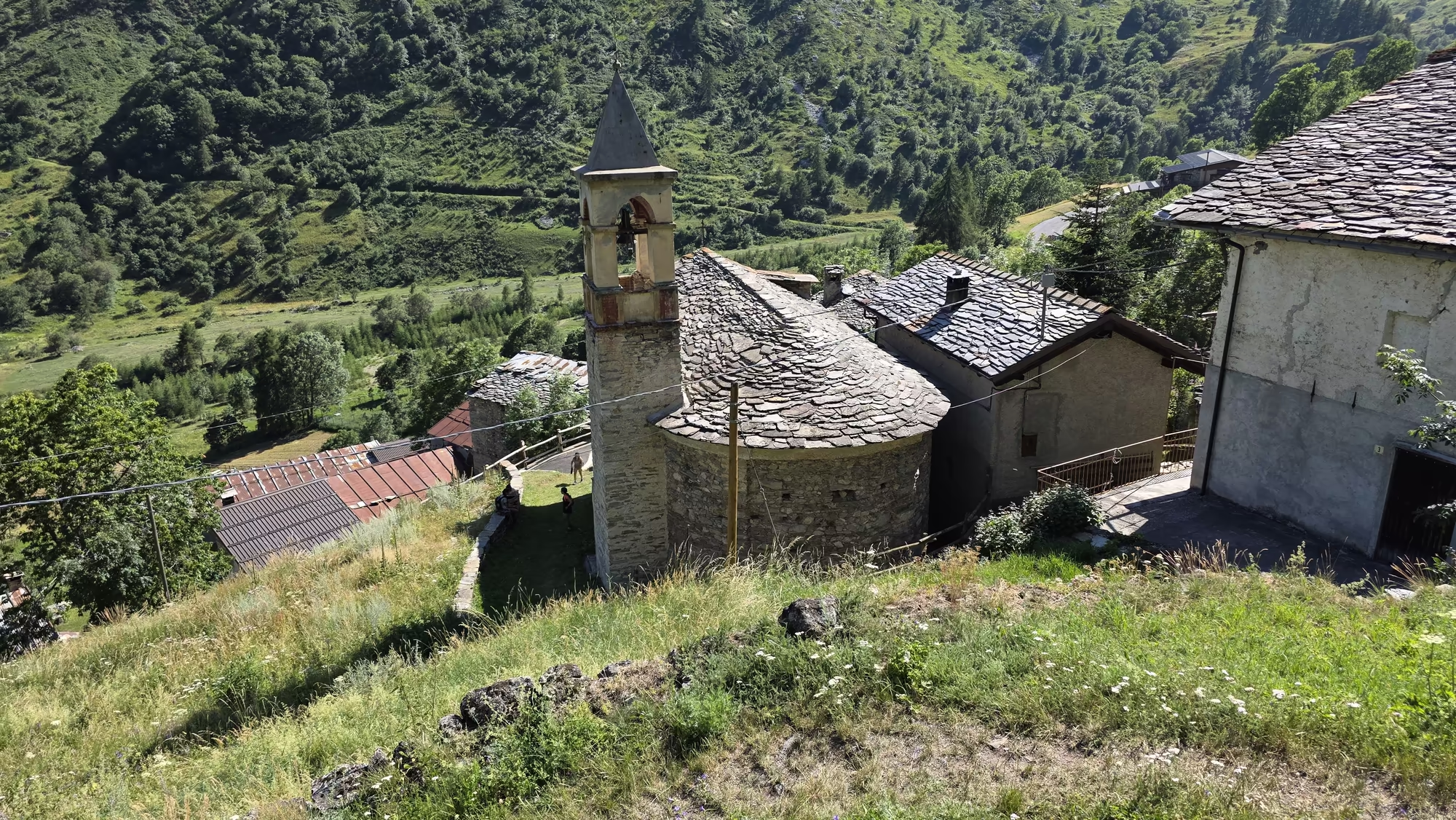
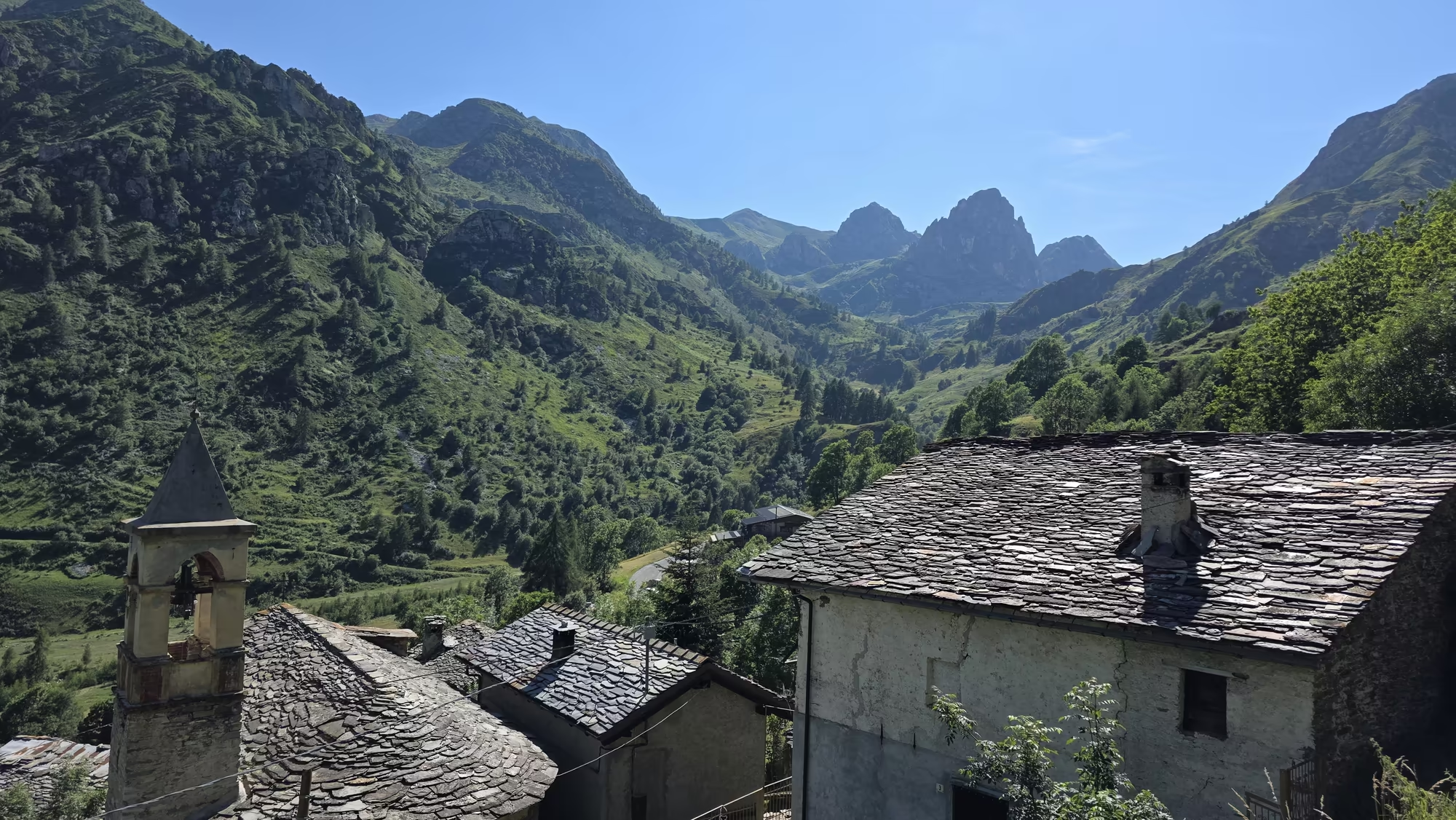
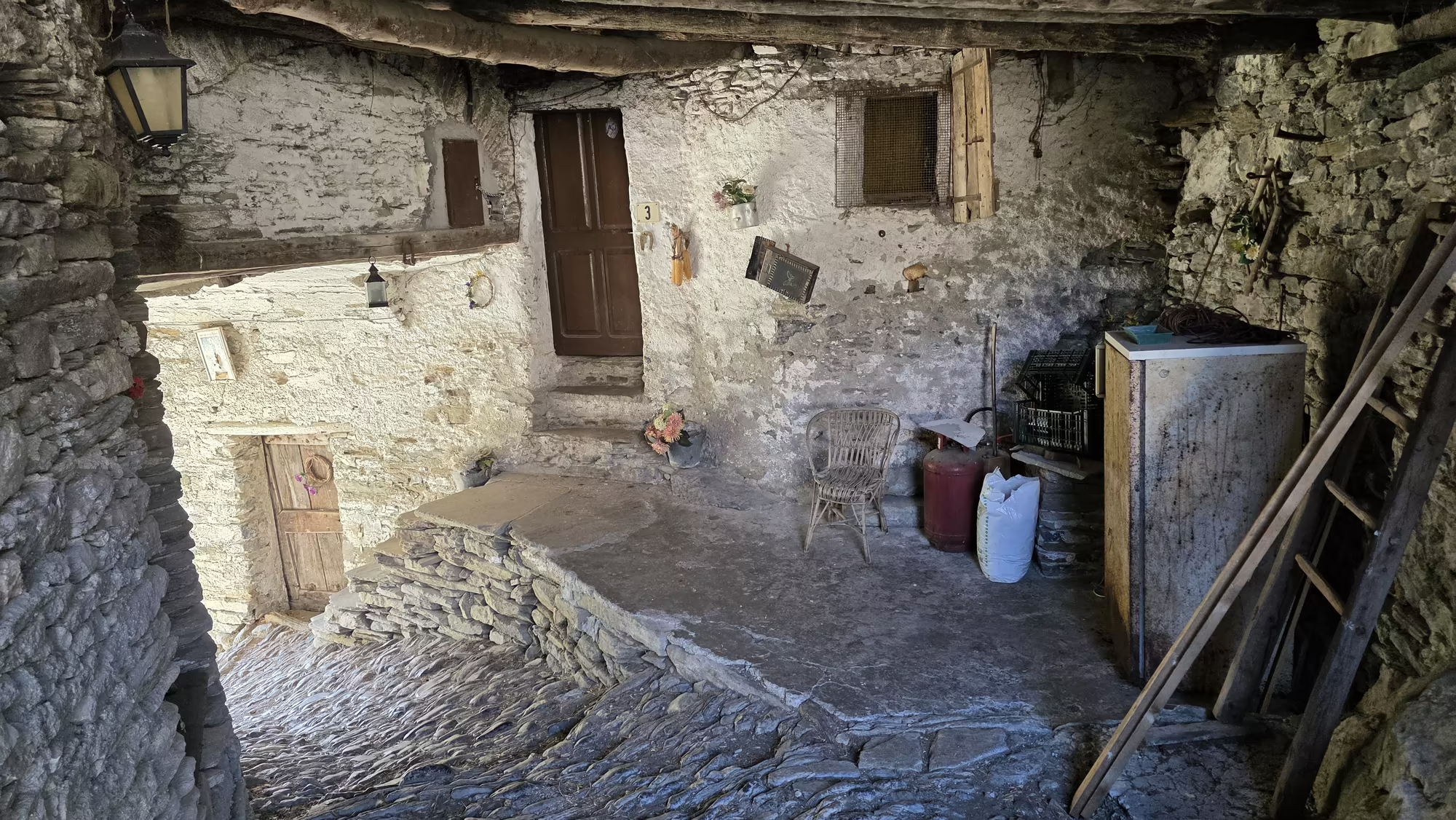
Castelmagno is not a single village but a scattering of hamlets across the upper slopes, some still lived in and some abandoned. The municipal seat is a cluster of stone houses around a small square, where a stone chapel stands among the roofs and a faded sign on a wall marks some older purpose. A cluttered stone courtyard opens between two houses, and beside it a barn door stands ajar, showing a floor of beams and old hay. From the edge of the hamlet the view drops over the rooftops.
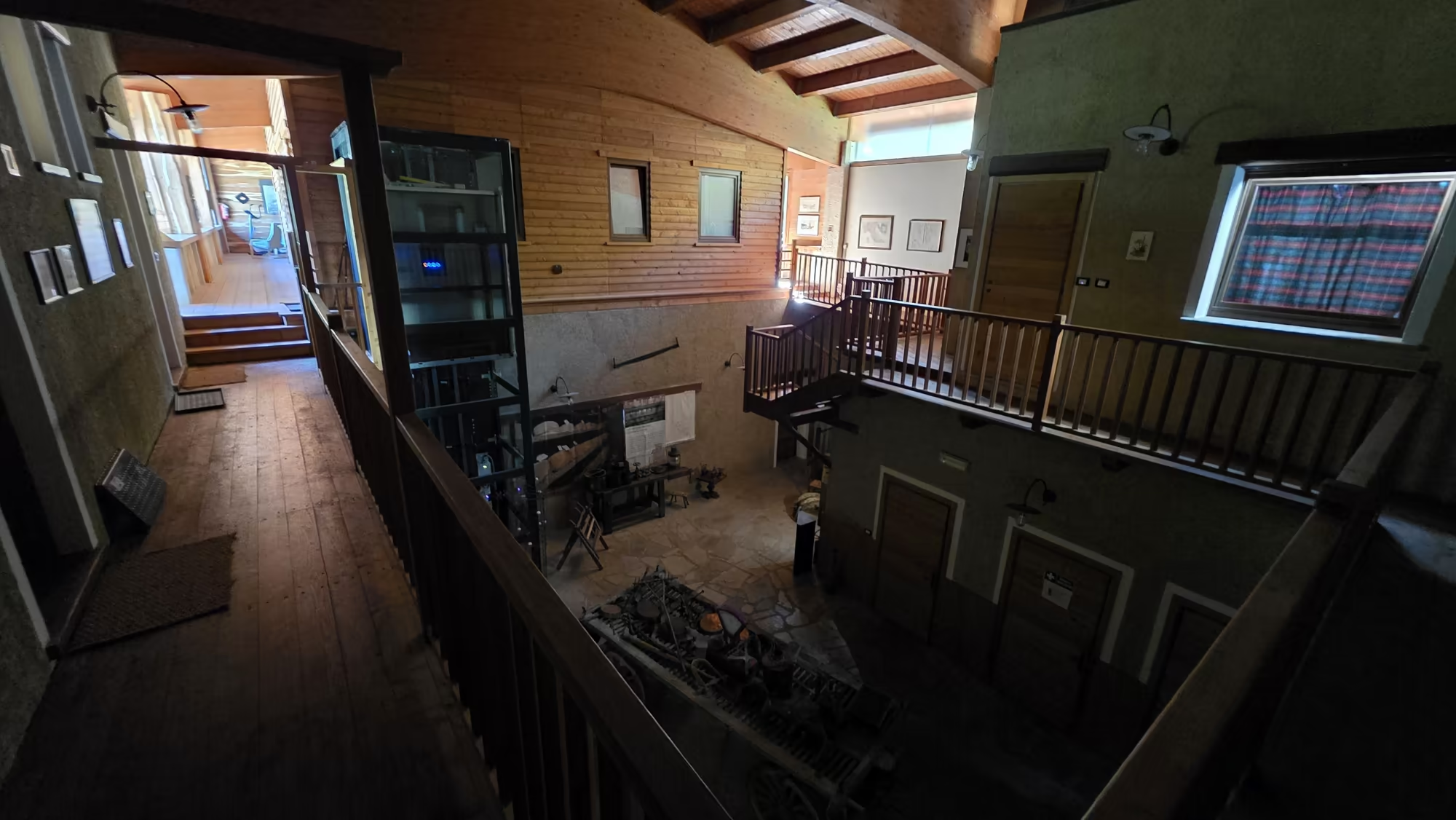
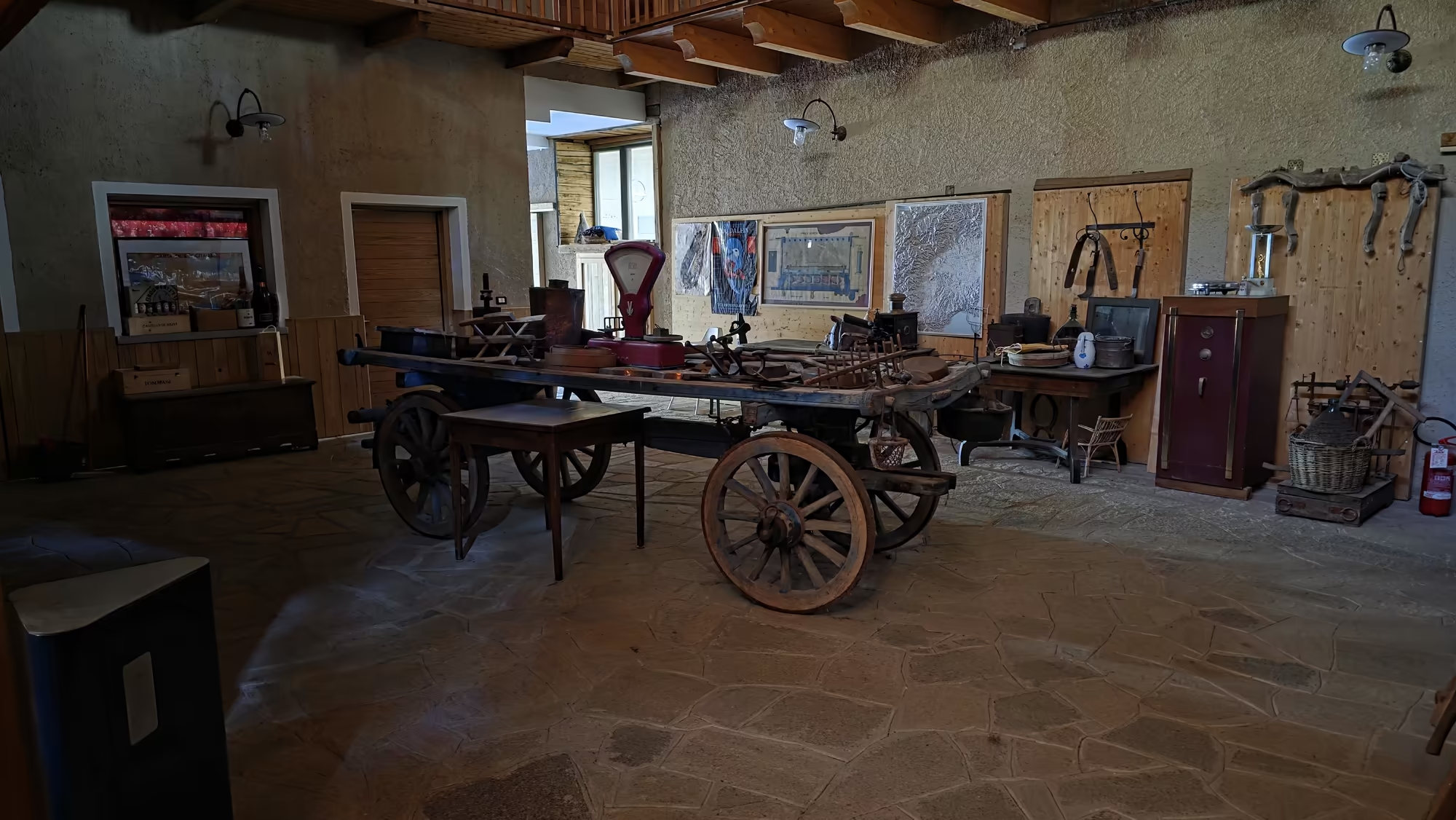
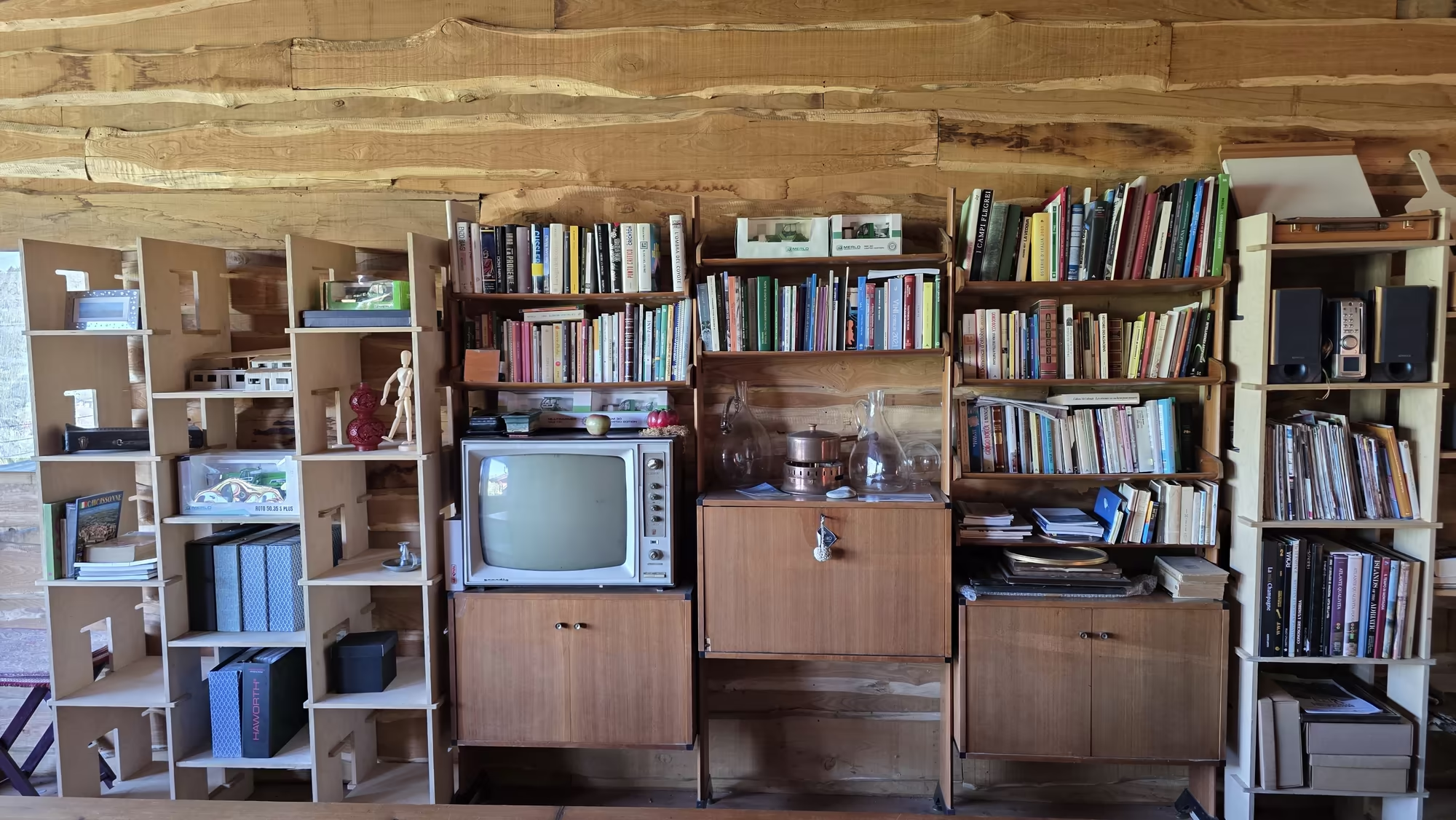
An old schoolhouse now serves as a small ethnographic museum, its rooms keeping the tools and objects of the farming life that shaped this valley. Carts and sledges, yokes and churns, sickles and lanterns fill the spaces, along with bookshelves against rough timber walls where the records of the community are kept. More than two hundred working objects are displayed, gathered from the local farms, and the result is less a museum than a store of memory: the implements that were used in the fields and stables until quite recently, kept because someone thought they were worth keeping.
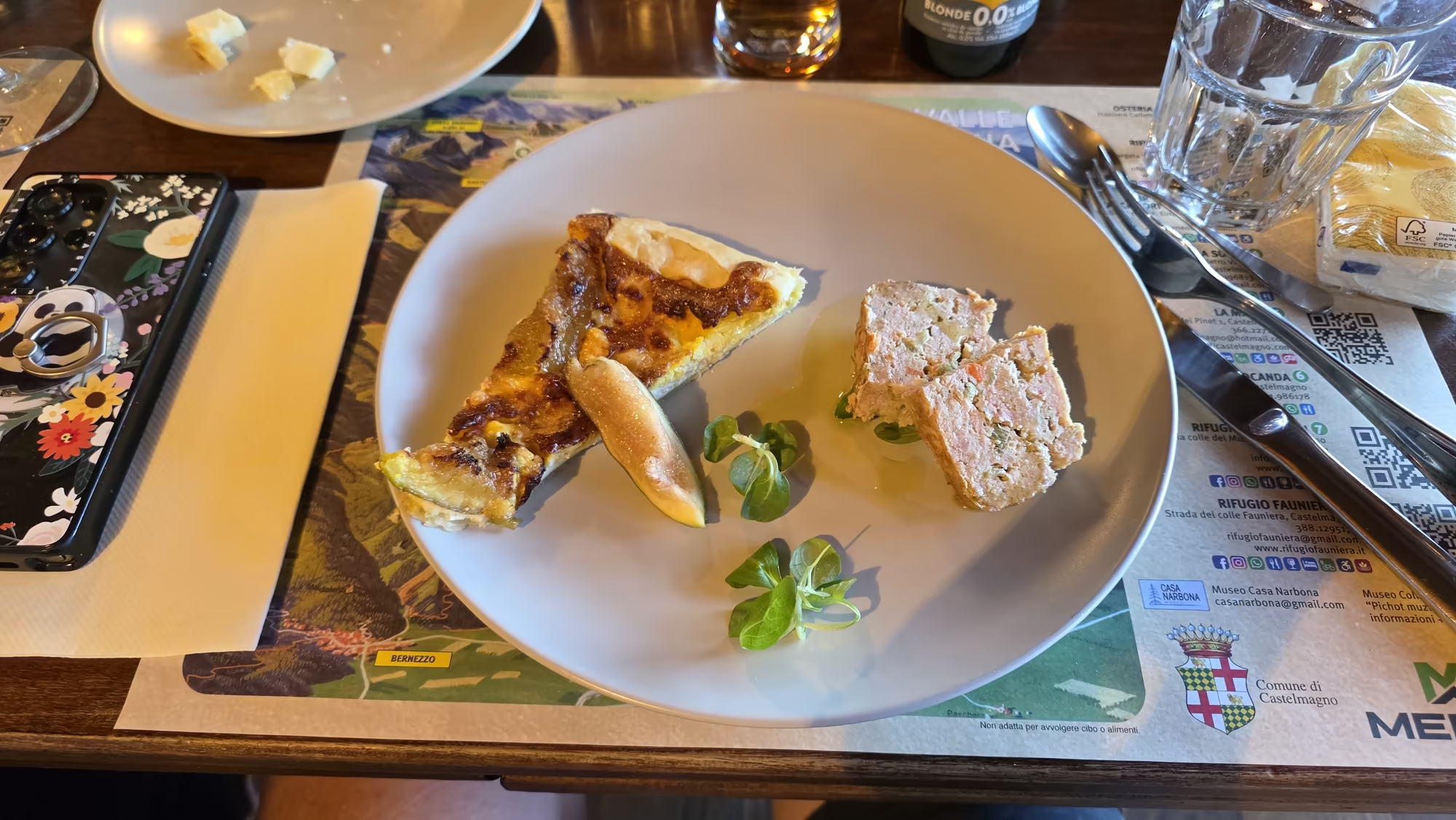
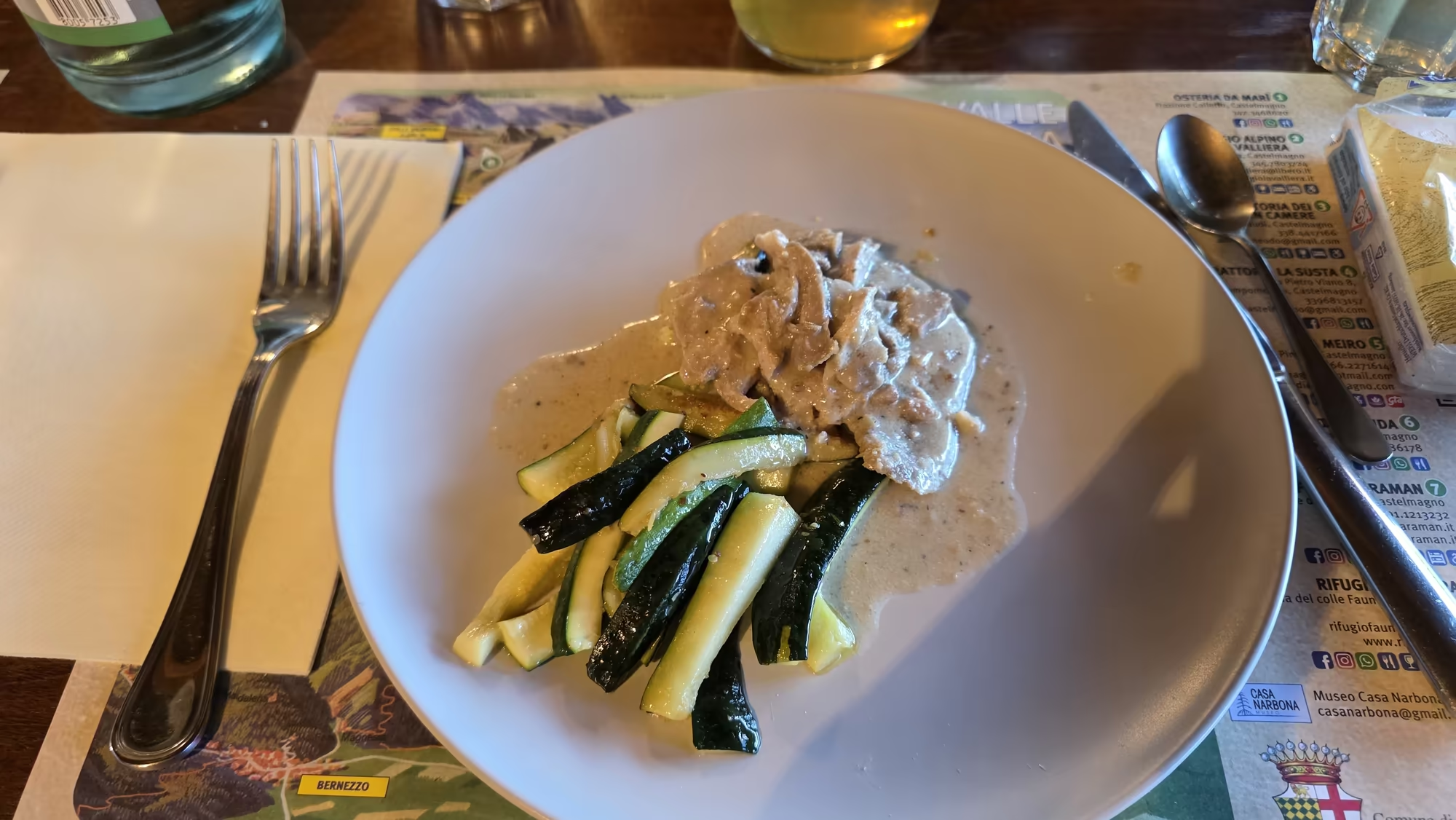
The day ends at a refuge table with a plate of local food: sliced meat, courgettes, bread, and a piece of the cheese that gives the village its name. The light goes long and orange across the valley, and the ridge crossed in the morning stands black against the sky. The sanctuary keeps its lamps lit somewhere above in the dusk. It has been a day of two halves, as promised, and both of them were worth the climb.