2026 Hungary 1 - The Danube and the Castle District
14 June 2026






Journal Notes
Budapest arranges itself around the Danube, and the river decides the shape of everything. On one side Pest lies broad and level, its streets drawn straight and its facades stacked in long terraces above the pavements. On the other side Buda lifts into wooded hills, and the Castle District holds the old royal quarter high above the water. A single day crosses that divide more than once, from the worn inner streets of Terezvaros to the promenade on the Pest bank, from the wide grey river to the funicular that climbs the hillside, and back down again as the light softens. What ties the two banks into one city is the water and the bridges that span it, the Chain Bridge with its chains and its lions, the Parliament laid along the embankment, and the trams that keep working the boulevards long after the tour boats have gone quiet. From the fading plaster of the inner city to the lamps along the river, the day holds to that arrangement.
Faded Facades of Terezvaros
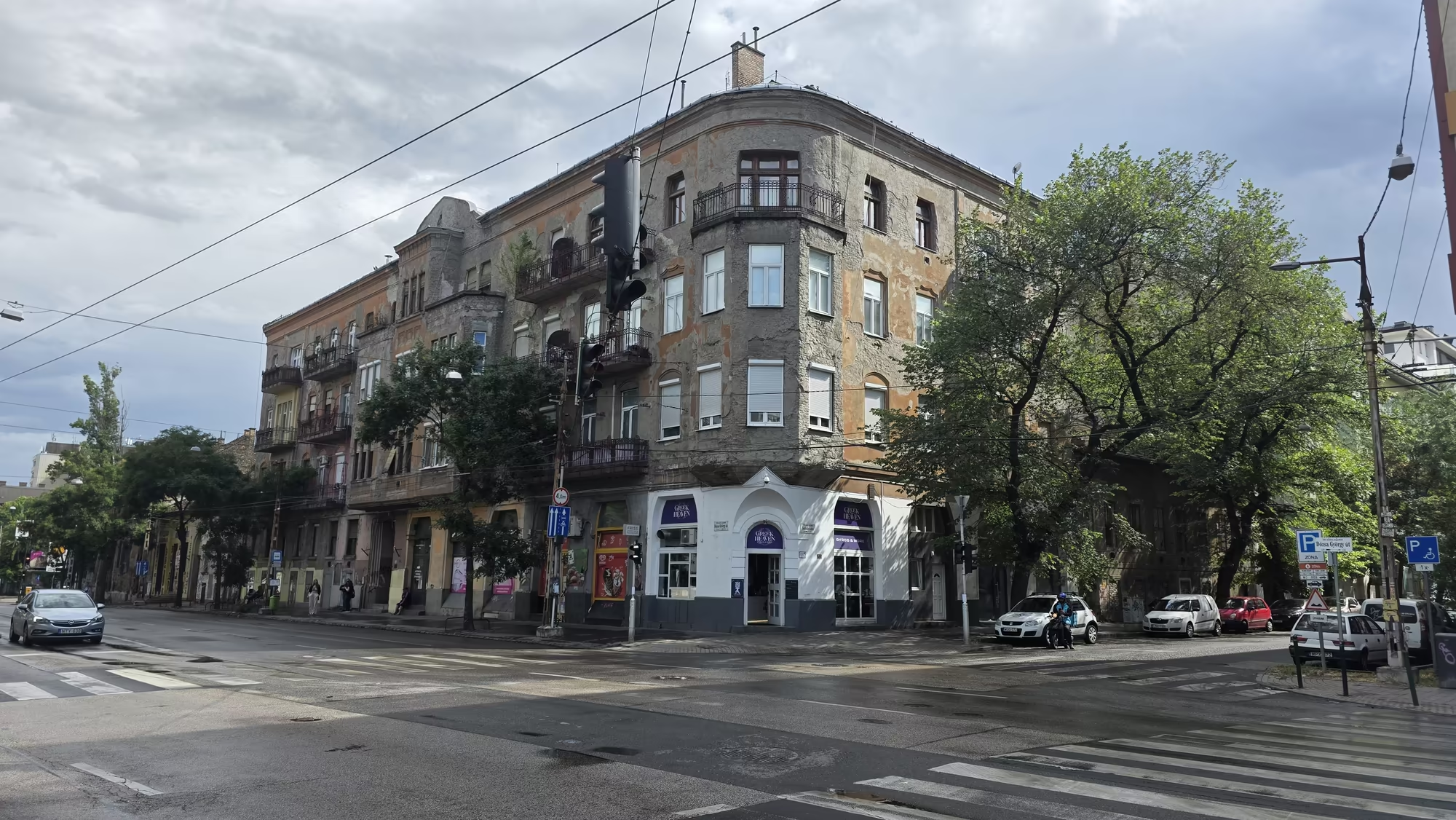
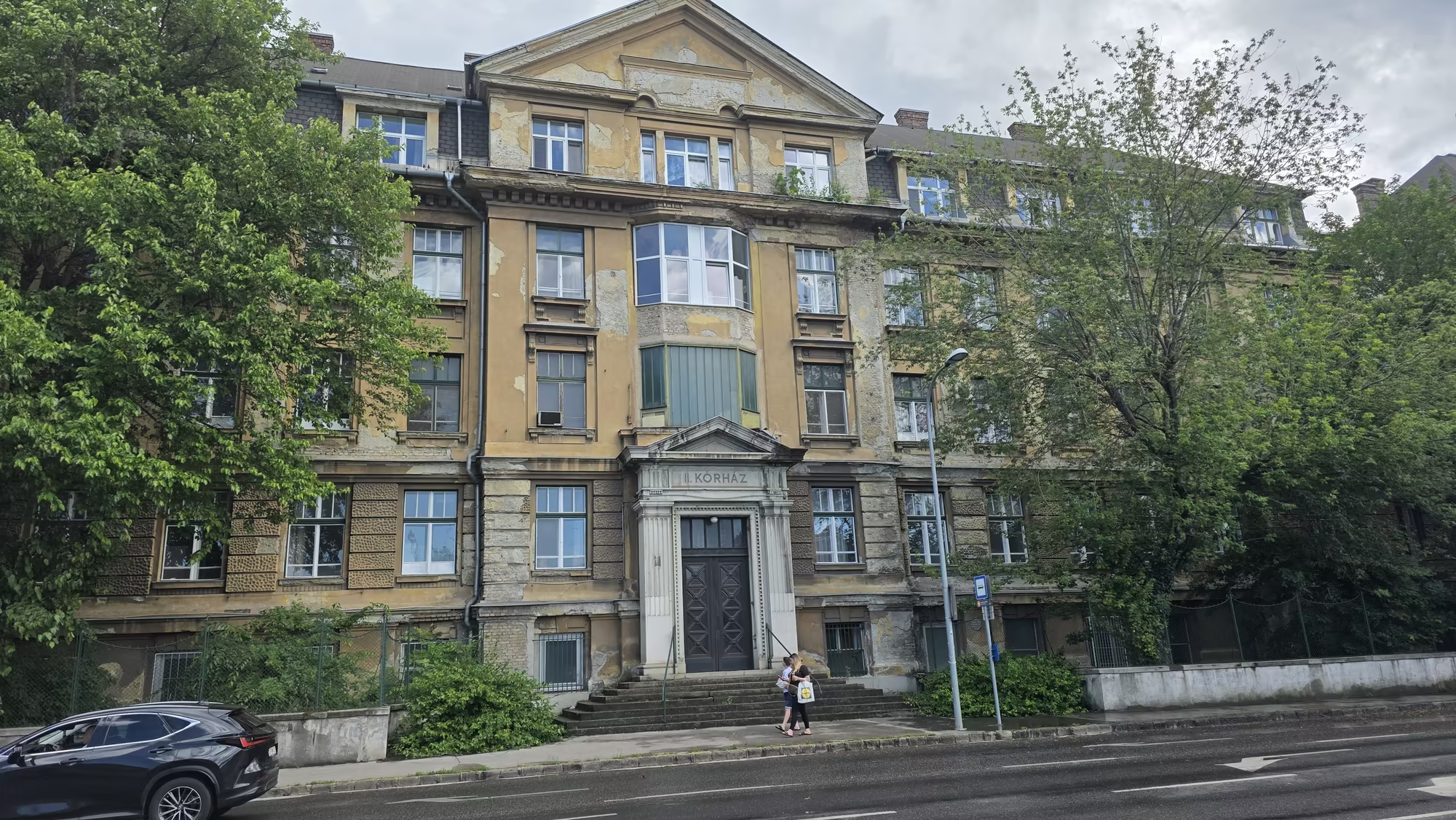
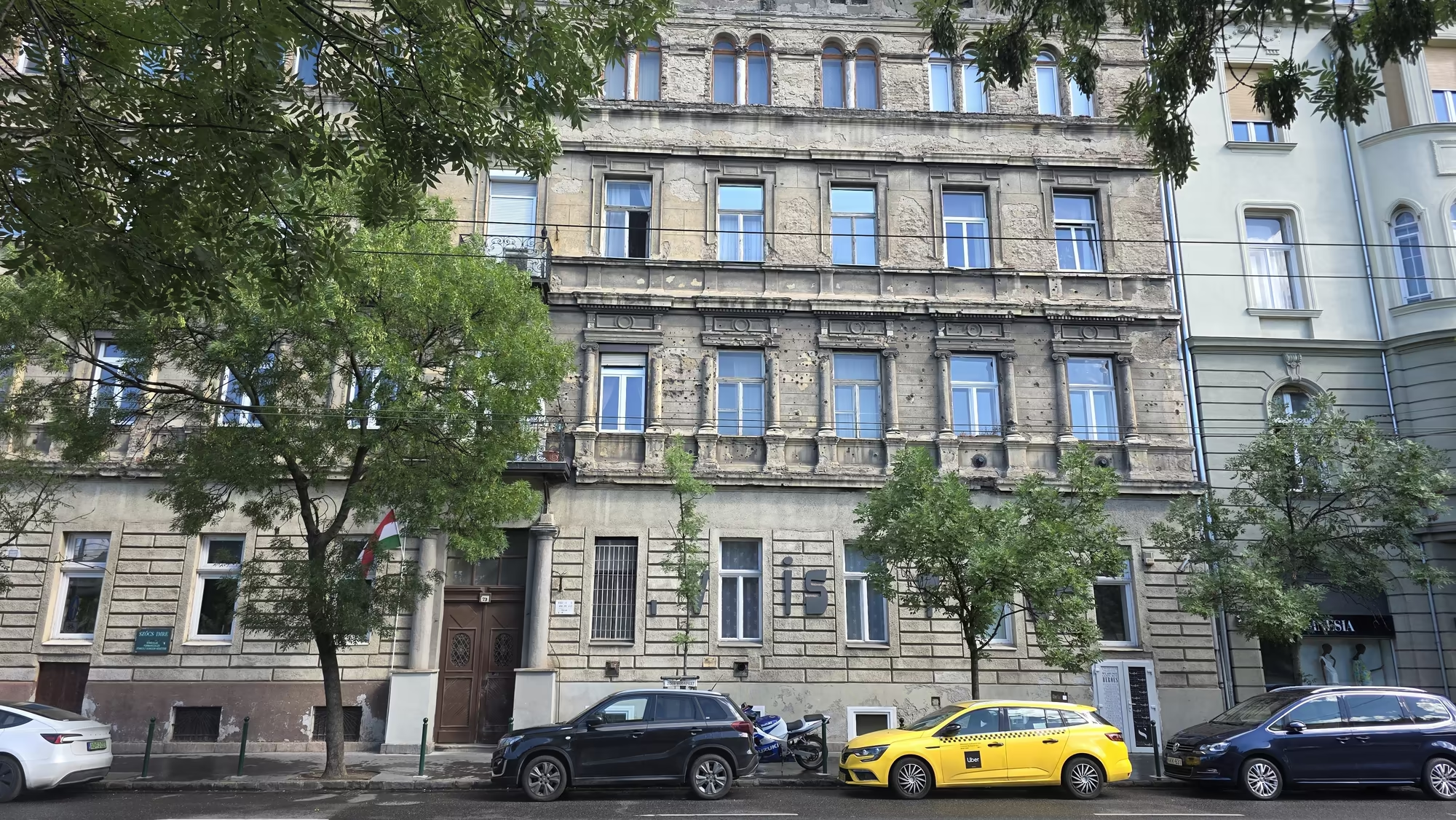
Terezvaros begins where the grand boulevards thin into ordinary streets, and its architecture is the architecture of use. A weathered corner building stands at a crossing with shops at street level, its plaster gone grey and its upper storeys scored by decades of weather, while zebra crossings, parked cars and a web of tram wires fill the space beneath a flat overcast sky. A little further on an ochre facade with a rusticated stone base and a pedimented roofline rises behind leafy trees, grand once and tired now, damp pavement running away beneath it. The ornament survives: arched windows, wrought iron balconies, and a cornice that steps out above a curbside row of parked cars, a taxi and a delivery scooter drawn up against the kerb.
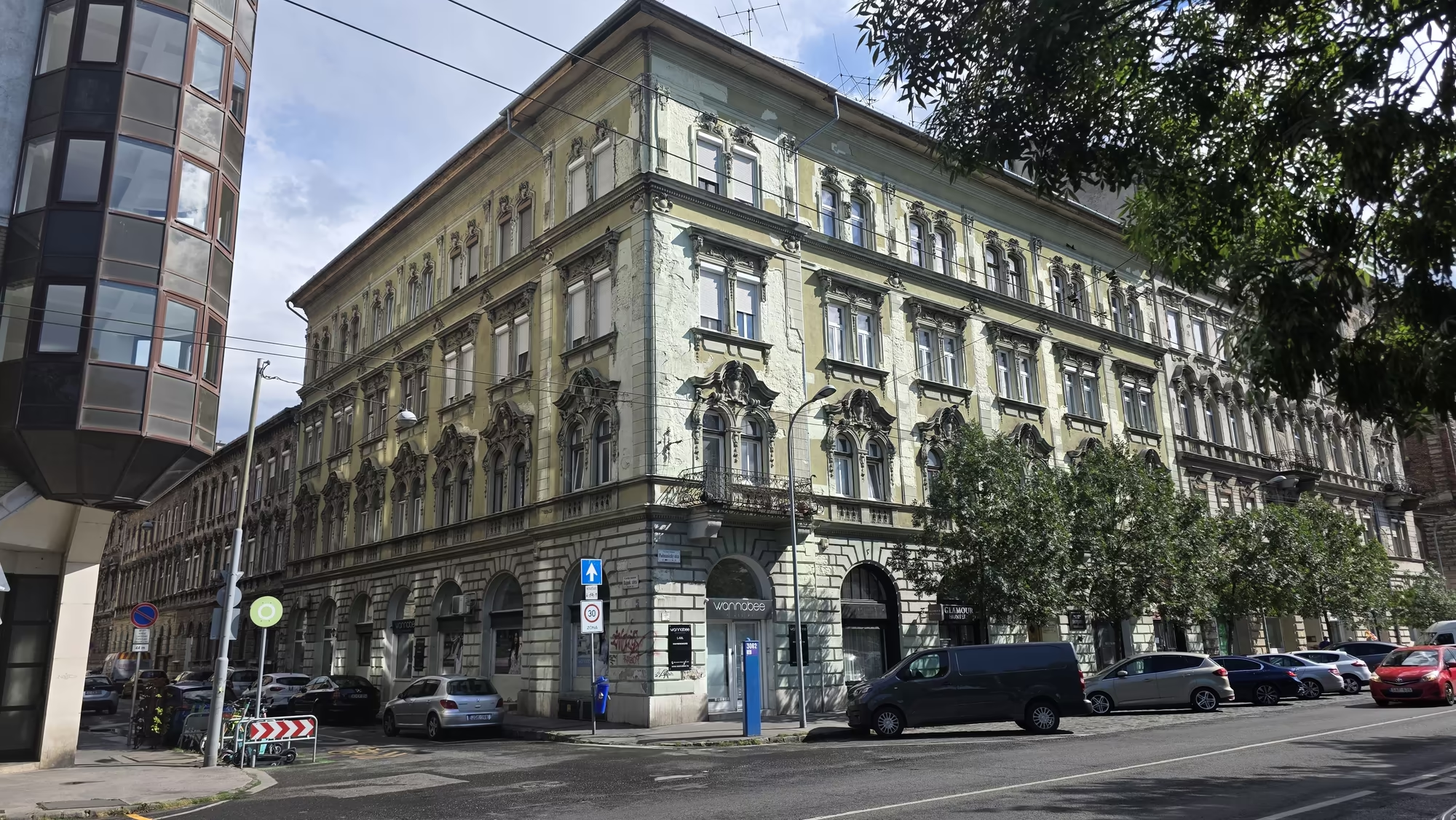
The district holds its past and its present side by side, sometimes within the same glance. A pale green historic corner building with arched shopfronts faces a dark modern glass office block across a sunlit junction, the two of them standing as a plain argument about what a city street is for. Near that crossing a grand palace of dark red brick and cream stone fills its corner with round arched windows, medallions and balustraded balconies, crowned by a tower against a deep blue sky. Close by, a residential block of tan and grey plaster shows patches where the render has fallen and the brick beneath is exposed, rows of tall windows, a small balcony, and a cluster of rooftop antennas that seem to have grown there rather than been placed.
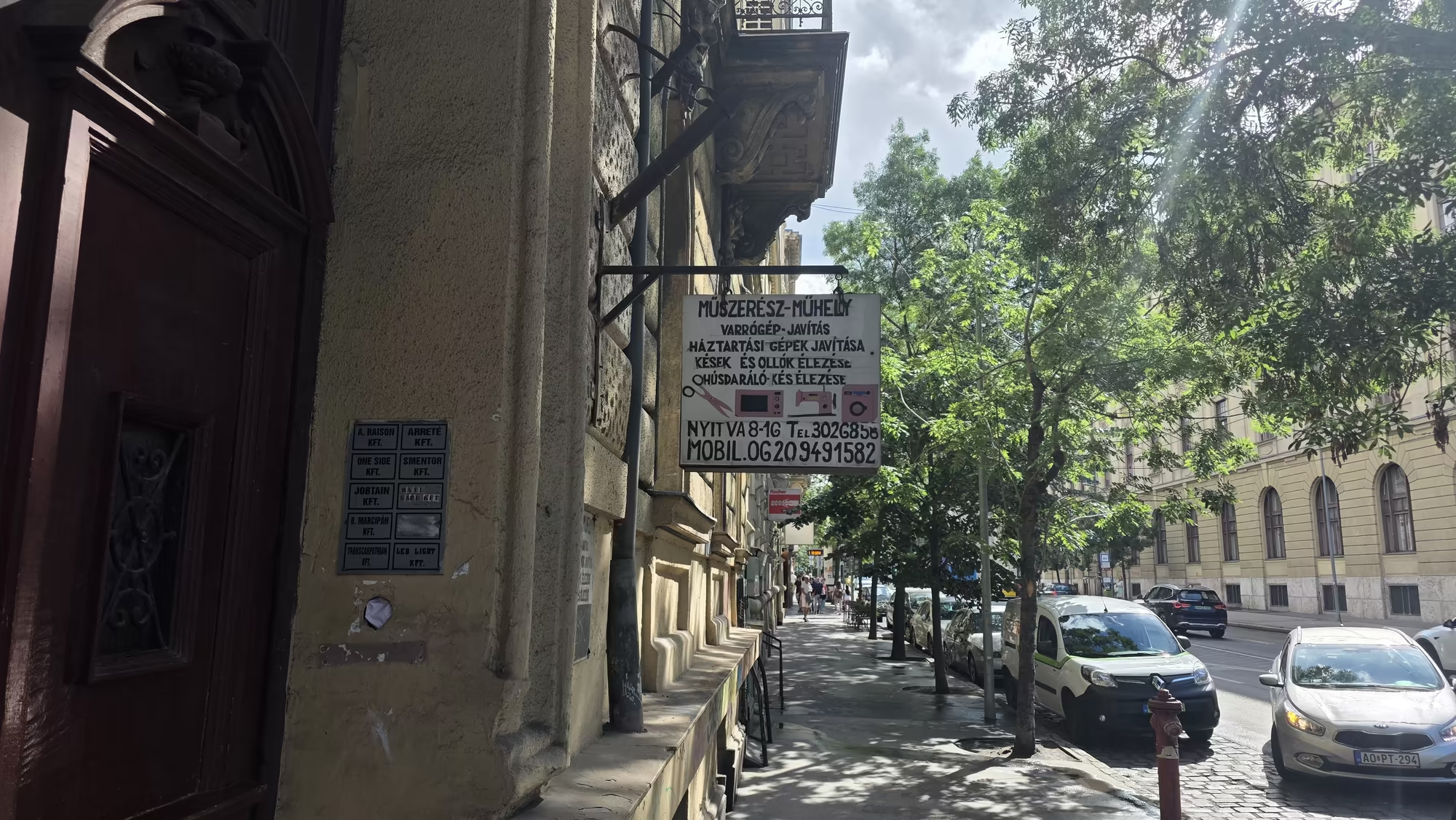
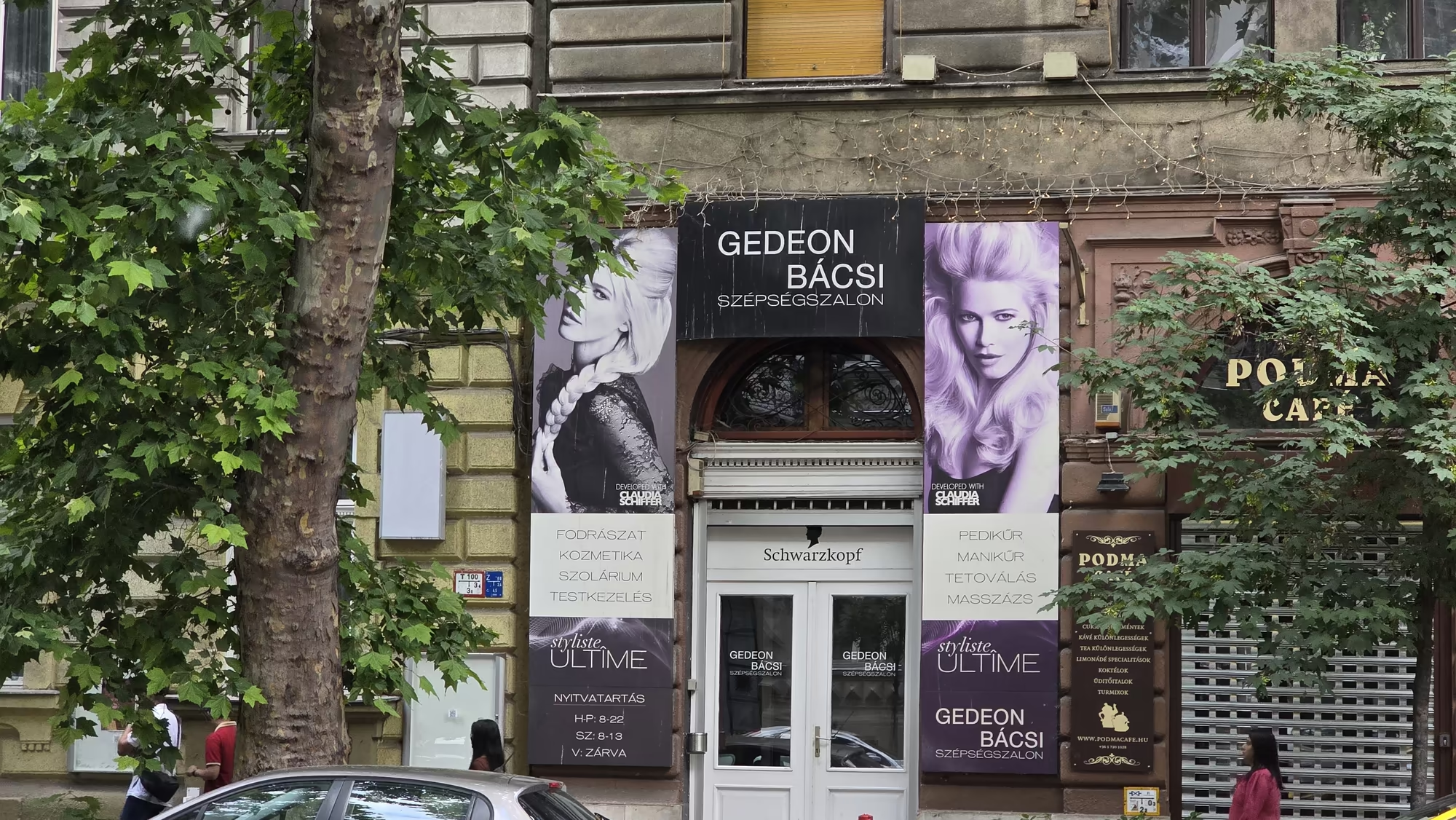
Not every sign has changed, and that is part of the appeal. A white business sign lettered in Hungarian hangs from a curved iron bracket above a quiet, tree-lined pavement, casting a narrow rectangle of shade over the kerb. On the next stretch a black and white salon sign sits above glass double doors, flanked by tall posters and a panel of treatments, a neighbouring cafe at its shoulder. Nothing in the district is arranged for display; it simply keeps going, one worn facade after another, and lets the streets hold.
Along the Danube
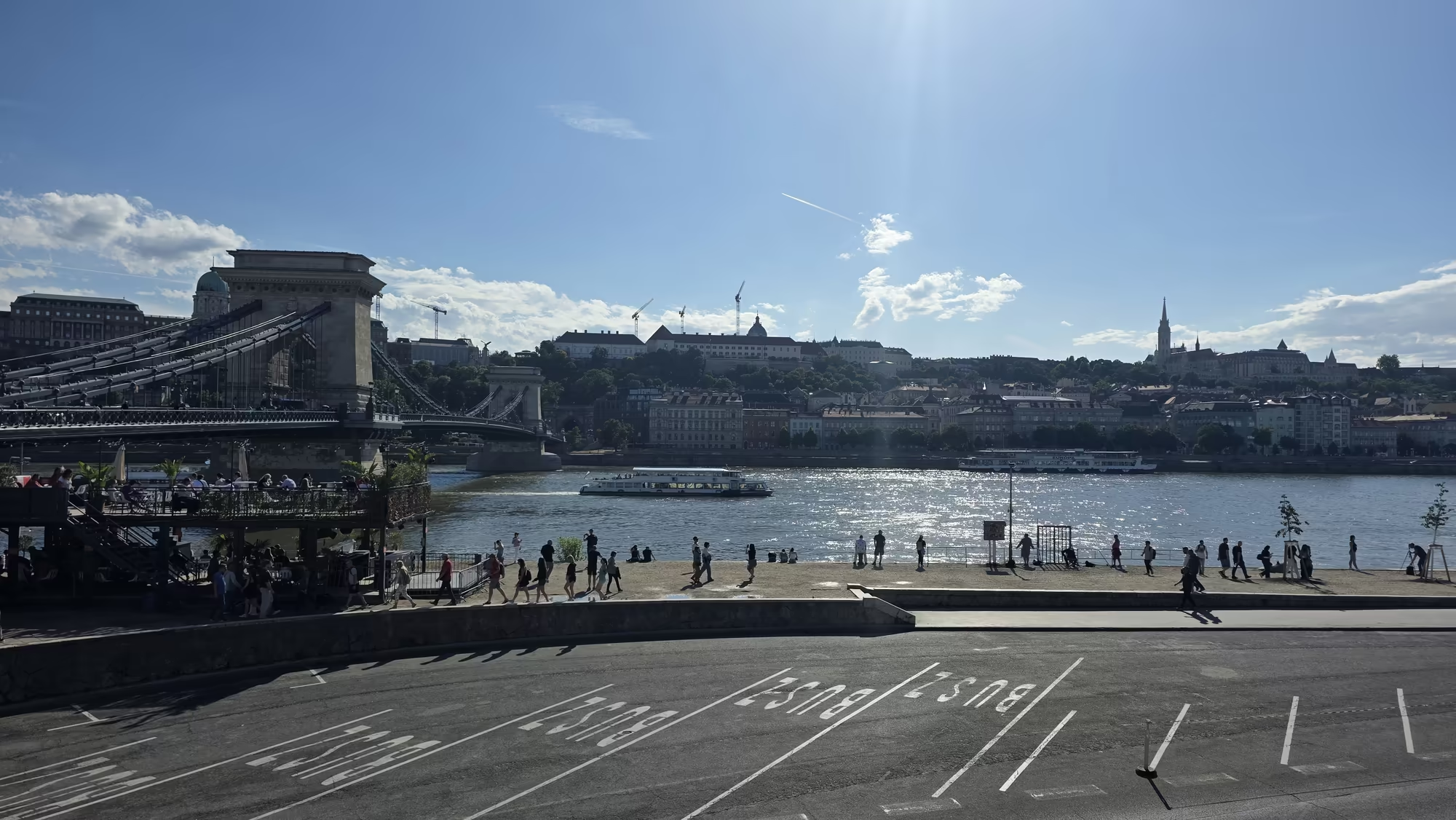
Where the inner streets end the embankment begins, and the scale of the city changes at once. A wide paved promenade runs along the Pest bank with young trees set into the ground at intervals, a low stone edge at the water and a marked lane for cyclists alongside the pedestrian way. On a bright day the promenade carries a slow traffic of walkers and riders, none of it in a hurry, all of it turned towards the river. The Danube itself is broad and unhurried here, working past the embankment in long grey sheets of light.
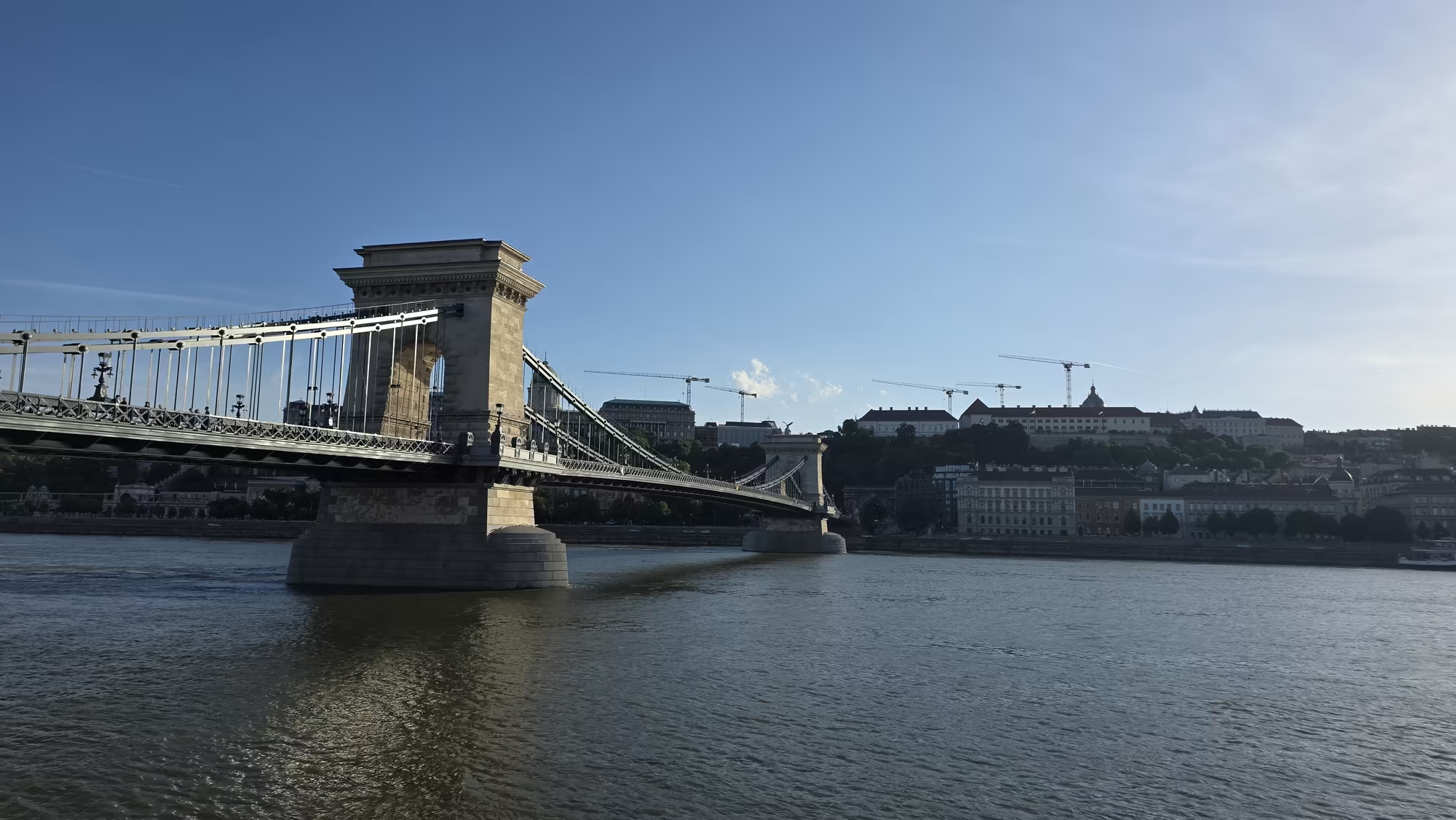
Across the water the far bank assembles itself into the city’s most familiar silhouette. The stone towers of the Chain Bridge stand out above the current, and behind them on the wooded hill the long pale wings of the castle complex spread along the ridge, a dome rising from the middle of them. A church spire lifts clear of the trees on the same slope, and everything lands on the flat grey plane of the river between. A tour boat drifts past below the far bank, small and slow, leaving a thin wake, while the promenade beside it keeps to its own rhythm of bicycles, benches and lampposts. Behind the promenade the road carries the city’s habits in its paint: a lane reserved for buses stretches empty beside the water, waiting for traffic that has not yet arrived.
The Parliament from the Water
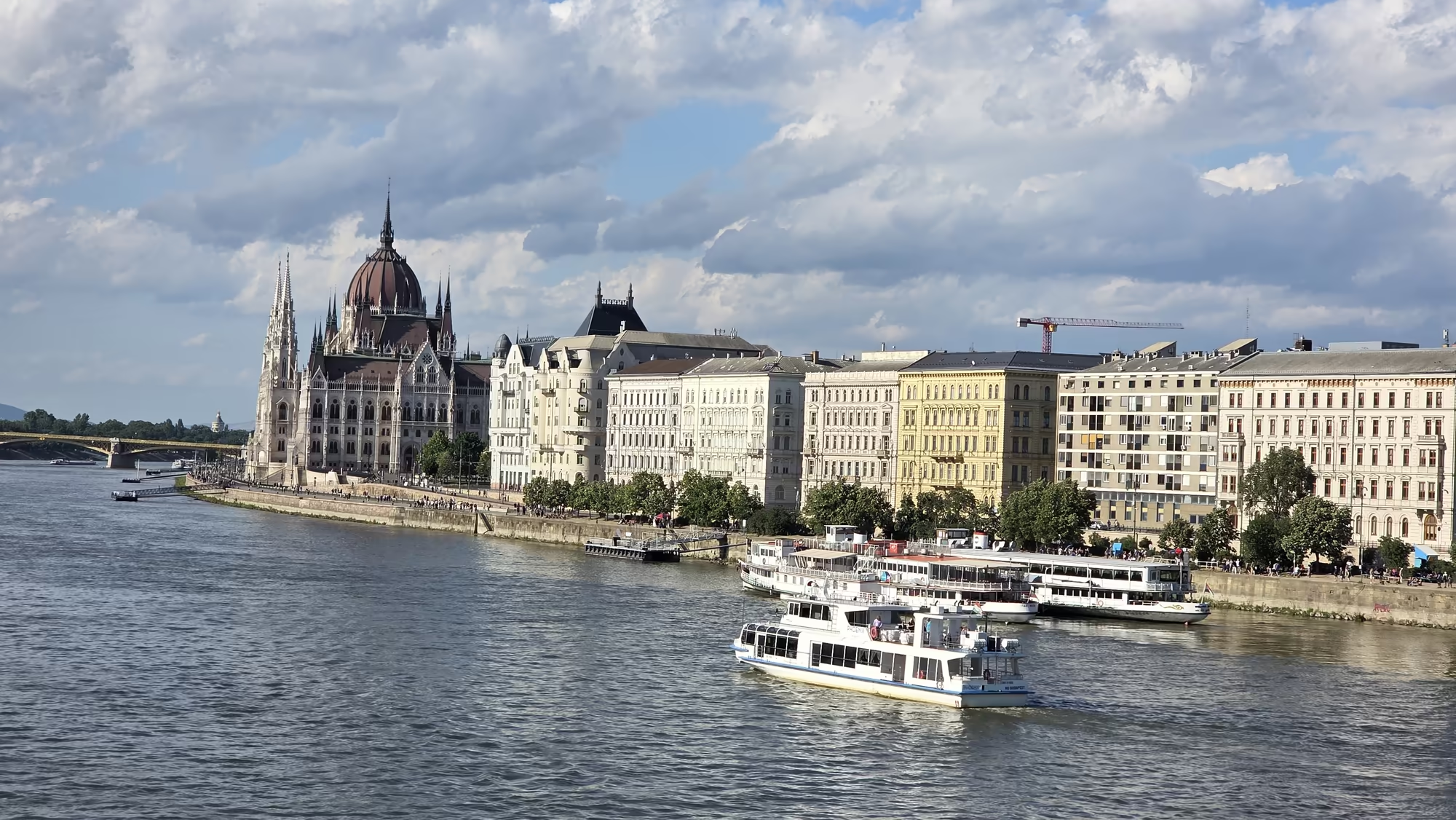
The Parliament is the building the river was always going to have. It lies along the bank in one long symmetrical line, pale stone rising into pinnacles and pointed arches, its central dome lifted above the two wings and its facade repeated along the water in a rhythm of gables and lancet windows. From the river it reads as a single idea stretched over a great length, every part of it subordinate to the dome. Historic facades run with it along the embankment, so that the building is less a separate object than the culmination of a whole riverside of stone.
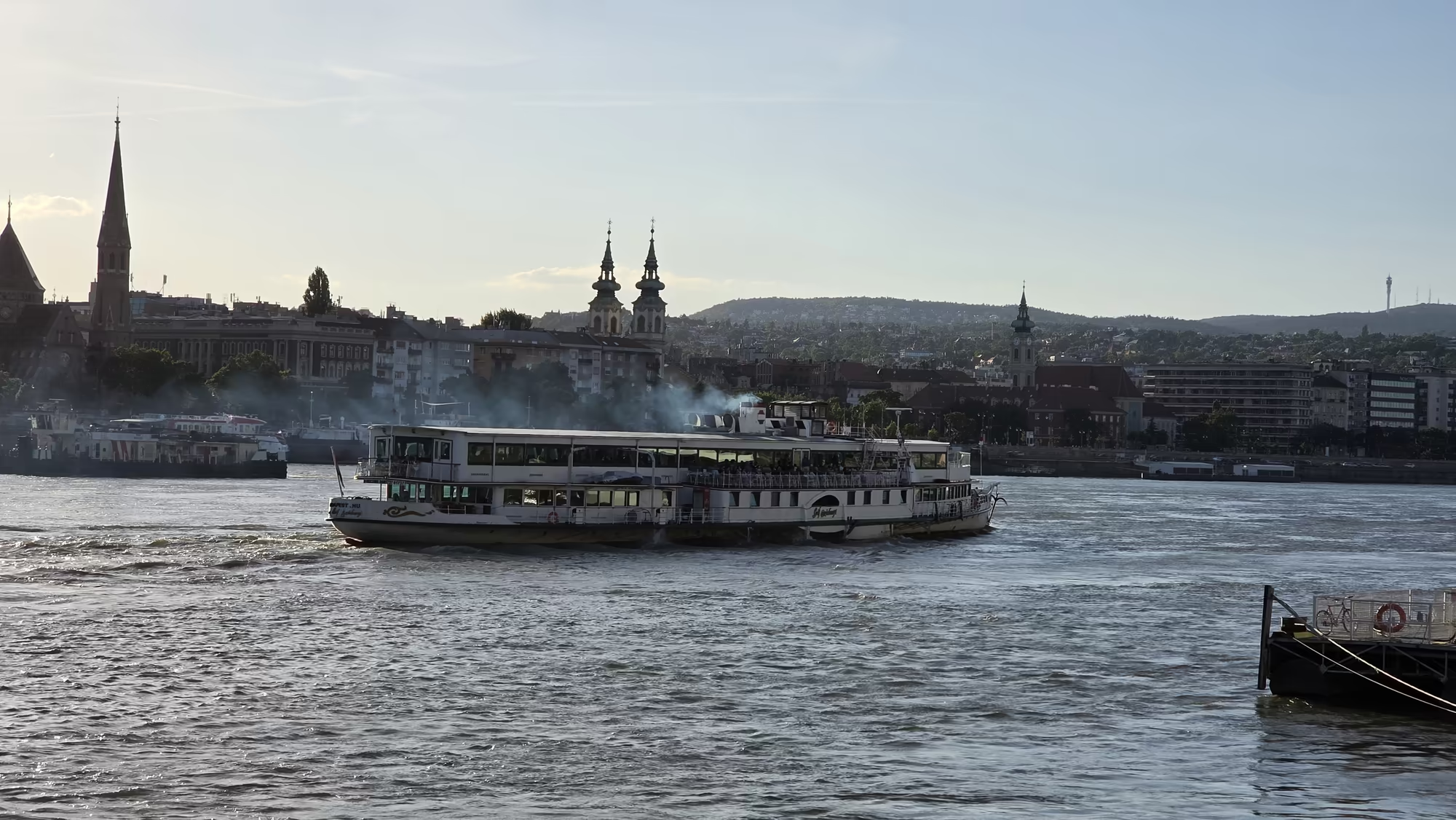
The water in front of it belongs to movement. White tour boats cross and recross the Danube, some of them long cruise ships that leave a gentle wake on the rippled surface, others small and quick between them. From the deck of one of them the building shows differently again: the far bank with its rows of historic facades, the promenade with pedestrians at their ease, and the wide scroll of the river carrying the boats past the dome and the spires. Further along the bank a church with two matching spires stands back from the water, its twin towers doubled in the current, while wooded hills and the rest of the city fade into a pale, hazy distance.
The Chain Bridge
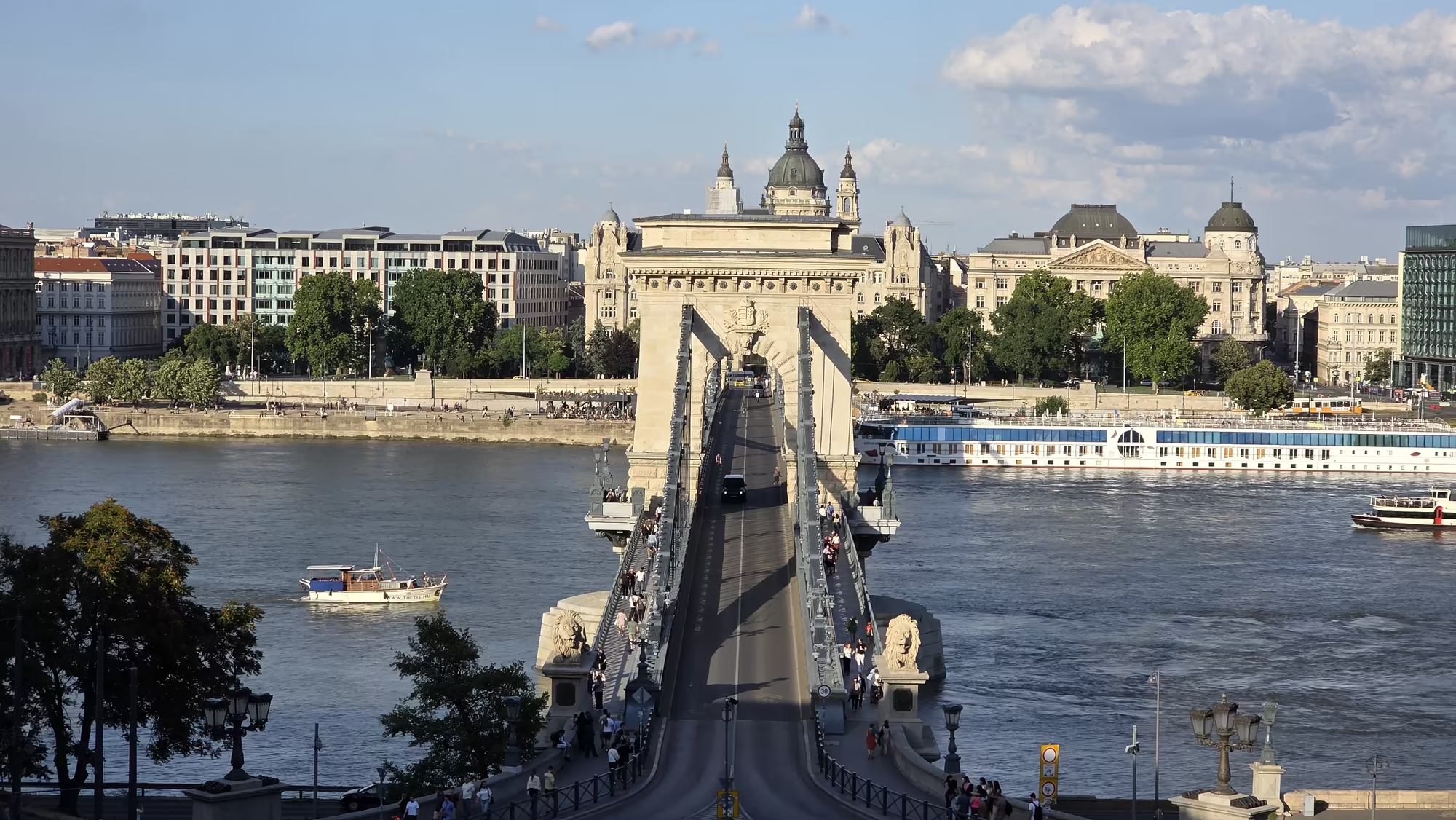
The Chain Bridge is the most deliberate thing in the city. Seen from the water, its great stone tower rises straight out of the Danube, the iron chains sweeping over it in a long curve that carries the whole deck, and the road runs through the arch beneath. From the river the bridge reads as one line of stone and iron laid across the current, and beyond it on the wooded hill the long pale palace complex stands partly veiled by scaffolding and cranes, as if the old city were being rebuilt even as it is looked at.
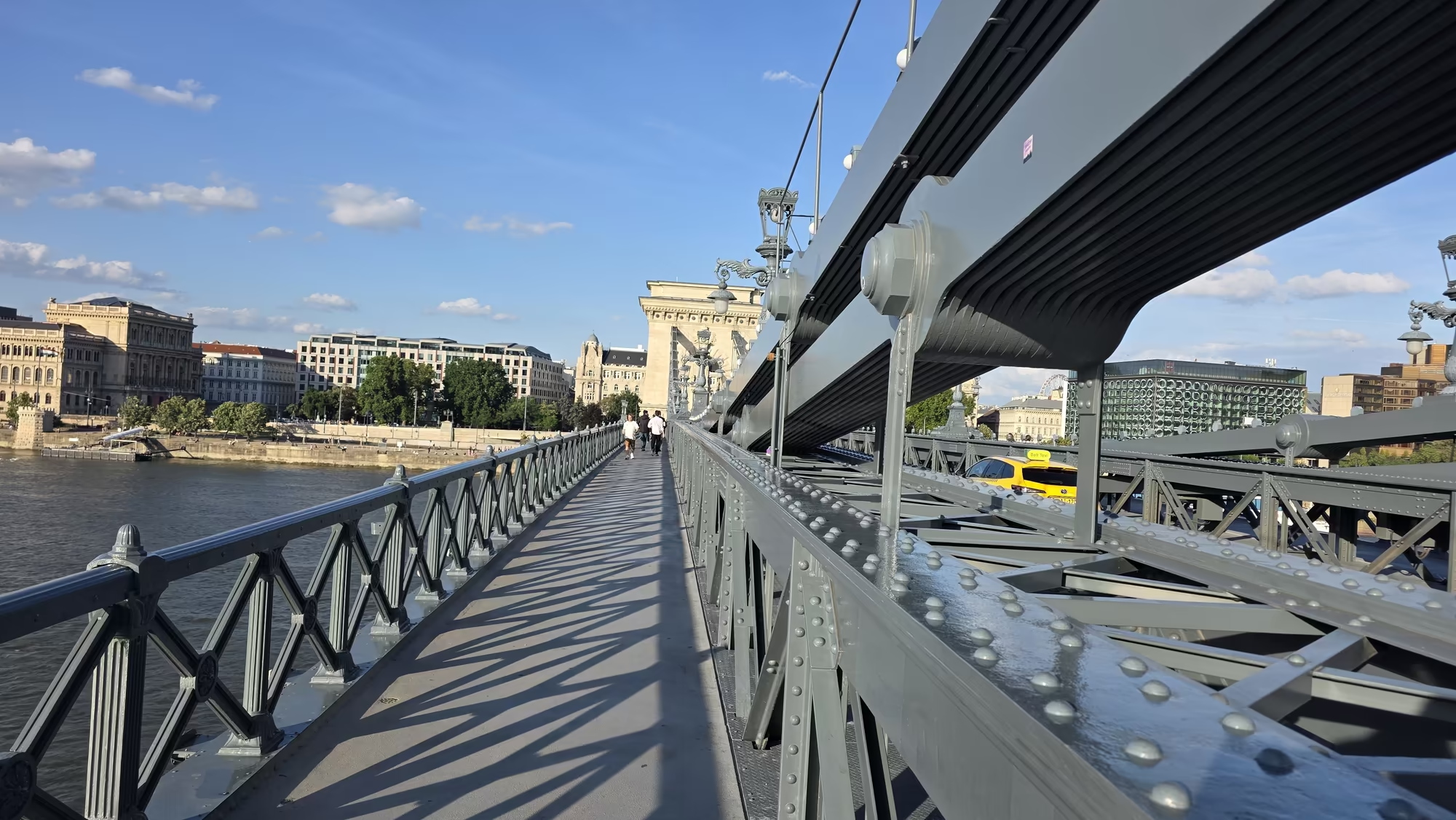
On the bridge itself the decoration rewards a slower pace. Two stone lions lie at the entrance, each on its pedestal, heads raised towards the deck, guarding the way onto the span with the bulk of carved muscle that has settled into them. Along the pedestrian walkway a lattice railing runs the length of the bridge with medallions set into it at intervals and lamp posts standing above, below them the river moving past the neoclassical and modern buildings of the far bank. A yellow taxi waits on the roadway near the walkway, and a dark car crosses in the other direction, ordinary traffic on an extraordinary piece of engineering.
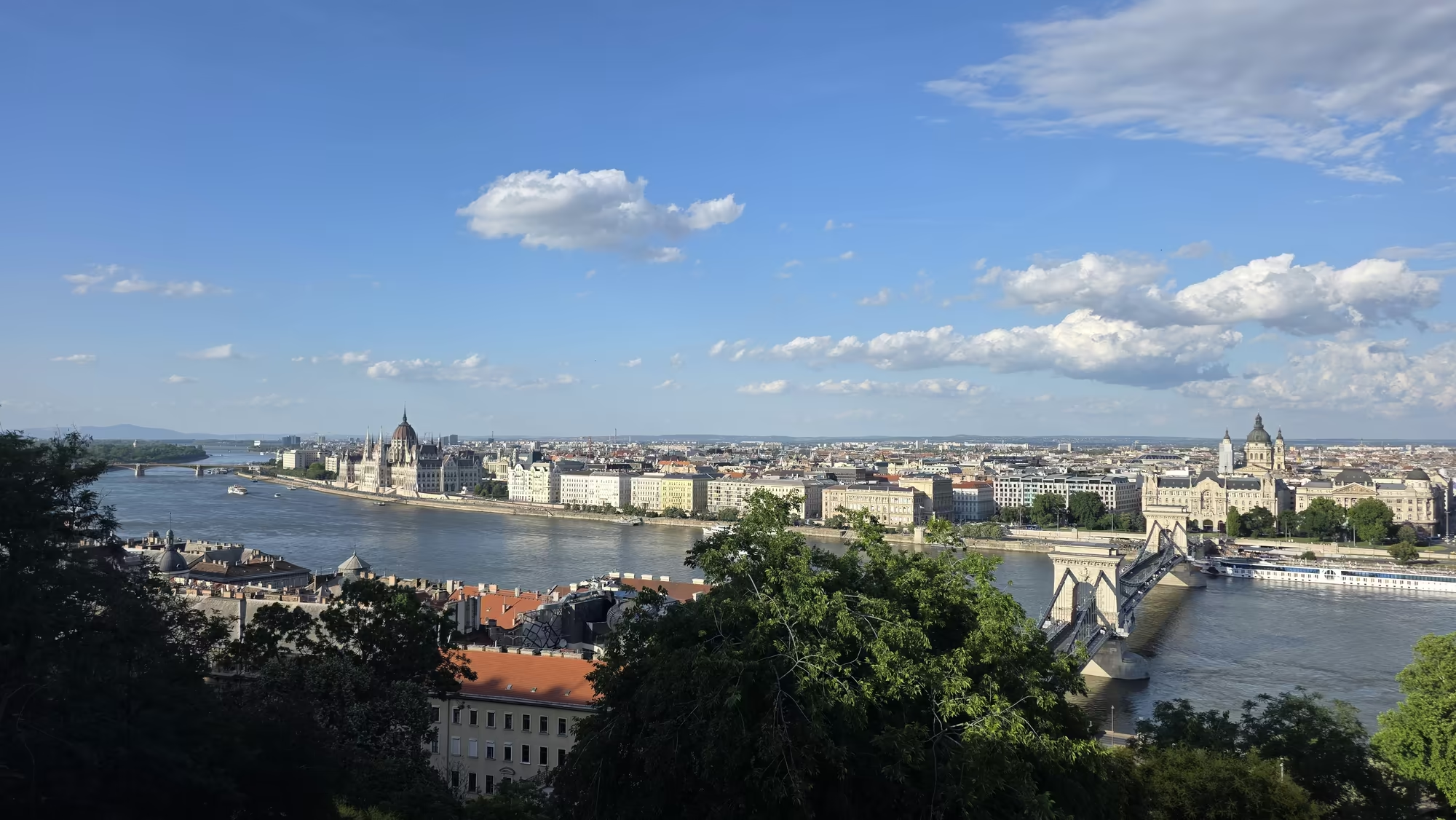
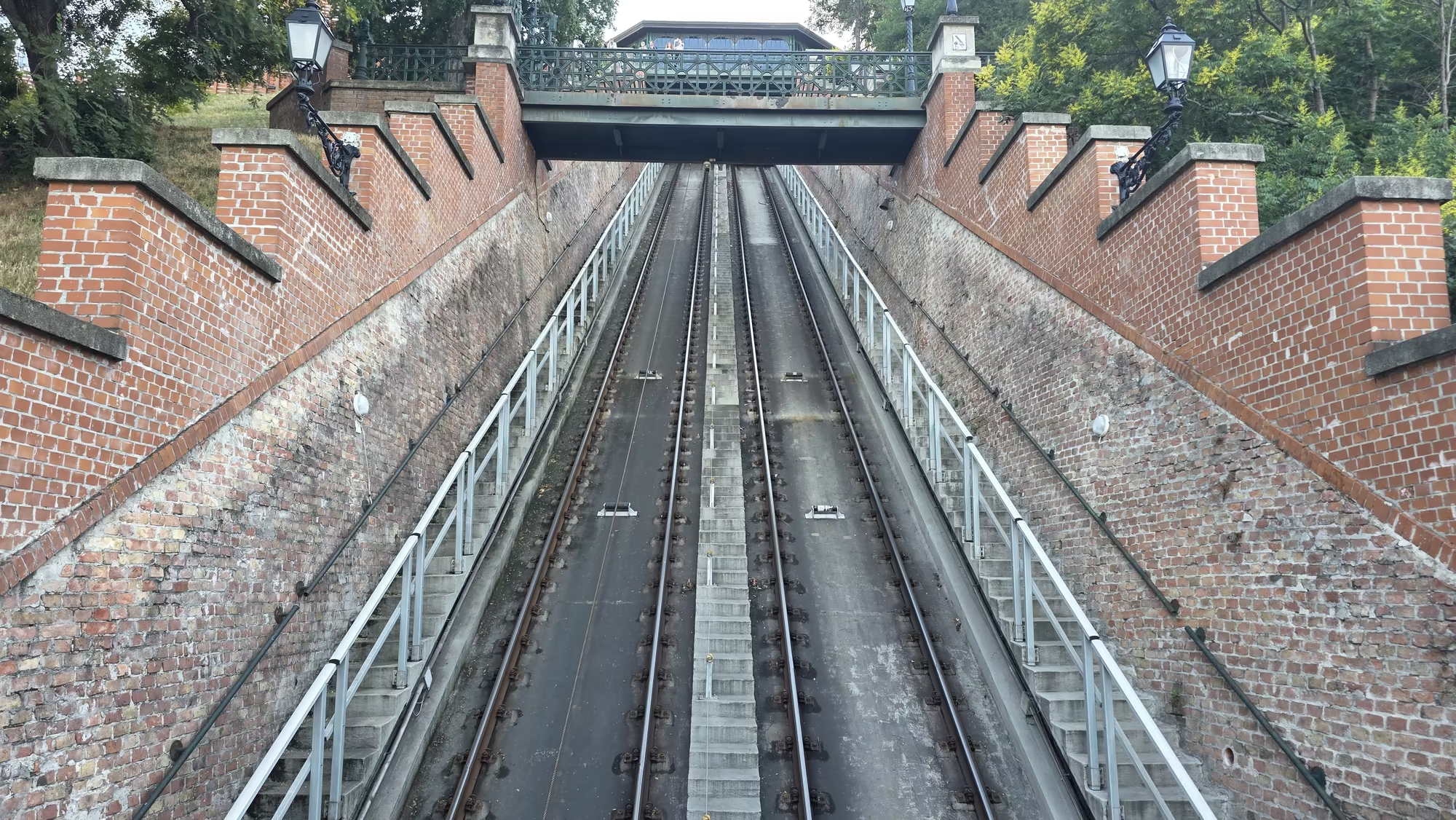
The bridge also organises the city from above. From a terrace on the hillside the twin rails of a descending funicular lead the eye towards the bridge, and past it the dome of a grand church crowns the farther skyline. From higher still, leafy hillside foliage gives way to the wide river sweeping past an embankment of historic buildings, and the bridge stands against the sky with the dome and the spires of the Parliament beyond it and more rooftops and domes fading into the distance.
Up to the Castle District
The climb to the Castle District can be made by rail. A funicular runs up the hillside on steep parallel tracks between tall retaining walls of weathered red brick, its twin rails and the central channel for the cable falling sharply down towards the lower station. A dark metal footbridge crosses the cutting near its head, and long flights of steps with grey pipe handrails run beside the tracks on both sides. At the foot waits a wooden car with a pale roof, resting where a paved plaza with a monument opens out, and then the whole short, steep line is put in motion for the ascent.
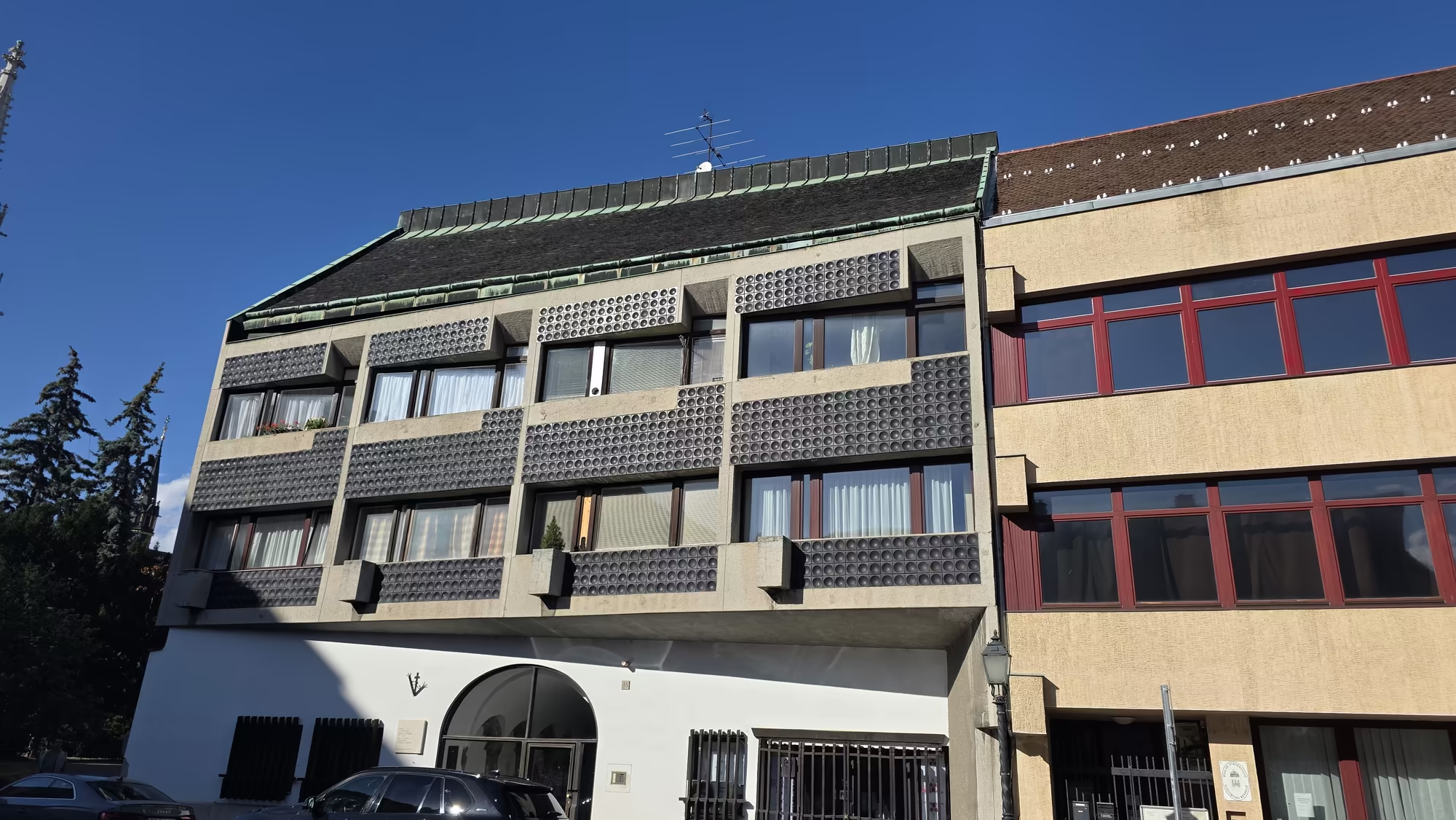
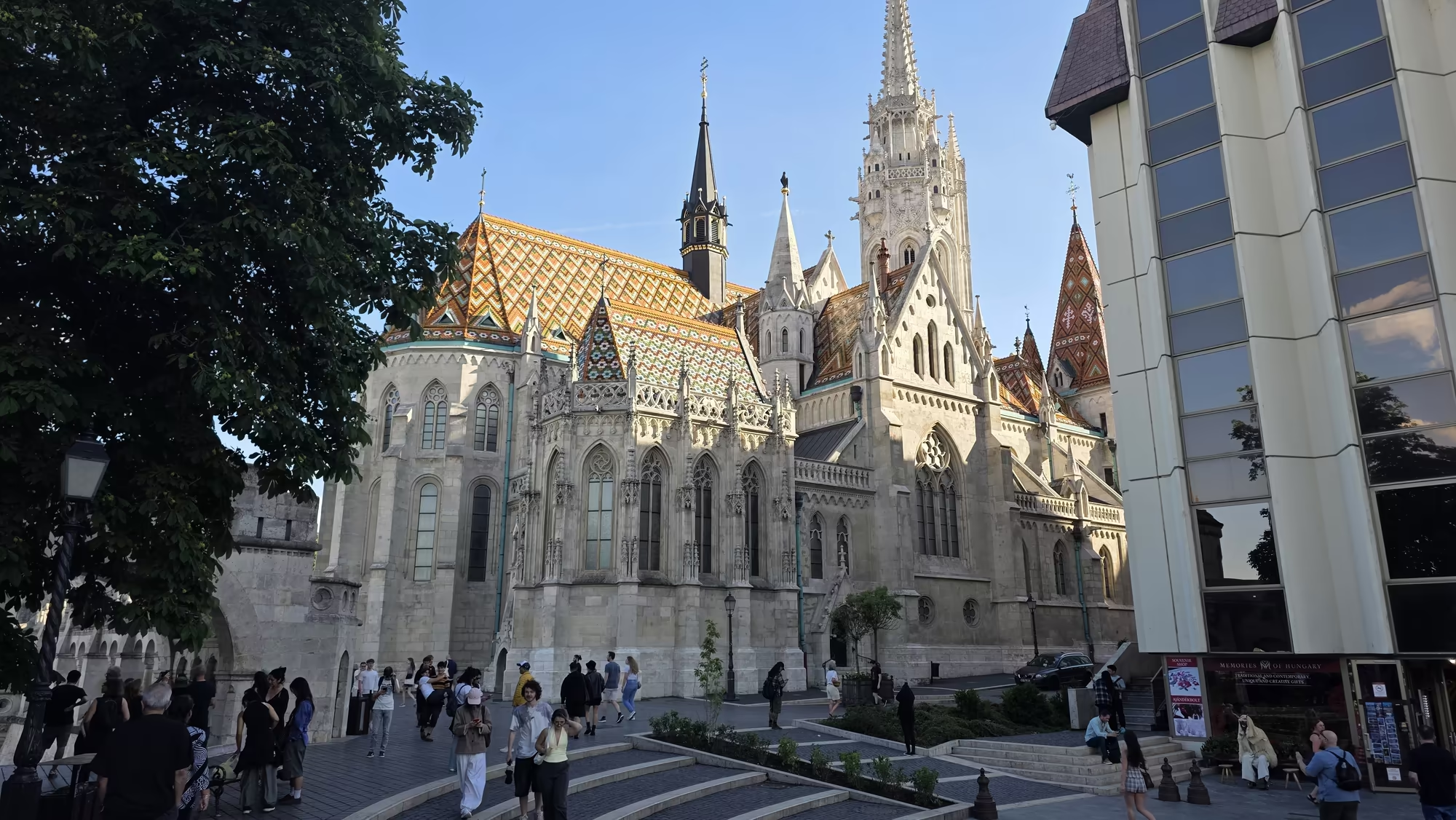
At the top the district divides between its busy square and its quiet streets. On one street two houses stand side by side in open disagreement, a modern block of concrete with repeating round perforated panels next to a traditional beige house with deep red window frames, only a single car at the kerb between them. A turn away the district gathers around its square, and at the centre of it stands the Gothic church of Matthias, its roof laid in a bright pattern of glazed tiles, diamonds and bands that catch the light, its slender white spire rising above the paving with every edge cut into crockets and pinnacles. Visitors gather on the steps and among the trees and low planters, beside a modern building of dark glass that reflects the sky and stands as an abrupt neighbour to so much old stone.
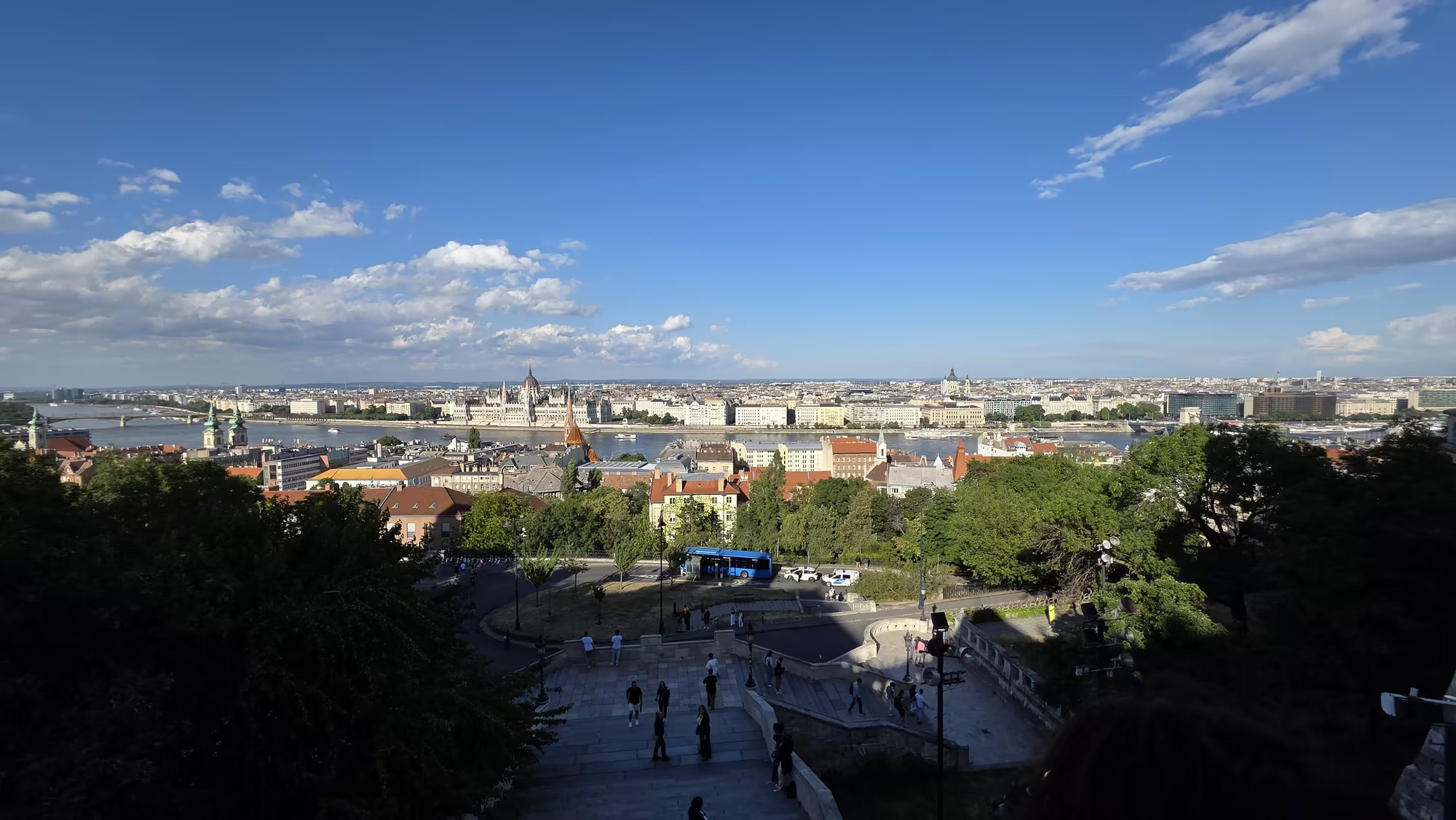
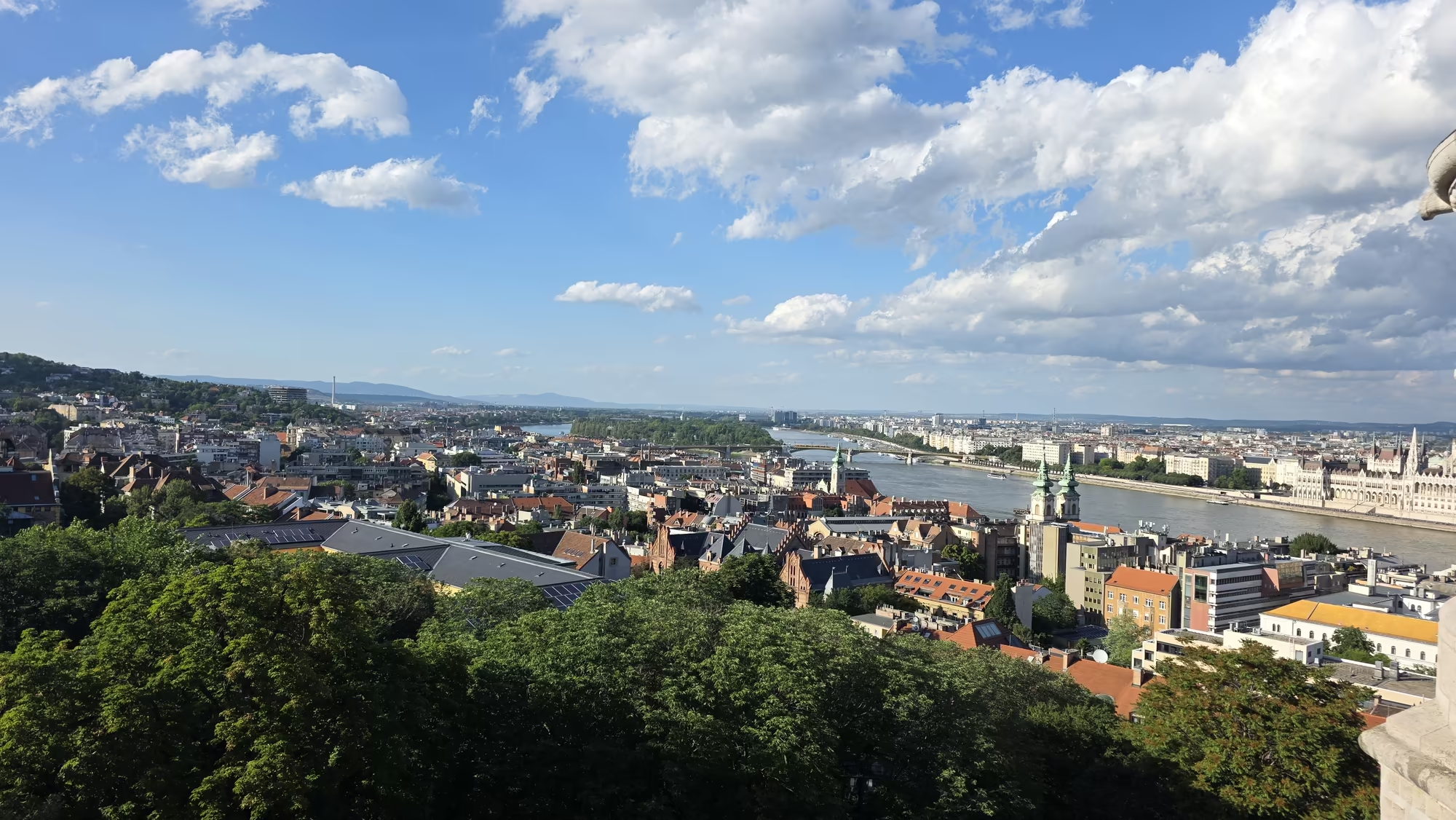
Beyond the square the district opens onto its view. A wide flight of stone stairs descends from a wooded terrace towards the Danube, past paved walkways and the road below, while the domed Parliament stands clear on the far bank across the river. From the terrace the rooftops of Pest spread out in a dense field of red tiles streaked with grey, broken by chimneys and dormers, and then the wide Danube and the long ornate riverfront and the Parliament with its dome. Dense green canopy frames the scene in the foreground, and further off another bridge crosses the water in the distance, with the hills and the farther city falling away into pale blue ridges. It is the view that explains the shape of the place at once: the hill, the river and the flat city on the far side, held together by the light.
Trams in the Evening Light
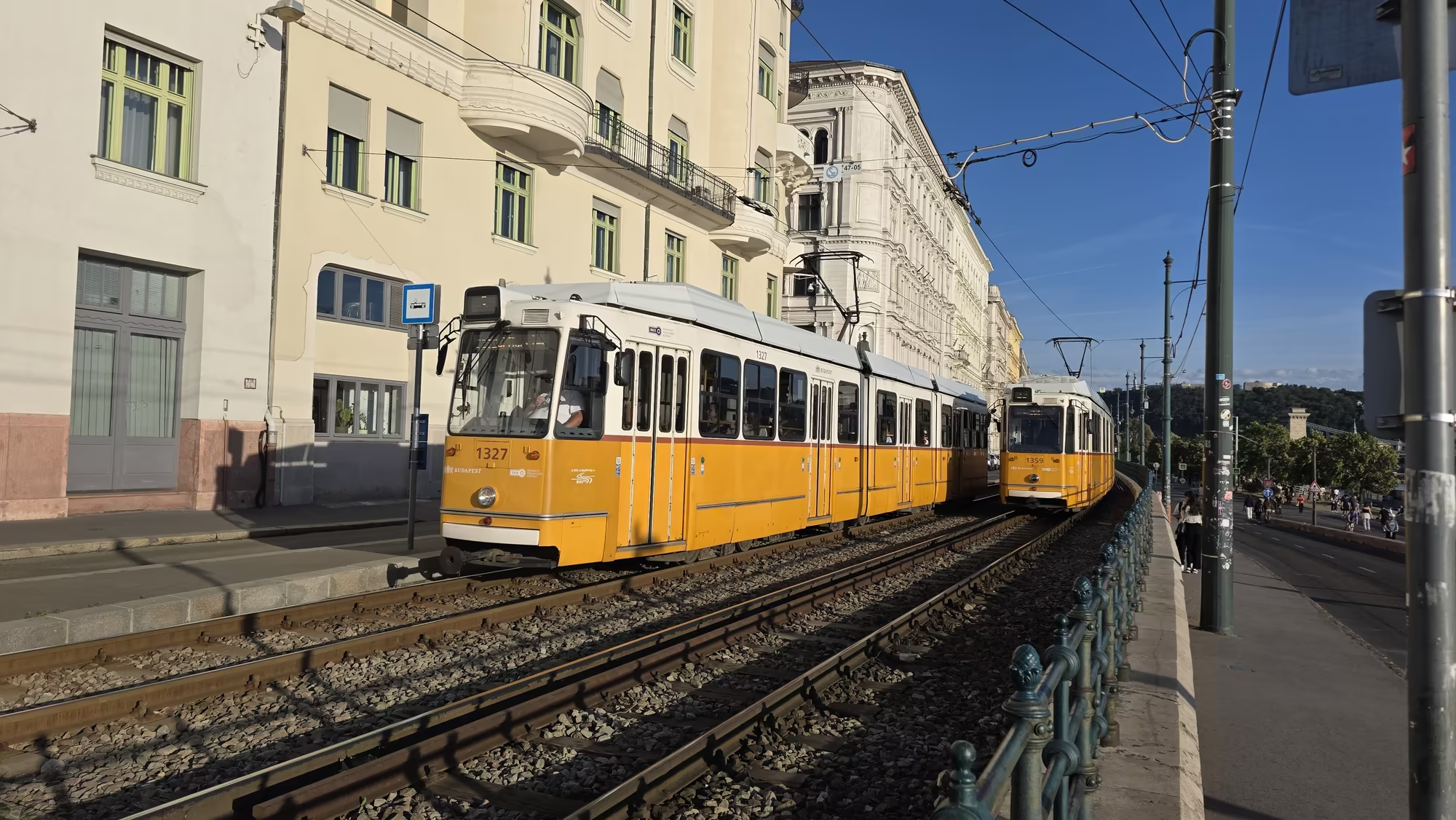
As the light turns warm the boulevards fall back to their working life, and the trams take over. Two yellow trams stand on the sunlit rails beside a cream corner building with green shutters, their bodies broad and rounded, waiting under a deep blue sky. Above them a mesh of wires crosses the street from green metal poles, and the double track runs away between gravel and sleepers towards the trees and a distant hill. That particular yellow is the oldest thing the city still does at this scale, and by evening it is the brightest note in the street.
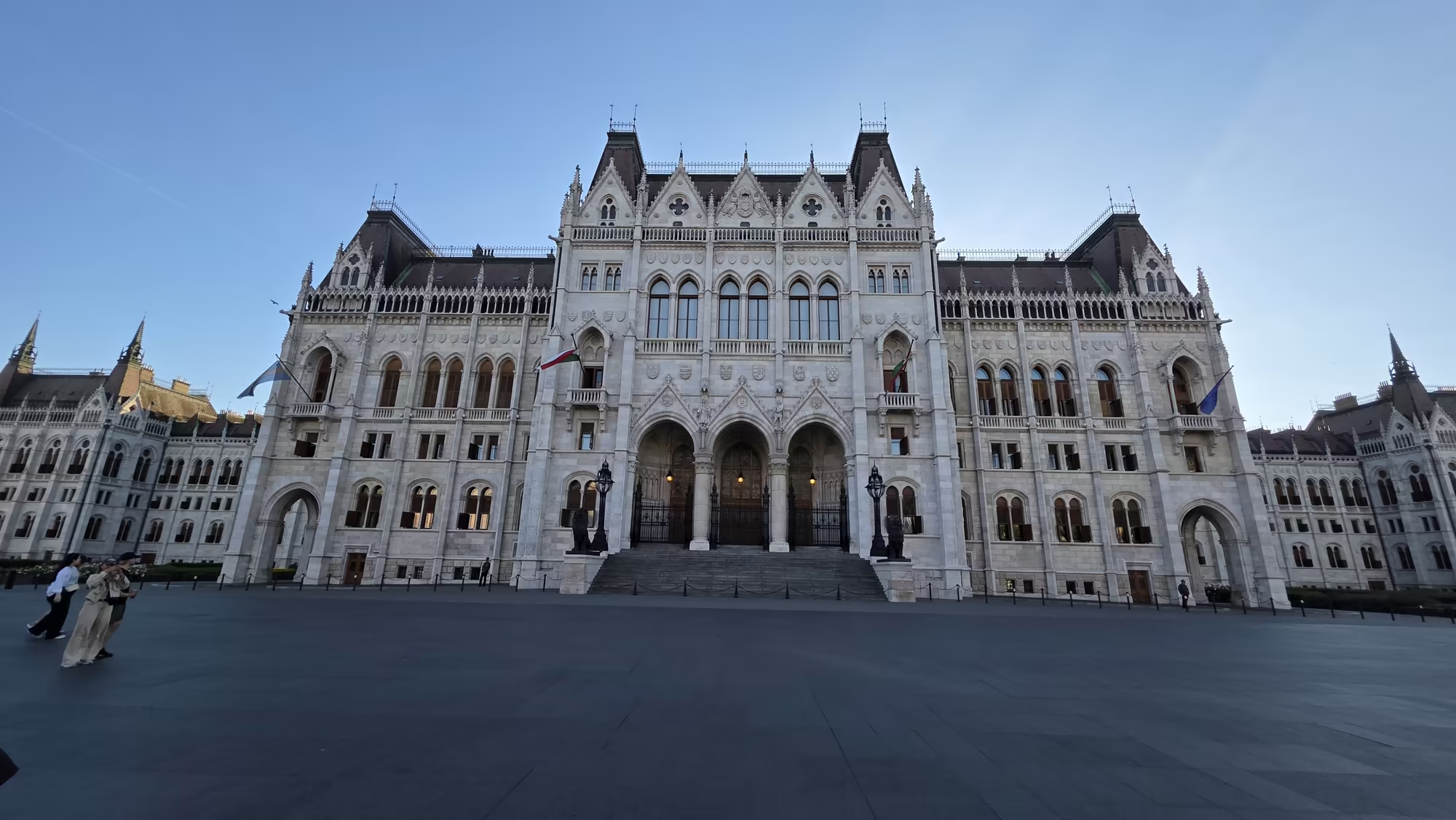
Later the Parliament takes on a second kind of presence. Floodlights lift its facade out of the dark so that the pinnacles and the lancet windows stand sharp against a sky fading from deep blue to pale near the roofline, and the long symmetrical front flies the national flag and the European flag from its centre. The broad stone plaza in front of it lies empty at that hour, and the building looks less like a seat of government than like a vast object set down beside the river to be looked at, which is roughly how the city treats it.
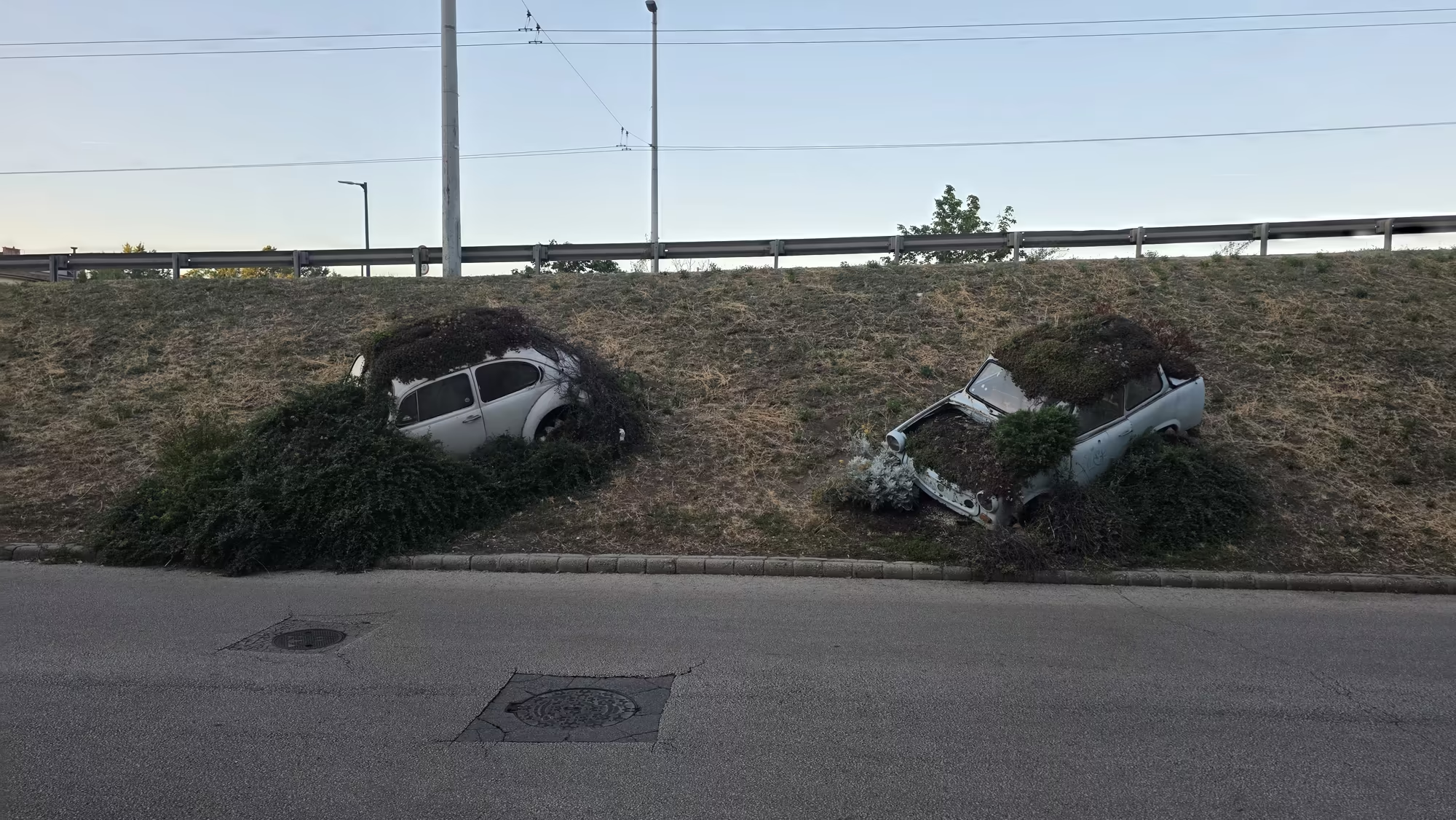
The evening closes on an oddity, a small reminder that the city keeps its relics in plain sight. On a roadside embankment beside an asphalt road two old cars sit nose down in the grass, a silver one and a pale blue one, their bodies half overgrown by shrubs and vines, a guardrail running along the top of the slope above them and utility poles standing along it against a cloudless sky. They are neither wreck nor monument, only time made visible in an ordinary place, one more layer of the old city left where it fell.