2026 Hungary 2 - The Great Market Hall and Gellért Hill
15 June 2026


Journal Notes
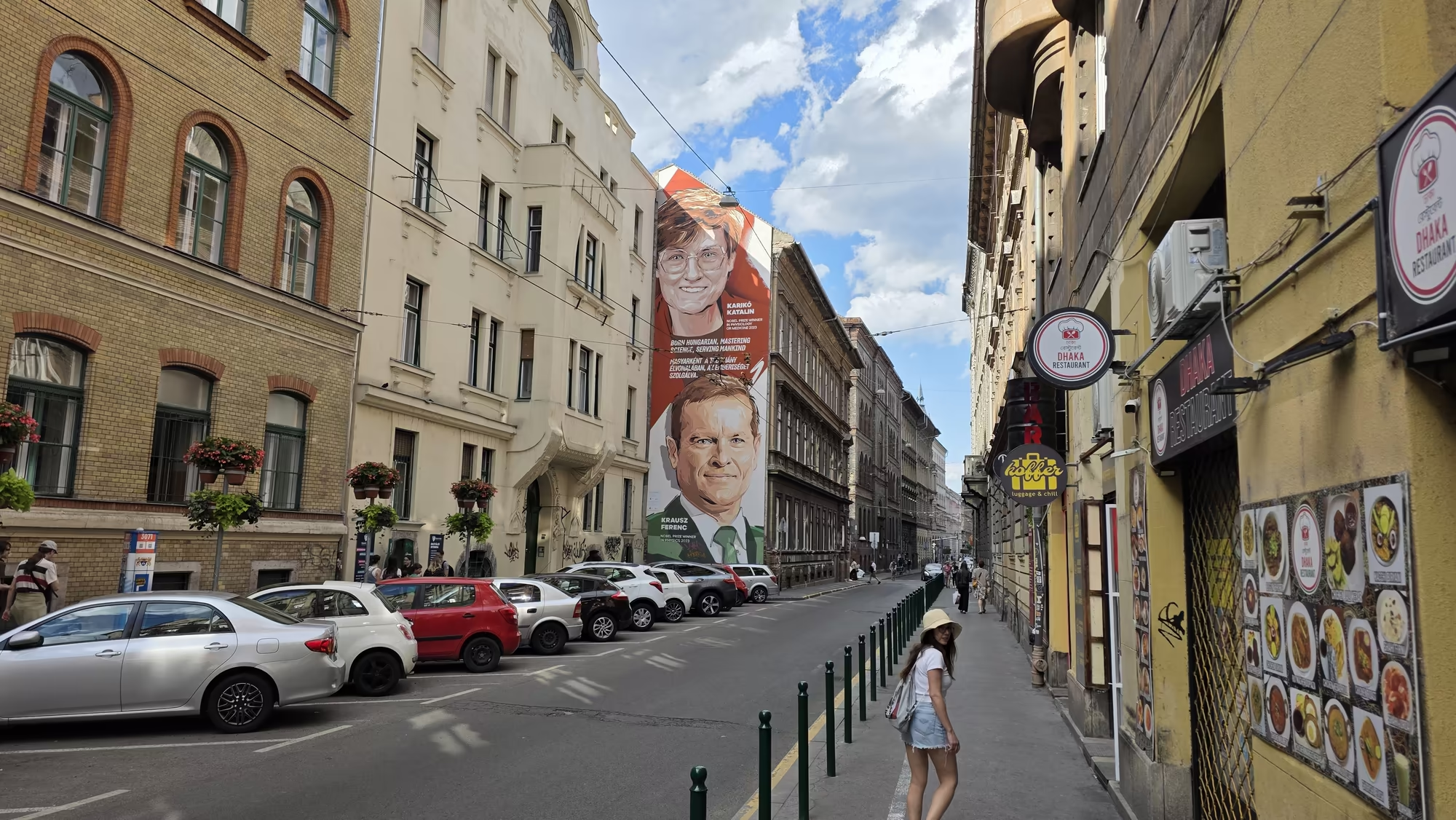
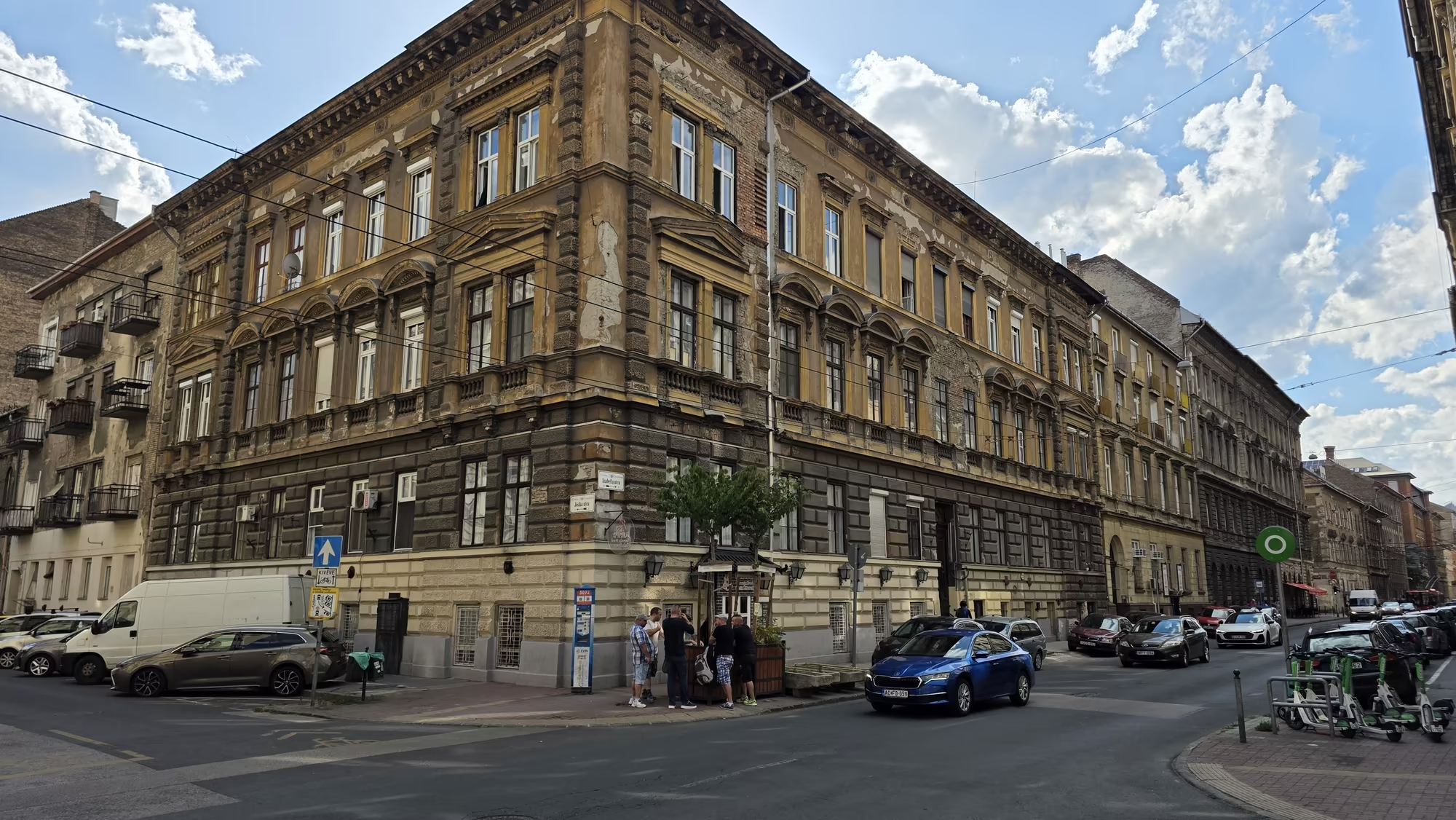
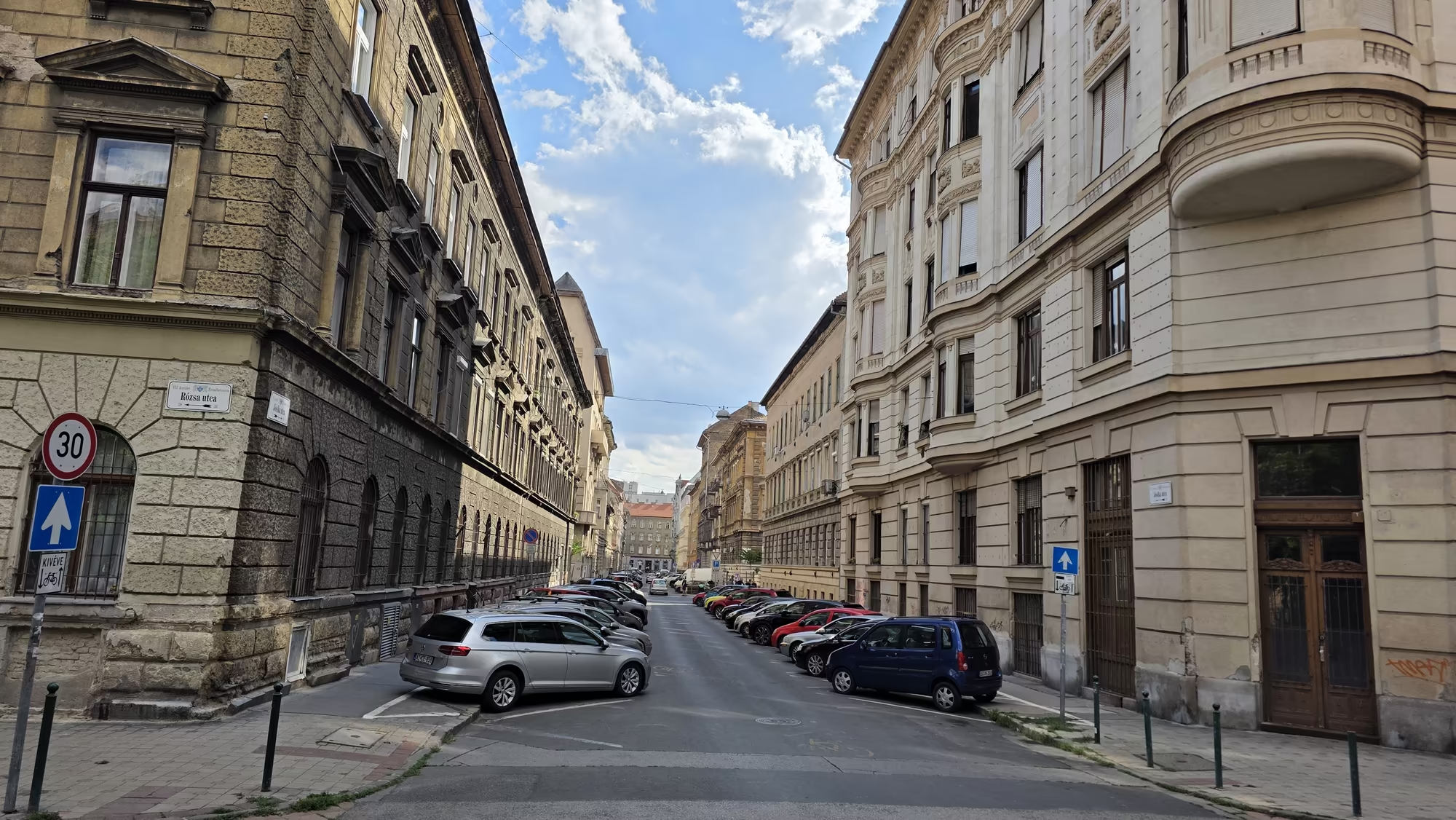
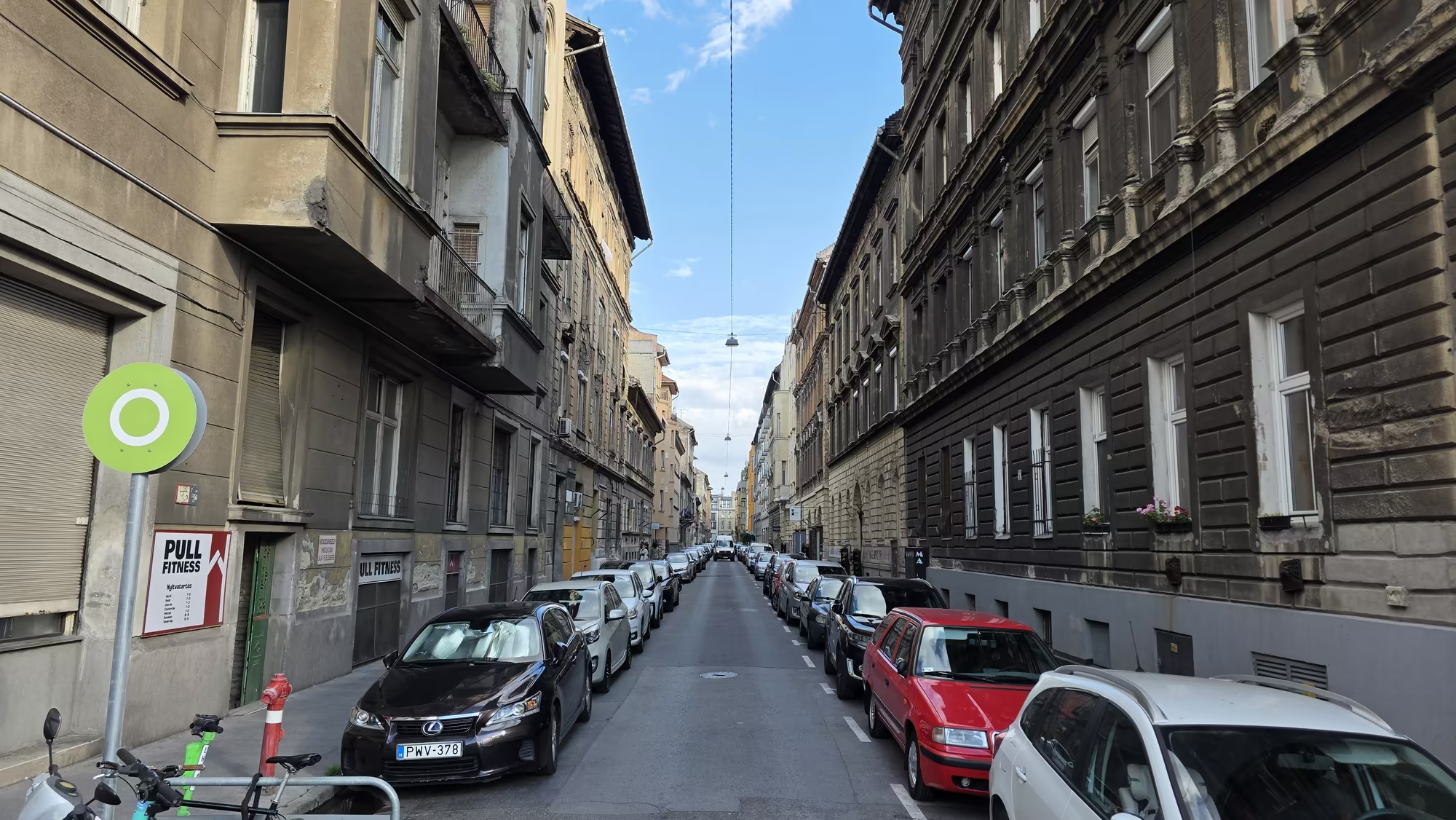
Budapest takes shape first on its eastern bank, in the flat and densely built inner city where the avenues run long and the side streets run short, and where a stroll of a few hours can pass through more kinds of architecture than most cities keep in a whole quarter. The plaster is old matter-of-factly: some facades have been restored to a pale even cream, and others have let the stucco fall away until the brick beneath stands bare. Between them are the small municipal signs, the blue enamel plates with their white symbols, and the carved window surrounds that survive above street level even where the ground floor has been given over to shops and graffiti. The day is given to the centre at first, to the markets and the boulevards, and then to the hill on the far bank, from which the whole river and both halves of the city can be read at once.
In the Inner City
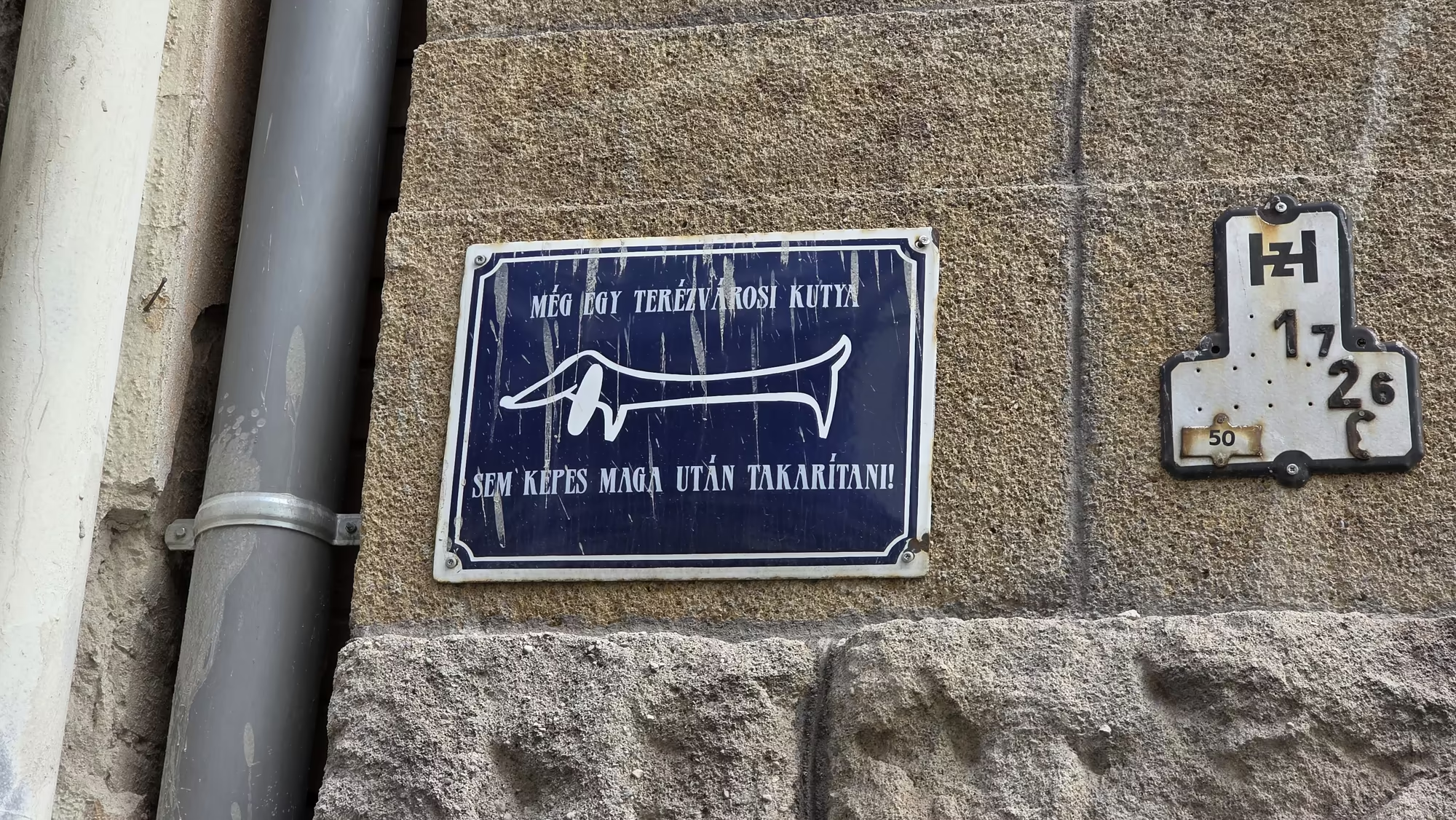
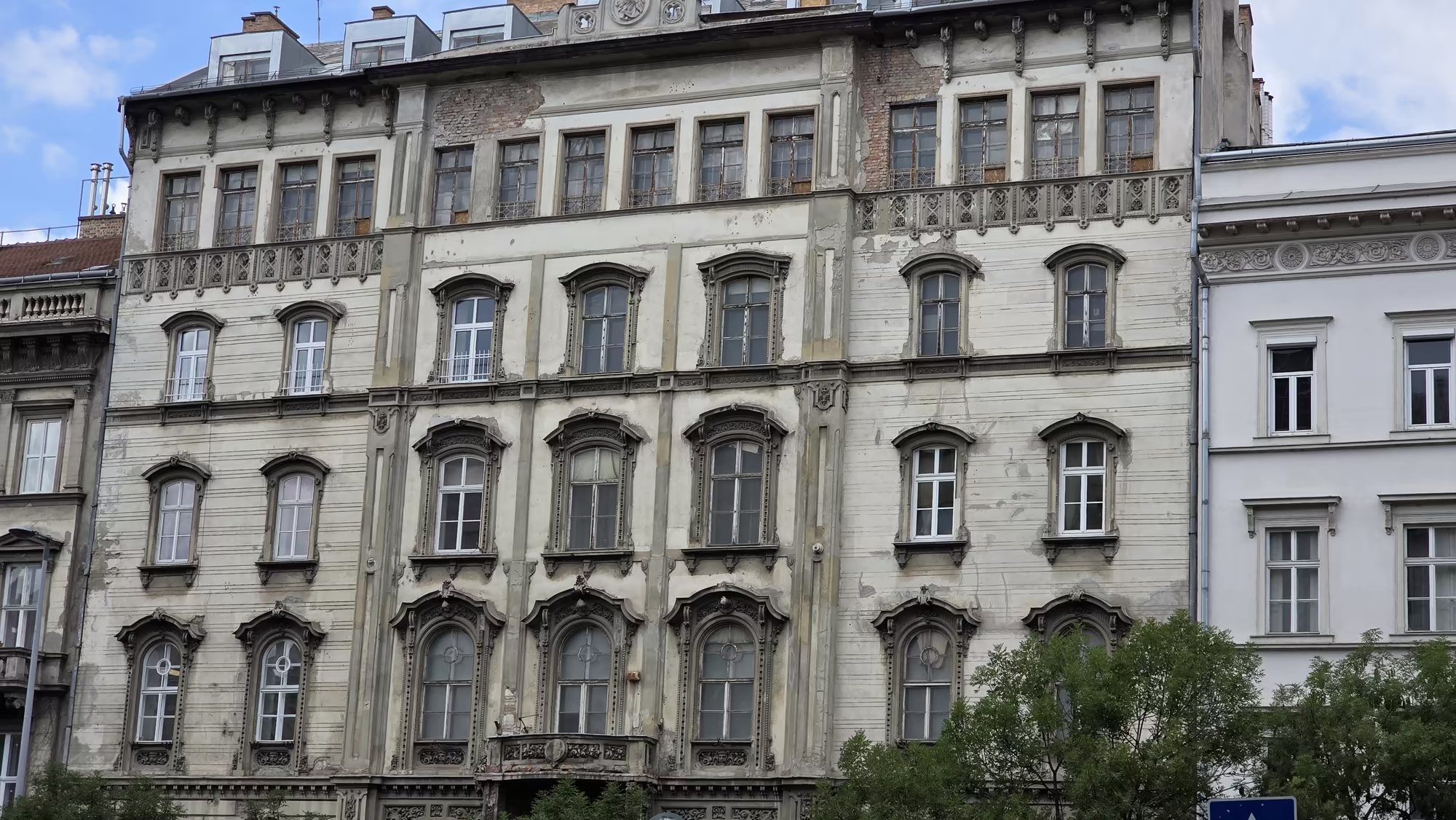
The morning belongs to the streets behind the boulevards, where the city shows its true age. A blue sign fixed to a pitted stone wall carries the outline of a white dog, a municipal marker beside a grey downspout and a small enamel number plate, and it is the kind of detail that survives unnoticed while whole buildings are rebuilt around it. Above the street, a tall historic facade rises behind the crowns of leafy trees, its peeling cream plaster and patches of exposed brick still holding pedimented windows, pilasters and balconies under a partly cloudy sky. The trees hide the ground floor entirely, so that the building seems to float above its own entrance.
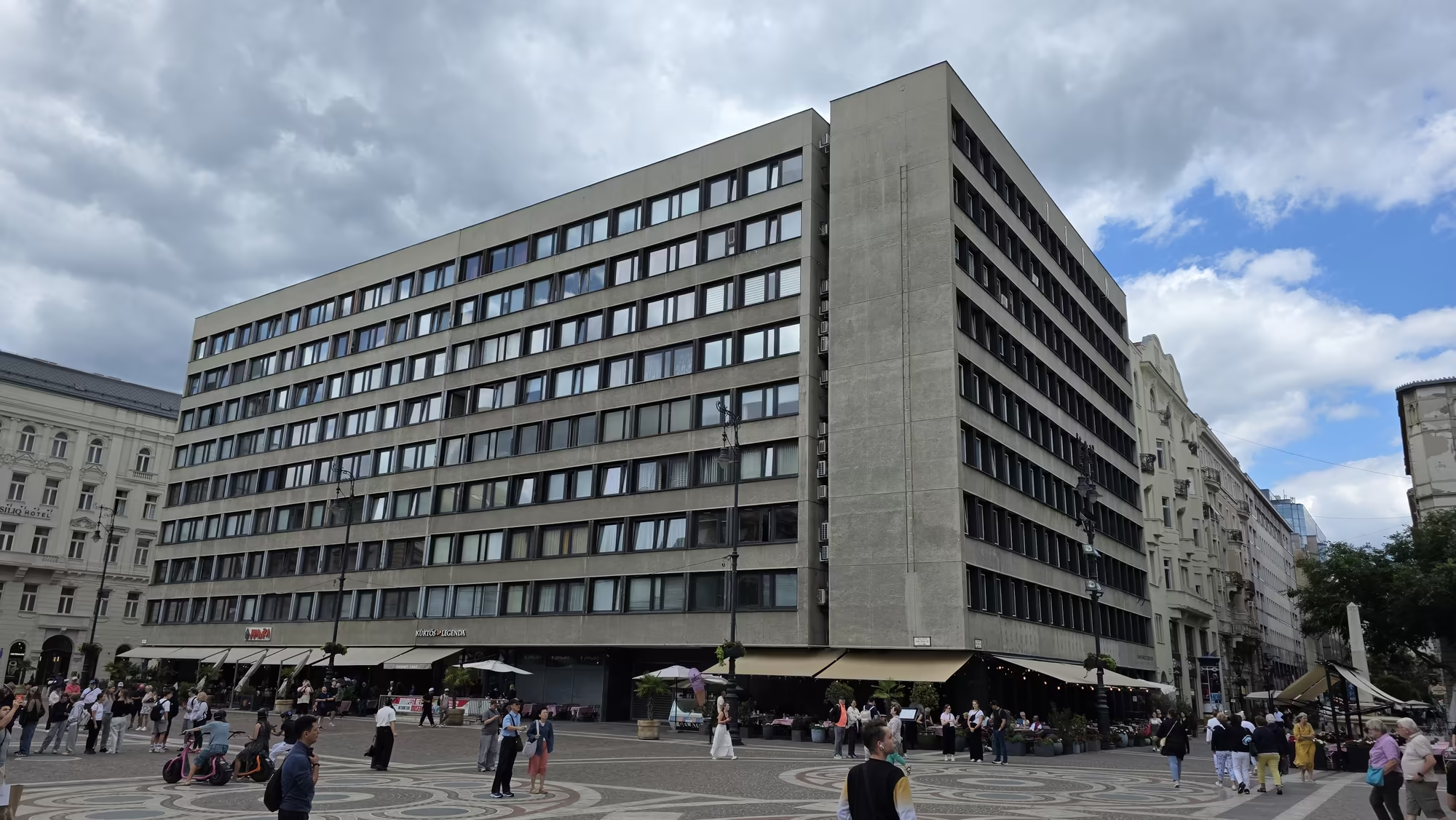
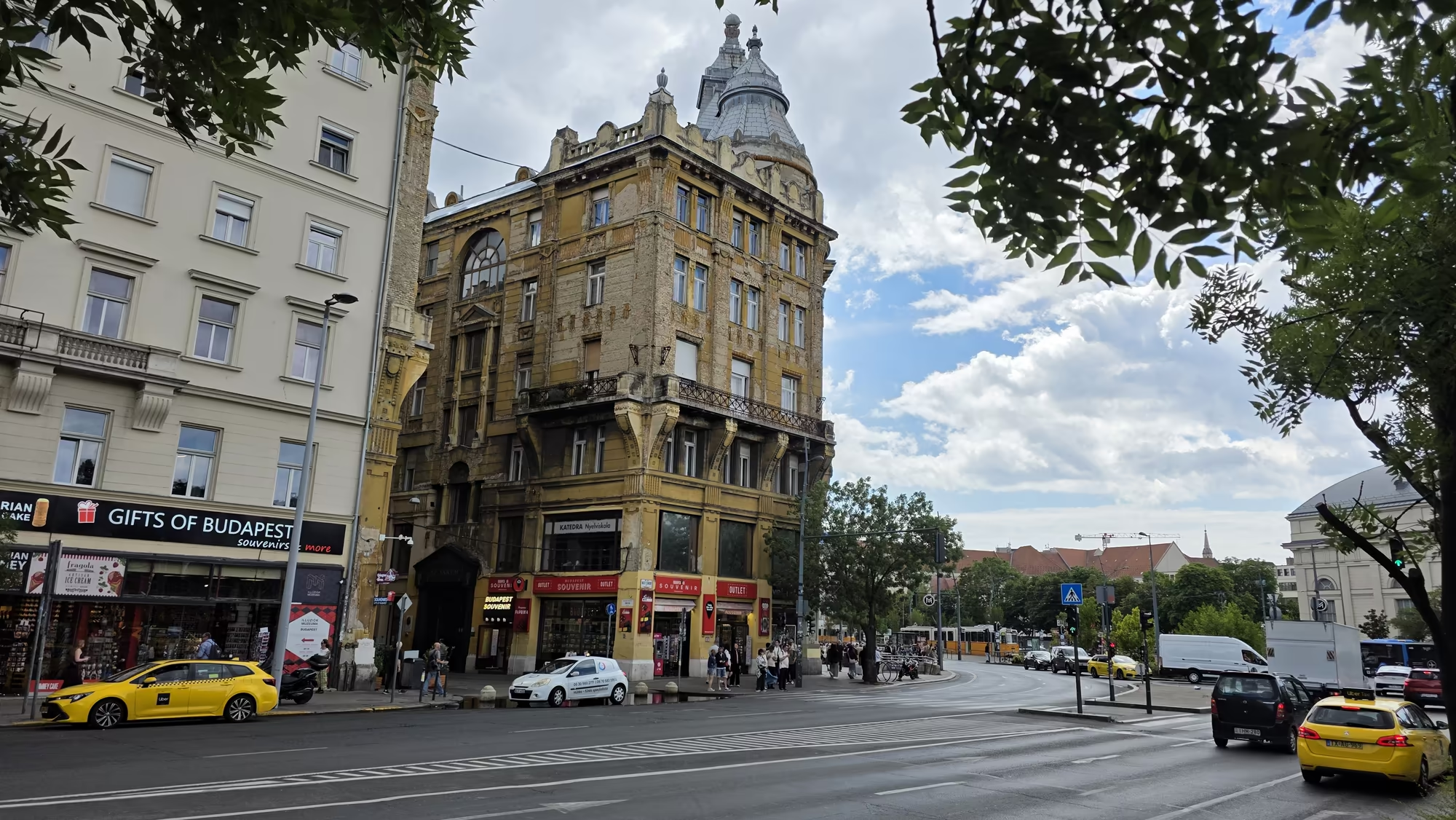
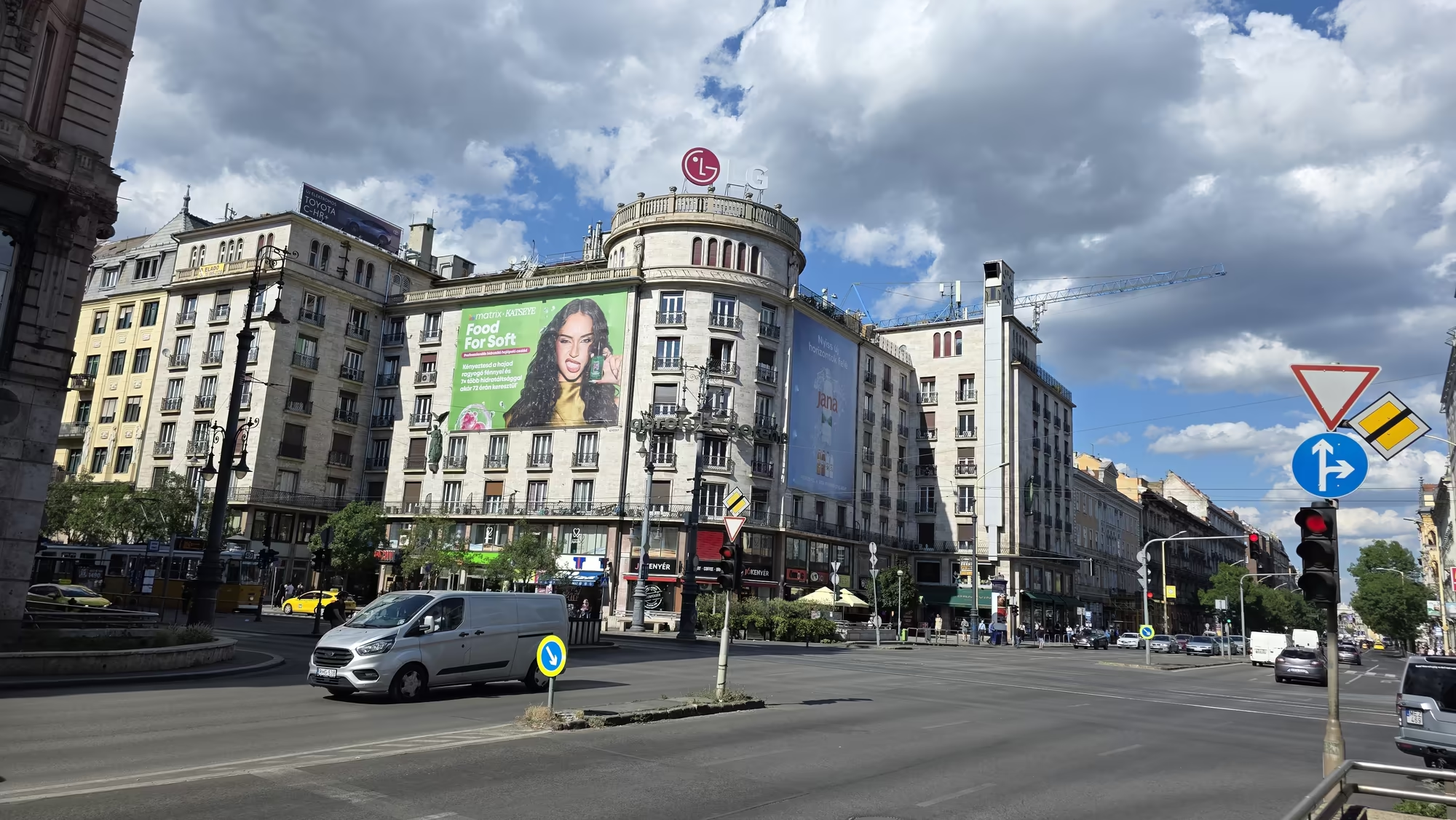
Further on the inner city changes register. A broad paved square opens with concentric circles and sweeping bands of pale stone laid across the ground, drawing the eye towards a modern block with banded windows, its ground floor lined with cafe awnings and its far side closed by older buildings and trees. Then an ornate ochre corner house lifts a domed tower and lantern above a junction filled with taxis and shops, and a white colonnaded building with a dome answers it in the distance. The decoration is dense and confident here, wrought iron on the balconies, carved stone at the windows, and it stands only a few paces from shabbier neighbours.
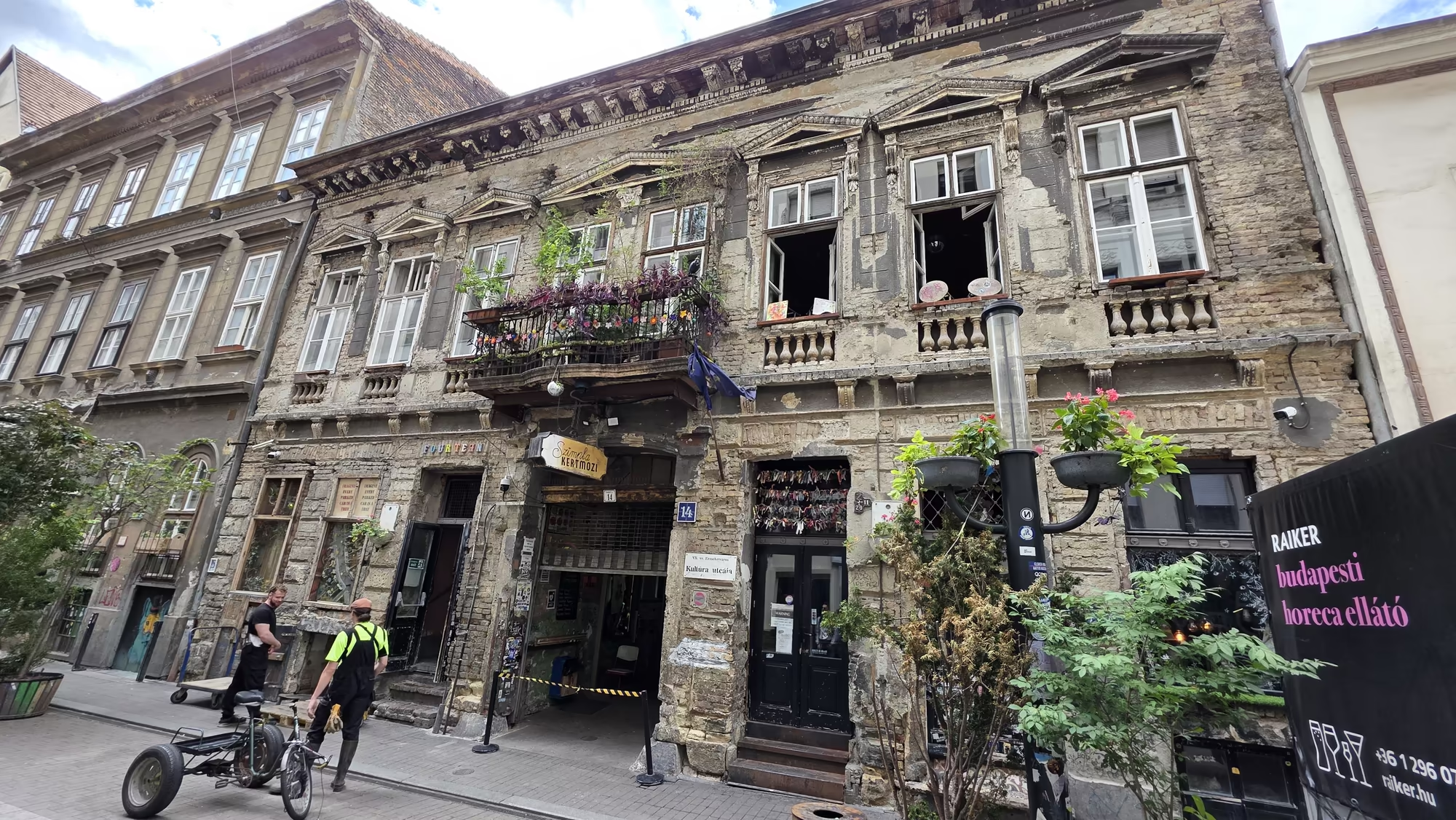
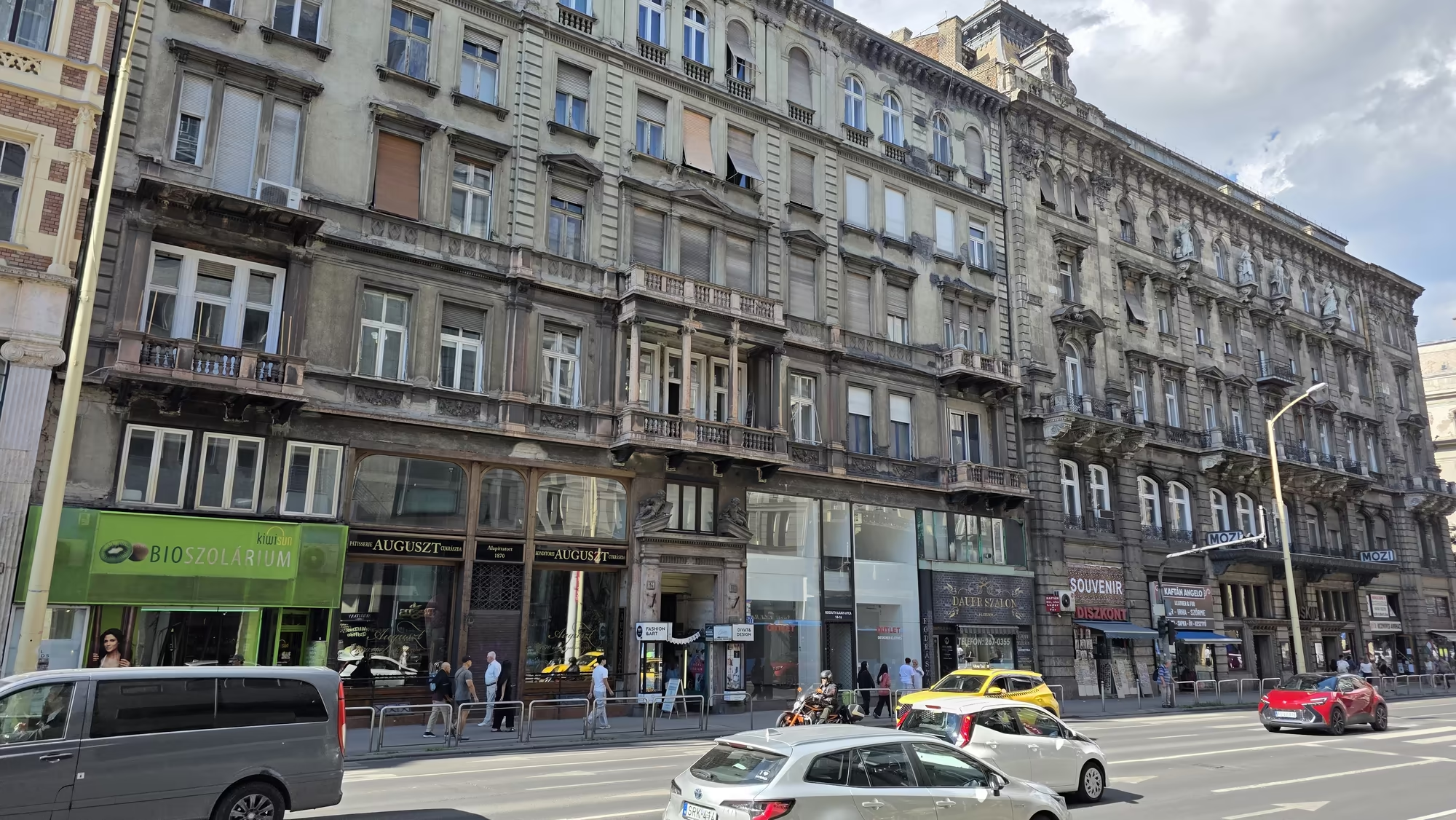
Nothing in the centre is tidy, and that is part of its character. A crumbling yellow building, its walls covered in graffiti, faces an elegant grey facade with arched windows and a stone balustrade across a narrow street, and the two seem to argue quietly about what the city is. On one shabby elevation a balcony overflows with potted flowers and climbing vines above an entrance crowded with signs, stickers and graffiti. A short distance away, a richly decorated building with curved pediments, floral stonework and a projecting bay topped by a small stone balcony stands clean against a bright sky, its ornament untouched. The inner city holds all of it at once, and asks no one to choose.
The Great Market Hall
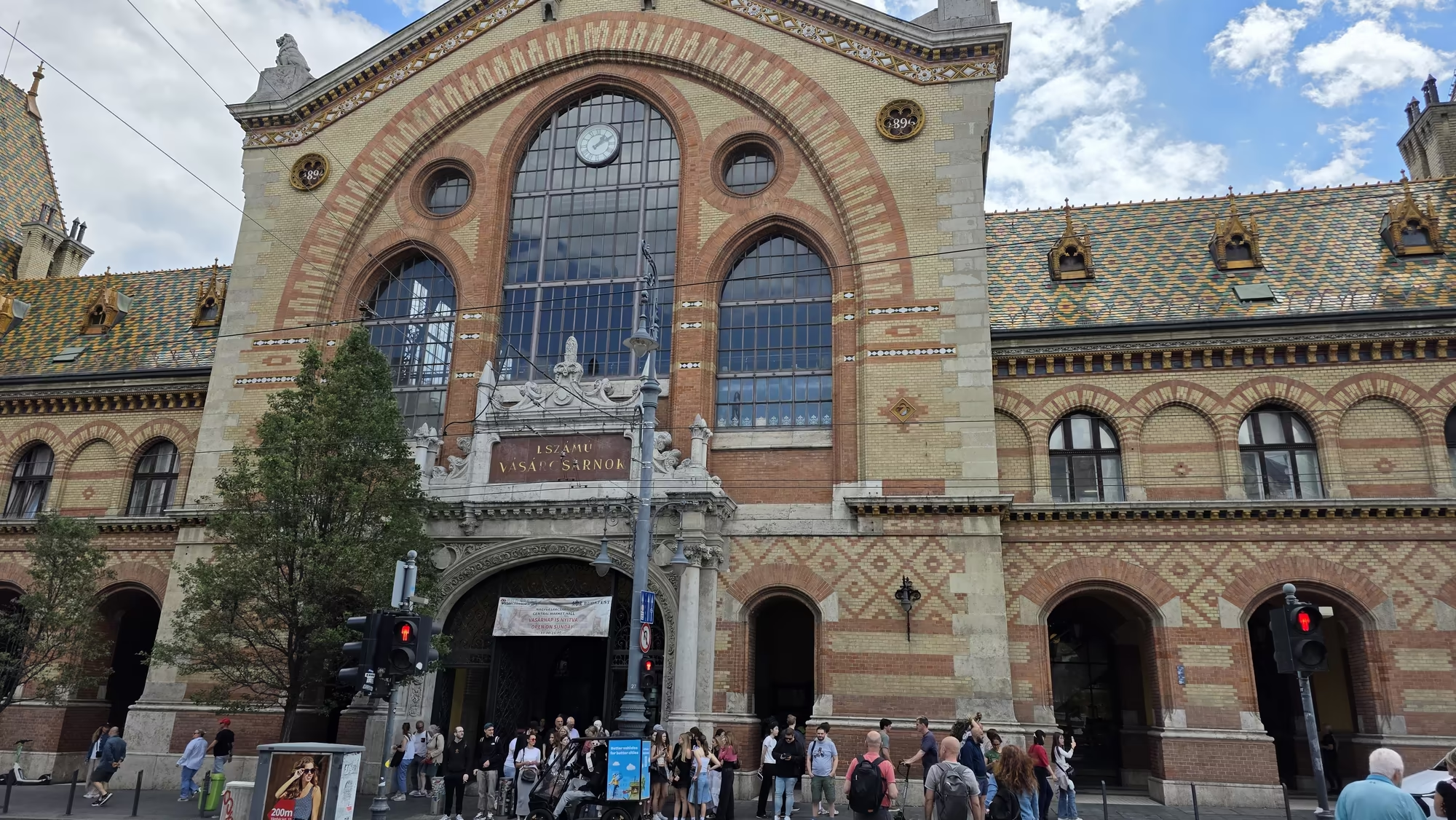
The market hall stands at the end of a busy square, a grand yellow brick building whose facade carries a huge arched window above an ornate portal, and whose roof is the clear signature of the place. The tiles are glazed and patterned in green and yellow, set in geometric bands and strips over a steep pitch broken by small spired dormers, so that the roof reads from a distance as plainly as any sign. Above the entrance, lettering announces the hall as the first of the city’s markets, and a small blue traffic sign points left near the lower corner. The square in front is crowded, a transport hub as much as a market forecourt, with tram rails underfoot and pedestrians gathering in light clothing before the doors.
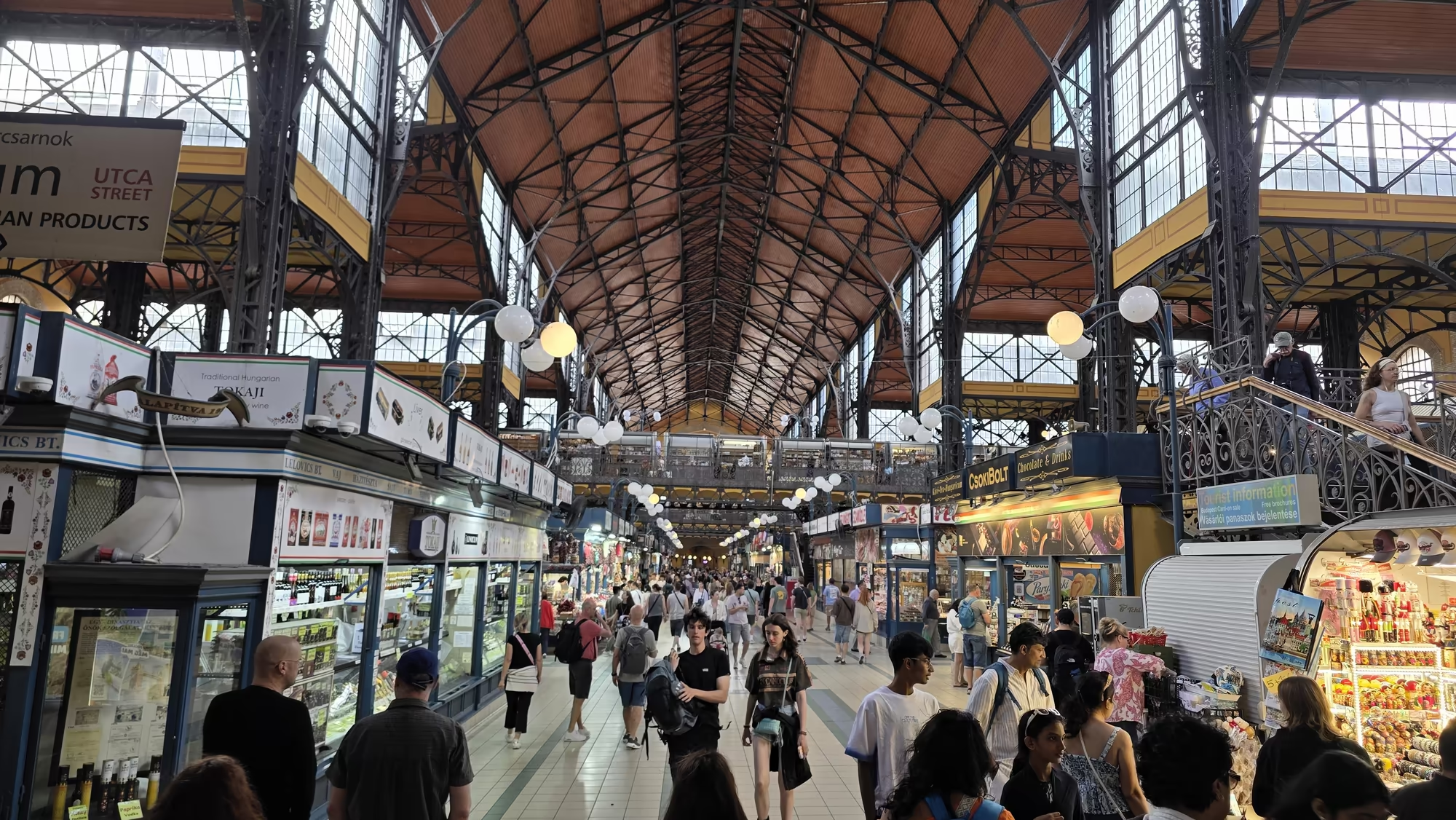
Inside, the building opens up completely. A long central aisle runs the length of the hall beneath tall iron trusses and glass skylights, and the daylight comes down in a broad even wash over the stalls on either side. There are stands of wine and sweets, of souvenirs and preserved goods, arranged under the ironwork and along a double level, so that the eye is drawn upward to the galleries as often as along the floor. Shoppers move slowly between the counters, and the whole space has the acoustics of a covered street under its girders of riveted metal.
The hall is a market and a monument at once, and the two do not compete. The brickwork, the stone portal and the patterned roof belong to the grand public architecture of the last century, while the stalls belong to the ordinary business of buying and selling that has gone on there ever since. Nothing has been frozen into a display case; the trade continues under the same glazed tiles that make the building famous. It is the point at which the ornate centre of the city and the working riverfront meet, and the crowds in front of the door belong to both.
Across Liberty Bridge
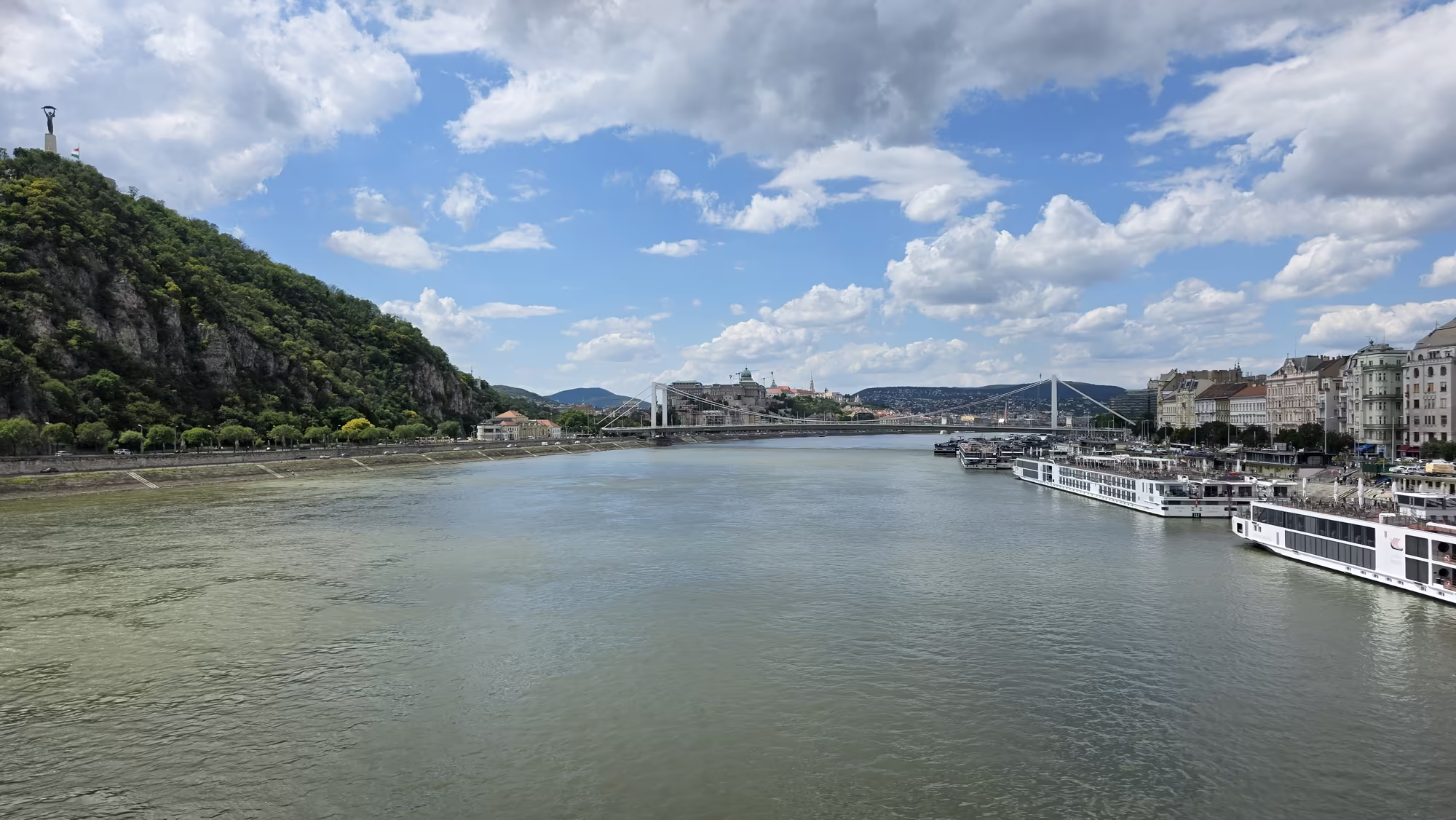
From the market square the river is only a short walk away, and the water is wide enough at that point to make the far bank feel like another town. The Danube runs green-grey past a steep wooded hill crowned by a bronze figure with raised arms, while a white bridge crosses to the north and cruise ships lie along the far embankment beneath a bright blue sky. Everything on the river is on a generous scale: the sweep of the water, the rows of moored vessels, the long embankment walls, the bridges stepping one behind another towards the distance.
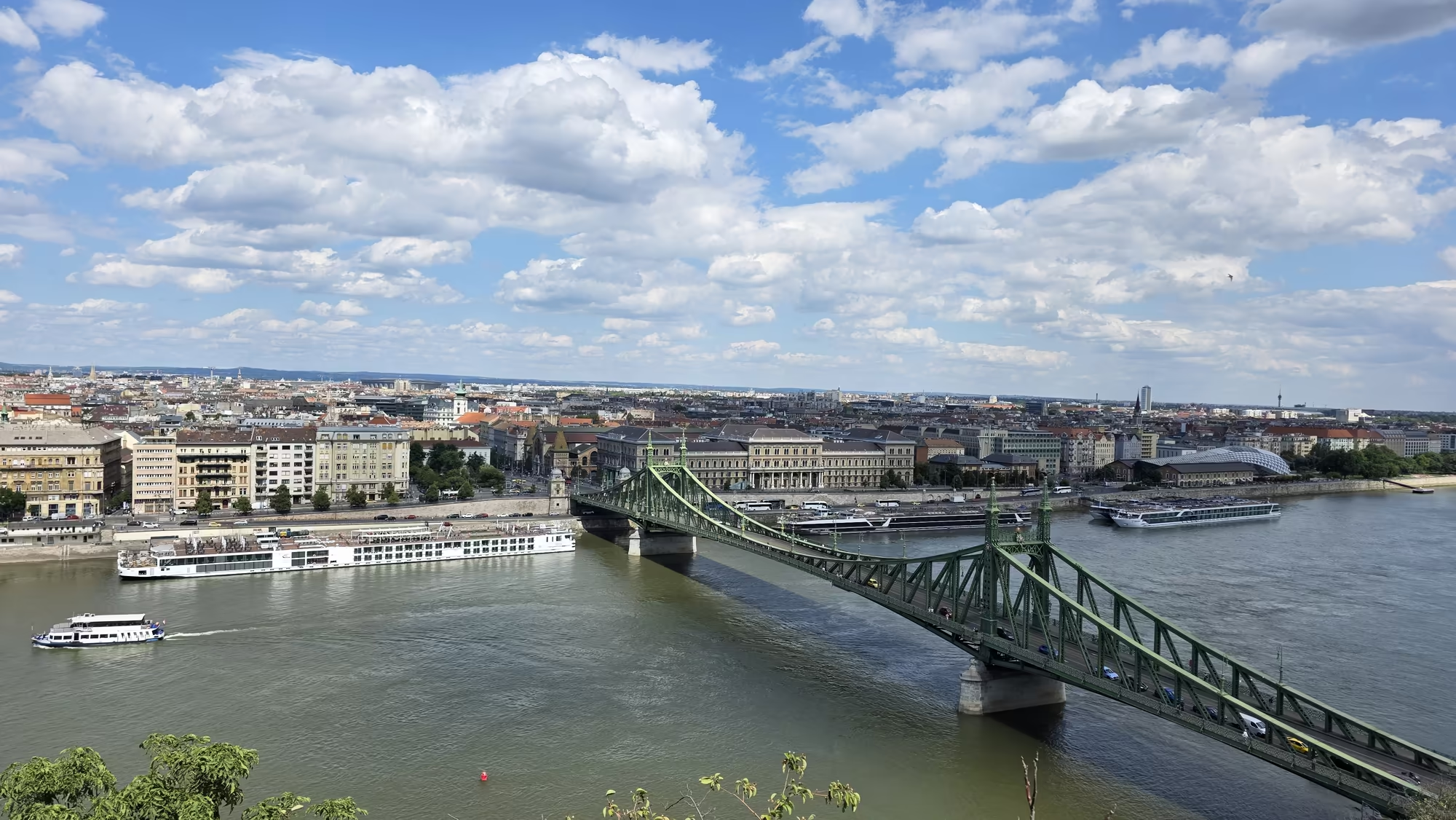
The crossing itself is made over a green steel truss bridge whose riveted girders and stone piers carry traffic between the two banks. The portal frames at either end are ornate, and the green paint gives the whole structure a weight that the suspension bridges upstream do not have. Long white cruise ships are moored along the quay beyond, and the grand historic buildings of the embankment line the riverbank where the bridge comes down.
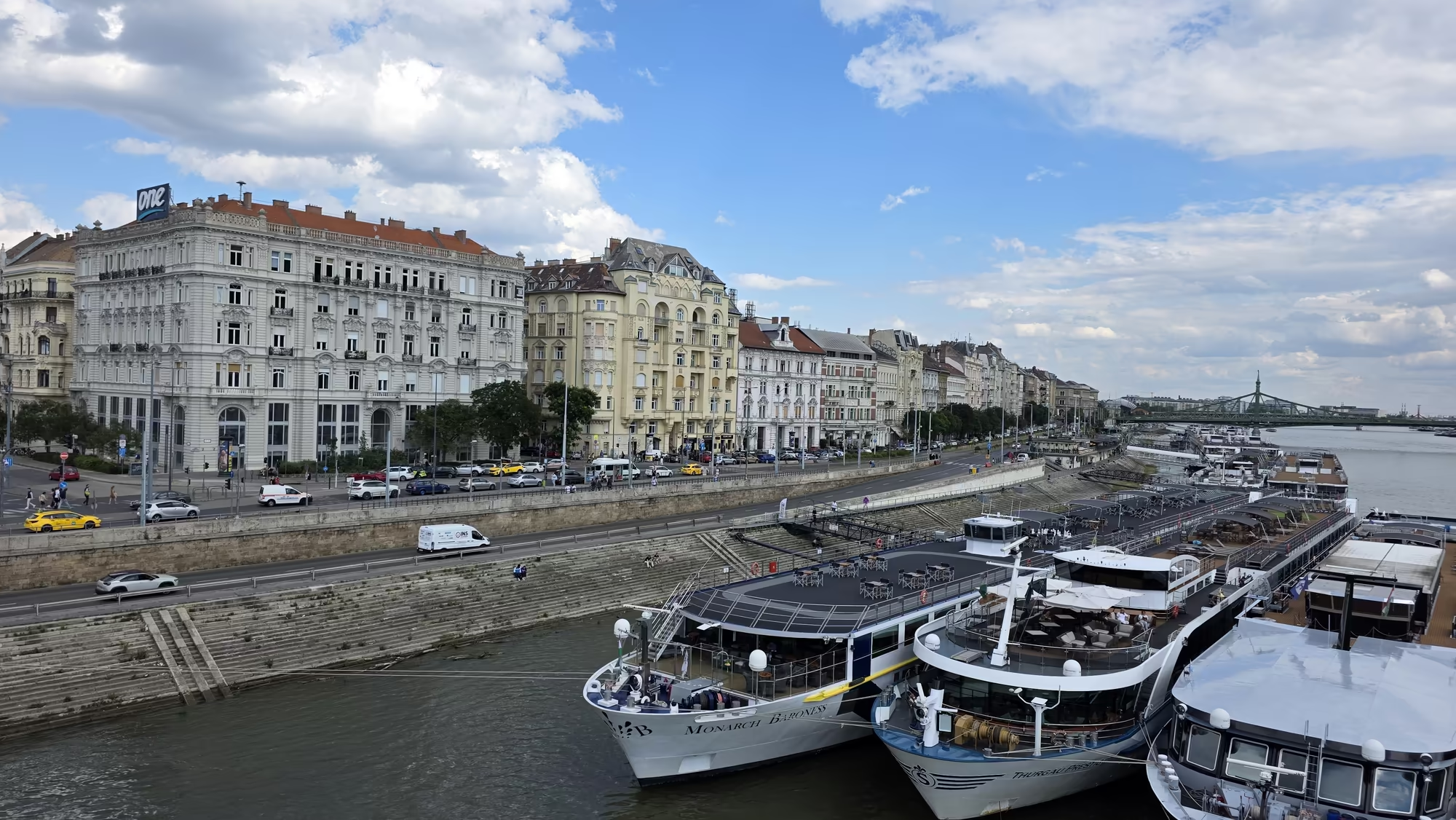
On the far bank the waterfront takes on the colours of the city at its most photogenic: a row of pastel buildings with red roofs and rooftop signs above the wide river, several white cruise ships resting at the quay, and a steel truss bridge spanning the water further downstream. The embankment is both a working quay and a promenade, and the buildings that line it have been kept in good order for the sake of the view as much as for the offices inside. A walk across the bridge and back is a way of measuring the river, and the river is not small.
Gellert Hill and the Cave Church
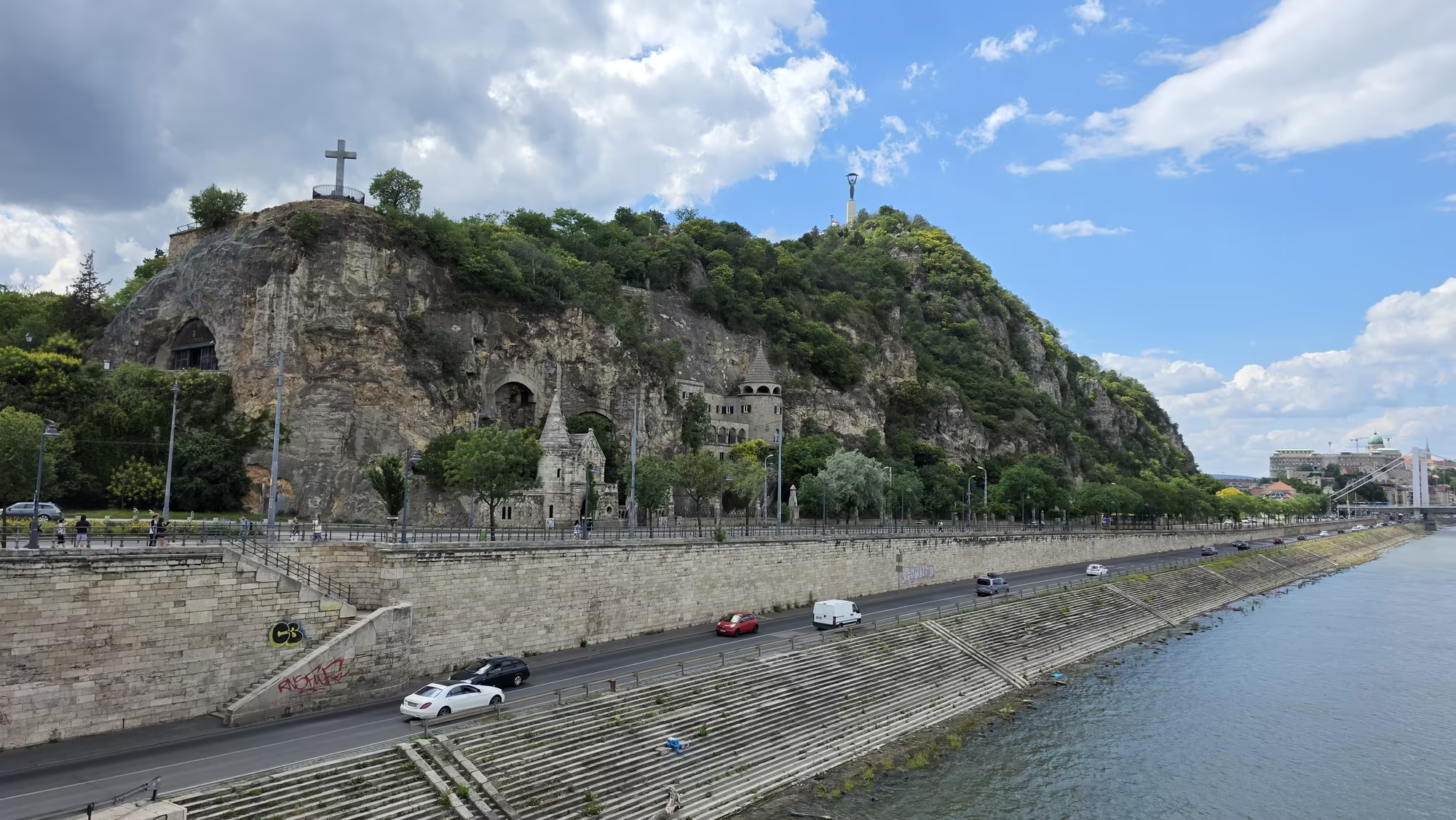
On the western bank the land rises sharply from the water, and the hill above the embankment is steep, wooded and rocky all at once. The road and the riverbank lie at its foot, busy with cars and pedestrians, and above them the cliff climbs in weathered limestone. Higher still, the hill carries its monuments, and the whole slope from the water to the summit can be traced in a single look.
Halfway up the cliff stands the cave church, a place of worship built directly into the rock and largely formed by it. A pale stone facade with arched windows and a pointed tower emerges from the natural caves in the hillside, its shaped detail set against the rougher surface of the cliff, while darker cave mouths open beside it to show where the building ends and the hill begins. The church does not sit in front of the rock so much as grow out of it, and the effect is a rare kind of architecture in which the geology and the masonry have been made to agree. A prominent cross stands near the summit above, and the traffic of the embankment road runs on below.
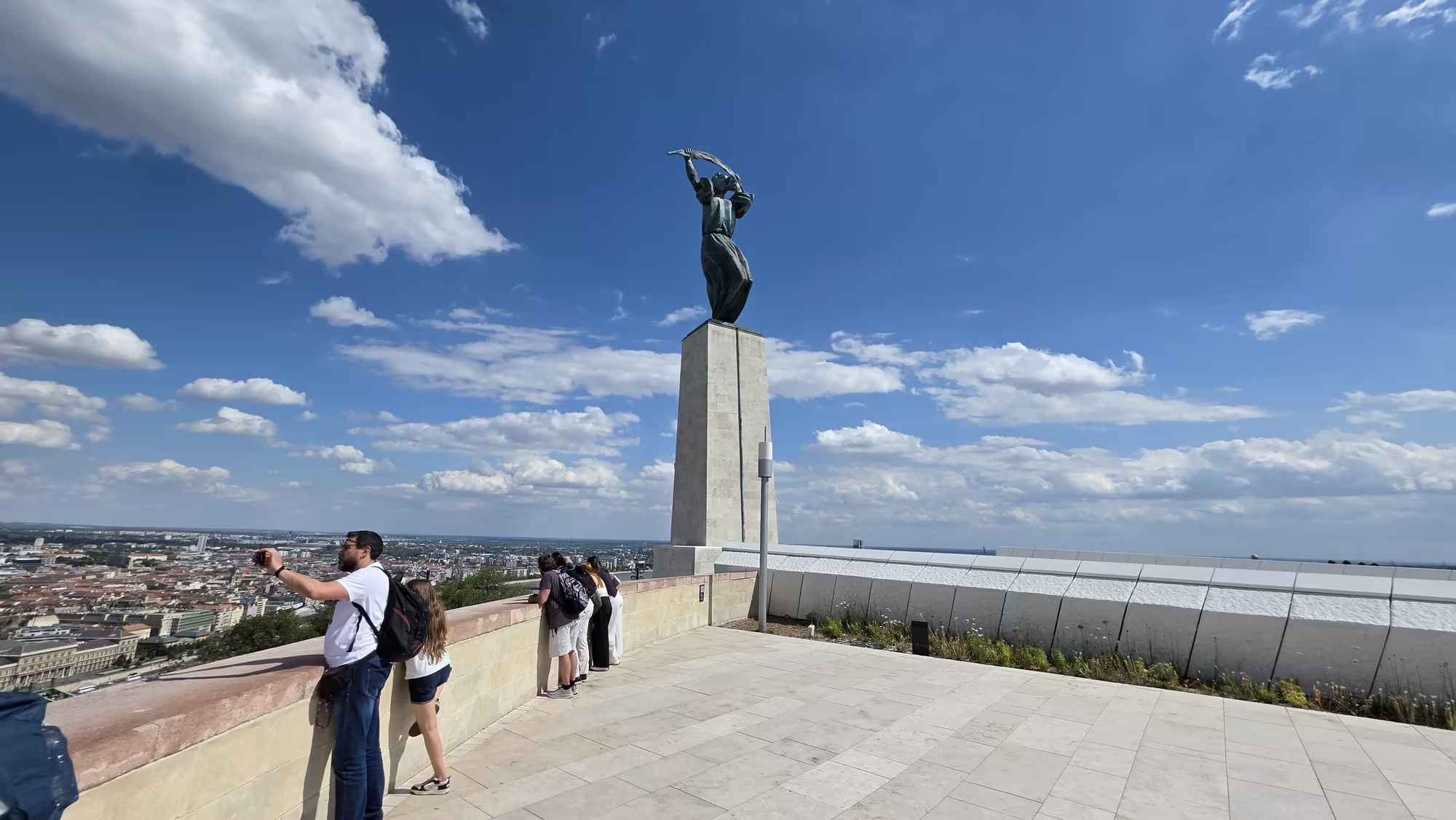
From the church the way climbs to a broad paved terrace, where visitors wander along a low parapet and the buildings of the city stretch away to a hazy horizon. At the centre of the terrace a weathered bronze figure stands on a pale stone plinth and balances a long palm frond above the head, the metal oxidised to a soft green. The terrace is open to the sky on every side, and the figure is a landmark seen from the river long before it is reached on foot. Behind it the hill drops away in trees, and the whole of the low city lies below.
Panoramas over the Danube
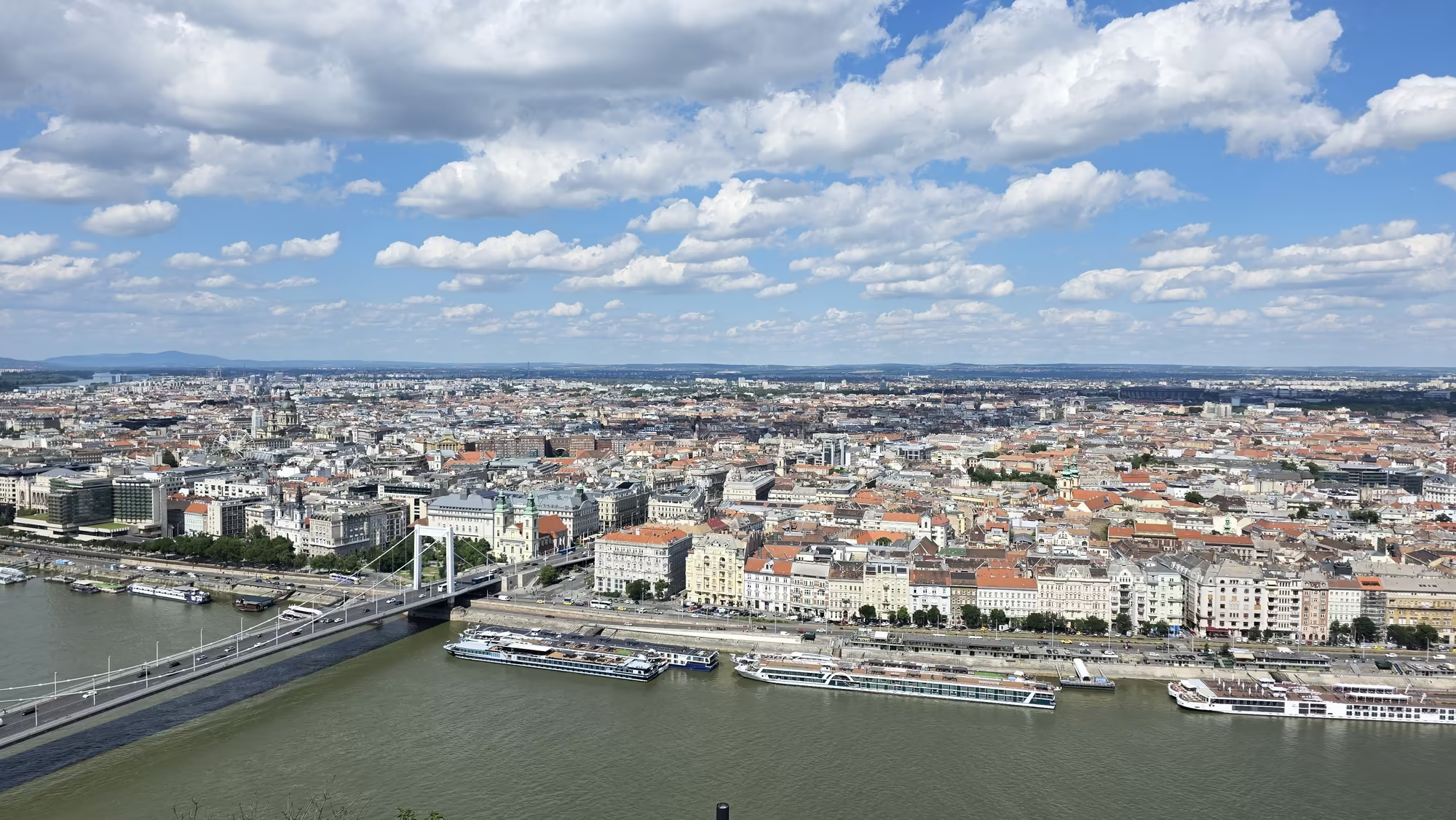
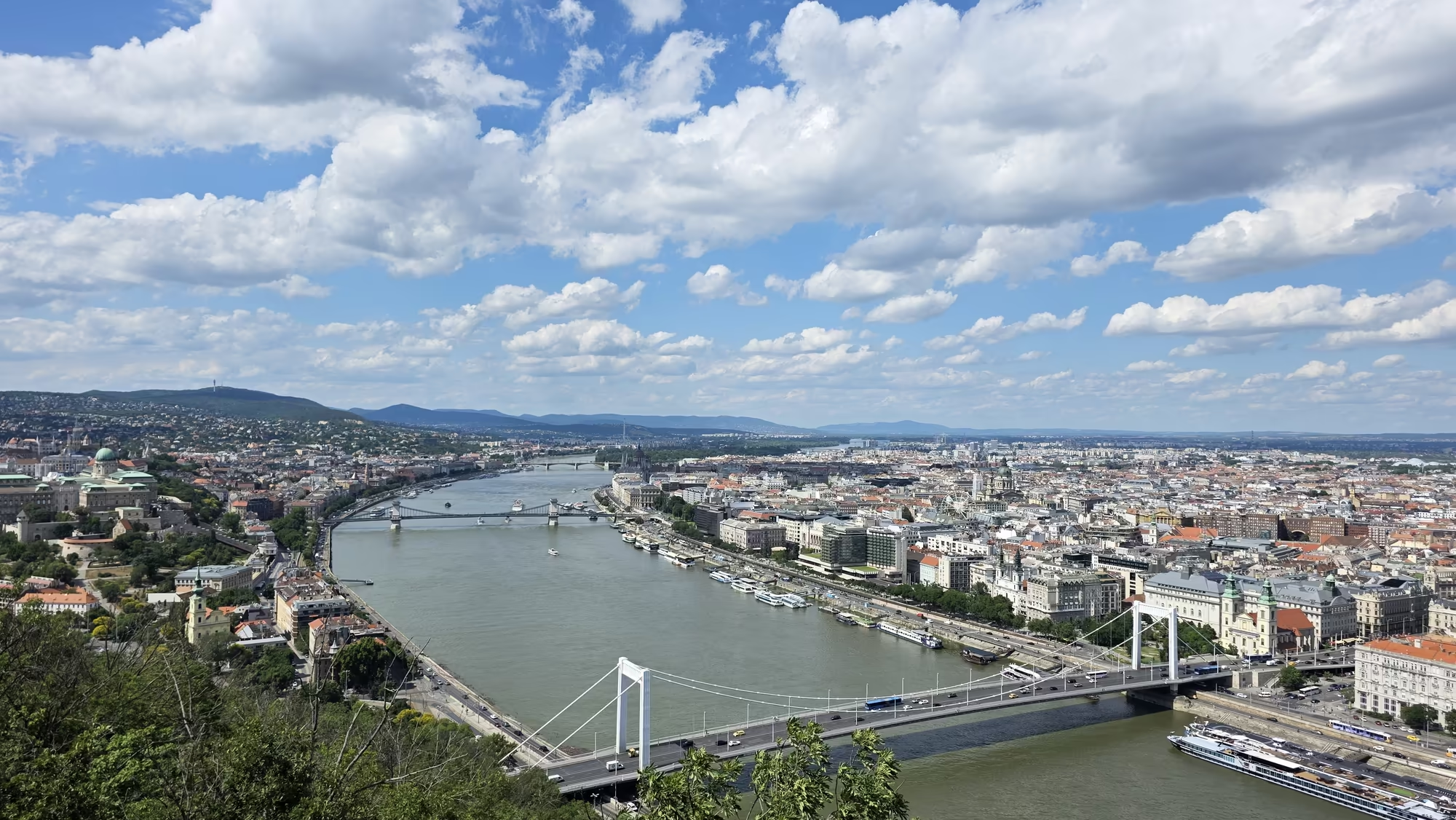
The reward of the climb is the view, and it is best taken slowly. From the hill above the river the Danube curves through the centre of the city in a broad silver band, and the whole layout becomes legible at once: the wooded heights on the western side, the flat and densely built eastern bank, and the bridges that tie them together at intervals along the water. The panorama carries from the near embankment to the far horizon, with boats and cruise ships drawn up along both banks and the roofs of the city packed tight between them.
Among the sea of red-tiled roofs the landmarks stand out without effort. A white suspension bridge crosses to the north of the viewpoint, and beyond it a large domed basilica lifts a green copper dome and twin towers above the rooftops. Dense rows of historic buildings line the embankment, and smaller gables and domes fill the space between the great ones, so that the skyline is never bare. From this height the ornament of the streets below resolves into pattern, and the city looks like something built at a single confident stroke.
The view also explains the city’s two halves. The eastern bank is level and crowded, its avenues and rooftops spreading in an even carpet towards the distance, while the western bank rises in wooded slopes above the river. Several bridges cross the water at different points, each one of a different character, and the traffic on them is visible long before any sound carries. The river divides and joins the city at the same time, and from the hilltop that fact is the whole picture.