Stage 4 of 6
Day 4 - Mount Field National Park




Journal Notes
General
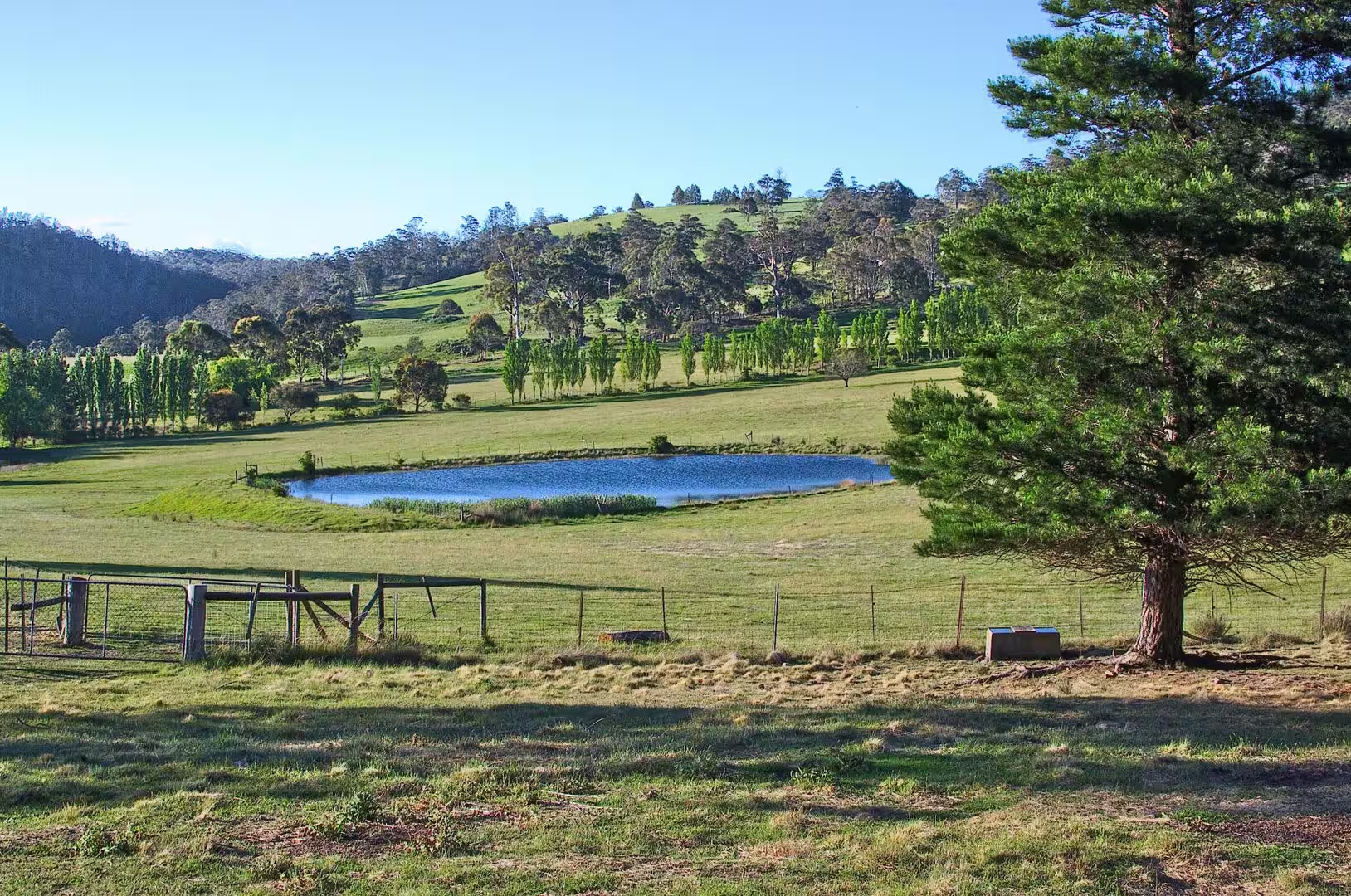
The fourth day was spent lower down, in the valley between the mountain and the river. The road from the park runs north through the farmland of the Derwent, past paddocks of sheep and cattle, weatherboard houses with iron roofs, and the tall eucalyptus that stand in the middle of the fields where the settlers left them.
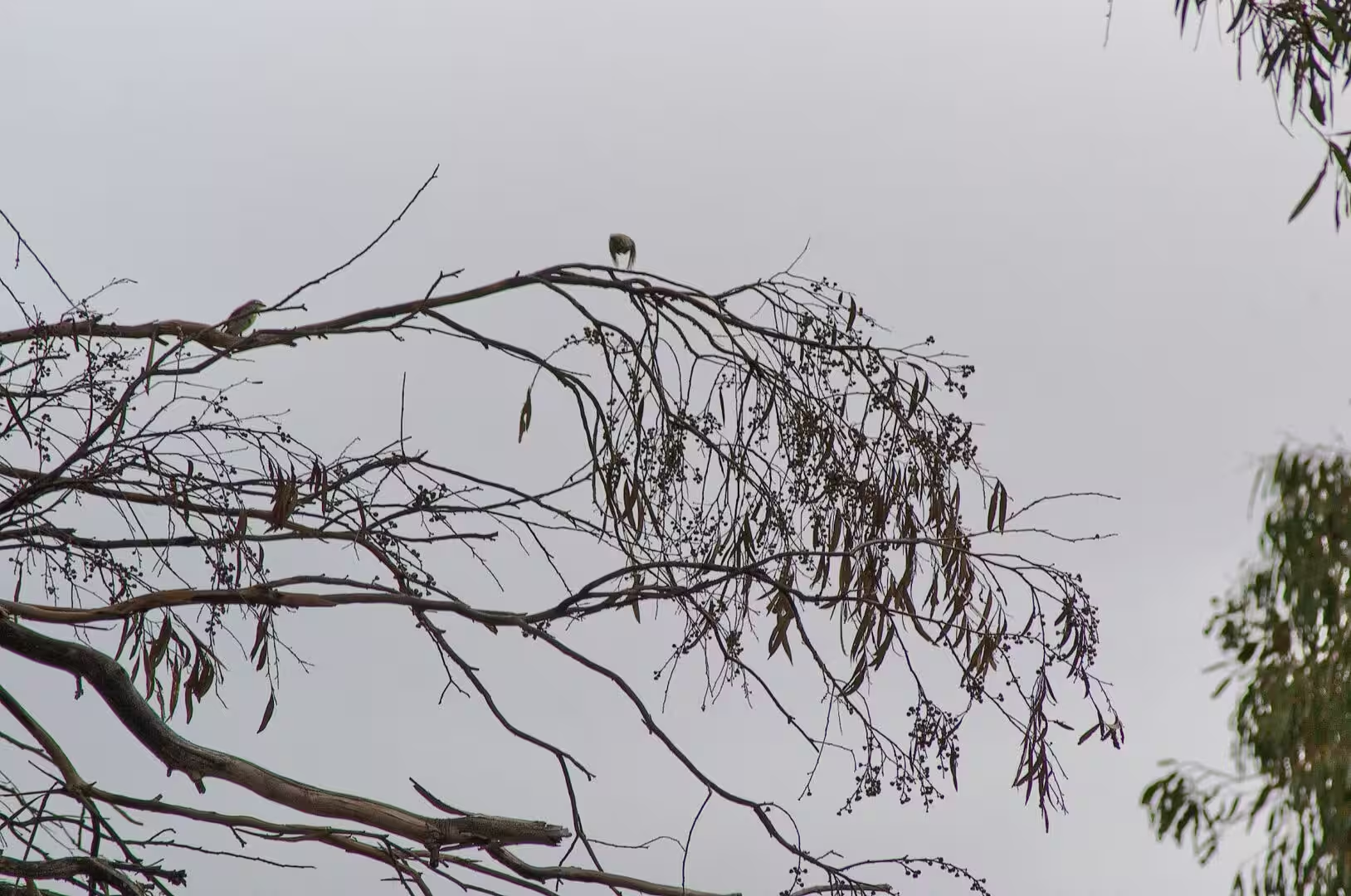
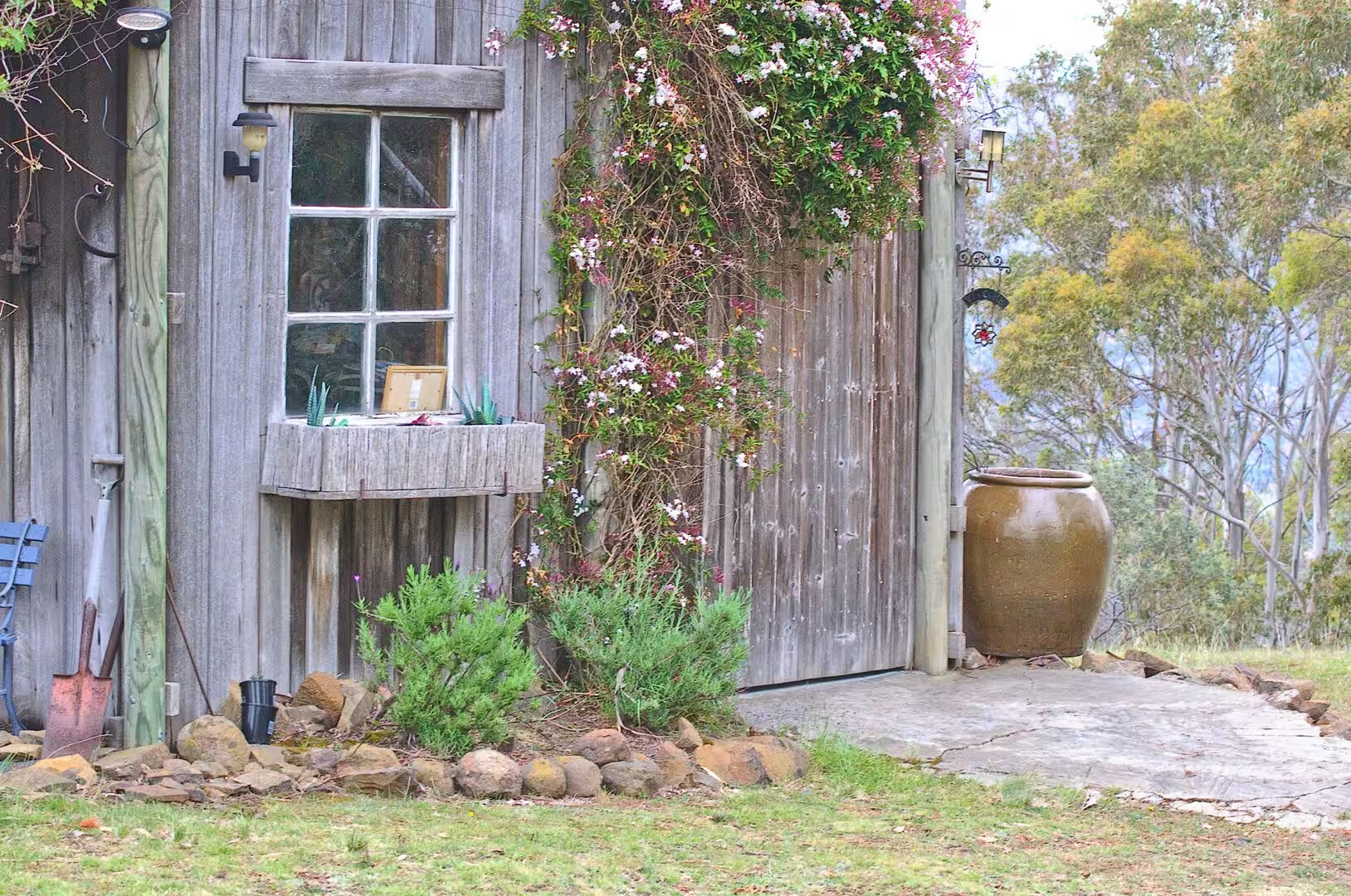
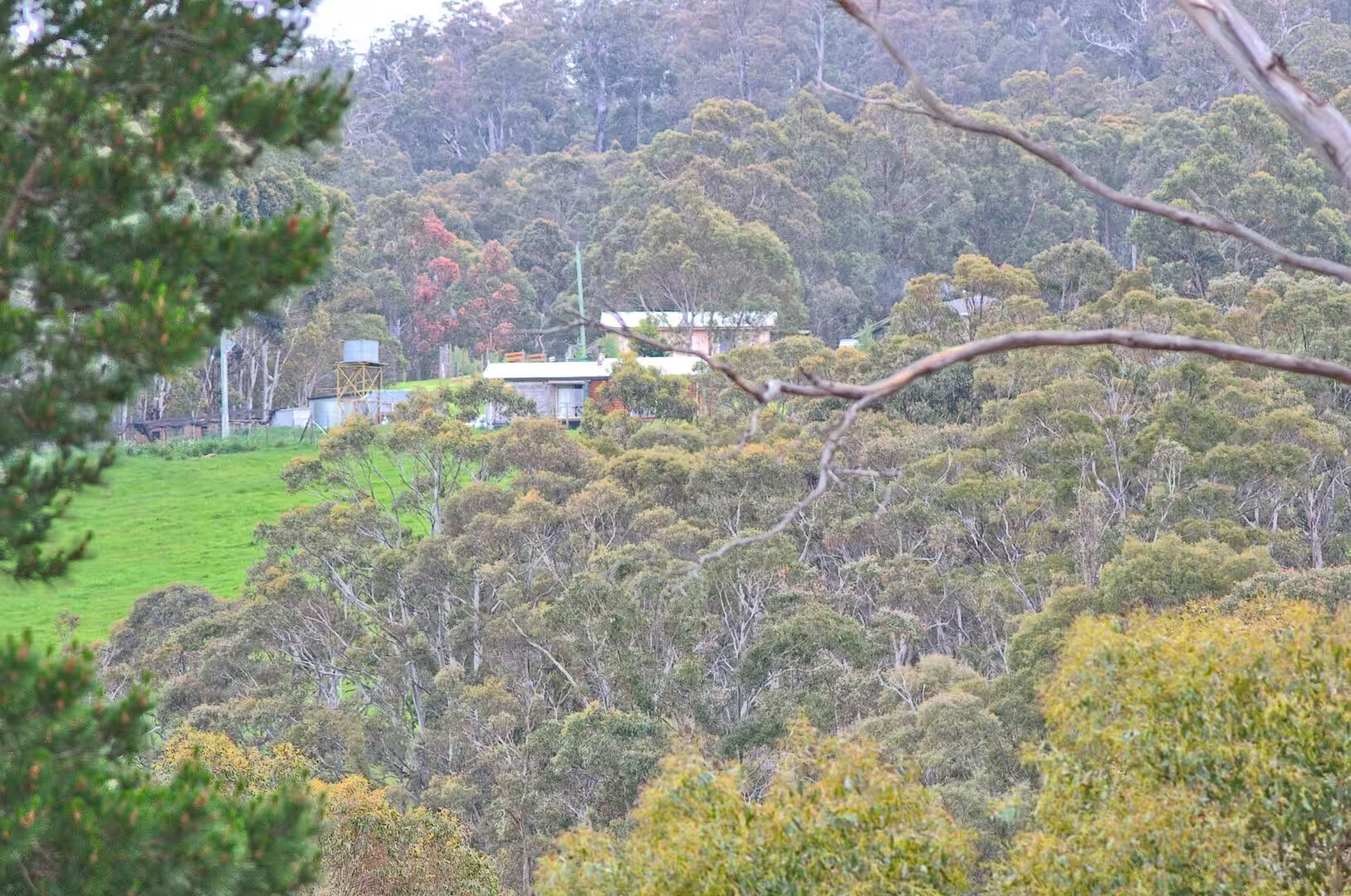
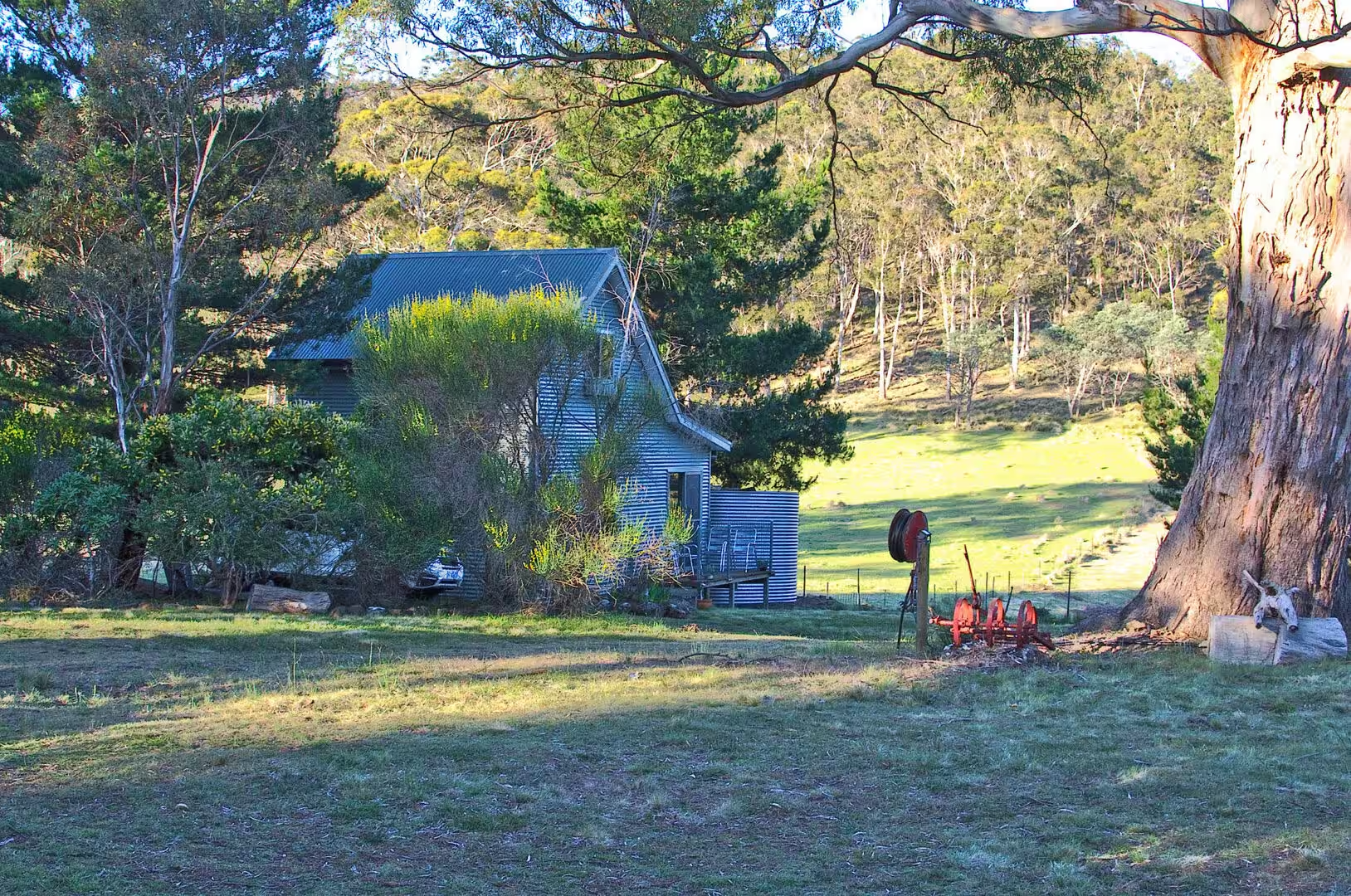
The place the day was based in was a farm of the old kind, with a homestead, a water tank, an orchard, a shed of corrugated iron in a paddock and a garden that had grown into a thicket of flowering shrubs. The birds were the first thing to notice: small honeyeaters on the fence and the water trough, wrens in the grass, a kookaburra on the power line, and the constant movement in the eucalyptus above the house.
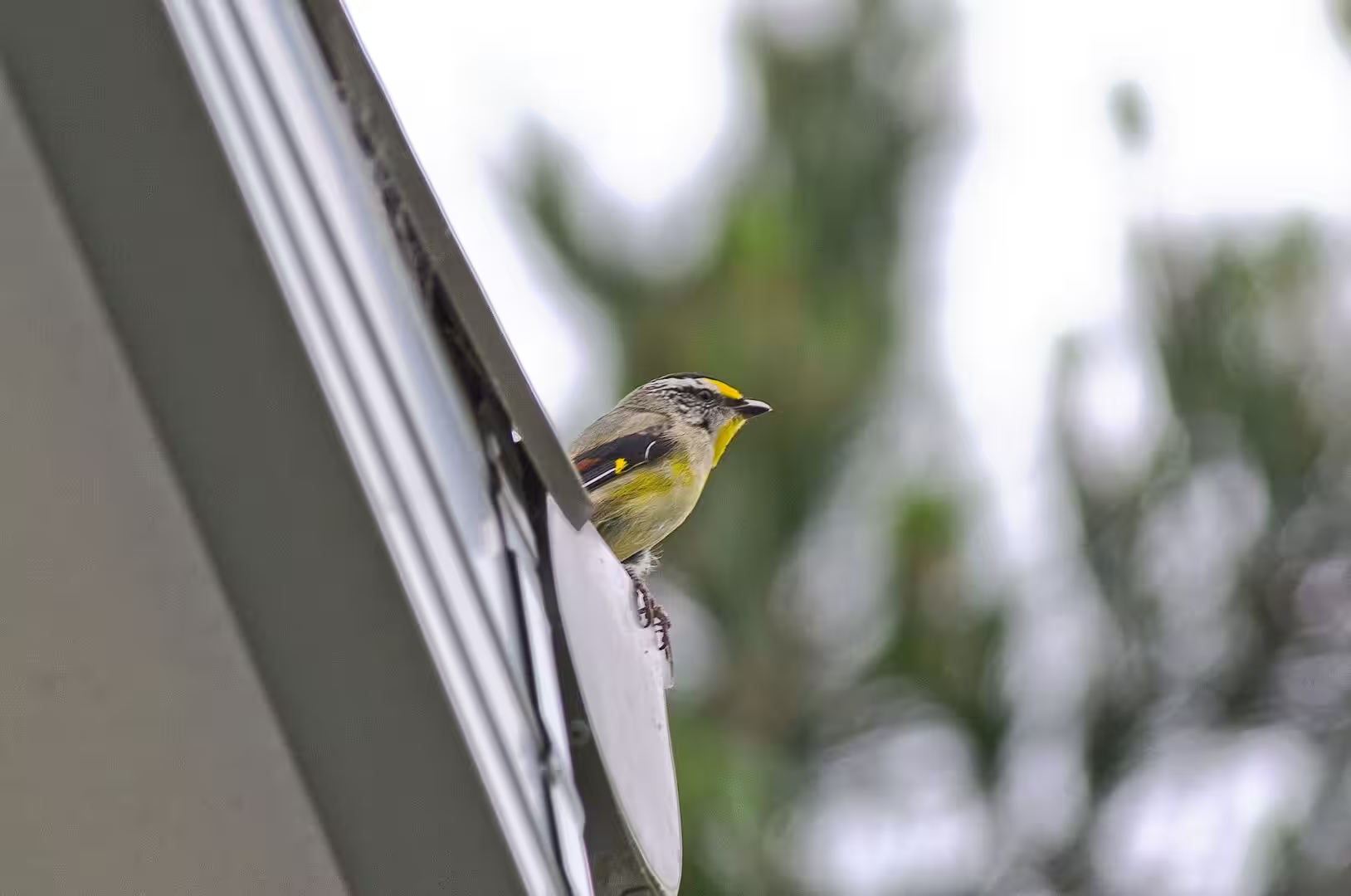
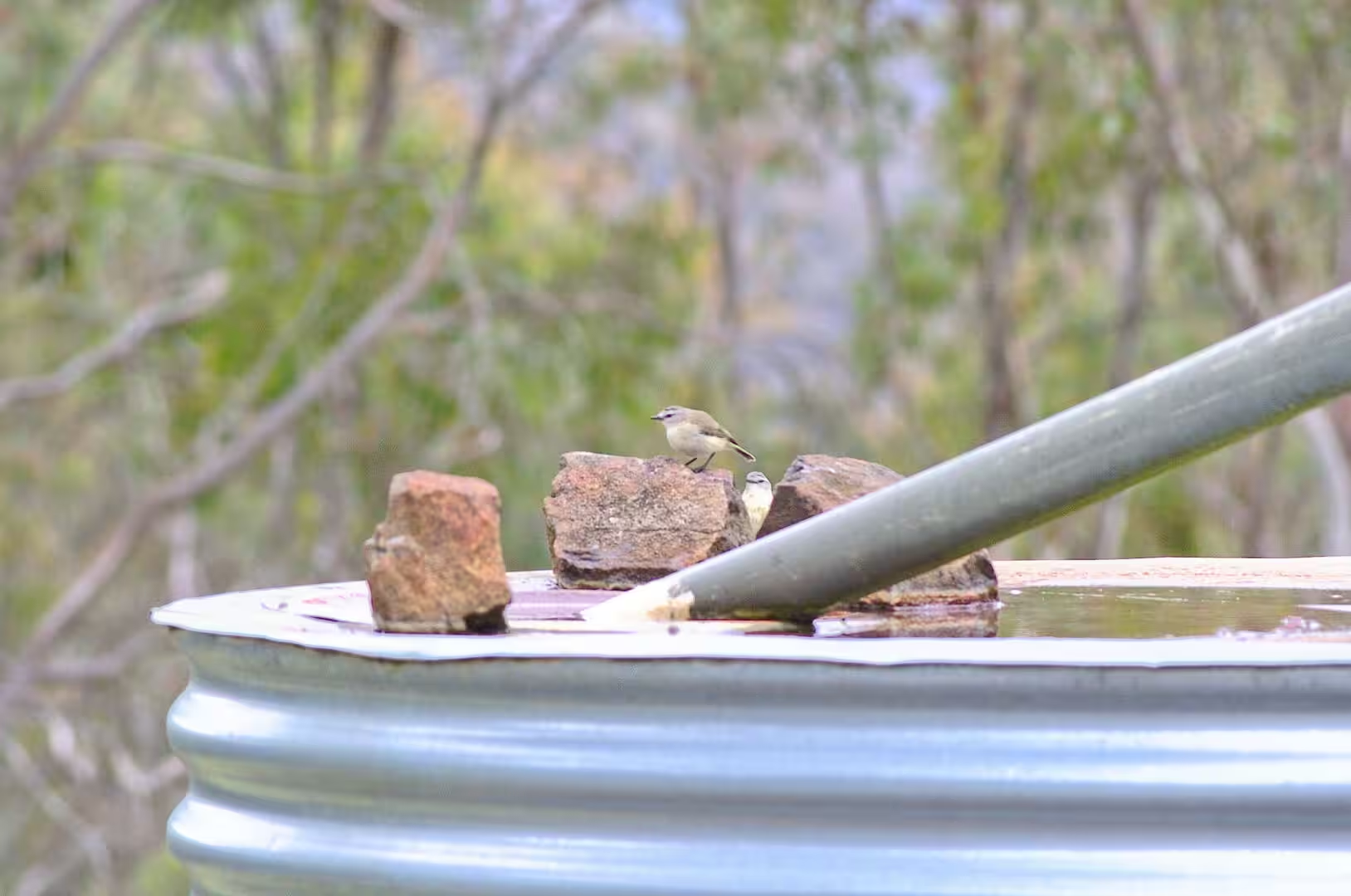
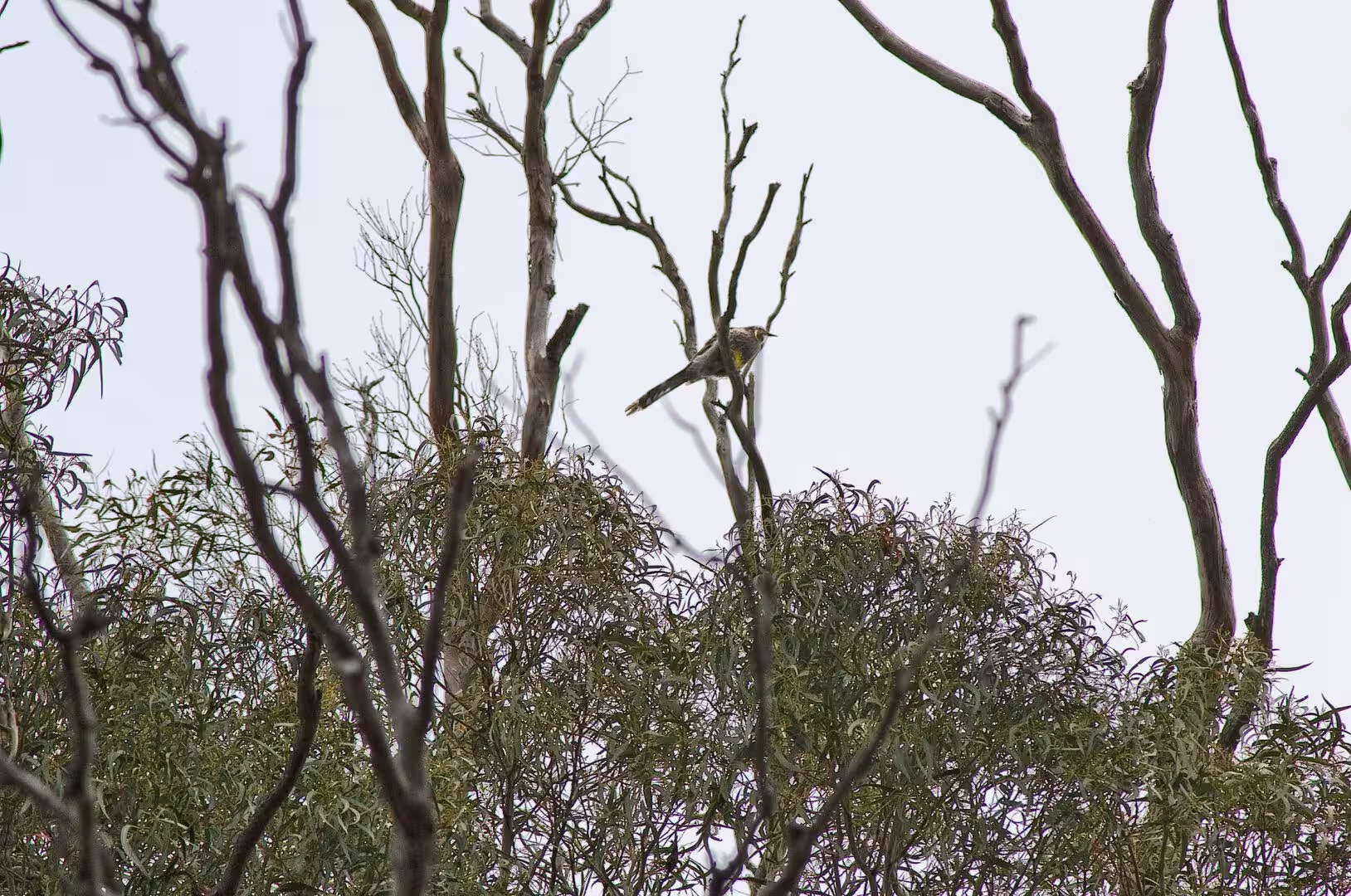
The morning was given to the birds and the garden. A dish of water on a wall or a post is the simplest way to watch the wildlife of the Australian bush, and the birds of the valley come to it in ones and twos through the day: the yellow throated honeyeater with its yellow band and its loud voice, the tiny wrens and thornbills, the parrots that arrive in flocks and leave in a hurry, and the kookaburra that lands on the fence to be looked at.
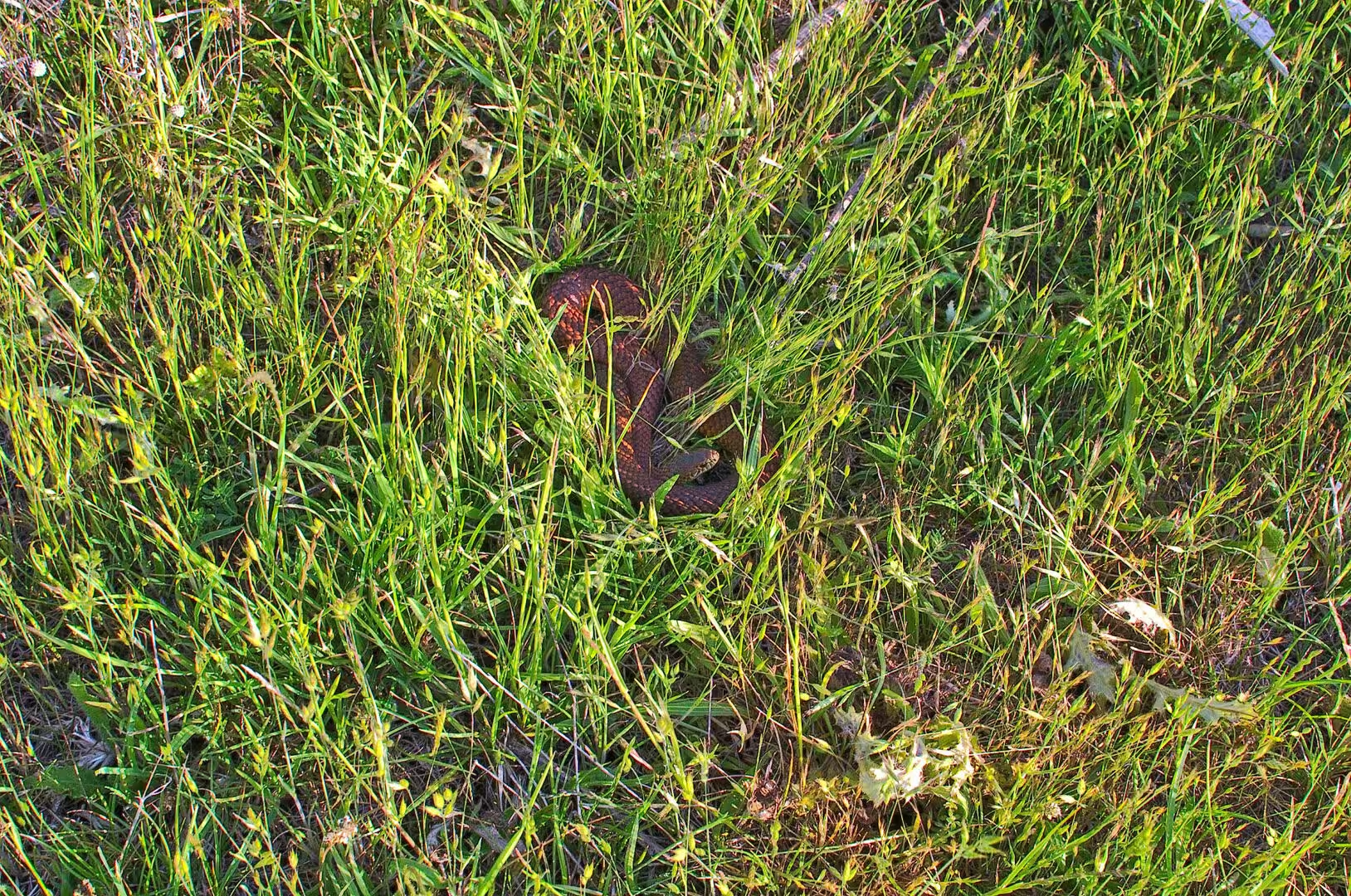
The afternoon was for the farm and the garden, and the evening for the animals that come out at dusk. The pademelons and the wallabies that graze the paddocks at night are the commonest large mammals of the island, the possums are in the roofs of the old buildings, and the tiger snake that the day produced in the grass beside the fence is the animal that every visitor to Tasmania is warned about and almost none of them sees again.
The day in the valley had a rhythm that is worth describing because it is the rhythm of the whole island. The mornings belong to the birds, the middle of the day to the farm and the garden, the late afternoon to the light on the paddocks and the hills, and the hour before dark to the animals that have been waiting in the bush. The visitor who sleeps in a city and drives out for the afternoon sees the country between ten and four, which is exactly the time when the least happens.
History
The Derwent Valley is the oldest farming country in Tasmania and one of the oldest in Australia. The river was the route by which the settlers moved inland from Hobart in the first decades of the nineteenth century, the land grants along its banks became the first farms and orchards of the island, and the towns of the valley grew where the river could be crossed. The pattern of the countryside that the visitor drives through, with the roads along the water and the houses on the flats, was laid out in those years.
The farms of the valley have changed their crops more than once. Wheat and wool were the first export products, the orchards and the hop gardens followed in the nineteenth and twentieth centuries, and the dairying and the cattle of today came with the transport that made fresh produce marketable in the city. The forestry was the other industry of the valley, with sawmills along the road and the timber of the wet forests going down the river to the port of Hobart, and the two economies of farm and forest still share the same landscape.
The river itself has been reshaped by the same century. Dams were built on the Derwent and its tributaries for hydroelectricity from the early twentieth century onwards, the lakes behind them flooded valleys that had been farmed and forested, and the water of the river is now managed for power, irrigation and the supply of the city. The Derwent is the reason the valley exists, the reason Hobart was founded, and the reason the fields below the mountain are green in a dry summer.
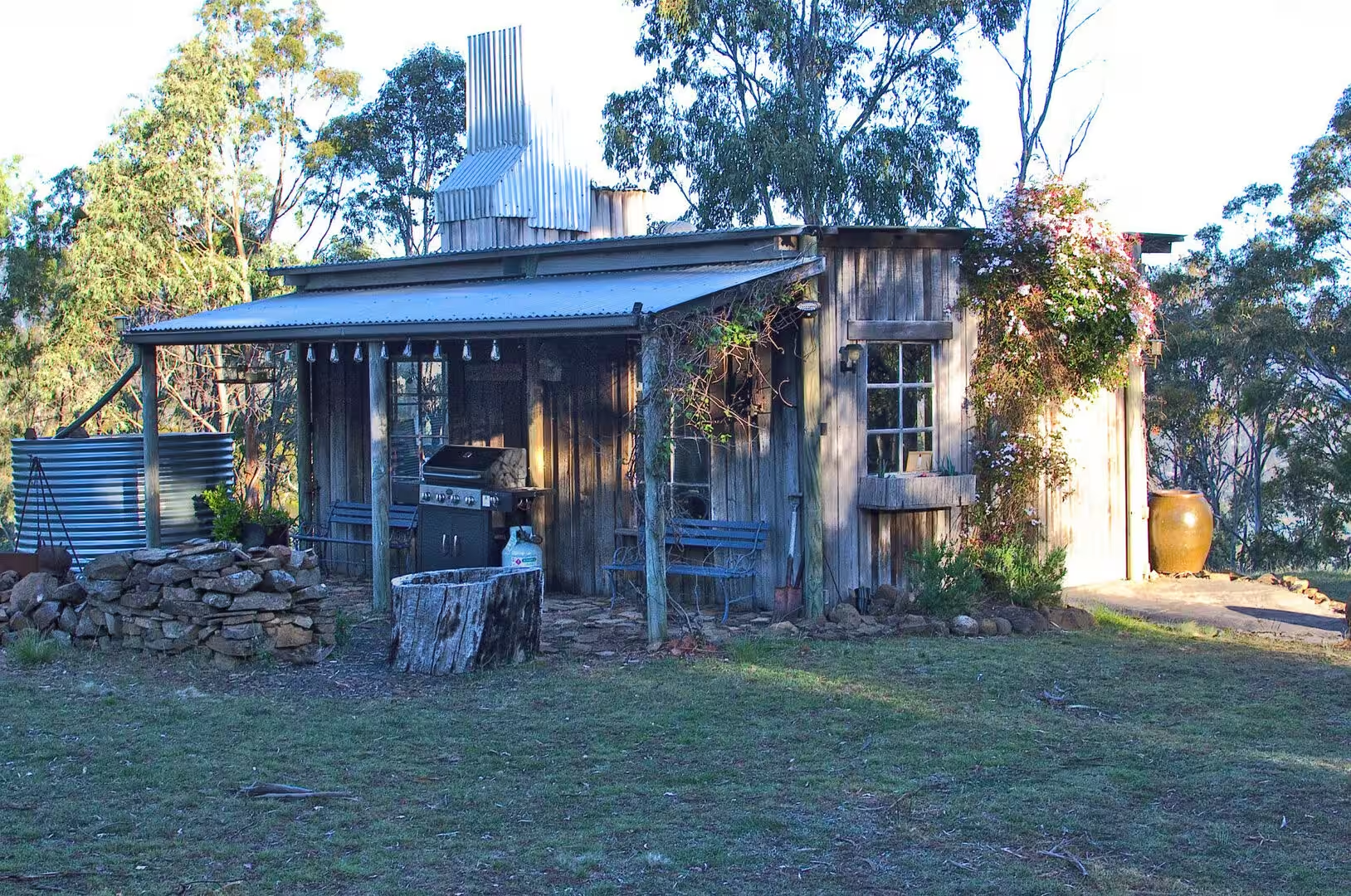
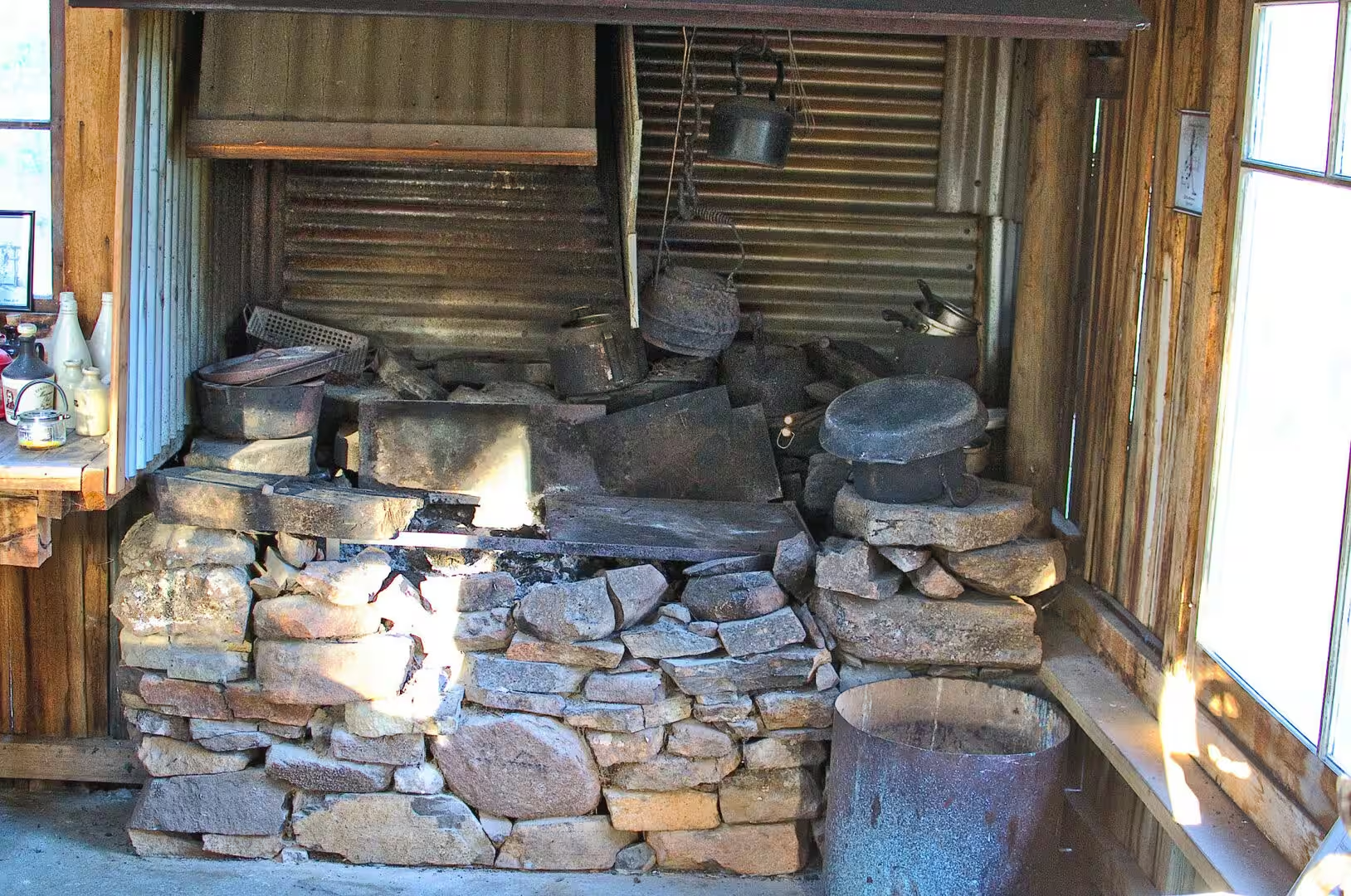
The farm buildings of the valley tell the same story in the small. The oldest are the shearing sheds and the stone barns of the first grants, the next layer is the weatherboard homestead with its veranda and its fireplace, and the newest are the sheds and the machinery of the modern farm. The camp ovens and the pots of the old kitchens are kept as furniture in some of these places, and the visitors who sleep in the converted huts are part of an economy that the valley has been running since the timber and the wool.
The Aboriginal history of the valley is longer than the European and less visible. The Derwent was the country of the Aboriginal Tasmanians, who lived along it and used the river and its flats for tens of thousands of years, and whose population collapsed in the first decades of the nineteenth century as the settlers took the land. The name of the river in palawa kani is timtumili minanya, the names of the towns and the hills carry the older layer of the map for anyone who looks for it, and the museums of the valley record both histories side by side.
Geology
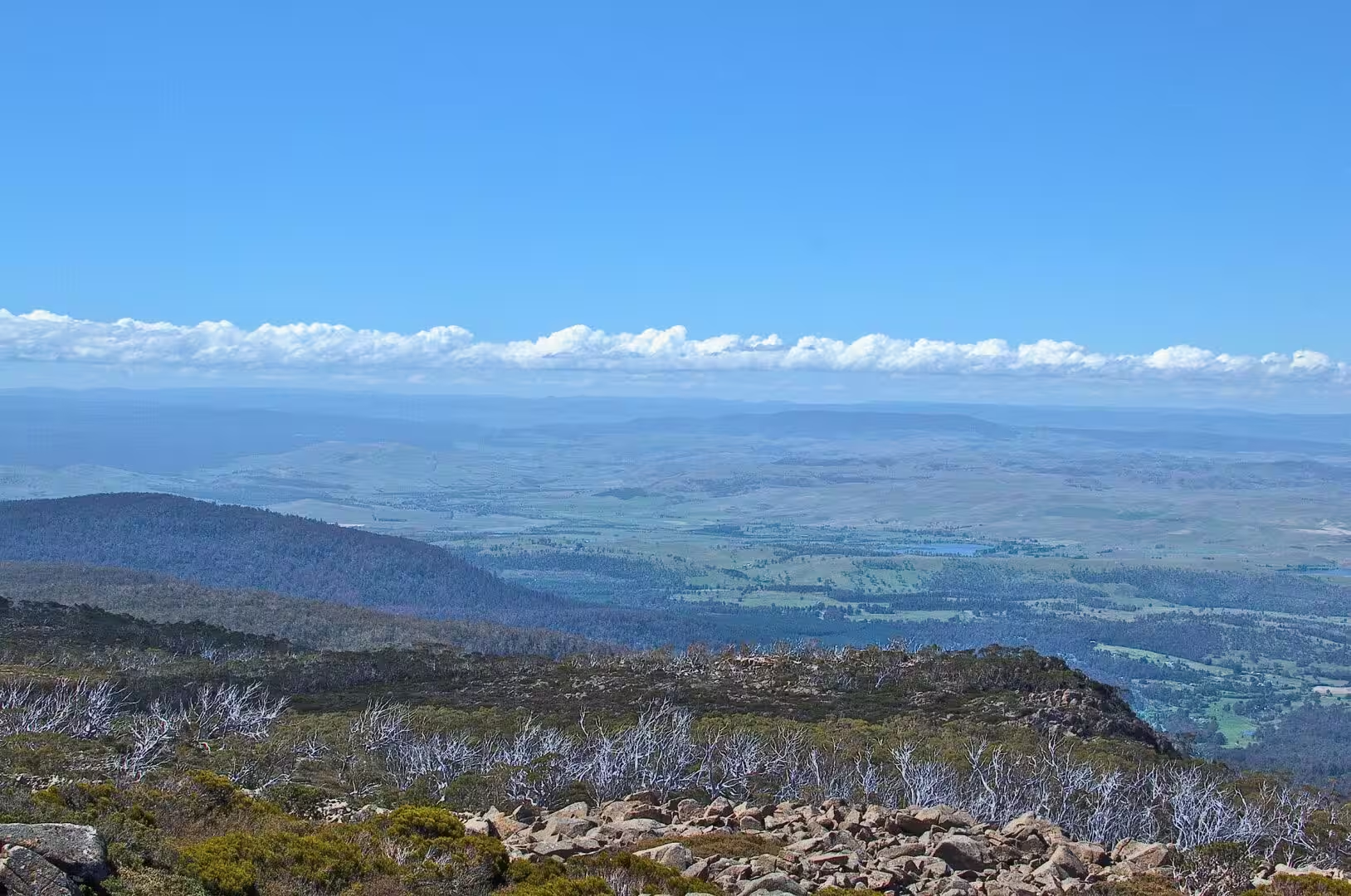
The valley of the Derwent is the largest river system of the island and the reason for its geography. The river rises in the Central Highlands at Lake St Clair, descends more than seven hundred metres over a course of more than two hundred kilometres, and reaches the sea at Hobart through the estuary that the city shares with the port. The valley of its upper course was deepened by ice during the ice ages, the lower course is a drowned valley filled by the sea, and the farmland of the middle is the sediment that the river has carried down from the mountains.
The rock under the valley is a mixture of the old sediments of the island and the dolerite that was intruded into them. The dolerite forms the hills and the ridges on both sides of the river, the sediments form the lower ground and the floors of the side valleys, and the boundary between them is usually a change in the slope of the land. The soils of the valley floor are the deepest and the most fertile in the region, which is why the farms are where they are and why the forest was cleared from the flats first.
The weather of the valley is drier than the mountains above it. The rain that the westerlies bring falls mostly on the high ground, and the valley below lies in the rain shadow for much of the year, which is why the farming is possible at all. Frosts are common in winter and the summer days can be hot, the river keeps the air moving, and the cloud that sits on the plateau in the afternoon often leaves the valley in the sun.
The animals of the valley are the animals of the whole south east of the island. The pademelons, the wallabies and the possums are the common marsupials of the fields and the gardens, the tiger snake and the copperhead are the two venomous snakes of the region, the birds range from the tiny thornbills to the kookaburras that were introduced from the mainland, and the platypus is still in the quieter reaches of the river. The wildlife of the day was the ordinary wildlife of the valley and all the better for it.
Things to See
The birdlife is the easiest wildlife to see and the most rewarding. The yellow throated honeyeater is the speciality of the island and is found nowhere else in the world, and it is common in the gardens and the forest edges of the south east, where it feeds on nectar, insects and fruit. The kookaburra, by contrast, is a mainland bird that was introduced to Tasmania, and its laugh is now one of the sounds of the valley in the evening, which is a reminder that not everything in the landscape is native.
The mammals of the valley come out at dusk. The Tasmanian pademelon is the sole pademelon species of the island, a small, thick furred relative of the wallaby with a reddish belly, the males about six and a half kilograms and the females smaller, and it is abundant on the edges of the farmland. The red necked wallaby, known in Tasmania as Bennett’s wallaby, is the other common macropod, and both graze the paddocks at night and shelter in the bush by day.
The snakes are the part of the day that requires respect rather than fear. The tiger snake is one of the most venomous snakes in the world and is common in the south east of Australia and in Tasmania, banded black and yellow or plain dark depending on the individual, and it is usually seen crossing a track or warming itself on the edge of the grass. The advice is the standard Australian one: boots and long trousers in the bush, look before stepping over a log, and leave the animal alone.
The farm stay is an institution of the Australian countryside and the best way to see a valley. The homesteads that take guests are working farms or the converted buildings of the old ones, the food comes from the garden and the neighbours, and the day is organised around the animals and the weather. Anyone who wants to understand the country should spend a night in one, and the details of the accommodation are best arranged directly rather than through the town hotel.
The walks around the valley are the quiet alternative to the mountain. The country lanes, the river bank and the tracks along the old tramways and logging roads make easy half days, the river is fishable in the lower reaches, and the small towns have the bakeries, the pubs and the museums of a farming district. The valley is the part of the journey that visitors leave out, and the part that the people who live on the island put first.
The practicalities of a day like this are few. The valley is a short drive from Hobart and from the national park, the roads are sealed, and the wildlife is best in the two hours around sunset and the two around sunrise. A torch is useful for the walk back from the paddock in the dark, insect repellent is a kindness to yourself in summer, and the farm gate should be left as it was found, because the animals that the visitor comes to see are the stock and the livelihood of the people who live there.
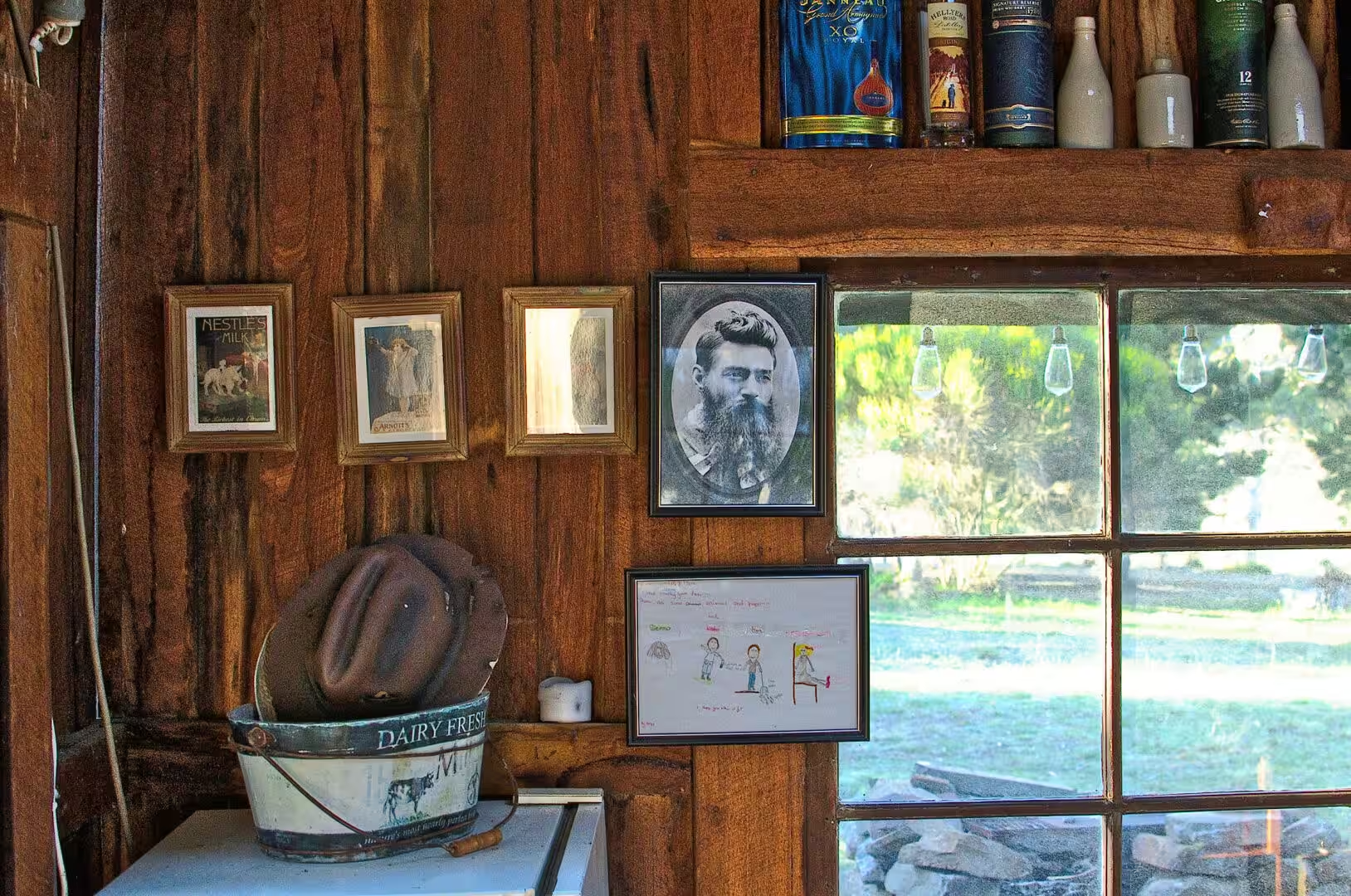
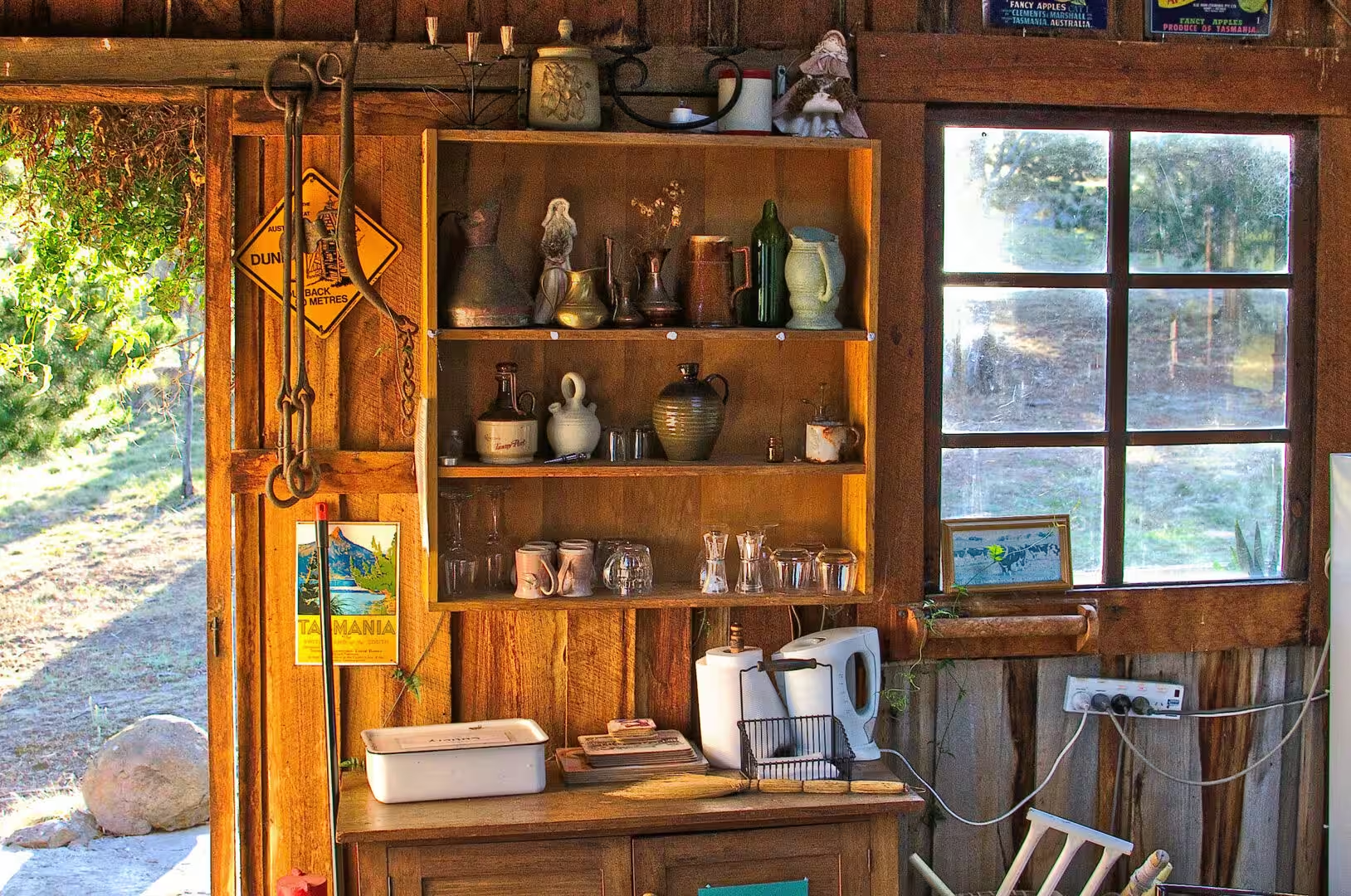
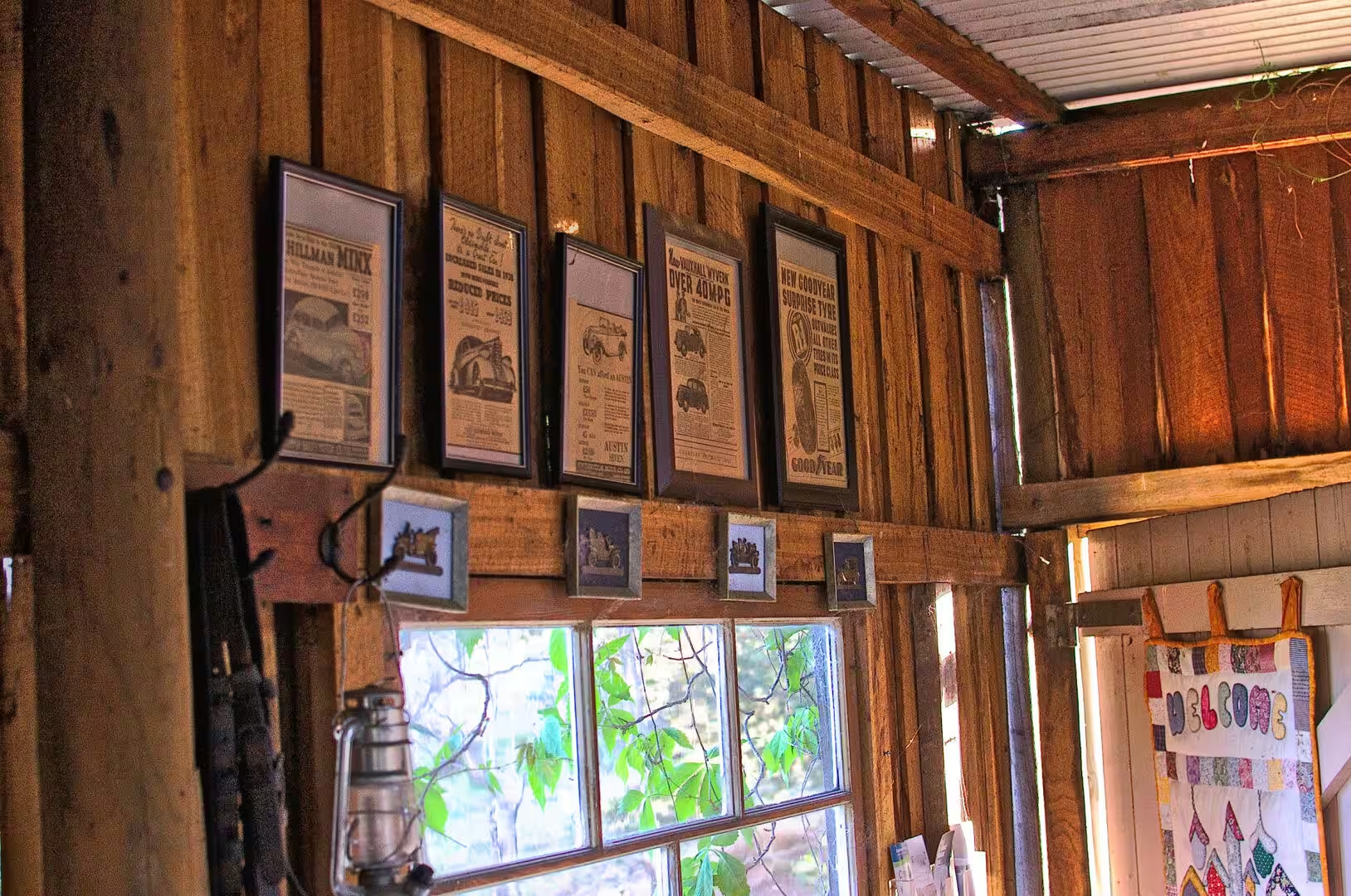
The garden and the buildings of a farm stay are part of the visit. The orchards and the vegetable beds of the old homesteads were laid out for a household that had to feed itself, the sheds hold the tools of three generations, and the kitchens with their wood stoves and camp ovens are the reason the food of the valley tastes the way it does. The bunting and the old advertisements on the wall of one of the huts are the decorations of a place that is lived in rather than preserved, and they are a fair description of the valley.
References
- Wikipedia contributors (2026). Mount Field National Park. en.wikipedia.org/wiki/Mount%20Field%20National%20Park
- Wikipedia contributors (2026). Red-necked pademelon. en.wikipedia.org/wiki/Red-necked%20pademelon
- Wikipedia contributors (2026). Tasmanian pademelon. en.wikipedia.org/wiki/Tasmanian%20pademelon
- Wikipedia contributors (2026). Pademelon. en.wikipedia.org/wiki/Pademelon
- Wikipedia contributors (2026). Bennett’s wallaby. en.wikipedia.org/wiki/Bennett’s%20wallaby
- Wikipedia contributors (2026). Tiger snake. en.wikipedia.org/wiki/Tiger%20snake
- Wikipedia contributors (2026). Yellow-throated honeyeater. en.wikipedia.org/wiki/Yellow-throated%20honeyeater
- Wikipedia contributors (2026). Laughing kookaburra. en.wikipedia.org/wiki/Laughing%20kookaburra
- Wikipedia contributors (2026). Paddy melon. en.wikipedia.org/wiki/Paddy%20melon
- Wikipedia contributors (2026). Tasmanian emu. en.wikipedia.org/wiki/Tasmanian%20emu
- Wikipedia contributors (2026). Derwent River (Tasmania). en.wikipedia.org/wiki/Derwent%20River%20%28Tasmania%29
- Wikipedia contributors (2026). Tasmania. en.wikipedia.org/wiki/Tasmania
- (ohne Angabe) (1992) Management of Tasmanian cool temperate rainforest. Biological Conservation. 60. 70. doi.org/10.1016/0006-3207(92)90868-n
- Shapcott A. (1997) Population genetics of the long-lived Huon pine Lagarostrobos franklinii: An endemic Tasmanian temperate rainforest tree. Biological Conservation. 80. 169-179. doi.org/10.1016/s0006-3207(96)00076-6
- Wilson R., Hannan D. (1995) From ice to ice-free: Glaciation in the Lake Ayr Valley, central Tasmania. Papers and Proceedings of the Royal Society of Tasmania. 129. 35-41. doi.org/10.26749/rstpp.129.35
- Leaman D. (1997) Features of Jurassic dolerite intrusions at Cape Surville, Lynwood, Single Hill and Mount Nelson, Tasmania. Papers and Proceedings of the Royal Society of Tasmania. 131. 13-20. doi.org/10.26749/rstpp.131.13