2025 Amalfi 6 - Herculaneum









Journal Notes
General
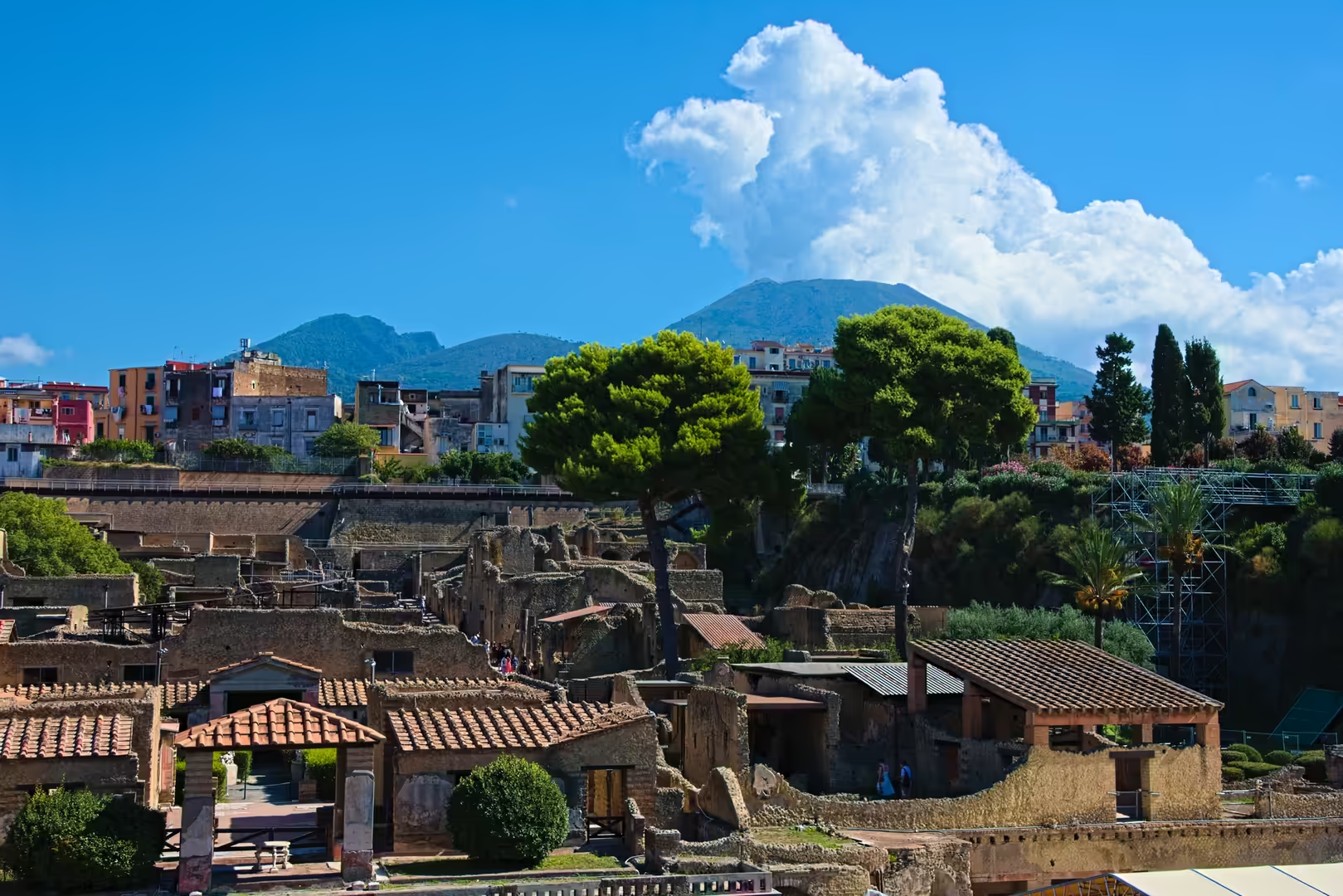
Herculaneum was an ancient Roman town on the coast of the Bay of Naples, at the foot of Mount Vesuvius, in what is now the comune of Ercolano in Campania. Smaller and wealthier than its neighbour Pompeii, the town occupied a narrow coastal terrace between the volcano and the sea, commanding the gulf toward the island of Capri and the Sorrento Peninsula. Like Pompeii it was destroyed and buried by the eruption of Vesuvius in AD 79, but by different volcanic processes, which sealed it under more than twenty metres of pyroclastic material and preserved its organic remains to a degree without parallel in the ancient world.
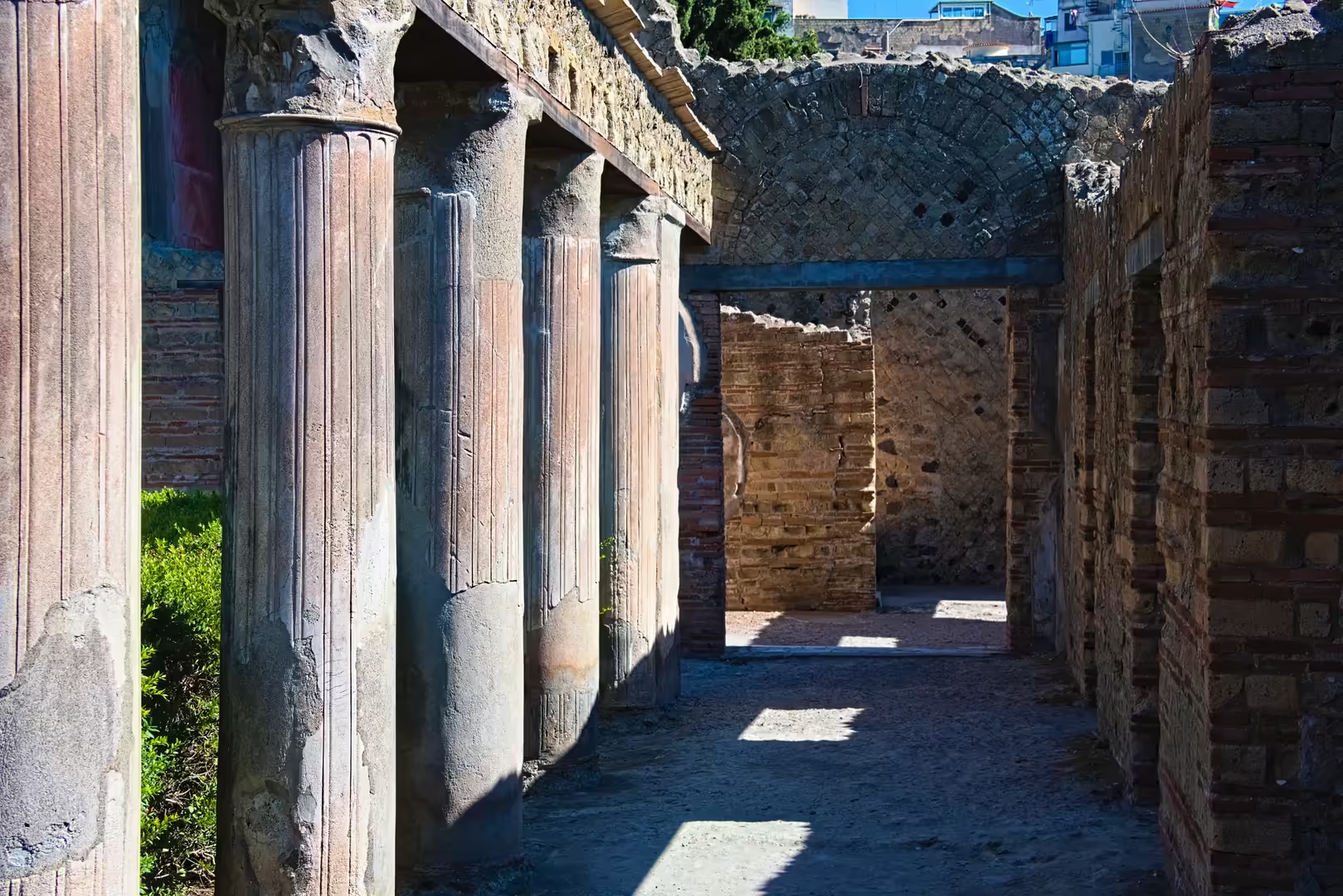
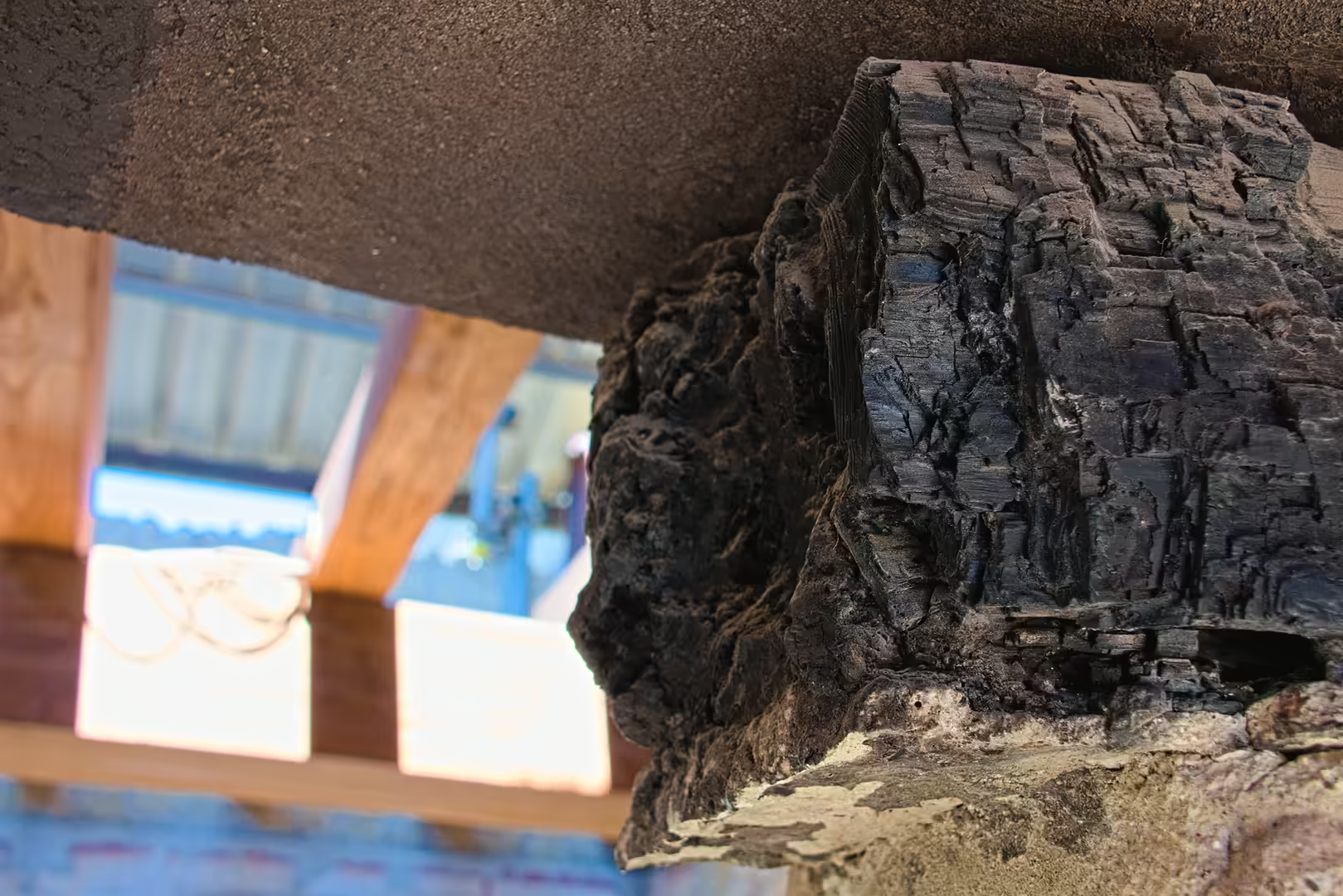
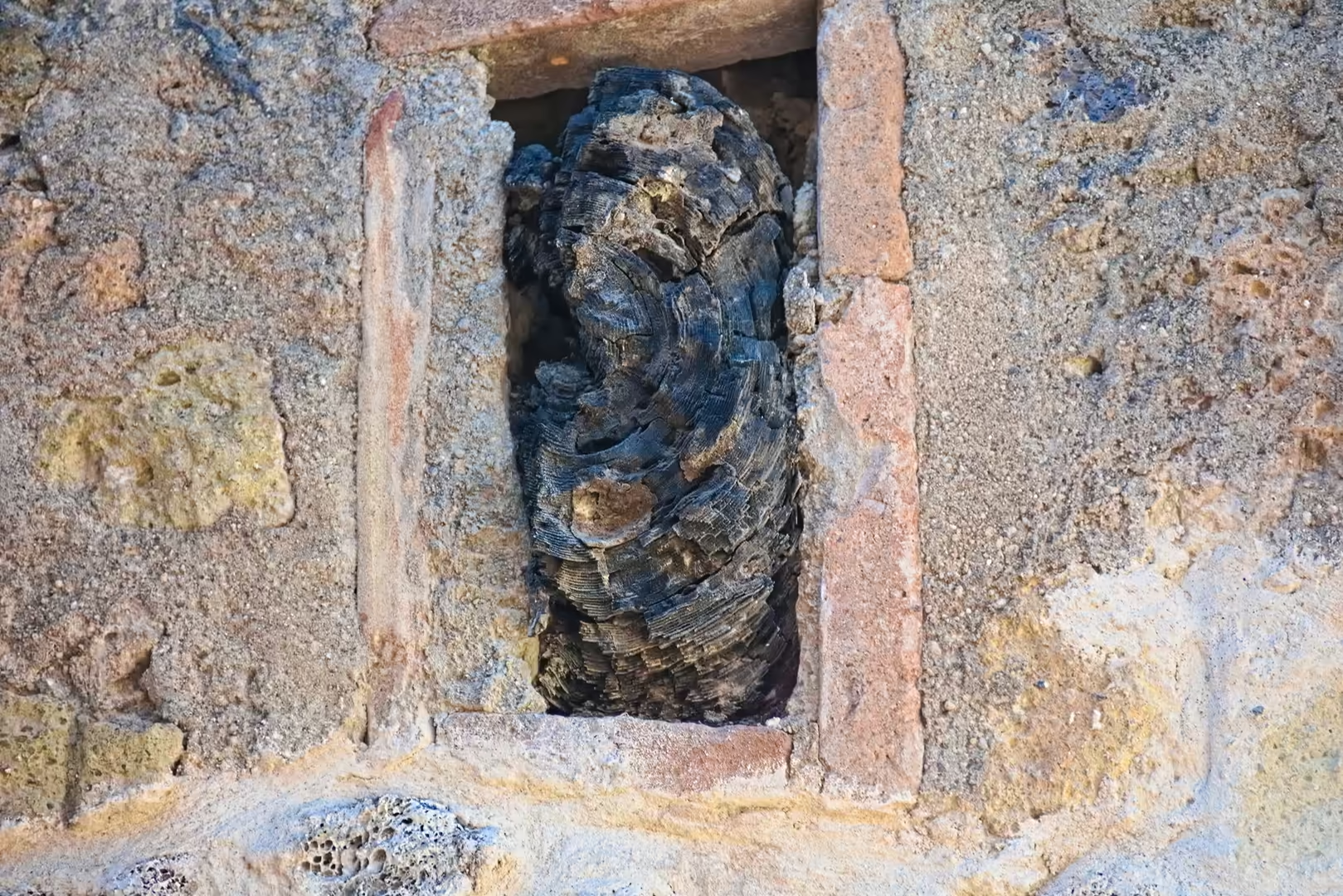
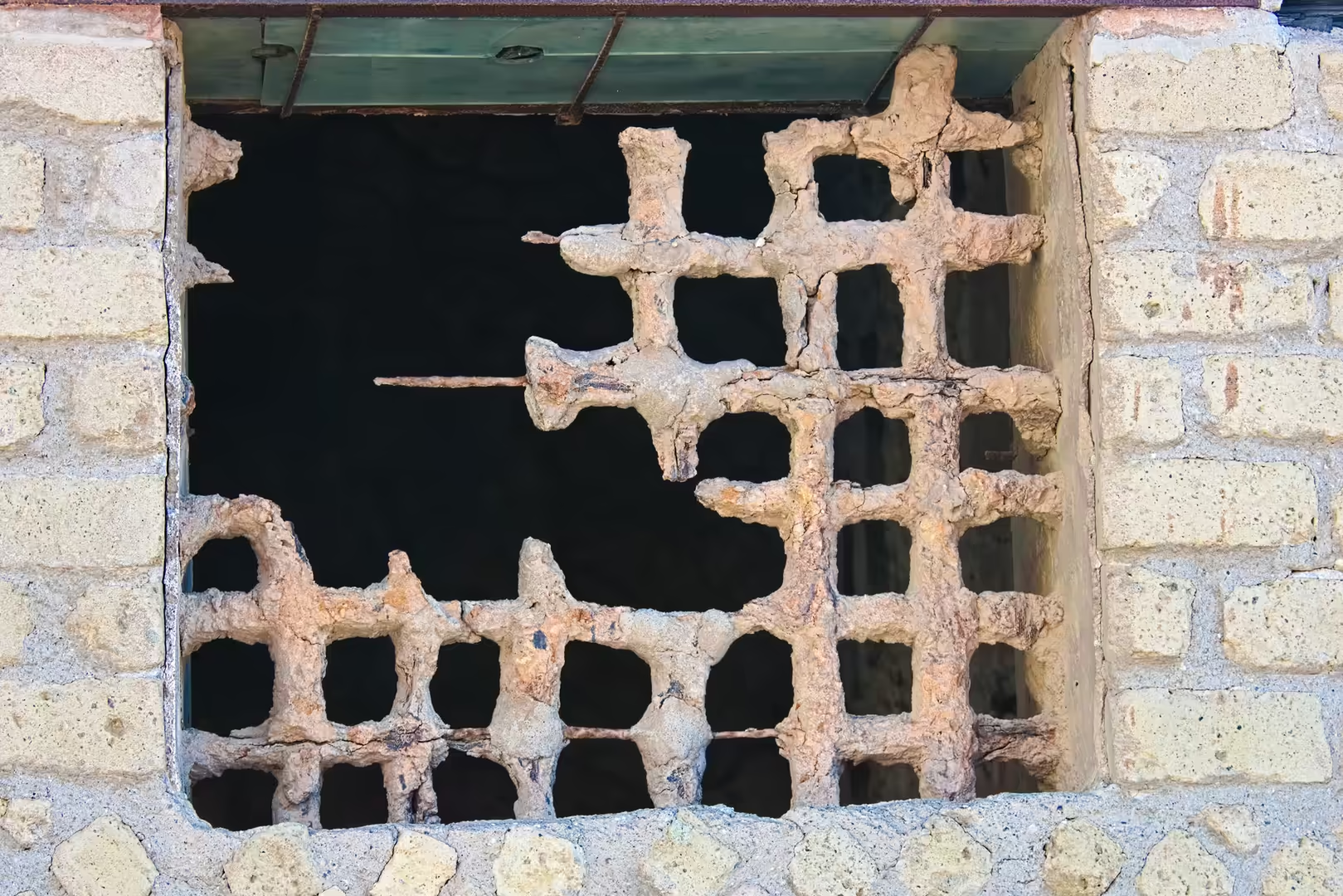
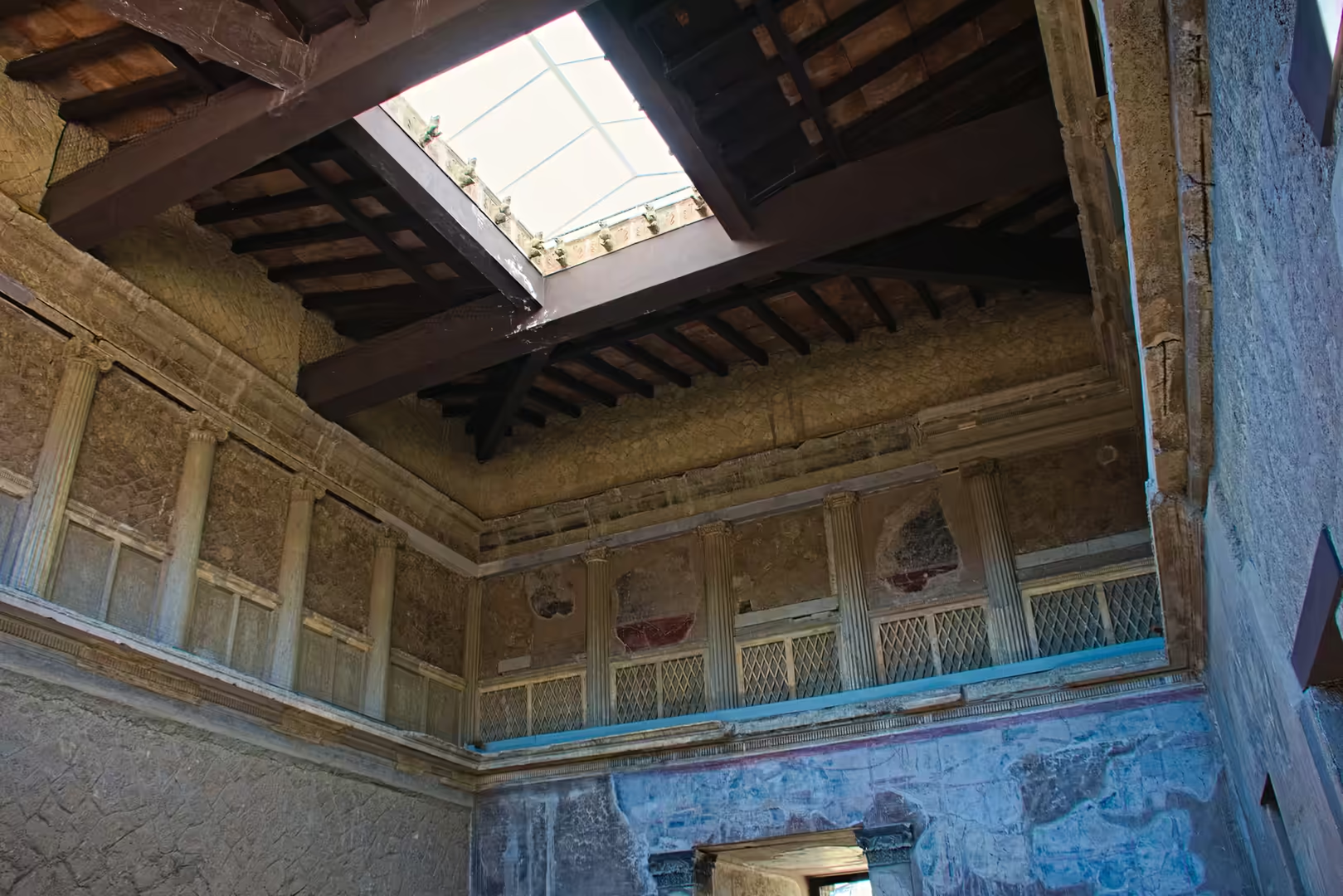
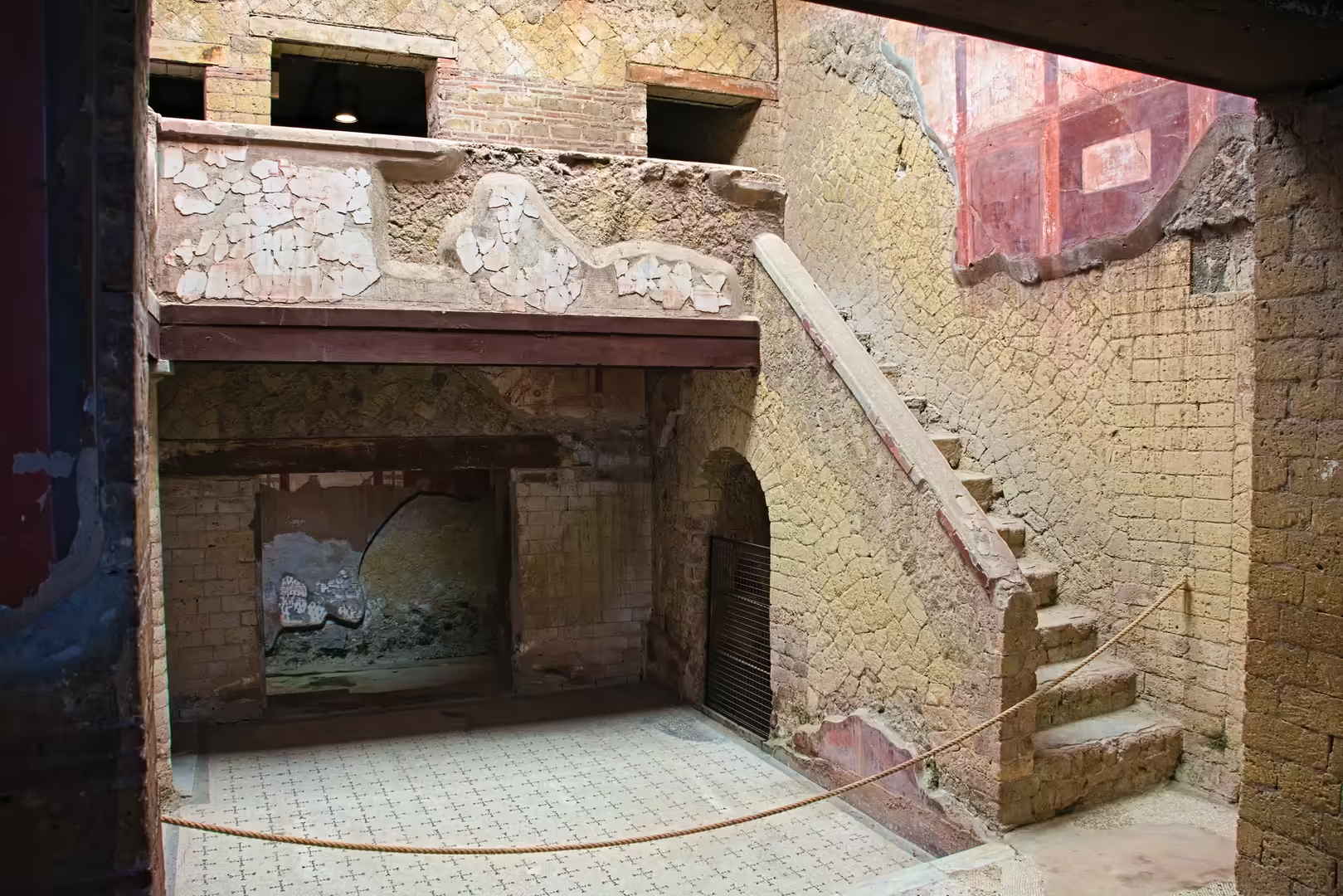
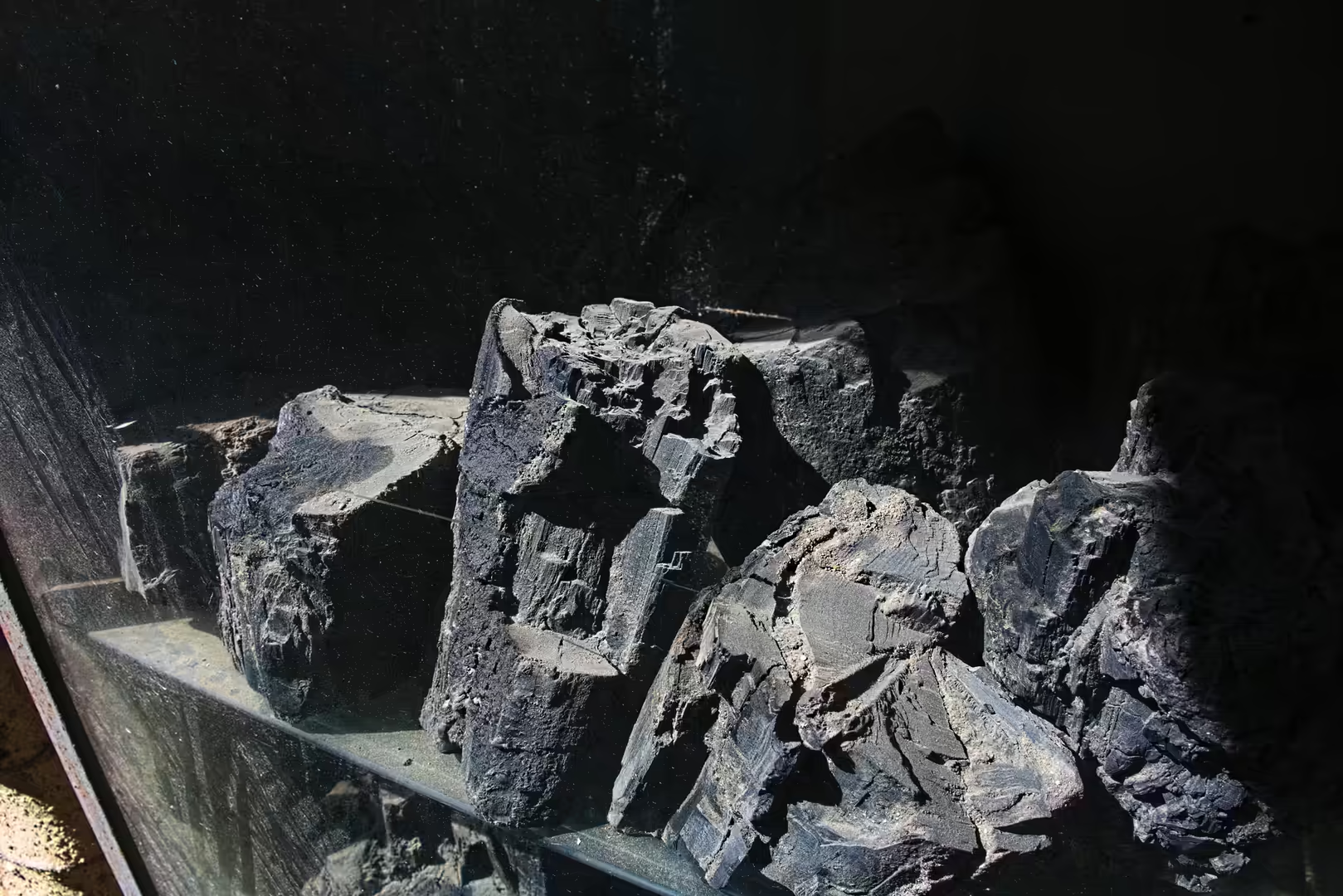
Because Herculaneum was buried by hot pyroclastic flows rather than by the pumice fall that covered Pompeii, its wooden structures, furniture, foodstuffs, textiles and papyrus were carbonised rather than consumed: roofs, beds, doors and even the upper storeys of houses survive, giving an unmatched picture of the domestic life of a Roman town of the early empire. Only a fraction of the ancient city has been excavated (more than three quarters of it still lies beneath the modern town), and the excavated area, managed as the Parco Archeologico di Ercolano, is protected together with Pompeii and Torre Annunziata as part of the UNESCO World Heritage property inscribed in 1997 under criteria (iii), (iv) and (v).
Herculaneum was the first of the Vesuvian cities to be rediscovered, in 1709, and its exploration, begun under the Bourbon kings in 1738, inaugurated the archaeology of the buried cities. The site is today reached from the modern Ercolano, a few kilometres south-east of Naples on the Circumvesuviana railway, and its setting (between the cone of Vesuvius and the sea, with the modern town built directly above the ancient one) is one of the most evocative in Mediterranean archaeology.
History
The foundation of Herculaneum was attributed by the Greek historian Dionysius of Halicarnassus to the hero Heracles, while Strabo records that the first settlement was established by the Oscans. The area subsequently came under Etruscan influence and then under the Greeks, who knew the town as Heraklion and used its anchorage as a trading post on the route along the Gulf of Naples; in the fourth century BC Herculaneum passed under the domination of the Samnites, like the rest of Campania.
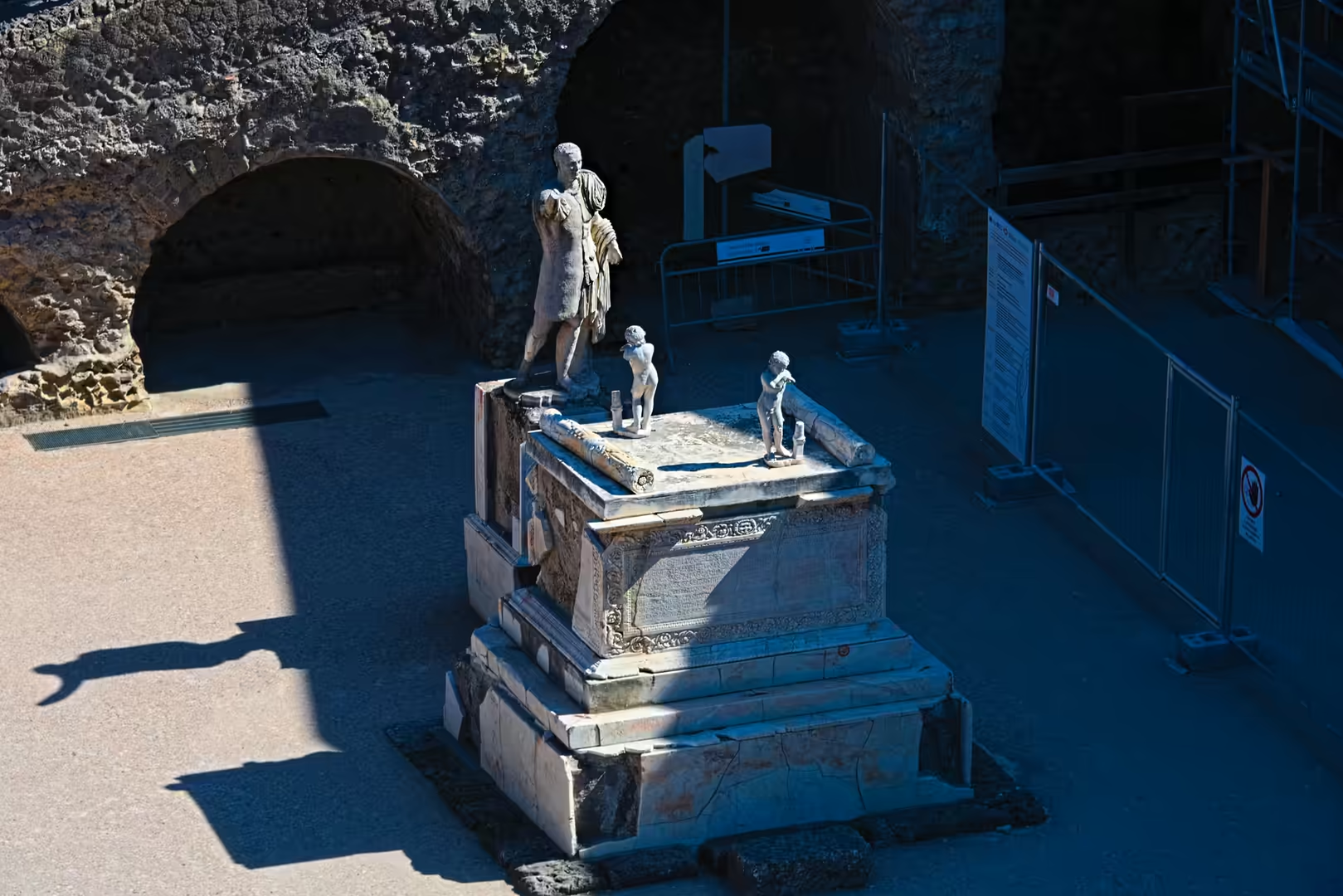
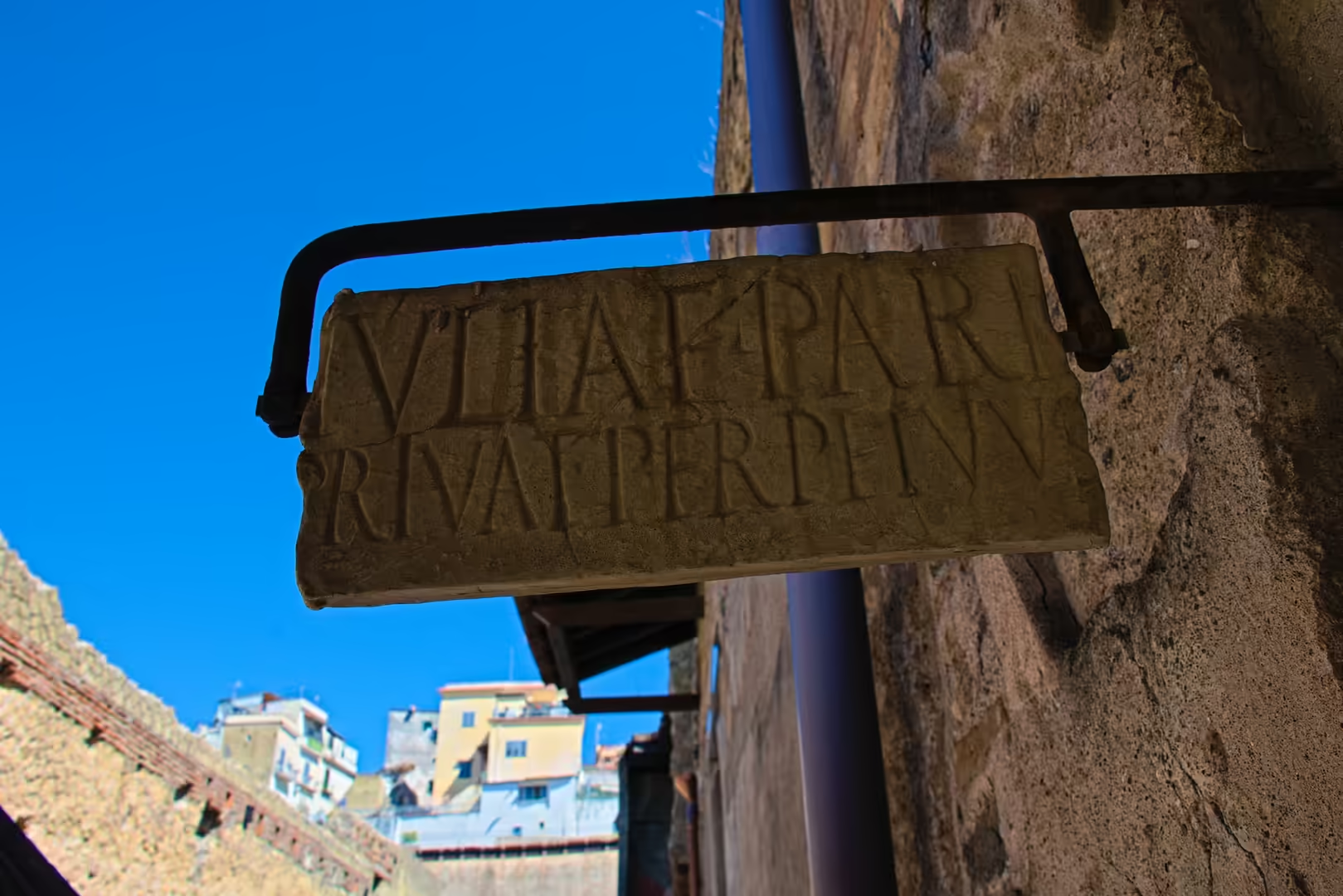
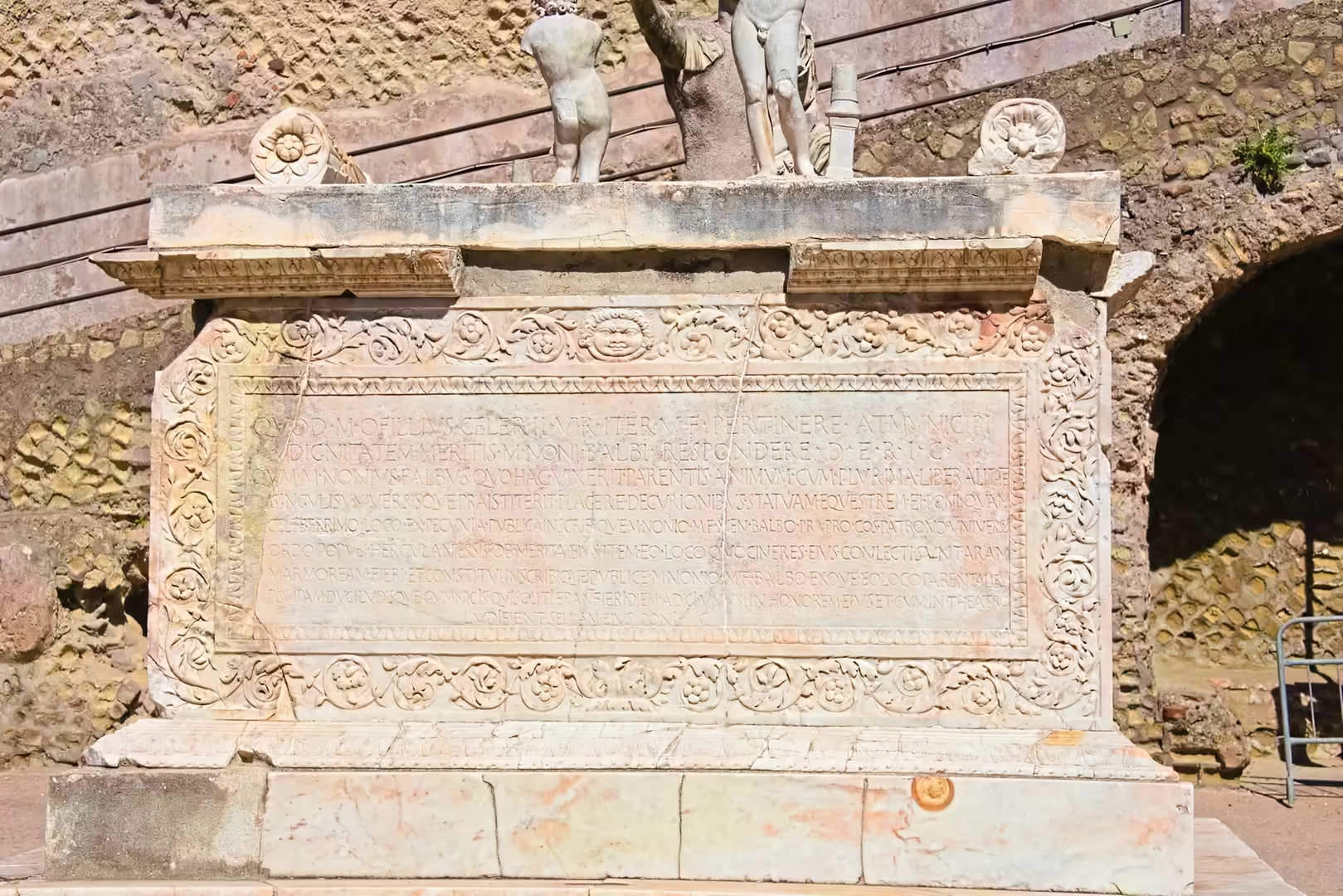
In the second century BC the town was enclosed by walls between two and three metres thick, built of large pebbles and, along the coastal section, of opus reticulatum. During the Social War (91-88 BC) Herculaneum sided with the Italian allies against Rome and was taken by the forces of Sulla; it became a Roman municipium in 89 BC, and its citizens acquired Roman citizenship. Under Roman rule the town prospered as a residential and fishing community of the bay, its narrow streets lined with houses of the local elite, among them the prominent citizen Marcus Nonius Balbus, whose public career is documented by statues and inscriptions found in the town.
Like the whole district, Herculaneum suffered damage in the earthquake of AD 62 and was still engaged in repair and rebuilding when Vesuvius erupted in AD 79. The date of the eruption, traditionally given as 24 August, has been shown by recent evidence (including the heavy clothing worn by the victims and a carbonised inscription) to have fallen on or after 17 October of that year.
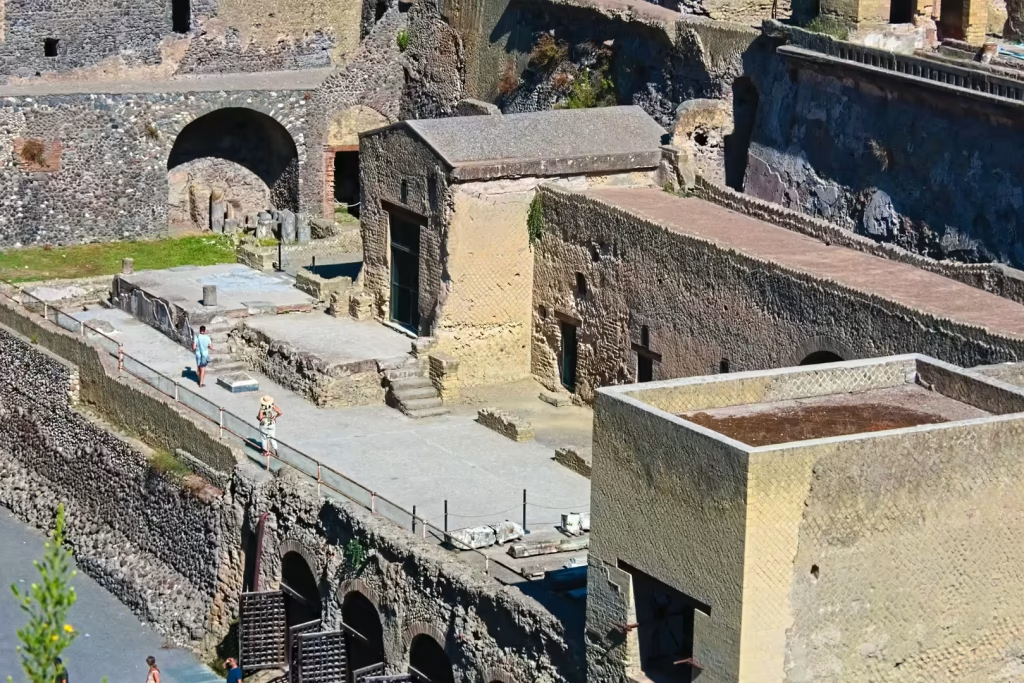
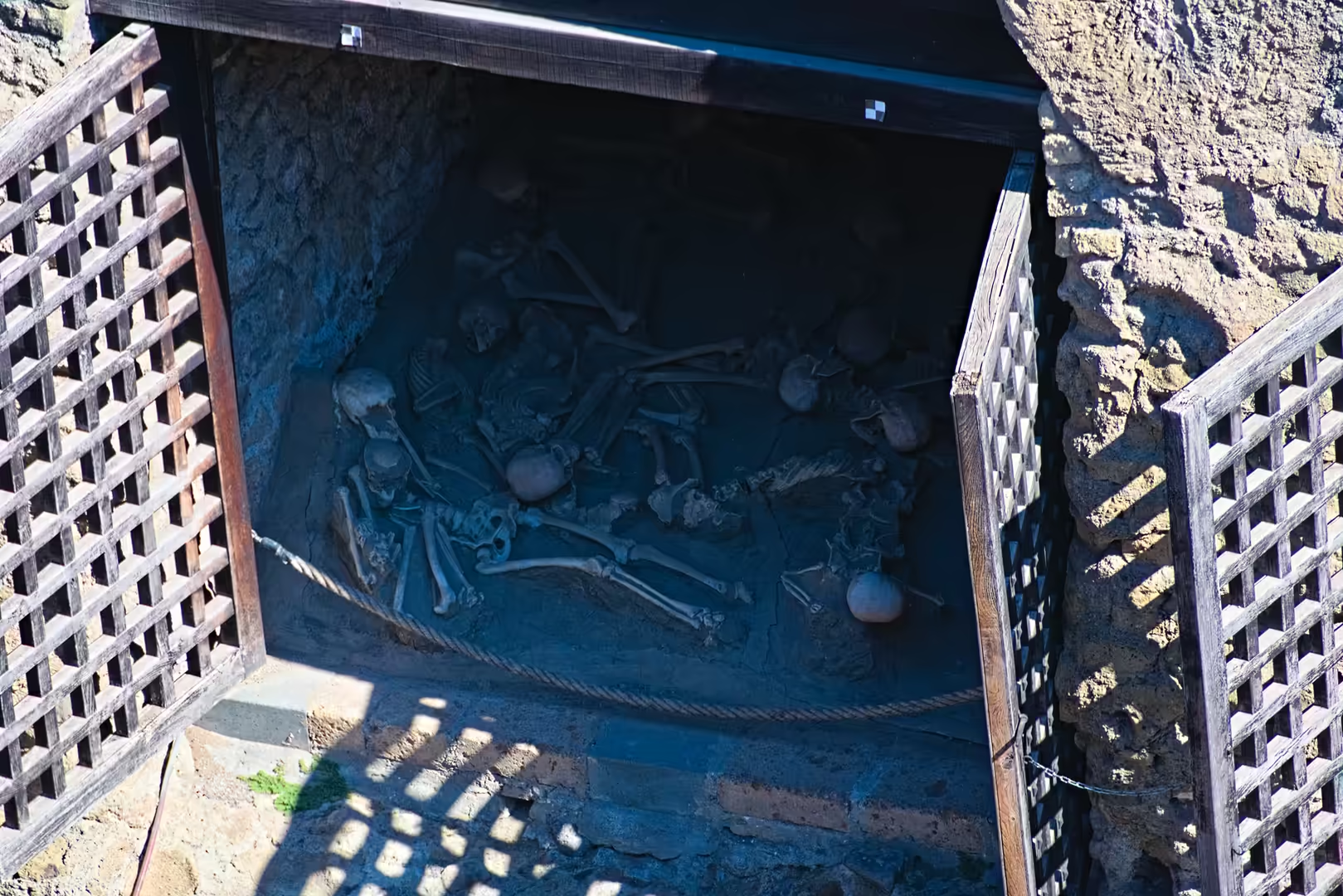
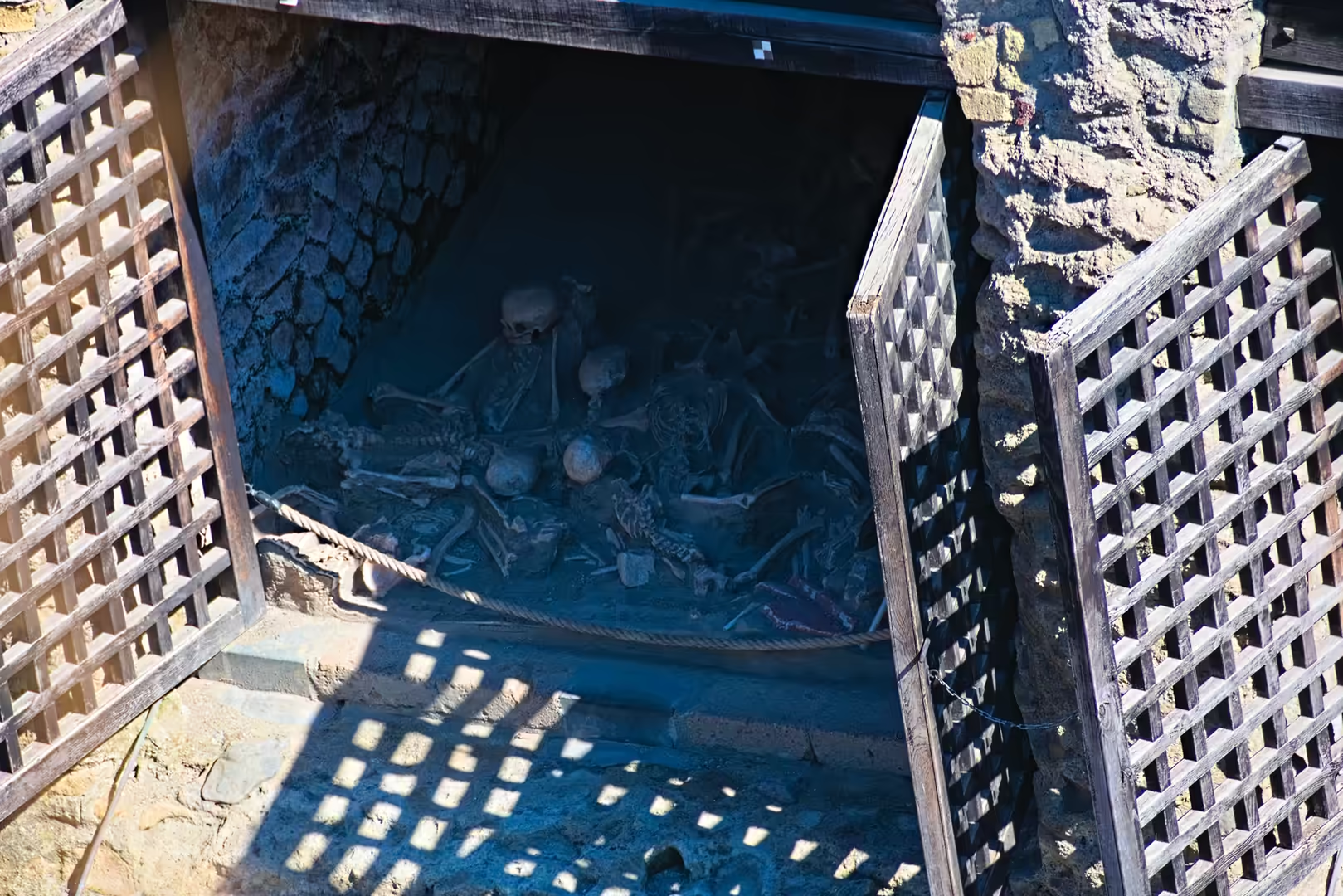
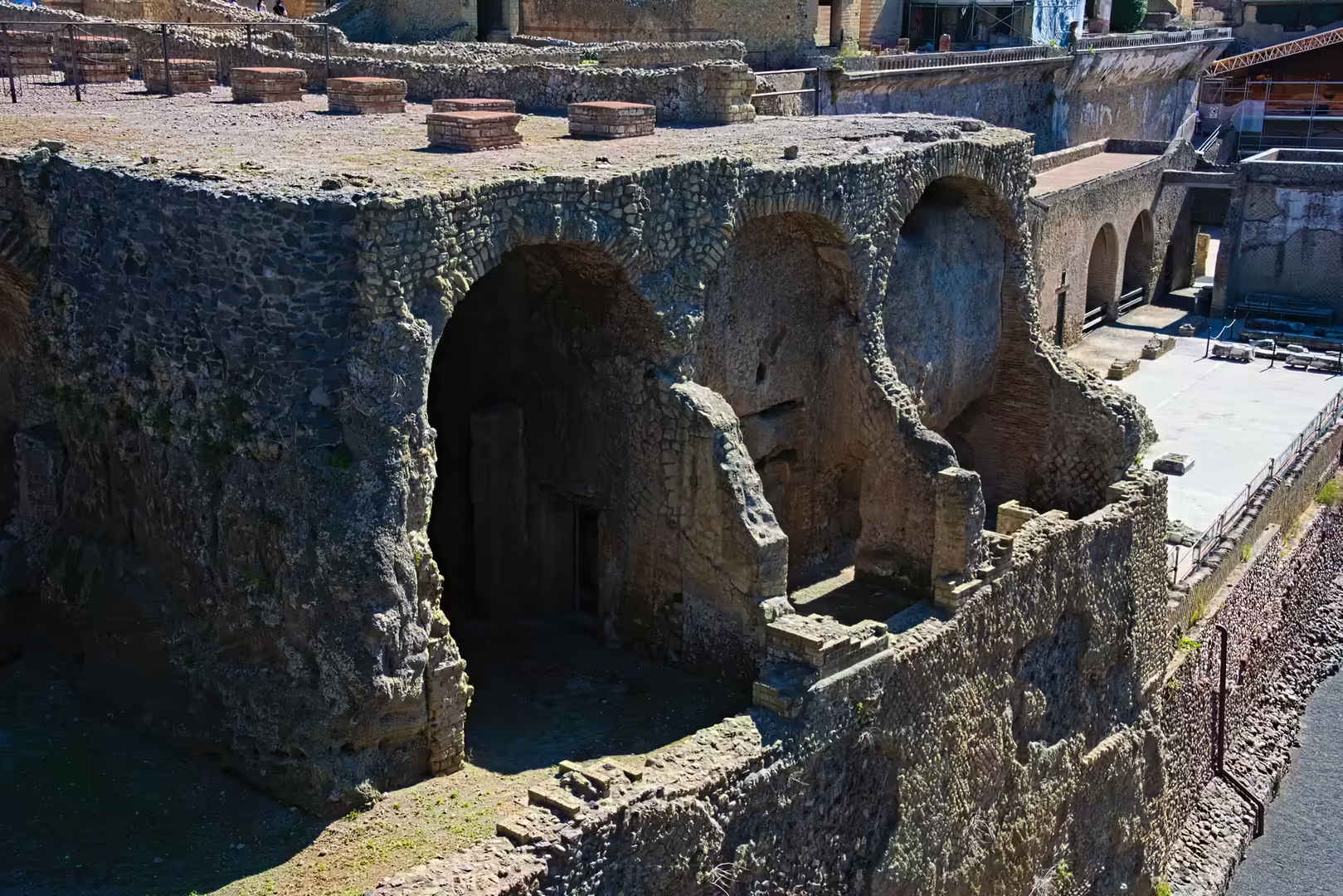
Because of its position at the foot of the volcano, Herculaneum was hit not by the pumice fall but by the first of the pyroclastic surges and flows that descended the mountain during the night and early morning of the eruption. The inhabitants who had taken refuge in the vaulted boat chambers along the shore, waiting for an evacuation by sea that never came, were killed instantly when the first dense surge reached the beach; excavations between 1980 and 1982 brought to light the skeletal remains of more than three hundred people in these chambers, their flesh vaporised by the heat of the surge, which has been estimated at about 500 °C. The successive flows then buried the town under more than twenty metres of material, carbonising the woodwork and sealing the buildings.
The rediscovery of Herculaneum began in 1709, when a well dug at the site of the theatre brought ancient sculptures to light; Prince d’Elbeuf, who acquired the land, tunnelled into the buried buildings and recovered statues that are now in Dresden. Systematic excavation was initiated in 1738 under the Bourbon king Charles III, using tunnels driven through the consolidated deposits, the method by which the Villa of the Papyri and its library were discovered between 1750 and 1765. Open-air excavation began in 1828 and continued through the nineteenth century; between 1927 and 1942 Amedeo Maiuri uncovered some four hectares of the town, including the block of houses now forming the heart of the archaeological park. Since the late twentieth century the emphasis has shifted from excavation to conservation, coordinated by the Herculaneum Conservation Project, while the unexcavated three quarters of the city remain protected beneath the modern town for future research.
Geology
The geological setting of Herculaneum differs fundamentally from that of Pompeii, and the difference explains both the fate of the town and the exceptional quality of its preservation. Pompeii, lying to the south-east of the volcano, was buried by the pumice and ash fall of the Plinian phase of the eruption; Herculaneum, on the south-western flank of Vesuvius directly in the path of the descending currents, received little of the fallout but was overwhelmed by the dense pyroclastic flows and surges of the late phase of the eruption, which travelled down the valleys of the volcano and along the coast.
The deposits that buried the town are the products of these flows: hot, turbulent mixtures of volcanic ash, rock fragments and gas, emplaced at high temperature and consolidating after deposition into a firm, resistant rock. It is this consolidated pyroclastic material, more than twenty metres thick, that protected the town from weathering and looting, and that made its excavation so difficult, since the overburden had to be removed as solid rock, in contrast to the soft ash that could be dug away at Pompeii.
The thermal regime of the deposits explains the preservation of organic material. The pyroclastic currents reached the town at temperatures of several hundred degrees Celsius, but their emplacement was rapid and the deposits then cooled slowly in the absence of oxygen; wood, textiles, foodstuffs and papyrus were carbonised rather than burned, and the buildings were filled with a medium that both supported their structures and sealed their contents. The result is a body of evidence for Roman material culture (wooden joinery, carbonised loaves, even the scrolls of the library of the Villa of the Papyri) that has no counterpart at Pompeii.
The coastal geography of the site has also changed profoundly since antiquity. The ancient town stood on a terrace directly above the sea, and the boat chambers of the victims open onto what was then the beach; the pyroclastic deposits of AD 79 and of later eruptions, together with the general progradation of the coast, have shifted the shoreline seaward, so that the ancient waterfront now lies buried far inland and below the level of the modern ground. The phenomenon of bradyseism, the slow vertical movement of the ground that characterises the whole Vesuvian area, has further depressed parts of the ancient town, some of whose lower structures now lie below the water table.
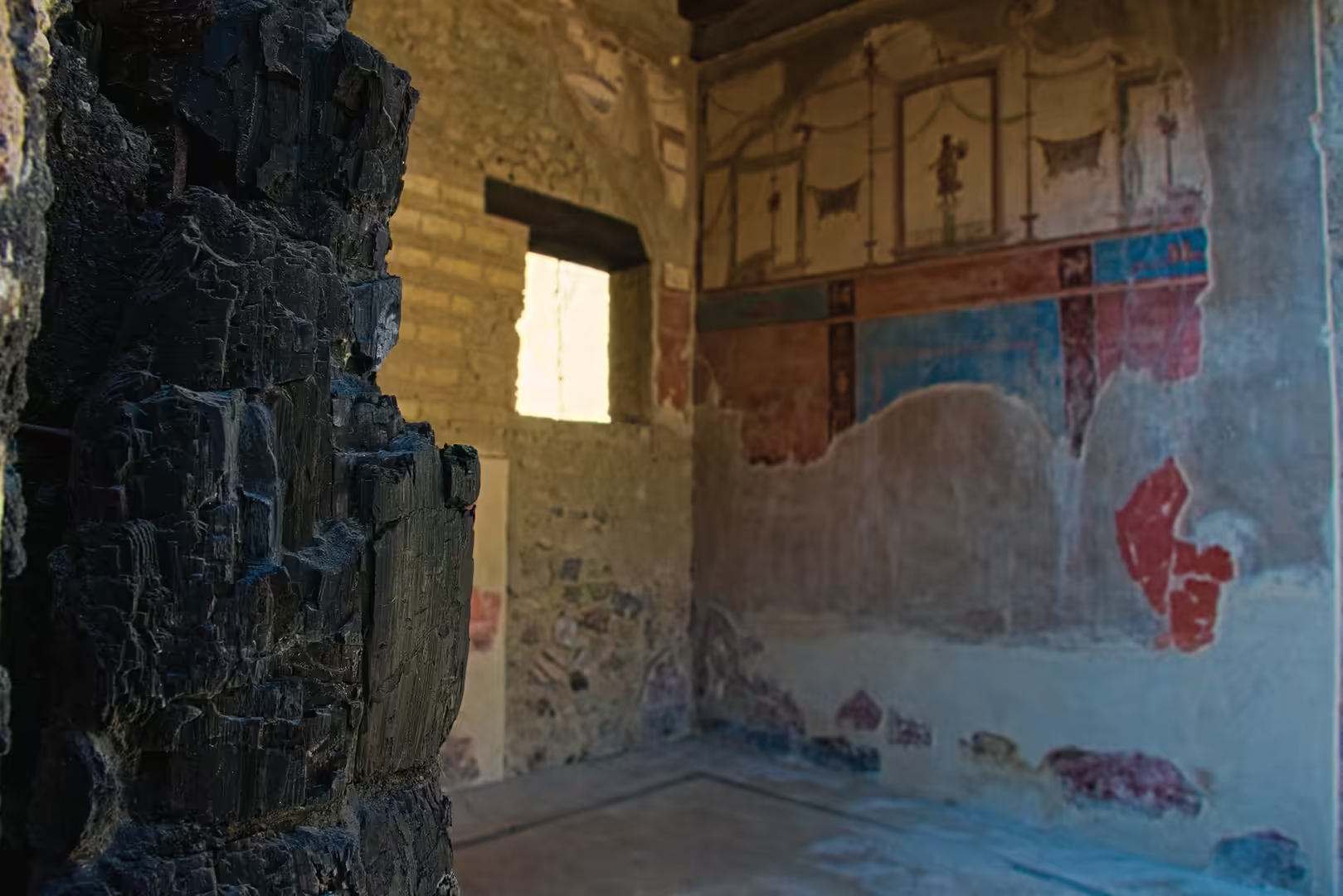
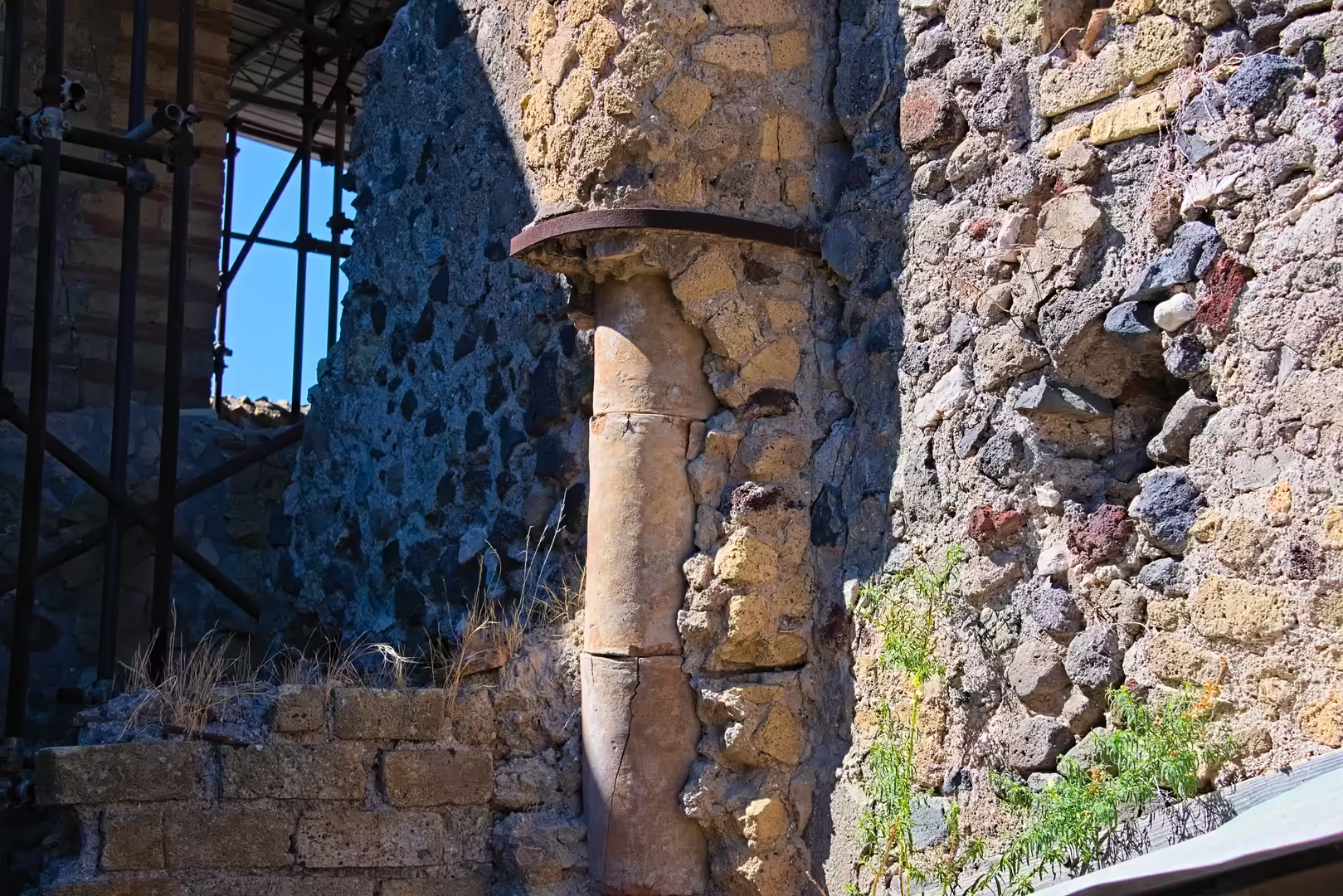
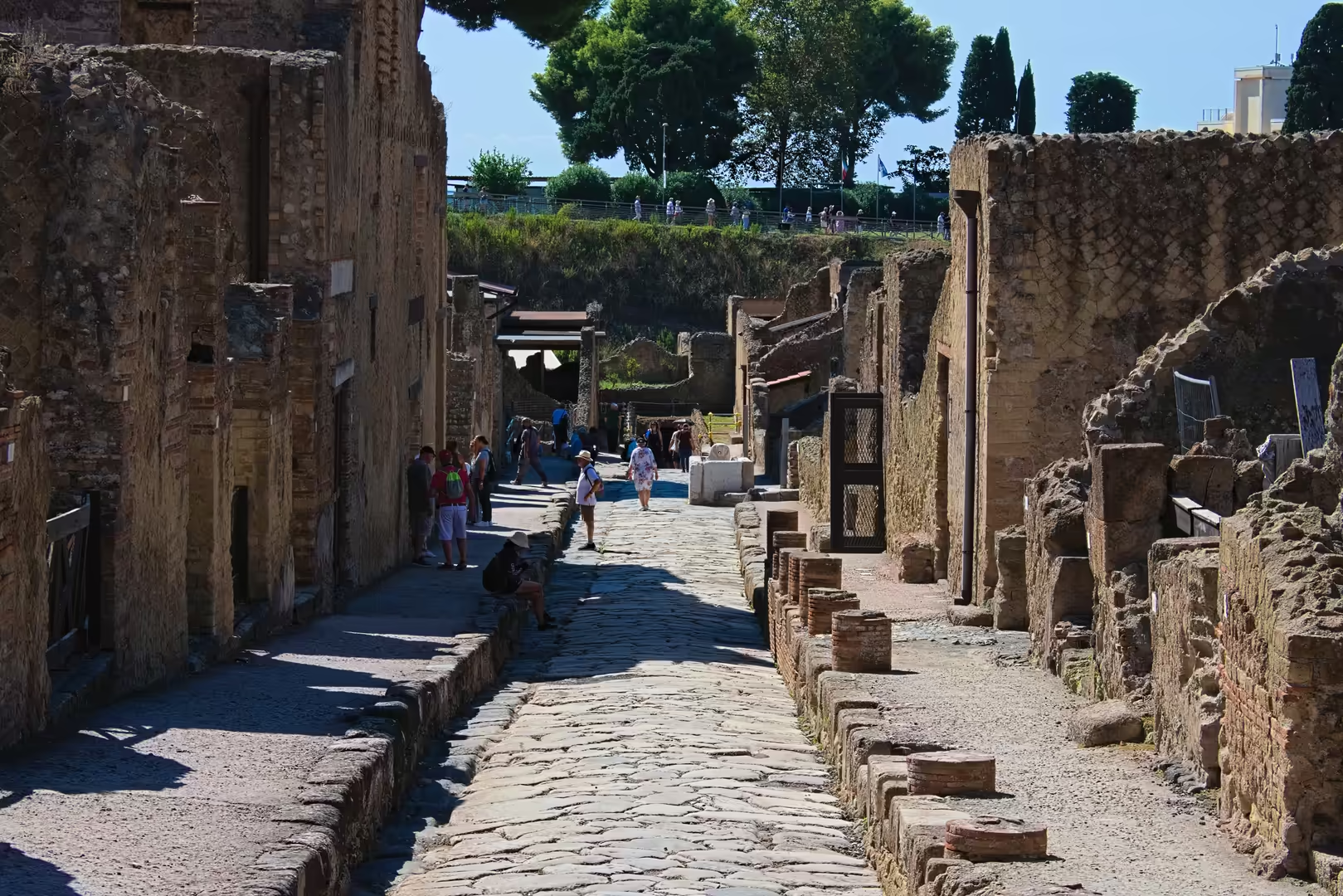
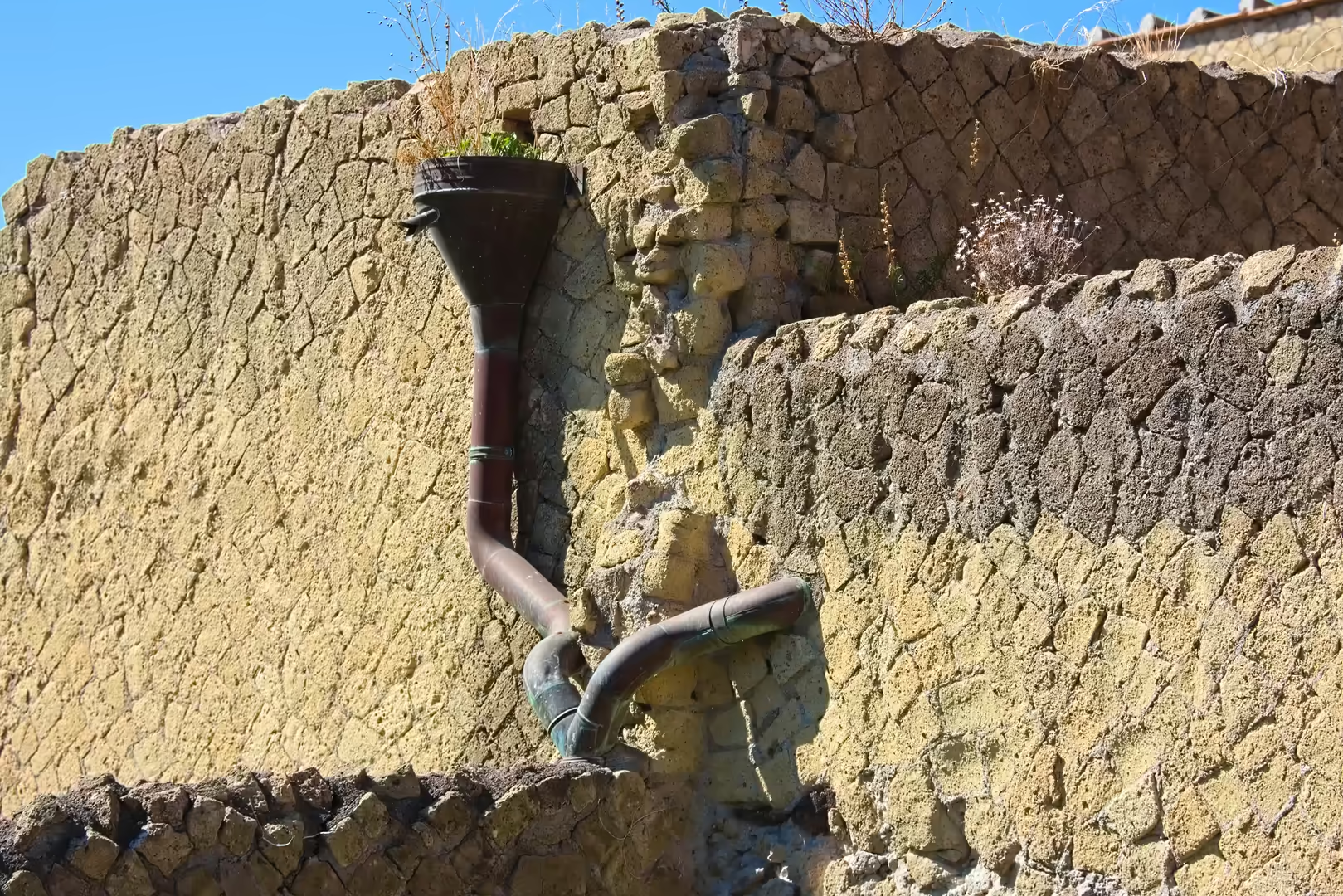
For the modern visitor the geology of Herculaneum is written in the very substance of the site: the dark, compact volcanic rock through which the excavated streets are cut, the carbonised timbers still in place above doorways, and the contrast with the soft, pale tephra of Pompeii all record the different physical histories of the two towns during the same eruption. The study of the deposits has also contributed to modern volcanology, since the sequence at Herculaneum documents the behaviour of pyroclastic density currents in a way that bears directly on the assessment of volcanic hazard in the Bay of Naples today.
Things to See
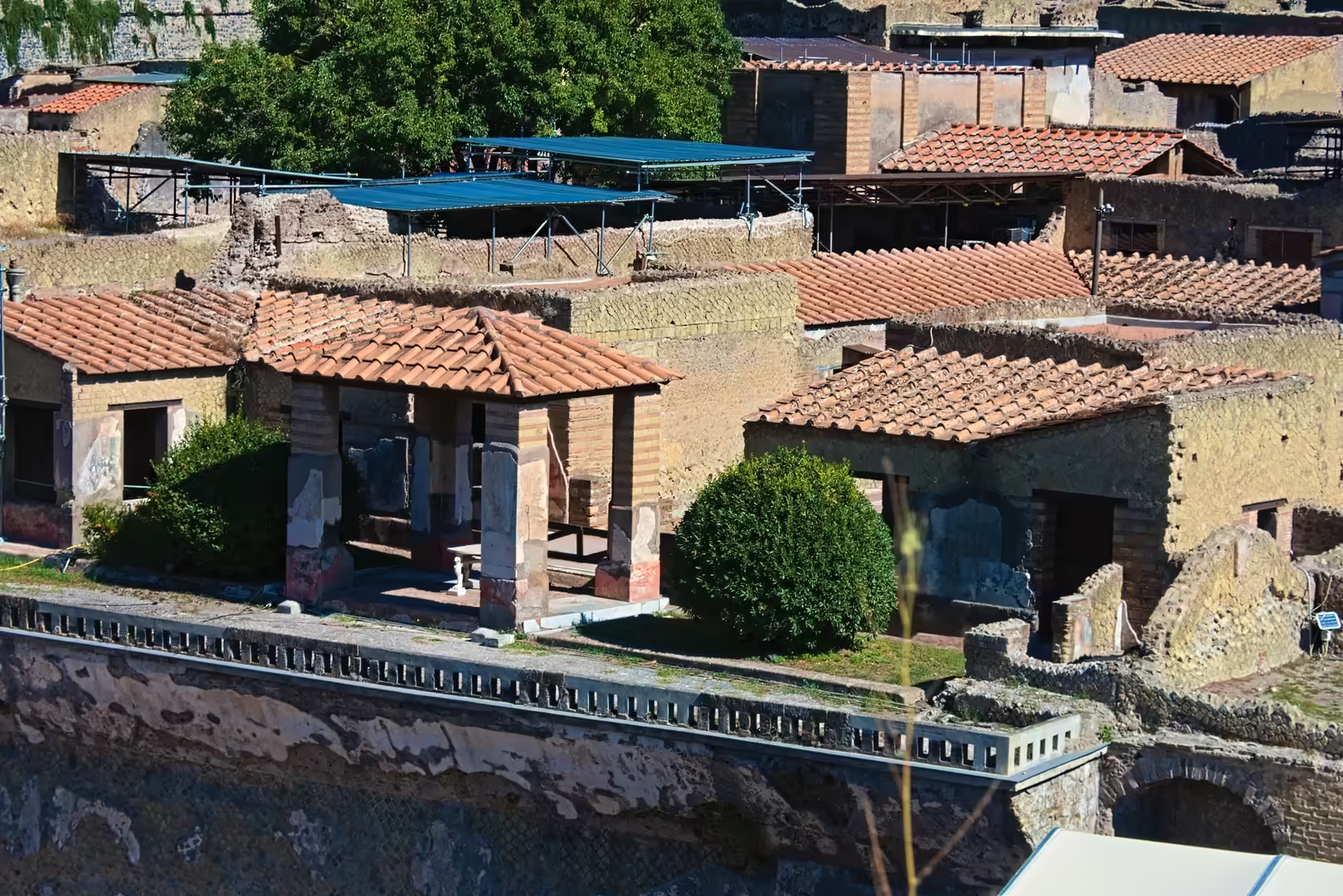
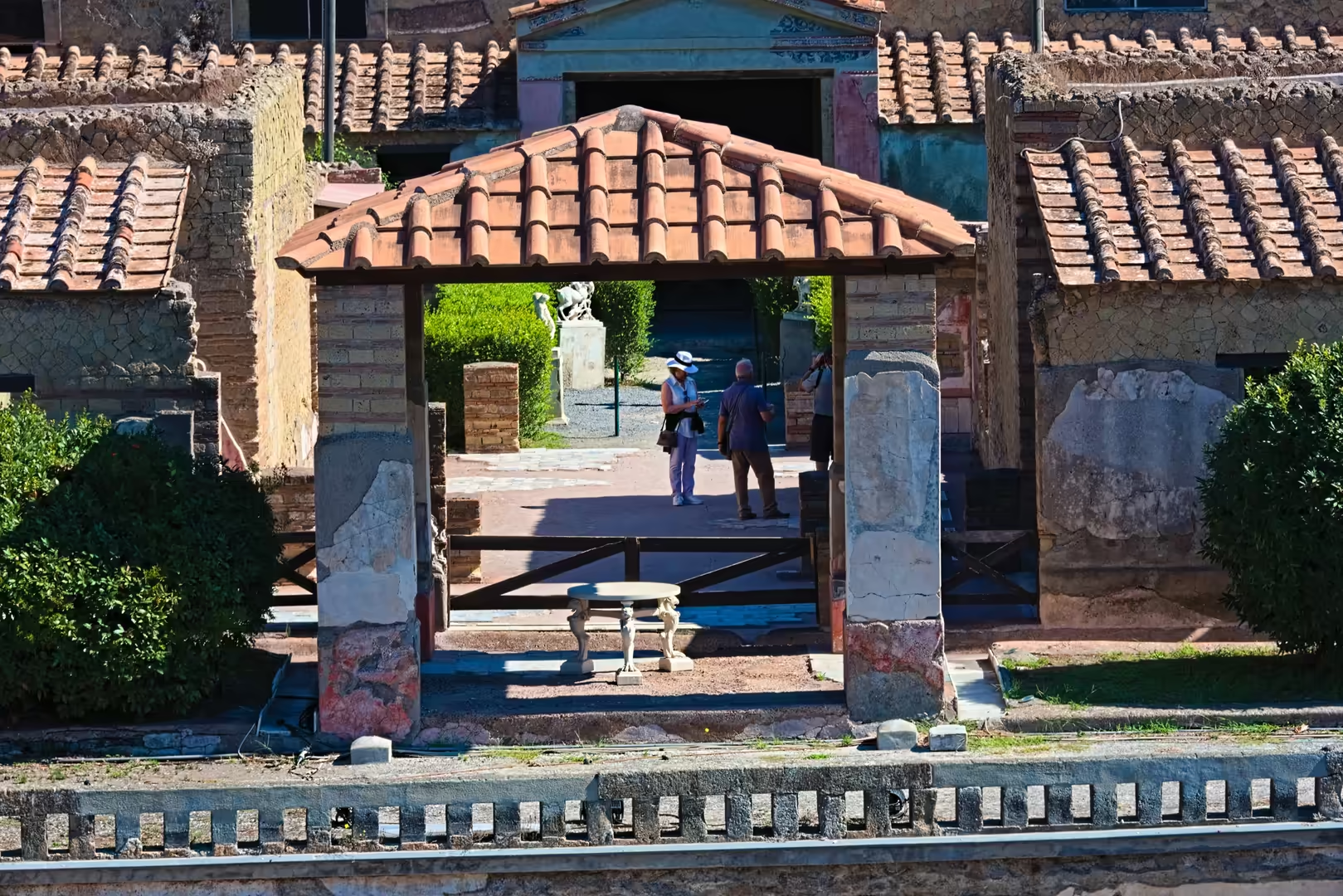
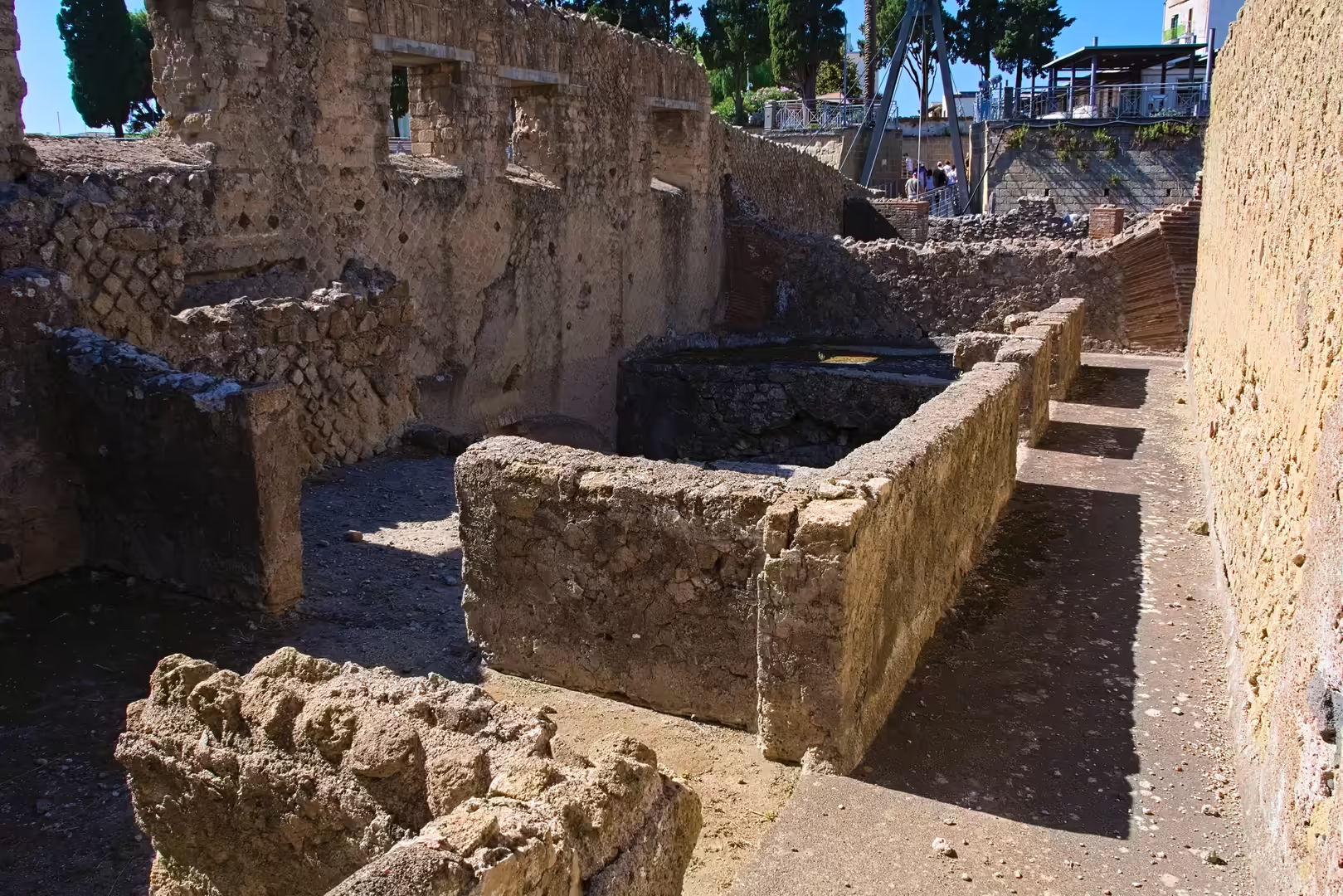
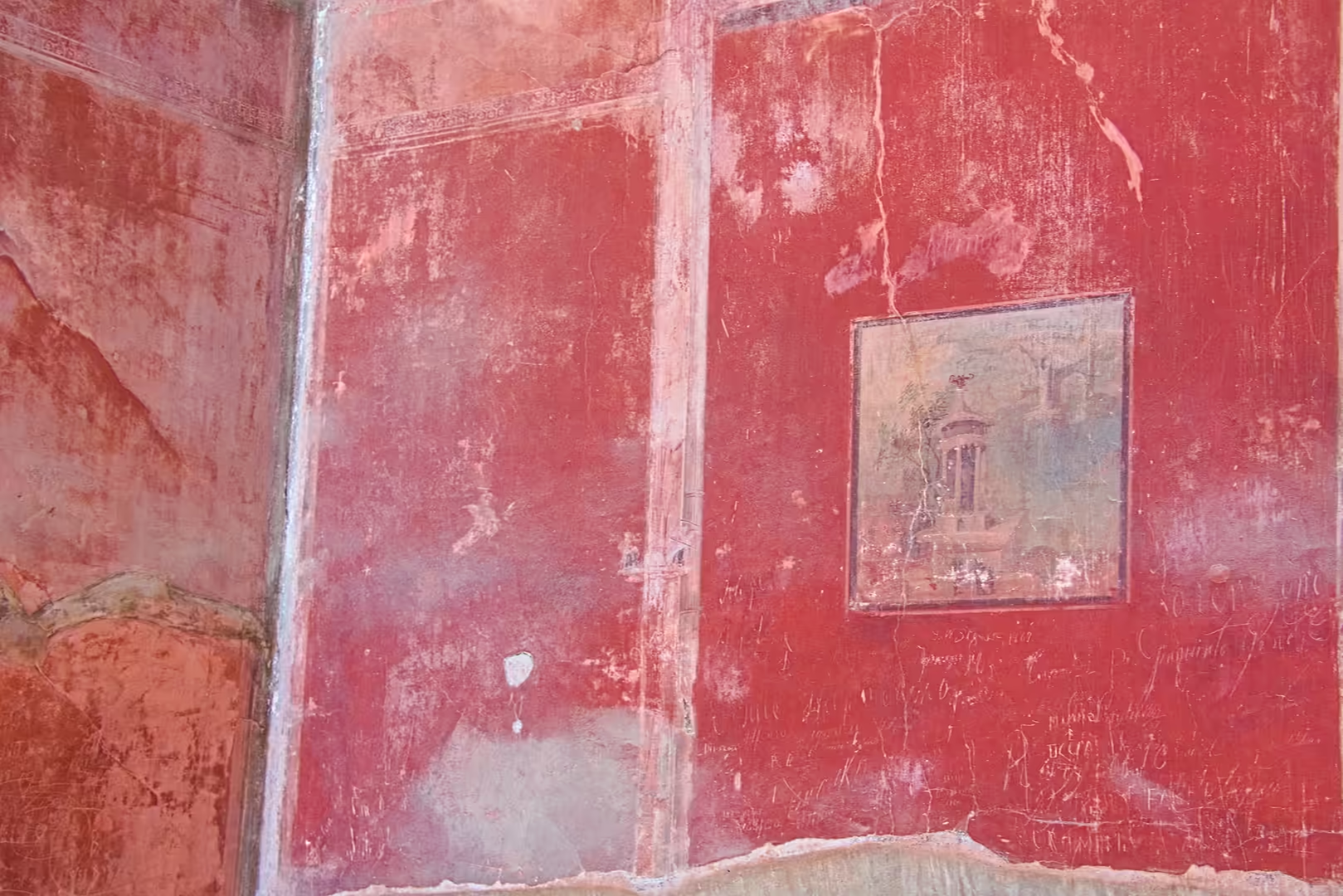
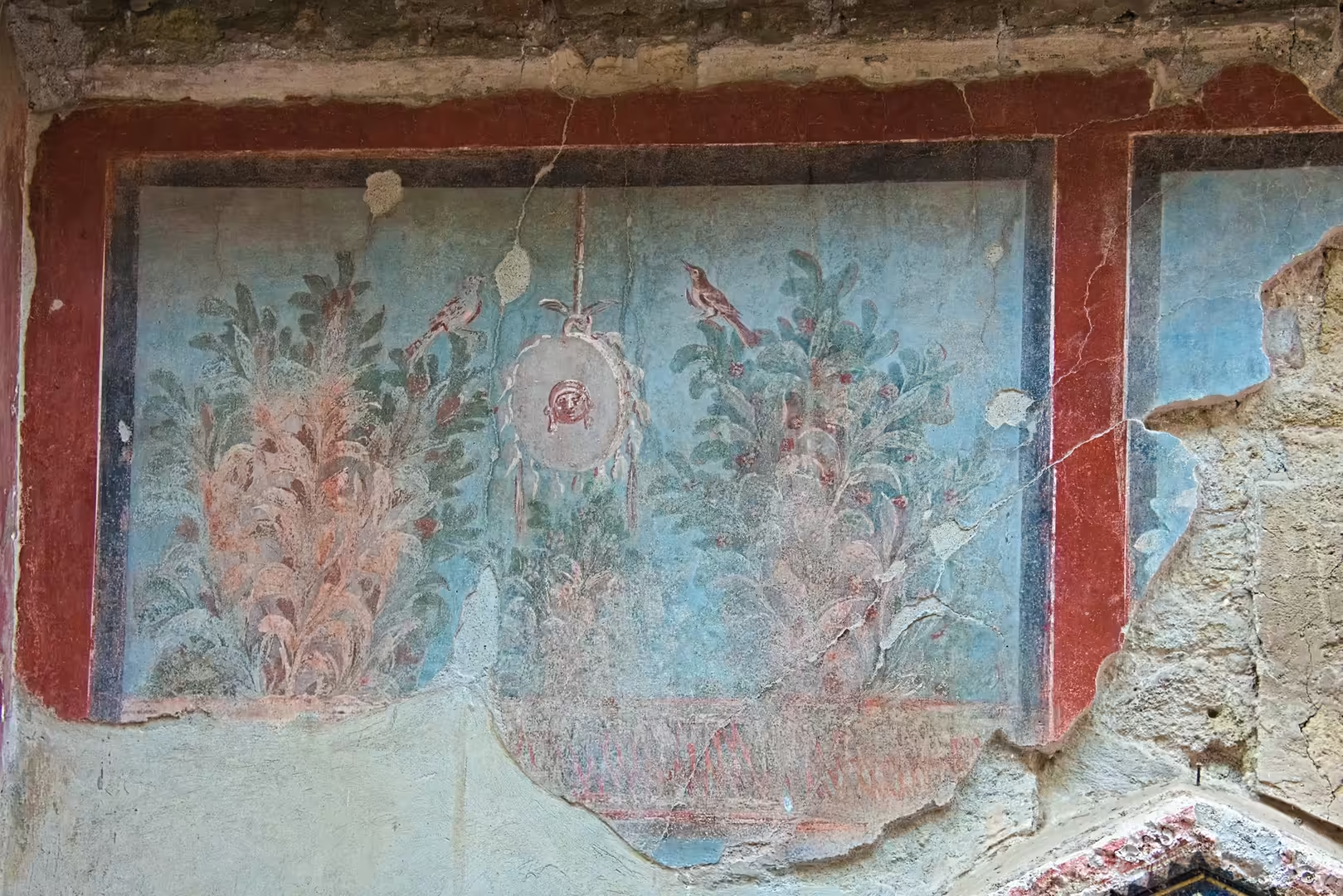
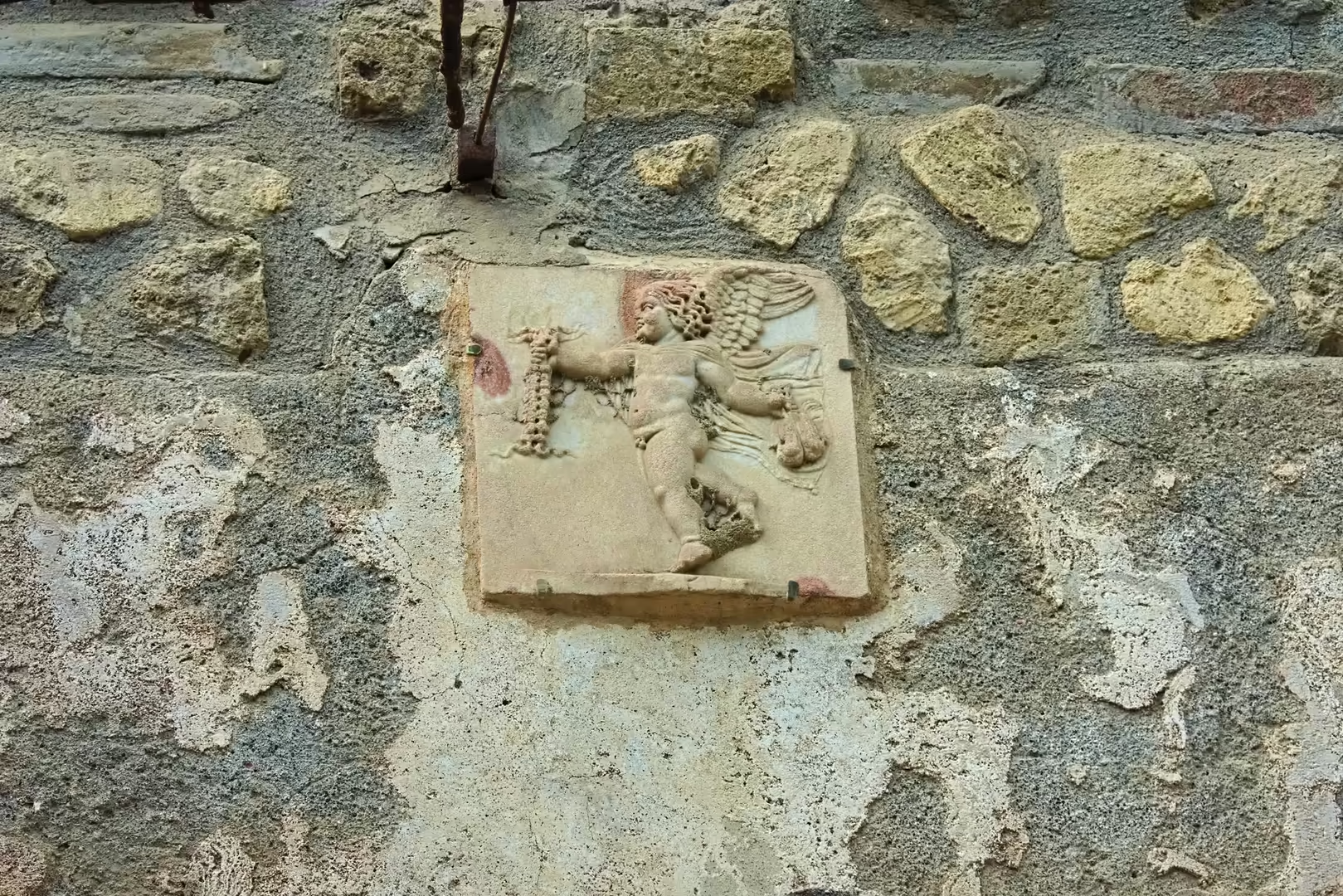
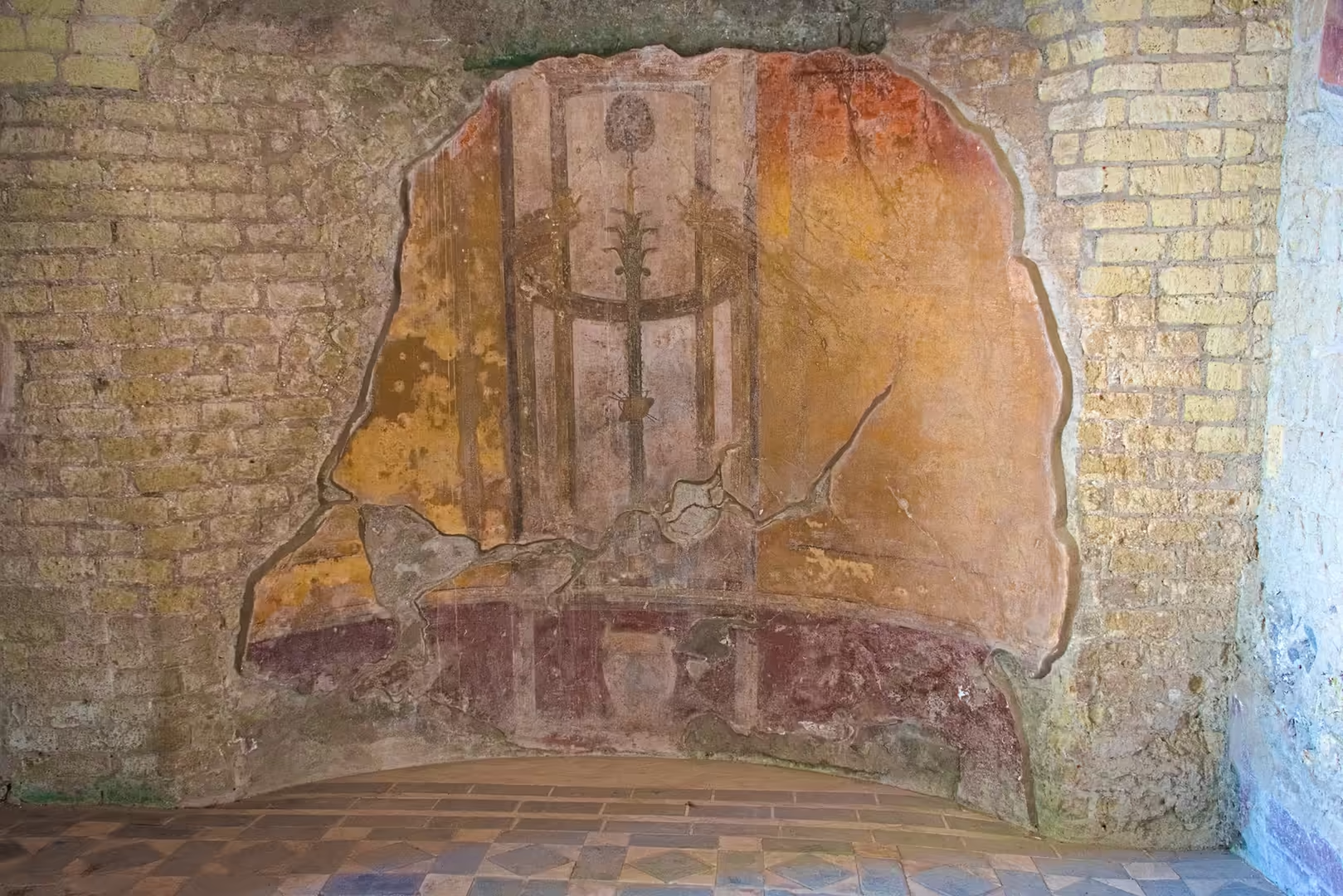
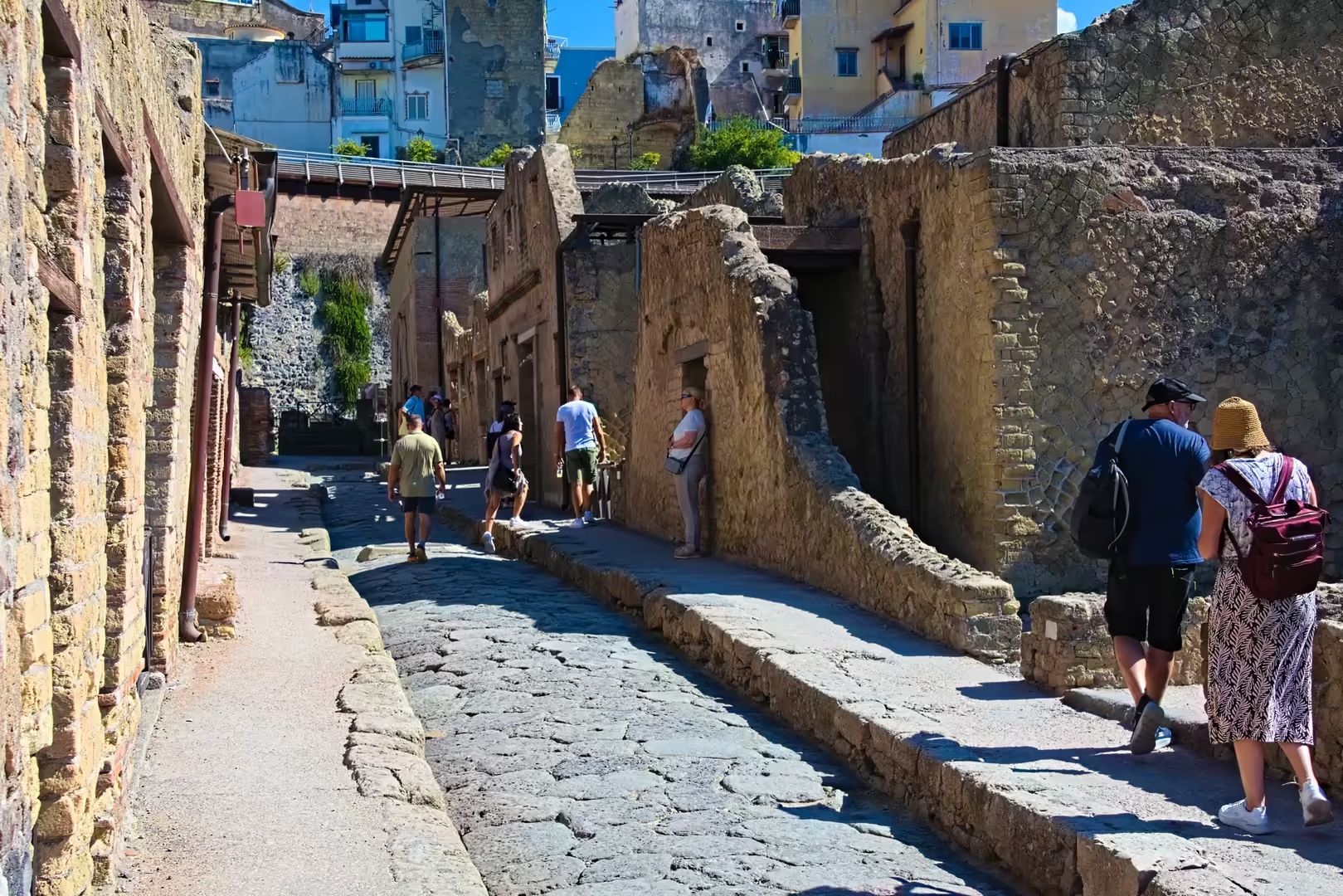
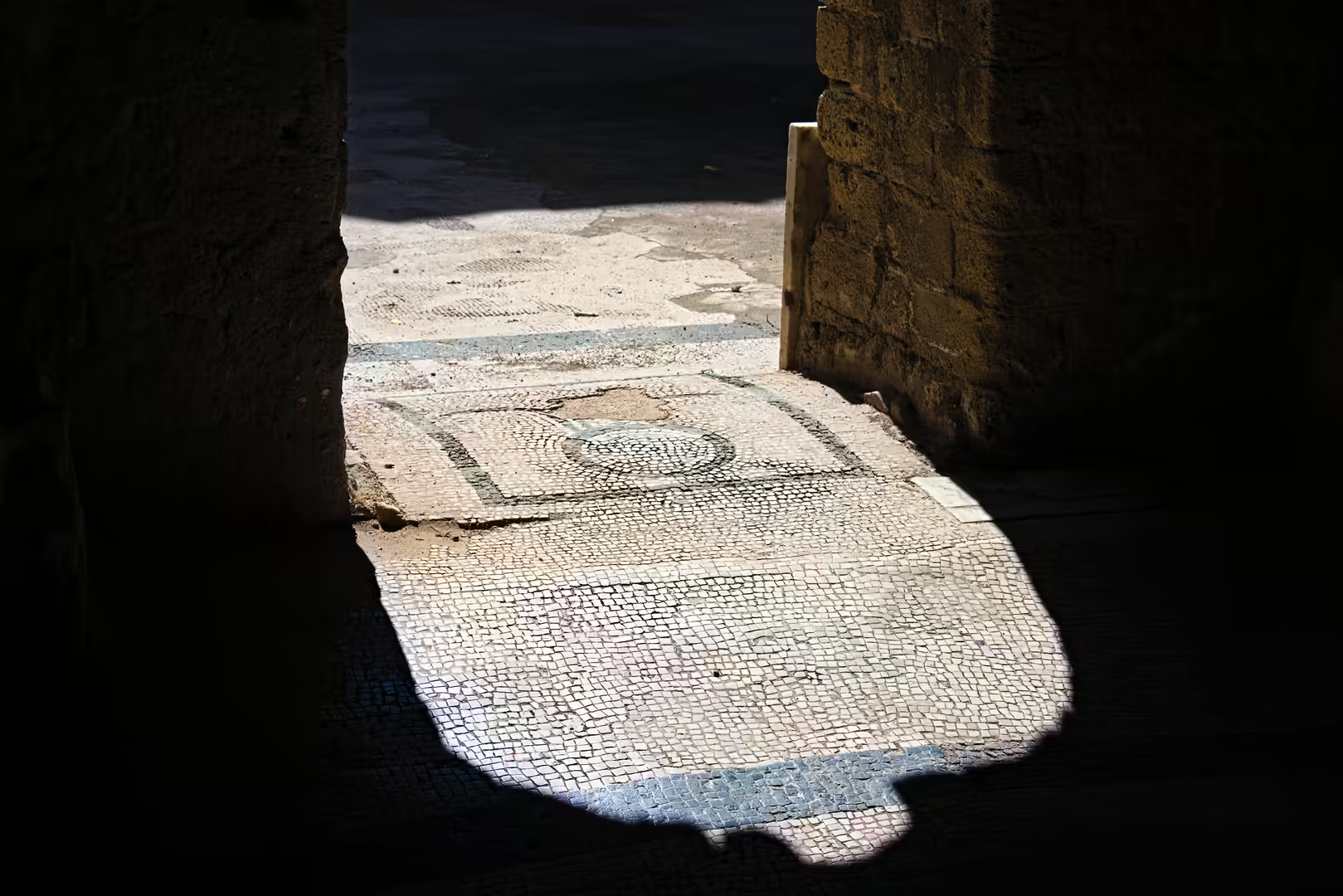
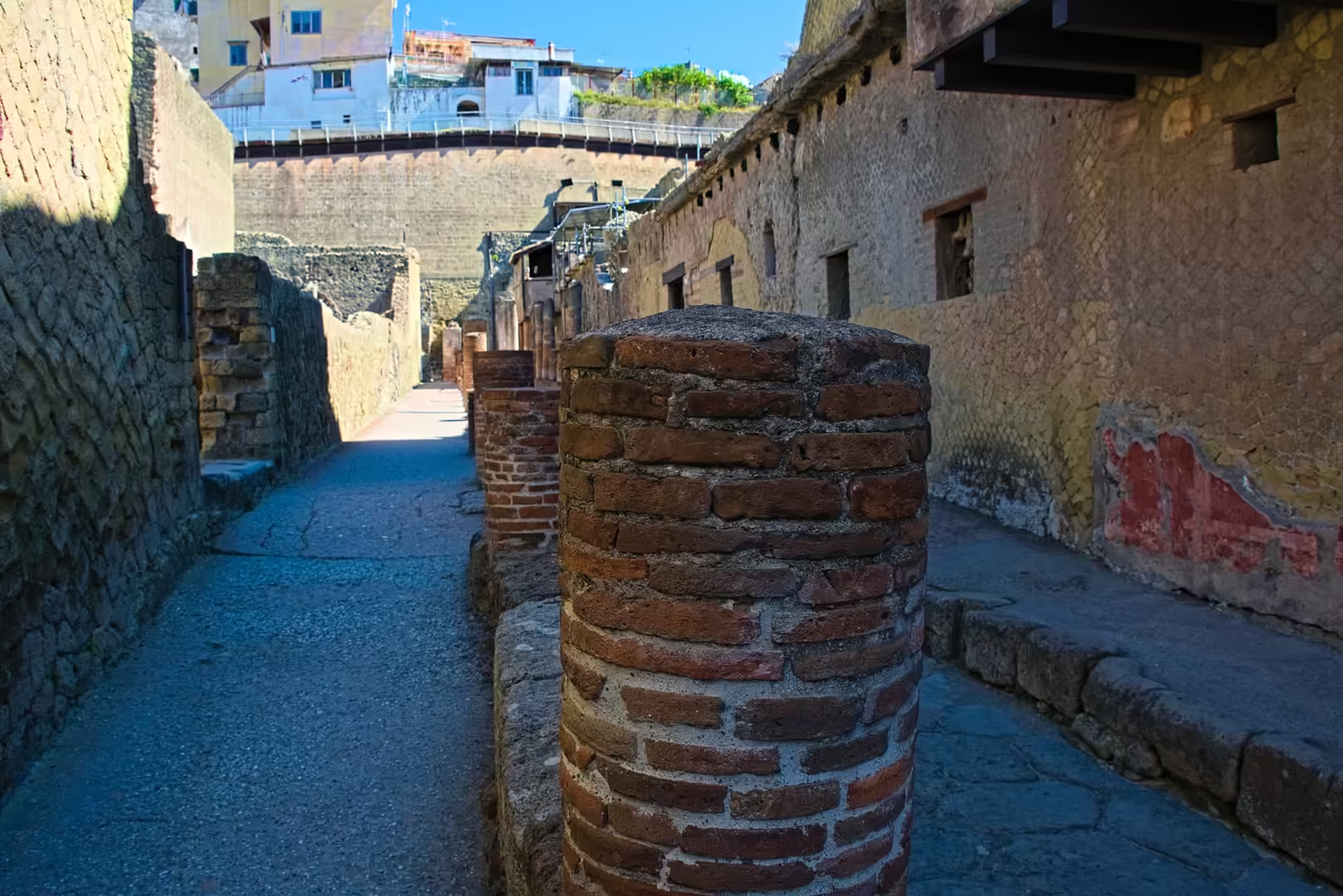
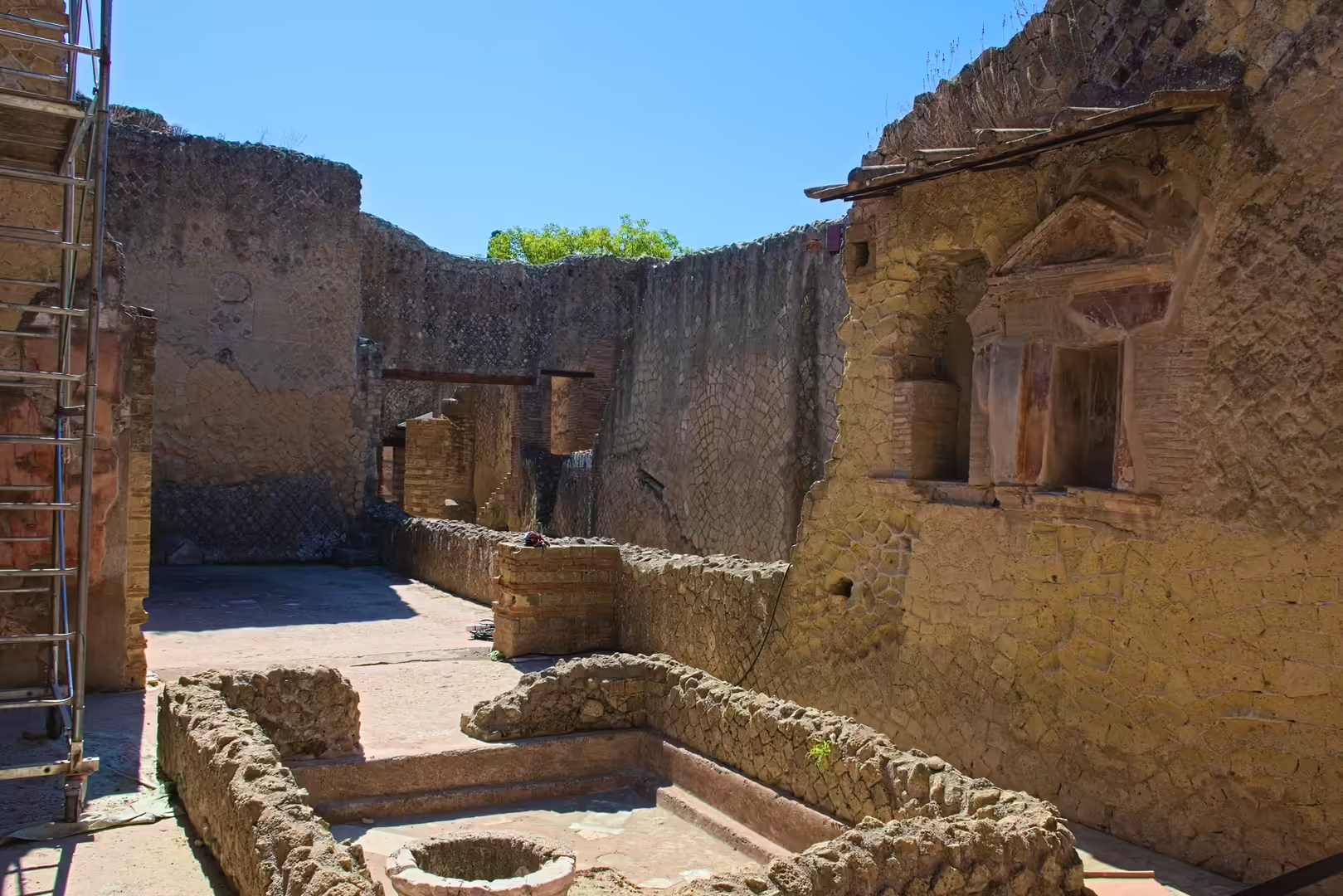
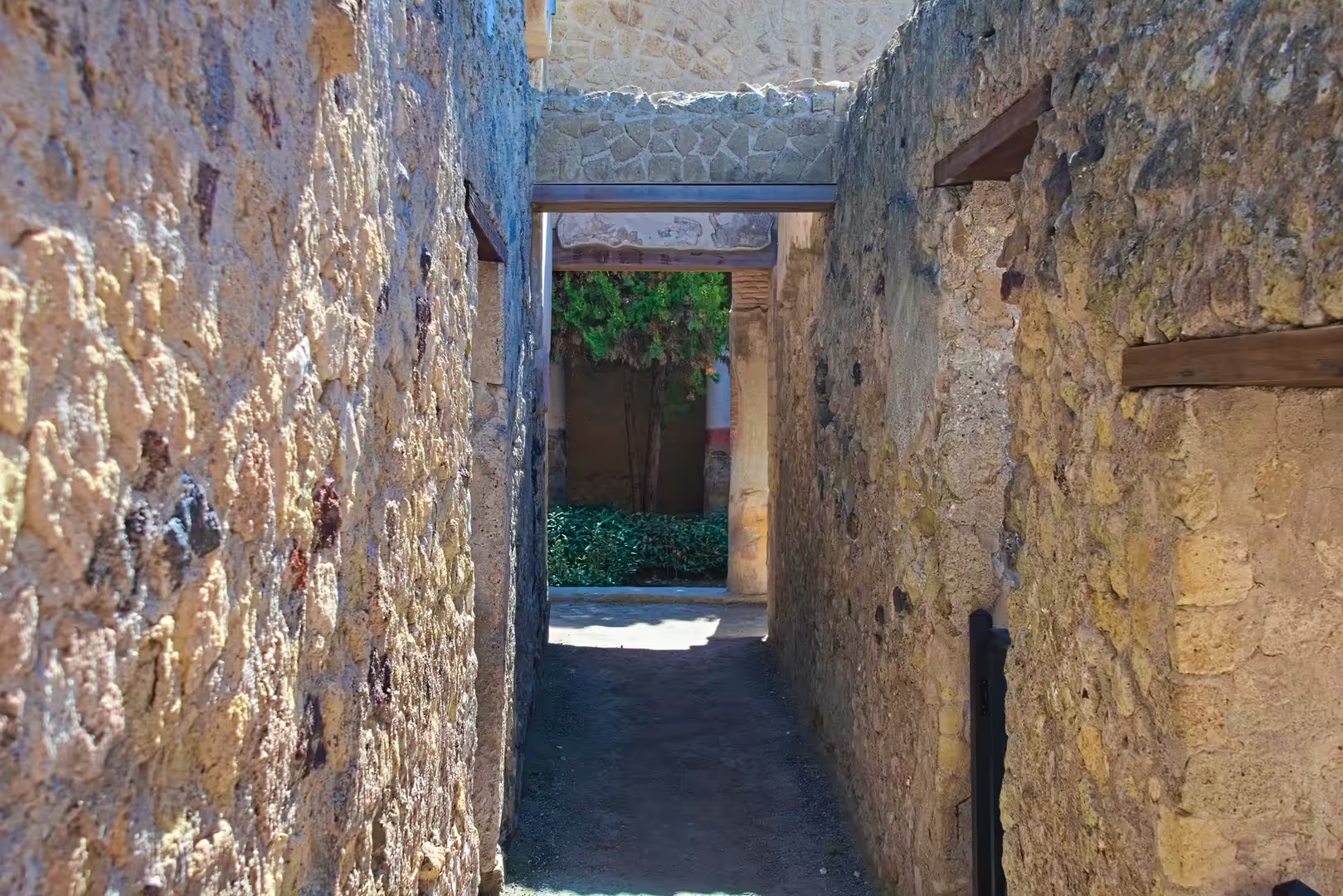
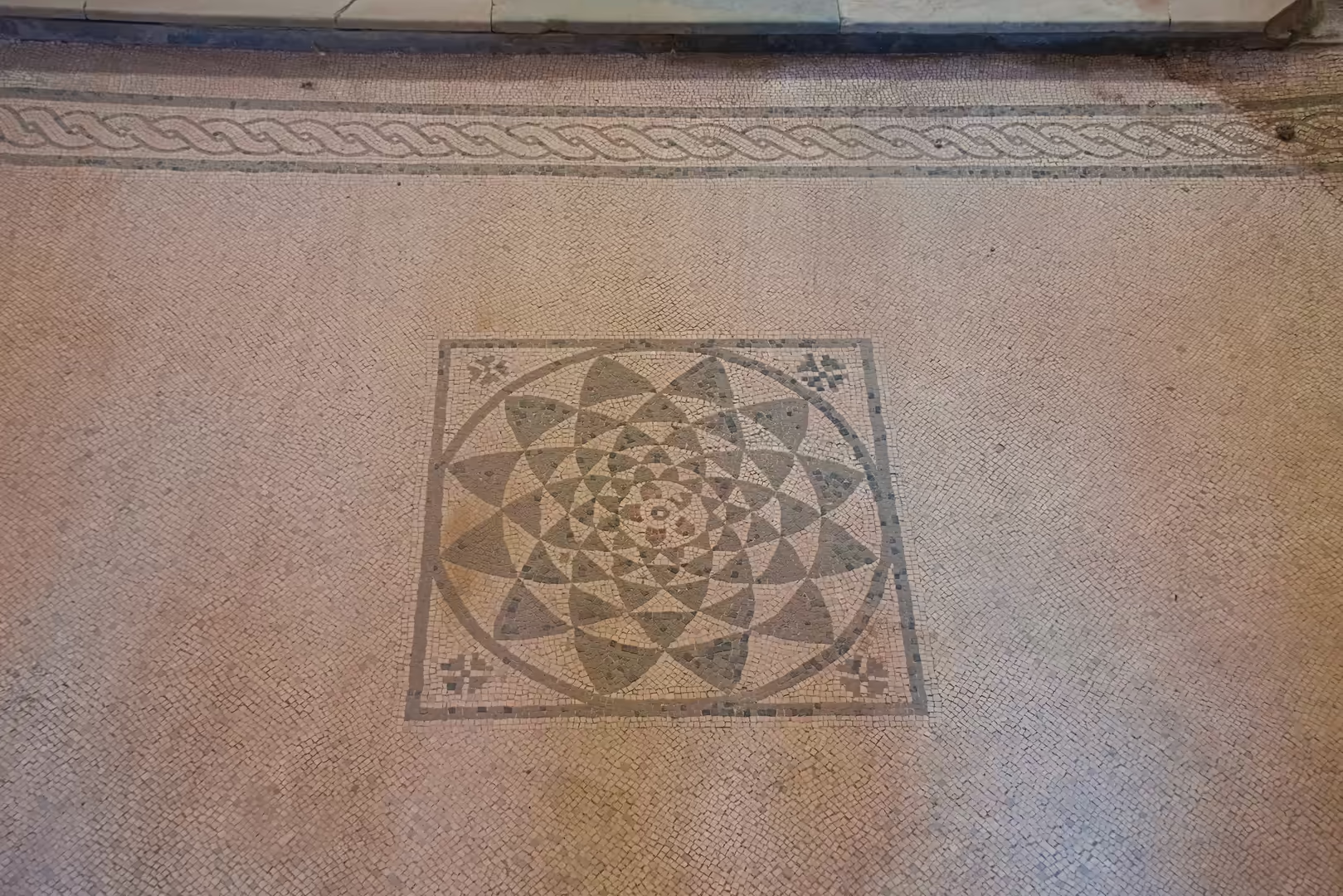
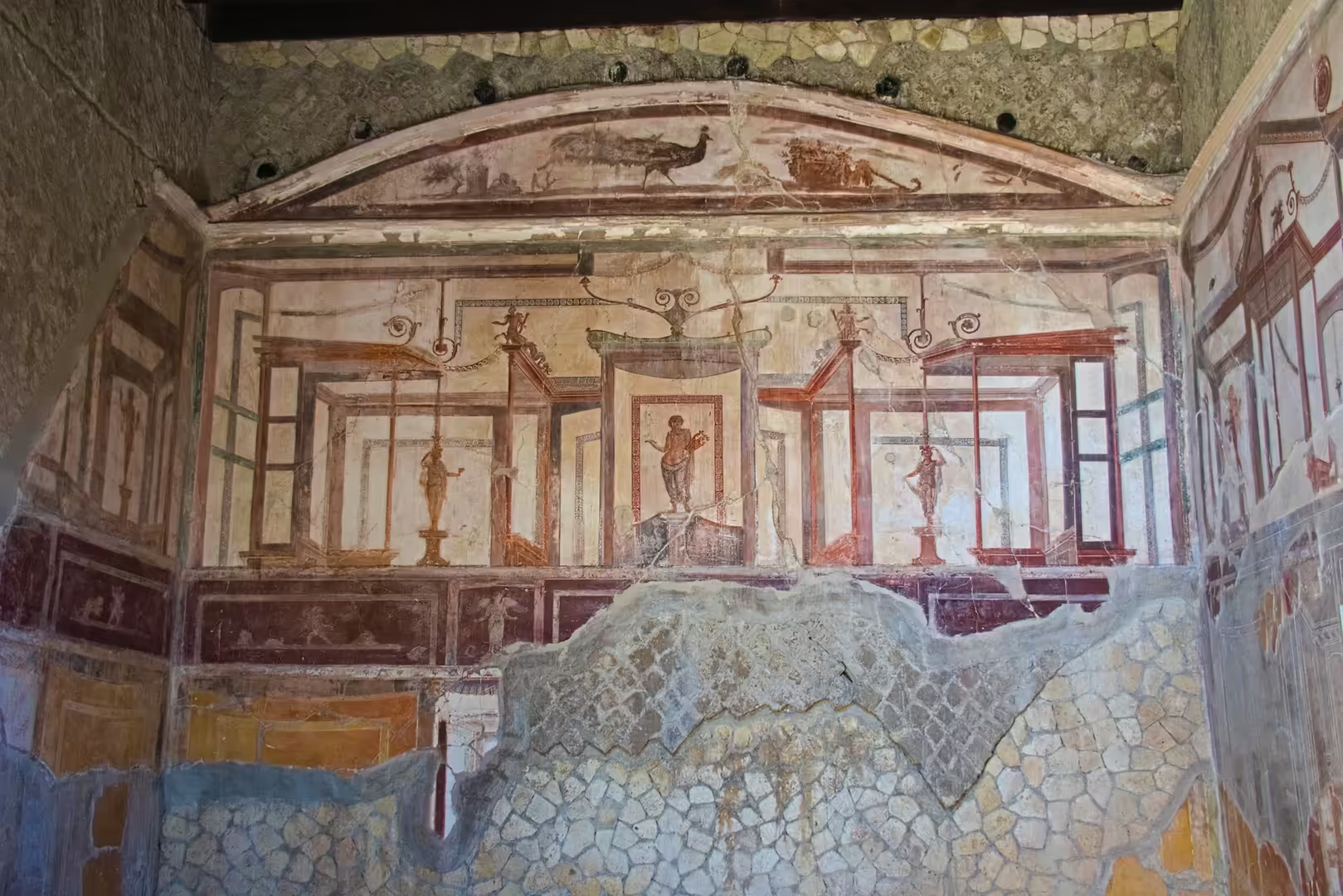
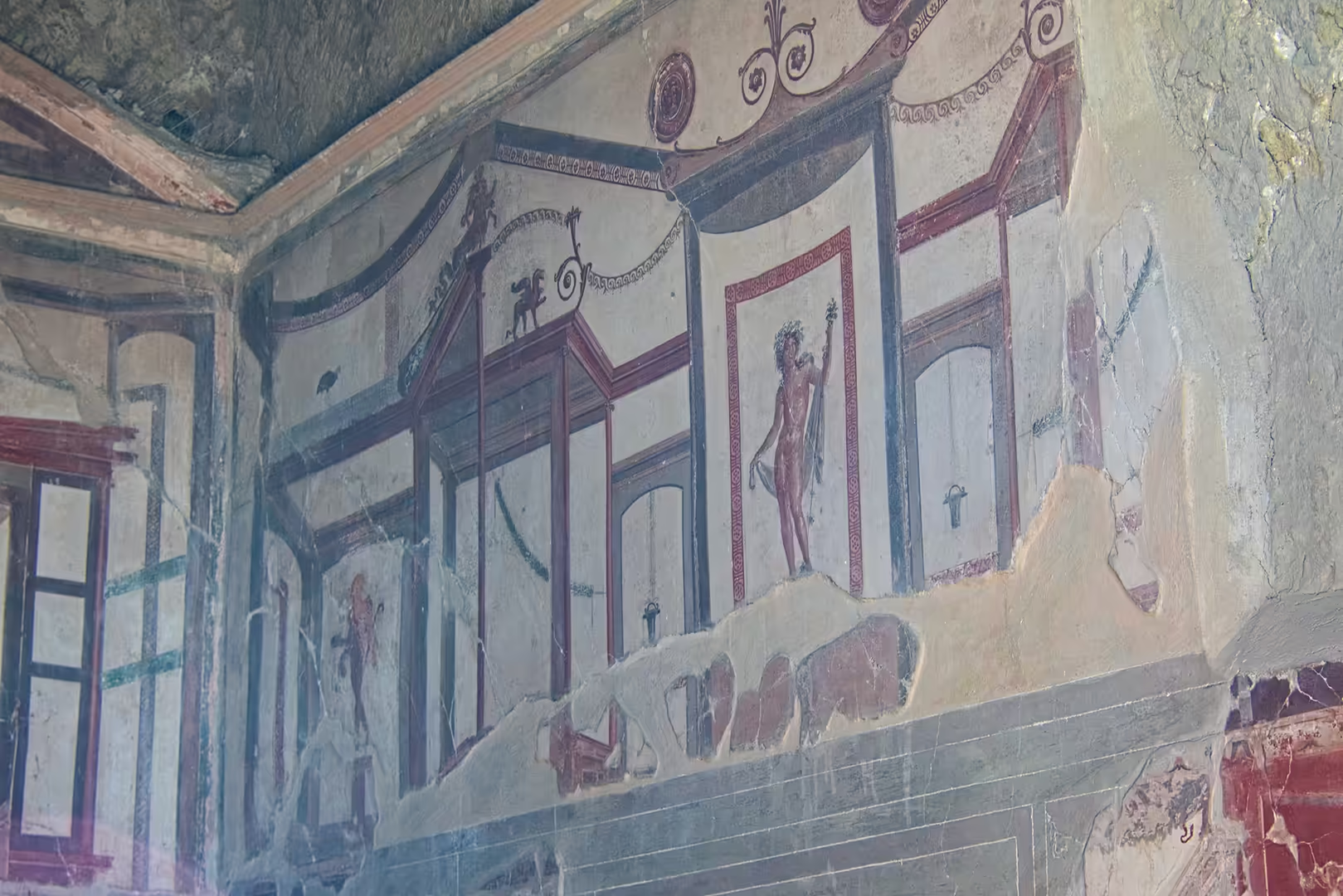
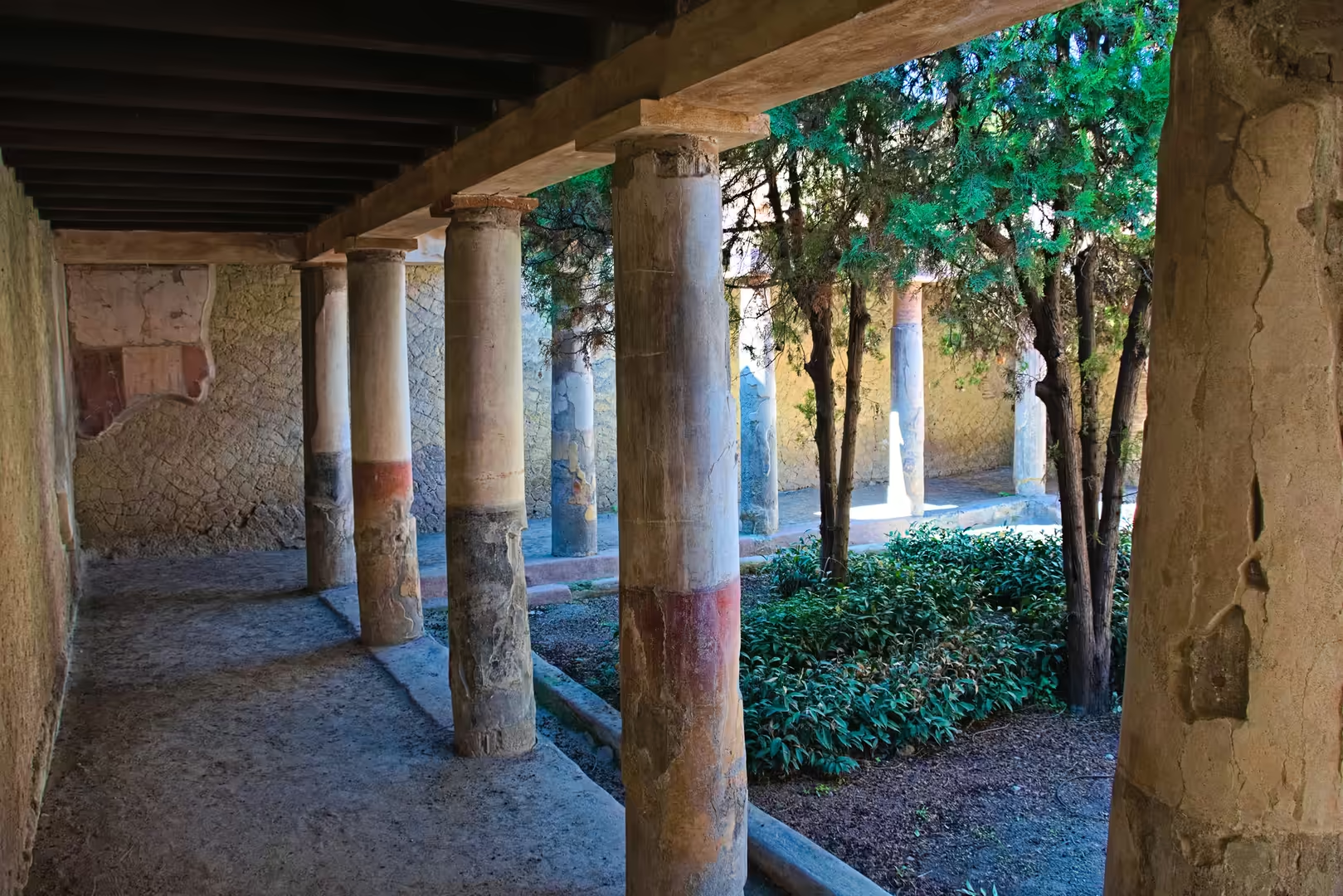
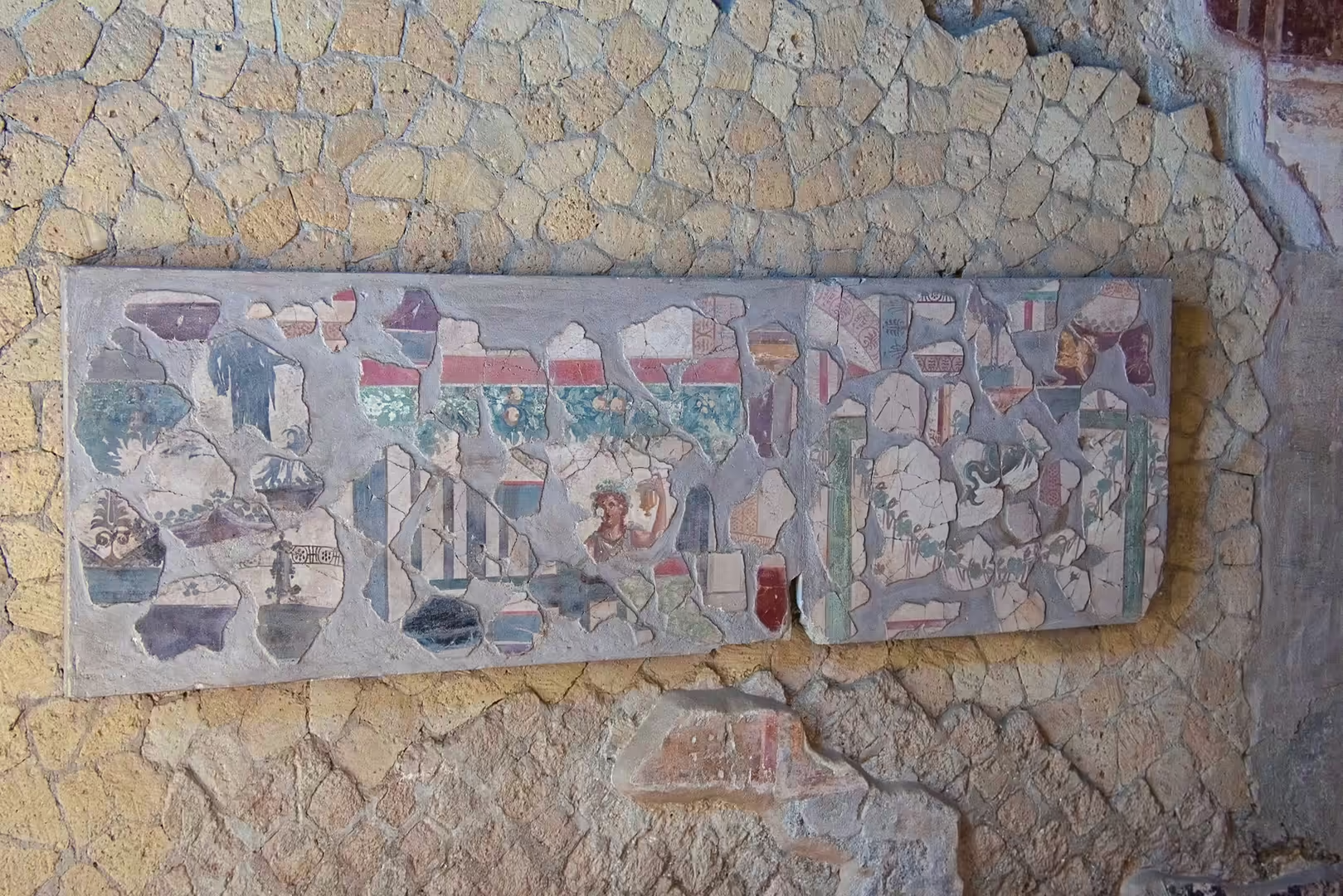
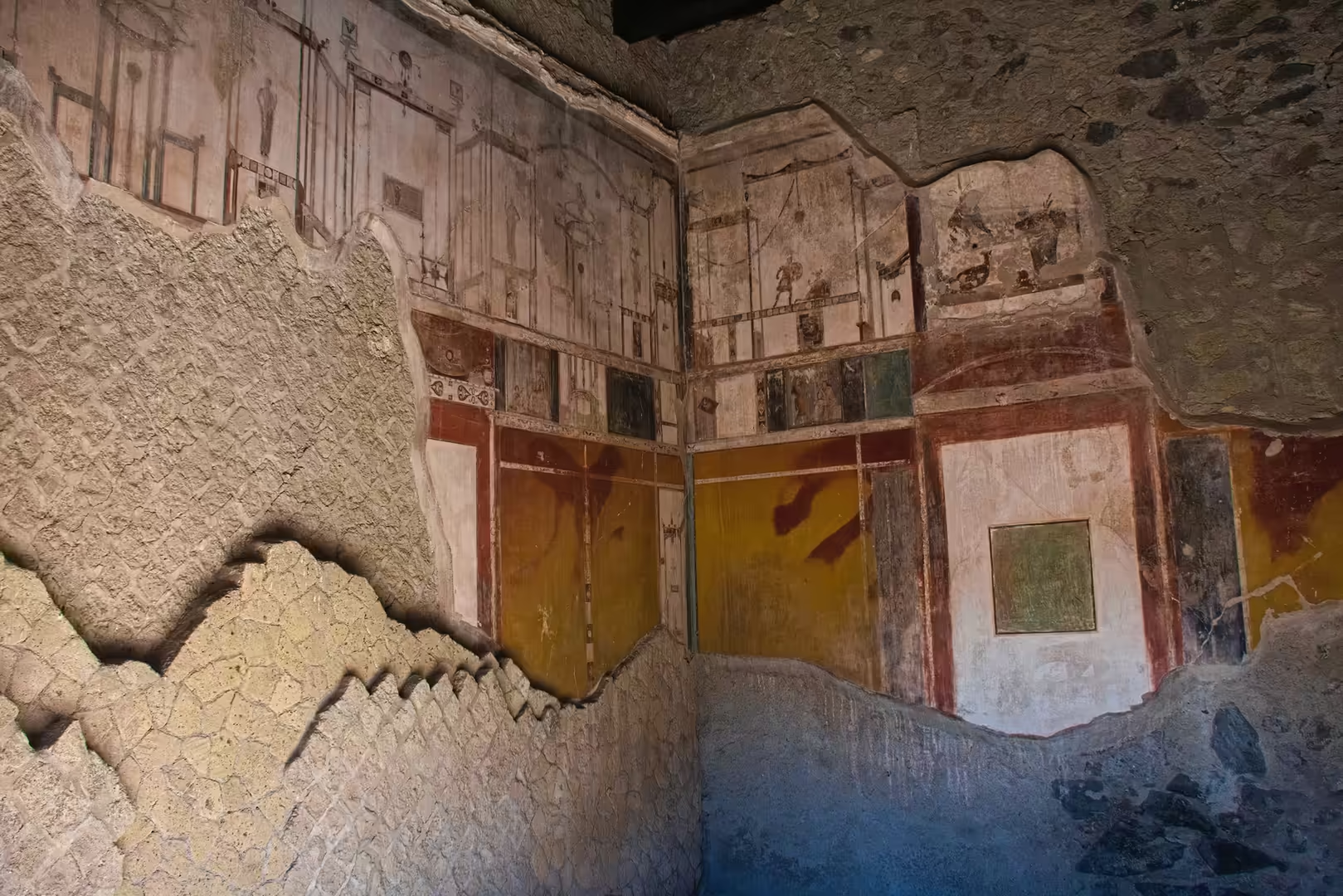
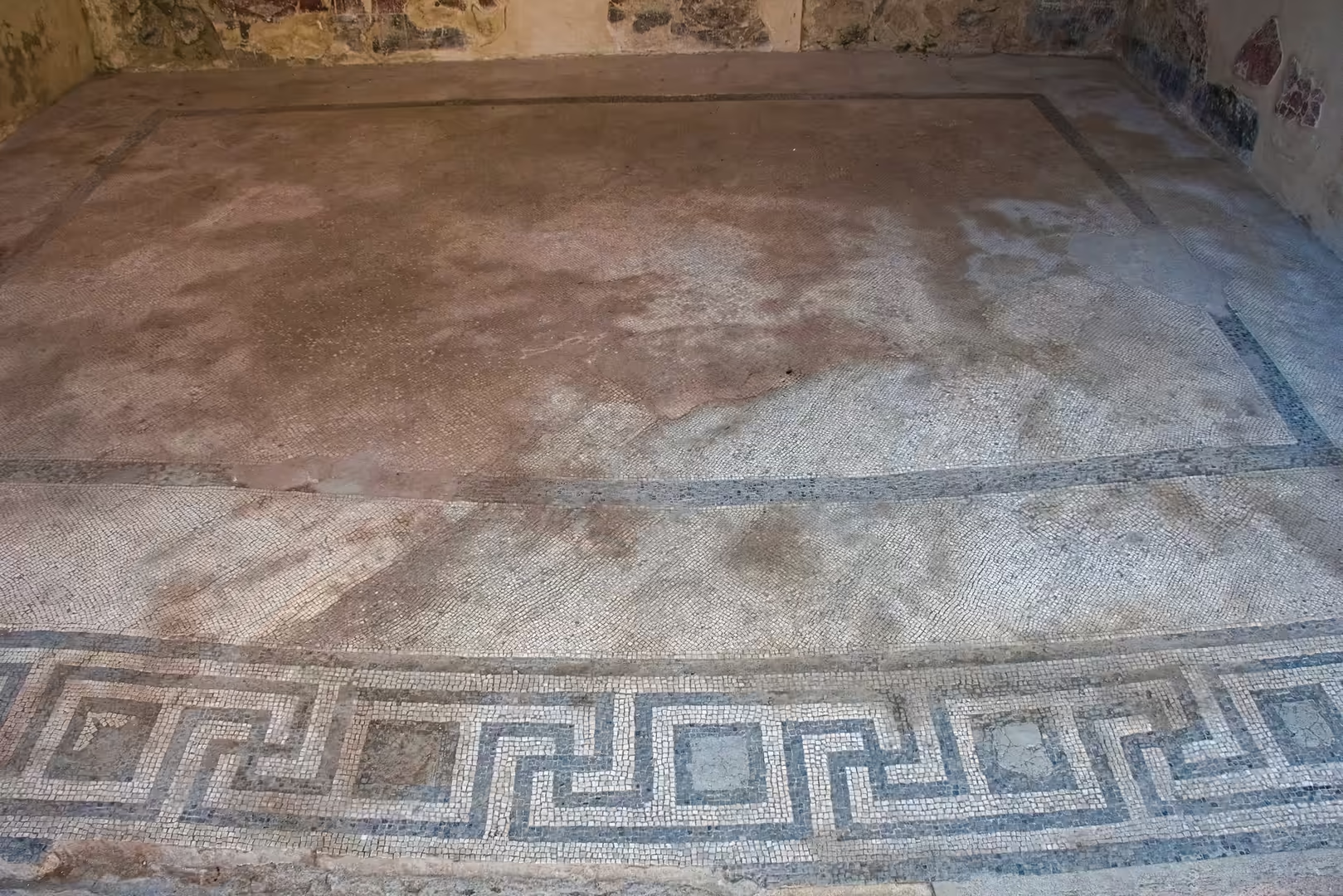
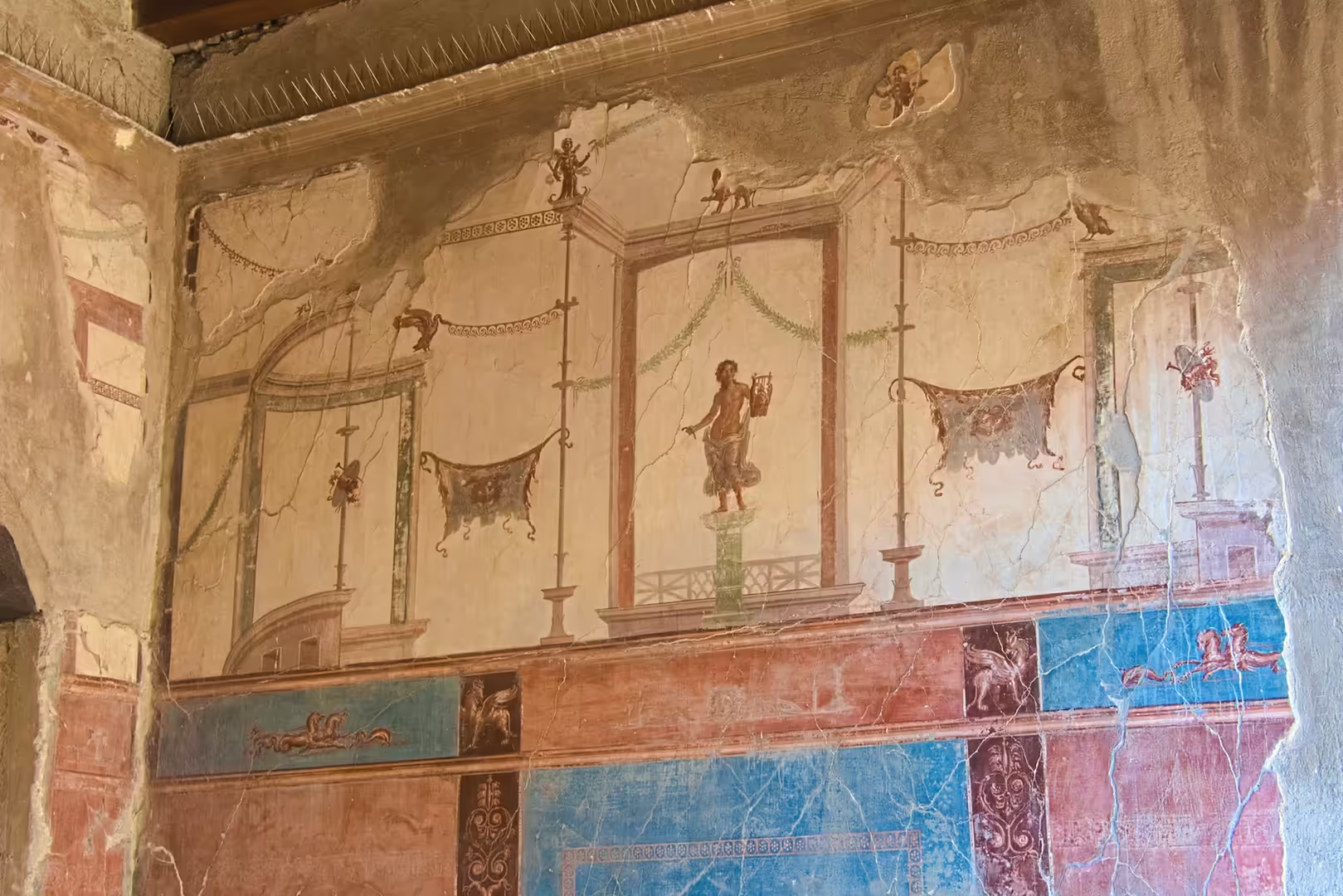
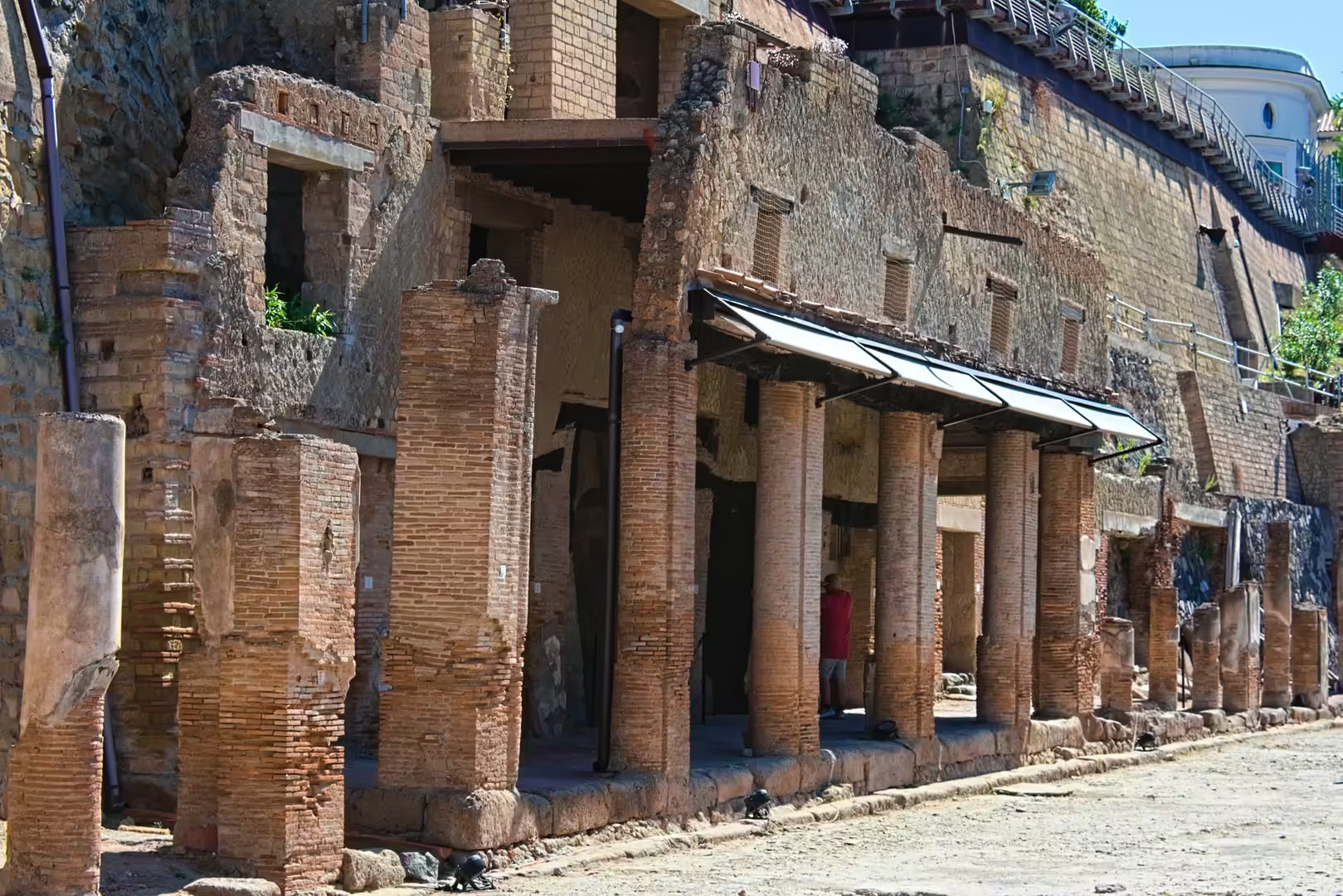
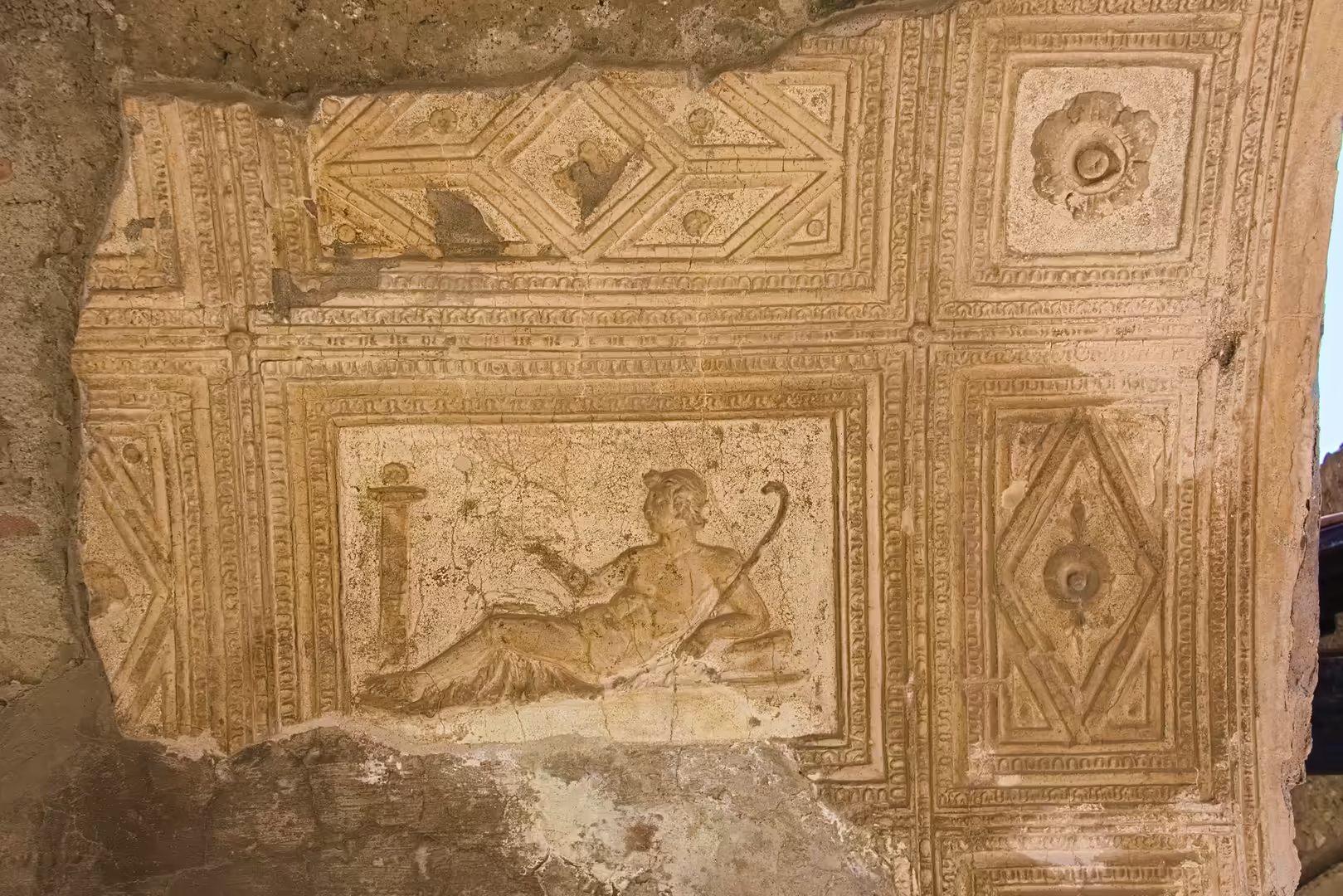
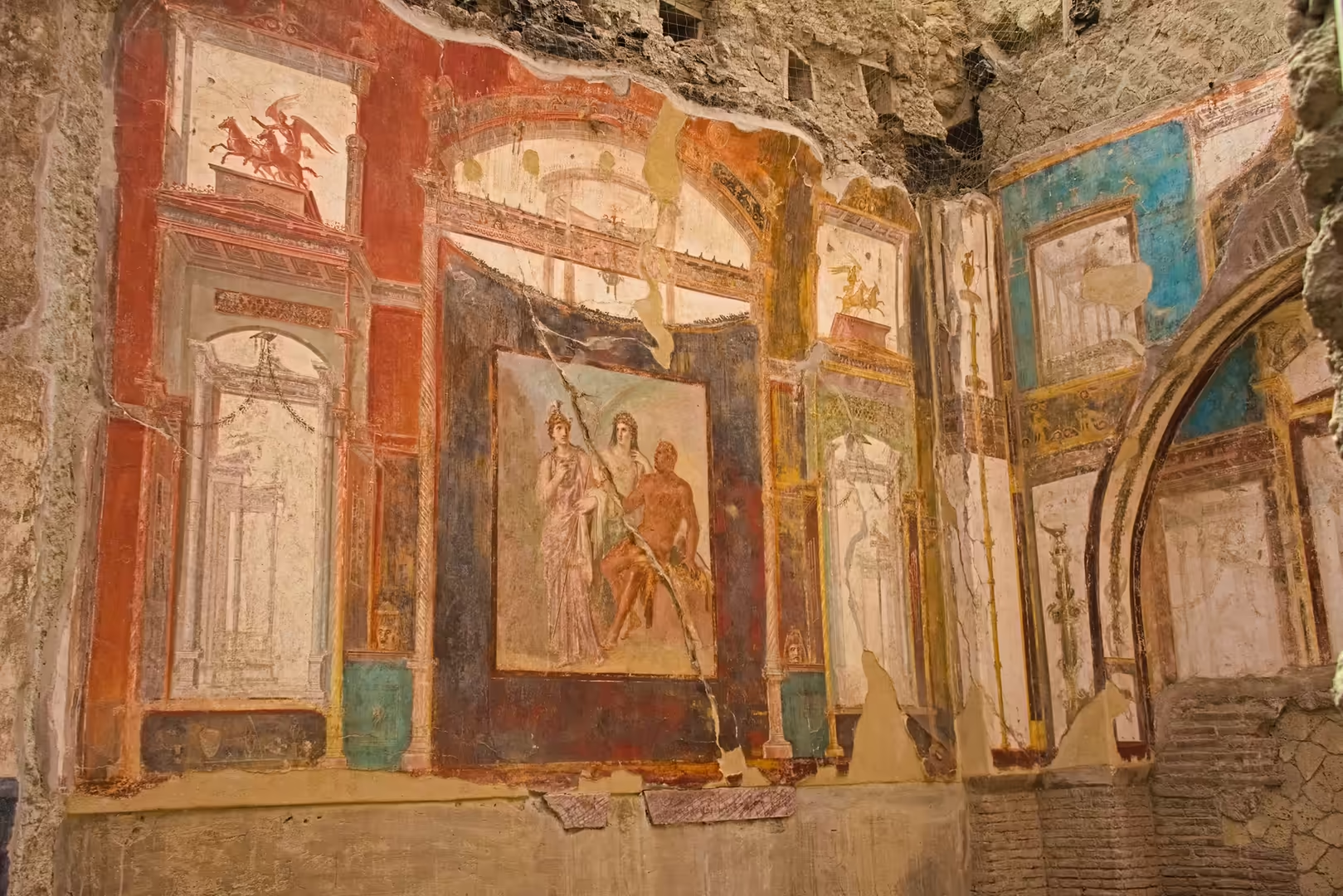
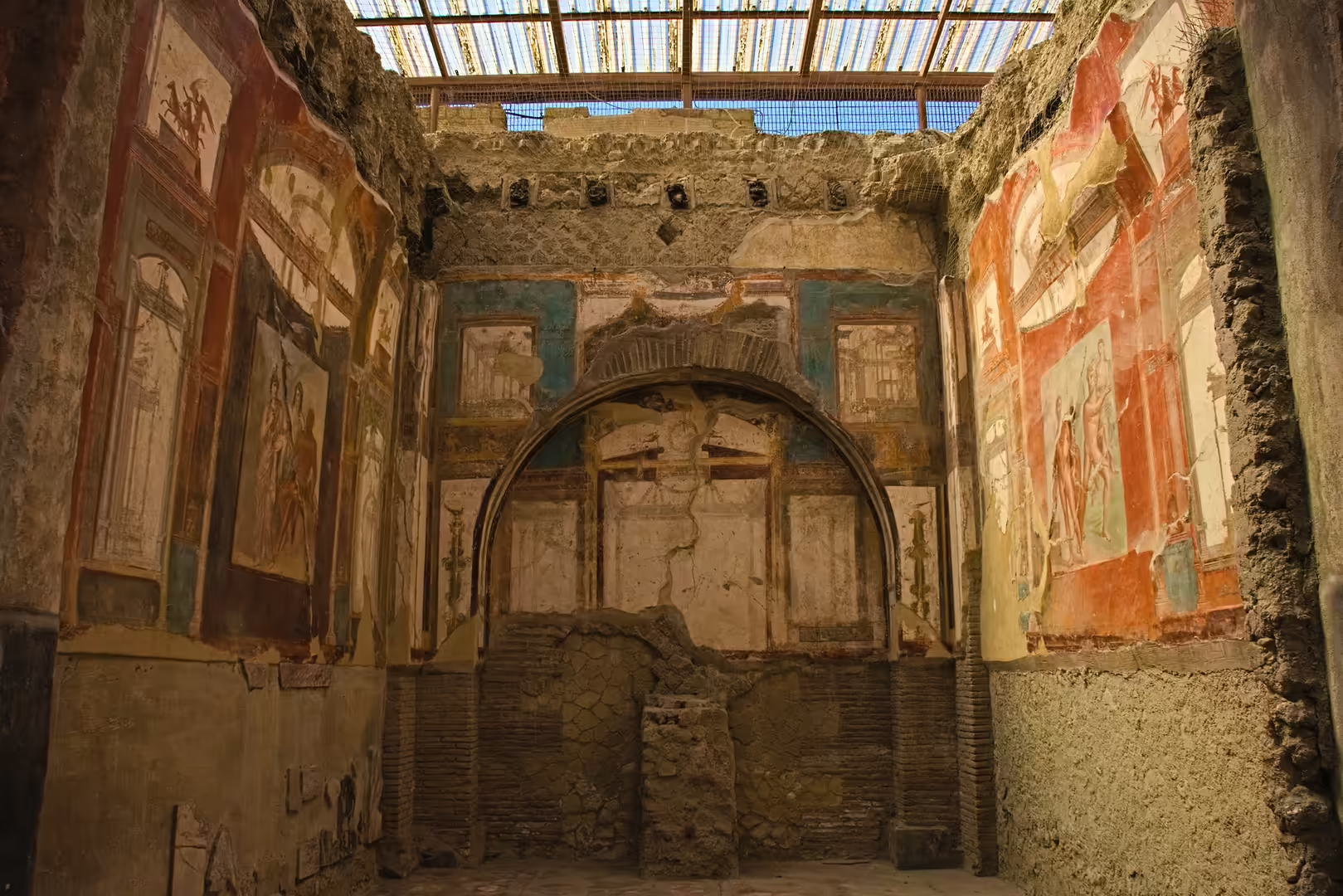
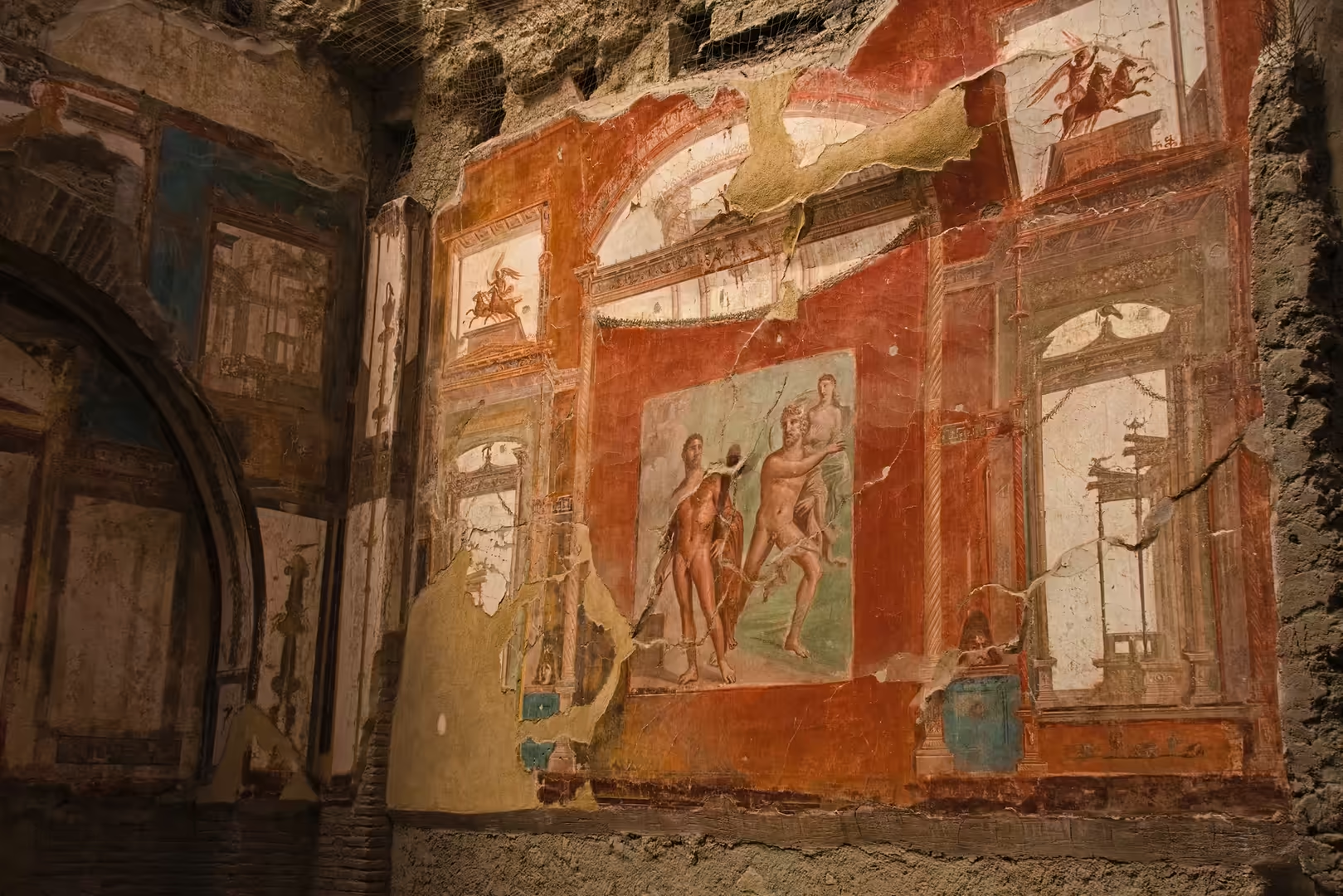
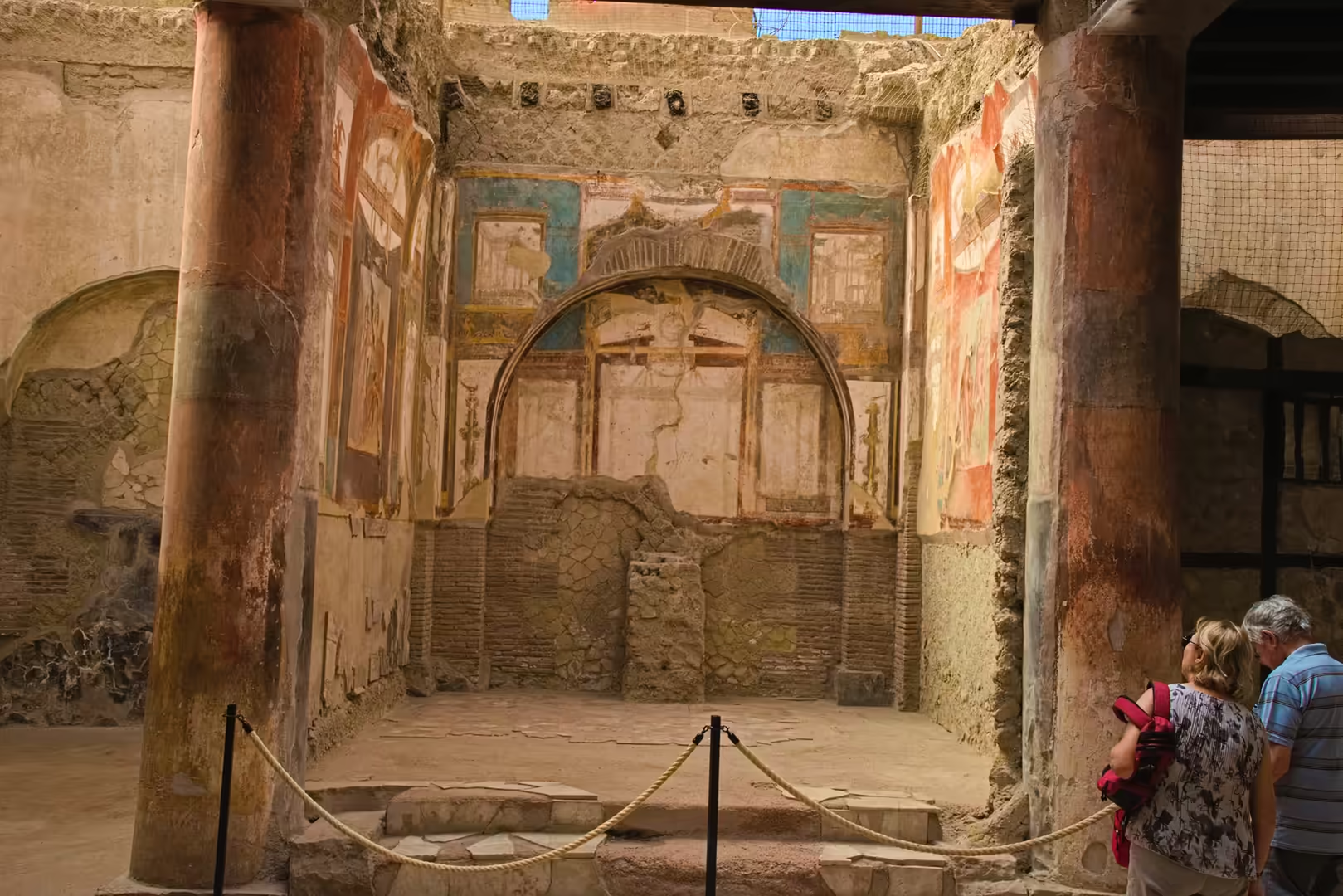
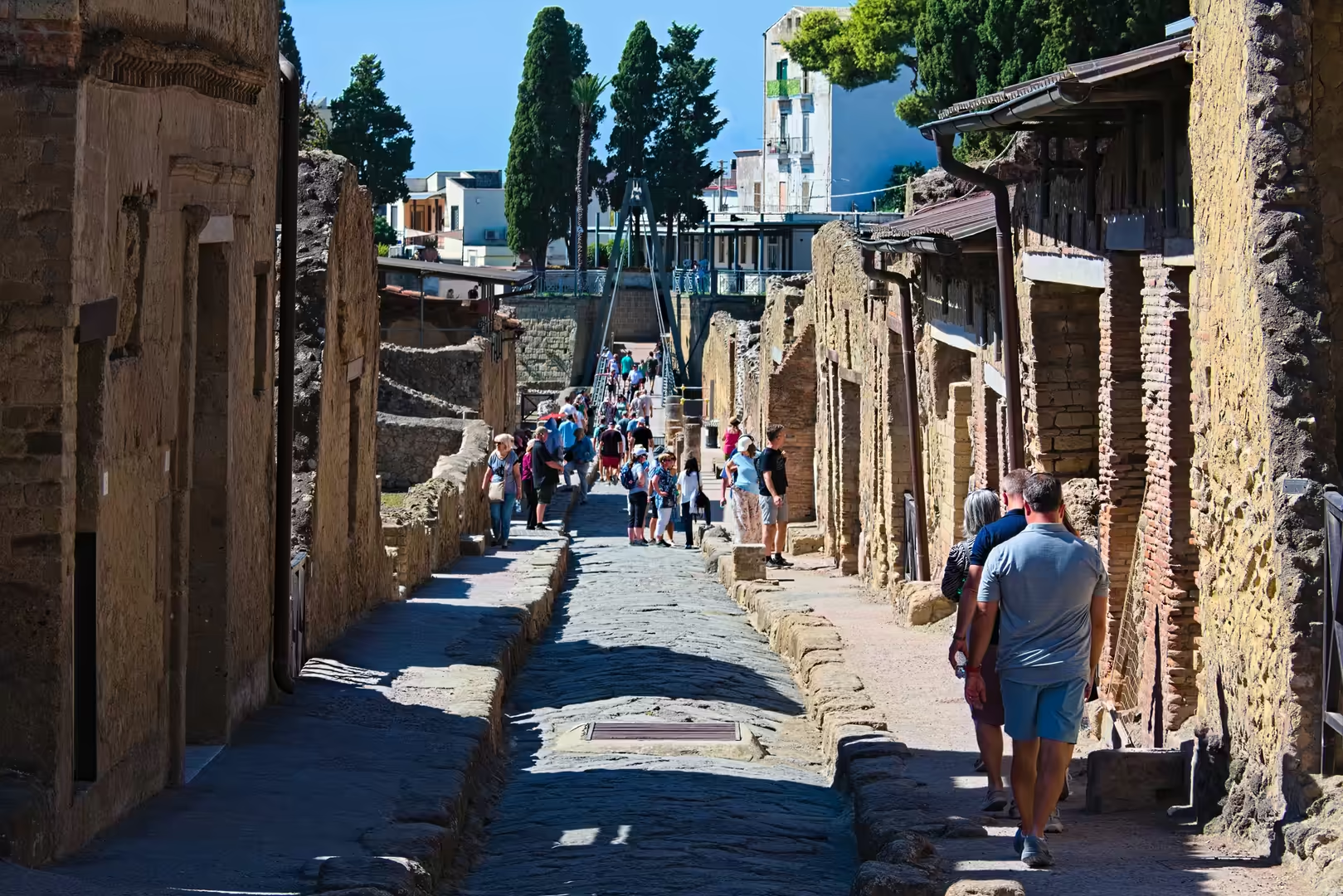
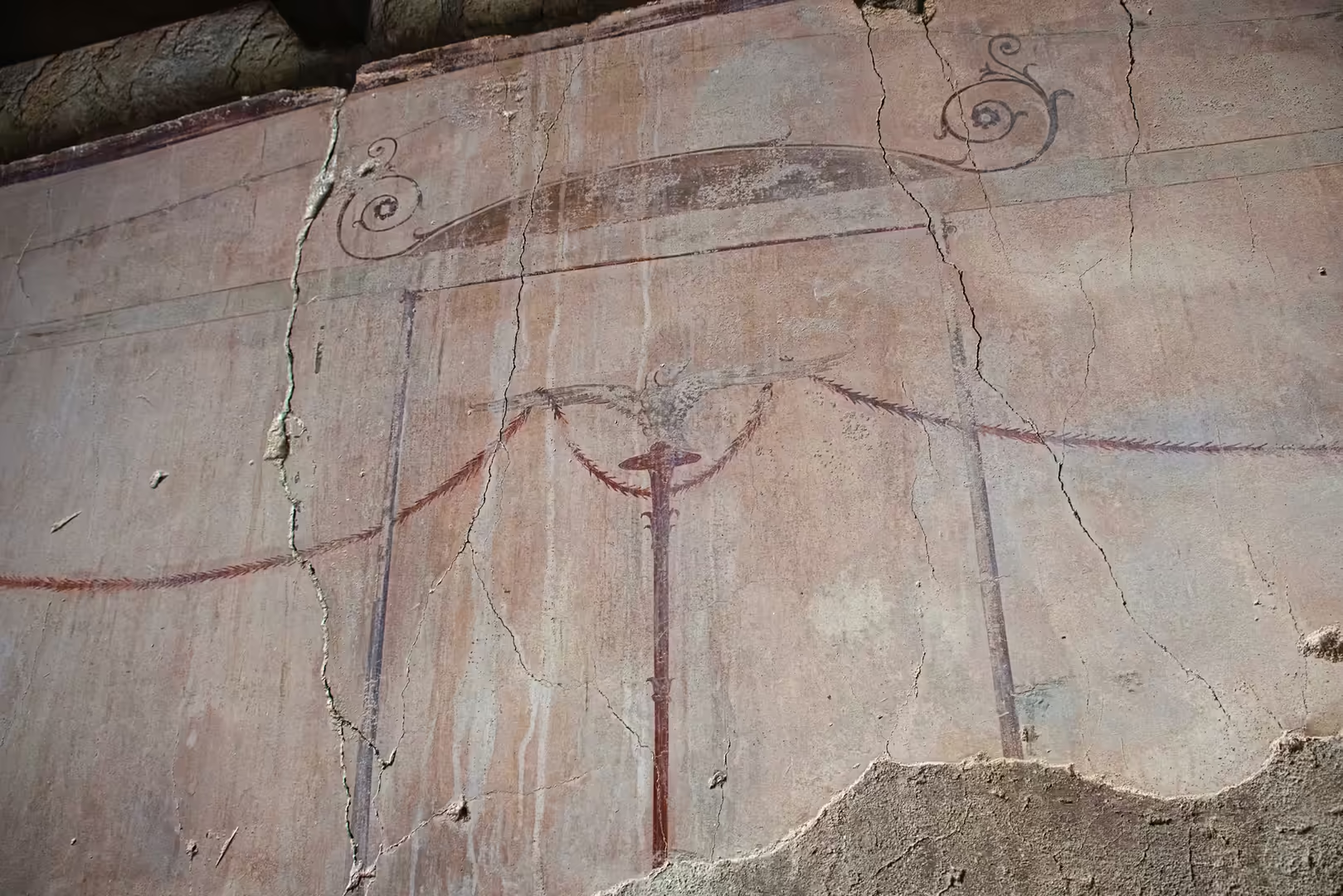
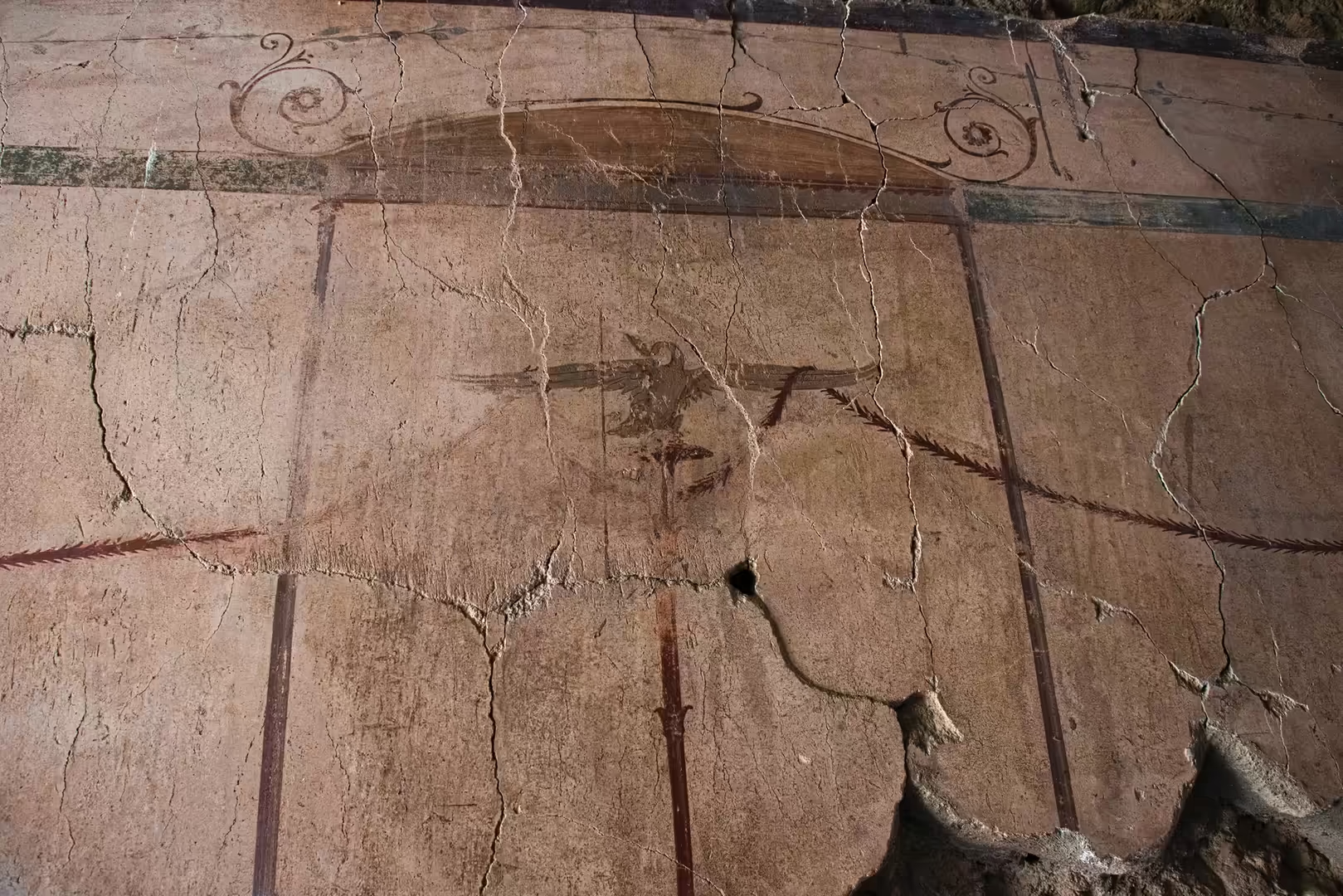
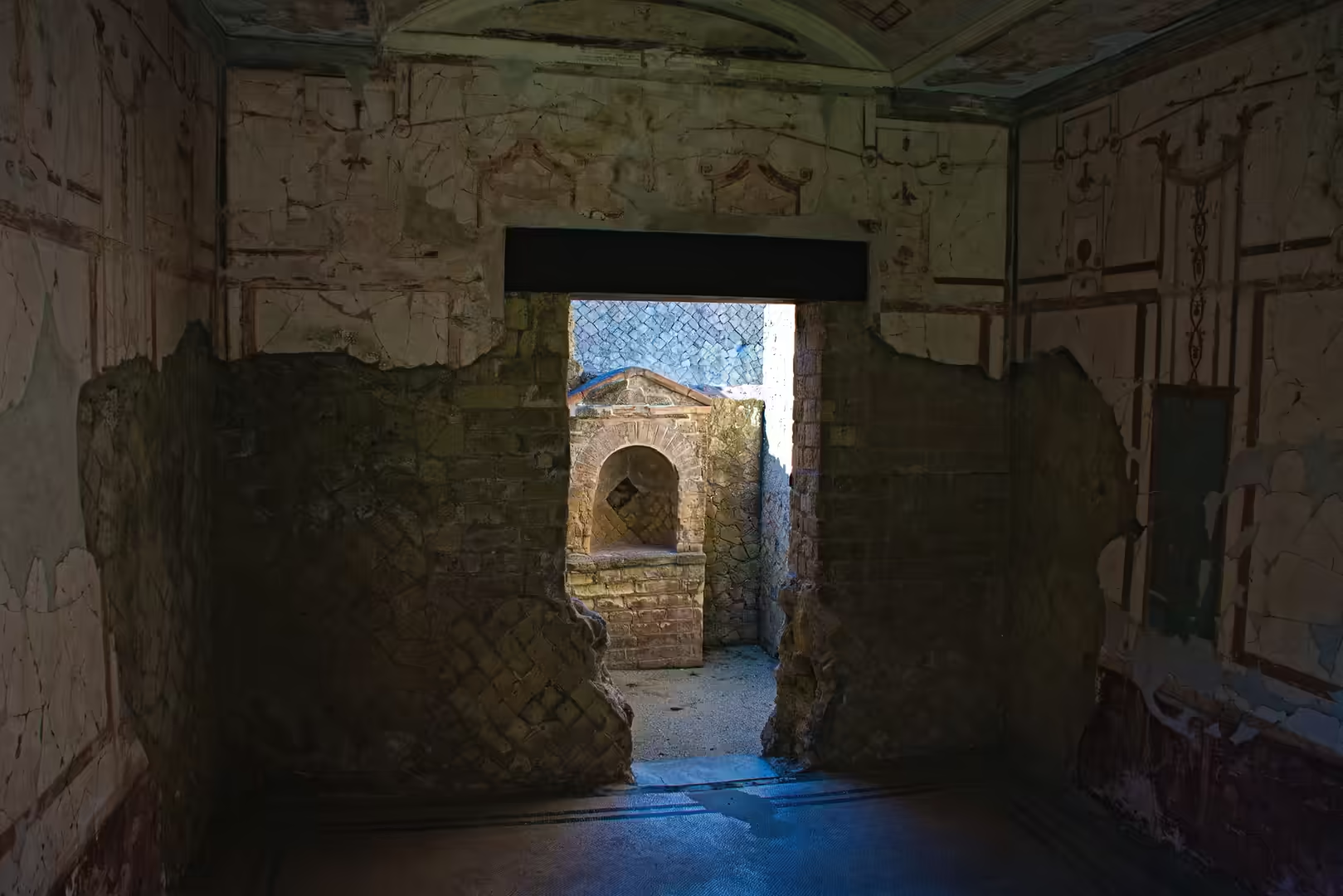
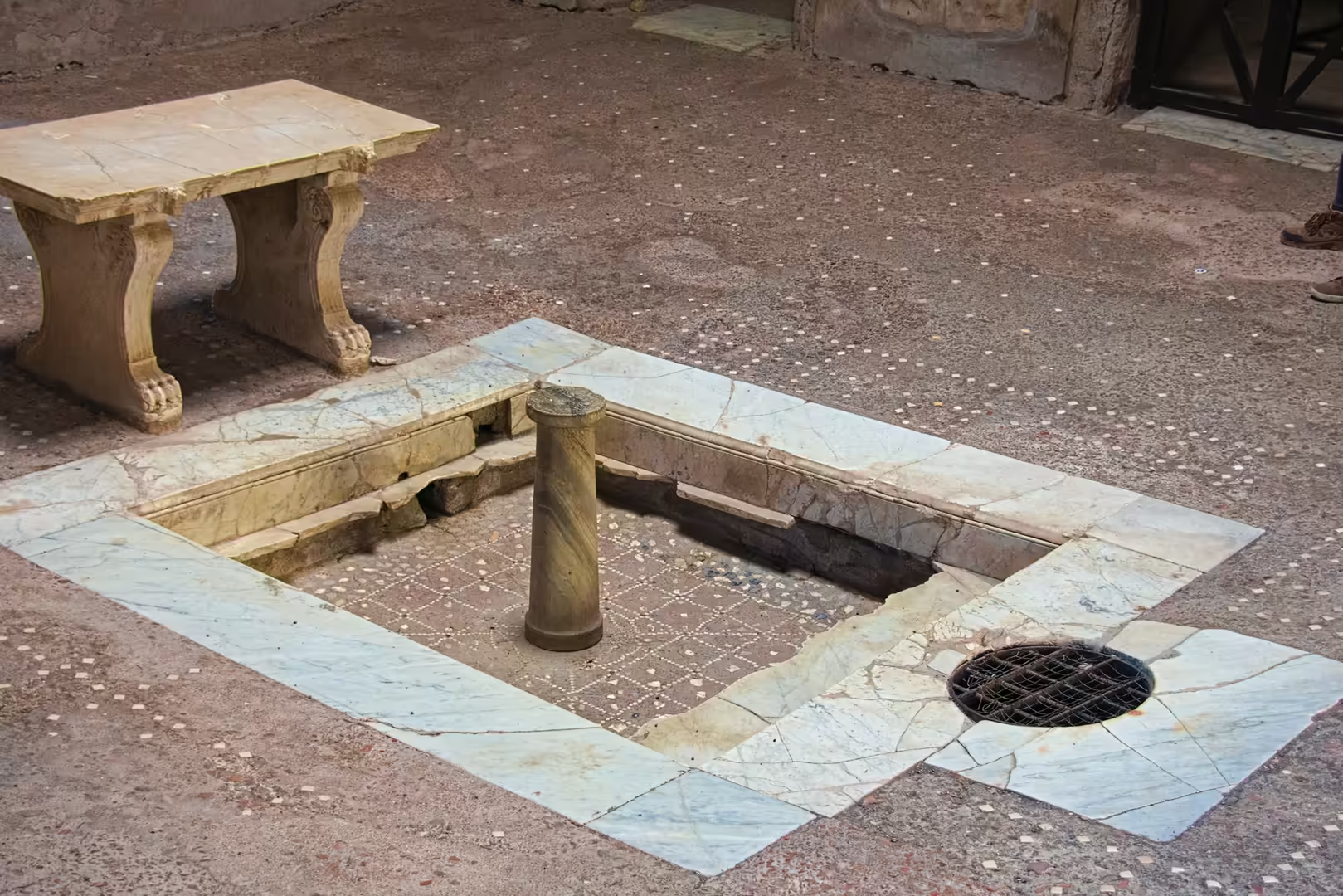
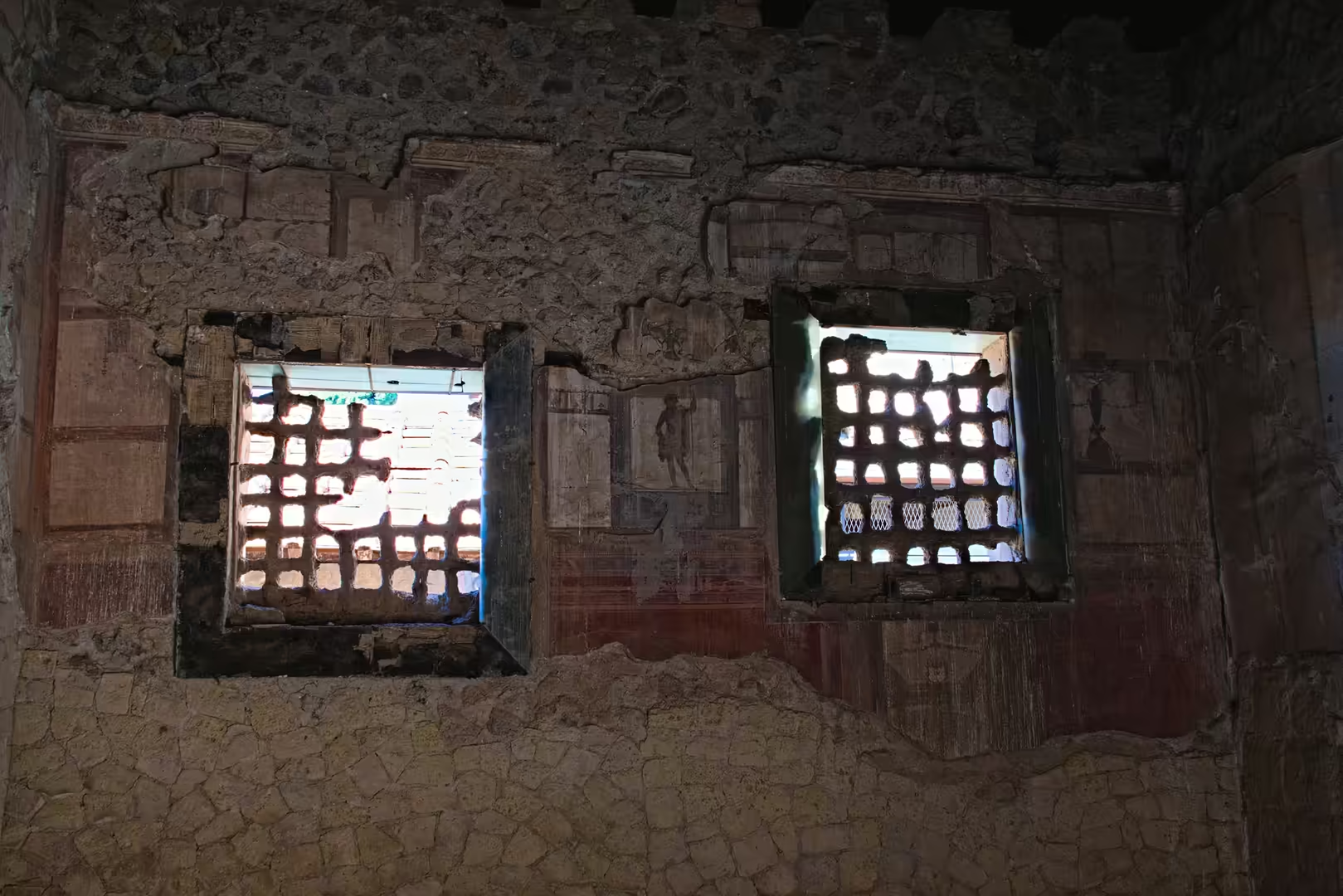
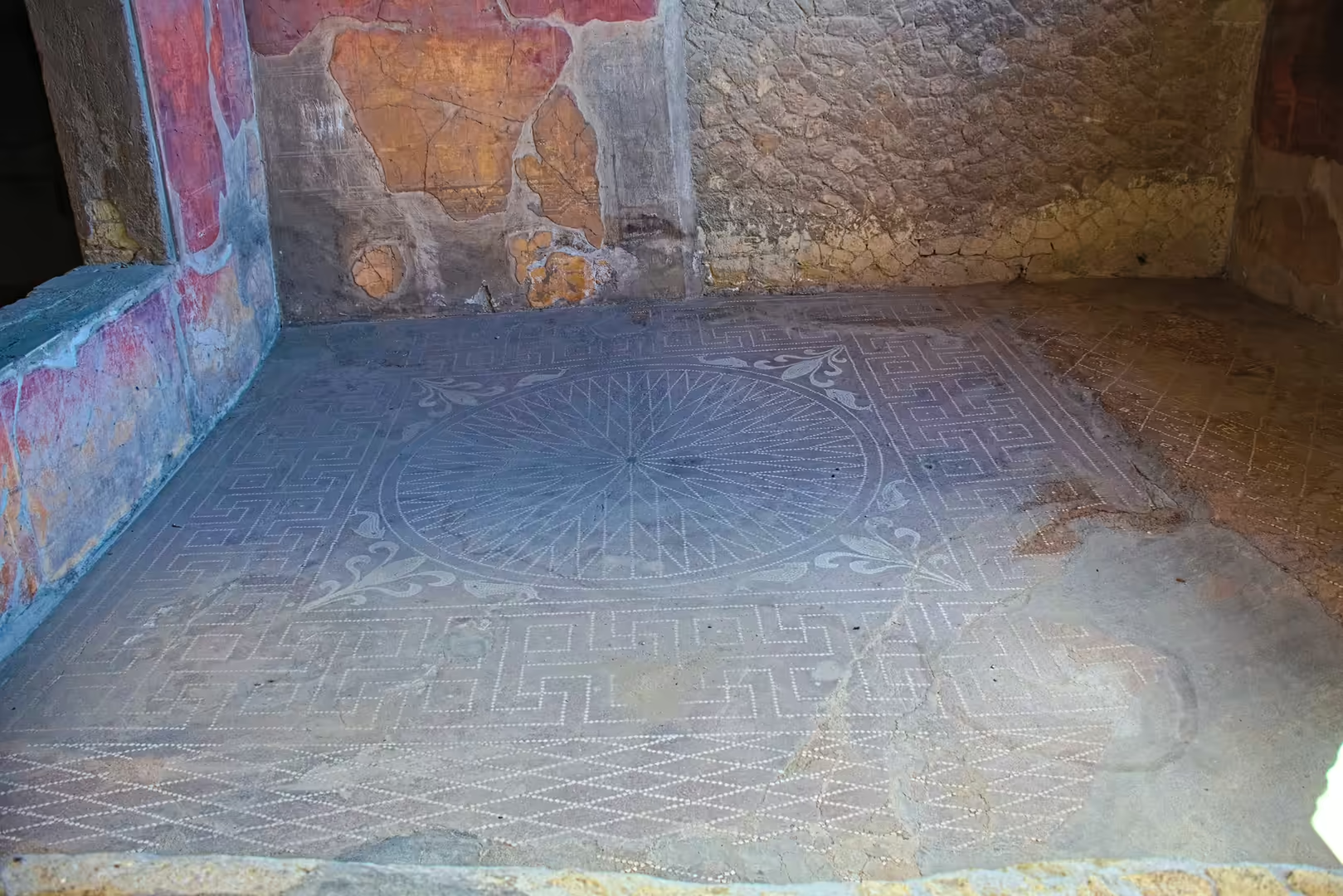
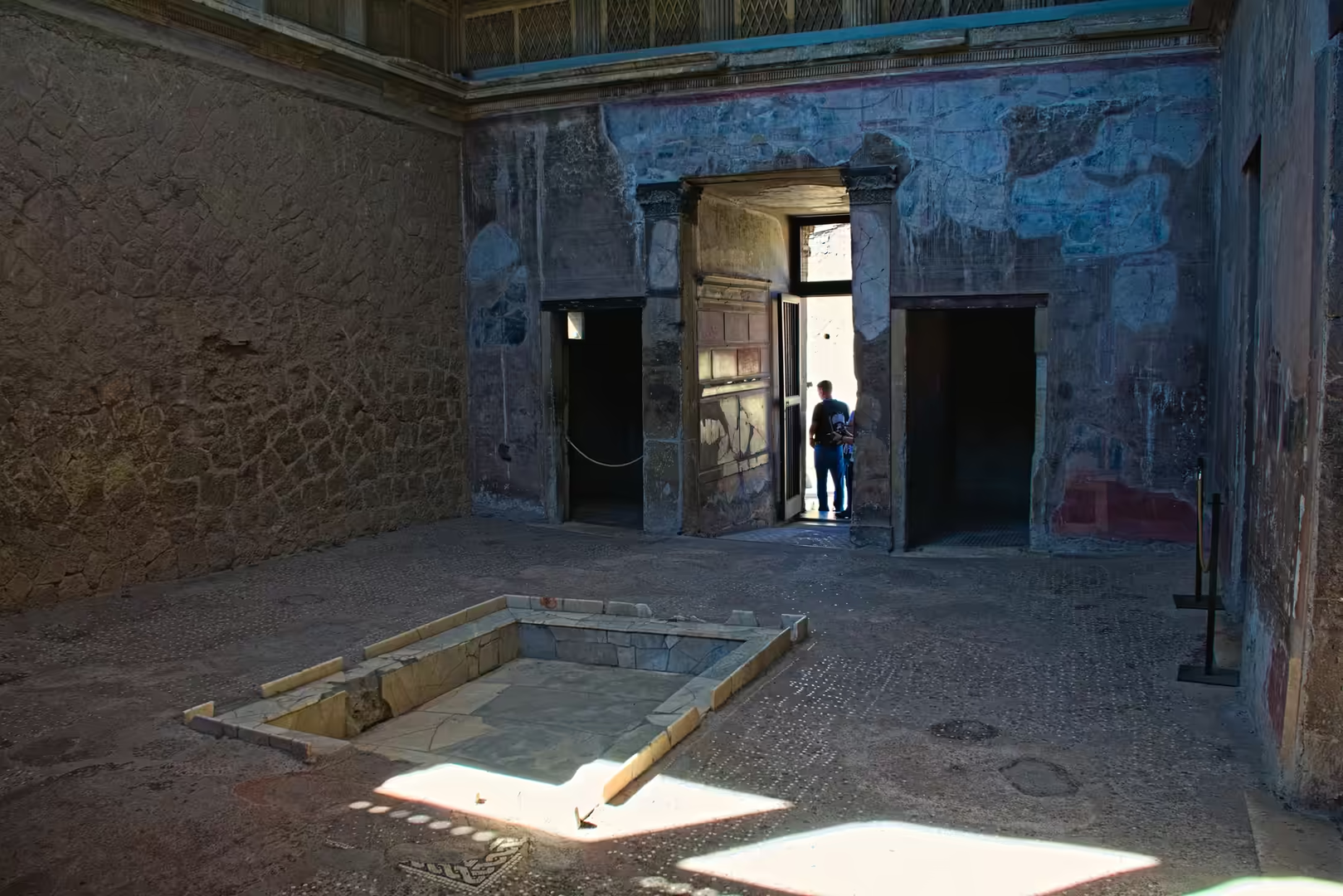
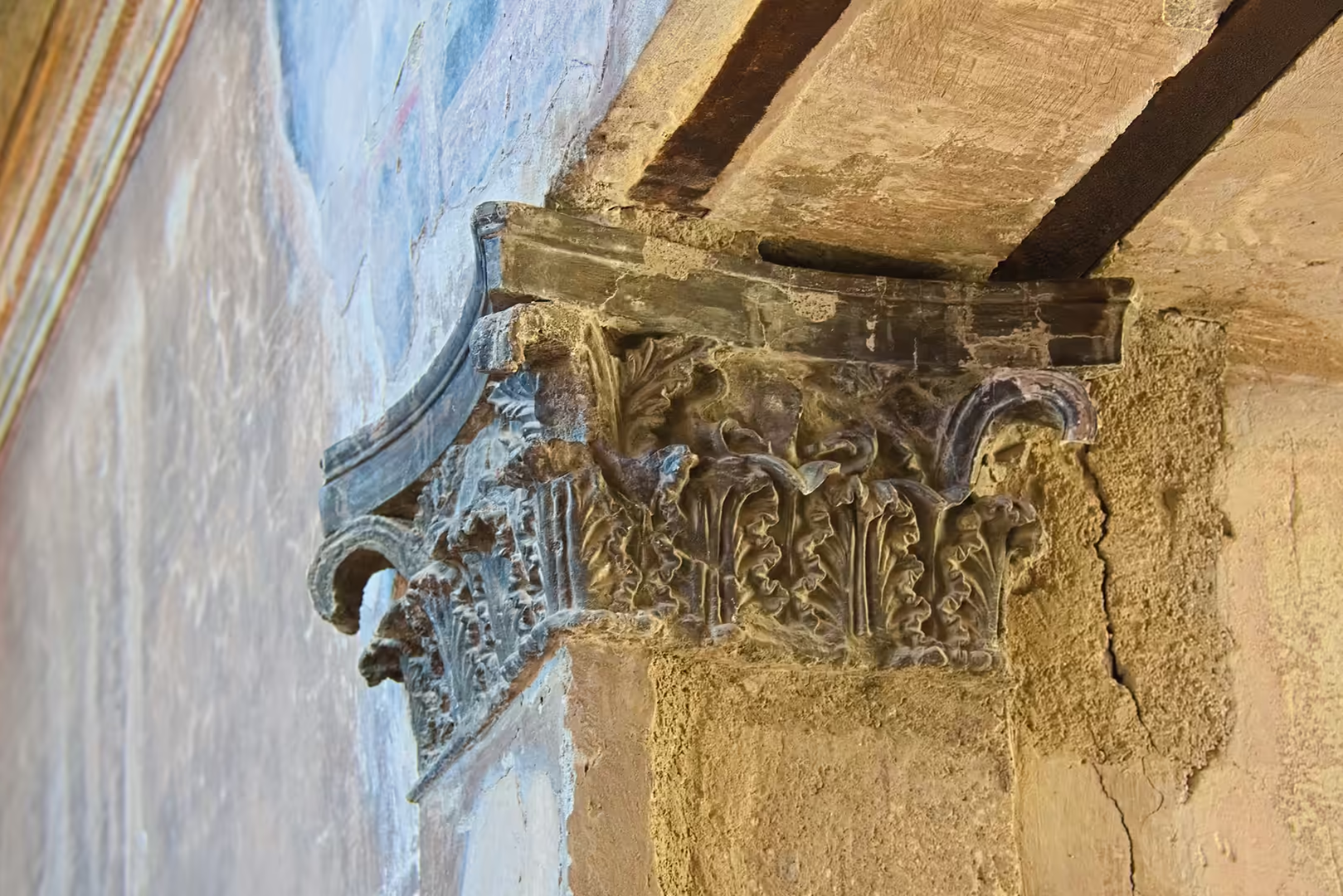
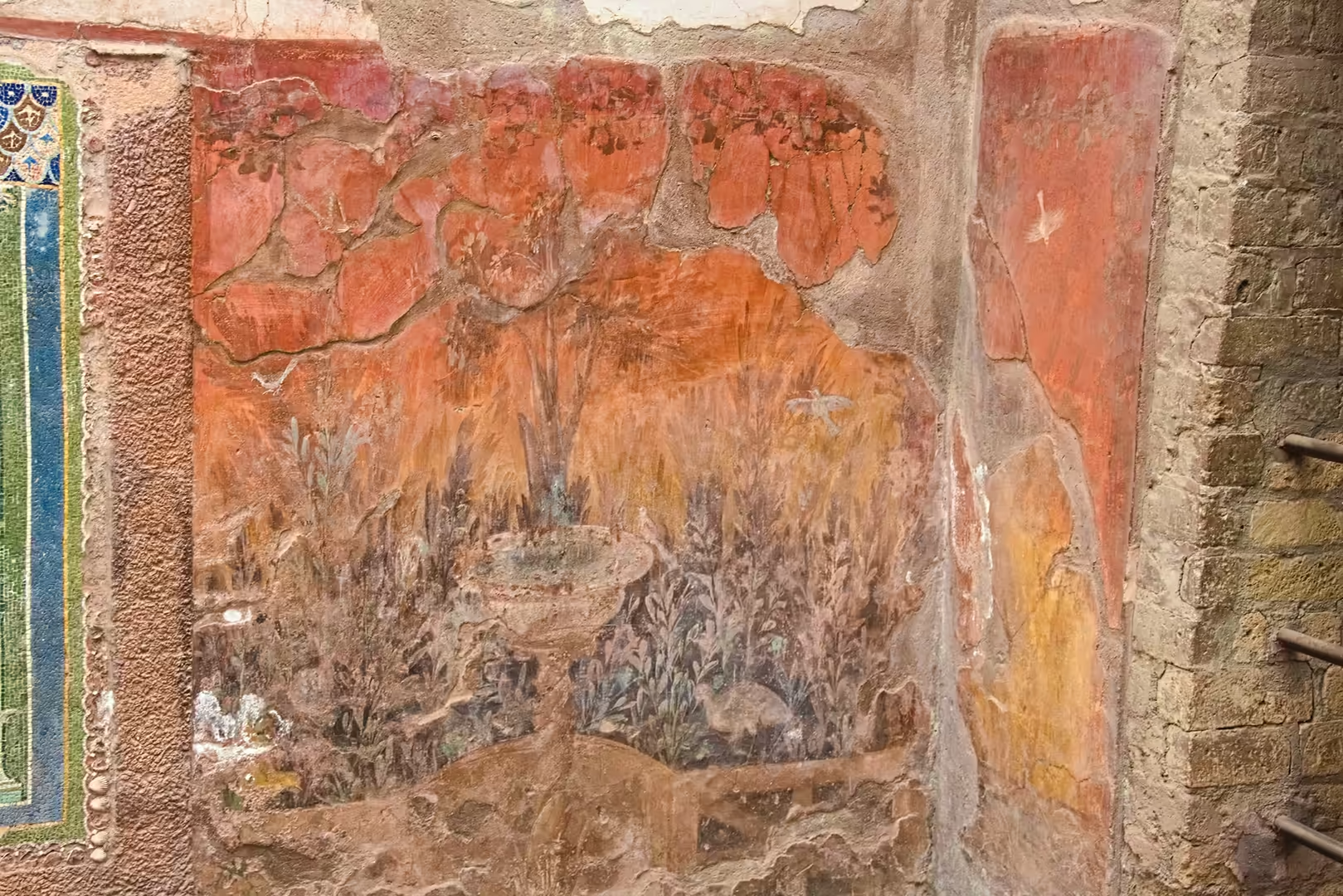
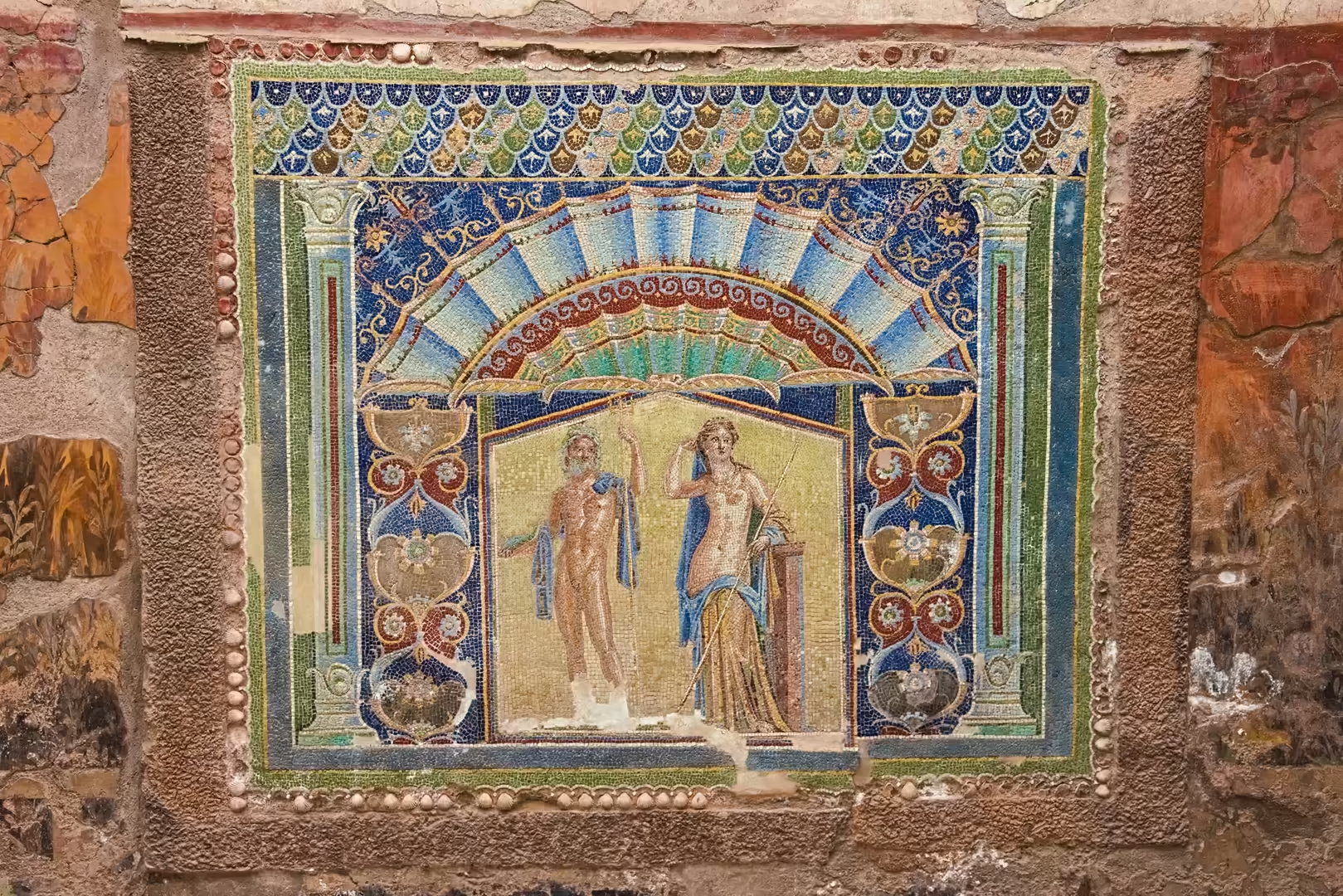
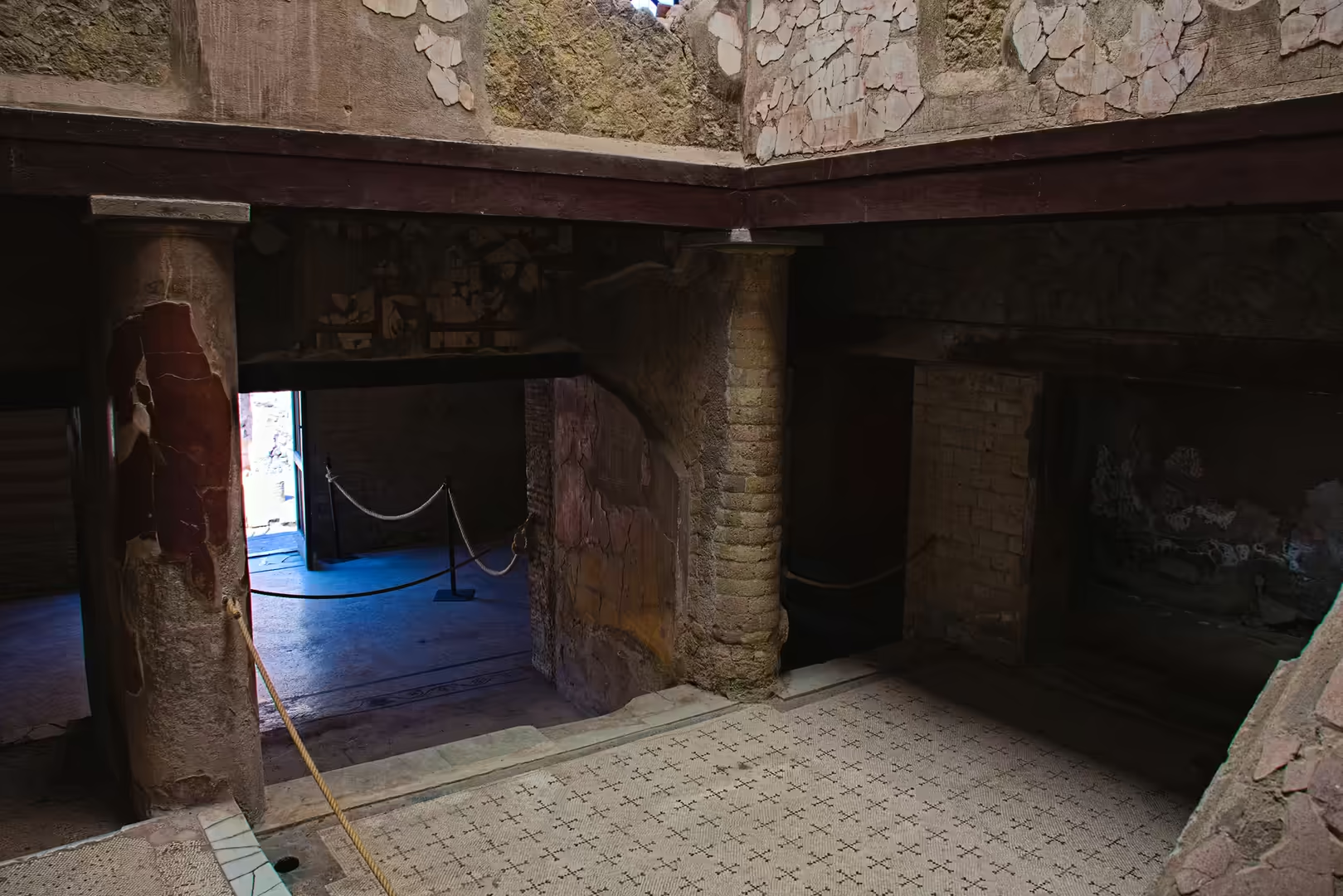
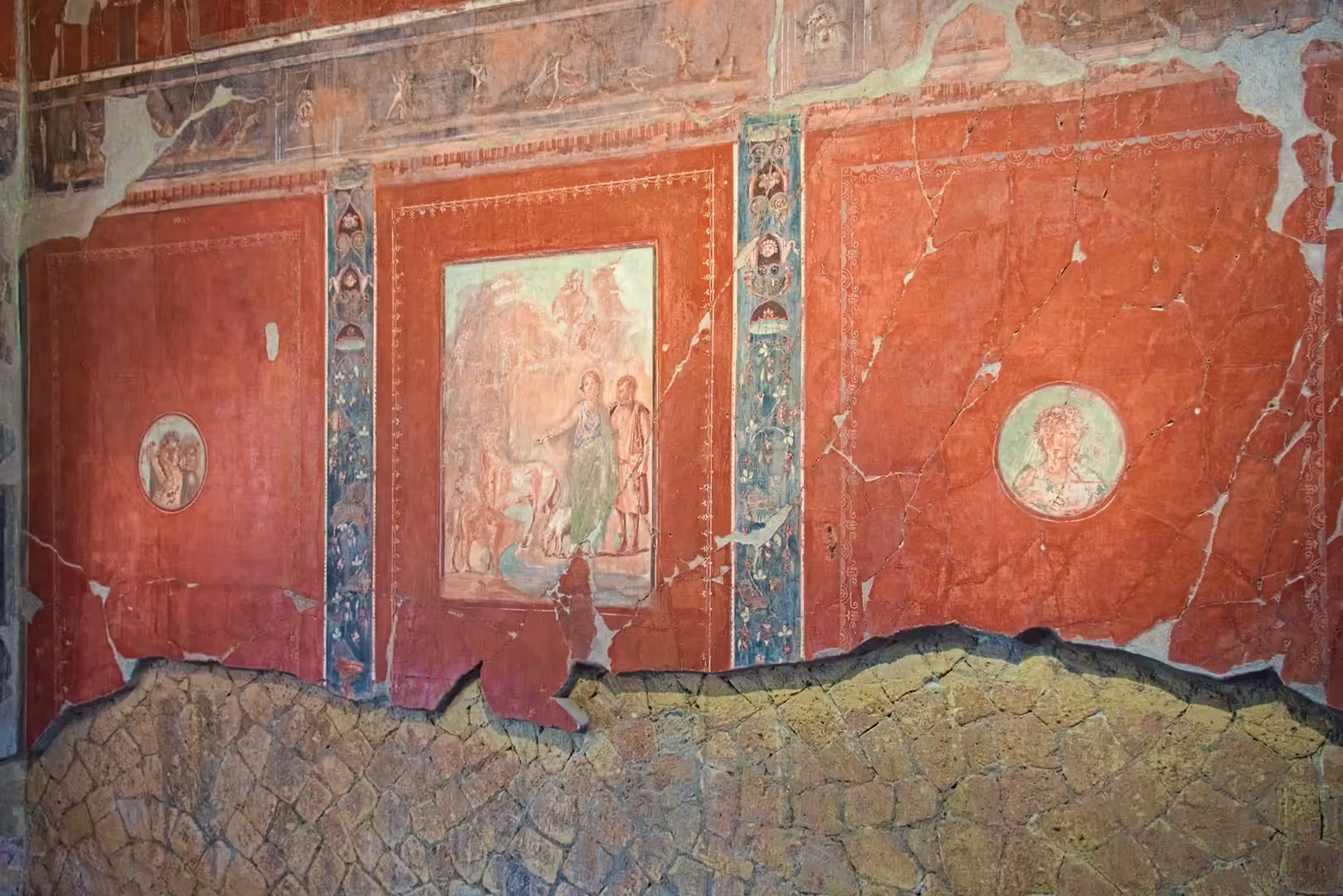
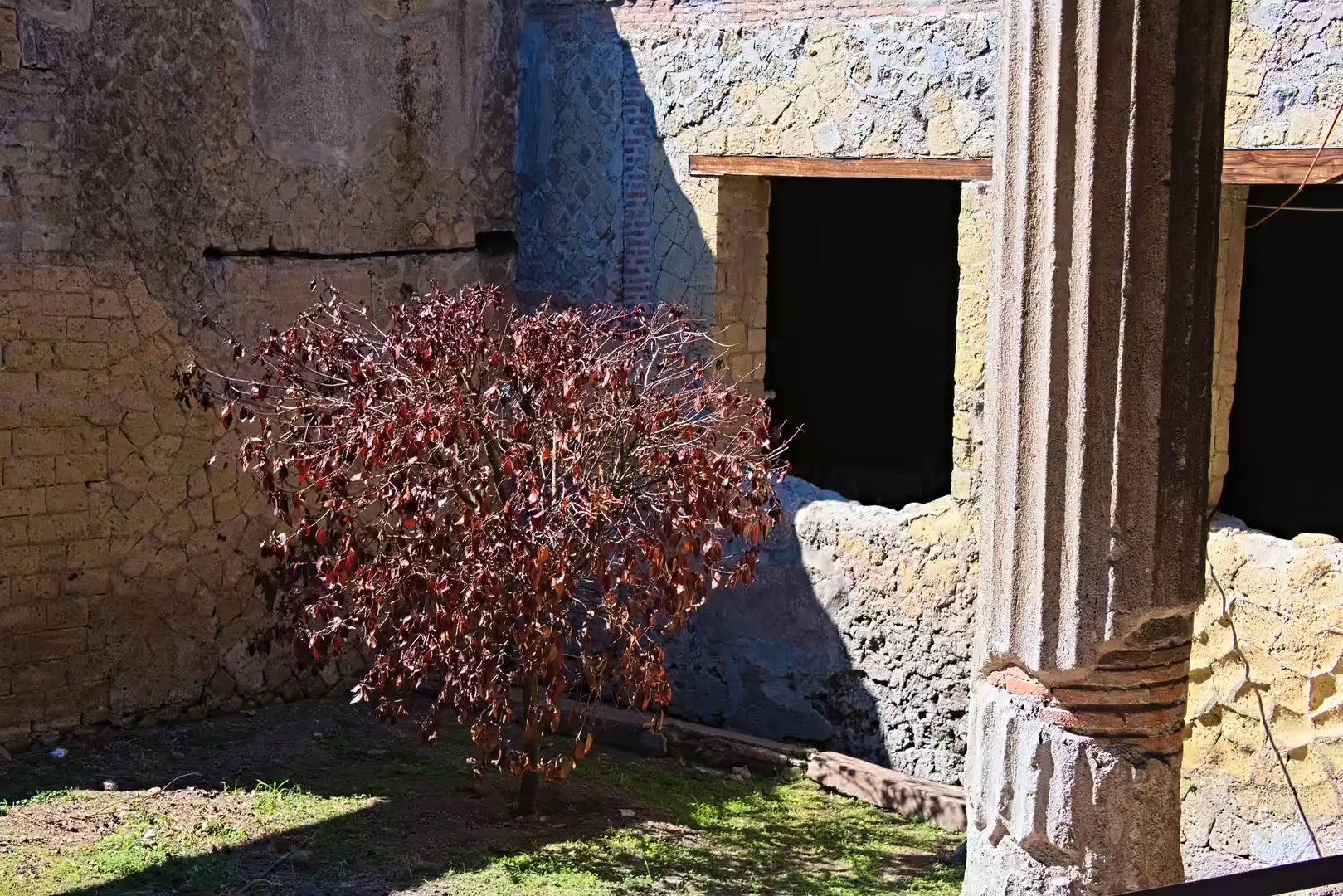
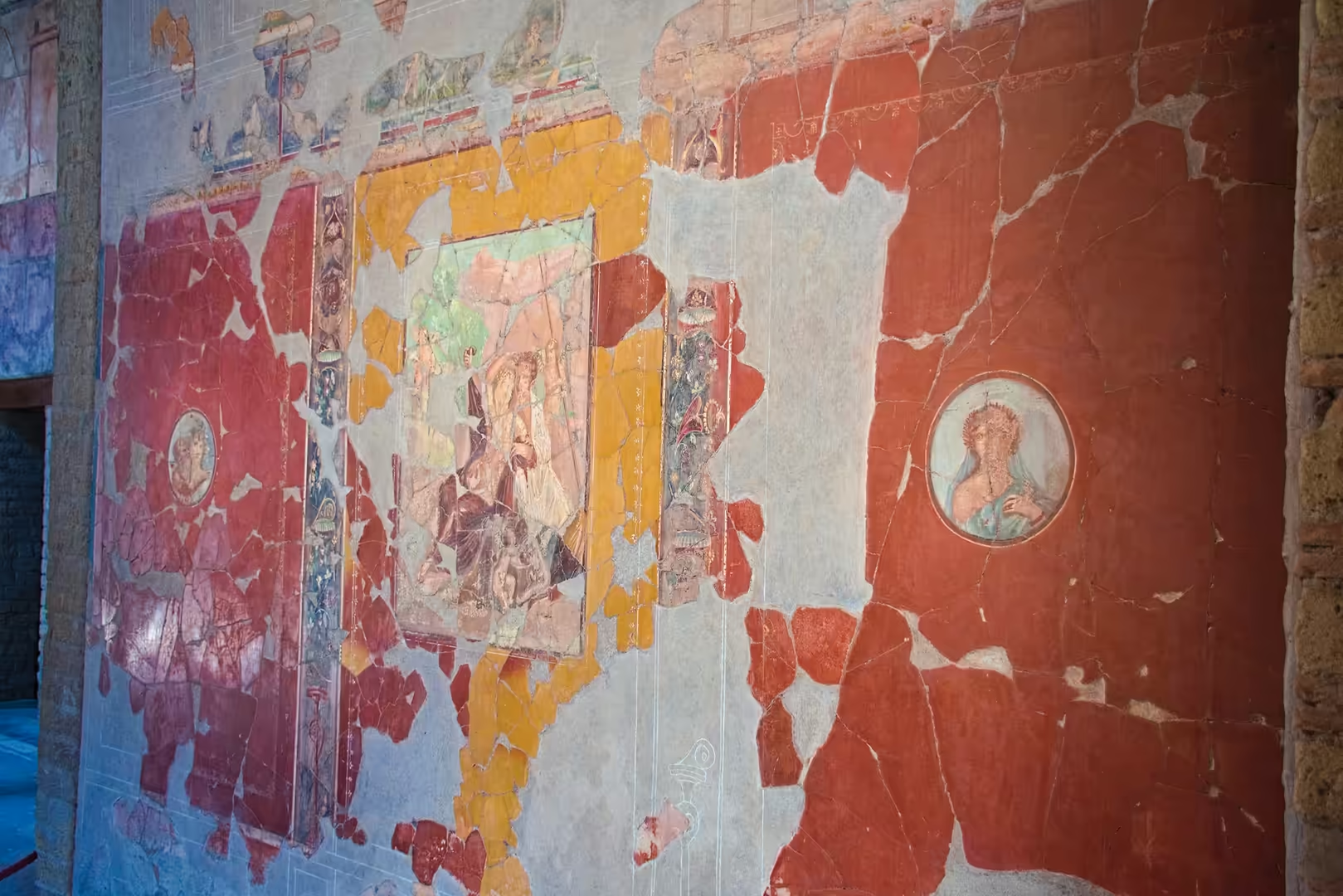
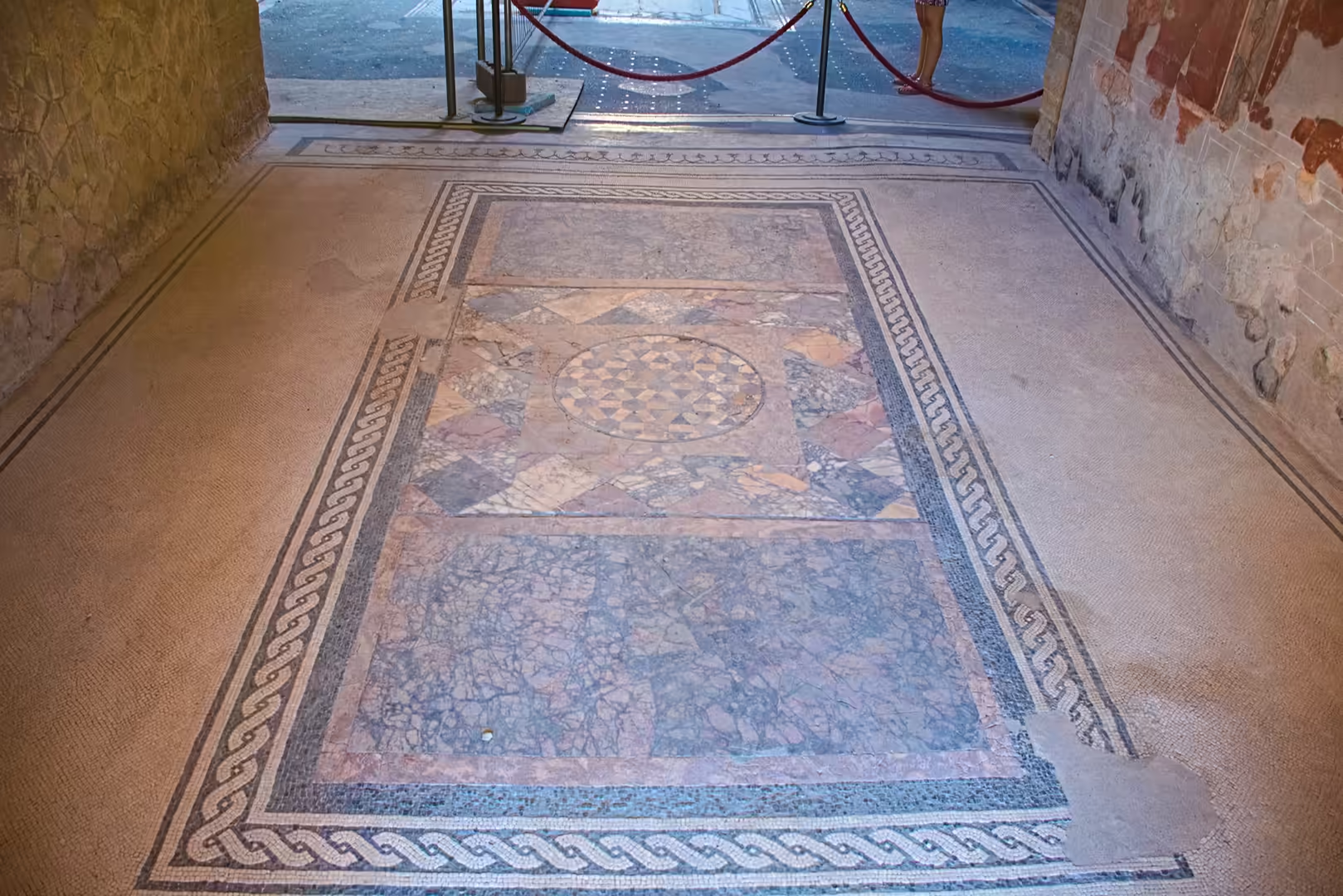
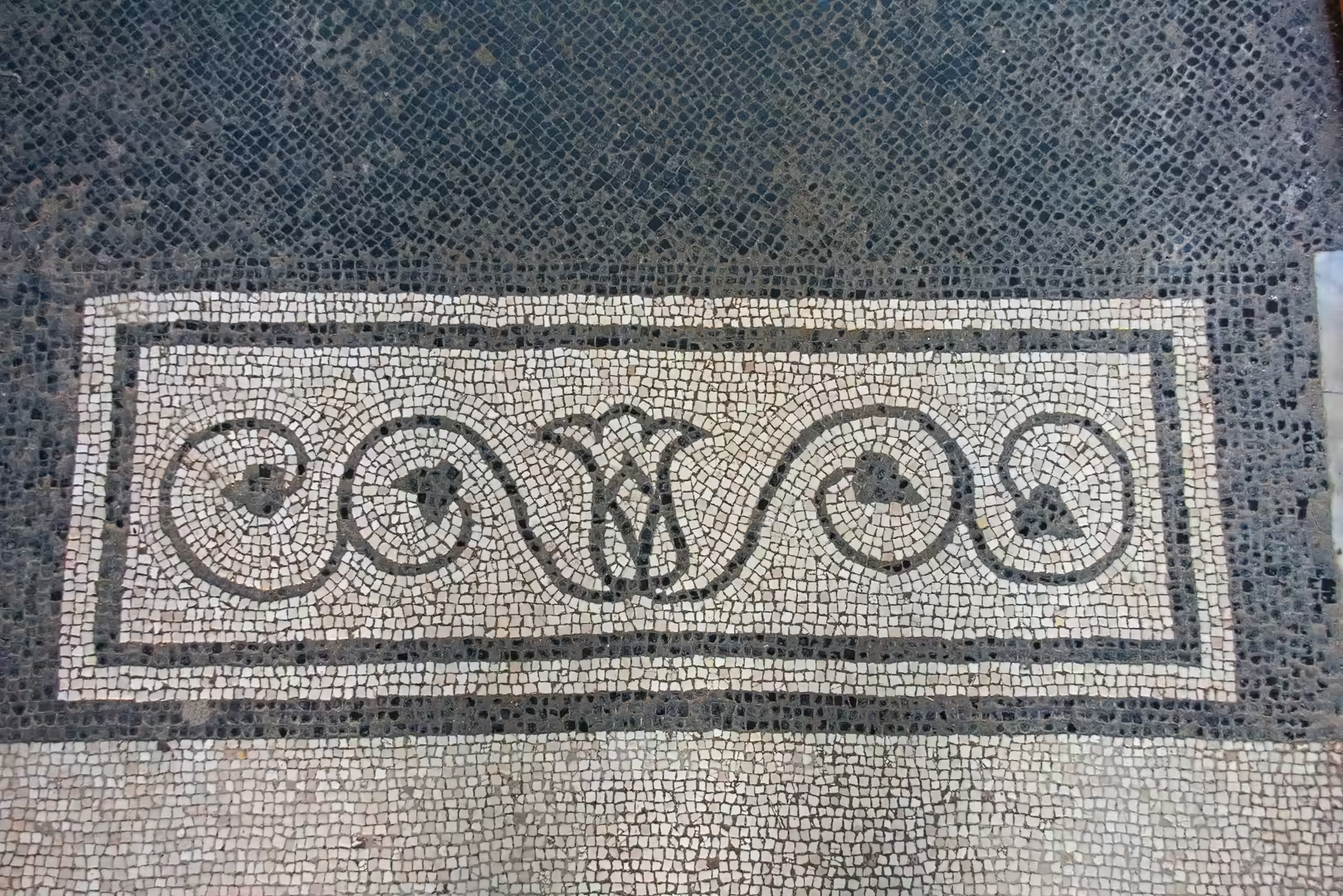
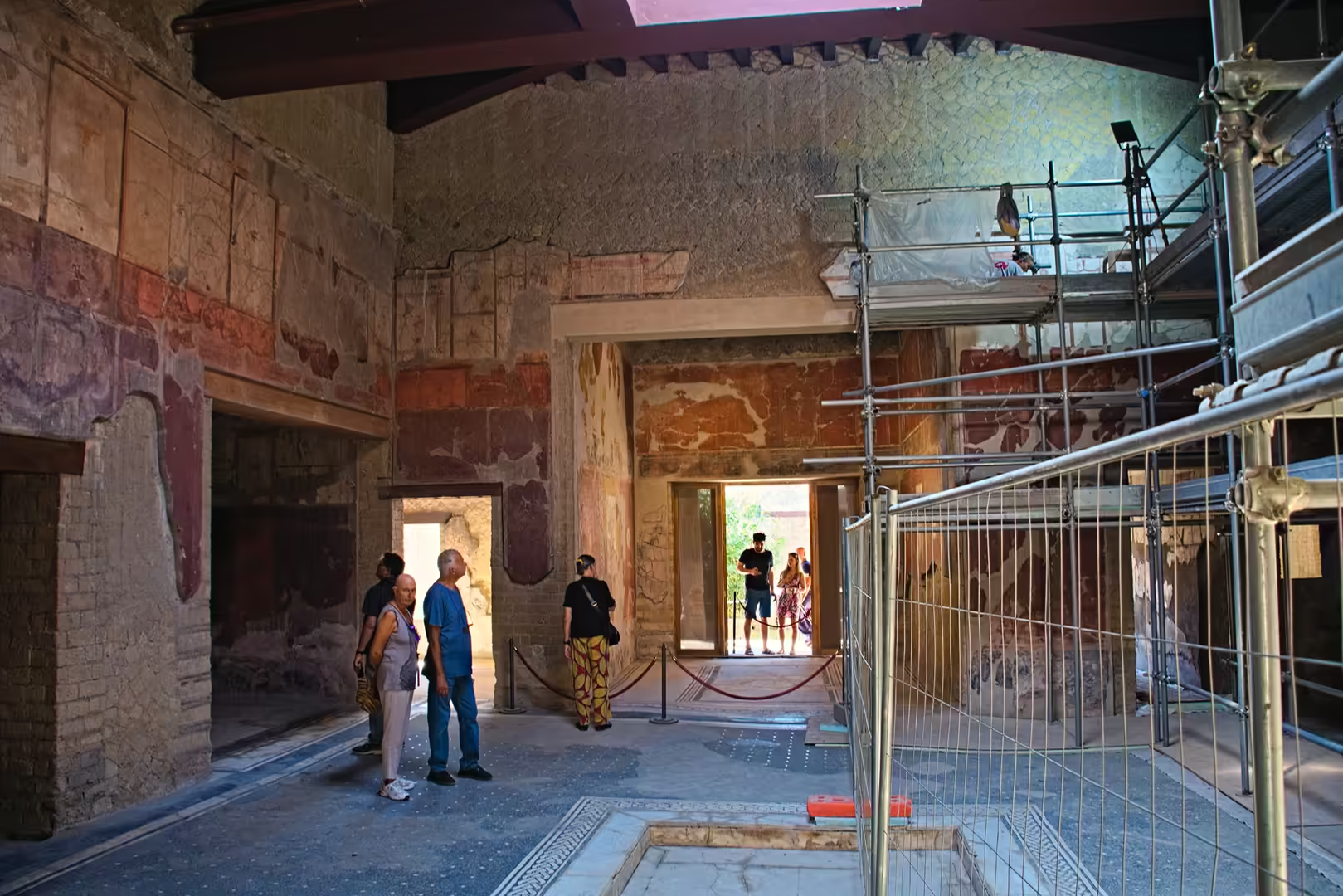
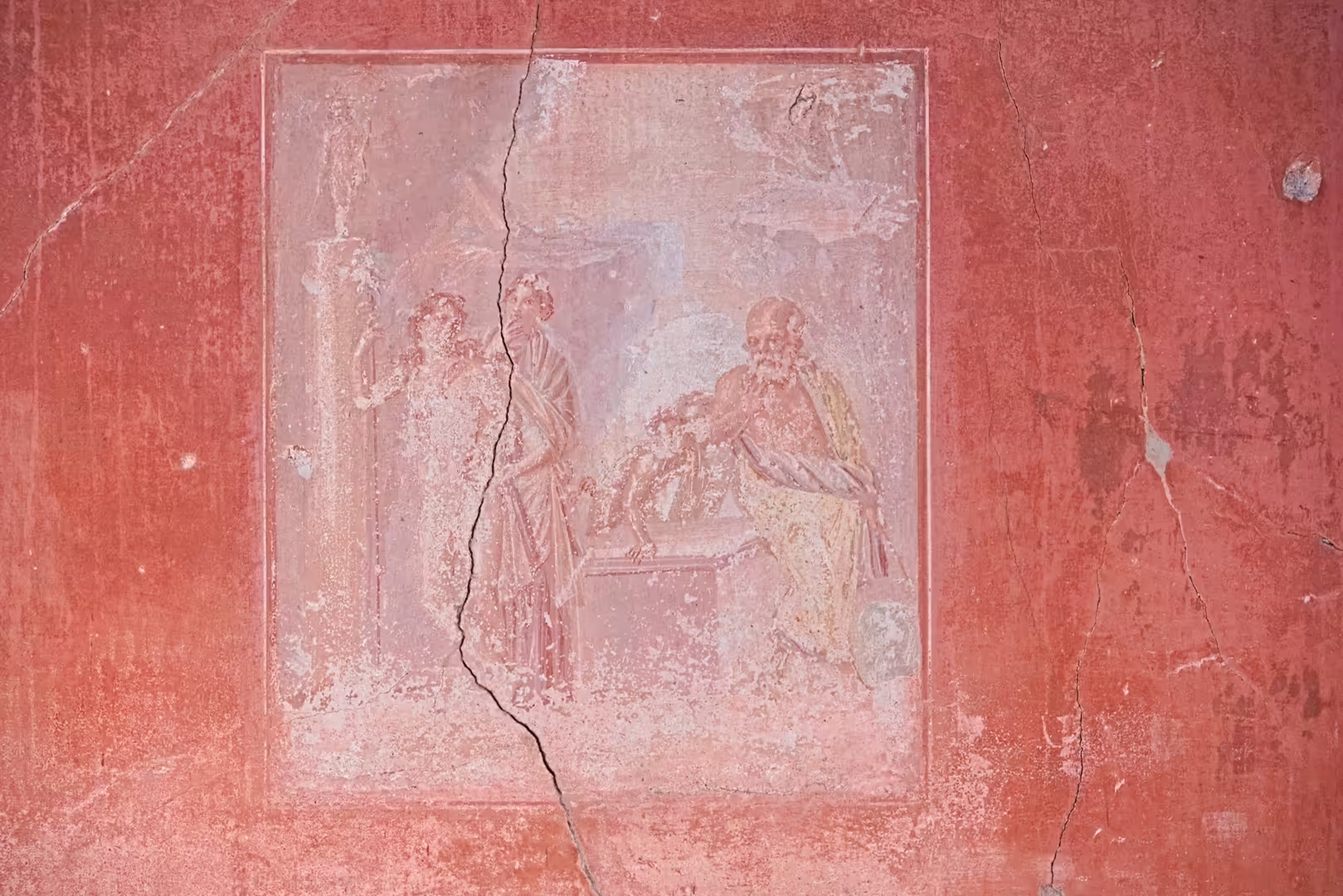
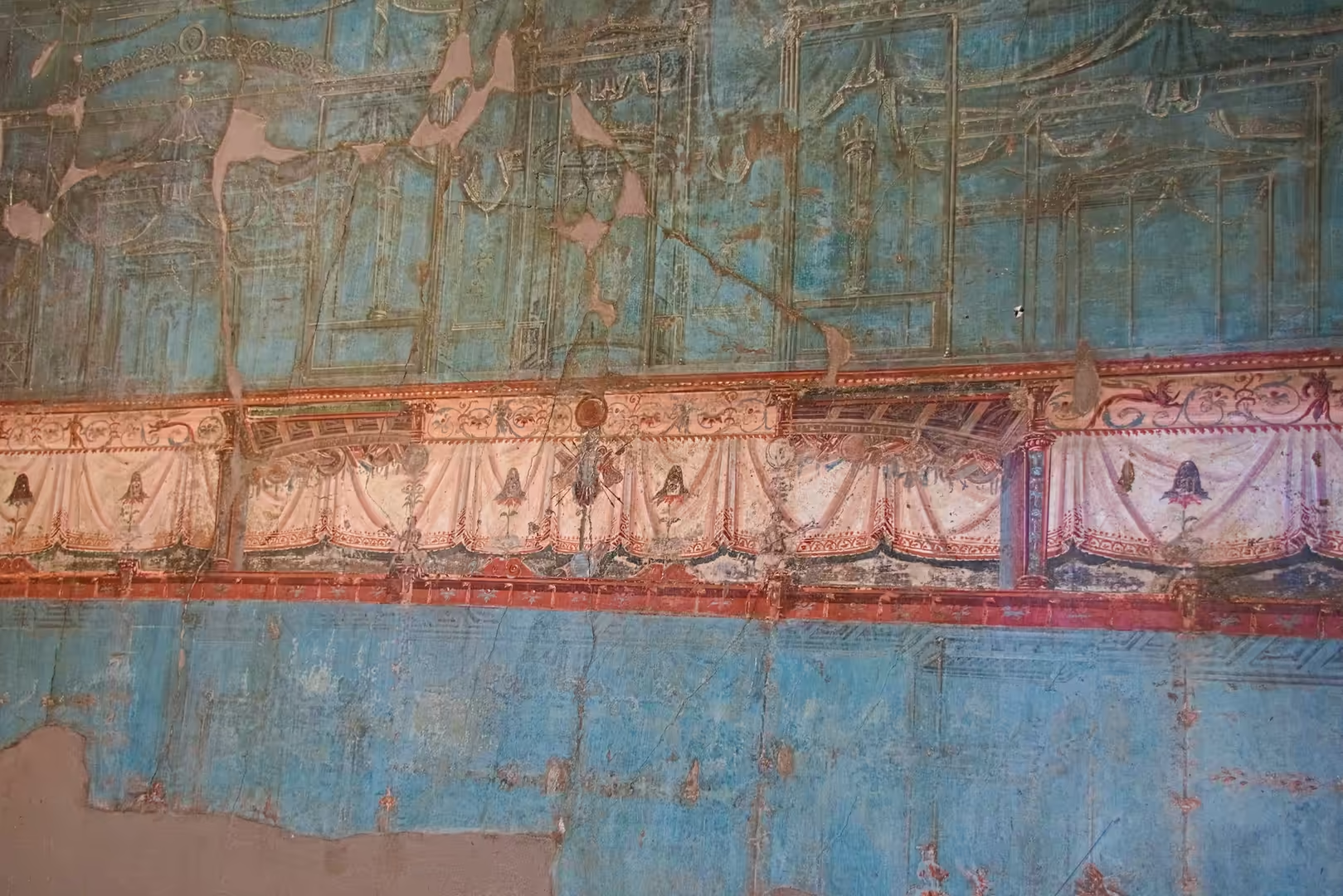
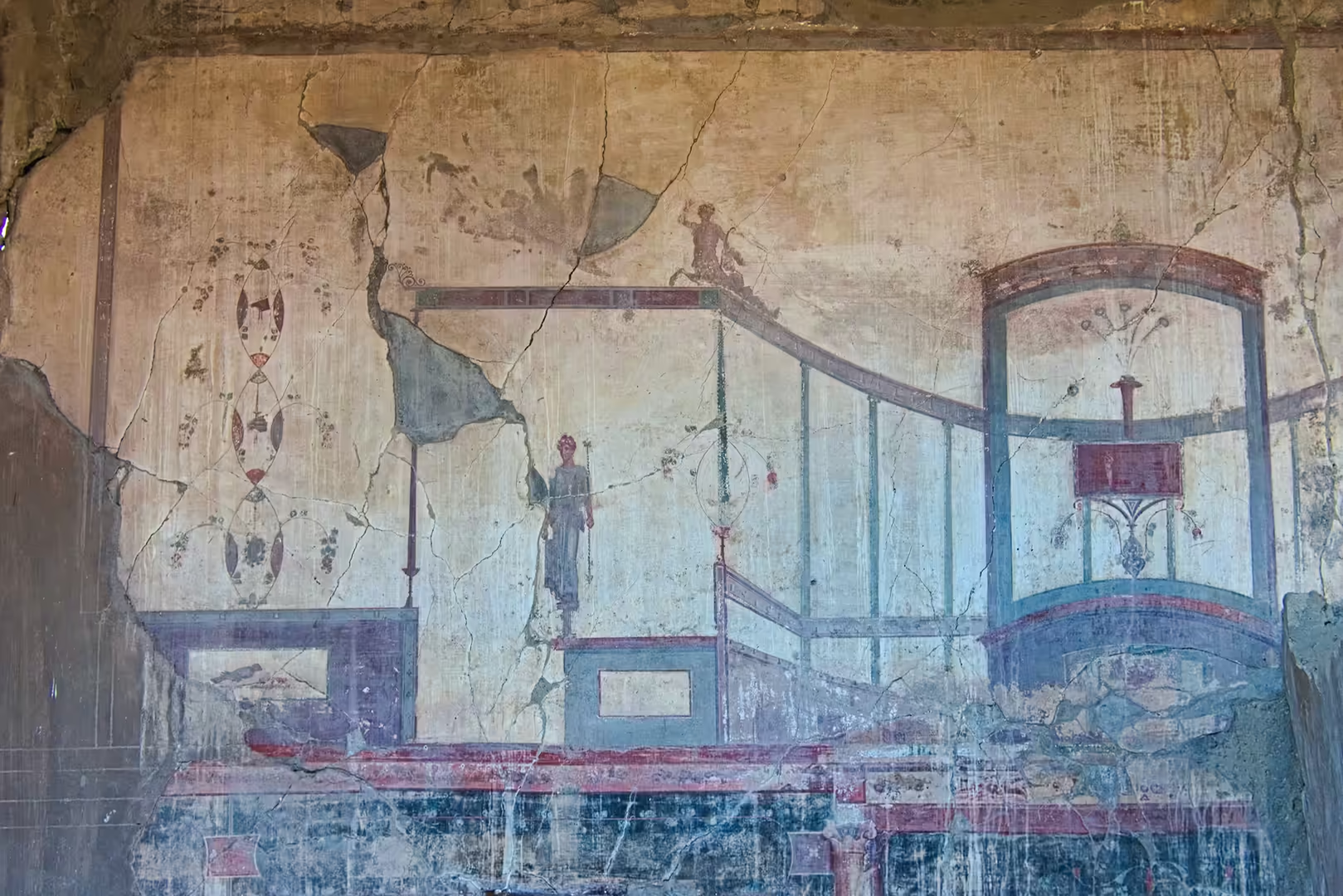
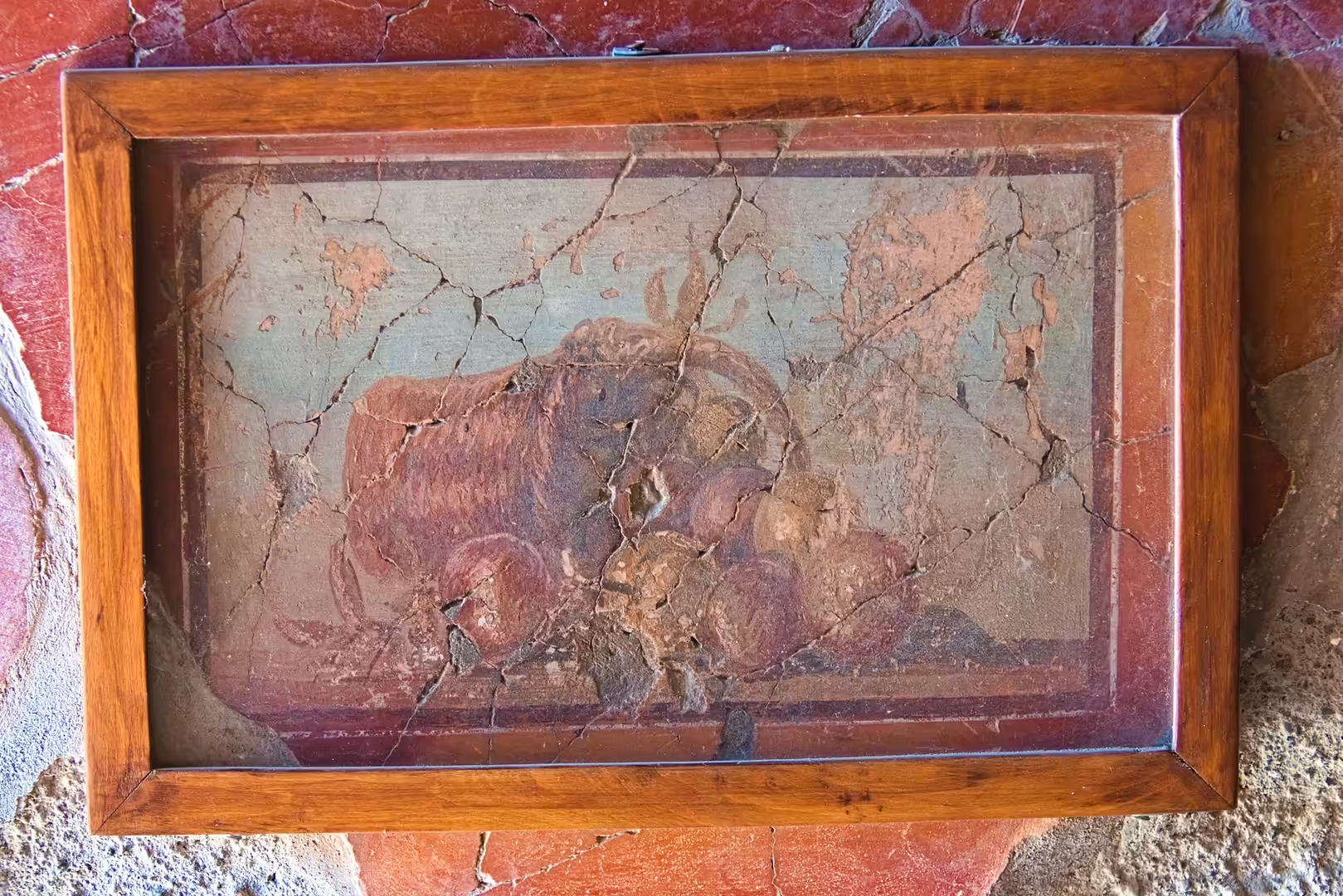
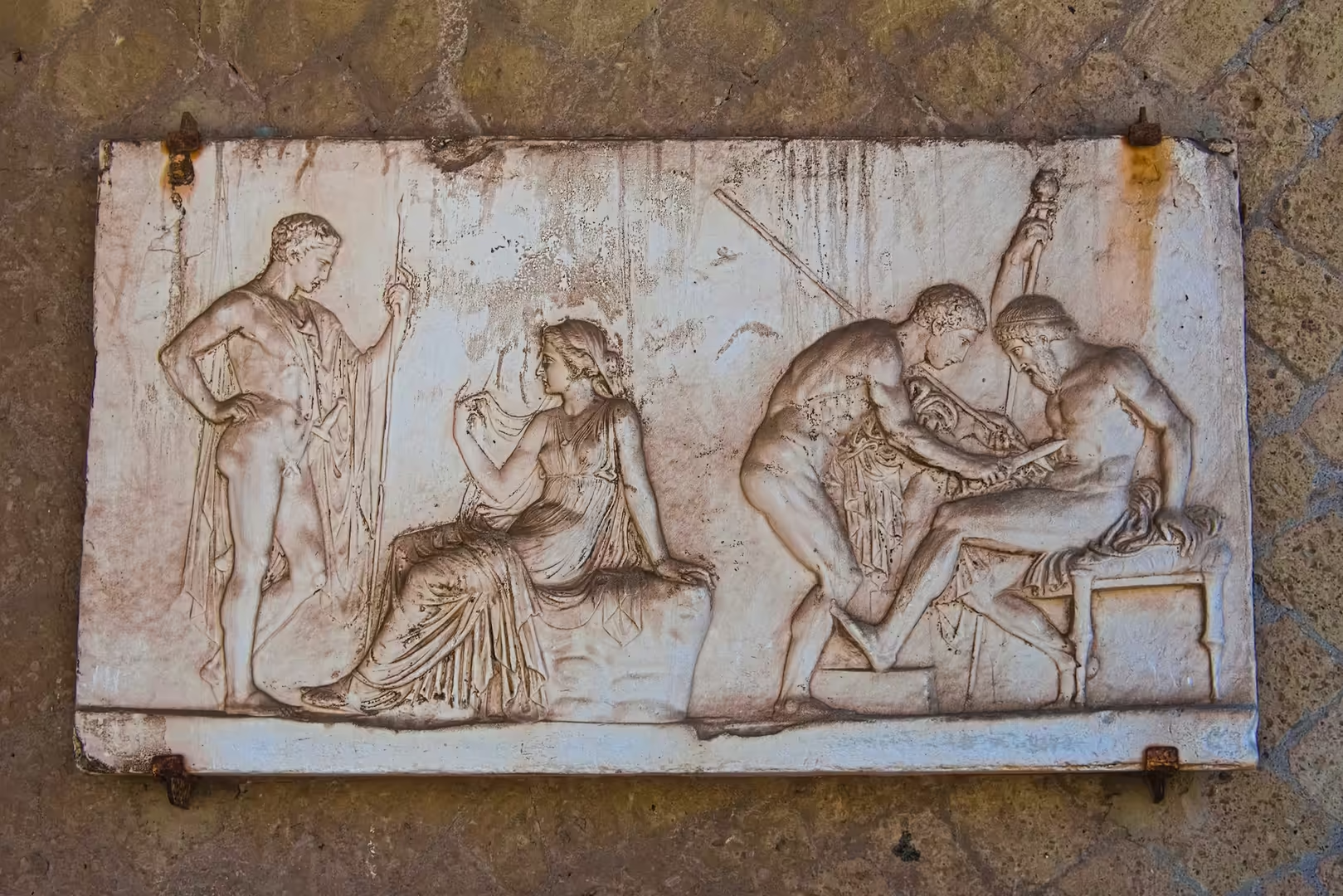
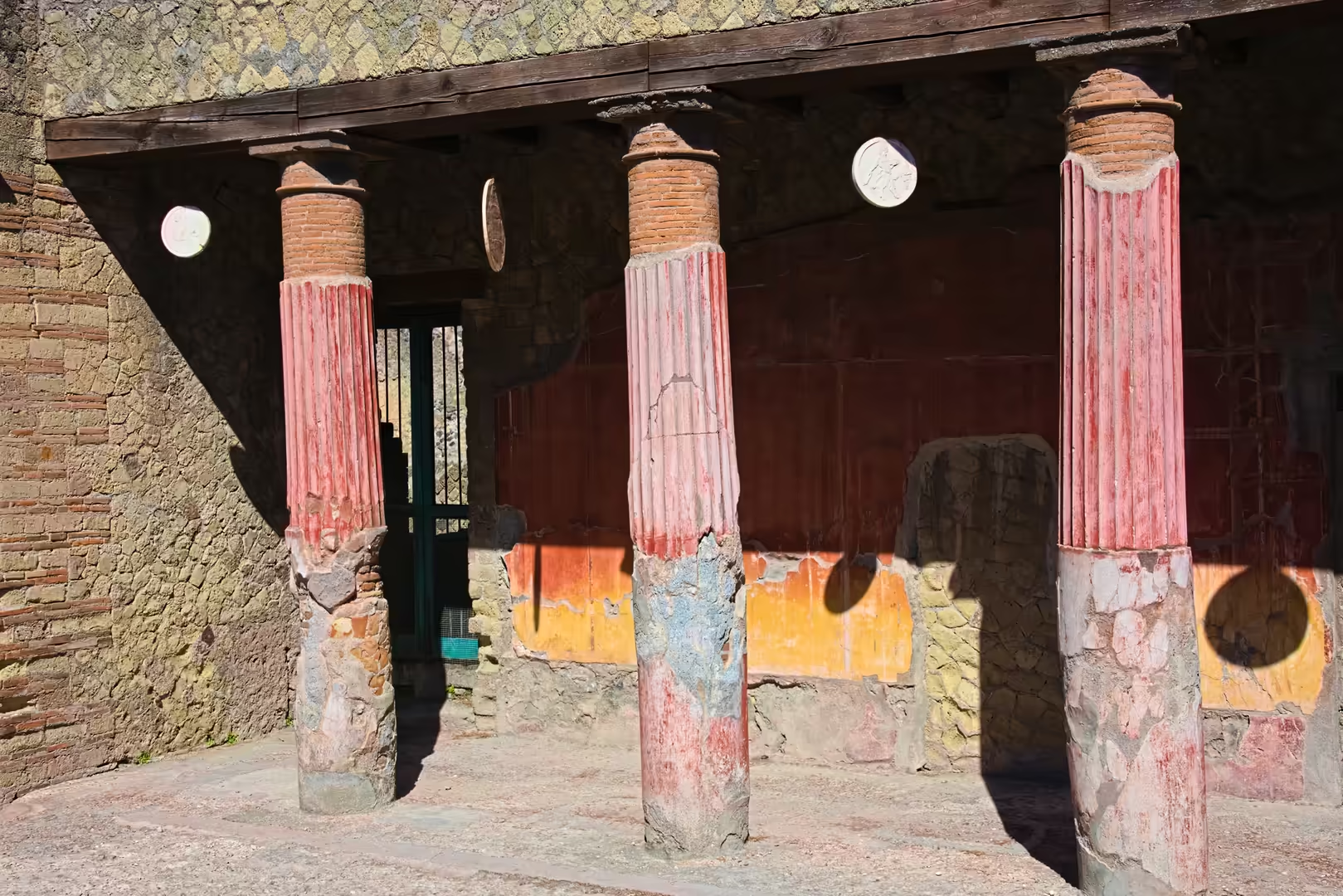
The excavated town is entered at its south-eastern edge and descends through the grid of narrow streets toward the ancient shoreline. The houses of Herculaneum are the great glory of the site: built on a more generous scale than those of Pompeii and often preserving their upper storeys, they include the House of the Wooden Partition, whose carbonised timber wall still separates atrium and tablinum; the House of the Deer, with its garden and marble sculptures; the House of the Relief of Telephus, with its painted mythological relief; and the elegant peristyle houses with their frescoes and mosaic floors, many of which still bear the colours and patterns of the first century AD.
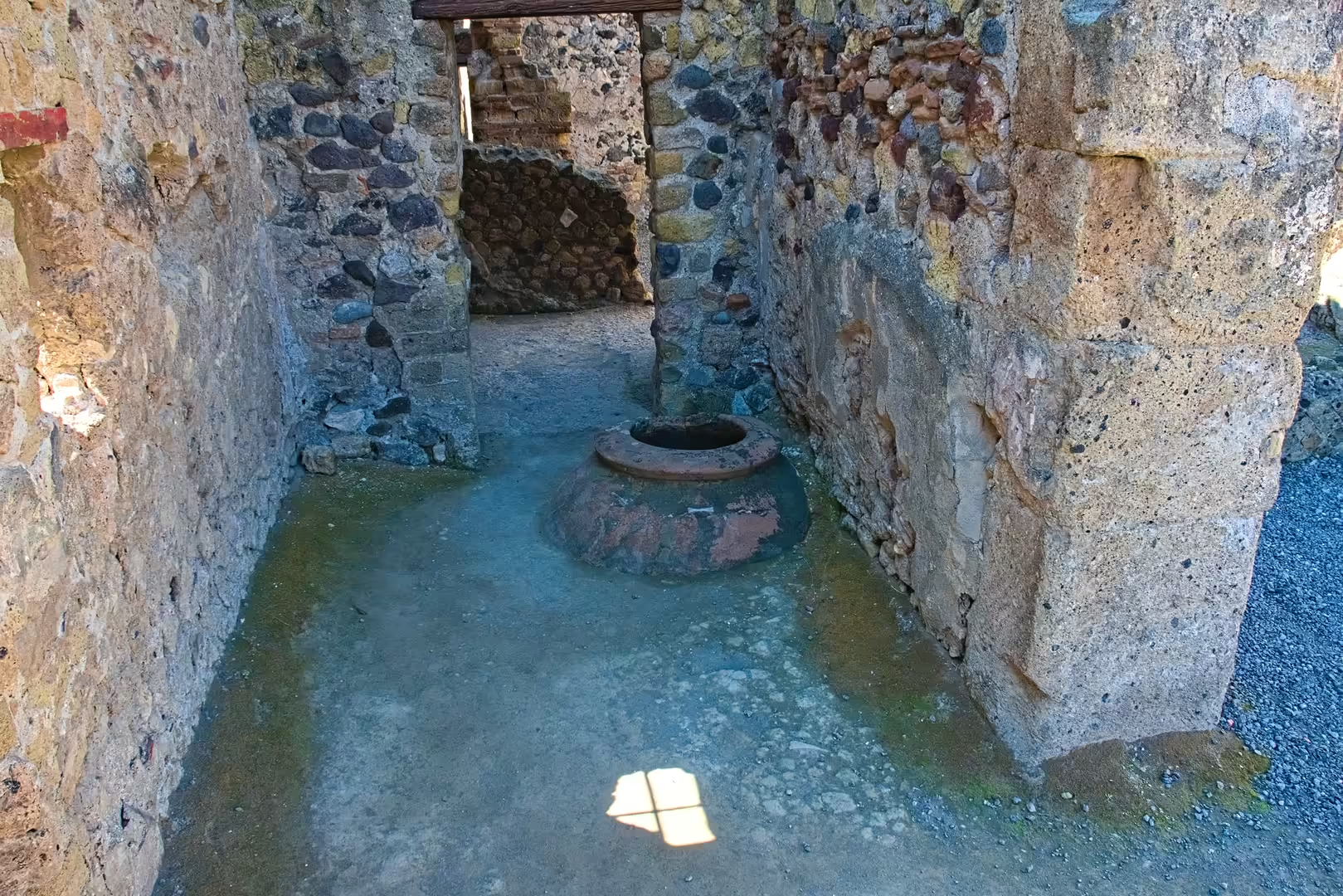
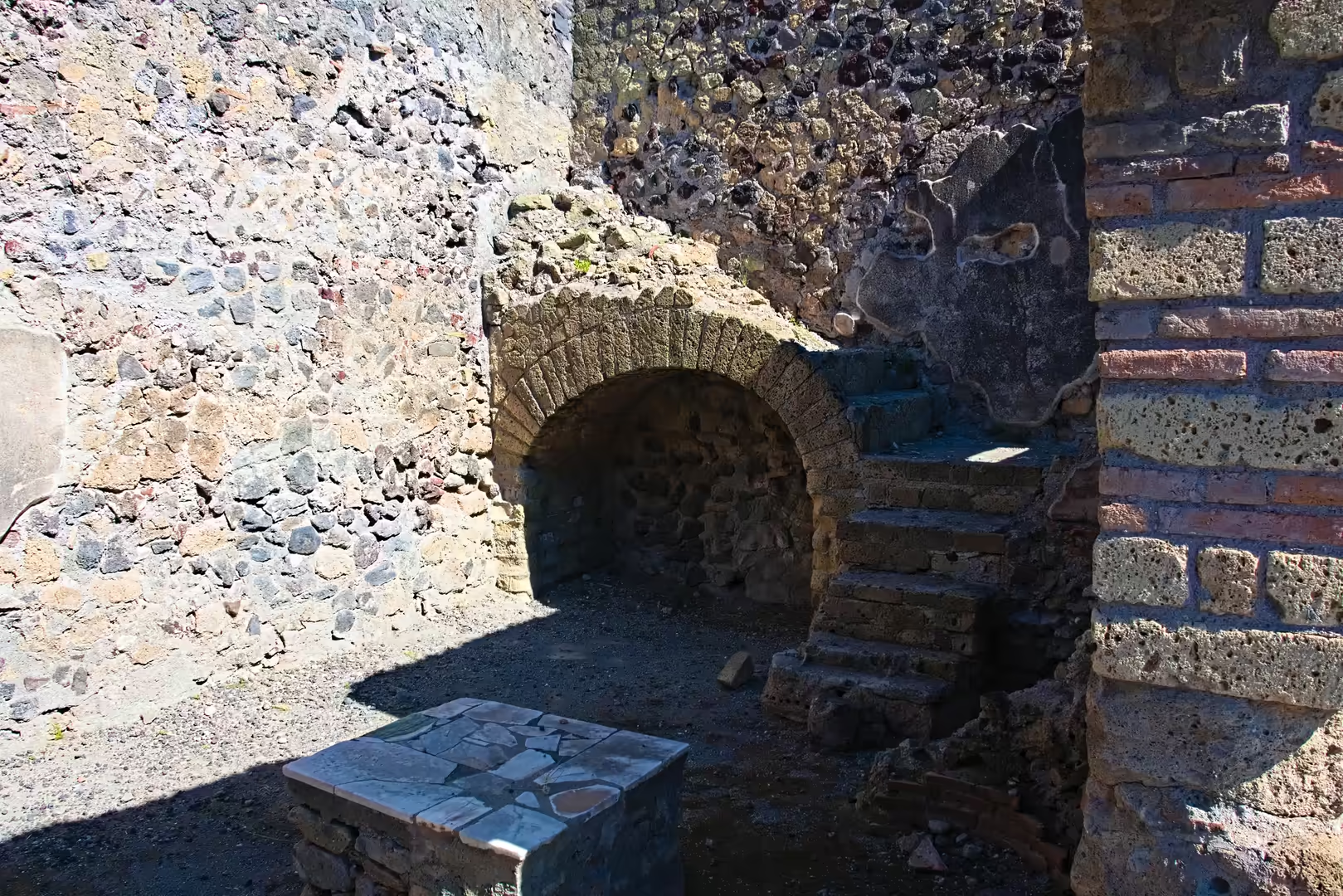
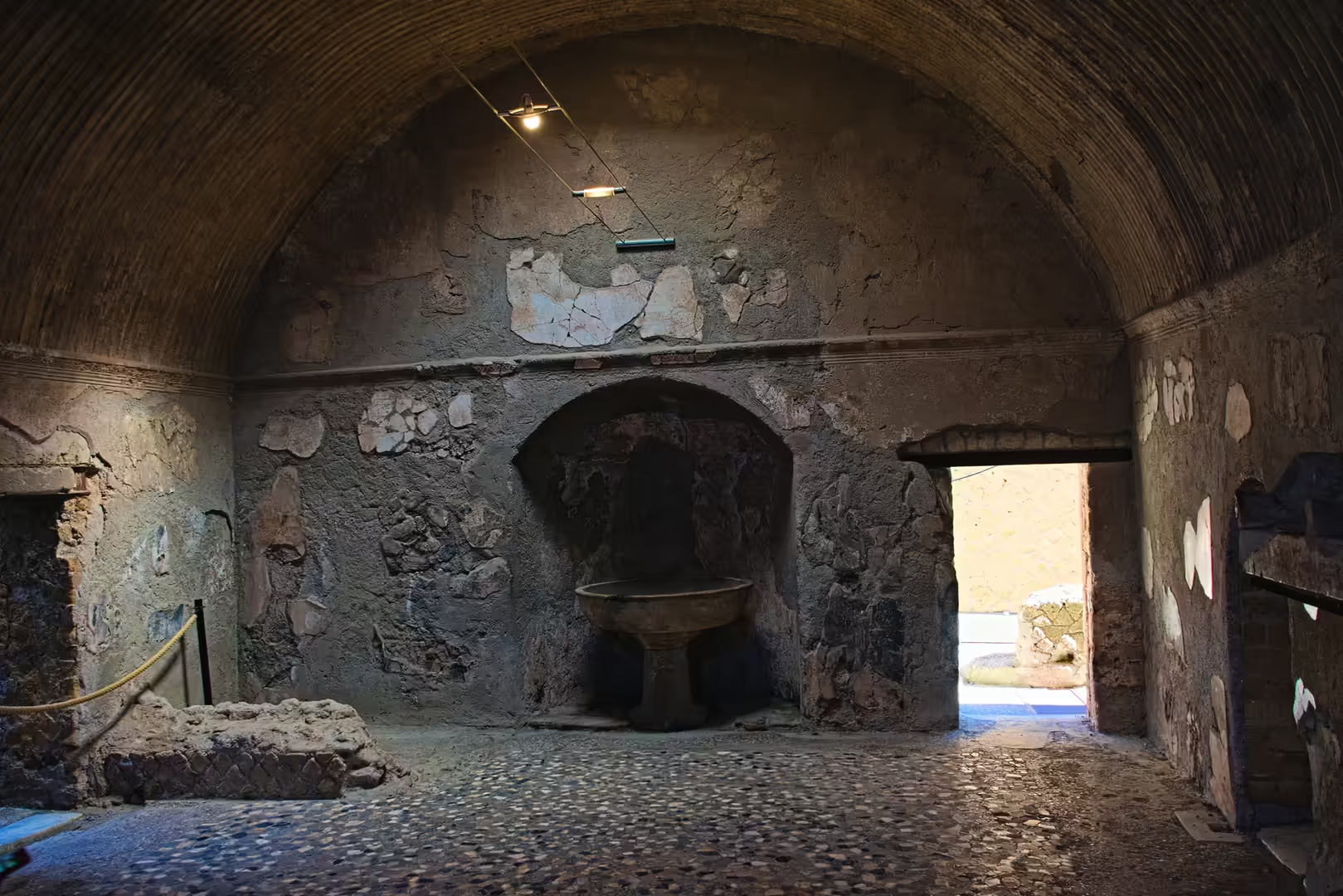
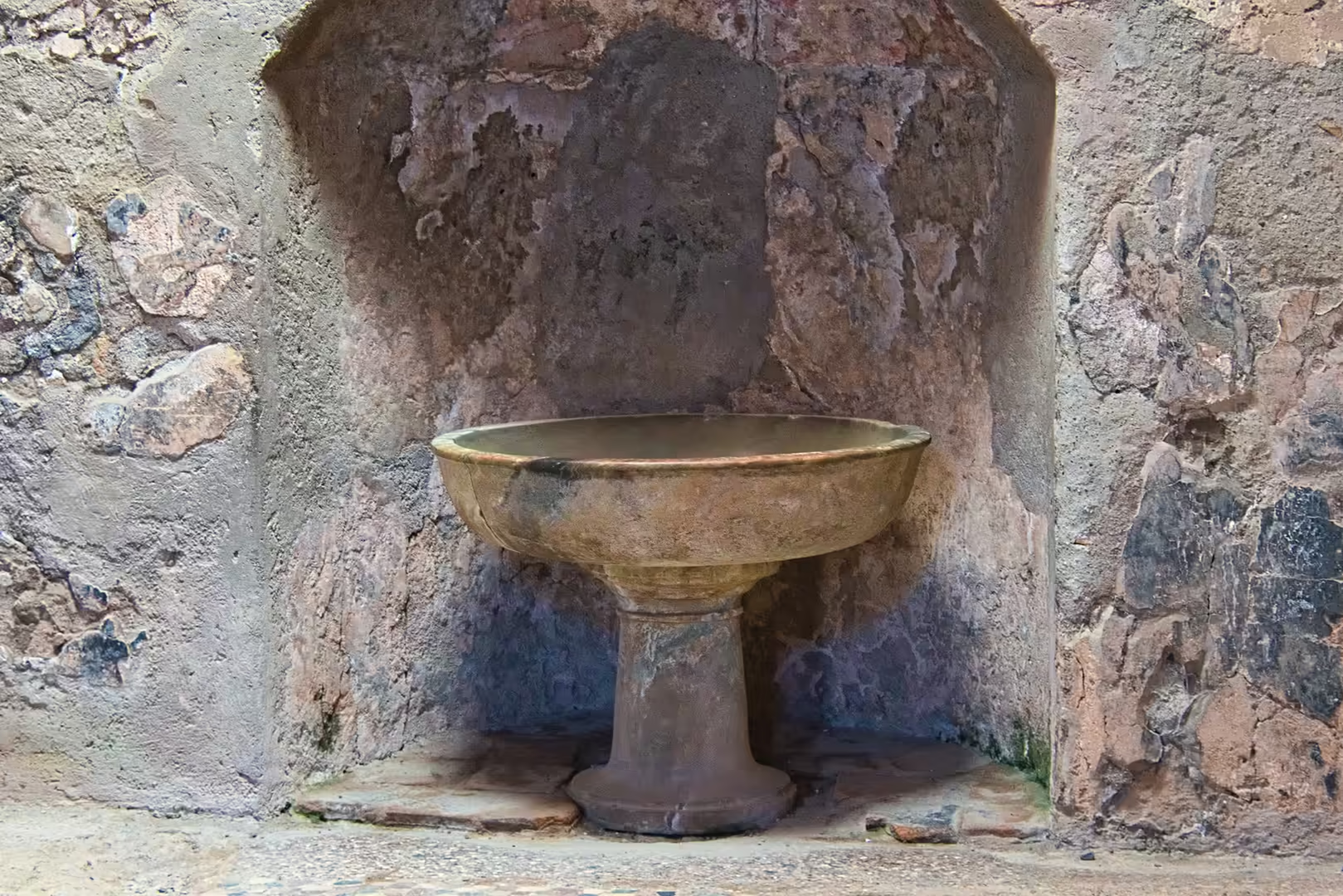
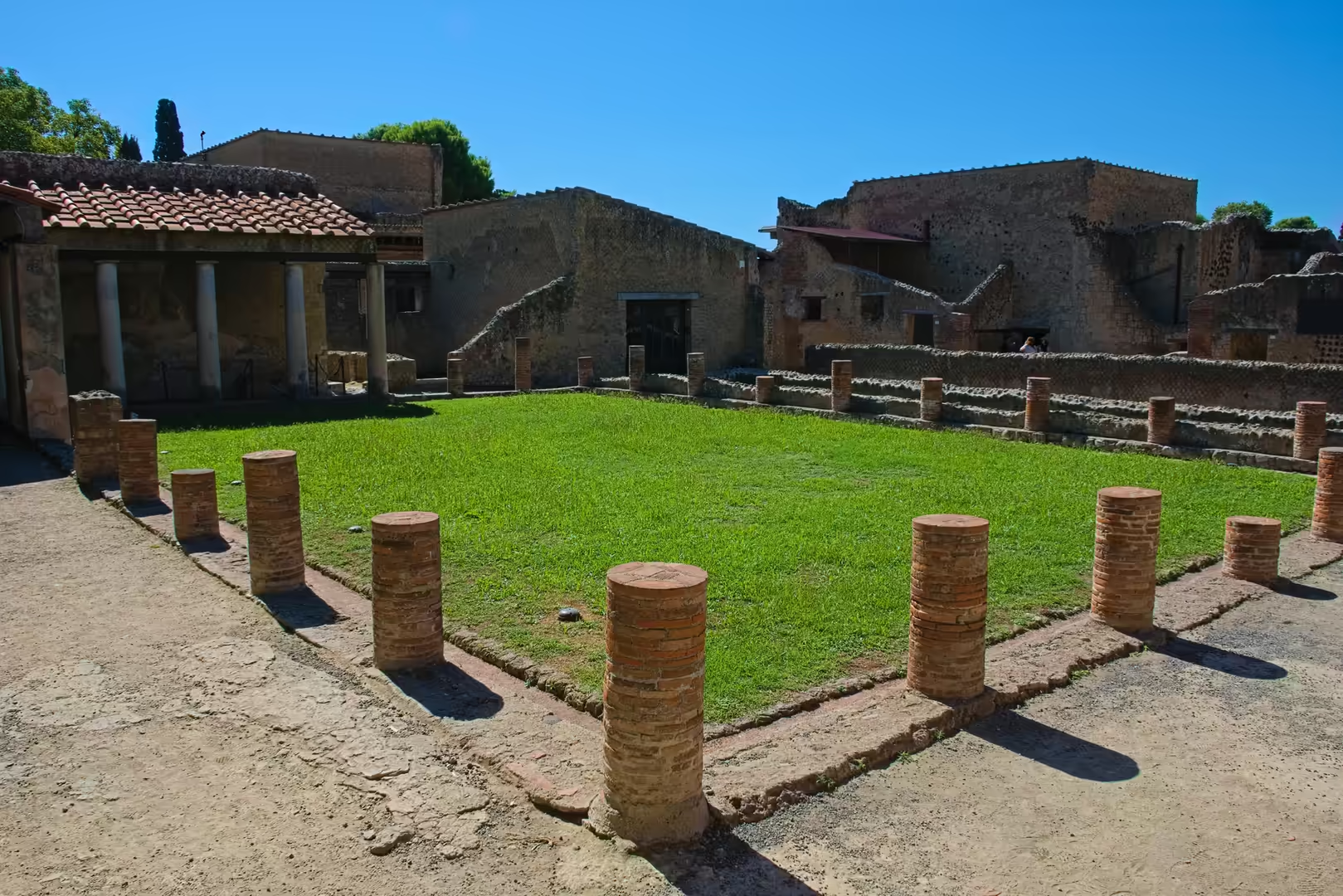
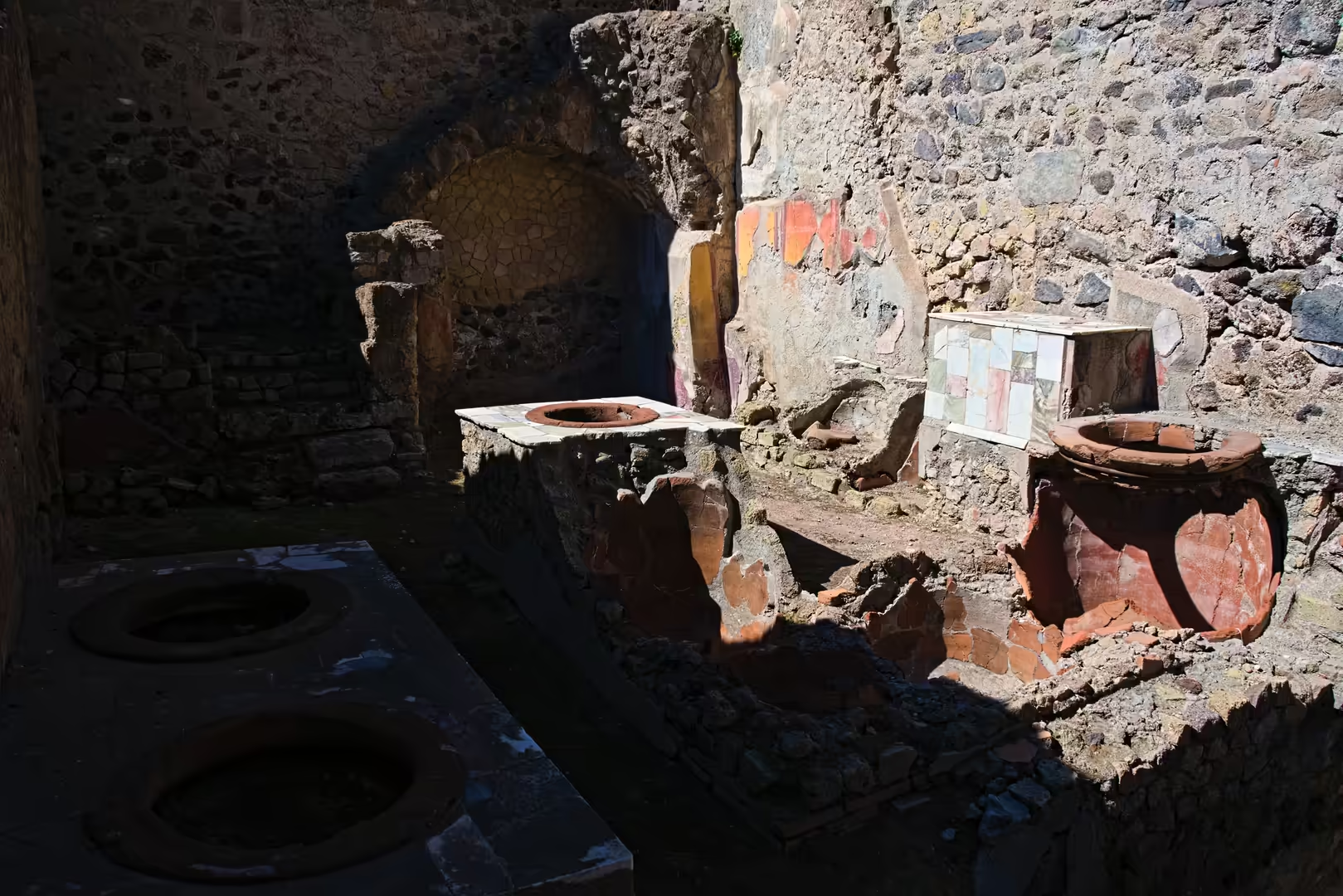
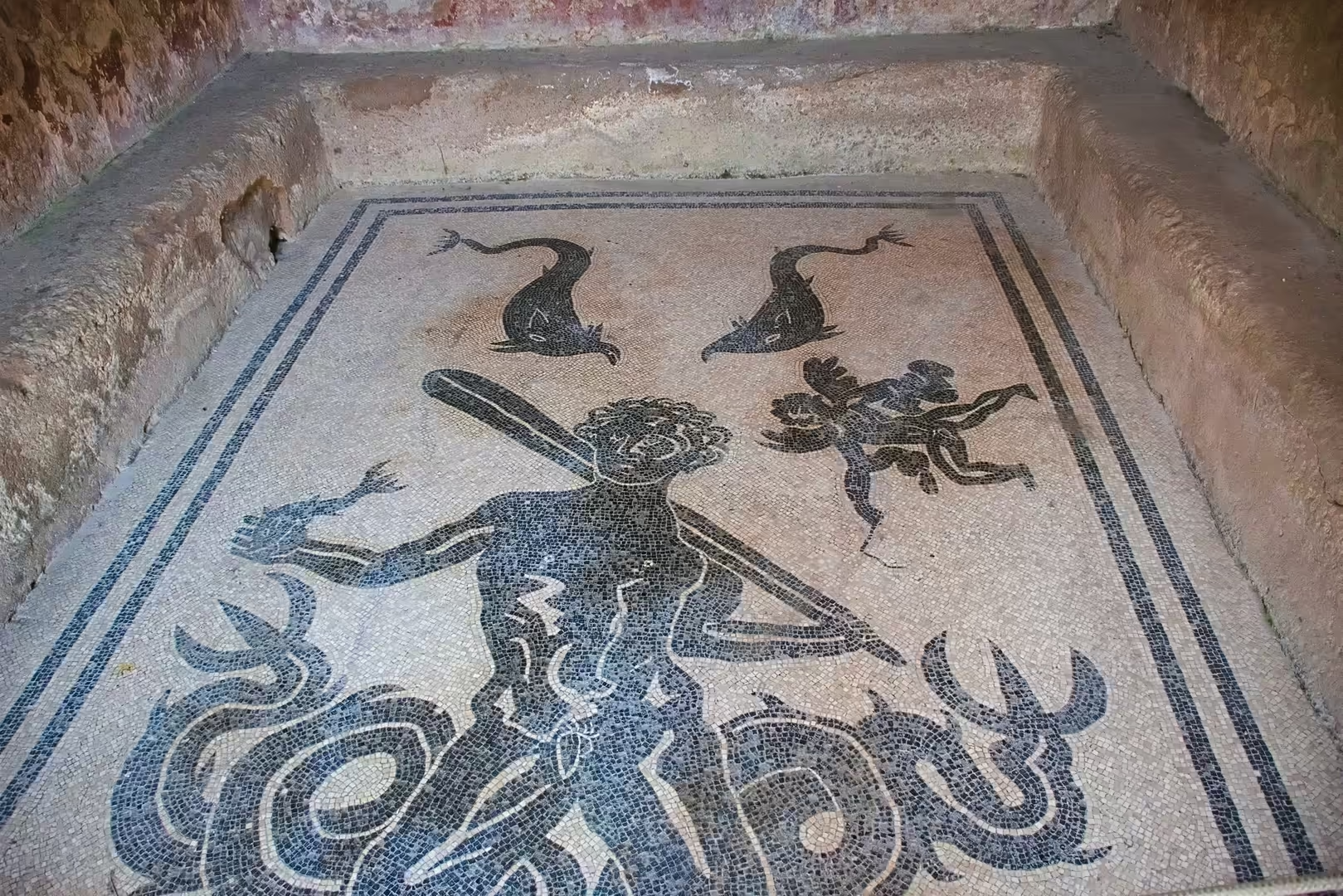
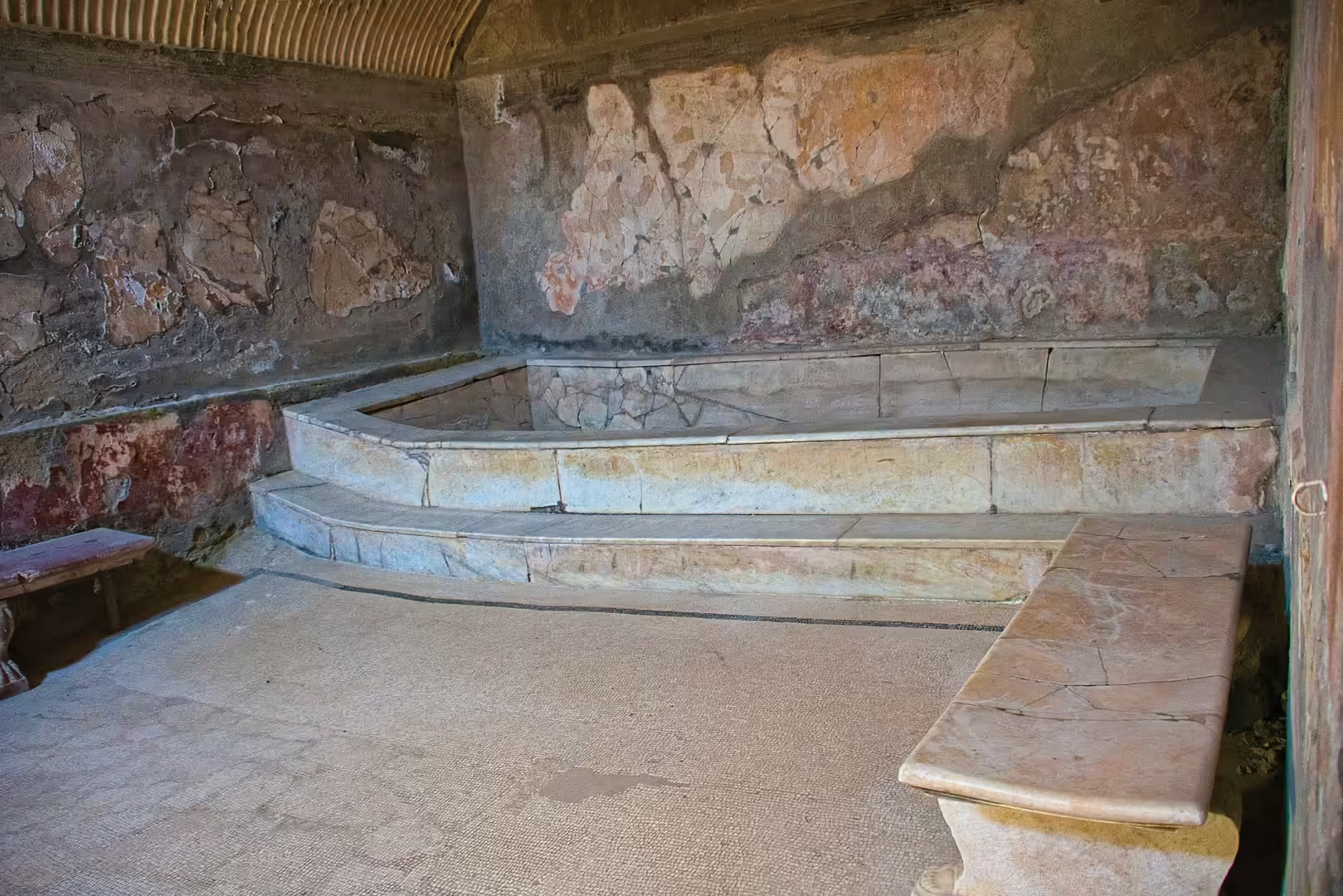
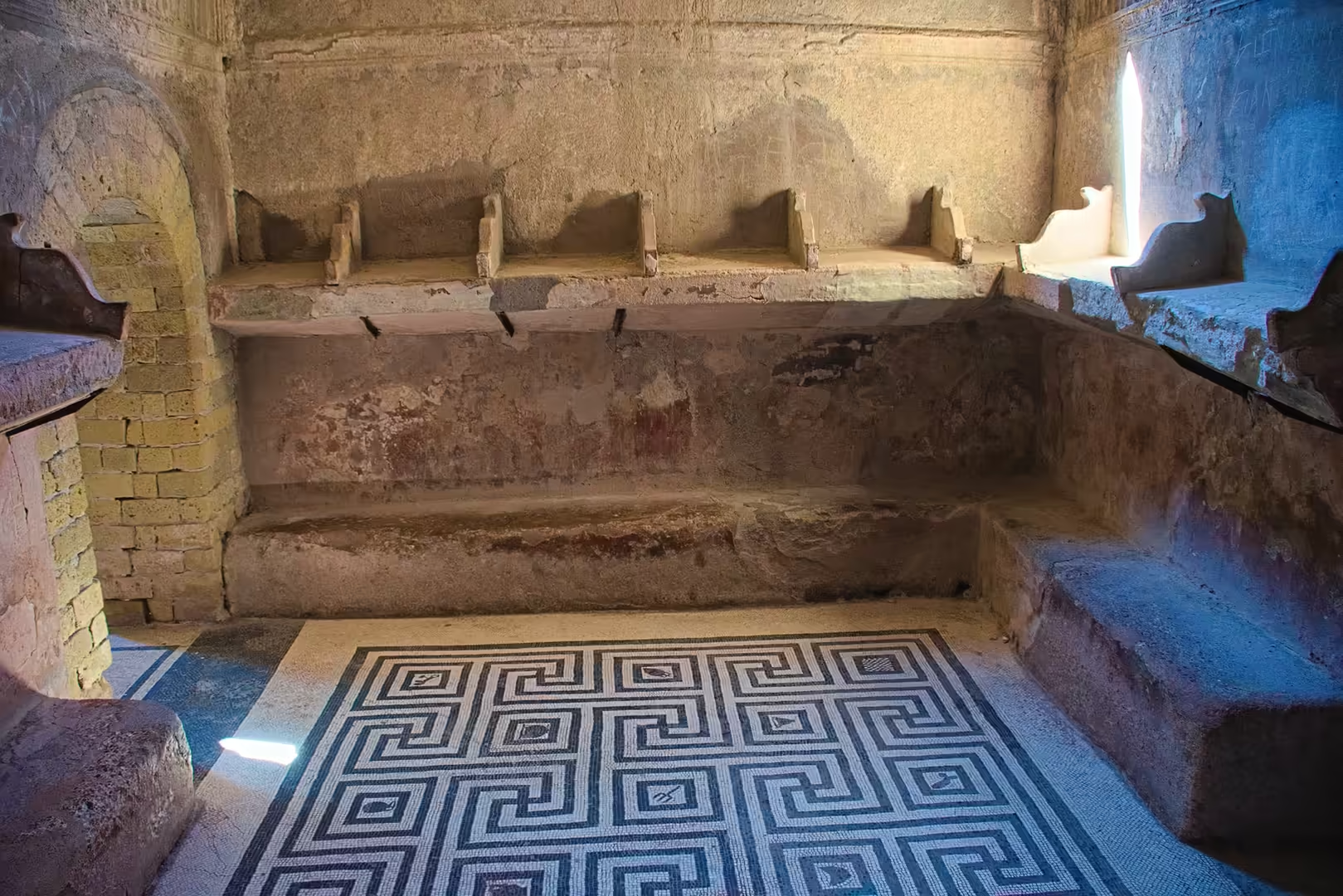
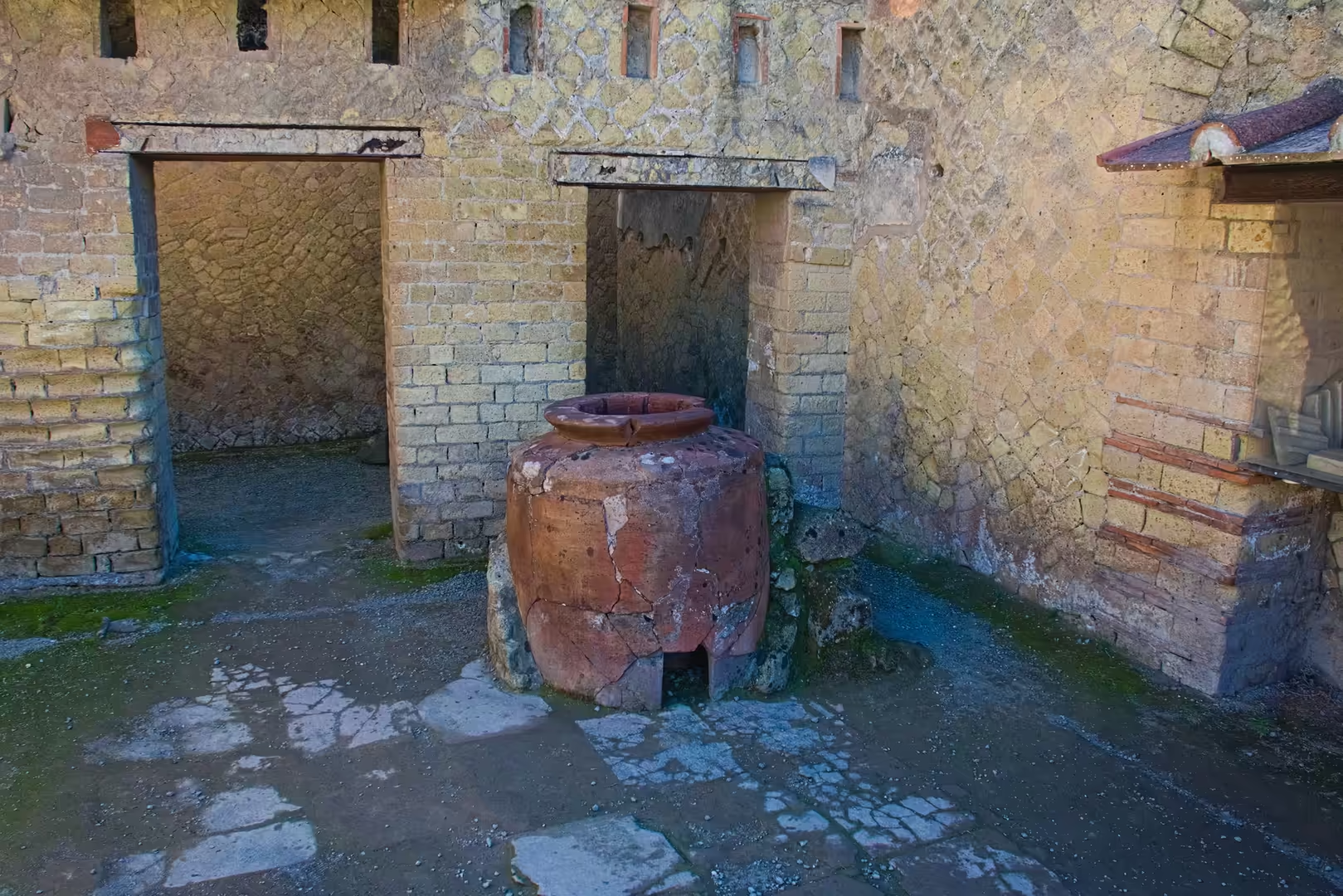
The public buildings of the excavated area include the baths of the forum and the Suburban Baths, the latter built on the seaward slope of the town and preserving their vaulted rooms and marble fittings; the palaestra, the large open exercise ground with its central pool; and the shops, taverns and workshops that lined the main streets, among them the thermopolium with its masonry counter. The theatre and the basilica of the town, together with the forum and most of the public centre, still lie buried beneath the modern city and are not accessible.
At the foot of the site, the vaulted boat chambers along the ancient beach (the fornici) contain the casts and skeletal remains of the victims of AD 79, displayed in situ in a manner that makes the human catastrophe of the eruption tangible; the skeletons, preserved in the chambers where the inhabitants awaited their evacuation, are among the most affecting exhibits of any archaeological site in Italy. Above the excavated town, the modern Ercolano climbs the slopes of the volcano, and the view from the site across the bay takes in the coast toward Naples and the islands of the gulf.
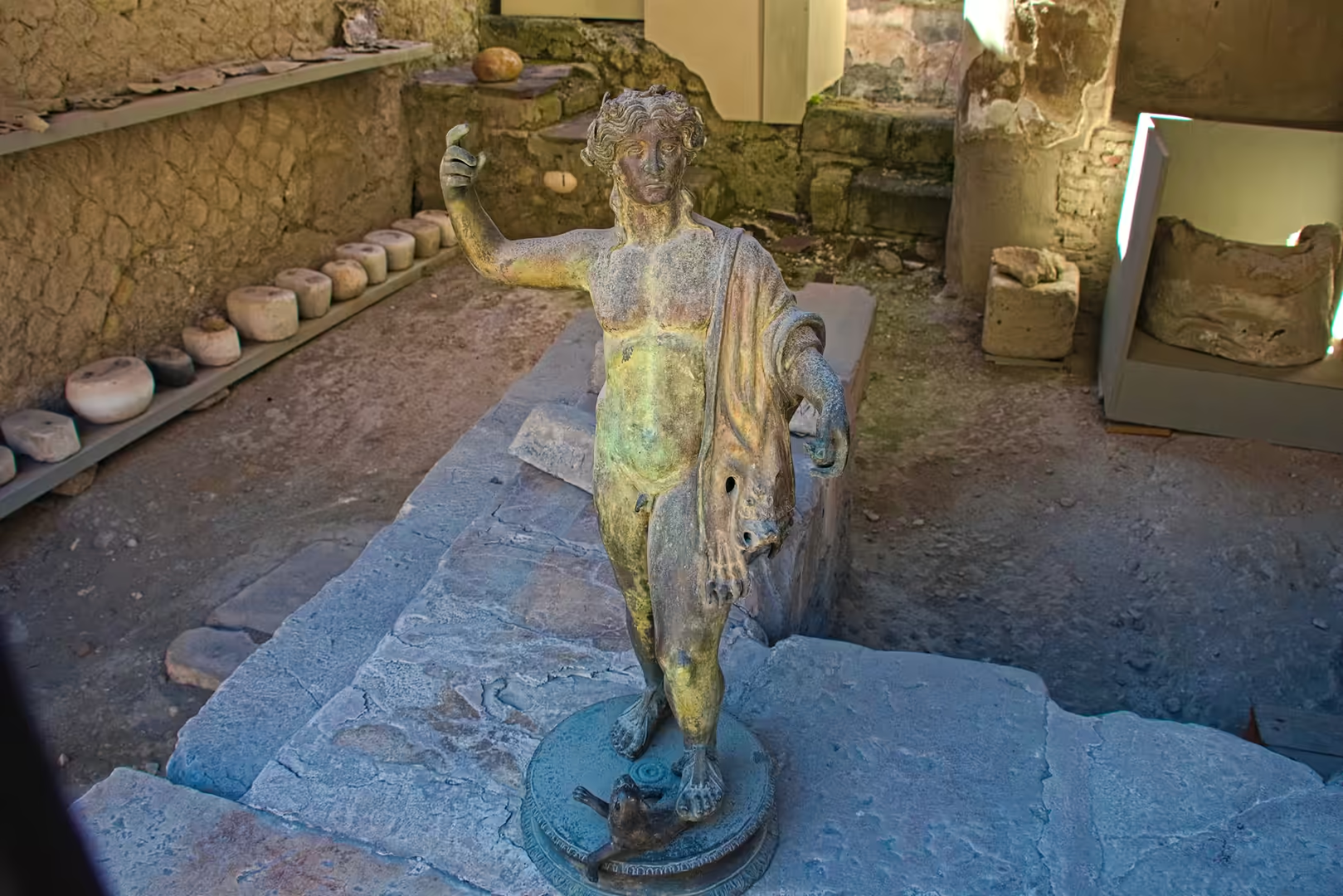
Beyond the excavated area, the unexcavated heritage of Herculaneum includes the Villa of the Papyri, the vast seaside villa on four terraces attributed to Lucius Calpurnius Piso Caesoninus, whose library of carbonised papyrus rolls (the Herculaneum papyri, recovered in the eighteenth century and now in the National Library of Naples) is the only ancient library to have survived virtually intact; since 2023 the Vesuvius Challenge has applied machine learning to read the unopened rolls, succeeding in 2024 in deciphering hundreds of words from a single scroll. The finds of Herculaneum, including the bronzes and marbles recovered in the eighteenth century, are displayed in the National Archaeological Museum in Naples, and the Getty Villa in California was modelled on the plan of the Villa of the Papyri.
References
- Deiss, J. J. (1989). Herculaneum: Italy’s Buried Treasure. Rev. edn. Malibu: J. Paul Getty Museum.
- Mastrolorenzo, G., Petrone, P. P., Pagano, M., Incoronato, A., Baxter, P. J., Canzanella, A. & Fattore, L. (2001). Herculaneum victims of Vesuvius in AD 79. Nature 410, 769-770. nature.com/articles/35071167
- Wallace-Hadrill, A. (2011). Herculaneum: Past and Future. London: Frances Lincoln.
- UNESCO World Heritage Centre (1997). Archaeological Areas of Pompeii, Herculaneum and Torre Annunziata. World Heritage List, ref. 829. whc.unesco.org/en/list/829
- Wikipedia contributors (2026). Herculaneum. en.wikipedia.org/wiki/Herculaneum
- Wikipedia contributors (2026). Ercolano. en.wikipedia.org/wiki/Ercolano
- Wikipedia contributors (2026). Villa of the Papyri. en.wikipedia.org/wiki/Villa_of_the_Papyri
- Wikipedia contributors (2026). Herculaneum papyri. en.wikipedia.org/wiki/Herculaneum_papyri
- Wikipedia contributors (2026). Vesuvius Challenge. en.wikipedia.org/wiki/Vesuvius_Challenge
- Wikipedia contributors (2026). Amedeo Maiuri. en.wikipedia.org/wiki/Amedeo_Maiuri
- Wikipedia contributors (2026). Eruption of Mount Vesuvius in 79 AD. en.wikipedia.org/wiki/Eruption_of_Mount_Vesuvius_in_79_AD
- Wikipedia contributors (2026). Mount Vesuvius. en.wikipedia.org/wiki/Mount_Vesuvius
- Wikipedia contributors (2026). Pompeii. en.wikipedia.org/wiki/Pompeii
- Wikipedia contributors (2026). National Archaeological Museum, Naples. en.wikipedia.org/wiki/National_Archaeological_Museum,_Naples
- Wikipedia contributors (2026). Bay of Naples. en.wikipedia.org/wiki/Bay_of_Naples