Day 4 - Taormina



Journal Notes
General
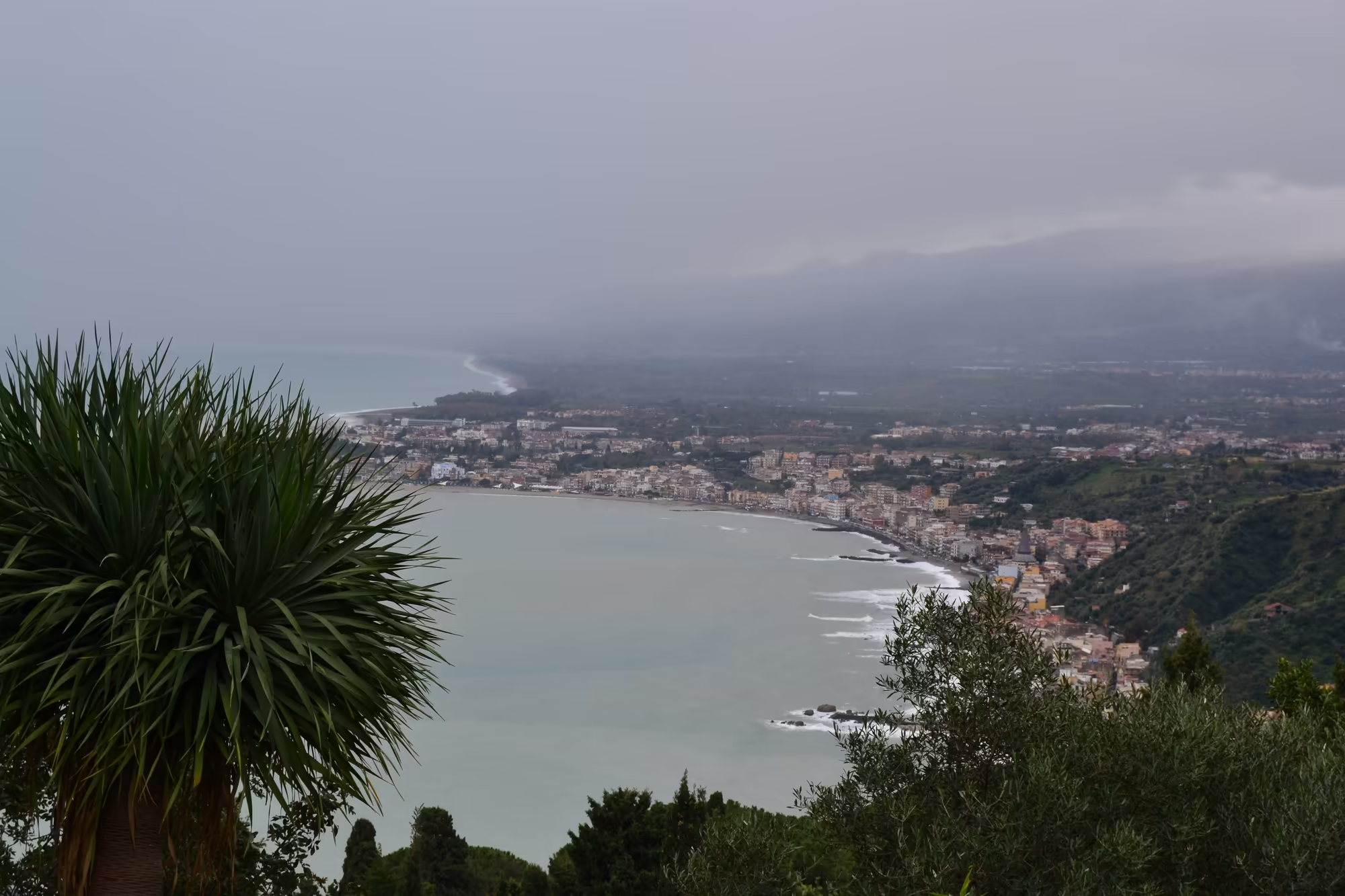
Taormina is a town of the Metropolitan City of Messina on the east coast of Sicily, and it has been a destination for travellers since the nineteenth century. It occupies a shelf of the hillside above the Ionian Sea, with its houses and gardens stacked between the mountain behind and the water below, and its beaches, including the one at Isola Bella, are reached by an aerial tramway built in 1992 as well as by the roads that come down from Messina in the north and Catania in the south. The town is the reason for this day, and the album follows it from the gardens at the top to the shore beneath.
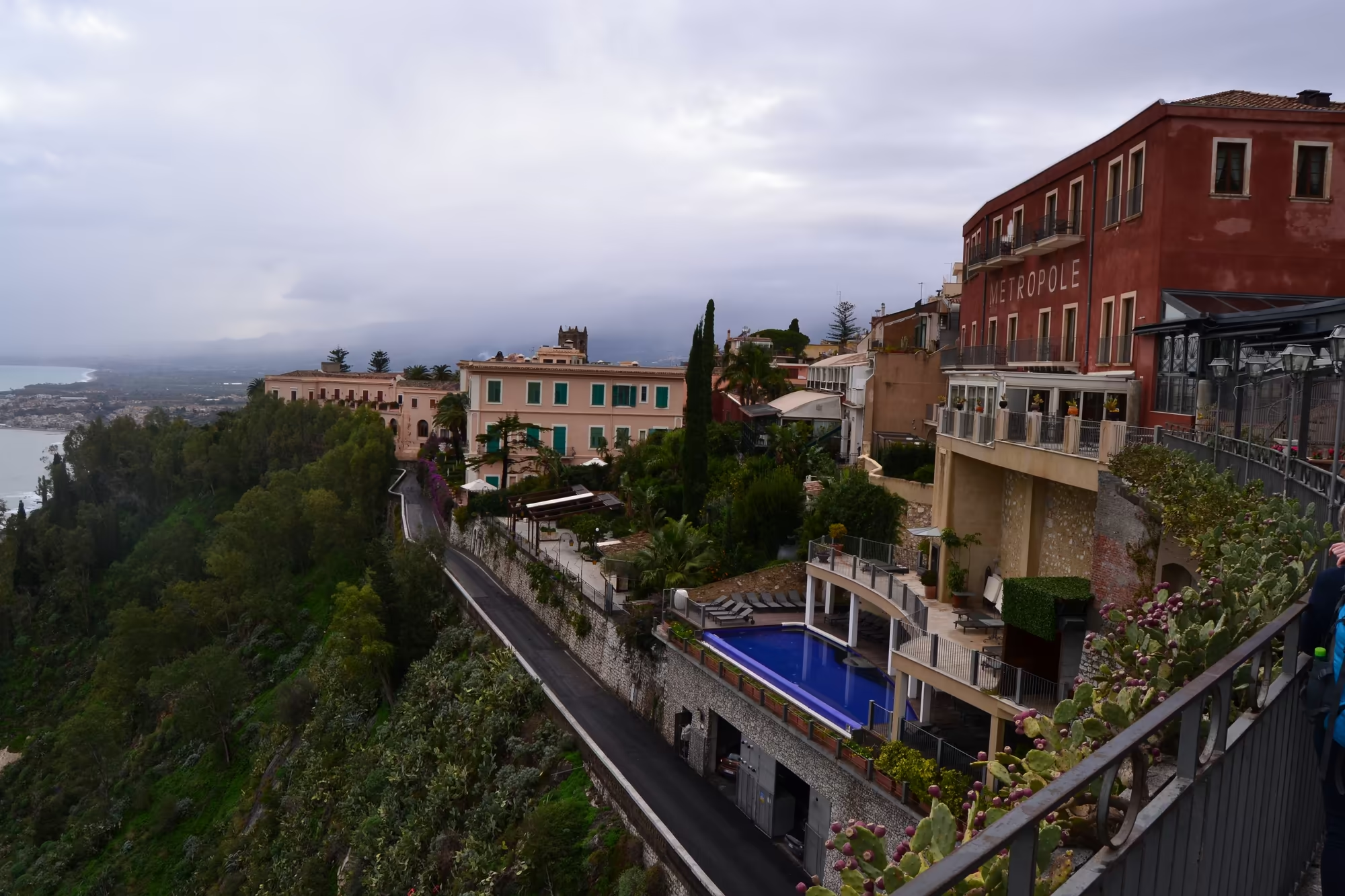
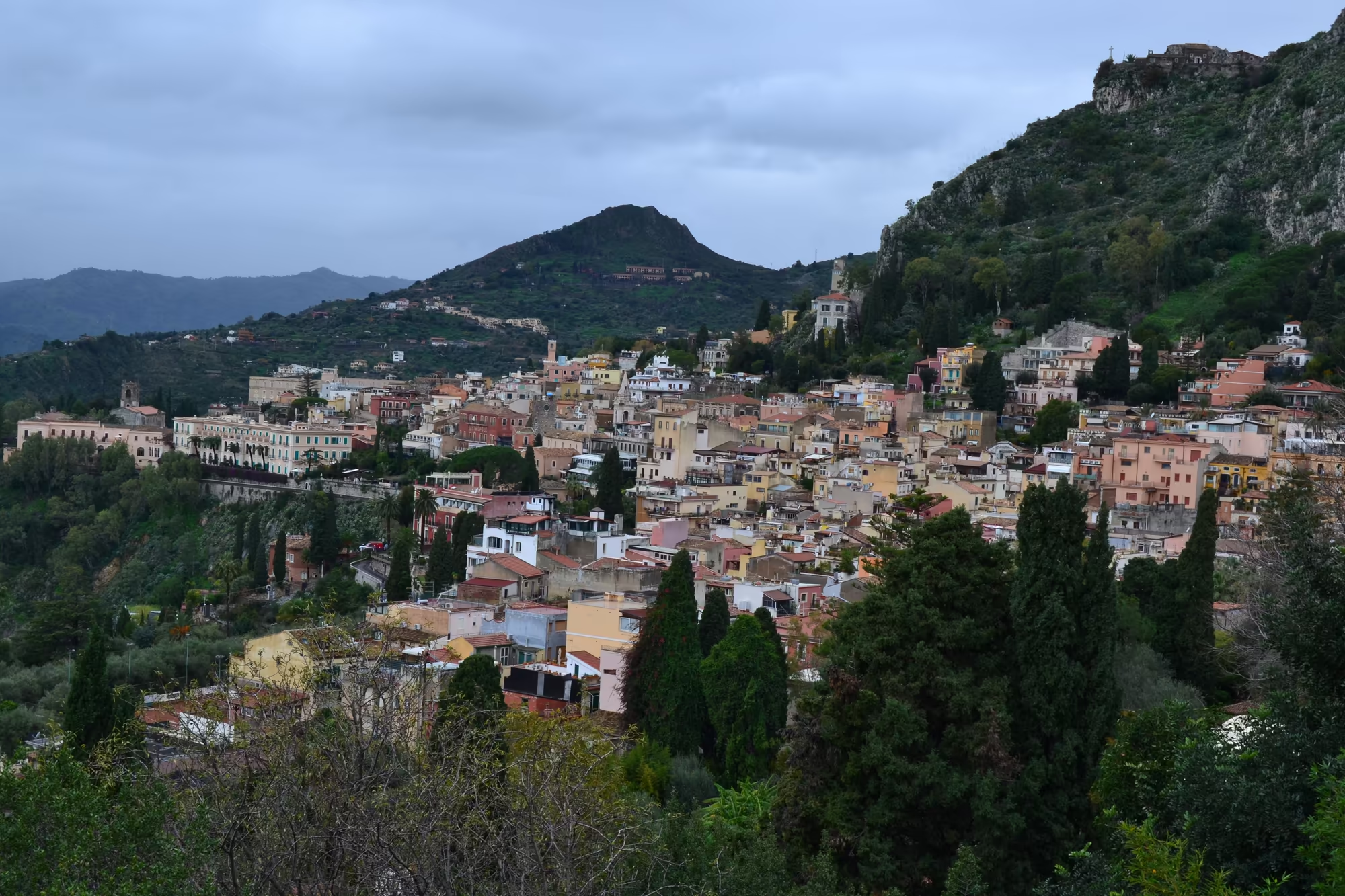
The layout explains why the town works as a place to walk. Its two main streets and the lanes between them run along the contour of the hill, so almost every alley ends in a view: down to the sea and the long coastline, across to the roofs of the town, or up to the rock above. Gardens and terraces are arranged on the same principle, with palms, cypresses and citrus trees standing in pots and beds on small level platforms cut out of the slope, which is why the vegetation of the town appears to be growing out of the walls.
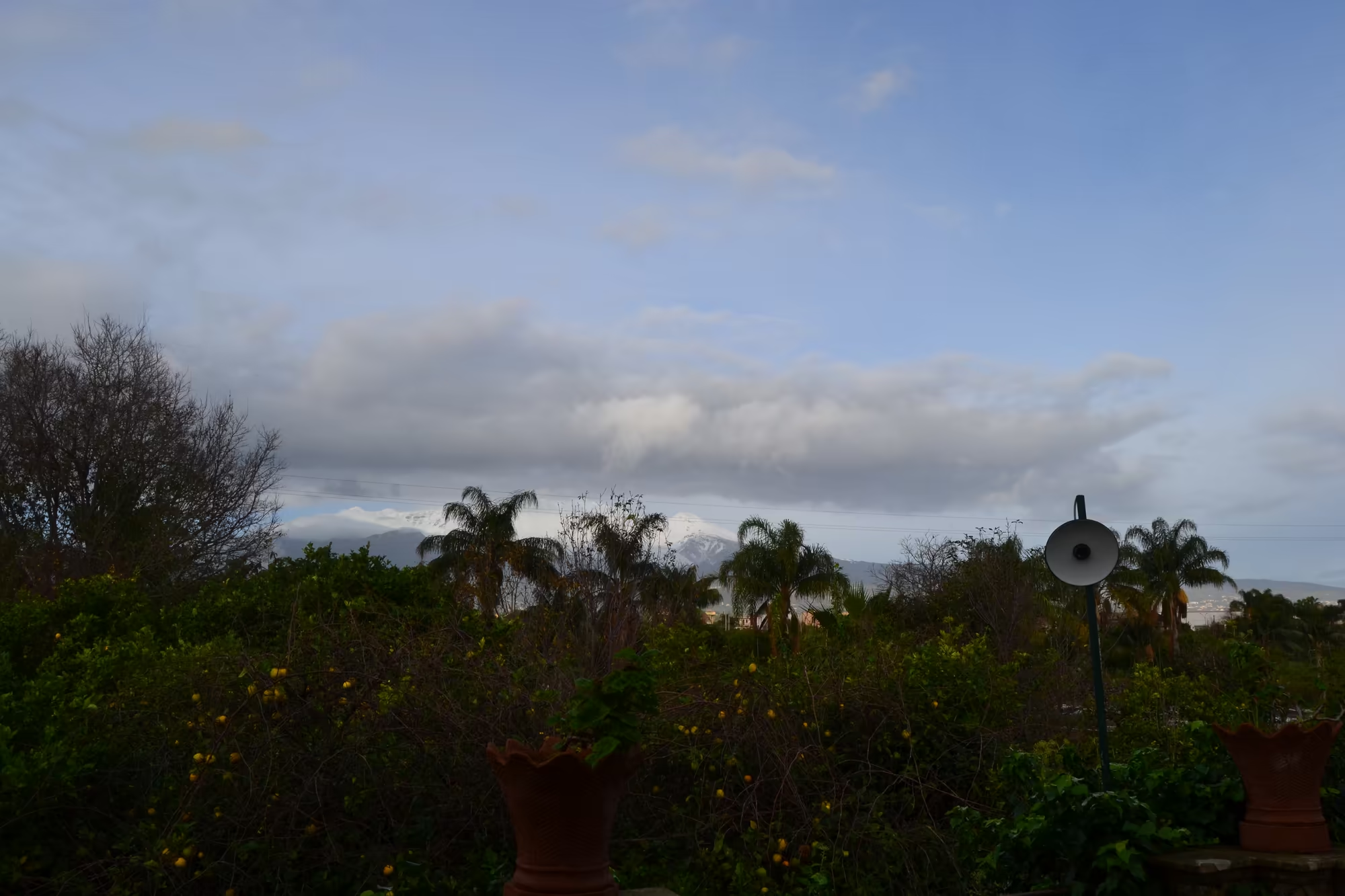
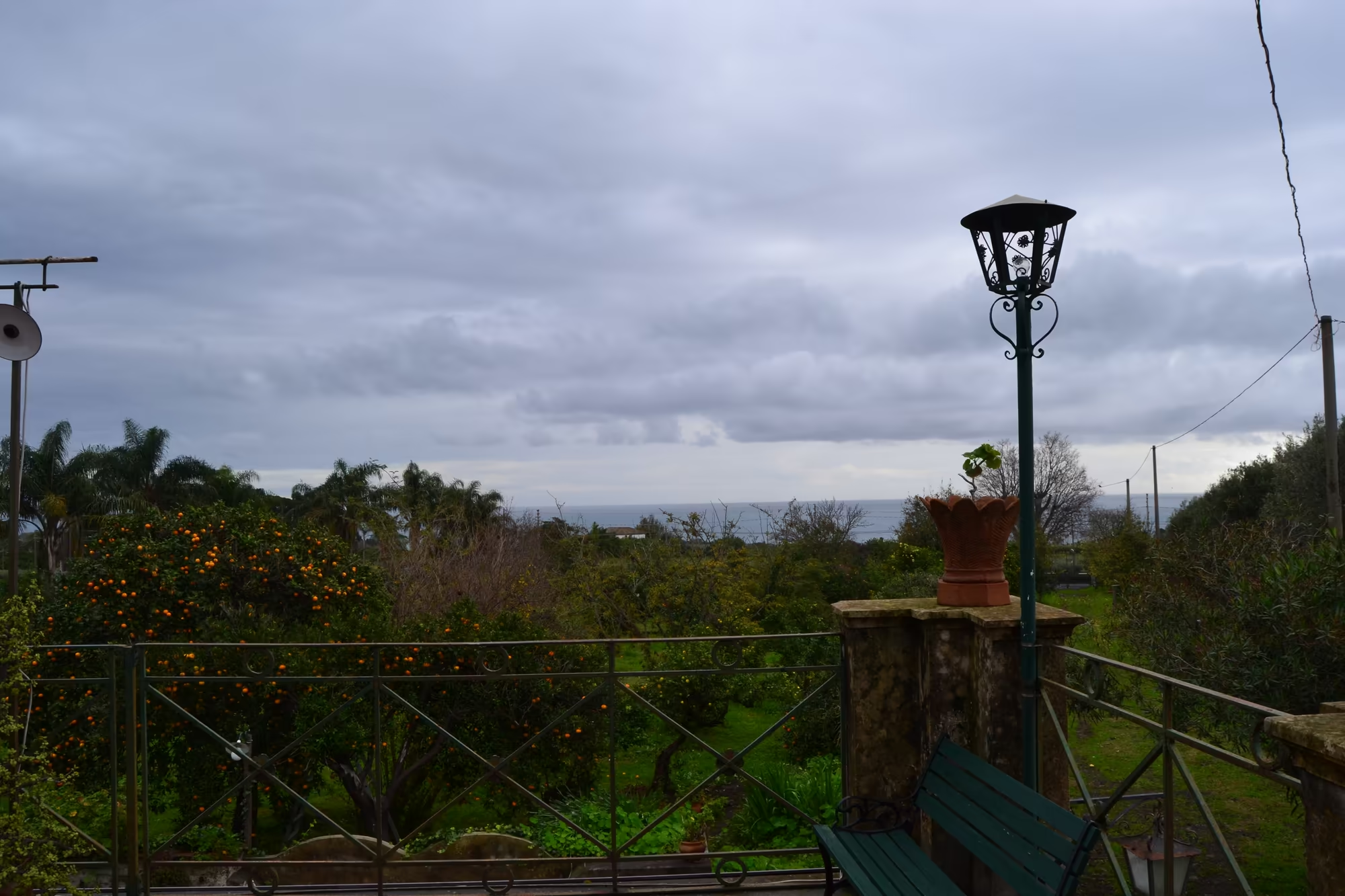
The season gives the visit its character. In February the town is quiet, the citrus in the gardens is in fruit, the snow of Etna stands on the horizon behind the palm trees, and the sea below is rough enough to throw spray over the coastal road. The gardens at the upper end of the town, with their lawns, terracotta pots and iron lamps, are the most sheltered places in it, and in winter they are also the warmest, which makes them worth more than they look.
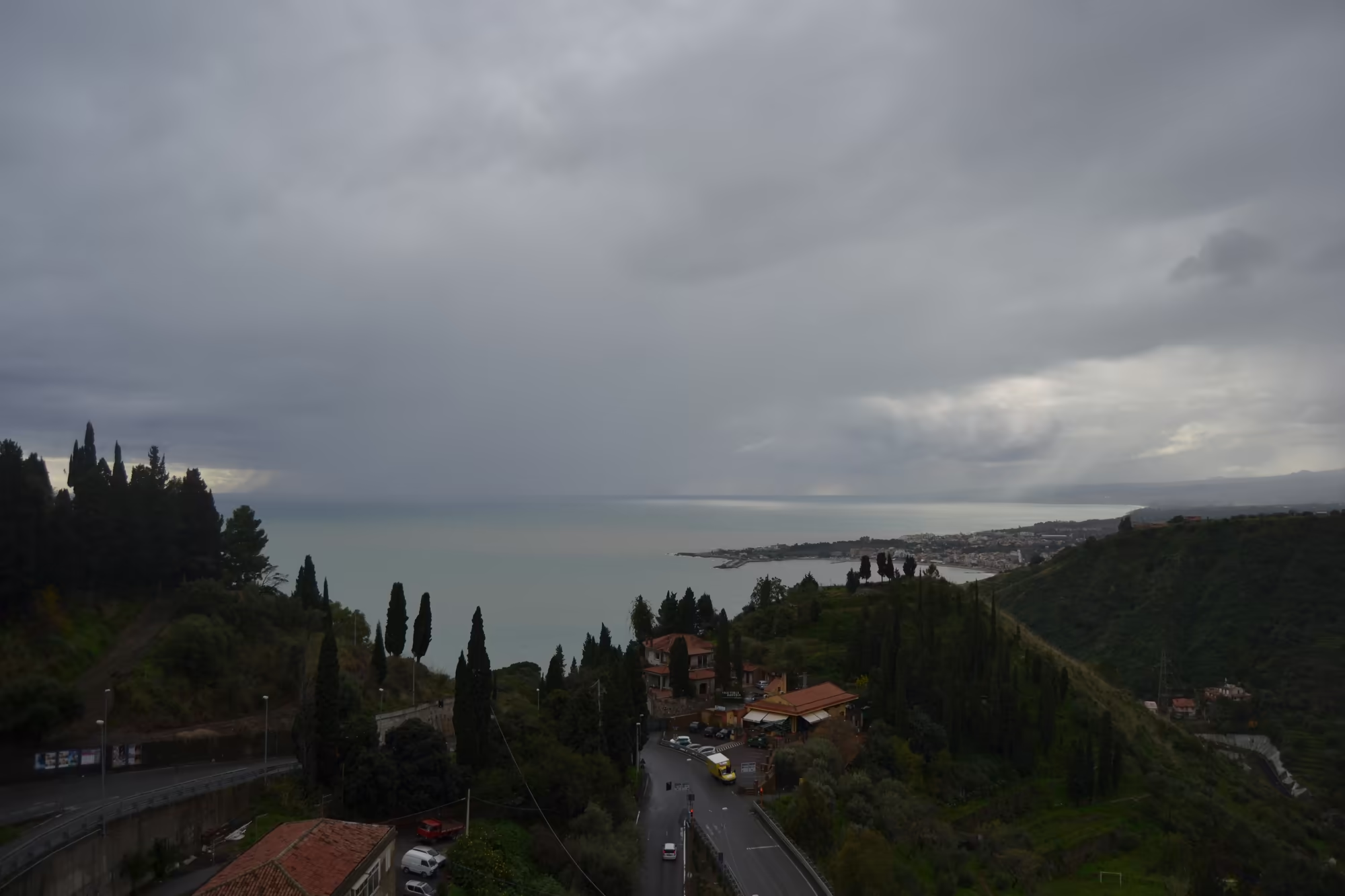
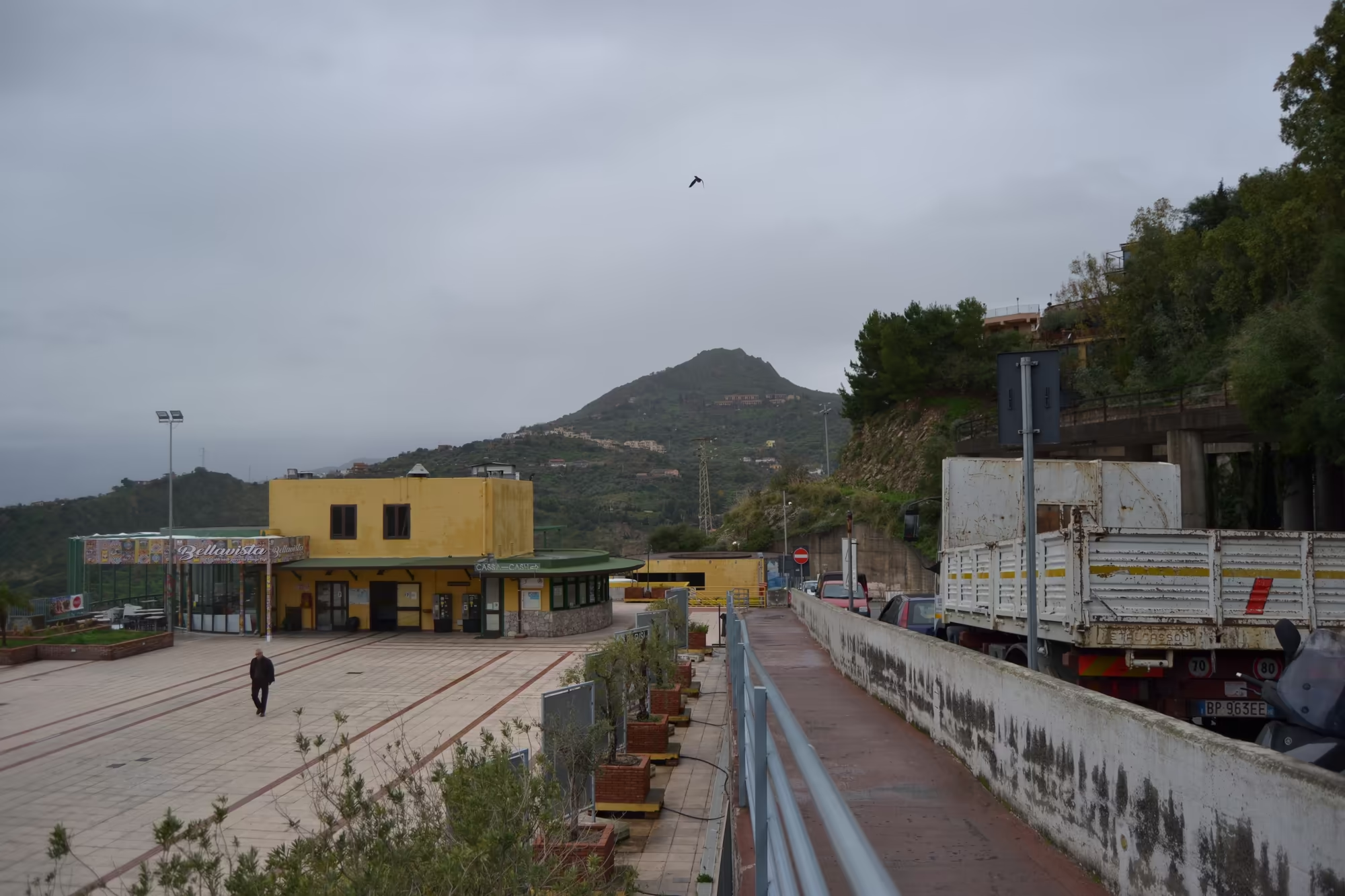
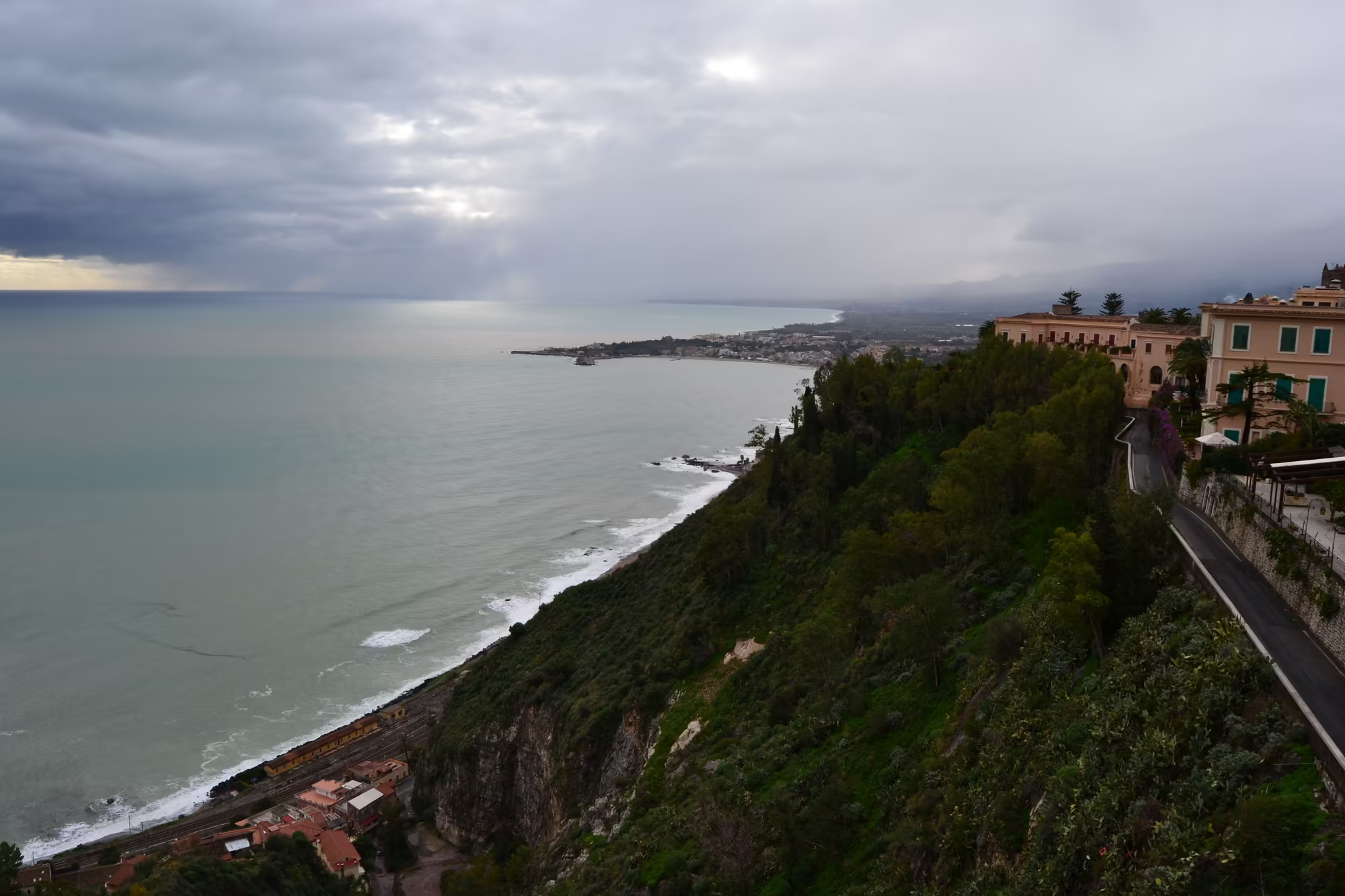
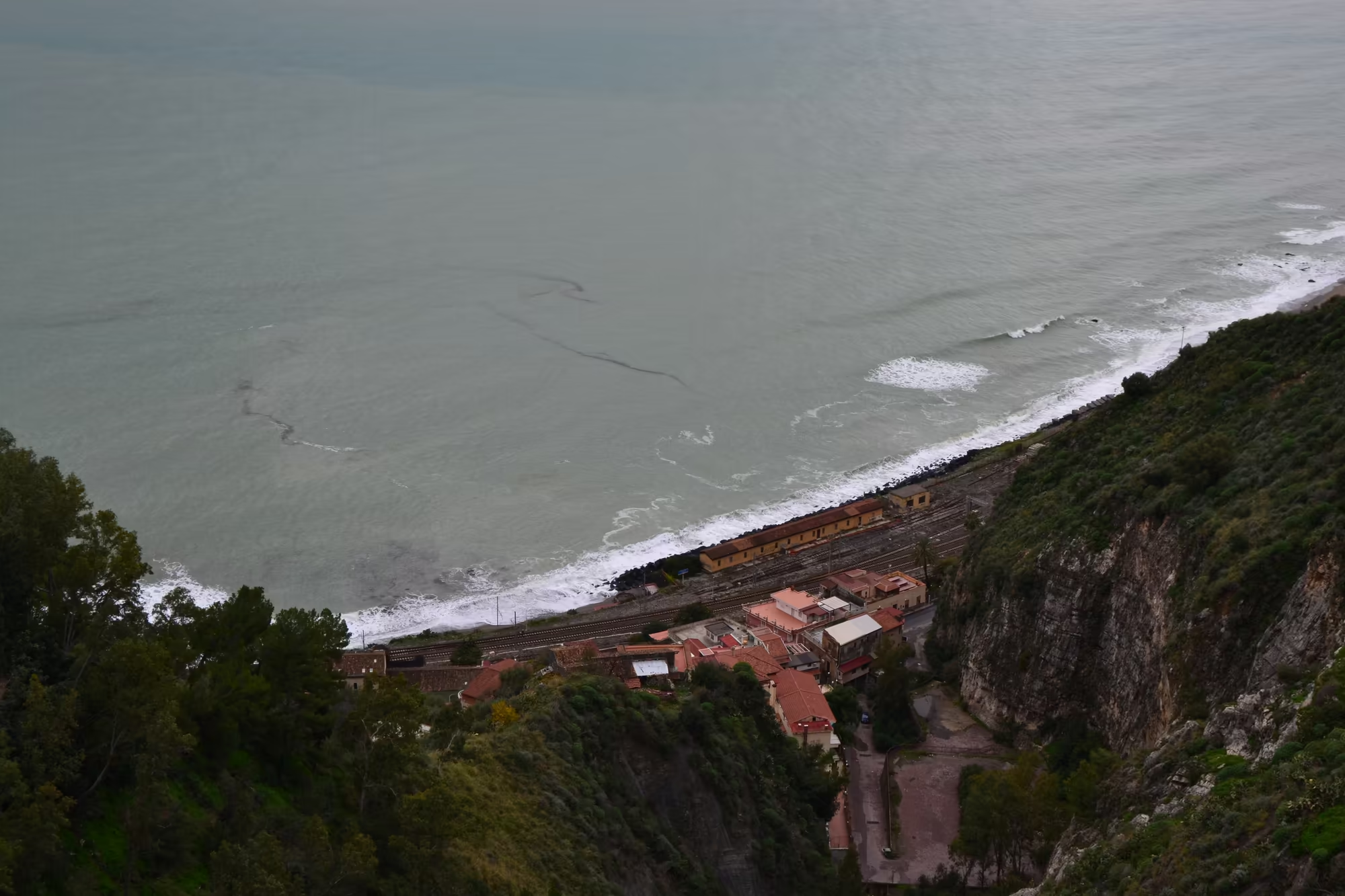
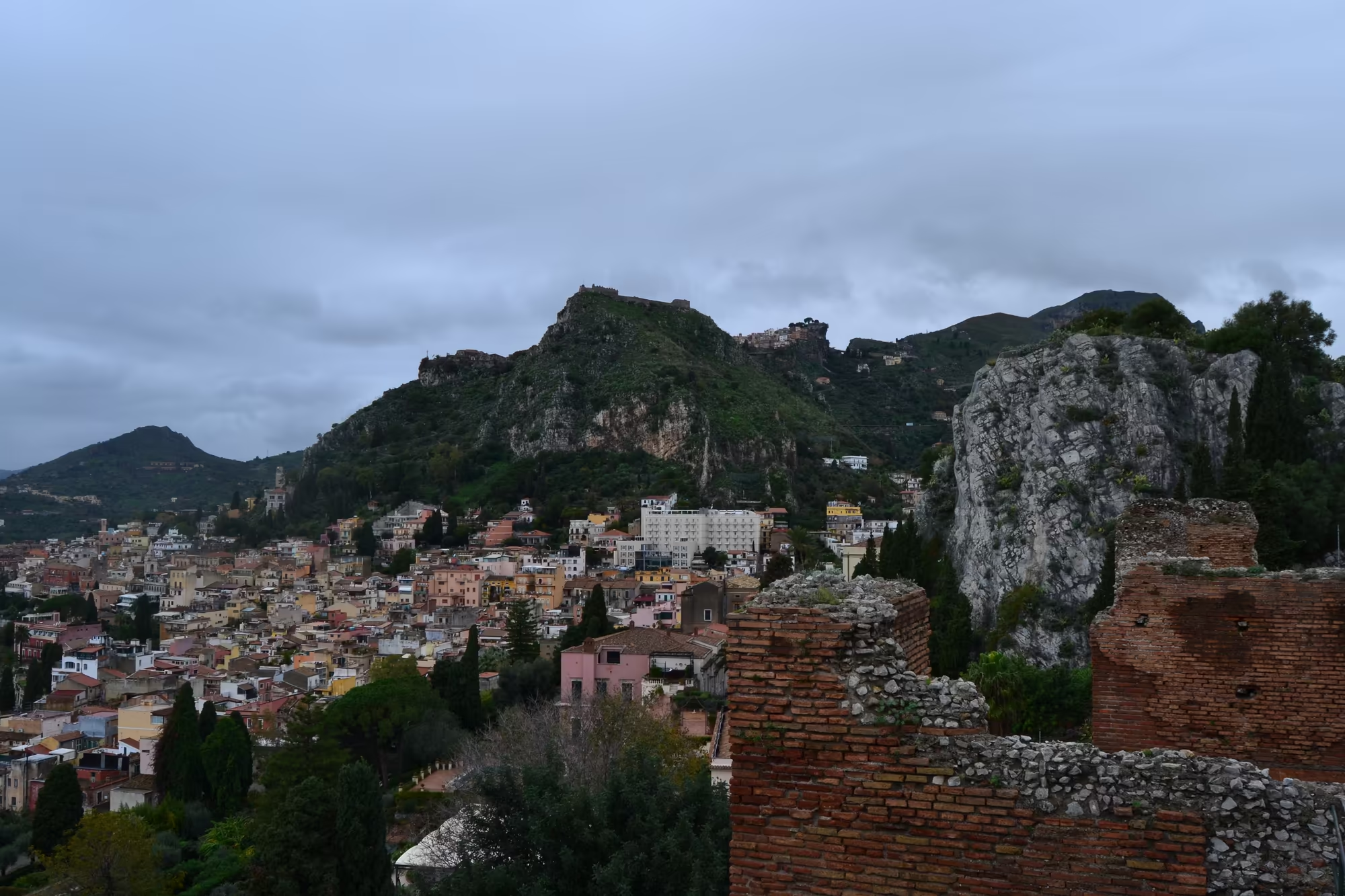
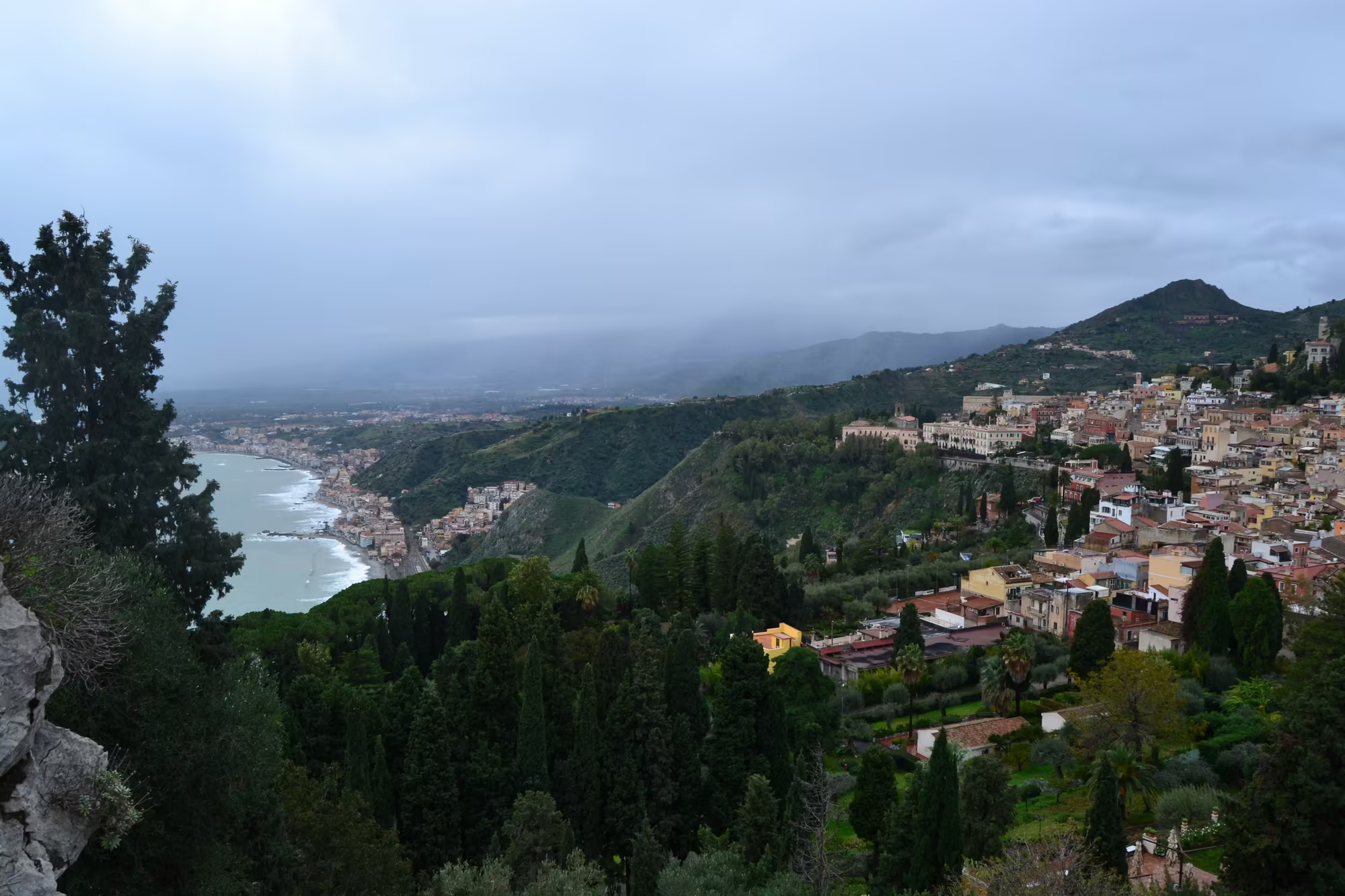
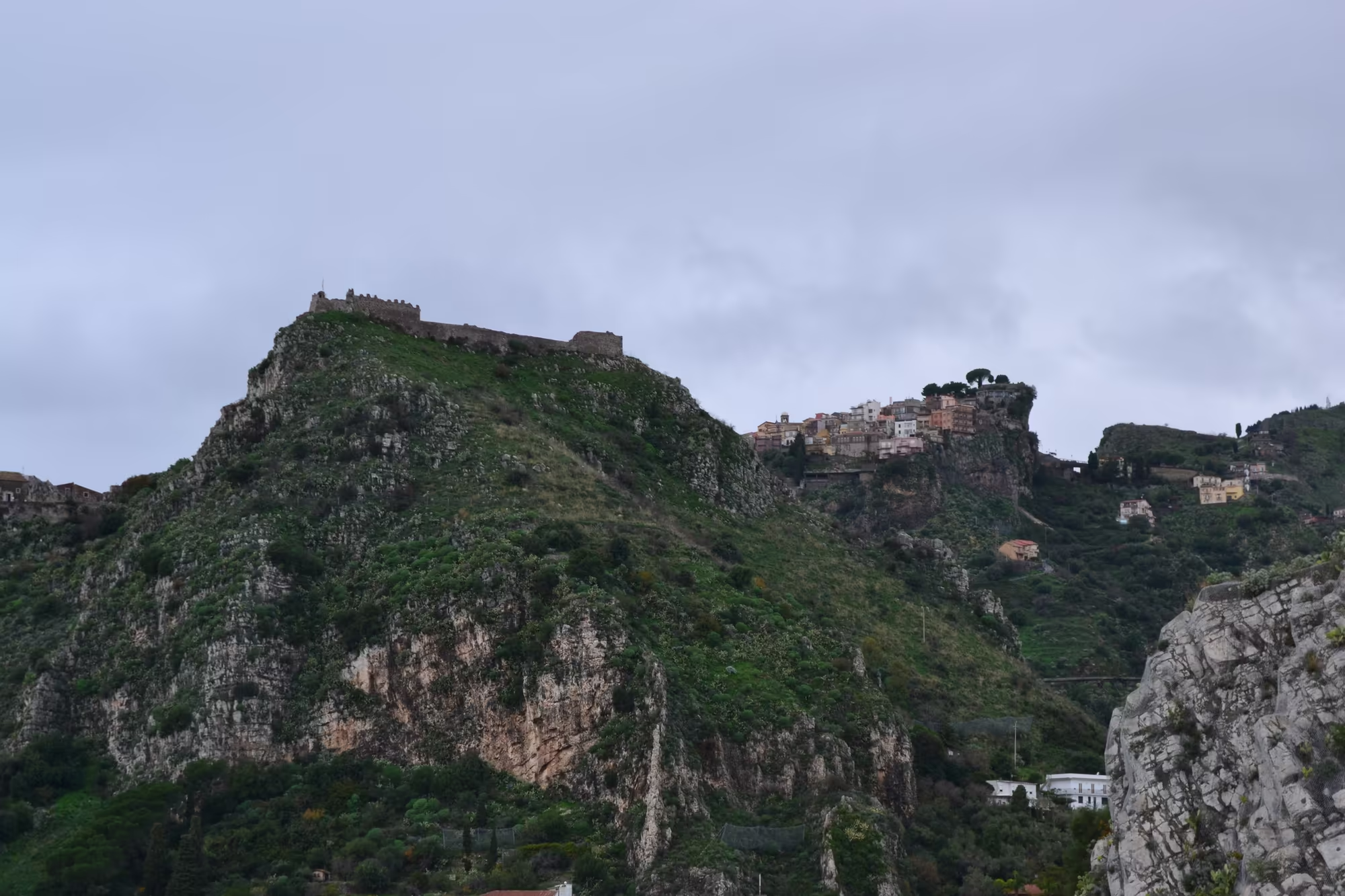
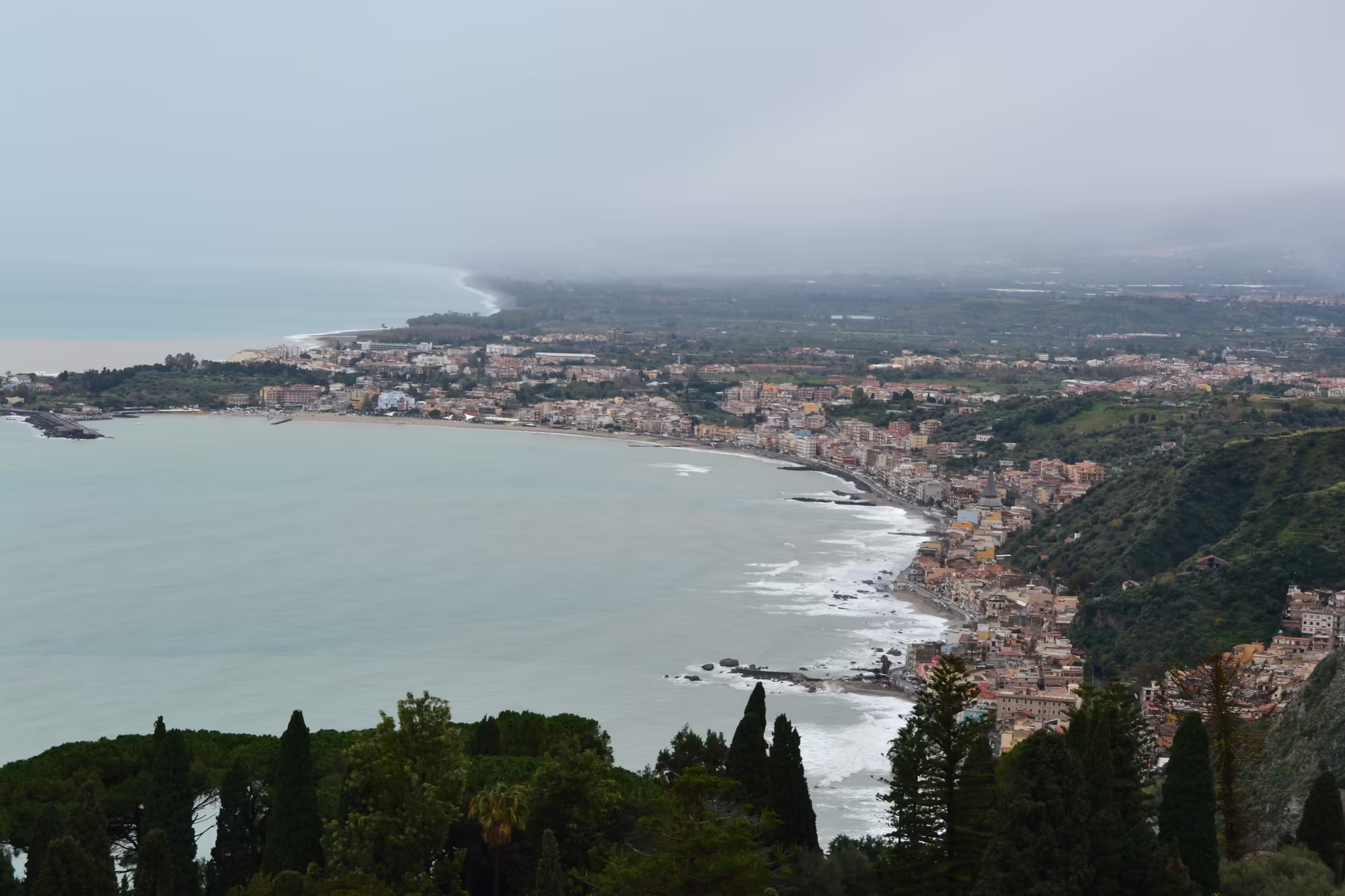
Below the town the coast road runs north and south between the sea wall and the hillside, with parked cars, hotels and the stations of the cableway along it. Above the town the slope continues upward to the older settlements of the mountain, and the view from the upper streets takes in the whole arrangement at once: a town on a shelf, gardens on the shelf, a road at the bottom, and a volcano with snow on it standing behind everything.
History
The history of Taormina begins before the Greek colonisation of Sicily. Its site was occupied by the time that Ancient Greece established its first colony on the island in 734 BCE, and the town that grew here was known in Greek as Tauromenion and later in Latin as Tauromenium. After the fall of the Western Roman Empire it remained one of the more important towns of the island, and it followed the history of Sicily through its succession of rulers, from Byzantine and Arab government to Norman, Aragonese and Spanish rule.
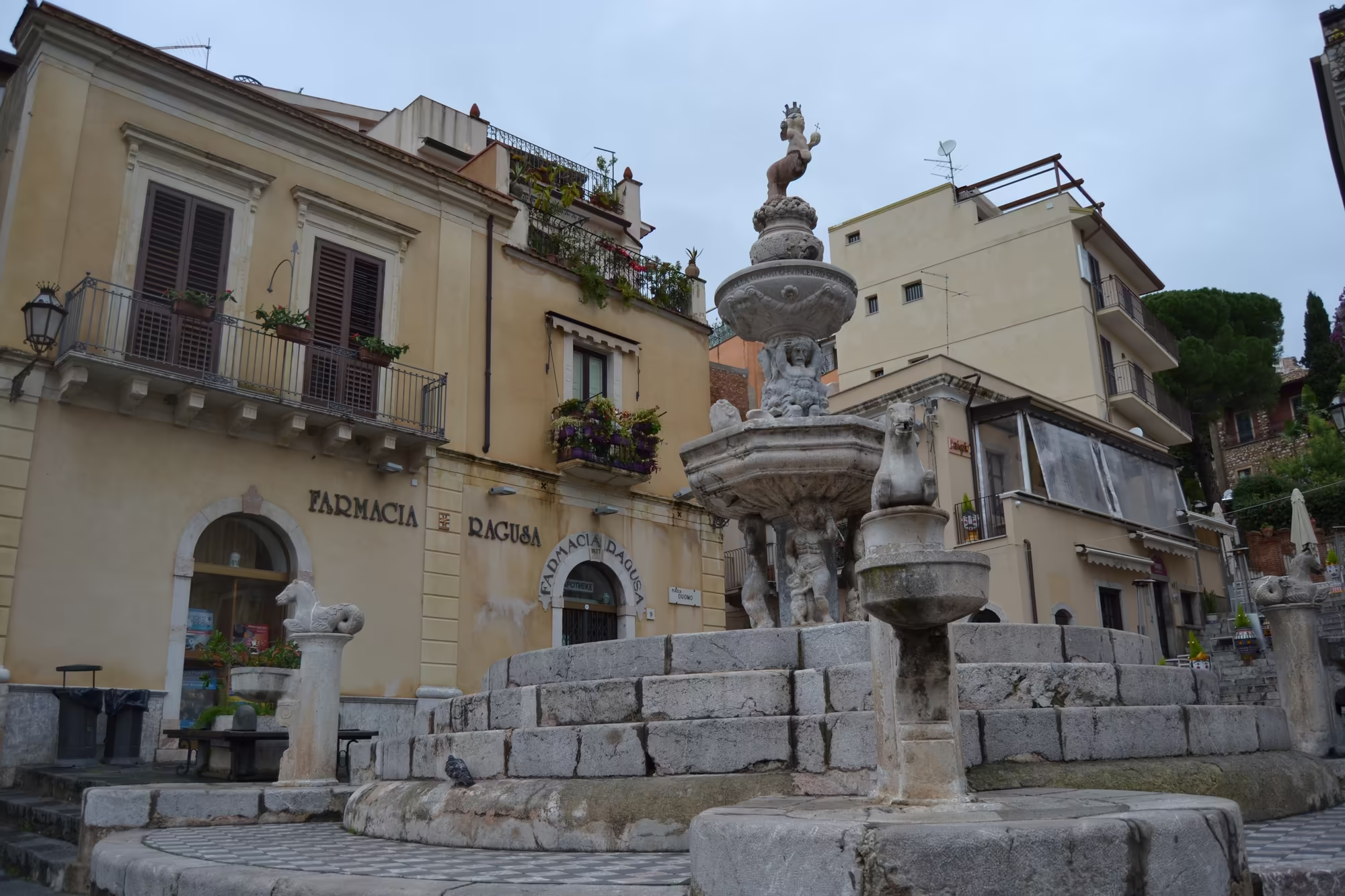
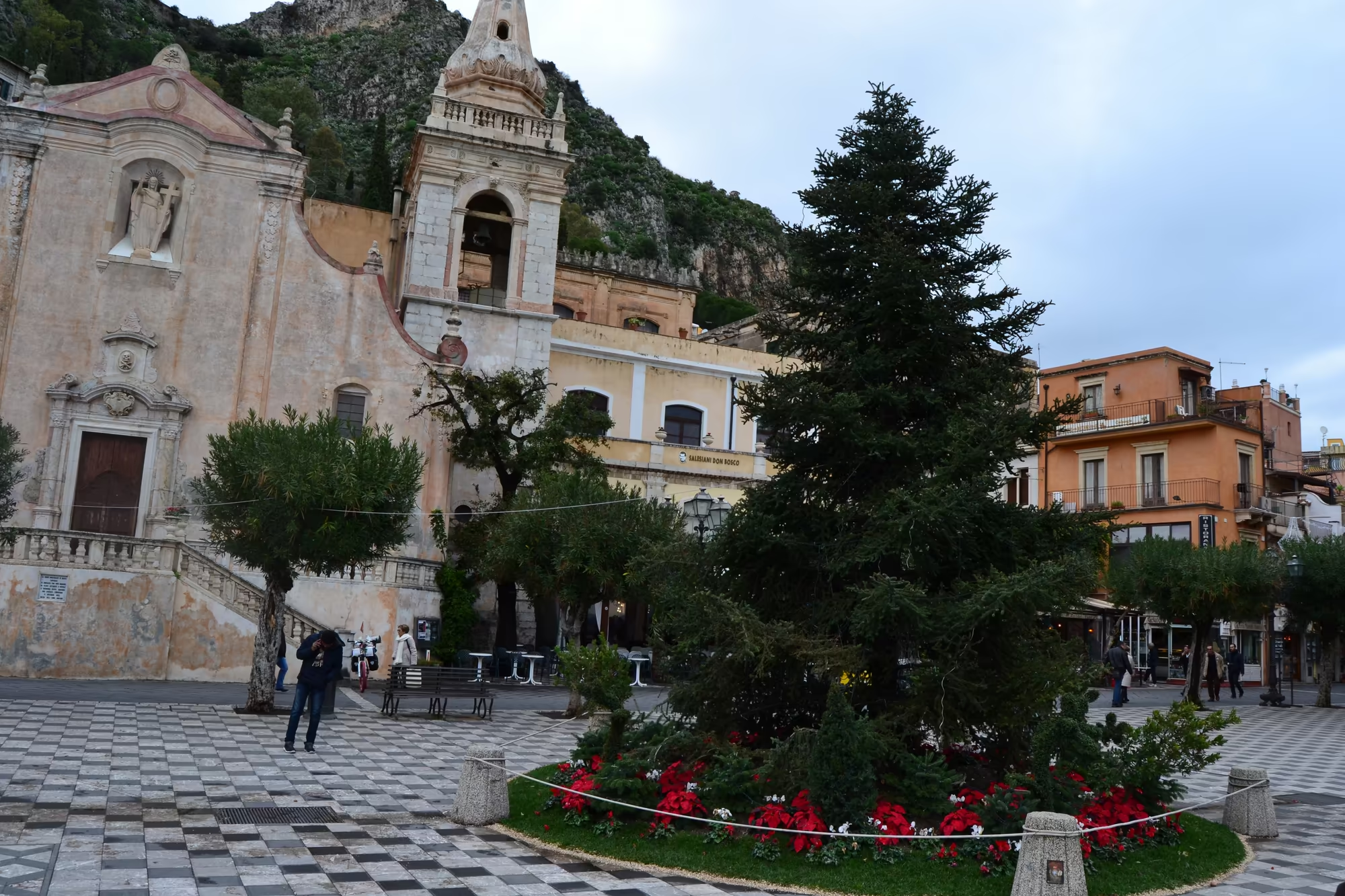
That long occupation is written into the buildings. The Palazzo Corvaja belongs to the twelfth to fourteenth centuries, the cathedral, the Duomo di Taormina, to the thirteenth, the Palazzo Duchi di Santo Stefano to the fourteenth century in the Gothic style of the period, and a Baroque fountain of 1635 stands in the middle of the town. Because the town was sacked and rebuilt more than once, the sequence of styles is compressed into a few hundred metres of street, and a walk between them is a walk through the political history of the island in miniature.
The modern period brought tourism first and then war. From the nineteenth century the town attracted travellers from northern Europe, who came for the climate, the sea and the ruins, and the hotels and gardens that line the town today were largely built for them. During the Second World War Taormina was the headquarters of the German Wehrmacht command in Sicily, and on 9 July 1943, the feast day of the town’s patron saint, Bishop Pancras, it suffered two devastating bombing raids by Allied aircraft, which destroyed a large part of the built fabric in and around the centre.
After the war the town was rebuilt and returned to the business of receiving visitors, and today it is one of the best known destinations on the island, with the ruins above the town as its principal attraction. The older houses, the churches and the civic buildings were restored, the gardens replanted, and the theatre above the town was opened to performances again; the result is a place that lives almost entirely from its position and its past, which is a fragile kind of economy but a remarkably durable one.
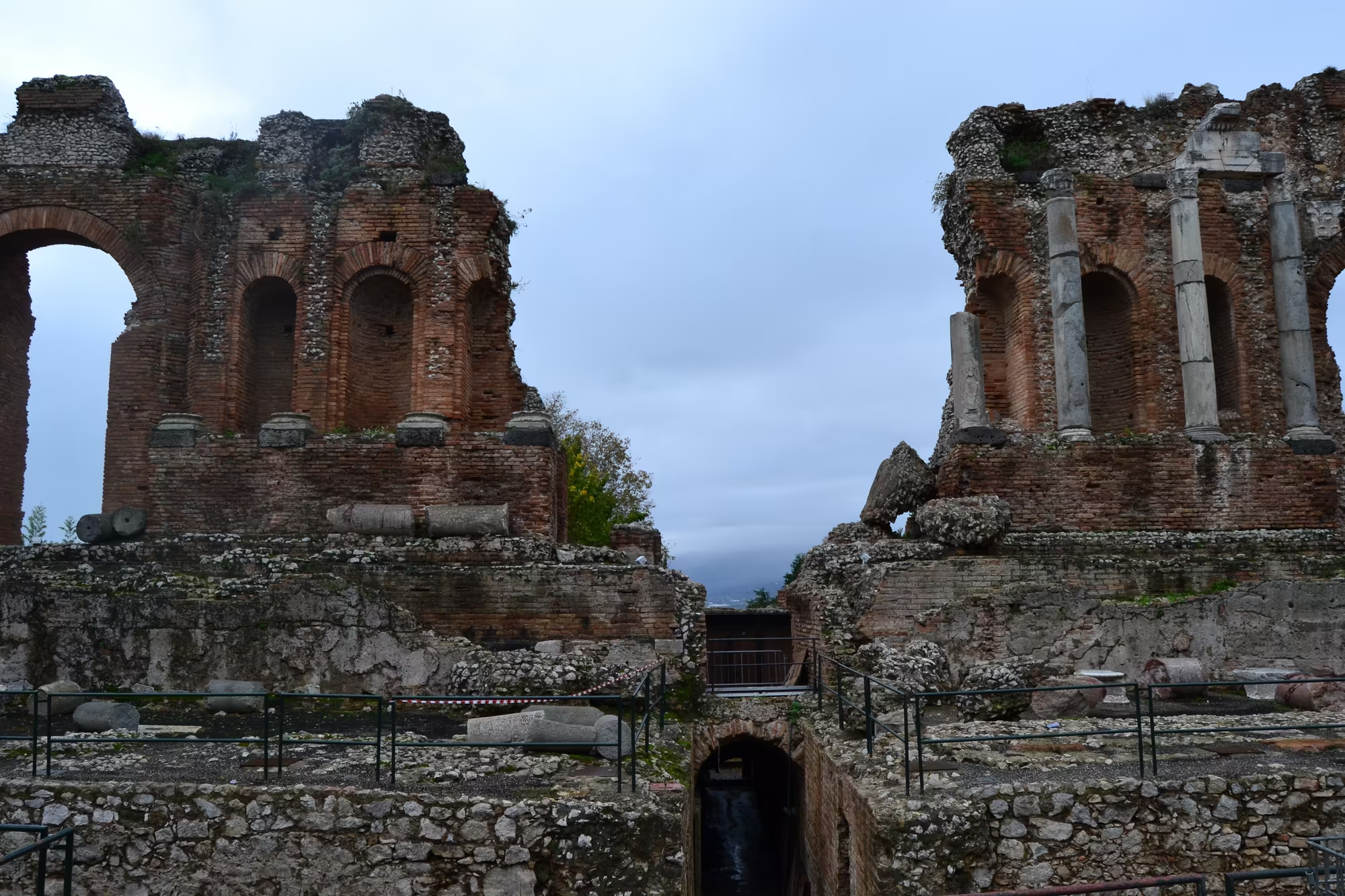
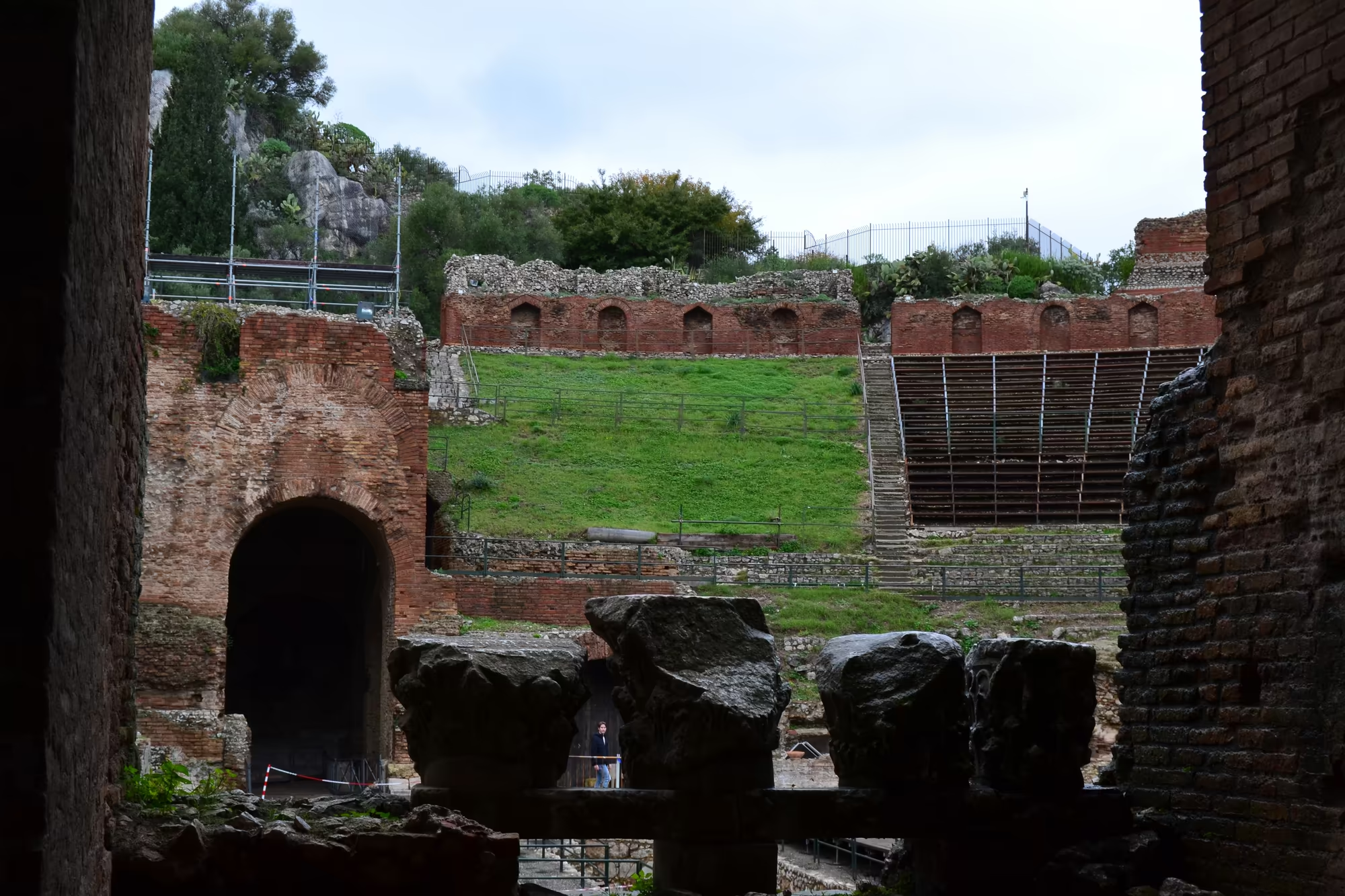
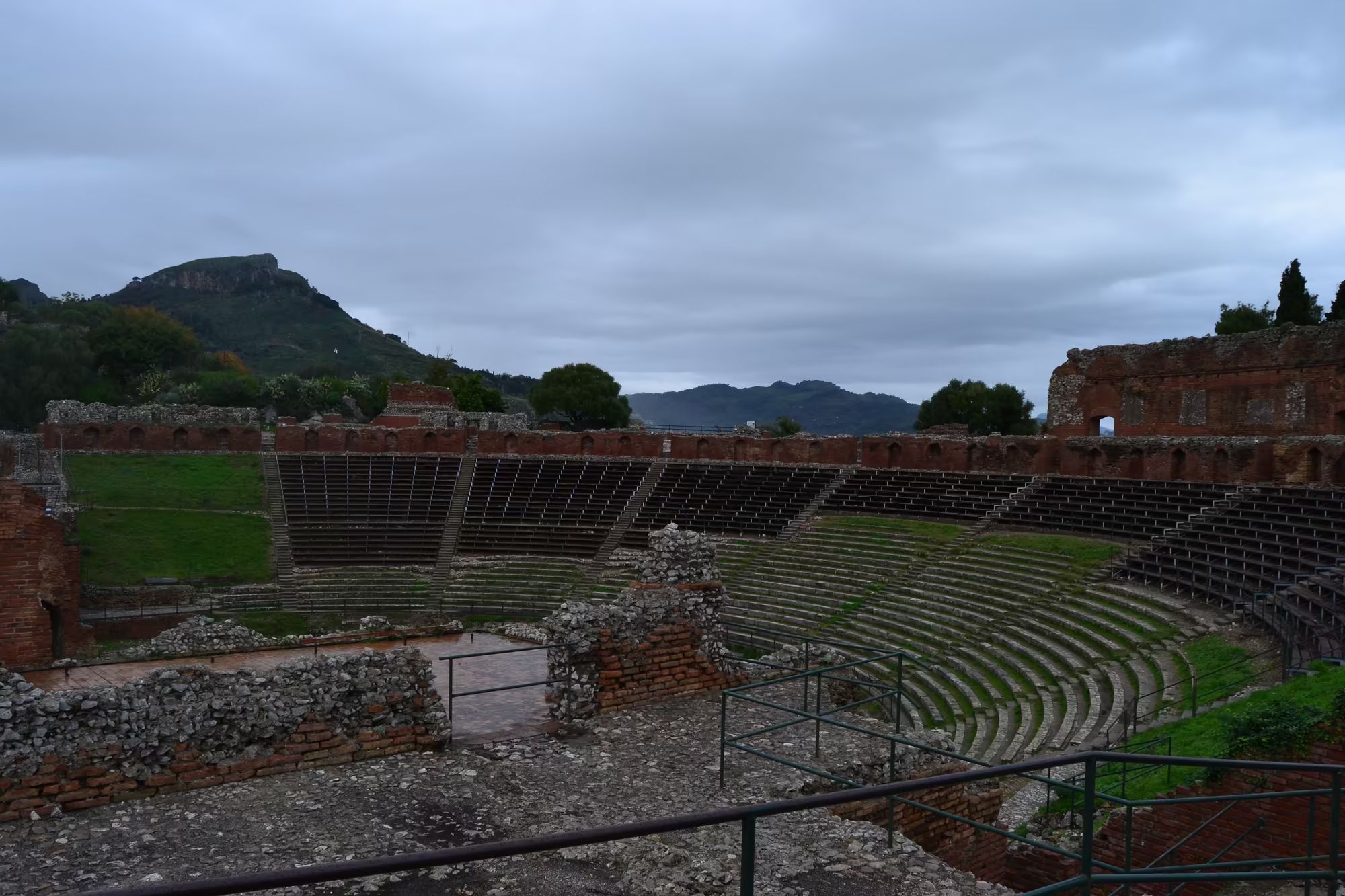
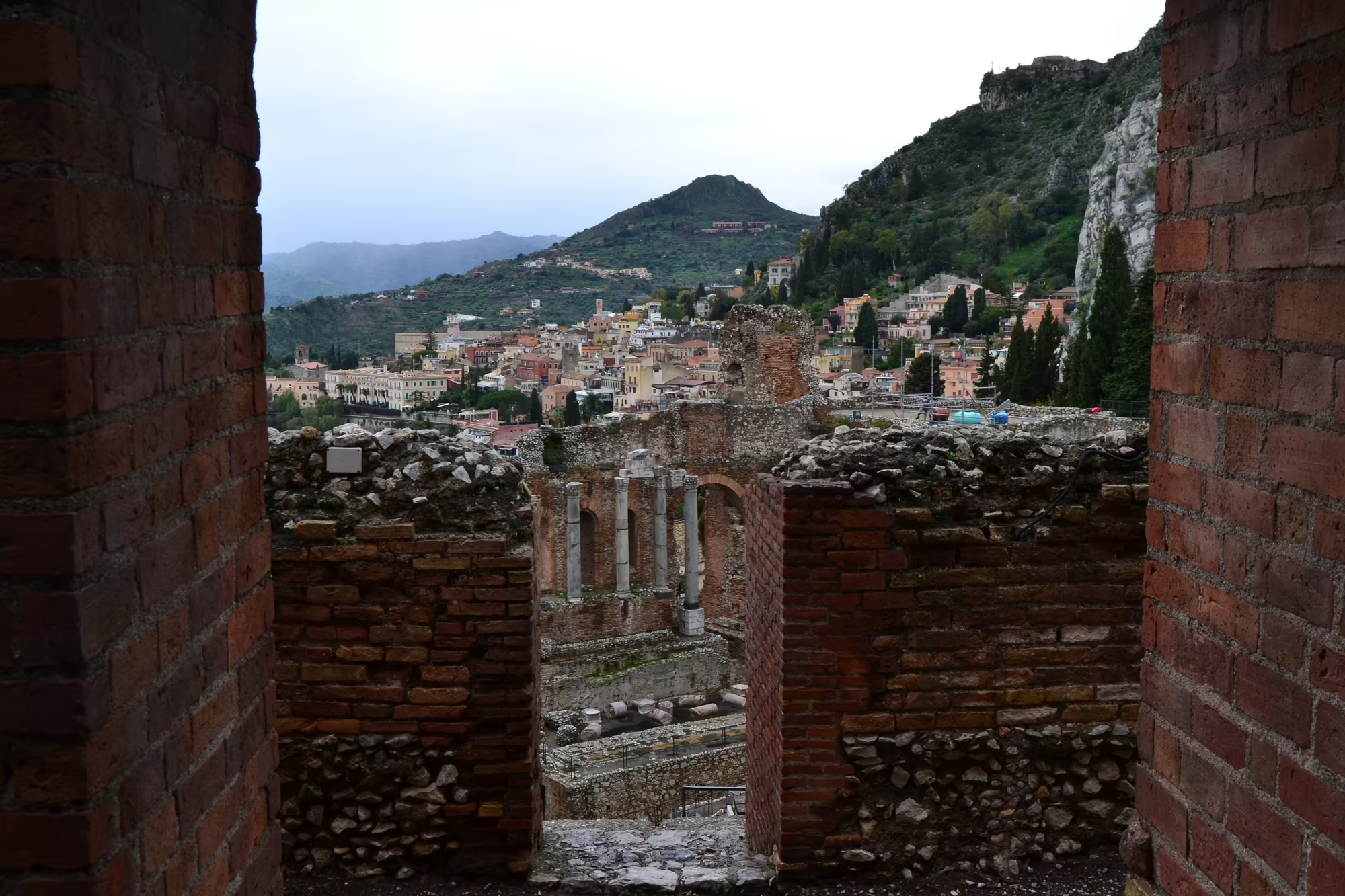
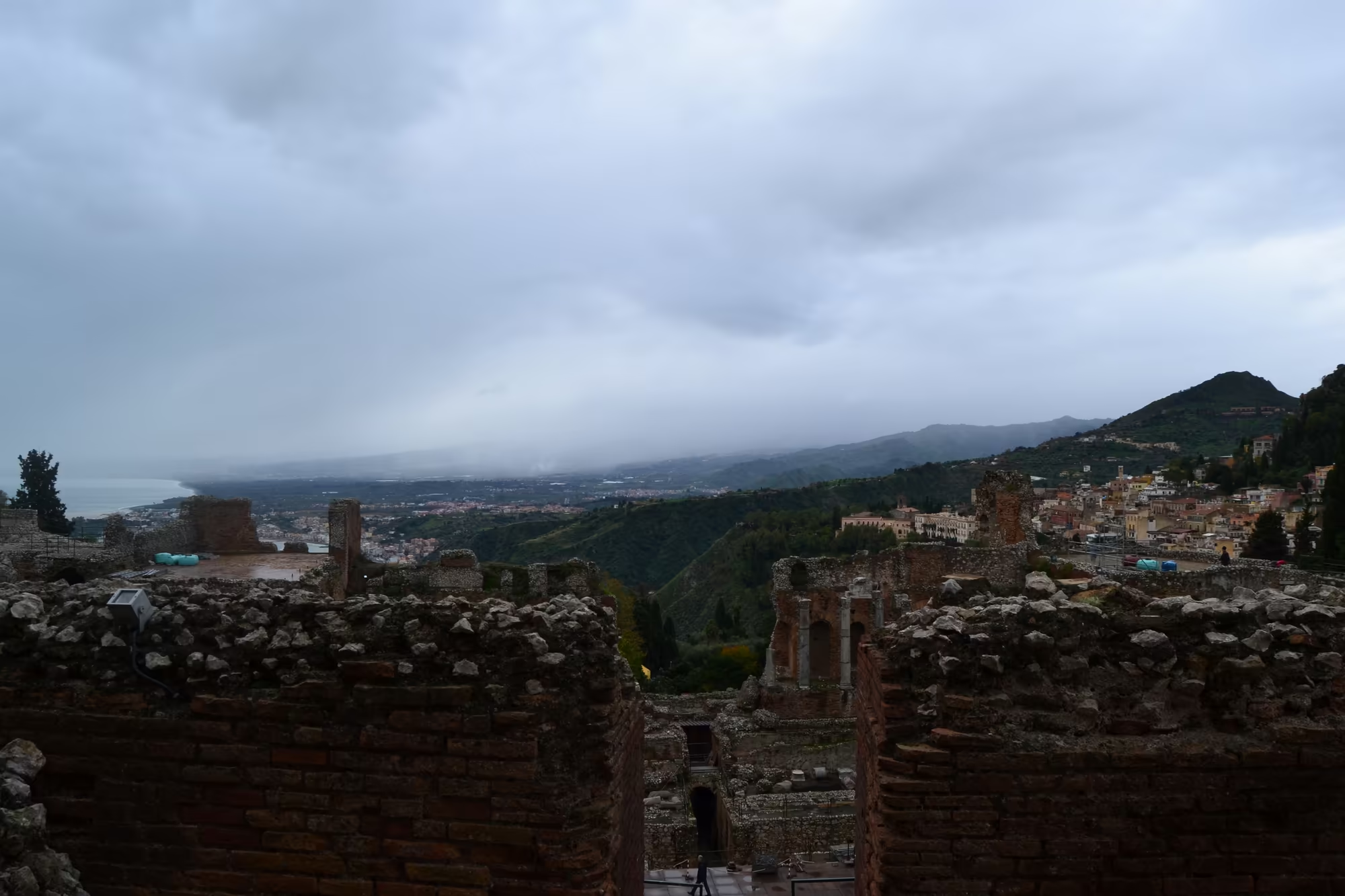
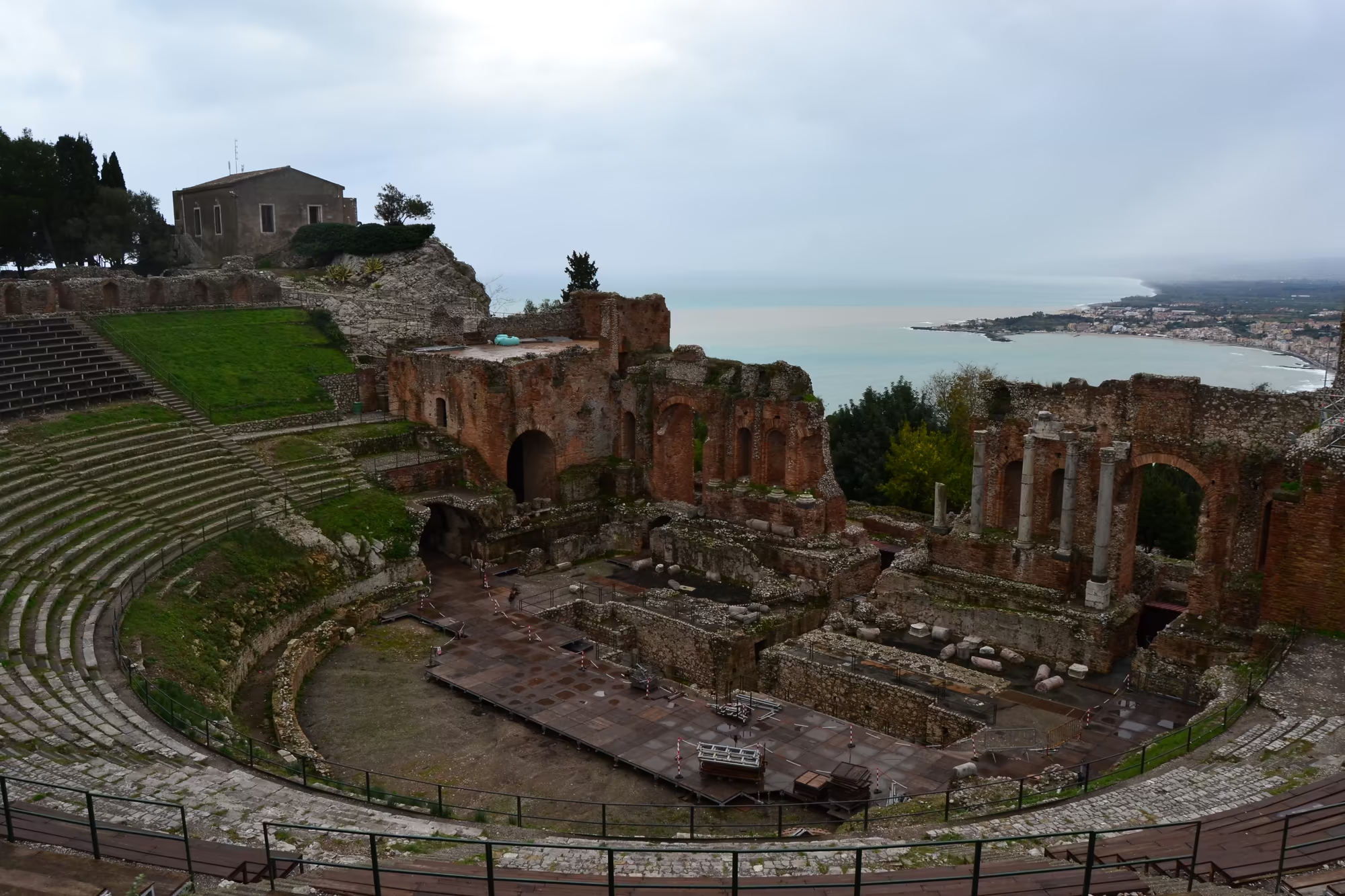
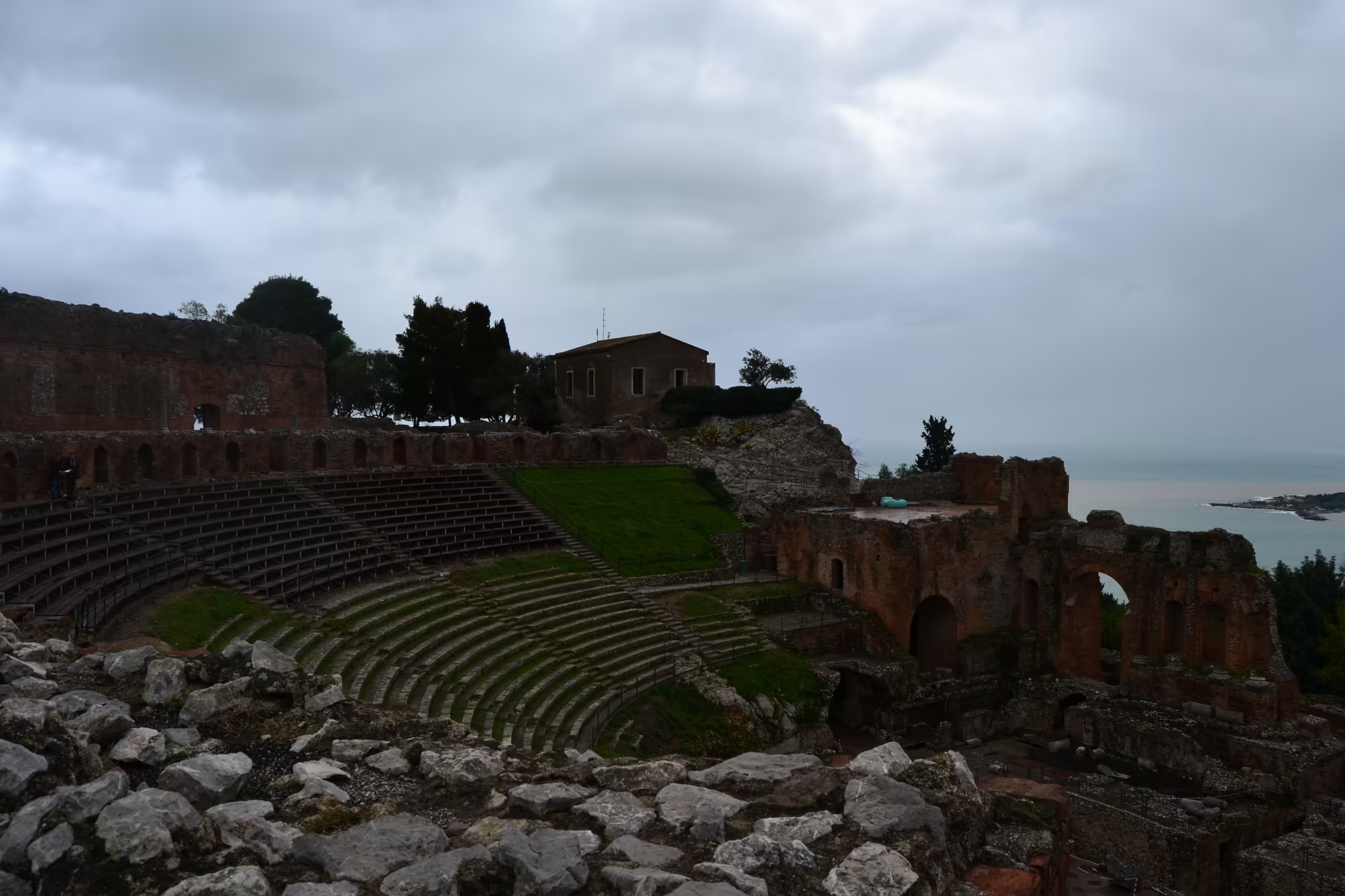
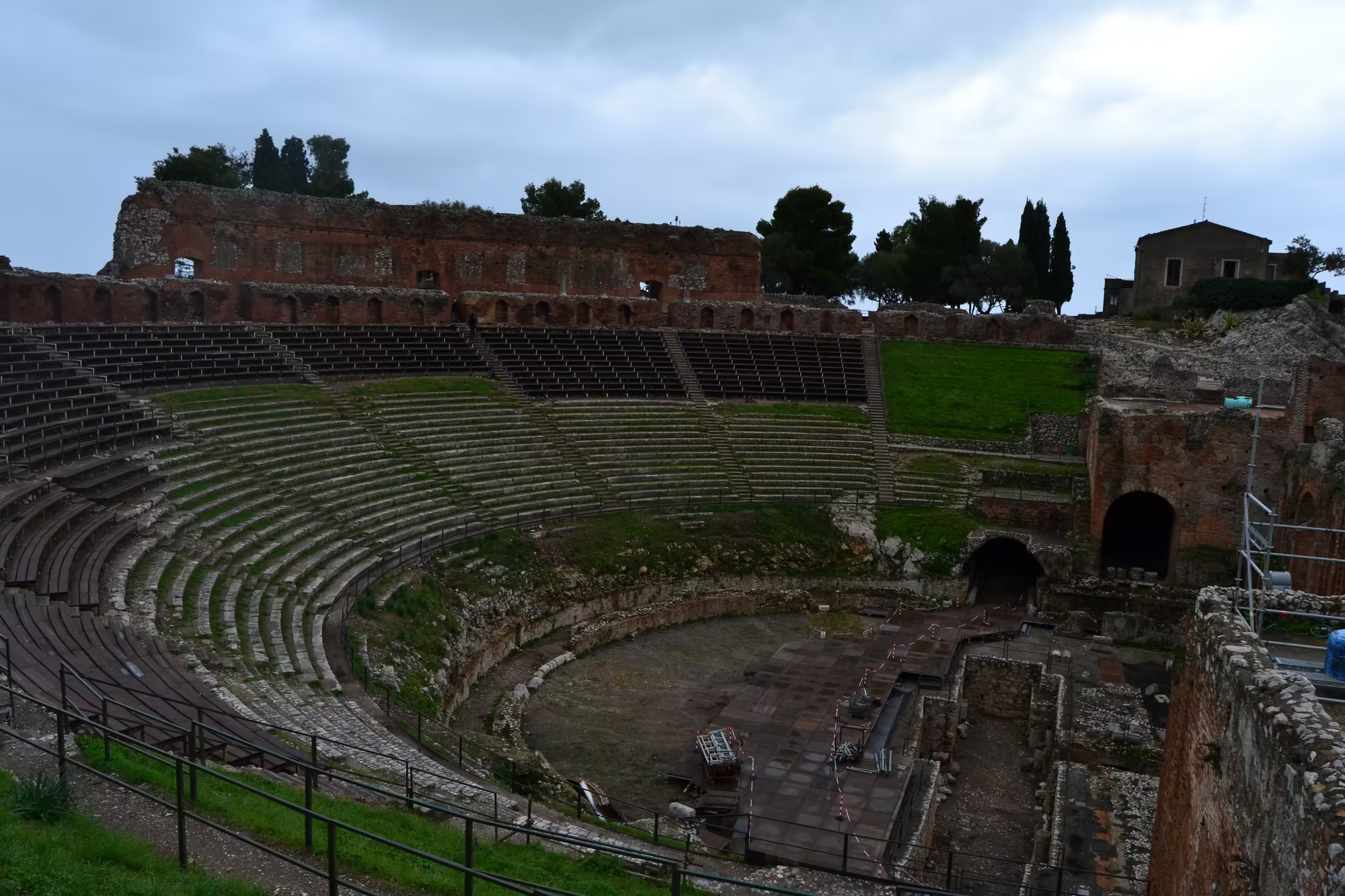
The theatre above the town belongs to the same long sequence. Its Hellenistic phase is dated to the third century BCE, it was rebuilt under Roman rule, probably around the time of Hadrian or Trajan, and it was remodelled in the third century AD, when the orchestra was turned into an arena and the stage removed. In its Roman form it had a diameter of about 109 metres and could hold around 10,000 spectators, and it was one of the oldest theatres in Magna Graecia to have a curved rather than a trapezoidal seating area.
Geology
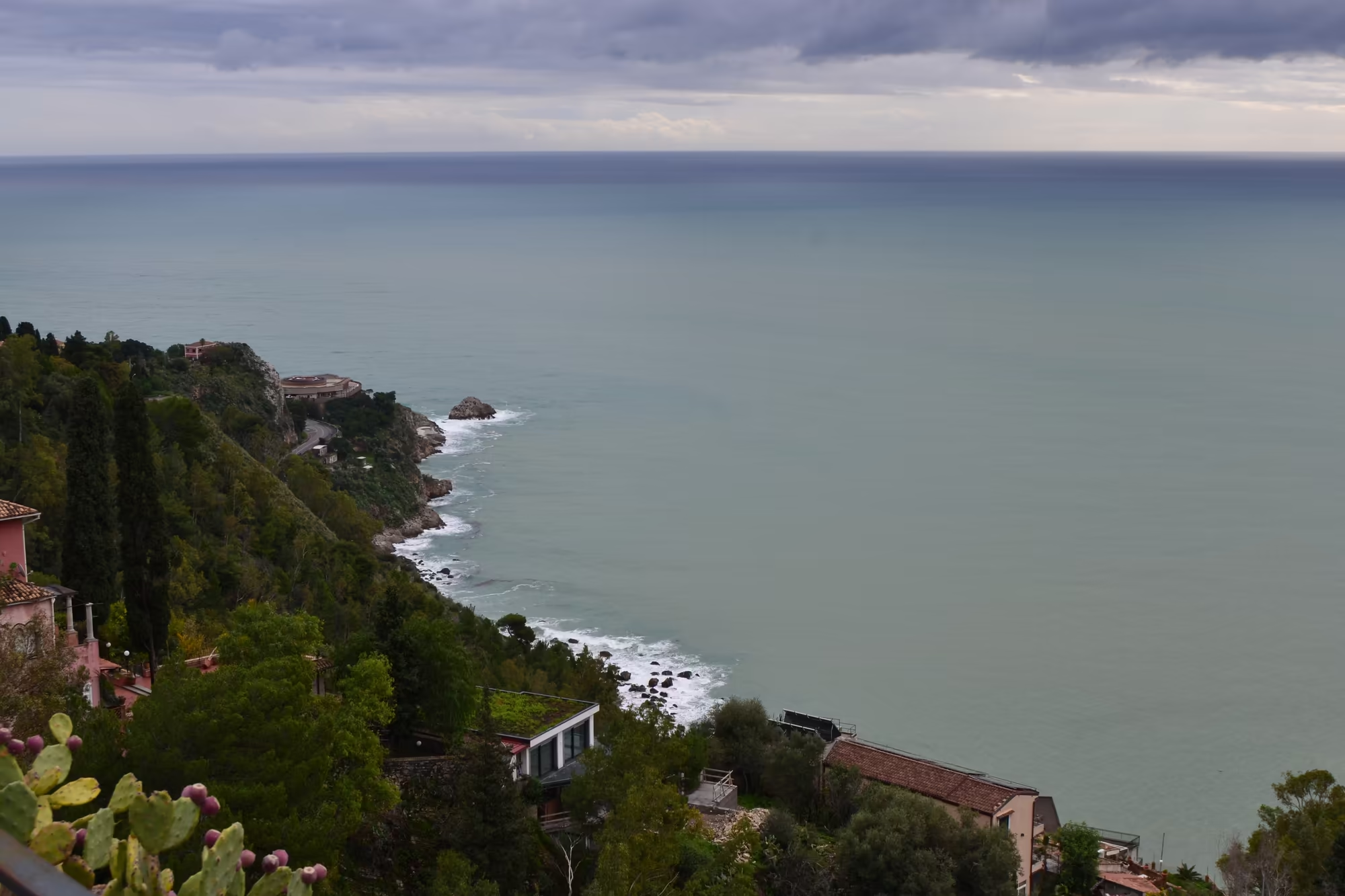
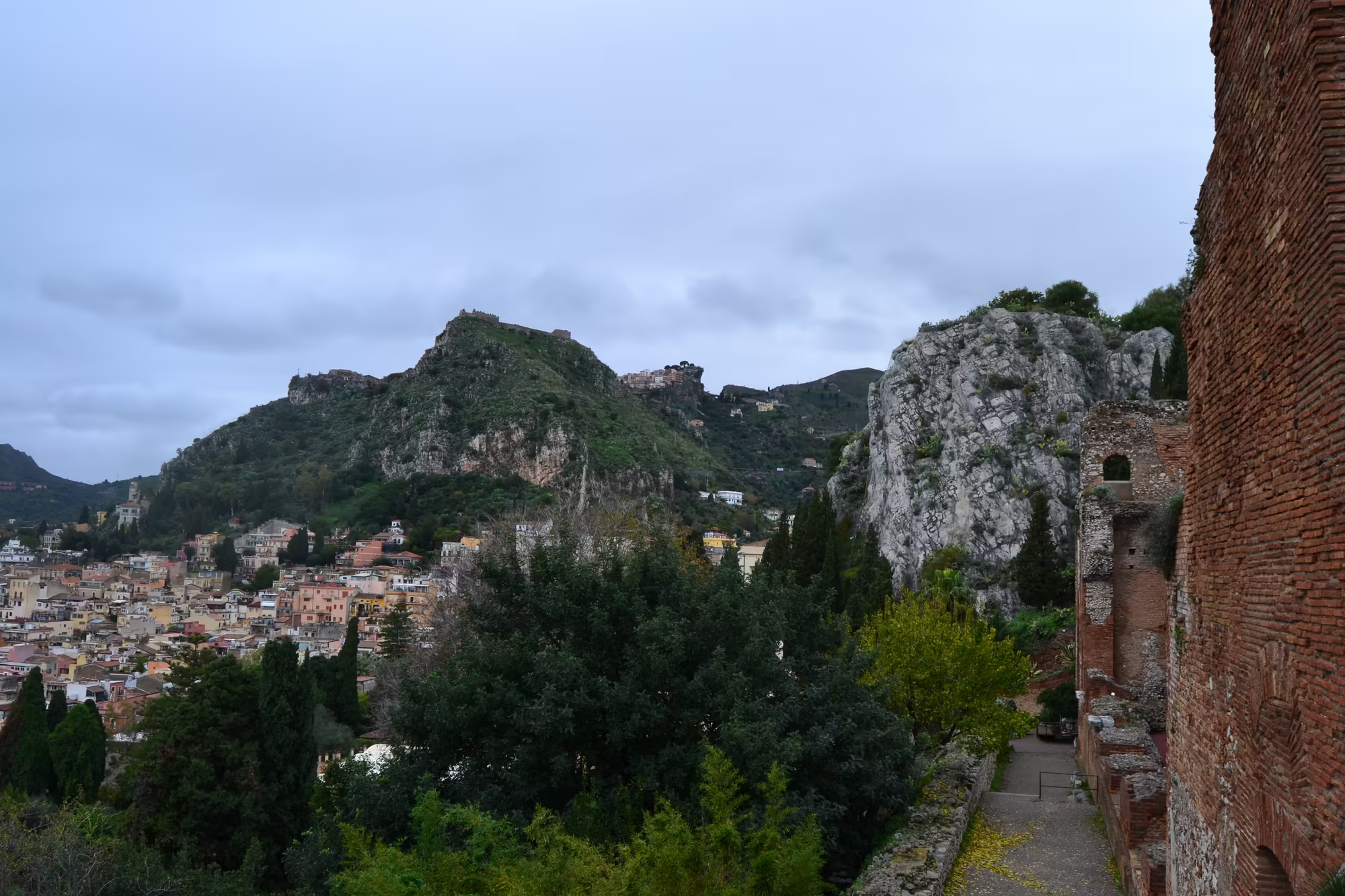
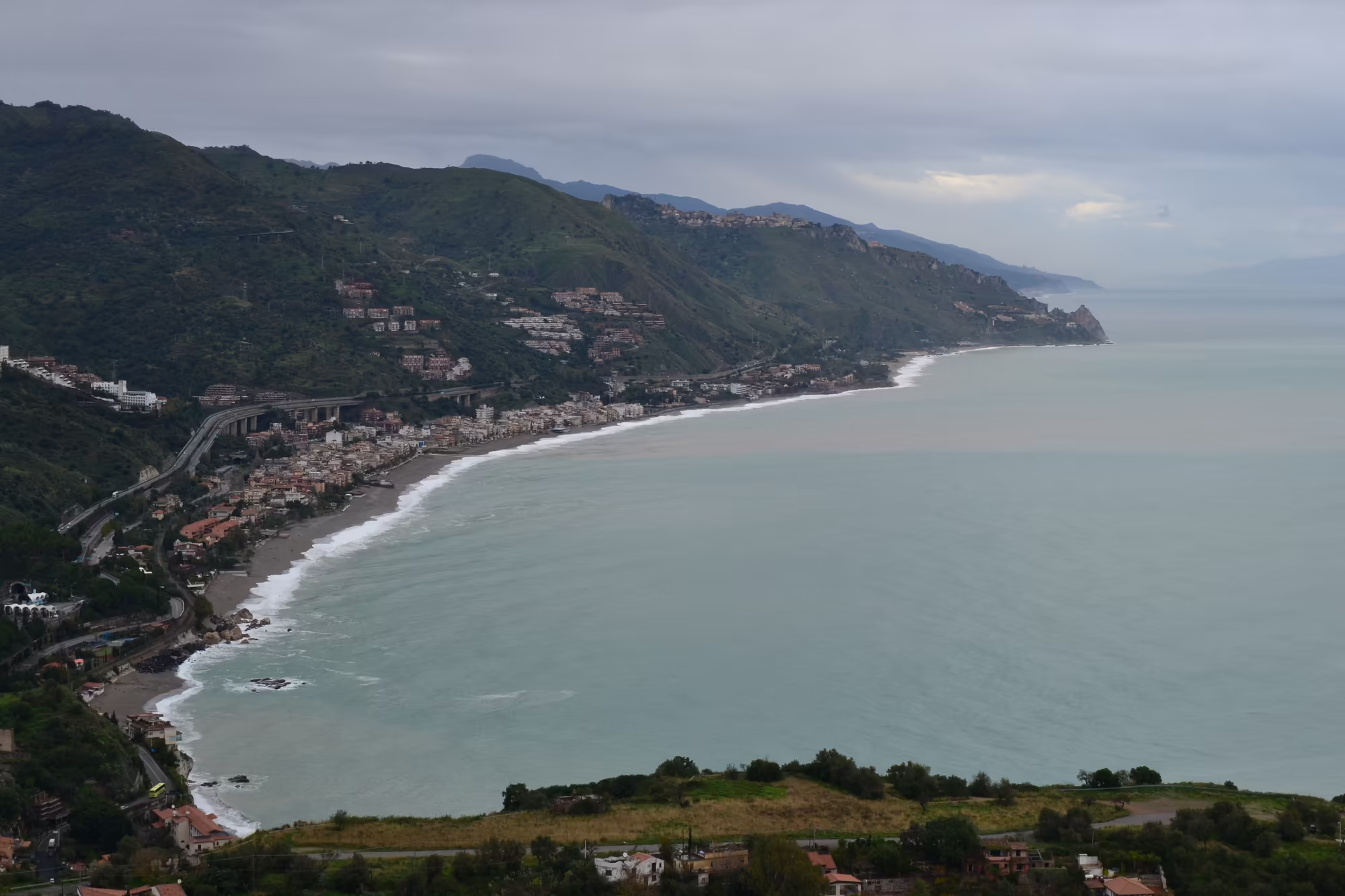
Taormina stands on the edge of the Peloritani mountains where they fall into the Ionian Sea, and the structure of the coast is visible from almost every street. The range is made of old, hard rock rather than of the volcanic material of Etna, so the hillside behind the town is steep and rocky, cut by gorges and ravines, and the sea has created cliffs and headlands along the shoreline. The town sits on one of the few shelves wide enough to build on, which is the reason it was founded where it was.
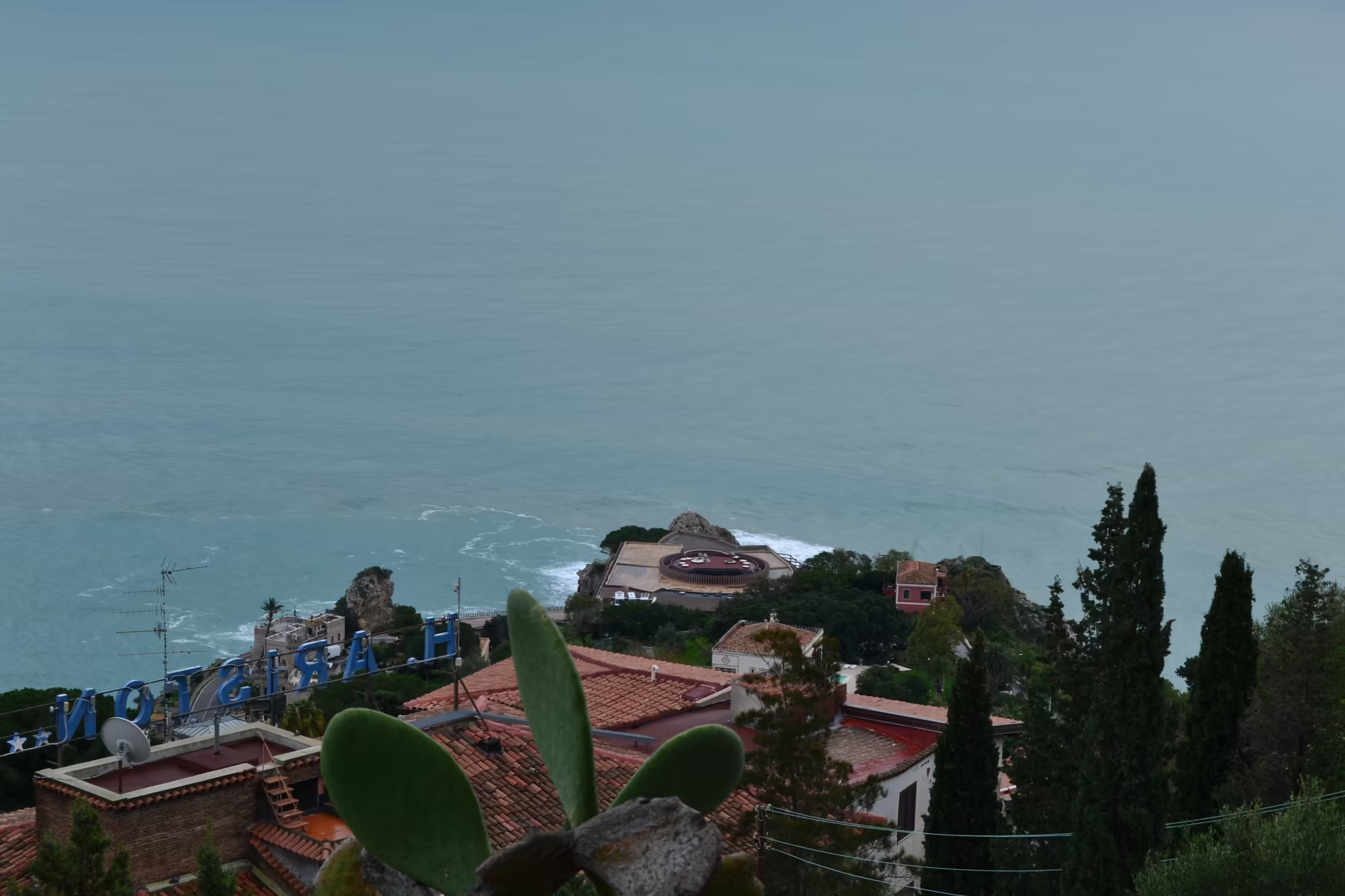
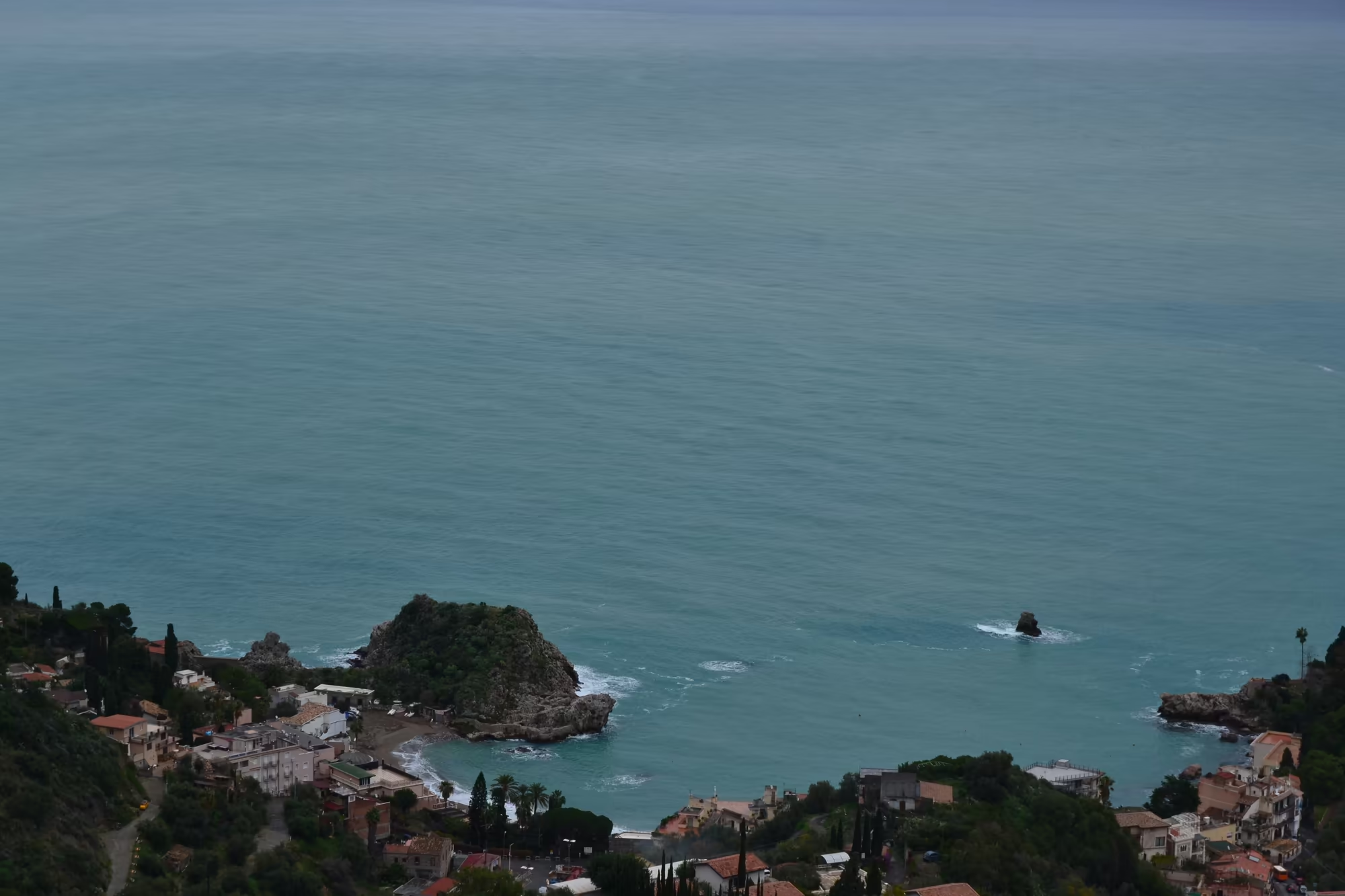
The coastline itself is a mixture of rock and shingle. Below the town the shore is made of pebbles and boulders rather than sand, with rocky islets such as the one at Isola Bella joined to the land by a narrow tombolo that is covered at high tide; the water is clear because the bottom is rock and stone, and it shelves steeply, so the waves arrive with force. In winter the sea breaks over the sea wall of the coastal road and over the rocks along the promenade, which is what the pictures of this day show.
Above and behind the coast the mountain is the other half of the geology. Etna is an active stratovolcano on the east coast of Sicily in the Metropolitan City of Catania, between Messina and Catania, standing above the convergent margin between the African and Eurasian plates and reaching about 3,403 metres, a figure that changes with eruptions. It is one of the most active volcanoes in the world, with at least 60 flank eruptions since 1600 and nearly half of them since 1900, and its summit is visible from Taormina above the bay, white with snow in winter.
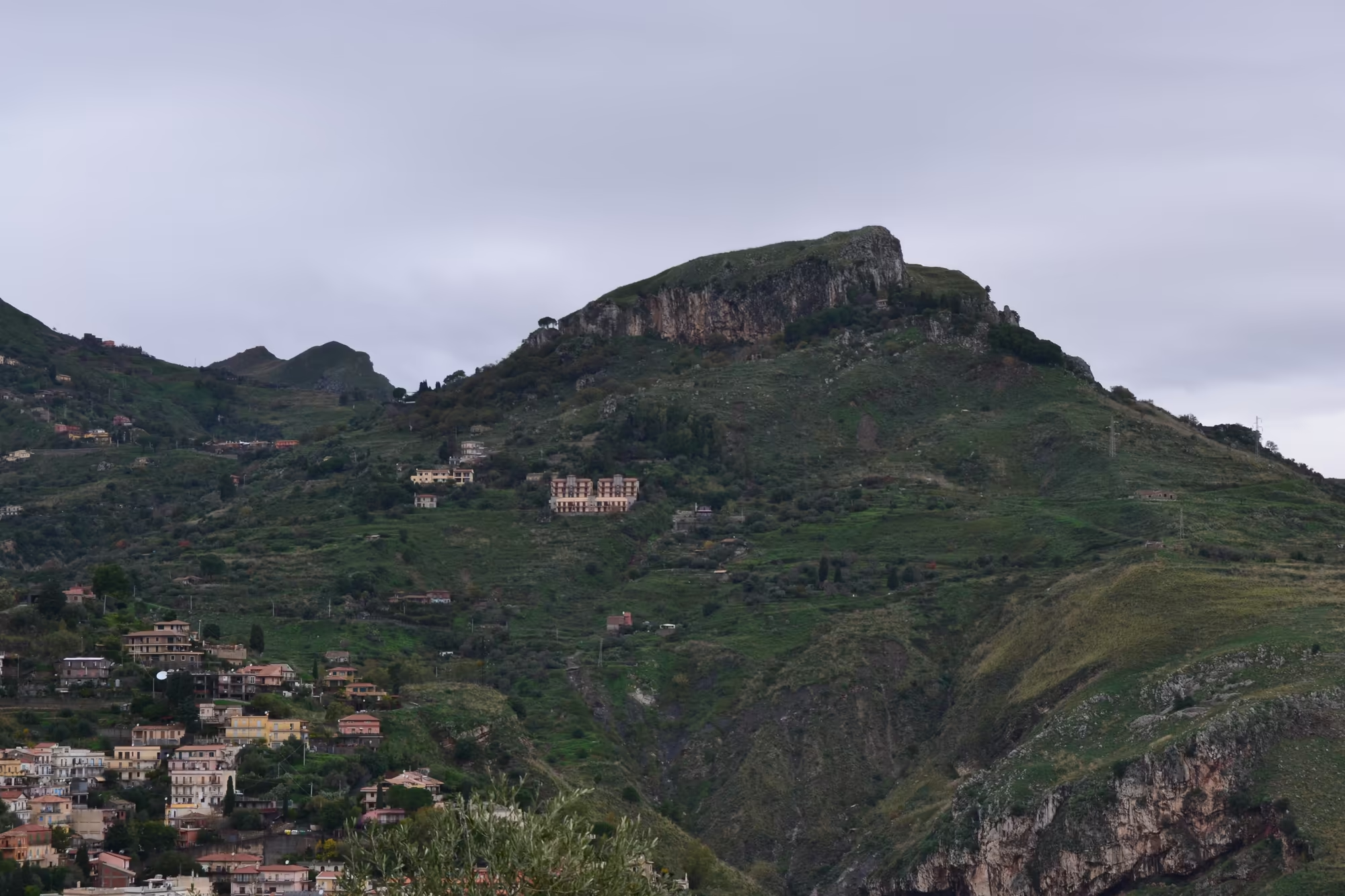
The soils and the terraces follow from that combination. The volcanic material that reaches the northern slopes mixed with the older rock of the Peloritani makes a broken but fertile landscape, and the hillside between Taormina and the villages above it is worked in terraces with dry stone walls, planted with olives, vines and citrus. The slope is steep enough that almost all the agriculture is terraced, and the walls that hold the terraces are as much a part of the scenery as the gardens of the town.
The shelter that makes the town habitable is a geological accident. The shelf on which it stands faces south east, so it takes the winter sun and is protected from the north wind by the ridge behind it, which is why the gardens there can carry lemon, orange and mandarin trees in February while the summit of the mountain above is under snow. The same slope is also the reason the town is small: there is very little level ground, and every terrace has to be held by a wall.
Things to See
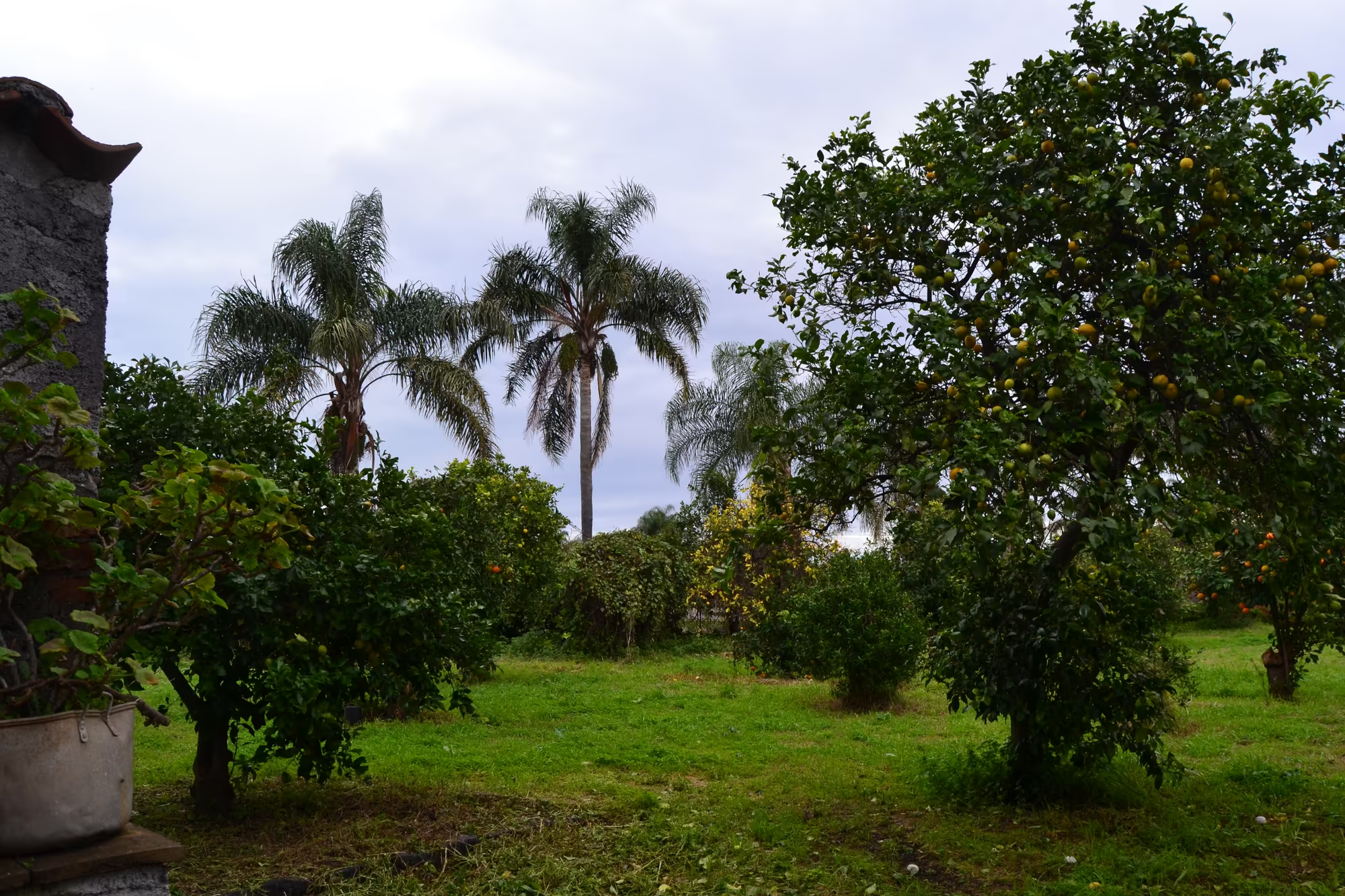
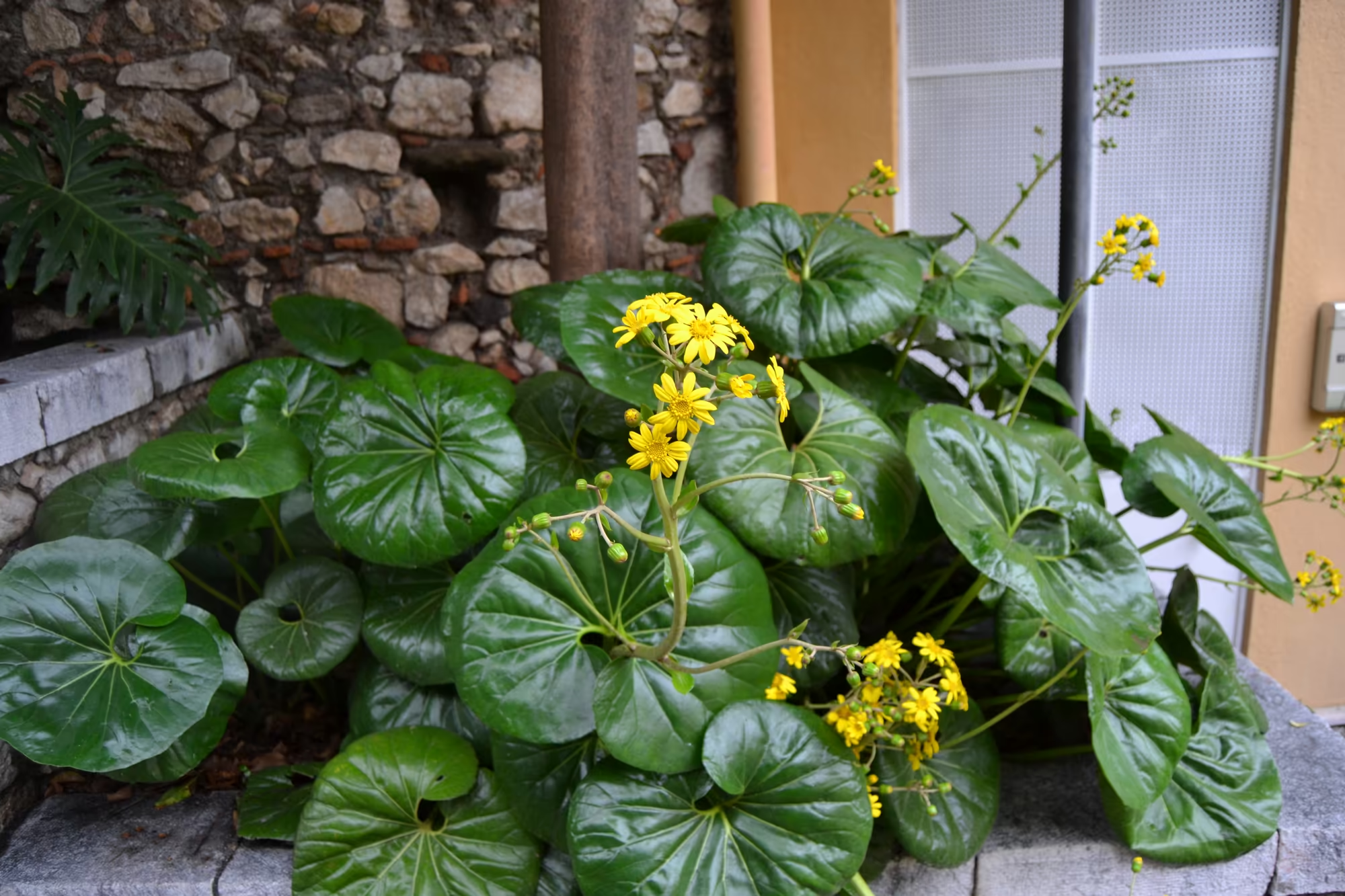
The gardens of the town are the first stop. A Sicilian garden with palms, citrus bushes bearing small fruit, terracotta planters and a stone path is the standard arrangement on the sheltered side of the hill, and from a terrace with an iron lamp, a potted plant and a green bench the view goes down over the coast. In February the fruit is on the bushes, the snow is on the mountain behind, and the two appear in the same frame whenever the palm trees open up.
The coastal road below the town is the second part of the day. Rough sea breaks against the sea wall while the row of buildings on the inner side takes the spray, waves wash over dark rocks with parked cars in front of the houses, and a paved esplanade with a yellow building and a lone walker runs along the front at the level of the beach. The road is not a promenade in the summer sense; in winter it is the place where the sea and the town meet, and it is worth walking for the half kilometre where the waves reach it.
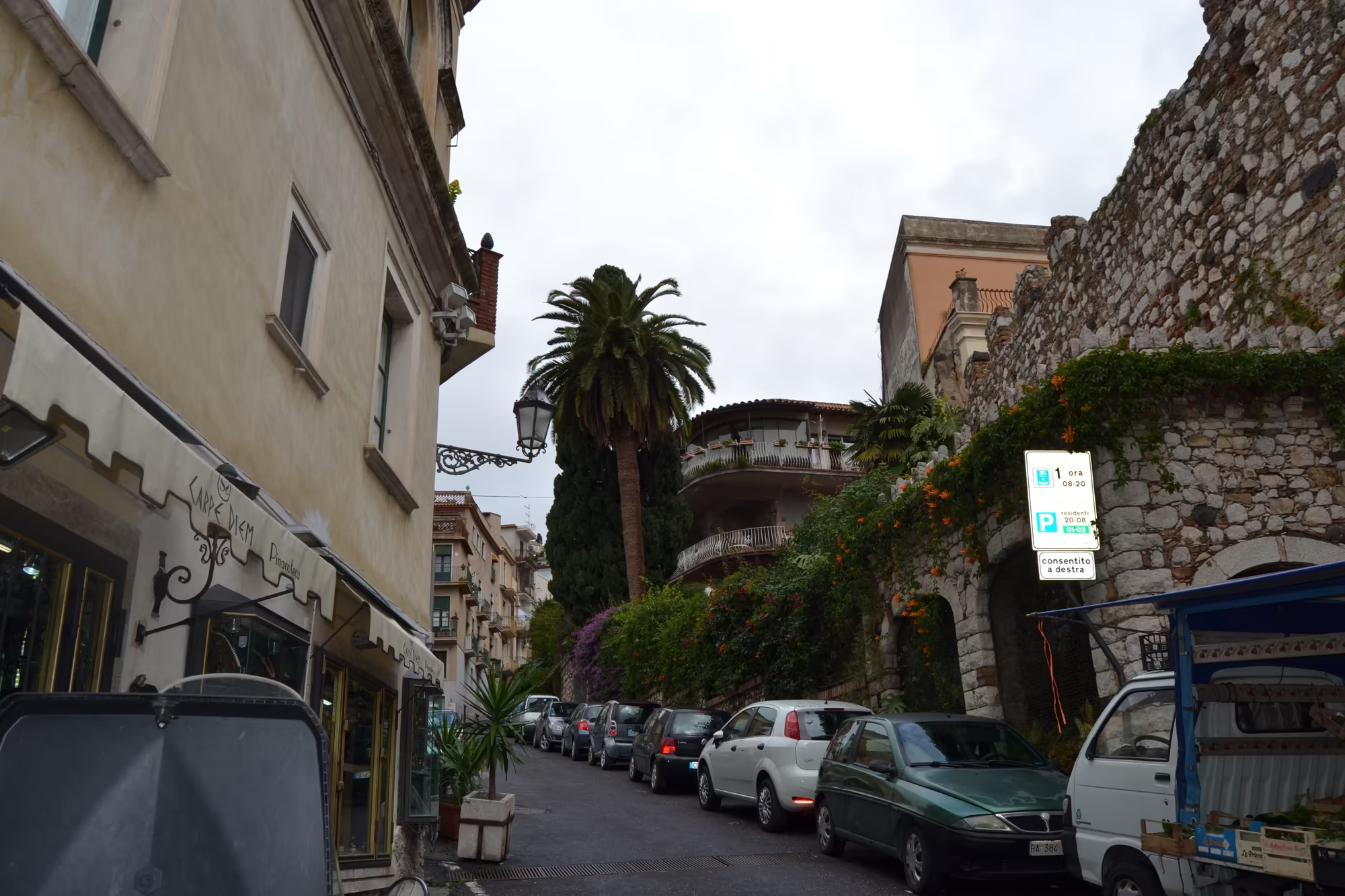
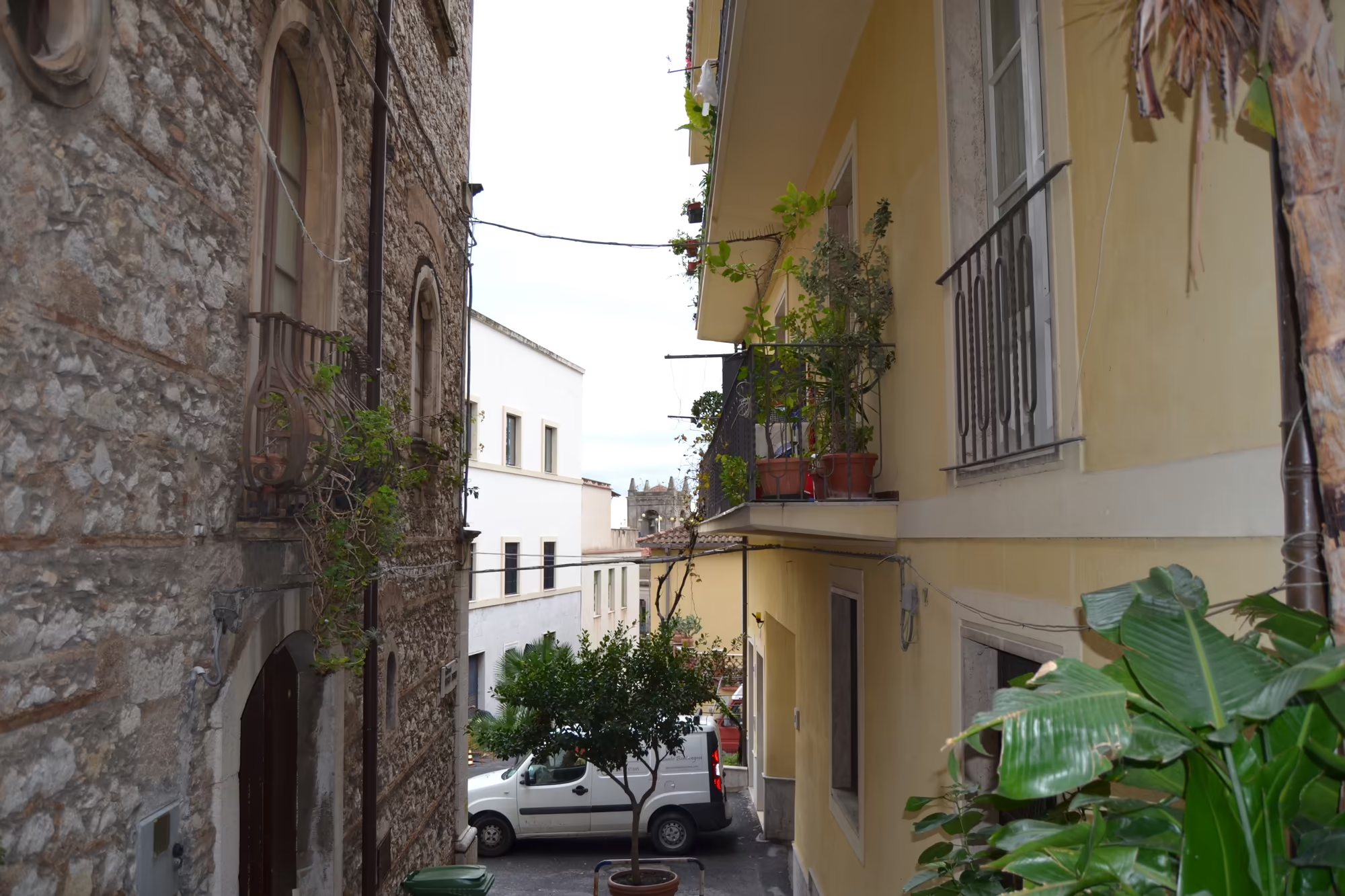
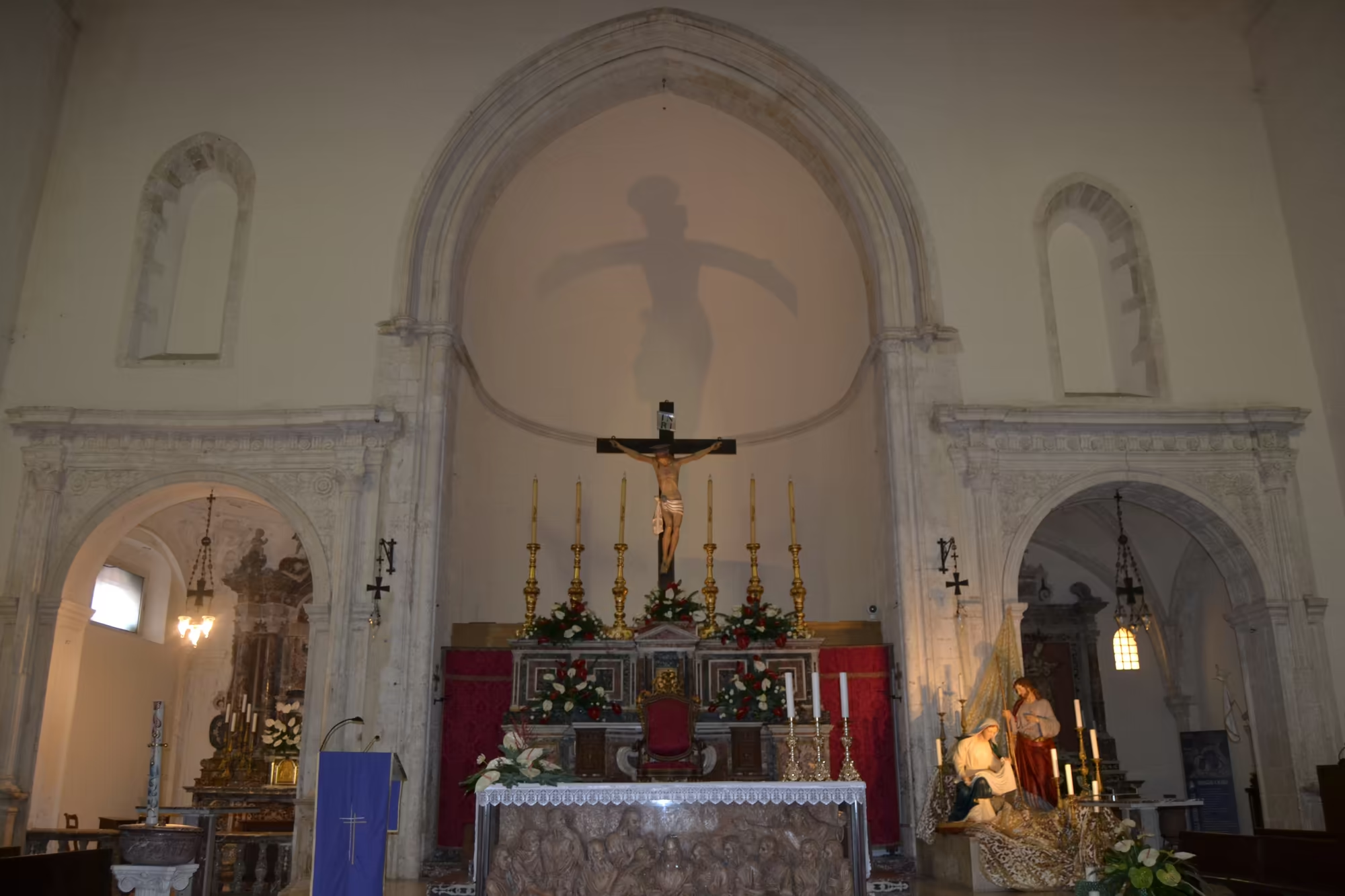
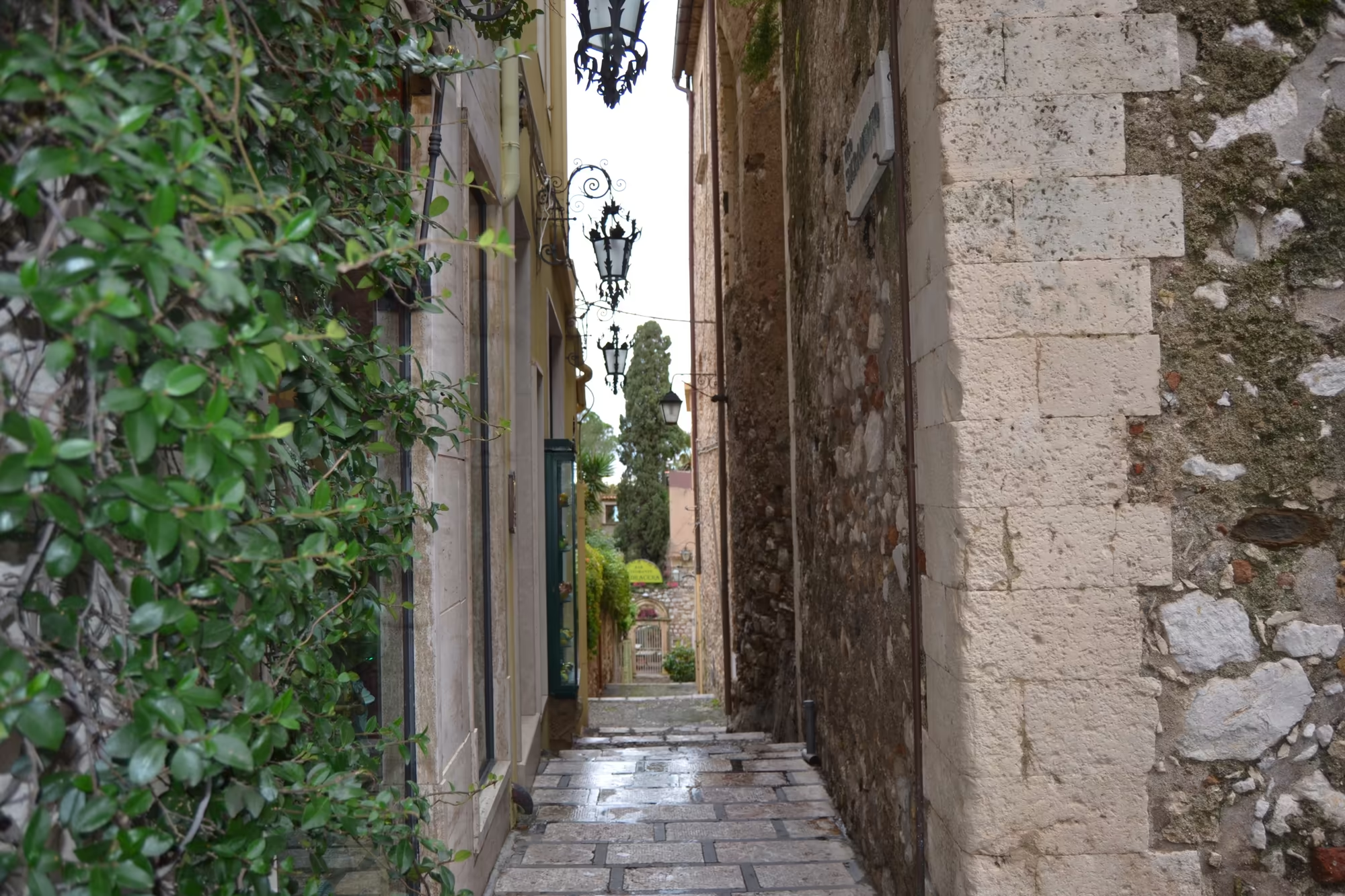
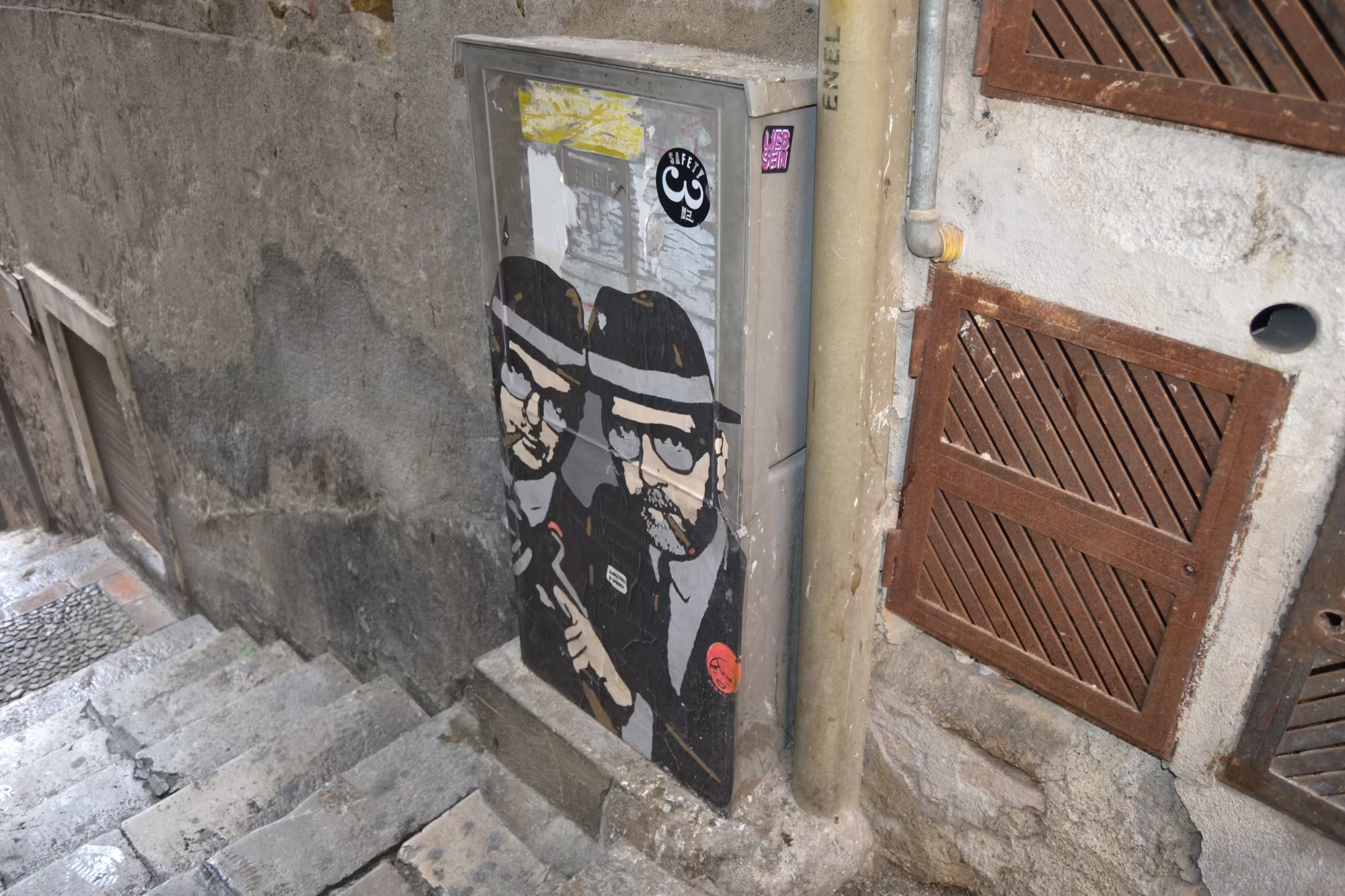
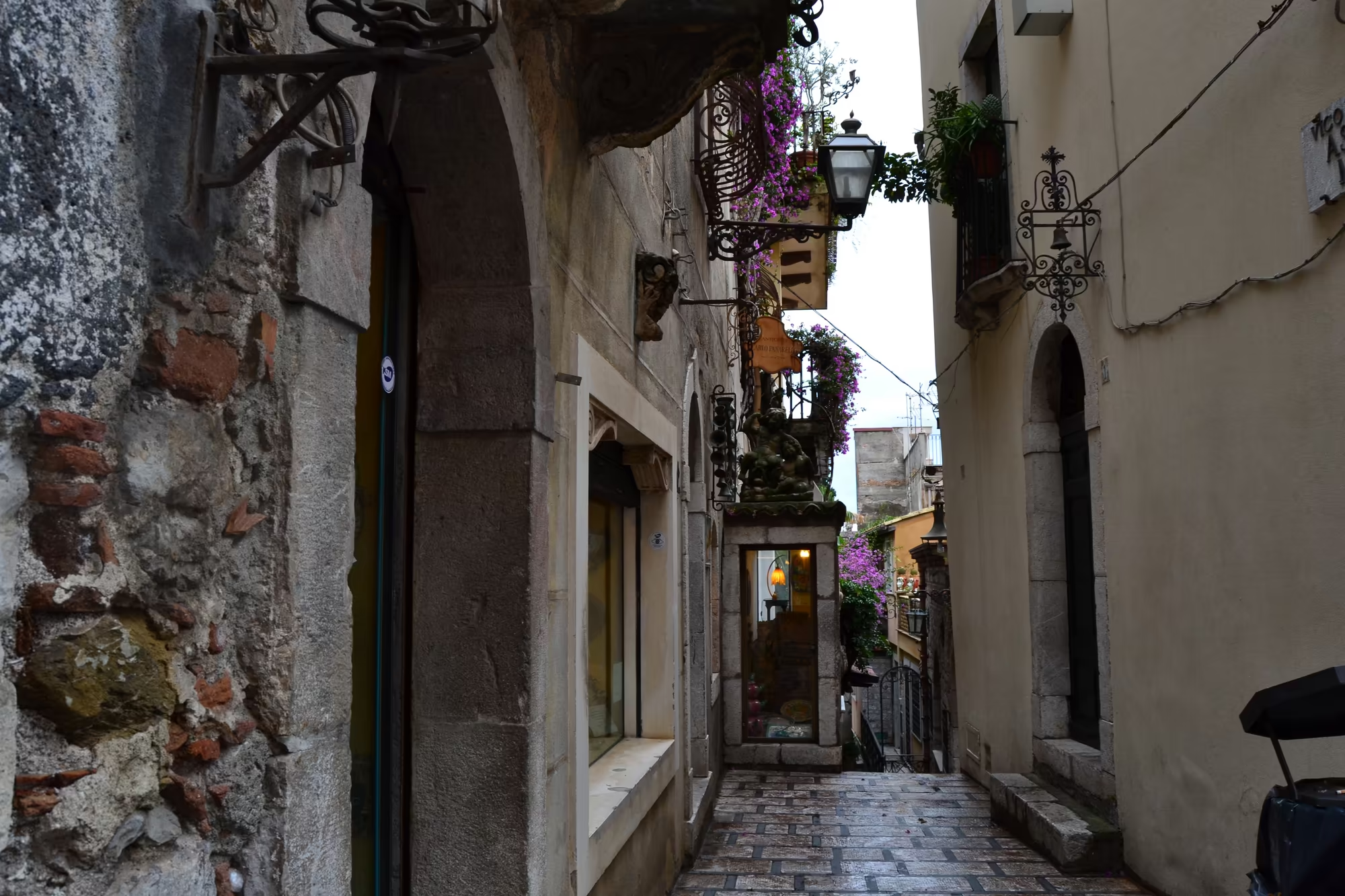
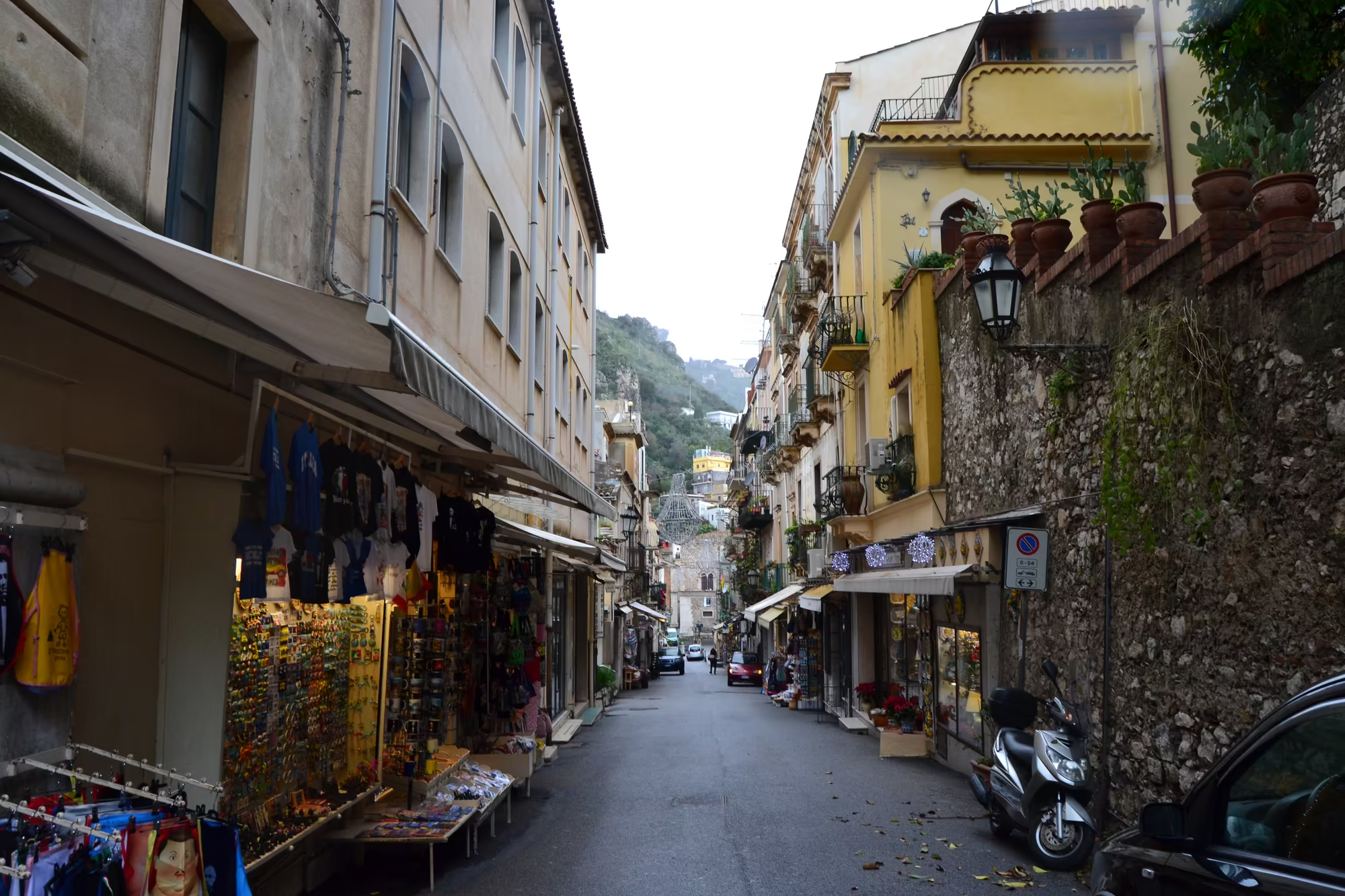
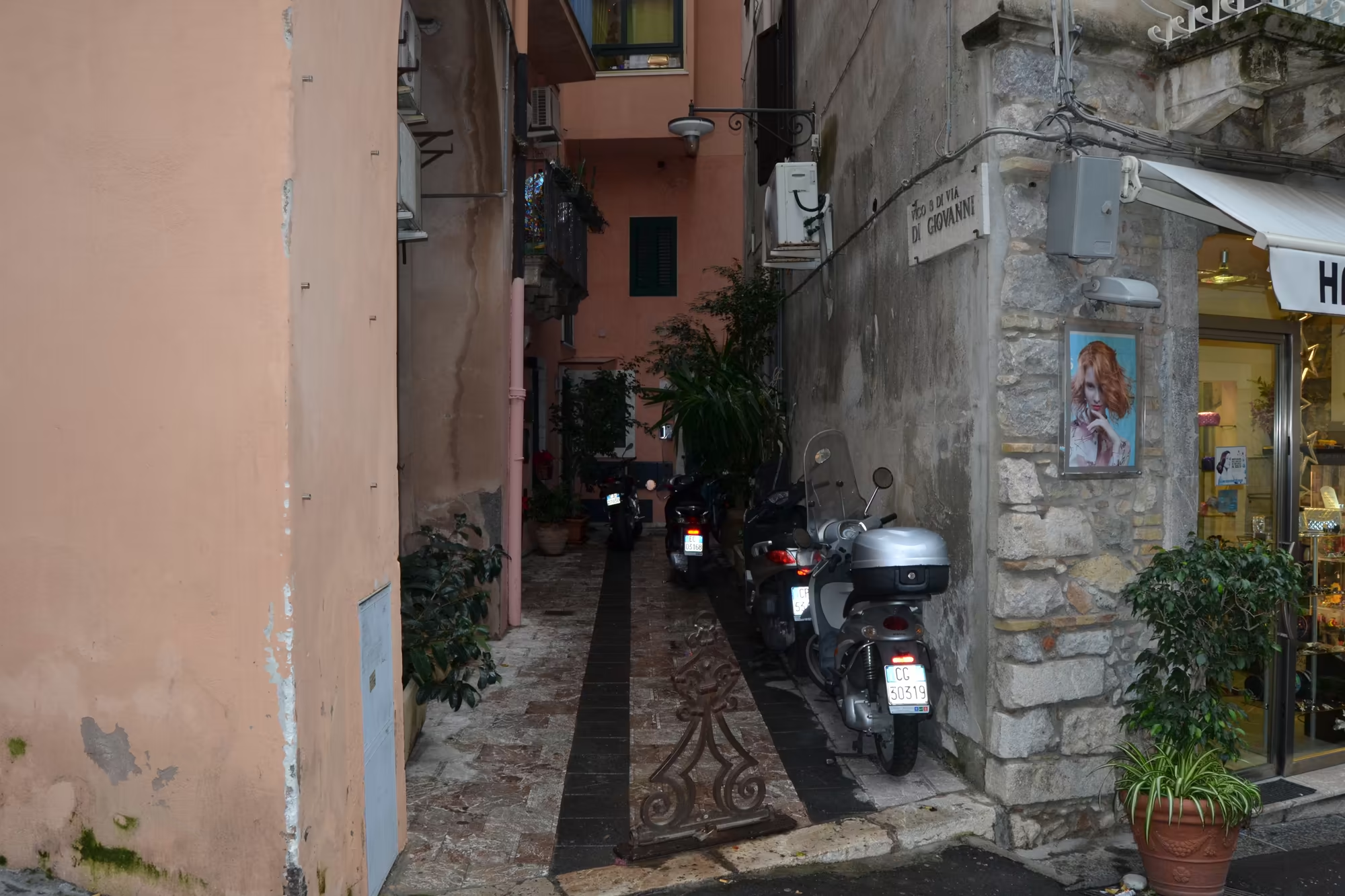
The town centre repays a slow walk. Narrow streets lined with parked cars and old stone and plastered buildings, alleyways between stone masonry with wrought iron balconies, an ornate fountain with sculpted figures in a paved piazza, a white church interior with a decorated altar and, on one electrical cabinet, two cartoon figures painted in black, are the everyday texture of a Sicilian town that has been receiving visitors for two centuries. The shopping street with its souvenir shops under awnings and the cobbled alley with a row of parked scooters are the same street seen on a busier footing.
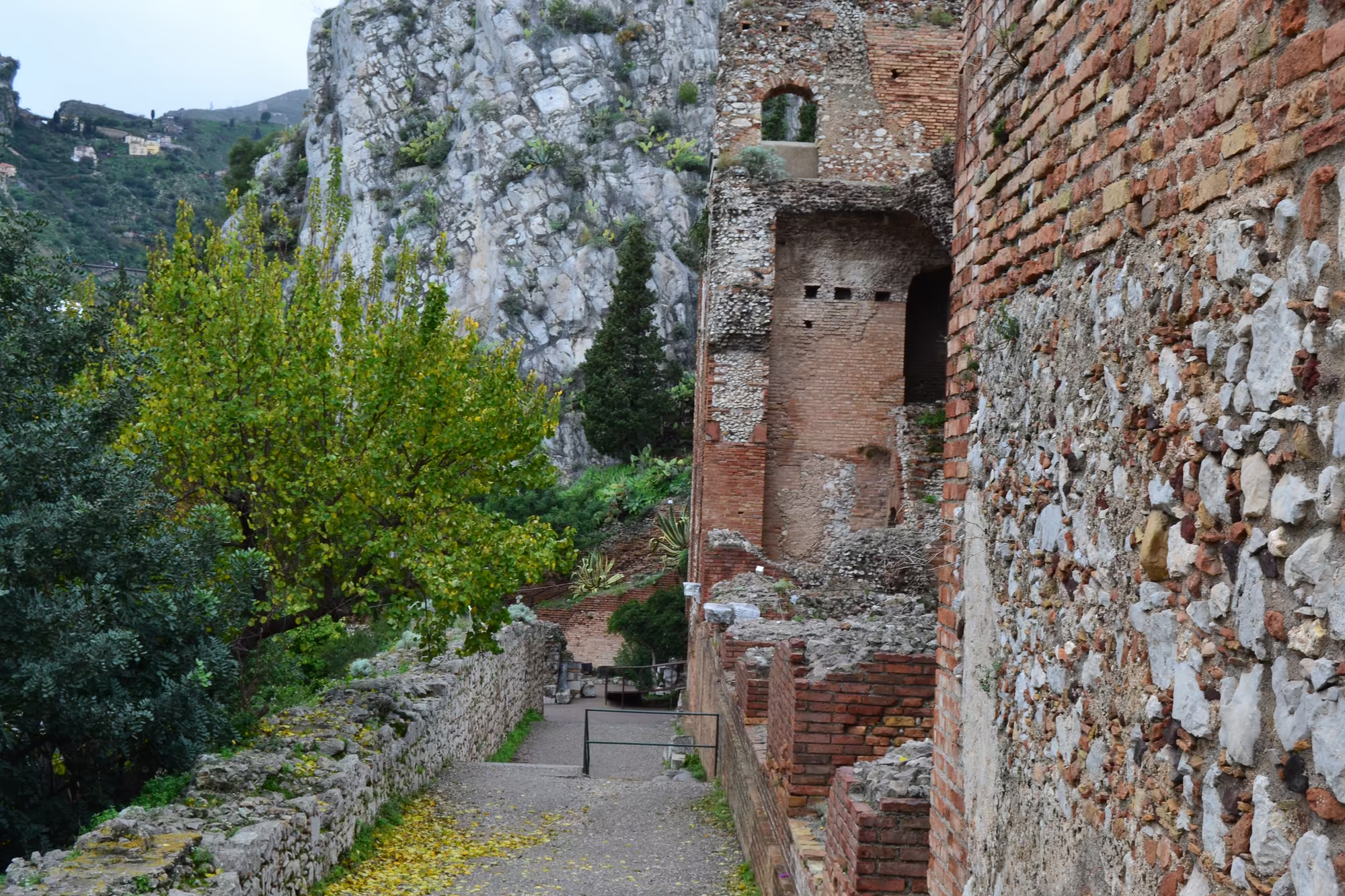
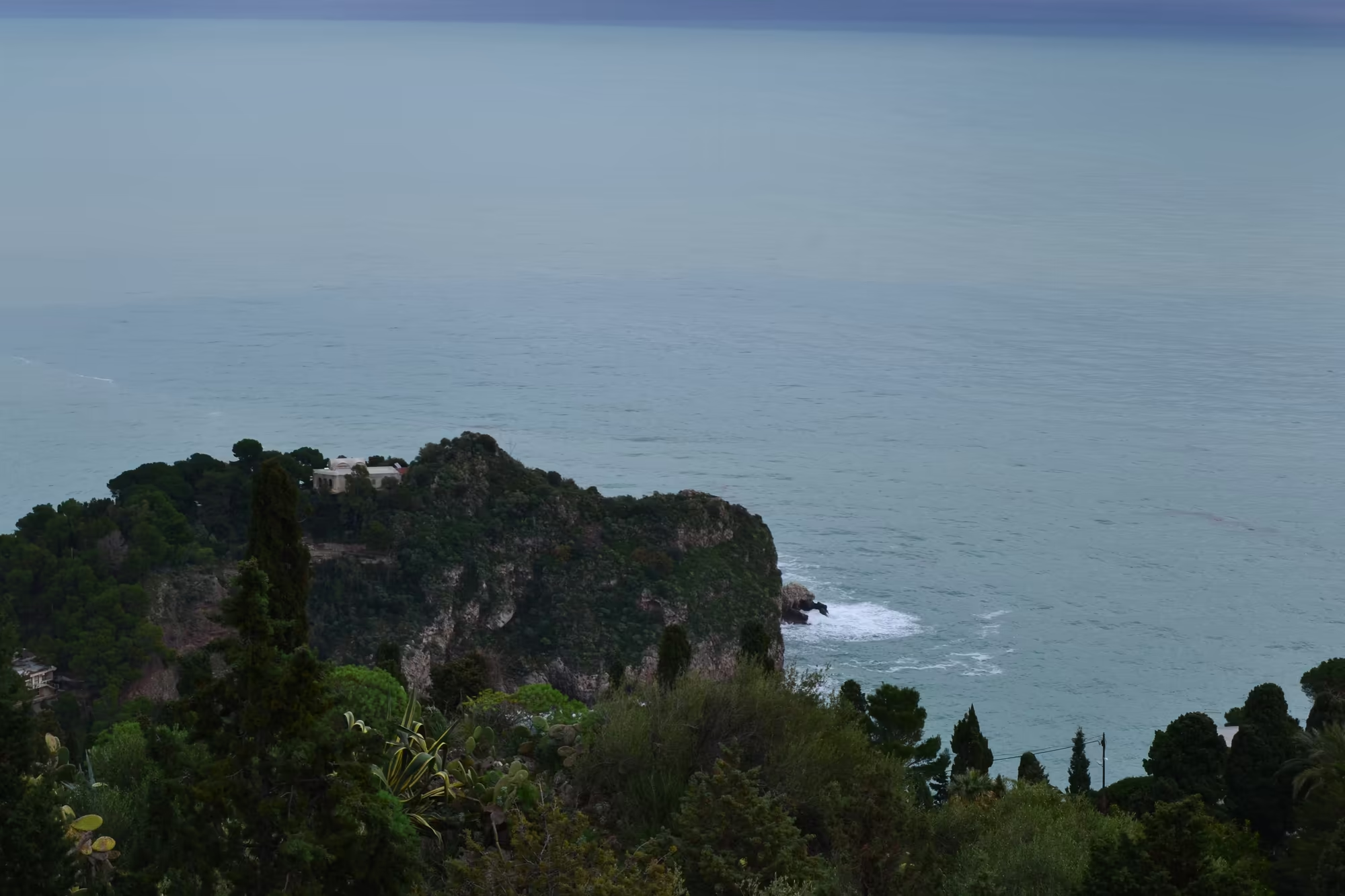
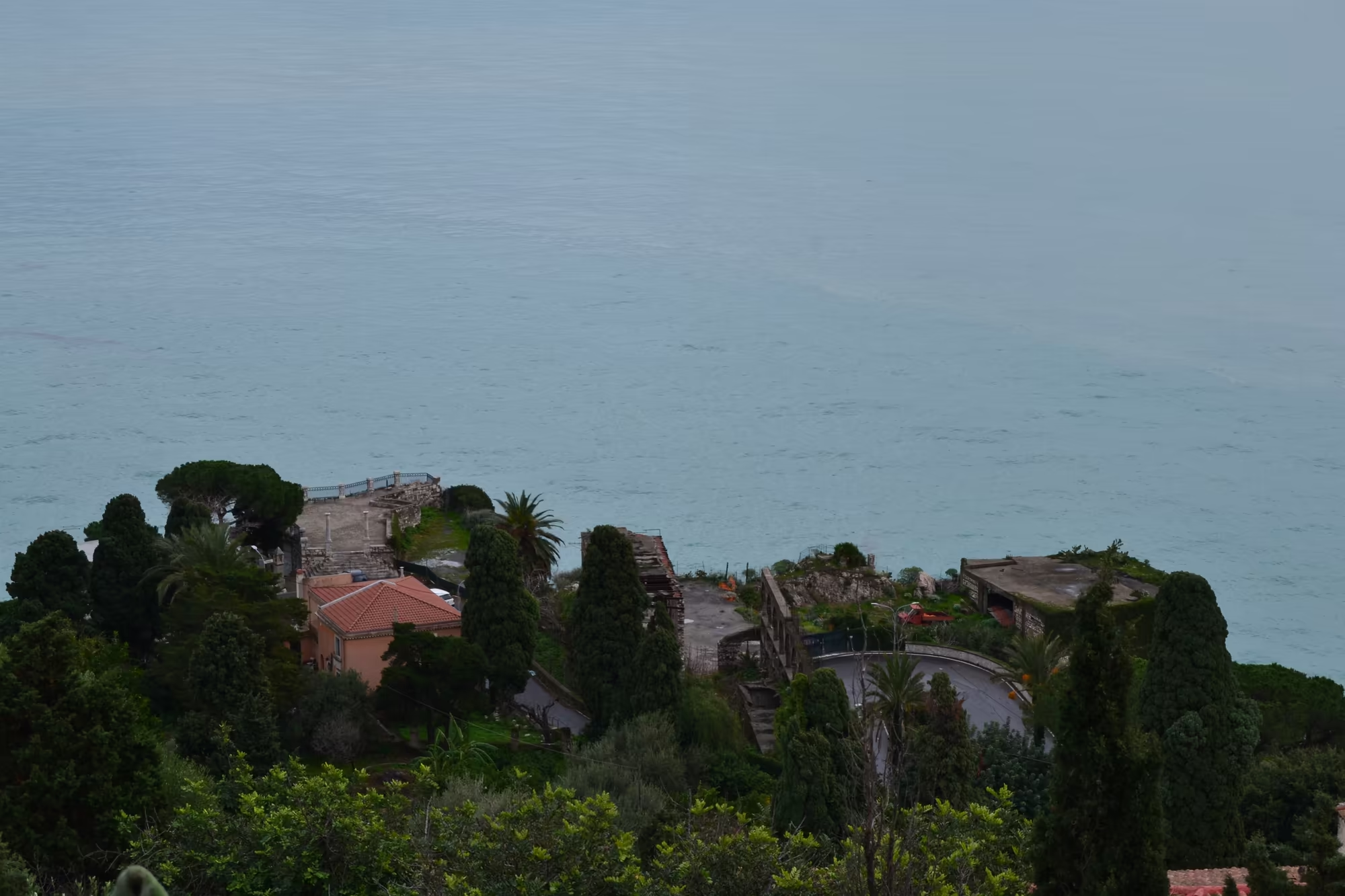
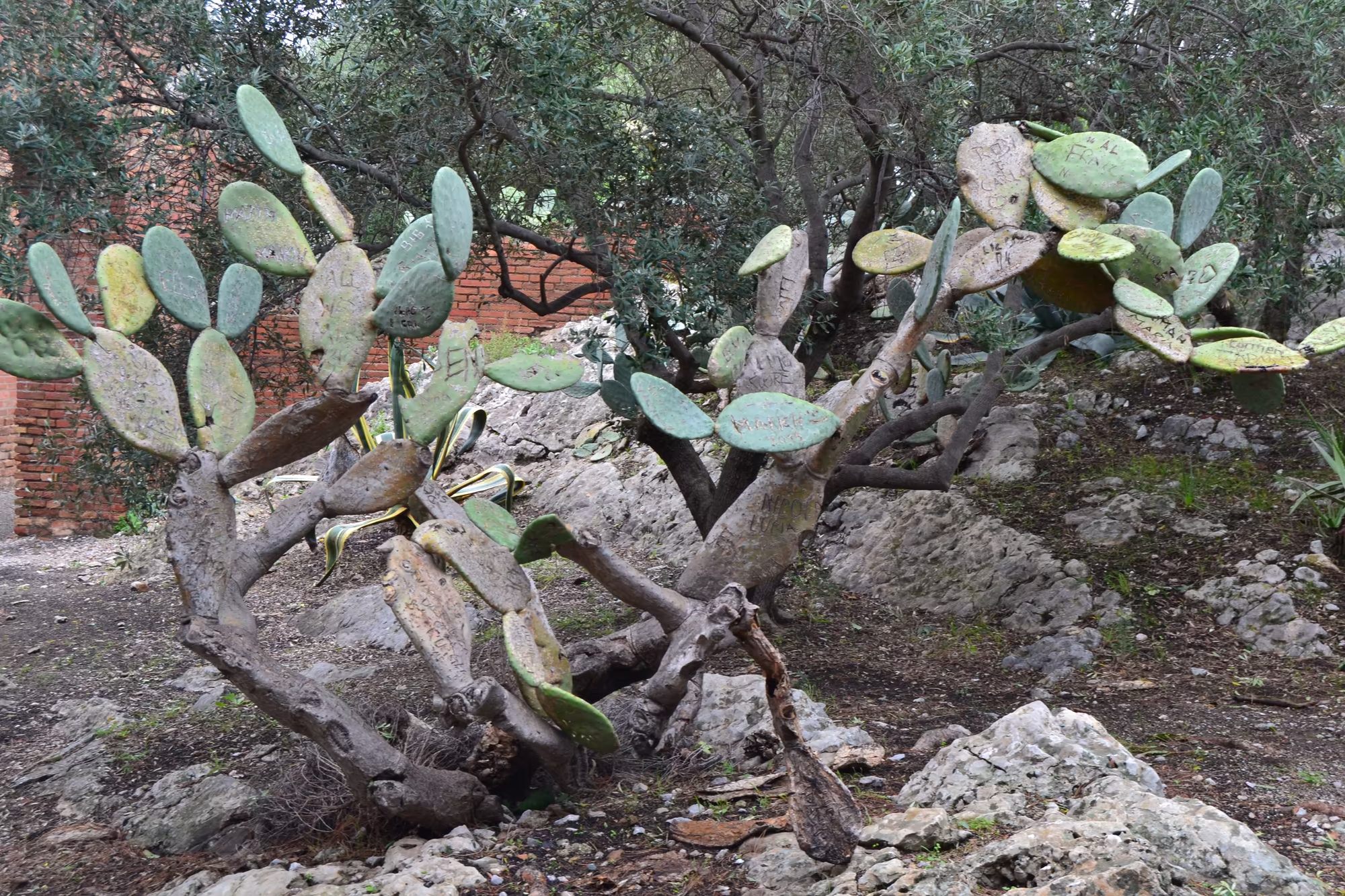
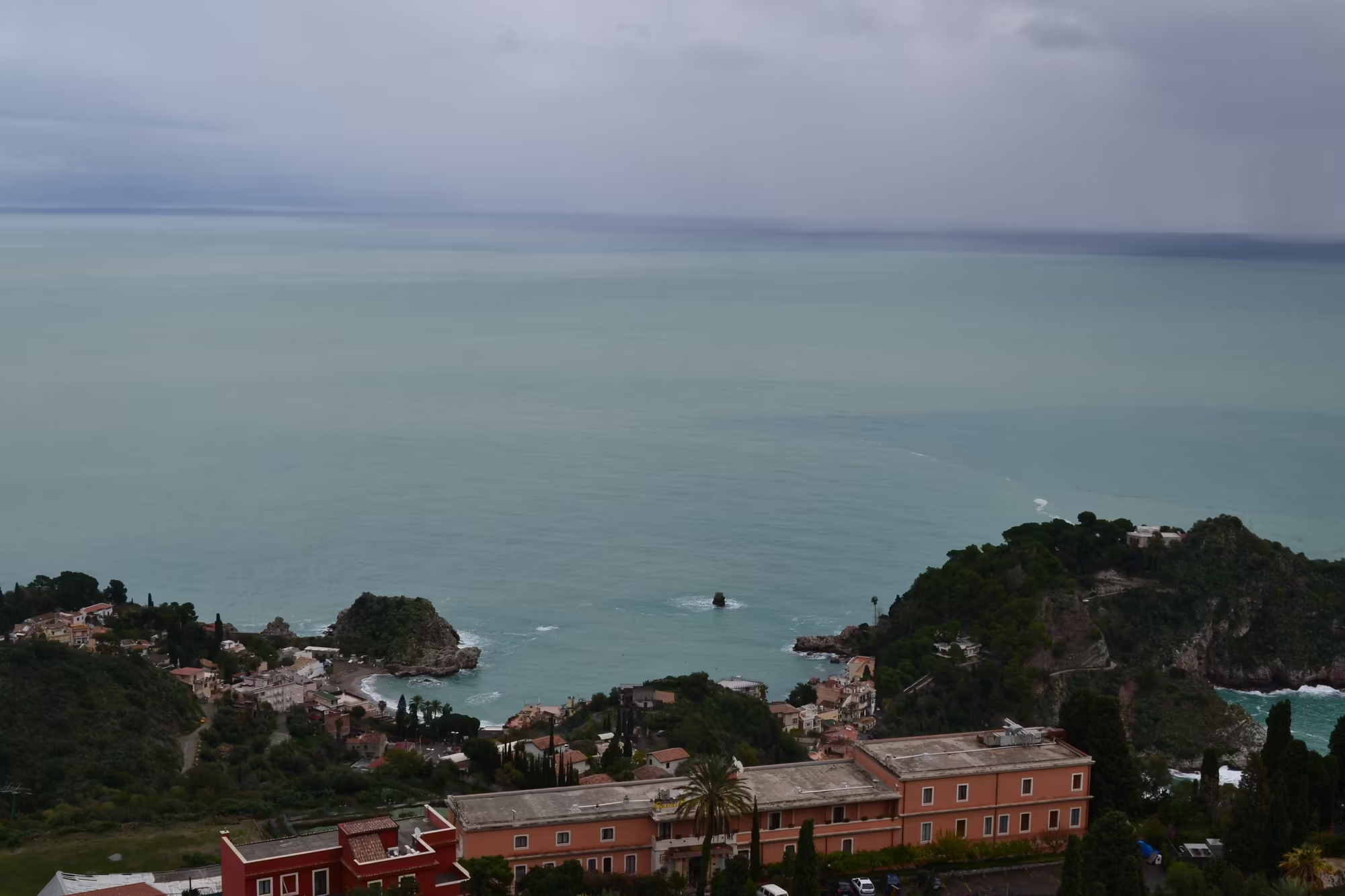
The ruins above the town are the destination of the day. Weathered brick and stone walls of the ancient theatre stand on the ridge with arched openings and fluted columns, the curved tiers of stone seating look out over green hills and the sea, and from the upper rows the whole coastline is visible beyond the stage buildings. Below the ruins the town spreads out in terracotta roofs and cypresses, and beyond it a rocky promontory covered in green vegetation rises from the water, with a small islet offshore. The theatre and the view from it, the sea through a ruined arch, and a prickly pear pad carved with the names of visitors are the impressions that most people carry away from Taormina.
The theatre is the centrepiece and deserves the time. The cavea was divided into nine sections and the seating follows the curve of the hillside, with the bays and the corridors that served them still visible; on either side of the stage building stood a basilica, and behind the ruins the sea and the coast fill the whole width of the view. The building is still used as a venue, above all for the Taormina Film Festival, which is why scaffolding and a modern stage appear in it out of season.
References
- Theatre under the Principate (2025). In: A New History of Ancient Roman Theatre. doi.org/10.2307/jj.35615685.11
- Wikipedia contributors (2026). Ancient theatre of Taormina. en.wikipedia.org/wiki/Ancient_theatre_of_Taormina
- Wikipedia contributors (2026). Giardini Naxos. en.wikipedia.org/wiki/Giardini_Naxos
- Wikipedia contributors (2026). History of Sicily. en.wikipedia.org/wiki/History_of_Sicily
- Wikipedia contributors (2026). Ionian Sea. en.wikipedia.org/wiki/Ionian_Sea
- Wikipedia contributors (2026). Isola Bella (Sicily). en.wikipedia.org/wiki/Isola_Bella_(Sicily)
- Wikipedia contributors (2026). Magna Graecia. en.wikipedia.org/wiki/Magna_Graecia
- Wikipedia contributors (2026). Mount Etna. en.wikipedia.org/wiki/Mount_Etna
- Wikipedia contributors (2026). Sicily. en.wikipedia.org/wiki/Sicily
- Wikipedia contributors (2026). Taormina. en.wikipedia.org/wiki/Taormina