Day 8 - Lipari






Journal Notes
General
The eighth day crosses the water to the Aeolian Islands, and most of the album belongs to Lipari. Lipari is the largest of the seven islands of the archipelago, lying in the Tyrrhenian Sea off the northern coast of Sicily, and it is also a municipality that includes six of them: Lipari itself together with Vulcano, Panarea, Stromboli, Filicudi and Alicudi. The islands belong administratively to the Metropolitan City of Messina, and Lipari has 12,794 permanent residents, most of them in the town that climbs the slope from the harbour to the castle above it.
The archipelago is volcanic, and its shape is the reason for everything else about it. The Aeolian Islands cover 114.7 square kilometres in total and had a permanent population of 14,224 at the 2011 census, with an official estimate of 15,419 as of 1 January 2019; two of the islands, Stromboli and Vulcano, are active volcanoes and the rest are the eroded remains of older ones. Because the islands stand in deep water and are built of hard volcanic rock, the coasts are steep, the beaches are pebbles or boulders rather than sand, and the sea around them is clear and very blue.
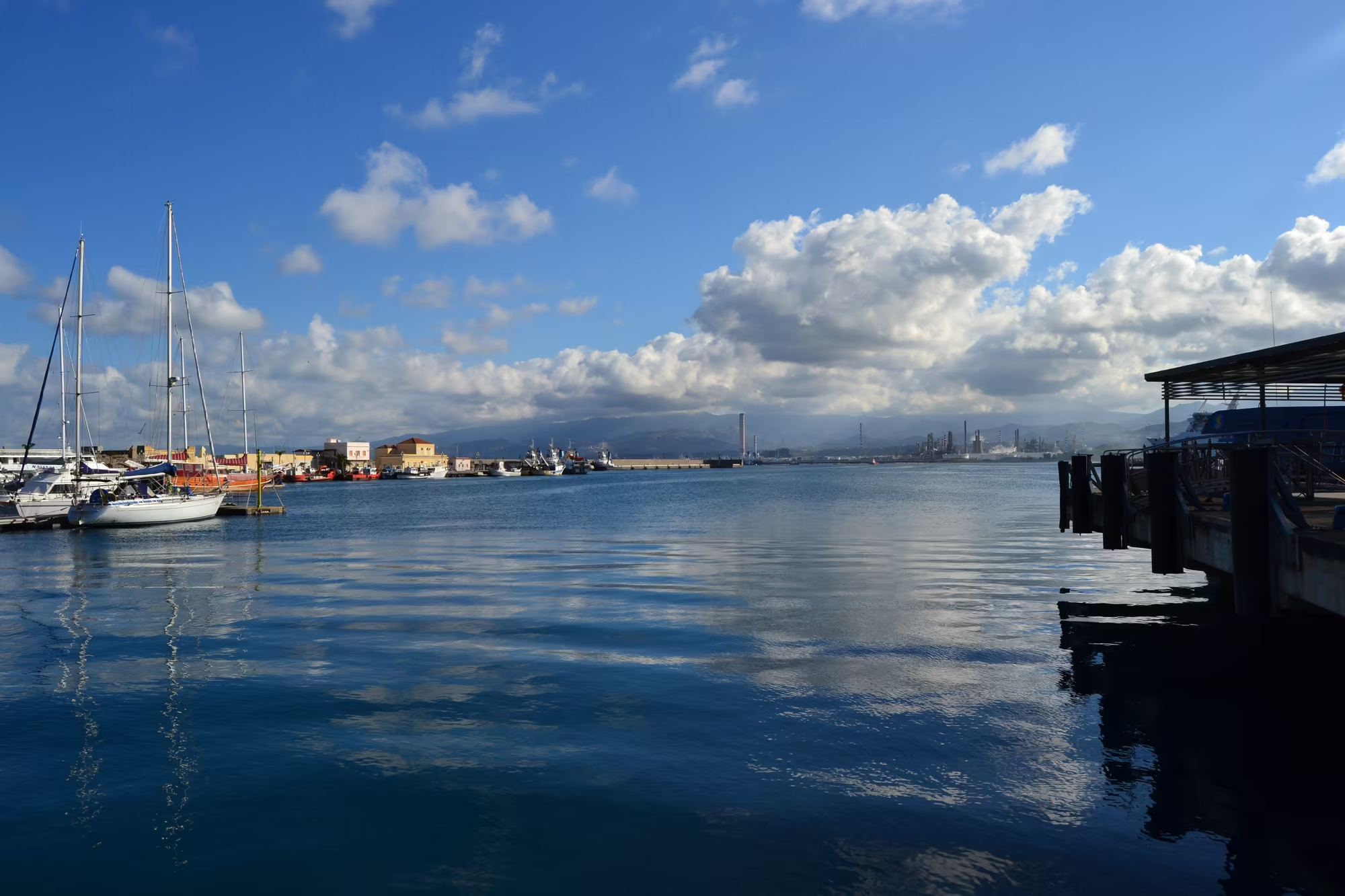
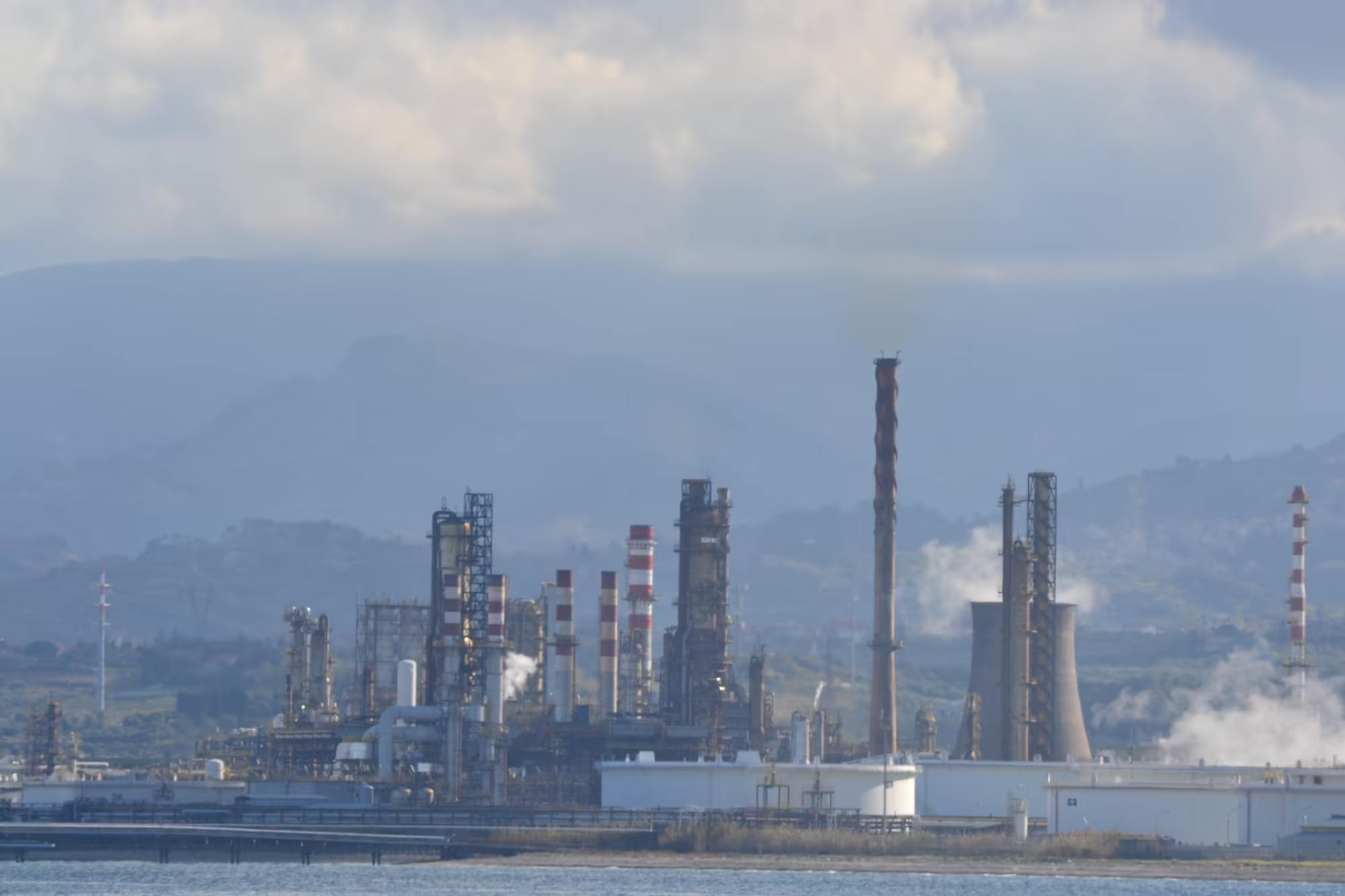
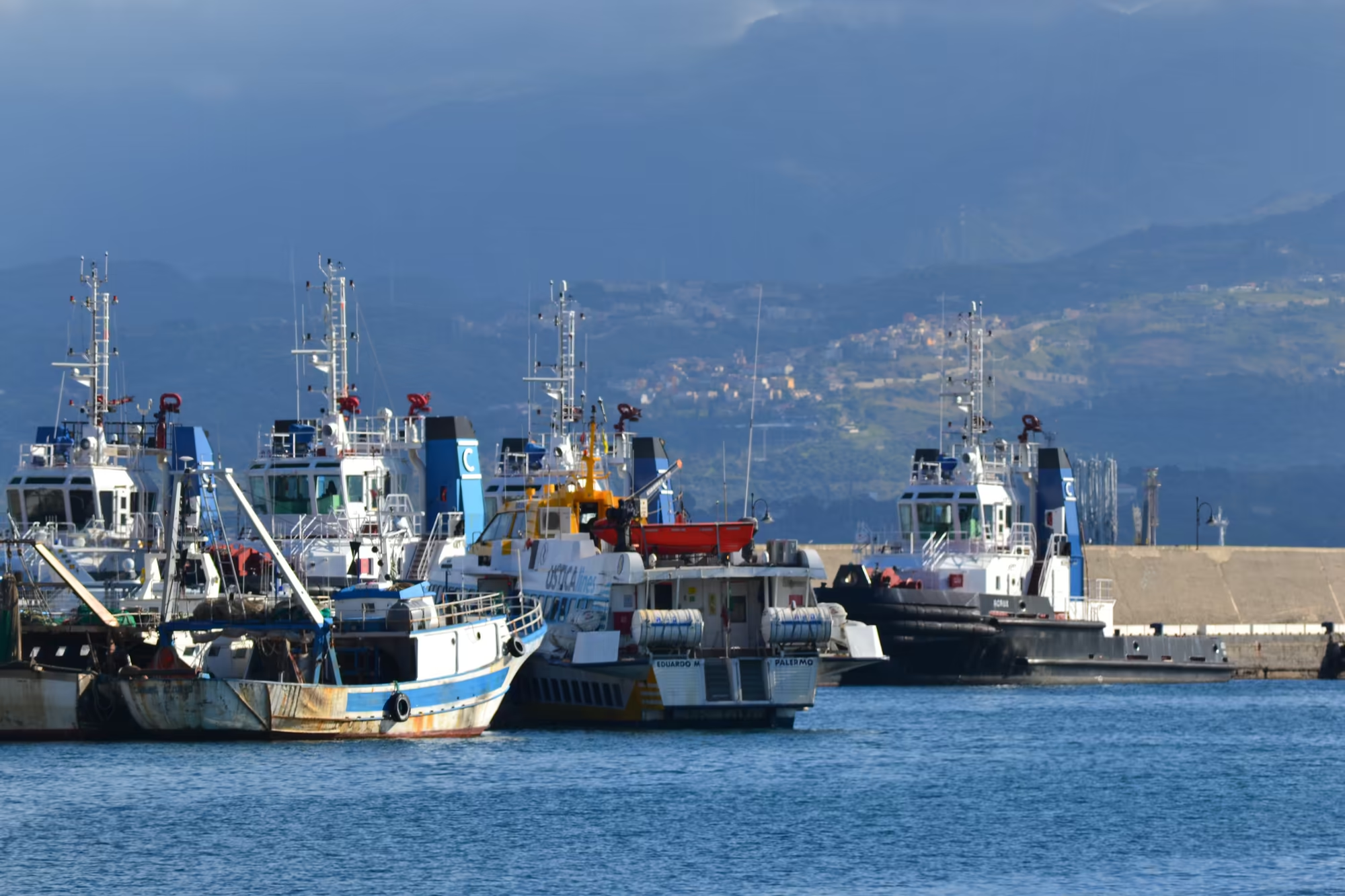
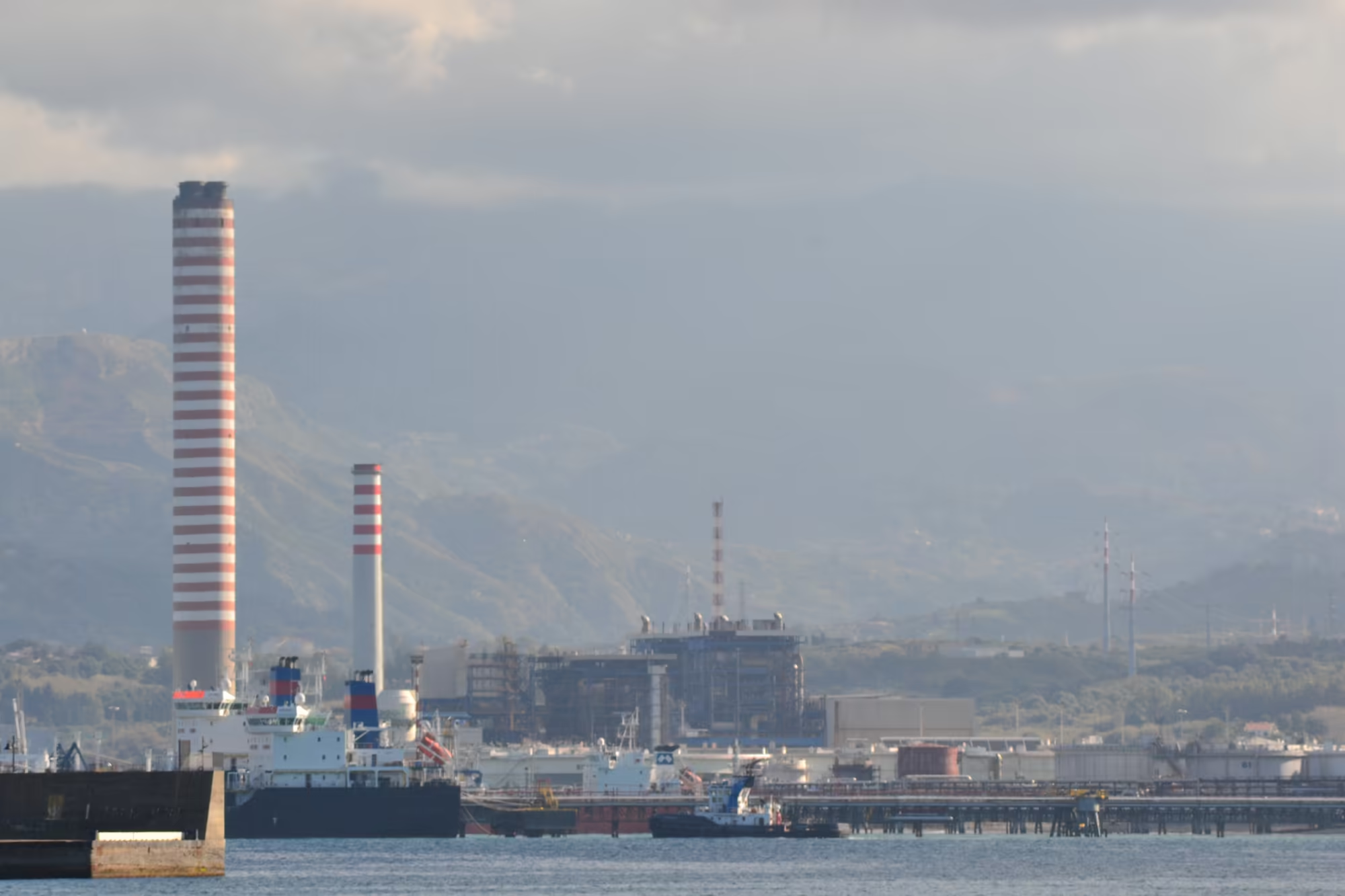
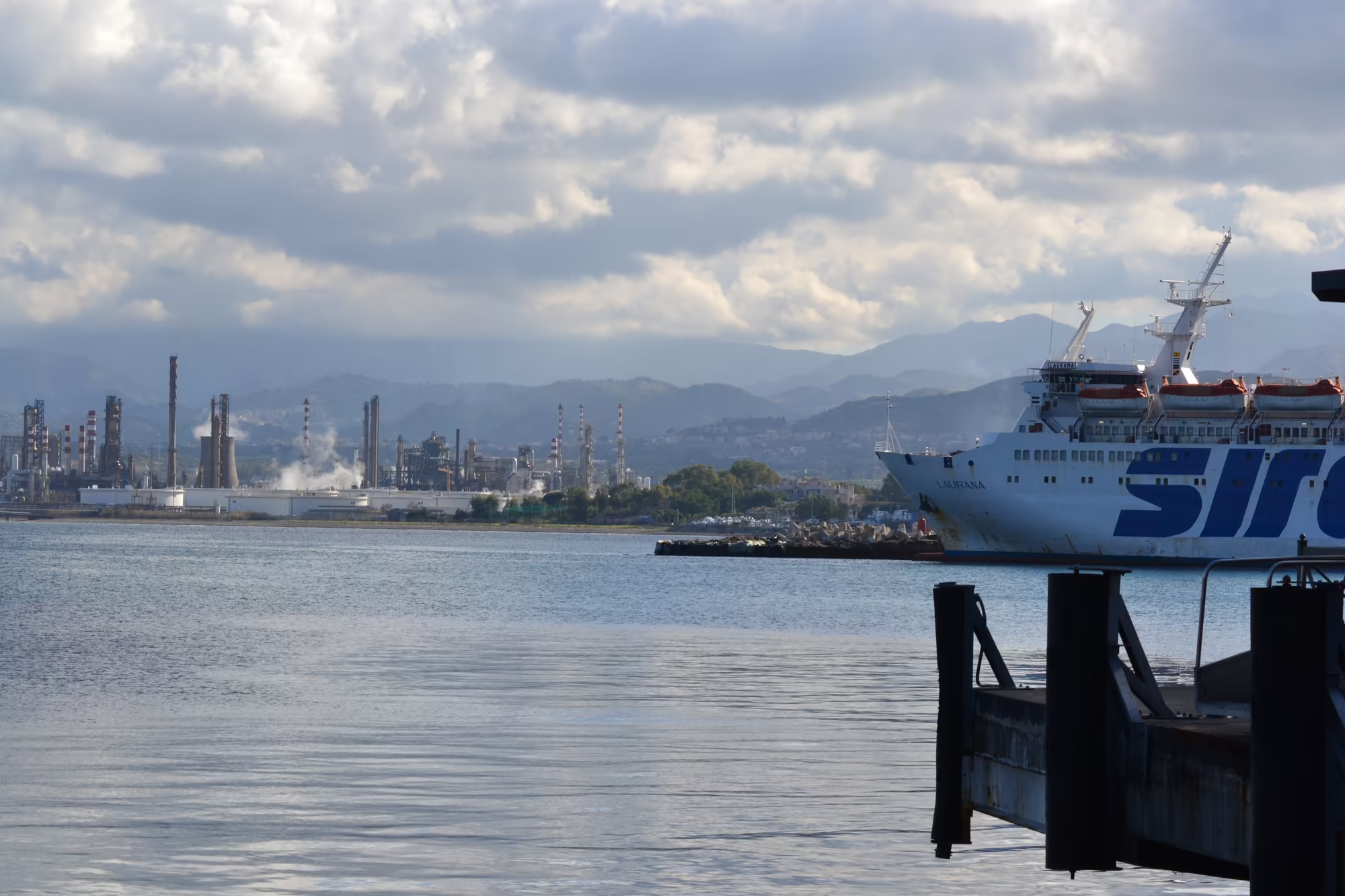
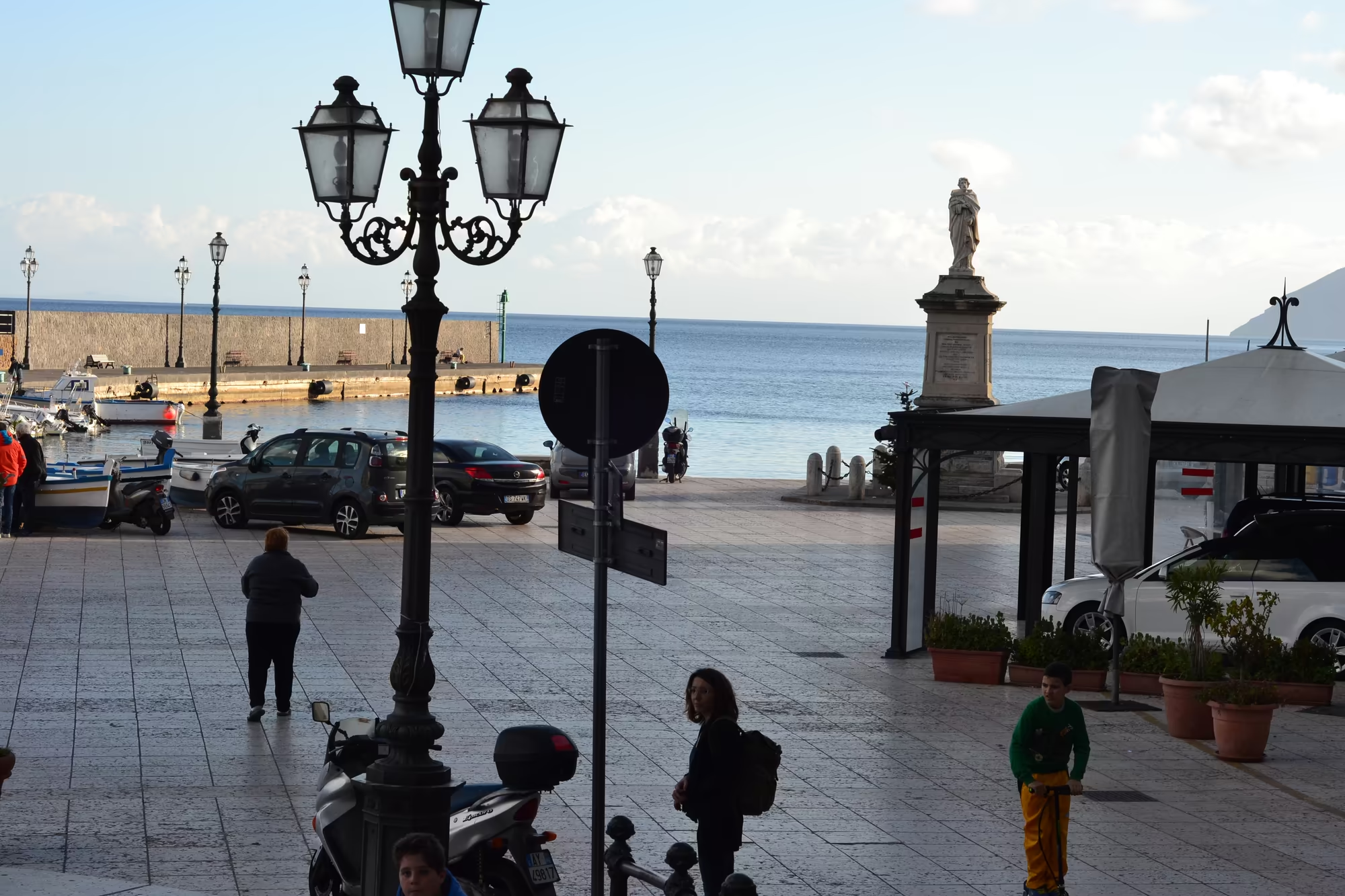
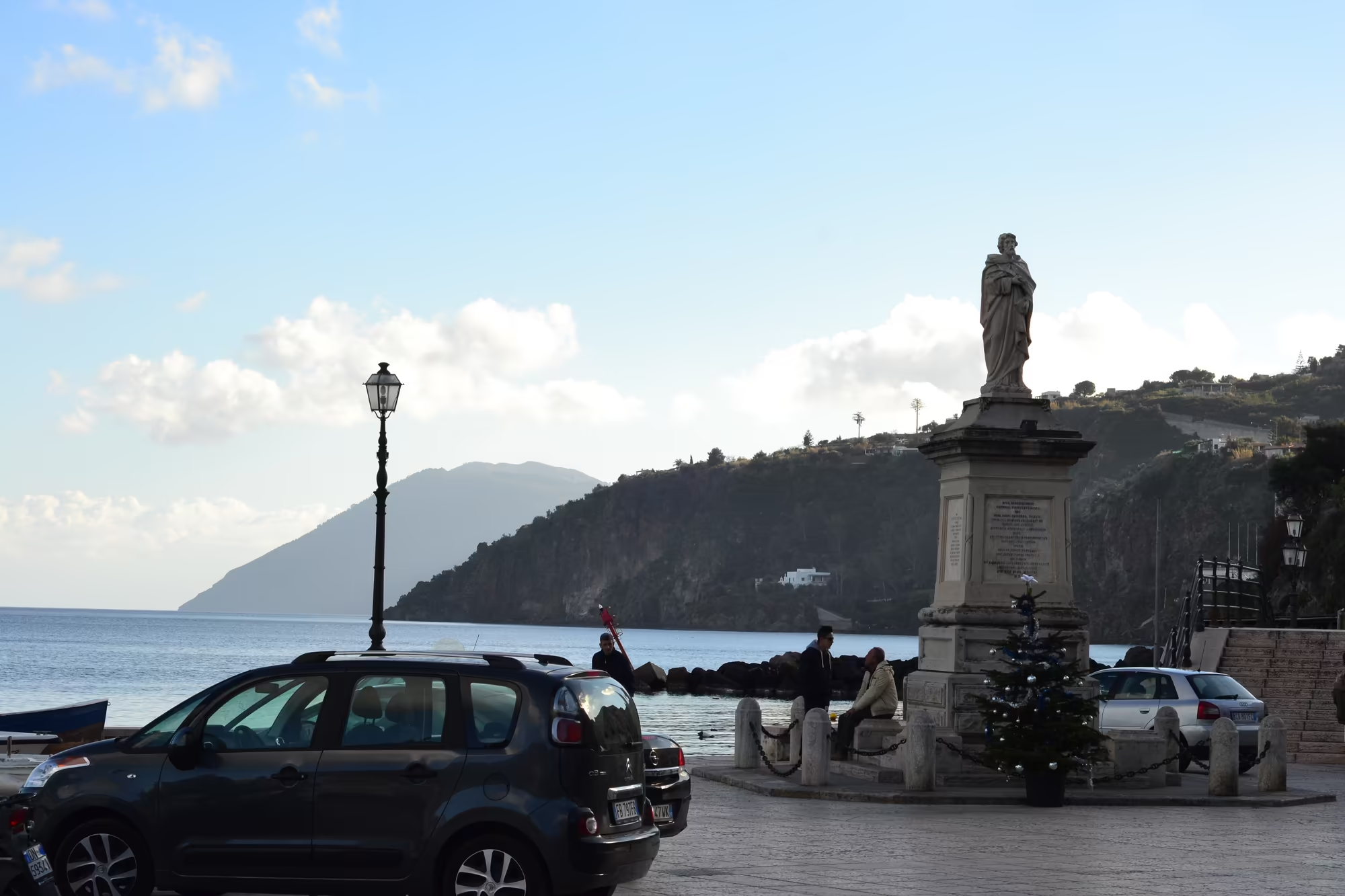
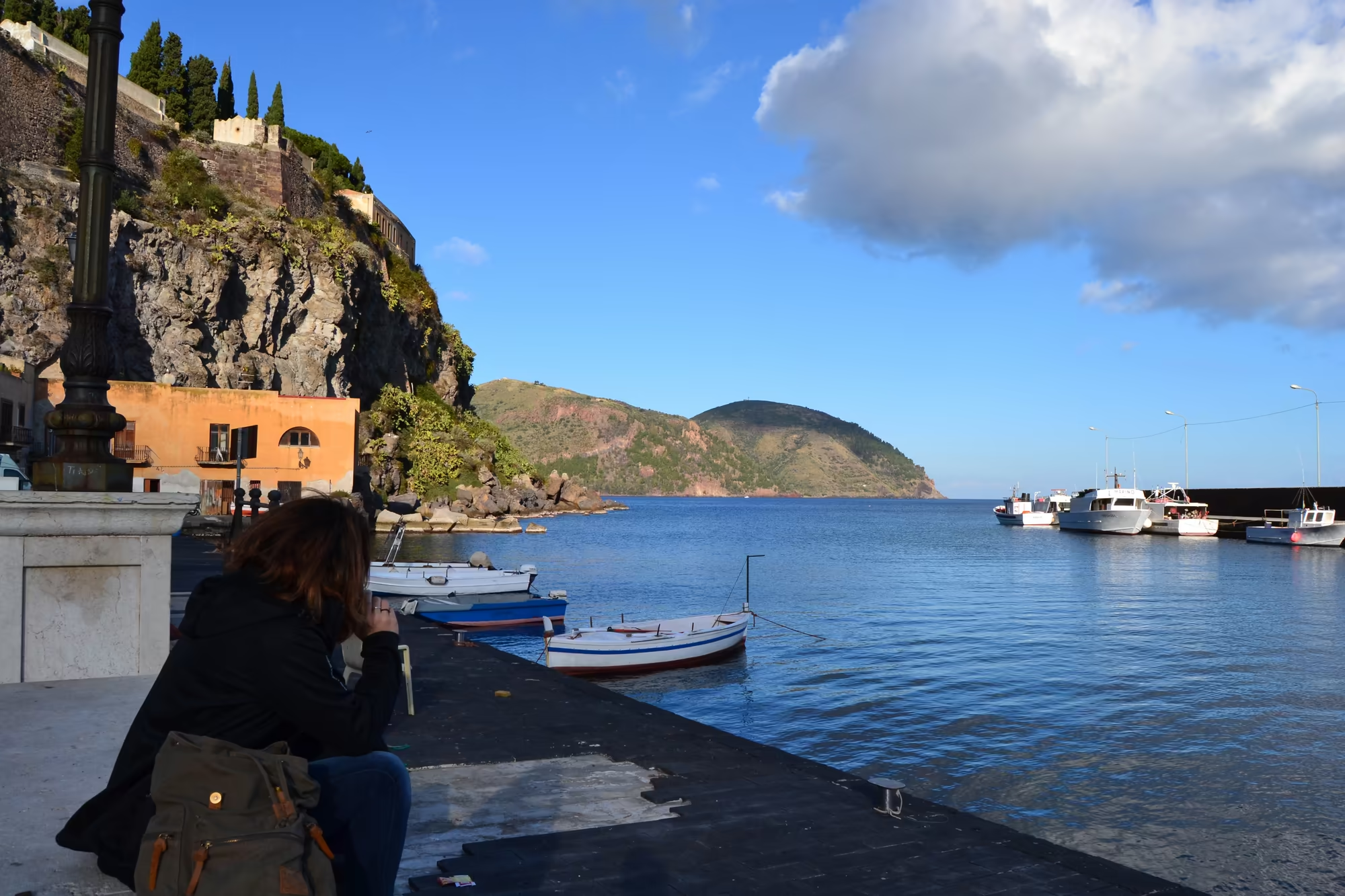
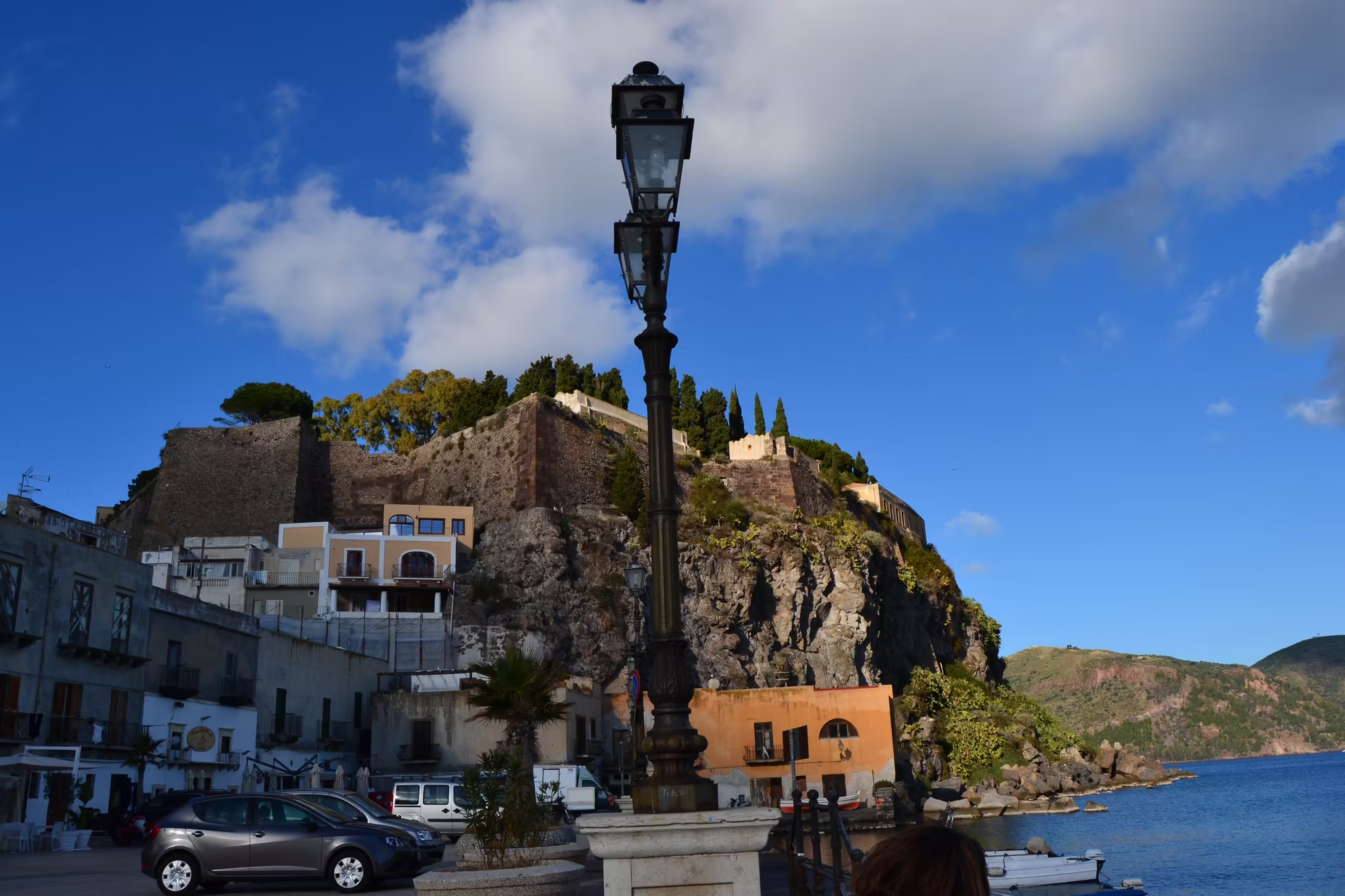
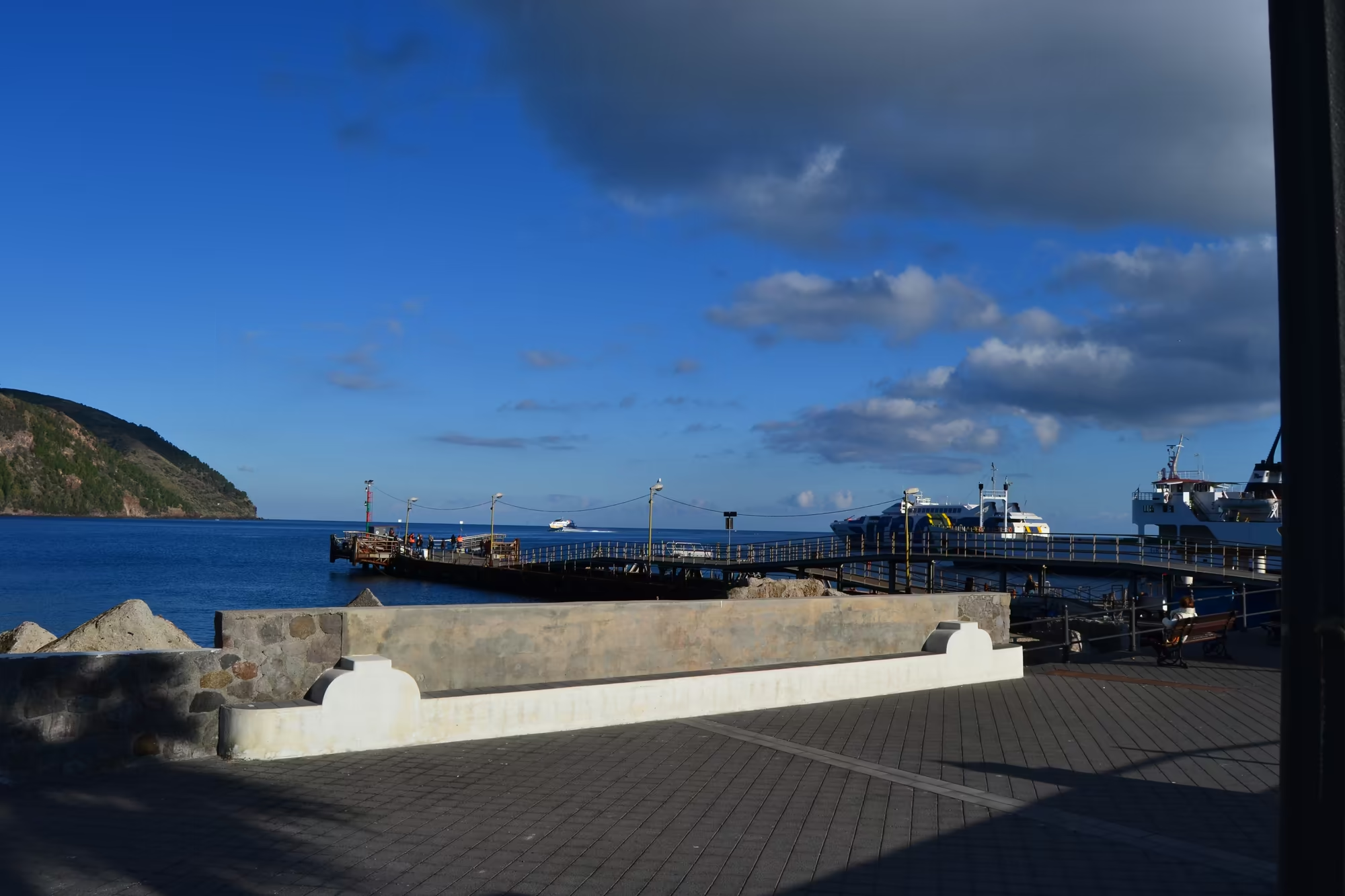
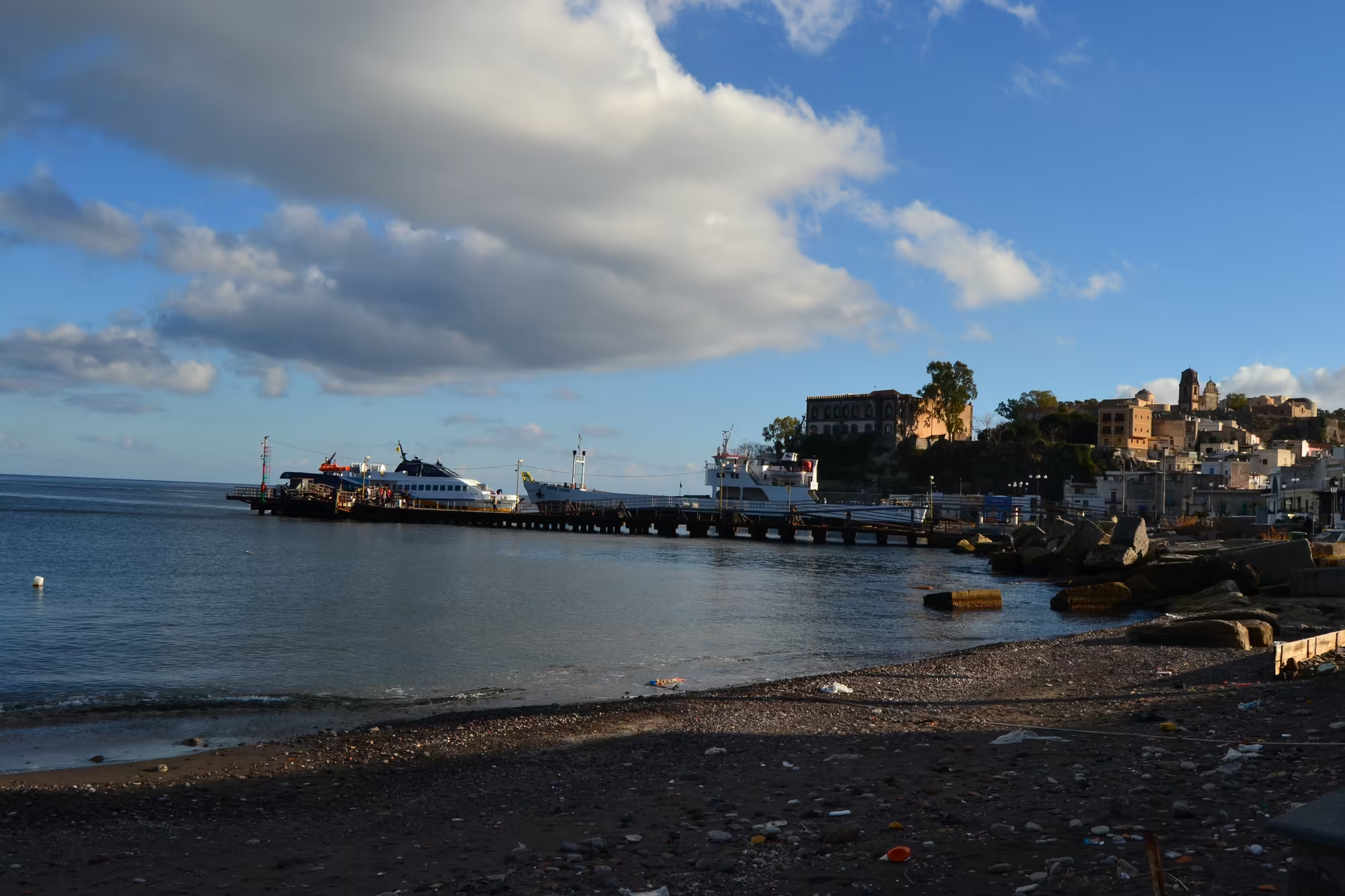
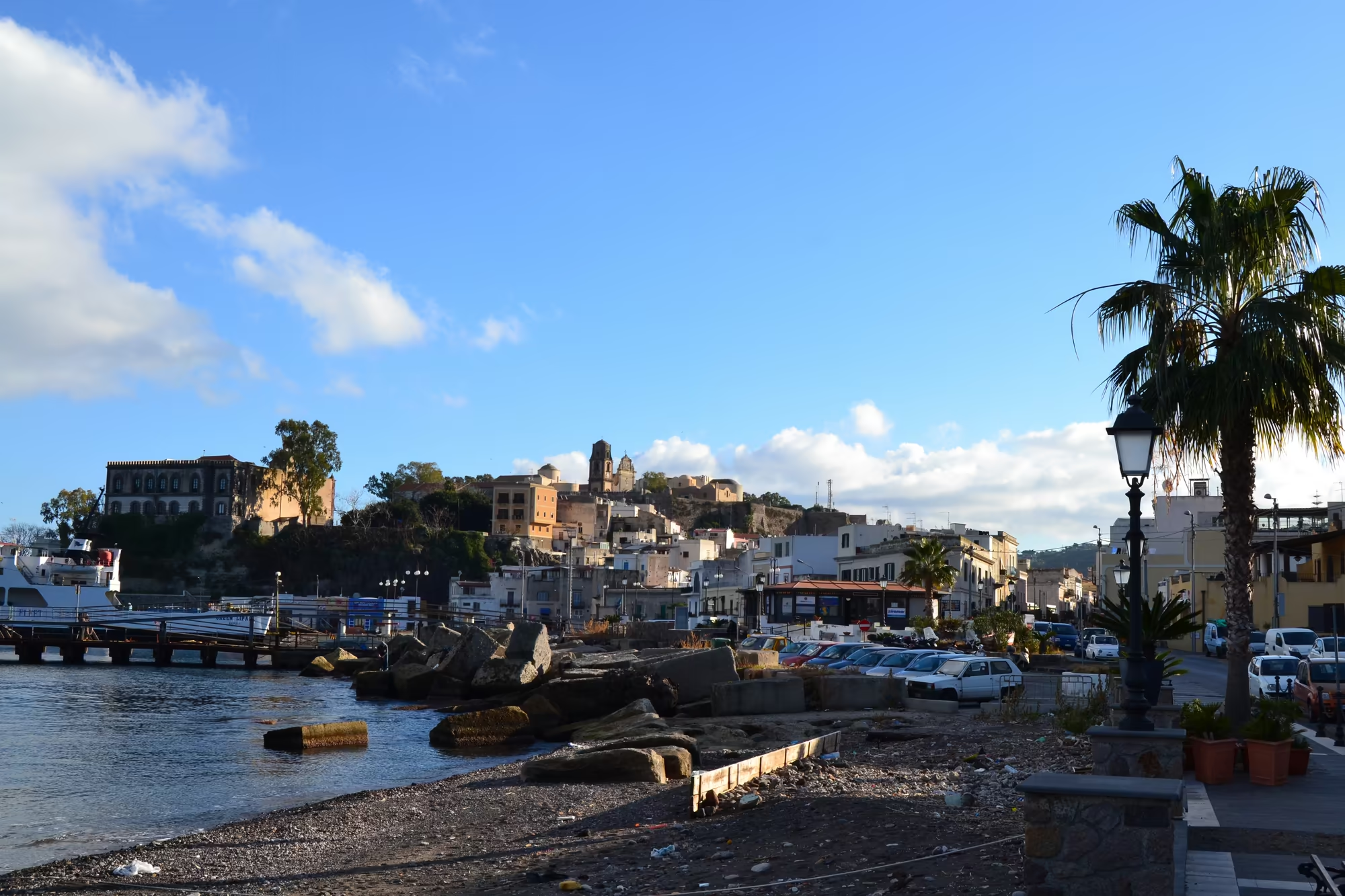
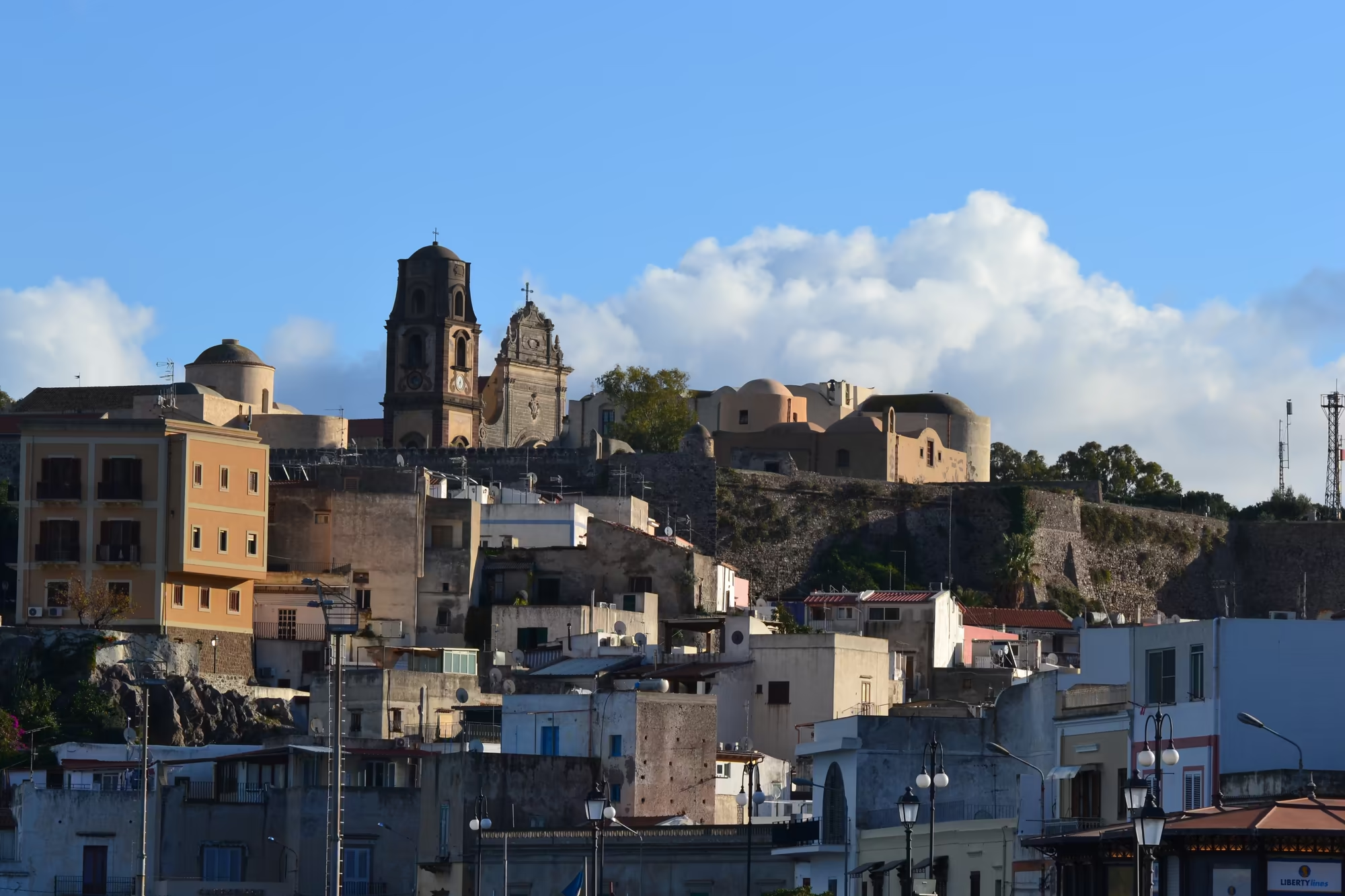
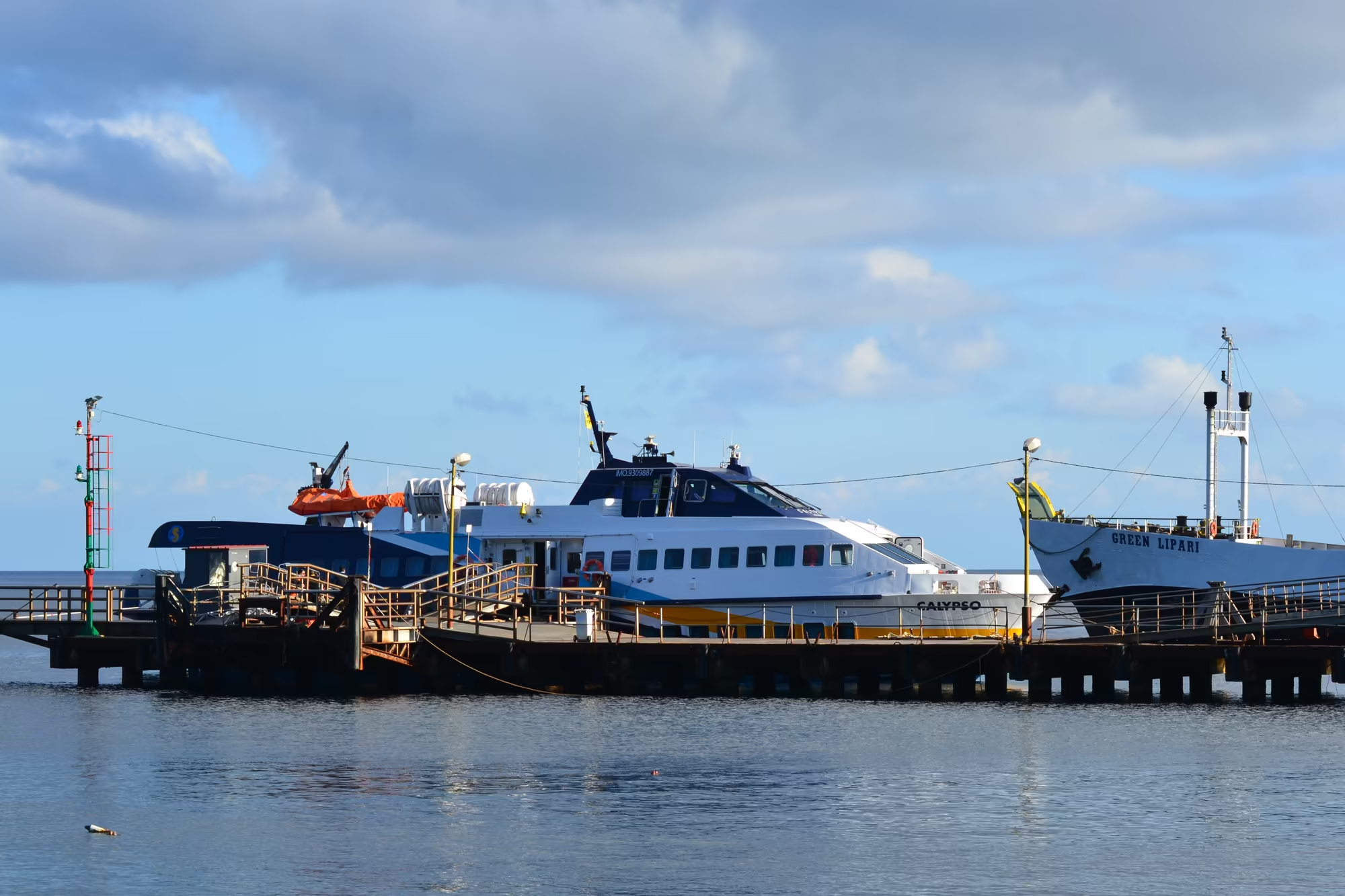
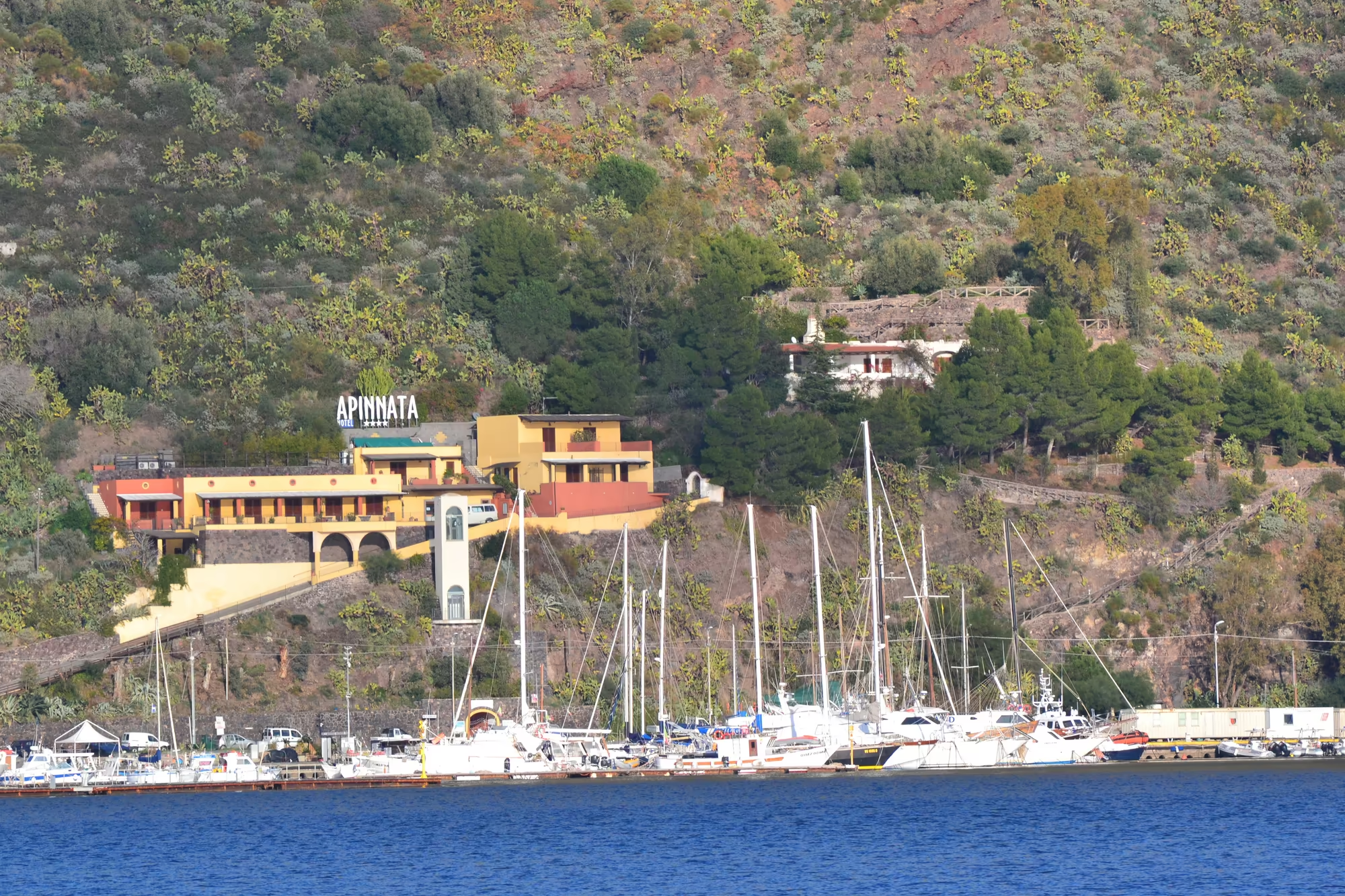
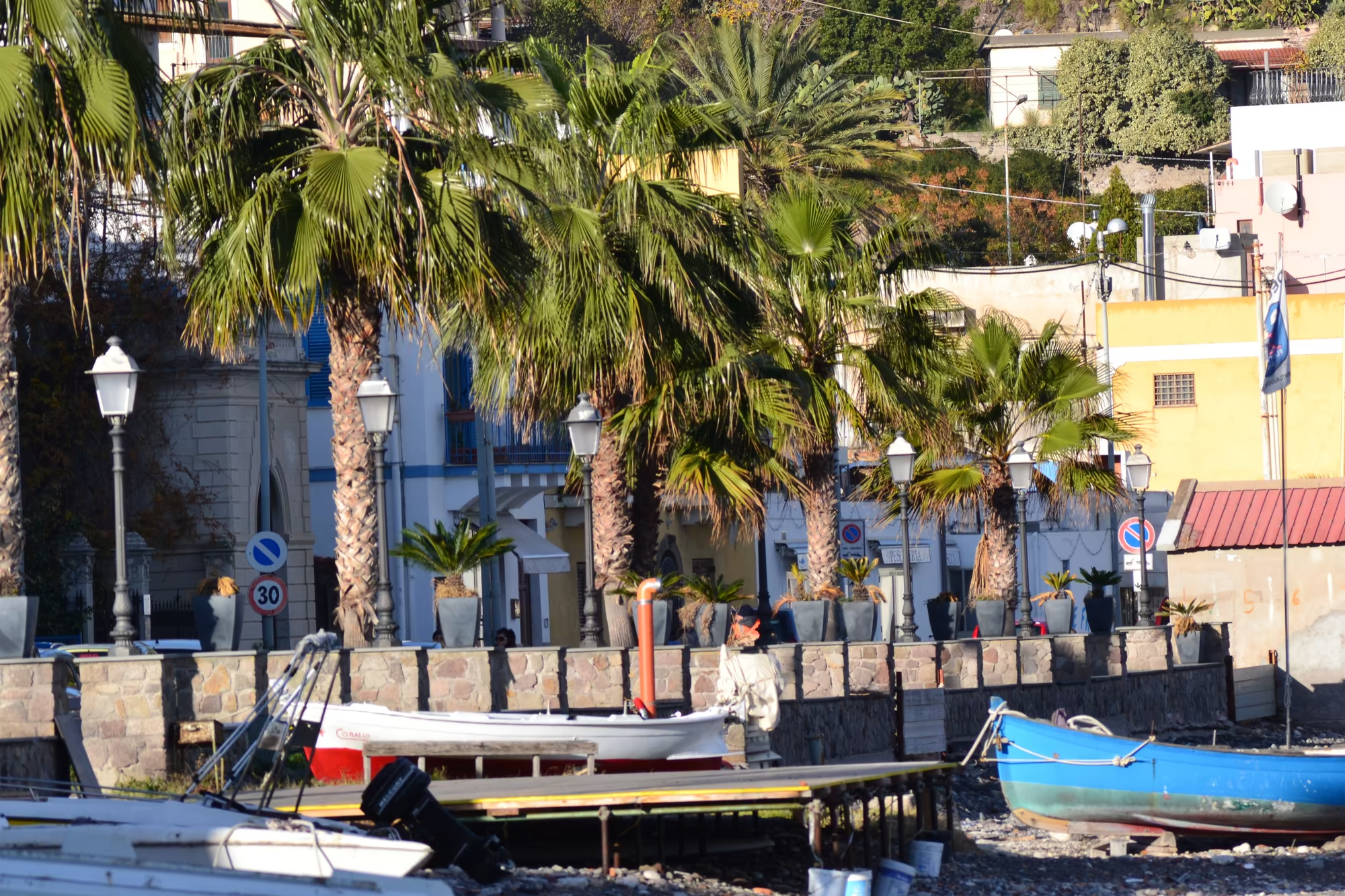
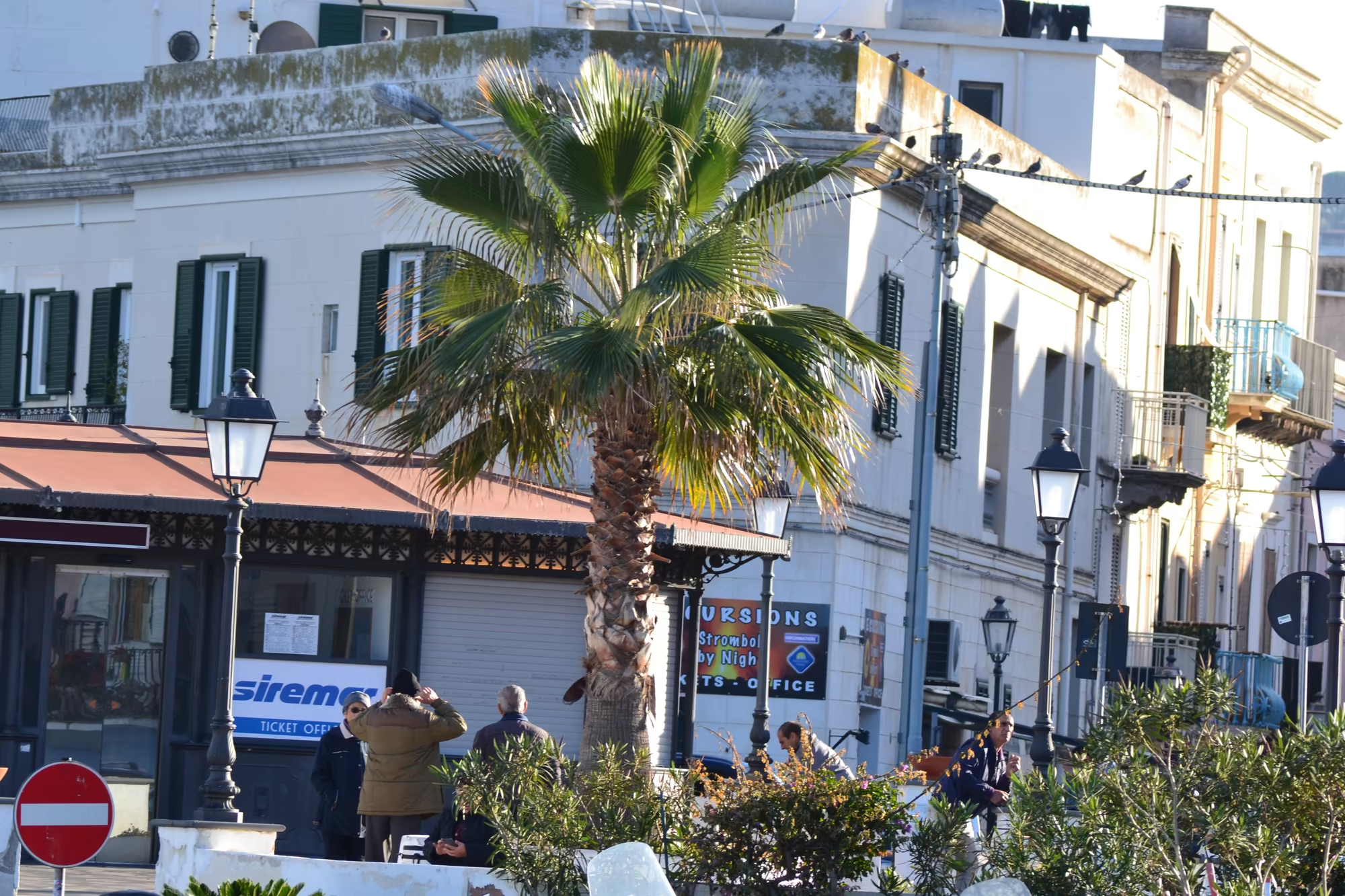
The approach is part of the day. The crossing from the Sicilian mainland is made by ferry and by catamaran from the port of Milazzo, past an industrial harbour with refinery chimneys and storage tanks, and the islands appear one after another on the horizon during the passage; in the harbour of Lipari the boats are moored along the quay in front of the town, with the castle on its rock above them. The harbour is the centre of island life, because everything that arrives here arrives by sea.
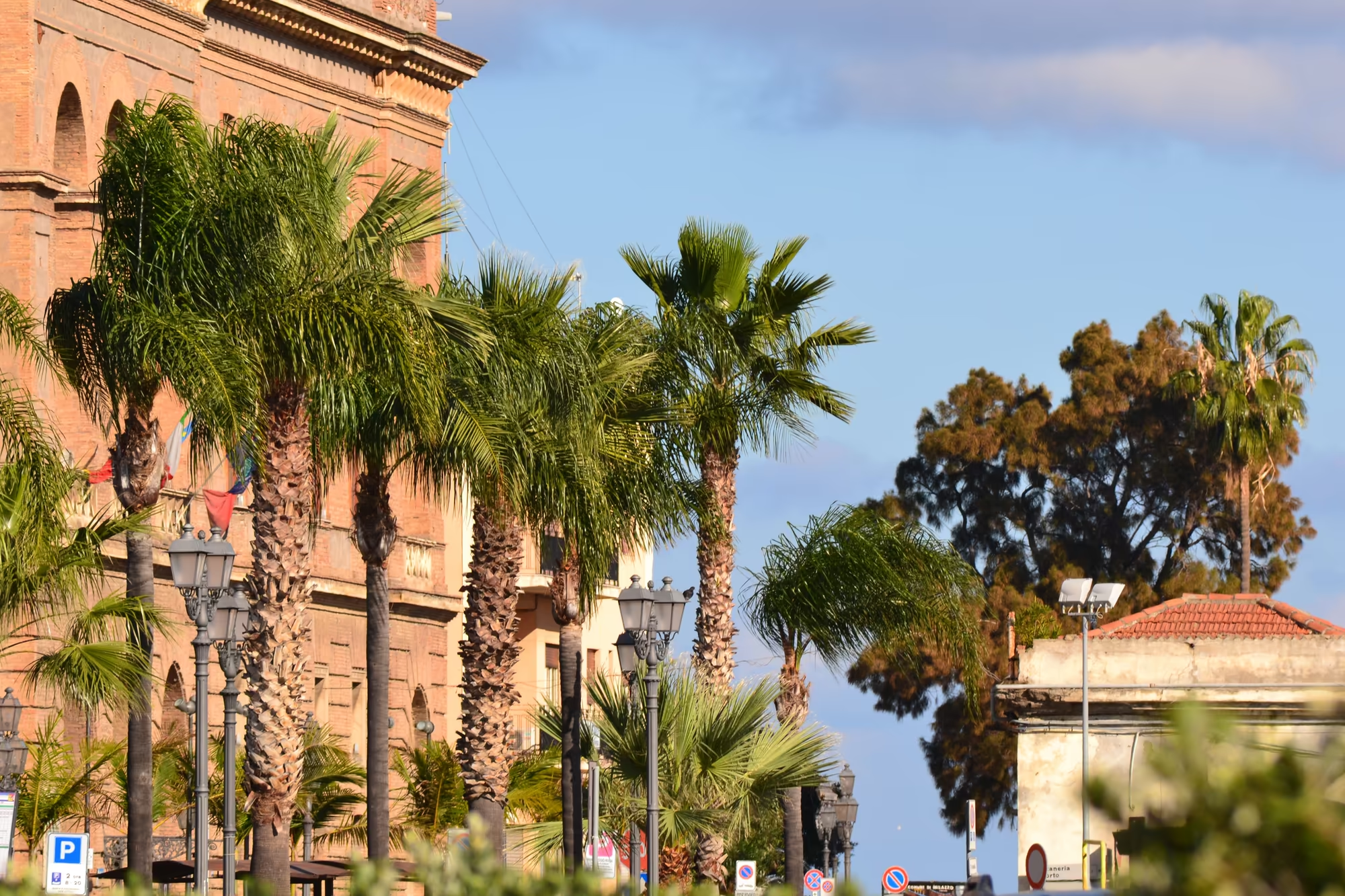
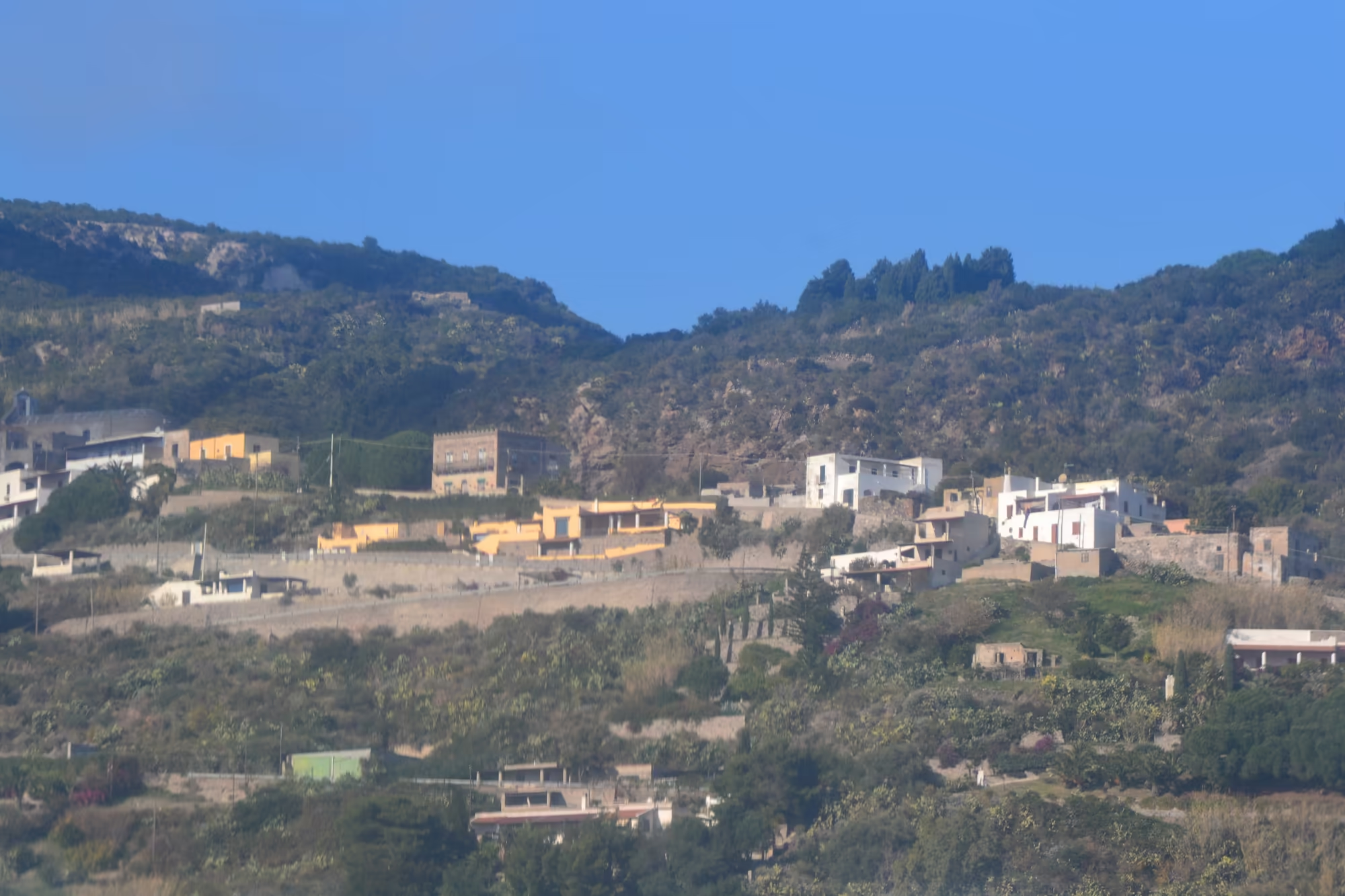
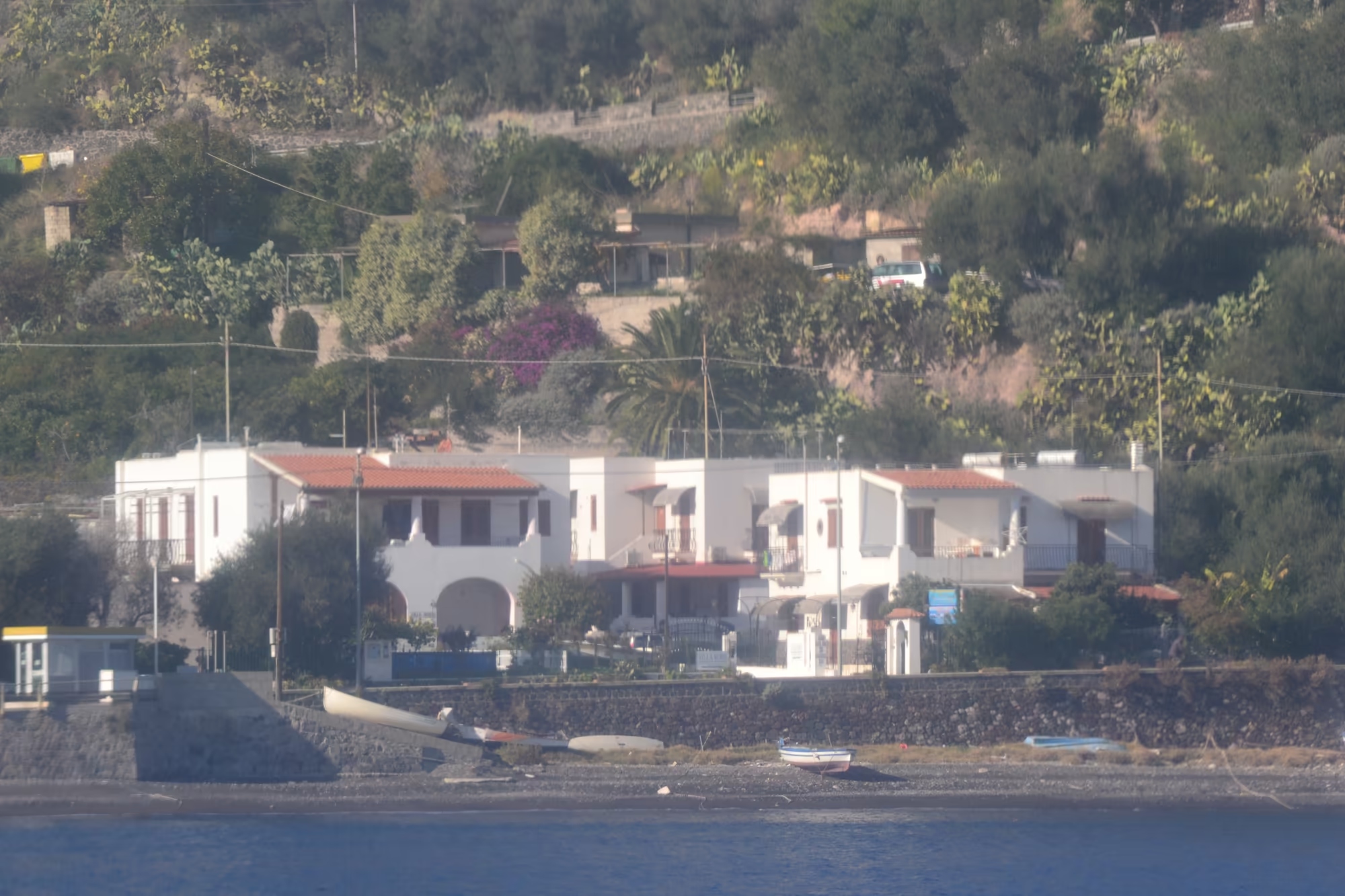
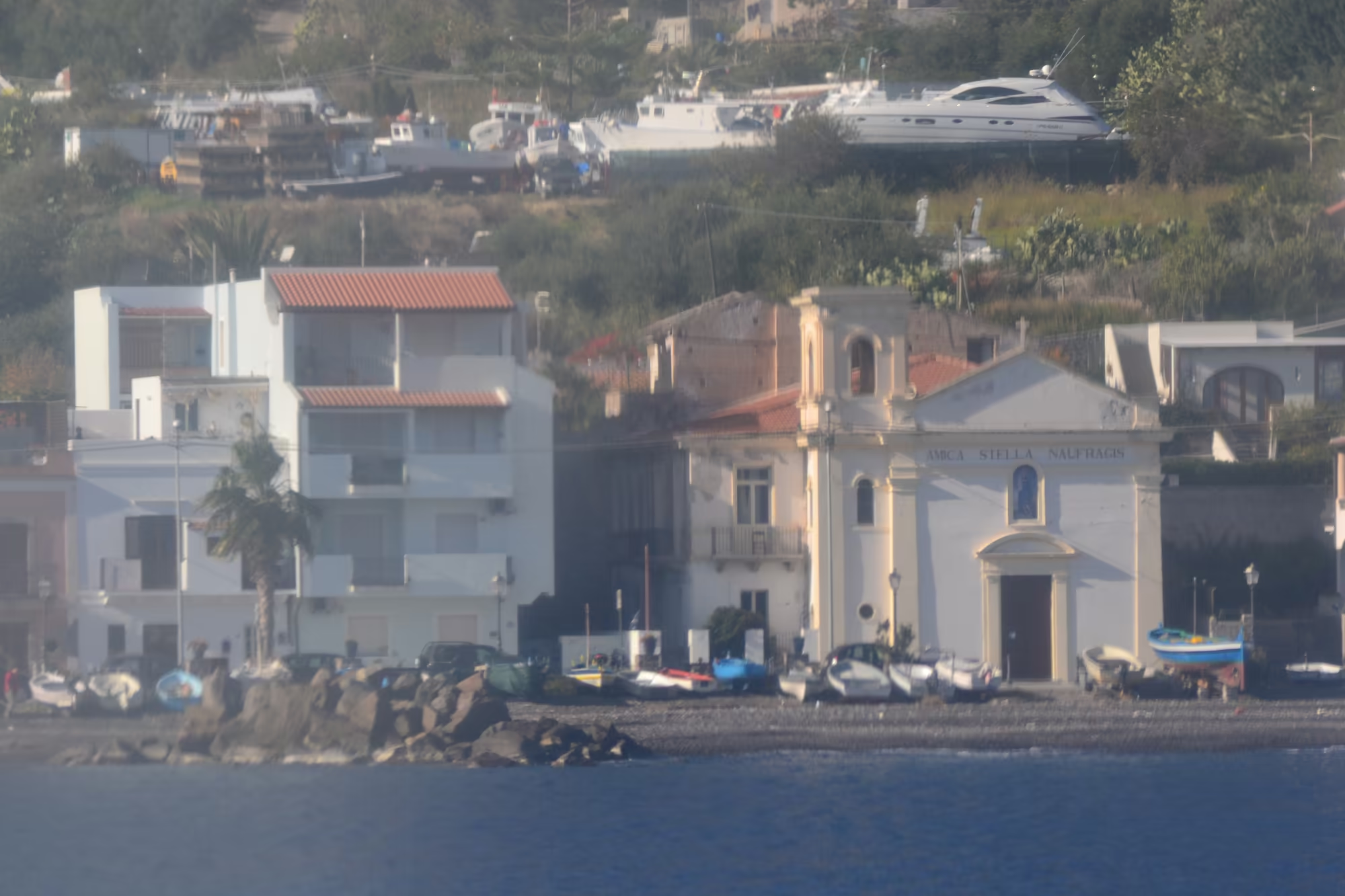
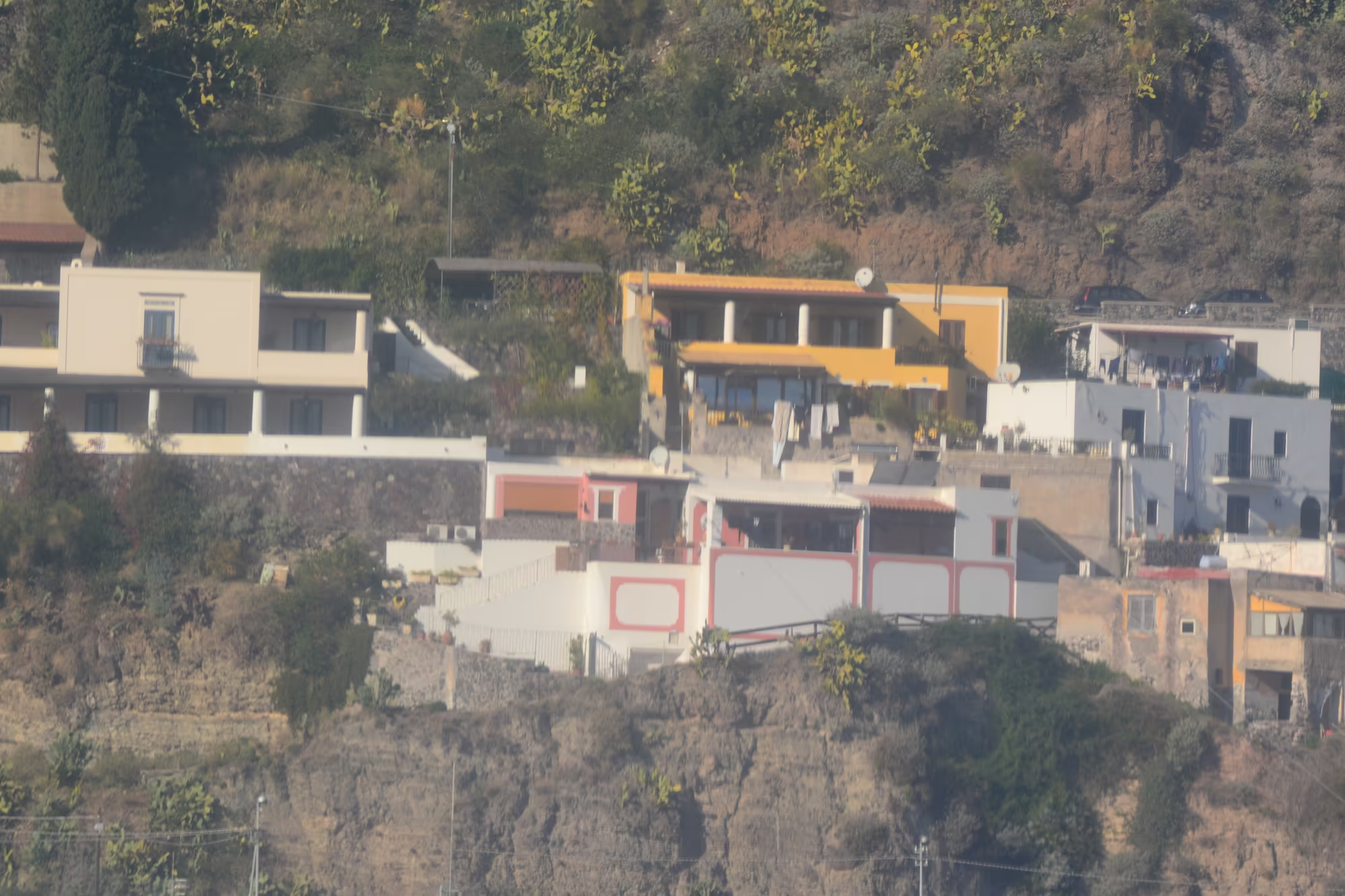
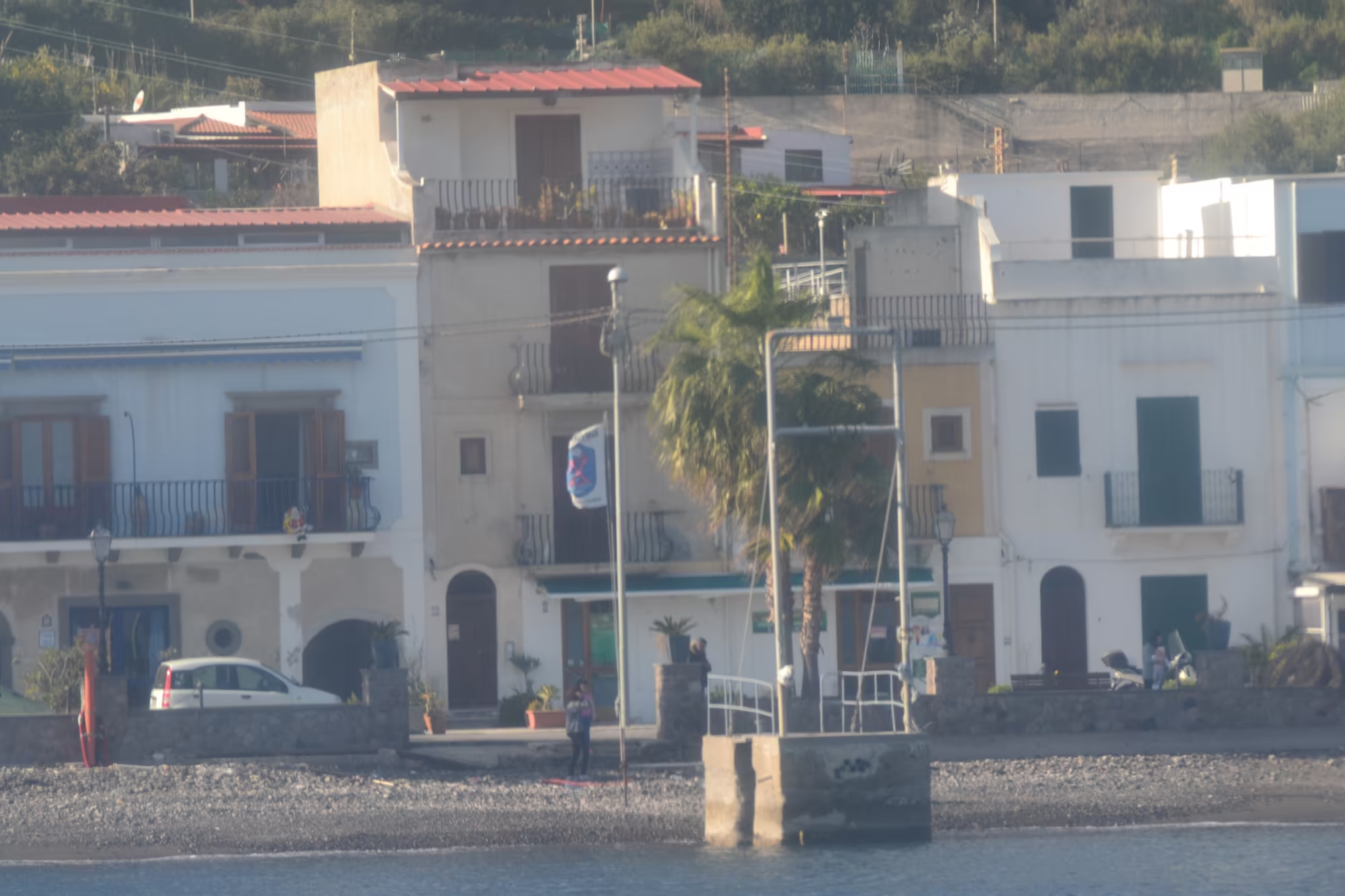
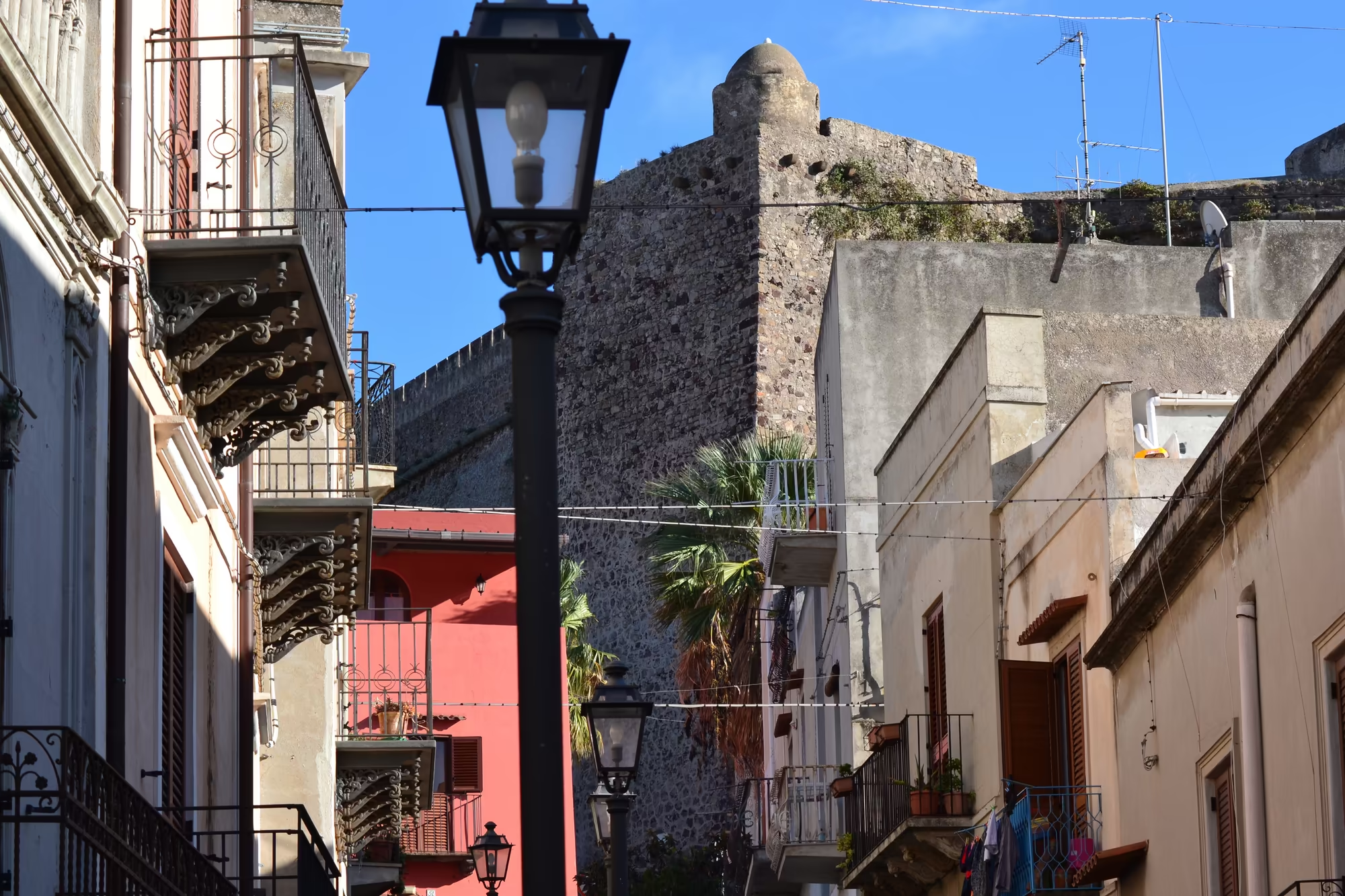
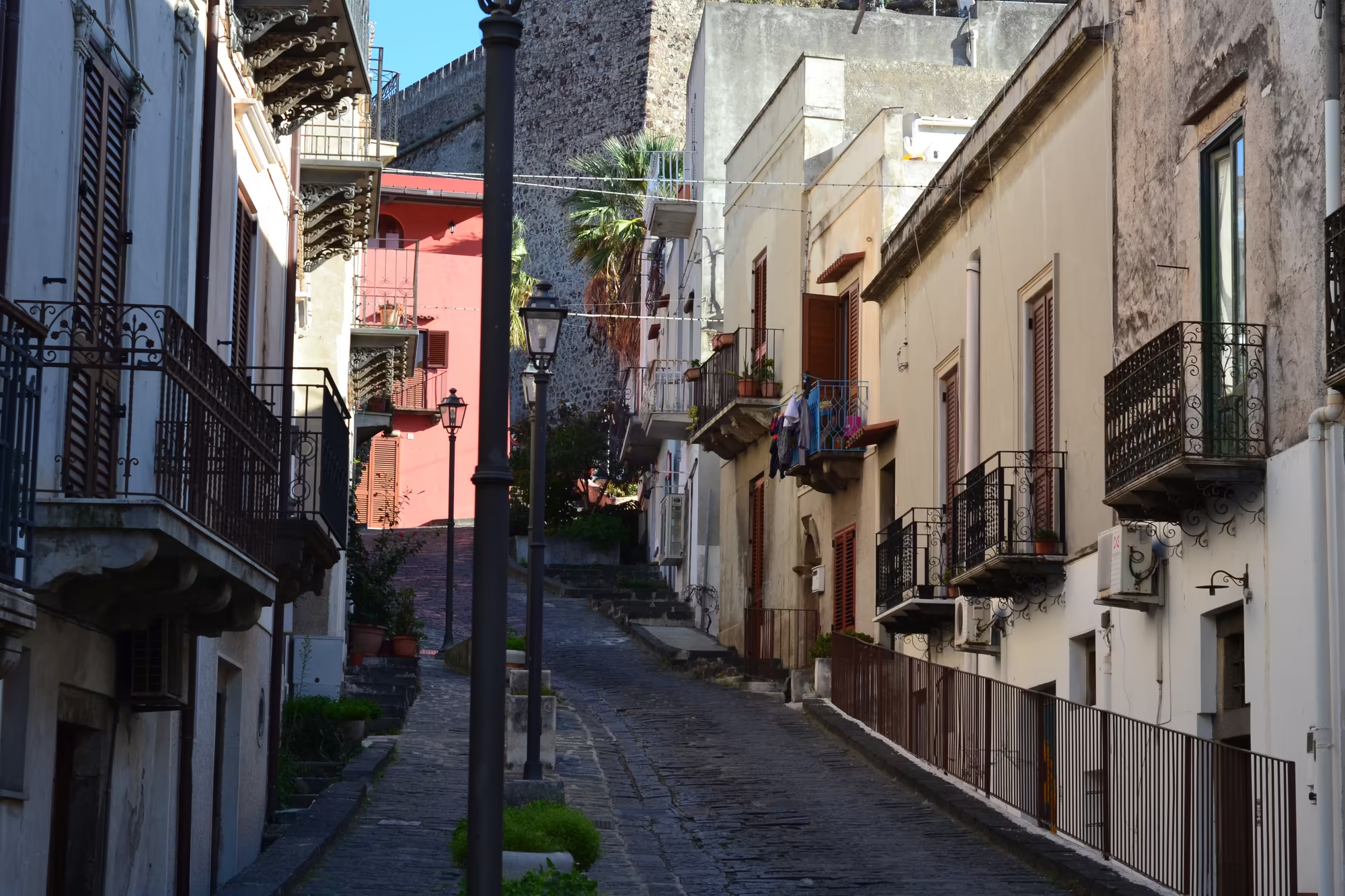
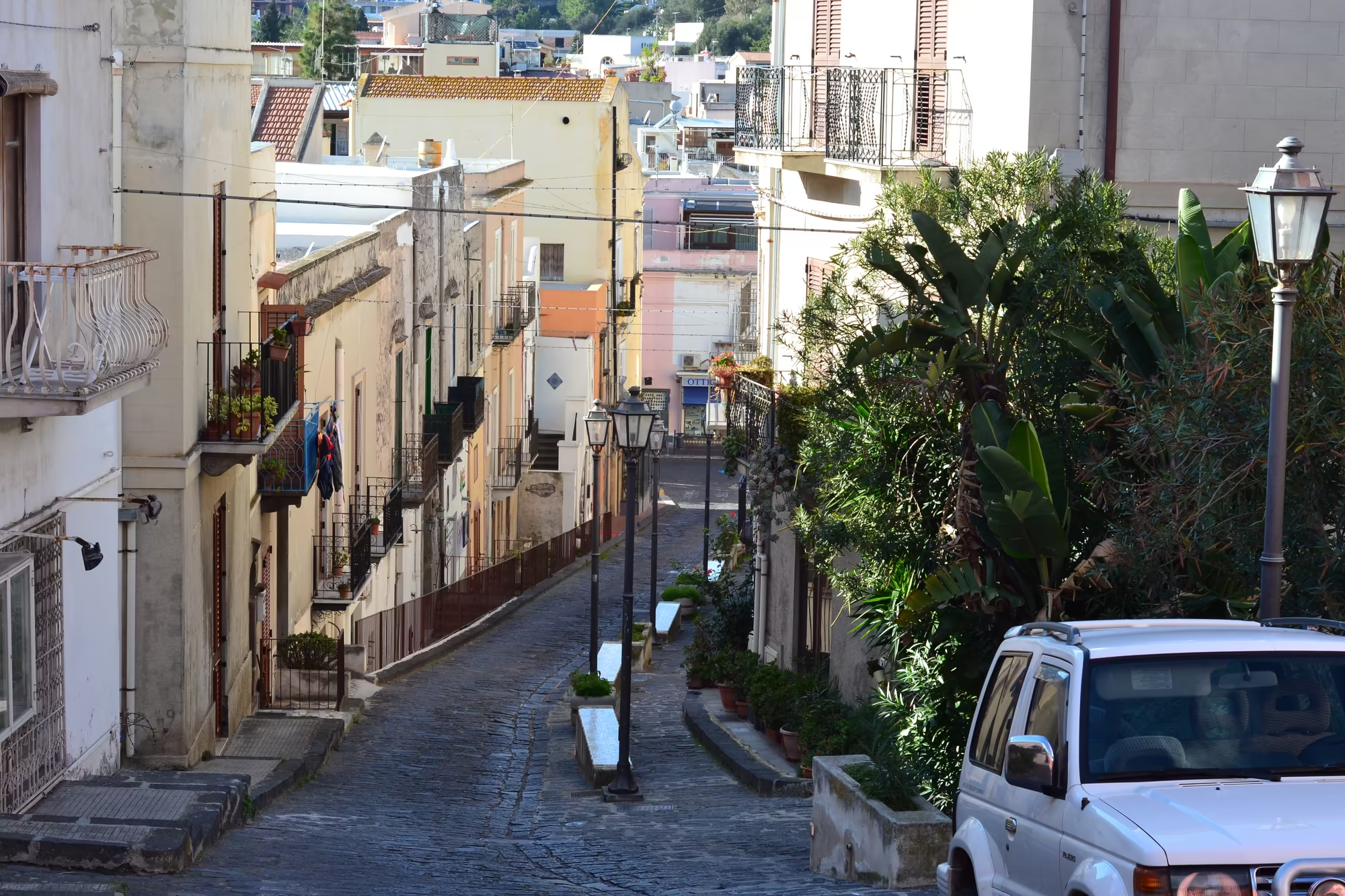
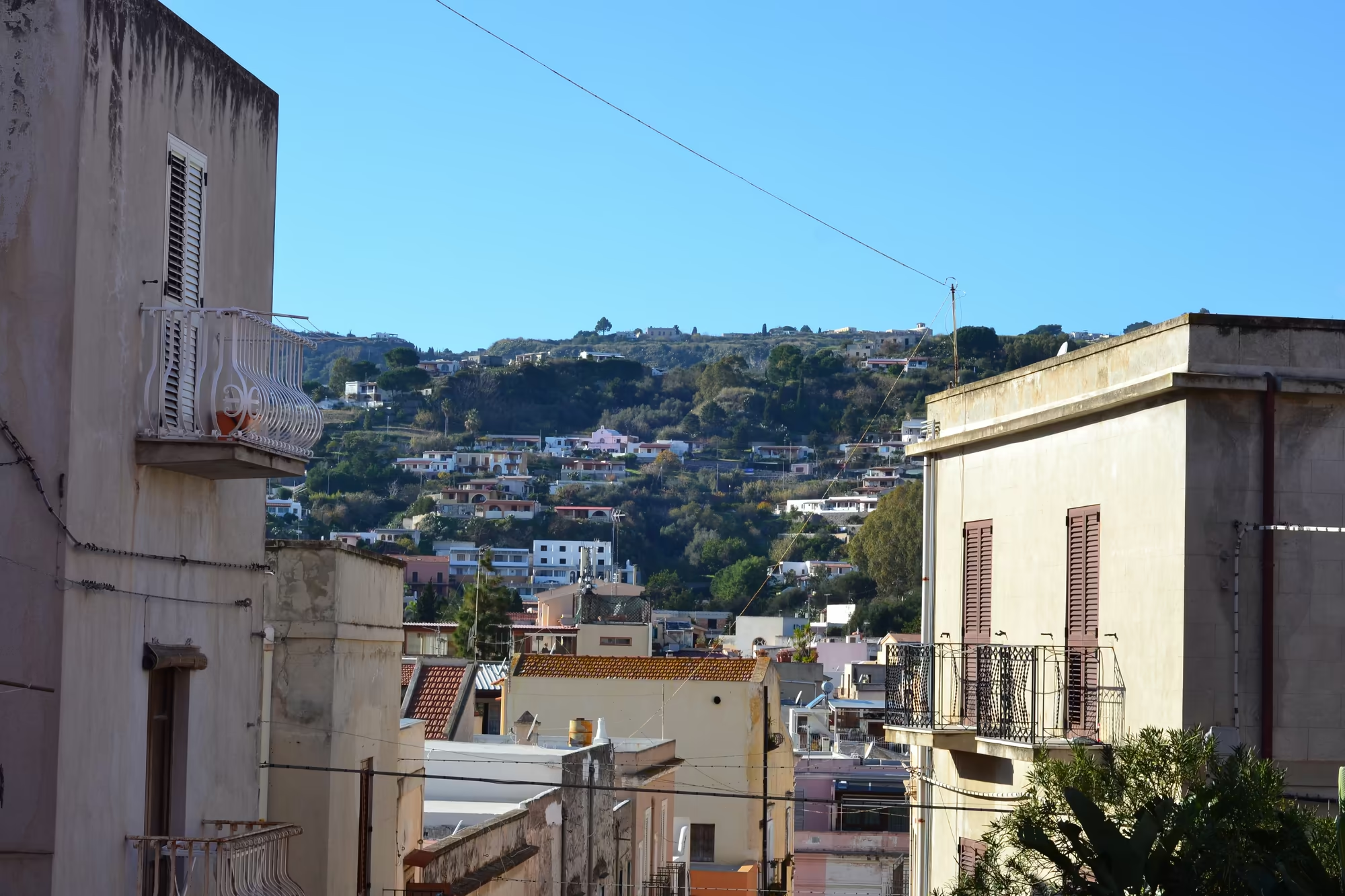
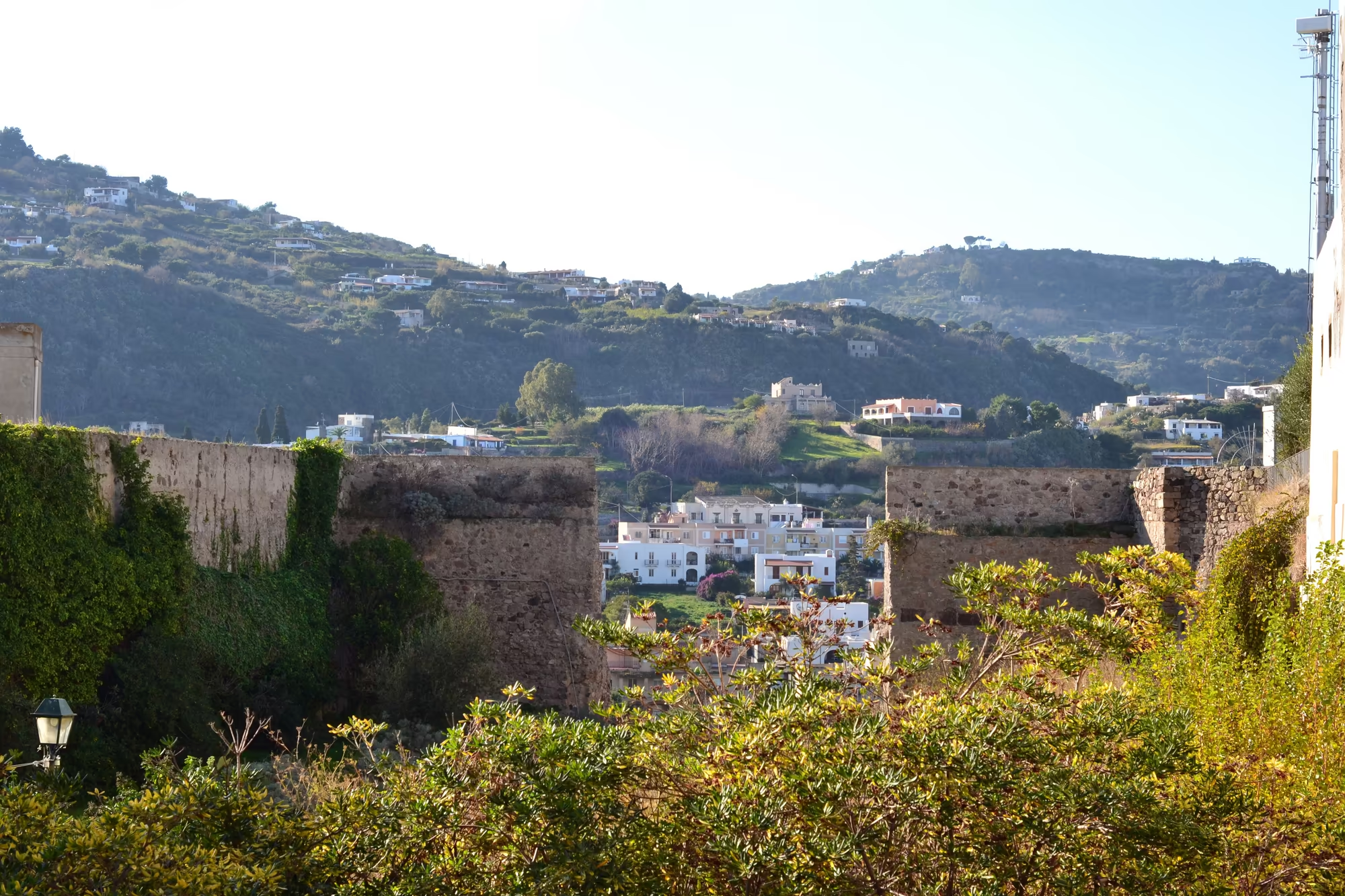
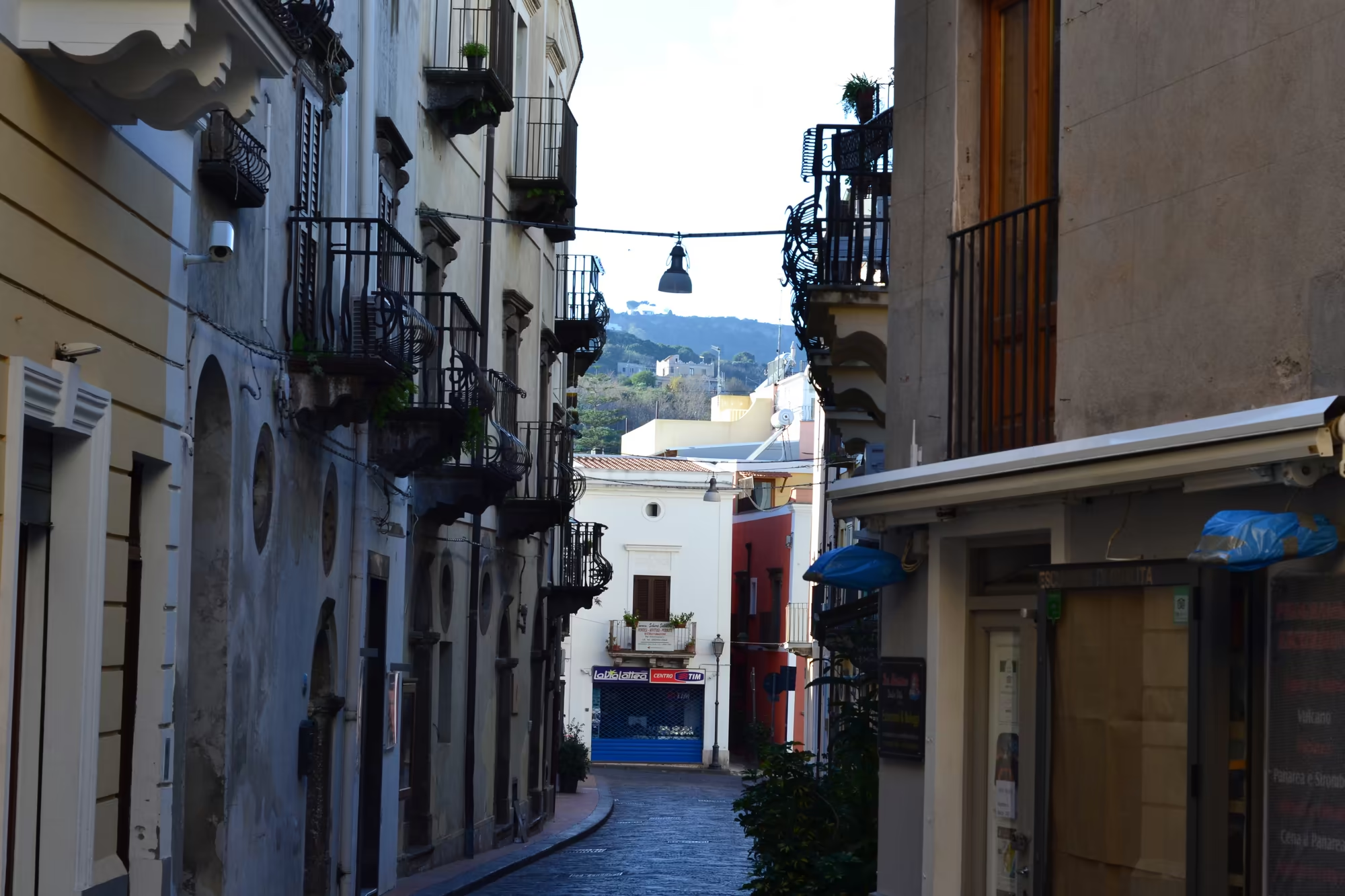
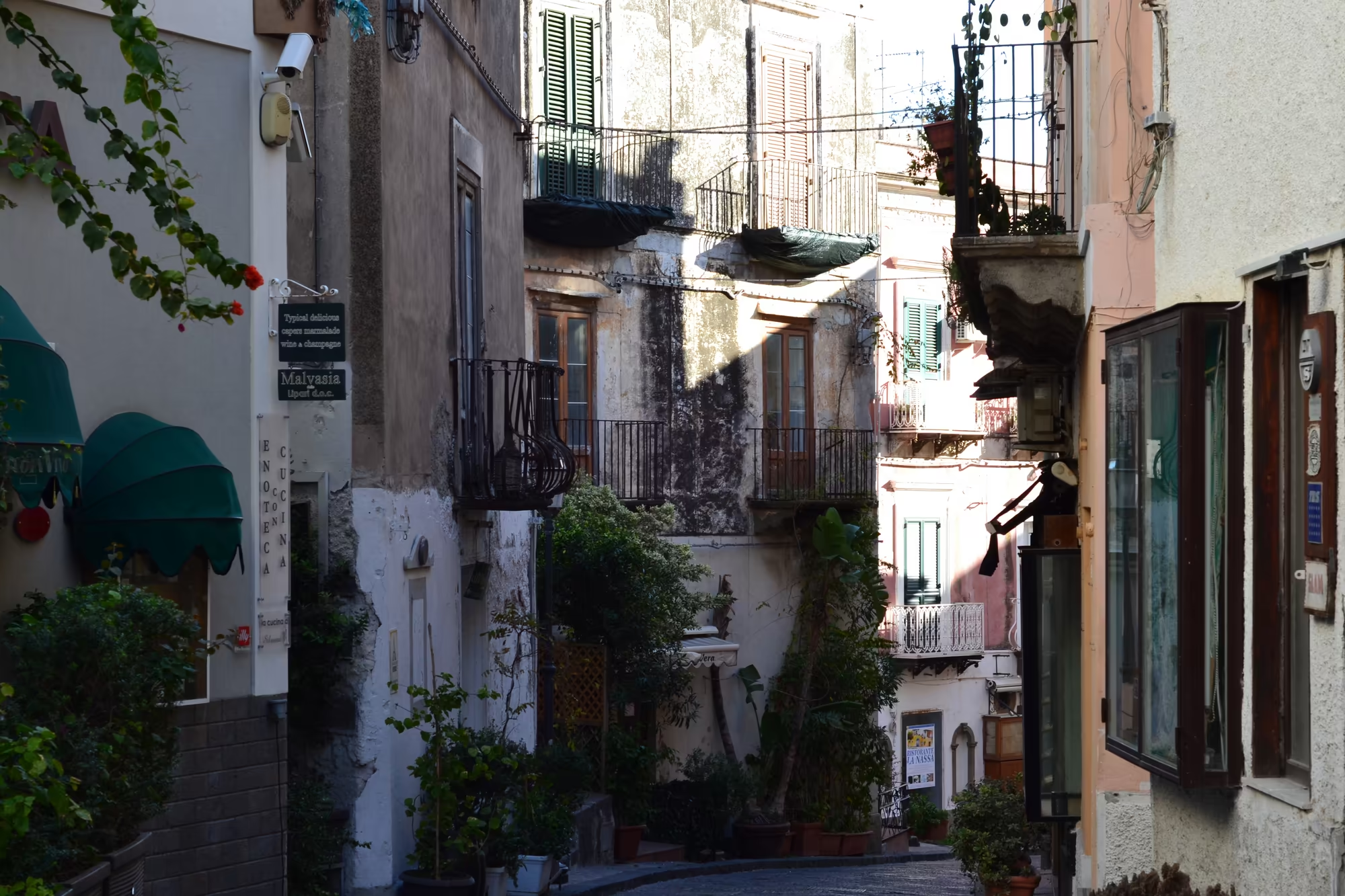
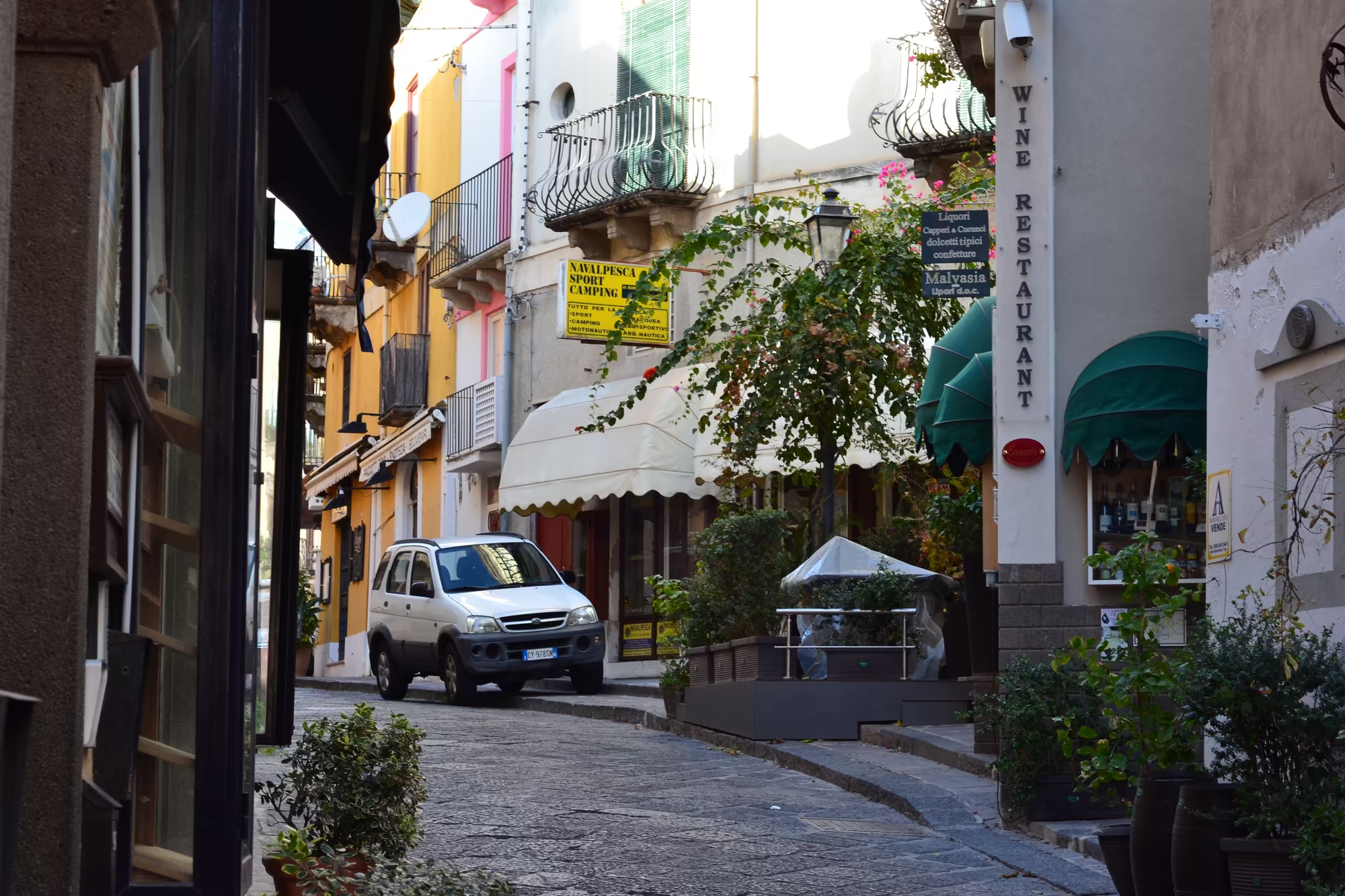
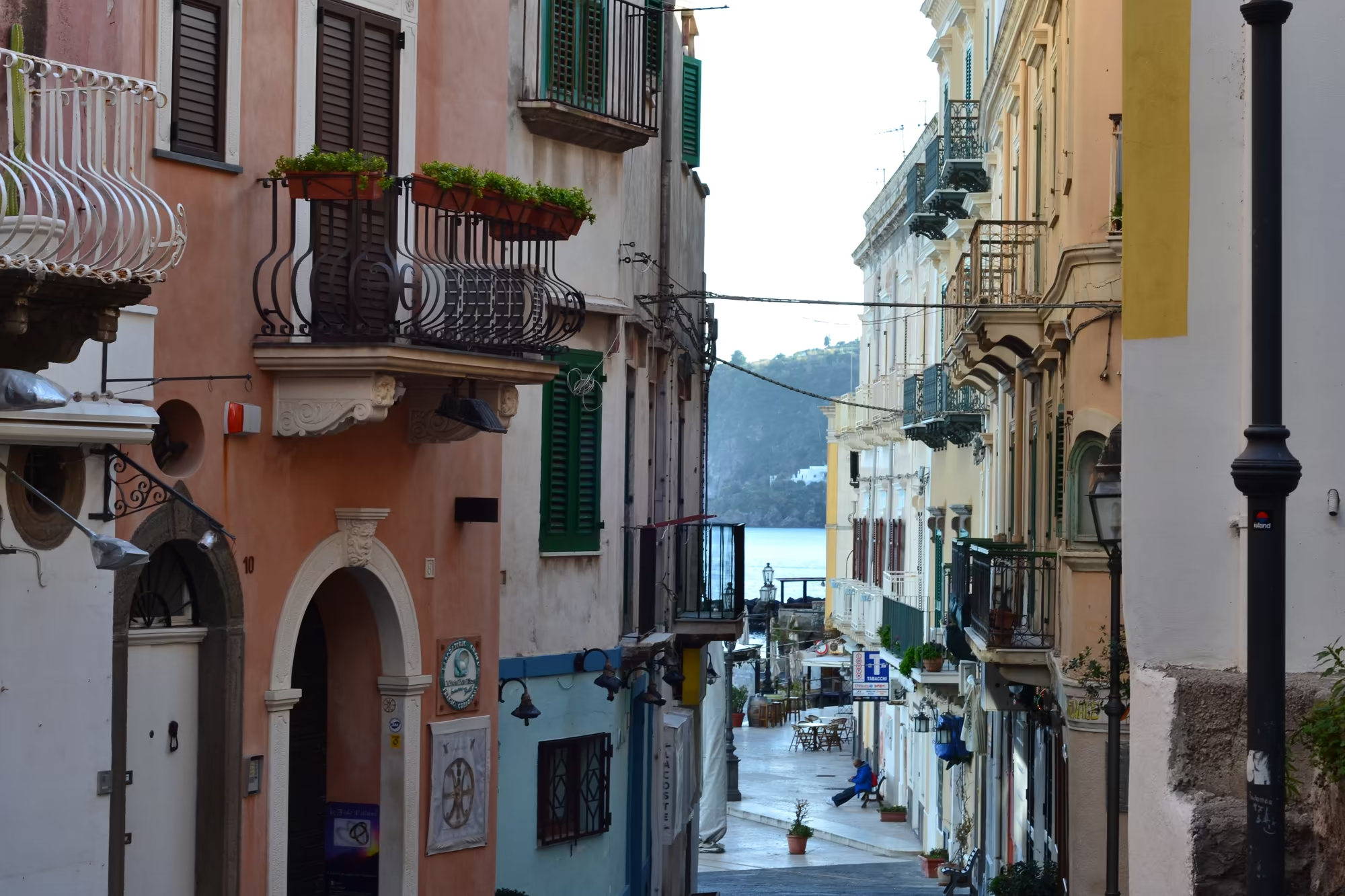
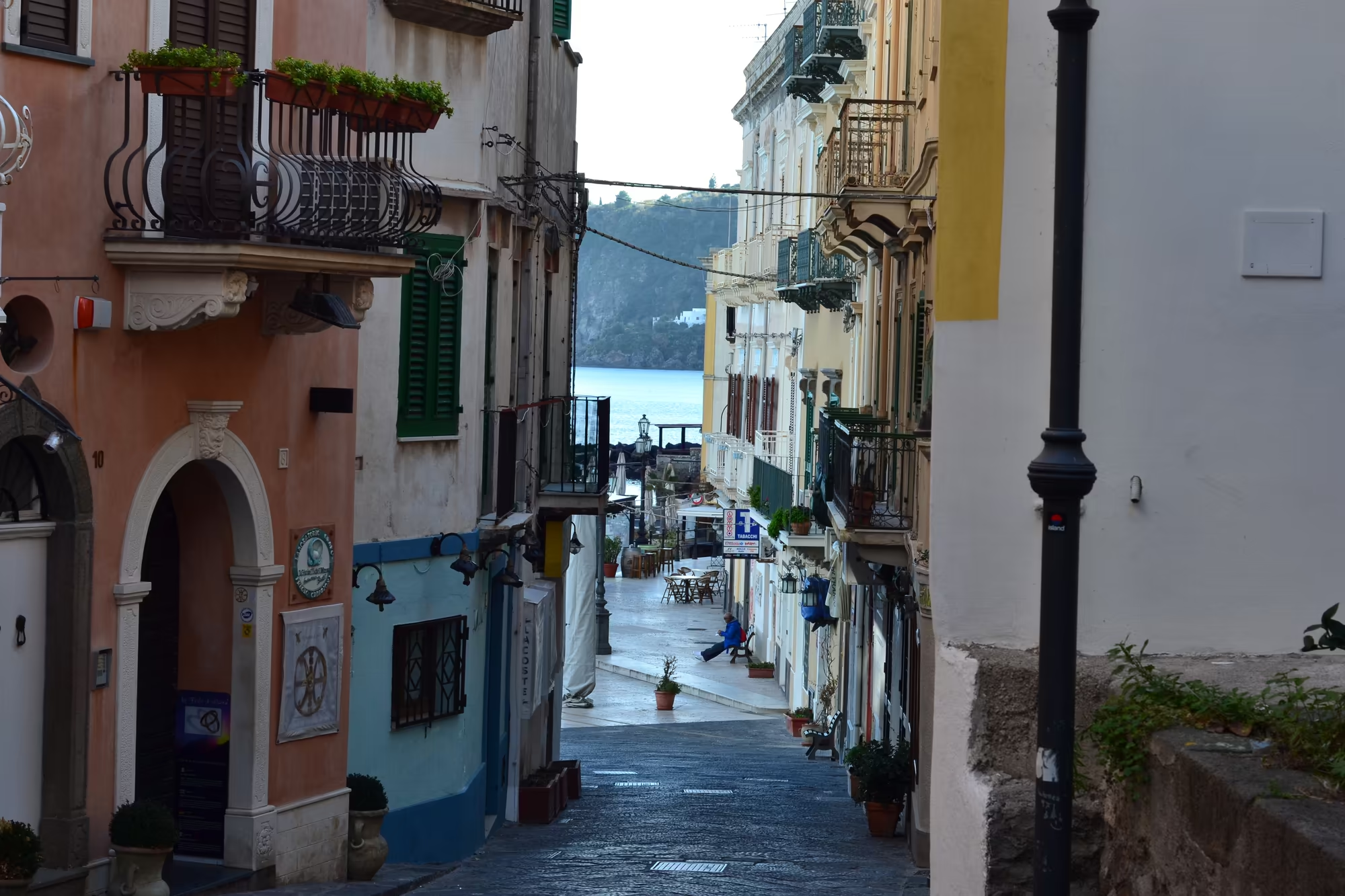
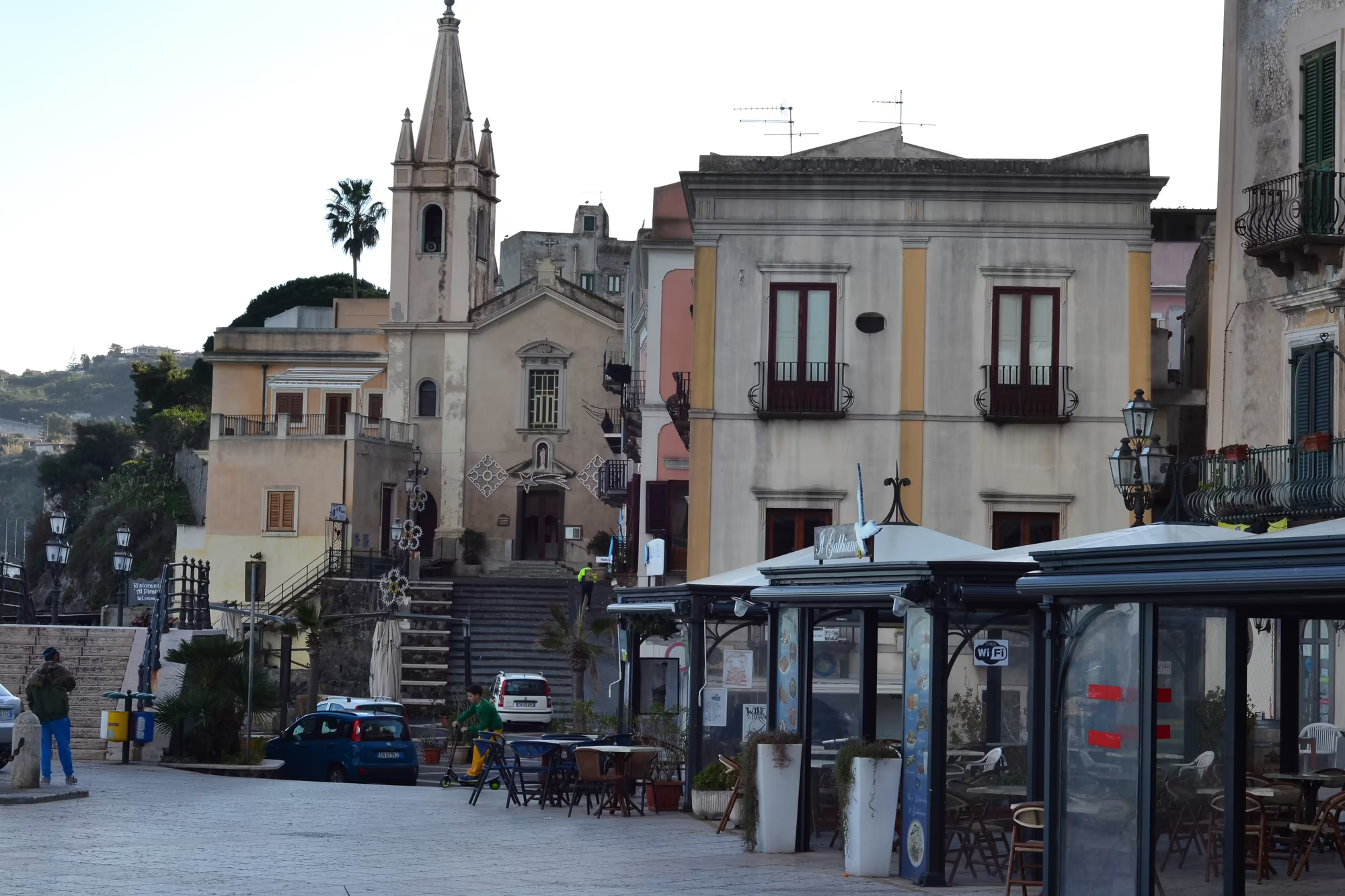
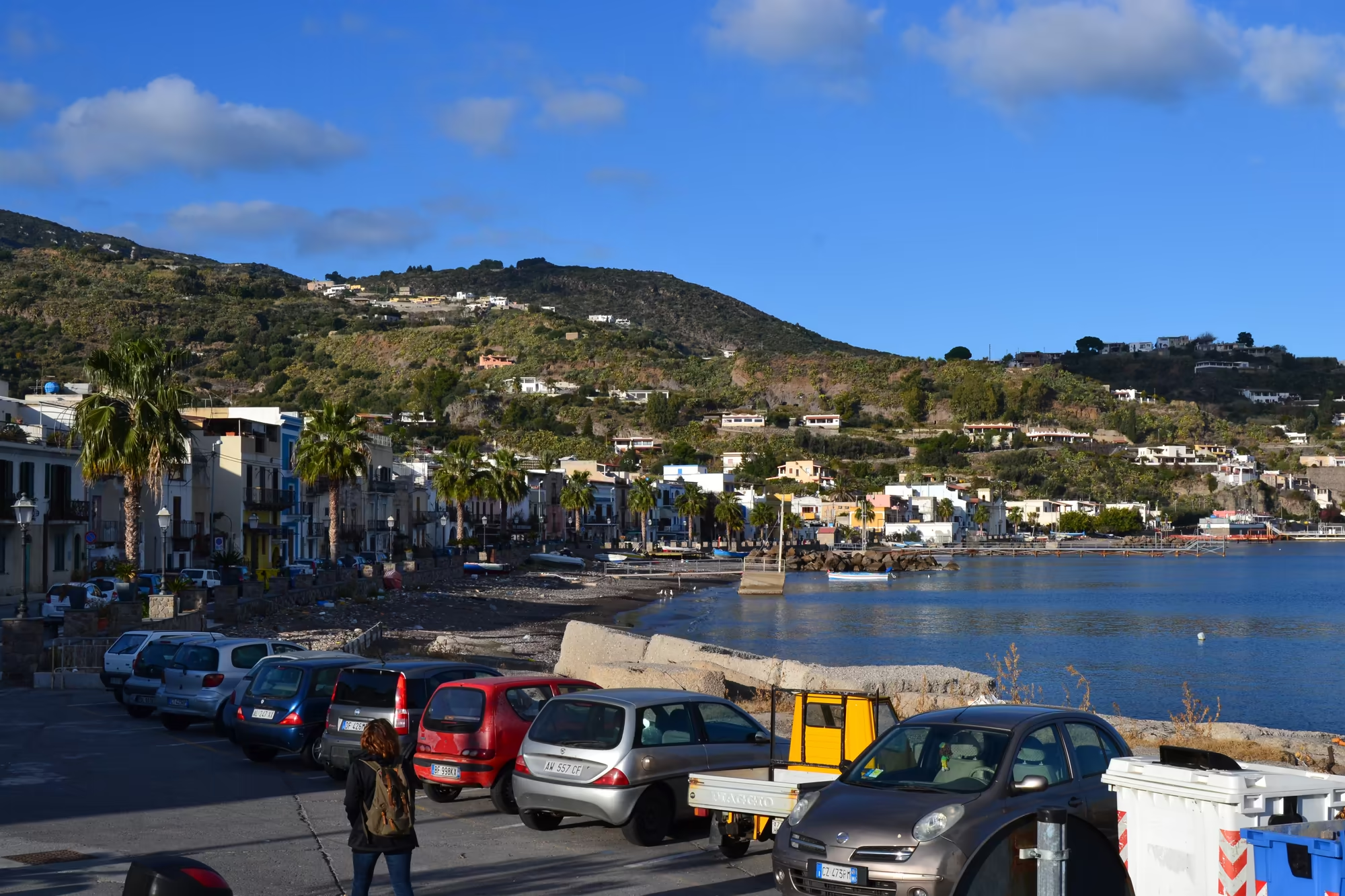
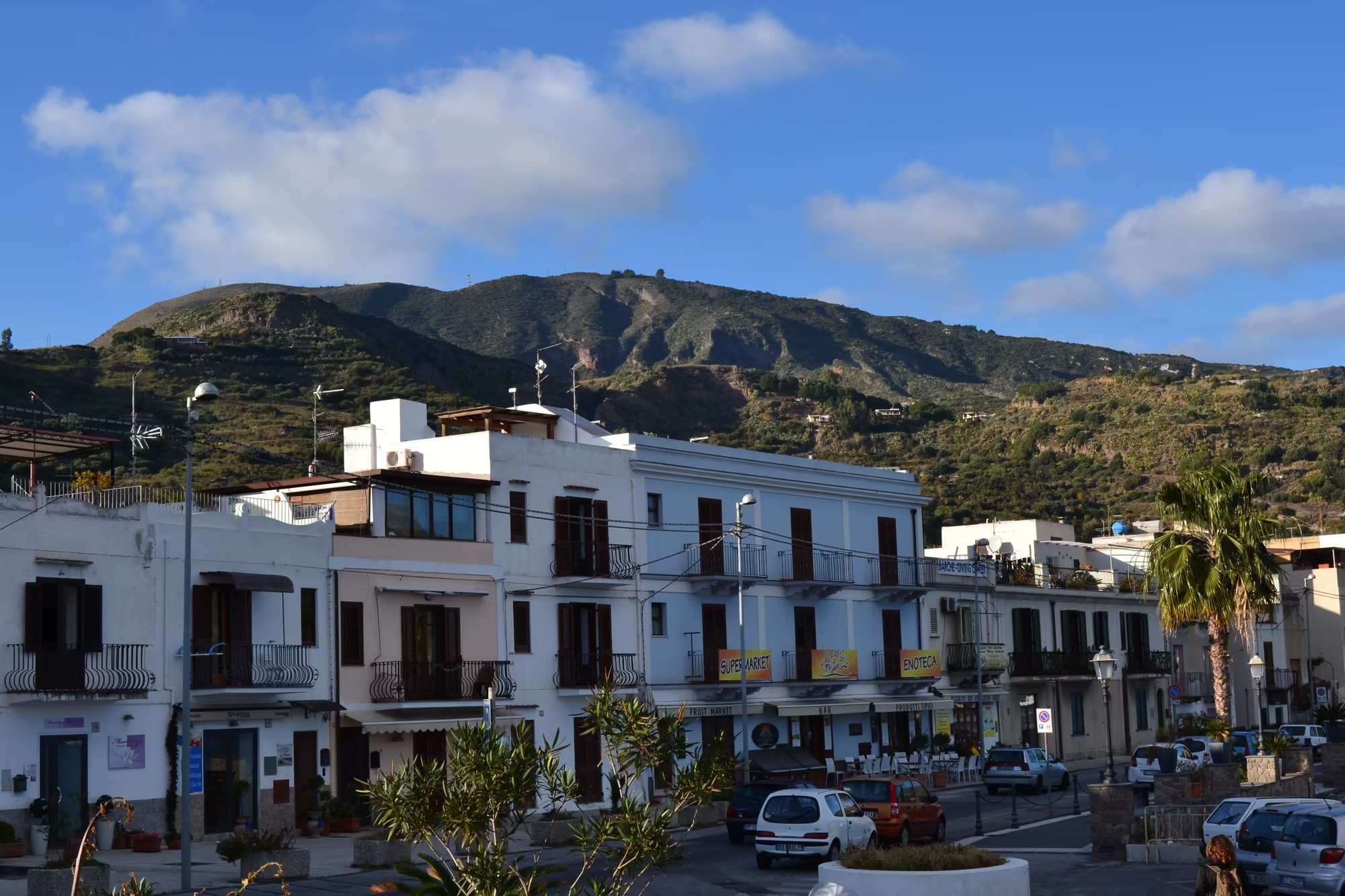
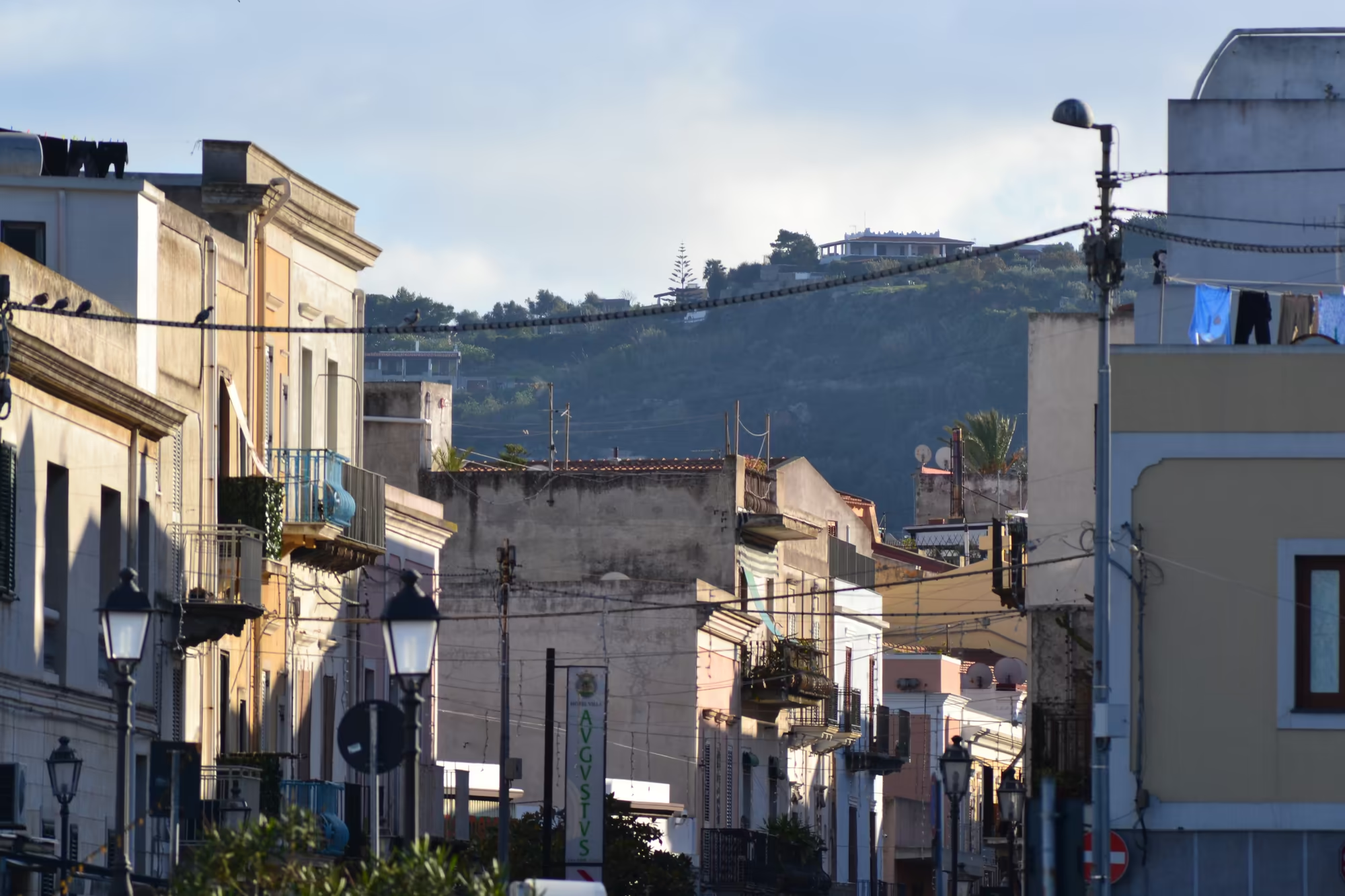
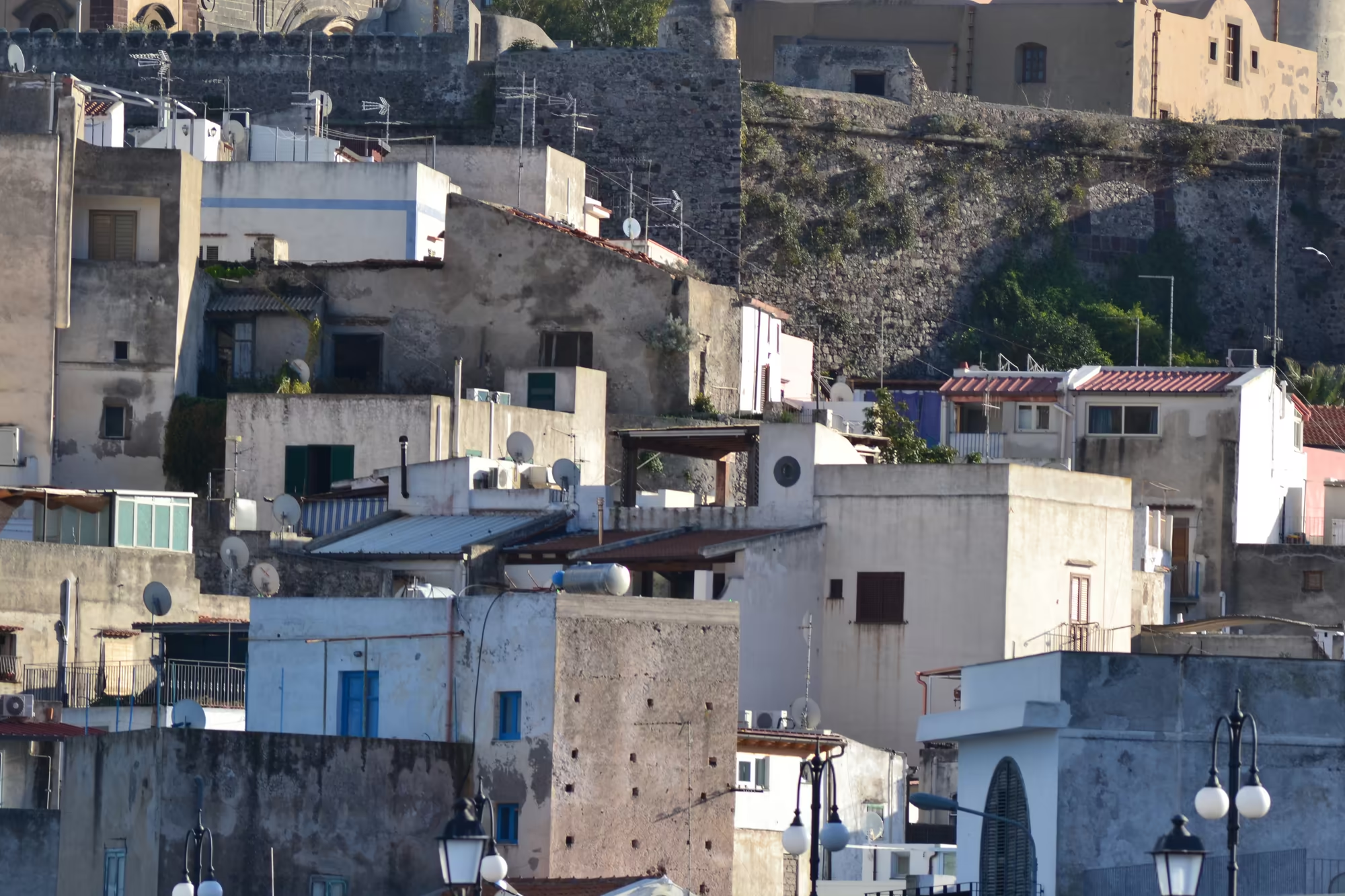
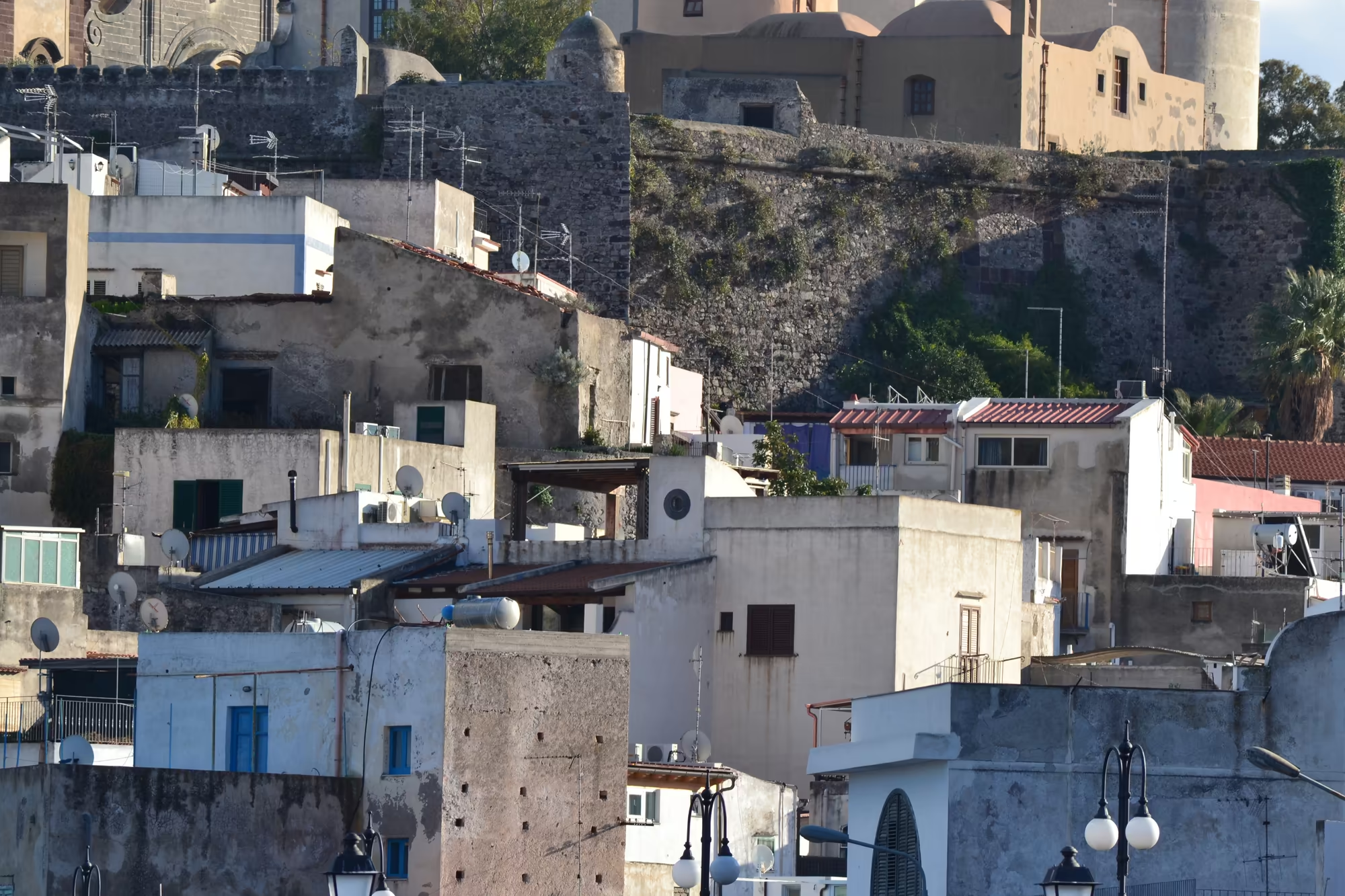
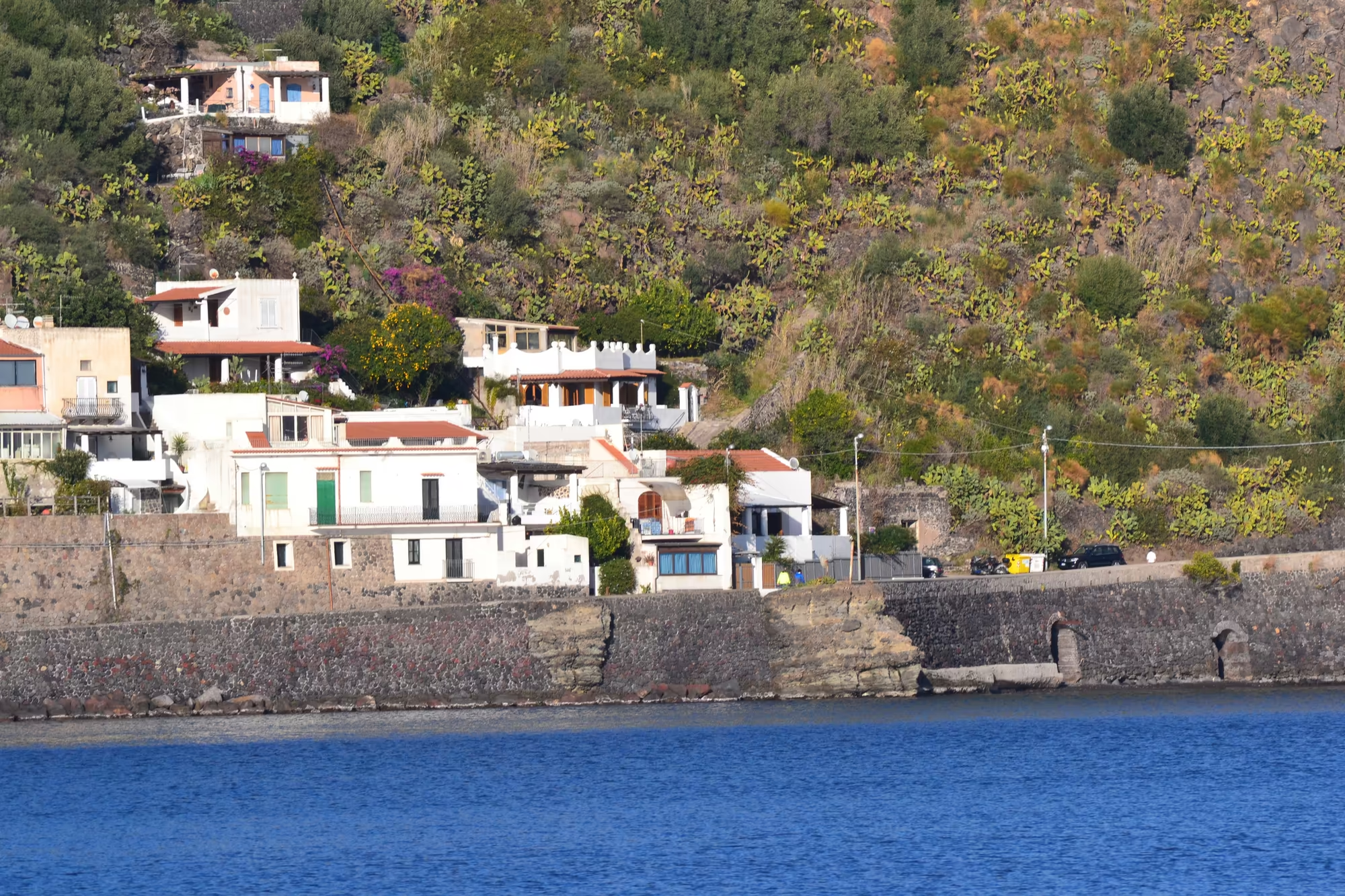
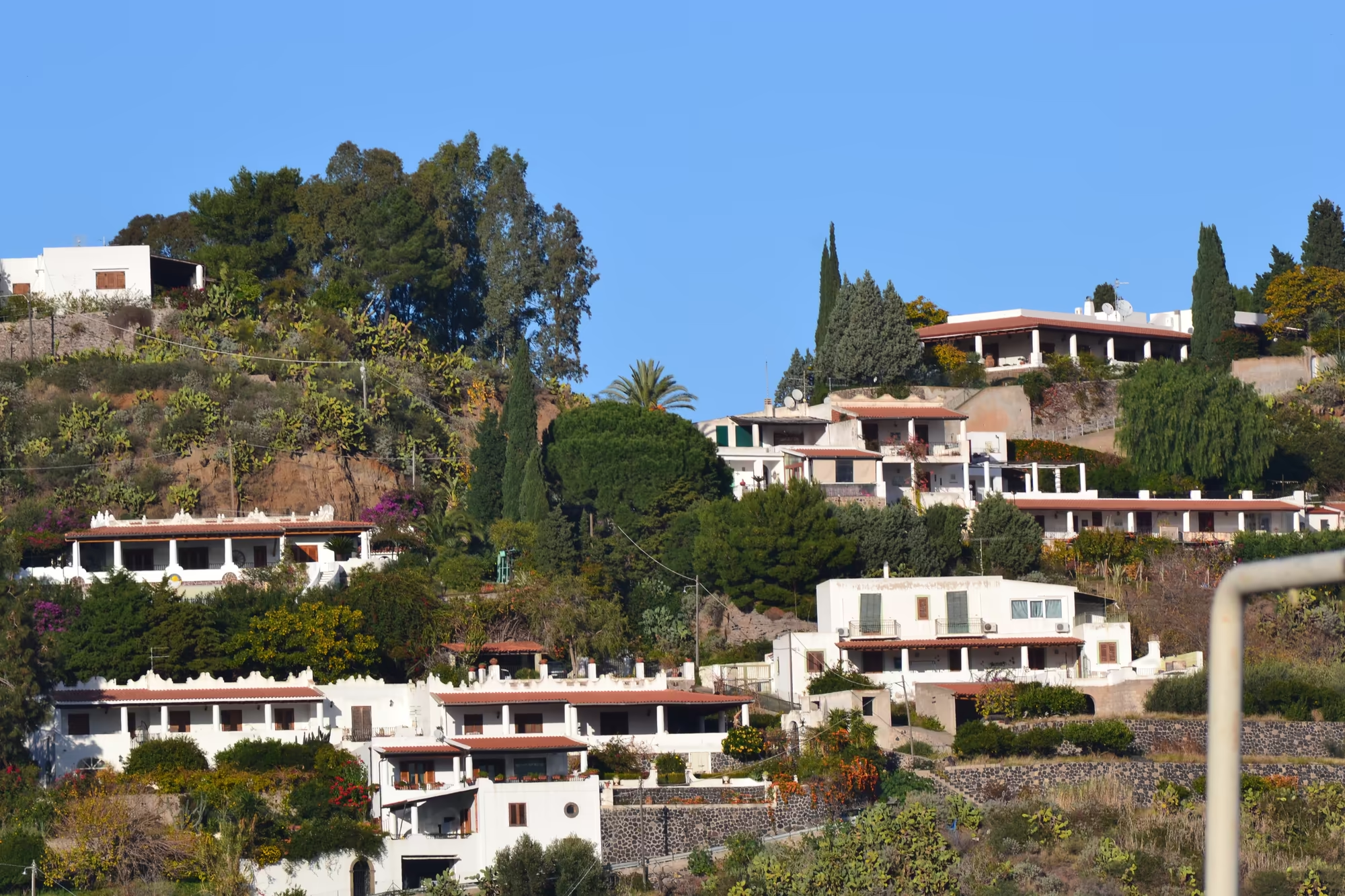
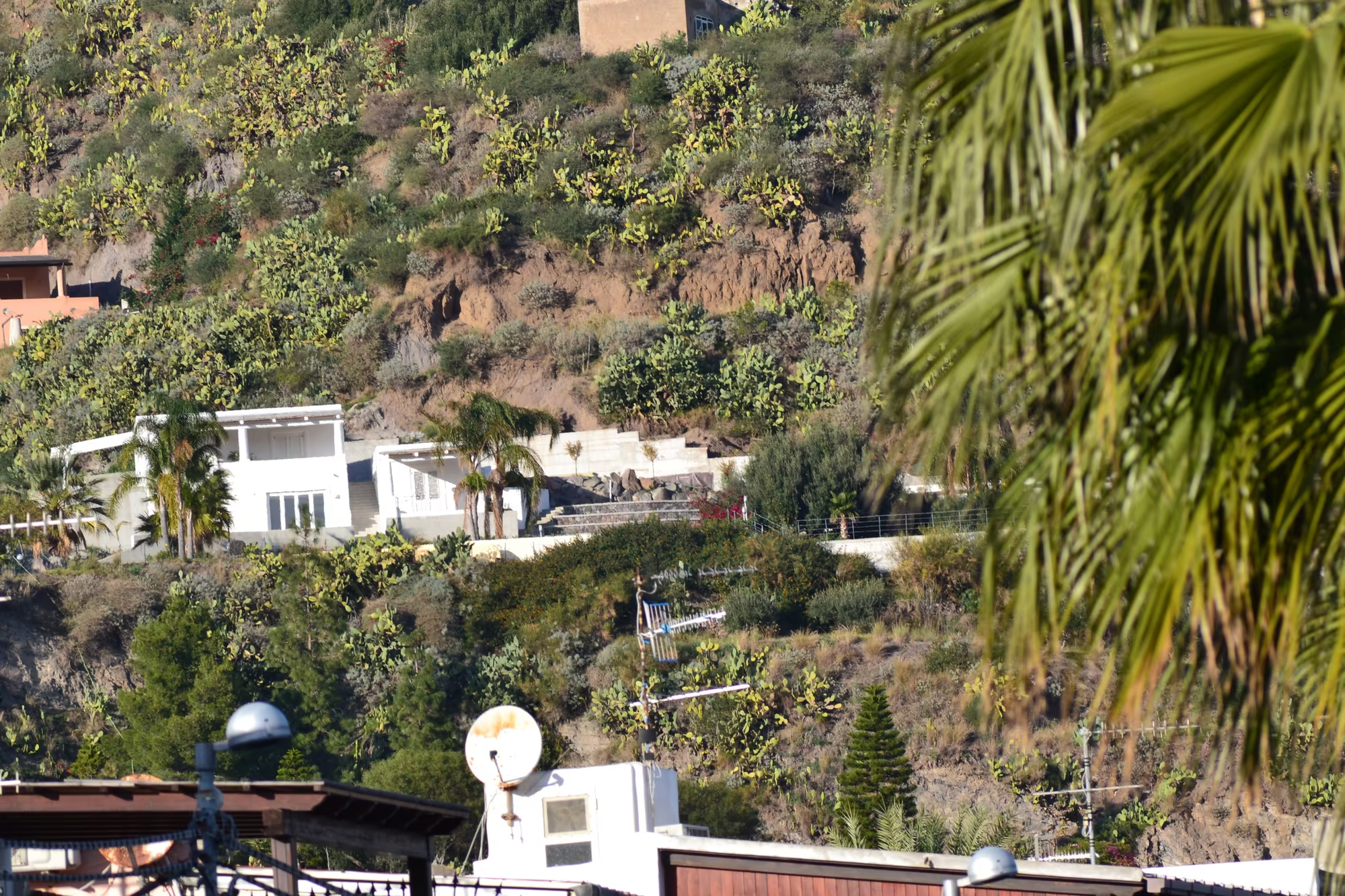
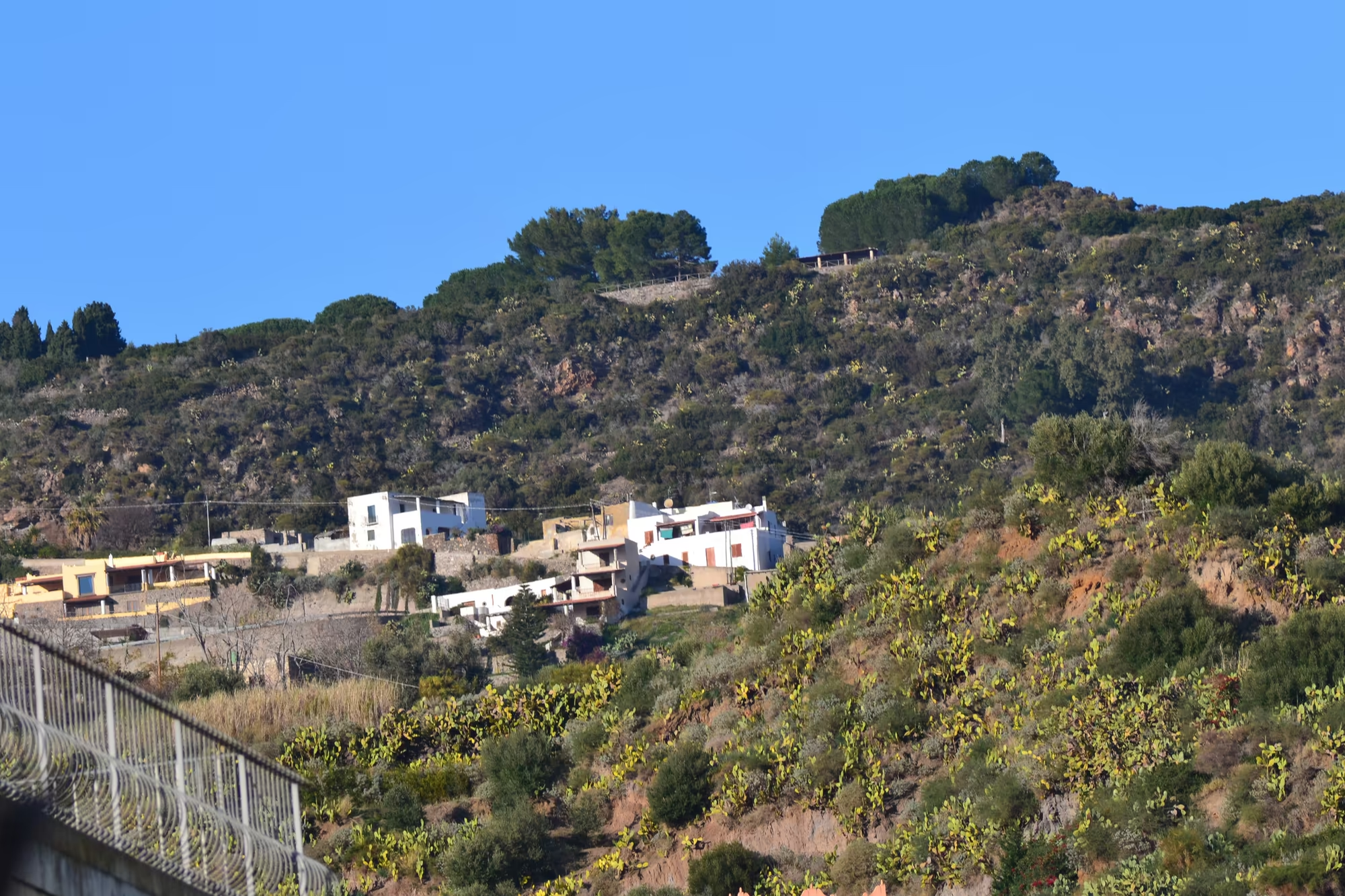
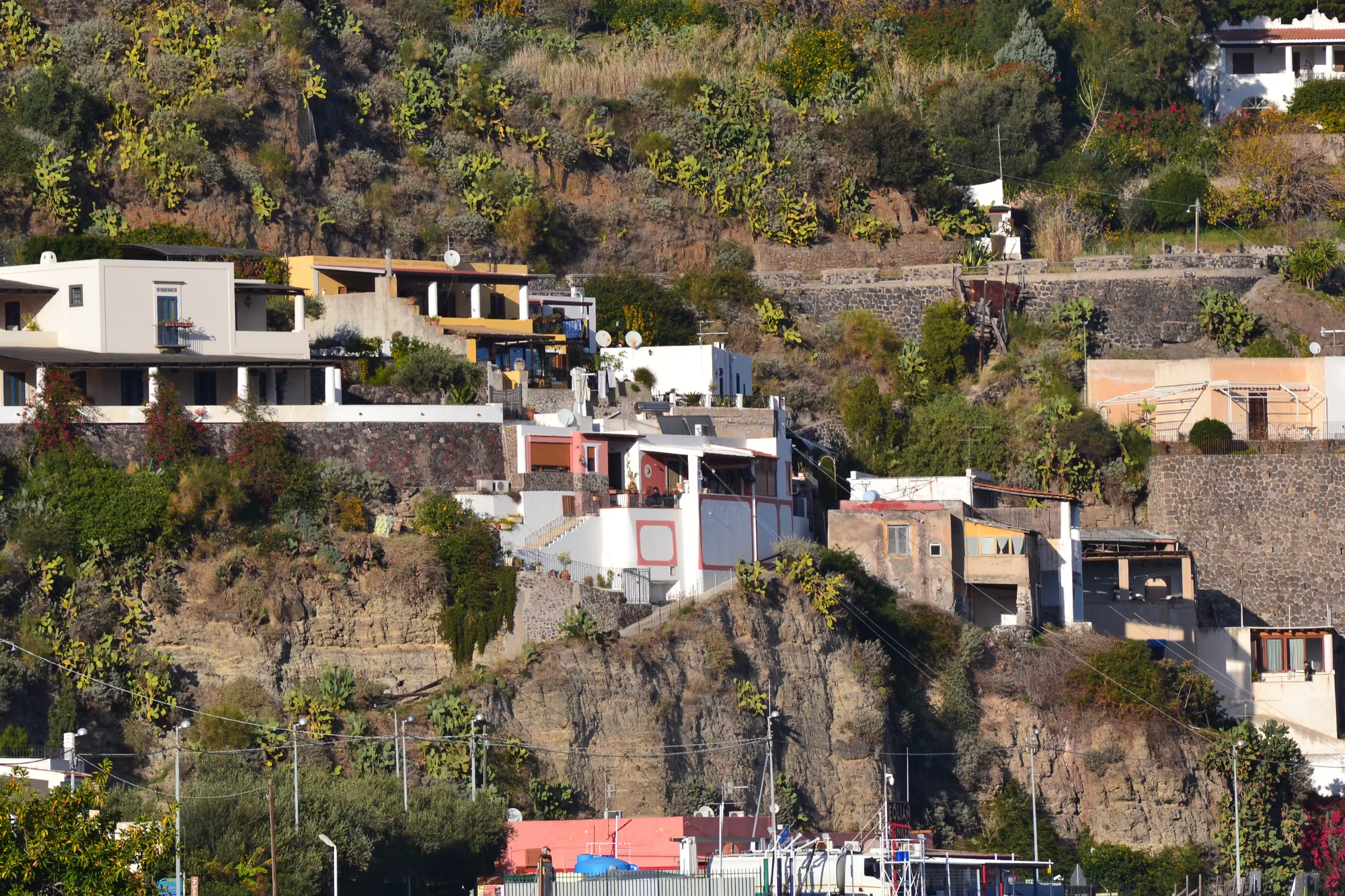
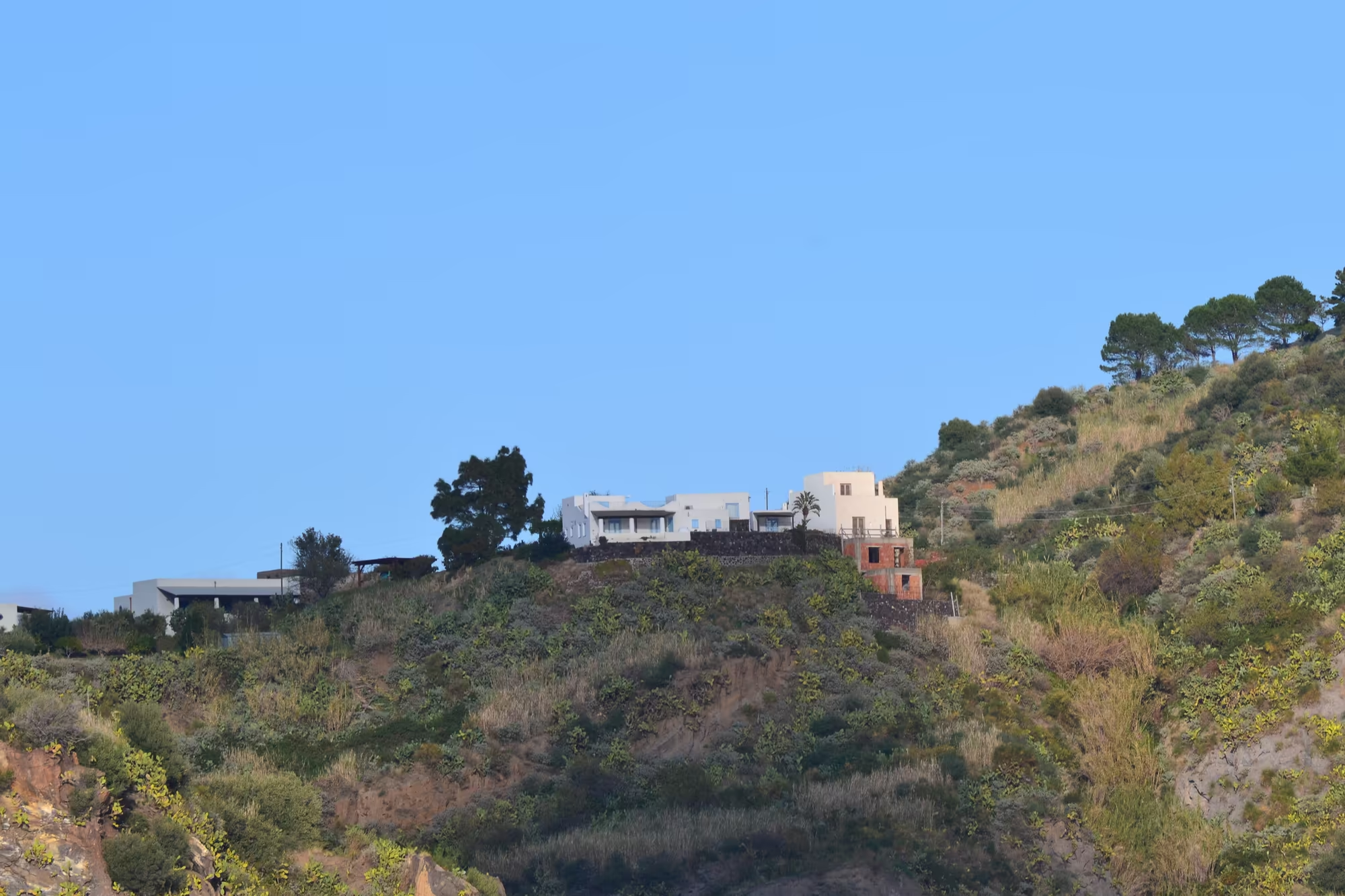
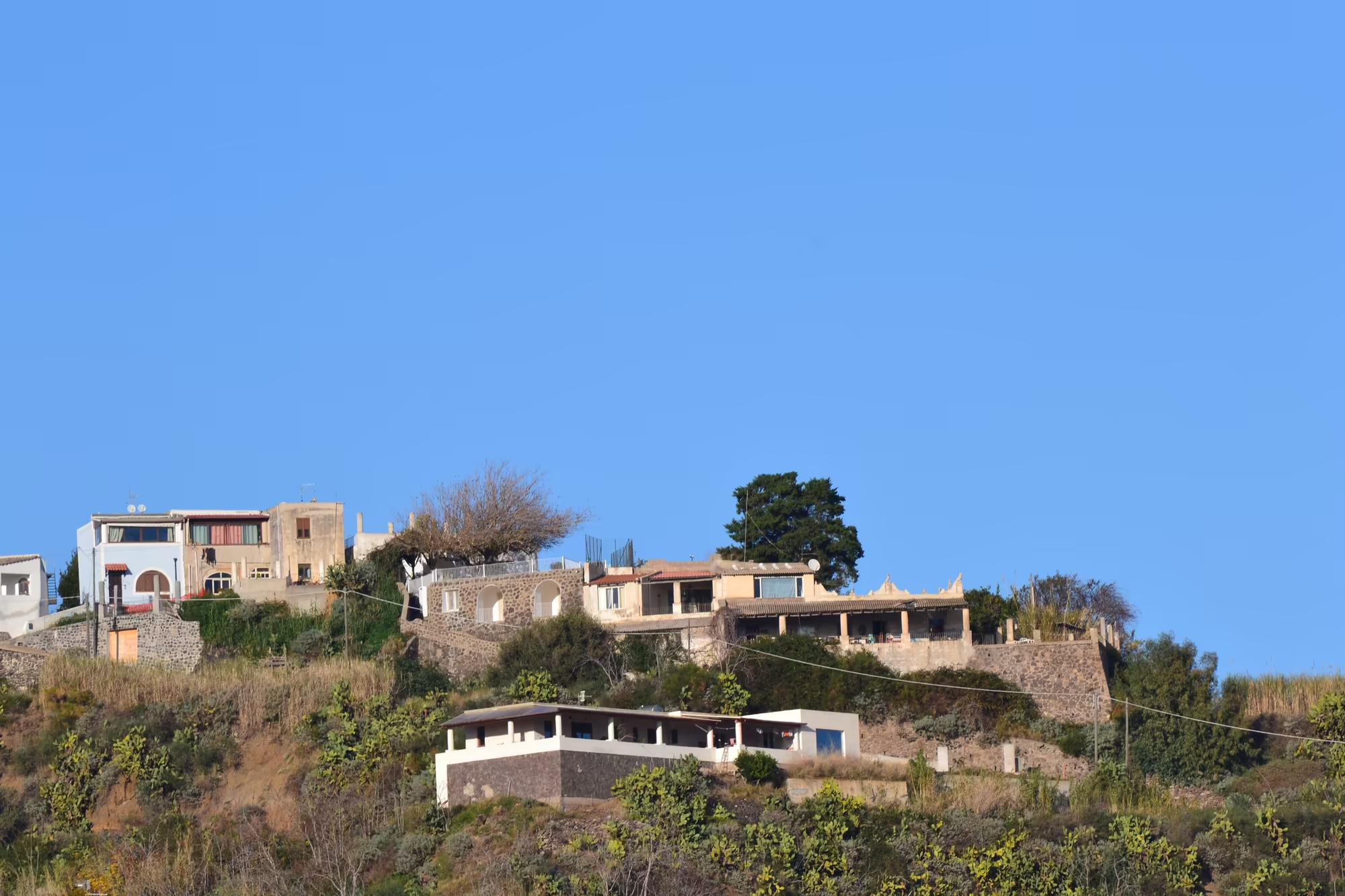
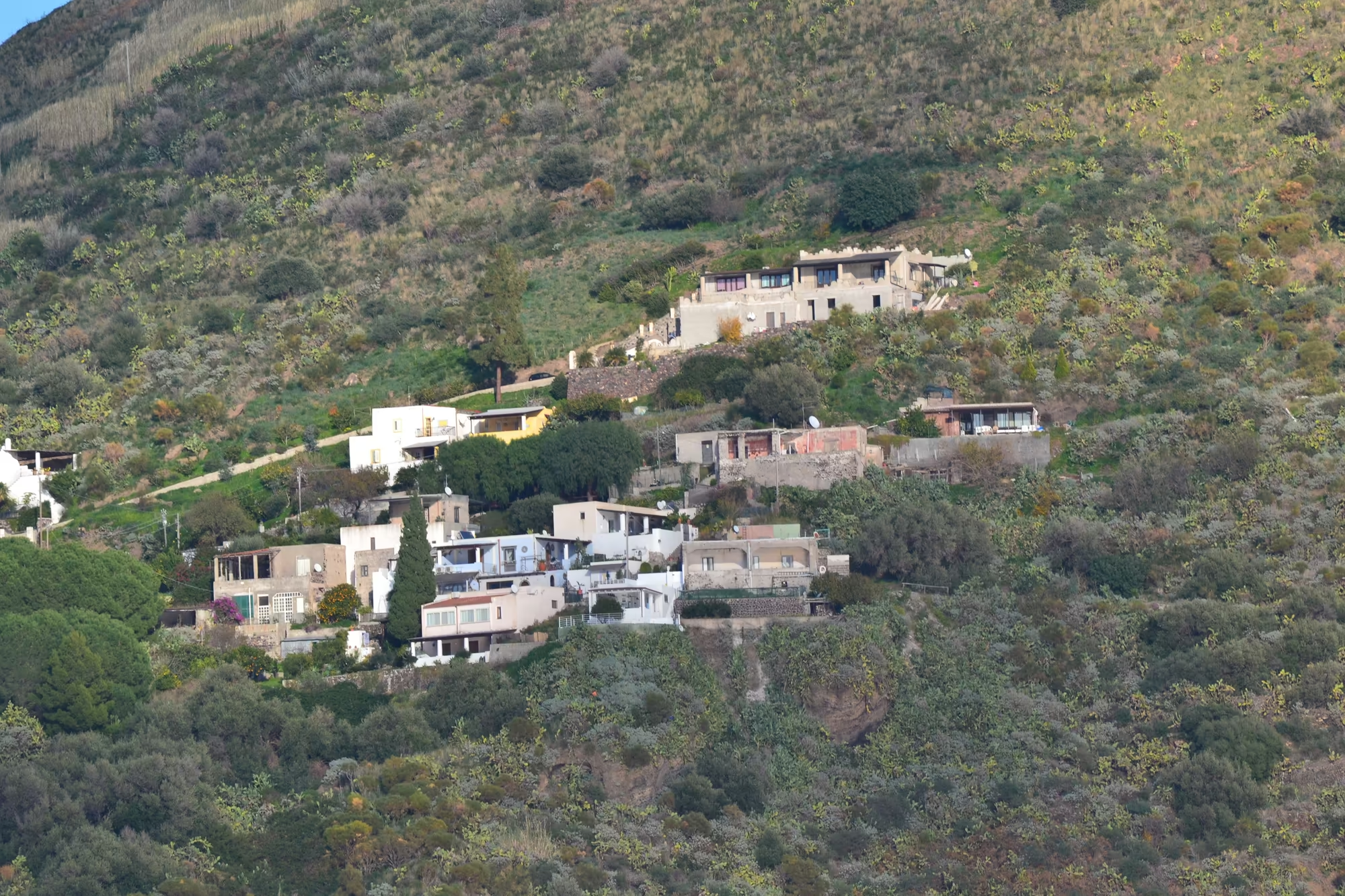
Once ashore the town is small enough to walk in an hour and varied enough to occupy a day. The main street runs from the port between restaurants and shops, the lanes behind it climb towards the fortifications on the acropolis, and the houses are whitewashed with flat or gently pitched roofs, packed together against the slope. In winter the island is quiet, the summer boats are gone, and the town belongs to the people who live there and to the archaeological work that has been going on here for more than a century.
Two of the islands in the group are still active. Stromboli has erupted almost continuously for centuries, with small explosions that are visible from the sea at night, which is why it is known as the lighthouse of the Mediterranean, and Vulcano, immediately south of Lipari, erupted last in 1888 and 1890 and still releases gas from its fumaroles; the remaining islands are the eroded remains of older centres. Sailing between them, the difference between live and dormant ground is visible in the shape of the coastline.
History
The Aeolian Islands have been settled for an unusually long time, and the reason was trade. In the early Bronze Age, at the end of the third millennium BCE, new settlers of Aeolian origin came from Mycenaean Greece, giving their name to the islands; they had already settled at Metapontum in Italy and used the islands as outposts for controlling the trading routes through the Strait of Messina. Successive domestic buildings have been excavated on the acropolis of Lipari dating from the eighteenth century BCE down to the Roman period, which makes the site one of the deepest stratigraphic sequences in the Mediterranean.
In the Bronze Age the archipelago prospered through maritime commerce in an area that extended from Mycenae to the British Isles, from where tin was imported, and the islands were a station on that route. The obsidian of Lipari, a volcanic glass that fractures into sharp edges, was one of the earliest traded materials in the region and has been found far from the islands; the trade in it predates the metals that later replaced it. Later, between about 300 BCE and 250 CE, the islanders were allies of the Carthaginians against Rome, and they shared the fate of the losing side.
The medieval and early modern history of Lipari is a history of raids. The island was attacked repeatedly by pirates and fleets from the mainland and from North Africa, and in 1544 the Ottoman admiral Hayreddin Barbarossa ransacked Lipari and enslaved the entire population. Charles V then had his Spanish subjects repopulate the island and build the massive city walls on top of the walls of the ancient Greek acropolis in 1556, which is why the castle of Lipari has the appearance of a sixteenth century fortress standing on a Greek and Roman site. The population of today is descended in part from the settlers of that period.
Modern Lipari has been shaped by archaeology and by tourism. The excavations on the acropolis and in the necropolis outside the walls produced the material that fills the Regional Archaeological Museum Luigi Bernabò Brea, named after the archaeologist who directed the work on the island and made it one of the best documented prehistoric sequences in Italy. Since the twentieth century the islands have also been a summer destination, reached by ferry and hydrofoil from Milazzo and Naples, and in 2013 the mayor of Lipari issued an ordinance banning swimming costumes in the town centre, punishable with a fine, a decision that caused a certain amount of discussion and illustrated the pressures of a small island economy built on visitors.
The Bronze Age prosperity of the islands was built on a single material. Obsidian, the volcanic glass found on Lipari, fractures into edges sharper than steel, and the manufacture of obsidian bladelets on the island had reached a high level of sophistication by the late Neolithic; the blades were traded as far as Sicily, the southern Po valley and Croatia, and they were used for cutting umbilical cords and in ritual. Long before the Mycenaean traders arrived, this speck of land was already a supplier to the wider Mediterranean.
Geology
The Aeolian Islands are the product of a volcanic arc, formed where the African plate descends beneath the Eurasian plate in the Tyrrhenian Sea. The arc includes active, dormant and extinct centres, and the islands are the parts of those volcanoes that stand above the water: some are complete cones, some are fragments of cones that have been partly destroyed by explosion or collapse, and some are the eroded cores of much older edifices. Because each island has its own history and age, the archipelago is a natural laboratory for the study of how volcanic islands are built and taken apart.
Two of the islands are still active. Stromboli has erupted almost continuously for centuries, with small explosions visible from the sea at night, and Vulcano, immediately south of Lipari, has been the source of the name and the concept of the volcanic crater; its last major eruption was in the late nineteenth century, and its fumaroles are still active. The two of them, together with the older islands, form a chain that runs from west to east across the sea, and the passage between them is the route that the ferries take.
The rock of the islands explains the archaeology. Lipari is made largely of rhyolitic lava and pumice, and the island’s obsidian, a natural volcanic glass formed when lava cools too quickly to crystallise, breaks with a sharp edge that made it the ideal material for blades and tools before metals were available. Pumice, the light froth of solidified lava, was quarried here for centuries and is still exported for use as an abrasive; the whitish cliffs of some parts of the island are made of it. The same materials make the soil thin in places and extremely fertile in others.
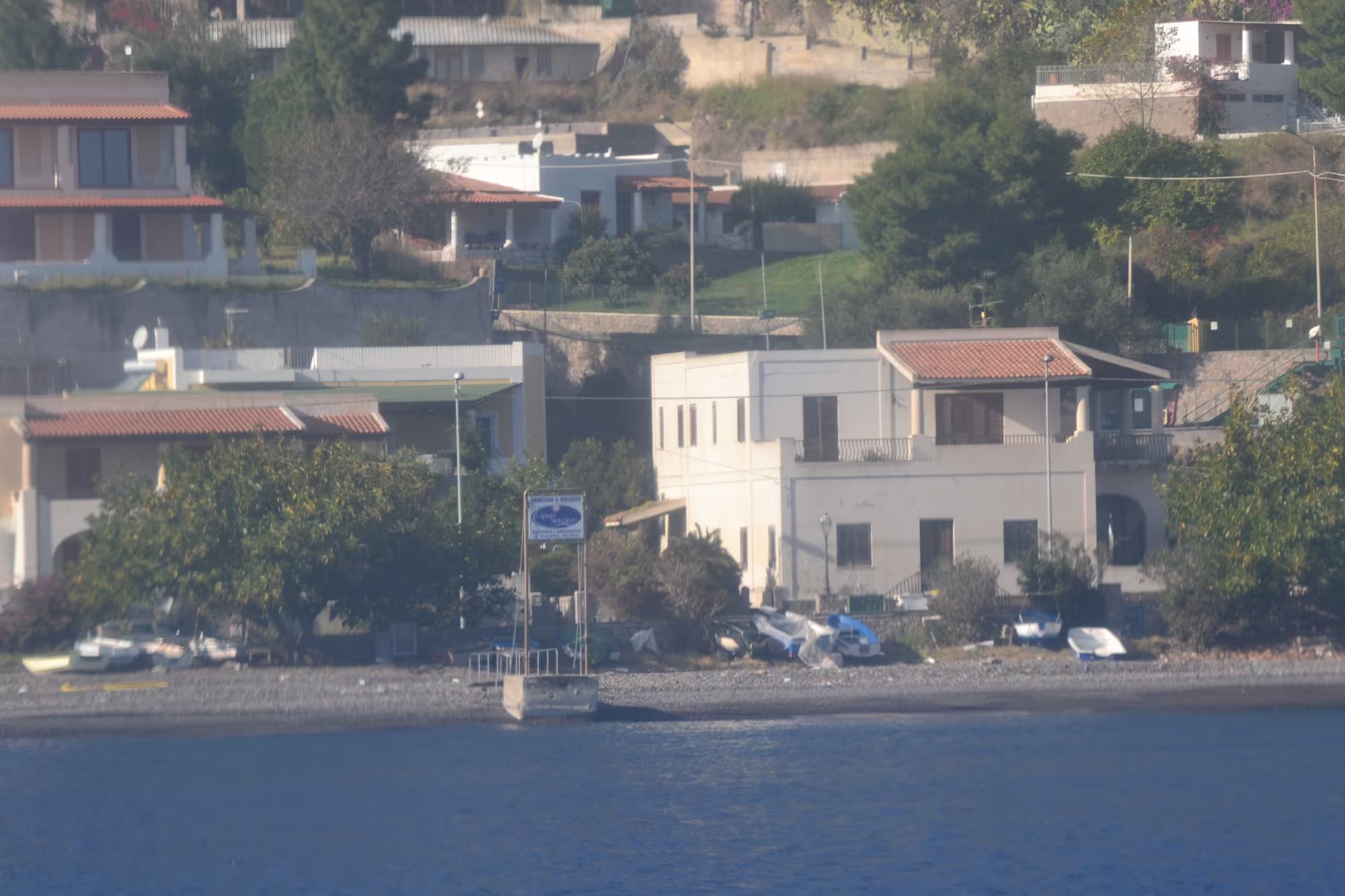
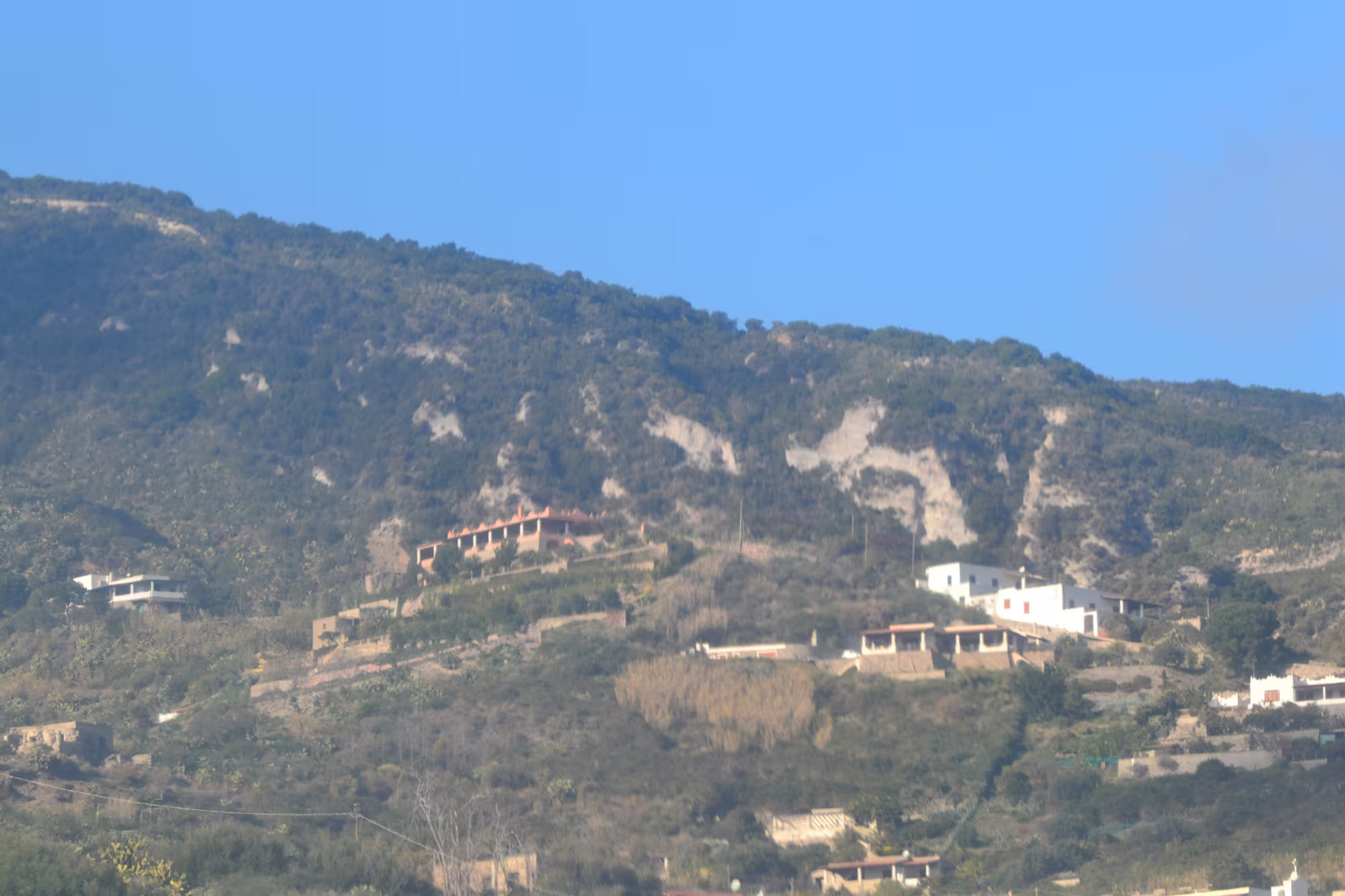
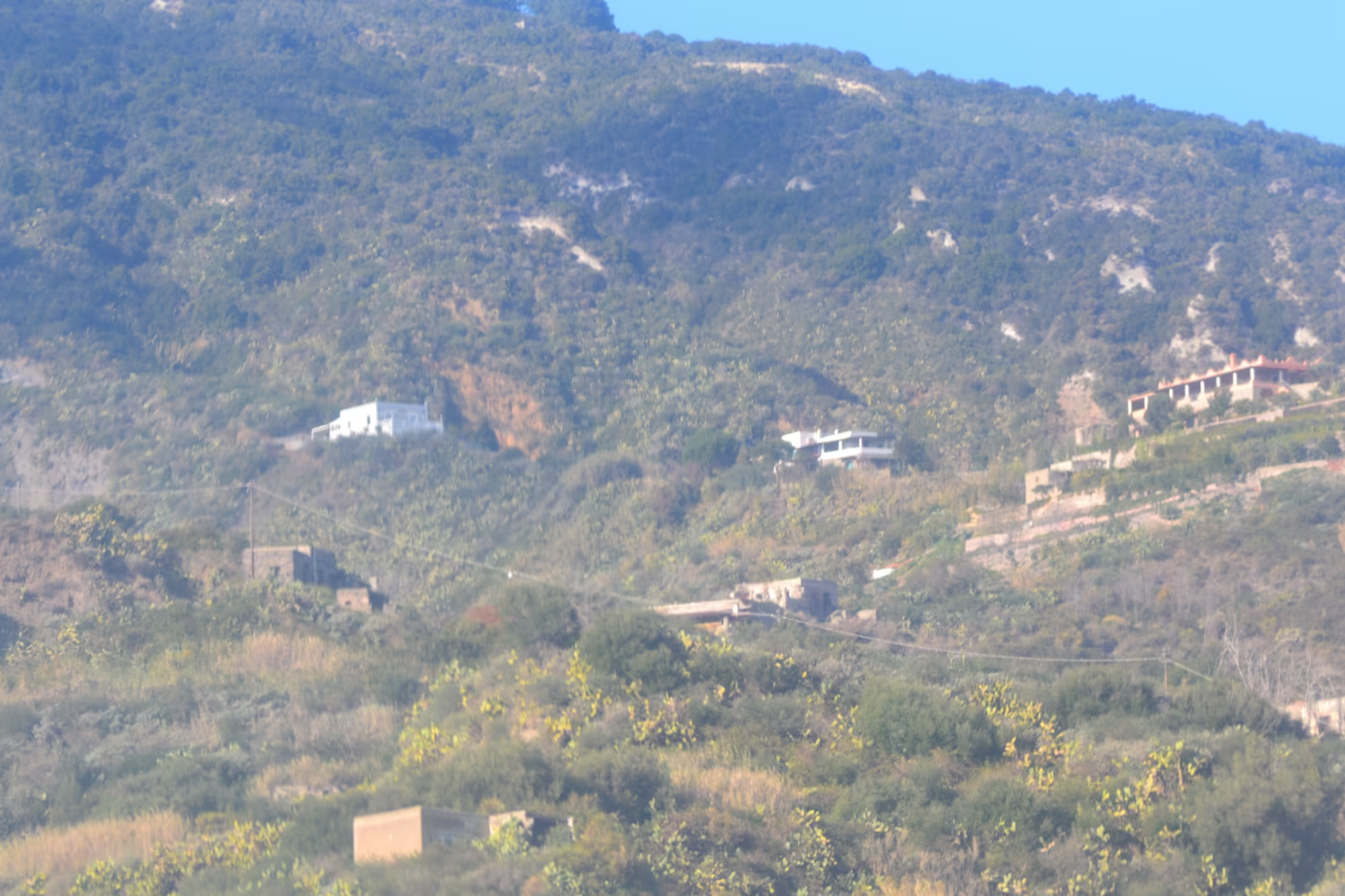
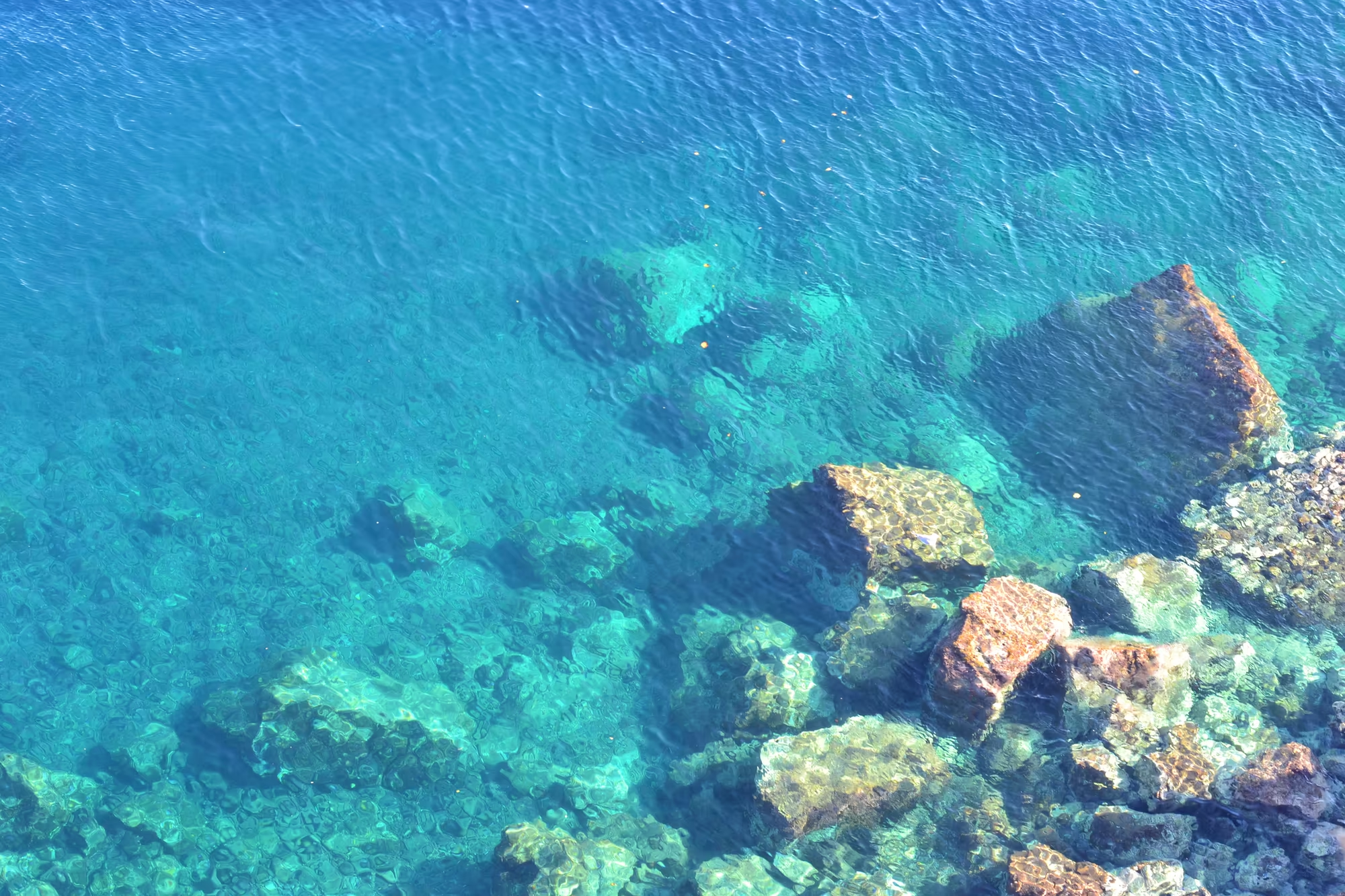
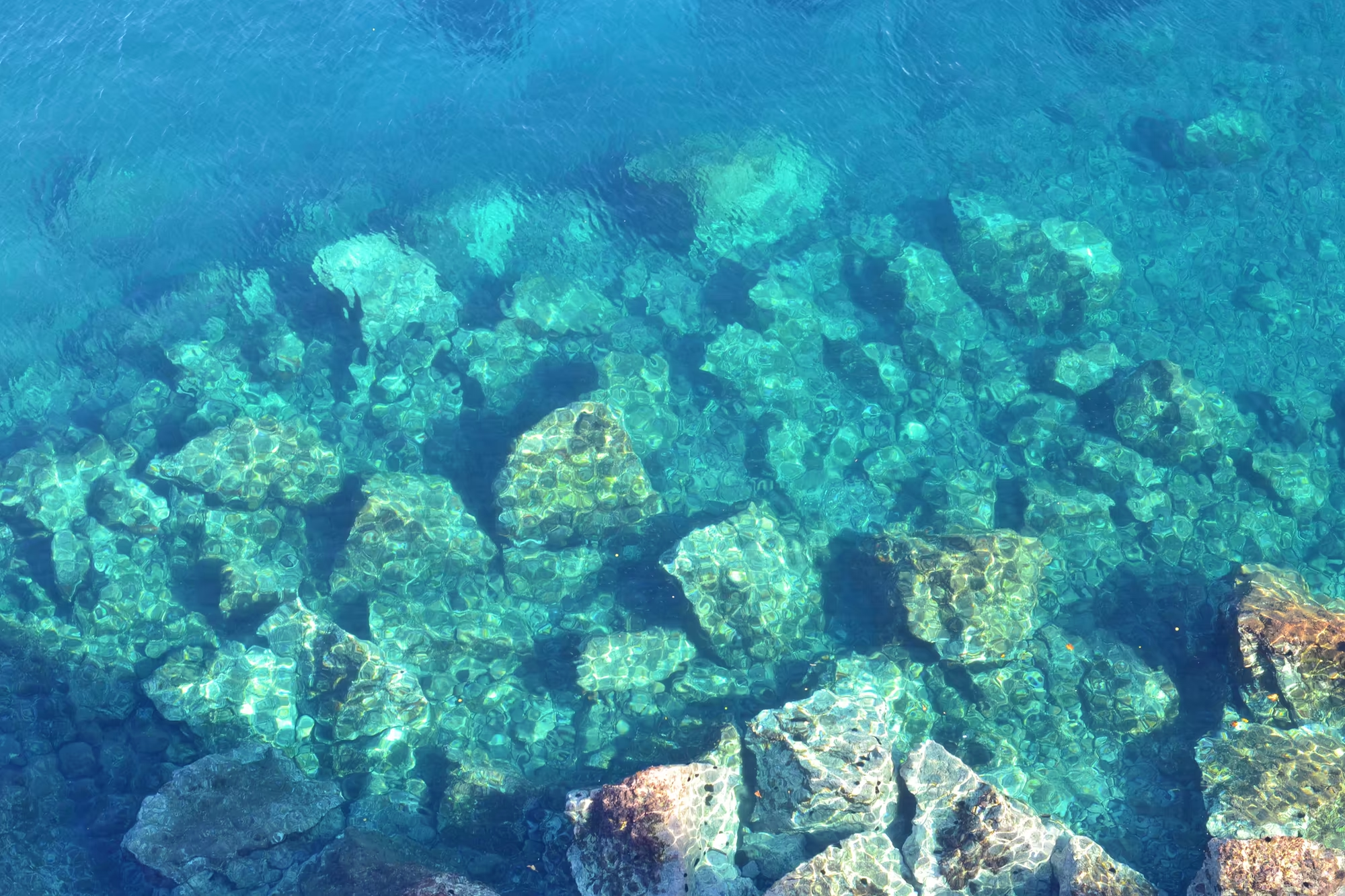
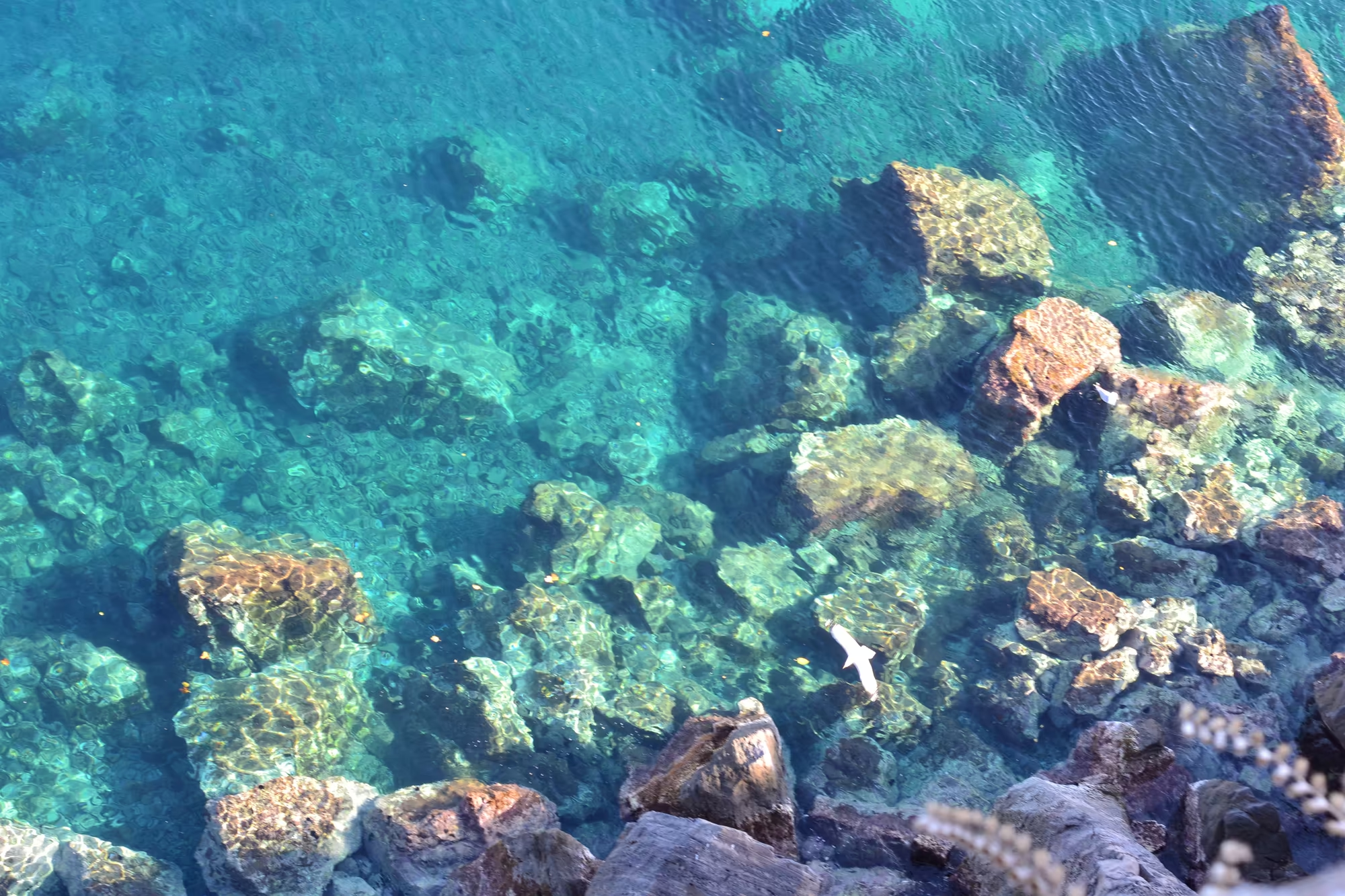
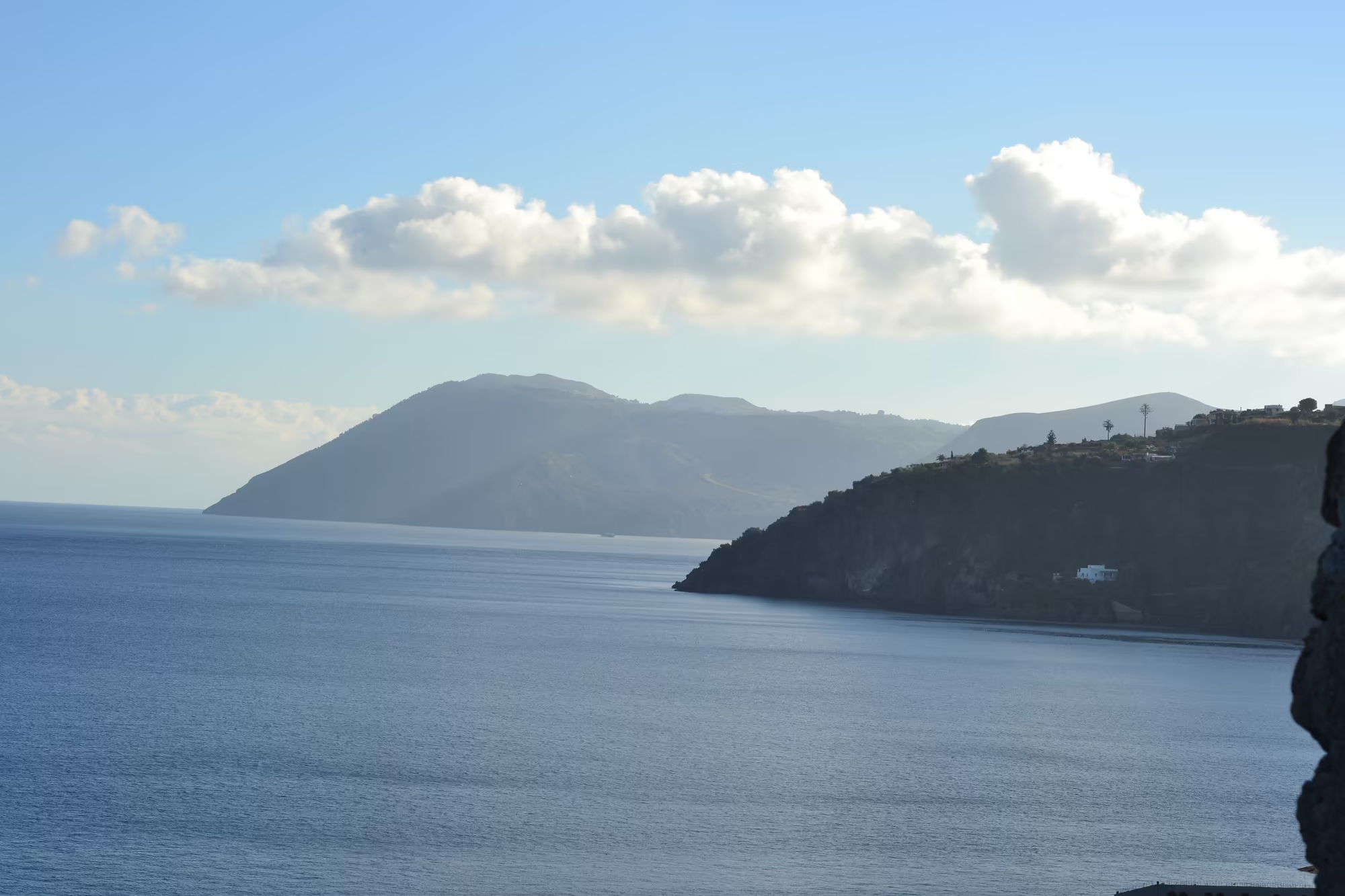
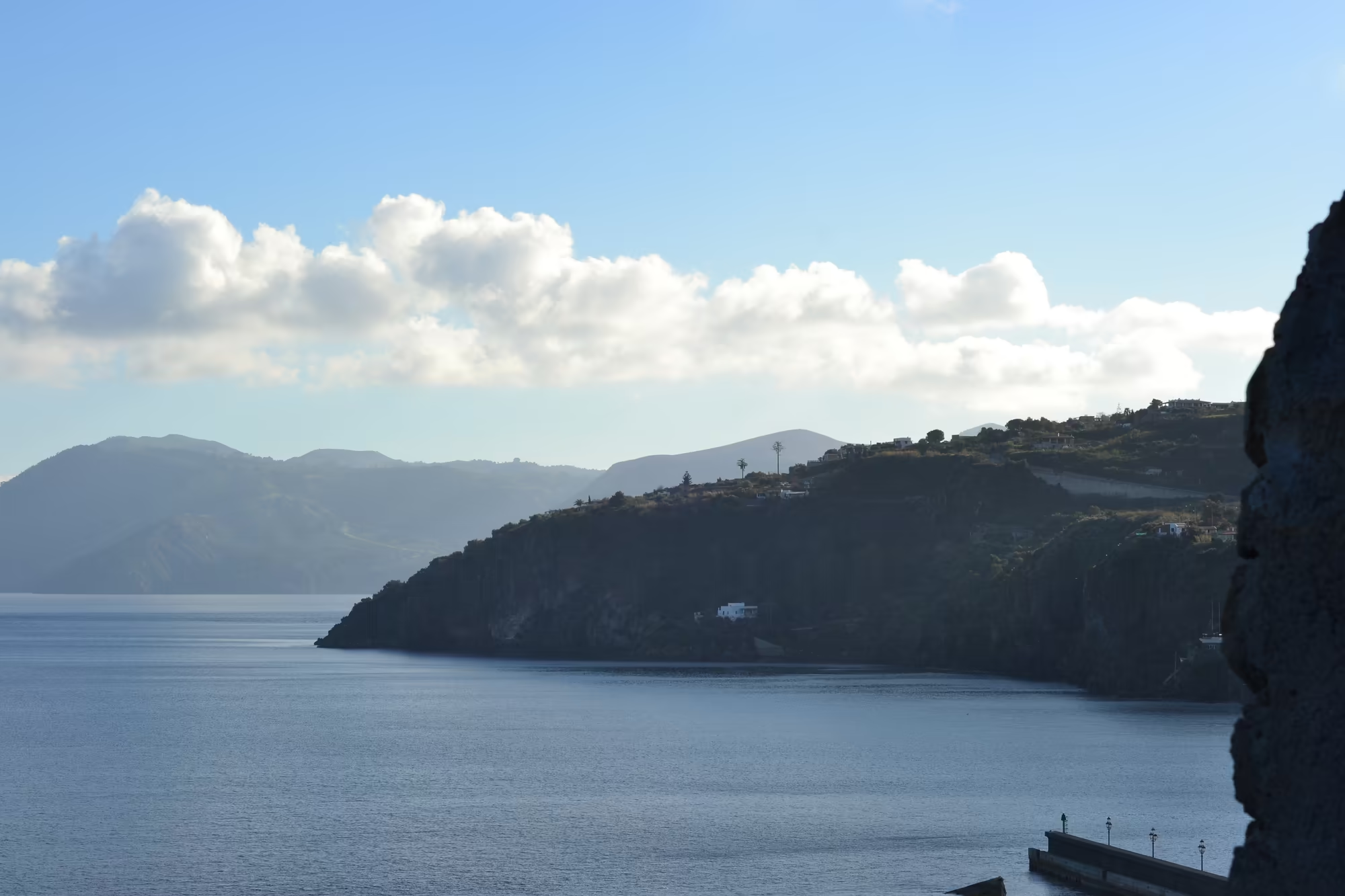
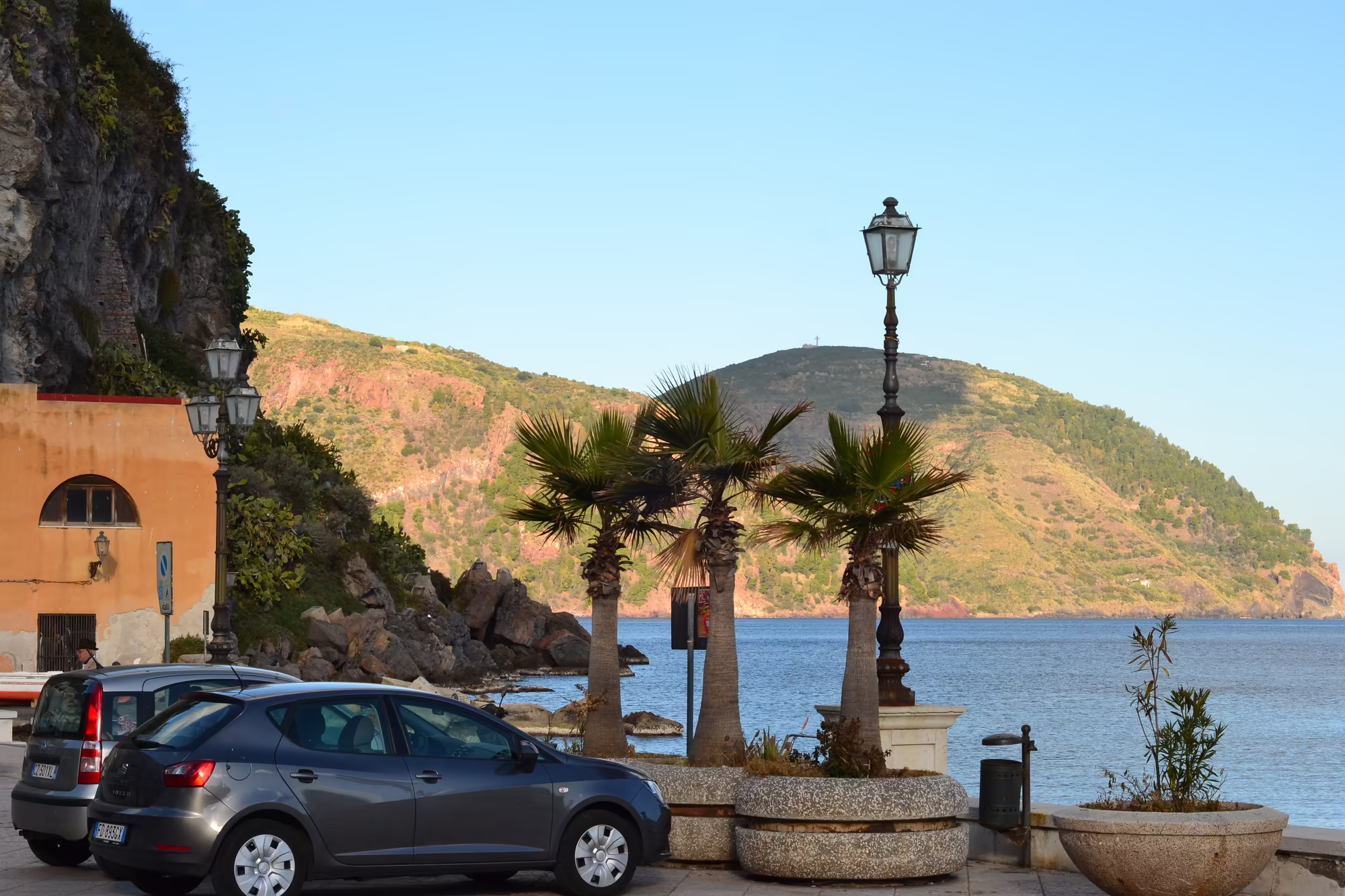
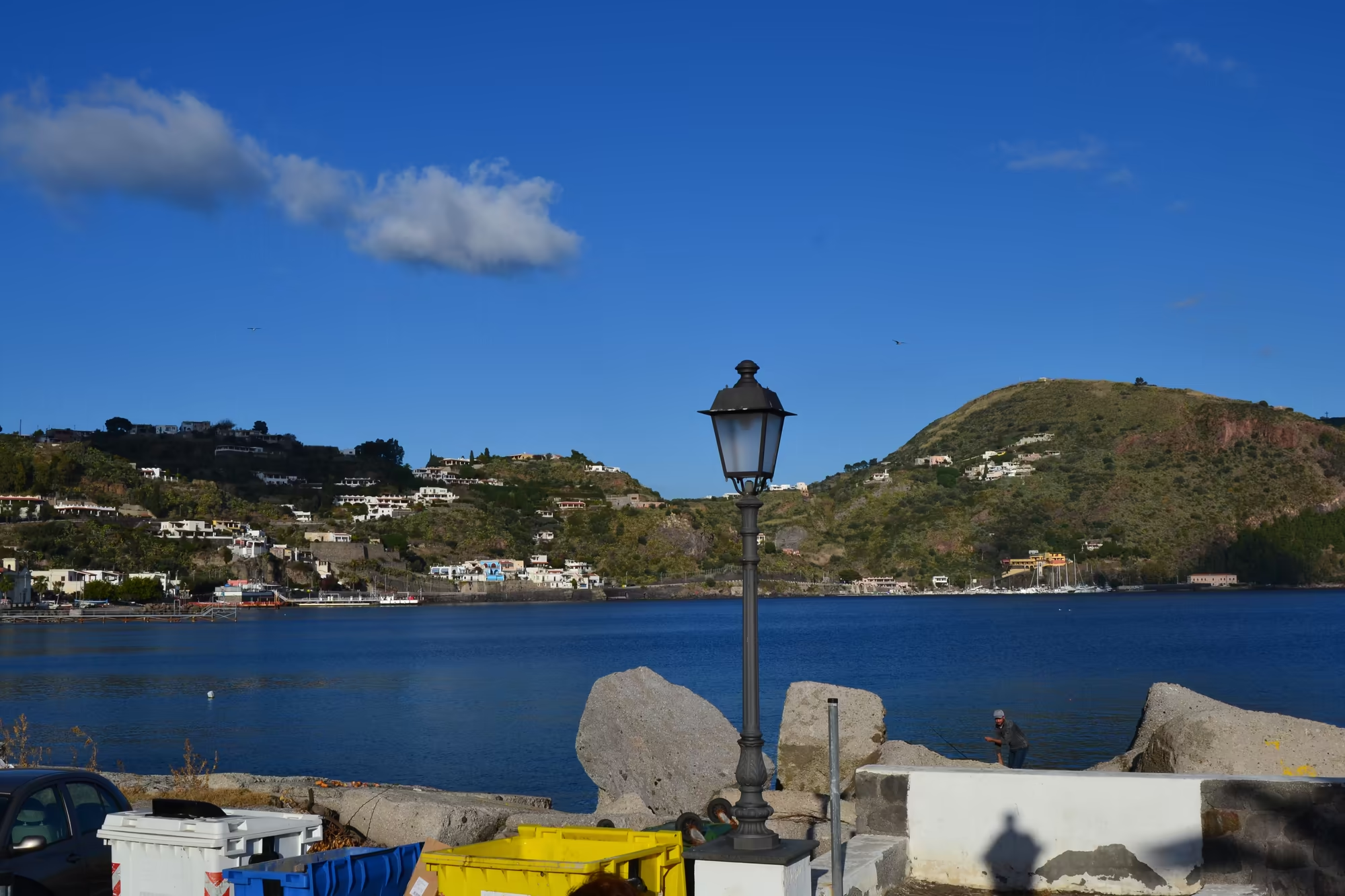
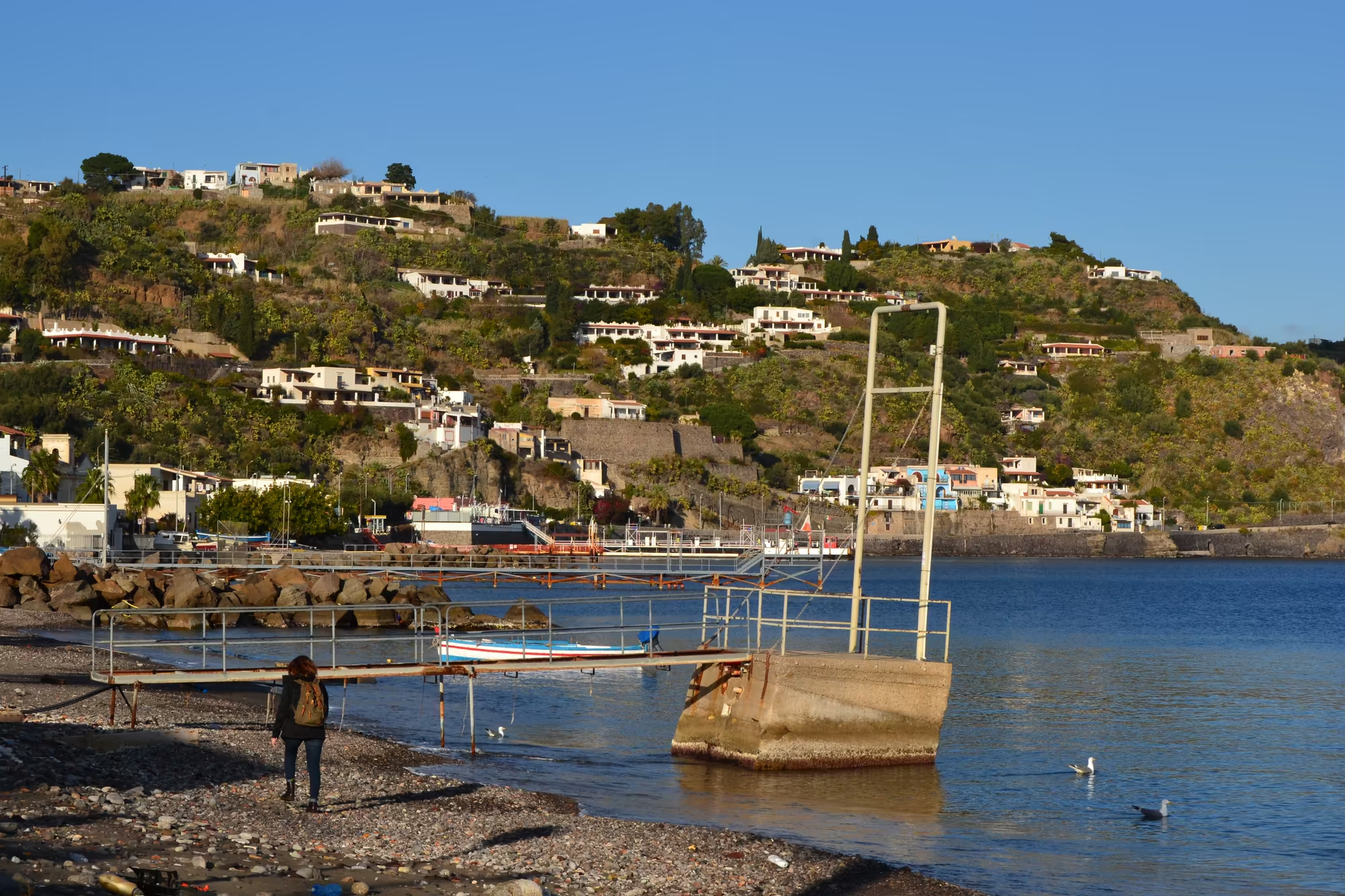
The coasts are the result of this structure. Lava entering the sea and hard rock resisting the waves produce steep shores, sea cliffs and stacks; where the material is softer or has been eroded by quarrying, there are coves with pebble beaches such as the one at the town of Lipari, with a small concrete pier reaching into dark blue water. The water is clear because there is very little sediment, and it is deep close in because the islands rise from deep water rather than from a shallow shelf, which is why the colour changes from turquoise over rocks to almost black over the drop.
The islands rise from deep water rather than from a shelf, and the difference shows in the colour of the sea. Close to shore the water is turquoise over rock and pale stone, and within a short distance it turns dark blue and then almost black where the bottom drops away; there is very little sediment because there are no large rivers, so the water stays clear. The harbour of Lipari and the coves of the smaller islands are formed where softer material or old quarries interrupt the hard volcanic shores.
Things to See
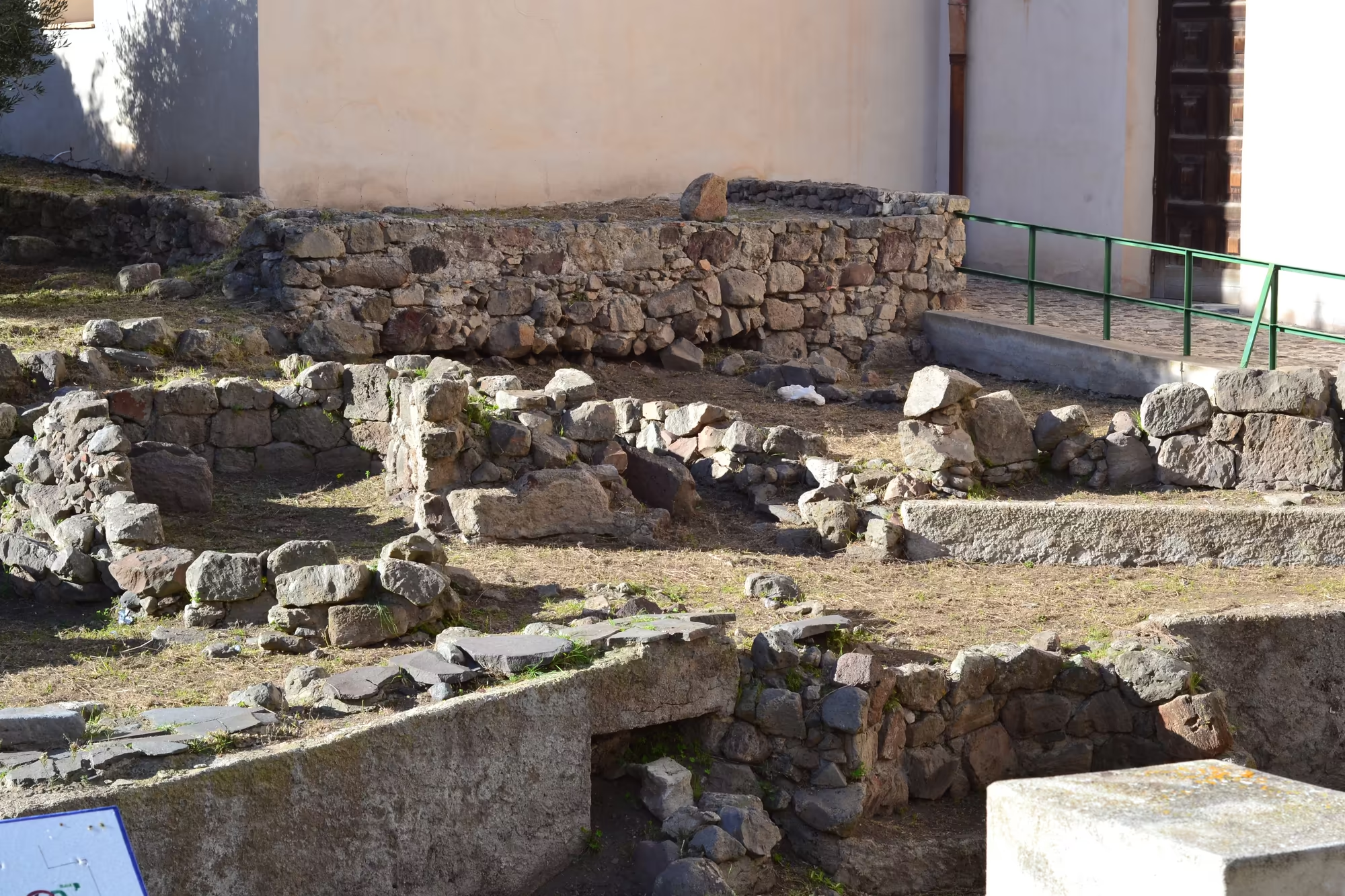
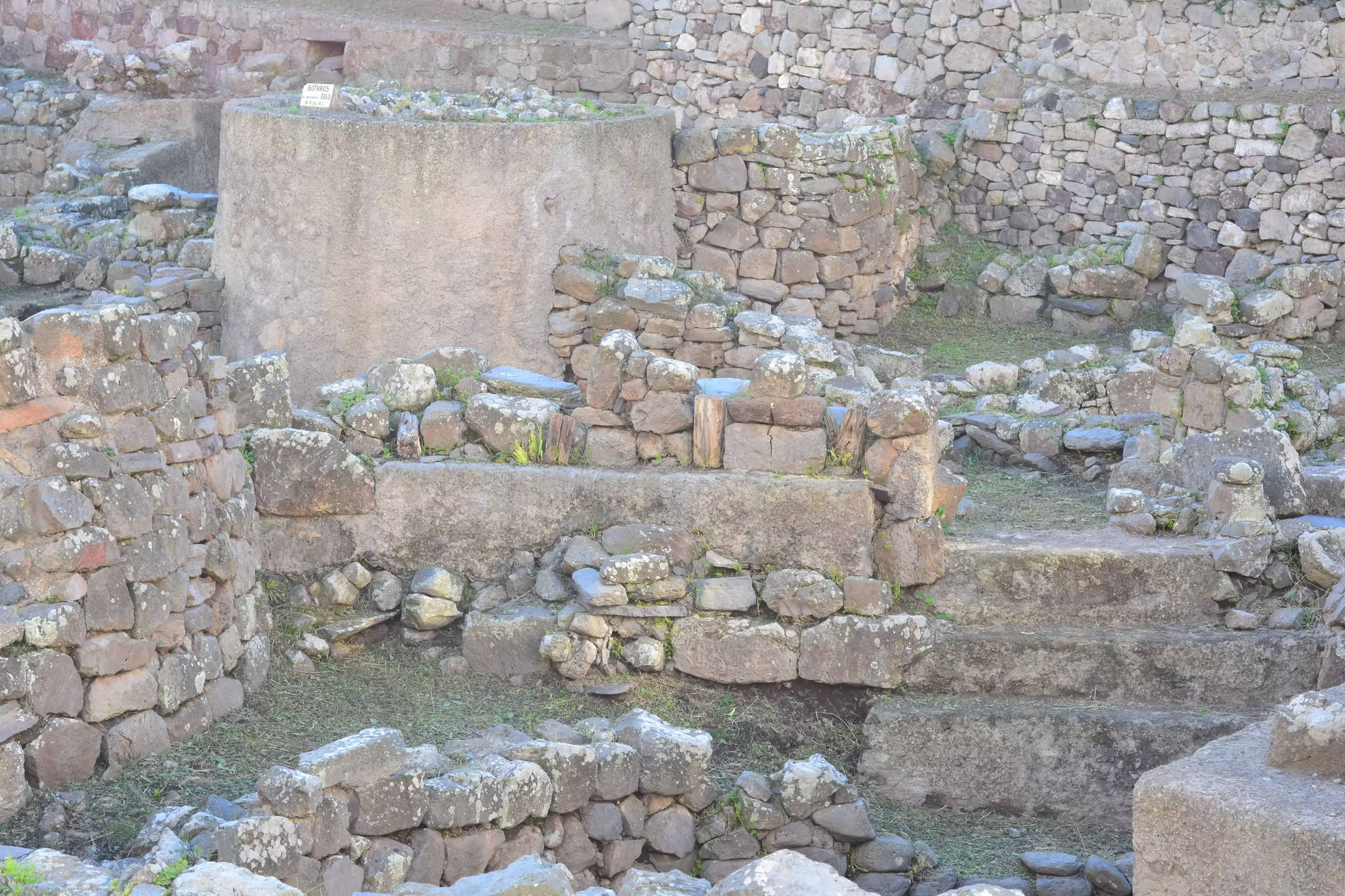
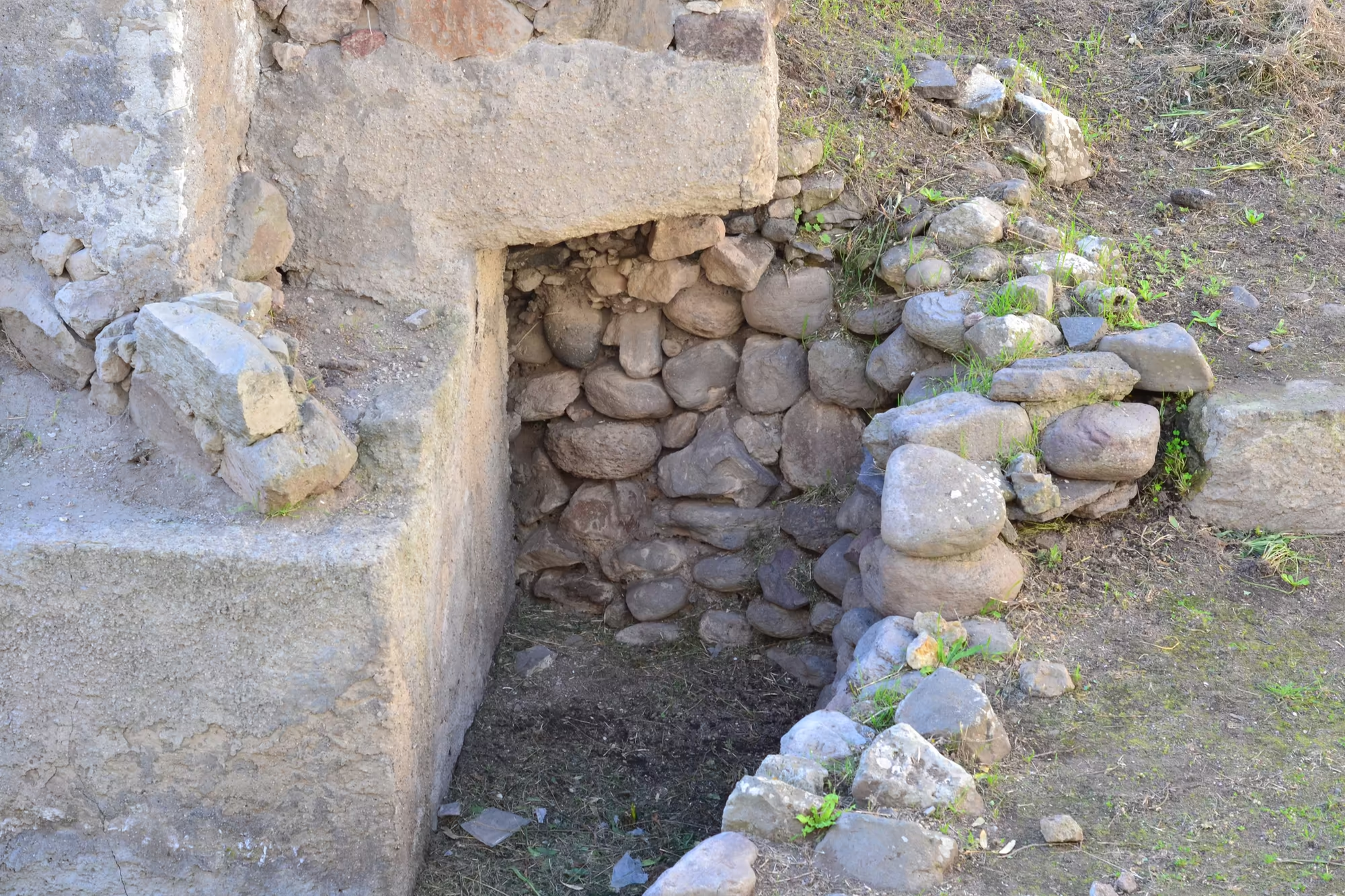
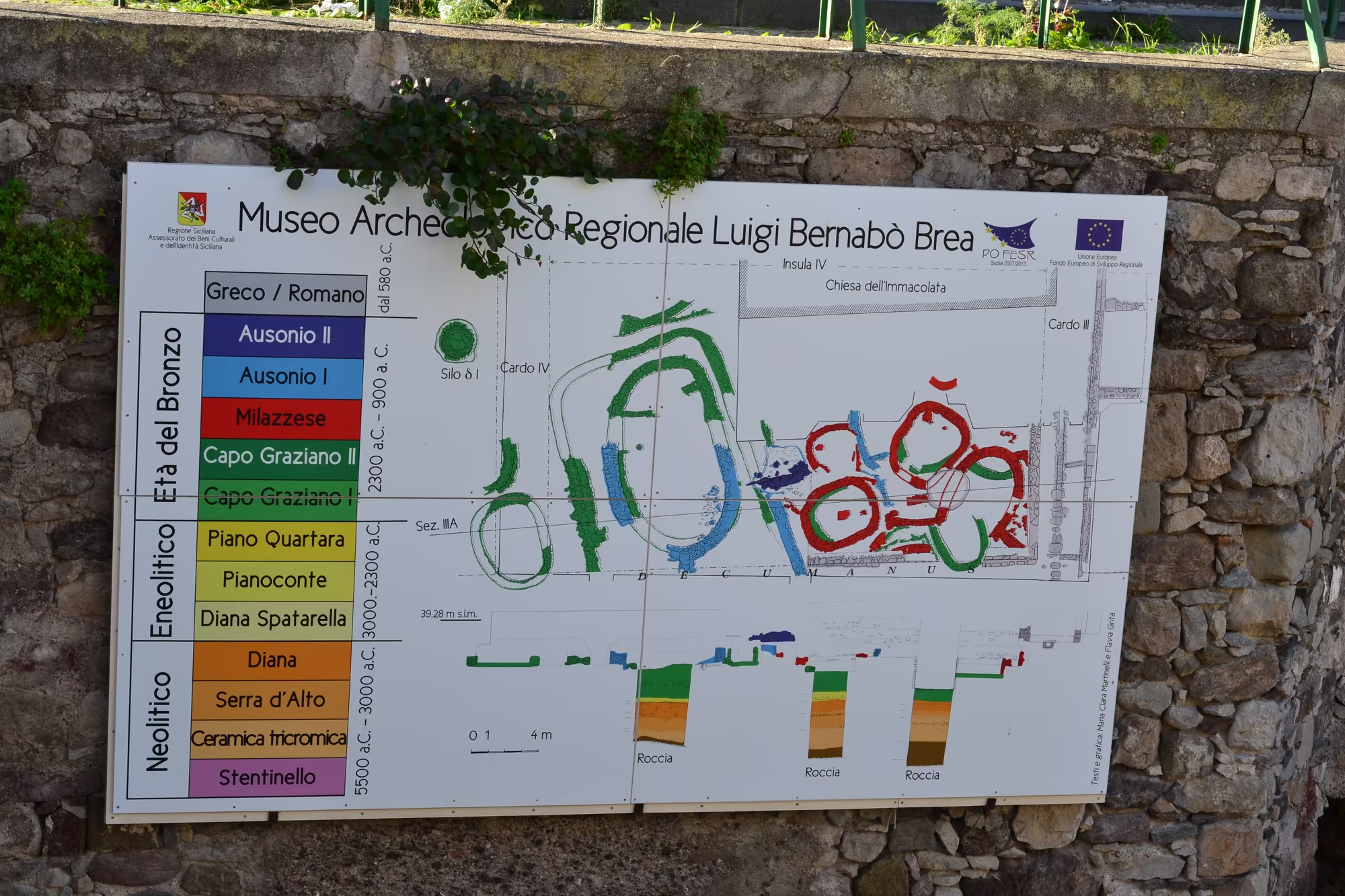
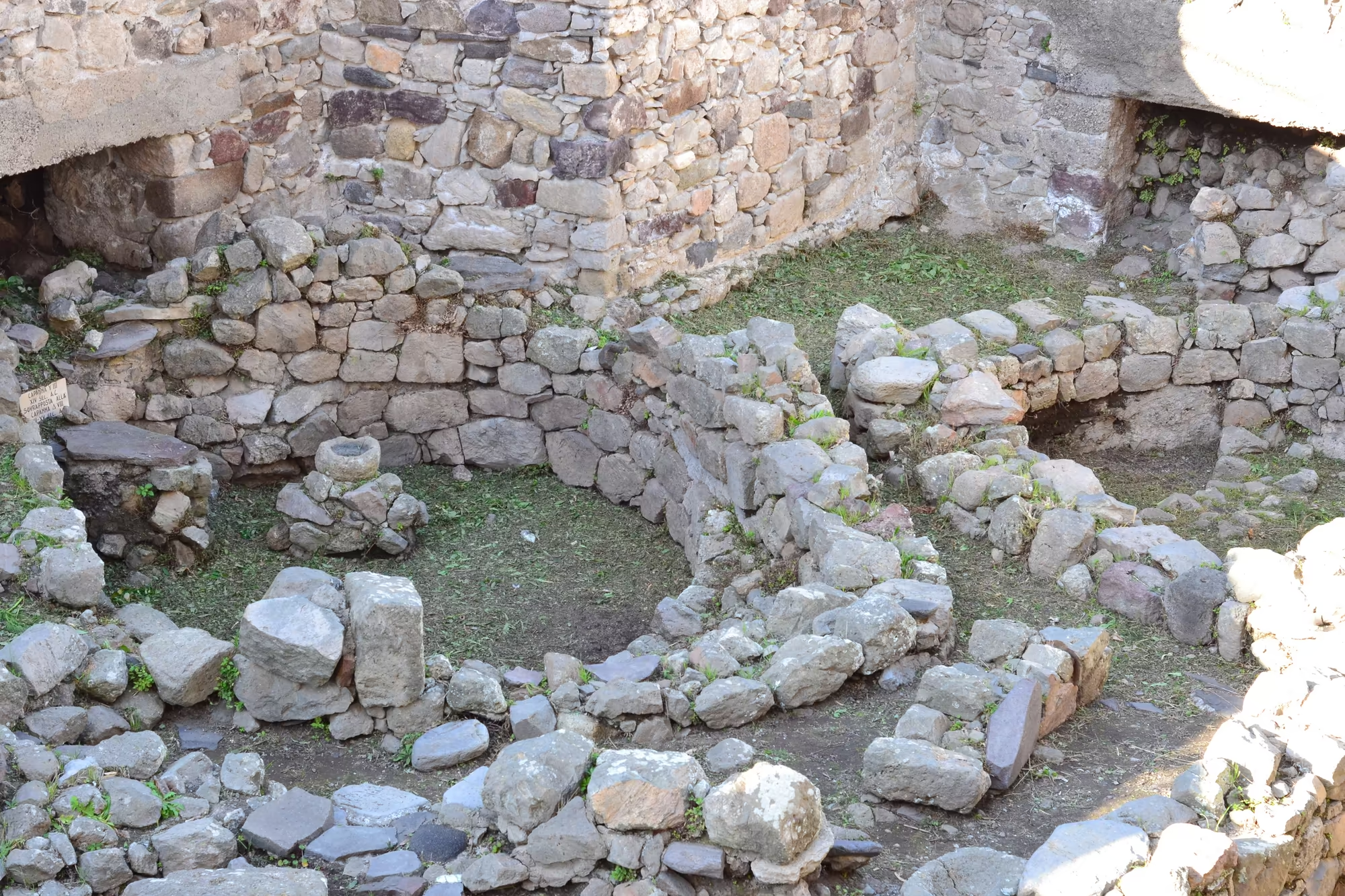
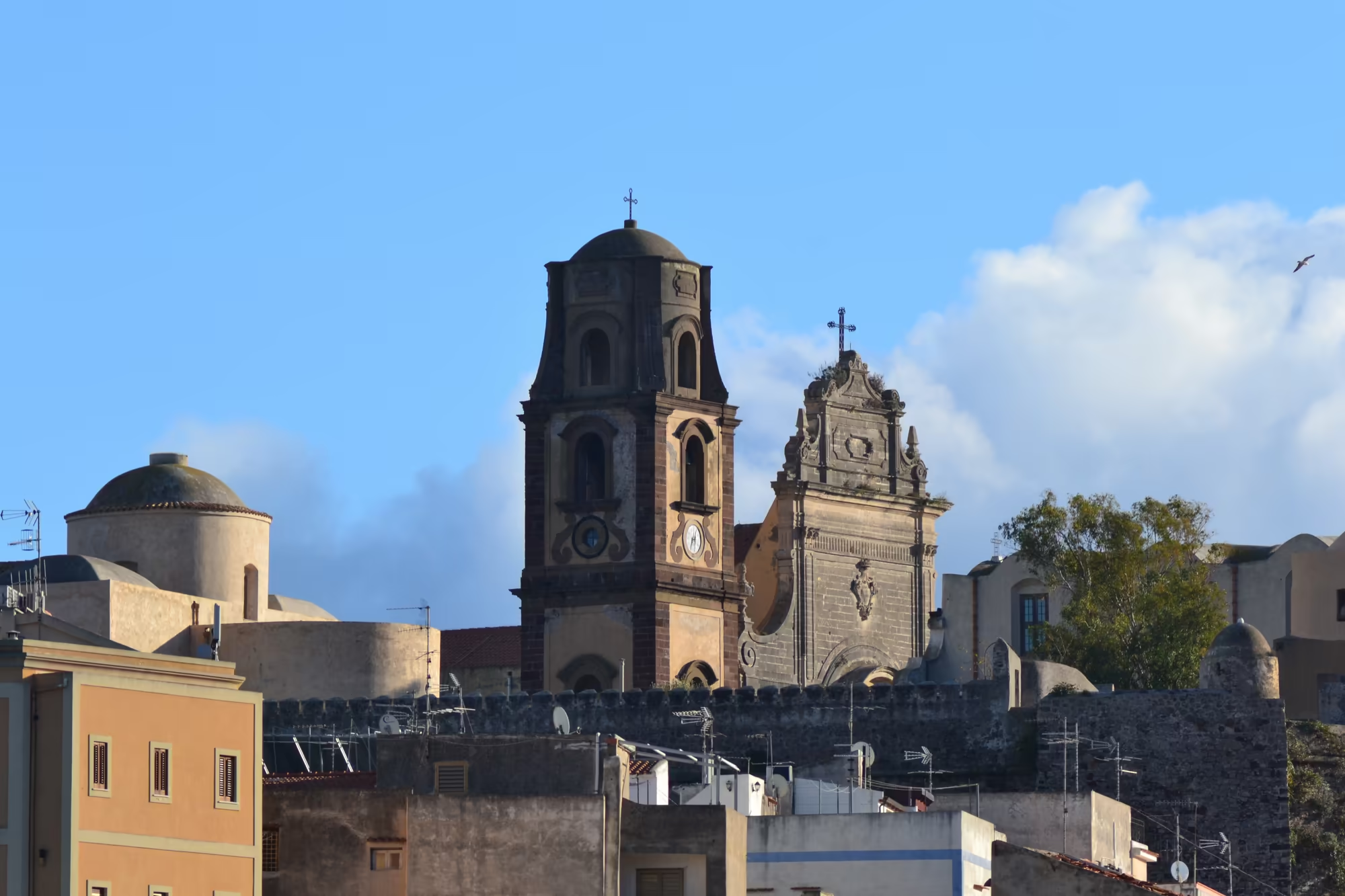
The castle and the museum are the first reason to come. The sixteenth century walls built by order of Charles V stand on the ancient Greek acropolis, and inside them are the cathedral, the excavations and the Regional Archaeological Museum Luigi Bernabò Brea. The museum’s display of the island’s prehistoric sequence, from obsidian tools and Bronze Age pottery to the Greek and Roman layers, is the clearest explanation available of why these small islands mattered so much; the excavated areas beside it show low stone walls and foundations of successive settlements, with an information board explaining the sections.
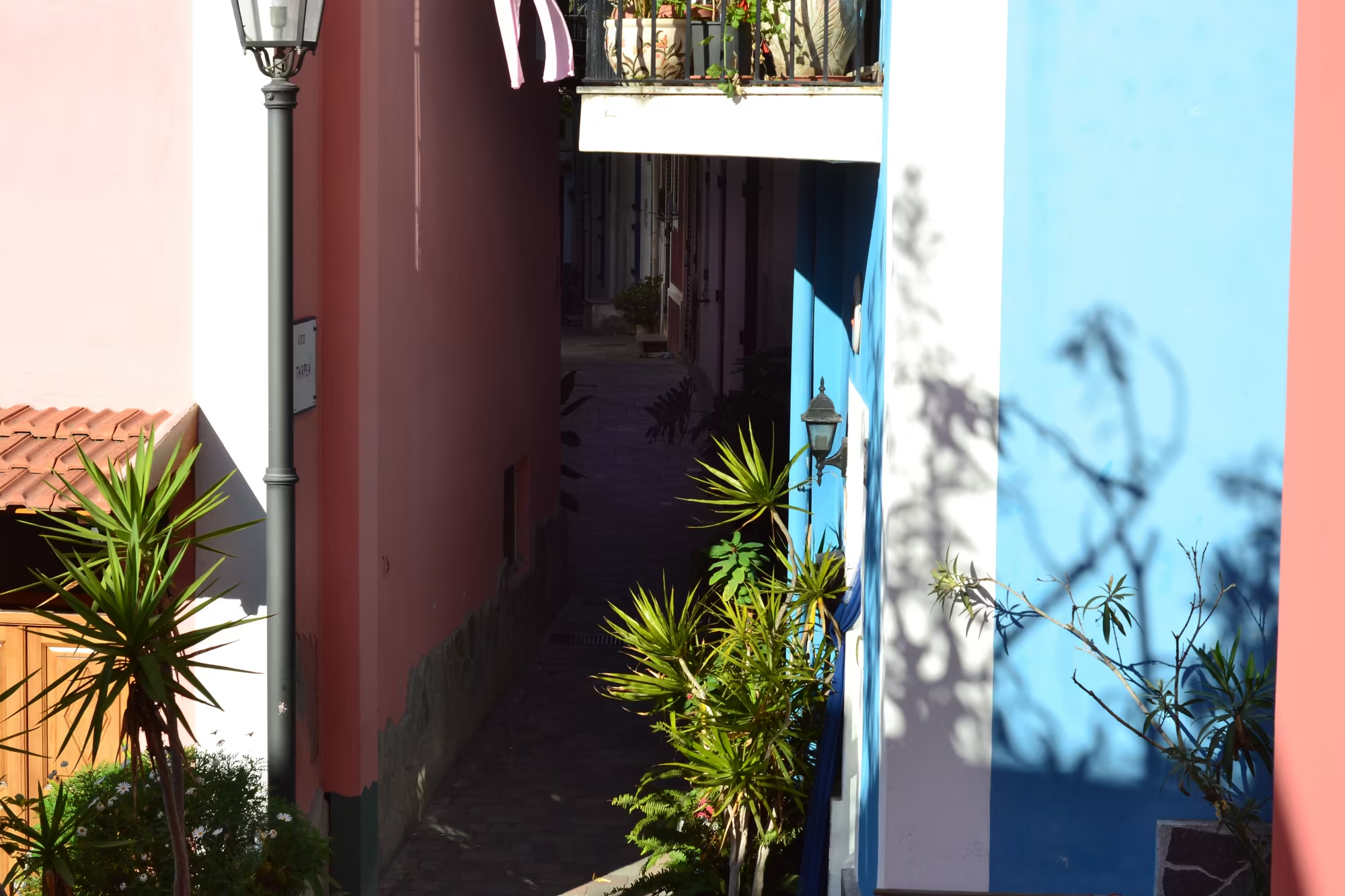
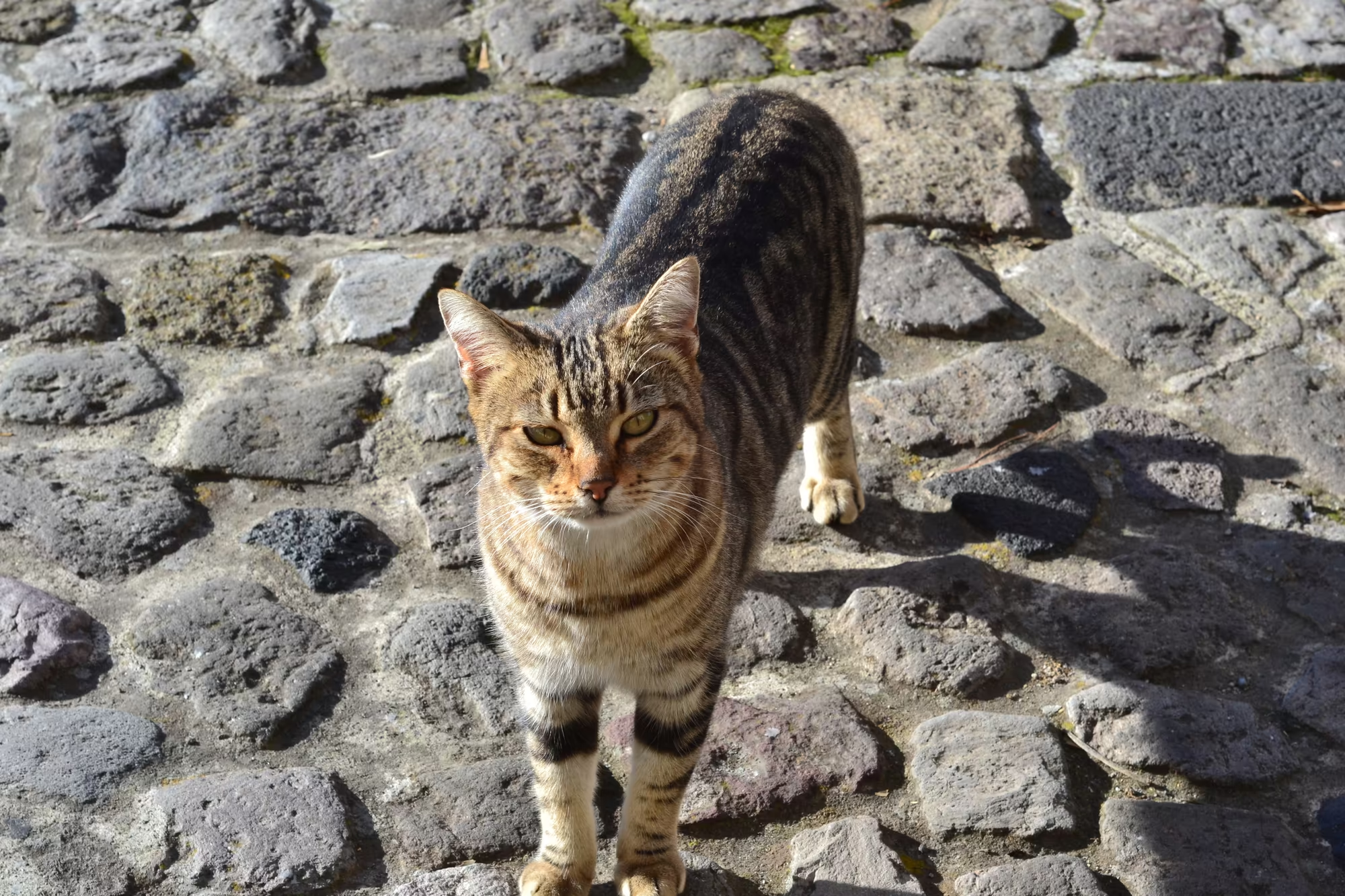
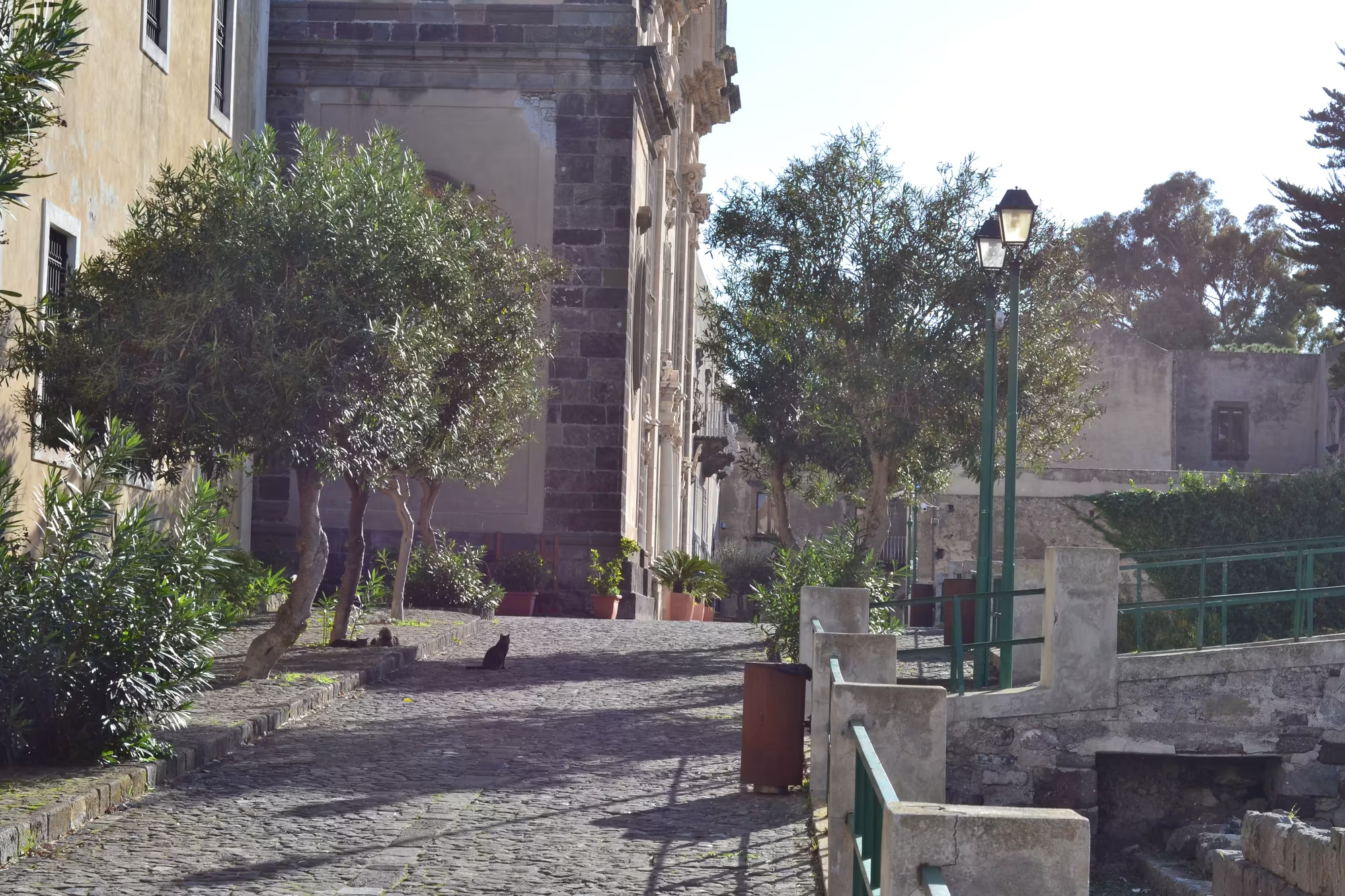
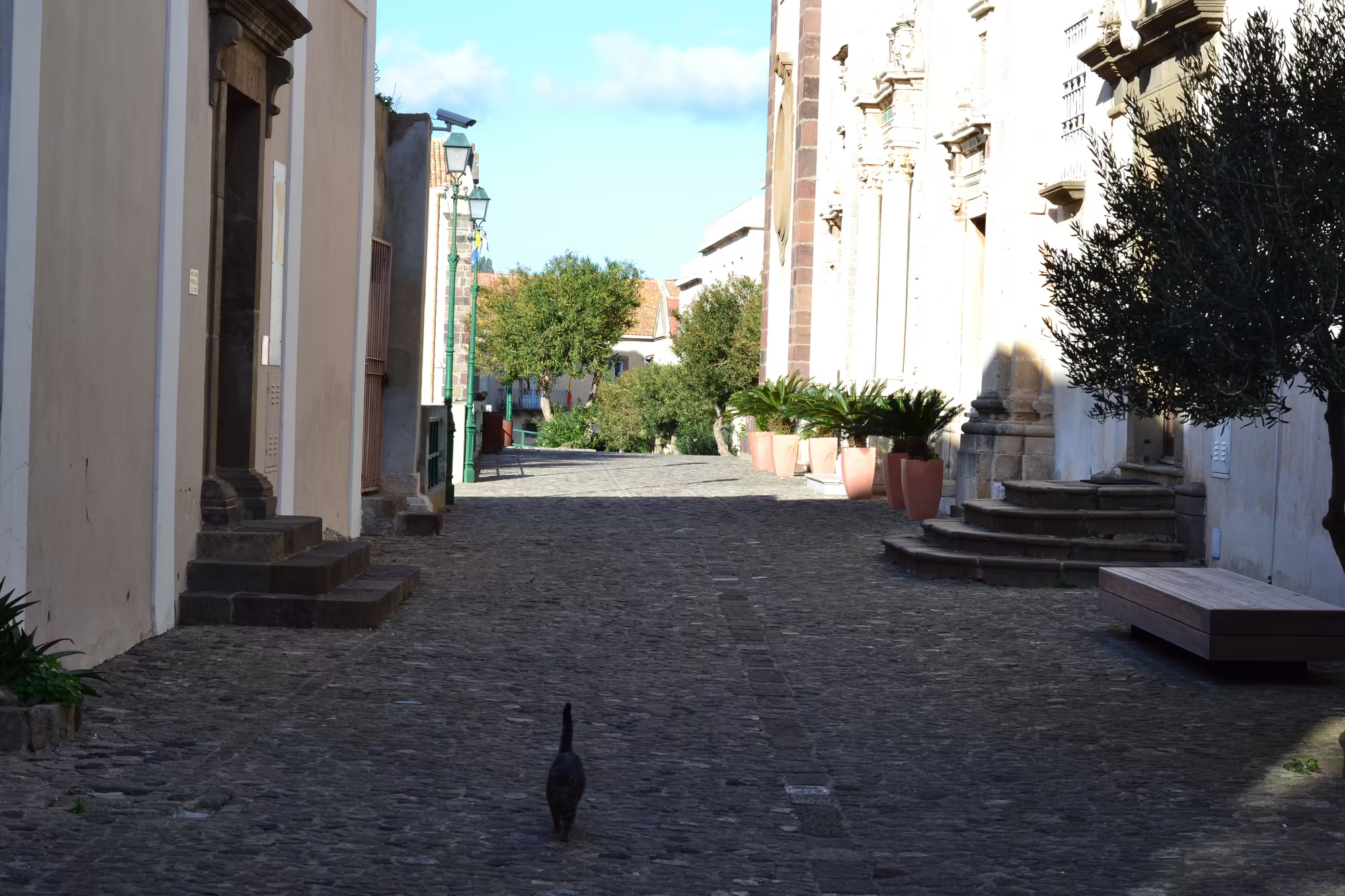
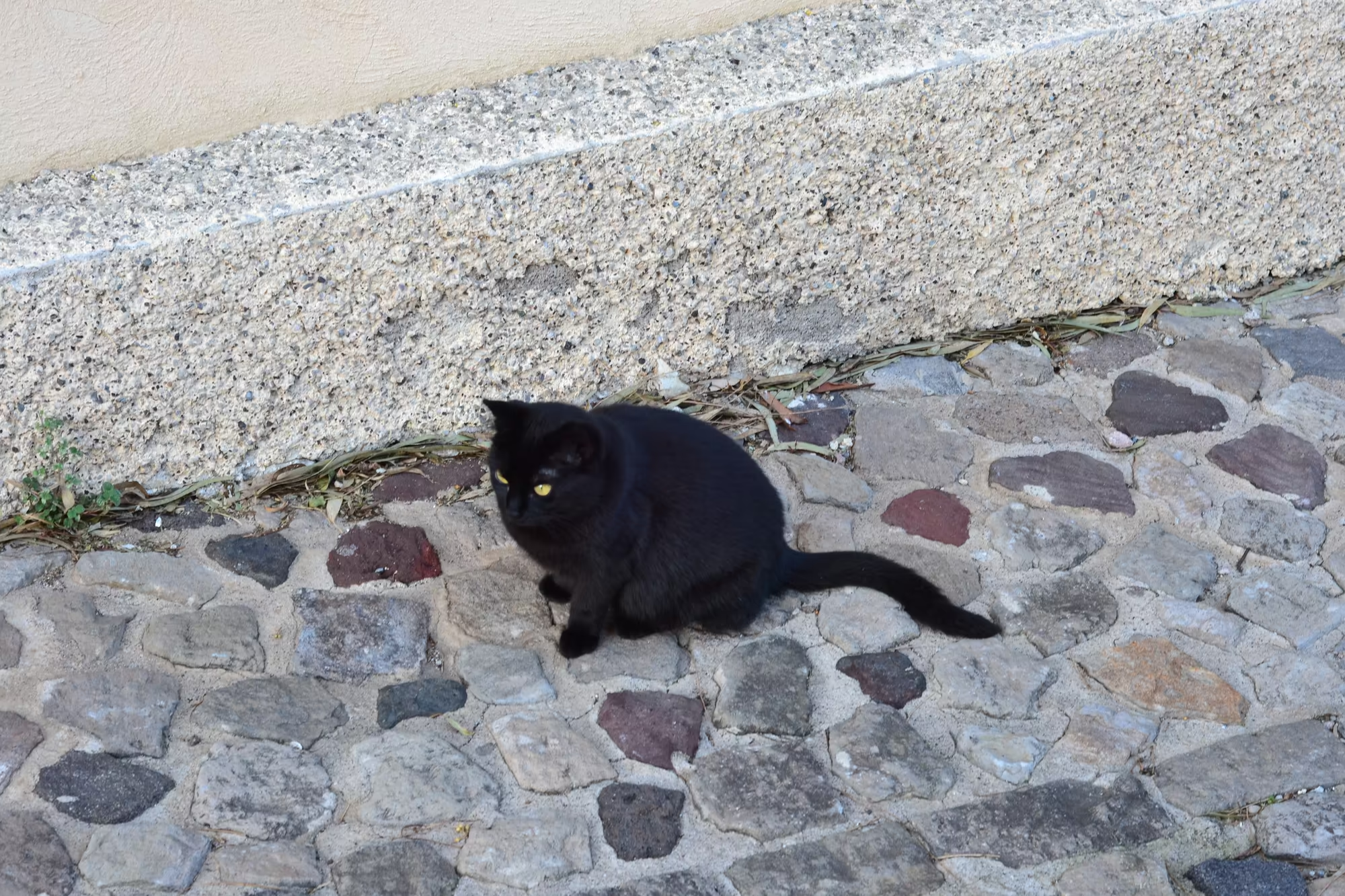
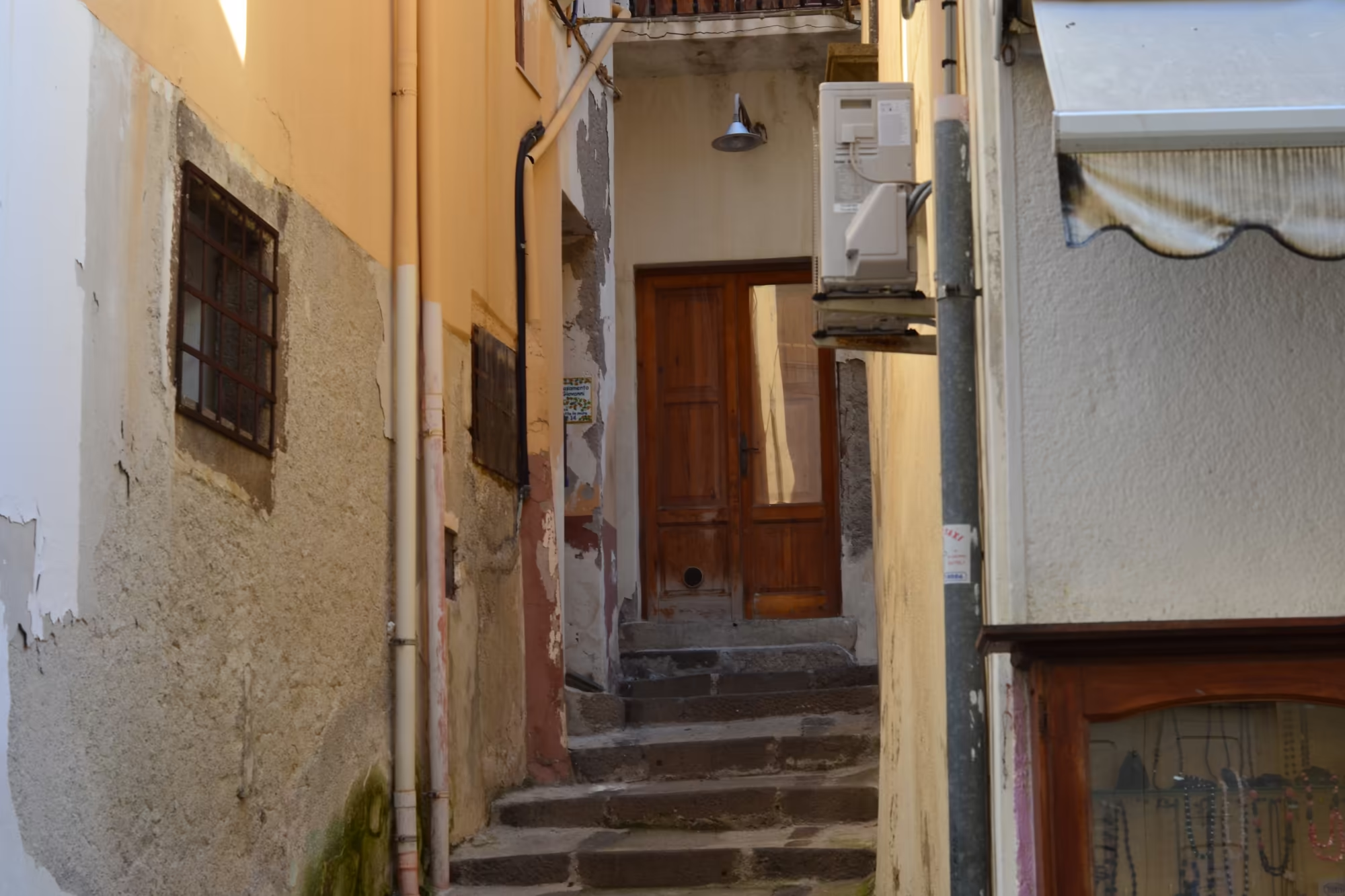
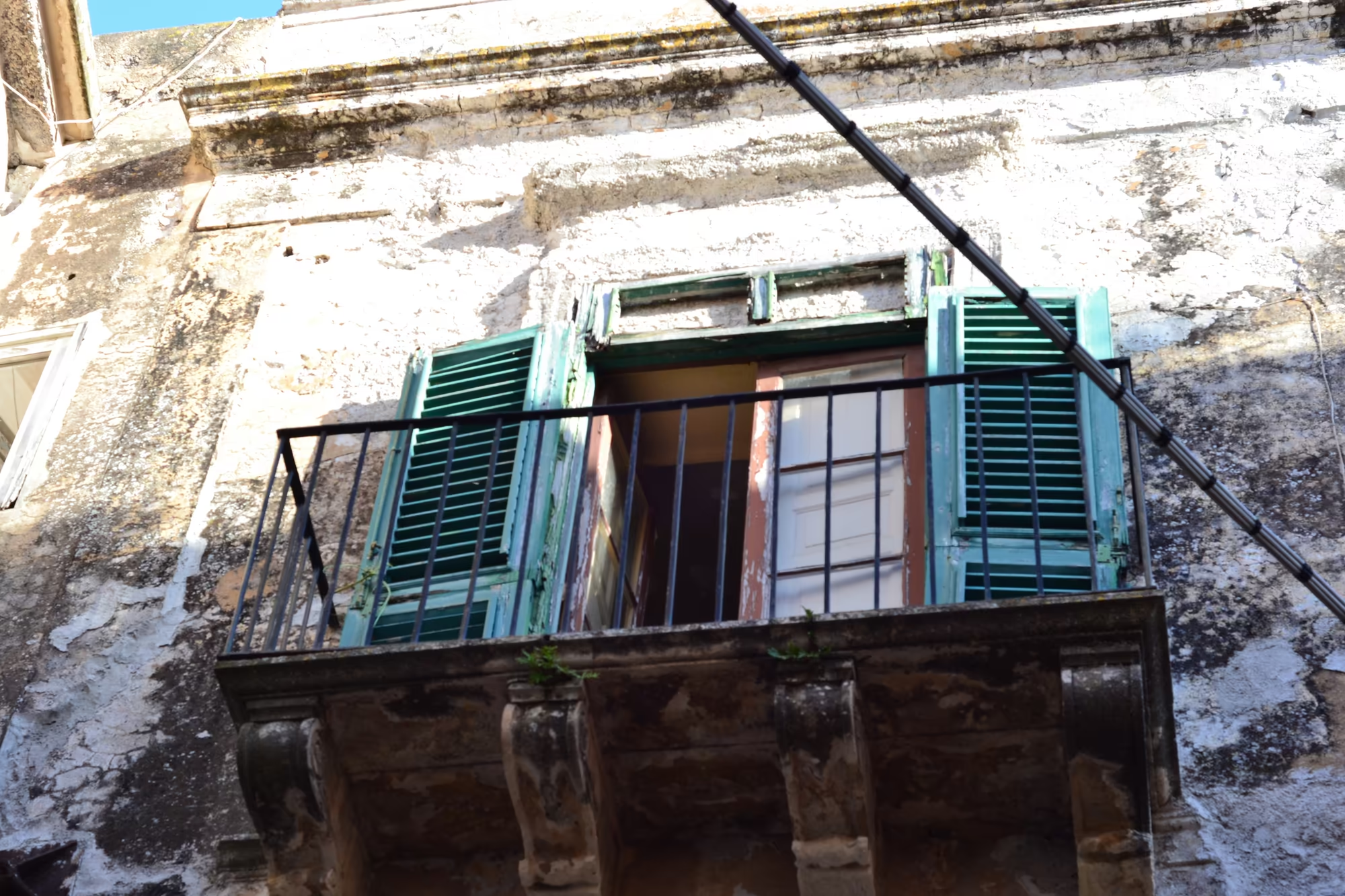
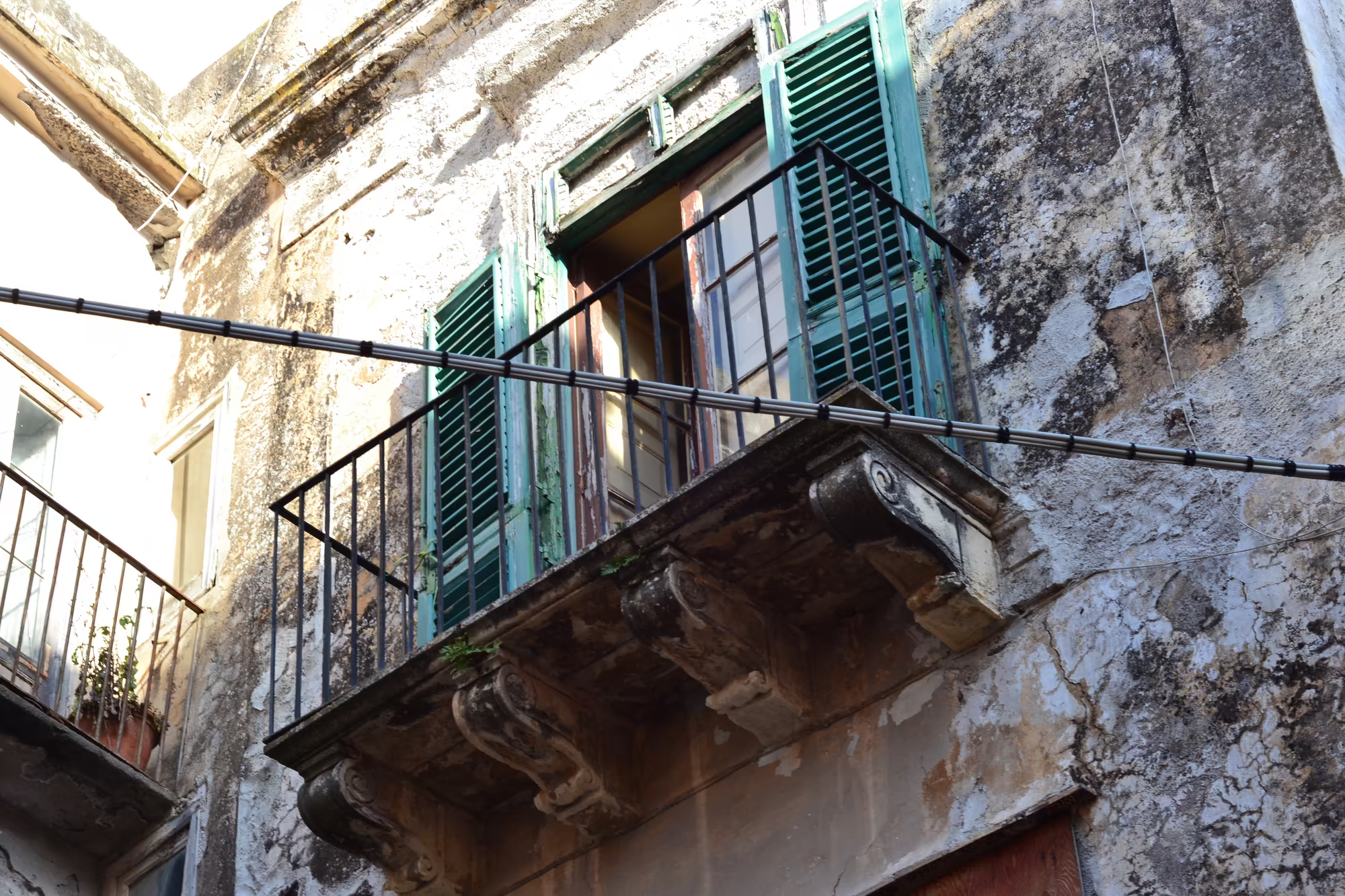
The town itself is the second subject. Narrow old streets run beneath the fortress wall towards a dome topped tower, cobbled lanes drop between houses with balconies, potted plants and washing, and one alley is painted in bright pink and blue with a lantern hanging above it. Cats sit on the cobblestones in the sun, and the ordinary detail of island life, doors, shutters, plants on steps, is as much a part of the visit as the monuments.
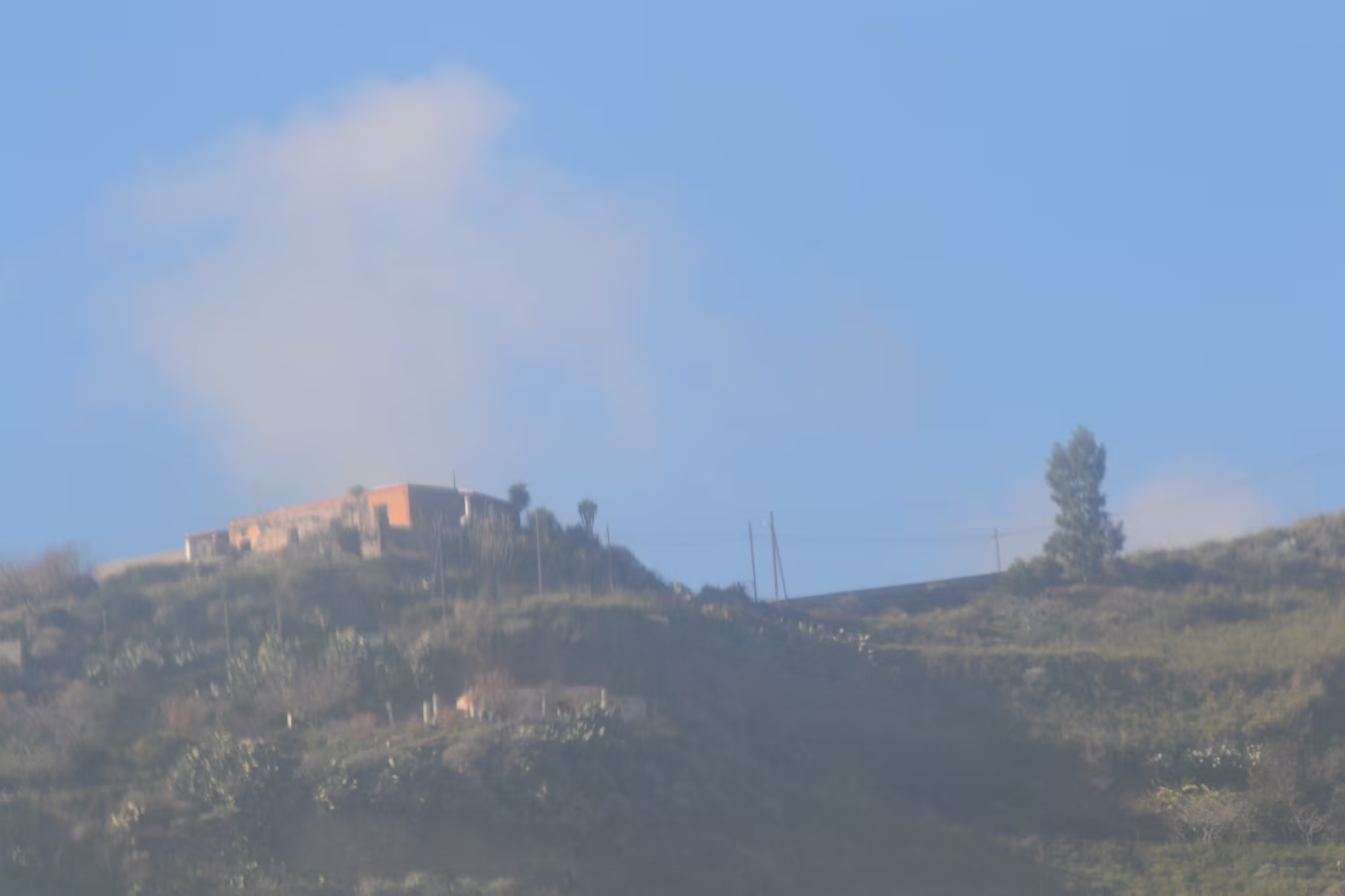
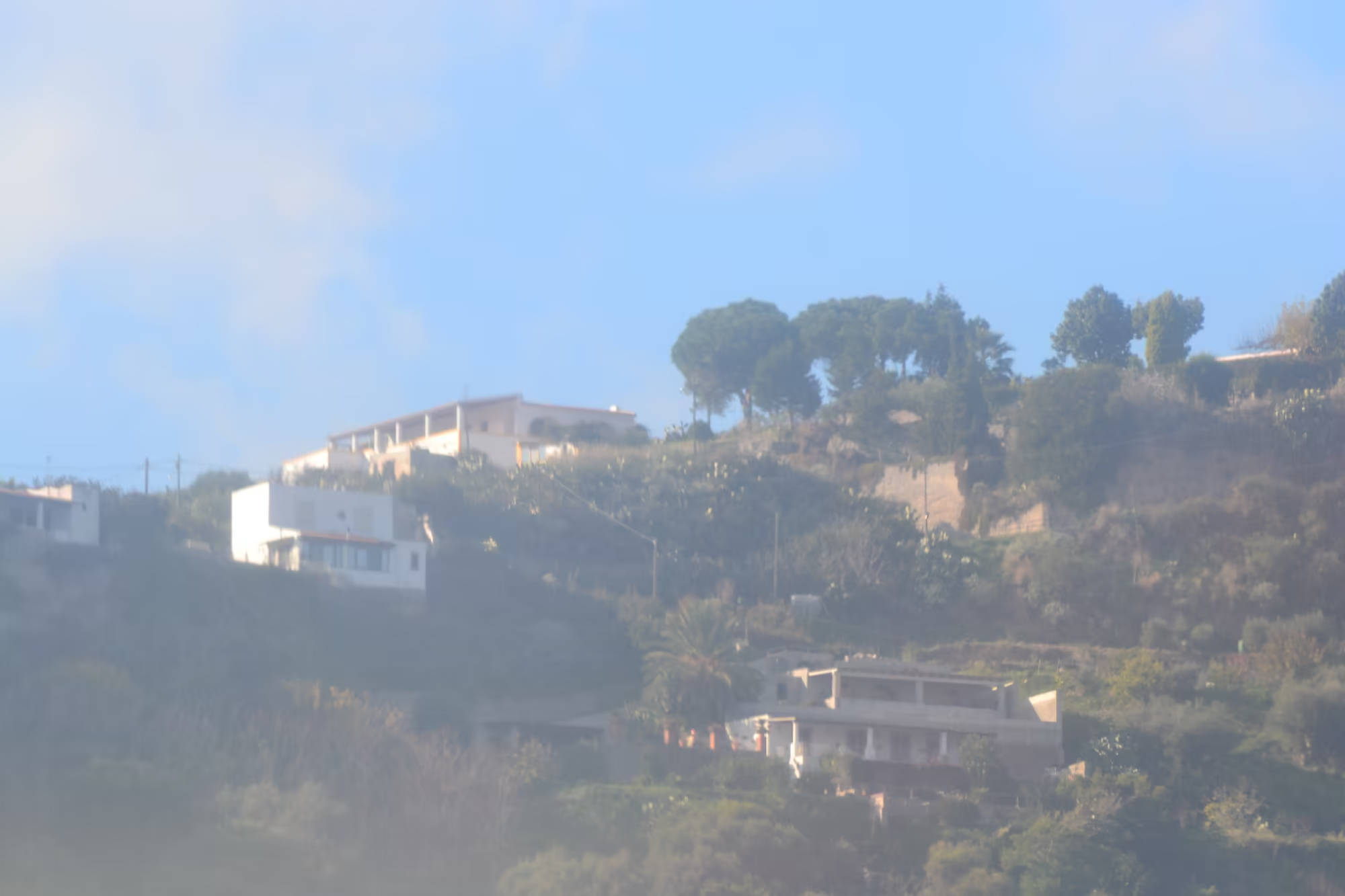
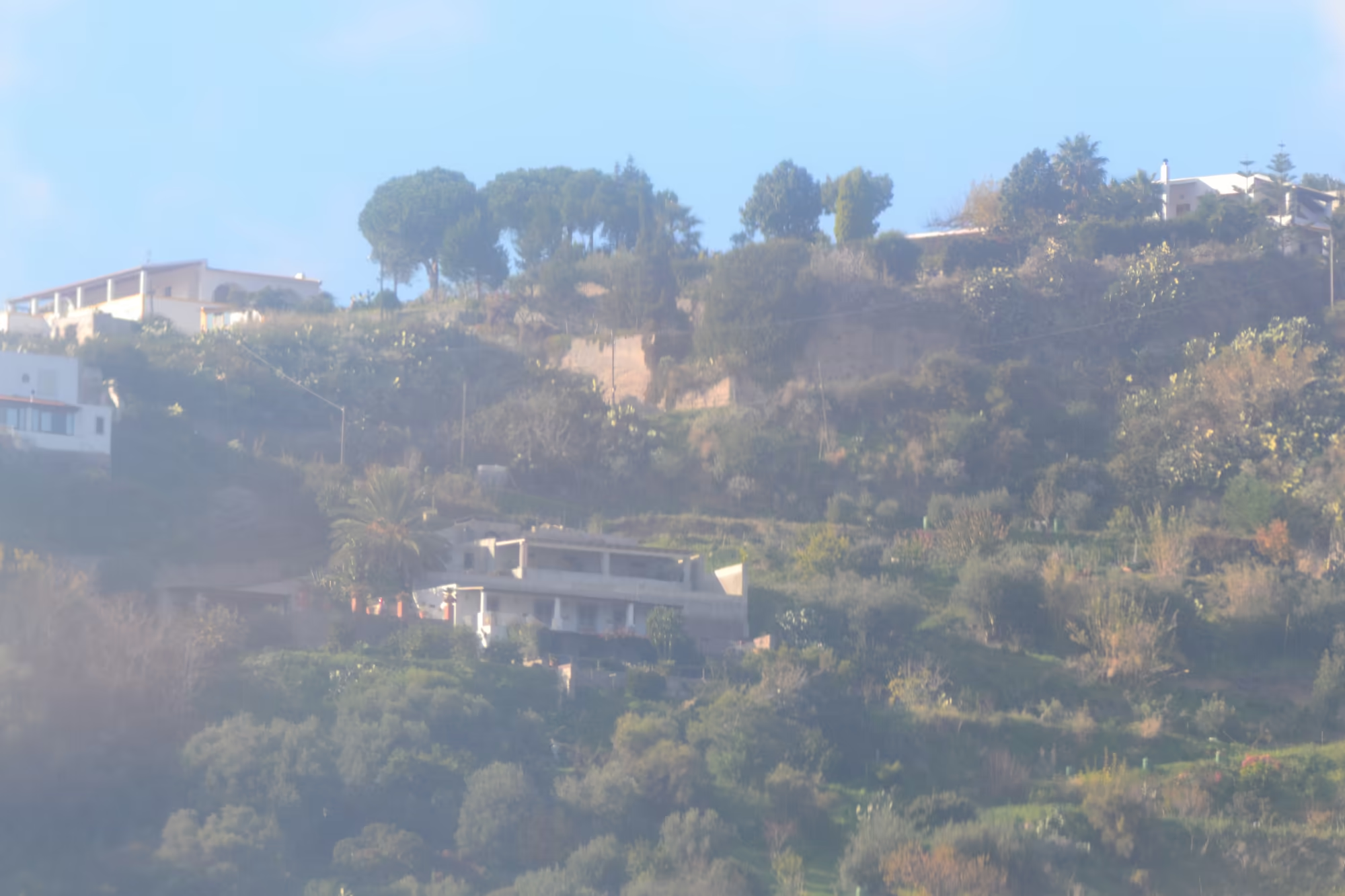
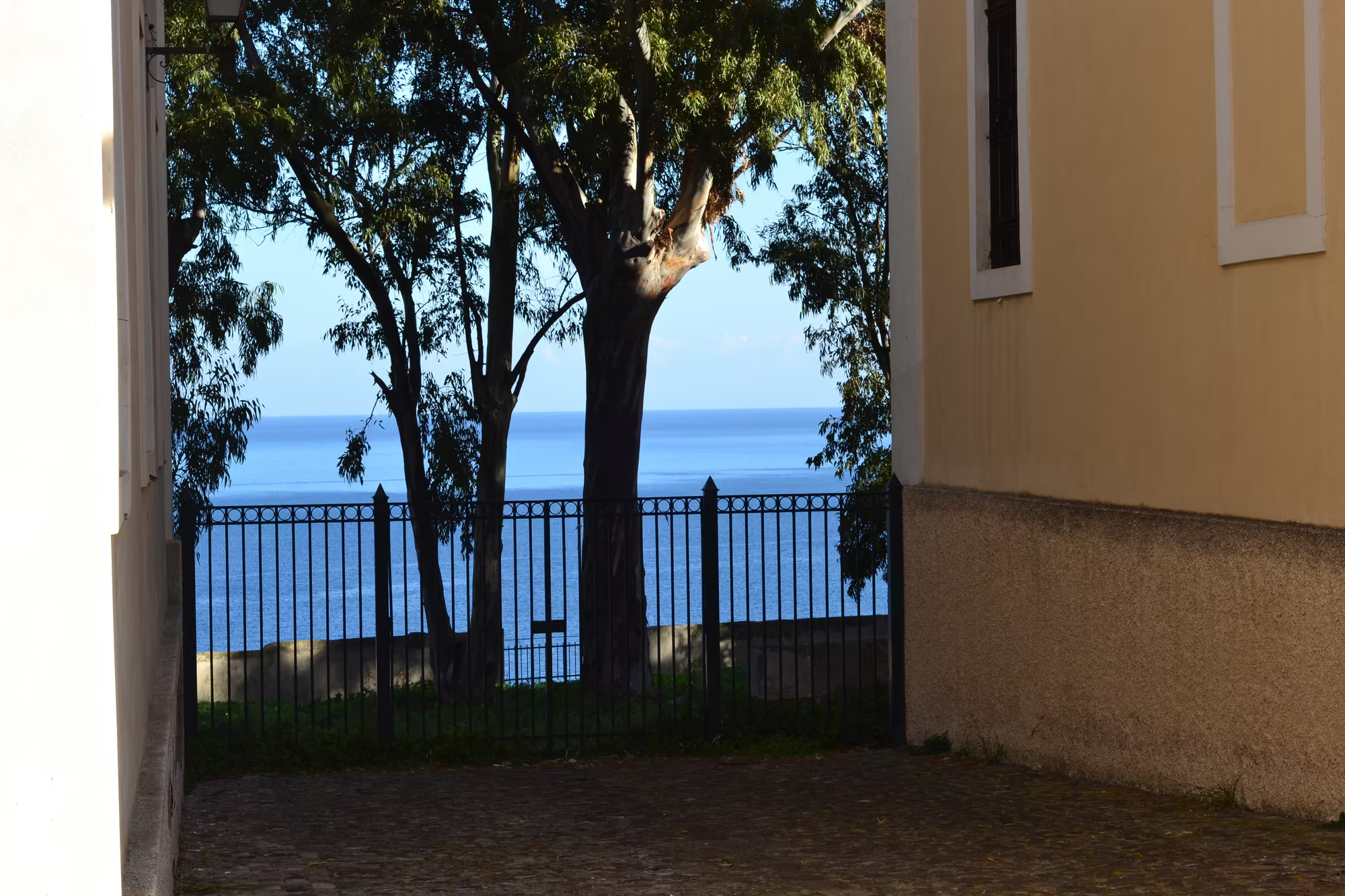
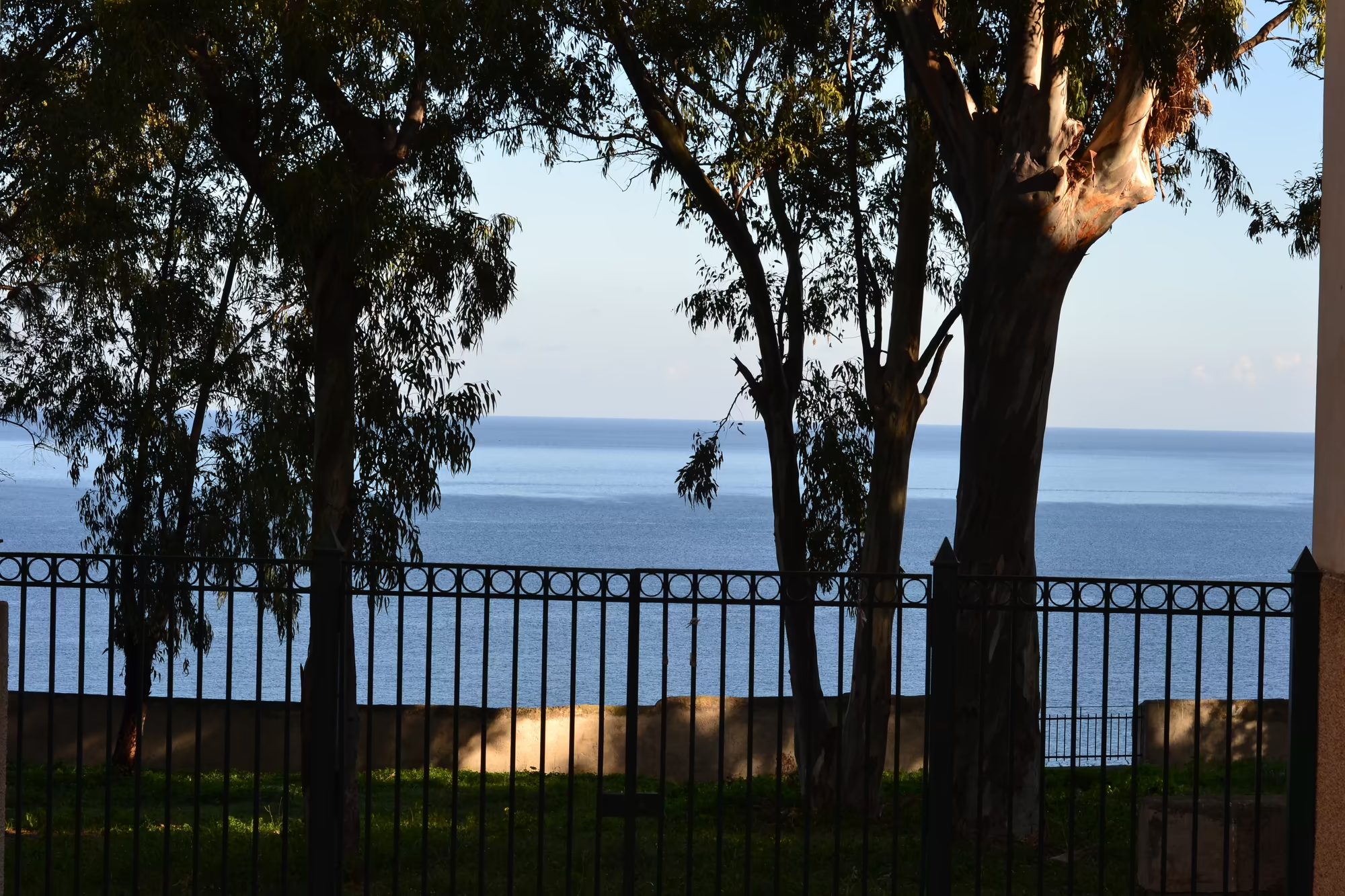
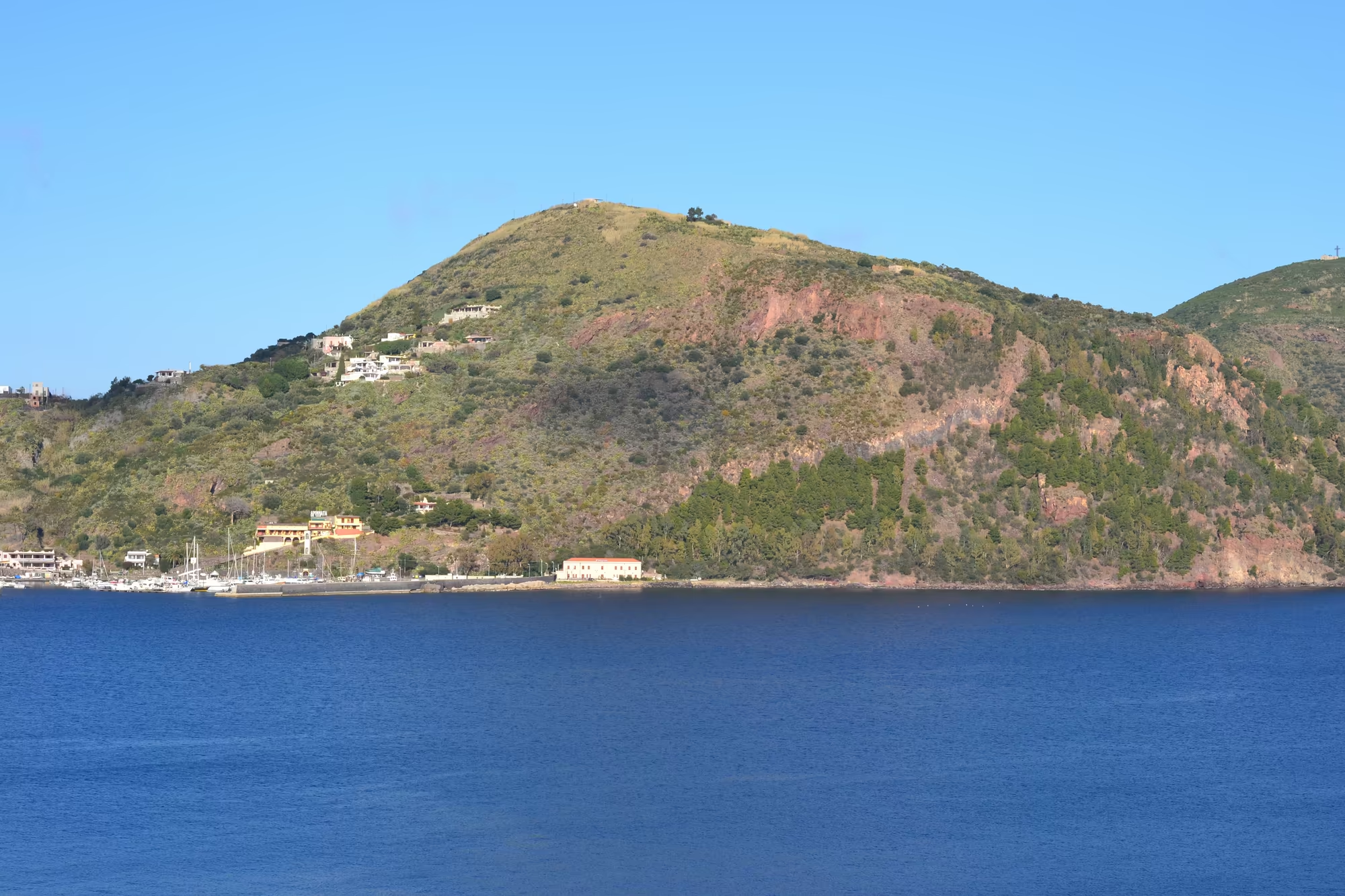
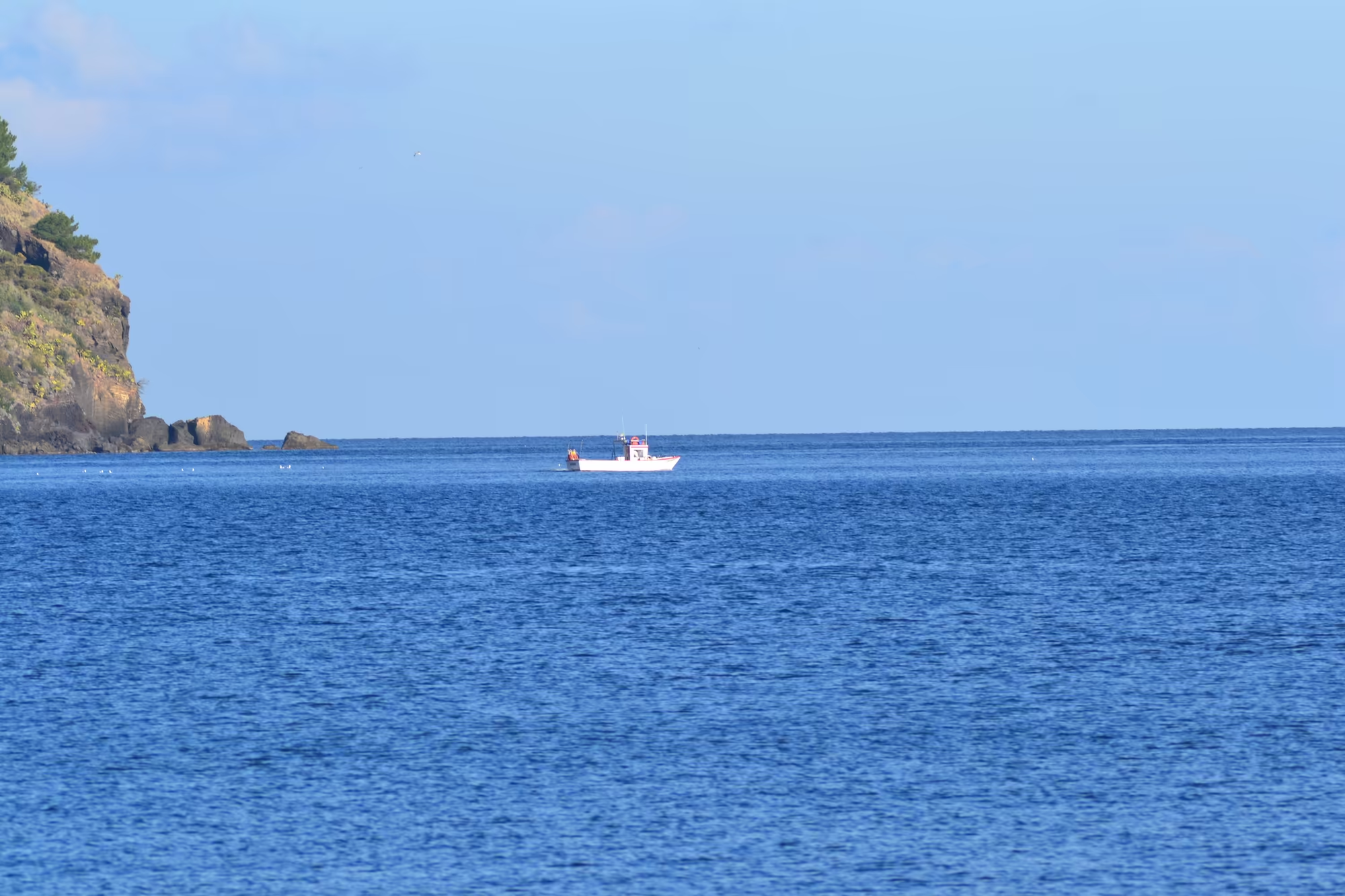
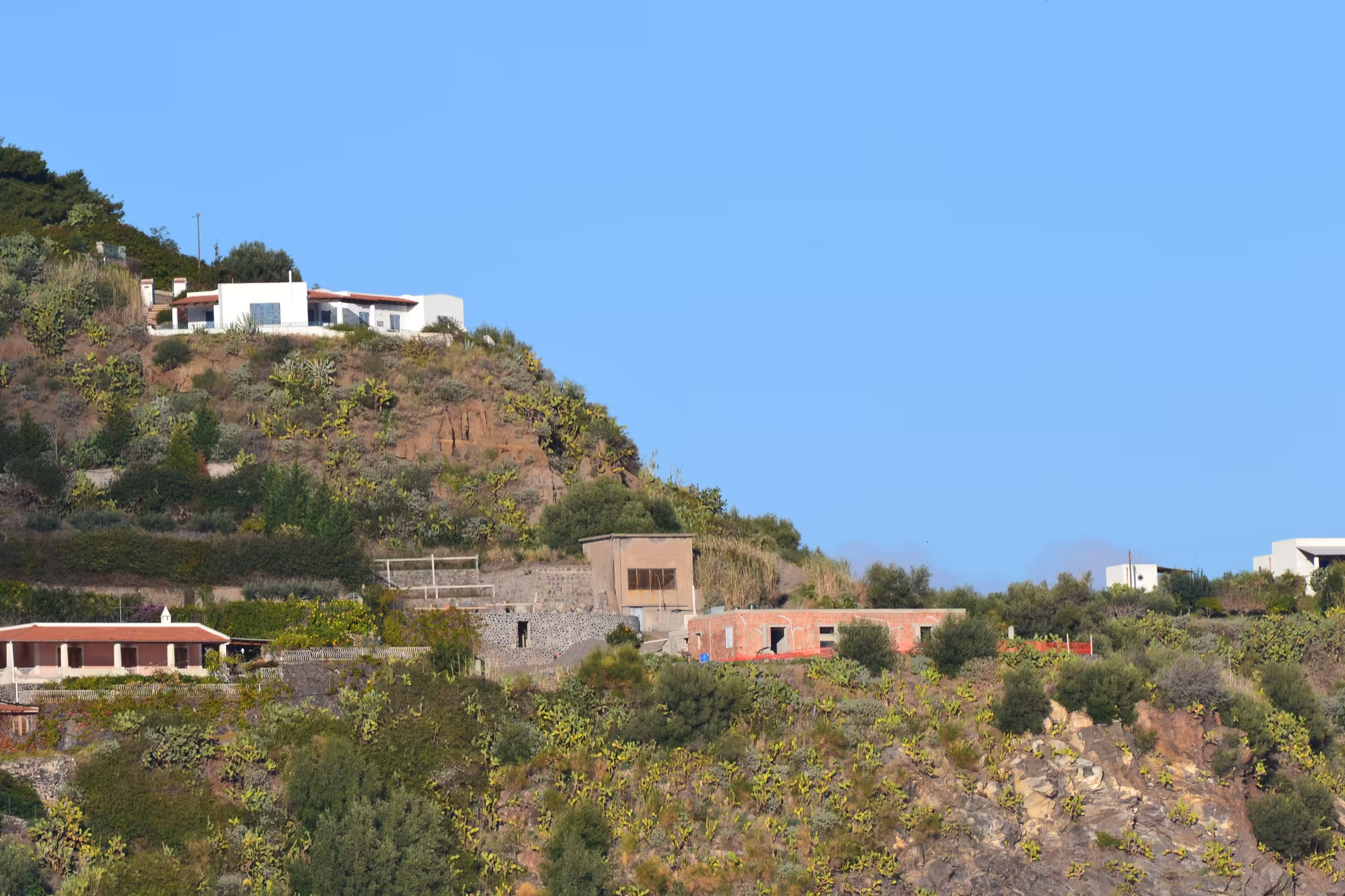
The water and the coast are the third part of the day. Turquoise sea washes over large submerged rocks in the sunlight, rounded stones and rock formations are visible through clear water in the shallows, and from the shore the view runs out over calm blue sea towards a hazy mountainous island on the horizon. A green and partly volcanic hillside rises behind a tiny harbour with moored boats and white buildings, a green headland slopes into deep water, and a dark rugged headland juts into the sea with another island far away; the whole archipelago can be read from a single viewpoint.
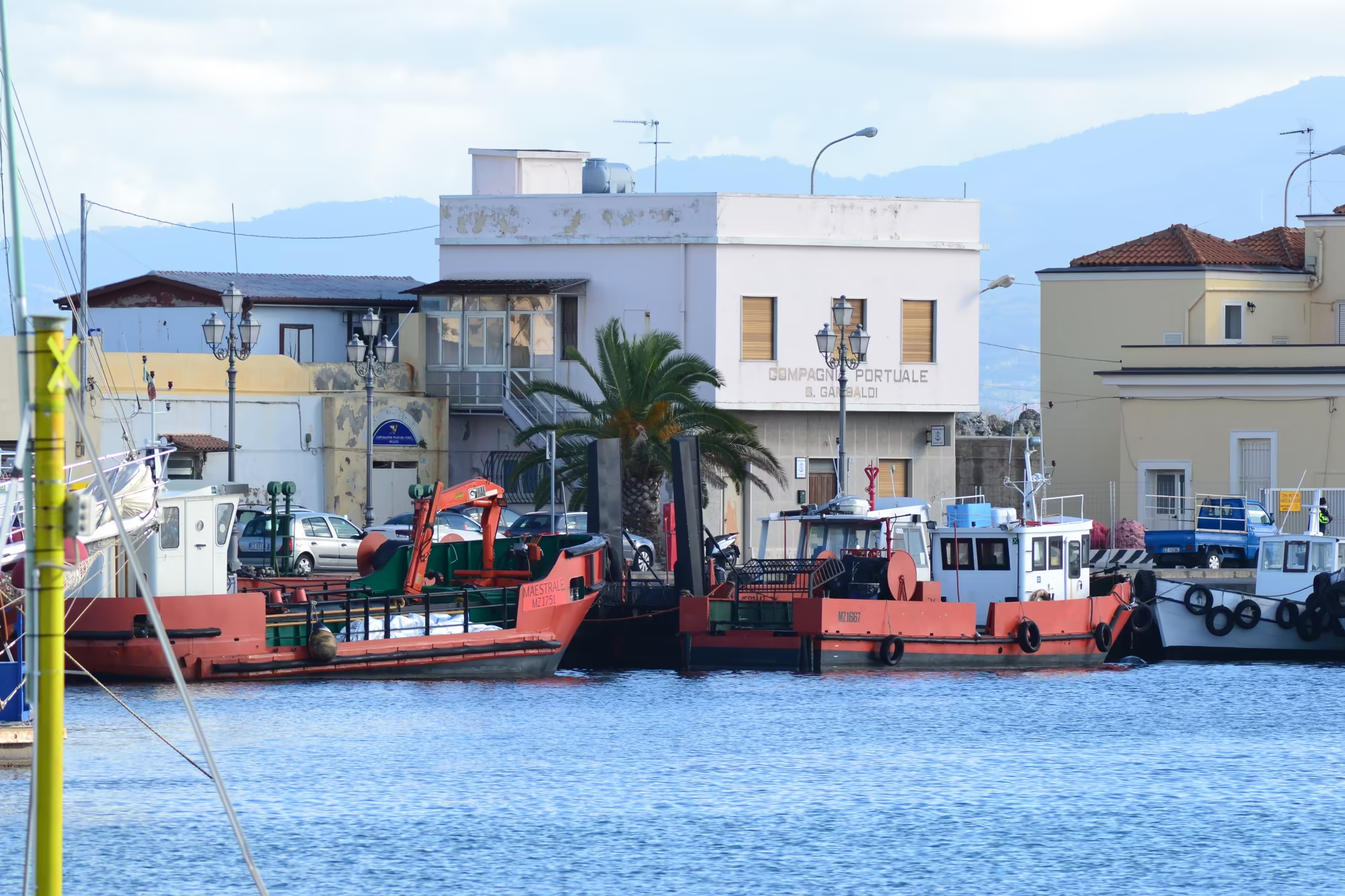
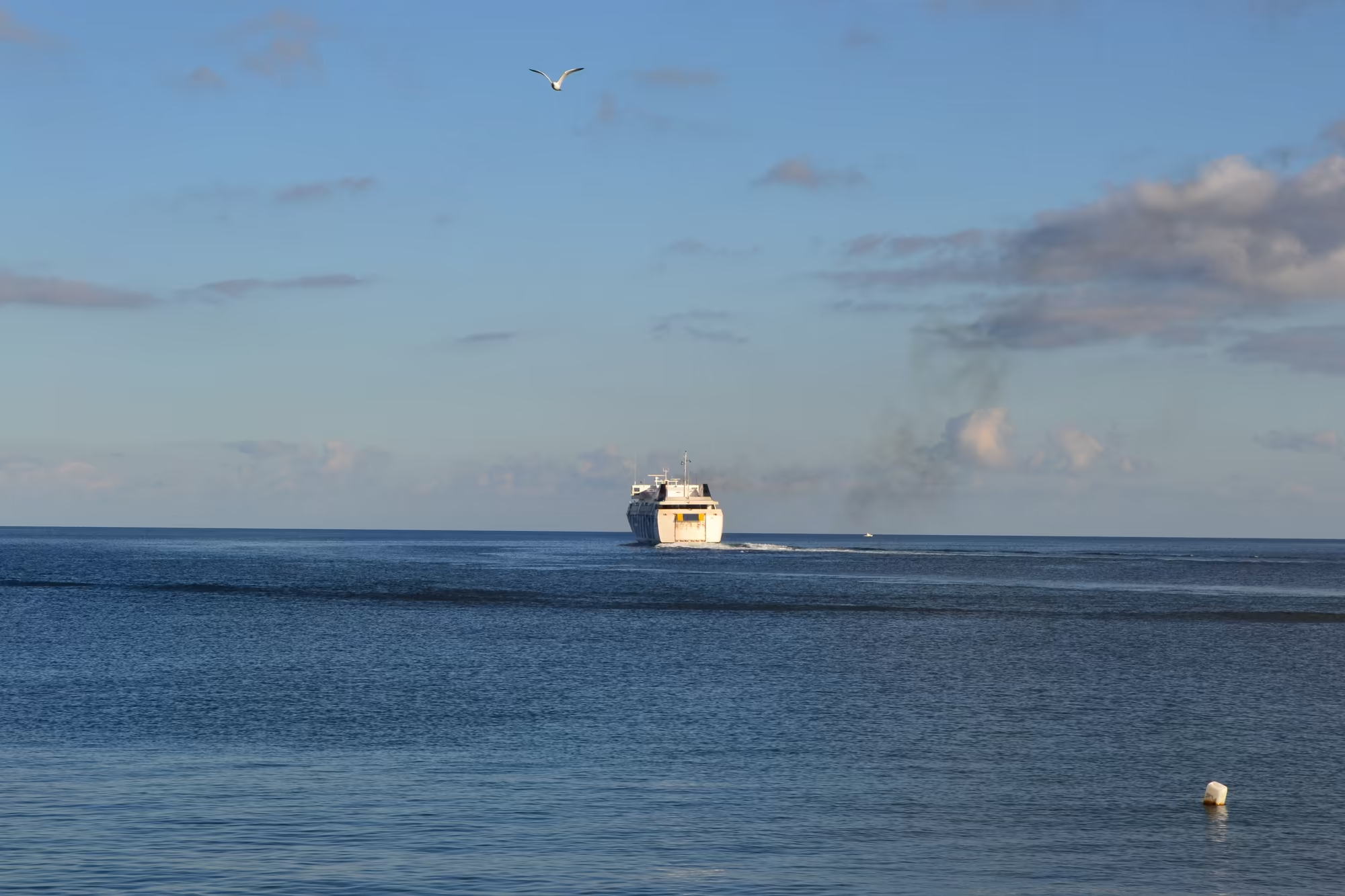
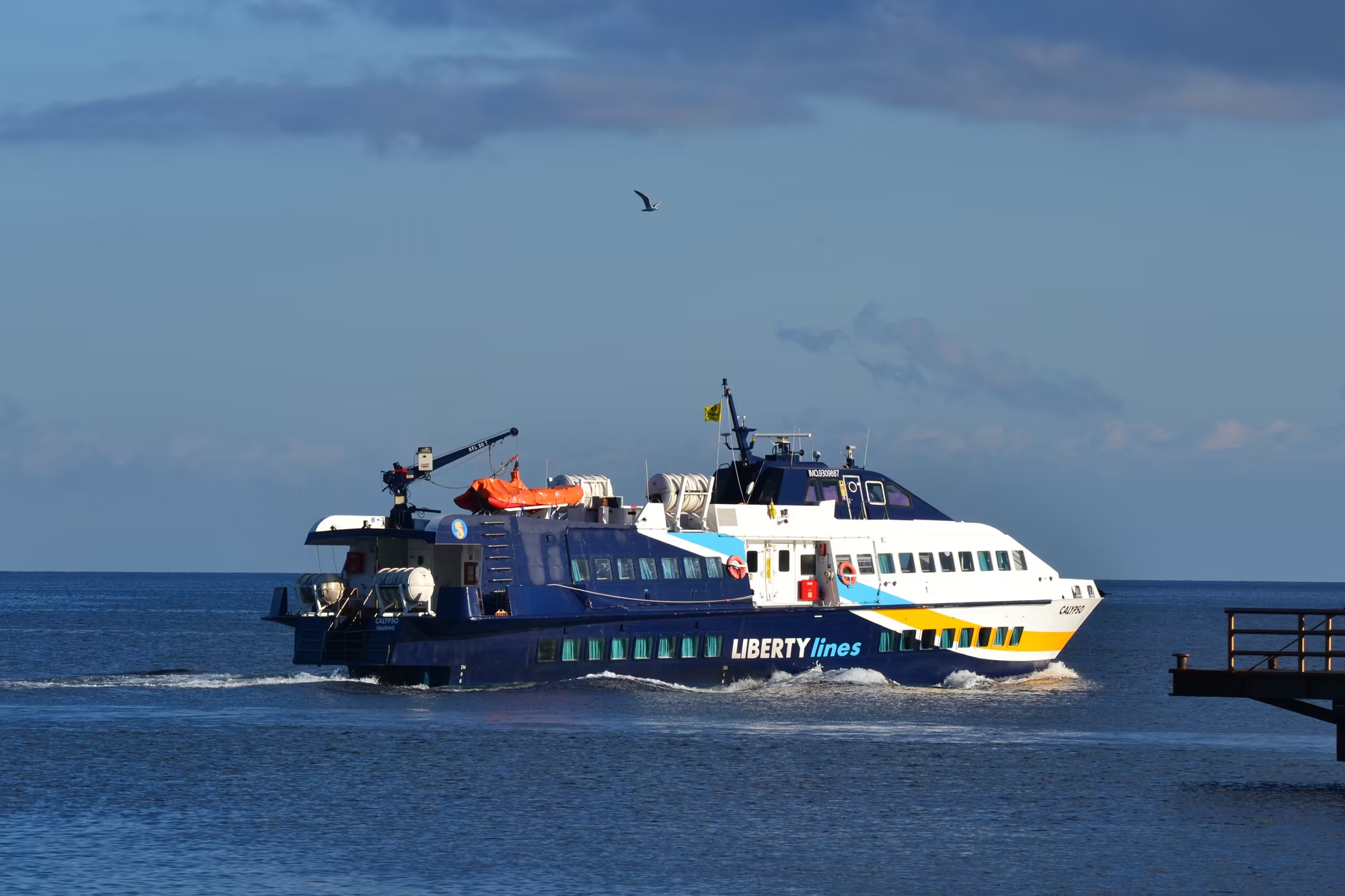
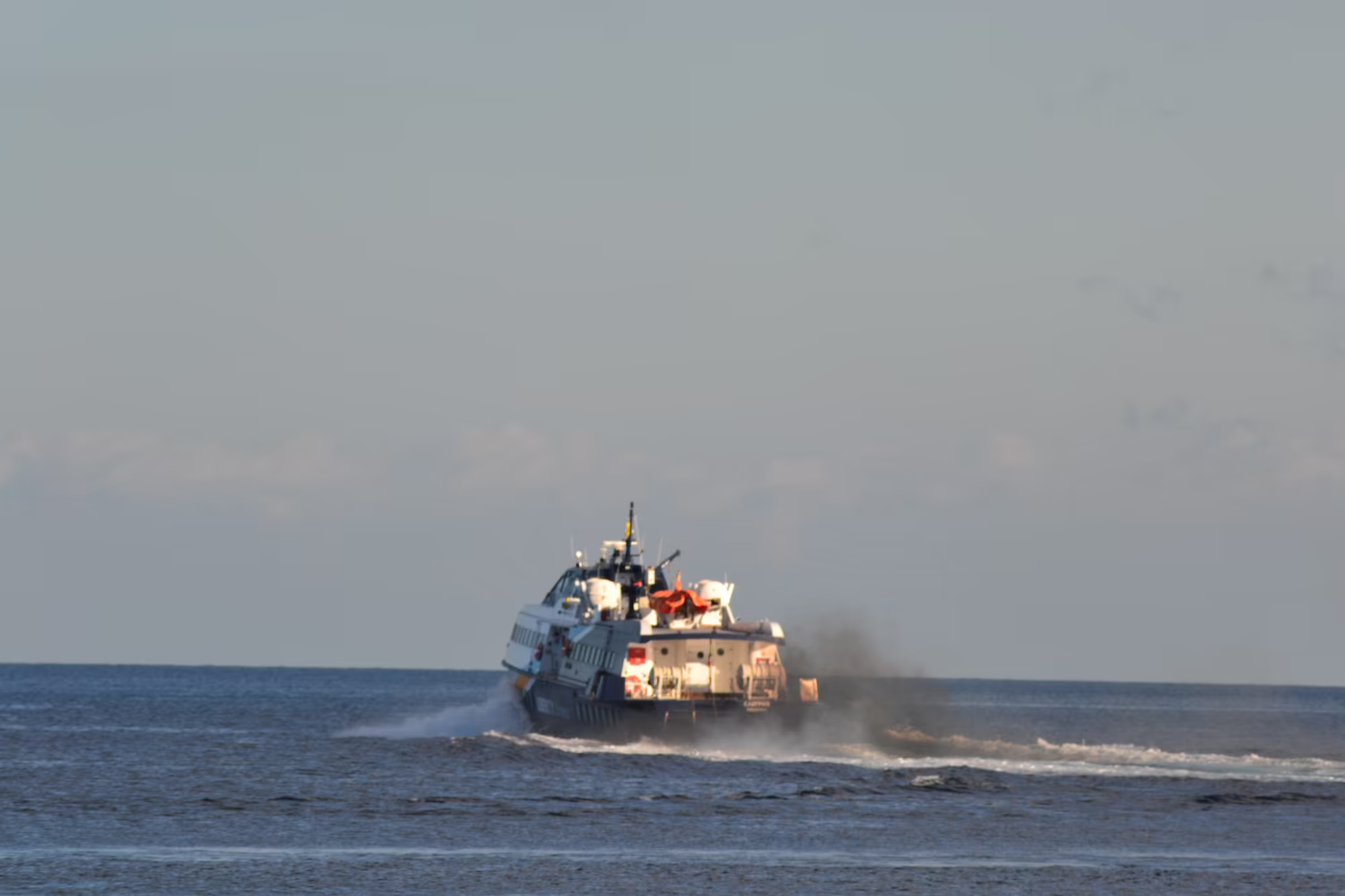
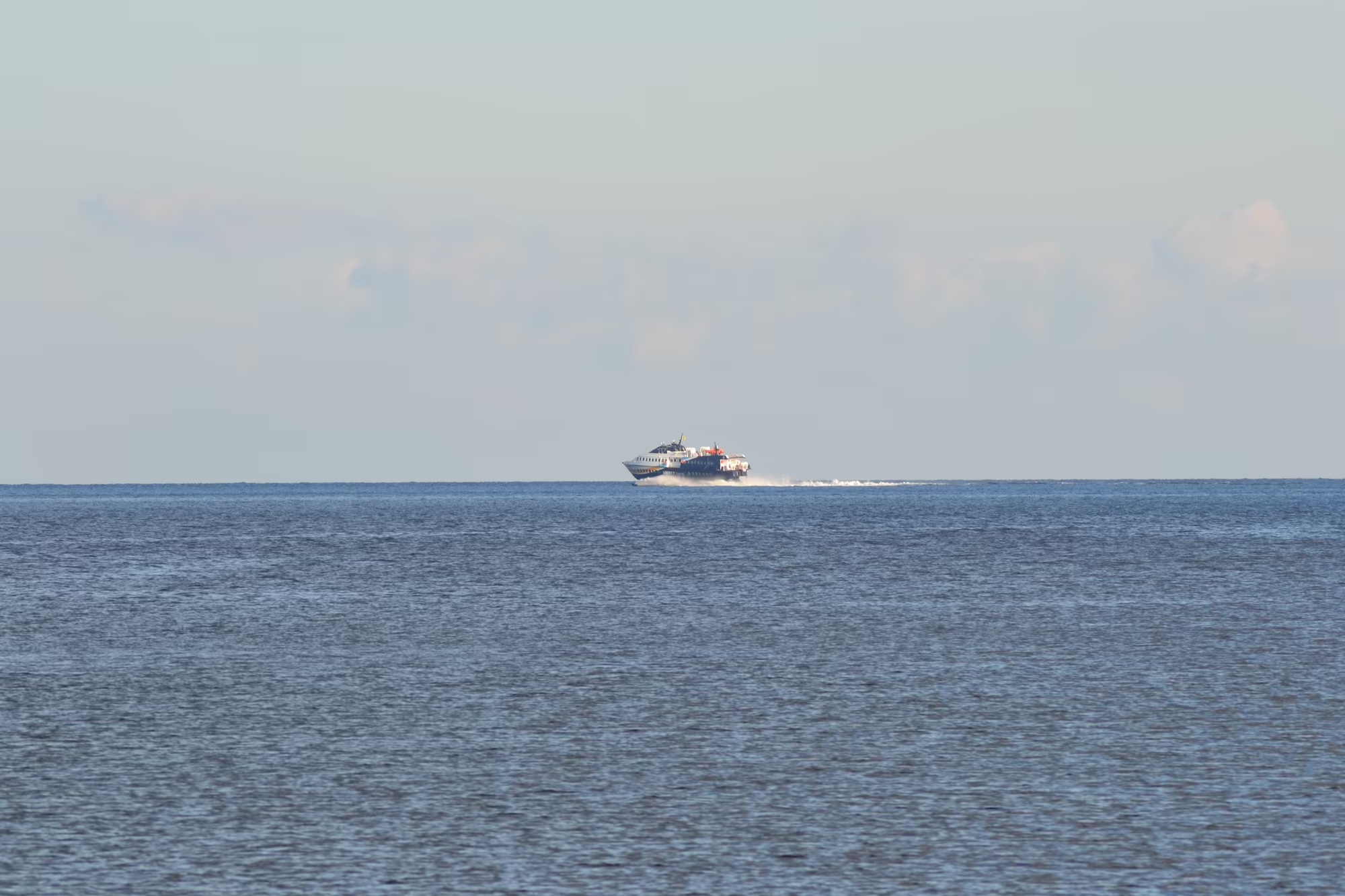
The ferry trip home is the last part of the album. Blue and white catamarans of the local line sail between the islands, a catamaran moves away across open water, and a small ferry shows on the far horizon of a wide, gentle blue sea under a clear sky; in the harbour of the mainland, workboats, tugs and sailboats lie along the quays in front of the buildings, and a weathered fishing boat propped up on land is painted with murals. Travelling between the islands by sea is the only way to see them as what they are, a chain of volcanoes standing in deep water, and the crossings are as much part of the experience as the islands themselves.
The crossing is part of the visit rather than a means to it. The ferries and catamarans run from the mainland past the industrial harbour of Milazzo and then from island to island, and the passengers who use them are a mixture of residents, workers and visitors; cars, crates and building materials travel on the same boats. From the deck the shape of each volcano can be read in succession, and the last view of the islands, small and dark on the horizon, is the one that stays.
References
- Frey, D. & others (1978). Deepwater archaeology: the Capistello wreck excavation, Lipari, Aeolian Islands. International Journal of Nautical Archaeology 7, 279-300. doi.org/10.1111/j.1095-9270.1978.tb01079.x
- Martinelli, M. C. & others (2019). Lipari (Aeolian Islands) obsidian in the Late Neolithic: artifacts, supply and function. Open Archaeology 5, 46-64. doi.org/10.1515/opar-2019-0005
- Martinelli, M. C. & others (2020). Prehistorical obsidian sources in the island of Lipari (Aeolian Islands). Open Archaeology 6, 363-378. doi.org/10.1515/opar-2020-0119
- Wikipedia contributors (2026). Aeolian Islands. en.wikipedia.org/wiki/Aeolian_Islands
- Wikipedia contributors (2026). Alicudi. en.wikipedia.org/wiki/Alicudi
- Wikipedia contributors (2026). Bronze Age. en.wikipedia.org/wiki/Bronze_Age
- Wikipedia contributors (2026). Charles V, Holy Roman Emperor. en.wikipedia.org/wiki/Charles_V,_Holy_Roman_Emperor
- Wikipedia contributors (2026). Filicudi. en.wikipedia.org/wiki/Filicudi
- Wikipedia contributors (2026). Hayreddin Barbarossa. en.wikipedia.org/wiki/Hayreddin_Barbarossa
- Wikipedia contributors (2026). Lipari. en.wikipedia.org/wiki/Lipari
- Wikipedia contributors (2026). Mycenaean Greece. en.wikipedia.org/wiki/Mycenaean_Greece
- Wikipedia contributors (2026). Neolithic. en.wikipedia.org/wiki/Neolithic
- Wikipedia contributors (2026). Obsidian. en.wikipedia.org/wiki/Obsidian
- Wikipedia contributors (2026). Panarea. en.wikipedia.org/wiki/Panarea
- Wikipedia contributors (2026). Stromboli. en.wikipedia.org/wiki/Stromboli
- Wikipedia contributors (2026). UNESCO. en.wikipedia.org/wiki/UNESCO
- Wikipedia contributors (2026). Vulcano. en.wikipedia.org/wiki/Vulcano