Stage 10 of 21
Day 10 - Namib Desert / Valley Of A Thousand Hills Campsite
Published 30 May 2019

Journal Notes
General
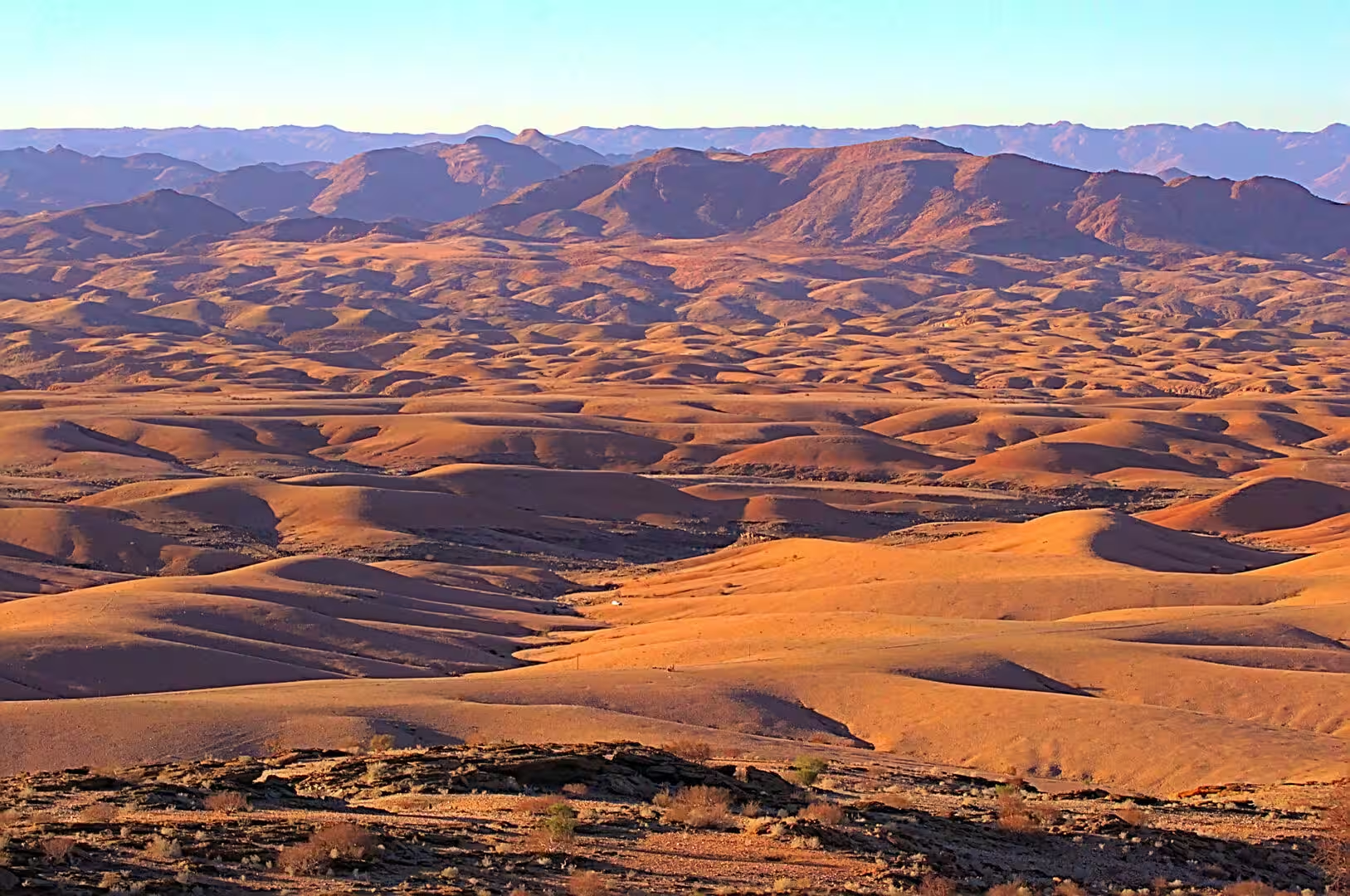
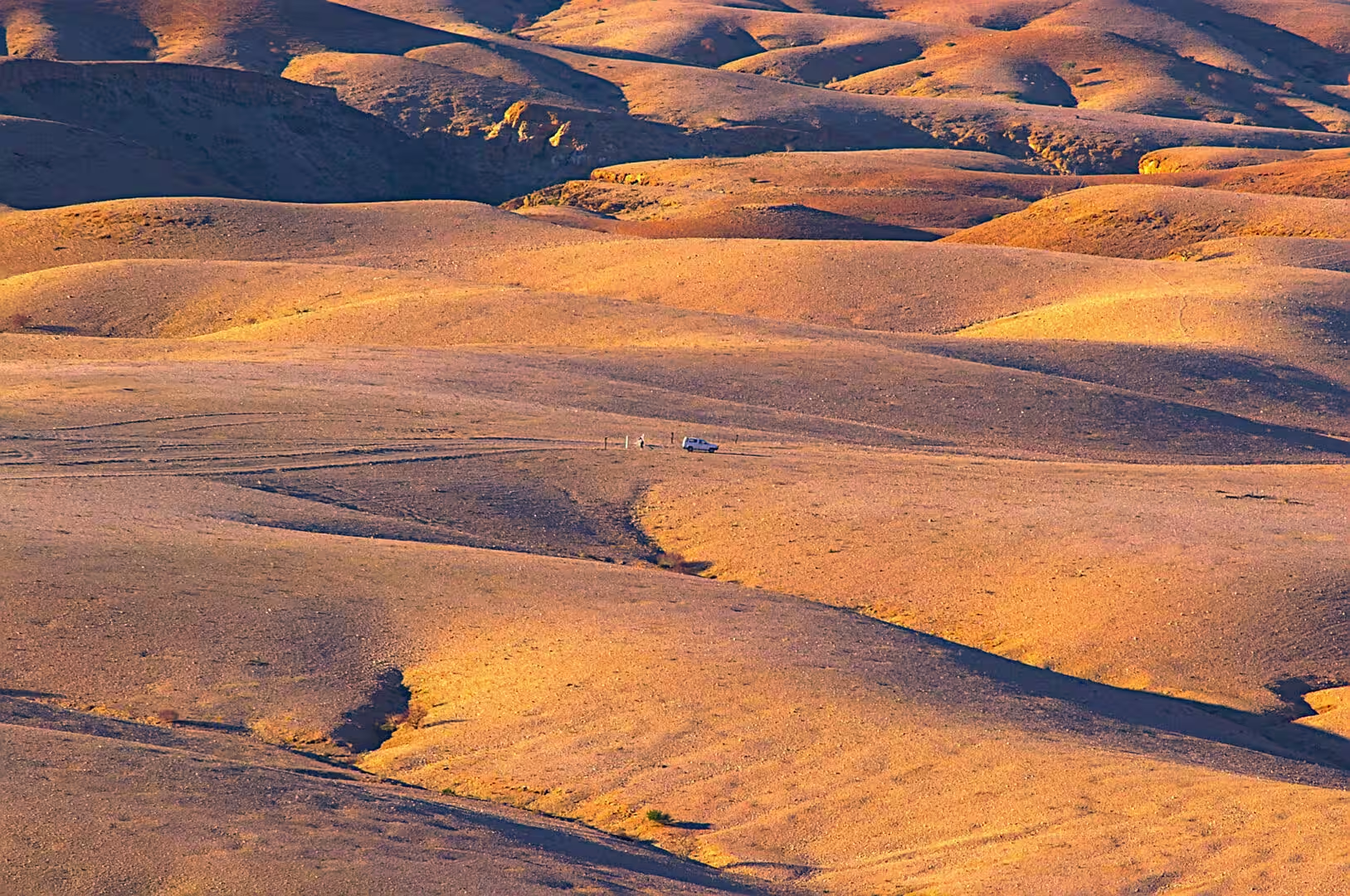
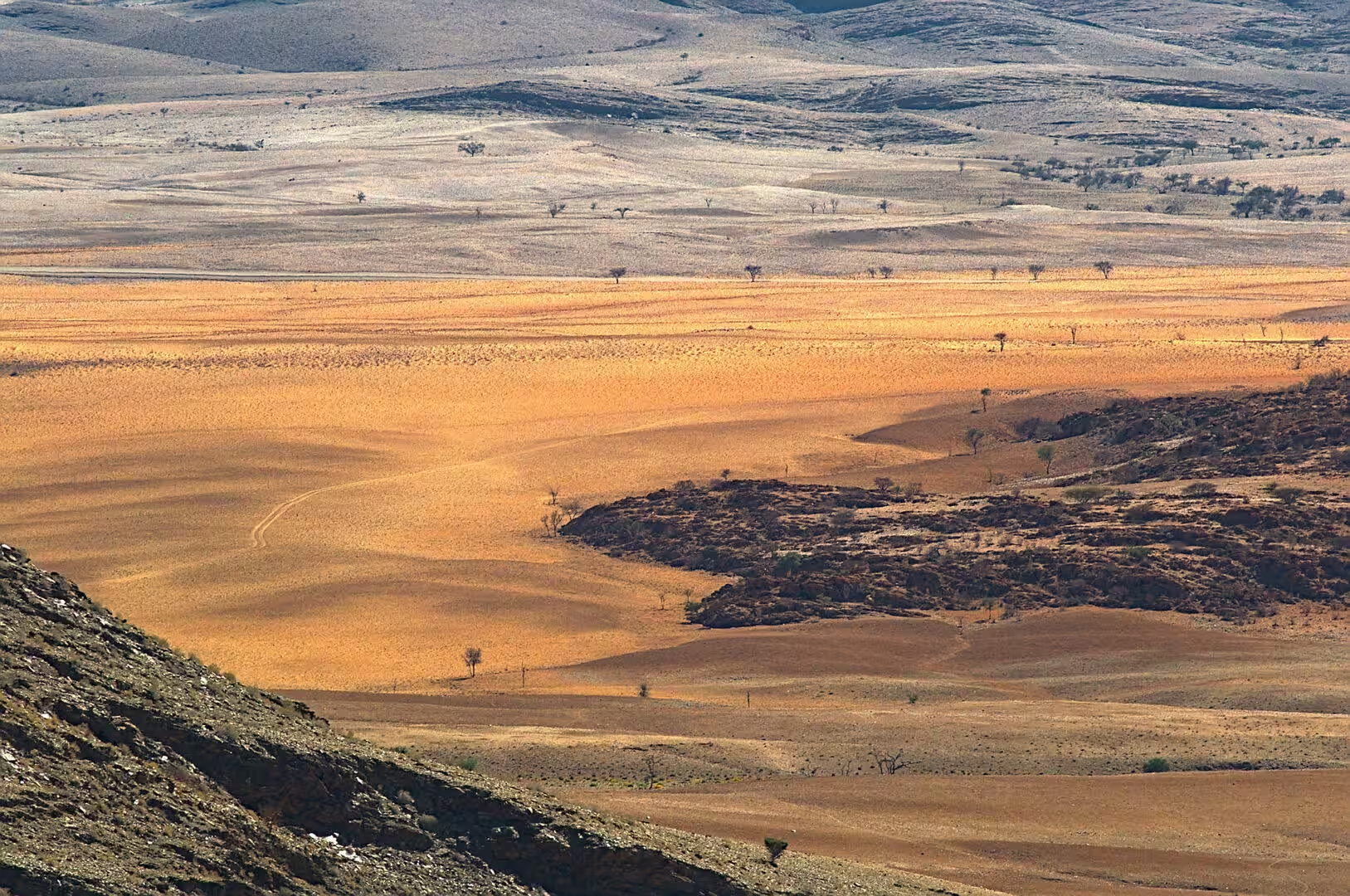
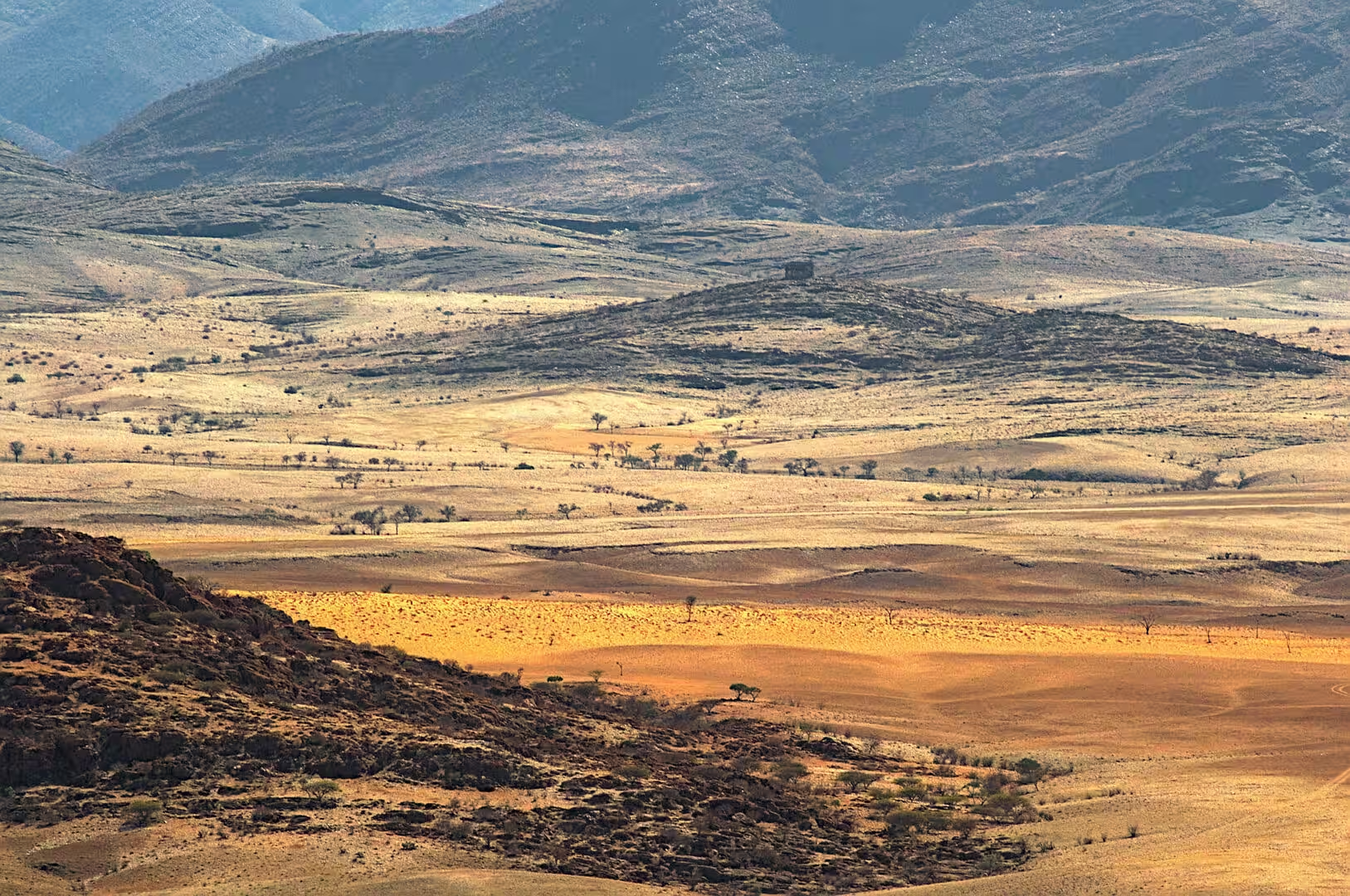
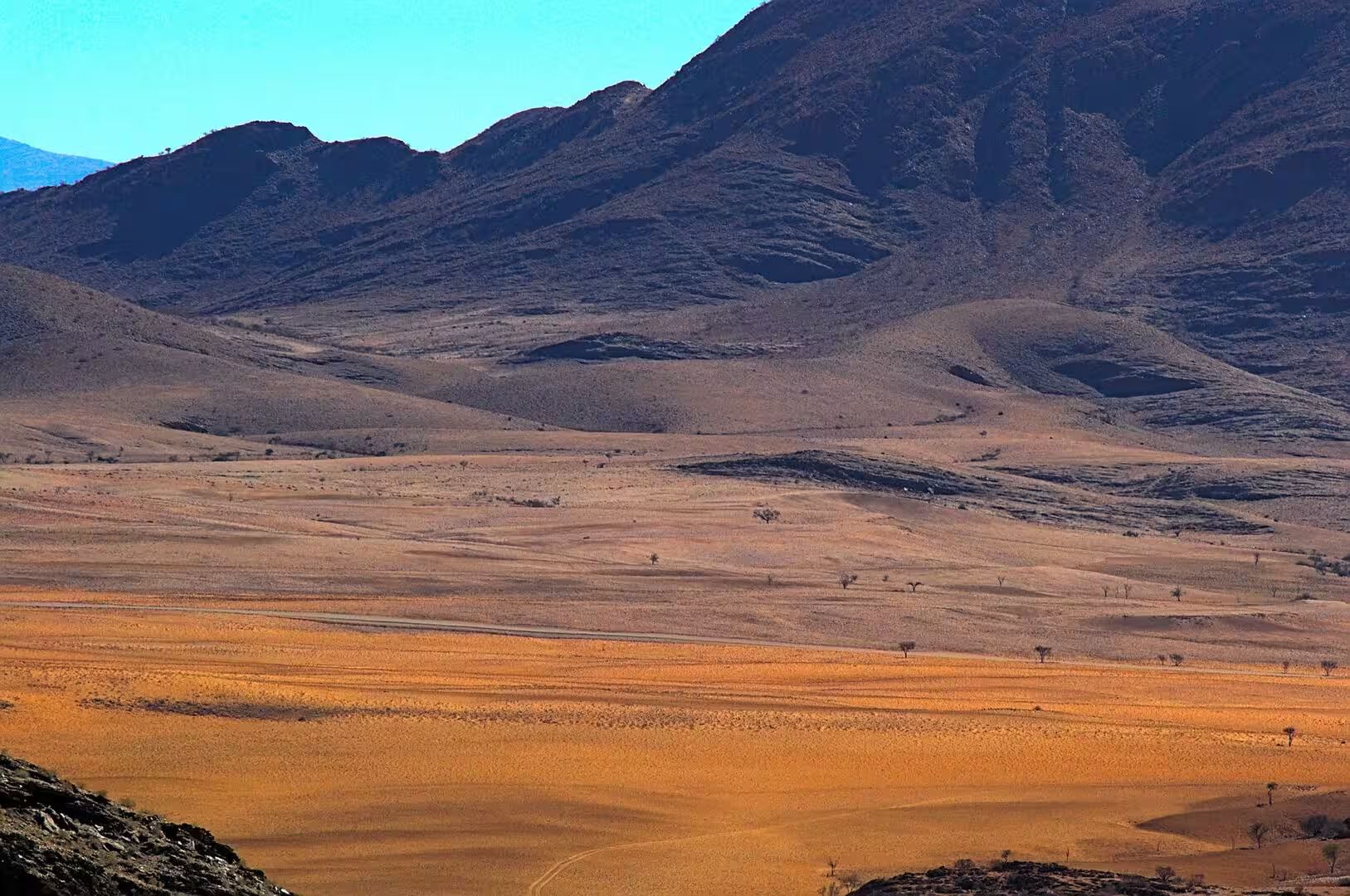
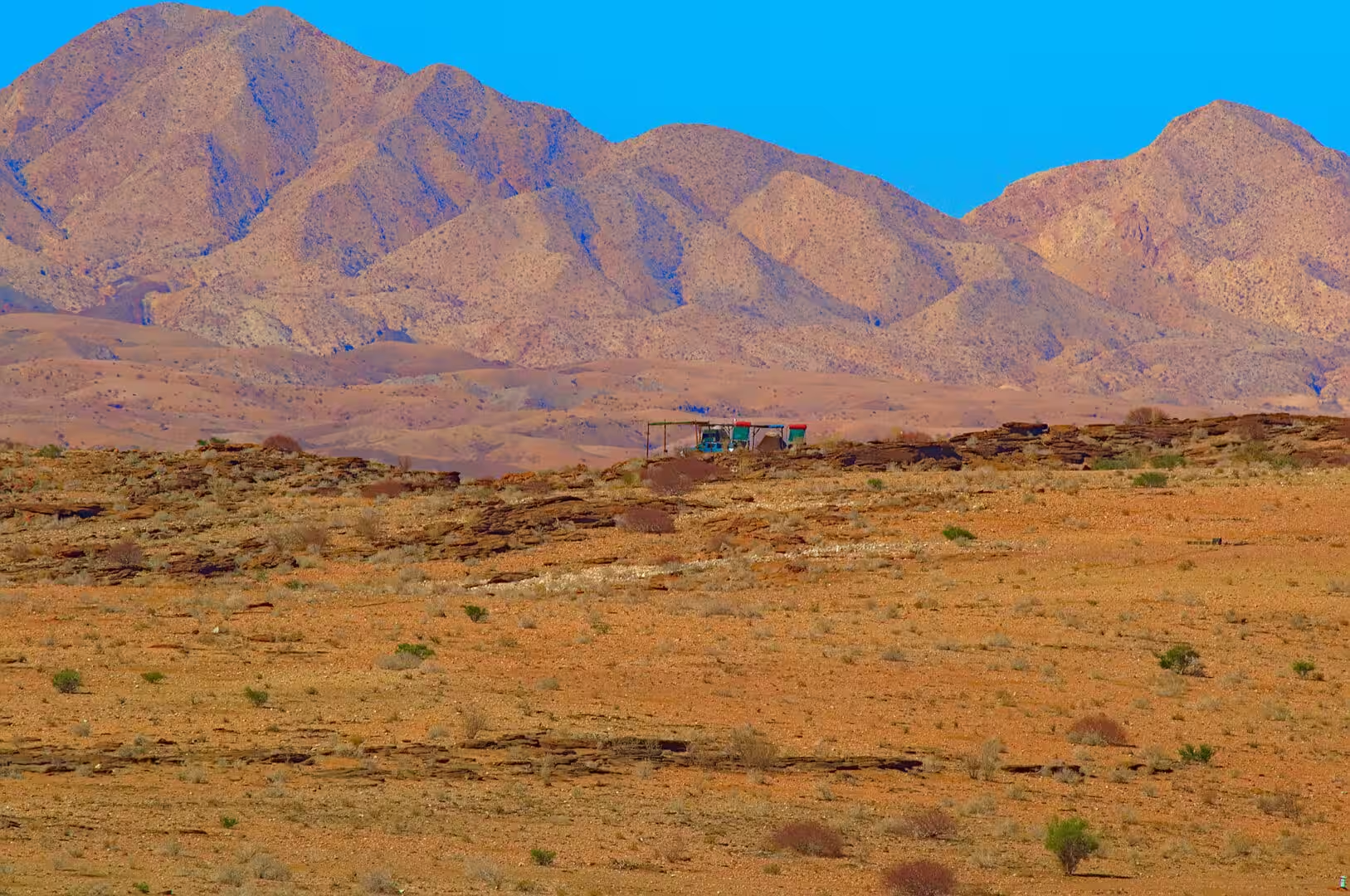
The tenth day stayed in the valley and did very little. The camp stands among the low hills of the country between the Naukluft and the dunes, the pitches are set in the trees beside a dry riverbed, and the day was spent walking the farm tracks, sitting on the rocks with the small animals of the desert, and watching the light change on the dunes that run along the western horizon.
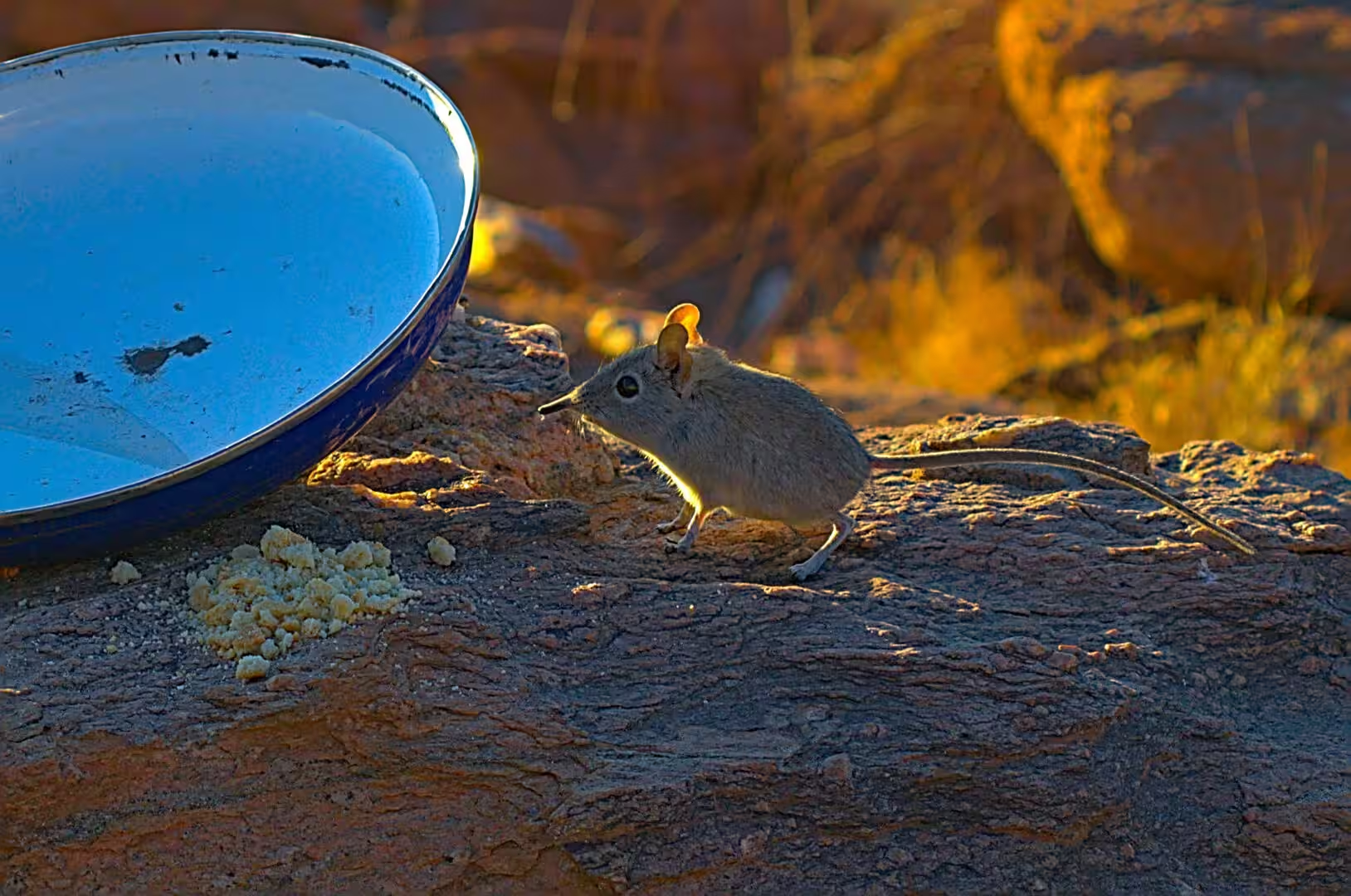
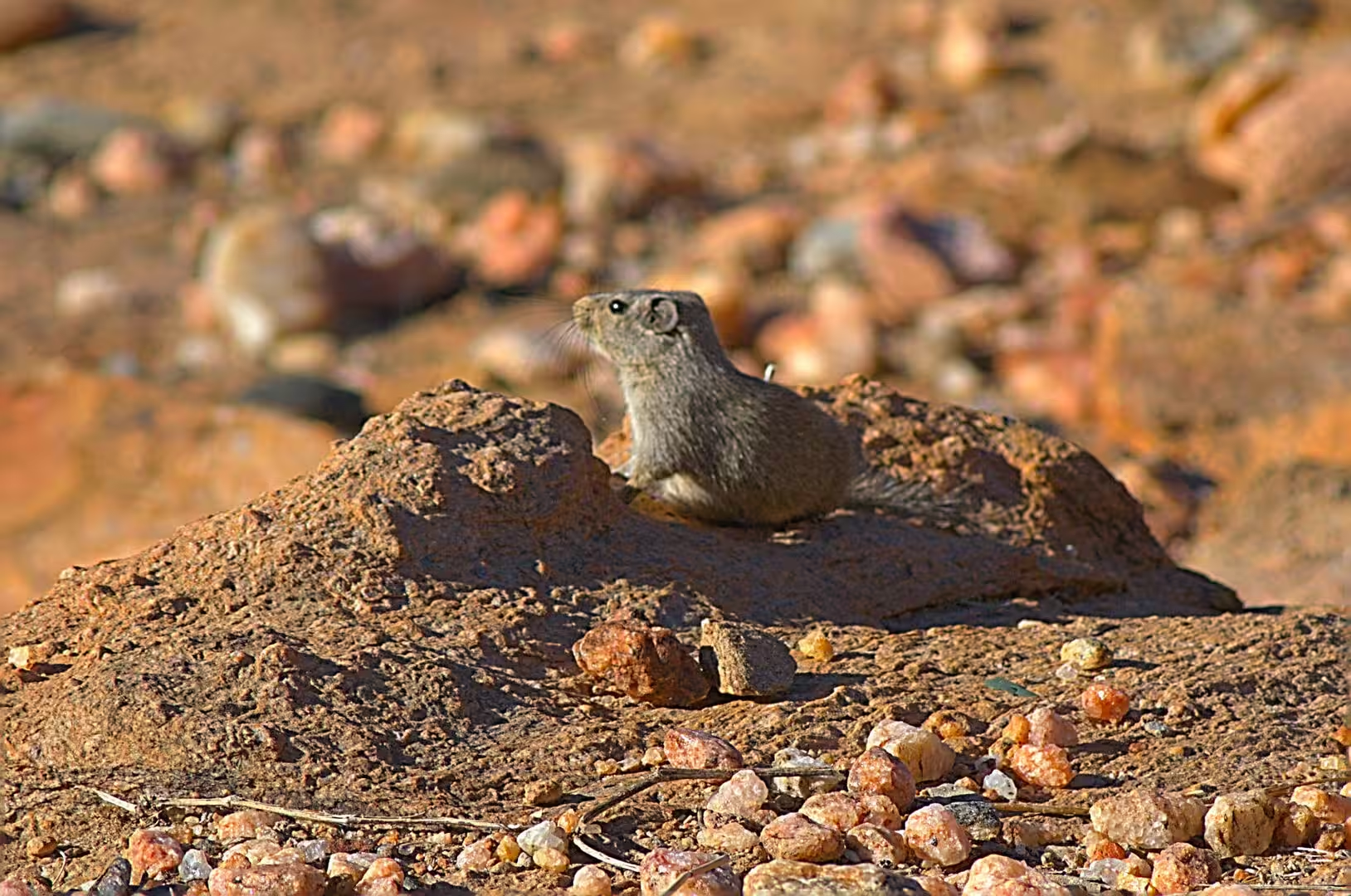
The small animals were the discovery of the day. The rocks and the sandy ground around the camp are the home of the rodents of the Namib, and they are entirely without fear of the visitors: a mouse stands on a stone beside the water dish, a grey-brown rodent watches from the top of a rock, and the two of them between them provide more entertainment than the antelope of the plains. In a desert where the large animals are far away and the small ones are everywhere, the afternoon with the rodents is the way to see the life of the place.
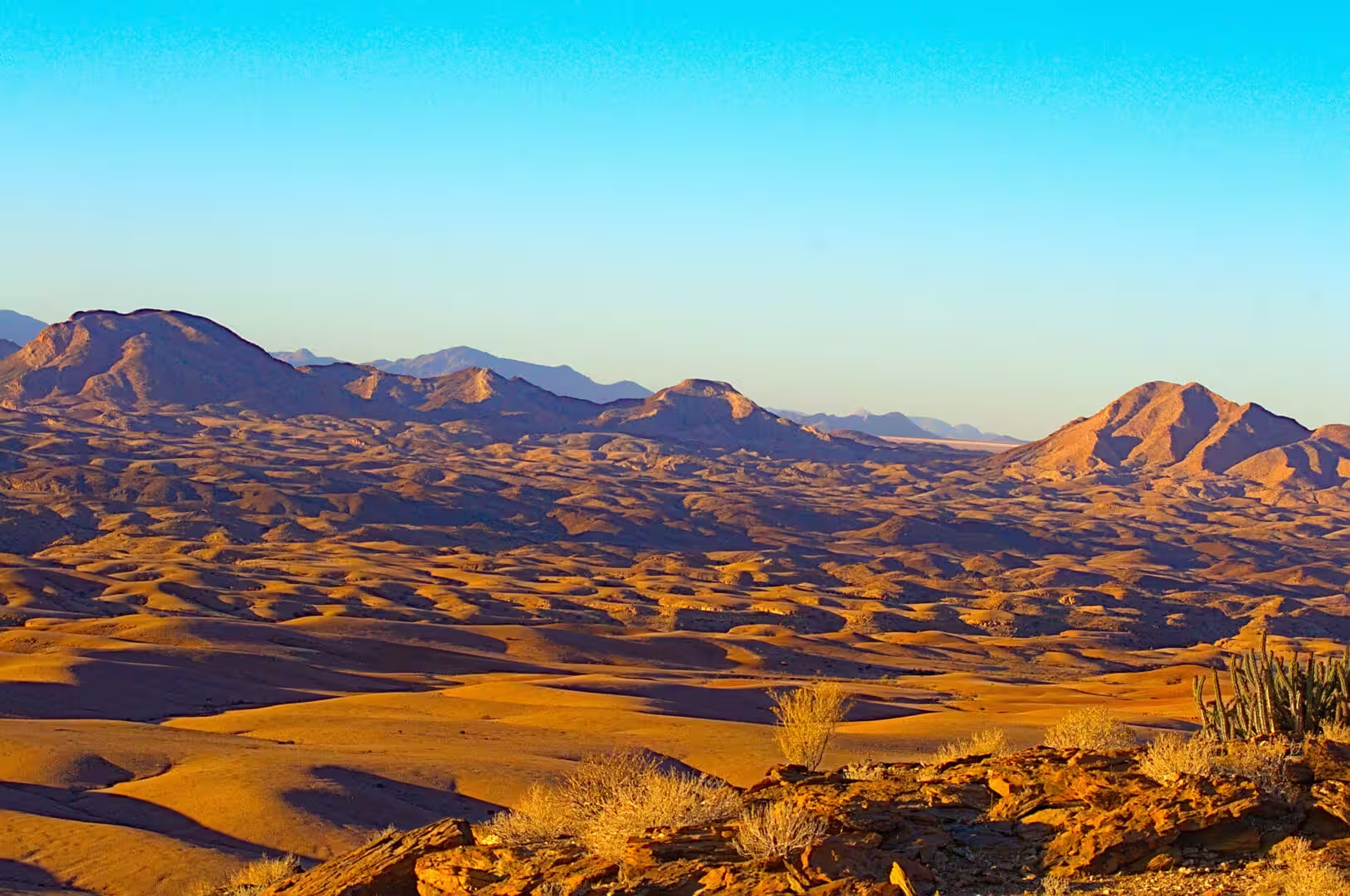
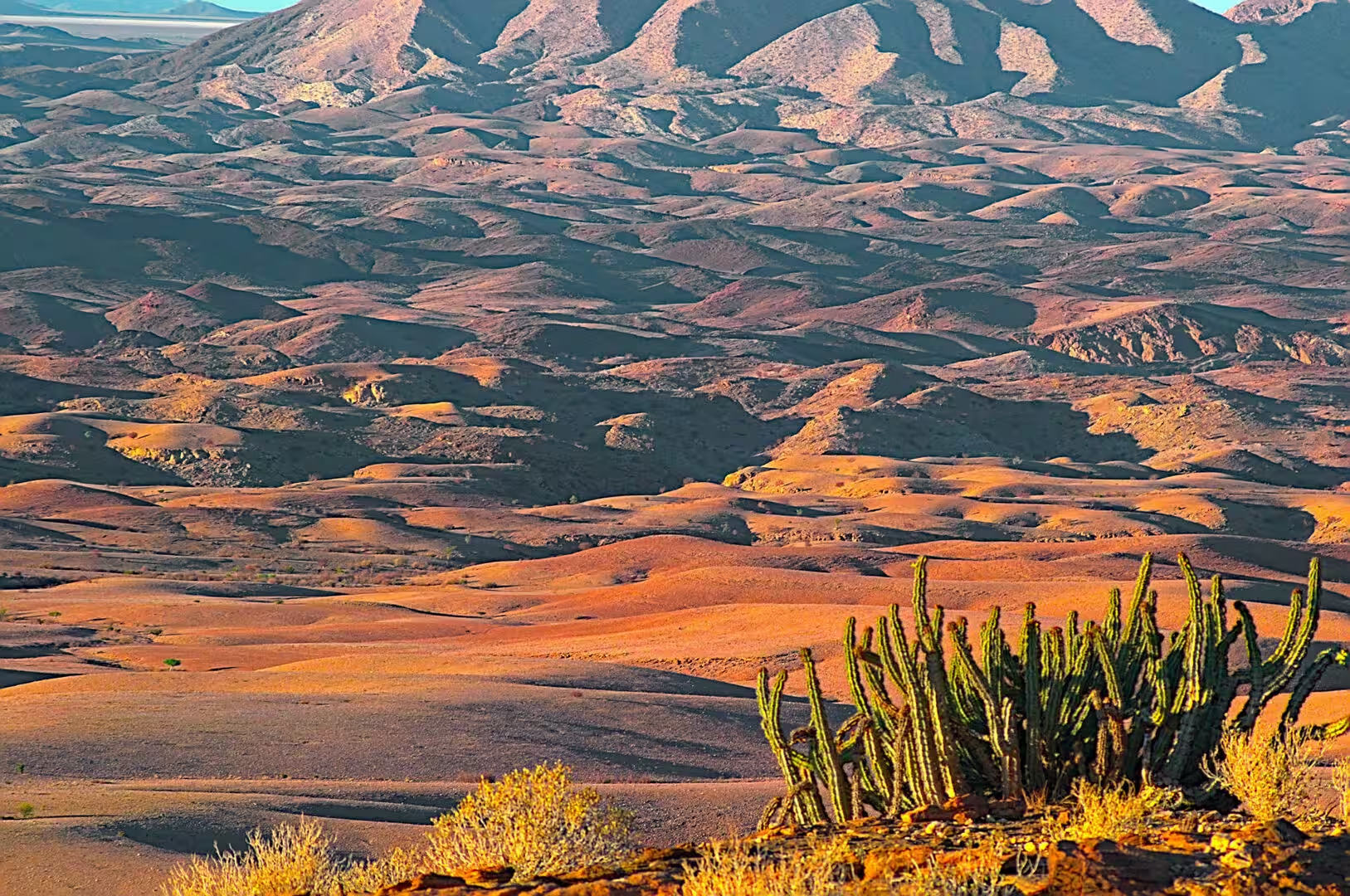
The walk of the afternoon went up the valley towards the mountains. The track follows the dry bed of the river between the trees, the candelabra shapes of the quiver trees stand on the slopes above it, and the view from the top of the ridge takes in the whole of the landscape at once: the valley, the belts of red sand, the plains and the blue ranges of the Naukluft on one side and the dunes of the Namib on the other.
The evening was the one that the journey had been waiting for. The sun went down behind the dunes in a sky of layered cloud, the colours ran from gold to red to violet, the trees and the mountains turned black against the light, and the campfire was lit as soon as the last of it had gone. The day had no sights and no schedule, and it was one of the best of the whole journey.
History
The valley is the country of the modern conservation movement of Namibia. The land that the visitor crosses was sheep and cattle country in the twentieth century, it was bought up farm by farm from the 1980s onwards by the owners of the reserves that now cover it, and the stock was replaced by the game that had been there before the fences. The NamibRand, the reserve that the camp borders, was founded in 1984 and has grown ever since, and the model of private conservation that it represents is studied across southern Africa.
The reserve is also one of the very few places in the world that is protected for its darkness. The absence of towns, roads and industry over hundreds of thousands of hectares gives the region a night sky that is close to the natural one, and the NamibRand was designated an International Dark-Sky Reserve in 2012 because of it. The lodges of the reserve keep their lights low, the roads are unlit, and the stars are treated as one of the assets of the place, which in a country of tourism is entirely rational.
The land question of the region is the land question of the country. The farms that became the reserves were granted in the colonial period from land that the Nama and the San had used, and the conversion to tourism made them profitable in a new way. The communities that work in the lodges and the reserves are the descendants of the people who were moved, the benefits of the conservation economy reach them as wages rather than as ownership, and the debate about land reform that is running through Namibia is present in the villages of the valley as it is everywhere else.
The name of the valley says something about the way the region sells itself. The Valley of a Thousand Hills is not a name that anyone local would have chosen for a country of low rocky ridges and sand, and it appears on the maps of the tourism industry rather than in the geography books. It works: the travellers come for the romance of the name and stay for the emptiness behind it, and the farms of the valley have lived from that trade for two generations.
Geology
The dunes of the western horizon belong to the sand sea of the Namib, and the valley is the place to understand them. The sand has been brought to the coast by the Orange River and the other rivers of the south, carried north along the shore by the current of the Atlantic, blown inland by the wind of the coast, and trapped in the interior by the mountains. The colours of the dunes are the record of that journey: the pale sand of the coast, the red sand of the interior, and the bands of different material that the wind sorts out as it moves them.
The riverbeds of the valley are the older landscape below the sand. The Tsondab and the other dry rivers flowed when the climate was wetter, they cut their courses through the rock, and the sand of the dunes buried them in the drier periods. The camelthorns and the grasses of the riverbeds are the modern vegetation of the watercourses that carry water once in a decade, and they are the corridors by which the game and the small animals move through the desert.
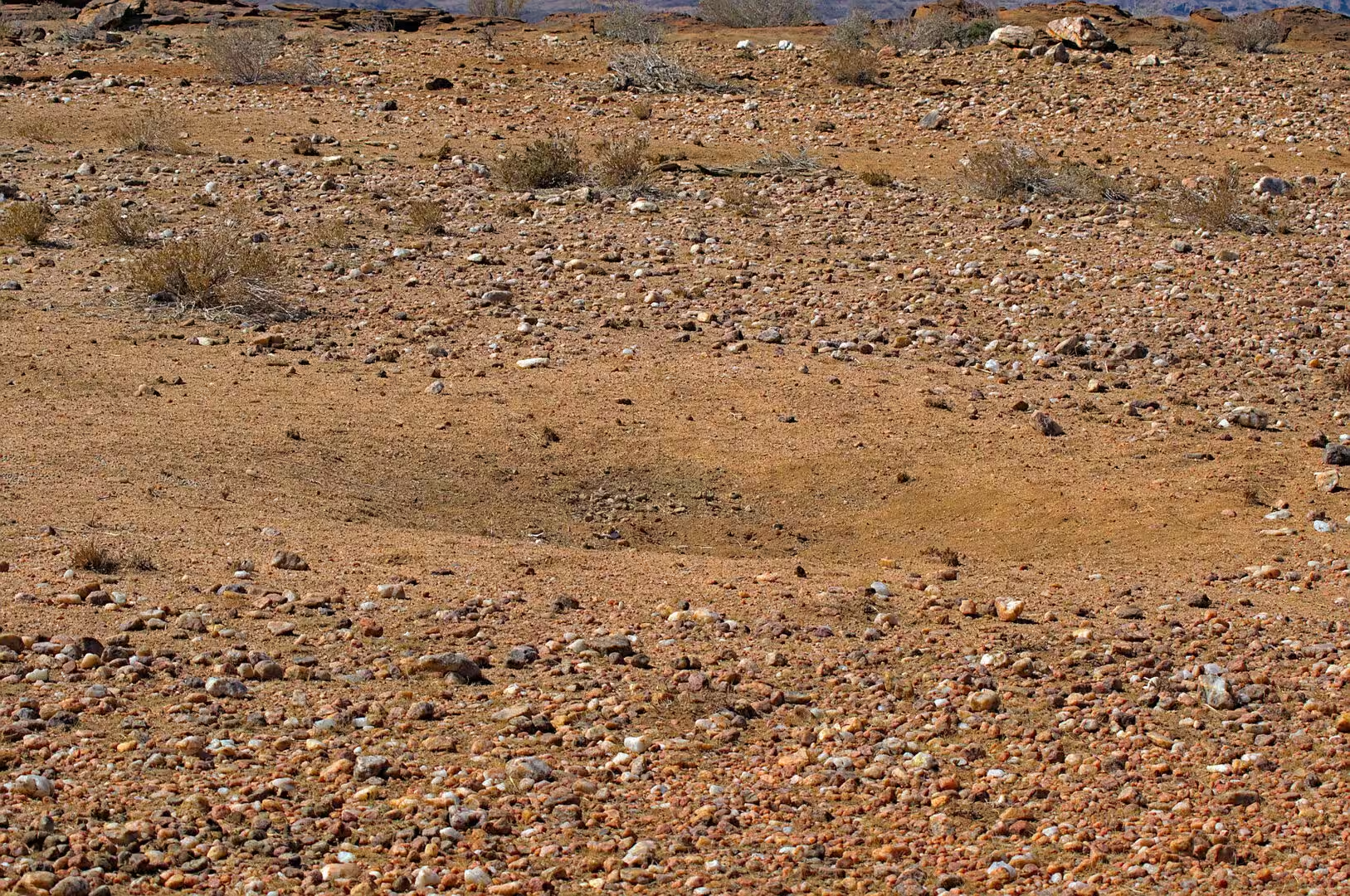
The hills that give the valley its name are the inselbergs of the interior. They are made of granite and of the quartzites and schists of the old continental crust, they stand above the gravel plains because they are harder than the rocks around them, and they have been polished and shaped by the wind over millions of years. The gravel of the plains below them is the material that was once the same rock, broken up and spread by the rivers and the wind, and the visitor who looks at a hillside of dark stones is looking at the remains of the mountains that once stood over the whole of the region.
The climate of the valley is the desert at its most extreme and its most beautiful. The rain is a summer event that often does not arrive, the fog that waters the coast does not reach this far inland, and the whole of the water that the plants and the animals use comes from the rare storms and from the dew of the cold mornings. The temperature swings of twenty degrees and more between the day and the night, the dryness of the air, and the transparency of the sky are the conditions that produce both the stars of the night and the colours of the sunset.
The geology of the valley also contains one of the strangest rocks of the desert, the sandstone that the geologists call the Tsondab formation. It was laid down in the riverbeds and the pans of a wetter Namib, it was hardened by the lime of the water, and it now stands in the landscape as the flat topped hills and the ledges that the dunes have partly buried. Where the sand has moved away again, the old surface of the formation is exposed, and the visitor who walks on the flat slabs of grey stone is walking on the floor of a river that dried up a million years ago.
Things to See
The dunes are the sight of the region, and the lodges of the valley run the drives and the walks that take the visitors to them. The Sossusvlei area with its clay pan and its largest dunes lies a drive to the north, the private reserves of the valley have their own sections of dune, and the visitor who goes out in the hour before sunrise sees the sun come up over the sand from the top of a ridge, which is the experience that the whole region sells and that is worth every hour of lost sleep.
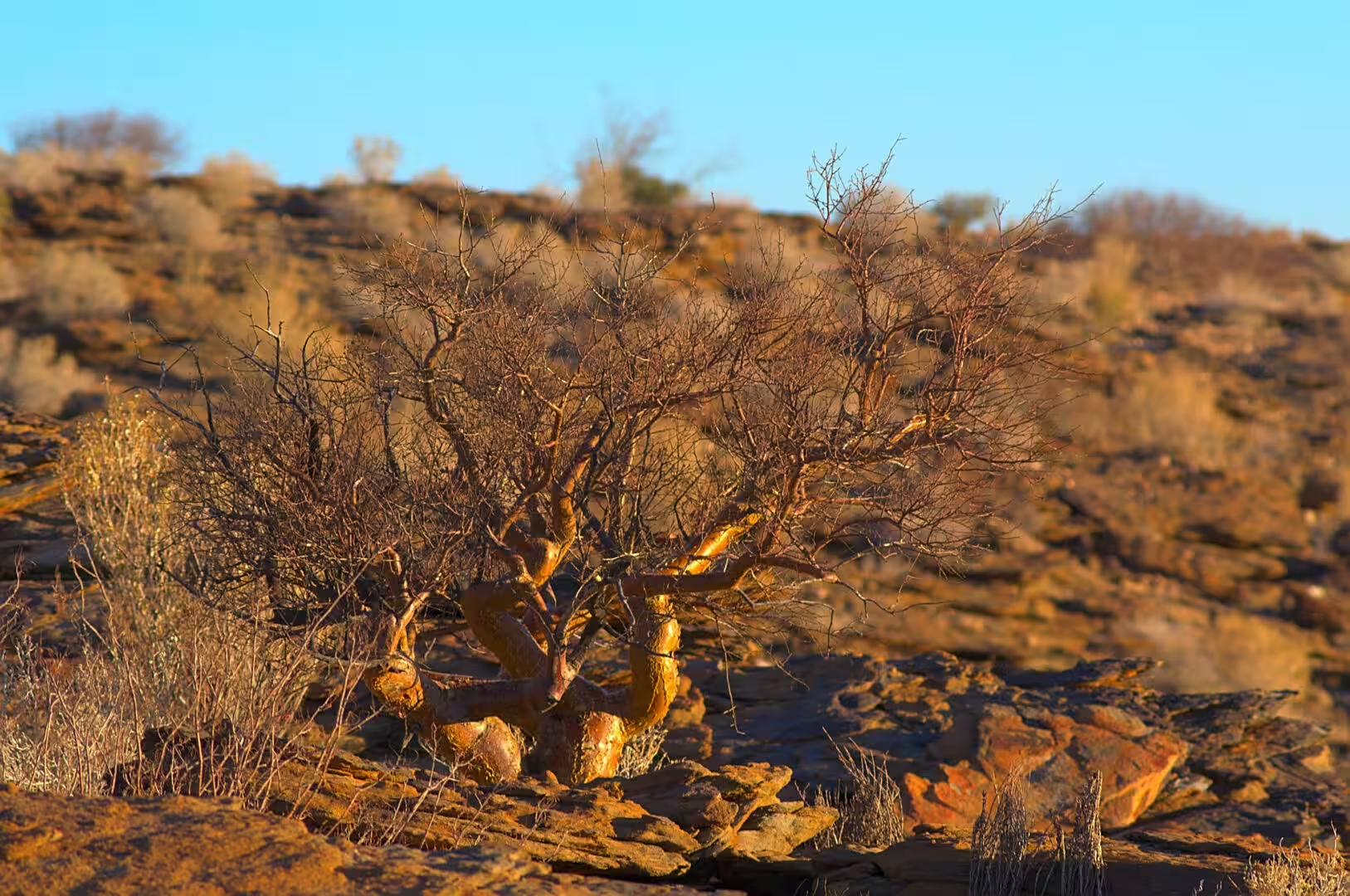
The quiver trees and the candelabra plants of the slopes are the botanical attraction of the walk. The quiver trees of the valley stand in the rocky ground above the camp, the euphorbias and the other succulents fill the spaces between them, and the whole flora of the region is a demonstration of how little water a plant needs: the leaves are reduced to spines, the stems do the work of leaves, and the trunks store what rain arrives. A walk with a guide from the lodge turns the grey bushes of the hillside into a catalogue of survival strategies.
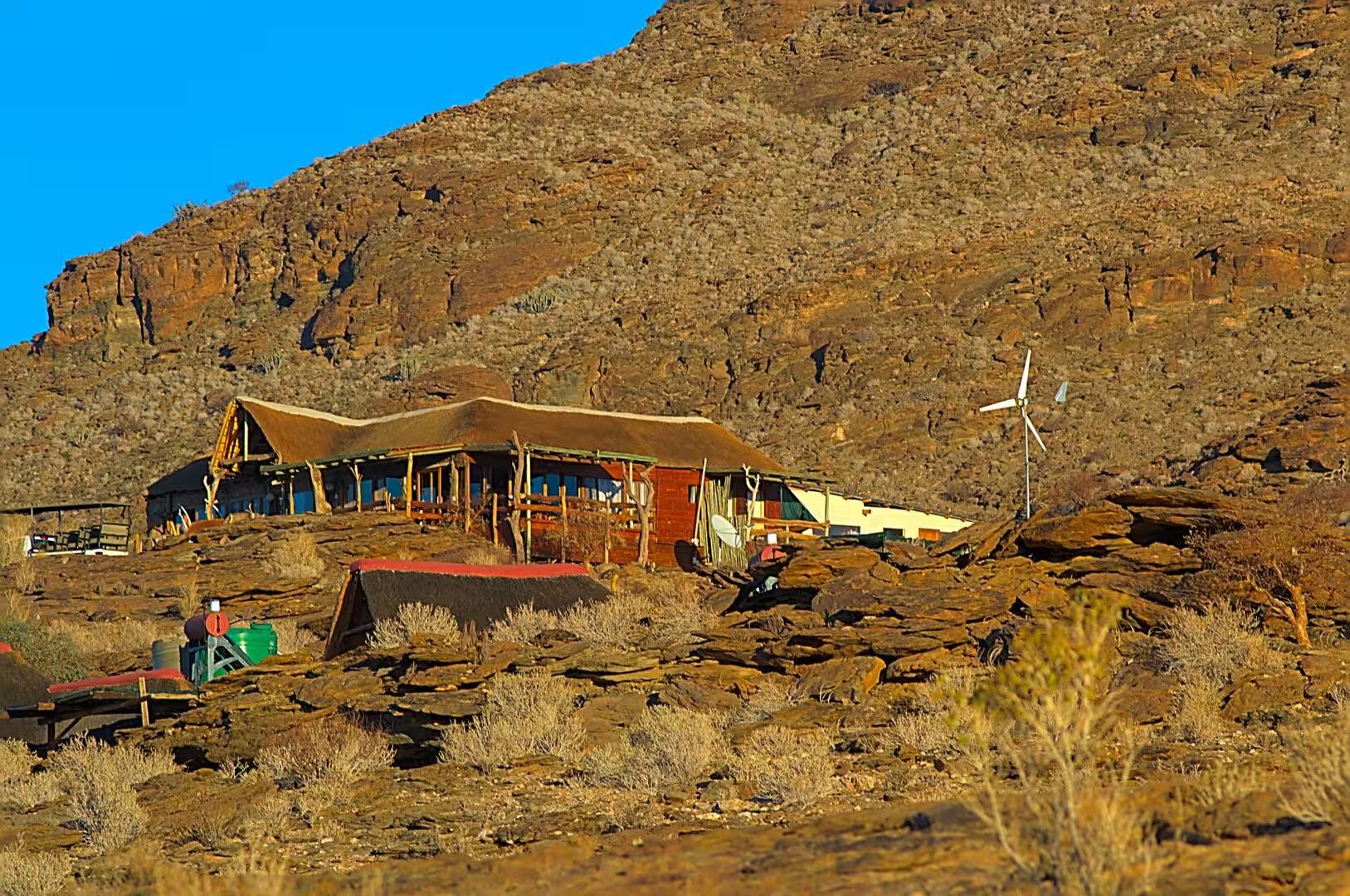
The camp and the lodge are the base for all of it. The accommodation in the valley ranges from pitches for the self drivers to the rooms of the lodges, the meals are served on terraces facing the dunes, and the excursions of the day are booked at the reception. The pools that the lodges keep filled are the social centre of the afternoons, and the guided night walks with a lamp are the way to see the animals that the daytime walker never meets: the geckos, the scorpions, the owls and the small predators of the desert.
The stars of the valley are the last sight of the day and the reason it is called a dark sky. The lodge turns its lights out after dinner, the guide points out the southern constellations, the Magellanic Clouds and the Coalsack, and the visitor learns to find the Southern Cross and the two bright stars that point at it. The moonless nights of the winter are the best of them, and the telescopes that some of the lodges keep are the way to see the planets and the nebulae of the southern sky.
The practical advice for the valley is the advice for the whole desert. The distances within the reserves are long and the roads are sand and gravel, the drives should be made in the cool hours, the water should be taken in bottles rather than in the imagination, and the gates of the reserves close for the night. The best seasons are the winter months from May to September, when the days are mild and the nights are cold and the sky is at its clearest, and the worst is the summer, when the heat and the storms make the middle of the day and the hours of darkness uncomfortable. The traveller who plans for the climate rather than against it will find the Namib the most memorable place of a journey through Namibia.
The small animals of the camp are worth a paragraph because they are the most reliable wildlife of the desert. The rodents of the Namib come to the water dishes and the shaded ground of the lodges in the morning and the evening, they are curious rather than afraid, and they give the visitor the one kind of encounter with the animals of the desert that does not require patience, binoculars or luck. The geckos of the rocks and the lizards of the gravel are part of the same cast, and the scorpions that the guides find with a lamp after dark are the reminder that the desert is not only charming.
References
- Wikipedia contributors (2026). Namib. en.wikipedia.org/wiki/Namib
- Wikipedia contributors (2026). Namib-Naukluft National Park. en.wikipedia.org/wiki/Namib-Naukluft%20National%20Park
- Wikipedia contributors (2026). NamibRand Nature Reserve. en.wikipedia.org/wiki/NamibRand%20Nature%20Reserve
- Wikipedia contributors (2026). Sossusvlei. en.wikipedia.org/wiki/Sossusvlei
- Wikipedia contributors (2026). Deadvlei. en.wikipedia.org/wiki/Deadvlei
- Wikipedia contributors (2026). Sesriem. en.wikipedia.org/wiki/Sesriem
- Wikipedia contributors (2026). Quiver tree. en.wikipedia.org/wiki/Quiver%20tree
- Wikipedia contributors (2026). Springbok. en.wikipedia.org/wiki/Springbok
- Wikipedia contributors (2026). Oryx. en.wikipedia.org/wiki/Oryx
- Wikipedia contributors (2026). Hardap Region. en.wikipedia.org/wiki/Hardap%20Region
- Wikipedia contributors (2026). Common ostrich. en.wikipedia.org/wiki/Common%20ostrich
- Wikipedia contributors (2026). Greater kudu. en.wikipedia.org/wiki/Greater%20kudu
- Lancaster N. (2026) Dune Sediments. The Namib Sand Sea. 47-80. doi.org/10.1201/9781003763185-4
- du Toit J.C., van den Berg L., van Lingen M., Goodall V.L., et al. (2022) Catastrophic collapses of sensitive species, including the quiver tree (Aloidendron dichotomum), following fire in the arid Nama-Karoo, South Africa. Journal of Arid Environments. 201. 104737. doi.org/10.1016/j.jaridenv.2022.104737
- Nørgaard T., Dacke M. (2010) Fog-basking behaviour and water collection efficiency in Namib Desert Darkling beetles. Frontiers in Zoology. 7. 23. doi.org/10.1186/1742-9994-7-23