2021 Italy - Rosignano Solvay
9 October 2021




Journal Notes
General
Rosignano Solvay is a Tuscan coastal town in the province of Livorno, on the Tyrrhenian shore about twenty five kilometres south of Livorno, between that city and the Maremma. It is a frazione of the comune of Rosignano Marittimo, whose older centre stands on a hill a few kilometres inland, and it owes its existence and its name to the chemical works that occupy the ground between the town and the sea. This stretch of coast is the northern edge of the Maremma, and the railway and the old Aurelia road both run through it.
The beach is the reason most visitors come. The Spiagge Bianche are a run of about five kilometres of sand between the town and the village of Vada, and the sand is white, chalk white where it is dry, with water over it that turns from pale green to a strong turquoise in the sun. The grains are not quartz but limestone and gypsum, calcium carbonate with a smaller share of calcium sulfate, and that is what gives the beach its colour and the shallow water its brightness. South of the town the character of the coast changes, and sand gives way to rock.
The white sand has an industrial origin. The Solvay plant at Rosignano, about a kilometre from the shore, is the largest soda ash works in Europe. It was built in 1912 and began production in 1914, using salt and limestone, and its waste stream of calcium carbonate was discharged into the sea for decades. The result is a beach that looks tropical in a landscape of pines and cliffs, and much of the local economy rests on the same plant that produced it, in the works themselves and in the services that grew around them.
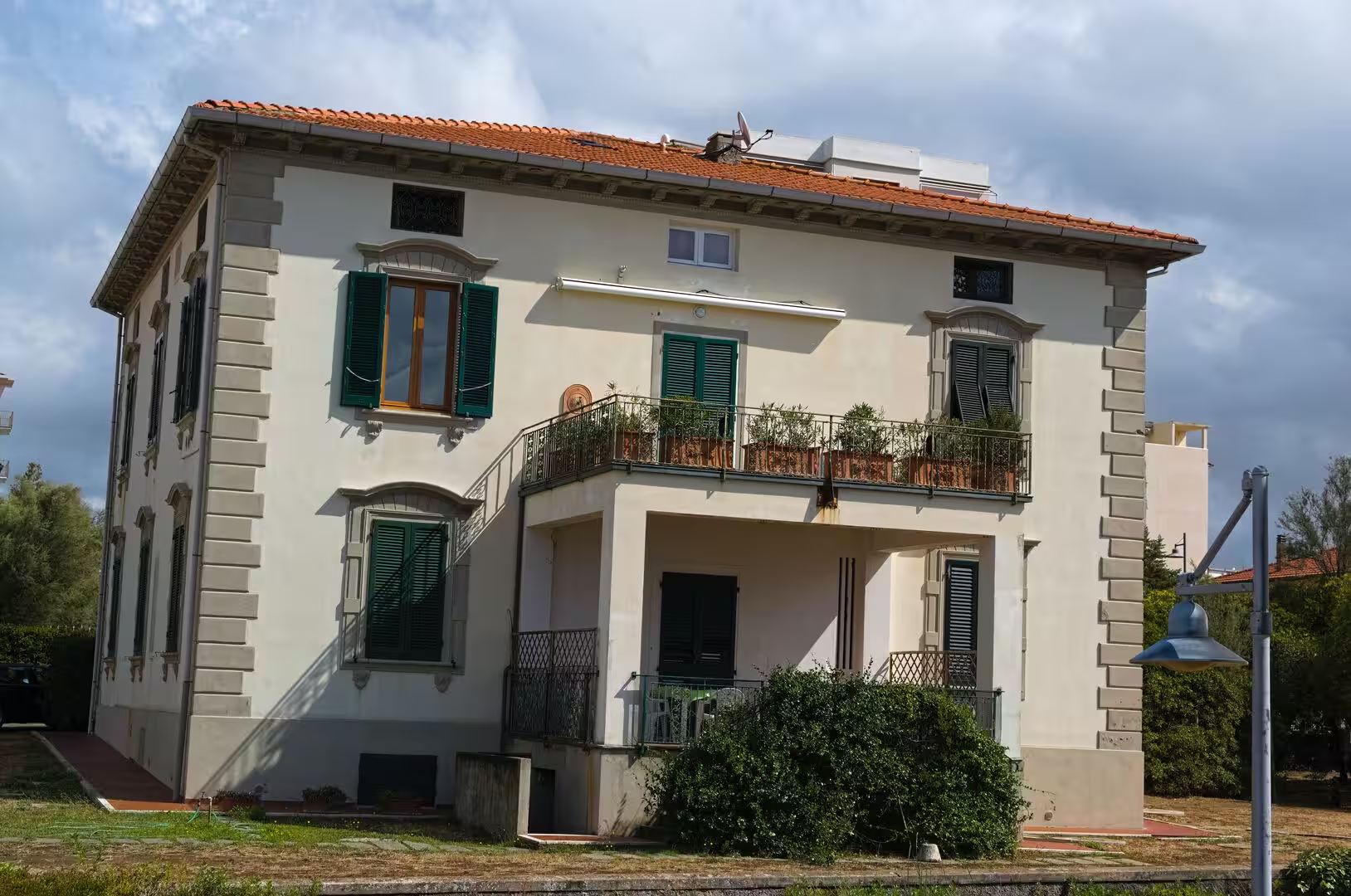
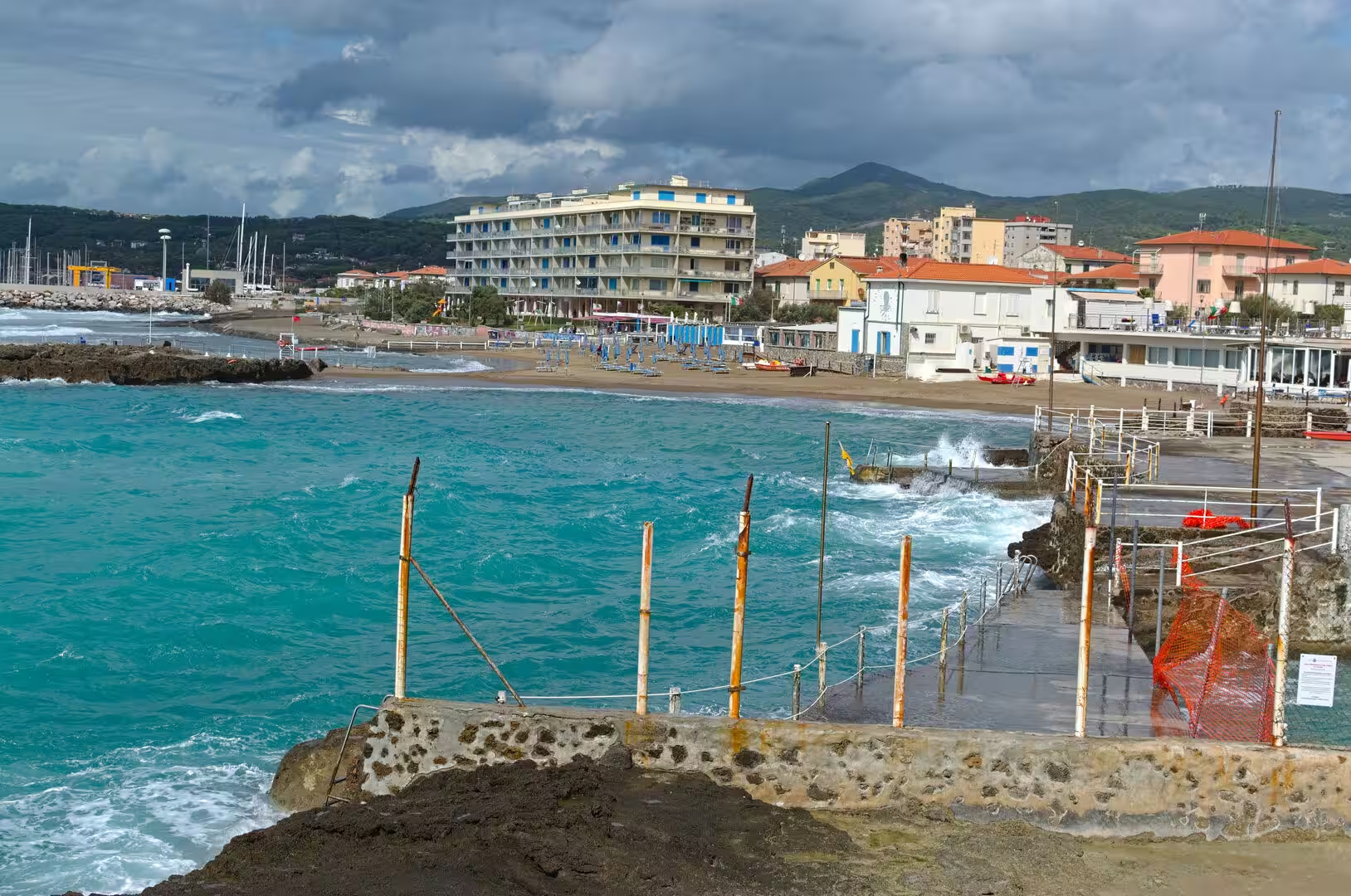
Along the front the buildings are what a seaside town of the twentieth century looks like. There are villas with shutters and tiled roofs, apartment blocks of the sixties and seventies, beach clubs with rows of loungers, a harbour with a marina and a colonnade from which the masts are visible, and a long promenade with a stone balustrade above the water. Pine woods cover the headlands to the north, and the railway station puts the town on the Pisa to Rome line, with the sea within a few minutes of the platforms.
The town is divided between the works and the sea. The plant occupies the northern part of the built-up area with its chimneys, cooling towers, conveyor bridges and white heaps of material, and the residential quarters began as housing for the workers on the other side of the railway. Between the two there is a strip of shops, a market, a park and the seafront, and in August the beach clubs and the car parks fill with visitors from Florence, Pisa and the inland towns.
History
Before the plant this coast was thinly inhabited. The plain behind it was marsh for centuries and was drained only in the eighteenth and nineteenth centuries, so the population lived in hill villages such as Rosignano Marittimo and Castiglioncello, where the air was better and the watch towers of the seventeenth century gave warning of raids from the sea. Fishing and a little farming supported the hamlets on the shore, and the coastline between Livorno and Vada was known for its woods, its small coves and its poor roads.
The decisive change was technical. The ammonia soda process developed by Ernest Solvay in the 1860s made soda ash cheap, and the company expanded across Europe in the following decades. The site at Rosignano offered what the process needed: salt from the coastal works, limestone from the quarries of the hinterland, water in quantity and a shore on which the waste could be discharged. Construction began in 1912 and the plant was in production by 1914, and workers arrived from the surrounding countryside and from other regions of northern Italy.
The town grew as a company town. Housing for the employees was built in regular blocks near the plant, with a school, a church, a clinic and a sports club provided by the company, and the settlement took the name of the firm that owned it. The residential quarter is still called the Villaggio Solvay. Between the wars the works added hydrogen peroxide, calcium chloride, sodium bicarbonate and hydrochloric acid to their output, and the population of the coastal strip increased several times over. The hill village of Rosignano Marittimo remained the administrative centre of the comune, and it still is.
The war reached the coast after the armistice of September 1943, when the town was shelled from the sea, and the front crossed the plain in July 1944 with German positions on the hills above it and partisan units operating behind the lines. The chemical plant was mined during the retreat and cleared again afterwards, an American air base was laid out near the town, and the reconstruction of the works and the housing after 1945 was slow and expensive. The industry recovered in the following decade and expanded again in the sixties, when demand for soda ash, chlorine and plastics grew.
The environmental record of the same decades is less comfortable. The discharge of limestone slurry and other process wastes coloured the beach, and in the years when mercury was used in the electrolysis plant it added pollutants that the sediment still holds. A report of the United Nations Environment Programme in 1999 listed the Spiagge Bianche among the fifteen most polluted coastal sites of the Mediterranean, fishing off the outfall is restricted and swimming is banned near the discharge channel, while the beach has been awarded the Blue Flag in several years and remains one of the most popular in Tuscany. A study of mortality published in 2016 found an excess of chronic degenerative disease and could not establish a causal link with the pollution.
Geology
The coast here belongs to the Tyrrhenian margin of the Apennines, the western side of the peninsula where the crust is stretched rather than compressed. The hills behind the town are fault blocks of the Tuscan Sub-Apennines, built of sandstone, shale and limestone, and the plain between them and the sea is filled with sediment of the Pliocene and the Quaternary, laid down in lagoons, deltas and shallow water. The Livorno hills to the north are the same structure continued, and the headlands that interrupt the beaches are their seaward ends.
The white beach is a sediment problem as much as a chemical one. Natural carbonate sand is produced by the break up of shells, algae and other calcareous organisms on the shelf, and it is common in the tropics and on the carbonate platforms of the Mediterranean. At Rosignano the same material arrives from a factory rather than from a reef. The grains are fine, they stay bright where the water washes them, and they move with the waves and the longshore current like any other sand, which is why the discharge has changed the shape as well as the colour of this coast.
The heat under the region is unusual and has been measured. Tuscany is a province of high geothermal gradient, with the steam fields of Larderello to the northeast and a series of thermal springs along the margin of the hills, and boreholes drilled near Rosignano Solvay in the 1970s recorded heat flow values well above the average of the continents. The anomaly belongs to the same extensional system that raised the fault blocks: the crust is thin here, the mantle lies closer to the surface than it does further inland, and the heat it delivers is one of the resources of the coastal belt.
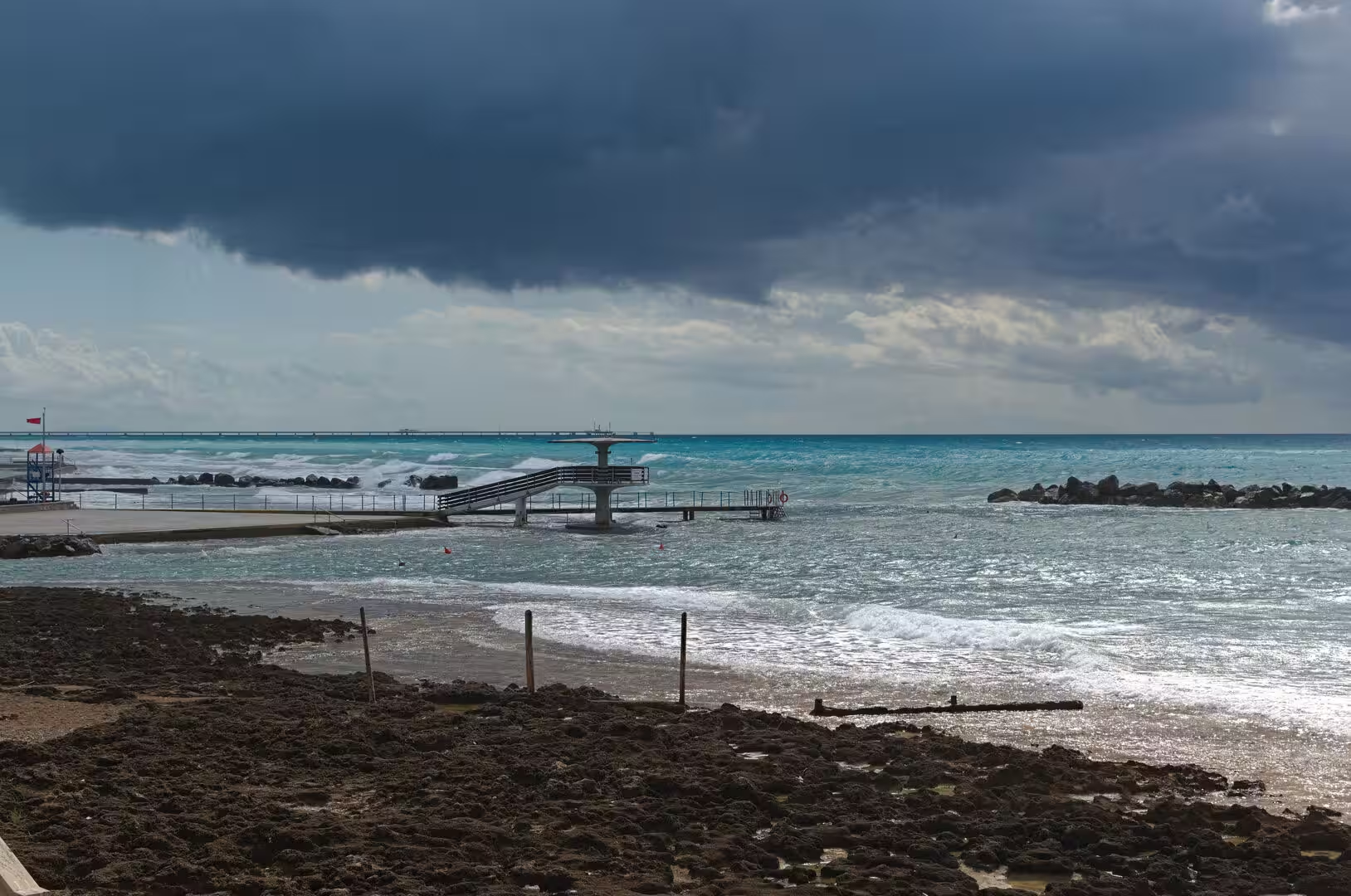
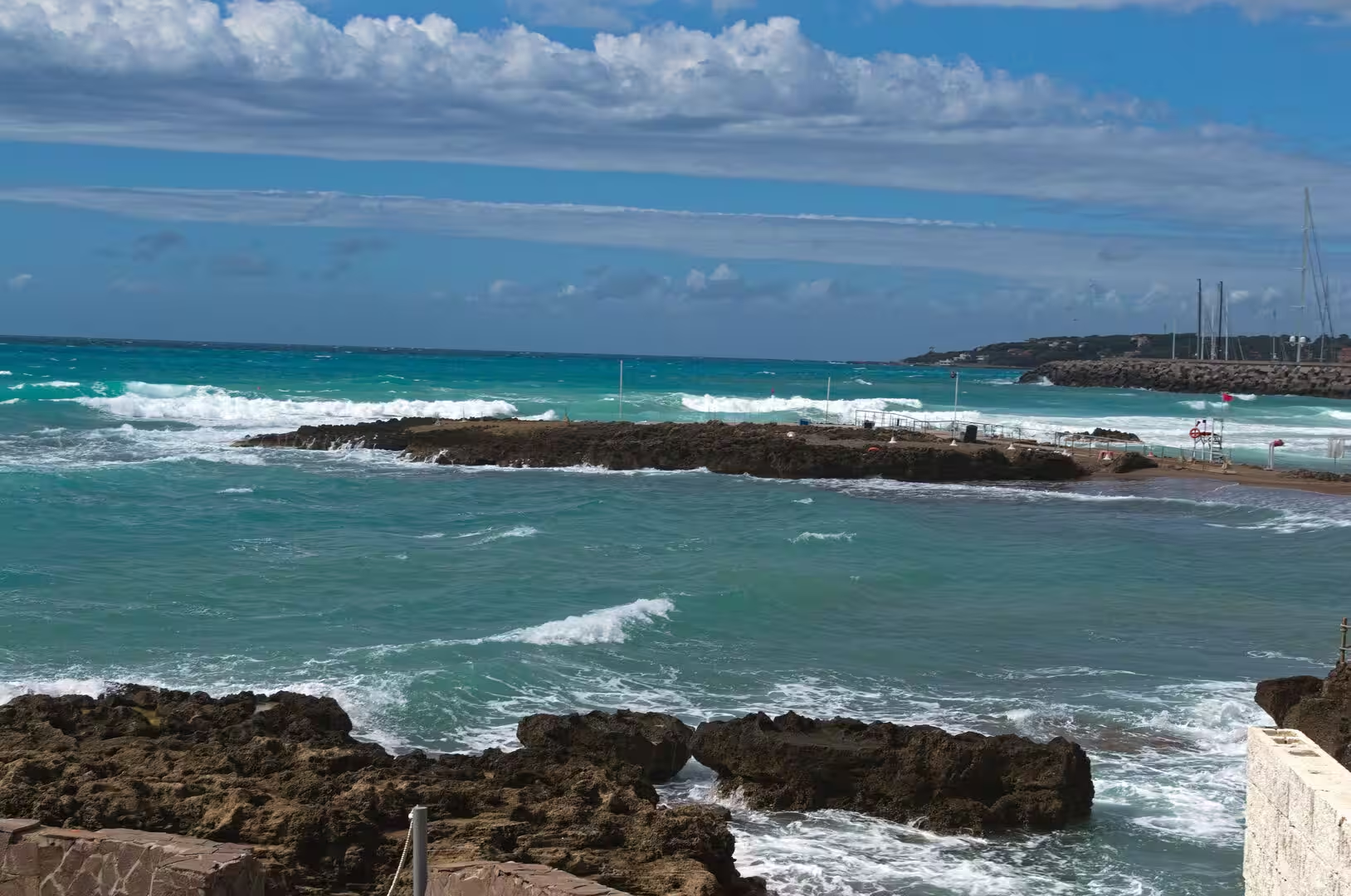
The sea does most of the work on the shoreline. Waves arrive from the southwest across a long fetch, and in winter storms they cut into the beach and move the sand along the coast, while in calm weather the swell returns part of it. Rocky headlands interrupt that transport, so that one bay gains what the next one loses, and the small coves to the south of the town, with their rock platforms, tidal pools and narrow strips of sand, are the natural form the coast takes where the cliffs reach the water.
Erosion and defence are the practical consequence. Where the supply of sediment falls, the beach narrows and the sea reaches the walls of the front, and the usual answers have been breakwaters, groynes, sea walls and the import of sand from elsewhere, each of which changes the movement of material somewhere else along the shore. The carbonate discharge has acted, unintentionally, as a continuous supply of new material for one stretch of this coast, an effect that ends if the practice ends. The management of the beach is therefore inseparable from the management of the factory.
Things to See
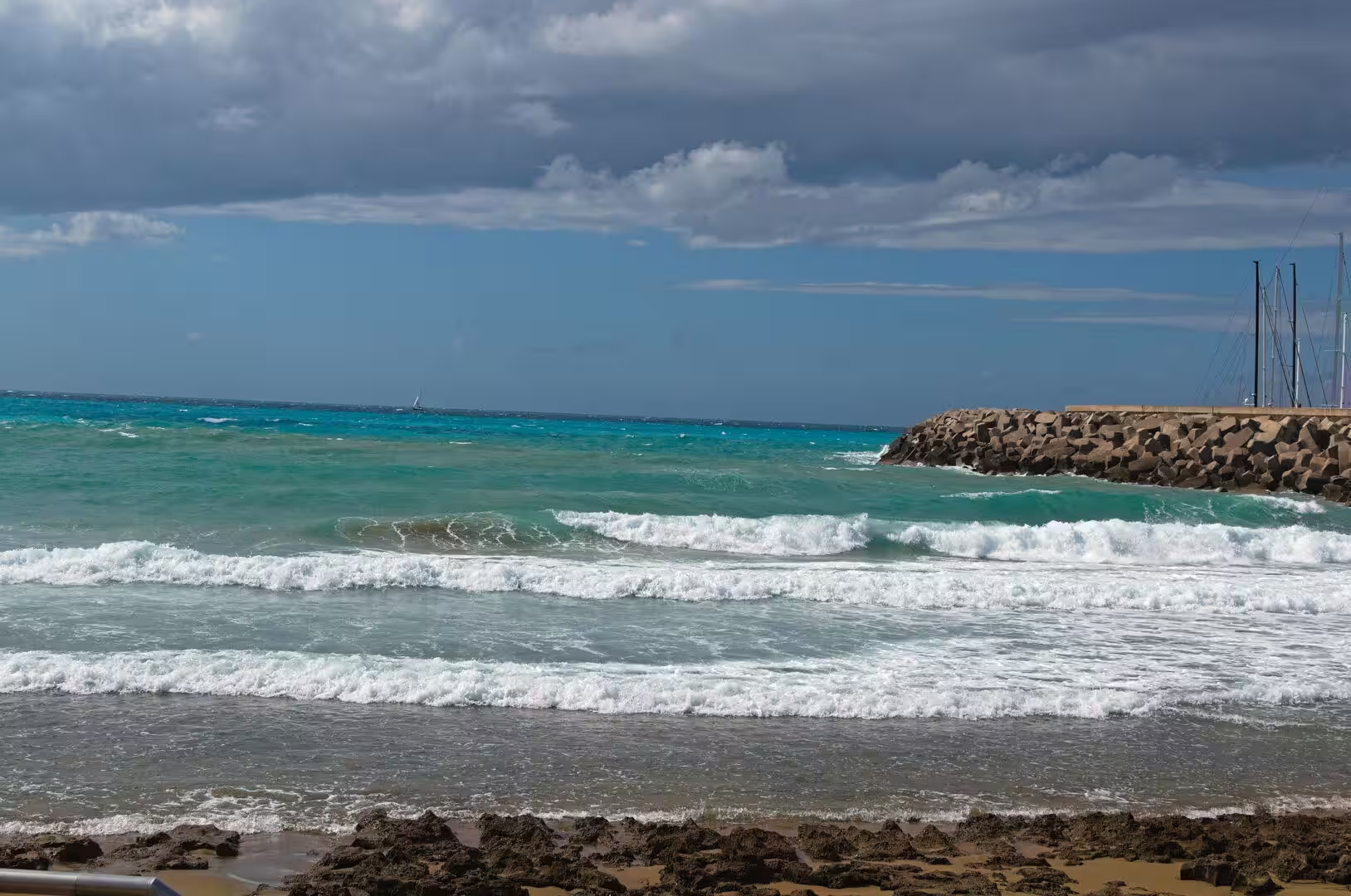
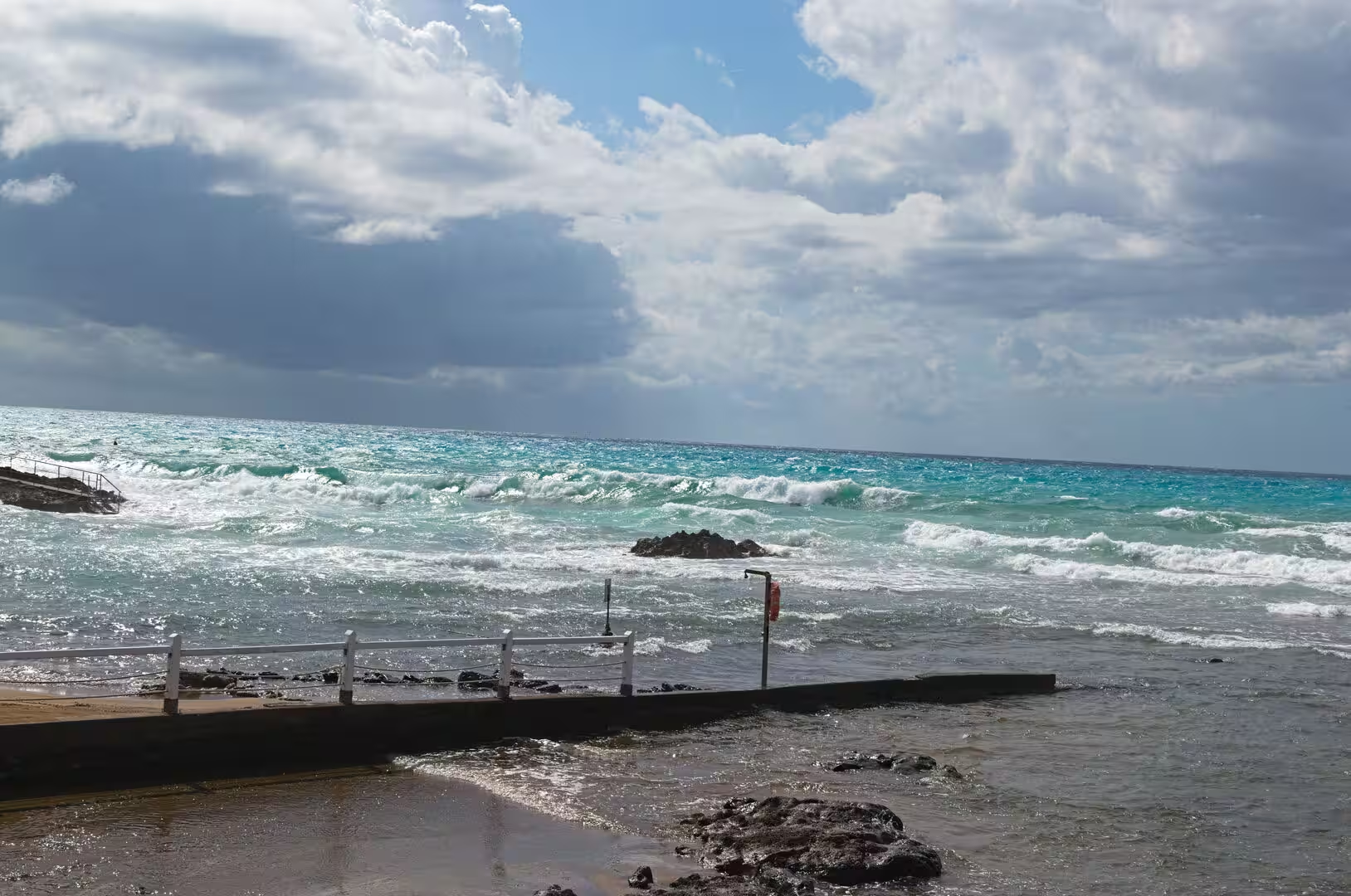
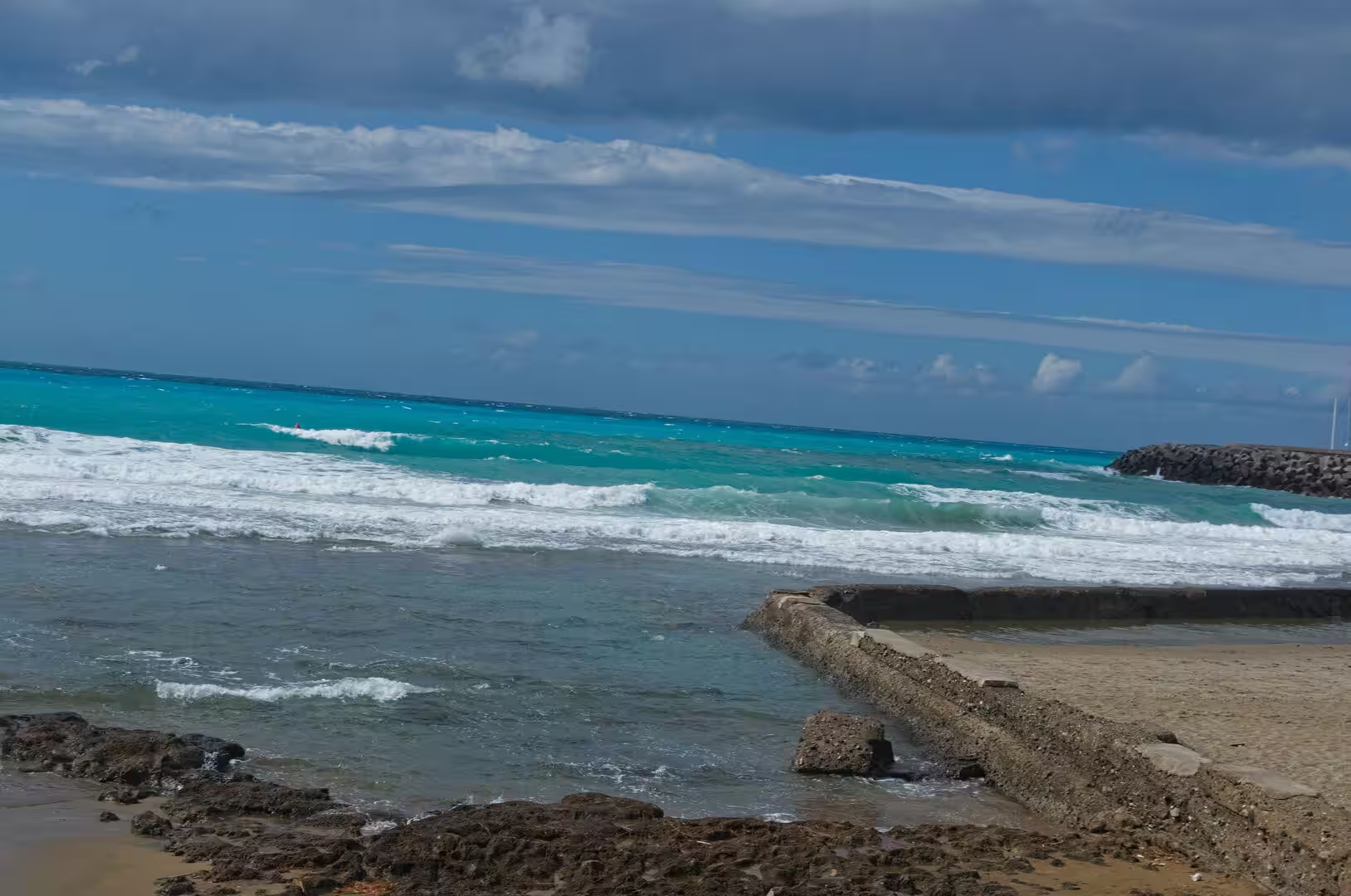
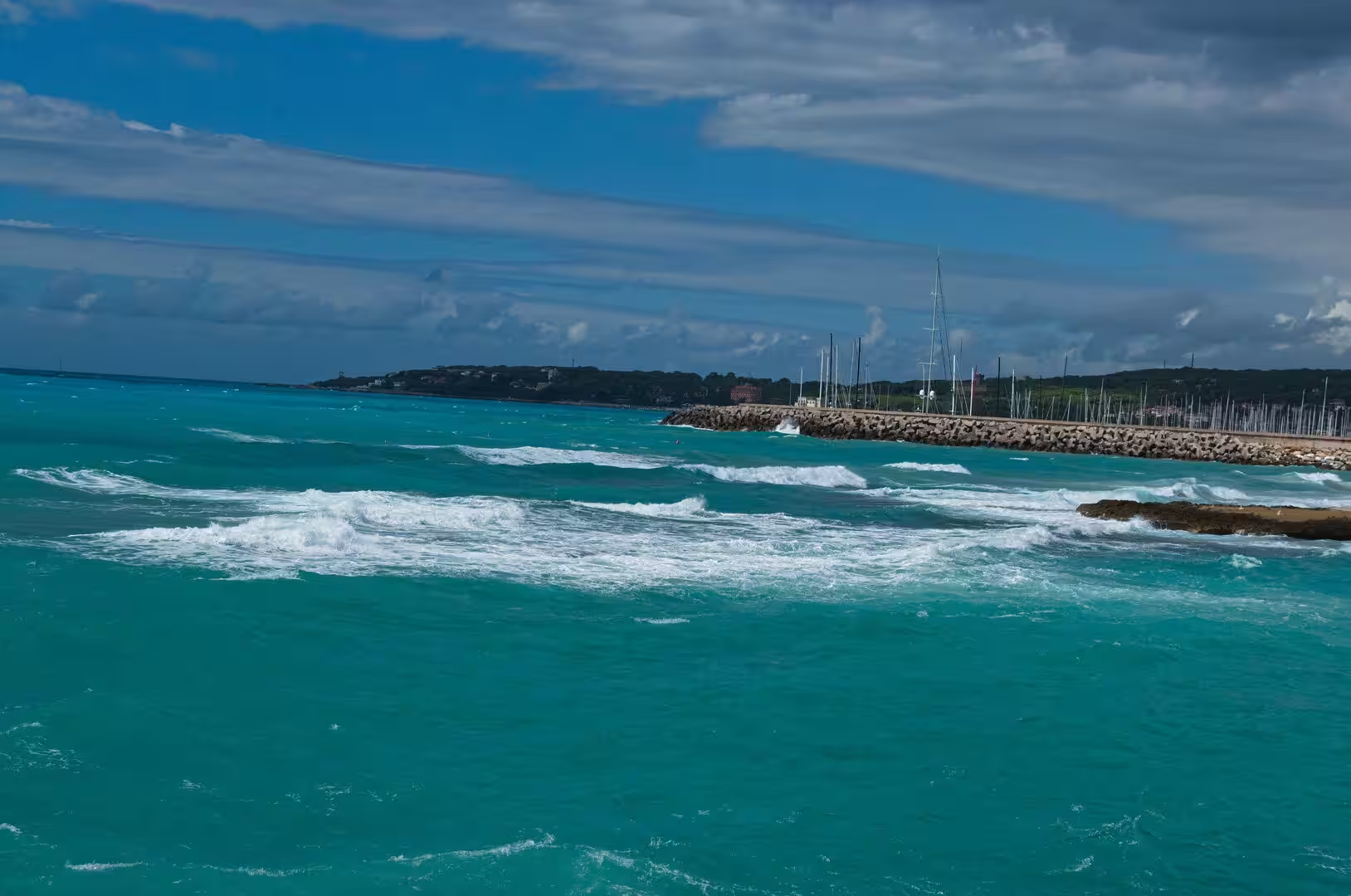
The water is the first thing that strikes a visitor arriving from the north. Beyond the breakwater at the harbour mouth the sea is a strong turquoise, clear enough to show the darker patches of rock and weed on the bottom, and where the beach curves away to the south the colour changes to pale green over the sand. Across the water a wooded headland closes the bay, and in summer the sky above the coast is crossed by the cloud that builds against the hills in the afternoon.
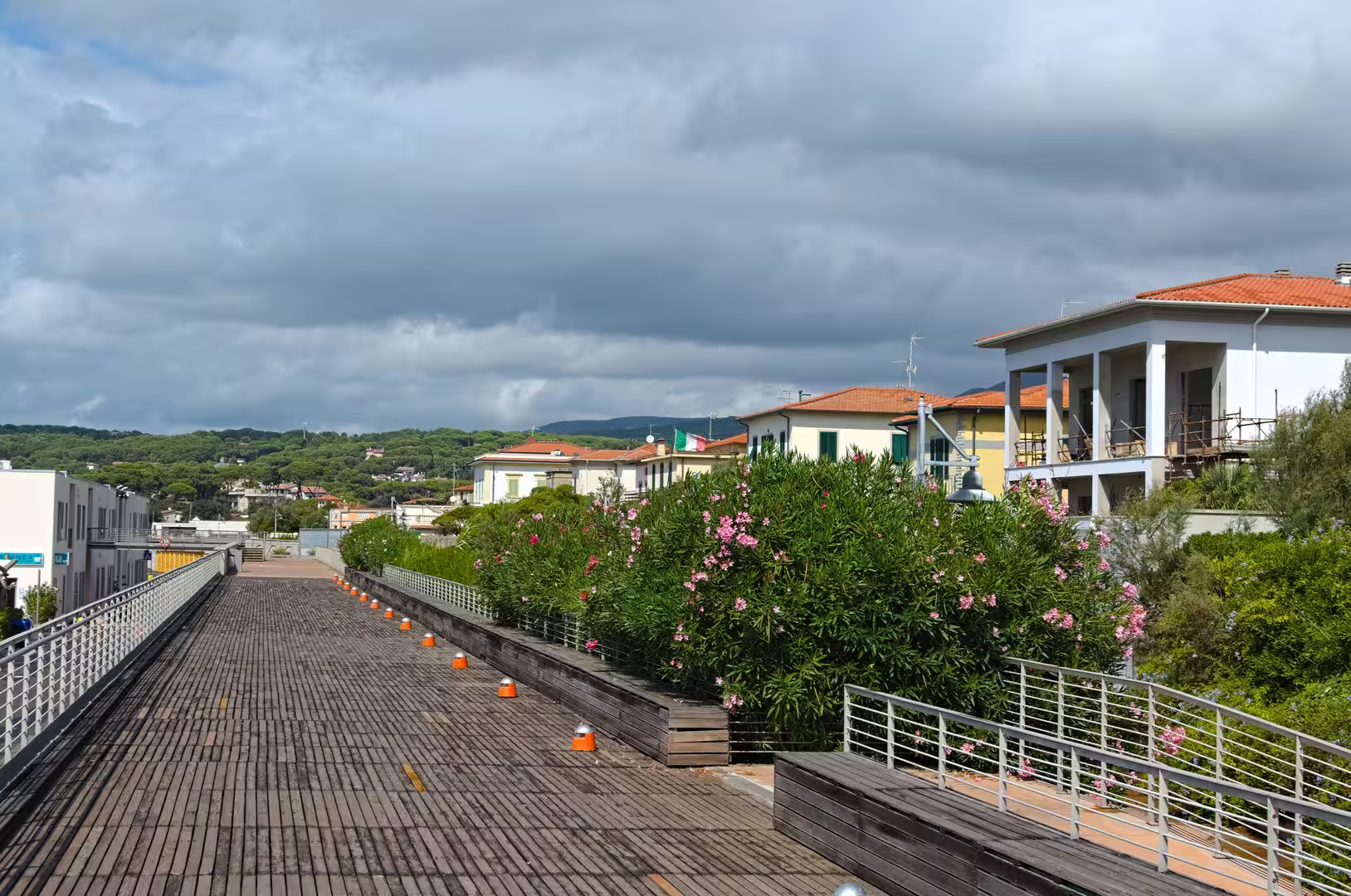
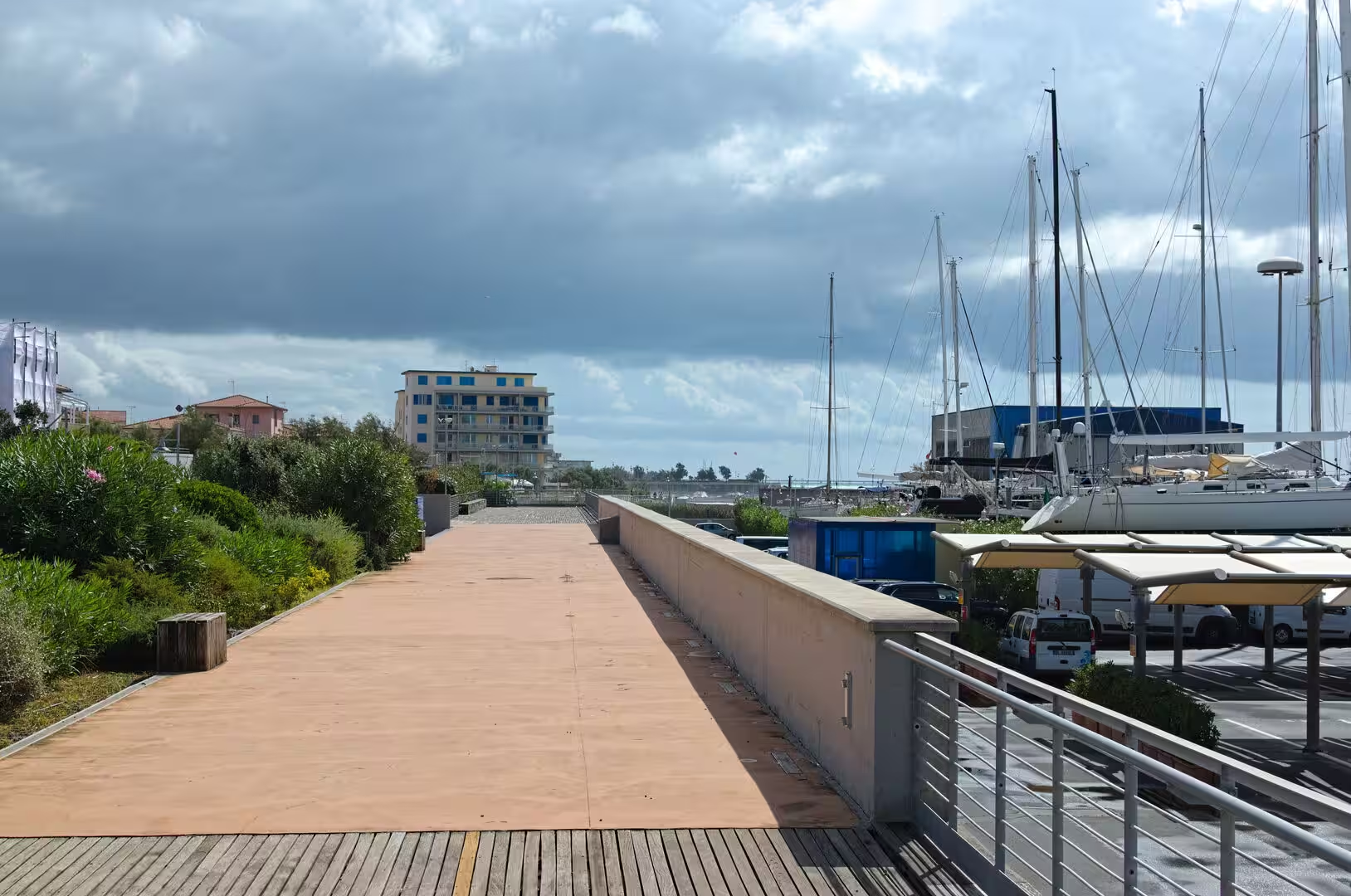
The harbour is small and pleasant, arranged around a basin with a colonnade along one side. From under the arches the masts of the moored sailing boats line up against the water, and a wooden boardwalk runs along the edge of the quay past oleander bushes heavy with pink flowers. The pontoons stretch towards the buildings at the far end, where the masts of the larger boats stand above the roofs, and the whole area is busiest in the late afternoon when the boats come in.
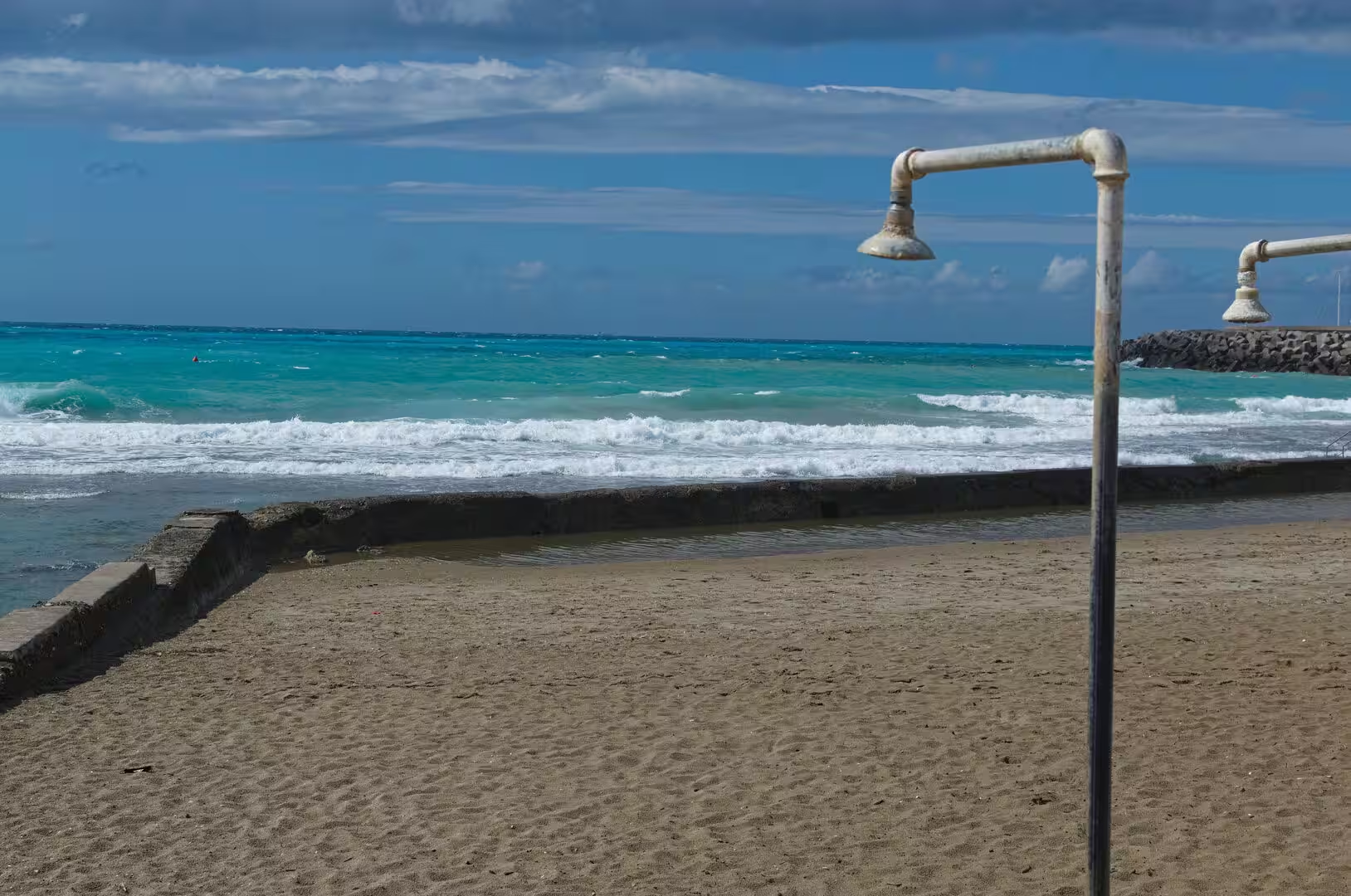
The beach itself is broad in the northern part of the front, where the clubs are, and narrower as it runs south. Waves break over scattered dark rocks in places, and after a storm the water is churned and brown for a day or two, with the sand cold and firm underfoot. Sun loungers and parasols are set out in rows within the concessions, the umbrellas white against the pale sand, and beyond the last concession the beach carries an outdoor shower and a line of low dunes.
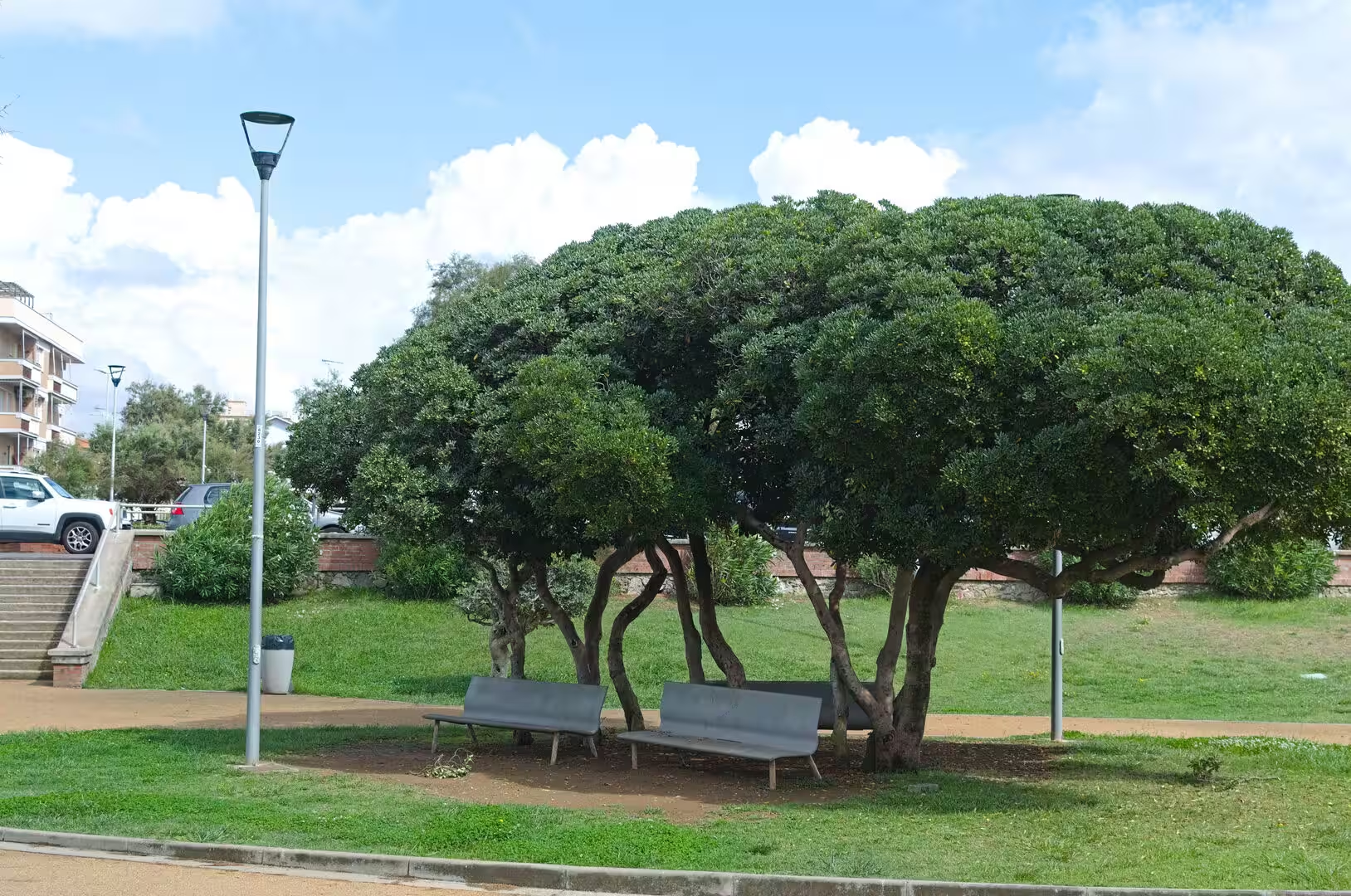
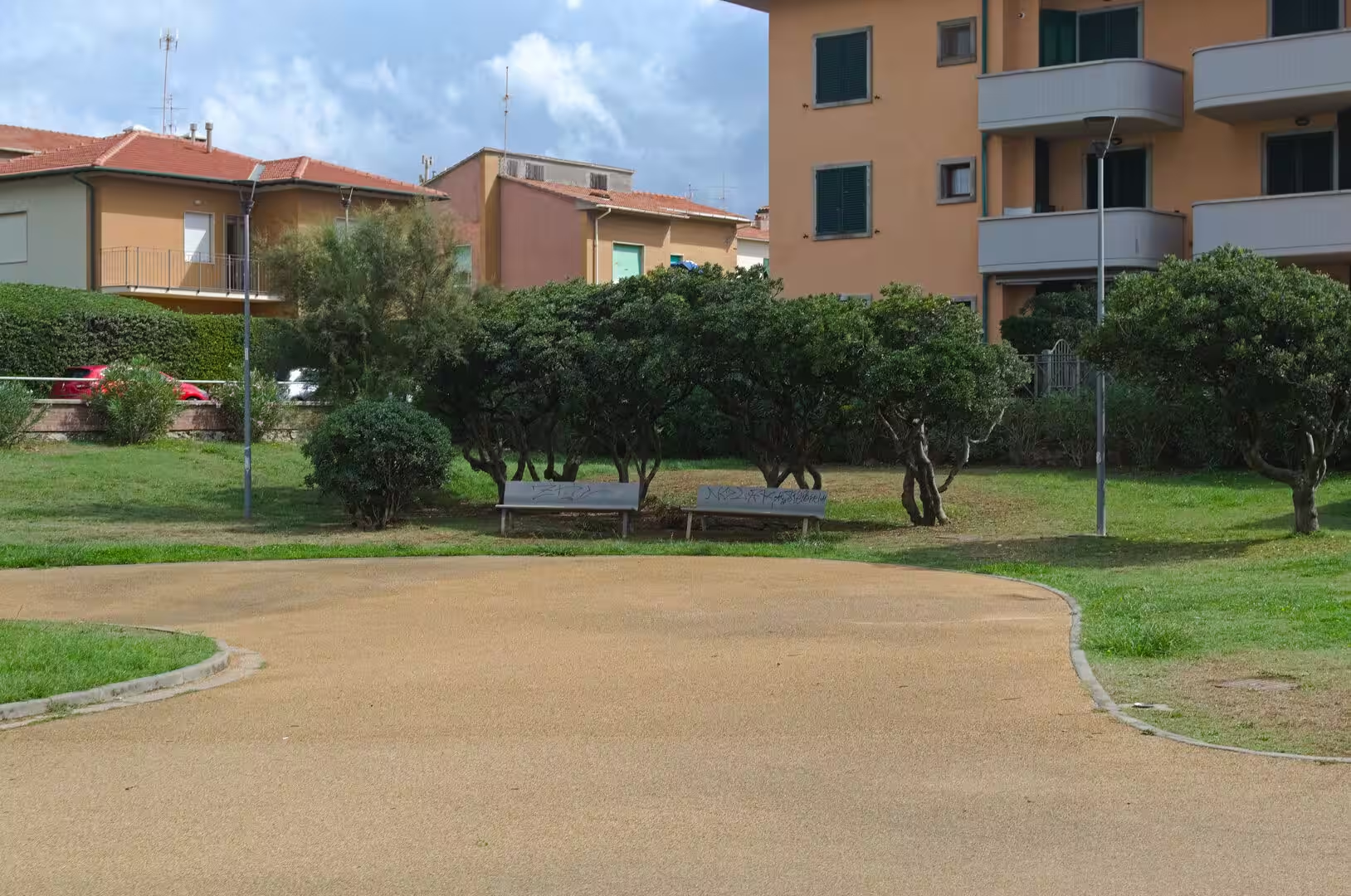
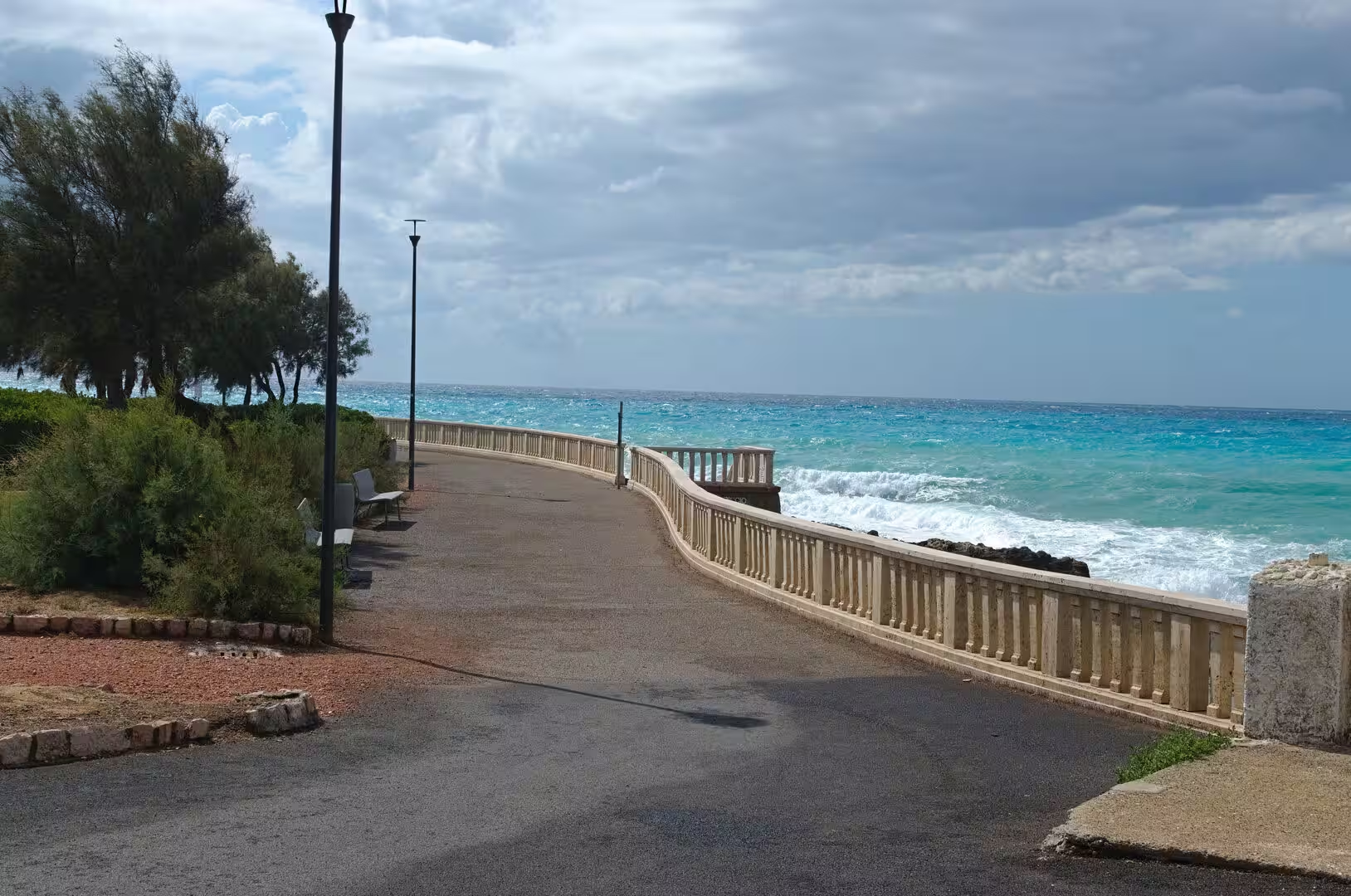
The seafront is made for walking, and it is the promenade with a stone balustrade that carries most of the evening traffic. The parapet curves with the shore, the sea is on one side and the fronts of the buildings on the other. Benches face the water at intervals, a wide canopy shelters a group of them on a lawn, and a tan coloured walkway winds between the flowerbeds past orange apartment buildings in the direction of the marina.
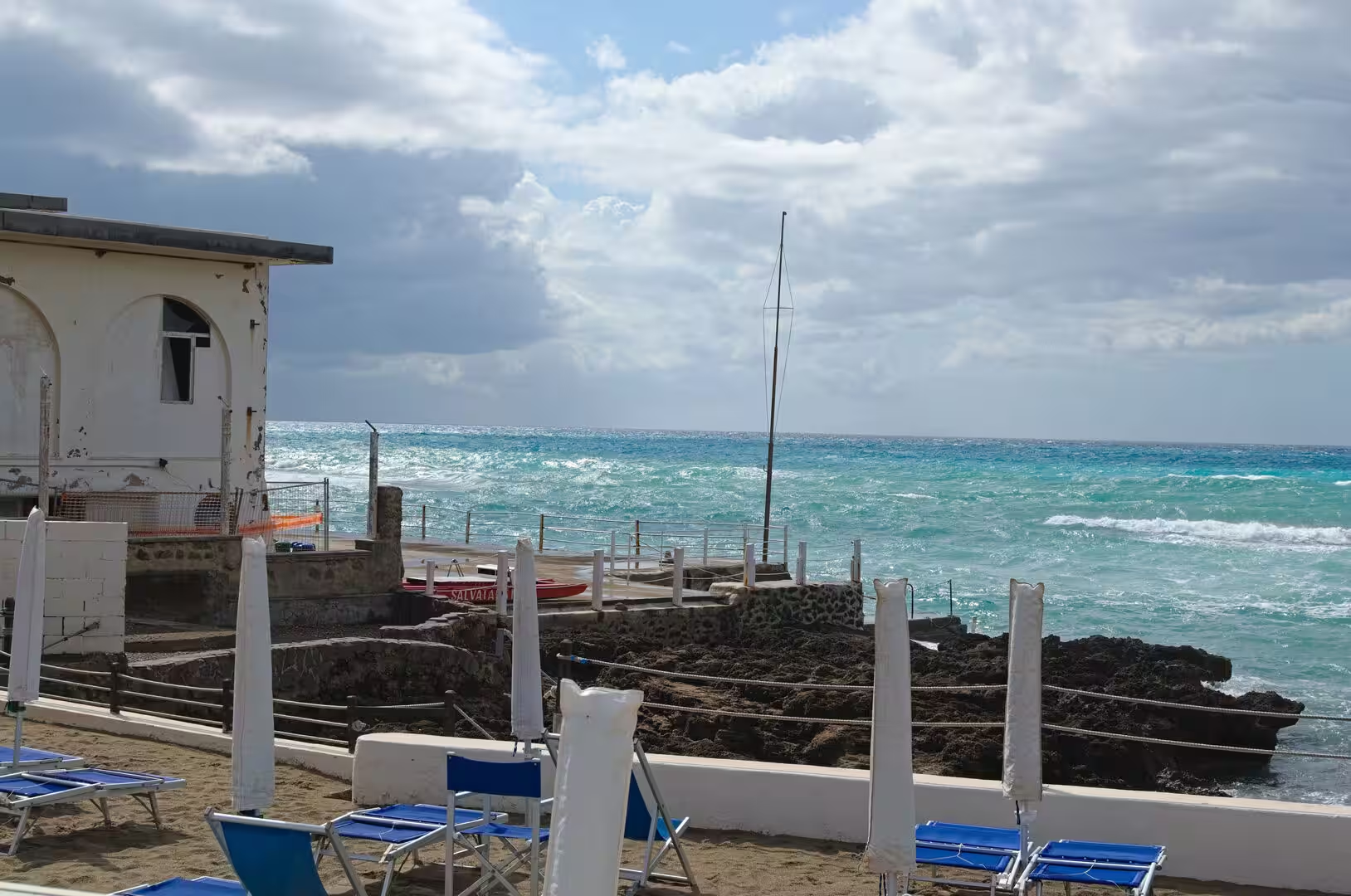
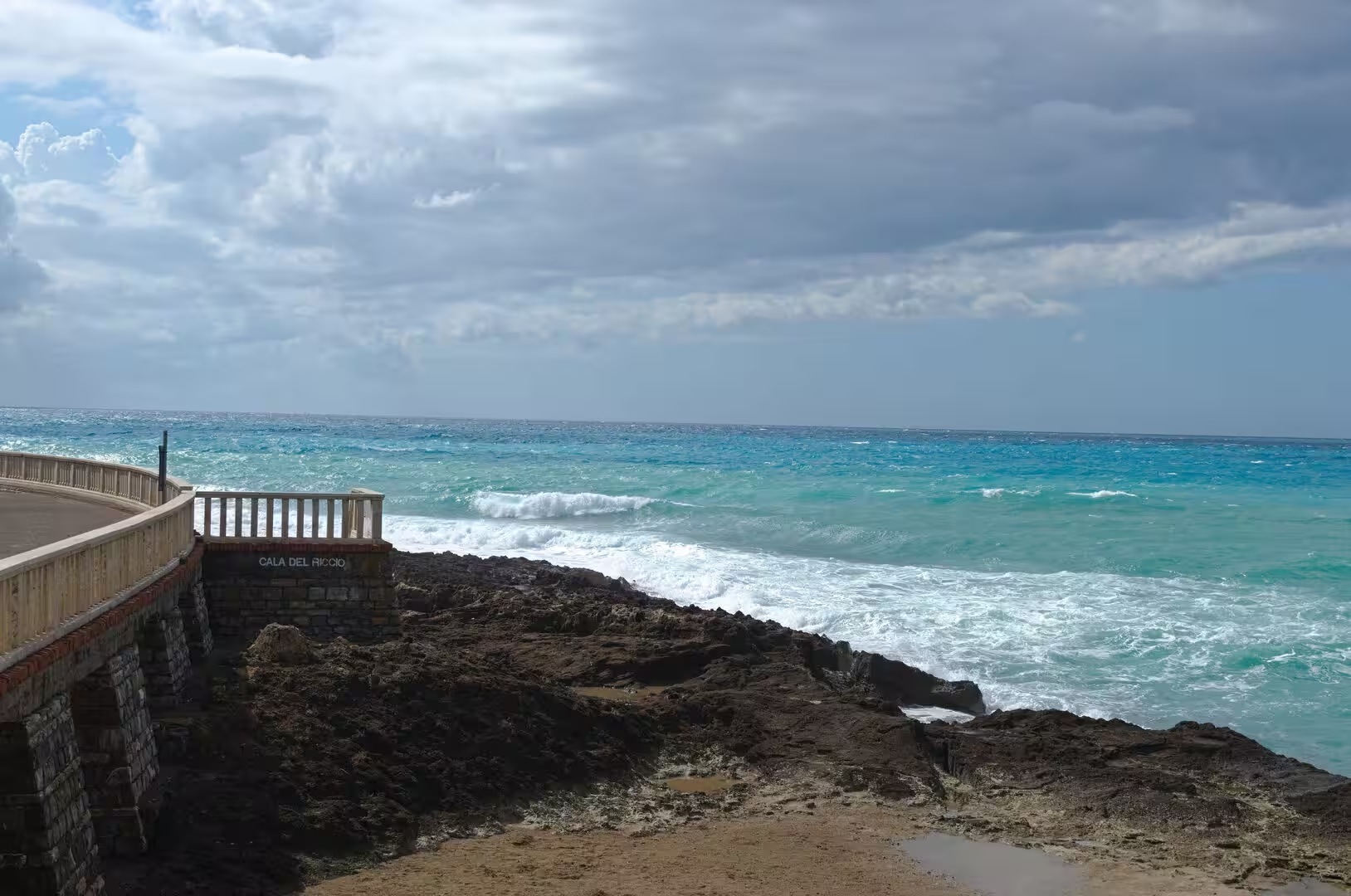
South of the town the character of the coast changes within a kilometre. The sand gives way to rock, the coves become small and enclosed, and the water over them is deep enough for swimming from the ledges where access is possible. A stone terrace with a white balustrade marks one of the viewpoints, above tilted slabs of dark rock where the swell breaks and runs up the gullies, and a sign at the parapet gives the cove its name. It is a place for a morning rather than for a day.
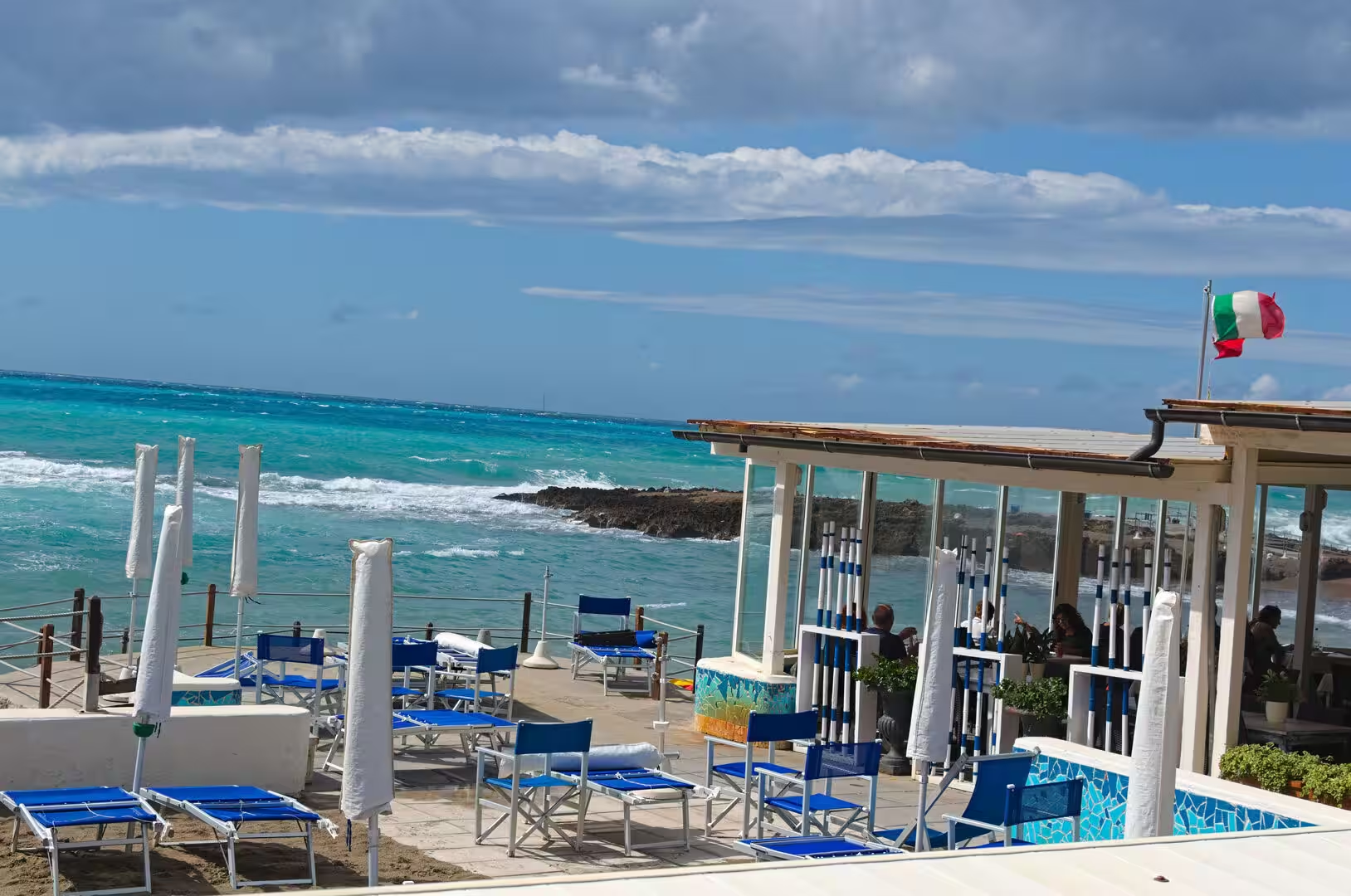
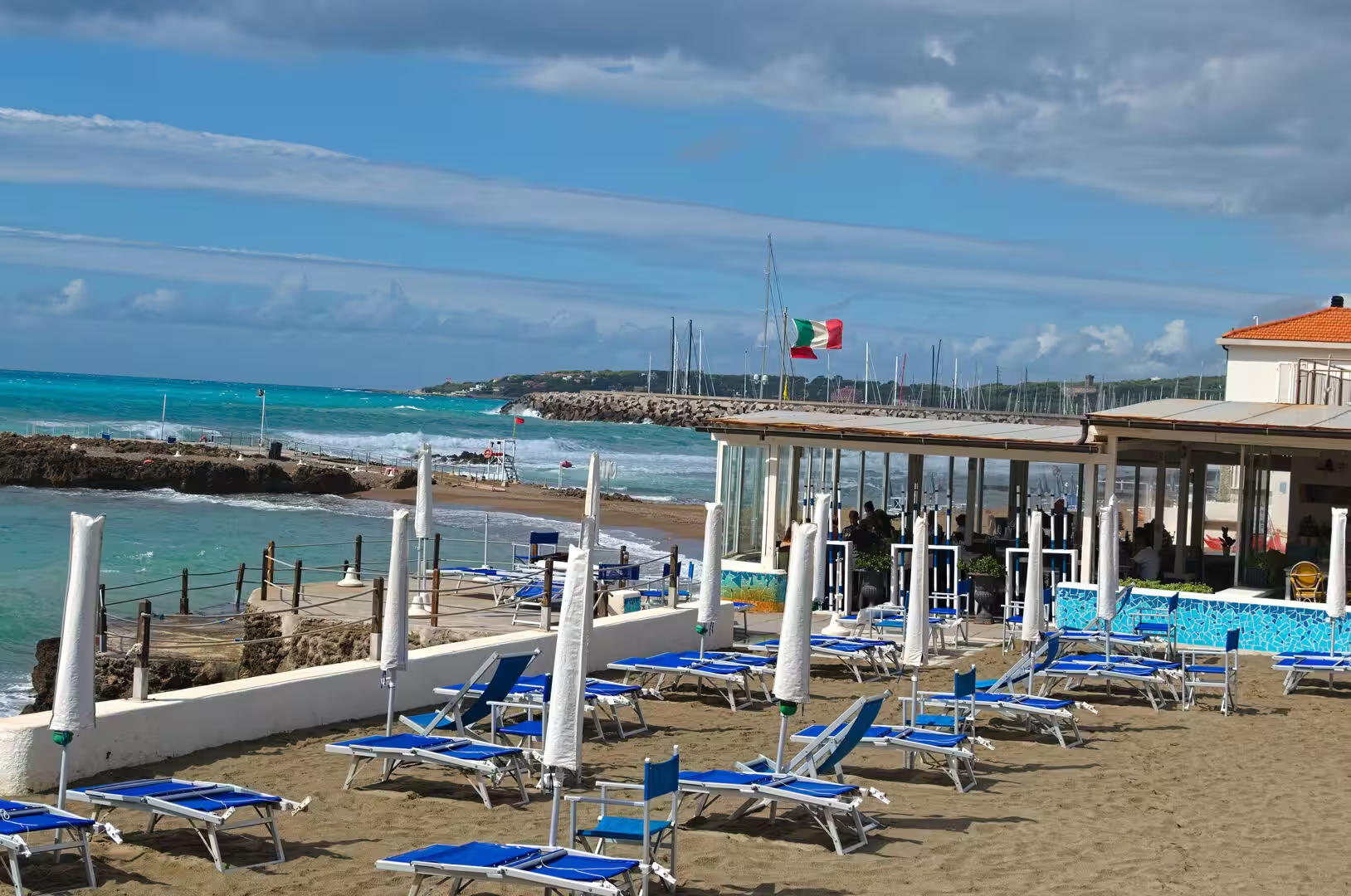
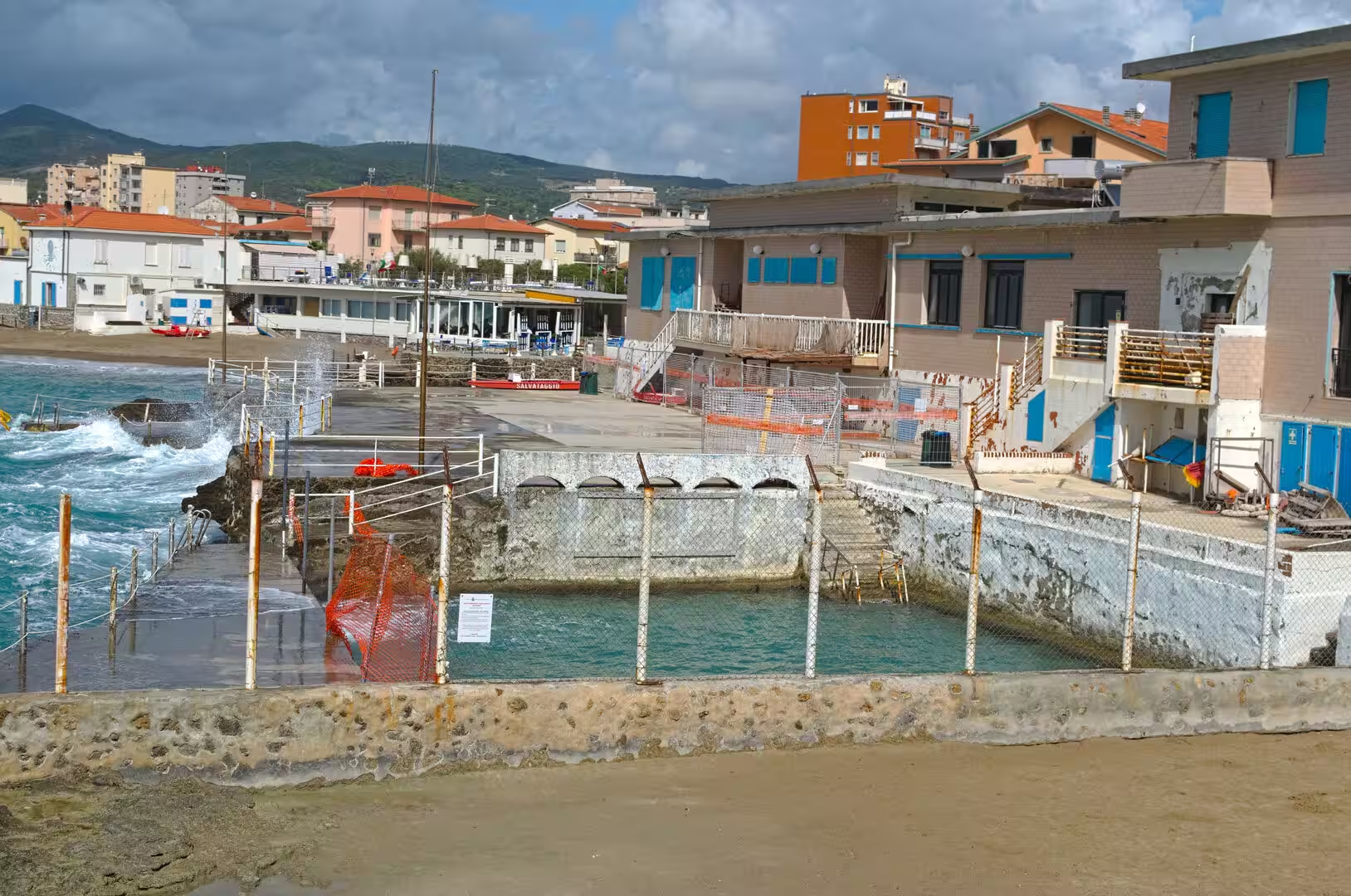
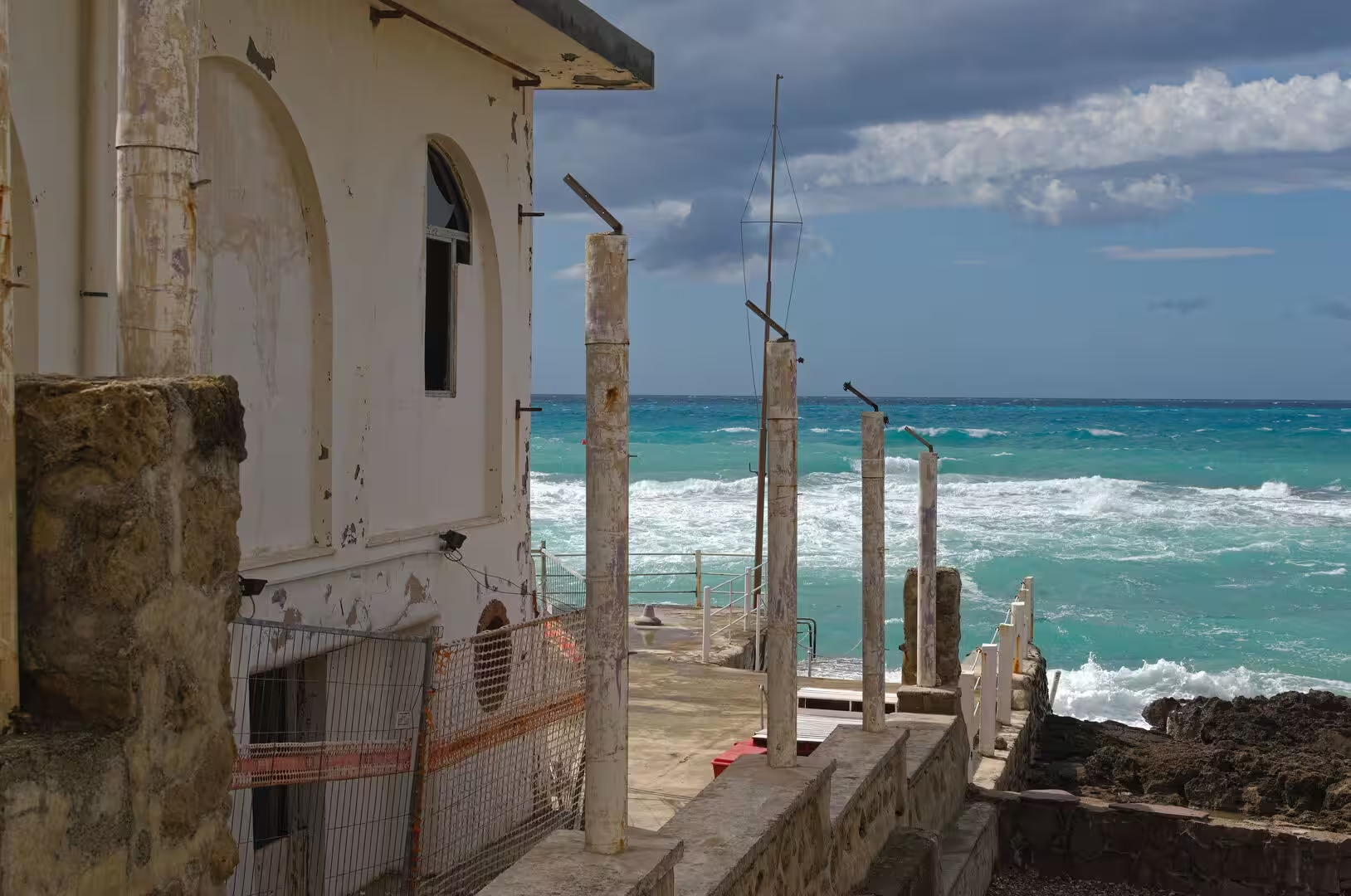
The beach clubs belong to the Italian seaside tradition. Under the canopies there are changing cabins, showers, a bar and a restaurant, and rows of blue loungers under white umbrellas occupy the sand in front of them. A flag flies from a mast above the entrance and is the signal for the state of the water. Tidal pools enclosed by concrete walls hold the water at low tide, and the stone breakwater with its rusted iron posts protects the small marina behind it.
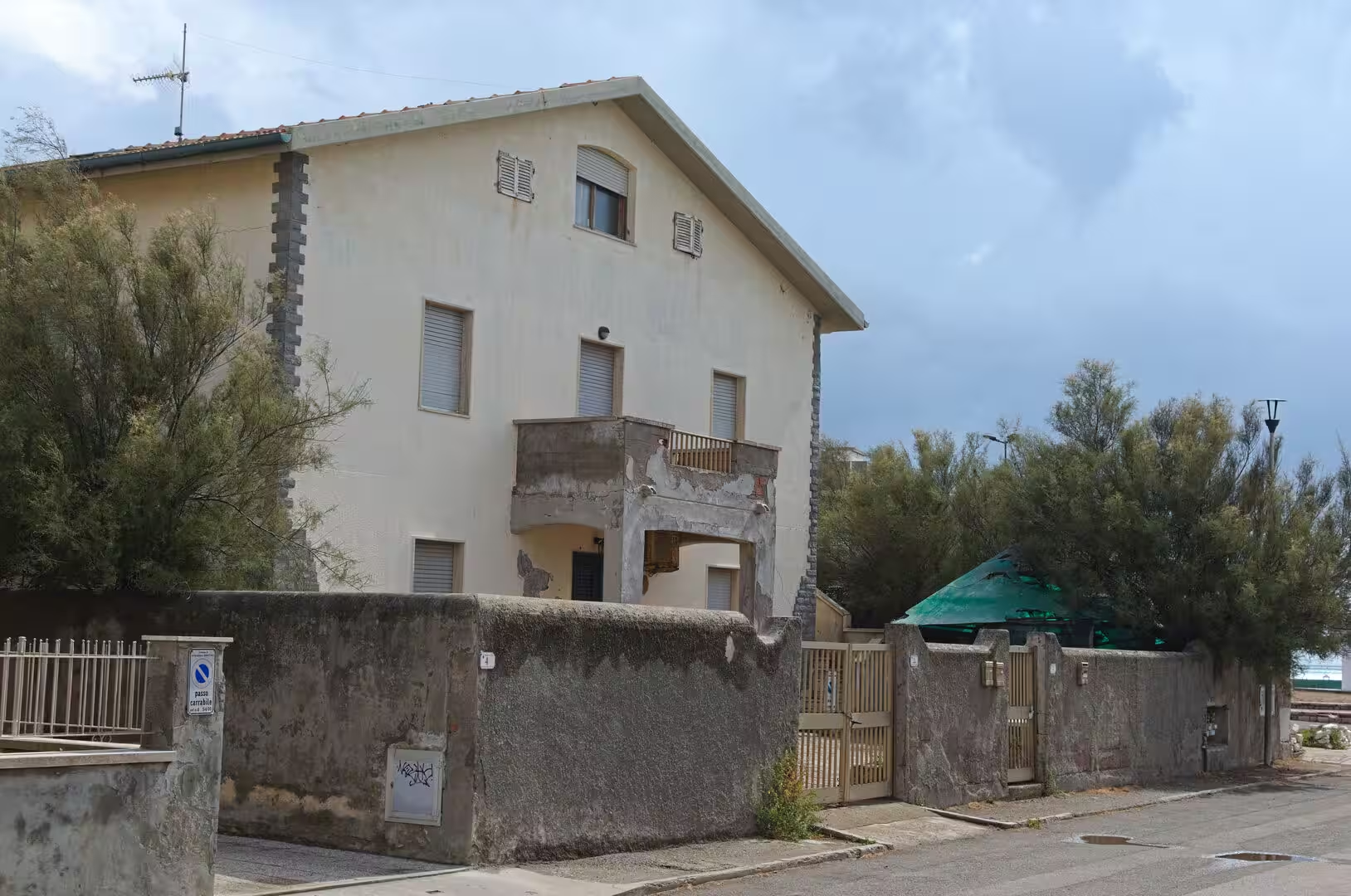
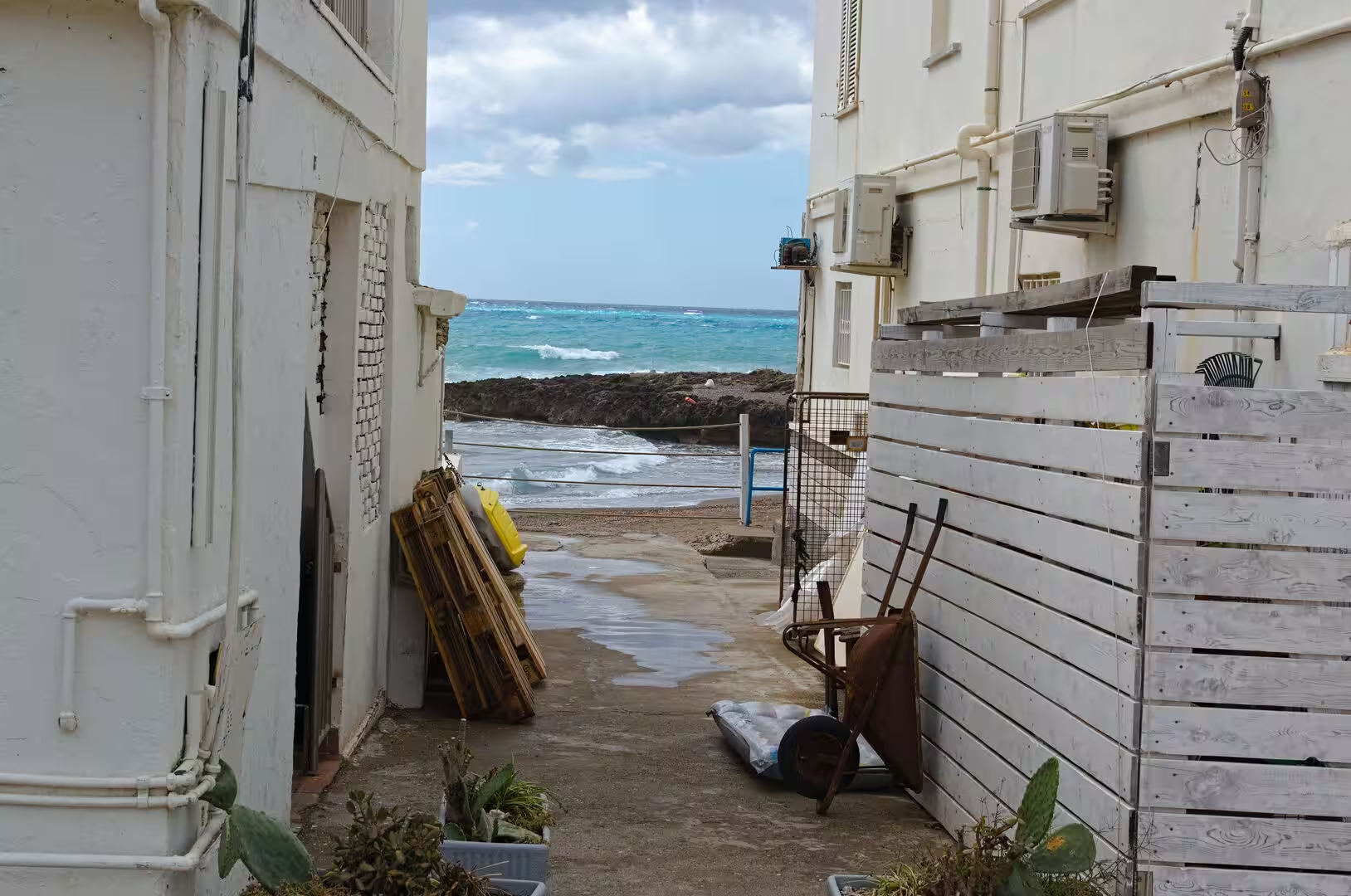
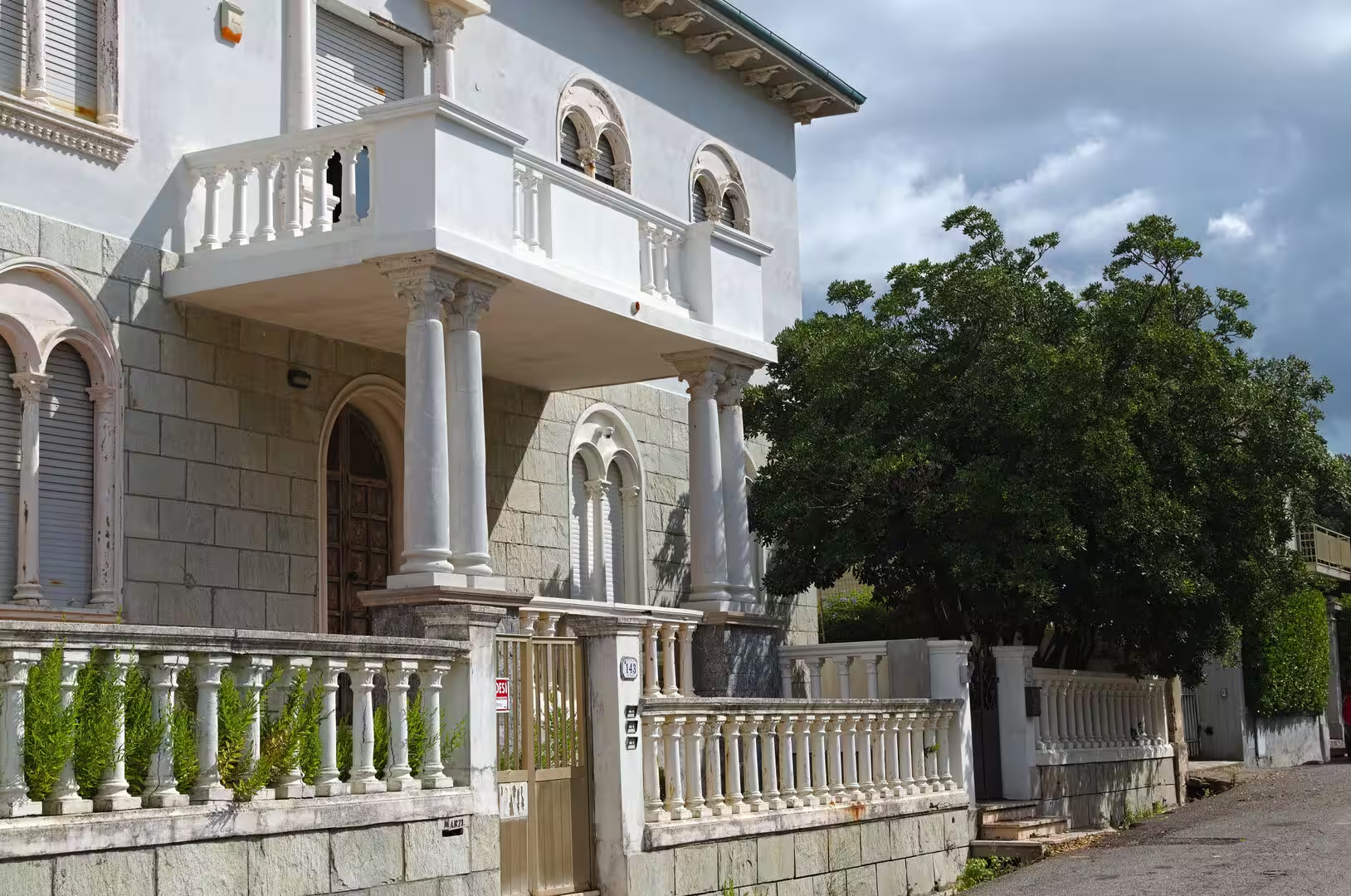
Inland from the front the town is quiet and ordinary, and worth an hour. On a side street a pale two storey house with peeling plaster stands behind a low wall and a wooden gate, washing on its balcony, and around the corner a rusty yellow air conditioning unit hangs above green shutters in a recess of the wall. In the older part, where the lanes run narrow between white walls, there is a gap between the buildings through which the sea appears at the end of the street. One villa near the park has columns, a balustrade and a garden of tall green trees, and the town keeps a small theatre of its own together with two museums of Etruscan finds from the coast.
Practical notes. The station is on the Pisa to Rome line with frequent trains to Livorno, Pisa and beyond, and the beach is a short walk from the platforms. Parking along the front fills early in August, and the streets behind the railway are easier. Swimming is prohibited in the immediate neighbourhood of the outfall, and there are signs on the sand to that effect. The beach clubs charge for the day, the free sections of beach are at the southern end, and the water is at its clearest in the mornings before the wind picks up.
References
- Wikipedia contributors (2026). Rosignano Marittimo. en.wikipedia.org/wiki/Rosignano_Marittimo
- Wikipedia contributors (2026). Rosignano Solvay. en.wikipedia.org/wiki/Rosignano_Solvay
- Wikipedia contributors (2026). Spiagge Bianche. en.wikipedia.org/wiki/Spiagge_Bianche
- Wikipedia contributors (2026). Solvay (company). en.wikipedia.org/wiki/Solvay_%28company%29
- Wikipedia contributors (2026). Ernest Solvay. en.wikipedia.org/wiki/Ernest_Solvay
- Wikipedia contributors (2026). Castiglioncello. en.wikipedia.org/wiki/Castiglioncello
- Wikipedia contributors (2026). Livorno. en.wikipedia.org/wiki/Livorno
- Wikipedia contributors (2026). Province of Livorno. en.wikipedia.org/wiki/Province_of_Livorno
- Wikipedia contributors (2026). Tyrrhenian Sea. en.wikipedia.org/wiki/Tyrrhenian_Sea
- Wikipedia contributors (2026). Sodium carbonate. en.wikipedia.org/wiki/Sodium_carbonate
- Wikipedia contributors (2026). Calcium carbonate. en.wikipedia.org/wiki/Calcium_carbonate
- Wikipedia contributors (2026). Coastal erosion. en.wikipedia.org/wiki/Coastal_erosion
- Wikipedia contributors (2026). Tuscany. en.wikipedia.org/wiki/Tuscany
- Wikipedia contributors (2026). Quercianella. en.wikipedia.org/wiki/Quercianella
- Wikipedia contributors (2026). Maremma. en.wikipedia.org/wiki/Maremma
- Fanelli M., Loddo M., Mongelli F., Squarci P. (1974) Terrestrial heat flow measurements near rosignano solvay (Tuscany), Italy. Geothermics. 3. 65-73. doi.org/10.1016/0375-6505(74)90022-4
- Mitchell S., Khan S., Maharaj R., Robinson E. (2002) Carbonate Beach Sediment Composition at a Tourist Beach, Negril, Jamaica. Carbonate Beaches 2000. 204-217. doi.org/10.1061/40640(305)16
- Saengsupavanich C. (2019) Willingness to restore jetty-created erosion at a famous tourism beach. Ocean & Coastal Management. 178. 104817. doi.org/10.1016/j.ocecoaman.2019.104817
- Alexandrakis G., Manasakis C., Kampanis N.A. (2015) Valuating the effects of beach erosion to tourism revenue. A management perspective. Ocean & Coastal Management. 111. 1-11. doi.org/10.1016/j.ocecoaman.2015.04.001
- Cecchi L.B., Cinelli F. (1989) Note on a Polysiphonia sp. (Rhodophyta, Ceramiales) collected at Rosignano Solvay (Western Mediterranean). Giornale botanico italiano. 123. 49-54. doi.org/10.1080/11263508909430246