Day 12 - Around Didim
22 July 2023







Journal Notes
General
Didim is a coastal town and district of Aydın Province on the Aegean coast of western Turkey, lying on the north shore of the Gulf of Güllük roughly halfway between the regional cities of İzmir and Bodrum. The district covers about 424 square kilometres and had a population of about 97,000 in 2022, of whom roughly a quarter live in the town proper; the rest are spread through villages, beach settlements and holiday developments along the coast. The town occupies the peninsula that antiquity knew as Posideium, and to the north the broad delta of the Büyük Menderes, the river called the Maeander in ancient times, meets the sea. The silt of that river long ago filled the inlet which once separated the peninsula from the mainland, so Didim, ringed by olive terraces and cotton fields, now feels fully part of the great plain.
The name Didim is the modern Turkish form of Didyma, the sanctuary of Apollo whose ruins lie at the edge of the town and which gives the resort its identity. The settlement itself is young. Known as Yoran under the Ottomans and later as Hisar, the old town was destroyed by an earthquake in 1955 and rebuilt under the name Yenihisar, before the district was separated from Söke in 1991 and adopted the ancient name Didim in 1997.
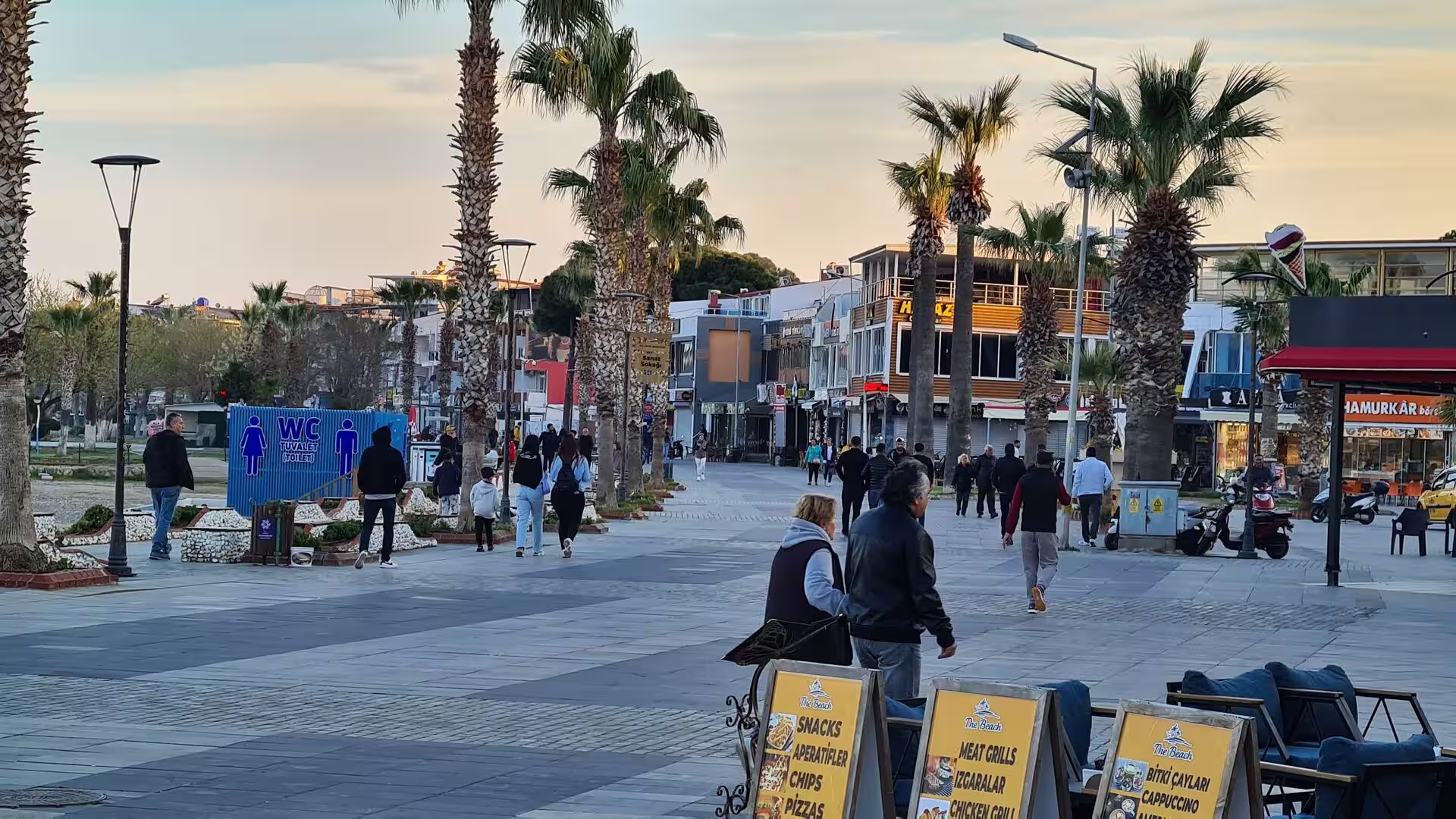
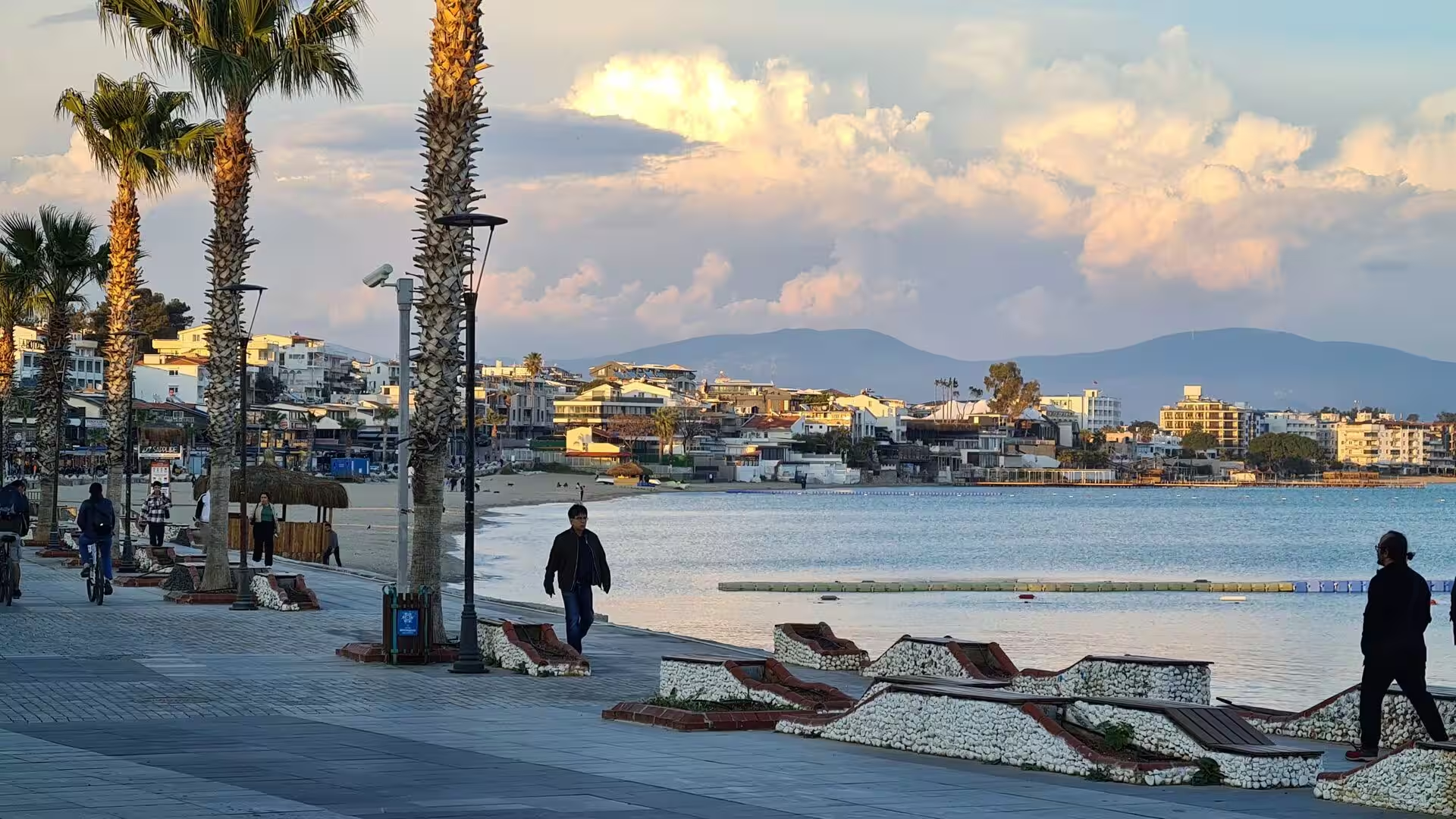
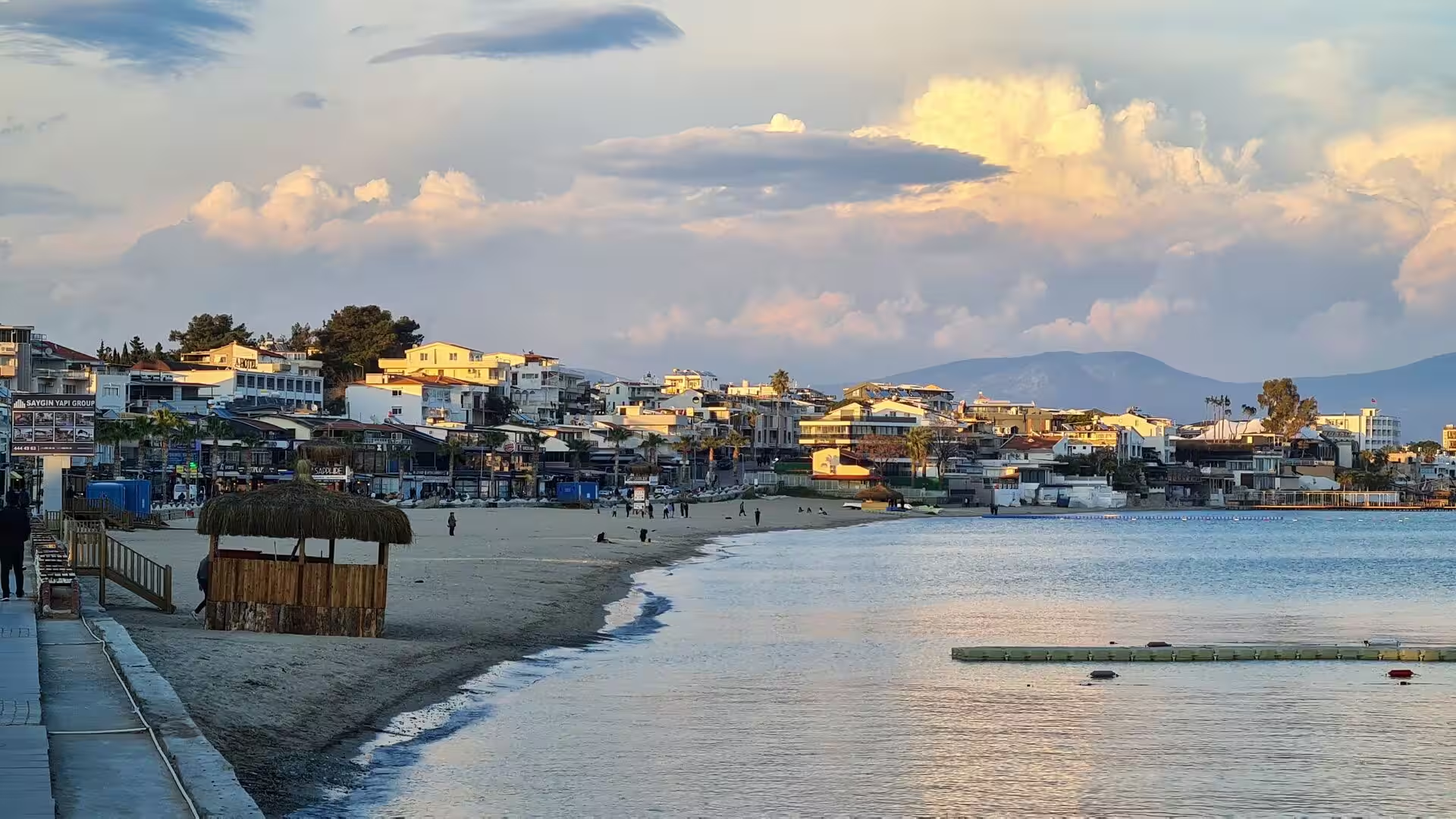
For most of the twentieth century the economy rested on farming and fishing. The tourist industry took shape from the 1980s, when hotels and summer houses spread along the shore of Altınkum, the beach quarter whose name means “golden sand”. Its long pale beach is backed by a palm-shaded promenade of cafes, restaurants and small shops, and the Didim Marina, opened in 2009, lies just beyond the bay, giving the town a new role as a yachting port.
Tourism dominates the summer months, when holiday-makers from western Turkey and northern Europe fill the beaches, but the mild, sunny winters have also made Didim a permanent home for a large British community, so the promenades stay busy all year. Agriculture still shapes the hinterland: wheat and cotton on the delta plain, olives on the terraced slopes, sheep and goats on the low hills. The district’s neighbourhoods string the coast from the fishing coves of Akbük in the west to Balat in the north, the village that lies beside the ruins of Miletus.
History
For over two thousand years the district’s history was written by Miletus and Didyma. Miletus, in the north of what is now Didim district, was already a fortified Mycenaean stronghold between about 1450 and 1100 BC. After the migrations of the early first millennium BC it rose to become the foremost of the twelve cities of the Ionian League, and in the sixth century BC it was the wealthiest Greek city of Asia: its ships founded dozens of colonies around the Mediterranean and the Black Sea, while the philosophers Thales, Anaximander and Anaximenes, founders of the Milesian school, began the habit of explaining the world without recourse to myth.
Didyma was the sanctuary of Miletus, never an independent city, and its fame rested on the oracle of Apollo, second in reputation only to Delphi. Herodotus and Pausanias believed the cult older than the Ionian settlement of the coast, though archaeology traces it only to about 700 BC. The first temple was a simple unroofed court raised around the sacred spring and the laurel of the god, served by the Branchidae, the priestly family who claimed descent from Branchus, beloved of Apollo. The priestess sat above the spring, and her utterances, interpreted by the priests, were consulted by cities and kings across the Greek world.
The first catastrophe came with the Ionian Revolt against Persia (499 to 493 BC), which Miletus had incited. After the burning of Sardis in 498 BC the rebellion collapsed; at the naval battle of Lade, off Miletus in 494 BC, the Ionian fleet was destroyed and the Persians sacked the city and burned the sanctuary of Didyma. The bronze cult statue of Apollo, by the sculptor Canachus, was carried off to Ecbatana, the Branchidae were led away into Persian territory, and the sacred spring, so the tradition ran, ceased to flow. For about 160 years the oracle stayed silent and the sanctuary lay in ruins.
Alexander the Great took Miletus in 334 BC. Three years later, as he campaigned in Egypt, the spring at Didyma was reported to have begun to flow again, and the oracle hailed him as a son of Zeus. The Milesians now began the most ambitious temple project of the Hellenistic age, designed, Vitruvius says, by Paeonius of Ephesus and Daphnis of Miletus, and second in size only to the Artemision at Ephesus and the Heraion on Samos. Work advanced in fits and starts over six centuries: Seleucus I Nicator financed much of the early building and sent the cult statue back from Persia about 300 BC; the Galatians plundered the sanctuary in 277/76 BC; the shell of the temple stood complete by about 100 BC; and the eastern facade columns rose under Hadrian. Yet the temple was never finished: Pausanias said so in the second century AD, and the missing pediment still proves it today.
In 133 BC, after an alliance with Rome, Miletus became part of the Roman province of Asia, and the Roman centuries gave the region most of its surviving monuments. The theatre of Miletus was rebuilt in the later first century AD to hold about 15,000 spectators, and the Baths of Faustina, the market gate and the council house rose beside the agoras. The Acts of the Apostles record the apostle Paul meeting the elders of the church of Ephesus at Miletus in AD 57. From the third century decline set in: the Goths besieged the temple of Didyma in 262/63 without taking it, Miletus built new walls in 262, and the harbours were choking on silt. The oracle was silenced with the other pagan cults at the end of the fourth century, and a Christian basilica was built within the temple’s great open court.
Under Byzantine rule Miletus dwindled to the walled settlement of Palatia, whose houses filled the hollow of the old theatre beneath the fortress of Kaletepe. The earthquake of 1493 brought down nearly every column of the temple of Didyma that still stood. The district passed under Ottoman rule early in the fifteenth century and became quiet farmland, its ruins slowly buried. Archaeology returned in the 1870s, and the German excavations of Miletus, begun by Theodor Wiegand in 1899, continue to this day. In 1955 an earthquake destroyed the old town of Hisar, and the rebuilt resort, renamed Didim in 1997, turned towards the sea.
Geology
The lowlands around Didim form the western edge of the Menderes Massif, the crystalline core of western Anatolia and one of the most seismically active and fastest-deforming regions of the earth. The massif was compressed and metamorphosed during the Alpine mountain building that followed the collision of Africa and Arabia with Eurasia. It now forms a broad dome of coarse augen gneiss, wrapped in mica schists, phyllites and quartzites and crowned towards the outside with thick beds of white marble, all of Palaeozoic and early Mesozoic age.
During the last few million years the crust of the Aegean region has been stretching, and the massif has broken into tilted blocks along great east-west faults. The Didim plain is the floor of the largest of the resulting rift valleys, the Büyük Menderes graben, whose bounding faults have been active since the late Pliocene and still slip in earthquakes; the shock that destroyed old Hisar in 1955 shows that this landscape is still being formed.
Through the rift runs the Büyük Menderes, the “Great Maeander” and the largest river of the Aegean coast. It rises near Dinar and flows some 548 kilometres to the sea north of Didim, draining about 25,000 square kilometres of Anatolia; its looping course across its own flood plain gave the English language the word “meander”. Laden with silt eroded from the soft schists and marbles of the graben walls, the river has built one of the great deltas of the Mediterranean.
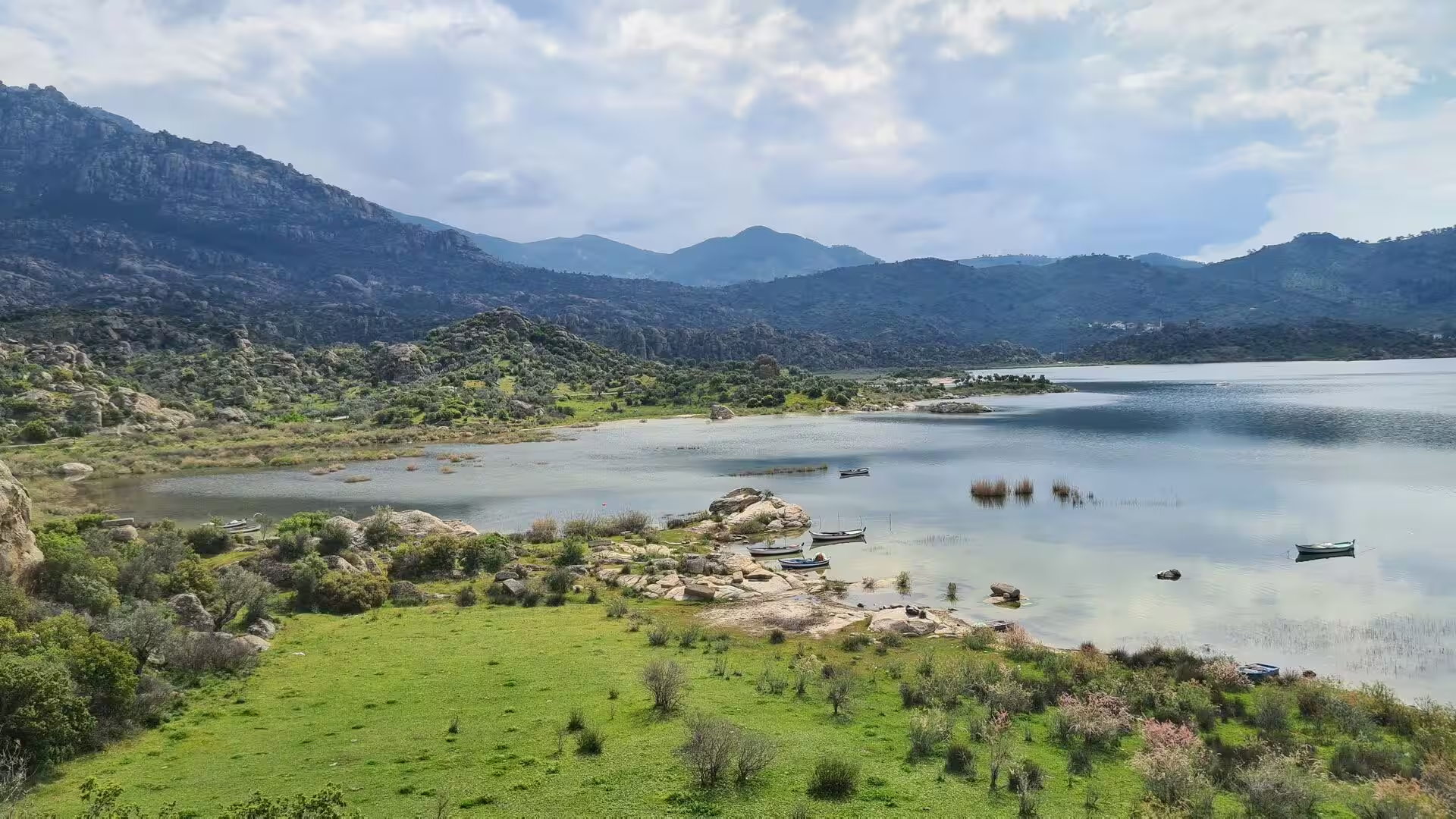
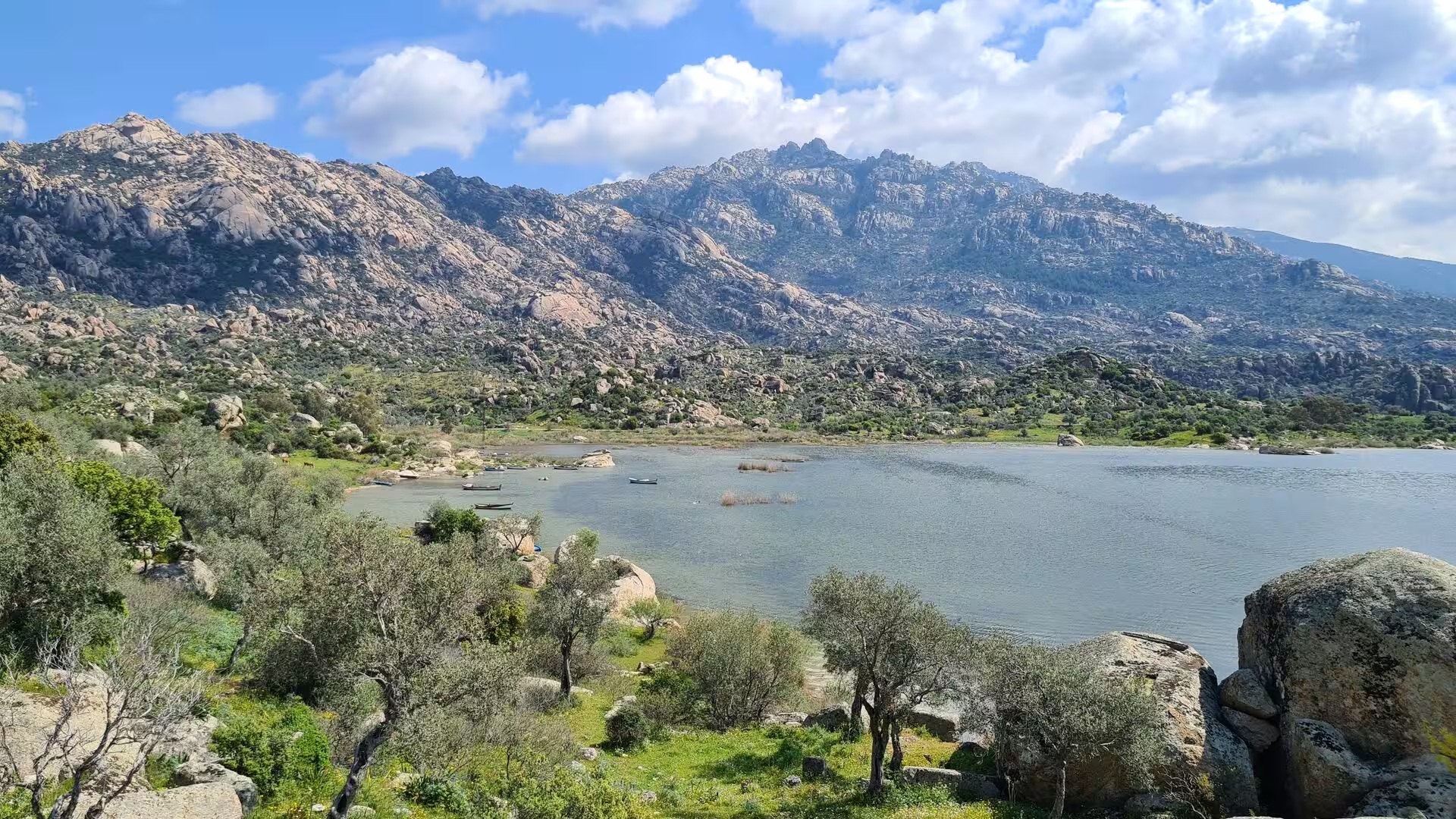
The delta explains both the history and the present shape of the region. In antiquity the sea reached far inland: Miletus, Priene and Myus stood on a single gulf of the Aegean, with the island of Lade guarding the Milesian harbours, and ships unloaded at quays where cotton fields now spread. As the delta advanced the harbours silted one by one; by the early Christian centuries Miletus was an inland town, its quays surviving only as reedy hollows in the plain. The innermost arm of the old gulf was sealed off behind the growing shoreline, its waters slowly turning from salt to brackish behind lagoons and marshes,.
The old rocks frame the plain on every side. Around the head of the former gulf, quarries in the marble belt of the massif supplied the white stone of Didyma and Miletus; blocks were hauled to the water and shipped to the sanctuary’s own harbour of Panormos, today the Mavişehir shore of Didim. Along the Didim coast itself, weathered rocky headlands of pale stone alternate with sandy coves such as Altınkum, whose Turkish name celebrates the colour of its beach sand.
Things to See
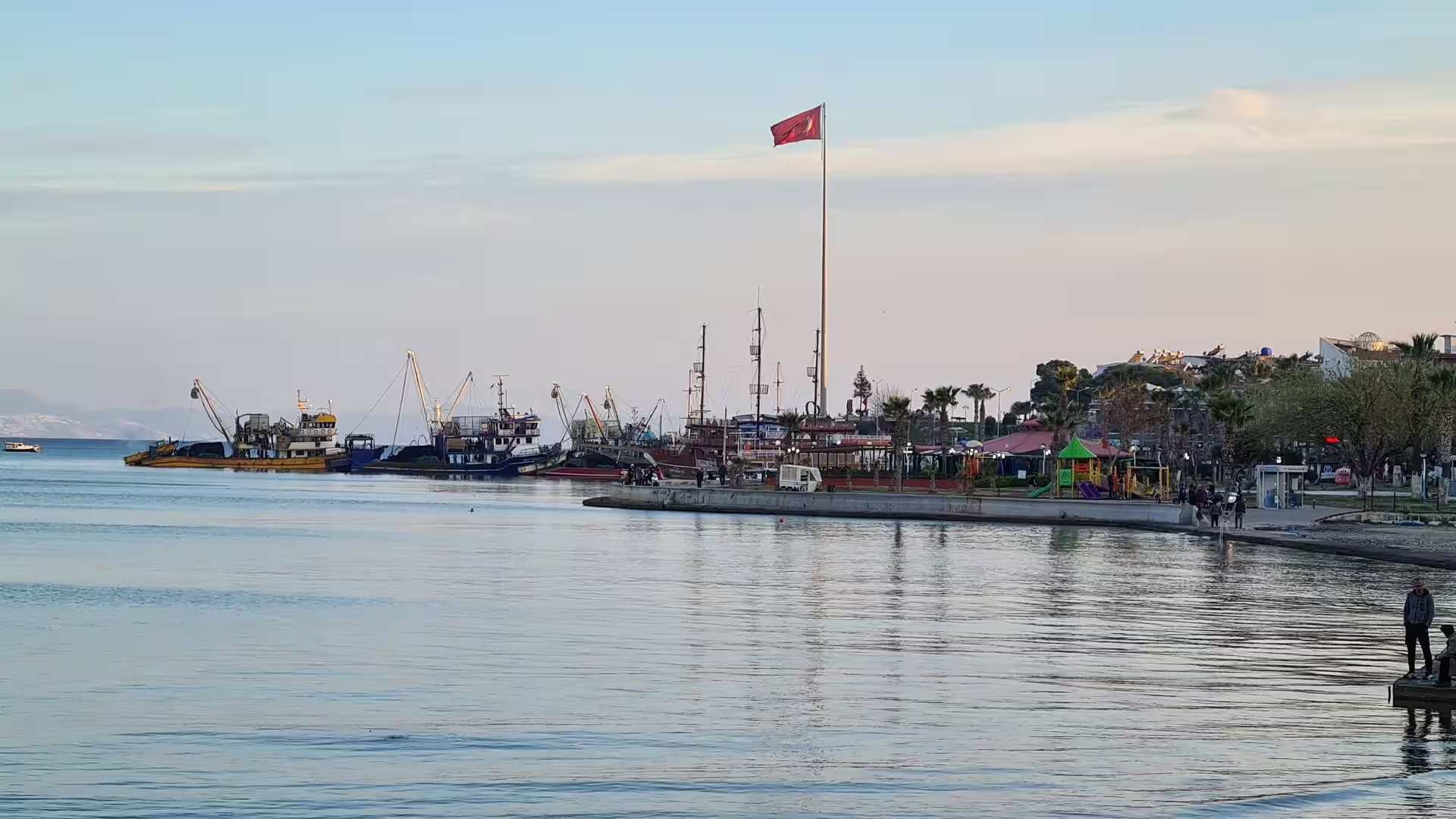
Didim and Altınkum The resort town climbs the low slopes behind the sea, its grid of whitewashed houses and apartment blocks ending at the long sandy bay of Altınkum. A palm-shaded promenade runs along the shore past cafes, bars and restaurants, and at its western end a small harbour shelters the fishing and excursion boats of the town. In the evening the seafront is at its best: the sun sets over the gulf, silhouetting the mountains of the Bodrum peninsula across the water. The Didim Marina, opened in 2009, extends the shore with berths for yachts up to 50 metres long, shops and restaurants.
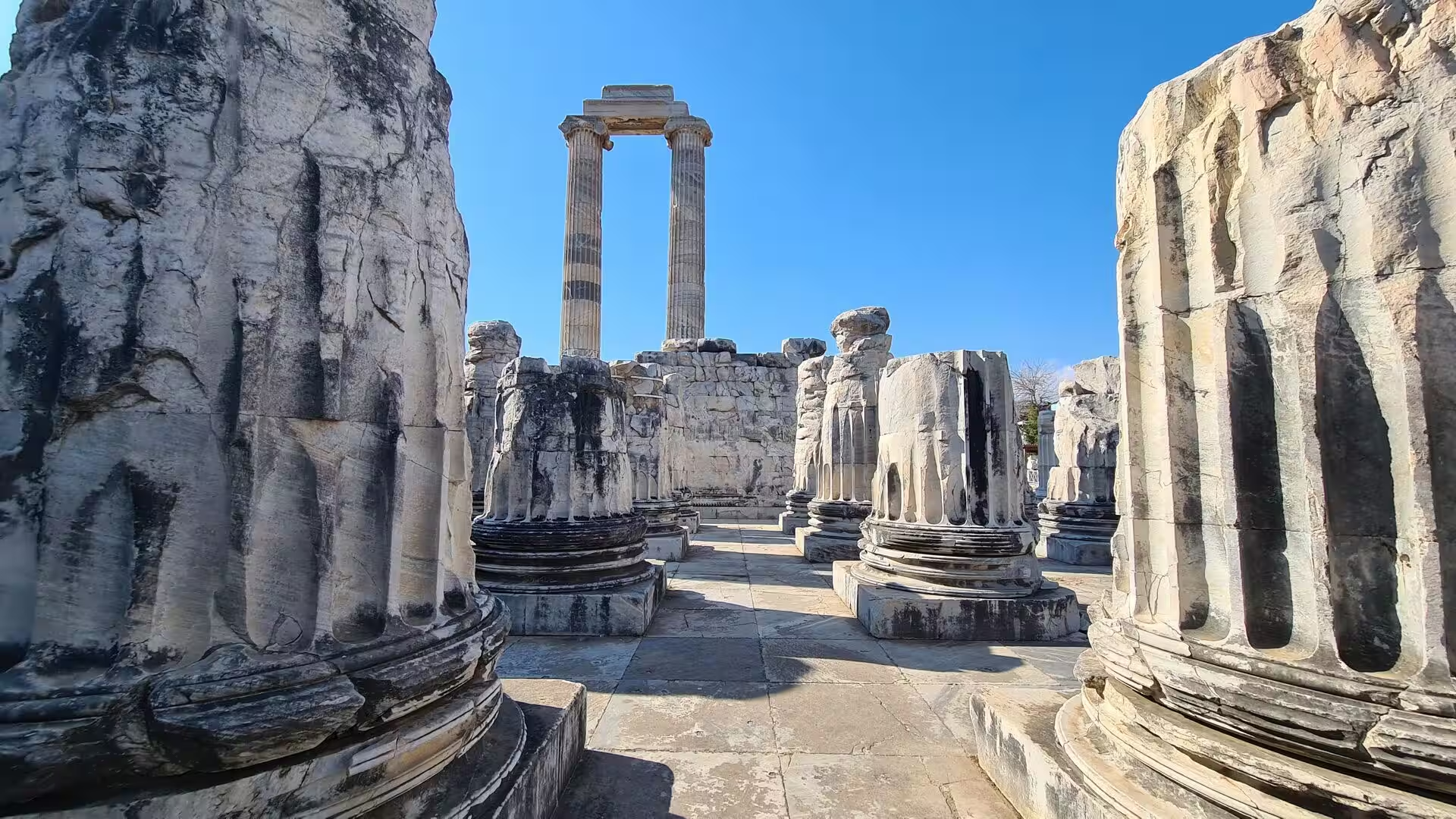
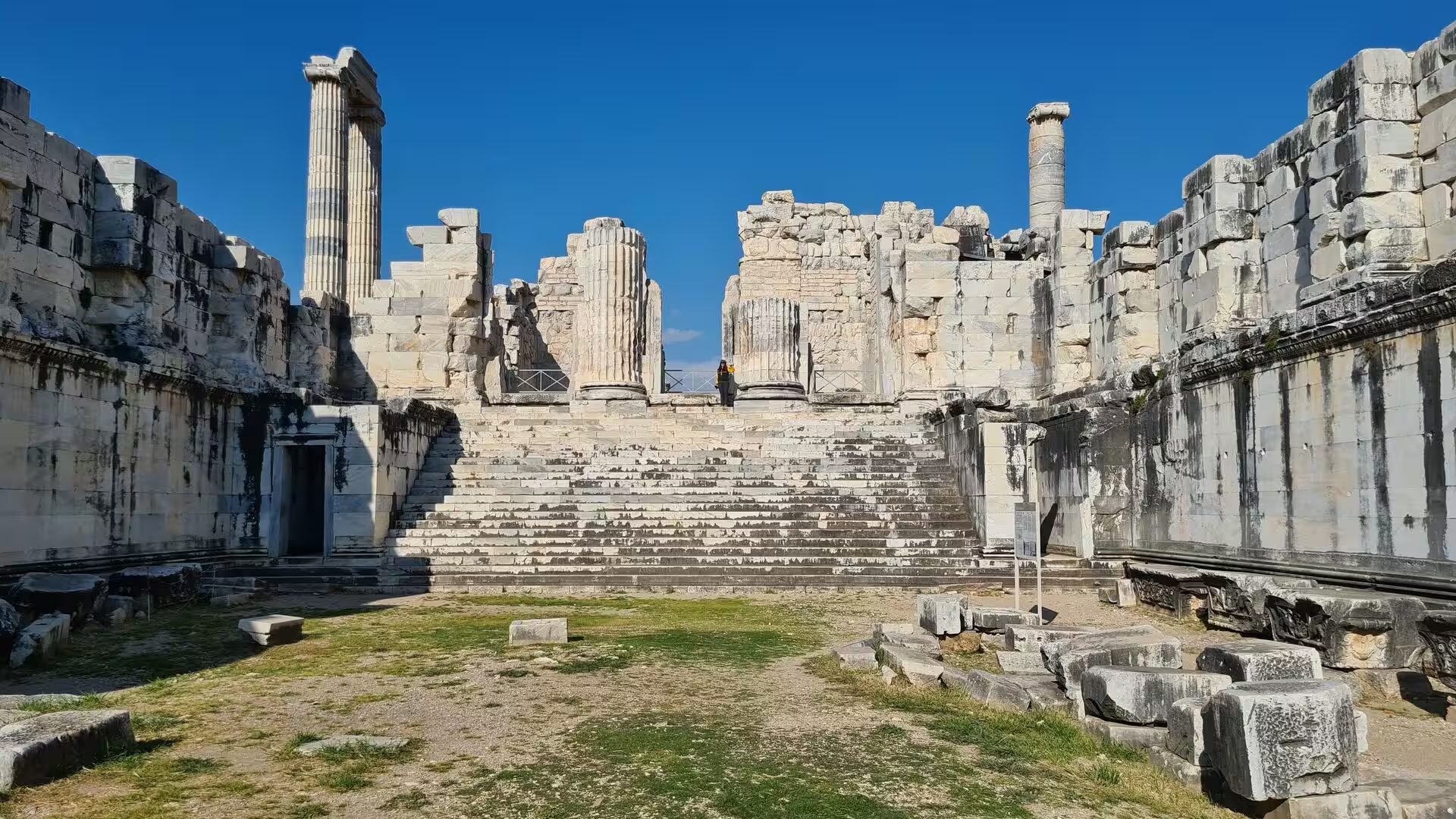
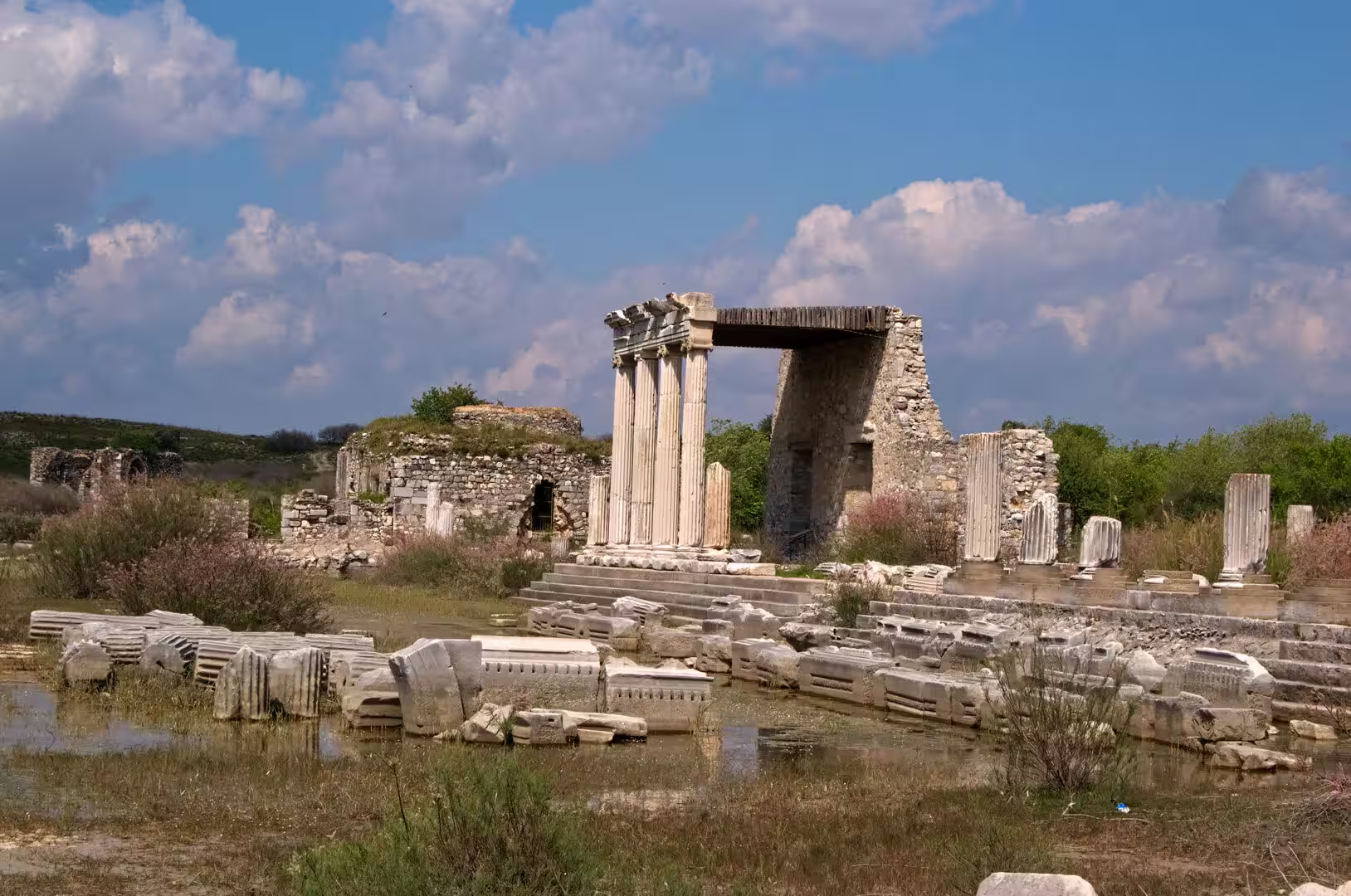
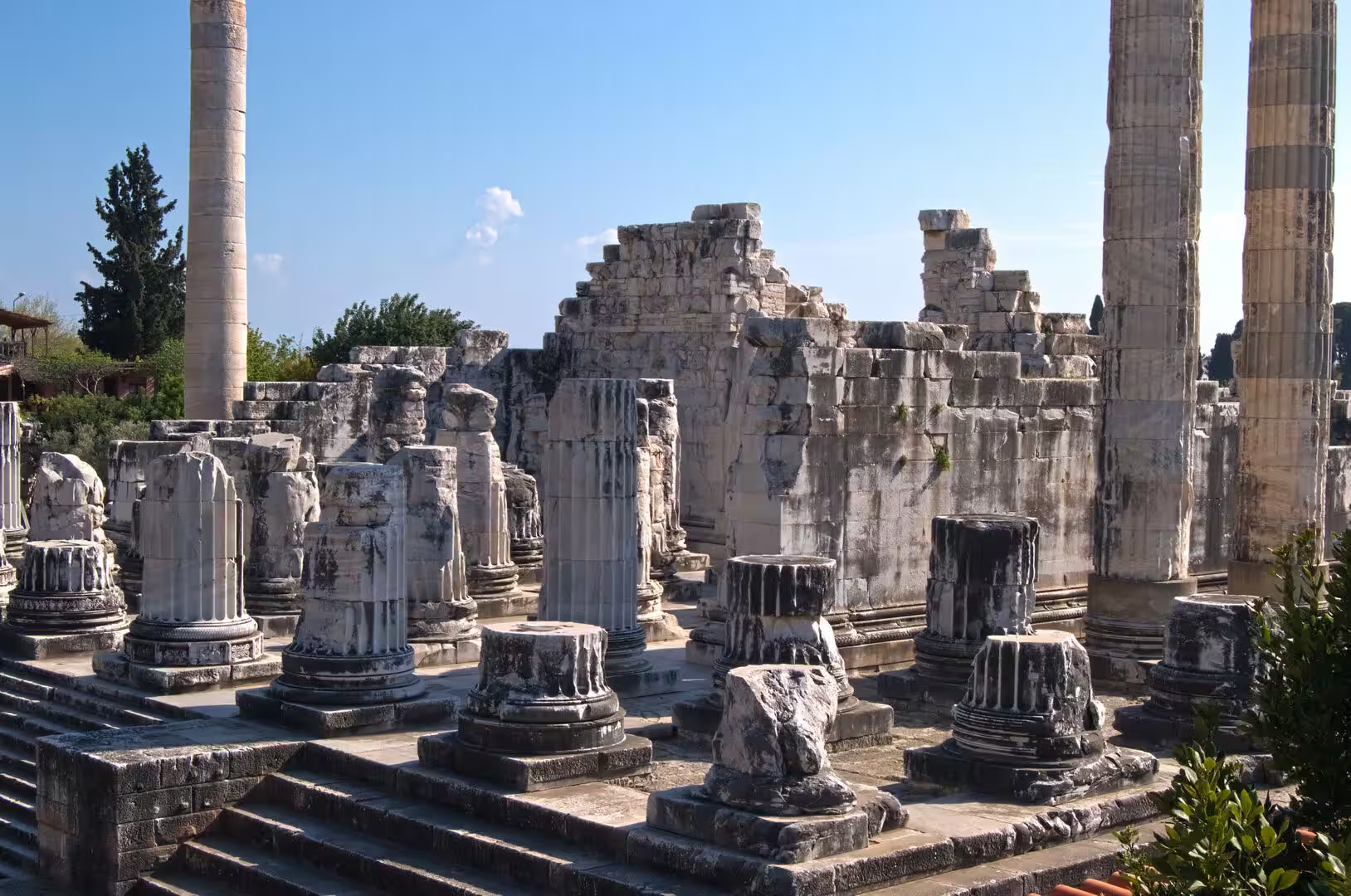
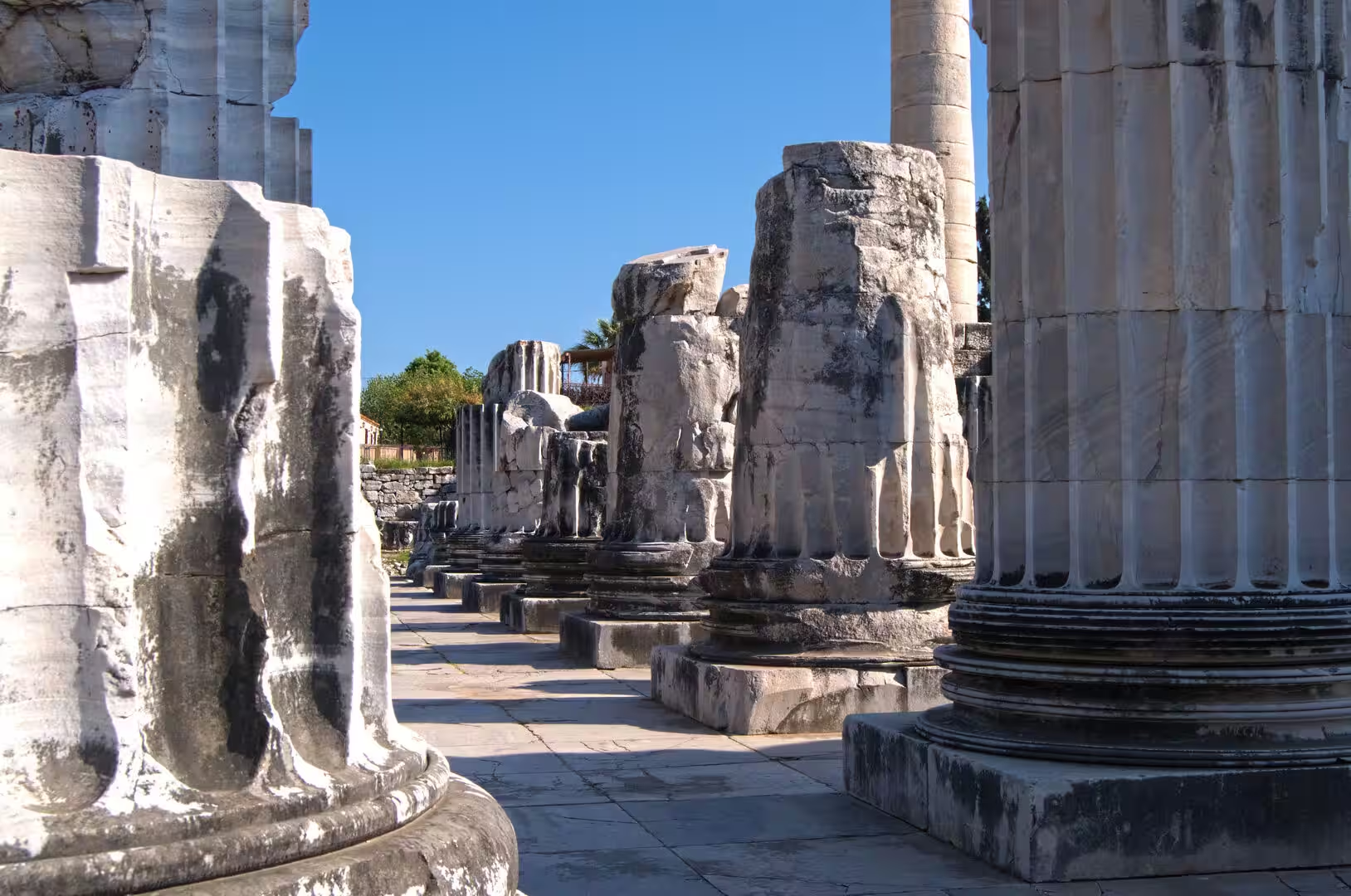
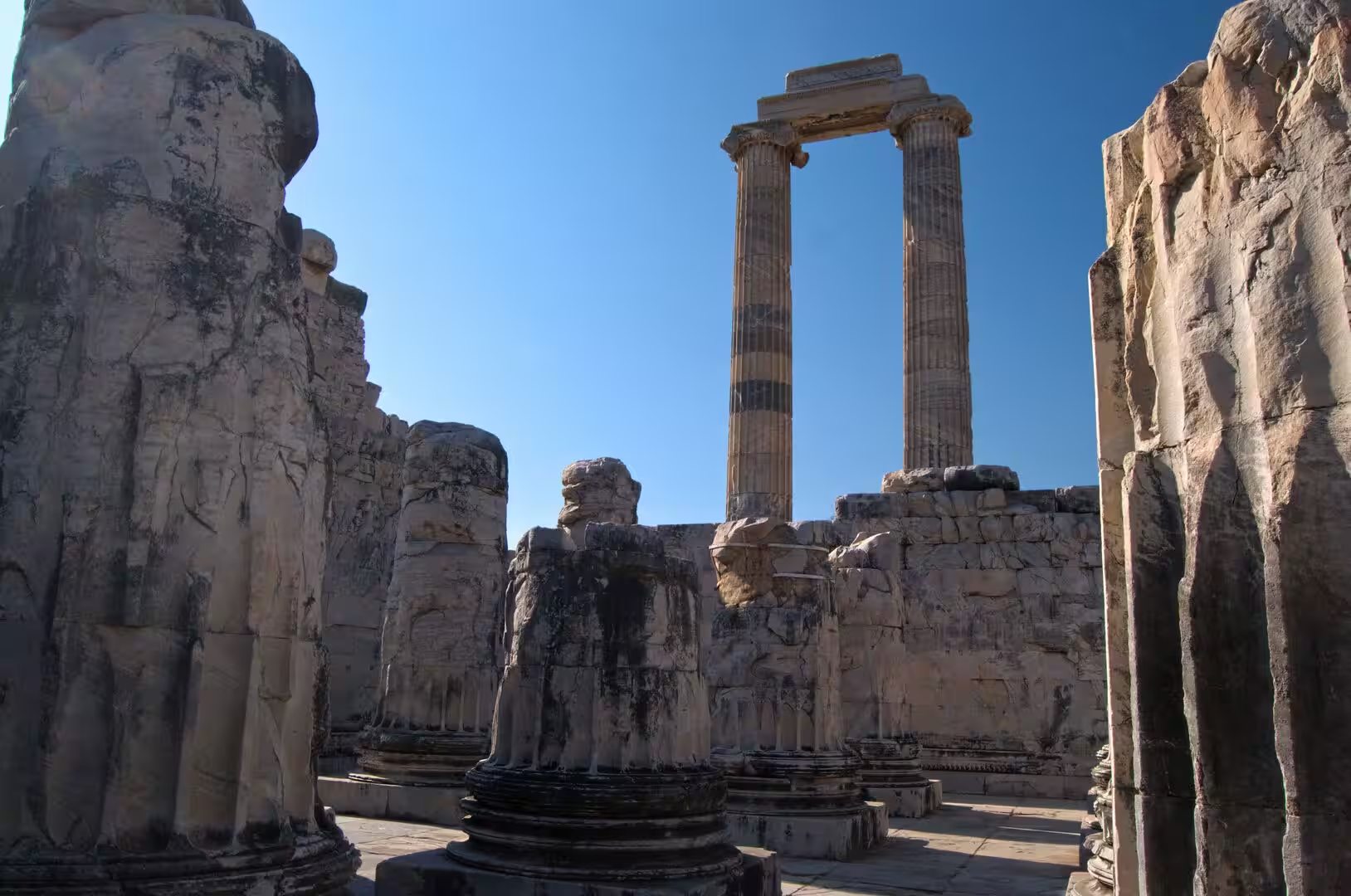
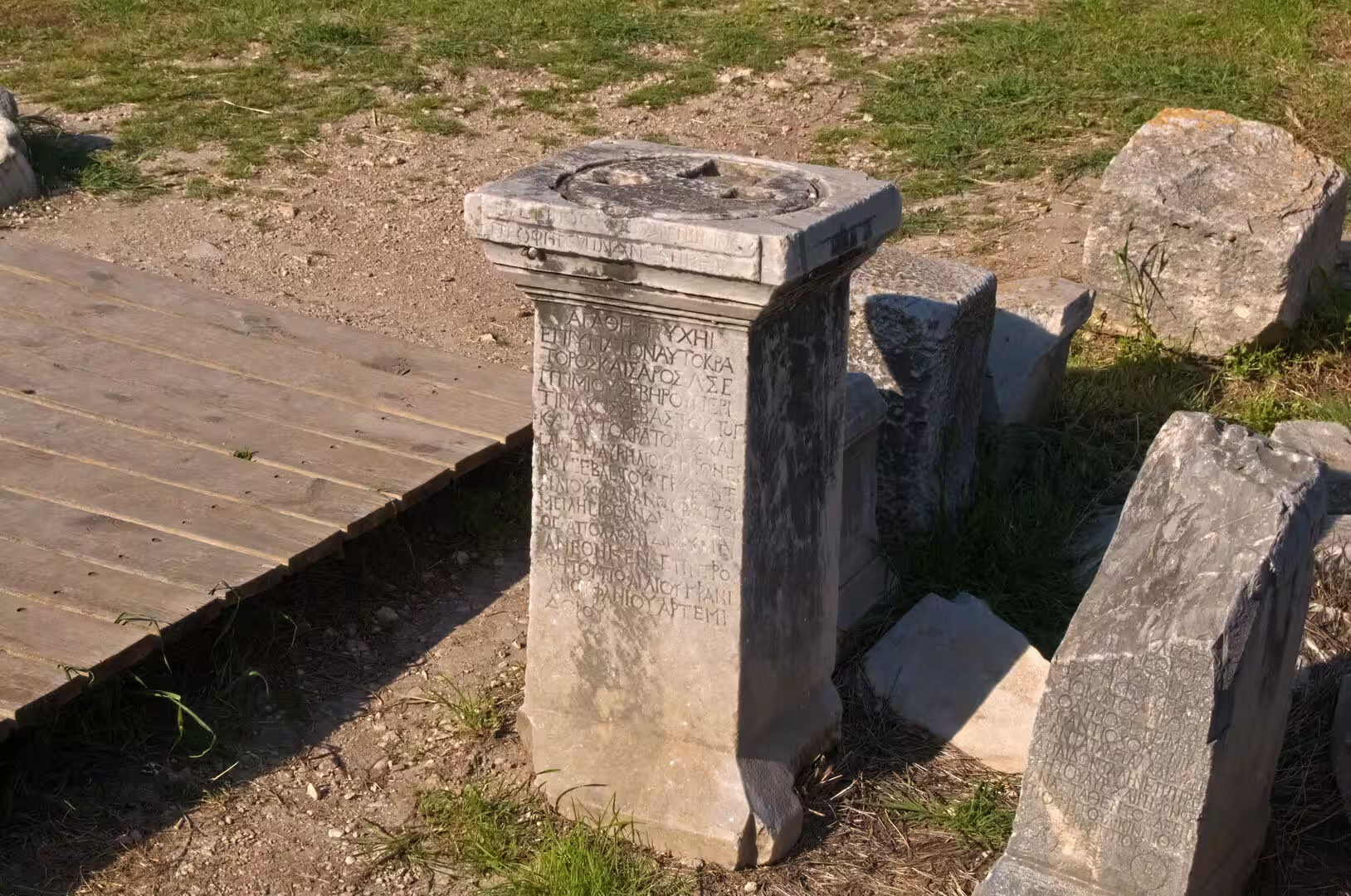
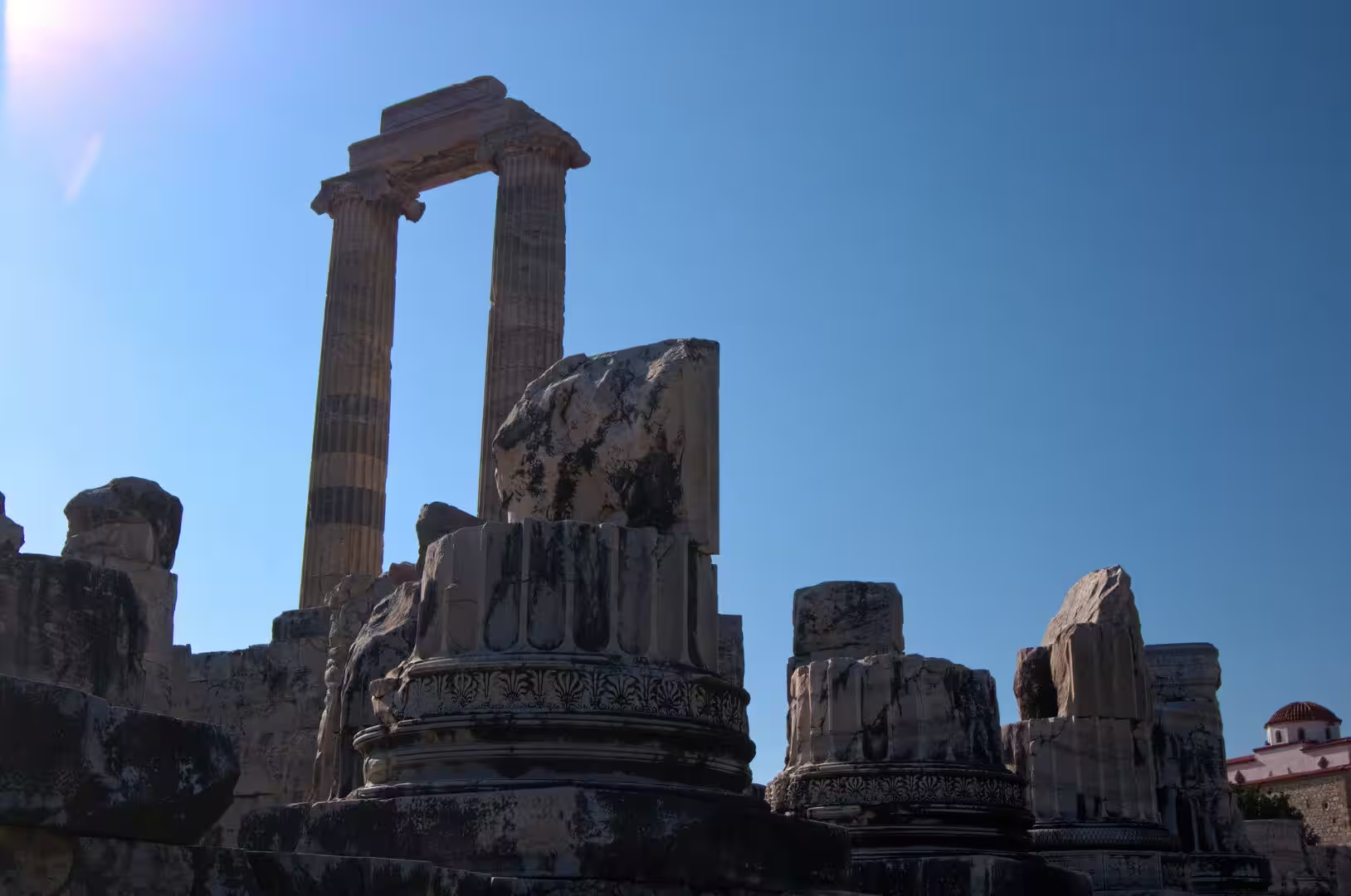
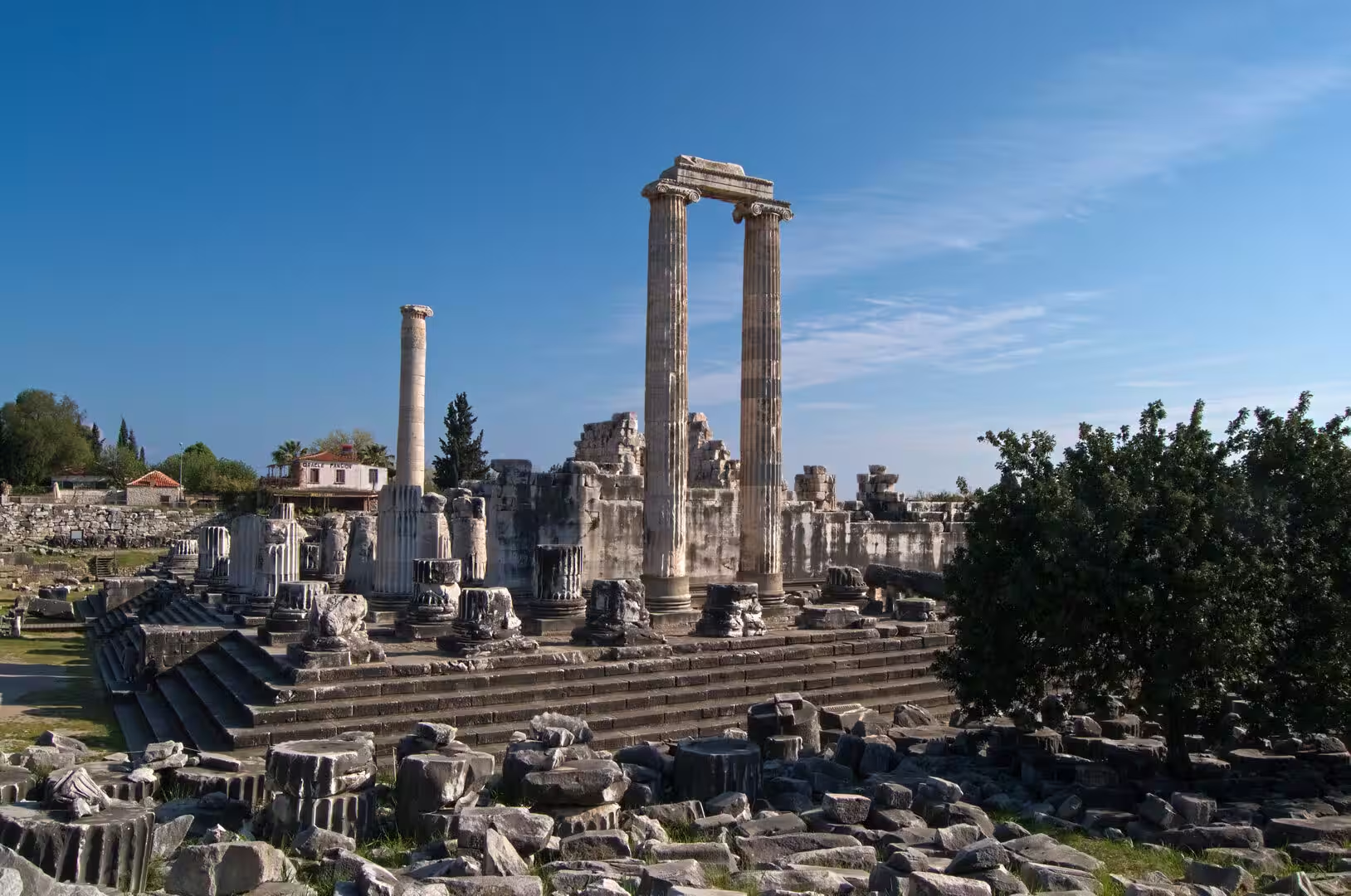
Temple of Apollo at Didyma The ruins of the great temple of Apollo lie at the southern edge of the town, in the middle of the modern streets, and are among the most impressive in Turkey. The Hellenistic building stood on a platform of seven steps measuring about 60 by 120 metres, its stylobate 51 by 109 metres, and was planned as a dipteral temple: double files of Ionic columns, ten across the front and twenty-one along each flank, about 120 in all, each column nearly 20 metres tall. The columns of the eastern facade were finished only under Hadrian, yet even then the temple remained incomplete; in 1493 an earthquake brought down almost everything that stood, and today a single pair of columns, still crowned by a stretch of entablature, gives the sanctuary its emblematic silhouette.
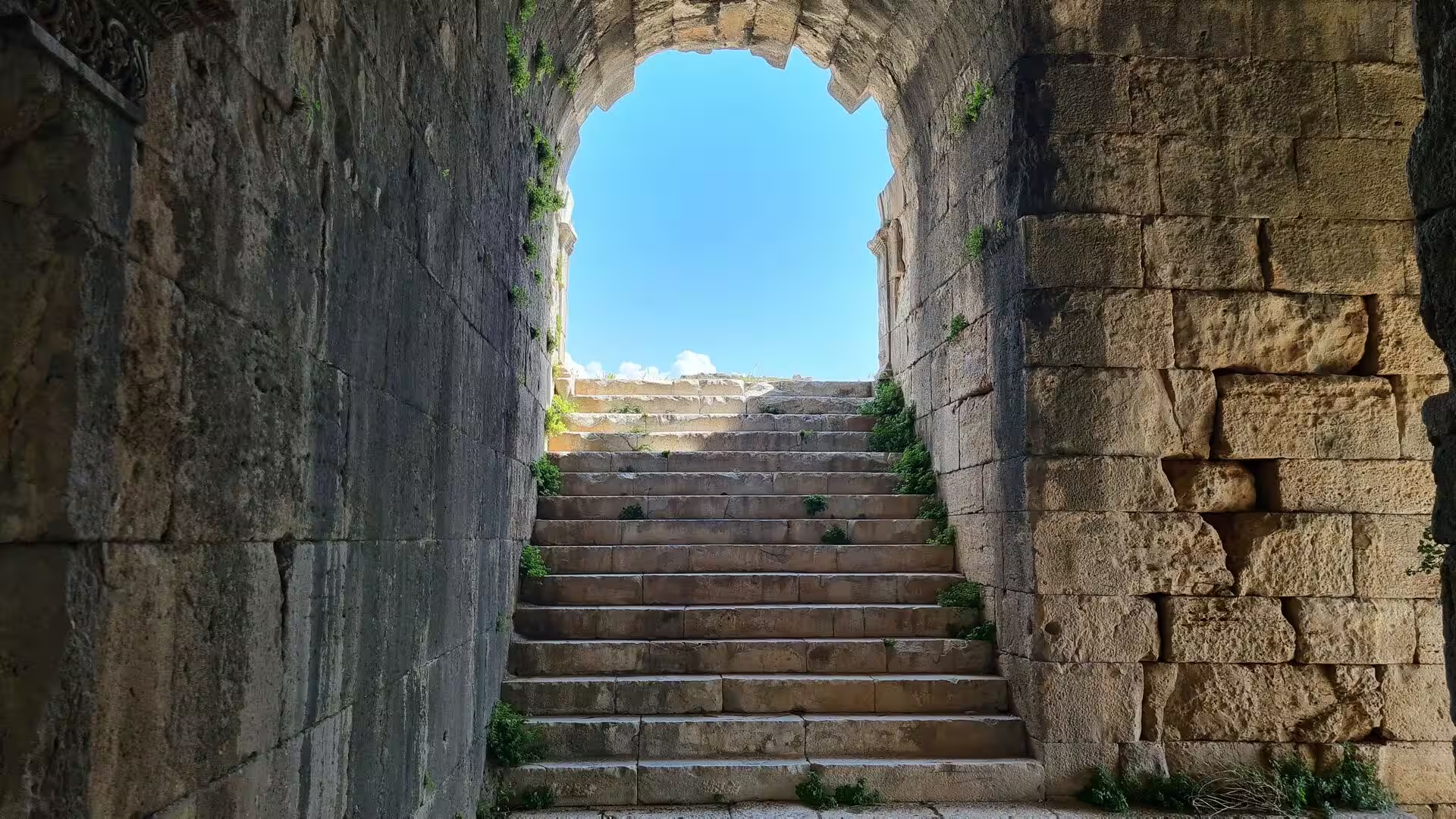
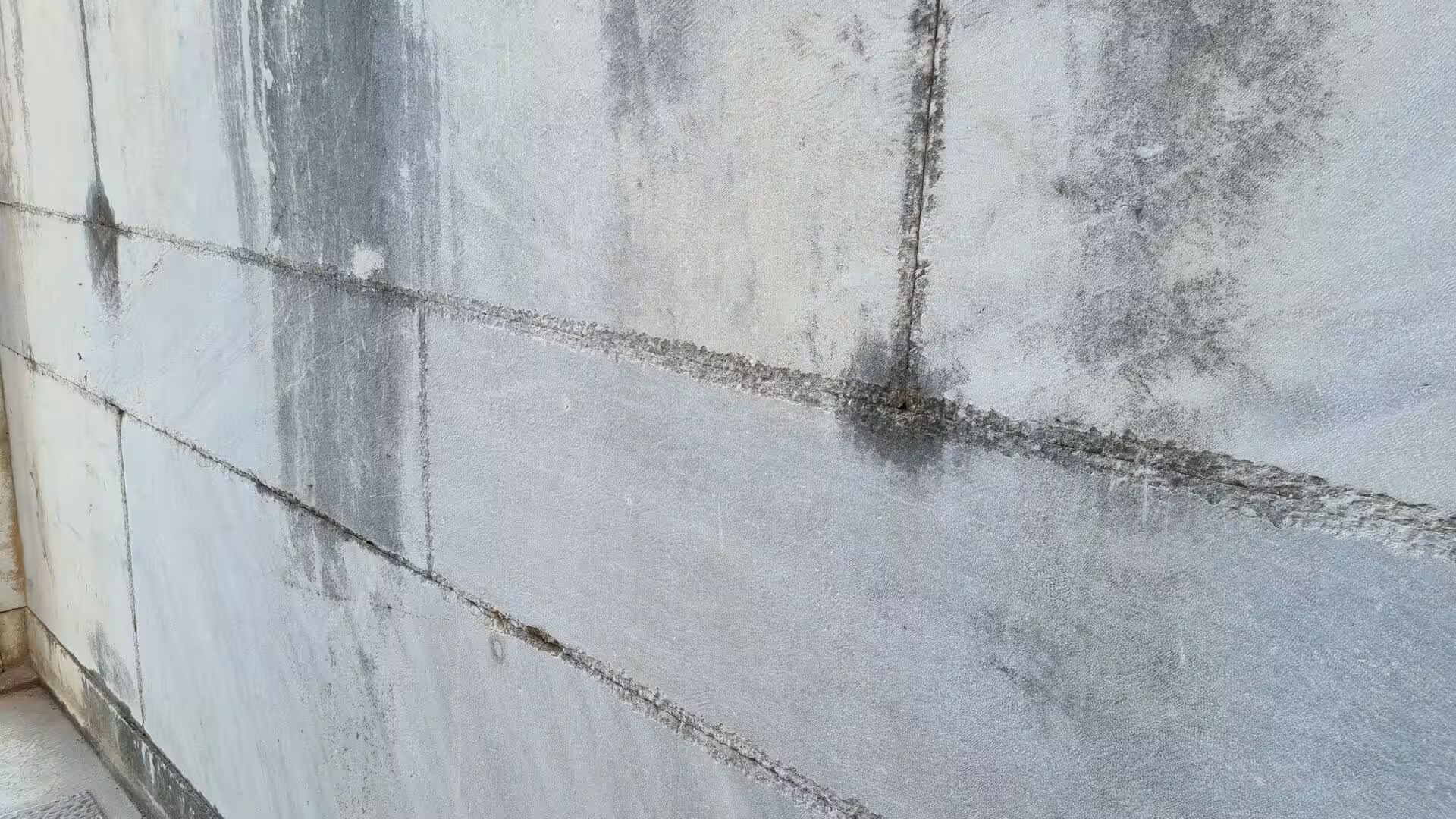
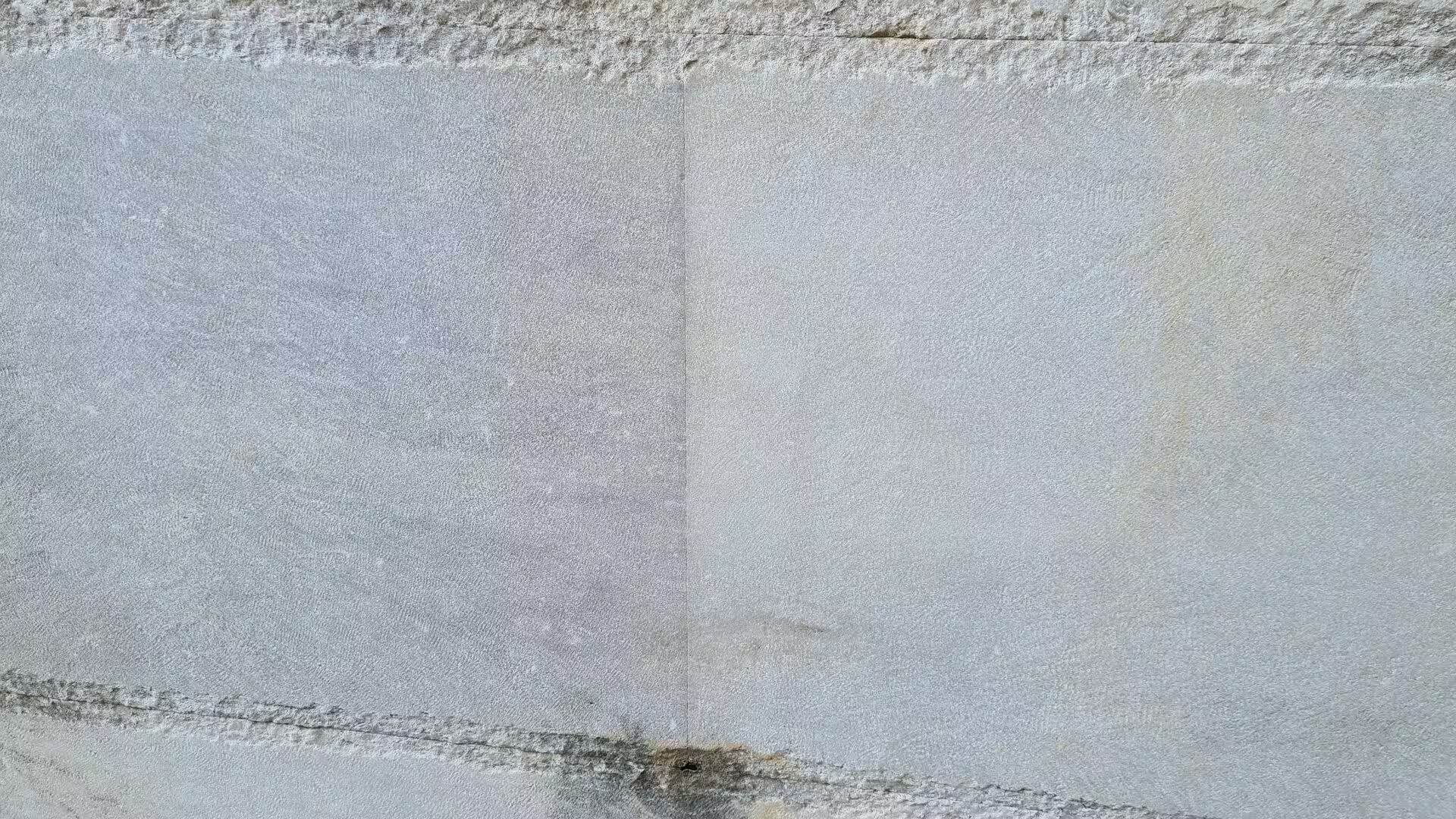
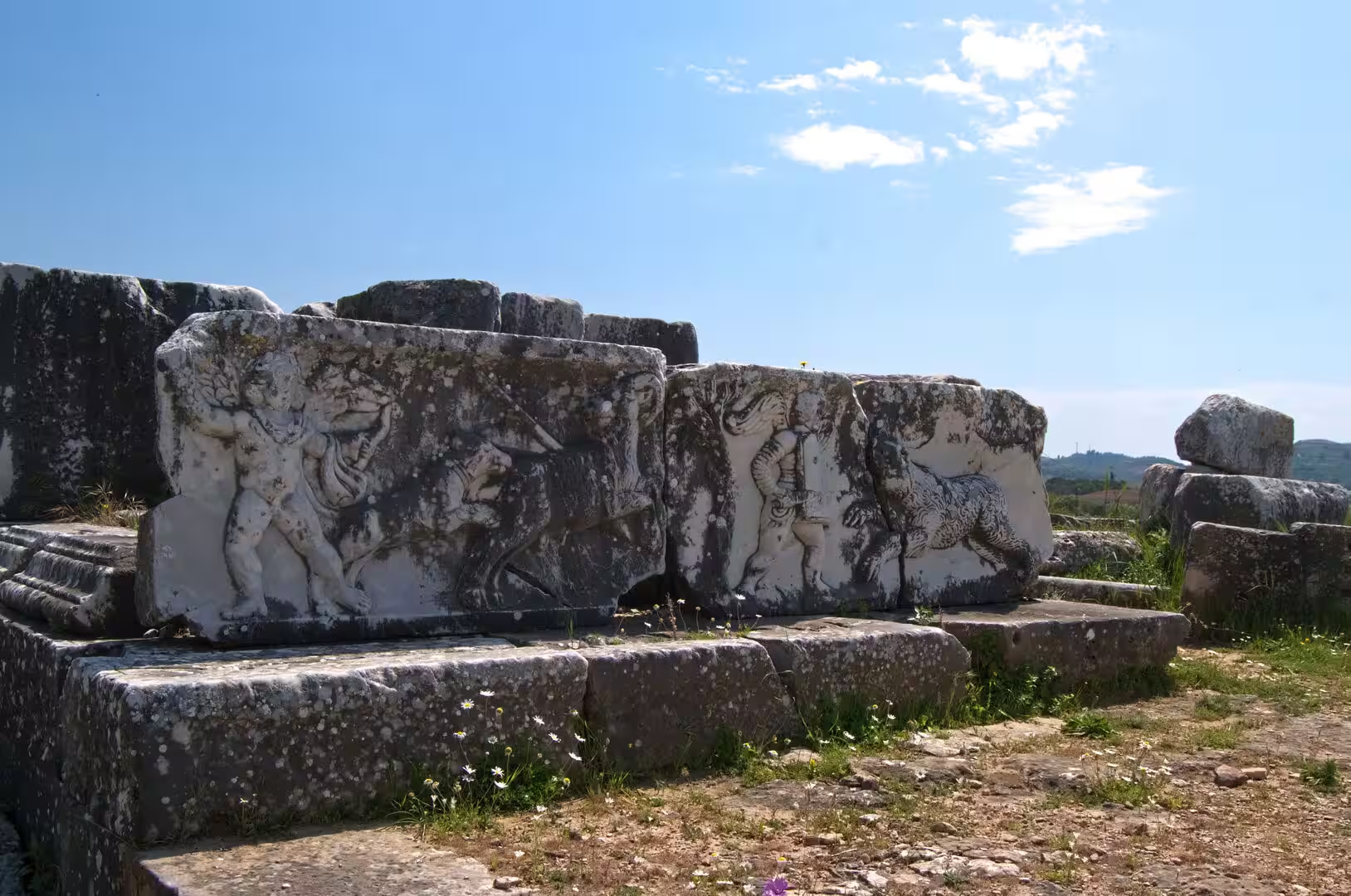
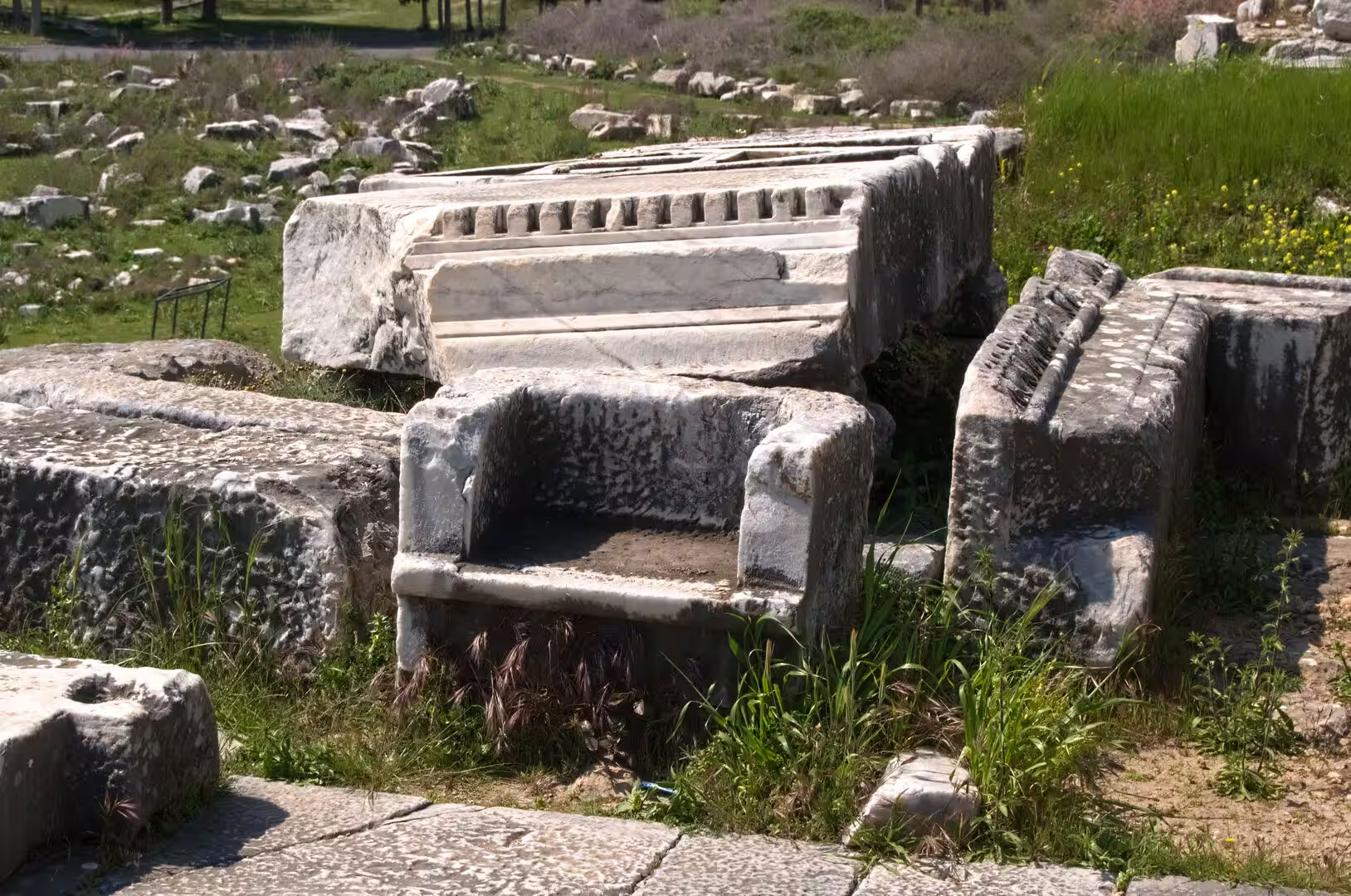
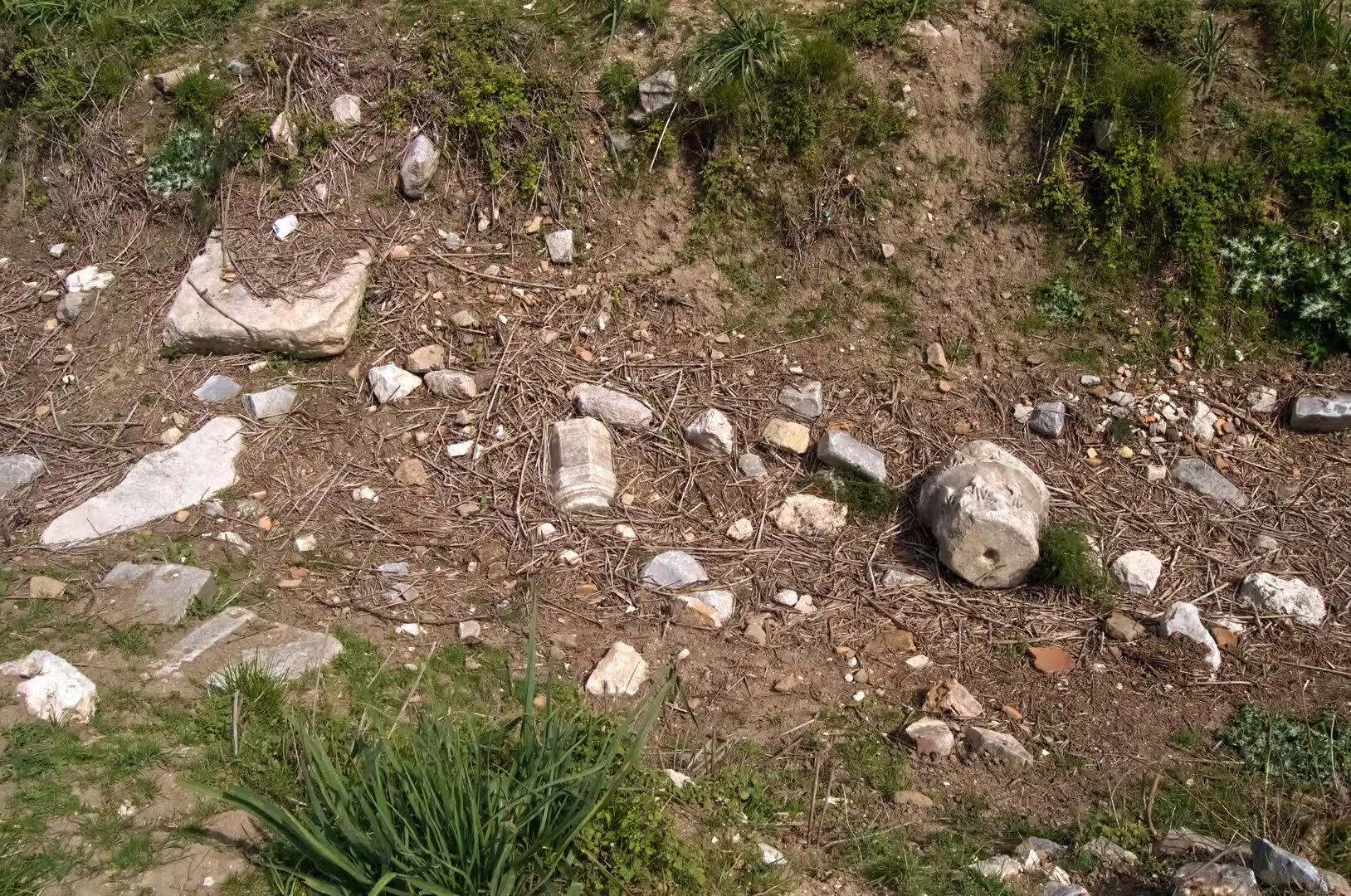
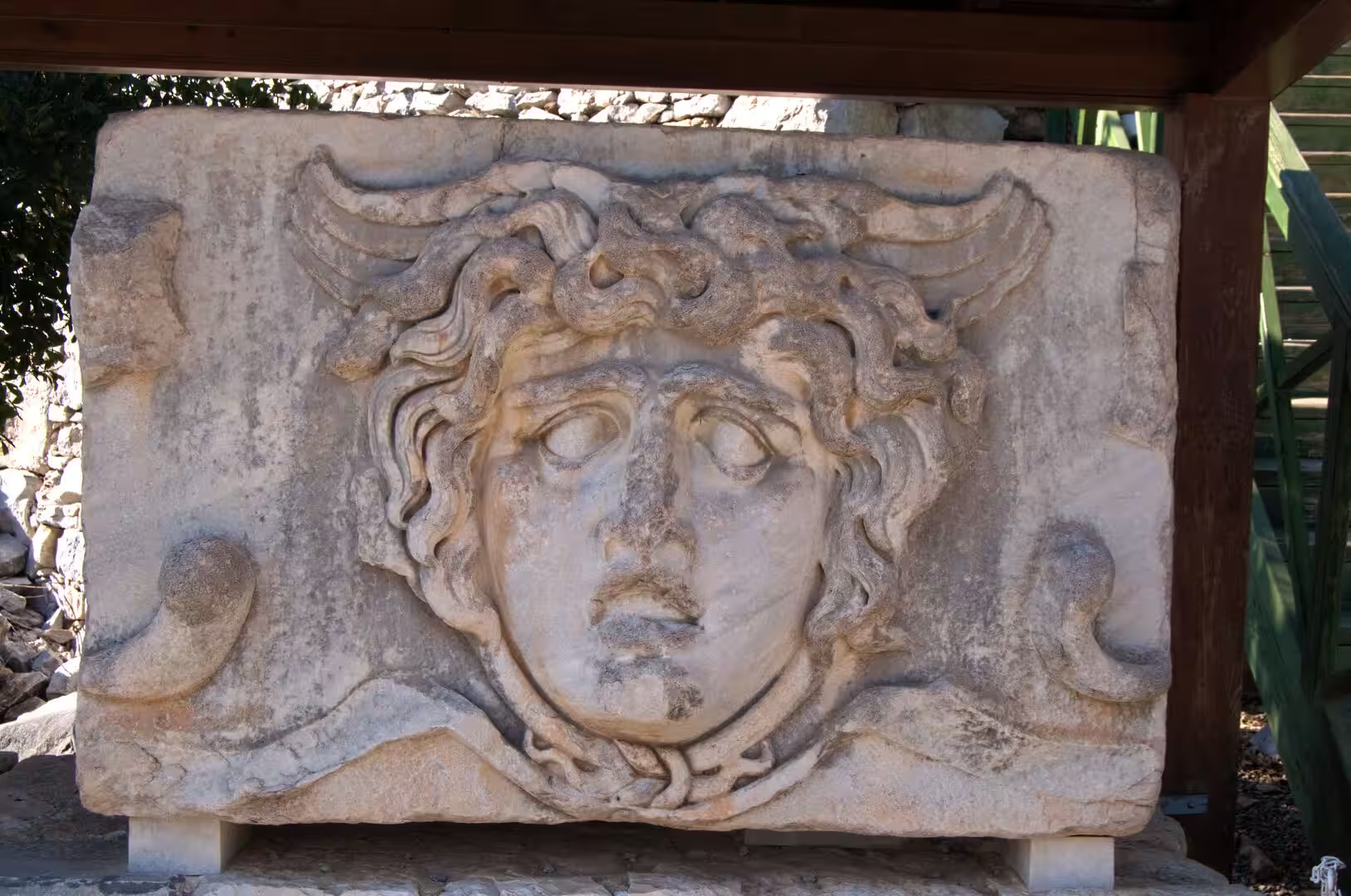
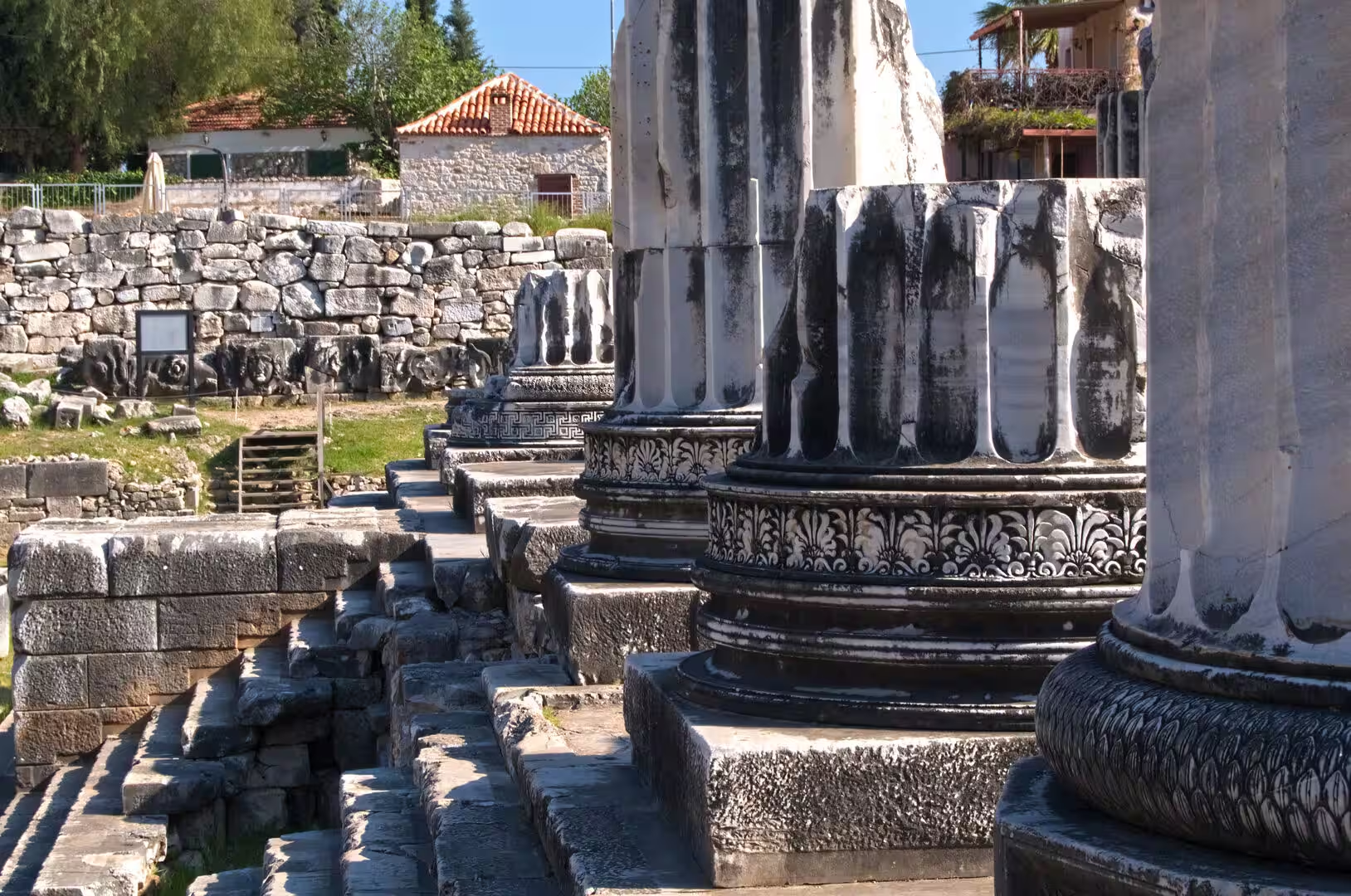
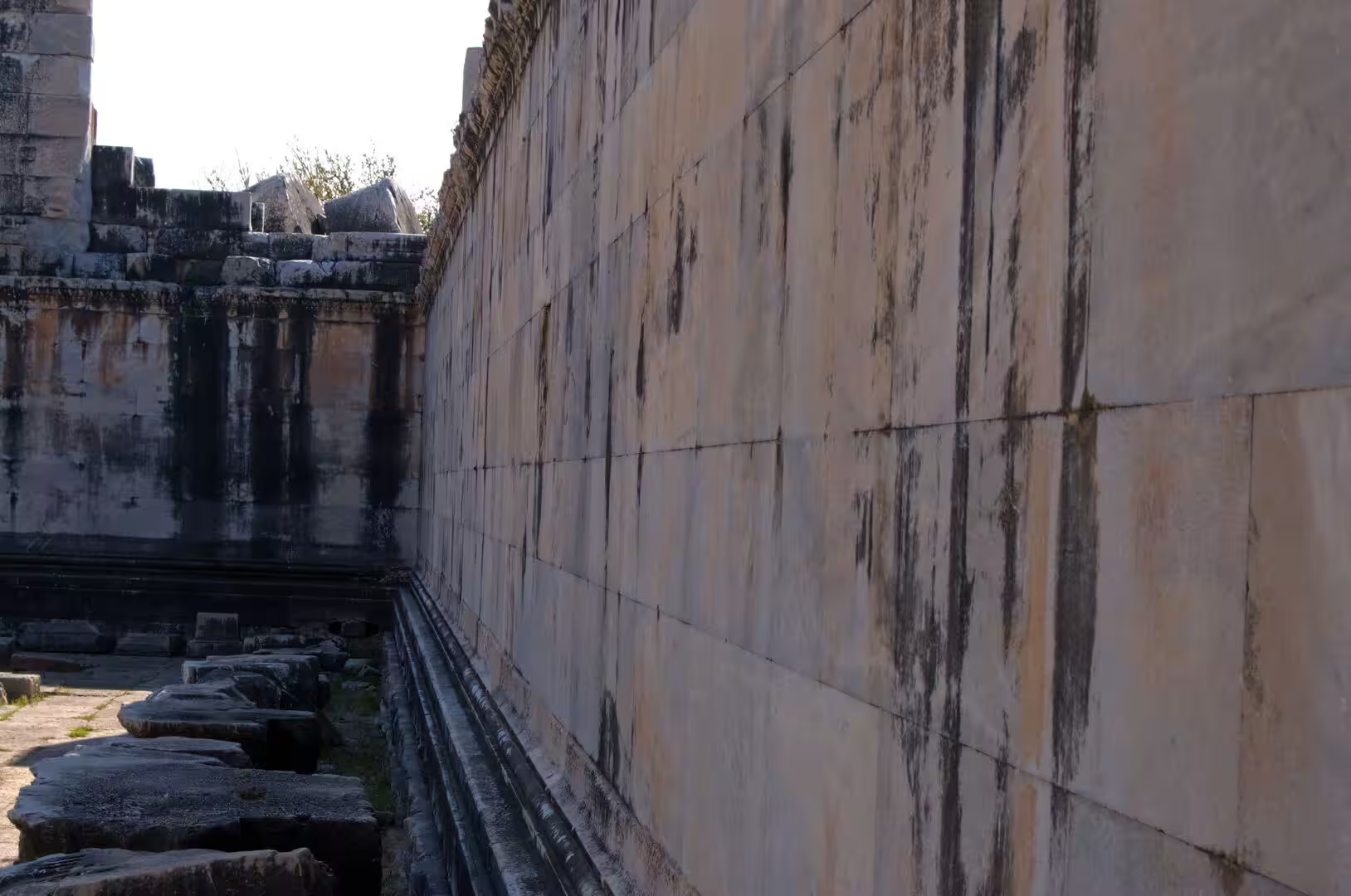
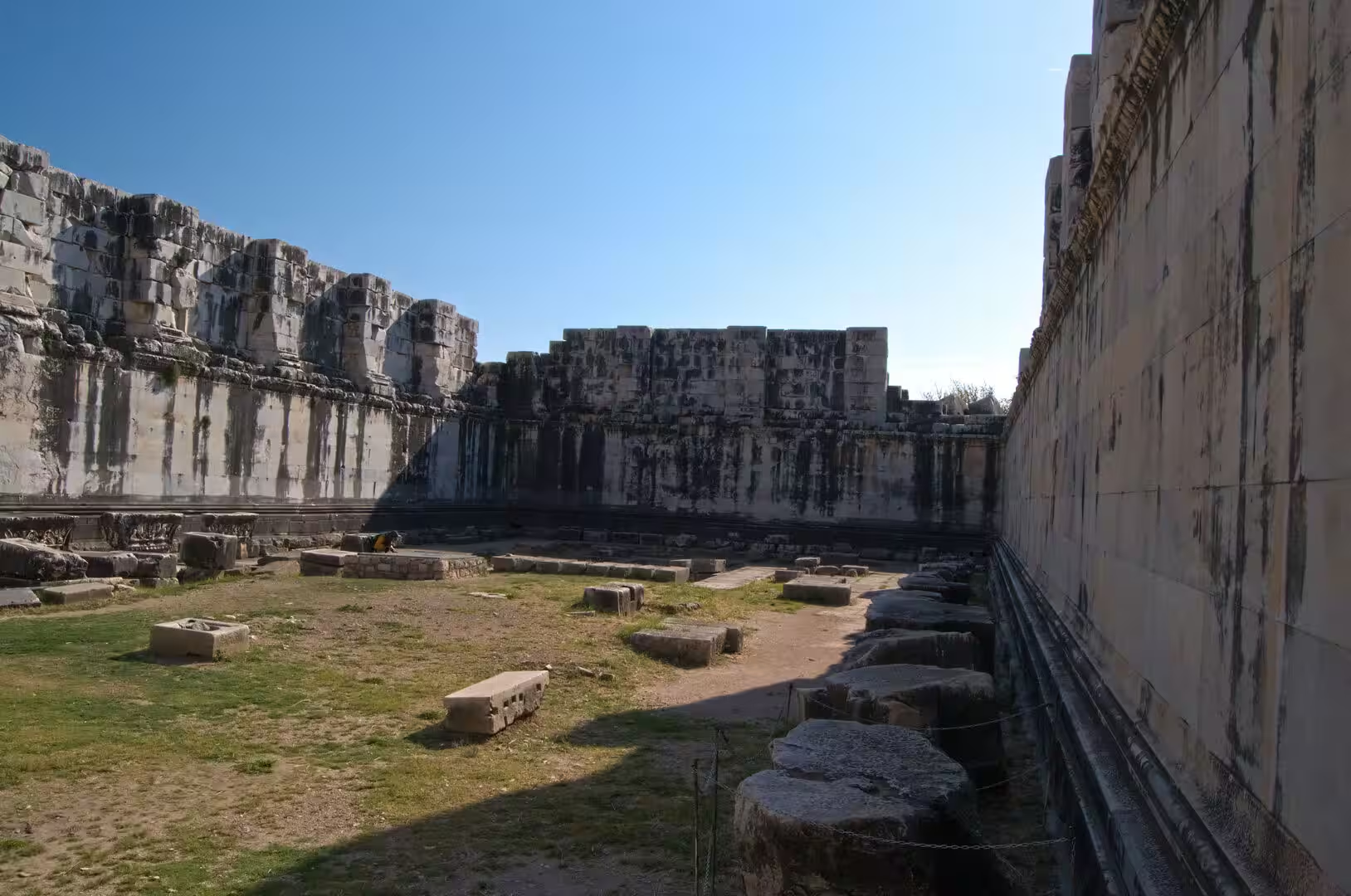
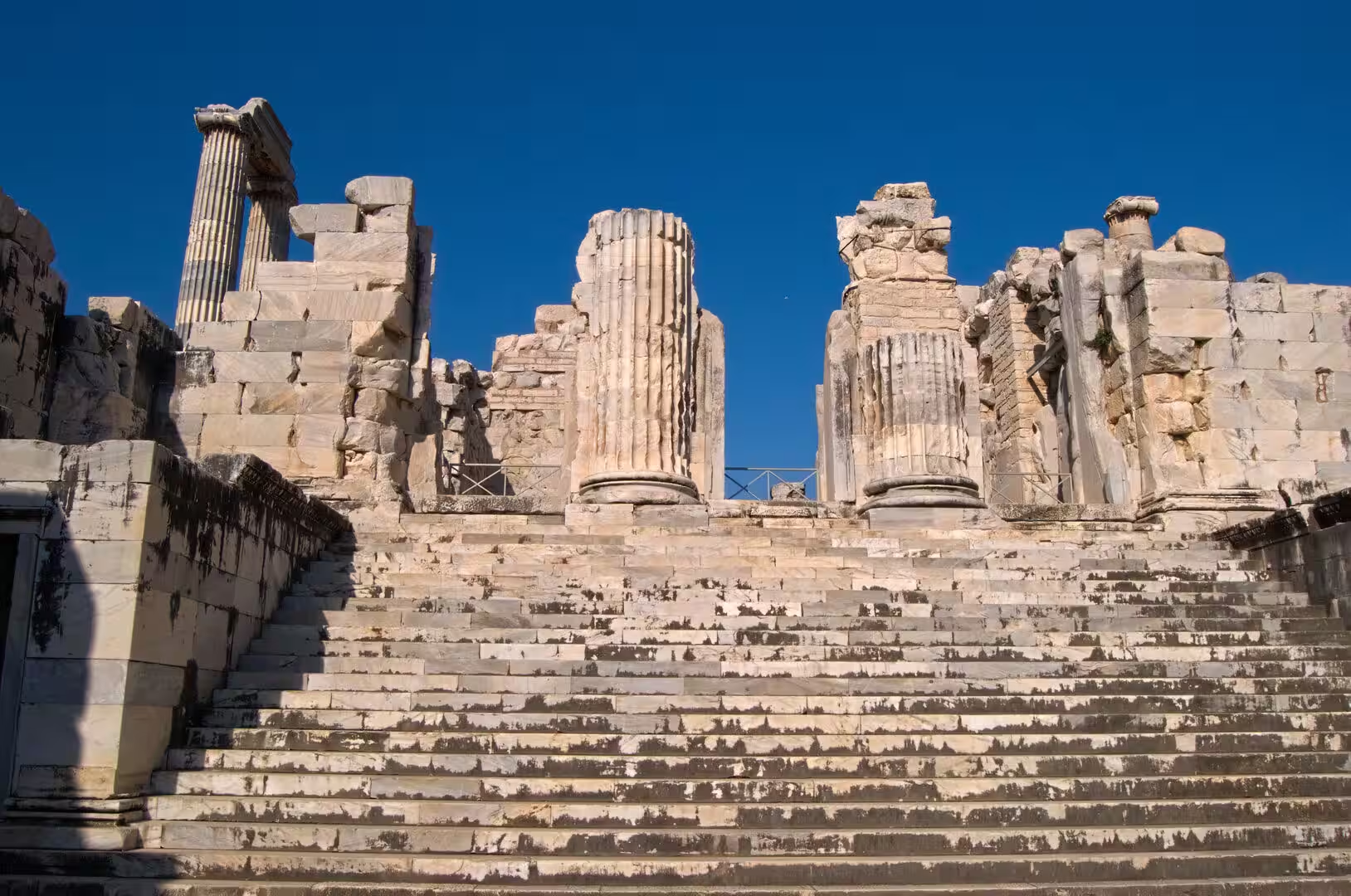
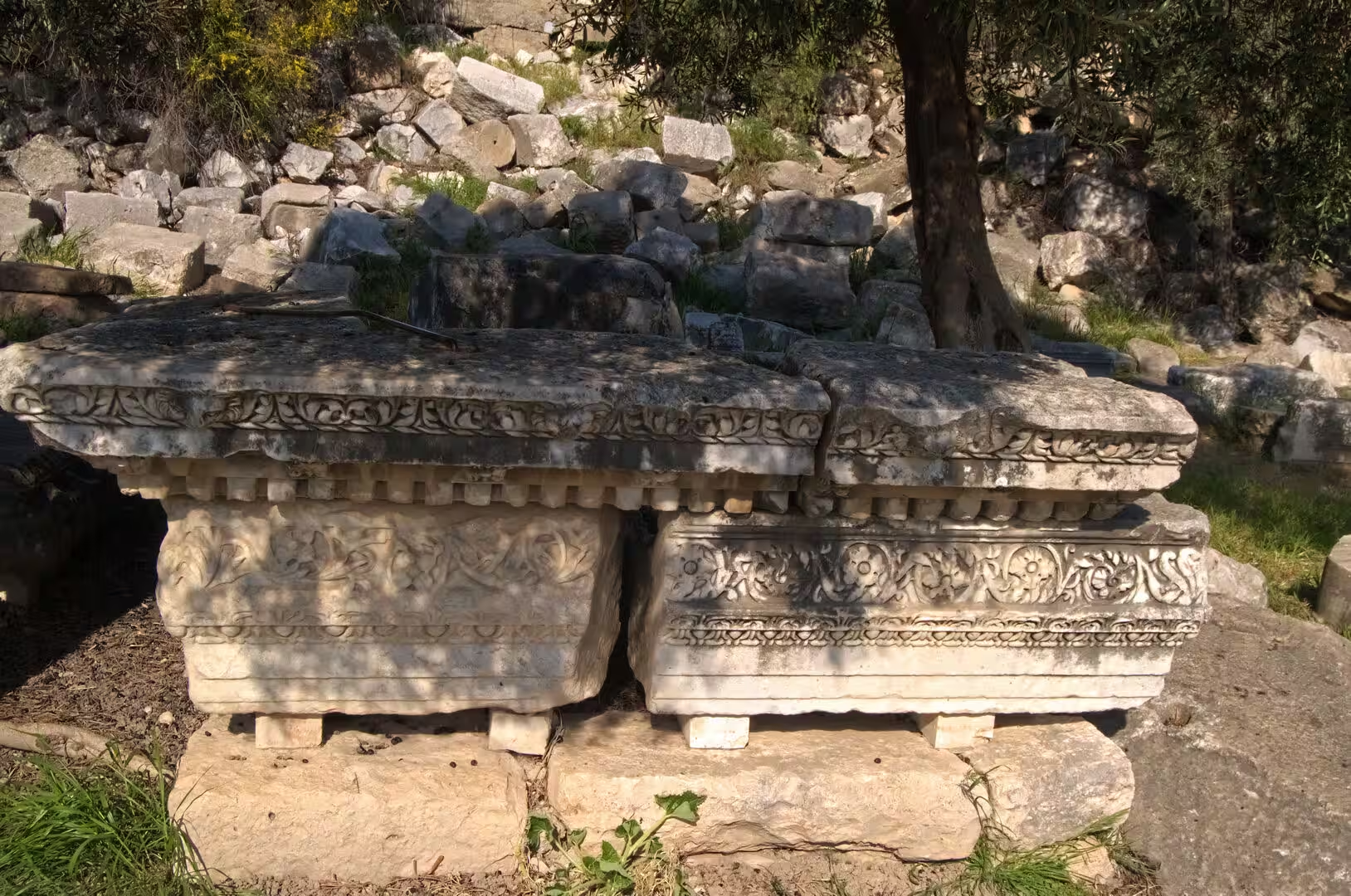
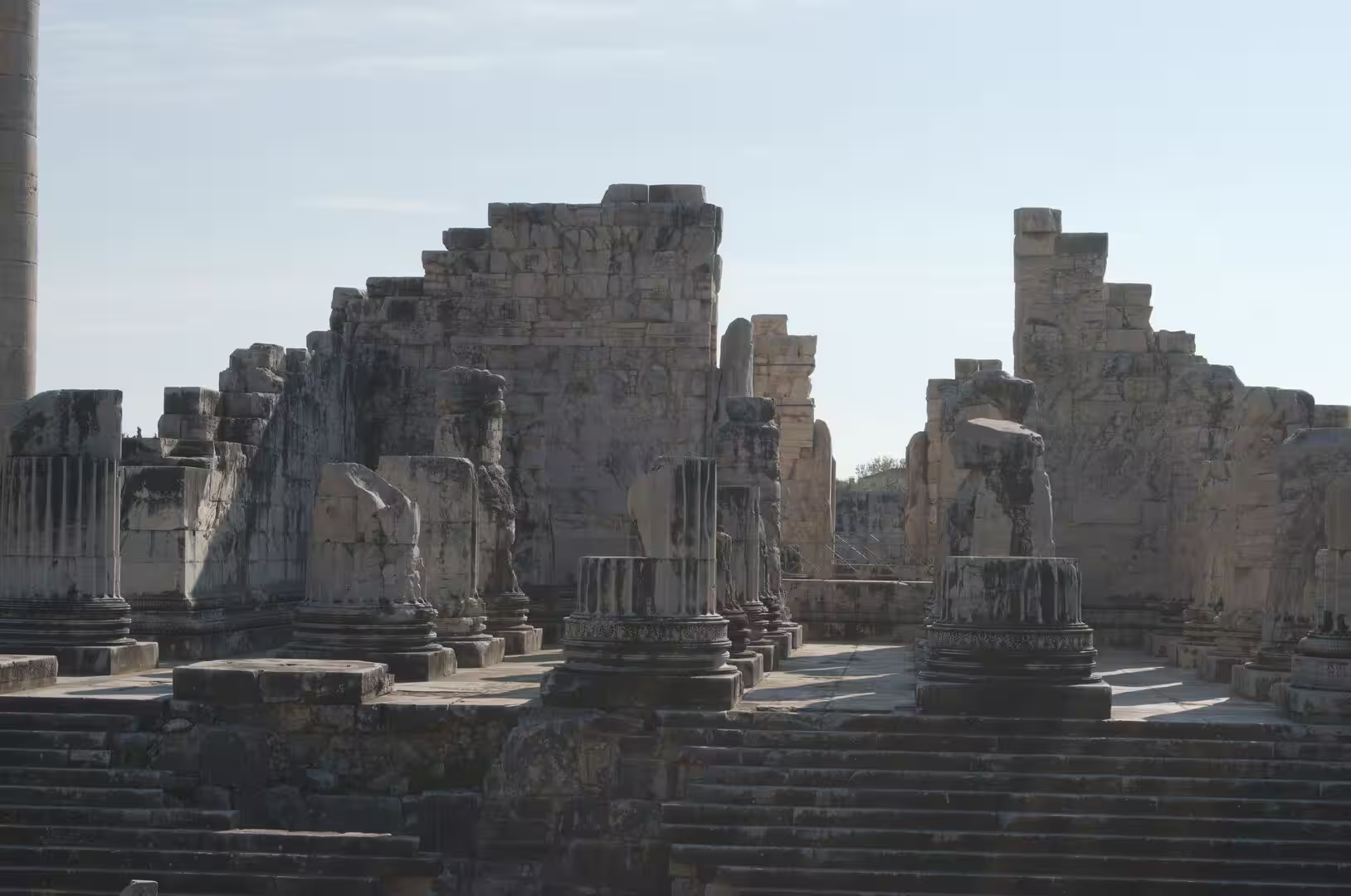
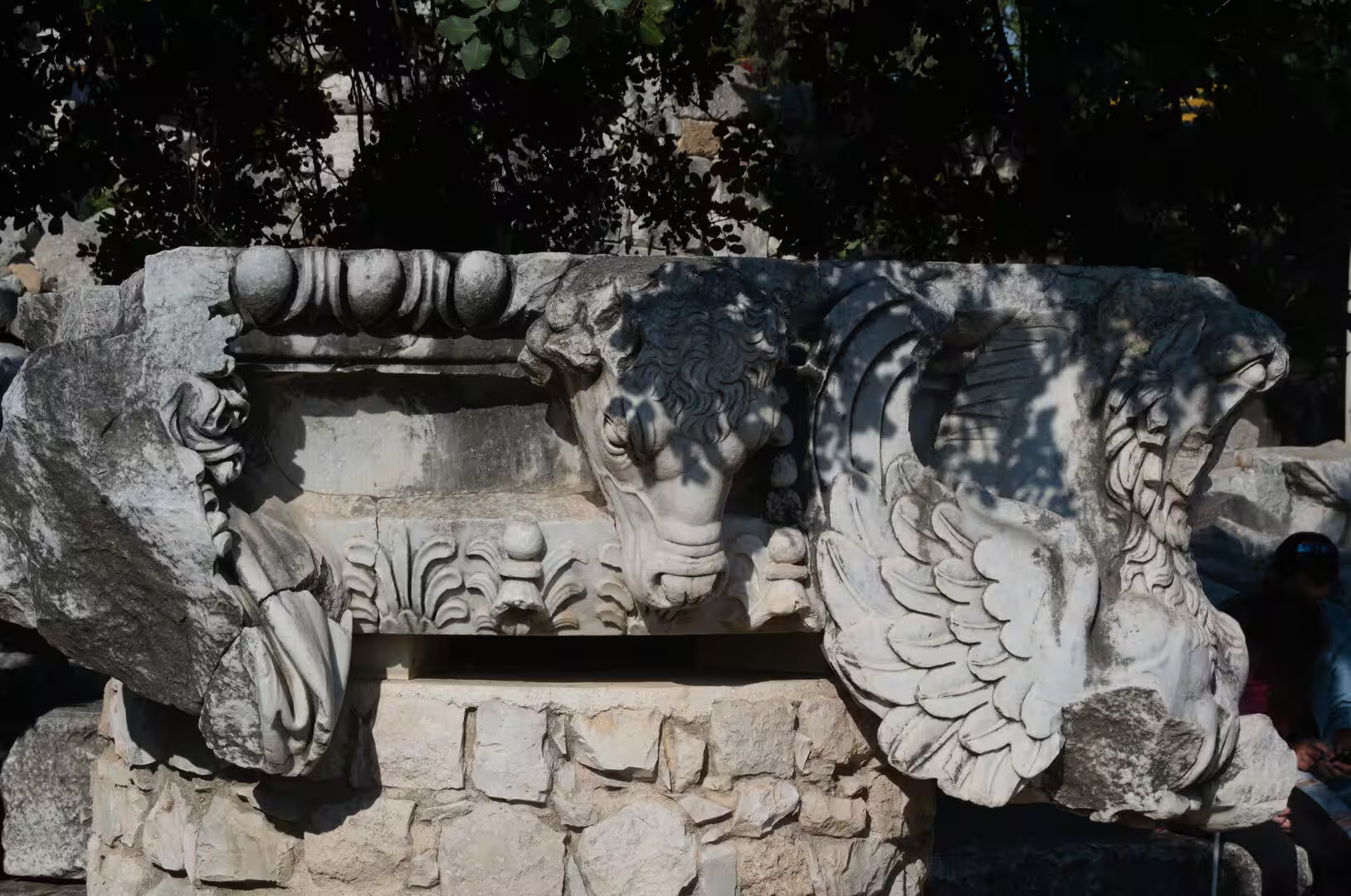
The plan of the temple is unlike any other in the Greek world. From the deep porch, which held three rows of four columns, there is no door into a cella: instead the visitor faces a wall, and two dark barrel-vaulted passages slope downwards into the heart of the building, emerging in the adyton, an enormous open court that was never roofed. There the sacred spring of the oracle rose beside the laurel of Apollo and a small temple, the naiskos, housed the cult statue, while a monumental staircase of twenty-two steps climbed back towards the light. Because the building was abandoned unfinished, the masons’ full-scale working drawings of columns and entablature can still be traced on the inner walls, and the richly carved column bases, ornamented with acanthus leaves, meanders and figural panels, and the frieze of monumental Gorgon heads above them, survive among the fallen blocks. The high threshold of the great doorway is thought to have served as the stage from which the priestess delivered the god’s answers.
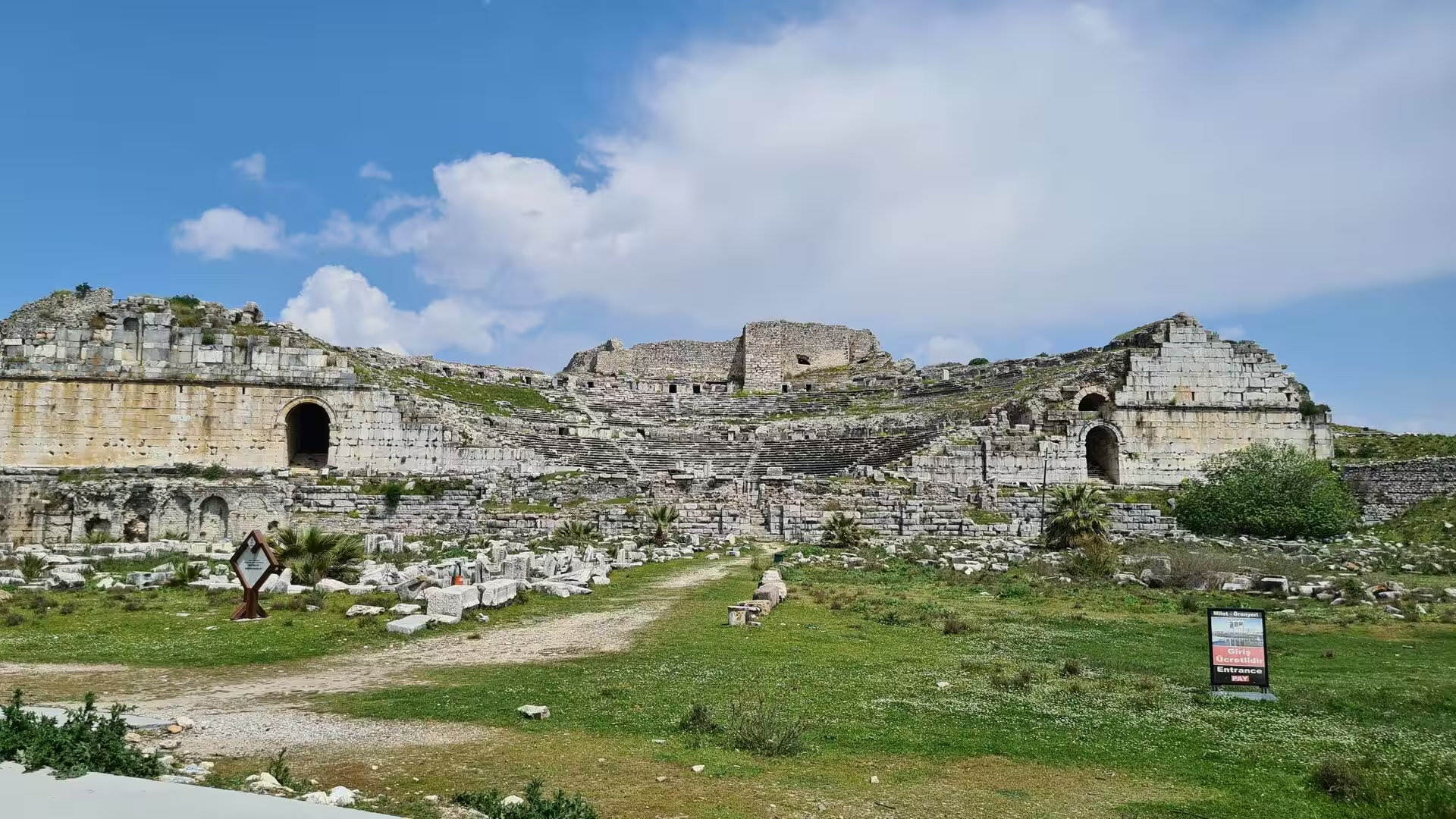
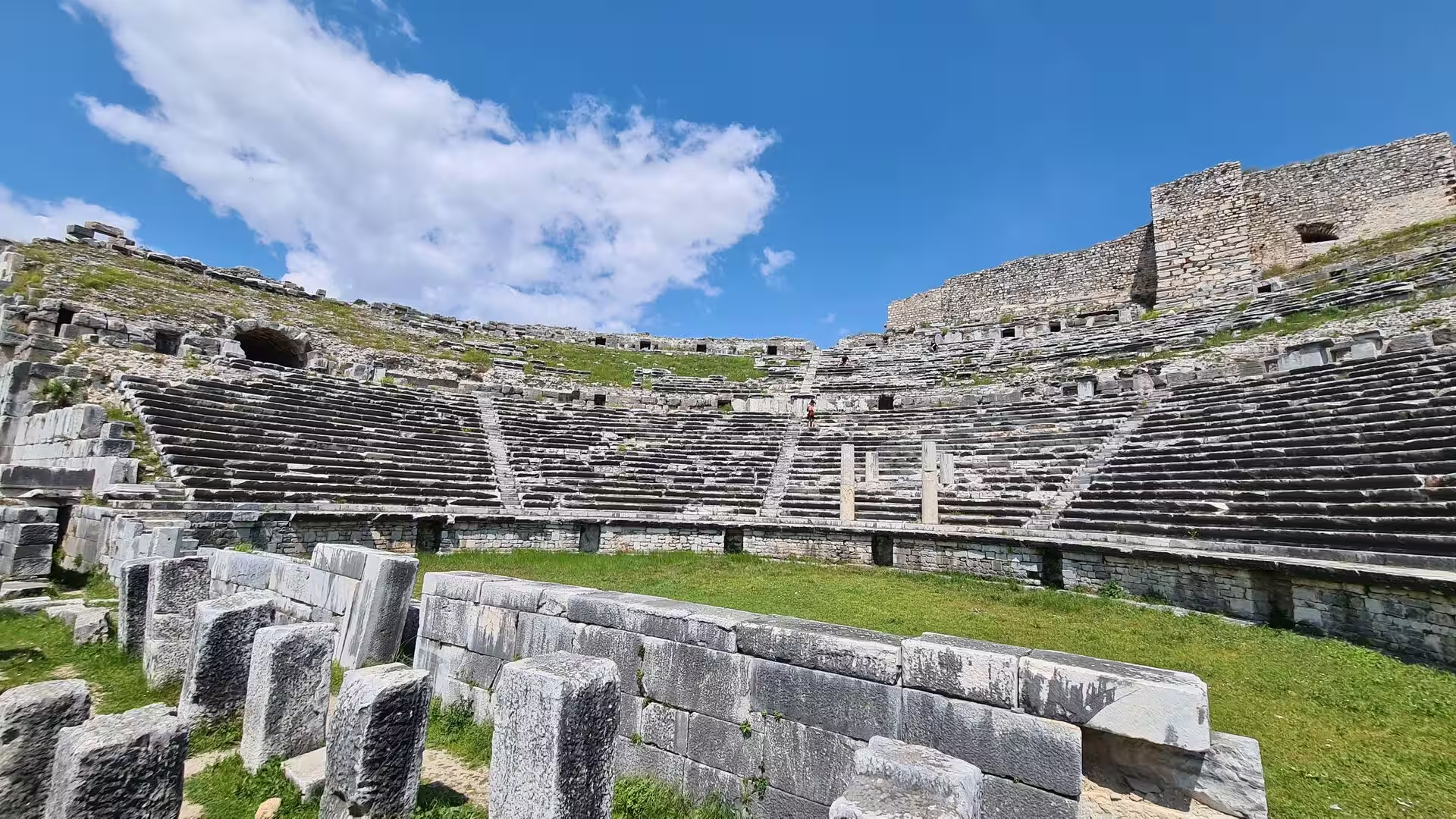
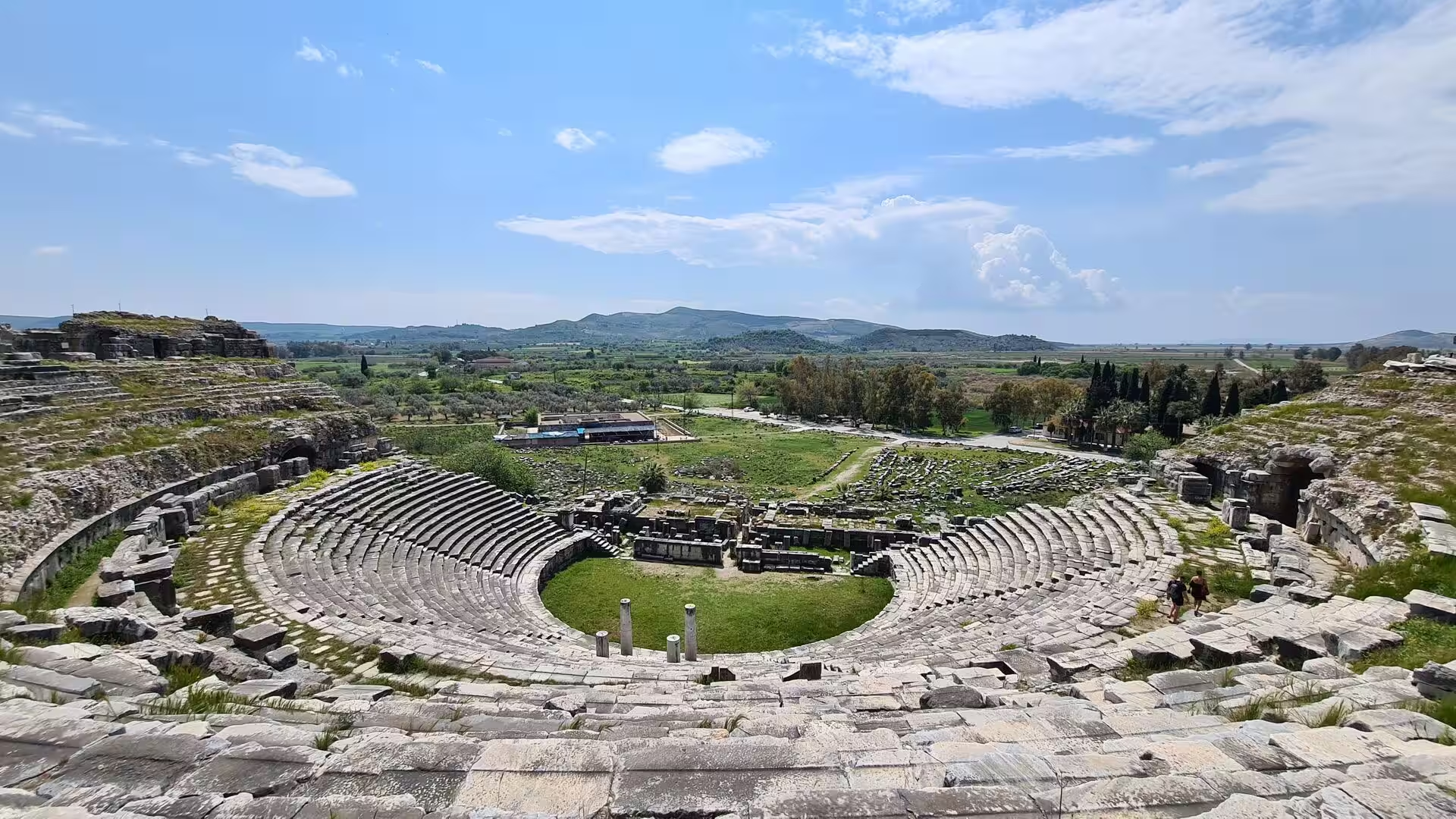
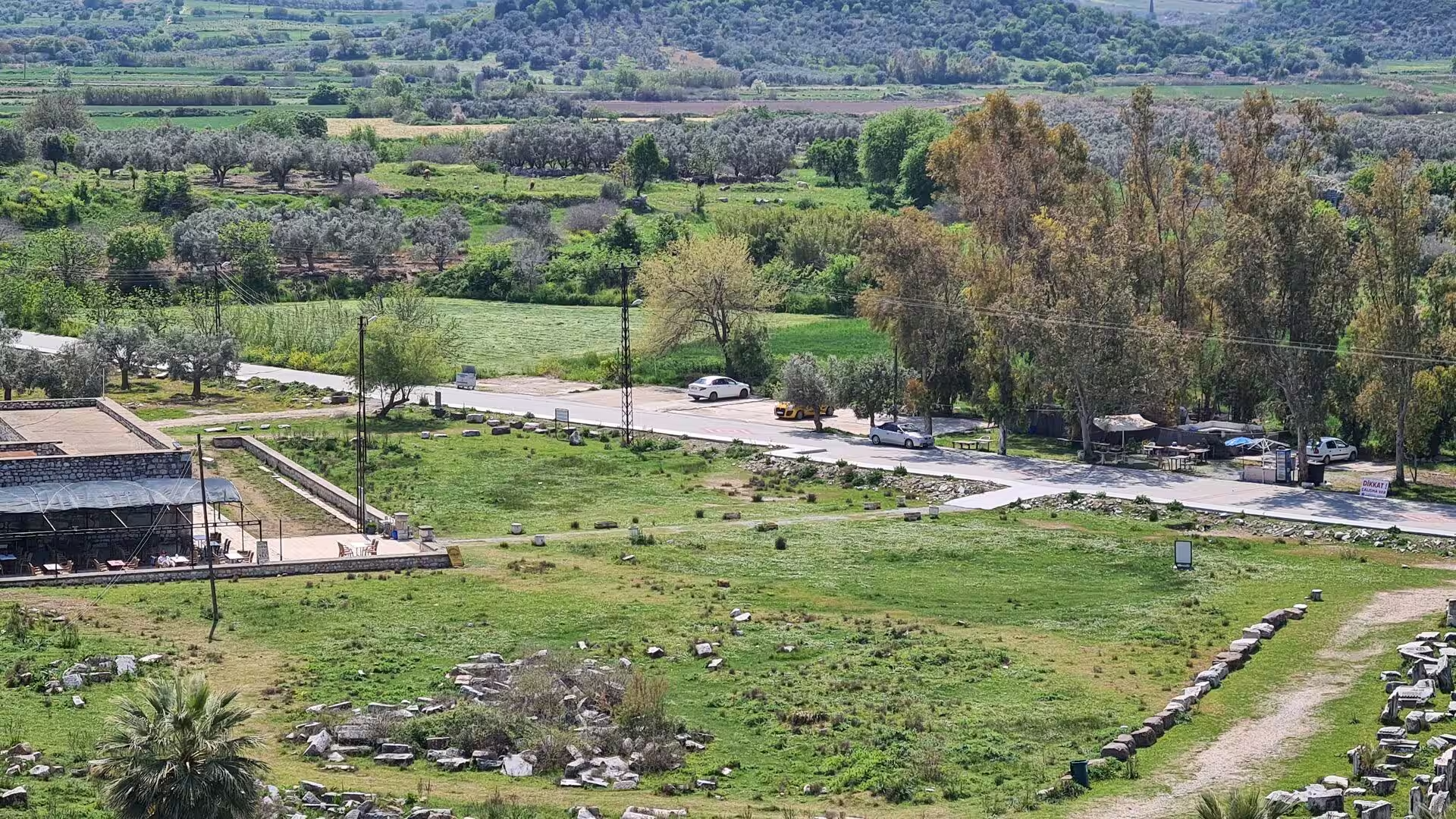
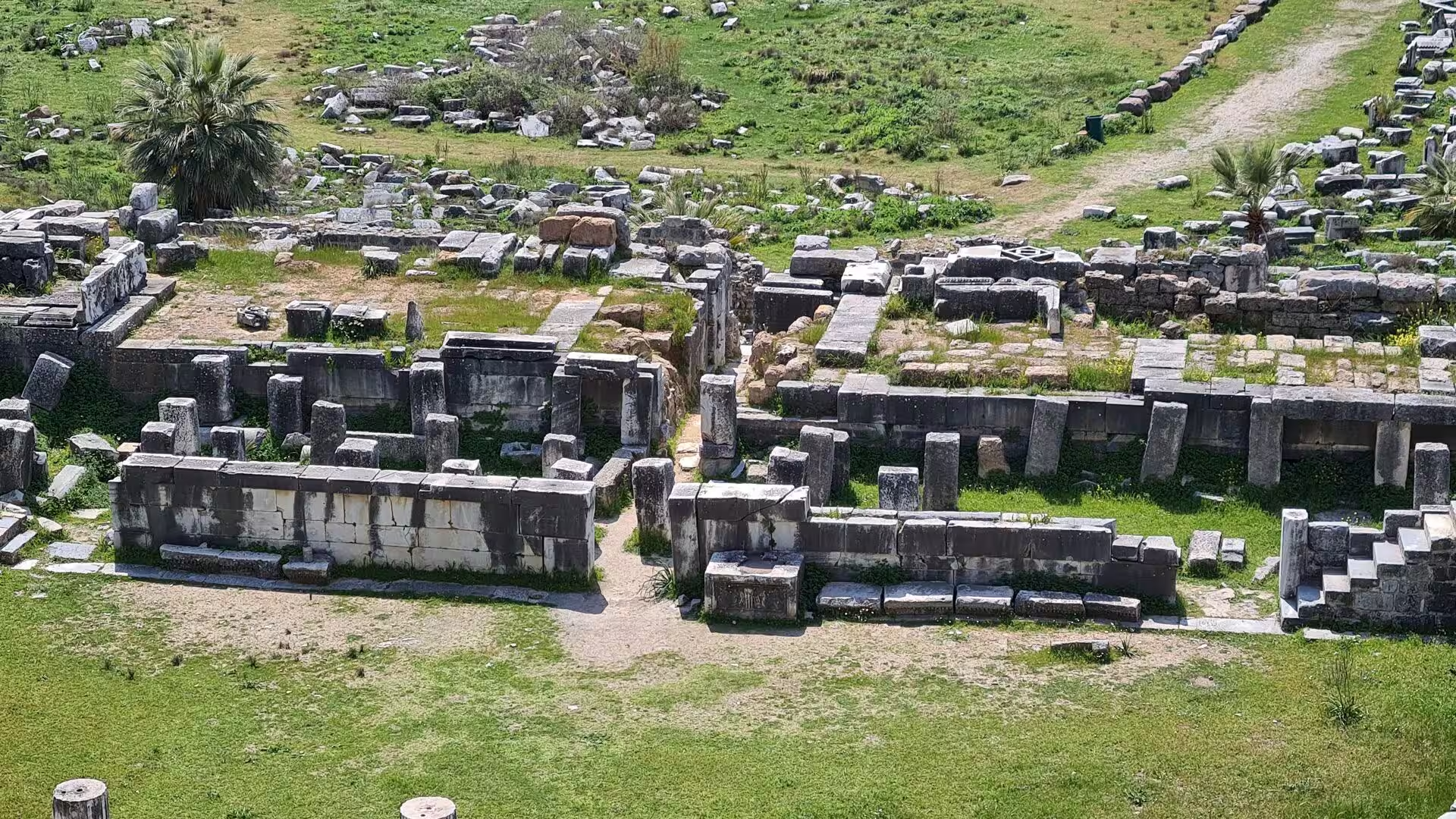
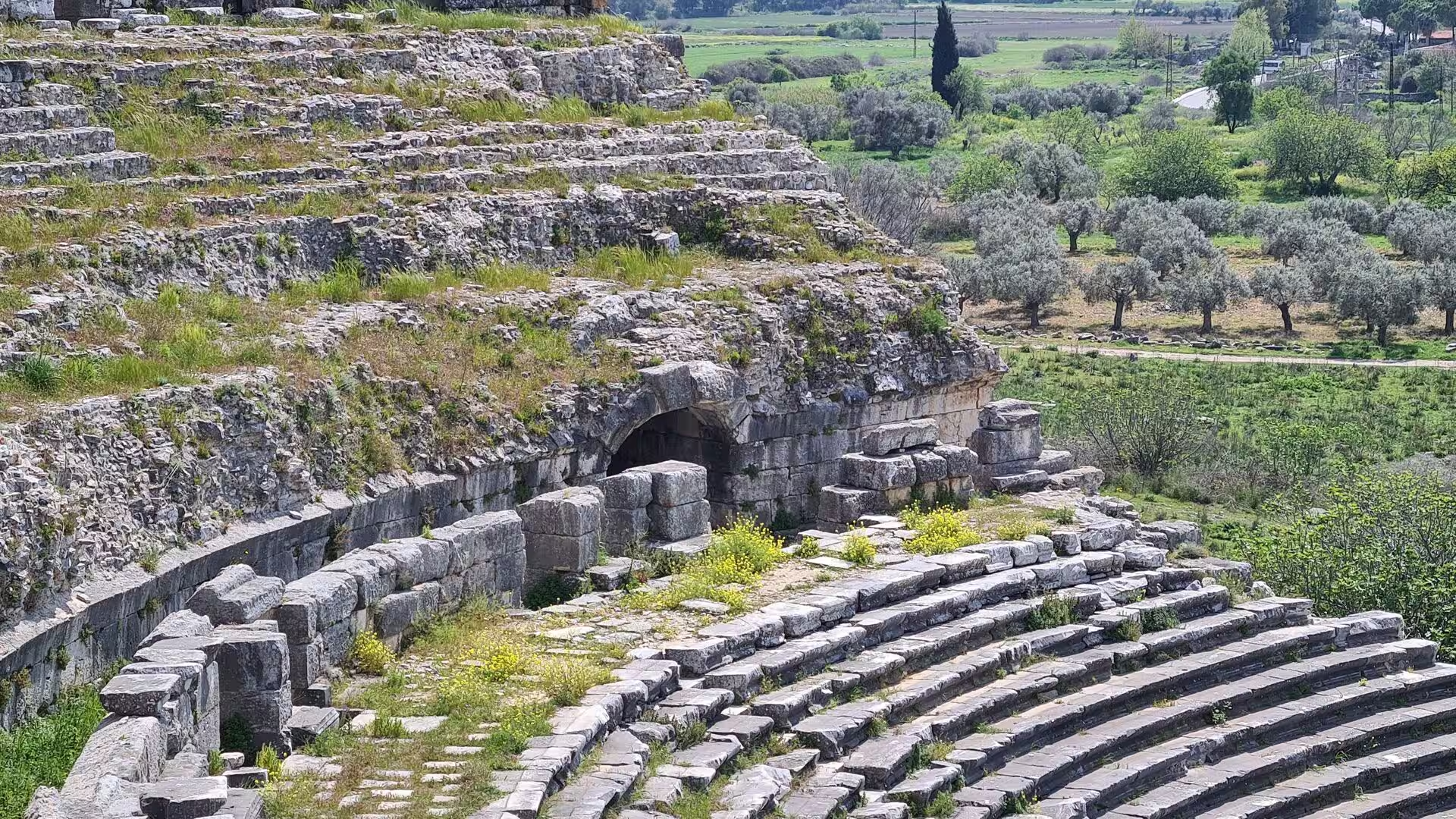
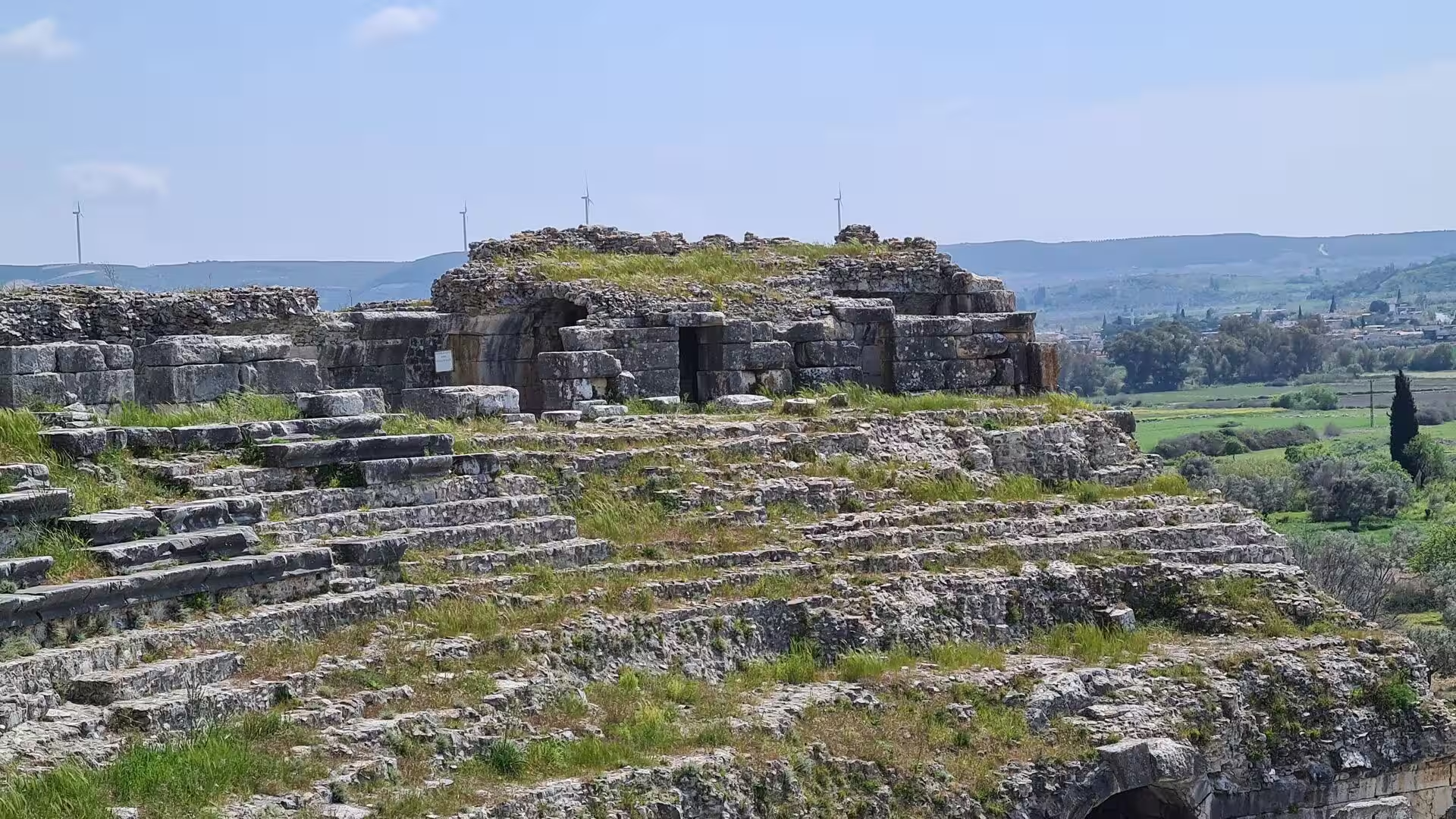
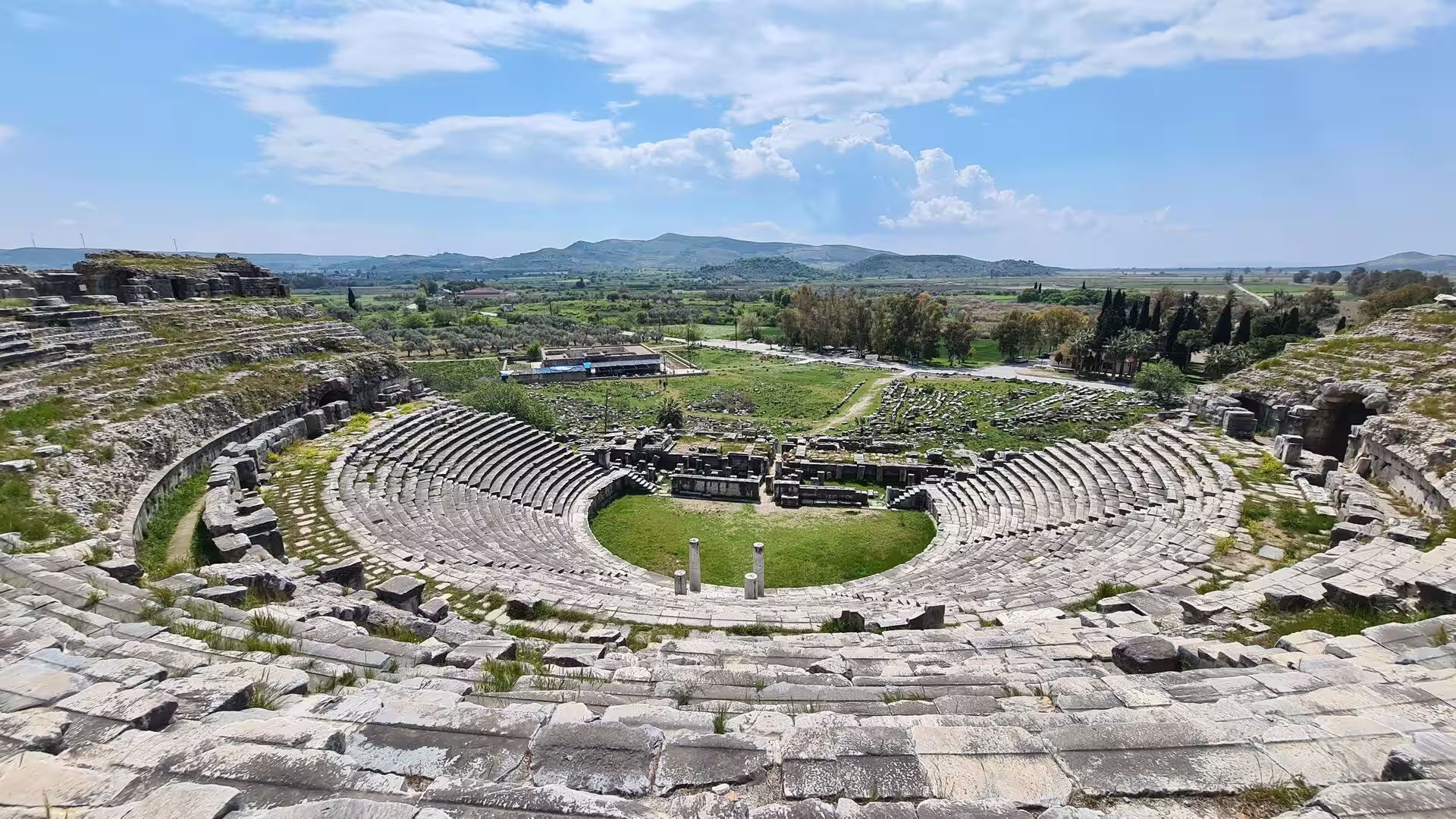
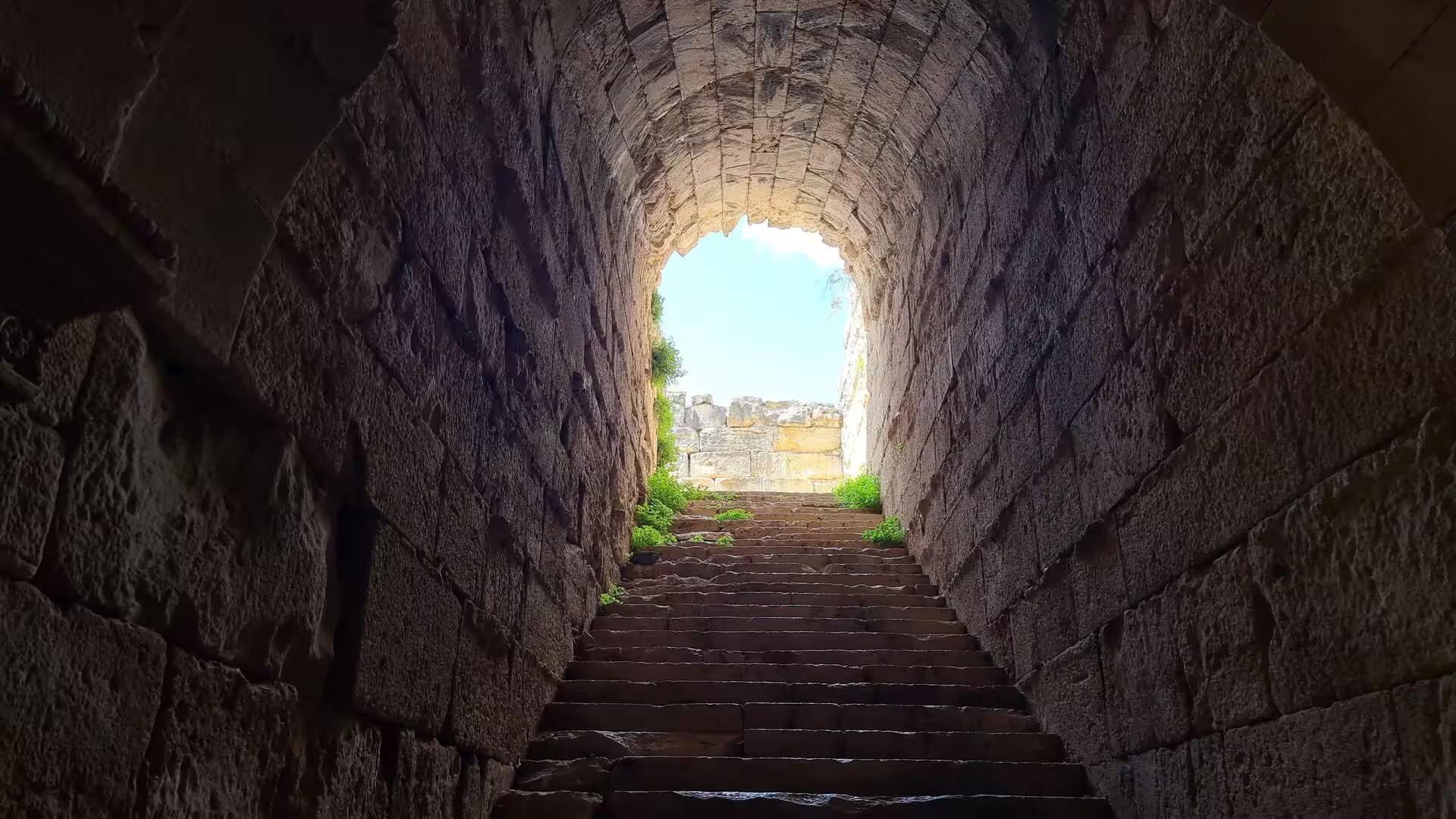
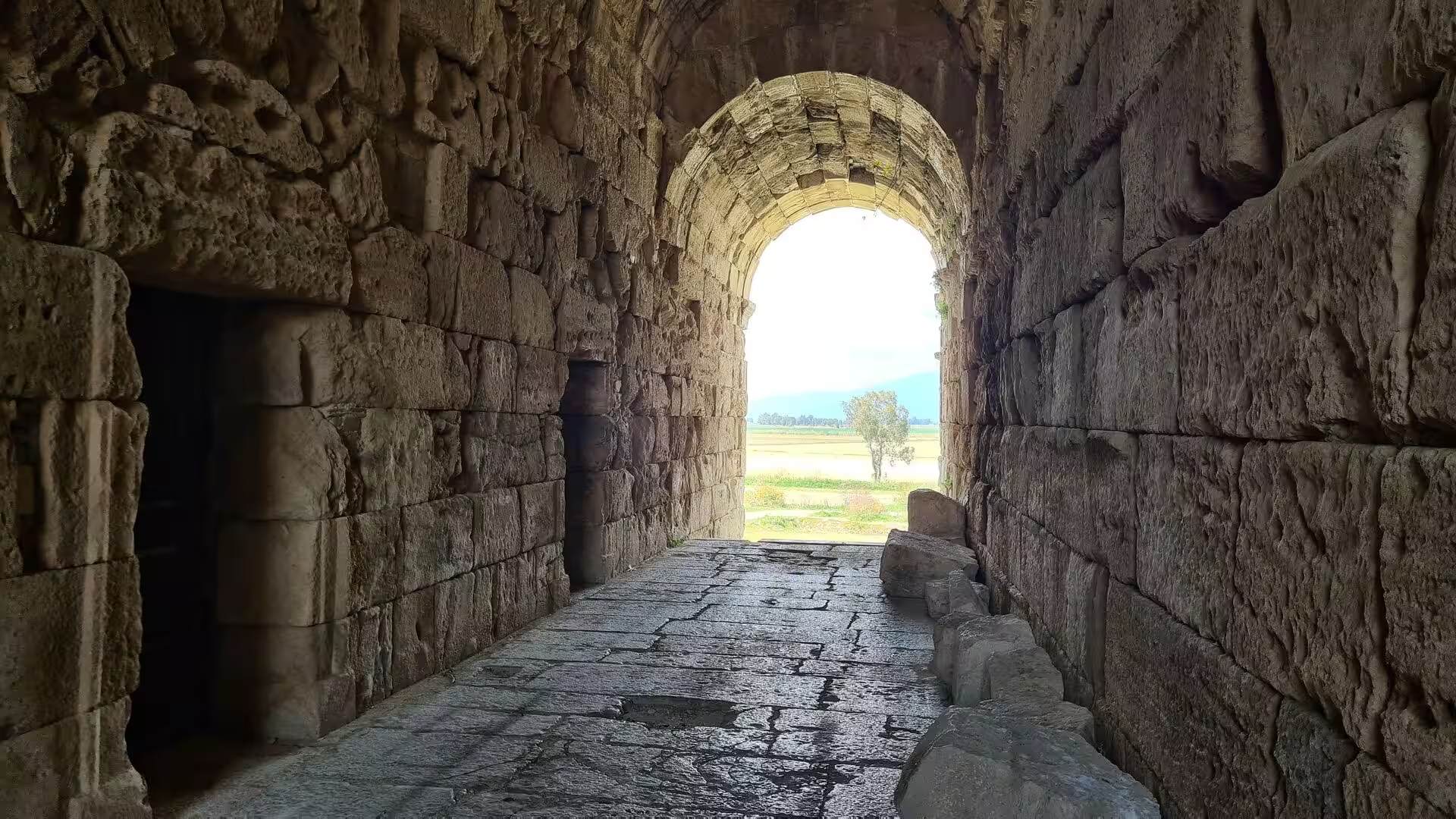
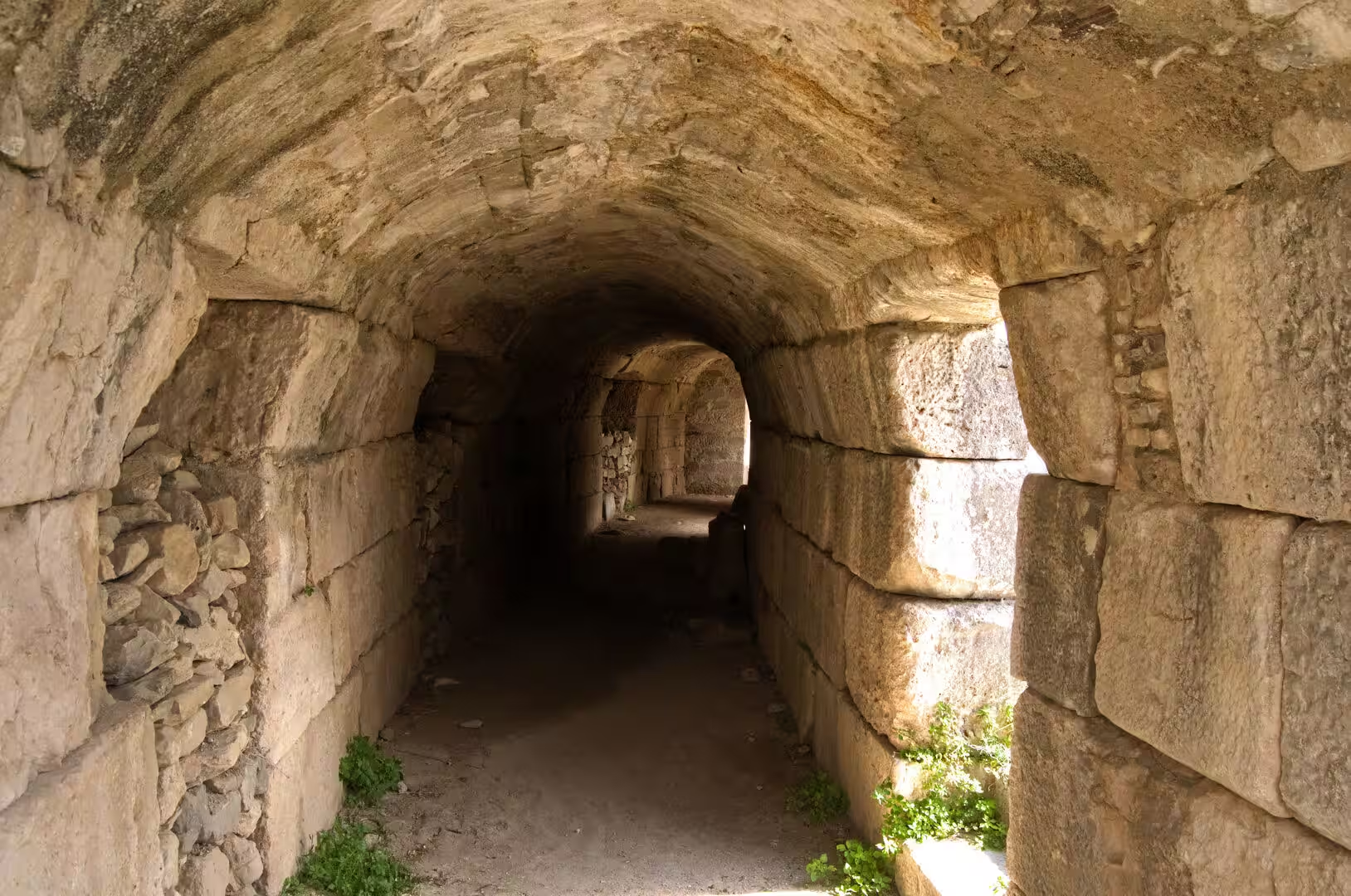
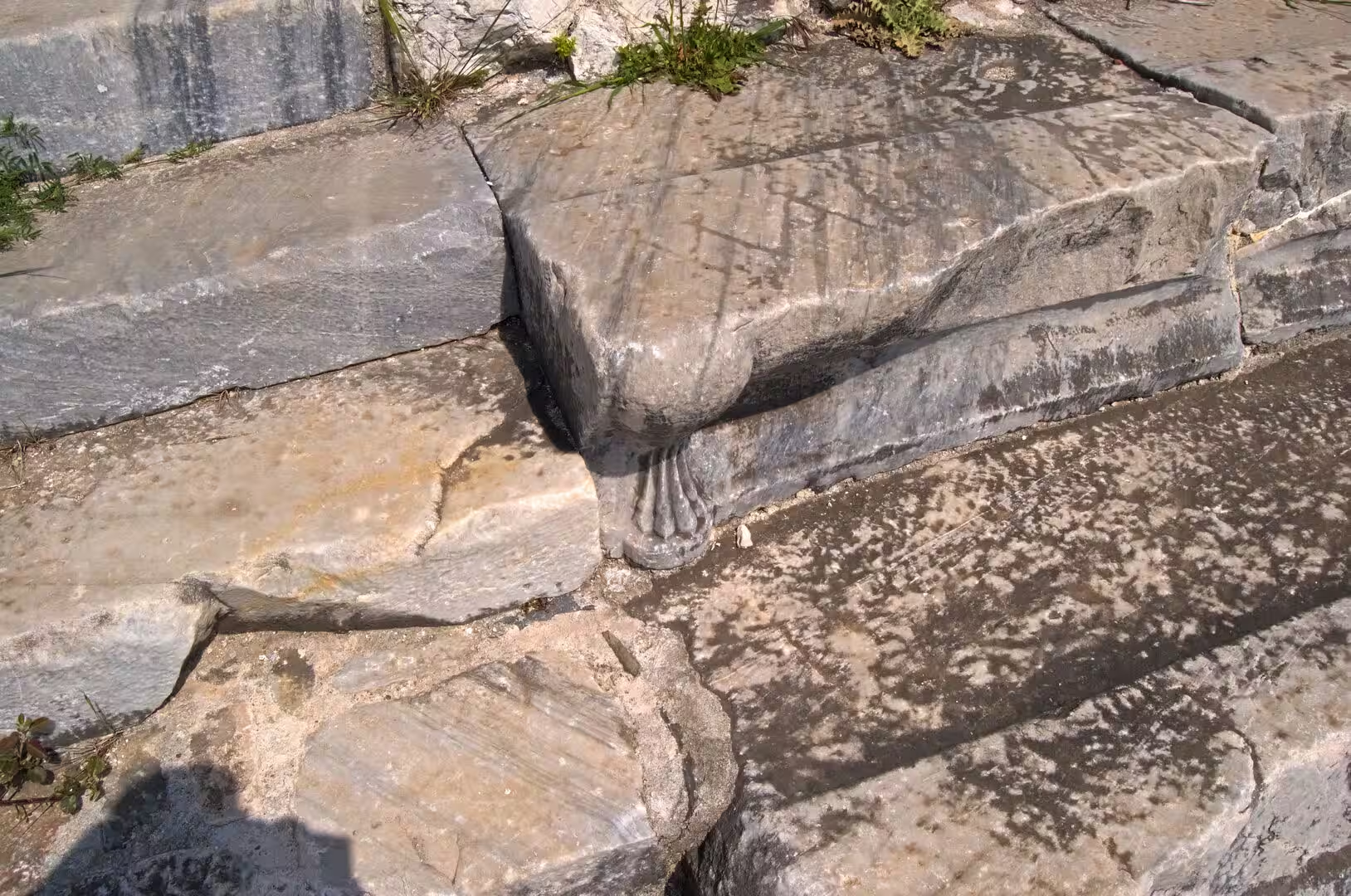
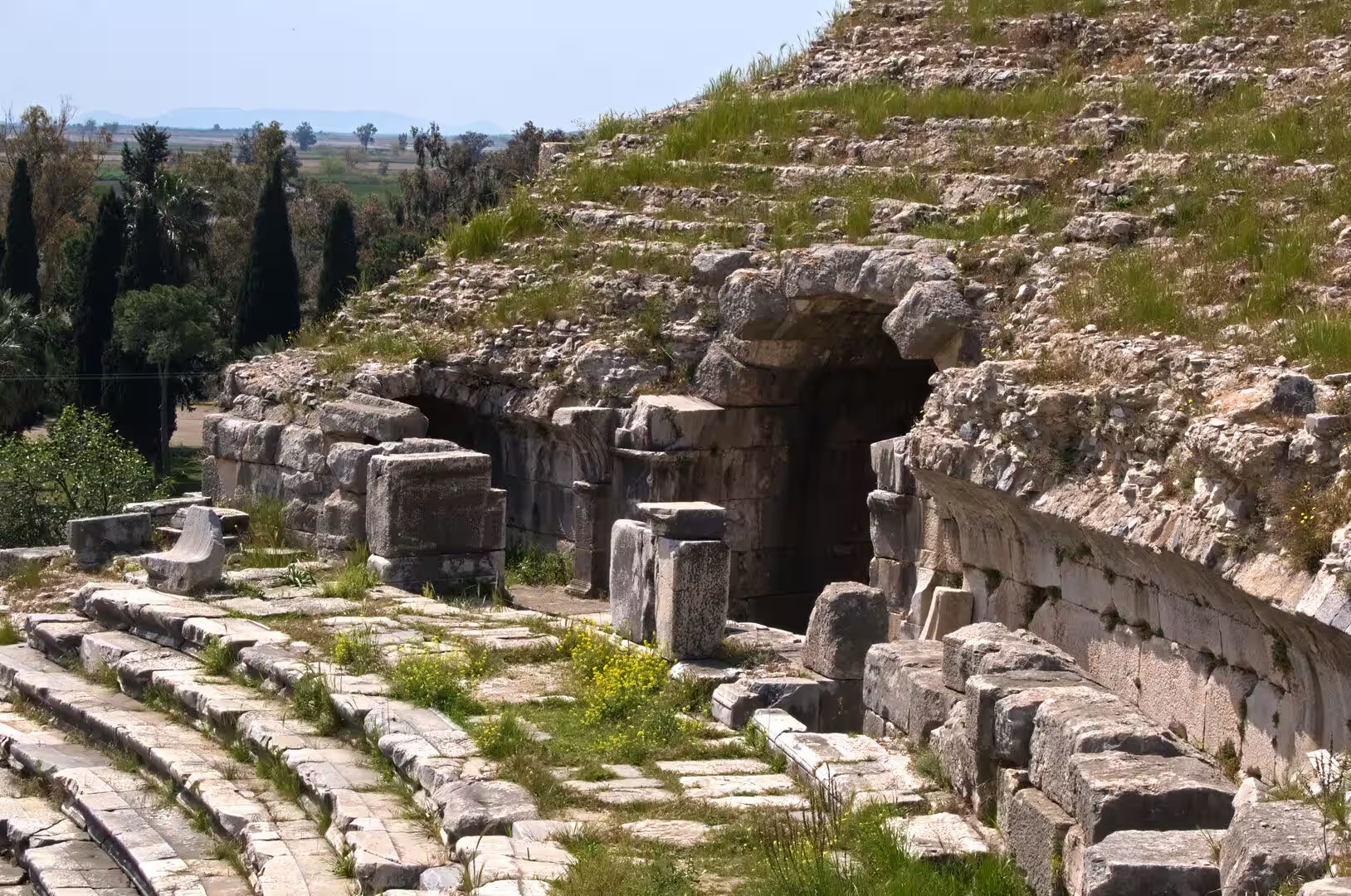
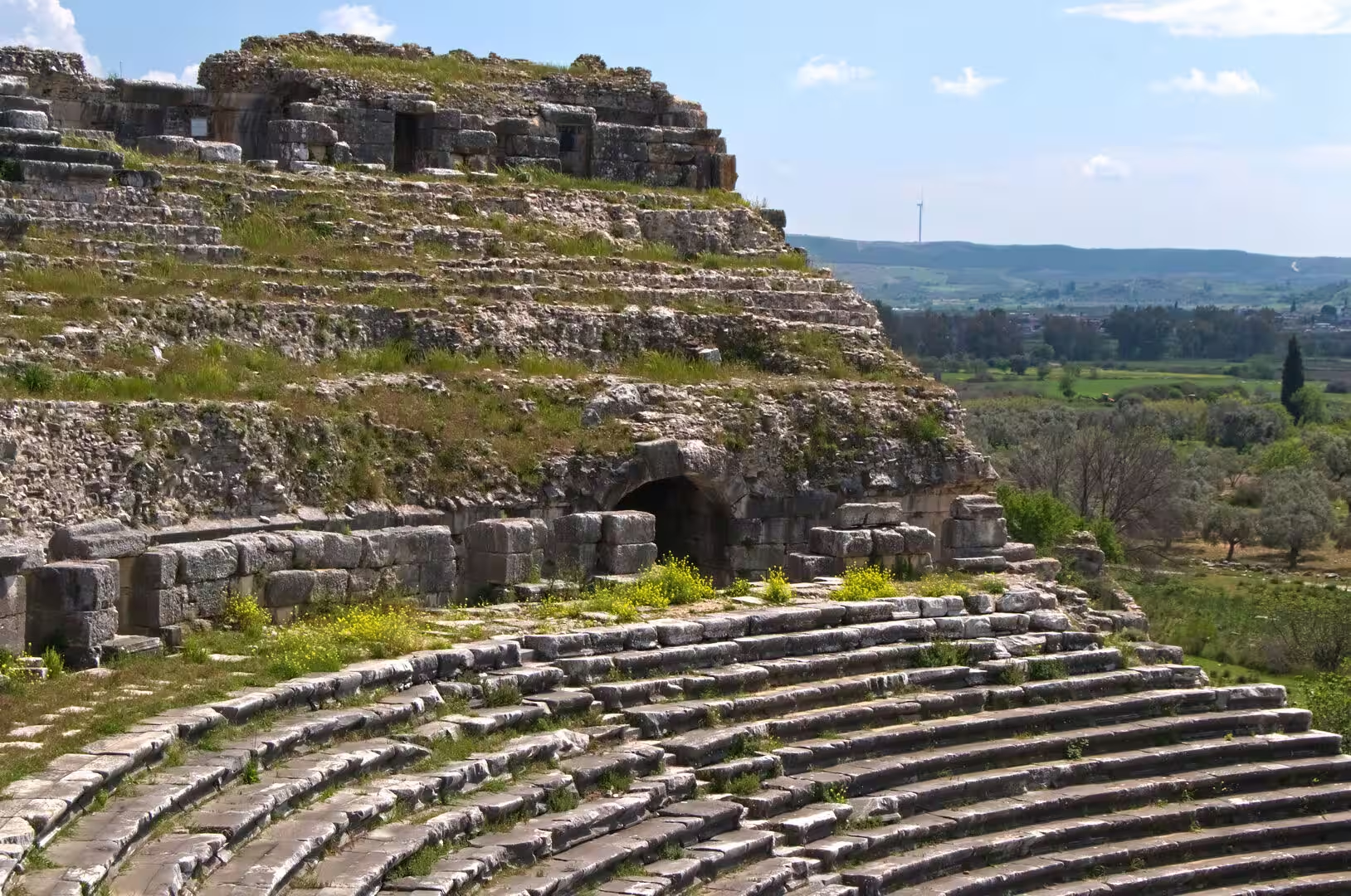
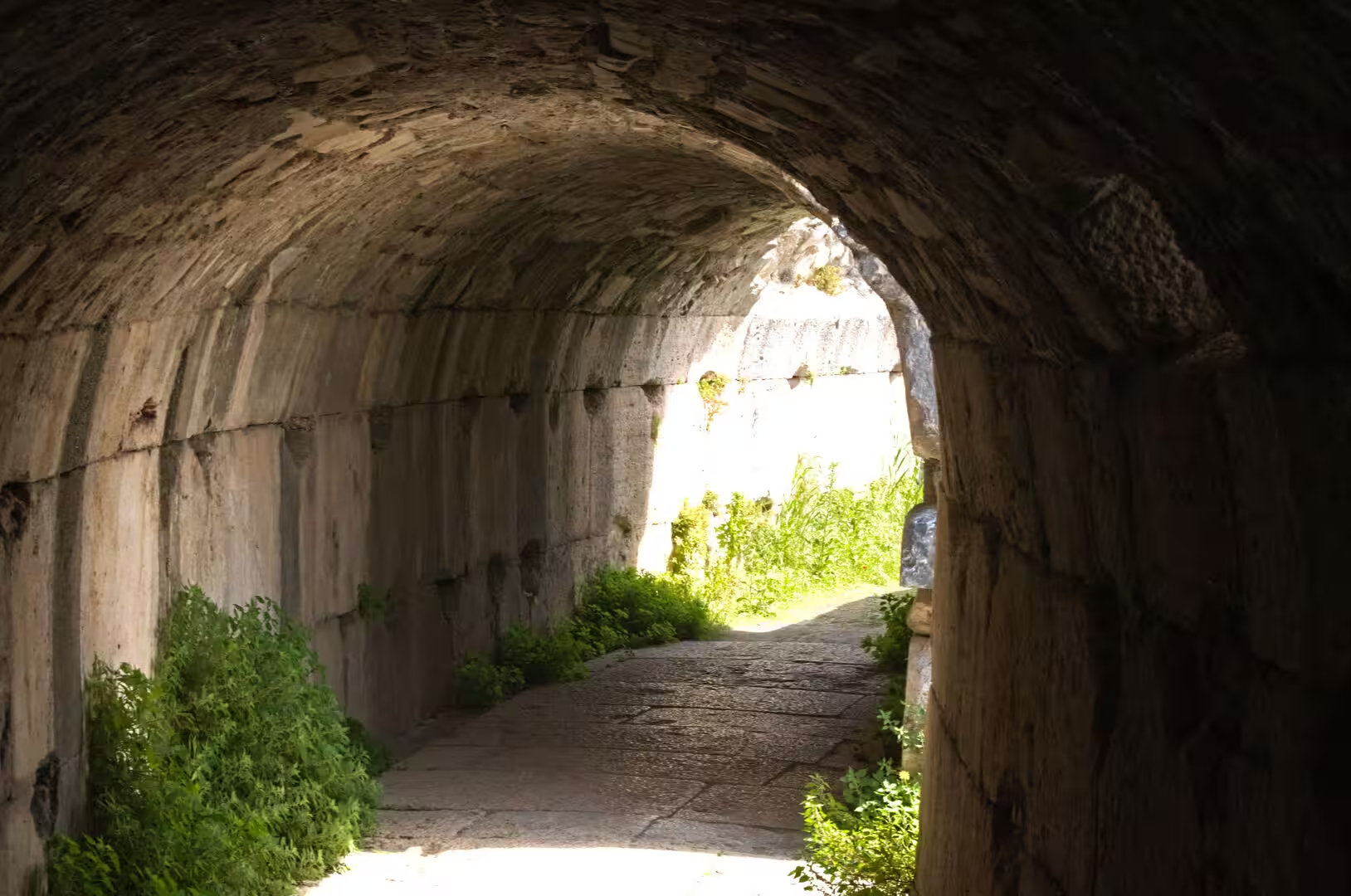
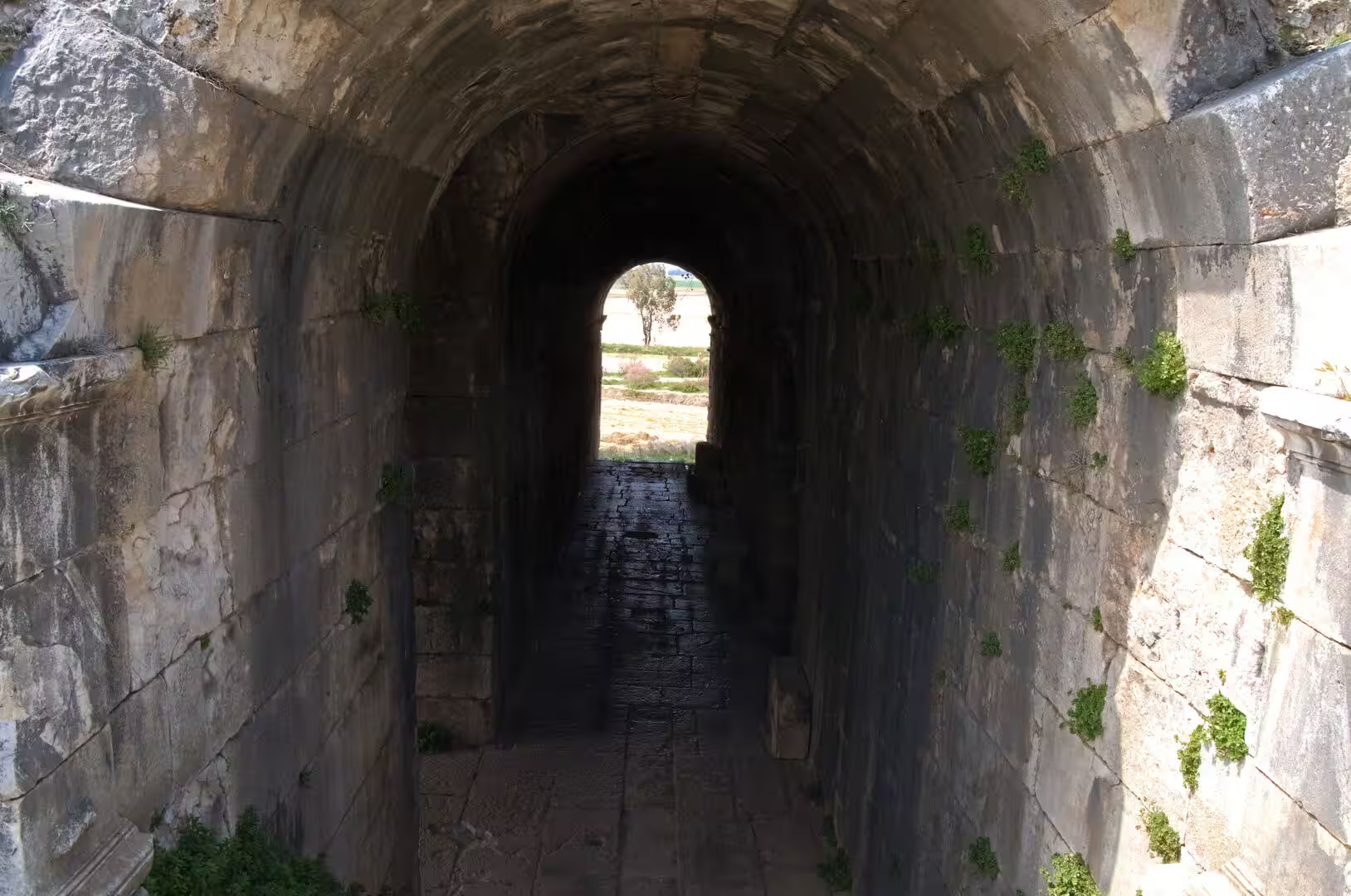
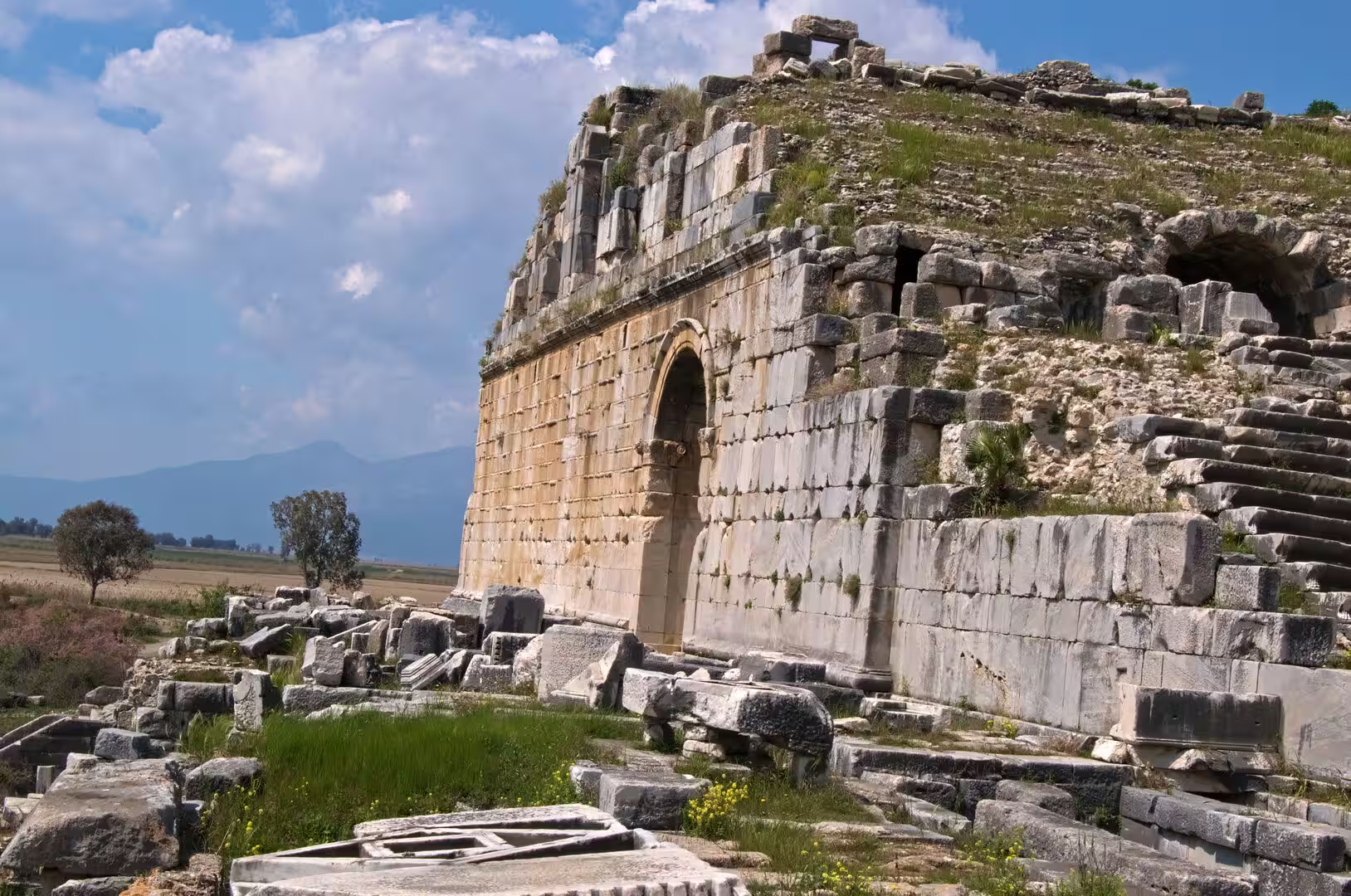
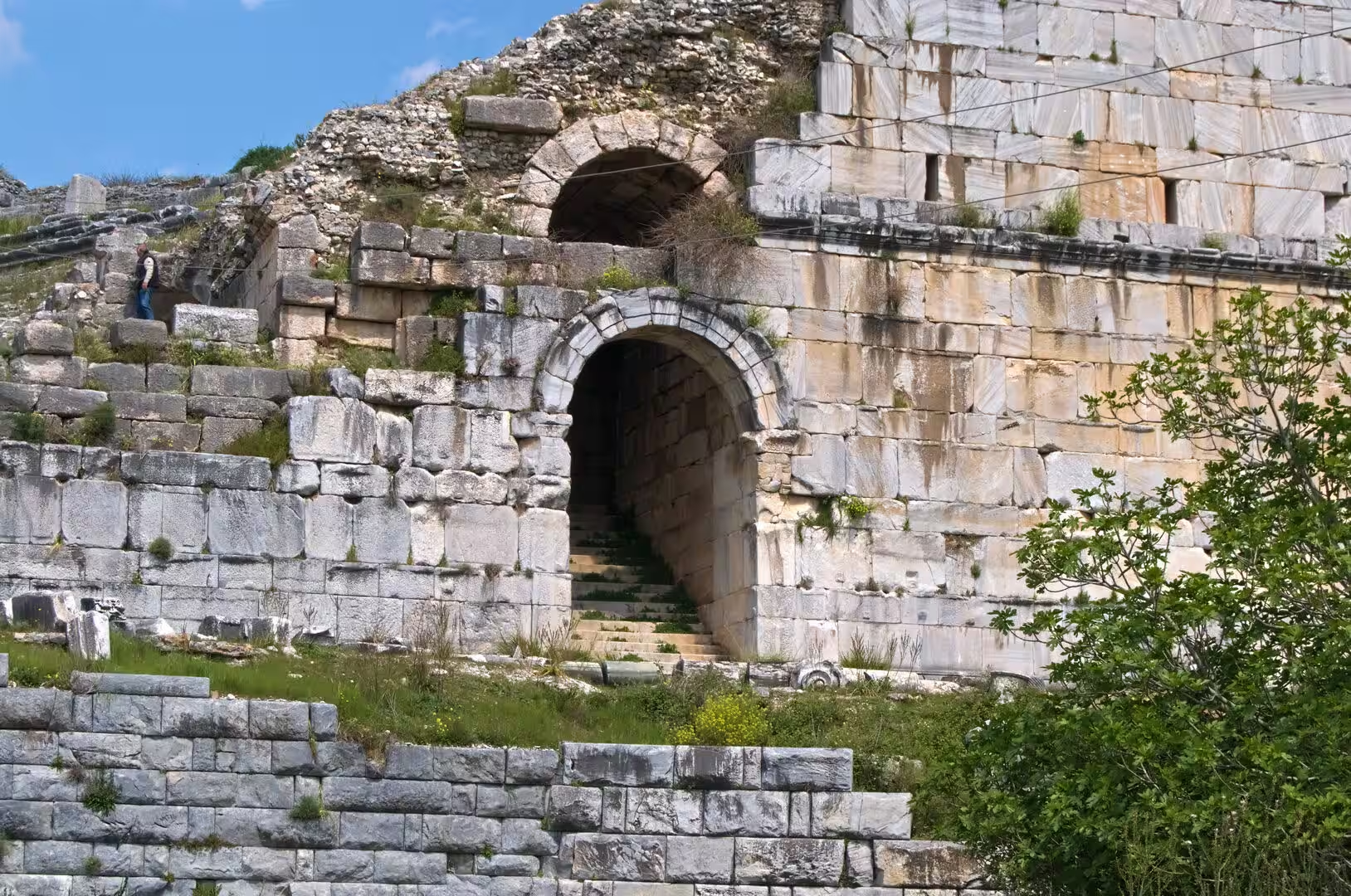
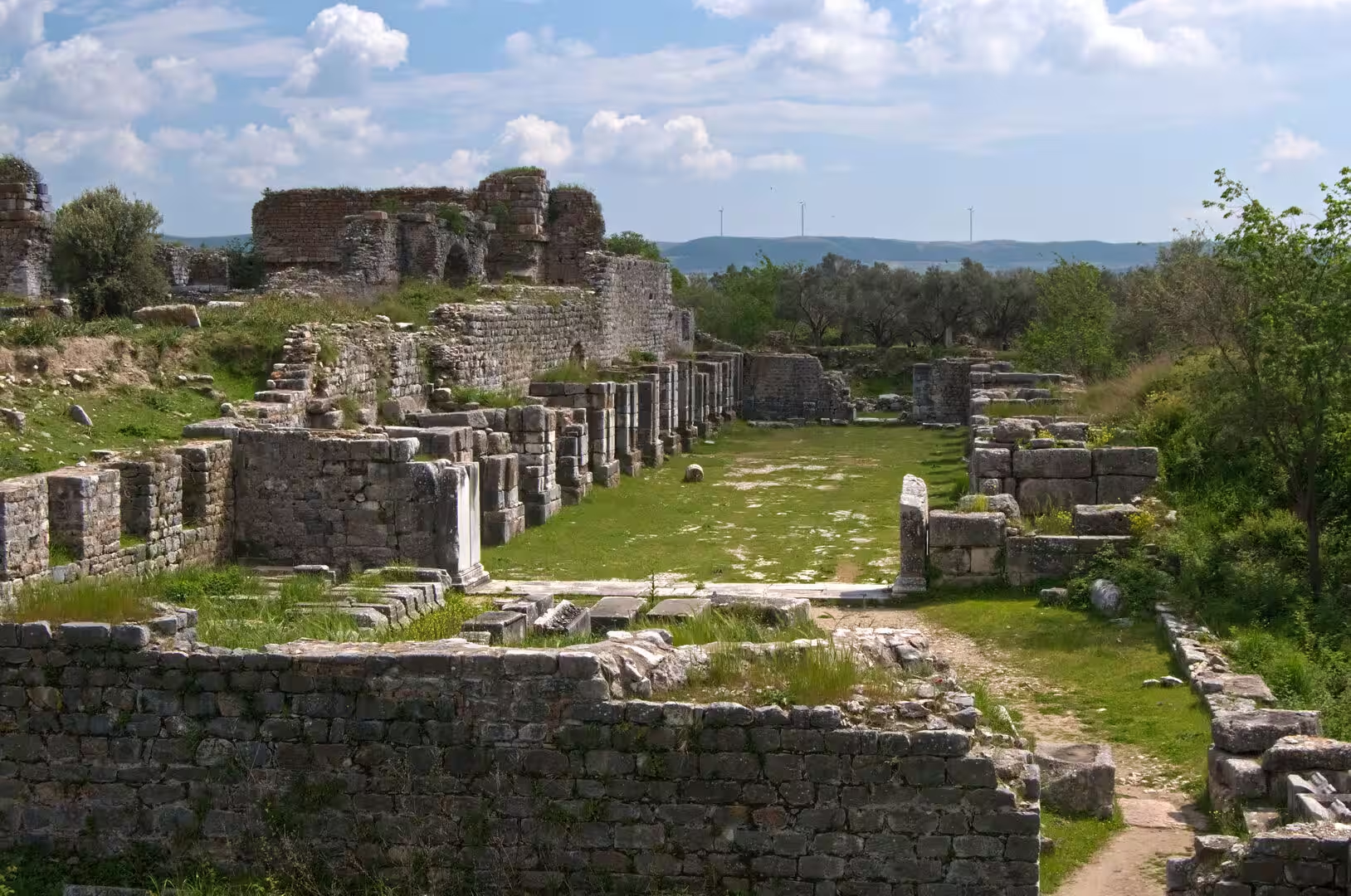
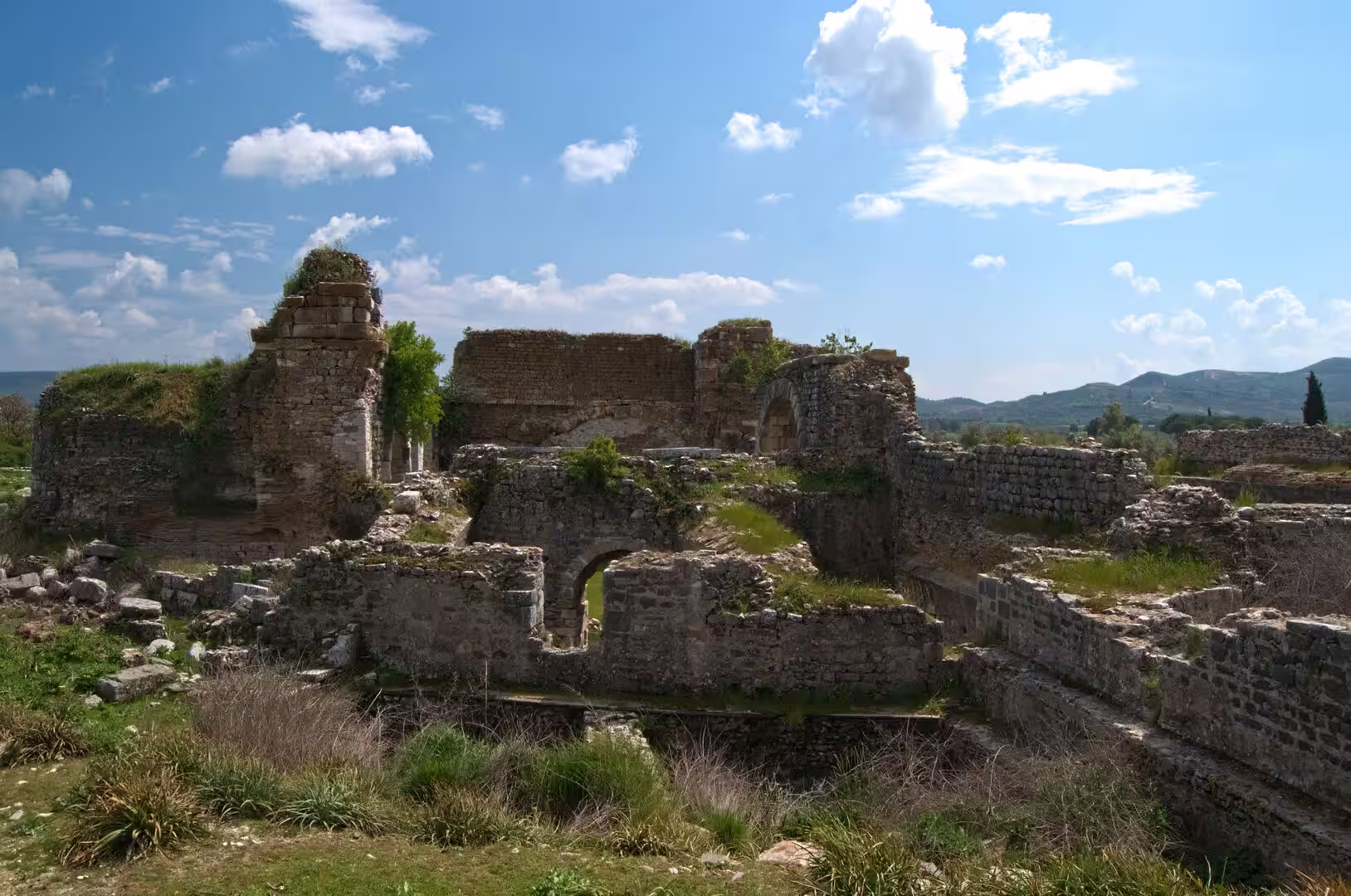
Miletus The ruins of Miletus lie in the north of the district, a few kilometres beyond the village of Balat on the flat plain of the Maeander. The dominant monument is the theatre, built into the southern slope of the hill called Kaletepe: Hellenistic in origin, it was rebuilt by the Romans in the later first century AD with three tiers of seating for about 15,000 spectators, making it one of the largest theatres of Asia Minor. Massive barrel-vaulted corridors pierce the outer walls, and visitors can still pass through them from the bright fields outside into the shaded heart of the cavea, as the ancient audience did. Above the seats rise the walls of the Byzantine fortress of Kaletepe, built when the medieval settlement of Palatia occupied the hollow of the theatre. From the top of the cavea the view sweeps across the excavated city: the council house, the agoras and colonnaded streets, the Baths of Faustina, the stadium, the foundations of the market gate (whose original now stands in the Pergamon Museum in Berlin) and the reedy hollows of the harbours that once made the city rich.
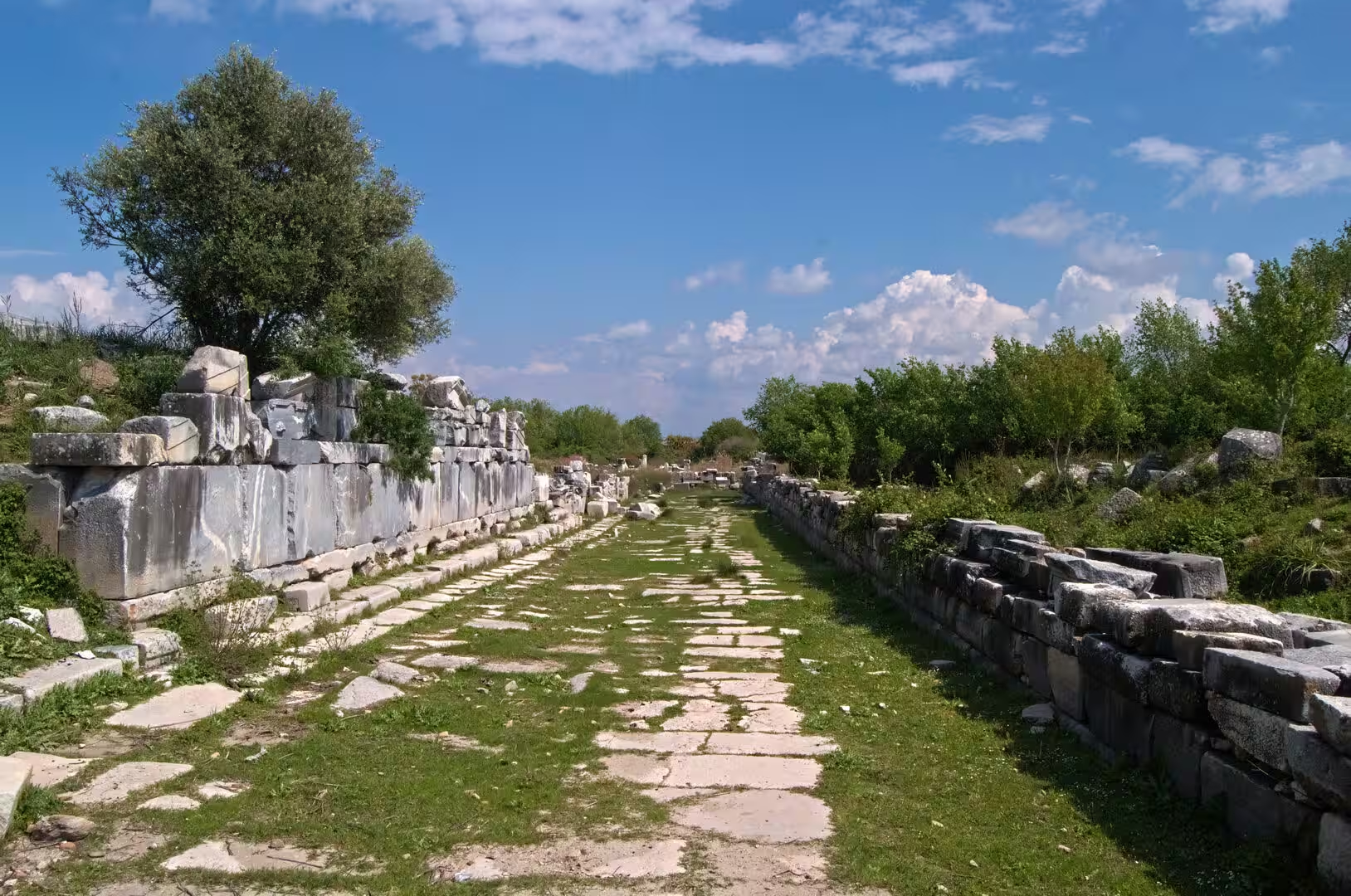
The Sacred Way The two great sanctuaries were joined by the Sacred Way, the processional road of about 20 kilometres along which the festival crowds of antiquity walked from Miletus to Didyma. Built in the sixth century BC and lined with statues of noble men and women, lions and mythological beasts, it was later flanked by stoas, baths and way stations, and its last stretch led past the sanctuary harbour of Panormos, now the Mavişehir shore of Didim. Some of its archaic statues, excavated by Charles Newton in the nineteenth century, are today displayed in the British Museum in London.
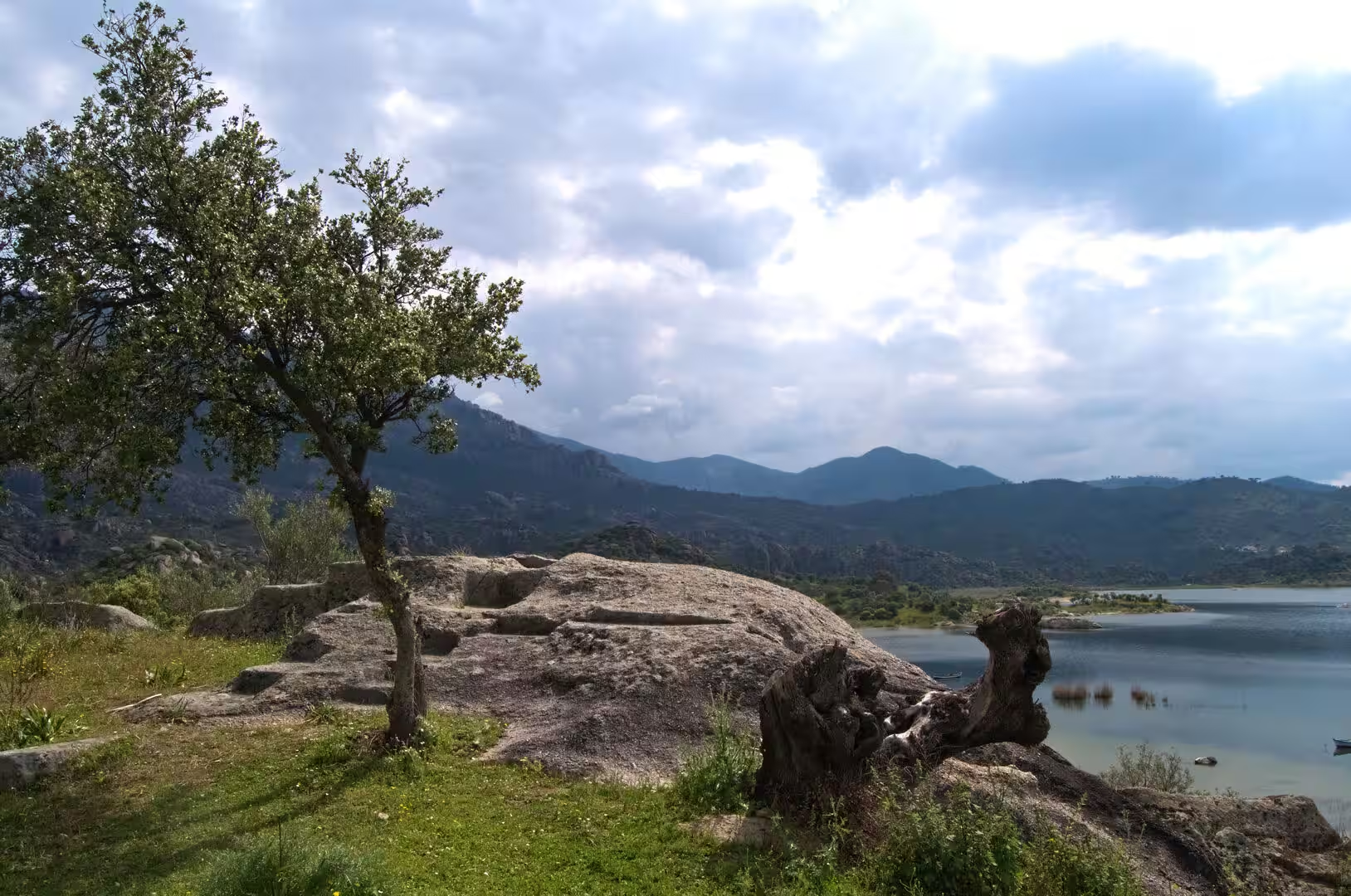
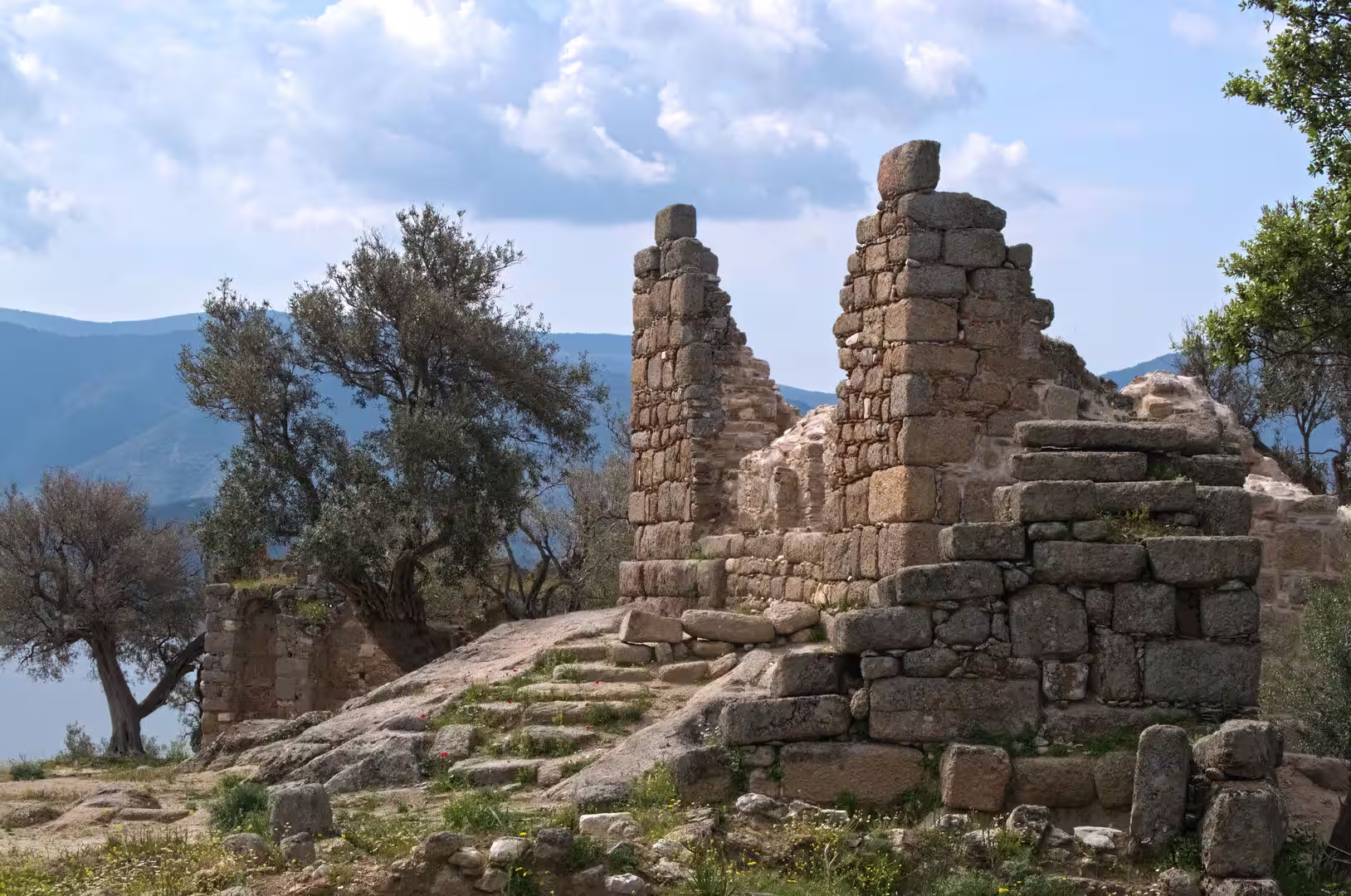
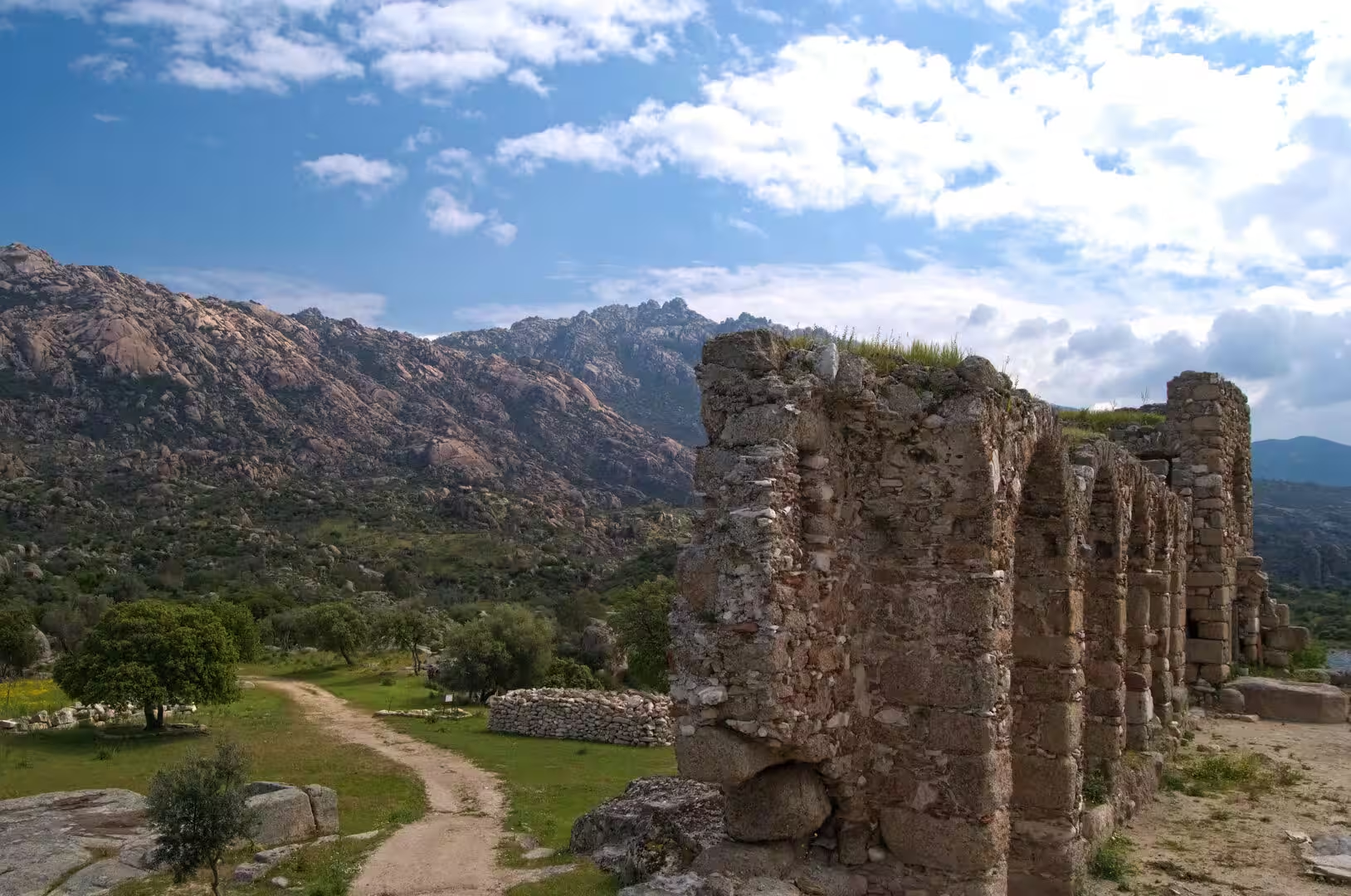
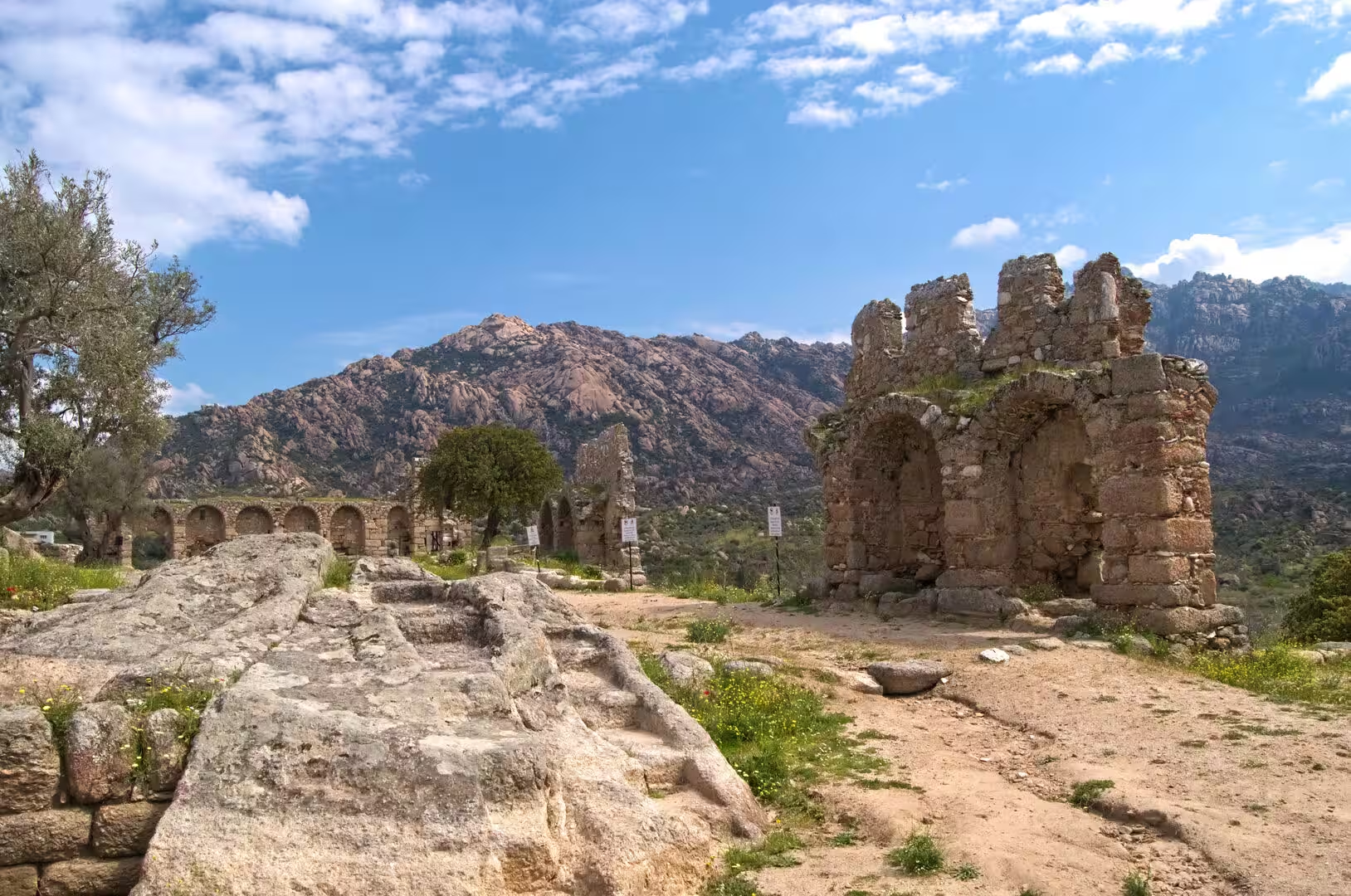
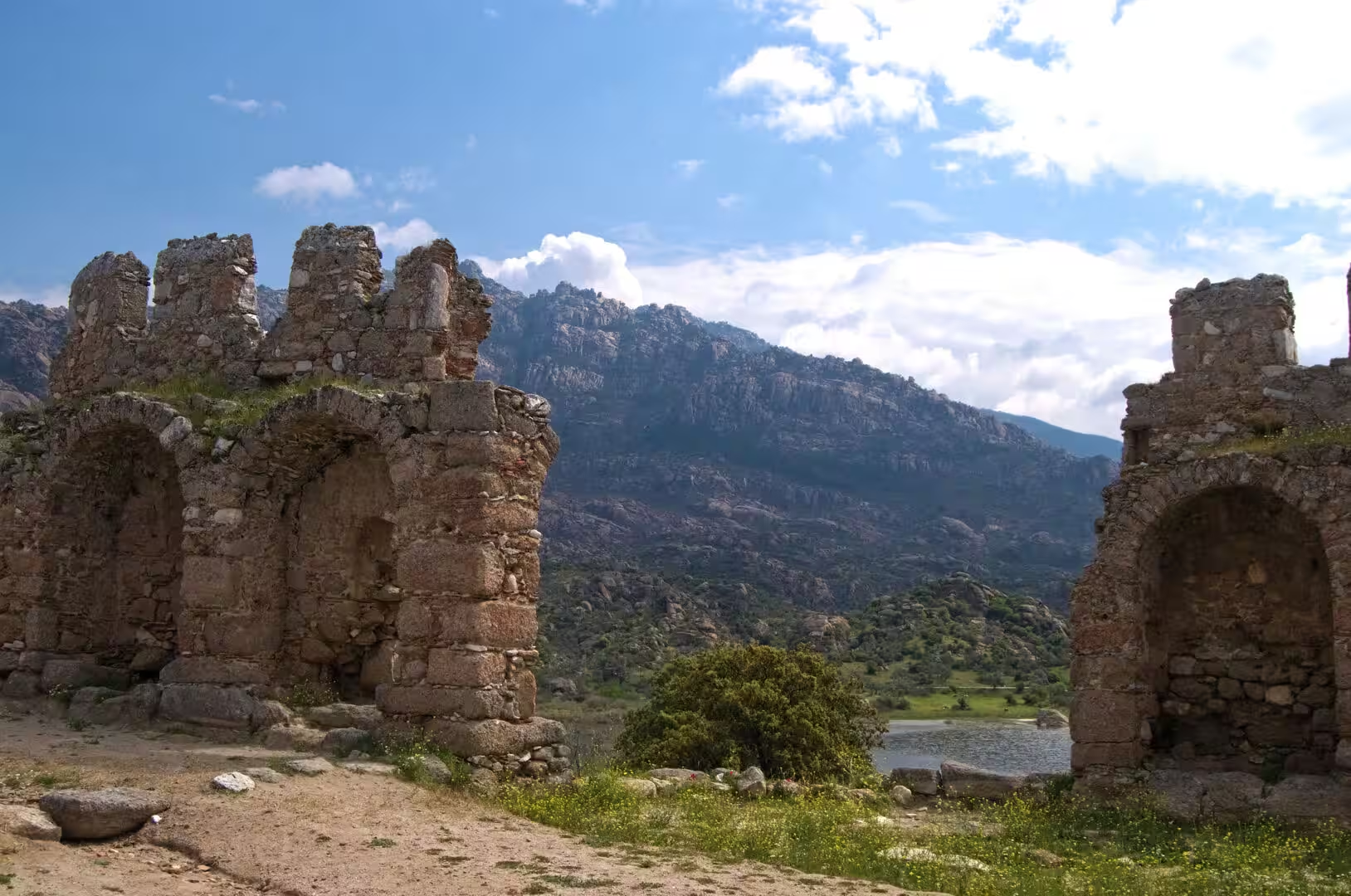
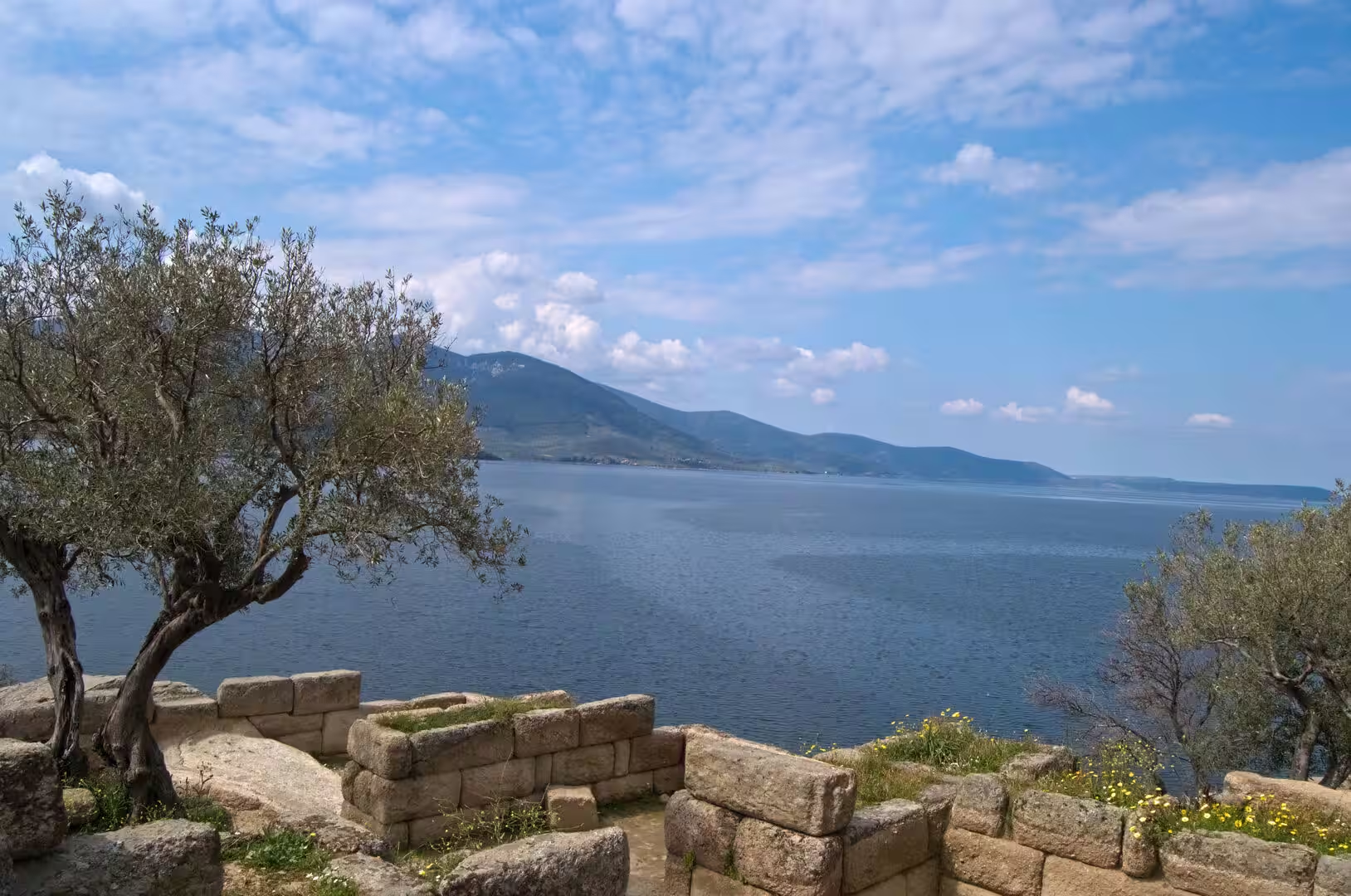
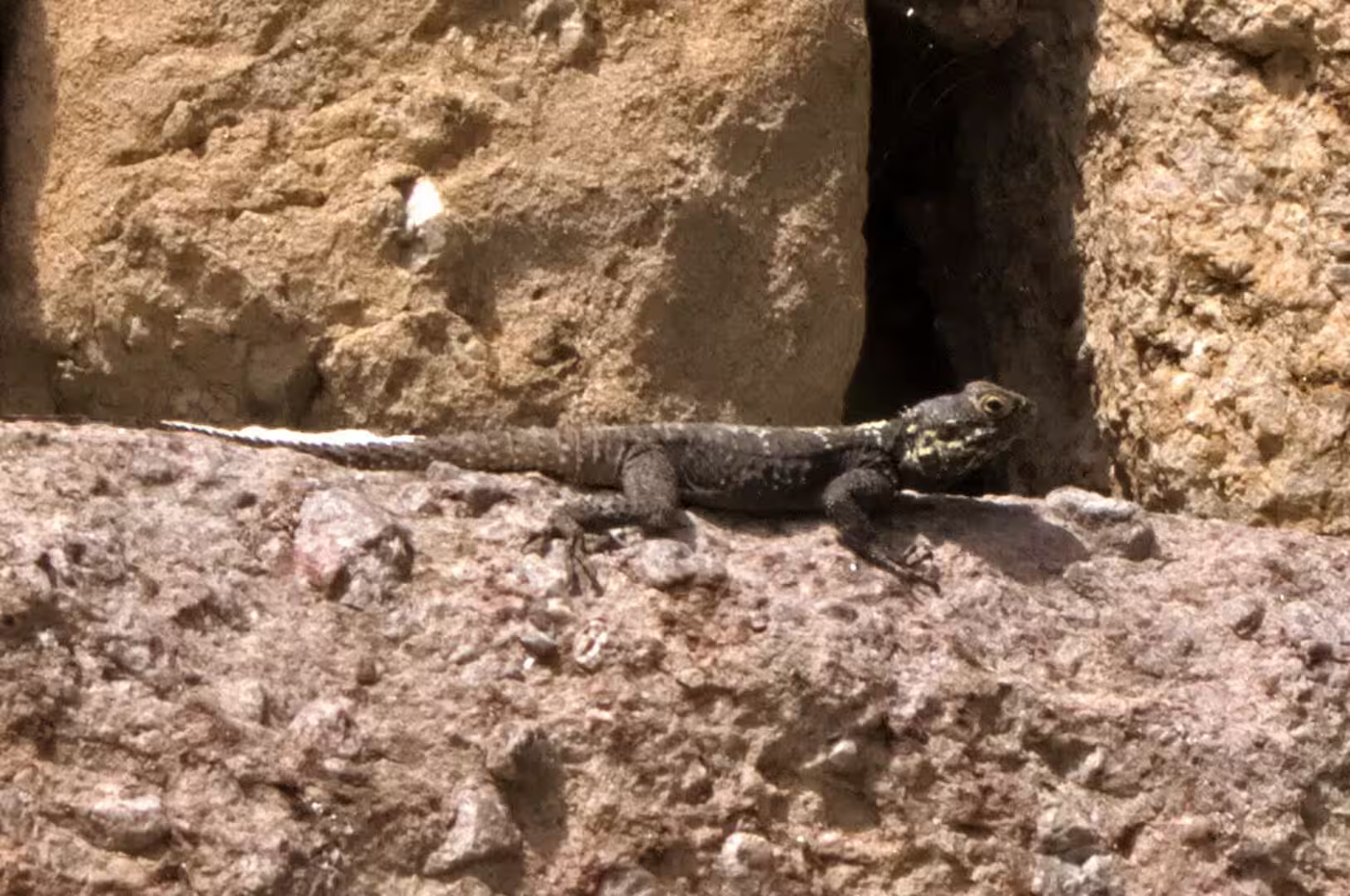
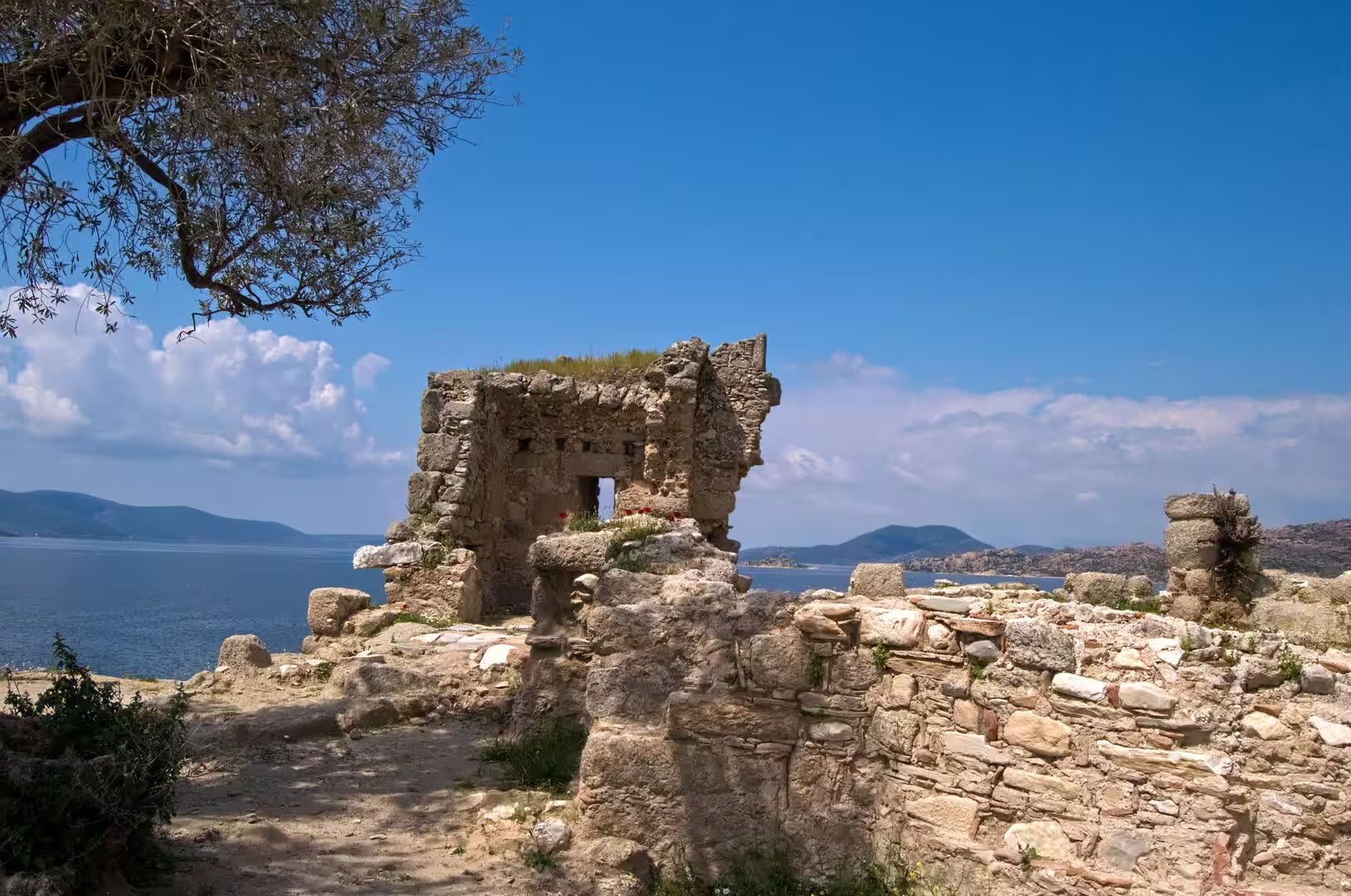
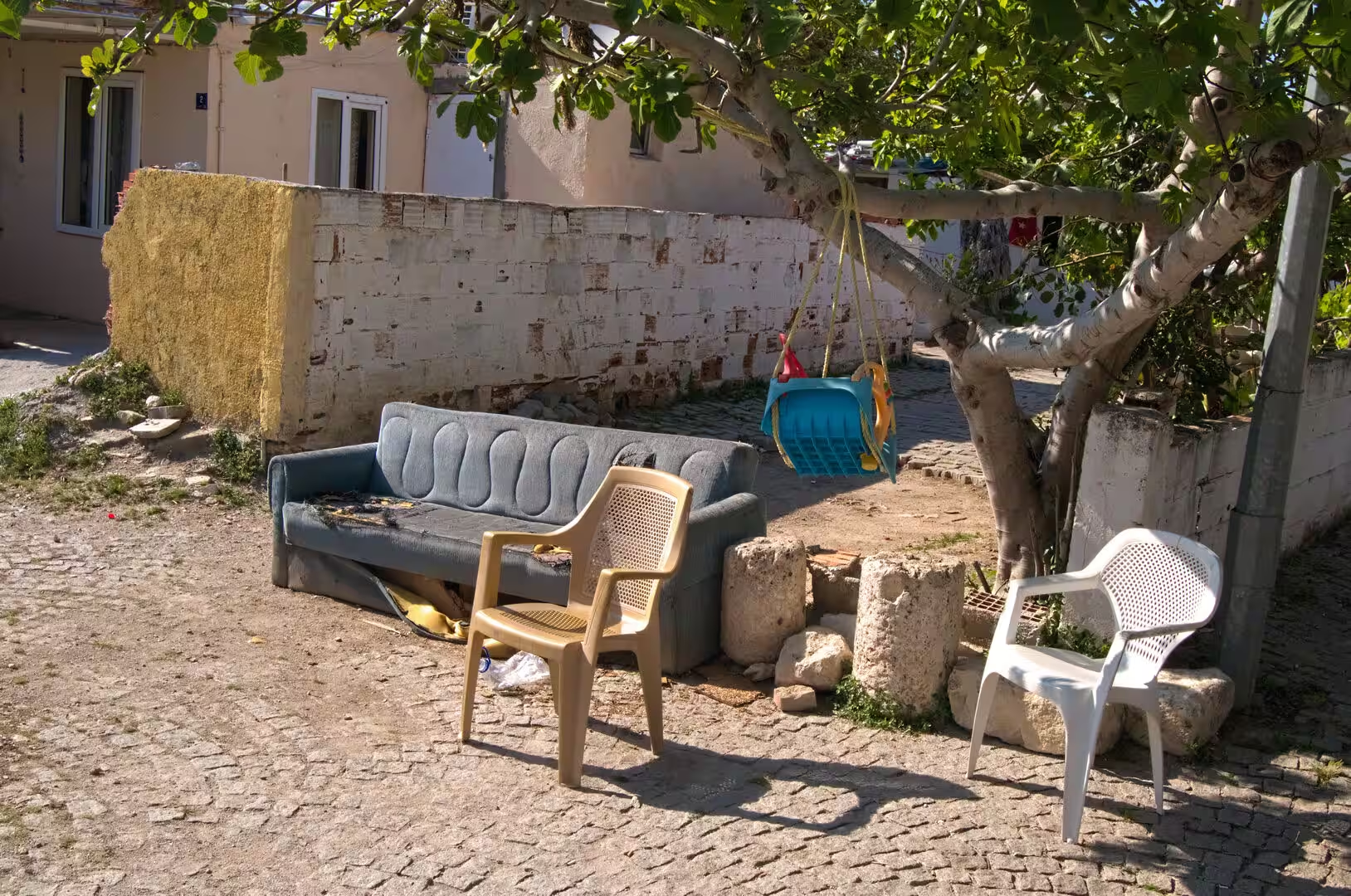
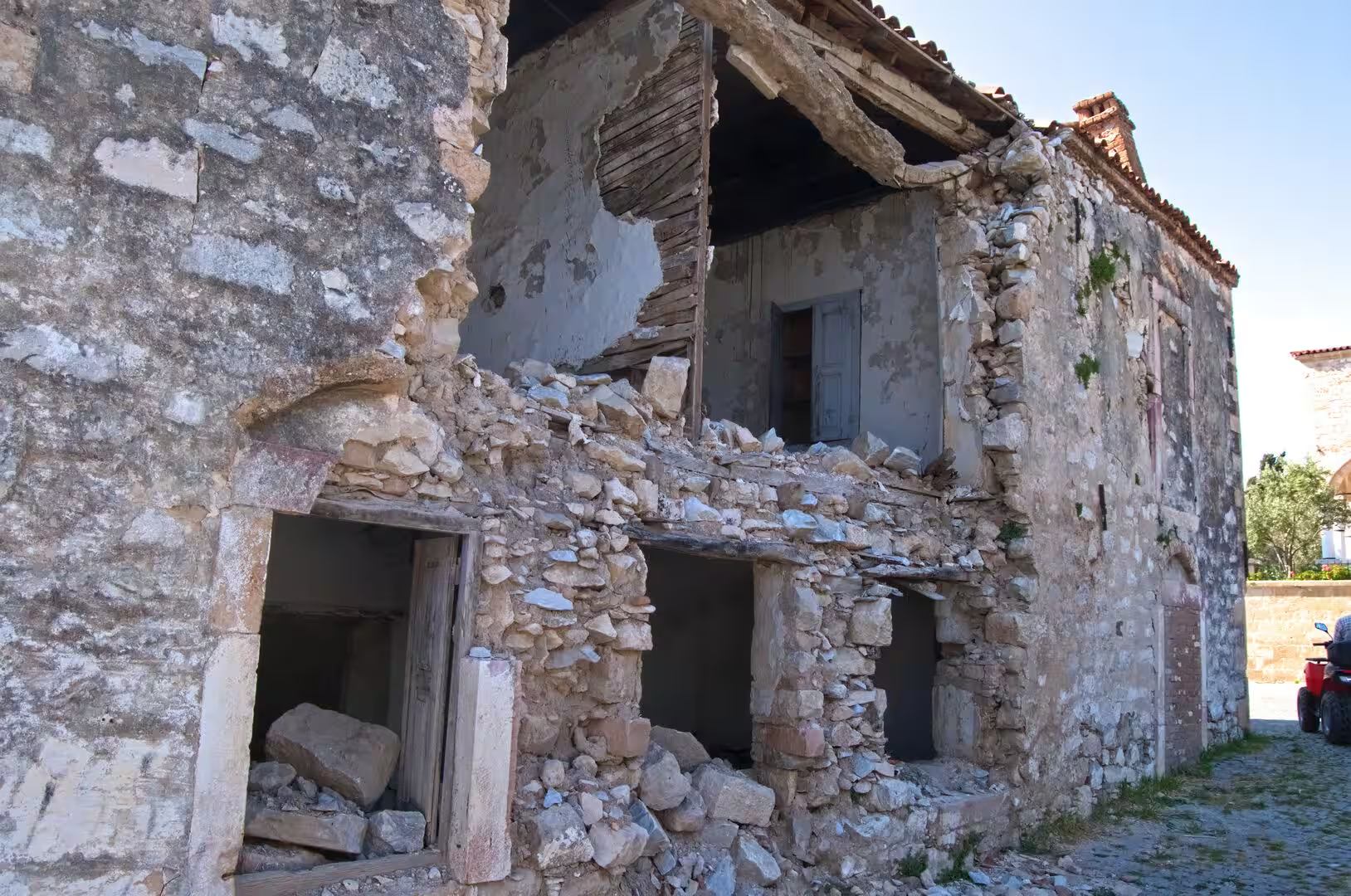
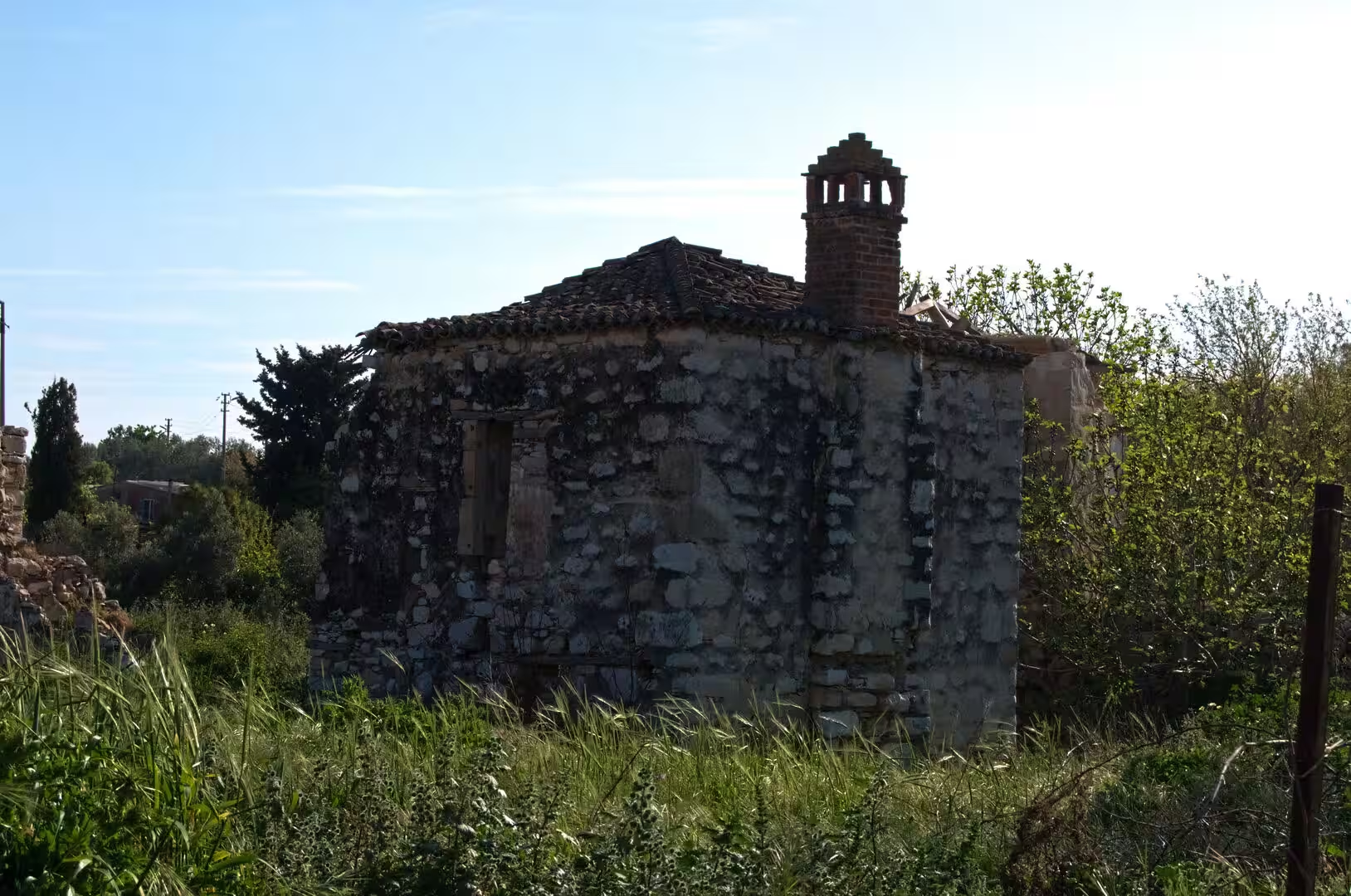
The countryside Between the monuments the landscape of the district is a quiet pleasure in itself. Terraced olive groves cover the lower slopes, their silver canopies broken by the dark shapes of cypress trees; fields of wheat and cotton spread across the plain; and the hills carry scattered farmsteads of whitewashed stone,, some of them abandoned, their courtyards shaded by fig trees. The rocky headlands of the coast hide small coves and beaches reached by dirt tracks, and in spring the scrub is loud with insects and bright with wildflowers, while lizards sun themselves on the warm ancient stones.
References
- Bean, George E. (1971). Turkey Beyond the Maeander: An Archaeological Guide. London: Ernest Benn.
- Fontenrose, Joseph (1988). Didyma: Apollo’s Oracle, Cult, and Companions. Berkeley: University of California Press.
- Greaves, Alan M. (2002). Miletos: A History. London: Routledge.
- Parke, Herbert W. (1985). The Oracles of Apollo in Asia Minor. London: Croom Helm.
- Miletus Archaeological Site. Republic of Türkiye, Ministry of Culture and Tourism. muze.gov.tr/muze-detay?SectionId=MLT01&DistId=MLT
- Theatre. Miletus Excavation, University of Hamburg. www.miletgrabung.uni-hamburg.de/en/milet-tour/tour-kaletepe/theater.html
- The Temple of Apollo at Didyma. Encyclopaedia Romana, University of Chicago. penelope.uchicago.edu/encyclopaedia_romana/greece/paganism/didyma.html
- Didyma, Hellenistic Temple of Apollo (Building). Perseus Digital Library, Tufts University. www.perseus.tufts.edu/hopper/artifact?name=Didyma%2C+Hellenistic+Temple+of+Apollo&object=Building
- Didim. Wikipedia. en.wikipedia.org/wiki/Didim
- Didyma. Wikipedia. en.wikipedia.org/wiki/Didyma
- Miletus. Wikipedia. en.wikipedia.org/wiki/Miletus
- Büyük Menderes River. Wikipedia. en.wikipedia.org/wiki/B%C3%BCy%C3%BCk_Menderes_River
- Lake Bafa. Wikipedia. en.wikipedia.org/wiki/Lake_Bafa
- Ionian Revolt. Wikipedia. en.wikipedia.org/wiki/Ionian_Revolt
- Menderes-Massiv. German Wikipedia. de.wikipedia.org/wiki/Menderes-Massiv
- Güllük Körfezi. Turkish Wikipedia. tr.wikipedia.org/wiki/G%C3%BCll%C3%BCk_K%C3%B6rfezi