Day 9 - Around Demre
22 July 2023


Journal Notes
General
Demre is a coastal district of Antalya Province in southern Turkey, set on the Mediterranean shore of the Teke Peninsula in western Lycia. The district seat, the town of Demre, lies a short way inland on the southern edge of a broad, fertile plain, with the forested limestone ridges of the Taurus Mountains rising steeply behind it. The plain is crossed by the Demre Çayı, the river from which the settlement takes its modern name; in antiquity the stream was called the Myros, and the great city of Myra stood on the ground the town now covers.
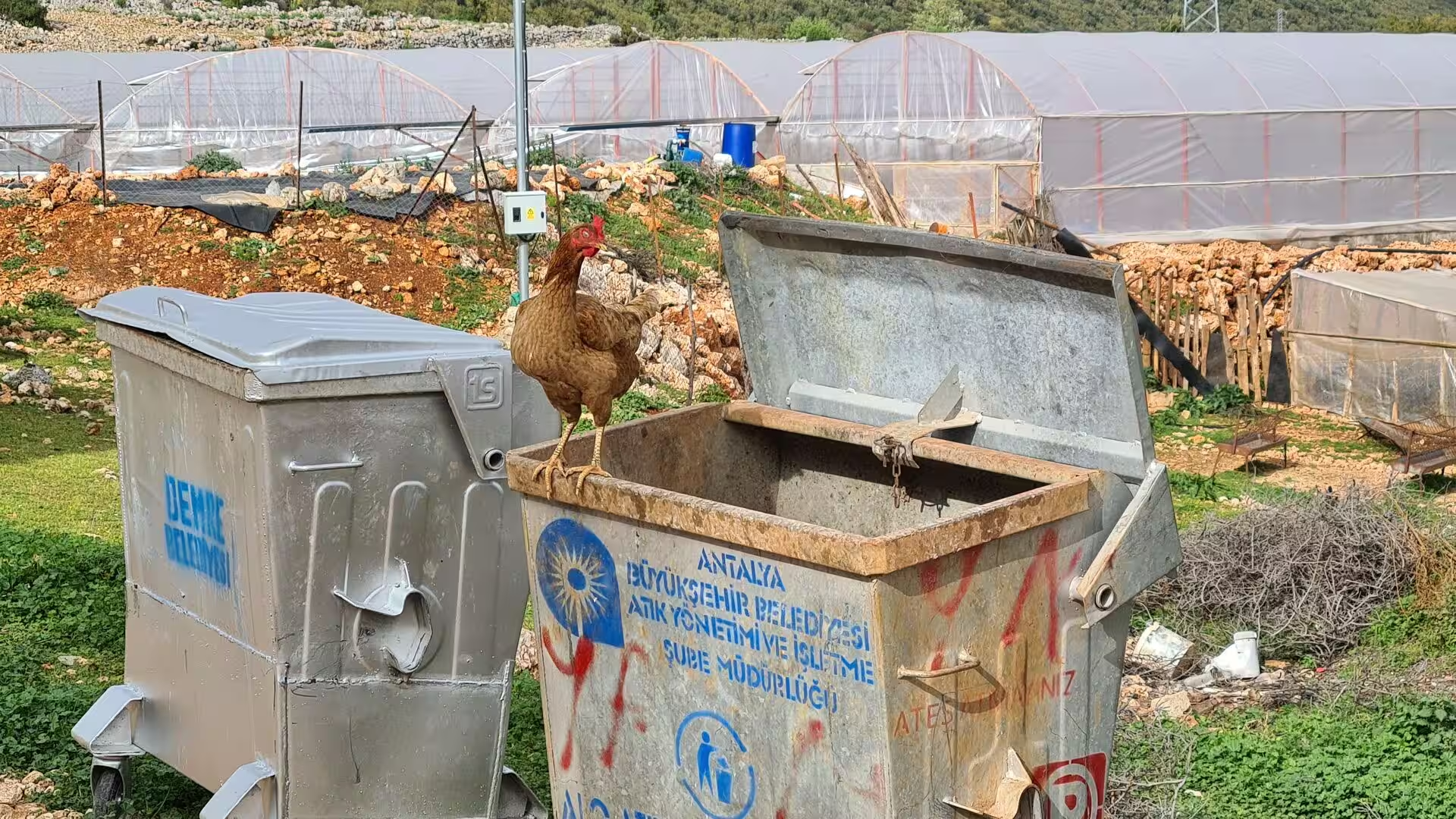
The district extends over some 330 square kilometres and is home to about 27,700 people (2022), most of them in the town and in villages strung along the coastal strip and the lower mountain slopes. Until 2005 the town was officially called Kale, Turkish for castle, a name it had carried since Ottoman times, before adopting the name of the district and the river. Demre remains an agricultural town at heart. Since the 1960s the plain has been laid out in plastic greenhouses, and the district is now one of Turkey’s main centres of protected vegetable growing, producing tomatoes, peppers, aubergines and cucumbers in winter as well as summer, while pomegranate and citrus orchards and open fields surround the built-up area and small fishing settlements still work the shore and land their catch for the district’s fish restaurants.
The climate is Mediterranean (Köppen type Csa), with hot, dry summers and mild, wet winters that suit the year-round growing cycle and bring rainy spells between November and March. Tourism is largely cultural and religious. The Church of St Nicholas, the most visited monument in Demre, draws Orthodox and Catholic pilgrims from across Europe, while the ruins of Myra, the harbour site of Andriake and boat excursions toward the sunken ruins of Kekova bring steady day visitors. Demre has none of the large resort hotels found further east along the coast; instead it works as a quiet base, with small, family-run lodgings, restaurants and tea gardens, and the town keeps the unhurried character of a provincial market centre.
History
The history of Demre is the history of Myra, one of the most important cities of ancient Lycia, a mountainous region of south-western Anatolia between Fethiye and Antalya. Myra grew up on the river plain beneath a line of cliffs, and its earliest surviving monuments, rock-cut tombs of the fifth century BC, show an already wealthy settlement. The Lycians spoke a Luwian language and governed themselves through the Lycian League, a federation of more than twenty cities whose members cast one, two or three votes by size. Myra held the maximum three votes, ranking with Xanthos, Patara, Pinara, Olympos and Tlos among the six leading members; Strabo numbered it among the largest towns of the alliance. Its wealth rested on two assets: the fertile plain of the Myros and the sheltered harbour of Andriake, five kilometres to the south-west, through which the city traded with the eastern Mediterranean.
Alexander’s conquests brought Lycia into the Hellenistic world; by the third century BC Myra was Greek-speaking, passing between the Ptolemies of Egypt and the Seleucids of Syria before Rome handed the coast to Rhodes in 188 BC and freed it in 168 BC. In 43 CE the emperor Claudius made Lycia part of the Roman province of Lycia et Pamphylia, and Myra entered its most prosperous period. Grain ships carrying the Egyptian harvest to Rome called regularly at Andriake, and when the apostle Paul was taken to Rome as a prisoner around 60 CE his vessel changed ships at Myra, an event recorded in the Acts of the Apostles. The emperor Hadrian visited the region in 129-130 CE and built the great granarium at Andriake; when an earthquake devastated the city in 141 CE the benefactor Opramoas of Rhodiapolis financed much of the rebuilding, including the theatre.
The most famous citizen of Myra was Nicholas, born around 270 CE in the Lycian port of Patara, sixty kilometres to the west. As a young man he became bishop of Myra, was imprisoned under the emperor Diocletian and, according to the earliest lists, attended the First Council of Nicaea in 325. He died on 6 December 343 and was buried at Myra. The legends that gathered around him, gold secretly given to save three sisters from poverty, storms calmed at sea and the innocent rescued from execution, made him one of the most venerated saints of the Christian world and, through the Dutch Sinterklaas, the ancestor of Santa Claus. A church was raised over his grave within a few generations; tradition attributes an early basilica to the emperor Theodosius II, and the core of the present building was erected in the sixth century in the reign of Justinian. In the fourth century Lycia was again a separate province with Myra as its capital, and its bishops became metropolitans.
The coast suffered repeated Arab raids from the seventh century; the Church of St Nicholas was sacked in 809 and damaged again in 1034, before the emperor Constantine IX ordered its restoration. In 1087, as Seljuk armies pressed into Lycia, merchants from the Italian city of Bari broke open the tomb and carried most of the relics to Bari, where they rest in the Basilica di San Nicola; a smaller portion passed to Venice. The region fell to the Seljuks in the late twelfth century and to the Ottomans in the fifteenth, and the harbour of Andriake slowly choked with river silt. The old city was buried, and the small Turkish town of Kale grew up beside the ruins. European travellers rediscovered the site in the nineteenth century: Captain Francis Beaufort charted the coast in 1811-1812, Charles Fellows drew the tombs in 1838, and Thomas Spratt and Edward Forbes surveyed the region in the 1840s. The Greek Orthodox community of Demre was forced to leave in 1923 under the population exchange between Greece and Turkey. Excavation of the church began in 1988, the town took the name Demre in 2005, and campaigns at Myra and Andriake since 2009 culminated in the Lycian Civilizations Museum in the restored granarium in 2016.
Geology
Demre lies where two very different worlds meet: the young alluvial plain of the coast and the ancient mass of the Taurus Mountains, part of the Alpine mountain belt raised by the slow collision of the African and Eurasian plates. The range behind the plain, which the ancients called the Massikytos, is built largely of limestone laid down in a warm Mesozoic sea and later folded, faulted and thrust southward over the coastal rocks in the great sheets known as the Lycian nappes. These carbonate rocks dominate the Teke Peninsula and give the coast its scenery of steep grey cliffs, rocky headlands and pine-clad slopes.
Limestone weathers by solution rather than by simple erosion, and the Lycian Taurus is classic karst country, riddled with caves, dolines, underground streams and powerful springs where the water resurfaces at the mountain foot. The cliffs behind Demre belong to this karst landscape, and the Lycians exploited the vertical faces for their most conspicuous monuments, cutting chamber tombs deep into the rock above the plain. The same hill supplied the stone for the ancient city, whose theatre was partly hewn from the living rock of the slope, and the hard local limestone still shapes the modern town, where the old houses, walls and pavements are built of it.
The plain itself is the work of the Demre Çayı, which drains a wide mountain catchment and has spread layer upon layer of gravel, sand and silt across the low ground over the last two million years. Every flood added fresh sediment, the shoreline crept seaward, and the harbour of Andriake, sheltered by the river mouth, silted up into a shallow lagoon and finally marsh. The burial that killed the port preserved the city: the lower town of Myra lies beneath several metres of alluvium, in places four to ten metres deep, the lowest theatre rows stayed covered until modern excavation, and the Church of St Nicholas sank below the rising ground, so that it now stands several metres beneath street level. The layered alluvium acted like a blanket, protecting walls, floors and wall paintings from the weathering that destroyed the monuments left standing.
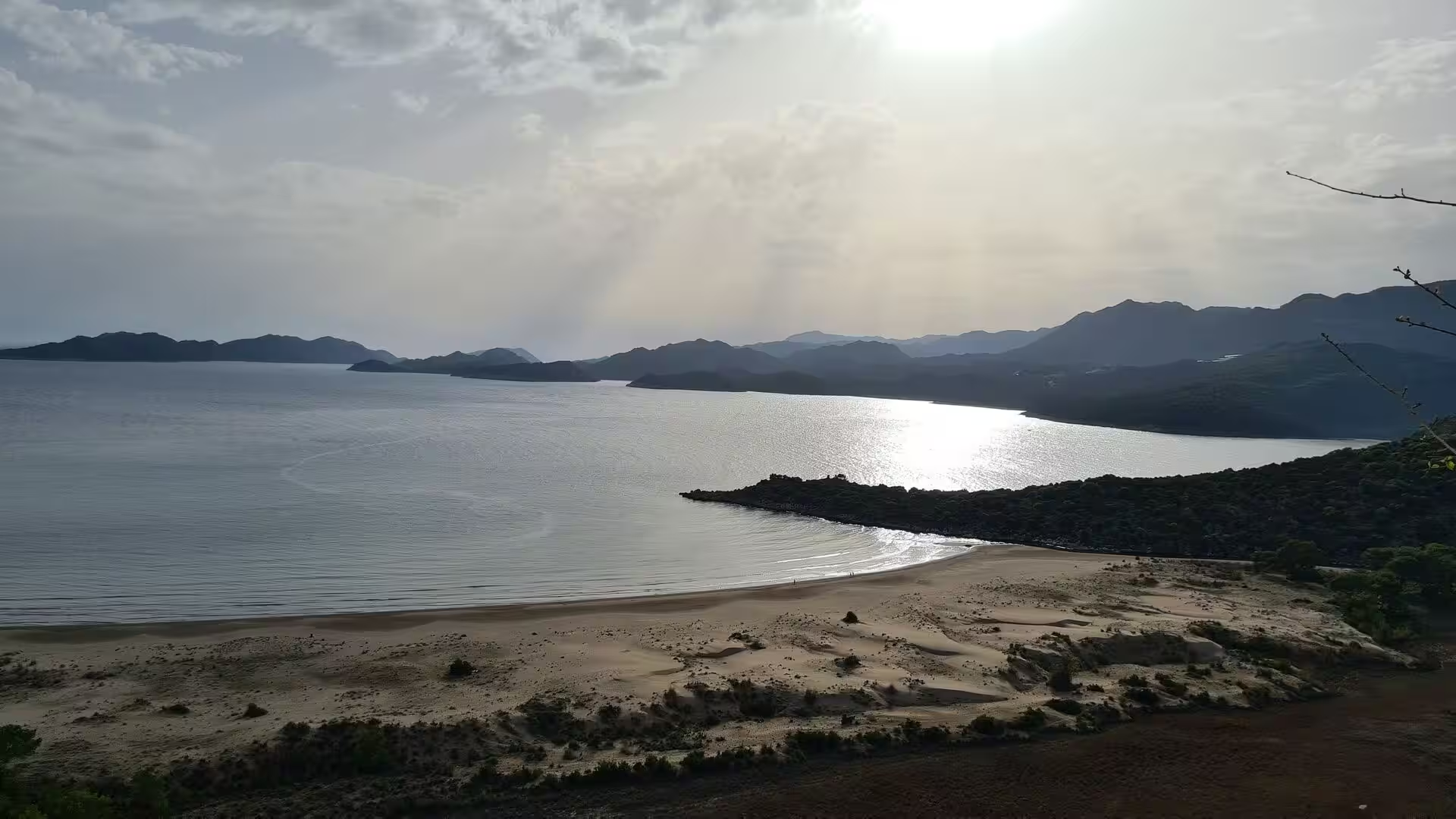
South of the town the plain ends in a low sand shore built from river sediment and rearranged by waves into beach ridges, dunes and lagoons; the wetlands of Çayağzı, at the river mouth beside ancient Andriake, are among the few natural dune and lagoon systems left on this stretch of coast. The coast is seismically restless, for the African plate is sinking beneath Anatolia along the Hellenic arc just south of the peninsula, and earthquakes have repeatedly shaken the region: the tremor of 141 CE that damaged Myra and the Roman-period shocks that lowered the southern shore of the island of Kekova beneath the sea, drowning houses, stairways and quays that boat passengers still glimpse through clear water. Relative changes of sea level and continued delta growth keep reshaping the shoreline, the same contest between mountain erosion and coastal deposition that built the plain.
Things to See
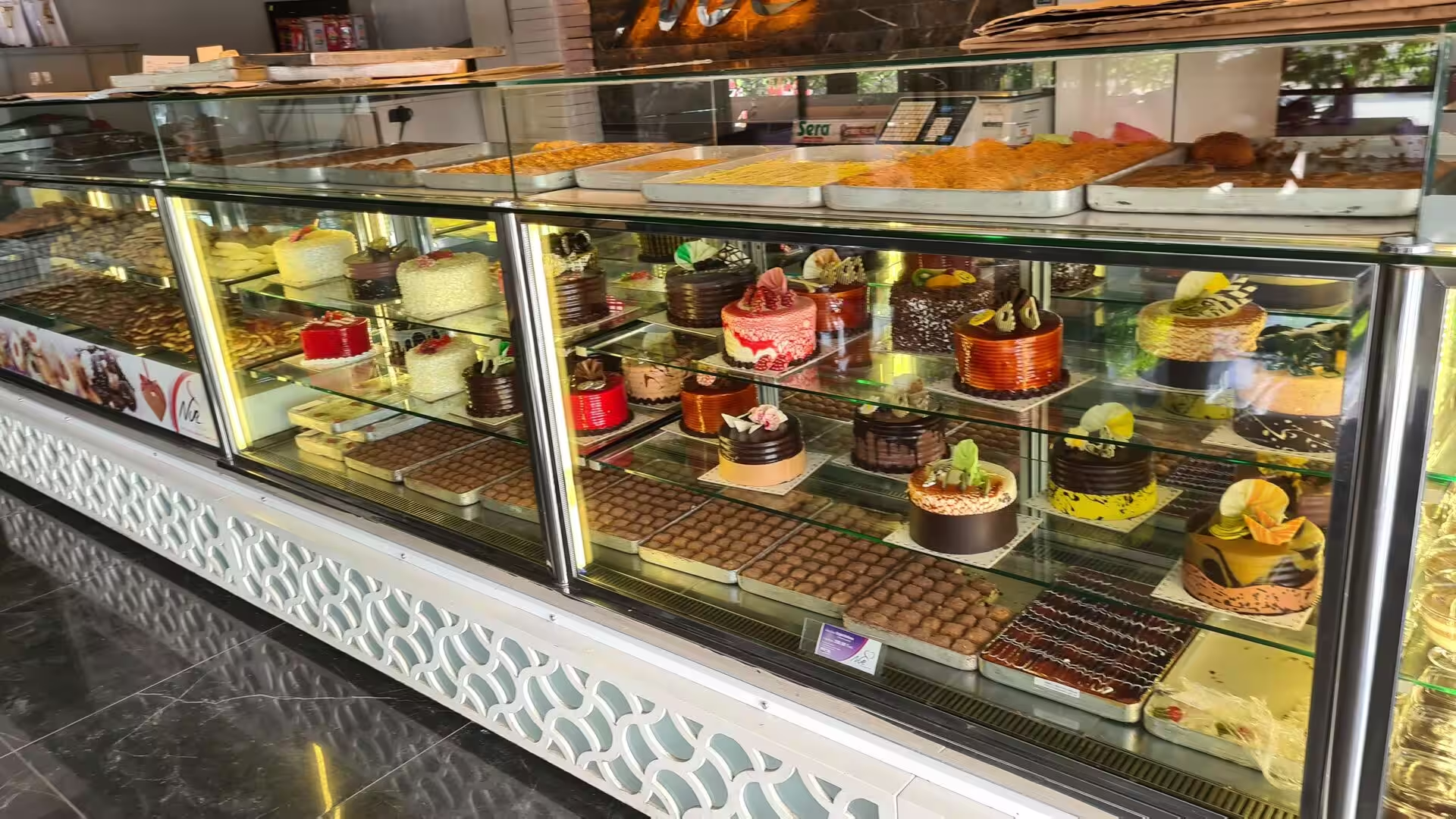
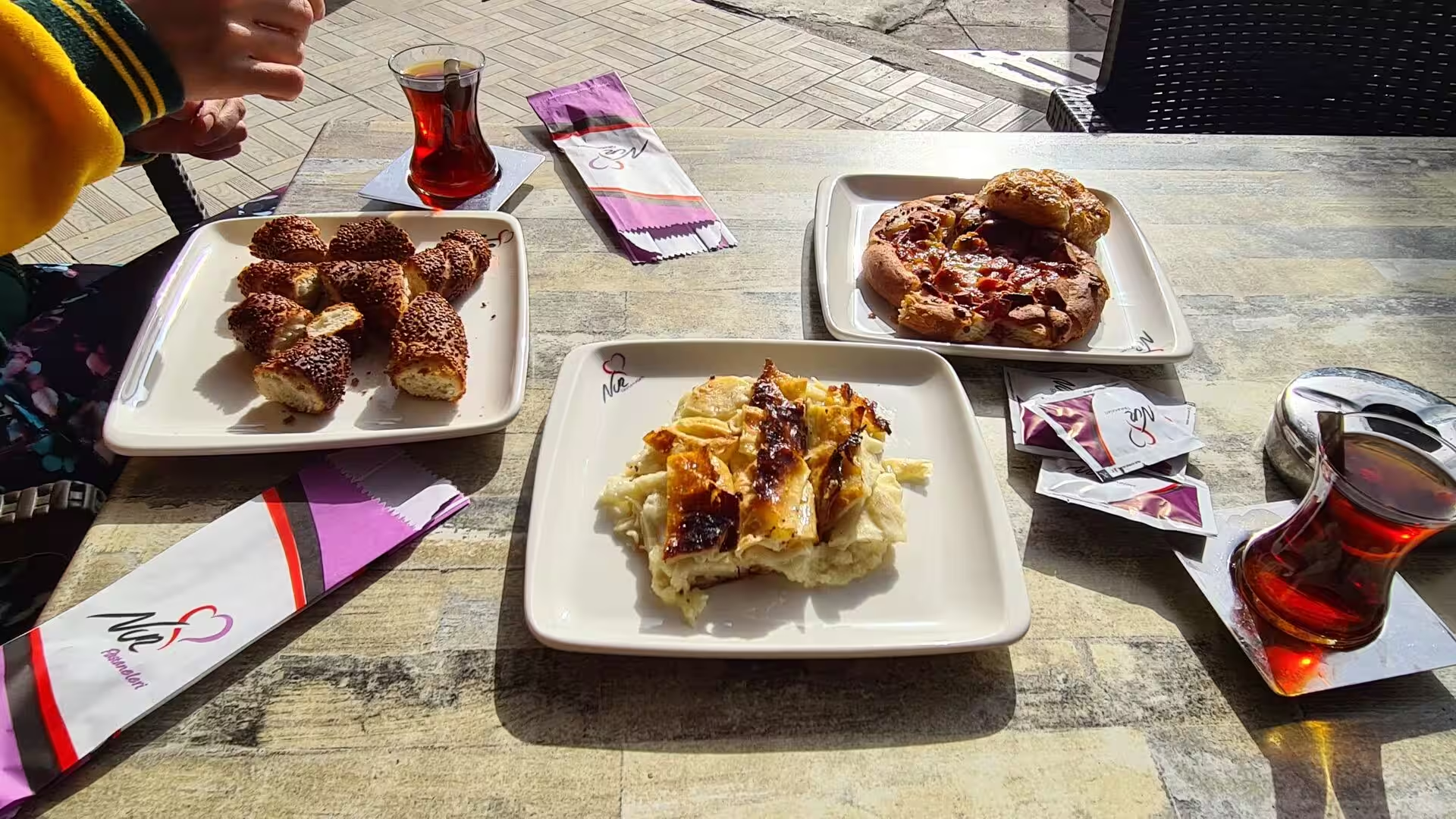
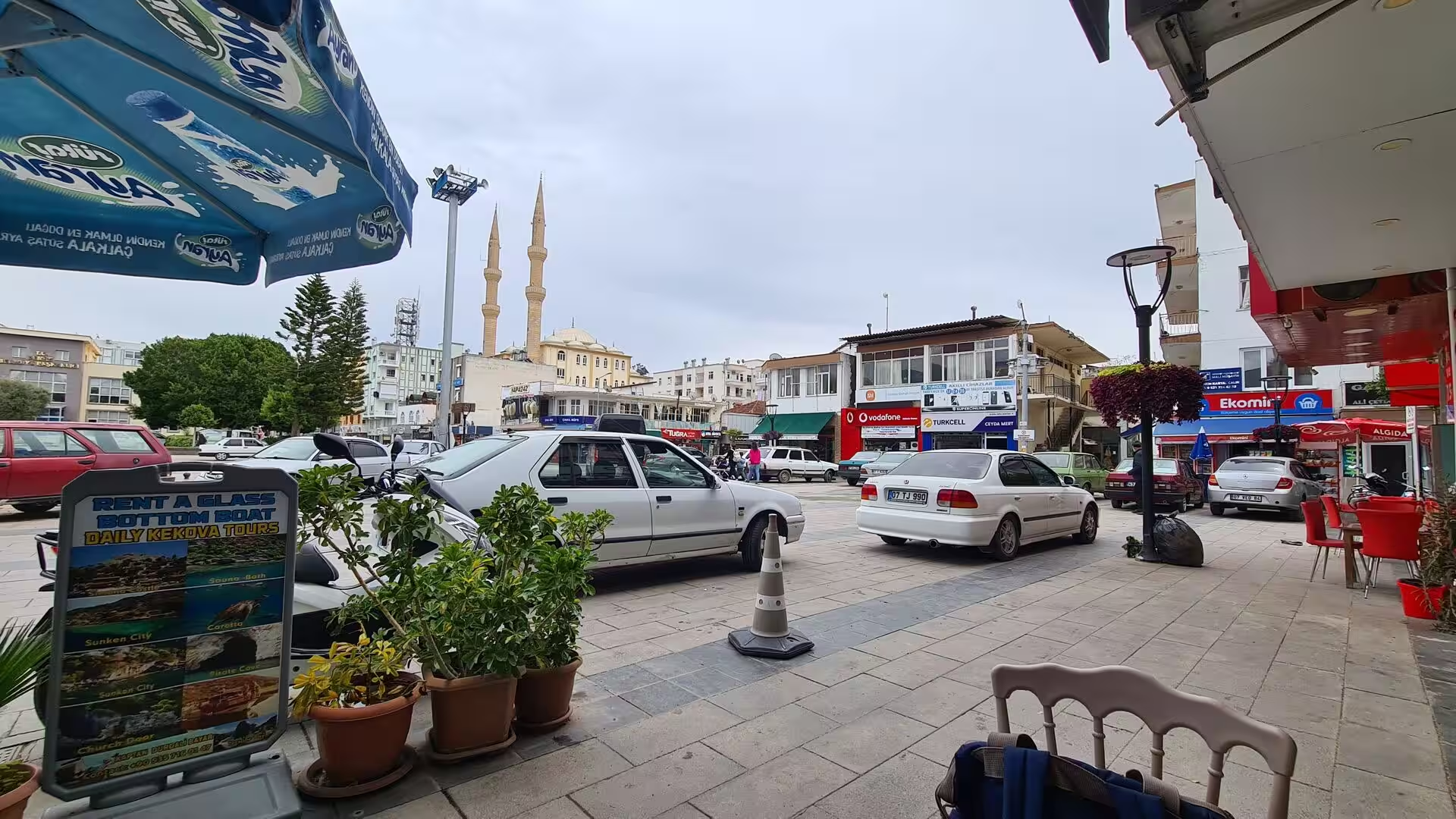
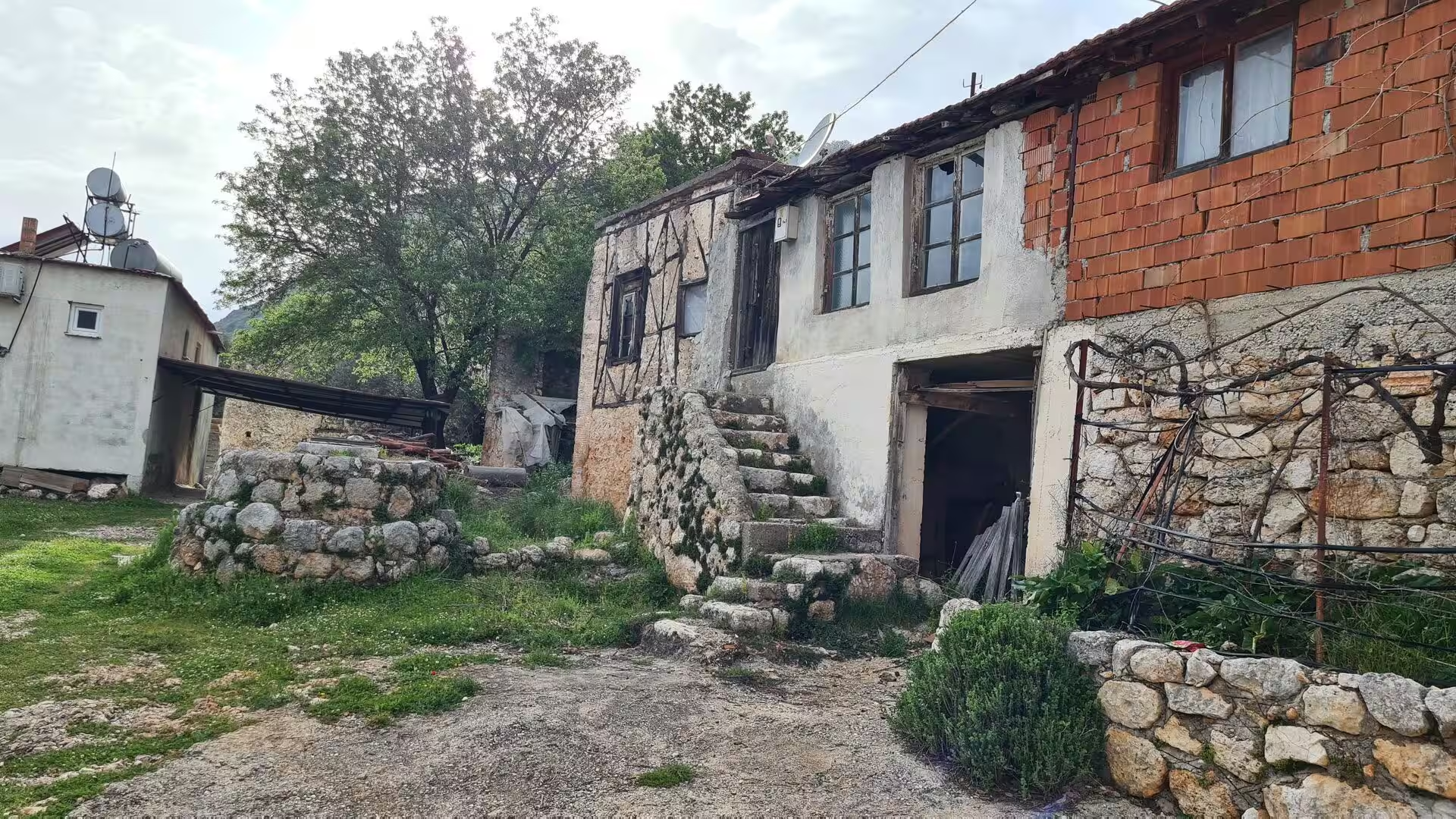
Demre town is a compact, workaday place whose centre gathers around a paved square dominated by a mosque with two slender minarets. Around the square, small shops, tea gardens and patisseries display trays of baklava and cream cakes, best taken with the dark red tea brewed all day in double teapots. Side lanes run between older stone houses with wooden balconies, some lovingly kept, others slowly returning to the earth, and within a few steps the streets give way to the greenhouses and orchards of the plain. Market stalls sell the local tomatoes, peppers and pomegranates, and tour offices along the main street advertise the glass-bottom boat trips along the coast.
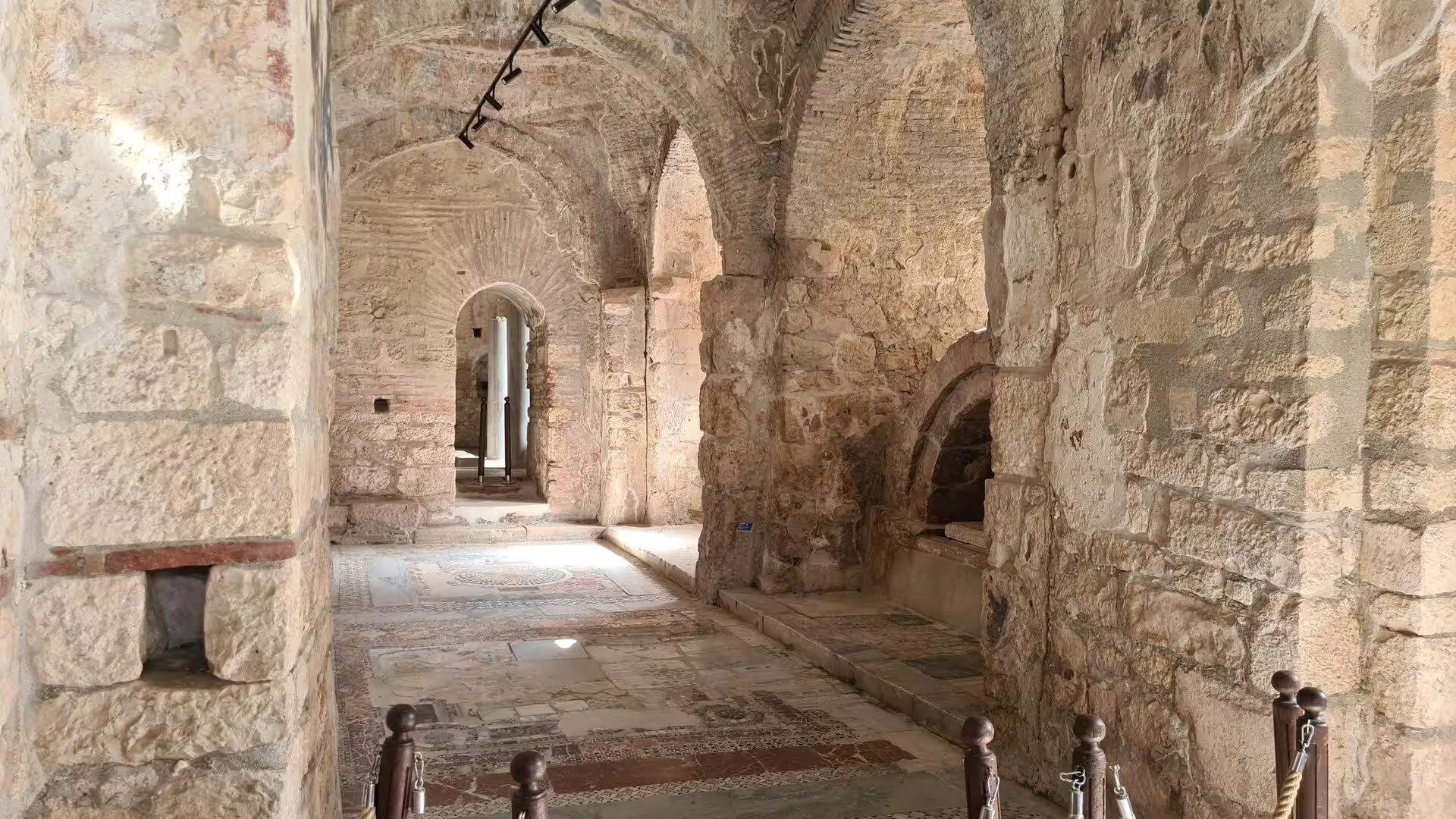
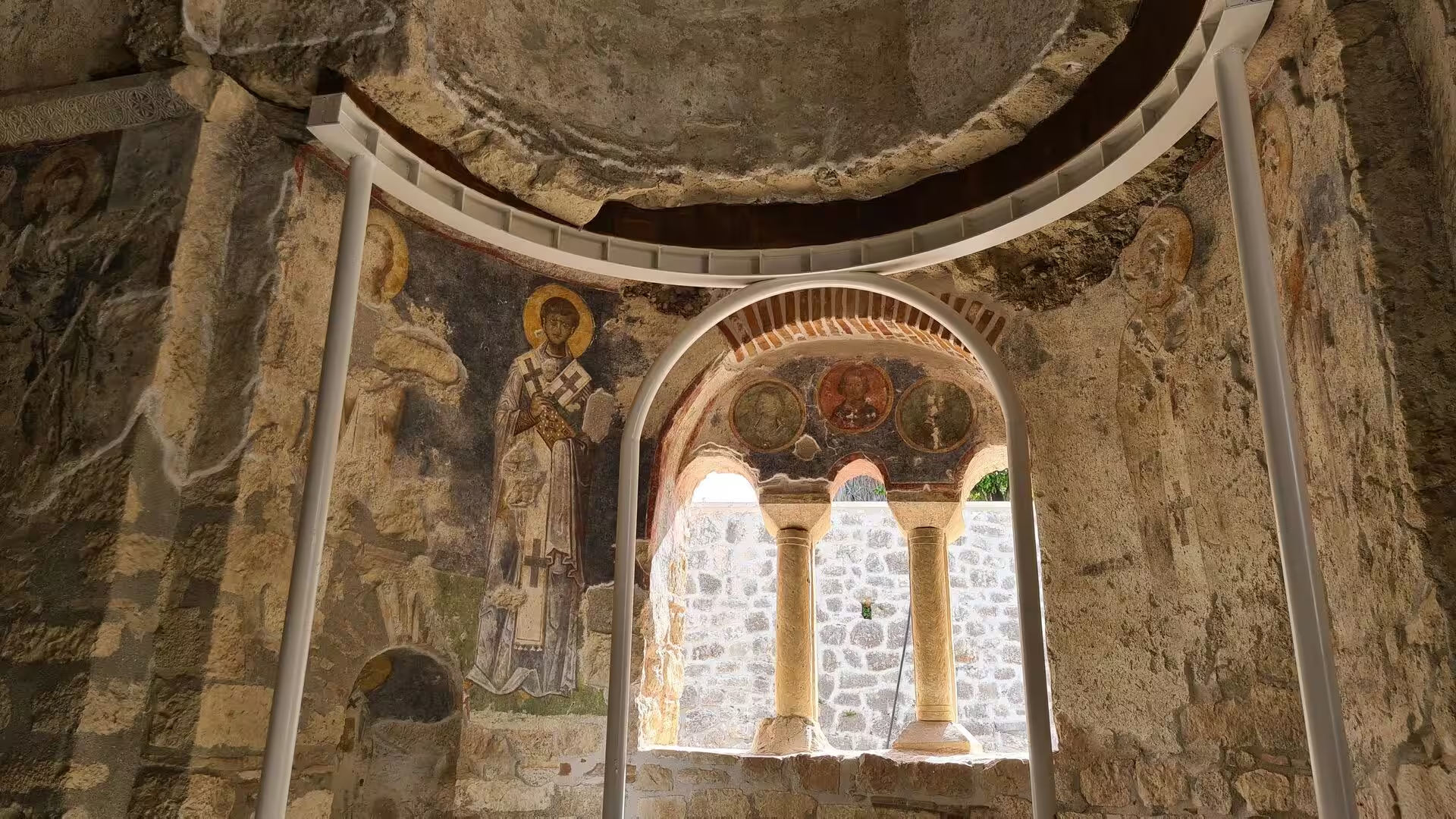
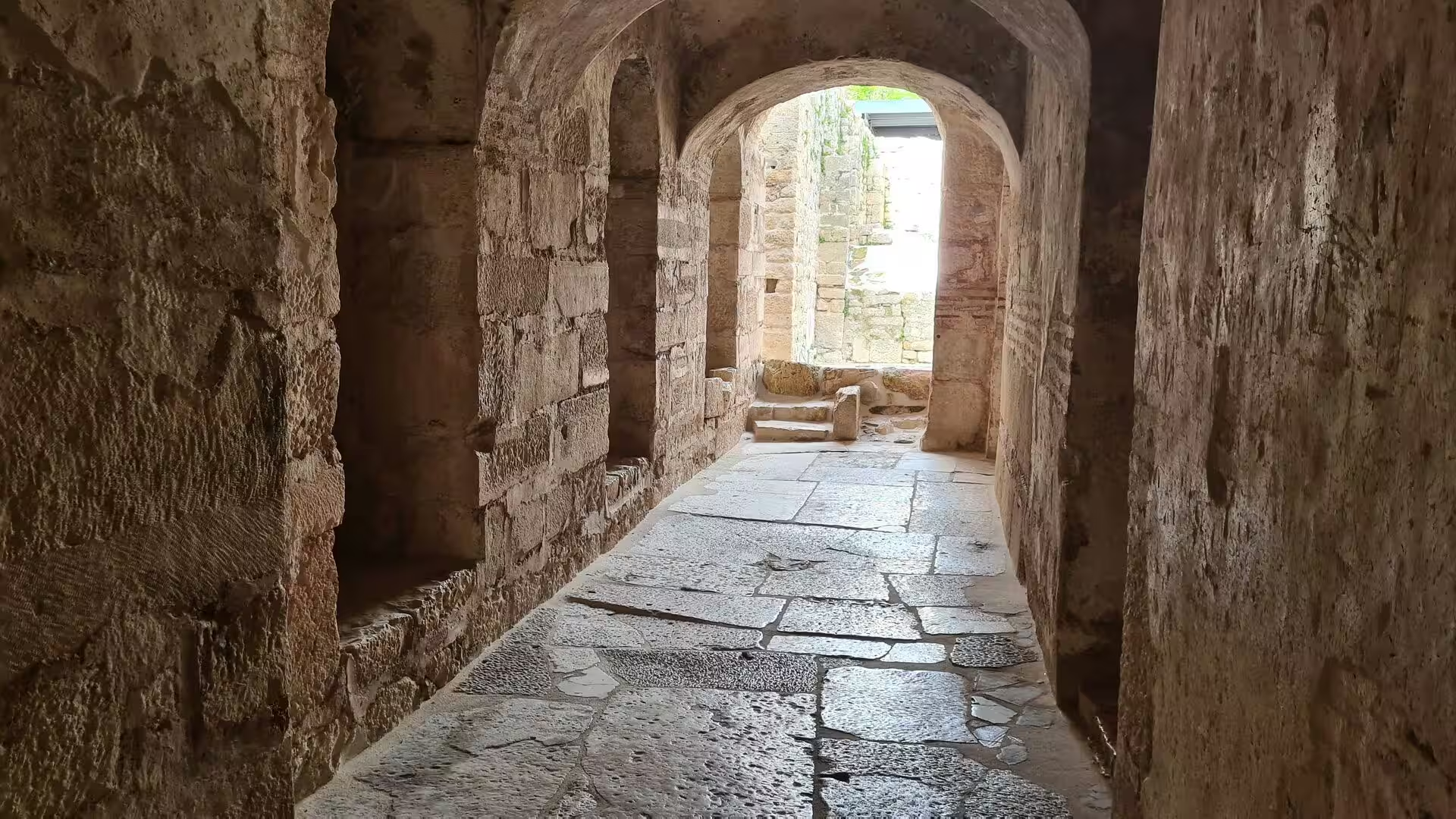
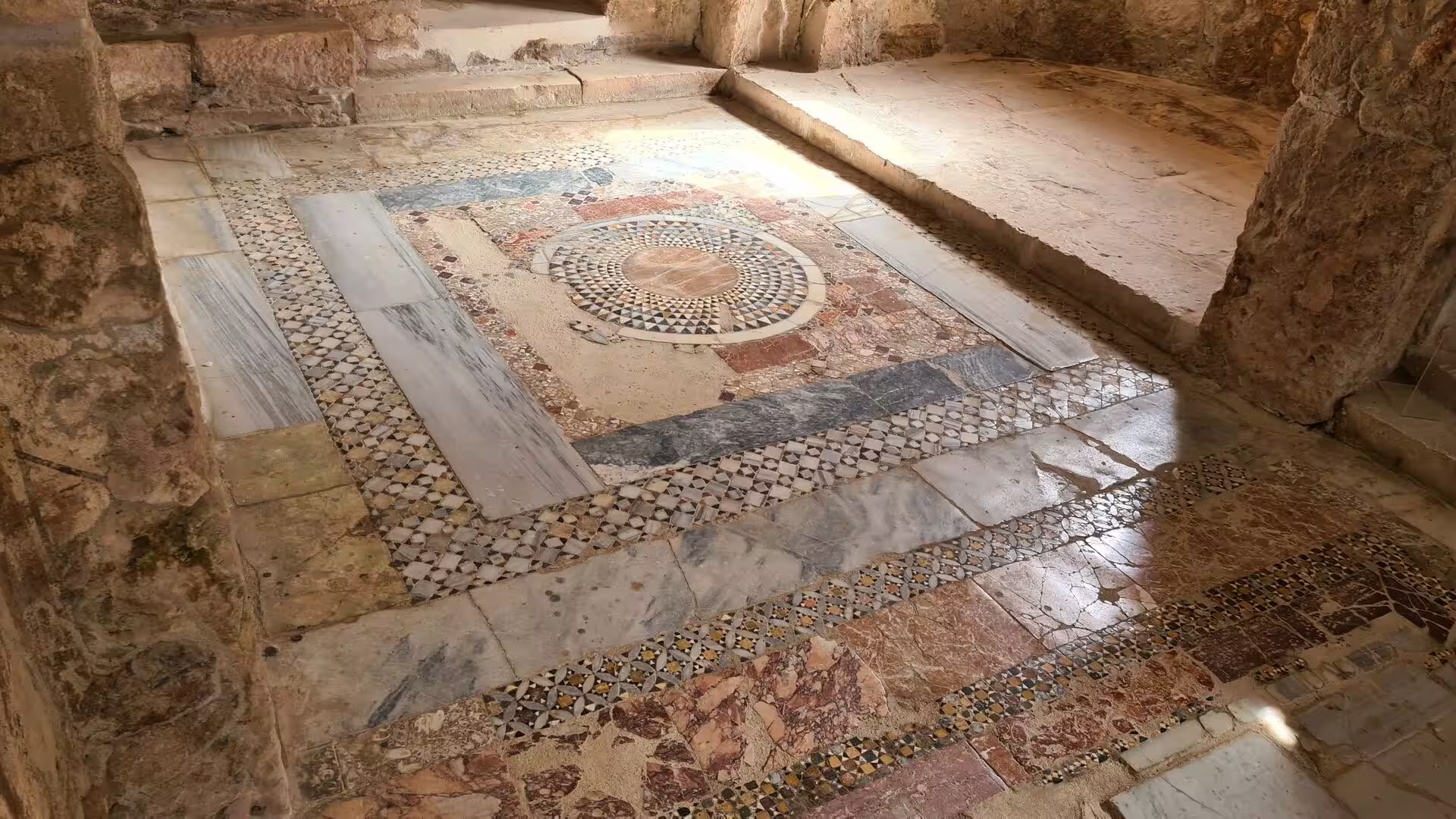
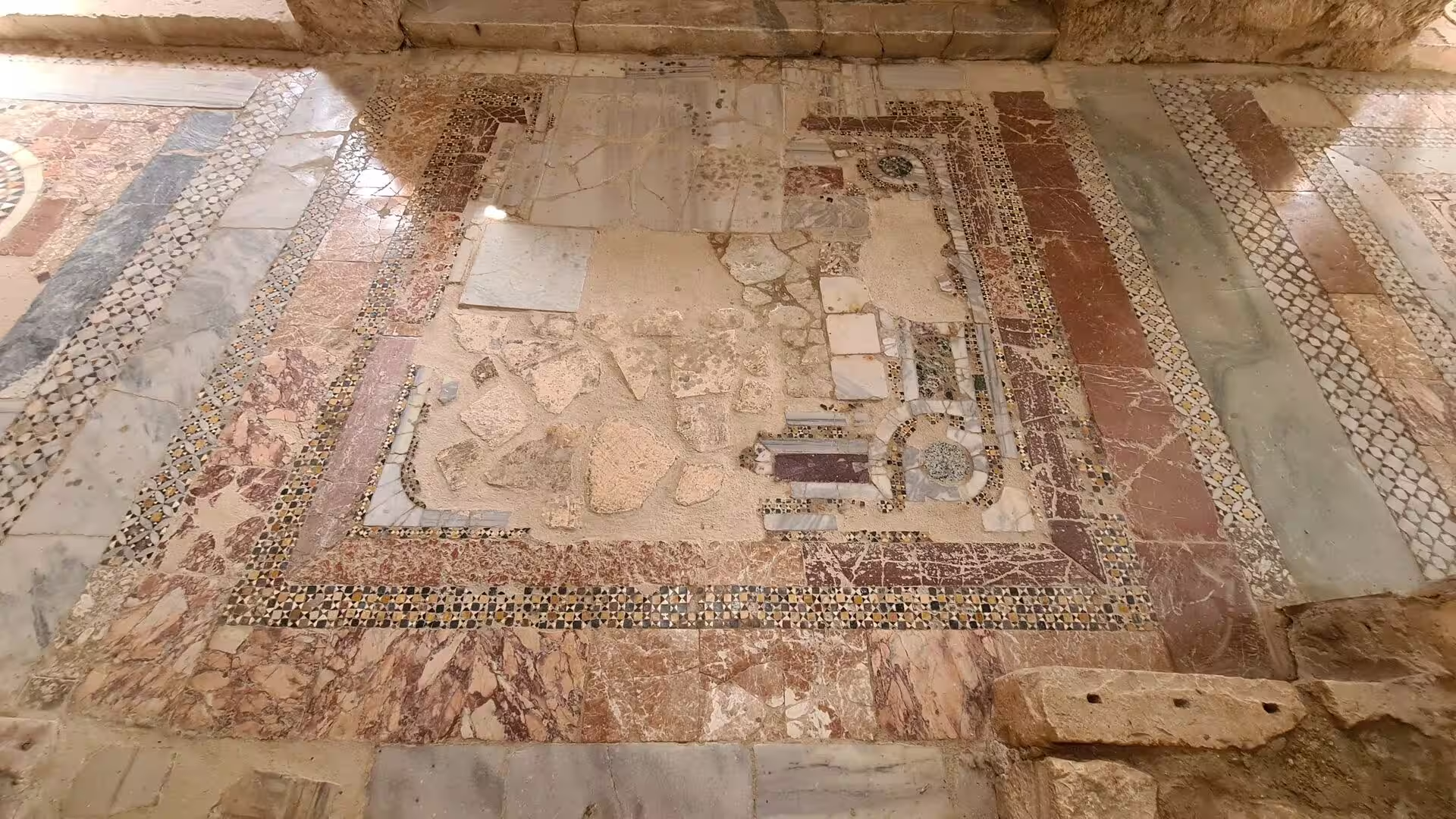
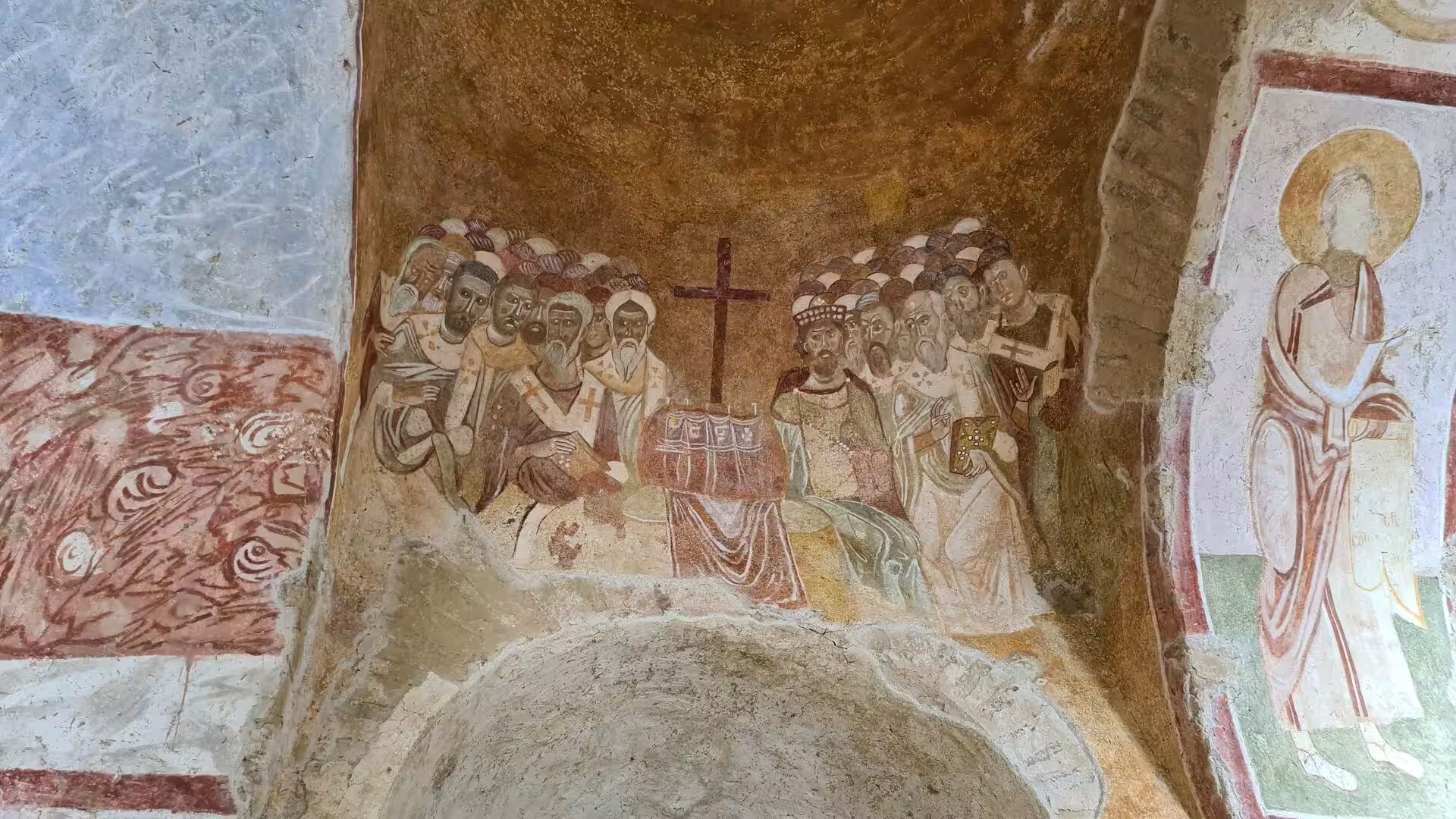
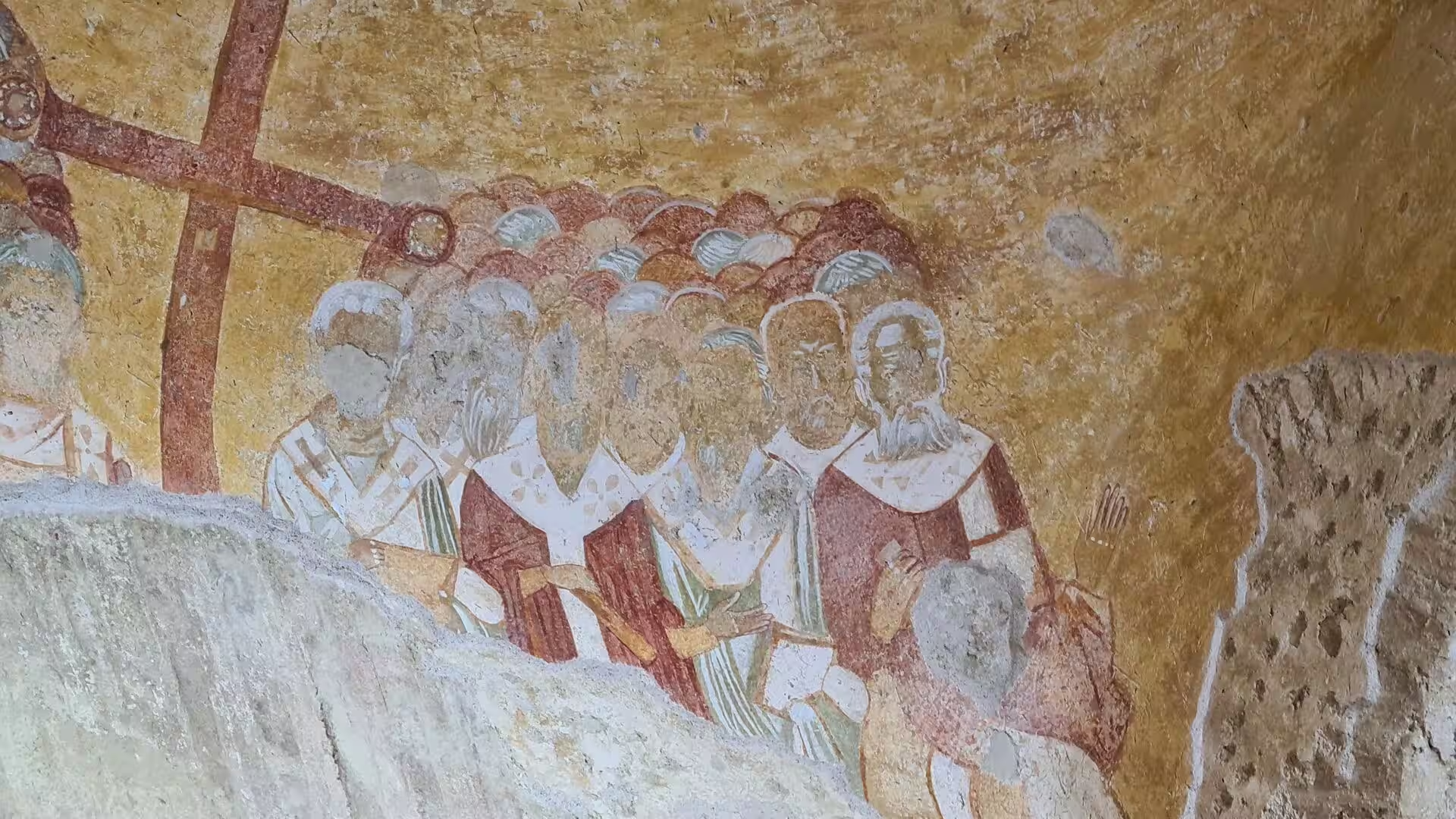
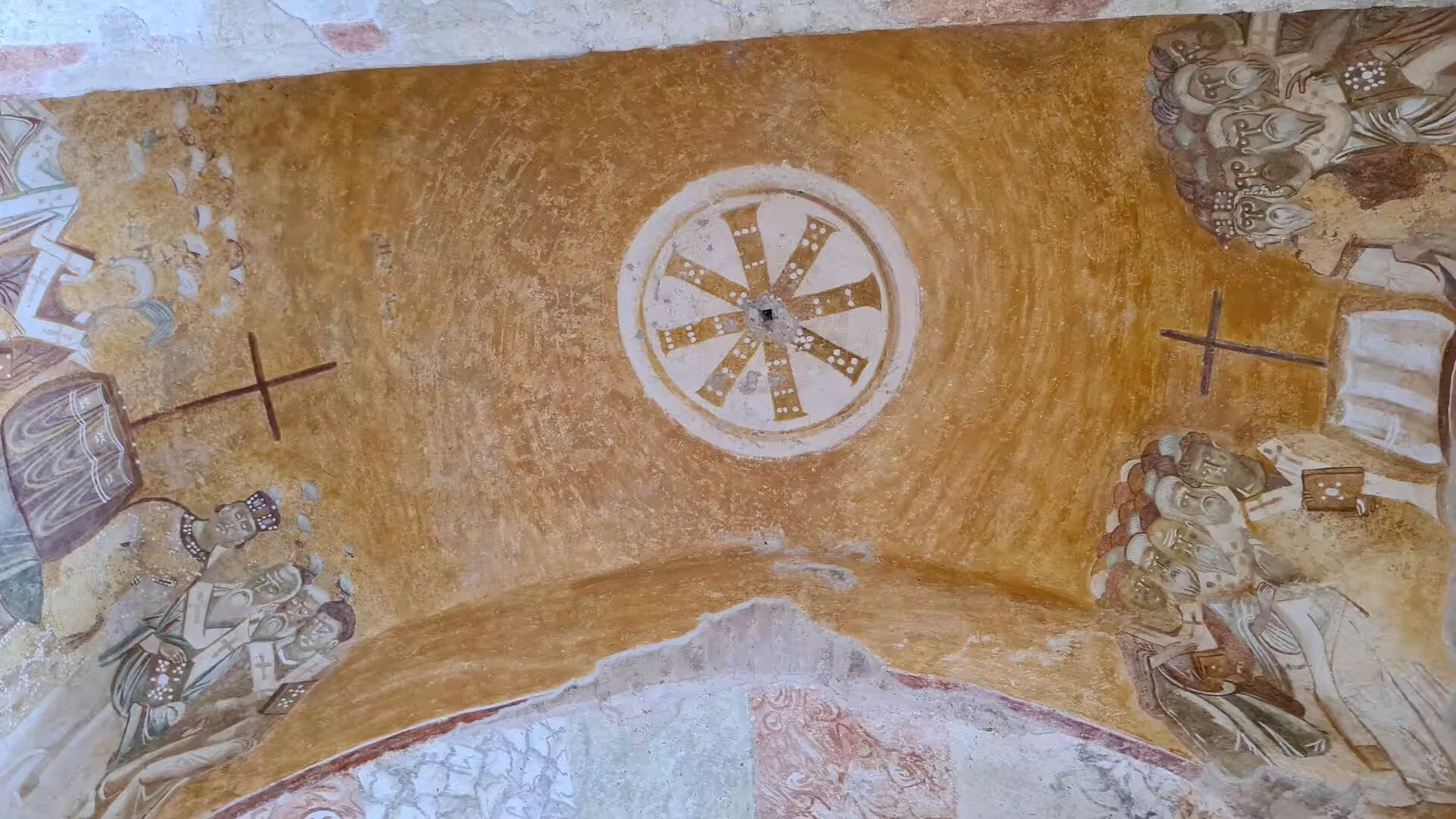
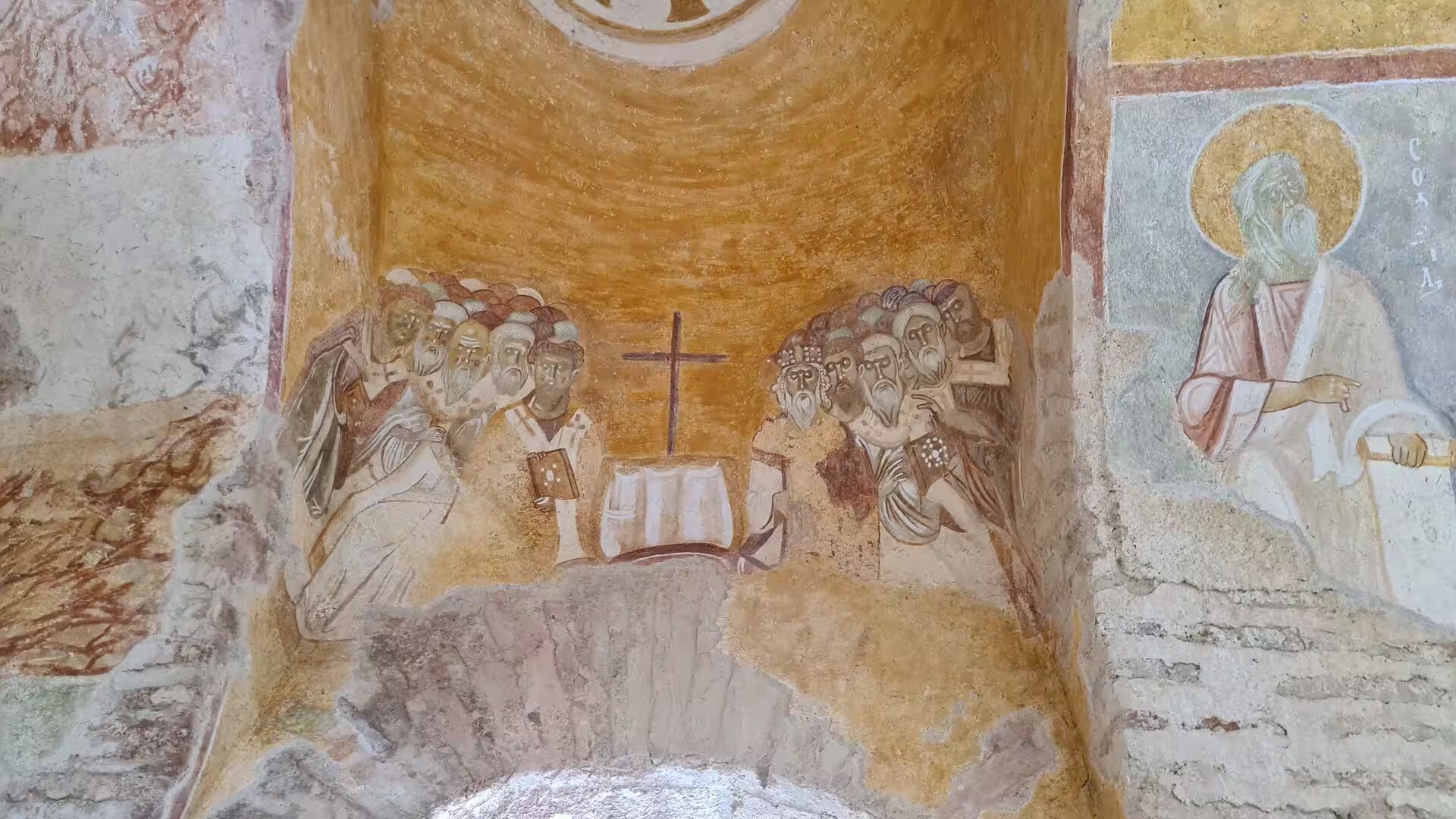
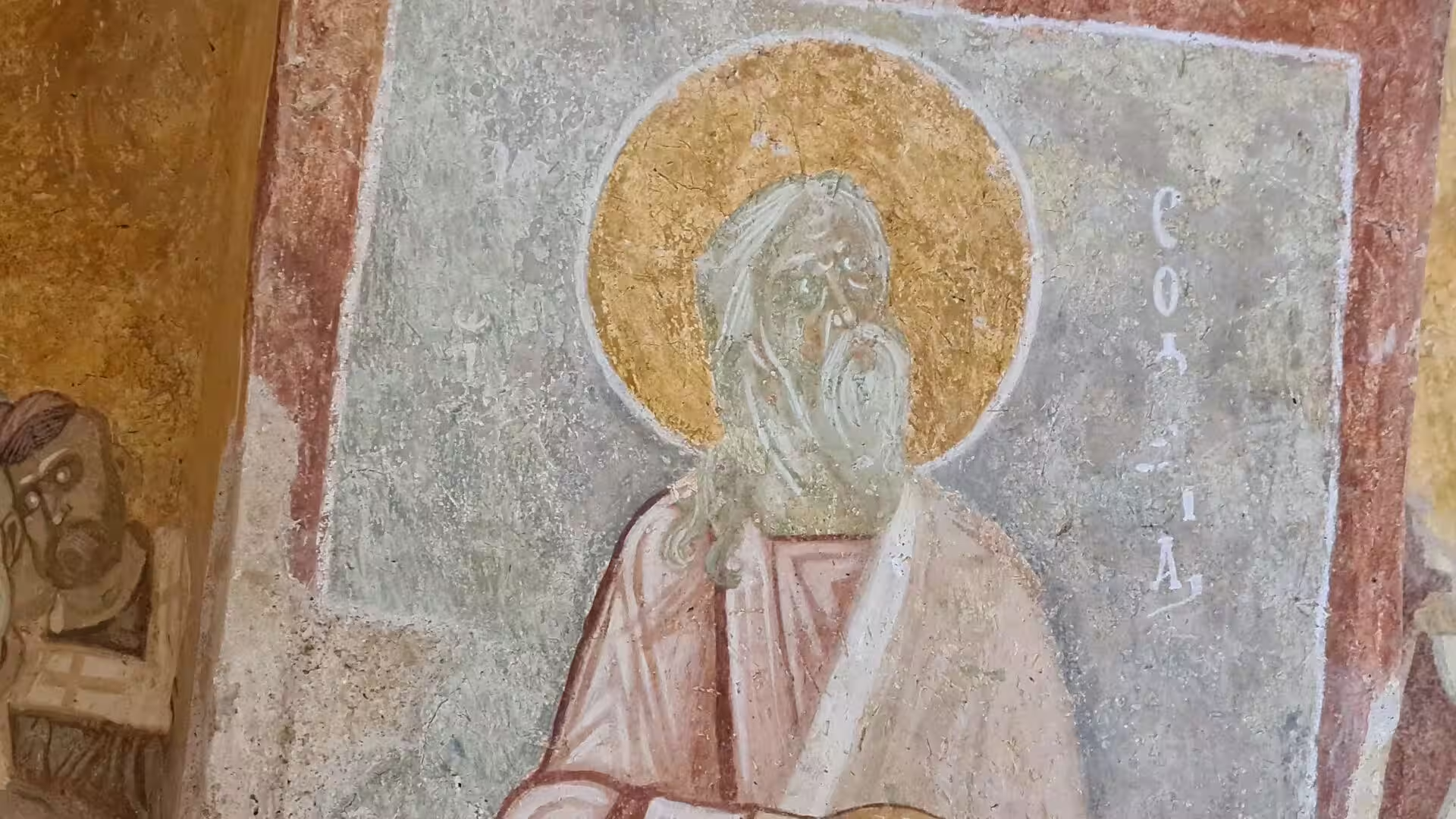
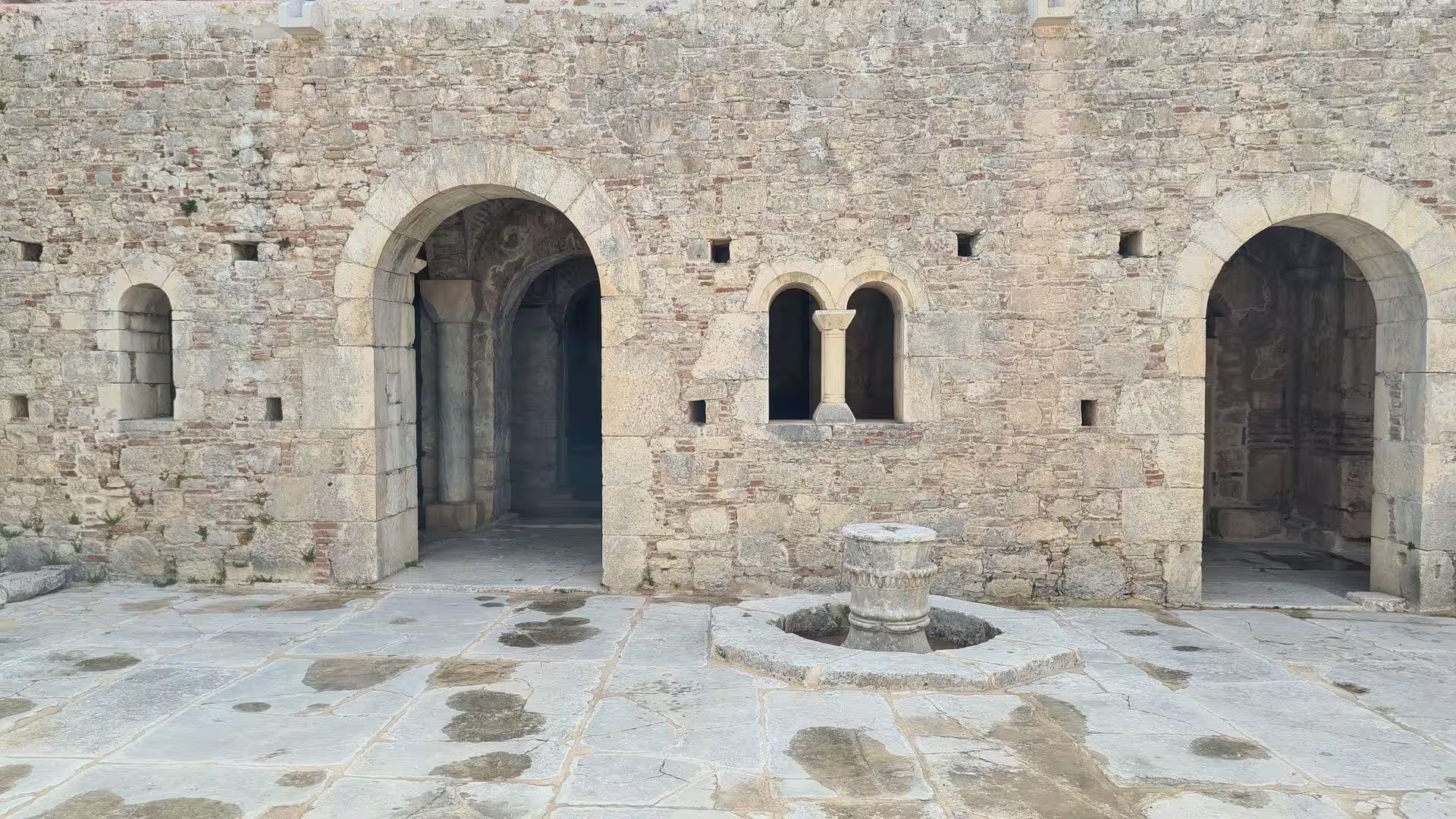
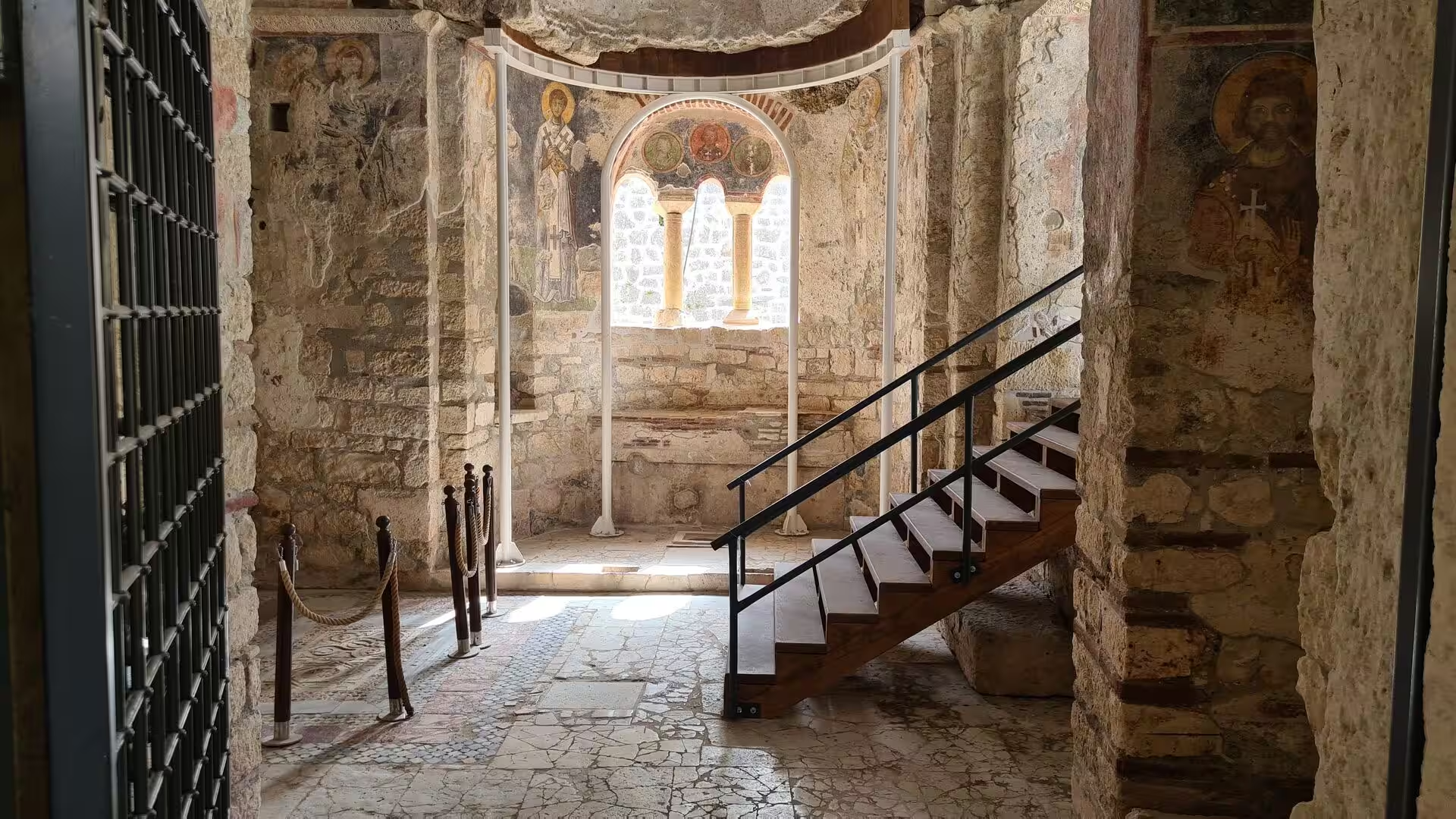
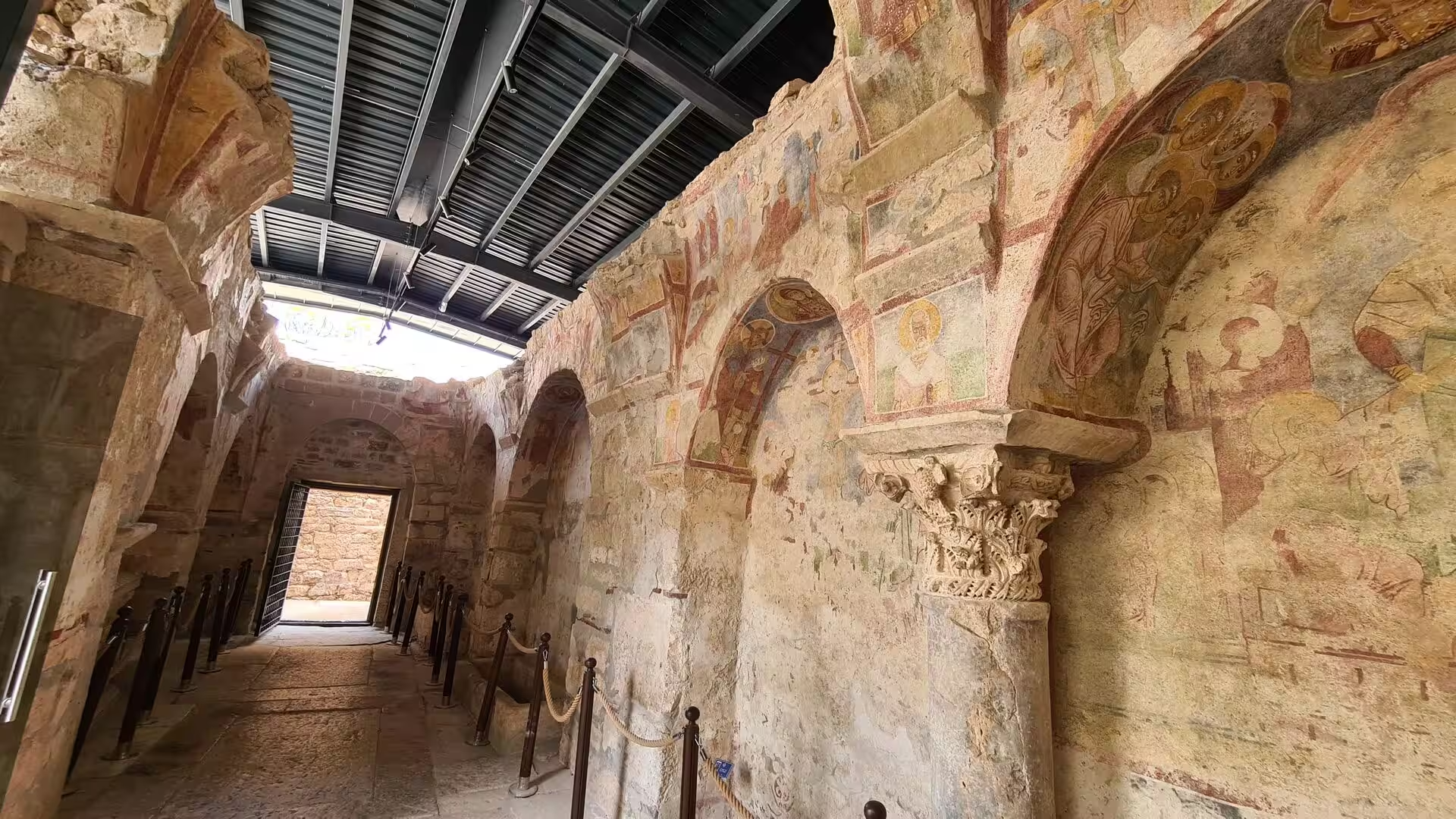
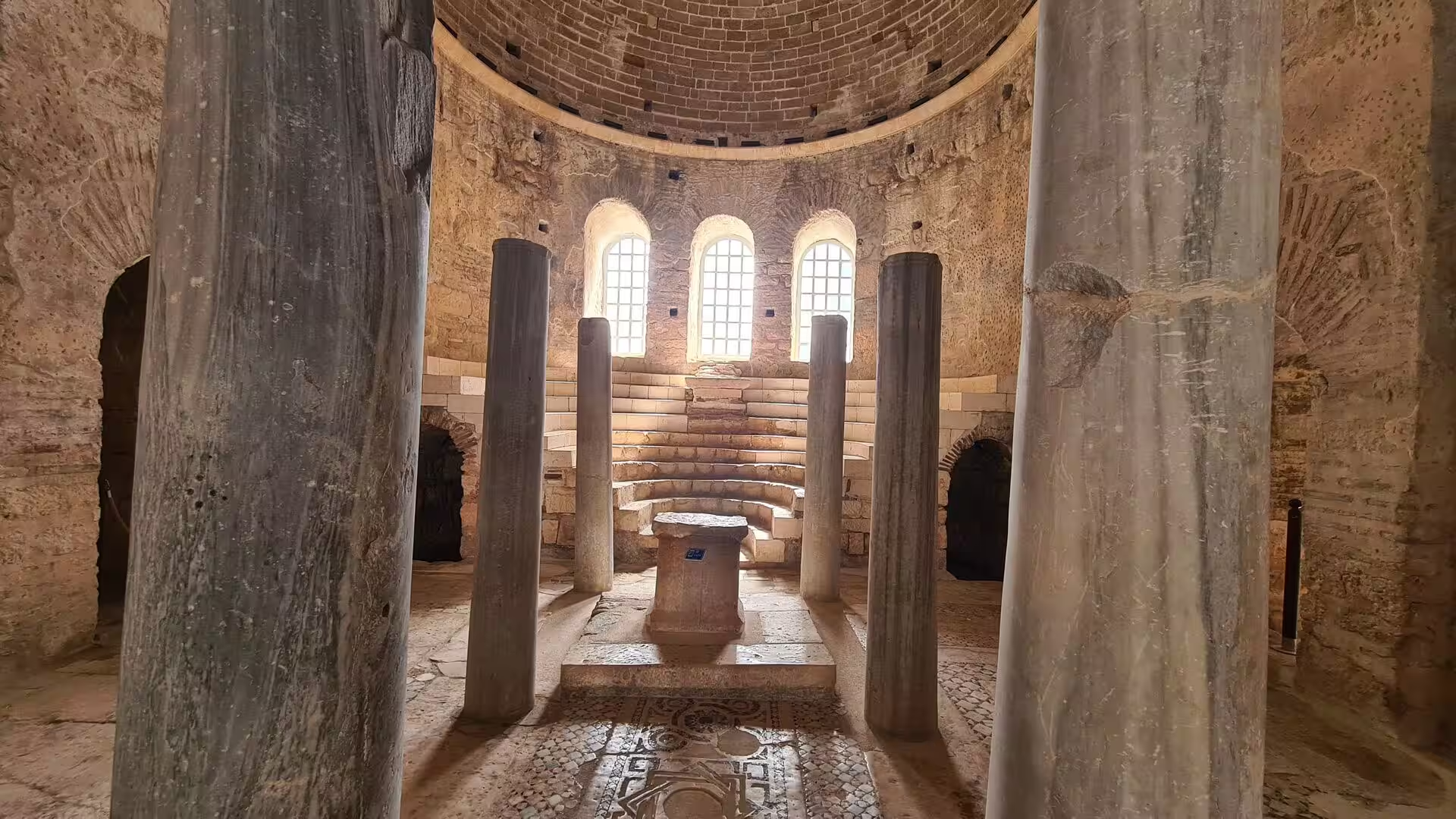
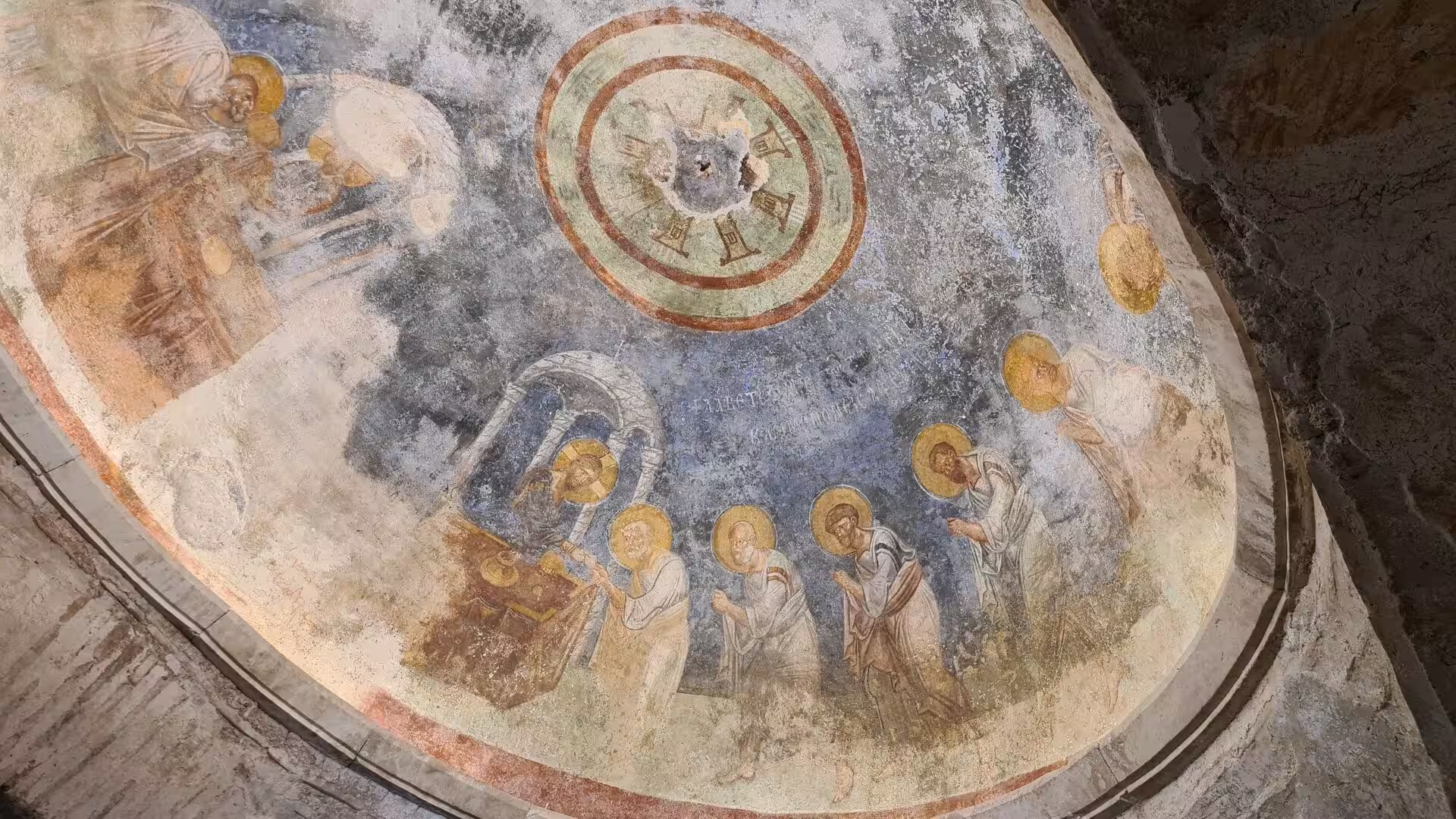
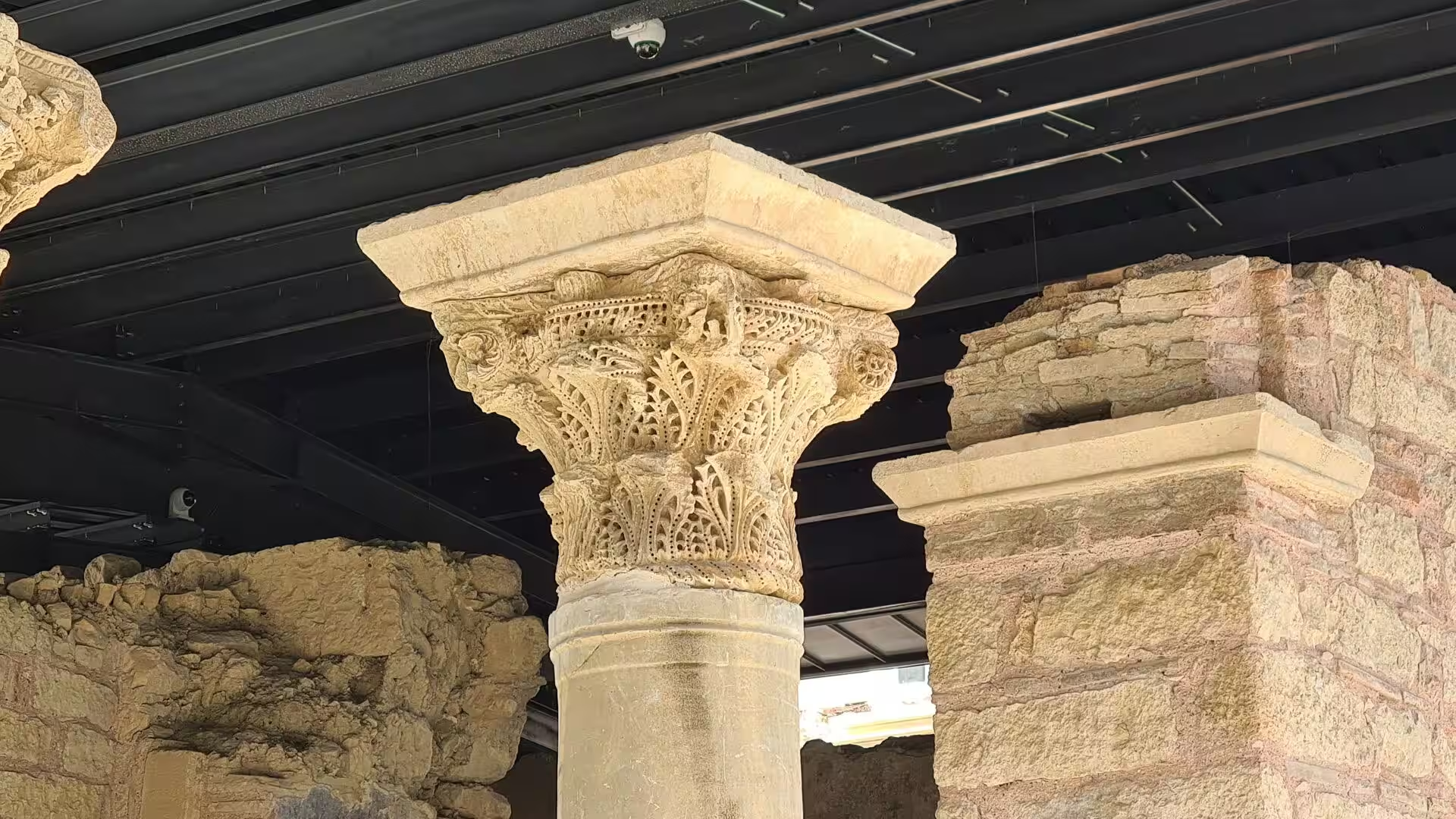
The Church of St Nicholas stands in the town centre on the site of the grave of the fourth-century bishop, buried here after his death in 343; the first church over the tomb is traditionally connected with the emperor Theodosius II, and the core of the building seen today was raised in the sixth century in the reign of Justinian. Repeated earthquakes, floods and rising alluvium pushed the monument below ground level; visitors descend steps to its excavated floor. The interior is a maze of vaulted halls and arcades in brick and stone, with a deep apse carrying the semicircular clergy bench known as the synthronon, small side chapels and a colonnaded courtyard with a carved stone fountain. Floors of opus sectile, patterns of cut slabs and tesserae in coloured marble, survive in several rooms, and the walls and vaults carry extensive frescoes of the eleventh century: ranks of haloed saints and bishops, an assembly of apostles and, along the arcade of the north-east annexe, the only medieval cycle of the life and miracles of St Nicholas preserved in Turkey, including portraits of the saint himself as a white-bearded figure holding a scroll. A marble sarcophagus associated with the saint stands in one of the chapels, its lid broken when the merchants of Bari removed the relics in 1087. Restored with Russian patronage in the 1860s and excavated systematically since 1988, the church is now a museum under a wide modern shelter, with Orthodox liturgy celebrated here again on 6 December. It has been on the tentative list of UNESCO World Heritage Sites since 2000.
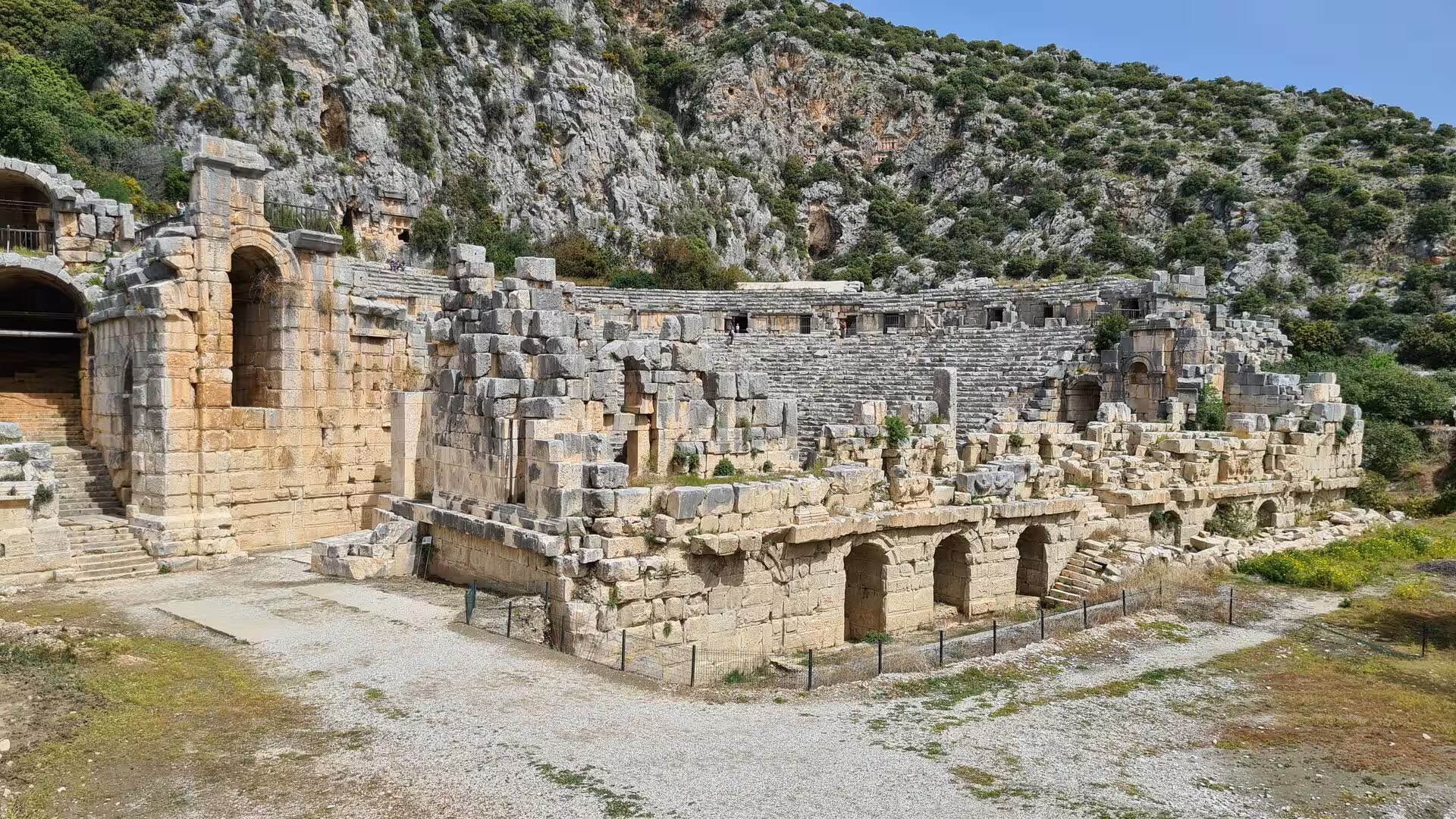
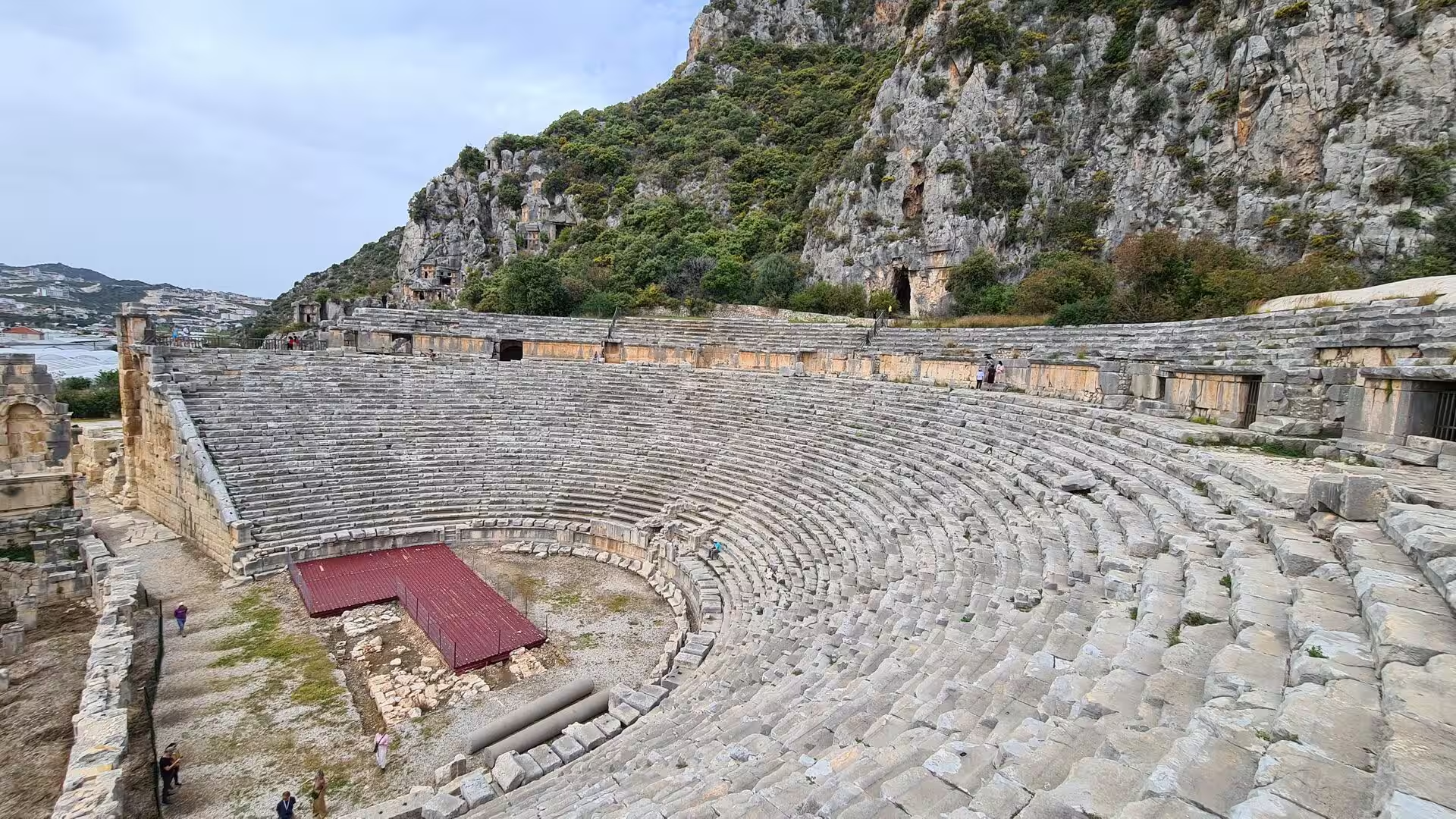
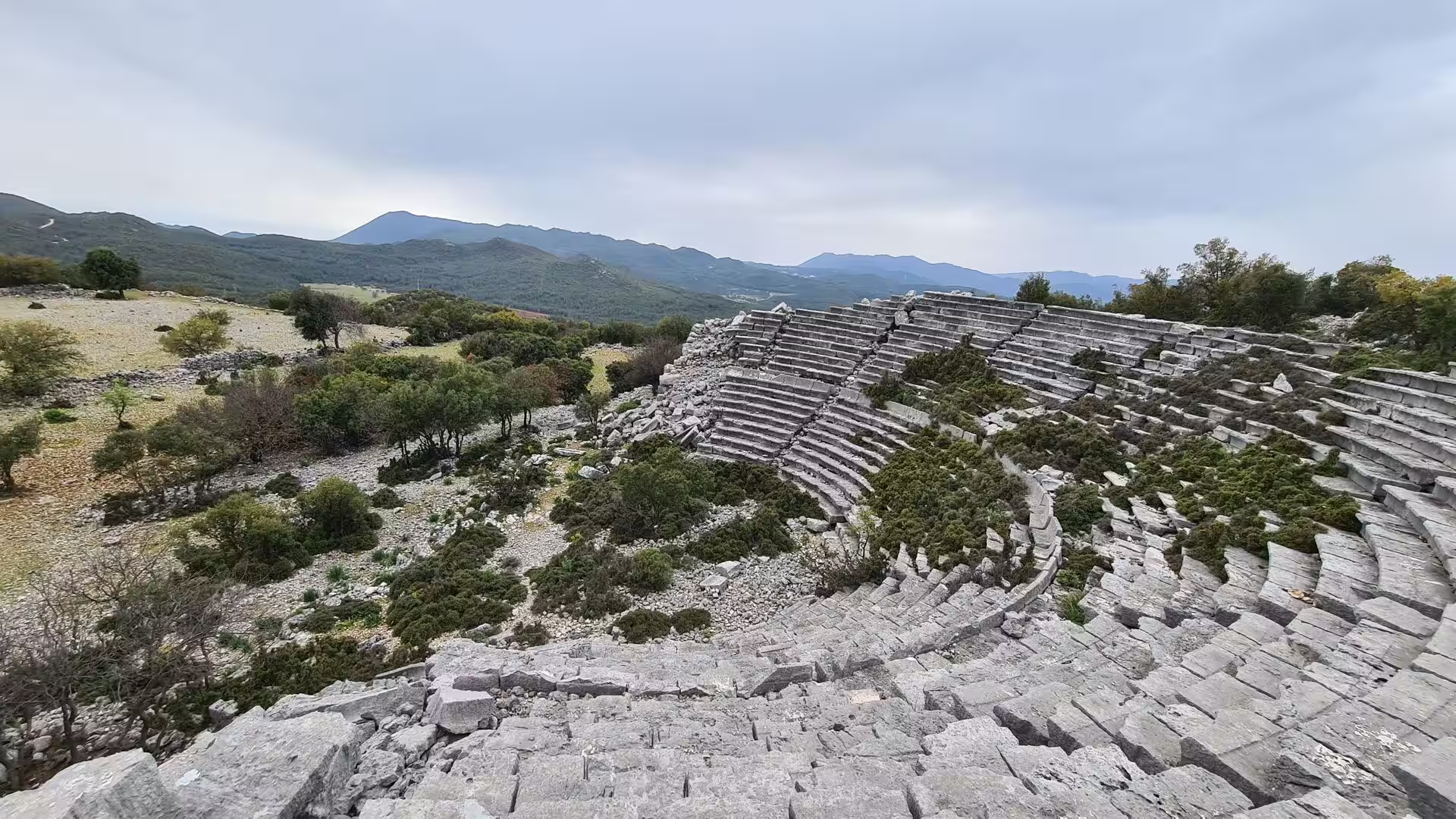
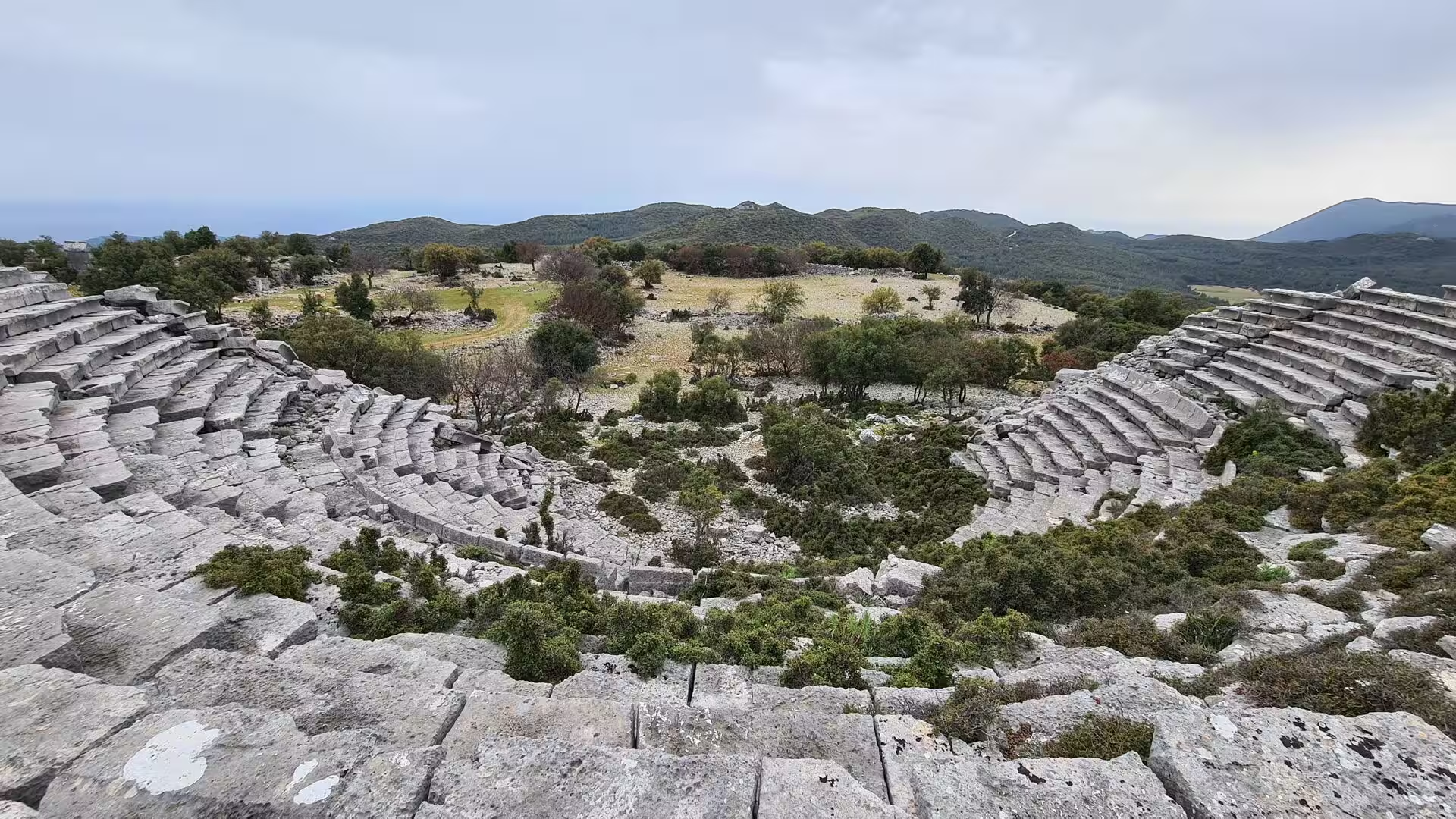
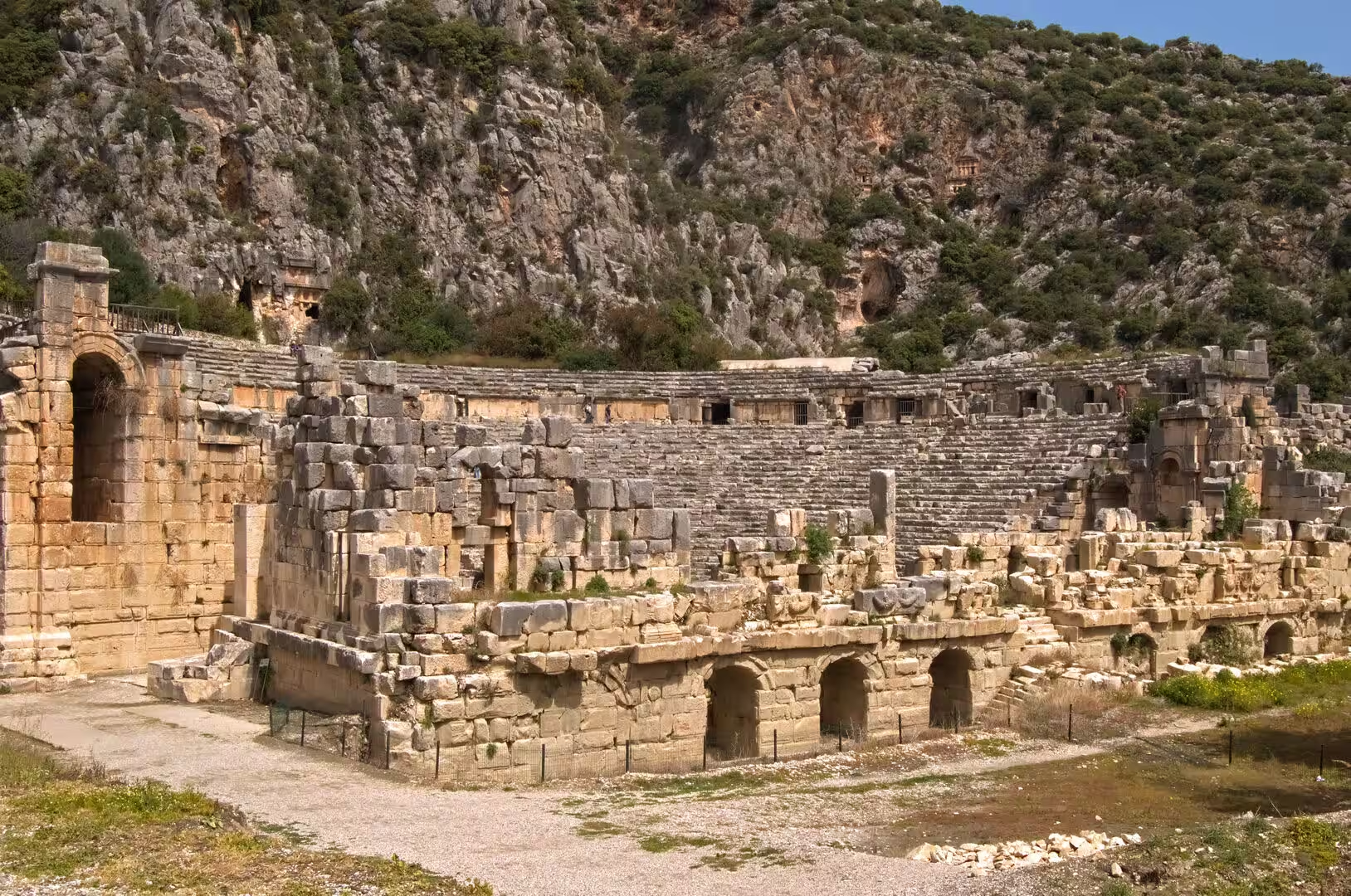
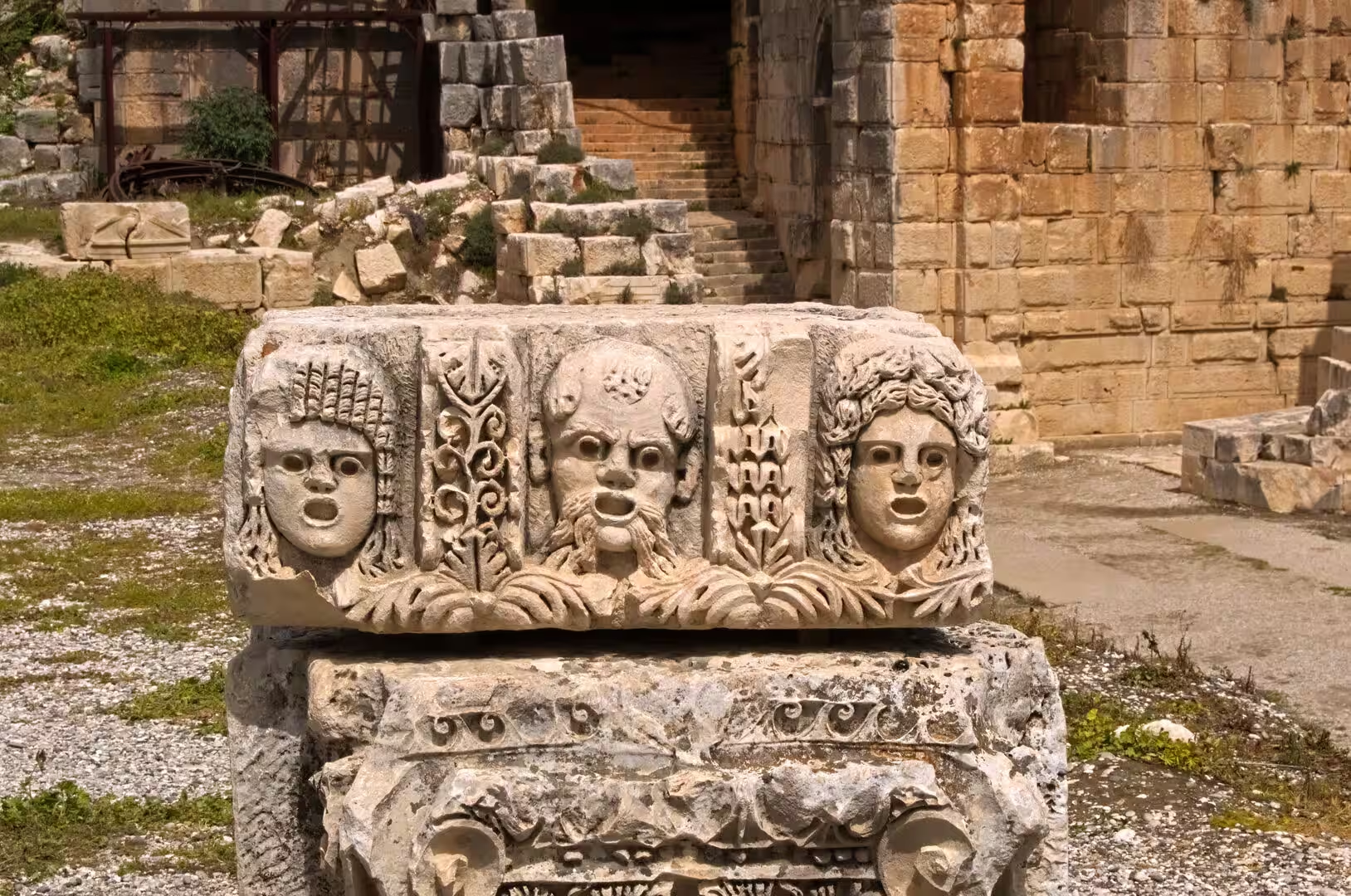
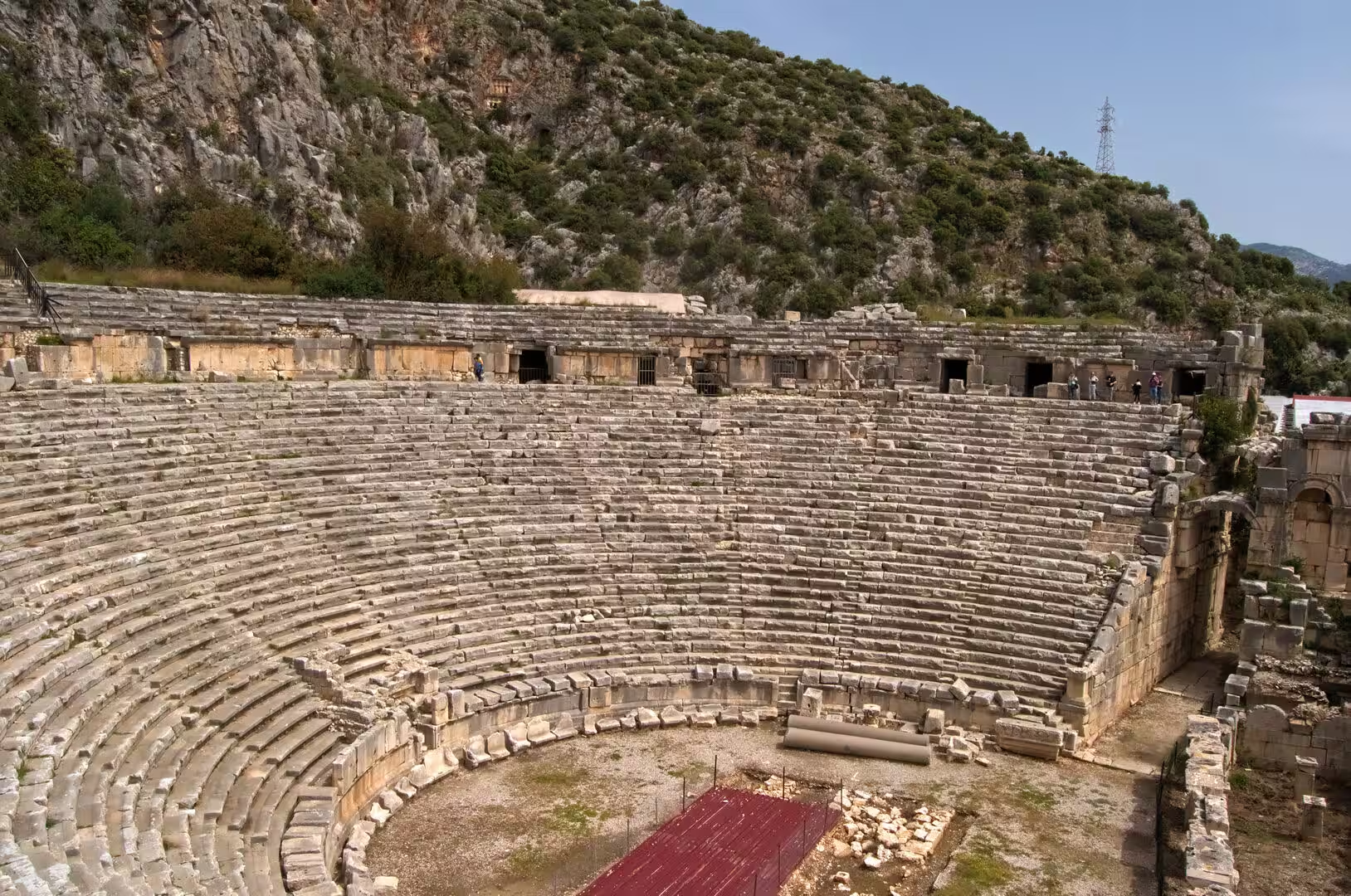
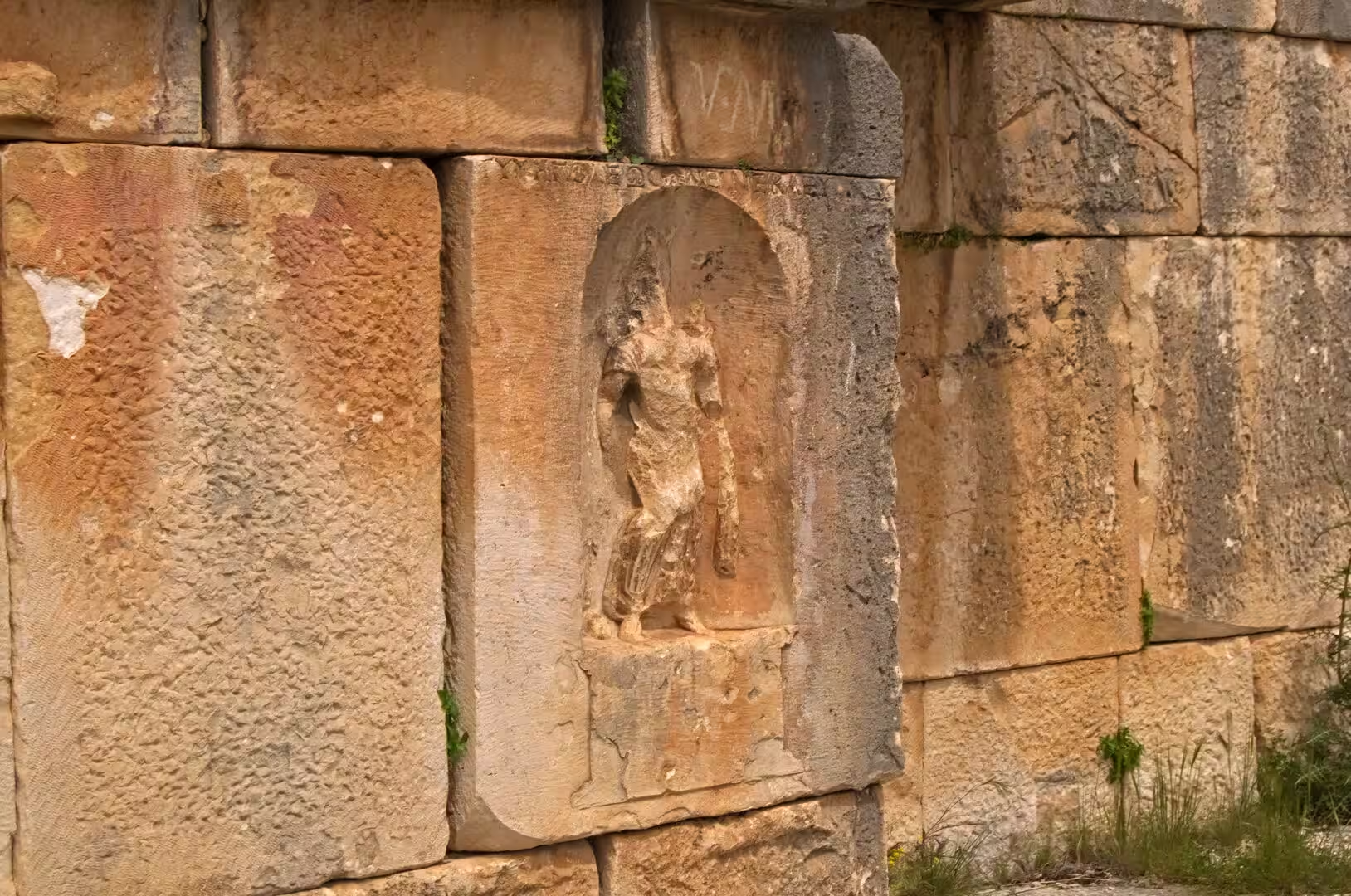
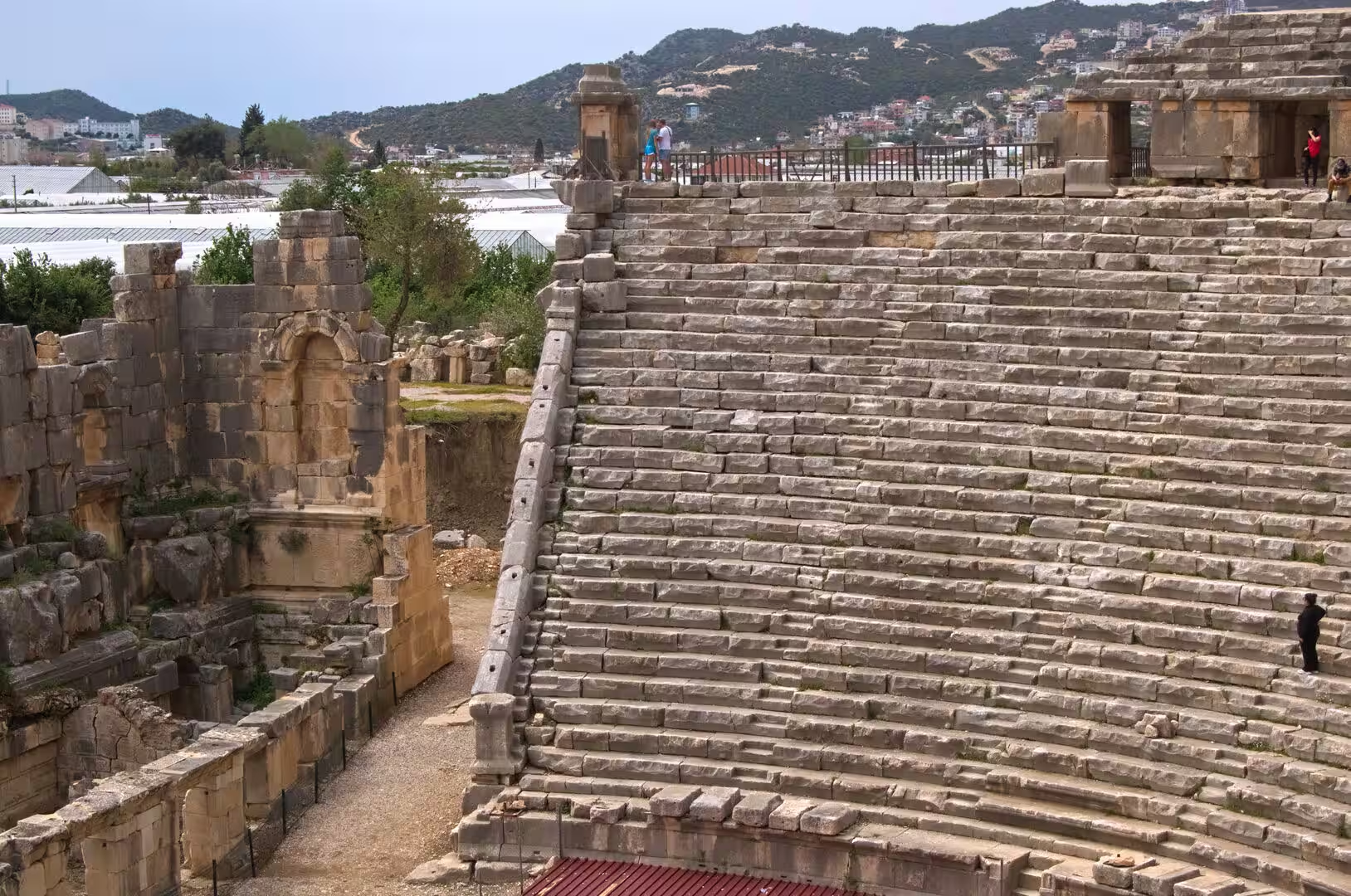
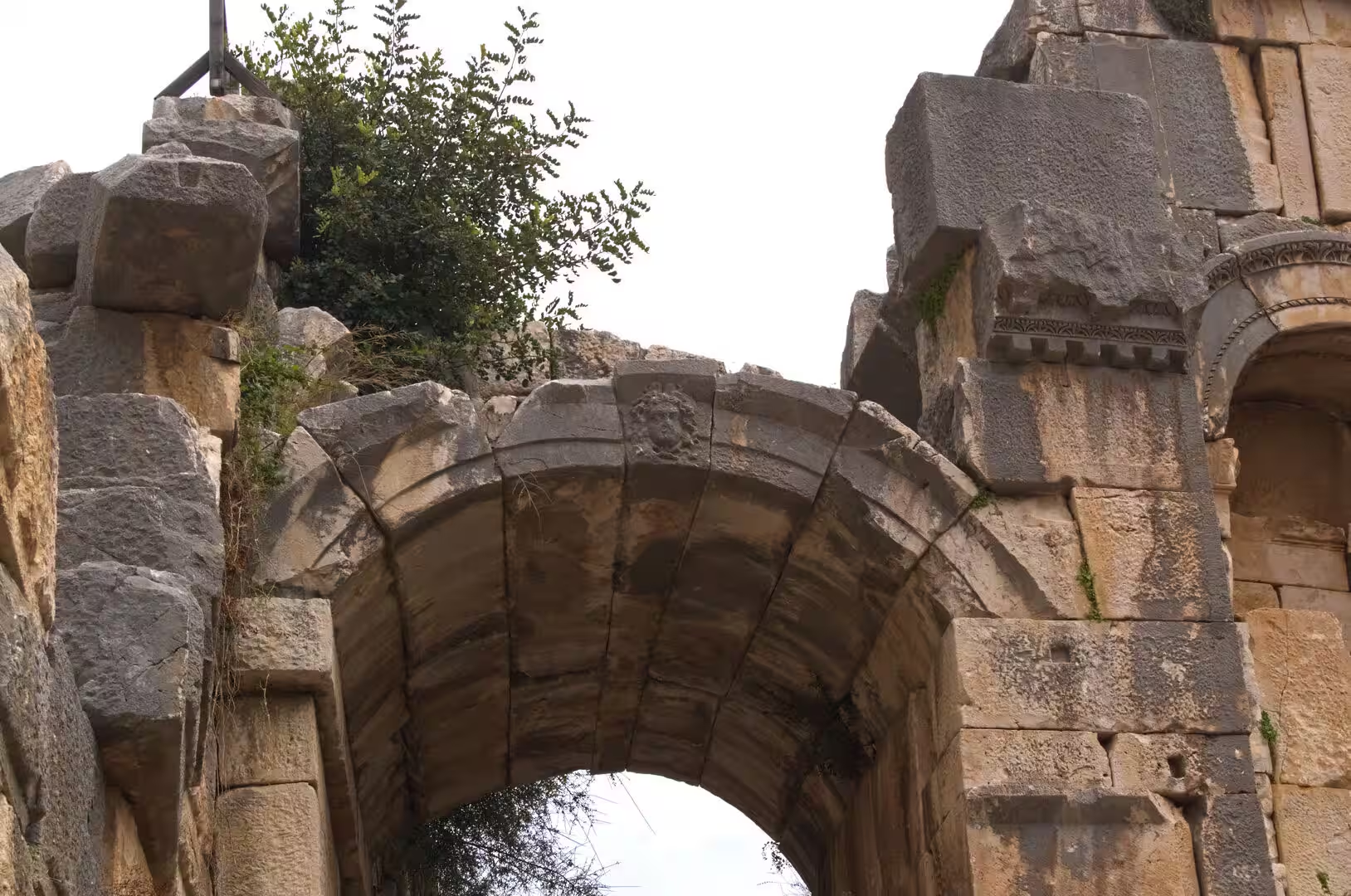
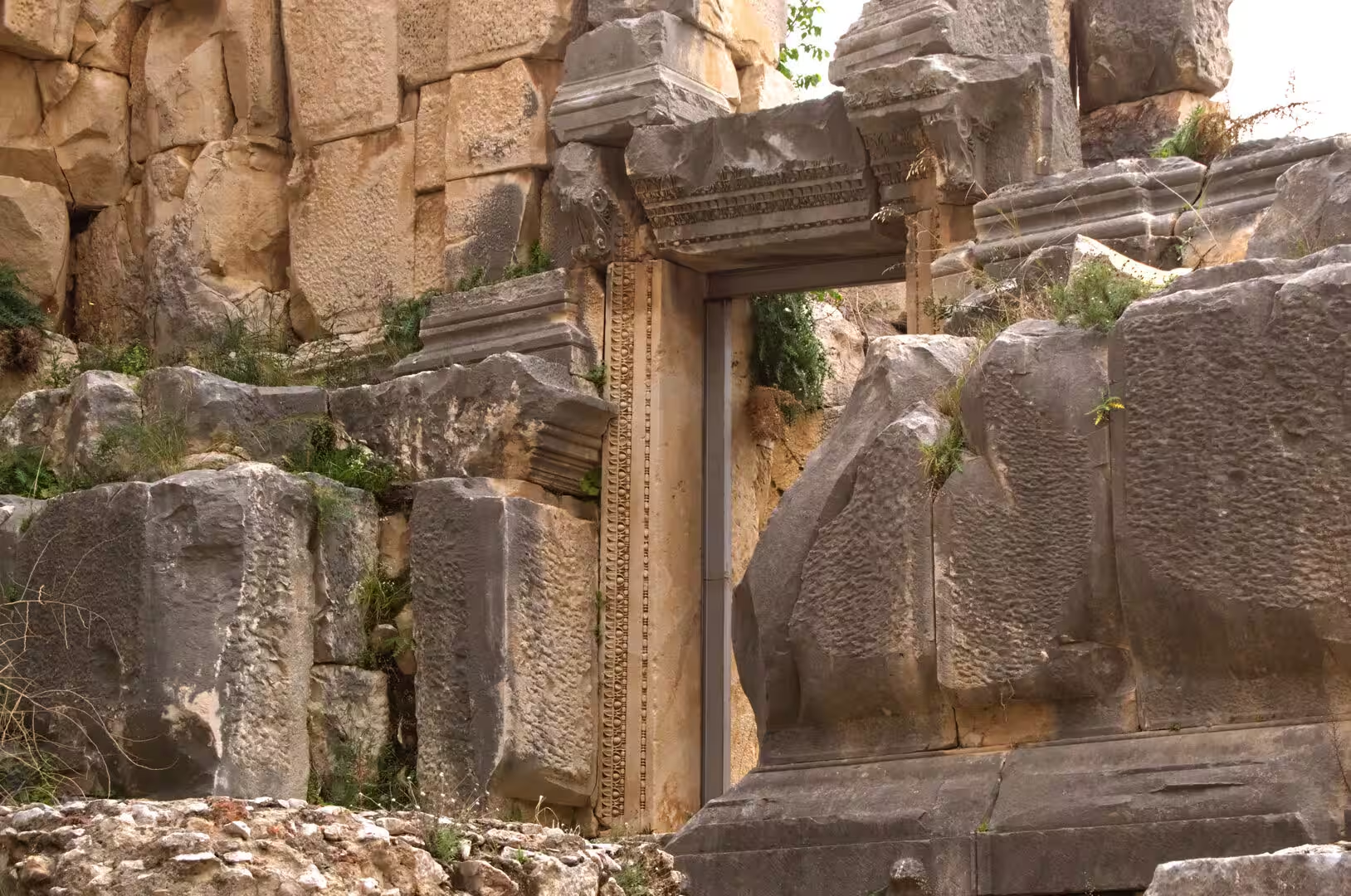
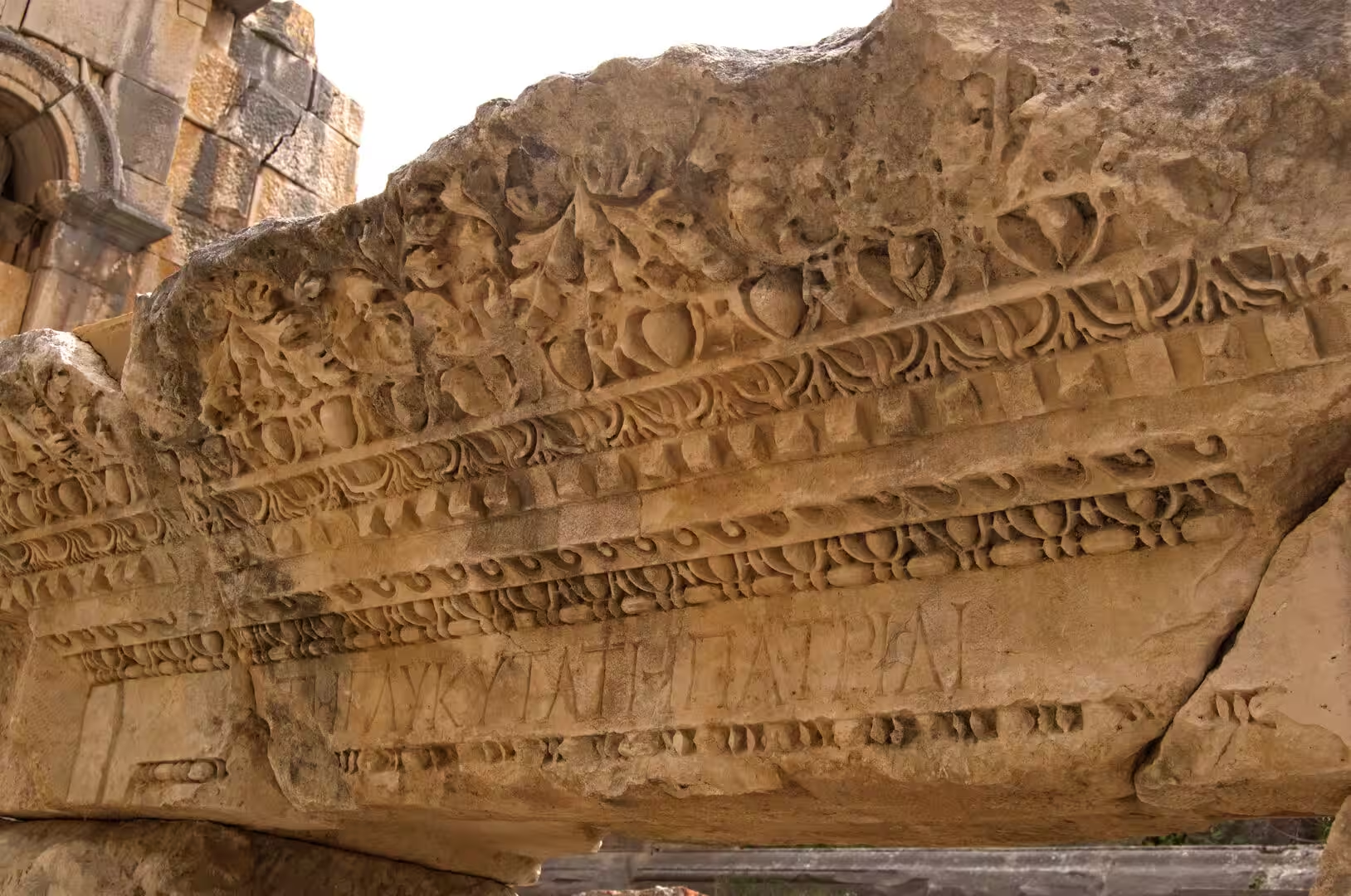
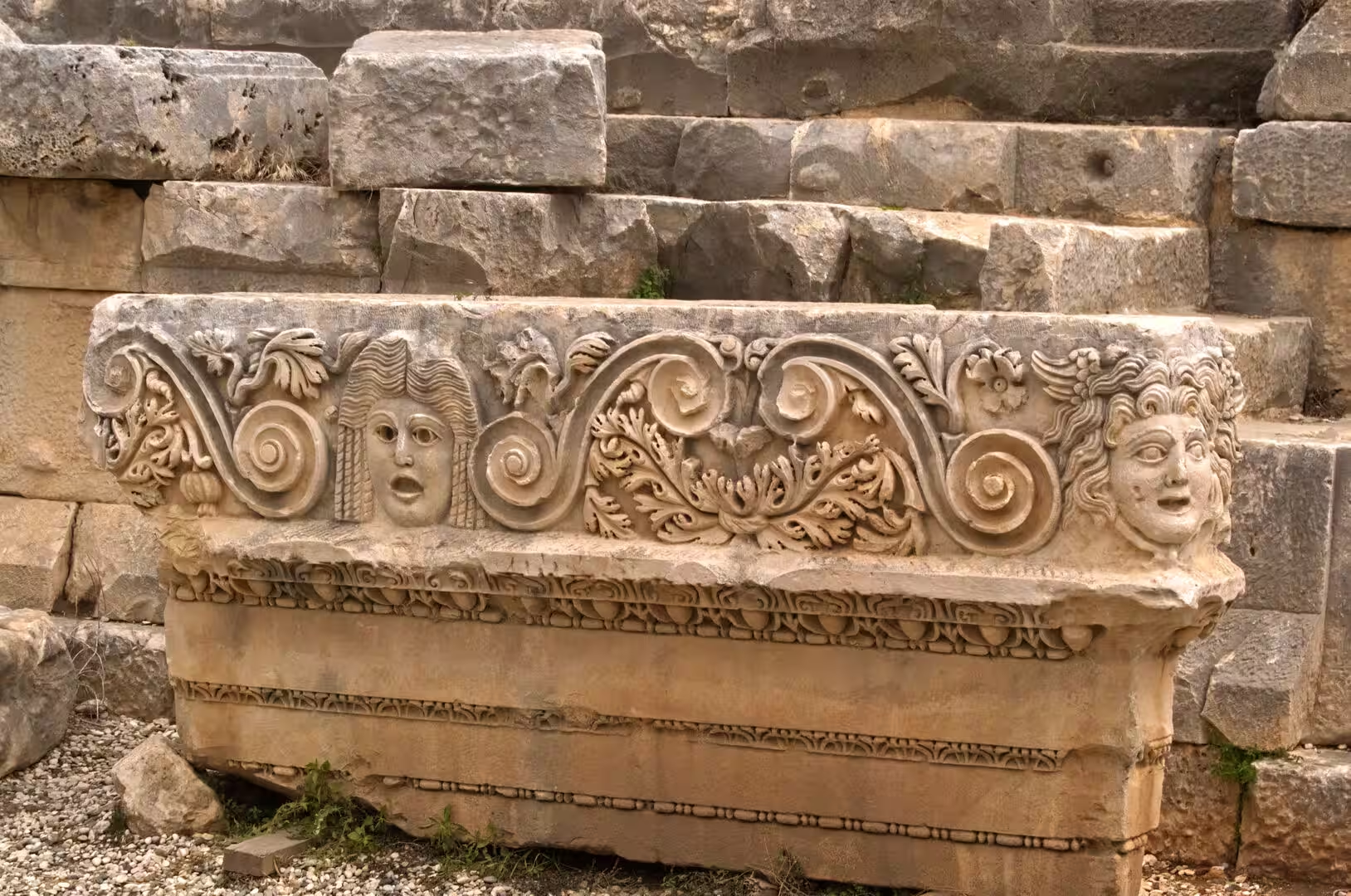
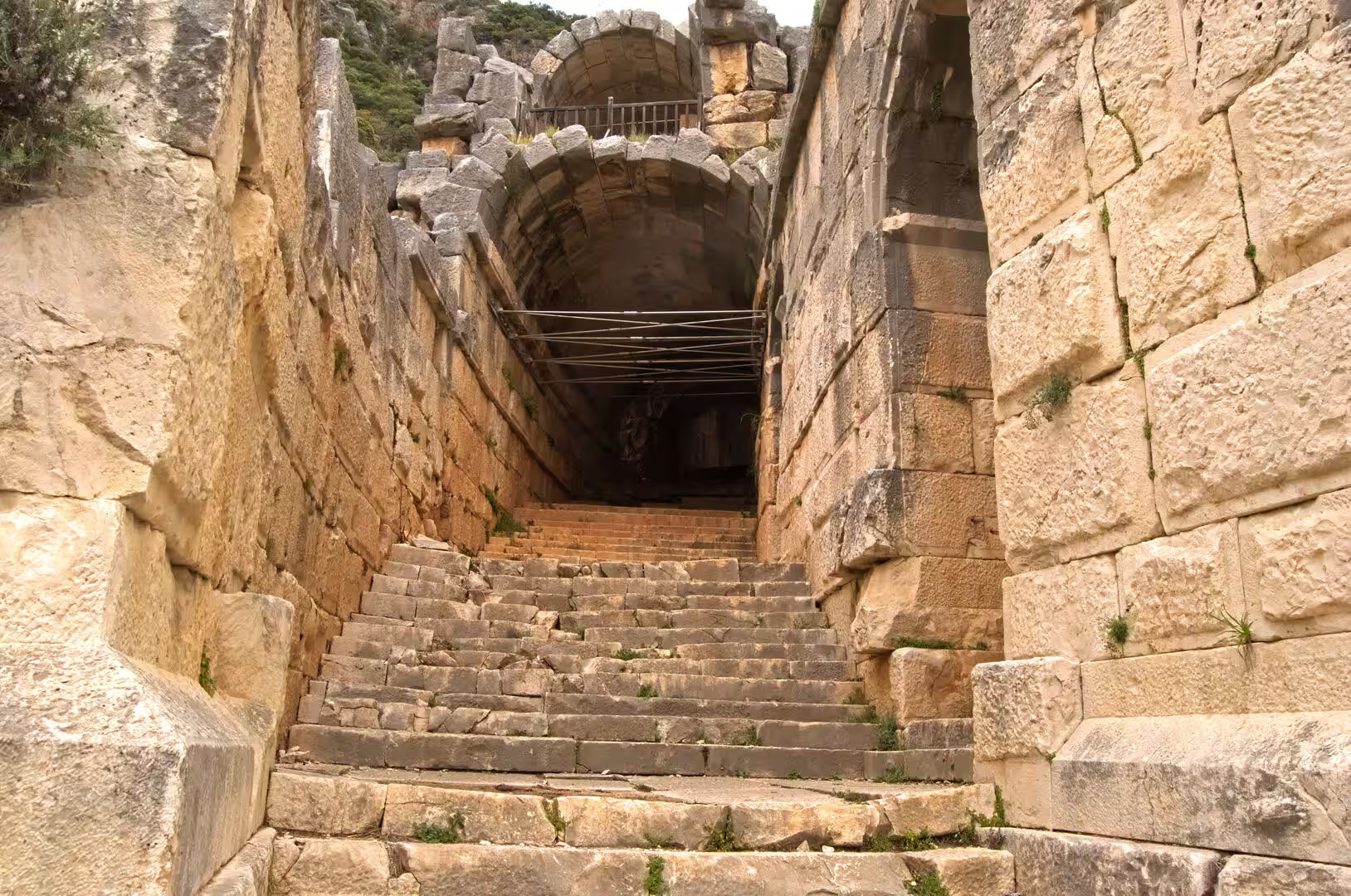
The theatre of Myra, on the lower slopes of the necropolis hill at the edge of the town, is one of the largest theatres of Lycia, a vast semicircle more than a hundred metres across with seating for over 10,000 spectators in some thirty-five rows divided by a broad walkway into two tiers. Partly cut from the living rock and partly built of masonry, the present building was erected in the early third century CE, replacing a theatre damaged in the earthquake of 141 CE, a disaster whose repair Opramoas of Rhodiapolis helped to fund; its stage building was adorned with carved theatrical masks and mythological reliefs, several of which survive with the vaulted passages and stairways that fed the crowd into the cavea. Buried for centuries under river sediment, the auditorium has been cleared in modern excavations that continue on the stage building.
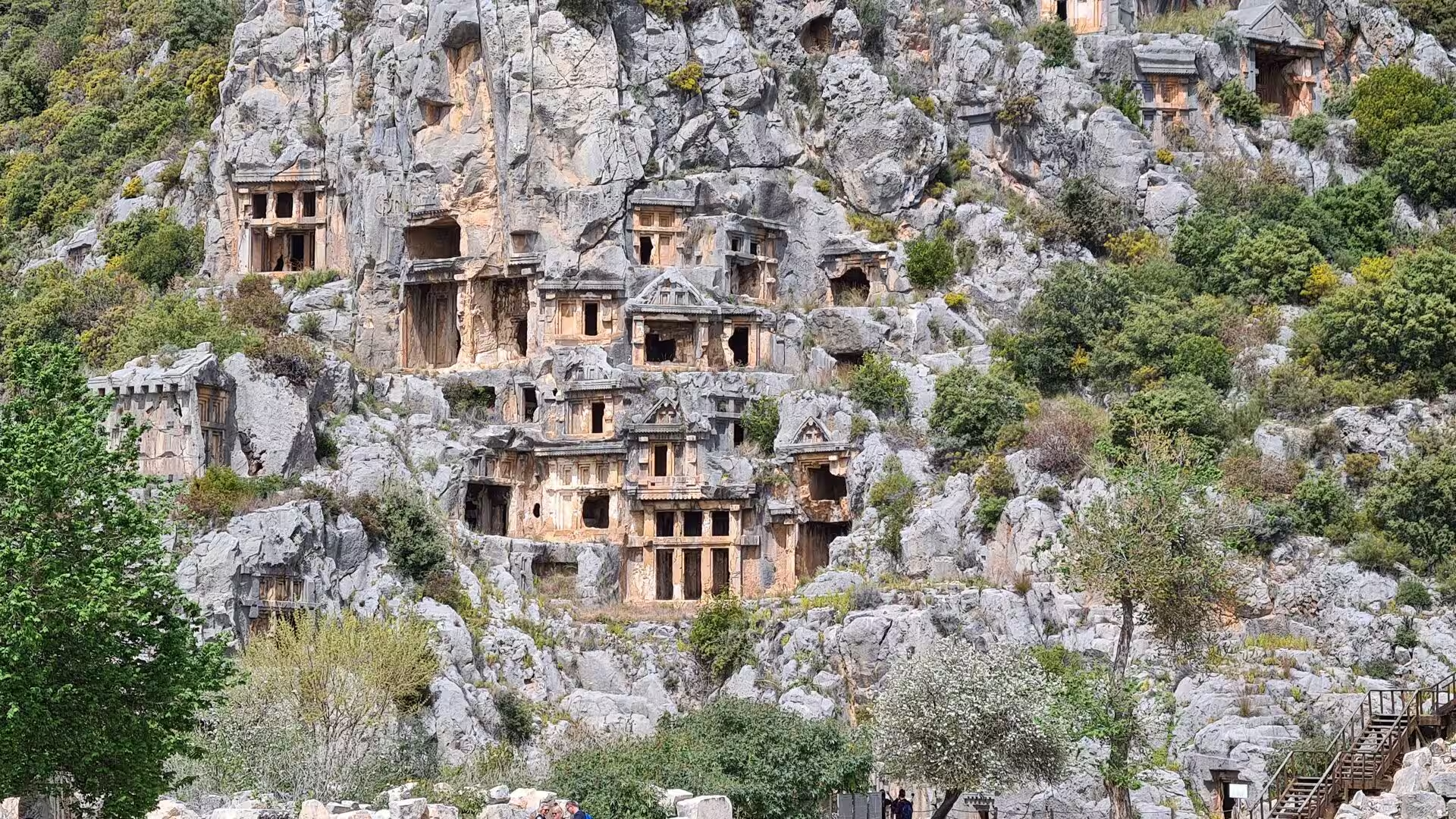
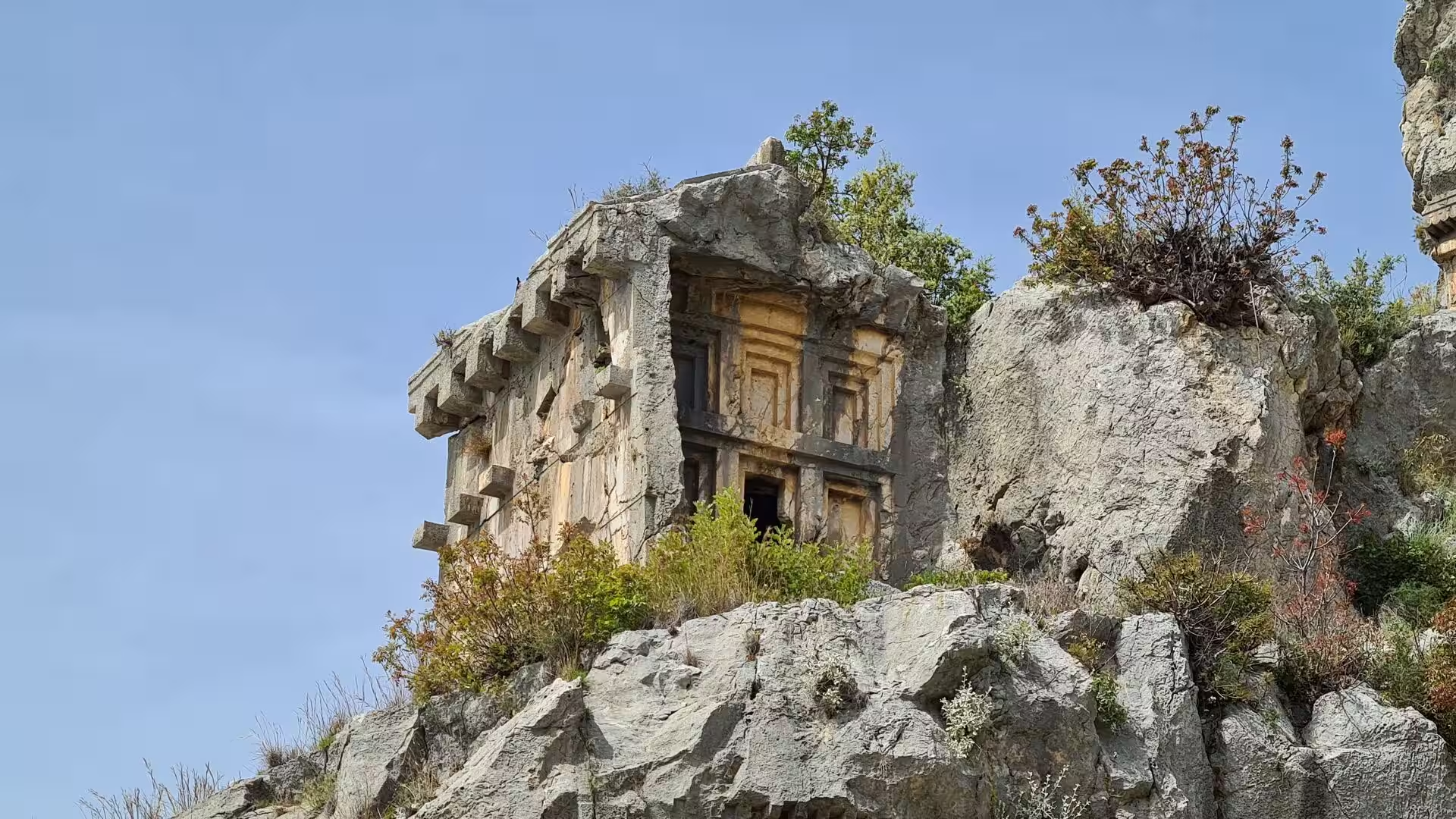
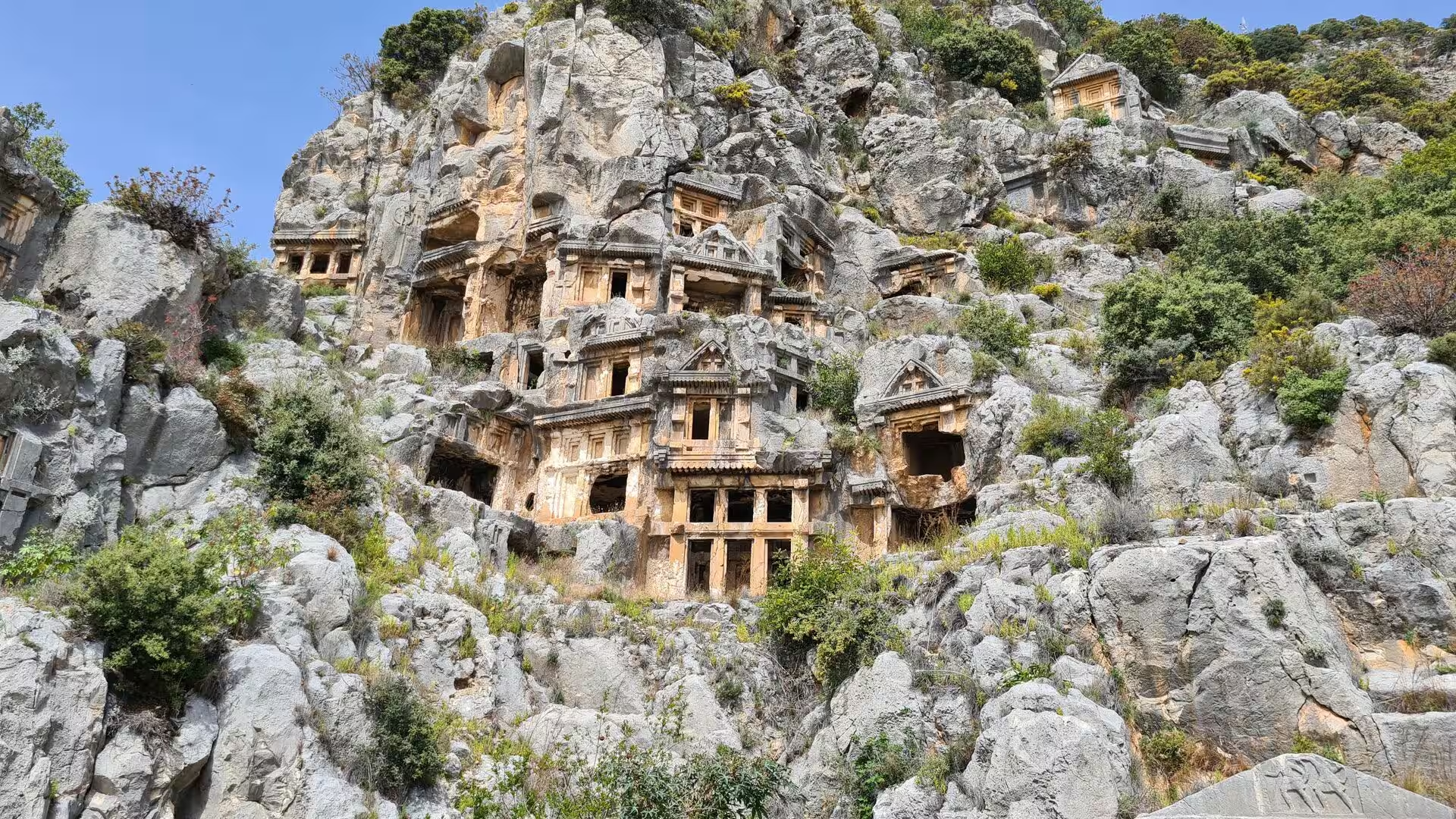
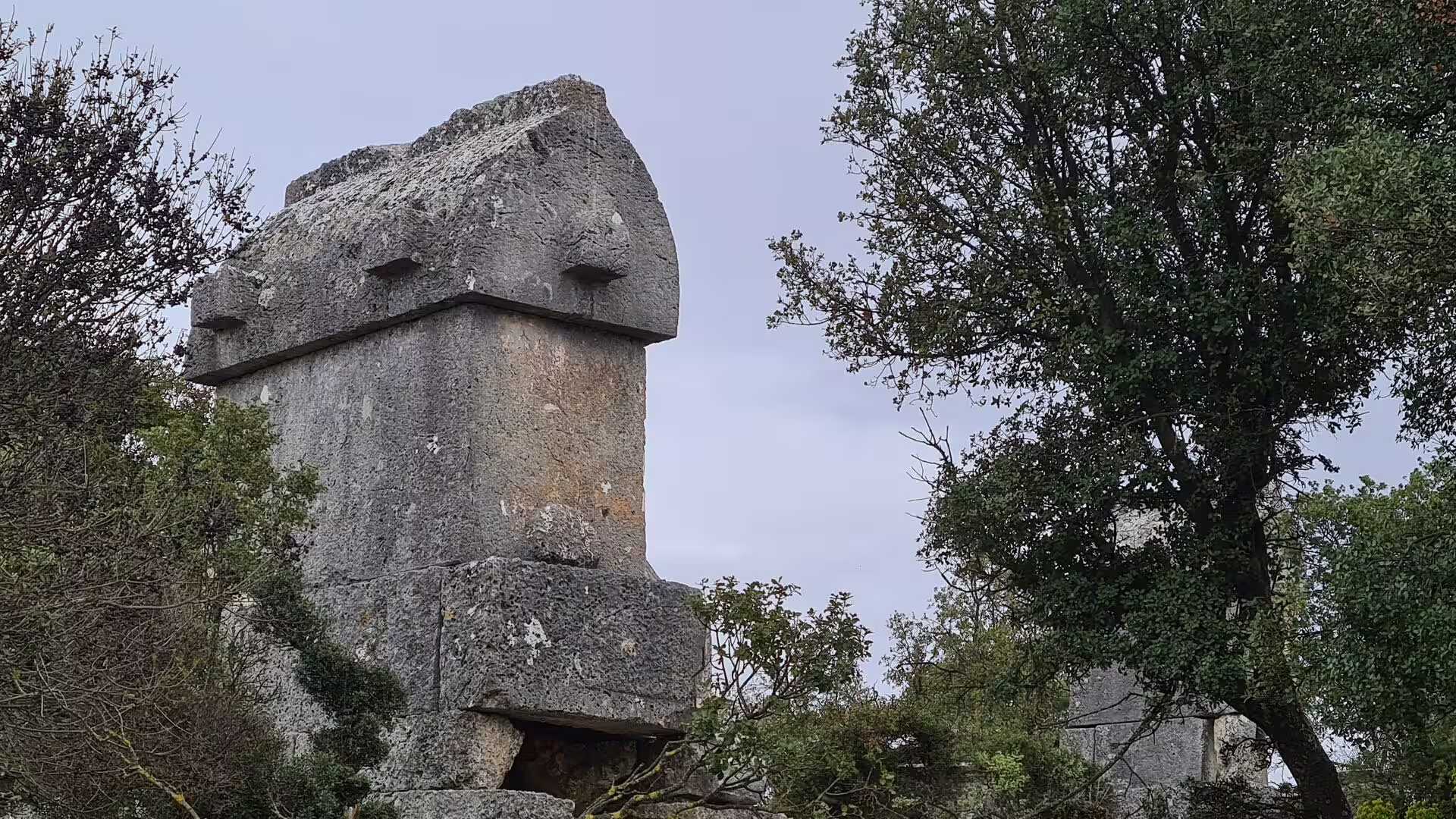
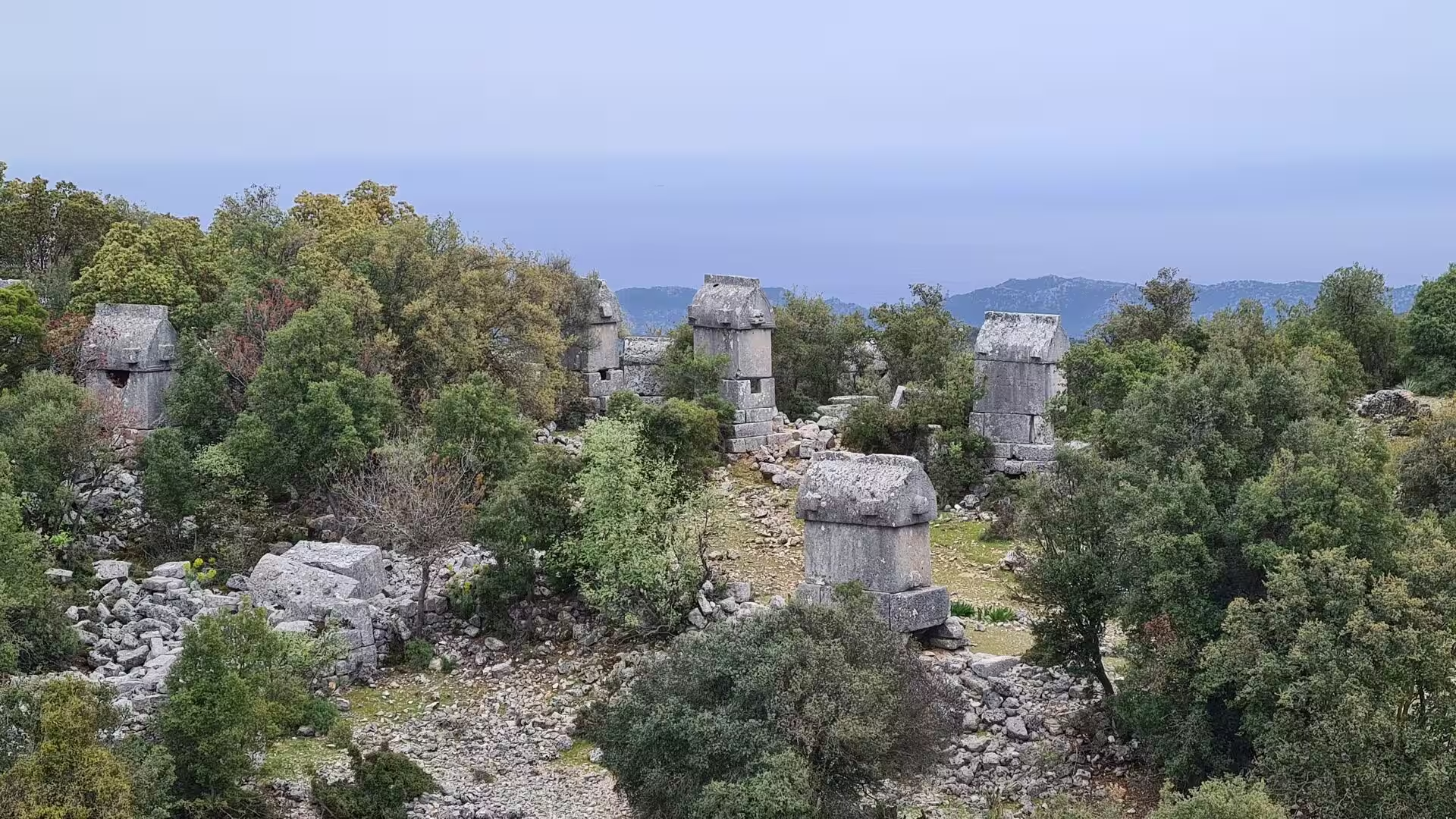
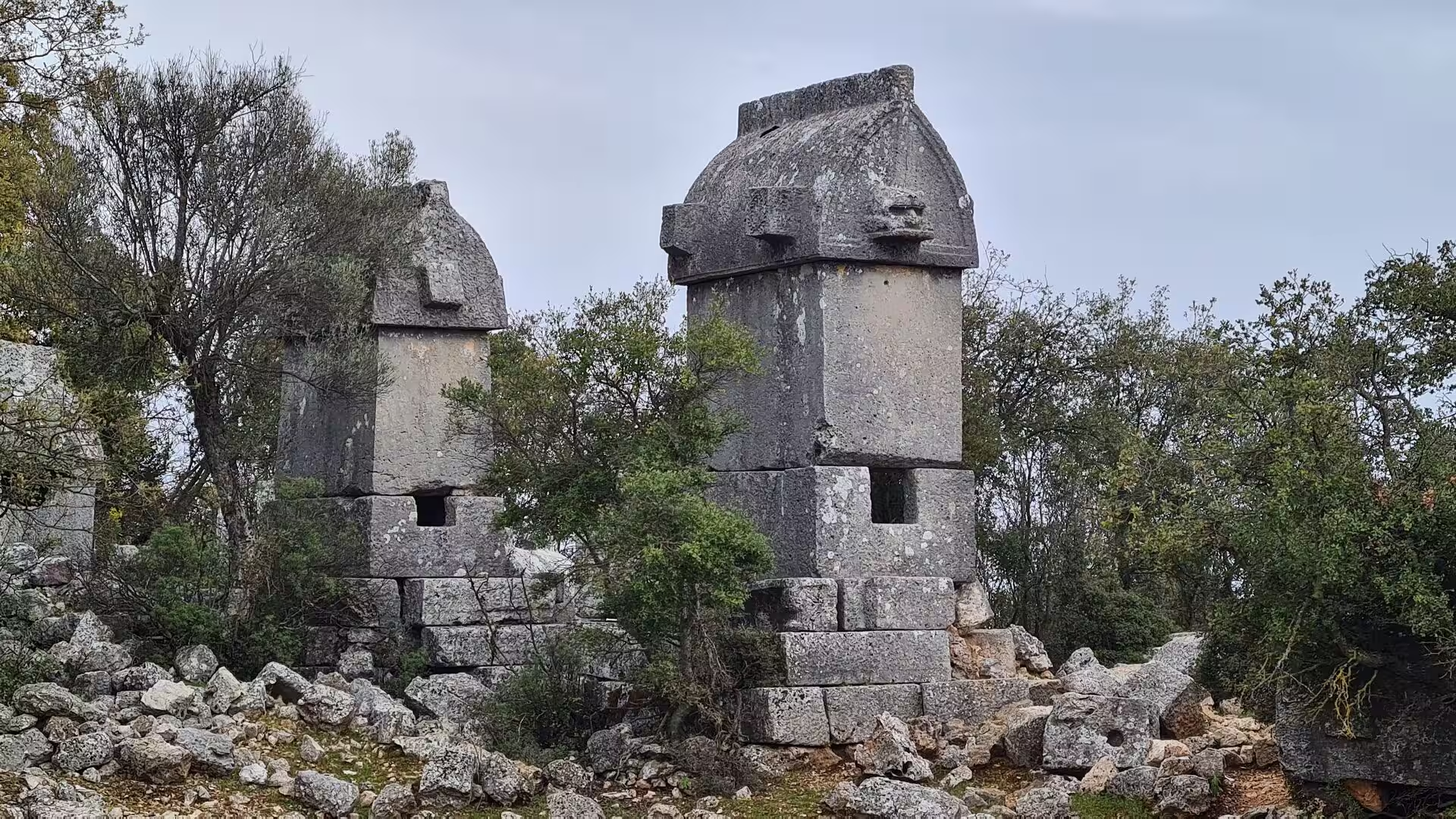
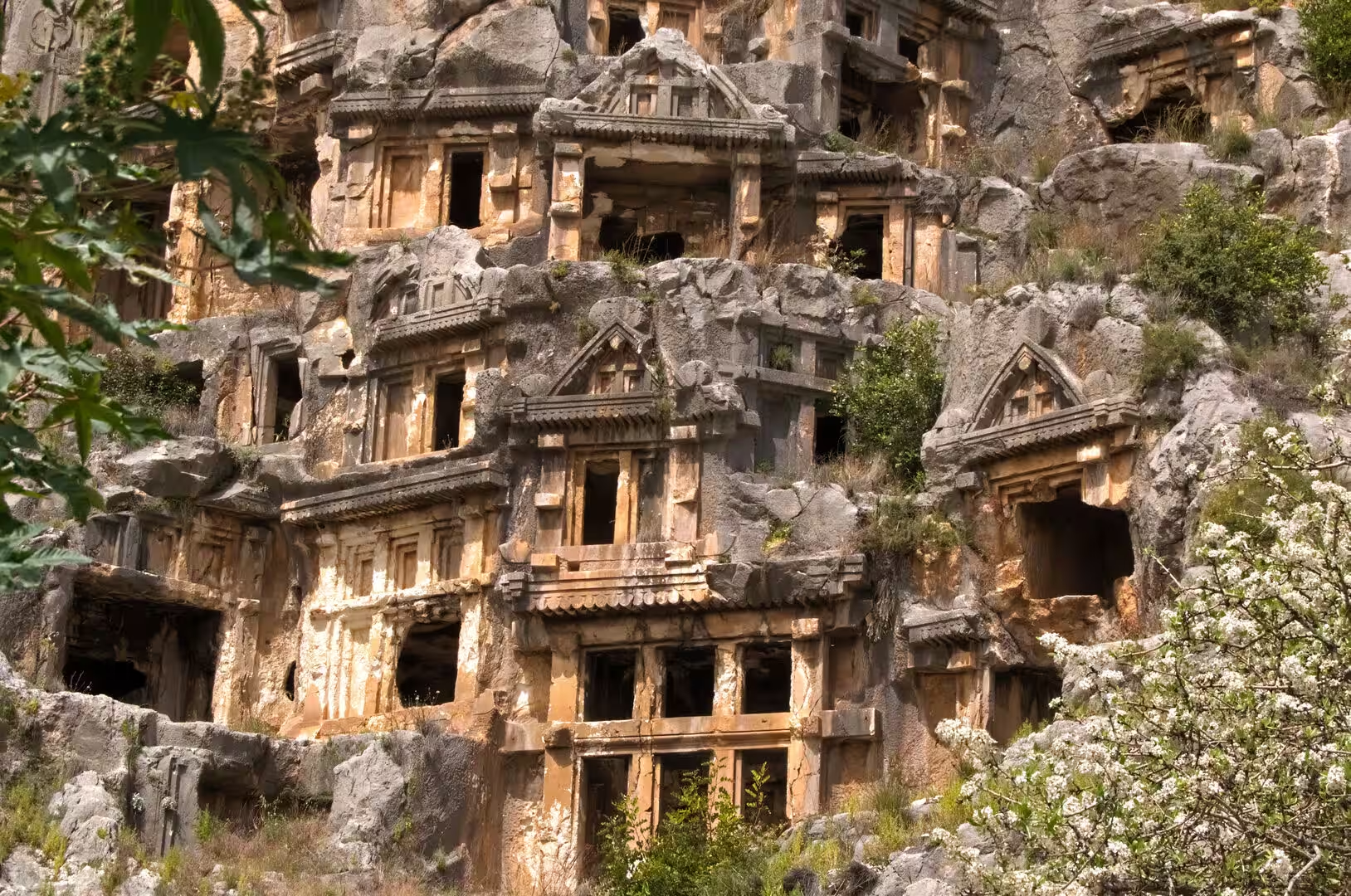
The Lycian necropolis of Myra rises in tiers on the cliff above the theatre, a rock face so crowded with tombs that from the plain it reads as a wall of carved facades. More than a hundred chambers survive in two main groups, the river necropolis beside the stream and the sea necropolis facing the coast, their fronts imitating the timber architecture of Lycian houses and the pediments of Greek temples. Most date from the fifth and fourth centuries BC, and several preserve reliefs of the dead at their funeral banquet together with traces of the red, blue and yellow paint that once covered the facades. With the ancient lower city buried beneath the town and its greenhouses, tombs and theatre remain the most accessible witnesses to Myra’s former scale.
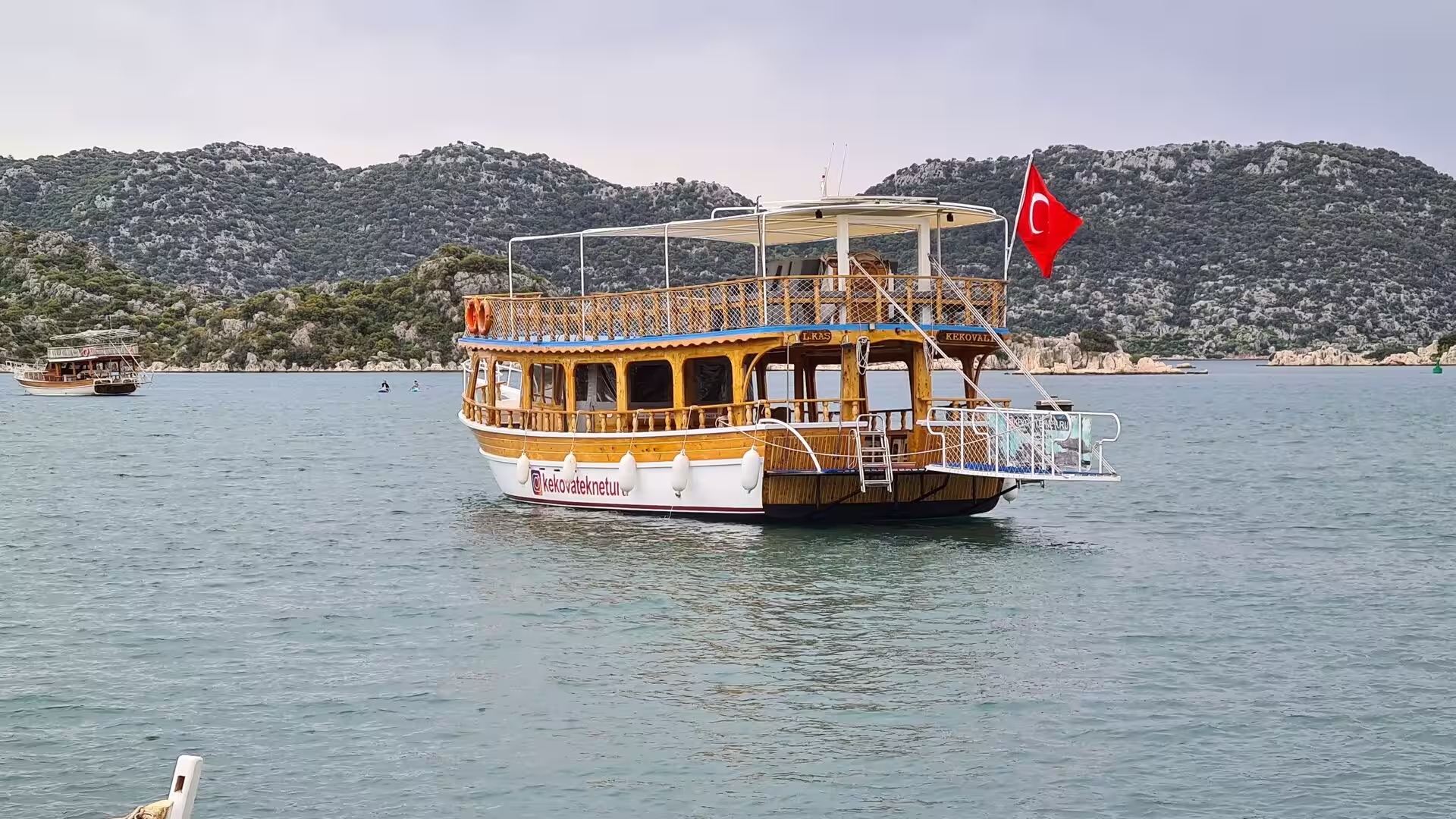
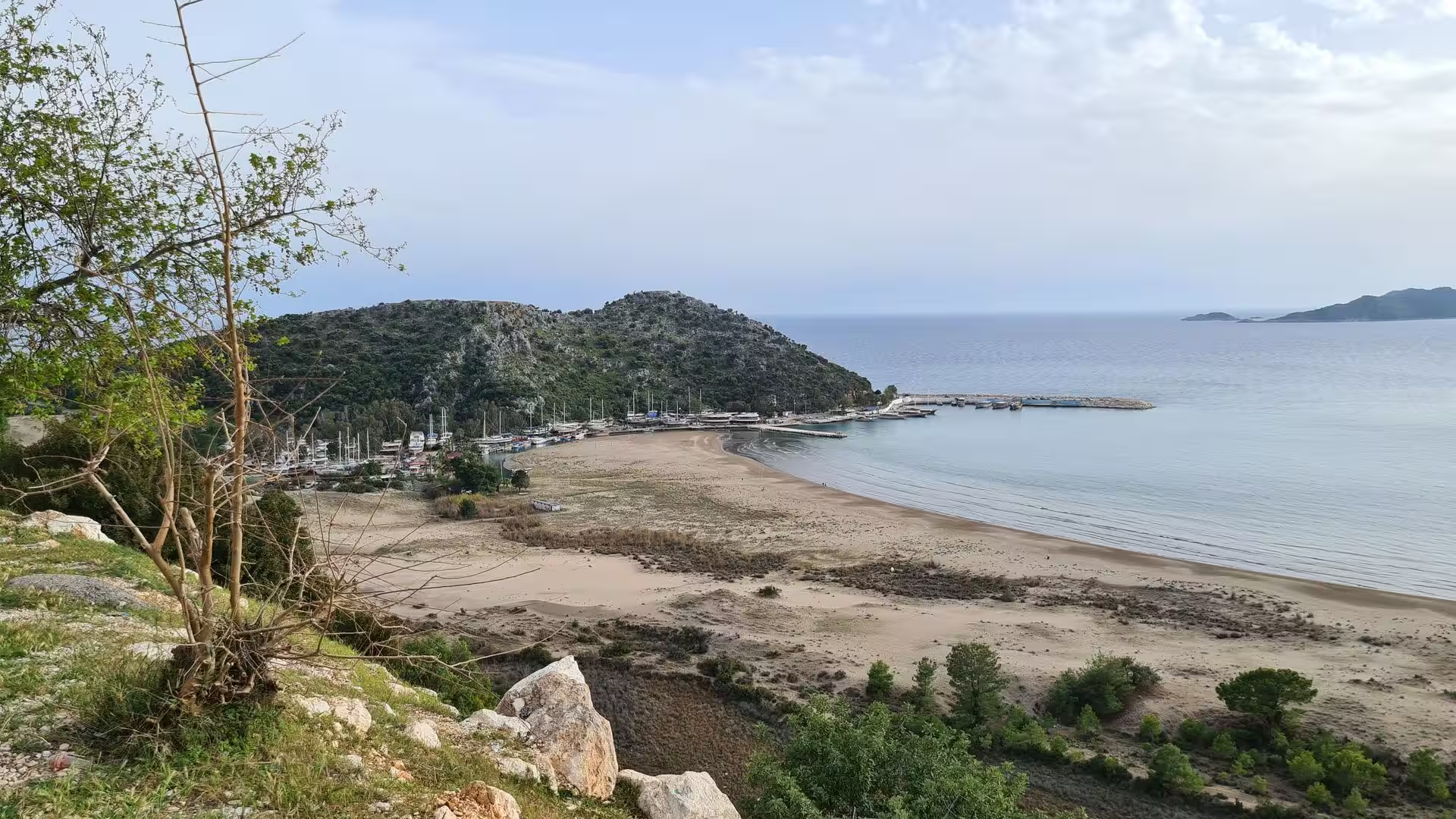
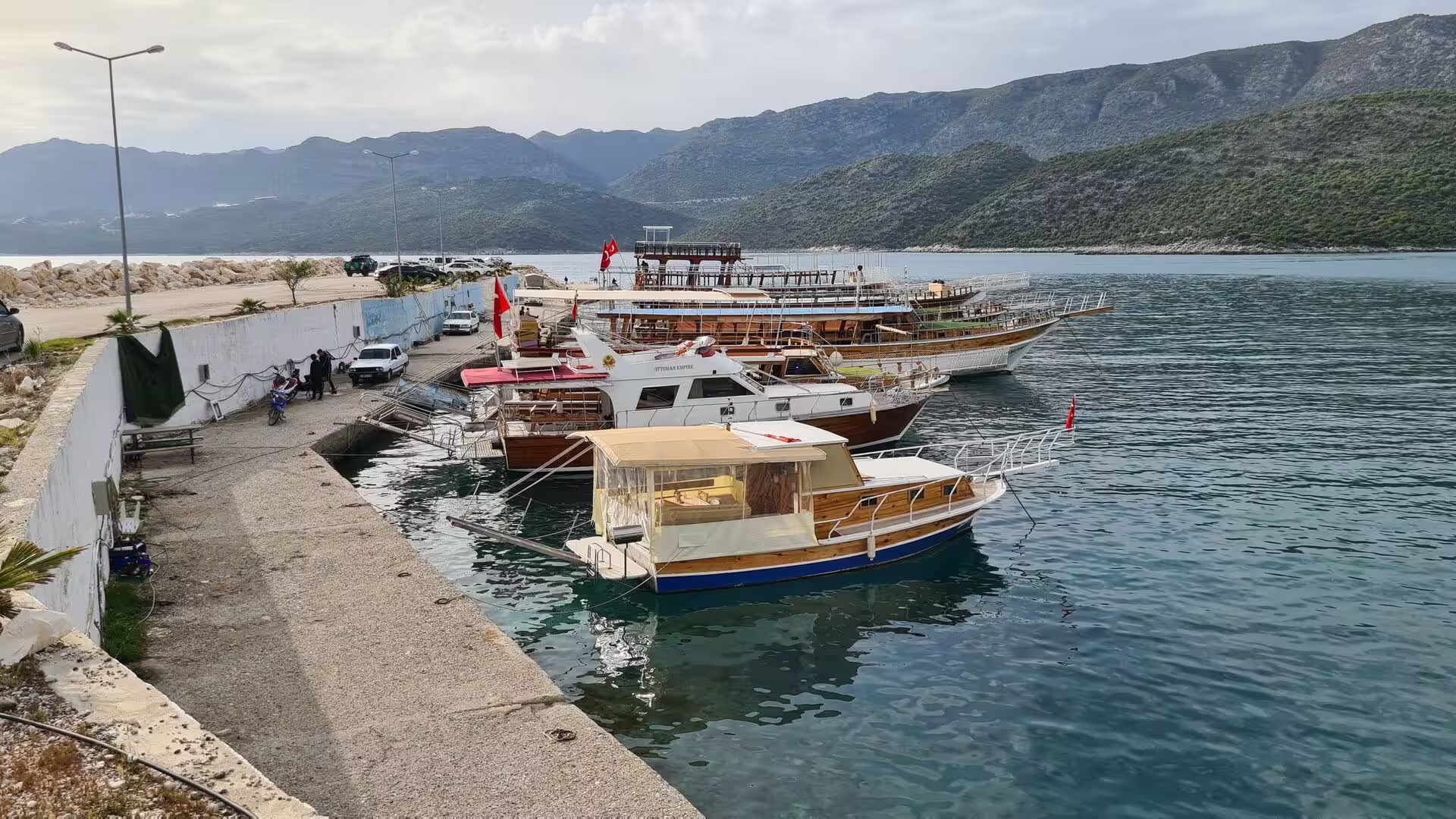
Andriake and the shore at Çayağzı lie five kilometres south-west of the town, where the plain meets the sea around the mouth of the river. This was the harbour of Myra, a busy port of the Roman grain trade; its most imposing survivor is the granarium built for the emperor Hadrian in 129-130 CE, a colossal warehouse of more than 2,300 square metres whose inscribed facade names its imperial patron. Restored in the excavations begun in 2009, it now houses the Lycian Civilizations Museum, opened in 2016 with finds from the cities of the Lycian League. Around the granarium the site includes the harbour agora, Roman baths, a large cistern, several Byzantine churches and a Late Antique synagogue with a mosaic floor, while a mound of murex shells recalls the purple dye once produced here. Beside the ruins a sandy beach curves along the shore at Çayağzı, backed by bird-rich wetlands and a small harbour where wooden excursion boats lie at anchor, the departure point for coastal trips.
References
- Bean, George E. (1978). Lycian Turkey: An Archaeological Guide. London: Ernest Benn.
- Bryce, Trevor (1986). The Lycians: A Study of an Anatolian People. Copenhagen: Museum Tusculanum Press.
- Hild, Friedrich and Hellenkemper, Hansgerd (2004). Lykien und Pamphylien (Tabula Imperii Byzantini 8). Vienna: Verlag der Österreichischen Akademie der Wissenschaften.
- English, Adam C. (2012). The Saint Who Would Be Santa Claus: The True Life and Trials of Nicholas of Myra. Waco: Baylor University Press.
- St. Nicholas Church. whc.unesco.org/en/tentativelists/1399
- Ancient Cities of Lycian Civilization. whc.unesco.org/en/tentativelists/5408
- Myra Ancient City (Demre Museum Directorate, Ministry of Culture and Tourism of the Republic of Türkiye). muze.gov.tr/muze-detay?SectionId=MYR01&DistId=MRK
- Demre. en.wikipedia.org/wiki/Demre
- Myra. en.wikipedia.org/wiki/Myra
- St. Nicholas Church, Demre. en.wikipedia.org/wiki/St._Nicholas_Church,_Demre
- Andriake. en.wikipedia.org/wiki/Andriake
- Lycia. en.wikipedia.org/wiki/Lycia
- Lycian League. en.wikipedia.org/wiki/Lycian_League
- Saint Nicholas. en.wikipedia.org/wiki/Saint_Nicholas
- Taurus Mountains. en.wikipedia.org/wiki/Taurus_Mountains
- Kekova. en.wikipedia.org/wiki/Kekova