2024 Australia - January - Hervey Bay 2













Journal Notes
General
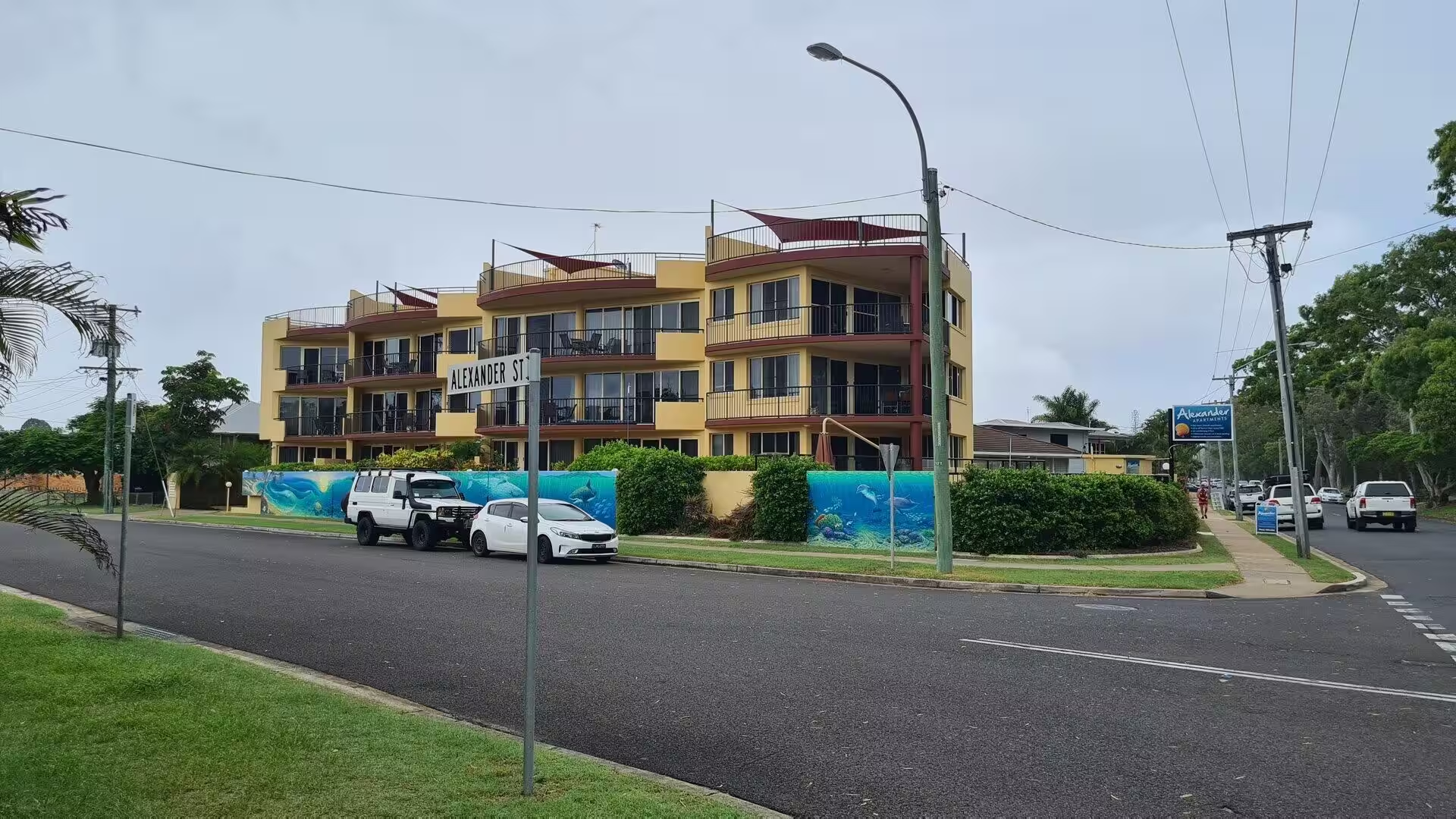
“Hervey Bay spreads along the shore of the bay that gives the city its name, on the coast of the Fraser Coast region of Queensland, some 290 kilometres north of Brisbane. The city is not a single centre but a chain of seaside suburbs, Pialba, Scarness, Torquay and Urangan, that runs for several kilometres along the water. Scarness lies in the middle of this chain, between the older shopping heart of Pialba and the quieter beaches of Torquay, and it has grown into one of the most lived-in parts of the bay. About 3,600 people live in the suburb, many of them in the apartment houses and holiday flats that line the shore road.
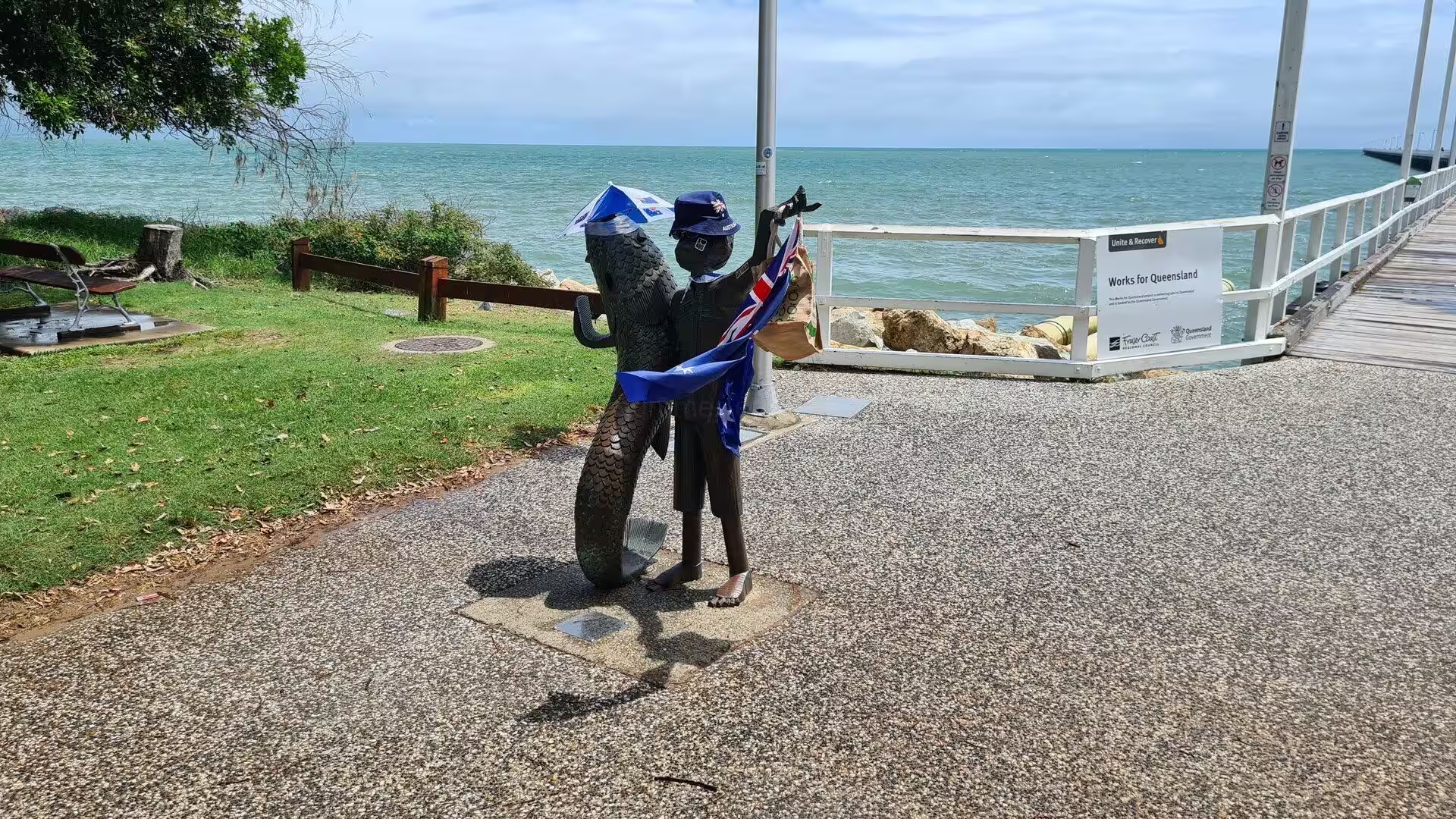
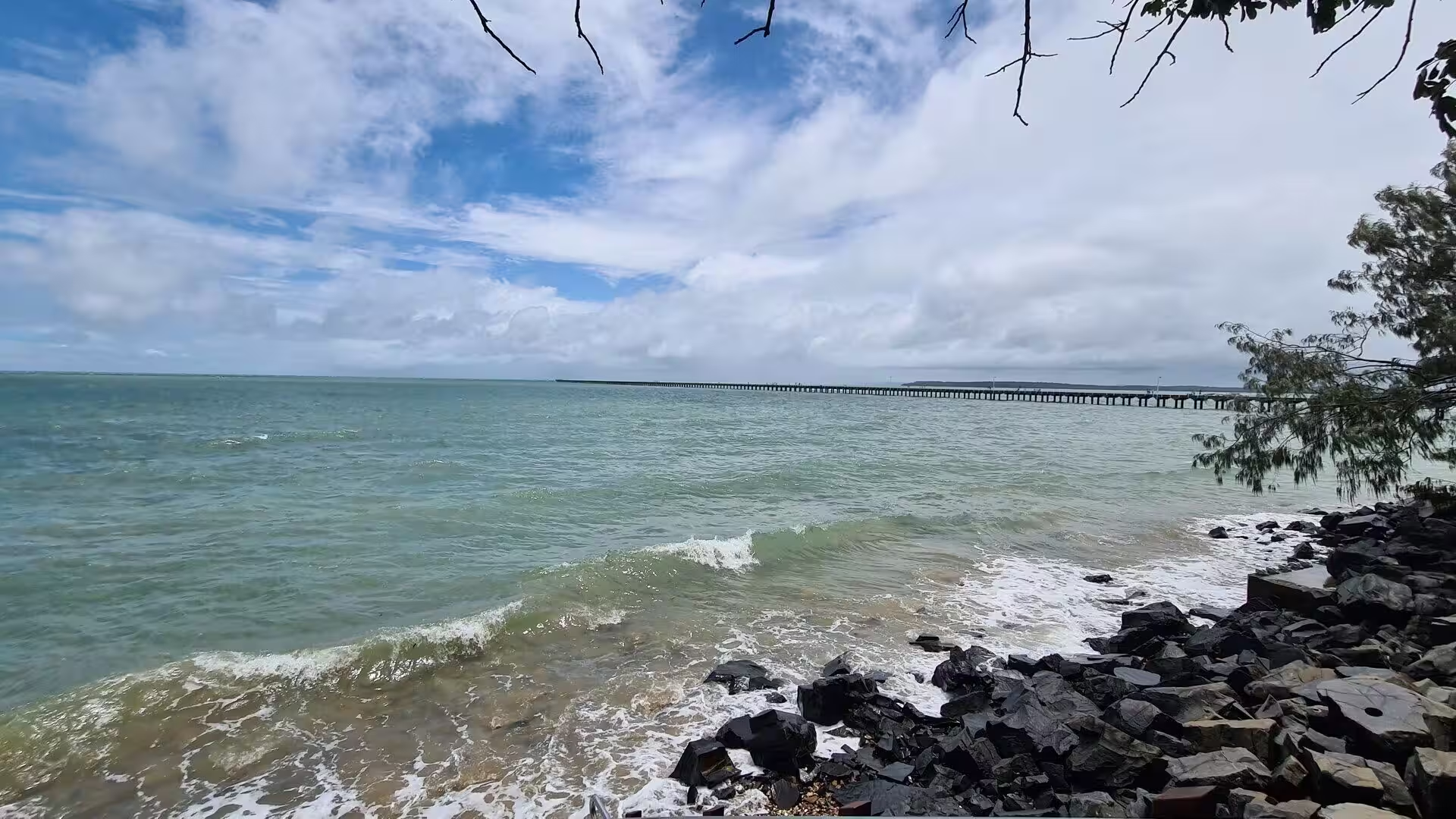
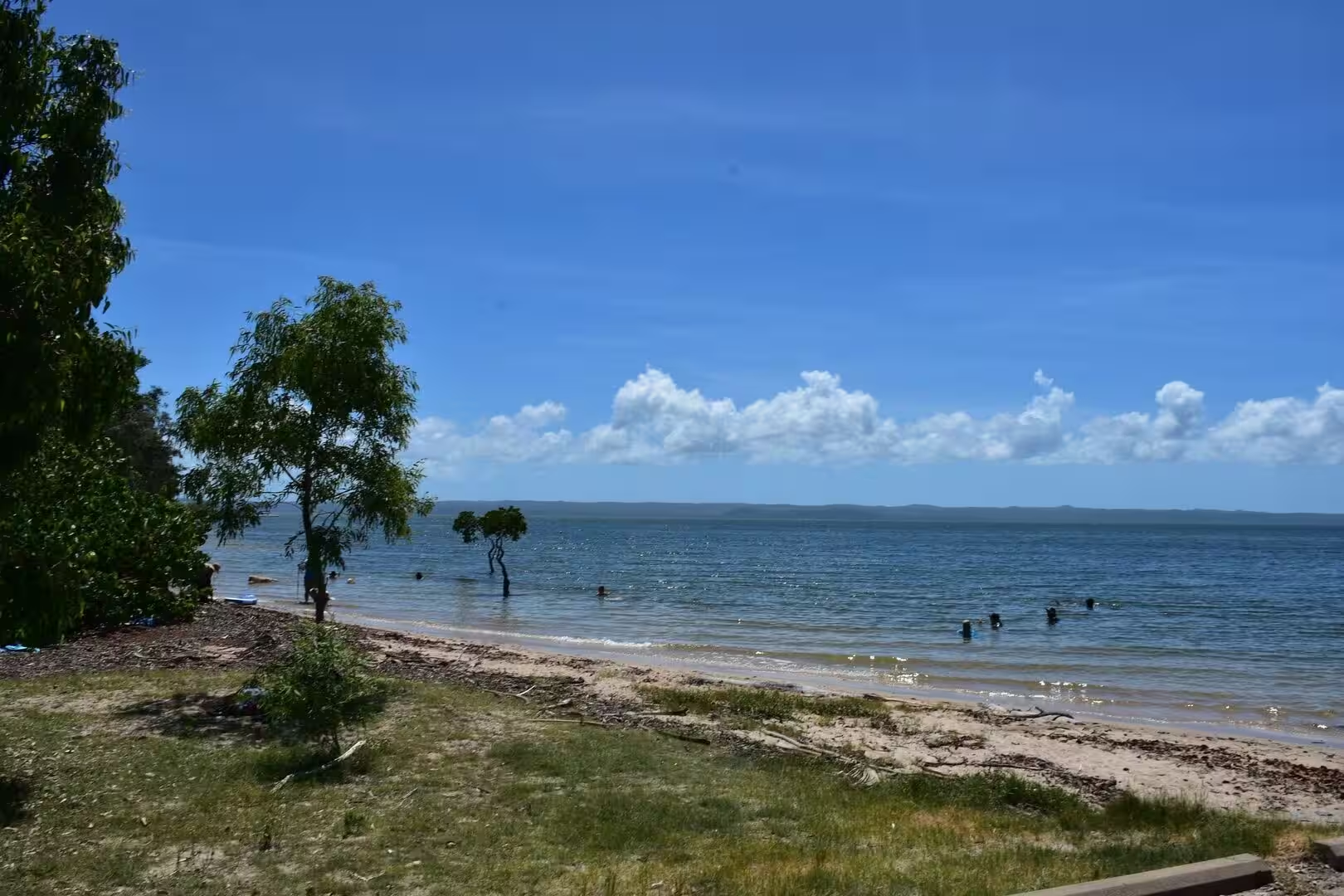
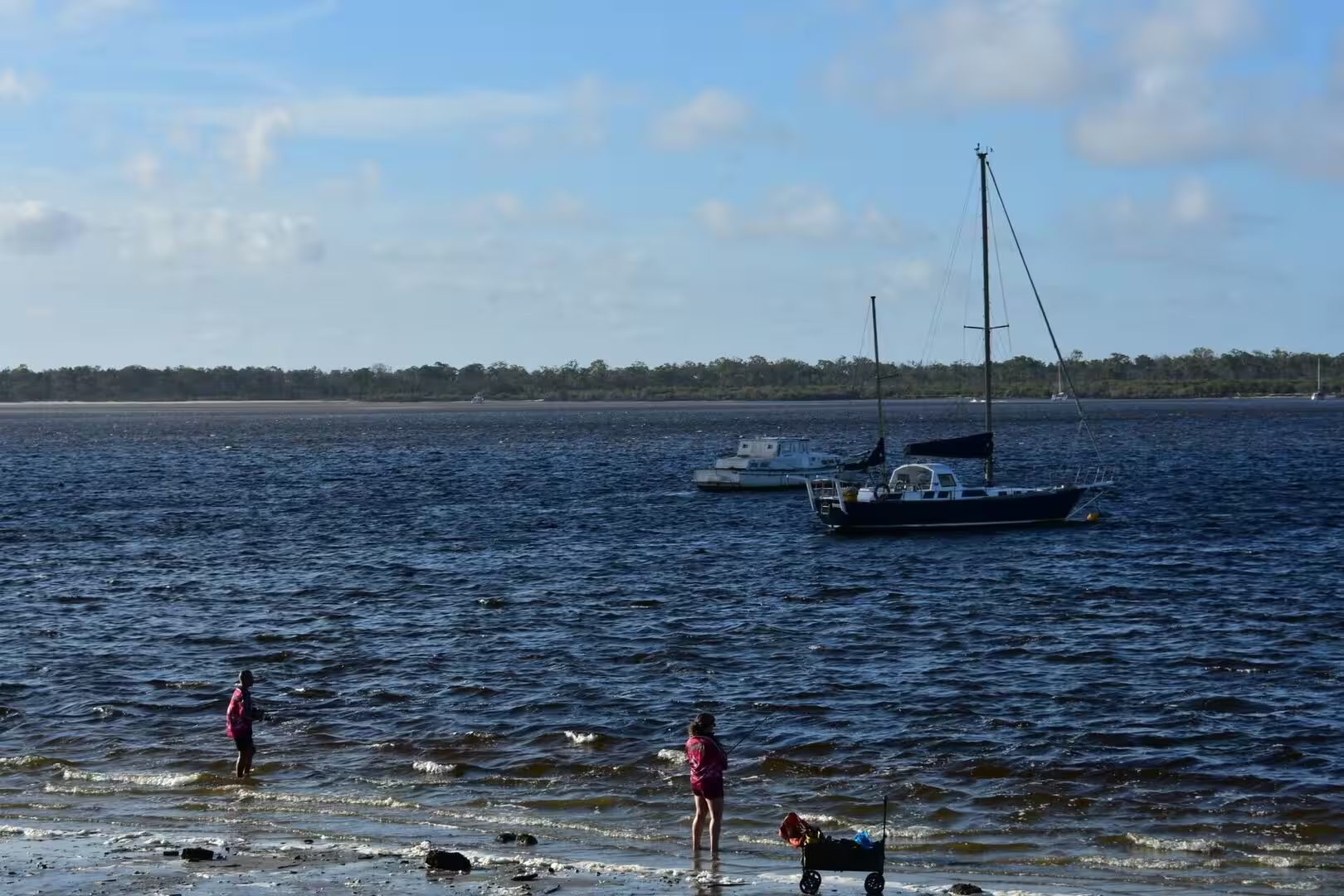
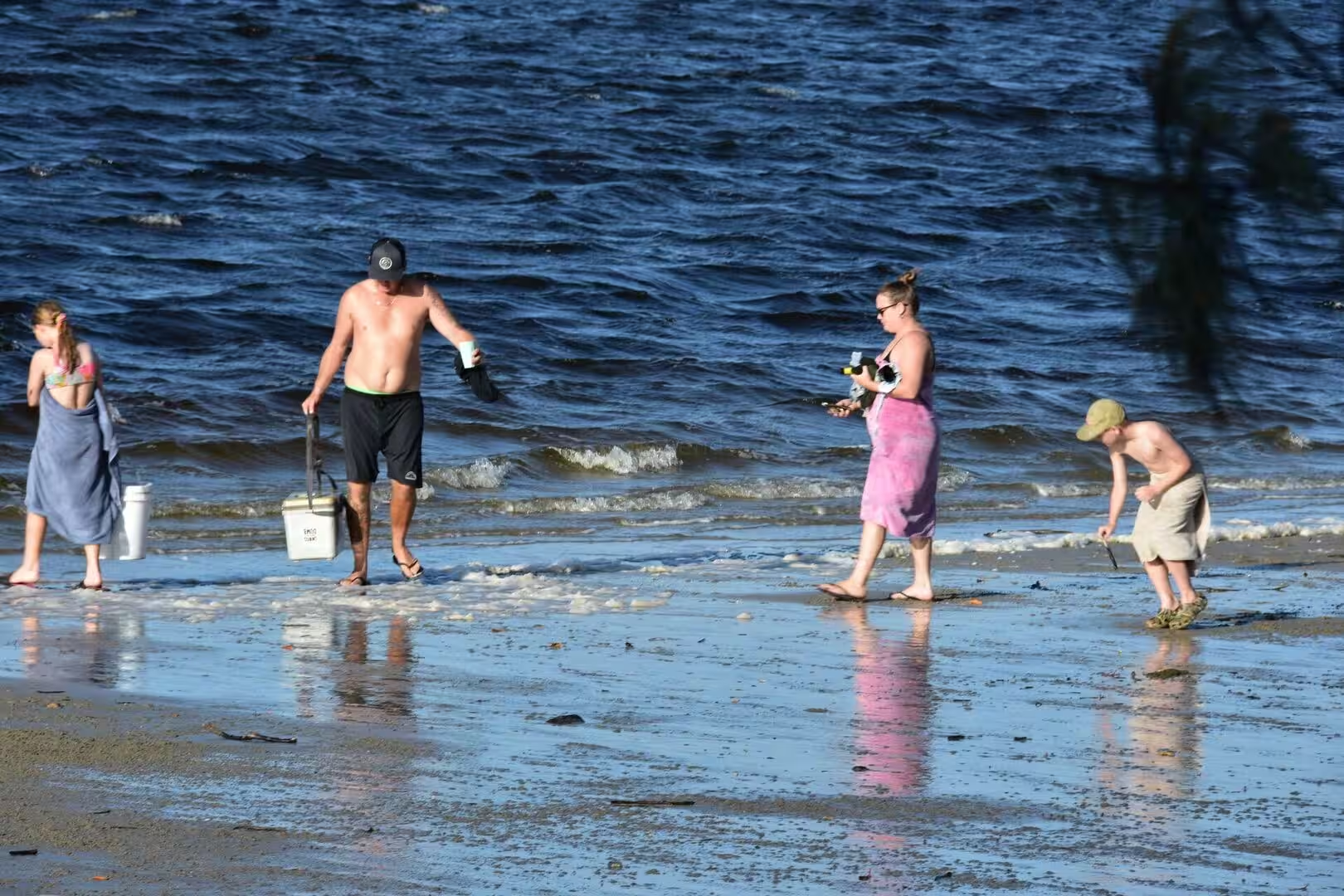
The life of Scarness turns towards the water. The Esplanade, as the seafront road is called, carries the suburb along the bay behind a strip of parkland, picnic shelters and public art, and a long wooden jetty reaches out from the shore into the deeper water of the bay. The Scarness Caravan Park occupies the foreshore, and the lawns and benches of the waterfront are used all year round by families, walkers and anglers. In the summer holidays, and on days such as Australia Day, the whole seafront gathers for the slow pleasures of a seaside town: swimming, fishing, picnicking and watching the light fall across the bay towards K’gari.
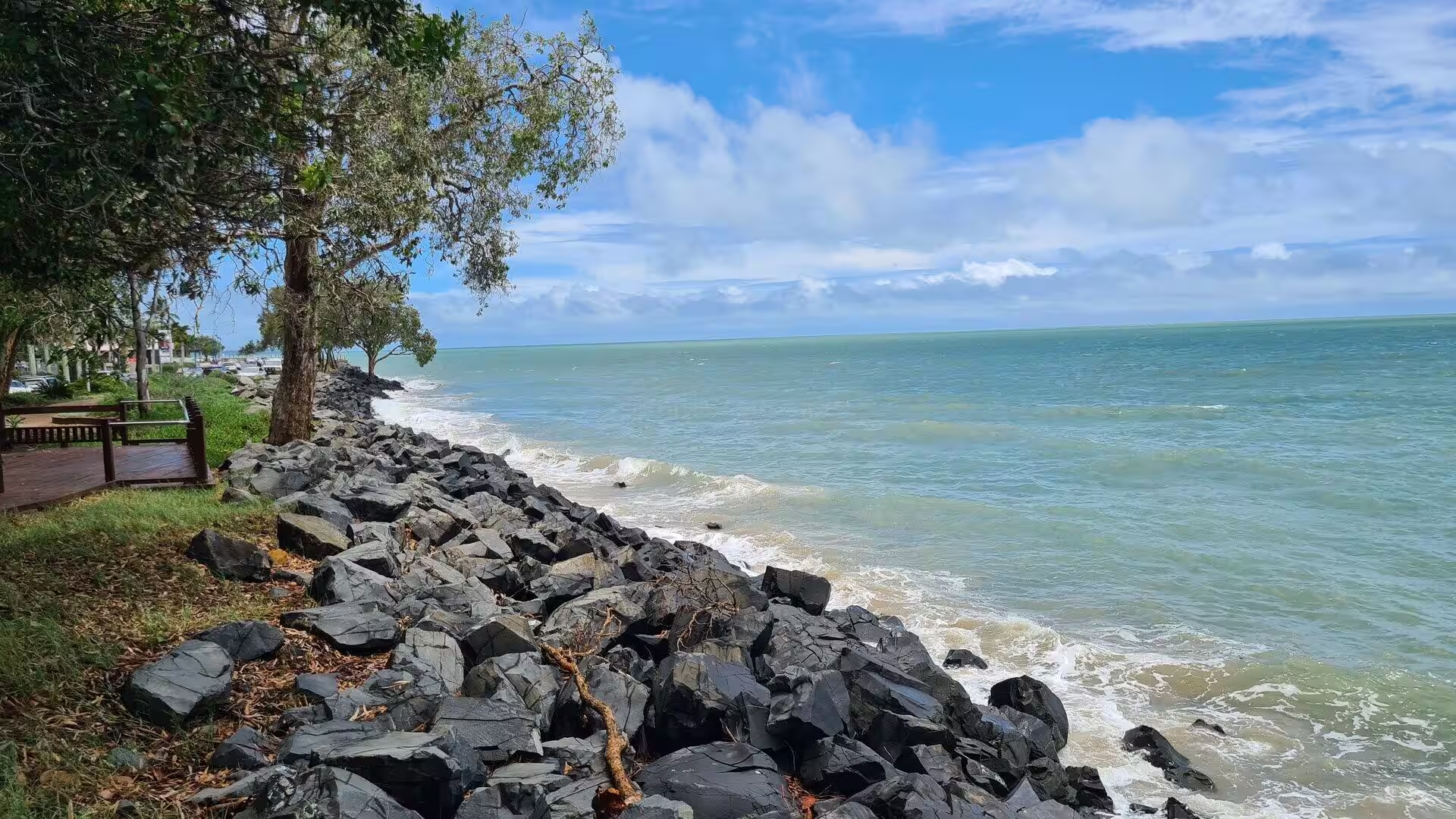
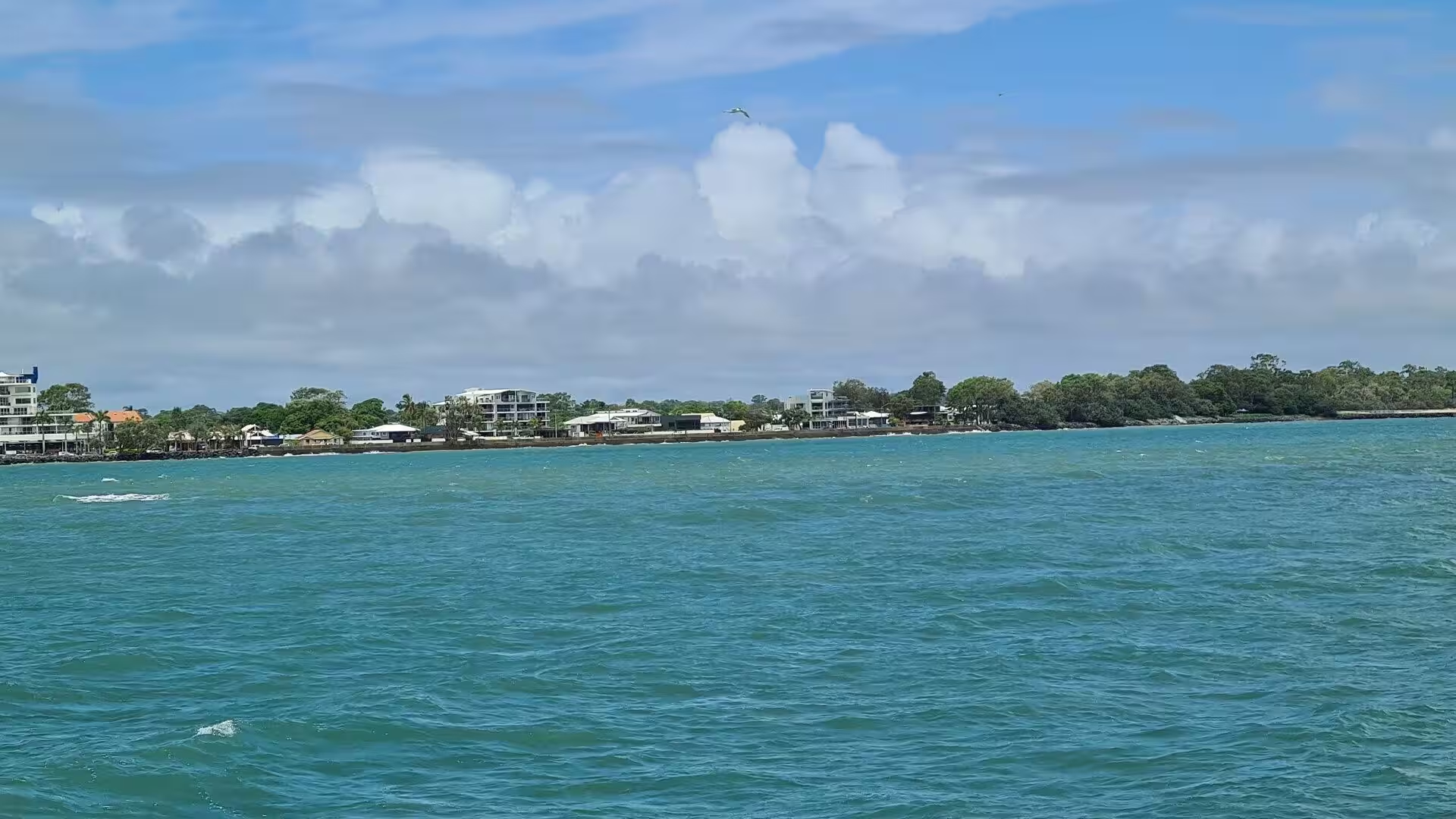
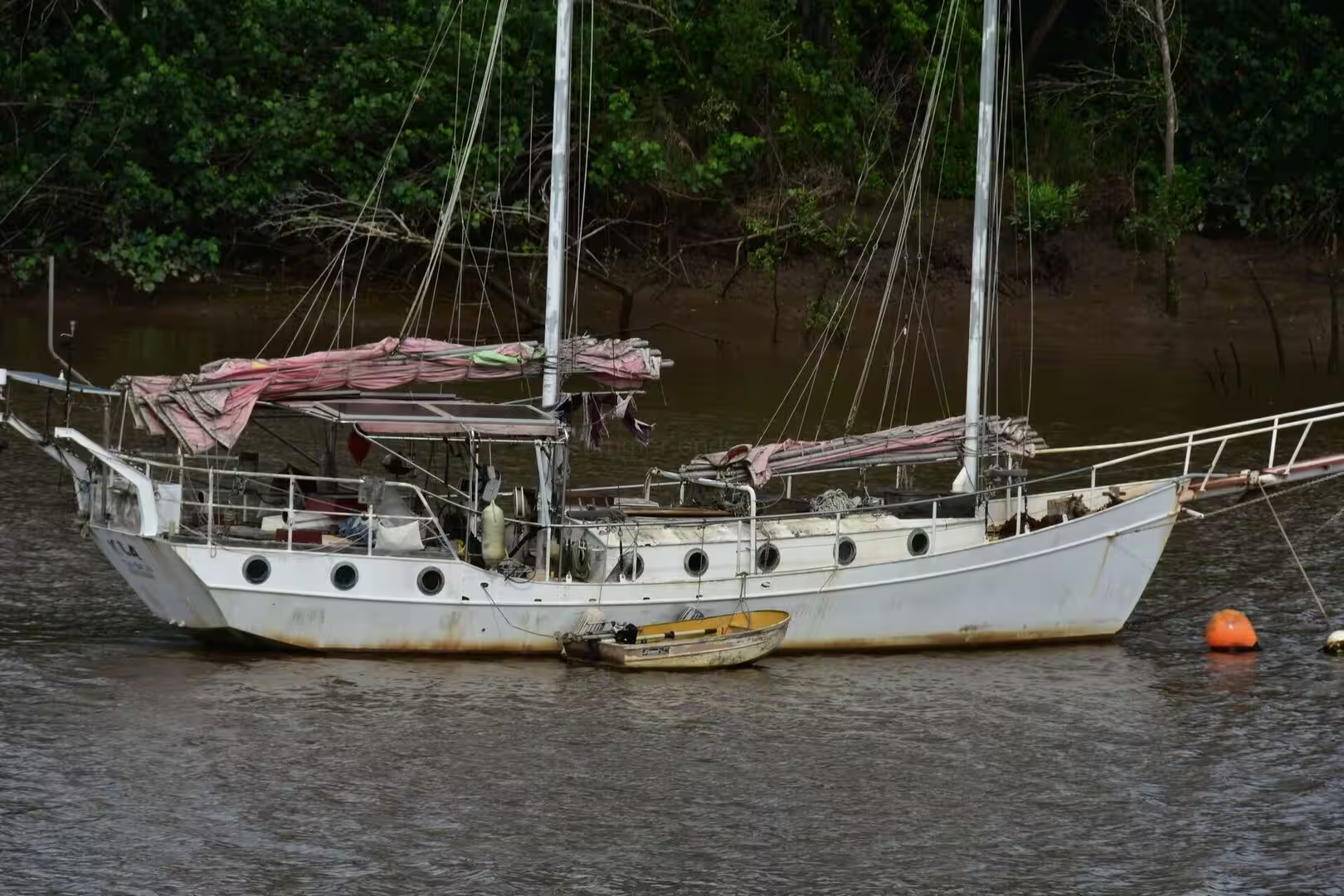
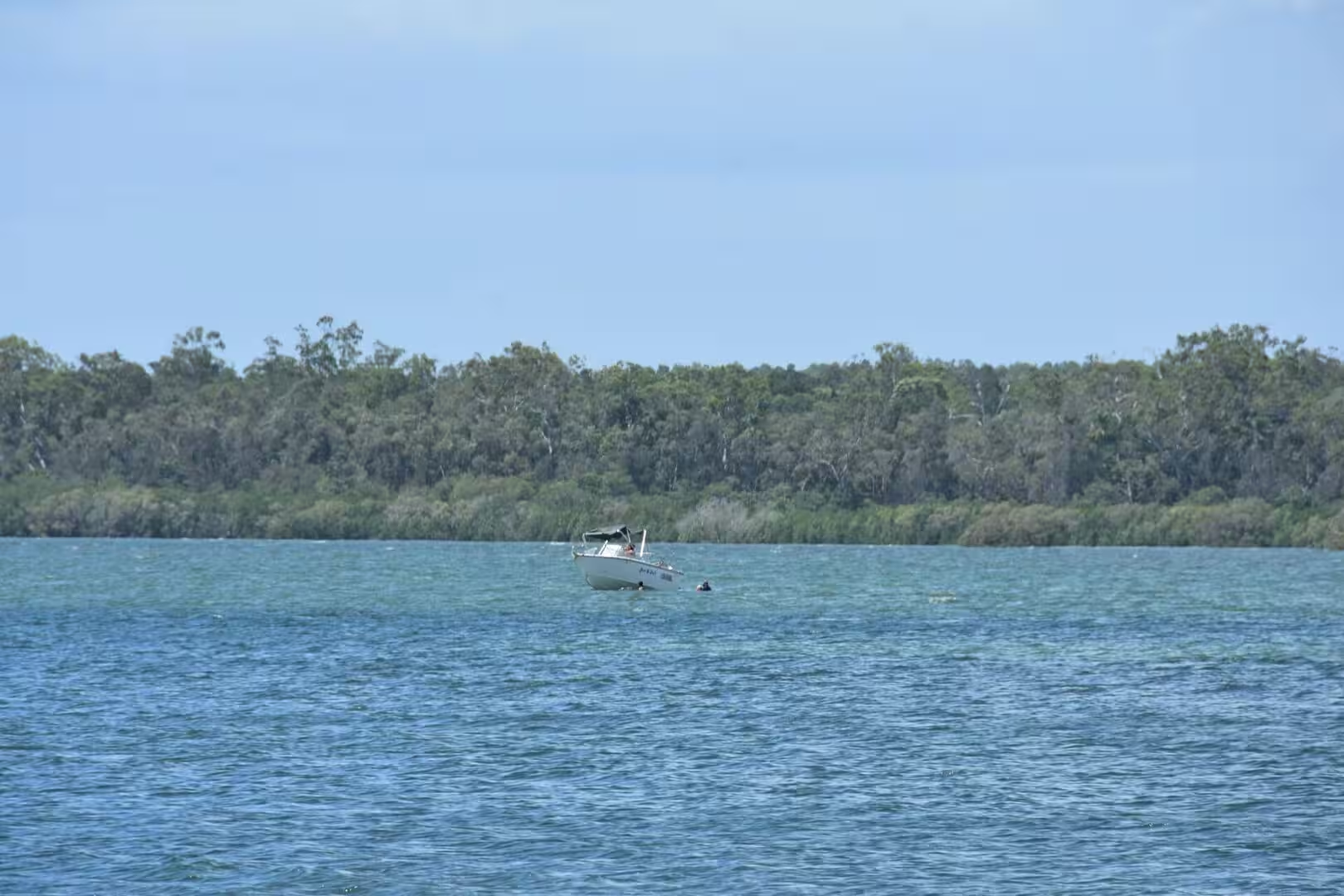
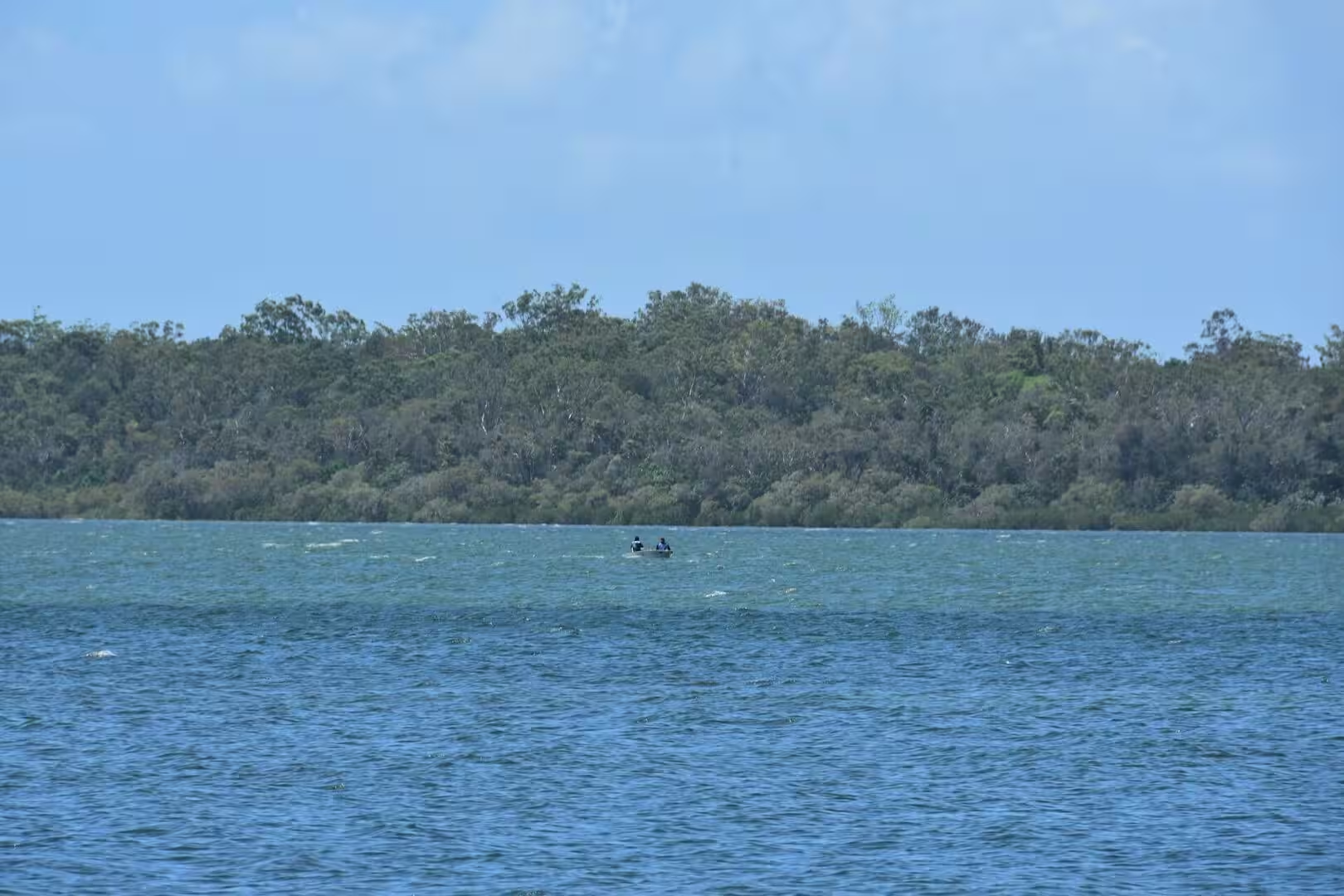
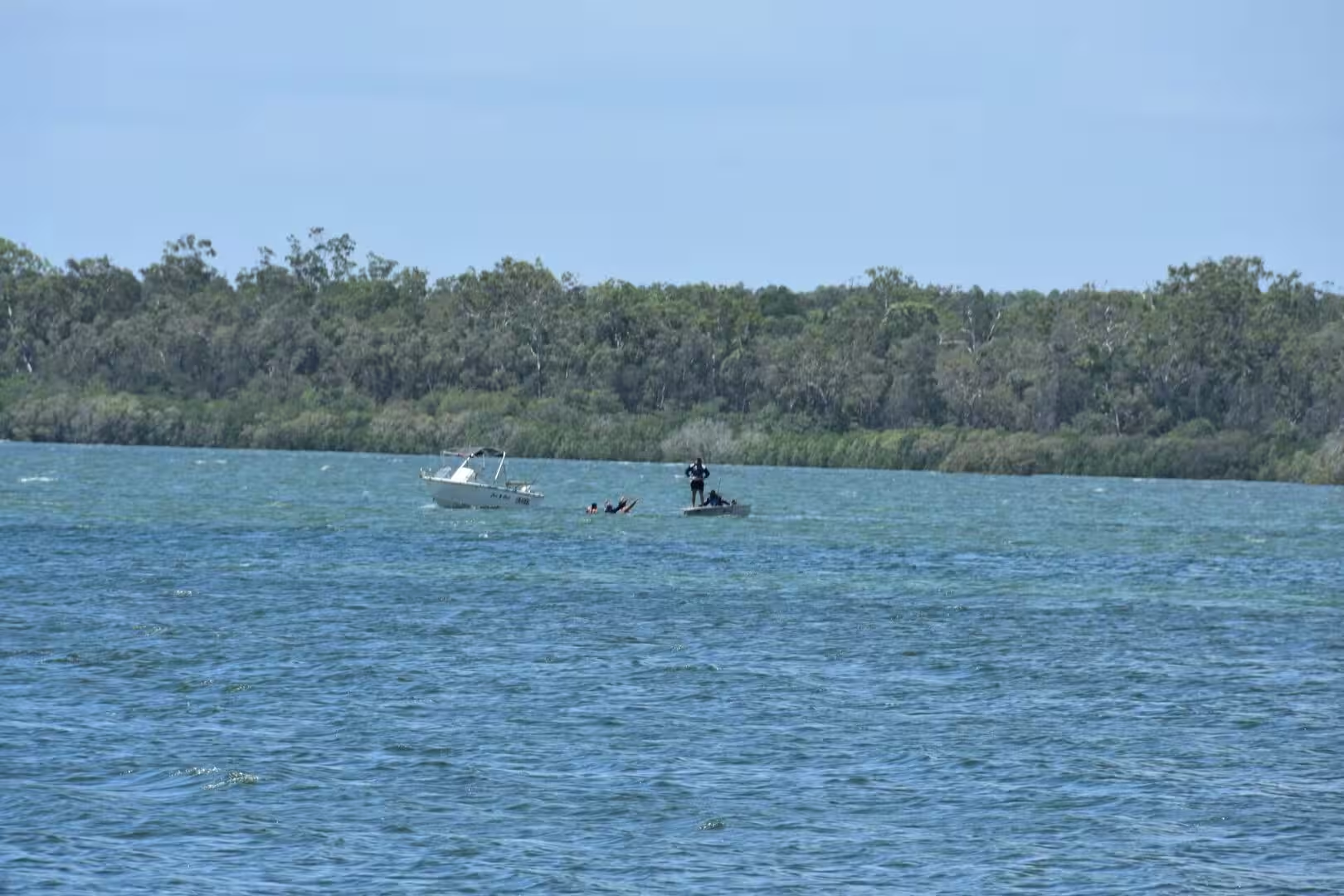
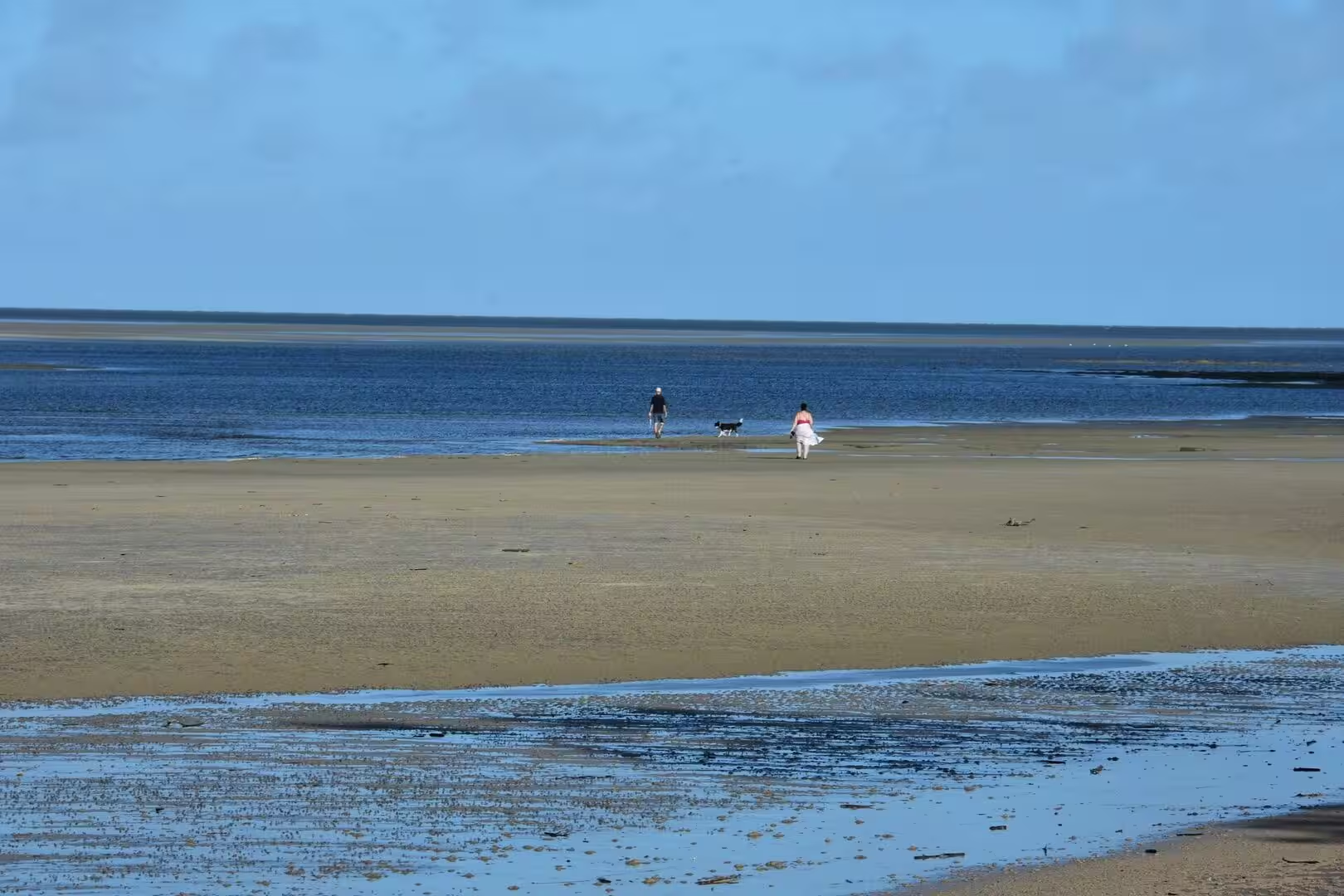
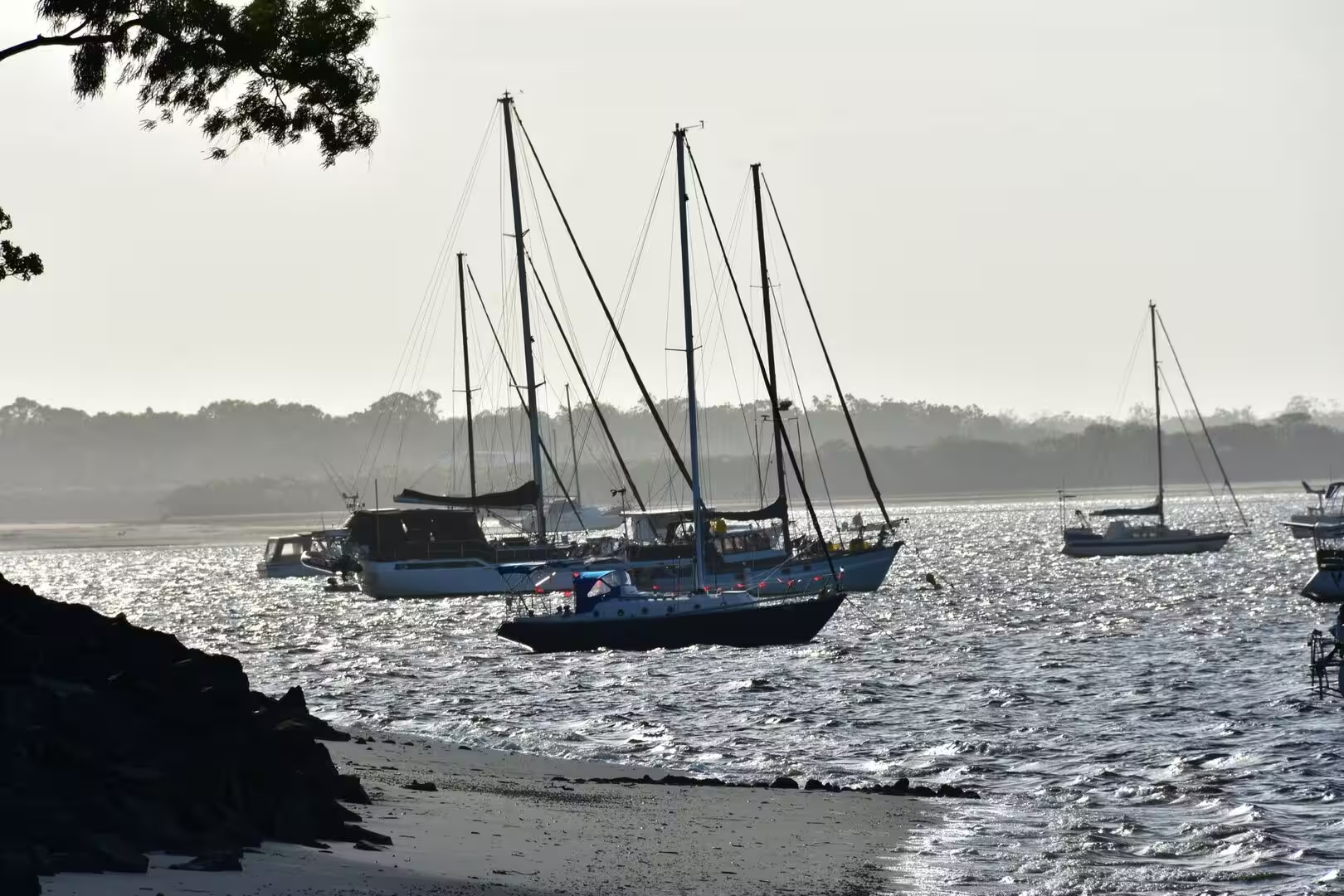
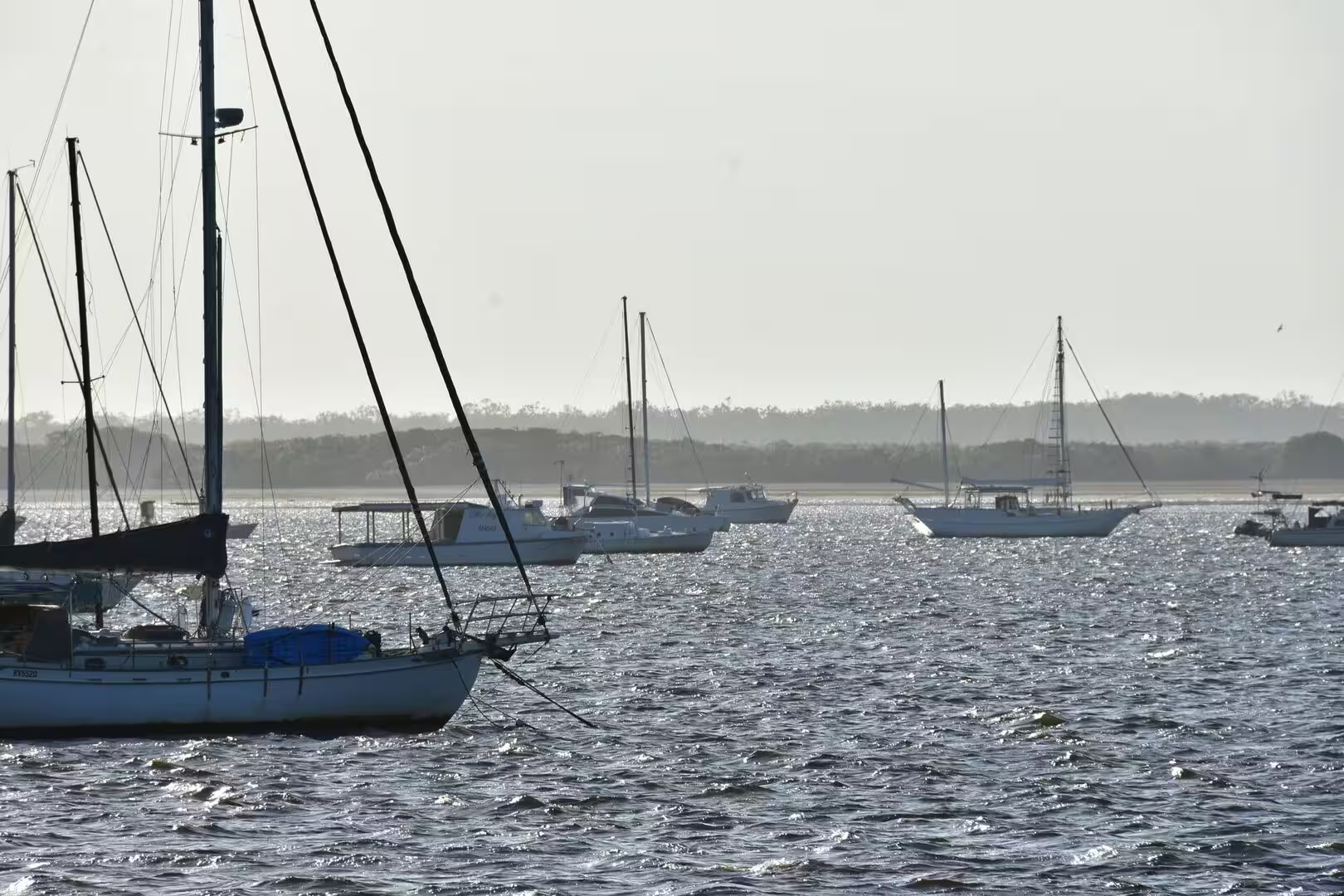
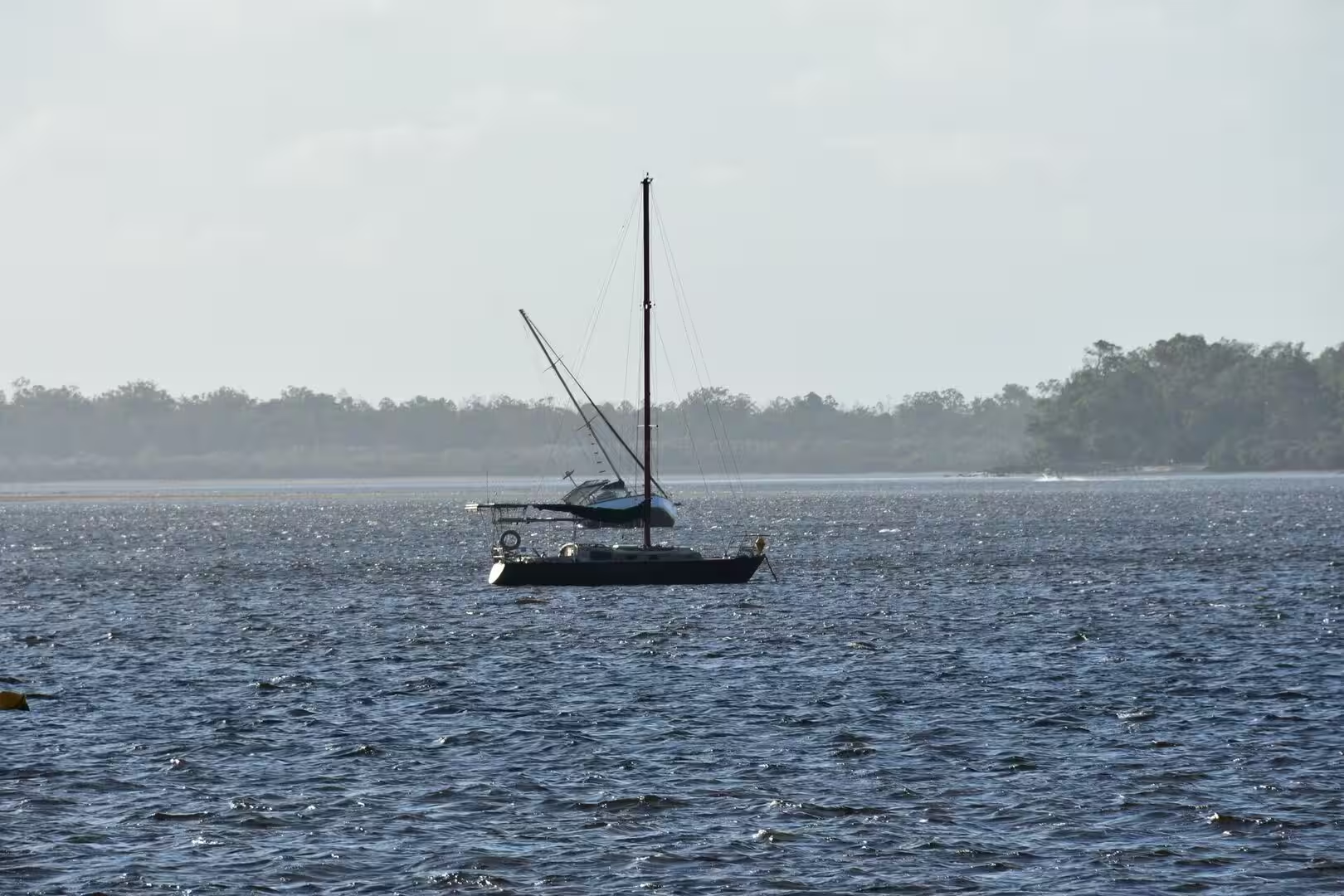
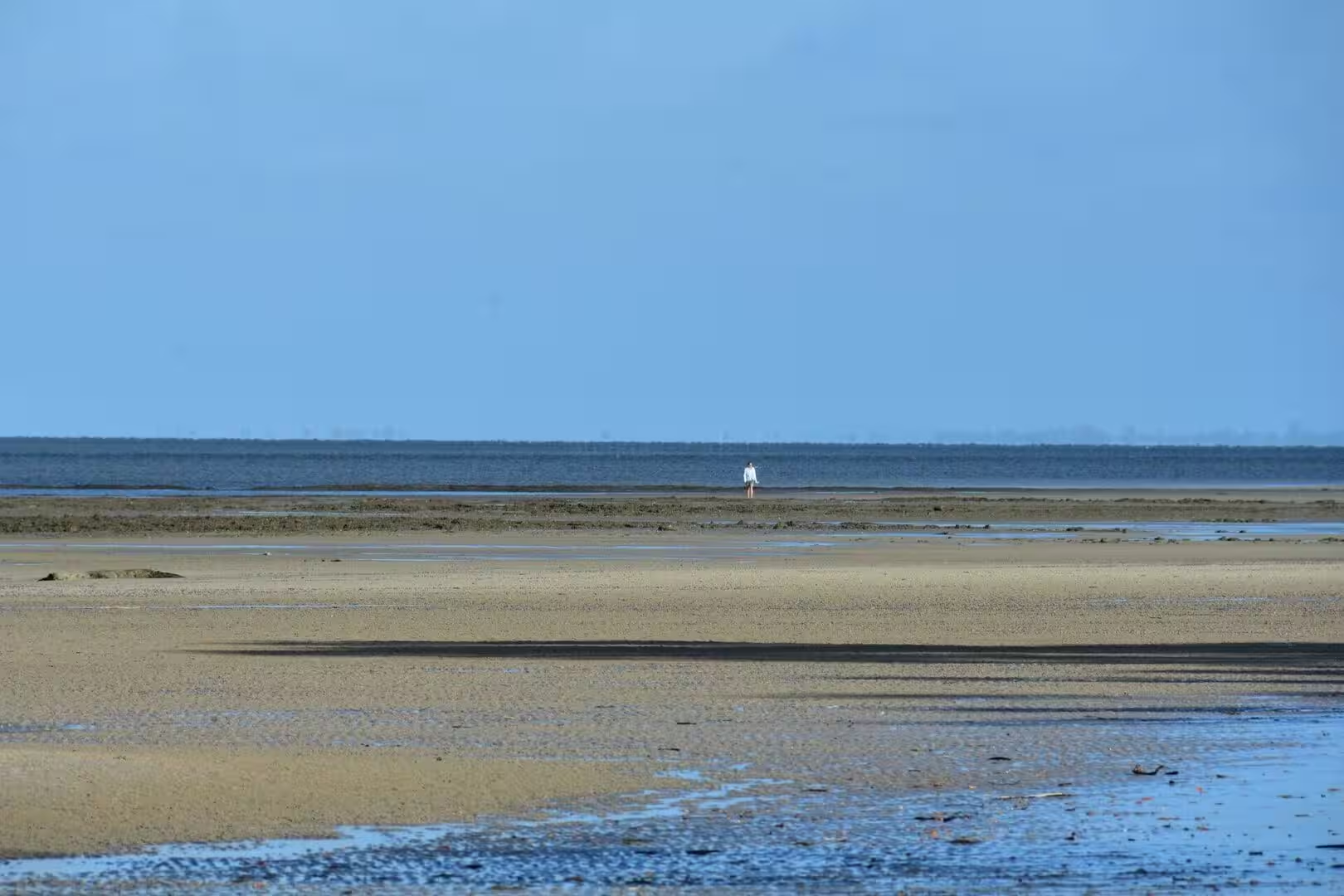
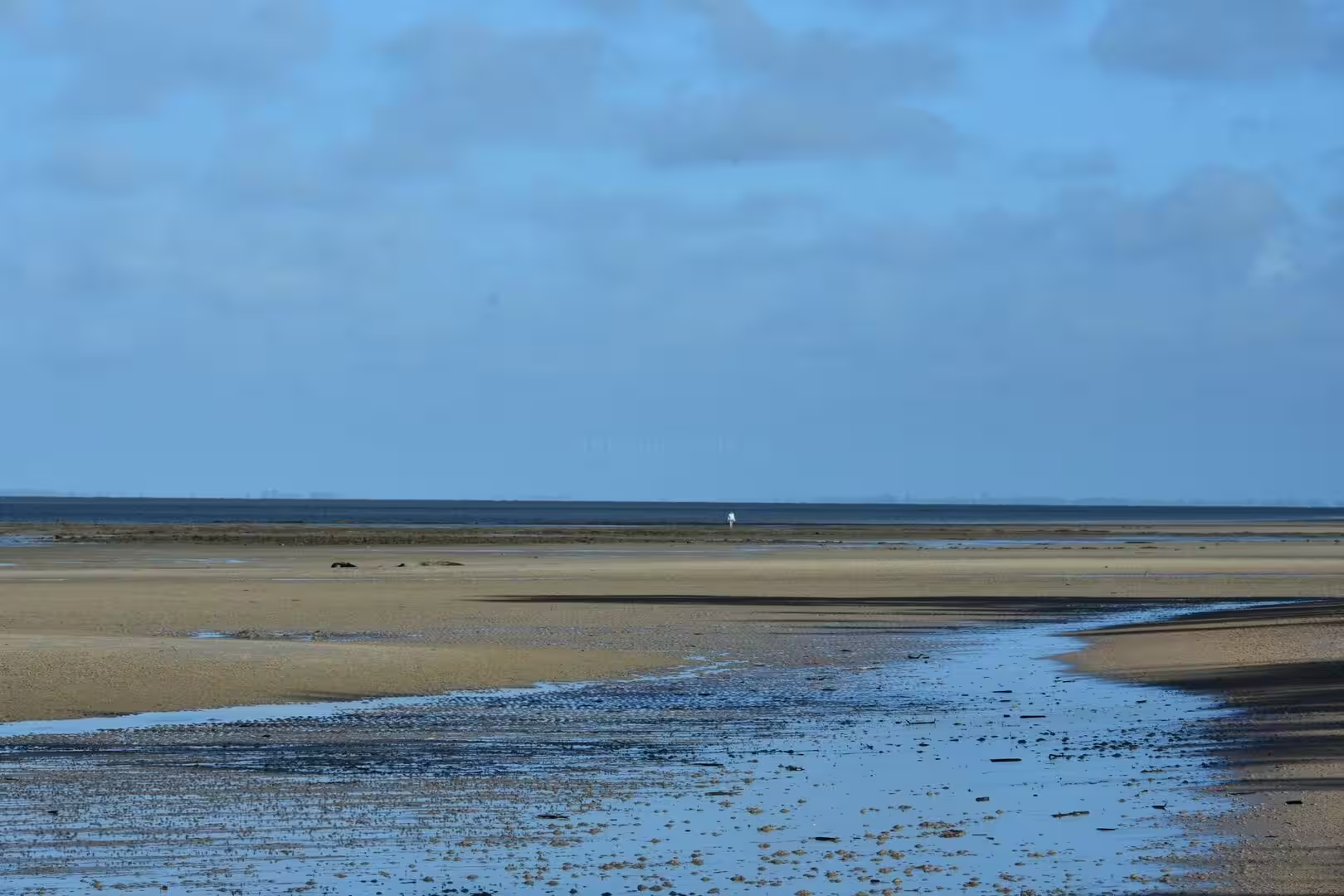
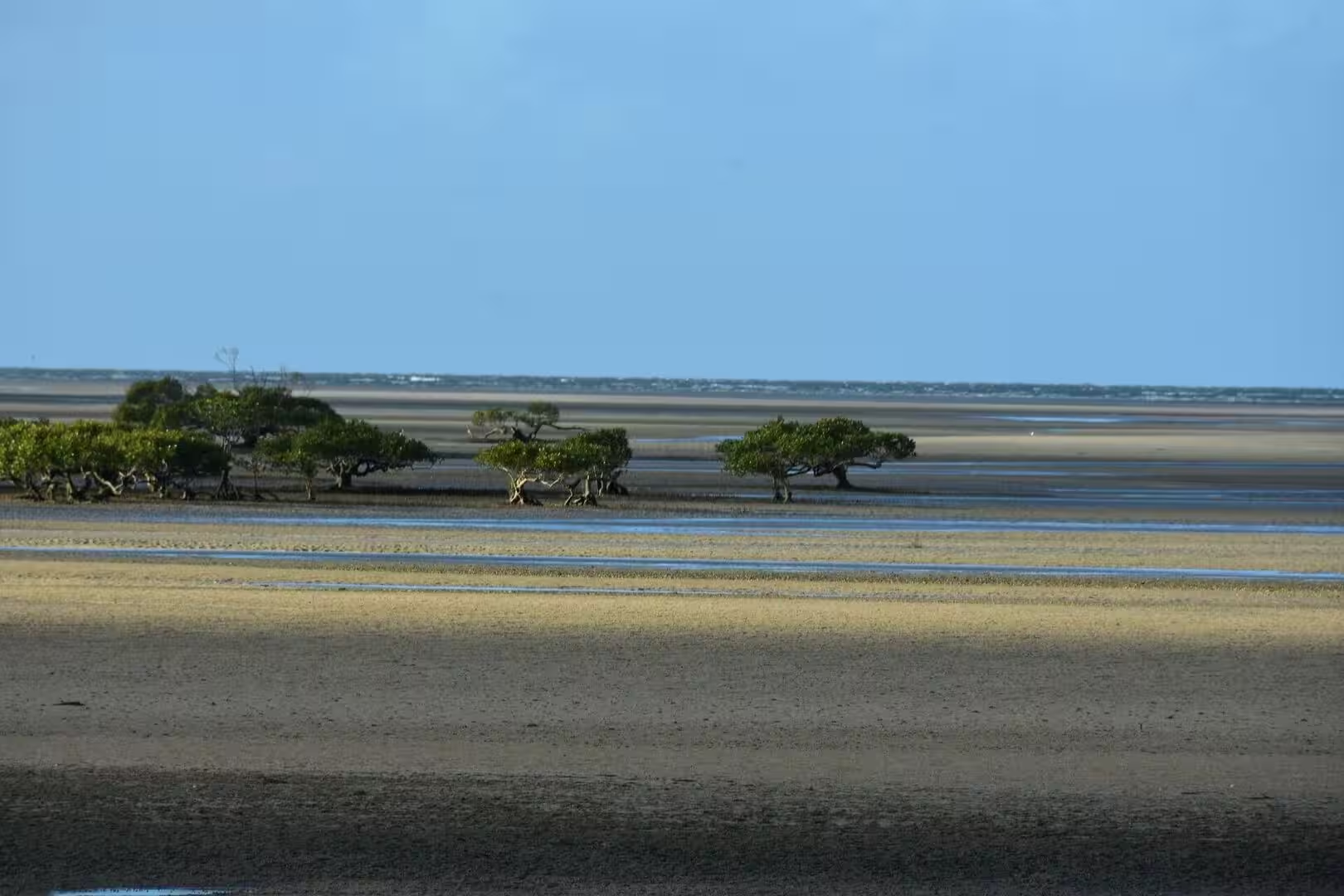
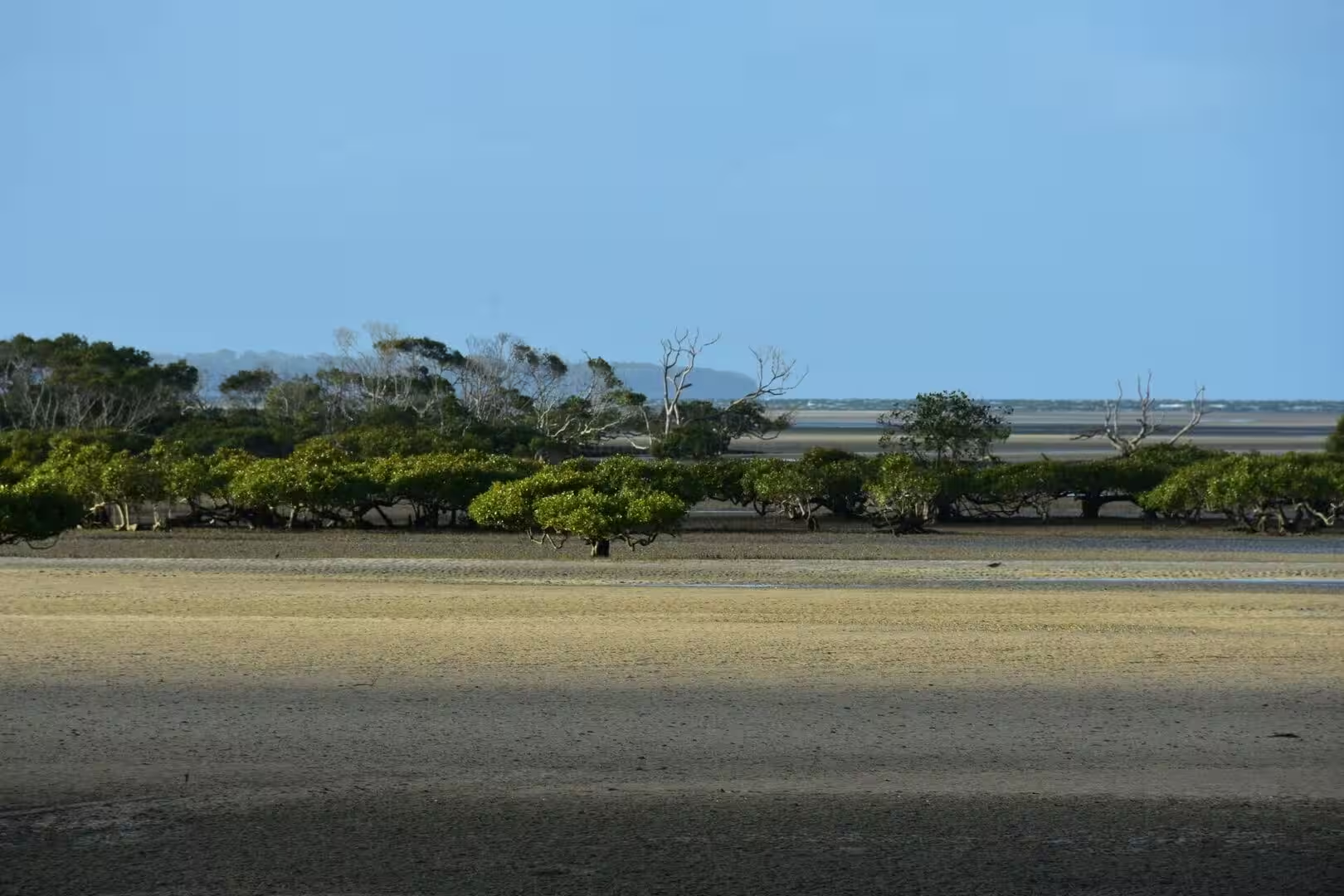
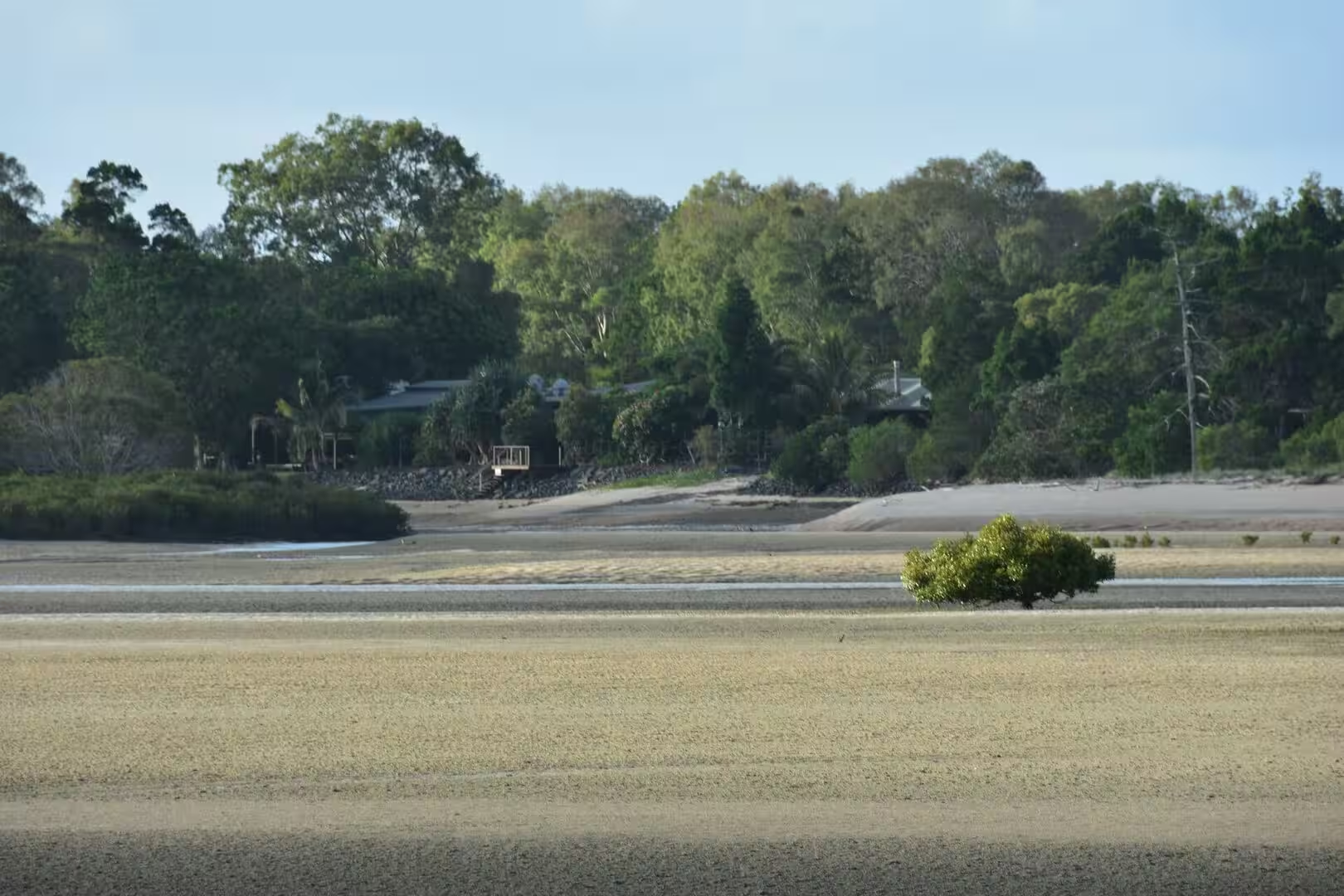
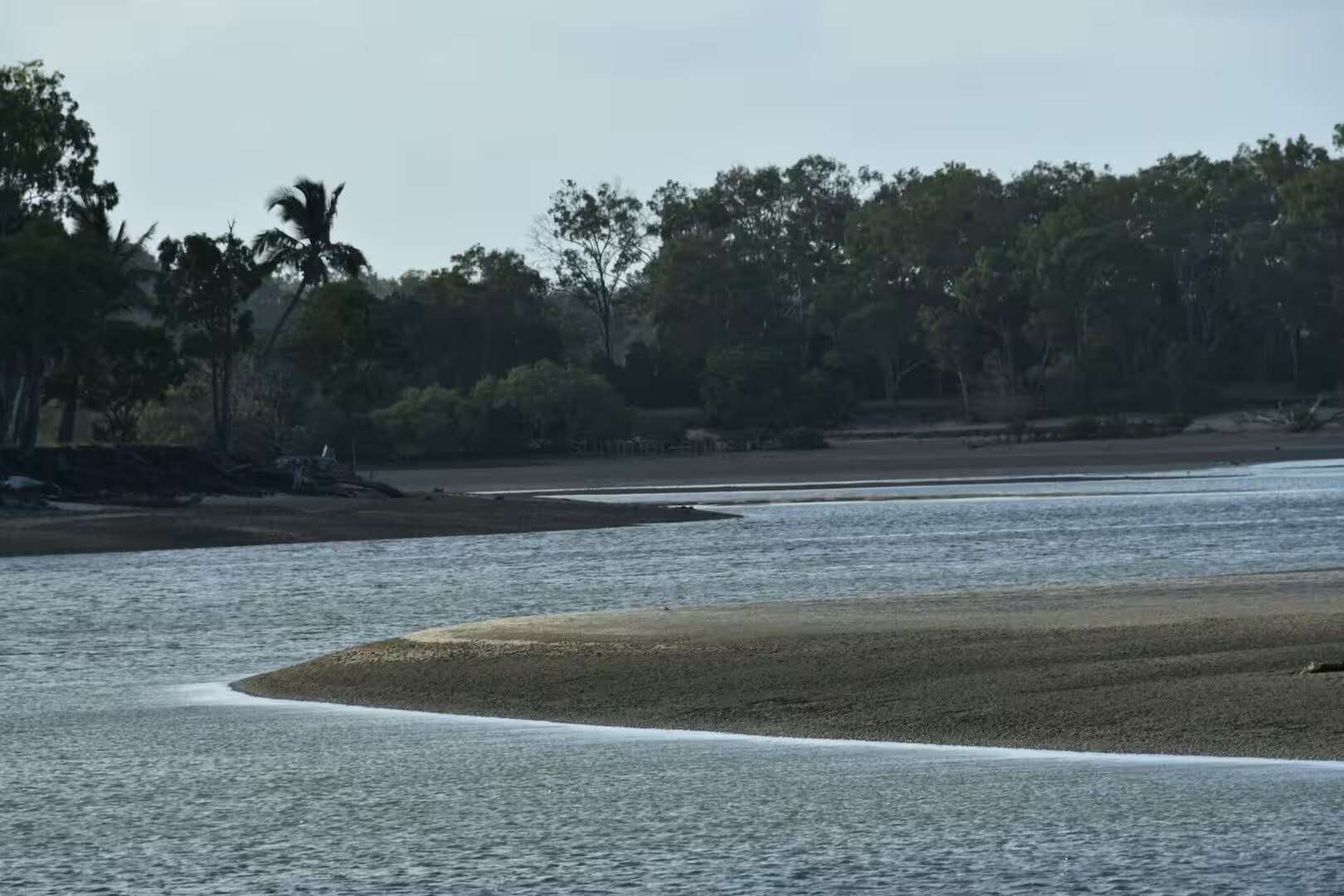
The bay itself is the great common ground of Hervey Bay. Its water is shallow, warm and sheltered, and it draws every kind of quiet recreation: families wade and swim off the sandy beaches, anglers fish from the jetties and from small boats, sailing boats ride at anchor, and jet skis and dinghies cross the open water. At low tide the sea retreats over wide banks of sand, and people walk far out across the firm wet sand with their dogs, between the winding channels of the last water. It is a coast made for unhurried days rather than for surf and spectacle.
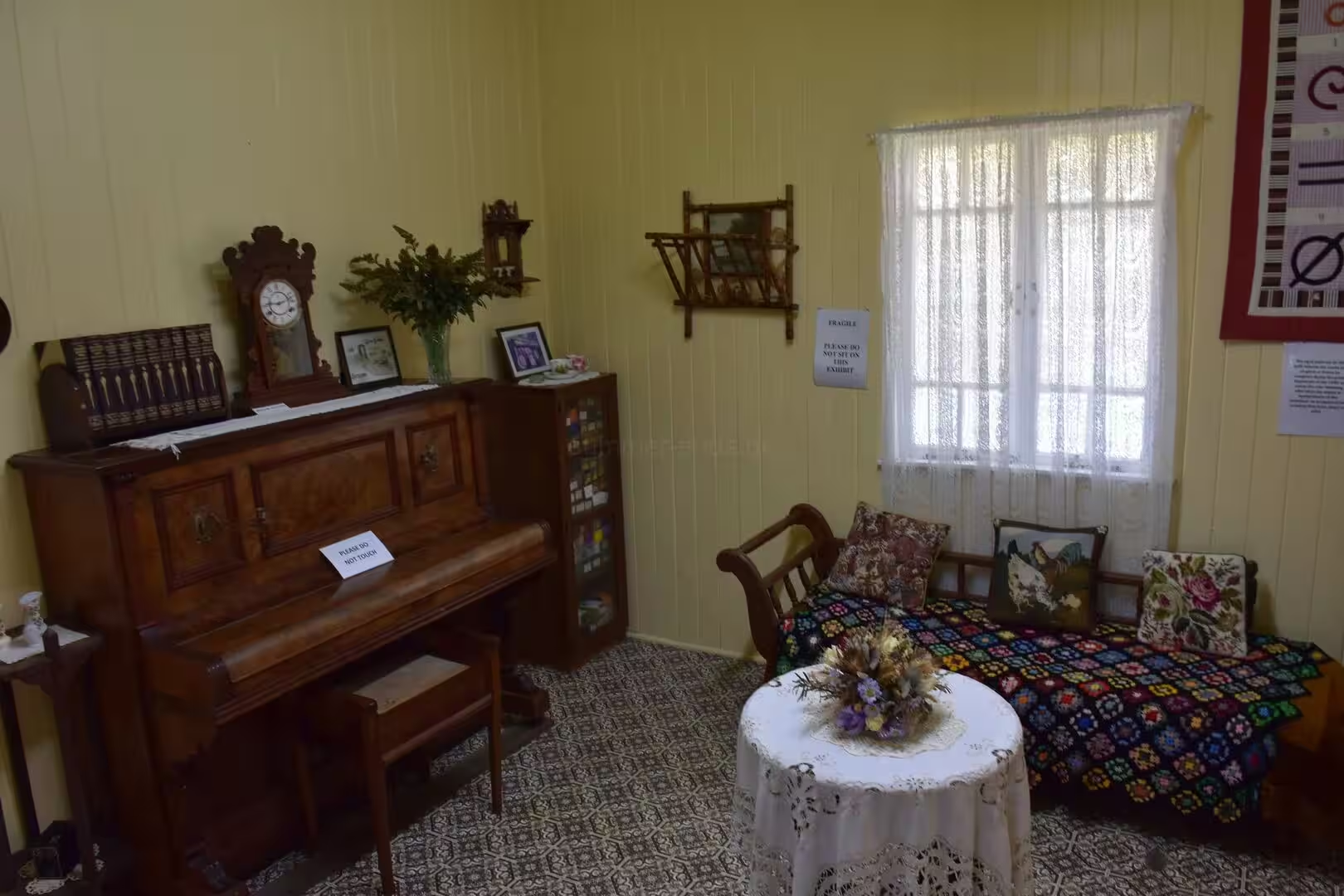
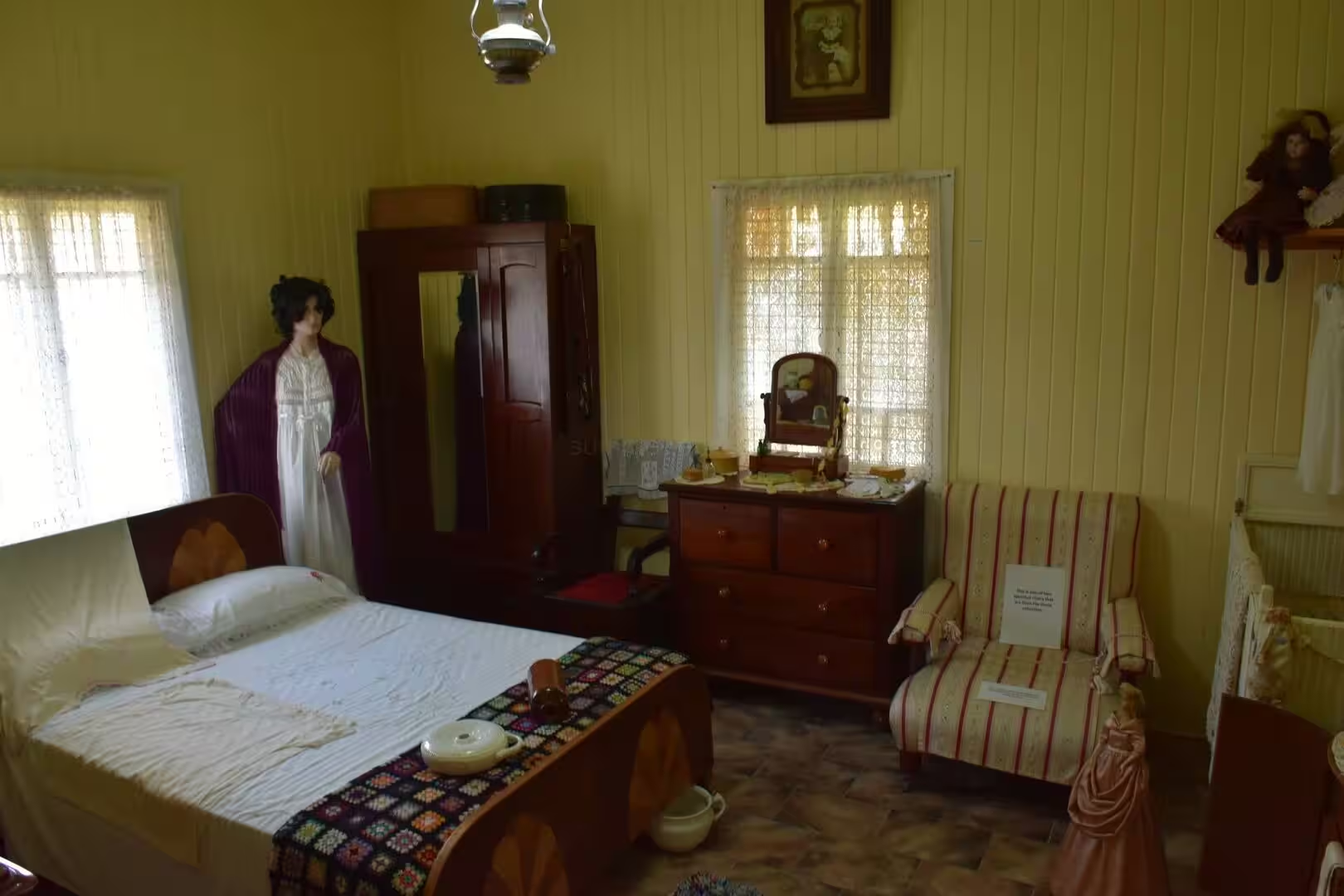
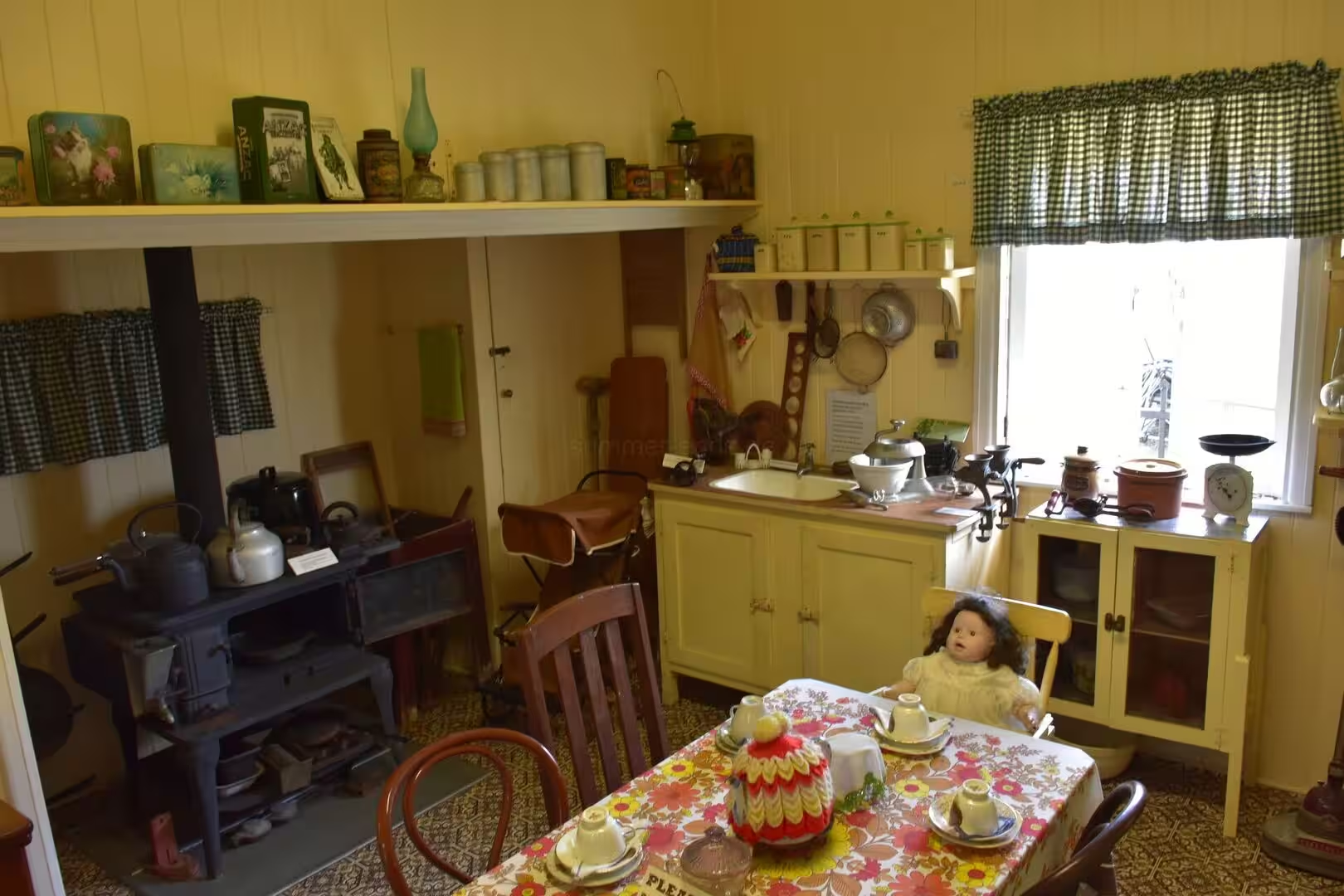
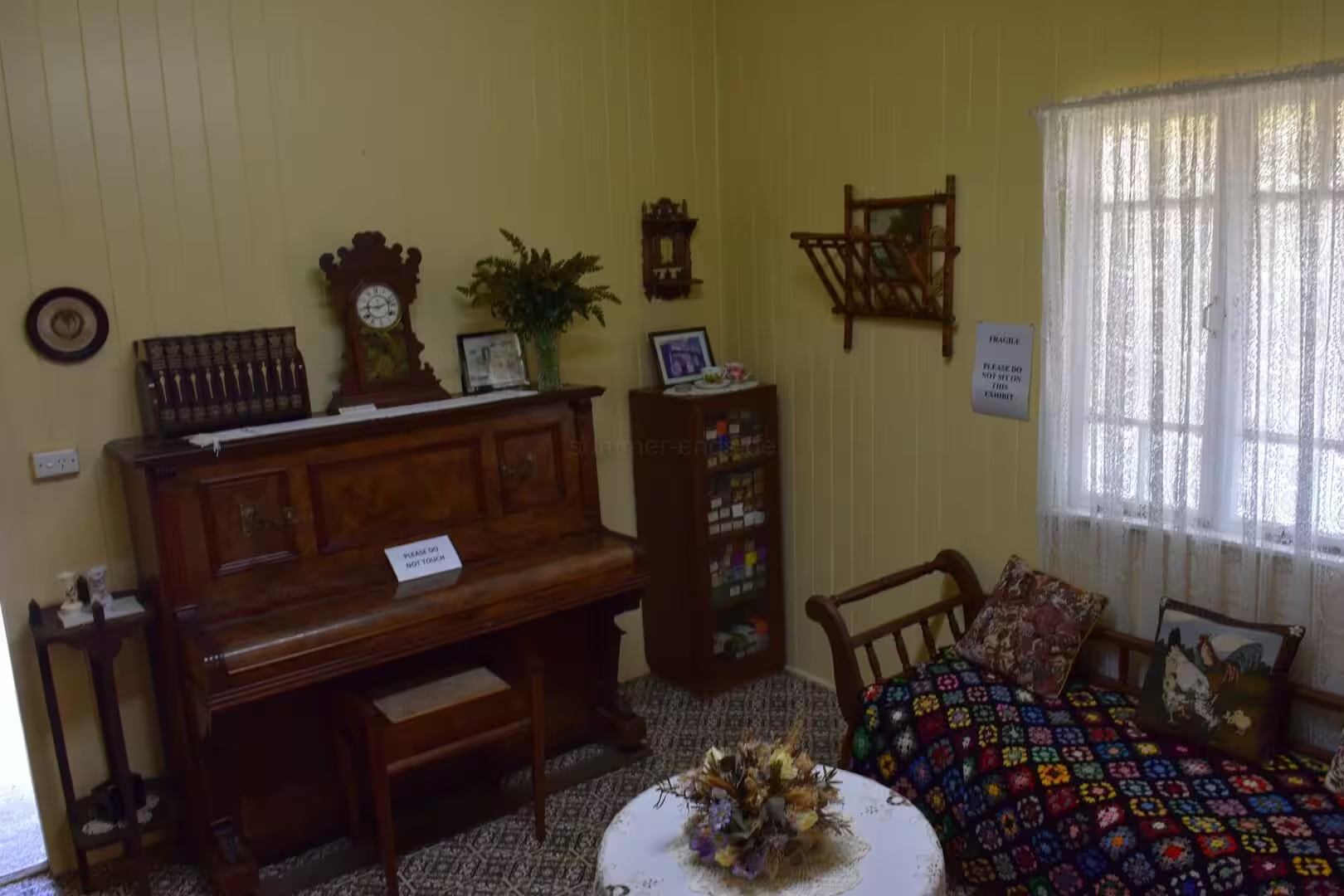
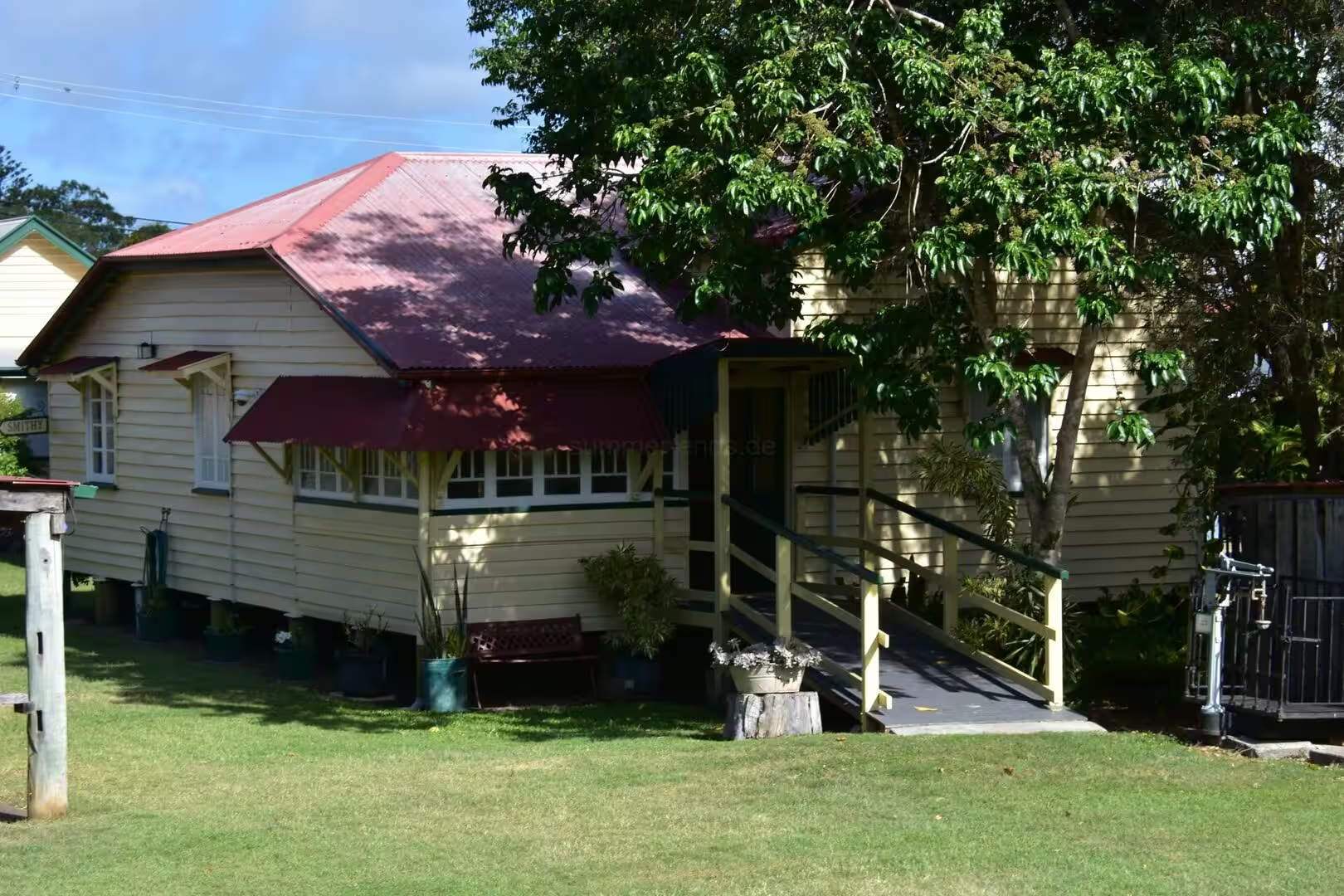
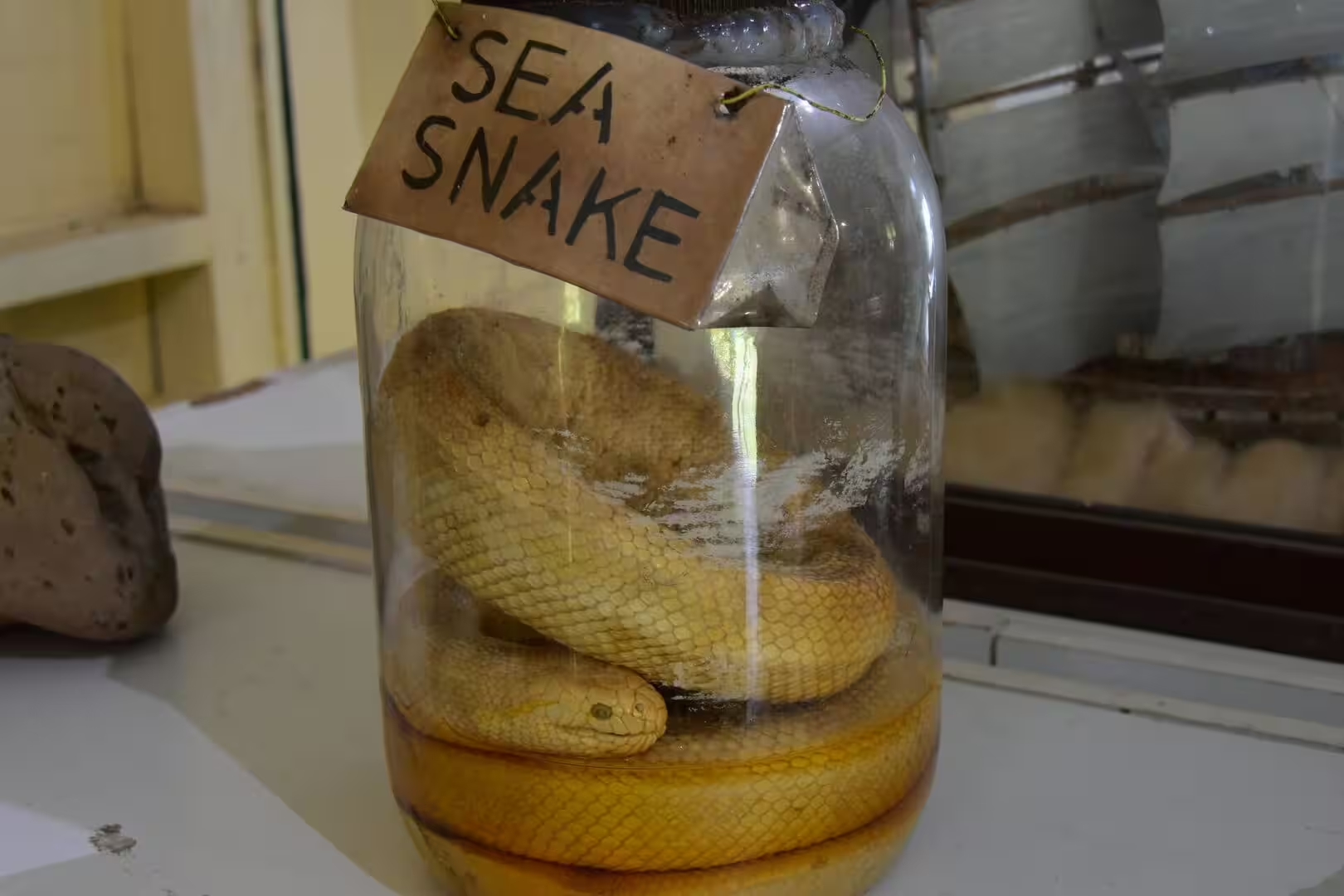
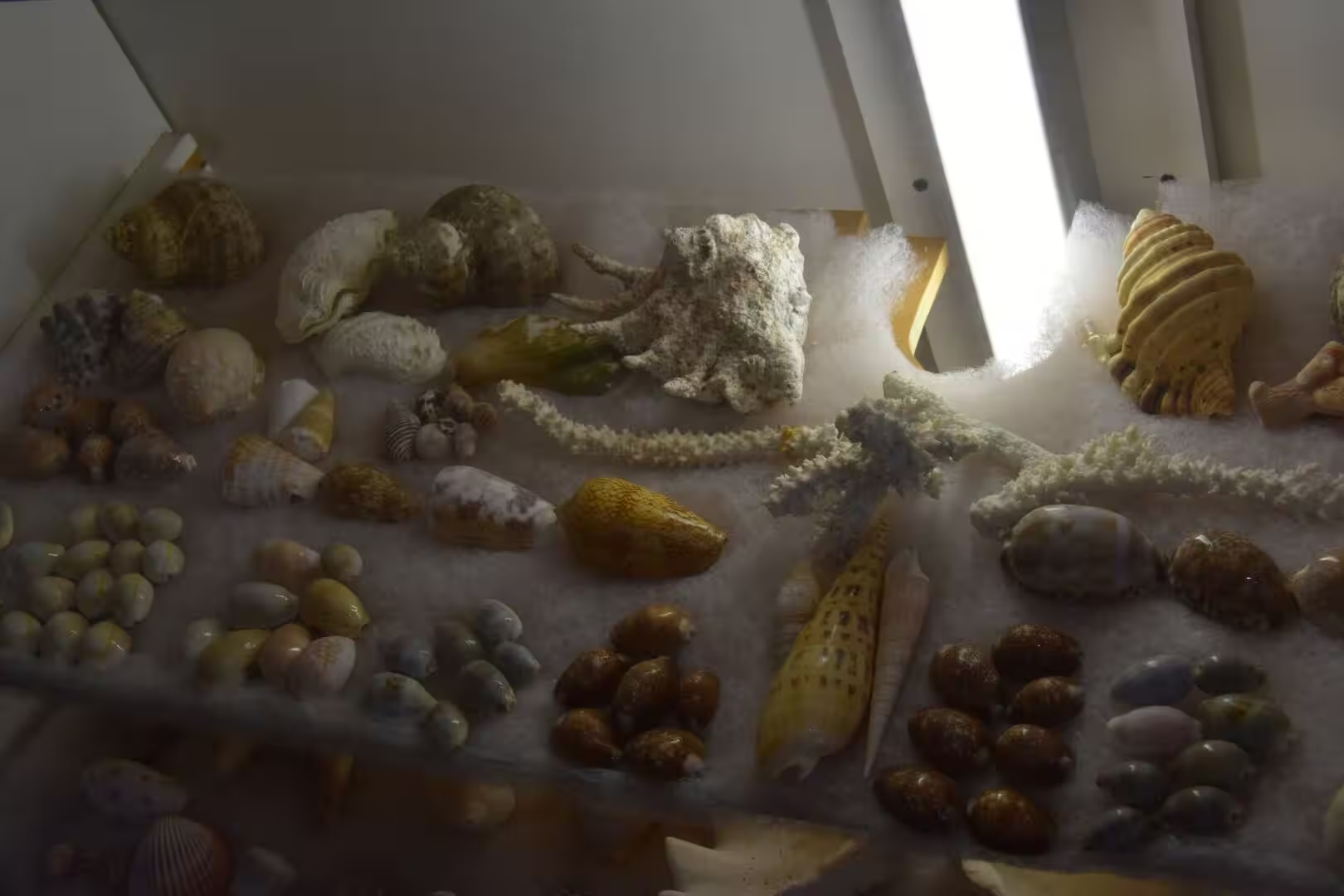
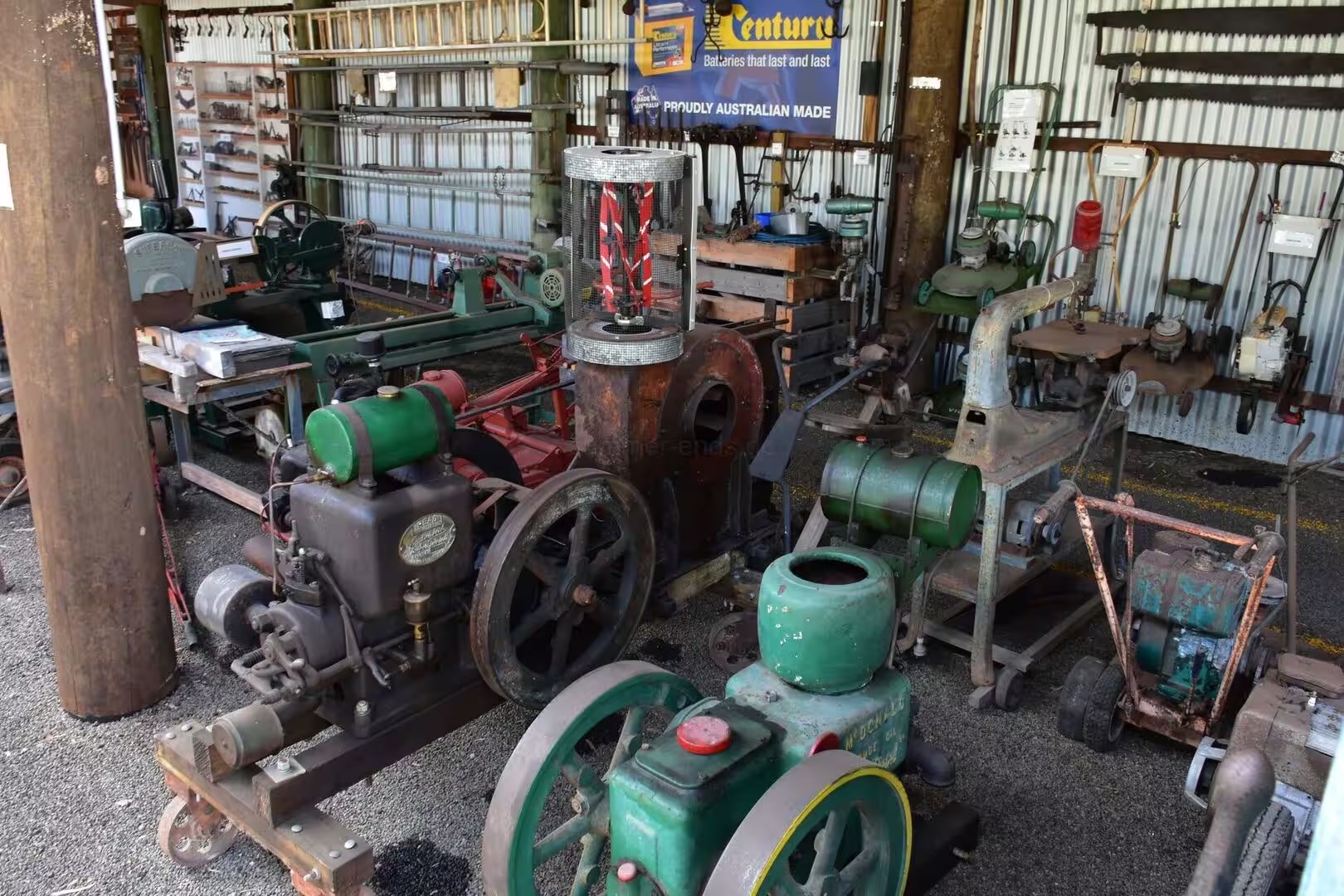
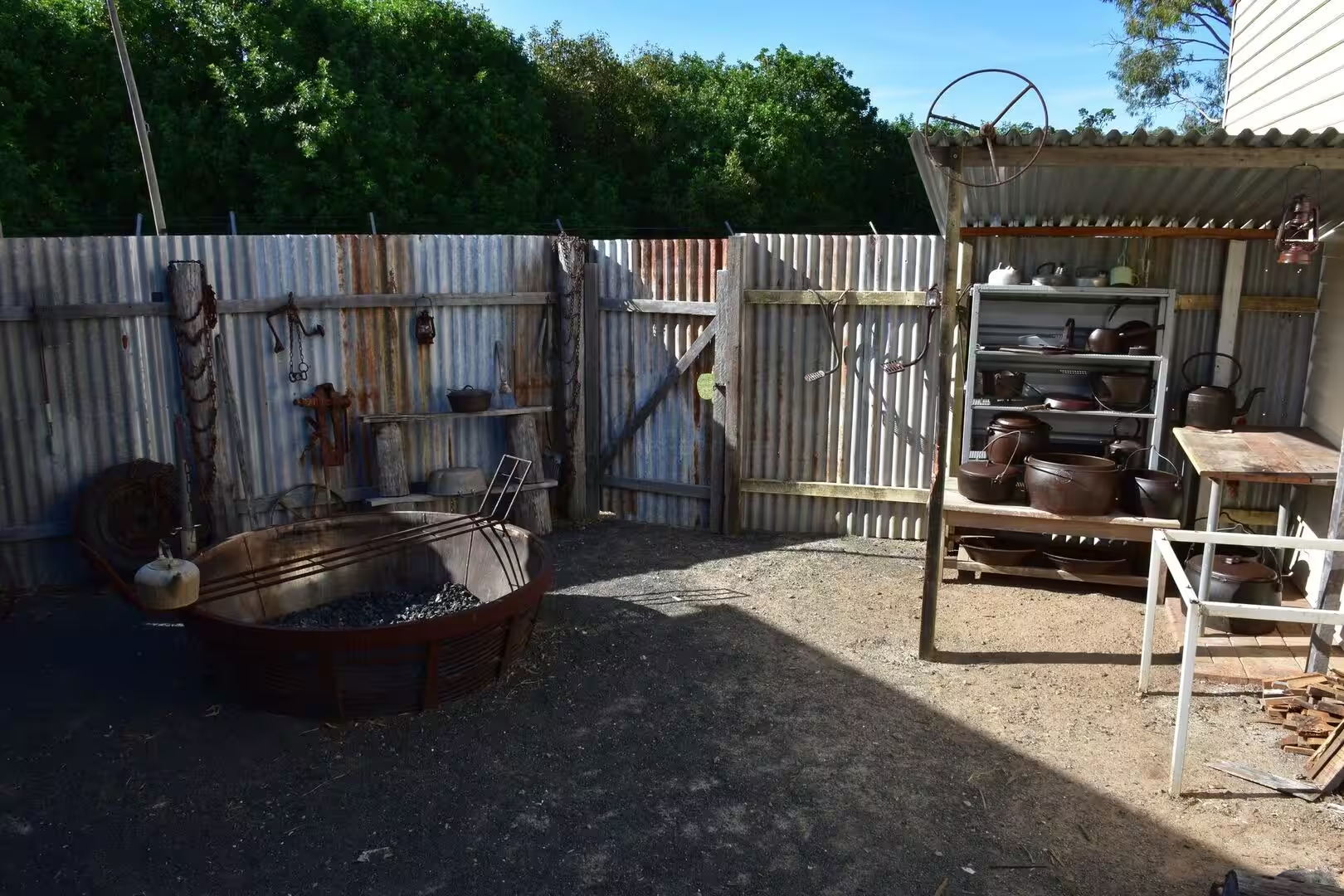
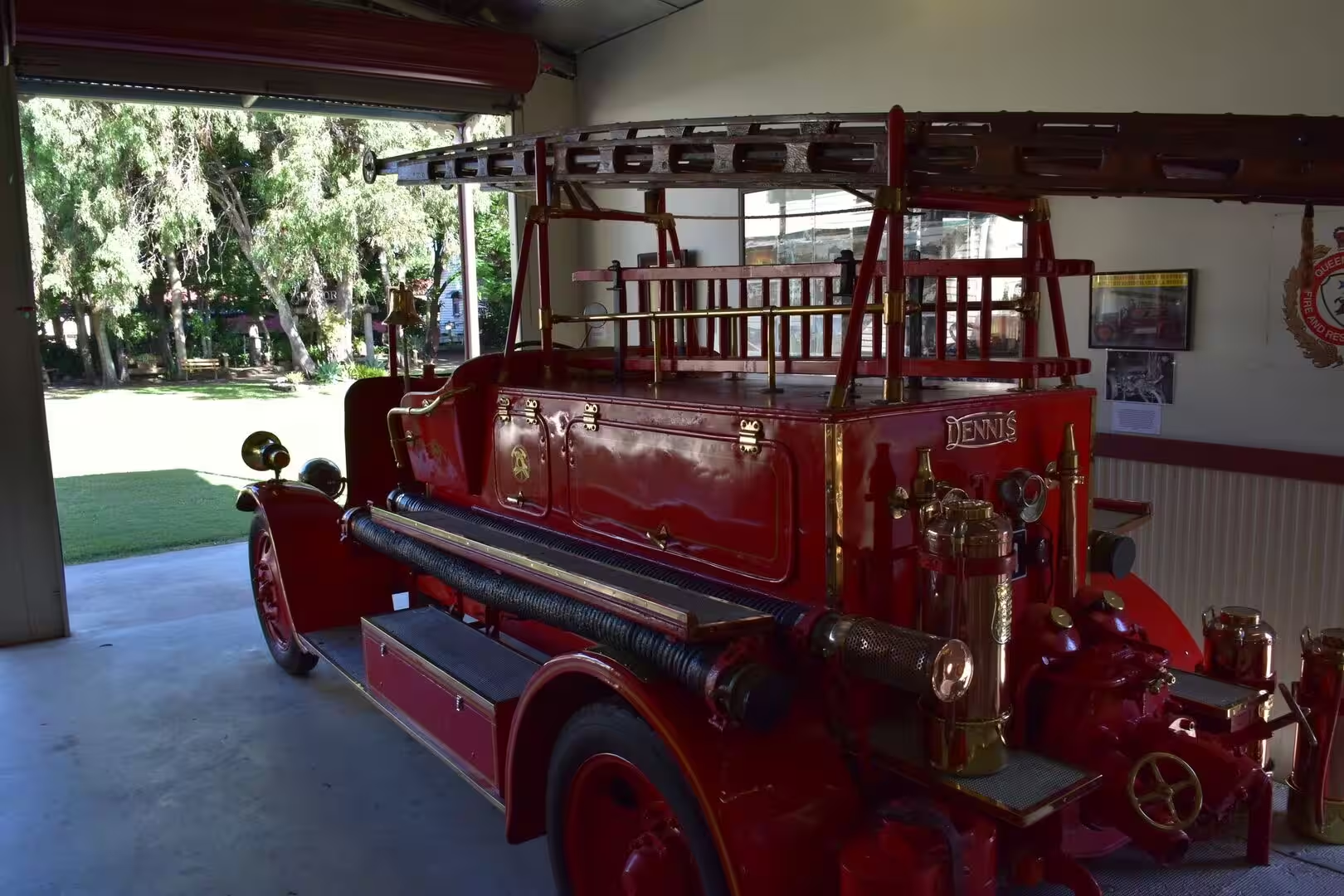
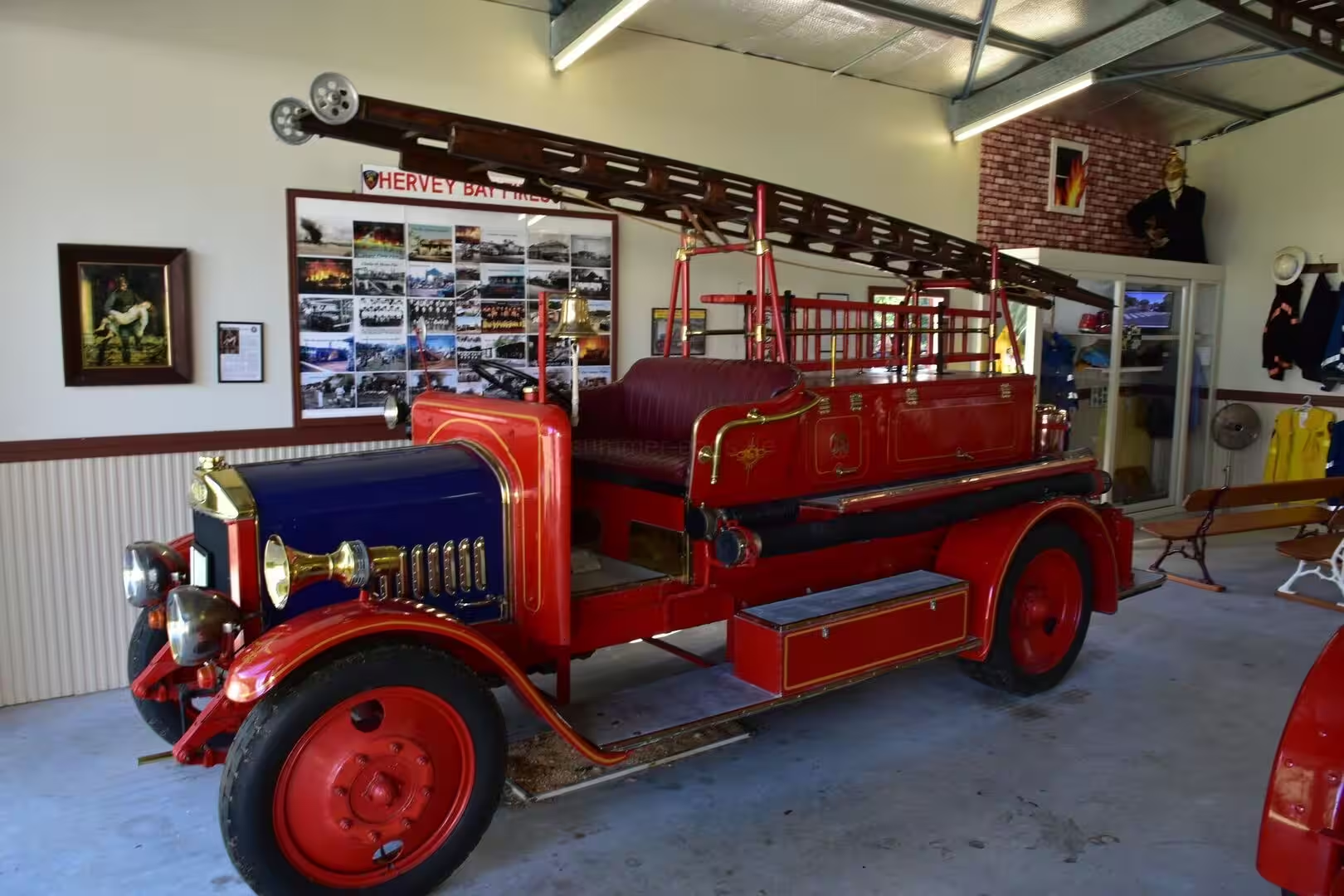
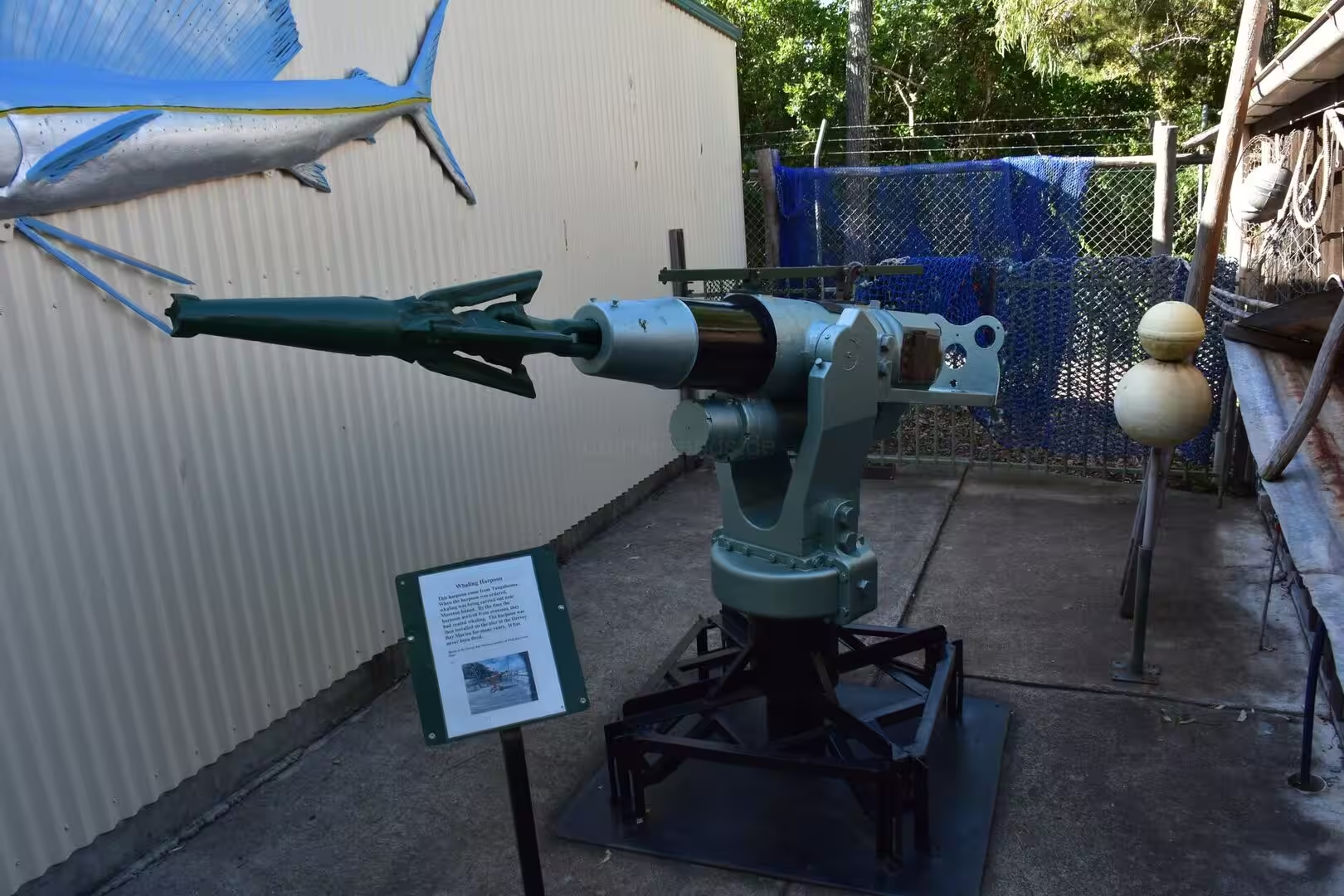
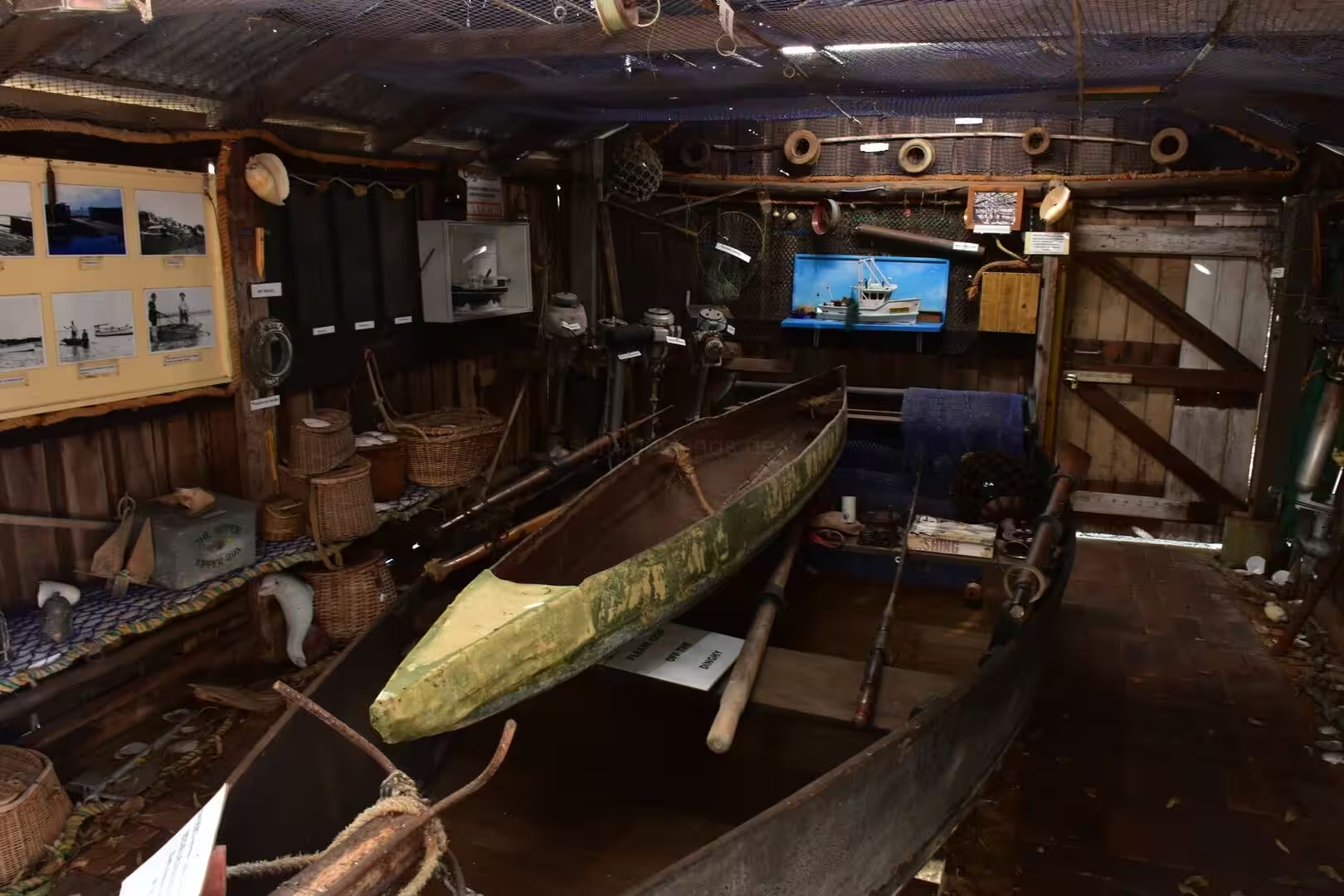
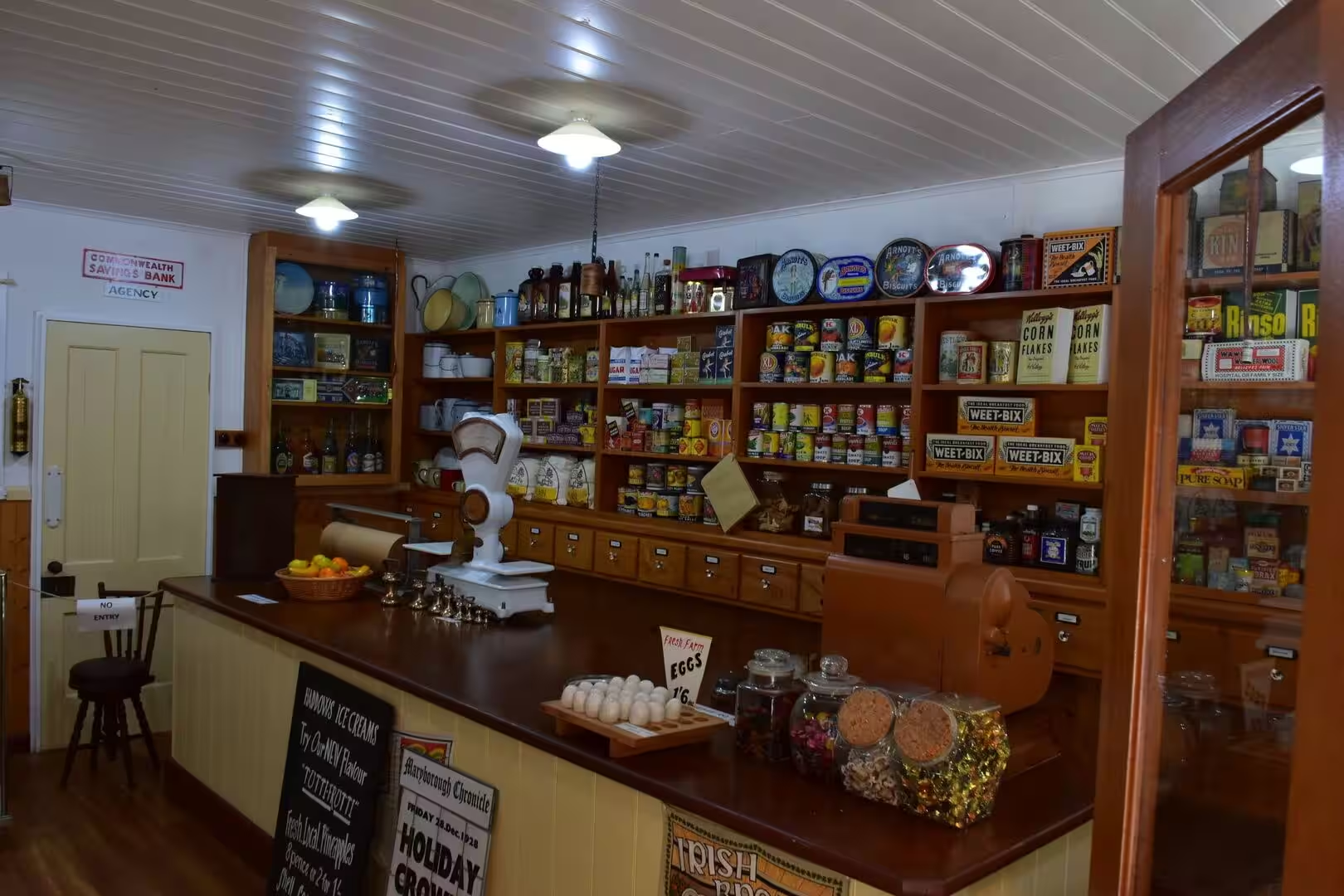
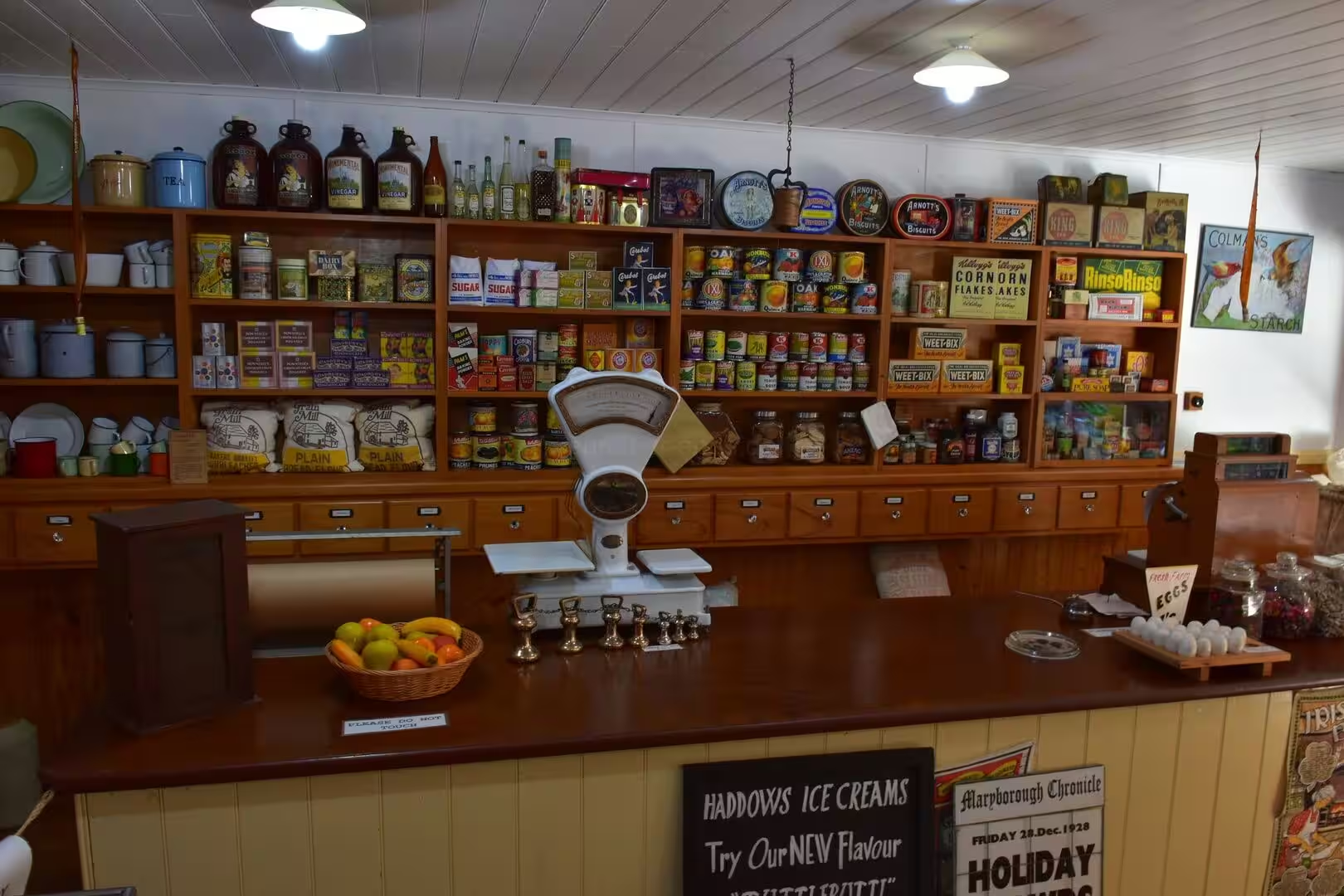
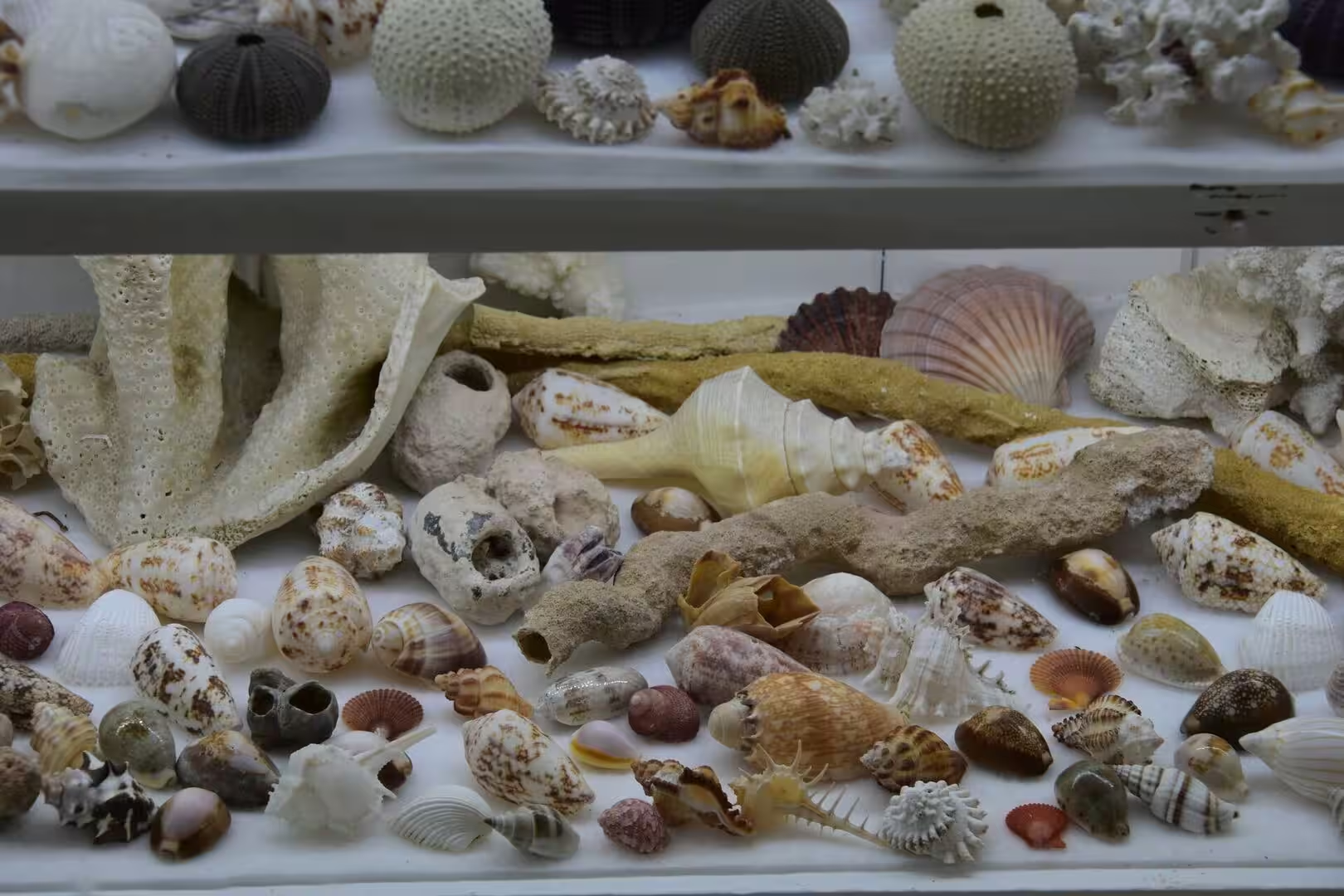
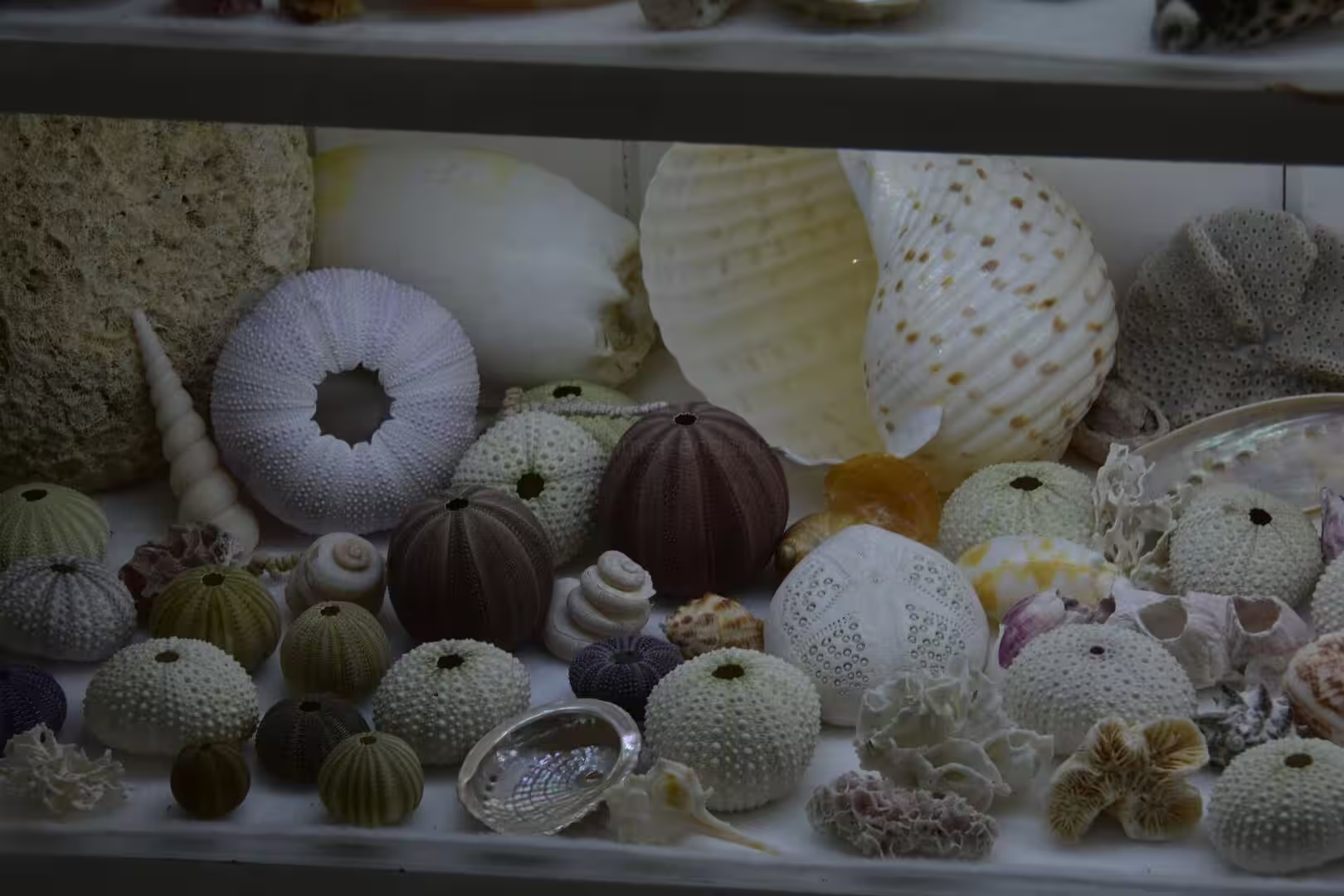
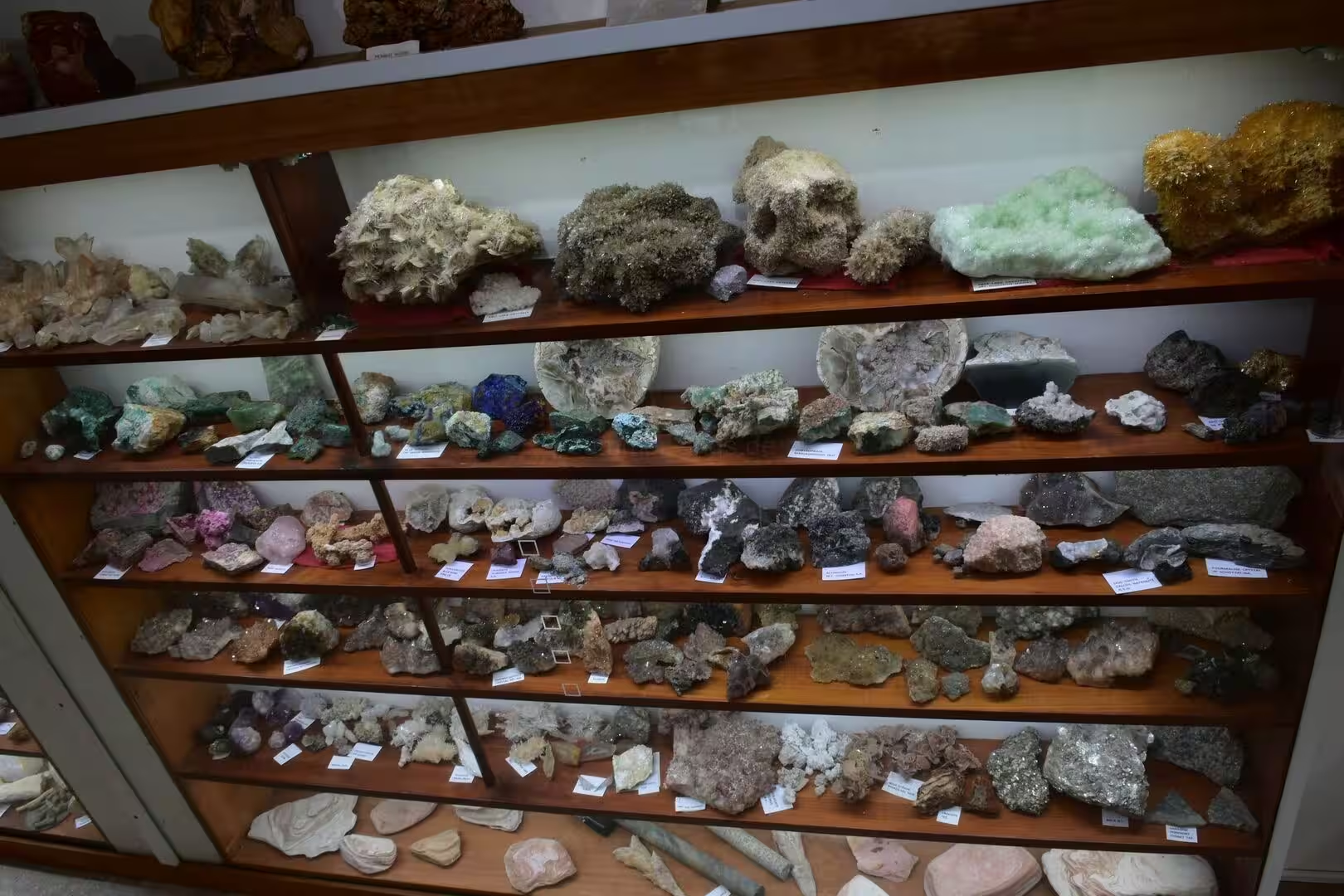
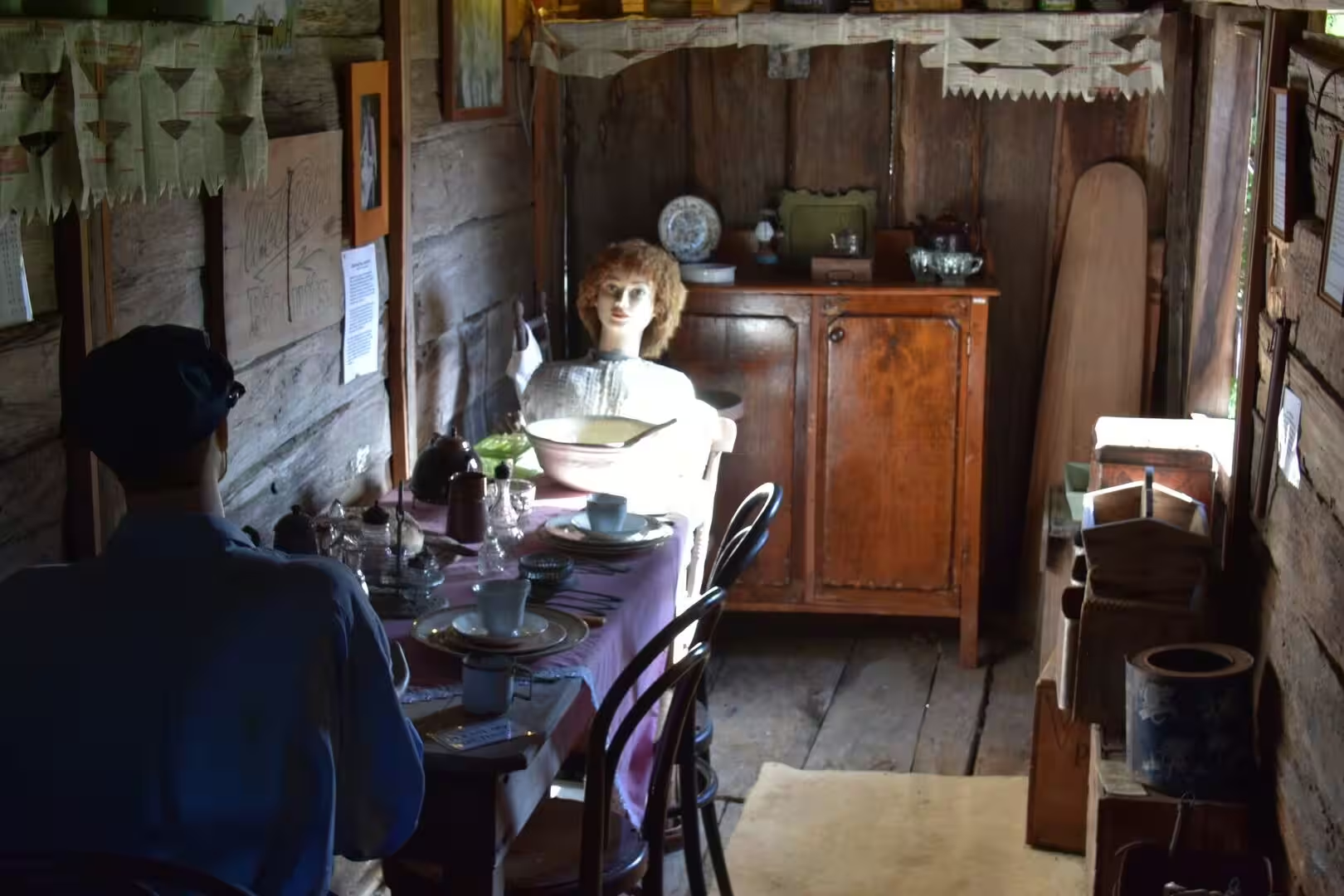
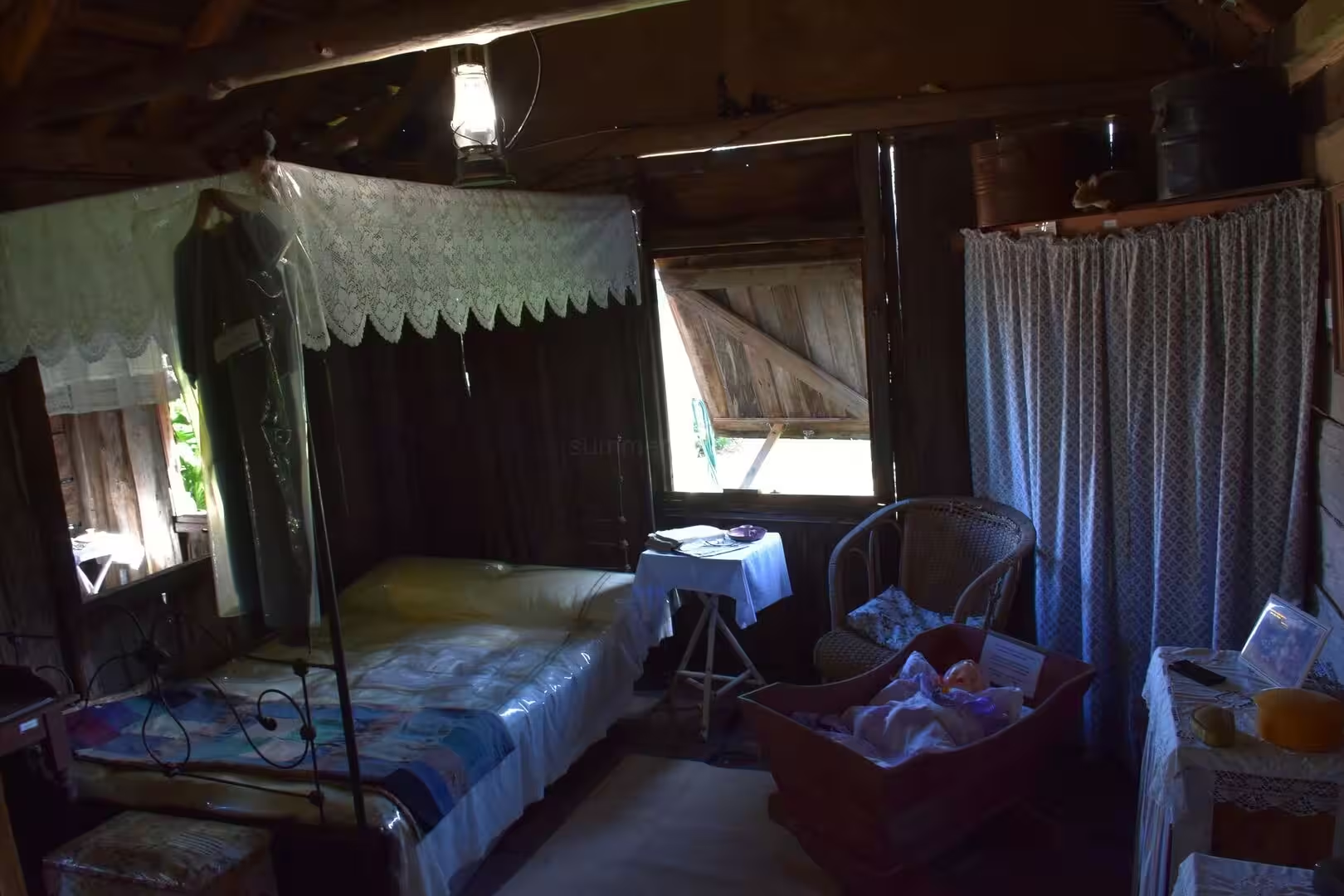
The suburb also guards the memory of the region. The Hervey Bay Historical Village and Museum, on Zephyr Street in Scarness, gathers more than twenty historic buildings and their contents on one leafy site: pioneer cottages and their furnished rooms, a general store, workshops and outbuildings, fire engines, and collections of shells, minerals and maritime relics that reach back to the age of sail and steam. The museum is run by local volunteers, and its weekend demonstrations of the old crafts have made it one of the best loved places of the Fraser Coast.
Hervey Bay does not stand alone. Thirty kilometres to the south-west, on the Mary River, lies Maryborough, the historic river city of the region, and the two neighbours share the identity of the Fraser Coast. Maryborough looks inland and upriver, Hervey Bay looks out across its bay to the great sand island of K’gari, and together they give the region its double character of river port and seaside resort.
History
The coast of the bay and the valley of the Mary River have been inhabited for many thousands of years. The traditional country around Maryborough belonged to the Gubbi Gubbi, also known as the Kabi Kabi, whose lands lay to the west, and to the Batjala, also known as the Butchulla, who held the coast and the great island of K’gari. Evidence of human settlement in the Maryborough region reaches back at least six thousand years, and the Butchulla remained the people of the Hervey Bay shore into the nineteenth century.
The bayside suburbs grew with the railway. Pialba, the oldest settlement of the bay, dates from 1863, but for decades the coast was reached only by road and sea. In 1896 the railway line from Maryborough reached Pialba, and in 1913 it was extended along the shore through Scarness to Urangan, where the long pier carried the coal trade of the Burrum fields. Scarness had its own railway station on this line, and the train brought the first generations of holidaymakers to the bay. The line was officially closed in 1993, and part of its course from Pialba through Scarness to Urangan now lives on as a rail trail for walkers and cyclists. Scarness itself developed as a place of seaside recreation: its band rotunda was built in 1926, and from the 1930s until 1990 a roller skating rink stood on the foreshore.
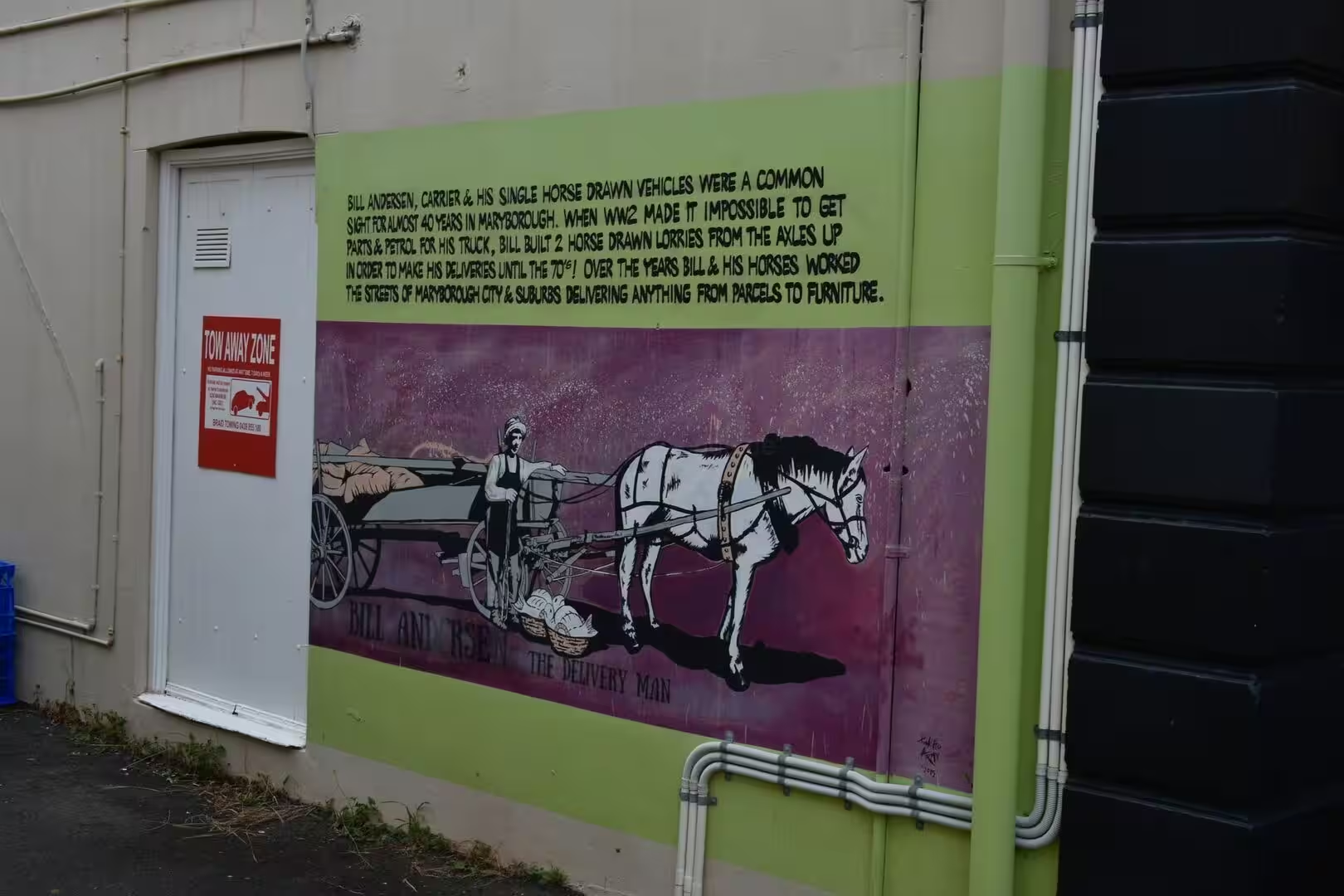
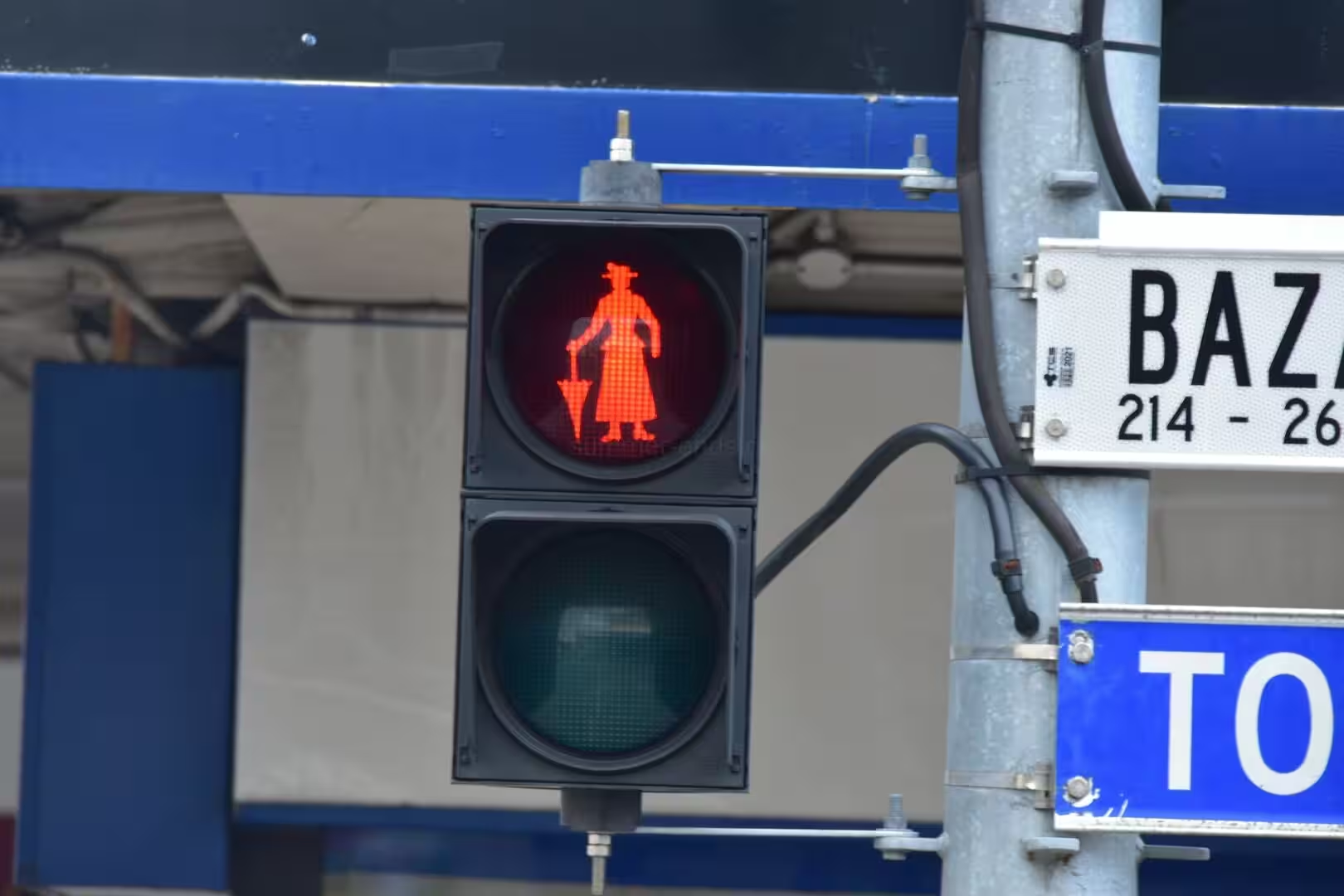
Maryborough tells an older and grander story. The town was founded in 1847, when George Furber established a small wool depot on the banks of the Mary River, and the first land sales followed in 1852. The river and the town were named after Mary Lennox, the wife of the Governor of New South Wales. Maryborough was proclaimed a municipality in 1861 and became a city in 1905. In the second half of the nineteenth century it was a major port of entry for immigrants arriving in Queensland, and at the height of its fortunes it was the largest port of the colony, receiving wool, meat, timber and sugar from the wide hinterland. The writer P. L. Travers, author of the Mary Poppins books, was born in the town in 1899, above her father’s bank in the centre of Maryborough.
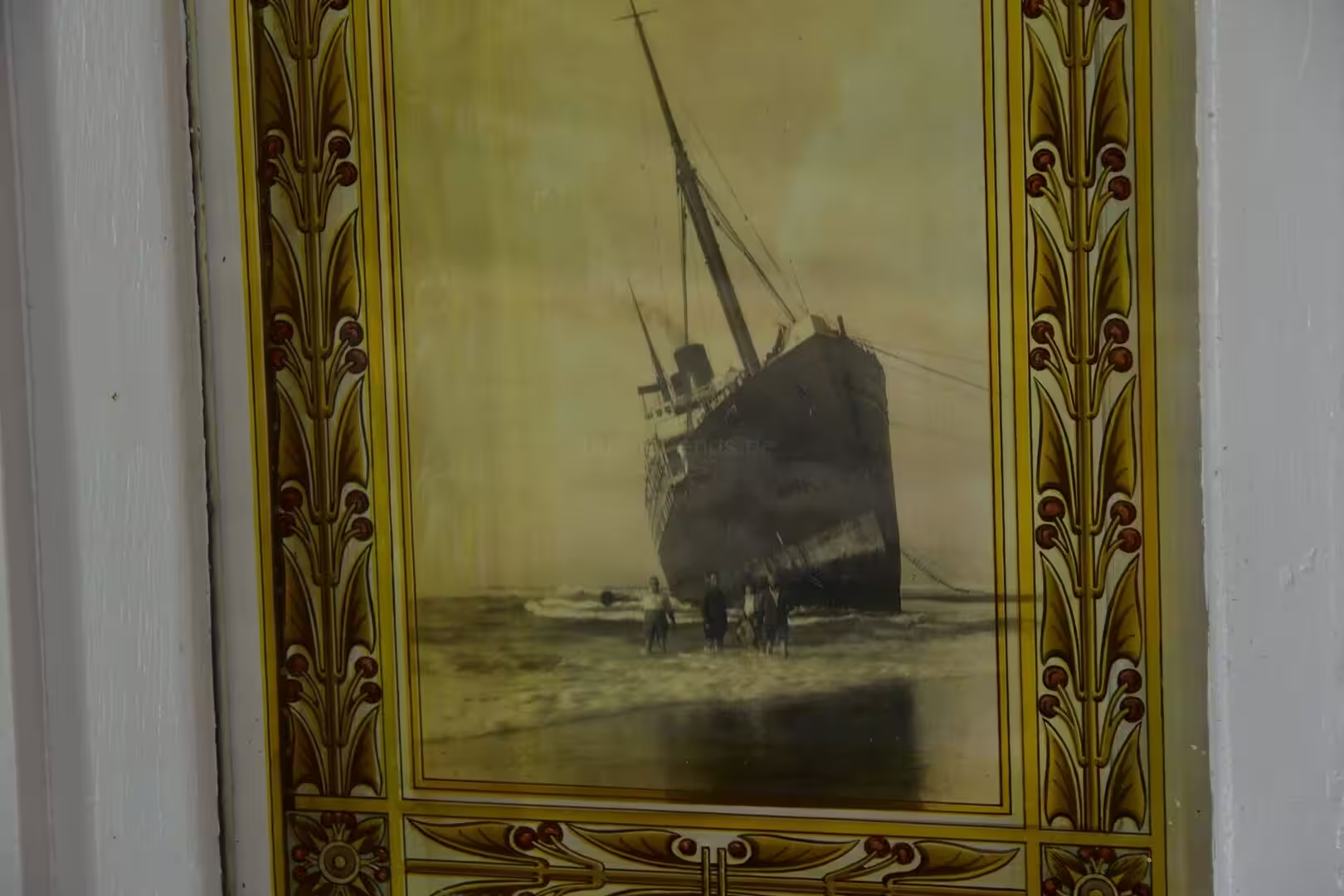
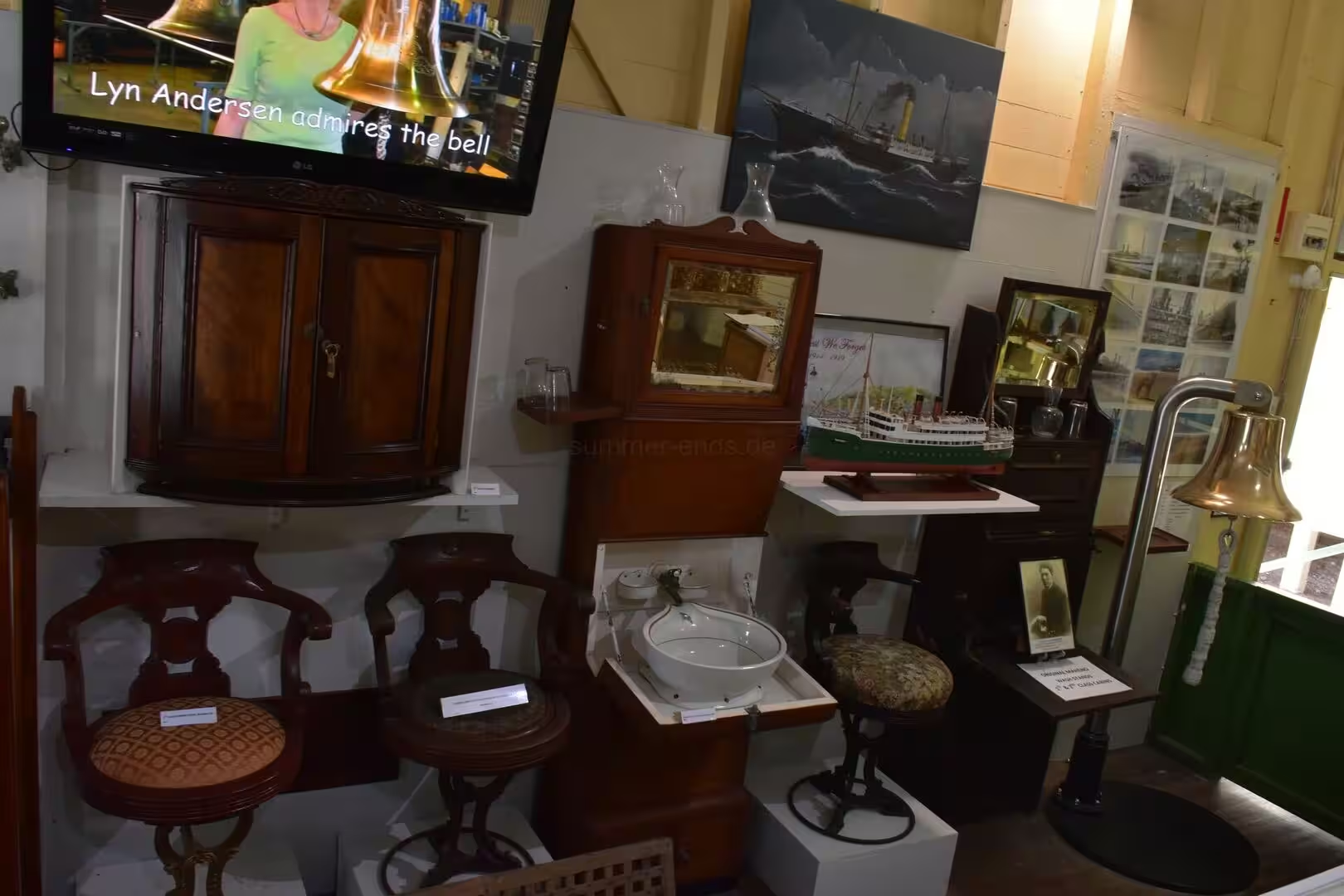
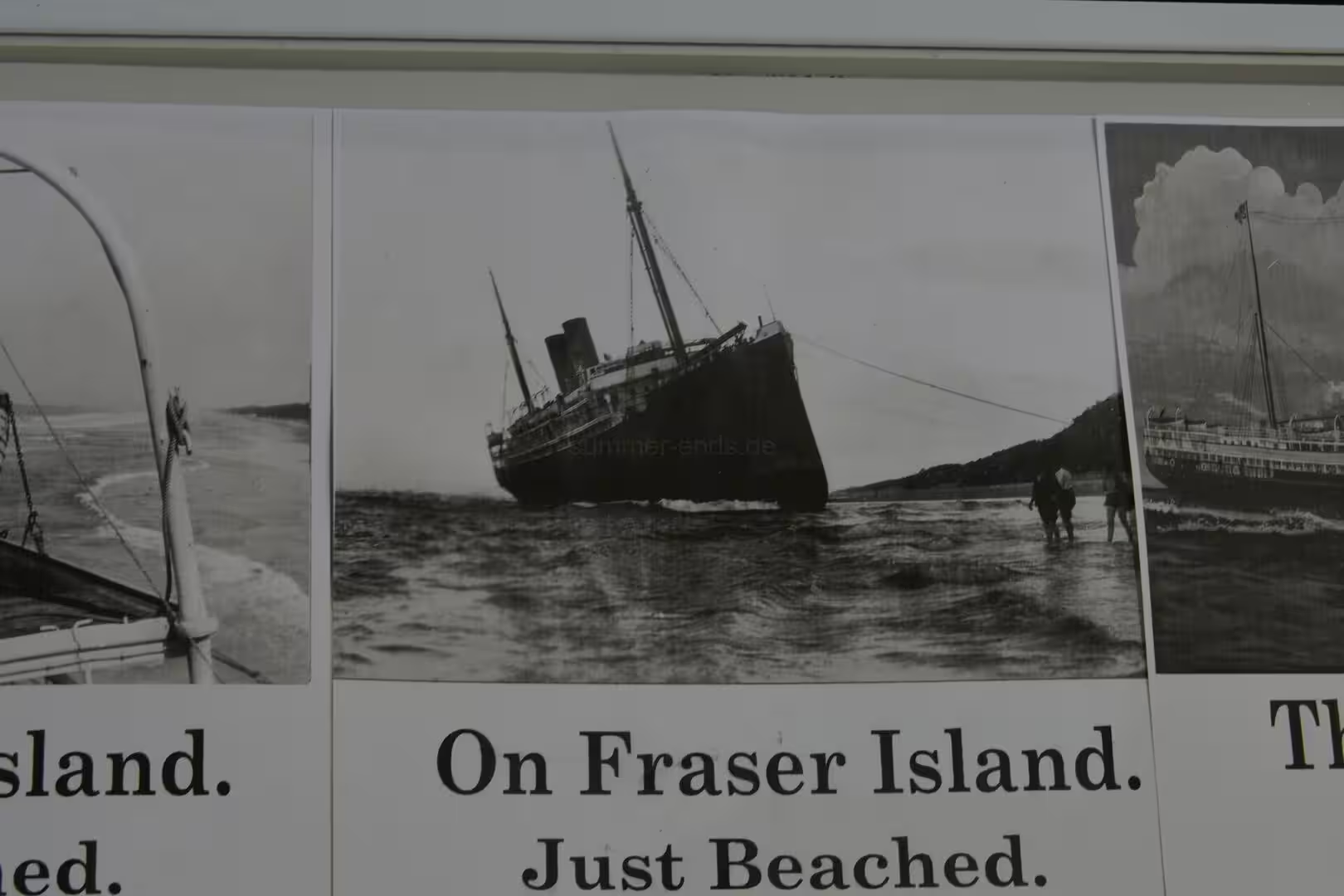
The museum of Scarness keeps the memory of a famous ship of these waters. The steamer Maheno was built in 1905 at Dumbarton in Scotland for the Union Steam Ship Company of Dunedin and ran the passenger service between New Zealand and Australia. During the First World War she served as a hospital ship, carrying the wounded of the Gallipoli campaign from the Dardanelles to the hospitals of Malta. Her life ended in July 1935: sold to Japanese shipbreakers, she left Sydney under tow for Osaka on 3 July and was found beached on the coast of K’gari on 10 July 1935. The wreck was never refloated; stripped of her fittings, she still lies on the eastern beach of the island, and the models, paintings and relics of the Historical Village tell her story to the visitors of Hervey Bay.
Modern Hervey Bay took shape in the late twentieth century. The suburb of Scarness received its official name in 1980, Hervey Bay was proclaimed a city in 1984, and the communities of the shore grew into one continuous coastal town. The Historical Village of Scarness was built up over the same decades by the local volunteers, as the pioneer past of the region was gathered, building by building, into a single place of memory. Today the bay looks forward as well as back, to the whales of winter, the ferries of K’gari and the steady life of a Queensland coastal city.
Geology
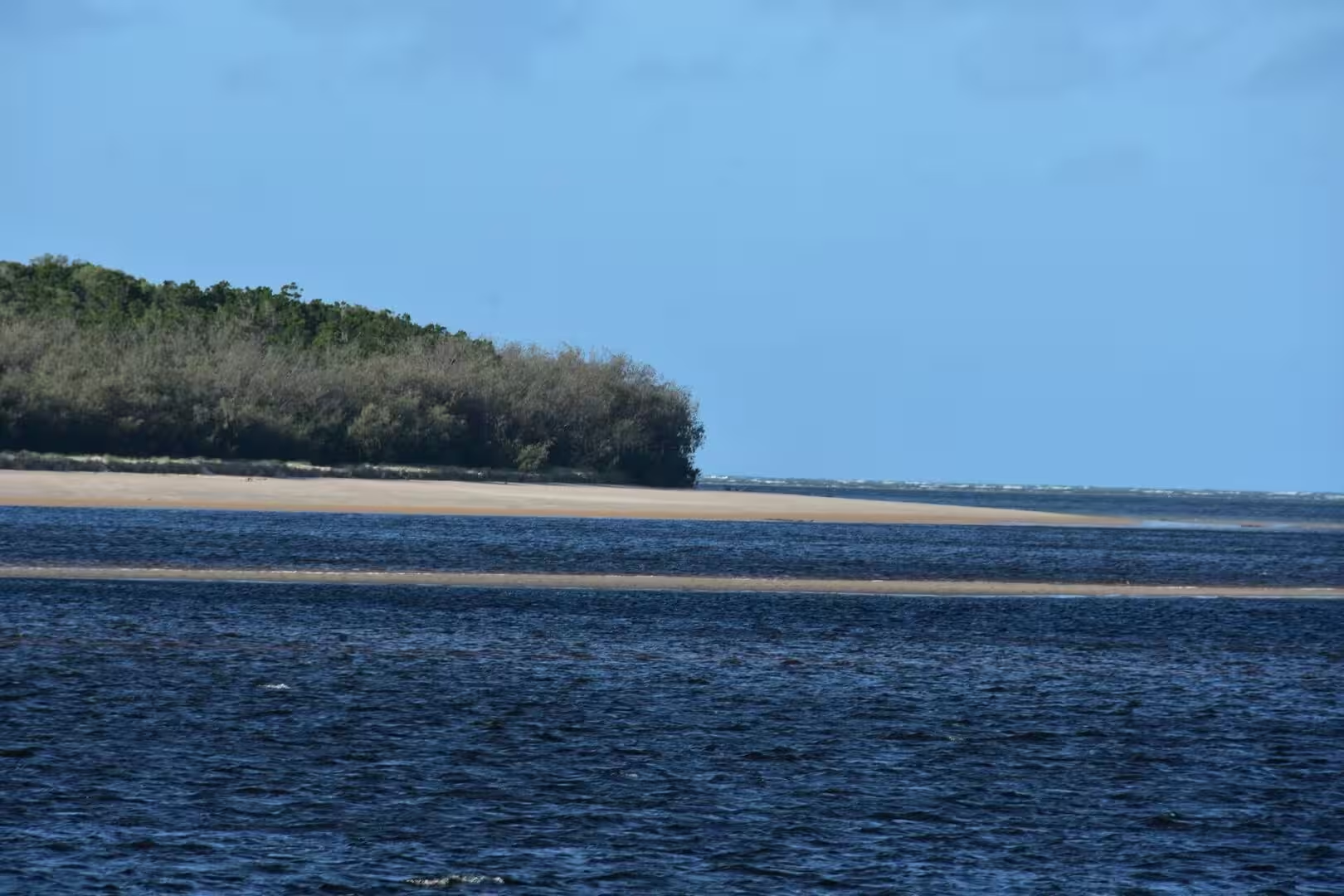
The bay of Hervey Bay is one of the most sheltered stretches of water on the Queensland coast. It opens to the north and is closed to the east and south by the vast sand island of K’gari, a World Heritage listed island of dunes, lakes and rainforest that was once joined to the mainland and became an island only when the rising seas of the last ten to twenty thousand years cut it off. Between the island and the coast, the water of the bay lies shallow and quiet, and the open ocean reaches it only around the northern end of the island.
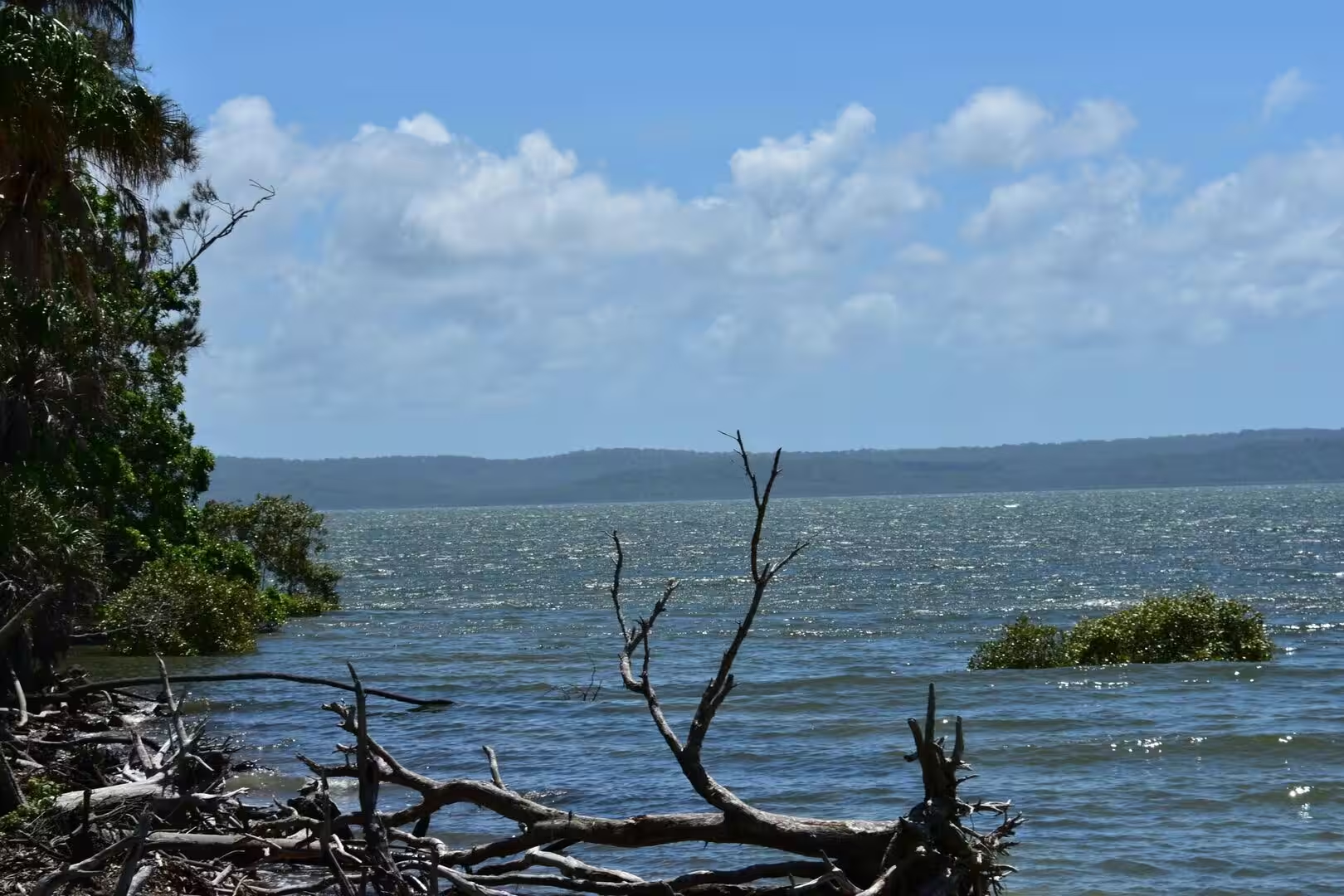
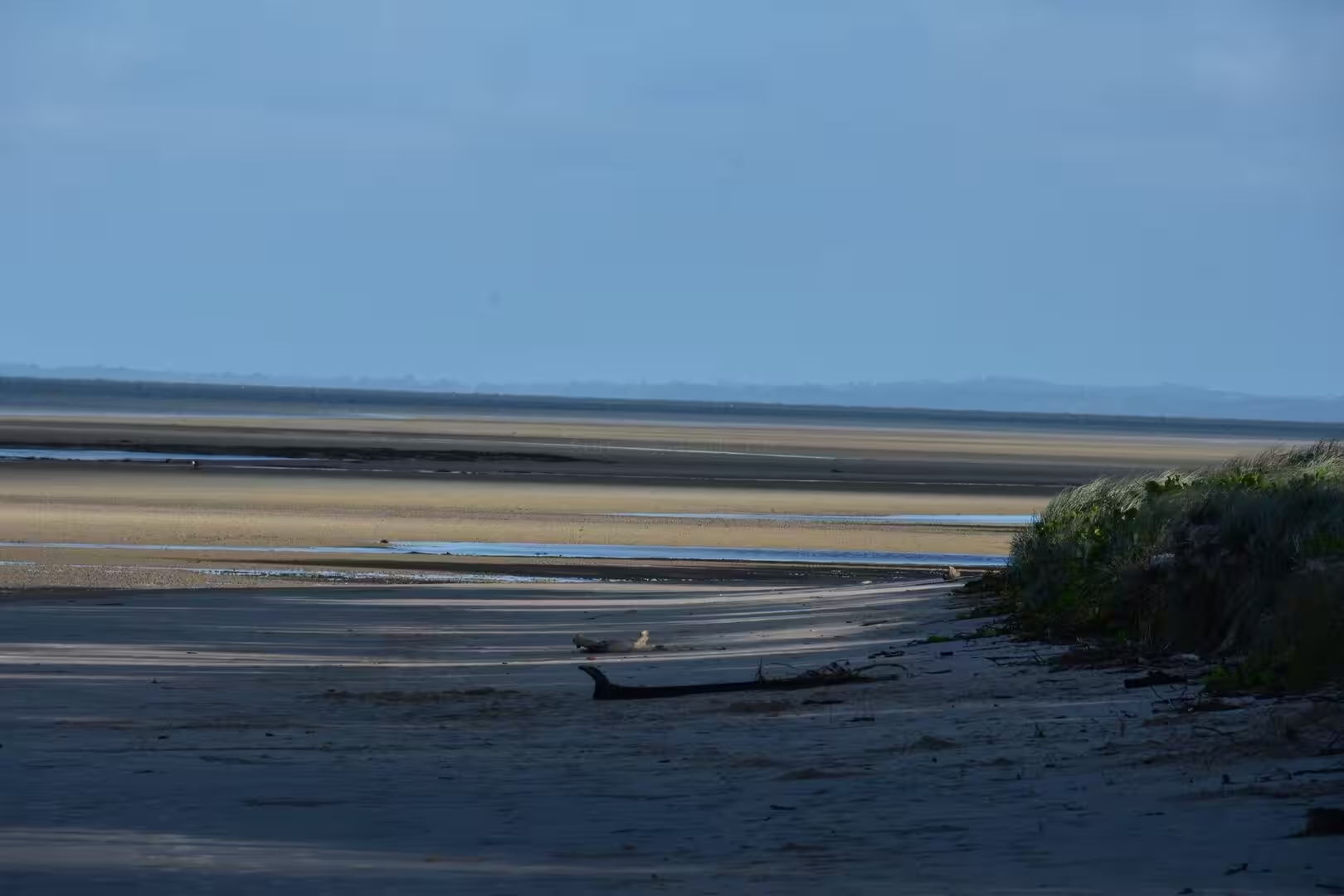
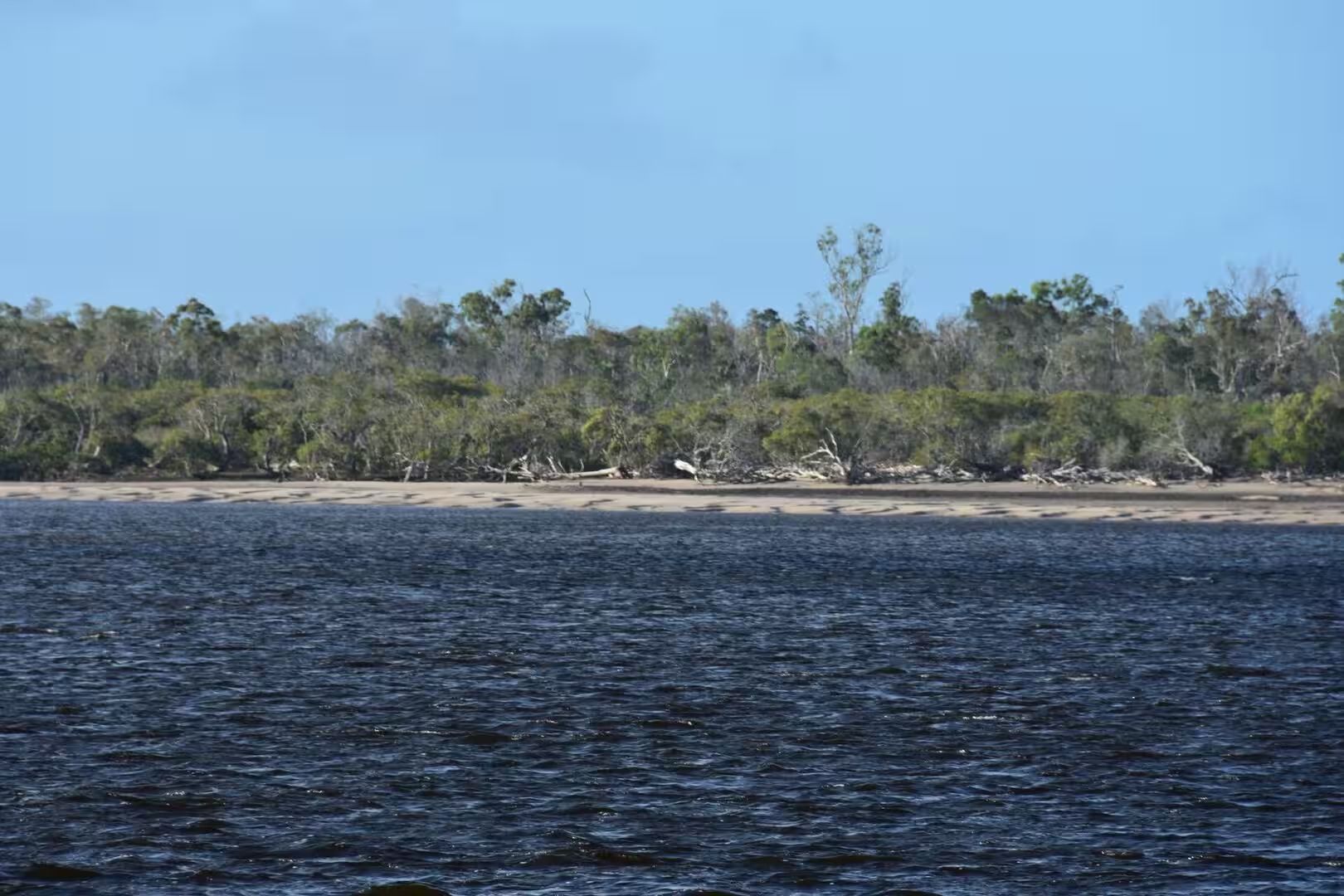
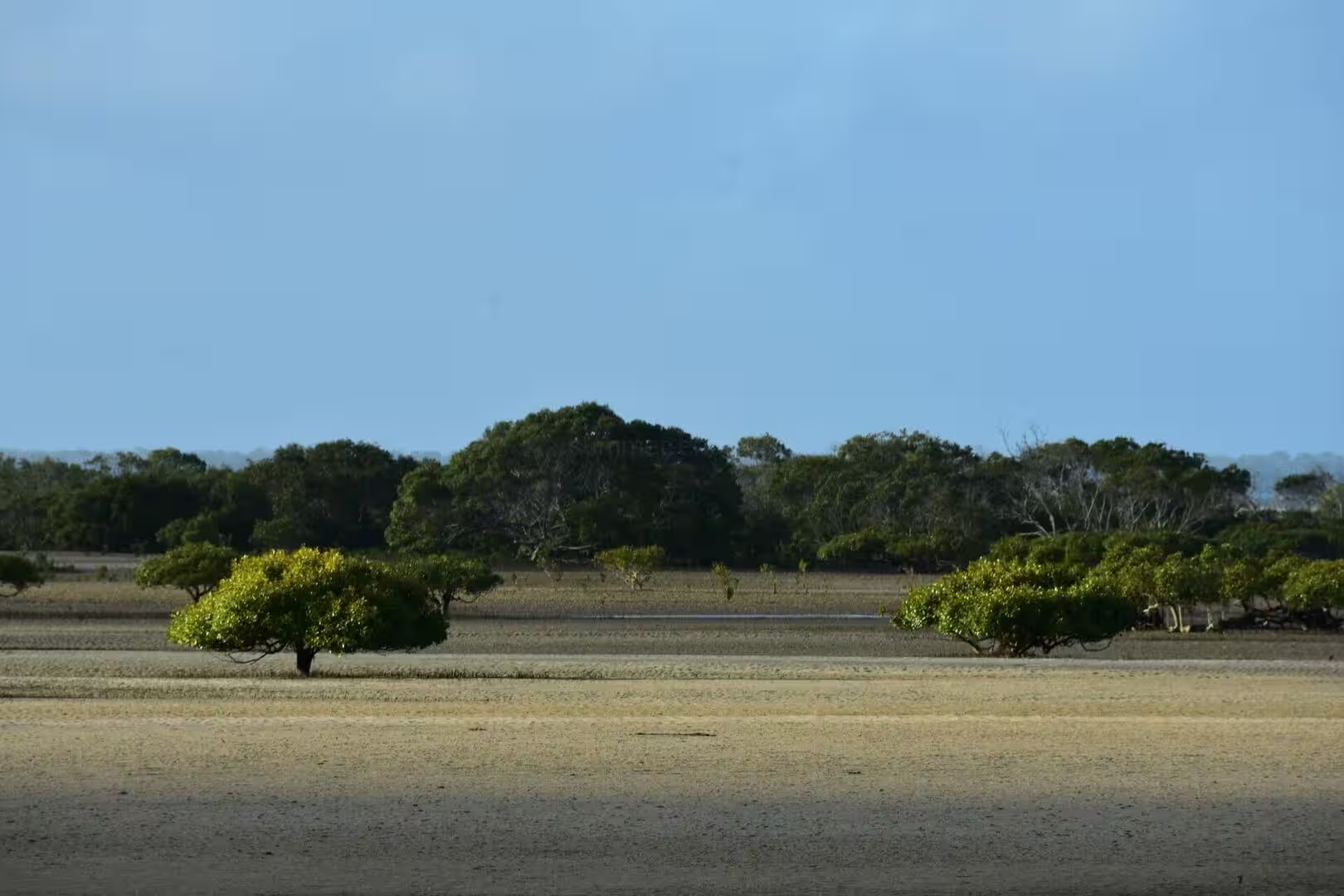
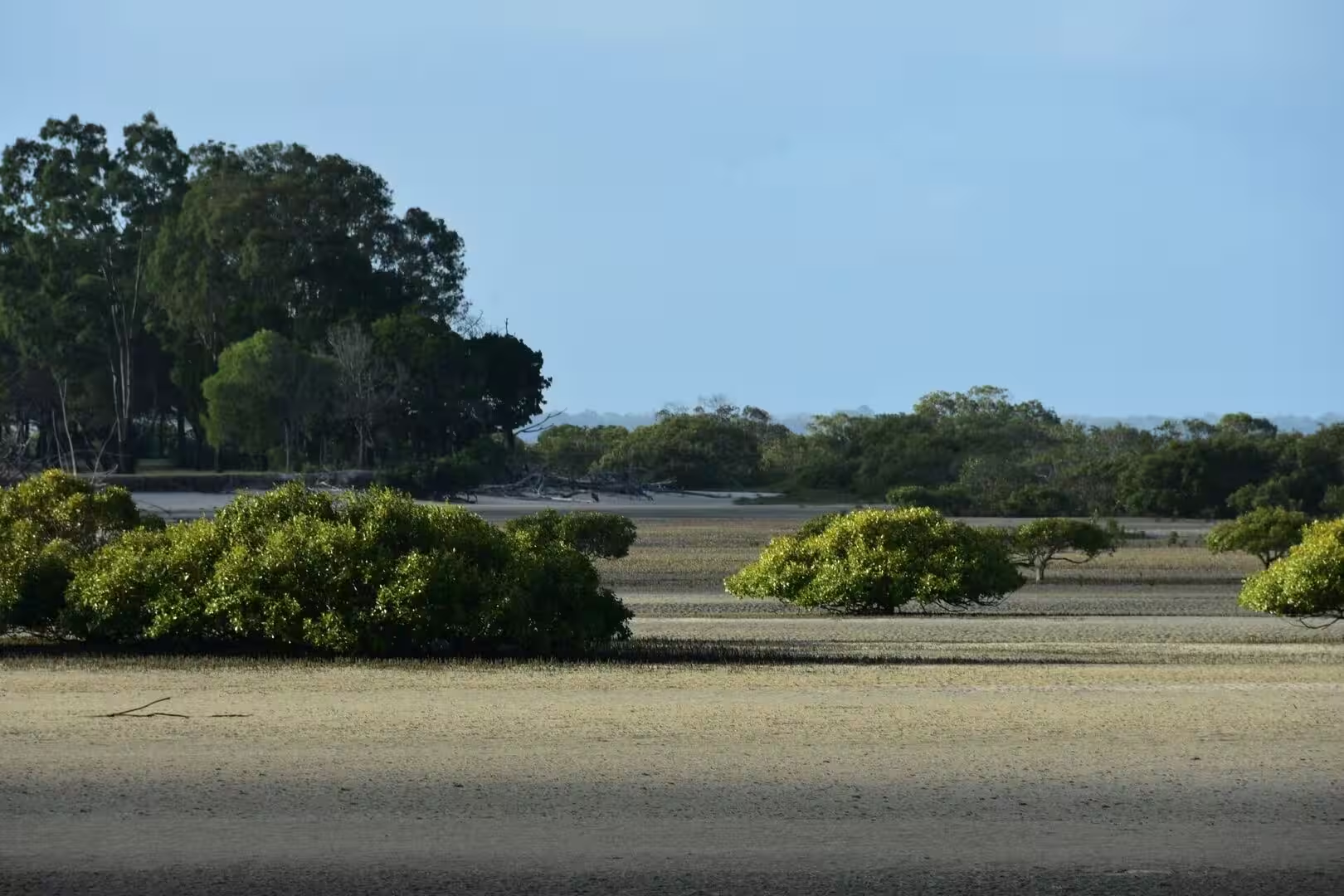
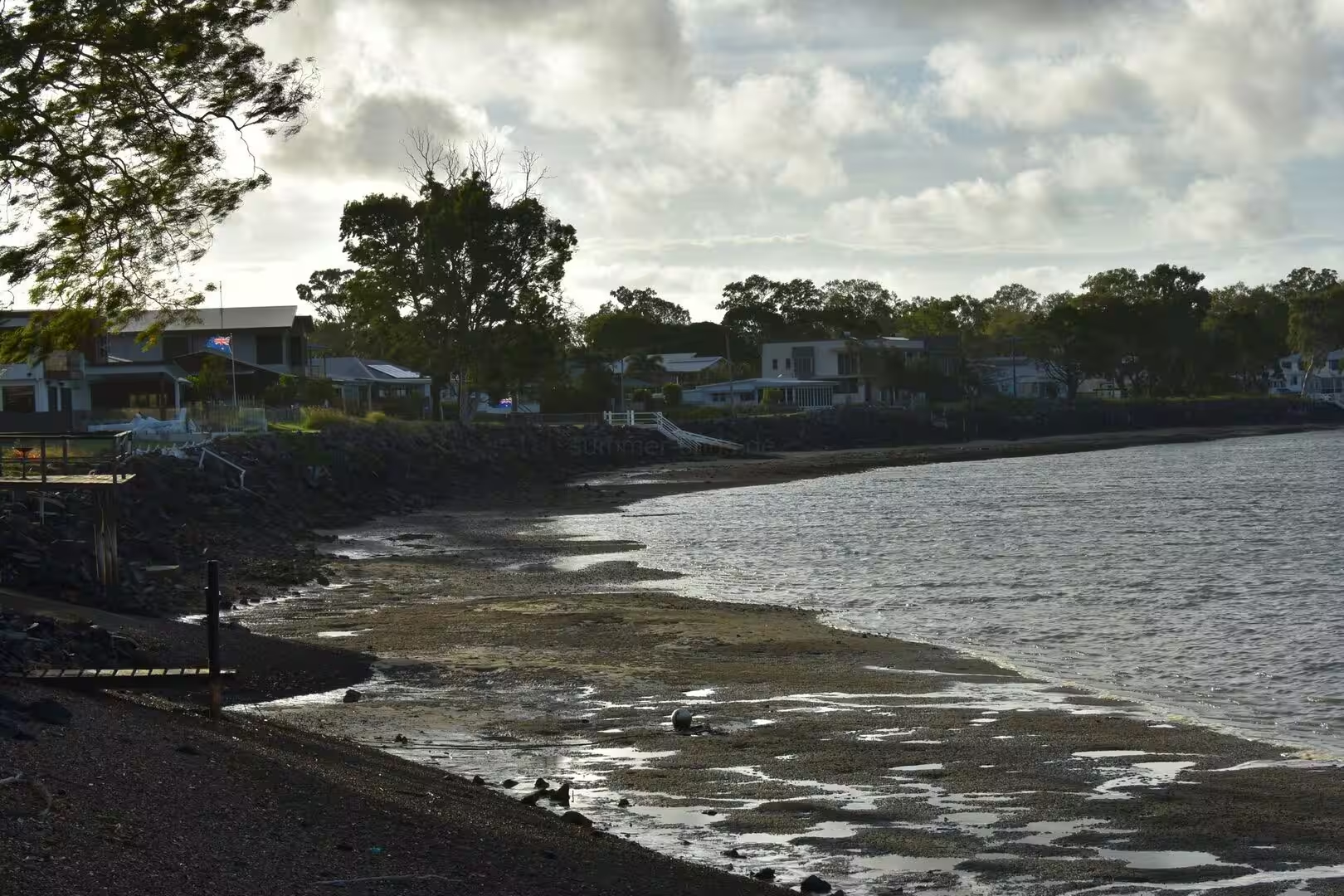
The tides rule this coast. Twice a day the sea withdraws over the gentle floor of the bay, and the shore of Scarness and Torquay is left with wide flats of sand and mud, cut by the channels of the ebbing water and dotted with the sandbanks that appear and disappear with every tide. Walkers follow the water’s edge far out across these flats, and birds work the wet margins. When the tide returns it covers the flats again within a few hours, and the bay is once more a sheet of calm water.
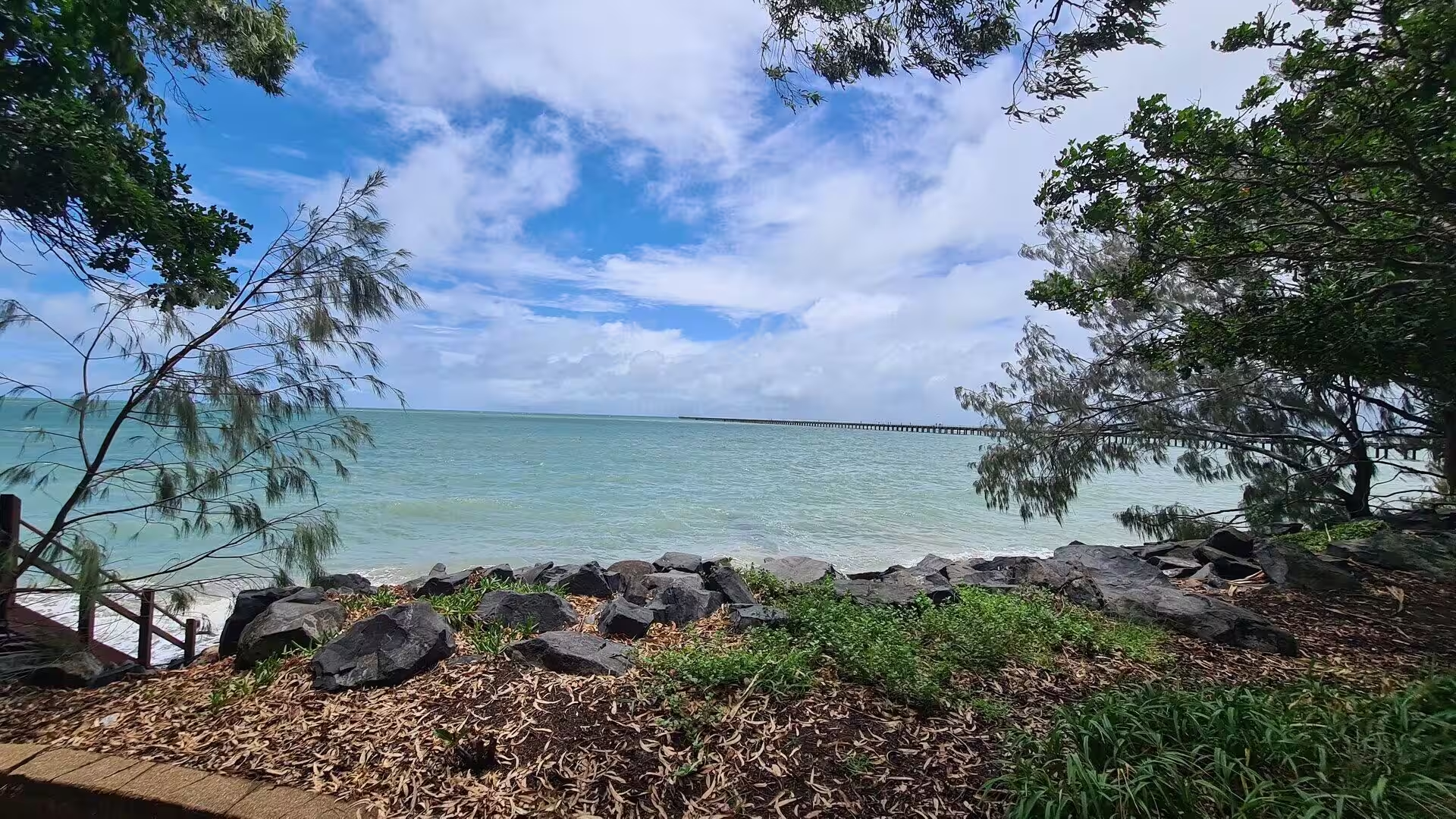
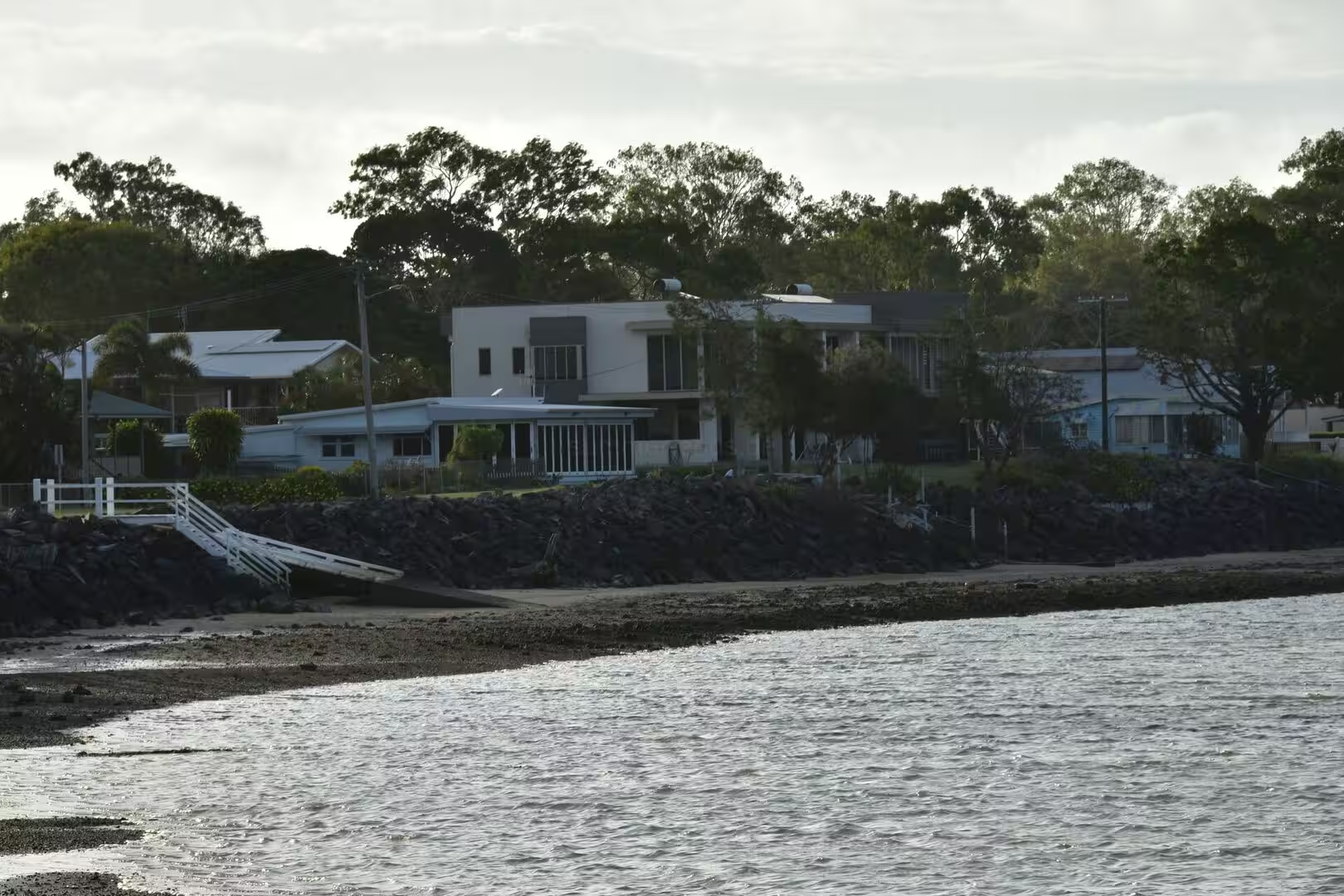
The shore itself is a mixture of sand and stone. Long sandy beaches face the bay, and in places low rocky banks and scattered boulders edge the water, with the timber of the coast washed up among them. The sand of the bay is fine and light, shaped by the currents that run between the mainland and the island, and the shallow water is rich in the shellfish and small life on which the birds of the coast depend. The seaside gardens of the suburbs grow in the sand of the old dunes, among palms, pandanus and the flowering shrubs of the coast.
To the south-west the country of Hervey Bay gives way to the valley of the Mary River, which rises far inland and winds down to the coast at the head of the Great Sandy Strait. The river carries the sediment of the wide pastoral and timber country of the region, and its estuary, with its mudbanks, mangroves and quiet waters, forms the southern edge of the same sheltered system that the bay shares with the strait and the island. Land and water, river and sea meet here in one slow landscape of flats, channels and sand.
Things to See
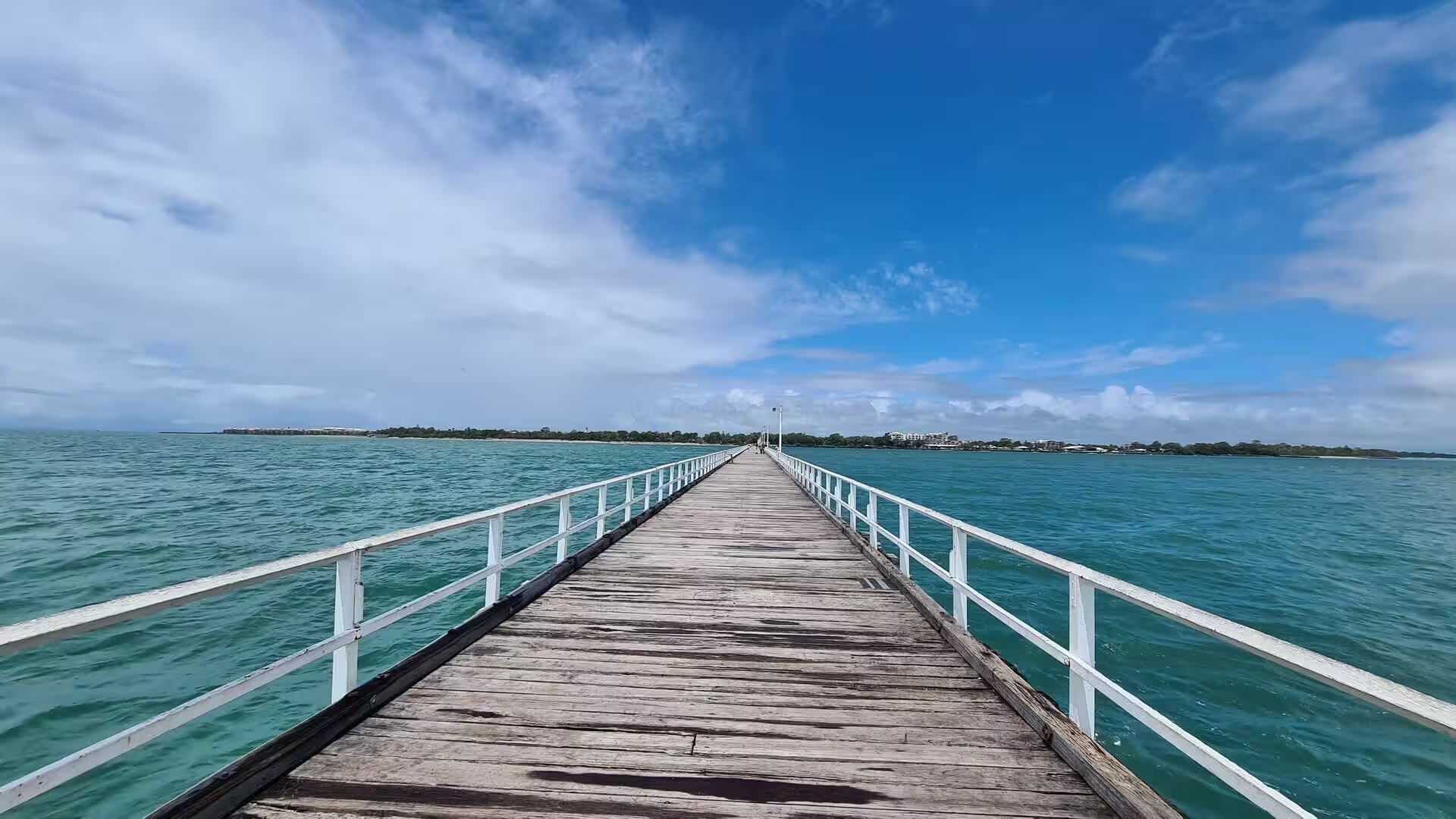
The Scarness Jetty is the landmark of this part of the bay. The long wooden structure reaches from the parkland of the Esplanade out over the water, and its white rails make it a natural promenade above the sea. Anglers fish from its length, families stroll to its end for the widest view of the bay, and in the evening the jetty catches the last light over the water towards K’gari. It is a place for slow hours, and the shore around it, with its lawns, public art and seaside buildings, belongs to the same unhurried rhythm.
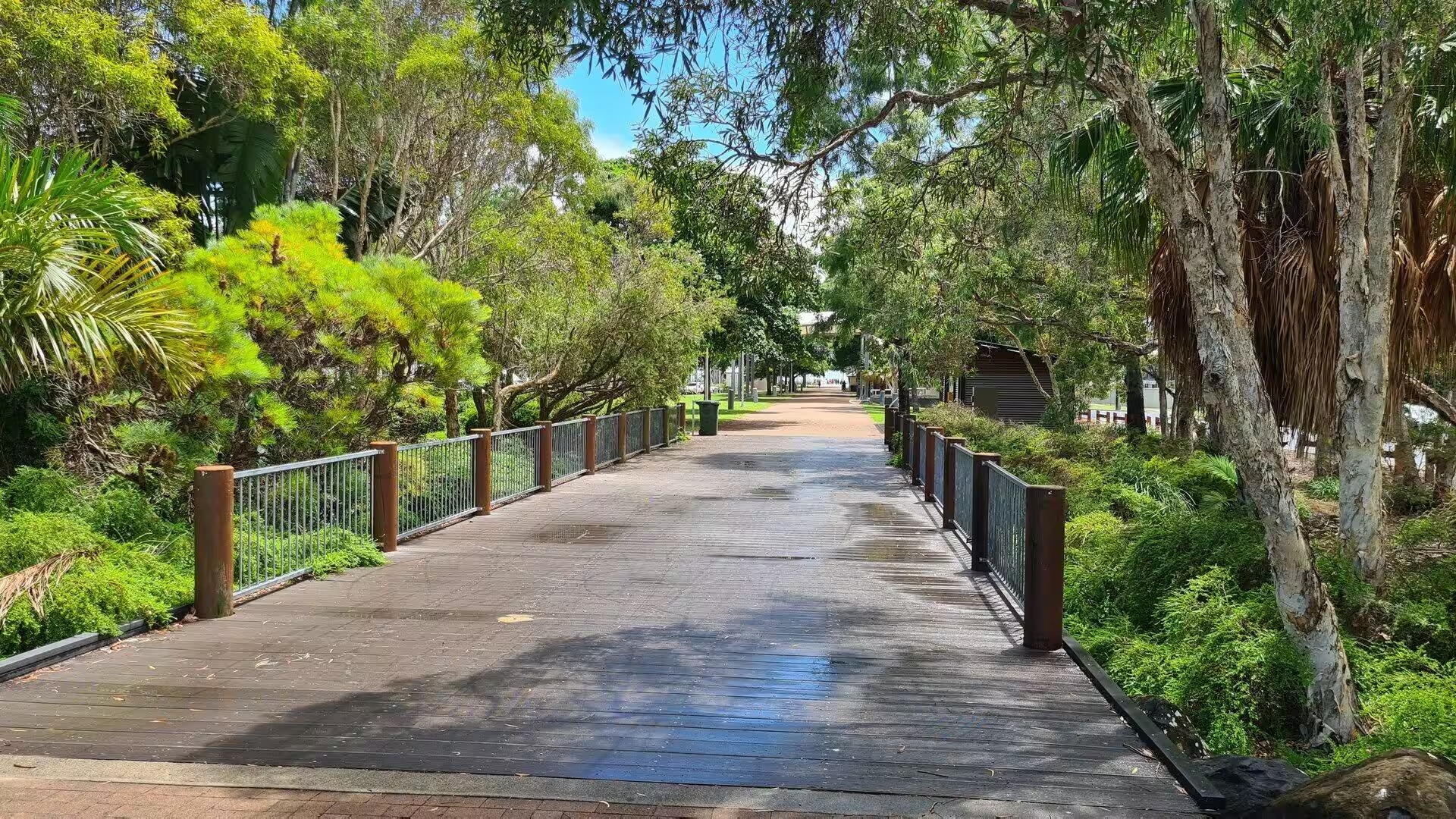
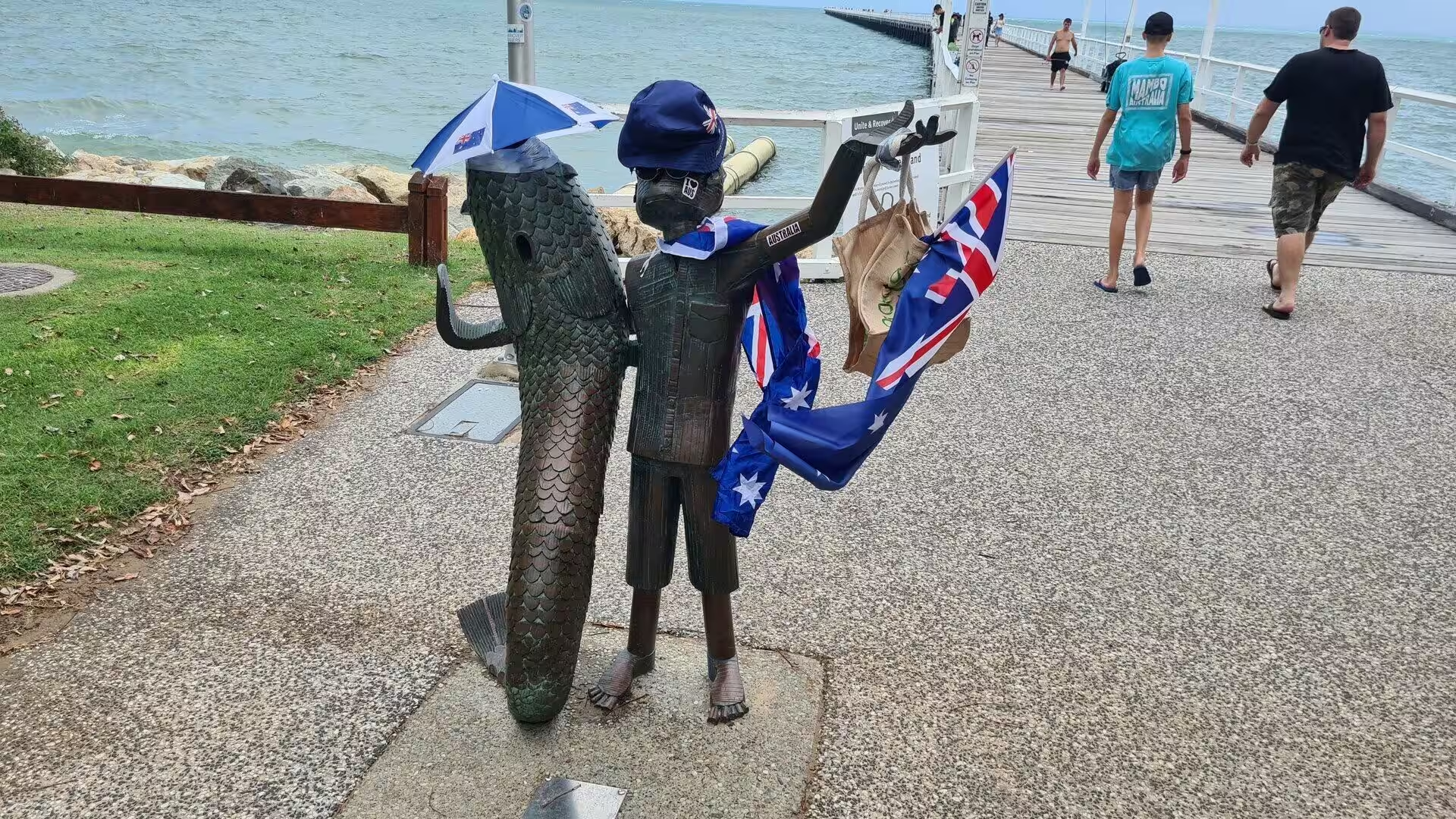
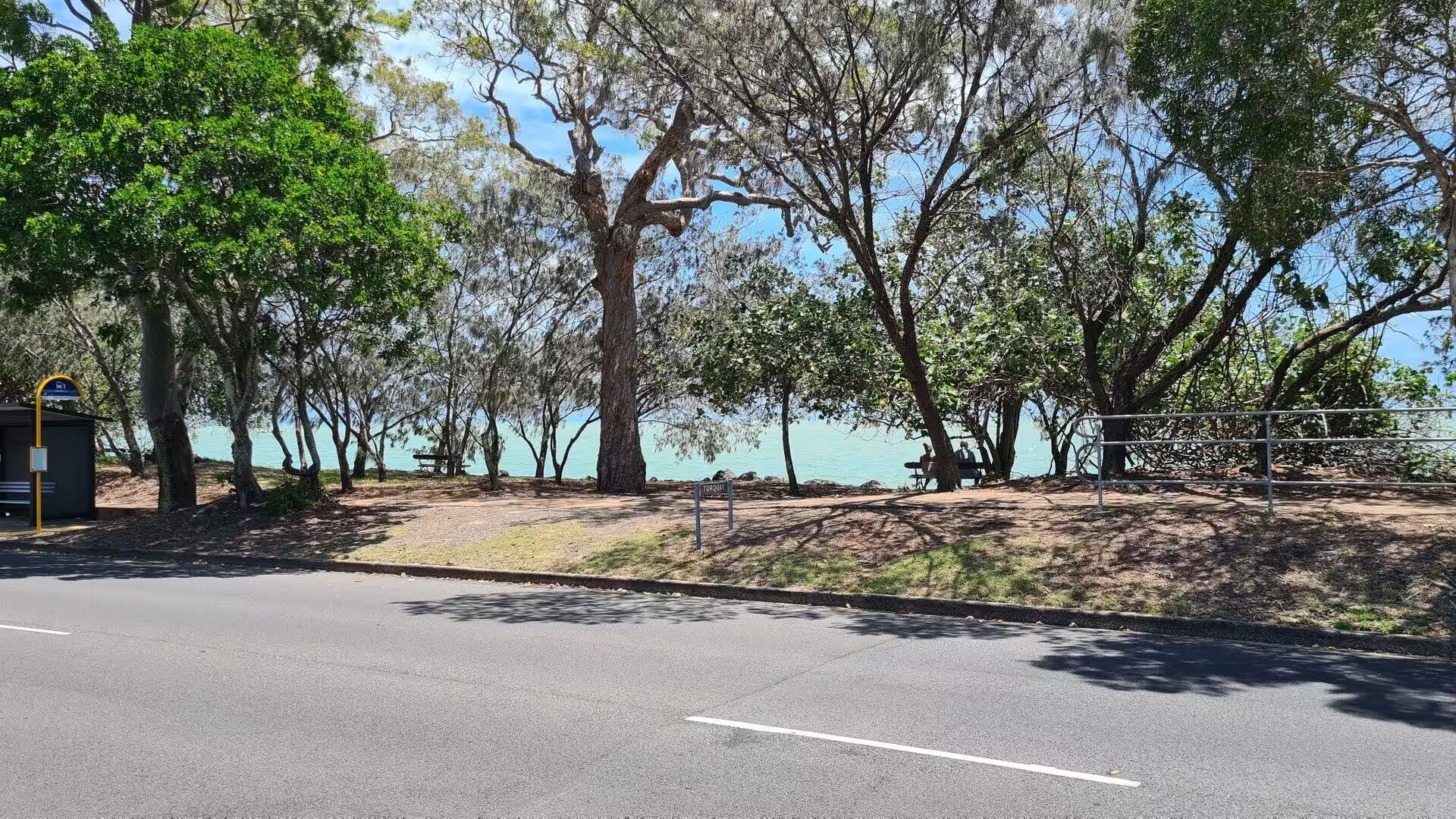
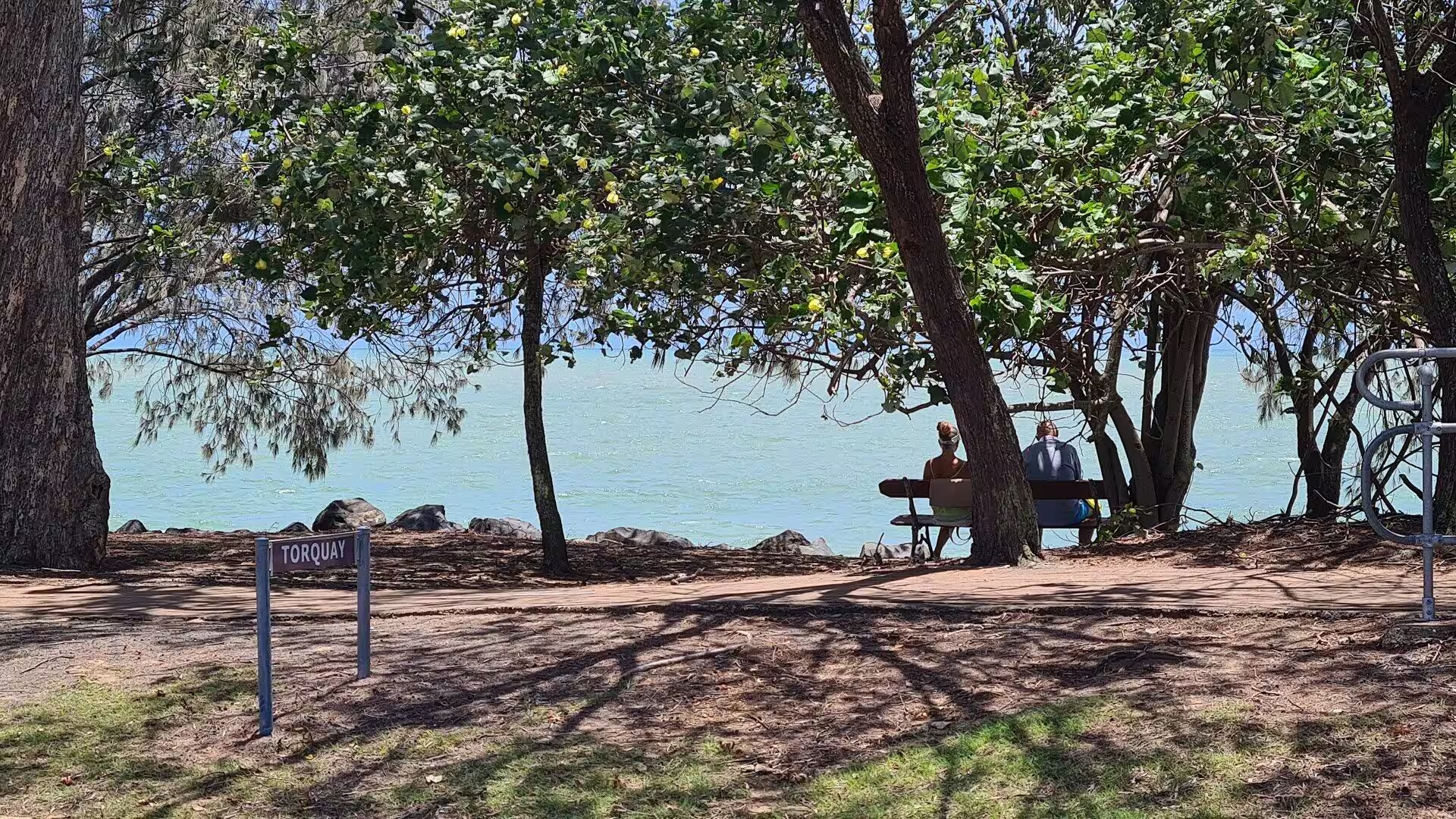
The Esplanade of Scarness carries the everyday life of the bay. Parks and picnic shelters line the road, the band rotunda of 1926 stands among the trees, and the foreshore below is shared by the caravan park, the sandy beach and the rocky margins of the water. Boardwalks wind through the parkland, statues and memorials punctuate the lawns, and the apartment houses and holiday flats of the shore look out across the bay. On summer evenings the Esplanade is the meeting place of the suburb, bright with the lights of the seafront.
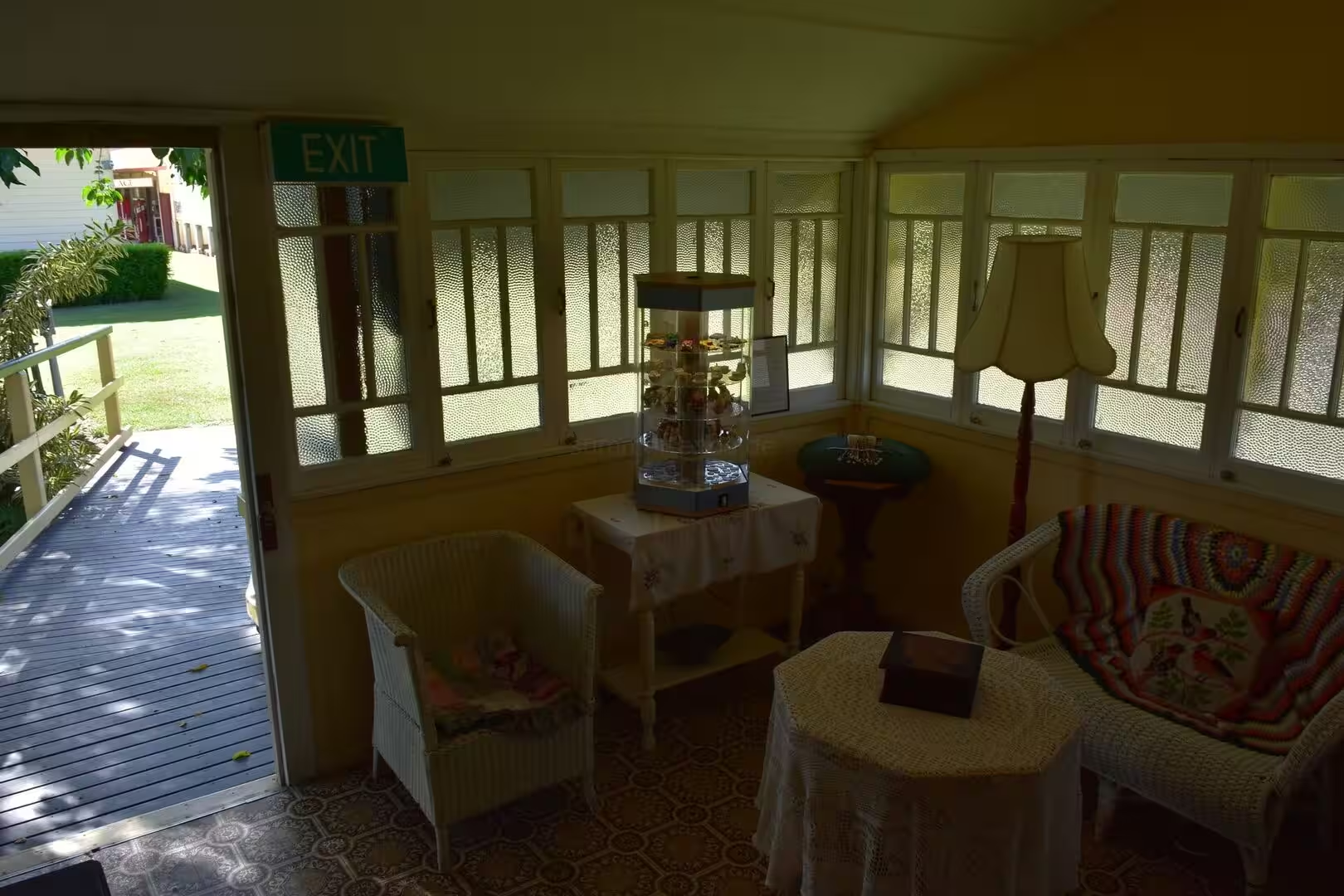
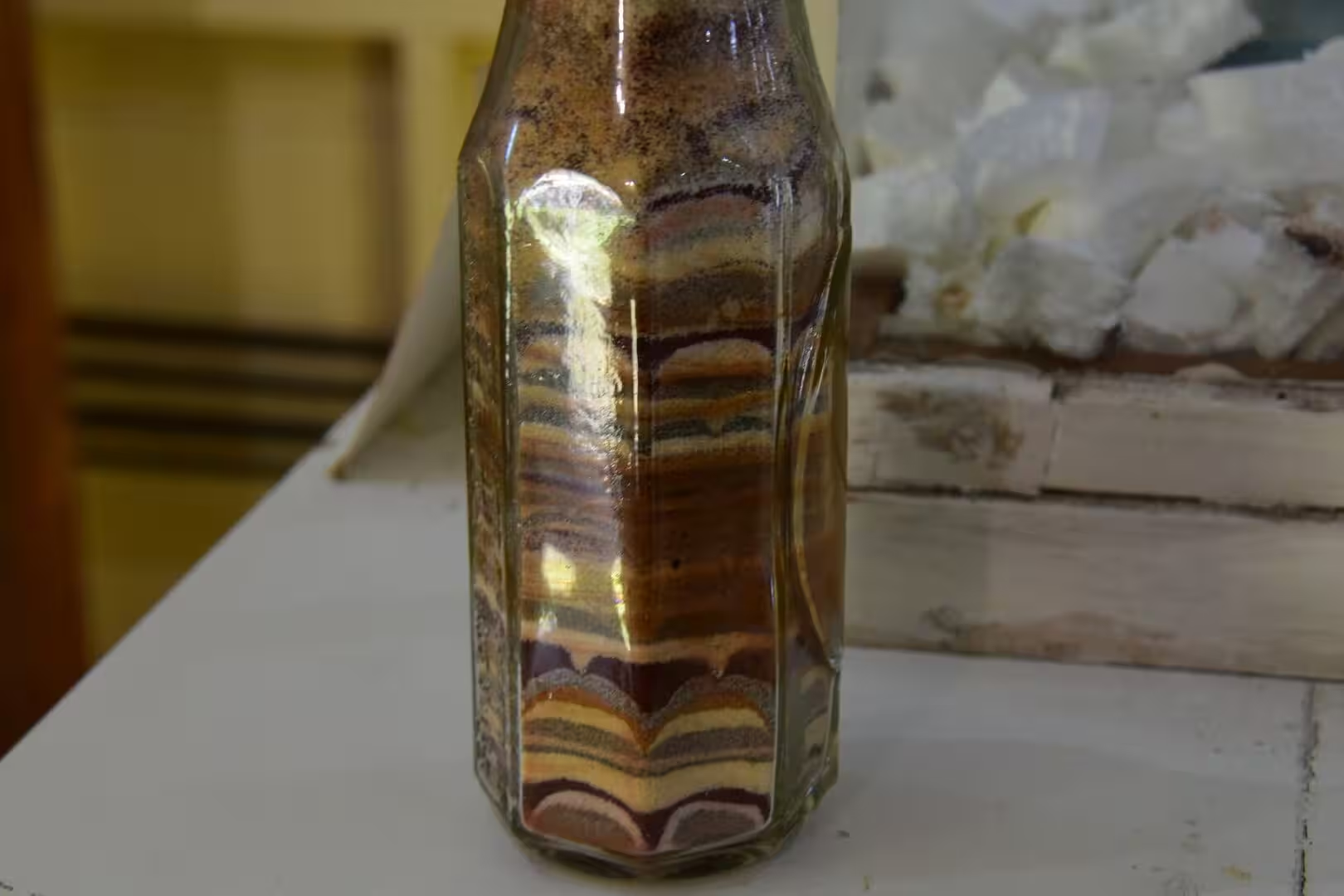
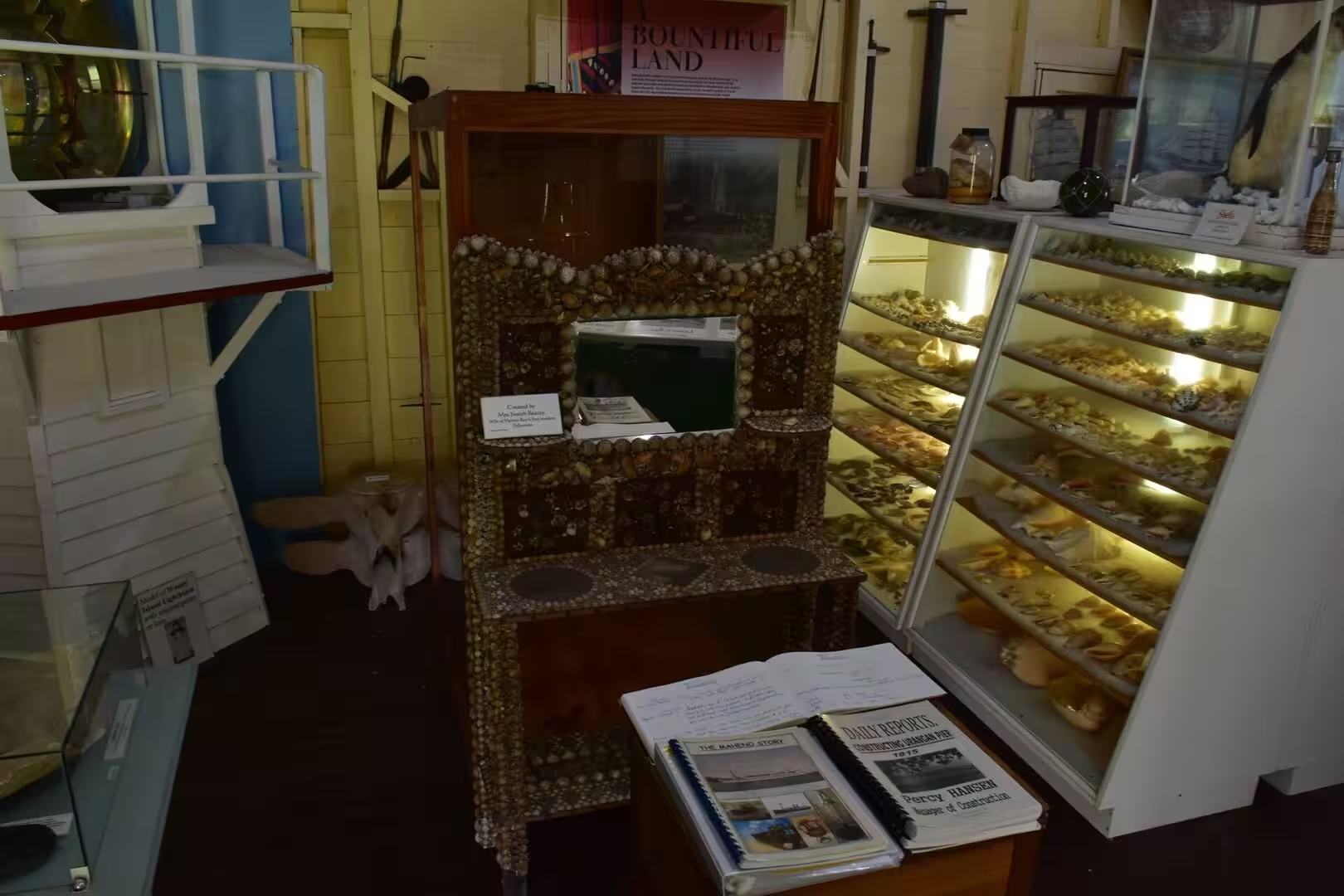
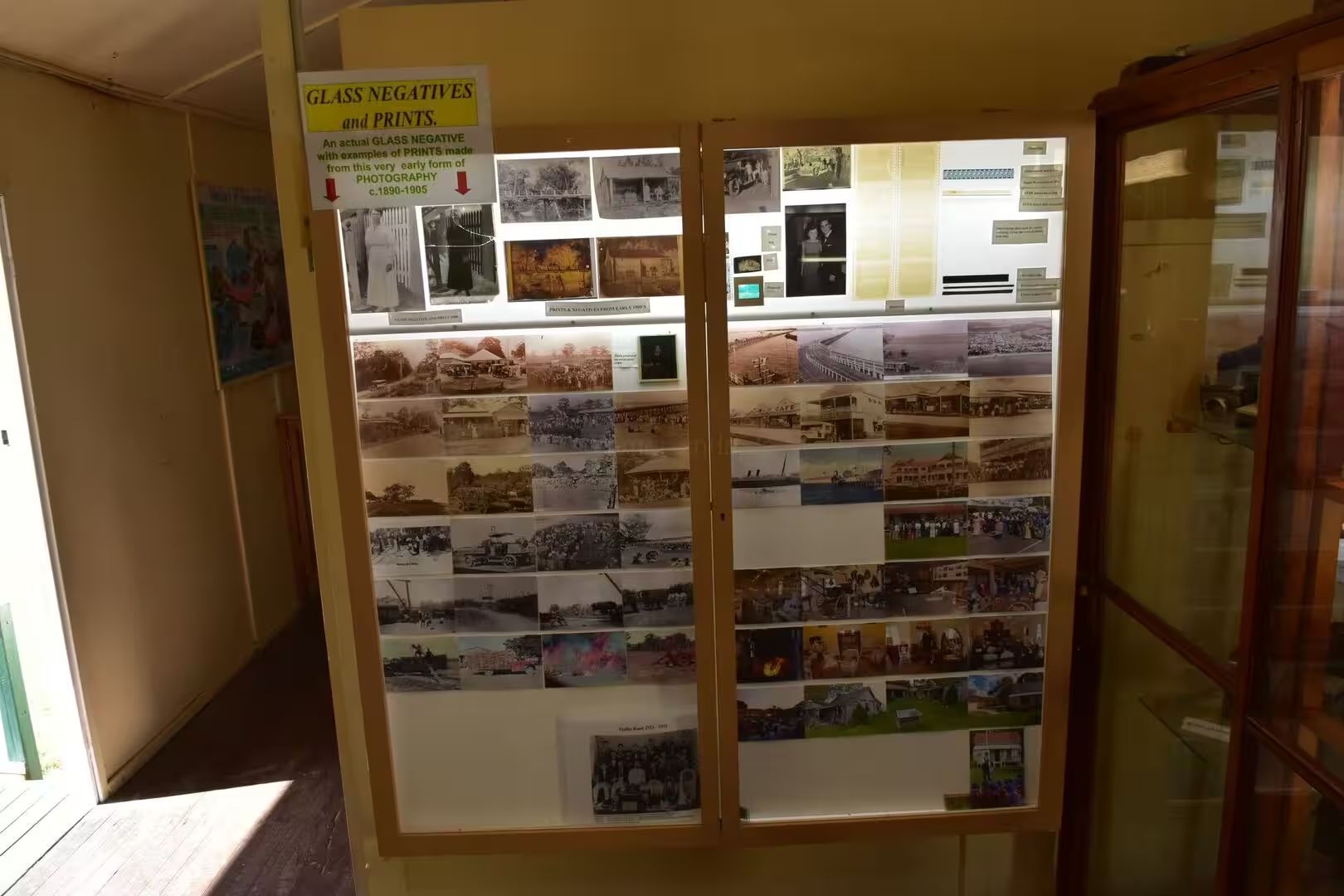
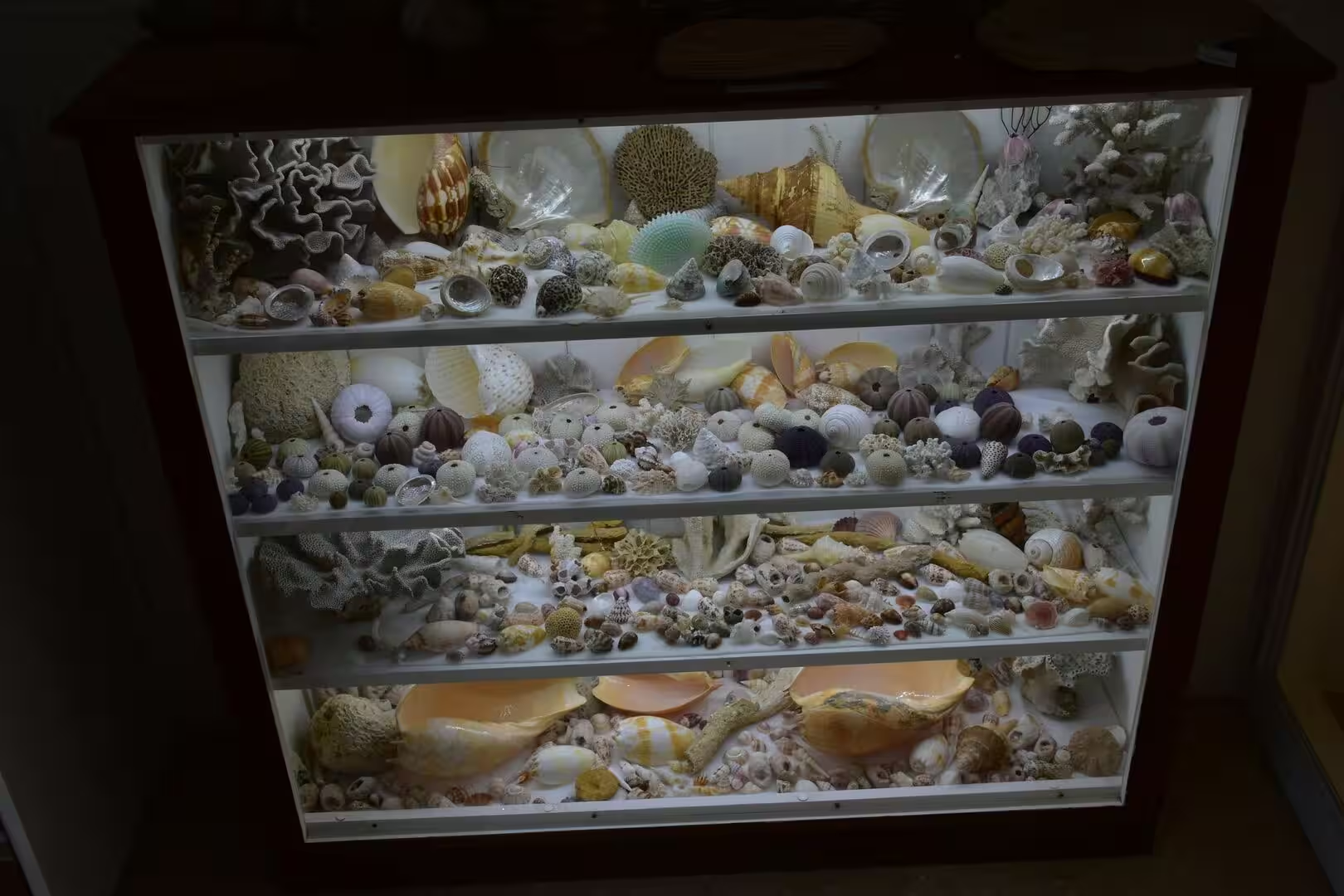
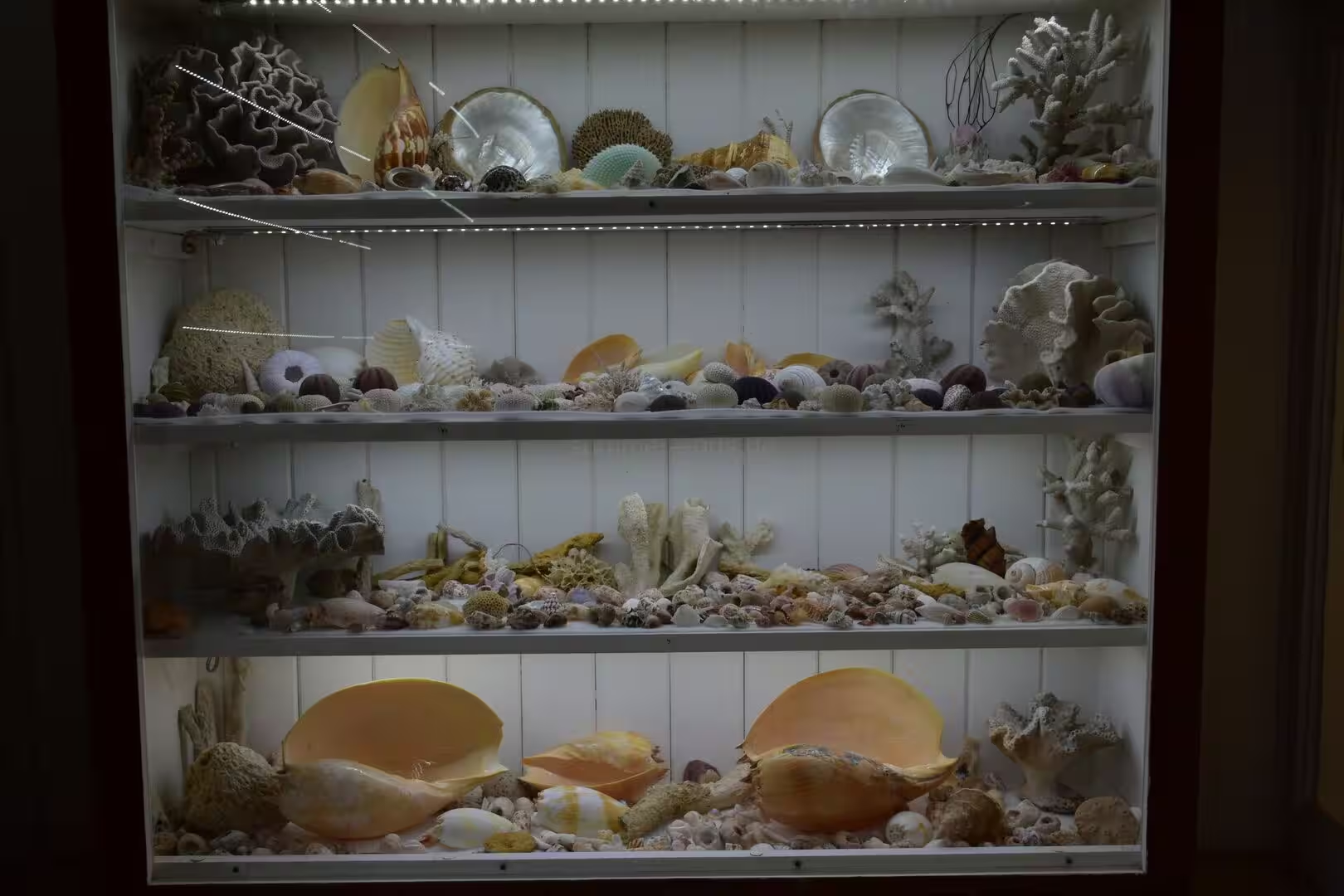
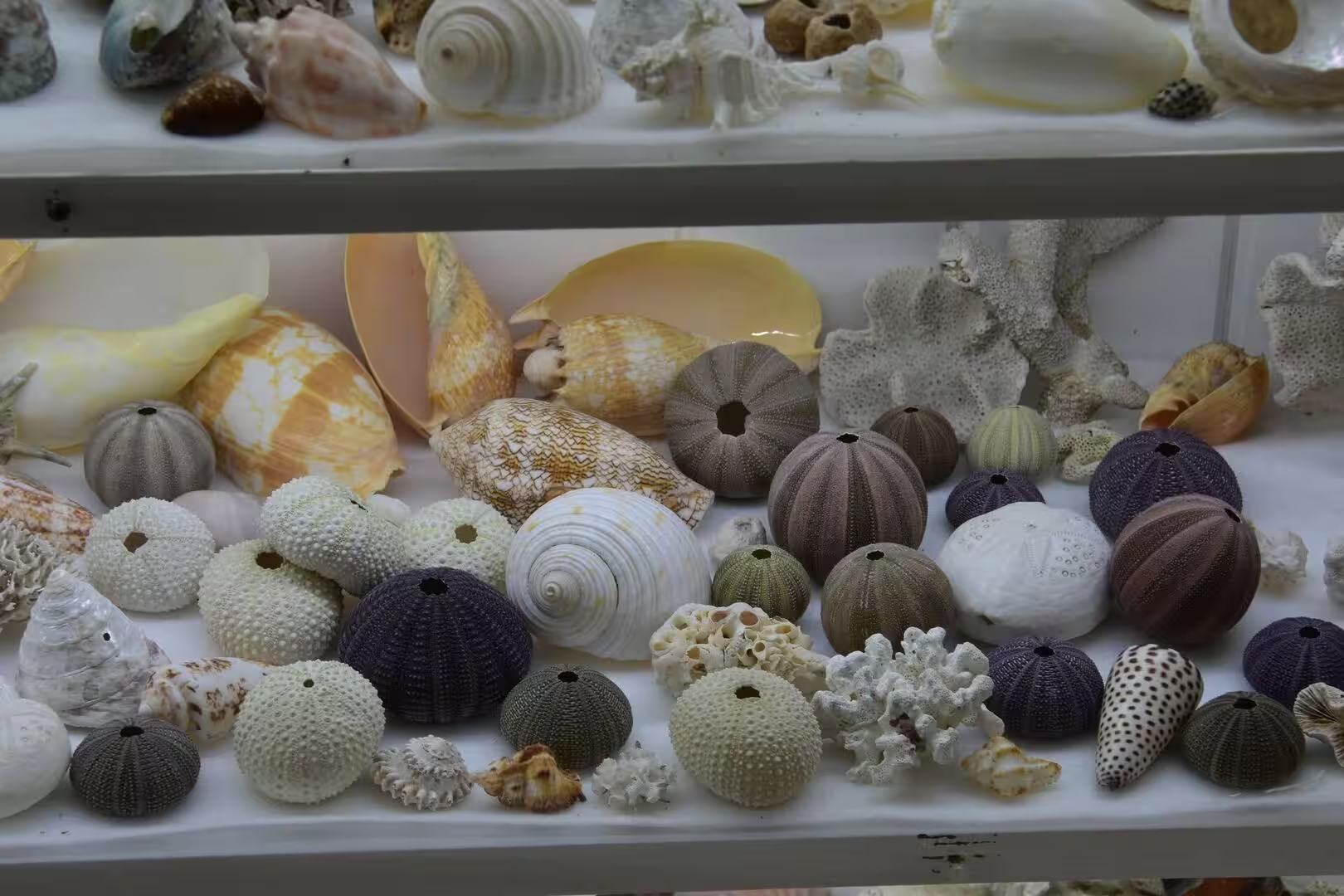
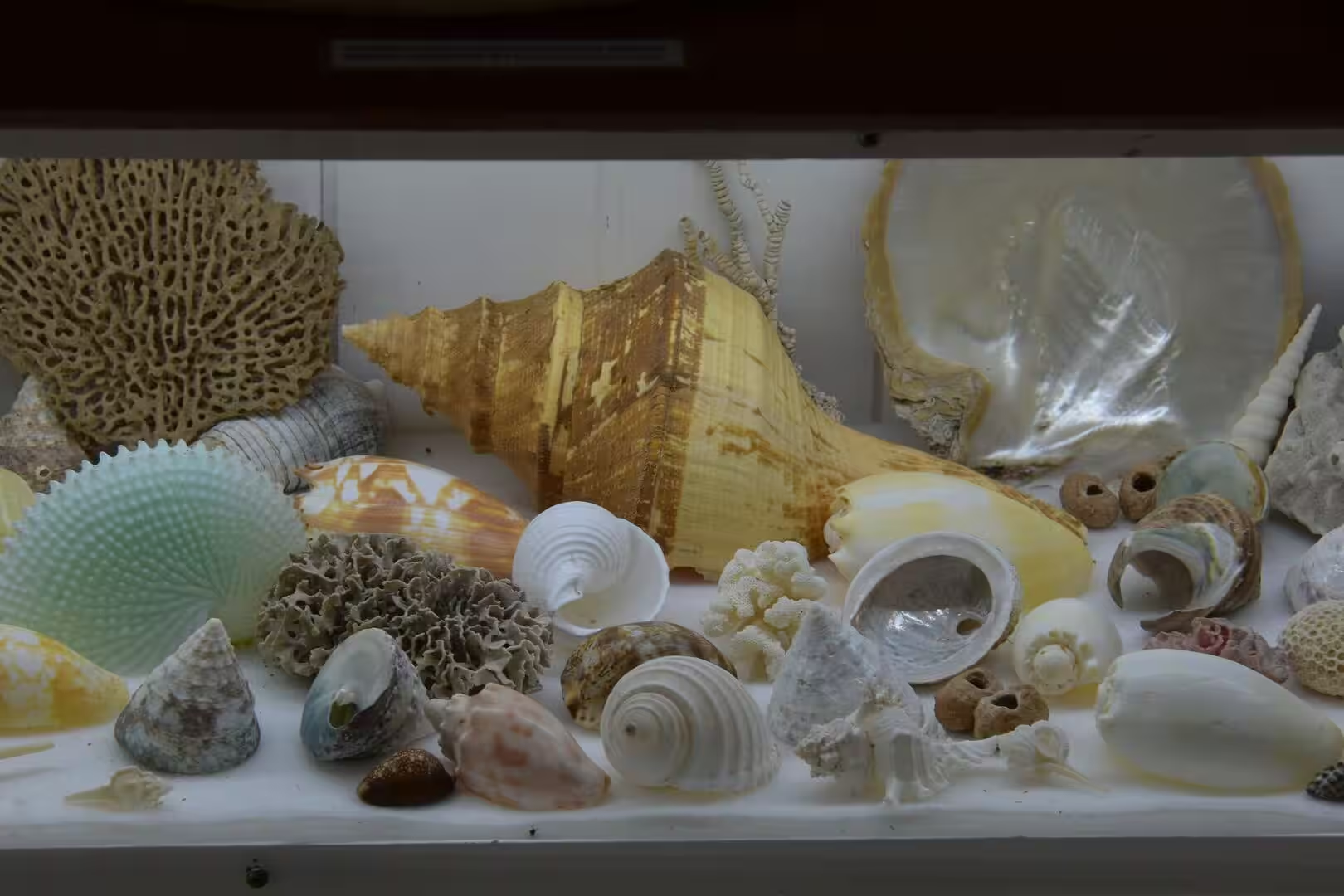
The Hervey Bay Historical Village and Museum at 13 Zephyr Street in Scarness is the most complete portrait of the region’s past. More than twenty historic buildings have been moved or recreated on the grounds and filled with the objects of daily life: pioneer cottages with their furnished parlours, bedrooms and kitchens, a general store with its old tins and counter, workshops and outbuildings. The collections reach far beyond the cottages: restored fire engines and vintage machinery, a rusted old car in a flower garden, cases of seashells, corals, minerals and glass negatives, and a maritime room in which models and paintings tell the story of the Maheno and the ships of the bay. The museum is open on weekend afternoons, when the volunteers of the village demonstrate the old crafts and trades.
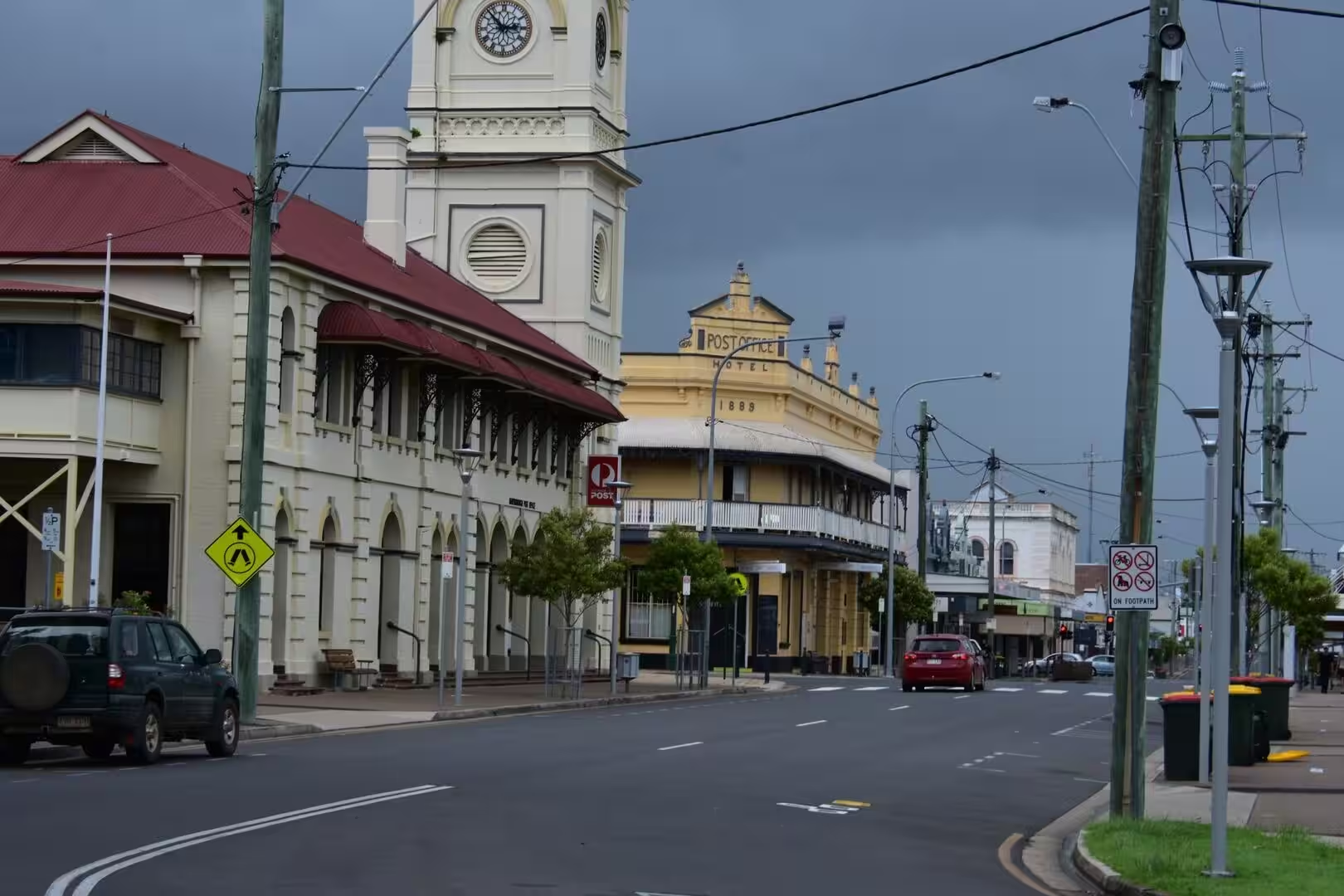
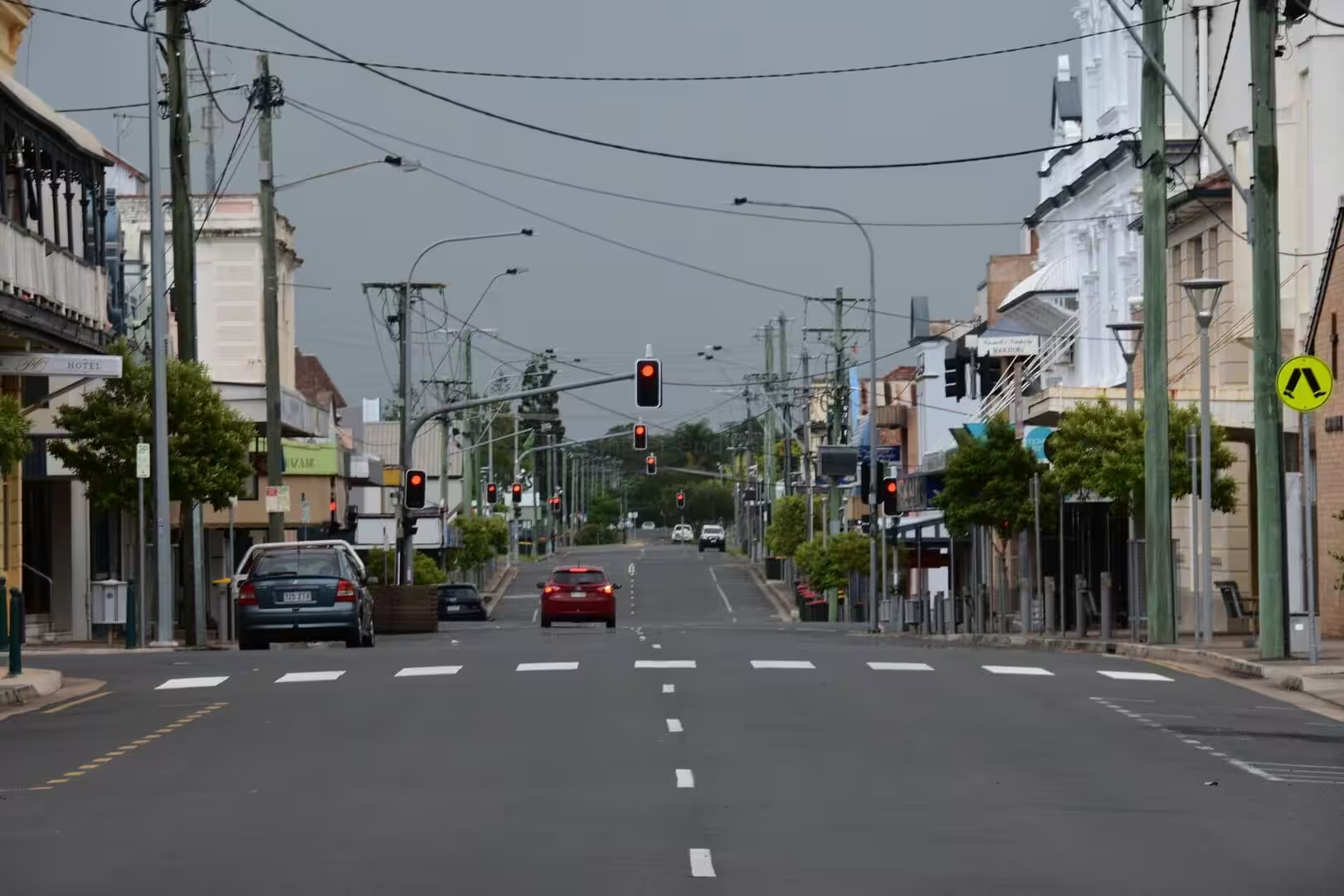
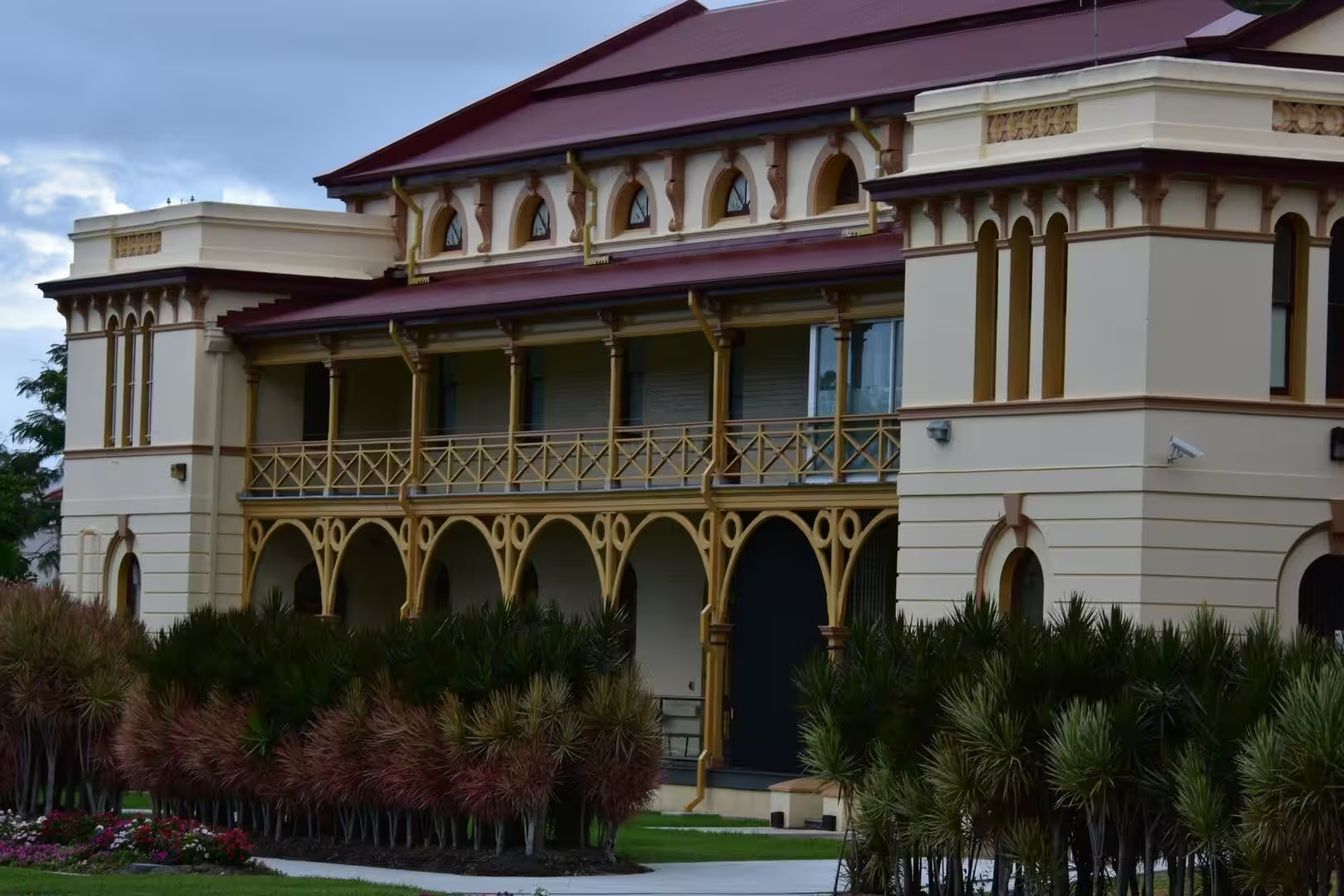
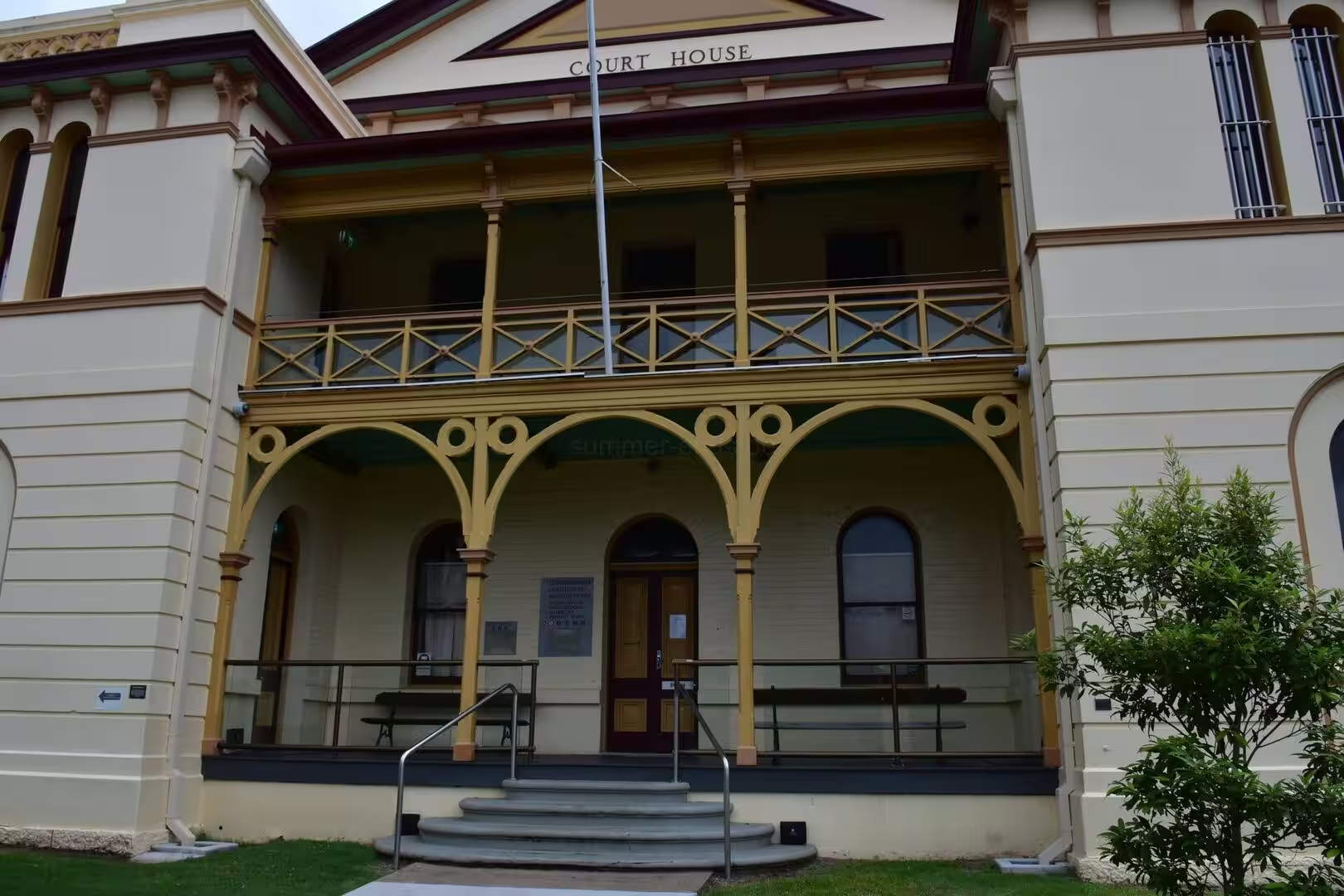
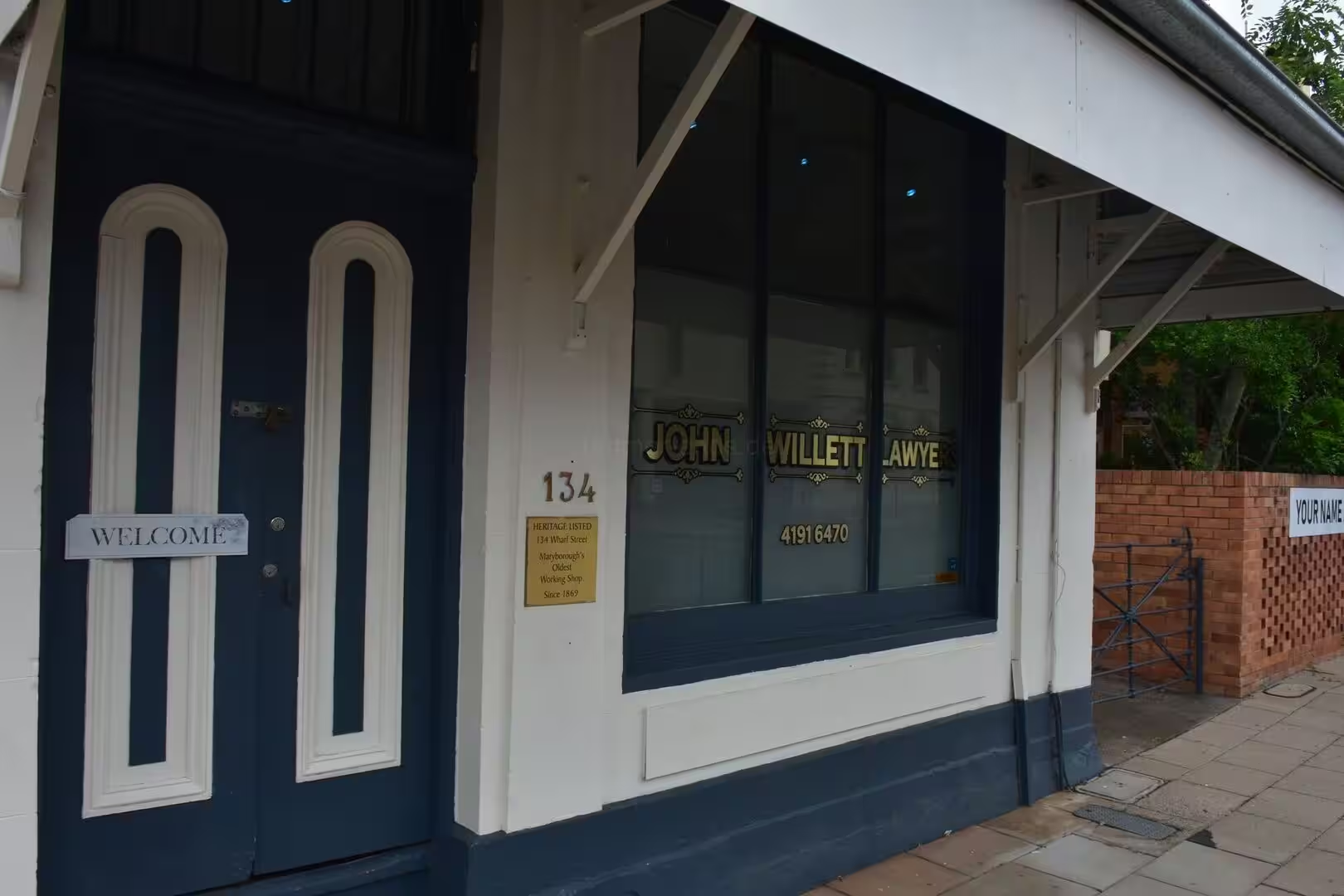
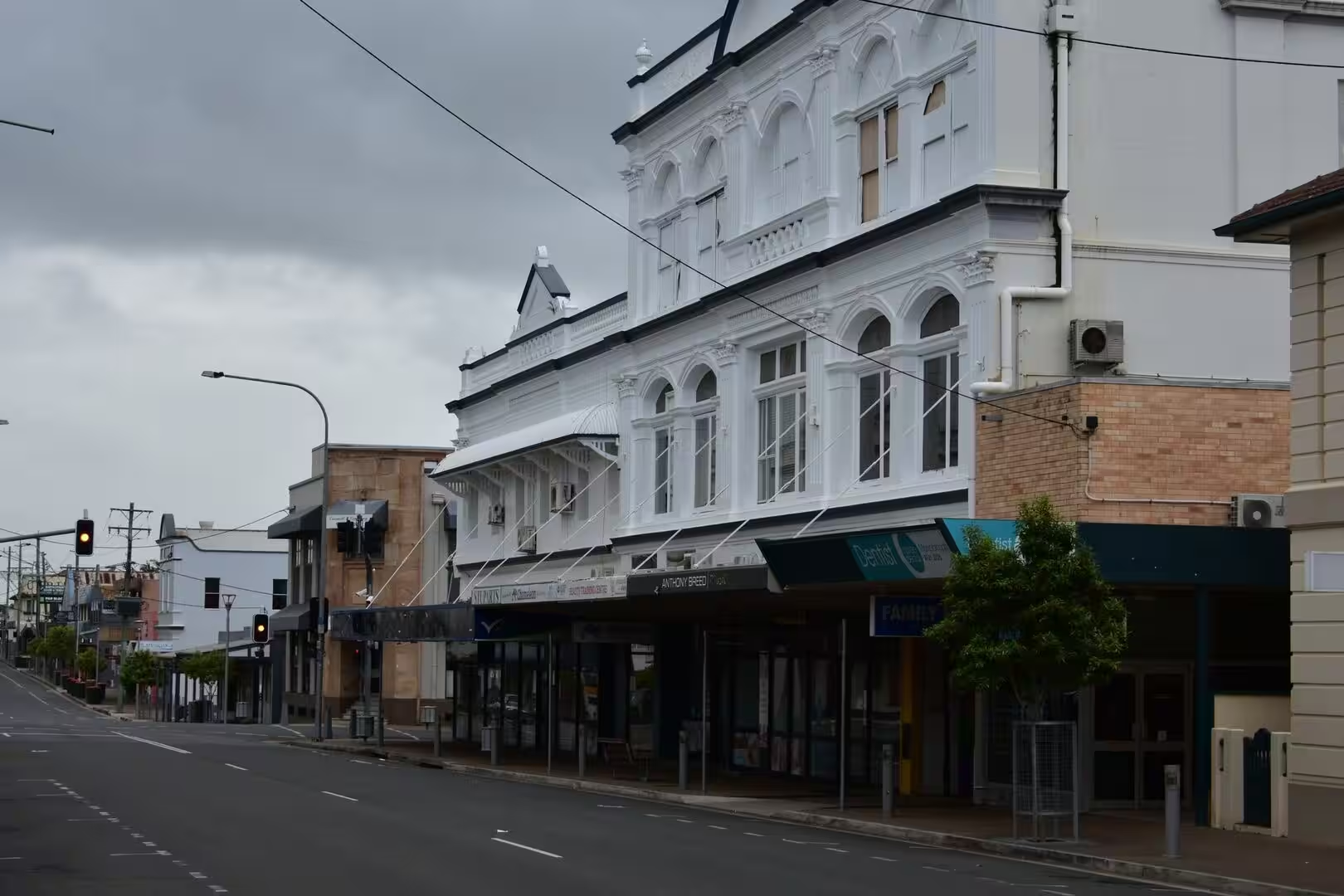
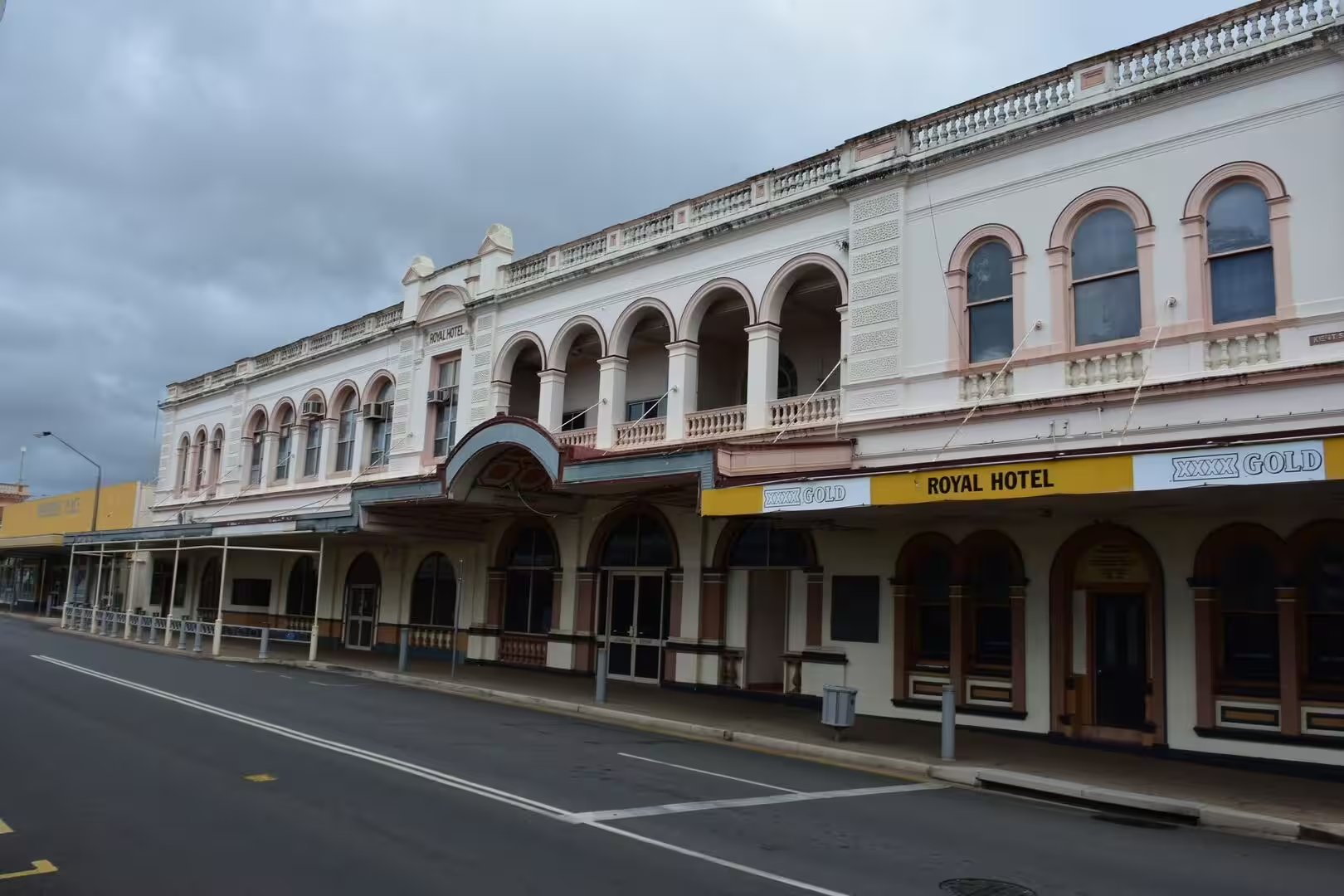
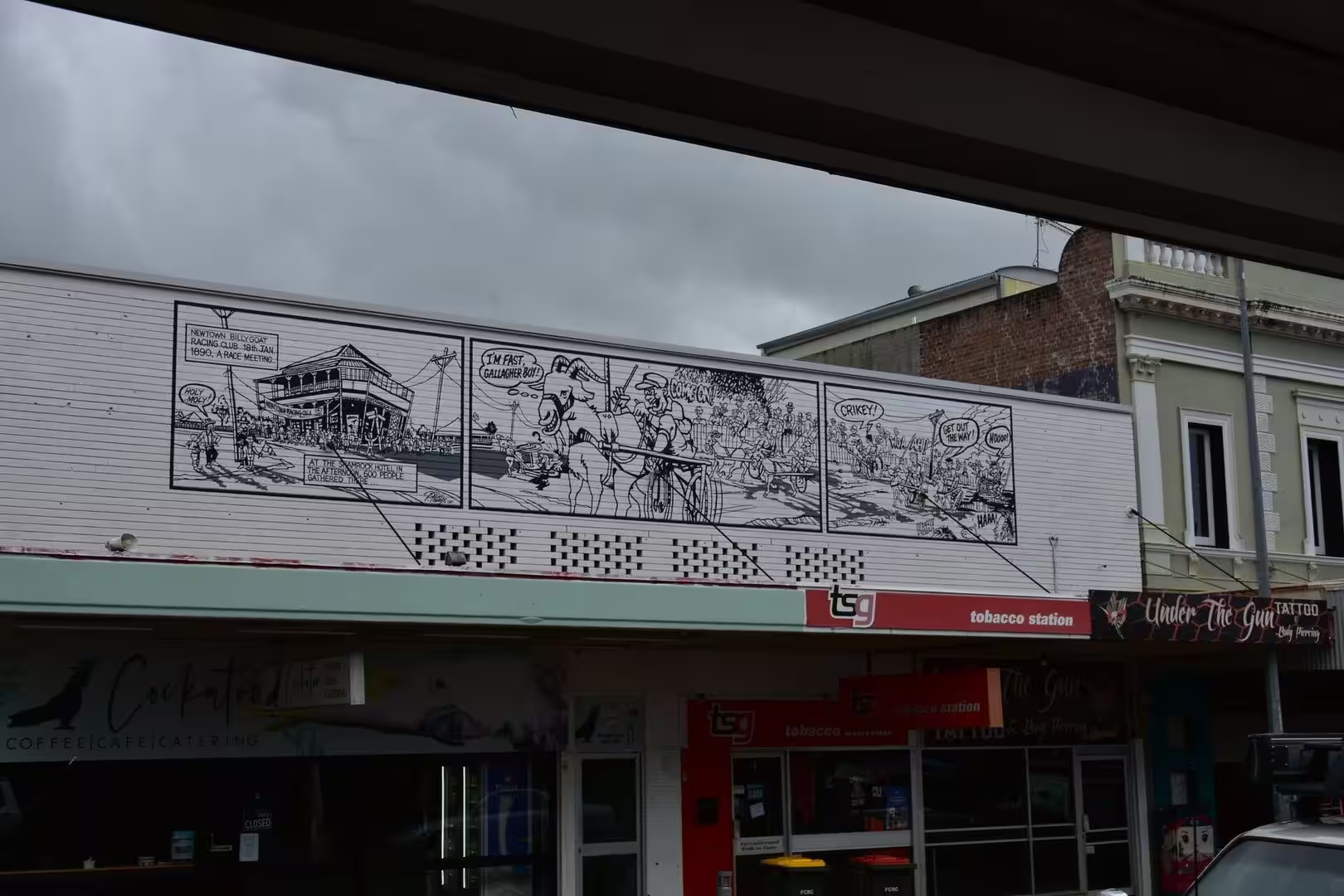
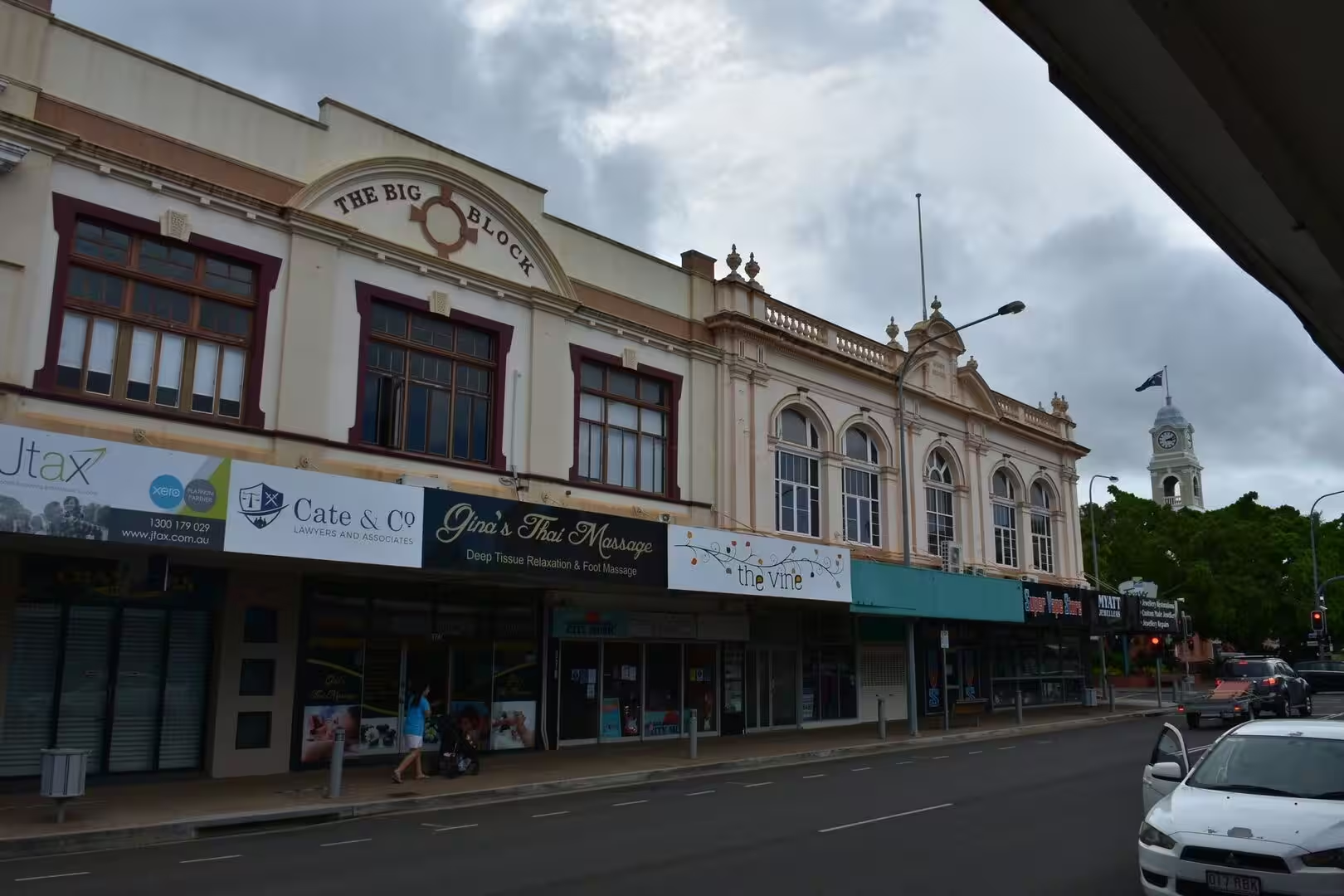
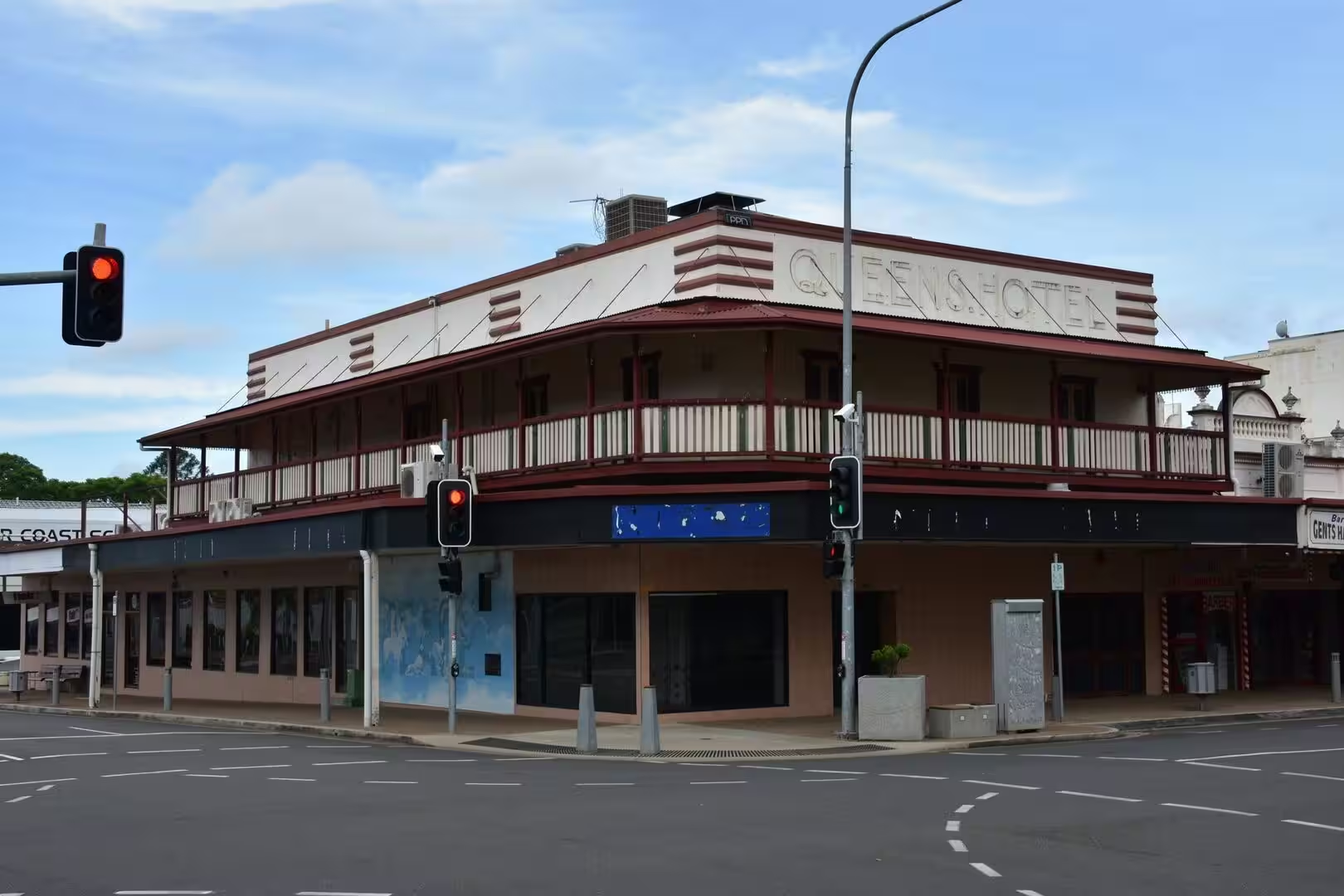
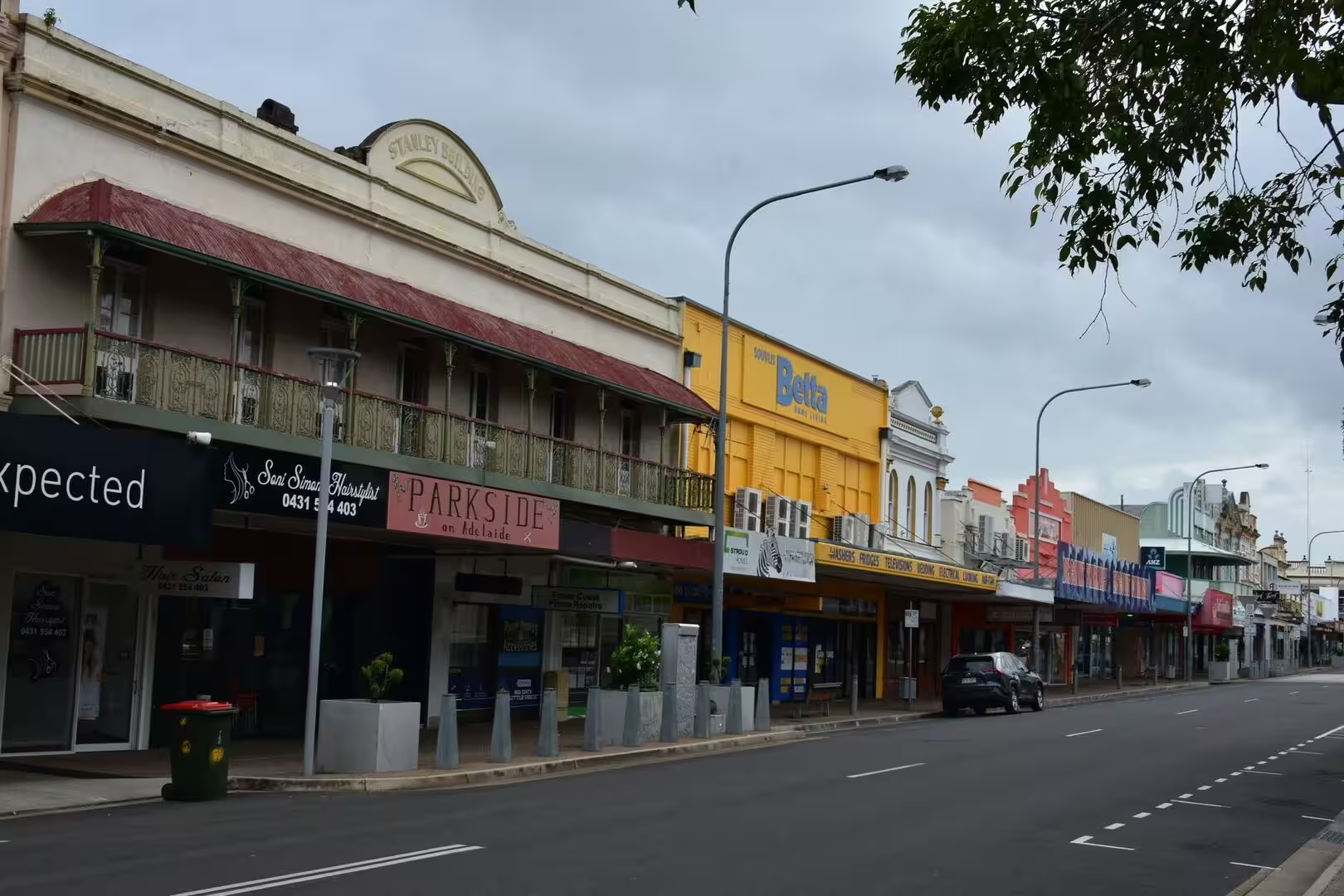
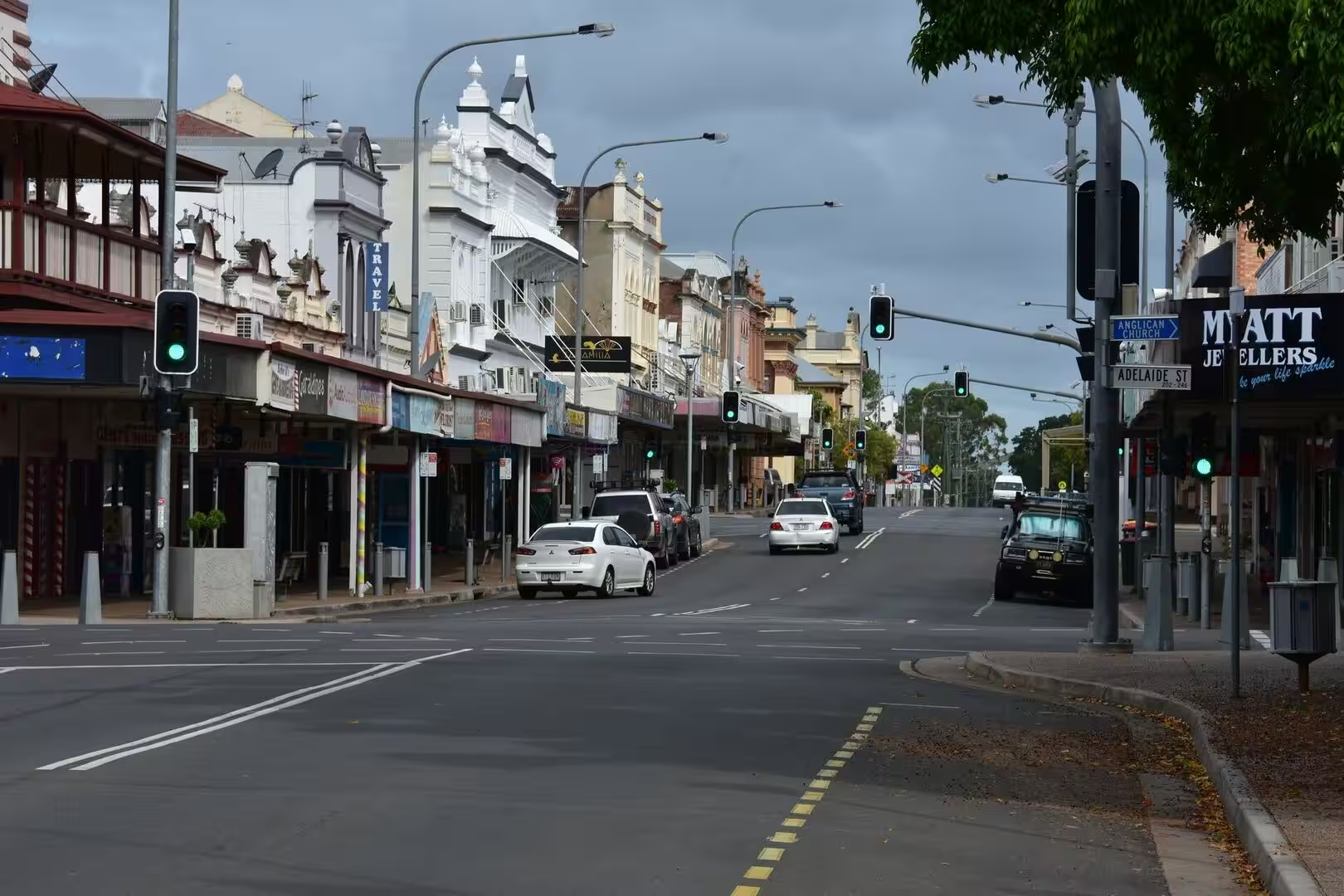
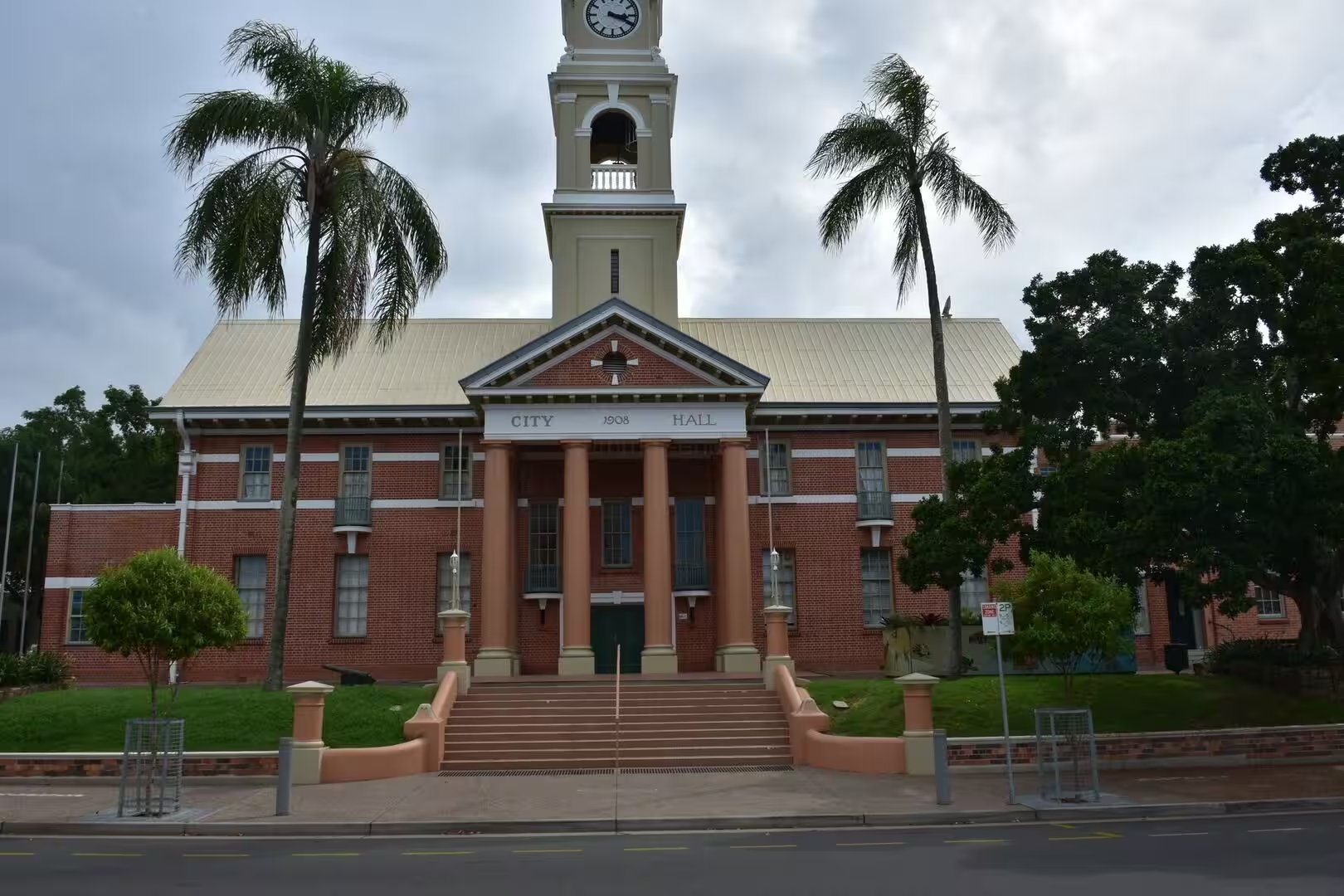
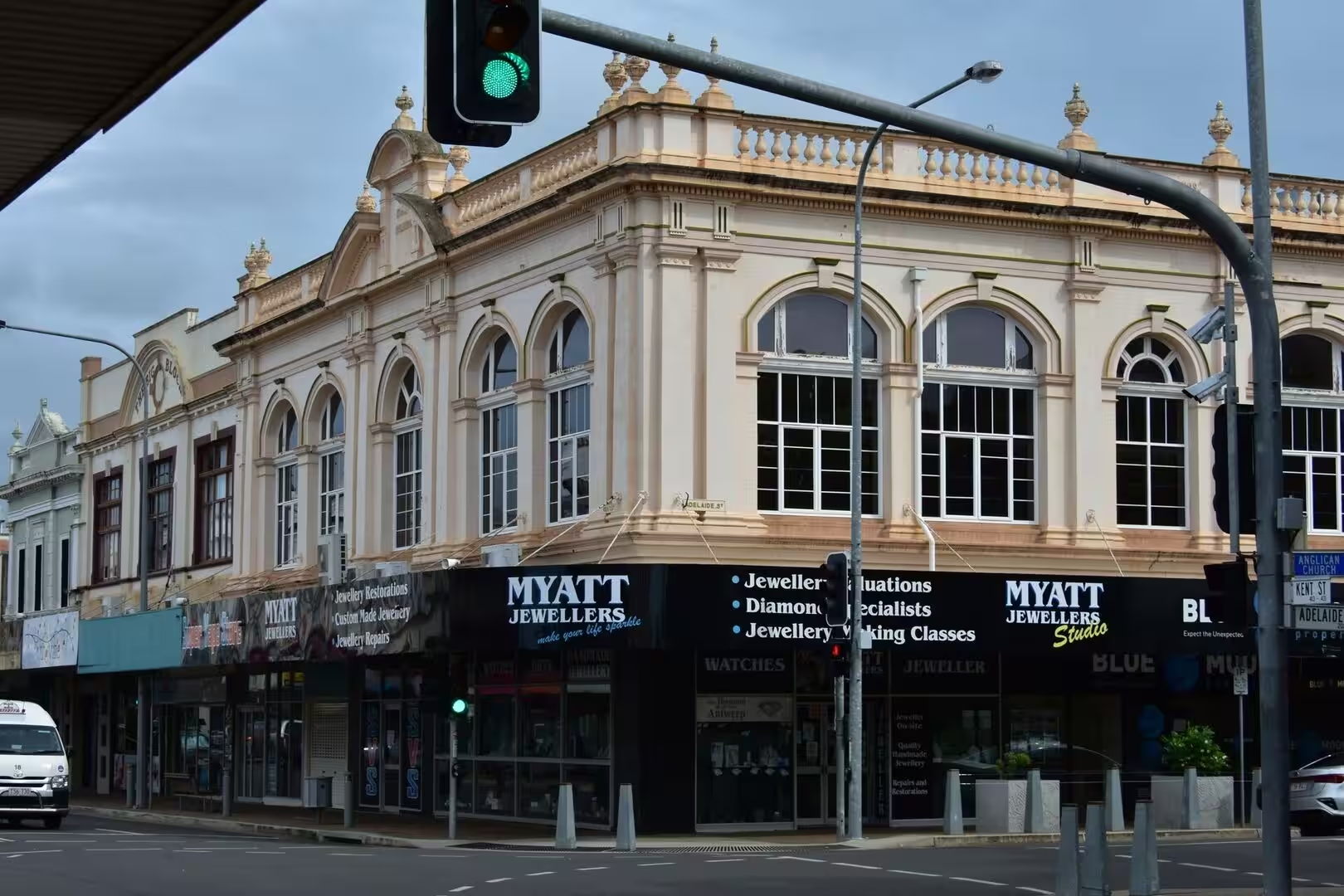
Maryborough, half an hour away by road, is the heritage city of the Fraser Coast. Its main street, Adelaide Street, is lined with the buildings of a prosperous nineteenth century port: hotels and banks with ornate facades and wraparound verandas, jewellers’ premises with their old shopfronts, the clock tower that rises above the shops, the court house and the grand brick town hall. The School of Arts stands among them, and the whole centre has been preserved with the care that has earned the town its name of the Heritage City of Queensland. Thursday markets bring the old street to life, and the riverfront below the town is busy with the boats of the Mary River.
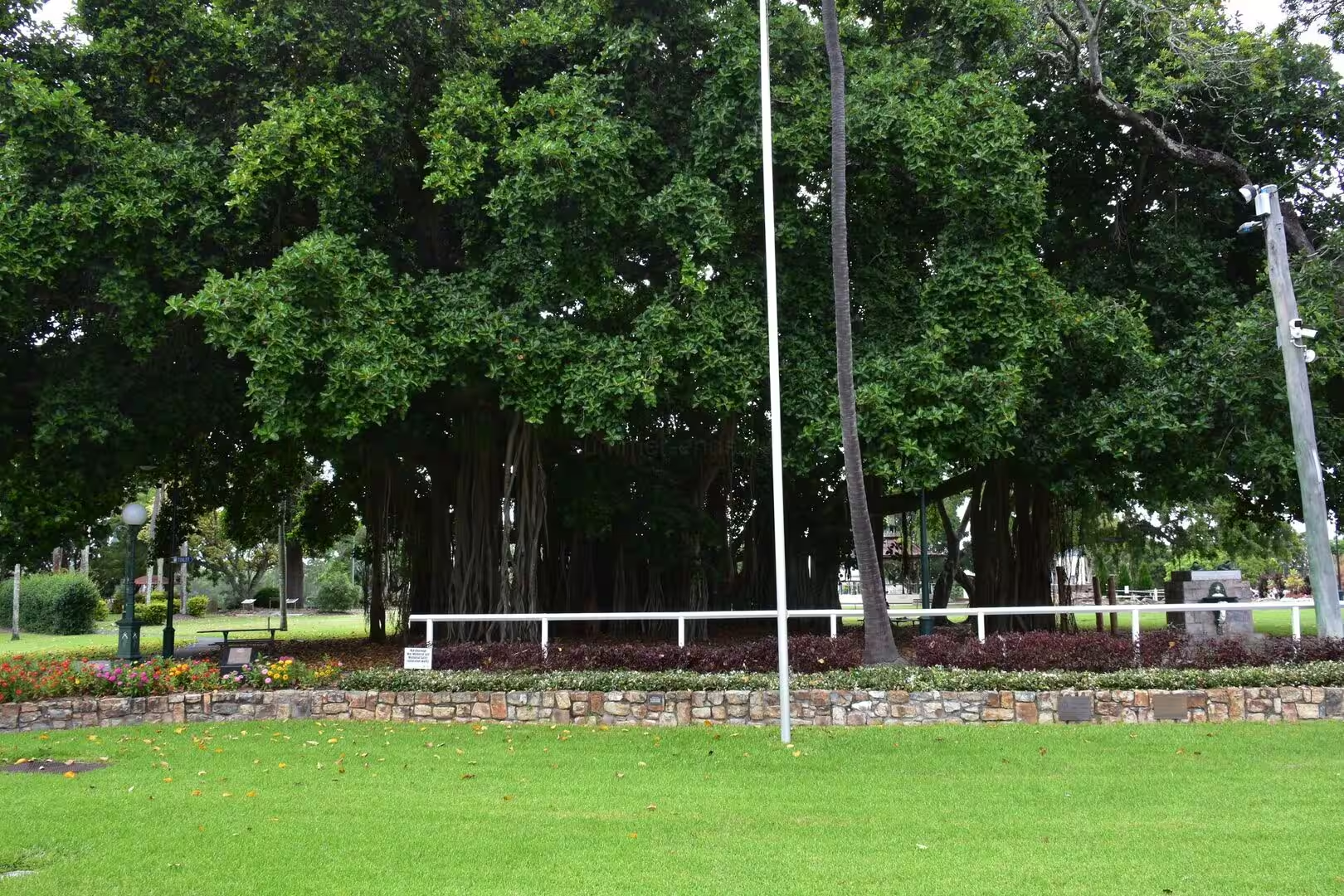
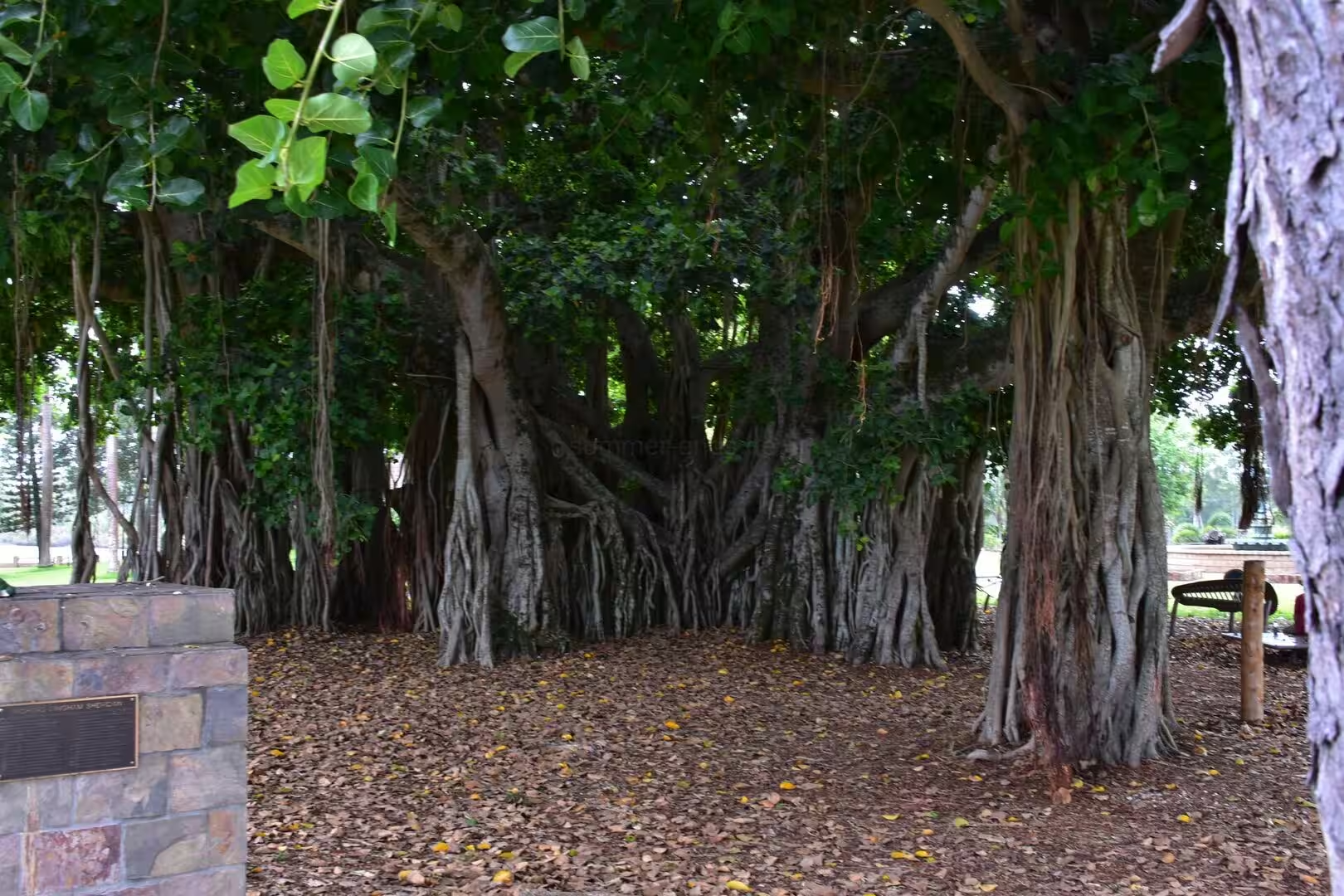
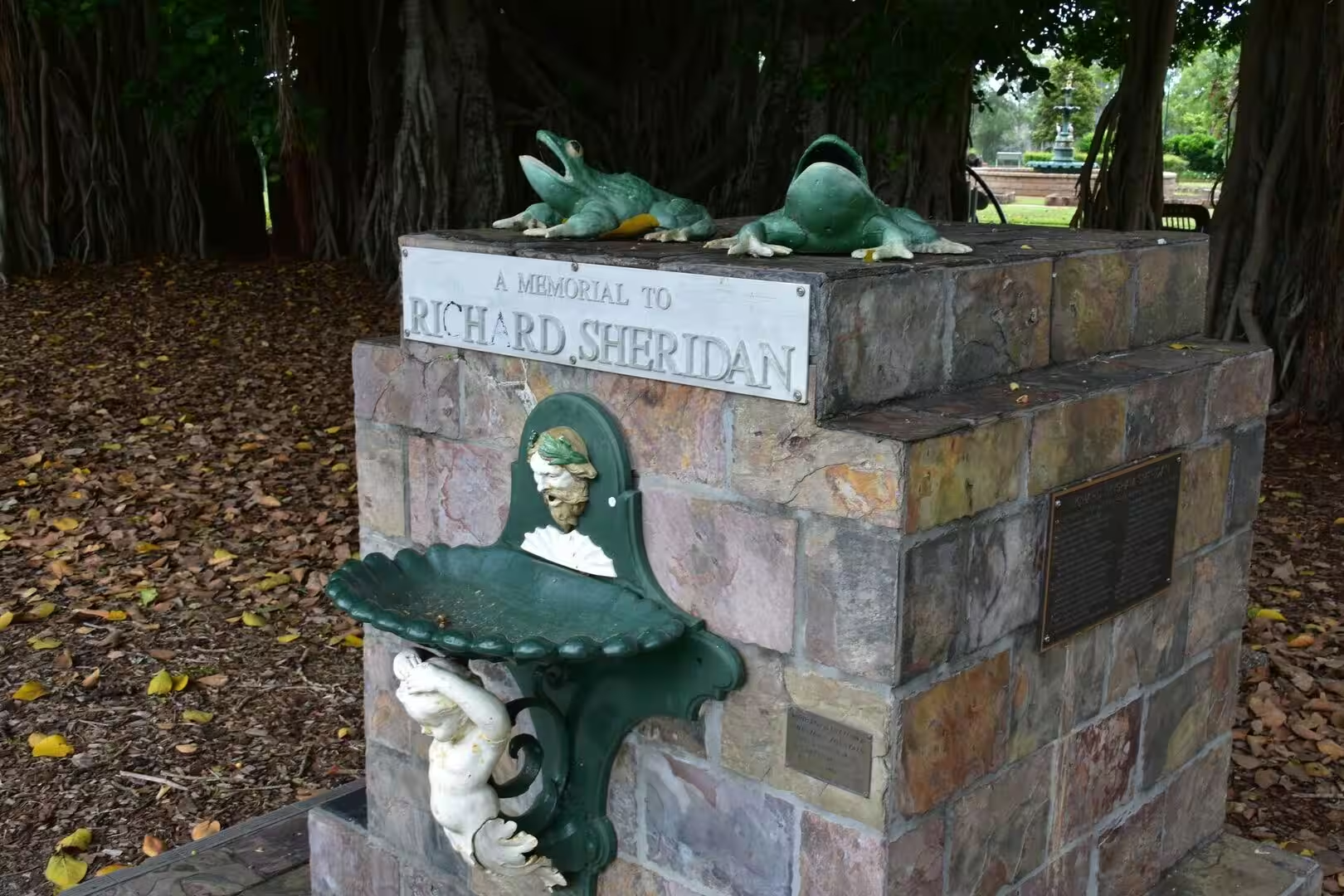
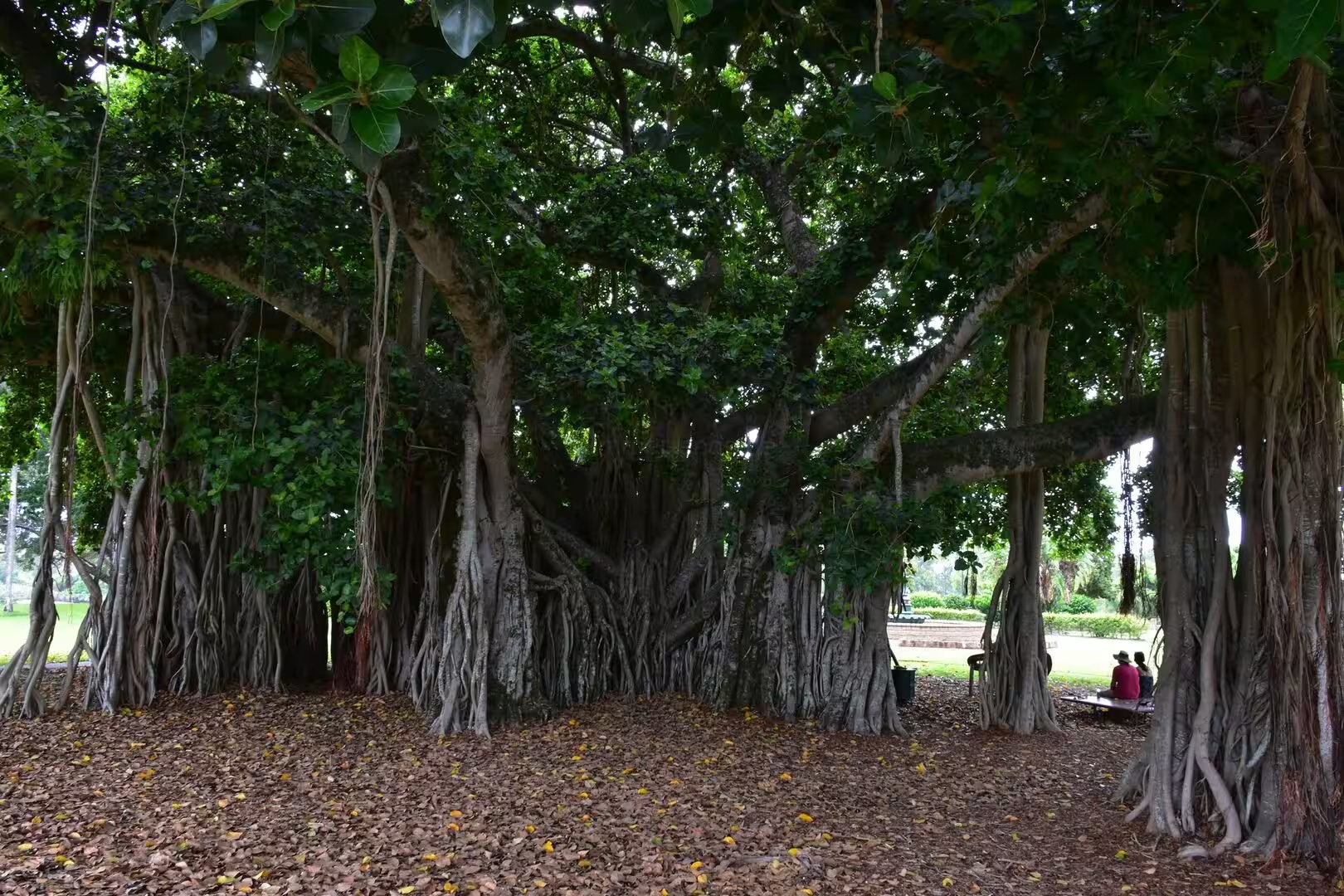
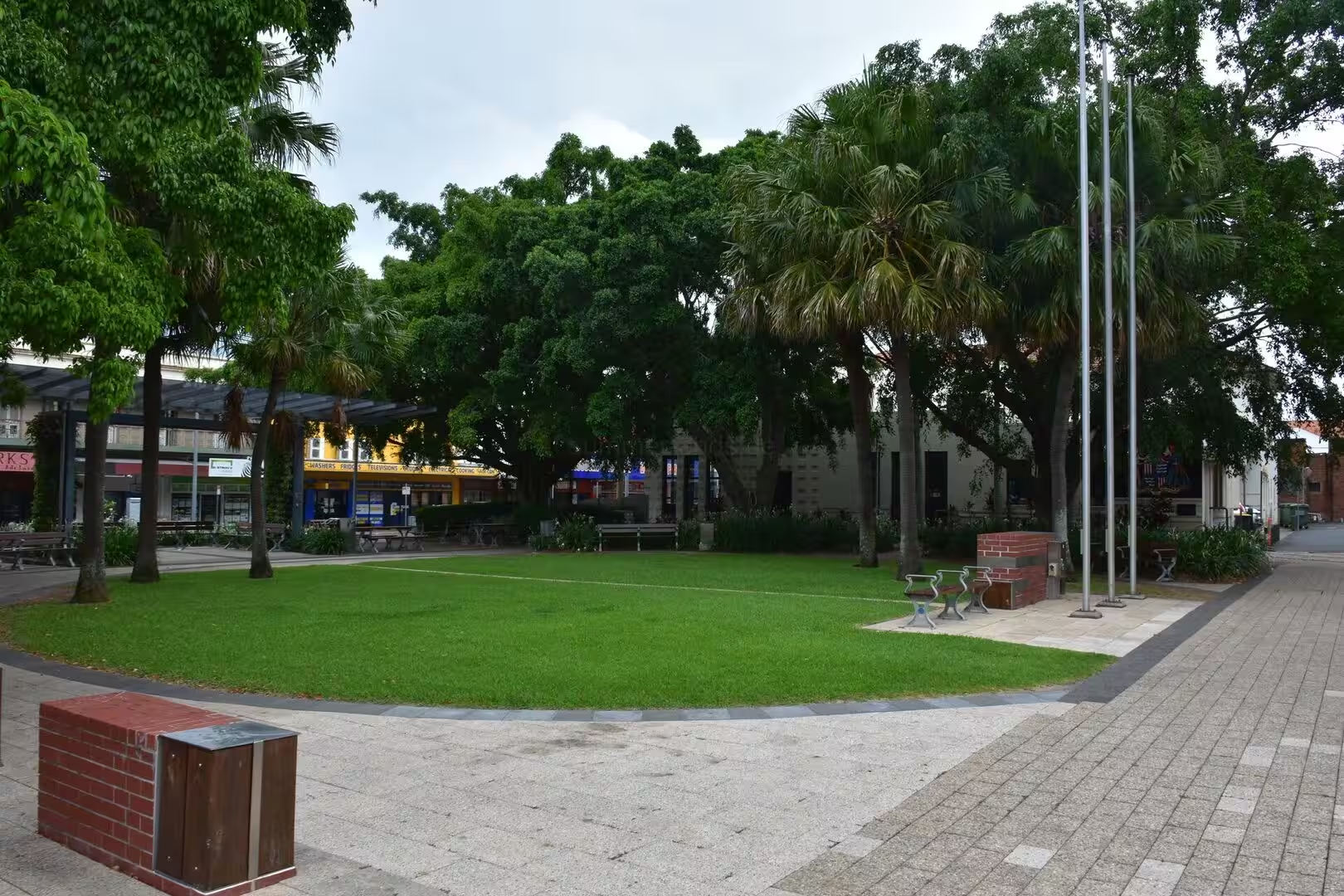
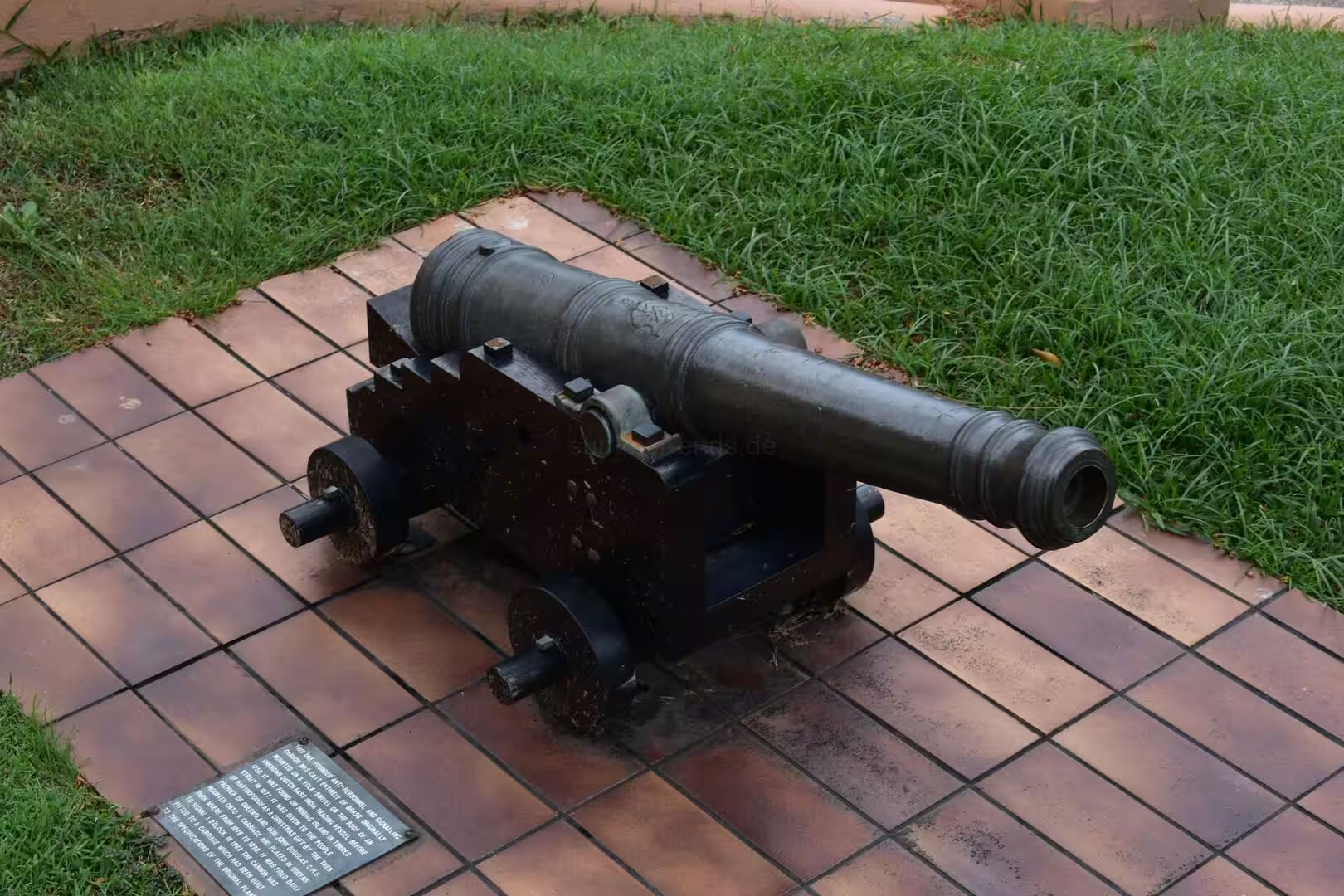
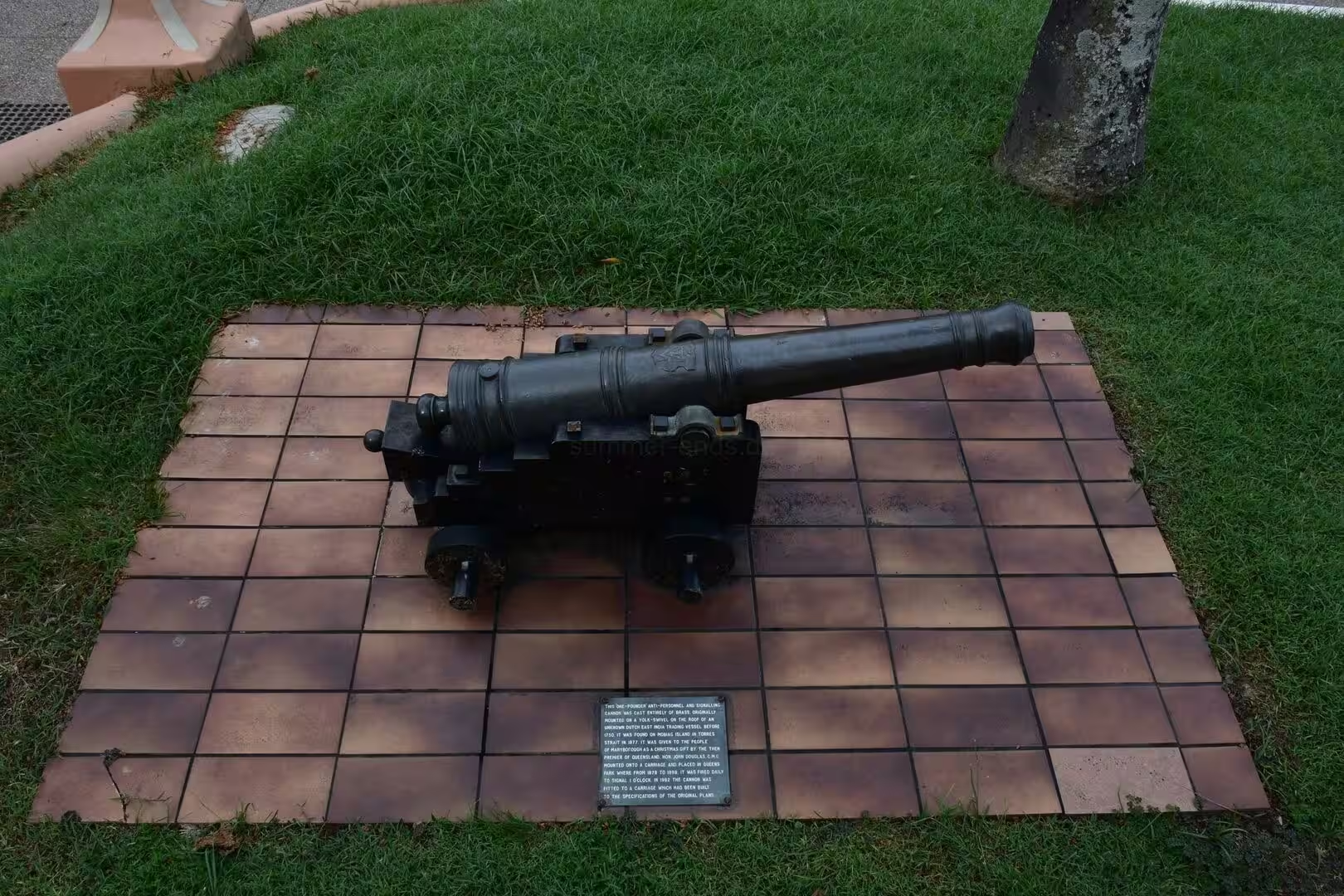
Queen’s Park, on Sussex Street a short walk from the main street, is the leafy heart of Maryborough. Its great banyan figs spread their canopies and aerial roots over the lawns, a memorial fountain stands in the shade of the trees, and the paths of the park pass the cannon and memorials of the town’s past. The park is a place of broad lawns and old trees between the river and the streets, and its benches fill with the town at lunchtime and in the cool of the evening.
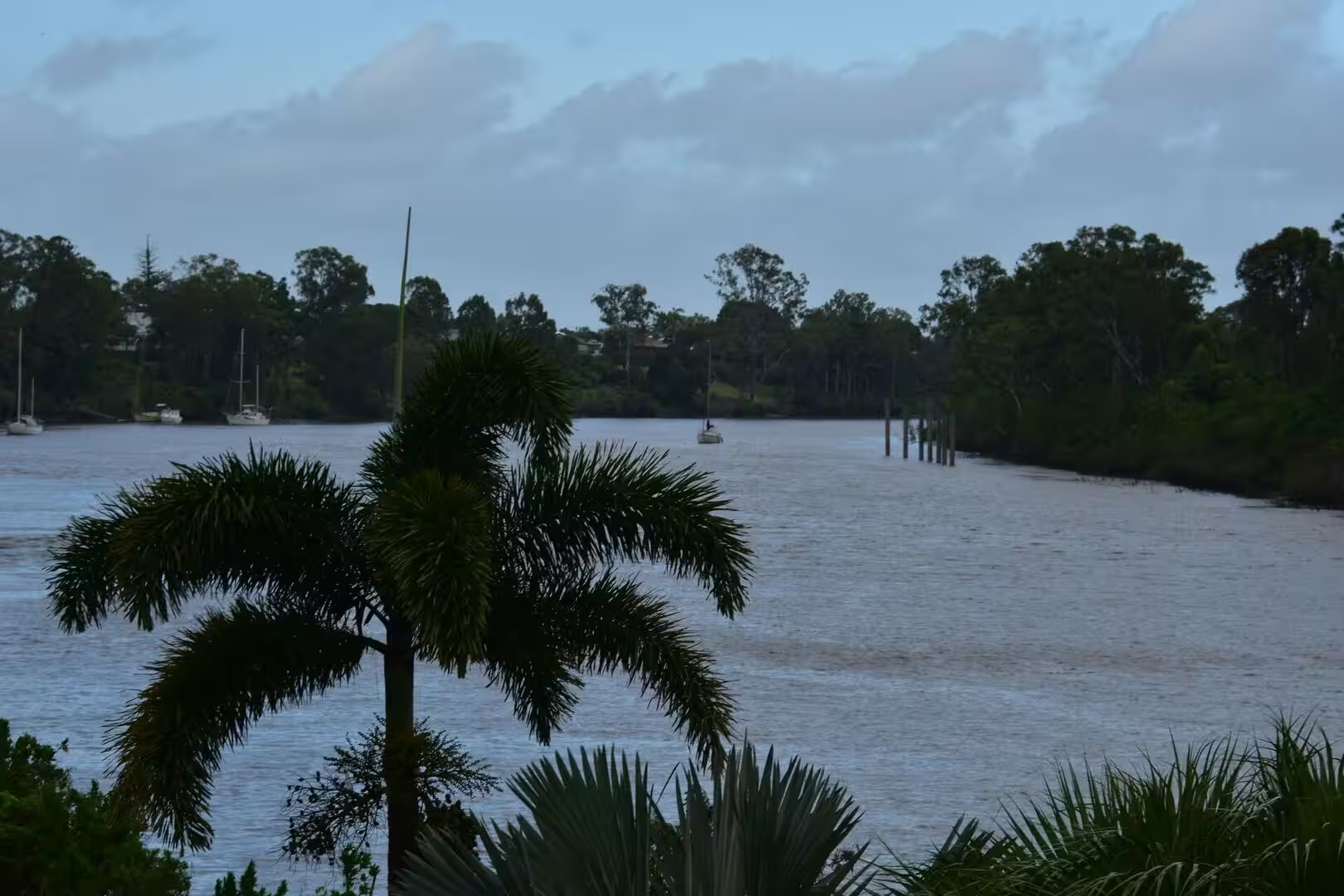
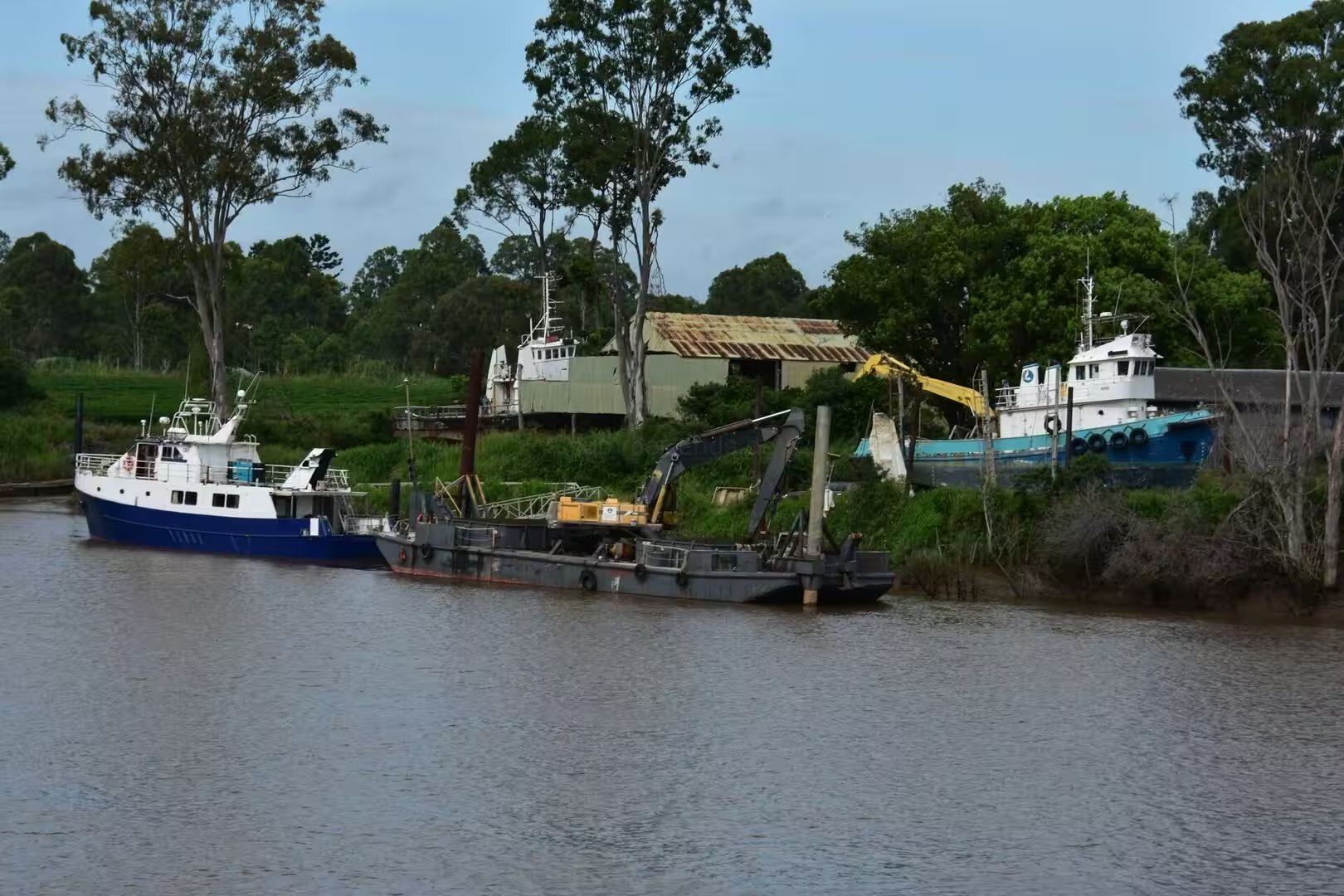
The Mary River gives Maryborough its setting and its history. The wide, slow river carries the town’s small fleet of fishing and sailing boats, and its banks are lined with the wharves and warehouses of the port era. A walk along the water reveals the working face of the old town, and the river itself, with its mudbanks and mangroves, is home to the birds and the quiet life of the estuary. From the river the country of the Fraser Coast opens out towards the bay and the sea.
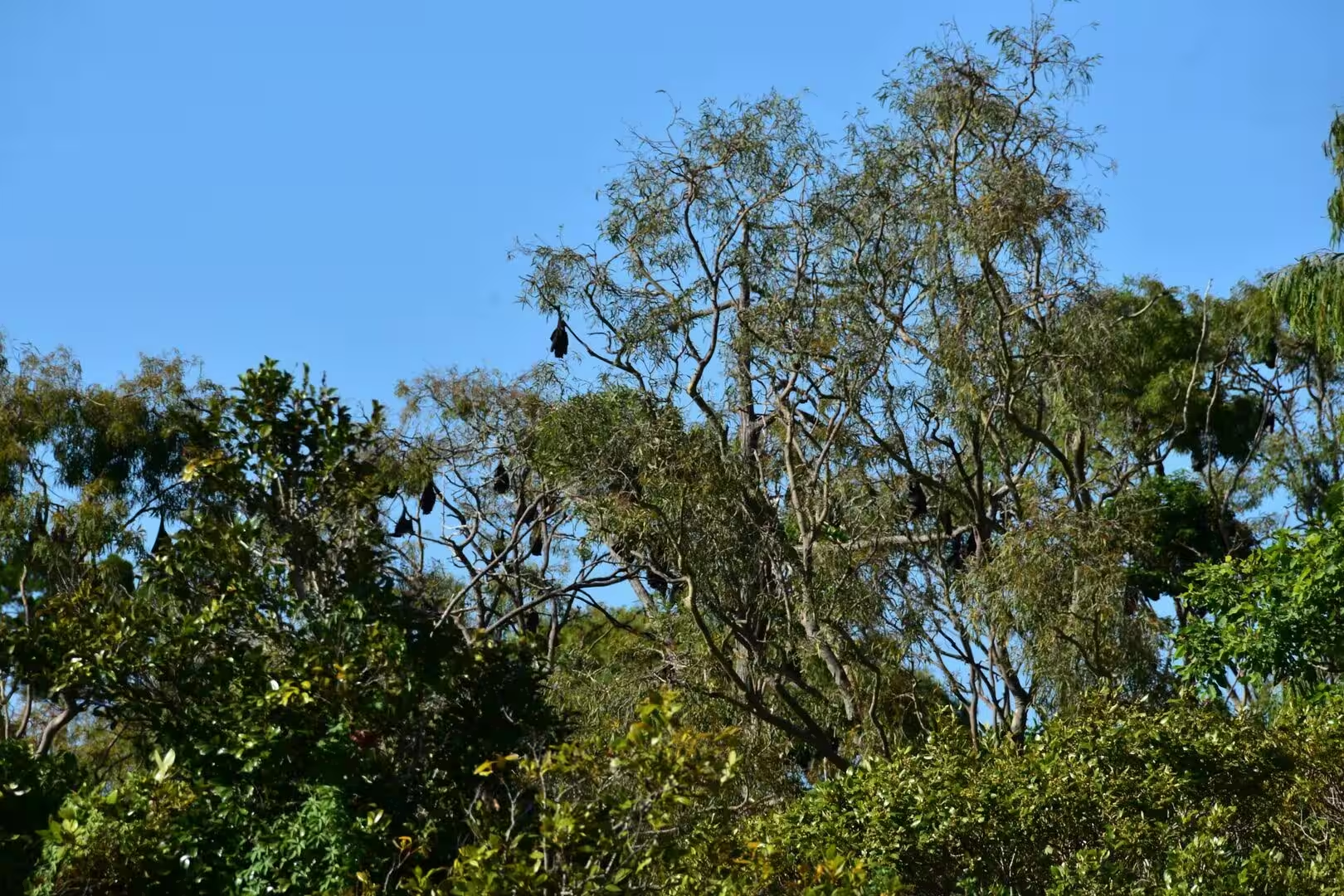
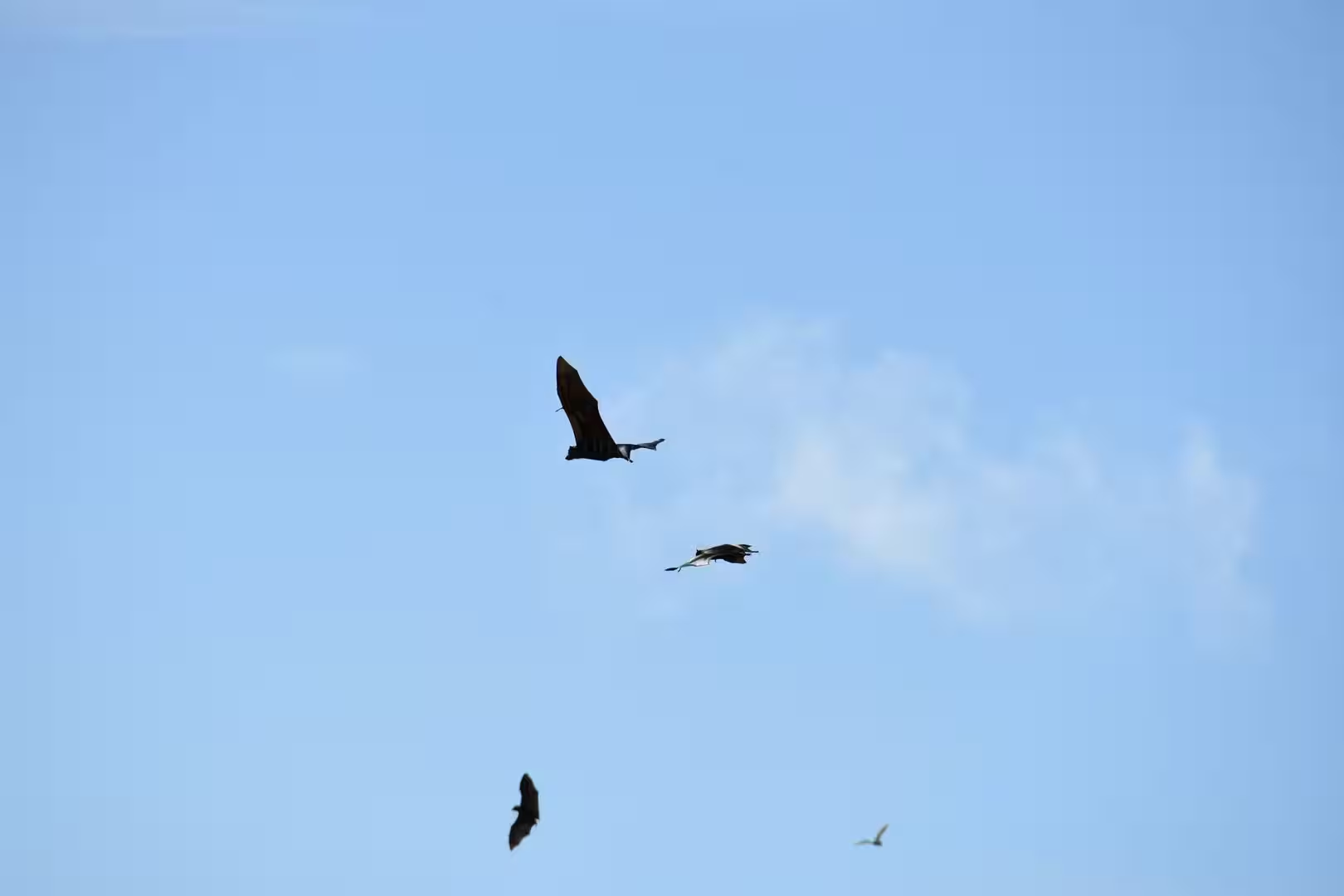
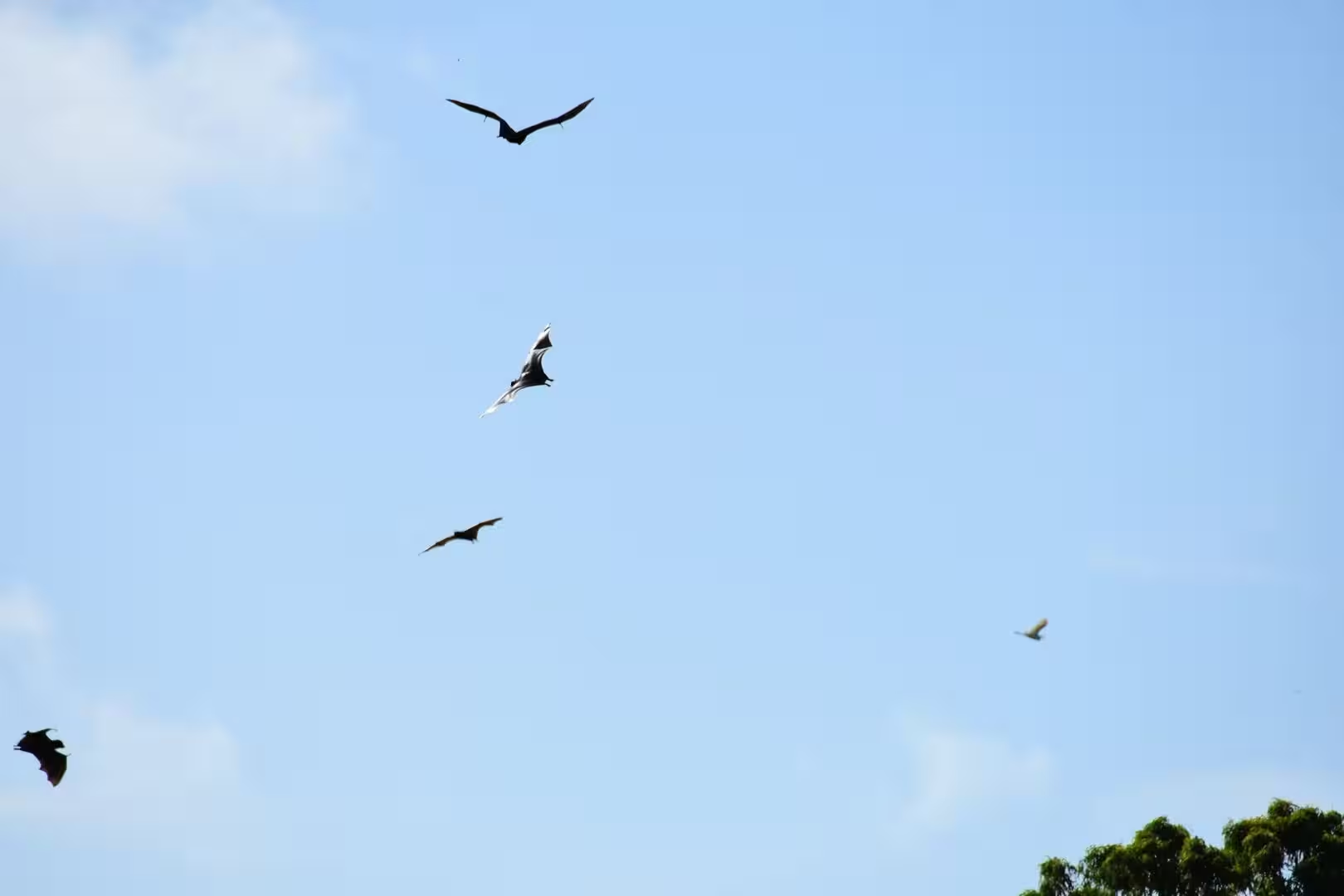
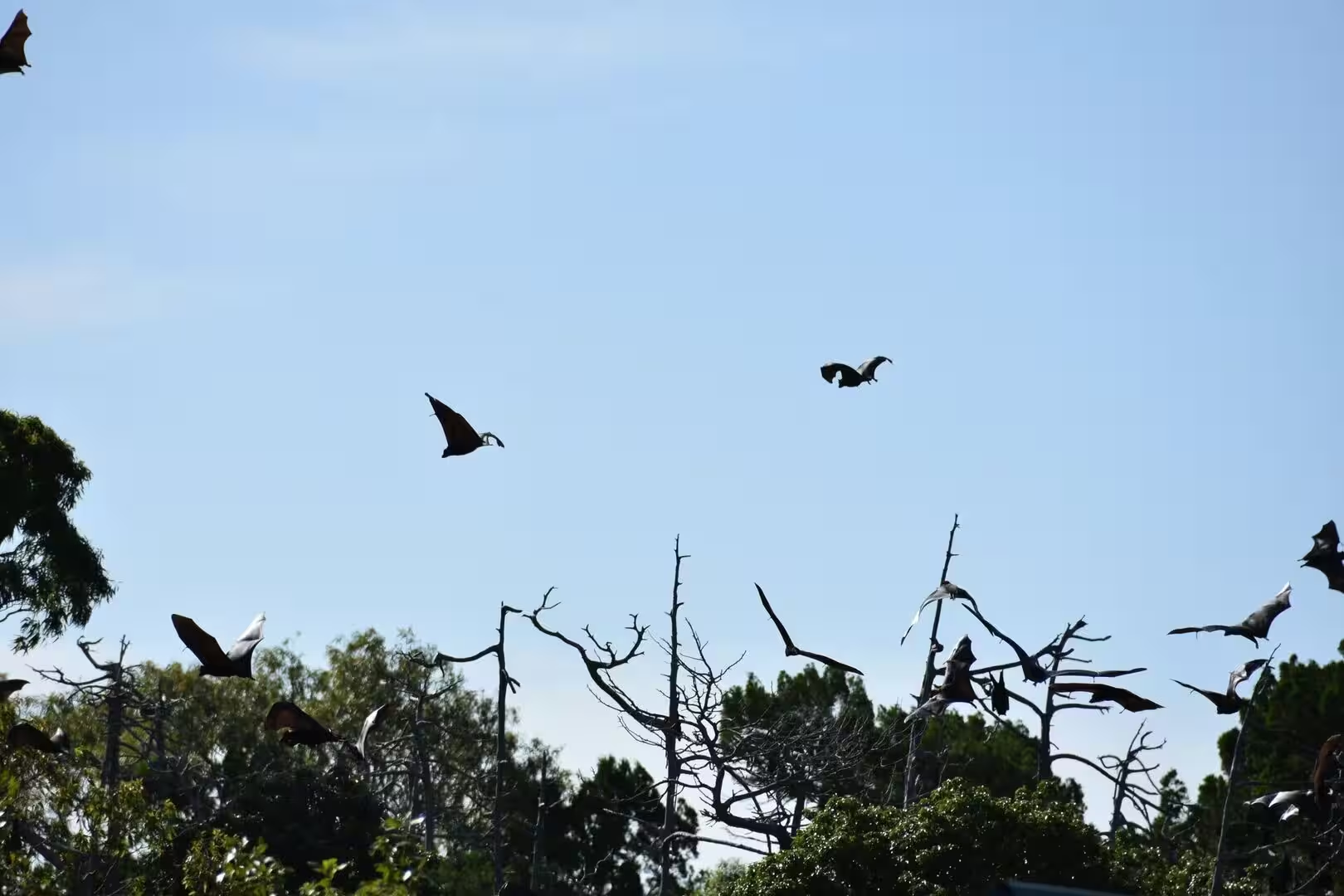
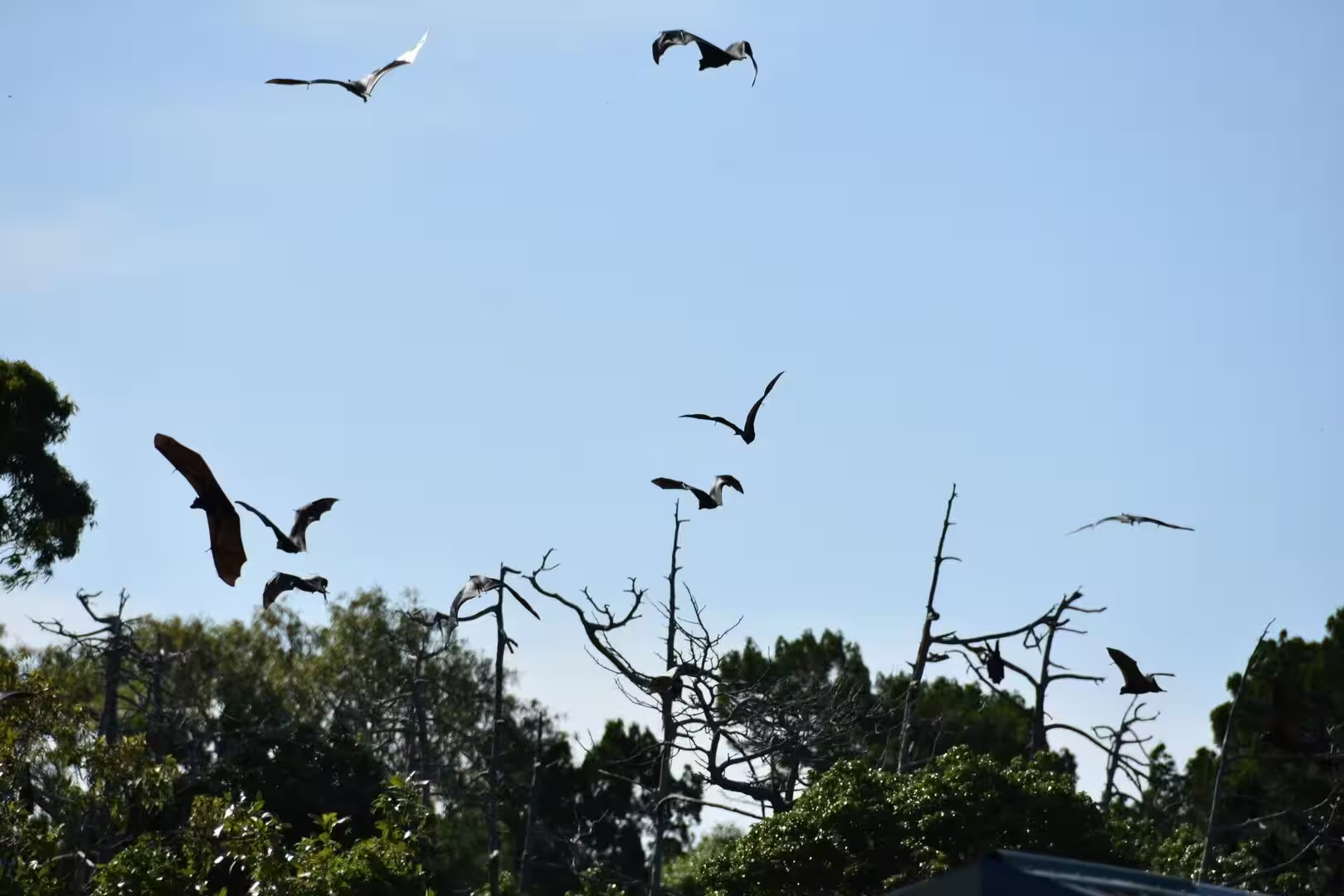
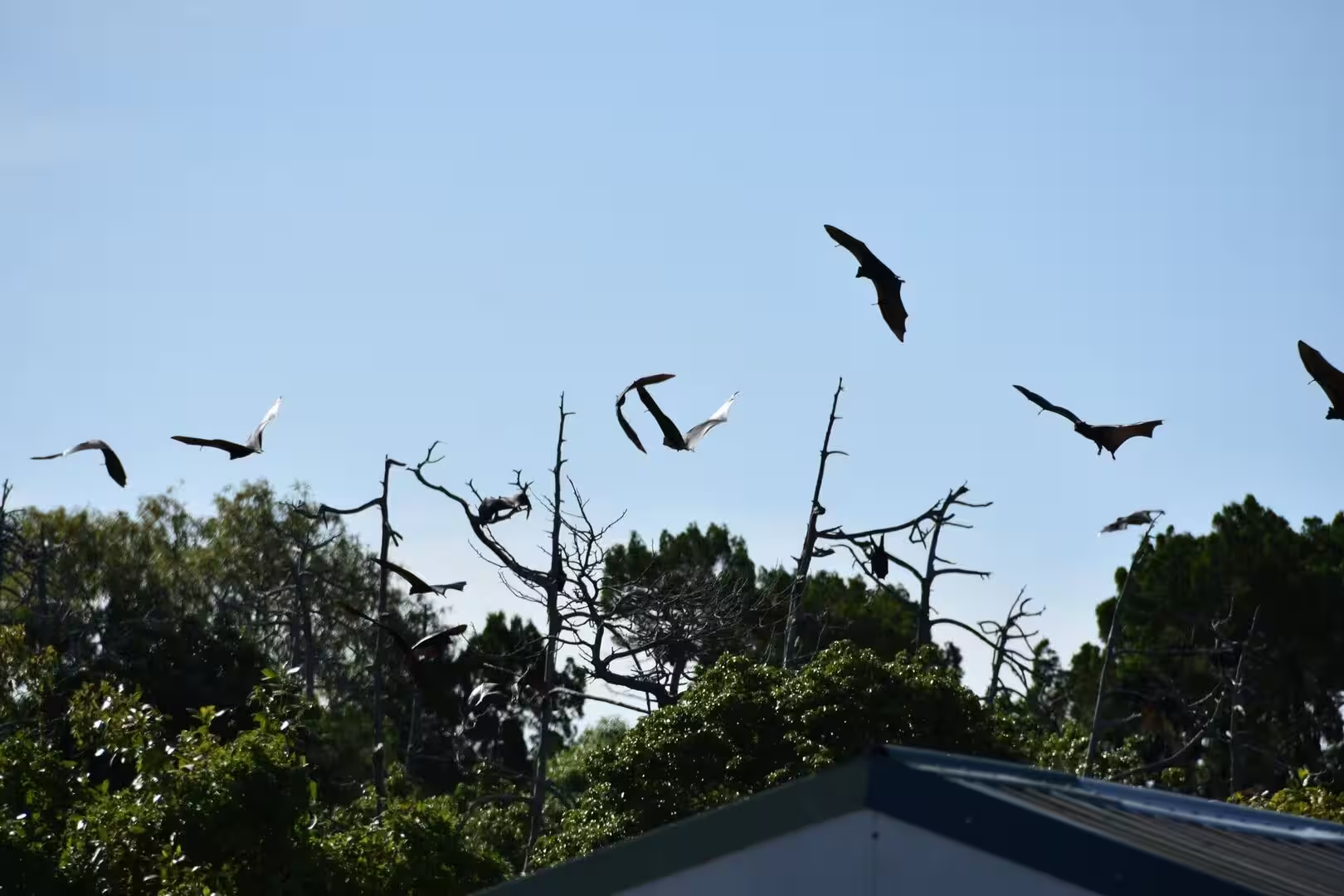
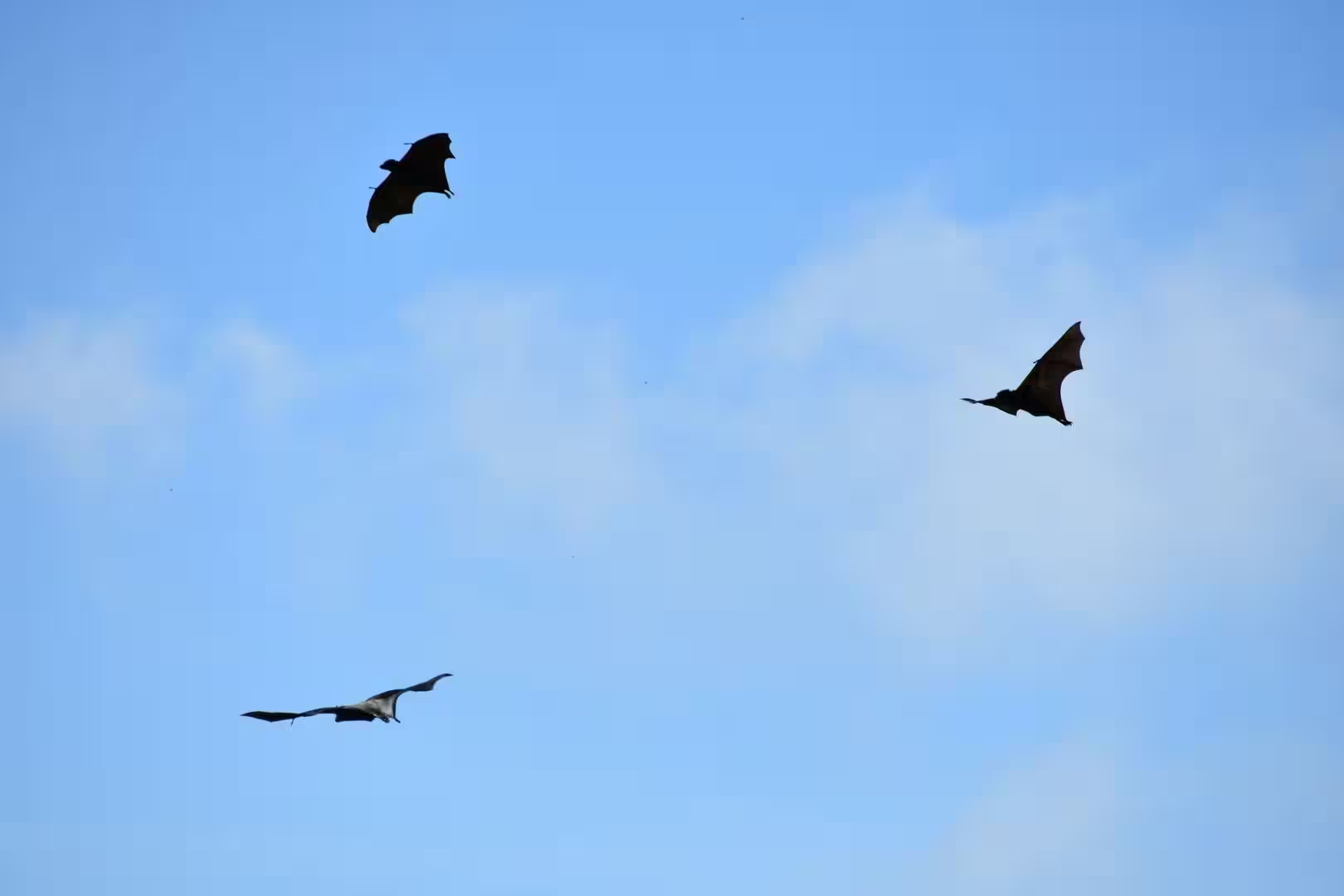
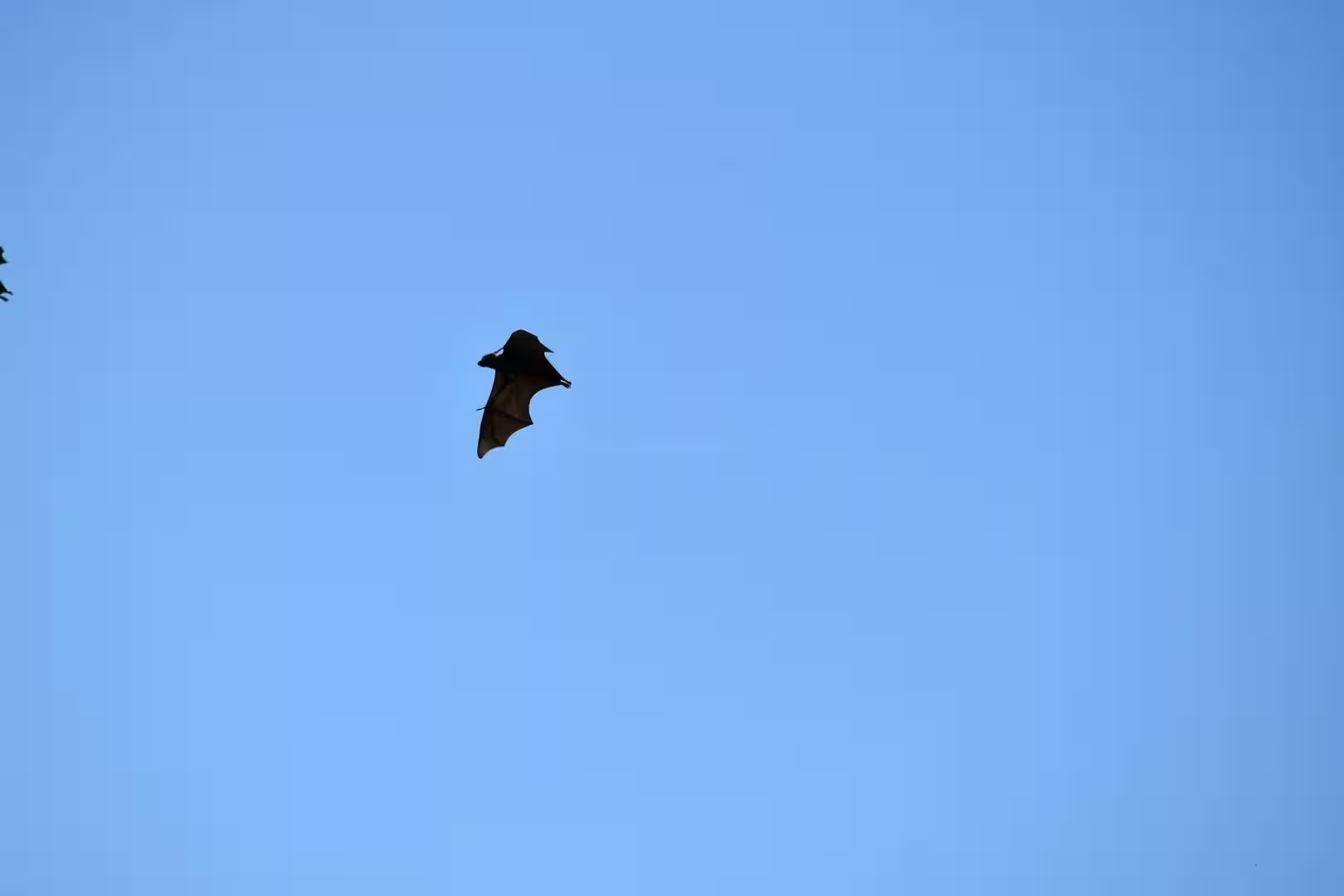
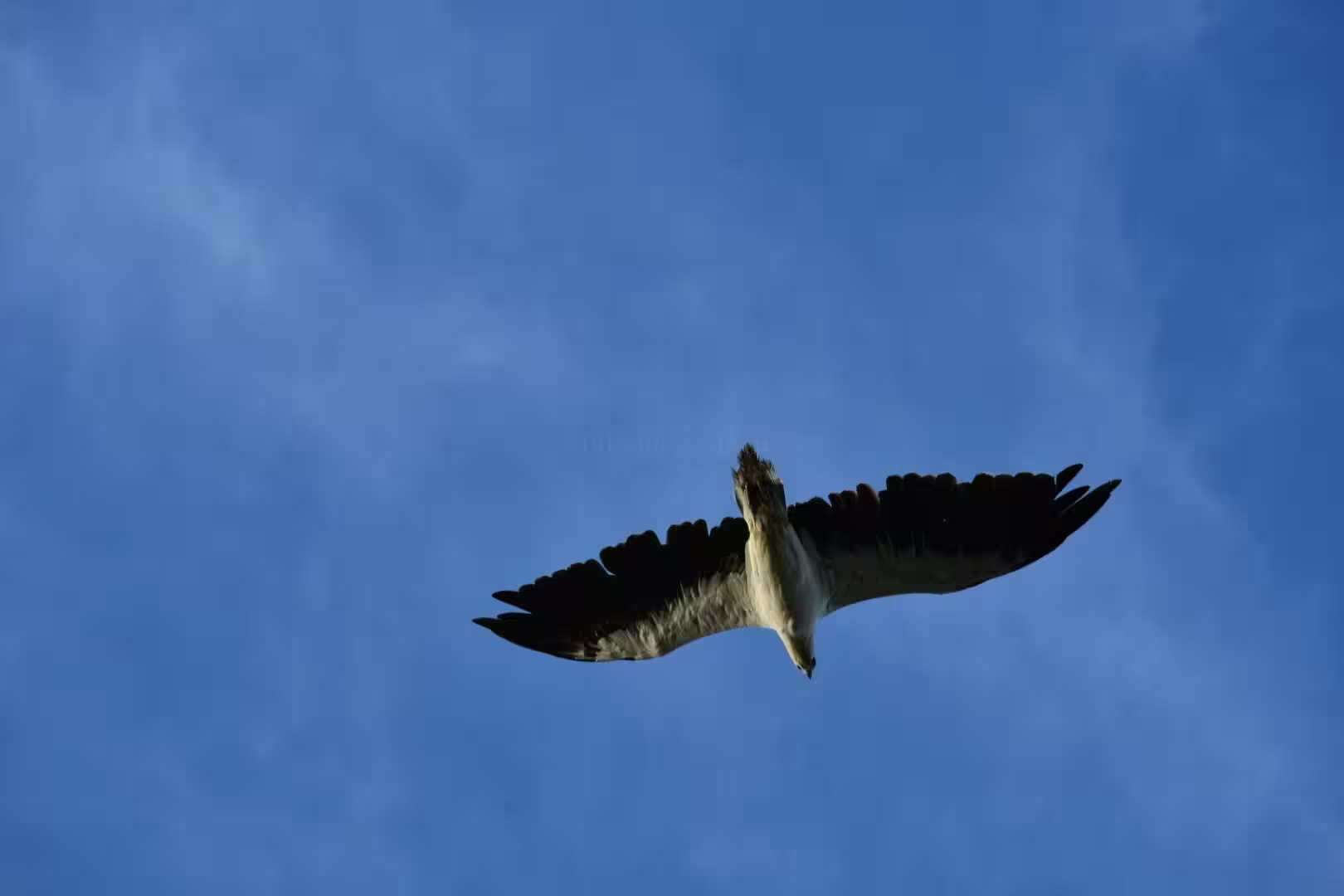
Back on the bay, the beaches of Torquay and Scarness and the great flats of the low tide are the playground of Hervey Bay. Families wade in the shallow water, sailing boats lie at anchor off the shore, and at dusk the sky over the bay fills with birds: birds of prey turn above the dunes, and the flying foxes of the coast cross the treetops on their evening flights. Between the jetty of Scarness, the museums of the town and the wide sands of the ebb tide, Hervey Bay offers its visitors the quietest and most complete picture of life on this sheltered coast.
References
- Wikipedia: “Scarness, Queensland”, en.wikipedia.org/wiki/Scarness,_Queensland
- Wikipedia: “Urangan Pier”, en.wikipedia.org/wiki/Urangan_Pier
- Wikipedia: “Maryborough, Queensland”, en.wikipedia.org/wiki/Maryborough,_Queensland
- Wikipedia: “SS Maheno”, en.wikipedia.org/wiki/SS_Maheno
- Wikipedia: “Hervey Bay, Queensland”, en.wikipedia.org/wiki/Hervey_Bay,_Queensland
- Wikipedia: “K’gari”, en.wikipedia.org/wiki/K%27gari
- Wikipedia: “Great Sandy Strait”, en.wikipedia.org/wiki/Great_Sandy_Strait
- Wikipedia: “Mary River (Queensland)”, en.wikipedia.org/wiki/Mary_River_(Queensland)
- Wikipedia: “P. L. Travers”, en.wikipedia.org/wiki/P._L._Travers
- Museums and Galleries Queensland: “Hervey Bay Historical Village and Museum”, magsq.com.au/museum-gallery/hervey-bay-historical-village/
- Discover Hervey Bay: “Hervey Bay Historical Museum”, www.discoverherveybay.com/historical-museum-of-hervey-bay-qld/
- Hervey Bay Caravan Park: “Hervey Bay Historical Village and Museum”, herveybaycaravanpark.com.au/things_to_do/historical-village/
- UNESCO World Heritage Centre: “Fraser Island”, whc.unesco.org/en/list/630