2024 Australia - January - Sydney 1














Journal Notes
General
Sydney is the largest city of Australia and the capital of the state of New South Wales. It lies on the east coast of the continent, between the Pacific Ocean and the Blue Mountains, and in 2021 the population of the city and its suburbs passed 5.2 million, with about forty per cent of its people born overseas. The metropolis surrounds the great inlet of Port Jackson, better known as Sydney Harbour, and spreads along the ocean shore and the river valleys that run inland from it.
The heart of the city is the harbour. Port Jackson is not a simple bay but a maze of coves, points and side arms, and Sydney has grown around its shores: the central business district rises on the southern side, the older residential quarters climb the northern shore, and the two halves are joined by the great steel arch of the Harbour Bridge. At the head of Sydney Cove lies Circular Quay, the old landing place of the colony, now the busiest of the harbour’s ferry terminals and the natural starting point for any visit to the water.
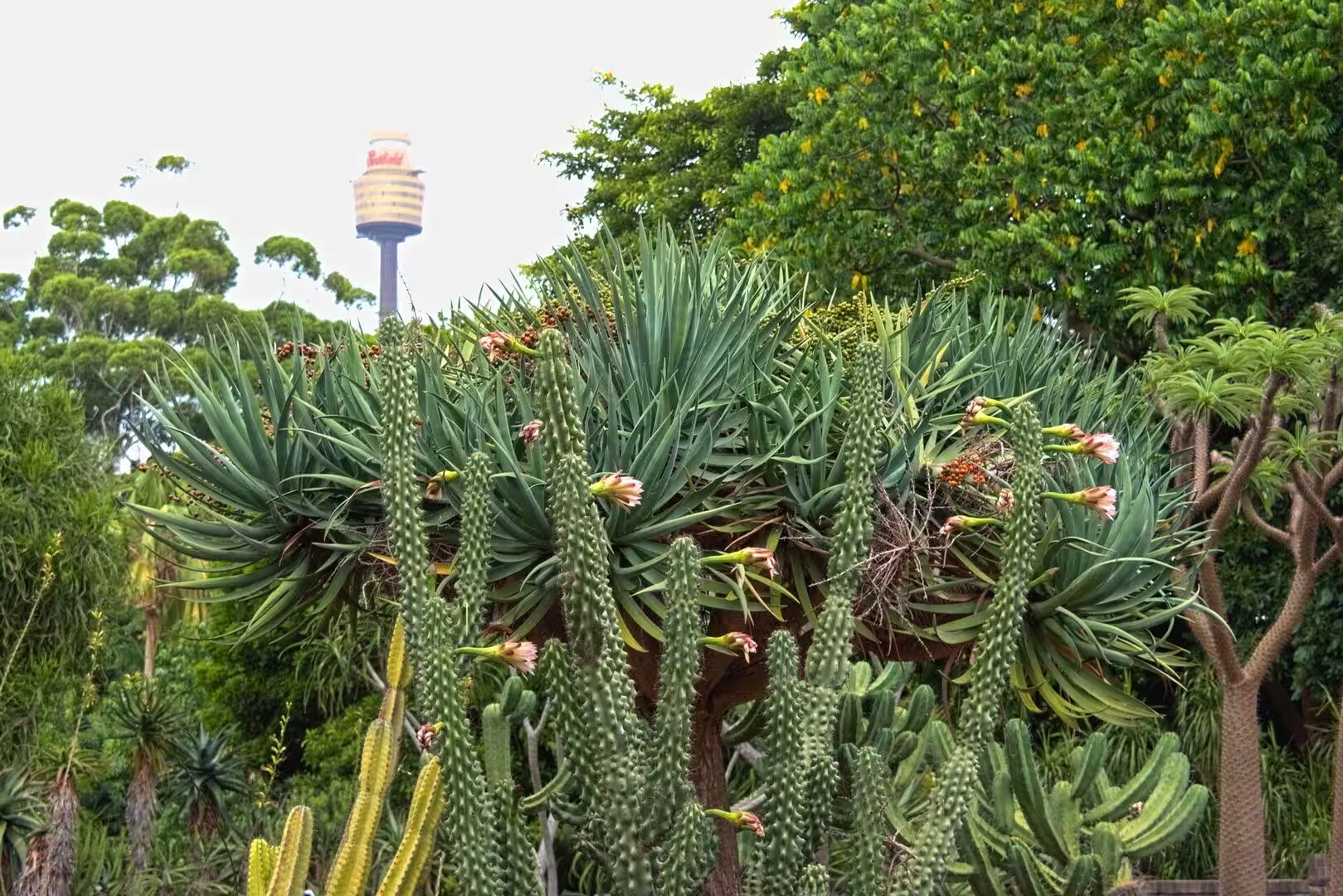
Sydney is a city of stone and water. The centre is compact, its office towers gathered around the green parklands and the sandstone public buildings of the nineteenth century; above them rises the slender shaft of the Sydney Tower. At the western edge of Sydney Cove the historic quarter of The Rocks climbs the ridge behind the quay, its lanes and terraces the oldest surviving streets of the city. Further out, the suburbs of the harbour shore step down to their own jetties, beaches and parkland foreshores.
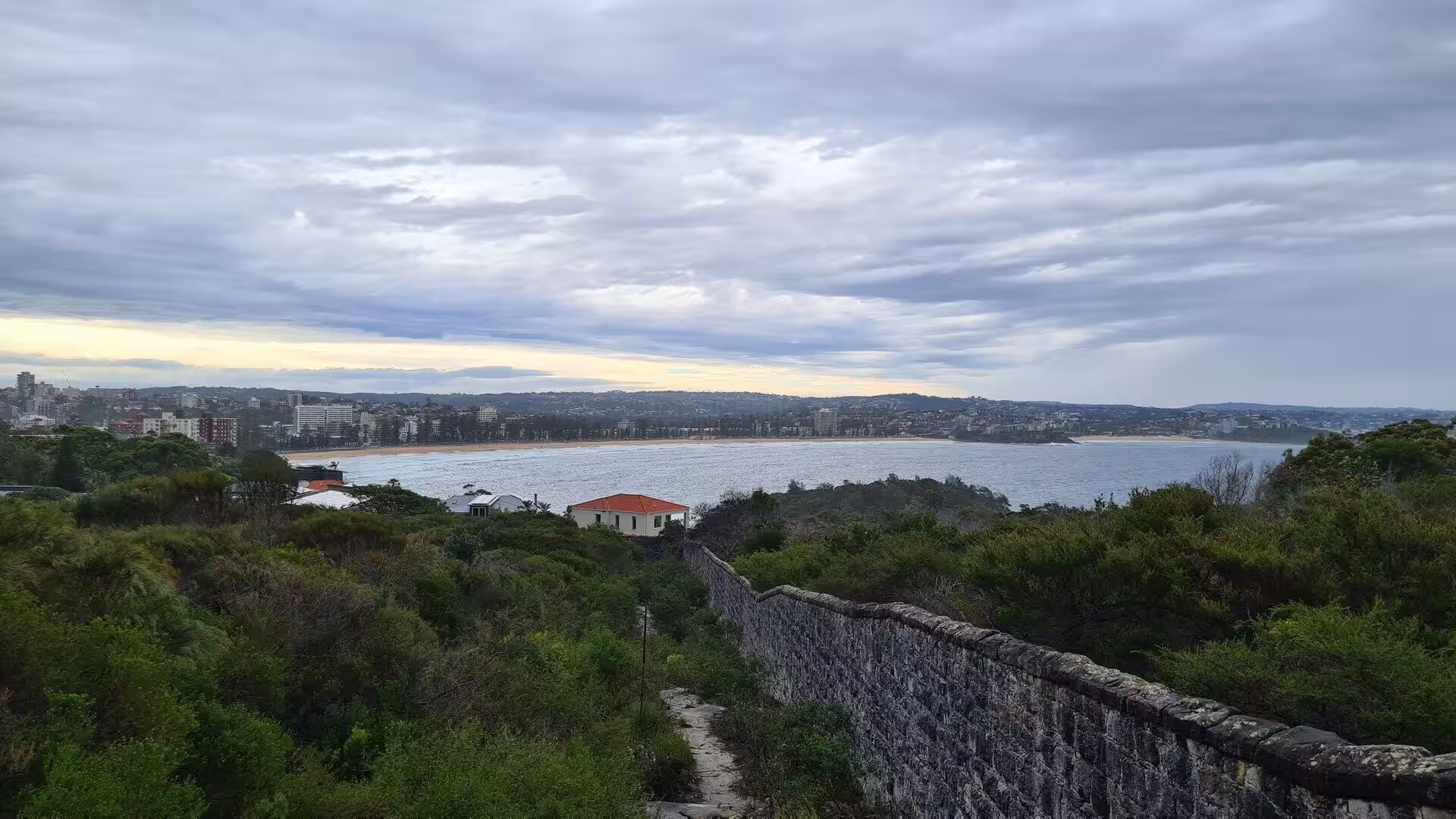
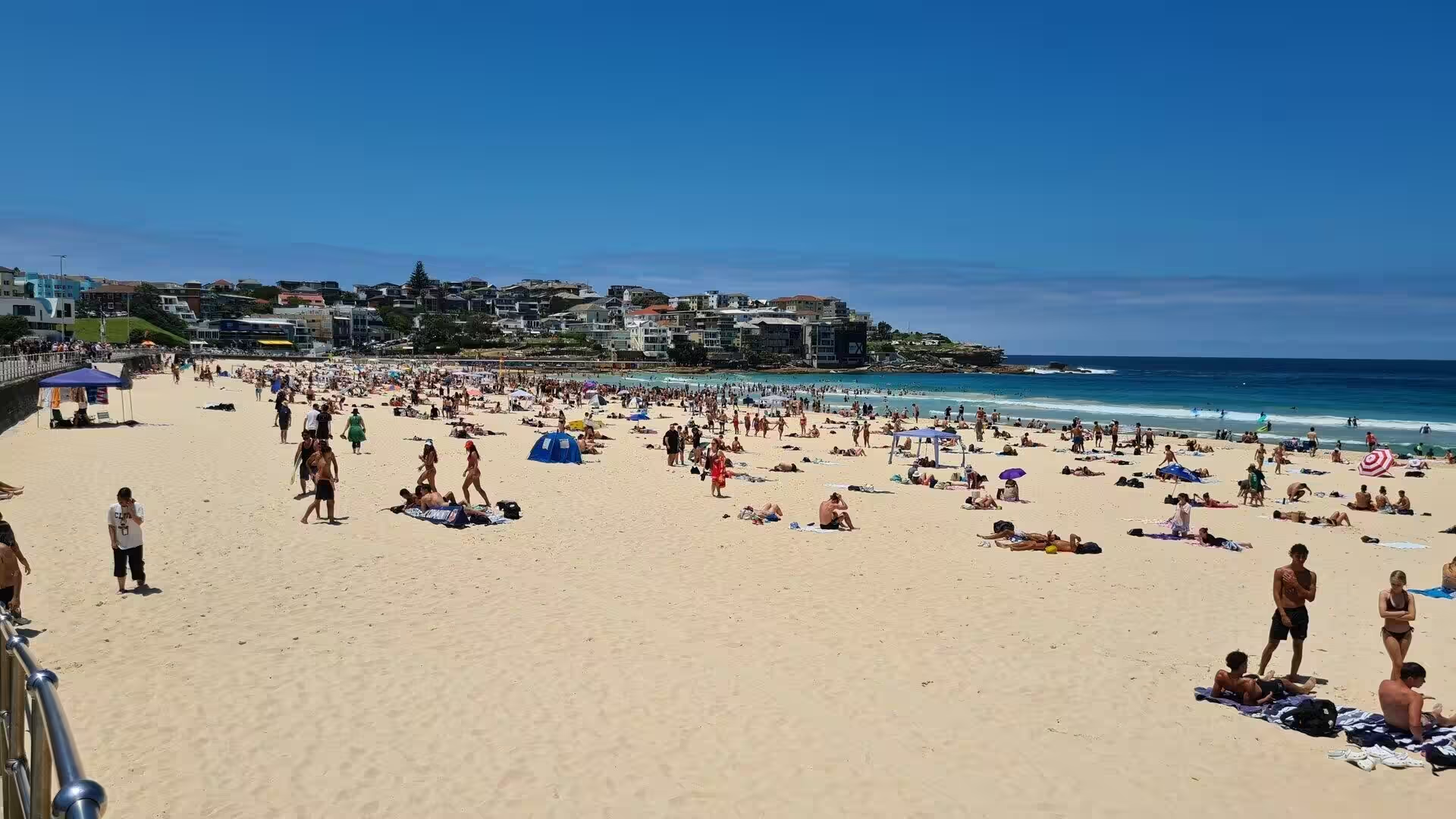
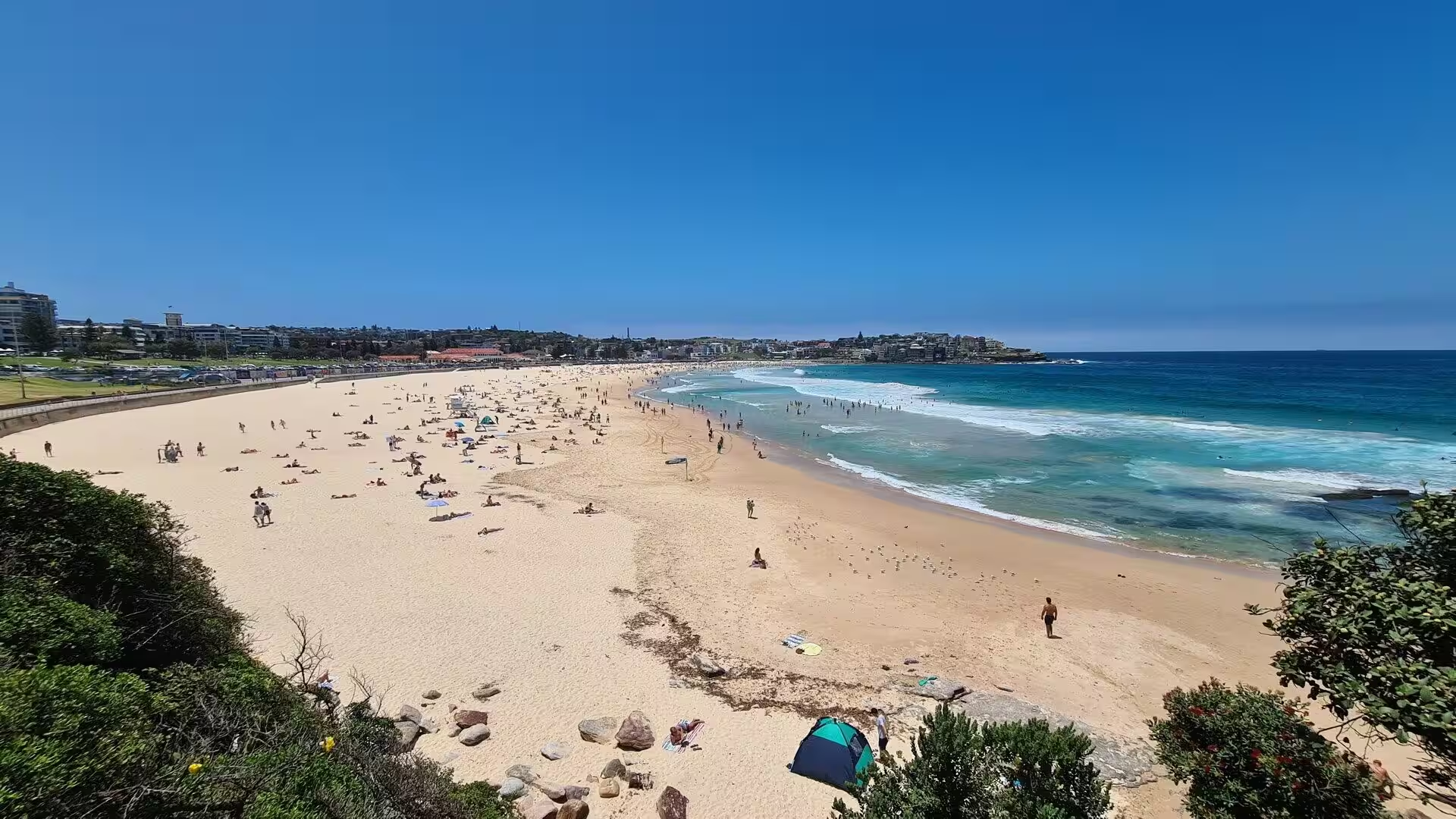
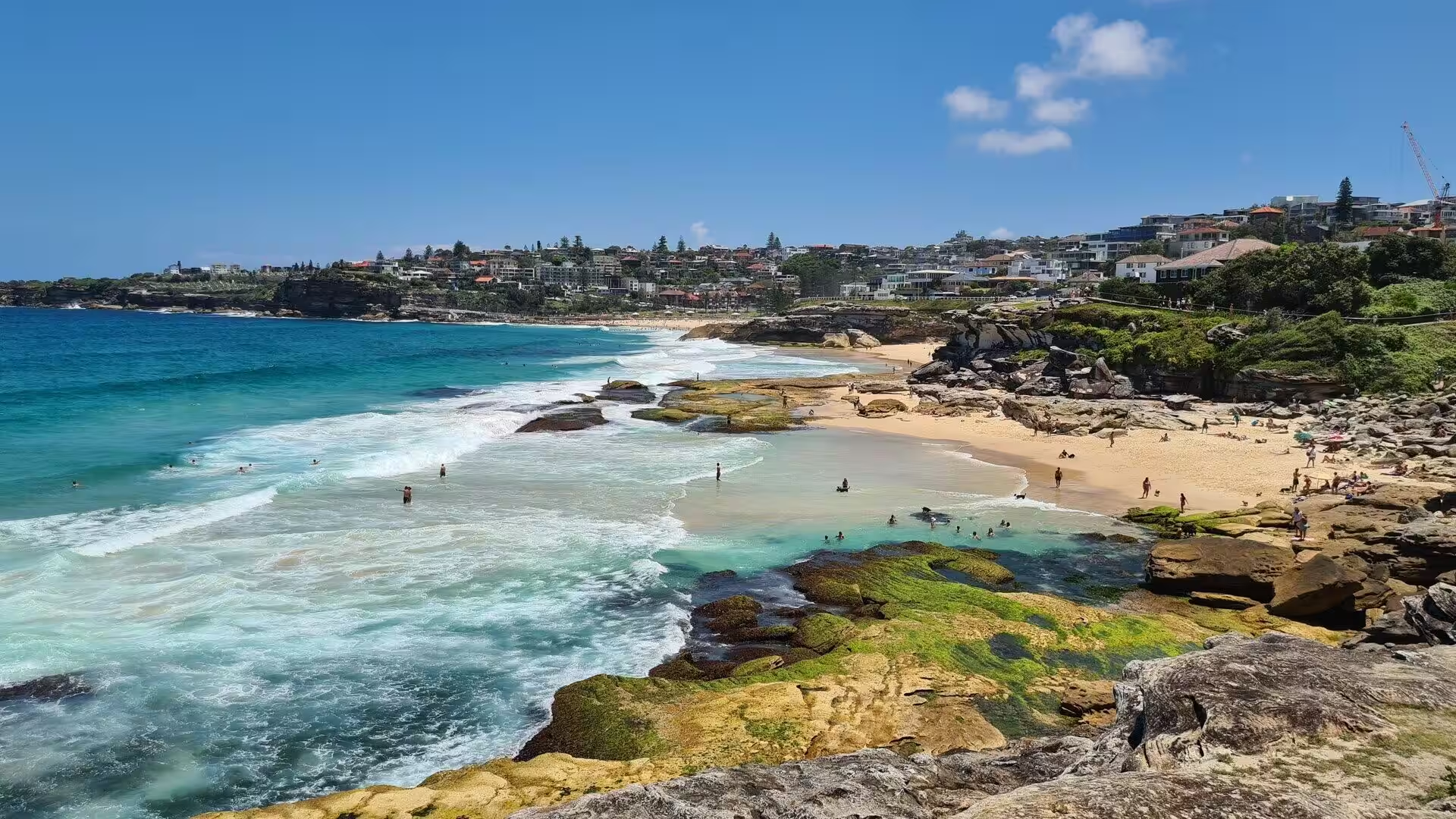
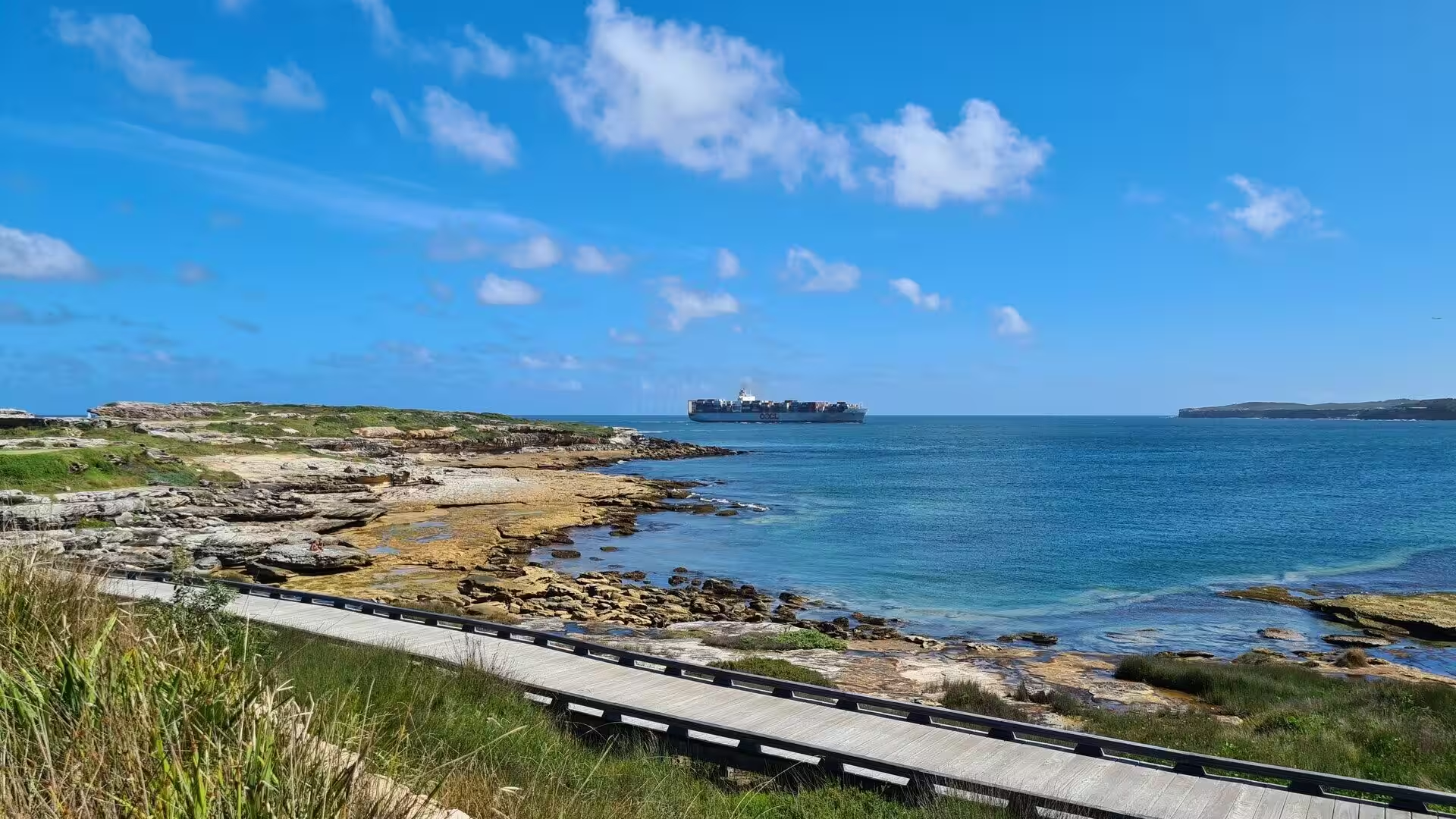
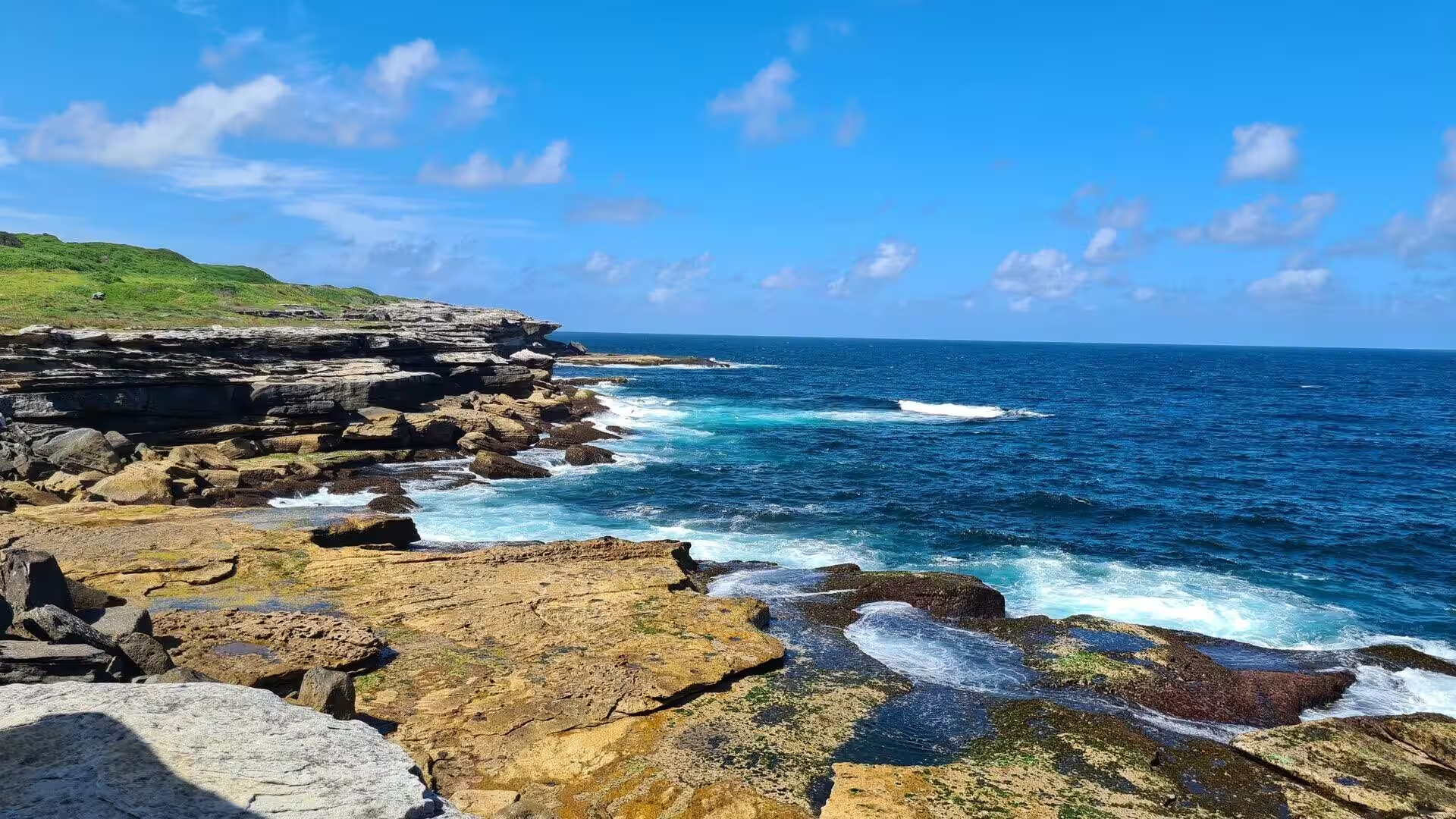
Beyond the Heads, as the sandstone cliffs at the harbour mouth are called, the city meets the open ocean. Long beaches of white sand curve between rocky headlands, waves break over platforms of stone, and the famous coastal walks of Sydney follow the clifftops from beach to beach. On a summer day the surf beaches fill with swimmers and sunbathers, while the sheltered coves of the harbour offer a calmer water for families and sailing boats.
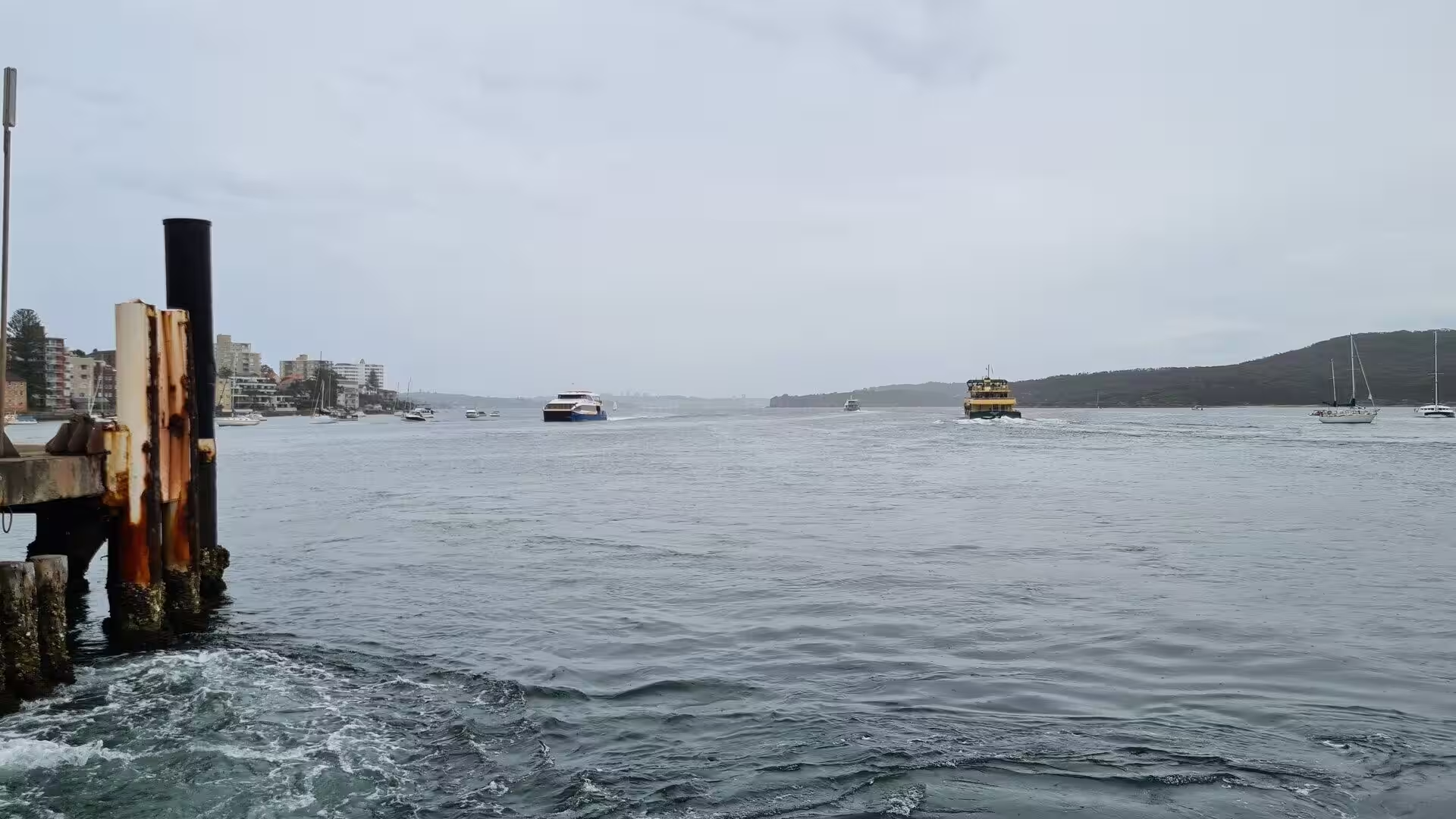
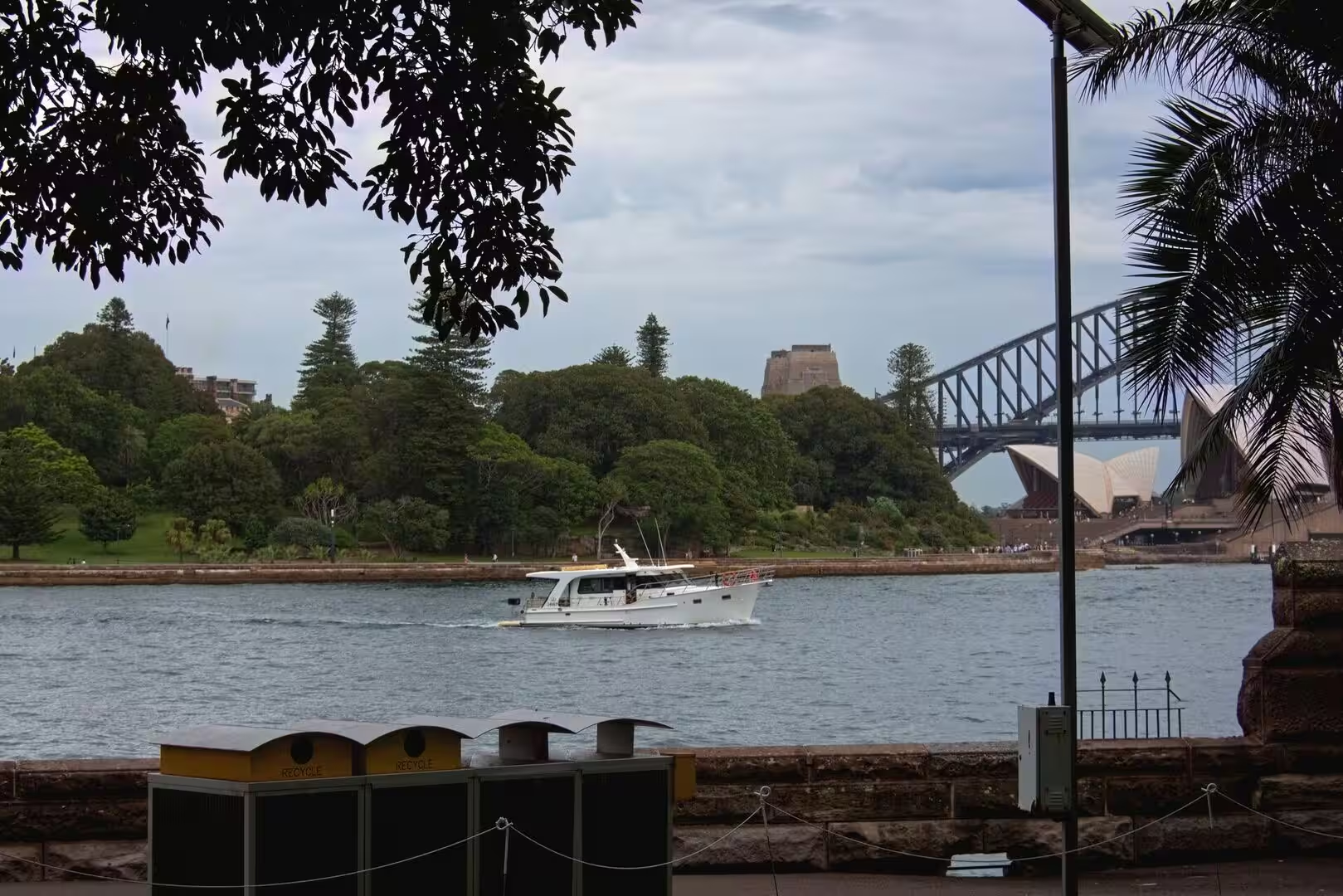
Sydney’s character is bound to its water. Ferries cross the harbour day and night, sailing boats and commuter craft share the channel with the ferries, and the skyline is framed by the two most famous structures of the country, the Opera House on Bennelong Point and the steel arch of the Harbour Bridge. Luna Park glitters on the far shore at Milsons Point, and the islands of the harbour, with their forts and gardens, lie dotted across the water between the city and the sea.
History
The shores of Port Jackson have been inhabited for tens of thousands of years. The traditional owners of the land on which Sydney stands are the clans of the Eora people; the Gadigal, whose country runs along the southern shore of the harbour from South Head to Darling Harbour, called their territory Gadi. Before the arrival of the British, between four and eight thousand Aboriginal people lived in the greater Sydney region, and their rock engravings and ceremonial sites survive in the sandstone of the coast.
Europeans first saw the harbour in 1770, when James Cook, sailing north along the coast in the Endeavour, named the inlet Port Jackson after Sir George Jackson of the Admiralty. Eighteen years later the First Fleet arrived under Governor Arthur Phillip: eleven ships carrying more than a thousand people, among them 736 convicts. After examining Botany Bay, Phillip sounded the entrance of Port Jackson, camped at Camp Cove inside South Head, and on 26 January 1788 landed at the cove that he named Sydney Cove, after Thomas Townshend, Lord Sydney, the British Home Secretary of the day; the Aboriginal name of the cove was Warrane. There he established the first European settlement of Australia, at first considering the name Albion before Sydney prevailed.
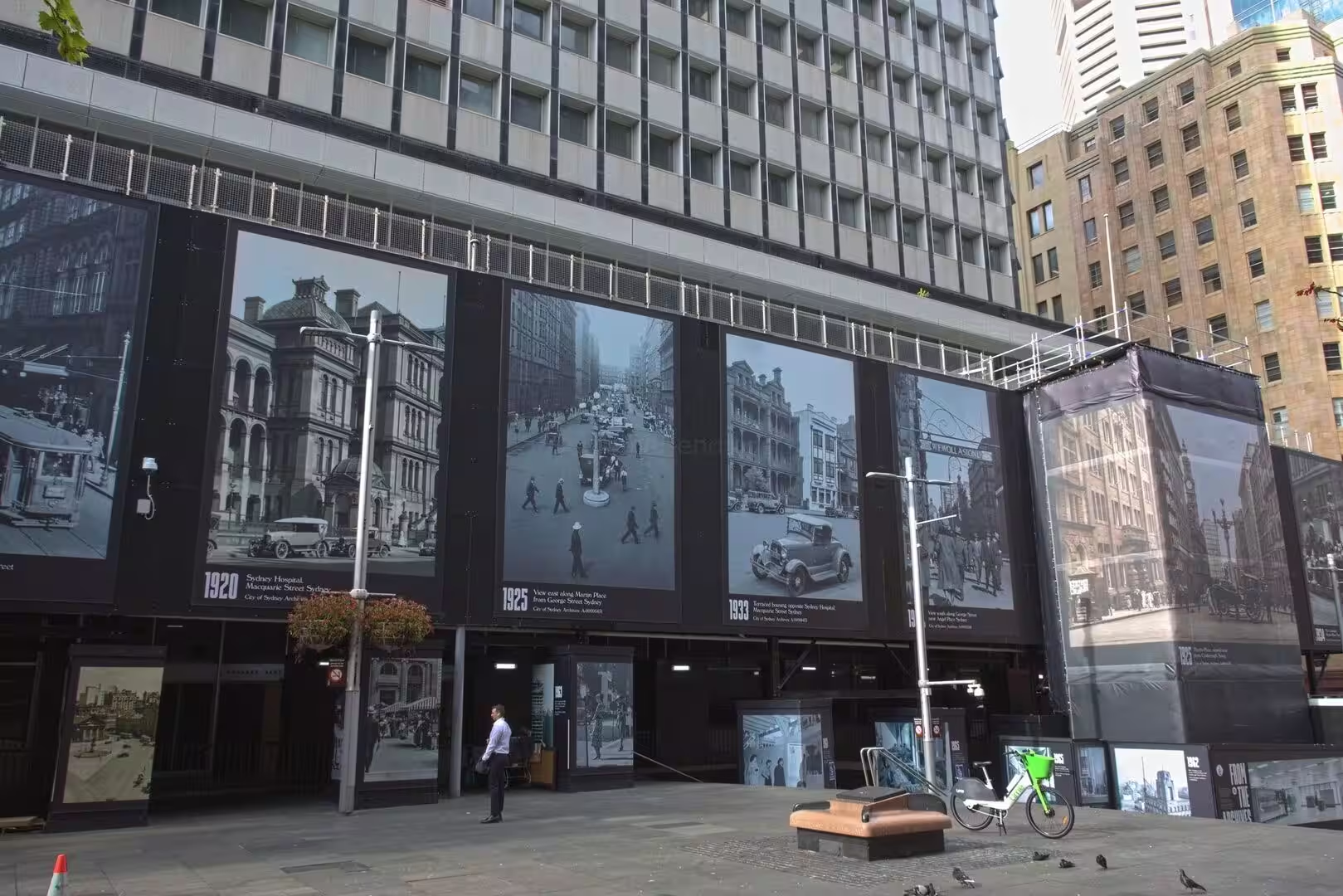
Early Sydney was a convict colony on a remote shore, its history of exile and survival told in the penal records of New South Wales. From the cove the settlement climbed the ridge of The Rocks and spread along the shore; Sydney was declared a city in 1842, and by the middle of the nineteenth century it had become a prosperous colonial port. Its population grew with extraordinary speed, from about 95,000 in 1861 to nearly 390,000 in 1891, and the growing city clothed itself in the local sandstone: the University of Sydney, the Australian Museum, the Town Hall and the General Post Office all rose in the yellow stone of the district.
The twentieth century gave Sydney its modern skyline and its two great symbols. The Harbour Bridge, designed under the direction of John Bradfield and built by the British firm Dorman Long, was opened in 1932, its steel arch quickly nicknamed the Coathanger. On the former bridge-building yard at Milsons Point, Luna Park opened in 1935. The Sydney Opera House, designed by the Danish architect Jorn Utzon after his victory in an international competition of 1957, was built on Bennelong Point and formally opened by Queen Elizabeth II on 20 October 1973; in 2007 it was inscribed on the World Heritage List. The Sydney Tower, begun in 1970 and opened to the public in 1981, completed the outline of the modern city.
Since the 1980s immigration from Asia, the Middle East and Africa has reshaped Sydney into one of the most cosmopolitan cities of the world, and the old harbour town has become a global city of finance, culture and tourism. Yet the water still defines it: the ferries run their century-old routes, the beaches and headlands draw the city to the coast, and the Opera House and the Bridge remain what they have been since they rose above the harbour, the face of Sydney to the world.
Geology
Sydney stands on a coast shaped by the rise of the sea. The city lies on the sandstones of the Sydney Basin, sedimentary rocks laid down in the Triassic period, which form the cliffs of the harbour entrance and the platforms of the ocean shore. Where the stone is exposed it weathers into the golden bluffs and overhangs that give so many Sydney headlands their character, and the same sandstone built the public city of the nineteenth century.
The most striking feature of the coast is the harbour itself. Geologically, Port Jackson is a drowned river valley, a ria: before the last ice age the rivers of the region cut deep valleys to a shore far lower than today’s, and when the ice melted and the sea rose, the ocean flooded those valleys to create the branching, deep-water inlet that is Sydney Harbour. The city thus grew around a natural harbour of remarkable depth and shelter, its coves and points the drowned tributaries of an ancient river system.
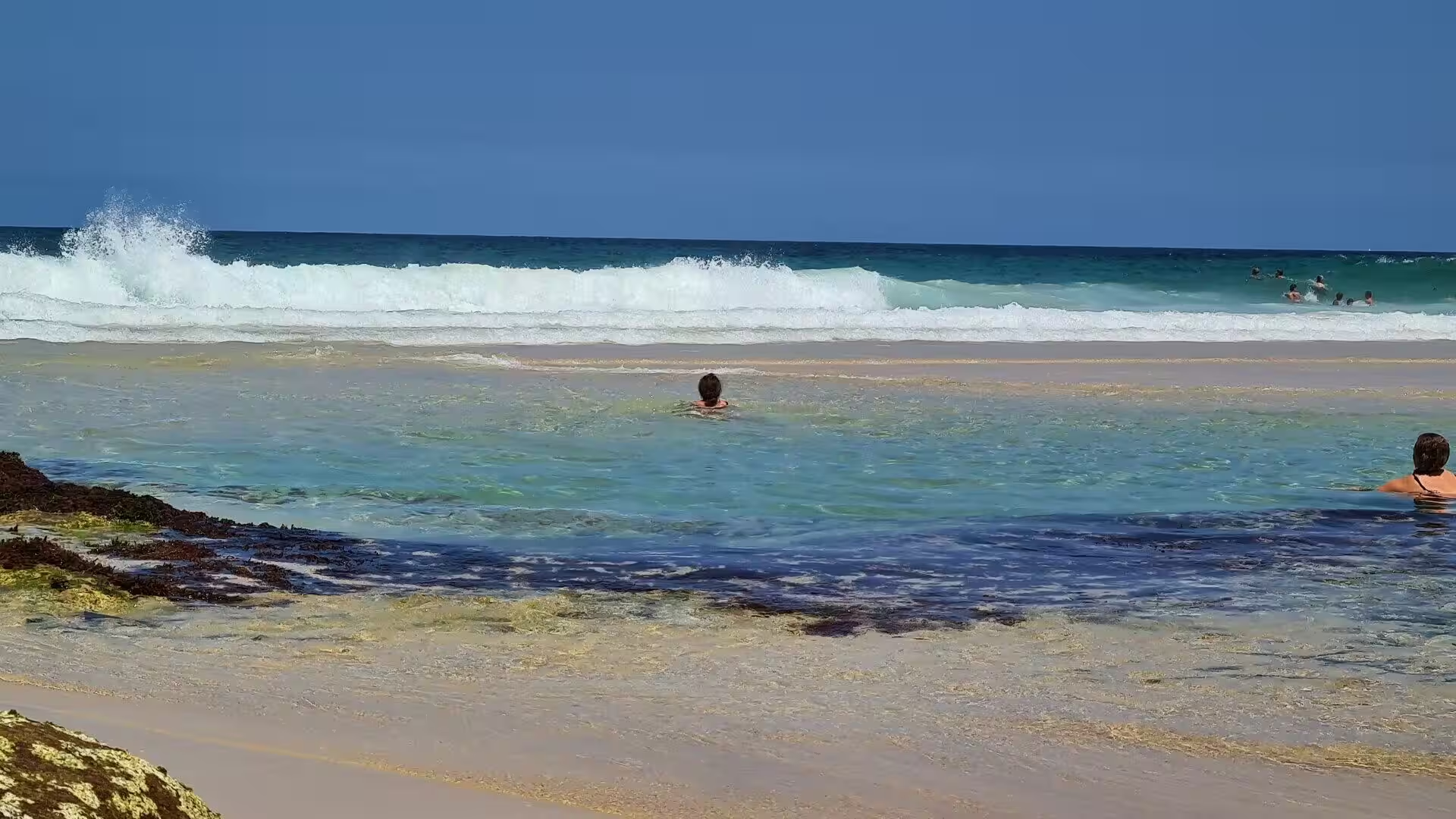
To the east the drowned valleys give way to the open coast. Here the sea has carved the sandstone into cliffs, platforms and rocky coves, while the rivers of sand carried along the shore have built the long beaches that lie between the headlands. The surf that rolls in from the Pacific breaks over these reefs and bars, and in the clear water the shallows glow turquoise over the sand. It is a coastline of hard stone and moving sand, cut by the small creeks and estuaries that still find their way to the sea.
South of the harbour entrance lies Botany Bay, the broad open bay where Cook first landed in 1770 and where the First Fleet anchored before moving north to Port Jackson. Fed by the Georges River and the Cooks River, the bay is a shallow basin of sand and mud, quite unlike the deep rias of the harbour, and its shores carry the airports and industrial lands of southern Sydney. Together the drowned valleys of the north and the open bays of the south give the Sydney coast its double character of deep water and wide shallows.
Things to See
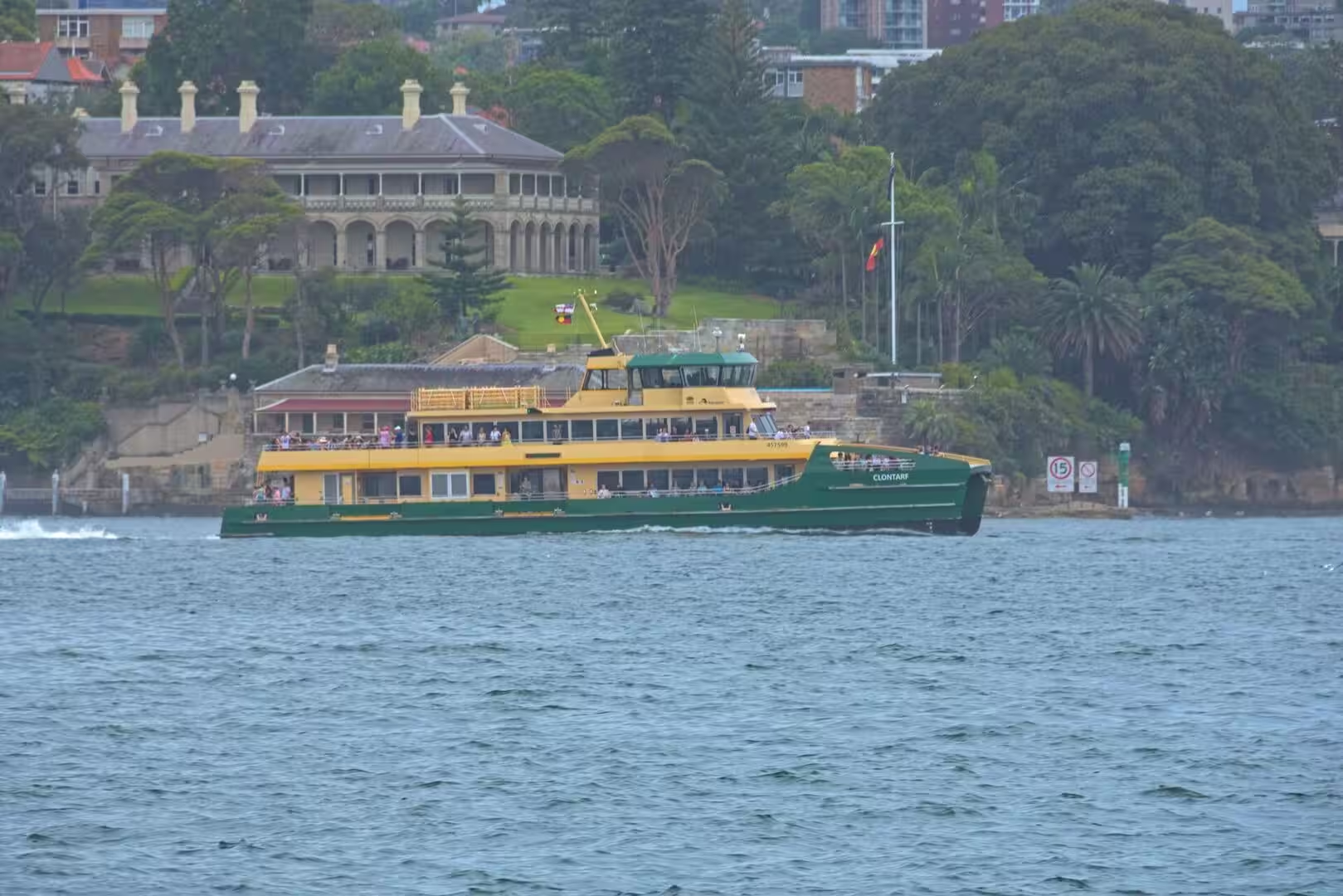
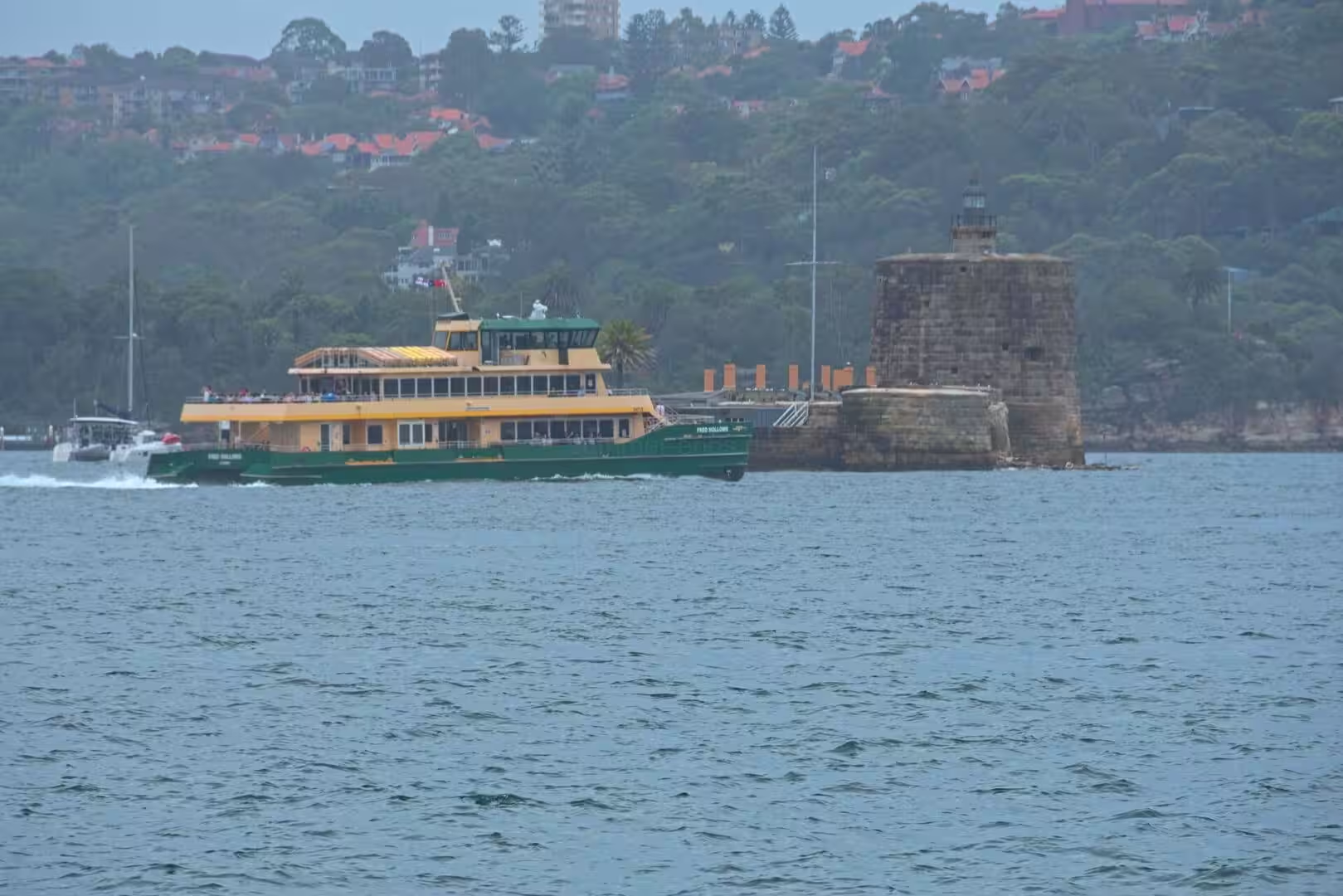
Circular Quay is where Sydney began and where every visitor to the harbour still starts. The quay, on the shore of Sydney Cove, was the landing place of the First Fleet and the first wharves of the colony; today its wide piazzas and ferry terminals open onto the water, with the Opera House to one side and the sandstone terraces of The Rocks to the other. From its wharves the ferries of Sydney run across the harbour, and a ferry ride is the classic way to see the city from the water, past the Bridge, the Opera House and the forts and islands of the port.
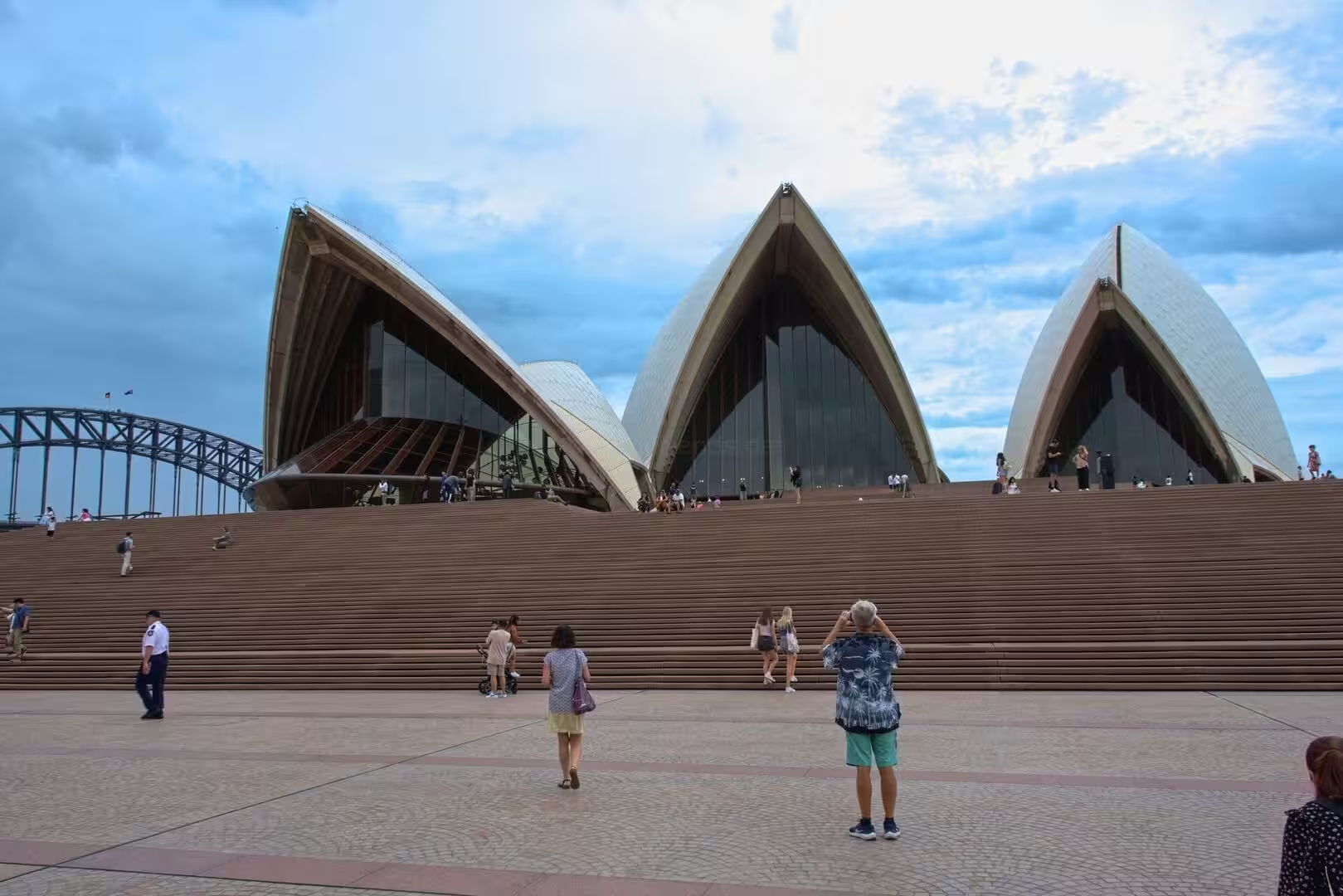
The Sydney Opera House stands on Bennelong Point, the small peninsula between Sydney Cove and Farm Cove. Jorn Utzon’s design of interlocking shell roofs, inspired by natural forms, was chosen in 1957 and opened sixteen years later; the building houses concert halls and theatres and has become the most recognised cultural landmark of Australia. In 2007 the Opera House was inscribed on the World Heritage List. Its forecourt and promenades give the classic view across the harbour to the Bridge.
The Sydney Harbour Bridge spans the harbour between the central business district and the North Shore. Its steel arch, the tallest of its kind in the world, was opened in 1932 and carries road, rail, cycle and pedestrian traffic; the walk across the bridge on its eastern footpath is free and gives a panorama of the harbour, and the climb to the top of the arch is one of the great experiences of the city. The bridge is known to every Sydneysider as the Coathanger, and its image with the Opera House below it is the most famous view in Australia.
Fort Denison, the small island fort in the middle of the harbour, holds a dark place in the city’s early history. Known to the convicts as Pinchgut, the island was used as a place of punishment from the earliest days of the colony, and its fortifications were begun in 1841 and completed in 1857, when the fear of a Russian attack during the Crimean War spurred the building of a distinctive Martello tower, the only one ever built in Australia. Today the fort is a museum, reached by ferry, and its tower commands the harbour in every direction.
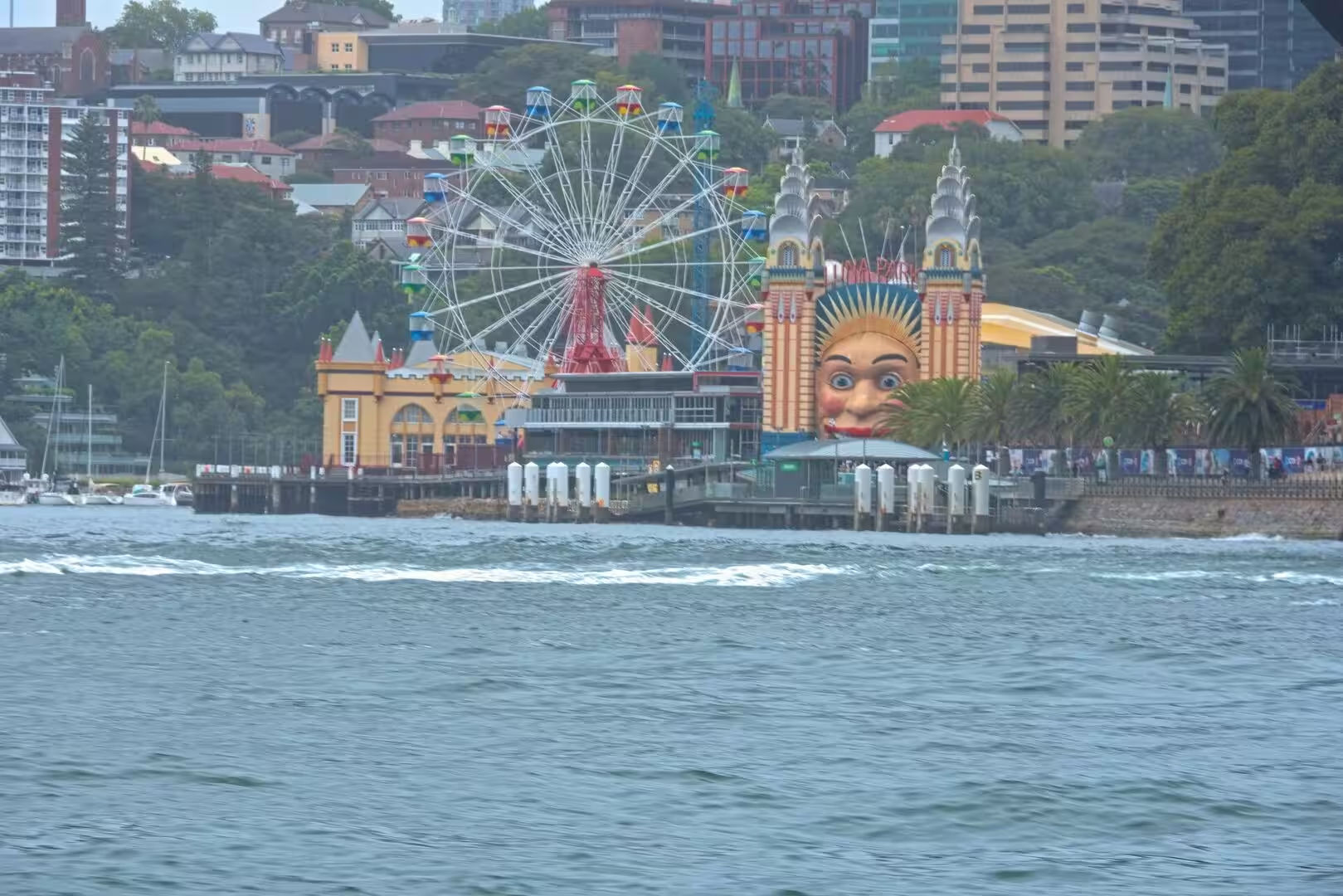
Luna Park, on the shore at Milsons Point below the northern approach of the Harbour Bridge, is the amusement park of Sydney. It opened in 1935 on land that had been used to assemble the steel of the bridge, and its famous entrance, a giant laughing face, has welcomed visitors ever since; the park was rebuilt and reopened in 2004 after years of chequered history. By night the face, the ferris wheel and the rides are reflected in the dark water of the harbour, facing the lights of the city across the bay.
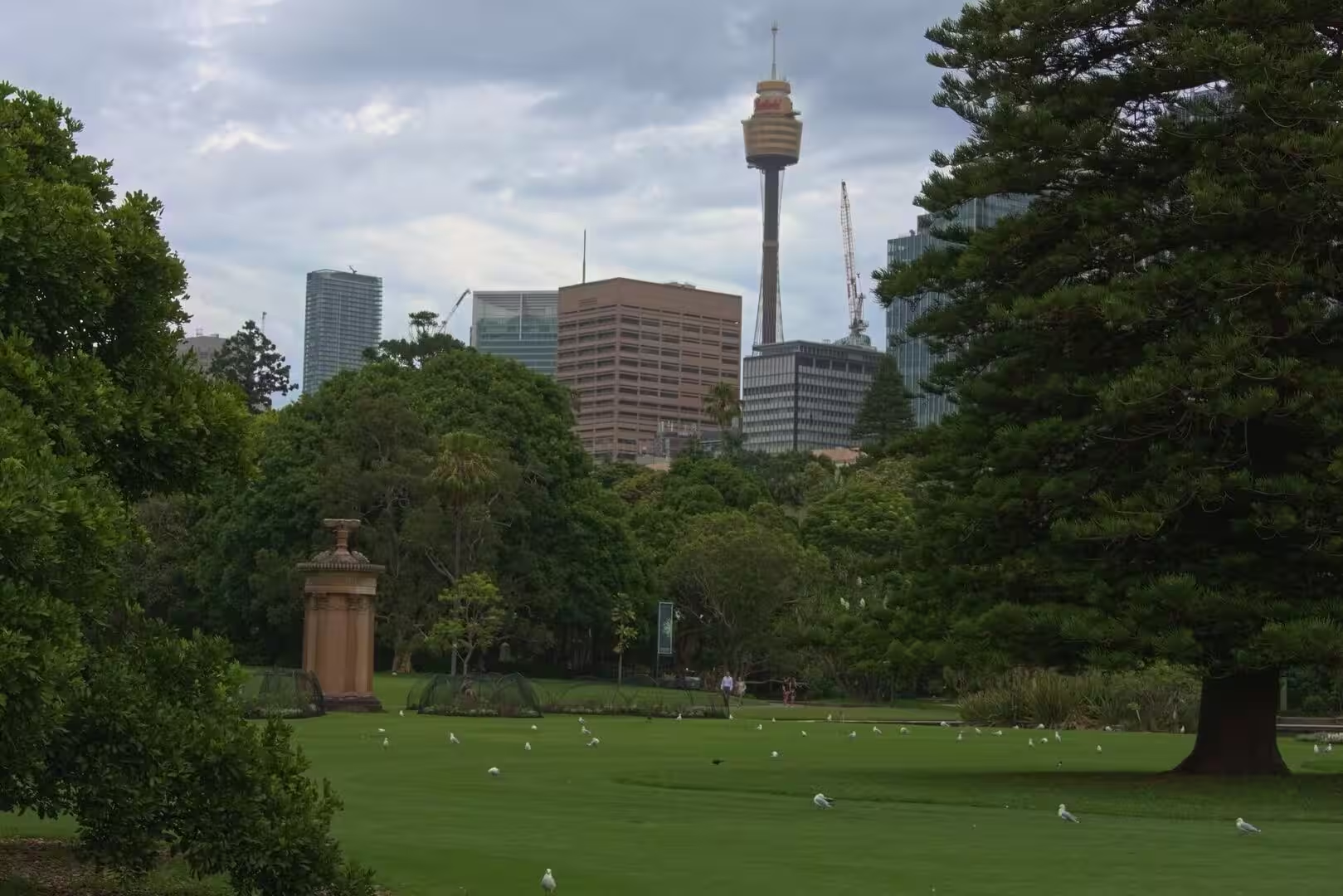
The Sydney Tower rises from the shopping centre of Market Street in the heart of the city. The tower, opened to the public in 1981, is the tallest structure in Sydney and one of the tallest observation towers in the Southern Hemisphere, and its observation deck gives a 360 degree view over the harbour, the ocean and the mountains on a clear day. It is the best place to understand the shape of the city: the blue water of the harbour threading between the suburbs, the beaches beyond the Heads and the green of the coast stretching away to north and south.
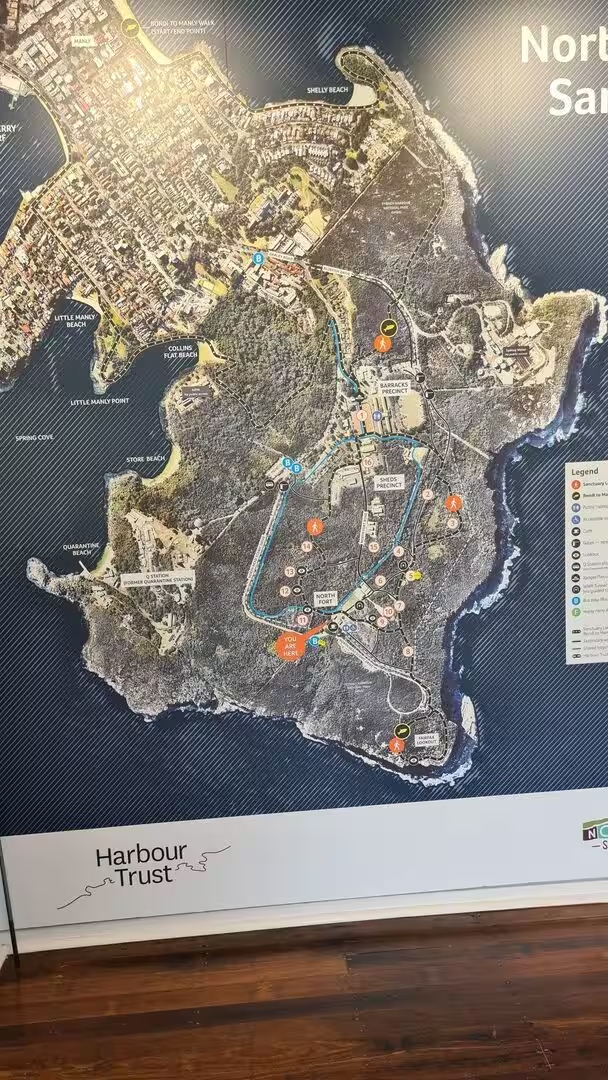
The shore of the harbour itself is a long succession of parks, promenades and small beaches. Boardwalks follow the water past the gardens and mansions of the shore, ferries and sailing boats pass within reach of the walker, and the sandstone headlands of the harbour mouth carry the walking tracks and lookouts of the coastal reserves. Beyond them the ocean beaches of Sydney lie open to the Pacific, and the coastal walks that link them are among the finest urban walks in the world, where the city meets the surf at every headland.
References
- Hughes, Robert. The Fatal Shore: The Epic of Australia’s Founding. London: Collins Harvill, 1987. (ohne Link)
- Wikipedia: “Sydney”, en.wikipedia.org/wiki/Sydney
- Wikipedia: “Port Jackson”, en.wikipedia.org/wiki/Port_Jackson
- Wikipedia: “Circular Quay”, en.wikipedia.org/wiki/Circular_Quay
- Wikipedia: “The Rocks, New South Wales”, en.wikipedia.org/wiki/The_Rocks,_New_South_Wales
- Wikipedia: “Sydney Opera House”, en.wikipedia.org/wiki/Sydney_Opera_House
- Wikipedia: “Sydney Harbour Bridge”, en.wikipedia.org/wiki/Sydney_Harbour_Bridge
- Wikipedia: “Fort Denison”, en.wikipedia.org/wiki/Fort_Denison
- Wikipedia: “Luna Park Sydney”, en.wikipedia.org/wiki/Luna_Park_Sydney
- Wikipedia: “Sydney Tower Eye”, en.wikipedia.org/wiki/Sydney_Tower_Eye
- Wikipedia: “Sydney Ferries”, en.wikipedia.org/wiki/Sydney_Ferries
- Wikipedia: “Botany Bay”, en.wikipedia.org/wiki/Botany_Bay
- UNESCO World Heritage Centre: “Sydney Opera House”, whc.unesco.org/en/list/166