Stage 2 of 6
2024 Italy - Carrara




Journal Notes
General
Carrara is a city and comune in northern Tuscany, Italy, in the province of Massa and Carrara, lying where the western slopes of the Apuan Alps fall toward the Ligurian coastal plain near the sea. The town occupies a narrow strip between the steep, white-scarred mountains and the lowland of the Frigido and Carrione valleys, and its streets climb from the level of the coast toward the quarry roads that wind into the hills. The comune of Carrara has a population of roughly 60,000, concentrated in the town itself and in the quarry villages of Torano, Miseglia and Colonnata, which sit in the three great marble basins above the city.
Carrara is known throughout the world for its marble, quarried here since ancient times and still central to the local economy, identity and landscape. More marble has been extracted from the more than 650 quarry sites in the Apuan Alps above Carrara than from any other place on earth, and the stone gives the town its role as a centre of extraction, of sculptural craftsmanship and of the trade in ornamental stone. Beyond the quarries, the city functions as a provincial and cultural centre, home to an academy of fine arts, museums and workshops, while the surrounding Apuan Alps form a protected regional park. Thousands of blocks, quarry faces and workshops make Carrara a place where geology, industry and art visibly meet, and where historic city streets, marble churches and working quarries sit within a few kilometres of each other.
History
Carrara is set in the territory of the ancient Apuan people, Ligurian tribes of the inland mountains whose resistance to Rome is recorded in the historical sources, but the town’s prominence began with the Roman conquest and the systematic opening of the quarries. The Romans quarried the marble of the mountains and shipped it from the nearby port of Luni, and they knew the stone as marmor lunense, Luna marble, using it for temples, public buildings and statuary across the empire; the ruins of Luni, on the coast south of the modern town, were the outlet for the trade. After the fall of Roman authority quarrying continued intermittently, and by the medieval period much of the mountain was held by the marquises Malaspina, who leased the quarries to families of Carrara masters who managed both the extraction and the transport of the stone.
The Renaissance raised the value of the stone sharply. From the late fifteenth century merchants such as the Maffioli of Torano and Giovanni Pietro Buffa built trade networks that shipped Carrara marble by sea to distant workshops, and after 1474 the Maffioli and later the Buffa supplied the marble for the facade of the Certosa di Pavia, the material reaching the Lombard site by ship around Italy and then up the Po and the Ticino. Artists sought the pure white stone directly: Michelangelo travelled repeatedly to the quarries to select blocks for his sculpture, and his chosen material helped make the statuario grade famous. Through the sixteenth and seventeenth centuries Genoese stonecutters and merchants joined the flourishing trade, while the Duchy of Massa and Carrara, governed by the Cybo and Malaspina families, established an Office of Marble in 1564 to regulate the industry and to tax the extraction and sale of the stone. The princely court used the marble not only as a commodity but as a symbol of authority, and the ducal capital of Massa was reshaped with streets, squares and buildings intended to display the local stone.
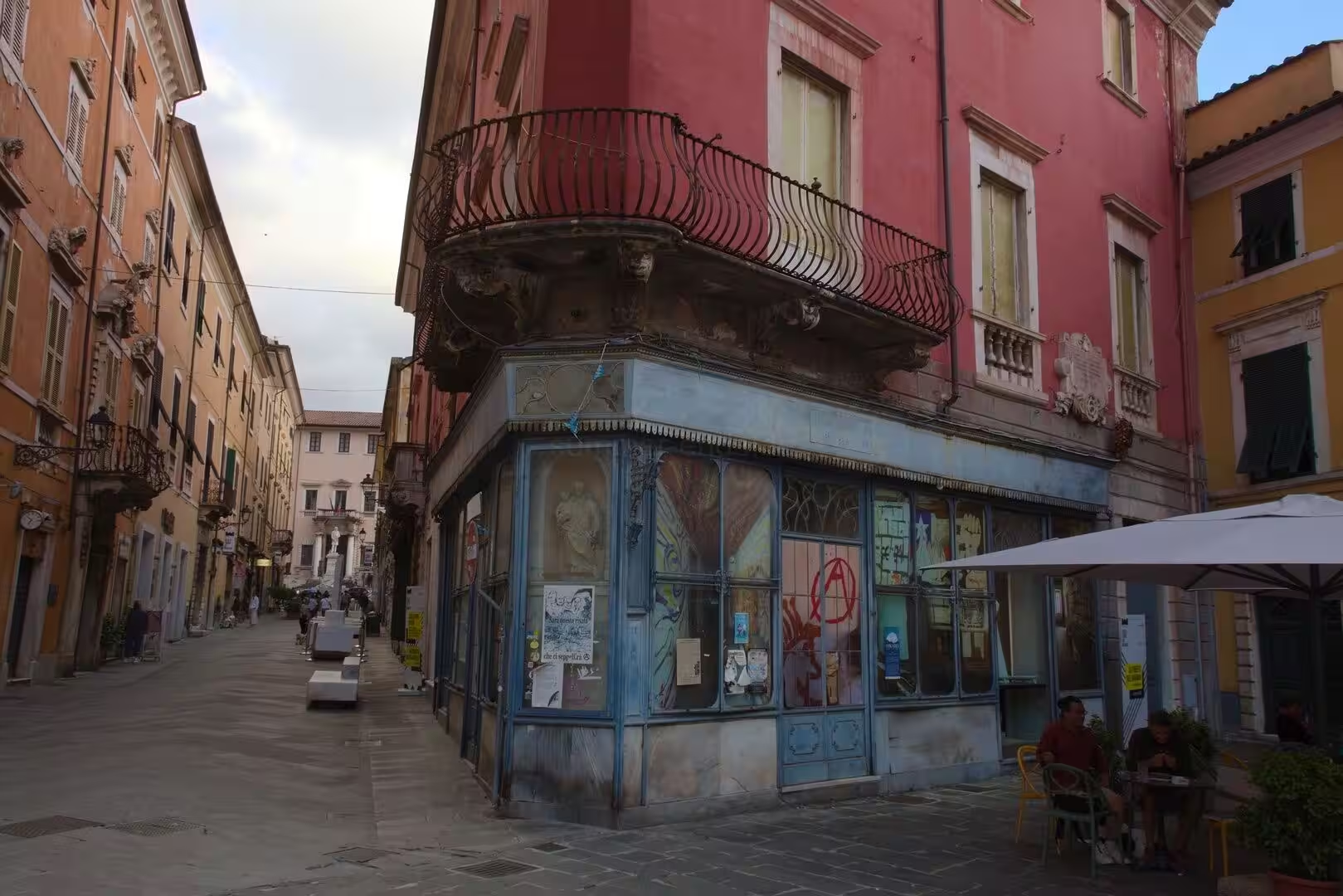
In the modern era Carrara became an industrial centre of quarrying and stone processing. By the late nineteenth century the quarry workers formed one of the most radical working-class communities in Italy, and anarchism and syndicalism became part of the heritage of the stone carvers, a tradition that lasted into the twentieth century and that shaped the town’s social and political character; the American and western European press of the 1890s reported on the harsh conditions of the men who cut and hauled the blocks. Today Carrara balances industrial marble production with heritage preservation, tourism and cultural activity. The quarries continue to be worked, providing stone for architecture, sculpture and the world market, while the town remains closely bound to its two-thousand-year history of extraction and to the crafts and radical traditions that grew out of it.
Geology
Geologically, Carrara lies at the western margin of the Apuan Alps, a compact mountain massif that is geologically distinct from the nearby Apennines. The range was formed by the collision and uplift that built the northern Apennines, and it exposes deep units, including platforms of metamorphic rock, that are rarely visible elsewhere in Italy. The famous marble is a metamorphic rock derived from limestone deposited during the Jurassic, when the area lay beneath a warm shallow sea and accumulated the calcium carbonate that gave the stone its purity. During the Alpine orogenic events that followed, the limestone was subjected to intense pressure and temperature, which recrystallised it into a fine-grained, homogeneous marble of exceptional purity, strength and polish, and which in places drove off the trace minerals that would otherwise have coloured it.
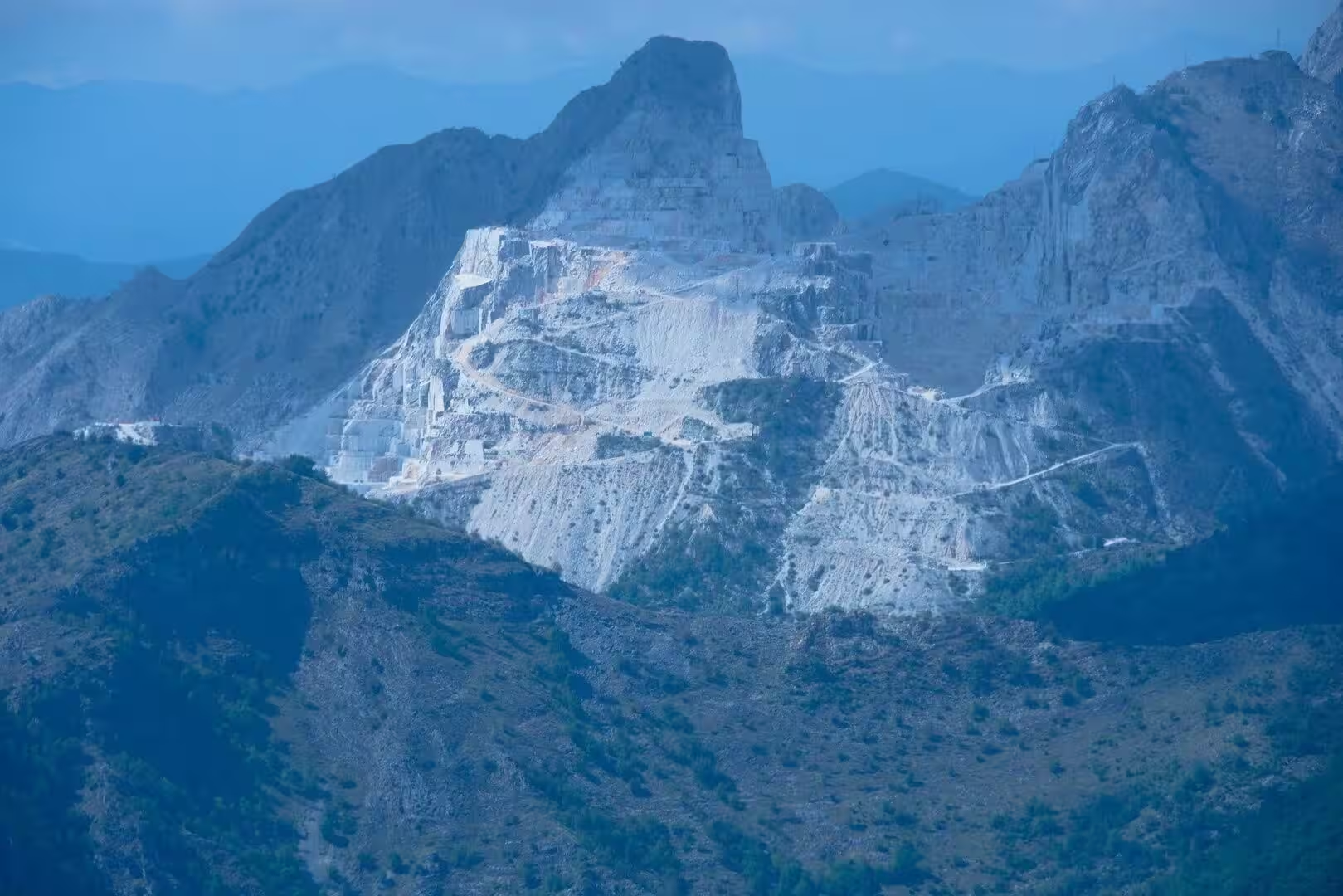
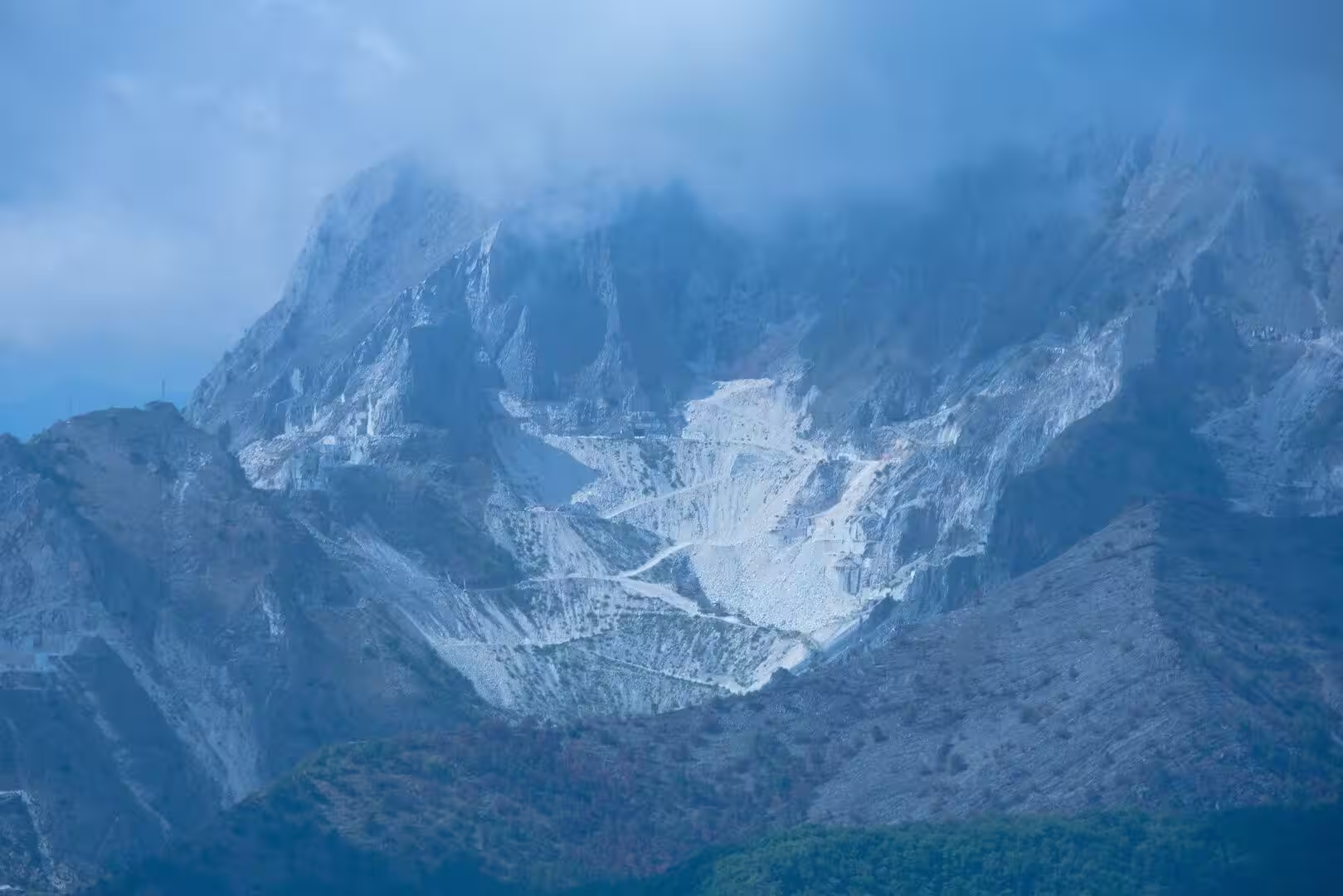
The marble basins of Torano, Miseglia and Colonnata cut into the western slopes of the massif, where the thick, lightly fractured marble layers lie close to the surface and are worked in vast stepped faces. The surrounding rock includes schists, phyllites and other metamorphic lithologies, and intense tectonic deformation folded and faulted the units and brought them near the surface. Subsequent erosion sculpted the steep ridges, sharp peaks and narrow valleys that characterise the region, and the white quarried faces contrast sharply with the darker grey and green rock and the chestnut and oak woods that surround them. The purest statuario grade, almost free of the trace minerals that colour other marbles, has been prized for monumental sculpture for centuries, and the graded varieties used for building and decoration range from the pale Bianco Carrara to the grey-veined Bardiglio and the bold, gold-streaked Calacatta.
The region’s relief and its marble are inseparable: the steep mountain slopes, high at the western peaks such as Monte Pisanino, which reaches 1,947 metres, trap the quarry basins high above the town, and both the stone and the dramatic landscape form part of the Apuan Alps Regional Park, established in 1997 and recognised as an UNESCO Global Geopark. The park protects the marble workings together with karst phenomena, cave systems and the dense plant cover of the slopes. Drainage from the mountains feeds the Carrione stream, which historically carried the marble downstream to the coast, and the slopes remain subject to the processes of erosion and the occasional rockfall that make quarrying both productive and hazardous, and that shaped the catastrophes the region has known.
Things to See
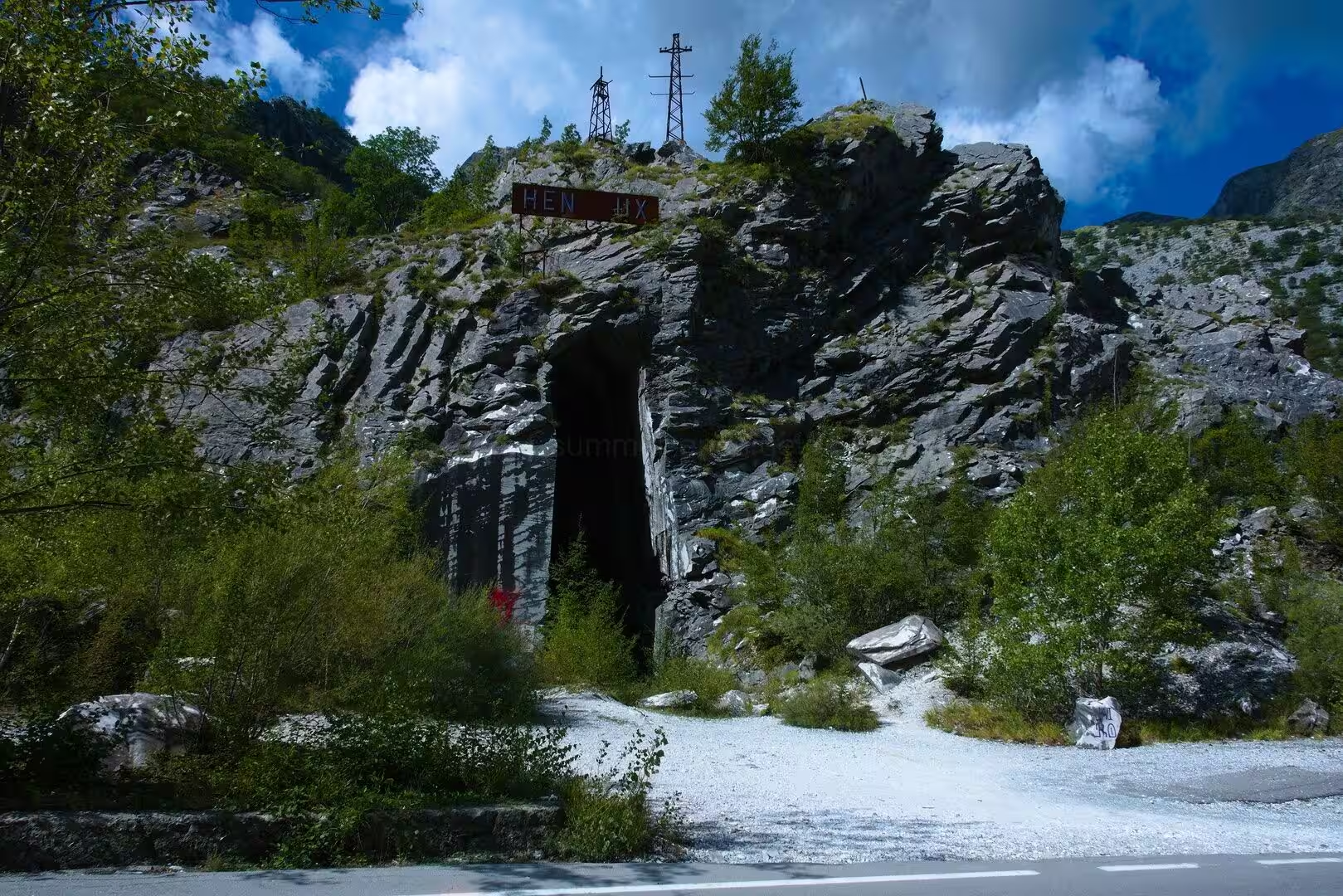
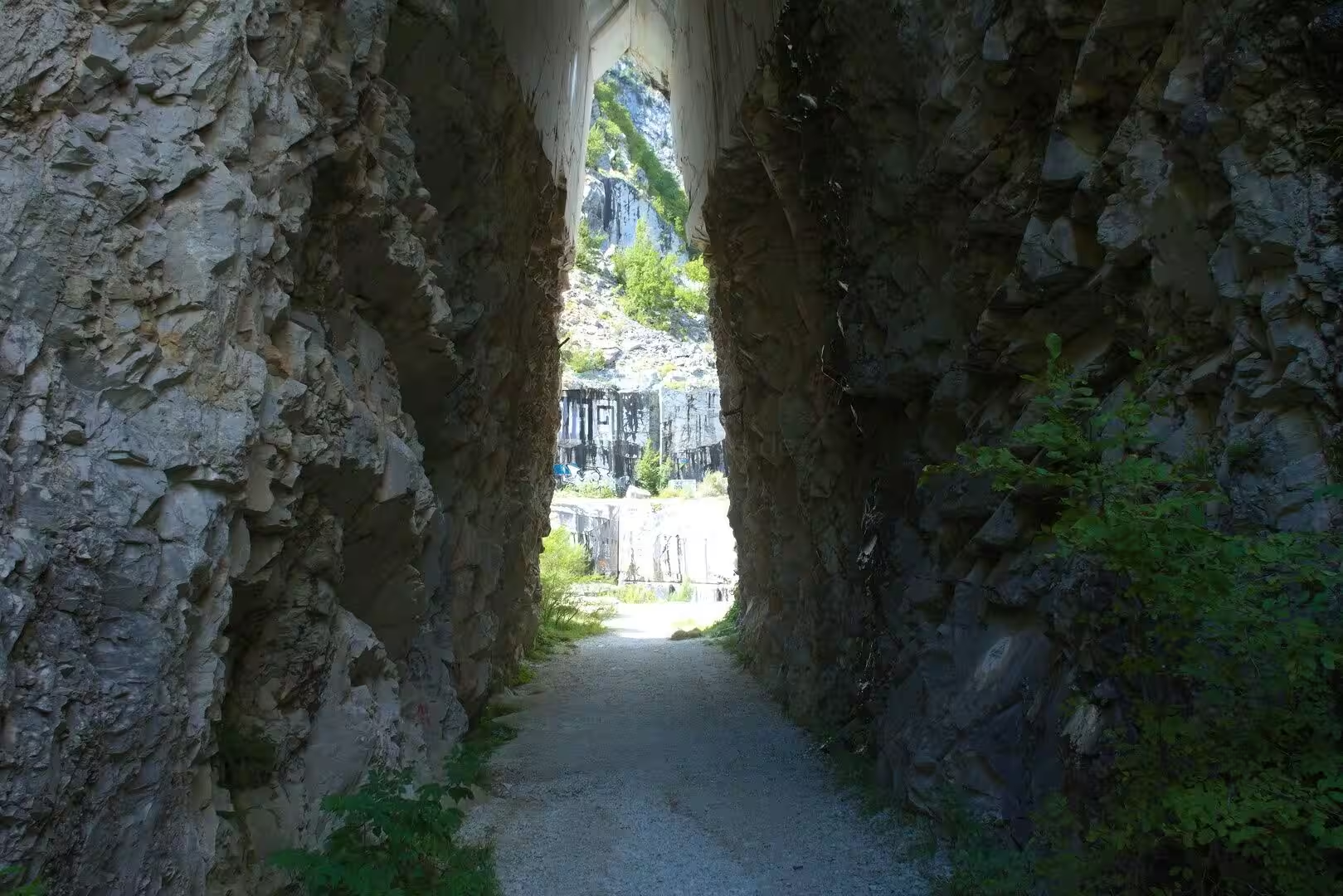
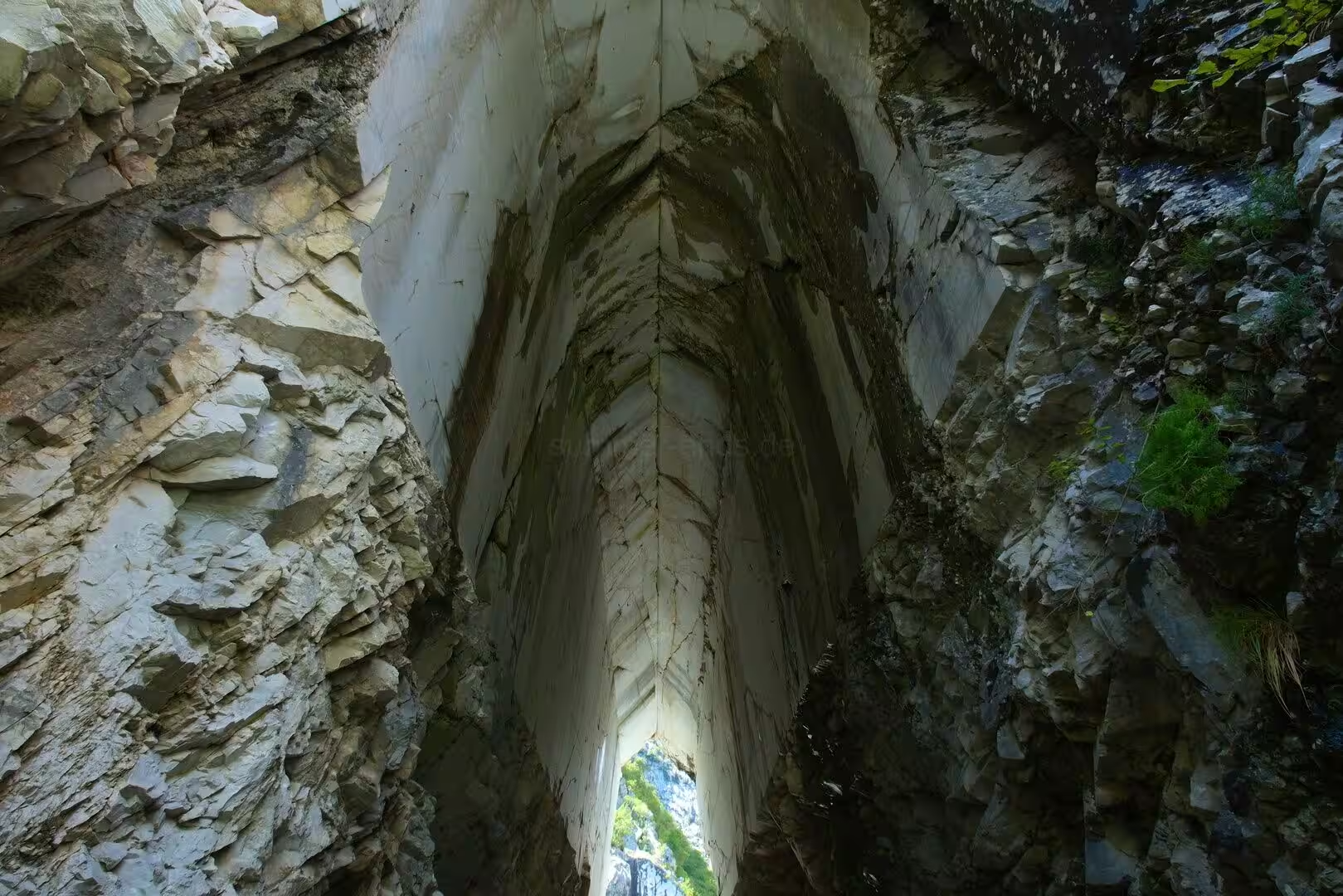
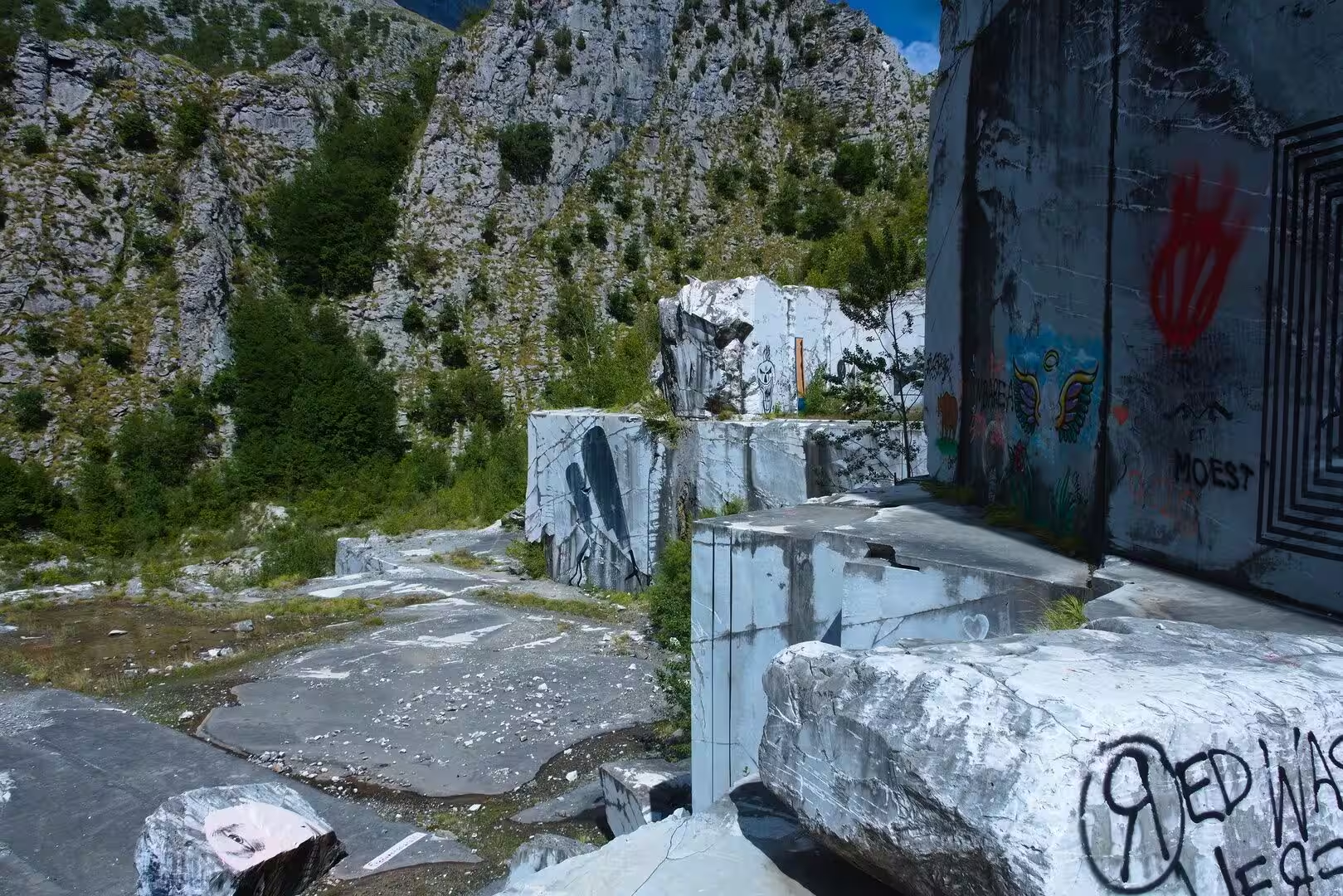
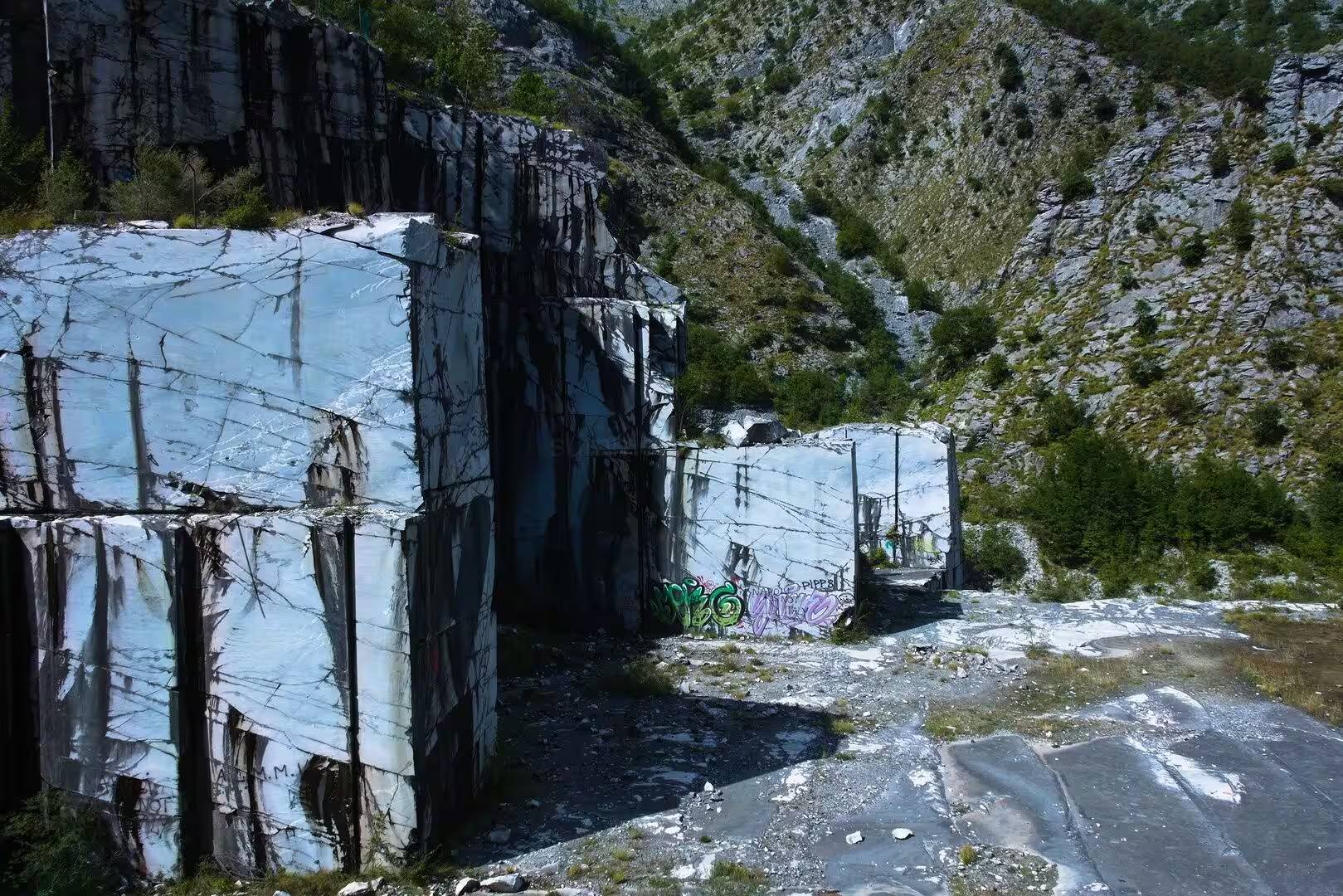
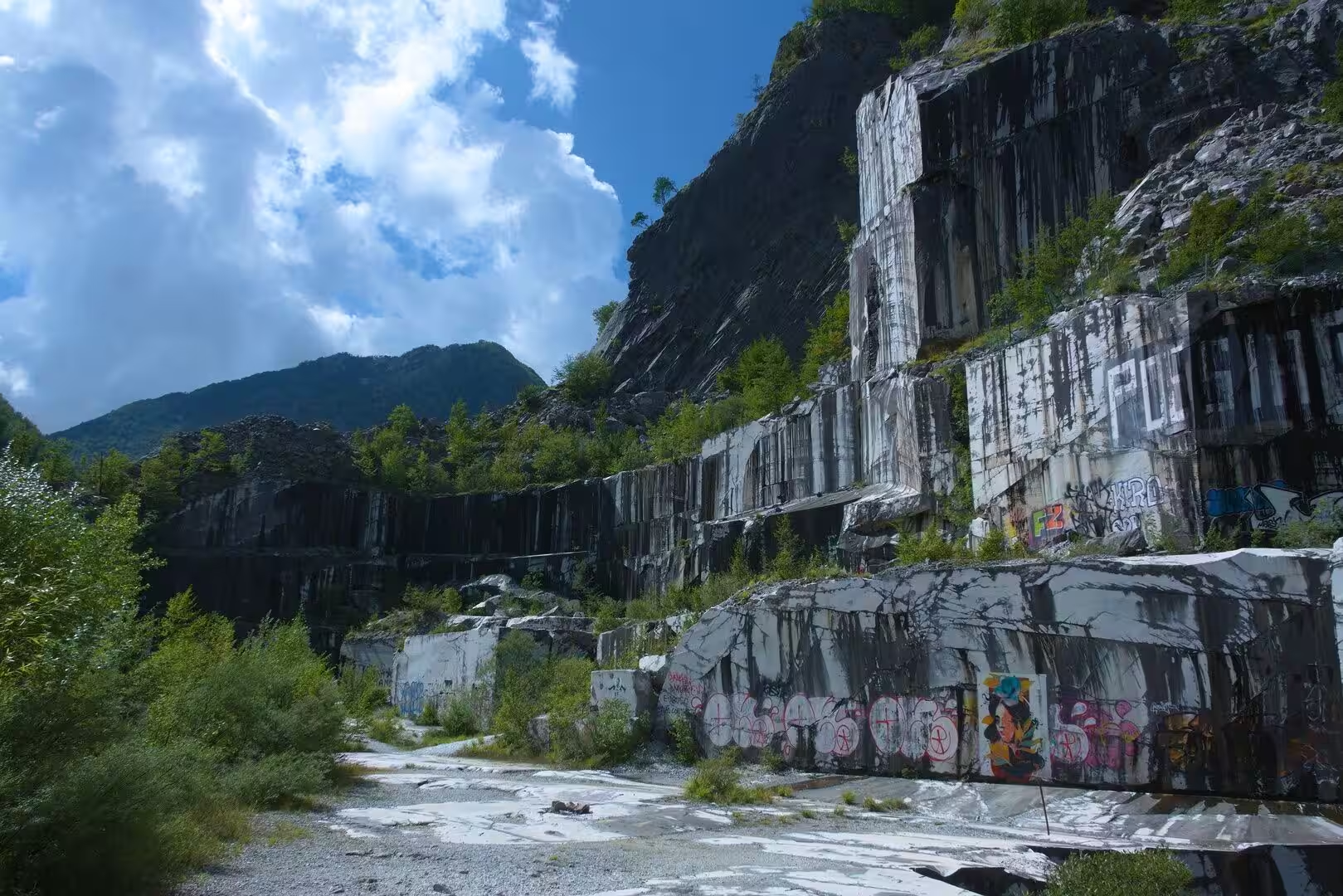
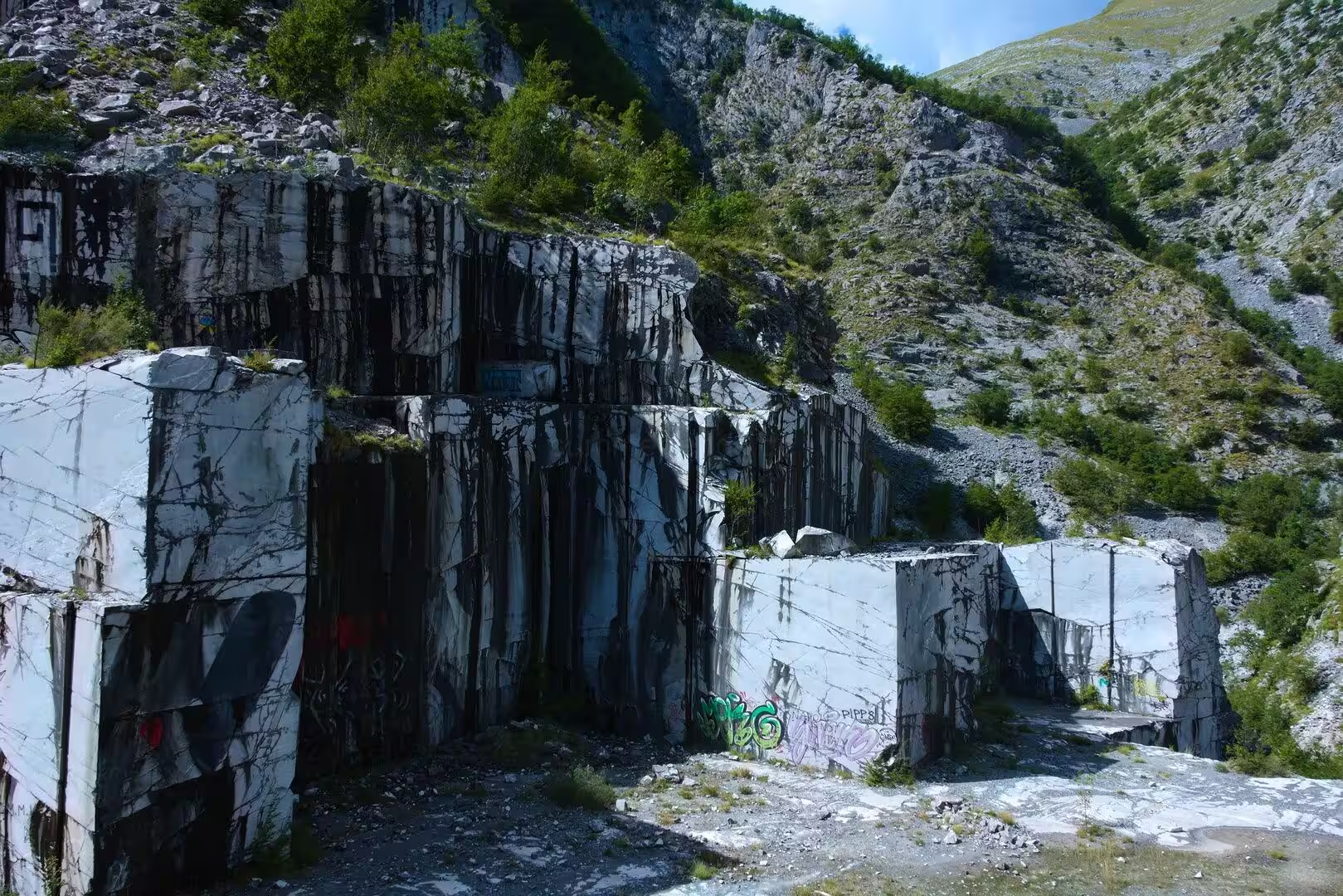
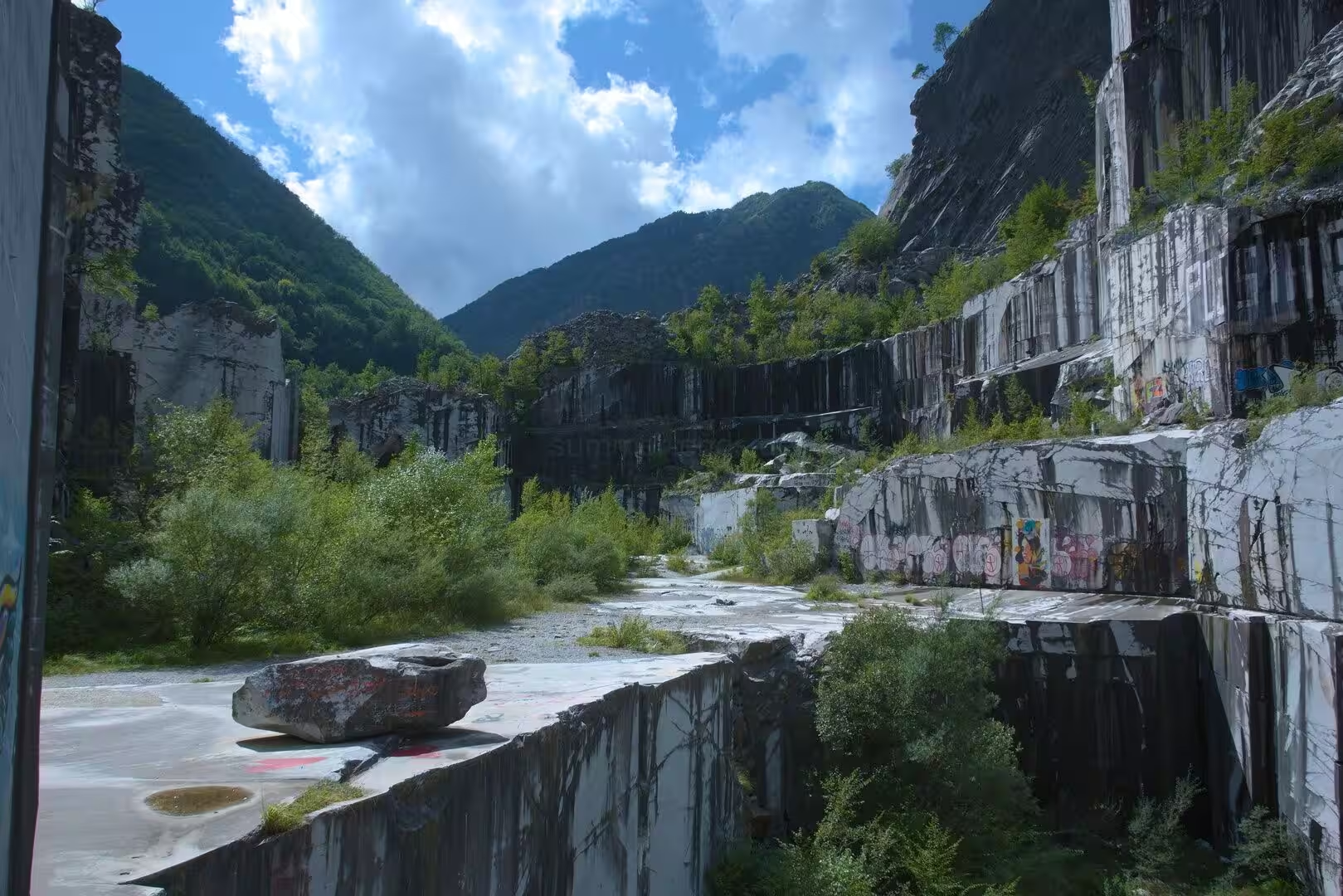
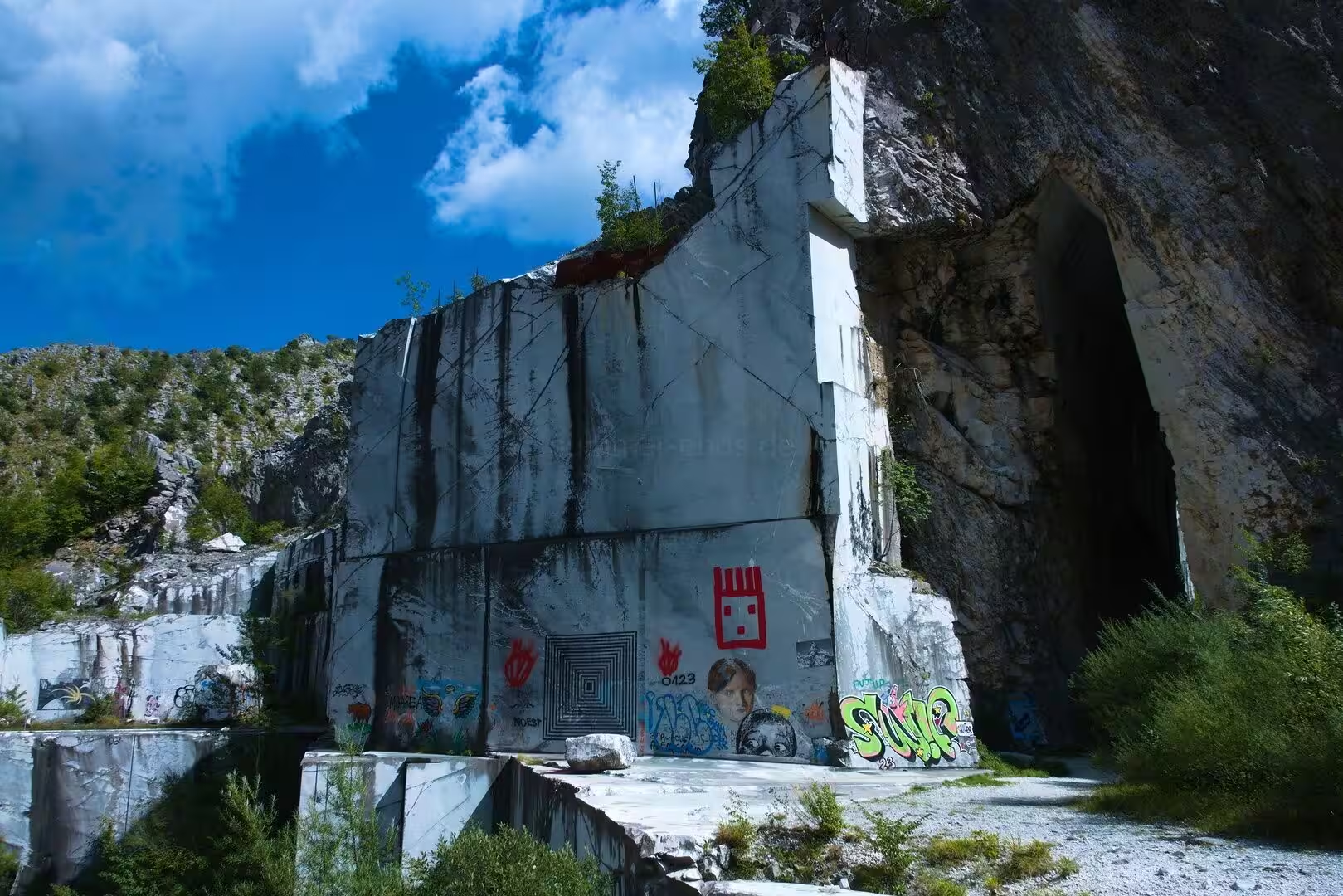
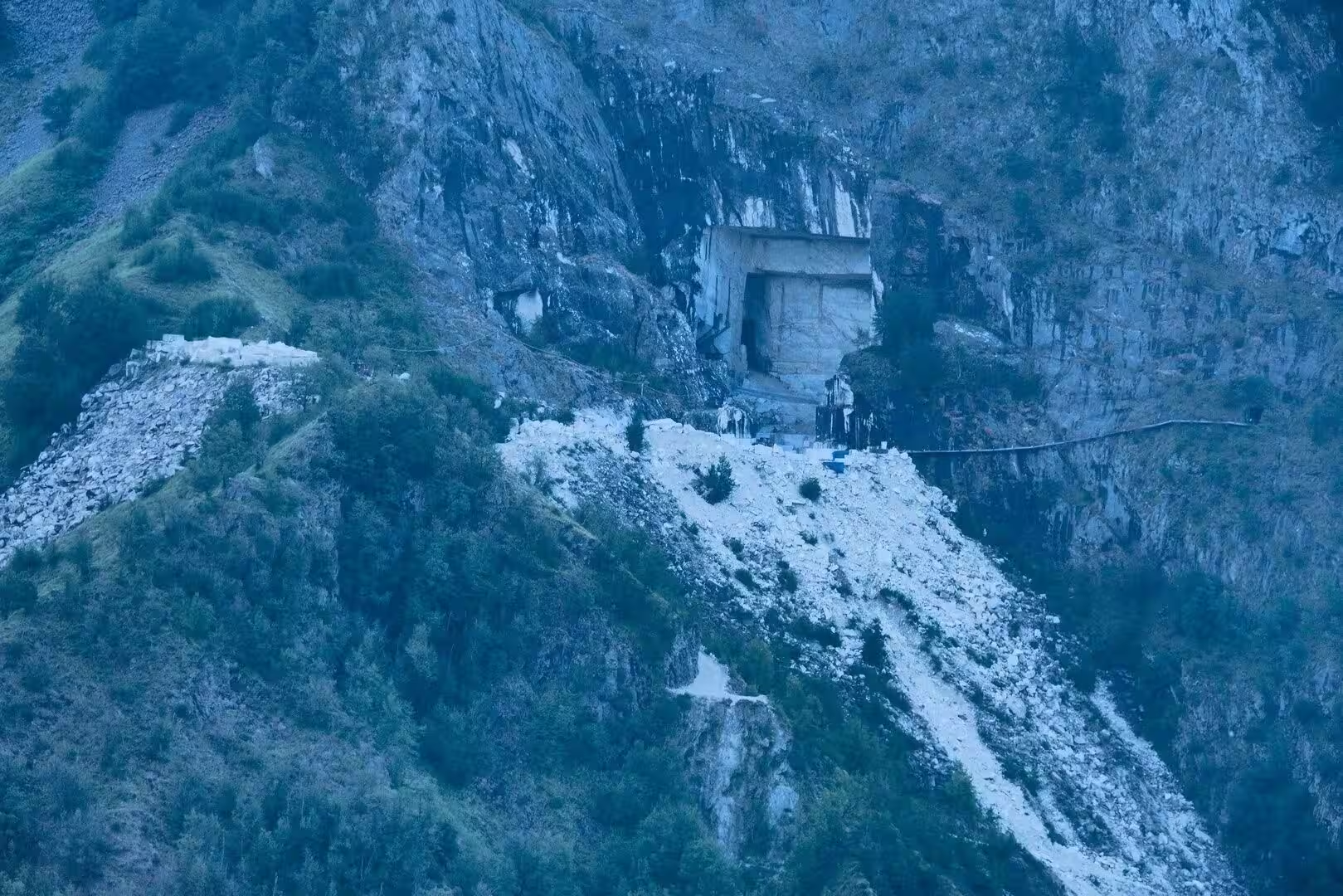
The marble quarries themselves are the defining sight of Carrara. High in the three basins of Torano, Miseglia and Colonnata, white and blue-grey stone is cut in vast stepped terraces that climb the mountainside, some of them reached by quarry roads that pass through tunnels cut into the living rock. Many of the faces and blocks are marked with bold graffiti and murals painted by the quarrymen, and the contrast between the bright marble, the dark cave openings and the surrounding woods and peaks is the signature landscape of the region. Guided routes from the town and from the villages give access to the working faces, the abandoned terraces and the quarries where Michelangelo is said to have chosen the blocks for his work. The scale of the open cuts, the stacks of blocks and the winding access roads make the shift from mountain to working landscape immediate and dramatic.
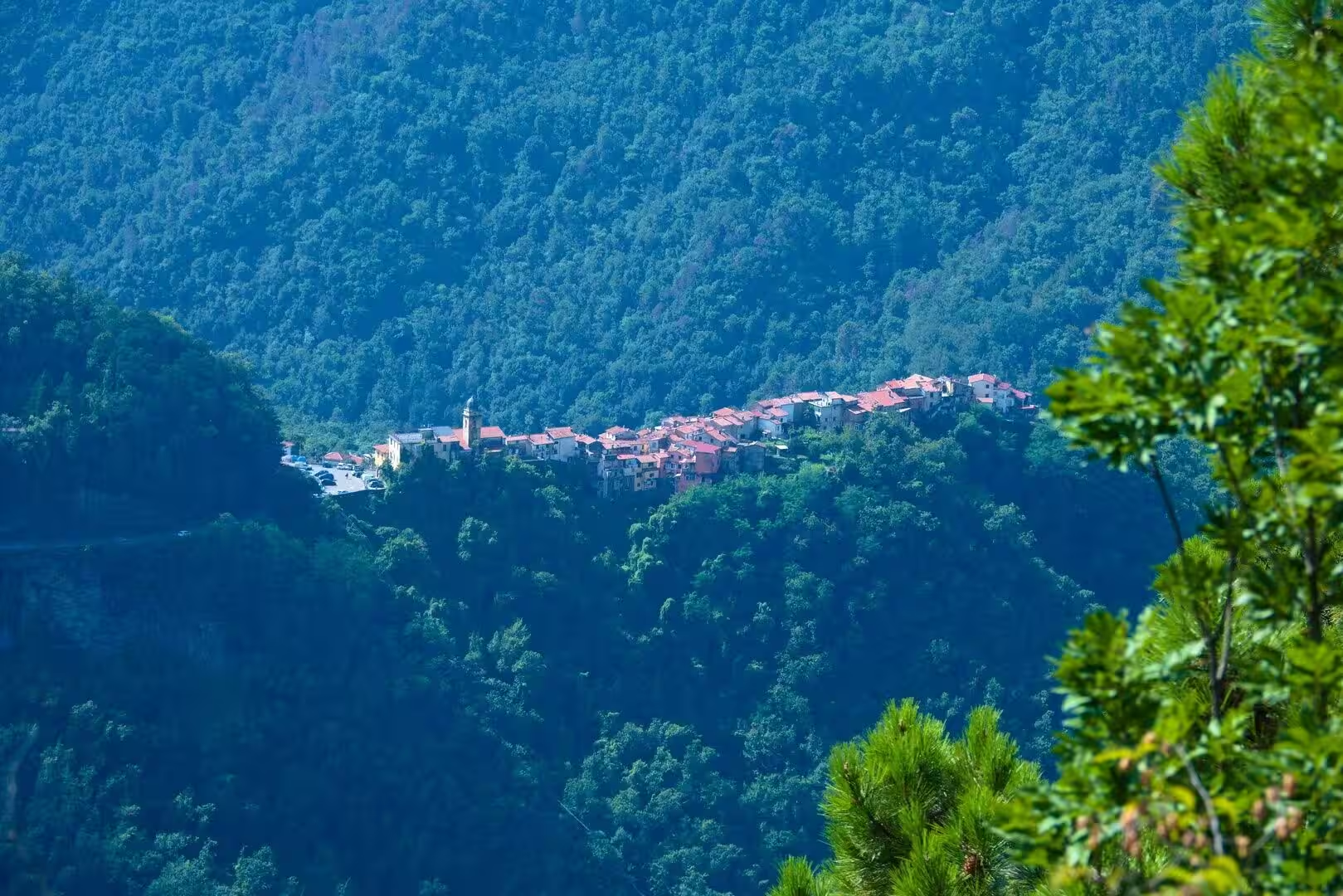
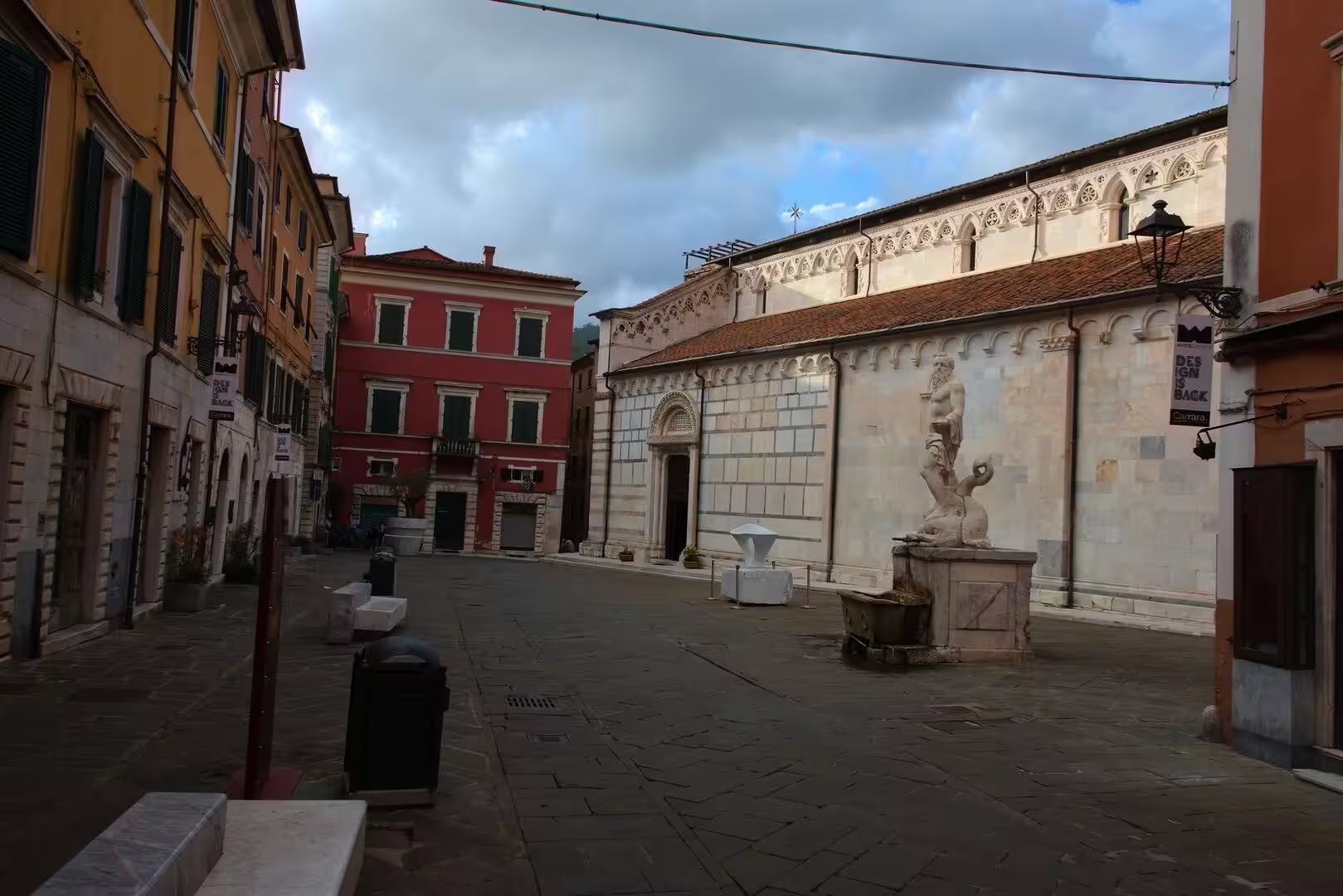
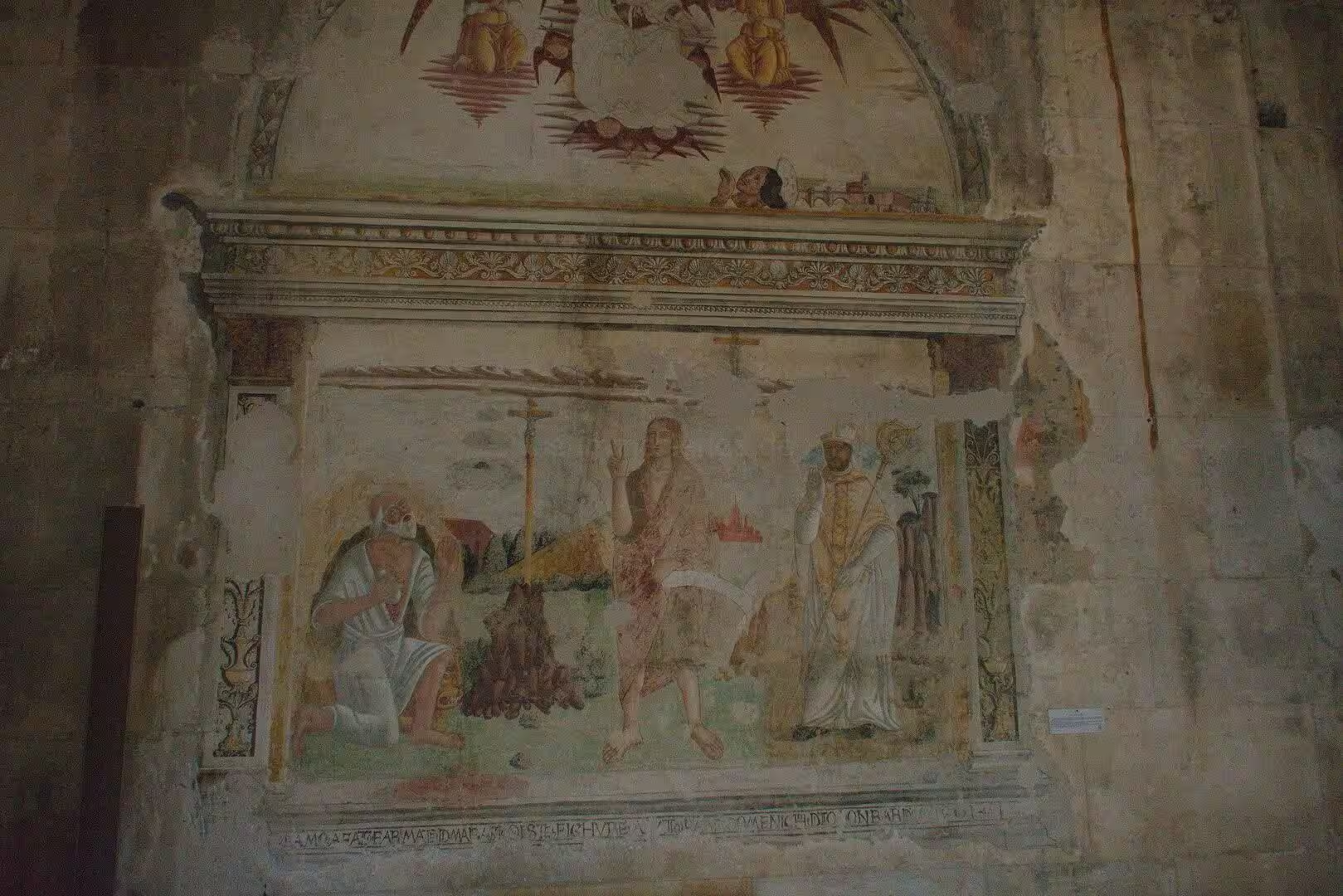
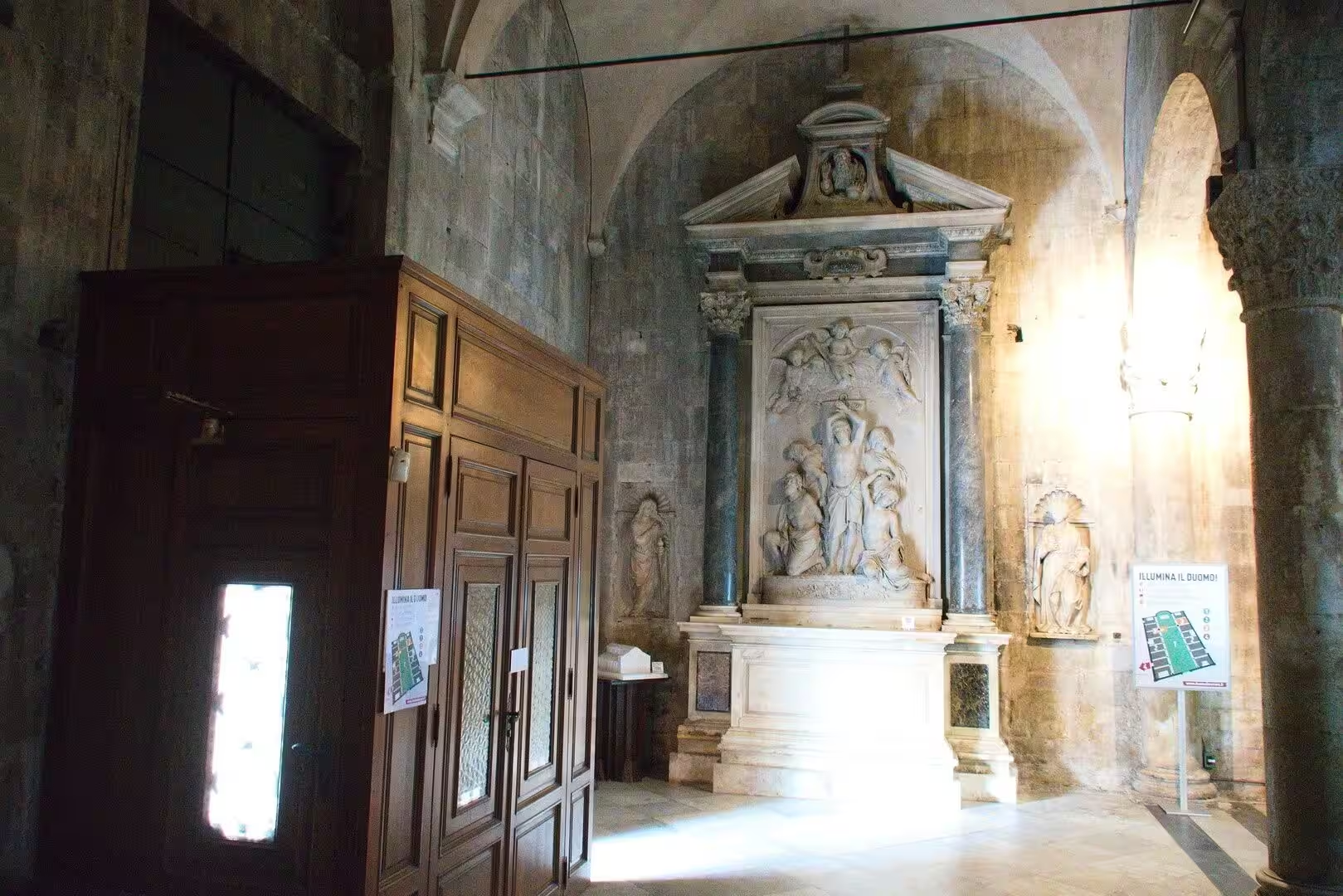
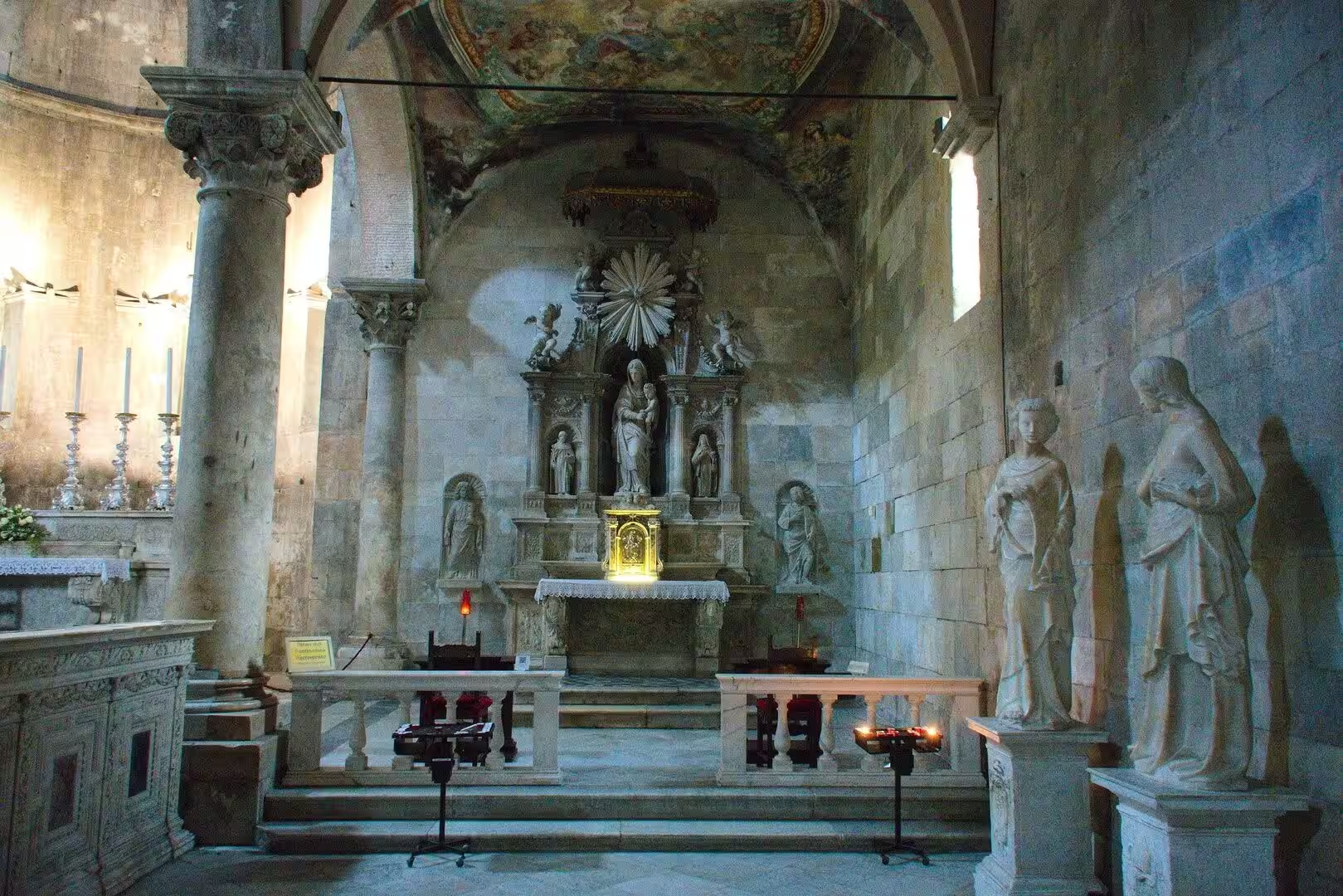
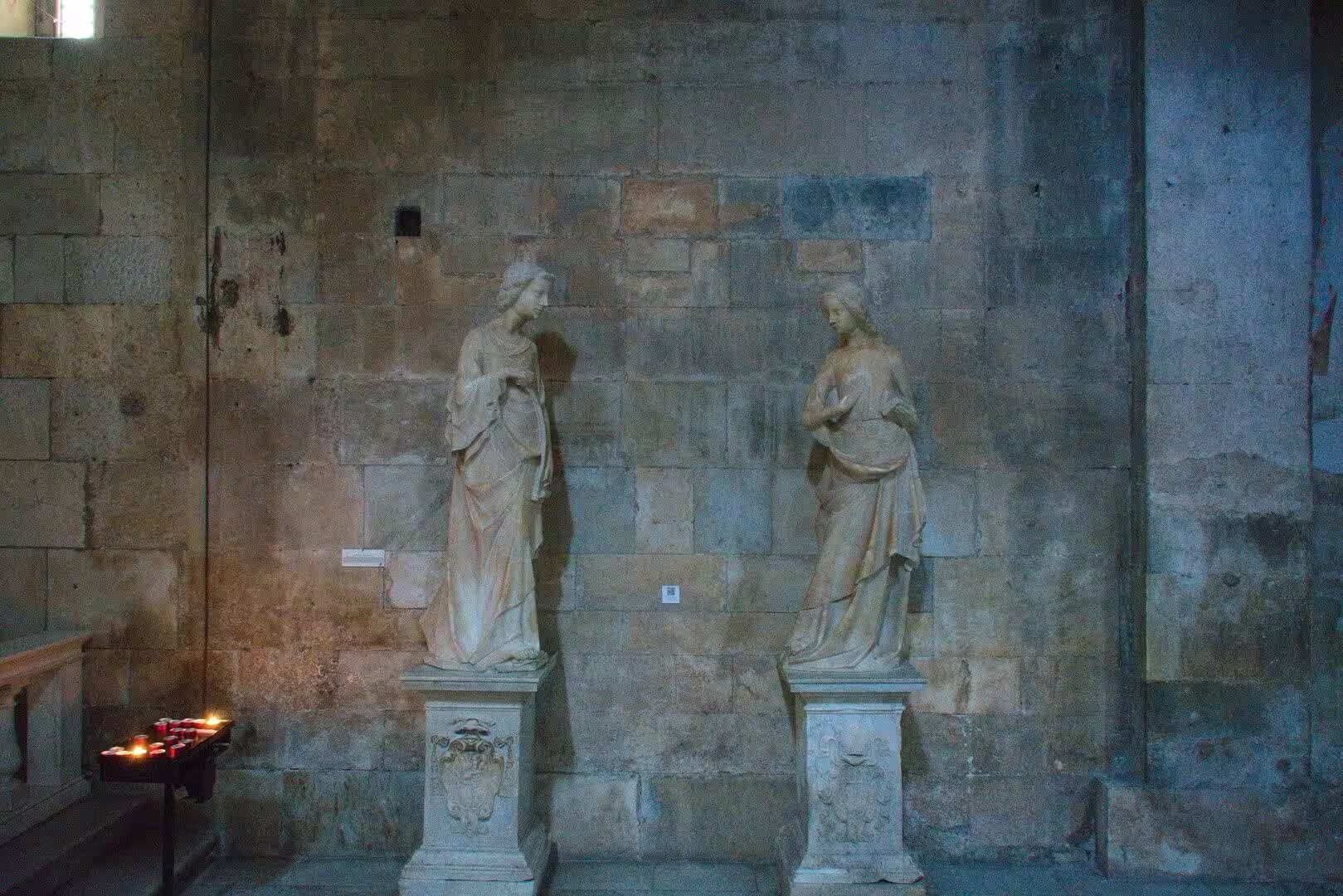
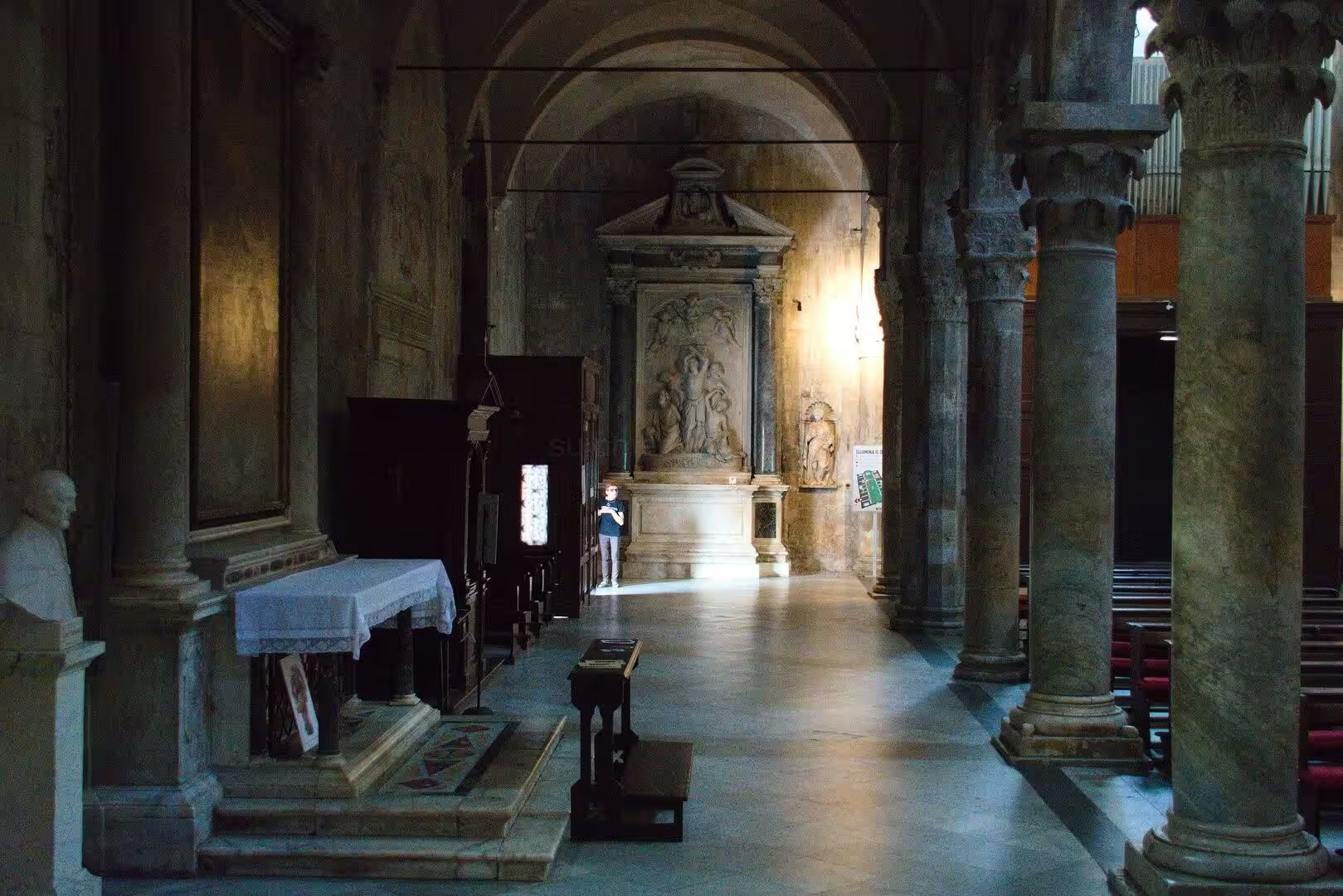
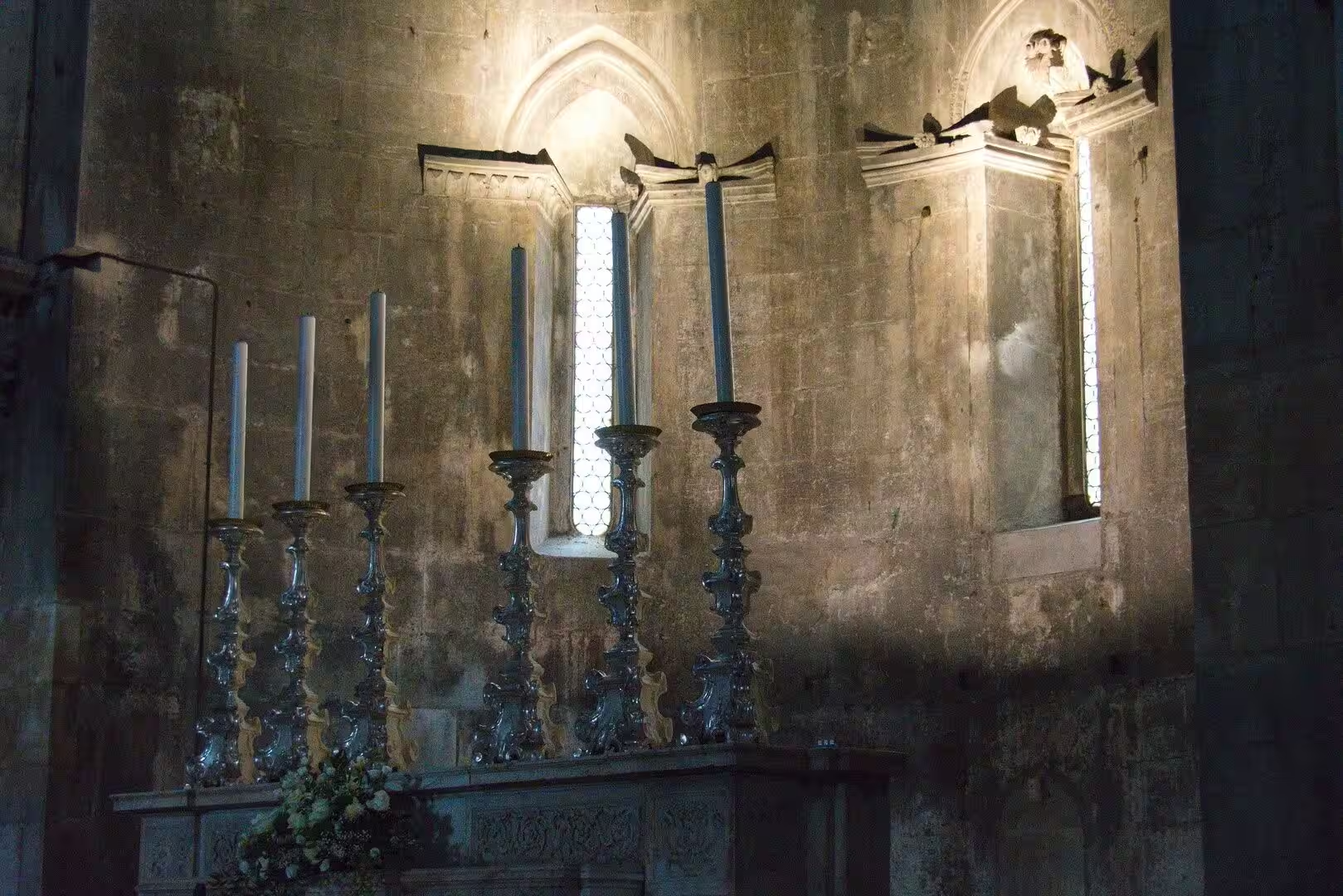
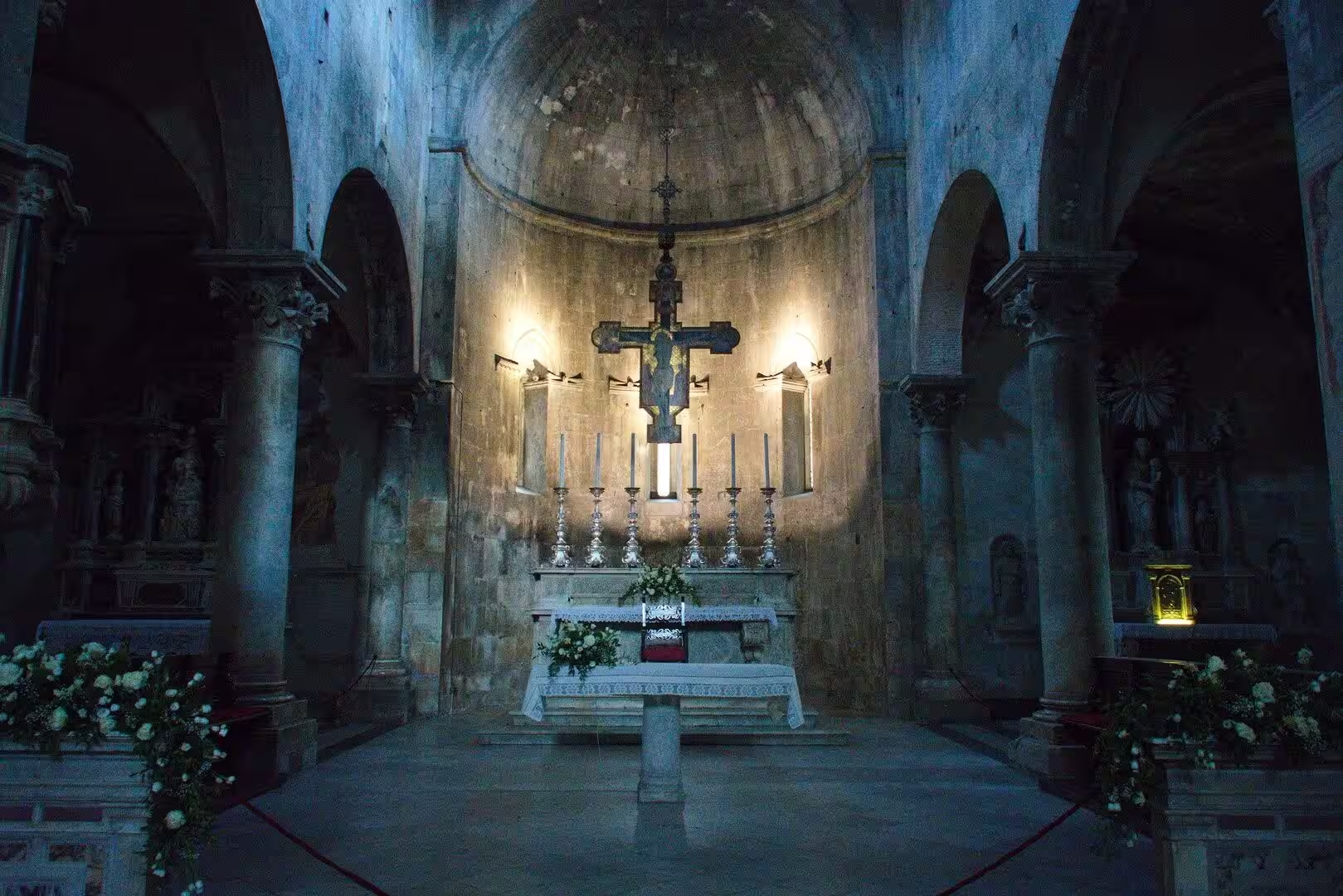
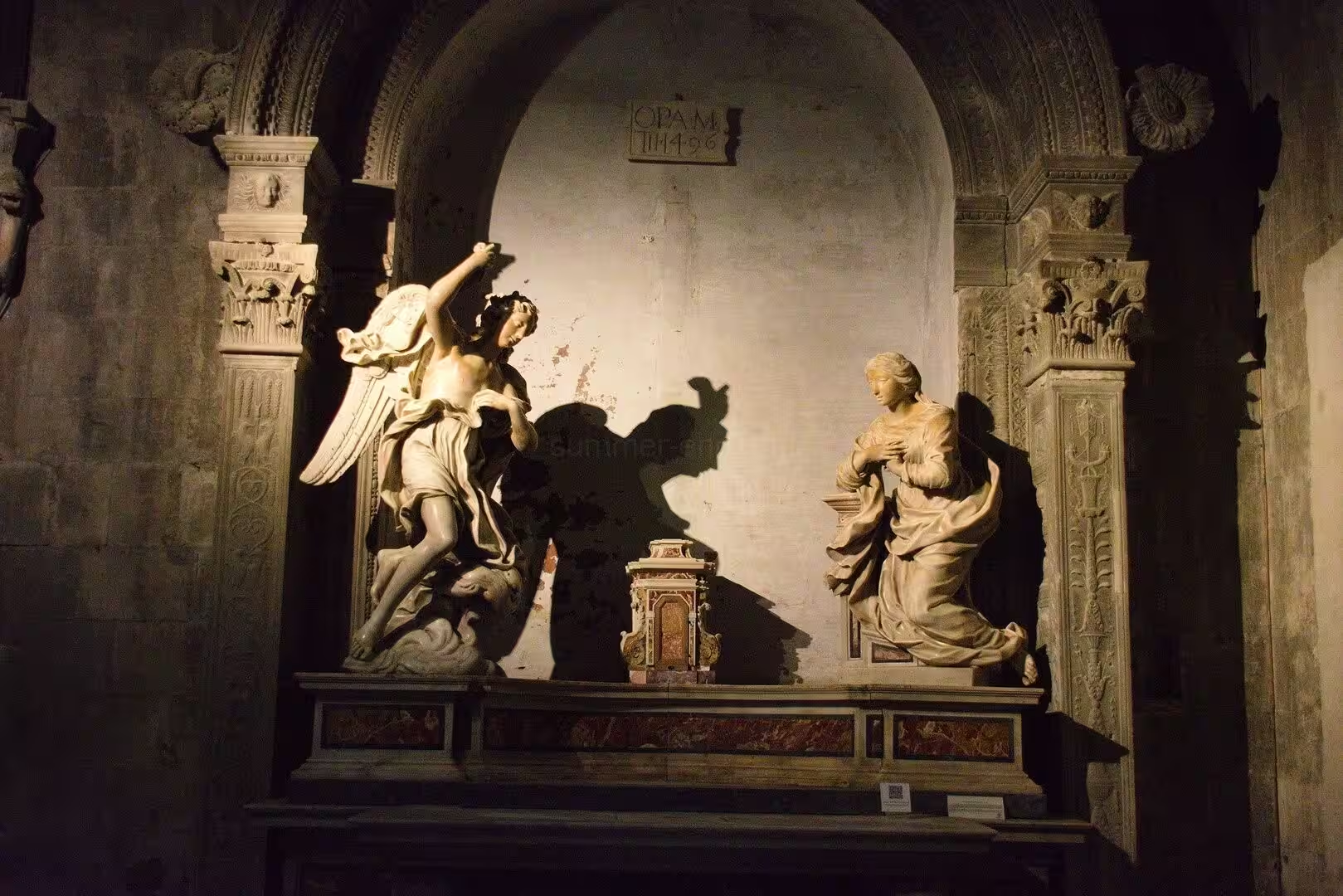
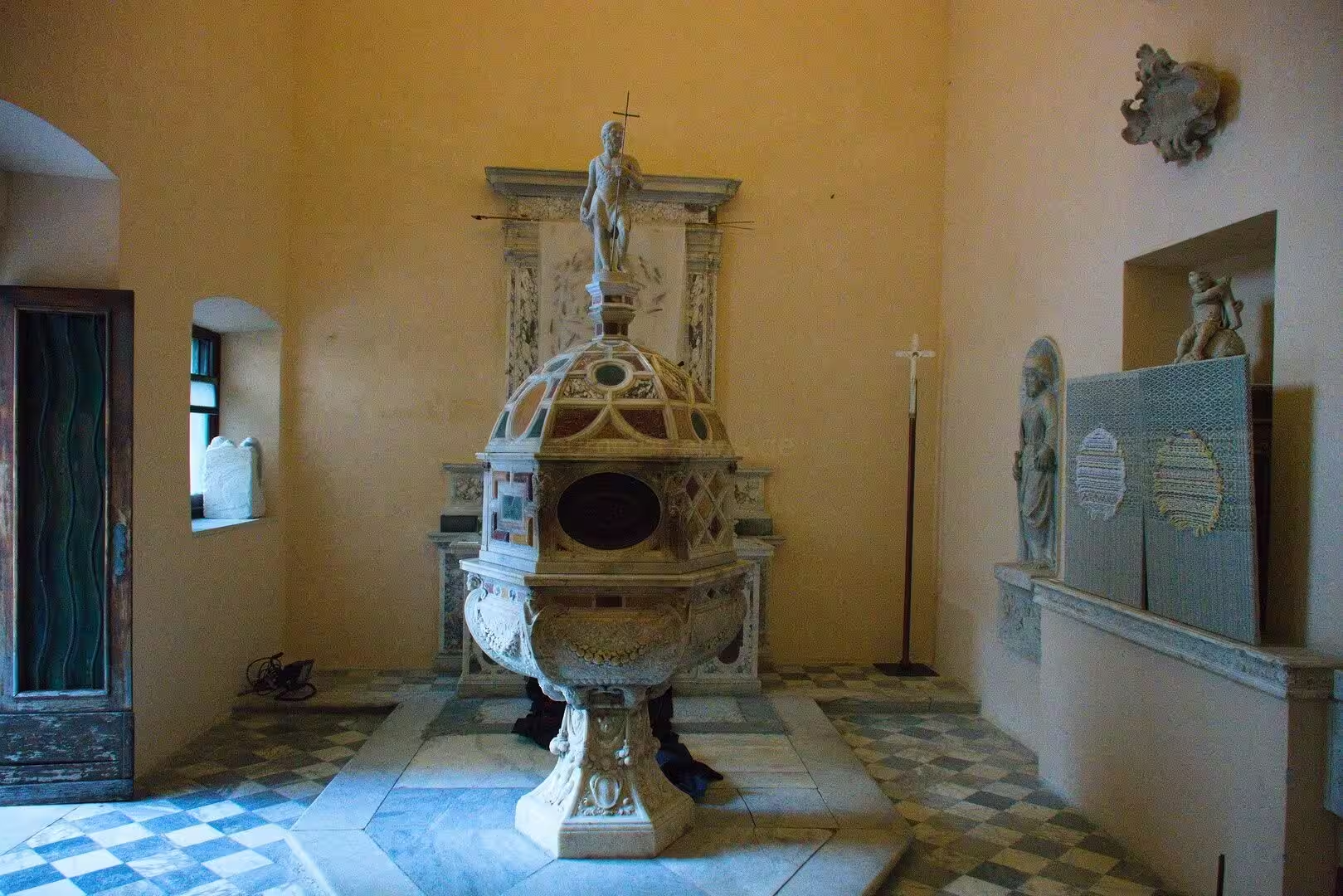
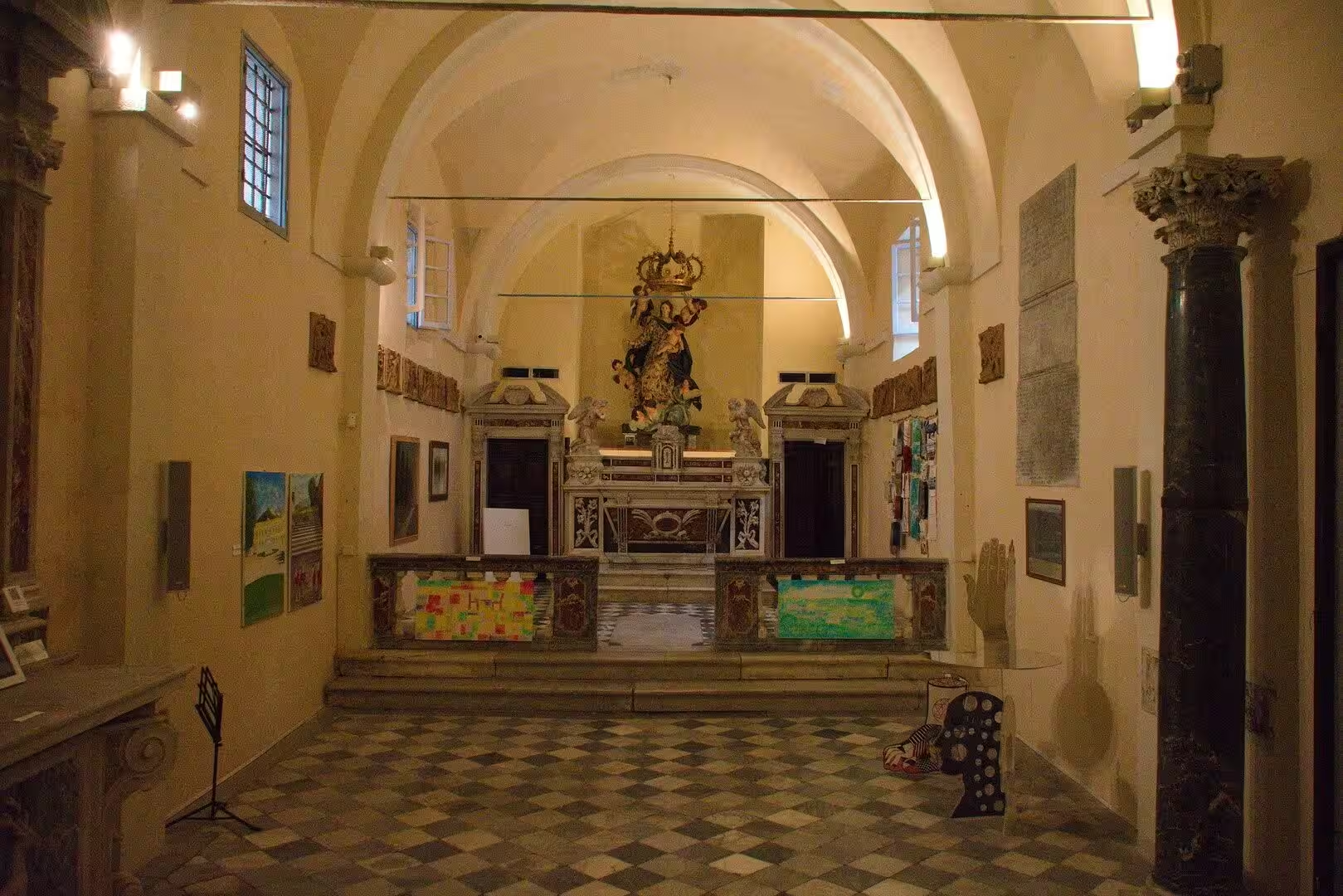
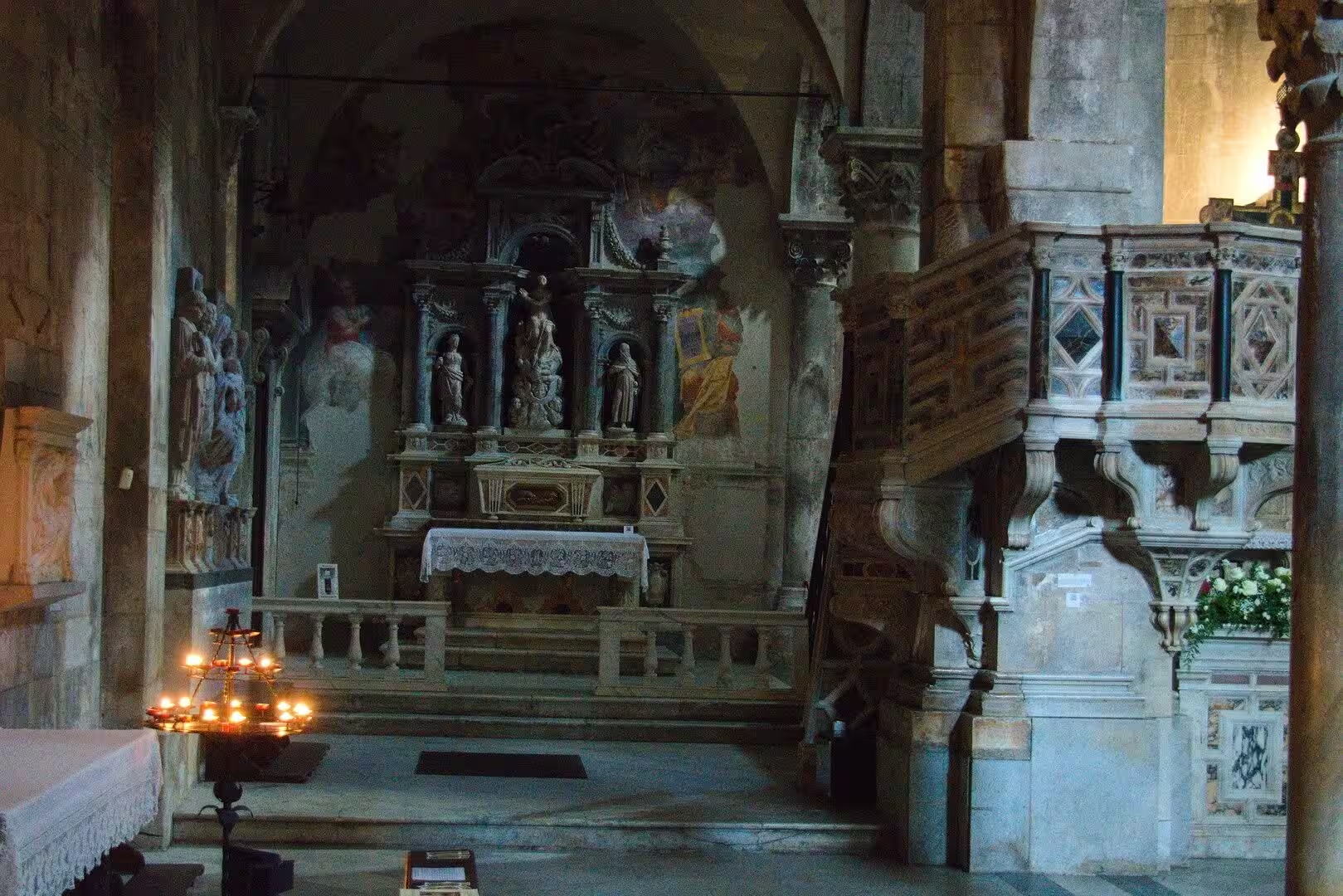
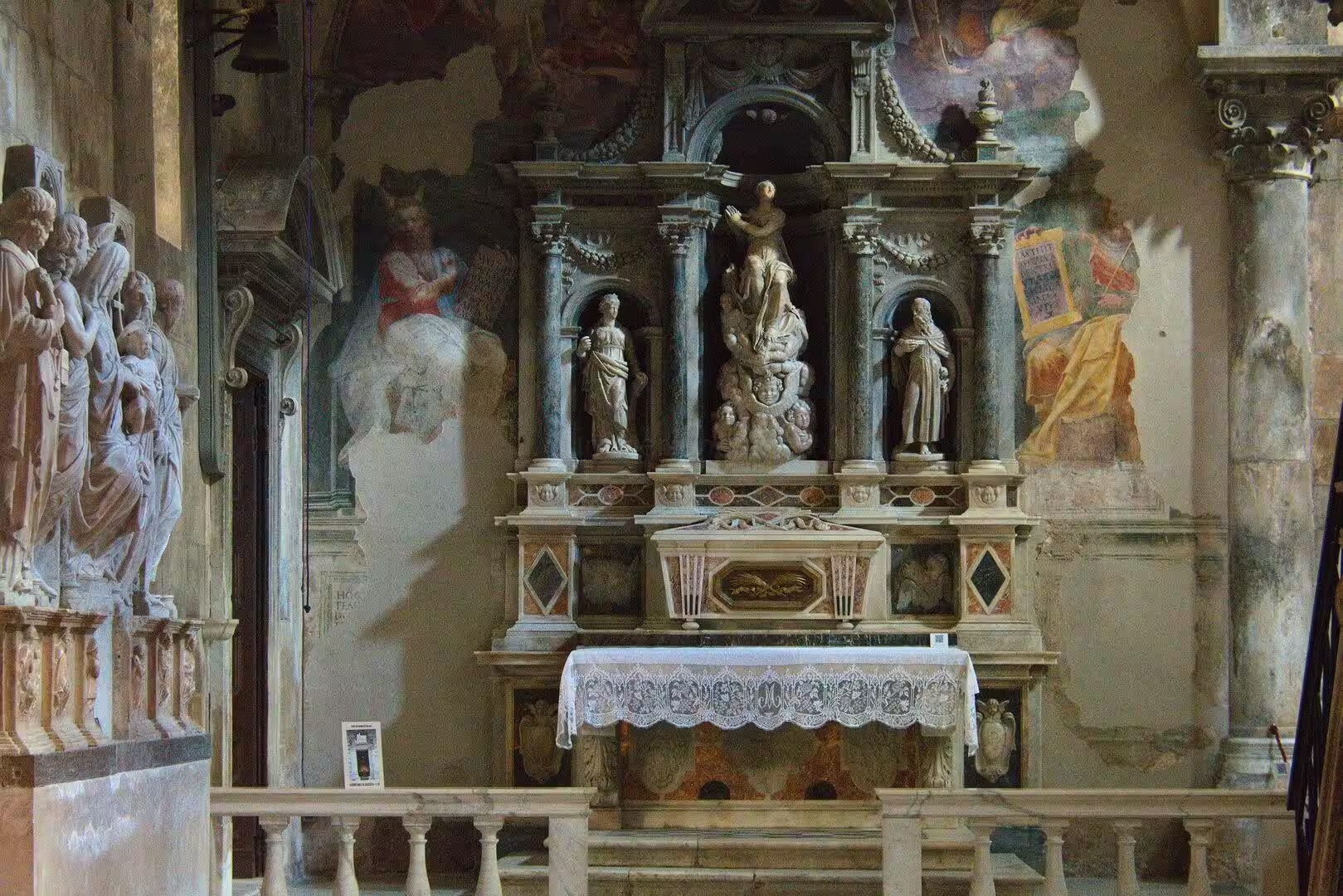
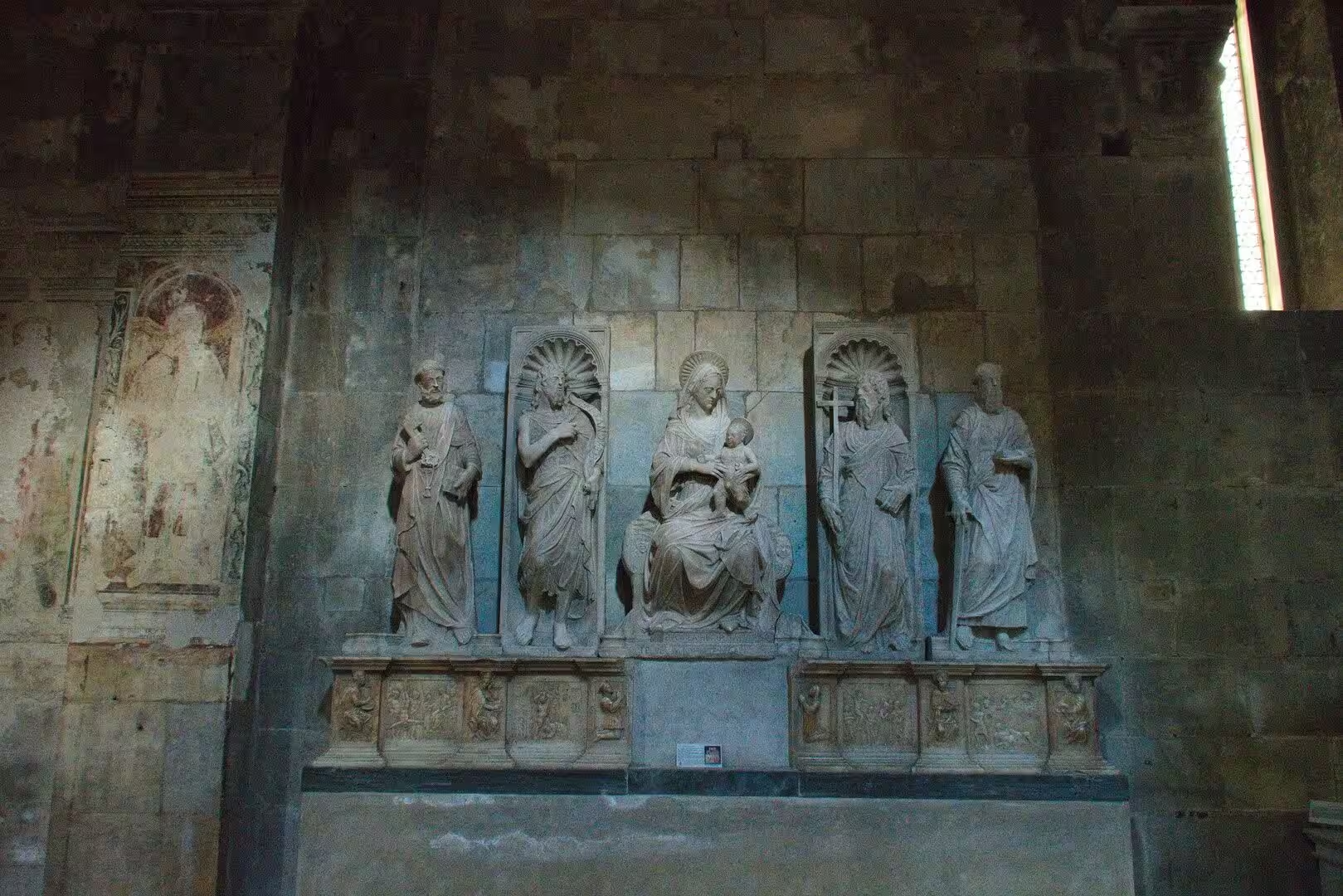
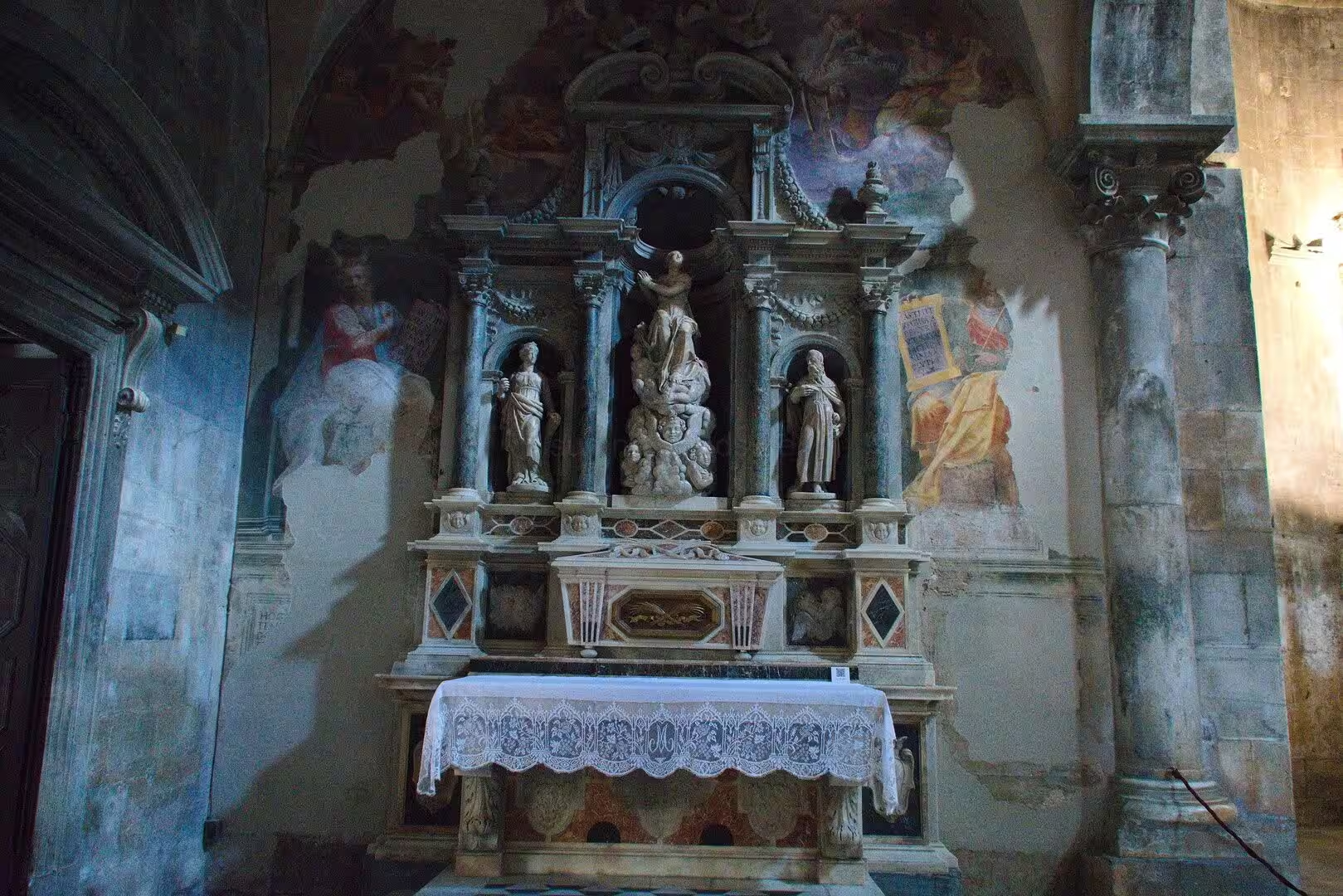
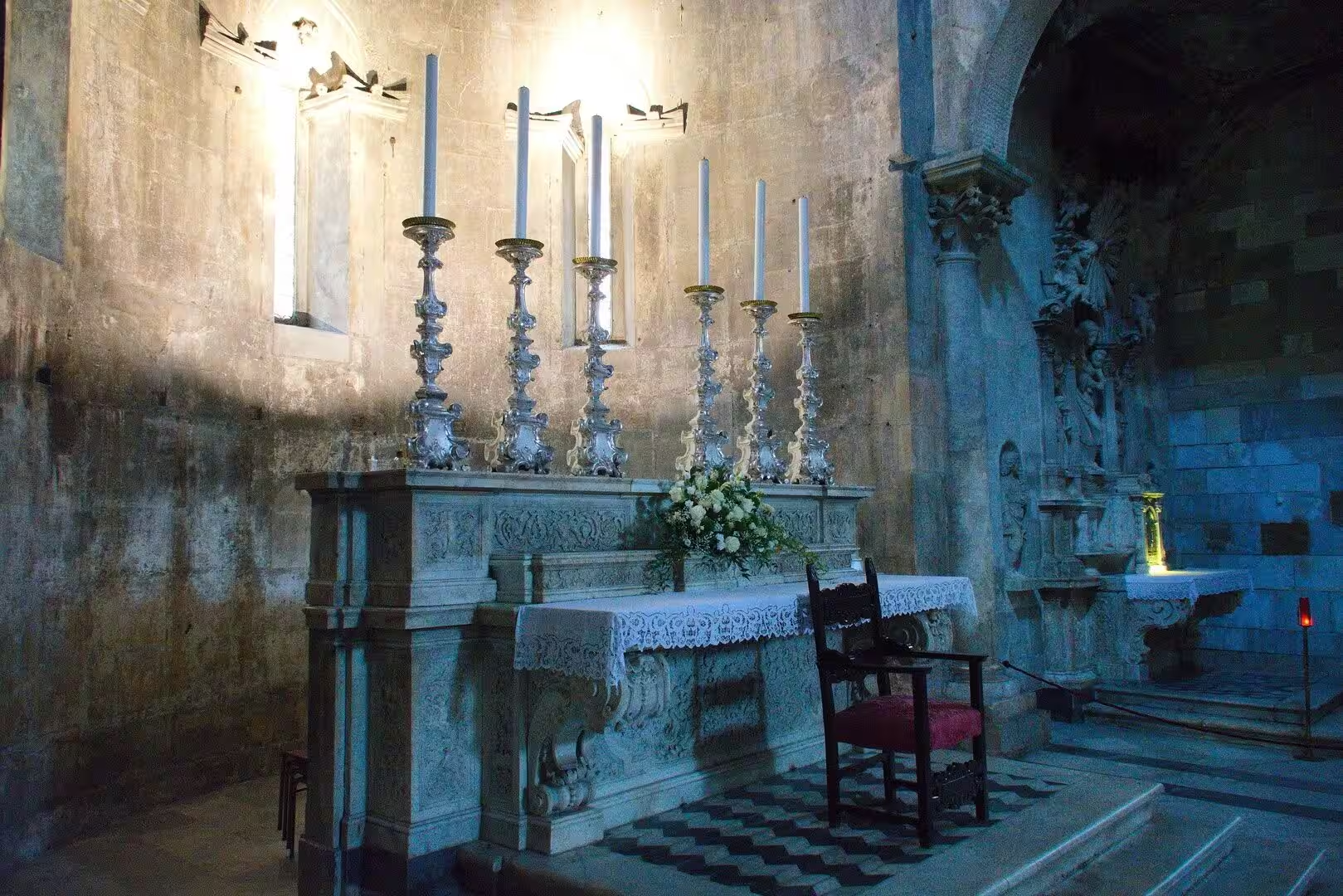
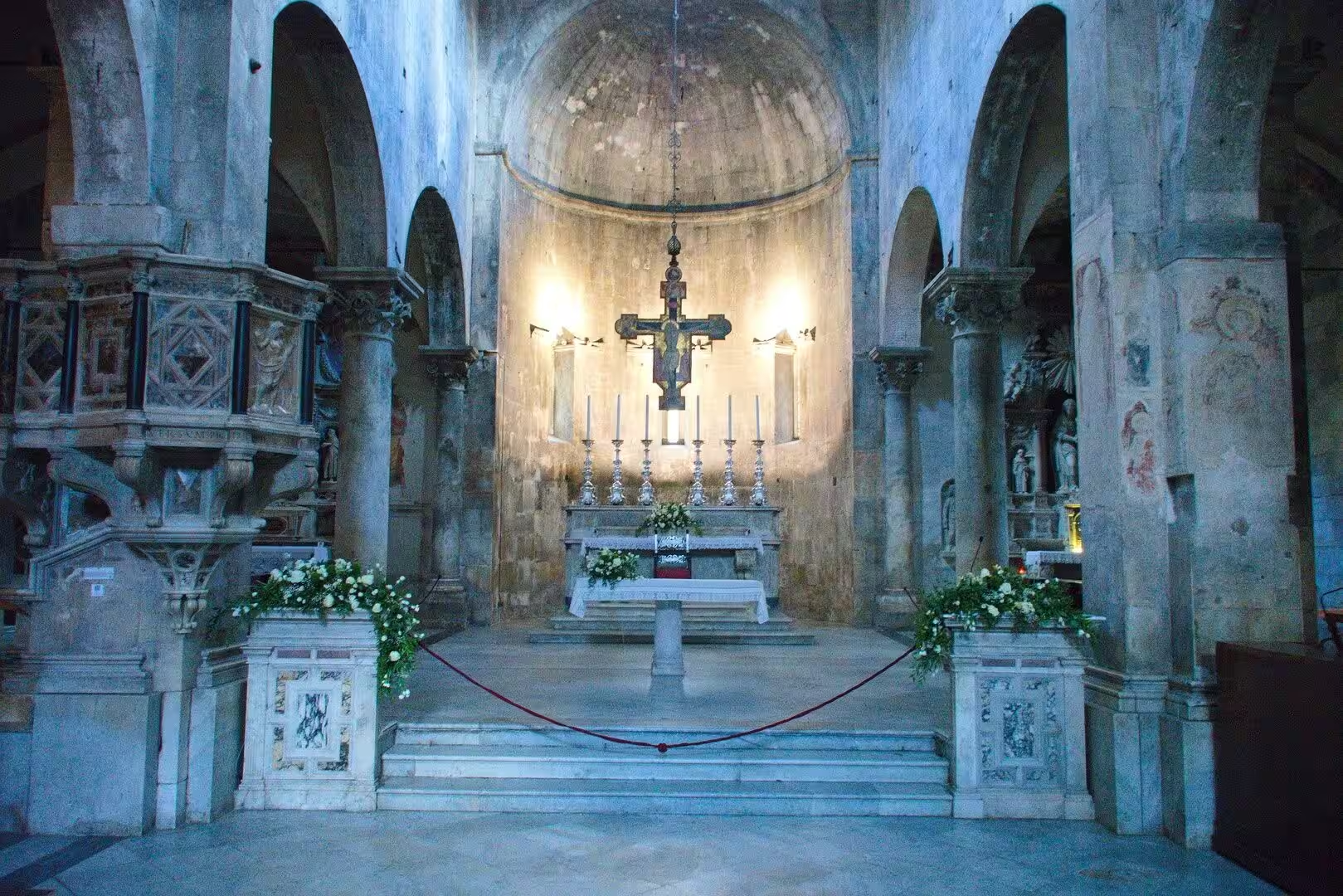
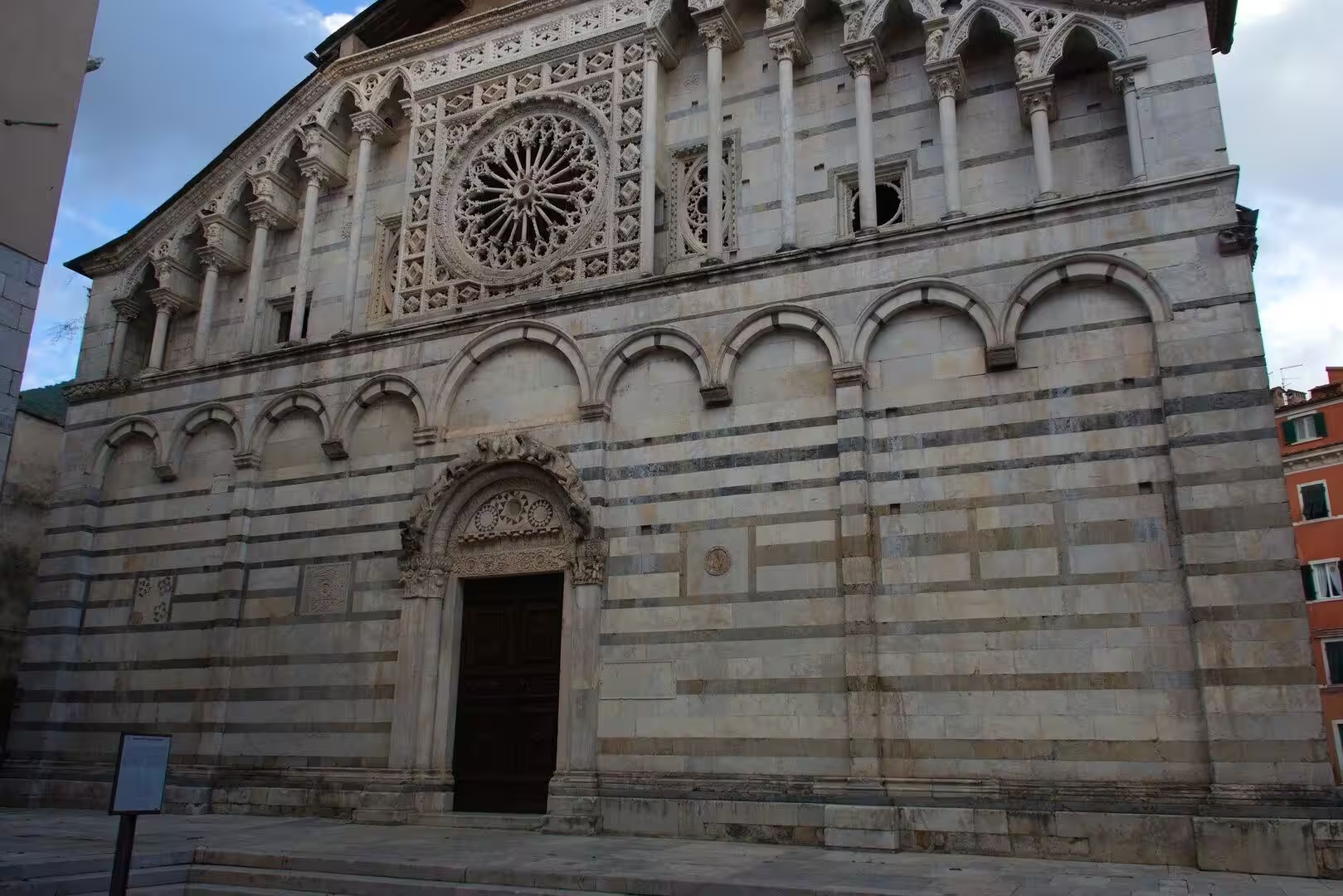
Colonnata is a stone village perched on the watershed above the colonnata basin, approached by a road that climbs above the quarries. Its tightly packed houses, narrow lanes and tiny central square sit on the ridge, and the village is known both for its views over the marble mountains and for the production of lardo di Colonnata, cured pork fat seasoned with salt and spices in basins of local marble, the recipe and the marble containers giving the product its reputation. In the town below, the Cathedral of Sant’Andrea, dedicated to the apostle Andrew and built from the early twelfth century, is the first medieval church constructed entirely of marble, its lower facade and side walls showing the bichrome banded patterning of geometric tarsia in light and dark stone, its portal crowned by bestiary sculpture and a Gothic rose window of twisted columns, and its fourteenth-century bell tower rising to about 33 metres. The interior preserves the early fourteenth-century wooden crucifix by Angelo Puccinelli and a sixteenth-century marble pulpit, and the apse and the presbytery recall the building phases of the twelfth and thirteenth centuries.
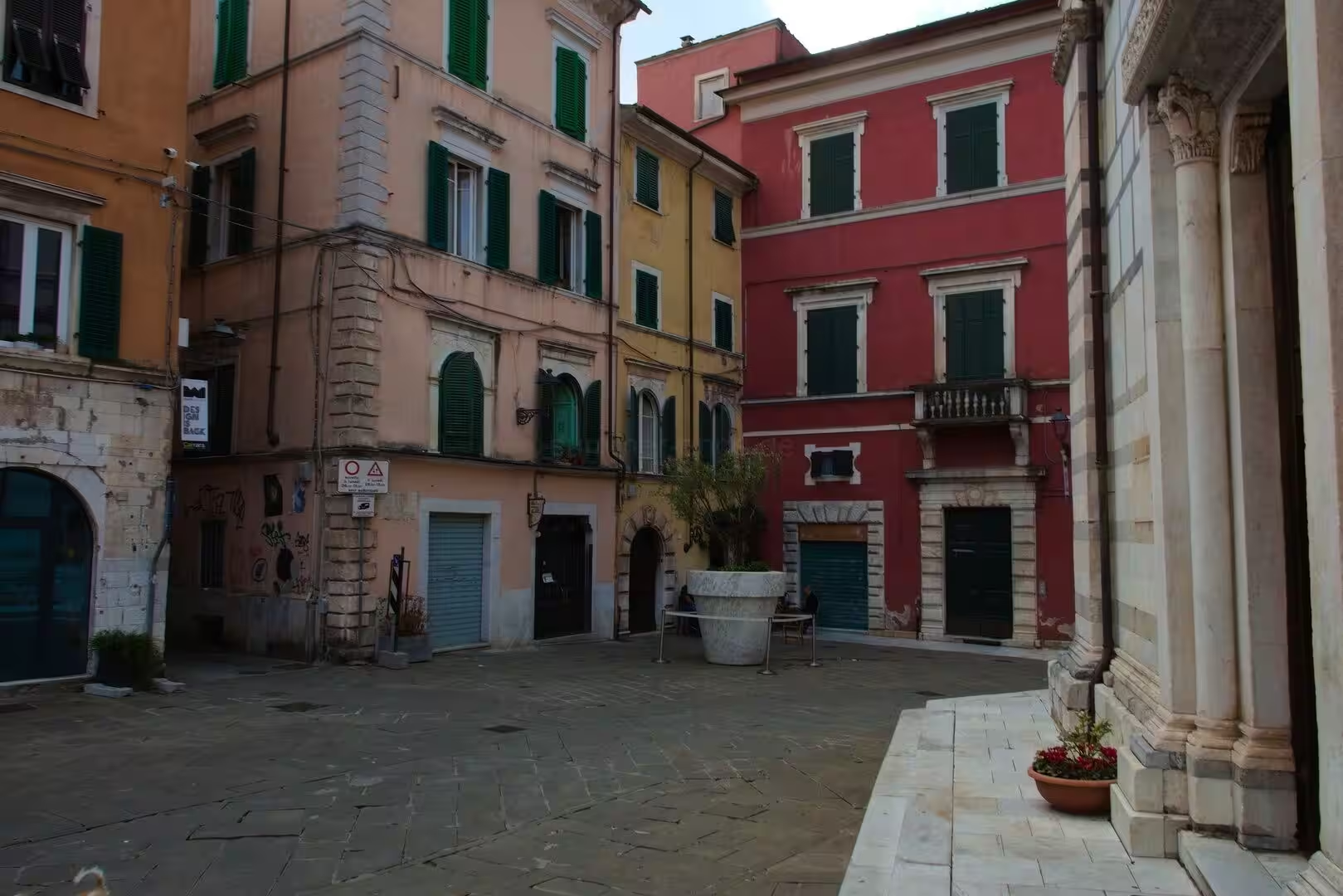
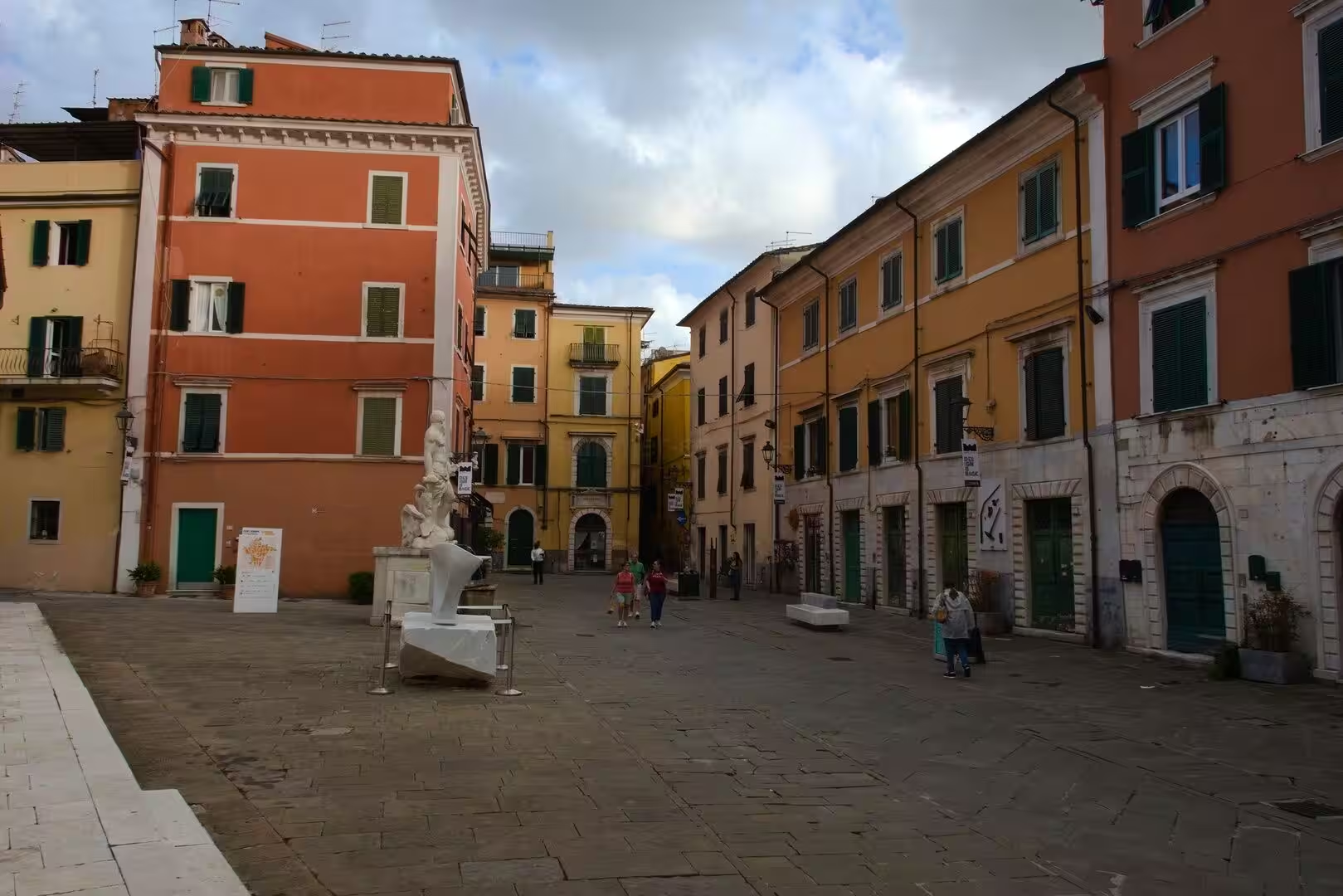
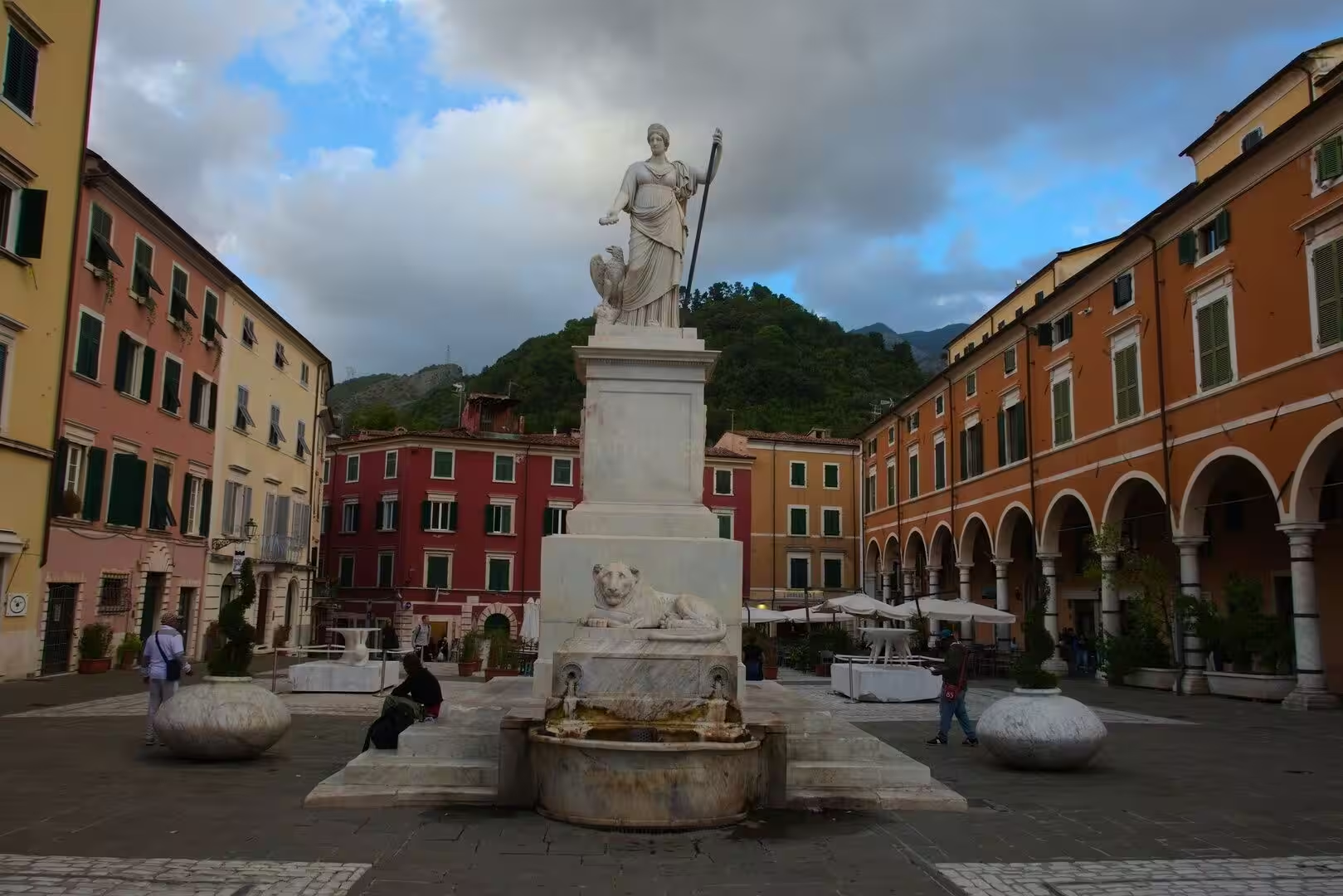
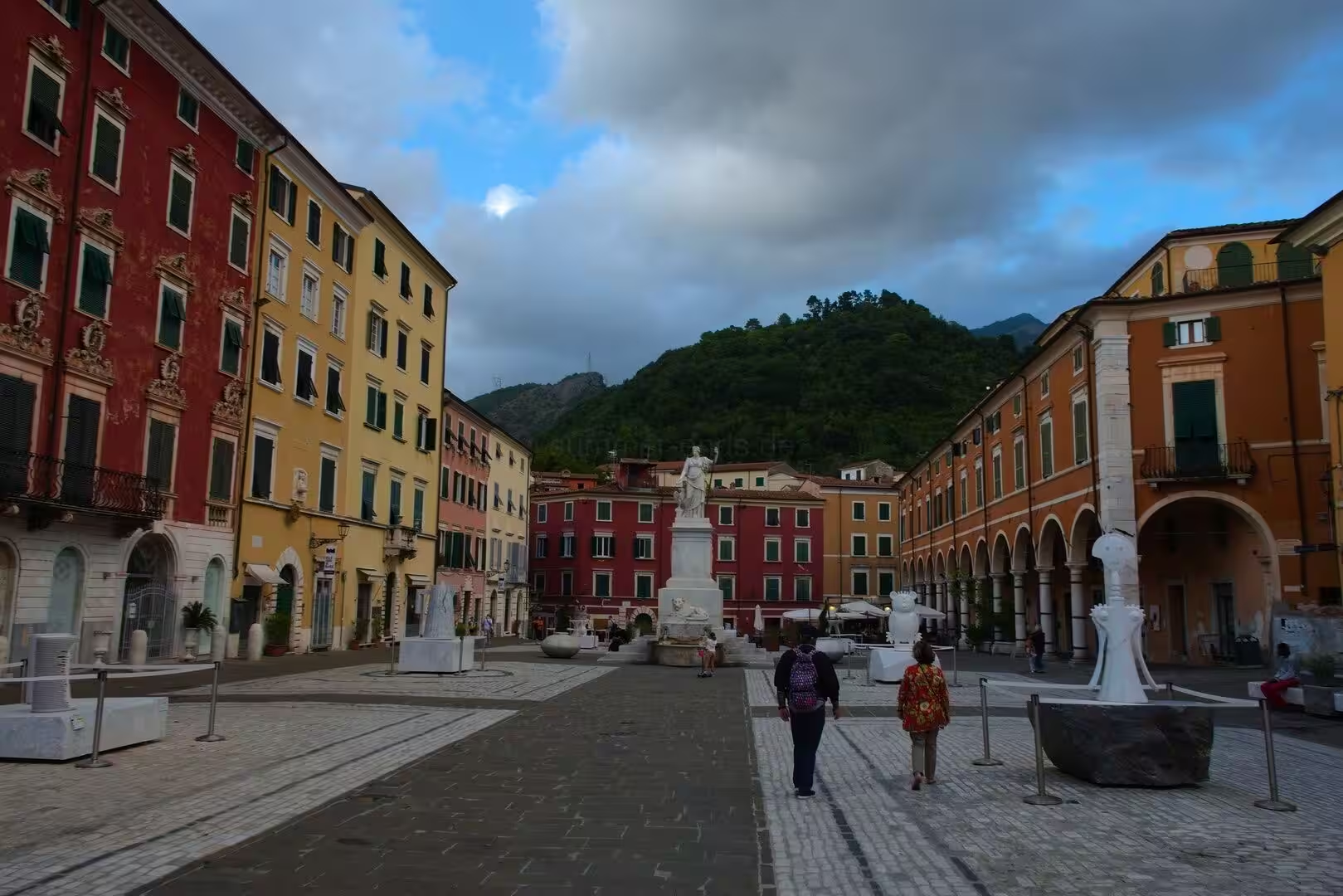
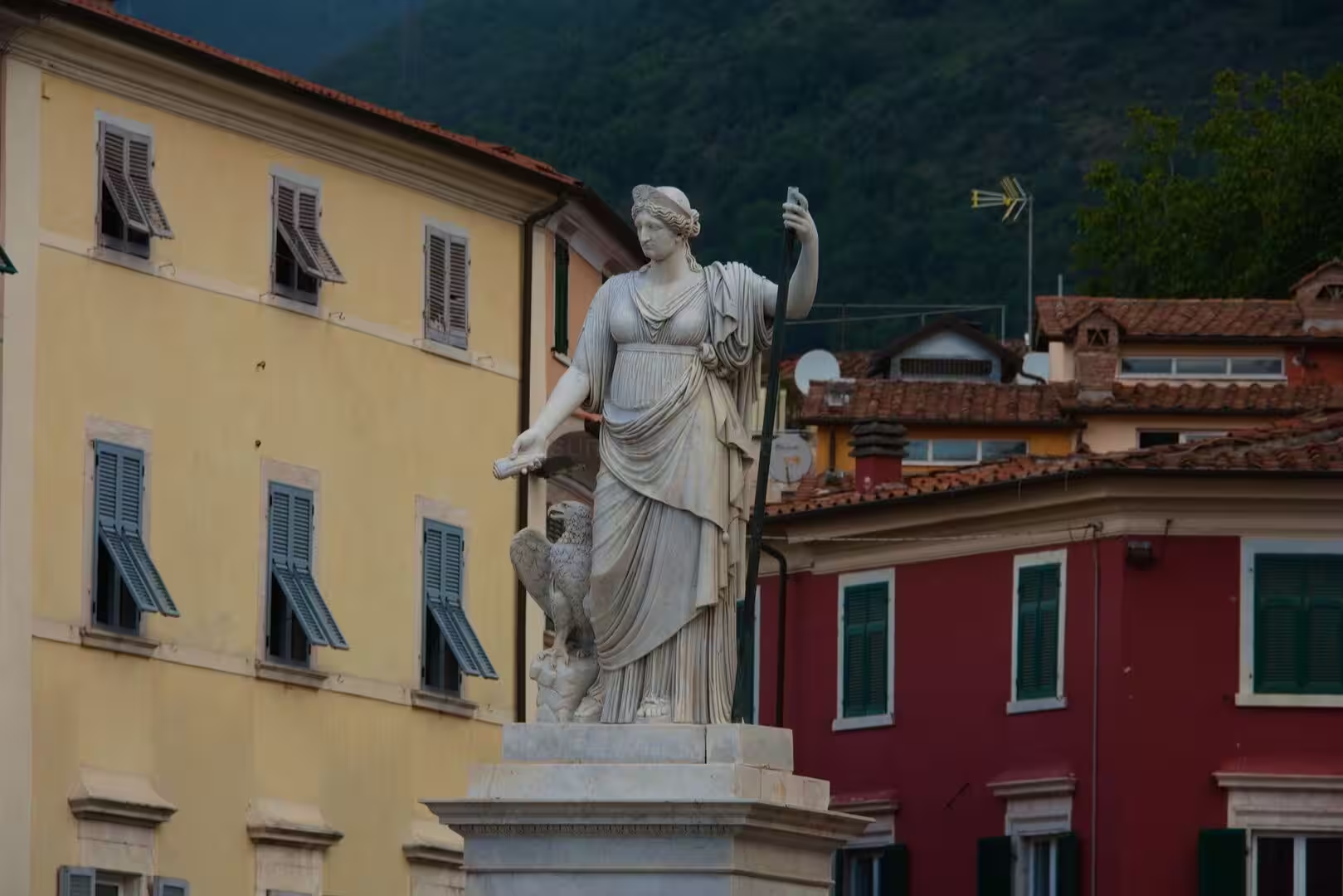
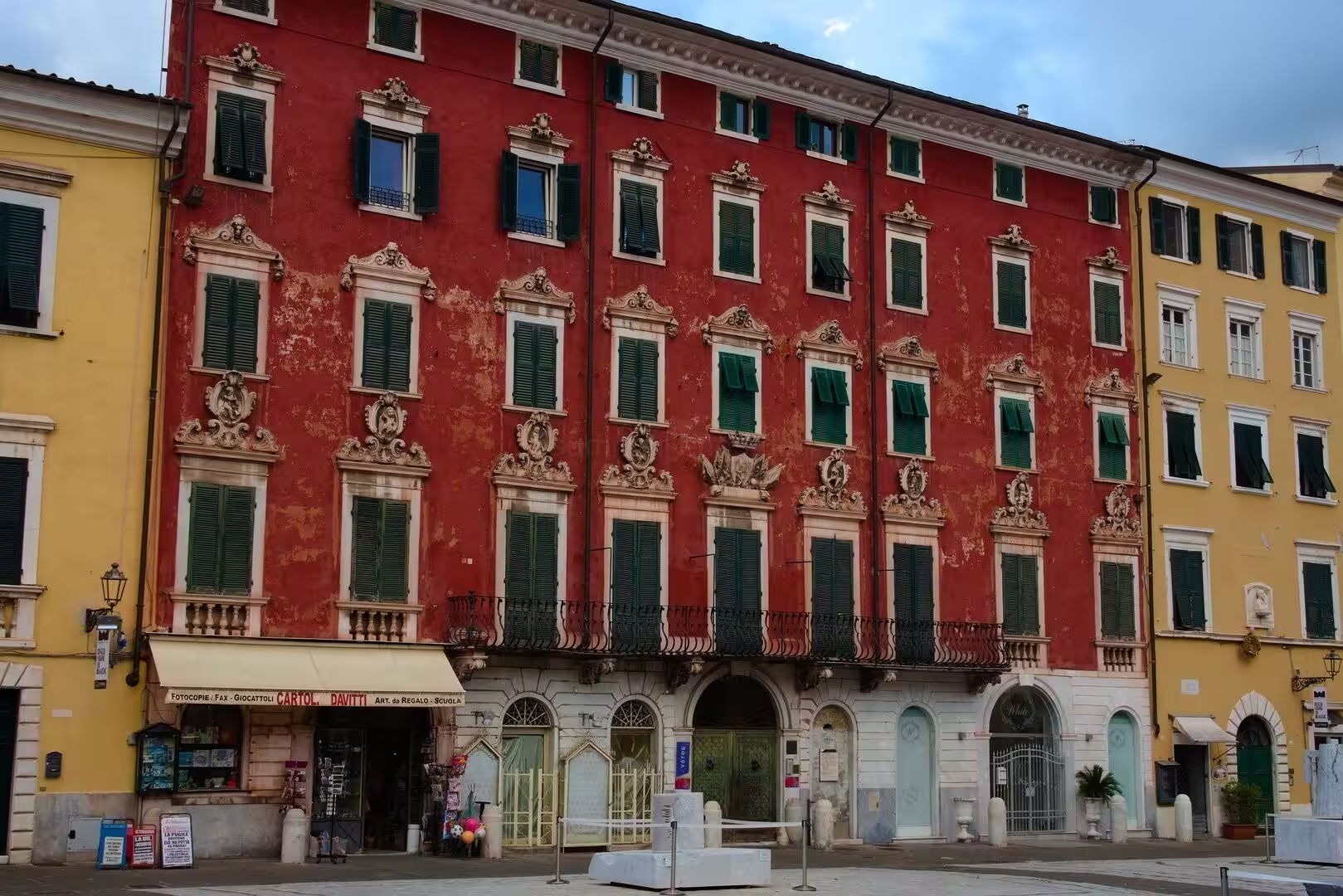
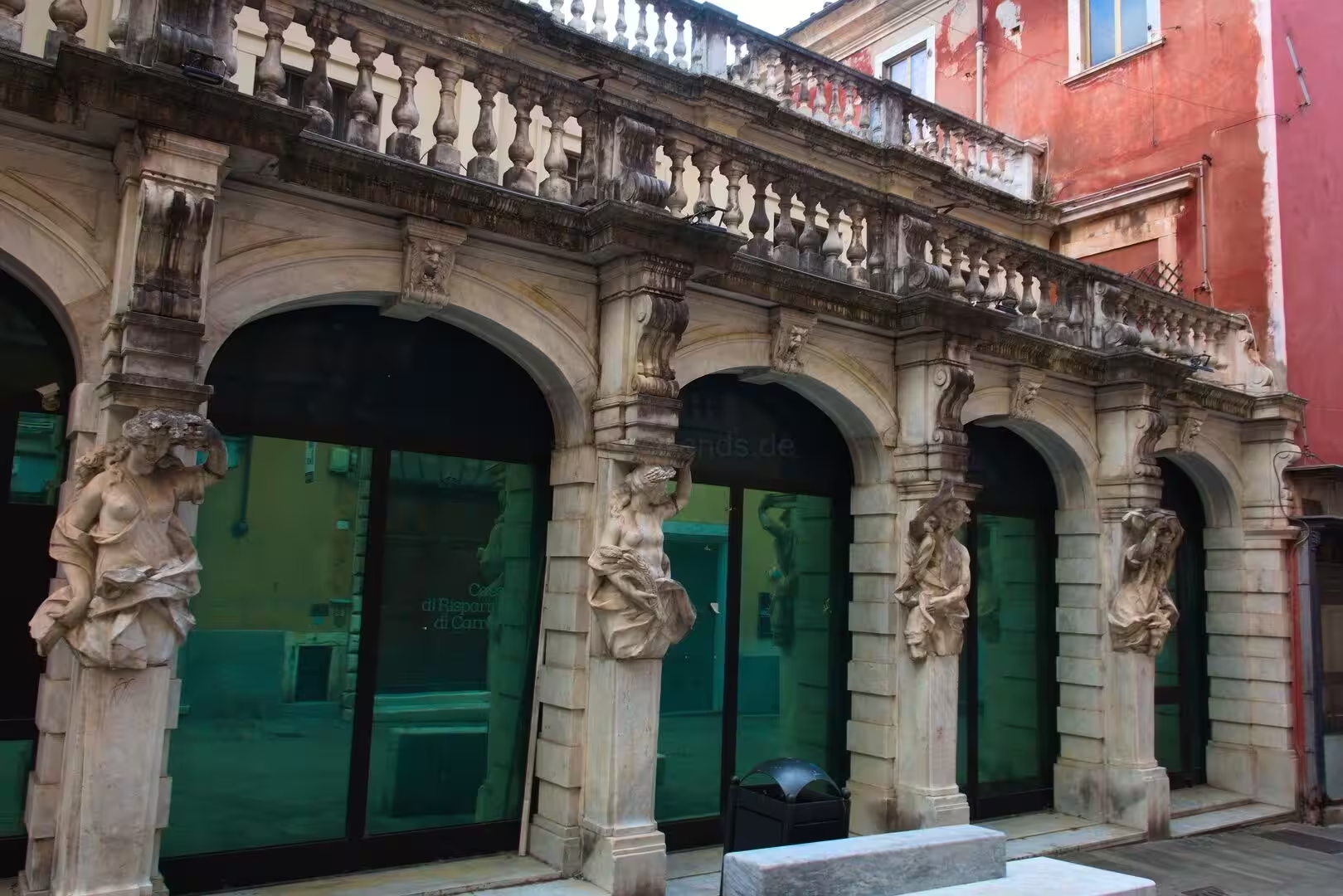
On the edge of the old town, Piazza Alberica is the civic heart of Carrara. The square was laid out in 1557 when the prince Alberico I Cybo Malaspina enlarged the city, and it became the salon of the families of the marble trade, flanked by palaces. The Palazzo Diana, also called the Palazzo delle Logge, fronts the square with a Renaissance portico of twelve round arches carried on marble columns, while the seventeenth-century Palazzo Del Medico, with its vivid red facade, hosted the sculptor Antonio Canova during his visits. In the centre stands the monument to Maria Beatrice d’Este, duchess of Massa and princess of Carrara, sculpted by Pietro Fontana in 1826 and set on a pedestal of bas-reliefs, the statue shown as the goddess Juno above a fountain basin topped by a crouching sphinx modelled on a subject in the Egyptian collections of the Louvre. Close by is the birth house of the sculptor Pietro Tacca, a pupil of Giambologna, whose family home stands on the same side of the square.
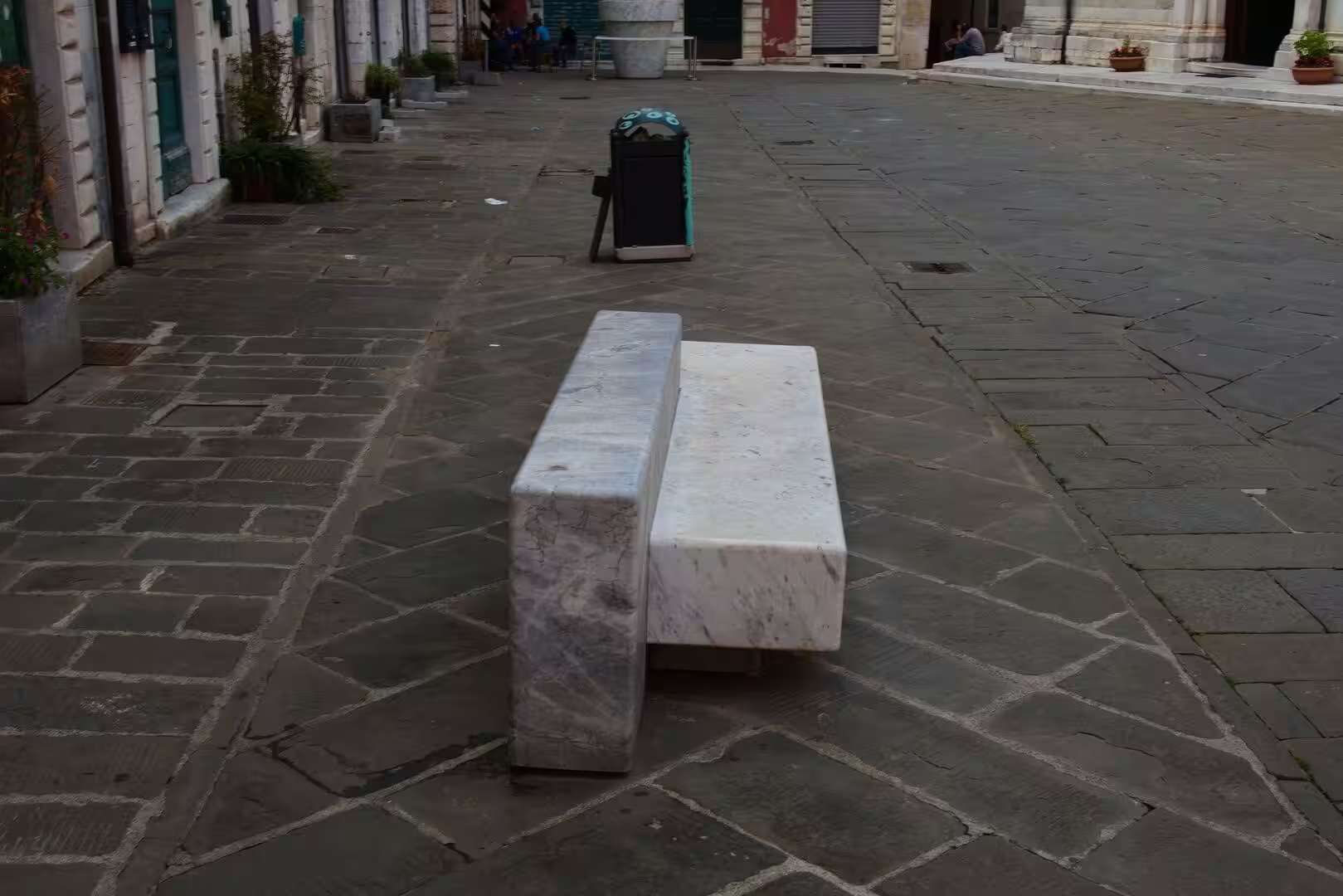
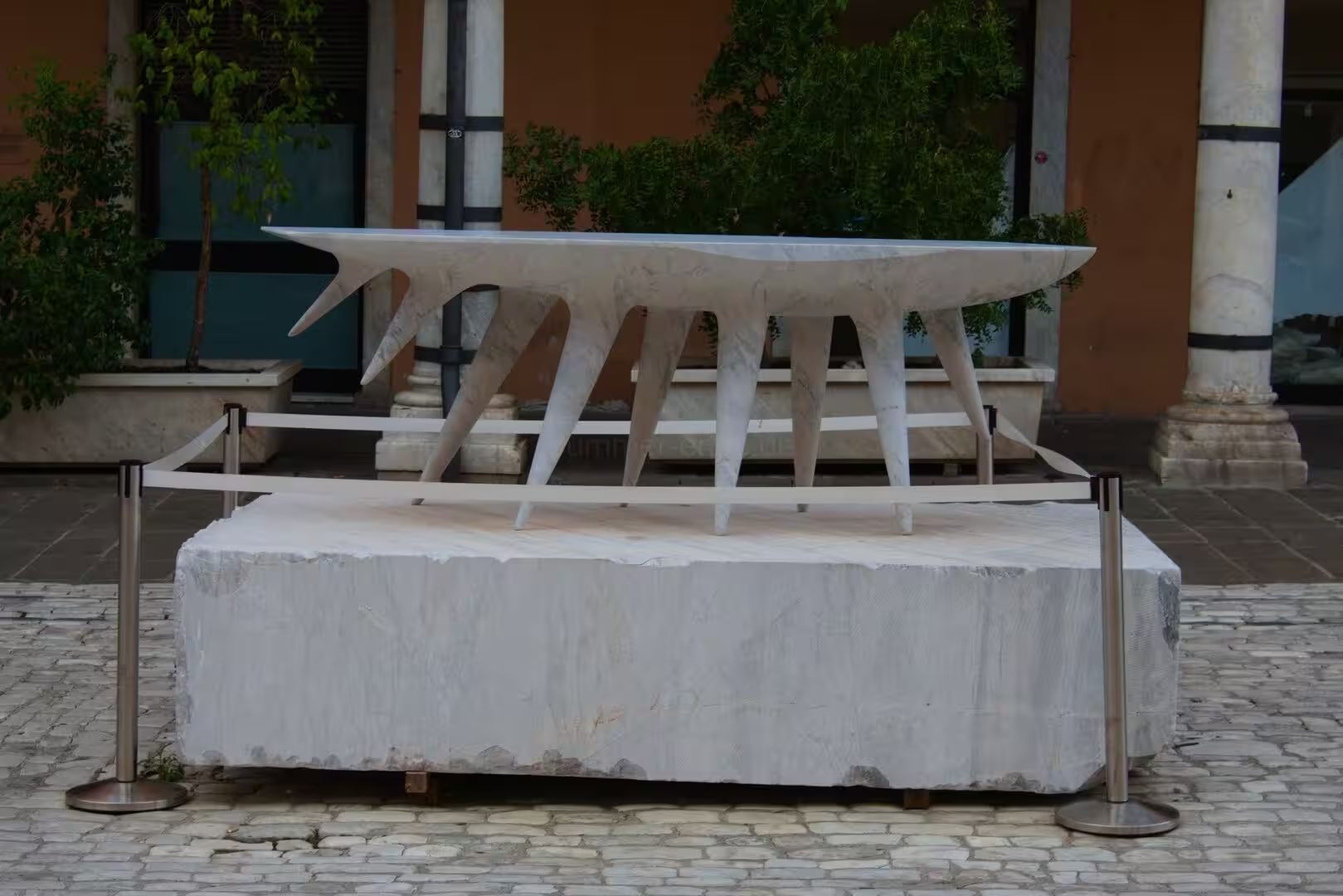
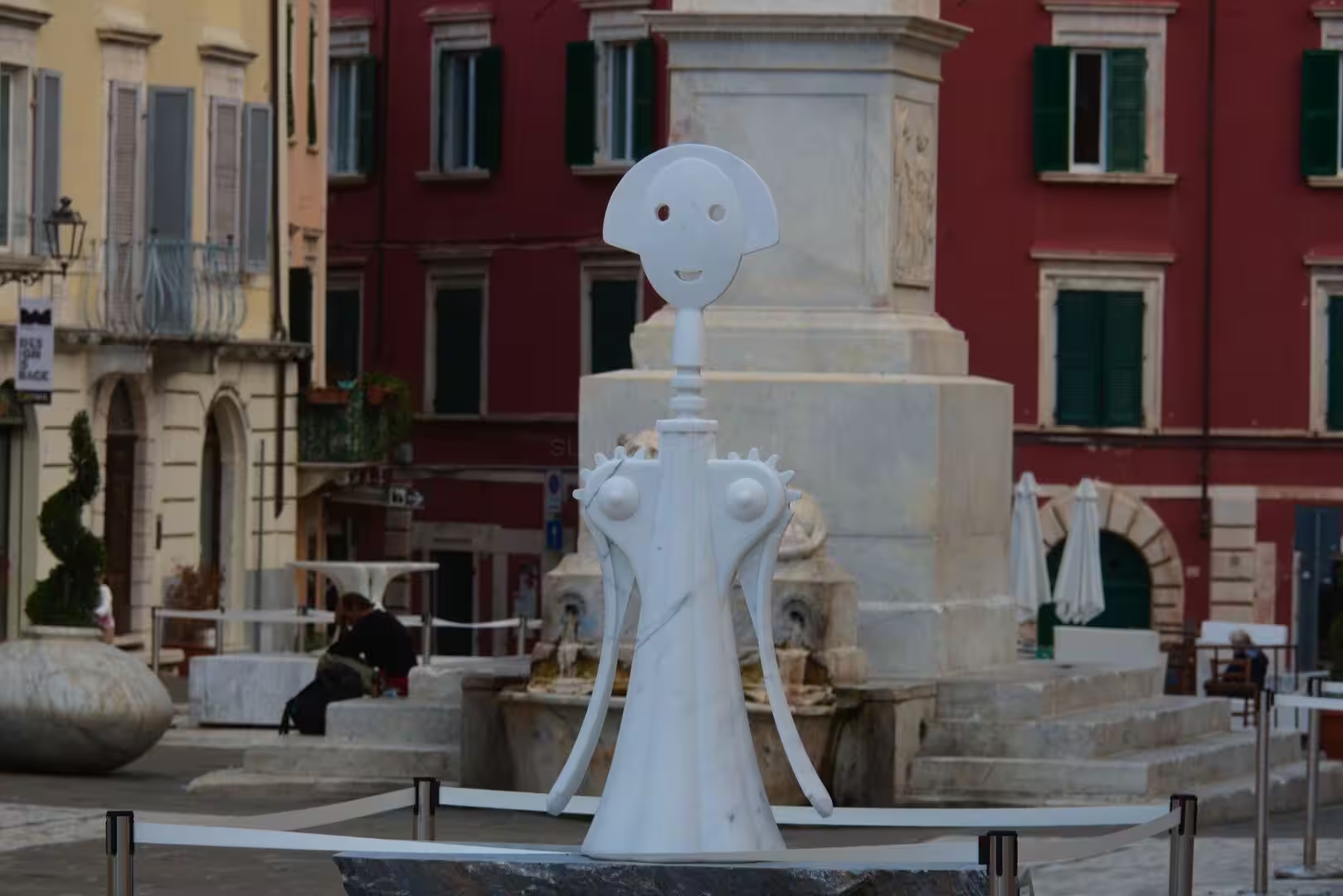
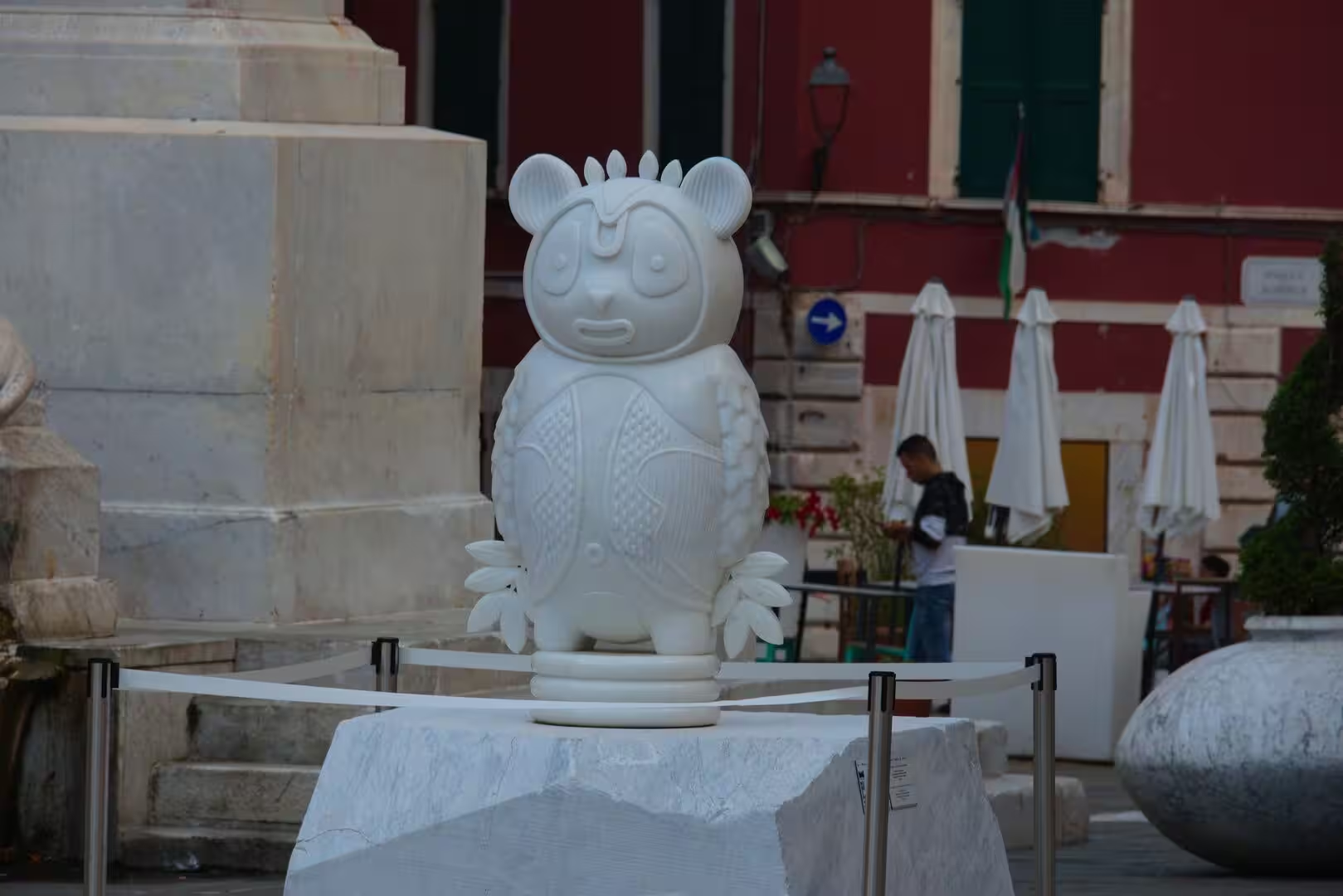
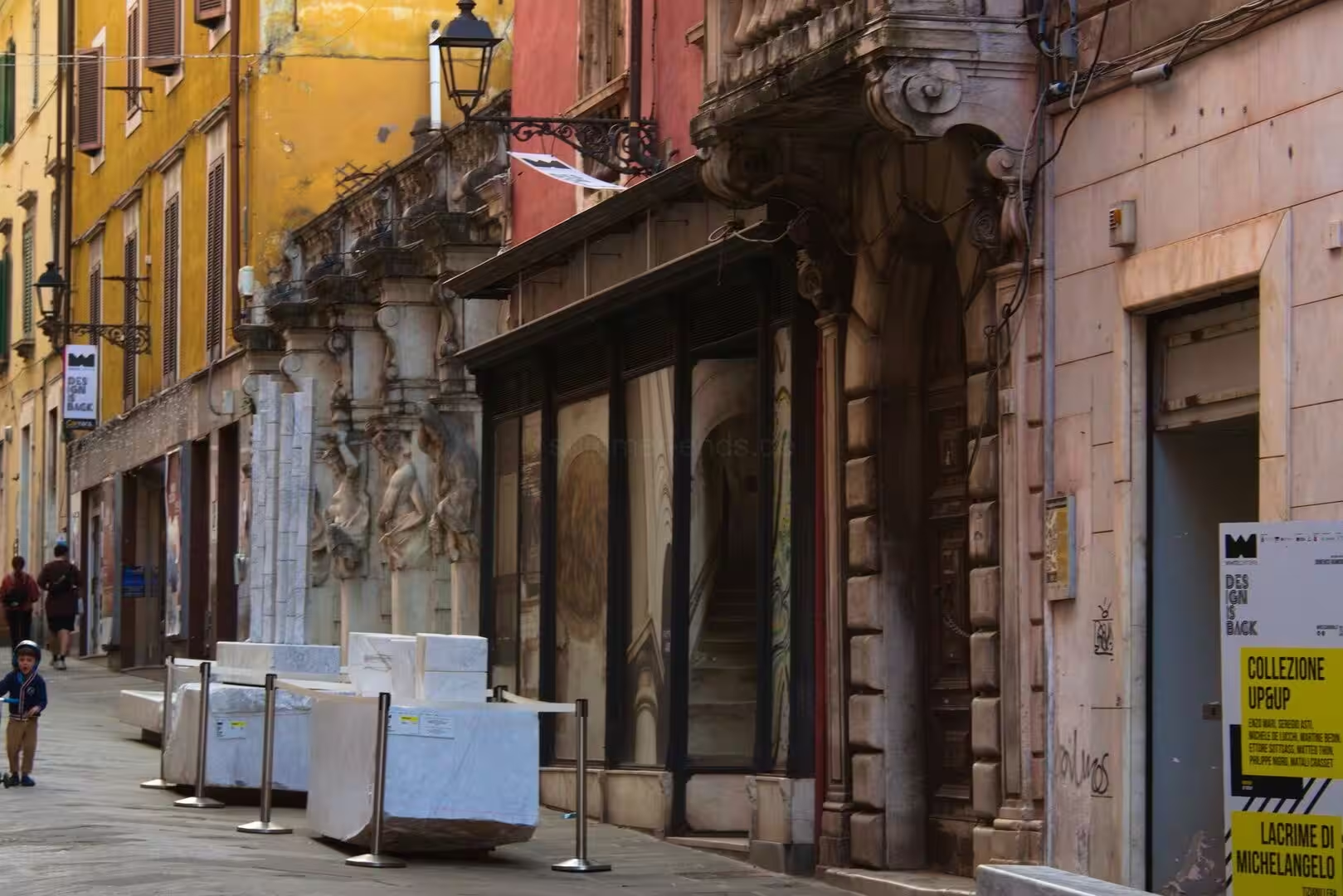
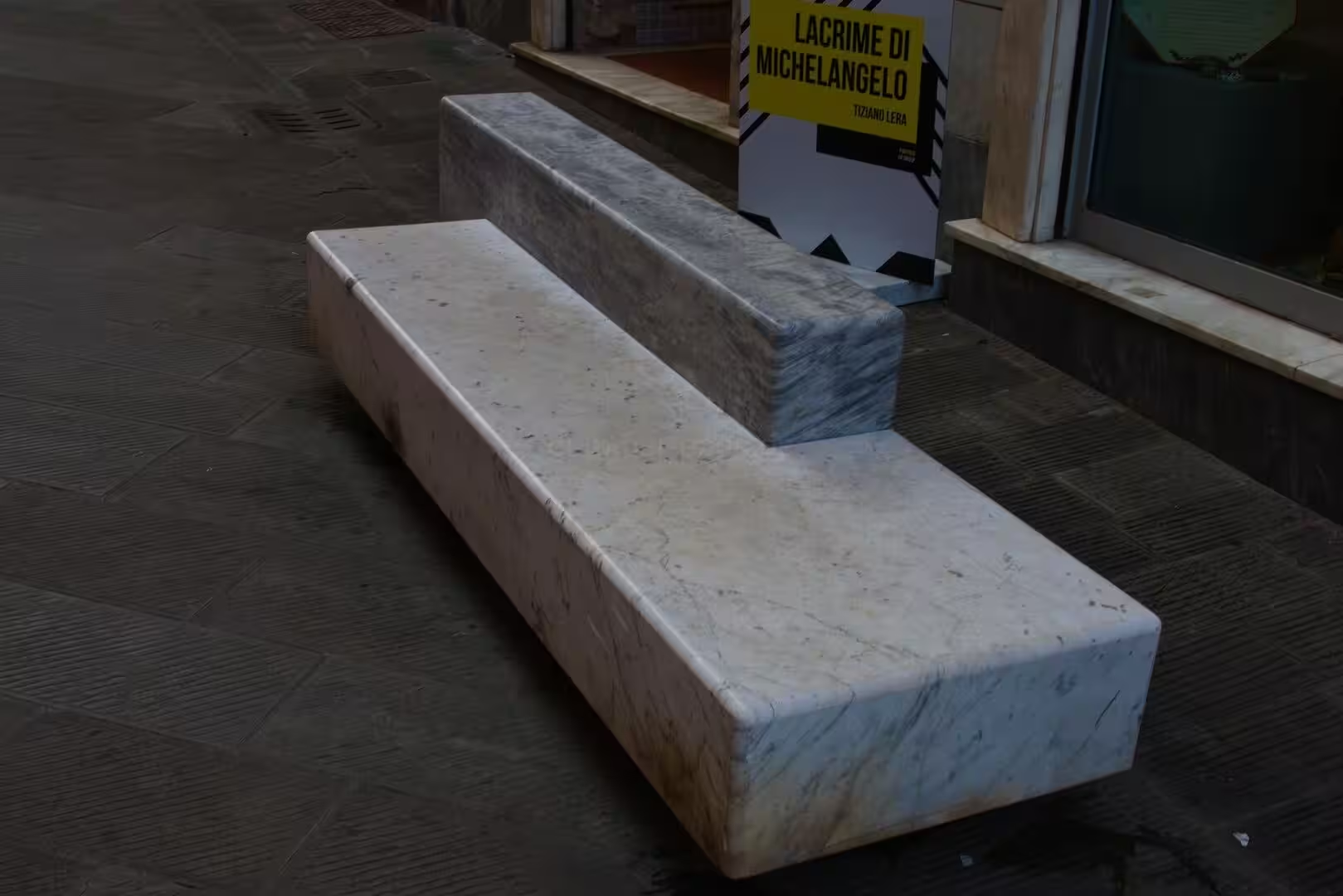
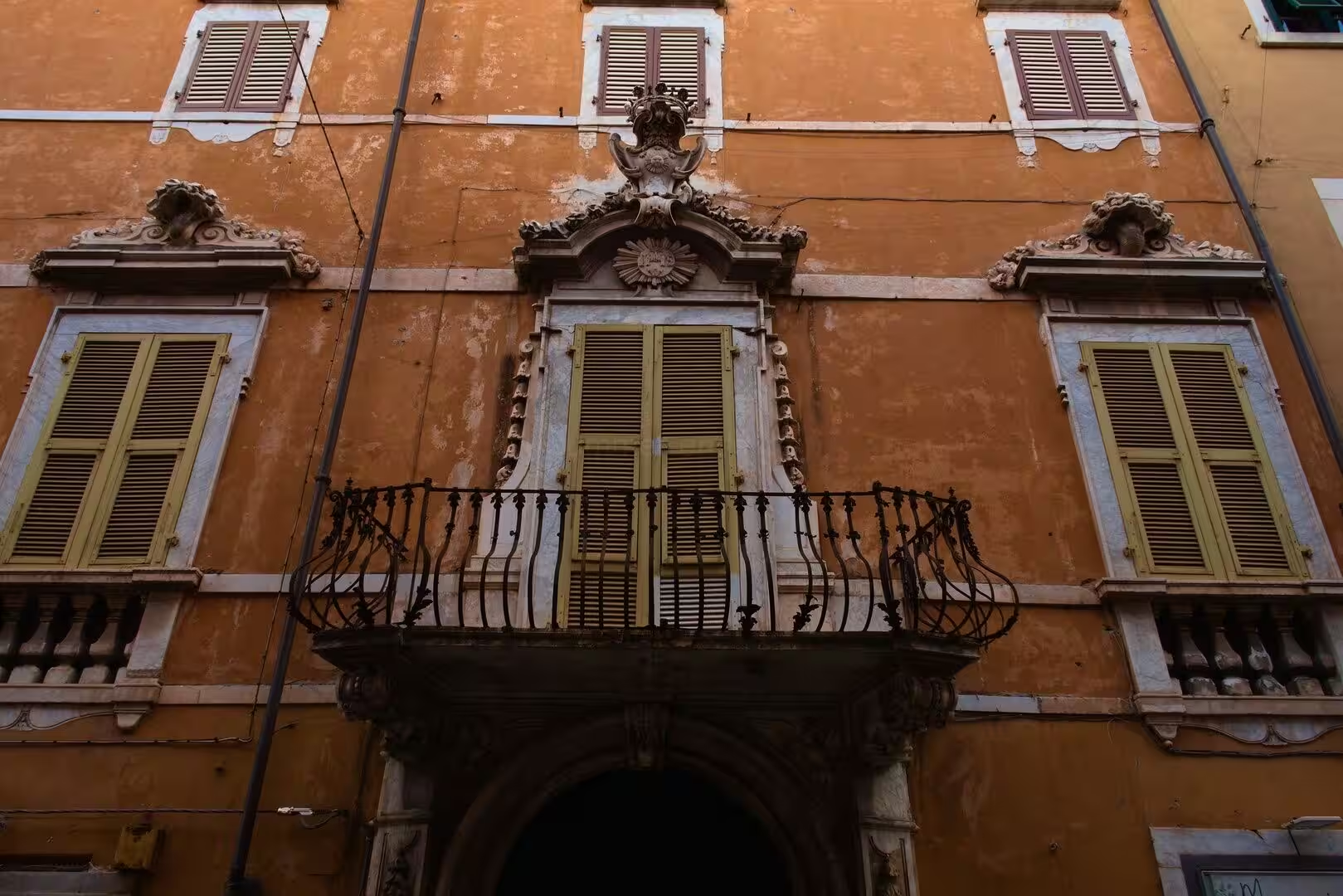
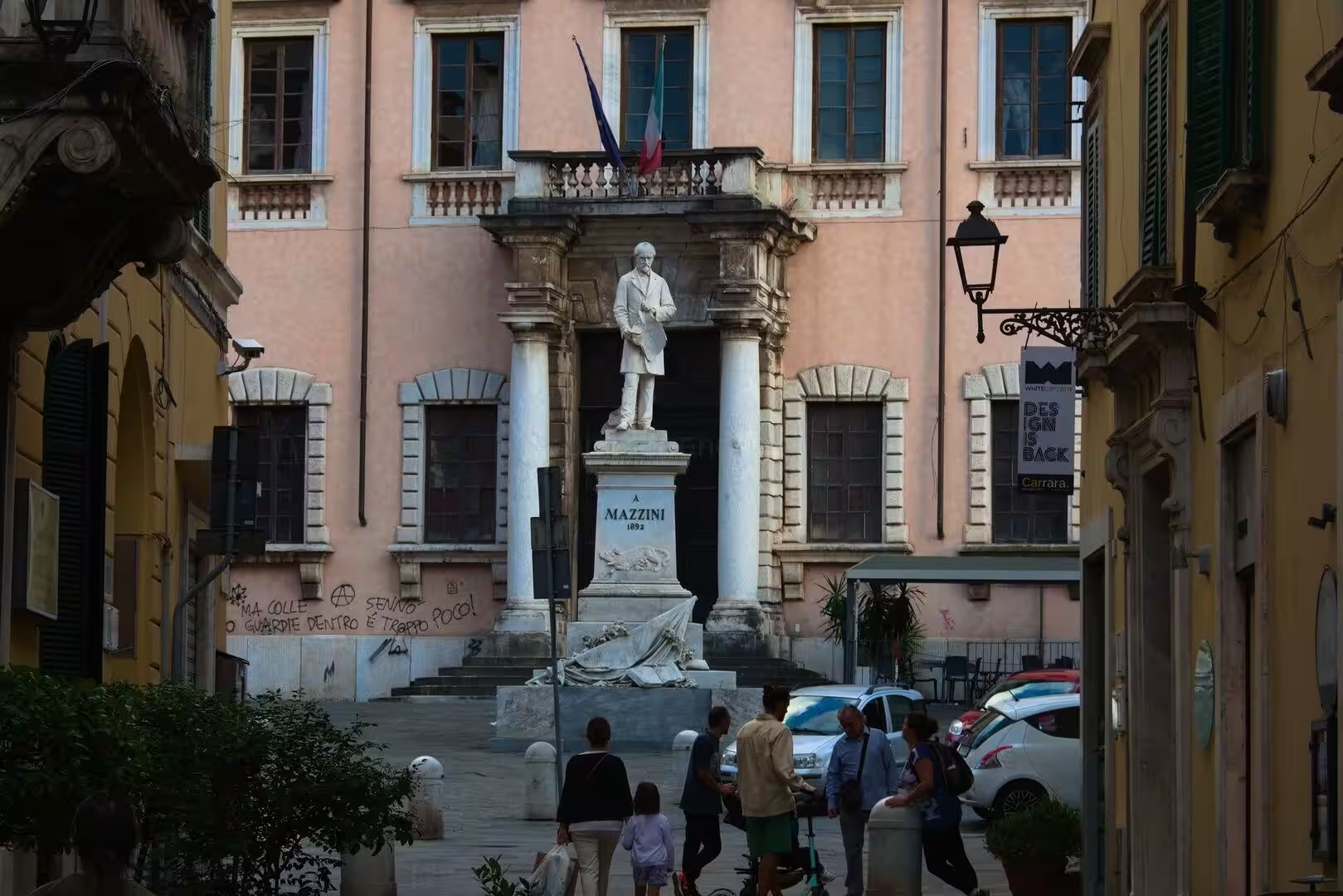
Throughout the town, marble is used not only in churches and palaces but in public art and urban furniture. Marble fountains and sculpted figures stand in the squares, and contemporary installations, including the white marble benches and seats set into the paved spaces, show the stone worked by modern sculptors and craftsmen. The academy of fine arts, which has formed sculptors in Carrara since the eighteenth century, and the museums devoted to marble, sculpture and the history of quarrying explain the techniques of extraction and working, the lives of the quarrymen and the role of the stone in art and architecture. The surrounding Apuan Alps Regional Park offers paths, viewpoints and the mountainous landscape that gives the marble its geological setting, and together the quarries, the historic town and the protected mountains make Carrara a unique convergence of geology, industry, art and cultural history.
References
- Duomo di Carrara. The Cathedral of Sant’Andrea, Carrara. duomodicarrara.it/en/homepage-en/
- Apuan Alps Regional Park Authority. parcapuane.toscana.it
- UNESCO. Apuan Alps UNESCO Global Geopark. www.unesco.org/en/iggp/apuan-alps-unesco-global-geopark
- Visit Tuscany. Piazza Alberica, Carrara. www.visittuscany.com/en/attractions/piazza-alberica/
- Visit Riviera Apuana. Piazza Alberica. www.visitrivieraapuana.it/en/explore/places-to-visit/piazza-alberica/
- Wikipedia. Carrara Cathedral. en.wikipedia.org/wiki/Carrara_Cathedral
- Wikipedia. Carrara marble. en.wikipedia.org/wiki/Carrara_marble
- Wikipedia. Apuan Alps. en.wikipedia.org/wiki/Apuan_Alps
- Wikipedia. Colonnata. en.wikipedia.org/wiki/Colonnata
- Wikipedia. Lardo di Colonnata. en.wikipedia.org/wiki/Lardo_di_Colonnata
- Wikipedia. Pietro Tacca. en.wikipedia.org/wiki/Pietro_Tacca
- Wikipedia. Michelangelo. en.wikipedia.org/wiki/Michelangelo
- Wikipedia. Cybo-Malaspina. en.wikipedia.org/wiki/Cybo-Malaspina
- Wikipedia. Monte Pisanino. en.wikipedia.org/wiki/Monte_Pisanino
- Wikipedia. Luni, Italy. en.wikipedia.org/wiki/Luni,_Italy
- Wikipedia. Lunigiana. en.wikipedia.org/wiki/Lunigiana