2025 Nordkapp 2 - Finland
2 August 2025

























Journal Notes
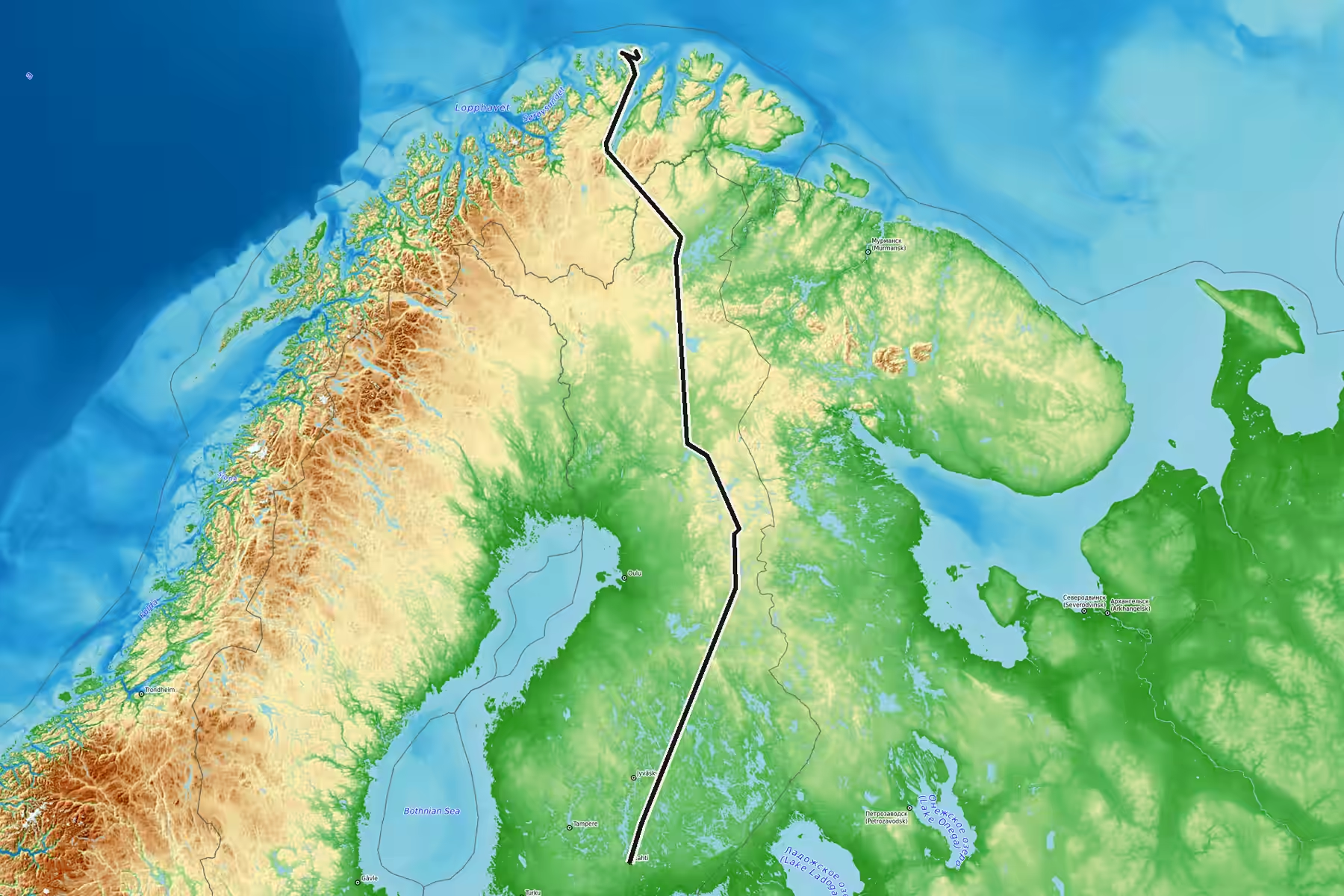
A northbound ride of four days from the Gulf of Finland to the North Cape, through the Finnish lakeland and up across Lapland. The route runs north from Helsinki by Hartola, Suomussalmi, Kuusamo, Kemijärvi and Sodankylä, crosses the Arctic Circle, and continues by Ivalo and Inari to the Norwegian coast. With roughly 1,300 kilometres of riding, this track carries the journey from the Baltic to the northern tip of Europe.
The Finnish stage began on the far shore of the Gulf of Finland. The ferry from Tallinn had put the motorcycle down at Helsinki in the late morning, and the road that followed was the first real taste of the north. From the coast the route turned inland, away from the sea and into the wide, wooded interior that covers most of southern Finland.
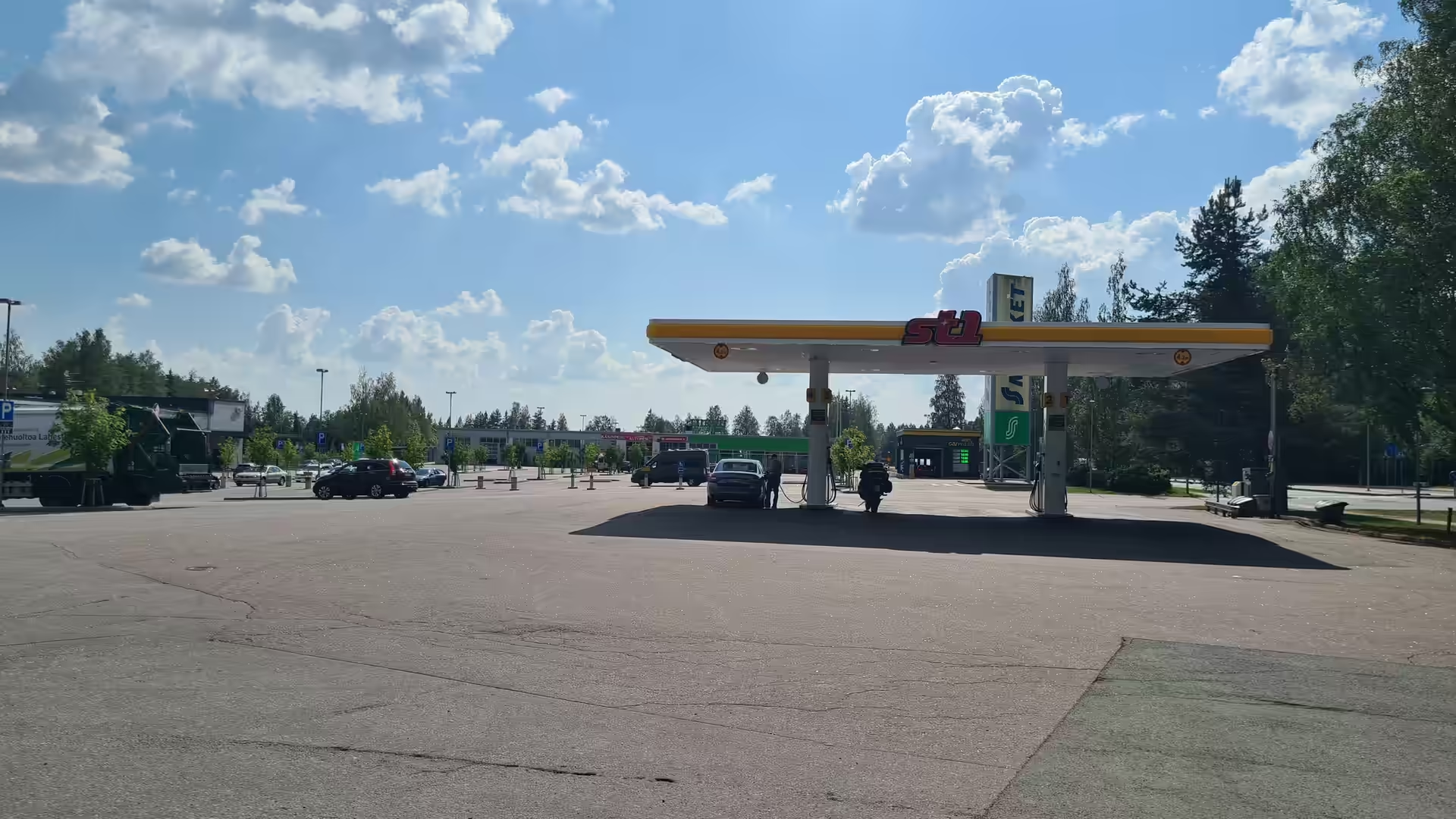
The first stop came at Lahti, where the tank was filled before the road left the main corridor and turned north east into the lake country. The country changed at once: open fields gave way to forest, and stretches of water began to appear between the trees on either side of the road.
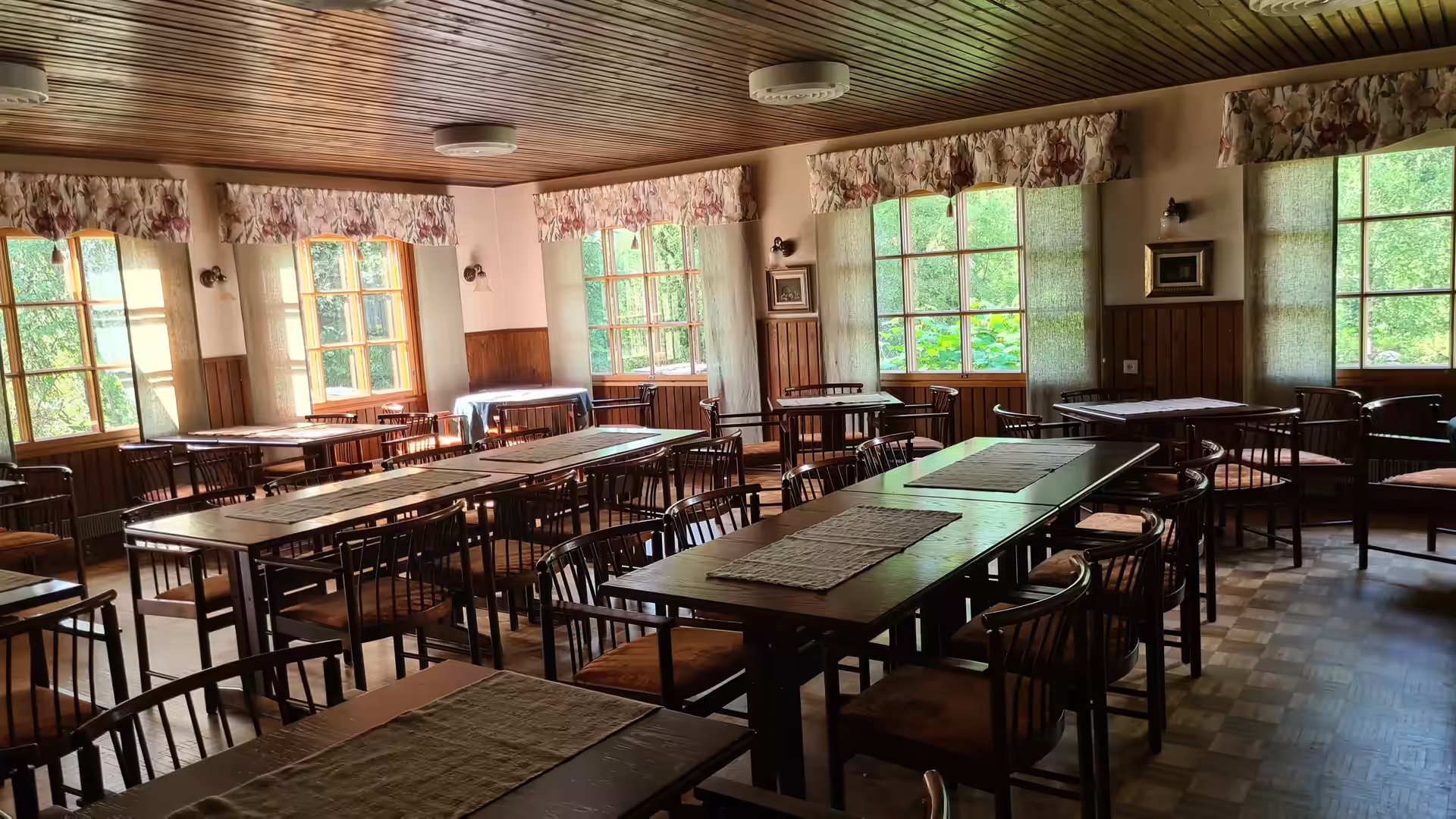
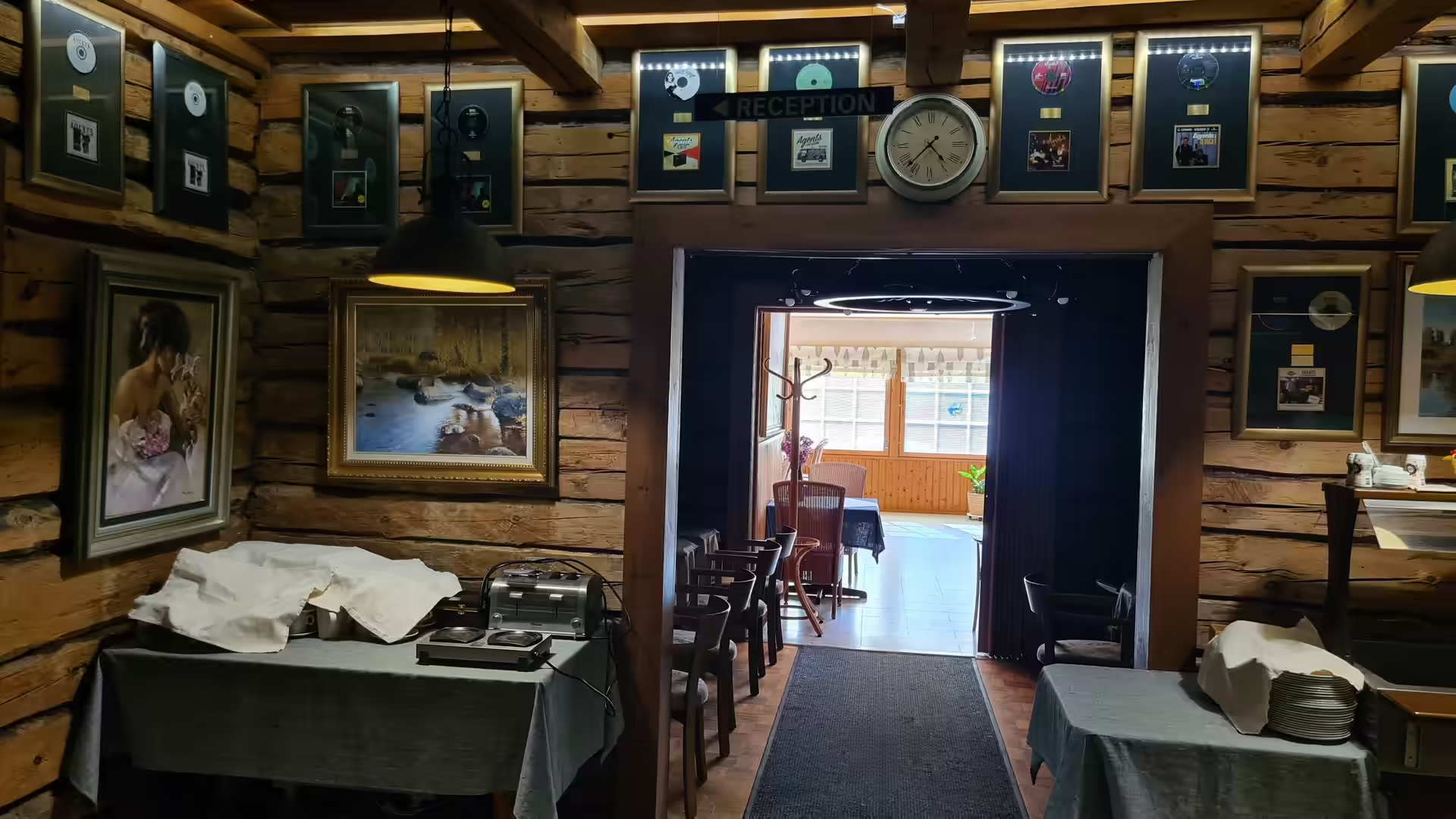
By the middle of the afternoon the ride reached Hartola, a village on the eastern shore of Lake Päijänne in the heart of the Finnish Lakeland. The road there passes low ridges of moraine and eskers, and the village itself is strung out along the water. A lakeside inn with a timber dining room and a log walled reception made the first proper stop of the day.
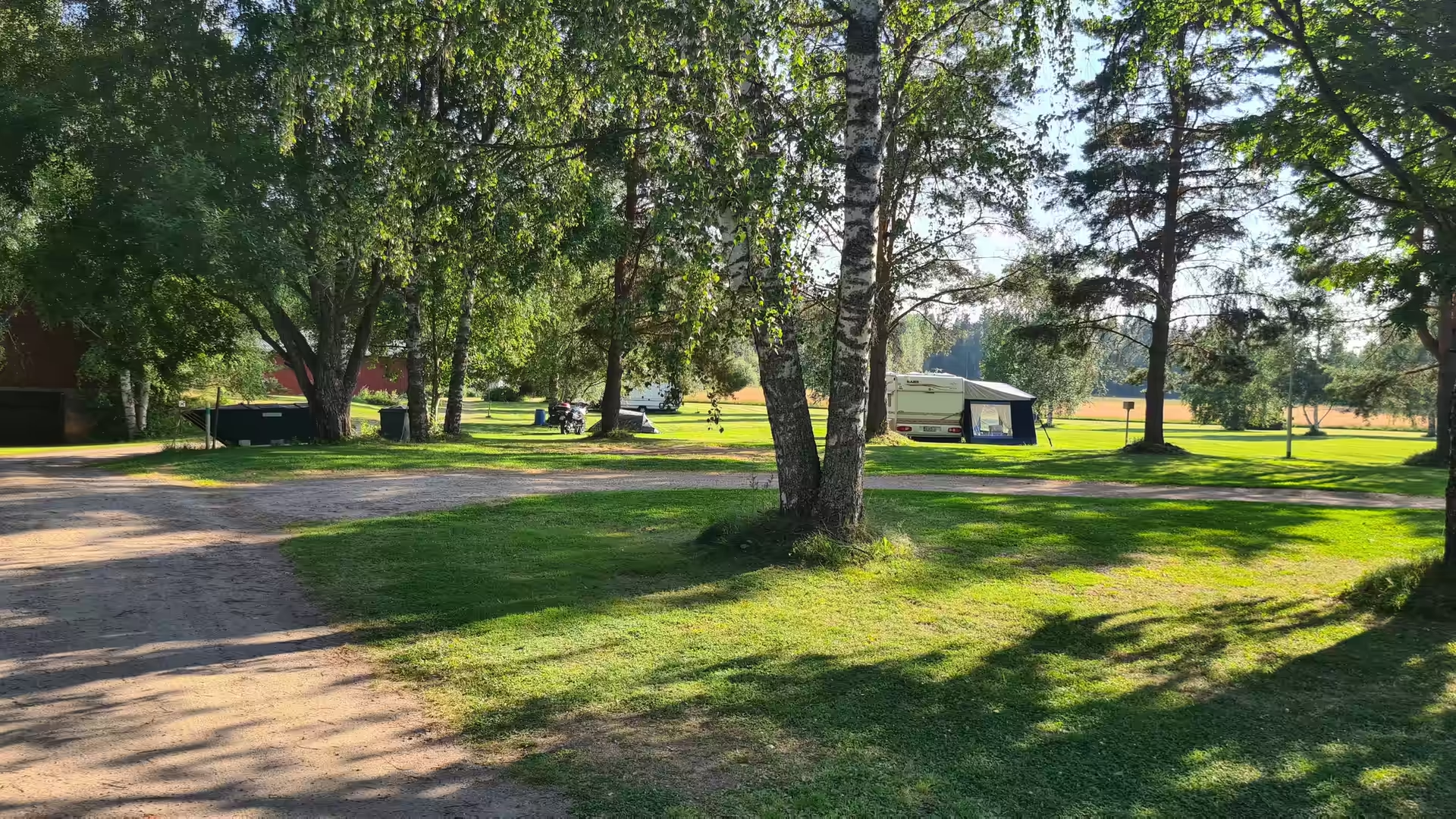
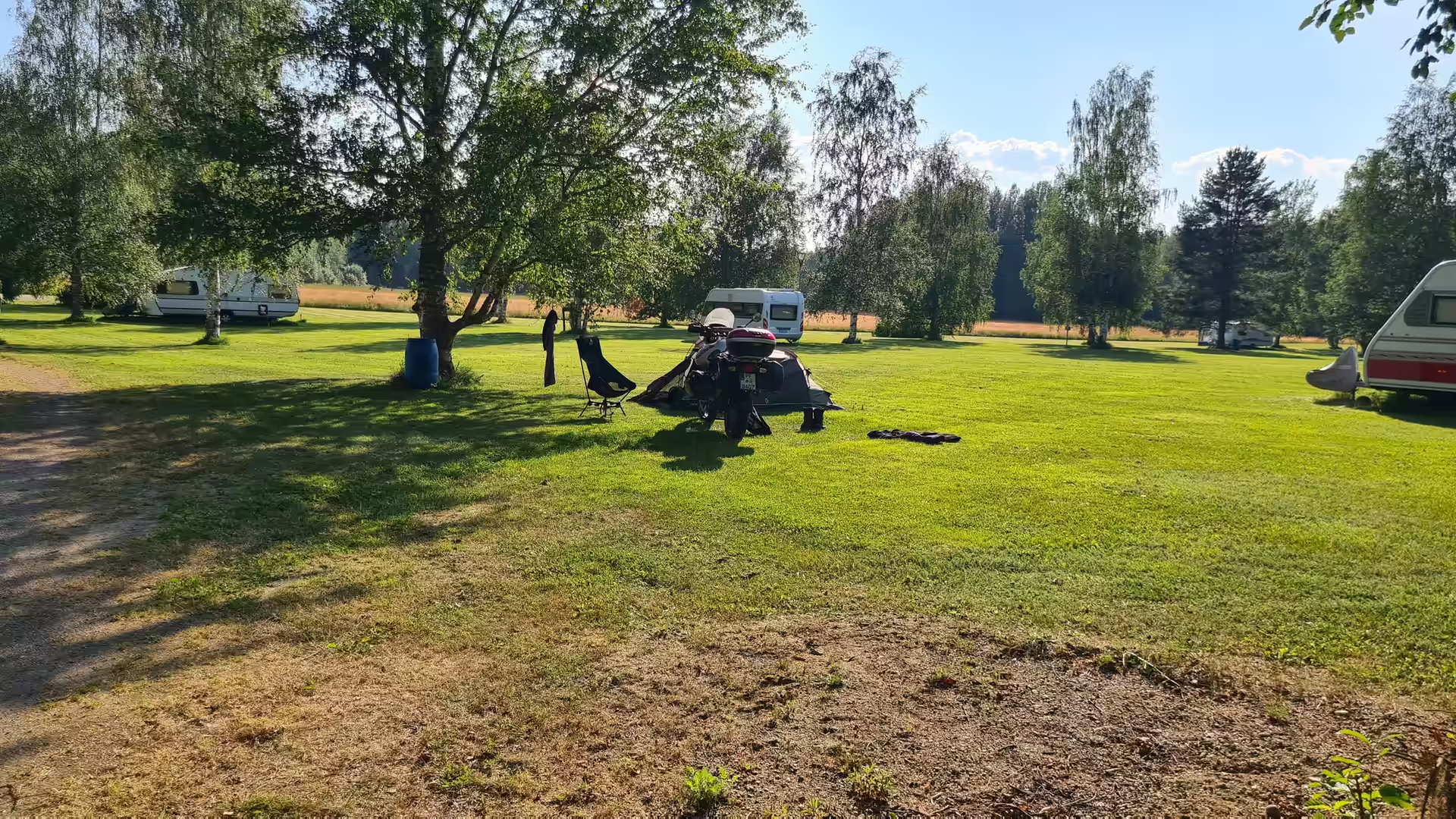
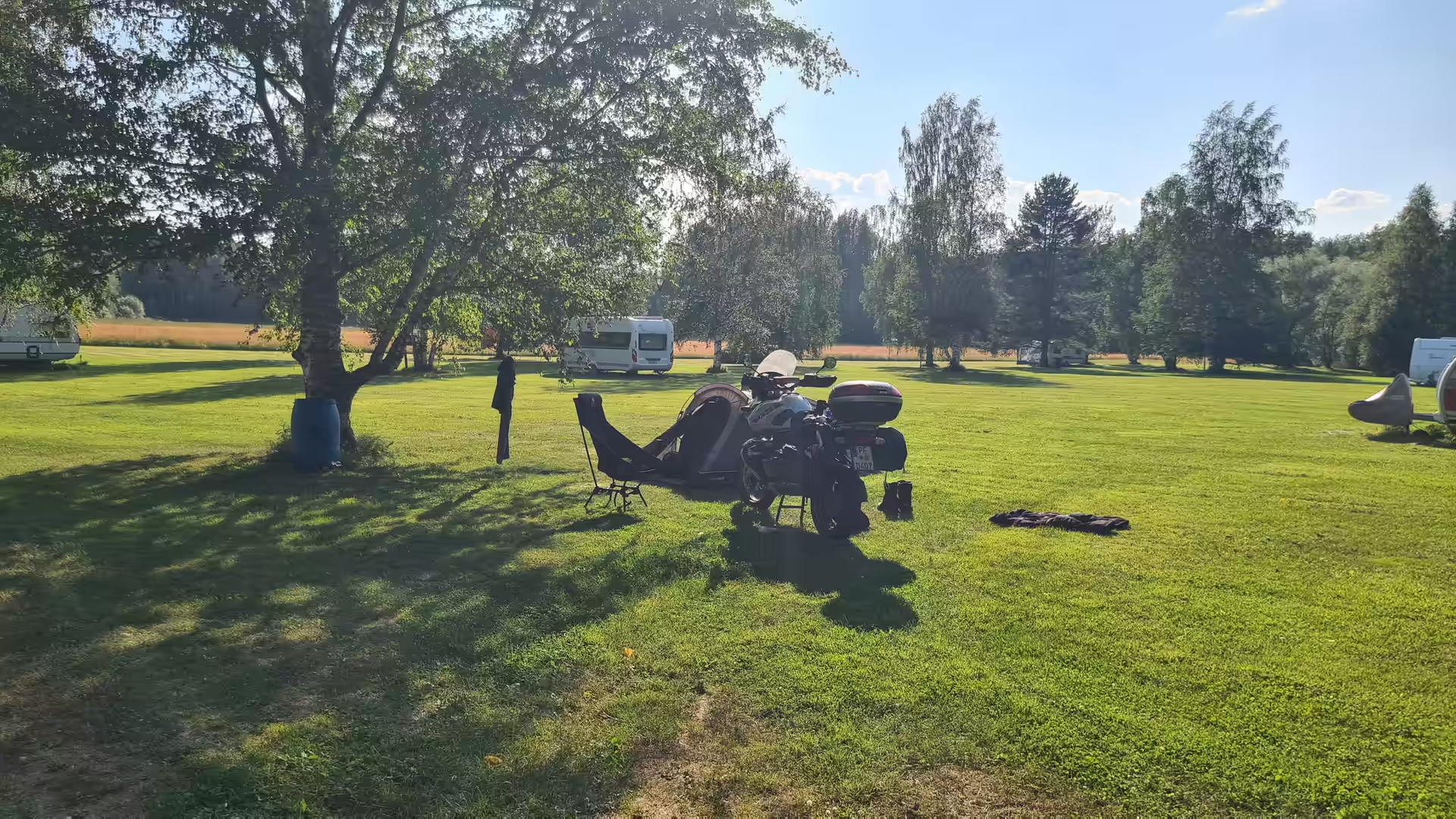
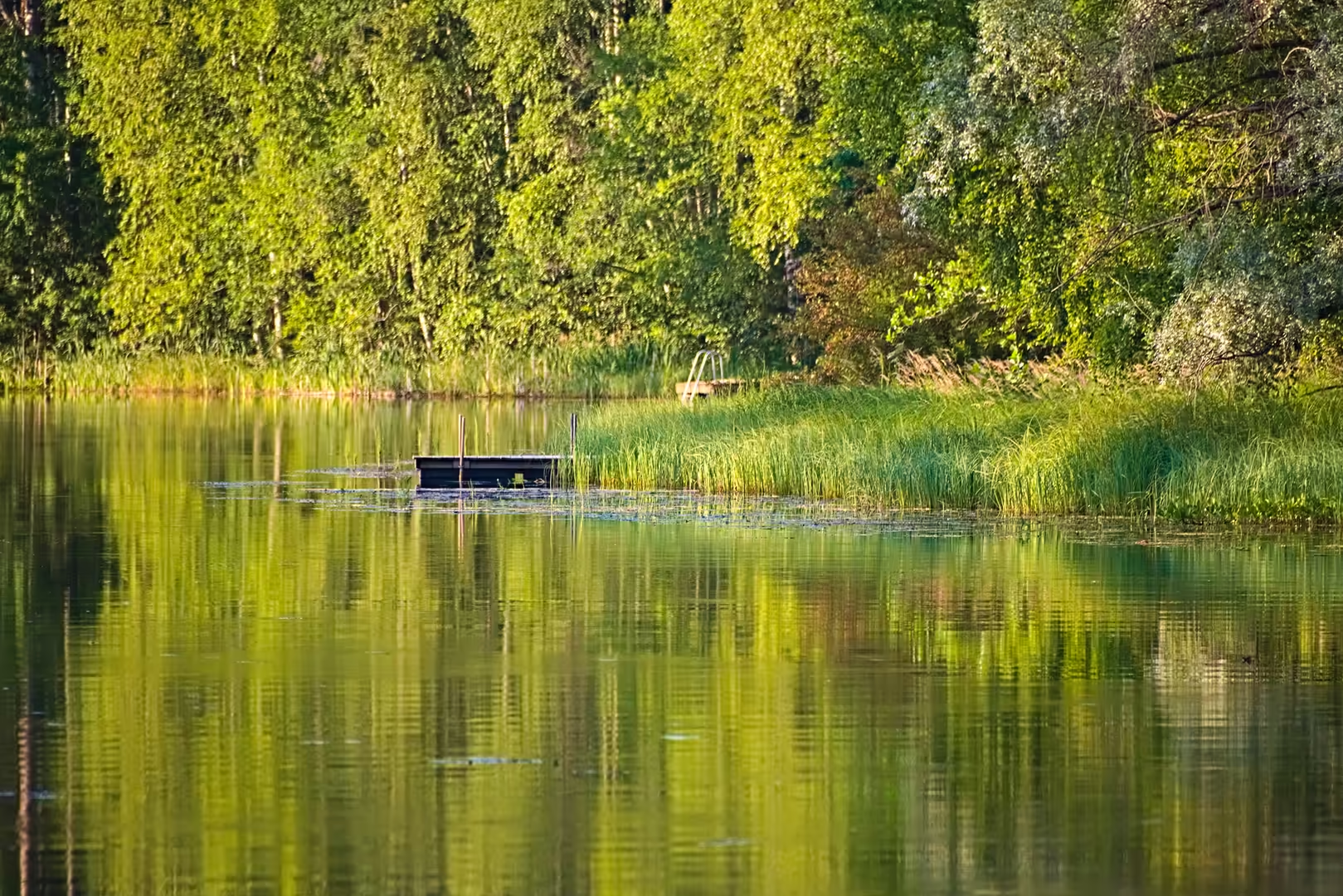
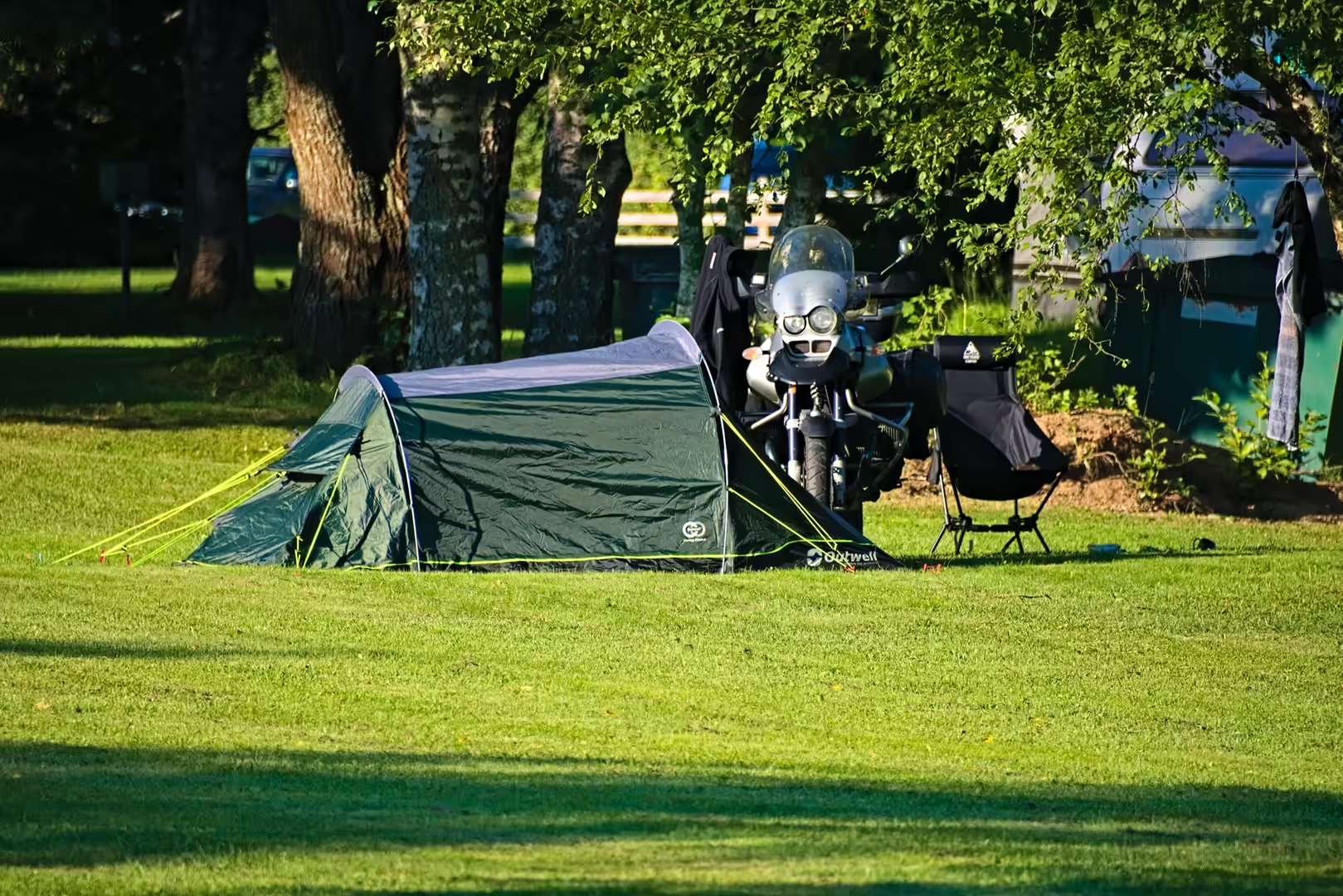
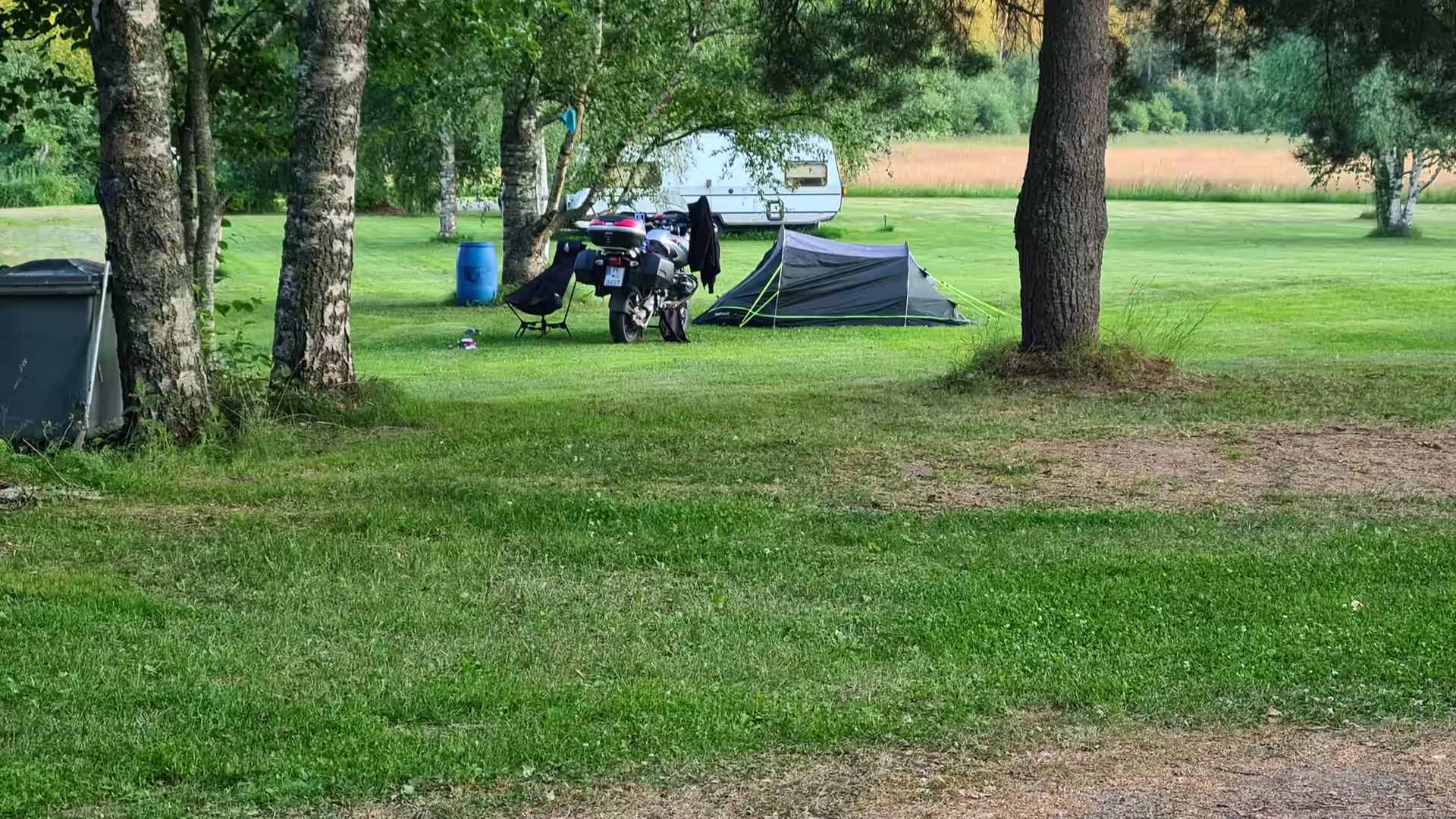
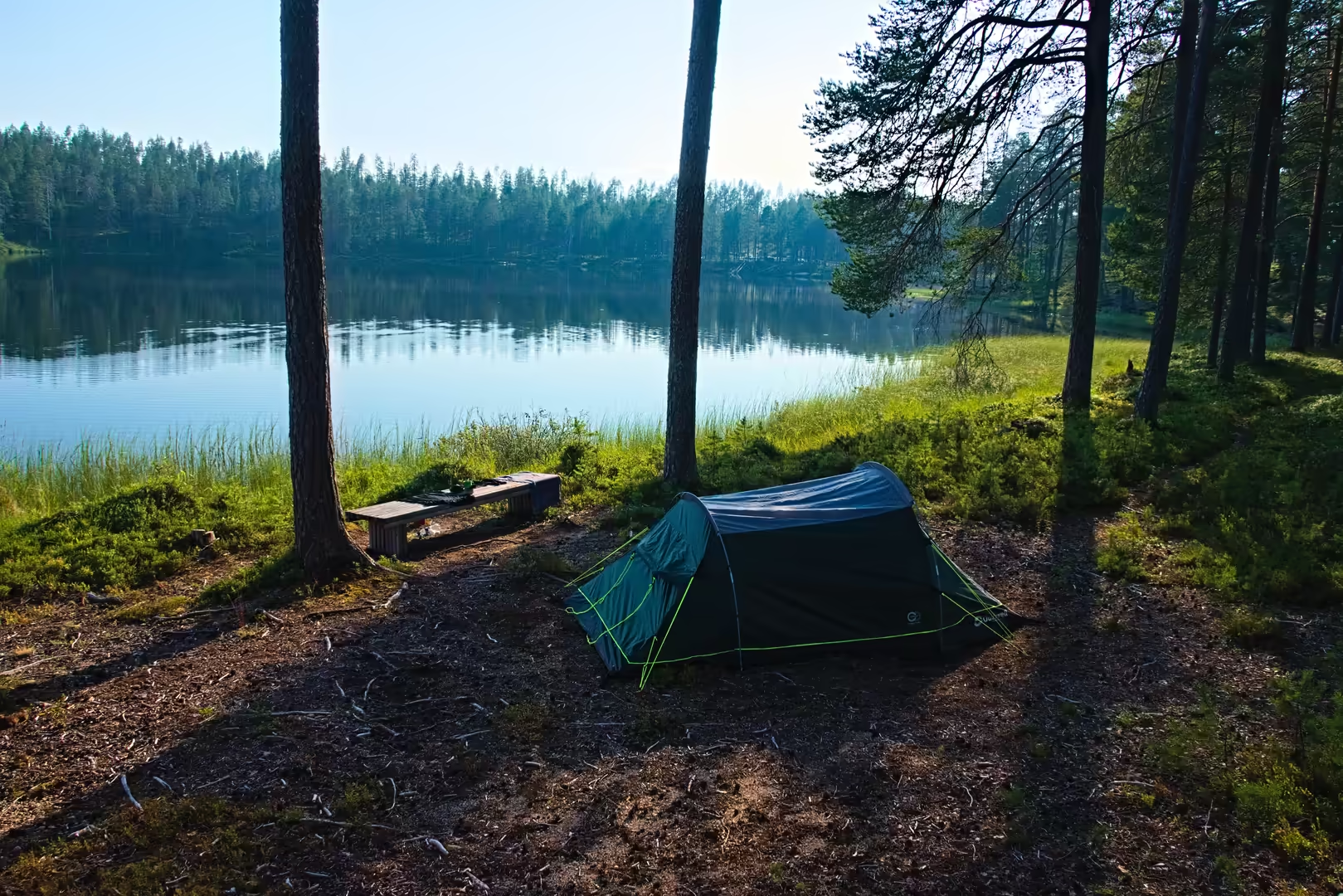
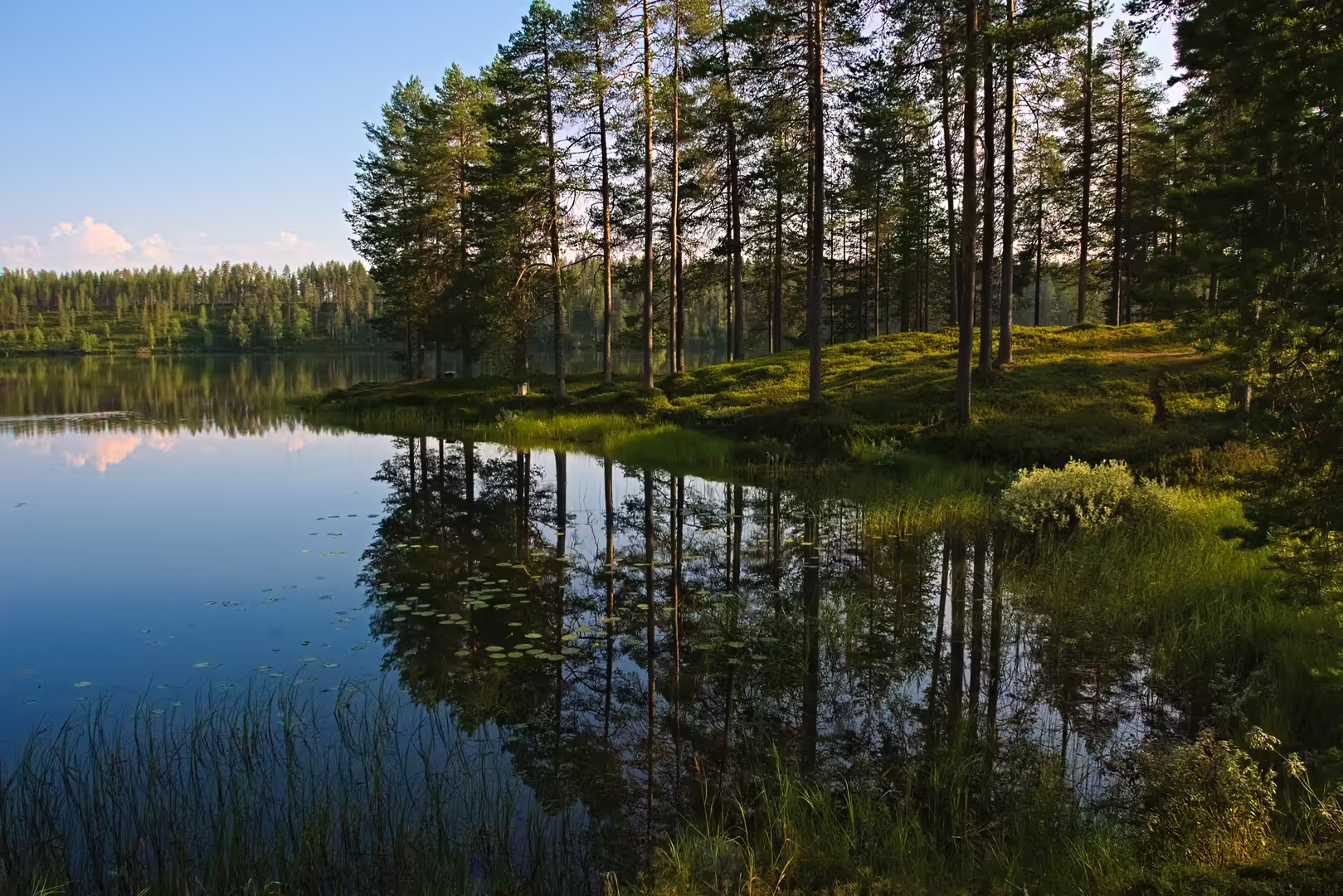
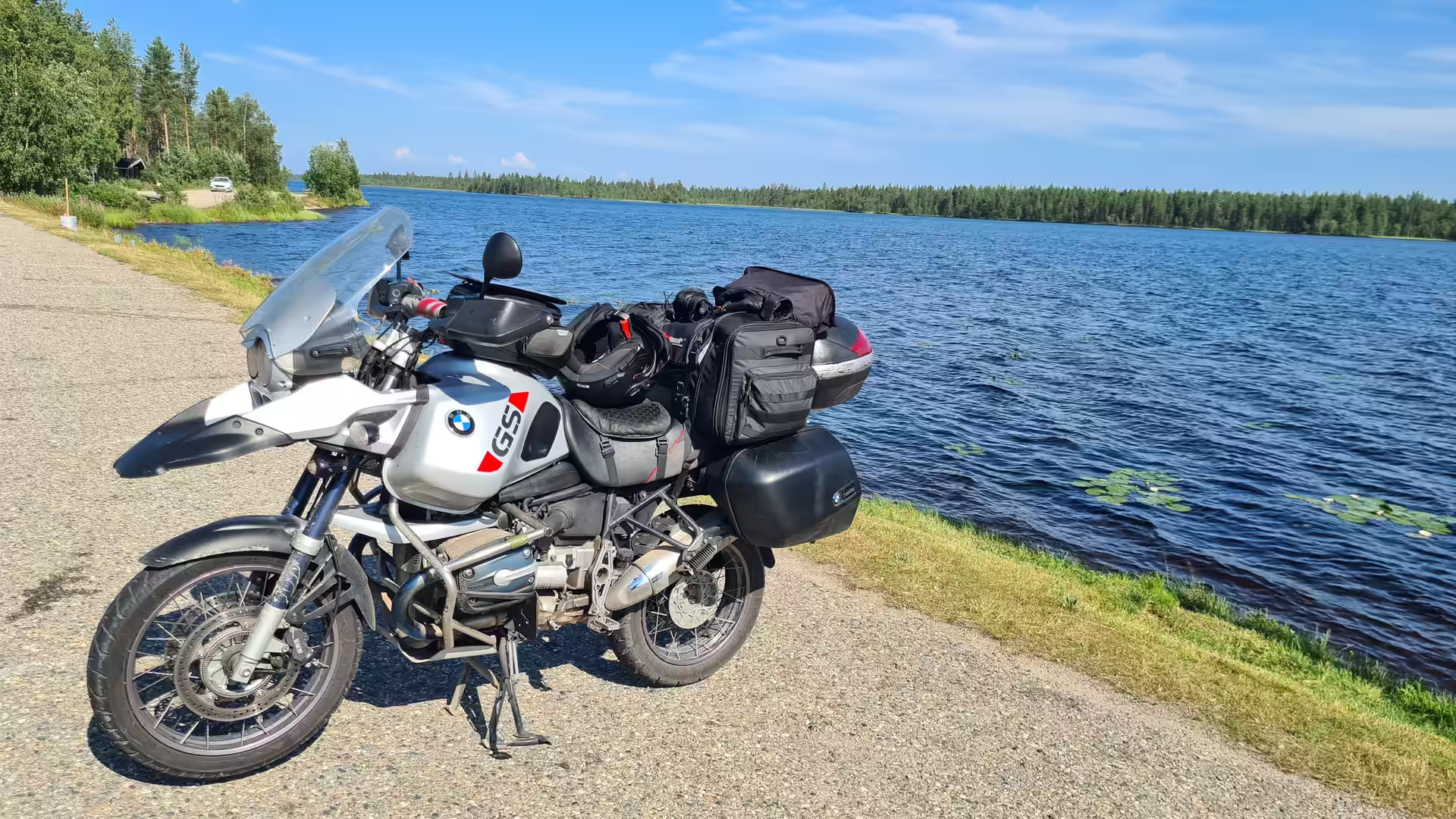
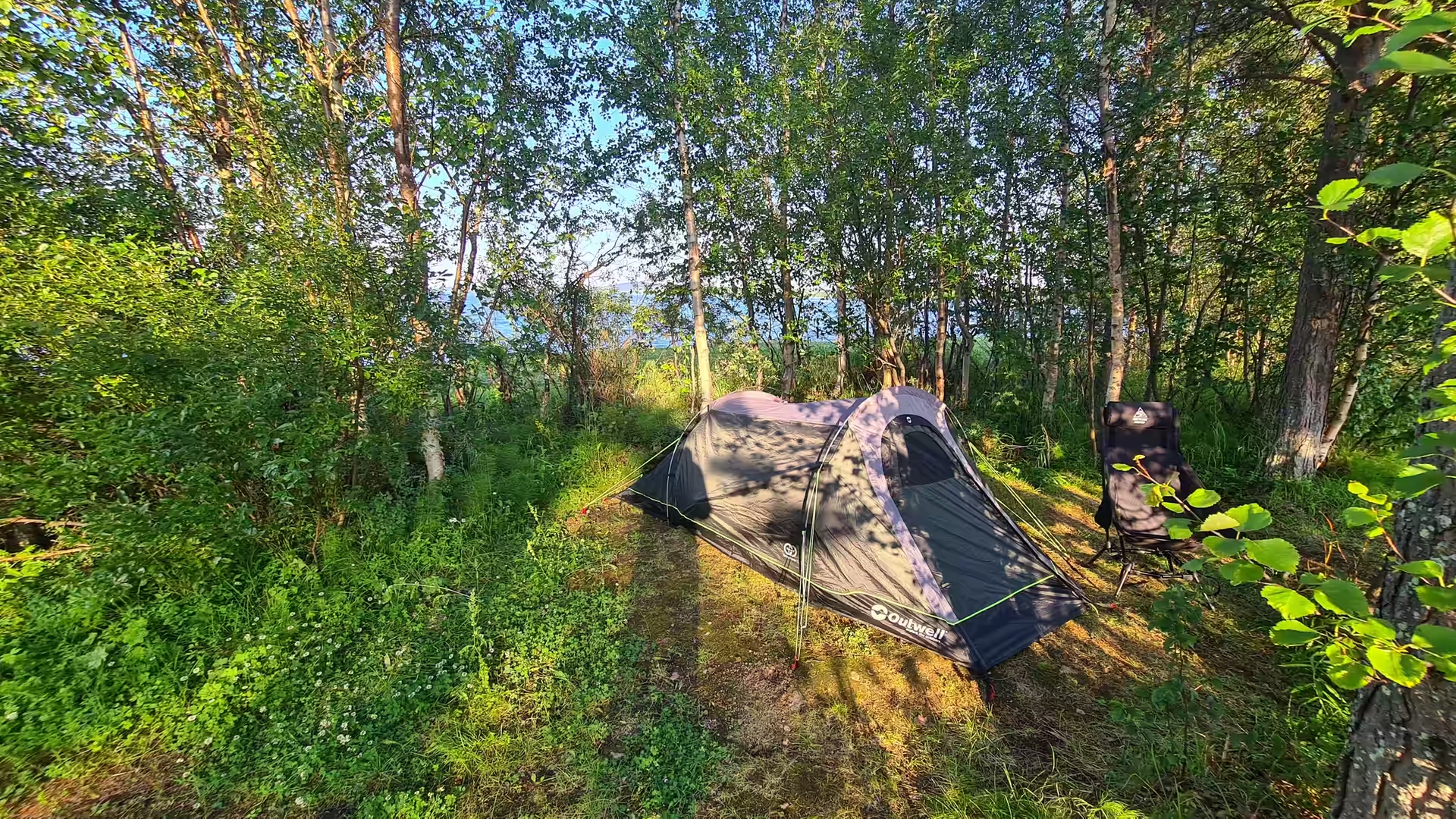
That evening the tent went up at a campsite among tall birches a little further along the shore. There was a white caravan on the grass beside the pitch, and the motorcycles were parked under a large tree. Late in the evening the lake lay almost without a ripple, and the pale northern light held until well past ten.
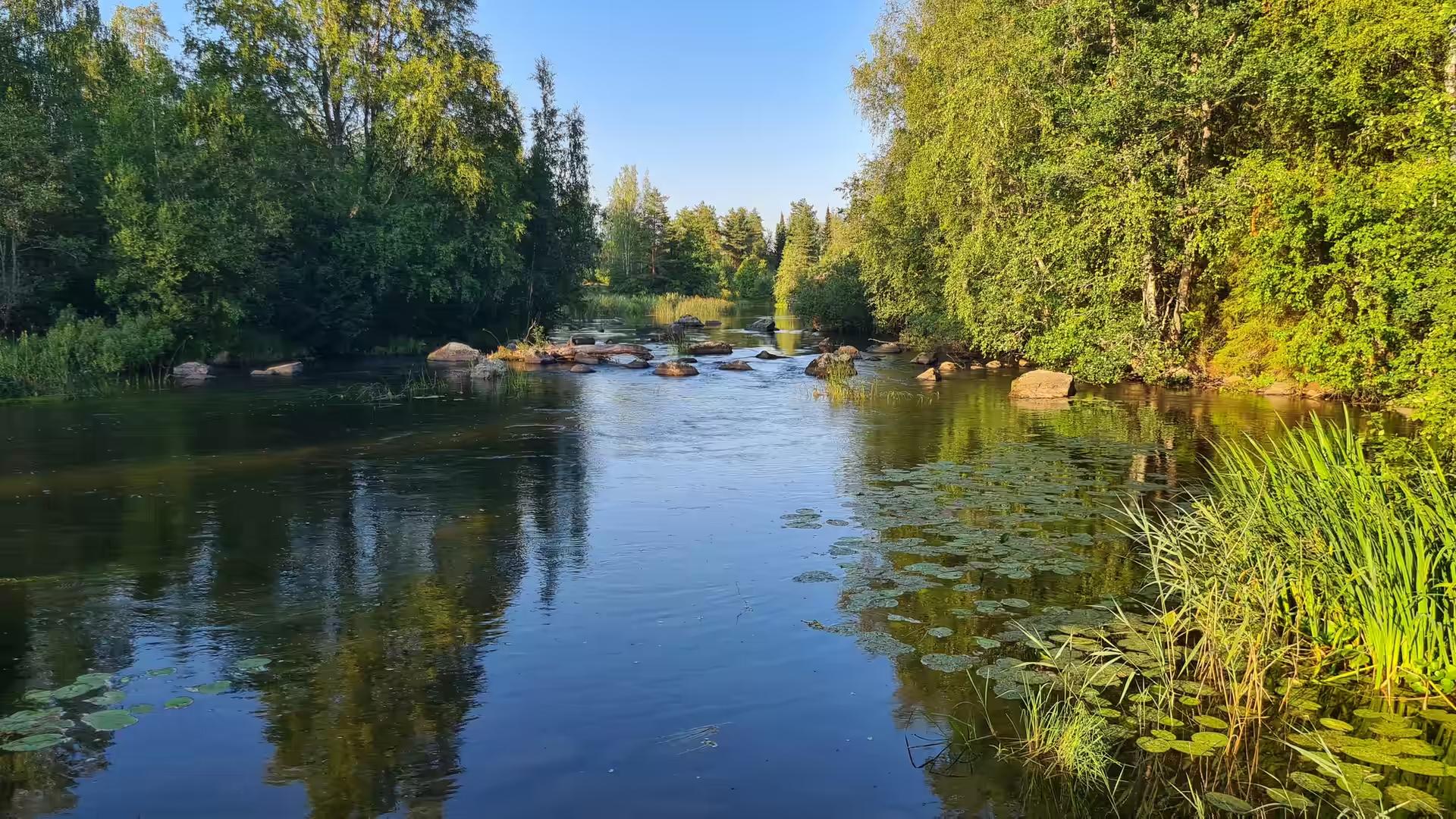
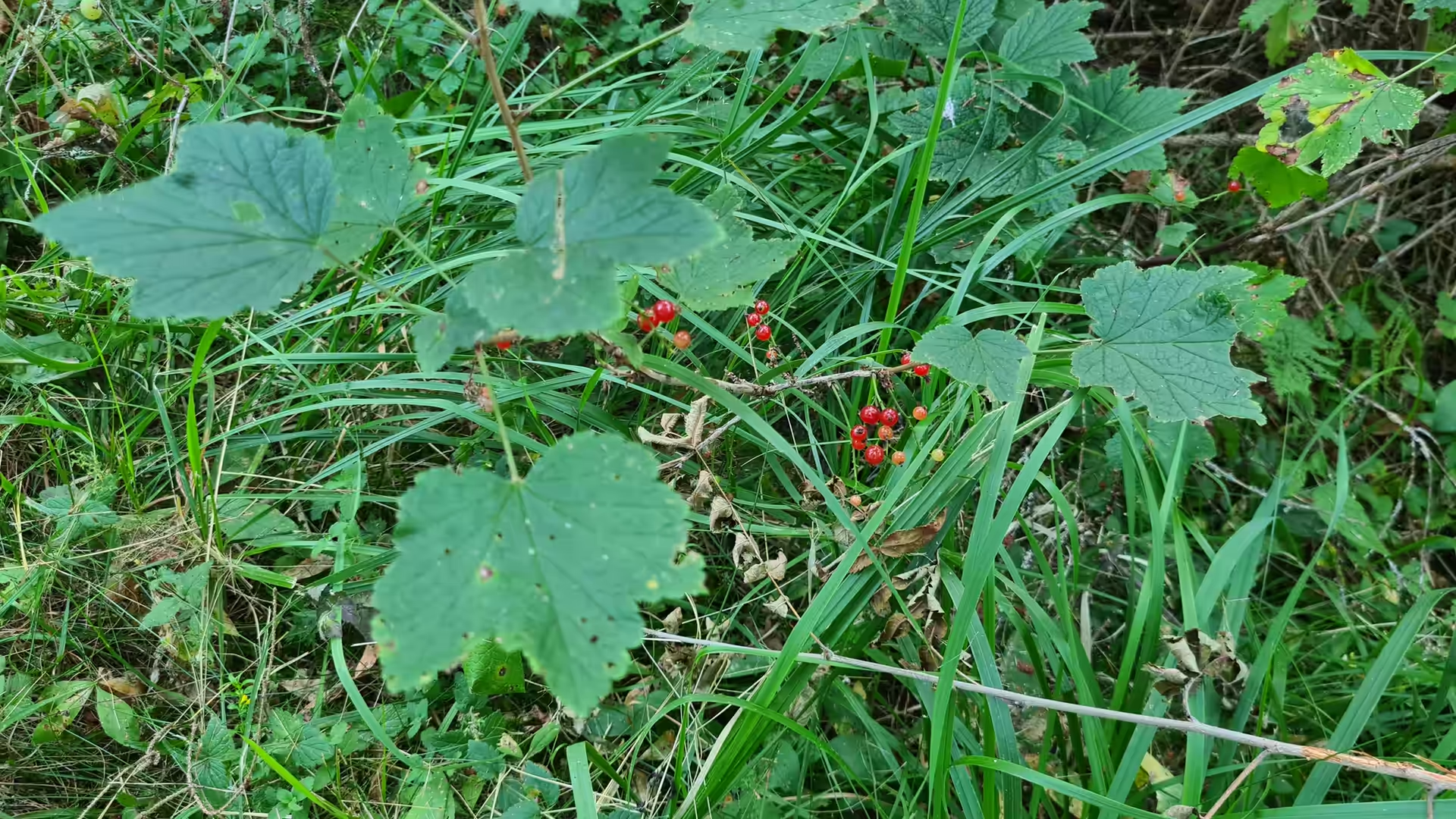
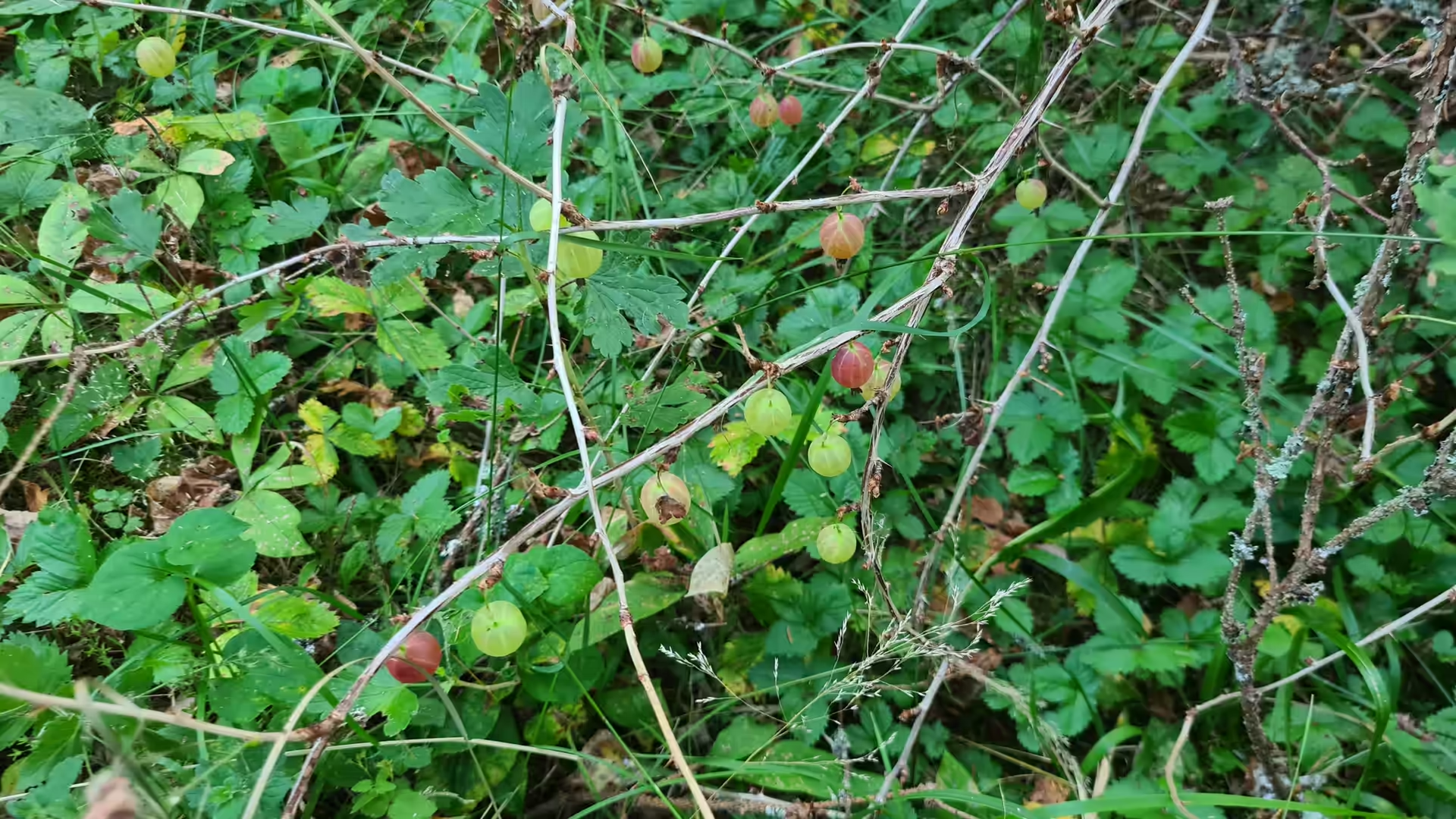
The camp stands inside the Hartola and Sysmä lakes district, one of the largest connected water systems in Finland. A trail map on the site set out the lakes, roads and numbered boat routes of the district, and the evening walk followed the shoreline and a small river that runs between boulders and water lilies. There were red currants and gooseberries in the undergrowth along the way.
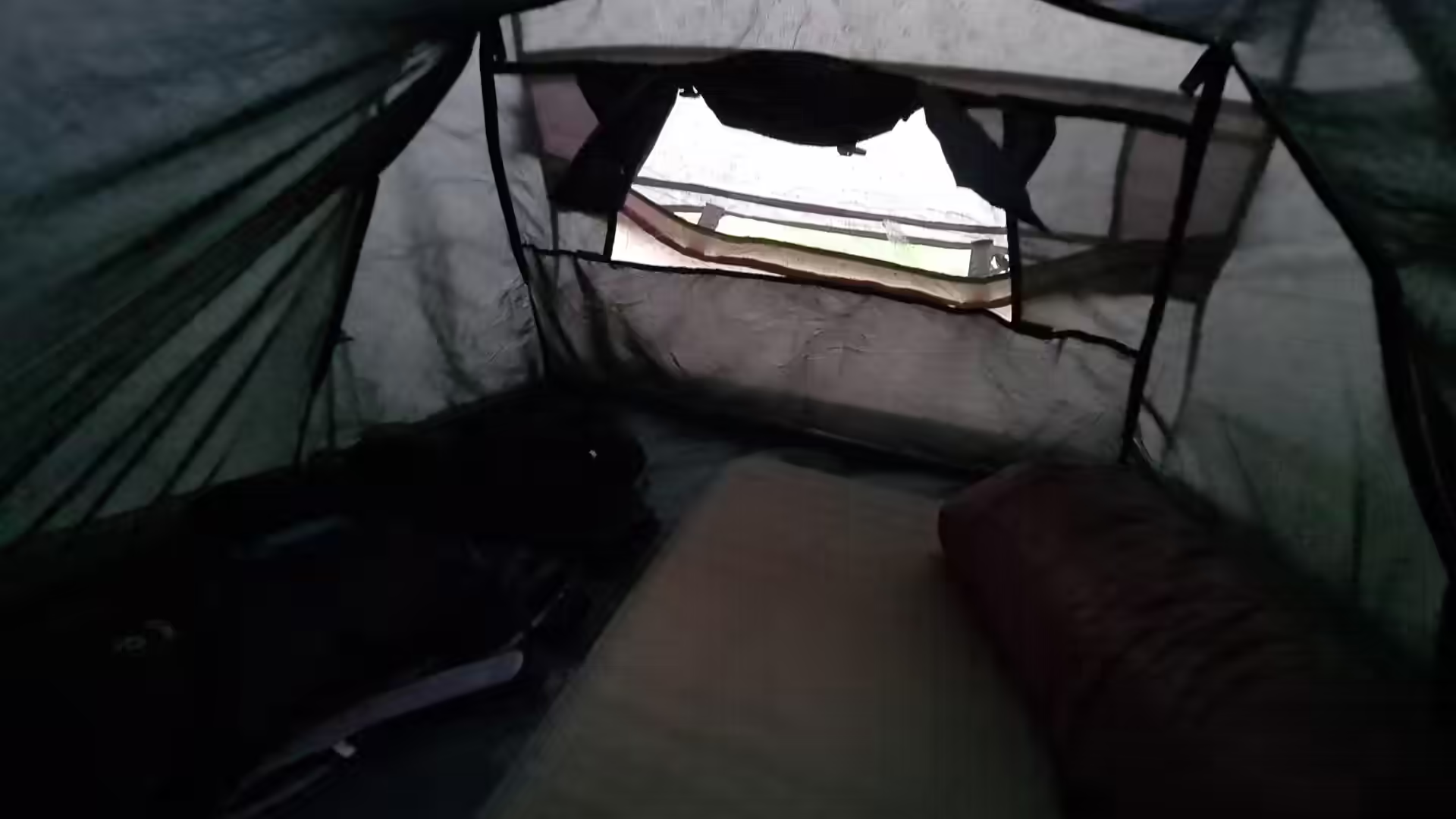
The night was short and the morning came with bright daylight on the mesh window of the tent. It was the first full day of the Finnish ride, and it opened with a long run north east across the lake plateau towards Kainuu.
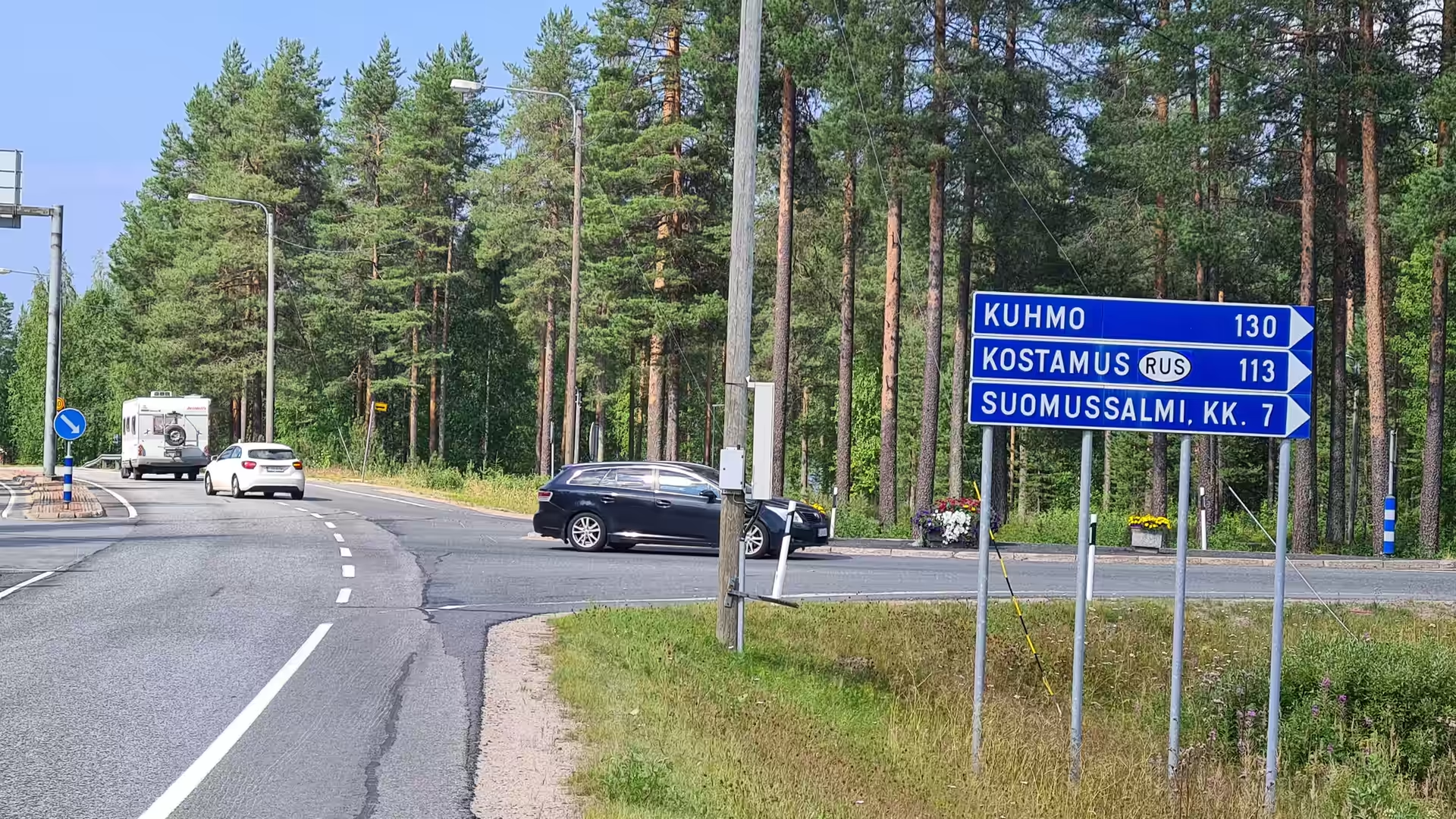
The road climbed steadily through forest and past countless lakes, and the traffic thinned until long stretches passed without another vehicle. Somewhere past Suomussalmi a junction pointed to Kuhmo, Kostamus and Suomussalmi, and further on a reindeer walked across the gravel in front of wooden cottages. Reindeer roam free across northern Finland, and from here southward they are a regular sight beside the road.
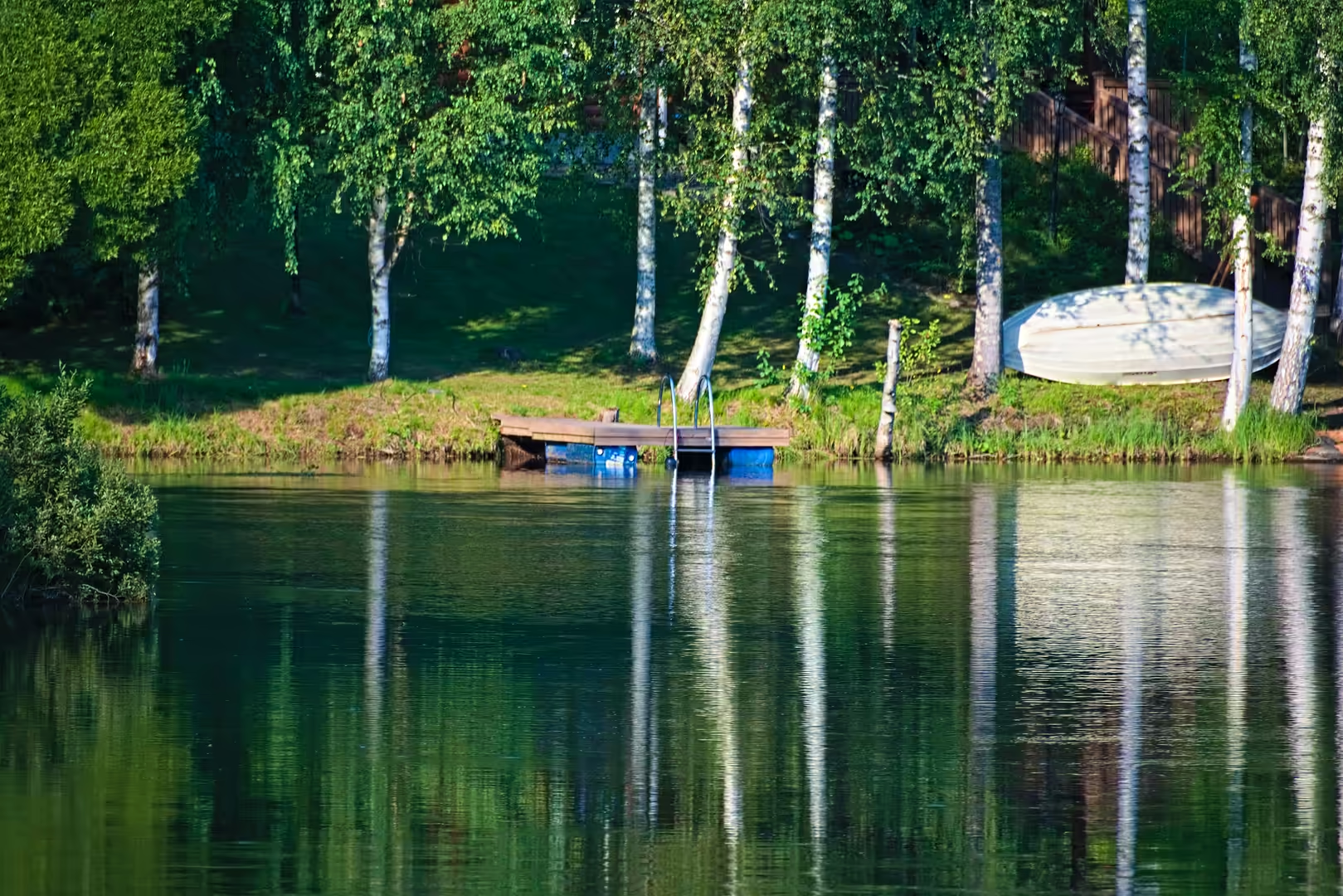
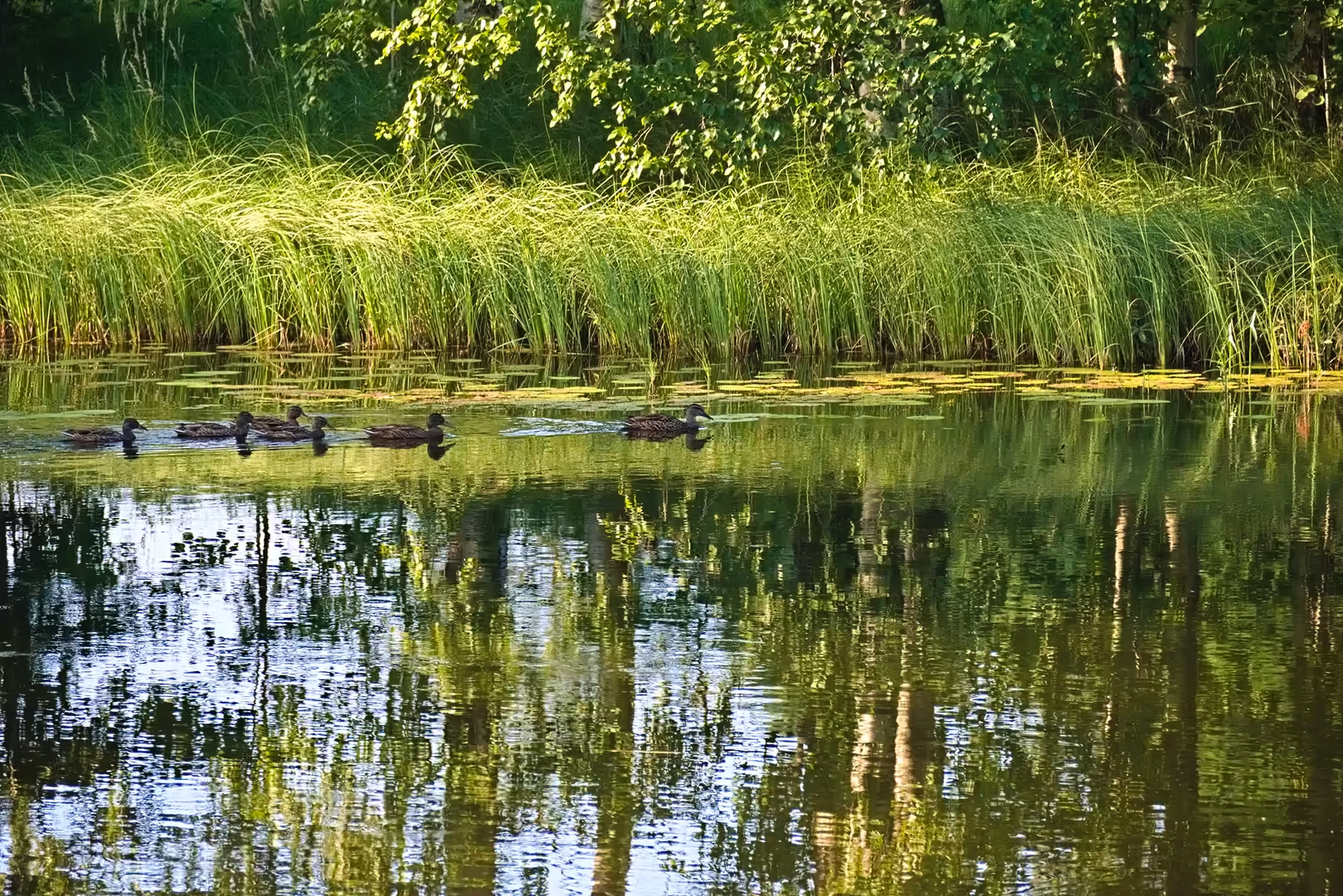
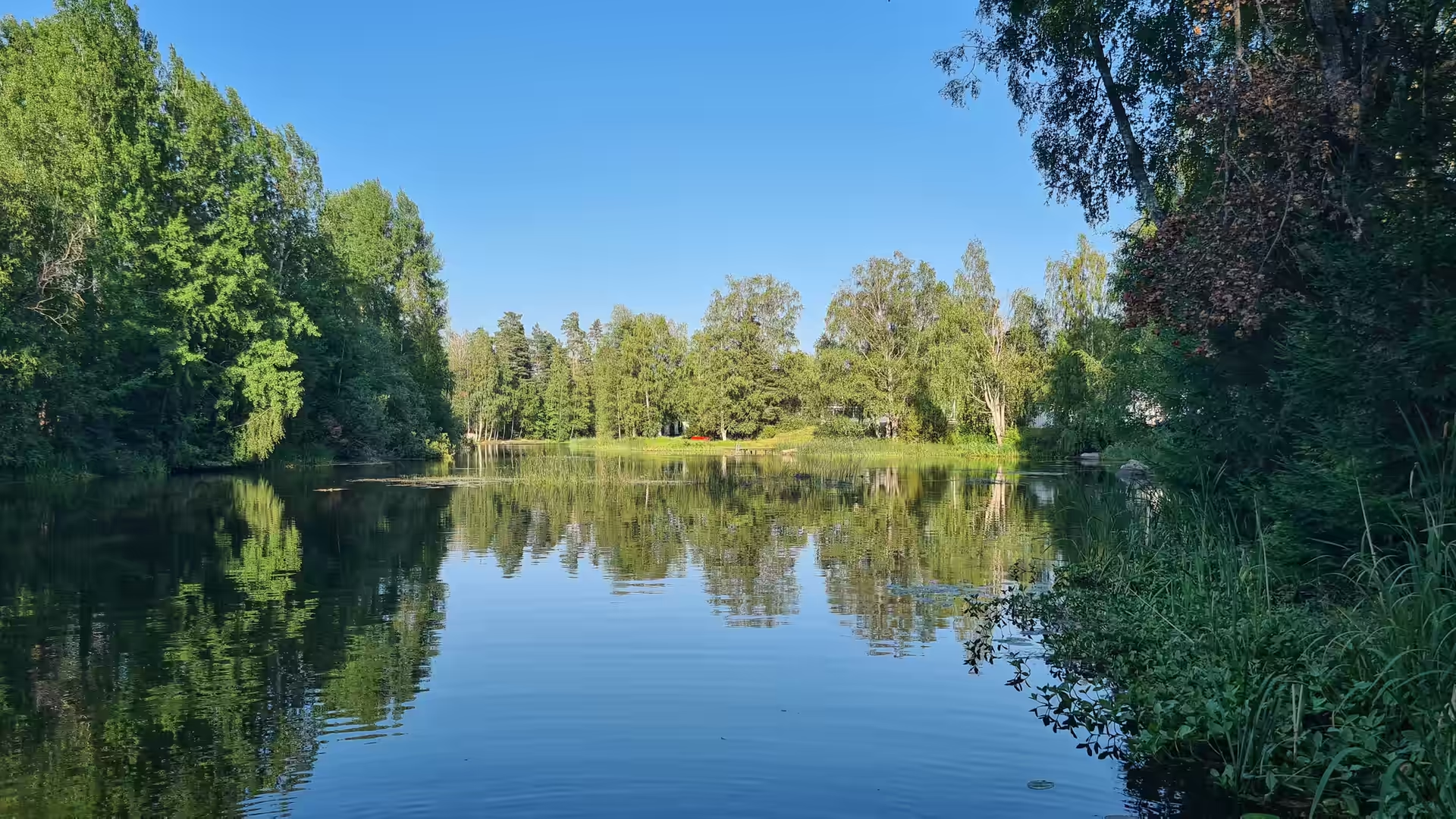
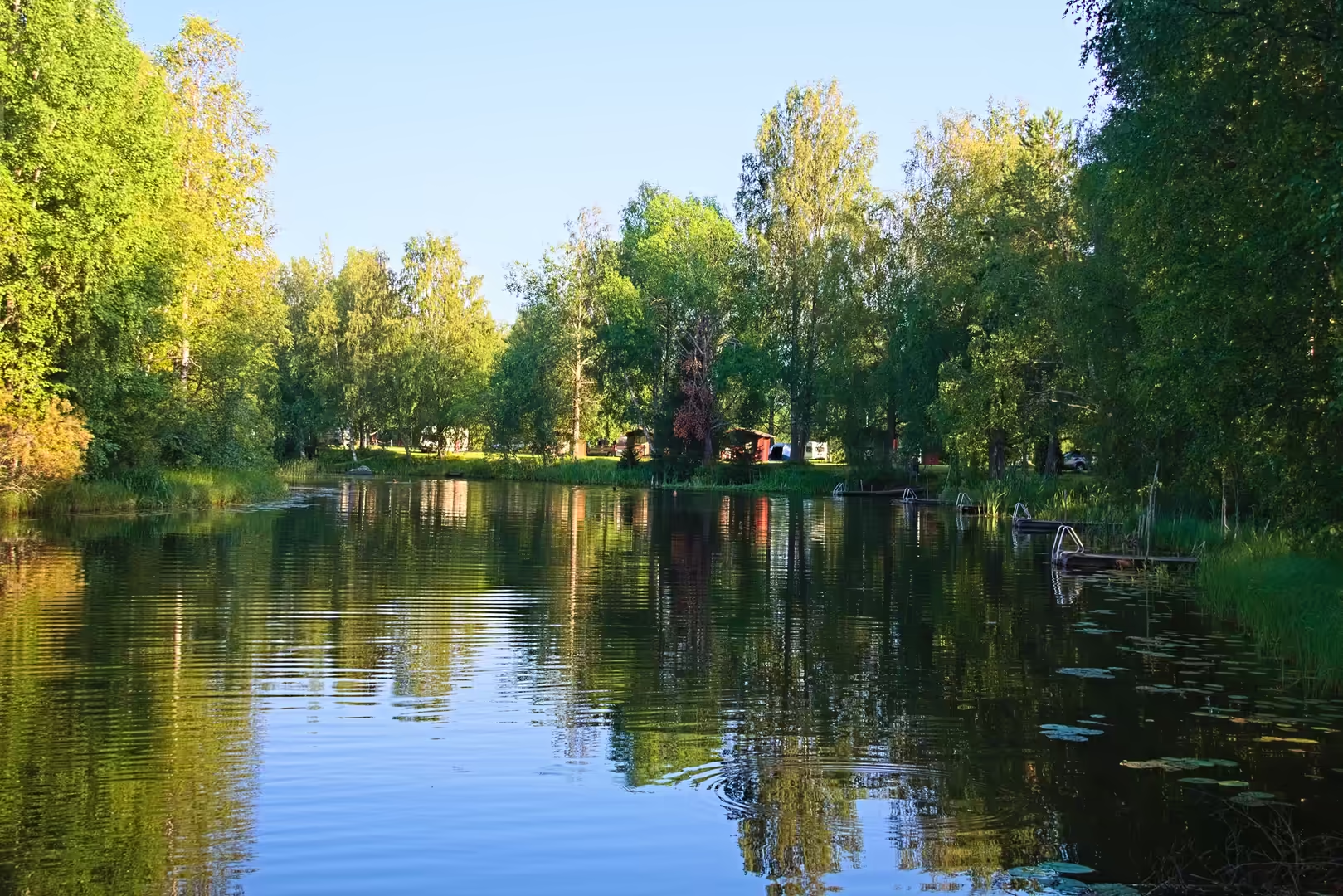
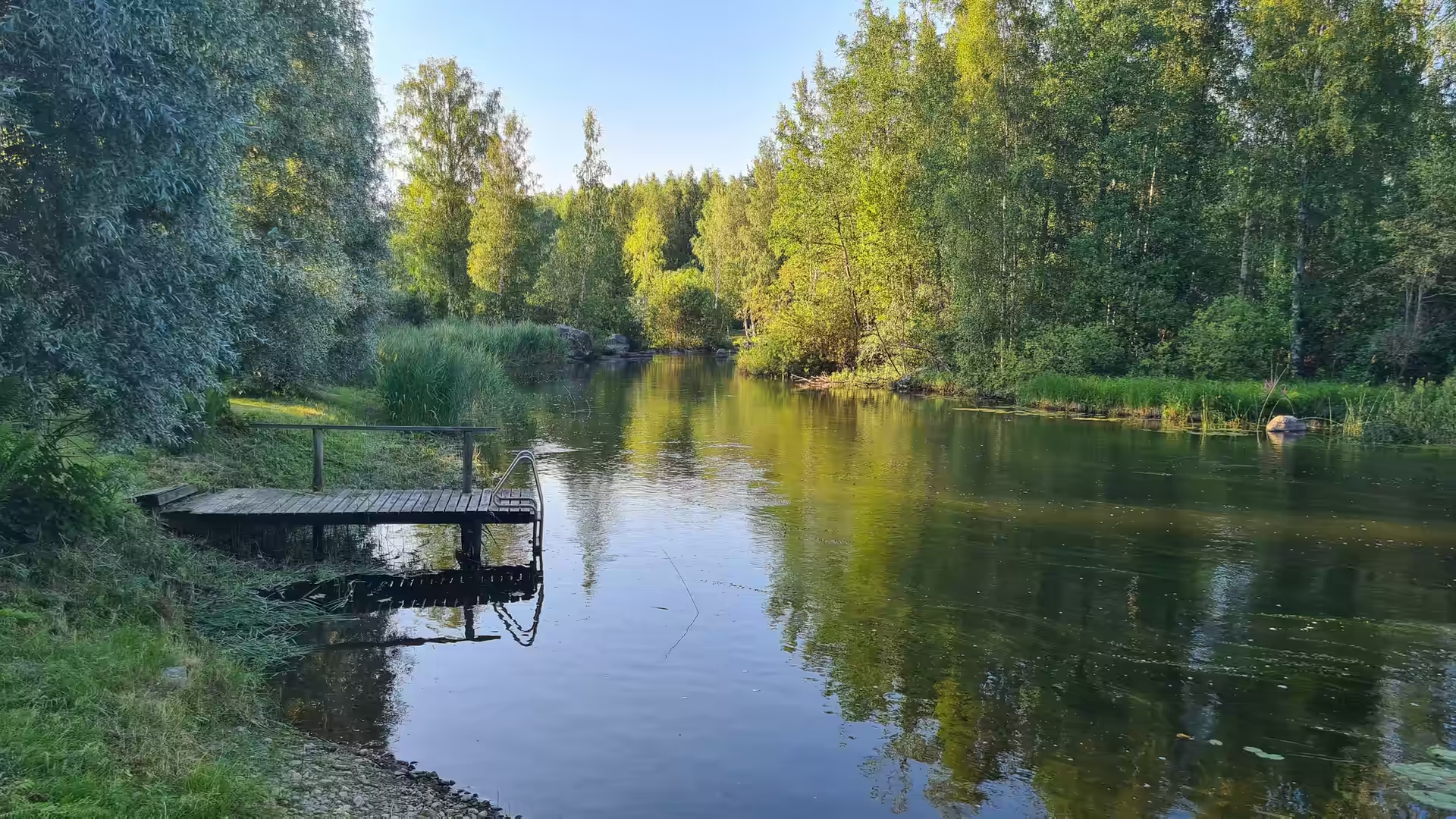
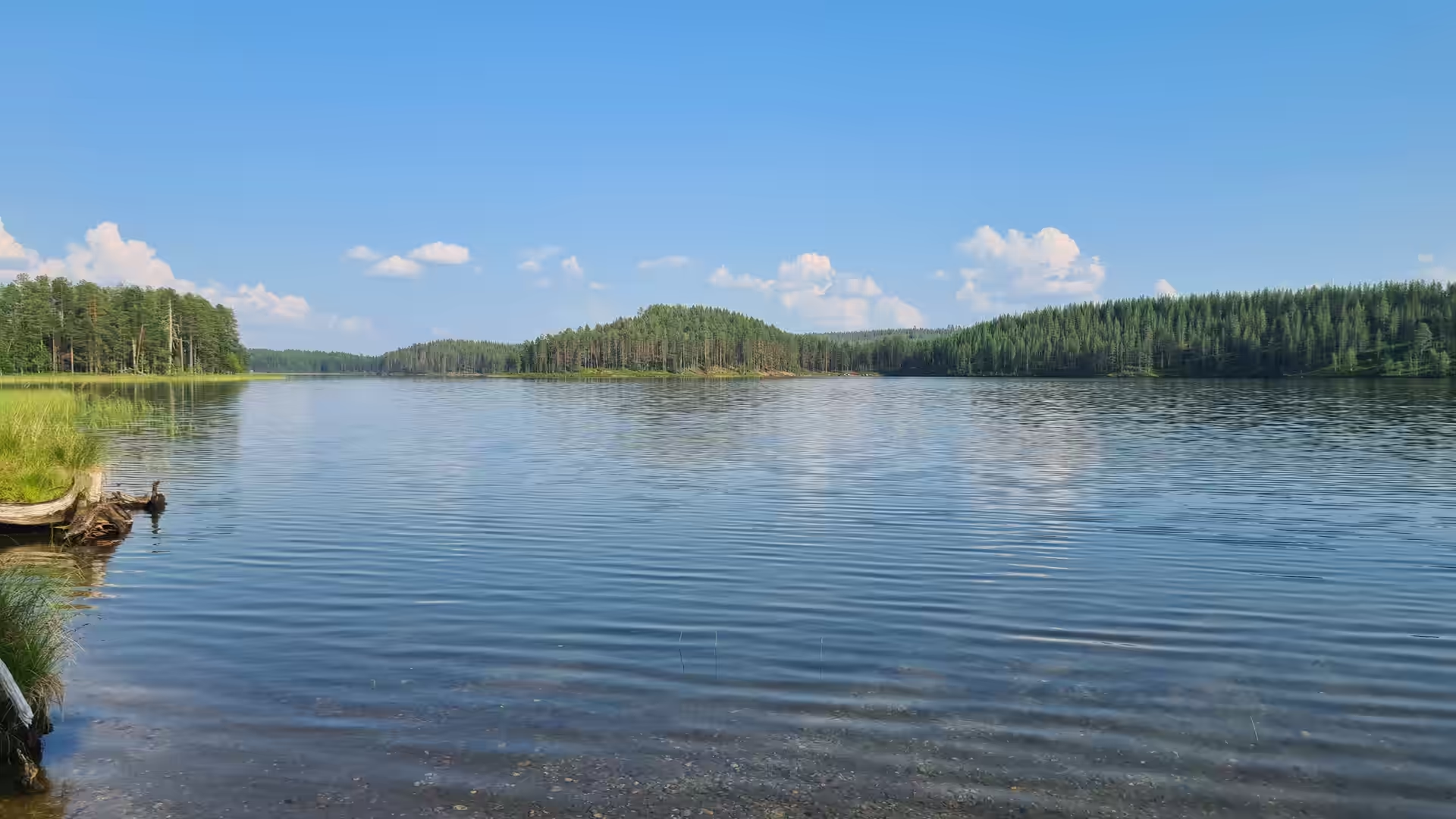
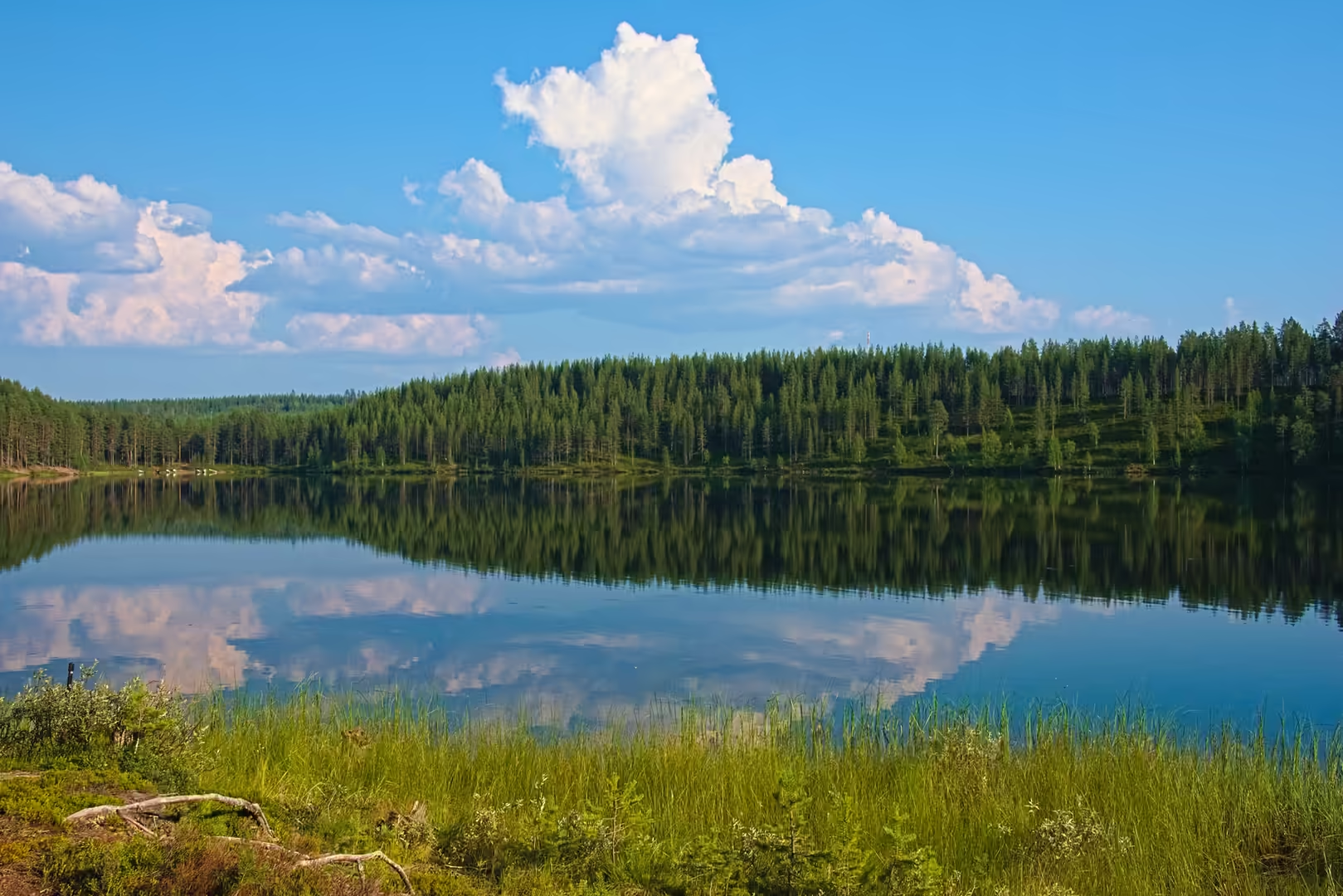
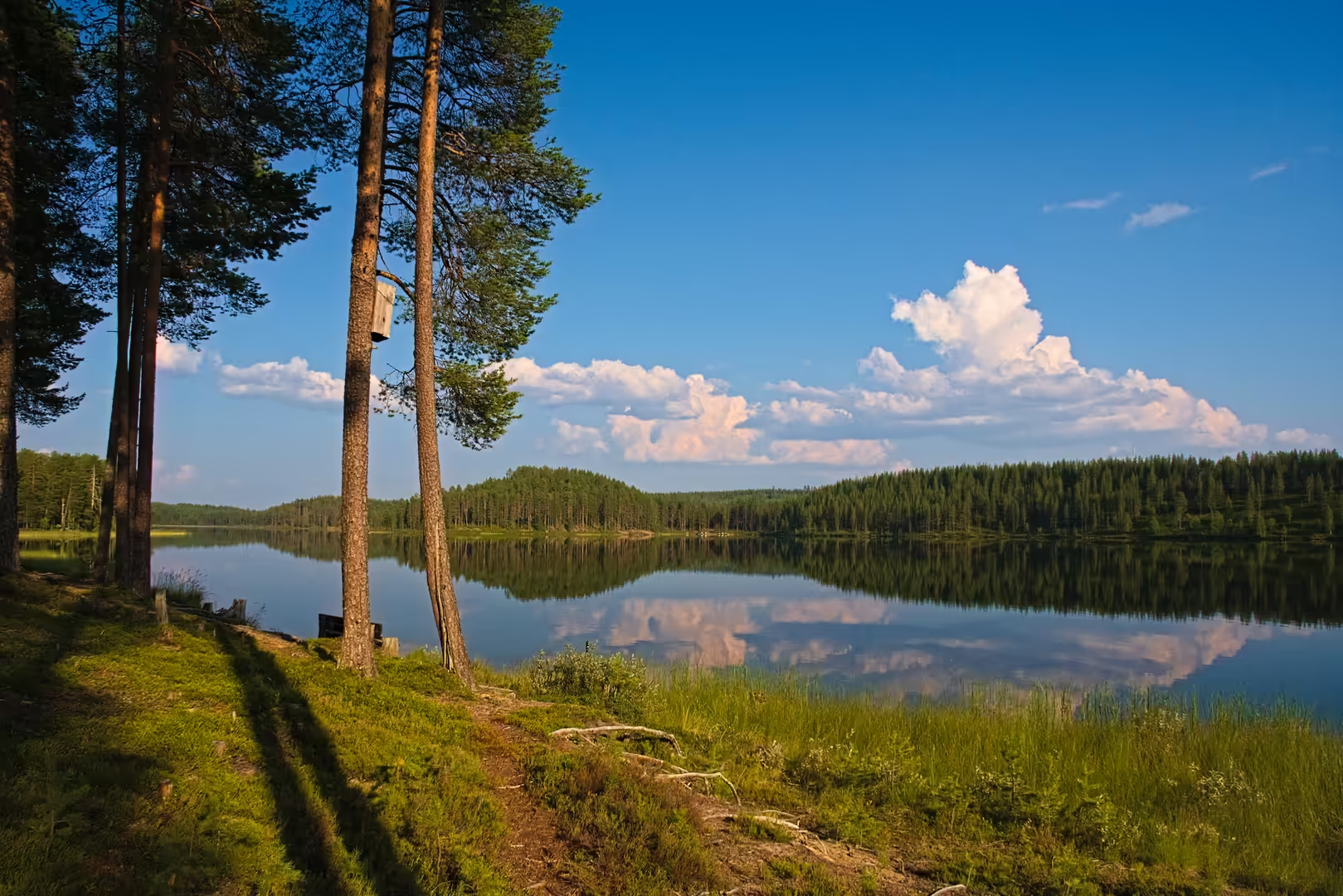
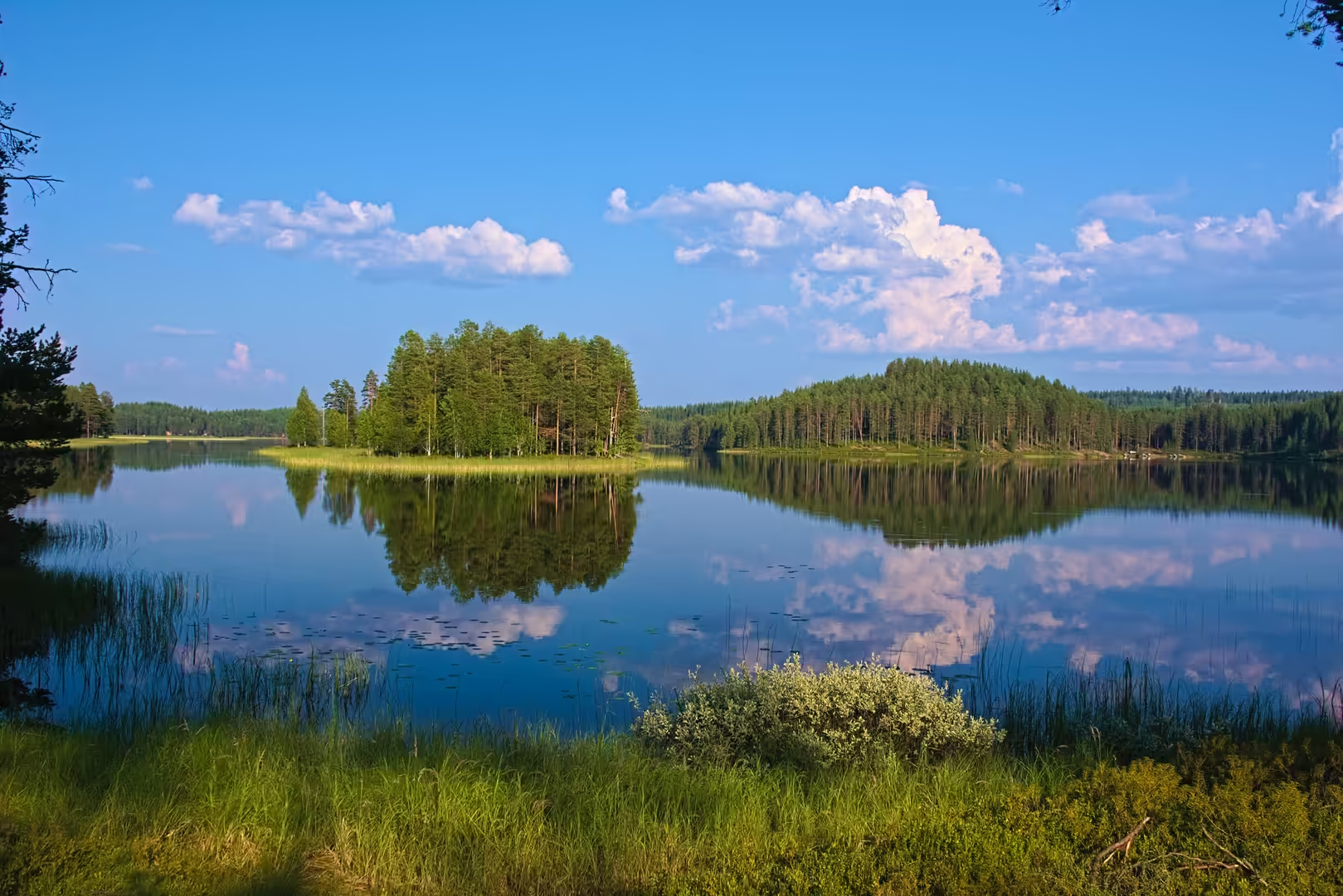
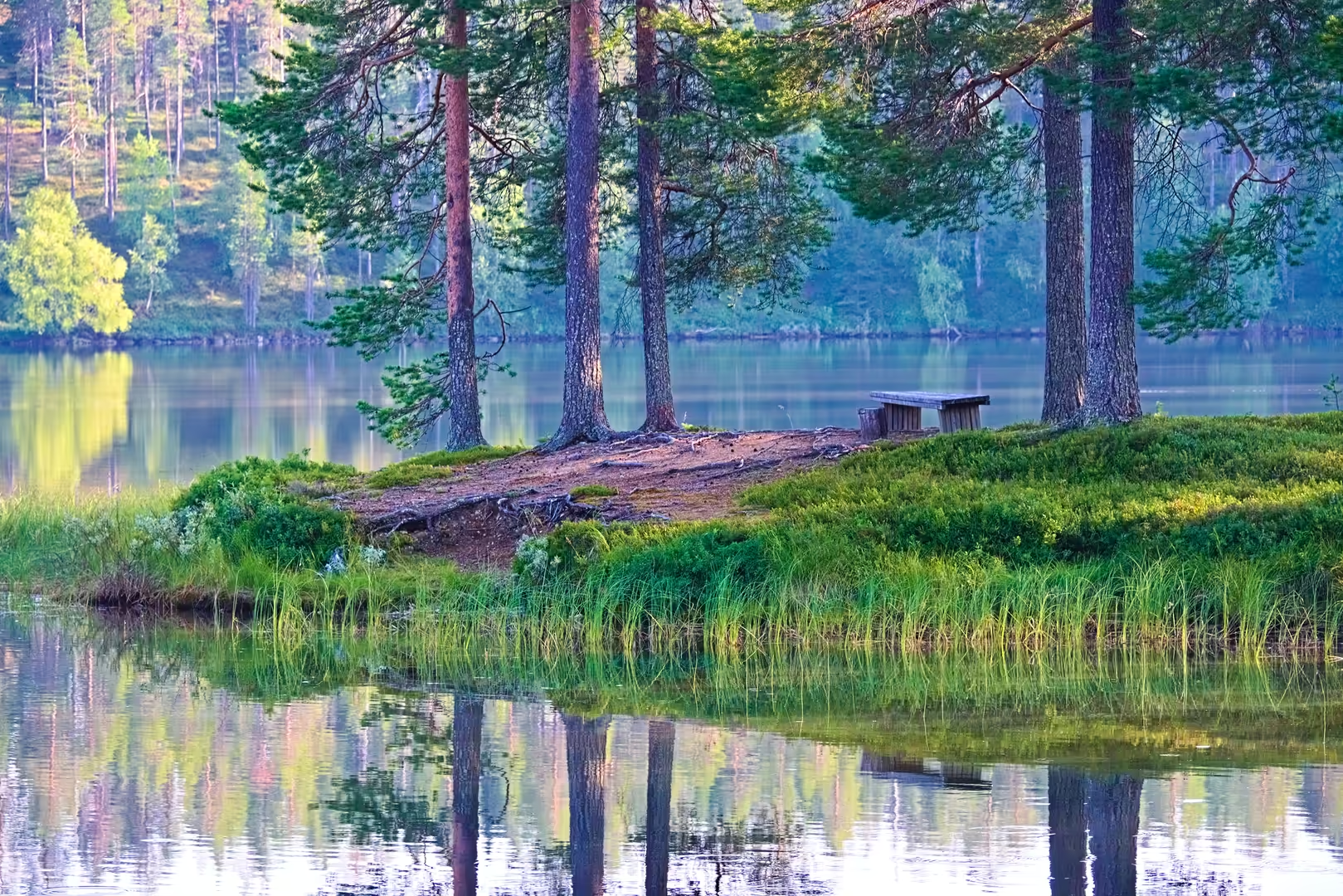
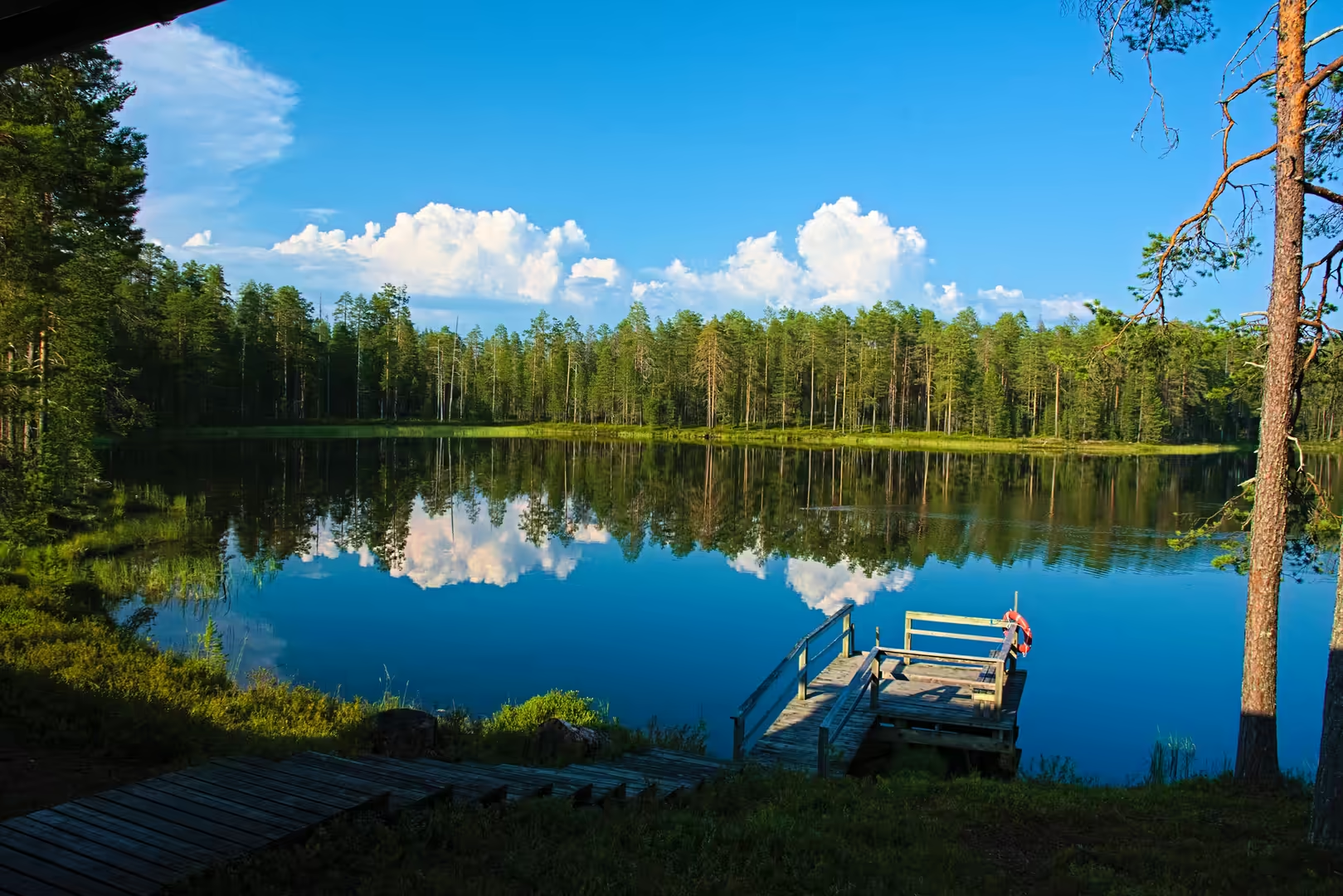
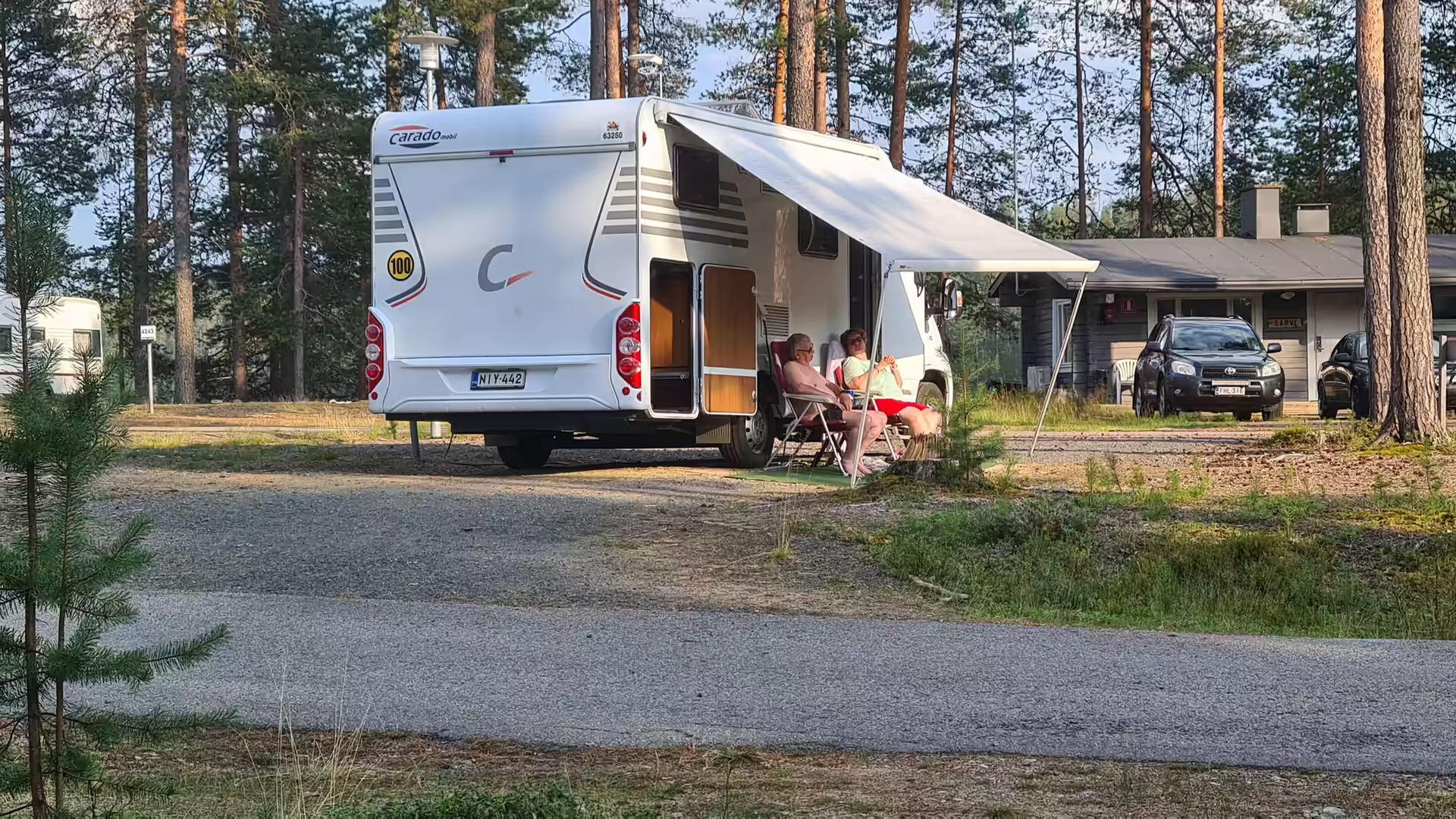
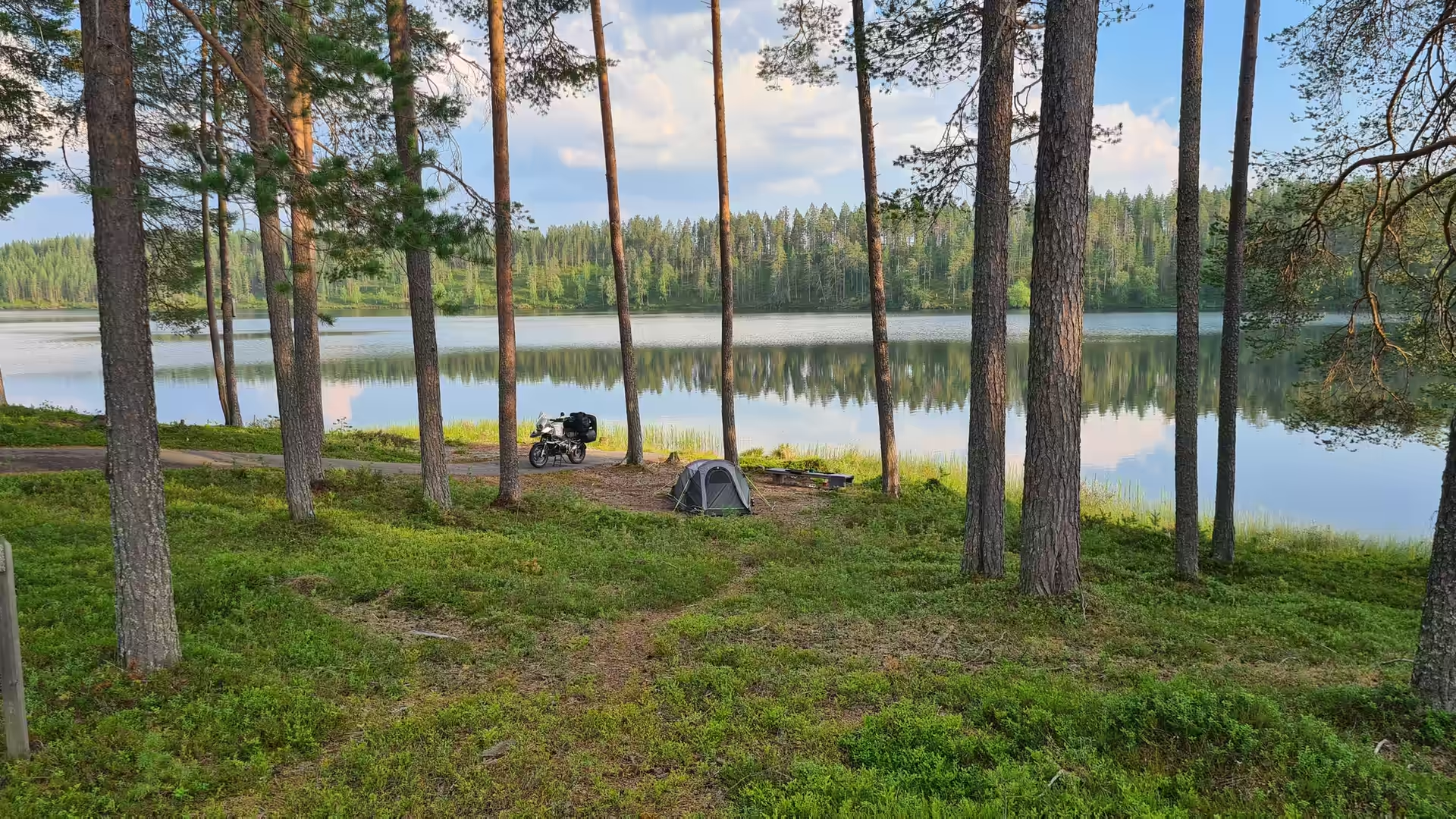
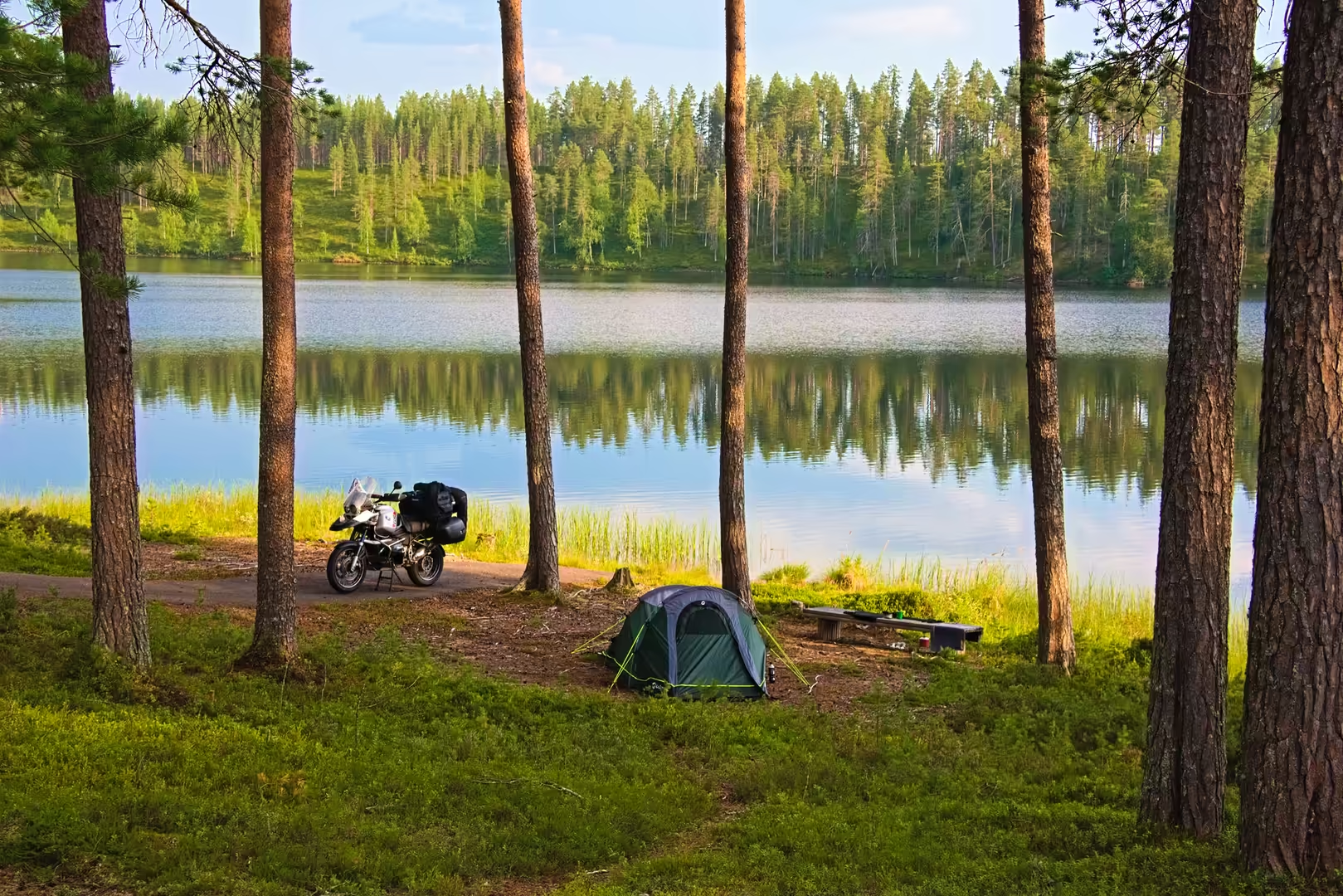
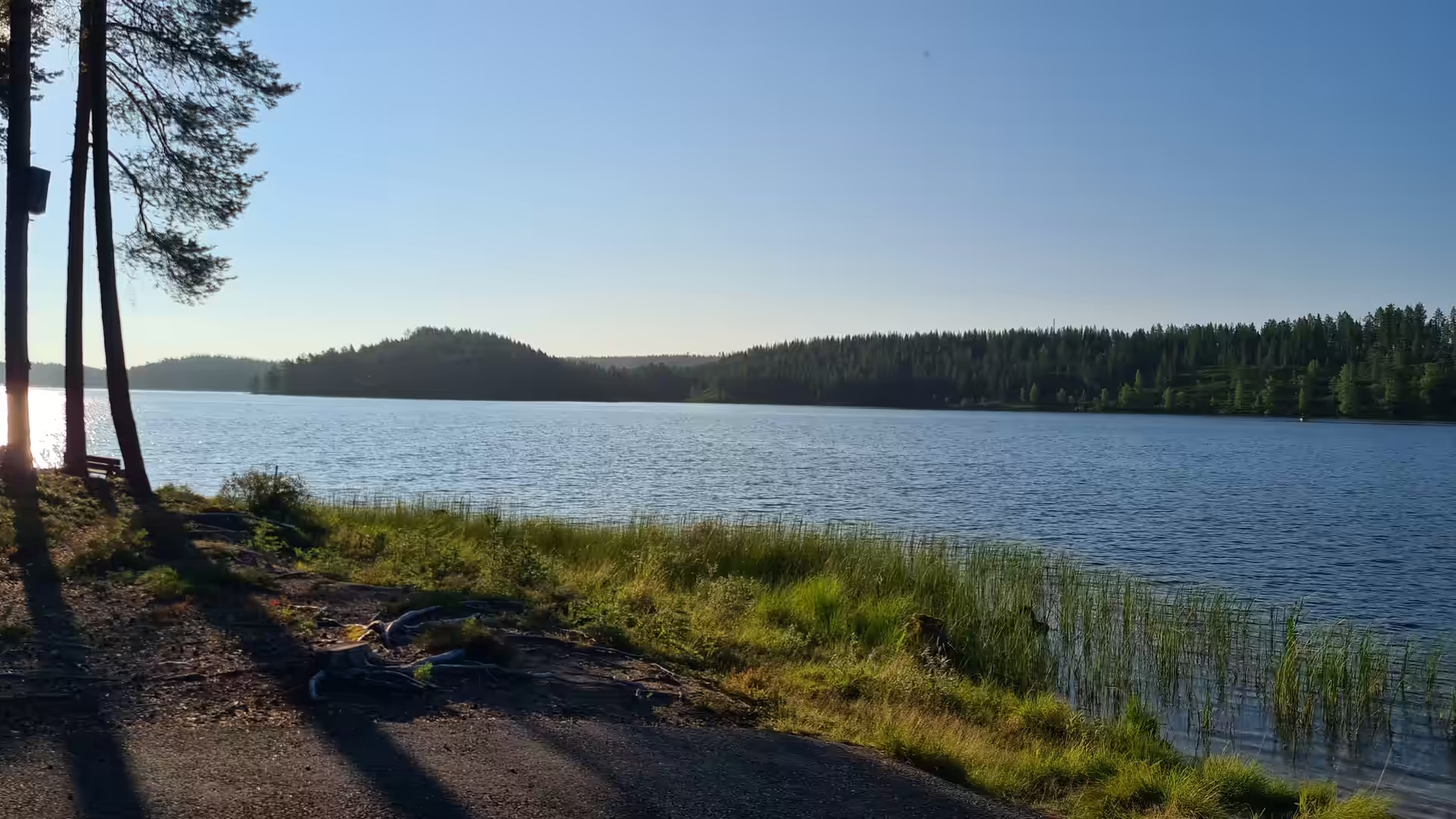
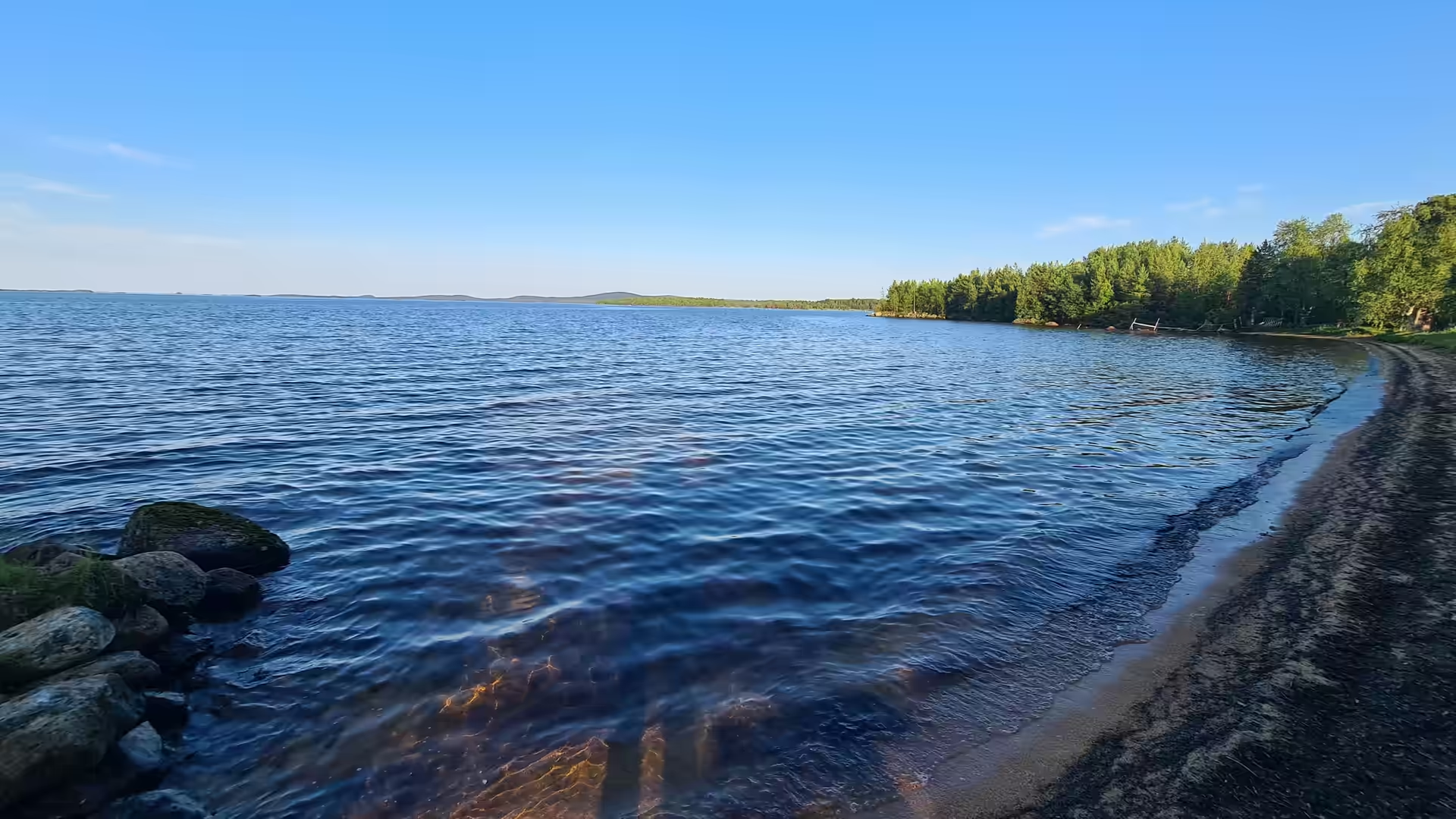
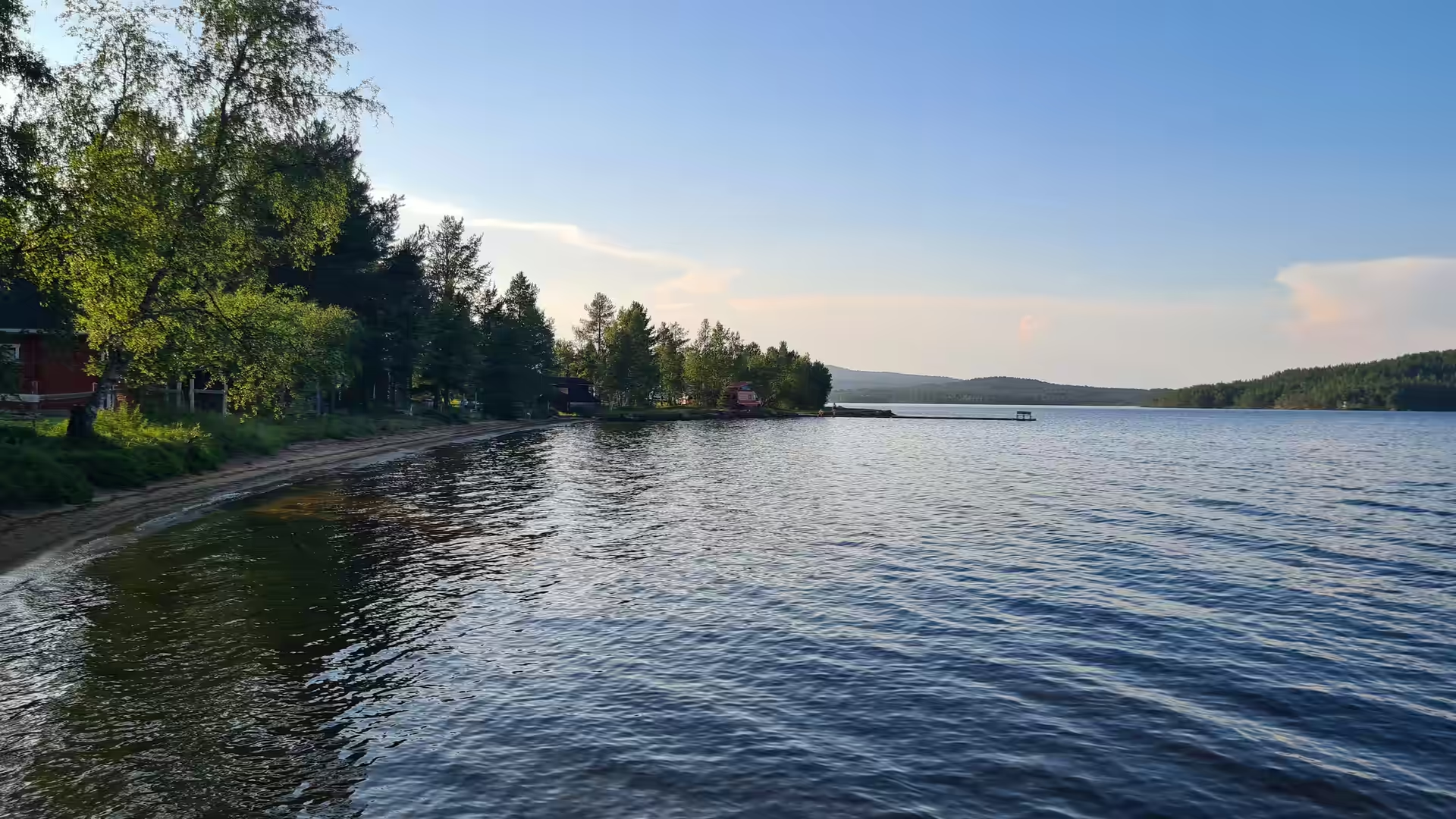
That evening the tent came up again beside a lake near Taivalkoski, a small town on the road to Kuusamo. The water lay flat and clear under a blue sky, with reeds along parts of the shore, and other travellers had parked a motorhome on the same lawn. The evening belonged to the lake: a wooden jetty with an upturned boat, ducks crossing a reedy pond, and everywhere the still water holding the reflections of the trees.
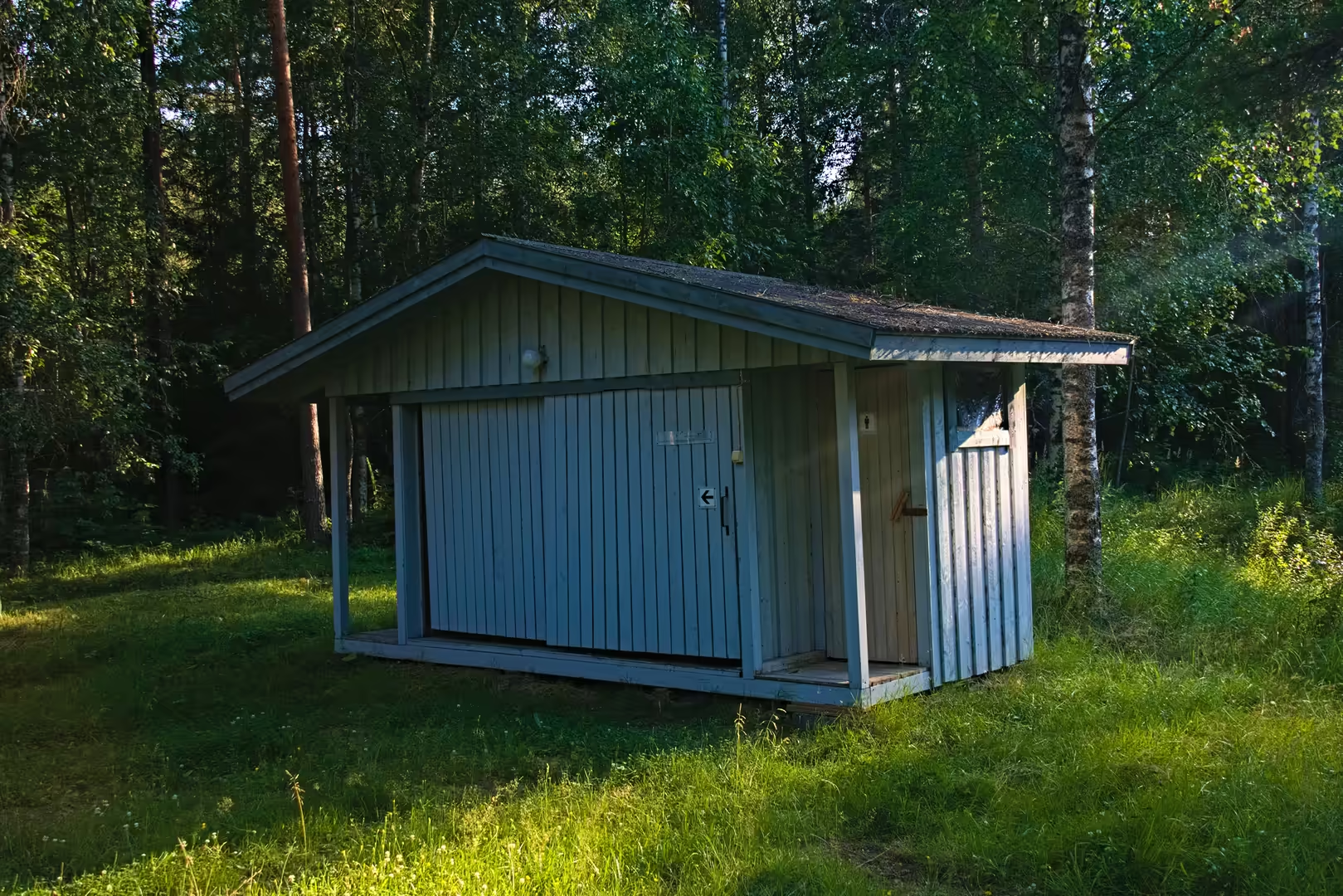
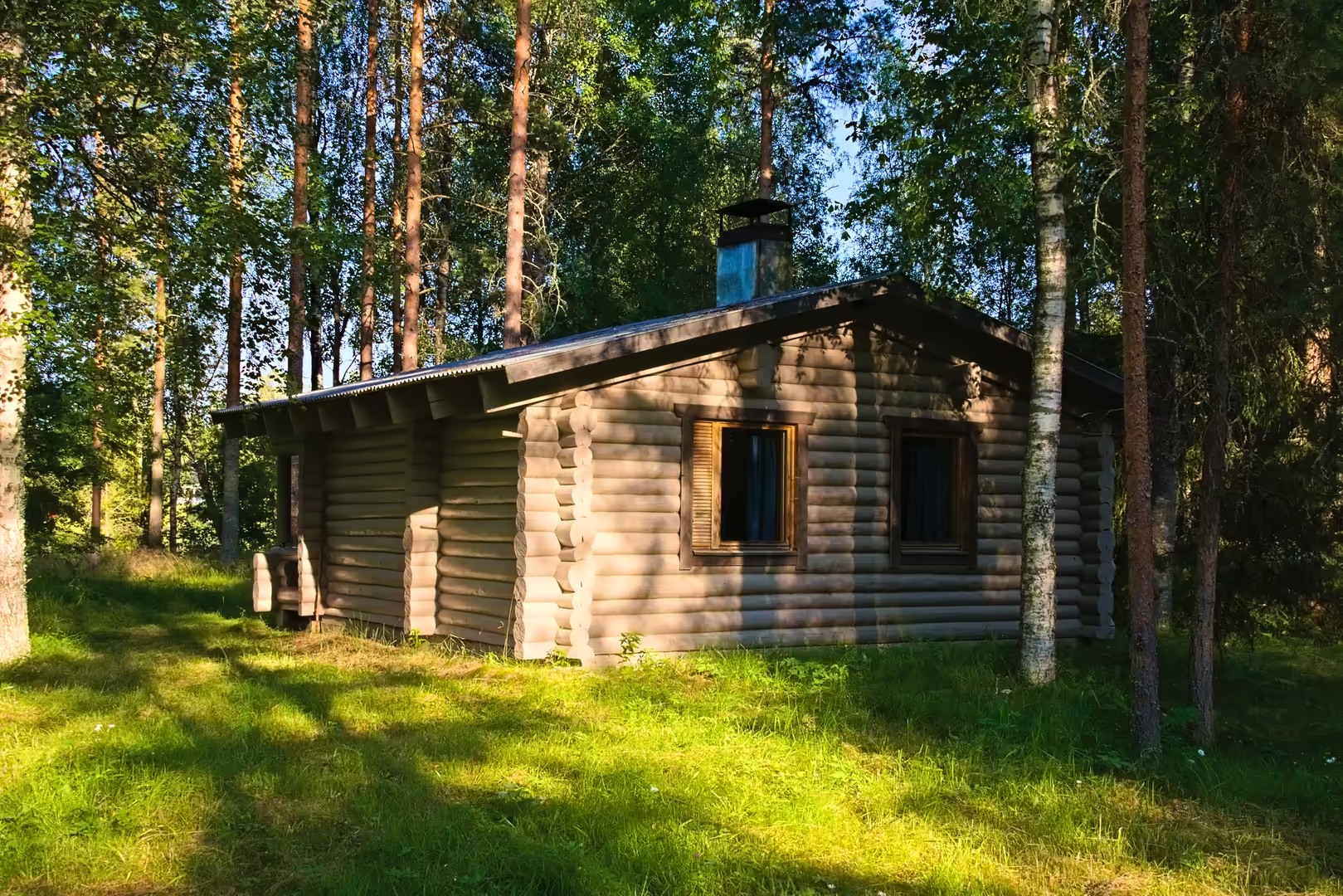
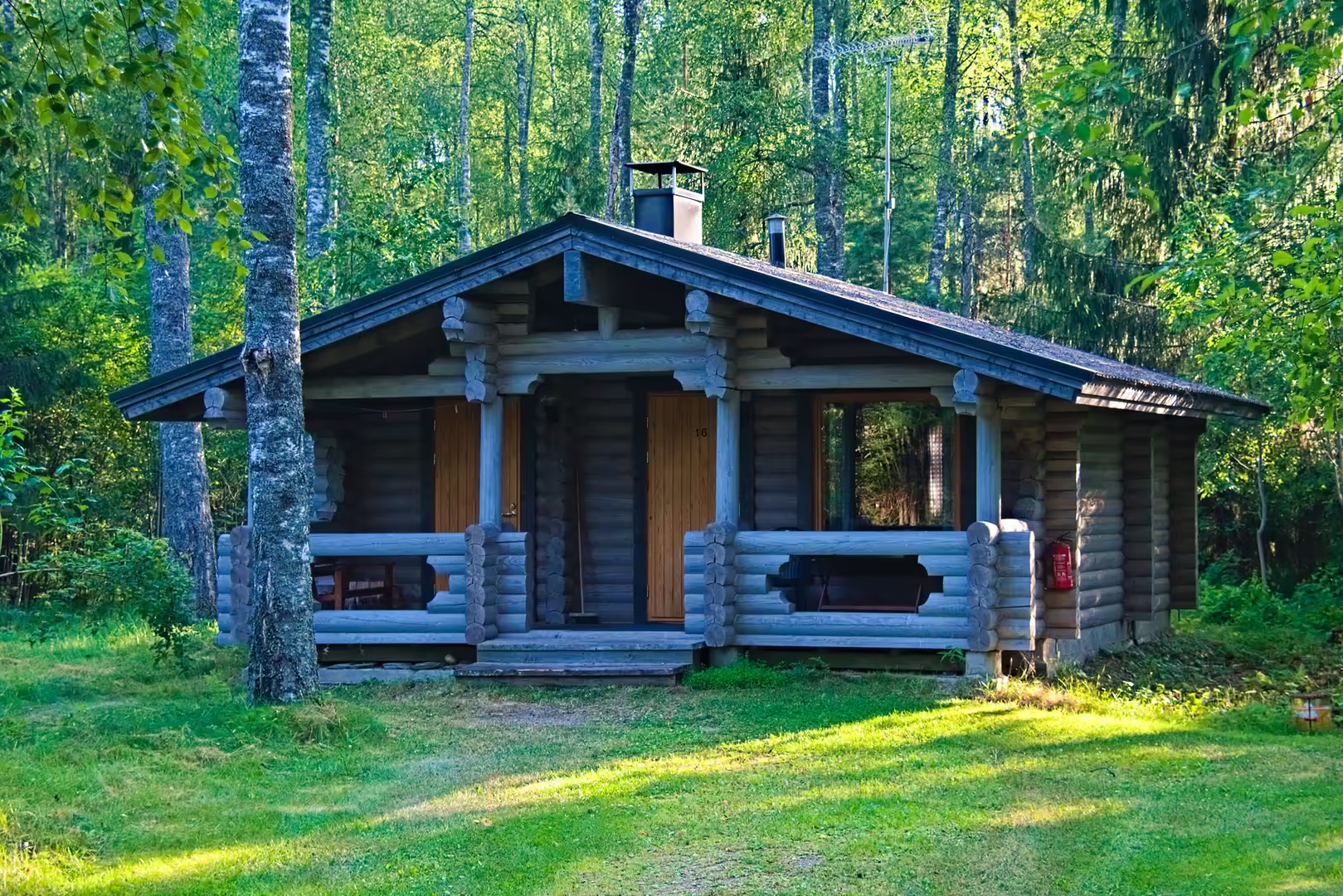
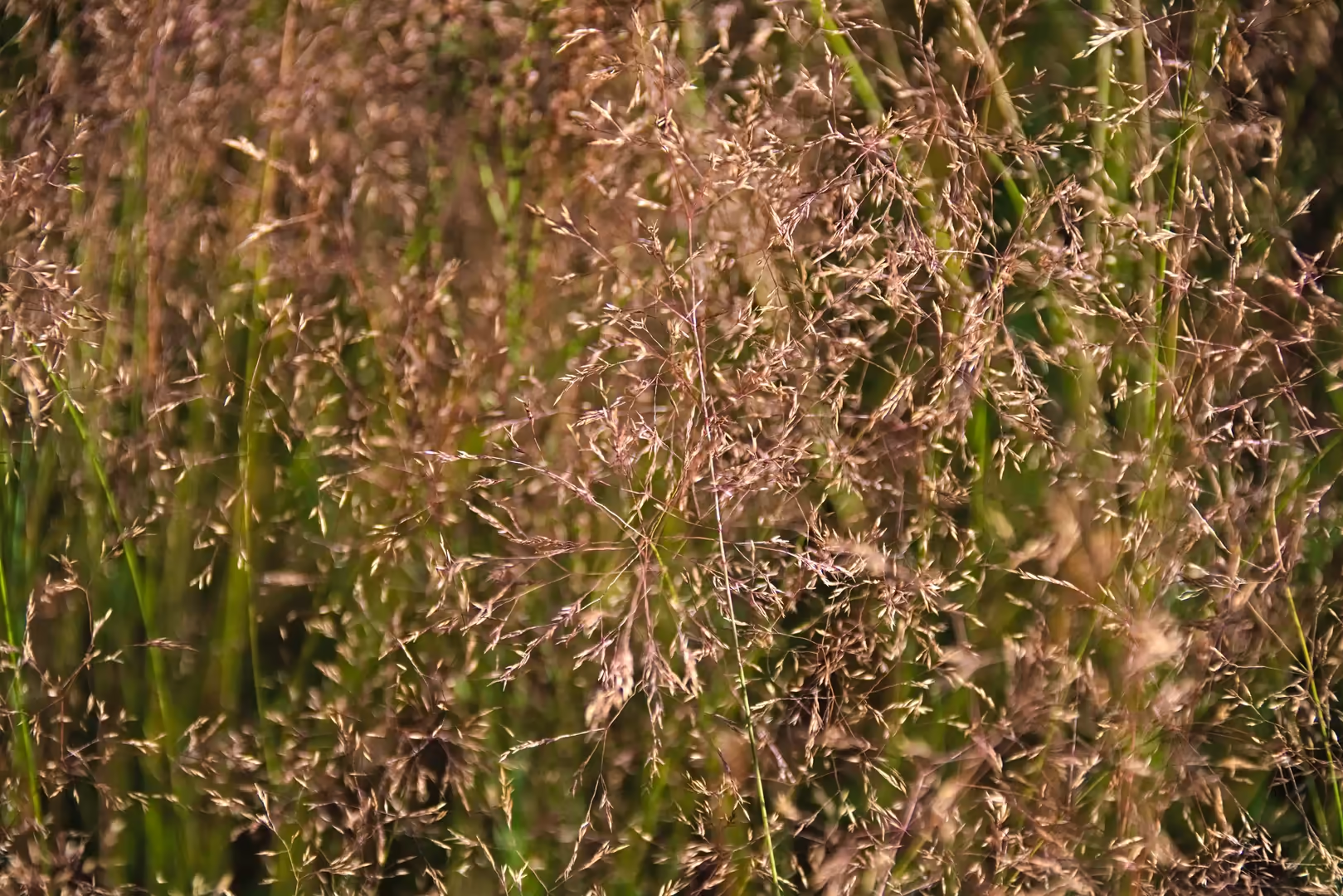
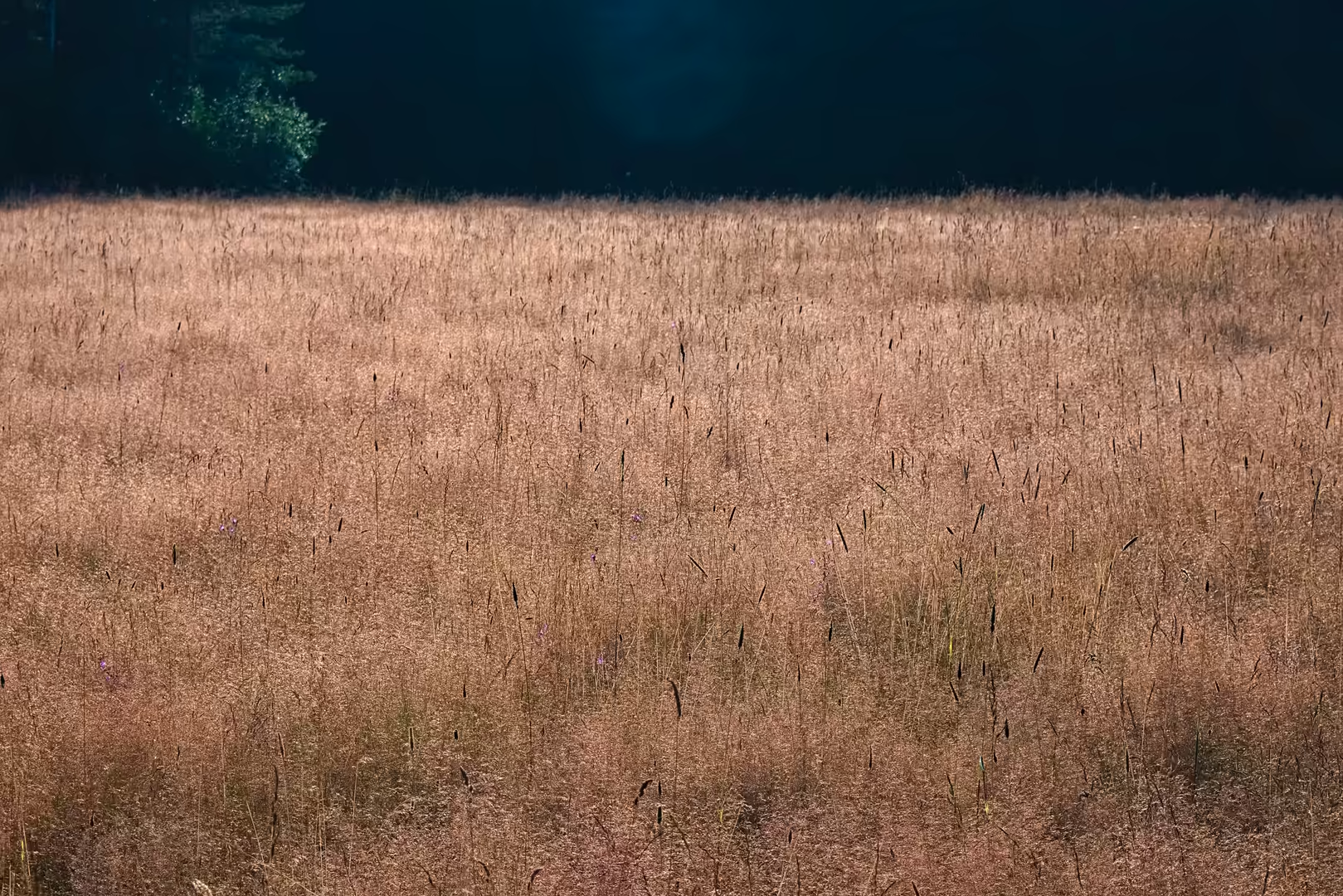
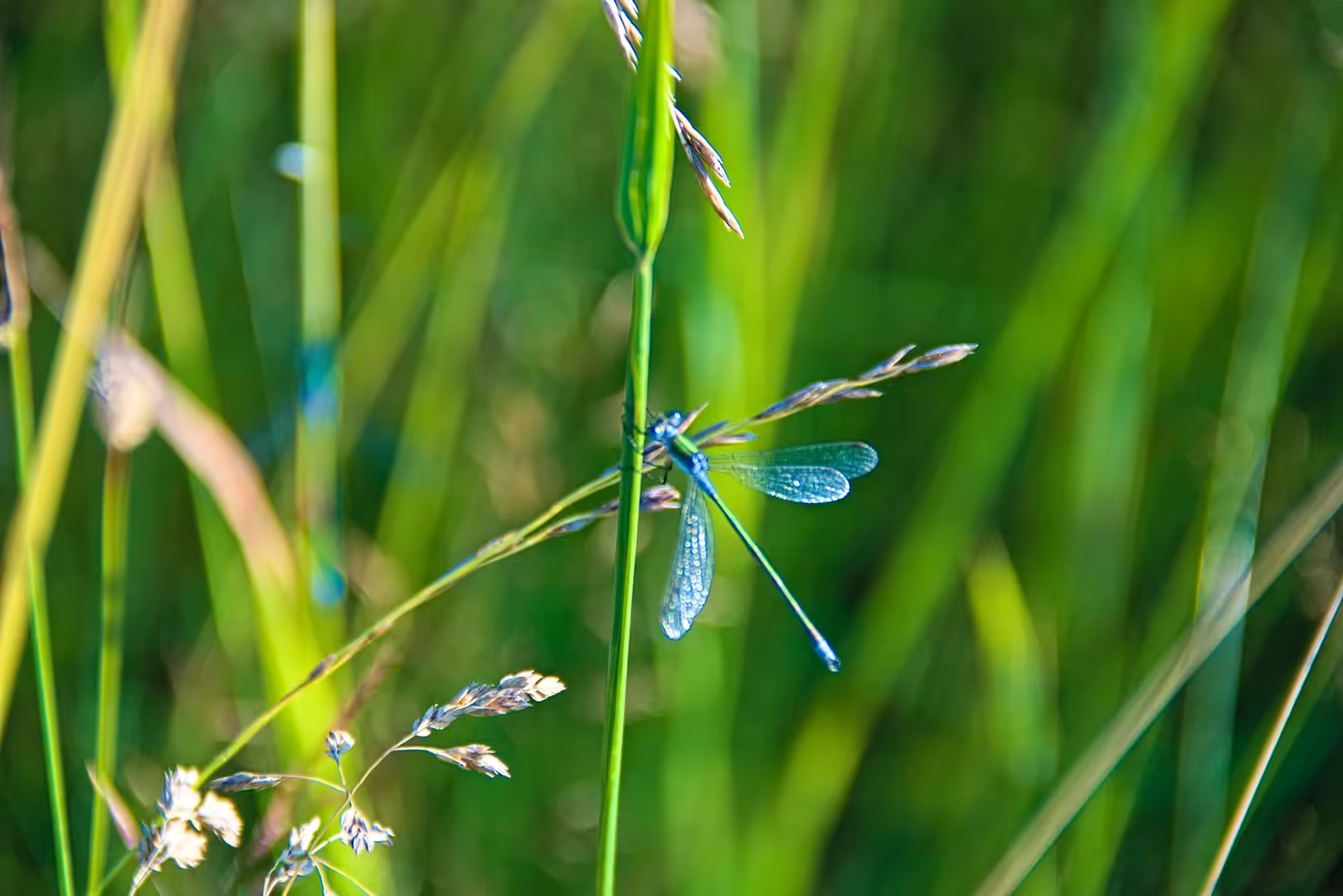
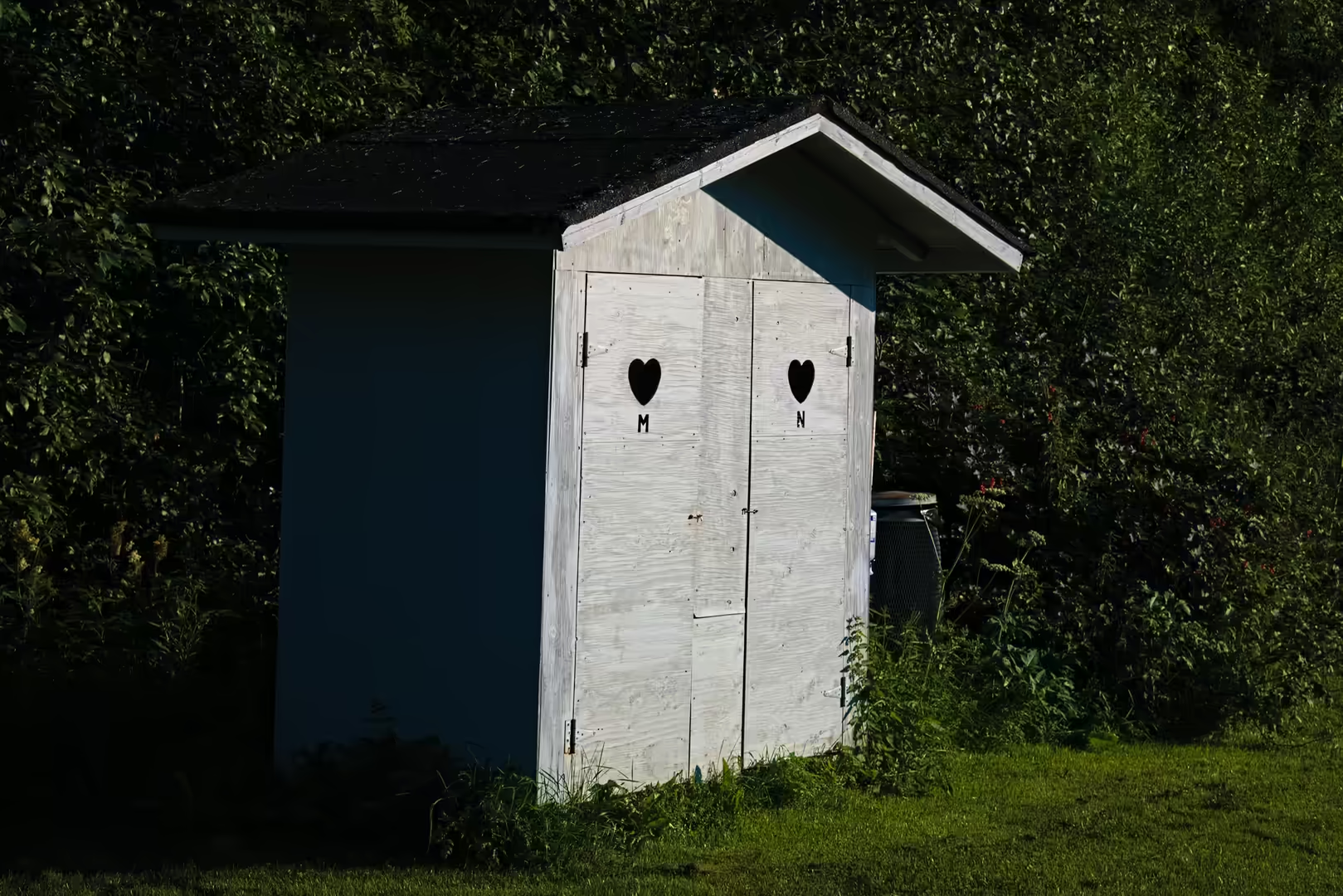
Later, as the light began to go, there were log cabins and a small outhouse among the pines, seed heads and dry golden grass on the meadow, a white rest hut with two doors, and a damselfly on a grass stalk. A clear forest river ran over mossy rocks a few steps from the tent.
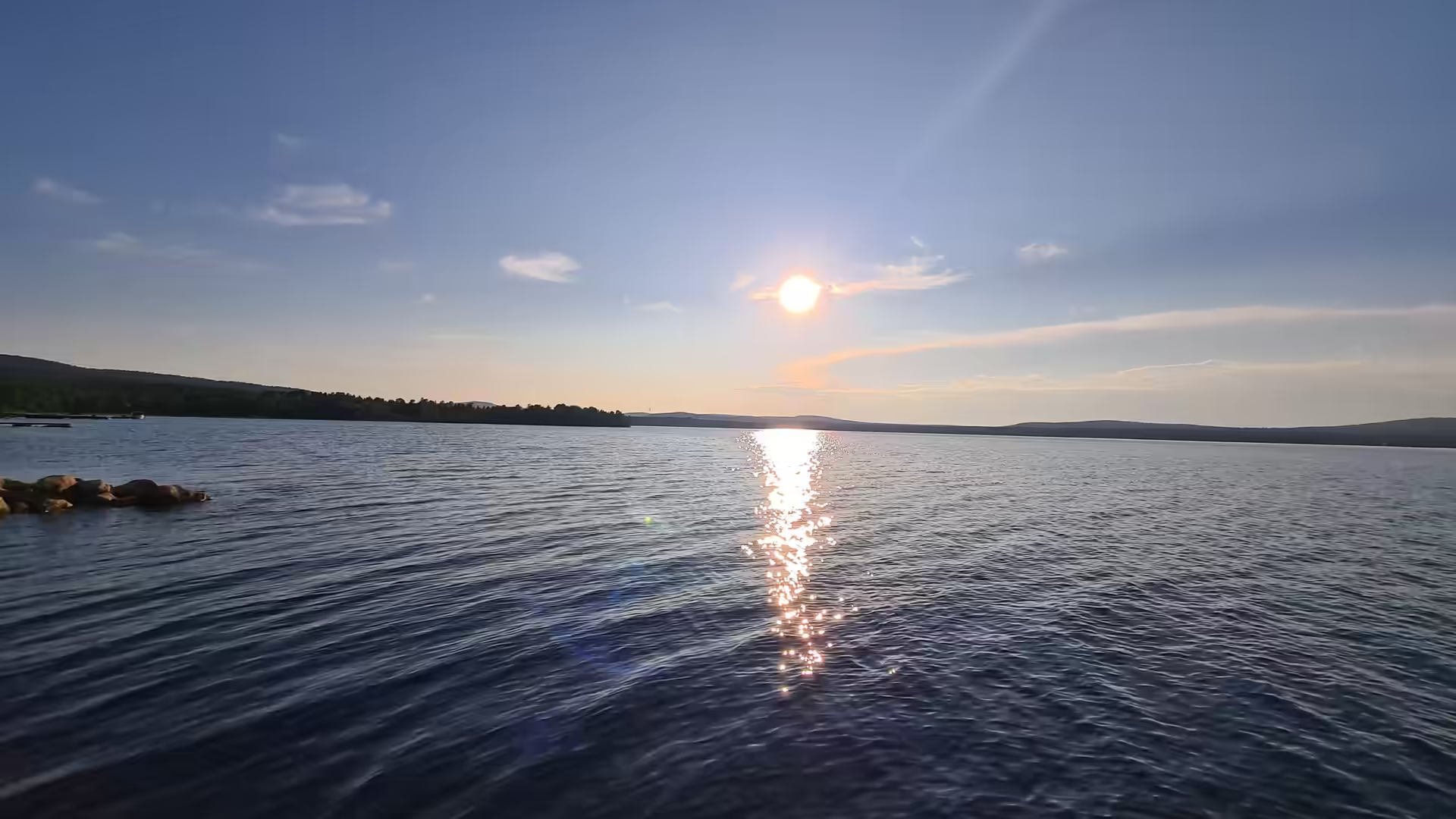
The sun did not set so much as slide along the horizon, and it closed the day in a long golden glow over the water. By then the ride had left the Lakeland behind and was well into the northern forests.
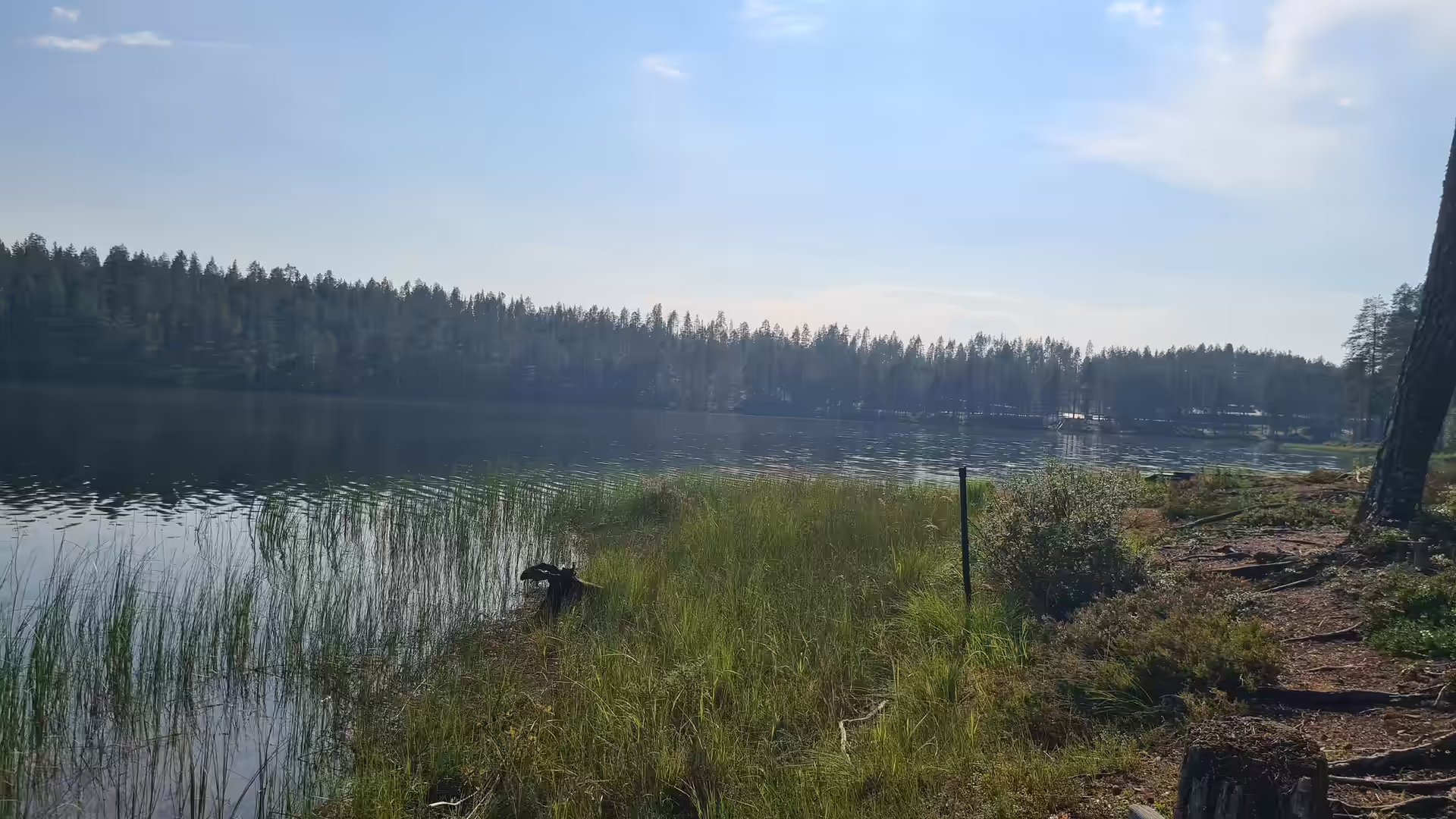
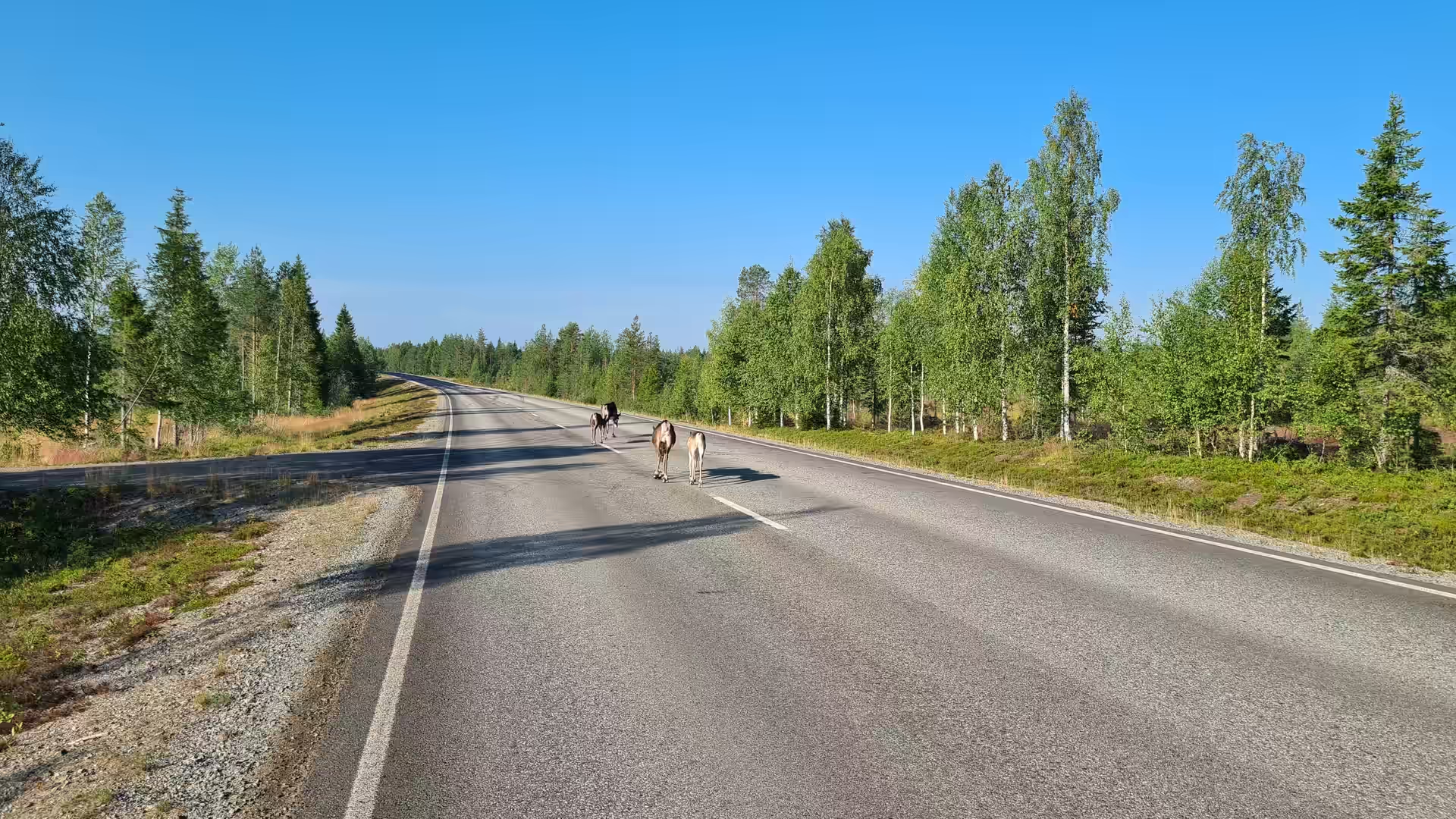
The following morning was grey and quiet over the reeds. Not far up the road a group of reindeer stood on the asphalt itself, unbothered by the motorcycle, and they had to be waited out before the ride could continue north towards the Arctic Circle.
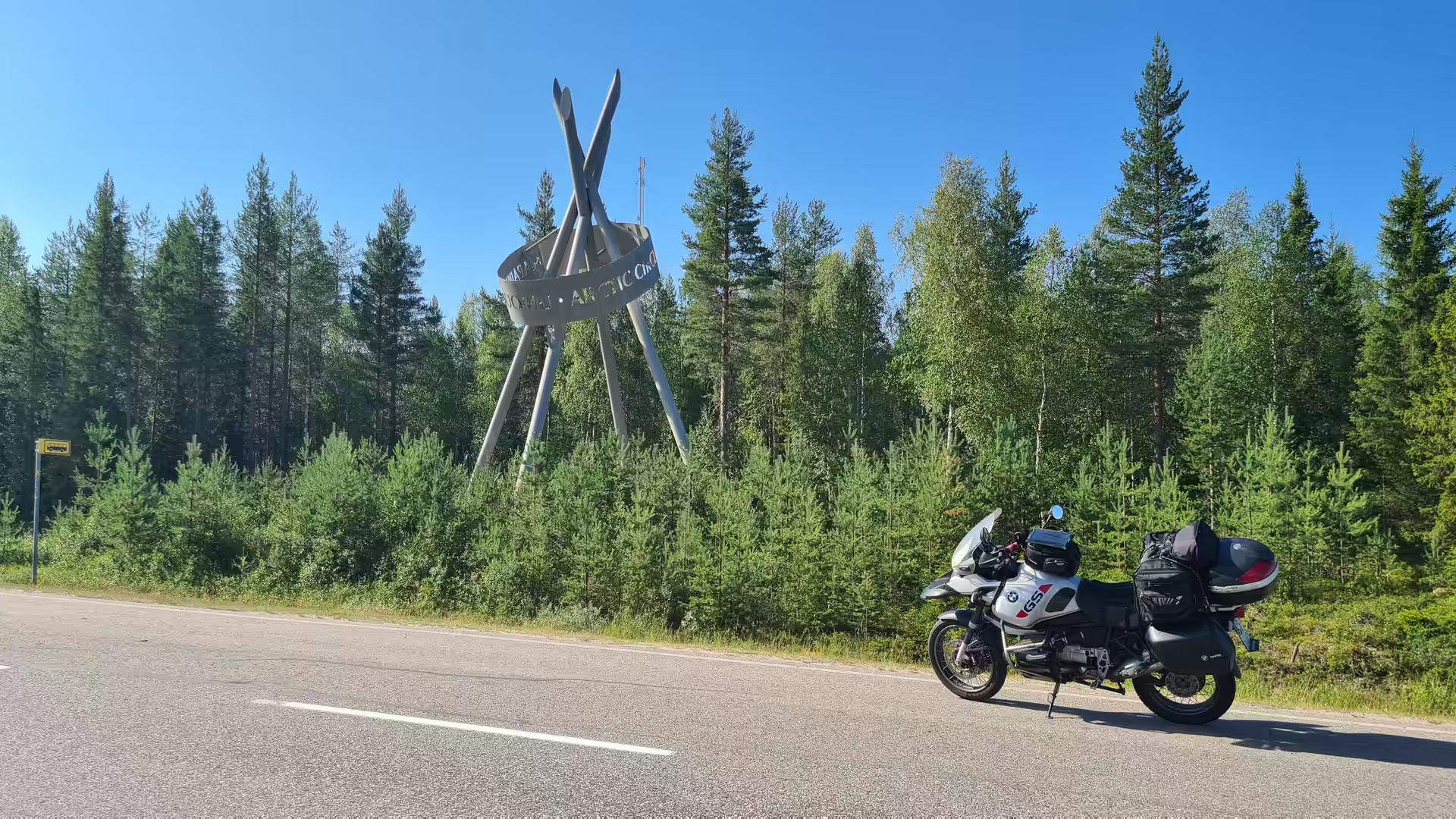
At midday the road crossed the Arctic Circle. The line is marked on the road north of Kemijärvi by a monument of steel with the words Arctic Circle on its ring, and by the small yellow sign that gives the Finnish name Napapiiri. From here on the summer nights are truly light, and the sun stays above the horizon for weeks.
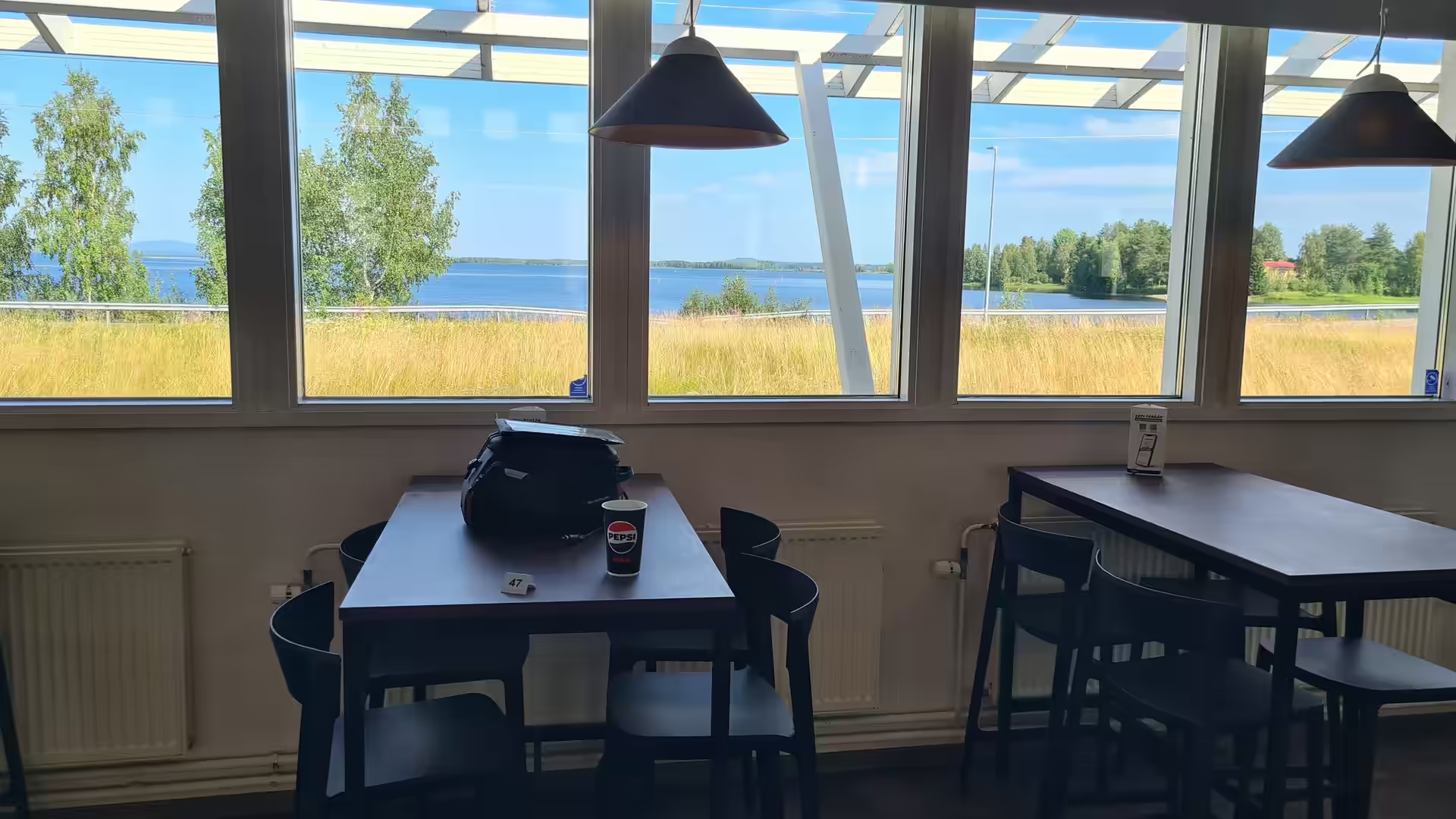
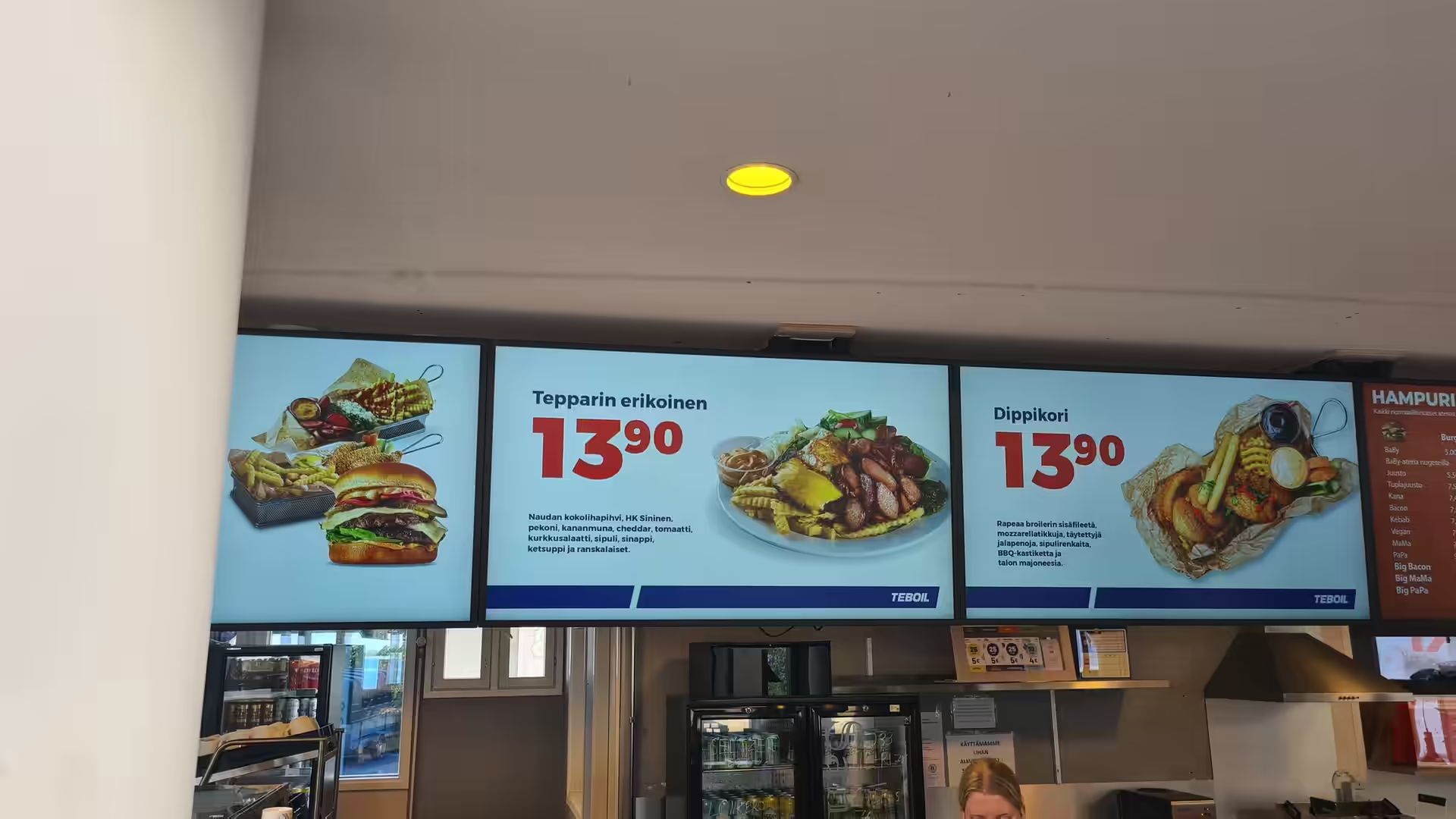
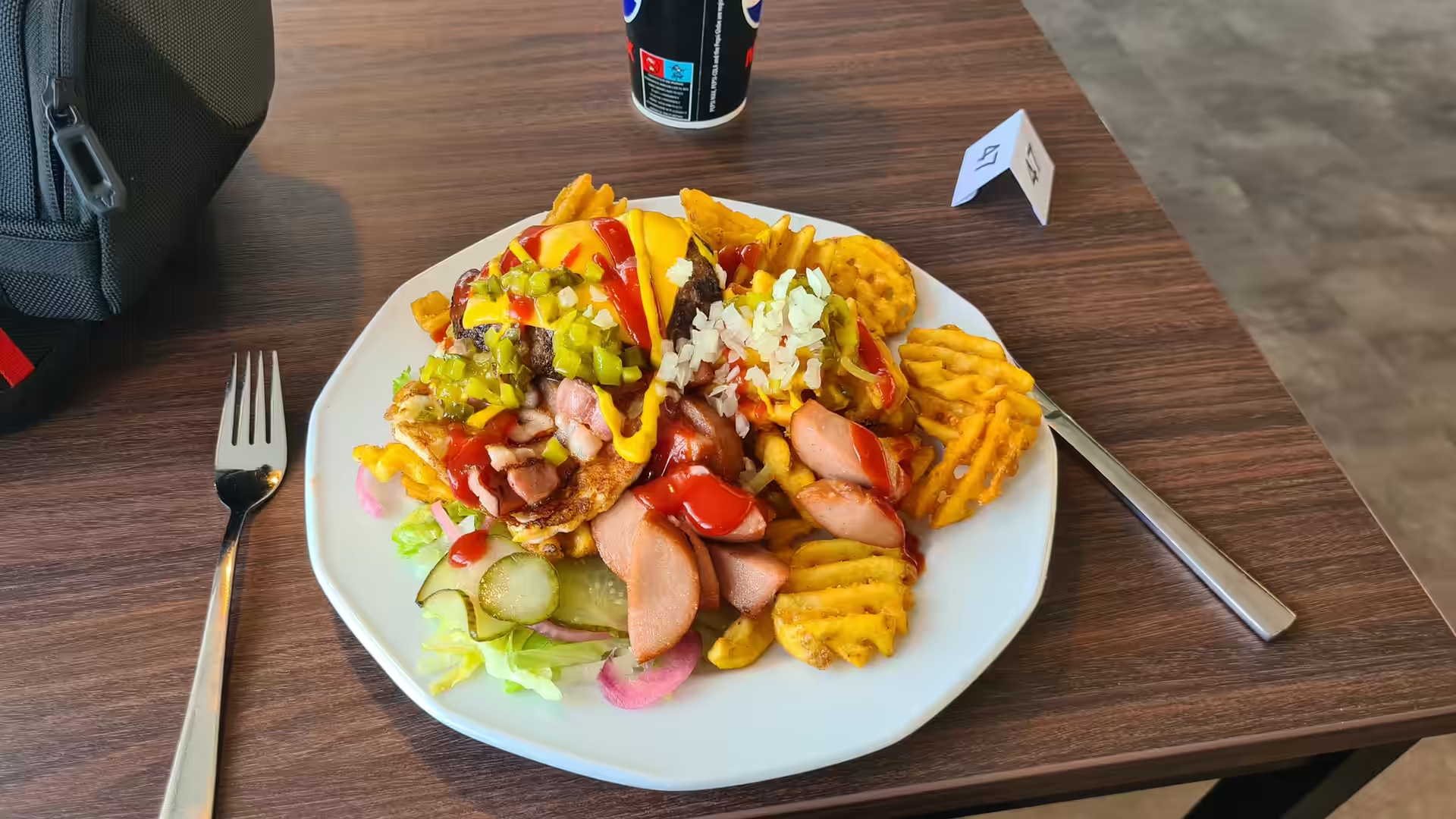
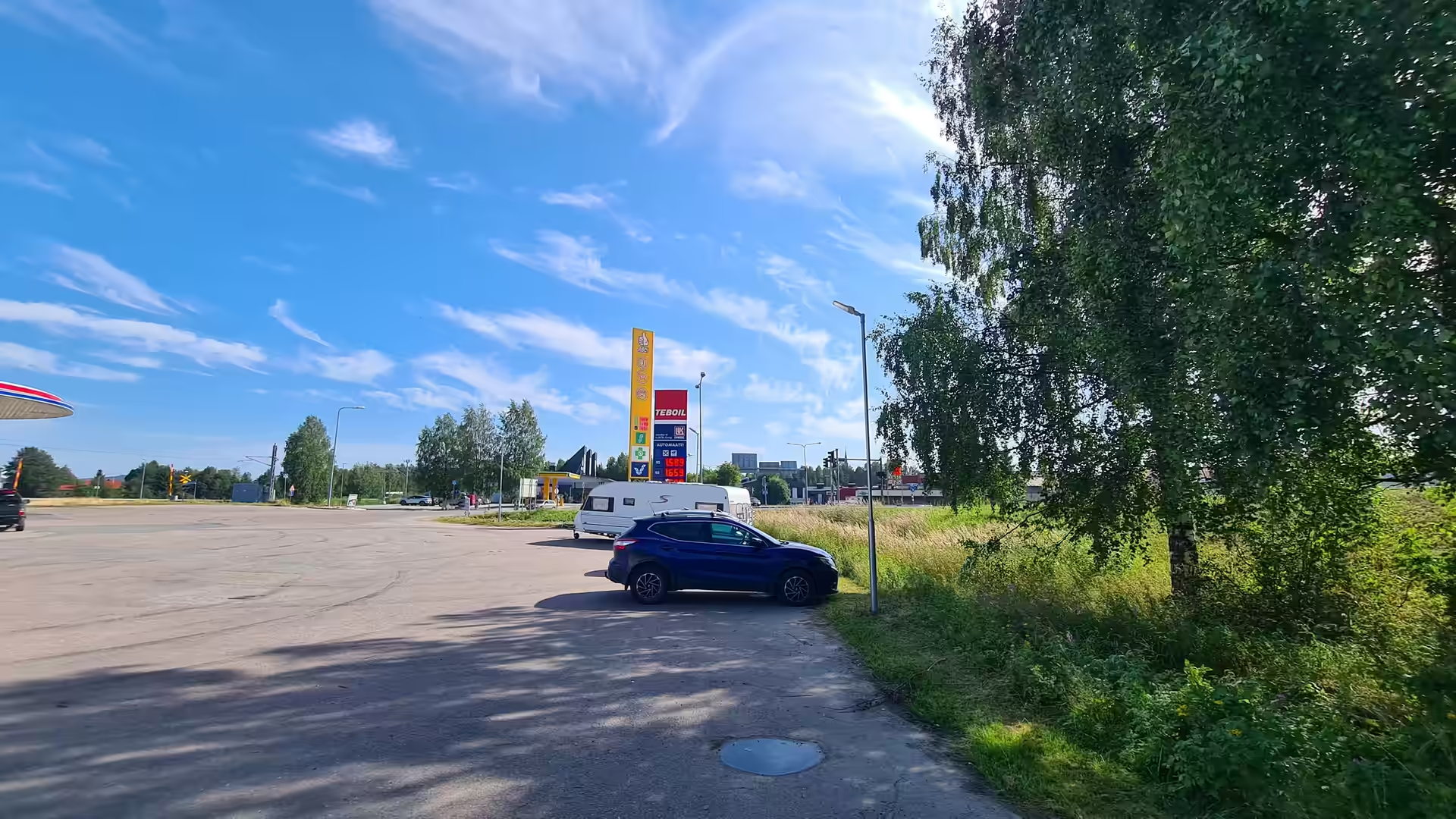
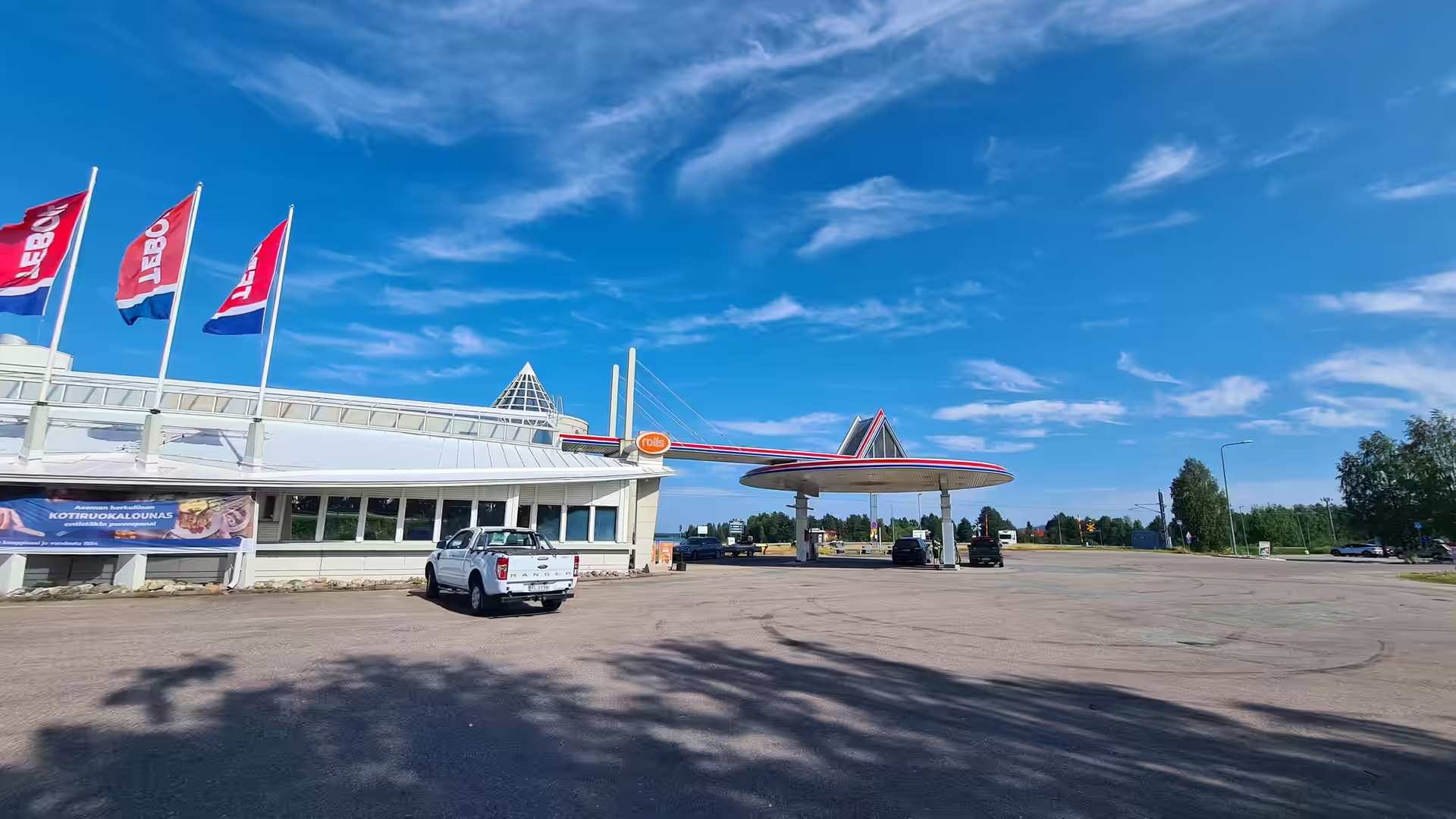
Lunch was taken a little further on, at a lakeside service station where the dining room looked out over a wide blue lake and a golden meadow. The menu was the plain Finnish road food of the north: sausage, crinkle fries, fresh greens and a sauce over the top, served under a menu board of snack specials.
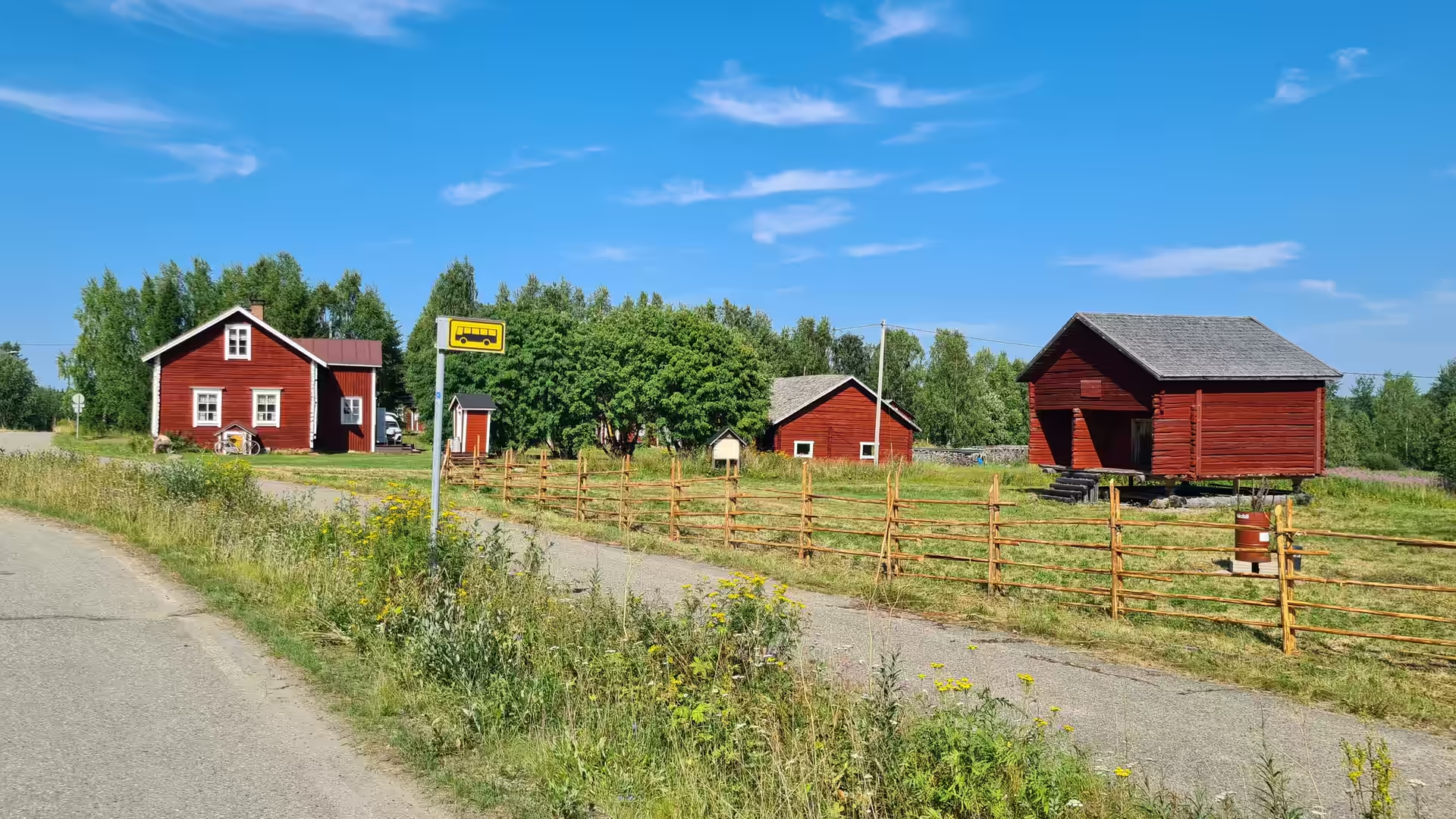
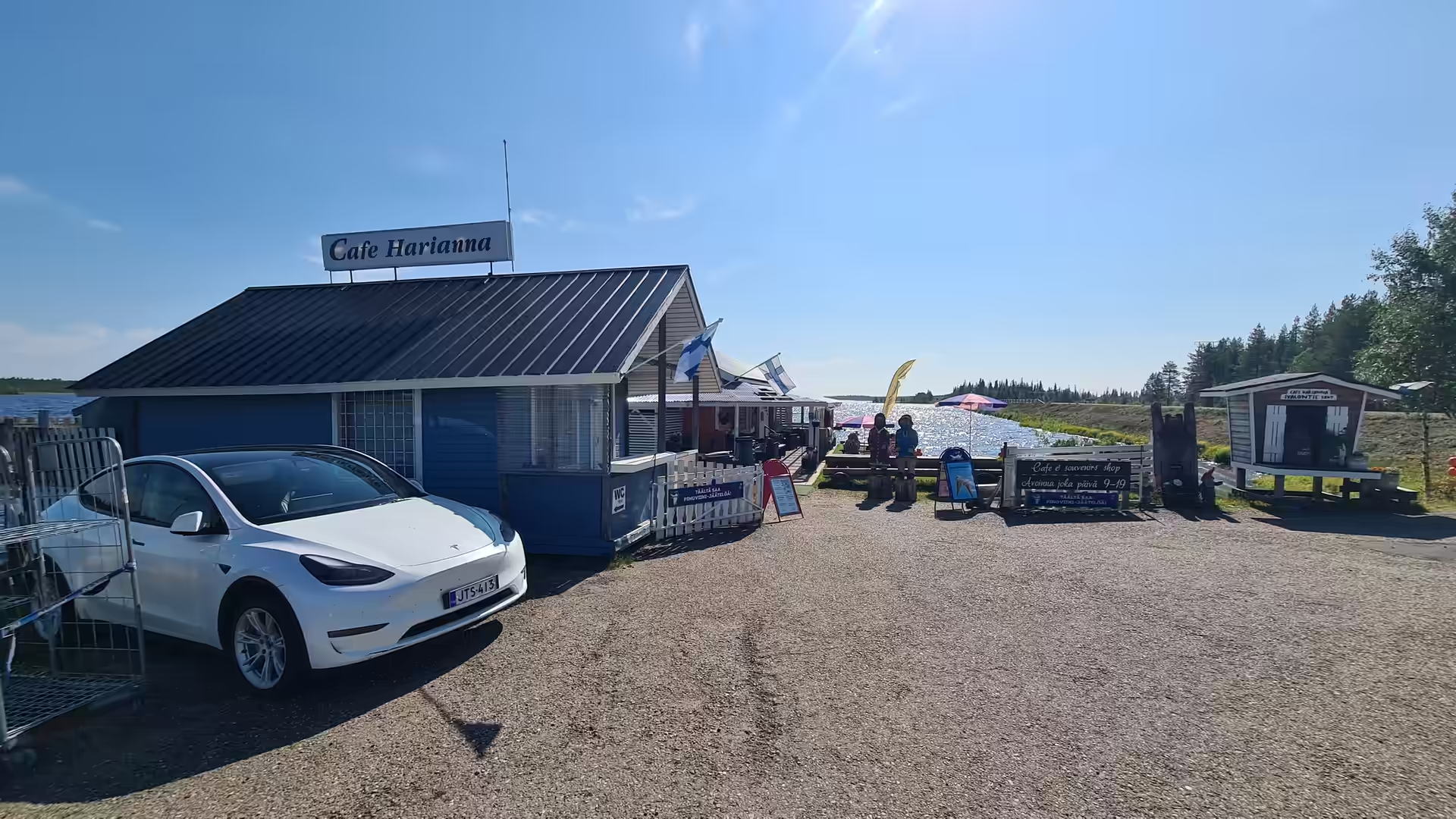
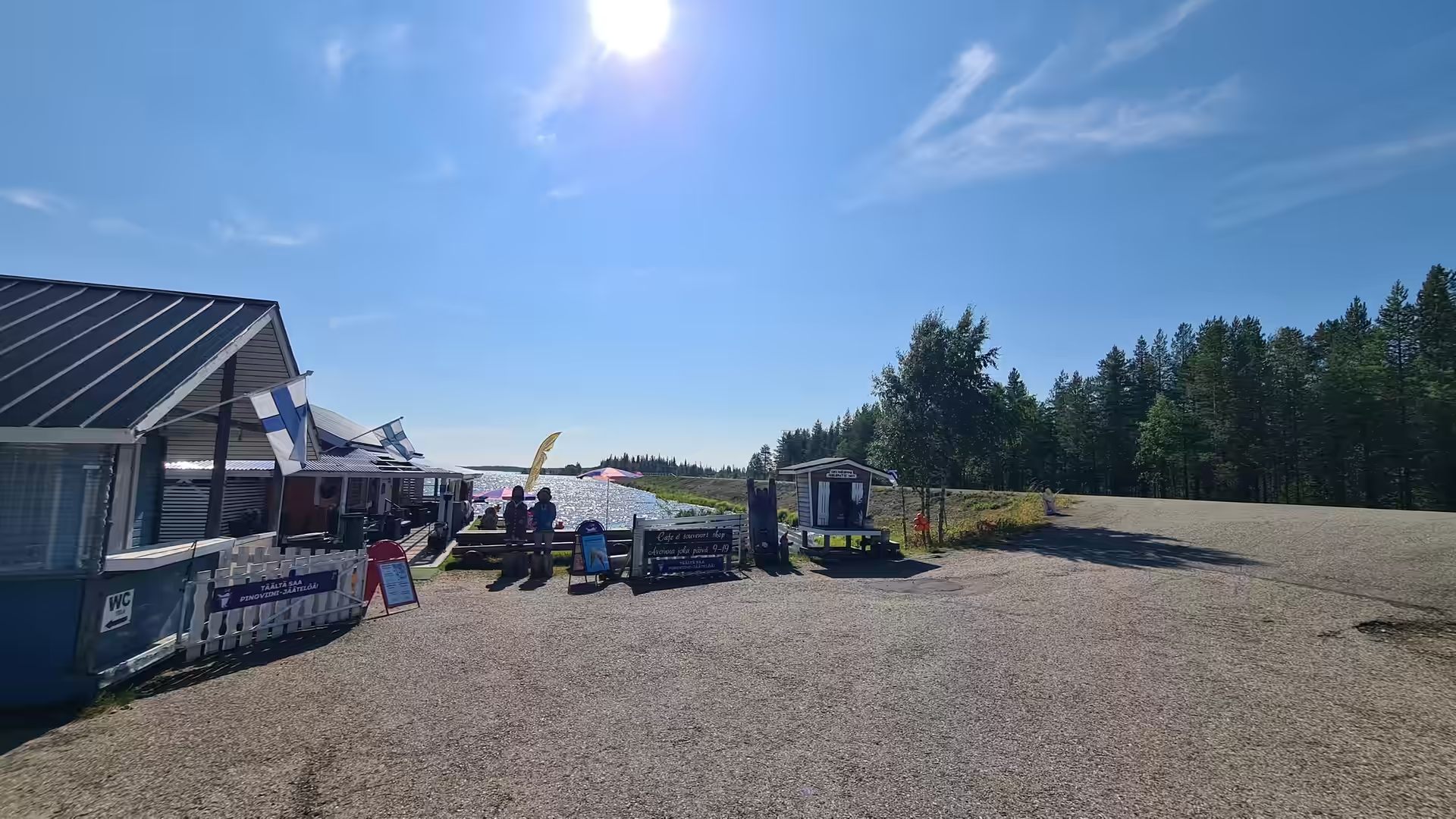
Beyond Kemijärvi the route joined the long empty road north. Red wooden farmhouses stood behind timber fences, and some forty kilometres north of Sodankylä the ride stopped again at Cafe Harianna, a small blue summer cafe on the shore of a lake. Its forecourt, its flag and its view over the water made one of the most pleasant pauses of the whole stage.
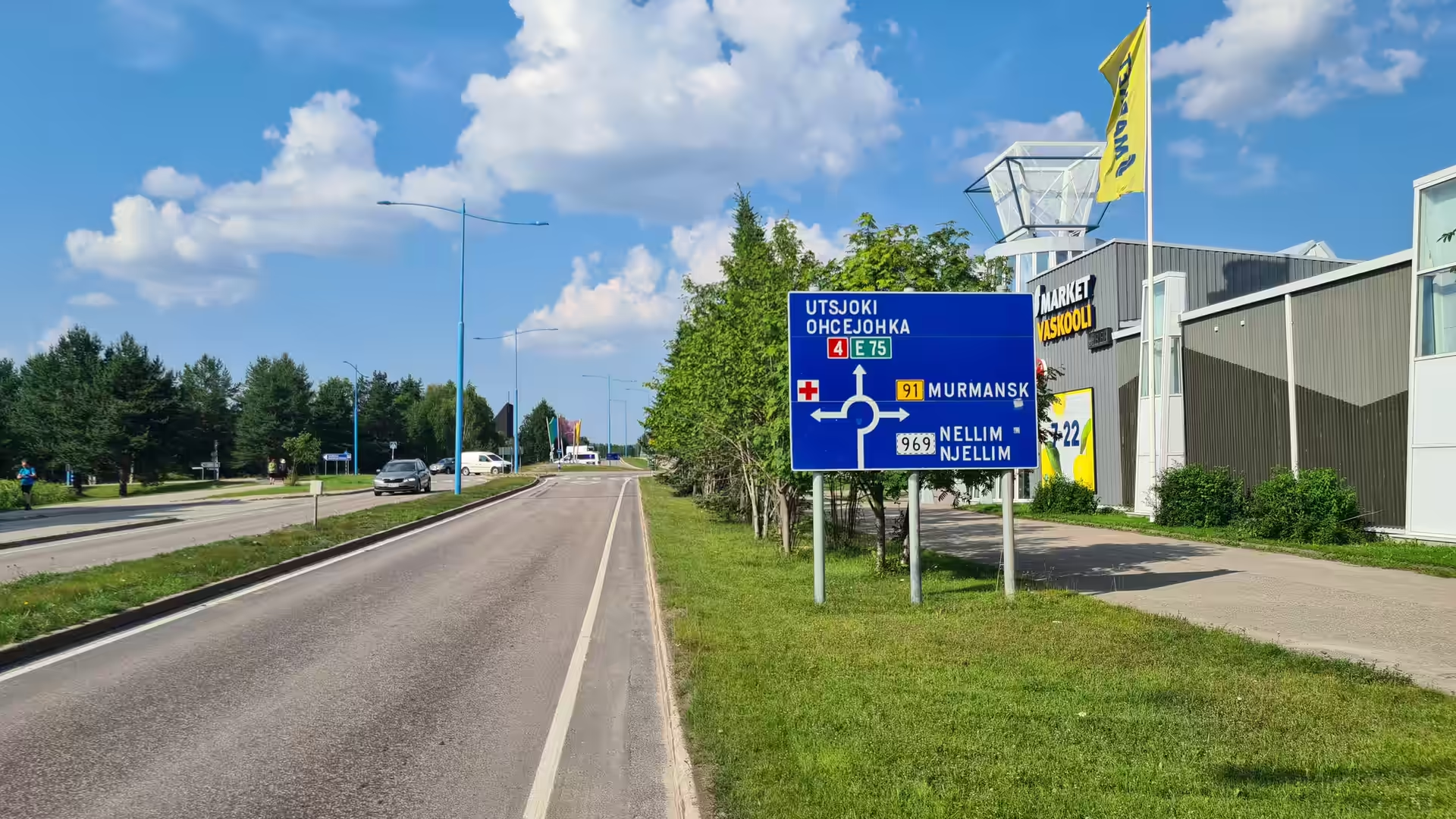
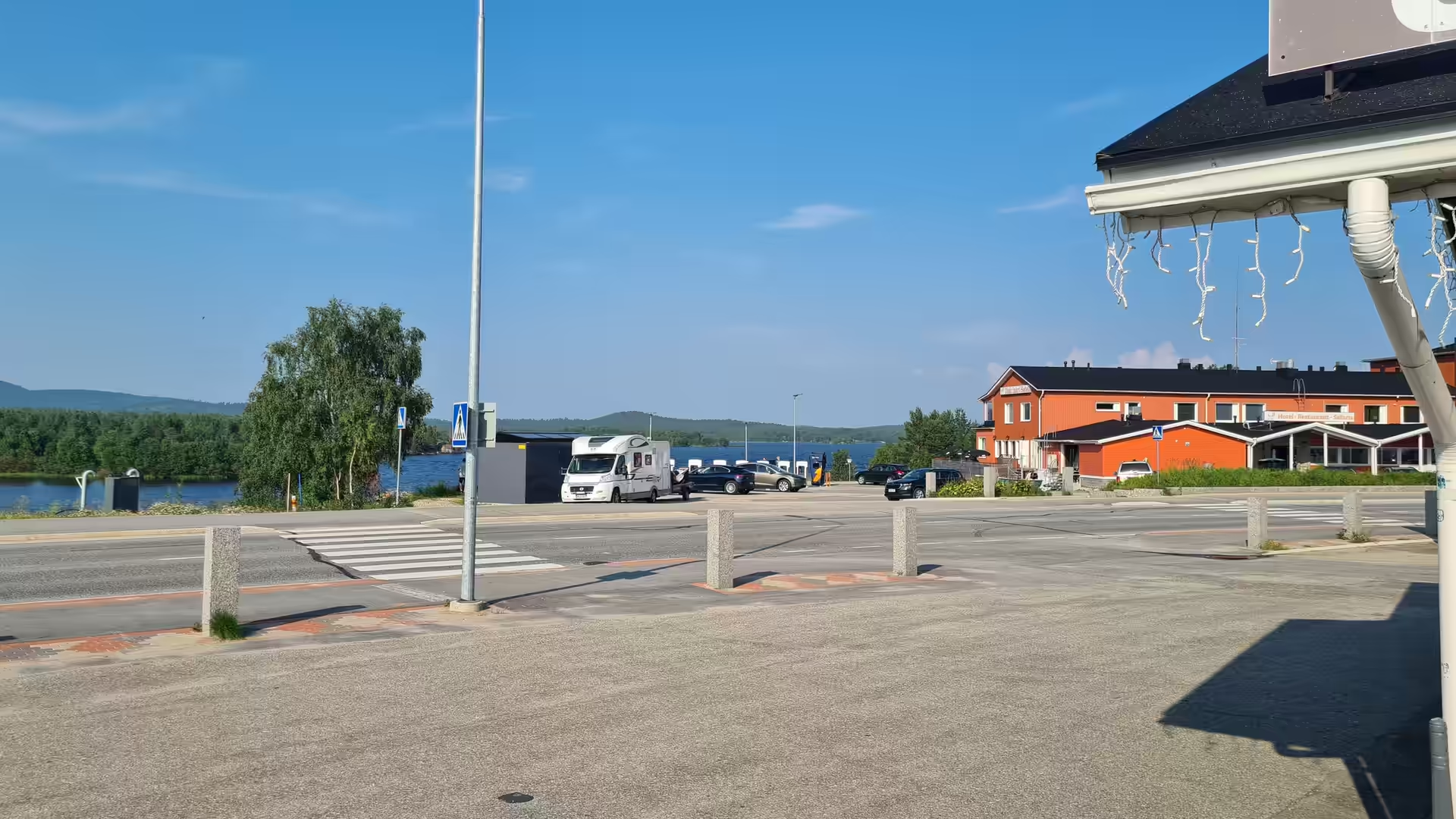
The next town of any size was Ivalo, in the municipality of Inari and the last real centre before the Norwegian border. At the roundabout in the middle of the village a blue sign pointed straight on to Utsjoki, right towards Murmansk and left towards Nellim. A rest area above the lake beyond the village offered fuel, a thermometer on a cabin wall and a place to sit out the afternoon.
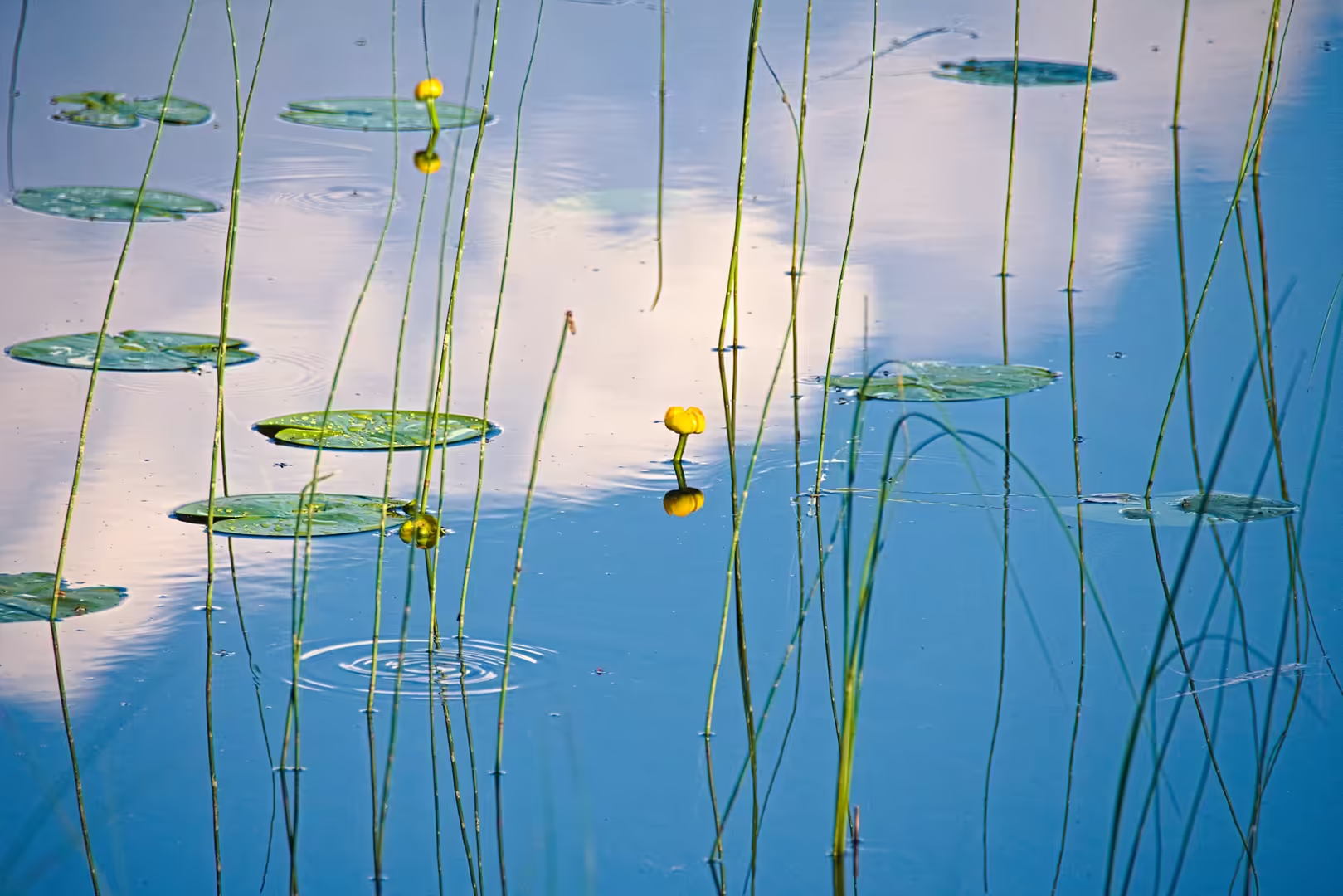
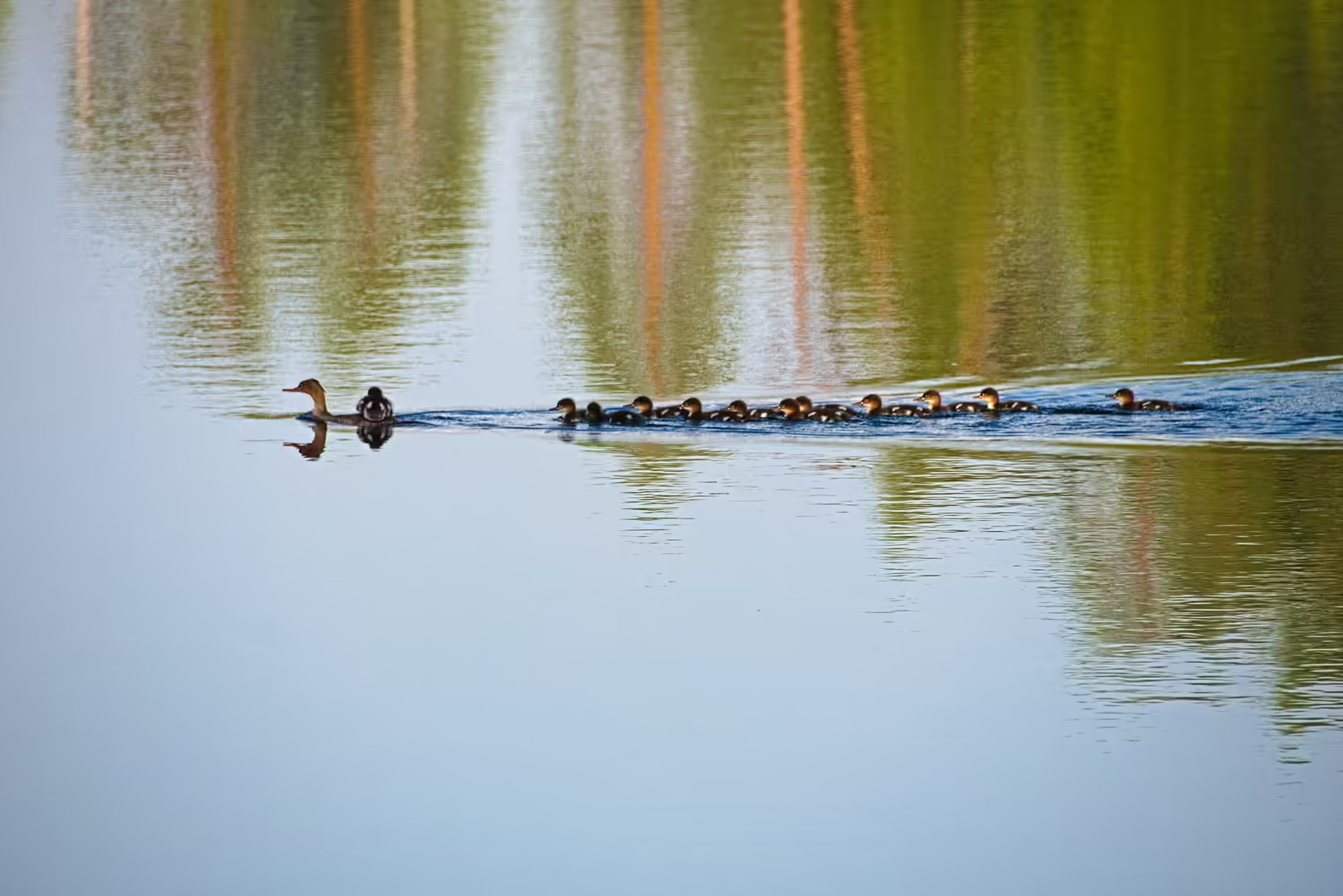
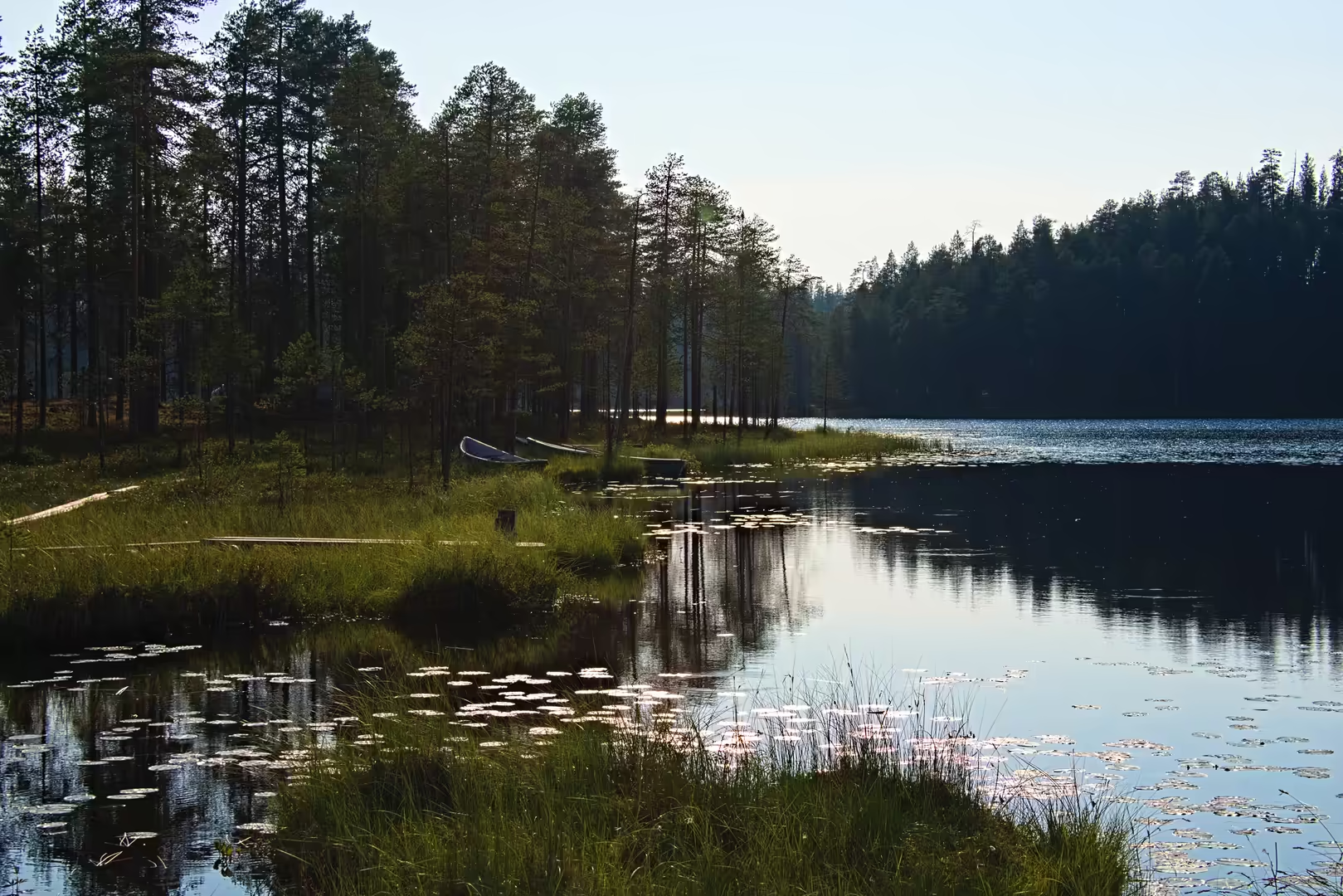
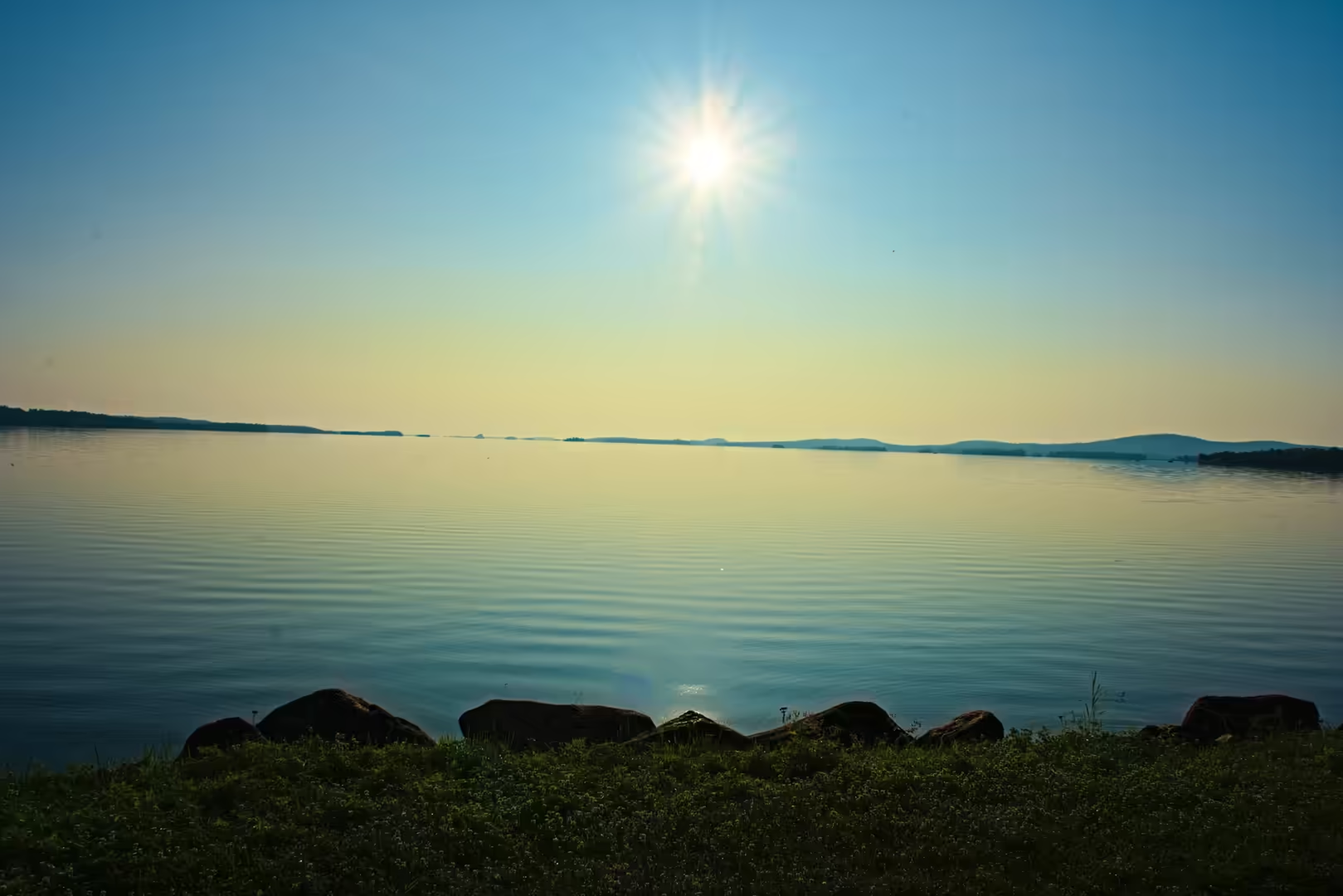
The day ended at Inari, beside the third largest lake in Finland and in the middle of the Sámi homeland. The tent went up in a pine clearing a few steps from the shore, and the evening turned into a slow walk along the water: a mirror still lake with the clouds in it, a birdhouse on a tall pine, yellow water lilies among the reeds, and a mallard leading her brood across the bay.
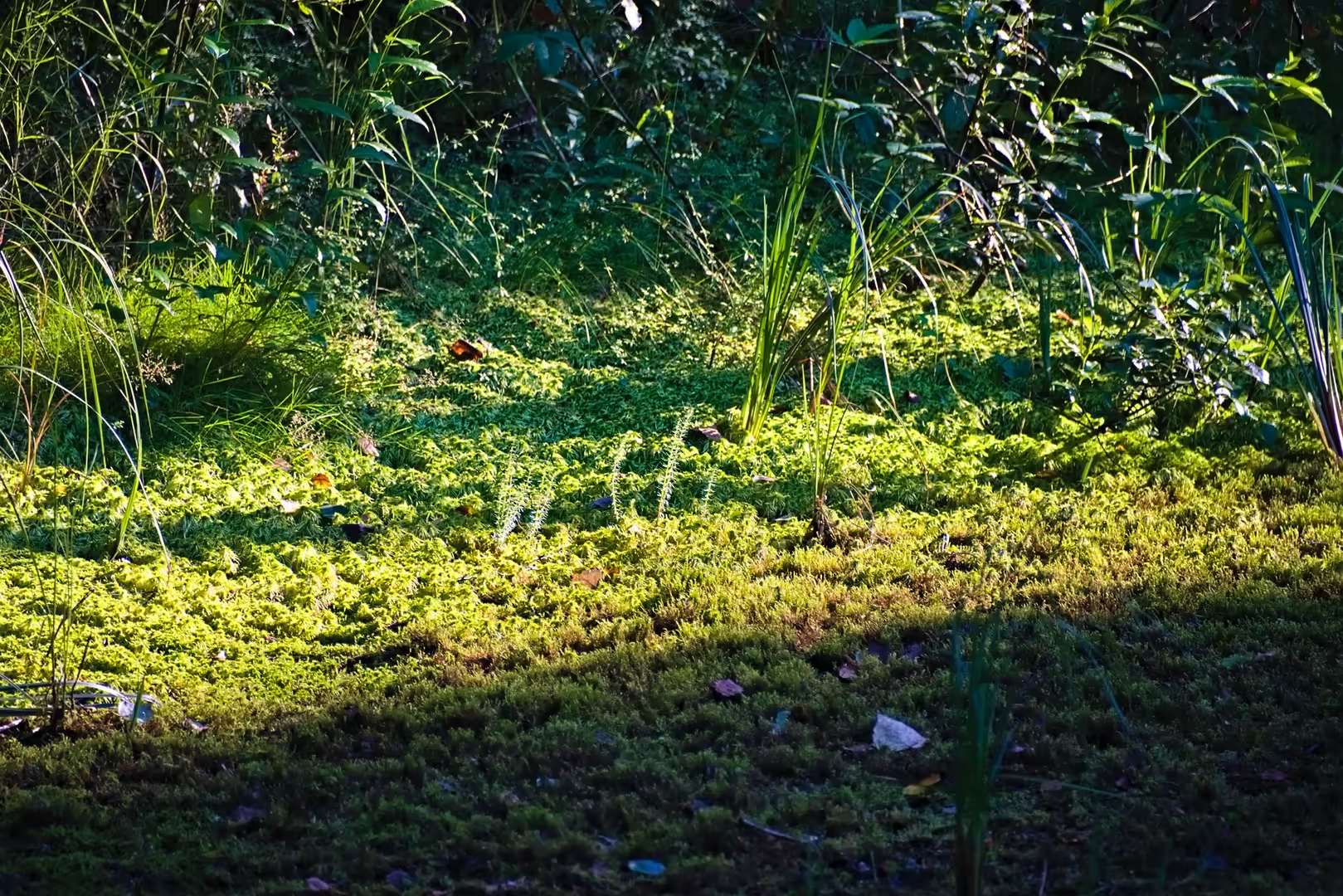
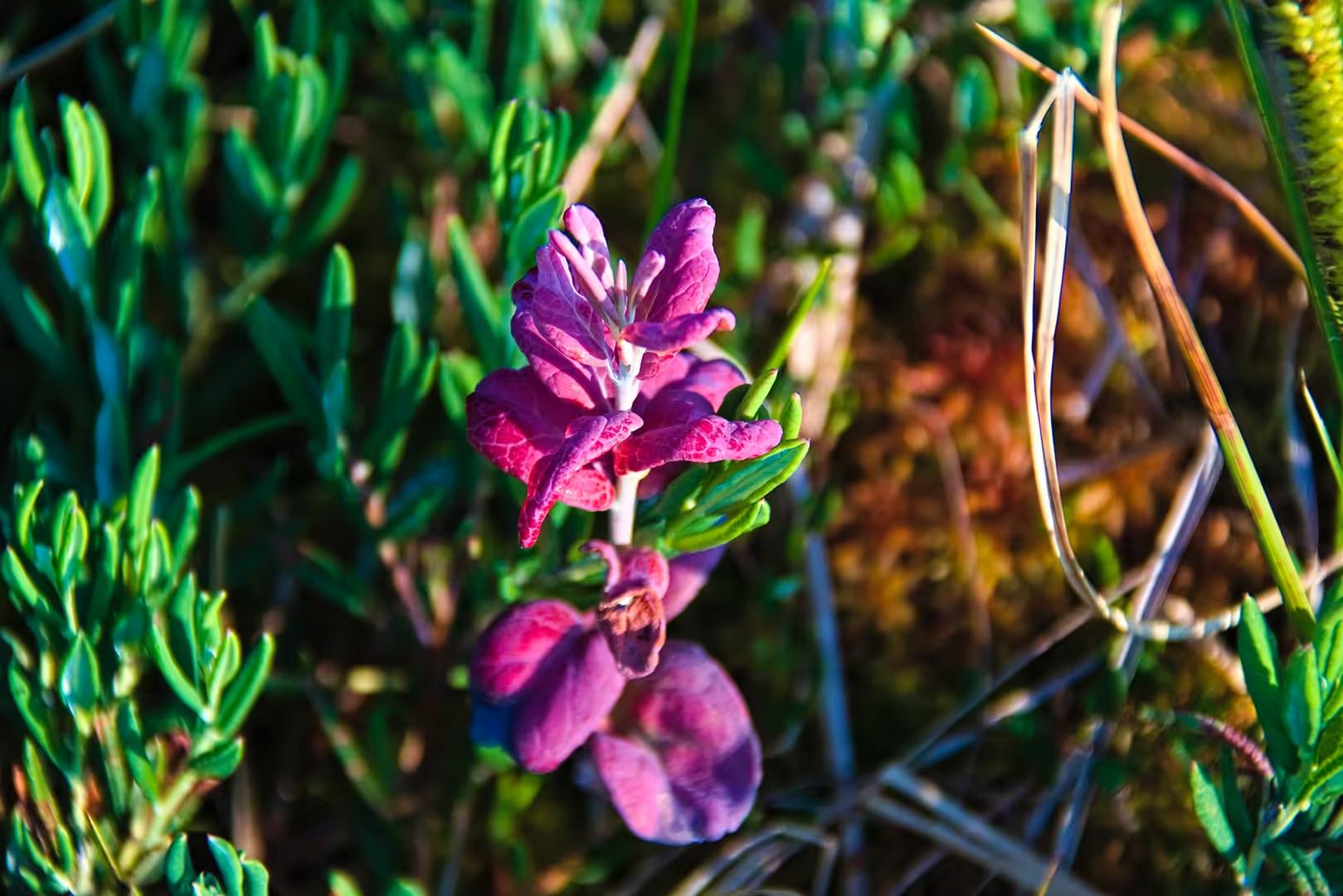
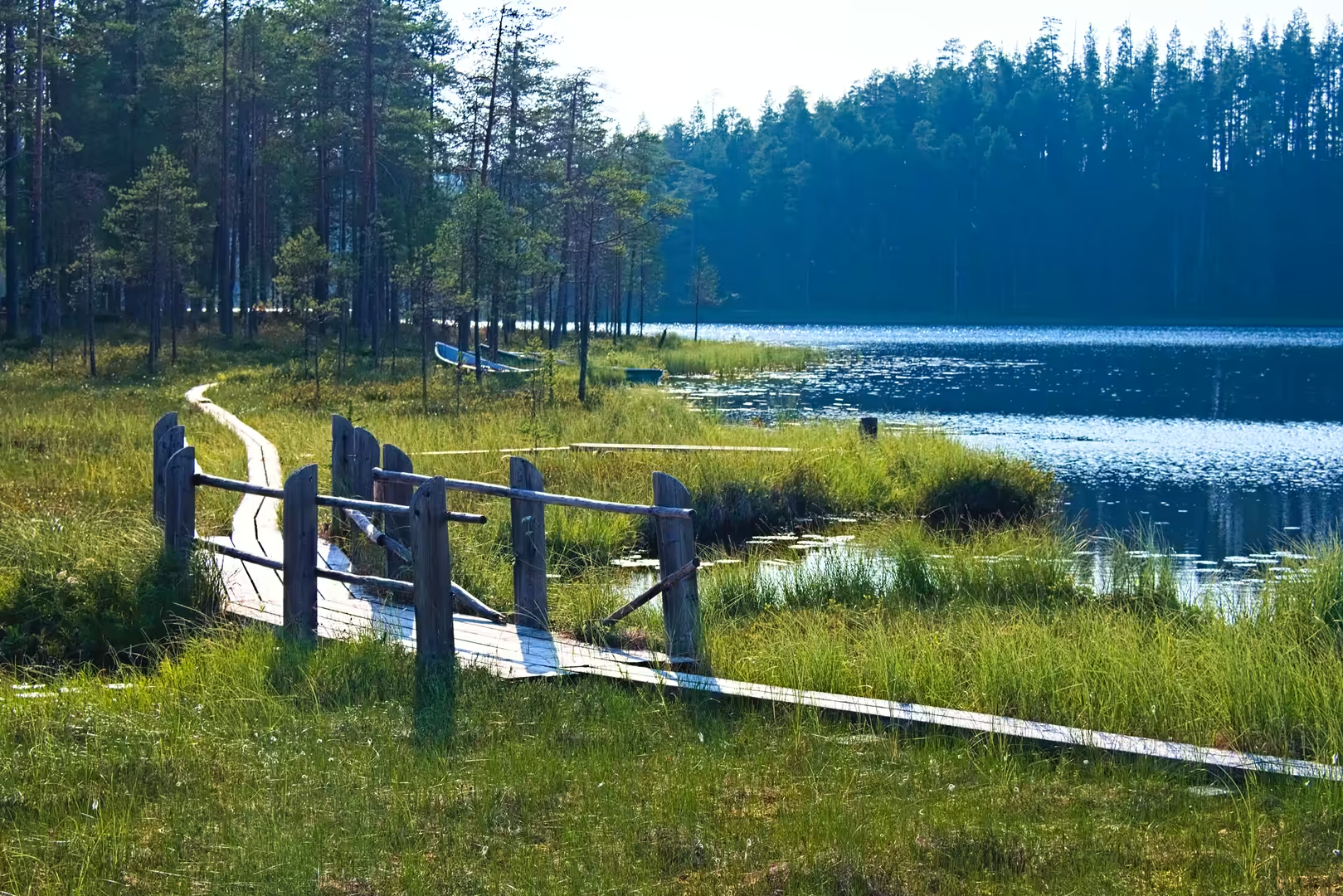
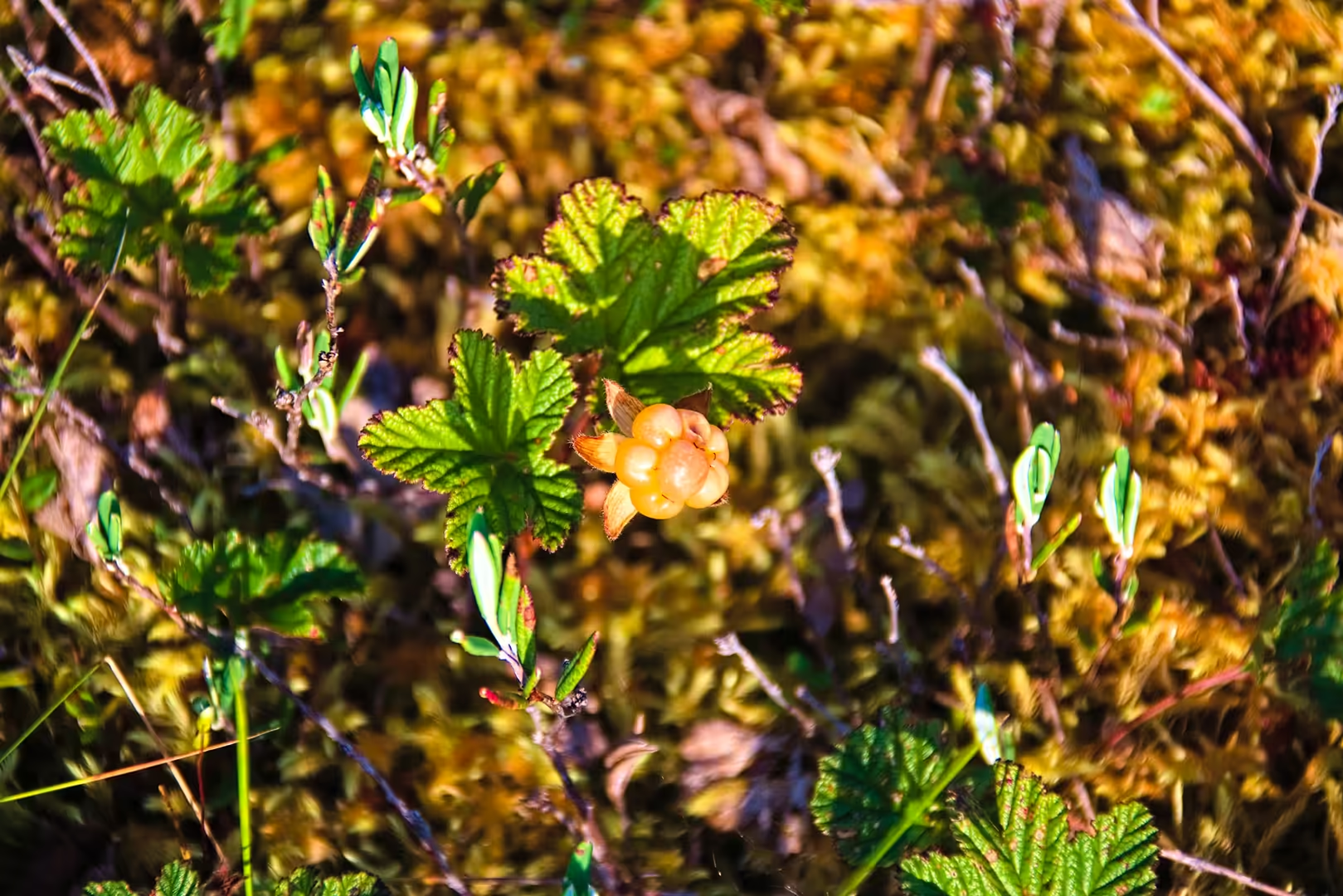
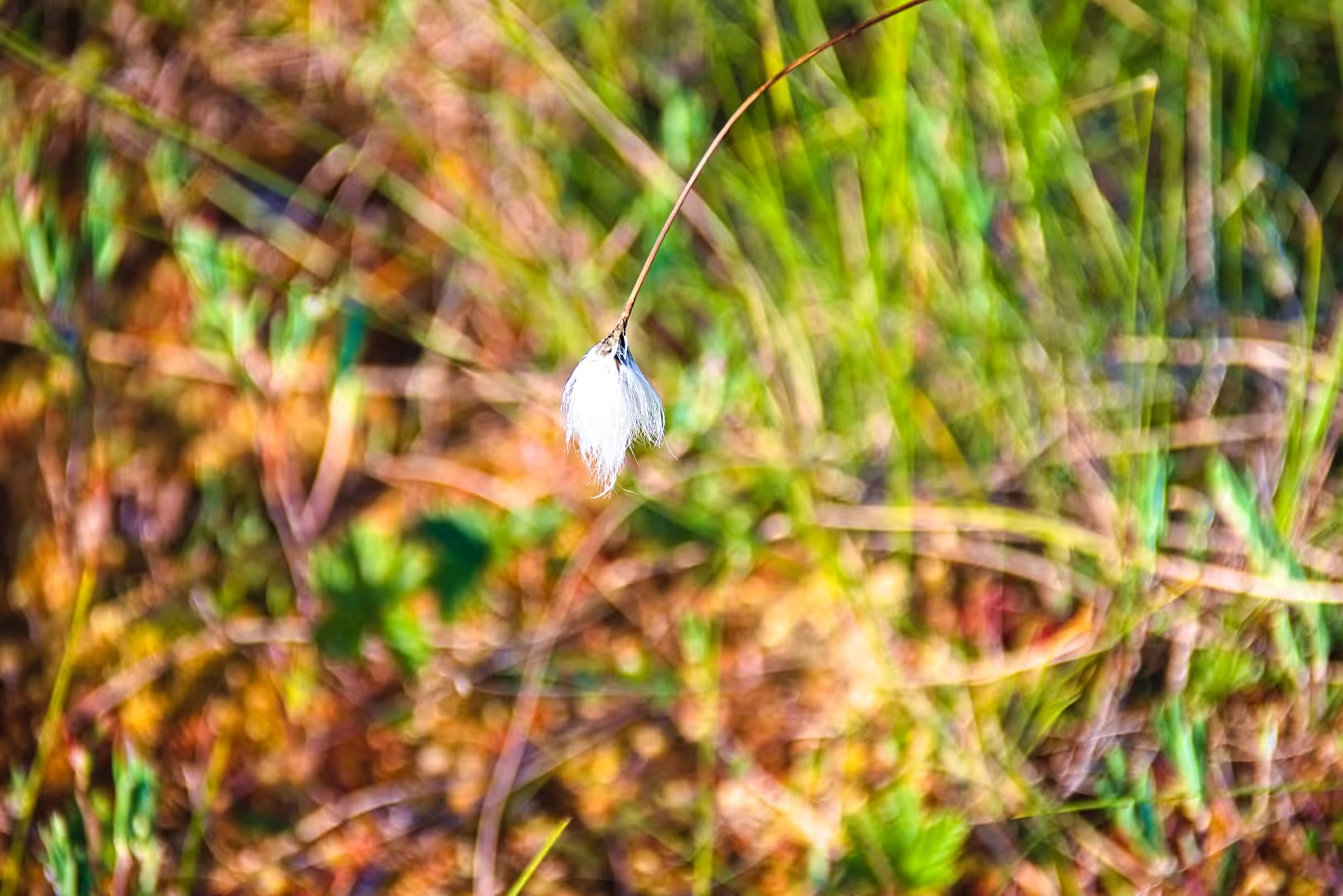
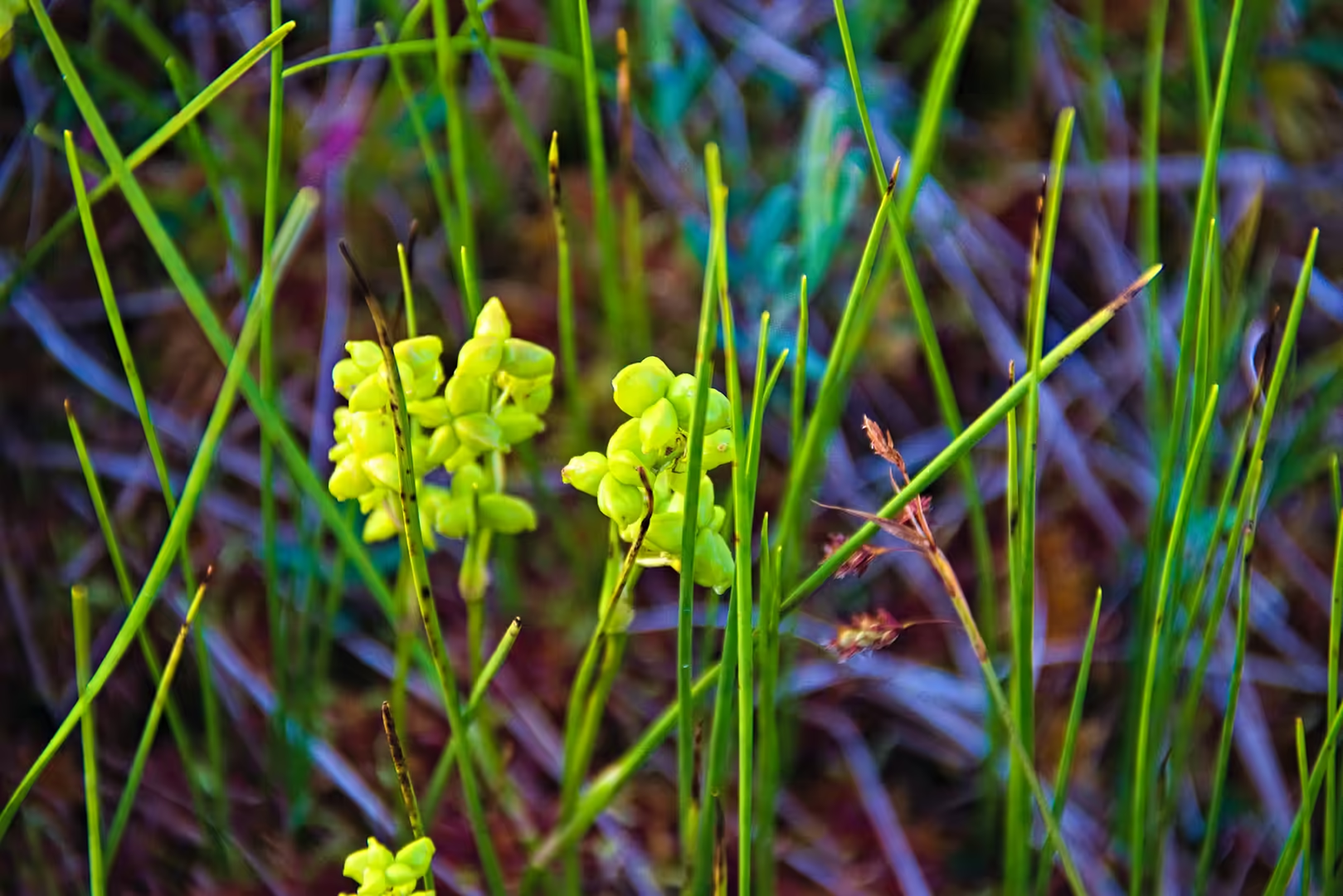
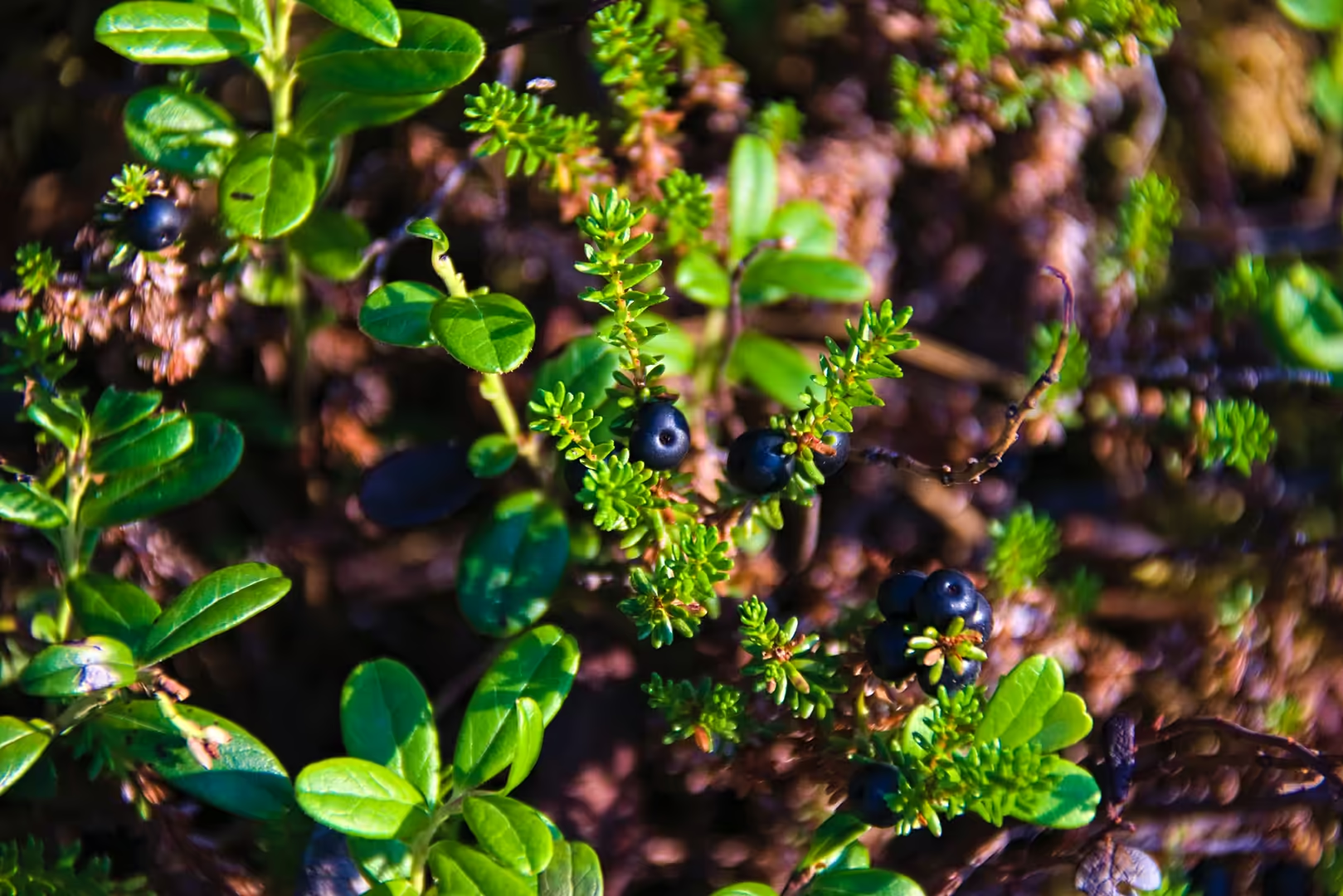
In the bog grass behind the camp the tundra showed its small harvest. Purple wildflowers opened among dry blades, the sphagnum moss glowed orange and gold in the low sun, and a boardwalk carried the path across the wet ground towards the lake. There were ripe golden cloudberries on the leaves, cottongrass on bent stems, and dark wild blueberries ripening in the shade of the pines.
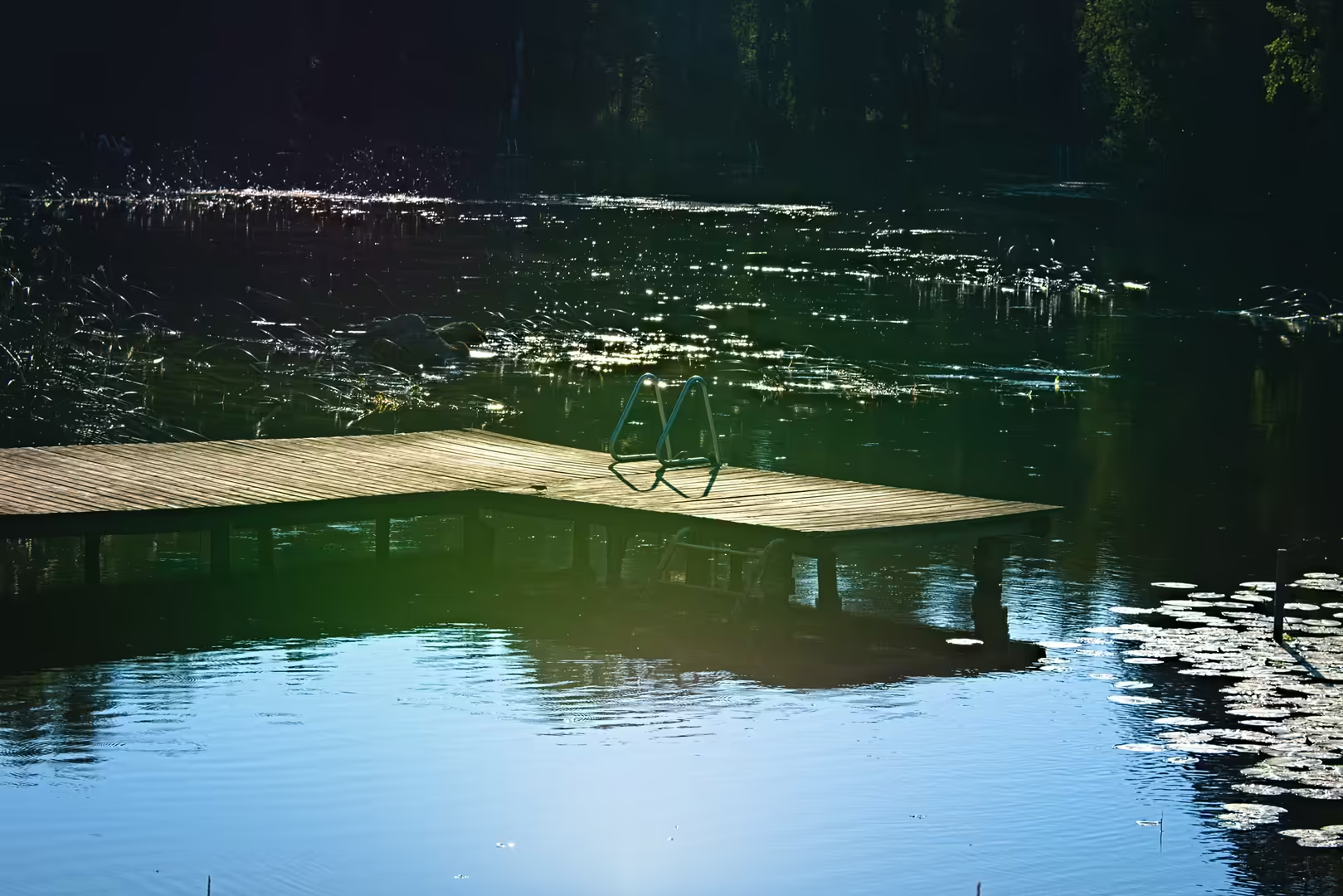
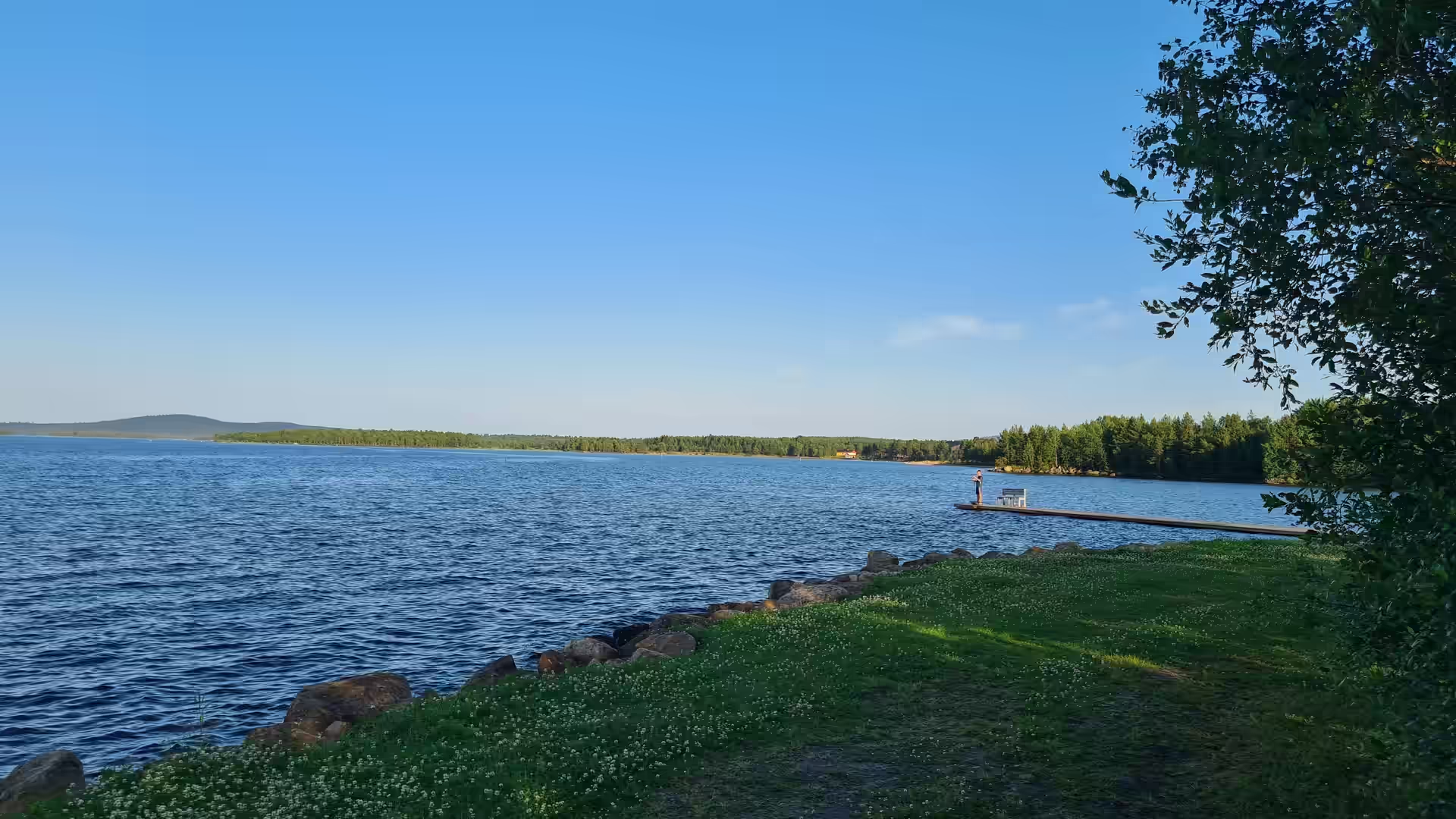
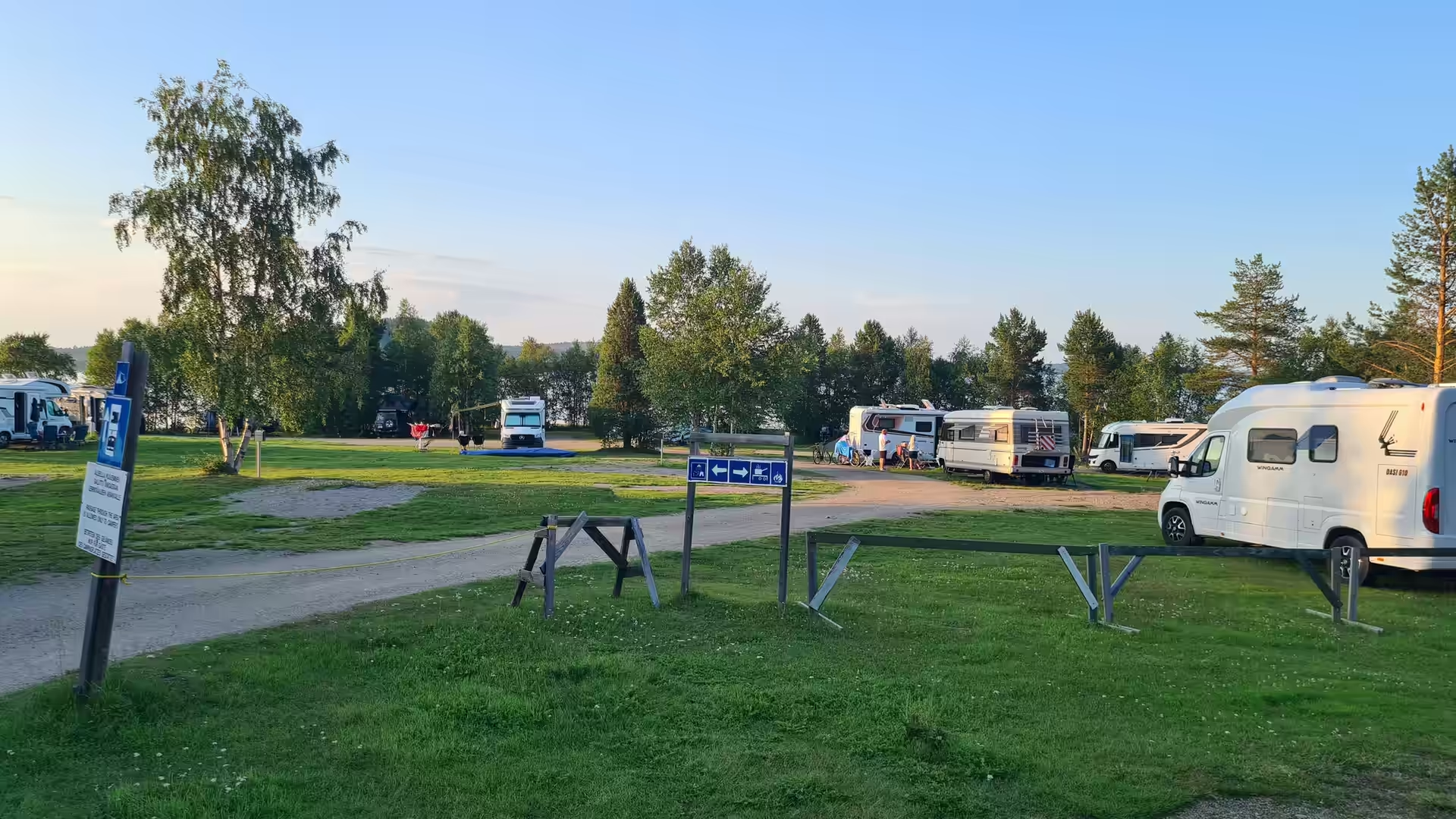
Back at the shore the sun came out for the last hours of the evening. The tent stood in a leaf shadowed clearing, and the lake turned gold: a jetty reaching out over the water, people resting on the warm rocks, and the low sun glittering on the surface. On the far side of the bay red boathouses and a harbour building caught the light, and motorhomes stood among the trees of the campground.
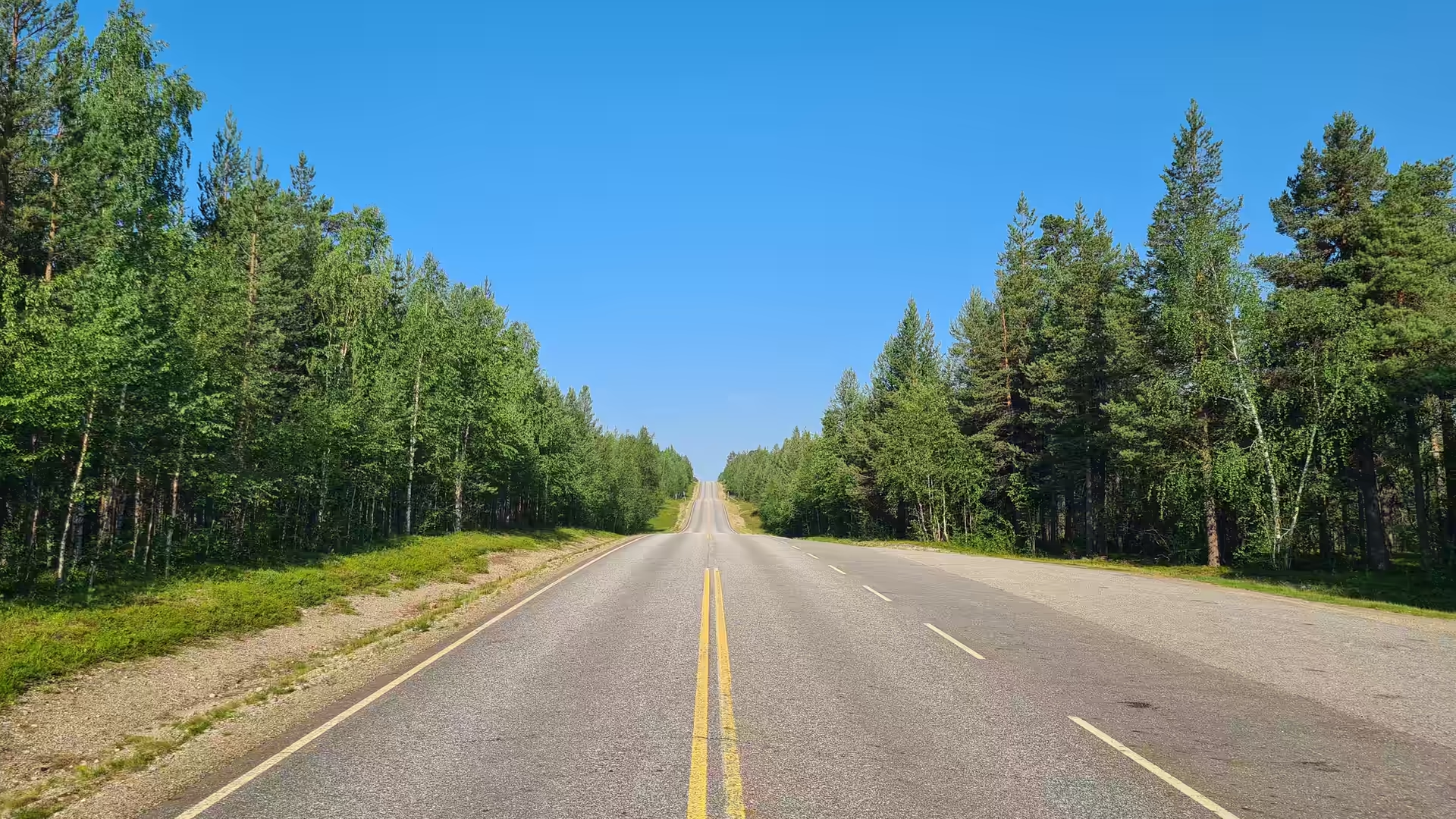
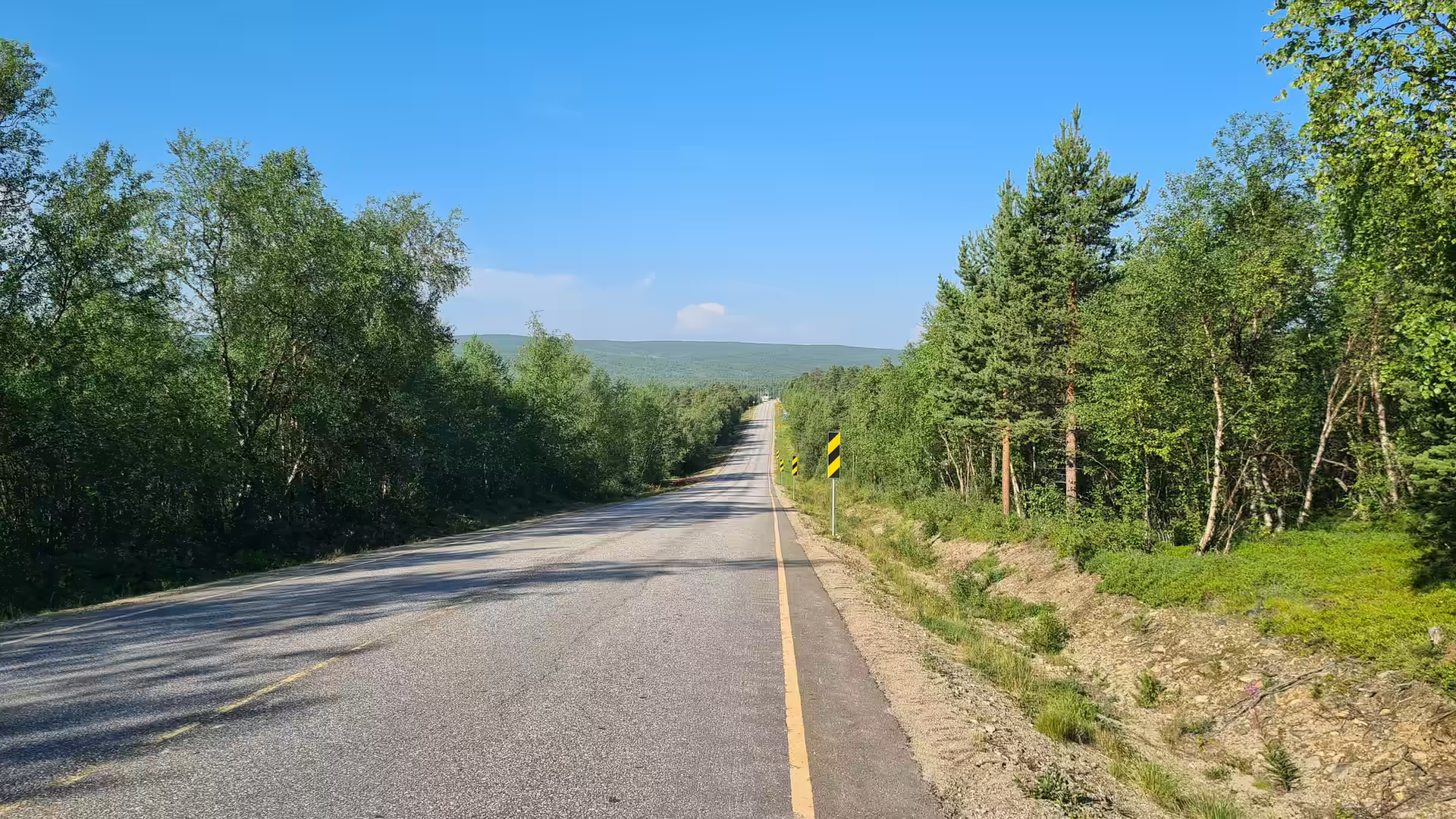
On the last morning of the Finnish stage the road ran north from Inari towards the Norwegian border. A blue sign at the roadside set out the distances in three languages: Nordkapp, or Kåhppa, at 343 kilometres, Karigasniemi at 66 and Karasjok at 87. From there the road was long, straight and almost empty, running through birch and pine until the border country began.
So the stage closed at the northern edge of Finland, and the last morning in Lapland broke over a calm lake and a wooden pier standing out from the shore. It was the end of the Finnish ride and the beginning of the Norwegian one.
In total, the stage covered roughly 1,300 kilometres of riding, from the Gulf of Finland to the North Cape, and it took the journey from the Baltic coast right through the country to the Barents Sea. The riding days were long and the roads were good throughout. Where the south still carried the traffic of the Helsinki corridor, the north gave mile after mile of empty forest road with nothing but lakes, pines and the occasional reindeer to break the line of the horizon.
Seen in the context of the whole journey, this track is the second stage of the run to the North Cape. It carries the route from the ferry port across the Finnish lakeland and the Arctic Circle to the coast of Finnmark, and it covers the whole length of Finland in four days of riding. What gave the stage its character was the slow change of country: the wooded lakes of the south, the wide forest plateau of Kainuu and Koillismaa, the open fell country of Lapland, and finally the bare coast of the Arctic.