2026 South East Europe 3 - Romania
6 September 2026


















Journal Notes
General
Romania is a country of south eastern Europe, lying on the lower Danube and the shores of the Black Sea. It is bounded by Ukraine and Moldova to the north and east, and by Hungary, Serbia and Bulgaria to the west and south, and it covers an area of about 238,000 square kilometres, among the larger states of the region. The capital and largest city is Bucharest, and the population of the whole country numbered about 19 million at the 2021 census. The official language is Romanian, a Romance language, and the country is a parliamentary republic, a member of NATO since 2004 and of the European Union since 2007.
The land is dominated by the great arc of the Carpathian Mountains, which curve through the centre of the country from north to south, and by the Danube, which forms the frontier with Bulgaria before turning north into the interior and then east to the Black Sea, where it spreads into a vast delta. Within the mountain ring lies the basin of Transylvania, while the plains of Moldavia and Wallachia fall away on either side and the steppe of Dobruja reaches to the sea.
Although a modern state, Romania keeps a strong rural life, and much of the country is given over to farming, to the rearing of livestock and to viticulture. The villages of the land are noted for their wooden architecture, their painted monasteries and their folk traditions, and the countryside is among the most distinctive in Europe.
The regions of Romania differ sharply, from the mountain Carpathians to the Saxon and Hungarian villages of Transylvania, from the oil fields and the grain lands of Wallachia to the vineyards of the hills and the steppe of Dobruja. The people are a mixture of Romanians with Hungarian, Roma and German minorities, and the towns keep both the Orthodox churches and the baroque and secessionist architecture of a polyglot past.
Bucharest, the capital, grew on the plain of Wallachia, and its broad boulevards, its parks and its nineteenth century residences contrast with the villages of the interior. The many towns of the country, from the old Saxon cities of Transylvania to the ports of the Danube, each keep a particular character, and the Black Sea, with its coast and its great delta, completes the range of a land that stretches from the mountains to the sea.
History
The territory of Romania was inhabited from antiquity by the Dacians, whose kingdom was conquered by the Romans under Trajan and made the province of Dacia in 106. Roman rule lasted until 271, and the Latin speech and the people of the province gave rise to the Romanian language and the Romanian people. After the withdrawal of Rome the land was crossed by successive peoples, and in the Middle Ages three principalities grew up: Wallachia and Moldavia beyond the Carpathians, and Transylvania within, the last held by the Hungarian crown.
Wallachia and Moldavia were drawn into the orbit of the Ottoman Empire, and their princes, among them Stephen the Great of Moldavia and Michael the Brave of Wallachia, were famous for their resistance to the Turks and their patronage of the Orthodox church. They founded the monasteries and the painted churches that cover the land, and their courts were centres of learning and of the Orthodox faith. The eighteenth and nineteenth centuries brought a national awakening, and in 1859 Wallachia and Moldavia chose the same prince, Alexandru Ioan Cuza, and united; the union became the Kingdom of Romania in 1881, and the country gained independence from the Ottomans after the war of 1877.
At the end of the First World War Romania gained Transylvania, Bukovina and Bessarabia, and the interwar state was known as Greater Romania. It joined the Axis before changing sides in the Second World War, and after the war a communist republic was imposed, ruled from 1965 with increasing severity by Nicolae Ceaușescu. The revolution of December 1989 ended his rule and led to a transition to democracy, and Romania joined NATO in 2004 and the European Union in 2007.
The nineteenth century saw the building of the modern state, its railways, its schools and its new capital on the model of the west, and the period between the wars was one of the most fertile in Romanian culture. Since 1989 the country has moved gradually toward Europe, and its economy has grown on the strength of its agriculture, its energy and the new industries of the interior, while the villages and the monasteries of the land have kept the old ways.
Geology
Romania is dominated by the Carpathian Mountains, a fold and thrust belt of the Alpine orogeny that runs through the country in a great arc. The Eastern Carpathians, the Southern Carpathians and the Western Carpathians are built of crystalline rocks, sedimentary strata and, along the inner edge, a line of volcanic mountains. The higher ranges rise above 2,500 metres, and the mountains are among the wilder parts of Europe, the home of the last great populations of large mammals.
Within the arc lies the Transylvanian Basin, a broad sedimentary depression filled with Miocene and later deposits, rich in salt, natural gas and coal and ringed by the wooded slopes of the mountains. Beyond the arc the land falls in steps toward the plains, and the Moldavian Plateau, the Wallachian Plain and the Dobruja to the east carry the agricultural heartland of the country, their loess and alluvial soils thick and fertile.
The Danube, crossing the south of the country, has built a vast delta at its mouth on the Black Sea, a wetland of reed, willow and open water of great importance for birdlife, and the river’s flood plain and the gorges of the Iron Gates are among the great natural features of the land. Hydrothermal springs, caves and the karst of the mountain limestone add to a geology that is both varied and spectacular.
The Carpathians are also the source of the many rivers of the country, and their valleys and passes have always been the routes of trade and of migration. The plains to the south and east are among the most fertile of Europe, and the rotation of wheat, maize, sunflower and vines has shaped the agricultural landscape that the traveller meets, while the foothills and the terroir of the vineyards produce some of the distinctive wines of the region.
Things to See
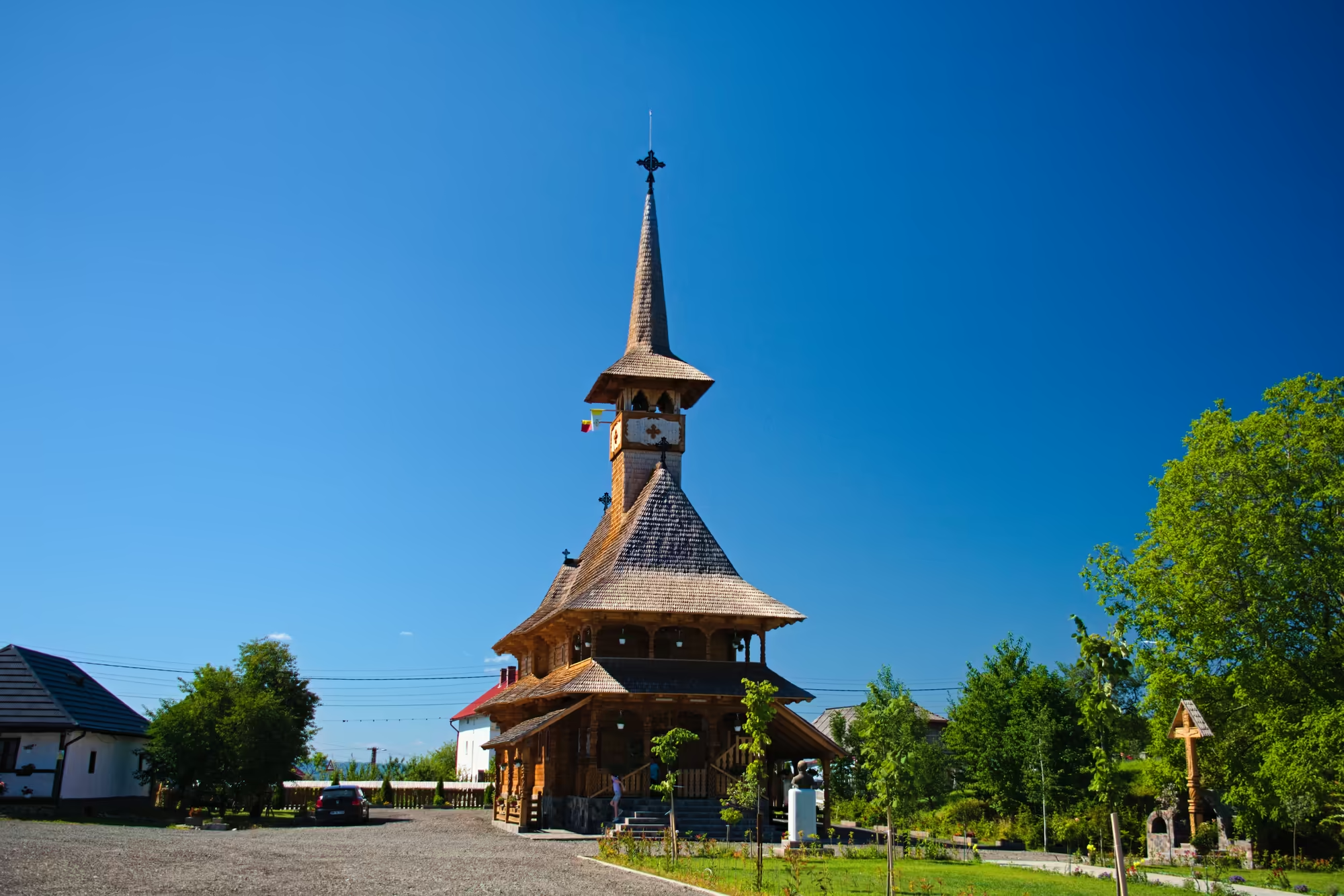
The most striking of the sights of this part of Romania are the wooden churches of Maramureș, the tall churches of split oak and fir whose slender spires rise above the villages of the region, their rows of shingles rising to a pointed cross. Built from the fourteenth century, they carry on the timber building tradition of the Carpathians and are entered on the UNESCO World Heritage List, and the greatest of them, with their carved doors, their porches and their painted interiors, are among the finest wooden monuments of Europe.
Maramureș is also the home of the great carved wooden gates of the villages, the tall porched gates that stand before the farmsteads, and of a folk architecture of timber and shingle that has been preserved through the centuries. The villages of the northern region, with their small houses, their wooden churches and their hayricks, give a picture of a way of life that has remained close to its old forms.
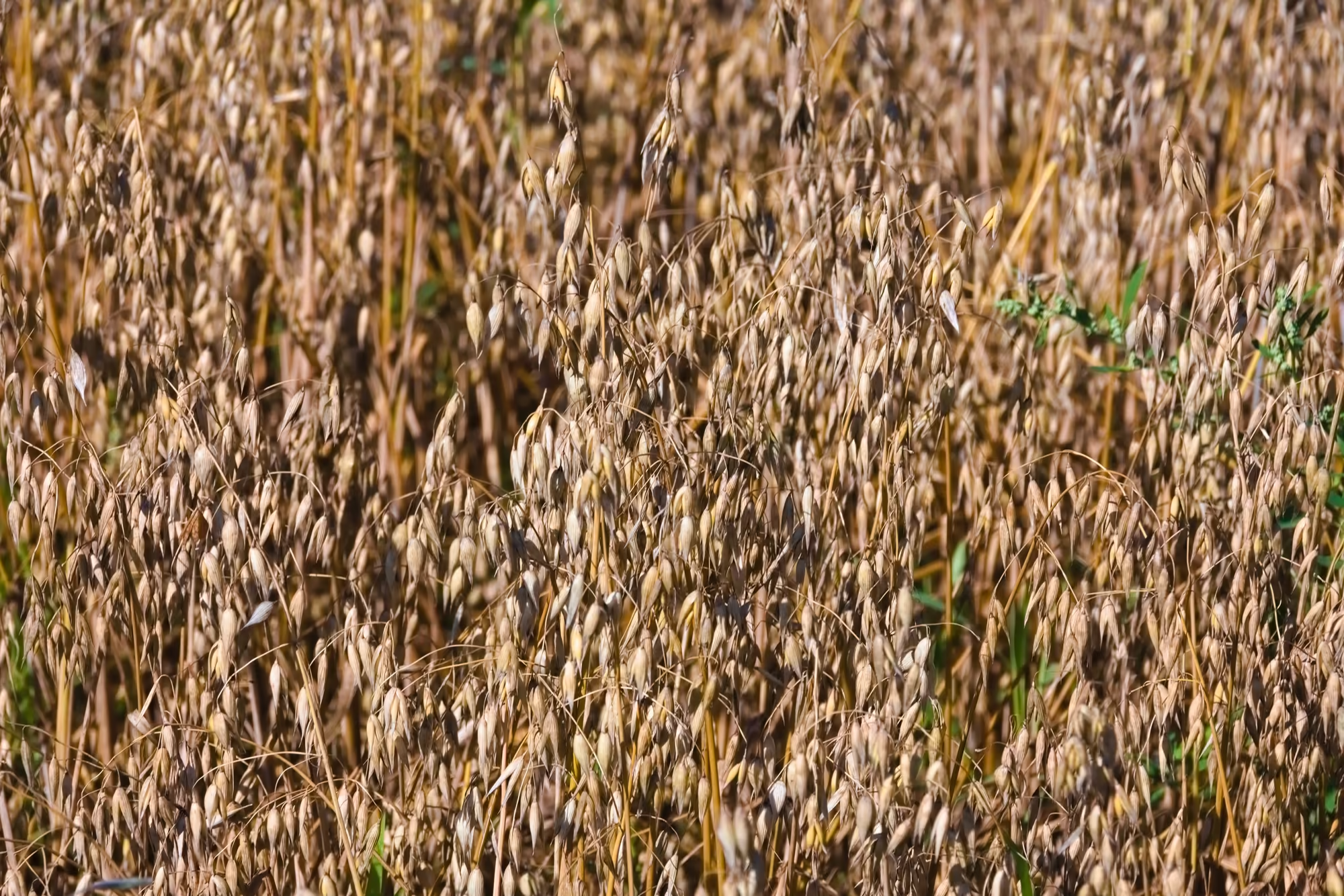
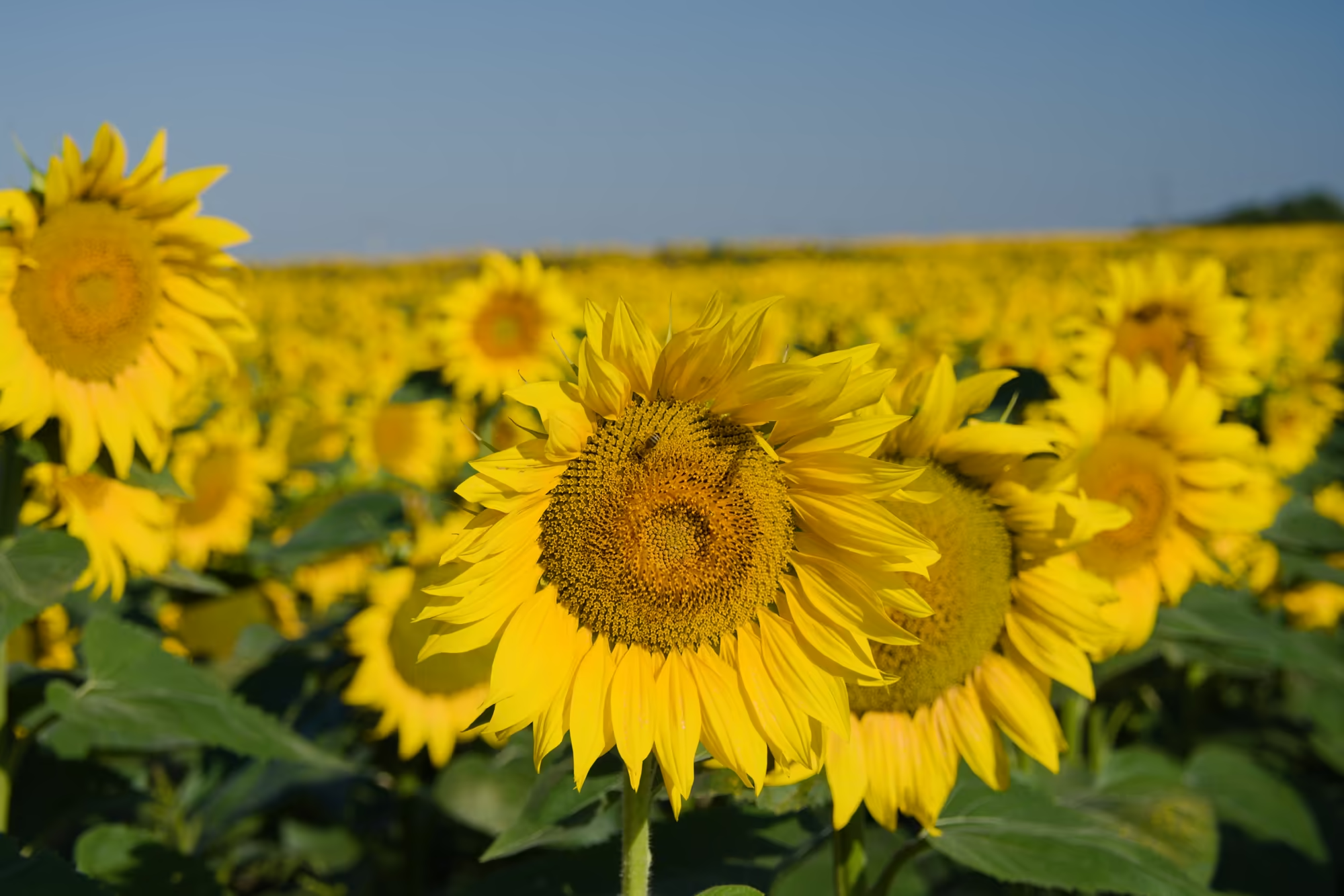
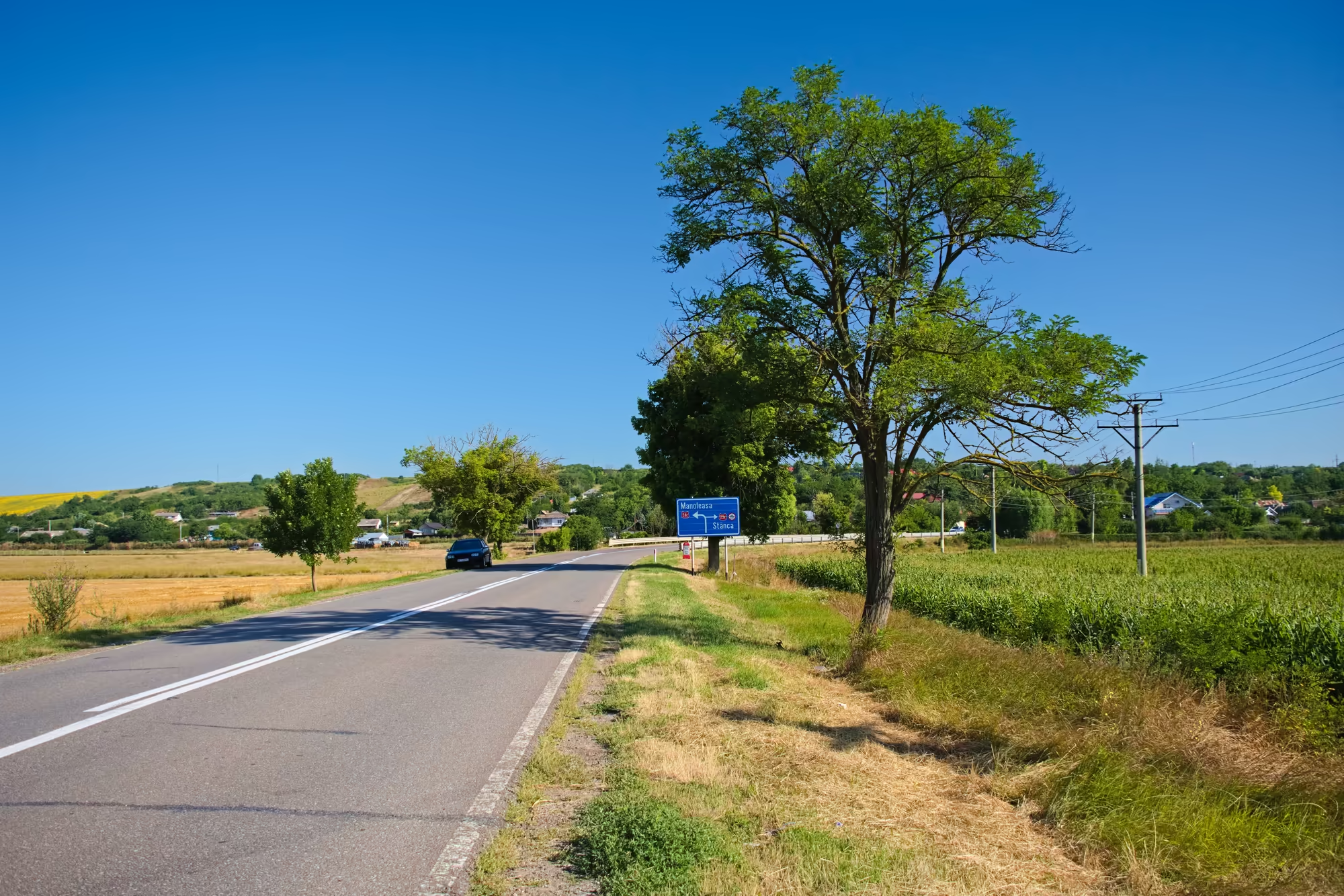
The land that the route follows to the east is the rolling countryside of the Moldavian plain, a landscape of wide fields and quiet villages that runs to the river Prut and the frontier. Here the arable land is given over to the growing corn, the sunflower and the wheat, and the roadside is marked by the tall crosses and the wayside shrines of the Orthodox world. The towns of Manoleasa and Stânca stand in this country, near the line of the boundary with the neighbouring republic.
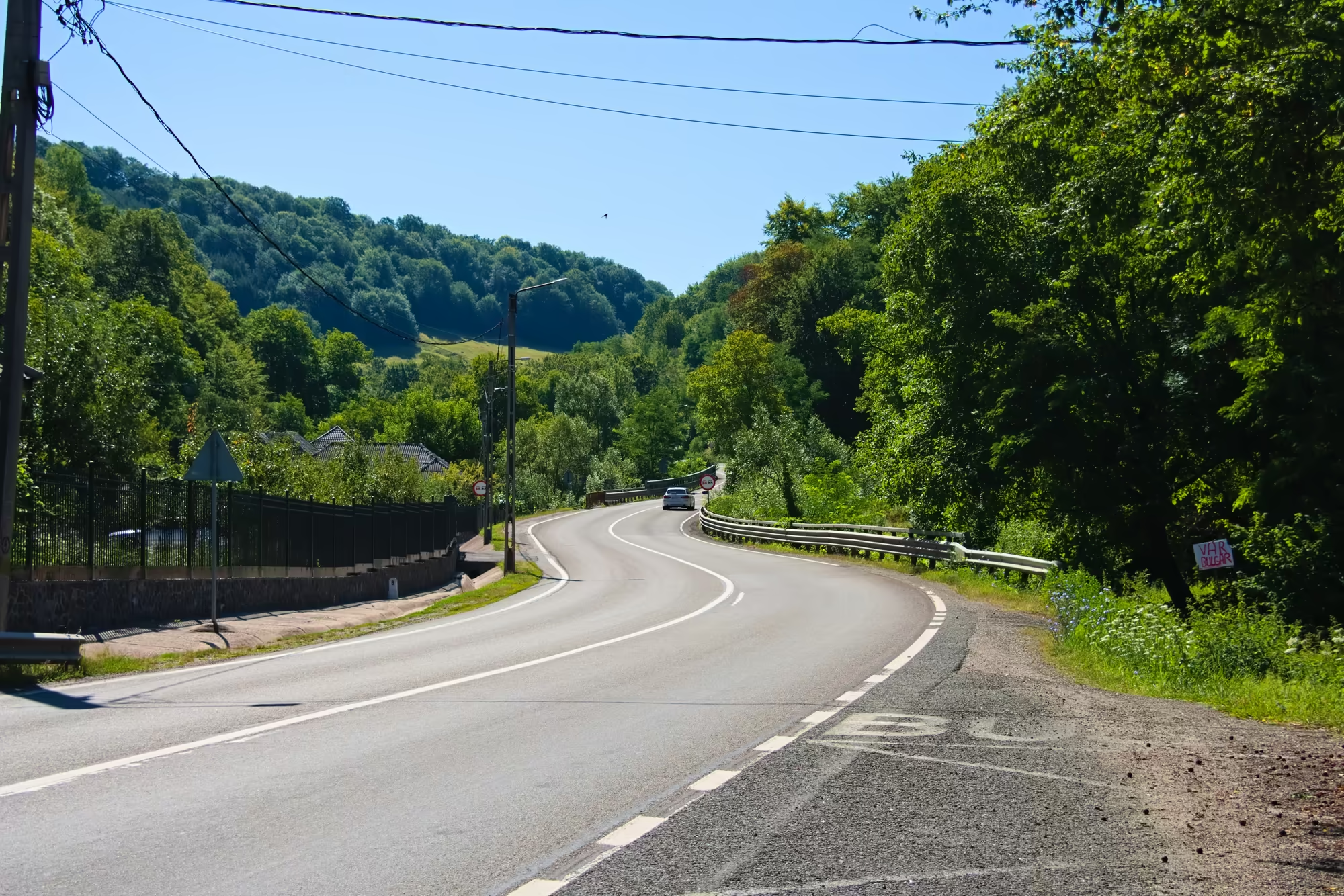
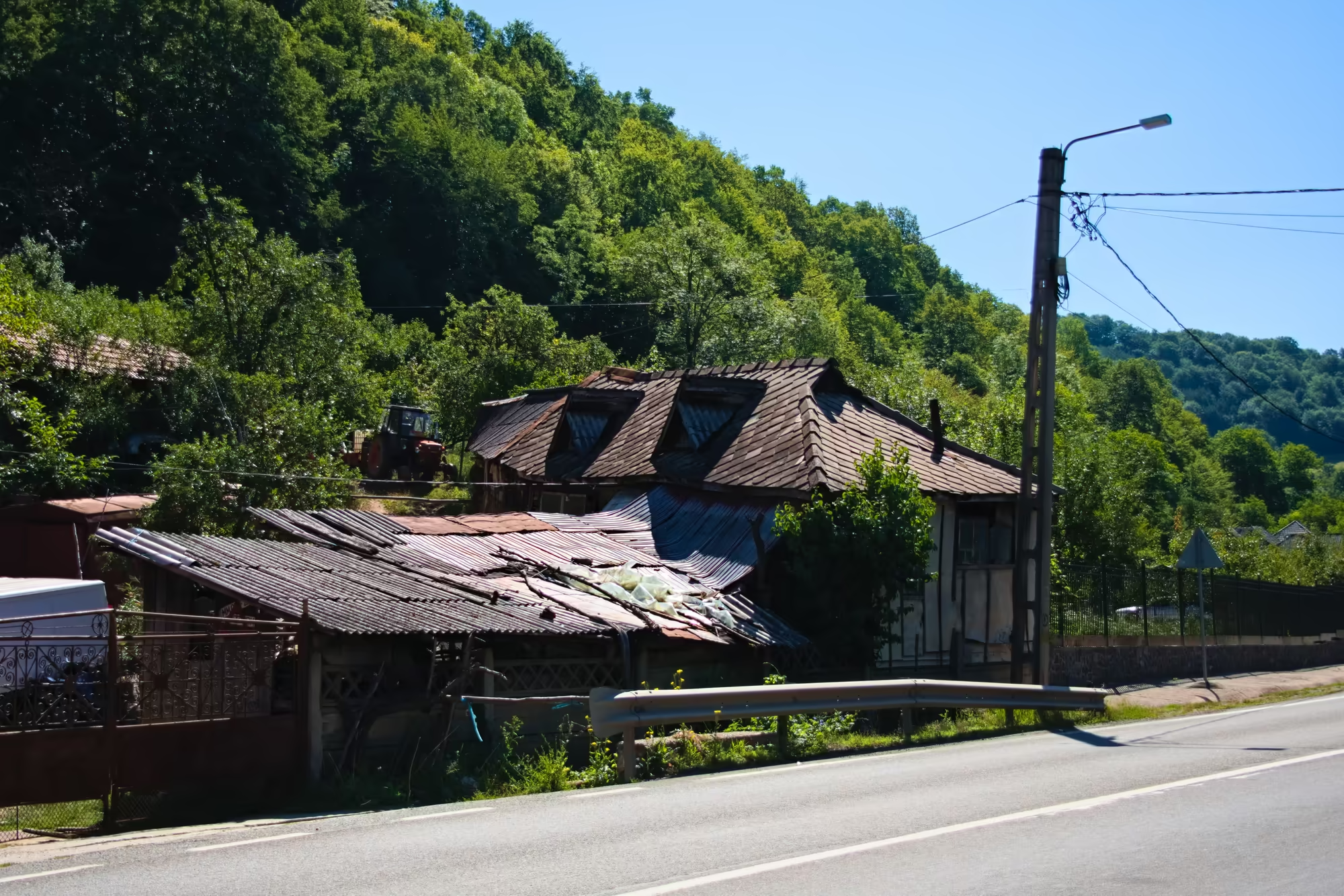
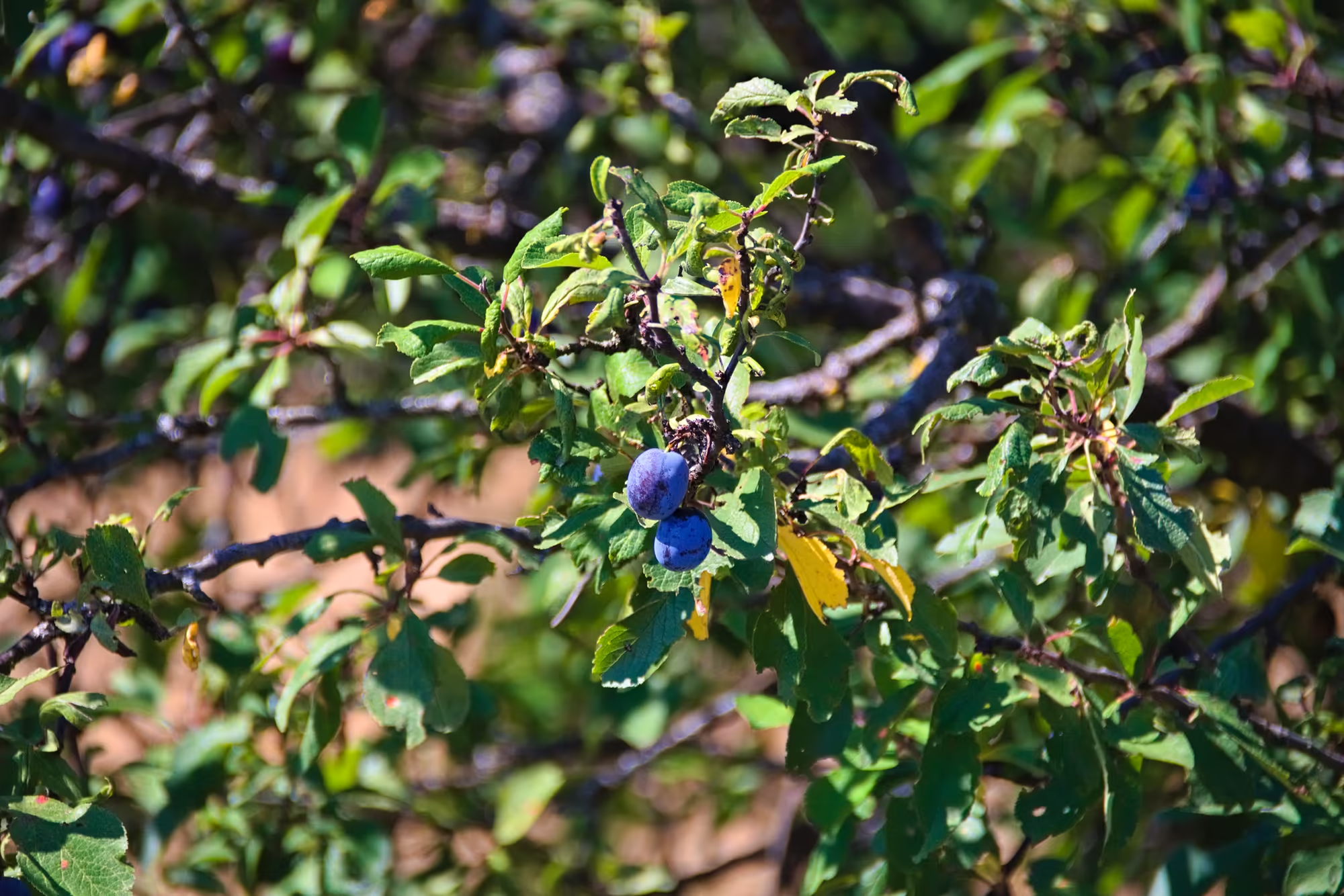
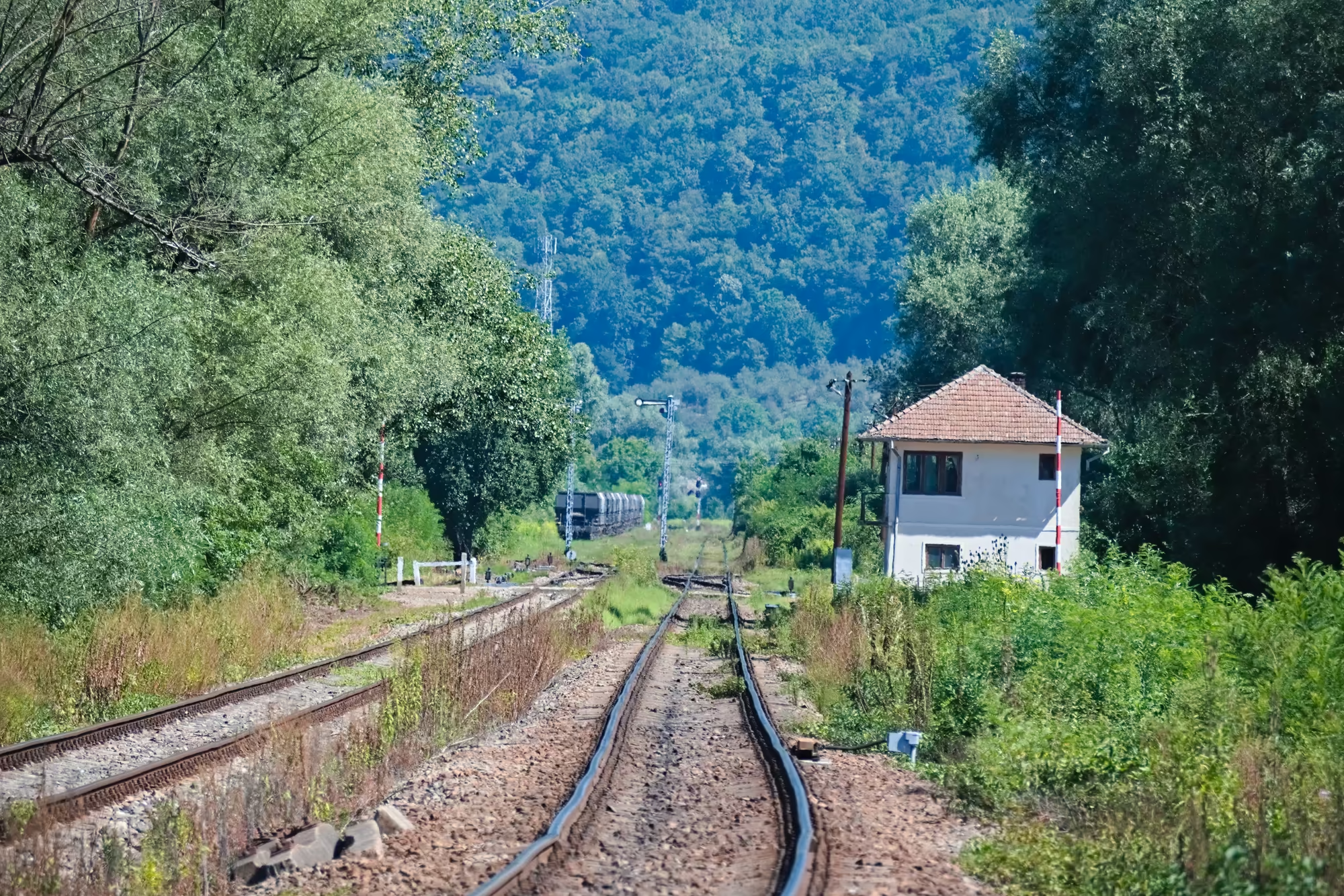
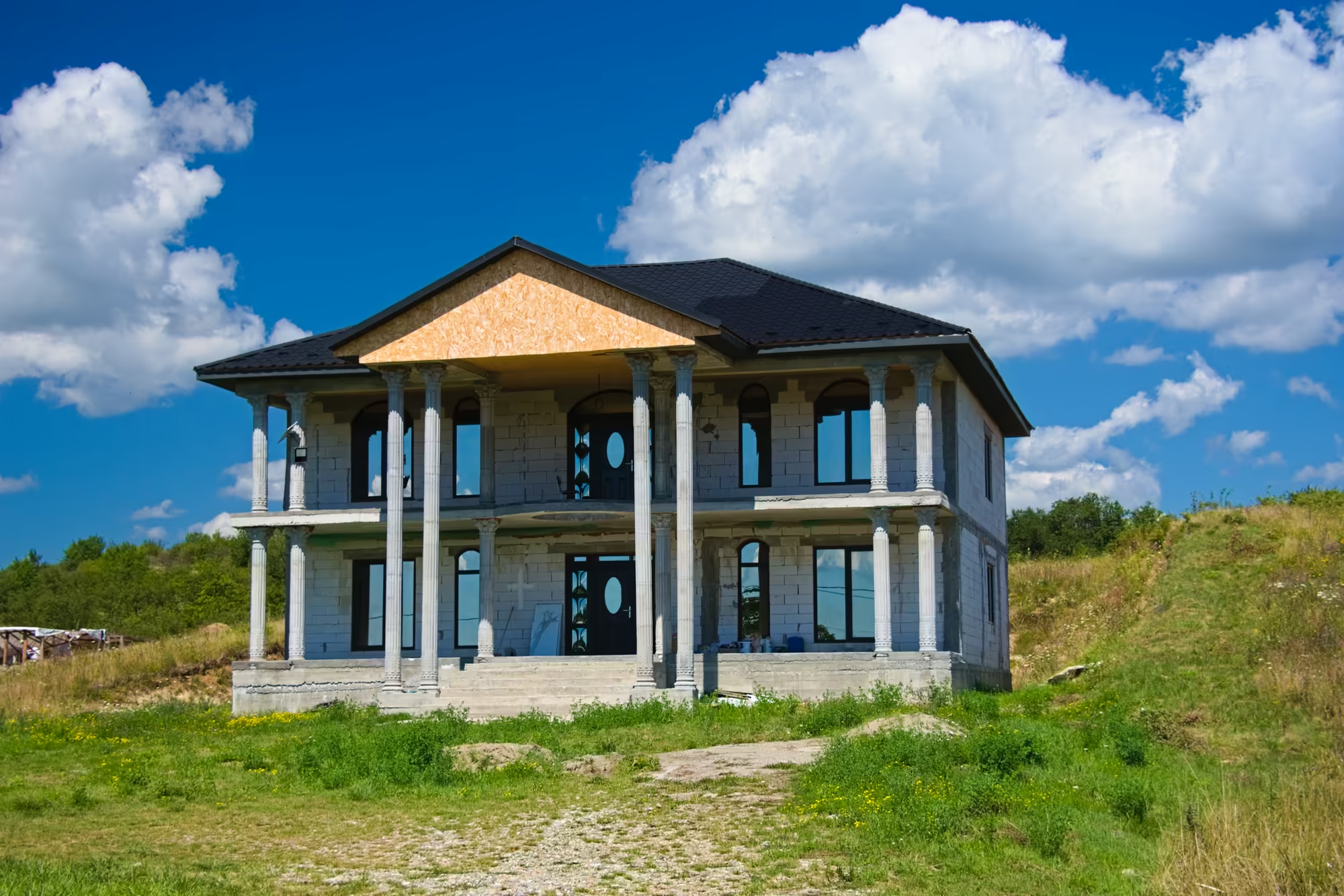
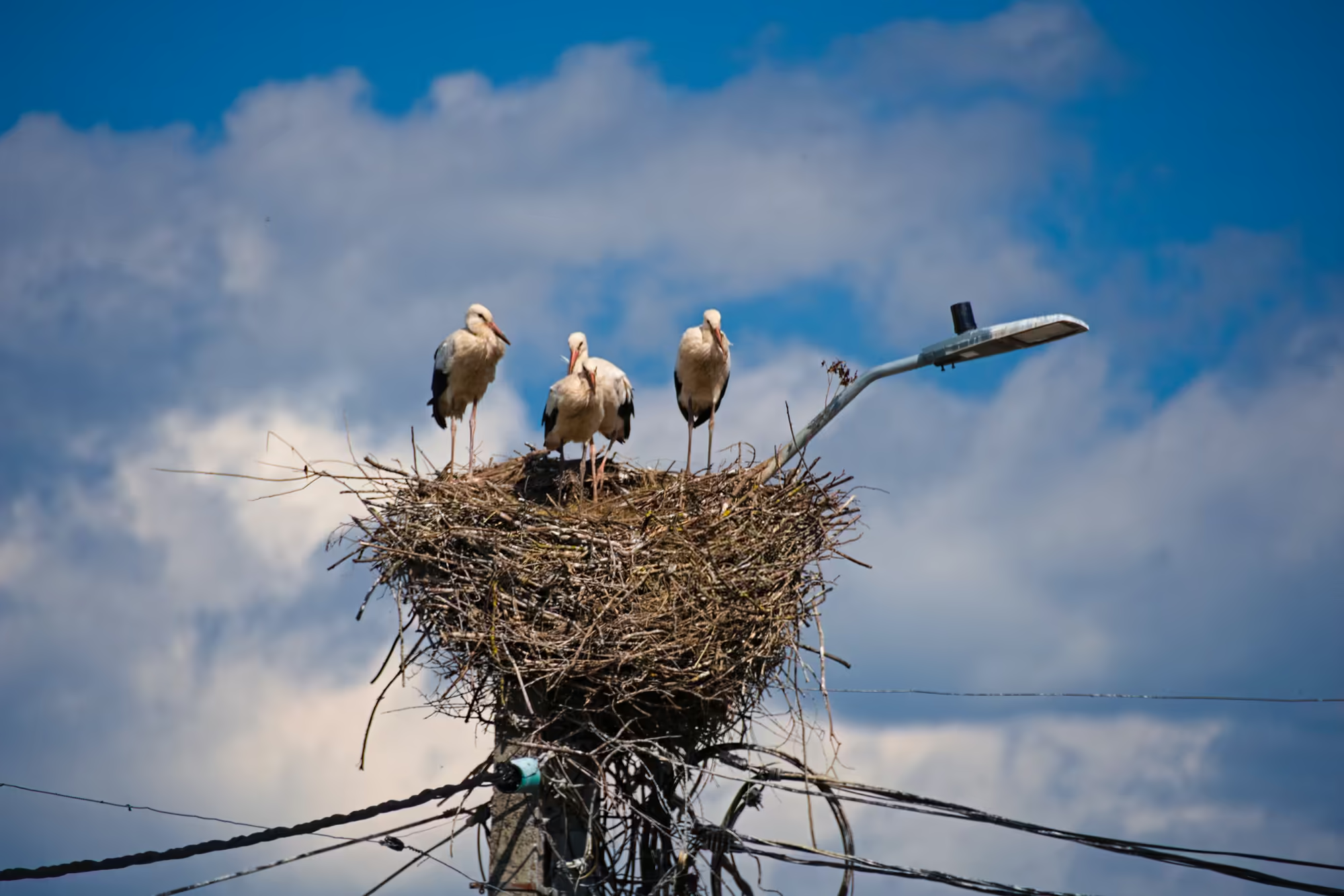
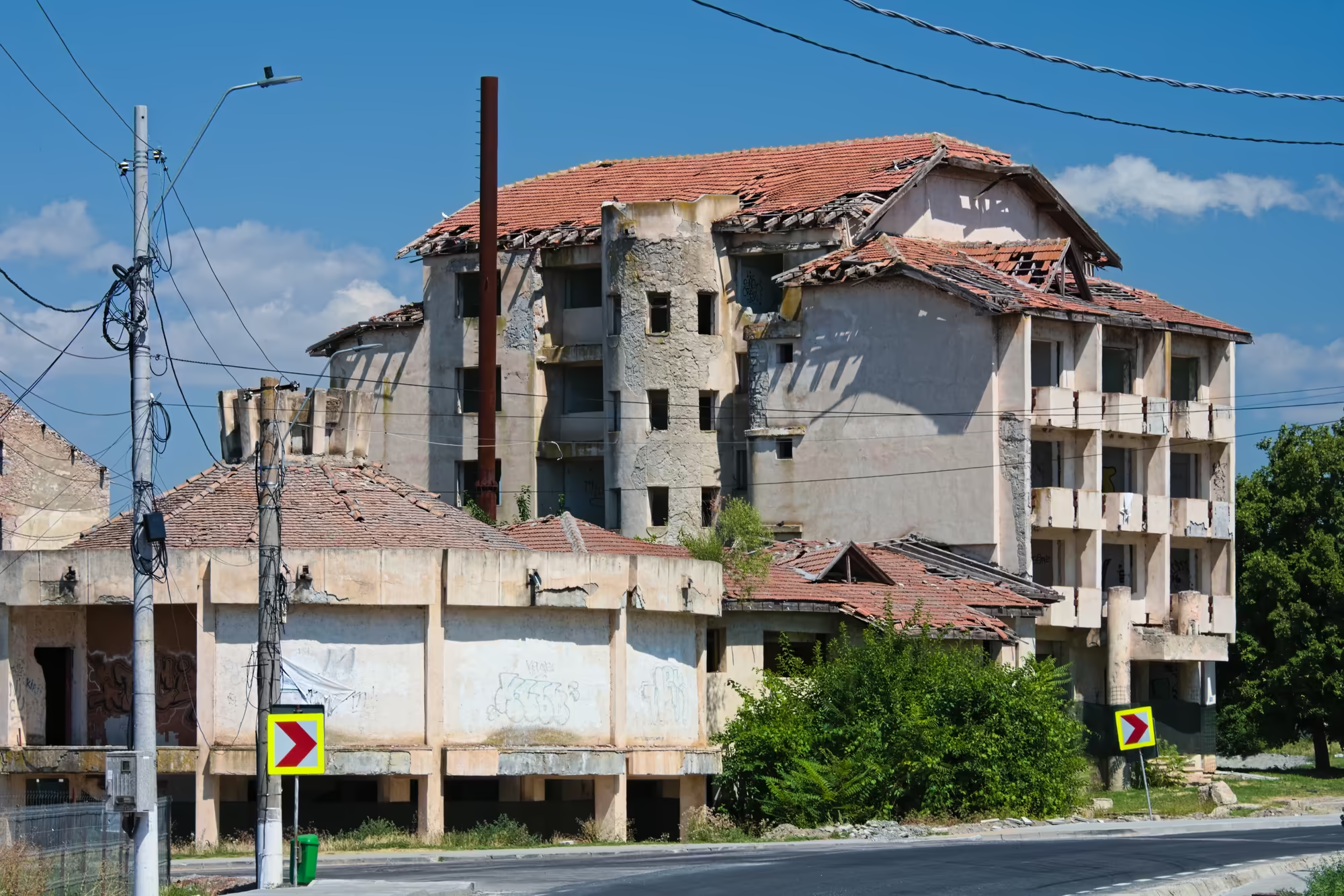
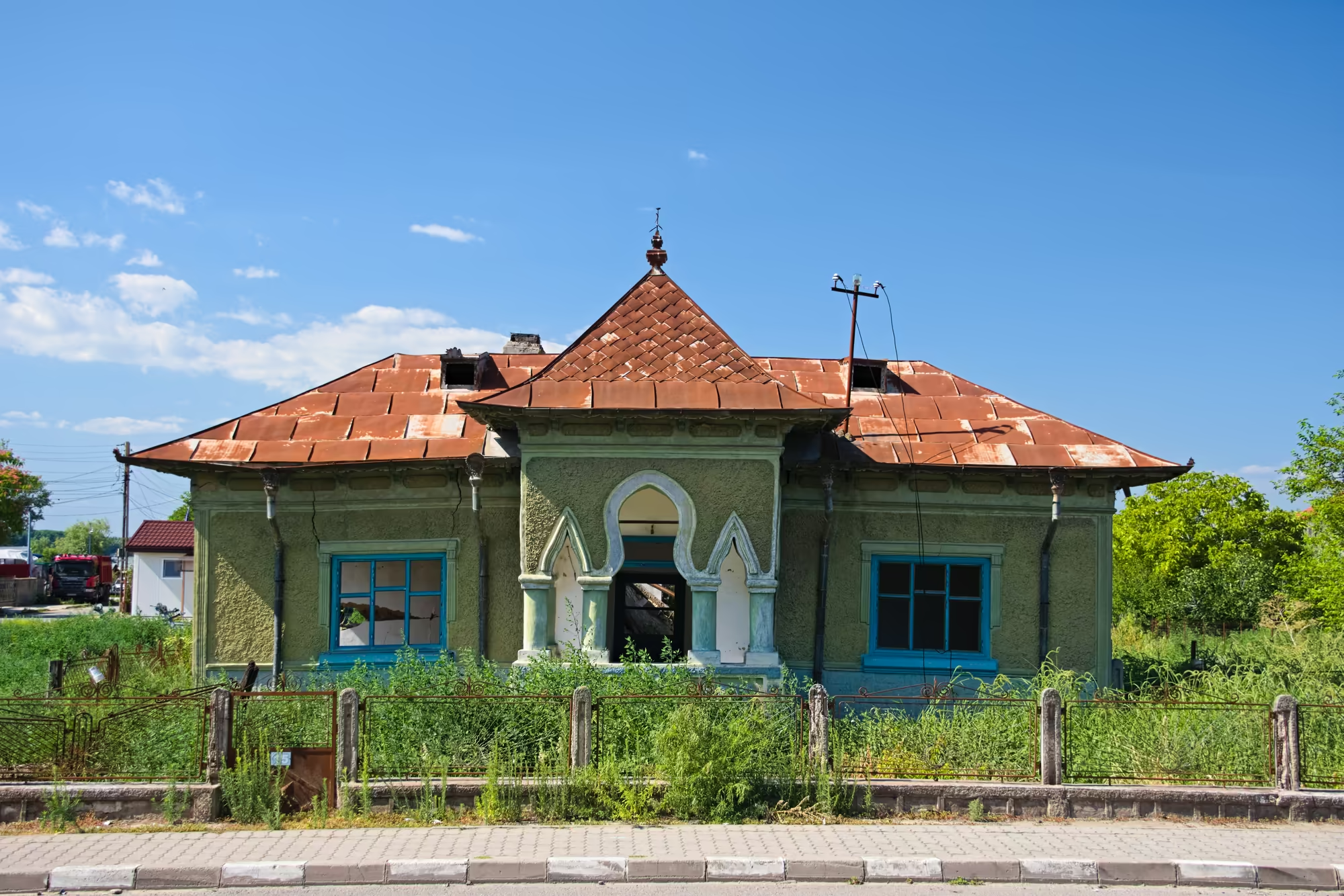
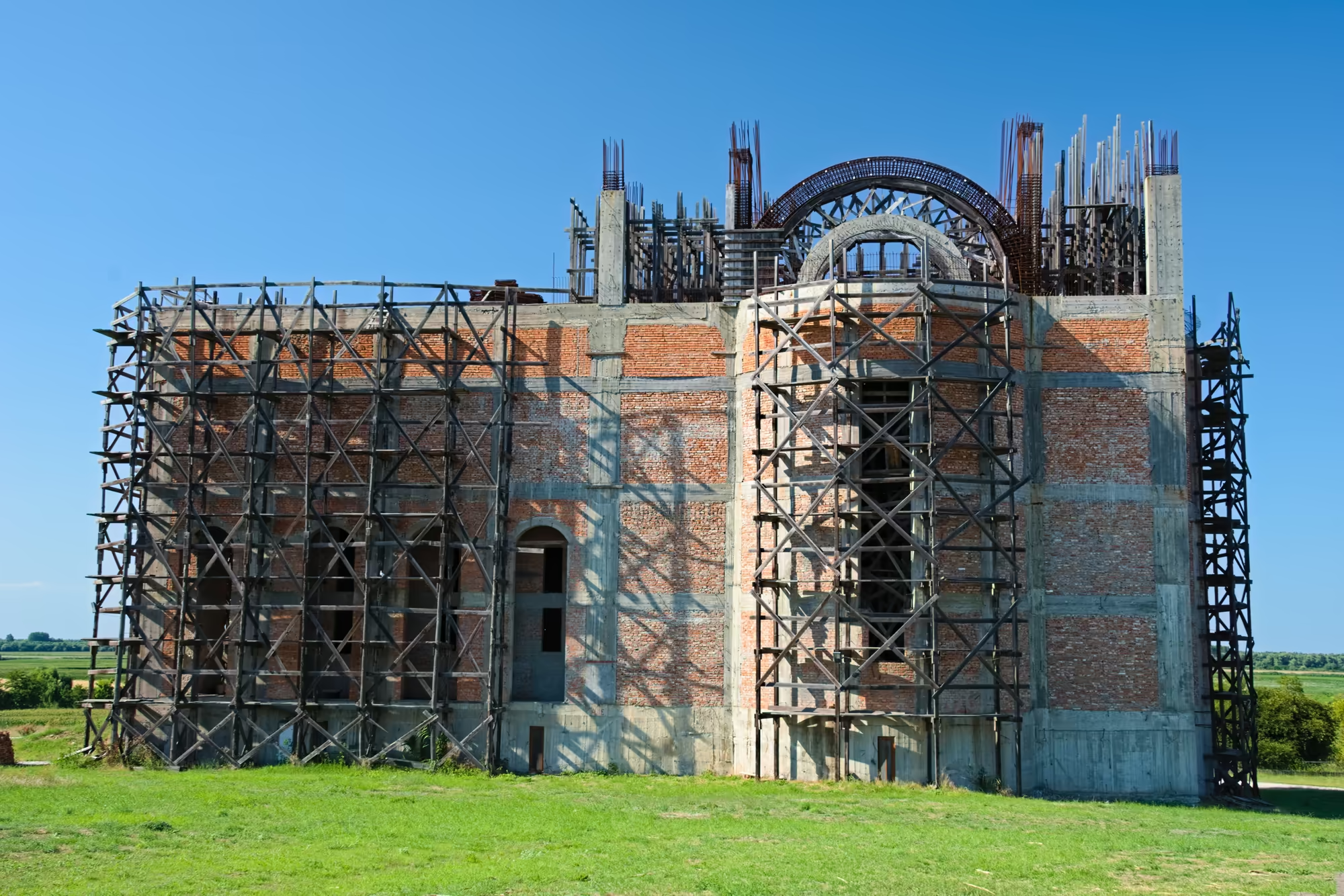
The rural world of Romania is carried on among the red roofs and the whitewashed walls, the garden plots of the villages and the derelict farm buildings and old industrial halls that have fallen out of use. The storks that nest on the poles, the horses and carts of the lanes and the great fields that turn from green to gold give the land its seasonal rhythm, and the roads that wind through the hills and over the plain link the settlements of the interior.
Beyond, the Carpathians rise, and the roads that thread their valleys lead to the painted monasteries of Bukovina and the old towns of Transylvania, while the Danube, far to the south, pours into the Black Sea through the great delta. The vineyards of the country and the cellars of the wine regions form a further part of a land whose landscape and whose crafts are among the most richly varied of south eastern Europe.
The wayside of the land is a world of small signs and of a deep rooted faith, and the crosses and the shrines that stand at the edge of the fields, the wooden bells of the churches and the painted gates of the villages are everywhere present. It is a country where the landscape and the works of the hand are inseparable, and where the visitor is met at every turn by the evidence of a long and still living rural culture.
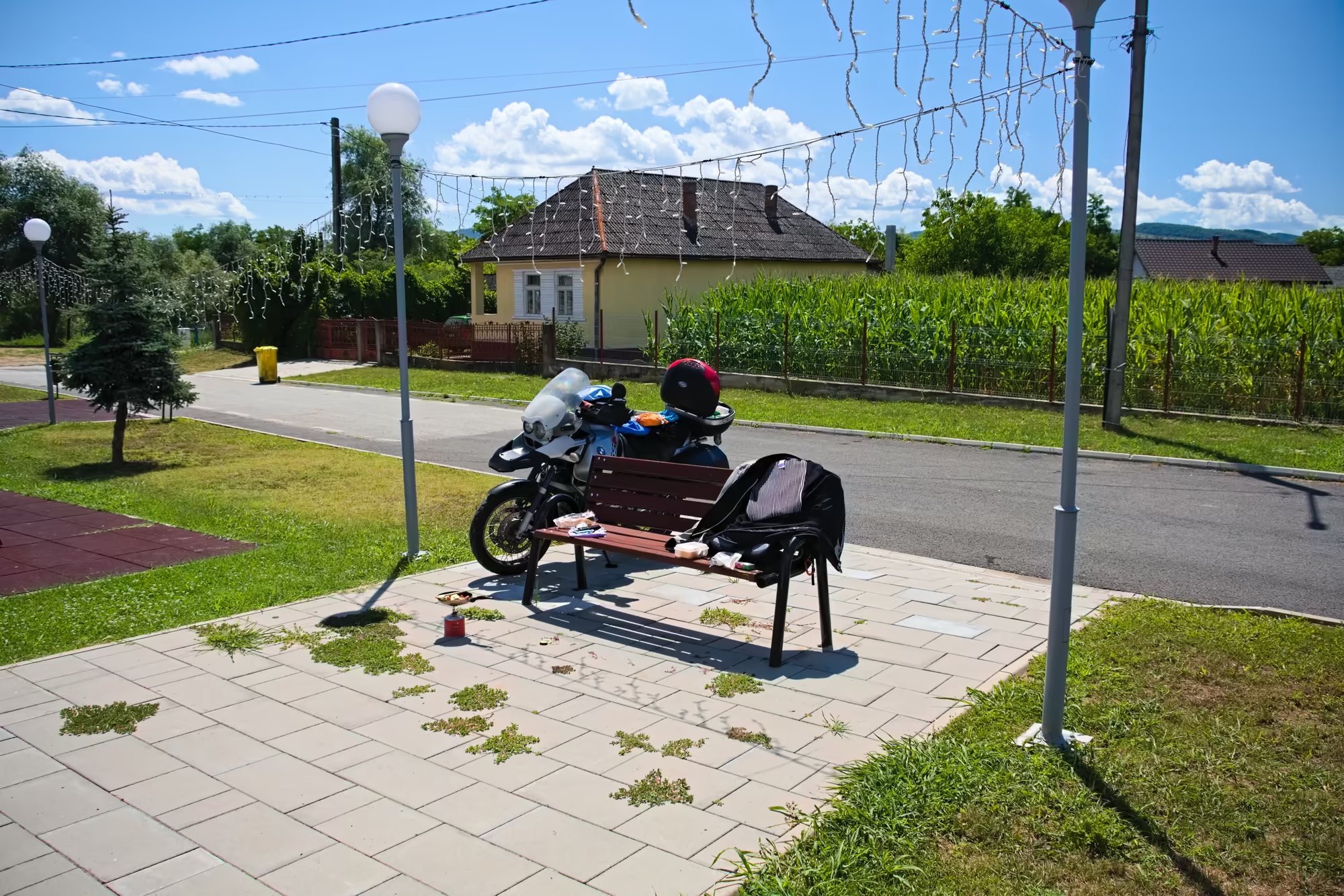
The lanes of the villages are lined with the fences and the gardens, and the animals are driven along the roads at the end of the day, while the women work the plots and the men tend the fields. Near the larger settlements the markets are held, and the produce of the land, the fruit, the vegetables and the cheeses, is sold in the open squares, while the cellars of the wine regions close the day with the wine of the country.
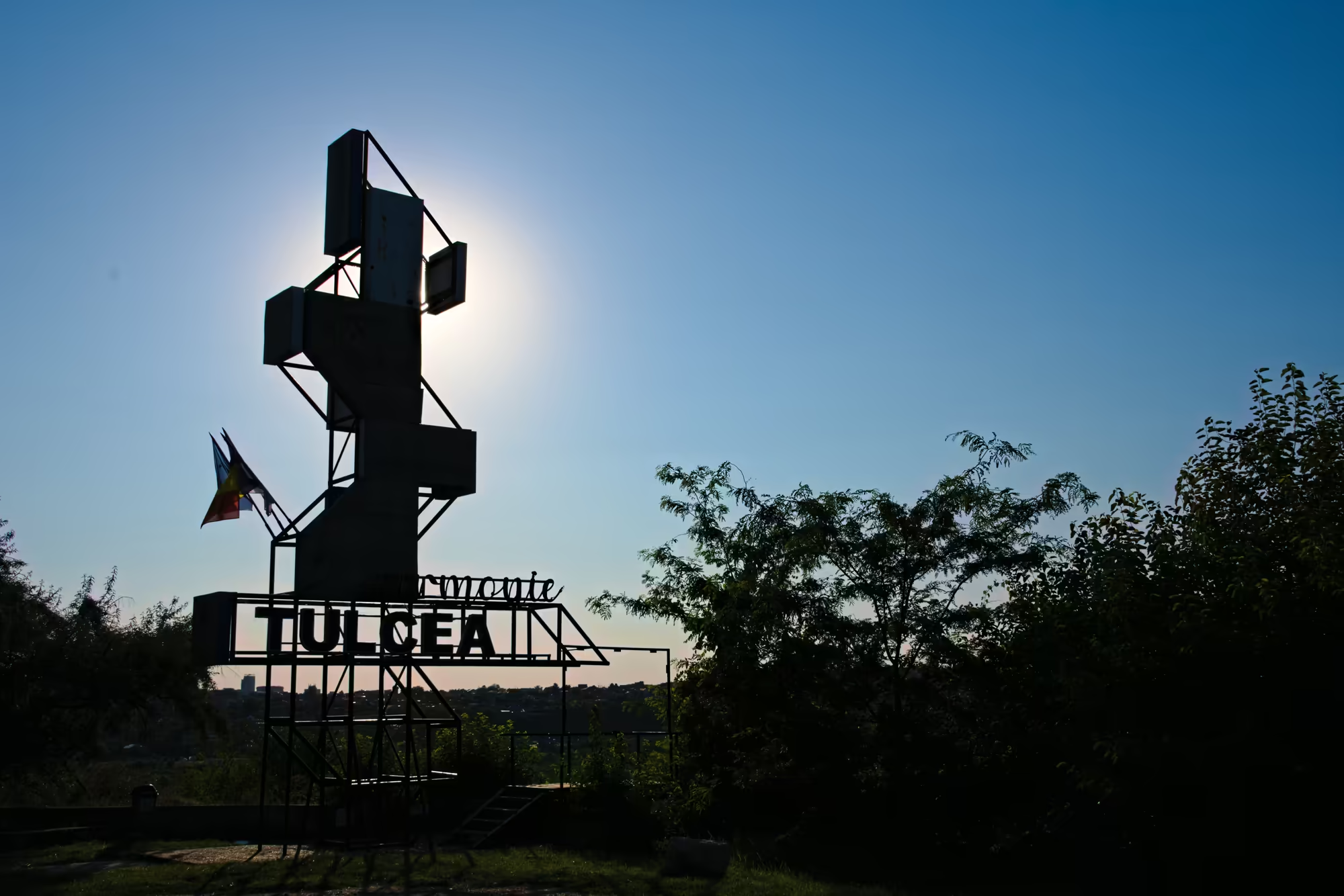
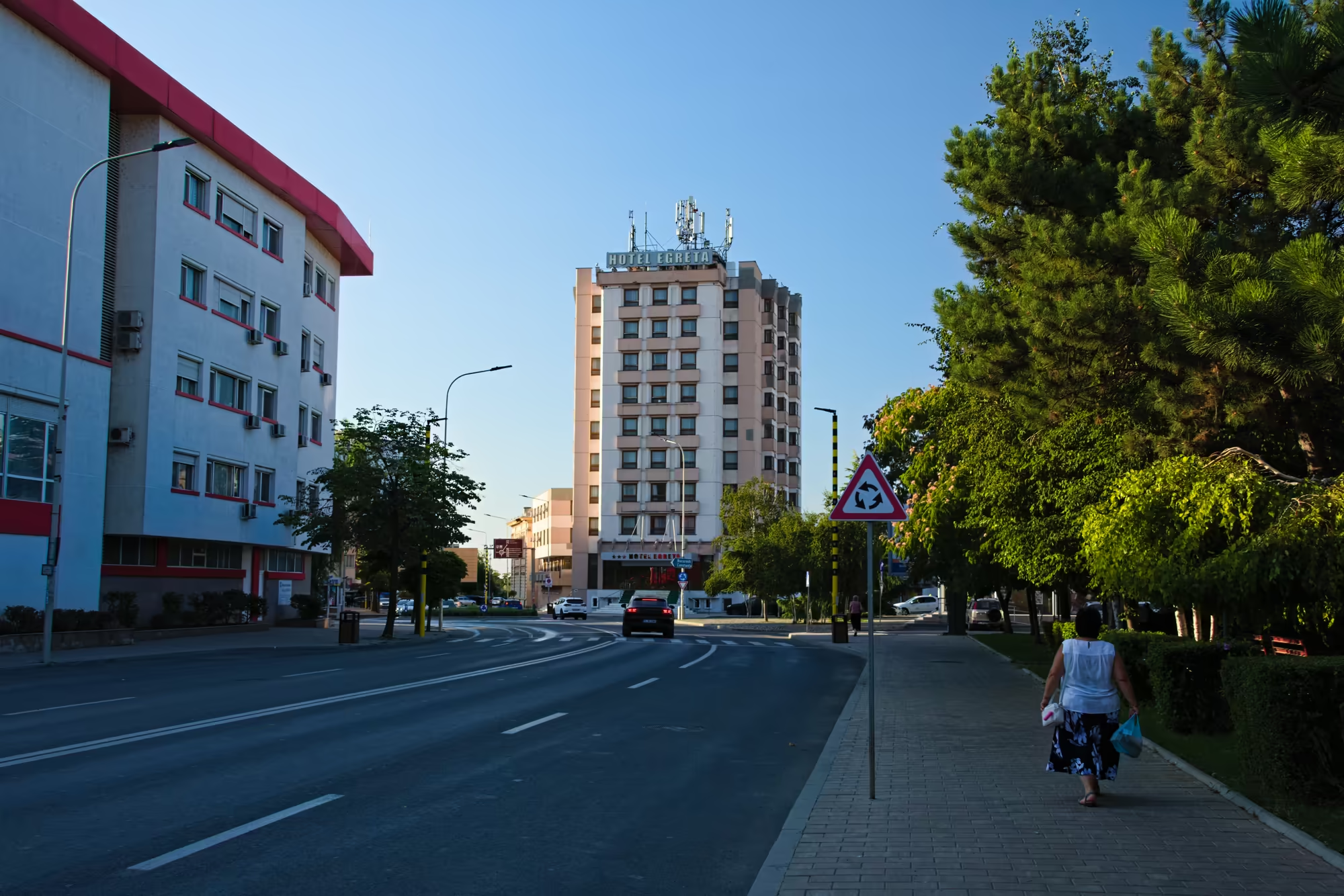
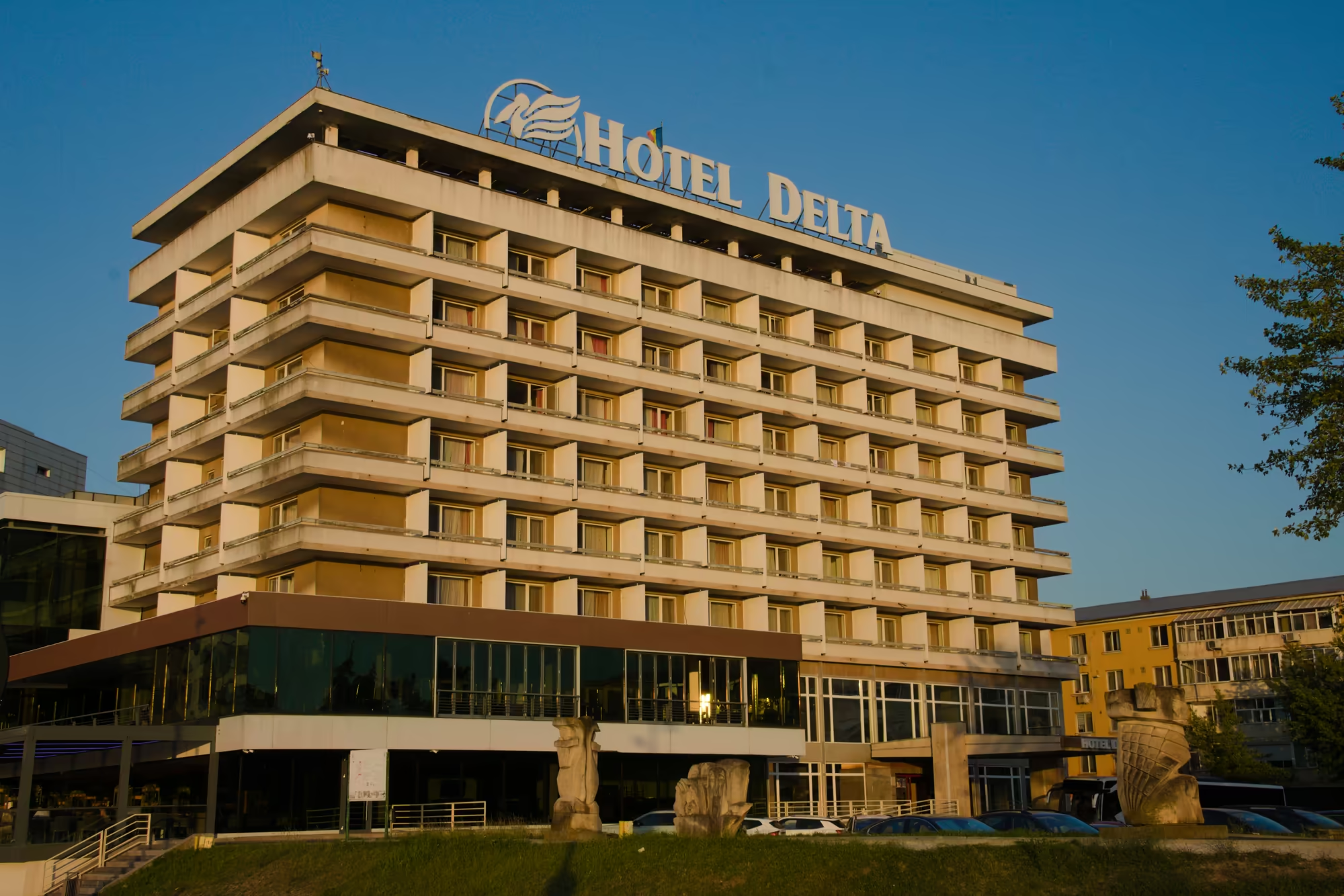
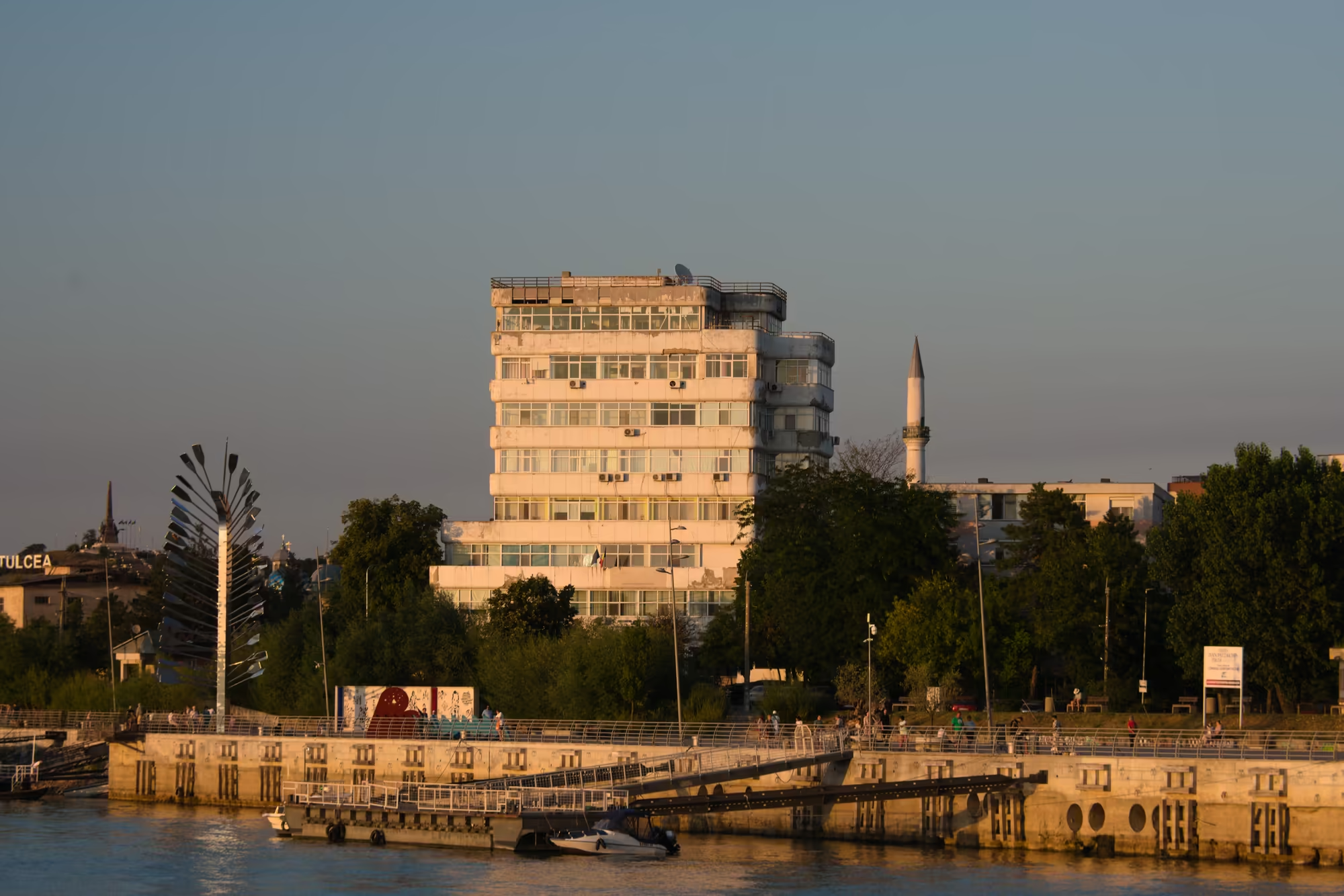
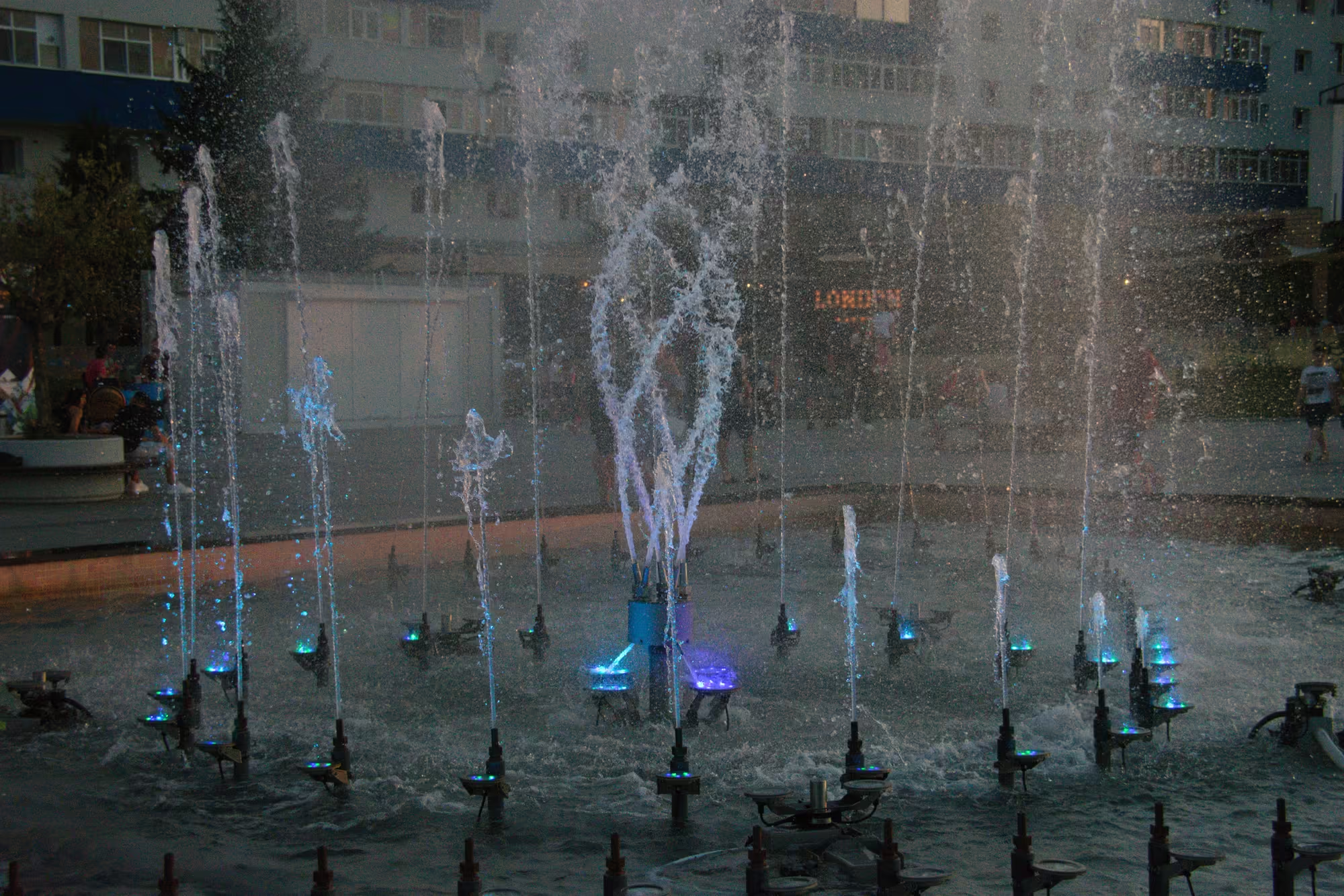
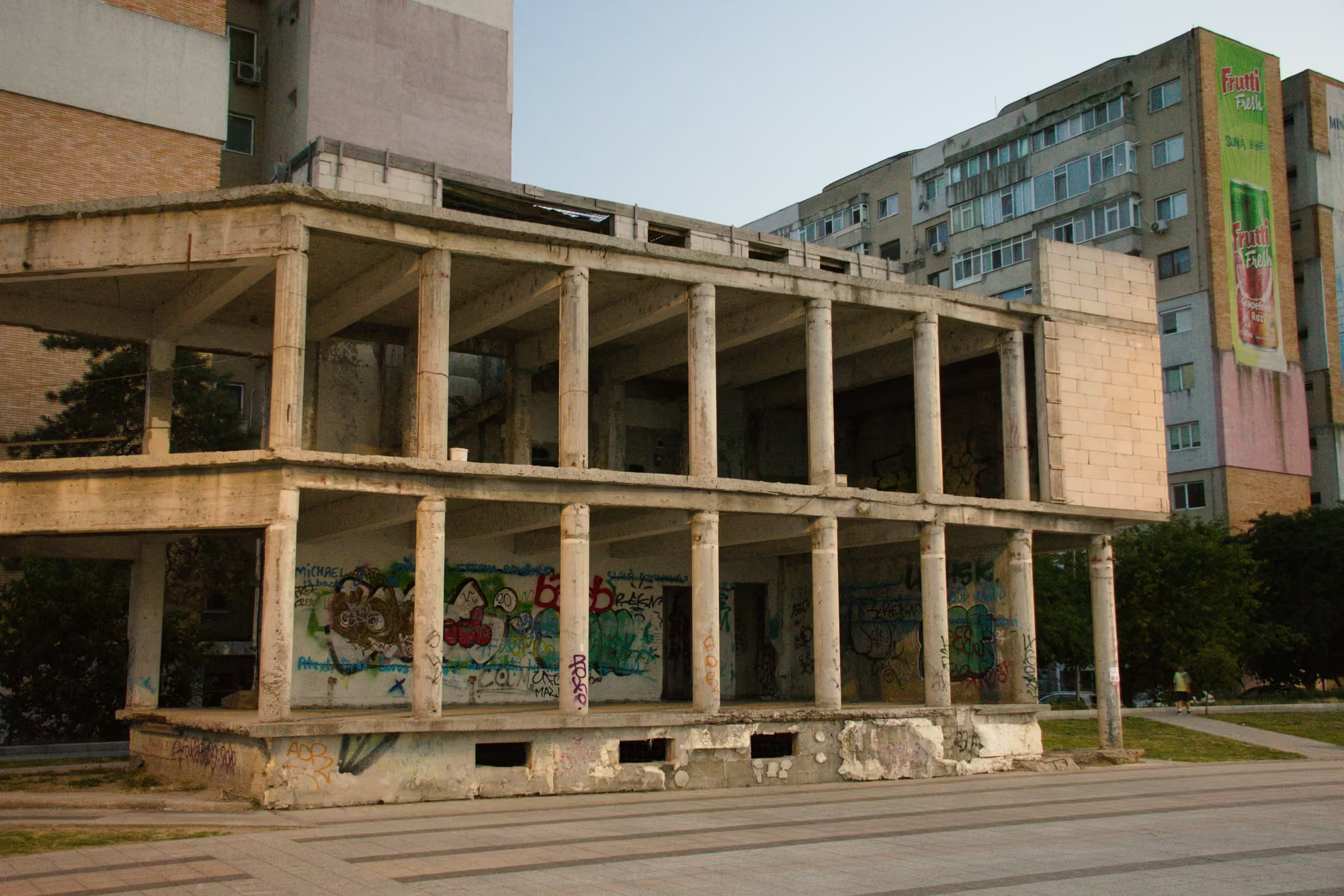
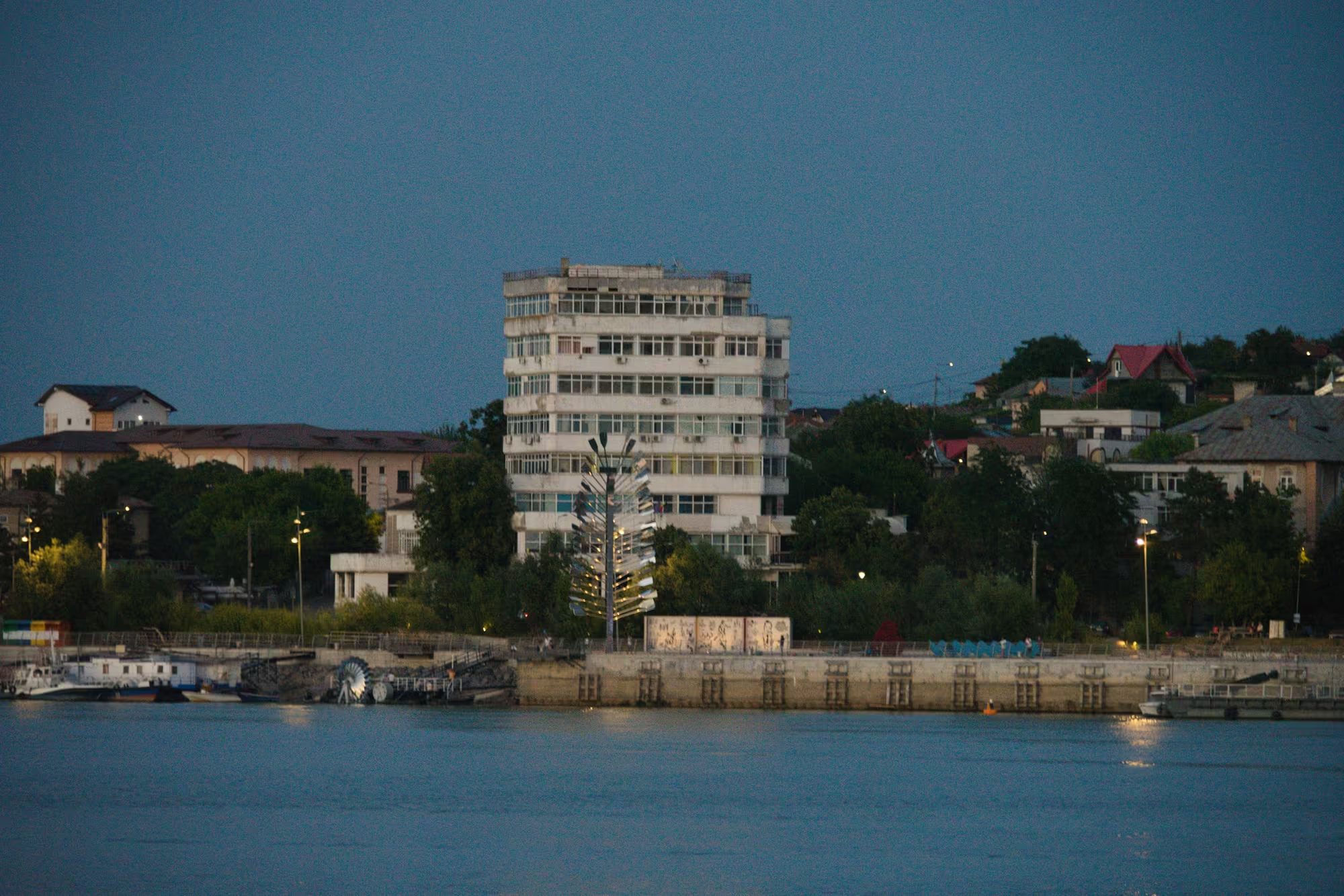
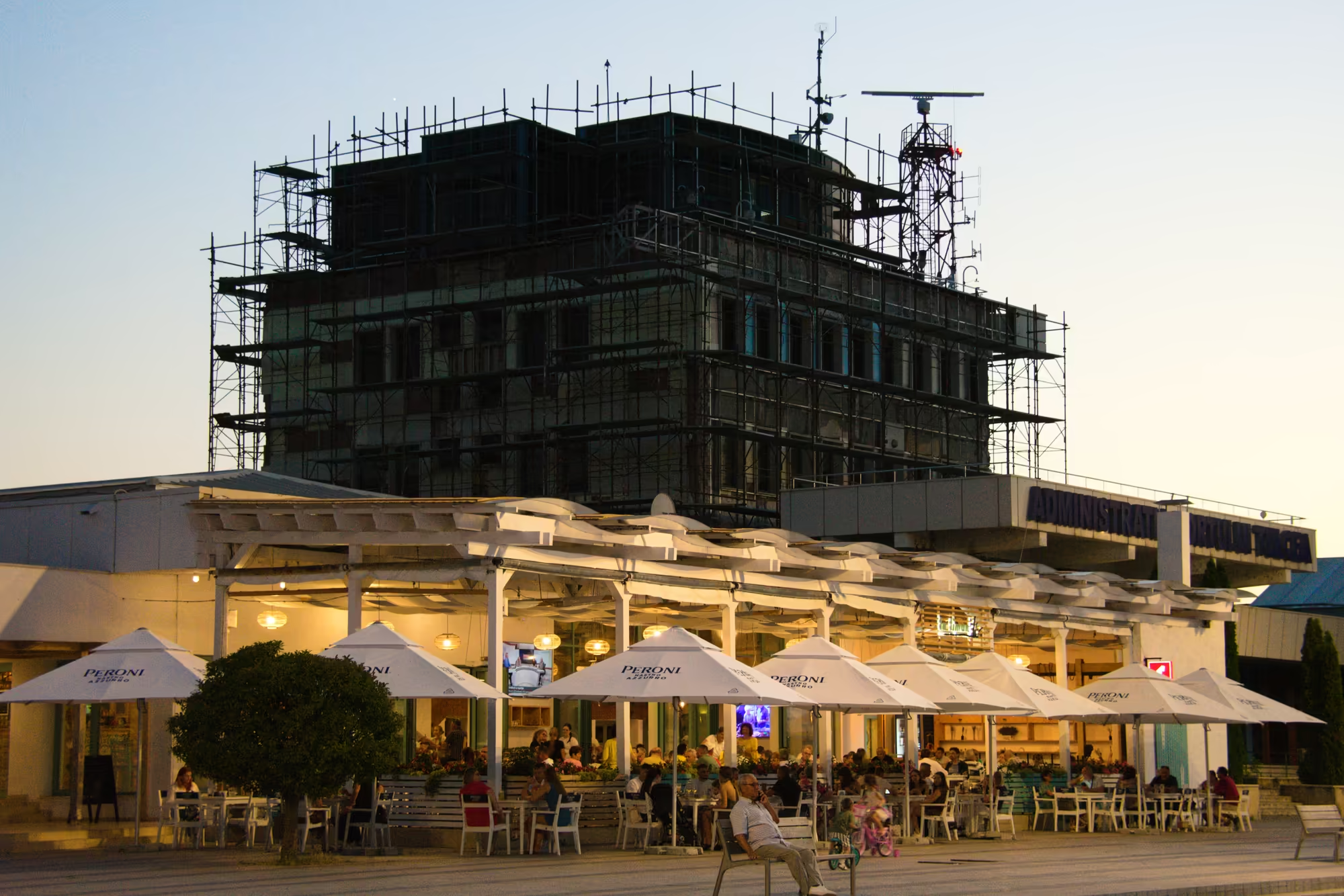
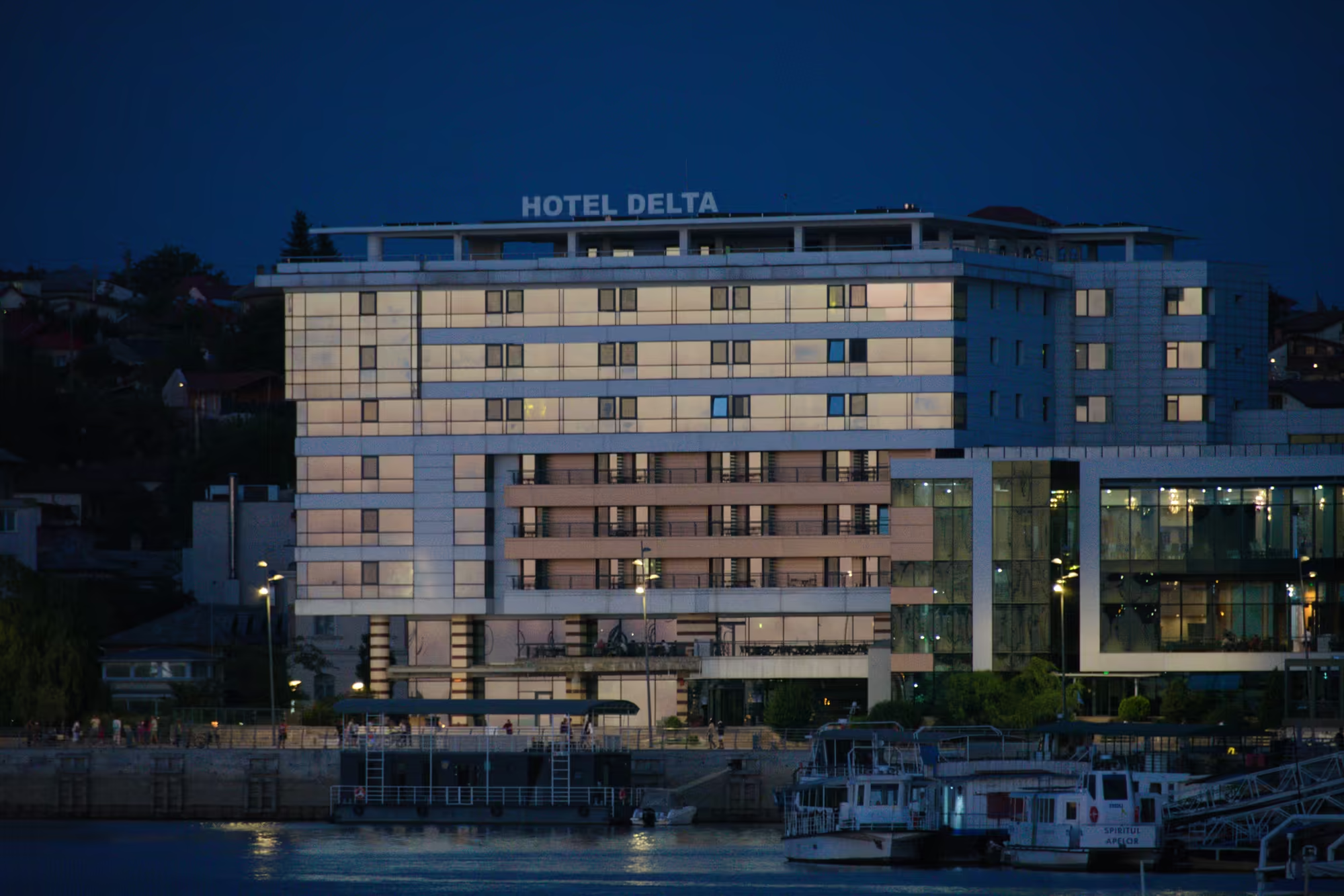
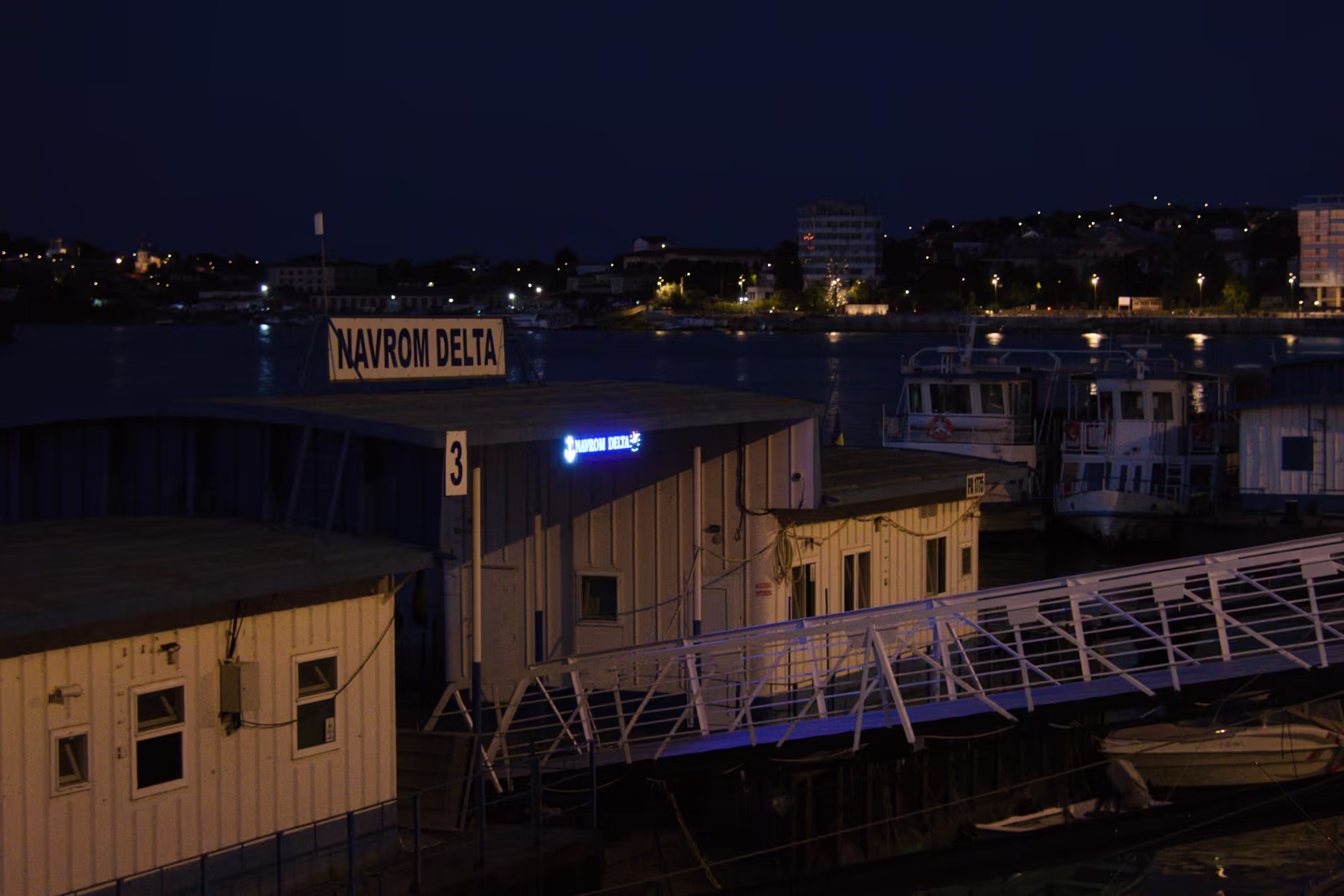
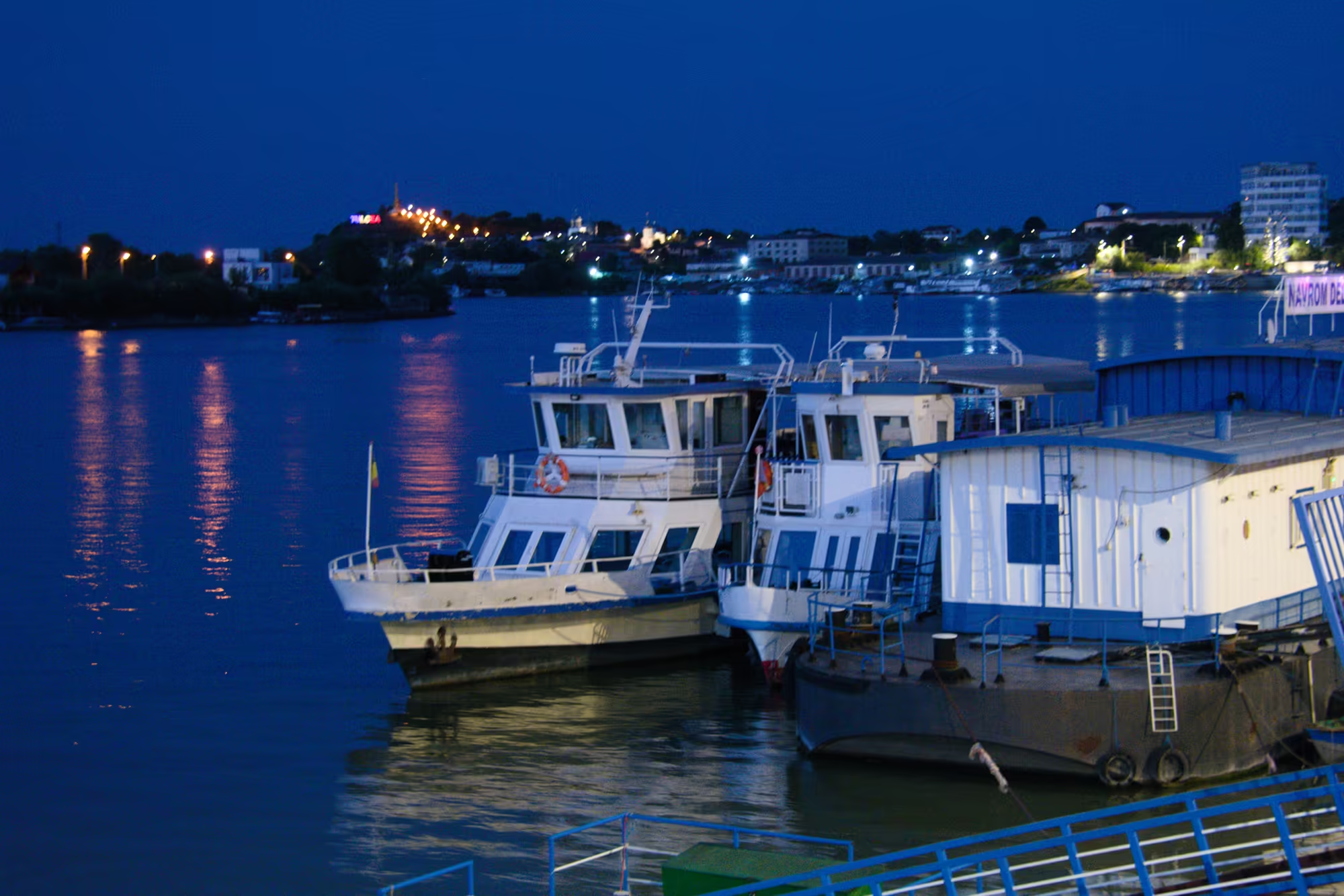
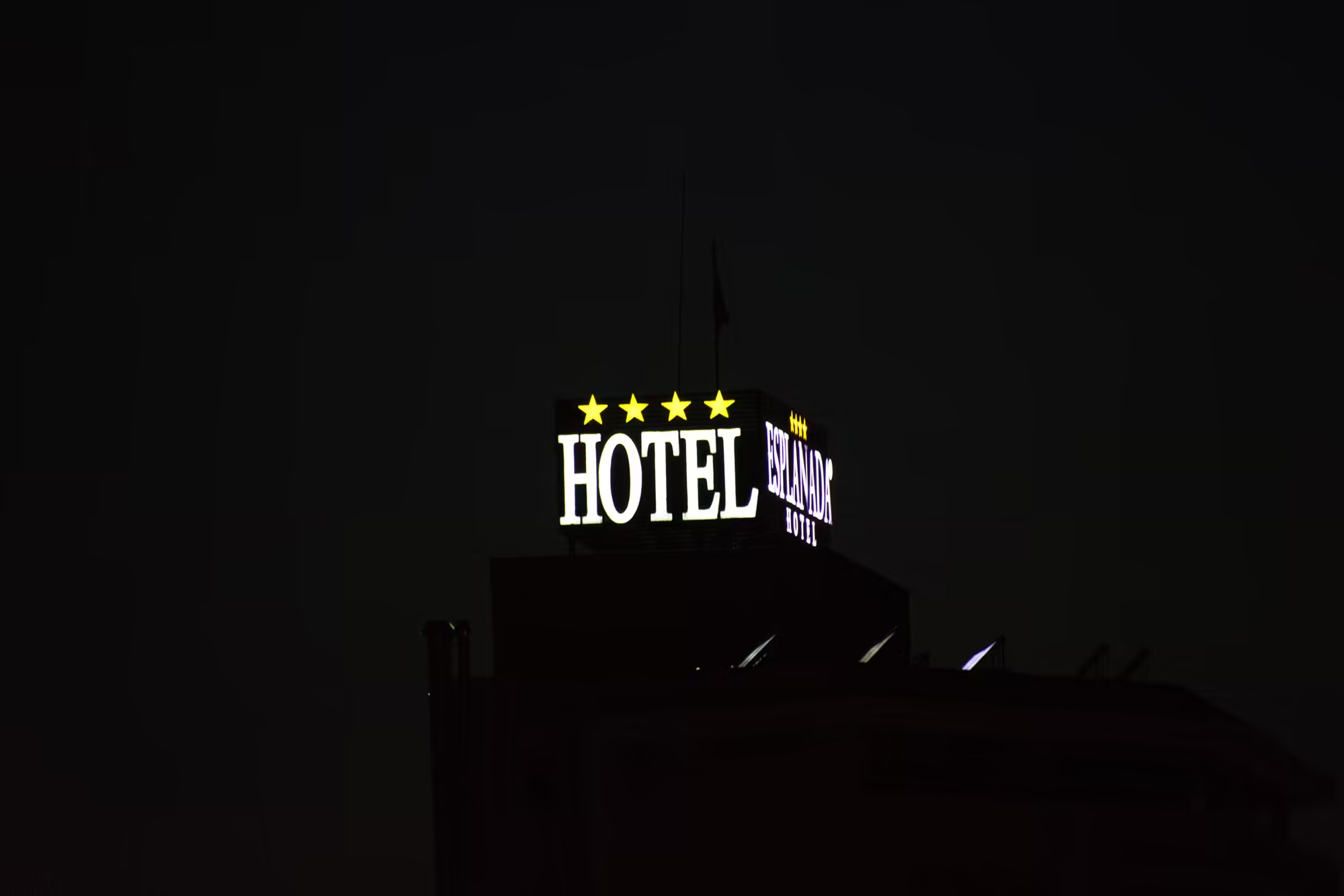
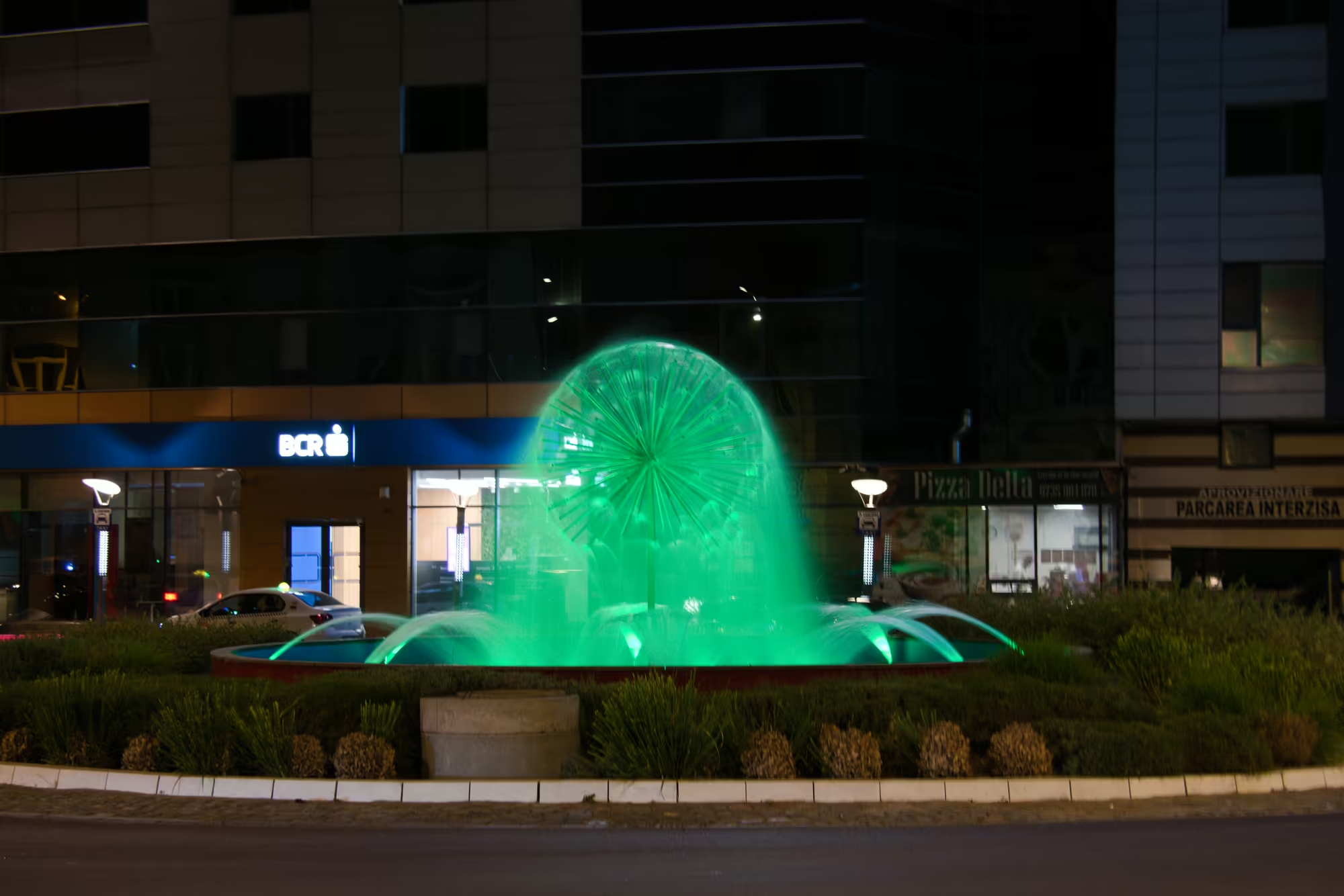
The road runs on eastward across the plain to the Danube, and at the river the port of Tulcea stands as the gateway to the great delta. Tulcea, one of the six Romanian county seats that lie on the Danube, grew up on the hill of Aegyssus, where the Romans kept a fort and a fleet station on the Moesian frontier, and it came under Ottoman rule in the fifteenth century, remaining a busy centre of the transit trade into modern times. From its quays the boats and the catamarans leave for the delta, and the town, with its broad promenade, its fountains and its monuments, is the chief point of departure for the wetland beyond.
The Danube Delta is the second largest river delta of Europe after the Volga and the best preserved on the continent. The river divides at Tulcea into three arms, the Chilia, the Sulina and the Sfântu Gheorghe, and between them a labyrinth of channels, reed beds and open lakes runs out to the Black Sea. Much of the delta lies below a metre above the sea, dune ridges rise only a little higher, and the whole is a low alluvial plain of marshes and streamlets, listed as a UNESCO World Heritage Site together with the great lagoons to the south.
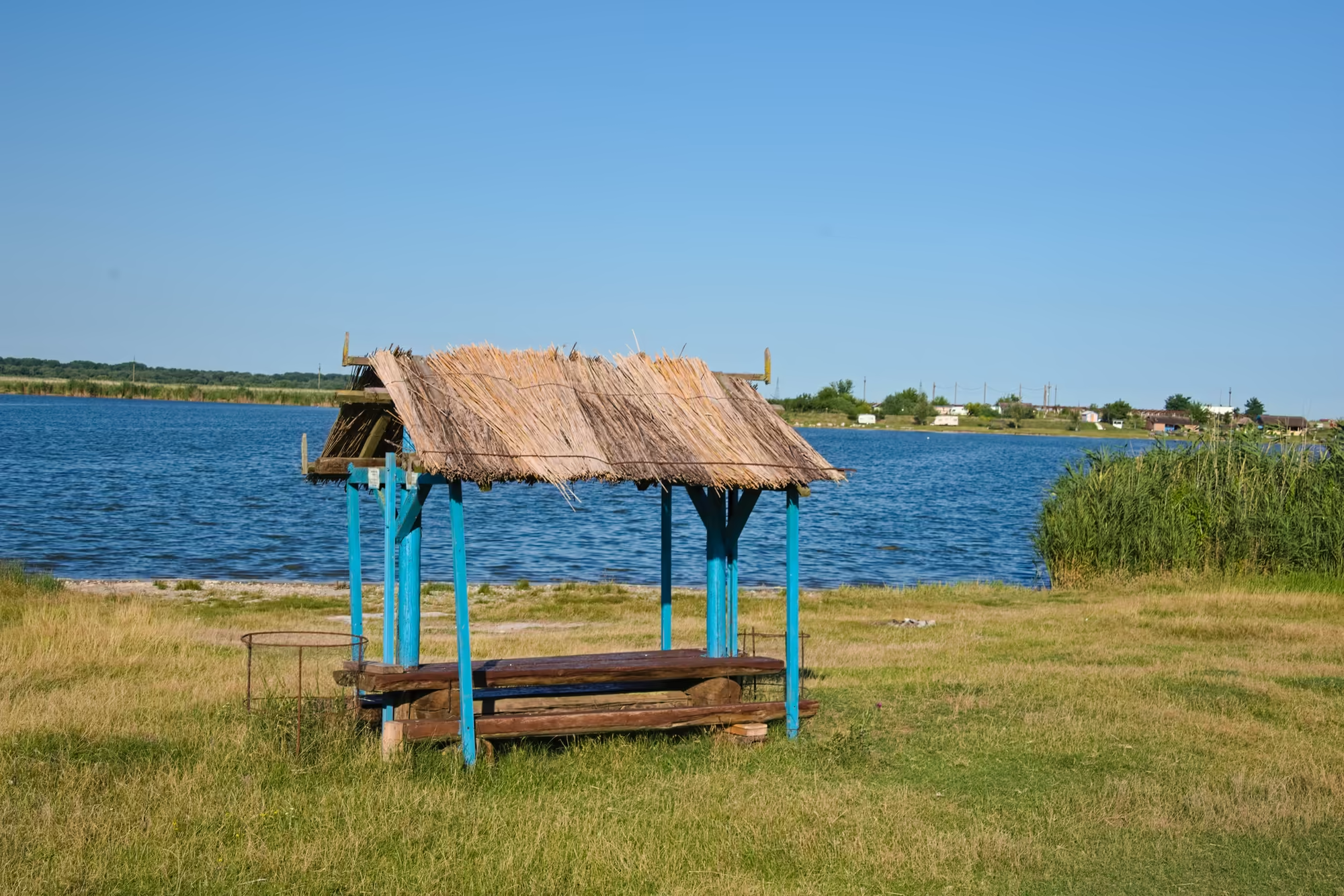
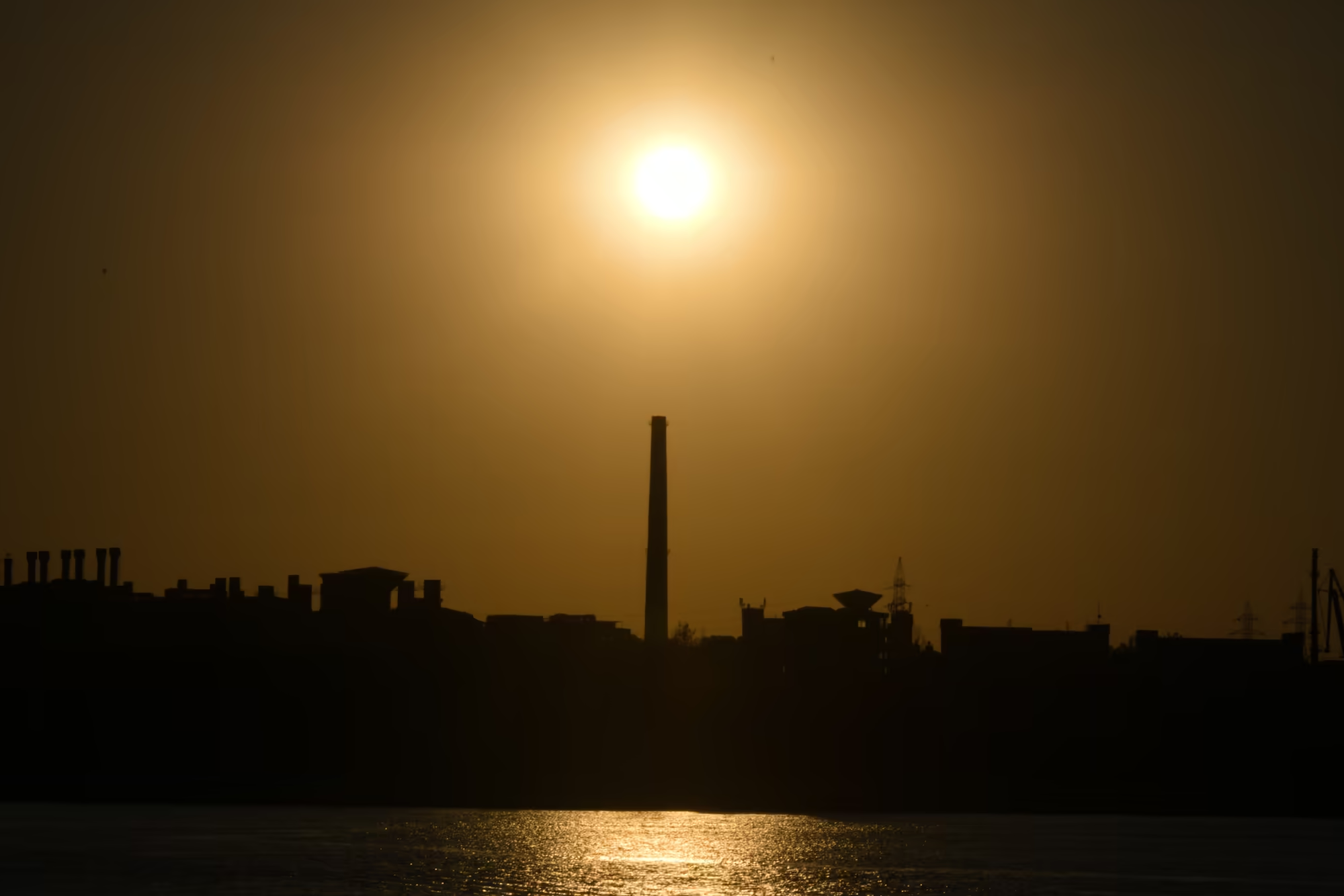
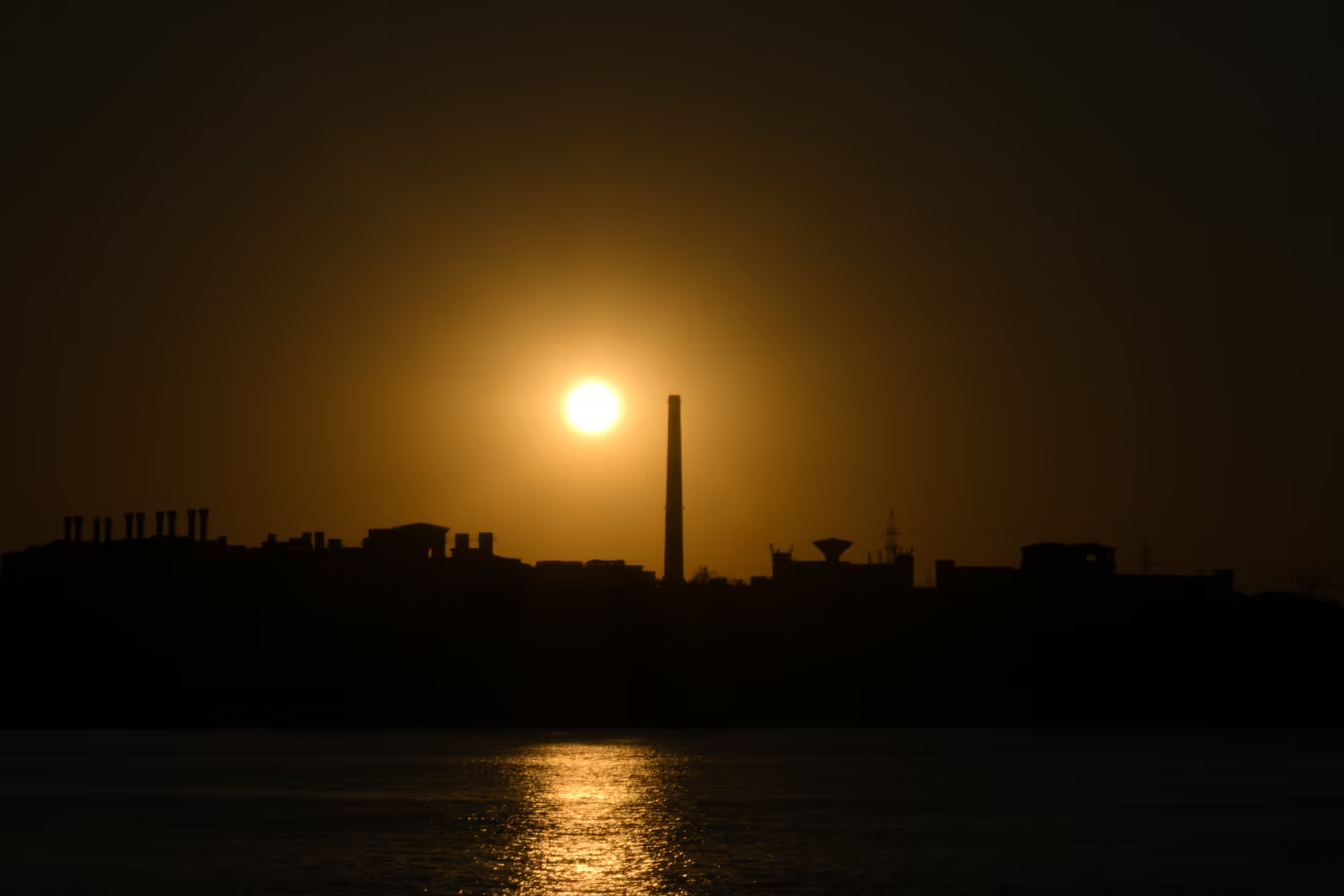
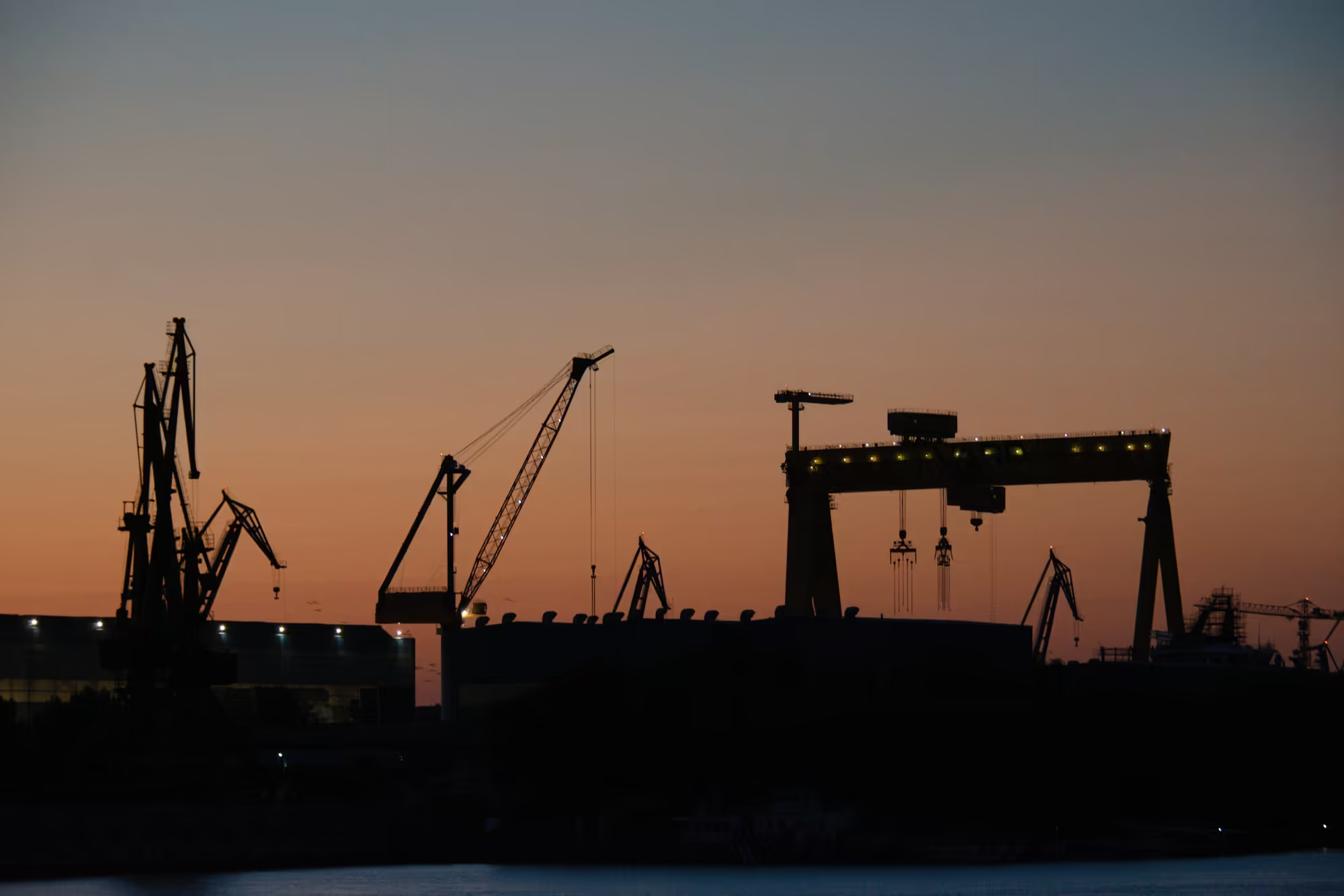
The delta is famed above all for its birds. Its reed beds and its waters shelter one of the greatest concentrations of pelicans and of herons in Europe, beside cormorants, egrets and a host of migrants on their way between north and south. Beyond the town the wharves of the port, the cranes and the harbour lights, and the boats that take the visitor out onto the quiet channels, are the threshold of a nature reserve that has no equal on the continent.
References
- Wikipedia contributors (2026). Romania. en.wikipedia.org/wiki/Romania
- Wikipedia contributors (2026). History of Romania. en.wikipedia.org/wiki/History_of_Romania
- Wikipedia contributors (2026). Maramureș. en.wikipedia.org/wiki/Maramureș
- Wikipedia contributors (2026). Wooden Churches of Maramureș. en.wikipedia.org/wiki/Wooden_Churches_of_Maramureș
- Wikipedia contributors (2026). Botoșani County. en.wikipedia.org/wiki/Botoșani_County
- Wikipedia contributors (2026). Moldavia. en.wikipedia.org/wiki/Moldavia
- Wikipedia contributors (2026). Moldavian Plateau. en.wikipedia.org/wiki/Moldavian_Plateau
- Wikipedia contributors (2026). Carpathian Mountains. en.wikipedia.org/wiki/Carpathian_Mountains
- Wikipedia contributors (2026). Danube. en.wikipedia.org/wiki/Danube
- Wikipedia contributors (2026). Danube Delta. en.wikipedia.org/wiki/Danube_Delta
- Wikipedia contributors (2026). Romanian Revolution. en.wikipedia.org/wiki/Romanian_Revolution
- Wikipedia contributors (2026). Dacia. en.wikipedia.org/wiki/Dacia
- Wikipedia contributors (2026). Romanian wine. en.wikipedia.org/wiki/Romanian_wine
- Wikipedia contributors (2026). Transylvania. en.wikipedia.org/wiki/Transylvania
- Wikipedia contributors (2026). List of World Heritage Sites in Romania. en.wikipedia.org/wiki/List_of_World_Heritage_Sites_in_Romania
- Wikipedia contributors (2026). Tulcea. en.wikipedia.org/wiki/Tulcea