2026 South East Europe 4 - Moldova
6 September 2026


















Journal Notes
General
Moldova, officially the Republic of Moldova, is a landlocked country of south eastern Europe, lying between Romania and Ukraine. It is bounded on the west by the river Prut, which separates it from Romania, and on the east and north by Ukraine, from which it is partly divided by the river Dniester, and it covers an area of about 33,800 square kilometres. The capital and largest city is Chișinău, and the population of the whole country numbered about 2.5 million at the 2014 census, among the smaller states of Europe. The official language is Romanian, and the country is a parliamentary republic, independent since 1991.
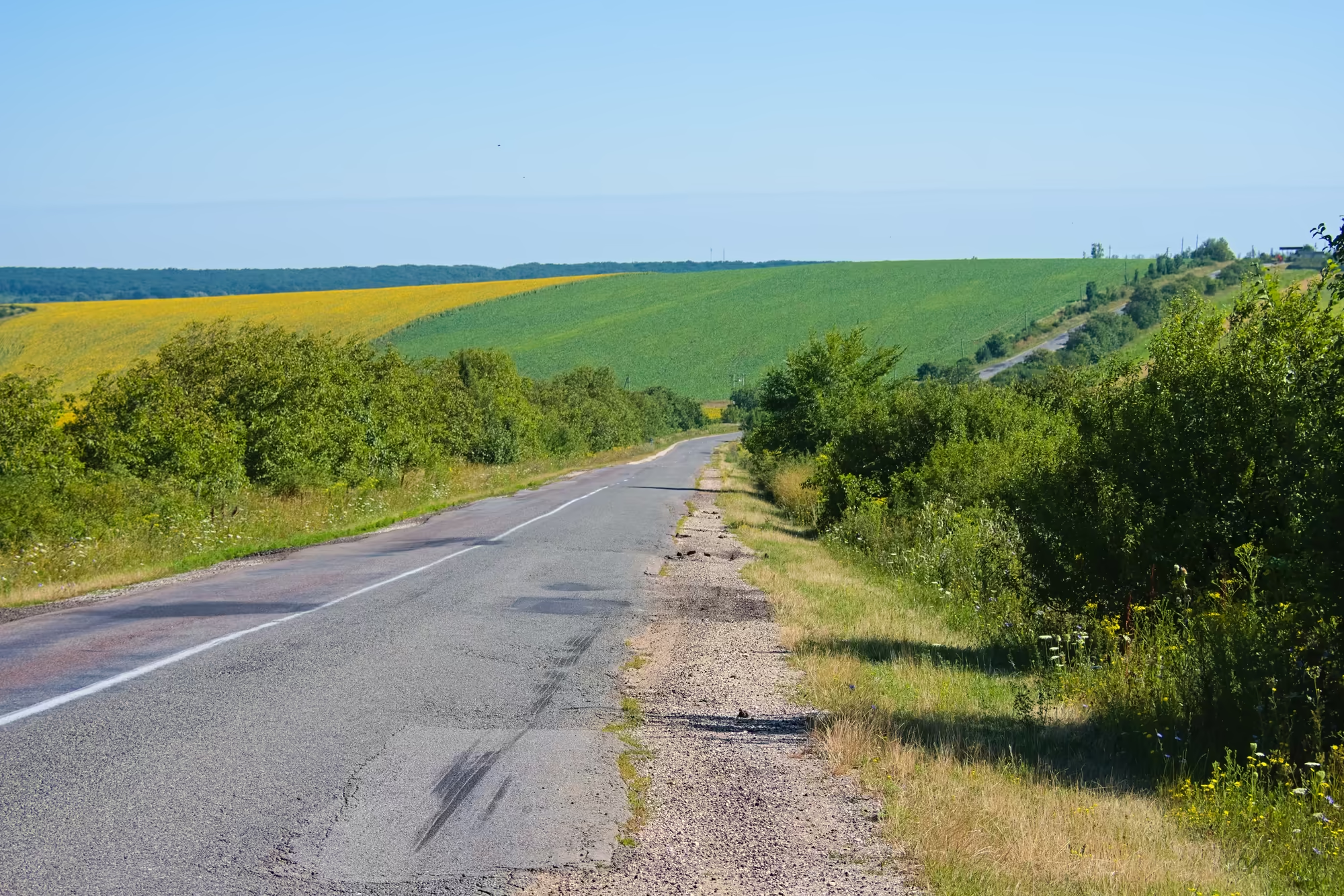
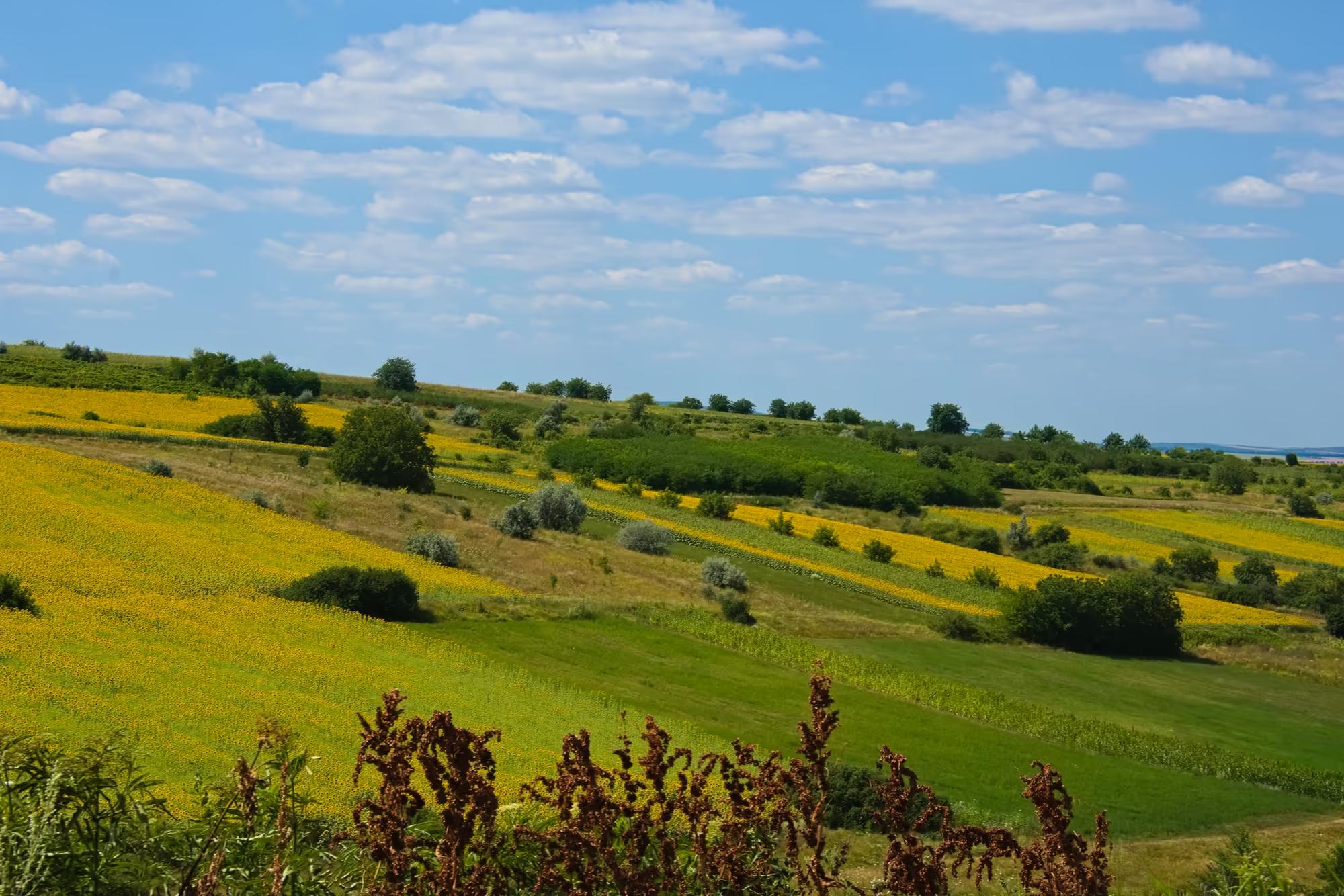
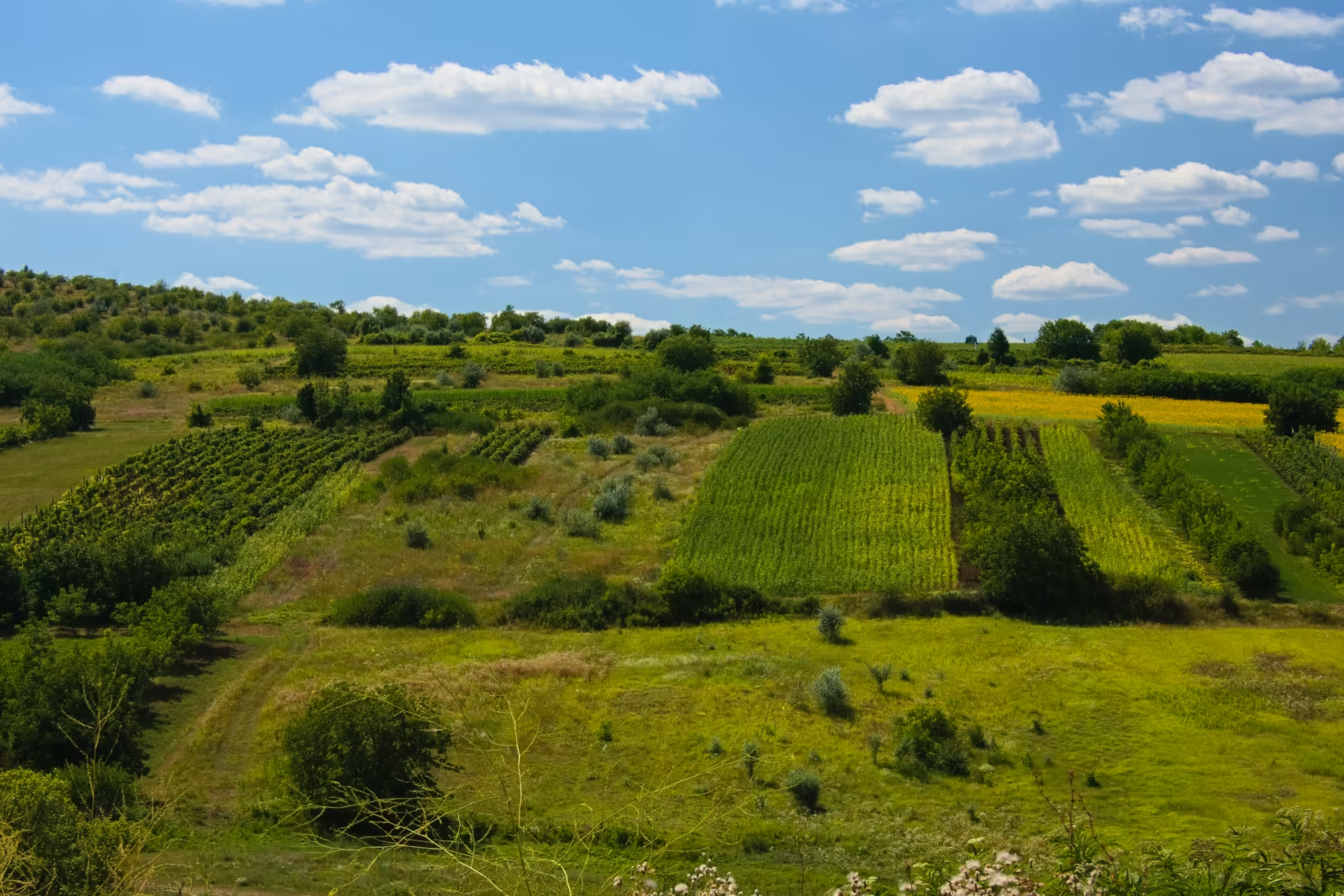
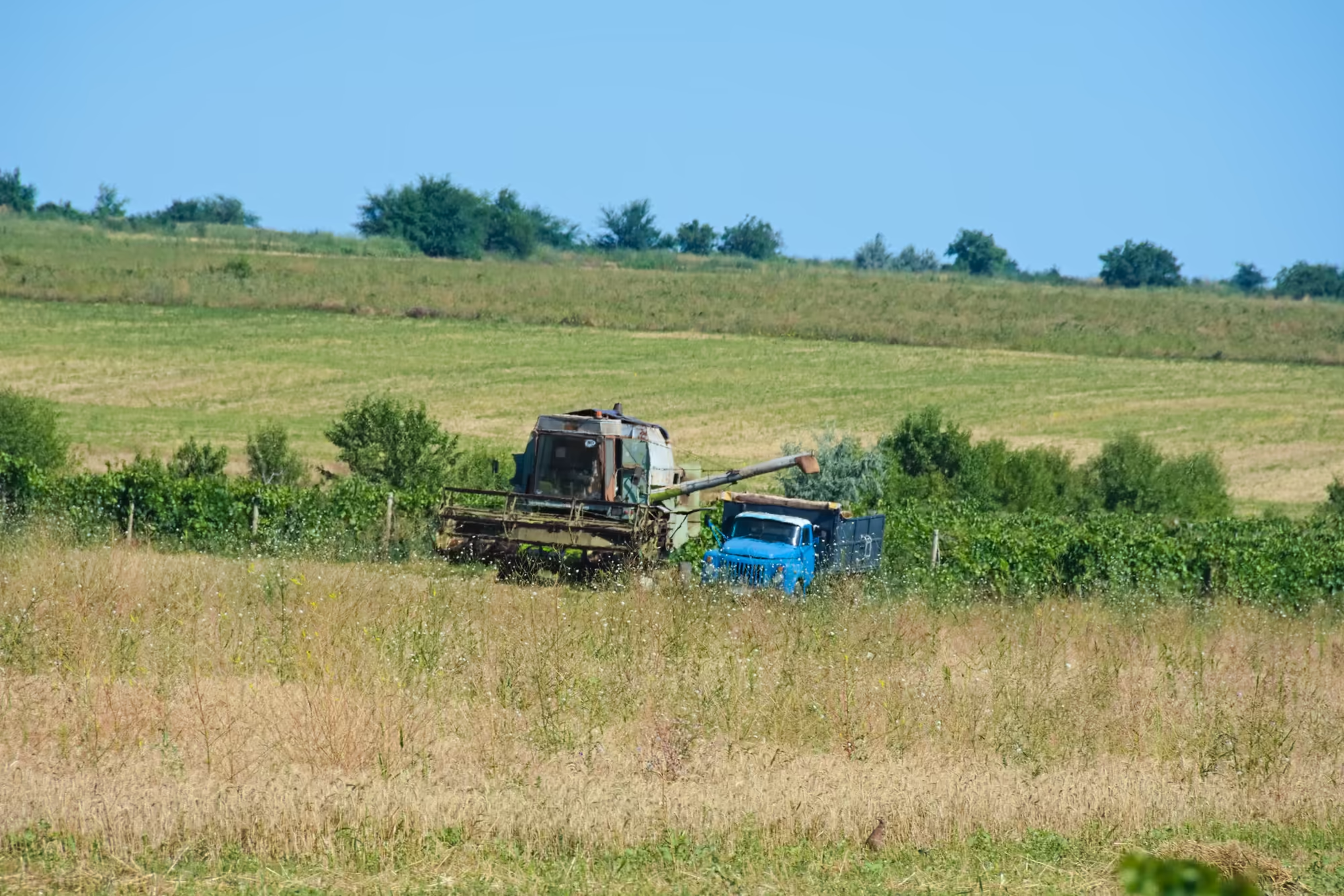
Moldova is one of the most agricultural countries of Europe, and its rolling hills of fertile black earth are given over to the cultivation of sunflowers, of grain and, above all, of the vine. It is a land of vineyards and orchards, of small villages and of the wide fields that run to the horizon, and it has long been numbered among the great wine countries of the region, its cellars cut into the limestone and its harvests celebrated in the autumn.
Within its borders the republic includes the autonomous region of Gagauzia, in the south, whose people are the Gagauz, a Turkic speaking and Orthodox community with a culture of their own. The state is also marked by the unresolved question of Transnistria, a narrow strip along the Dniester, and its position between Romania and Ukraine has made it a land of frontier and of memory, its past written in the churches, the villages and the vineyards.
The society of Moldova is small and close knit, and its rhythms are set by the countryside and by the church; the music, the dance and the folk song of the land are carried on in the villages, and the republic is known for its hospitality and its long meals, its wine and its orchards. The towns are small, and the capital itself is more a garden city than a great metropolis, the green of the trees and the vines never far from the street.
The republic is a member of the community of the Romanian speaking peoples, yet it is also a land of many minorities, among them the Russians and the Ukrainians of the towns and the Gagauz of the south; its food, its music and its festivals draw on this mix, its wine is the pride of every table, and the small scale of the country makes it a place of familiar faces and of strong local loyalties.
History
The territory of Moldova formed part of the principality of Moldavia, which rose in the fourteenth century beyond the Carpathians and stretched from the mountains to the Black Sea, and of which the land between the Prut and the Dniester was the eastern half. In 1812, after the wars with the Ottomans, the Russian Empire annexed this eastern part and called it Bessarabia, and the province remained under Russian rule for a century, its fertile soil turned to grain and its people a mixture of Romanians, of Russians and of the other peoples of the borderland.
At the end of the First World War Bessarabia joined Romania, and for two decades it belonged to the Greater Romanian state. In 1940, under the terms of a pact with Germany, the Soviet Union annexed the territory and made it the Moldavian Soviet Socialist Republic; the land was industrialised and collectivised, its vineyards and its villages drawn into the Soviet economy, and many of its inhabitants moved or resettled during the years of the war and after.
With the collapse of the Soviet Union, Moldova declared its independence in August 1991, and it has since contended with the secession of Transnistria, a strip along the Dniester that broke away in a war in 1992 and has remained under its own administration. The republic has sought closer ties with Europe, and it remains a state of vineyards and villages, its identity carried on in its language, its wine and the memory of the years of the Soviet union.
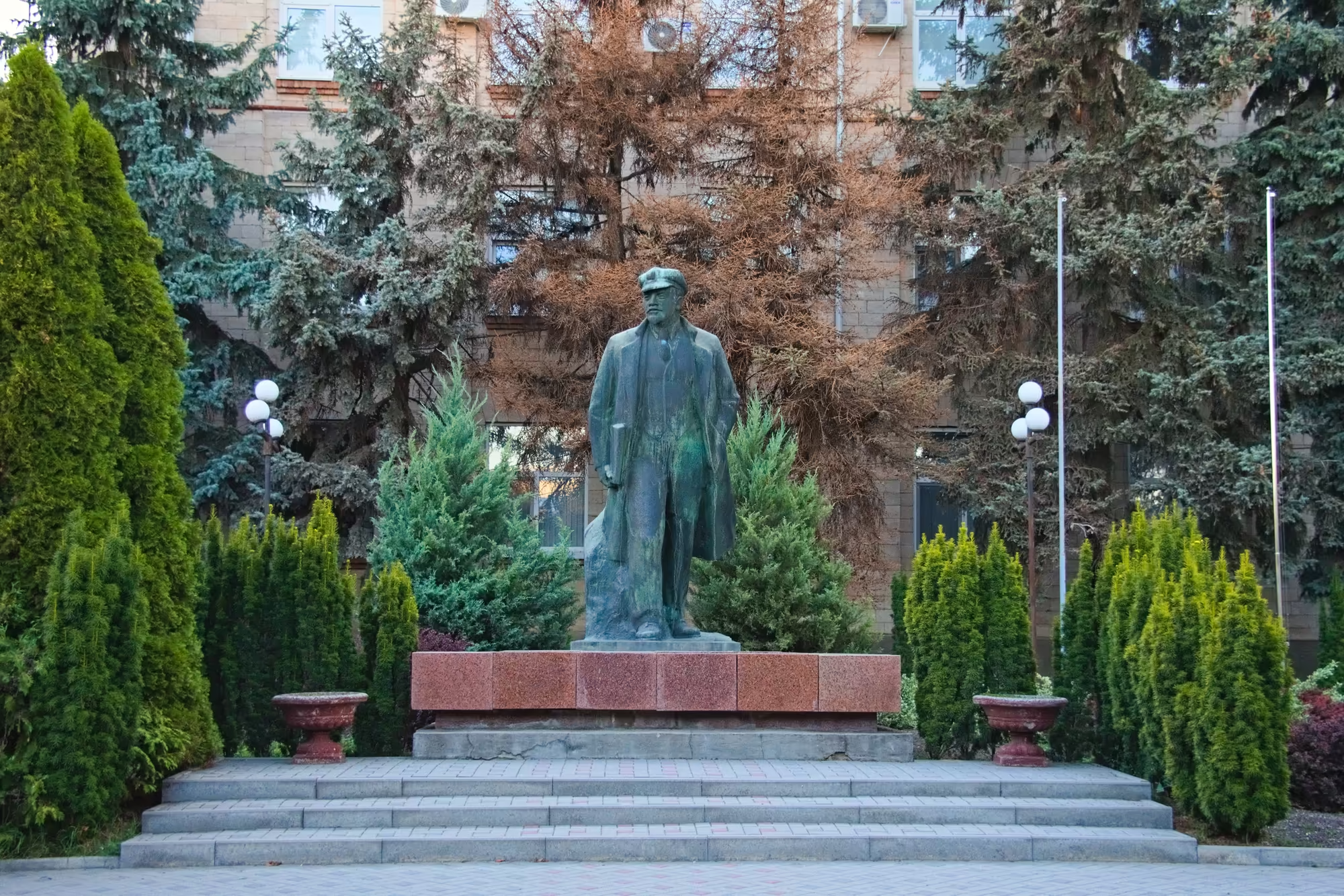
The nineteenth century brought the building of the province, its railways, its towns and its mills, and Bessarabia became one of the granaries of the Russian Empire. In the interwar years, as part of Romania, it was a borderland of the state, and the years of the Soviet union, with their collectivised farms and their new industries, changed the face of the country, so that the memory of those years is still present in the architecture and the monuments of the towns.
The border between Russia and the west has always run through this land, and the memory of the empire and of the union is still alive in the churches, the schools and the monuments of the towns. The question of Transnistria and the ties to Romania and to Russia remain part of the politics of the republic, and the story of its people is one of the many small states of Europe that have found their independence in recent times.
Geology
Moldova lies on the great plain of south eastern Europe, between the Dniester and the Prut, its surface a gently rolling plateau of limestone and loess that slopes from the north west toward the south east. The highest land is in the hills of the centre and north, and the country is cut by the valleys of the two great rivers and their many tributaries, which have carved the terraces, the ravines and the gorges of the interior.
The soils of the plateau are among the most fertile of Europe, the deep black chernozem that supports the vineyards, the orchards and the cornfields of the republic. The limestones of the hills have long been quarried for the pale stone of the buildings and the cellars, and the fissured rock of the river valleys shelters the caves and the old hermitages of the land.
The climate is temperate and continental, with warm dry summers and cold winters, and the country is visited by recurring droughts, which have shaped the hardy vines and the farming of the steppe. The Dniester and the Prut are the lifelines of the land, and their valleys, with their willows and their reed beds, form the greenest part of an otherwise open and sunny country.
The hills of the interior, with their vineyards and their orchards, are the heart of the wine country, and the limestone of the plateau provides both the pale stone of the buildings and the deep cellars in which the wine is aged. The valleys of the Dniester and the Prut, cut deep into the plateau, are among the wilder parts of the land, their slopes wooded and their waters the refuge of a rich birdlife.
Things to See
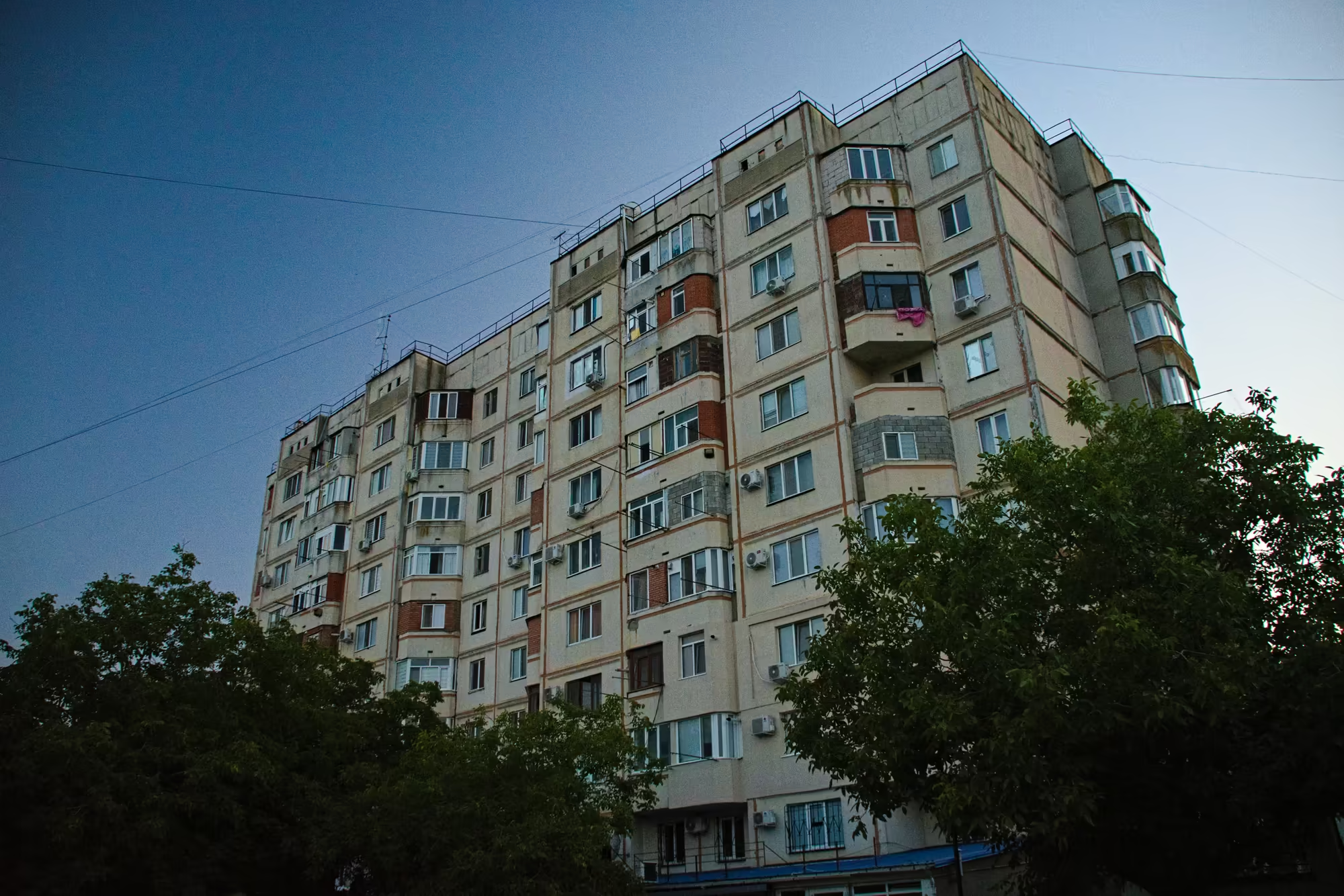
The capital, Chișinău, lies at the centre of the country on the small river Bâc, and it grew upon the wine and the trade of the province; its broad avenues, its parks and the orchards of its suburbs give it a green and open character. The city keeps both the neoclassical buildings of the nineteenth century and the monumental blocks of the Soviet years, and its markets, its cellars and its green squares are the meeting places of a people much attached to the vine.
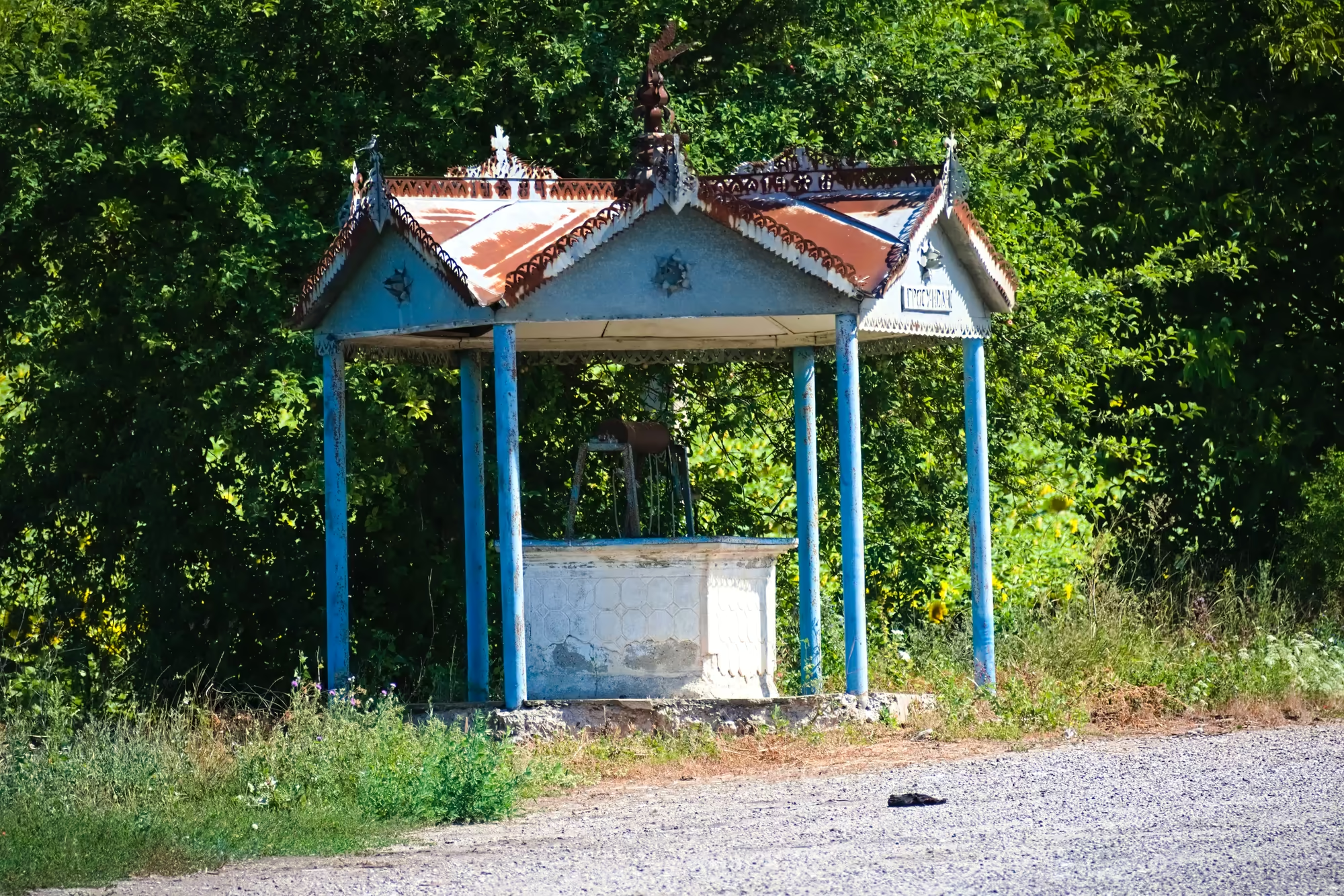
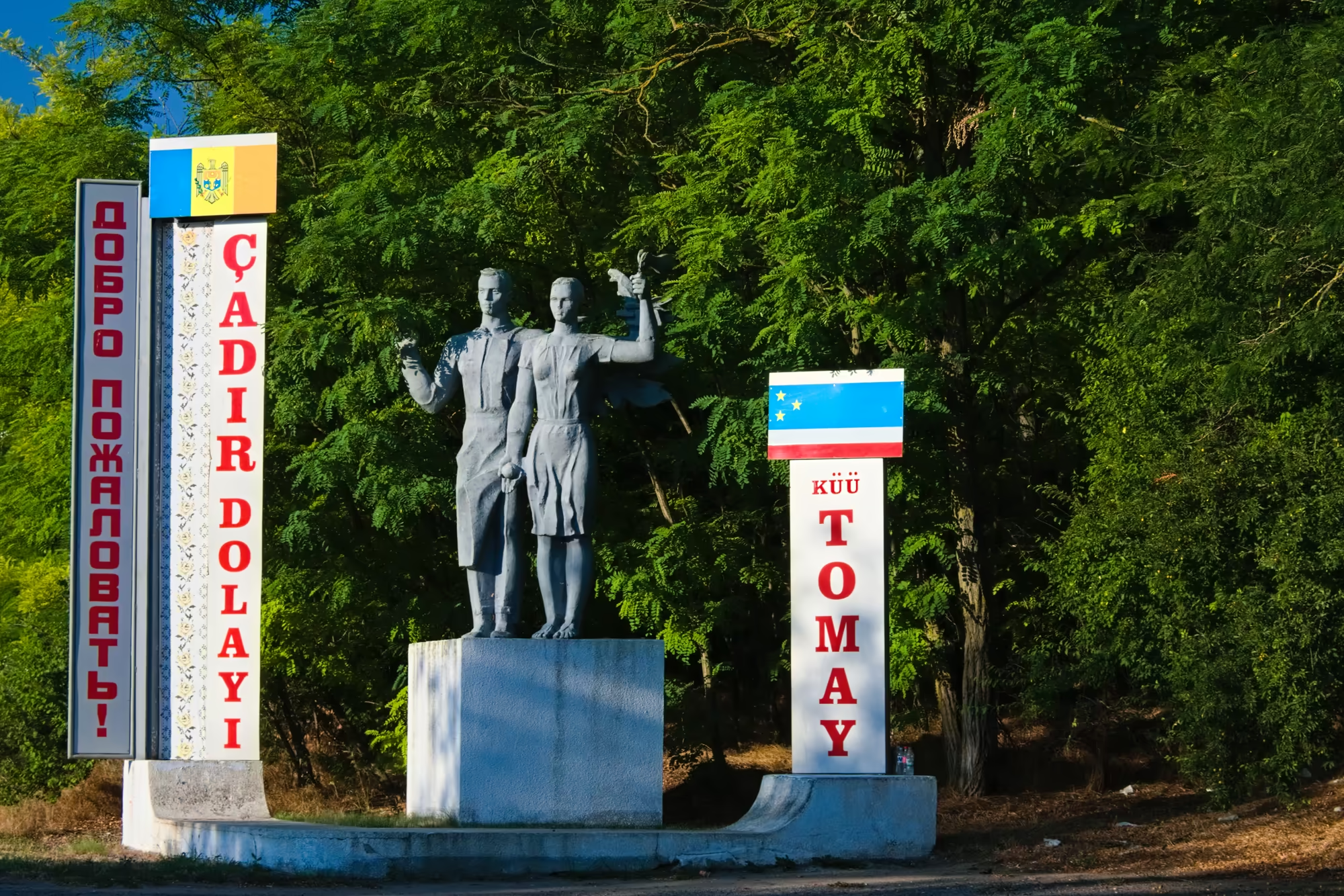
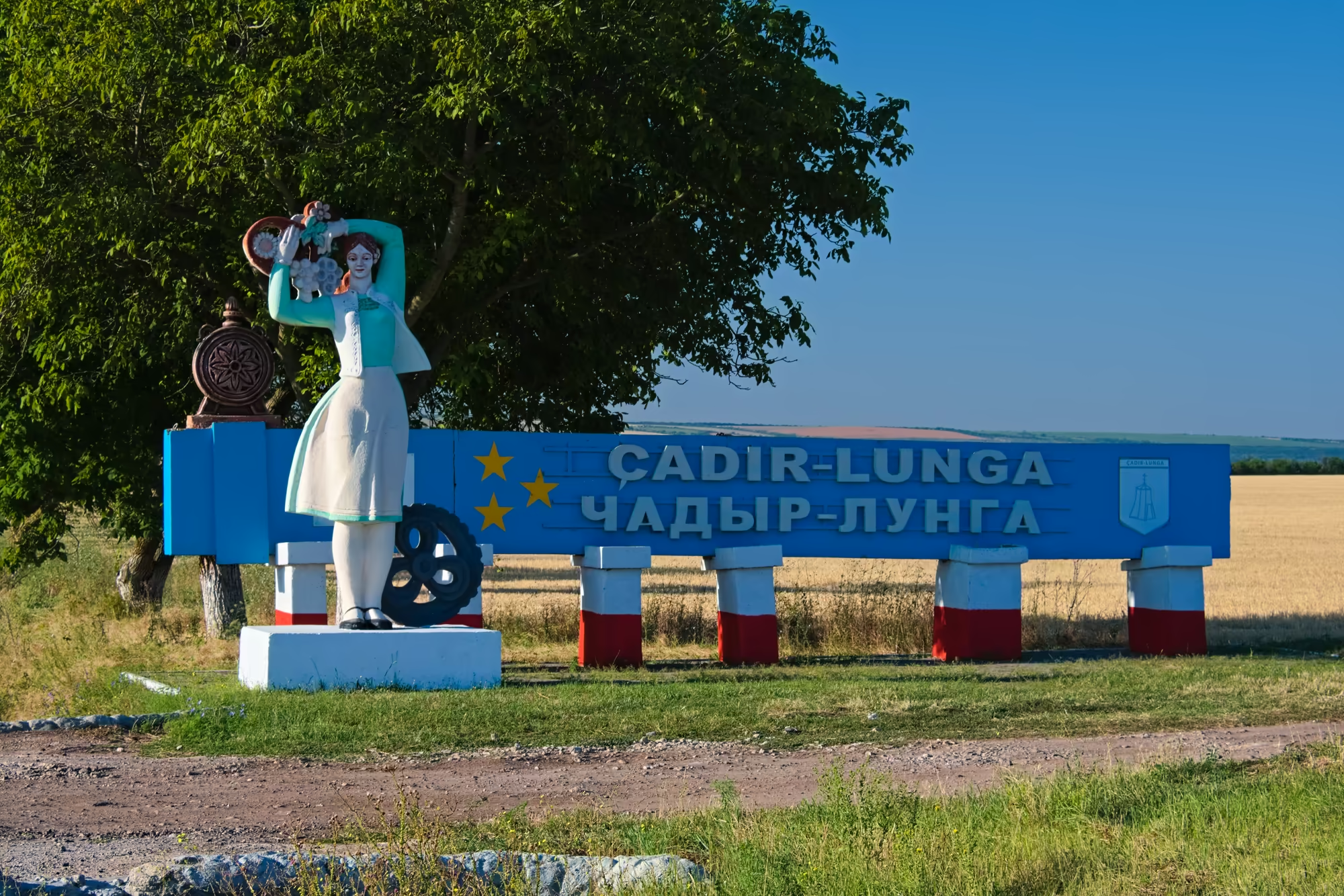
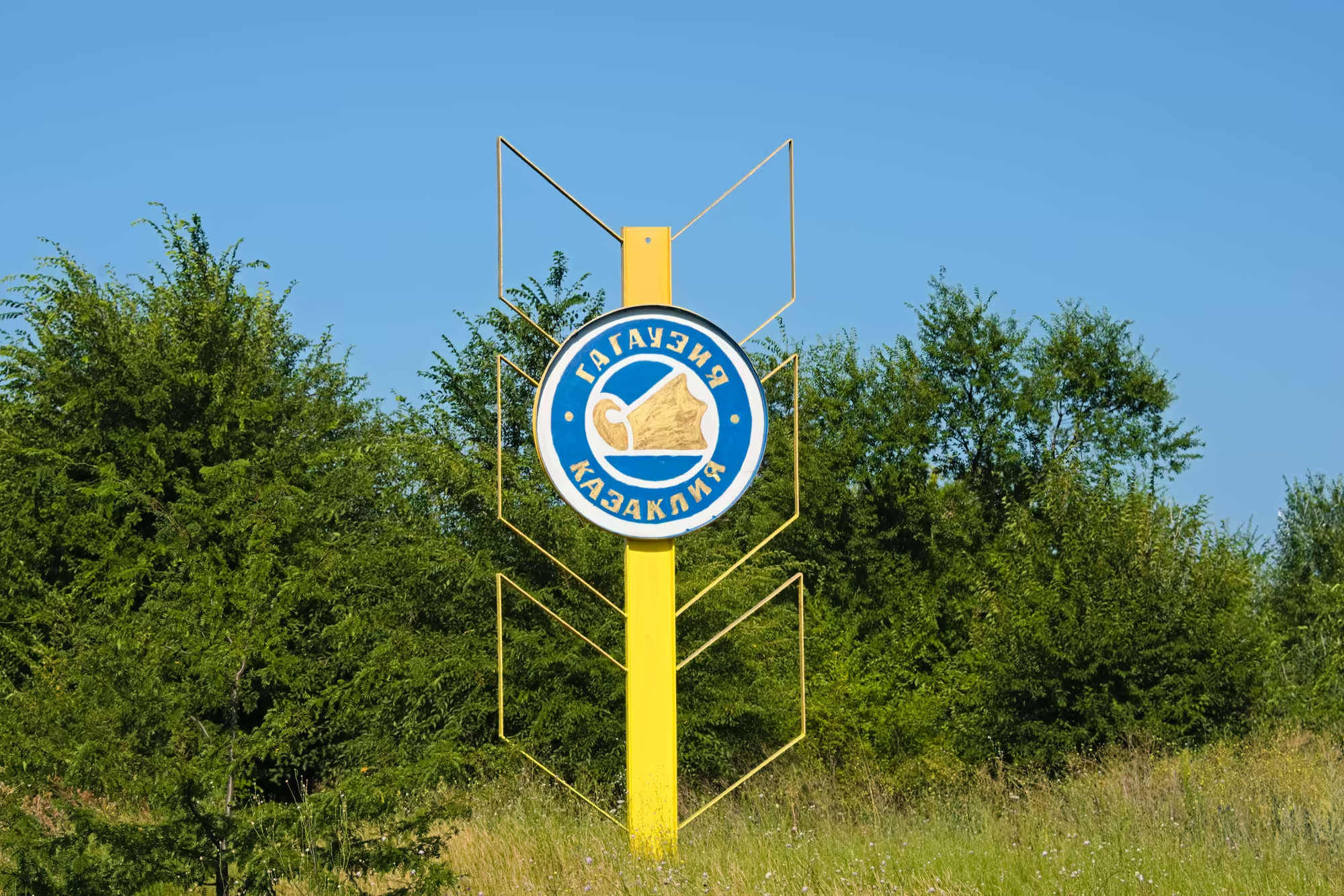
To the south lies Gagauzia, the autonomous region of the Gagauz people, and its chief towns, Comrat and Ceadîr-Lunga, are marked by the signs of their own identity: the entrance monuments with the three stars of the Gagauz flag, the monuments to their past, and the dress and the craft of the Gagauz tradition. The villages of the region, among them Gaidar and Kazaclia, keep the wayside shrines and the memorials of a people who are at once Turkic and Orthodox.
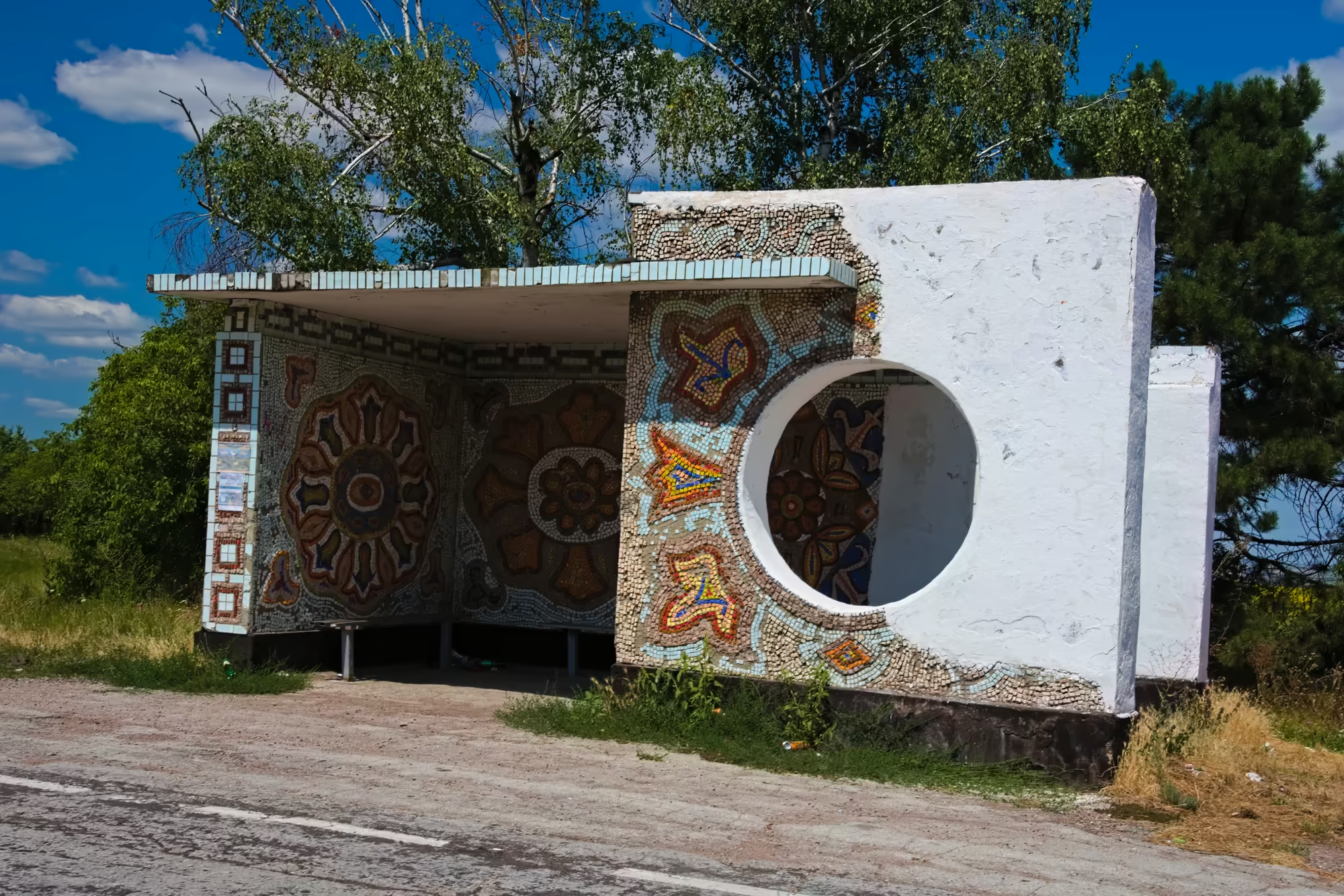
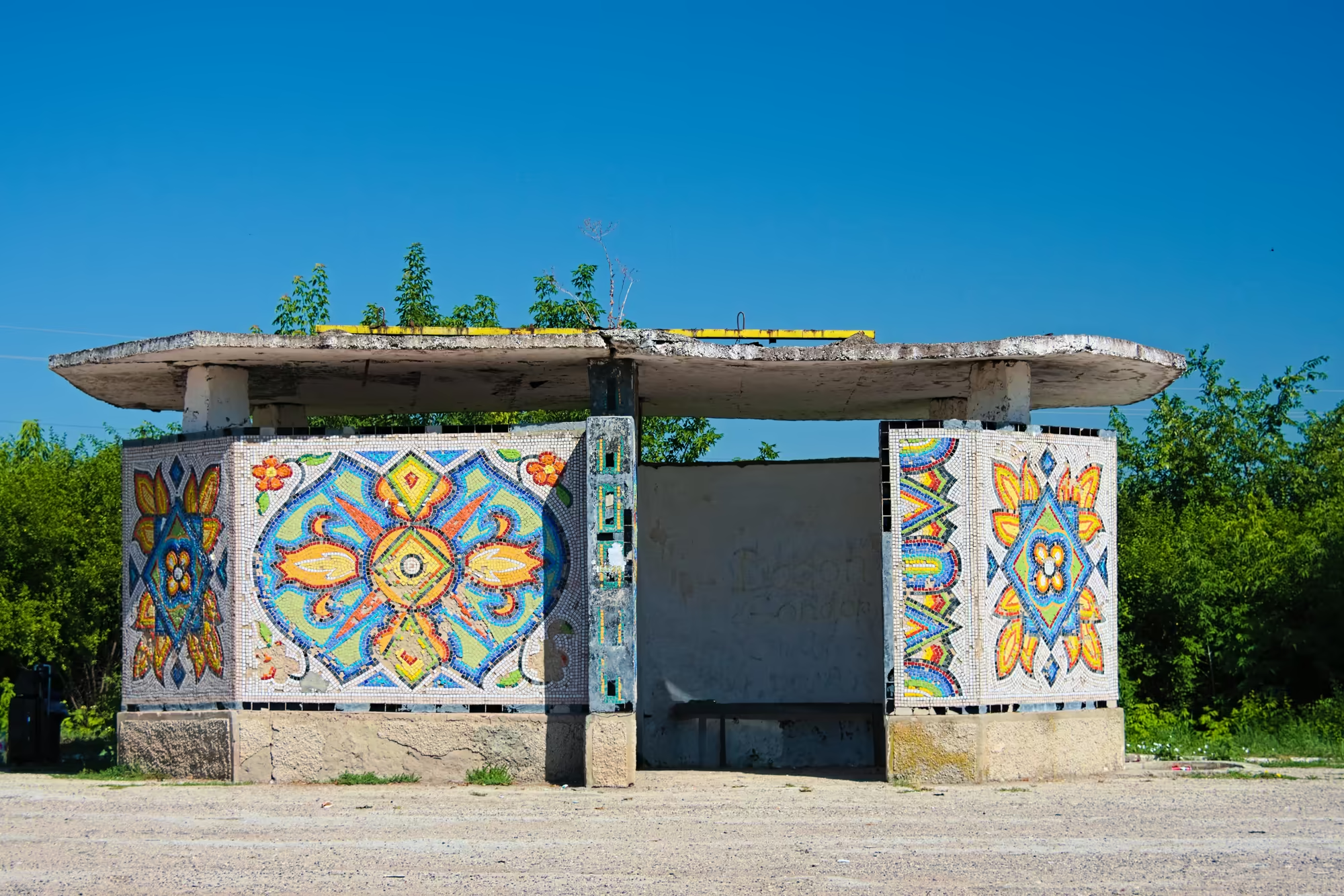
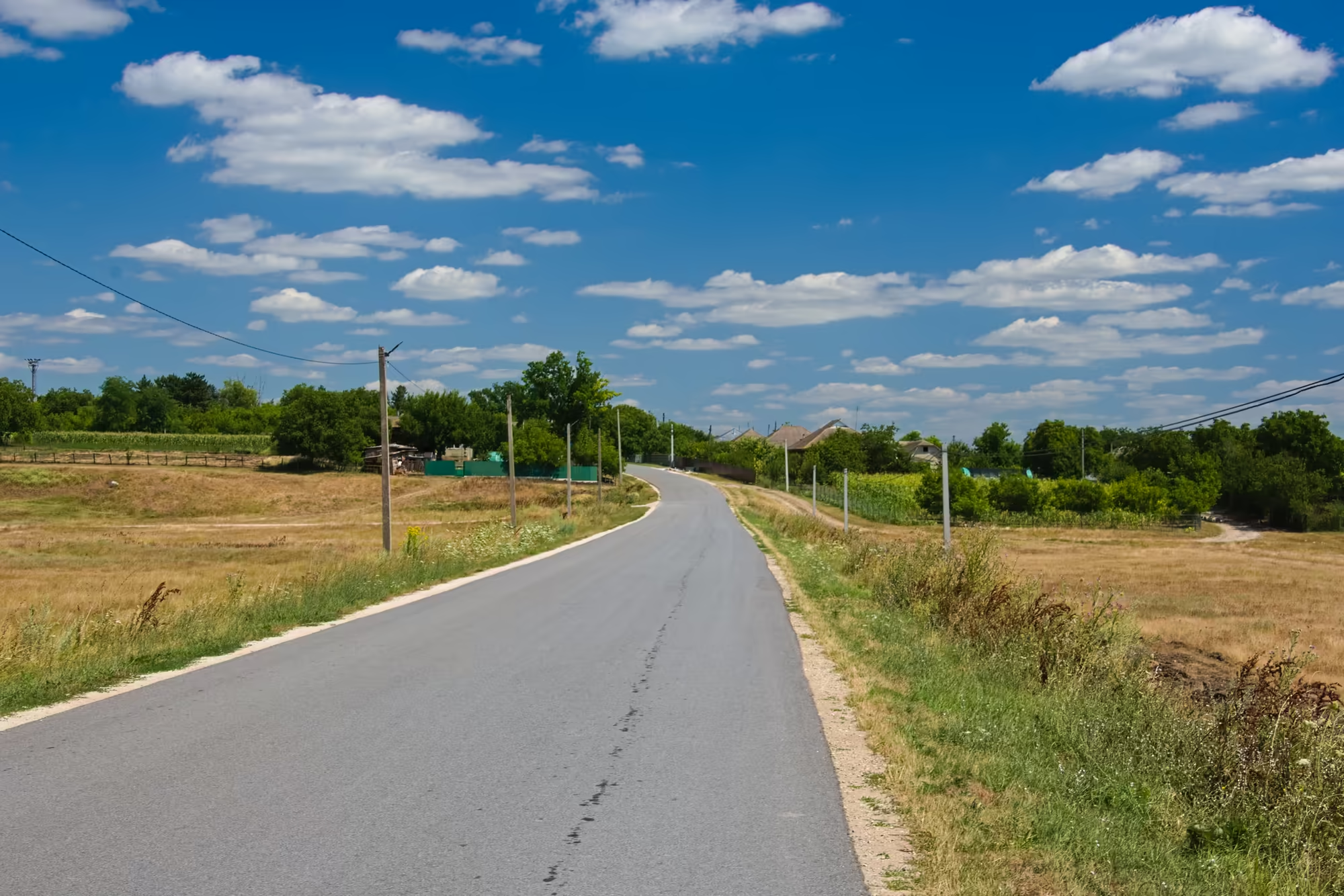
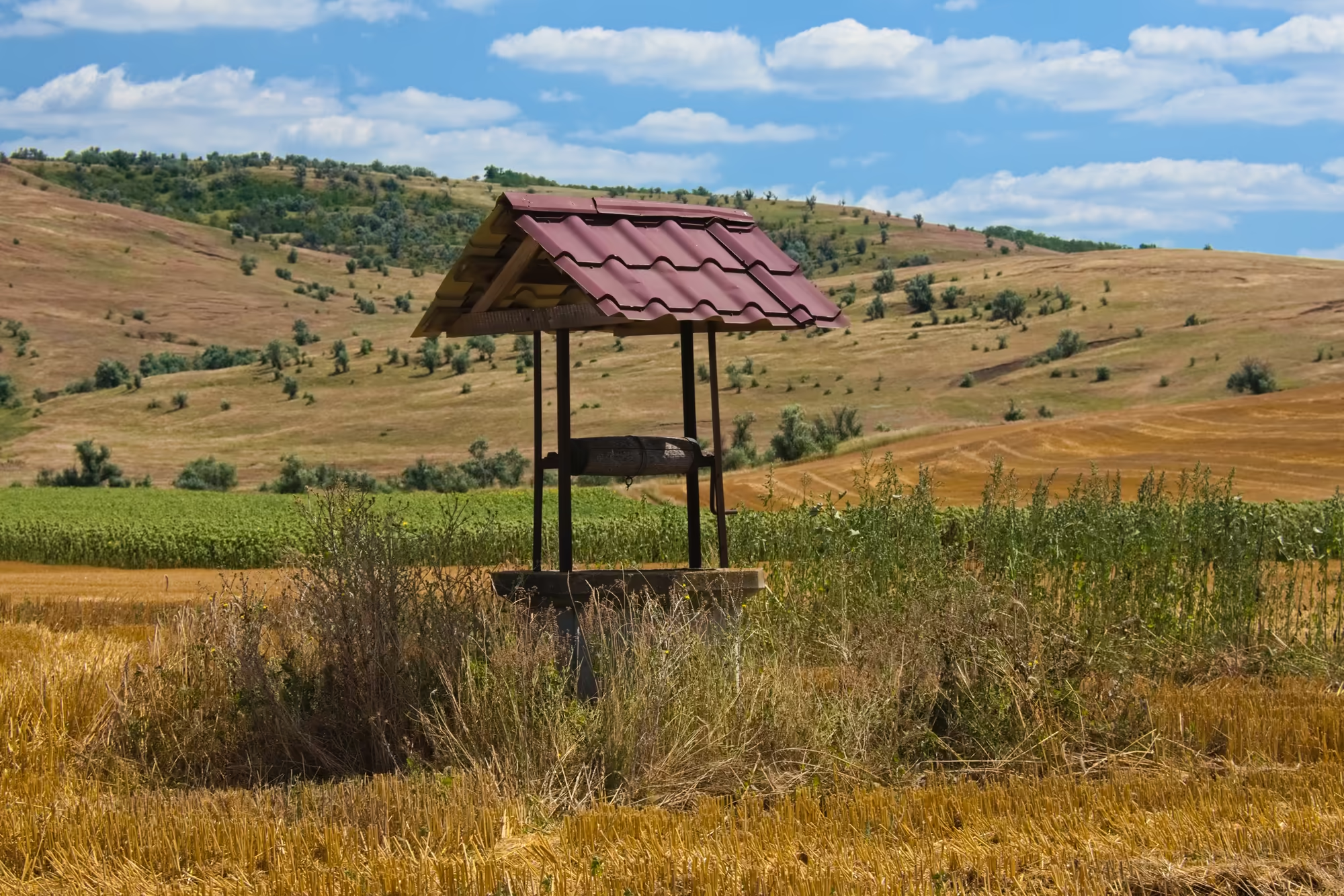
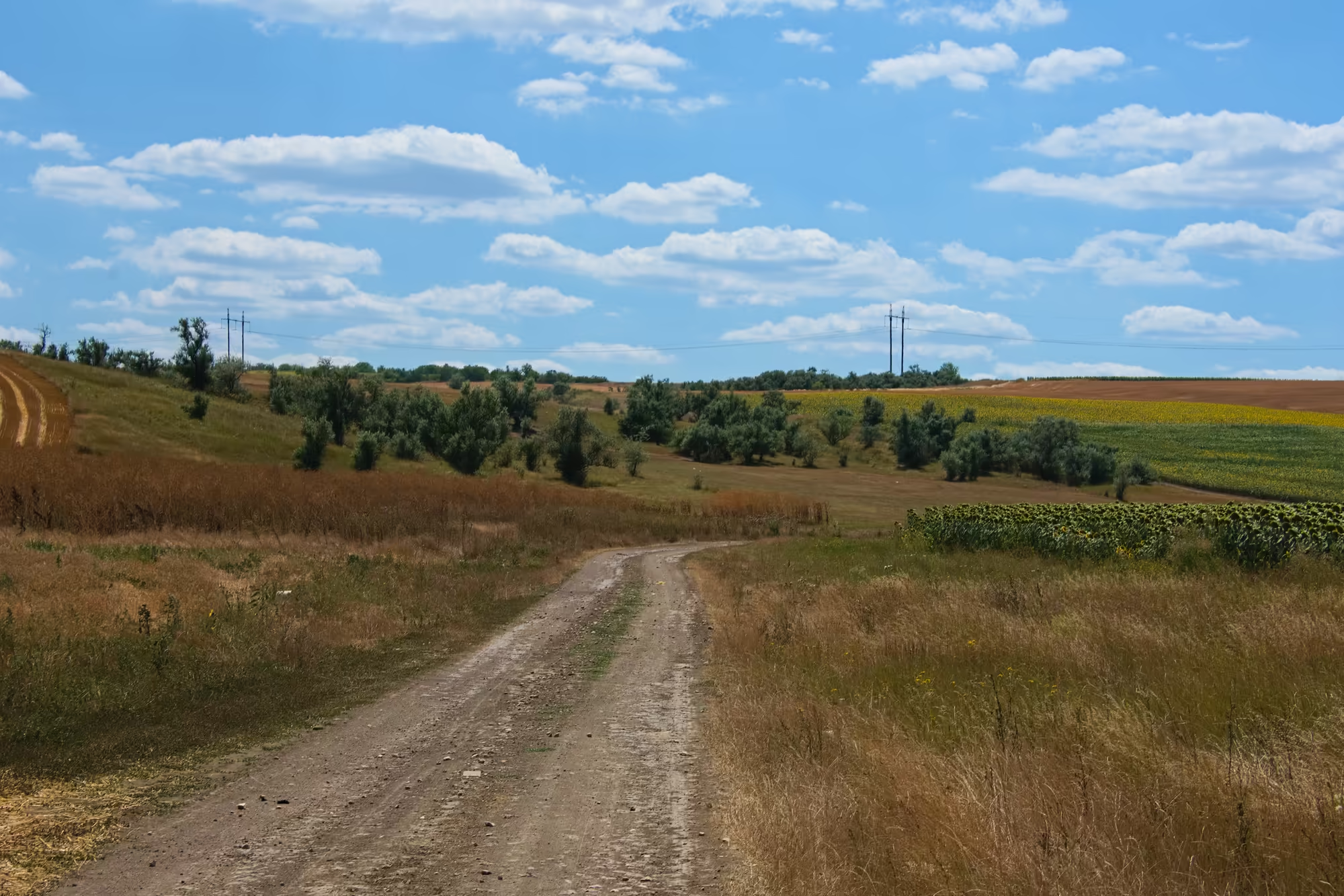
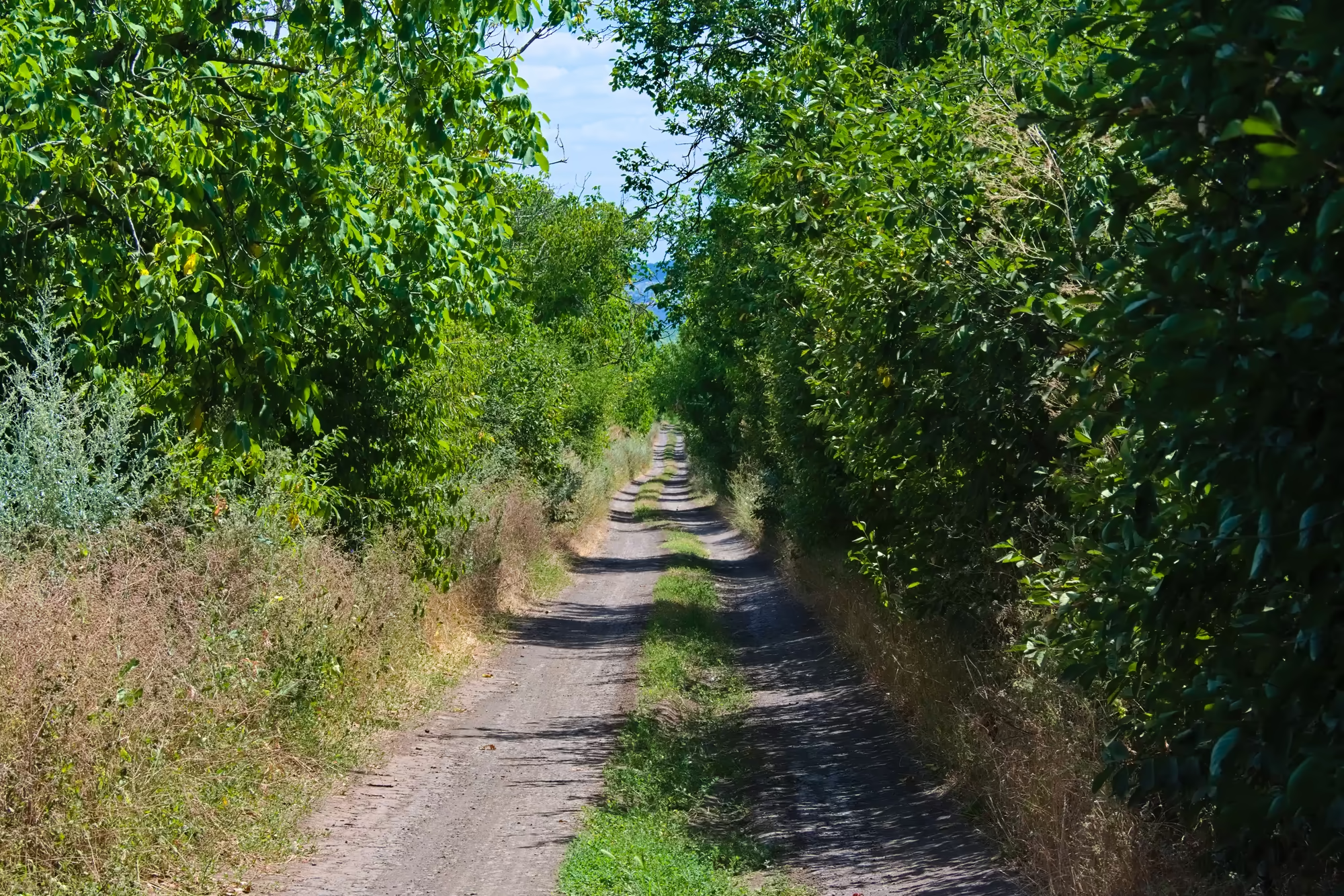
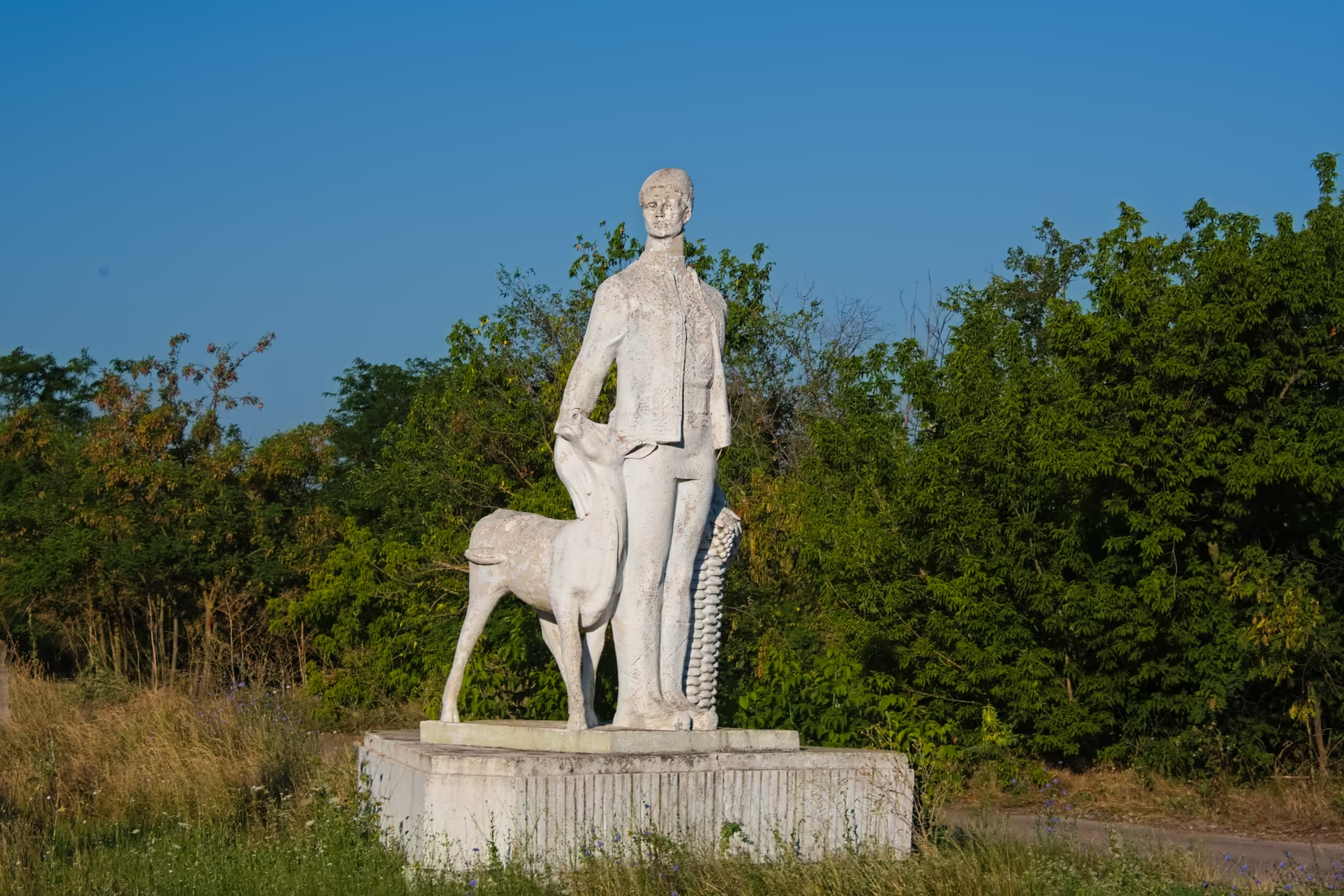
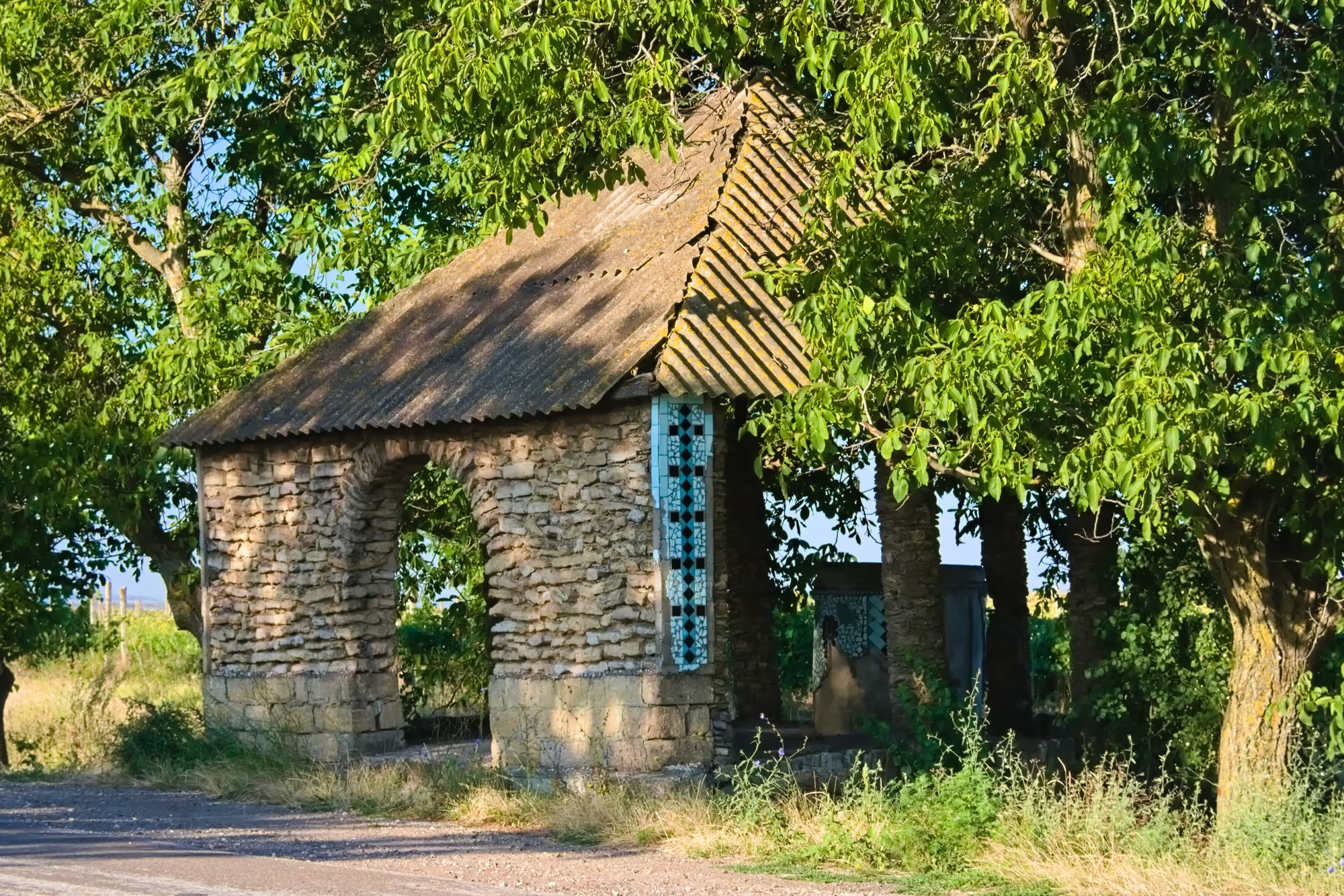
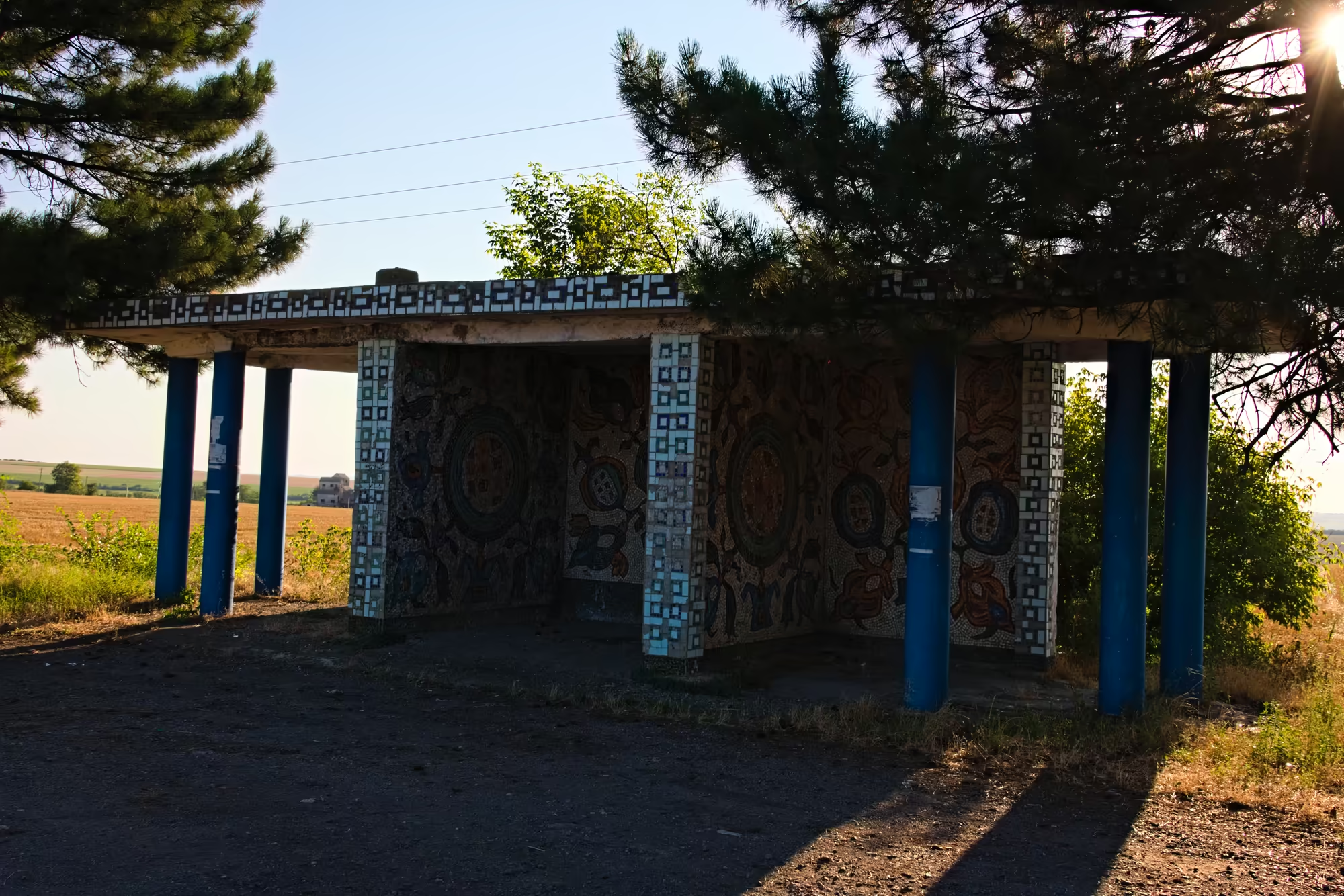
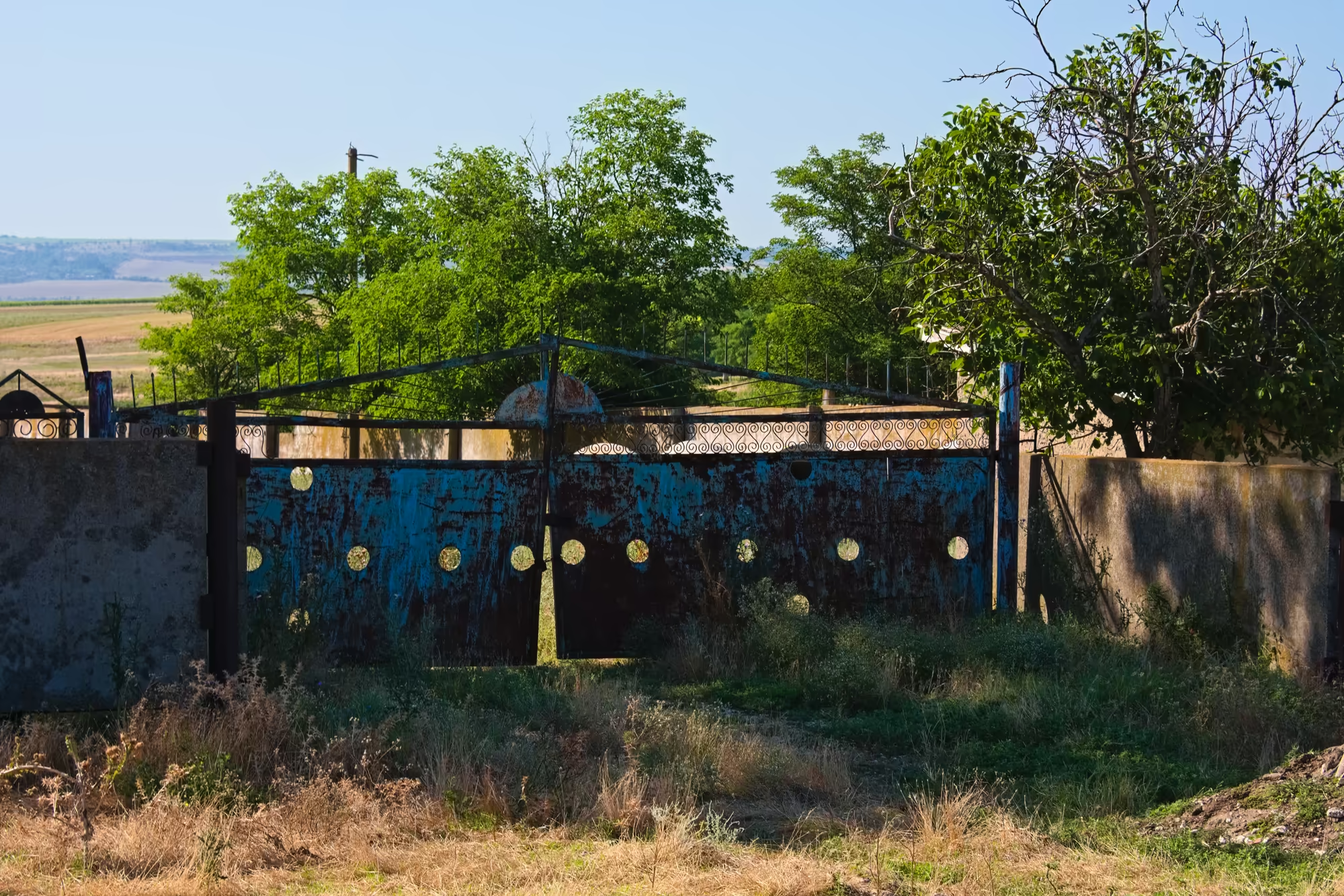
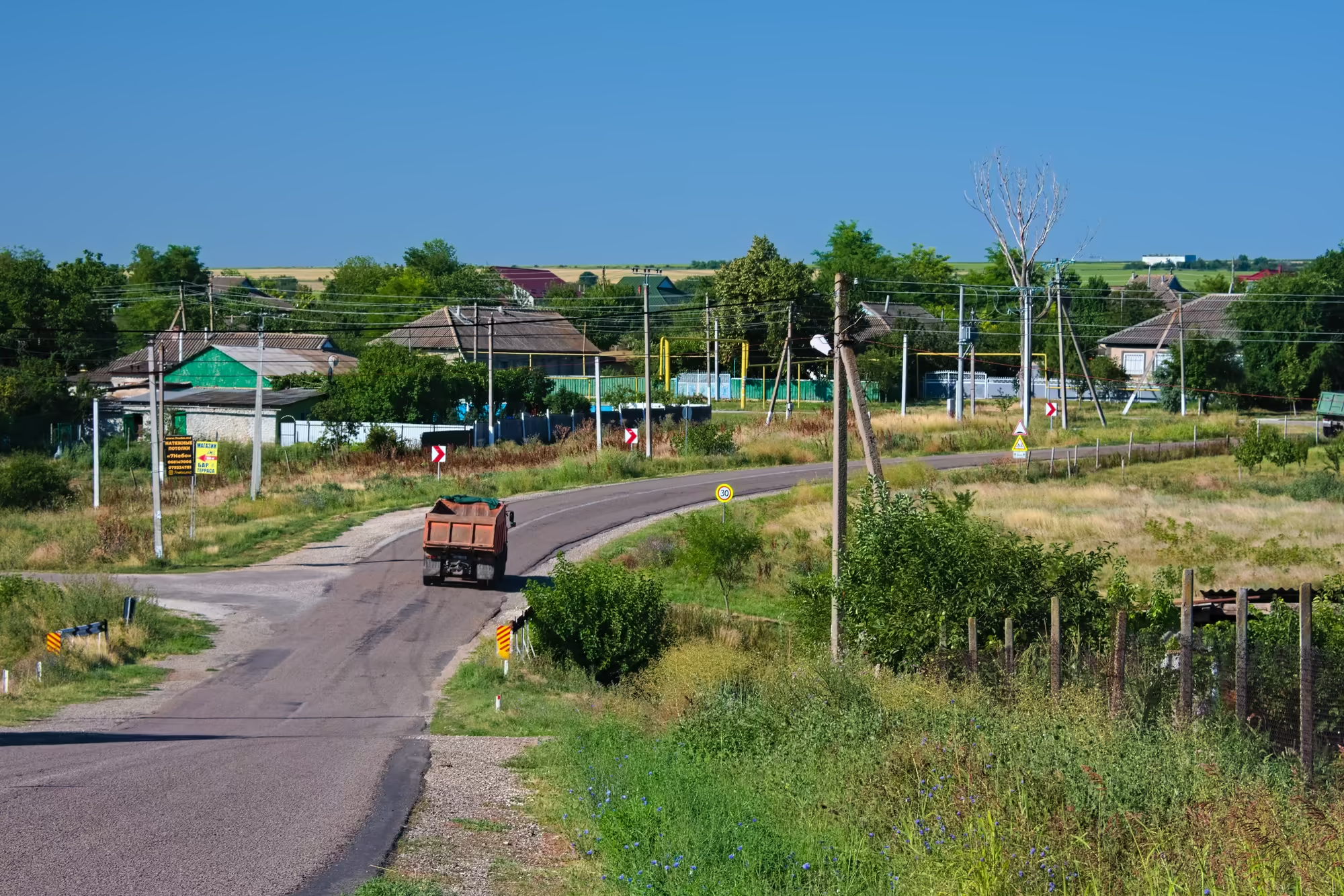
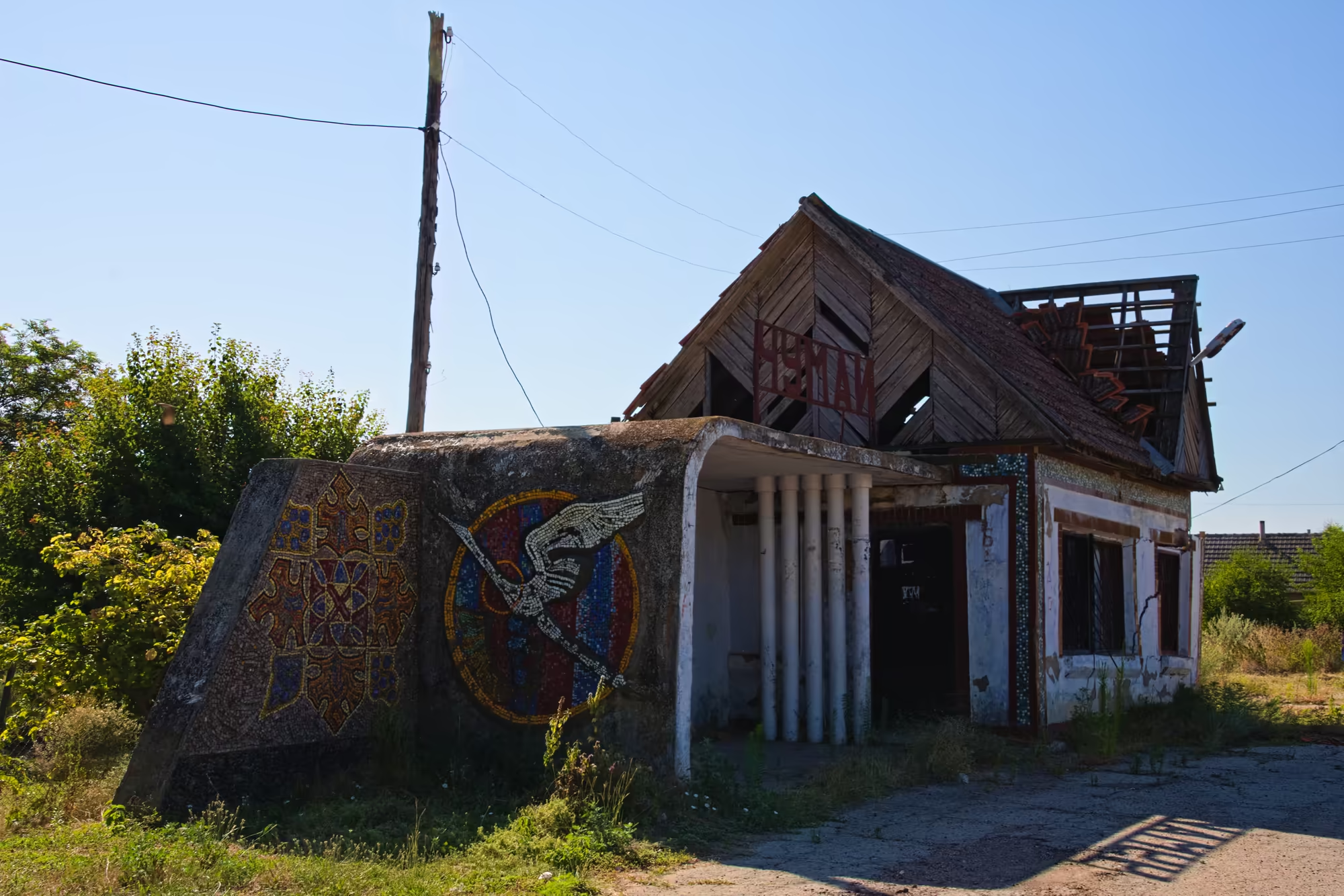
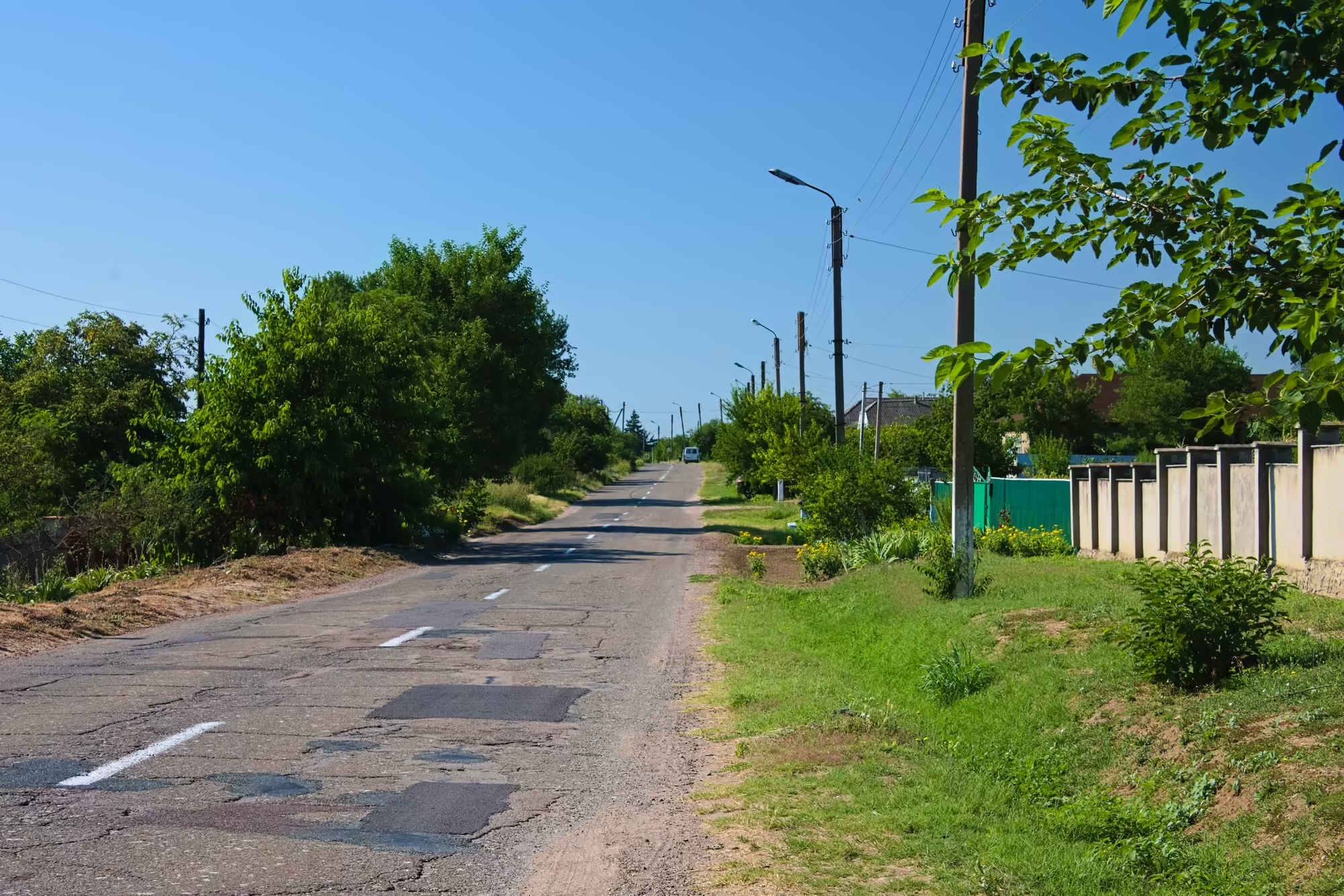
The countryside of the republic is one of rolling vineyards and fields, of small villages and of the long straight roads of the plain, and the Soviet years are still present in the painted mosaic bus shelters that stand at the roadside, in the monuments and the public art of that period, and in a carved mascot of Misha, the bear of the Olympic Games held in Moscow in 1980, that stands in one of the villages as a memory of the Soviet age.
The wine cellars of the country are among the largest in the world, and the cellars of the great wineries, cut into the limestone hills, run for many kilometres beneath the land and hold millions of bottles of the wine of the country; the villages are ringed by the vines and the orchards, and the grape harvest is the great event of the agricultural year.
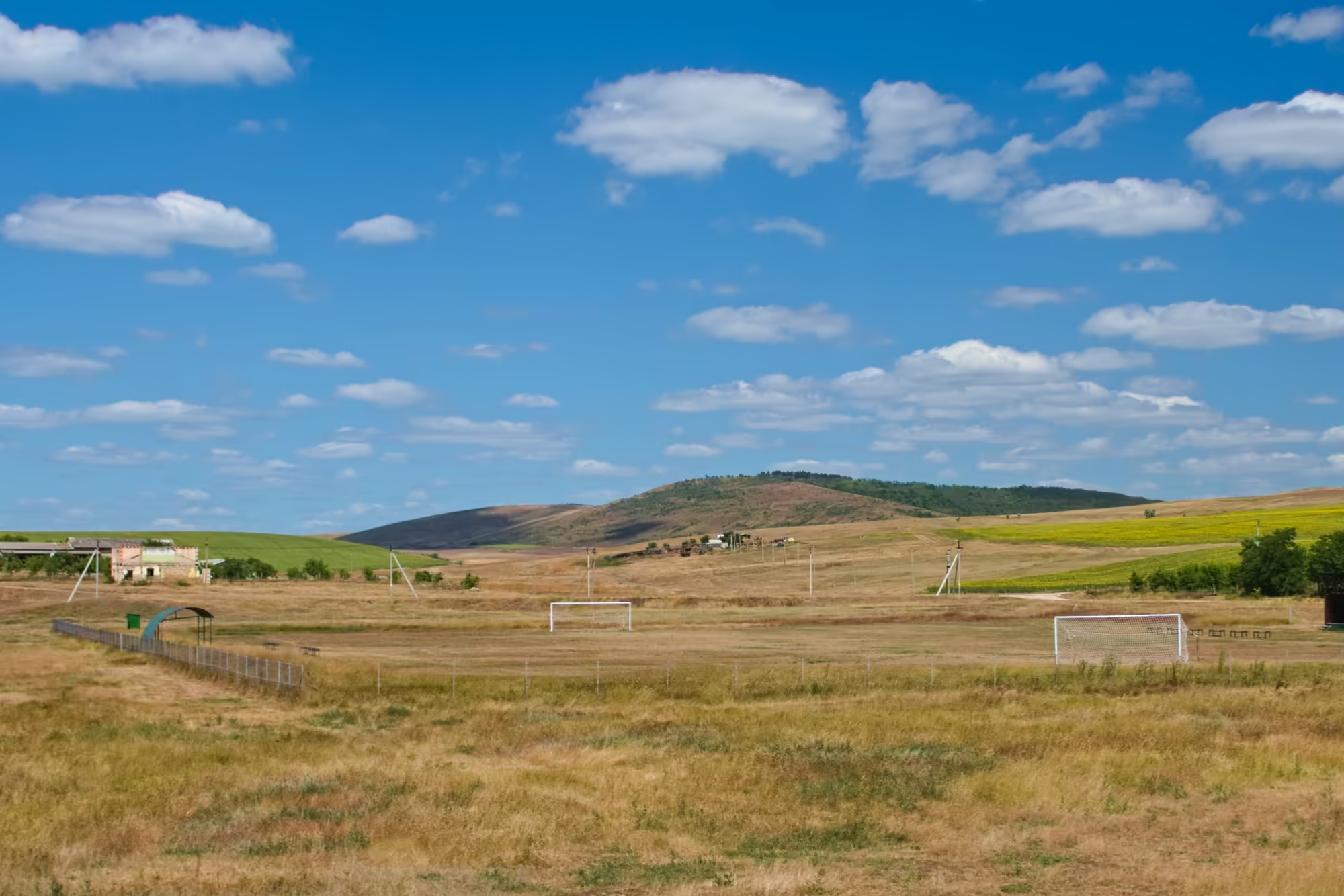
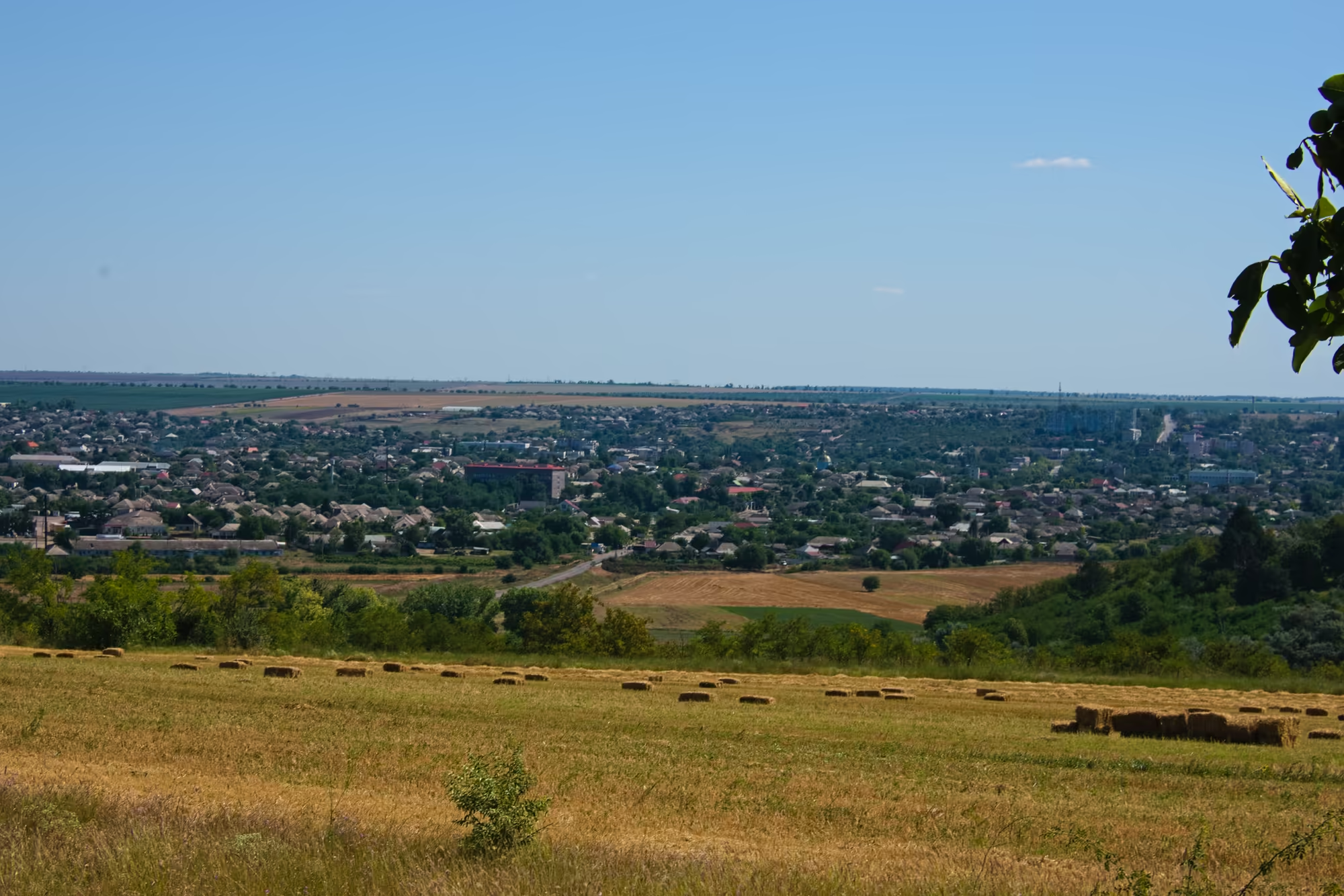
The churches of this Orthodox land, many of them new or rebuilt, the great river valleys with their willows and their herons, and the open steppe country of the south, with its hay bales and its wide horizons, complete the picture of a small but distinctive state, whose landscape is given over to the vine and the field.
The old monastic site of Orhei, in the valley of the Răut, with its hermitages cut into the limestone and the ruins of the old town upon the hill, is among the most striking places of the interior. The working life of the countryside, the horses and the carts of the lanes, the great fields and the reed beds of the rivers, completes a picture of a land whose beauty lies in its openness and its quiet.
The towns of Gagauzia, with their broad squares and their memorials, are centres of a culture that is at once Turkic and Orthodox, and the region is known for its carpets, its embroidery and its music. The hospitality of the Gagauz is a byword in the south of the country, and the white stone of the plateau, quarried for the buildings and the cellars, gives the villages and the towns of the republic their pale and even character.
References
- Wikipedia contributors (2026). Moldova. en.wikipedia.org/wiki/Moldova
- Wikipedia contributors (2026). History of Moldova. en.wikipedia.org/wiki/History_of_Moldova
- Wikipedia contributors (2026). Chișinău. en.wikipedia.org/wiki/Chișinău
- Wikipedia contributors (2026). Gagauzia. en.wikipedia.org/wiki/Gagauzia
- Wikipedia contributors (2026). Comrat. en.wikipedia.org/wiki/Comrat
- Wikipedia contributors (2026). Ceadîr-Lunga. en.wikipedia.org/wiki/Ceadîr-Lunga
- Wikipedia contributors (2026). Gagauz people. en.wikipedia.org/wiki/Gagauz_people
- Wikipedia contributors (2026). Bessarabia. en.wikipedia.org/wiki/Bessarabia
- Wikipedia contributors (2026). Dniester. en.wikipedia.org/wiki/Dniester
- Wikipedia contributors (2026). Moldavian wine. en.wikipedia.org/wiki/Moldavian_wine
- Wikipedia contributors (2026). Old Orhei. en.wikipedia.org/wiki/Old_Orhei
- Wikipedia contributors (2026). Orhei. en.wikipedia.org/wiki/Orhei
- Wikipedia contributors (2026). Moldavian Plateau. en.wikipedia.org/wiki/Moldavian_Plateau
- Wikipedia contributors (2026). Soviet occupation of Bessarabia. en.wikipedia.org/wiki/Soviet_occupation_of_Bessarabia
- Wikipedia contributors (2026). Transnistria. en.wikipedia.org/wiki/Transnistria