2026 South East Europe 5 - Bulgaria
8 September 2026




Journal Notes
General
Bulgaria is a country of south eastern Europe on the eastern part of the Balkan Peninsula, lying to the south of the Danube and to the west of the Black Sea. It is bounded by Romania across the Danube to the north, by Serbia and North Macedonia to the west, and by Greece and Turkey to the south, and it covers an area of about 110,994 square kilometres, the tenth largest within the European Union. The capital and largest city is Sofia, and the other great towns are Plovdiv, Varna and Burgas, the last a Black Sea port and the seat of the province that bears its name.
The population of the country numbered about 6.4 million at the 2021 census, a country that has seen a steady decline over recent decades. The official language is Bulgarian, a South Slavic tongue written in the Cyrillic alphabet, and the state is a parliamentary republic, a member of NATO since 2004 and of the European Union since 2007. The land is a land of contrasts, of high mountains, of broad plains and of a long Black Sea coast, and it keeps a rich folk tradition of music, of dance and of textiles.
The heart of the country is divided by the Balkan Mountains, which run from west to east across the middle, while the Rhodope and the Rila and Pirin ranges rise in the south and the south west, the Rila holding the highest peak of the Balkans. To the north of the mountains the Danubian Plain slopes down to the river, and to the south the Thracian Plain stretches toward the coast, a country of agriculture and of vineyards, of sunflowers and of roses, as well as of the mining and the industry of the towns.
The people are largely Bulgarians, with a Turkish minority and smaller groups of Roma and of others, and the towns combine the Orthodox churches and the monuments of a long past with the blocks of the communist era and the newer building of the present. In the villages the old ways have been kept, and the monasteries of the land, among the oldest of the Orthodox world, are among its greatest treasures.
To the east the coast falls to the Black Sea, a shore of sandy beaches and of harbours, of resorts and of fishing villages, and this is the part of the country that the present journey reaches, at the port of Burgas and the shore about it.
History
The lands of Bulgaria have been inhabited since the earliest times, the Thracians being the most ancient people recorded, and their kingdom, with its wealth and its sanctuaries, was absorbed by the Romans in the first century after Christ. The name of Burgas itself is held to come from the Greek word for a tower, Pyrgos, and the coast of the Black Sea was dotted with Greek colonies and later with Roman and Byzantine towns that traded across the sea.
In the late seventh century the Bulgars, a Turkic people from the steppe, crossed the Danube and formed a state that absorbed the local Slavs, and the First Bulgarian Empire grew to be a great power, converting to Christianity in the ninth century and giving the Orthodox world the Cyrillic script. Byzantium overthrew the First Empire in 1018, but a Second Bulgarian Empire arose in 1185 and reached its height under Ivan Asen II in the thirteenth century.
From the end of the fourteenth century the country fell under the rule of the Ottoman Empire, and for nearly five centuries the greater part of Bulgaria remained within it, its churches and its monasteries alone preserving the national identity. The national awakening of the nineteenth century, with its schools and its literature, prepared the way for a rising, and the Russo-Turkish War of 1877 to 1878 brought the principality an autonomy that became full independence in 1908.
The twentieth century saw the wars of the Balkans and the two world wars, and in 1946 a communist state was imposed under the Soviet Union. The fall of the communist regime in 1989 opened the way to democracy and a market economy, and the country joined NATO in 2004 and the European Union in 2007, returning to the European fold within a generation of the changes of 1989.
The modern towns grew on the trade of the coast and the river, and Burgas, with its deep water harbour opened in the early twentieth century and its railway to the interior, became one of the chief ports of the Black Sea, a centre of the fishing and the shipping of the country and of the new trade that came with the sea.
Geology
Bulgaria lies on the eastern part of the Balkan Peninsula, a region of the Alpine fold belt, and its mountains are among the wilder and the older ranges of Europe. The Balkan Mountains run across the middle of the country, a long range of folded strata that divides the Danubian Plain from the Thracian Plain, while the high ranges of the south, the Rila and the Pirin and the Rhodope, rise on broken granite and on older crystalline rocks, the Musala in the Rila reaching the highest summit of the whole peninsula.
The Danubian Plain to the north, a wide lowland of loess and of alluvium, falls gently to the river, and the Thracian Plain to the south, a fertile plain of grey-brown soils and of alluvium, widens toward the coast. Between the two the mountains rise, folded and thrust during the Alpine orogeny, with great basins and with the gravel and the sand of the valleys.
The Black Sea coast is a plain of sand and of lagoons, and near Burgas the land is broken by a chain of lakes, the Burgas Lakes, that lie between the town and the sea. The Atanasovsko Lake, one of the rare salt water lakes of the Black Sea region, holds its salt flats and its shallows, a place of great importance for the birds that pass between north and south, while the bay itself, the Burgas Bay, is the westernmost gulf of the sea.
The coast of the sea is low and sandy, the wind and the current building bars and spits, and the shore and the shallows are rich in the marine life that has long fed the fishing of the towns. To the west the Rila and the Pirin carry snow and the ice of the high peaks, their granite cut by glacial valleys, and the rivers that rise among the mountains flow either to the Danube or to the Aegean or to the Black Sea itself.
The geology of the coast, with its sand and its salt lakes, its brackish lagoons and its mud, gives the country a distinctive shore, and the warm waters of the Black Sea have drawn the settlements of the coast from the Greek colonies to the resorts of today.
Things to See
The city that the route reaches on the Black Sea is Burgas, the largest port and the second city of the Bulgarian coast, and the fourth of the country. It stands at the westernmost point of the Burgas Bay, on a plain that reaches to the sea, and its name is held to come from the Greek word for a tower, a fitting title for a town that commands the approaches of the bay. The population numbered about 210,000 at the 2021 census, and the town is the centre of the fishing and the fish processing of the country and a port of importance on the coast.
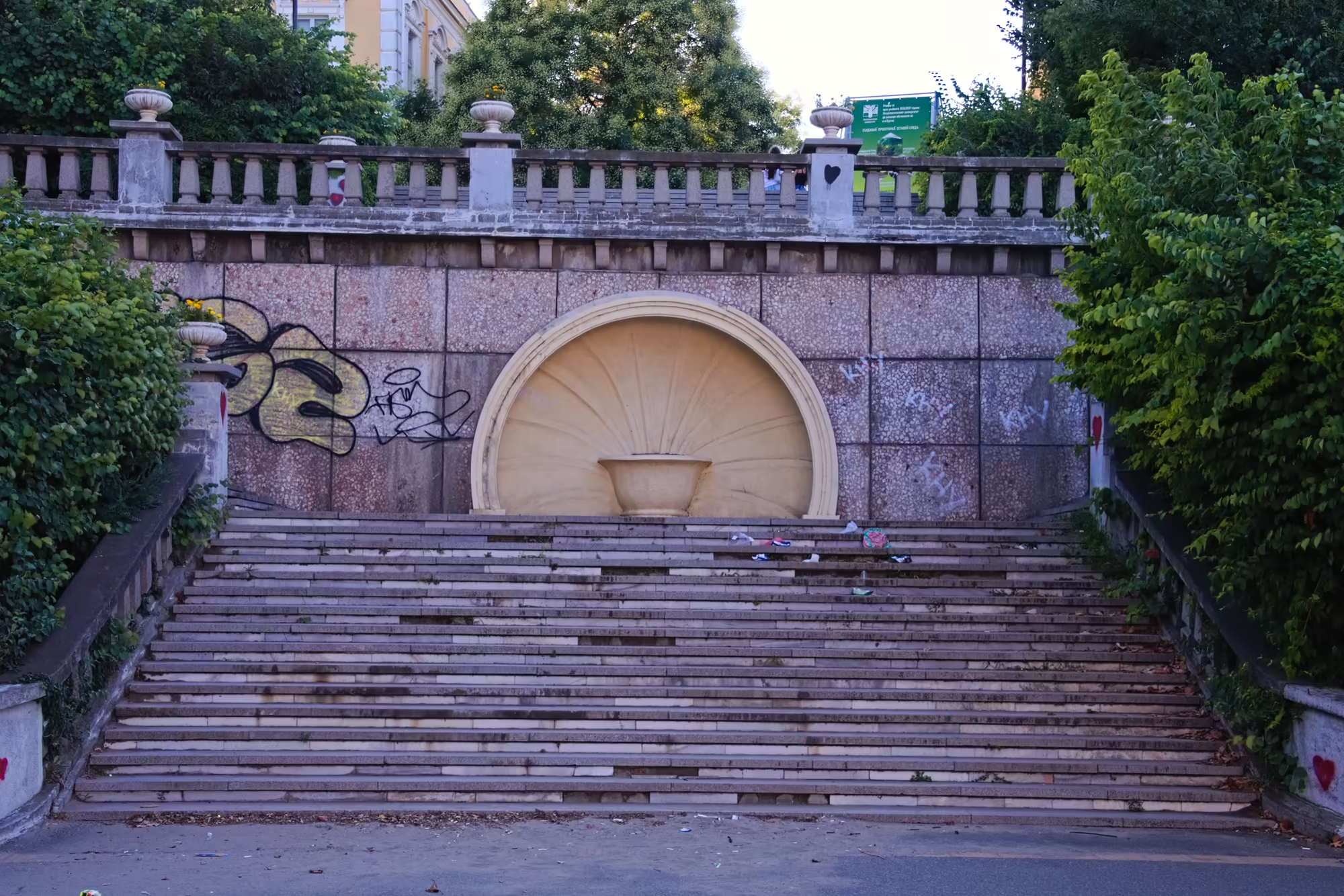
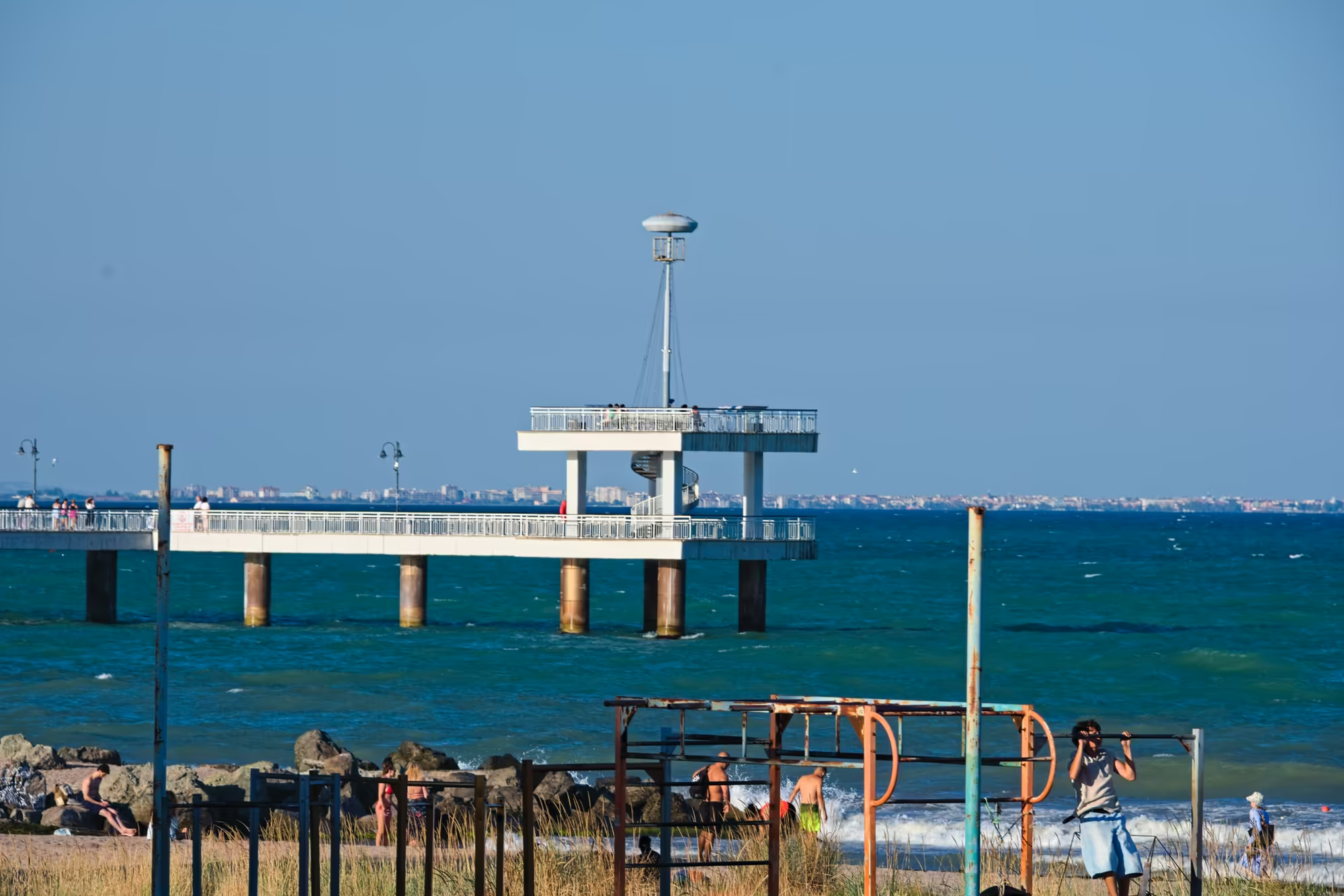
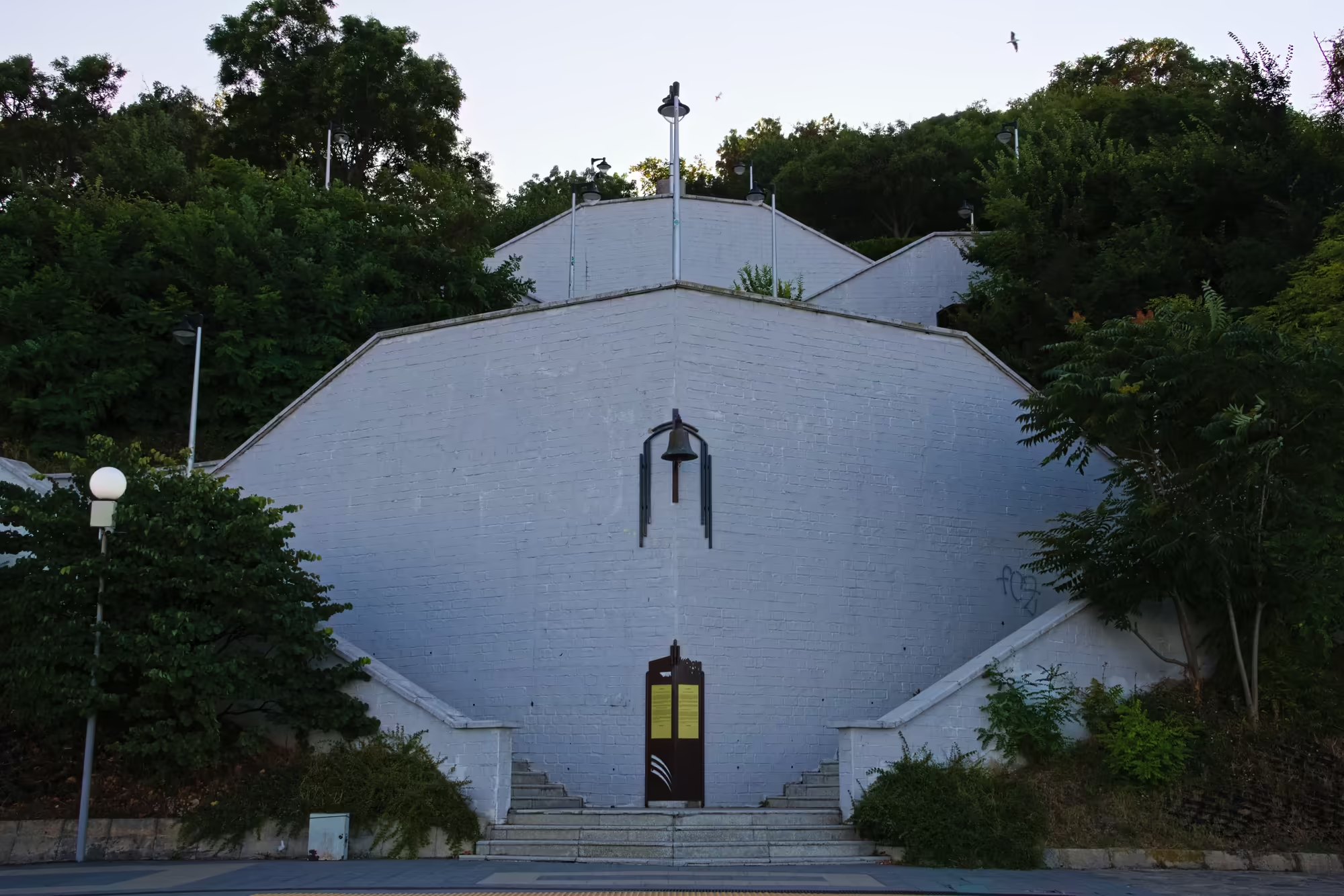
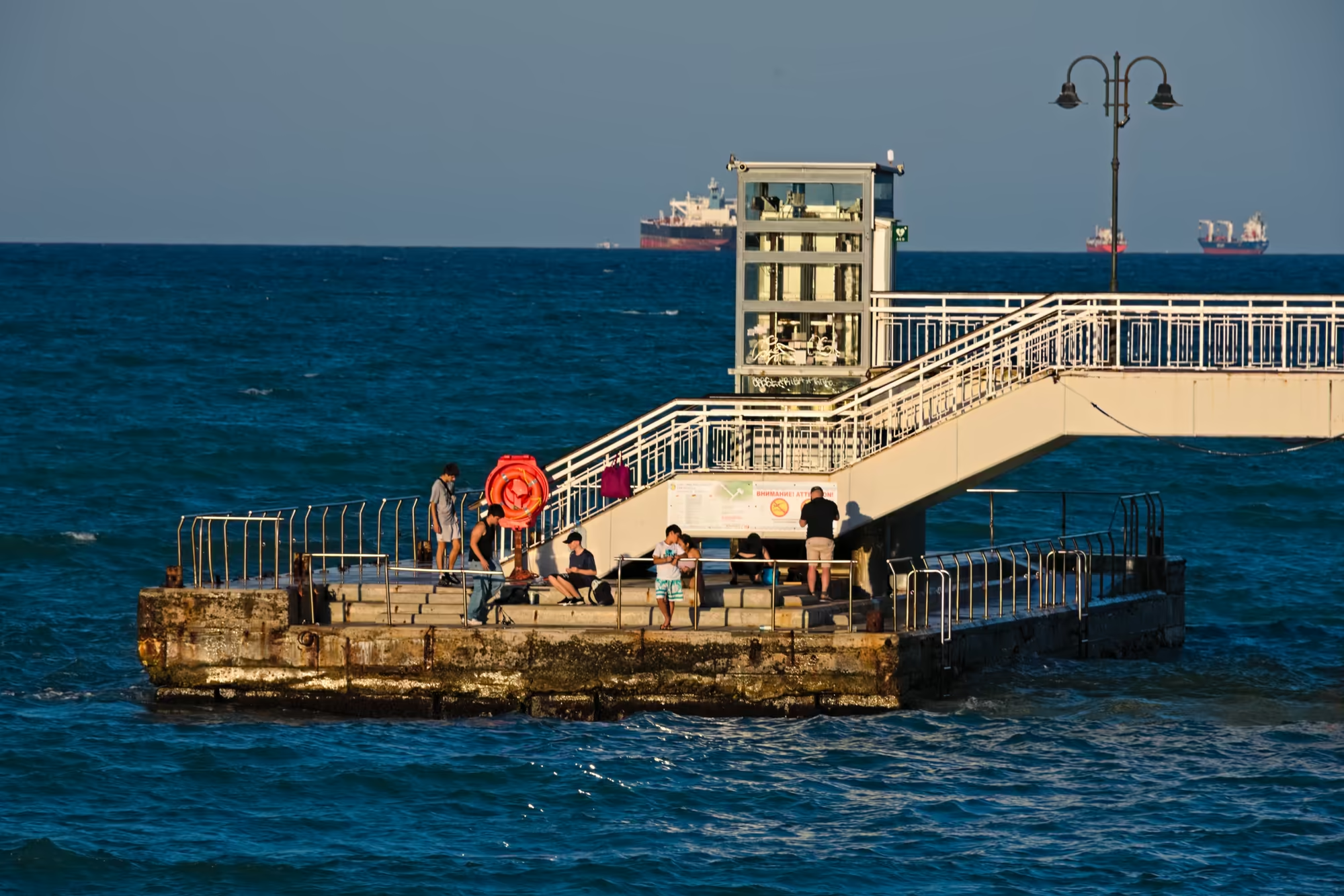
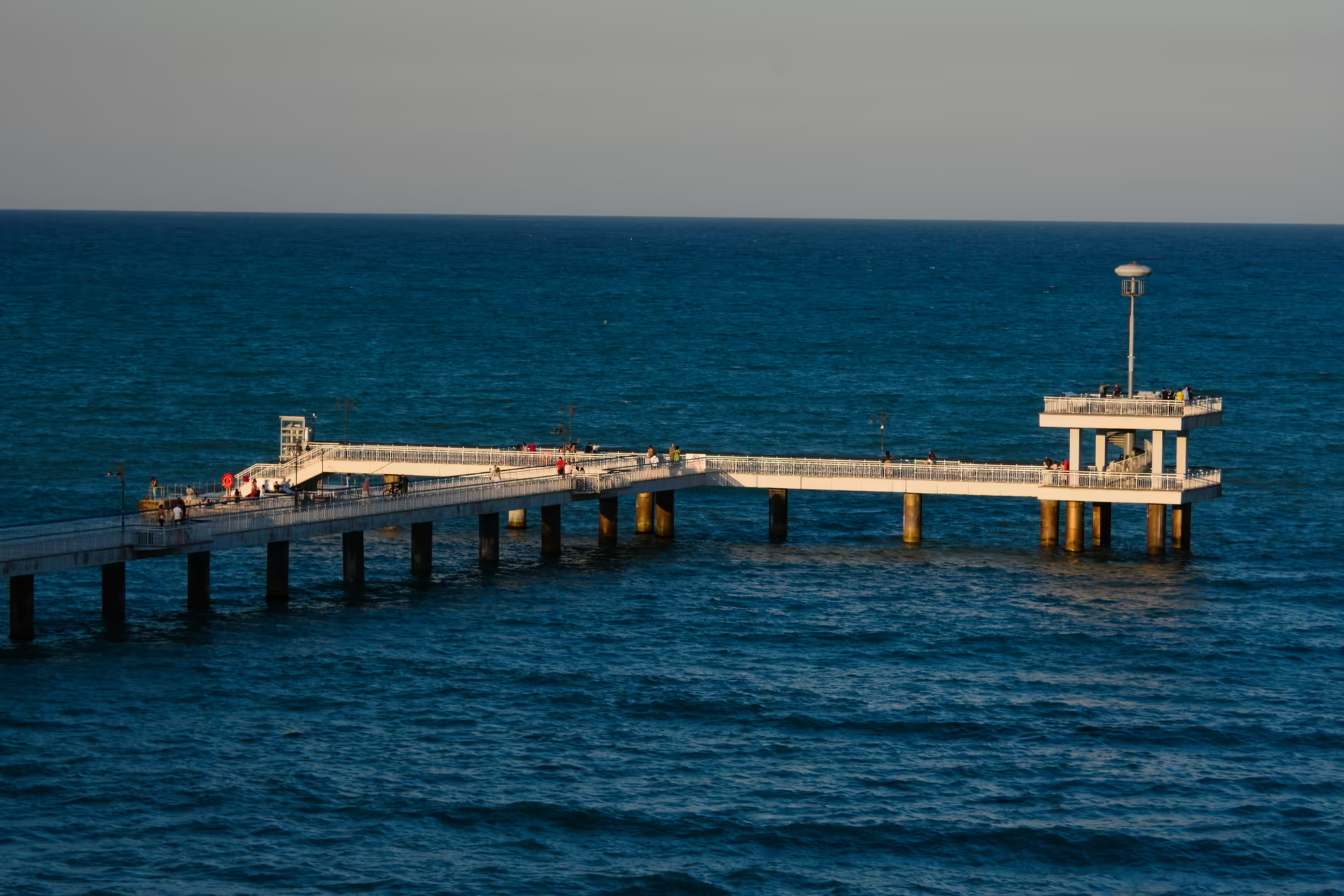
The Sea Garden of Burgas is the great public garden of the town, laid out toward the end of the nineteenth century along the shore. It runs as a broad park above the beach, with lawns and a promenade, with an open-air theatre and with monuments, and from it a pier, the Pier of Burgas, extends far out over the water to a small platform and a lookout, one of the best loved walks of the city and a fine view over the bay and the port.
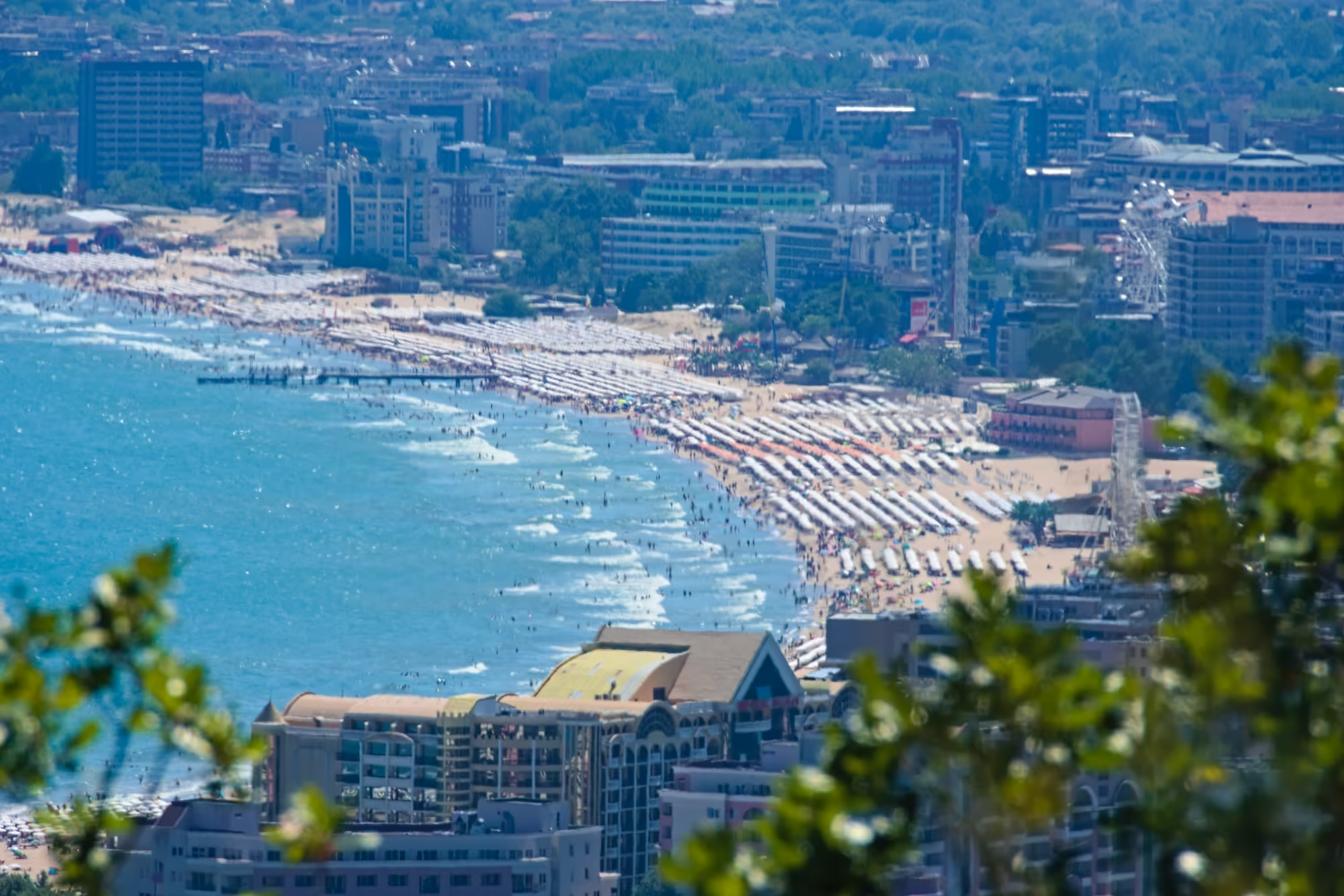
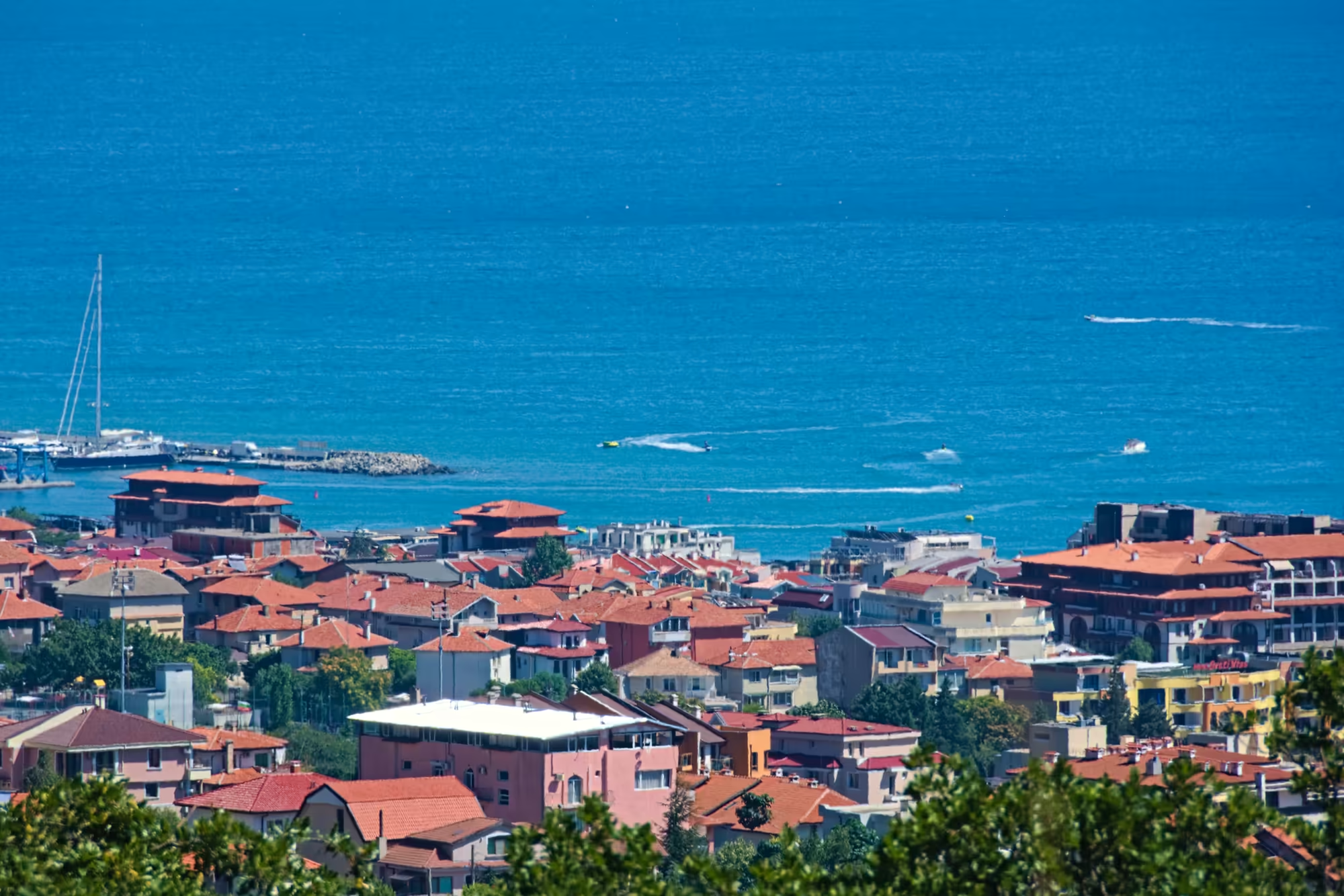
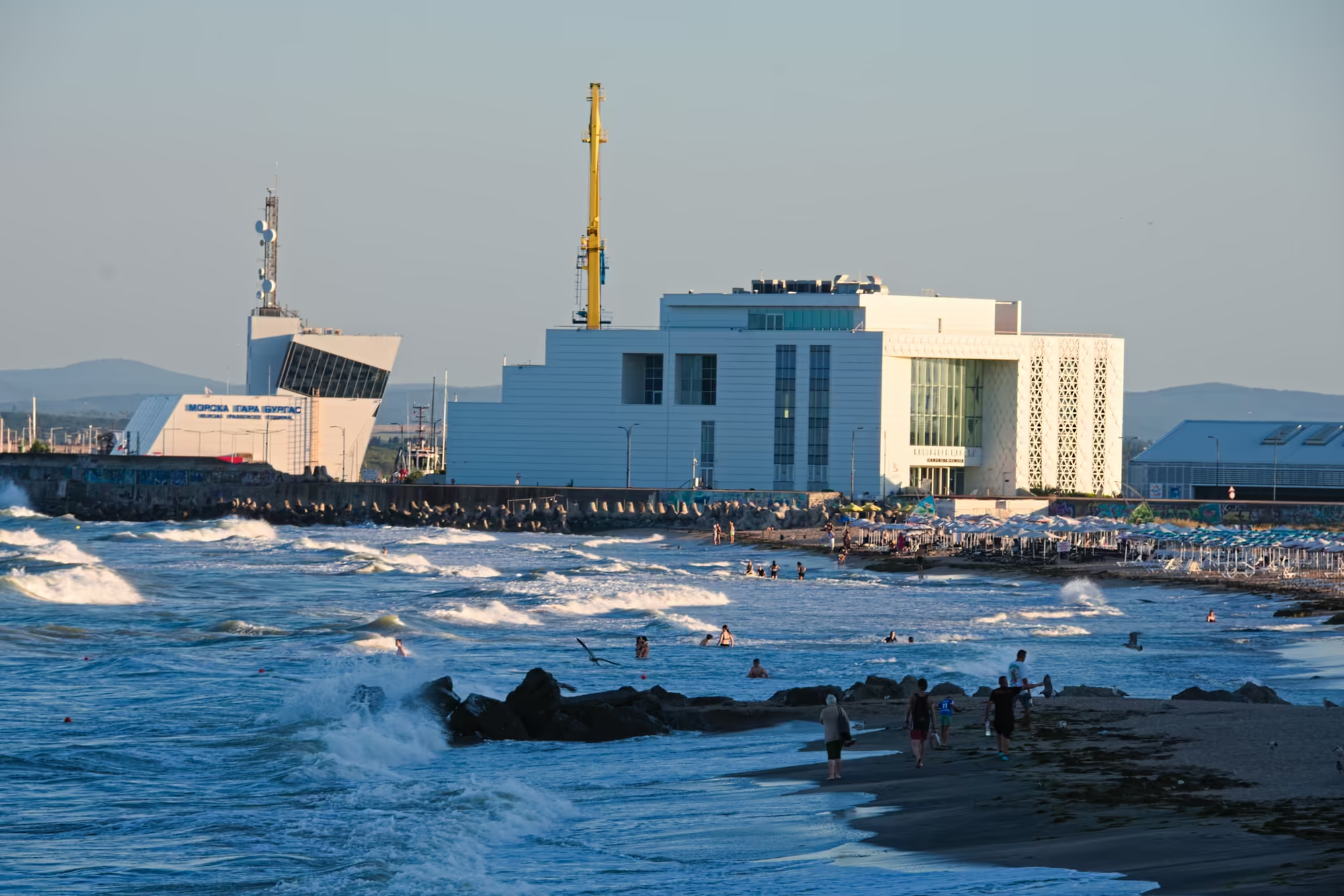
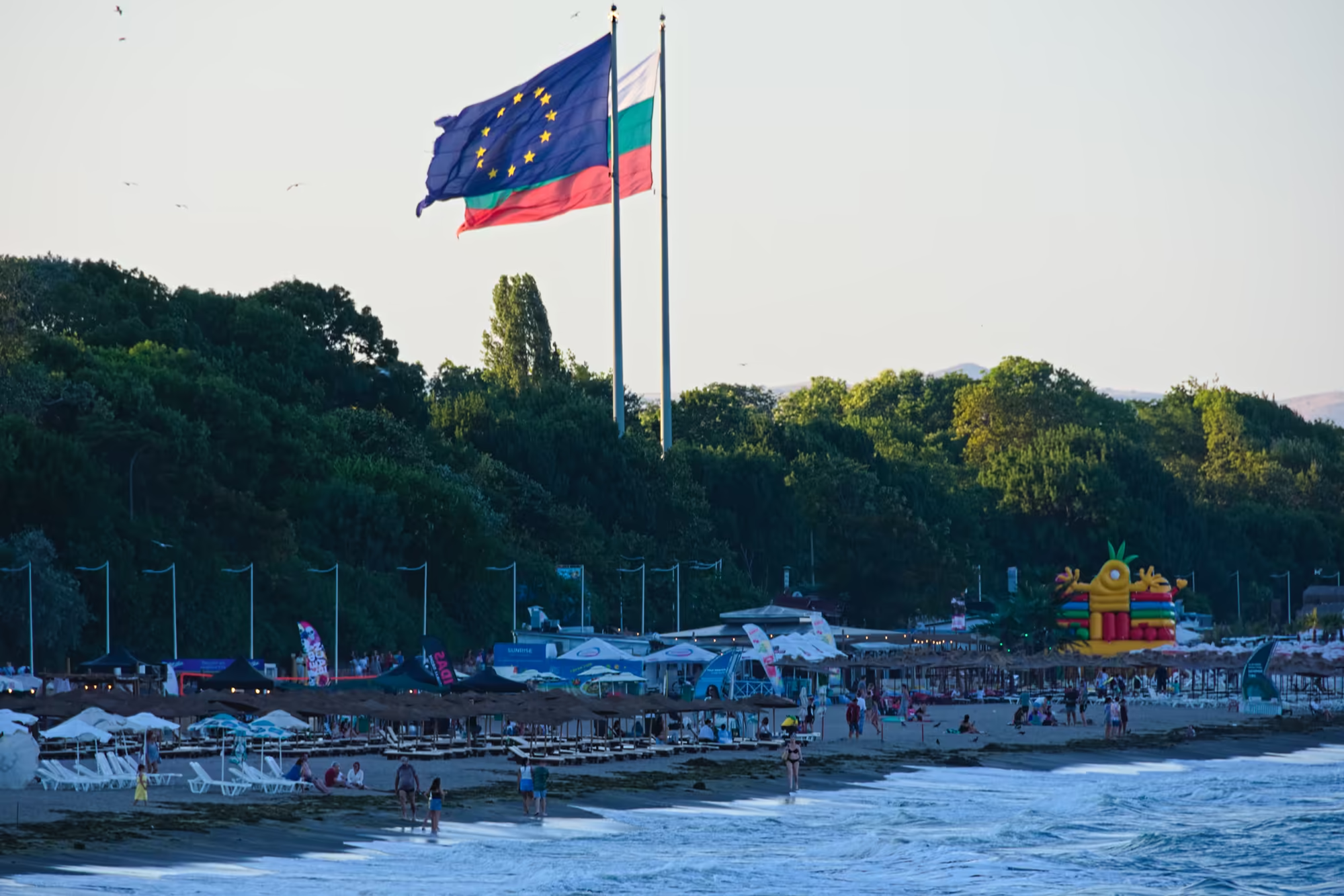
Below the Sea Garden the beach of the town runs along the shore, and on the strand the flags of the European Union and of Bulgaria fly above the sunbeds and the umbrellas of a lively resort, while the breakwater of the little marina shelters the boats and the sea closes about the point. The harbour and the port, with their cranes and their ships, and the far shore of the bay, complete the view from the waterside.
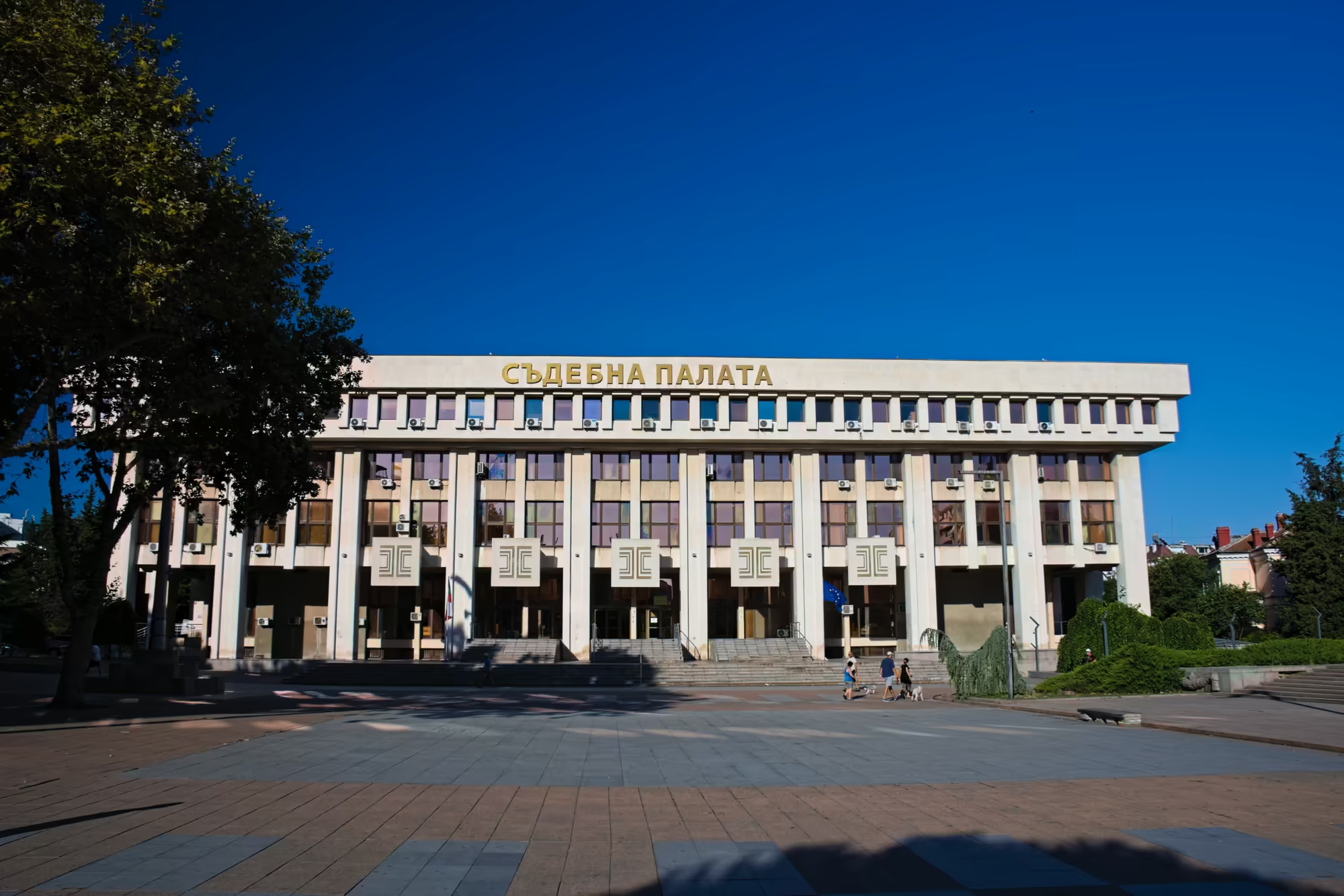
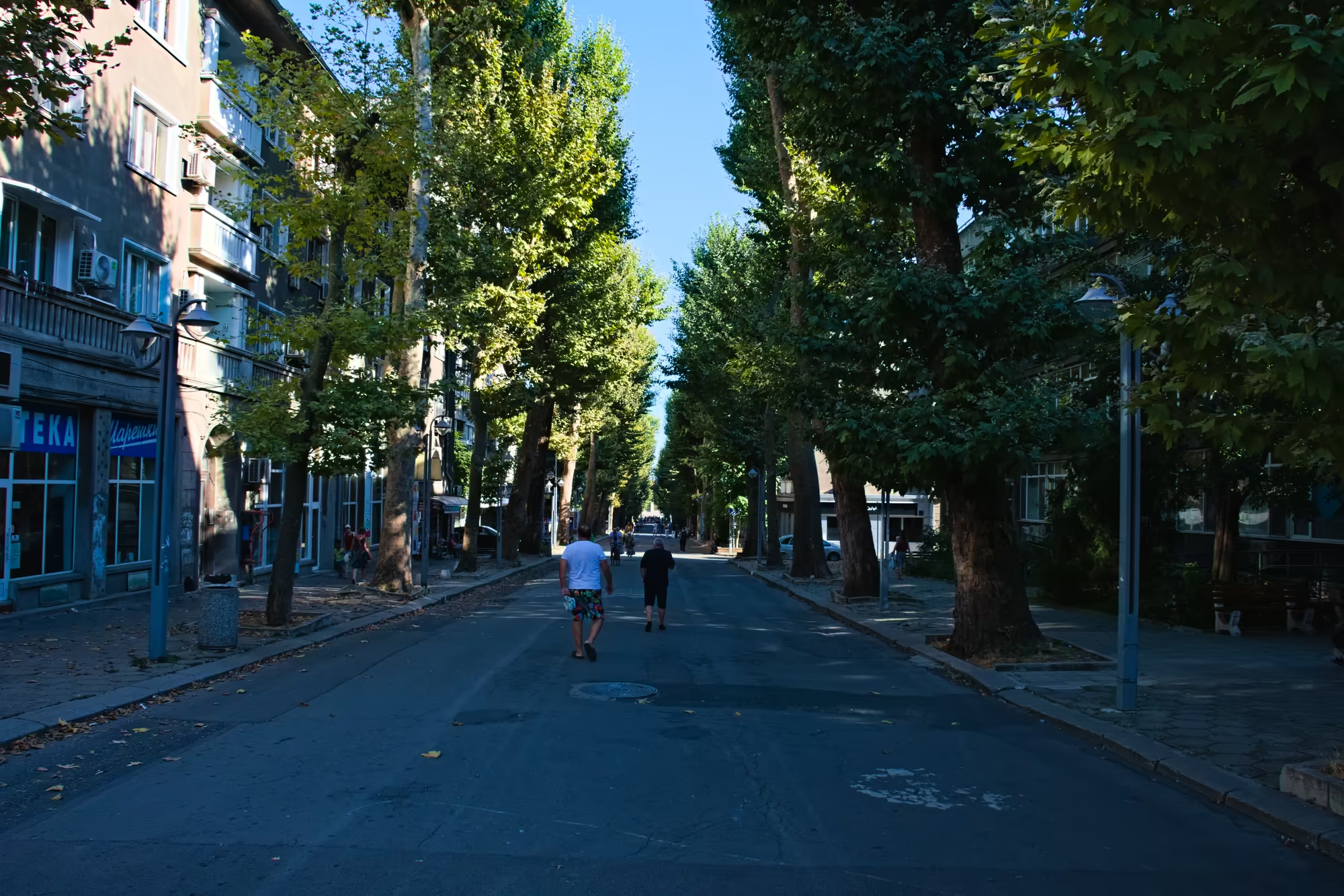
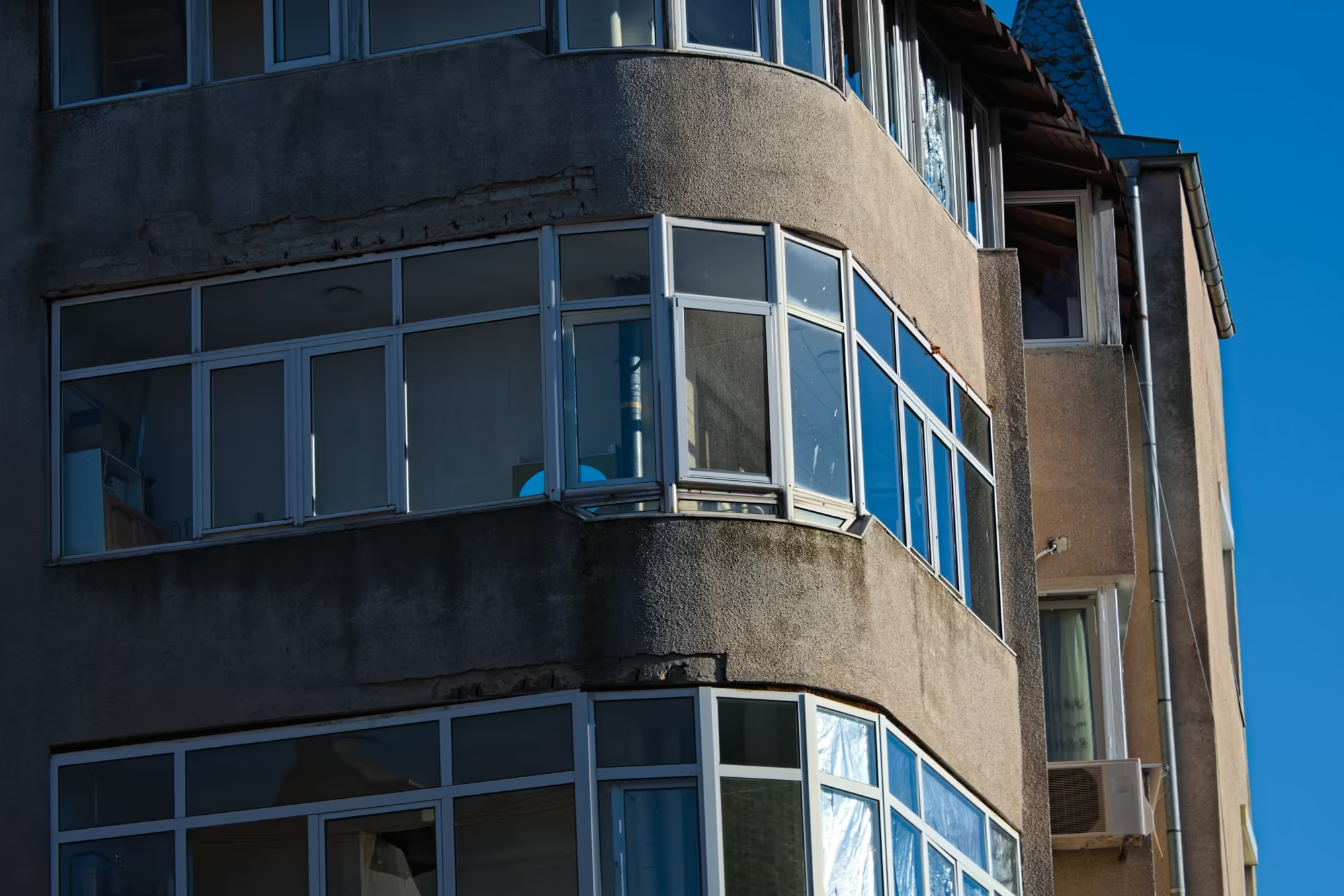
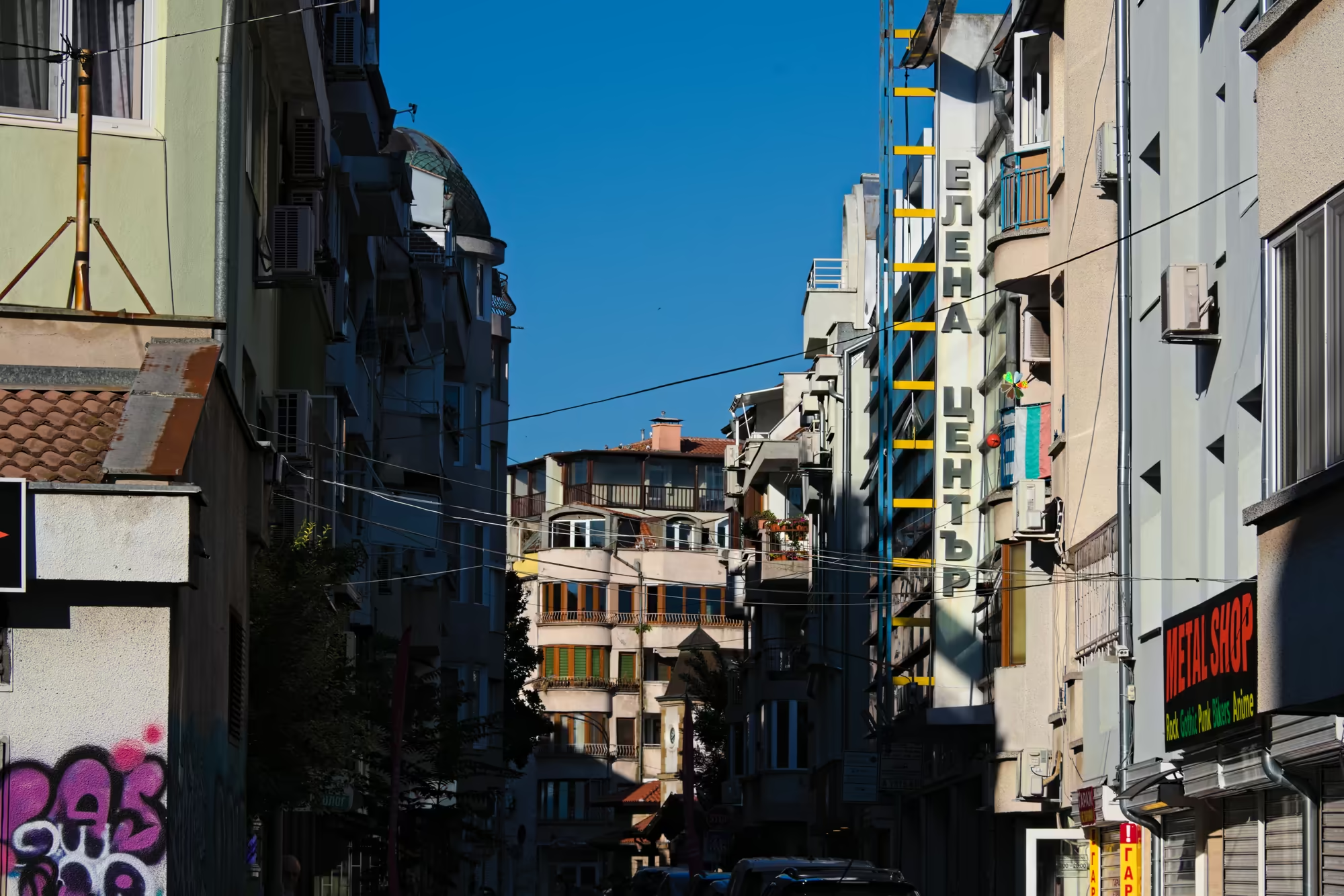
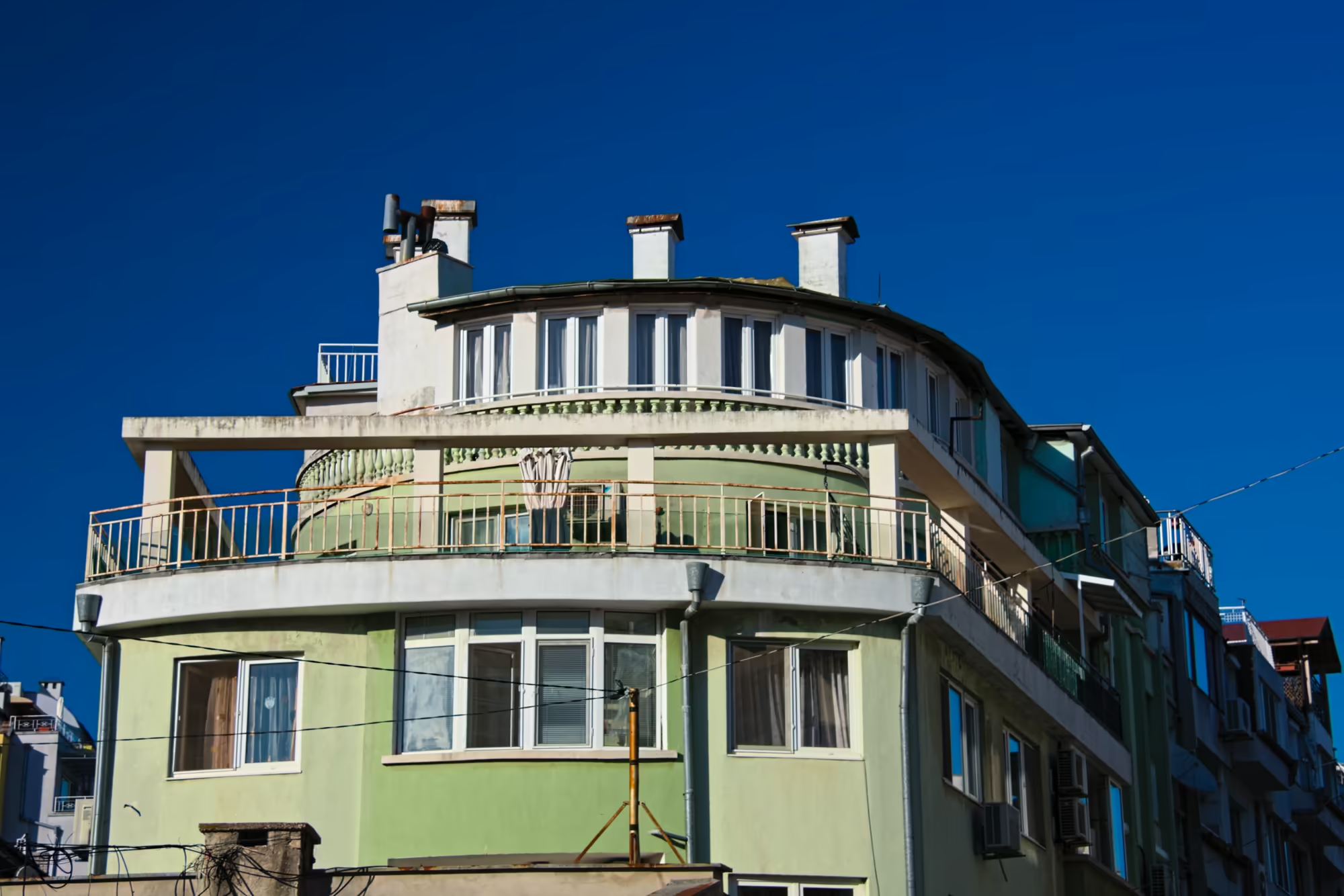
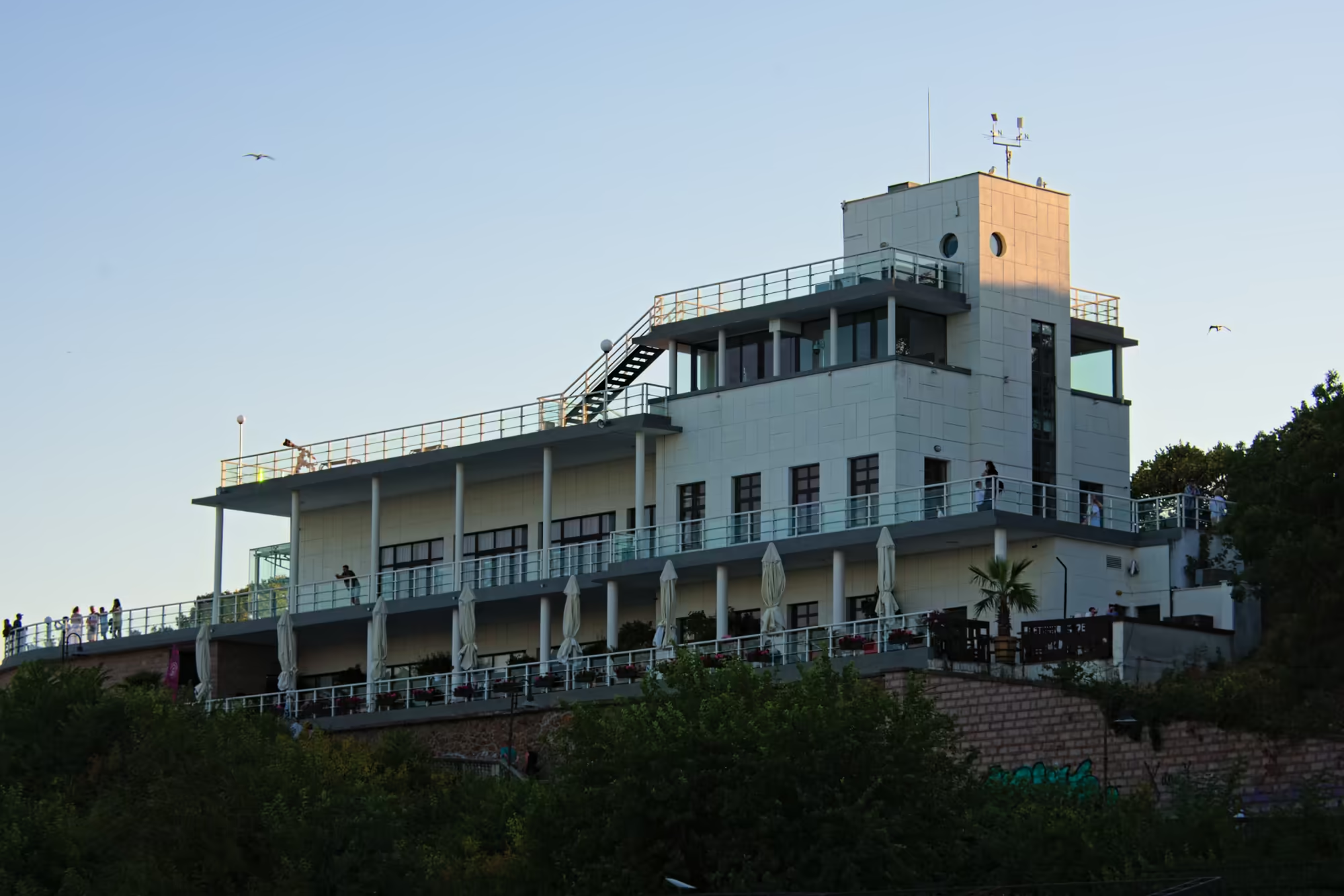
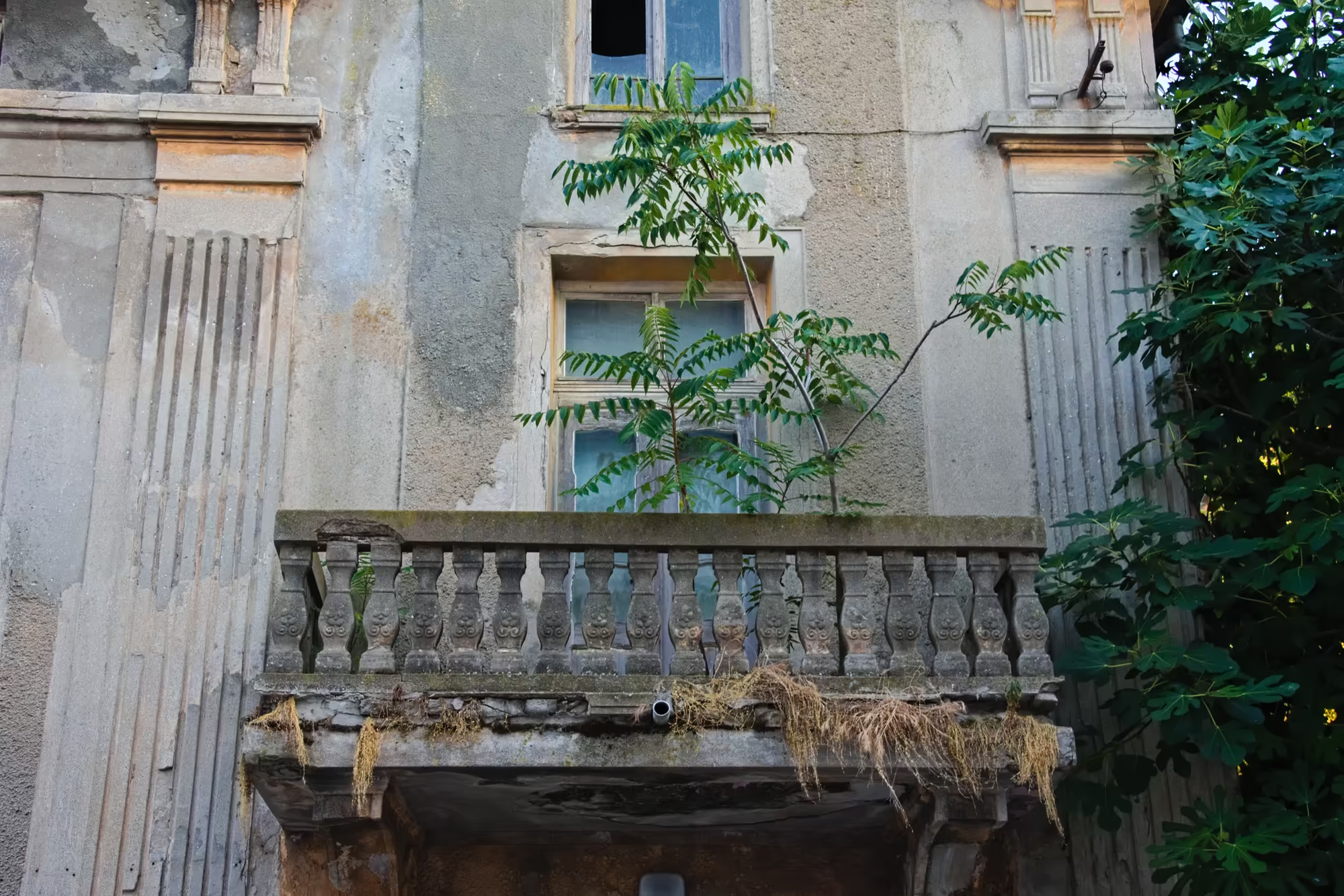
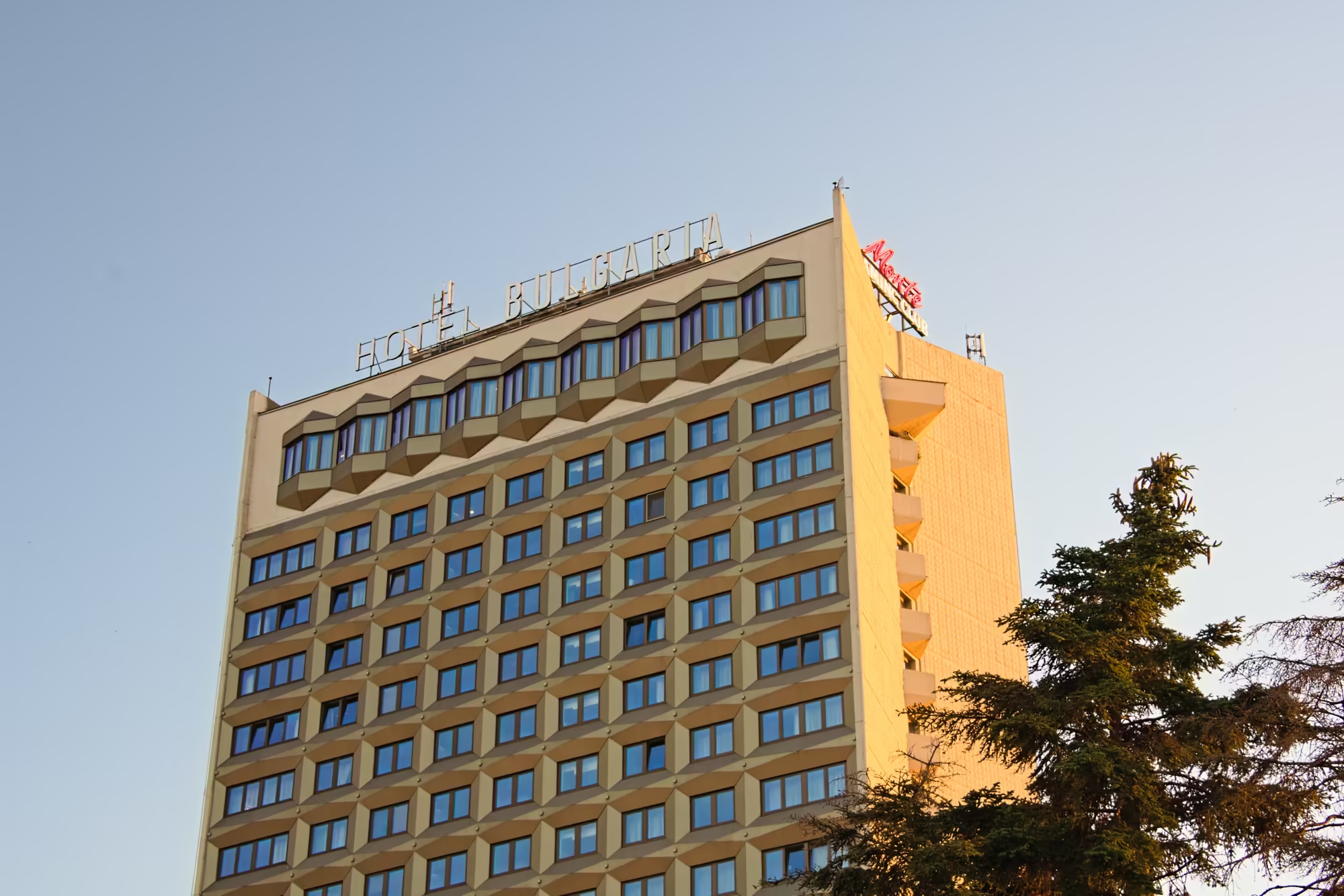
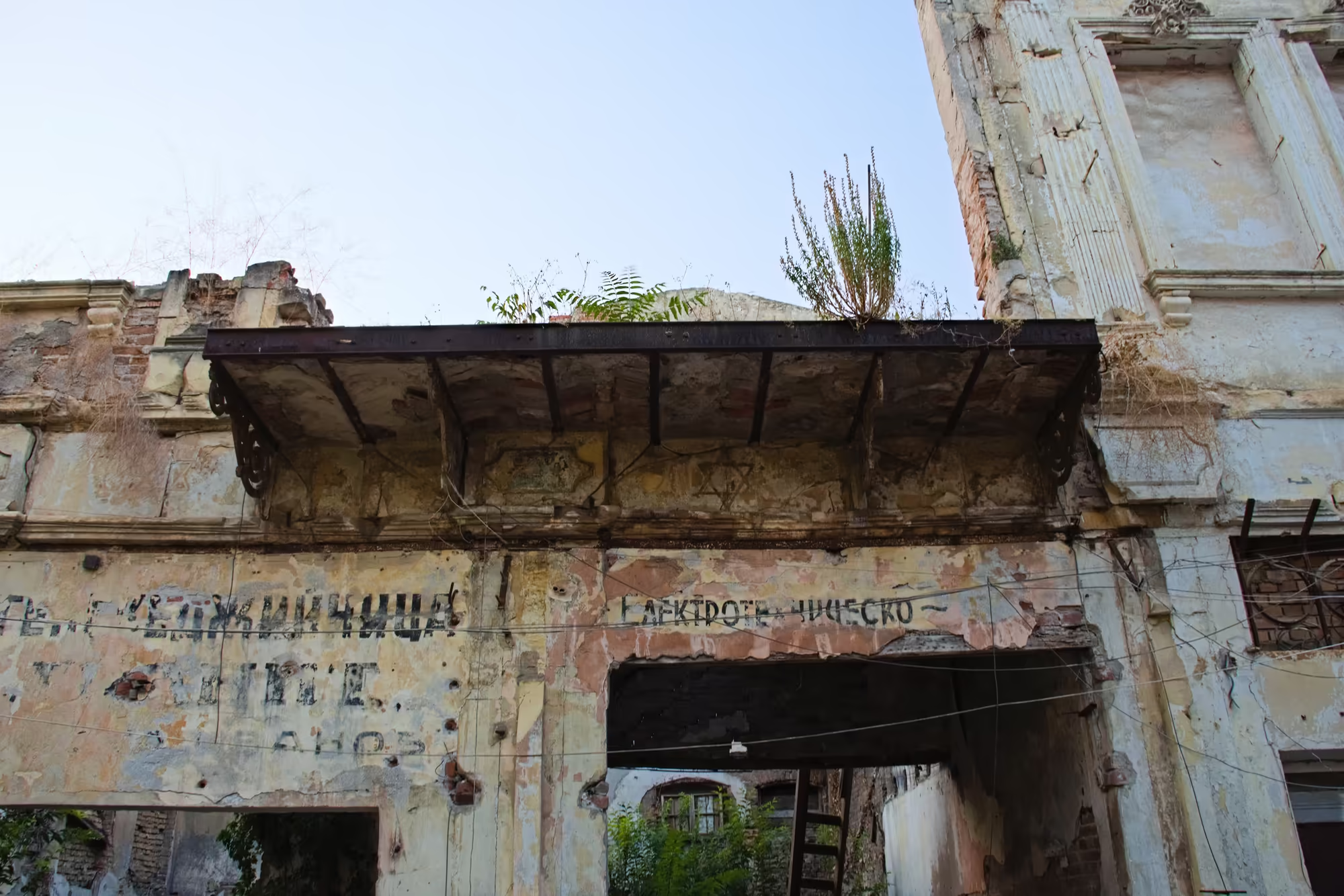
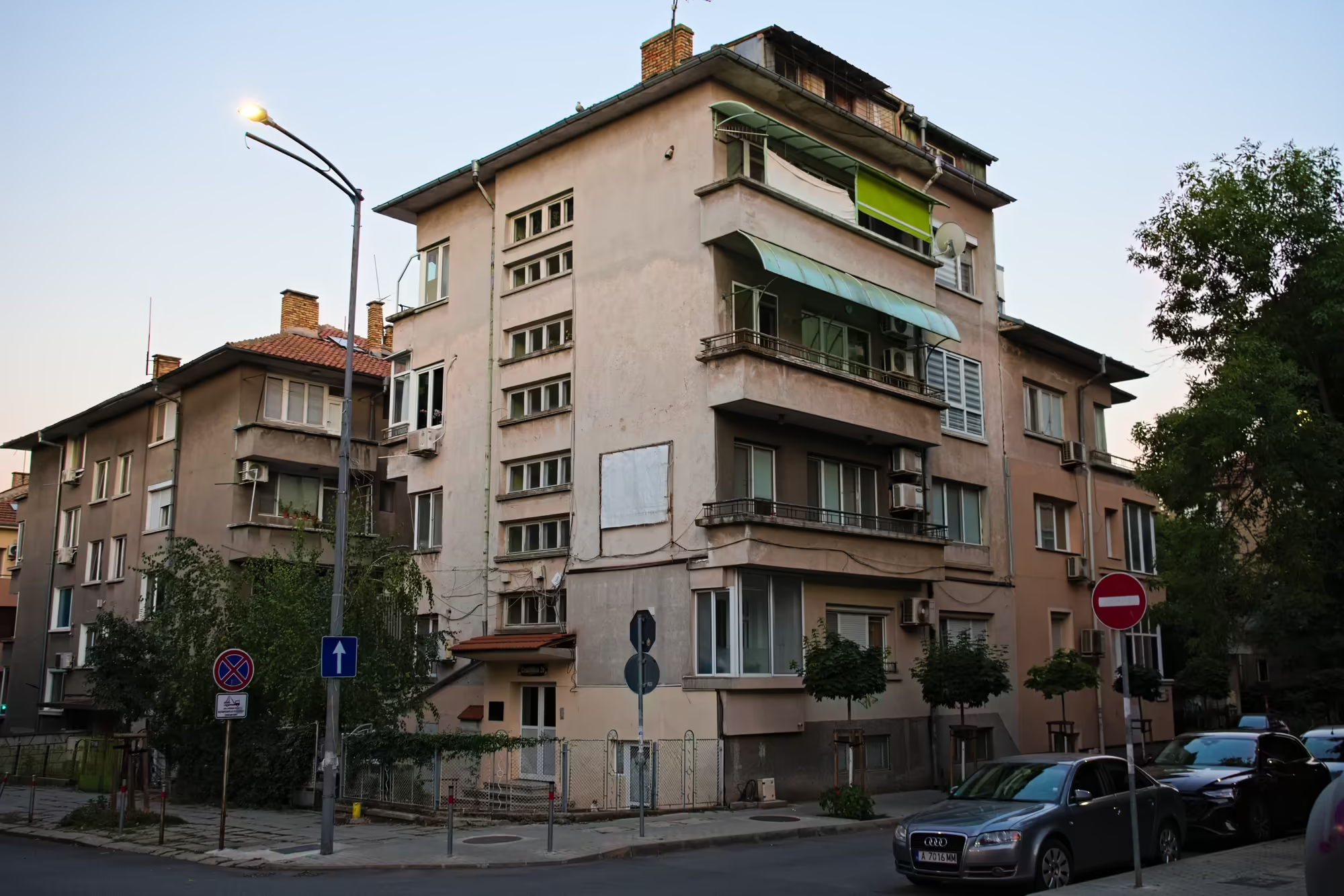
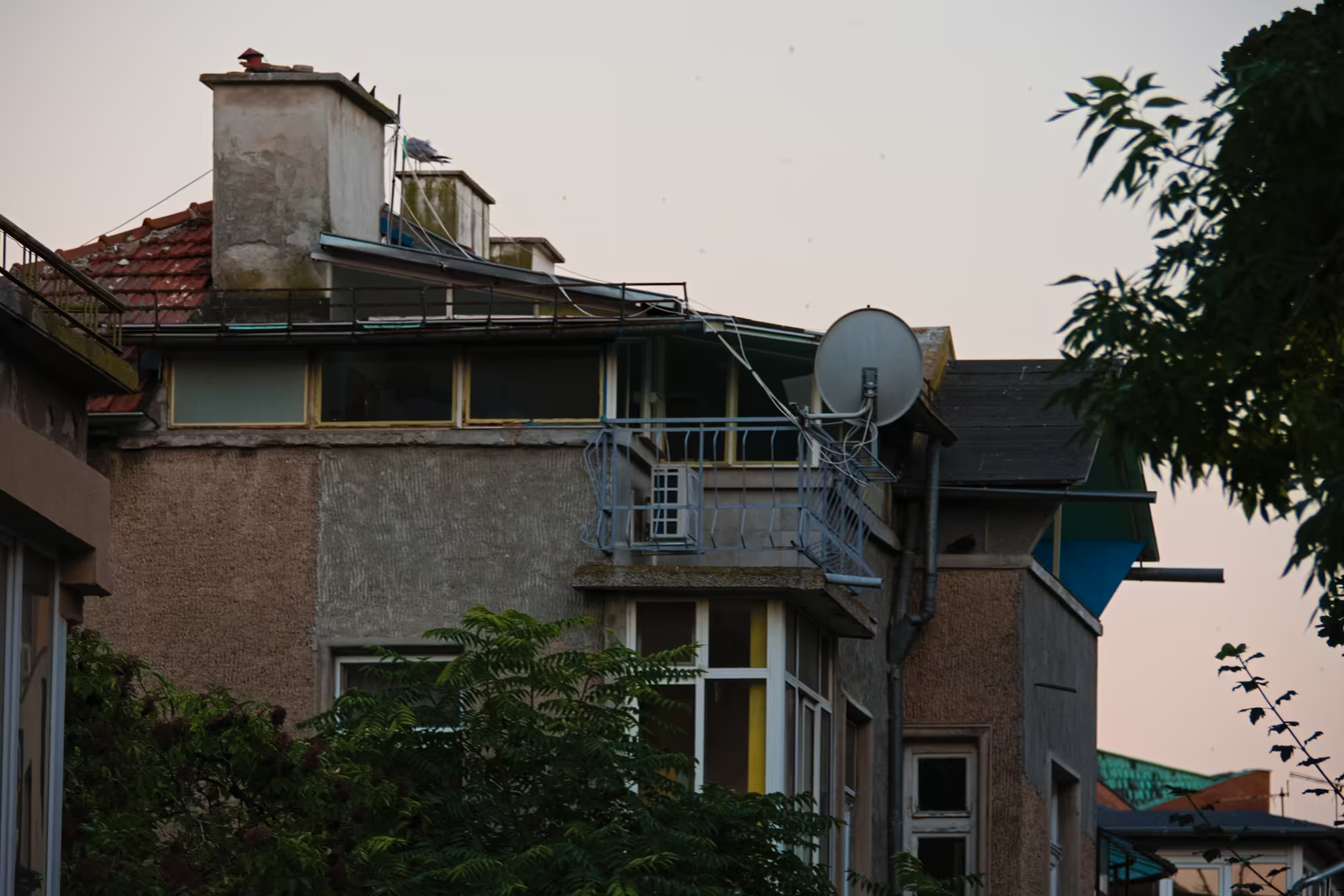
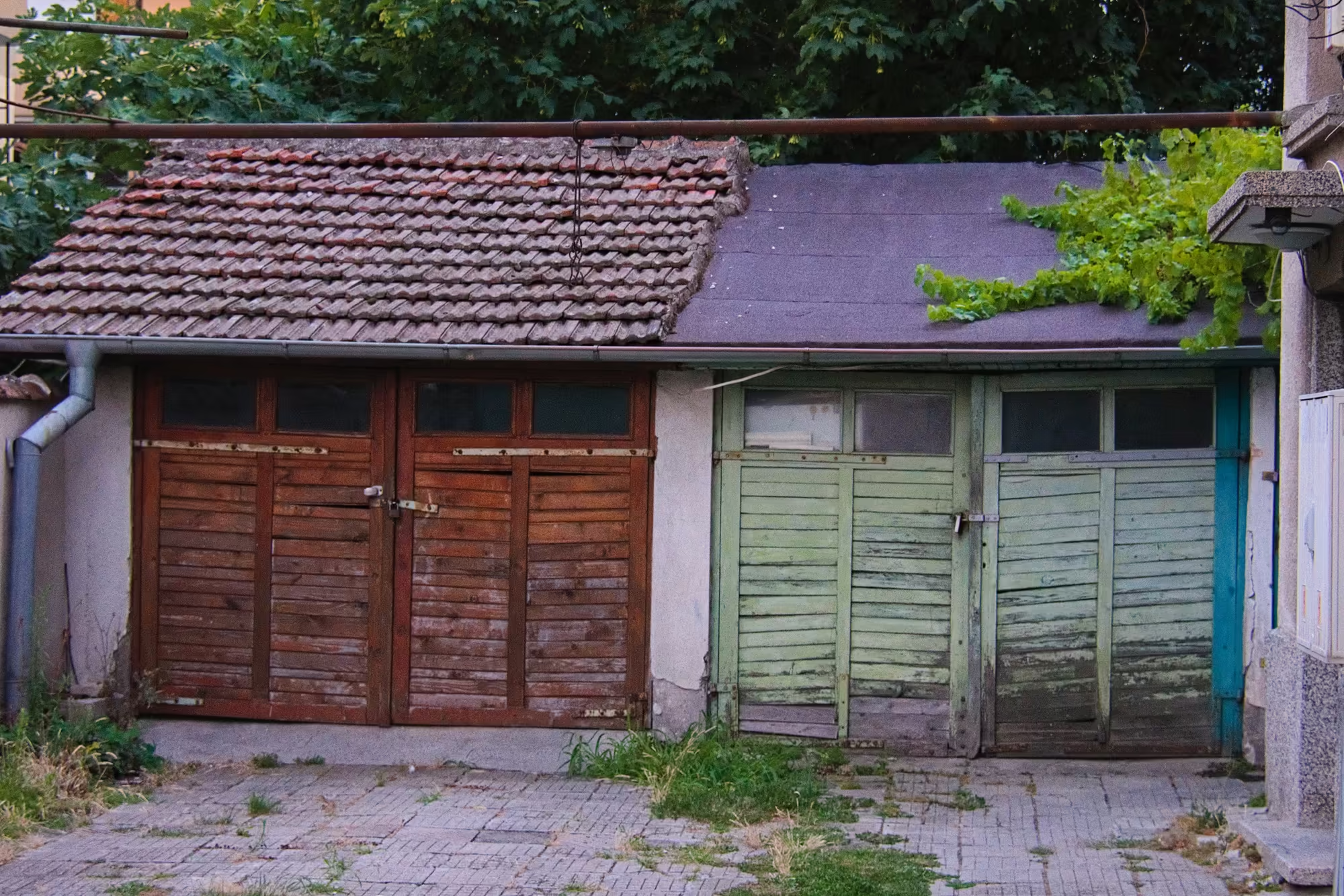
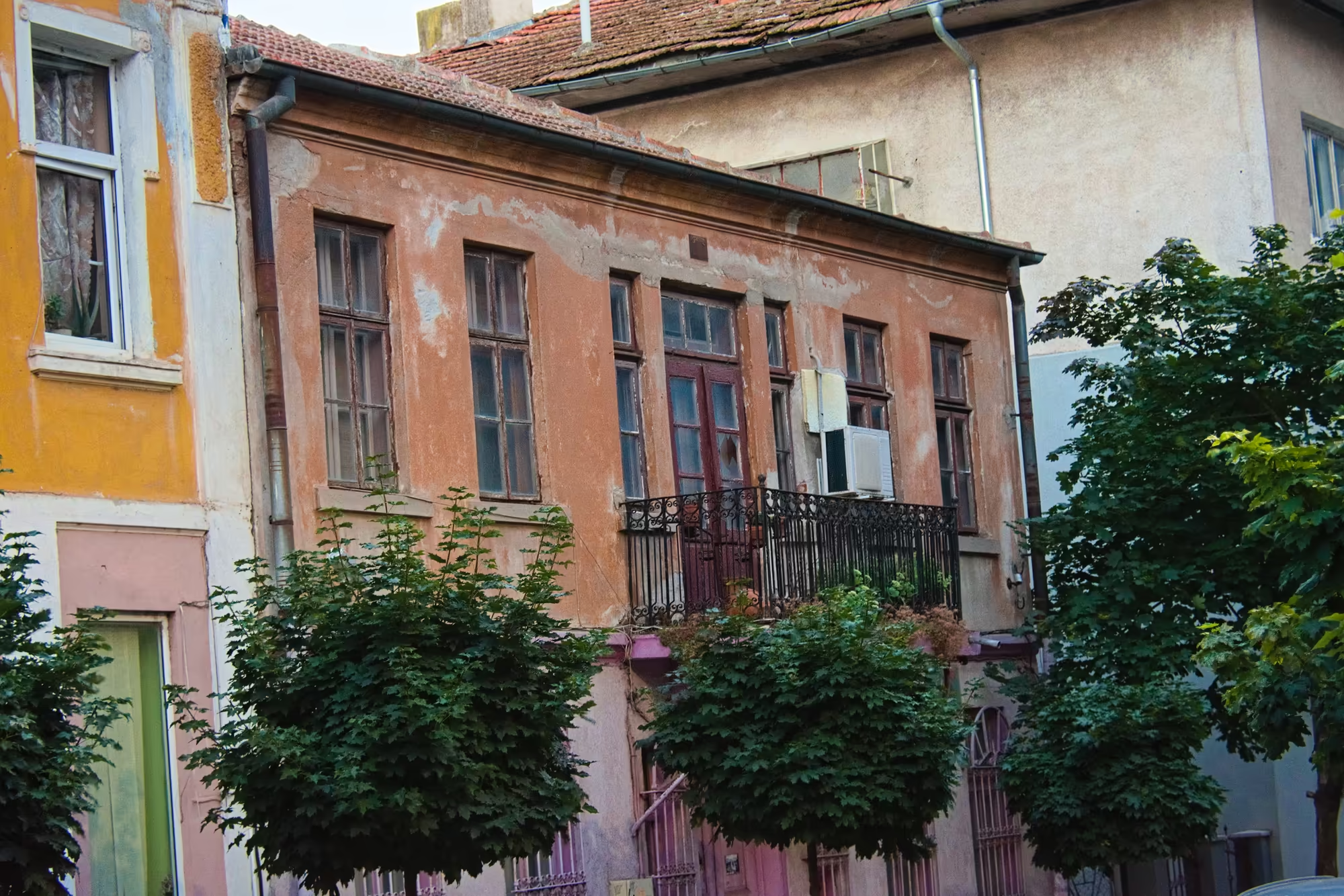
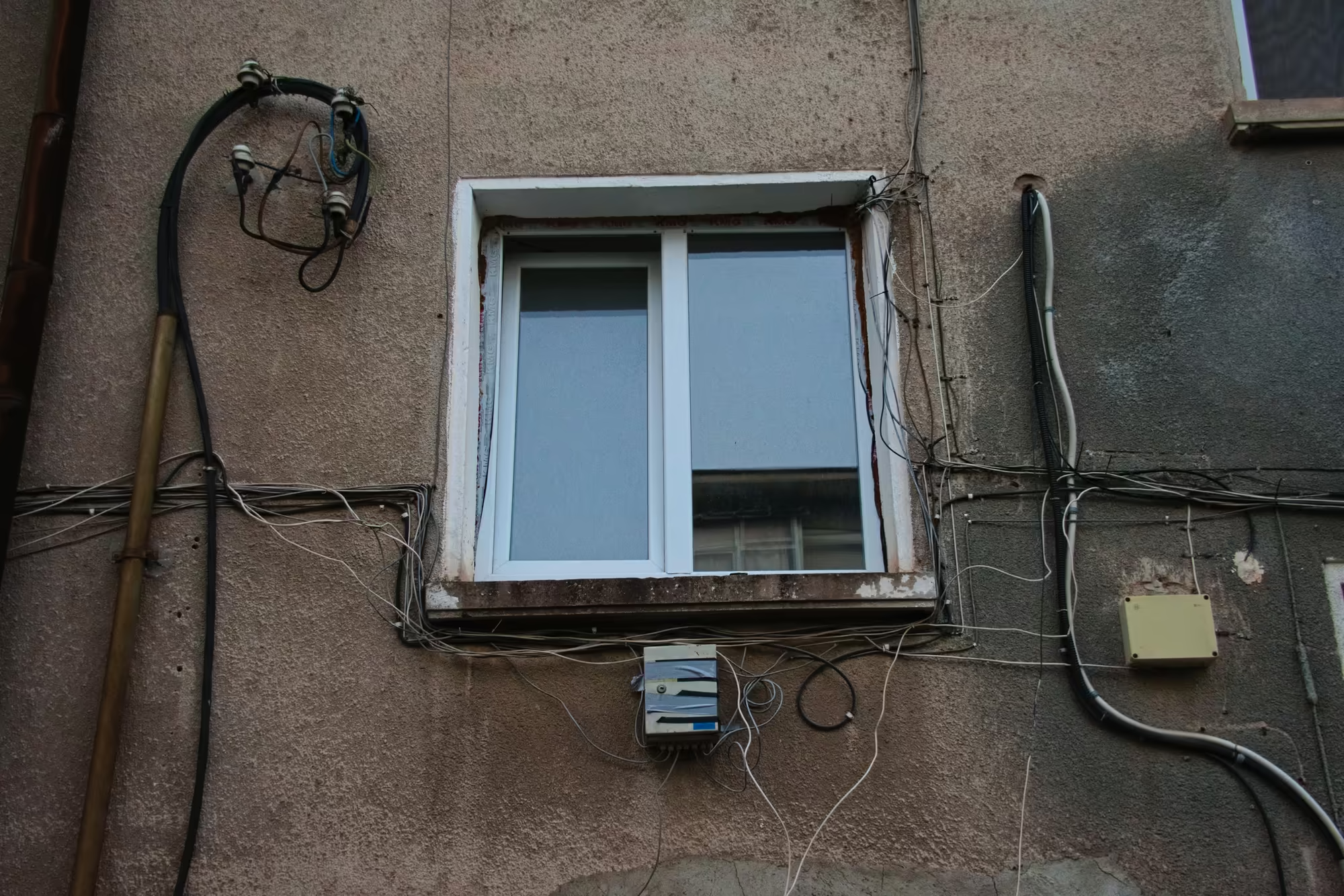
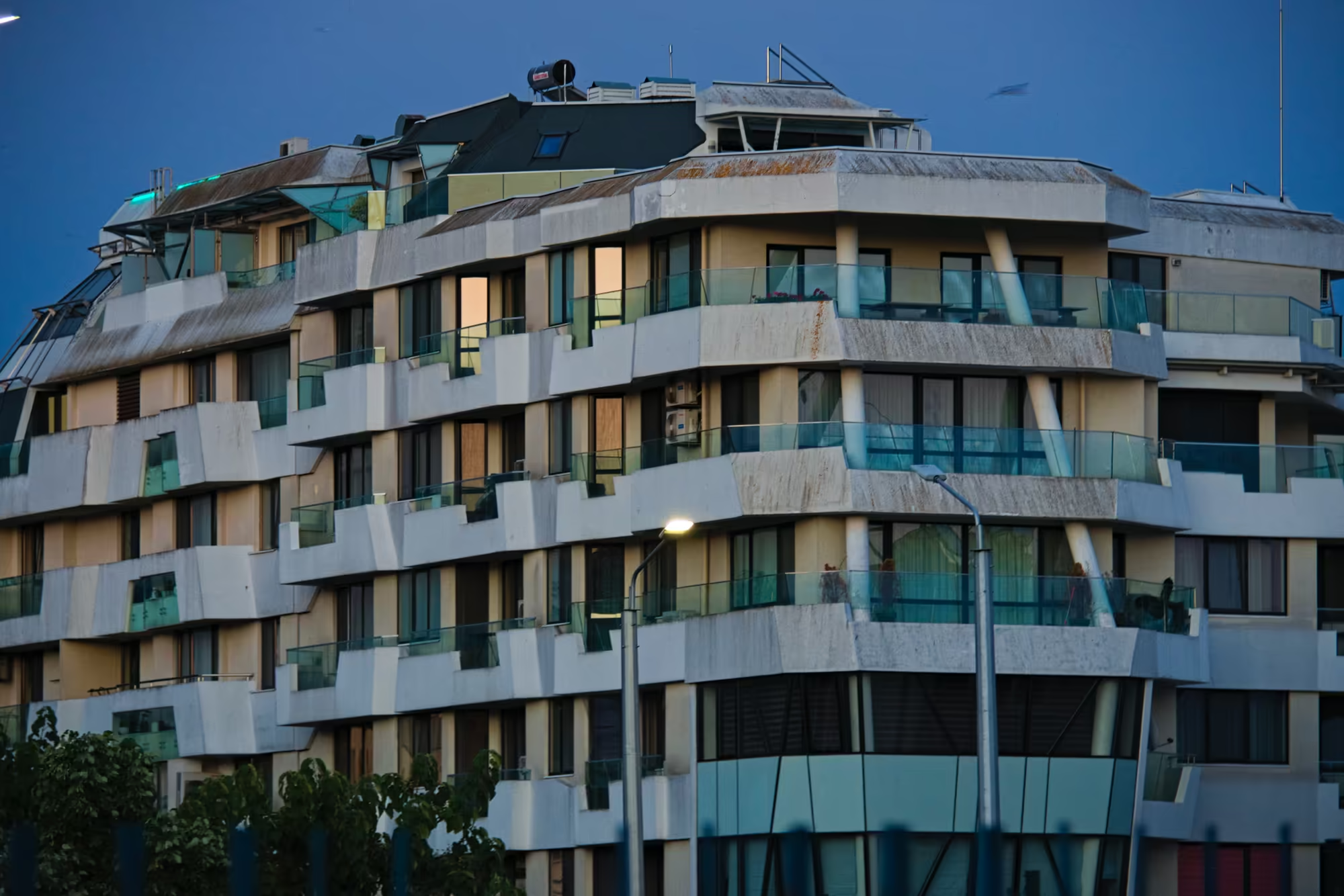
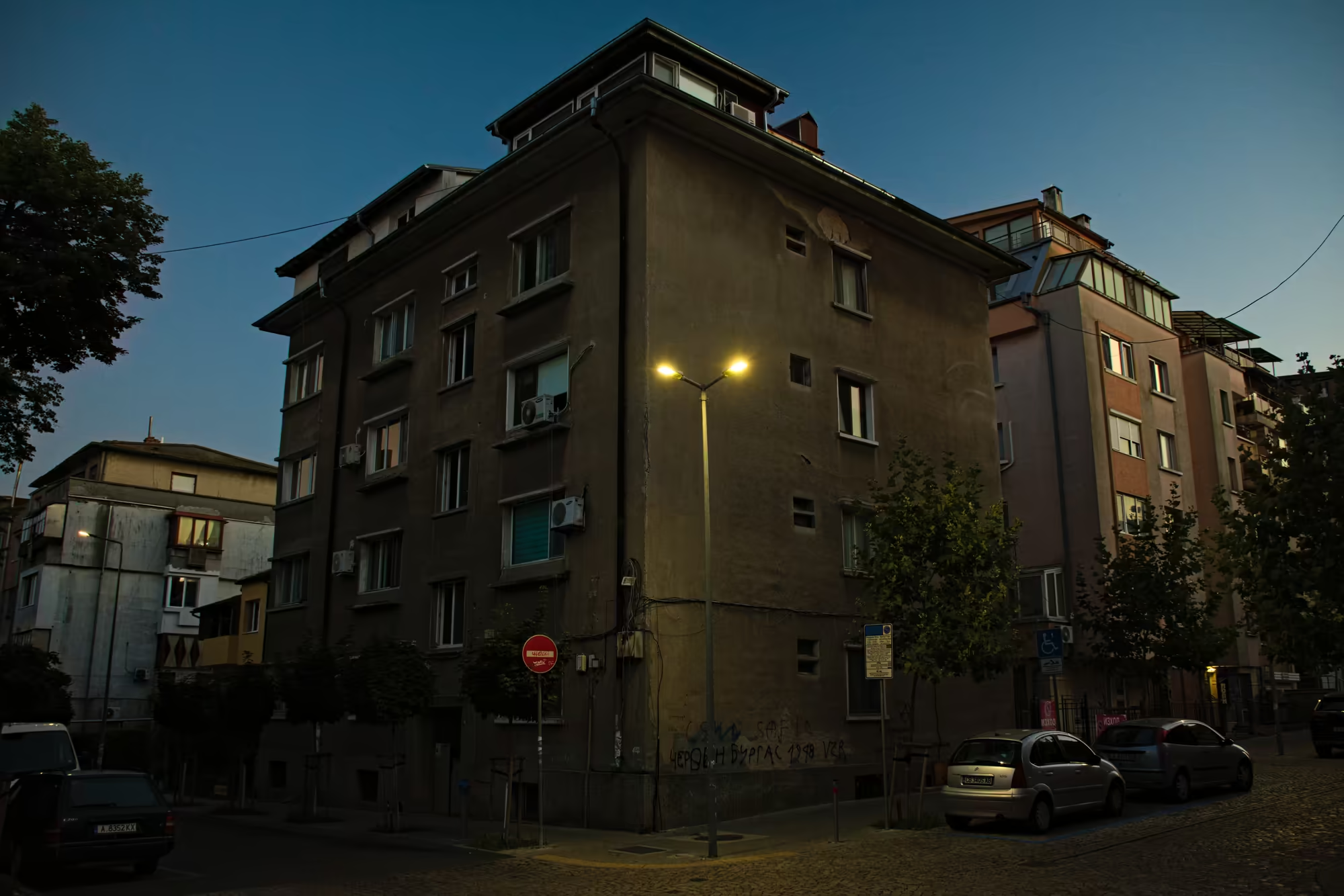
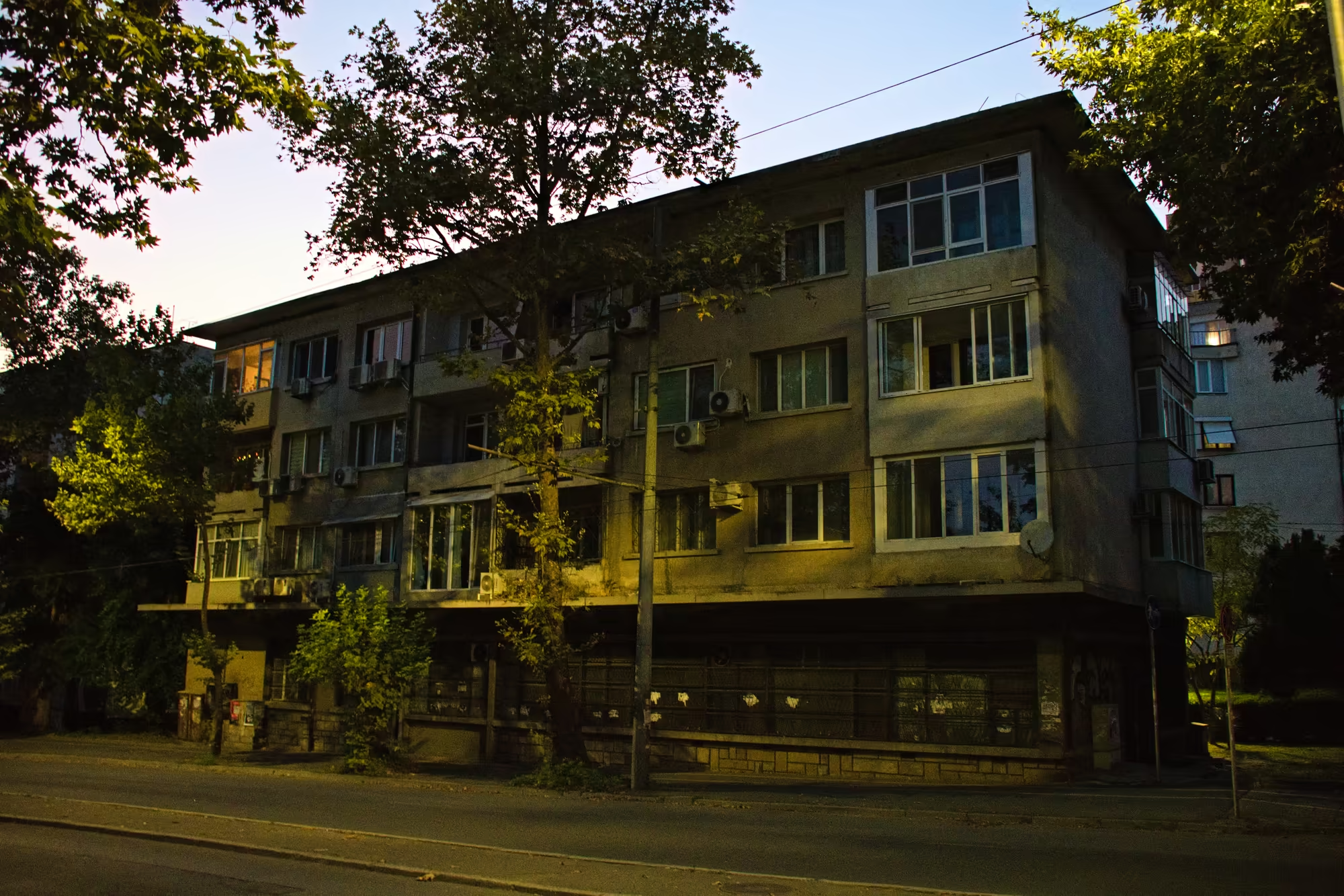
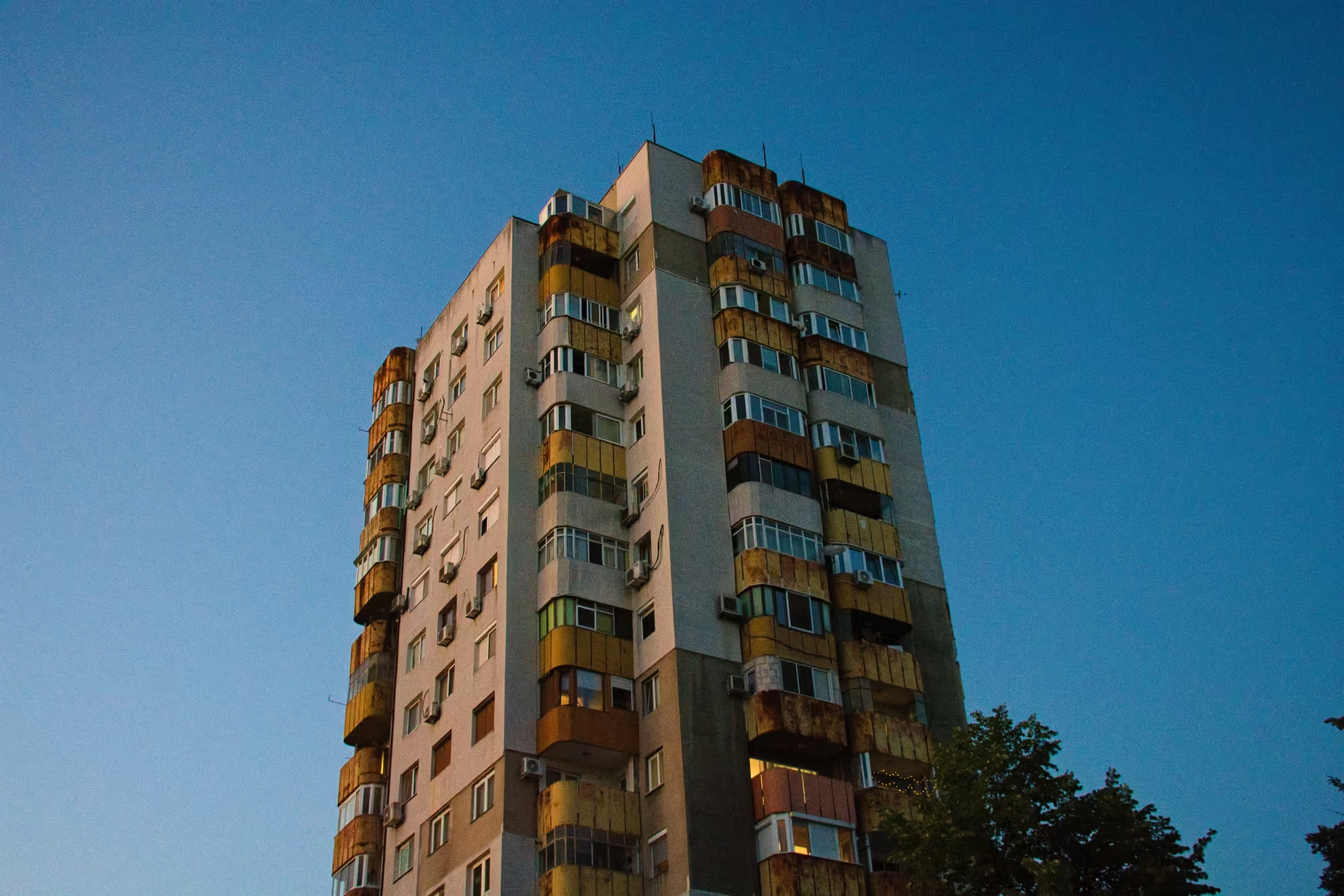
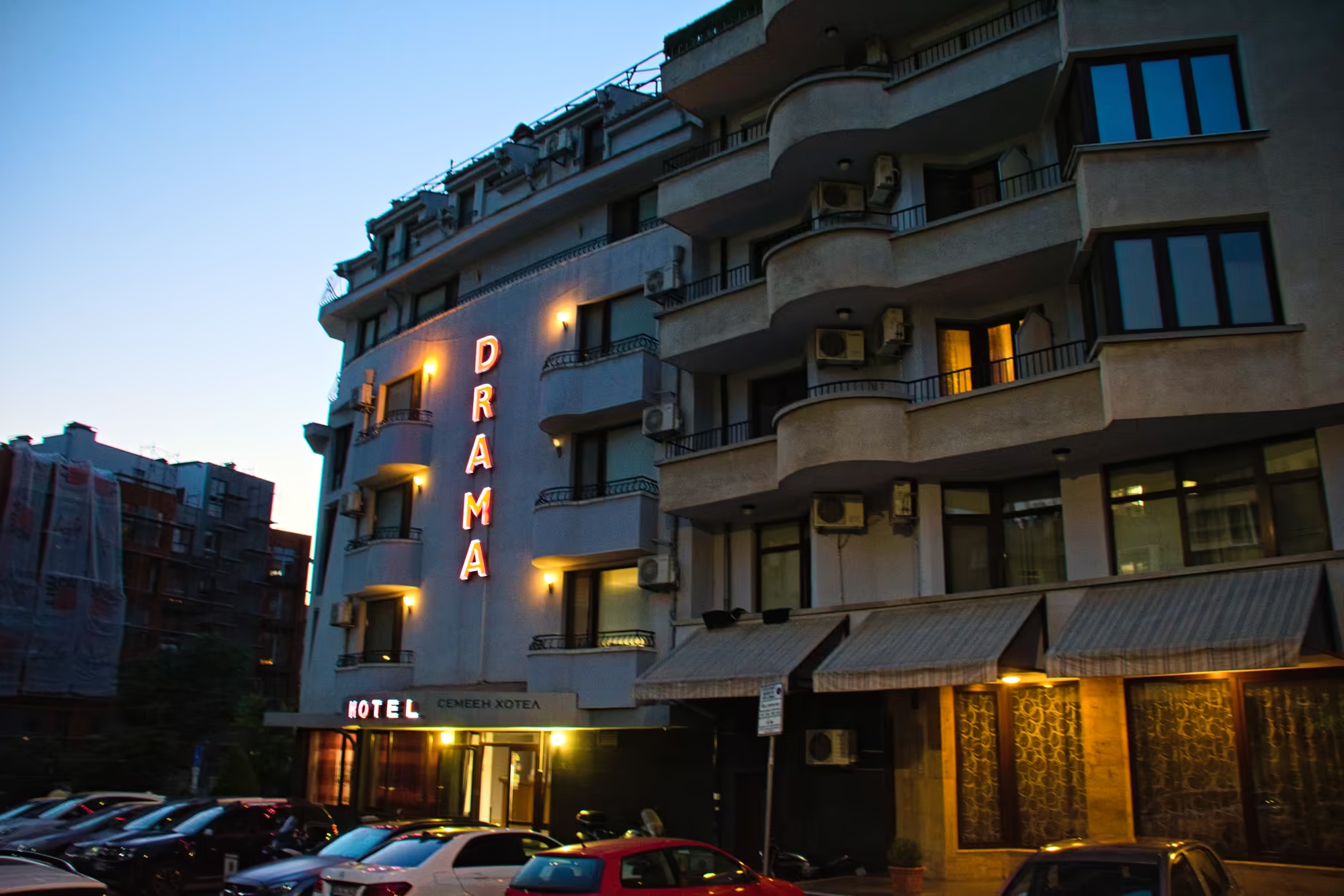
The town itself keeps the buildings of its growth, and among them are the great blocks of the later twentieth century, the tall hotels and the apartment towers that rise above the streets and the trees. The Hotel Bulgaria, with its rooftop sign, stands as one of the landmarks of the shore, and the modern hotels and the terraces at the waterside, with their railings and their palms, are the work of a resort that has grown about the harbour. The Hotel Drama, with its red neon sign, is another of the distinctive buildings of the quarter, its glow a well-known sight of the evening streets. In the older quarters the streets are shaded by their trees, and the wear of the years is seen in the faded facades and the weathered balconies of the houses, and in the old and the new buildings standing side by side.
The town is ringed about by the Burgas Lakes, and the Atanasovsko Lake, one of the rare salt water lakes of the Black Sea coast, is a place of great interest for the birds, a staging point for the storks, the pelicans and the raptors that pass across the country. Beyond the town the coast and its resorts, its beaches and its piers, run north and south, and the whole shore from the Bay of Burgas to the villages about it is a coast of the sea and of the sun.
References
The references on which this account rests are set out below, and they may be consulted at the links given.
- Wikipedia contributors (2026). Bulgaria. en.wikipedia.org/wiki/Bulgaria
- Wikipedia contributors (2026). History of Bulgaria. en.wikipedia.org/wiki/History_of_Bulgaria
- Wikipedia contributors (2026). First Bulgarian Empire. en.wikipedia.org/wiki/First_Bulgarian_Empire
- Wikipedia contributors (2026). Ottoman Bulgaria. en.wikipedia.org/wiki/Ottoman_Bulgaria
- Wikipedia contributors (2026). Thracians. en.wikipedia.org/wiki/Thracians
- Wikipedia contributors (2026). Balkan Mountains. en.wikipedia.org/wiki/Balkan_Mountains
- Wikipedia contributors (2026). Rila. en.wikipedia.org/wiki/Rila
- Wikipedia contributors (2026). Rhodope Mountains. en.wikipedia.org/wiki/Rhodope_Mountains
- Wikipedia contributors (2026). Danube. en.wikipedia.org/wiki/Danube
- Wikipedia contributors (2026). Black Sea. en.wikipedia.org/wiki/Black_Sea
- Wikipedia contributors (2026). Burgas. en.wikipedia.org/wiki/Burgas
- Wikipedia contributors (2026). Sea Garden (Burgas). en.wikipedia.org/wiki/Sea_Garden_(Burgas)
- Wikipedia contributors (2026). Burgas Bay. en.wikipedia.org/wiki/Burgas_Bay
- Wikipedia contributors (2026). Atanasovsko Lake. en.wikipedia.org/wiki/Atanasovsko_Lake
- Wikipedia contributors (2026). Port of Burgas. en.wikipedia.org/wiki/Port_of_Burgas
- Wikipedia contributors (2026). Burgas Airport. en.wikipedia.org/wiki/Burgas_Airport