2026 South East Europe 6 - Greece
8 September 2026






Journal Notes
General
Greece, the Hellenic Republic, is a country of south eastern Europe at the southern tip of the Balkan Peninsula, washed by the Aegean, the Ionian and the Mediterranean seas and ringed by some thousands of islands. It is bounded by Albania, North Macedonia and Bulgaria to the north and by Turkey to the east, and it covers an area of about 132,000 square kilometres. The capital and largest city is Athens, and the second city is Thessaloniki, the great port of the north that lies on the Thermaic Gulf.
The population numbered close to ten million at the recent census, and the official language is Greek, one of the oldest literary tongues of Europe, written in its own alphabet. The country is a parliamentary republic, and it is the cradle of the Western world, the place where democracy, philosophy, the theatre and the Olympic games had their birth. It is a member of the European Union and of NATO.
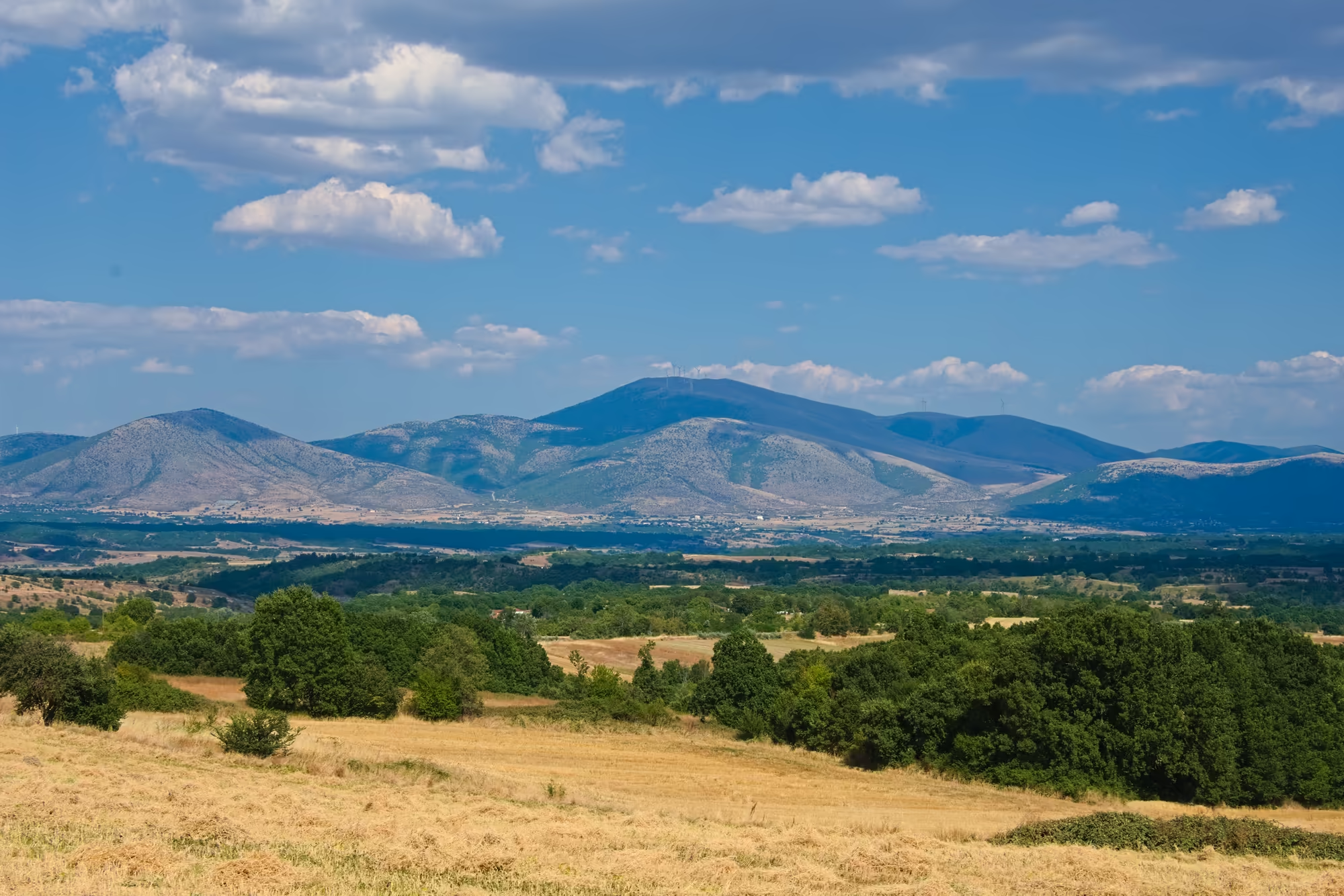
The land is mountainous above all, the Pindus range running down the centre like a spine, with the high peaks of the north and the great plain of Macedonia and Thessaly between the ranges. The coast is the longest of the Mediterranean, and the sea, with its islands, is never far away, so that the country is at once a land of mountains, of olive groves and of wine, of plains and of a shore that changes from sandy bay to rocky headland.
The people keep a strong sense of the past, and the country is rich in the remains of antiquity, from the classical temples and the theatres to the Byzantine churches and the monasteries of later ages. The towns of the land mix the old and the new, and the villages of the islands and of the mountains keep their white houses, their blue domes and their customs, in a land where the sea and the rock have shaped life for three thousand years.
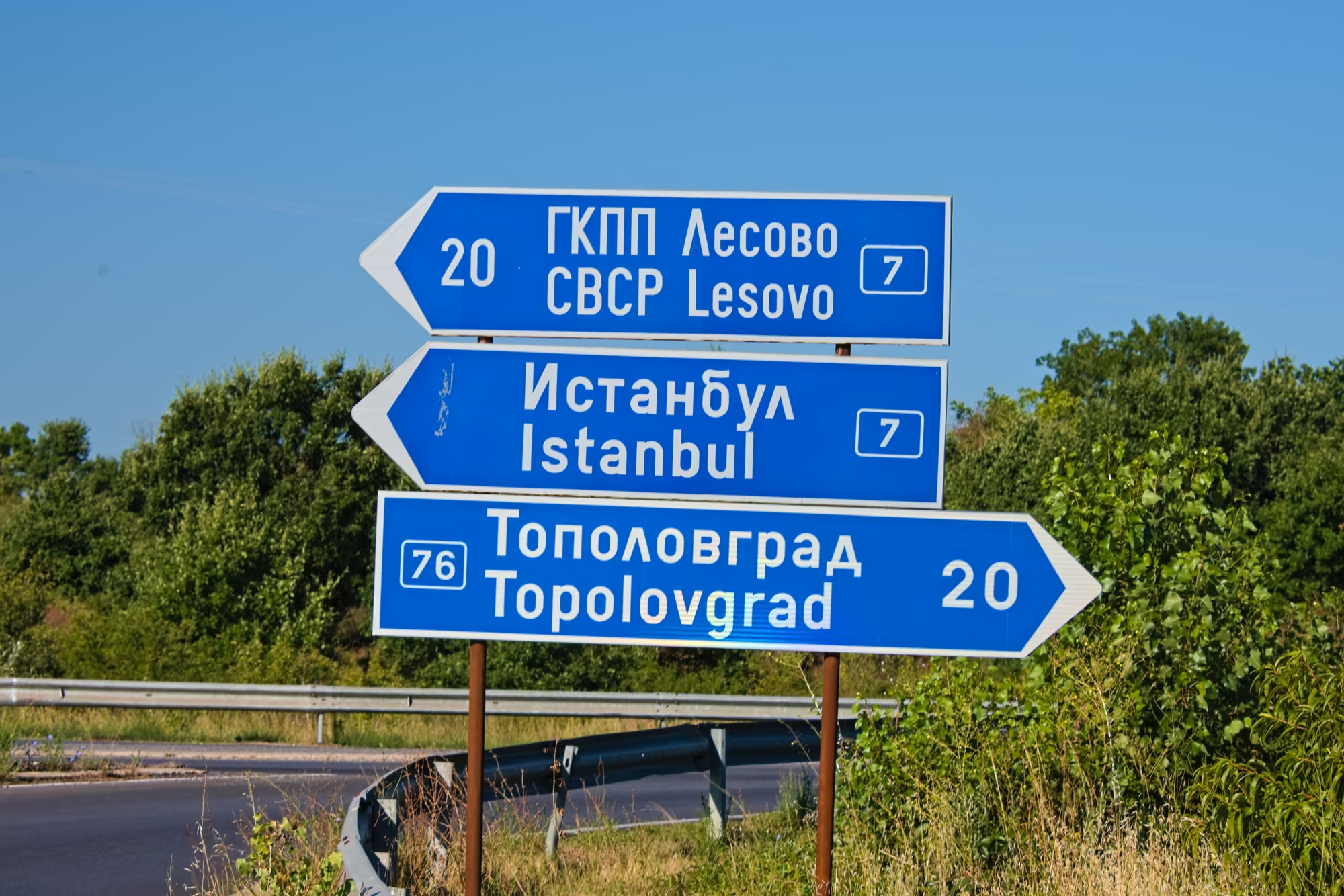
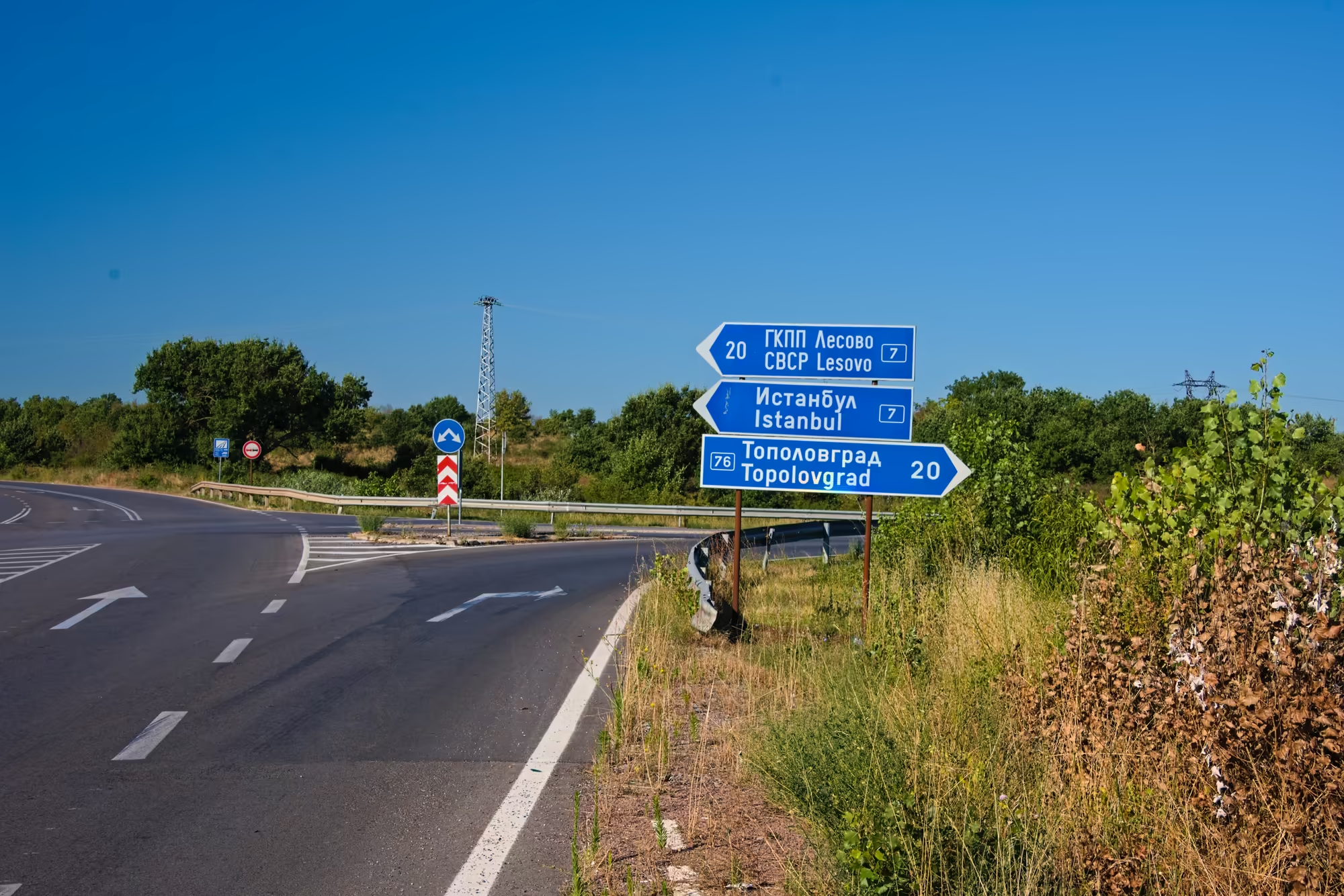
To the north the road from the Balkans drops from the old frontier into the country through the passes of the mountains, and this is the way that the present journey enters, along the plain and the valleys of the north to the great city of Thessaloniki on the sea.
History
The lands of Greece were the home of some of the earliest advanced societies of Europe, and the Aegean saw the rise of the Minoan and the Mycenaean worlds of the Bronze Age, the first great civilizations of the continent. From these grew the city-states of classical Greece, among them Athens and Sparta, which in the fifth century before Christ gave the world democracy, philosophy and the arts, and whose learning was carried by Alexander the Great to the east.
The classical world gave way to the Hellenistic and then to the Roman age, and Greece became part of the Roman and later of the Byzantine Empire, whose capital Constantinople and the city of Thessaloniki stood among the great centres of the Greek East. For a thousand years the Byzantine world was the heir of Rome, and Greece was at the heart of it, its churches and its learning continuing the classical tradition.
The Ottoman Turks took Constantinople in 1453 and Greece fell by degrees under their rule, which was to last for nearly four centuries. The Greek awakening of the eighteenth and nineteenth centuries, fired by the idea of the classical past, led to a long war of independence that began in 1821 and that came to a head with the support of the great powers, and in 1830 the modern Greek state was recognized, with Athens once more as its capital.
The nineteenth and early twentieth centuries saw the growth and the expansion of the new kingdom, and after the Balkan Wars and the First World War Greece was much enlarged. The interwar years and the Second World War, with its occupation and its resistance, brought great suffering, and a civil war followed, the country then joining the Western camp of the Cold War. A period of military rule ended in 1974, and Greece returned to democracy and joined the European Communities in 1981 and the euro in 2001.
Thessaloniki, the city of the north, was founded about 315 BC by Cassander of Macedon and named for his wife Thessalonike, a half-sister of Alexander the Great. It grew to be a great city of the Roman and the Byzantine worlds, the second of the empire after Constantinople, and it has remained the chief city of the Greek north, its harbour and its trade and its many monuments bearing the marks of all those ages.
Geology
Greece lies on the southern edge of the Balkan Peninsula, on a part of the Alpine fold belt where the great plates of Europe and of Africa meet. The land is young and mountainous, and the mountains of the Pindus, part of the same range that runs down the Balkans, are built of the folded and uplifted rocks of this collision, with limestones and with the ophiolites that mark ancient seabed.
The range runs from north to south and continues into the islands and the sea, the same line of folding carrying through Crete and the Aegean. The greater part of the country is limestone, a rock that is eaten away by water to make the karst country of caves, of sinkholes and of the bare, rocky landscape that is so much of the Greek scene, and the high mountains hold the snows that feed the rivers of the north.
The plains of Macedonia and Thessaly, the latter a great basin of sediment ringed by the mountains, are among the richest farmlands of the country, with the white and the red soils of their alluvium. The coast is long and changing, the sea and the rivers building the deltas and the sand bars of the north, and the islands, a broken chain of the sinking land, are parts of the same mountain line that rises from the water.
The country is one of the most seismic of Europe, lying at a meeting of the plates, and it is subject to earthquakes that have marked its history and its building. The volcanoes of the Aegean, of which the caldera of Santorini is the most famous, are reminders of the restless ground, and the hot springs and the fumaroles that are found in places tell of the same warm and moving depths.
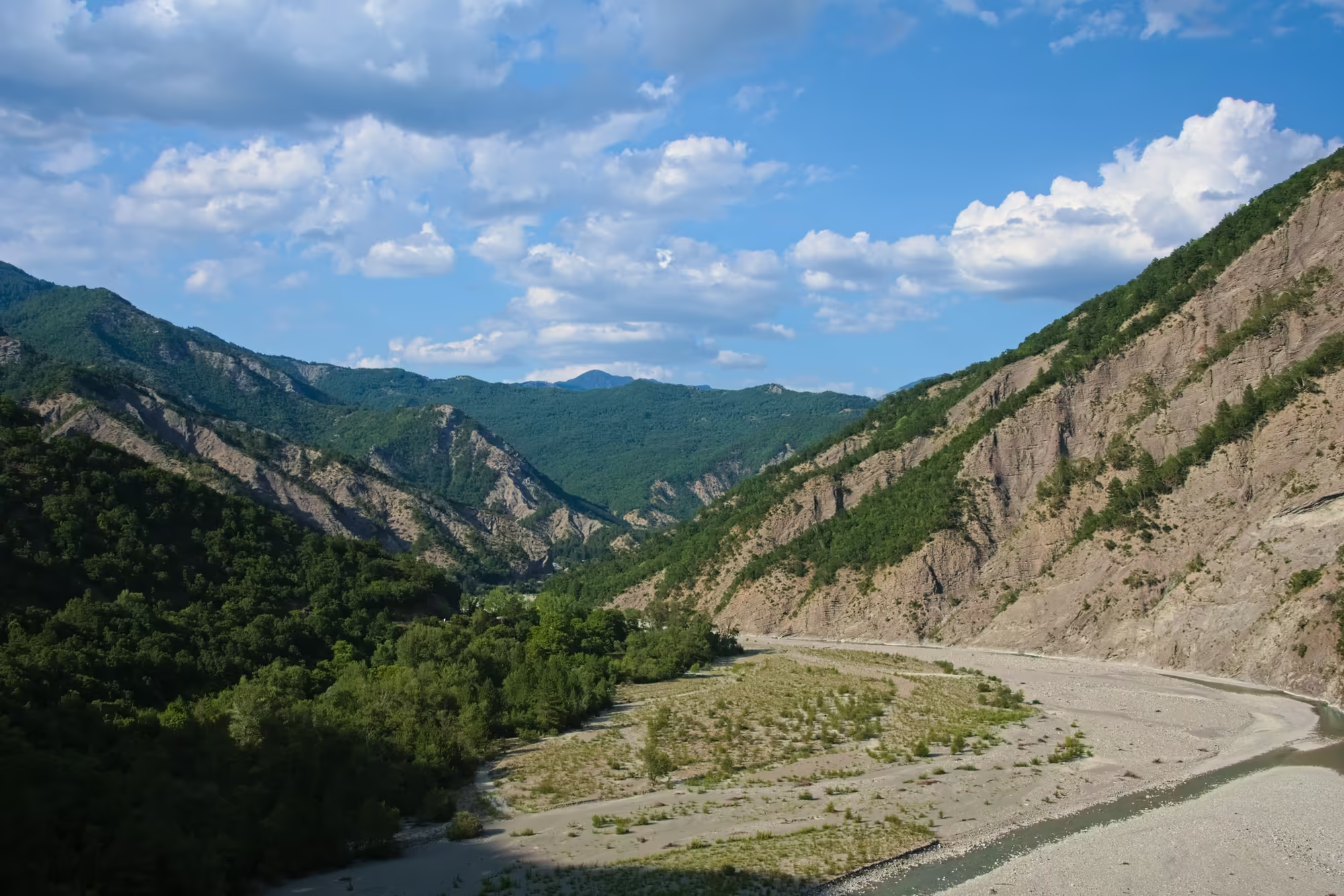
To the north the passes and the valleys of the mountains lead down from the frontier to the plain, and the river valleys, above all that of the Axios, cut through the ranges to the sea, carrying the water and the sediments that shape the Delta and the shore about the gulf of Thessaloniki.
Things to See
The city that the route reaches is Thessaloniki, the second city of Greece and the great port of the north, on the Thermaic Gulf at the head of the Aegean. Founded by Cassander of Macedon about 315 BC and named for his wife, the half-sister of Alexander the Great, it has been for more than two thousand years a centre of the Macedonian and the Greek world, and its streets and its waterfront keep the marks of Greek, Roman, Byzantine and Ottoman ages.
The White Tower, the old fortification that stands on the shore, is the badge of the city, and beside it the long waterfront and the promenade run along the gulf. Within the city the Arch of Galerius, the Rotunda and the churches of the Byzantine age, among the oldest of the Greek world, stand as the monuments of a city that was for centuries second only to Constantinople, and the walls and the buildings of the old quarter look down over the harbour.
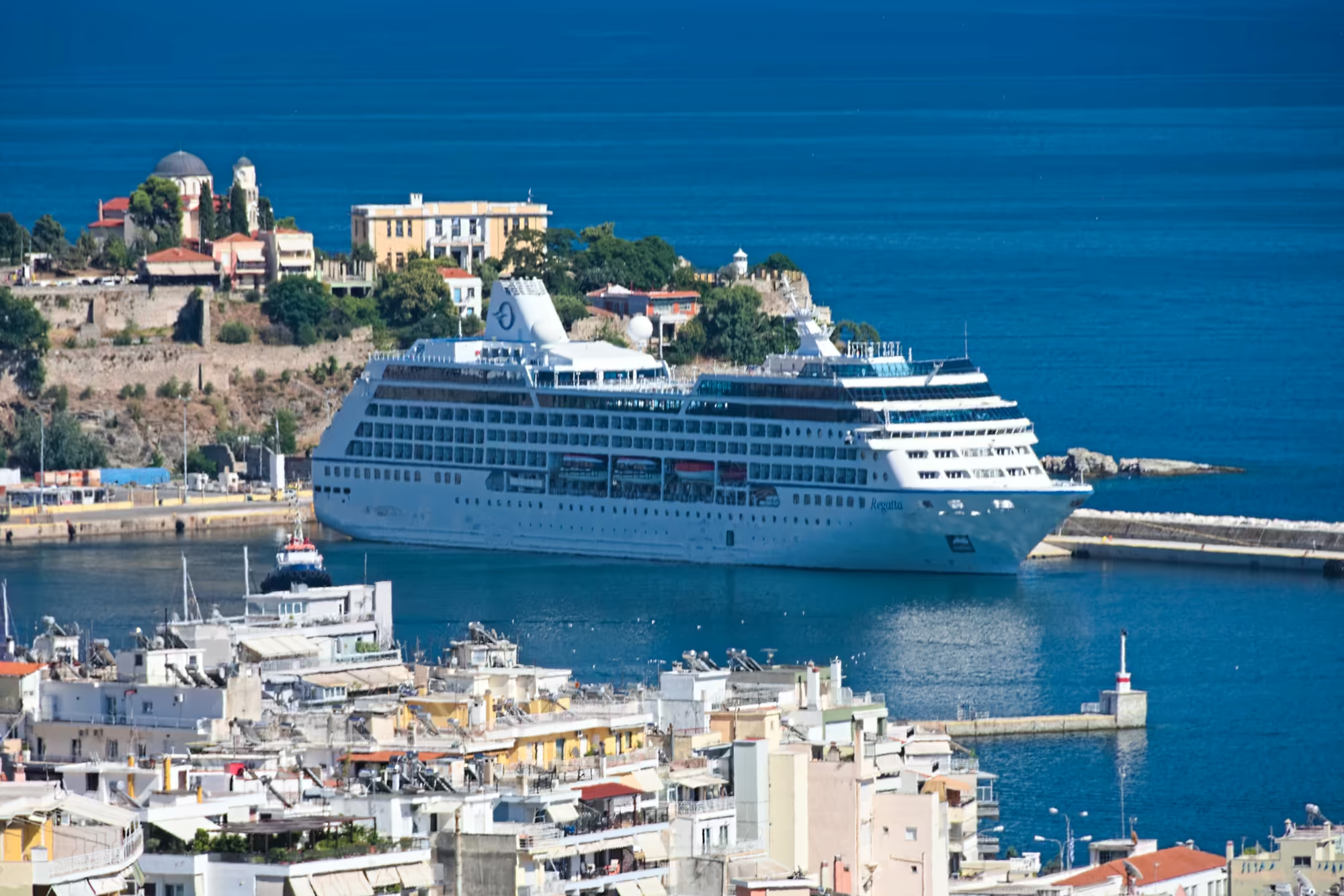
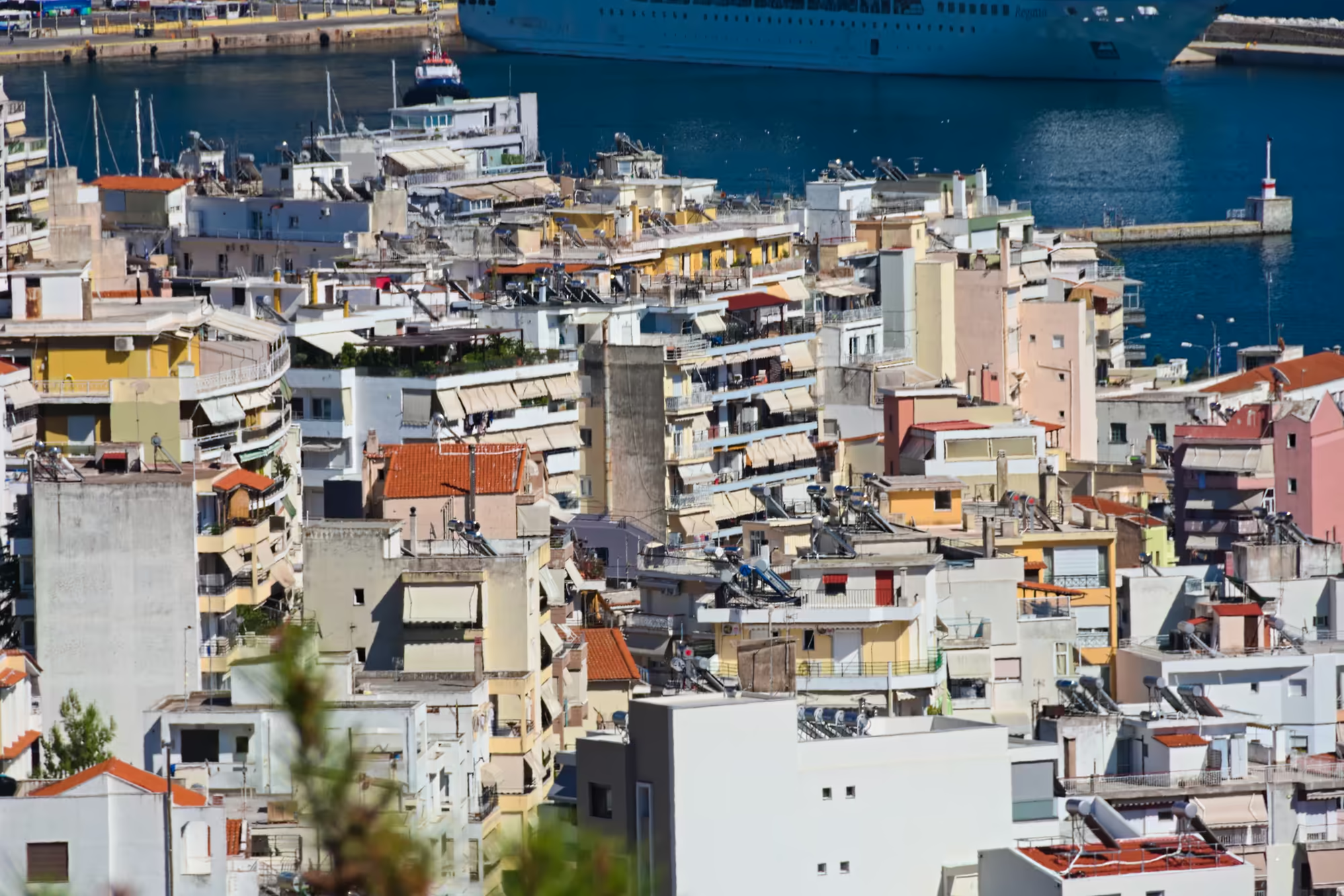
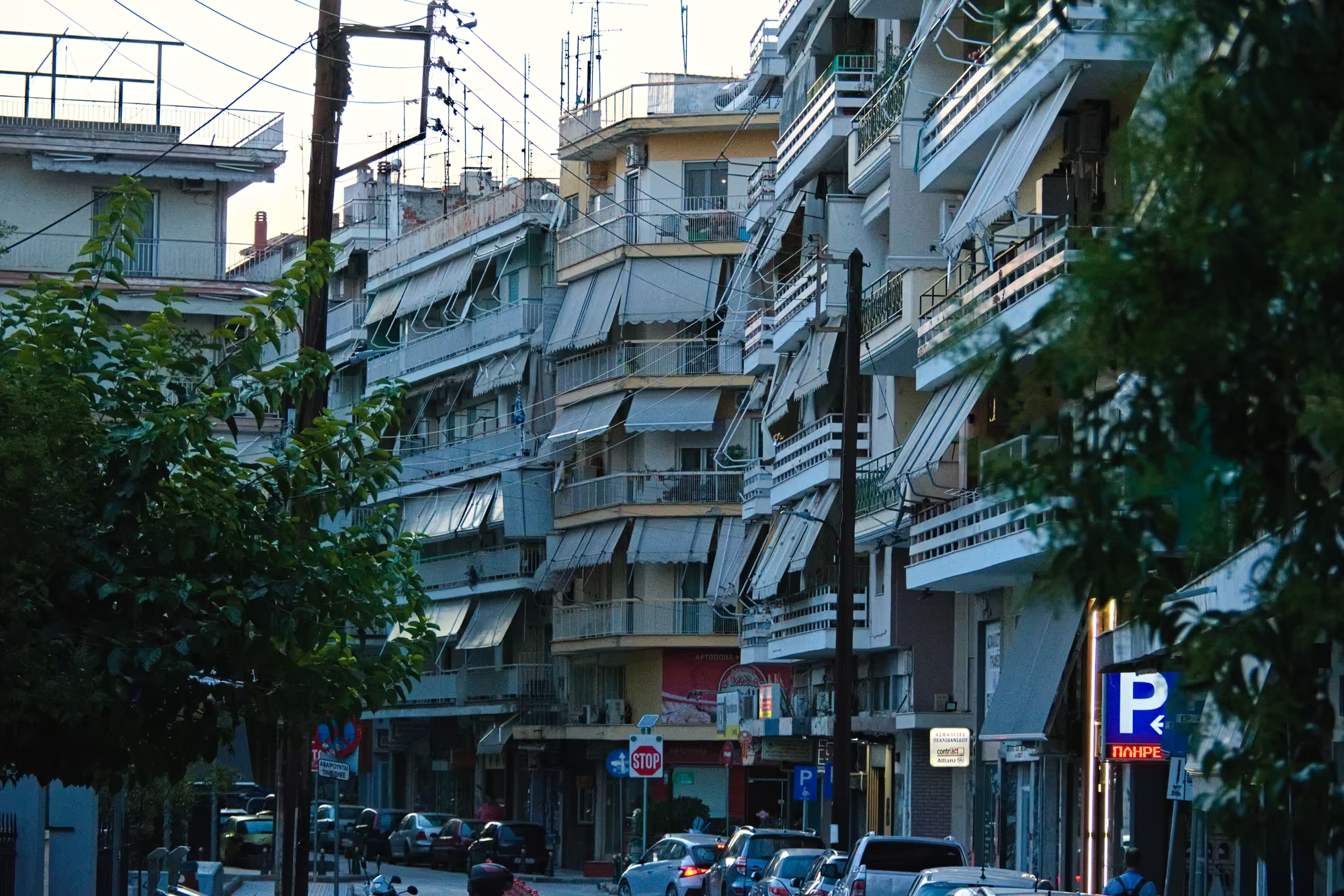
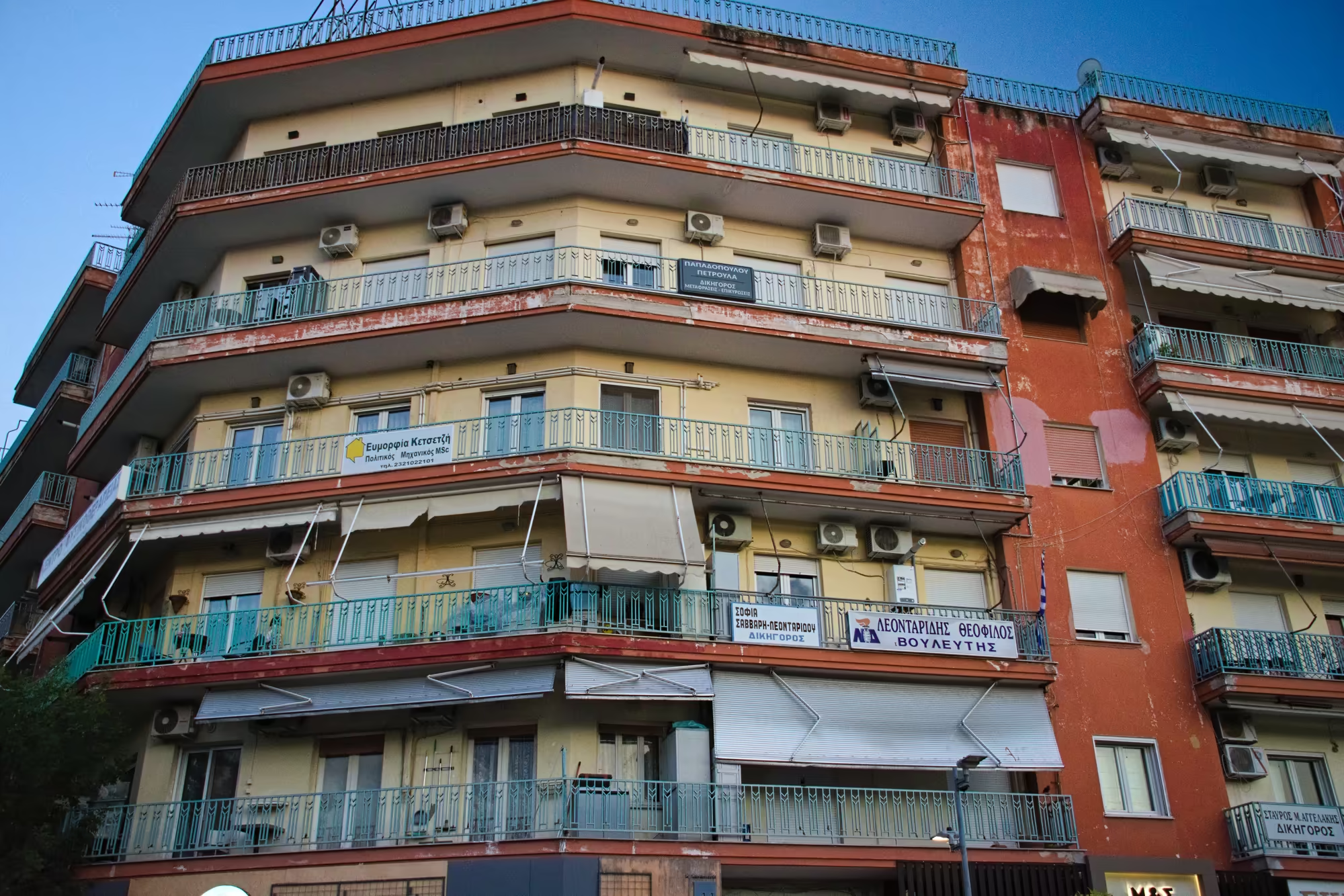
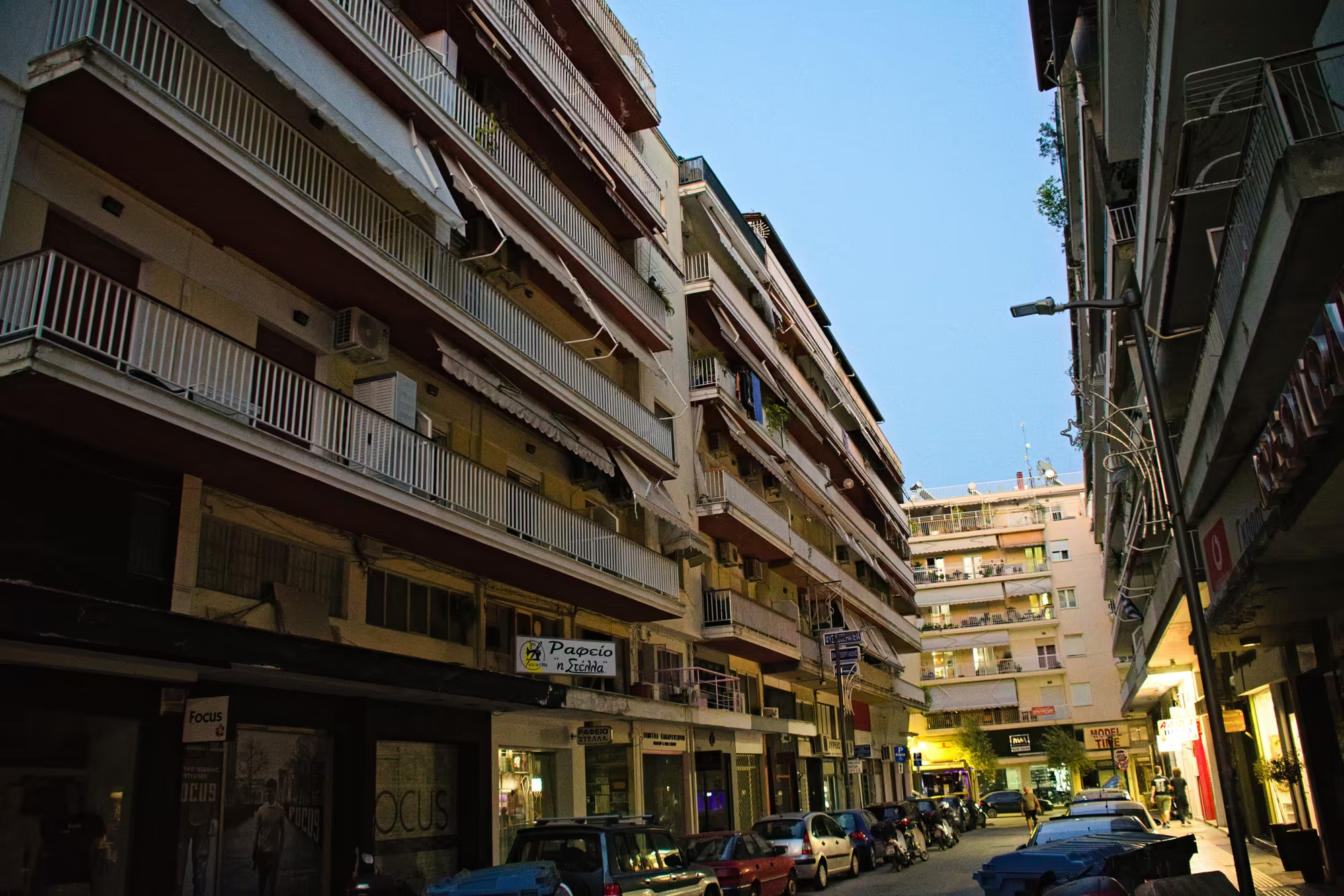
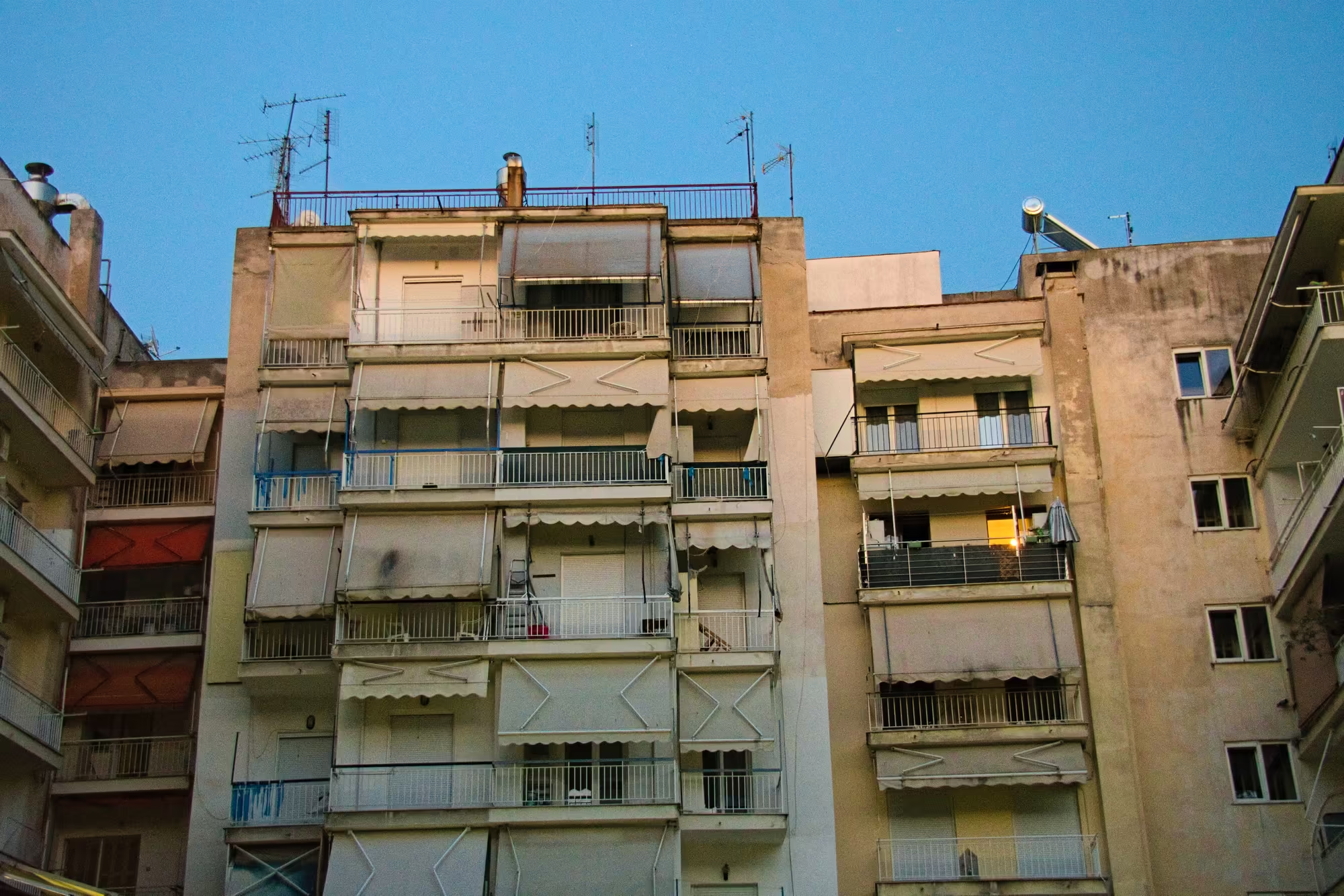
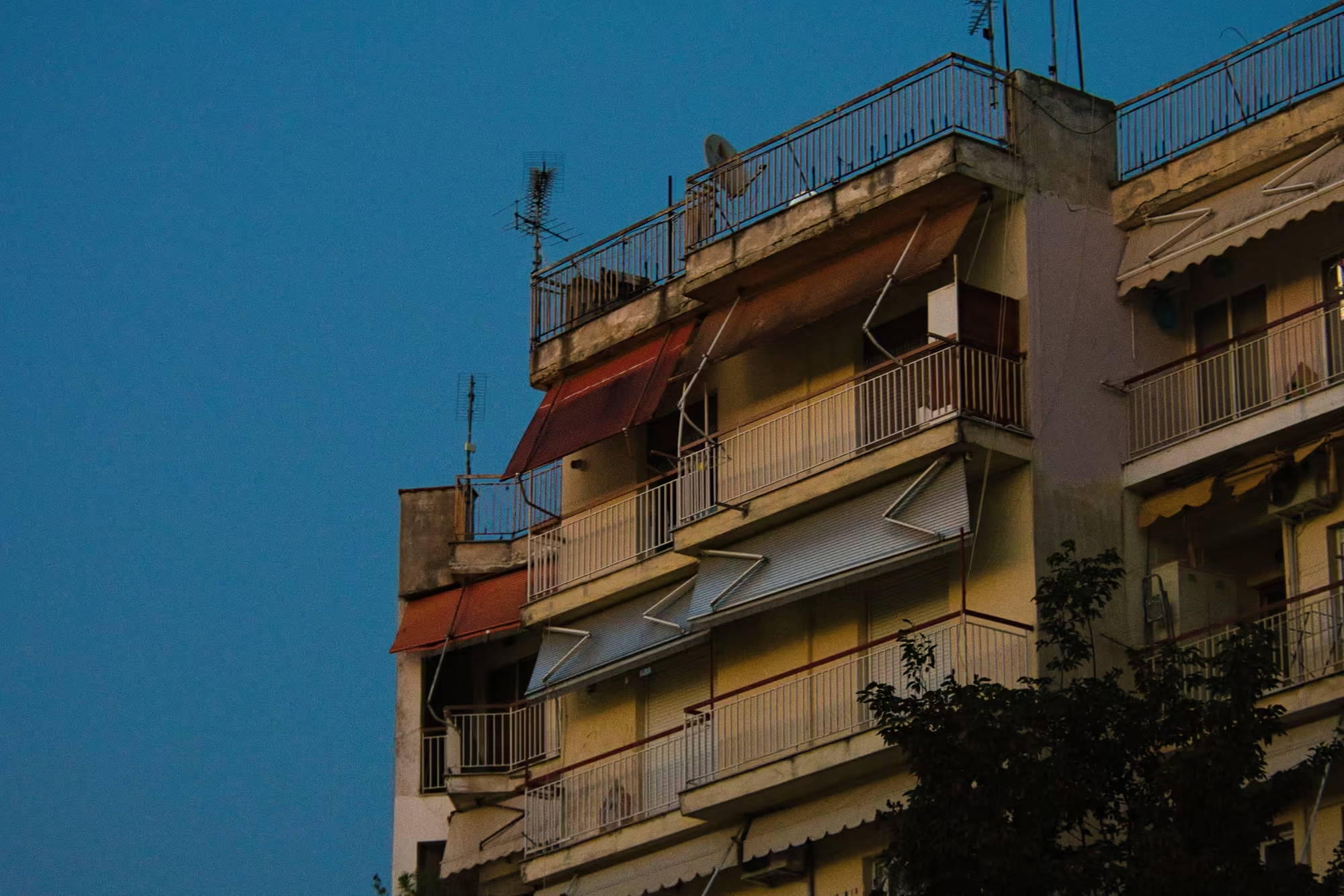
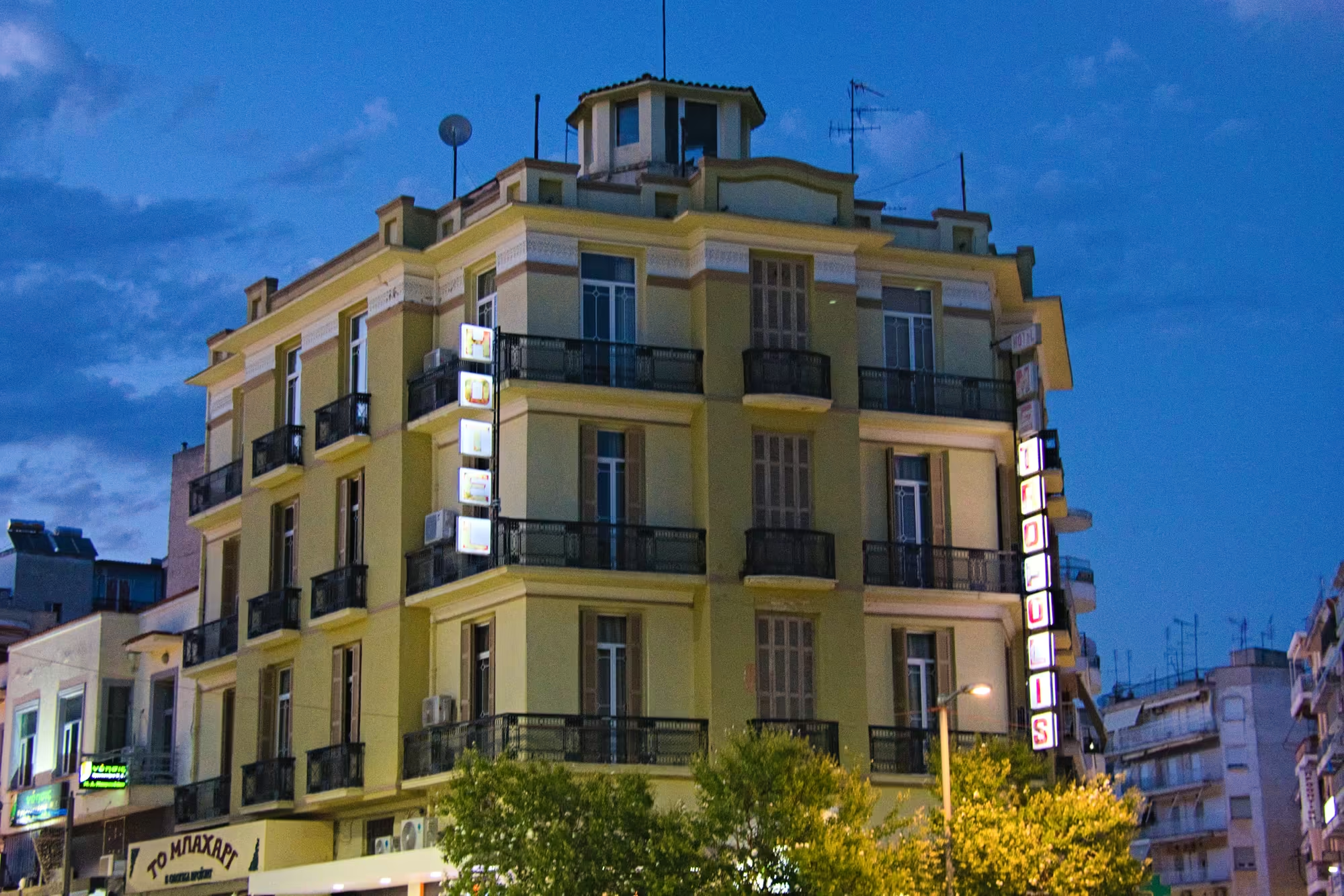
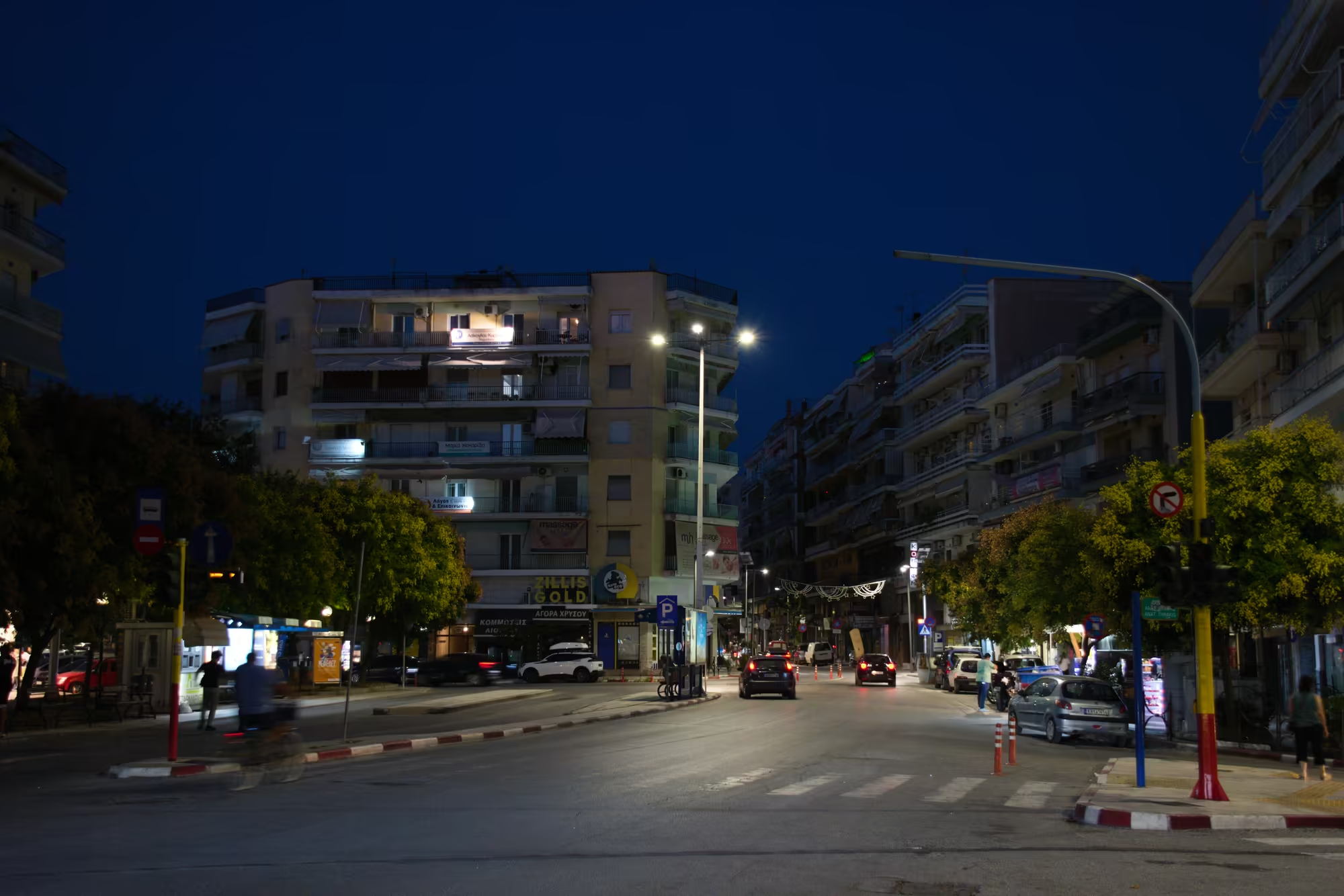
The port of Thessaloniki is among the great harbours of the south east, and the cruise ships that come in from the Aegean lie beside the town, in a harbour ringed with the crowded roofs and the balconies of the Mediterranean, and with the lively streets of the centre. The city is famed for its markets and its streets, and the shops and the signs of the town, the storefronts and the squares, give the scene its colour, at the heart of the Macedonian plain.
To the south and the west of the city the great plain of Macedonia, the largest of Greece, is a land of corn and of rice, of orchards and of the cotton fields that spread about the rivers, and the power stations and the industry of the plain show a different face of the north. Around the city the river Axios and its delta, a wetland of the coast, are a place of birds and of quiet, while the mountains ring the plain and the passes lead up into the hills.
The city is also famed for its early Christian and Byzantine monuments, a group of churches and buildings that stands as one of the great collections of Byzantine art in the world, and that is entered on the UNESCO World Heritage List. The Rotunda, the great round church that was raised in the Roman age, the churches of the Panagia Acheiropoietos and of Hagios Demetrios, the patron of the city, and the monasteries and the chapels of the old town are among the finest of the treasures that Thessaloniki keeps from the ages when it was the second city of the Byzantine Empire.
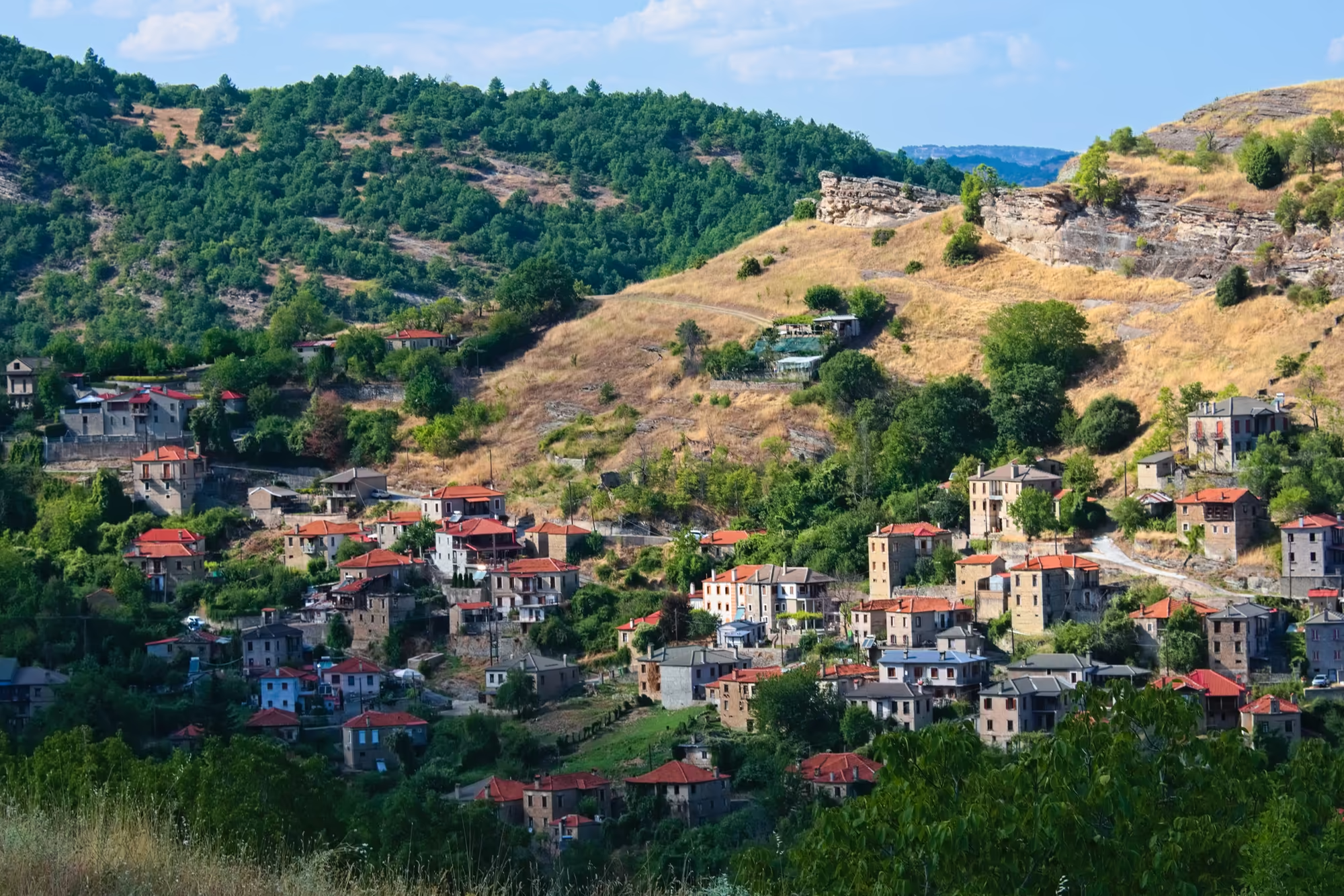
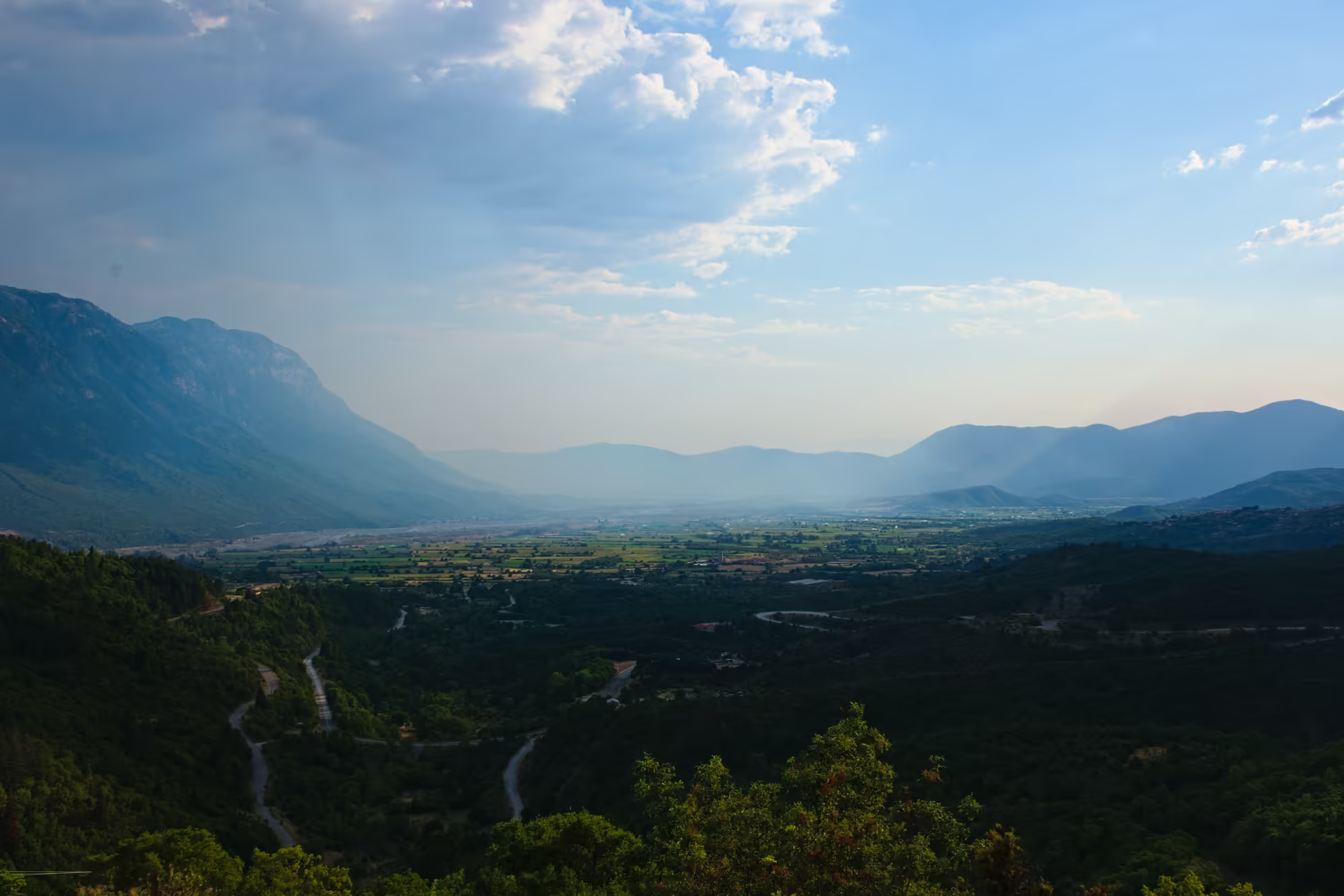
Beyond the plain the country rises into the hills and the valleys of the north, the wooded slopes and the gorges of the mountains, the villages of stone and of red roof that cling to the hillsides, and the wide views from the passes over the valleys and the plains. It is a country where the sea and the mountains meet, and the road that climbs the ranges toward the frontier is among the wilder ways of the region.
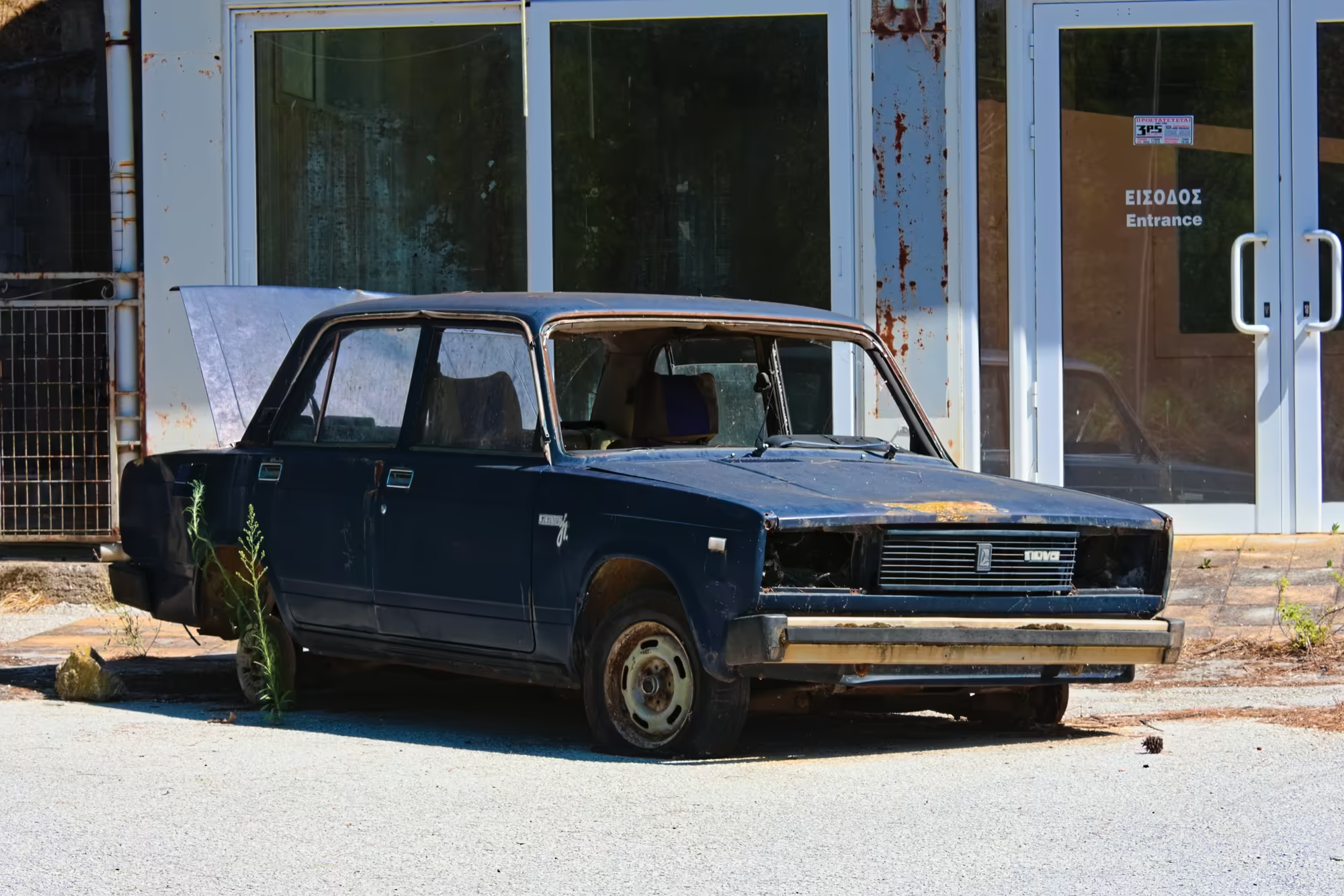
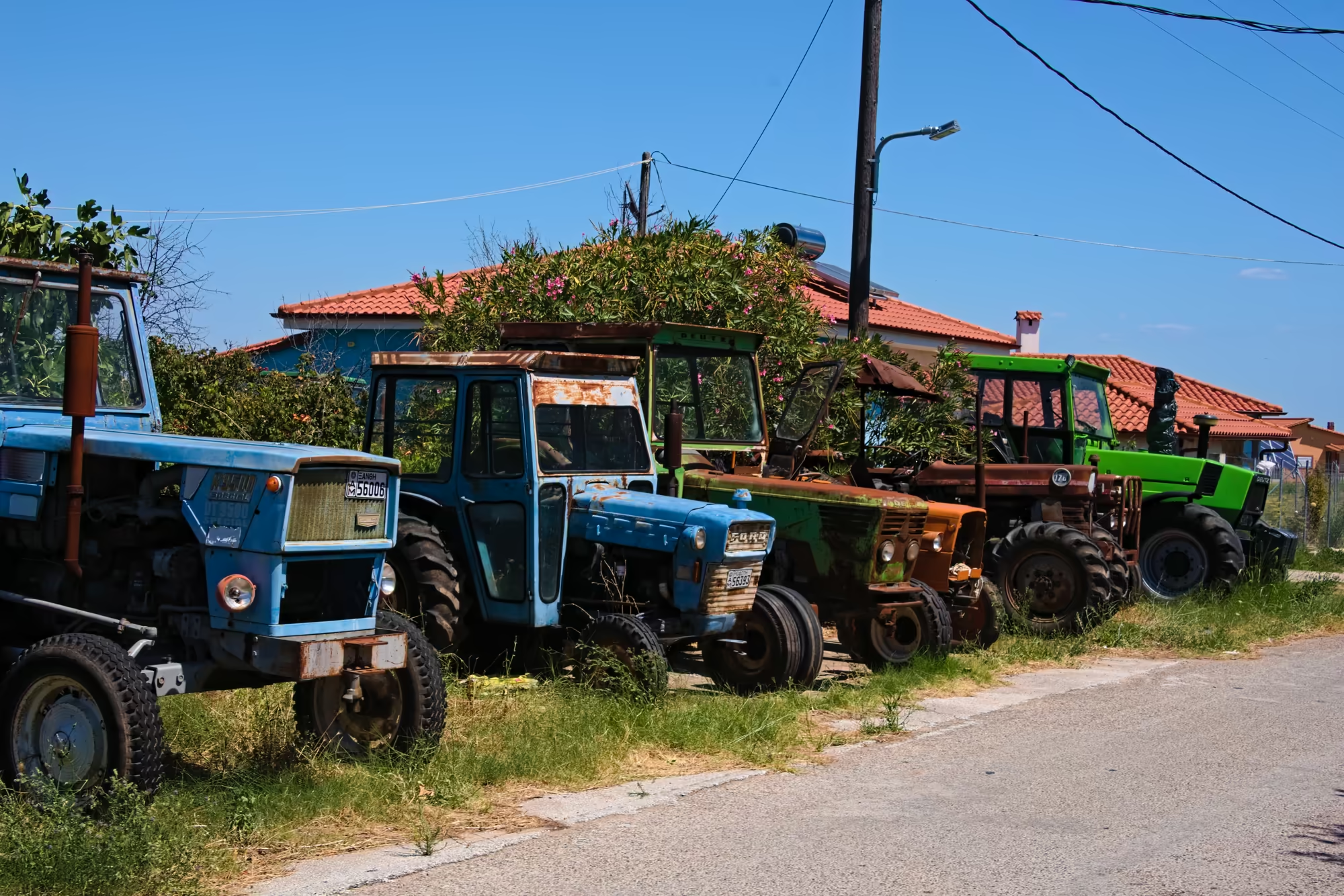
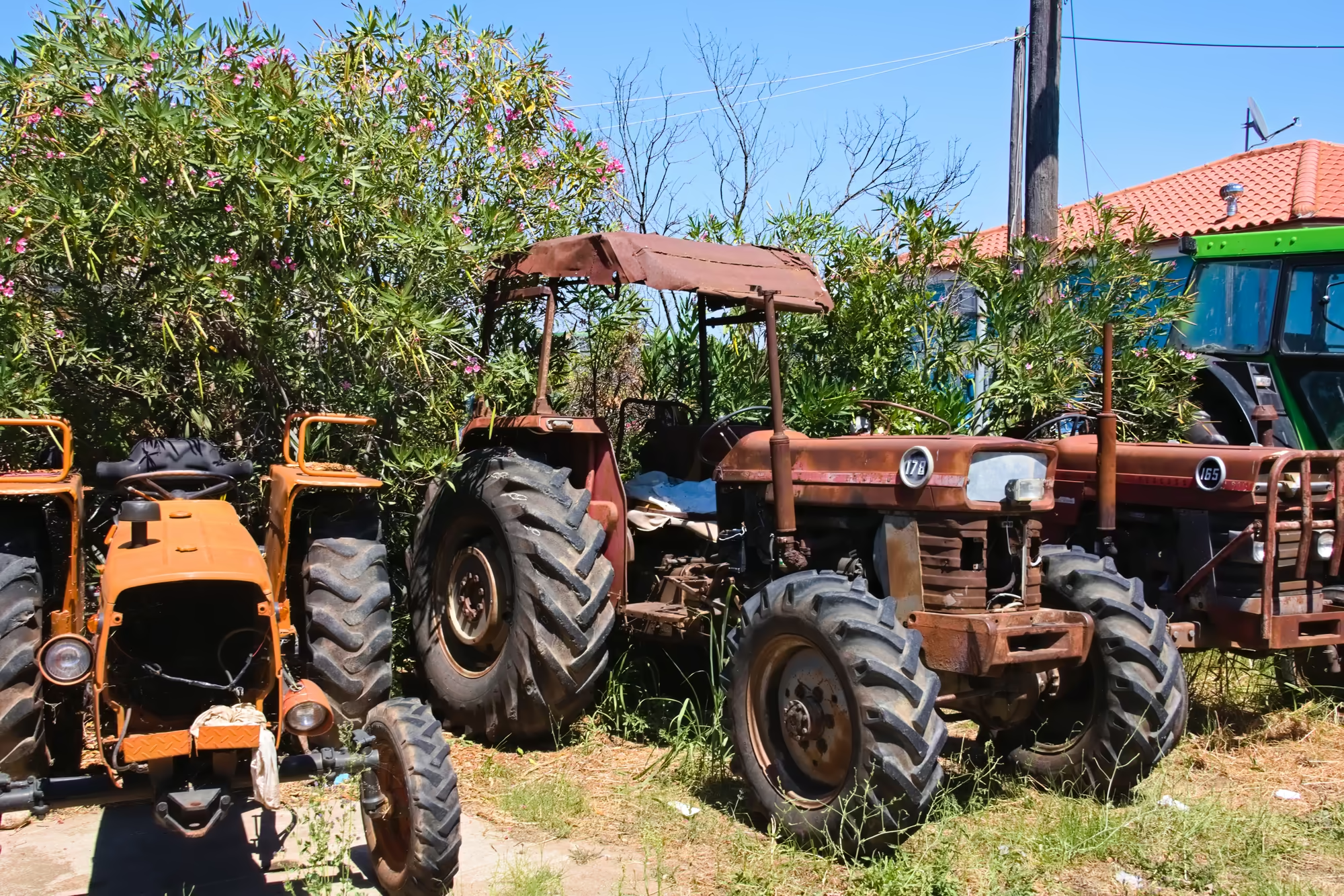
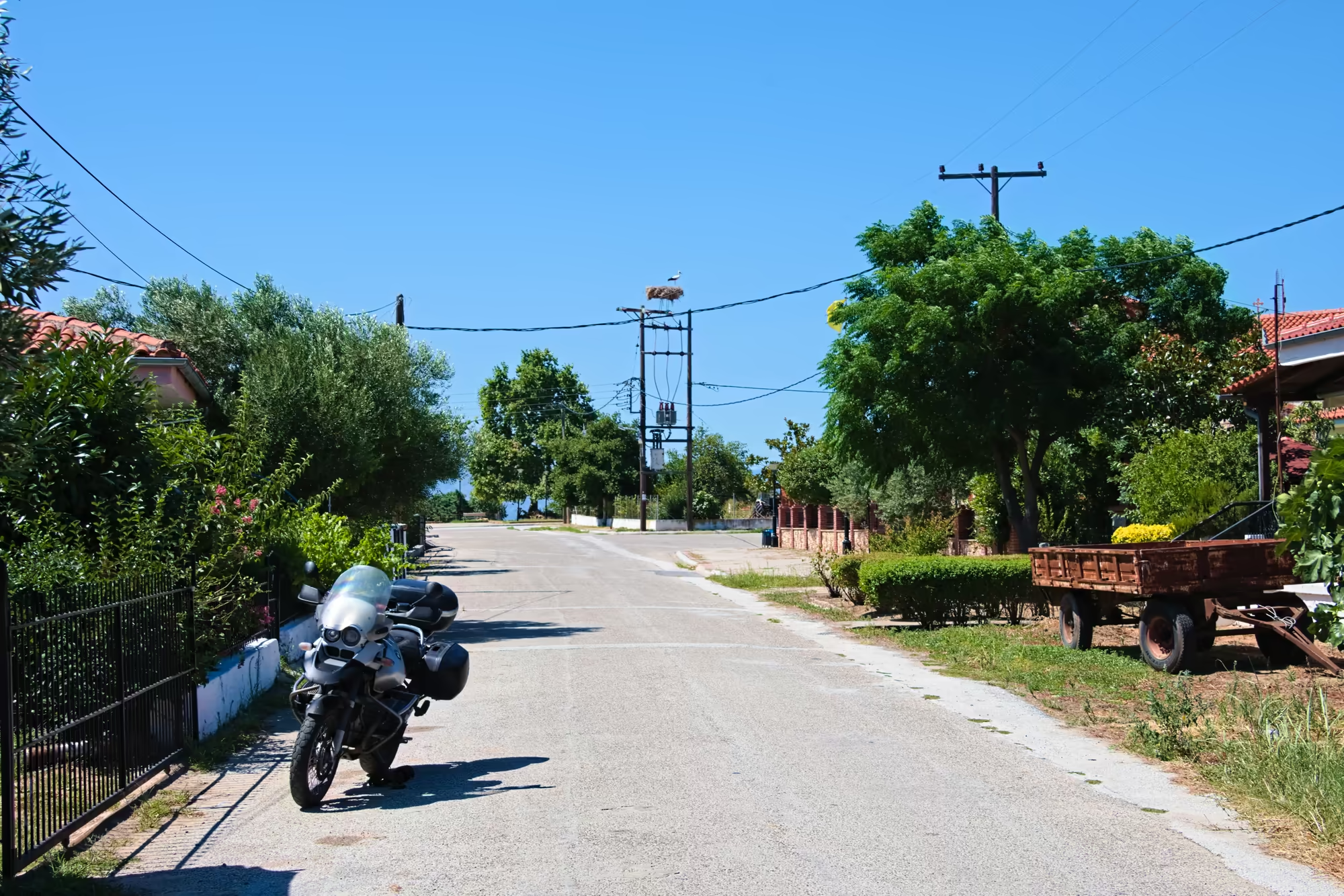
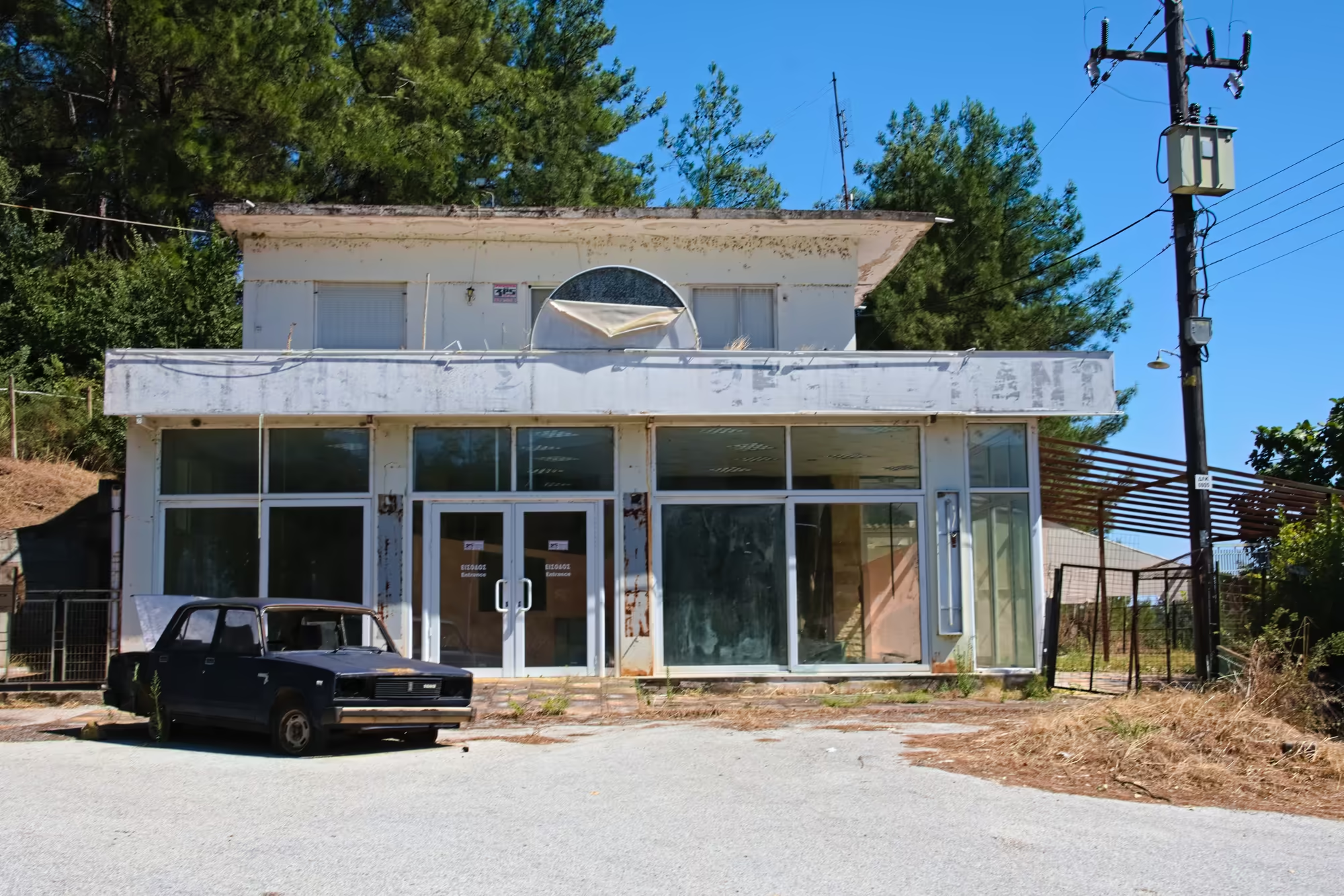
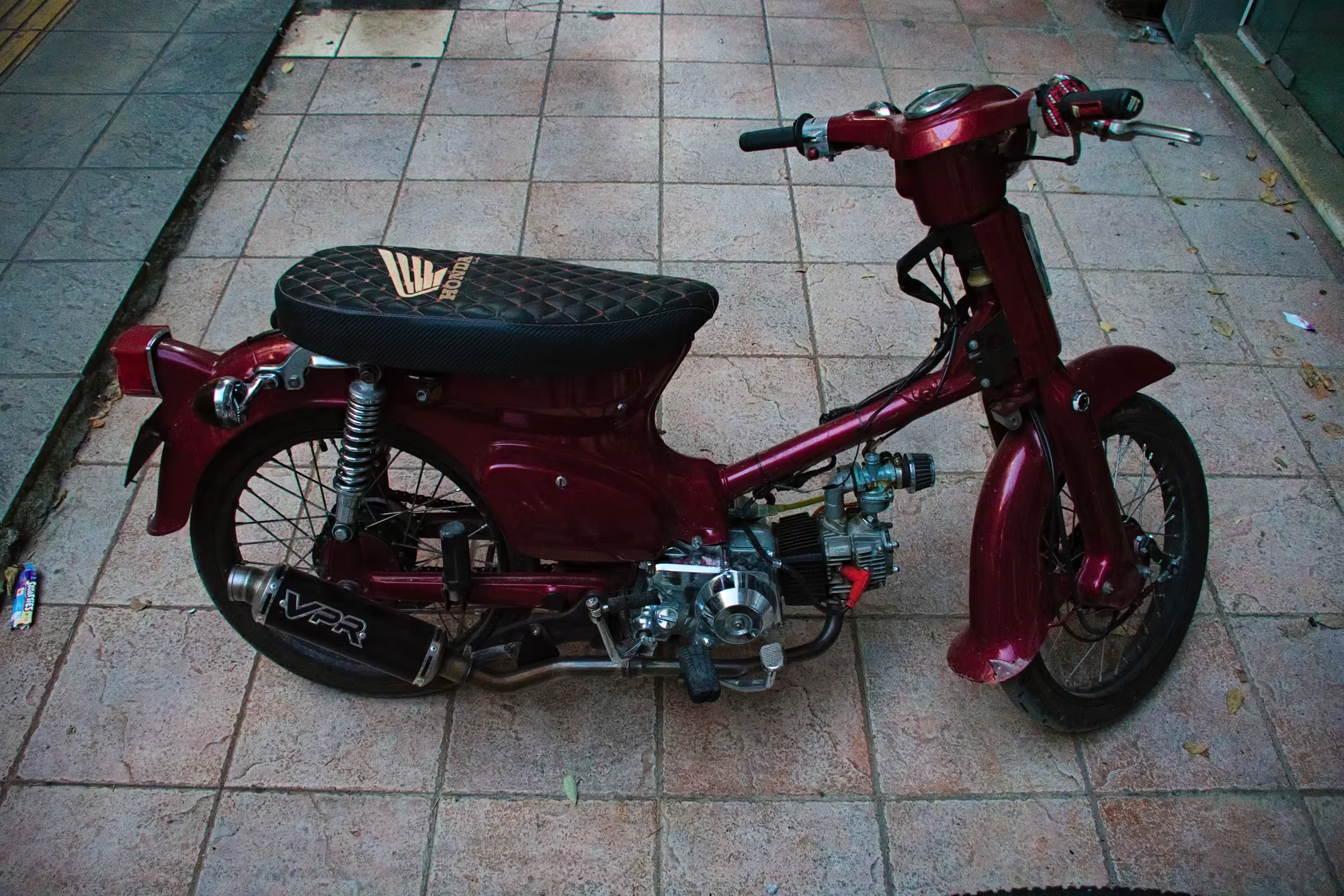
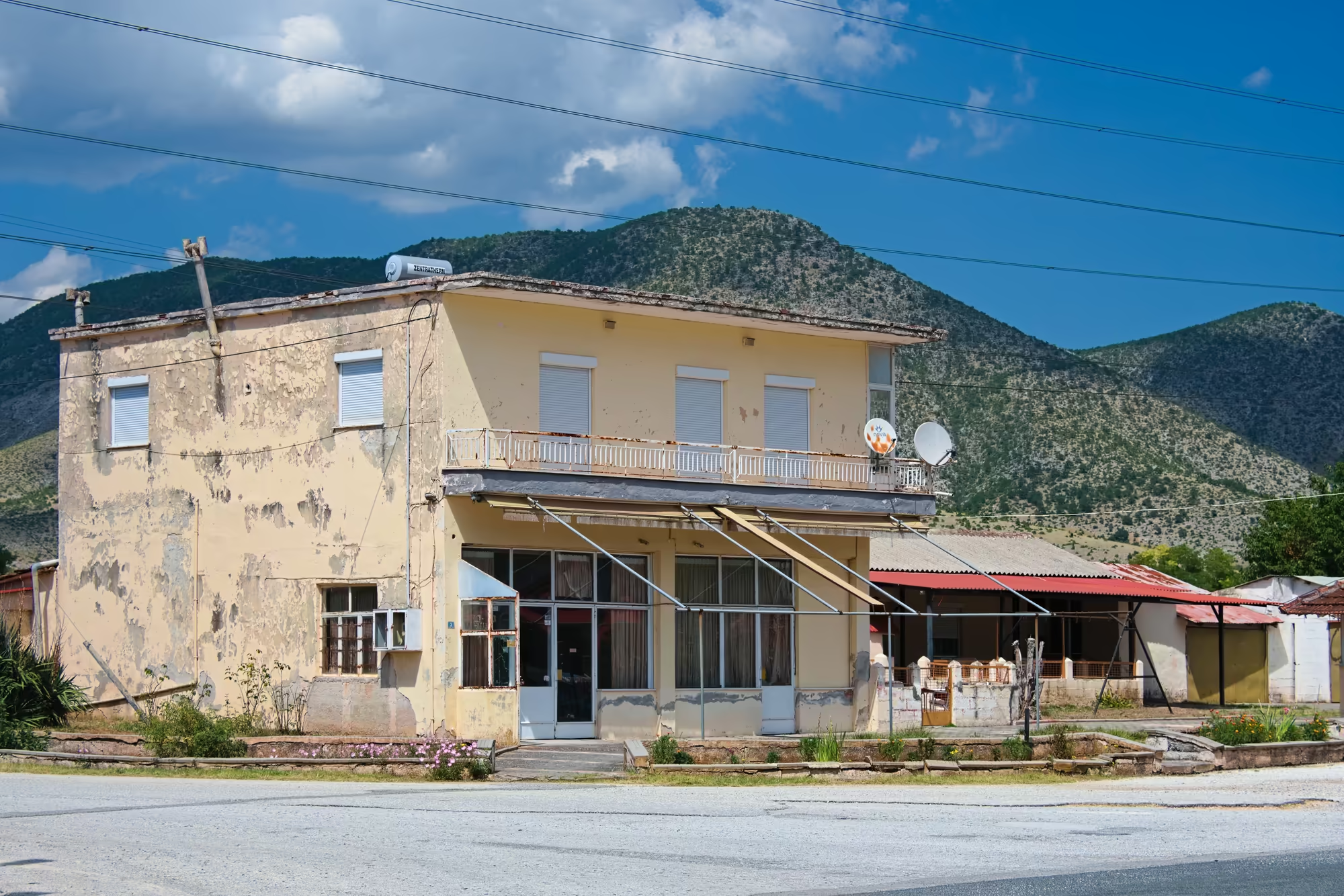
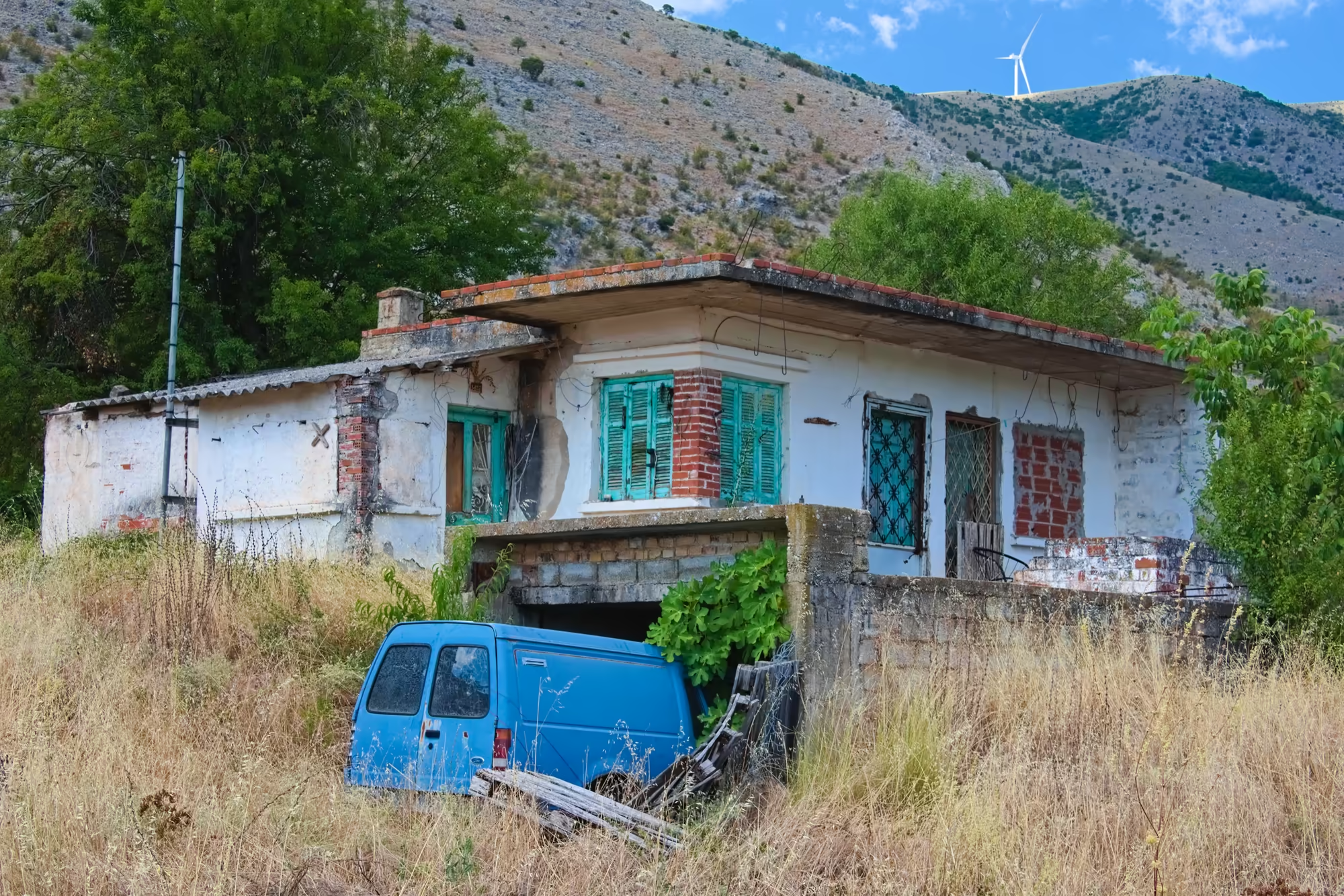
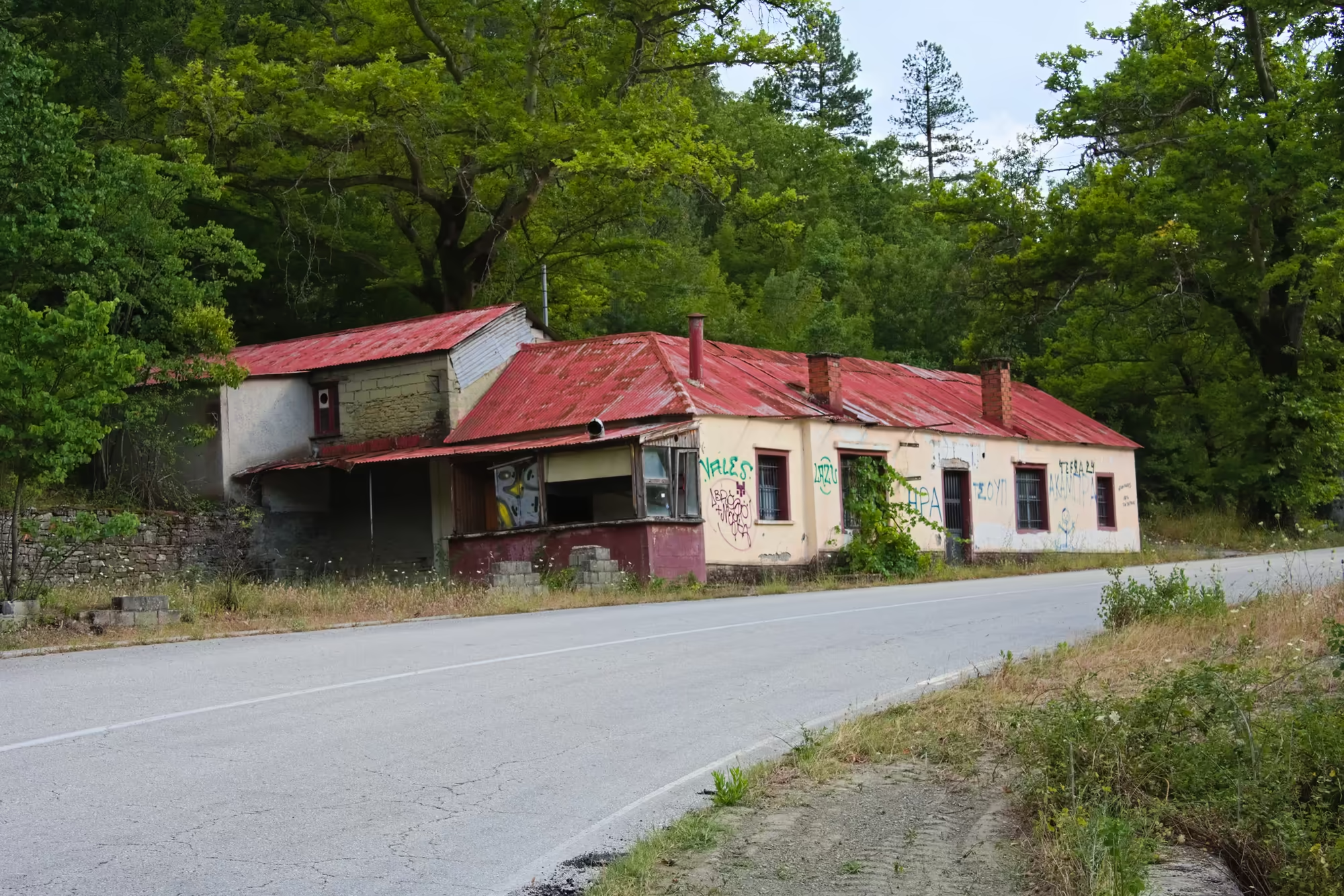
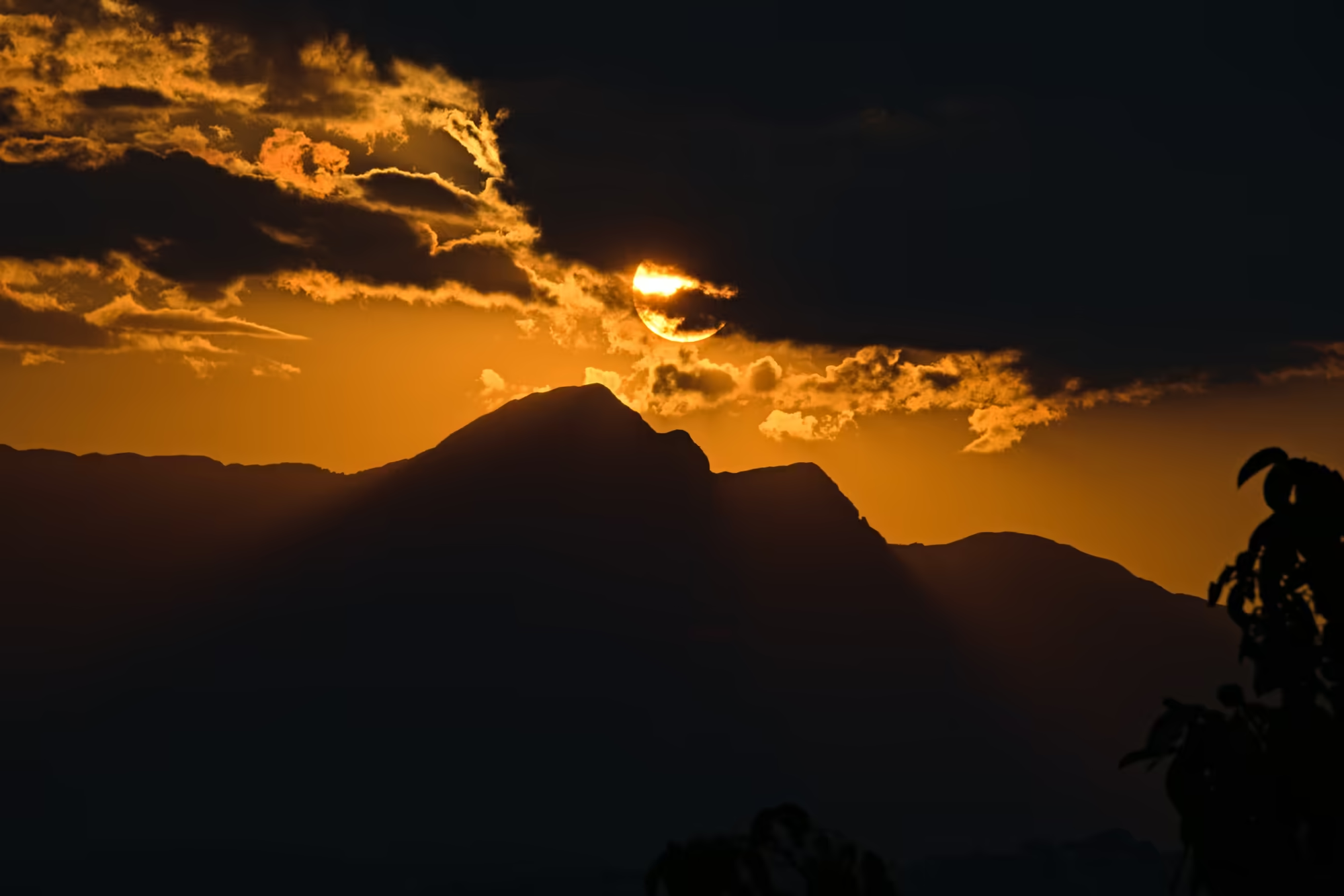
The vintage and the everyday of the road, the old tractors and the farm machinery that line the lanes, the faded houses and the small shops of the villages, and the good roads that wind over the hills, are the constant company of the traveller. And at the end of the day the sun drops behind the mountains, and the silhouette of the ranges and the glow of the evening close the journey of the north.
References
The references on which this account rests are set out below, and they may be consulted at the links given.
- Wikipedia contributors (2026). Greece. en.wikipedia.org/wiki/Greece
- Wikipedia contributors (2026). History of Greece. en.wikipedia.org/wiki/History_of_Greece
- Wikipedia contributors (2026). Thessaloniki. en.wikipedia.org/wiki/Thessaloniki
- Wikipedia contributors (2026). White Tower of Thessaloniki. en.wikipedia.org/wiki/White_Tower_of_Thessaloniki
- Wikipedia contributors (2026). Arch of Galerius. en.wikipedia.org/wiki/Arch_of_Galerius
- Wikipedia contributors (2026). PAOK FC. en.wikipedia.org/wiki/PAOK_FC
- Wikipedia contributors (2026). Macedonia (Greece). en.wikipedia.org/wiki/Macedonia_(Greece)
- Wikipedia contributors (2026). Pindus. en.wikipedia.org/wiki/Pindus
- Wikipedia contributors (2026). Aegean Sea. en.wikipedia.org/wiki/Aegean_Sea
- Wikipedia contributors (2026). Thermaic Gulf. en.wikipedia.org/wiki/Thermaic_Gulf
- Wikipedia contributors (2026). Axios (river). en.wikipedia.org/wiki/Axios_(river)
- Wikipedia contributors (2026). Greek Islands. en.wikipedia.org/wiki/Greek_islands
- Wikipedia contributors (2026). Byzantine Empire. en.wikipedia.org/wiki/Byzantine_Empire
- Wikipedia contributors (2026). Ottoman Greece. en.wikipedia.org/wiki/Ottoman_Greece
- Wikipedia contributors (2026). Economy of Greece. en.wikipedia.org/wiki/Economy_of_Greece
- Wikipedia contributors (2026). Greek War of Independence. en.wikipedia.org/wiki/Greek_War_of_Independence