Day 14 - Assuan - Elephantine Island































Journal Notes
General
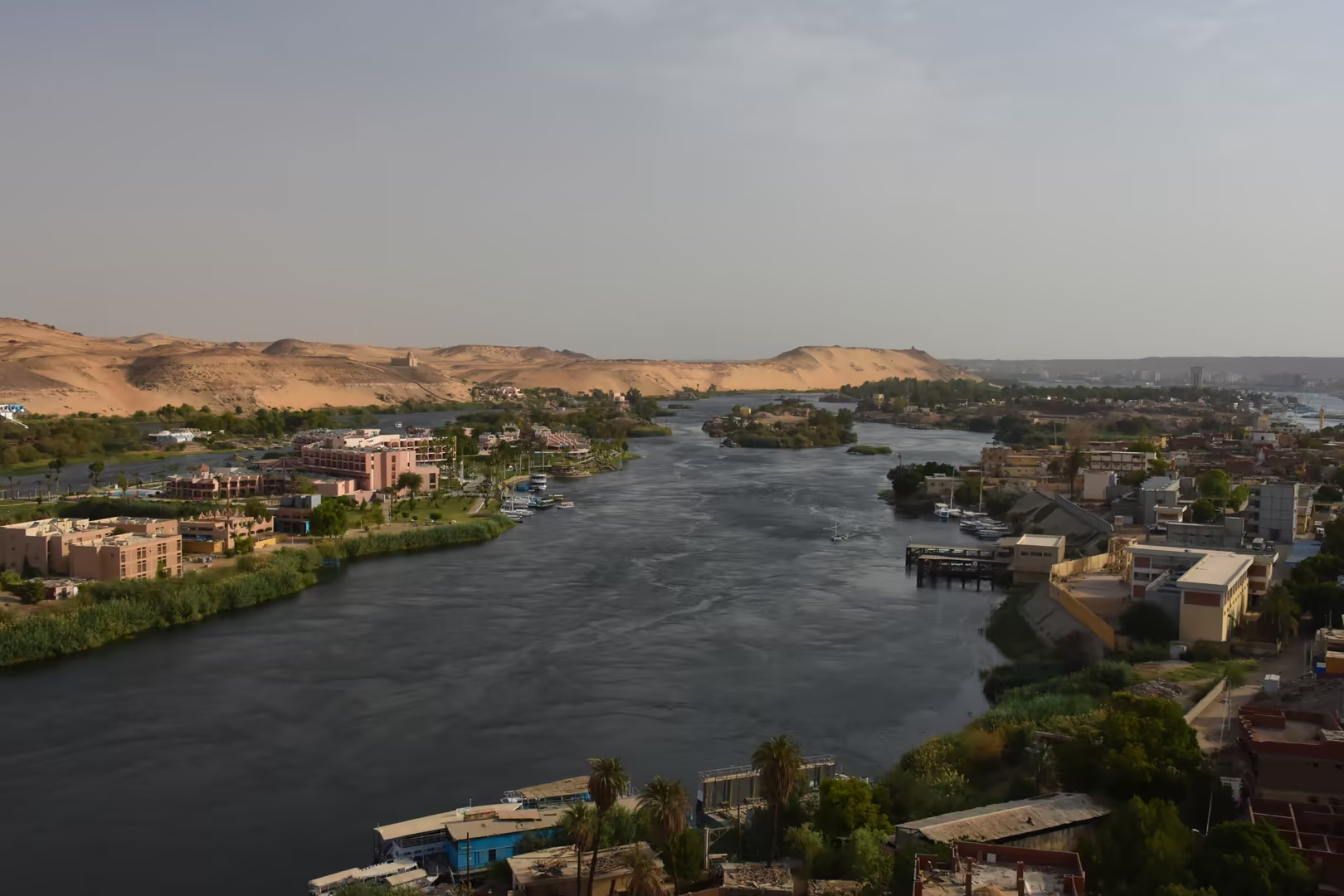
Elephantine is the largest island of the Nile at Aswan, a low band of pink granite, palm garden and village lying immediately below the First Cataract, at the southern frontier of ancient Egypt. The island, some 1,200 metres long and up to 400 metres wide, forms part of the modern city of Aswan, facing the town on the east bank that the Egyptians called Swenet and the Greeks Syene. To the south the river breaks through the granite barrier of the cataract among boulders and rocky islets; northwards it widens into the navigable valley of Upper Egypt.
To the ancient Egyptians the place was Abu or Yebu, the ‘elephant’, a name generally read as a memory of the ivory trade that passed through the frontier post, although the shape of the island, or of the rounded granite boulders along its banks, may also have played its part. From the Old Kingdom onward Abu was the capital of the first nome of Upper Egypt, Ta-Seti, the ‘Land of the Bow’, and the gateway towards Nubia: the break of navigation at the cataract made it a customs point and entrepot for the gold, ivory, ebony, incense and exotic animals of the south.
The island was above all a sacred place, the cult centre of the triad of Khnum, the ram-headed creator god who was believed to control the flood from caverns beneath the cataract, Satet, goddess of the inundation and of the border, and their companion Anuket. Their temples stood at the southern end, where the temple of Satet preserves the oldest known temple remains in Egypt, and where a calibrated nilometer recorded the height of the annual flood. Later centuries added the Persian garrison with its Jewish community, whose Aramaic papyri made the island famous, and, since 1969, the long-running excavations of the German Archaeological Institute, whose finds are shown in the Aswan Museum on the island itself.
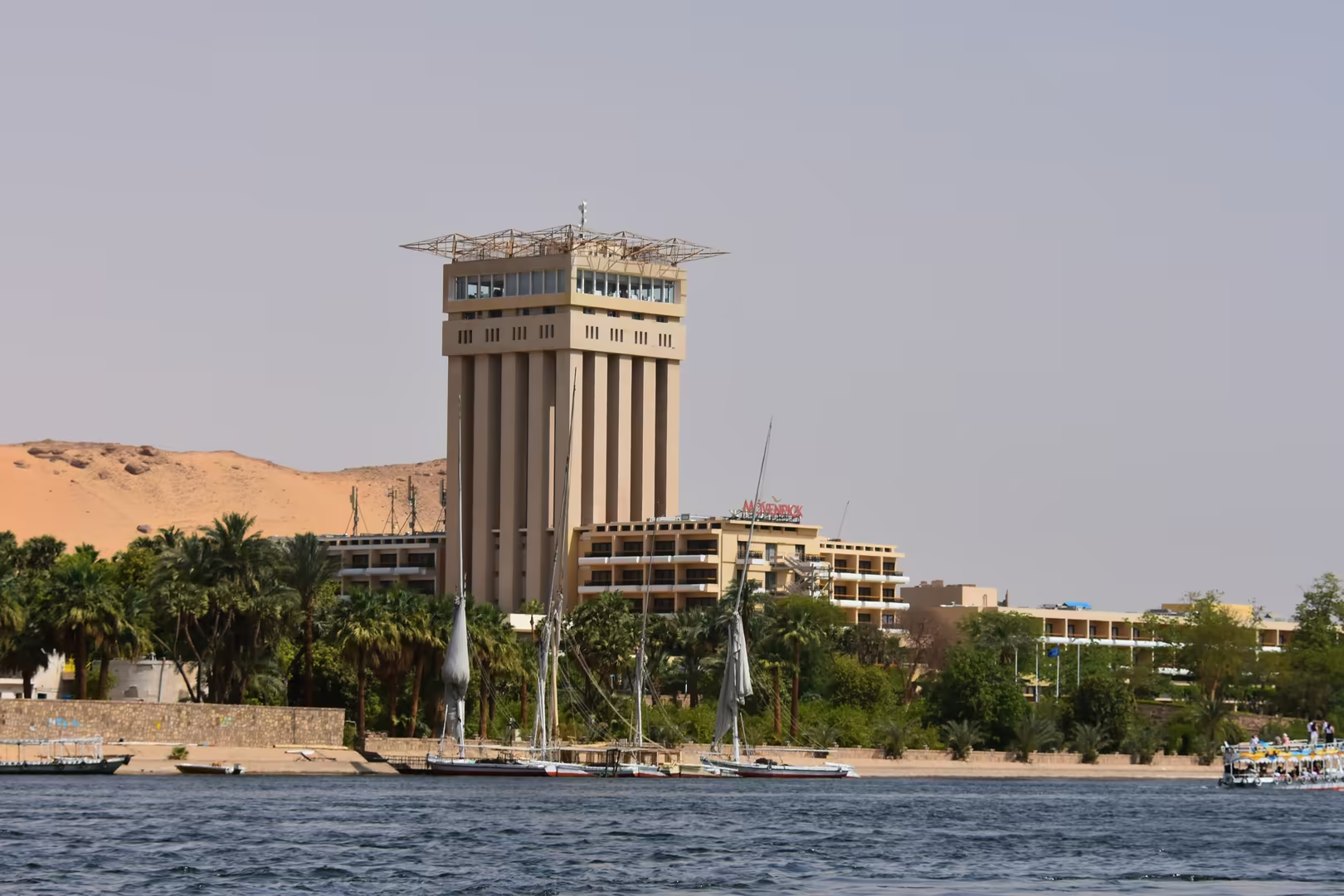
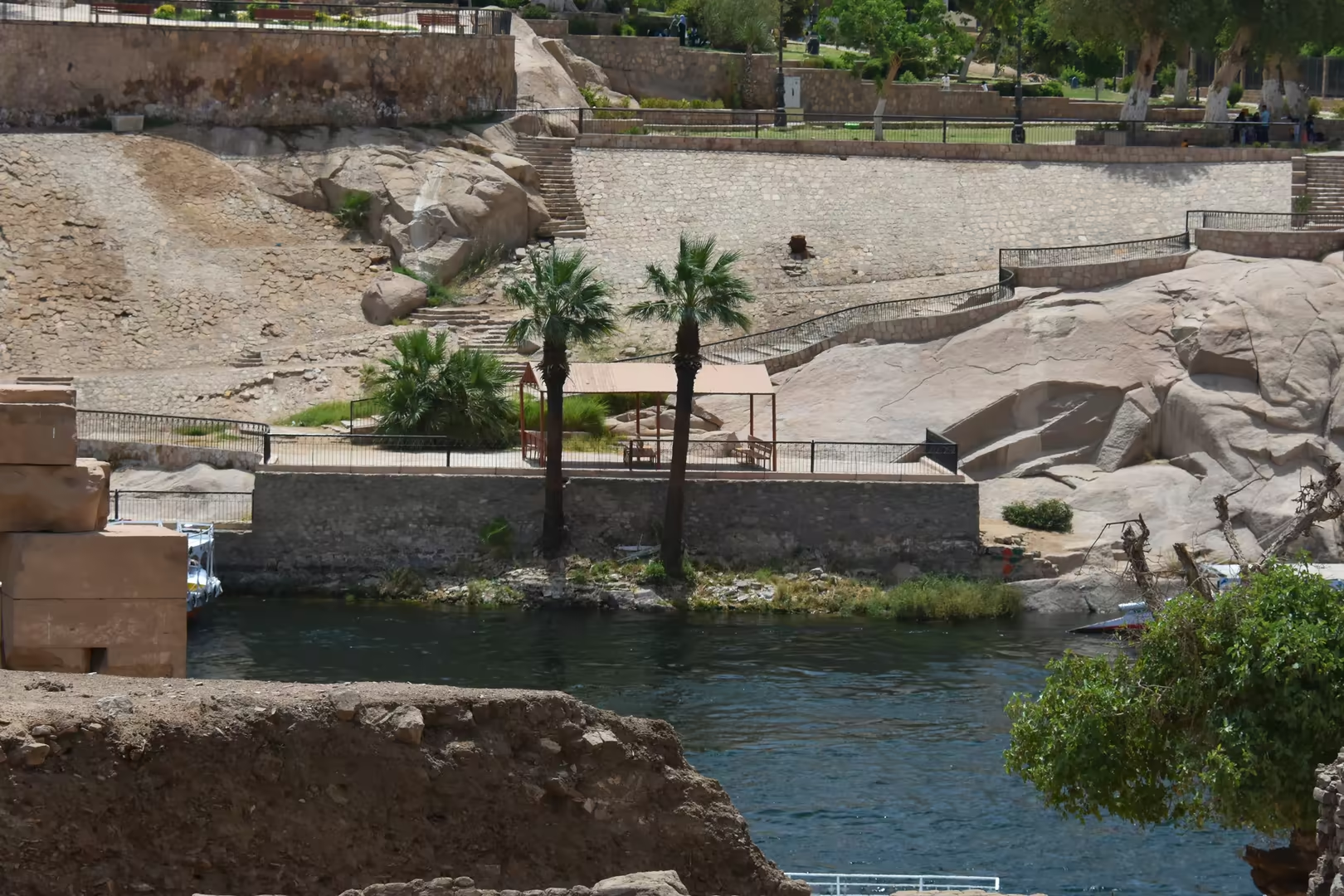
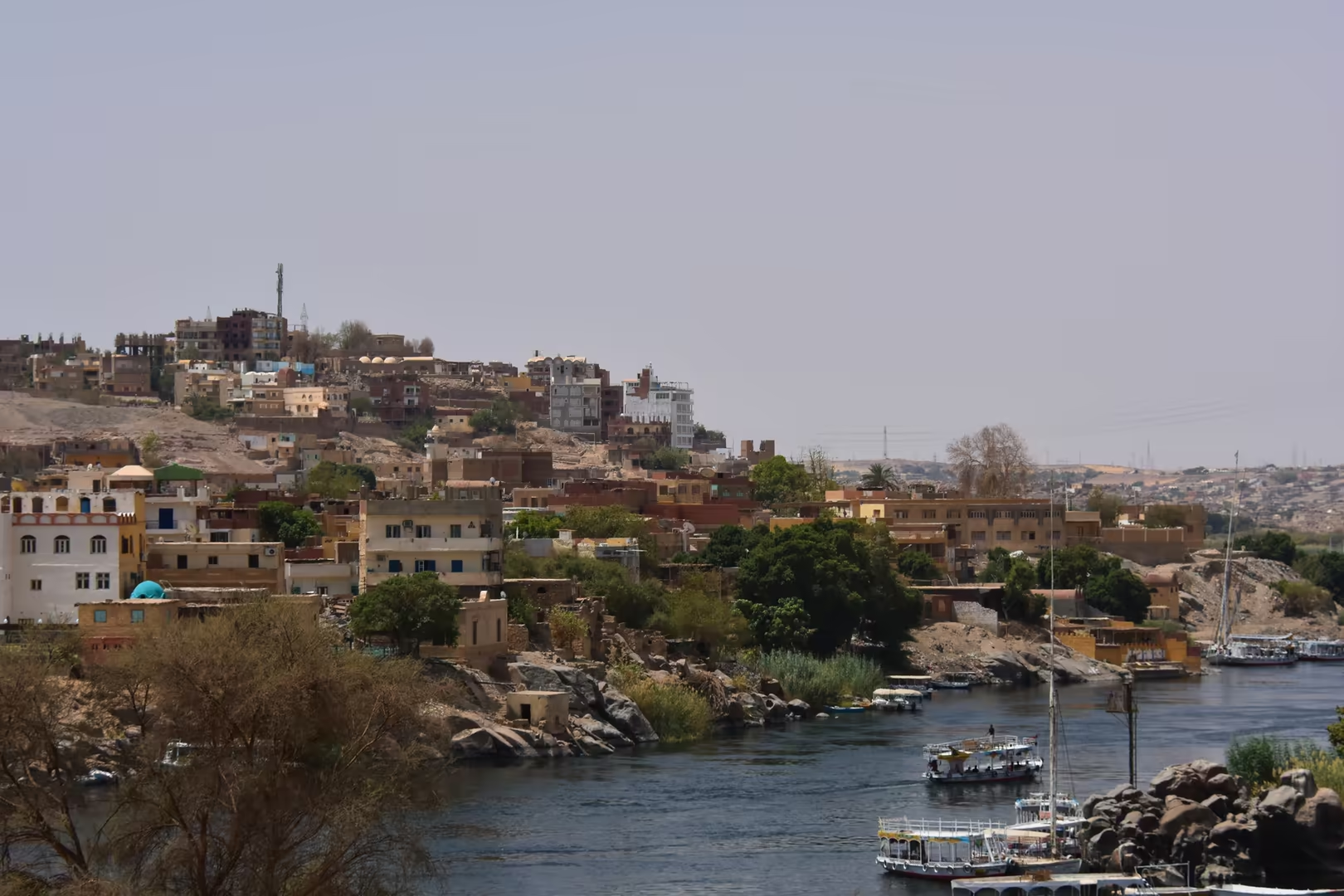
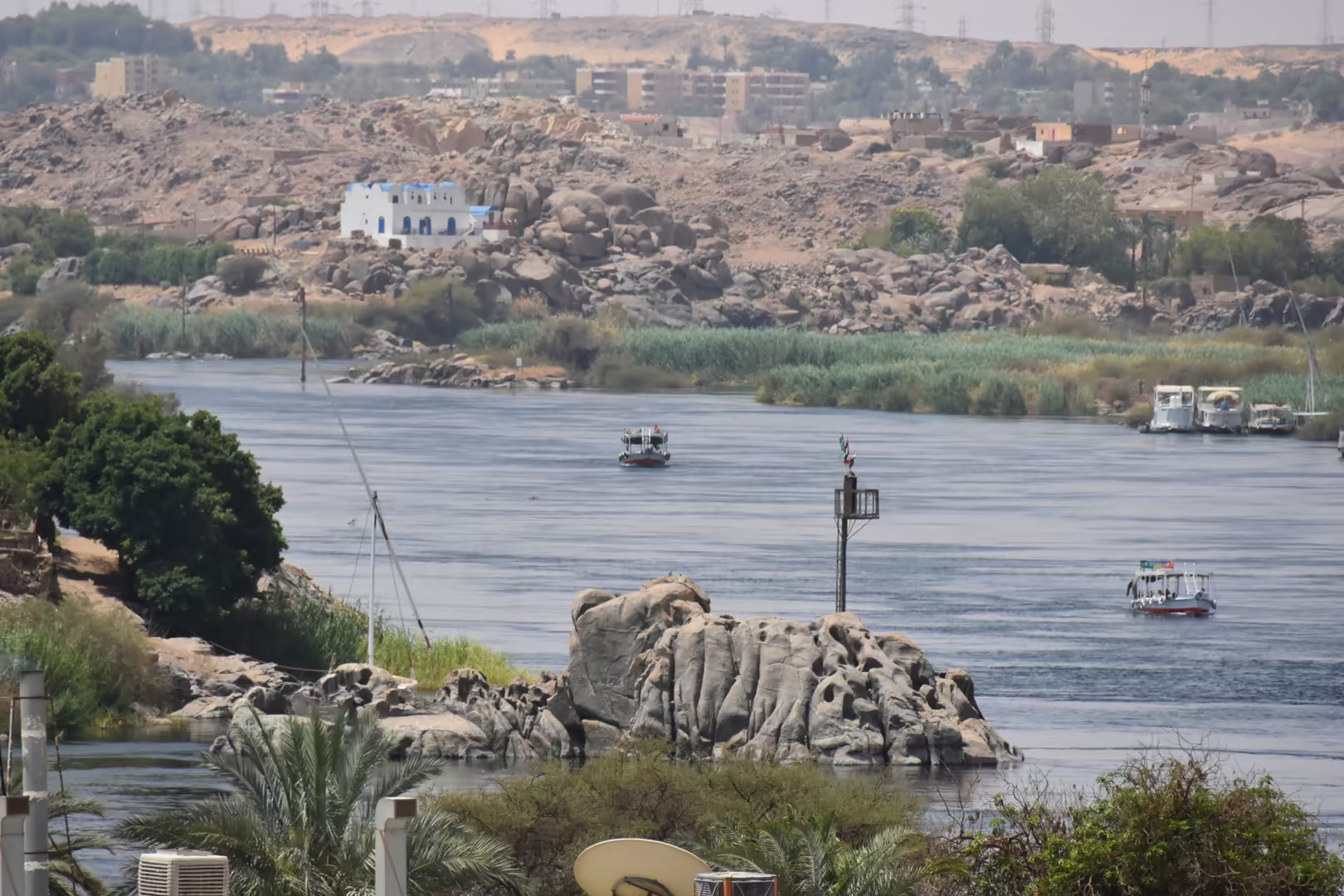
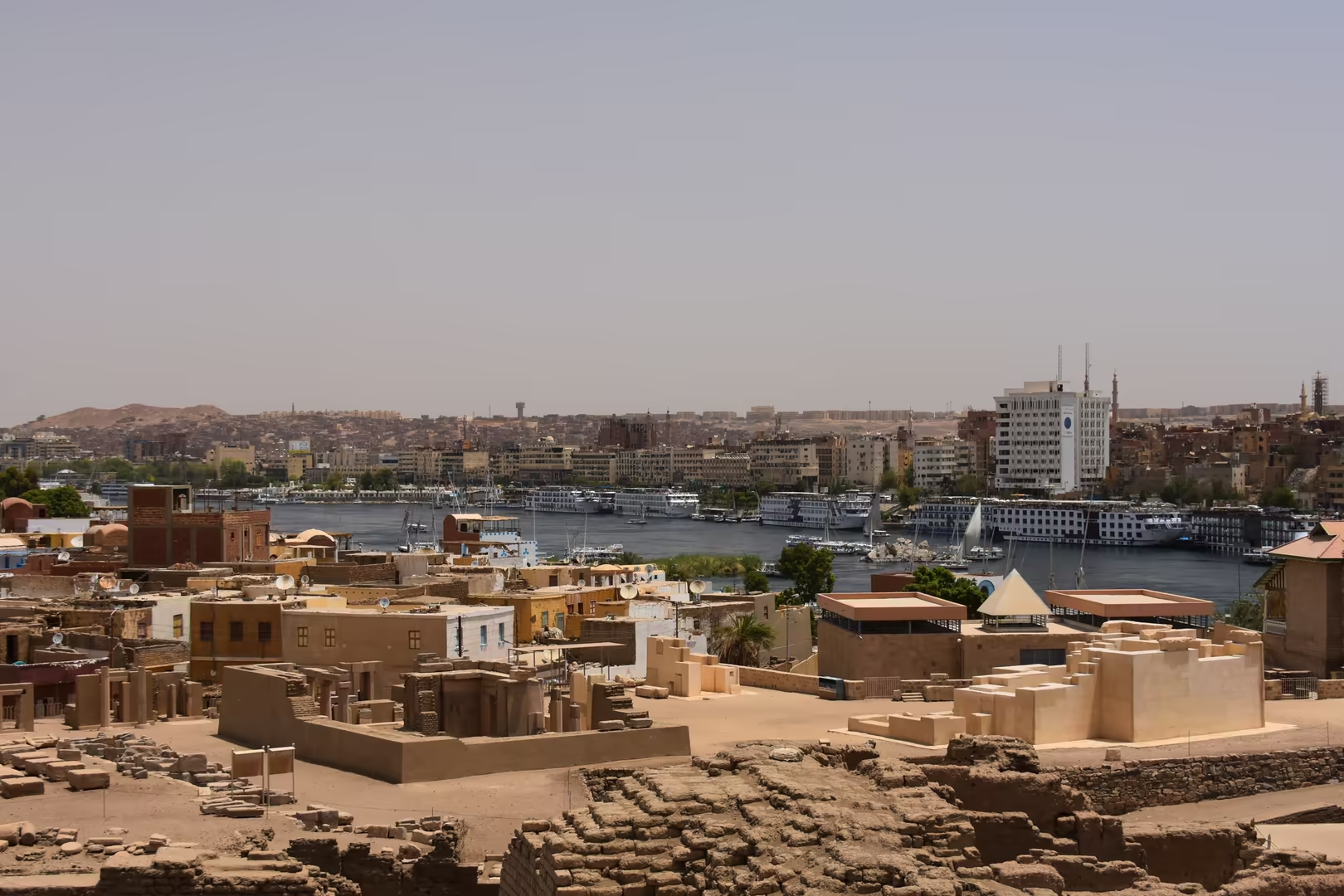
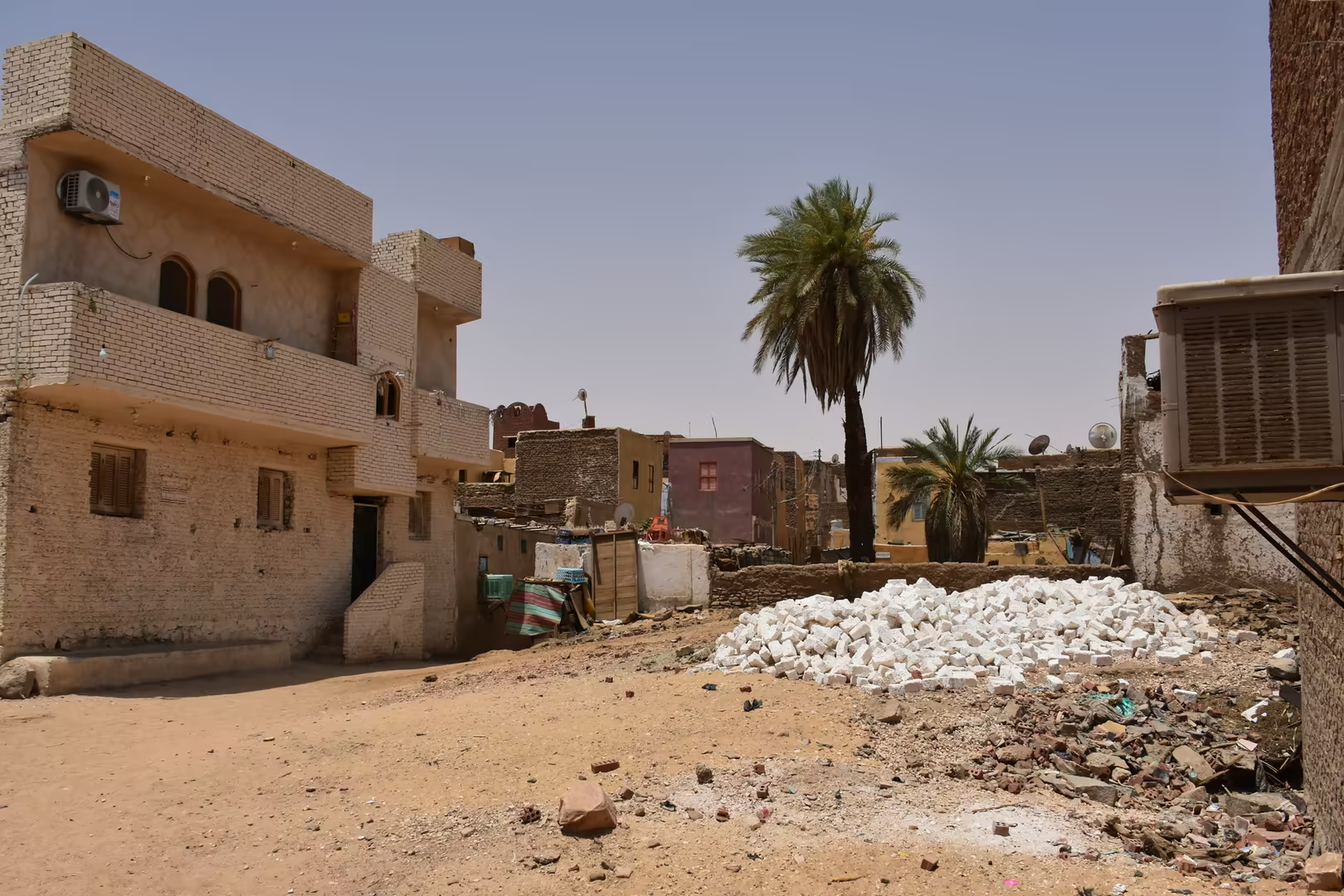
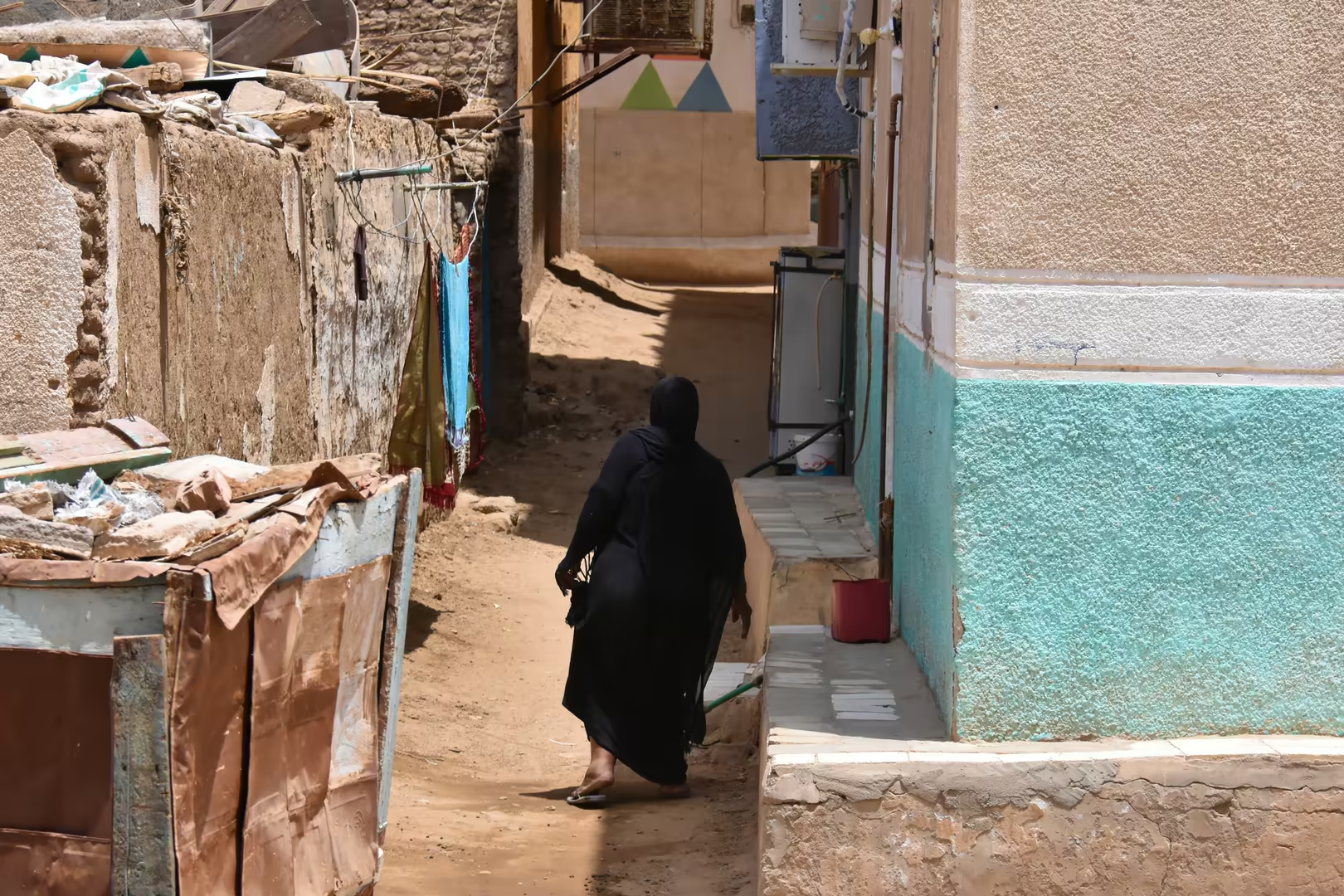
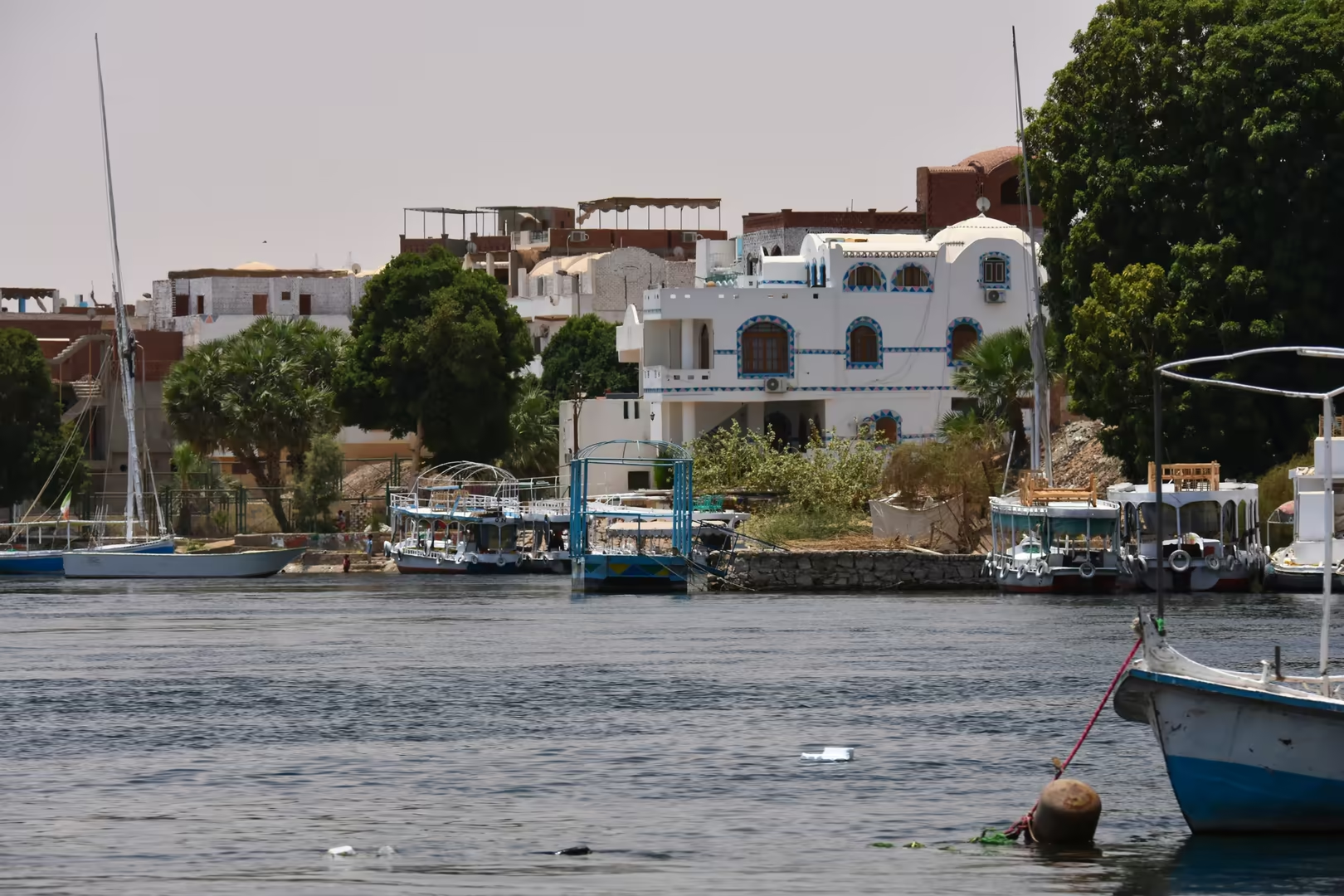
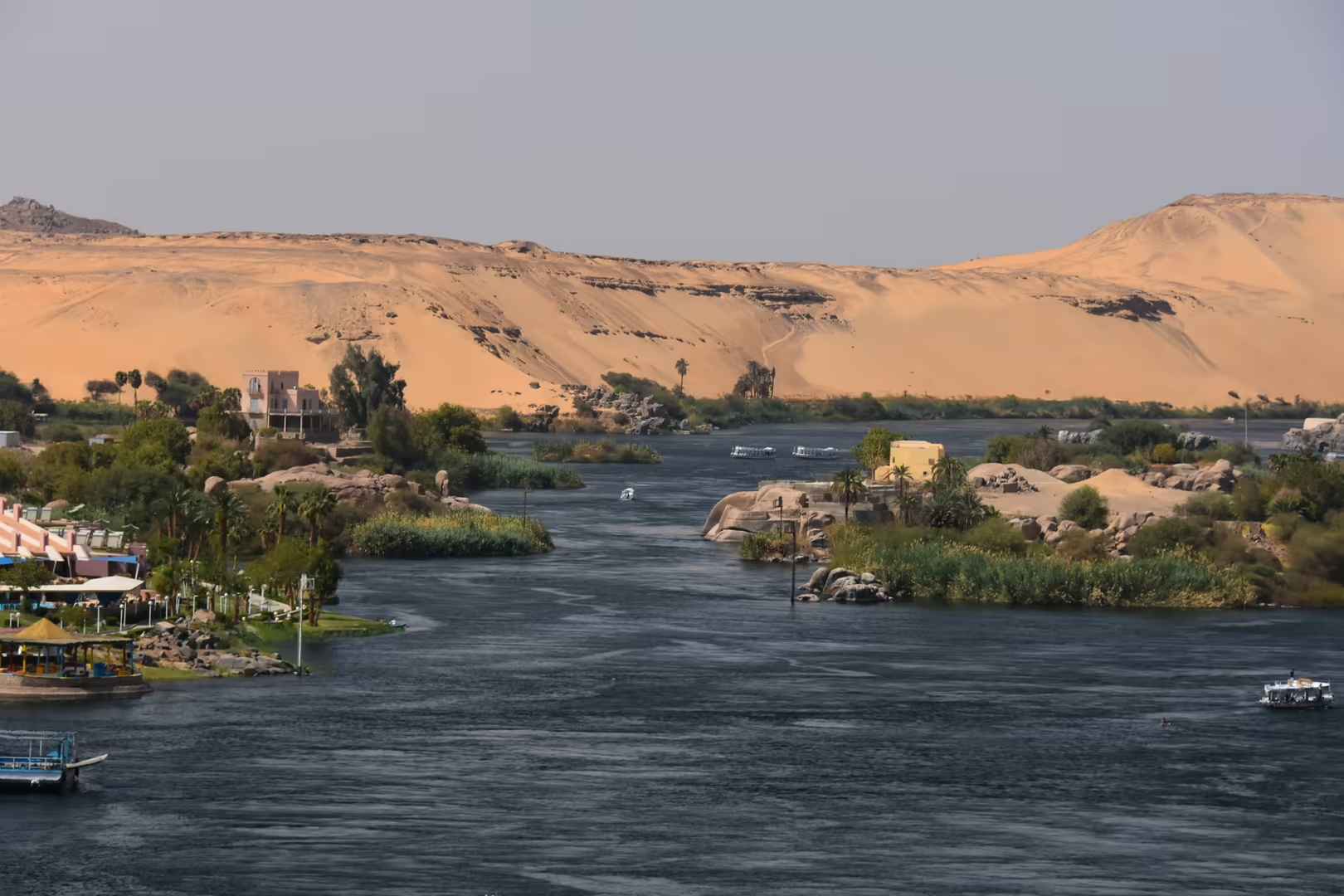
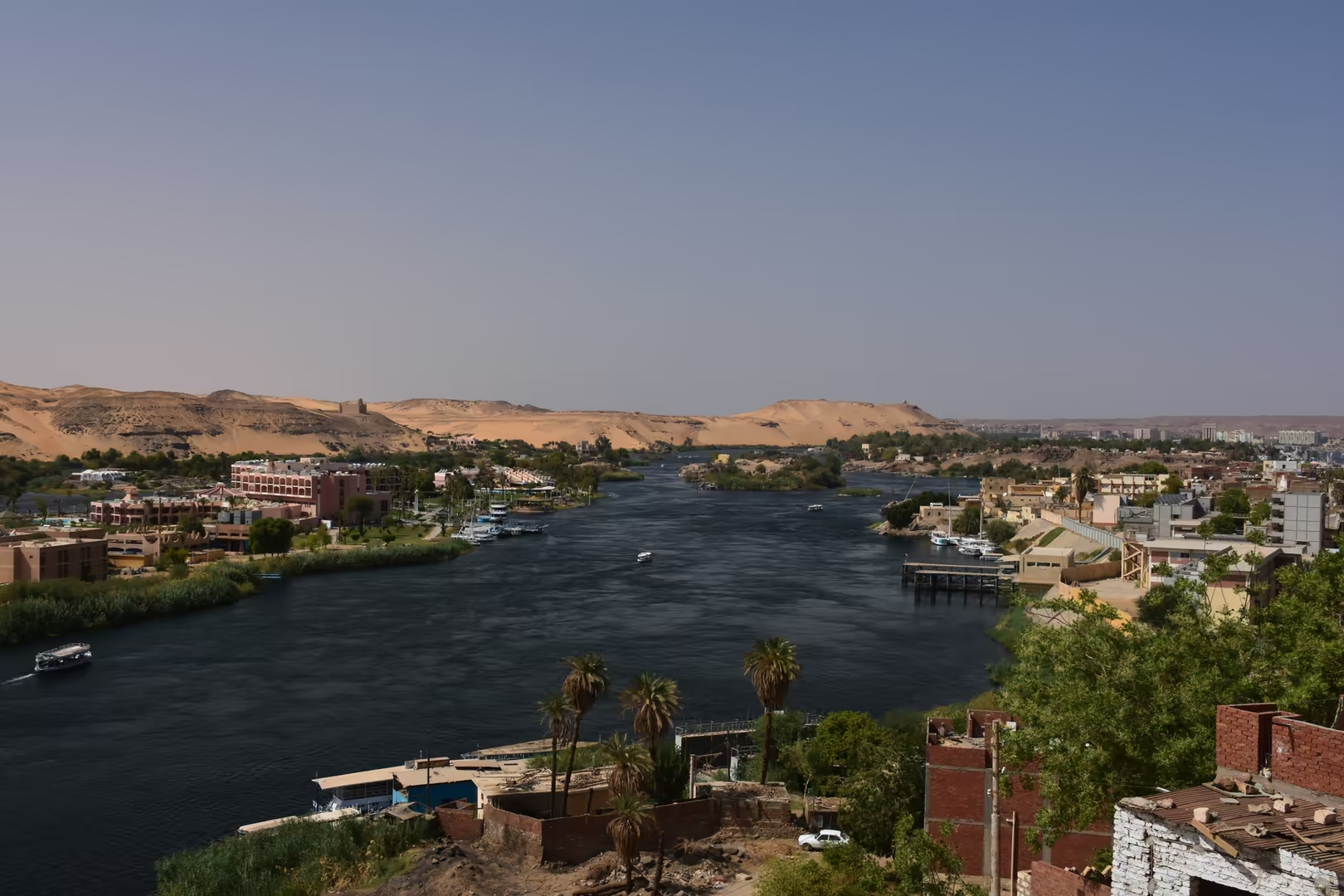
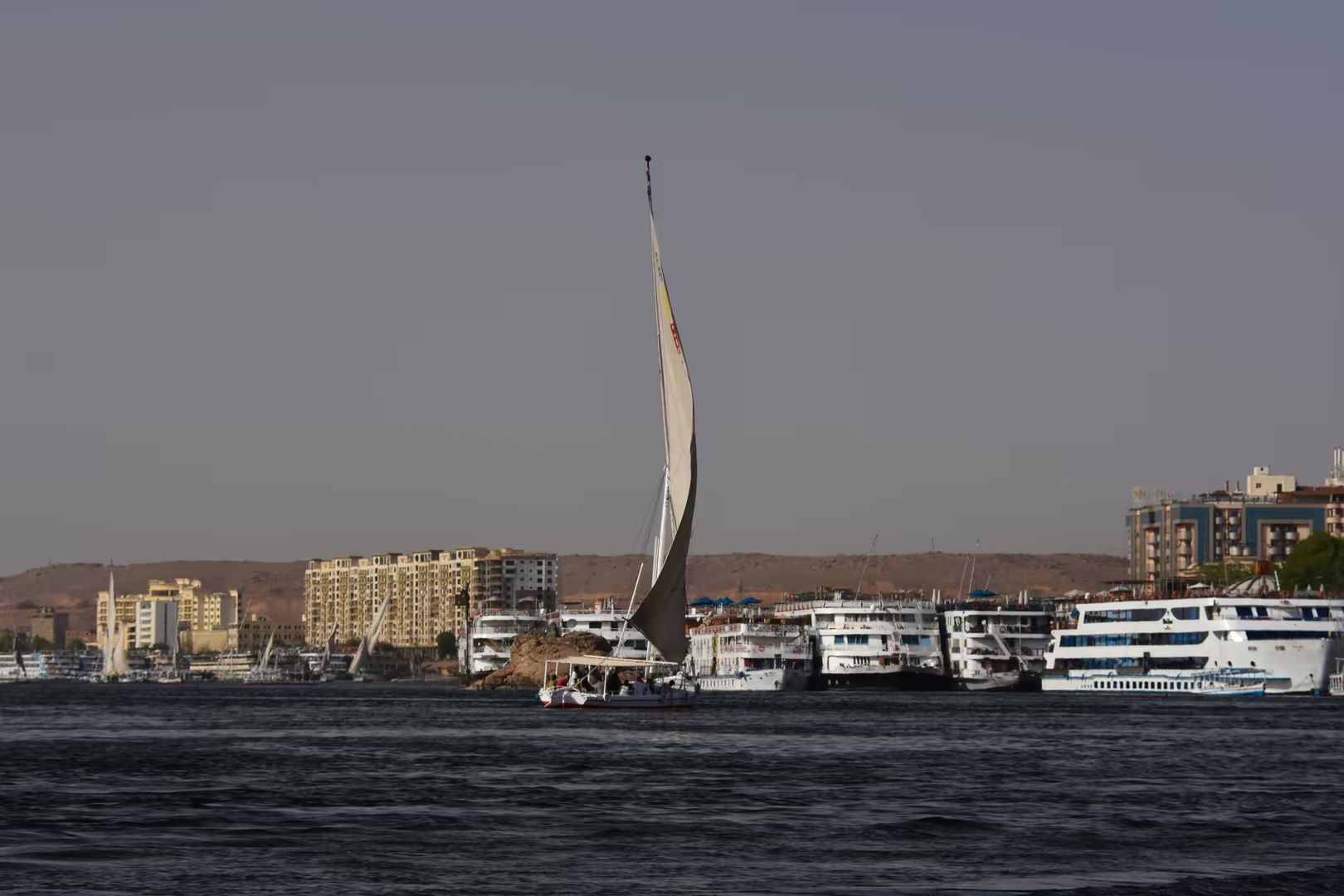
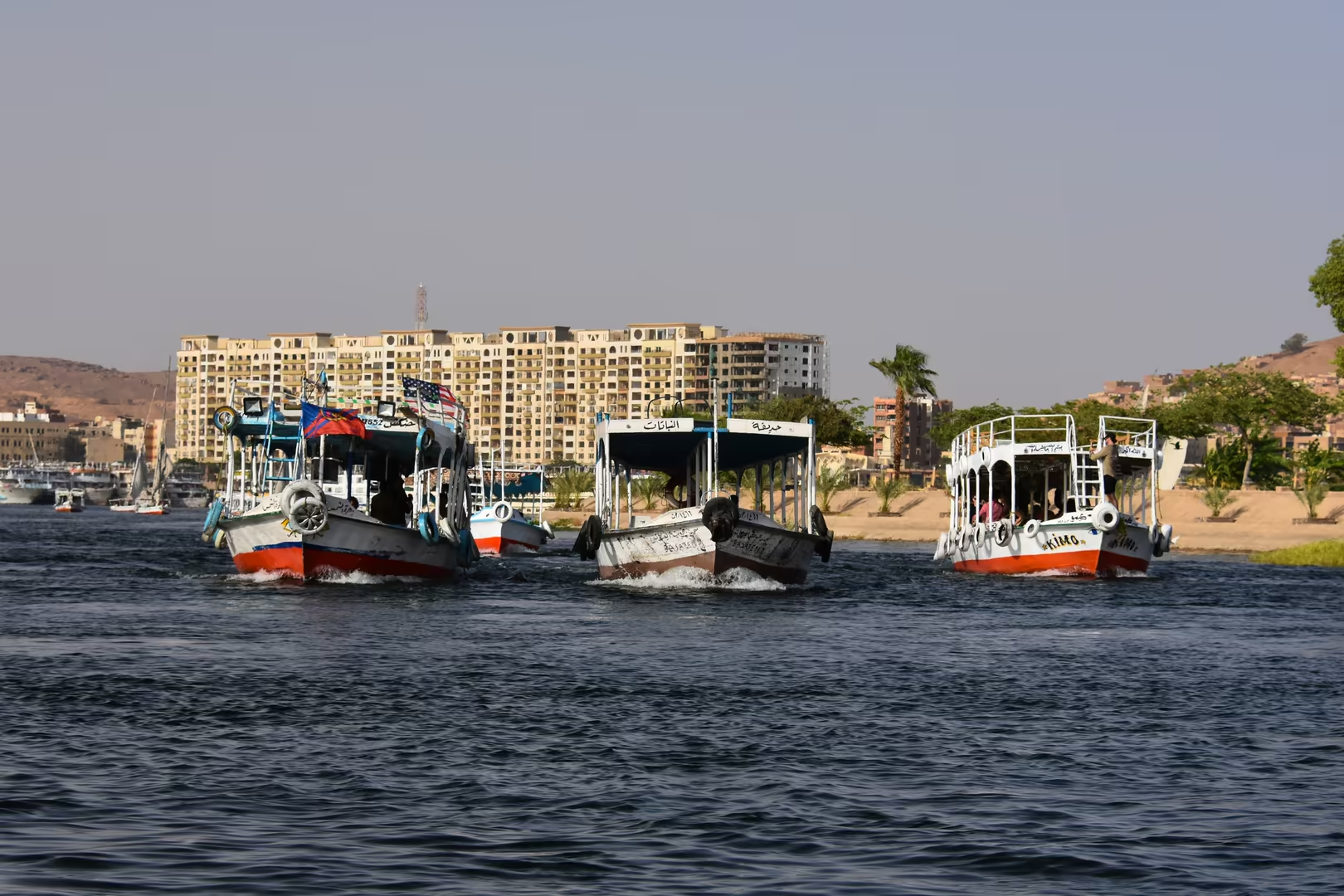
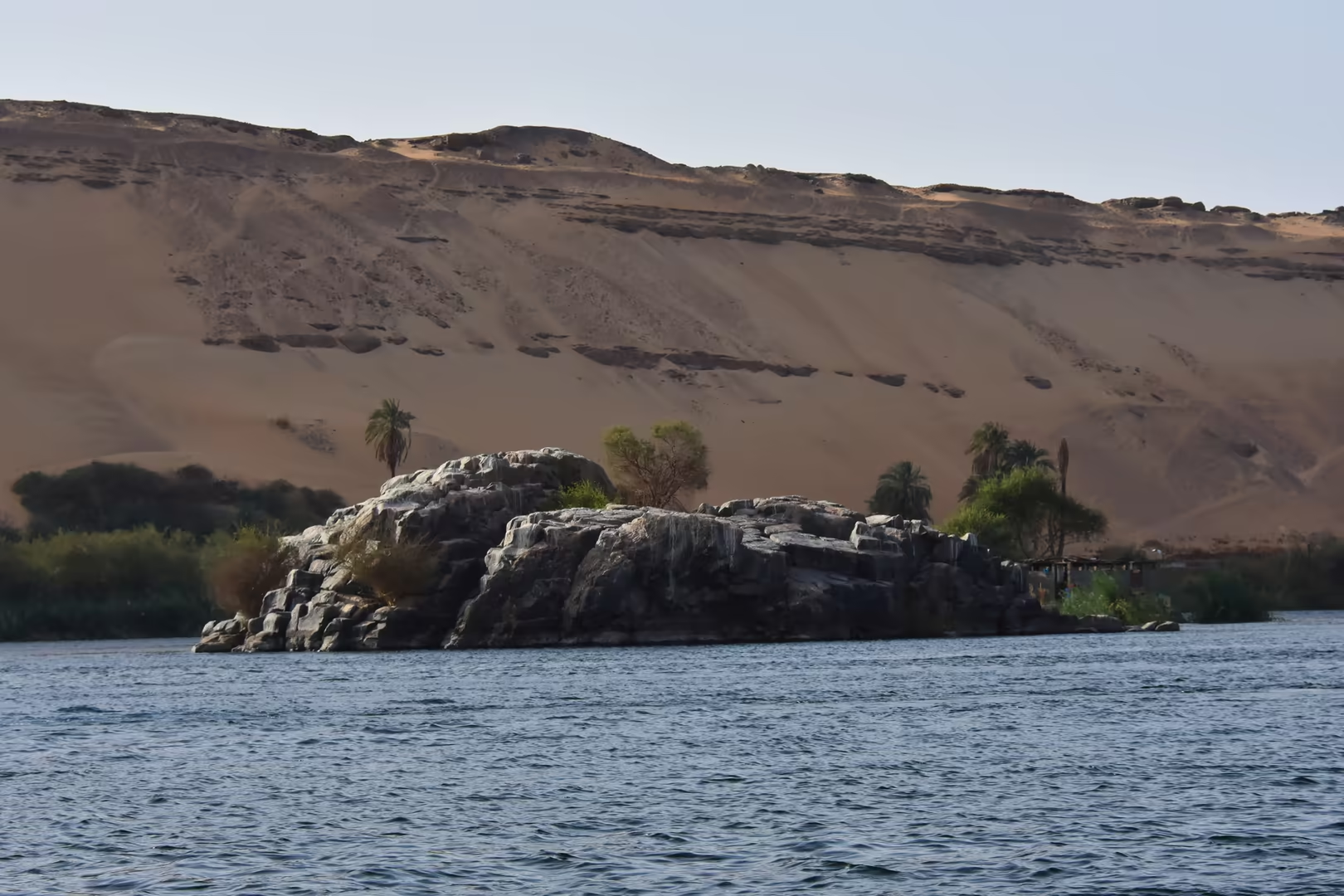
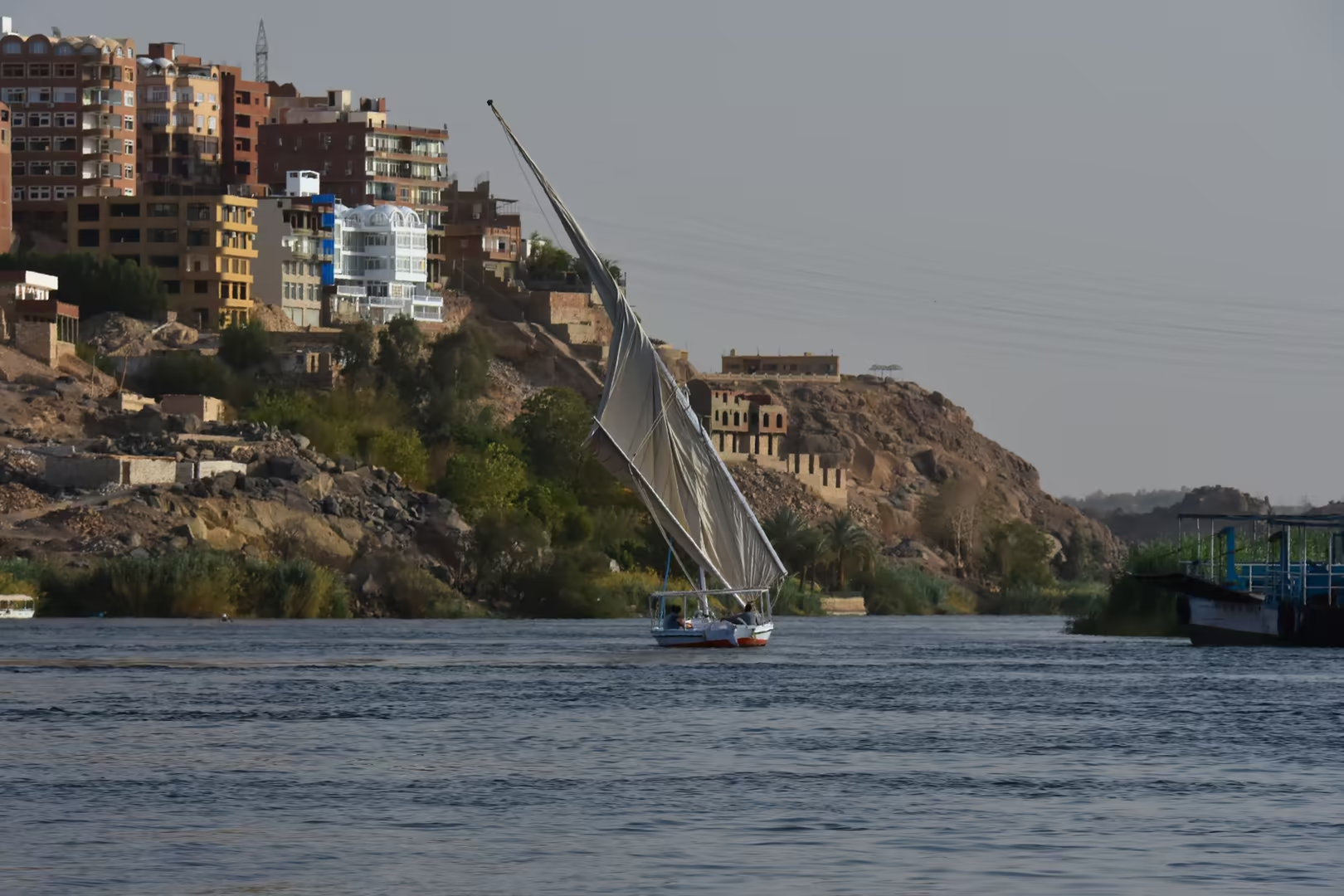
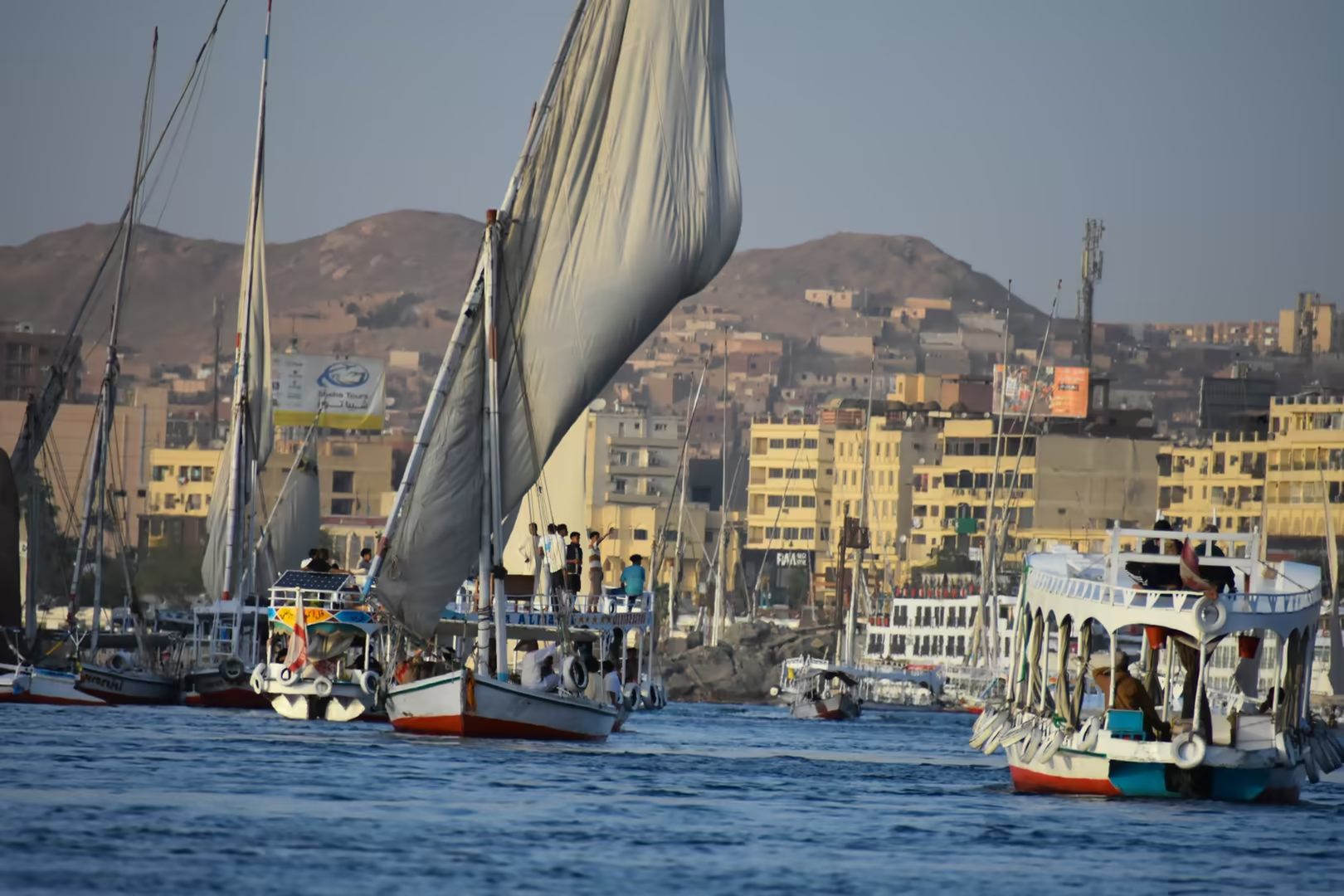
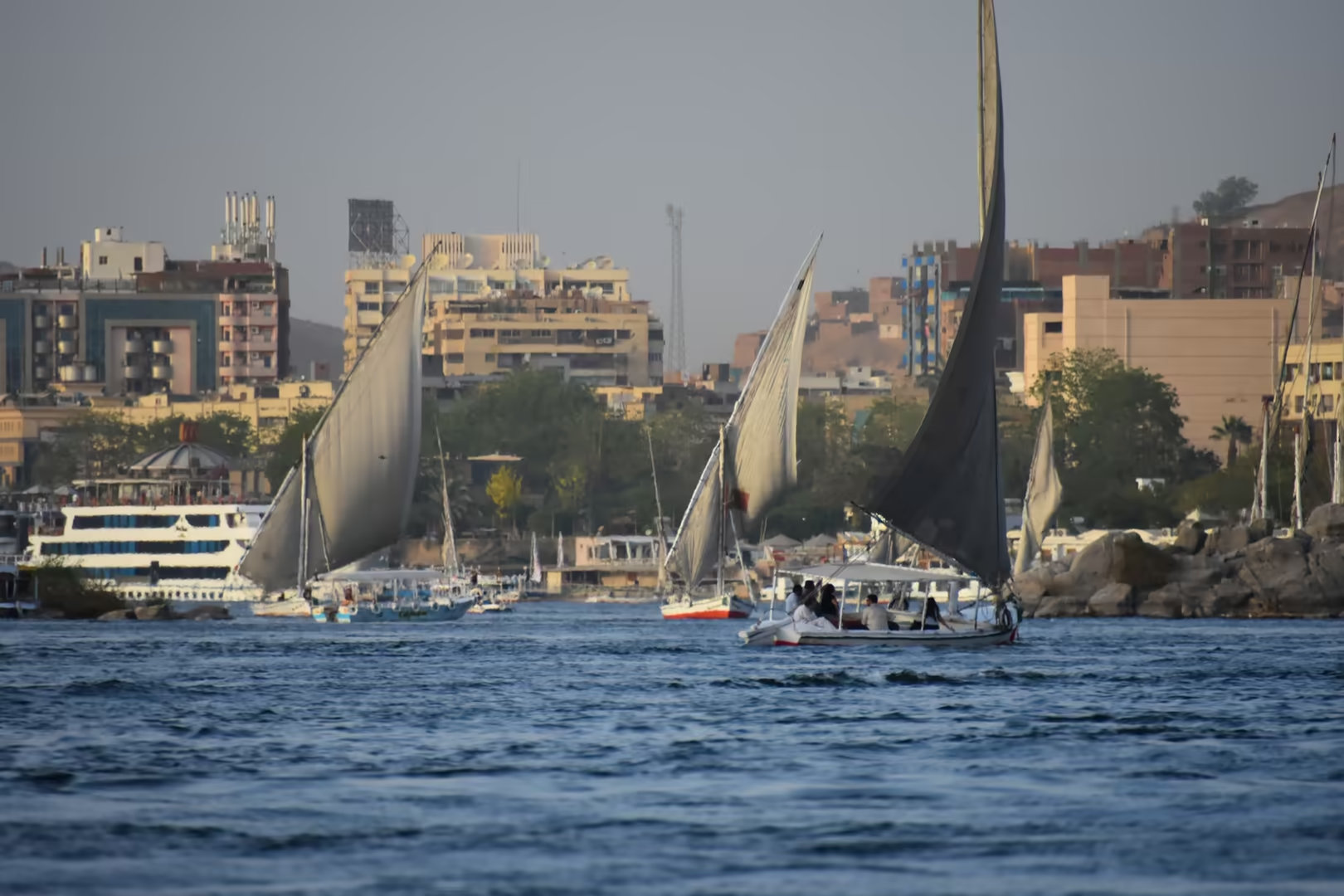
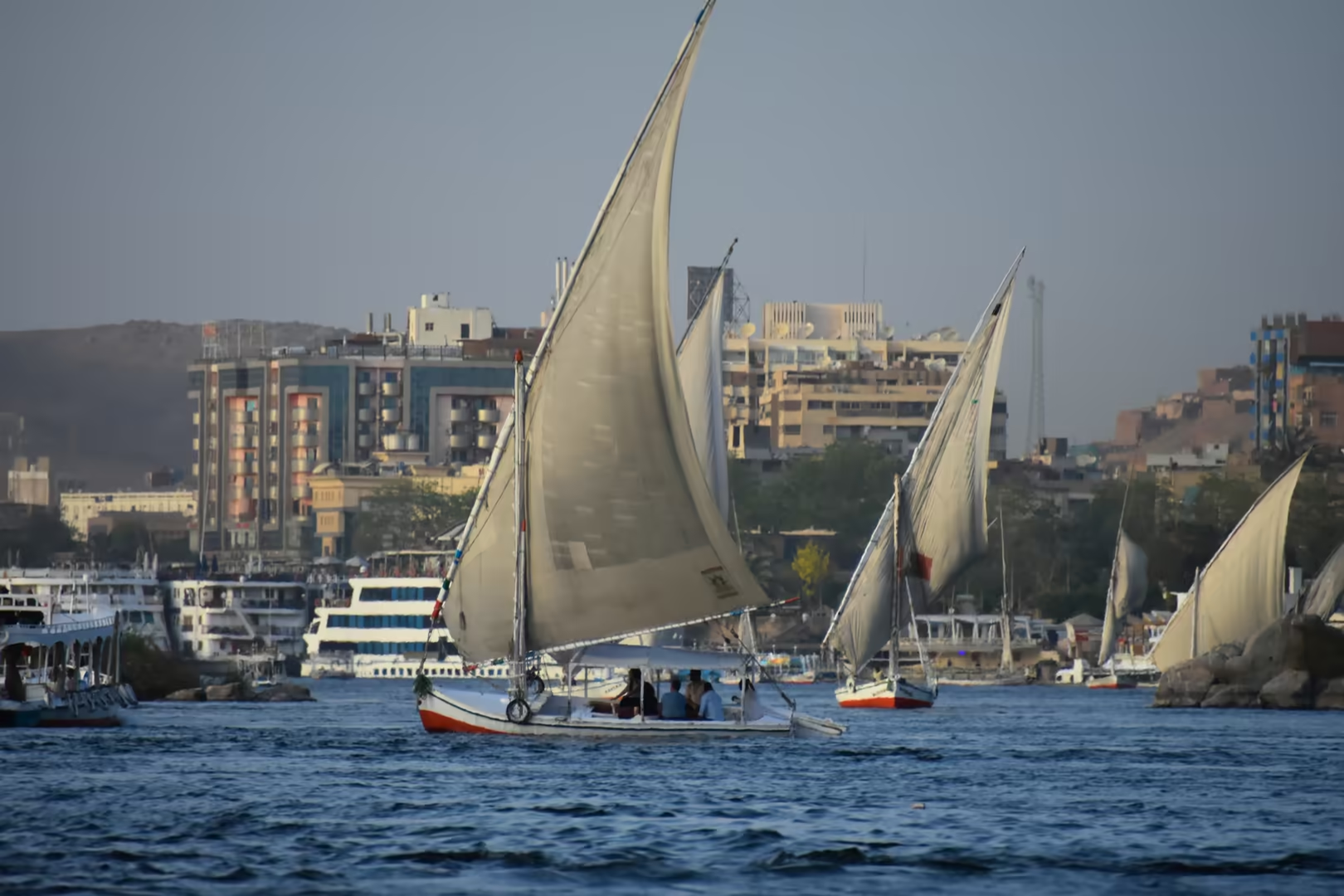
Today Elephantine is a place of quiet contrast: the southern end is open archaeological ground, the middle of the island carries Nubian villages with painted houses and shaded gardens, and the northern tip is given over to hotels. Seen from the river the island appears as a low, palm-fringed strip of stone between the desert hills of the west bank and the town of Aswan, its excavated southern end and its villages linked to the mainland by the boats that ply the channel throughout the day.
History
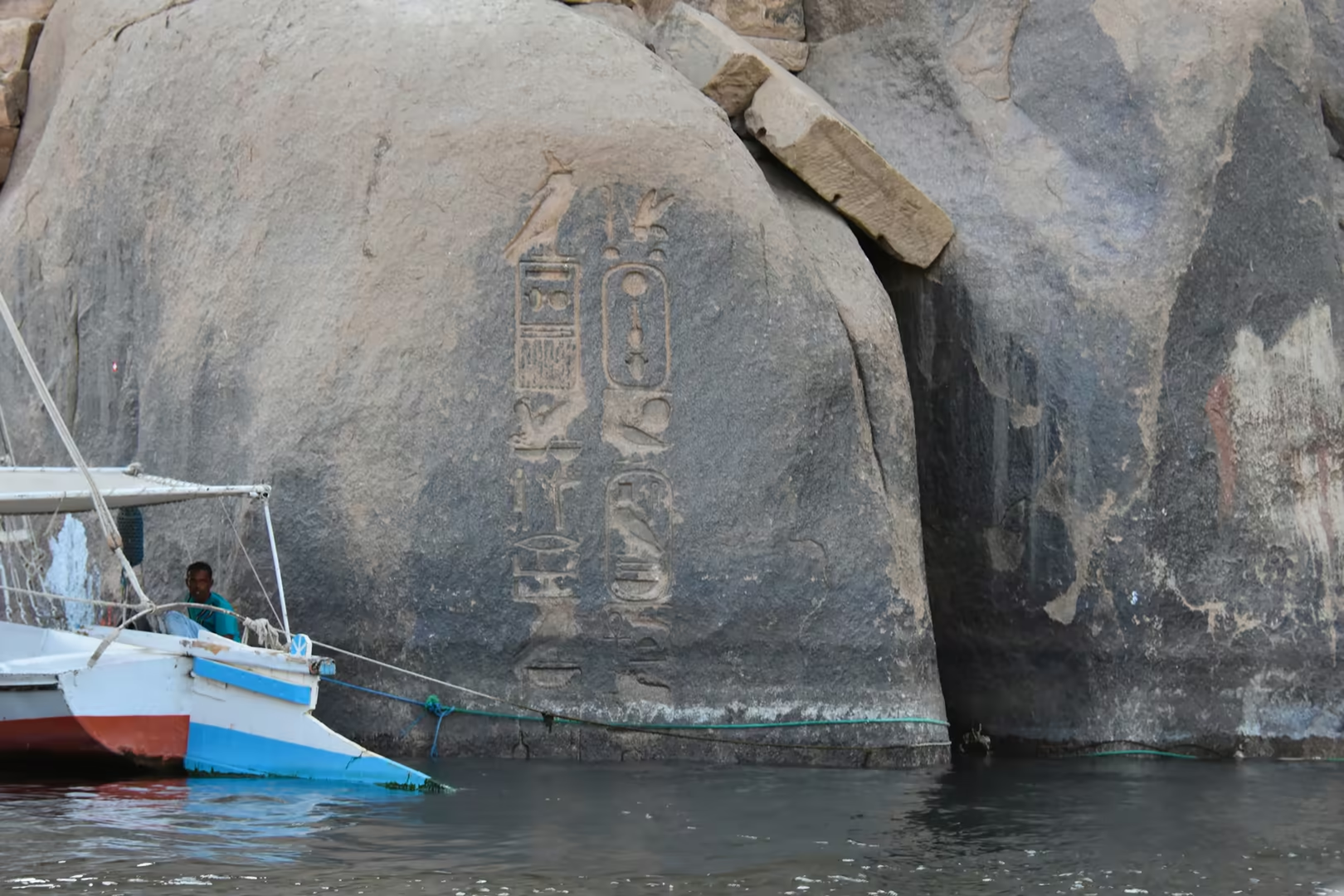
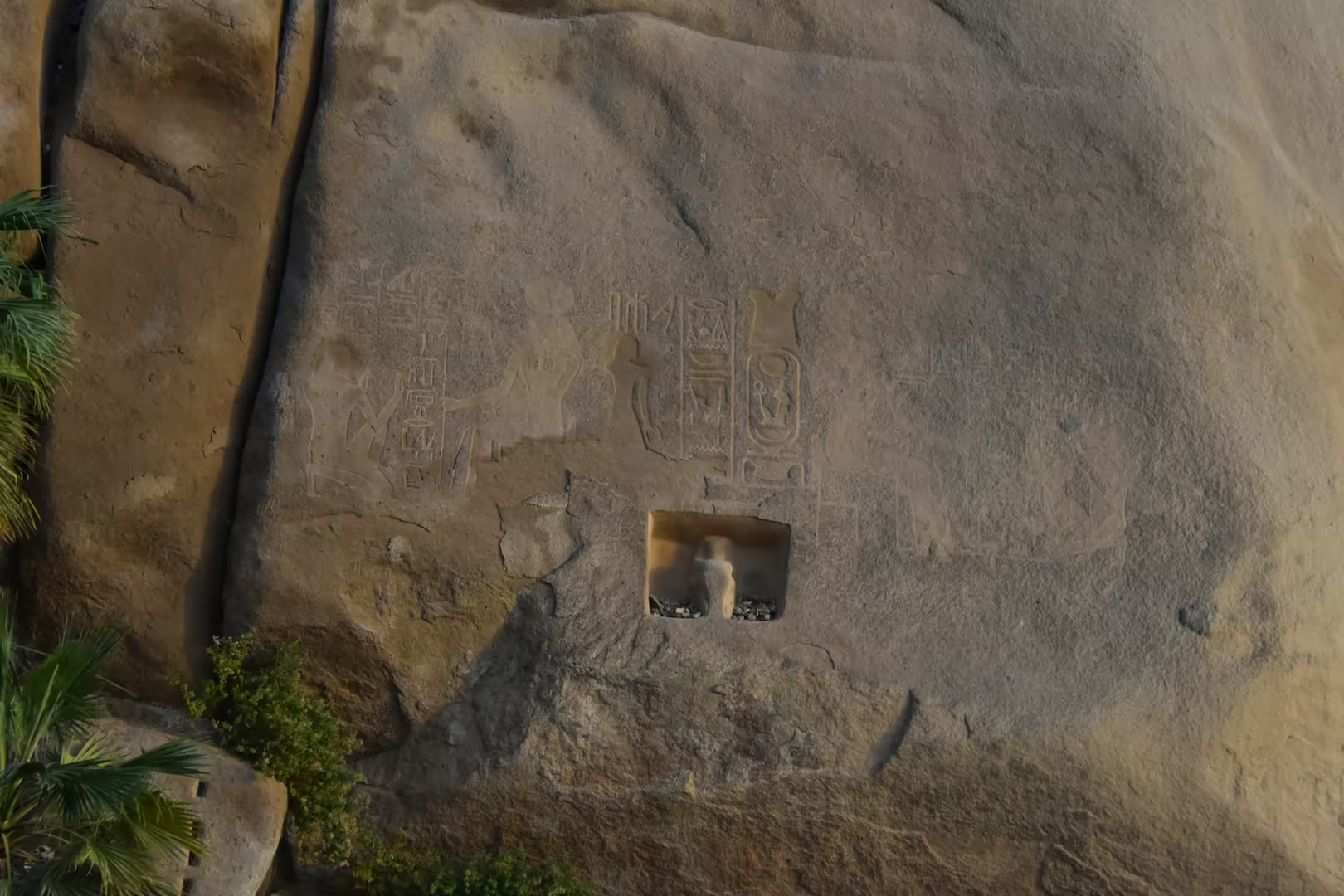
Elephantine was occupied from the late predynastic period, and by about 3000 BC a mud-brick fortress of the First Dynasty already guarded the southern frontier of the early state. From the Old Kingdom onward Abu was the seat of the border administration and the point of departure for expeditions into Nubia and beyond; the expedition leaders Harkhuf and Pepinakht, buried across the river at Qubbet el-Hawa, belonged to this frontier society. King Merenre came to Elephantine in his fifth regnal year to receive the submission of Nubian chieftains, and granite rocks at the island’s edge carry inscriptions of Merenre and of Pepi II.
The religious history of the island turns on the temple of Satet. Around 3200 BC a cult niche was lodged between three natural granite boulders at the southern tip; the shrine was enlarged through the Early Dynastic period and rebuilt under the Old Kingdom, when Pepi I added a granite sanctuary for the goddess’s statue. Because every phase rose directly above its predecessor, the German excavations could disentangle the whole sequence, and the temple has become the standard example of the early provincial temple. In the Middle Kingdom Intef III rebuilt the shrine in limestone and Senusret I replaced it with a decorated stone temple; Khnum received a temple of his own, and beside it rose the sanctuary of the deified nomarch Heqaib, whose cult attracted royal statues of the Middle Kingdom, several of them originally from the temple of Satet.
The New Kingdom brought the most extensive works. Hatshepsut and Thutmose III raised a new temple of Satet, its sanctuary still placed directly above the shrine of 3200 BC, and the reconstructed Eighteenth-Dynasty temple is what the visitor sees today; the fragmentary Elephantine Calendar of Things, a year’s list of offerings, also dates from the reign of Thutmose III. Amenhotep III built a second temple nearby. Both survived until 1822, when they were deliberately demolished during the campaign of Muhammad Ali against the Sudan; the Khnum temple of the Late and Greco-Roman periods lost its masonry to later builders, some of it for the construction of a canal.
Elephantine also held Egypt’s flood clock. Because the rise of the Nile was first perceptible at the First Cataract, a nilometer beside the temple of Satet, one of two on the island and the best preserved in Egypt, recorded the inundation on a stone staircase descending into the river. The readings decided the expectations and the taxes of the whole country, for a low flood meant famine and an excessive one destruction. The cult mirrored the science: Khnum released the waters from his caverns, and Satet, identified with Sopdet, the star Sirius, announced the flood by her heliacal rising: observations of the kind that anchored the civil calendar, dated for the reign of Amenhotep I by the Ebers Calendar.
In the sixth and fifth centuries BC Elephantine entered the records of the Persian empire. A garrison of soldiers, among them Jews, occupied the frontier town; the Jewish community, whose beginnings may reach back to the seventh century BC and which, one tradition holds, was reinforced by refugees after the fall of Jerusalem in 587 BC, kept its own temple to Yahweh, attested from about 525 BC. In 410 BC this ‘House of Yahweh’ was destroyed by a Persian commander, allegedly at the instigation of the priests of Khnum, and the community petitioned the governor Bagoas for leave to rebuild it. Their Aramaic letters and legal contracts, written between 495 and 399 BC, came to light from 1893 onward and were recovered by the German expedition of Rubensohn and Zucker and by French teams under Clermont-Ganneau; the collections now lie in Berlin, Cairo, Brooklyn, London and Paris.
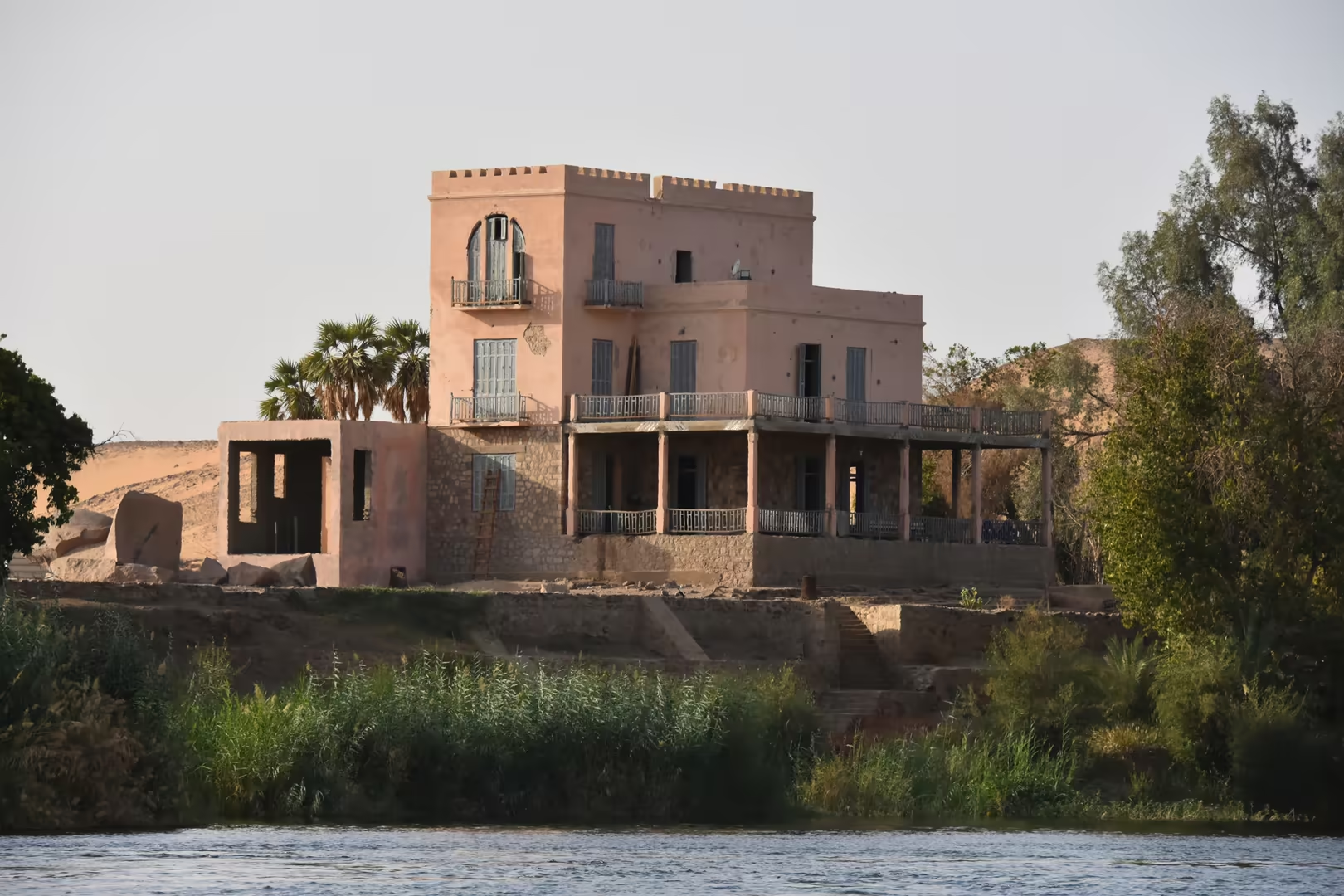
The modern chapter belongs to archaeology. The town mound was inhabited from about 3000 BC into the Middle Ages, and the German Archaeological Institute in Cairo, with the Swiss Institute, has excavated it since January 1969, first under Werner Kaiser; the stratigraphy has rewritten the early history of Egyptian temple building, and the finds range from Middle Kingdom crucibles with the earliest attested arsenical bronze to the mummified rams of Khnum displayed in the Aswan Museum. The museum, founded in 1912 in the villa of Sir William Willcocks, the engineer of the first Aswan Dam, looks out over the ruins that its collections explain.
Geology
Elephantine is built of stone far older than Egypt. The island belongs to the crystalline basement of the Arabian-Nubian Shield, the tract of Neoproterozoic rock, some 600 million years old, assembled from island arcs and continental collisions in the last phase of the Pan-African orogeny. The First Cataract is the point where the Nile crosses this hard basement before entering the sedimentary valley of Egypt: upstream towards Khartoum the river runs over Nubian sandstone and is broken by further cataracts, while downstream from Aswan its bed lies in younger, softer rock. This contrast made the site a frontier, for the granite barrier constricts the river into rapids and rocky islets. The dams have since silenced the old rapids: the first Aswan Dam was raised across the cataract in 1902, and the High Dam, completed in 1970, has turned the river south of the town into Lake Nasser.
The stone of the region is not one granite but a family of rocks. Modern mapping of the Aswan area distinguishes several suites, among them greyish-black tonalites and granodiorites, the older ‘grey granite’, and the coarse pink biotite granite of the great monuments, classed as monzogranite and syenogranite, whose colour comes from iron oxides and pink potassium feldspar. Classical writers knew the pink stone from Syene, and the name syenite, given to it in the geological literature after Pliny’s ‘stone of Syene’, has stuck to the Aswan rock even though most of it is petrographically granite or granodiorite rather than true syenite, which occurs only locally. The Egyptians valued both varieties: the grey granite of the cataract was already used in the Old Kingdom, while the pink granite, unmistakable in the quarry faces and river boulders of the Aswan outcrops, supplied the obelisks, colossi and sarcophagi of later periods.
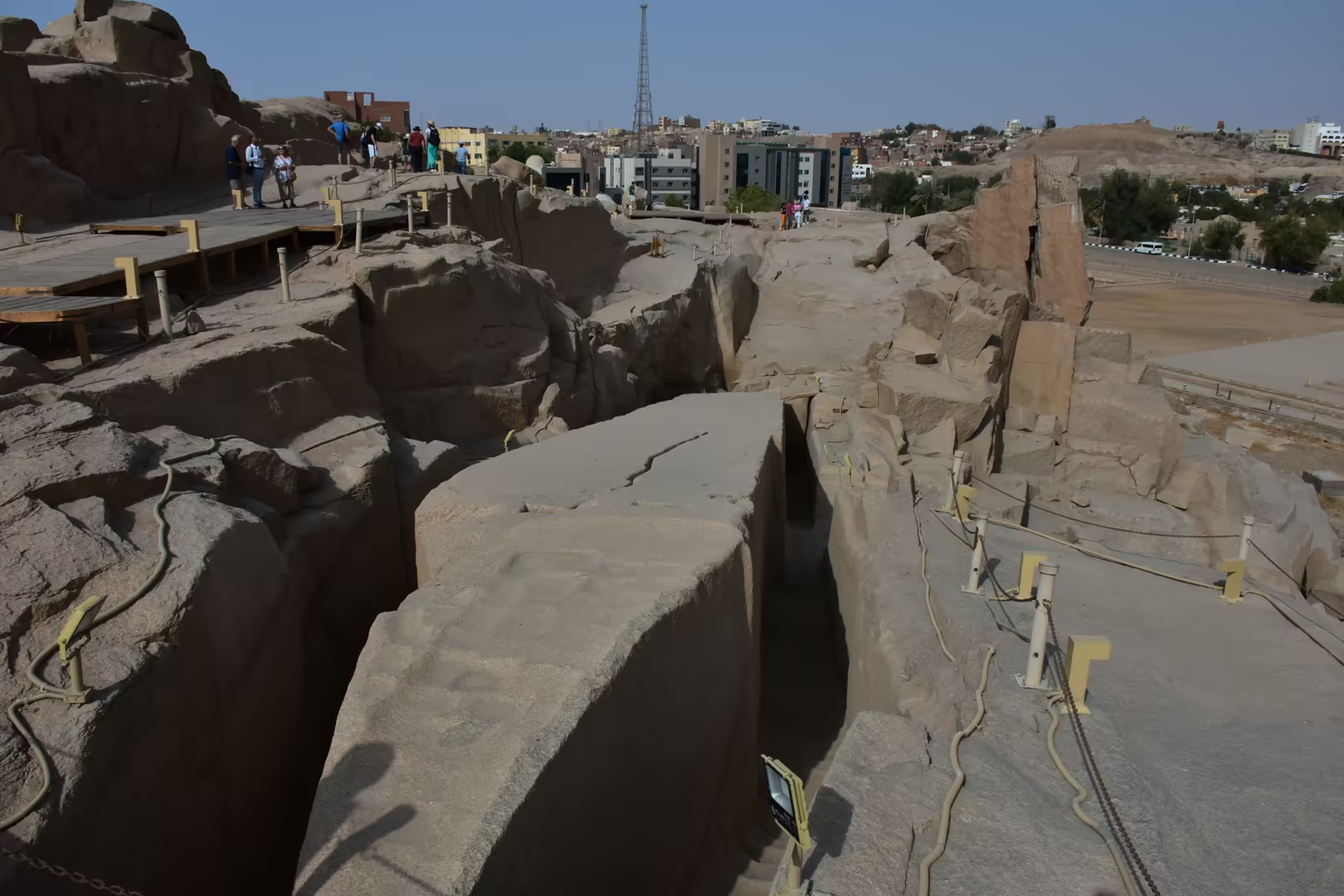
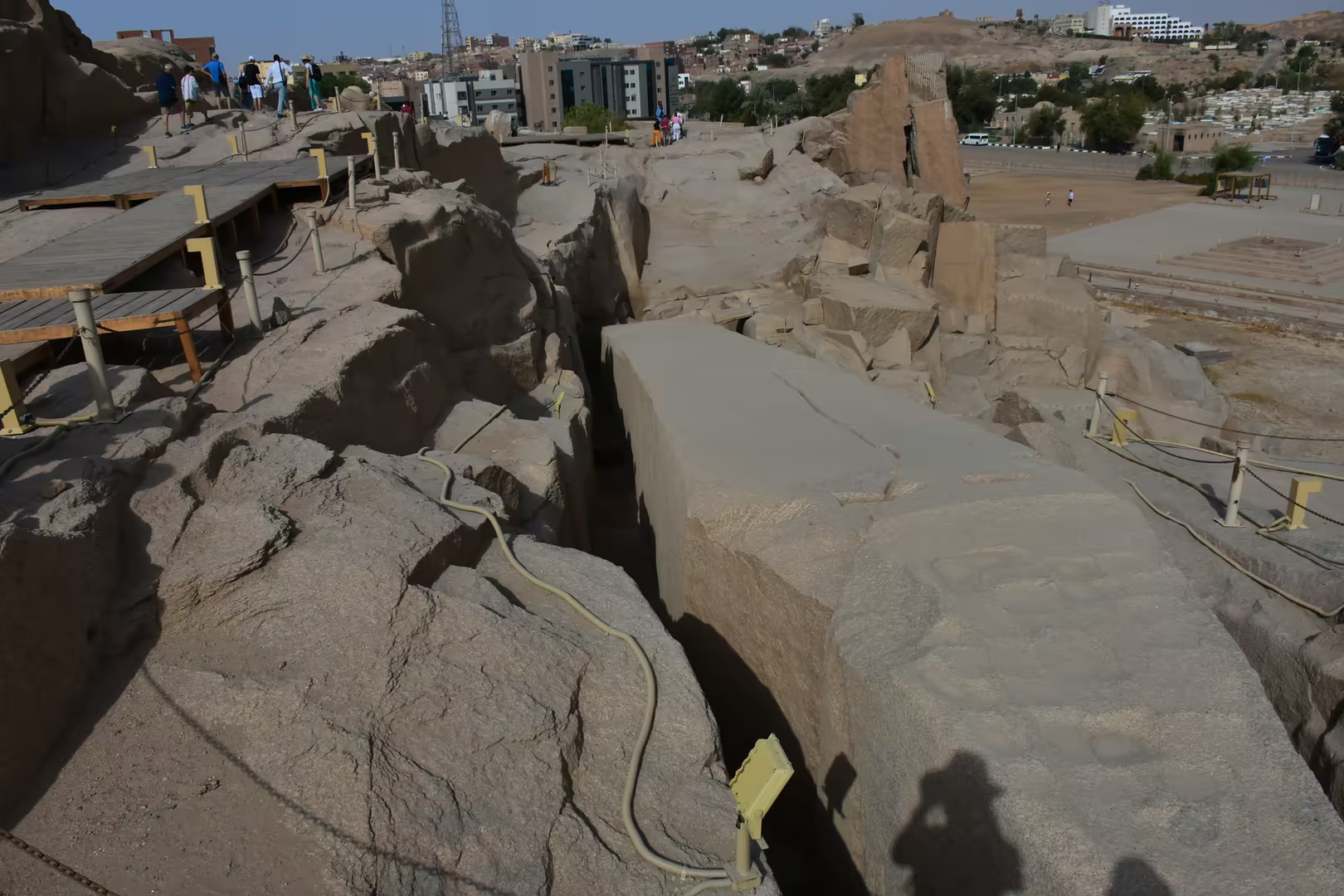
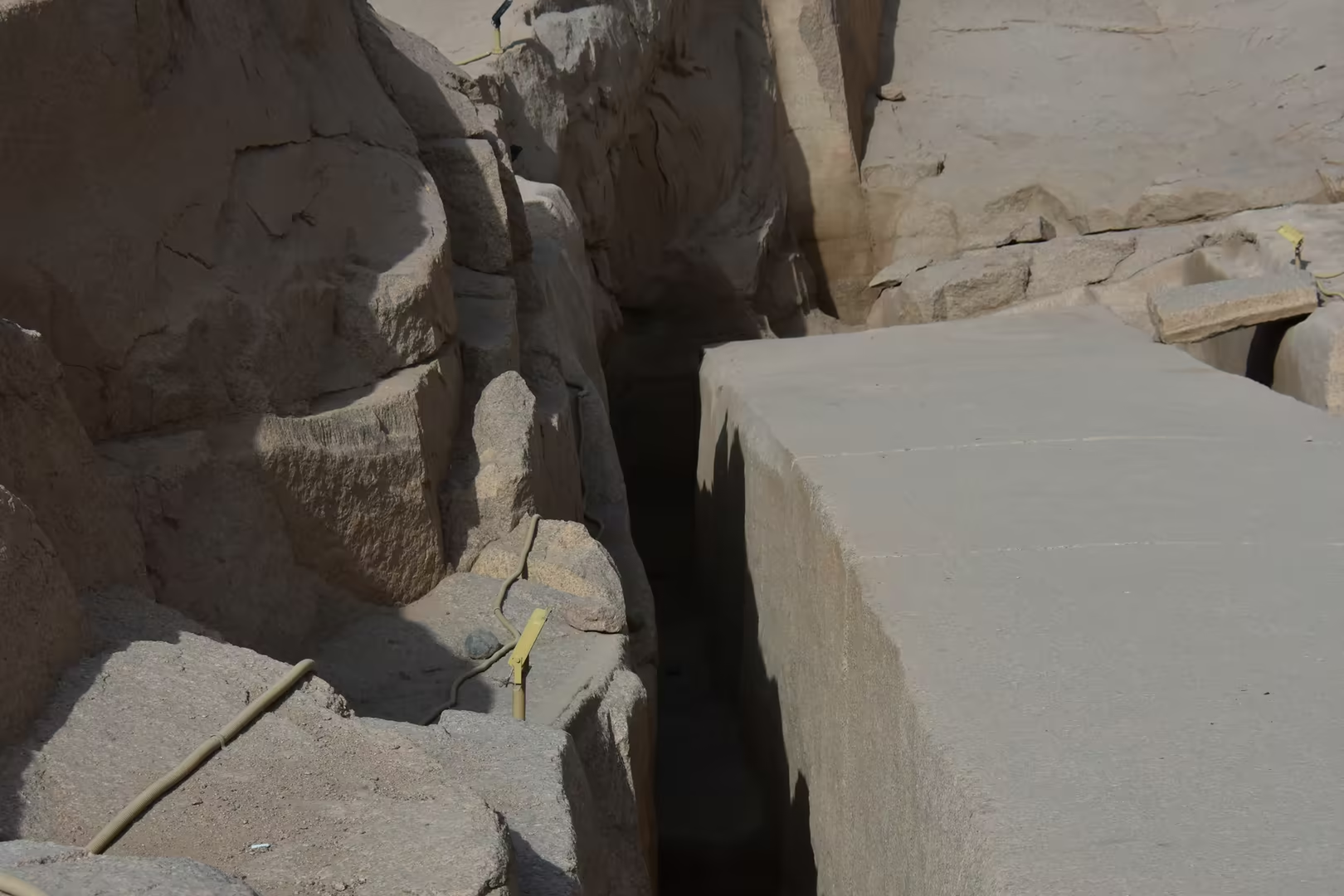
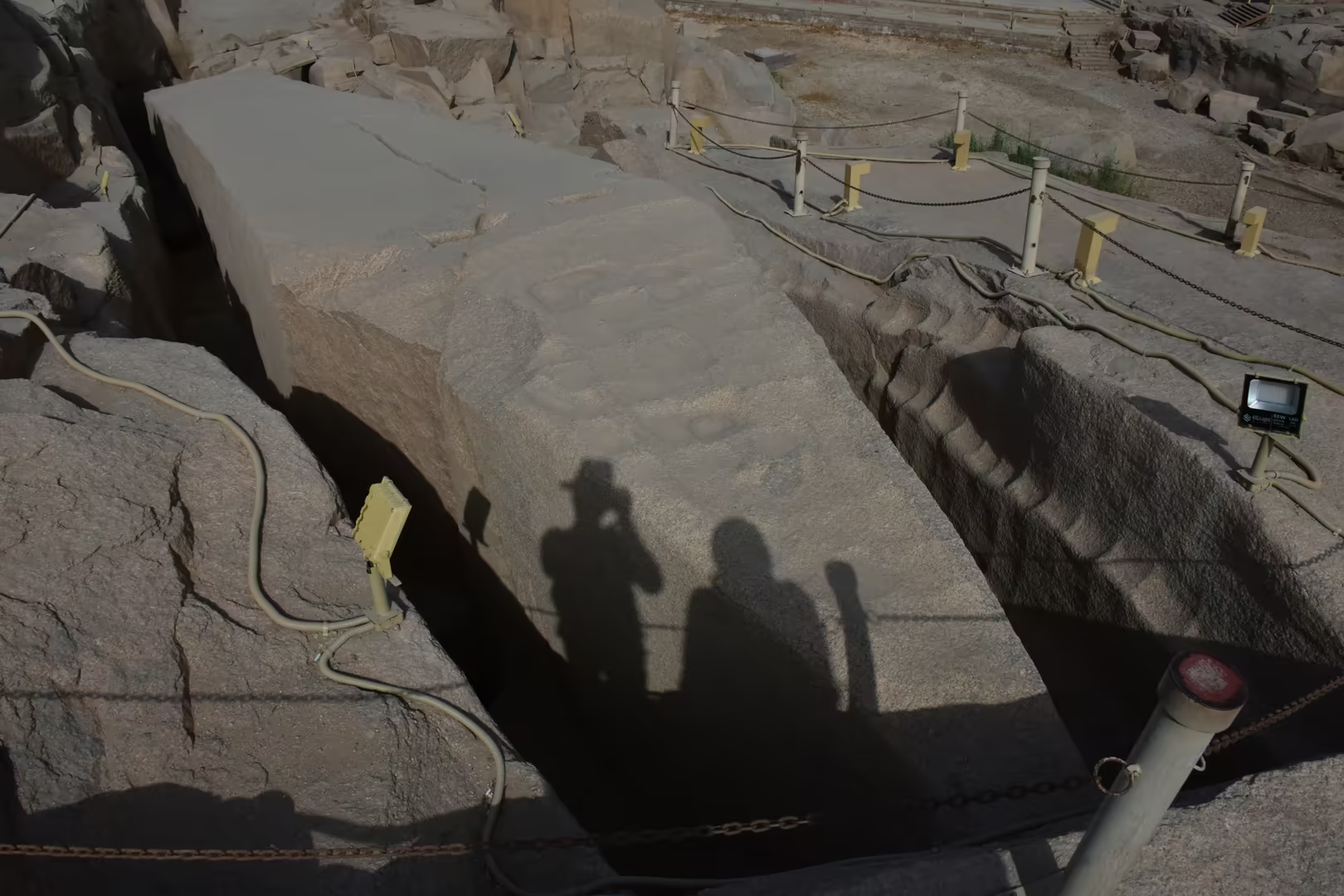
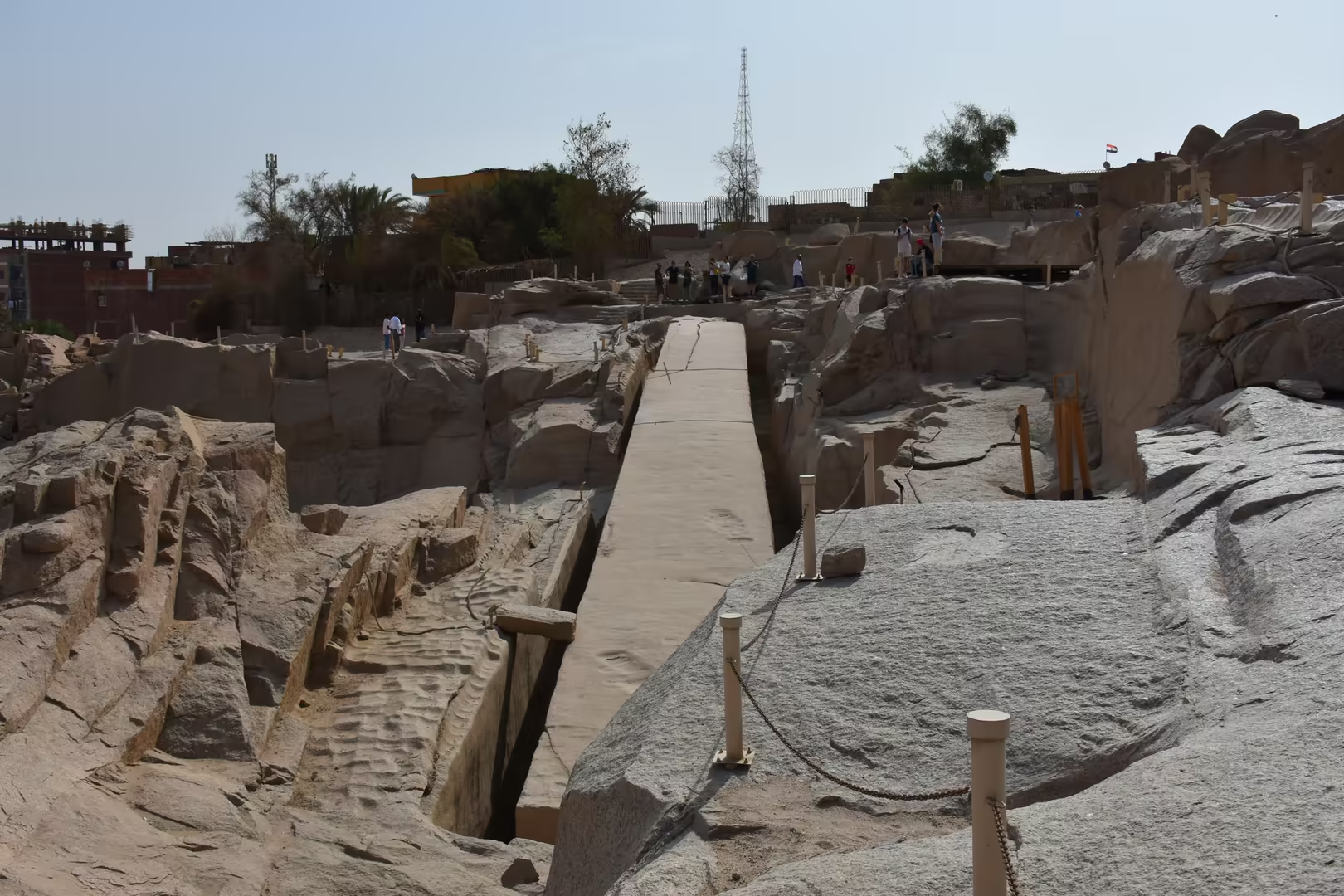
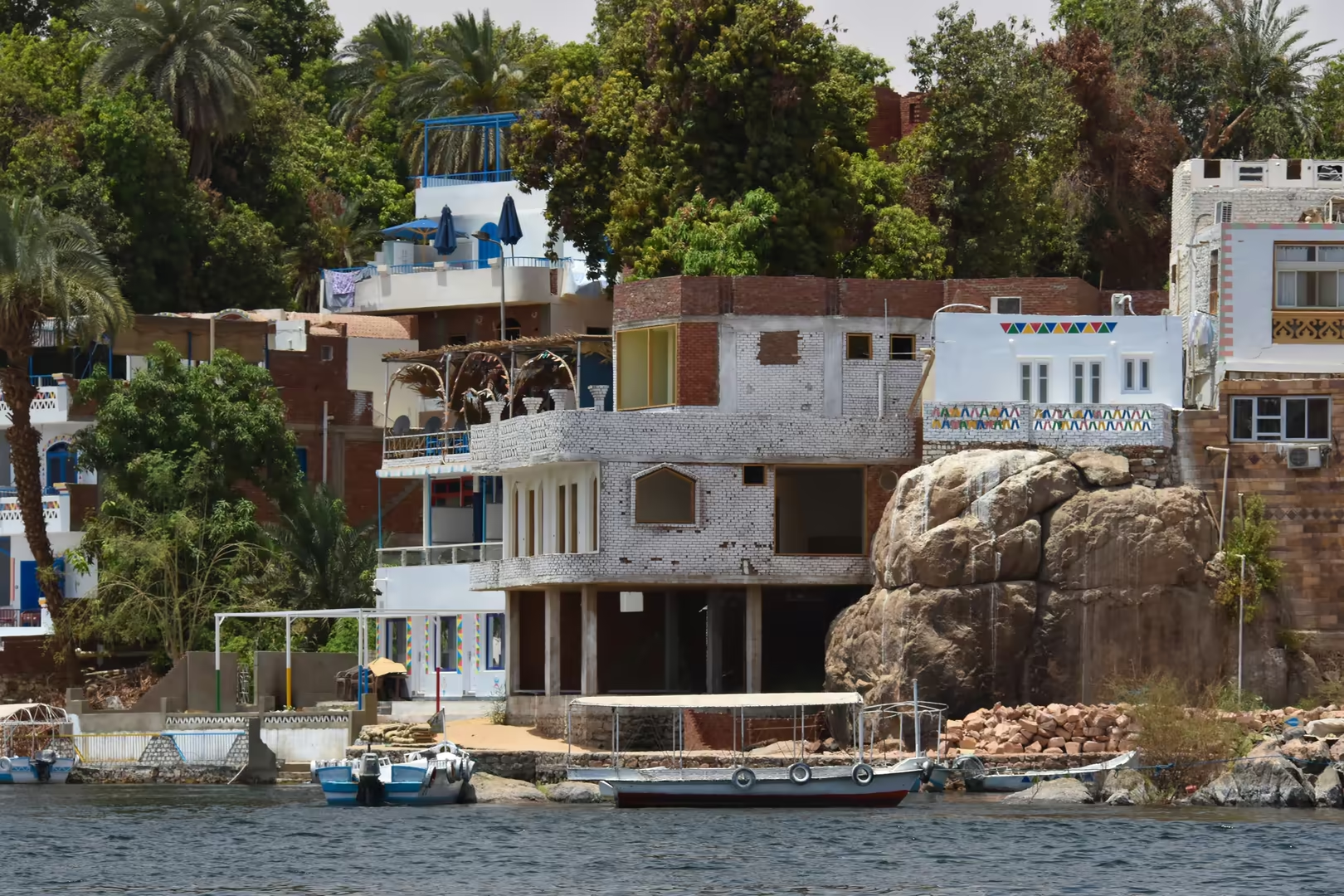
The island itself is a granite outcrop standing in the river, and it was quarried in antiquity like the banks around it; the rounded, elephant-like boulders smoothed by weathering may even have given the island its name. Quarrying followed the natural joints of the rock: gangs pounded channels with balls of dolerite and split the blocks with wedges, a method documented nowhere better than in the quarries of the east bank, where the unfinished obelisk still lies attached to the bedrock. Nearly a third larger than any obelisk ever raised, it would have weighed close to 1,090 tonnes had it been completed; a crack appeared in the stone, the project was abandoned, and the trench-like channels, the tool marks and the red ochre guide lines that Reginald Engelbach studied in 1922 remain visible today, together with the great abandoned slabs and the stepped walkways of the quarry floor.
Granite is the slowest of building stones, and its endurance has shaped the island’s archaeology: the temples and the nilometer were founded on living rock, and the pink outcrops resist the river where mud-brick dissolves. The island’s remains are in this sense a study in materials: the dark crystalline boulders at the water’s edge, the golden Nubian sandstone of the temple blocks and stelae and the grey-brown mud-brick of the excavated houses stand beside the slow sculpture of the granite itself, with its exfoliating domes, weathering pits and darker enclaves. Only the river has changed the rules: where the flood once rose and fell against the stone each year, the dams now hold the water steady, and the calibrated stairway of the nilometer descends to a river that no longer follows the old rhythm.
Things to See
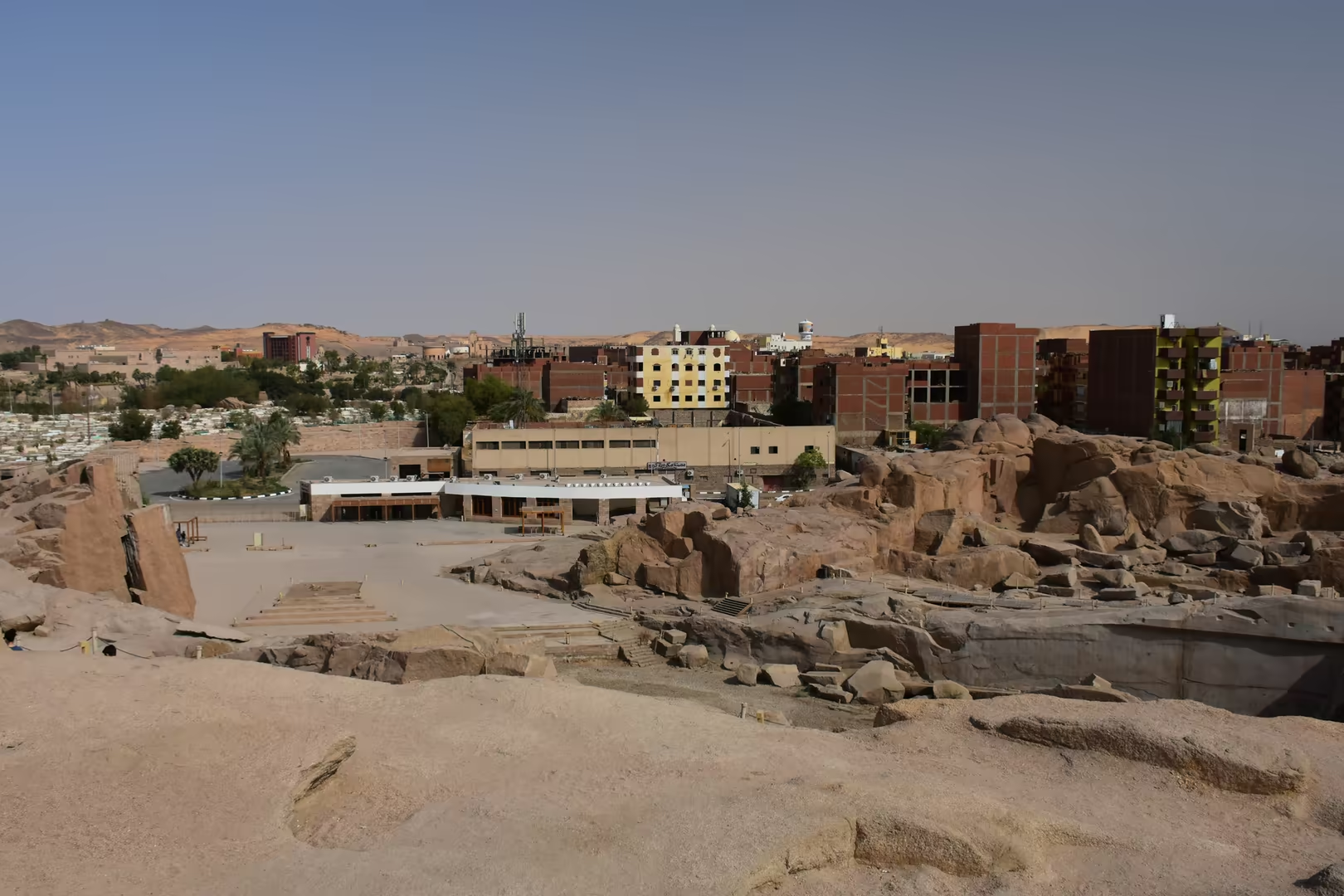
The ancient granite quarries of Aswan open at the eastern edge of the town, high above the river. Deep channels of the extraction trenches cut straight into the pink rock, huge worked slabs lie abandoned where they were split, and stepped walkways run across the carved quarry floor; a colossal block still attached to its bed is the largest single piece of stone the ancient Egyptians ever attempted to move. The same working ground holds the unfinished obelisk, which still lies attached to the bedrock, and the quarry terraces offer the closest view of the pink granite that built the temples, colossi and obelisks of Upper Egypt.
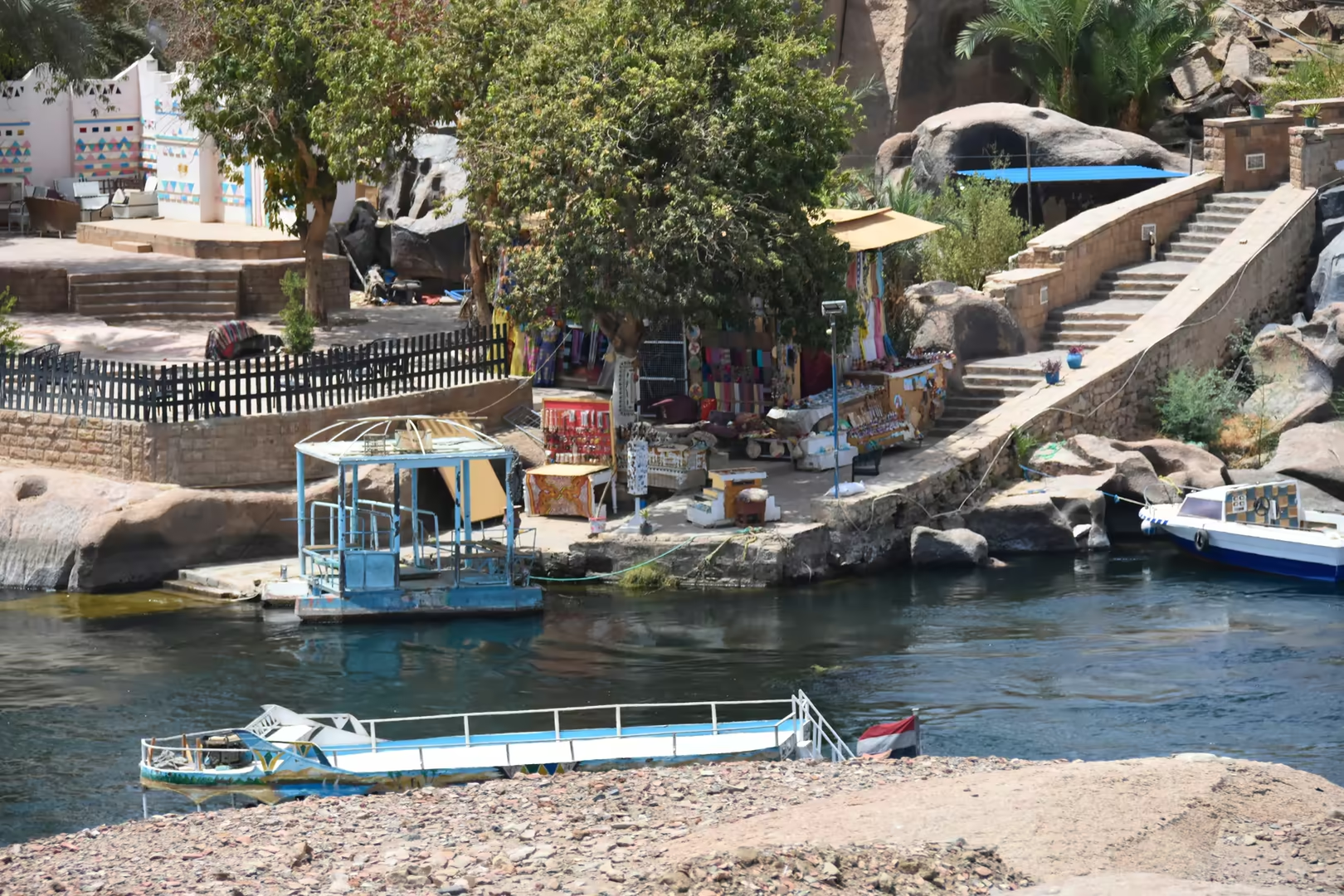
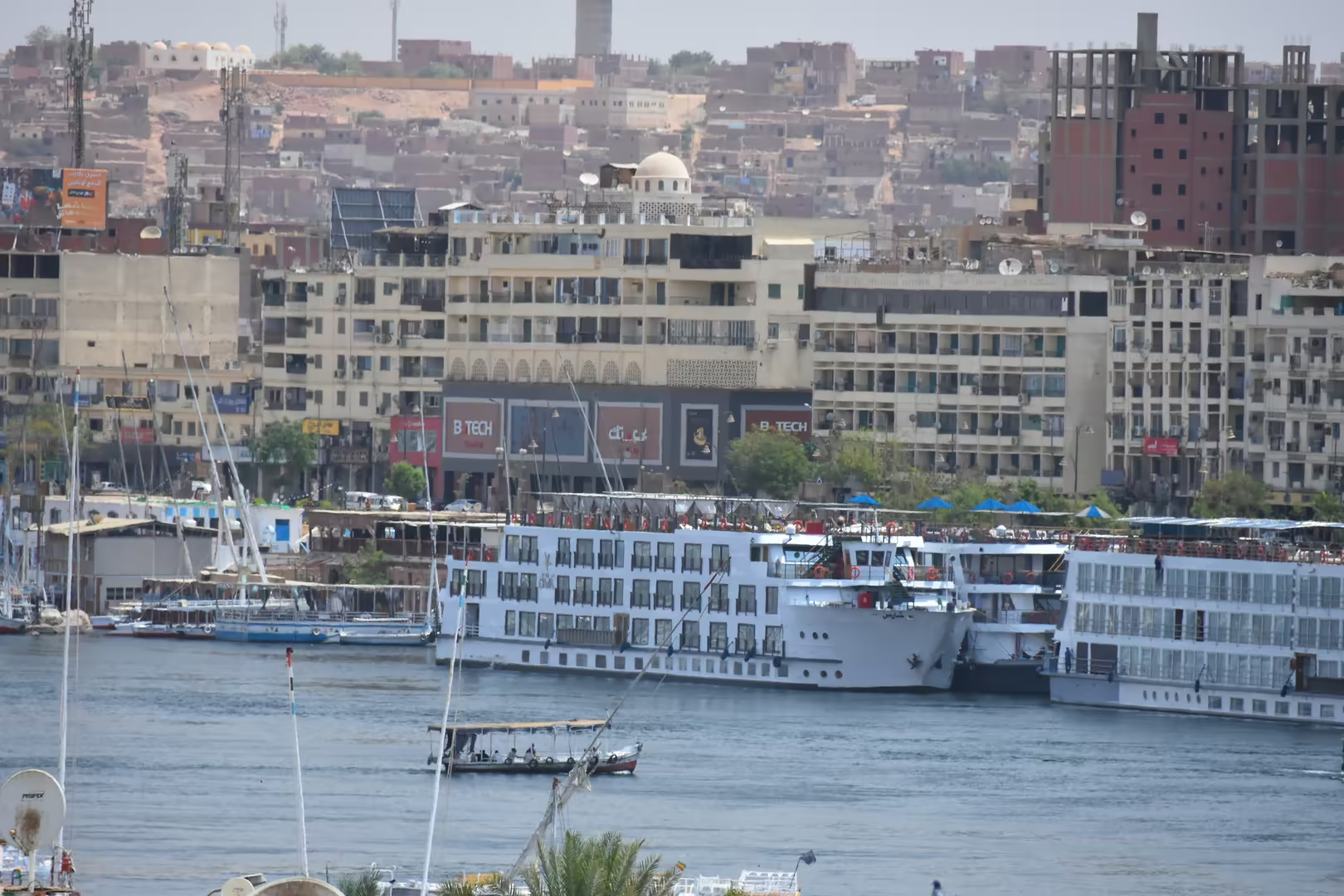
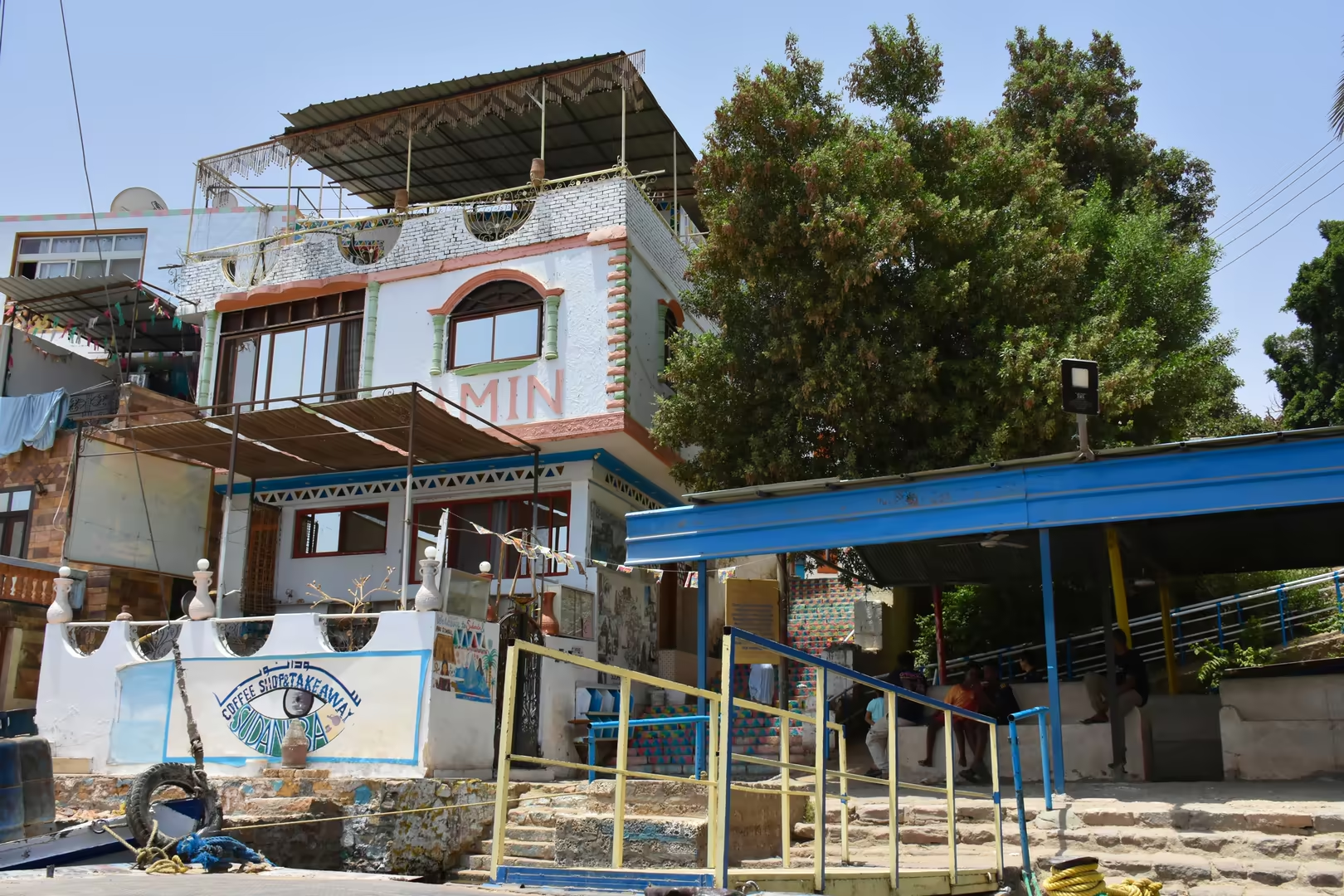
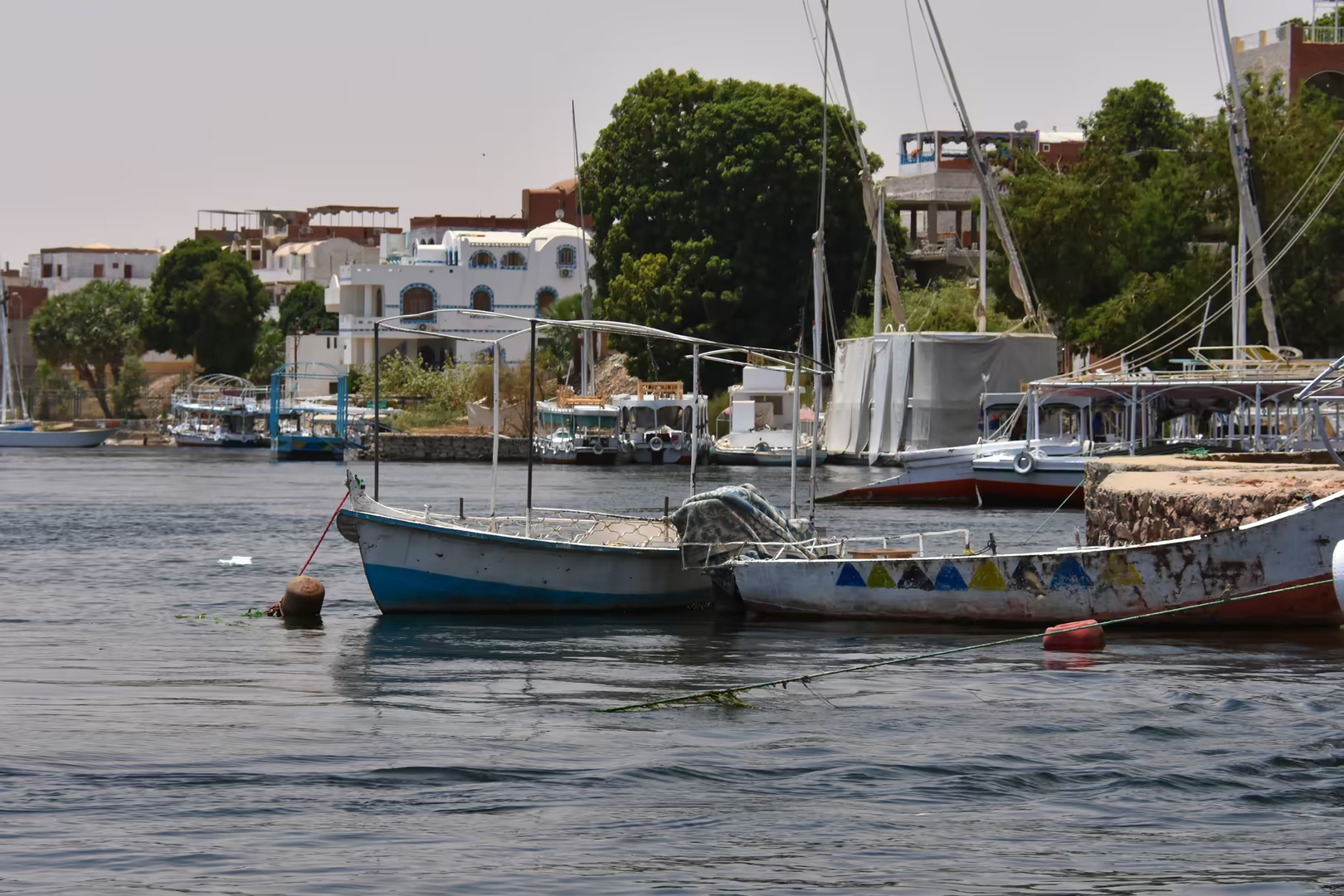
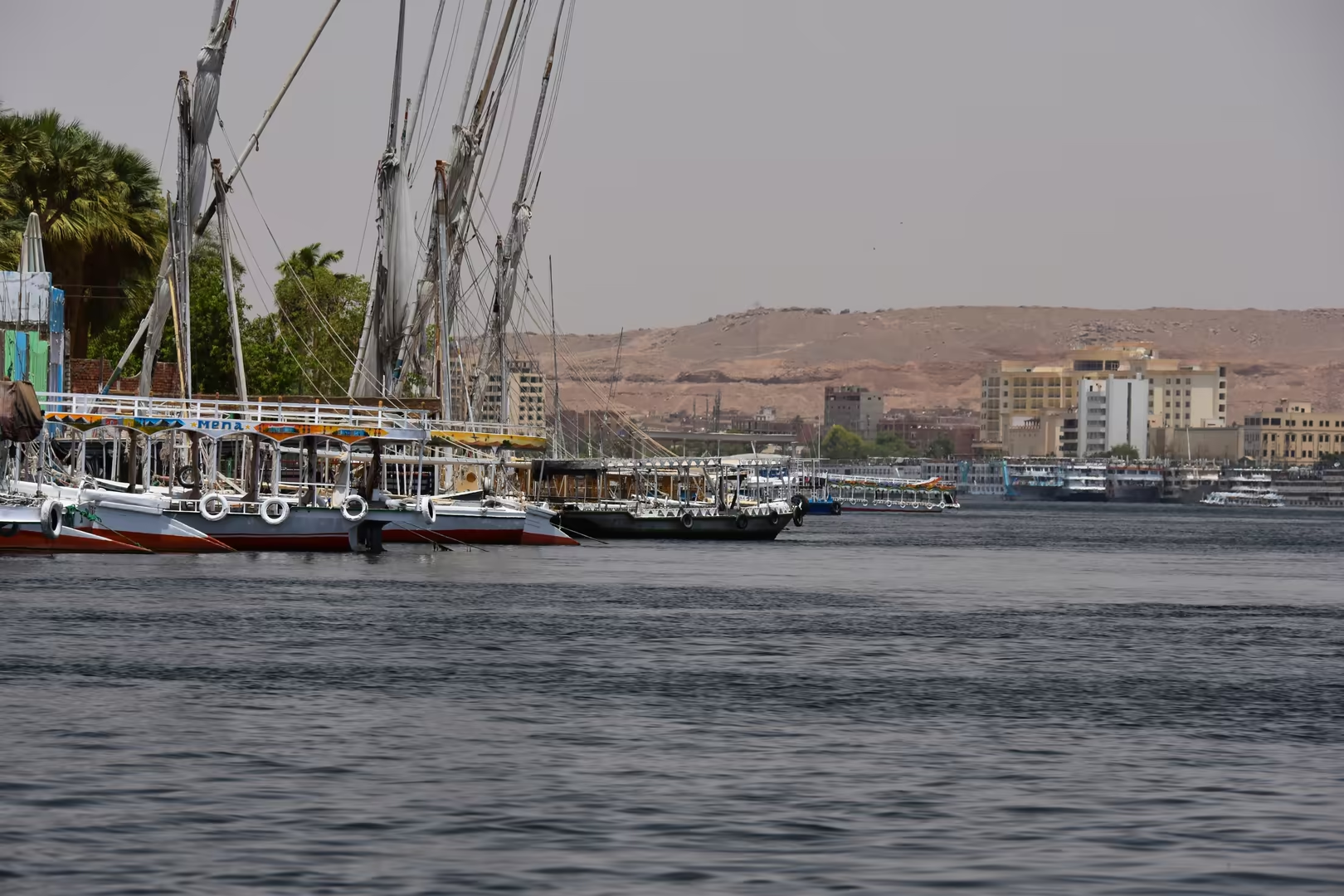
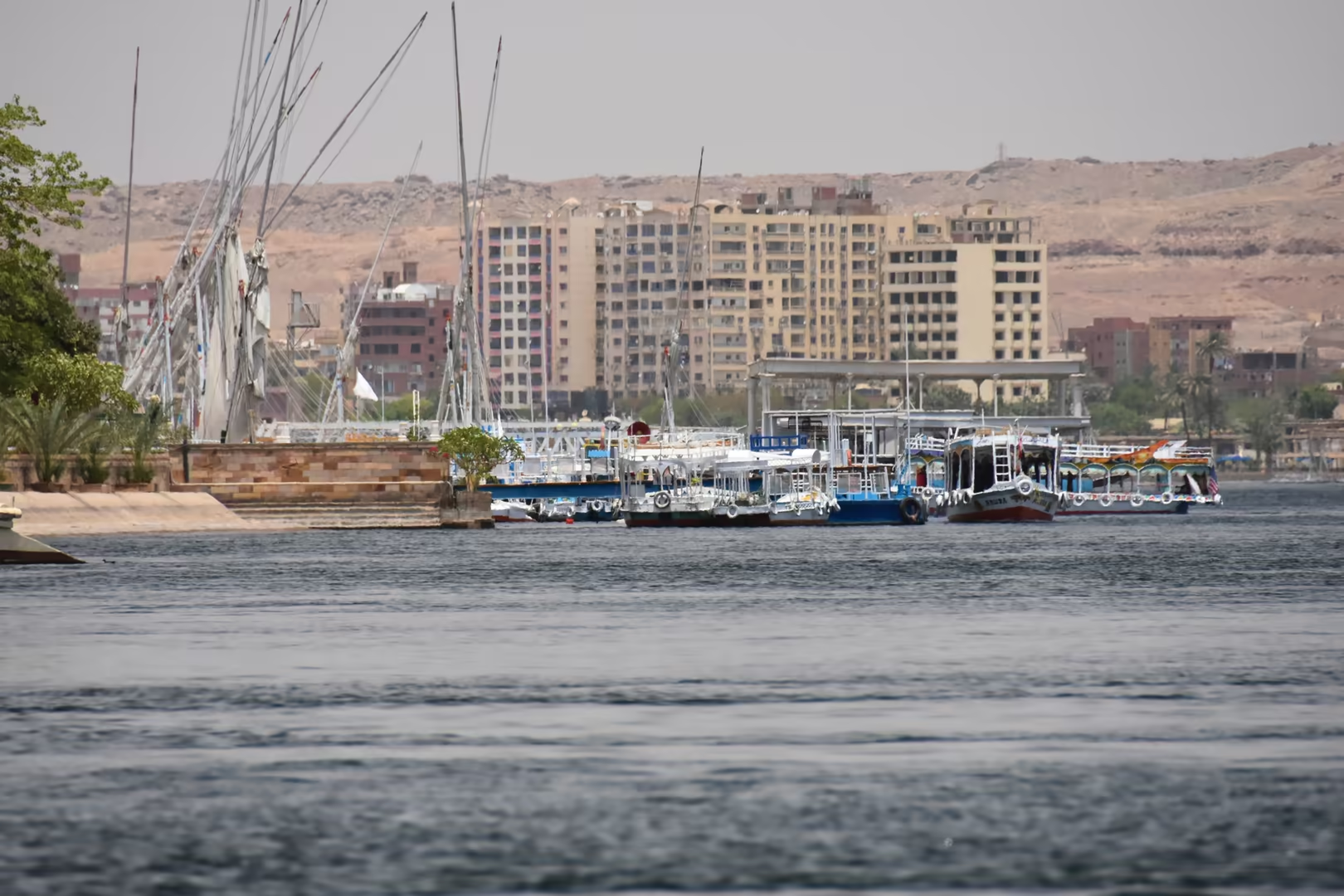
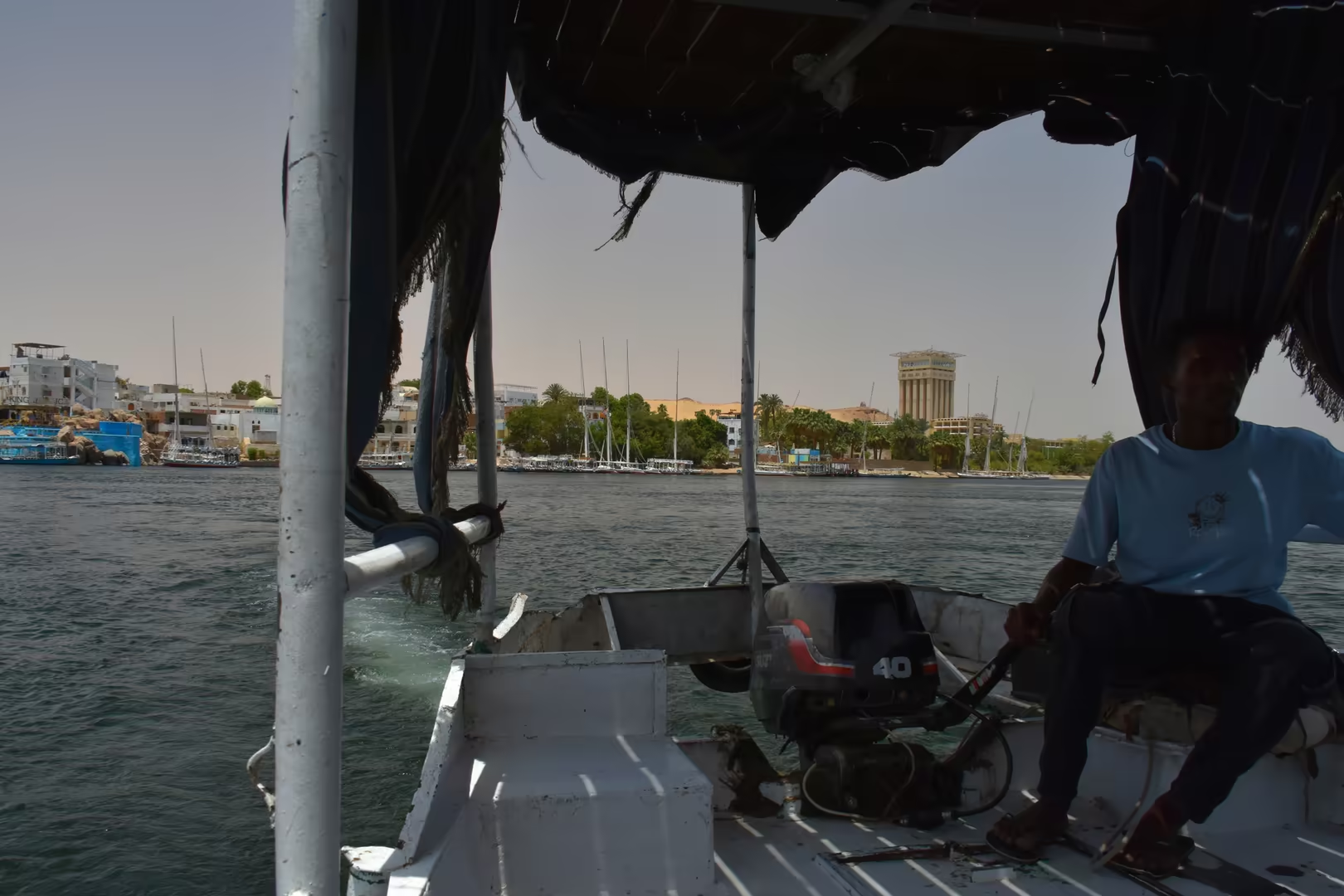
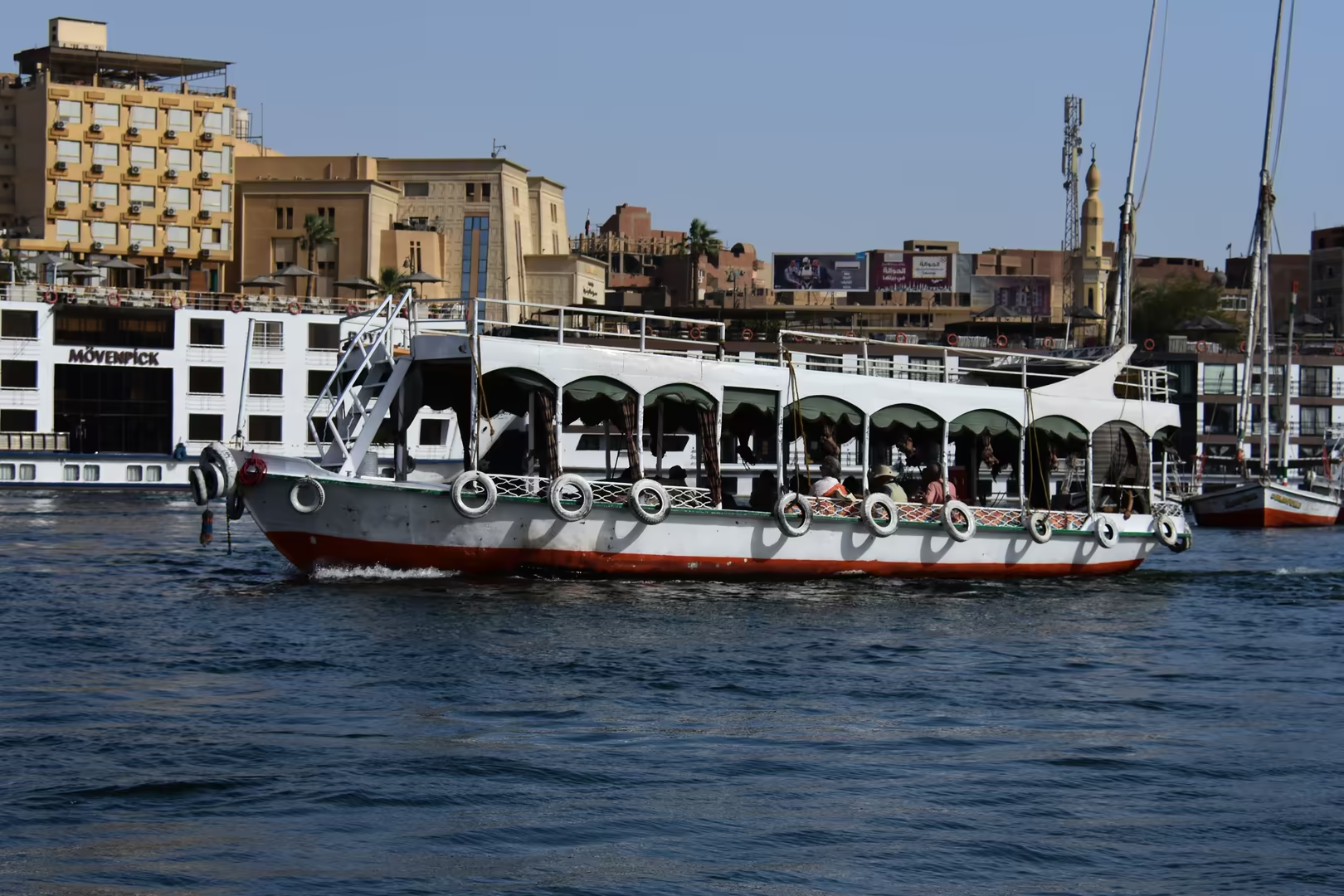
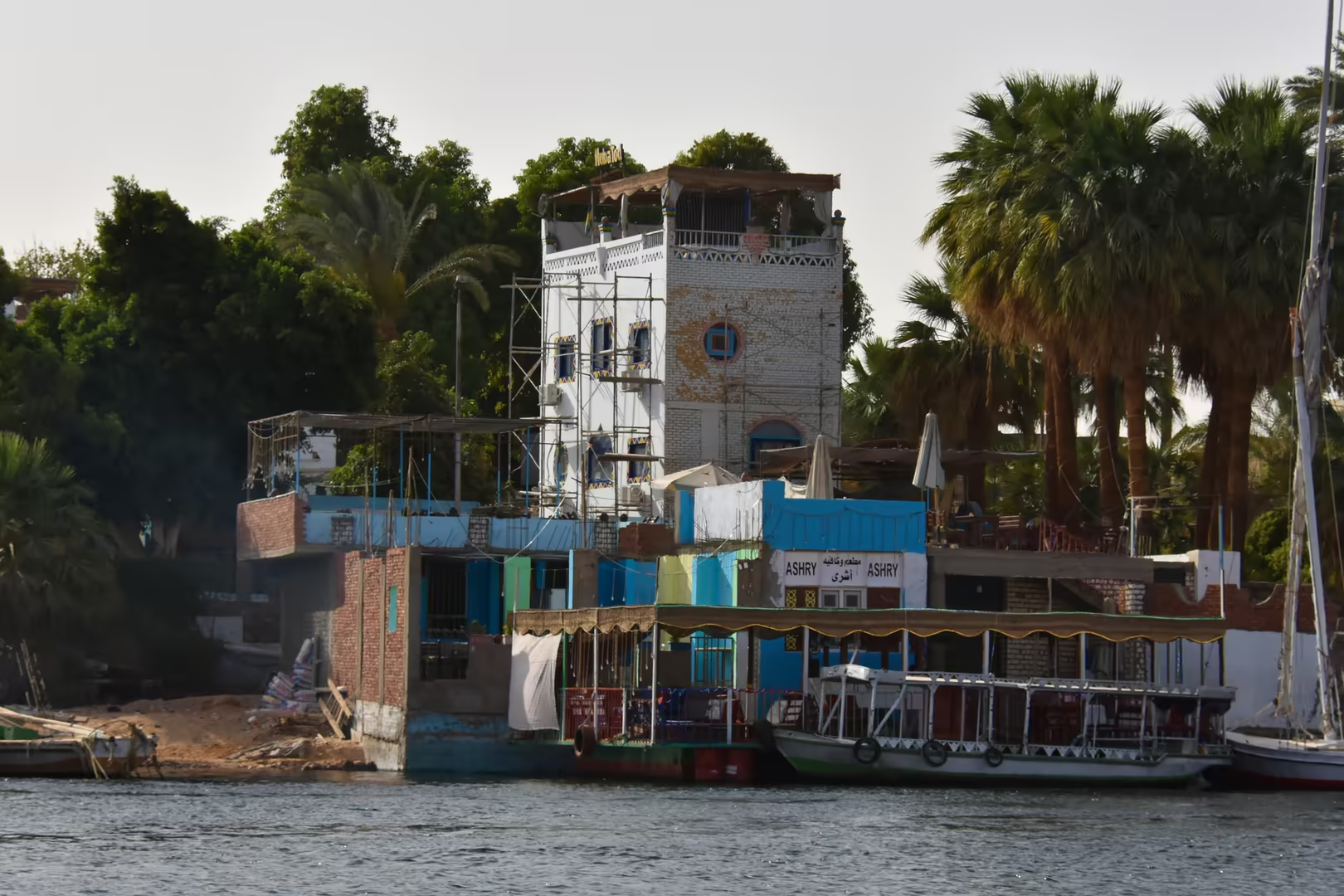
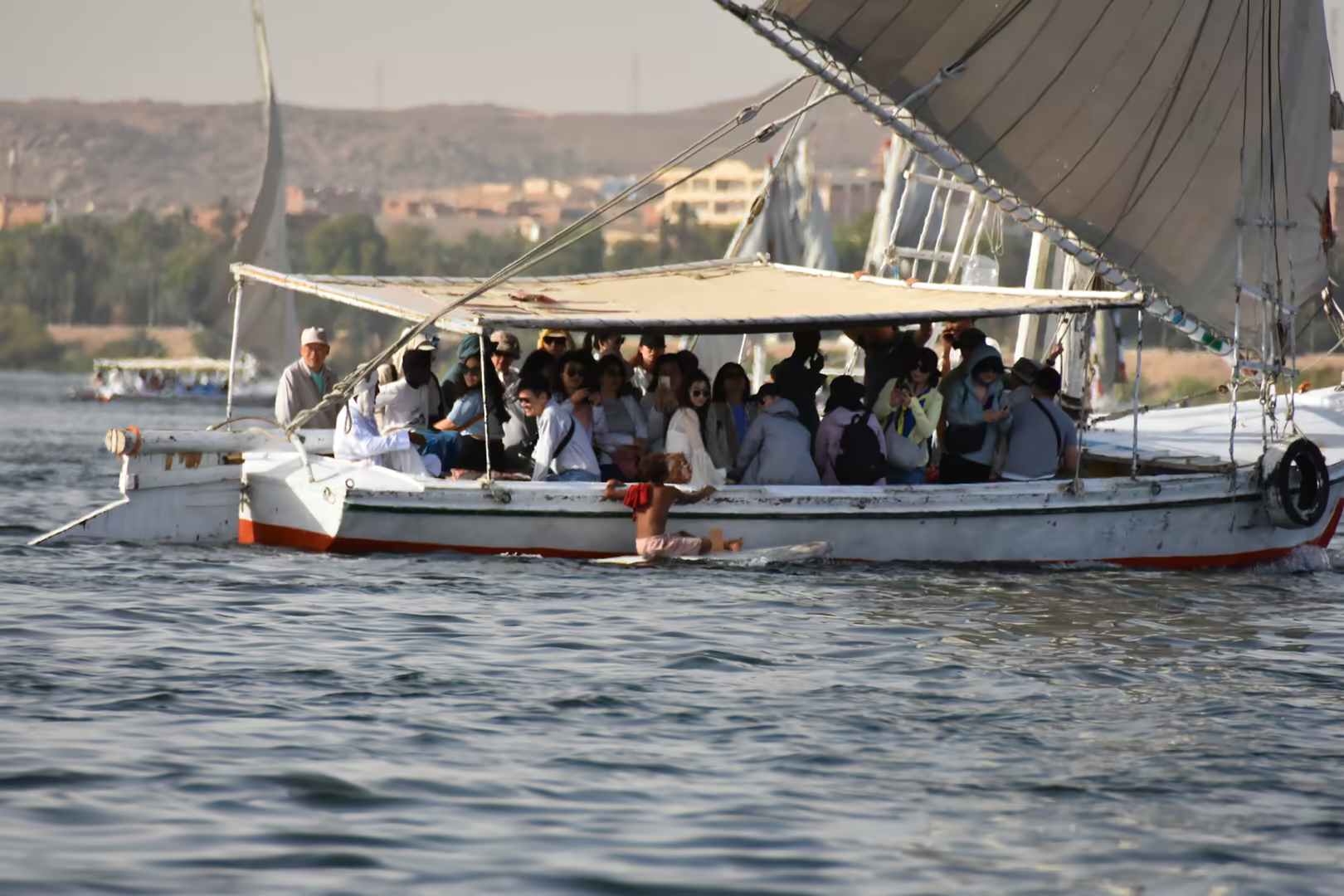
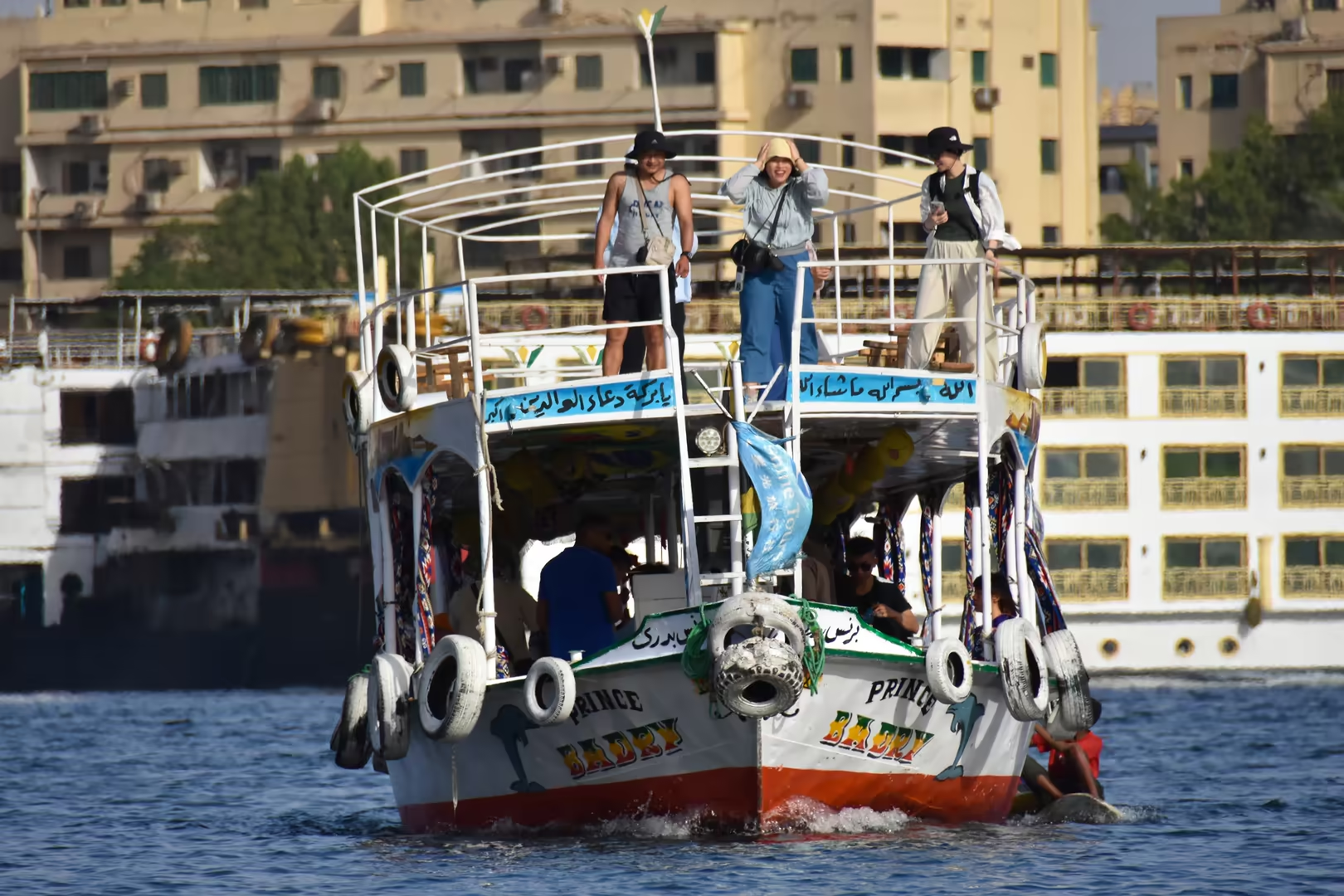
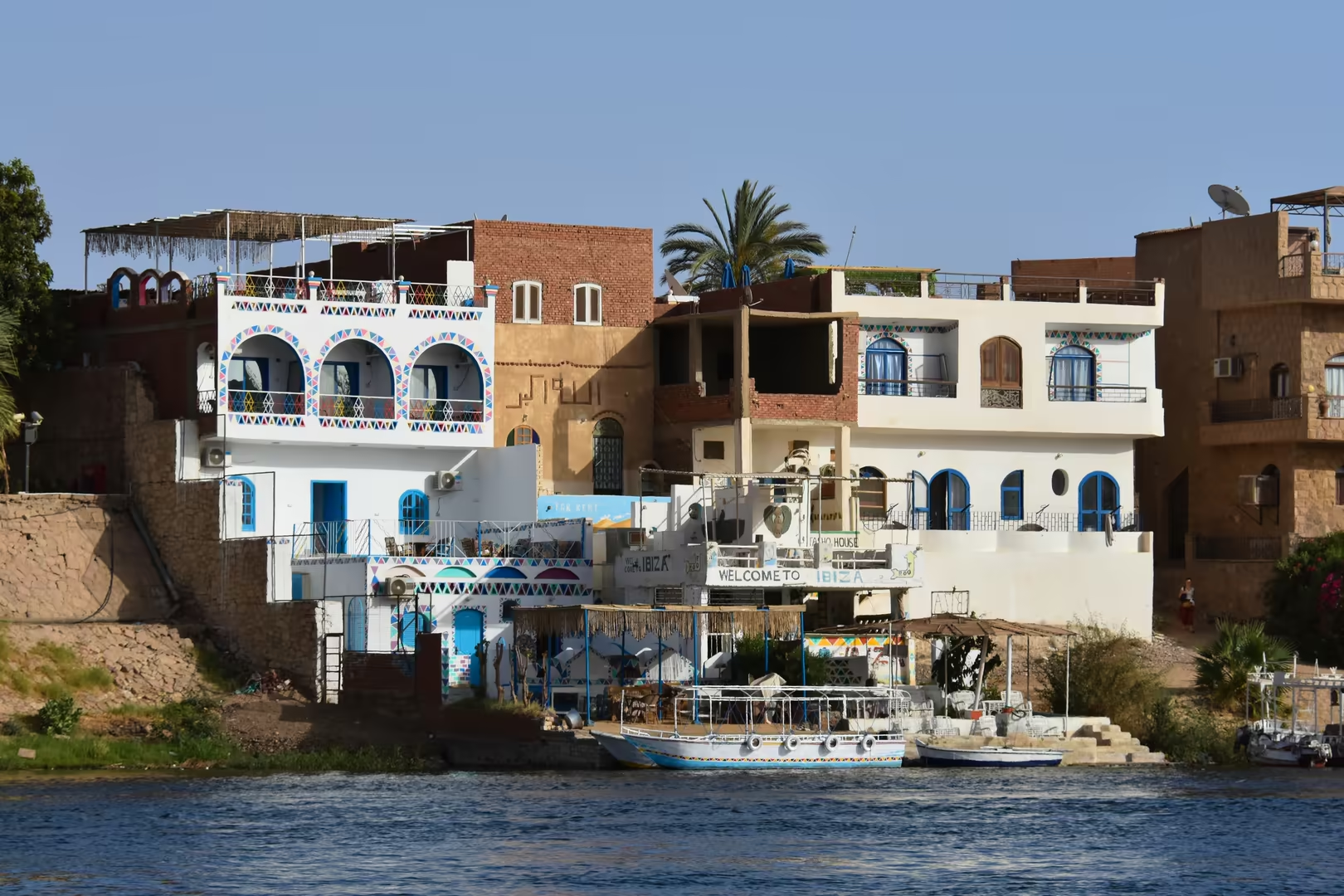
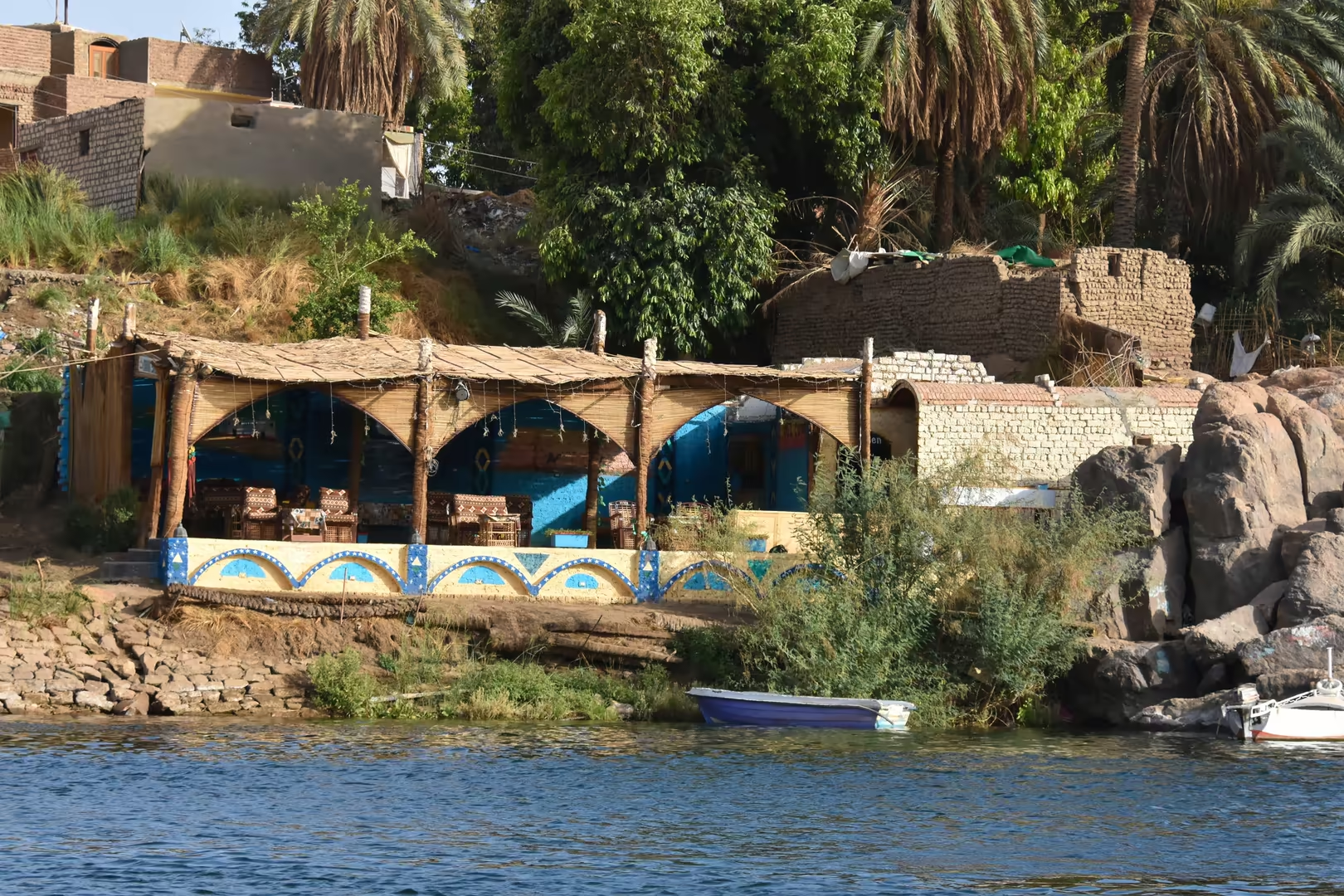
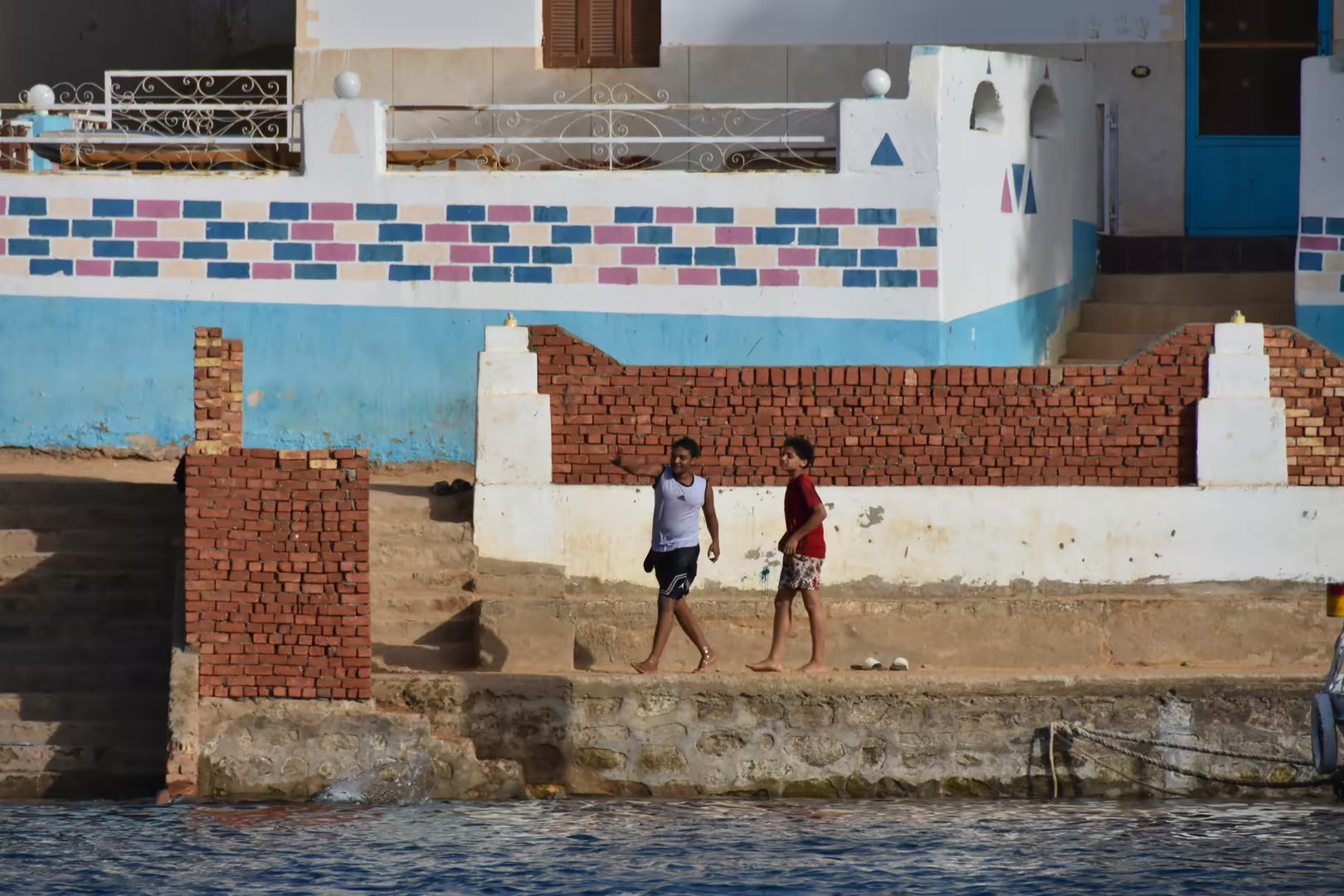
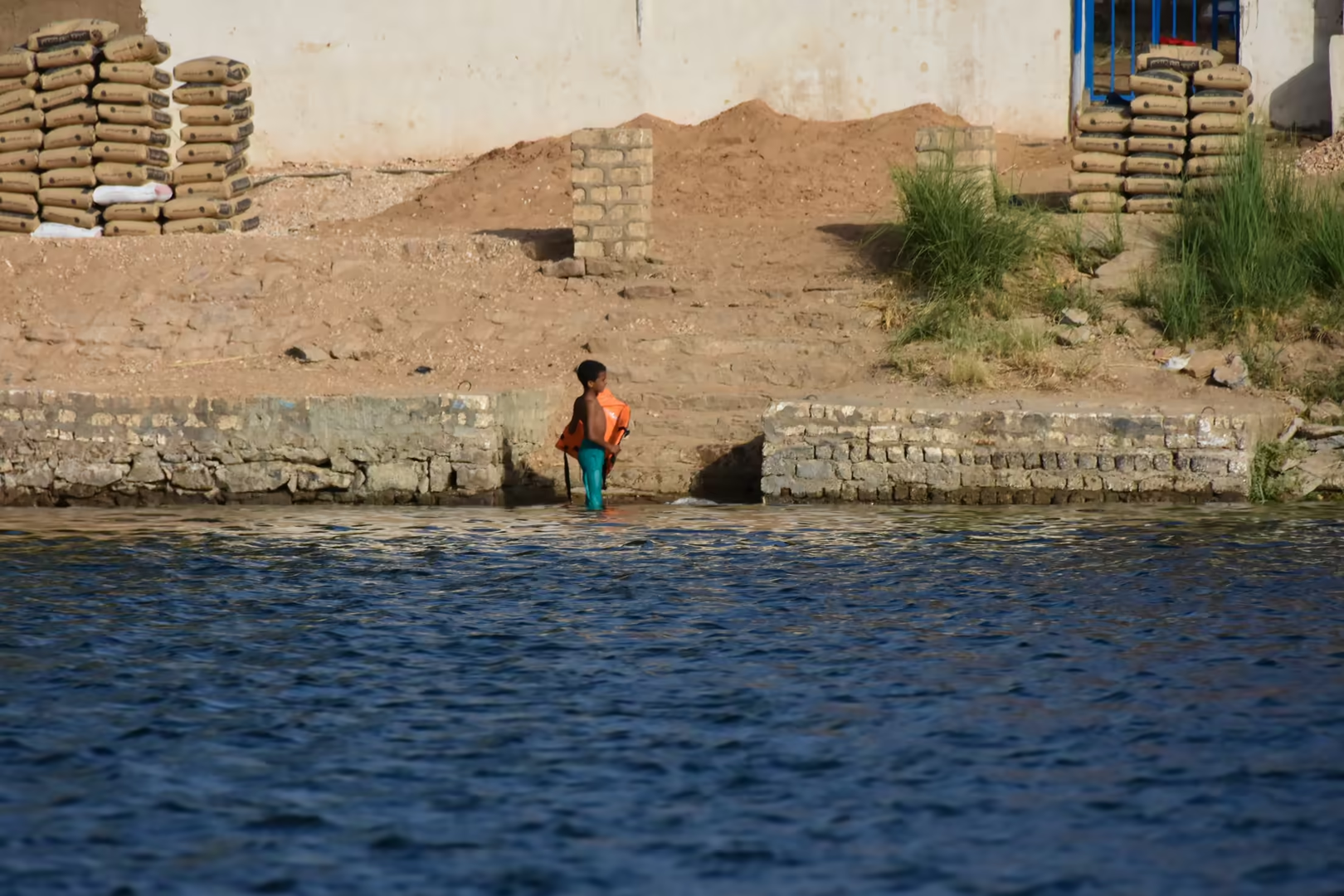
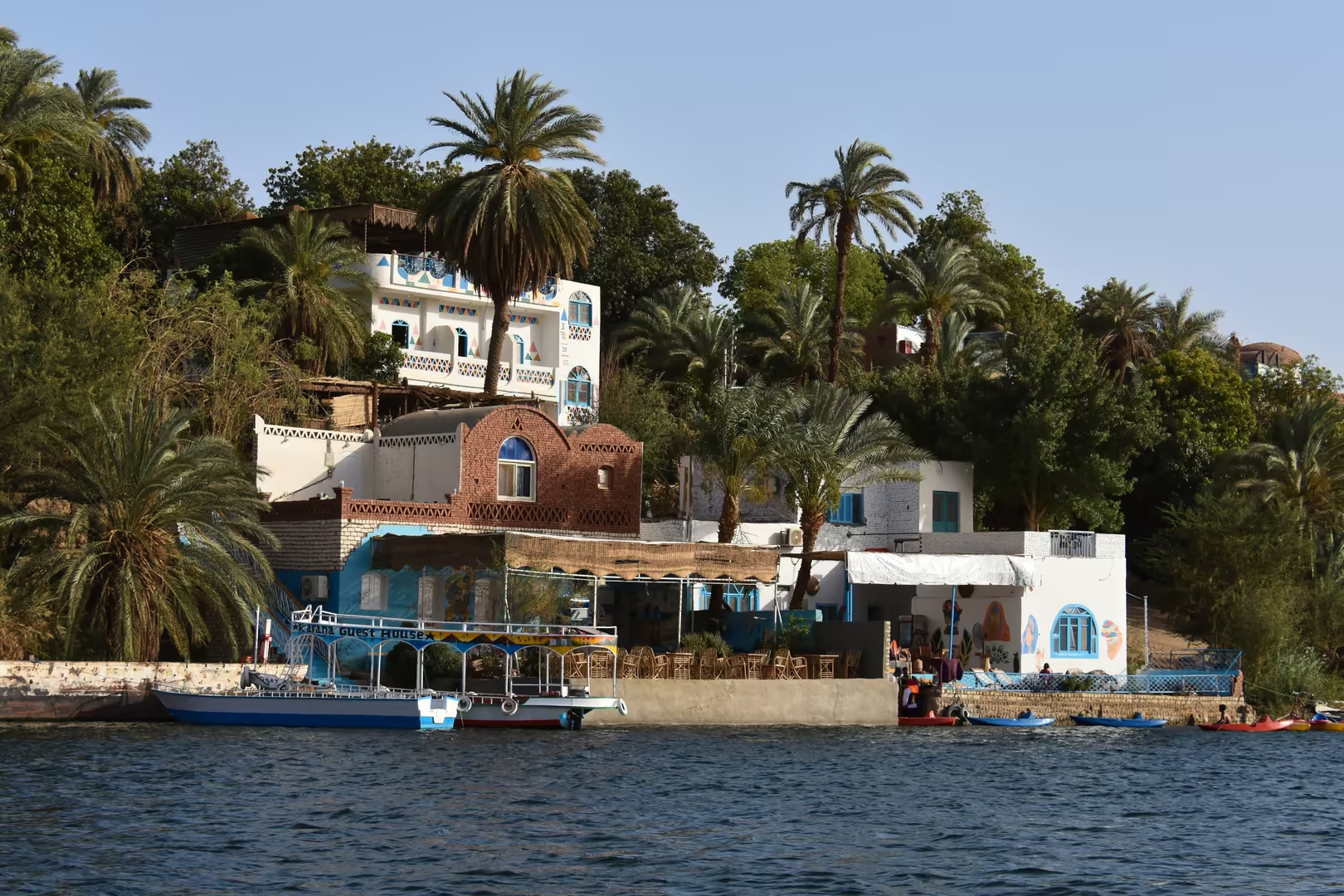
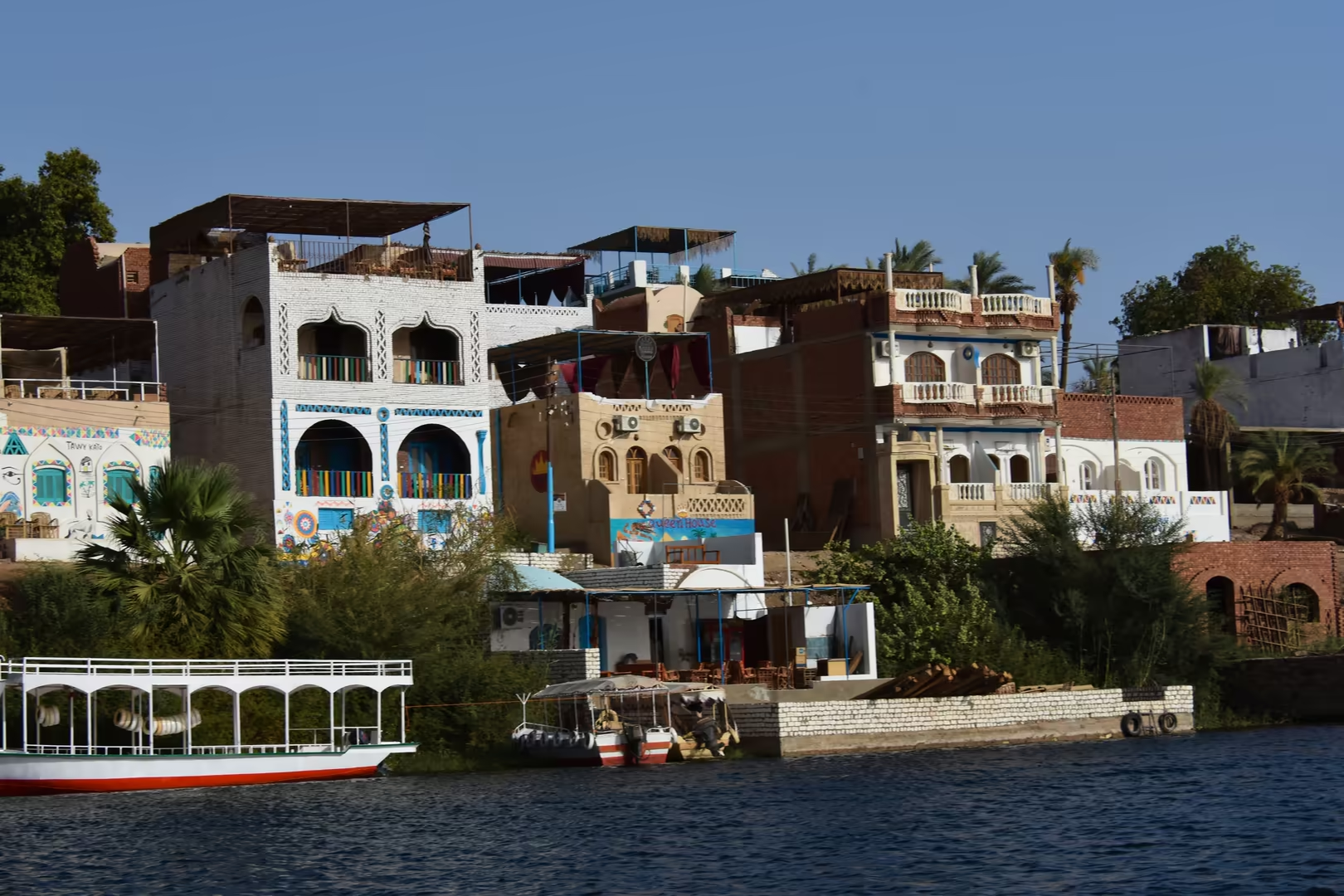
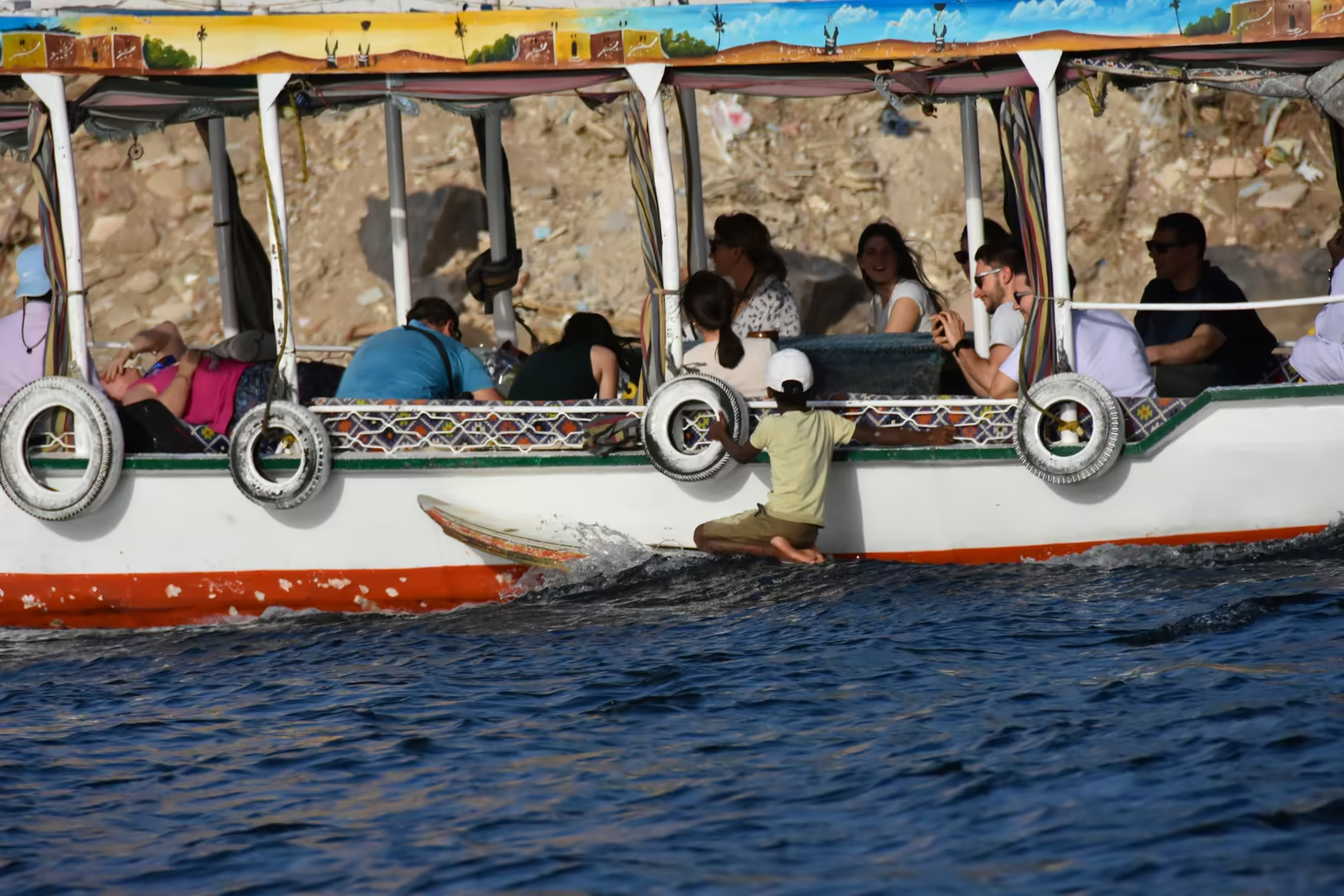
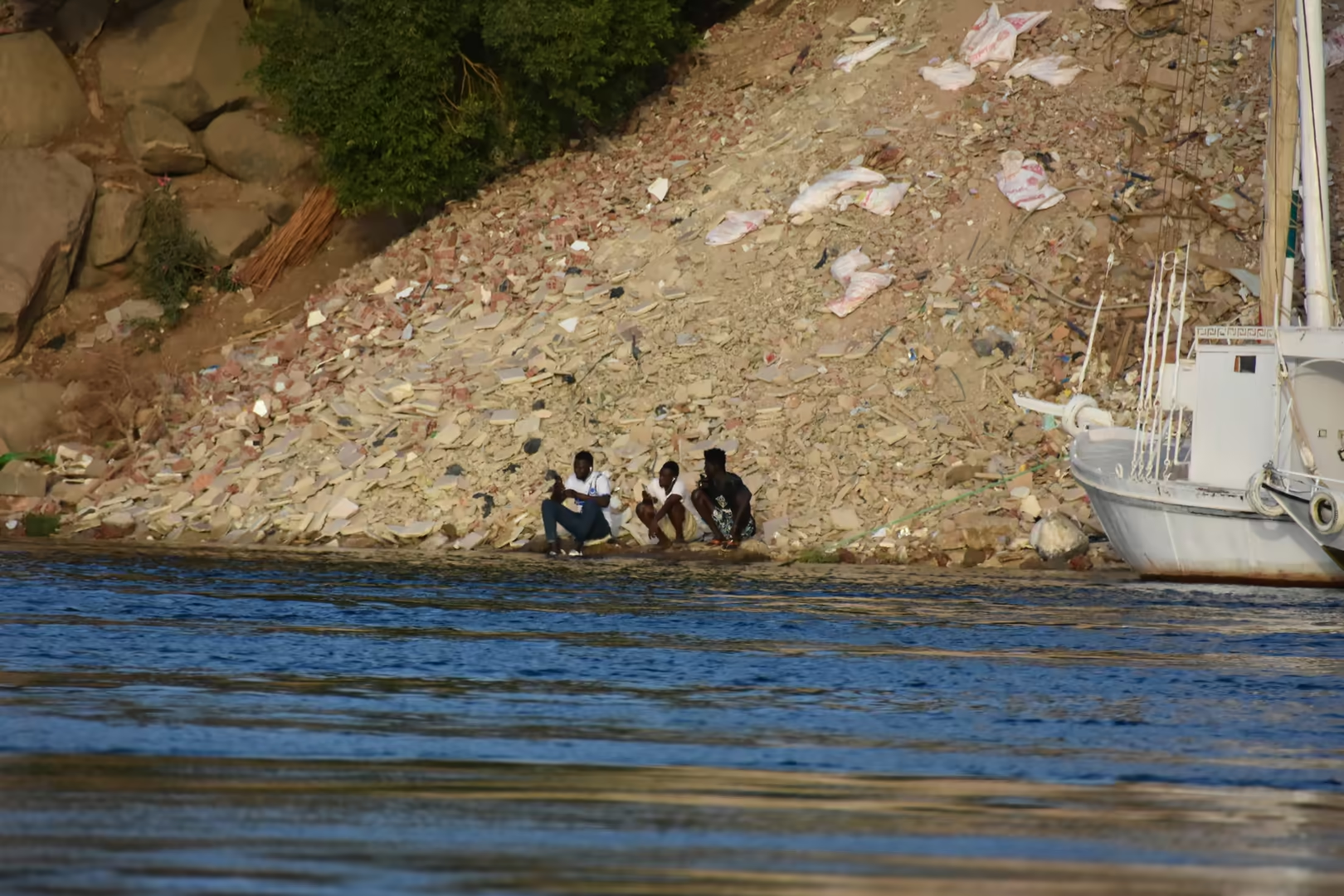
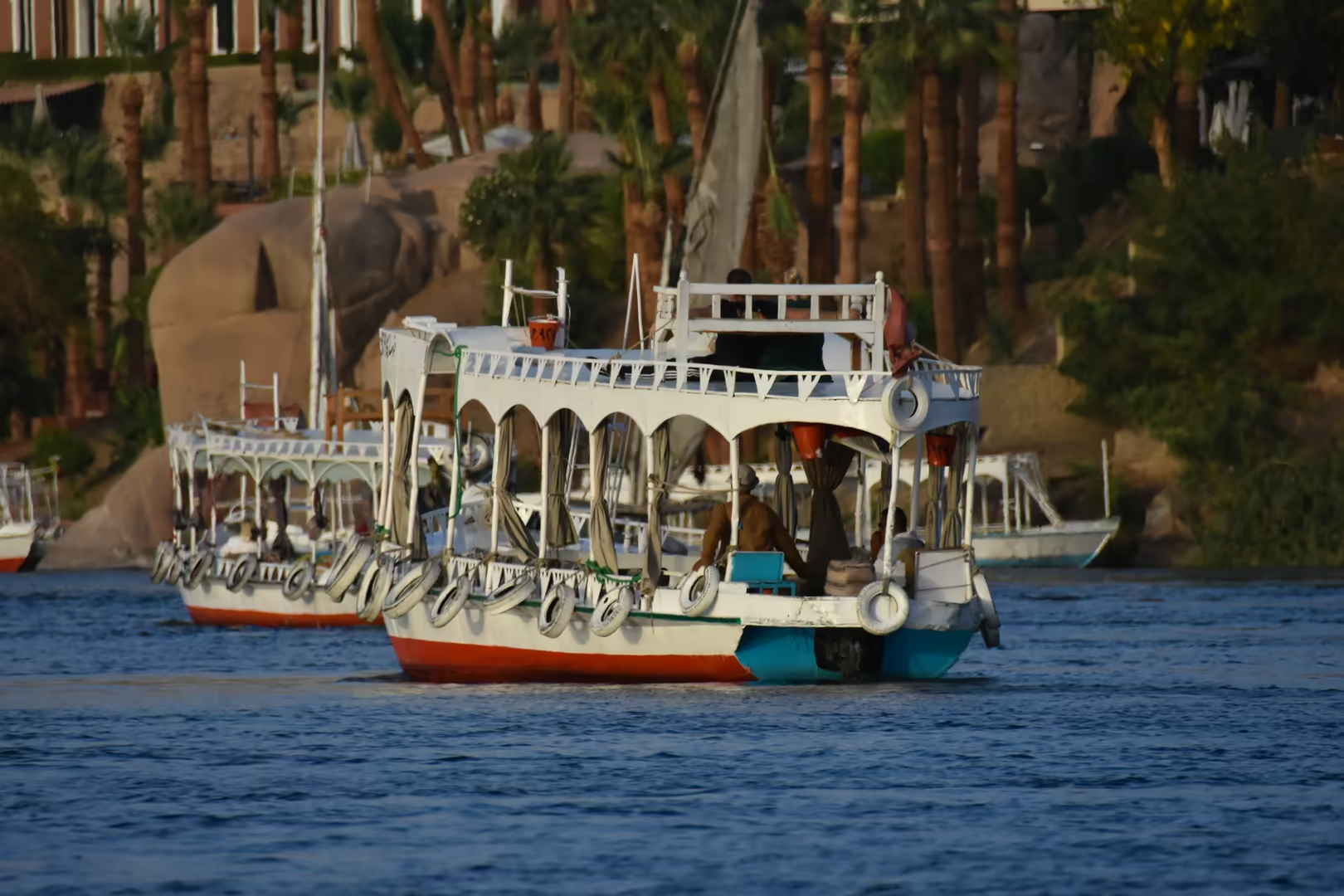
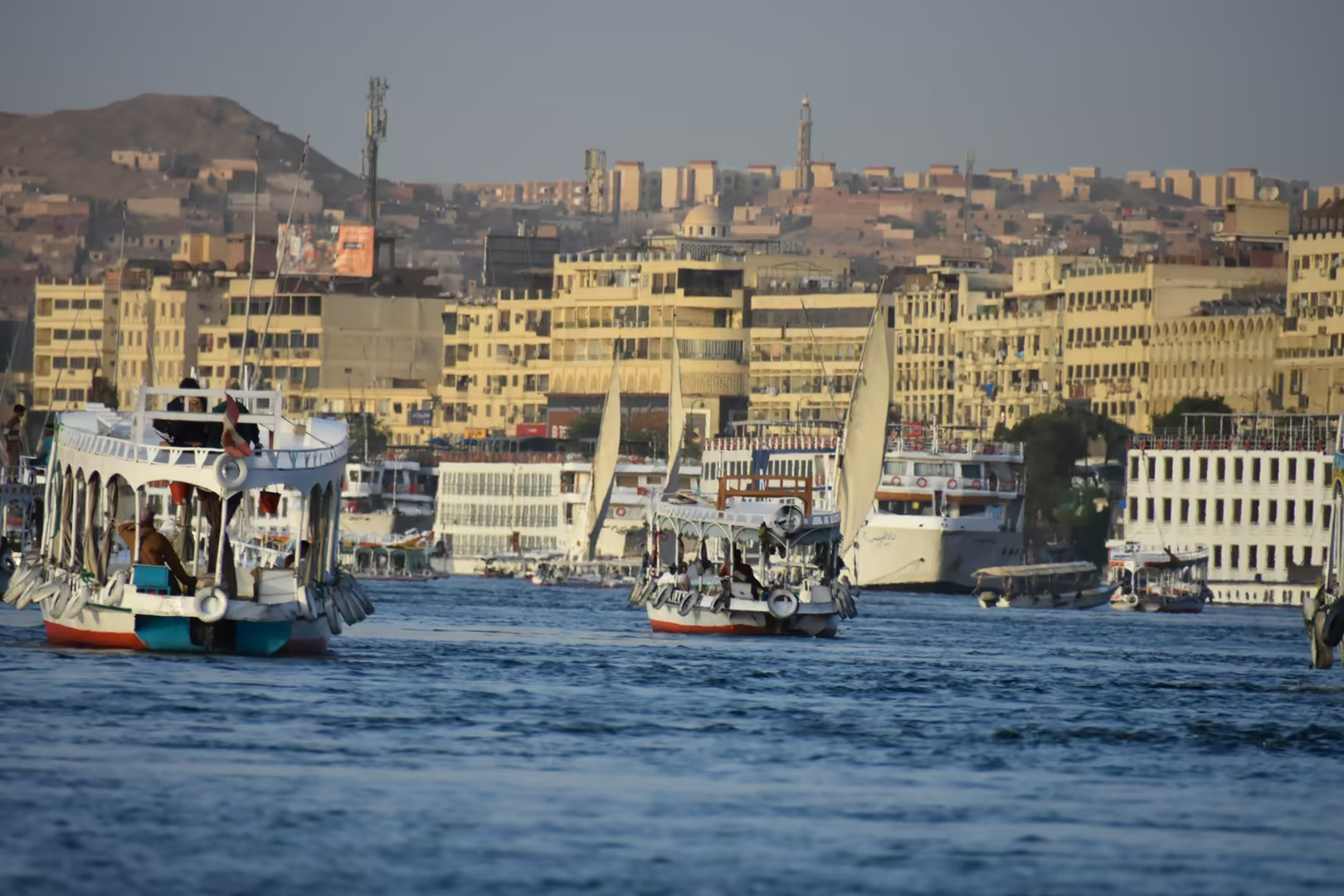
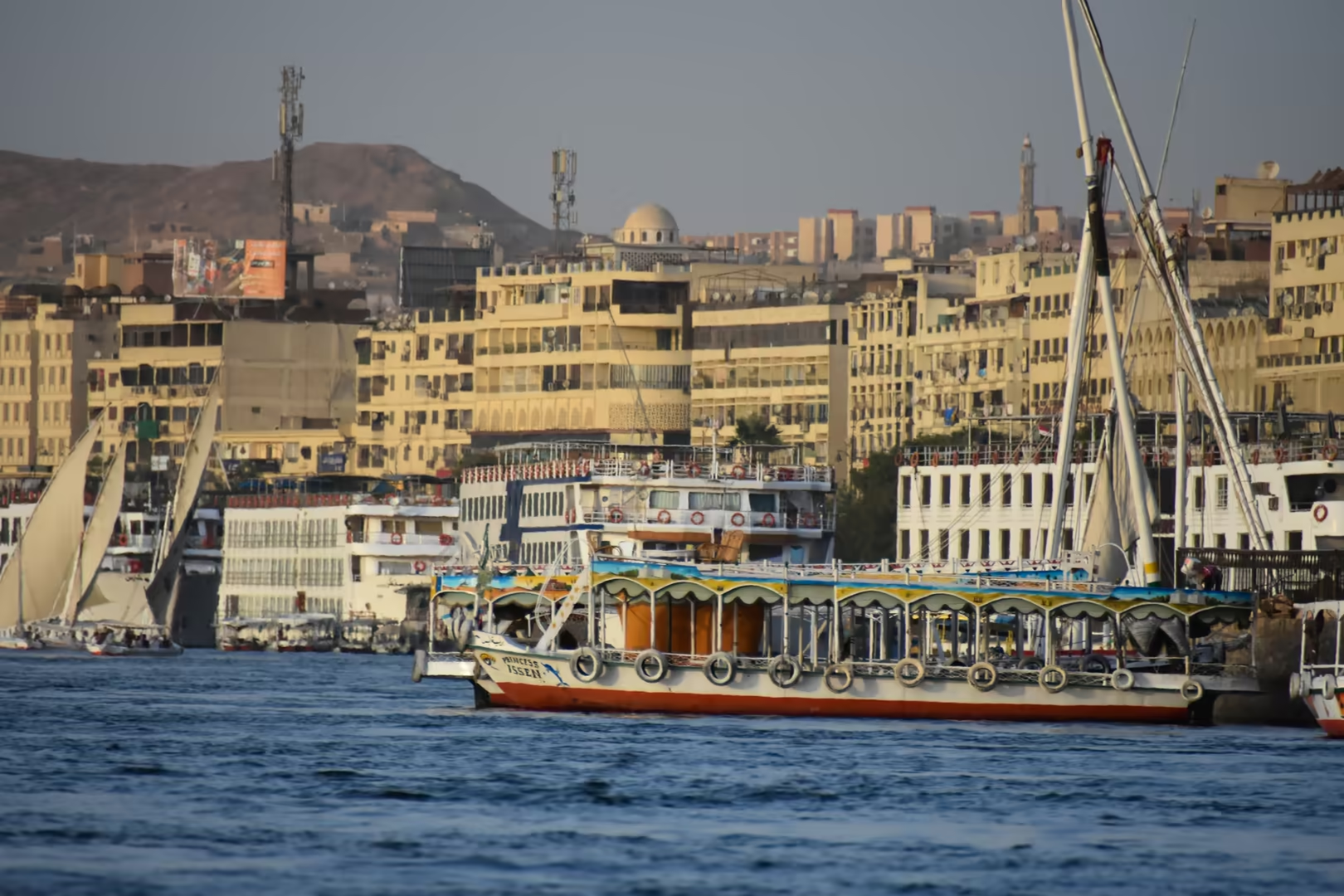
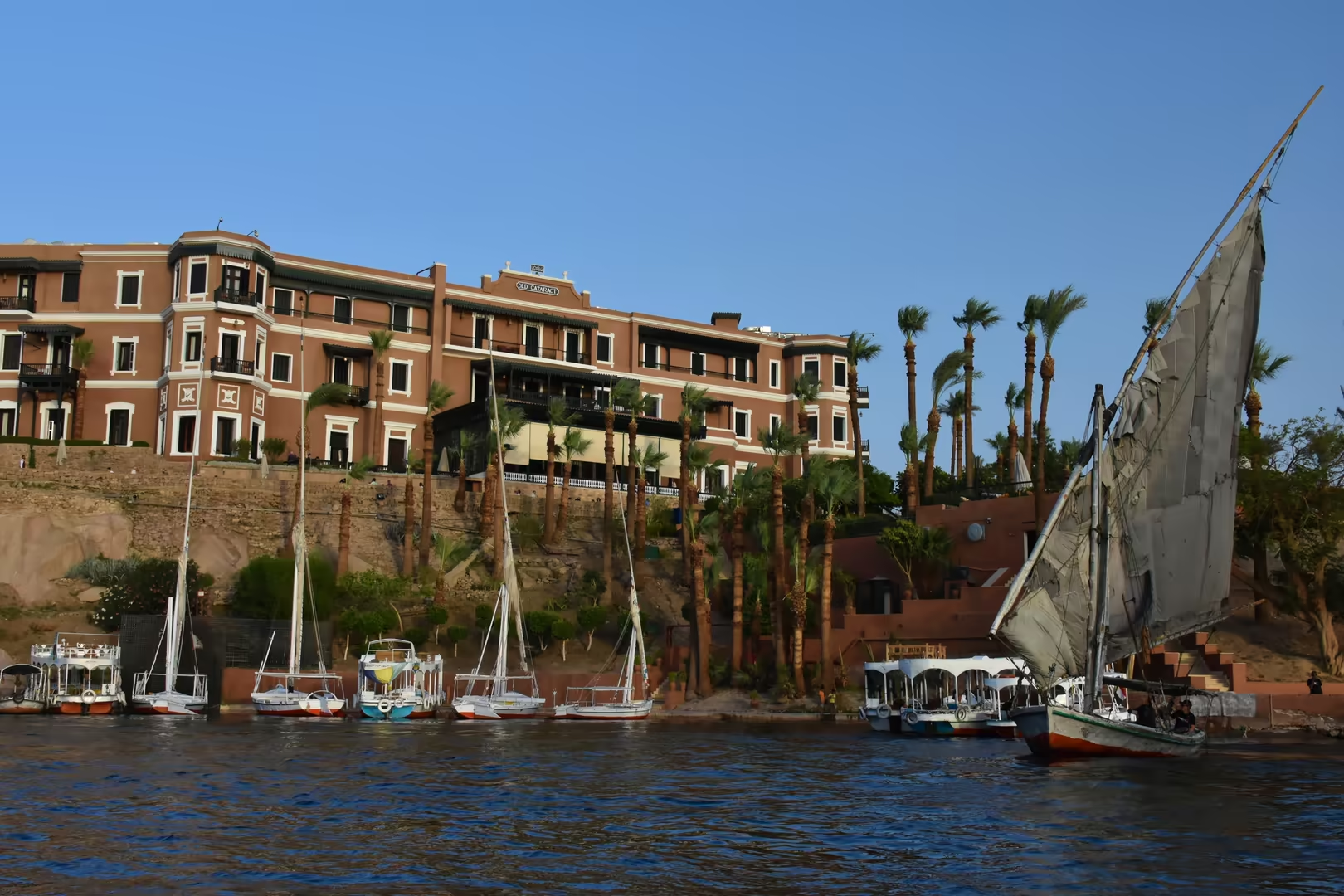
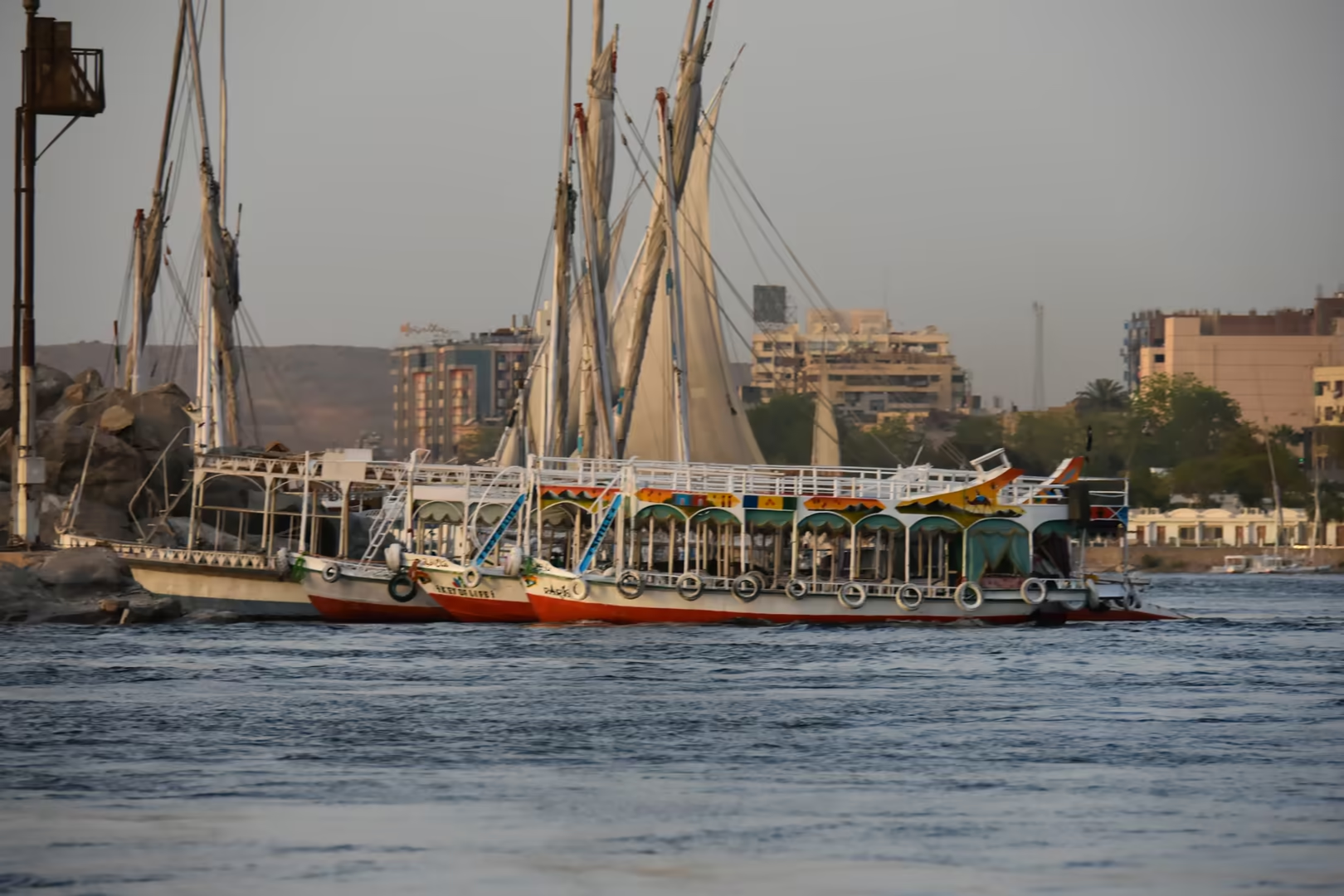
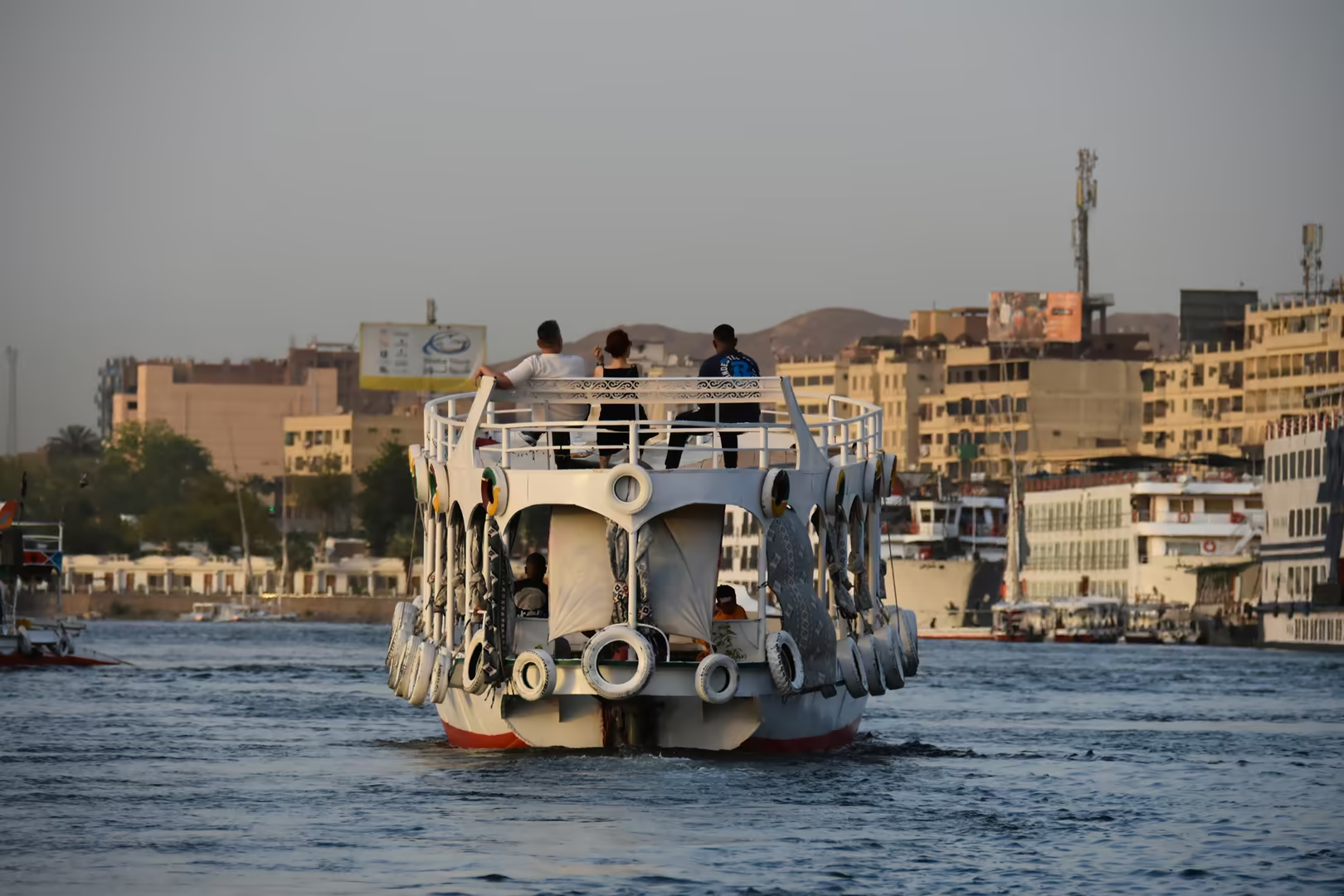
Boats and ferries leave the landing stages of the east bank for the island throughout the day, and the short crossing threads between the granite islets of the cataract and the sandbanks of the west bank. The landing at Elephantine is by stone steps and a palm-shaded quay, where blue-and-white painted houses rise among the palms on the rocky shore; from the water the island presents its classic profile, a low band of granite and garden between the desert hills and the town of Aswan.
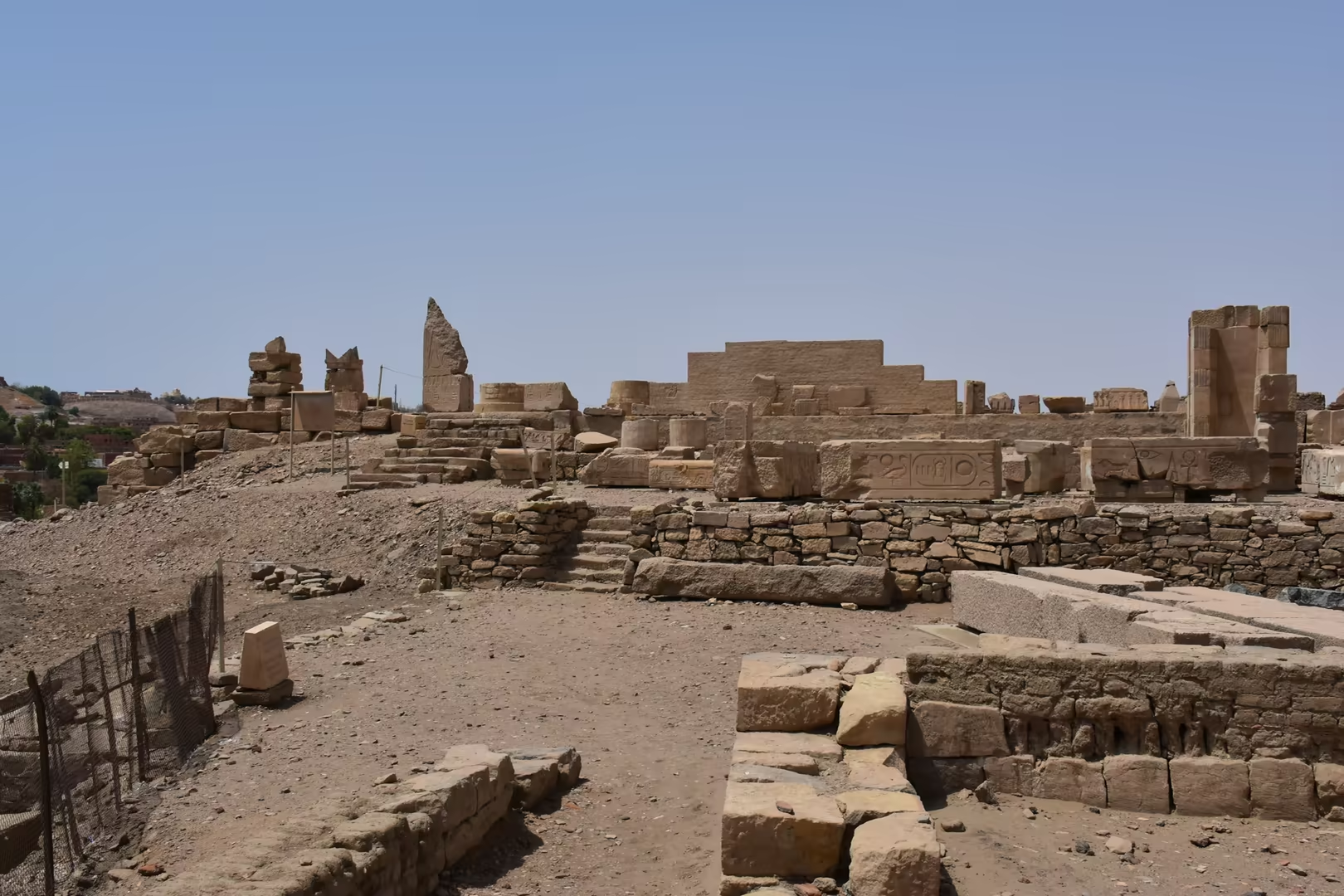
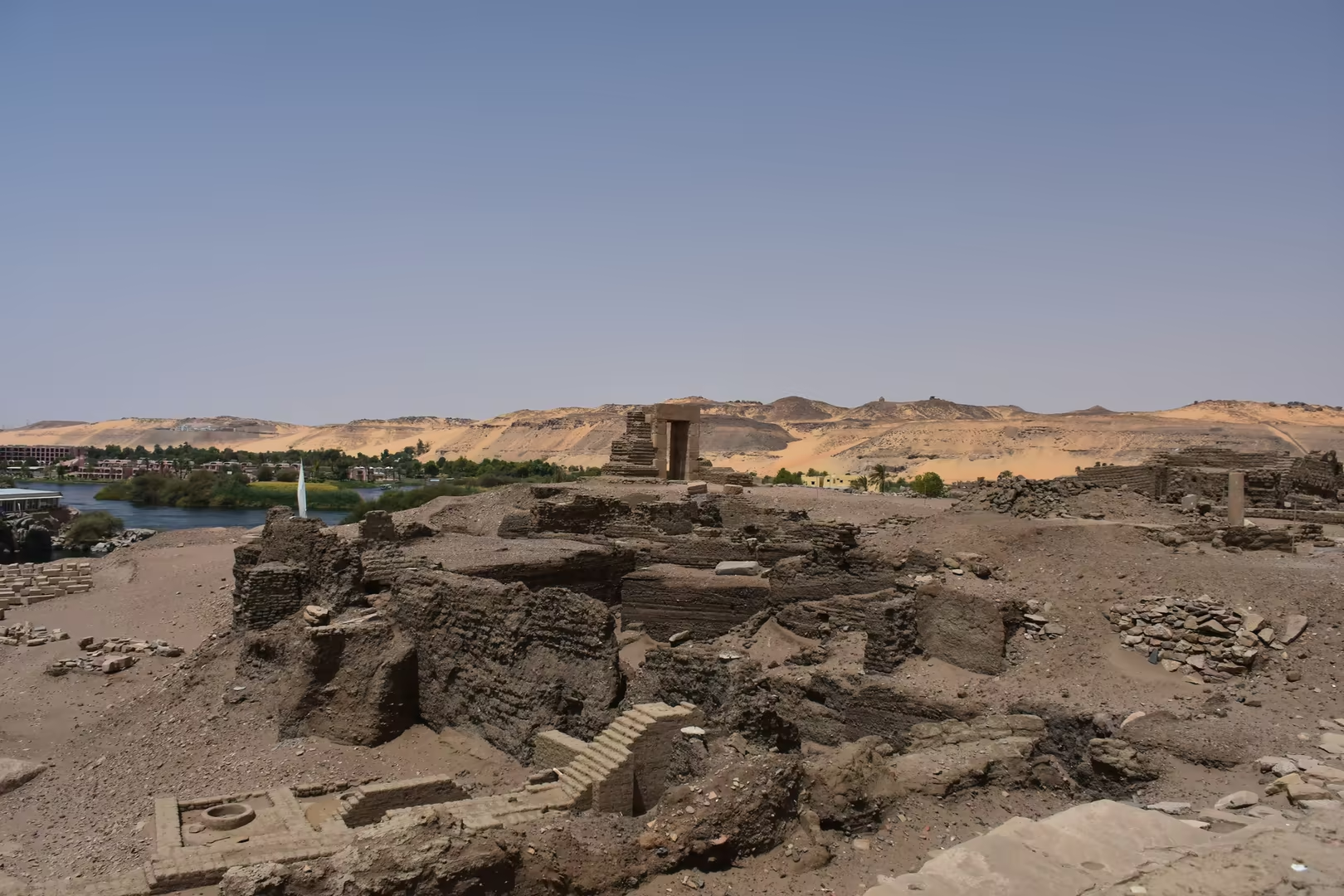
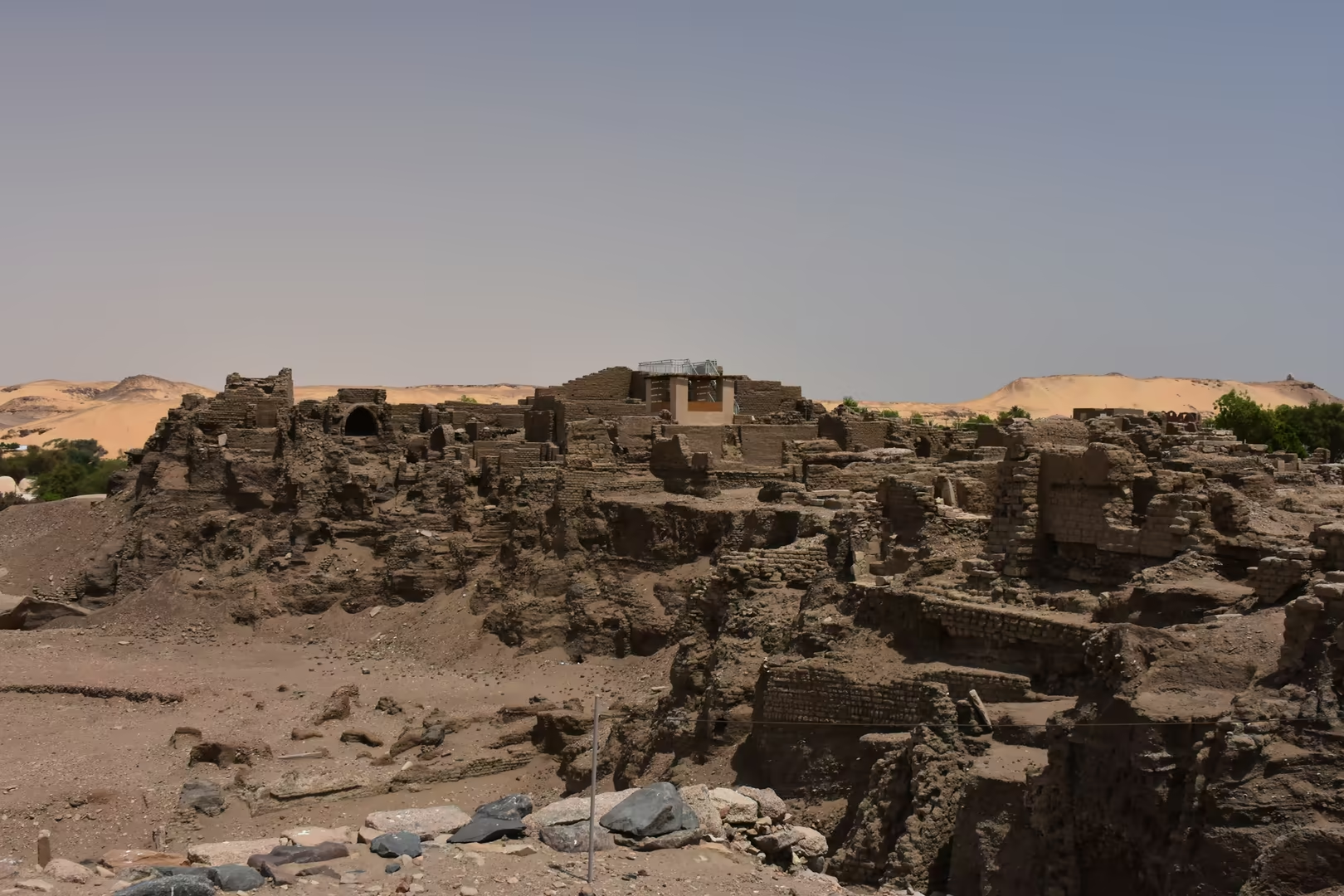
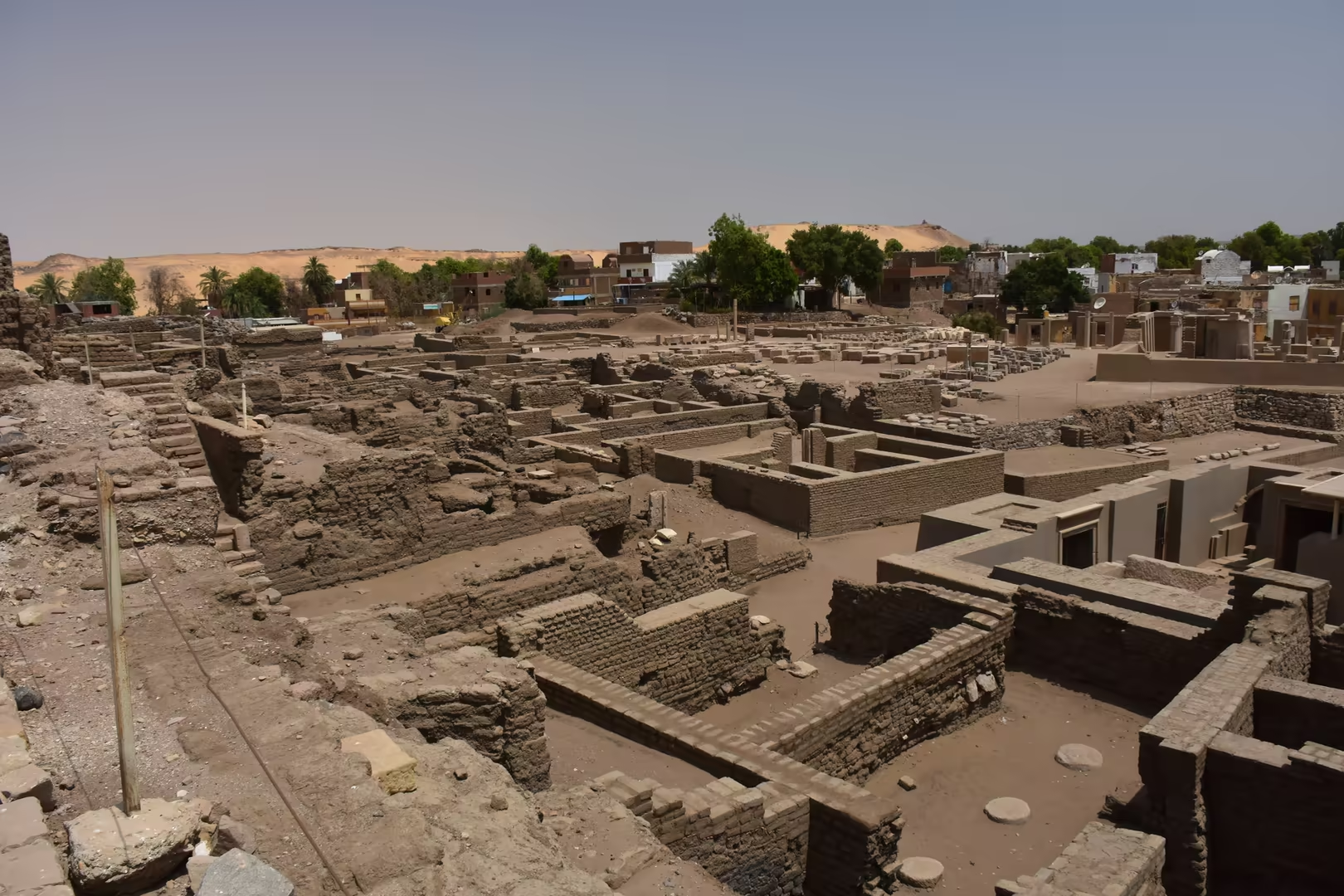
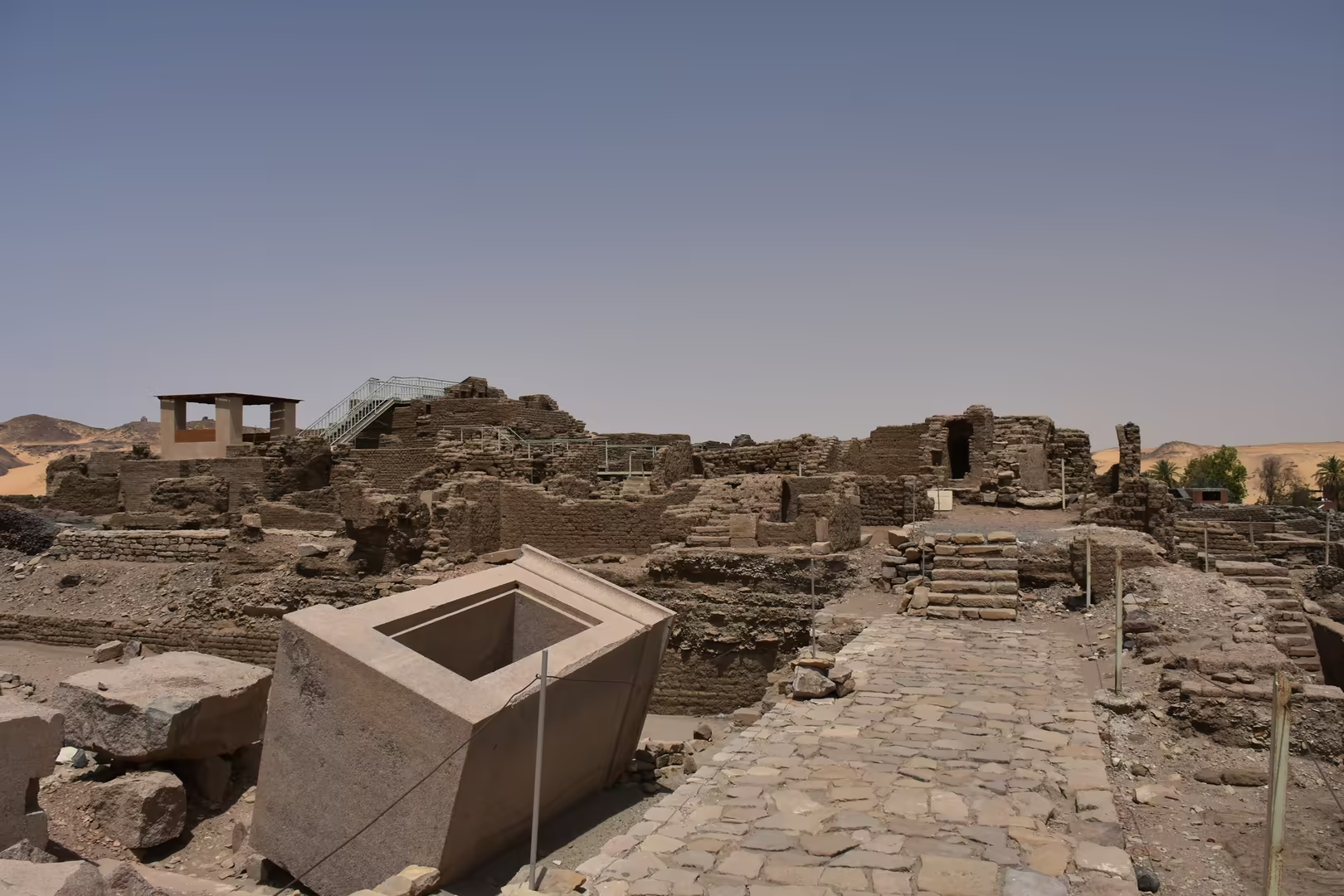
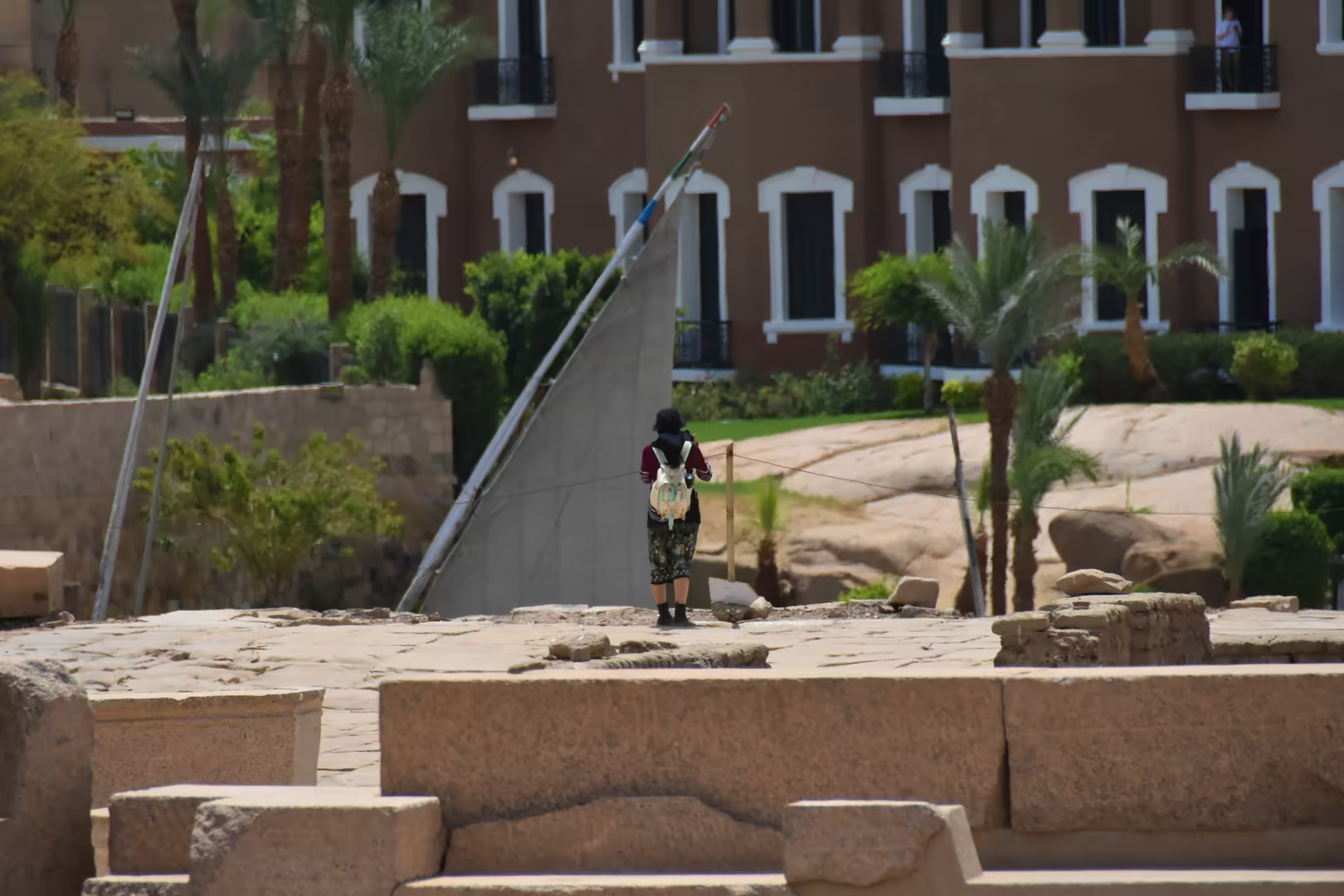
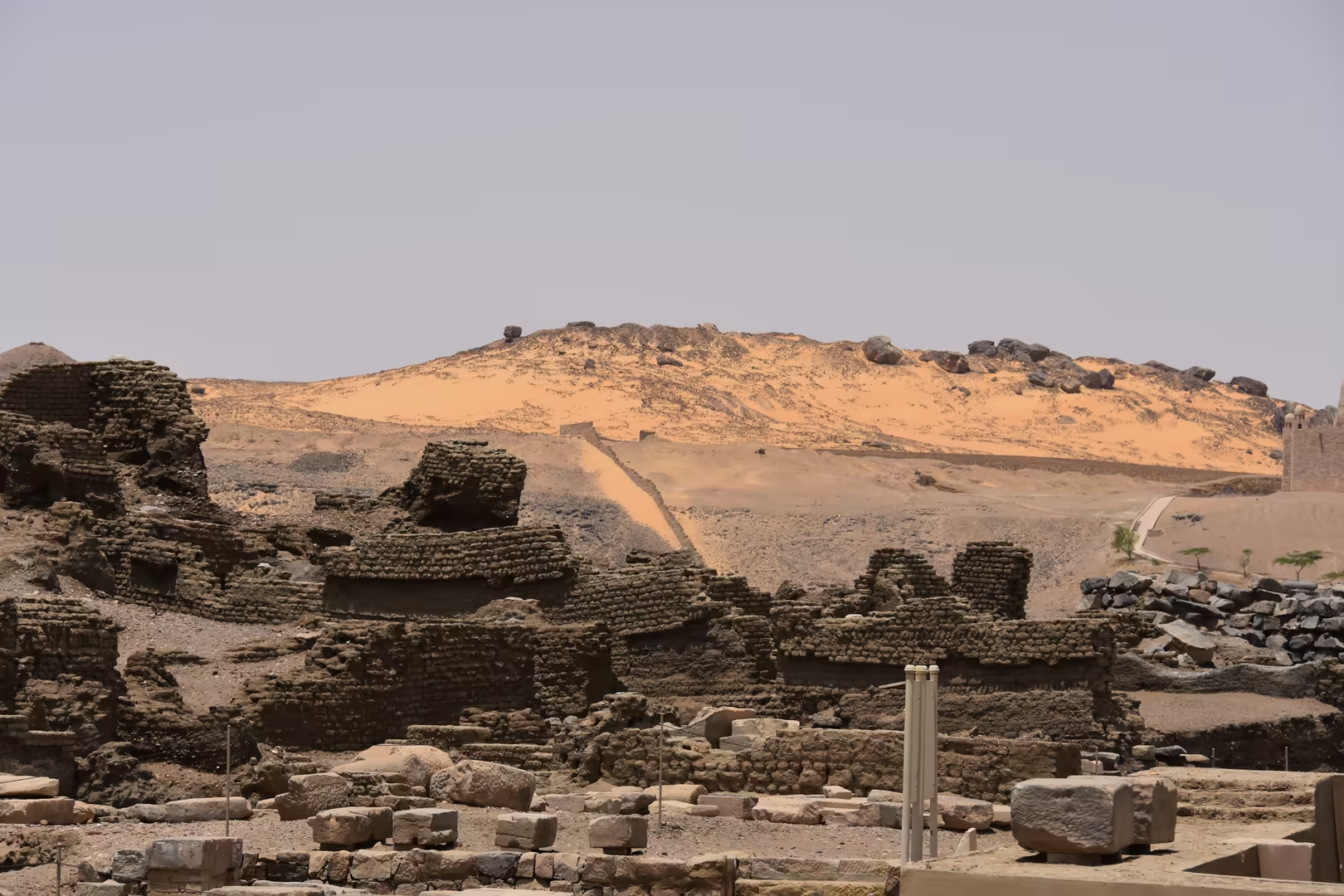
The southern end of the island is the archaeological heart of Elephantine, the site of ancient Abu. Mud-brick walls and a lone stone gate stand in the sand, a stone arch is set into an excavated mound, and the low walls of a long-excavated settlement sprawl towards the river. Paved paths thread between the dig terraces, where the walker looks down into the rooms of houses that were inhabited for three thousand years, from the early state into the Middle Ages.
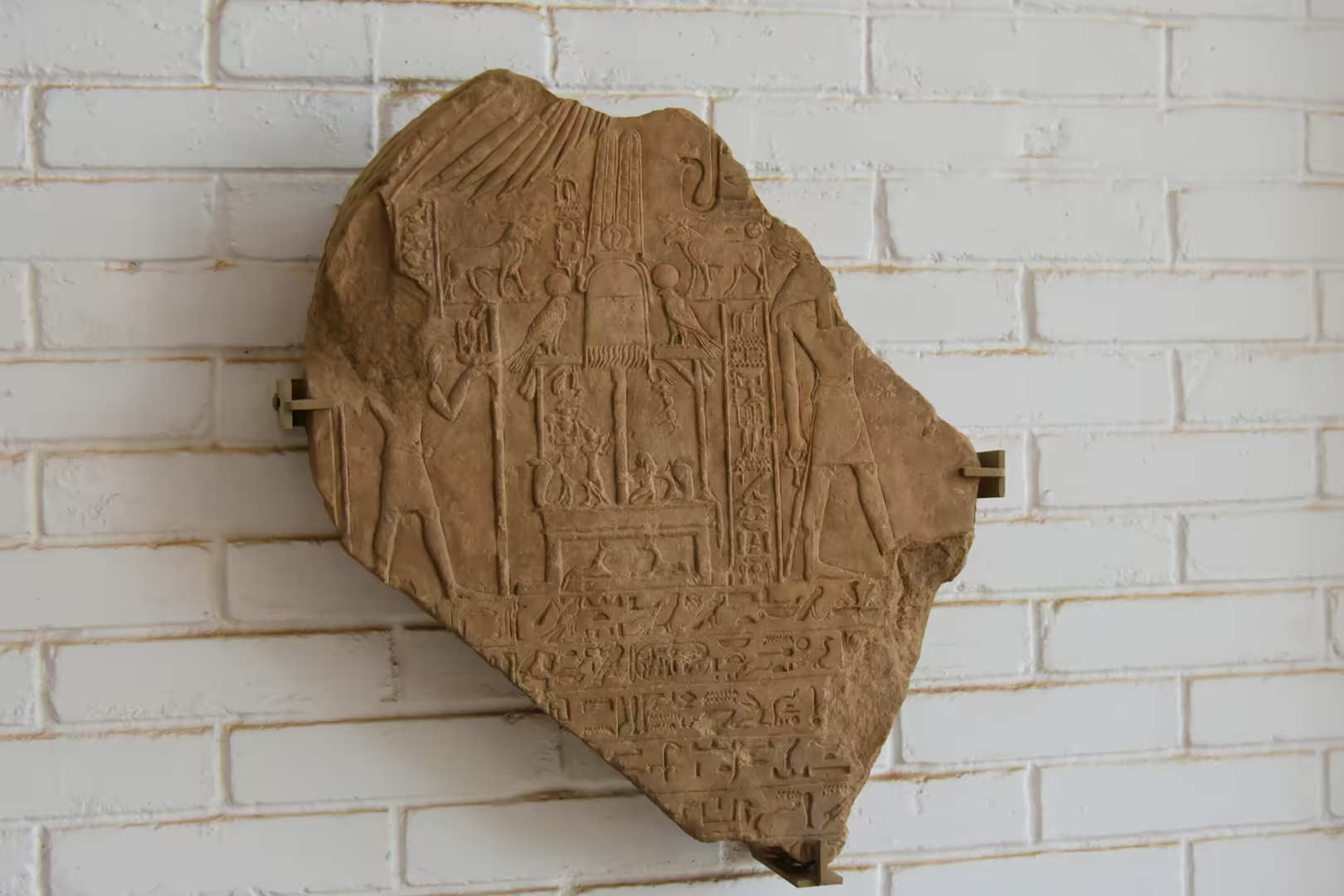
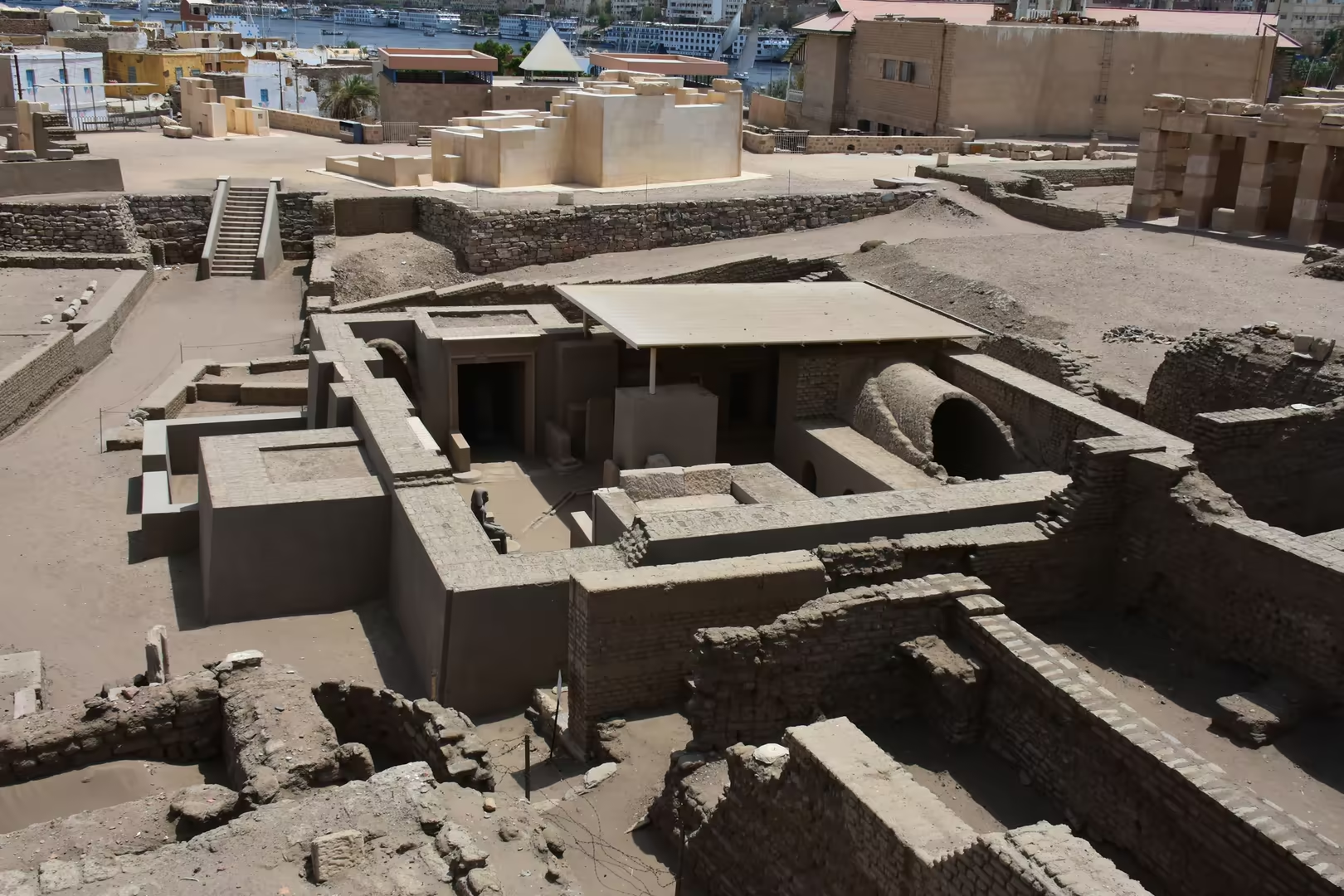
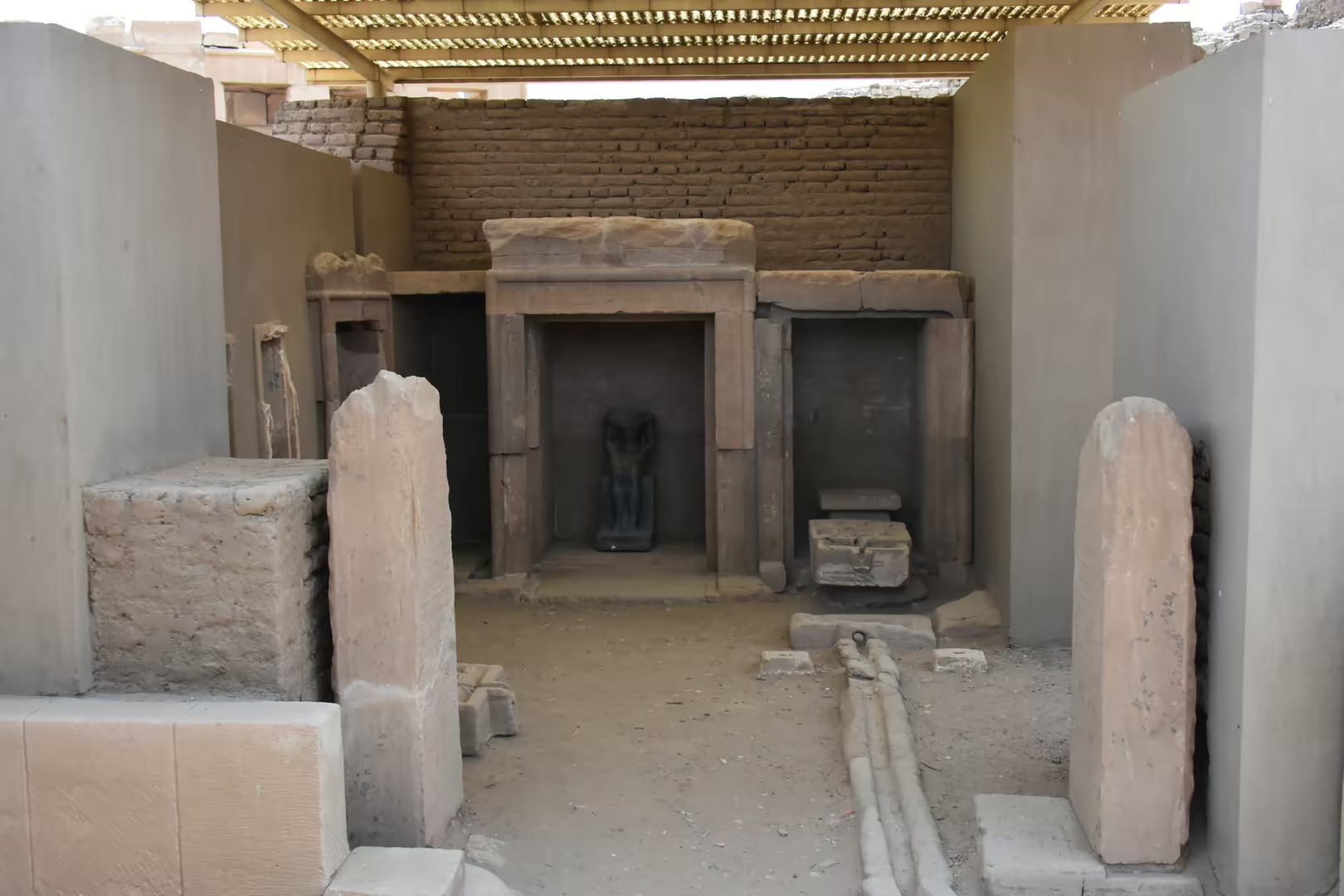
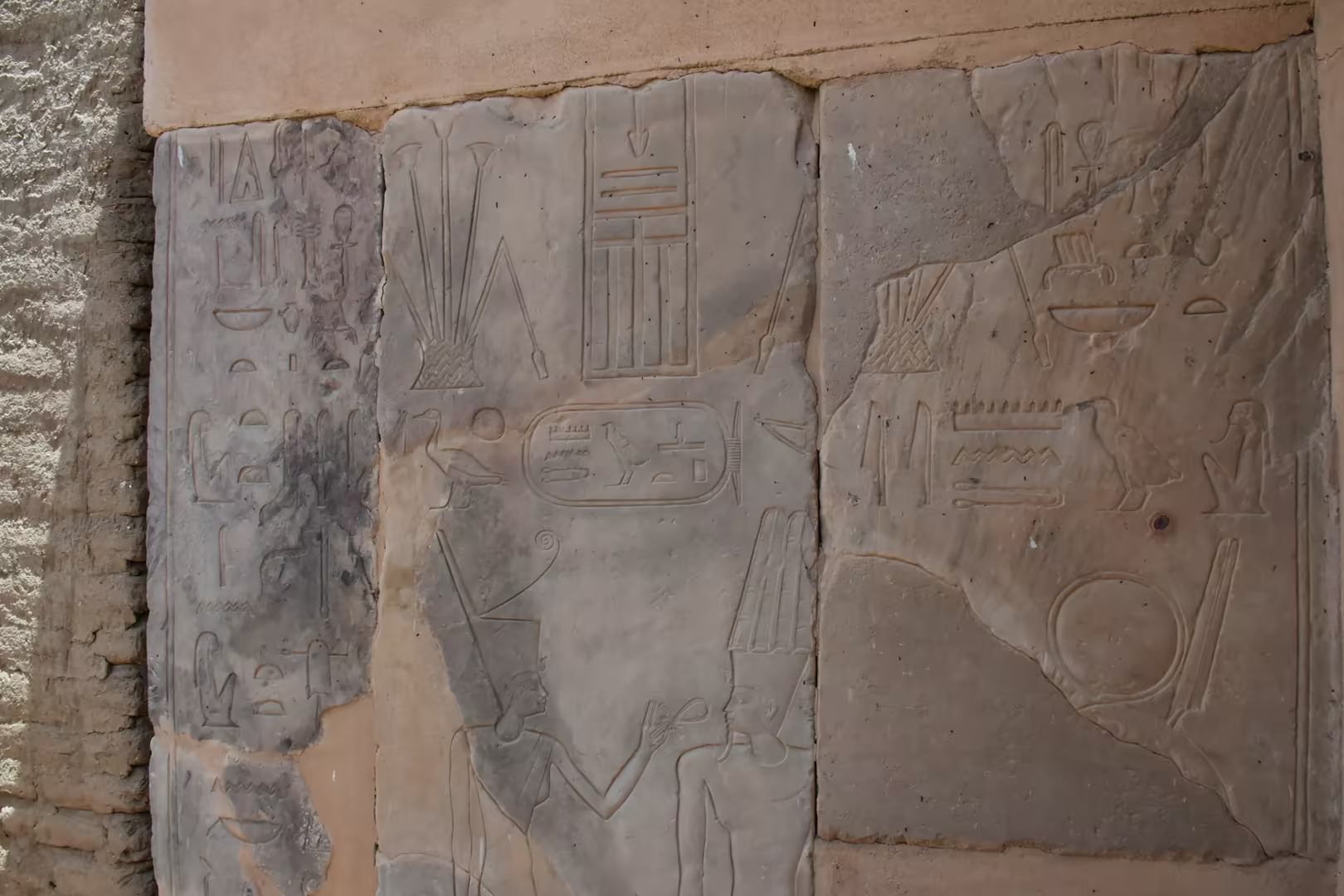
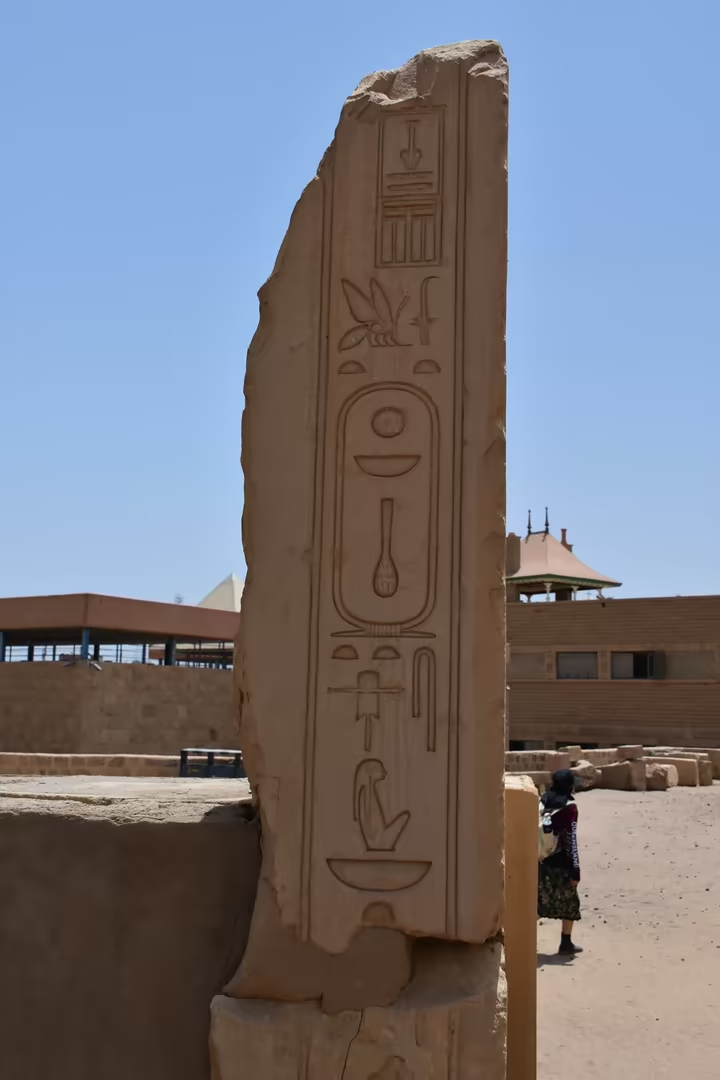
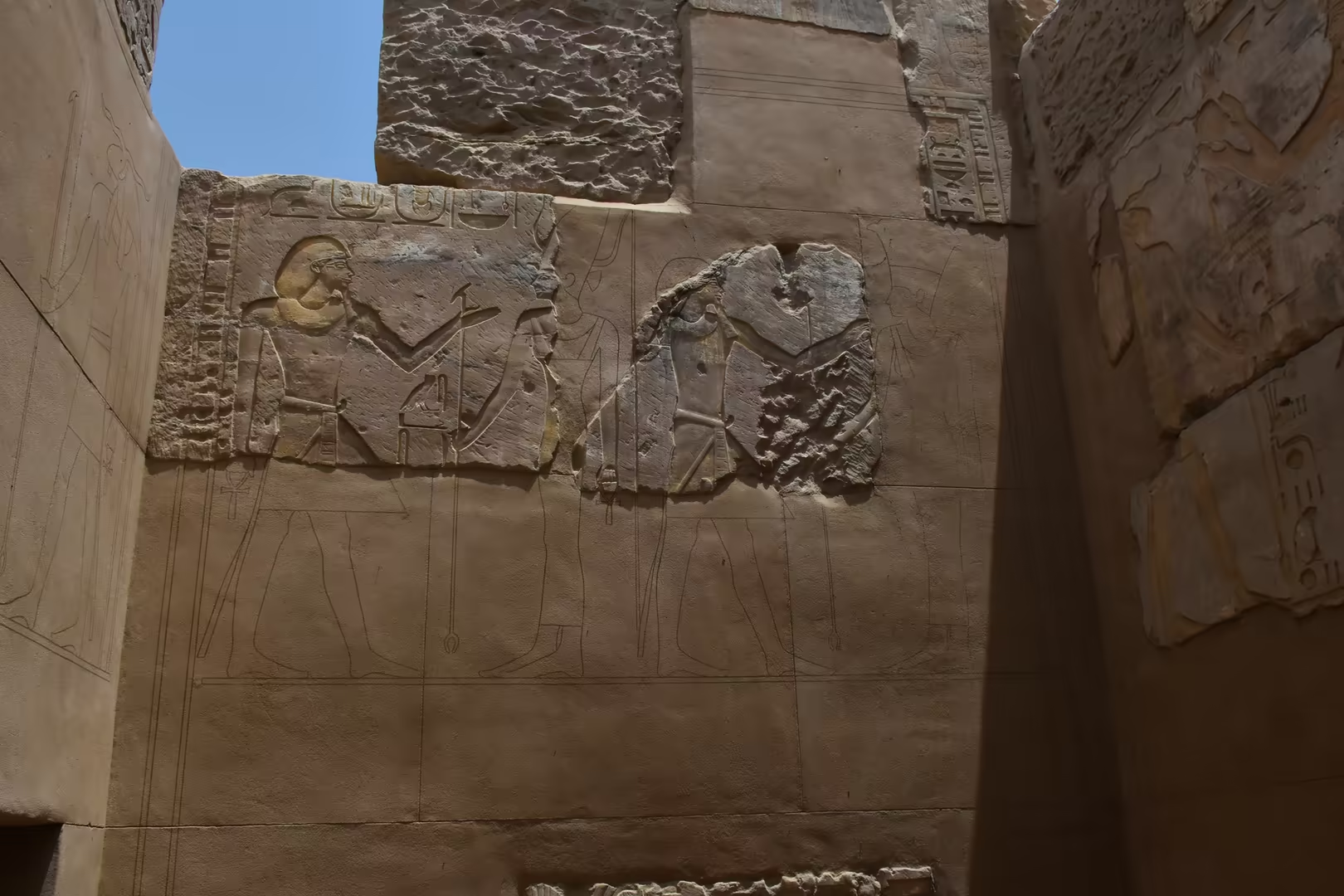
Among the ruins of the temple quarter stand tumbled sandstone masonry and column drums, a seated statue in the niche of a ruined chapel, relief fragments carved with figures and hieroglyphs, an inscribed column and tall stelae bearing royal cartouches, set upright in the open ground. This was the sacred quarter of the triad of Khnum, Satet and Anuket: the temple of Satet preserves the oldest known temple remains in Egypt, while the Khnum temple of the Late and Greco-Roman periods lost most of its masonry to later builders, some of it reused in the construction of a canal. Close by, the Aswan Museum occupies the villa of Sir William Willcocks, its palm-shaded garden sheltering objects from the German excavations, among them the mummified rams of Khnum. Between the museum and the river stands the reconstructed Eighteenth-Dynasty temple of Satet, rebuilt over the cult niche of 3200 BC, and at its side the staircase of the nilometer descends towards the river whose water once rose against the granite every summer.
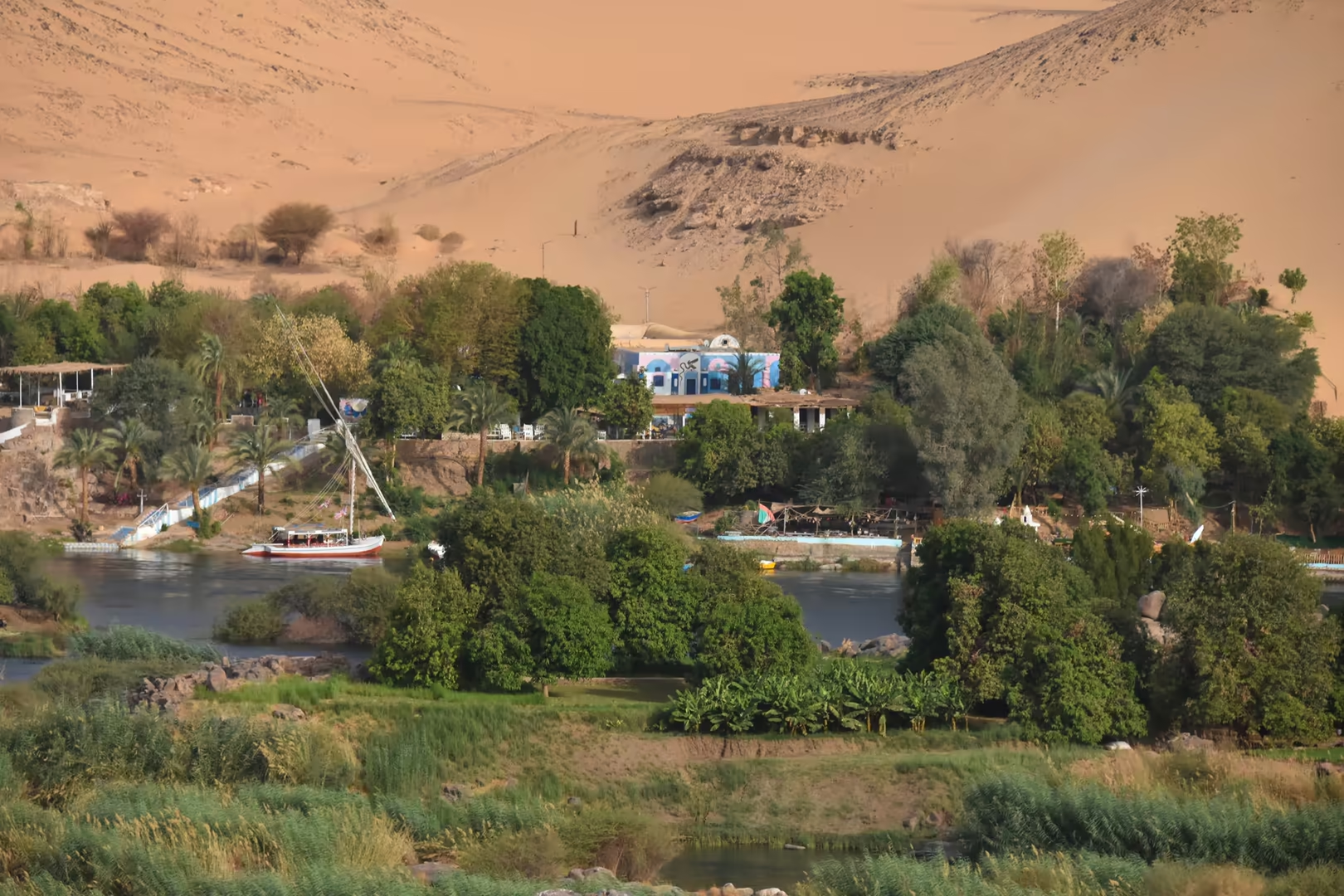
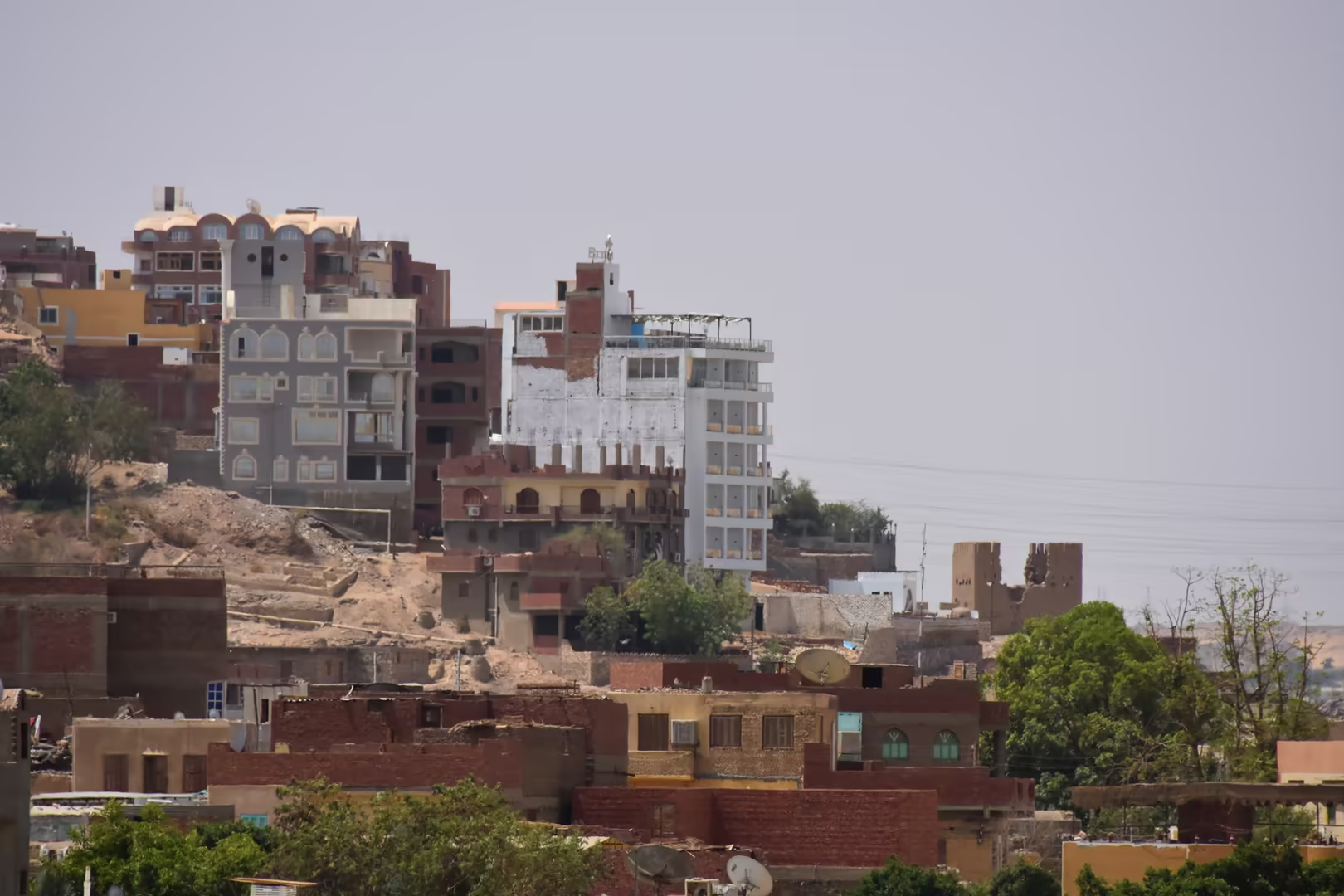
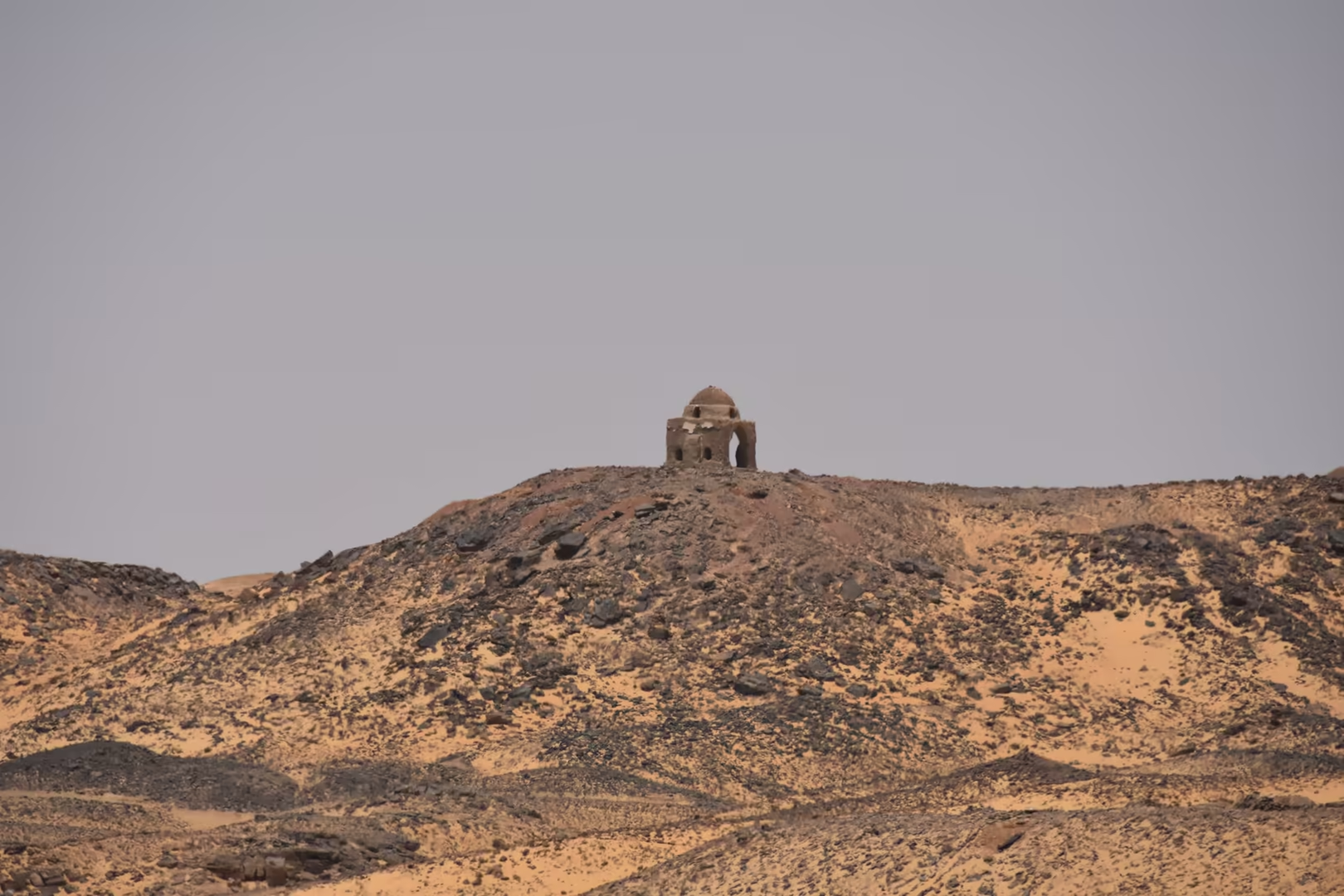
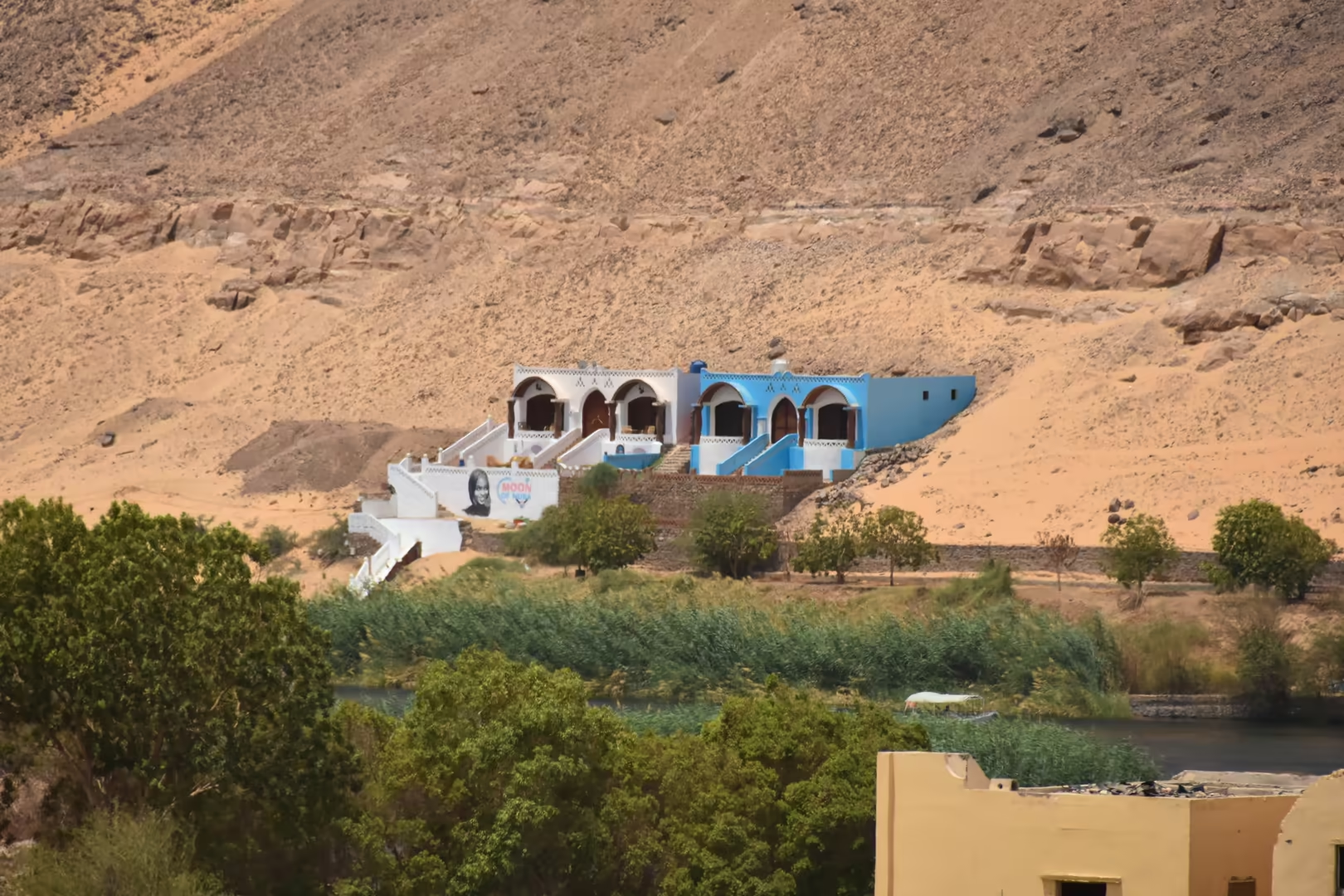
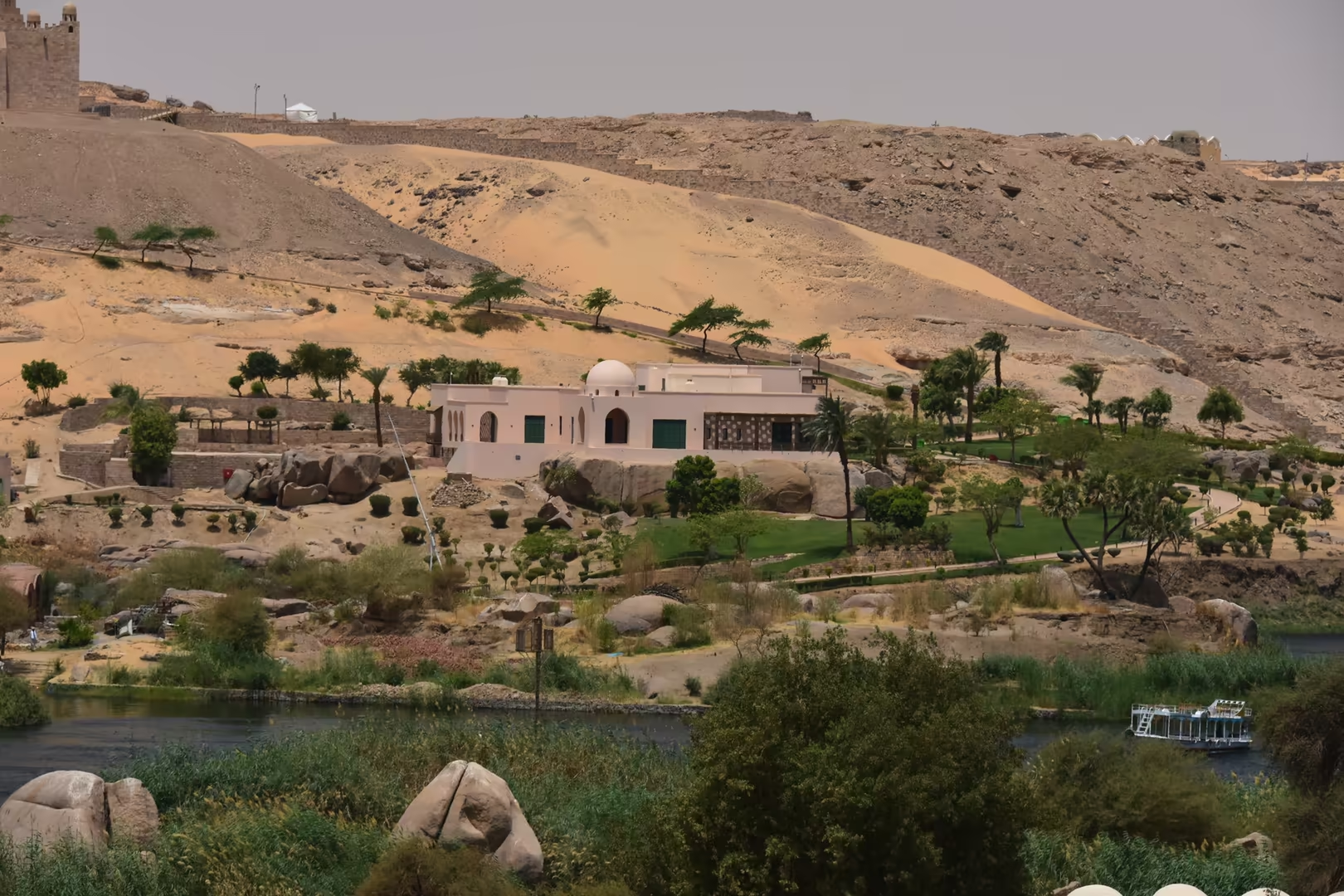
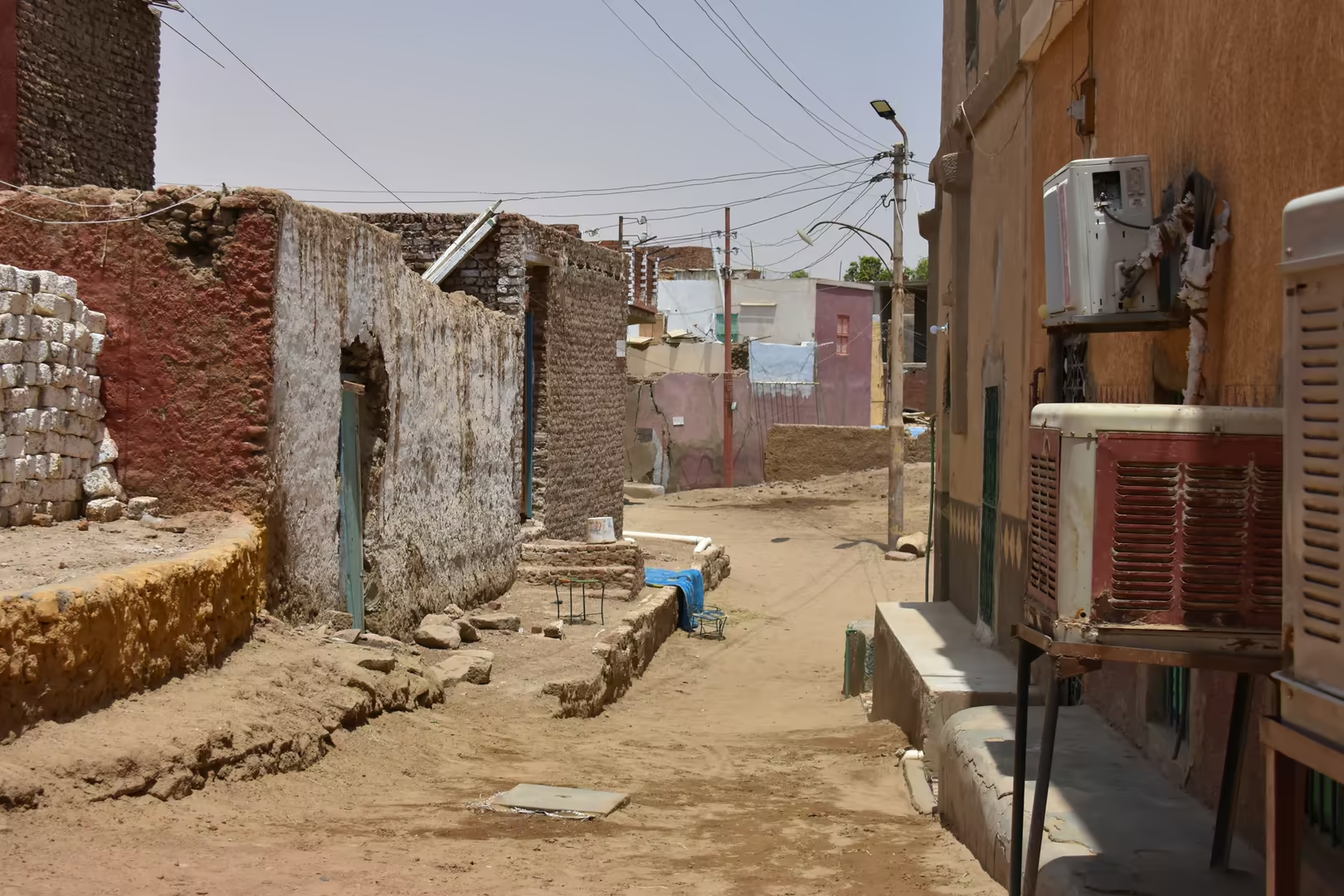
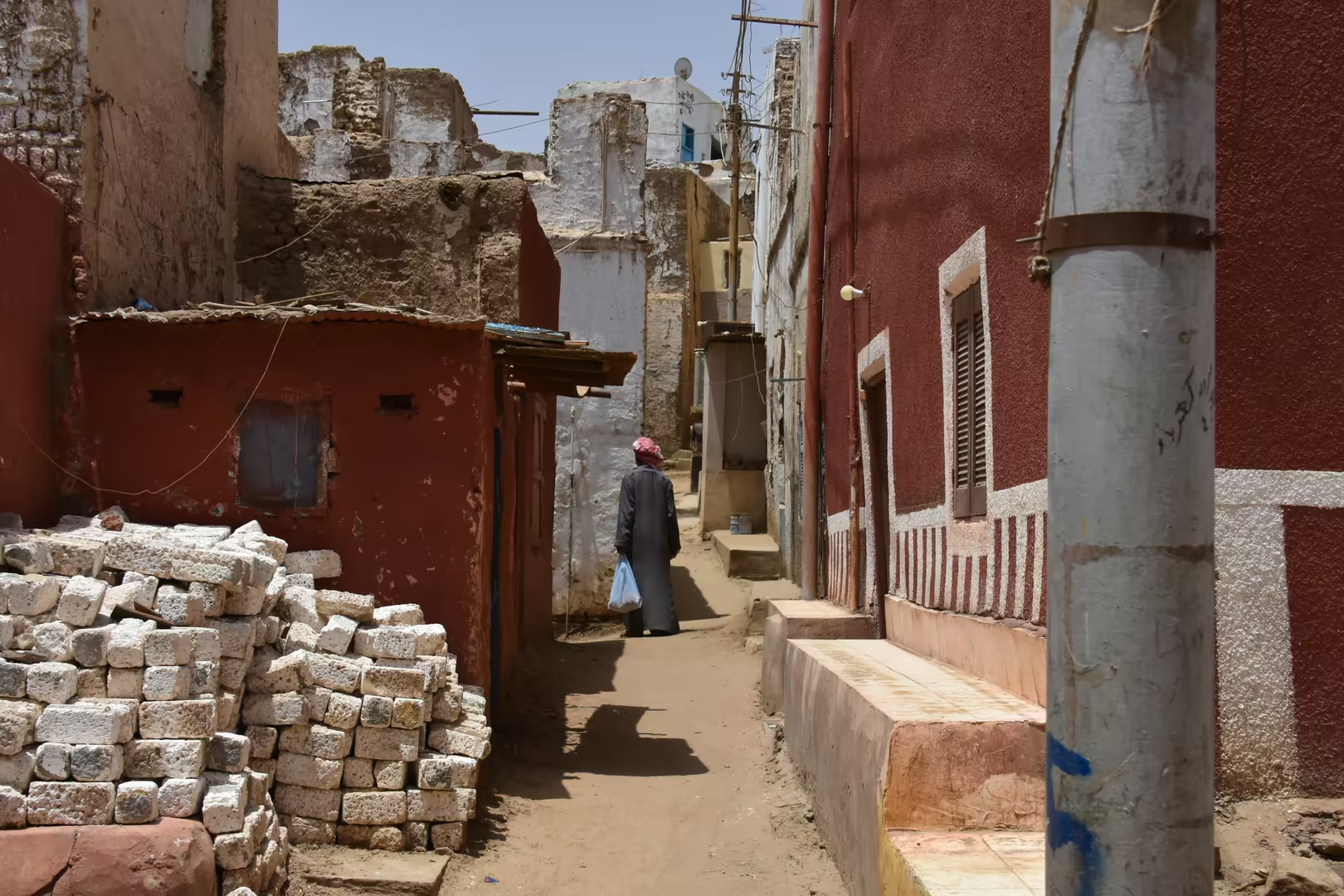
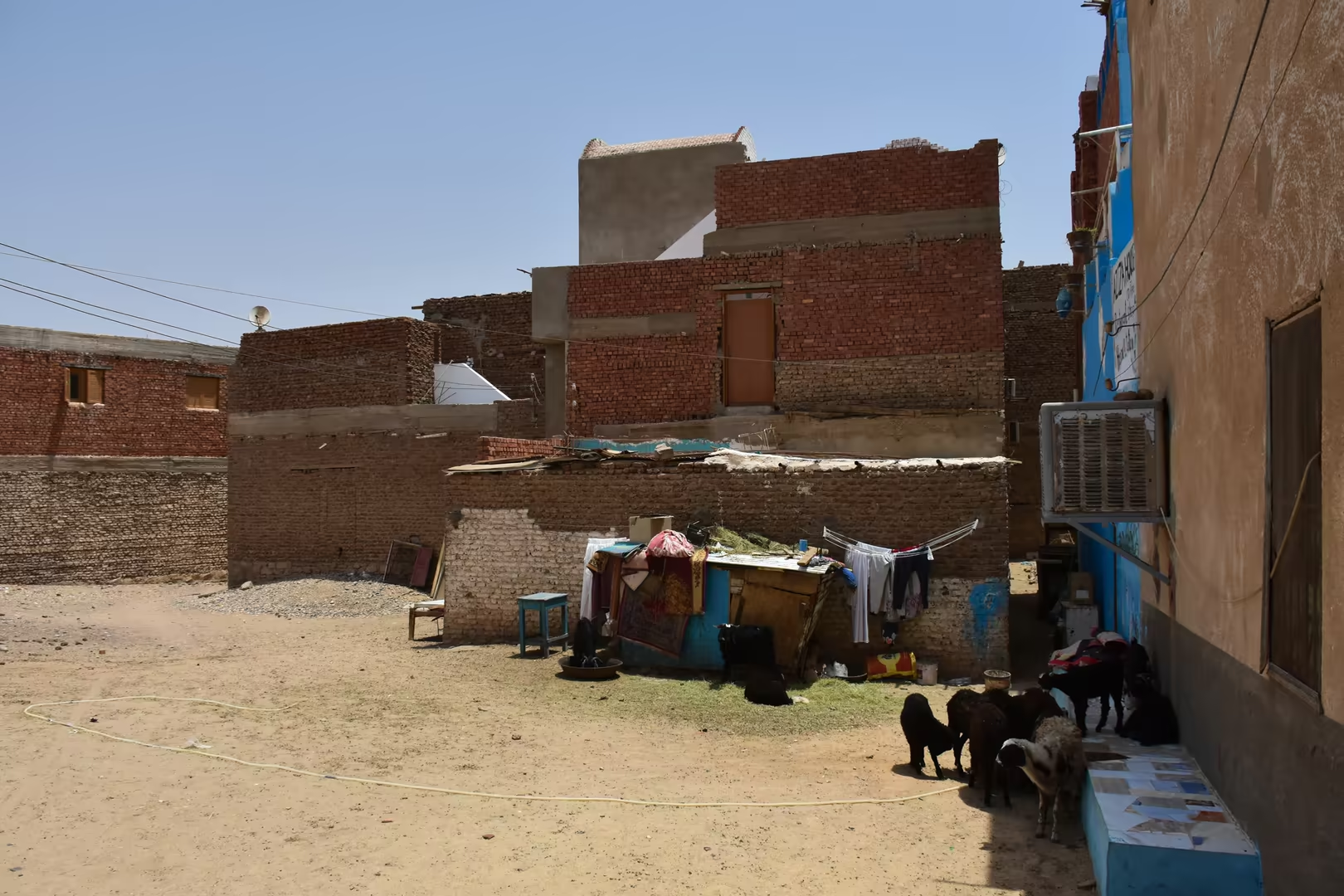
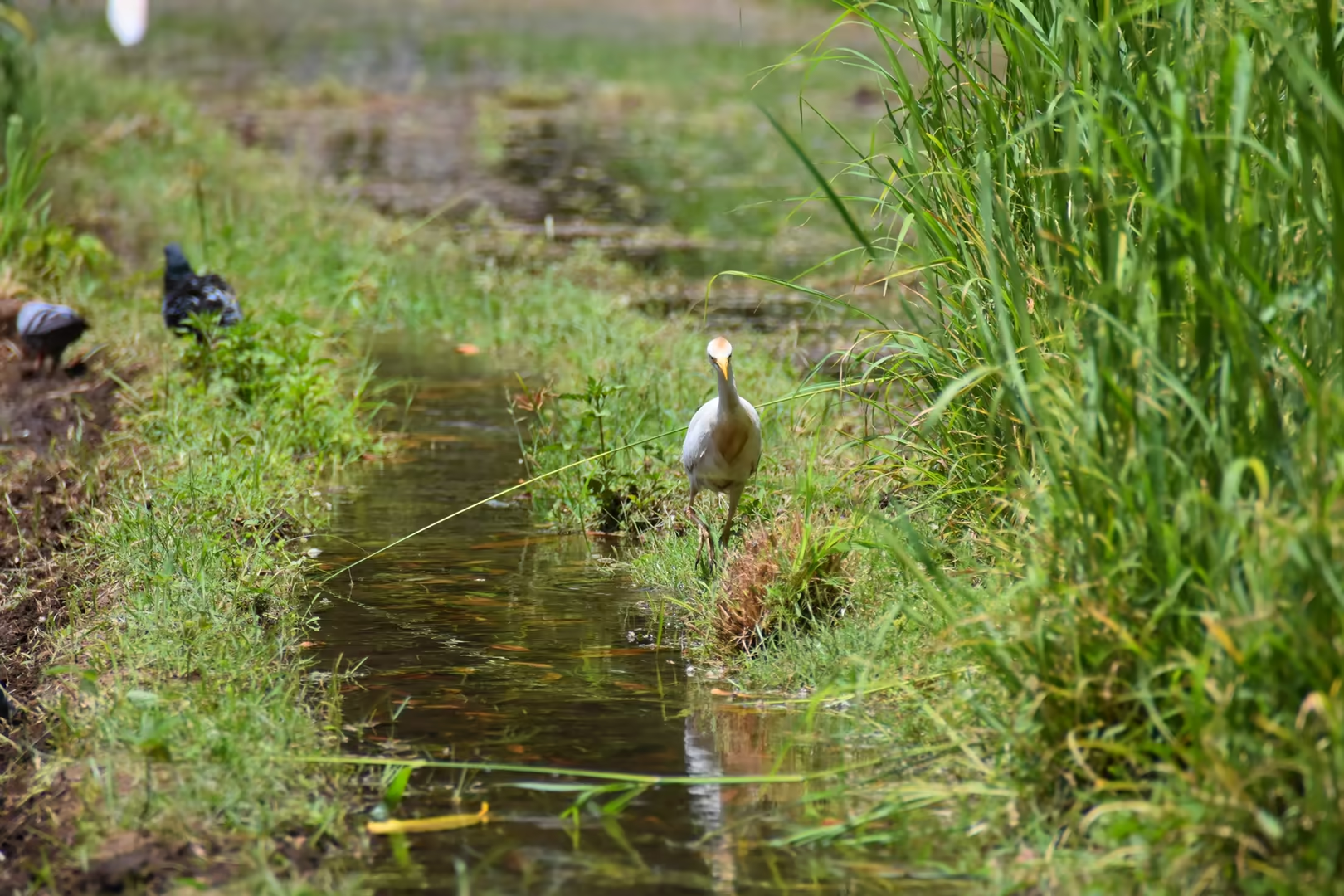
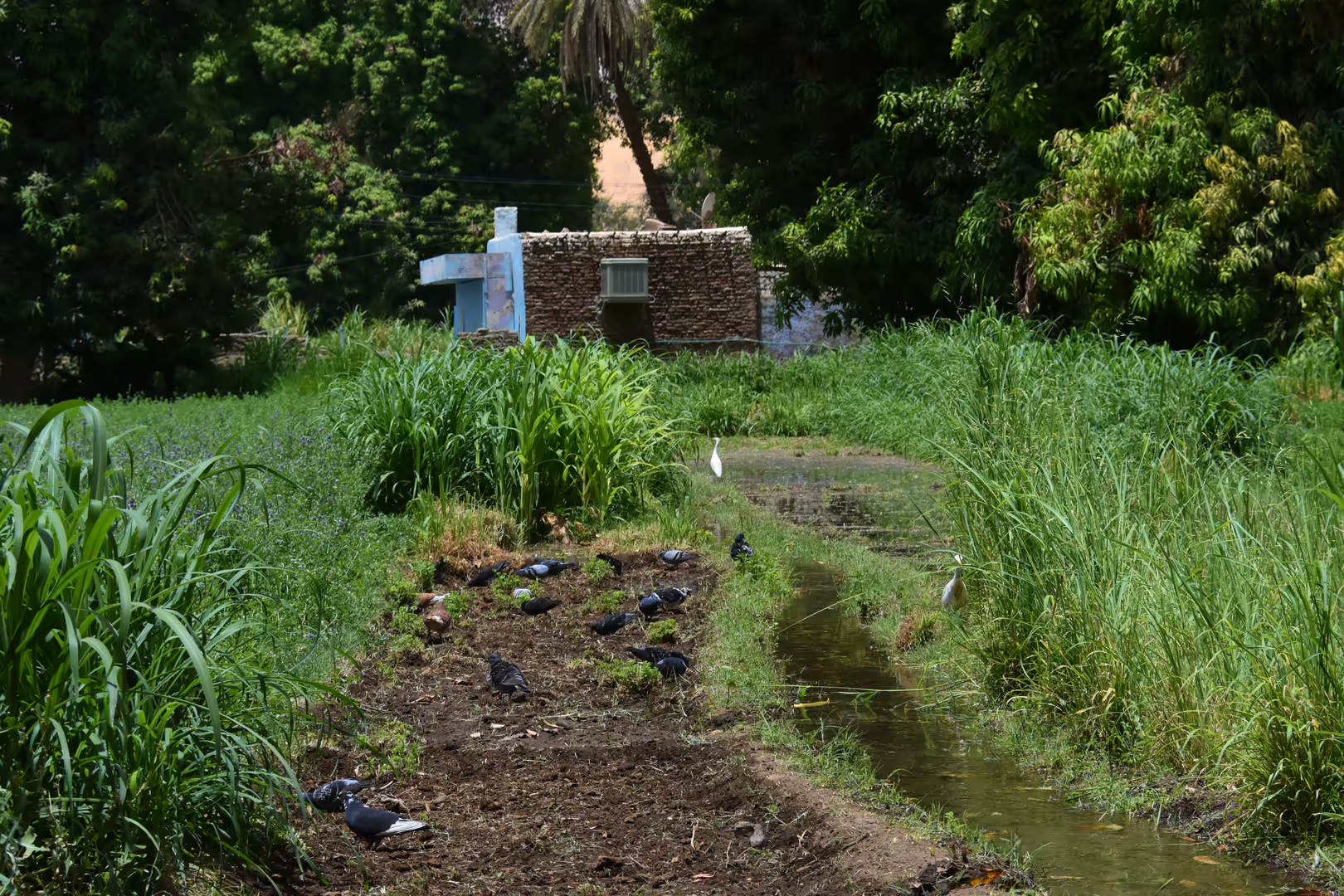
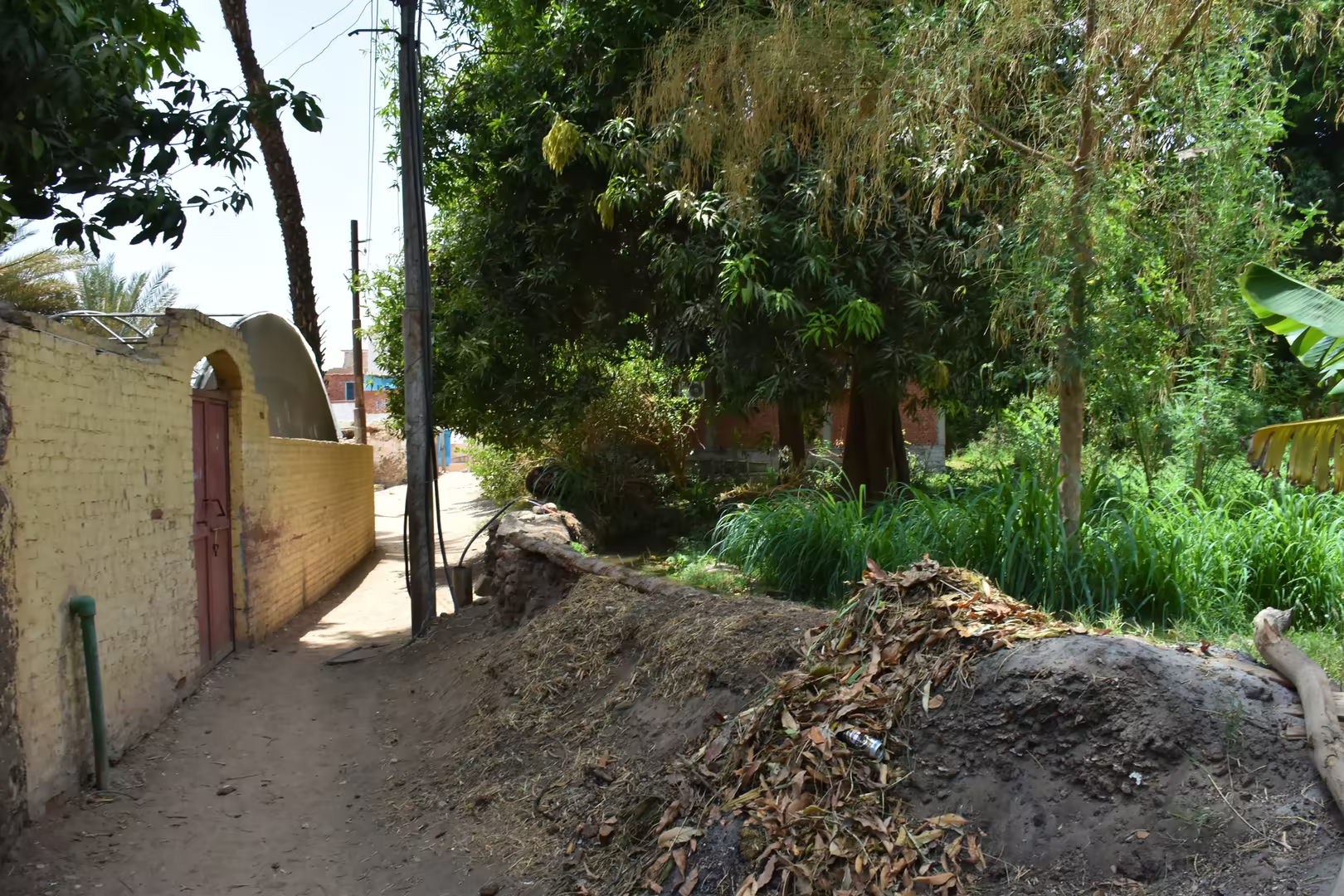
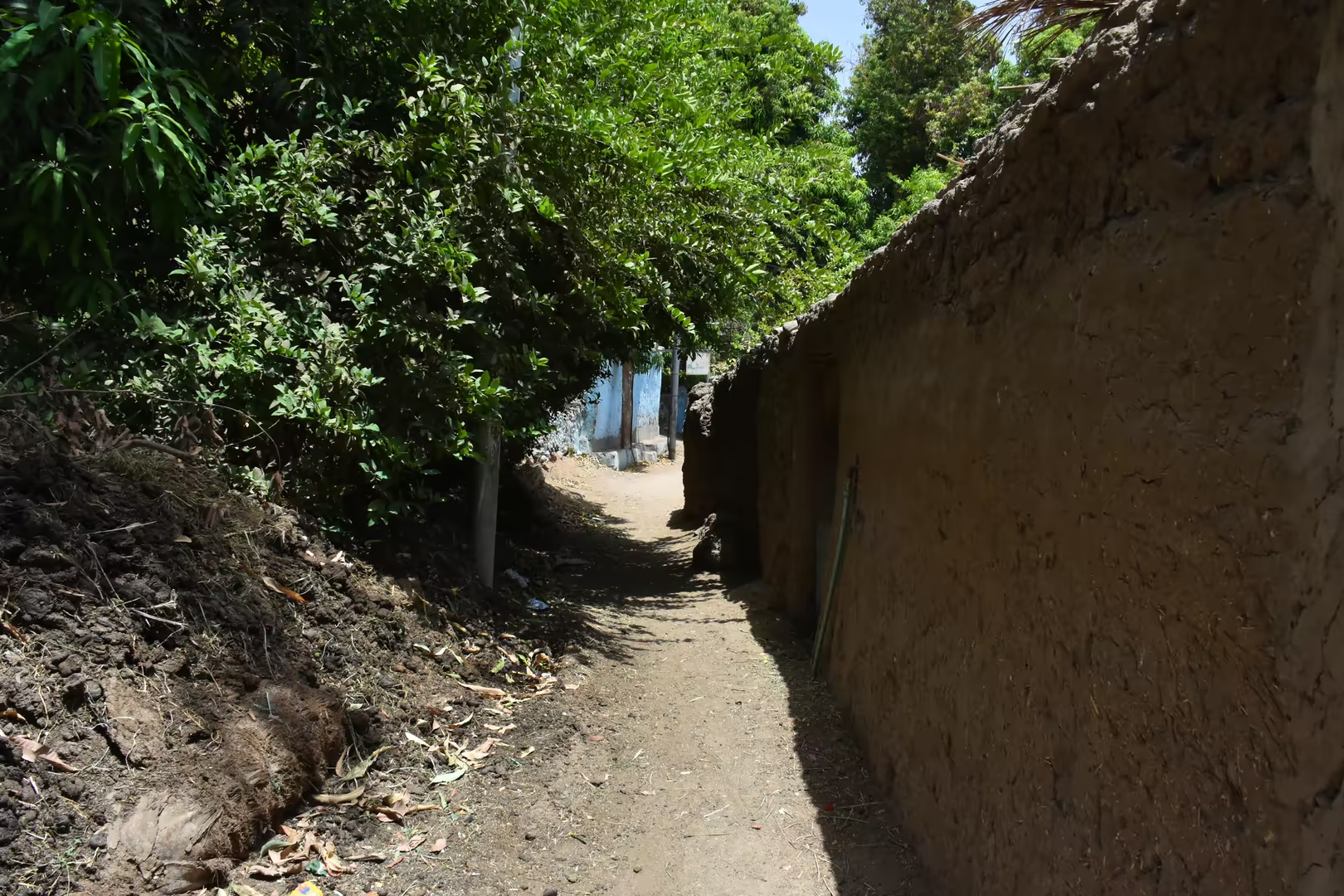
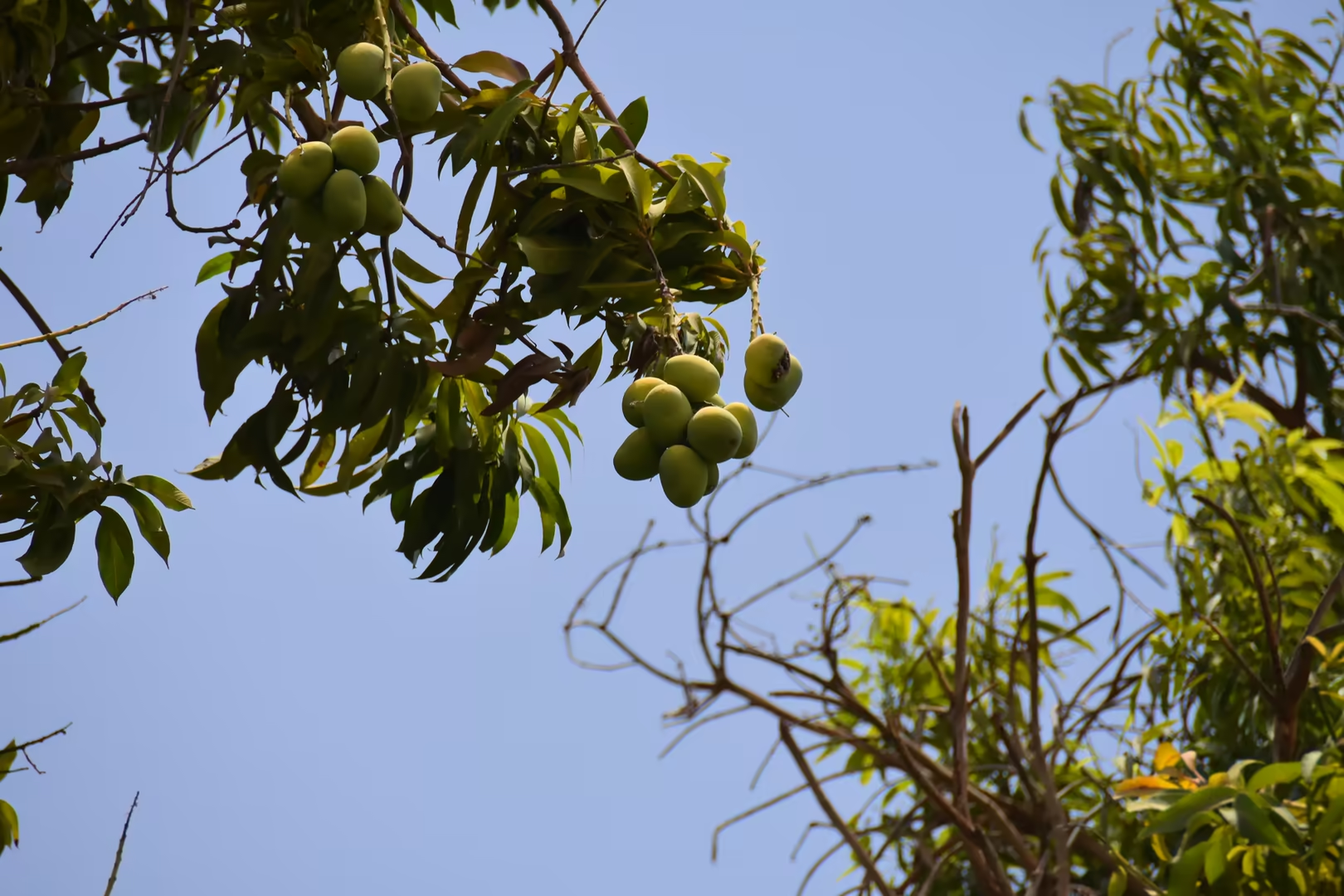
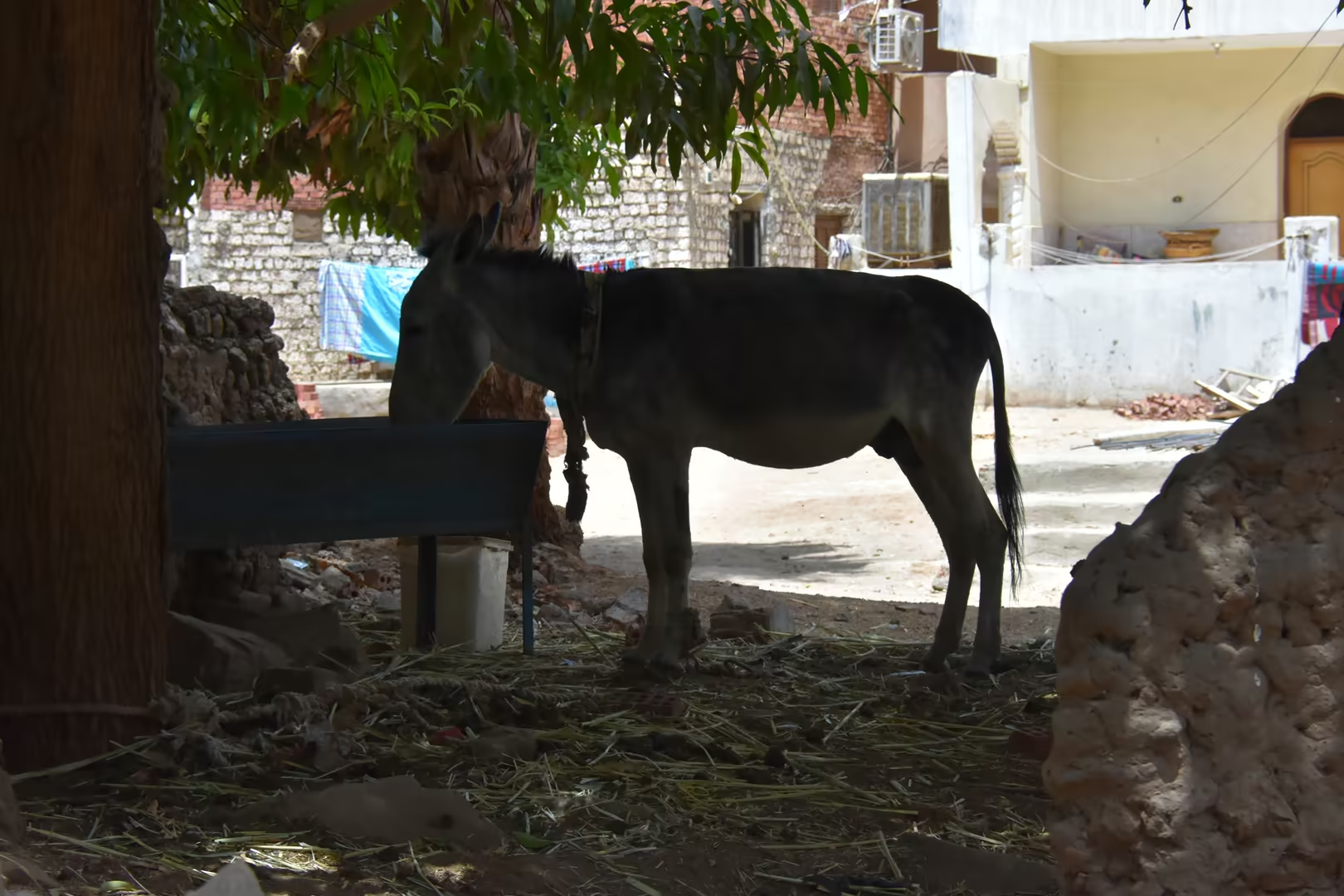
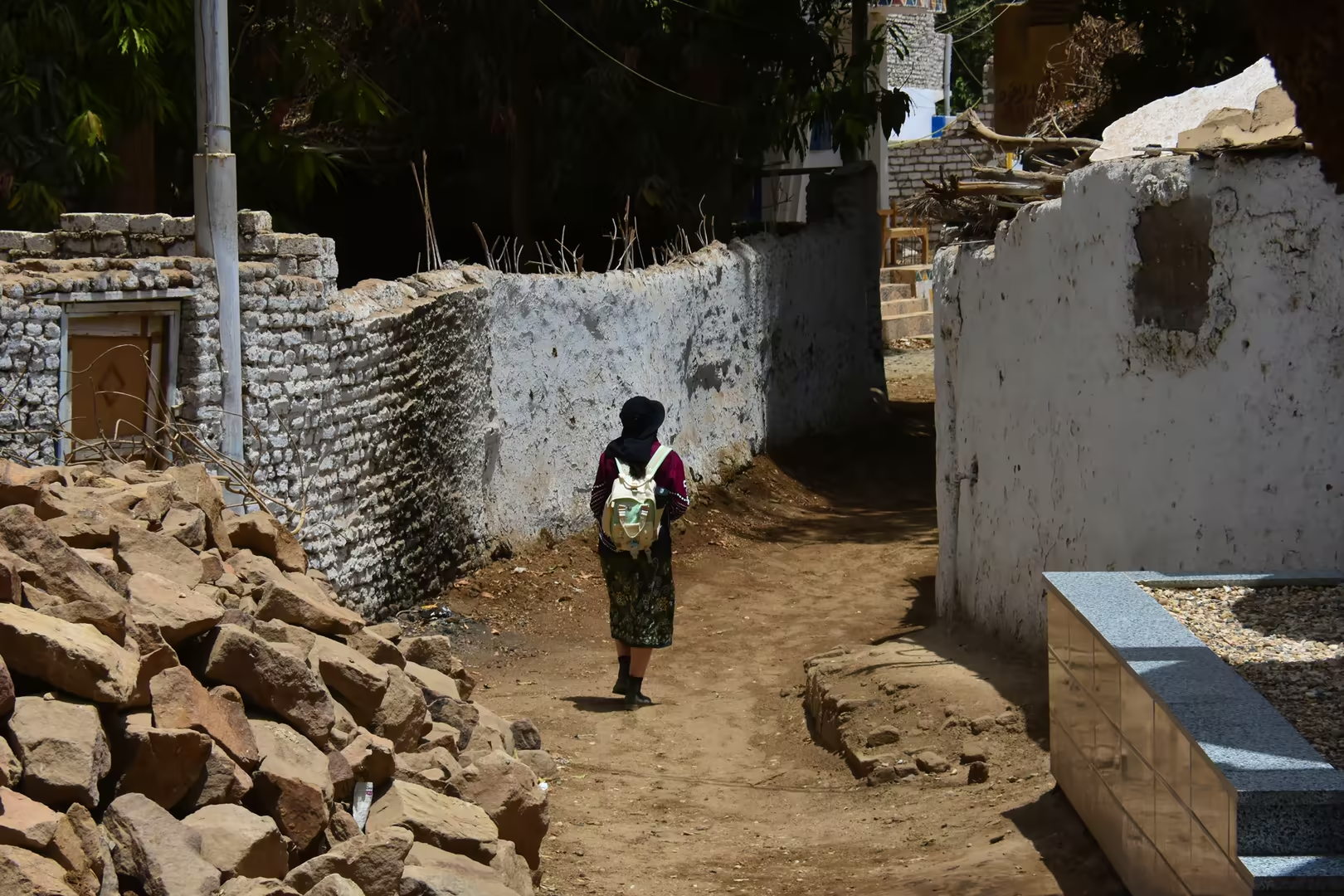
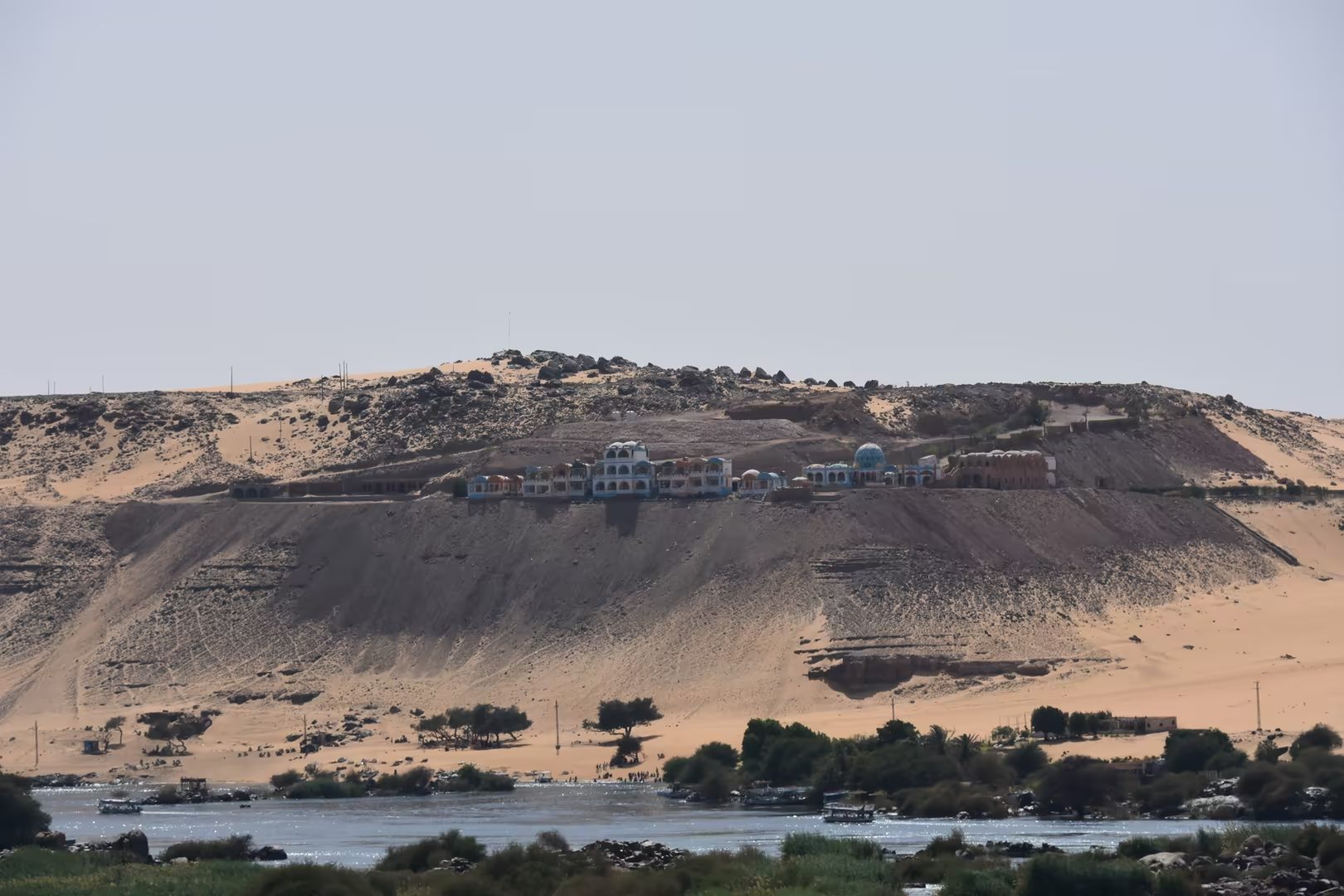
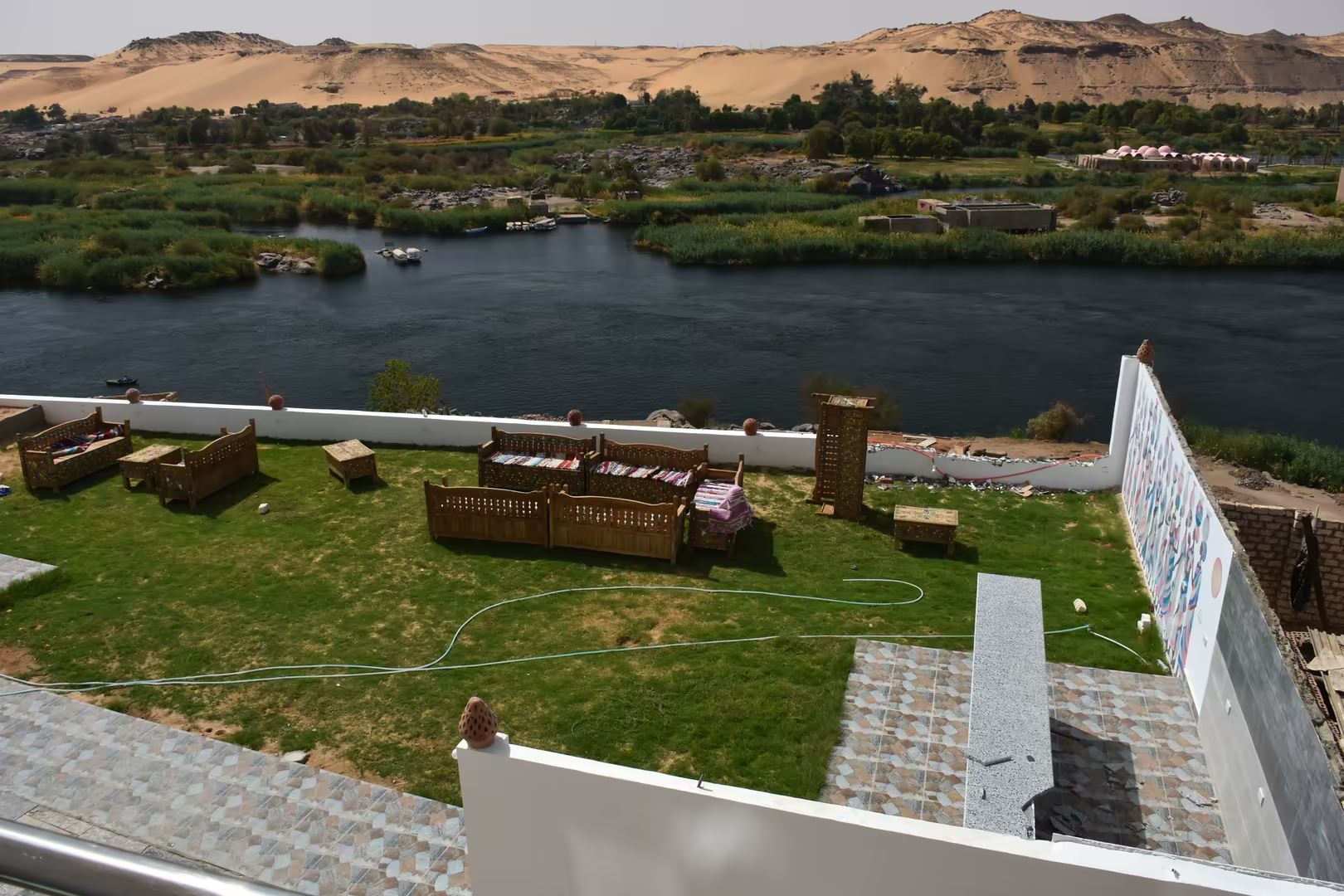
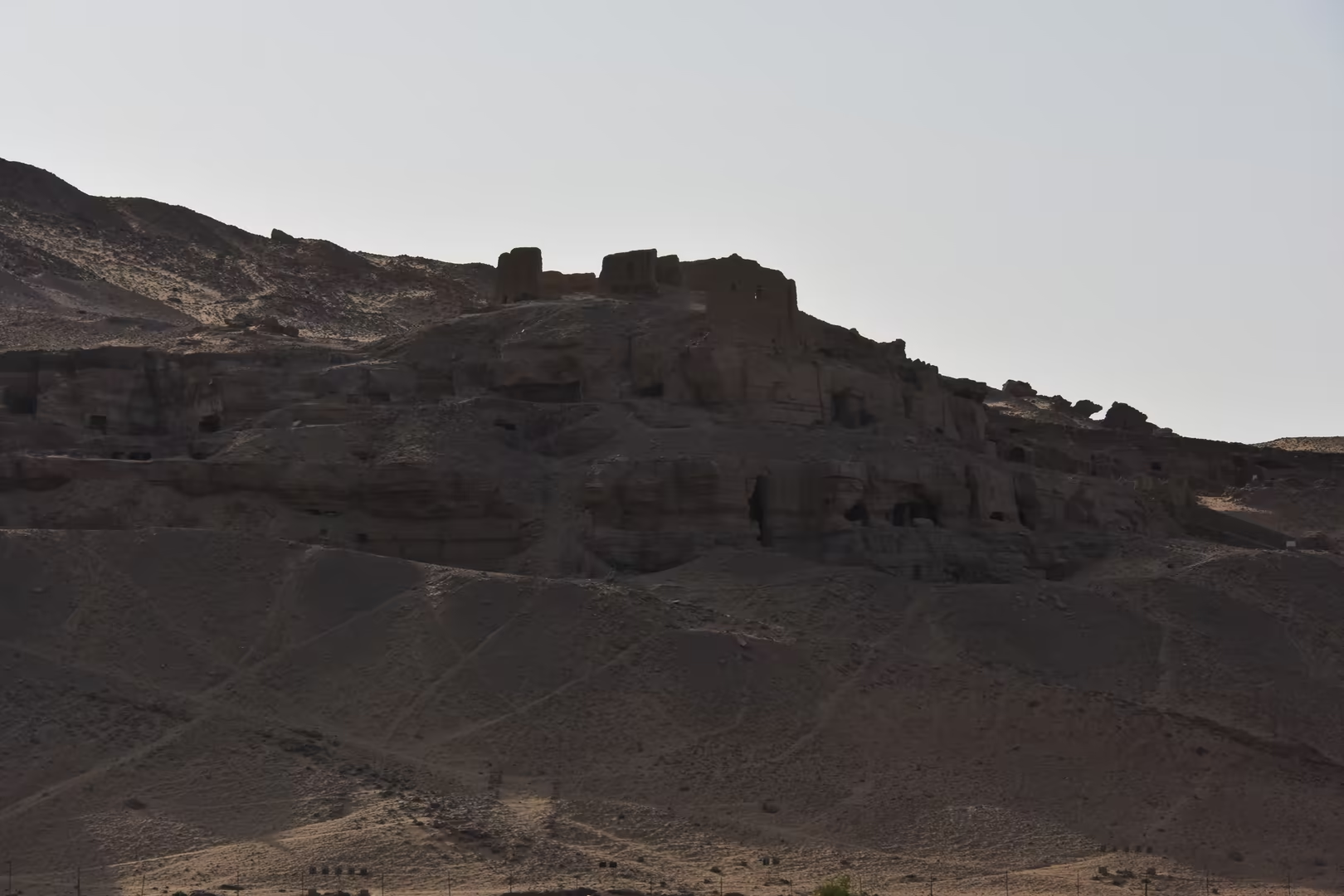
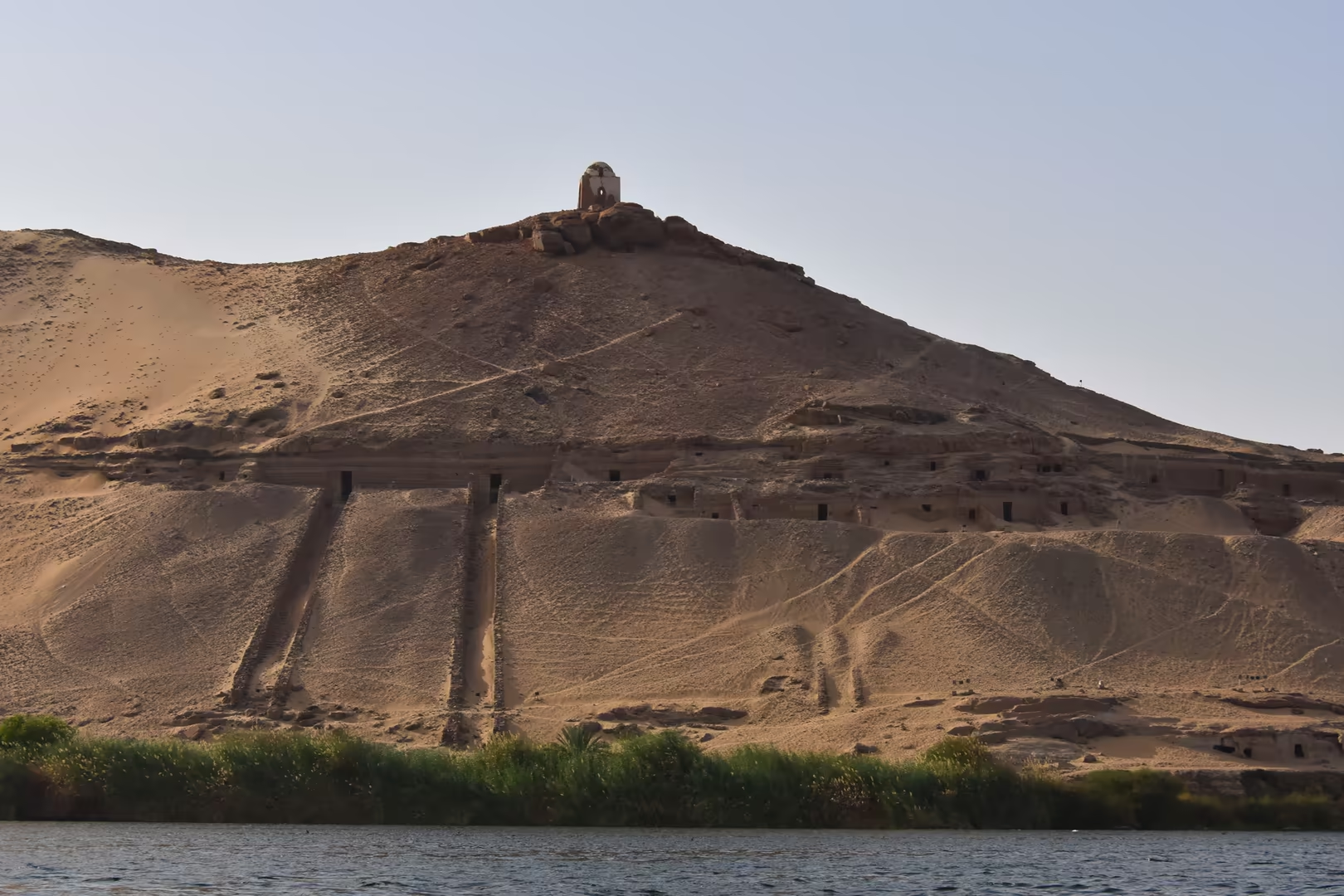
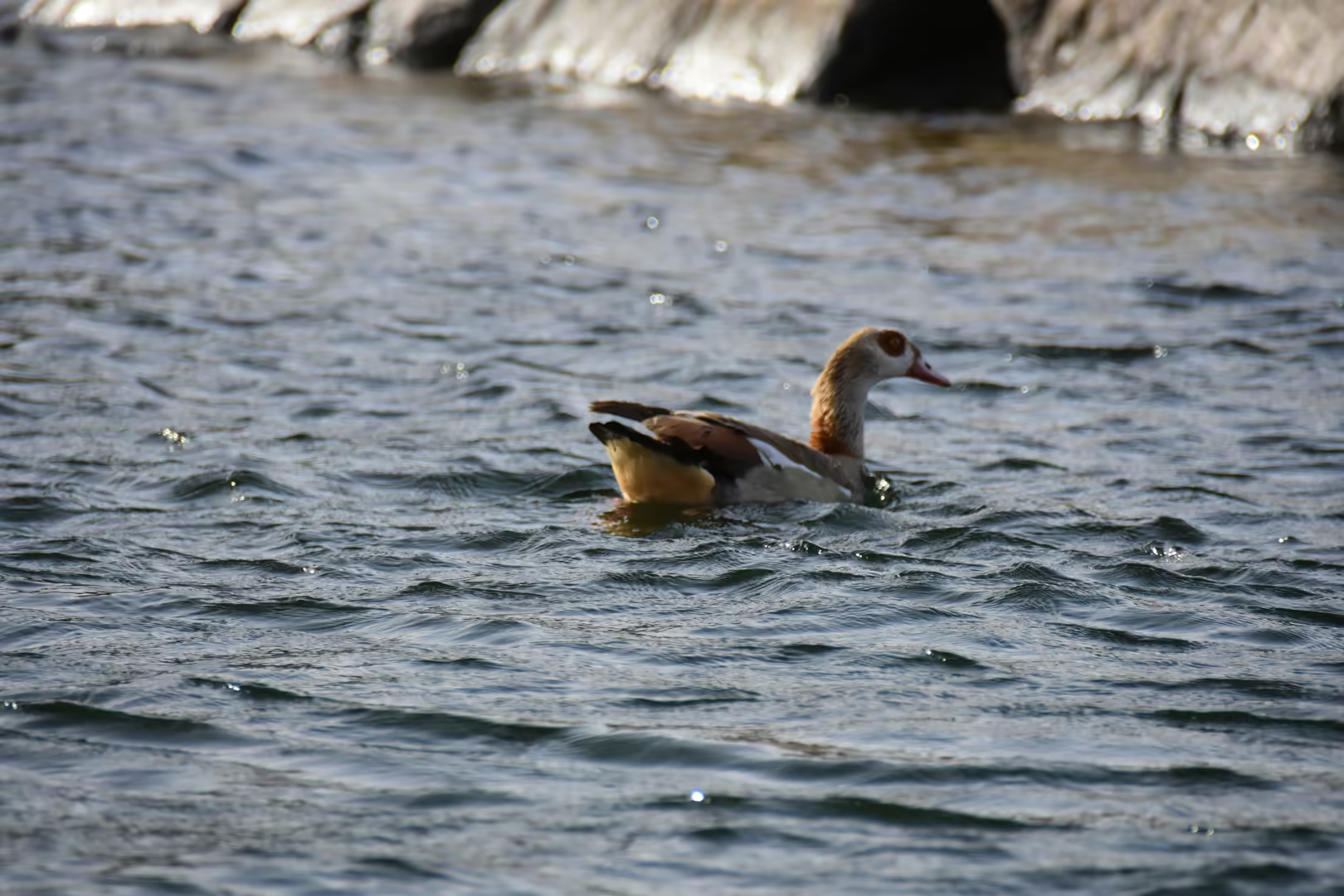
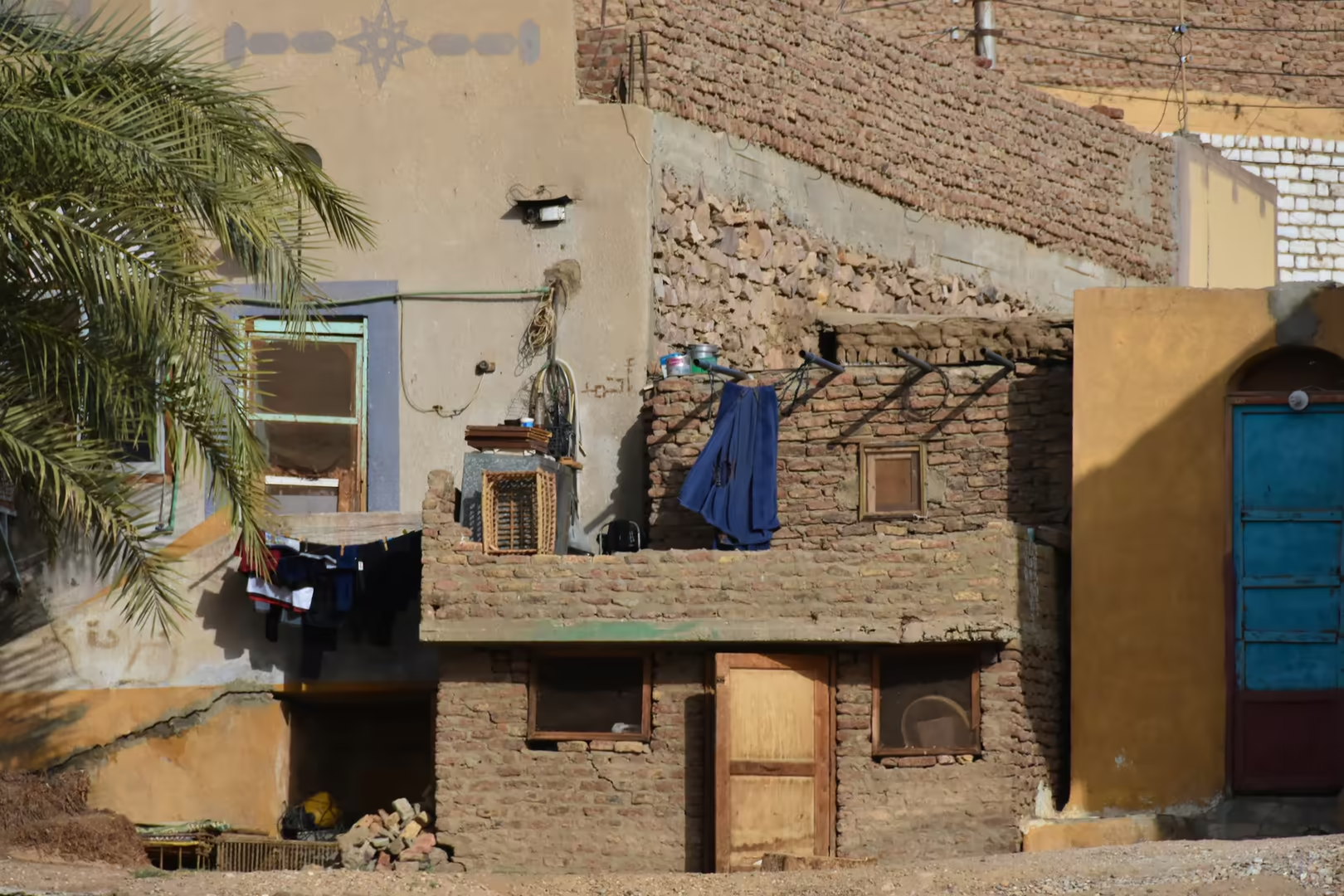
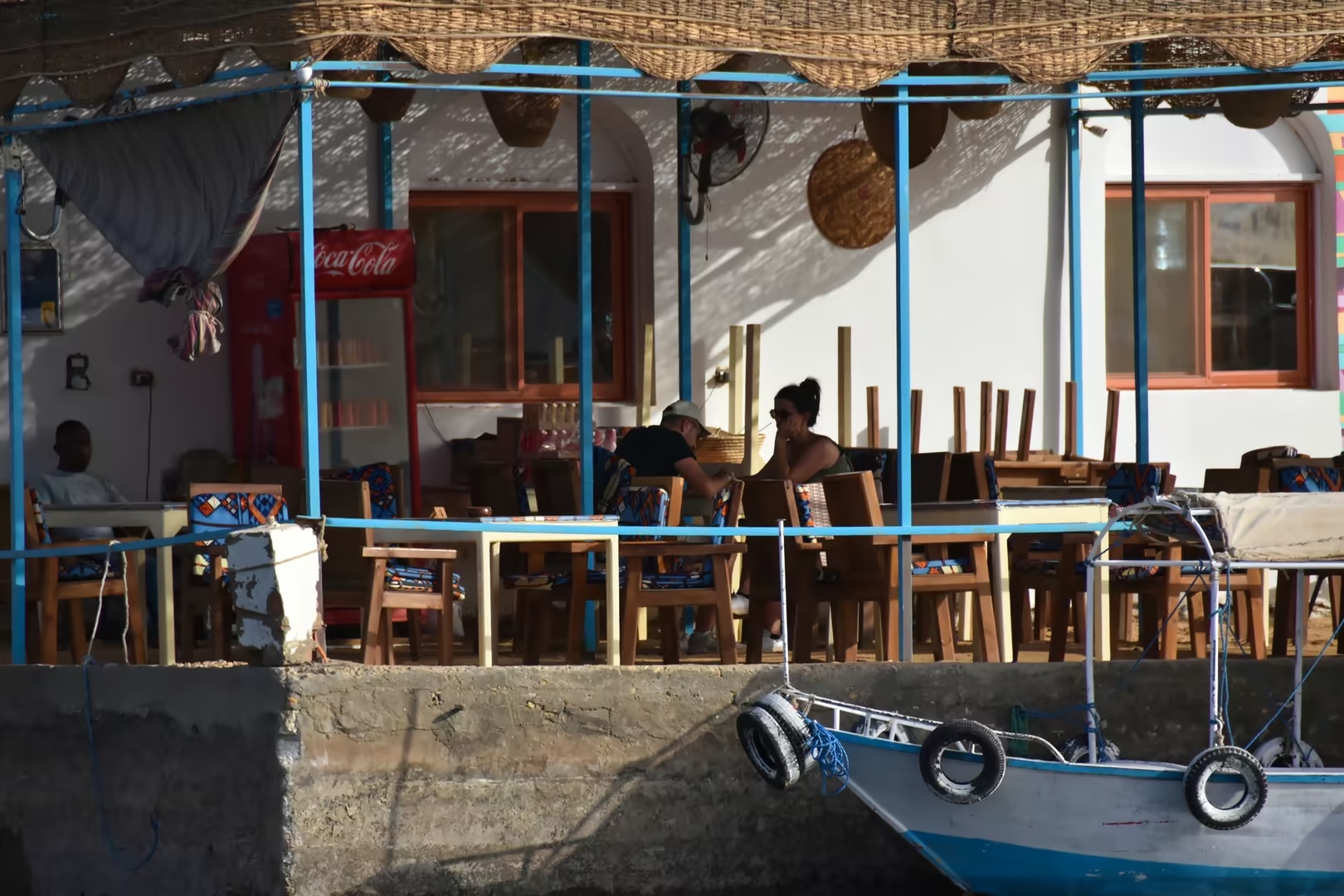
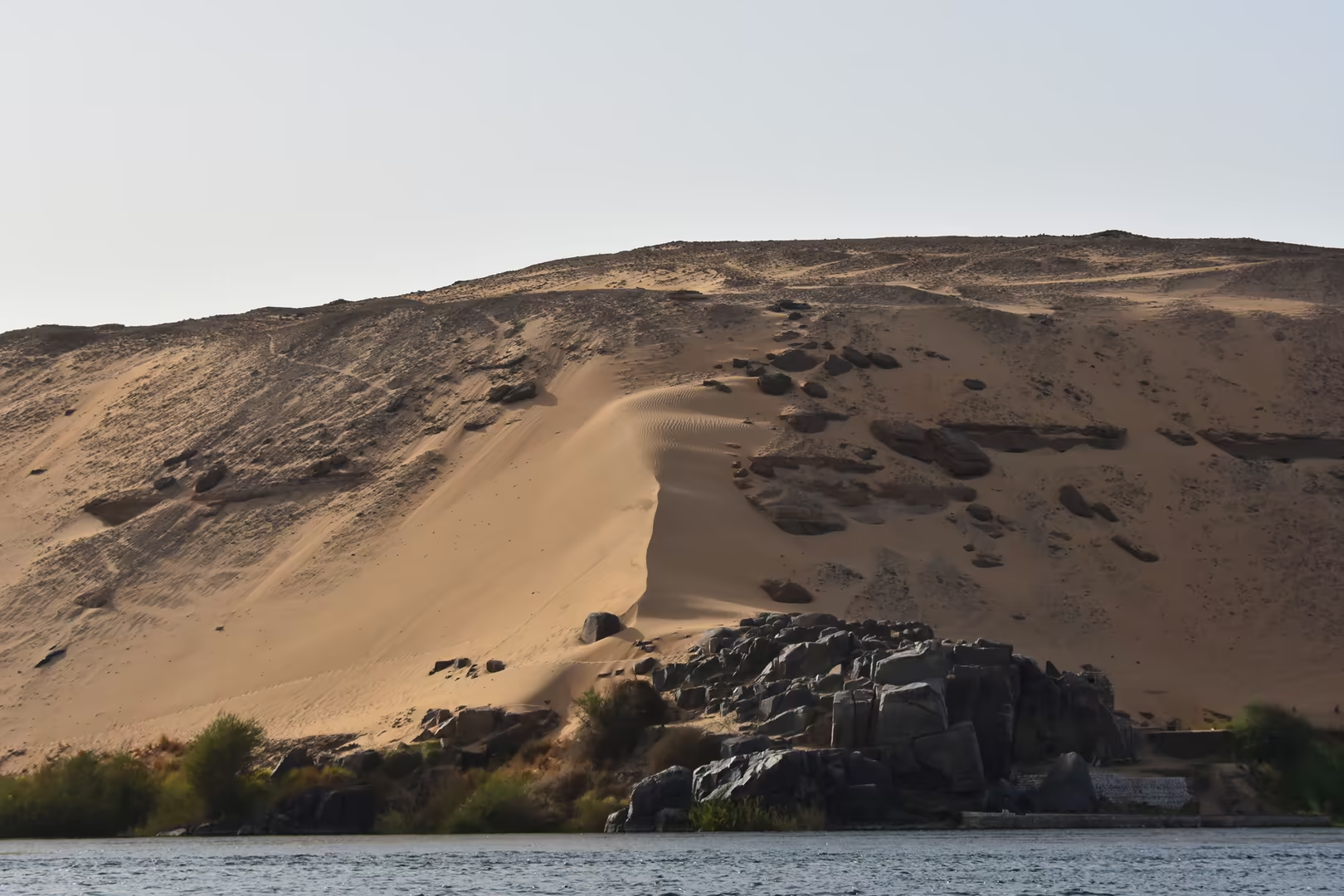
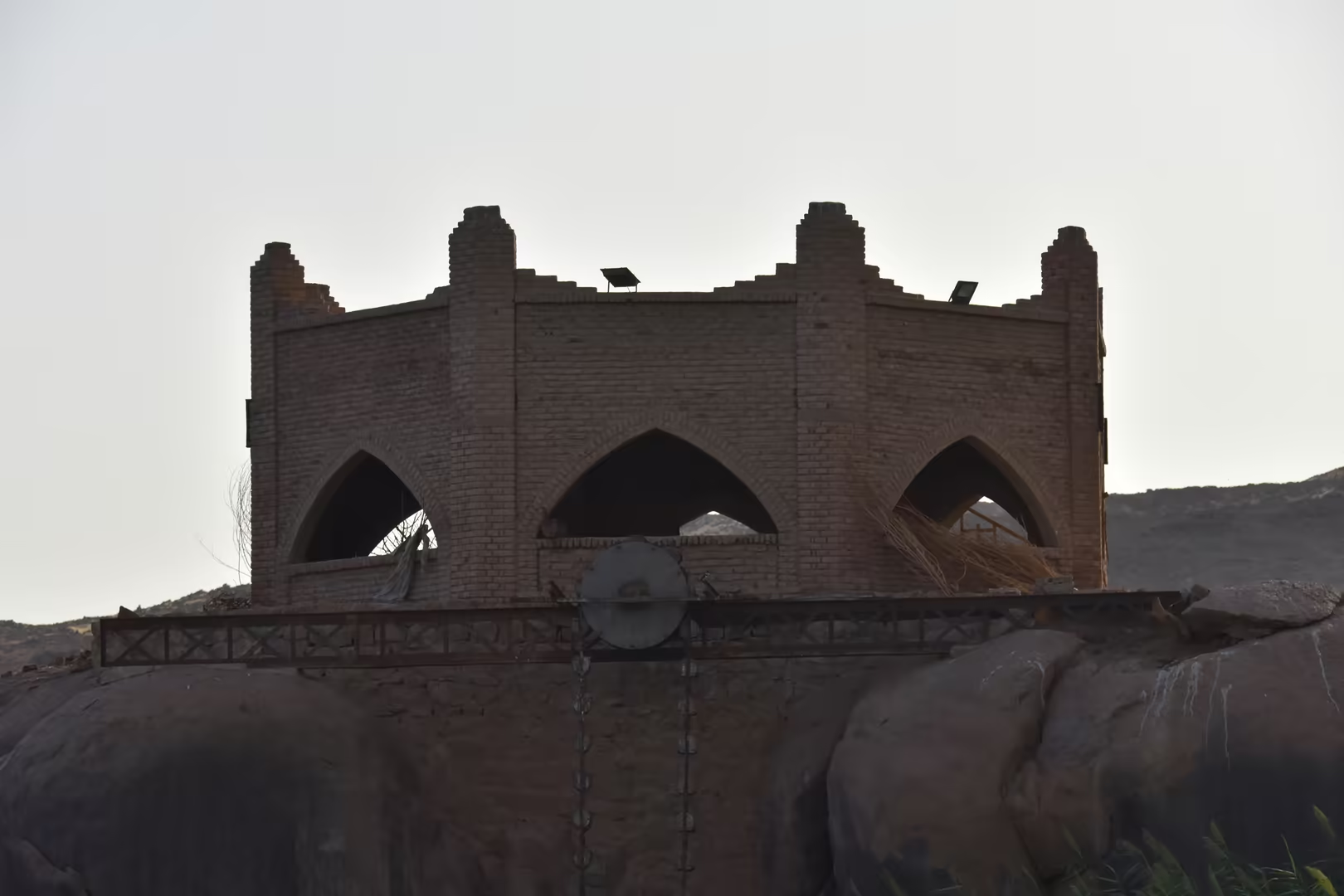
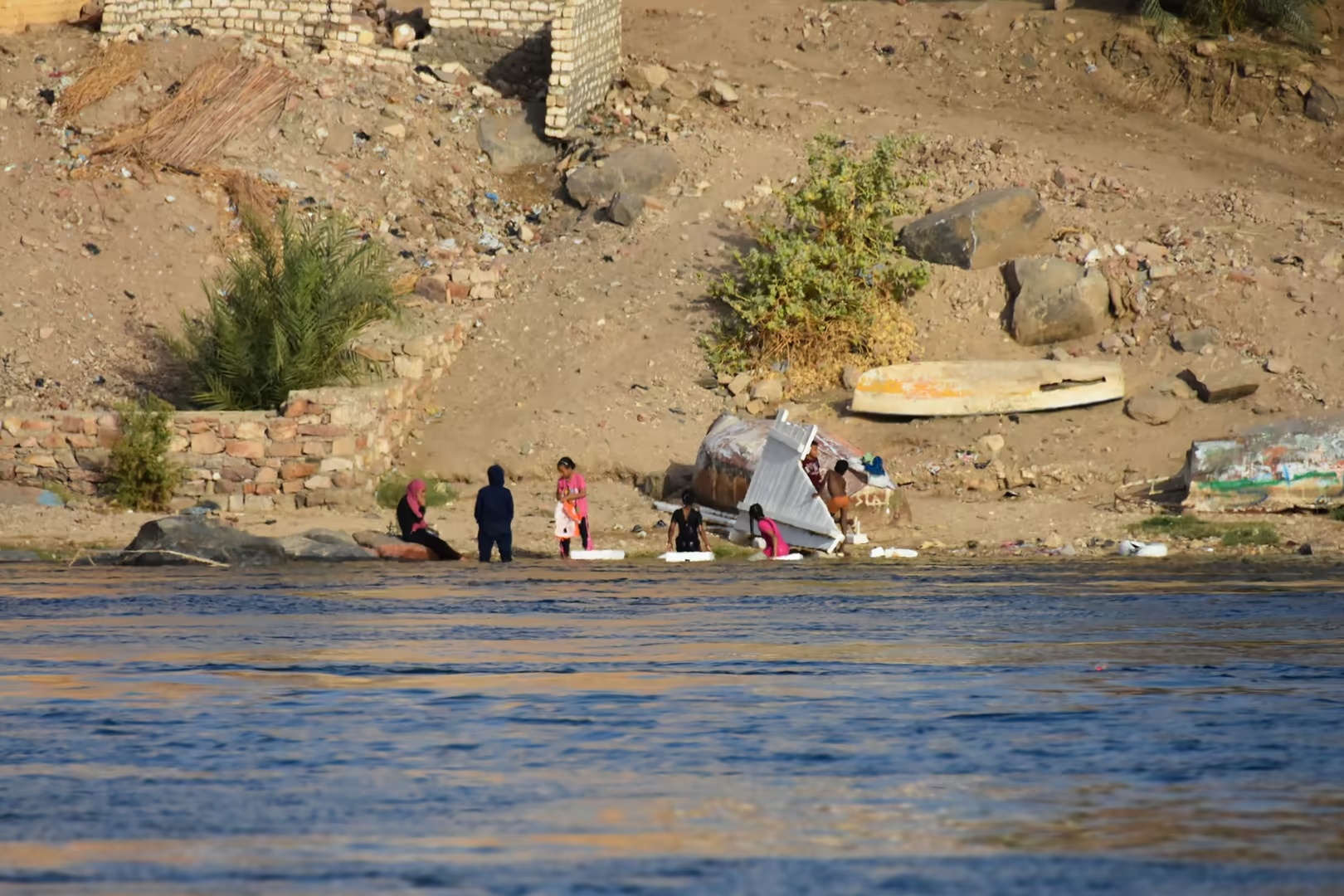
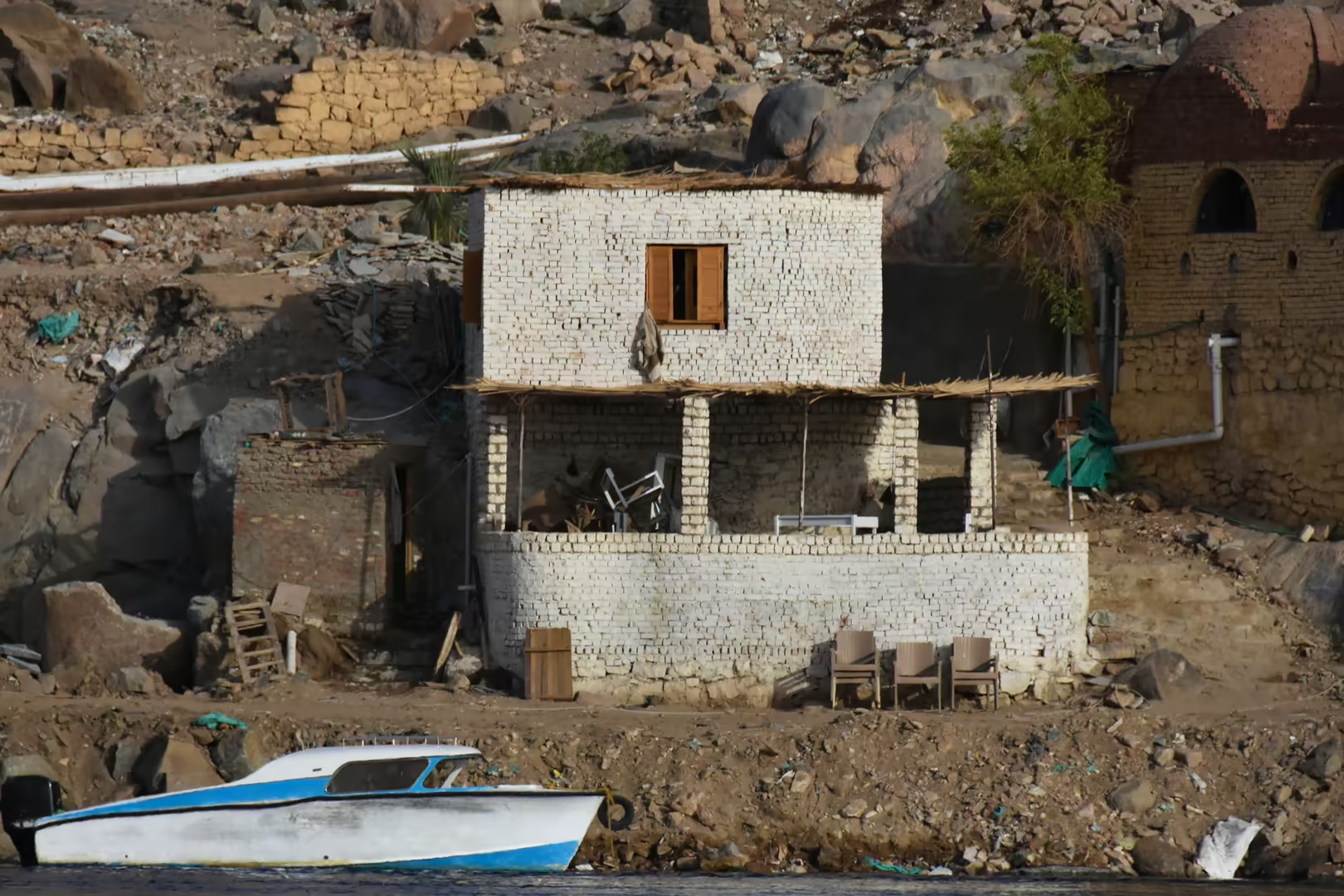
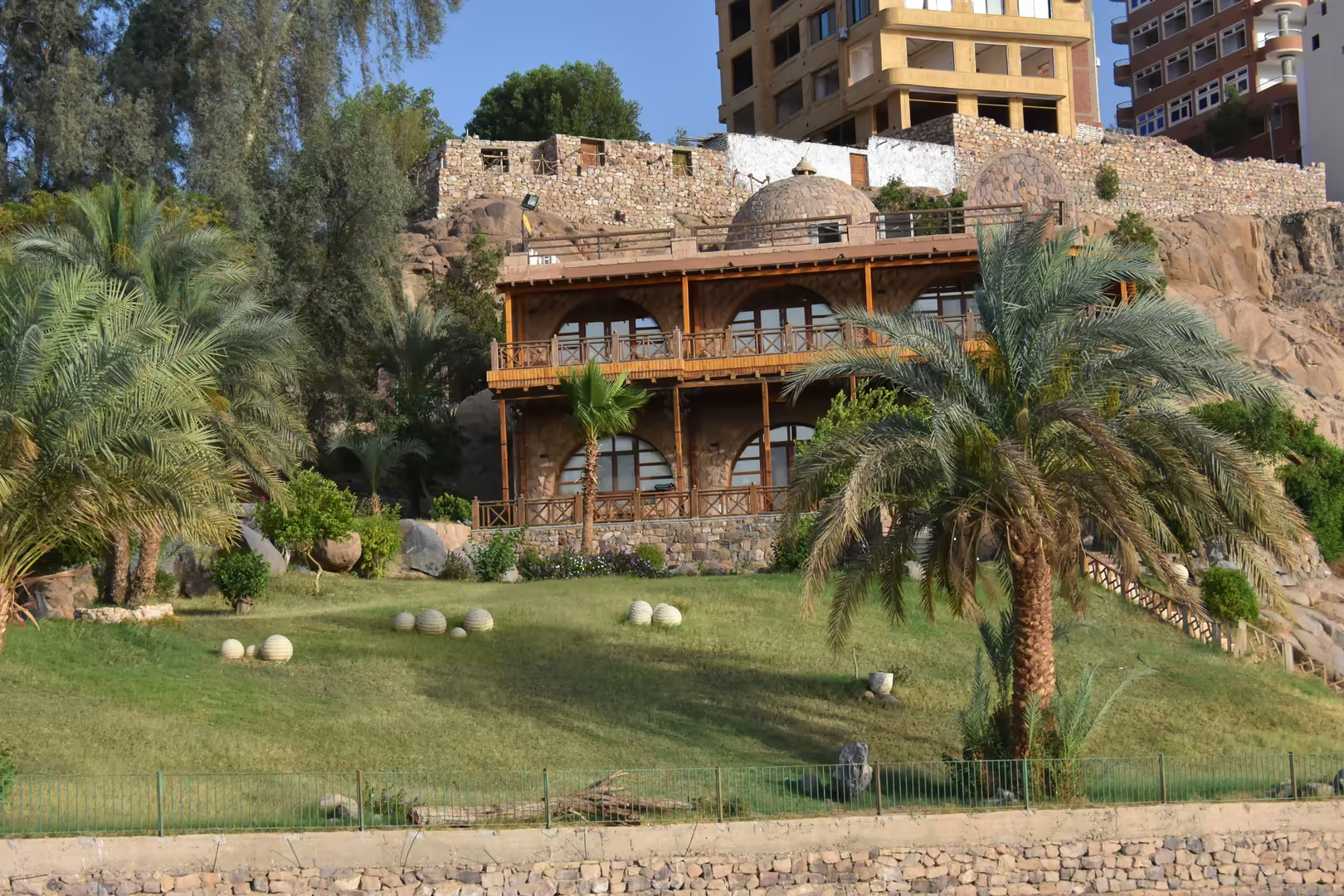
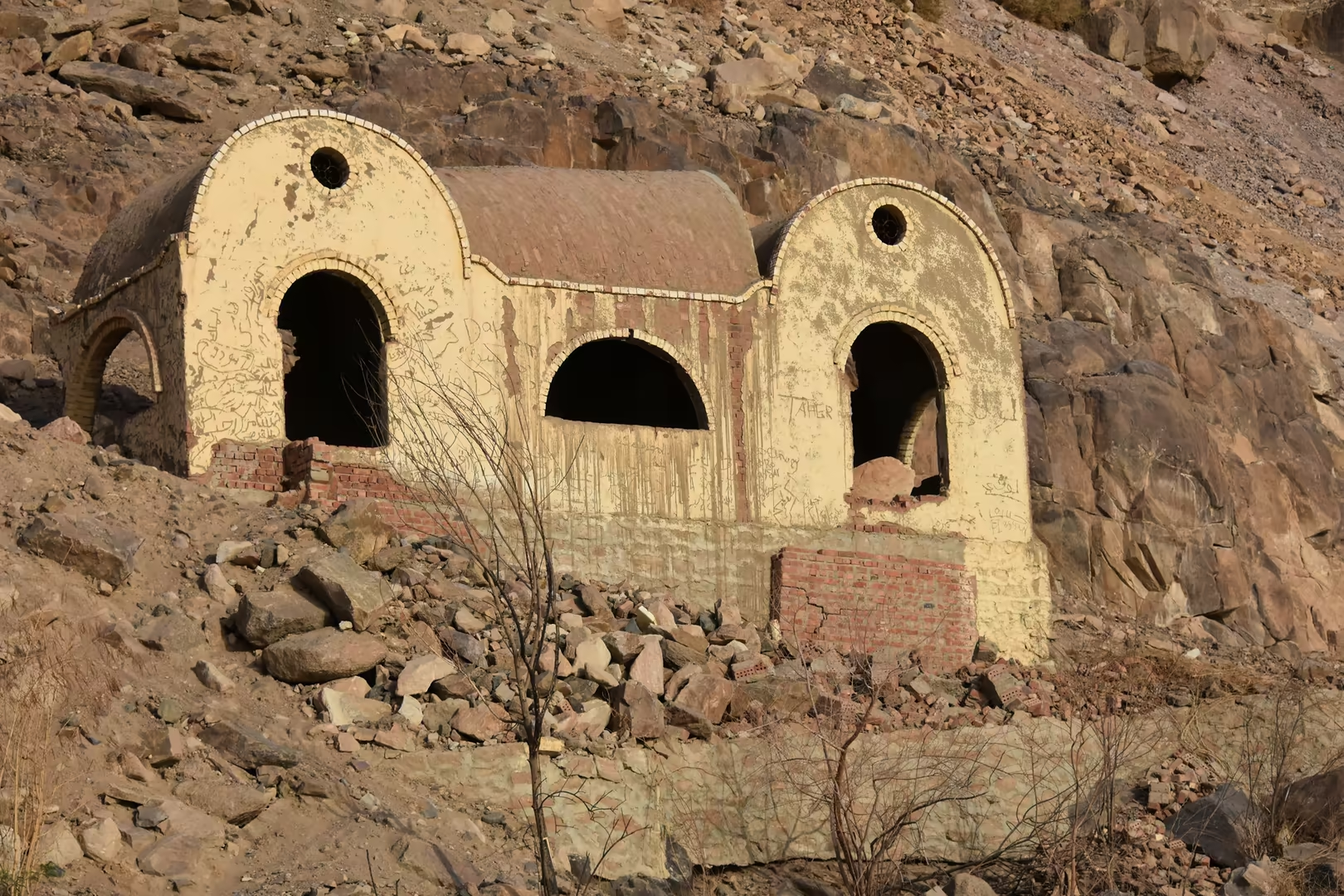
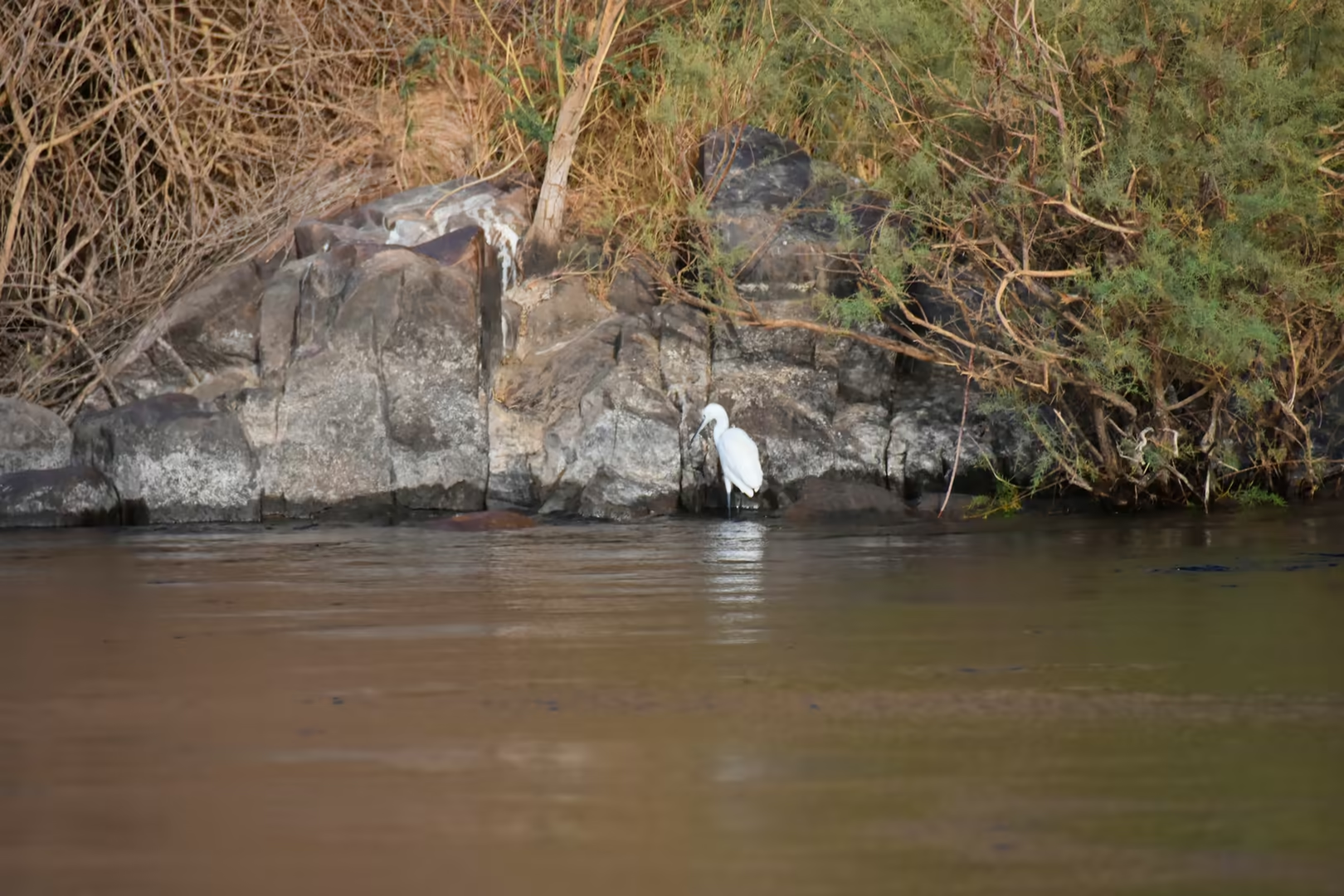
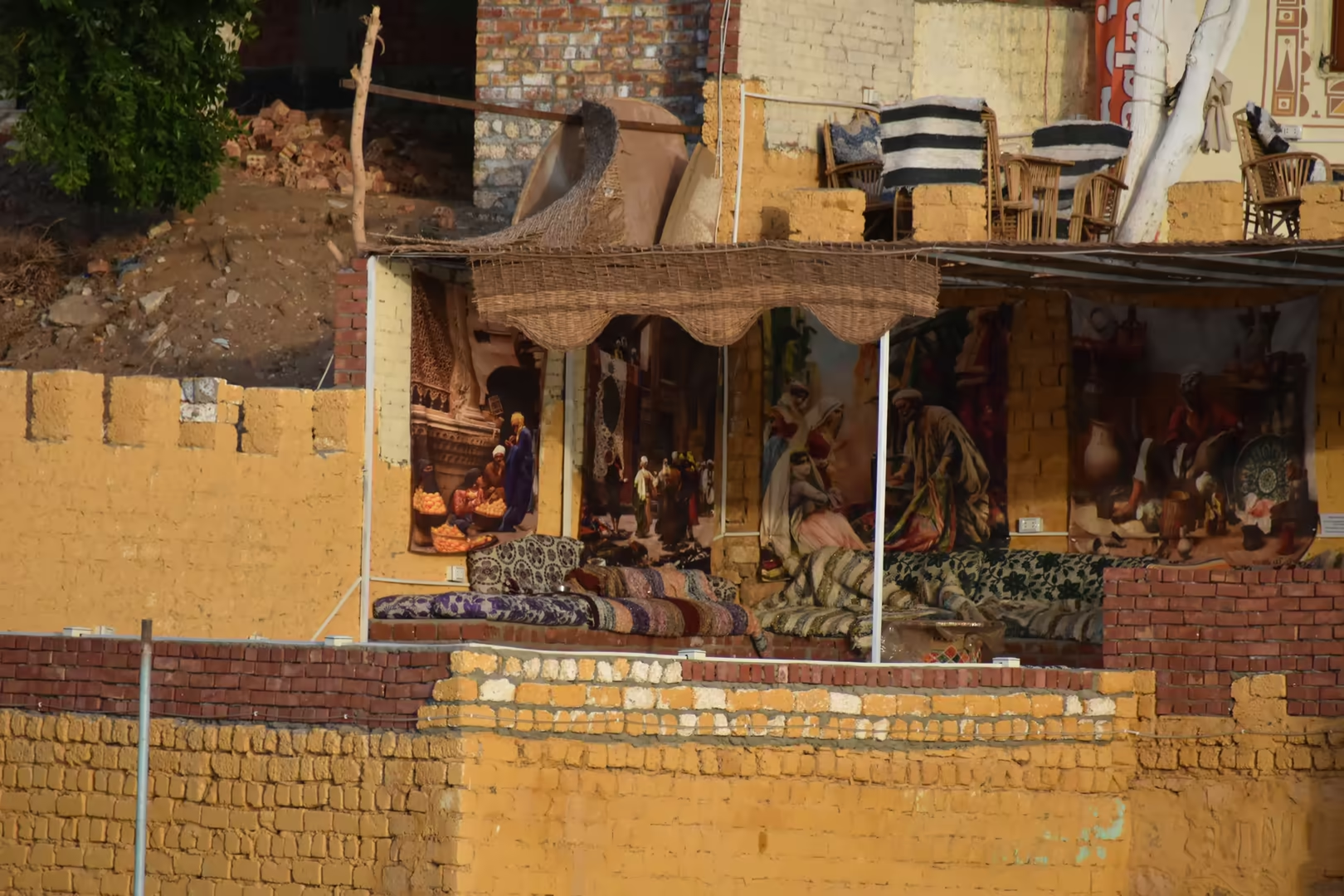
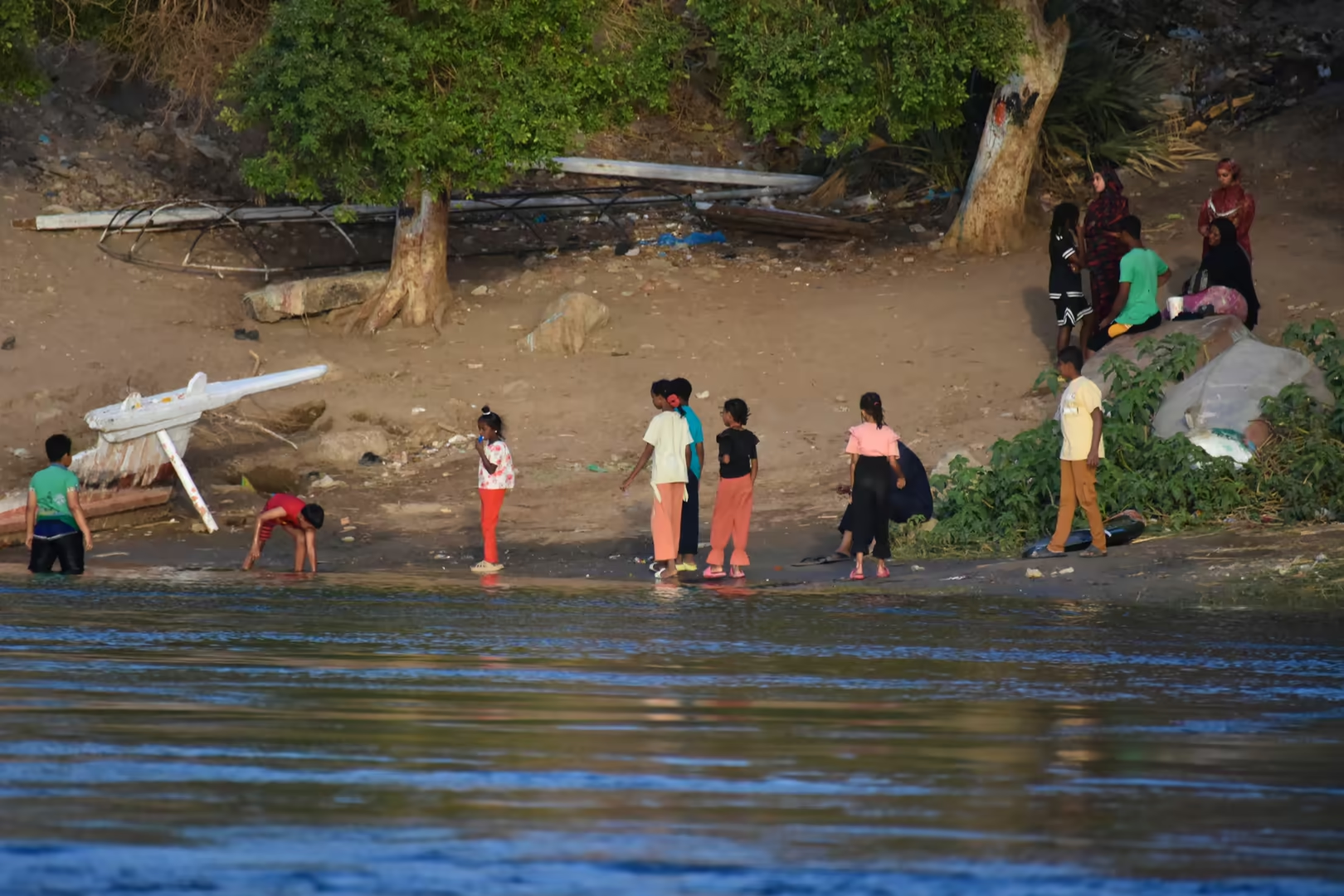
The middle of the island belongs to the Nubian villages. Quiet lanes and alleys run between plastered and mud-brick houses; courtyards shelter goats in the shade of brick walls, a donkey stands beneath a tree, gardens are heavy with mangoes, banana plants and palms, and laundry hangs across blue doorways. A whitewashed cafe with a thatched roof stands above the water, egrets fish in a shaded garden pool beside an old stone hut, and the paths run out between garden walls to the river, where the view crosses to the west bank: the pale sand cliffs, the white domes of houses half hidden among palms and the gaunt, vaulted ruins of an abandoned settlement on the rocky slope above the water. On the hillside opposite, the tomb entrances of Qubbet el-Hawa open above the river, the burial ground of the Old Kingdom governors of the frontier.
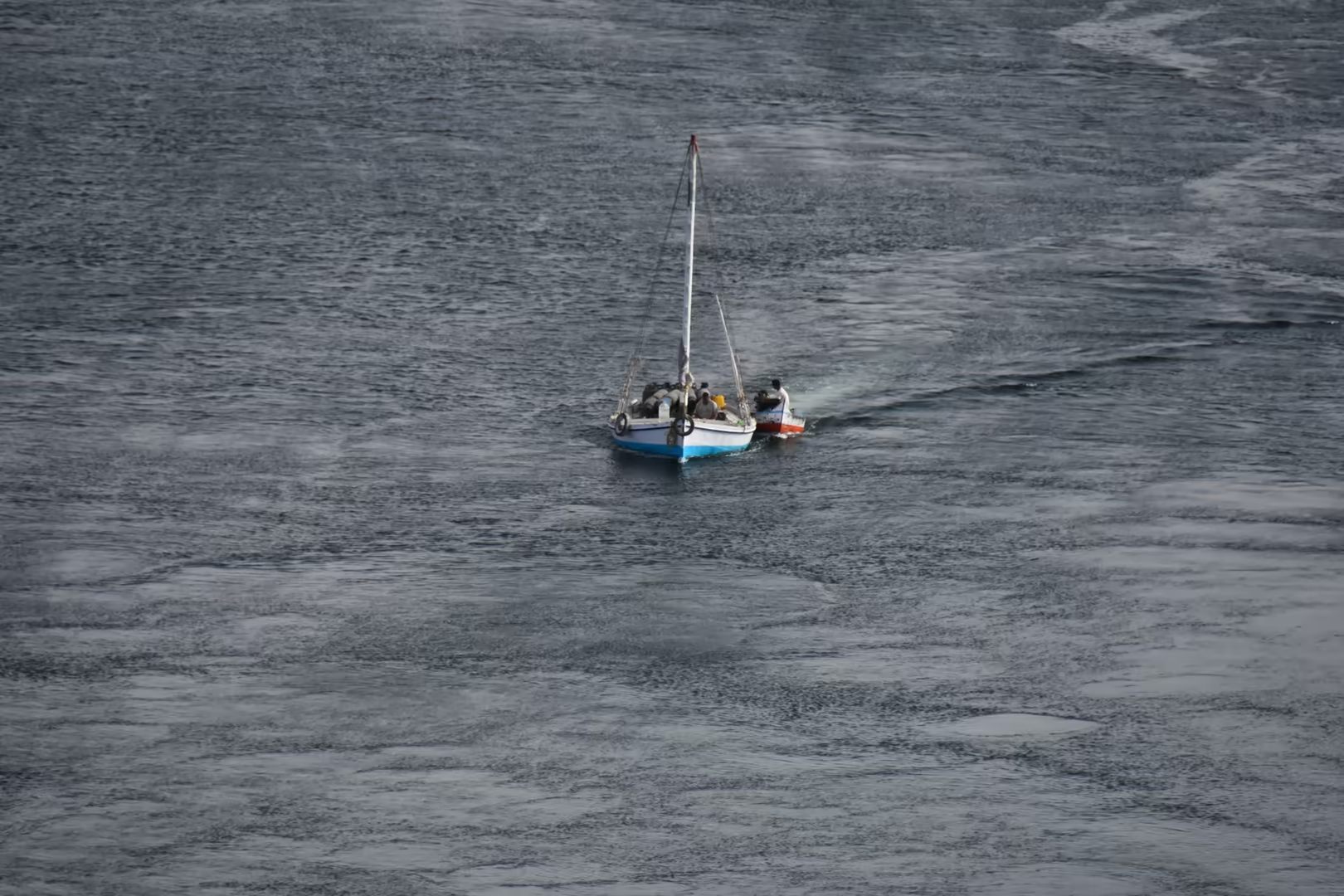
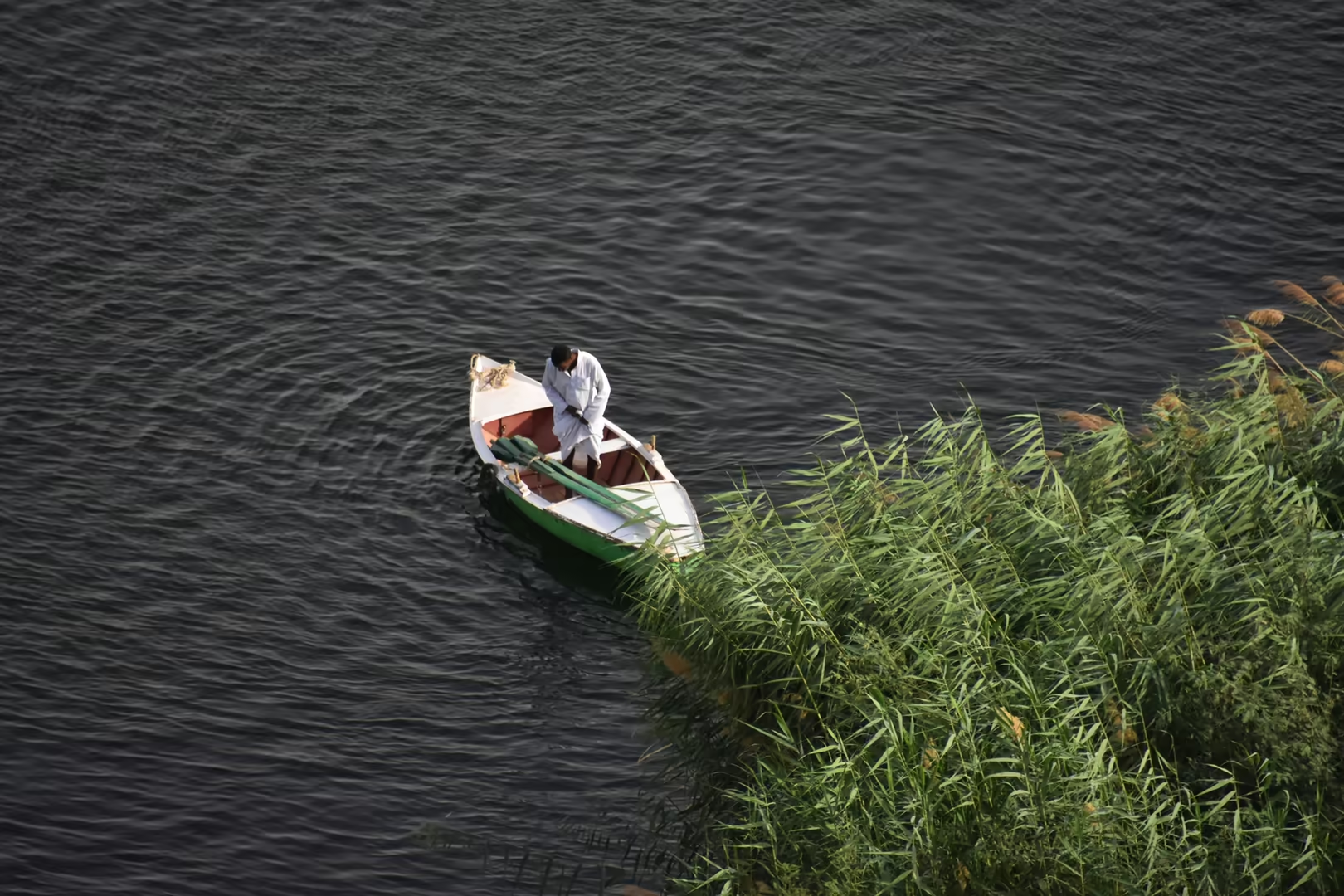
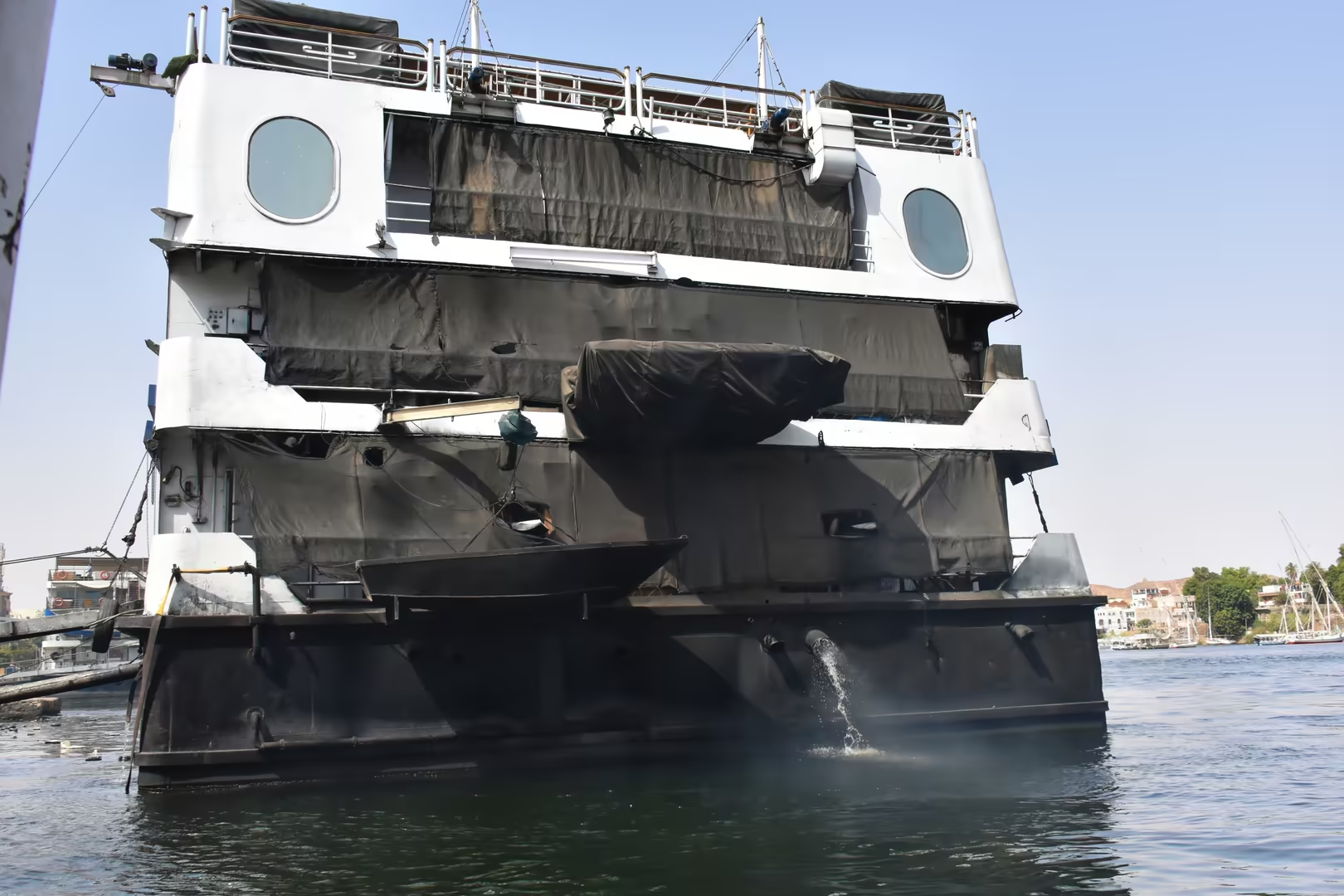
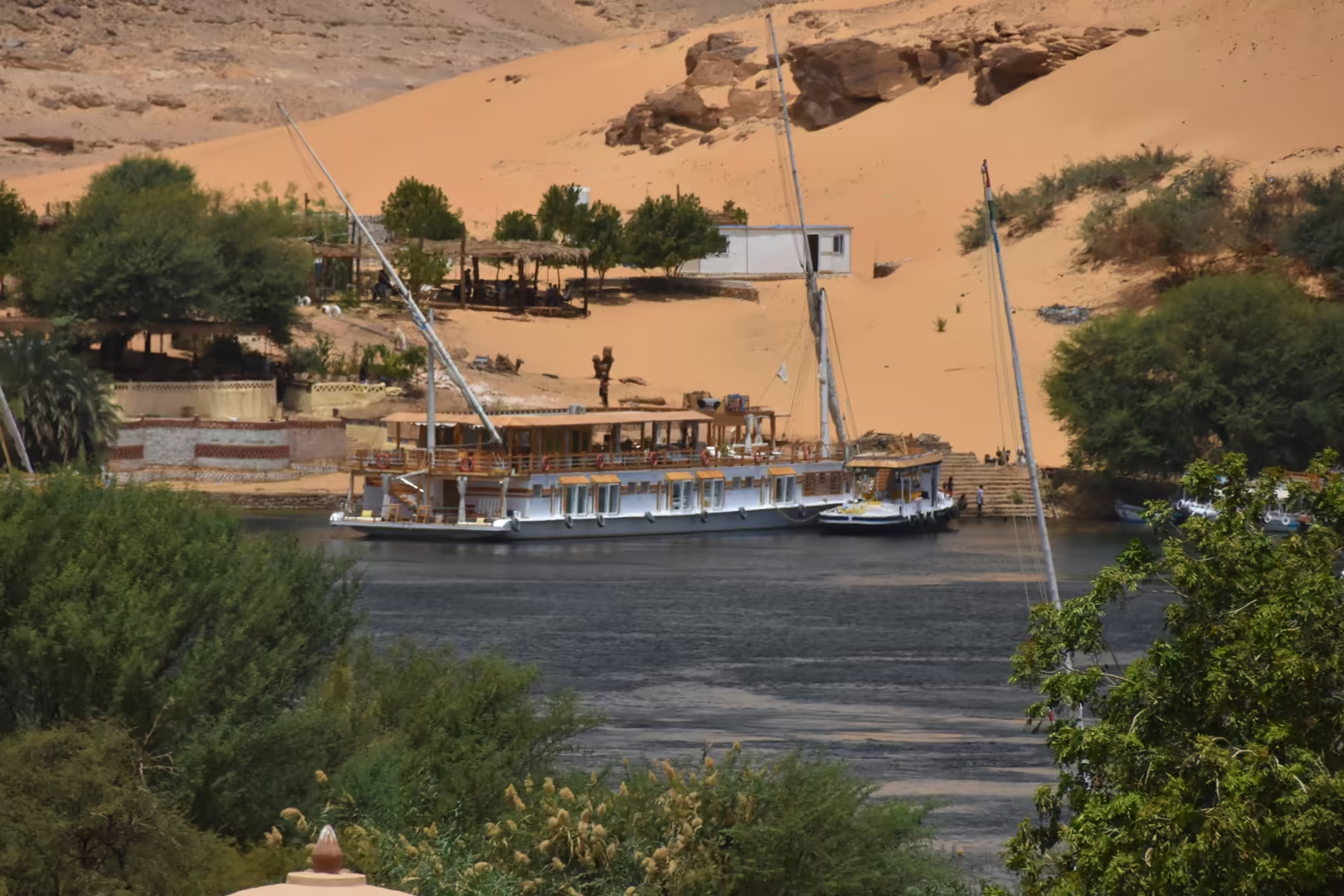
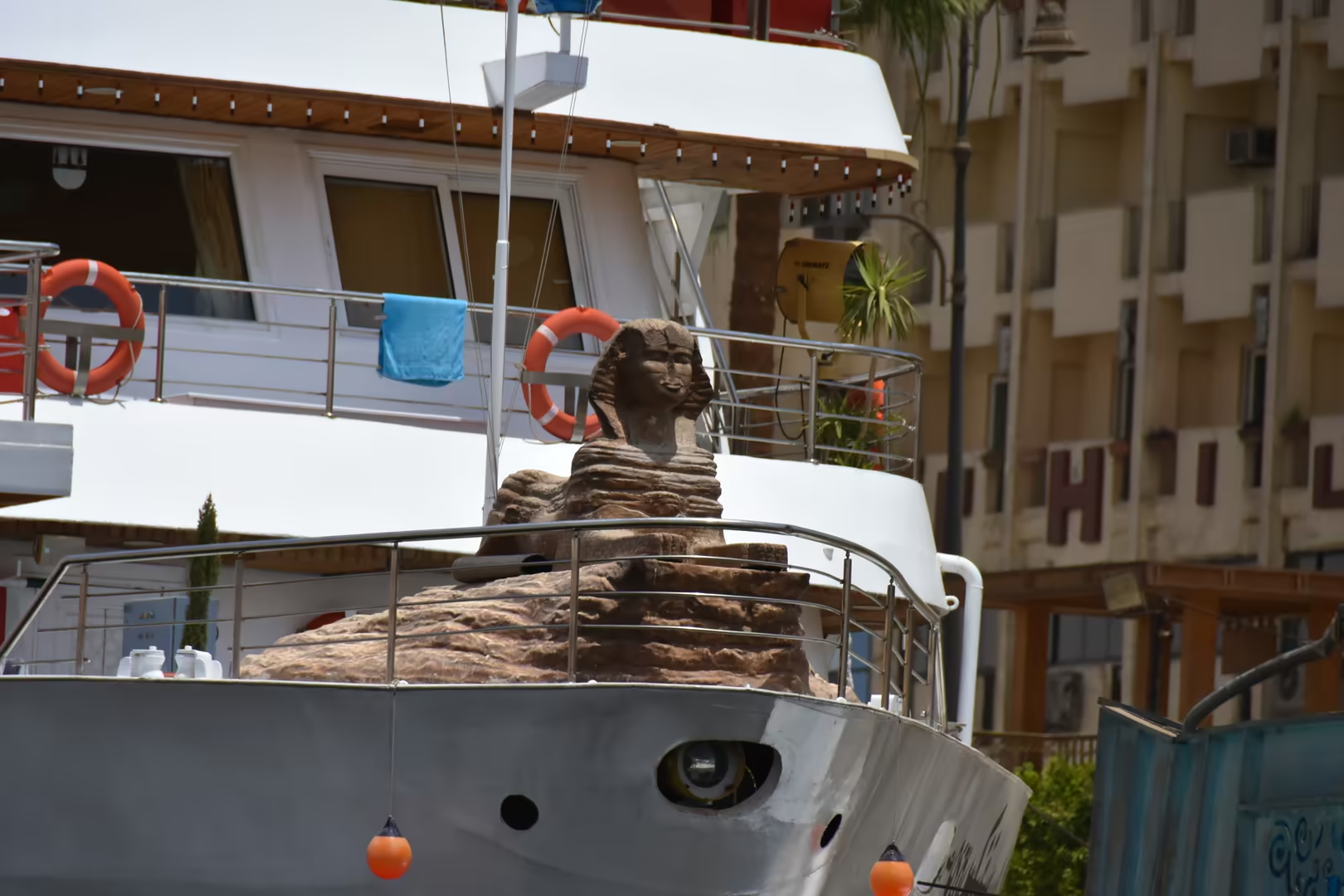
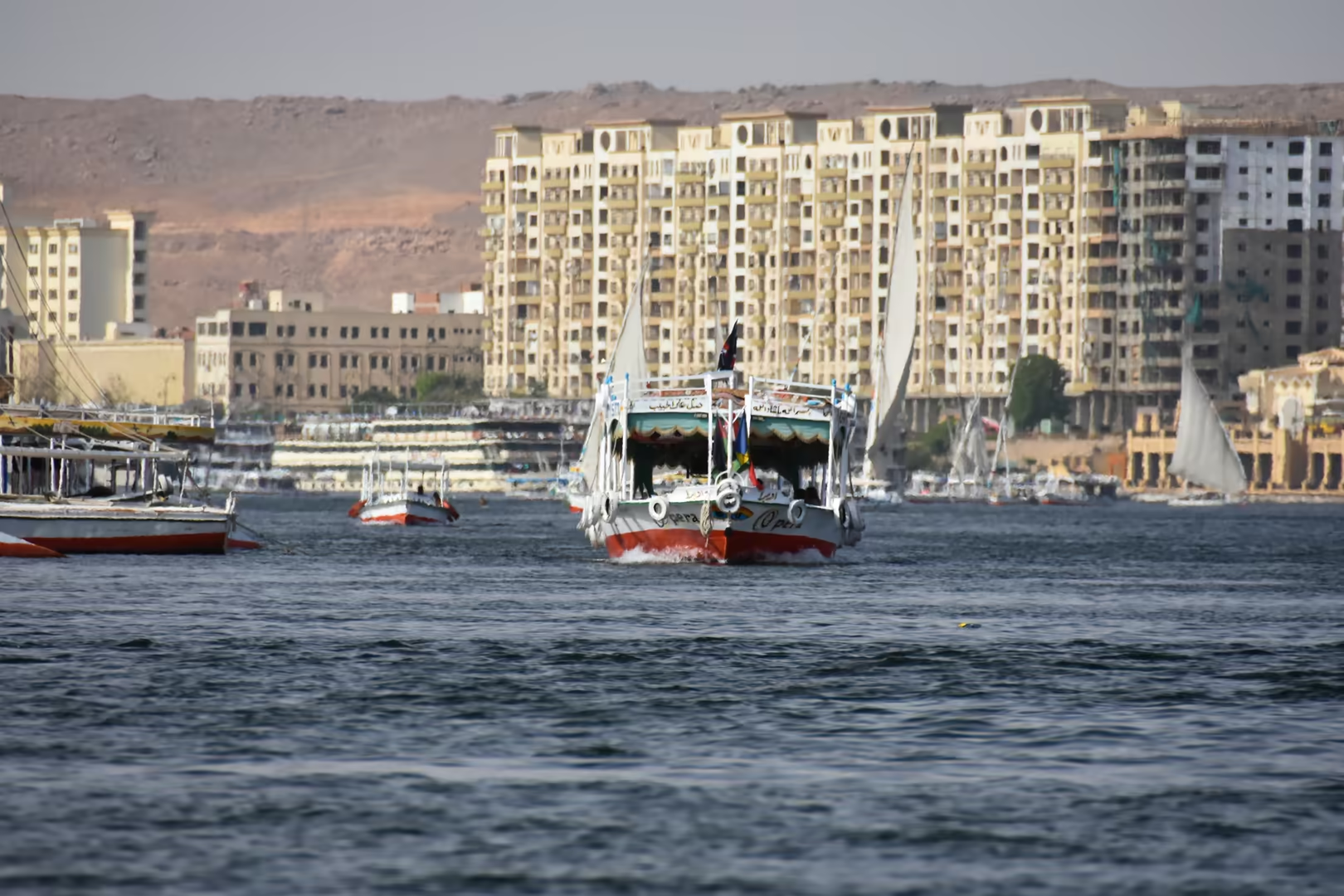
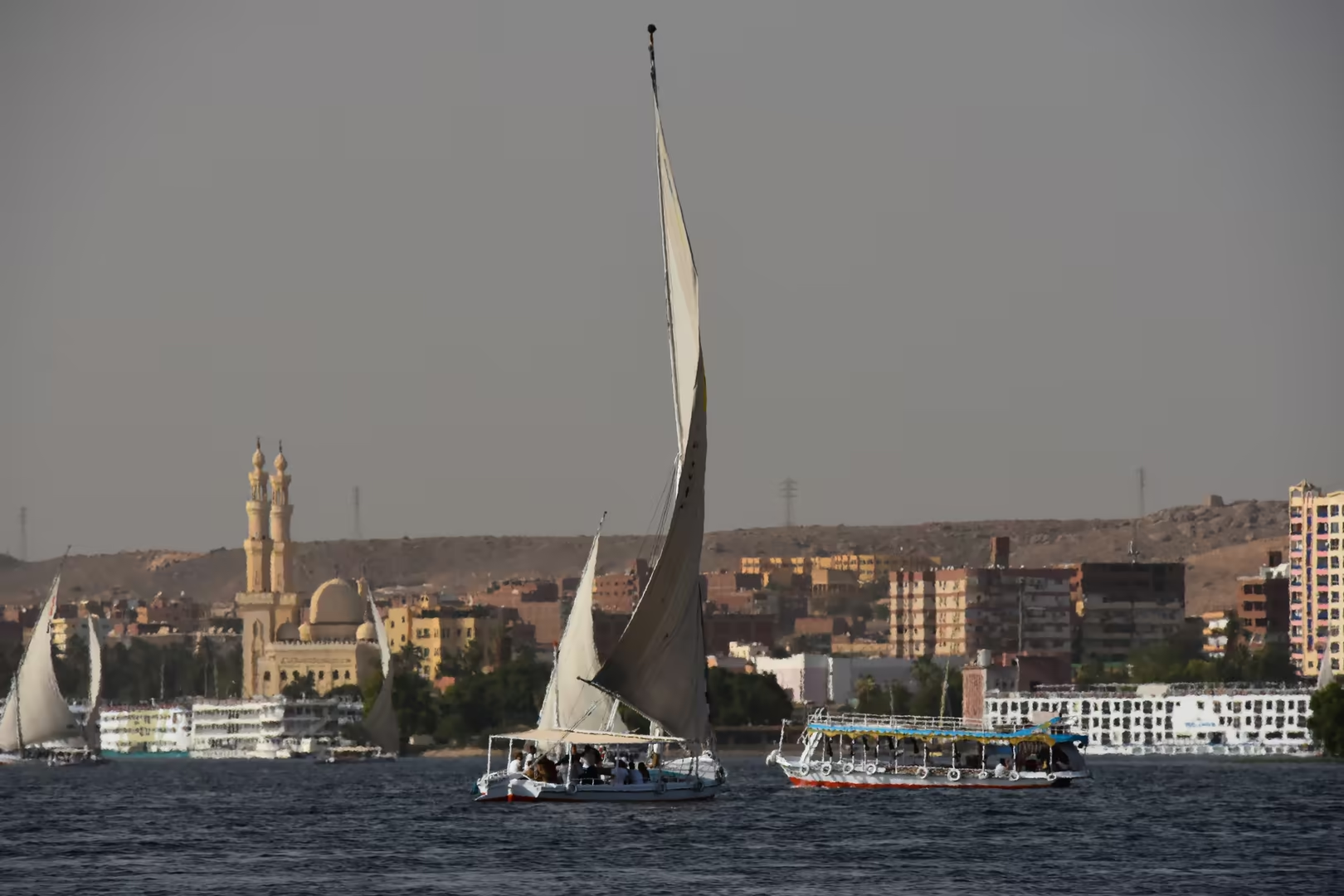
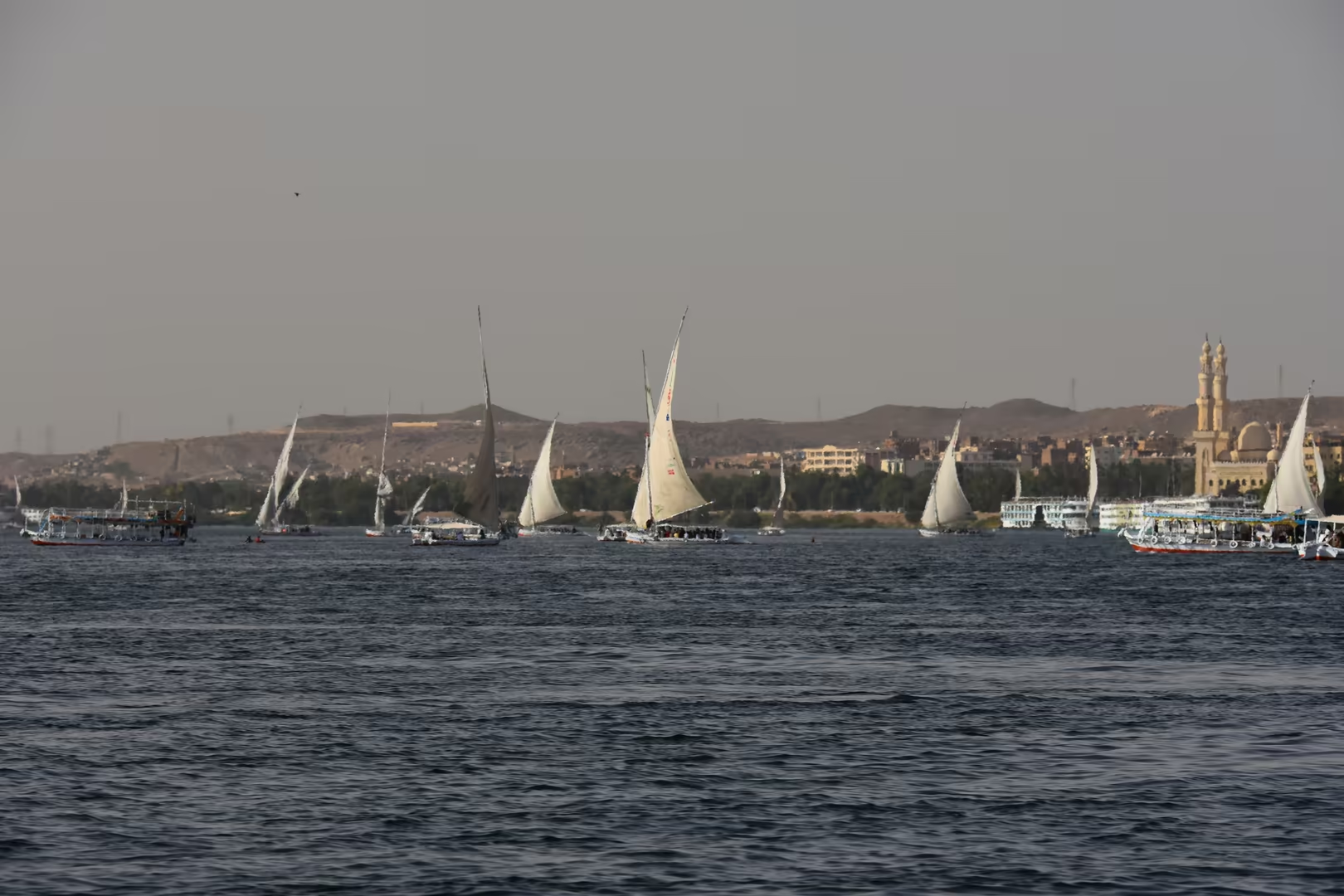
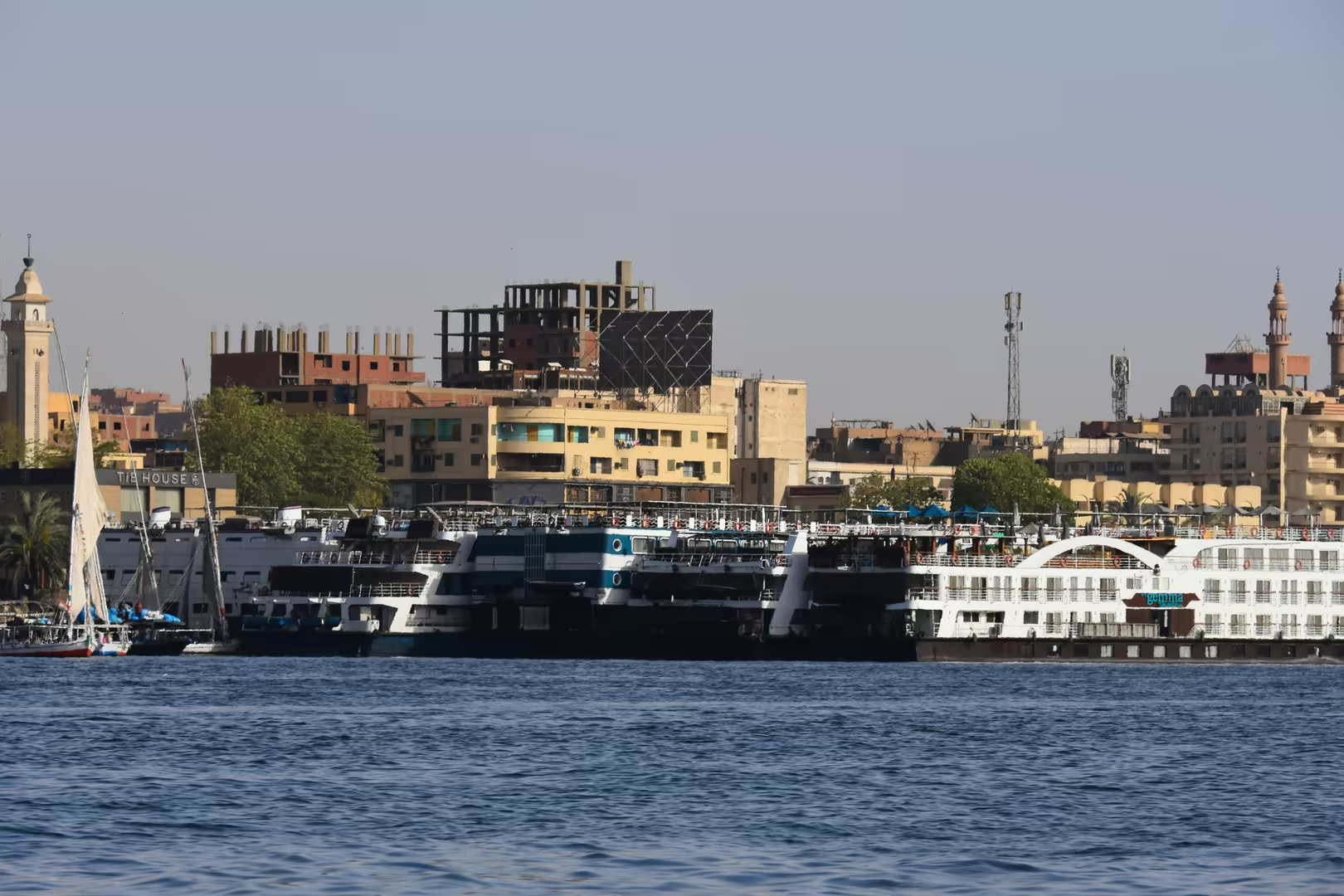
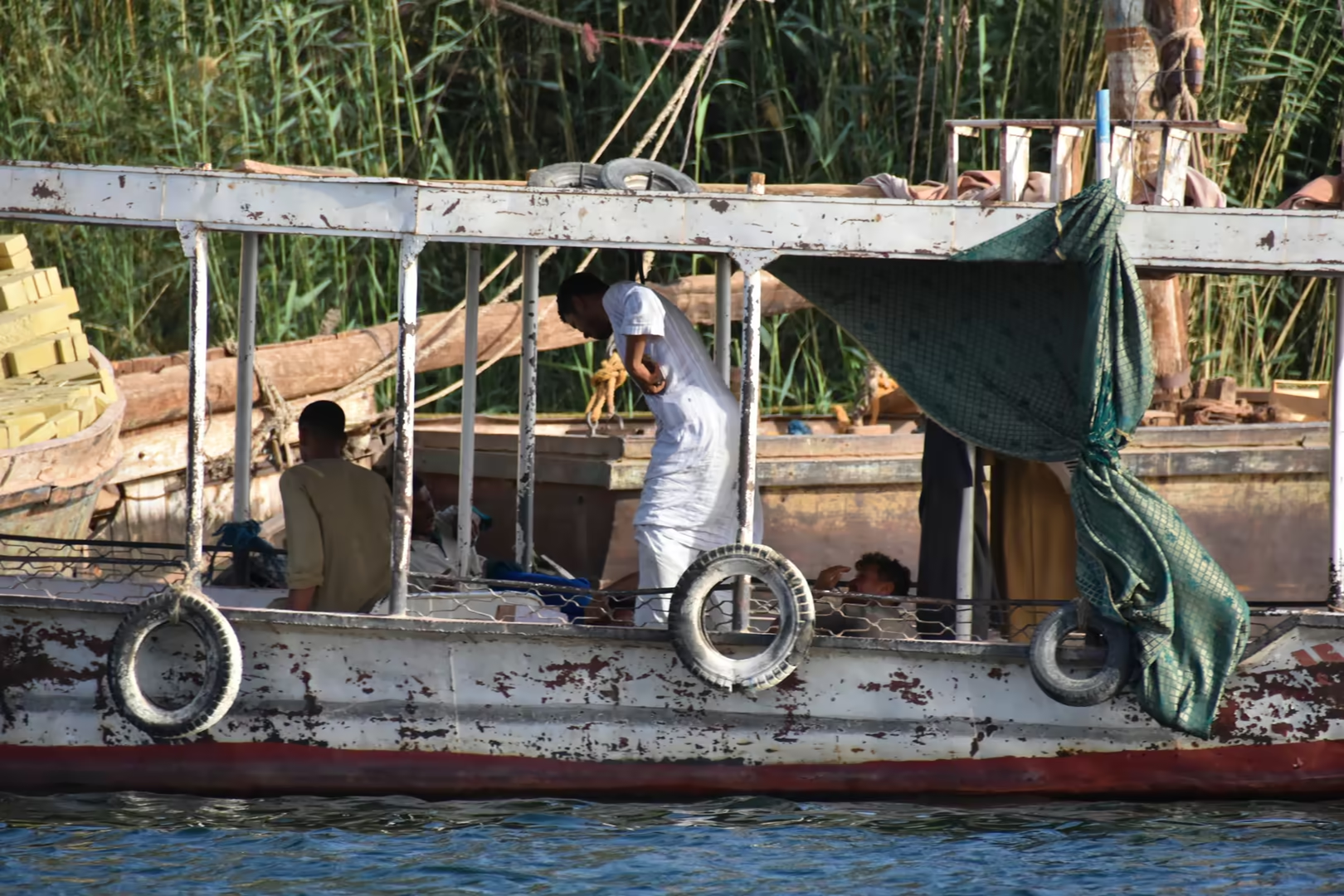
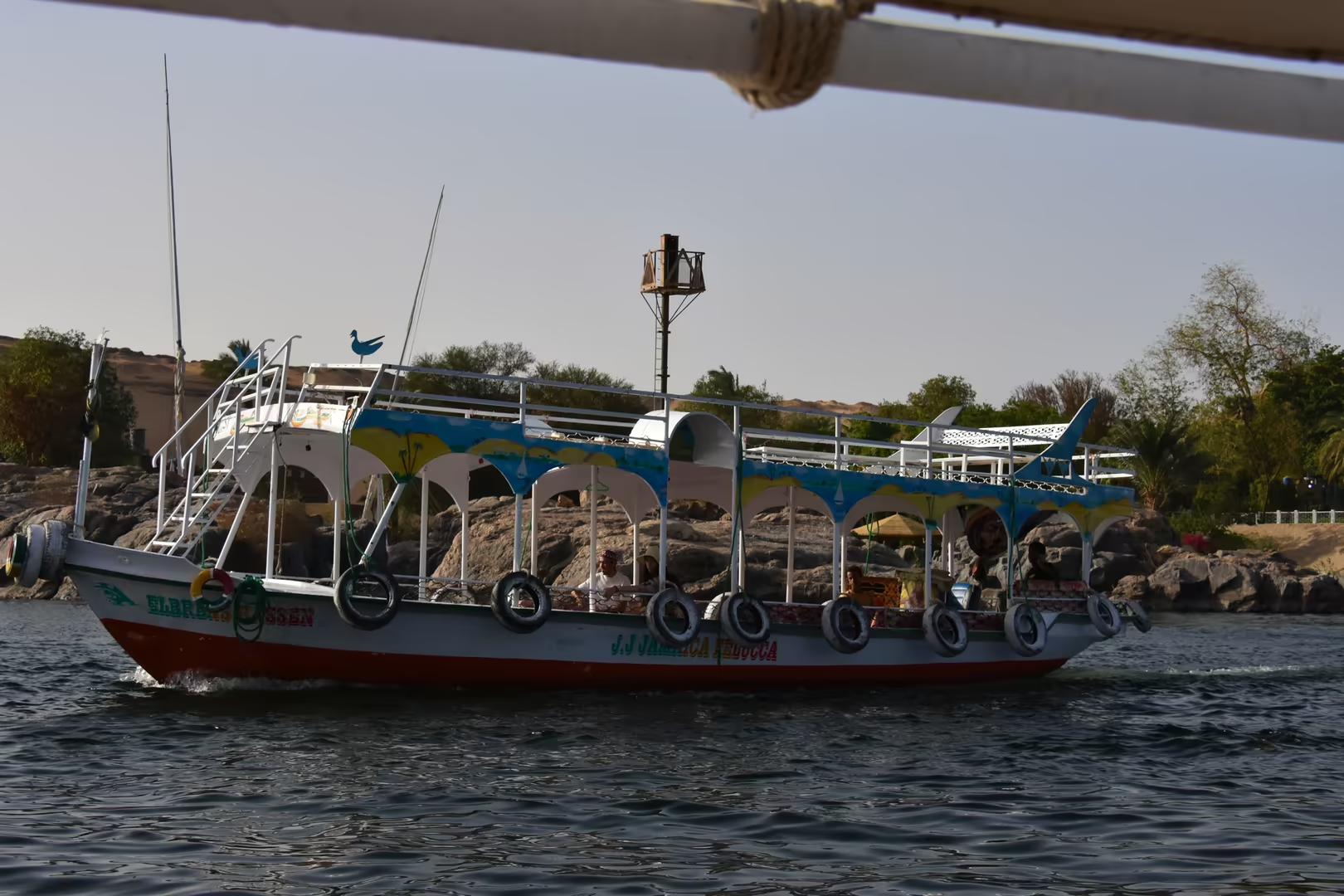
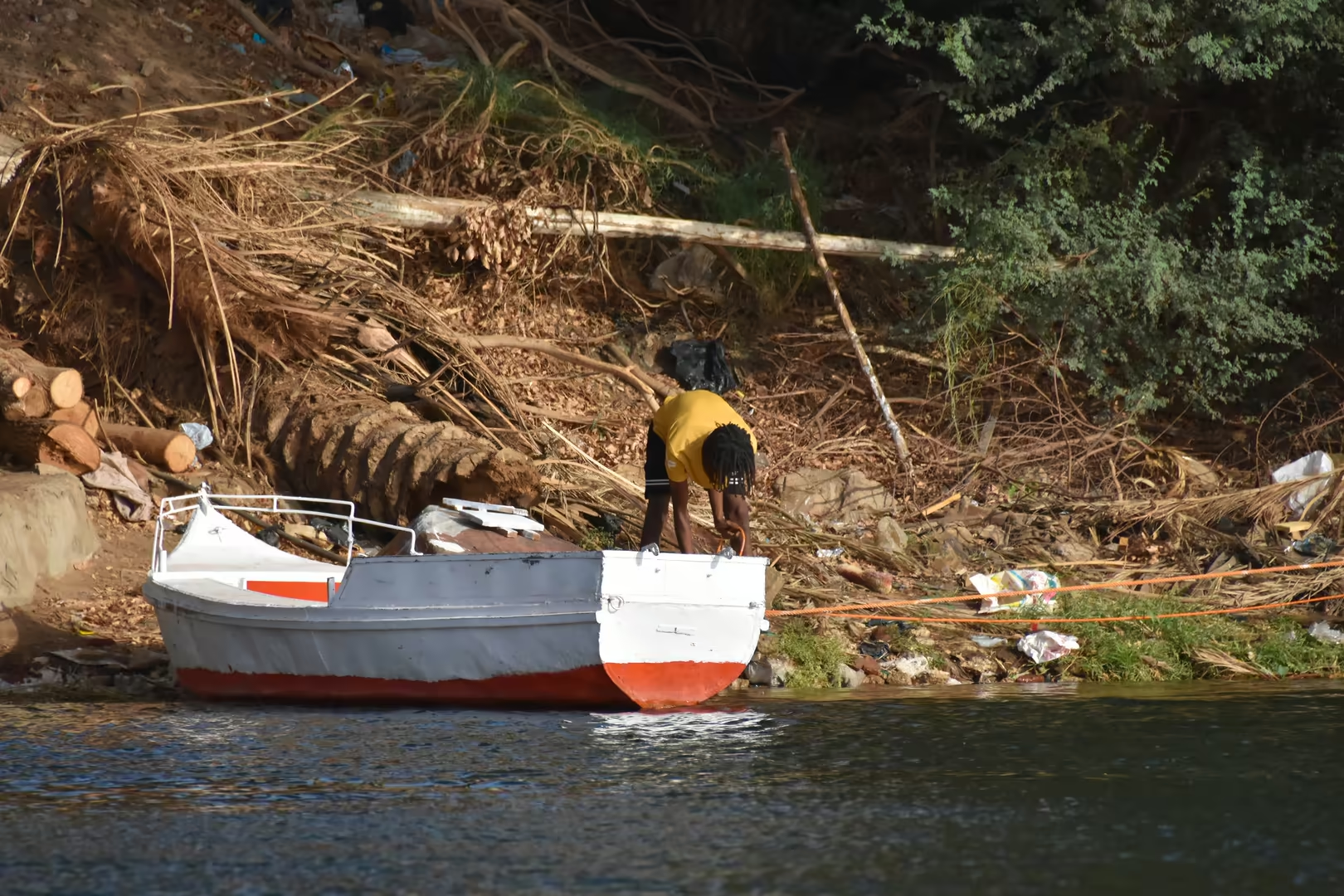
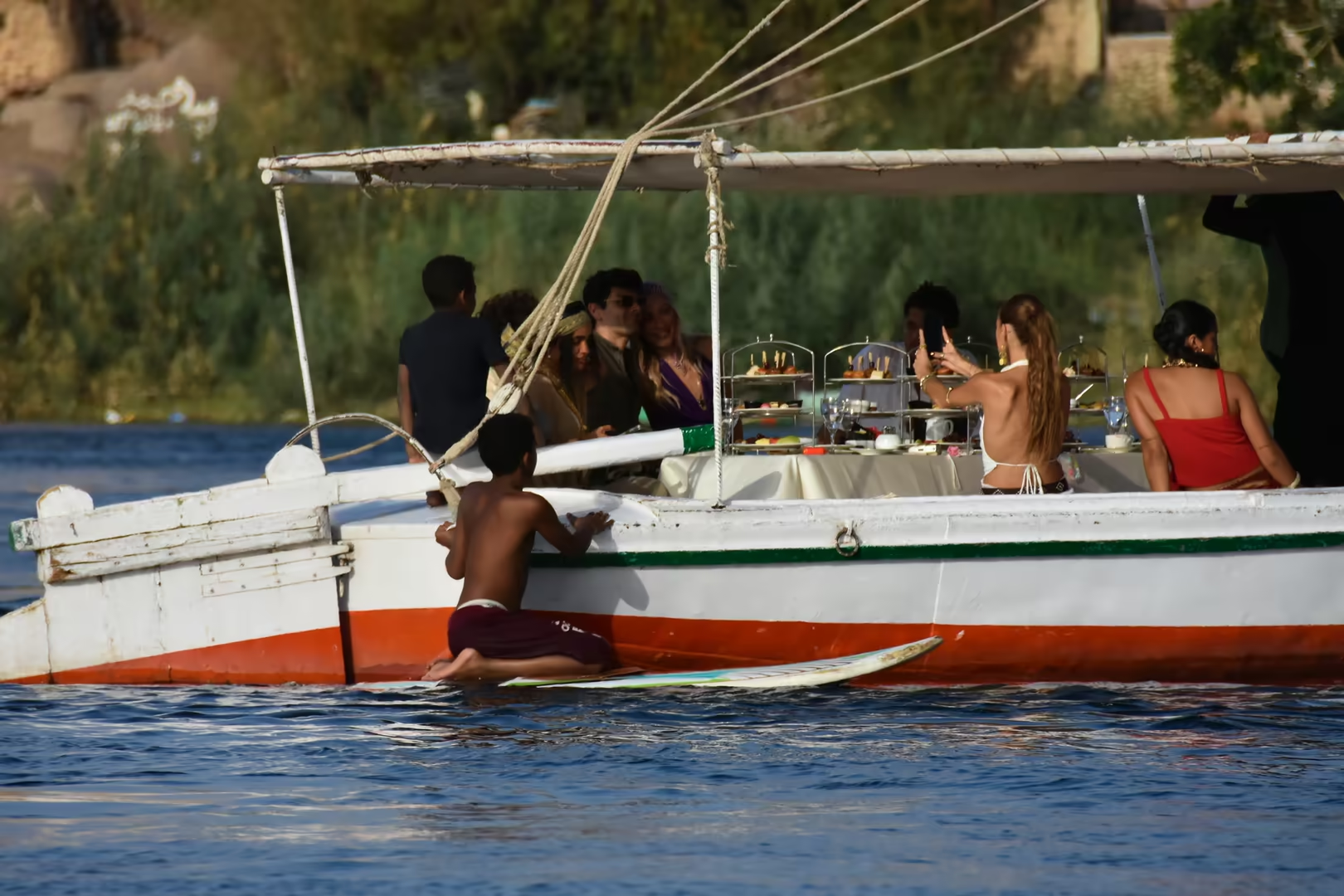
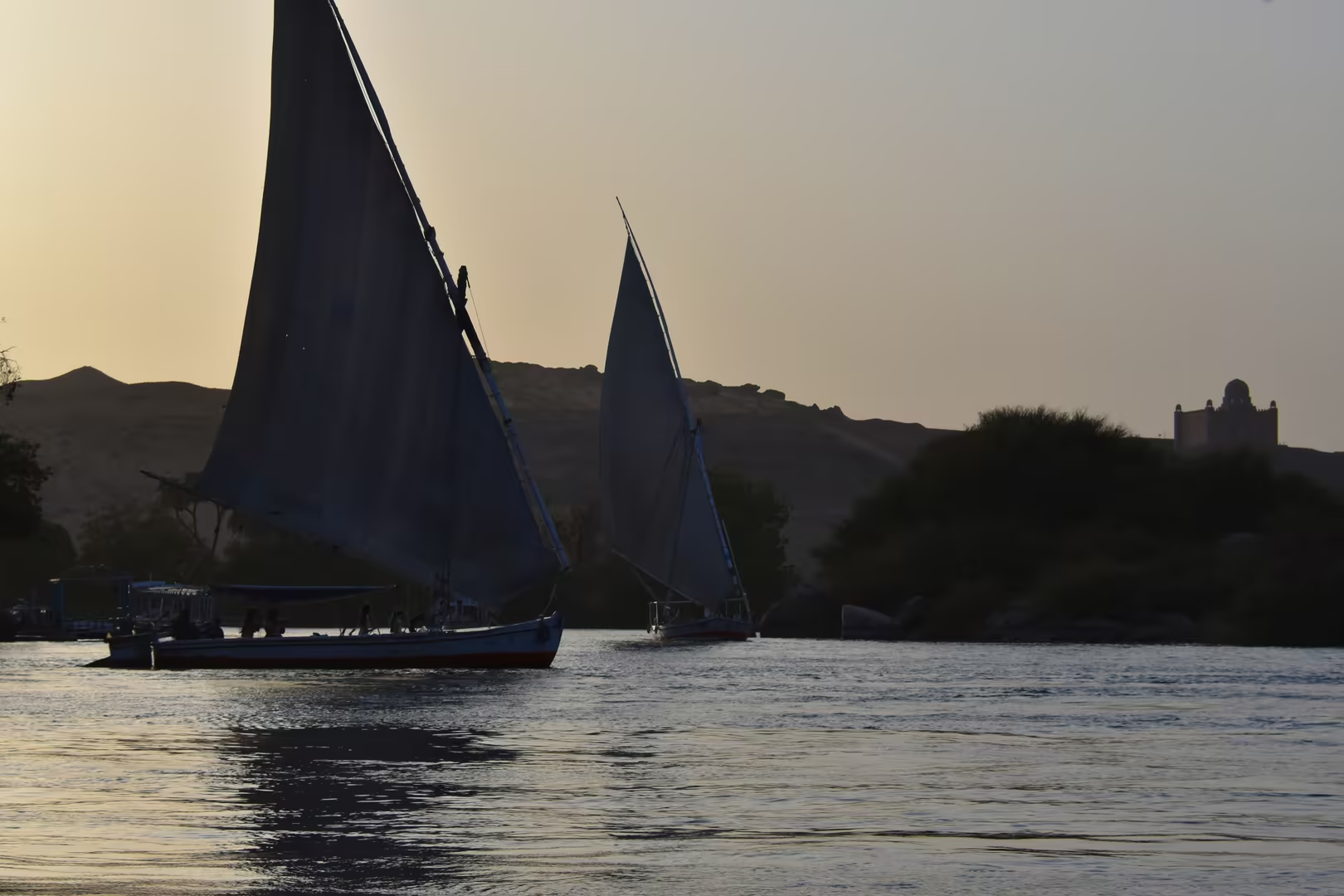
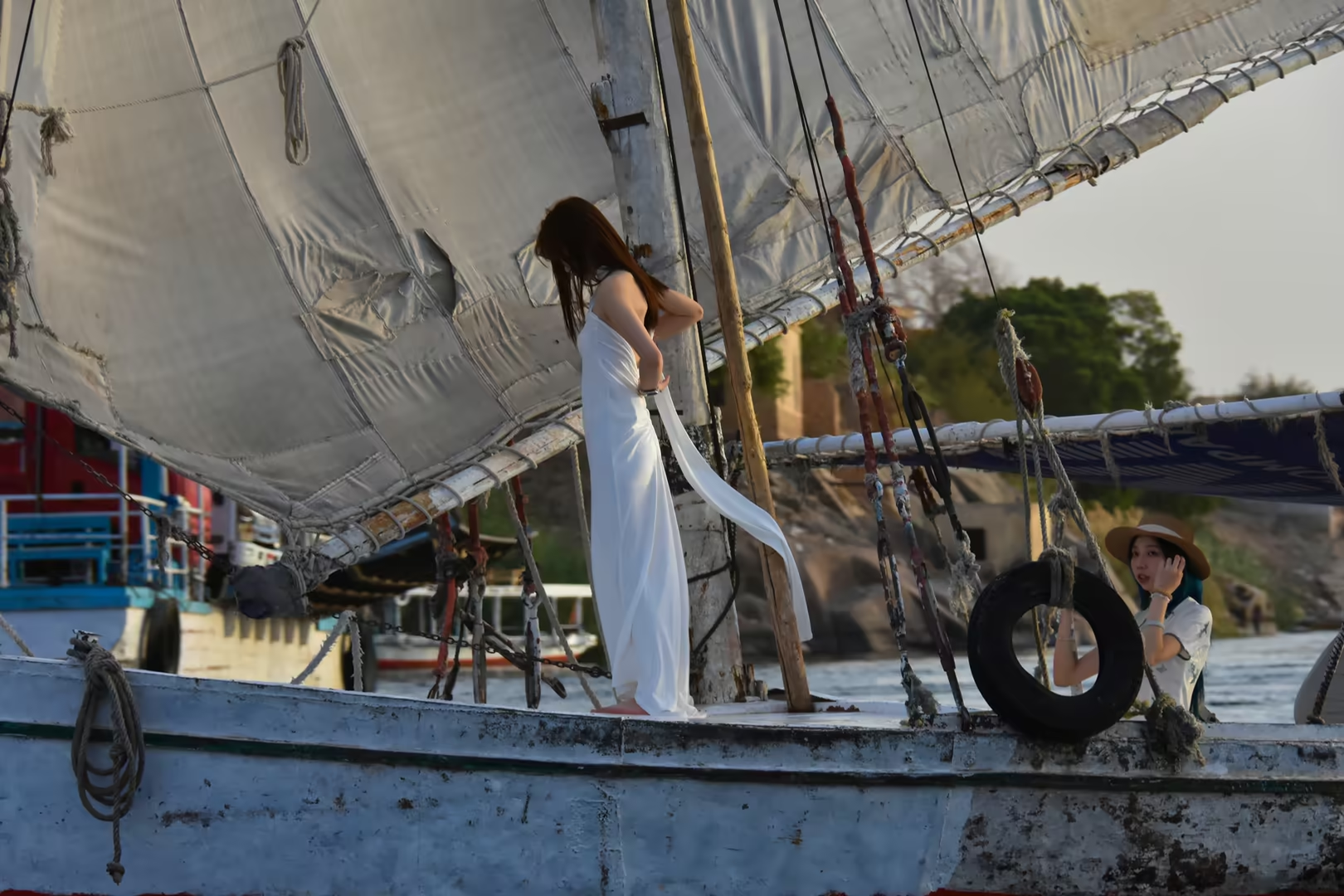
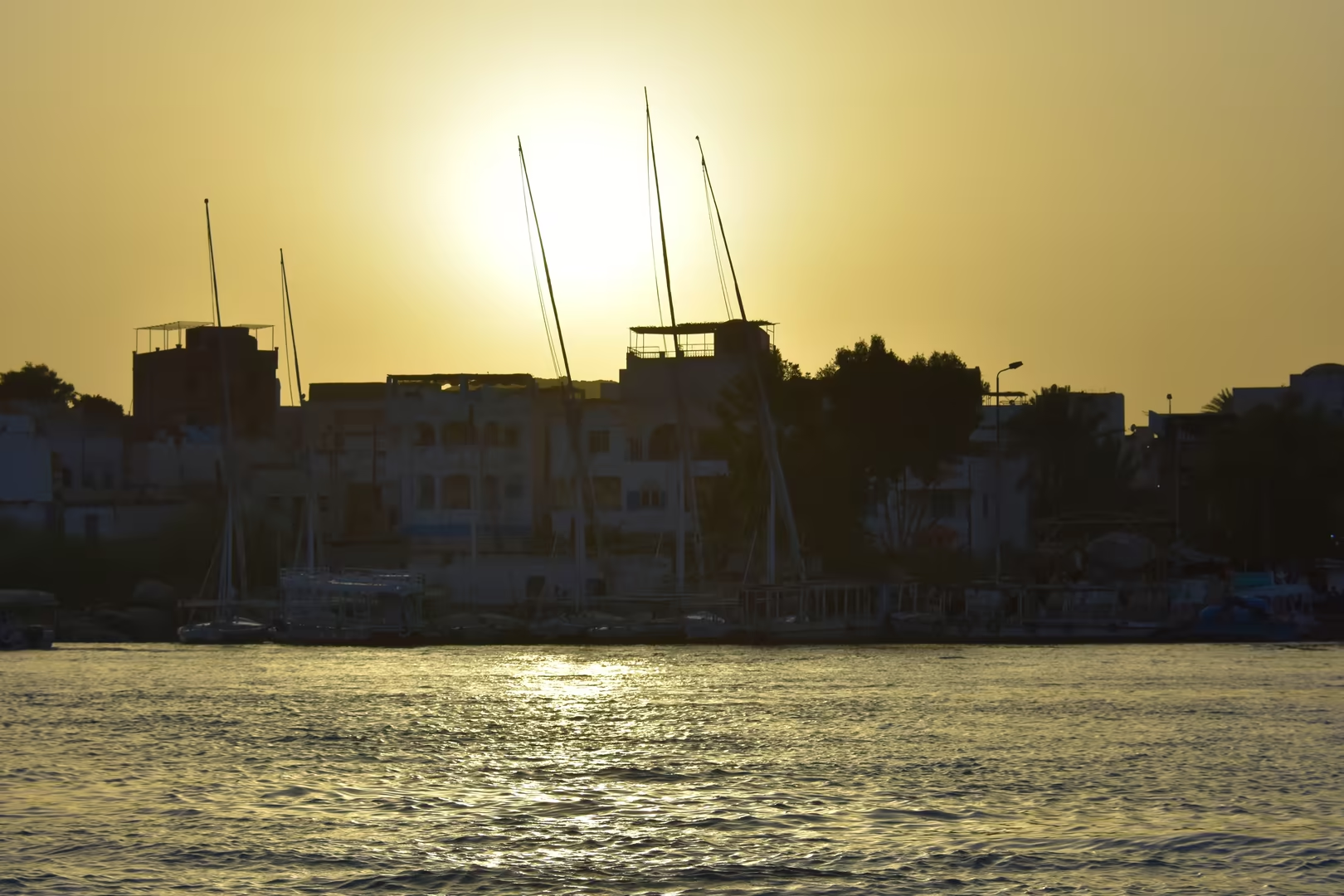
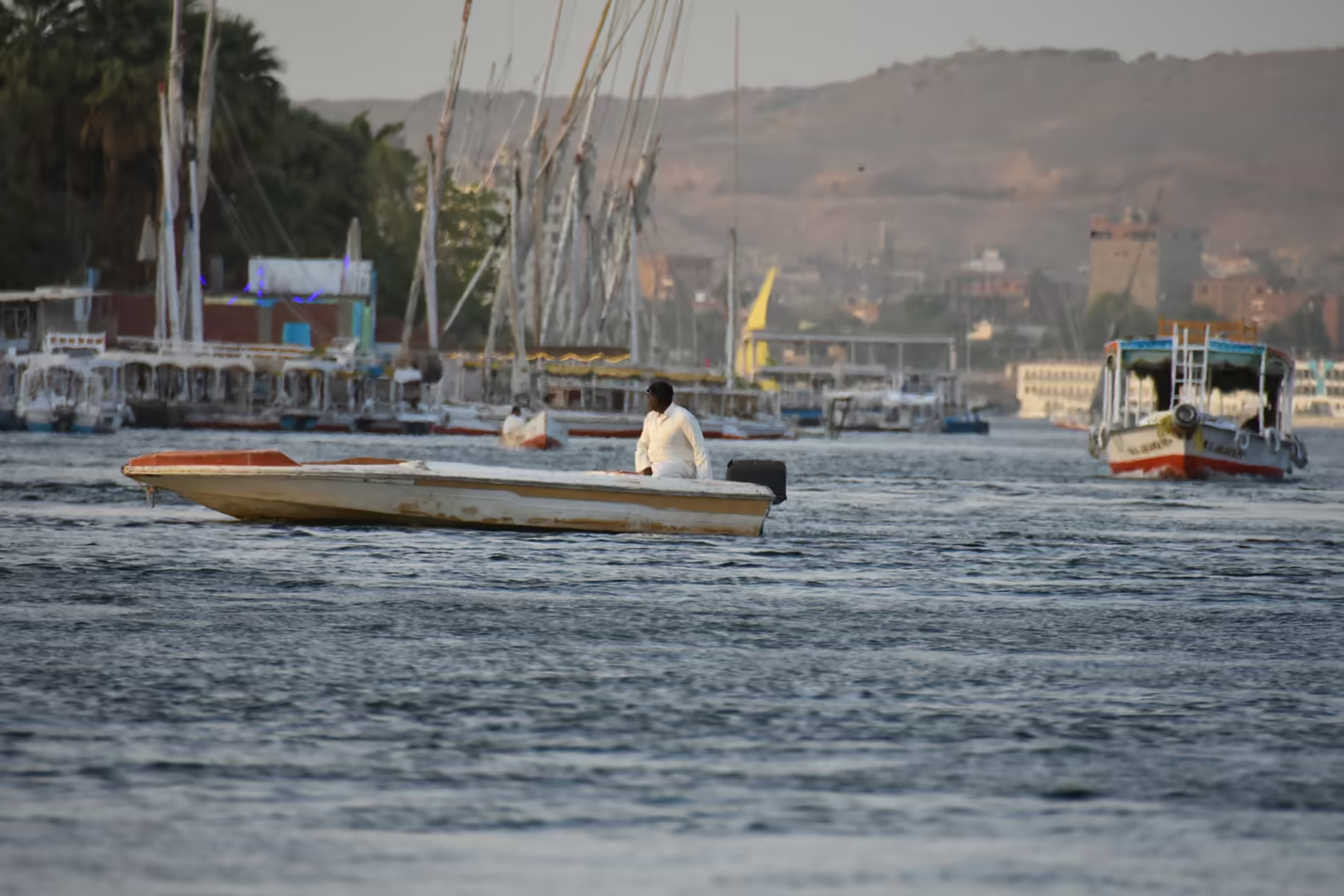
Feluccas set out from the quays of the island and of the west bank as the light falls, their sails passing the moored cruise ships and the mosque of the town, while small motorboats run the crossing to the villages of the shore. The granite boulders at the water’s edge carry ancient inscriptions and weathered carvings, and towards sunset the returning sails gather against the light above the channel.
References
- Bard, K. A. (2015). An Introduction to the Archaeology of Ancient Egypt (2nd ed.). Chichester: Wiley Blackwell.
- Porten, B. (1968). Archives from Elephantine: The Life of an Ancient Jewish Military Colony. Berkeley: University of California Press.
- Said, R. (1990). The Geology of Egypt. Rotterdam: A. A. Balkema.
- Wilkinson, T. A. H. (1999). Early Dynastic Egypt. London: Routledge.
- German Archaeological Institute Cairo (2019). 50th Anniversary of the Excavation Project Elephantine. Newsroom, 16 March 2019. www.dainst.org/en/newsroom/50th-anniversary-of-the-excavation-project-elephantine/136
- Wikipedia contributors (2026). Elephantine. en.wikipedia.org/wiki/Elephantine
- Wikipedia contributors (2026). Aswan. en.wikipedia.org/wiki/Aswan
- Wikipedia contributors (2026). Khnum. en.wikipedia.org/wiki/Khnum
- Wikipedia contributors (2026). Satis (goddess). en.wikipedia.org/wiki/Satis_(goddess)
- Wikipedia contributors (2026). Temple of Satet. en.wikipedia.org/wiki/Temple_of_Satet
- Wikipedia contributors (2026). Nilometer. en.wikipedia.org/wiki/Nilometer
- Wikipedia contributors (2026). Elephantine papyri and ostraca. en.wikipedia.org/wiki/Elephantine_papyri_and_ostraca
- Wikipedia contributors (2026). Heqaib. en.wikipedia.org/wiki/Heqaib
- Wikipedia contributors (2026). Qubbet el-Hawa. en.wikipedia.org/wiki/Qubbet_el-Hawa
- Wikipedia contributors (2026). Aswan Museum. en.wikipedia.org/wiki/Aswan_Museum
- Wikipedia contributors (2026). Unfinished obelisk. en.wikipedia.org/wiki/Unfinished_obelisk