2021 Italy - Florence
18 September 2021




















Journal Notes
General
Florence is the capital of Tuscany and stands on the Arno where the river leaves the Apennines for the coastal plain, about 230 kilometres north of Rome. The comune counts roughly 360,000 inhabitants, the historic centre covers about five hundred hectares on both banks, and the old walls have been replaced by a ring of boulevards. The centre has been a UNESCO World Heritage Site since 1982, and in an ordinary year the city receives several million visitors, most of them in the square kilometre around the cathedral.
The old town is organised in four quarters that still carry the names of their churches: San Giovanni around the cathedral, Santa Maria Novella in the west, Santa Croce in the east and Santo Spirito across the water. The Oltrarno, the left bank, is the quieter half, with workshops, small squares and the Boboli gardens rising behind the Pitti palace. Almost every lane in the northern half was laid out before 1400, and the whole centre can be crossed on foot in forty minutes.
The city lives from visitors, from fashion and from the crafts that grew around both. Leather workshops, goldsmiths, cabinetmakers, bookbinders and restorers work in the streets between Santa Croce and the river, the fashion houses that started here a century ago keep their headquarters in the city, and the hills to the south produce the wine and oil sold in every second shop in the centre. A large university and the restoration workshops of the Oltrarno keep the trades alive.
Tourism has changed the balance of the centre in recent decades. The resident population of the old town has fallen for years while arrivals have risen, apartments that once housed families are let by the night, and the food shops of the historic streets have been replaced by outlets that sell the same few products to everyone who passes. The administration has answered with limits on new short-term rentals, and the argument about how much tourism a city of this size can carry is older here than anywhere else in Europe.
Arrival is straightforward. The main station, Santa Maria Novella, stands at the northern edge of the old town, the airport at Peretola is fifteen minutes away by tram, and the centre itself is closed to most cars. Timed tickets are needed for the dome, the campanile, the Uffizi and the Accademia, and the quiet hours are early morning and after seven in the evening. Trains to Pisa, Lucca, Siena and Rome leave from the same station, which makes Florence a practical base for Tuscany.
History
The site has been settled since the Villanovan period, and the Roman town was founded in 59 BC as a colony for veterans of the legions, where the road crossed the Arno on its way north. The name Florentia, the flourishing one, was a good omen rather than a description; the older centre of the region was the Etruscan Fiesole in the hills above. Florence became a bishopric, passed through Lombard and Frankish rule as part of the march of Tuscany, and in 1115, after the death of Countess Matilda, it organised itself as a commune.
The commune was run by the guilds, and two of them made the city rich: the wool guild, which finished English and Flemish cloth in the workshops along the Arno, and the bankers, who lent money to popes and kings. The florin, minted from 1252, became the reference currency of Europe. The same century brought the feuds of Guelphs and Ghibellines, the defeat at Montaperti in 1260 and the exile of Dante in 1302. The Black Death of 1348 killed perhaps half the population, and the revolt of the wool workers in 1378 shook the guild state.
The Medici bank took over the government in 1434, when Cosimo the Elder returned from exile, and for the next sixty years the family ruled the city without holding an office. Lorenzo the Magnificent, who survived the Pazzi conspiracy of 1478, was the patron of Botticelli and of Michelangelo as a boy. After his death the republic was restored and broken again, the preacher Savonarola held the city for four years before he was burned in the Piazza della Signoria in 1498, and in 1532 the Medici turned the republic into a duchy. Cosimo I took the title of Grand Duke of Tuscany in 1569.
Tuscany passed to the house of Lorraine in 1737, when the last Medici died, and the new rulers continued the reforms of the Enlightenment, with a census and the drainage of the marshes. Florence was occupied by the French in 1799, joined the kingdom of Italy in 1860, and served as its capital from 1865 until the government moved to Rome in 1871. In those six years the city was rebuilt for its new role: the old market and much of the ghetto were demolished, and a new square and a ring of boulevards took the place of the walls.
The twentieth century left two dates in the memory of the city. In 1944 the retreating German army destroyed the bridges over the Arno except the Ponte Vecchio, which was left standing while the streets leading to it were blown up, and the city was liberated that August. On 4 November 1966 the river broke its banks after weeks of rain and flooded the centre to more than five metres in places; the water killed more than thirty people, damaged hundreds of thousands of books and paintings, and brought the volunteers who were called the mud angels.
Geology
Florence sits in a tectonic basin, the plain of Florence, Prato and Pistoia, which opened in the Pliocene when the Apennine chain began to stretch. The depression filled first with marine sediments and then, after the sea withdrew, with freshwater clays, sands and gravels, and it is that soft, layered ground which carries the city. The Arno once ponded behind the hills to the west as a shallow lake; the river later cut the notch at the Gonfolina, the lake drained, and the water reached the sea through the lower valley.
The stone of the city is Apennine sandstone. Pietra serena, a fine grey rock quarried at Fiesole, Settignano and Trassinaia in the hills just outside the walls, gave Brunelleschi his columns and mouldings and runs through every Renaissance interior as a line of shadow. Pietraforte, a harder and darker sandstone, gave the Palazzo Vecchio, the old walls and the bridges their rough surface and has weathered better than much of the marble added later. Both belong to the same deep-sea formation, the Macigno, which was laid down in the Oligocene and lifted by the Apennines.
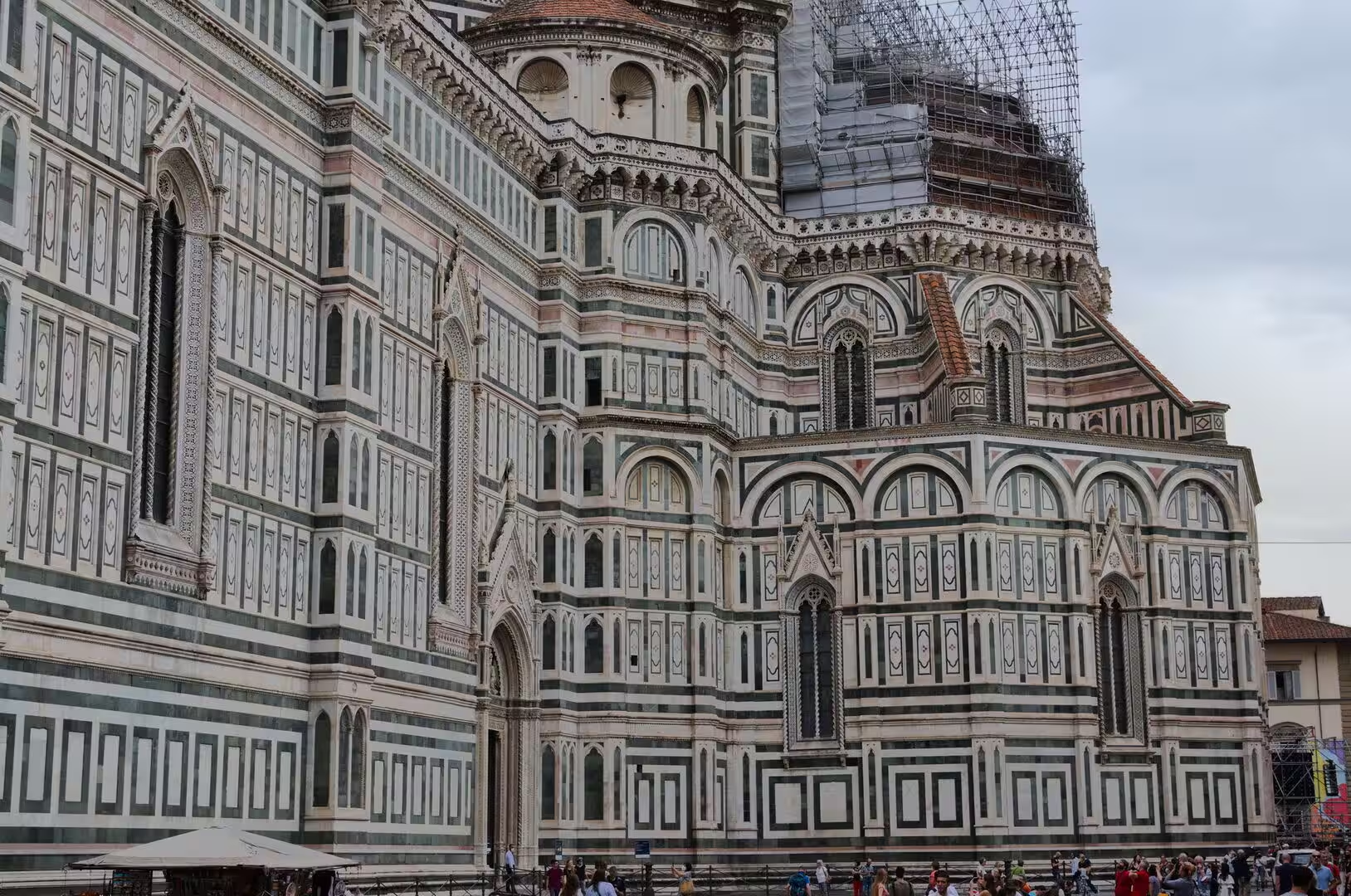
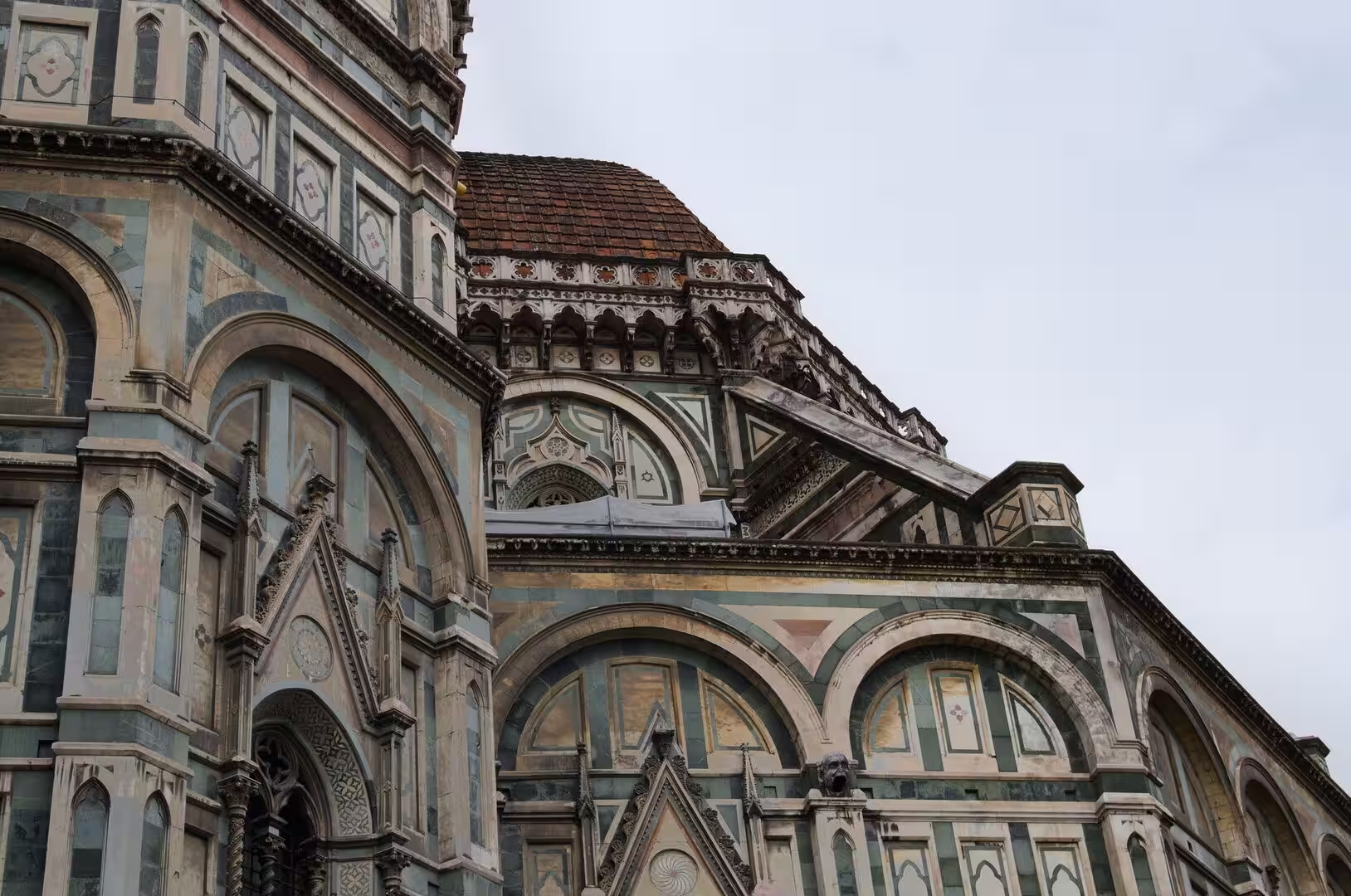
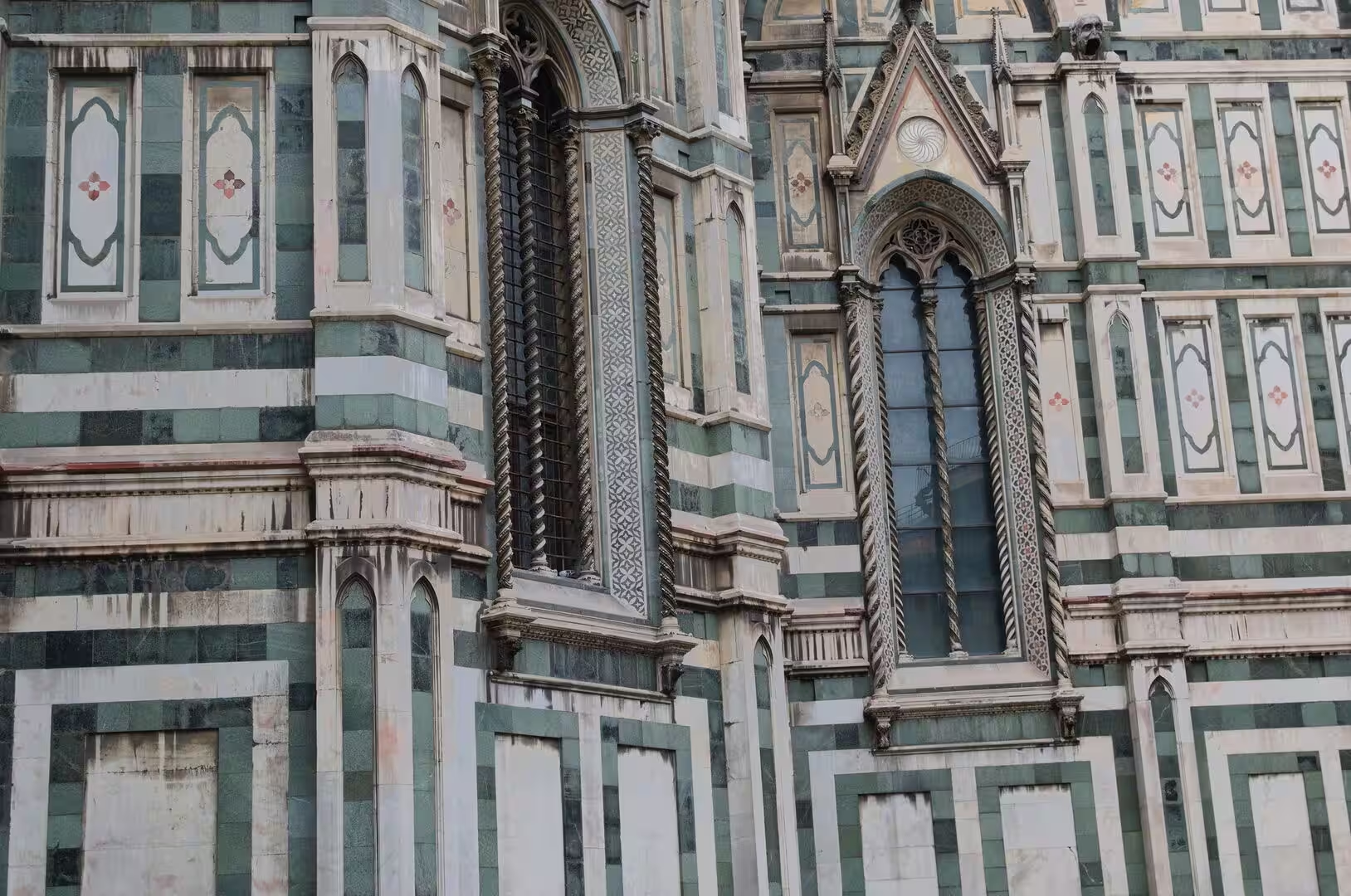
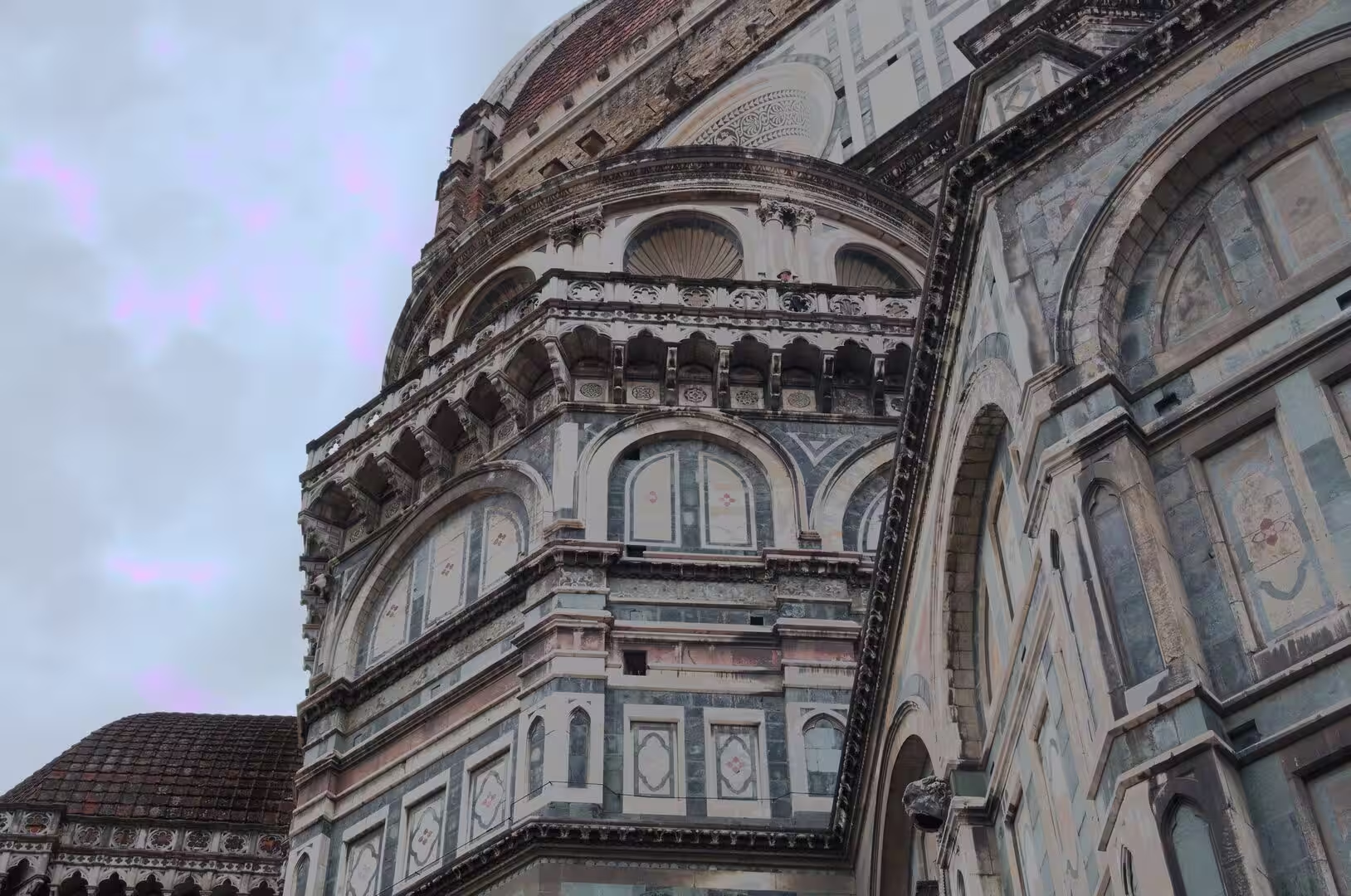
The precious stones came from further away. Carrara marble, a metamorphic limestone of the Apuan Alps, was brought up the Arno by boat and cart for the facades, the statues and the tombs, and Michelangelo went to the quarries himself to choose his blocks. The green stone of the Baptistery and of Santa Maria Novella is not marble at all but serpentinite from Monte Ferrato near Prato, a dark rock with white veining that takes a polish, and the red bands of the cathedral come from the Maremma.
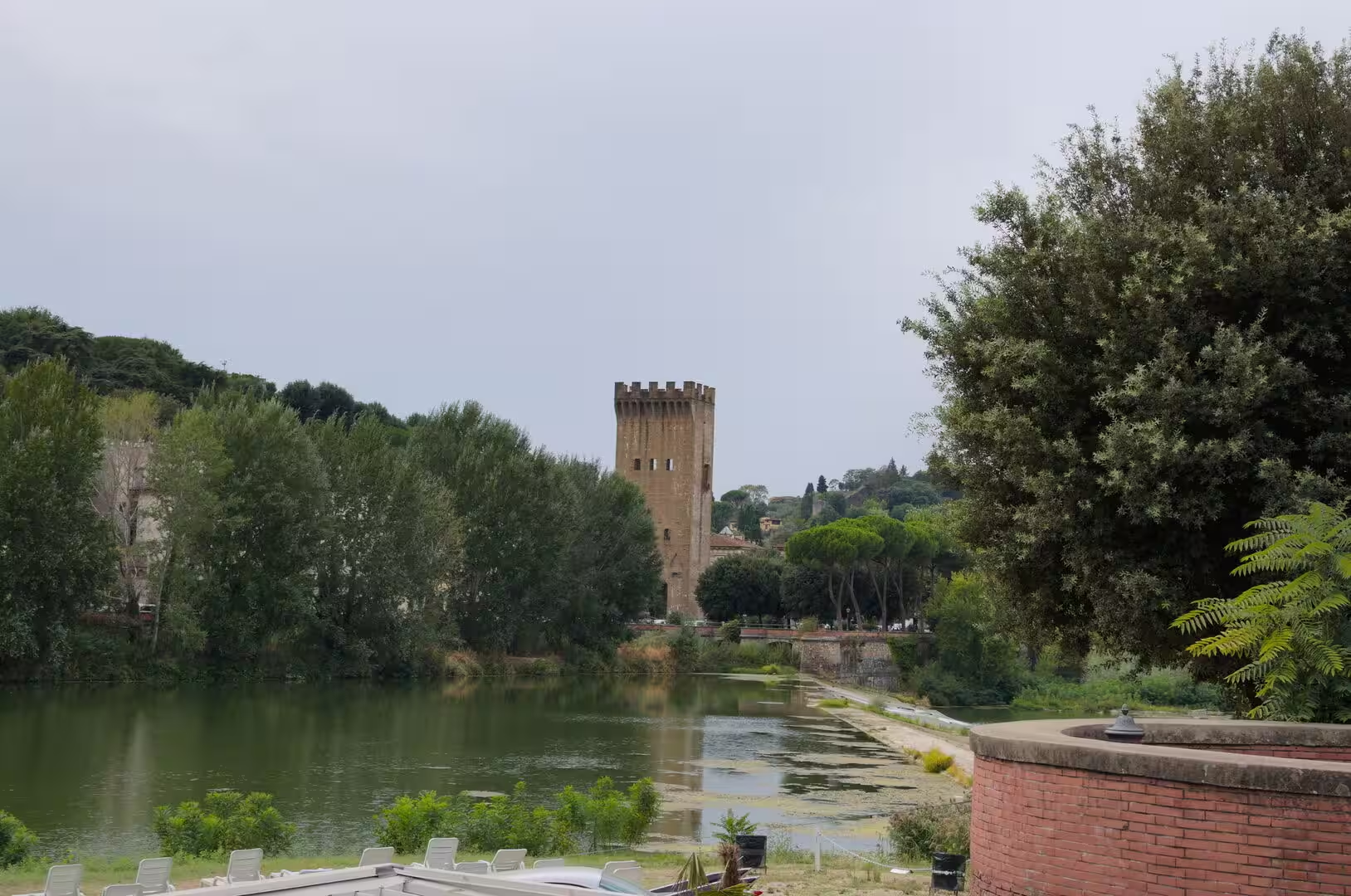
The Arno made all of this possible and still sets its limits. It rises on Monte Falterona in the Casentino, runs 241 kilometres west through Arezzo, Florence and Pisa, and drains a basin of about 8,200 square kilometres that takes in the Val di Chiana, the upper Valdarno and the valleys of the Sieve and the Bisenzio. Its flow varies enormously between summer and the storms of autumn, and the narrow section at the Gonfolina decides how quickly flood water can leave the plain of Florence.
Flooding is the standing risk of the basin. The records include the disaster of 1333, when the Ponte Vecchio was swept away, and the flood of 4 November 1966, when the water stood 6.7 metres above its normal level at Santa Croce. The embankments that hold the river in its bed were raised after that, the drains under the streets were rebuilt, and the safety of the city still depends on the reservoirs upstream and on the wooded hills that slow the rain.
Things to See
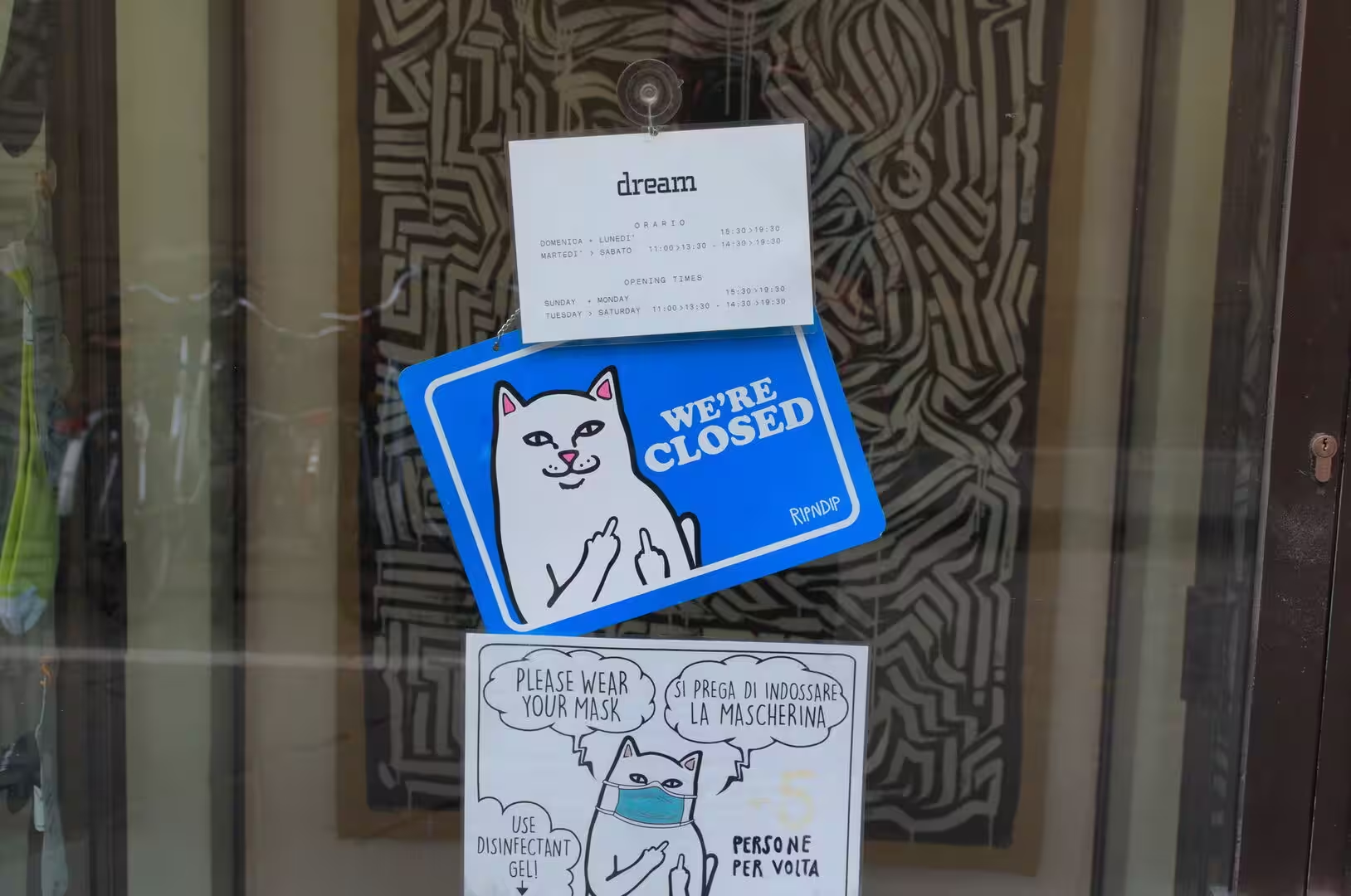
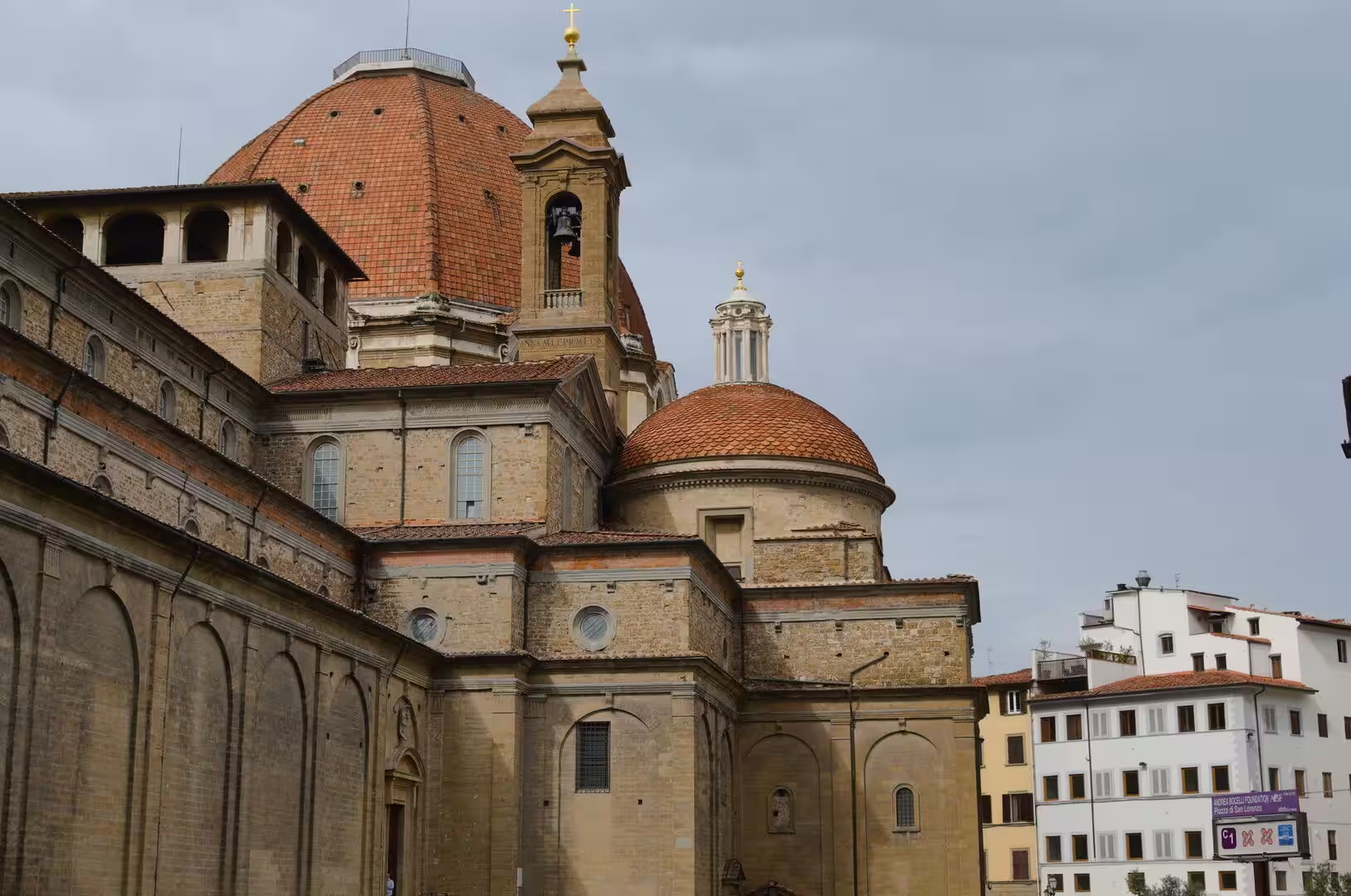
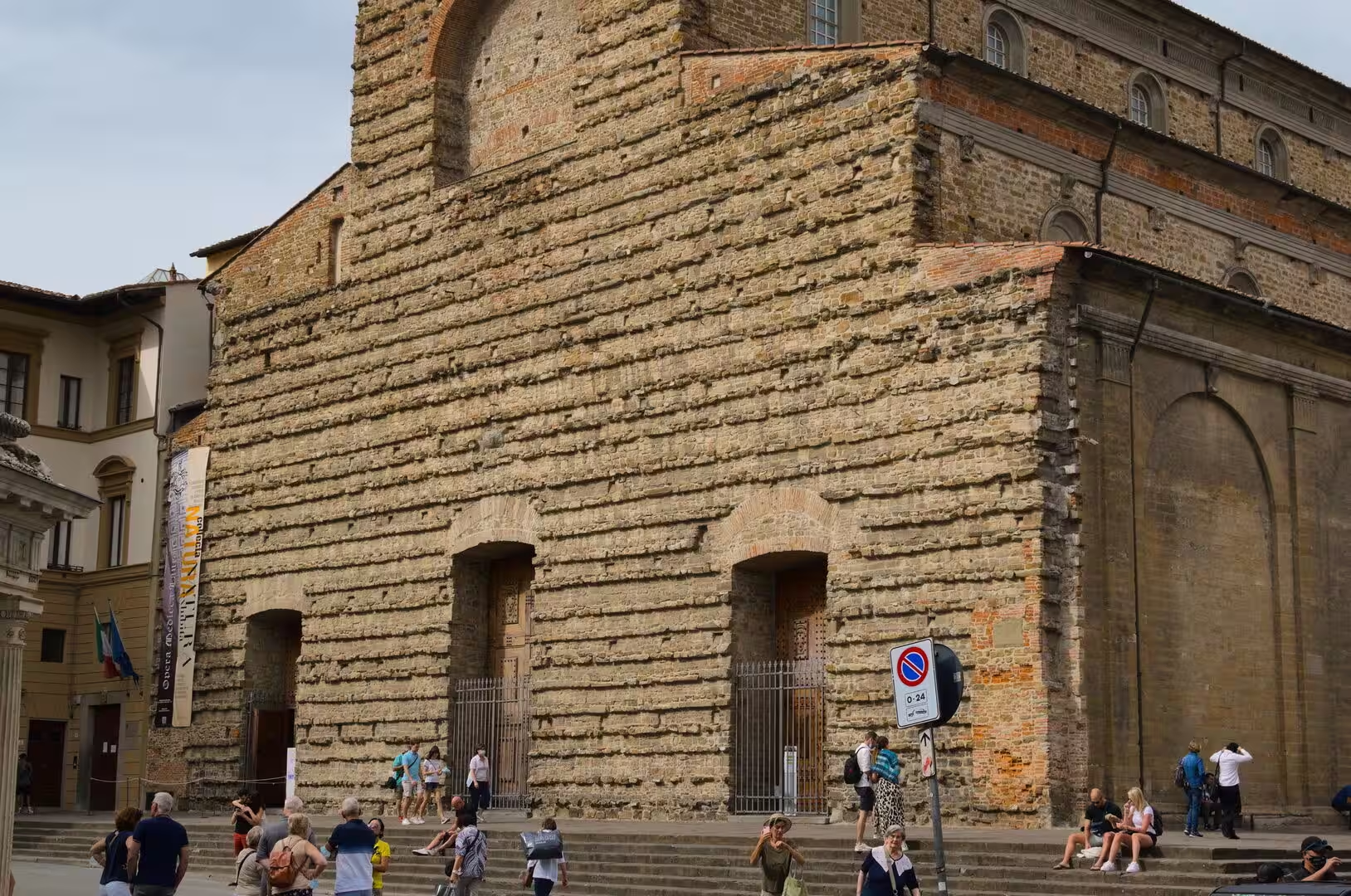
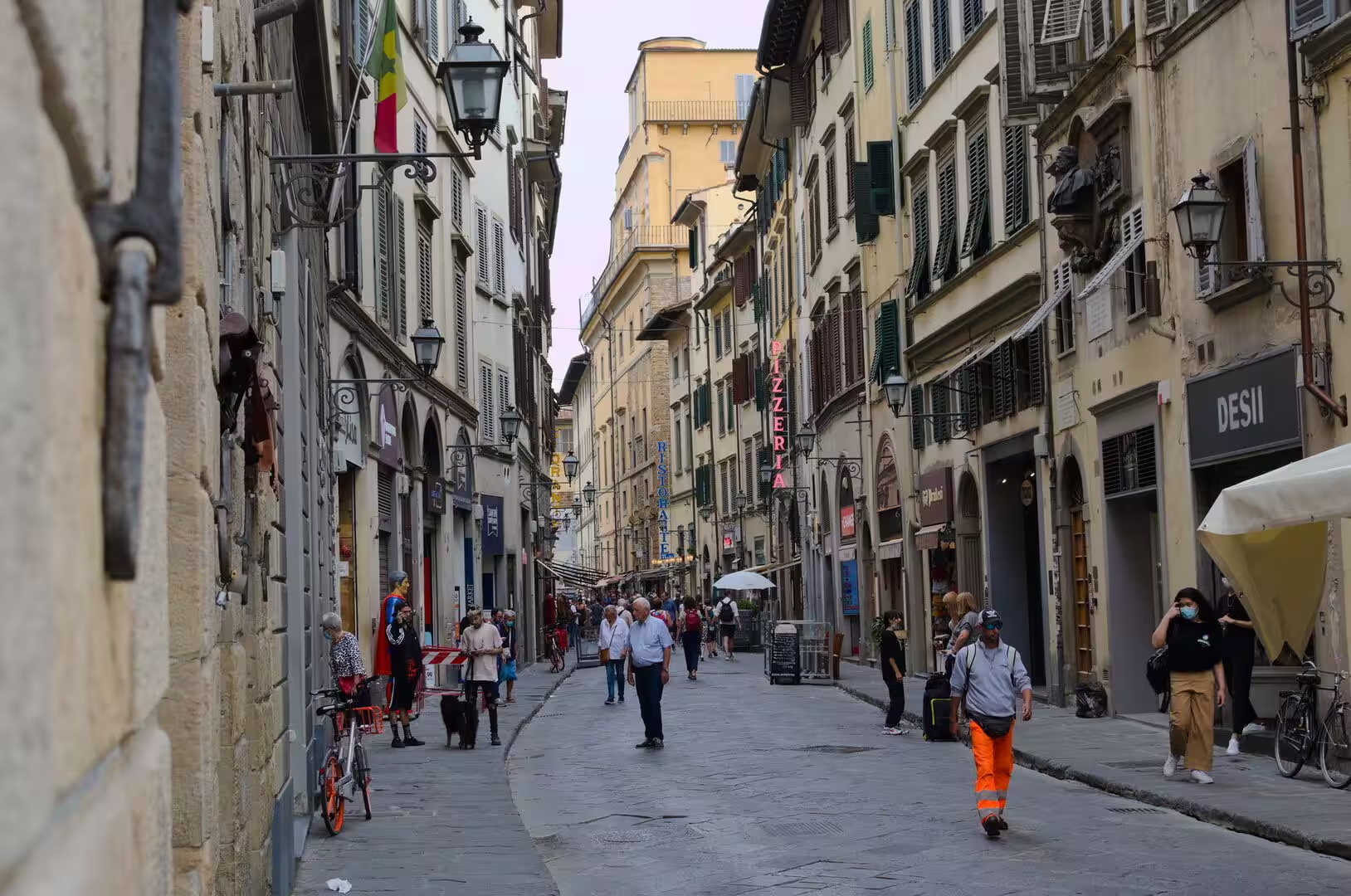
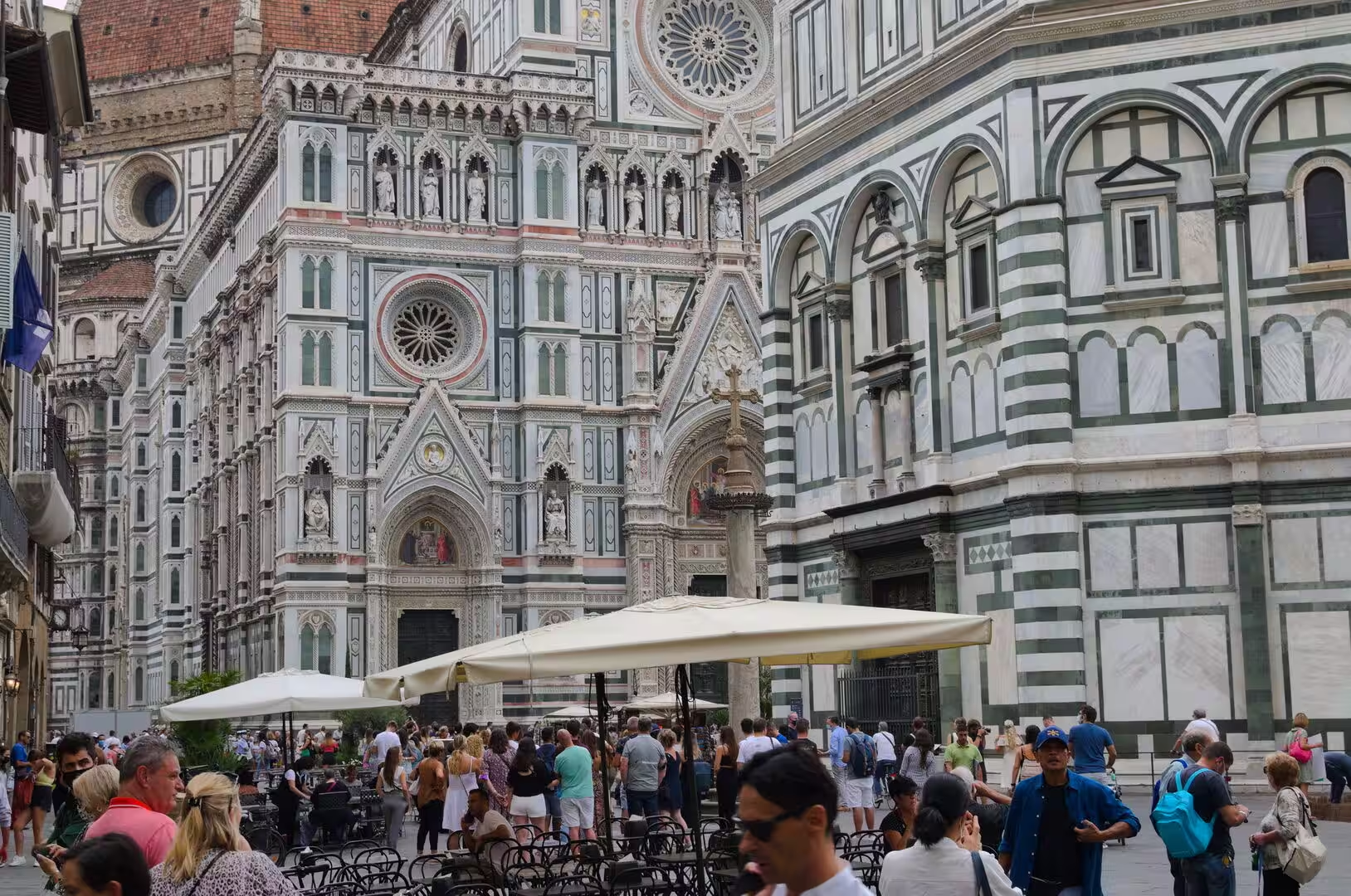
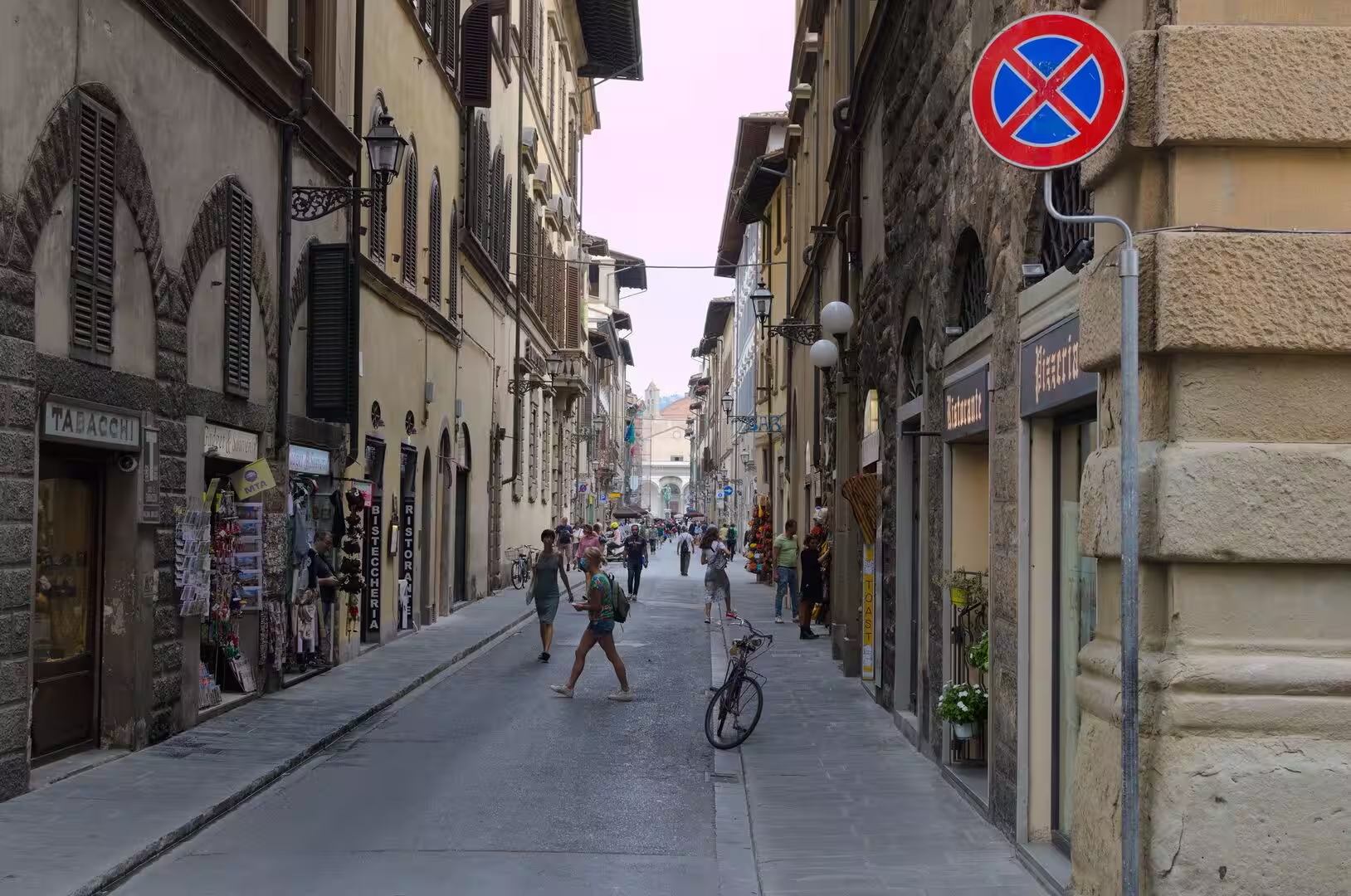
The walk usually begins at the northern edge of the centre, where the basilica of San Lorenzo still shows the bare rusticated front that the Medici never had clad, and a lane of shuttered shops leads towards the cathedral. In one of those windows the notices of the pandemic year hang beside the sign of a closed bar. Then the Piazza del Duomo opens: the marble front of Santa Maria del Fiore, the octagonal Baptistery standing before it, and Giotto’s campanile clear of the church on the other side.
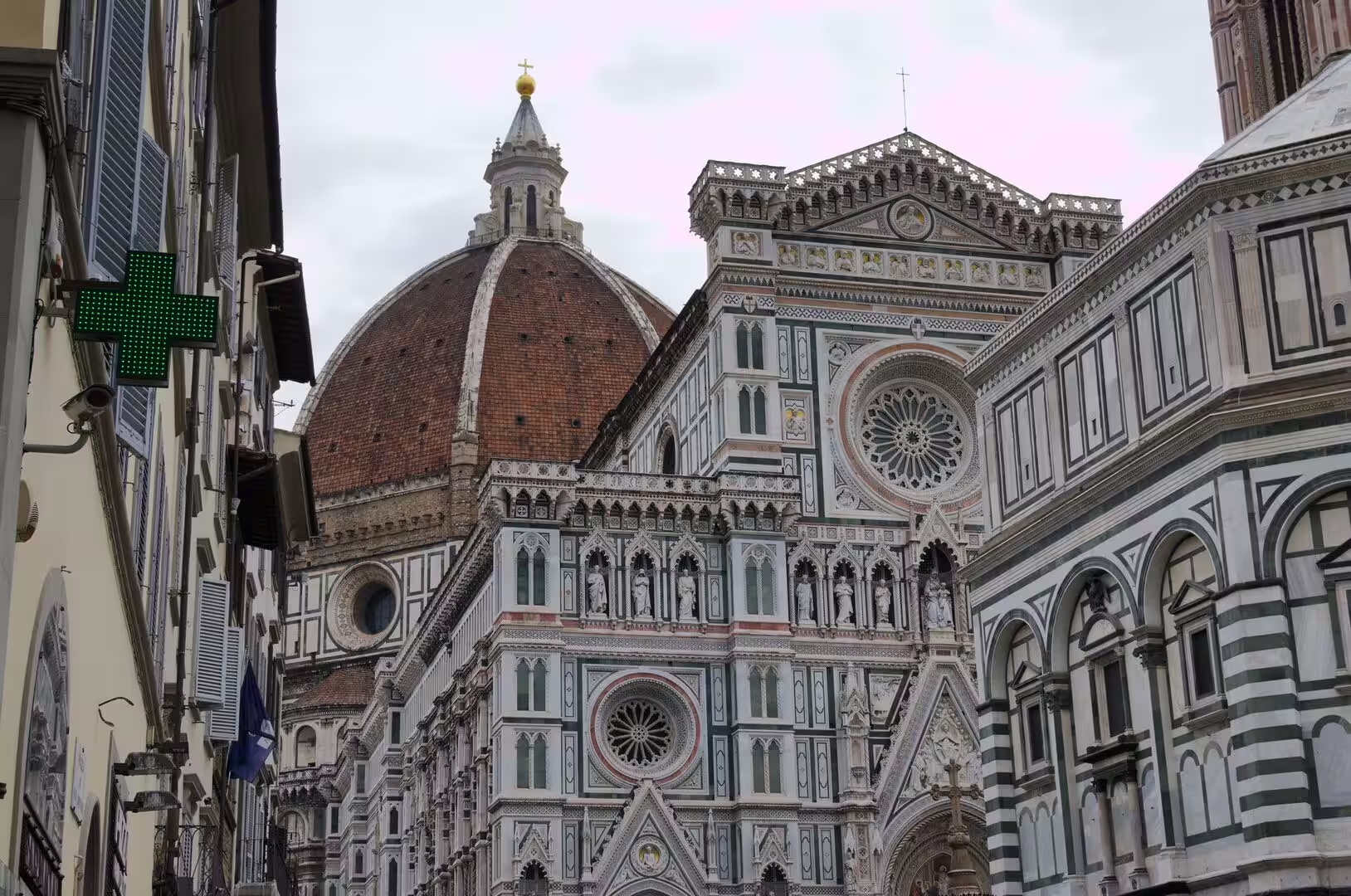
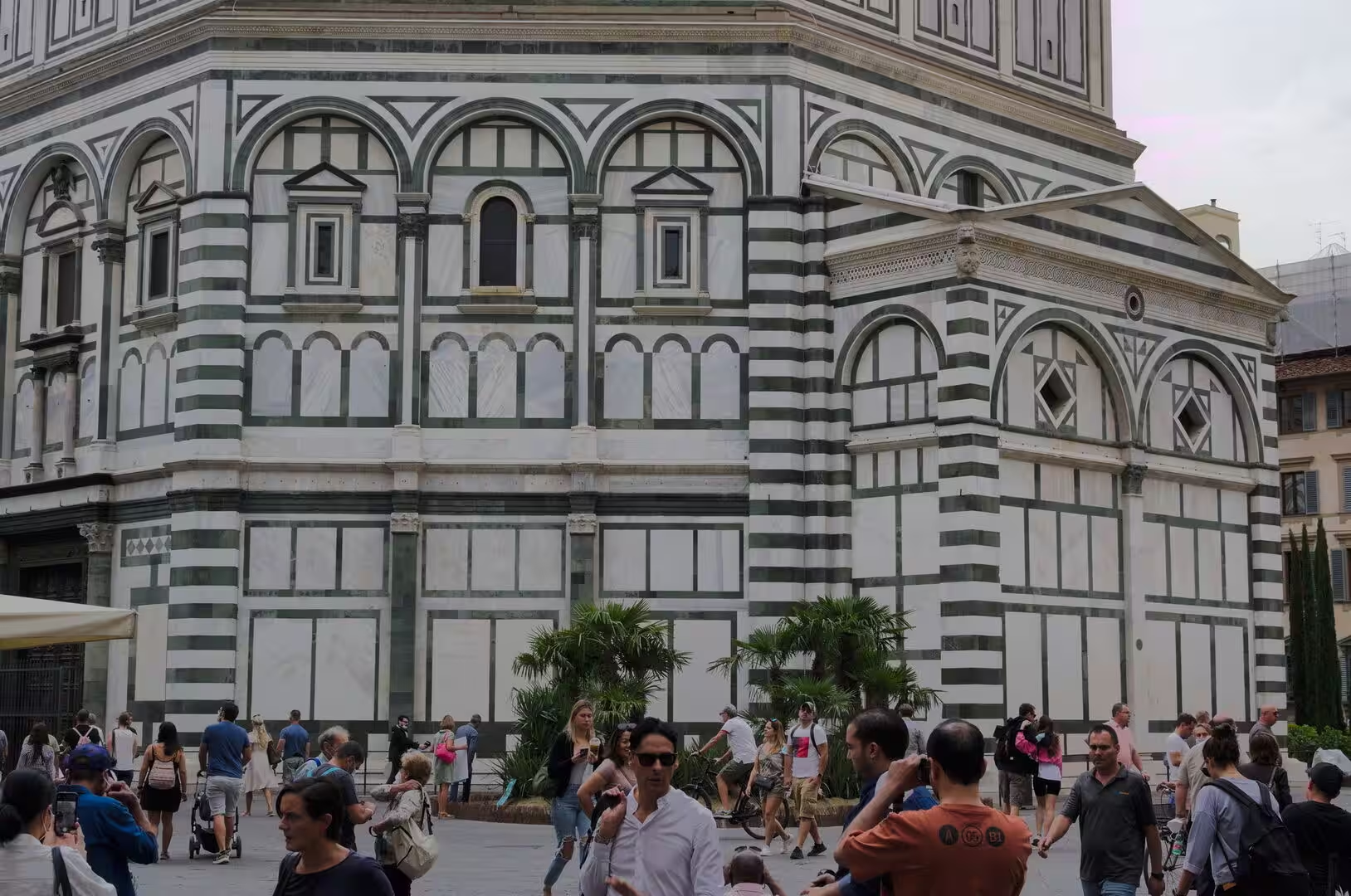
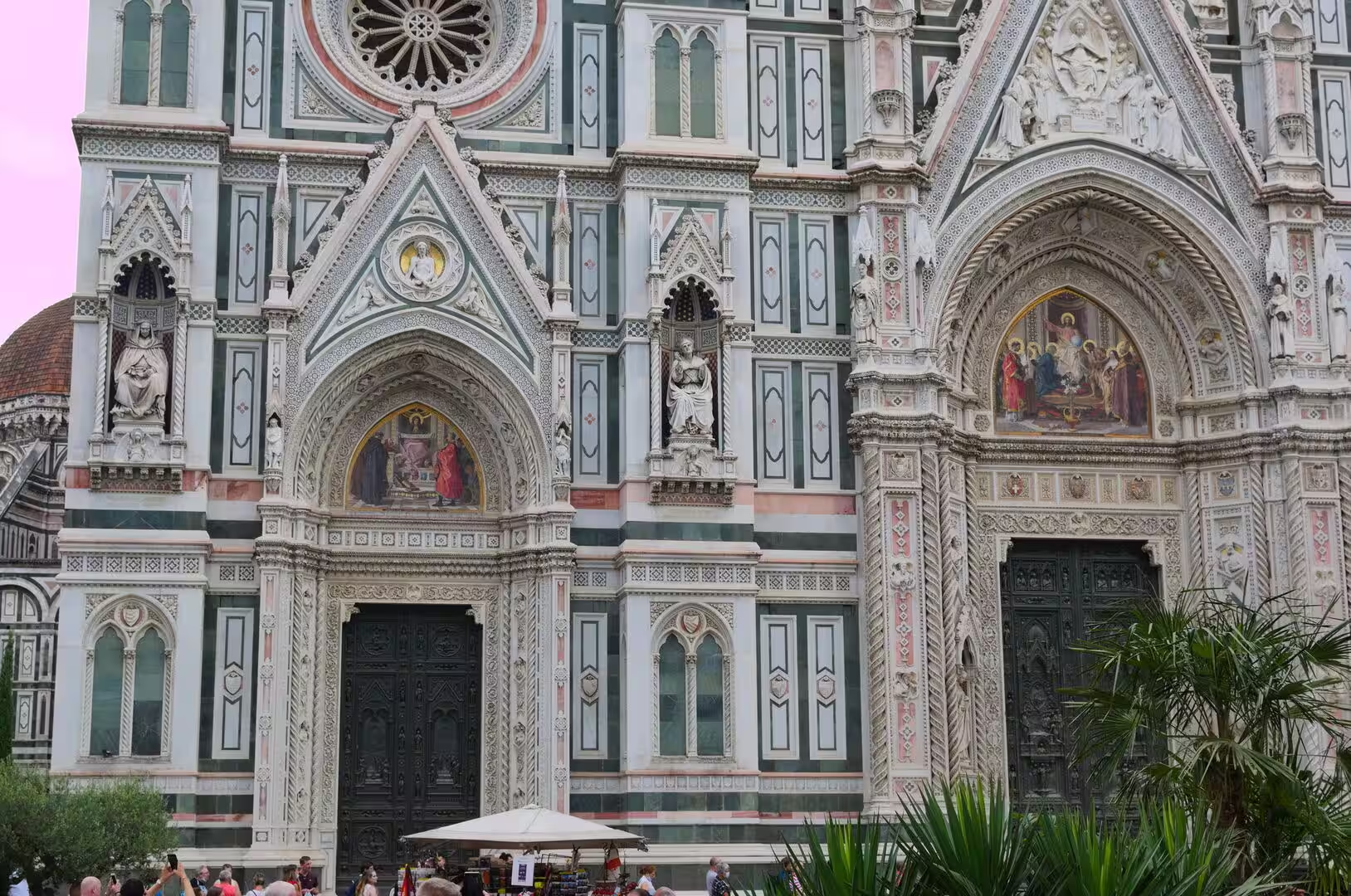
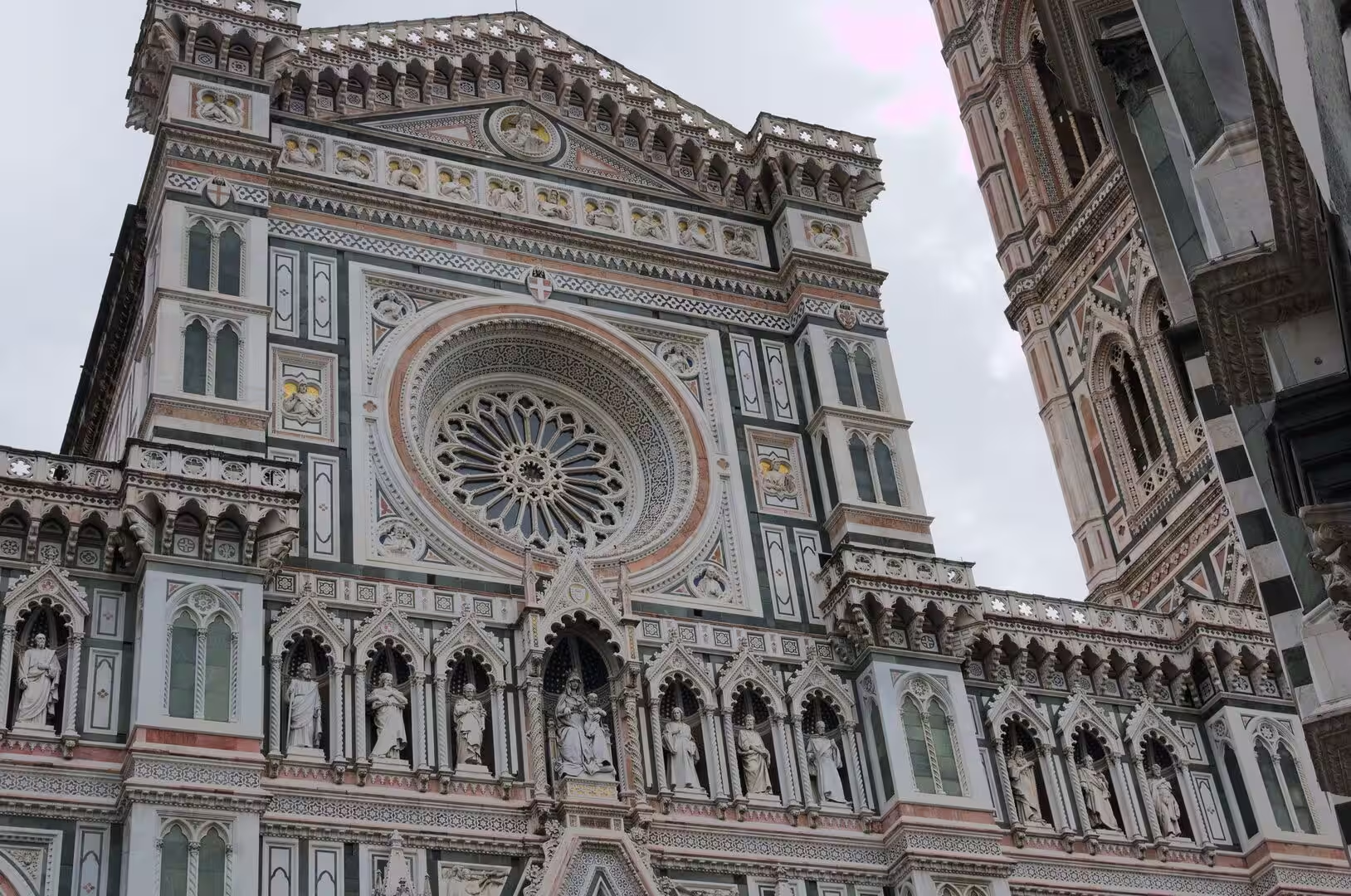
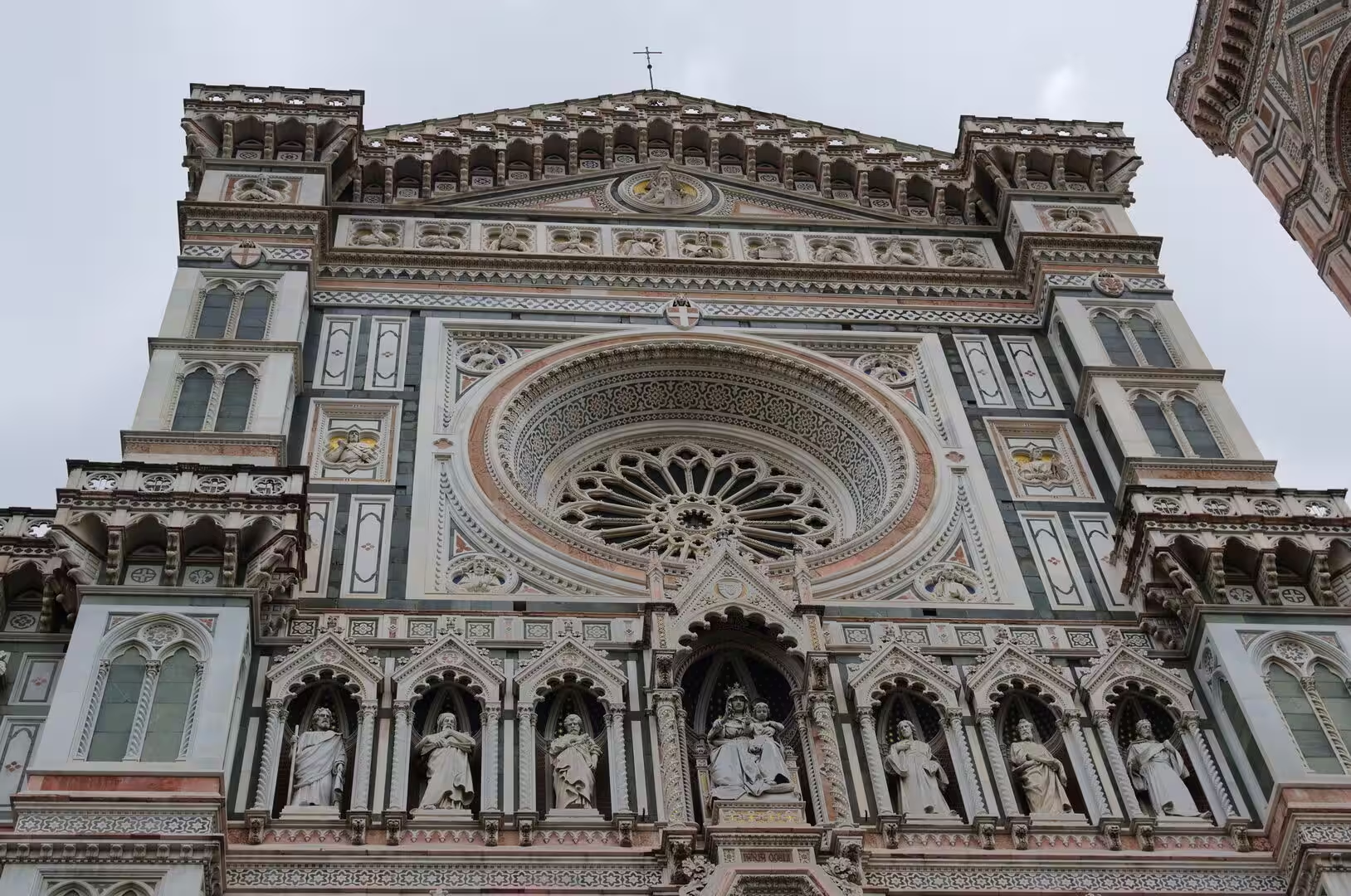
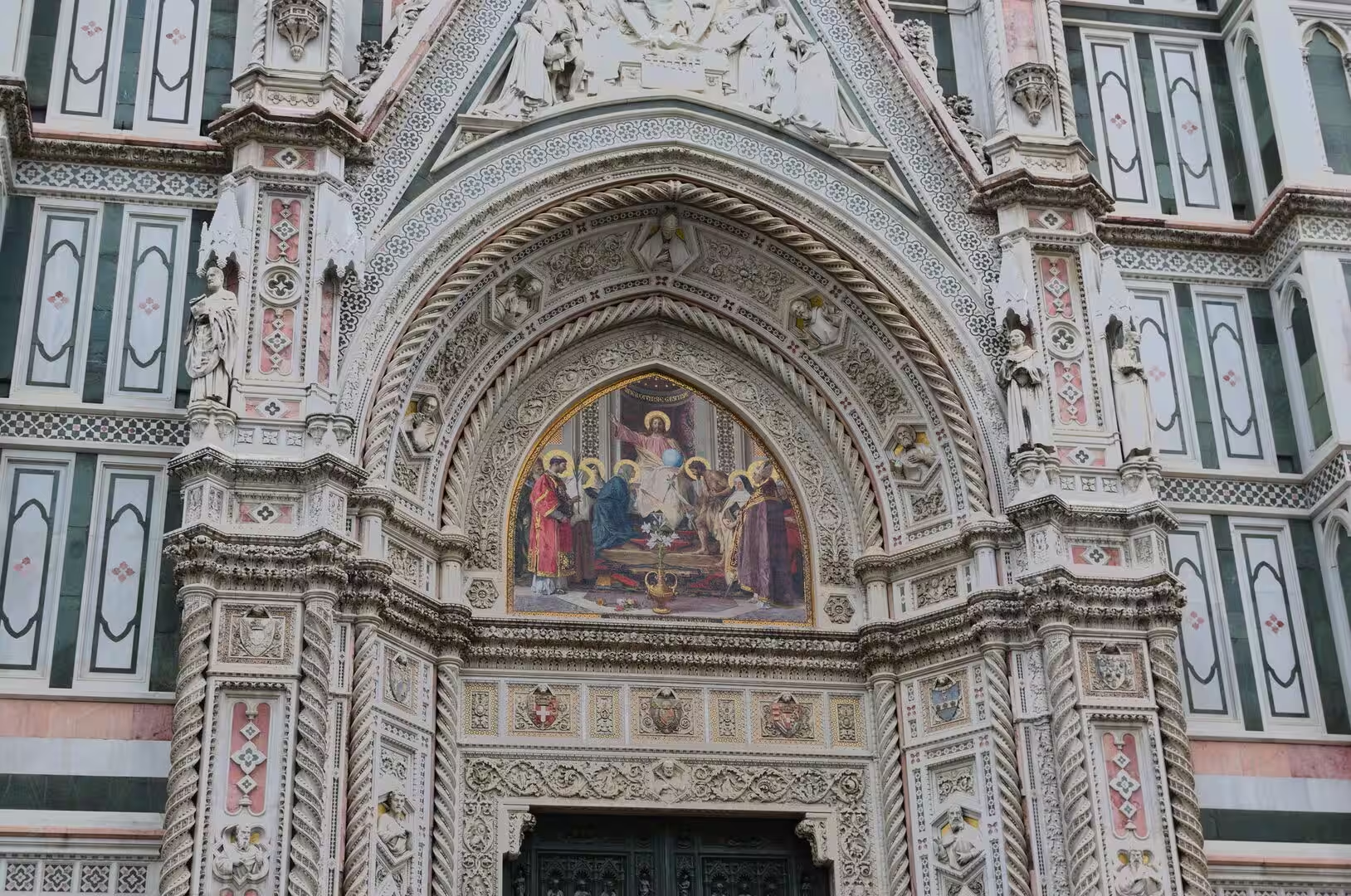
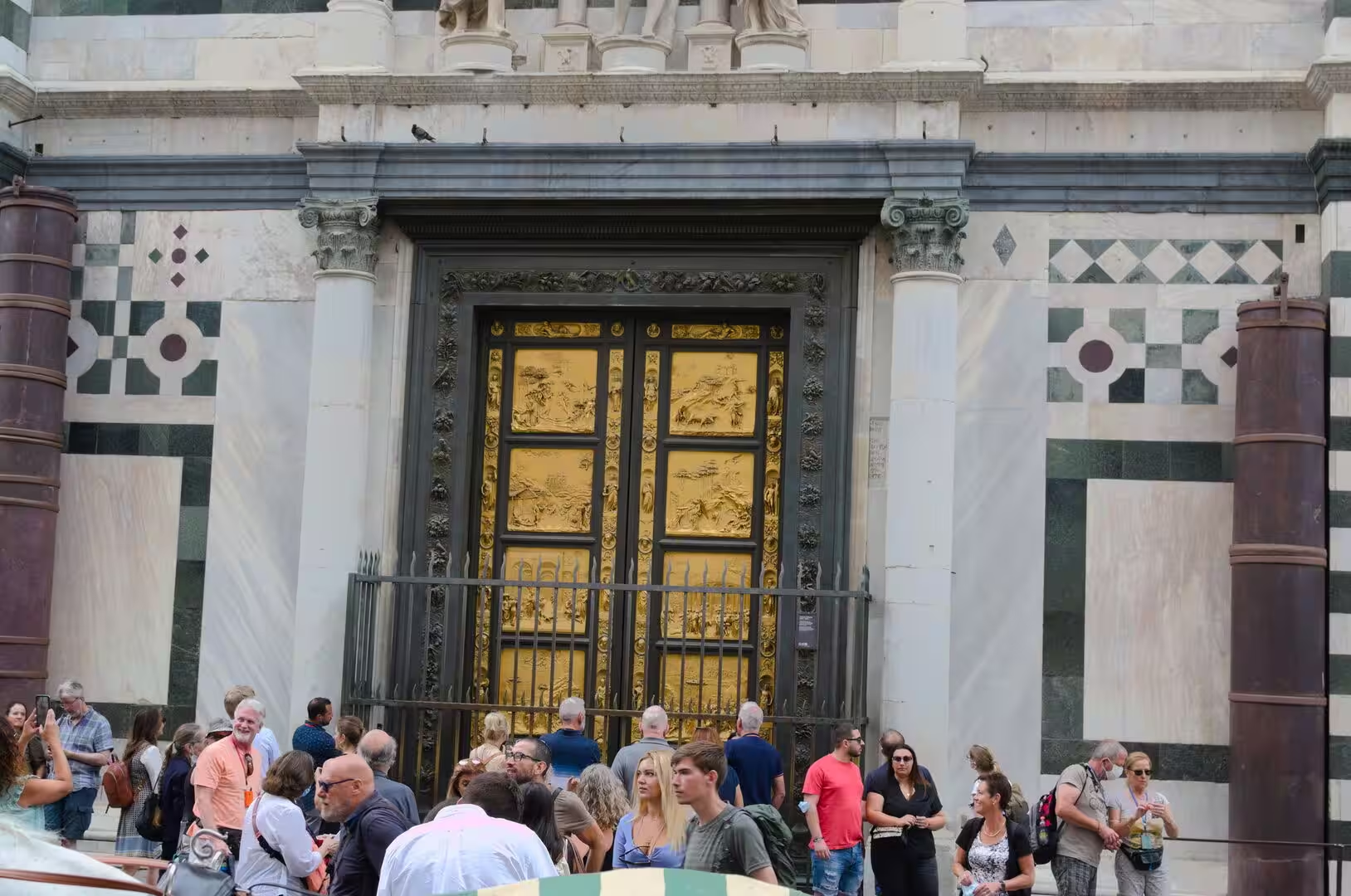
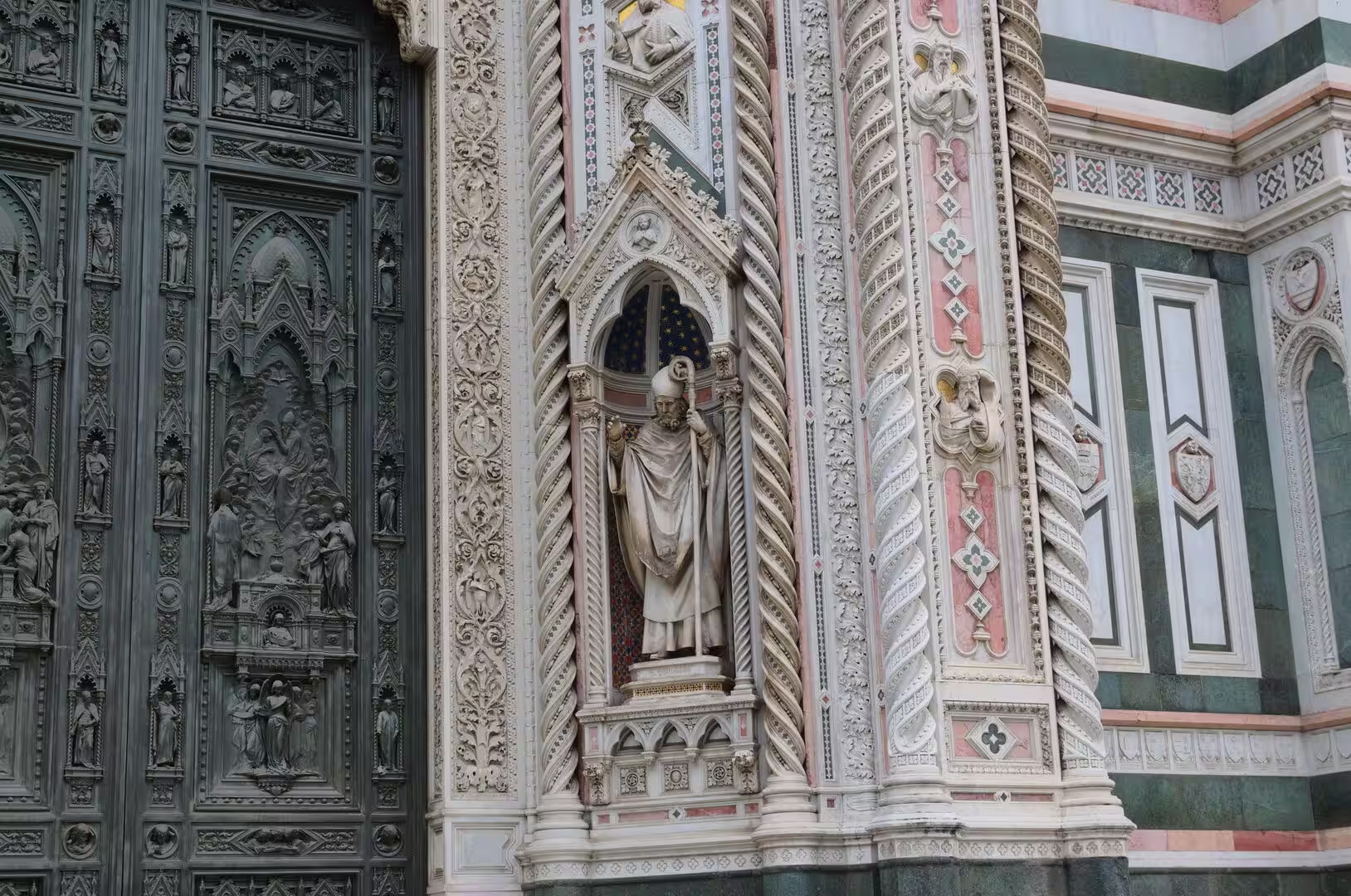
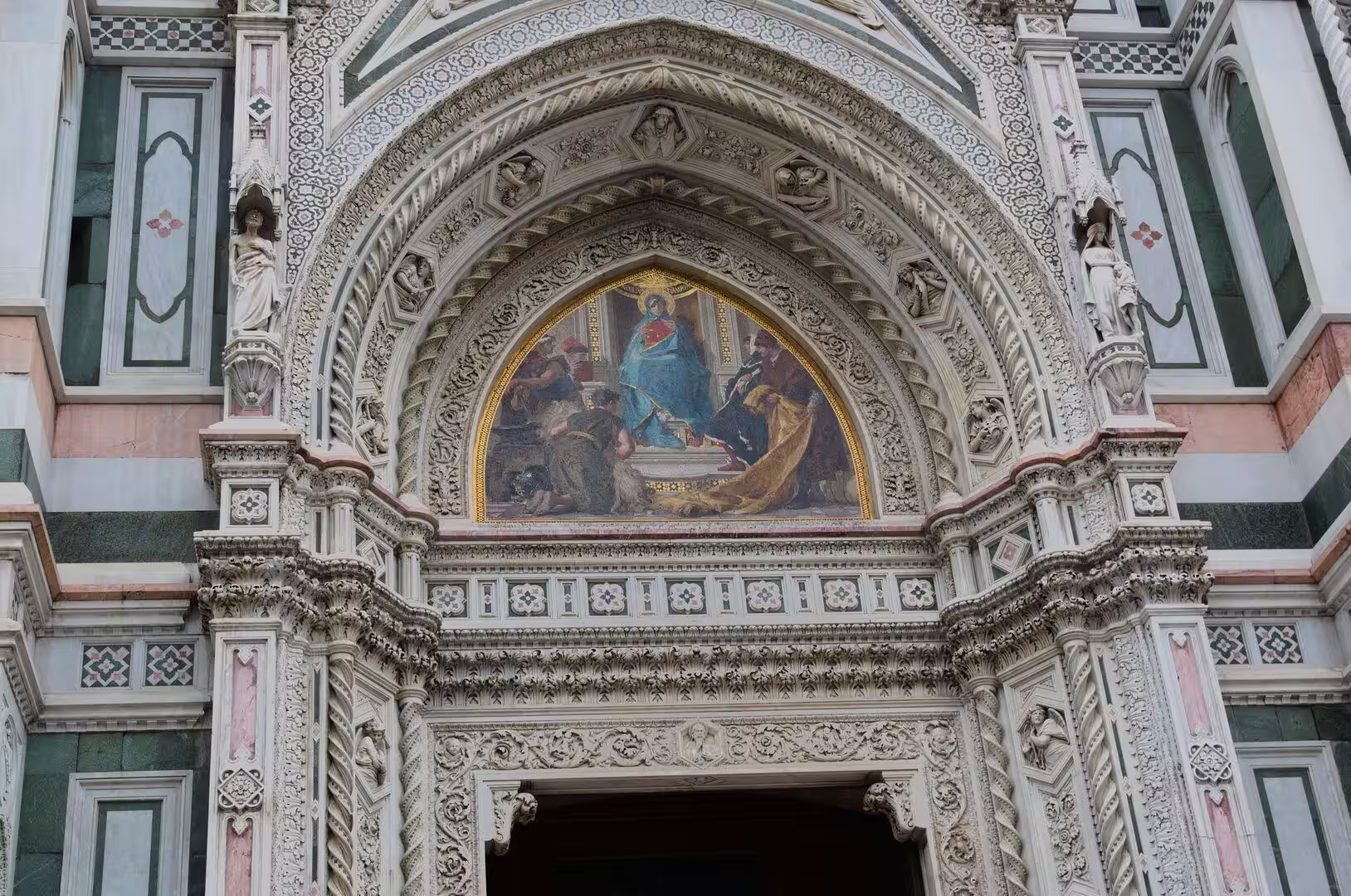
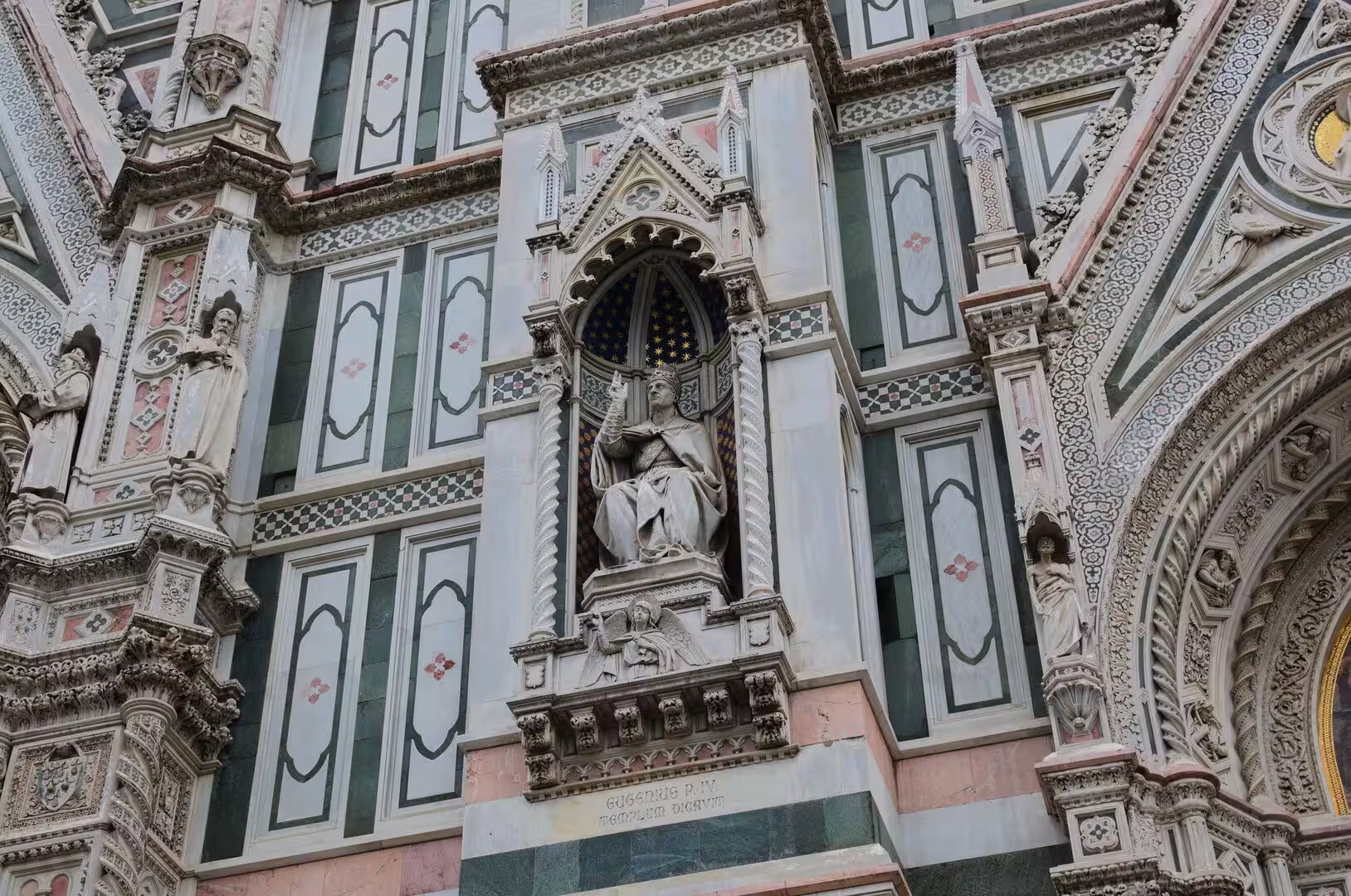
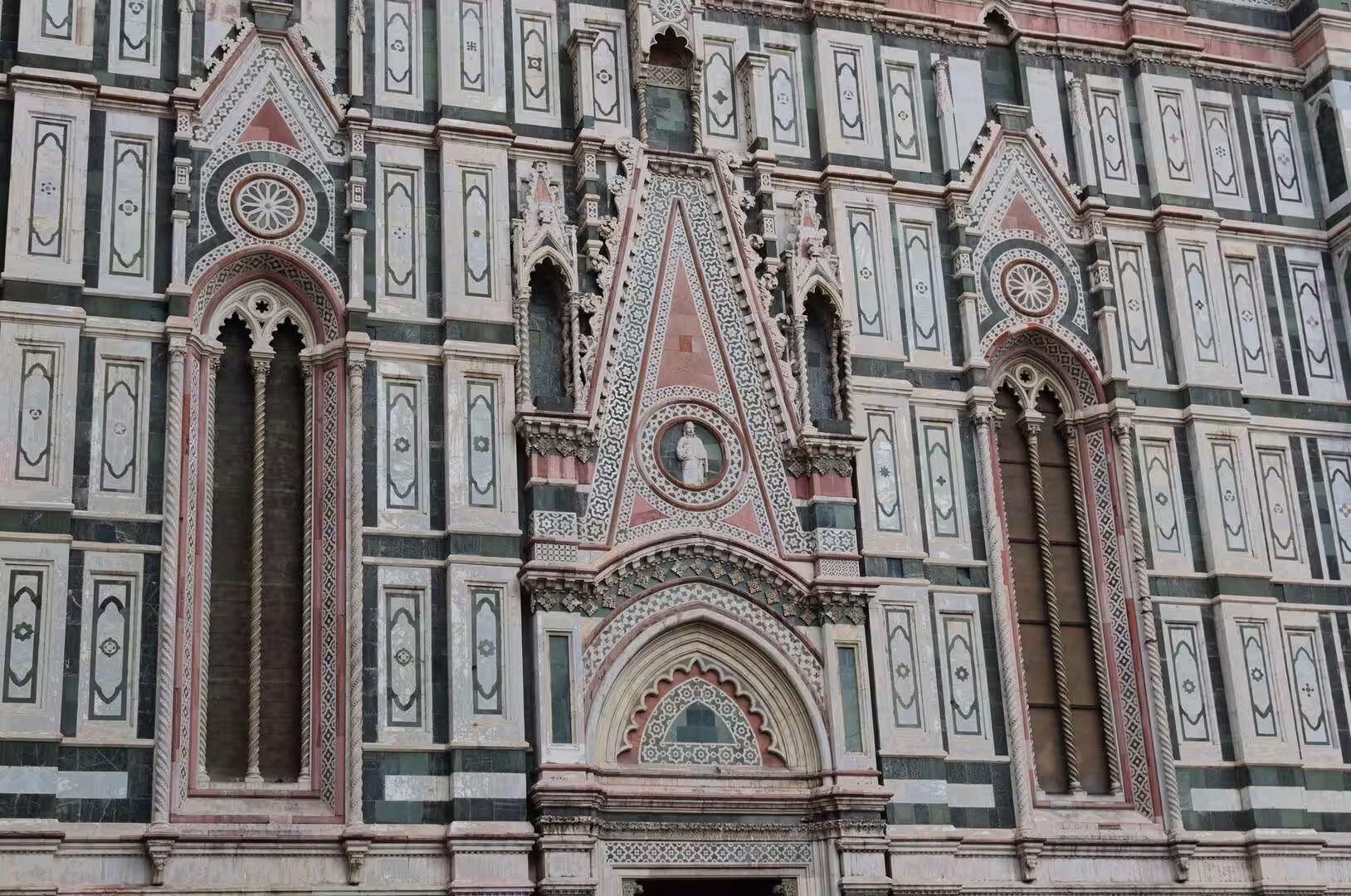
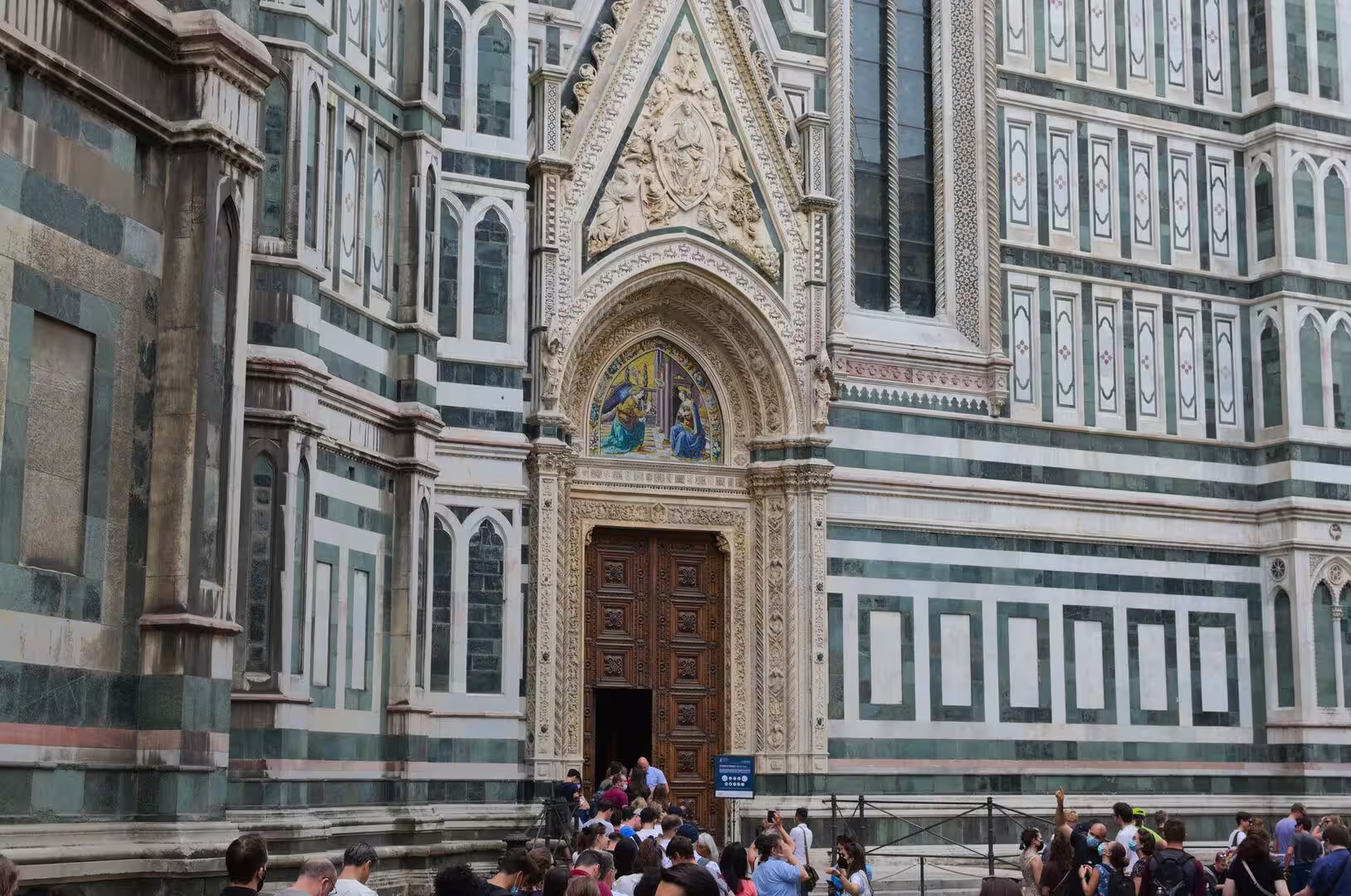
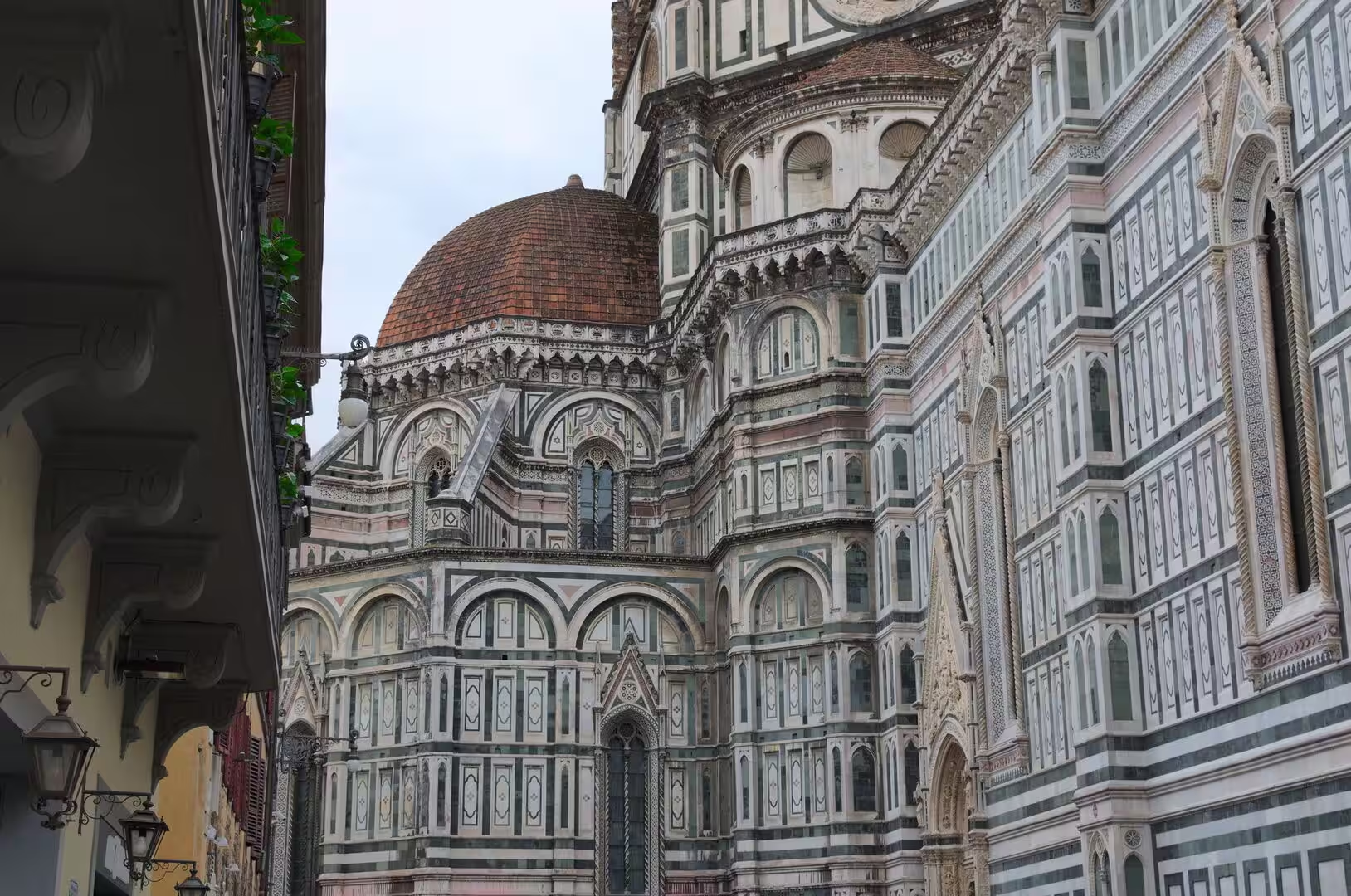
The west front of the cathedral is a work of the nineteenth century, a neo-Gothic screen of white, green and red marble with statues of the apostles in its niches and a great rose window in the middle of the wall. Above the central portal a gilded mosaic of the Madonna and the saints is crowned by a carved arch, and the bronze doors opposite carry the ten gilded panels of the Old Testament that Lorenzo Ghiberti cast over more than twenty years. The queue at the portals forms behind the palms of the piazza.
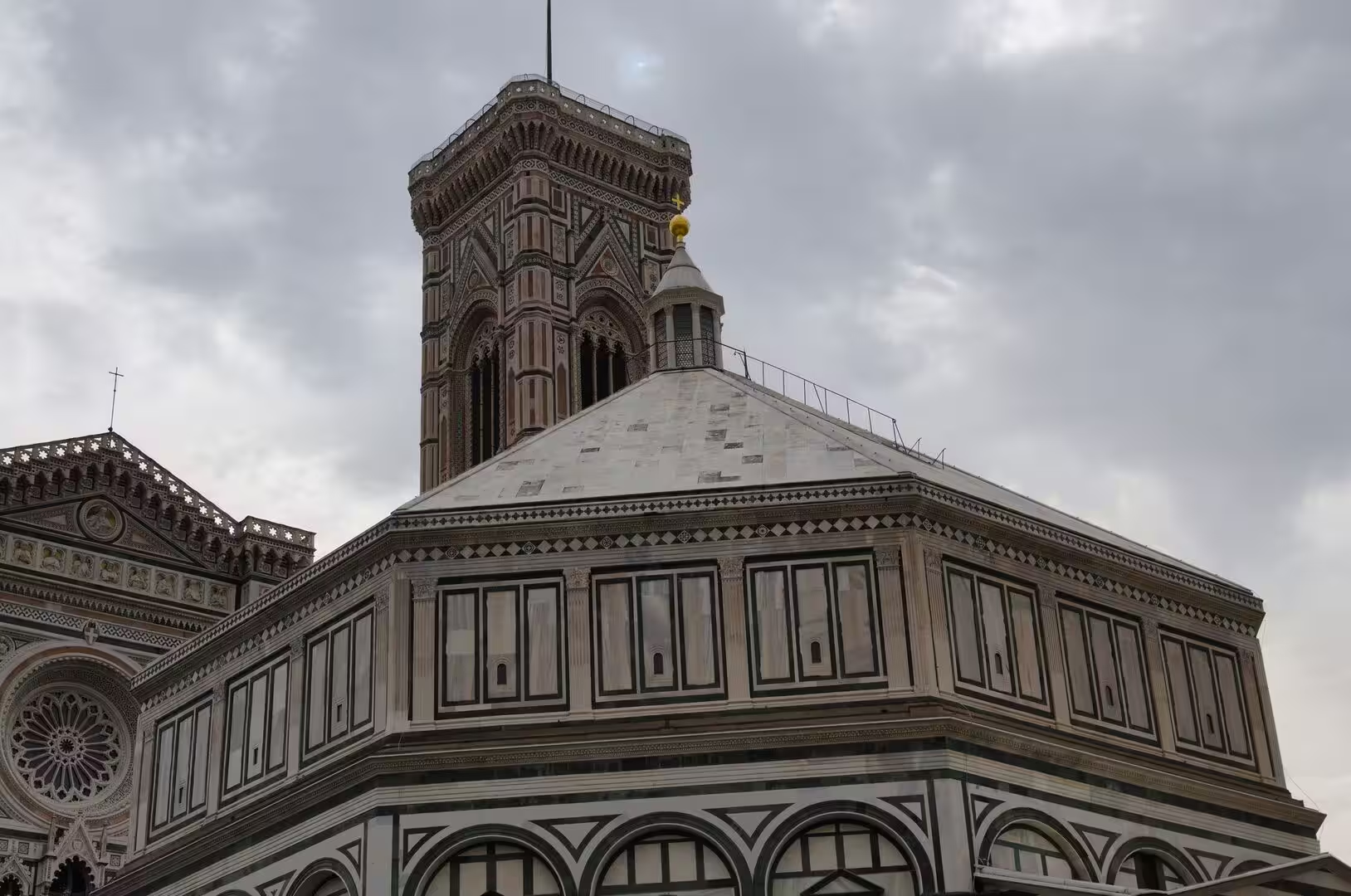
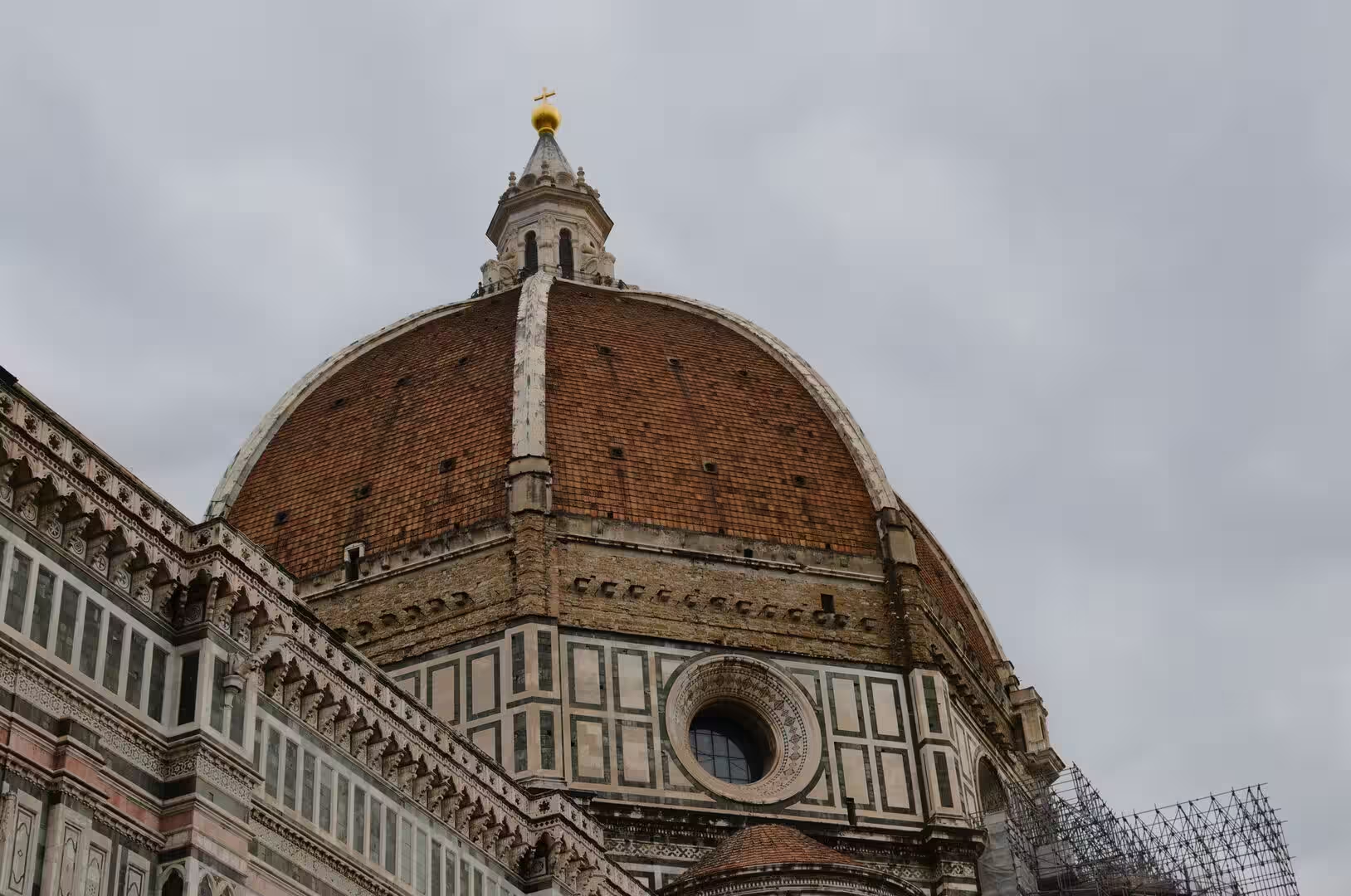
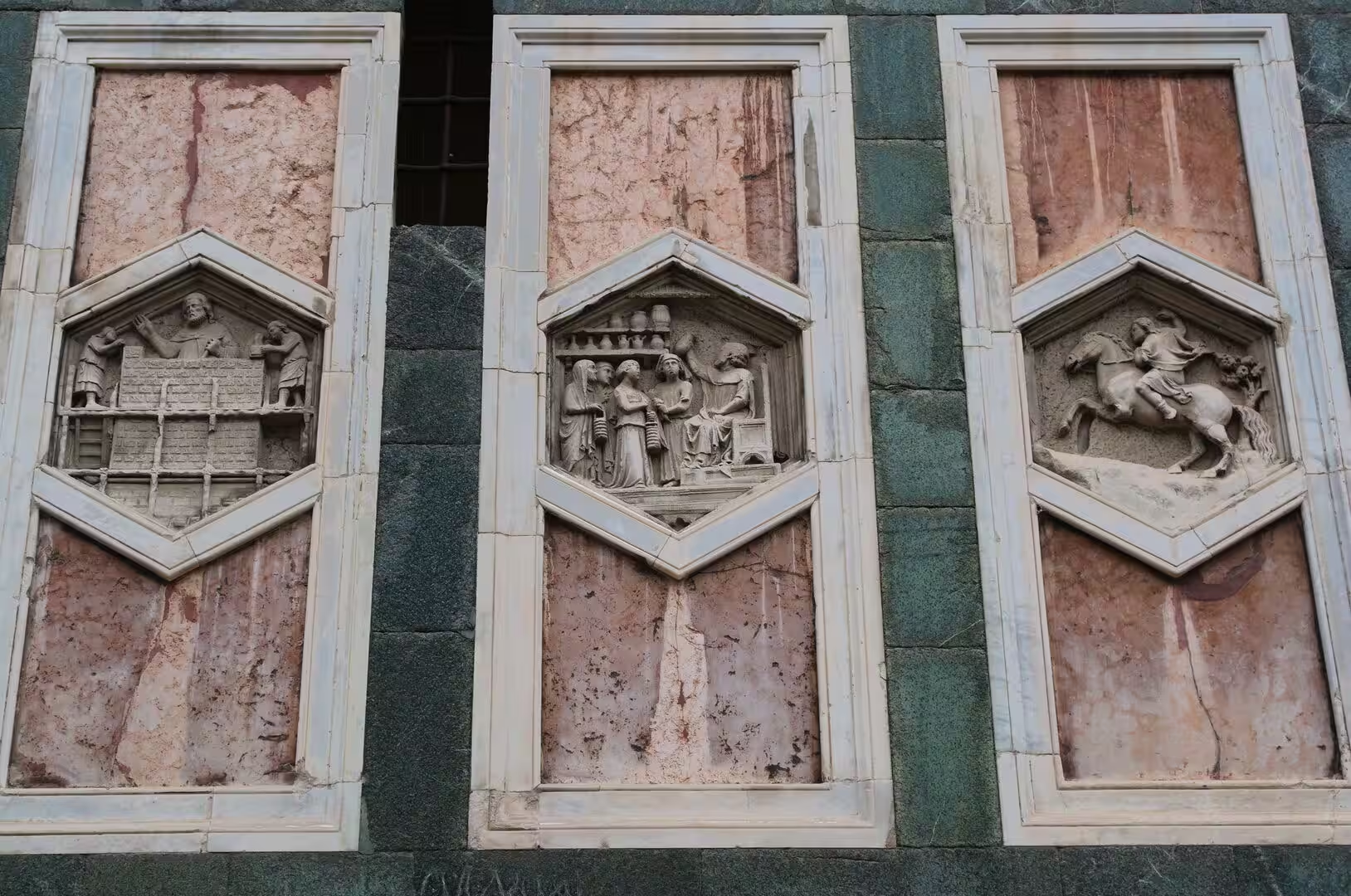
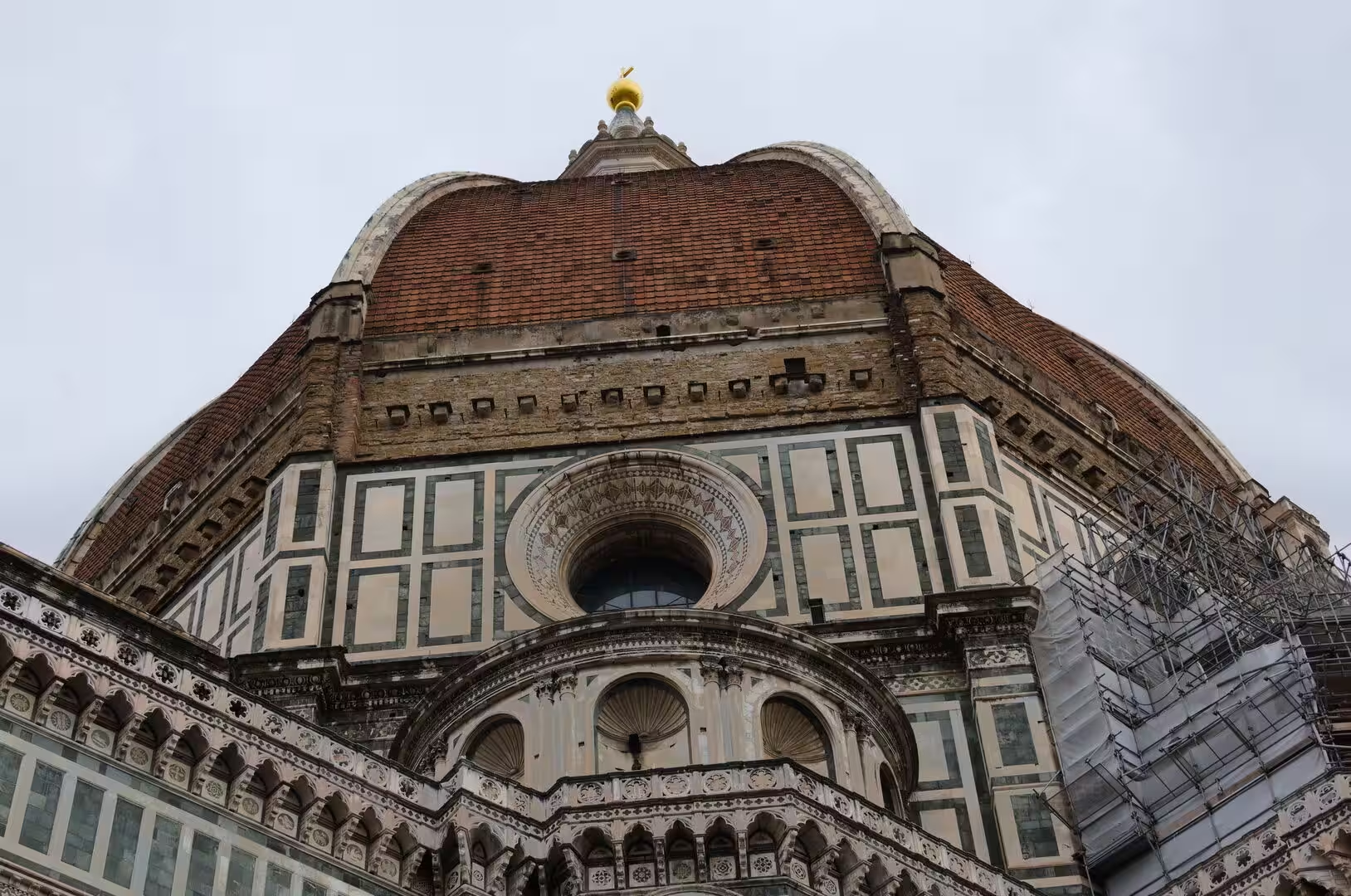
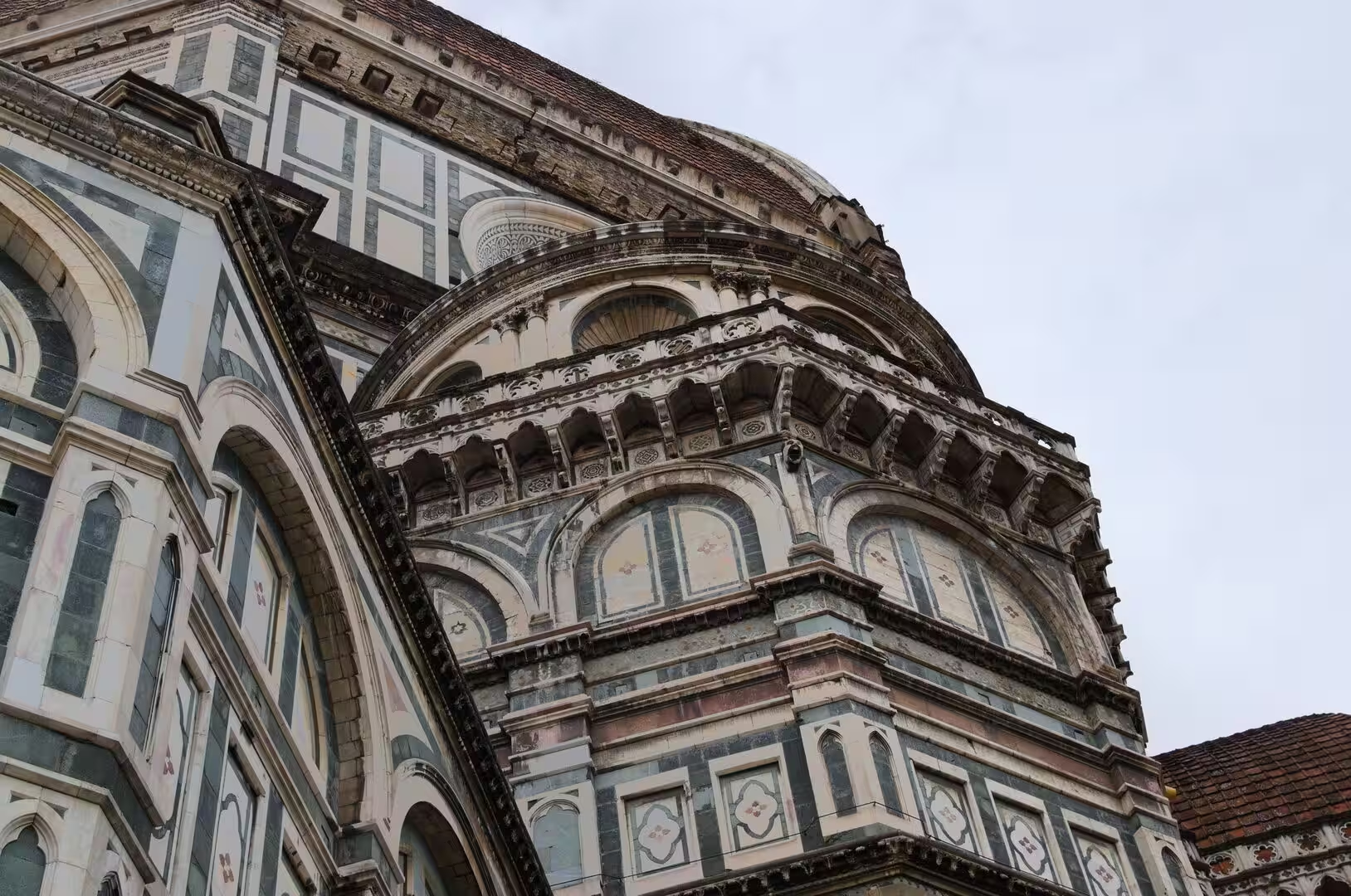
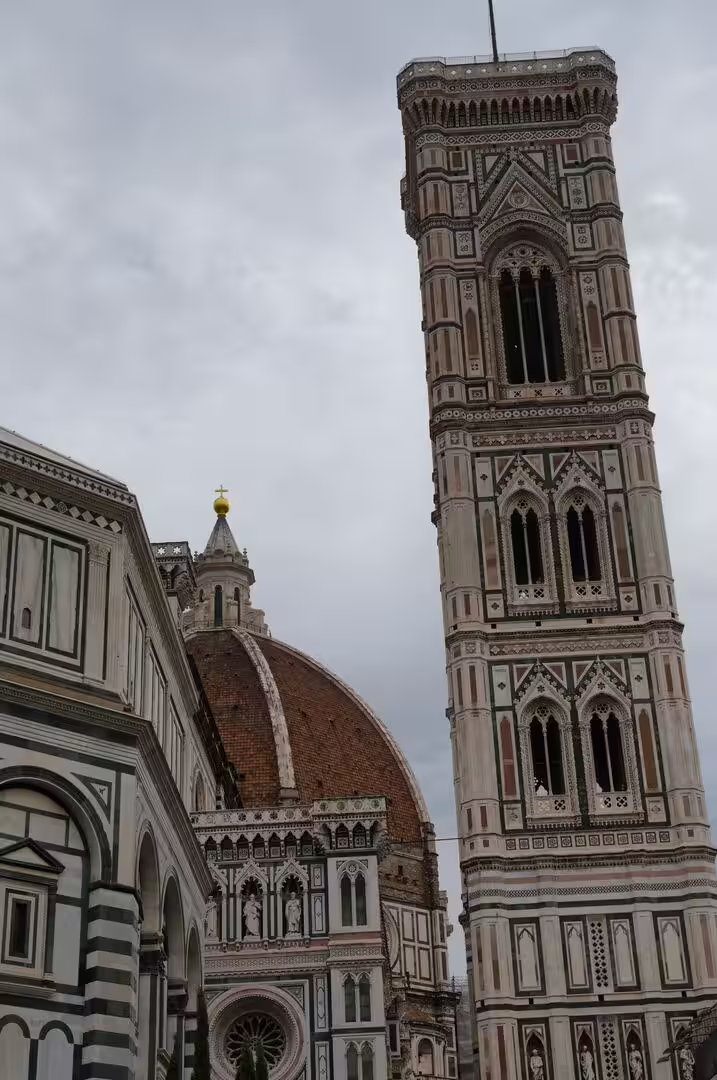
Giotto’s campanile rises 84.7 metres beside the church, begun in 1334 by Giotto himself and finished by Francesco Talenti in 1359, with the arts and the planets in relief on its two registers of hexagonal panels. Behind it stands the dome that Filippo Brunelleschi raised between 1420 and 1436 over a span of 45.5 metres, built in rings of brick laid in a herringbone pattern and held by stone chains rather than a wooden frame; Michelozzo added the lantern, and the gilt ball and cross of Verrocchio sits on top, 116 metres above the street.
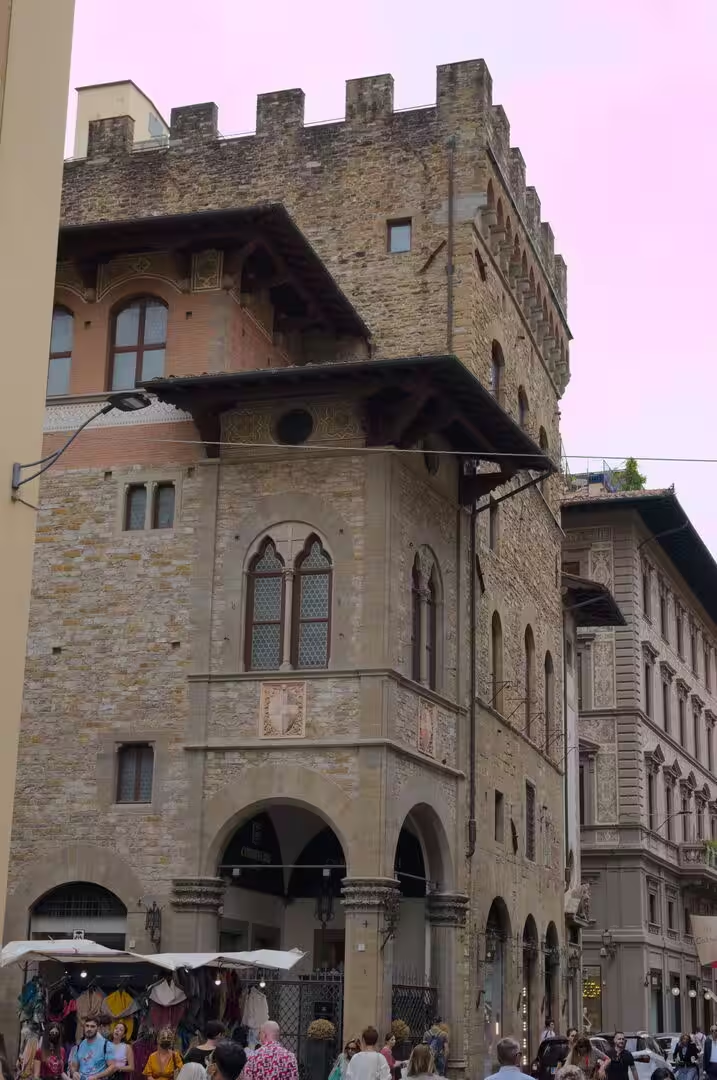
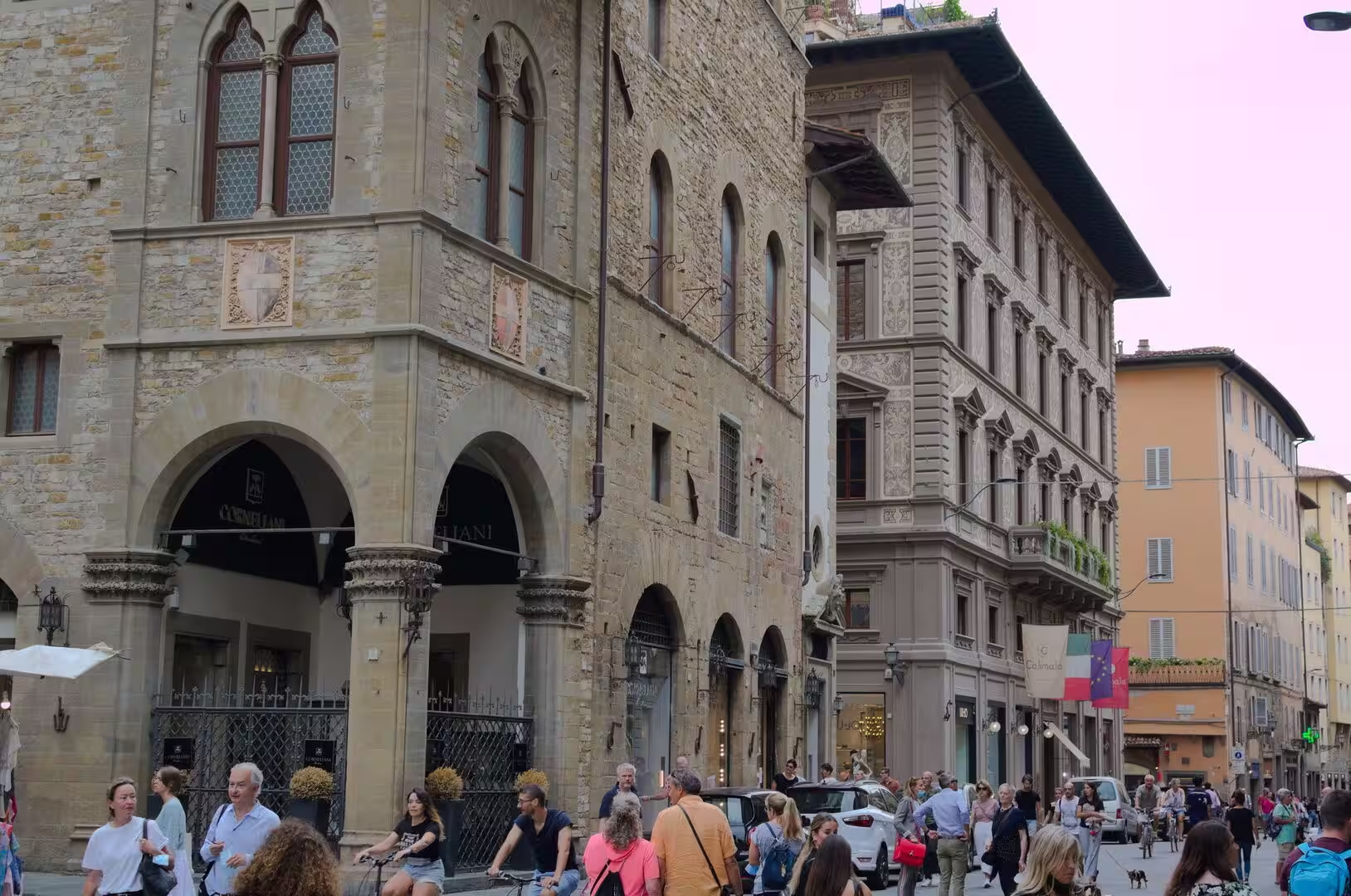
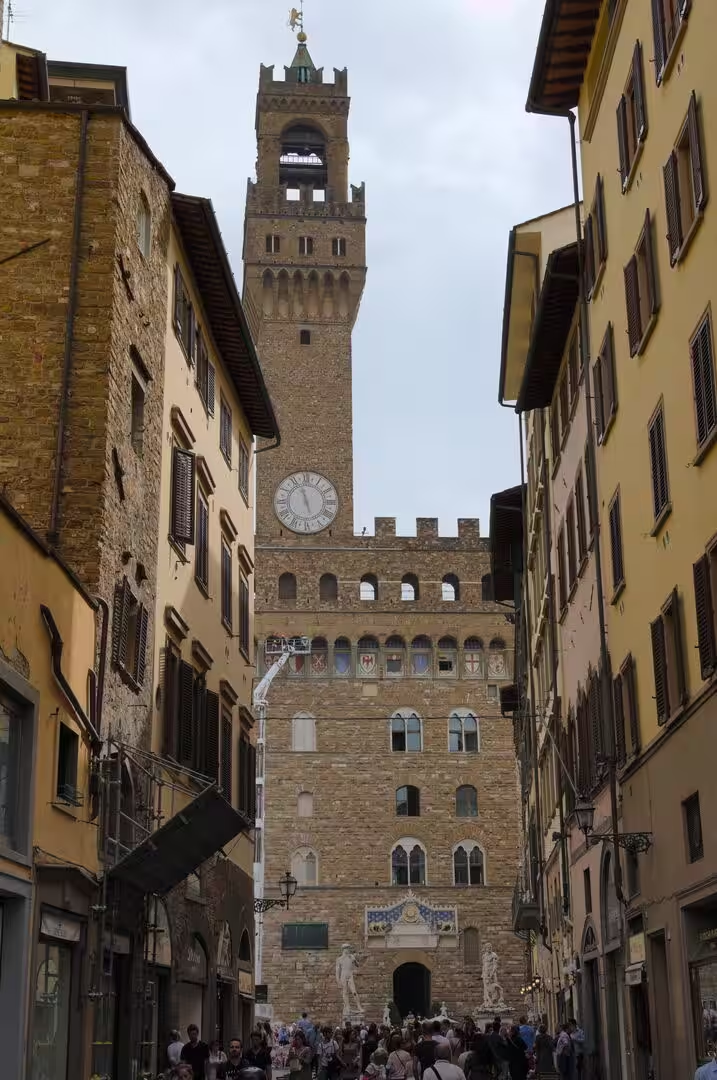
South of the cathedral the streets belong to the guilds and to the city government. The church of Orsanmichele, once a grain market, holds the statues that the guilds commissioned for its niches, and the lanes between it and the Palazzo Vecchio are lined with the tall houses of the old families. The palace, built at the end of the thirteenth century, raises its battlemented tower over a square that has been a market since the Middle Ages, and its clock is framed between the narrow buildings of the way that leads east.
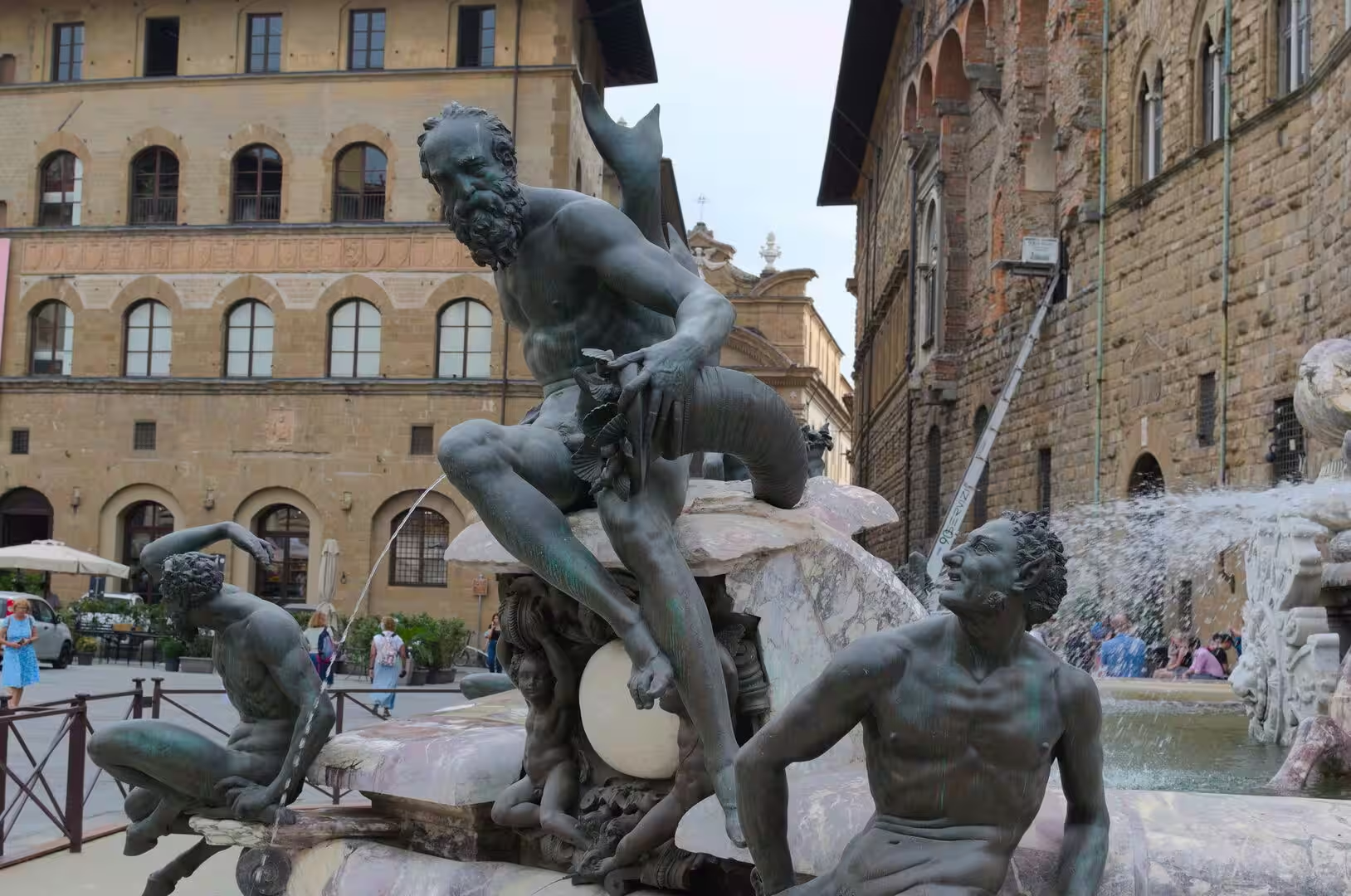
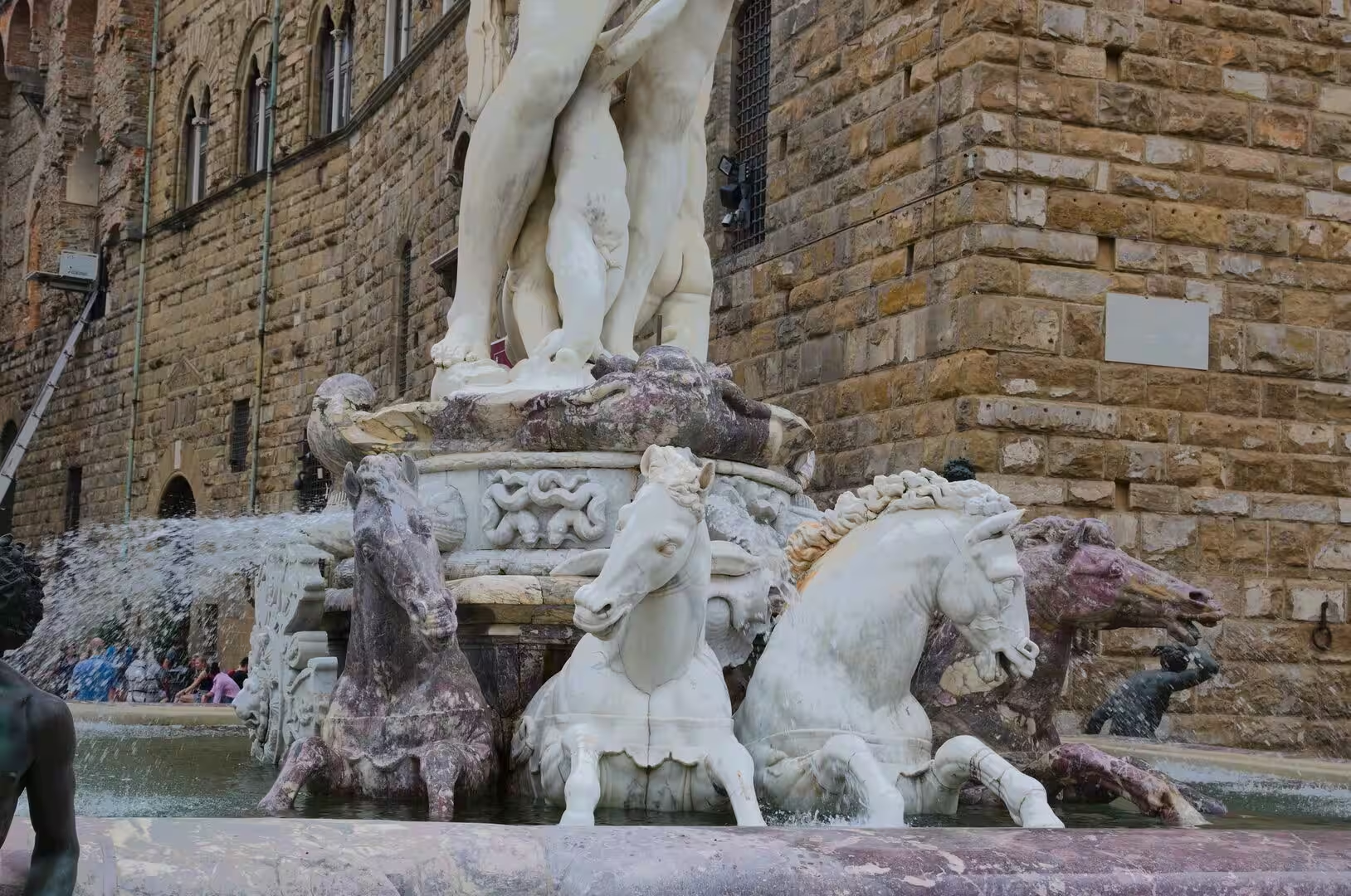
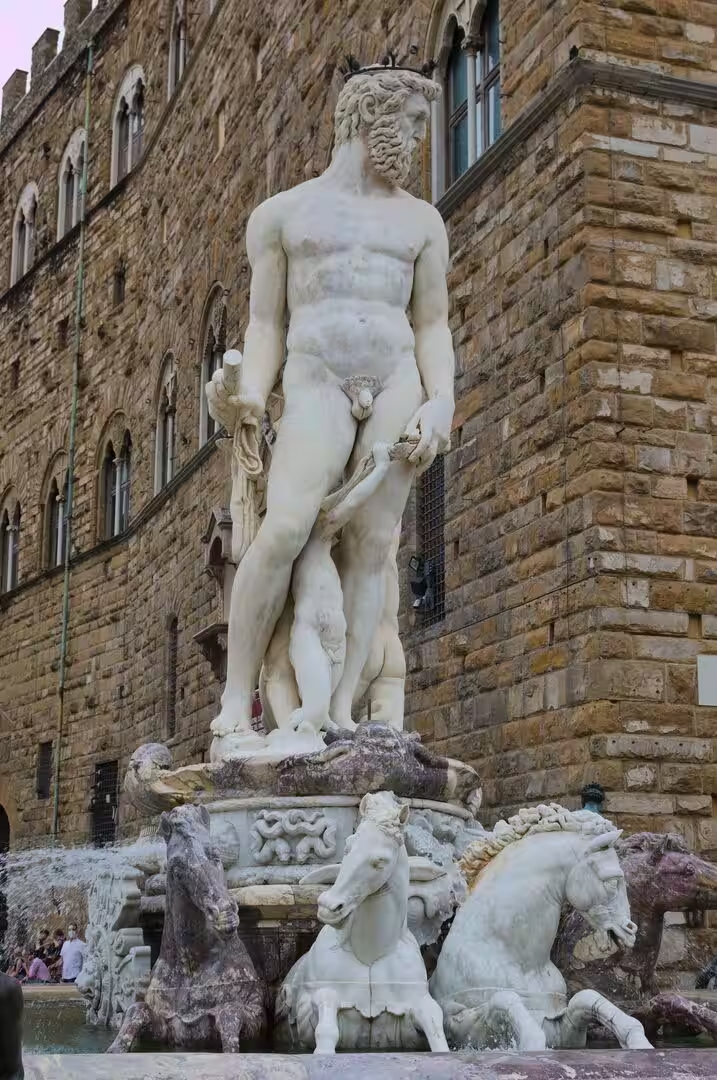
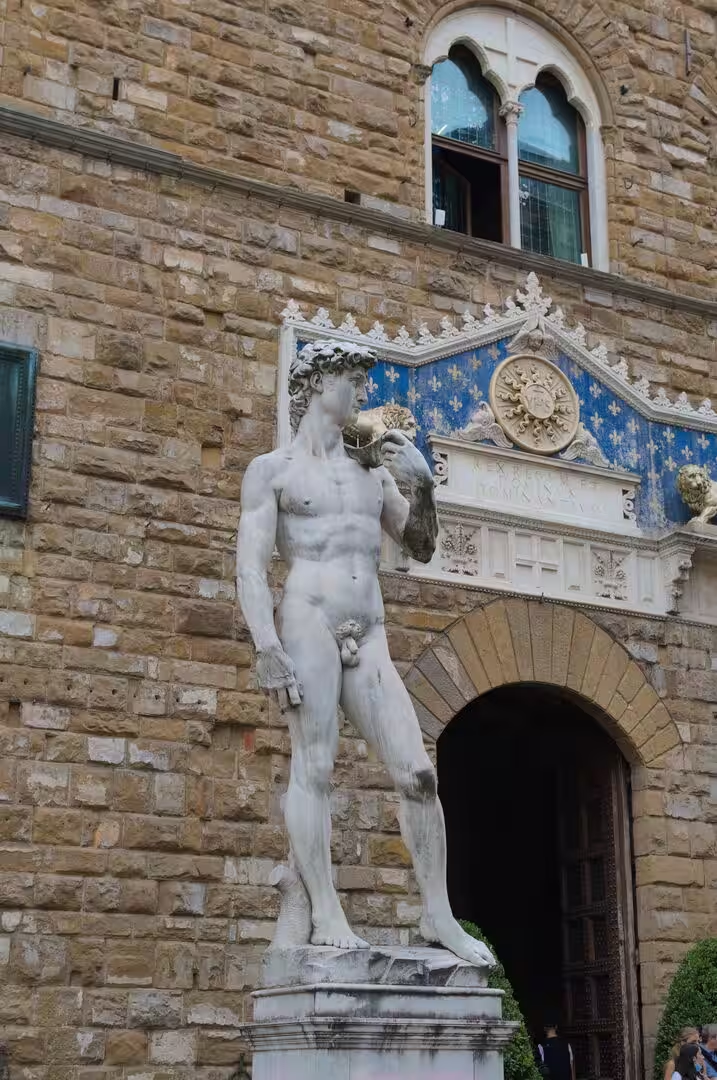
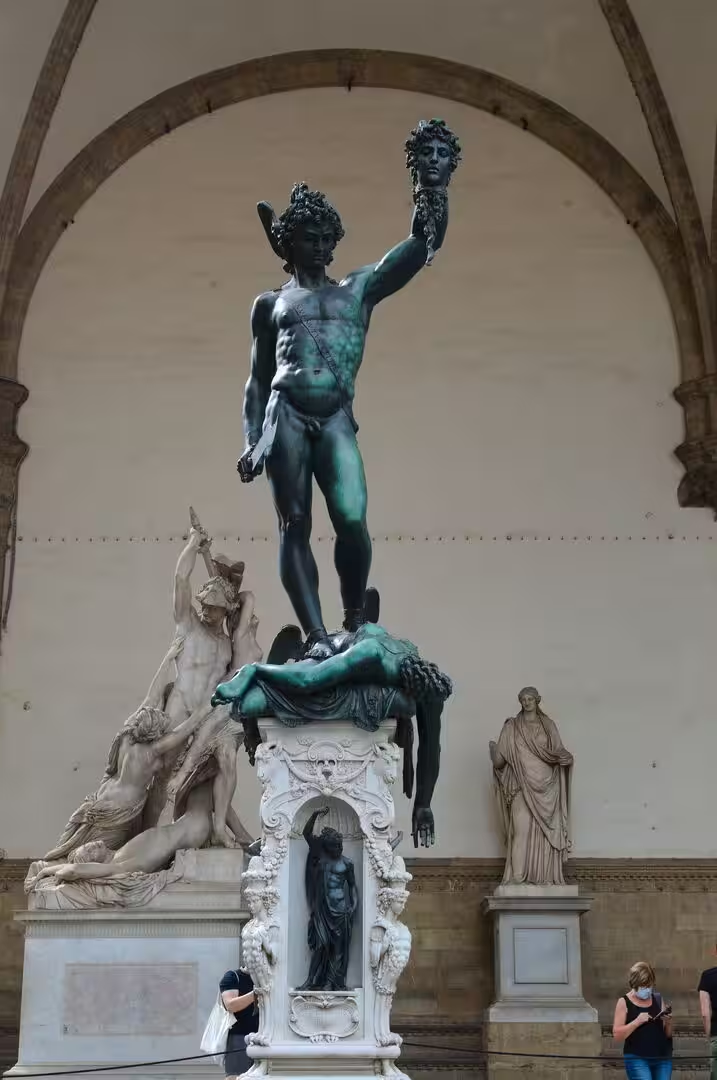
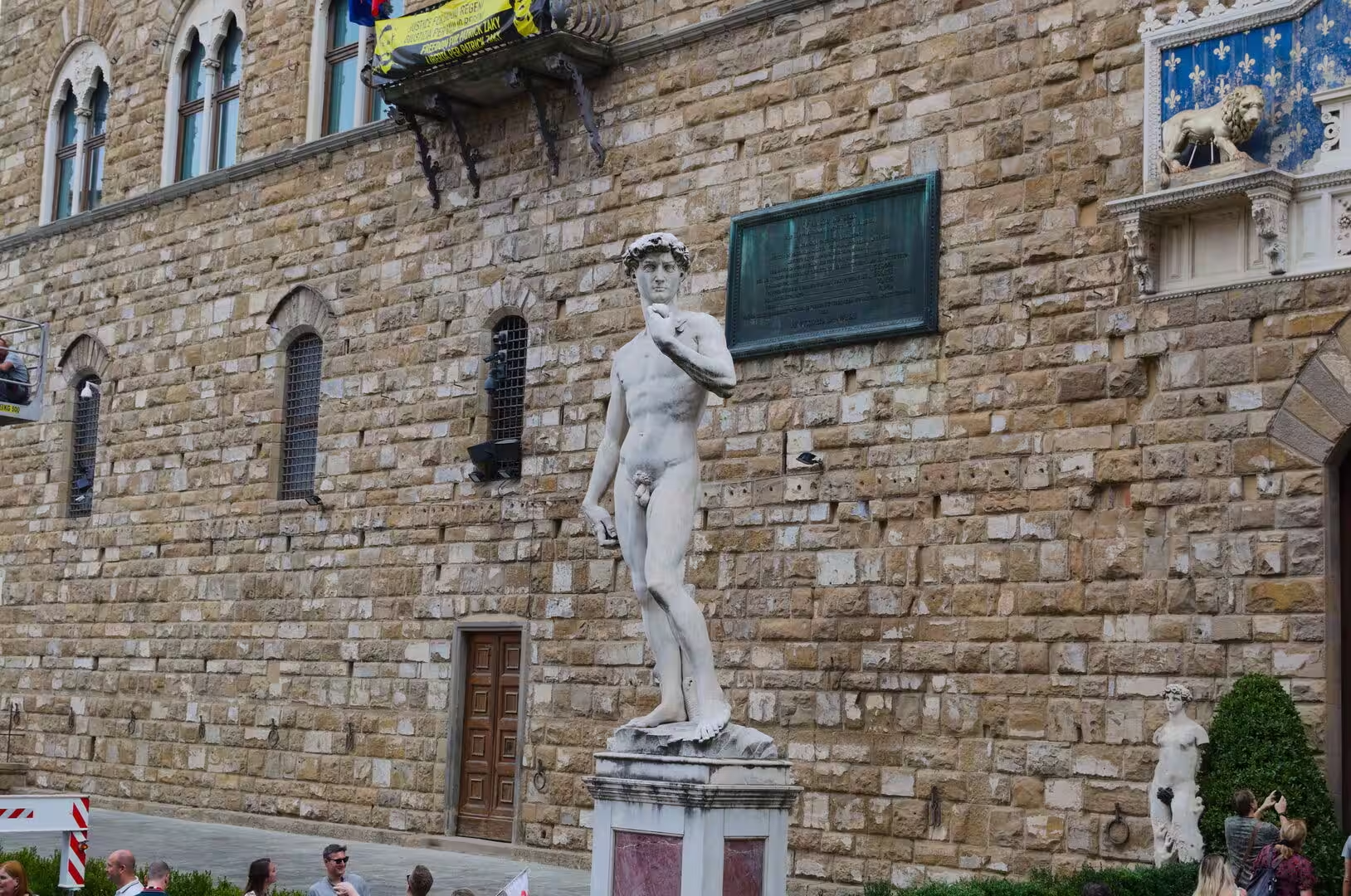
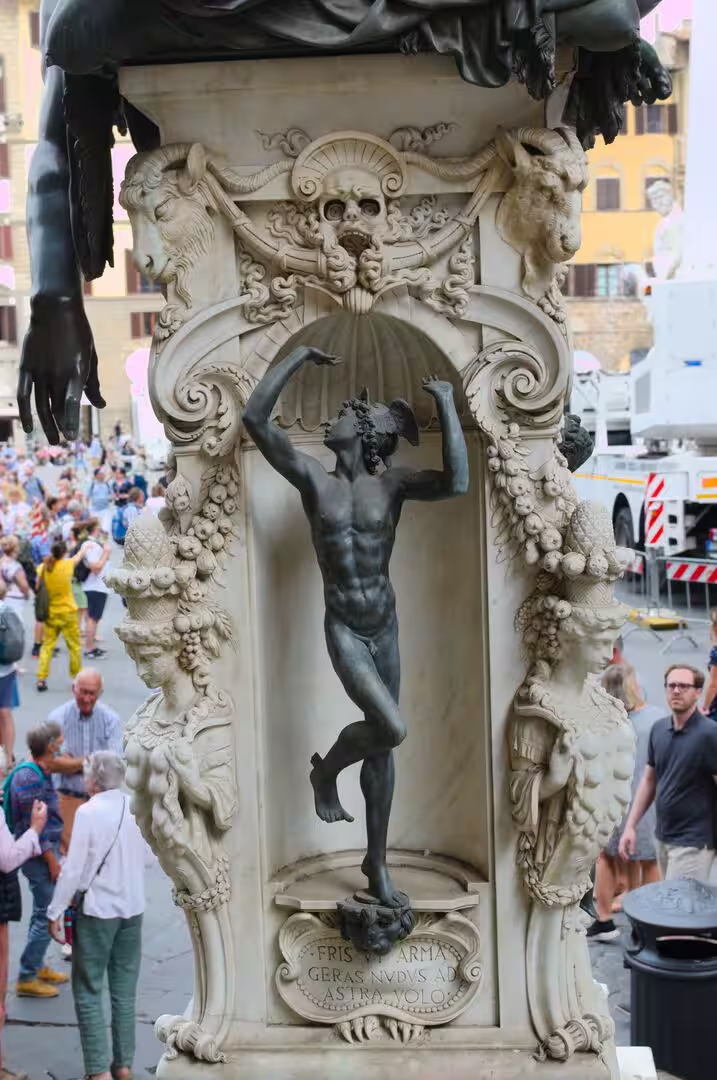
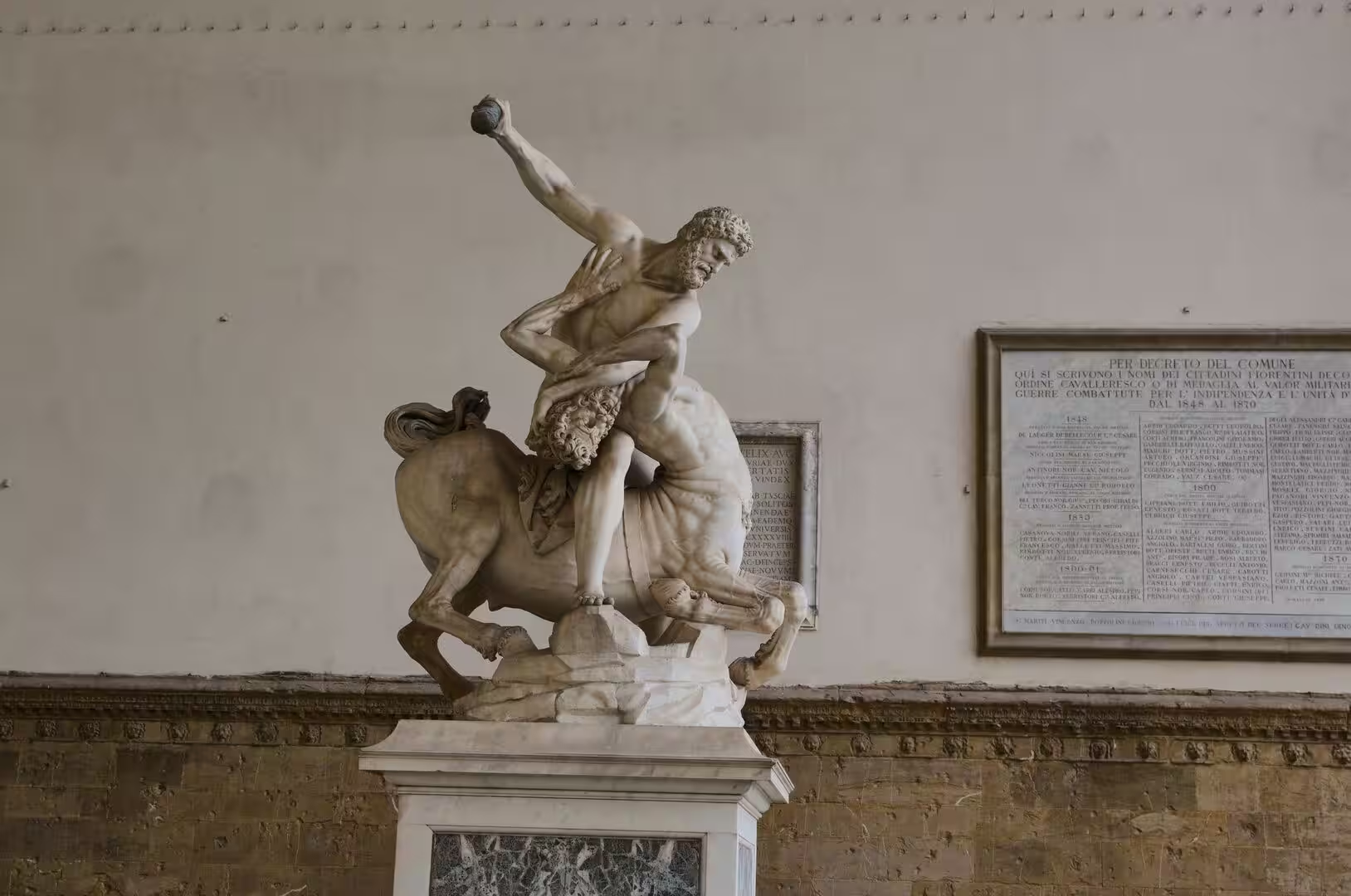
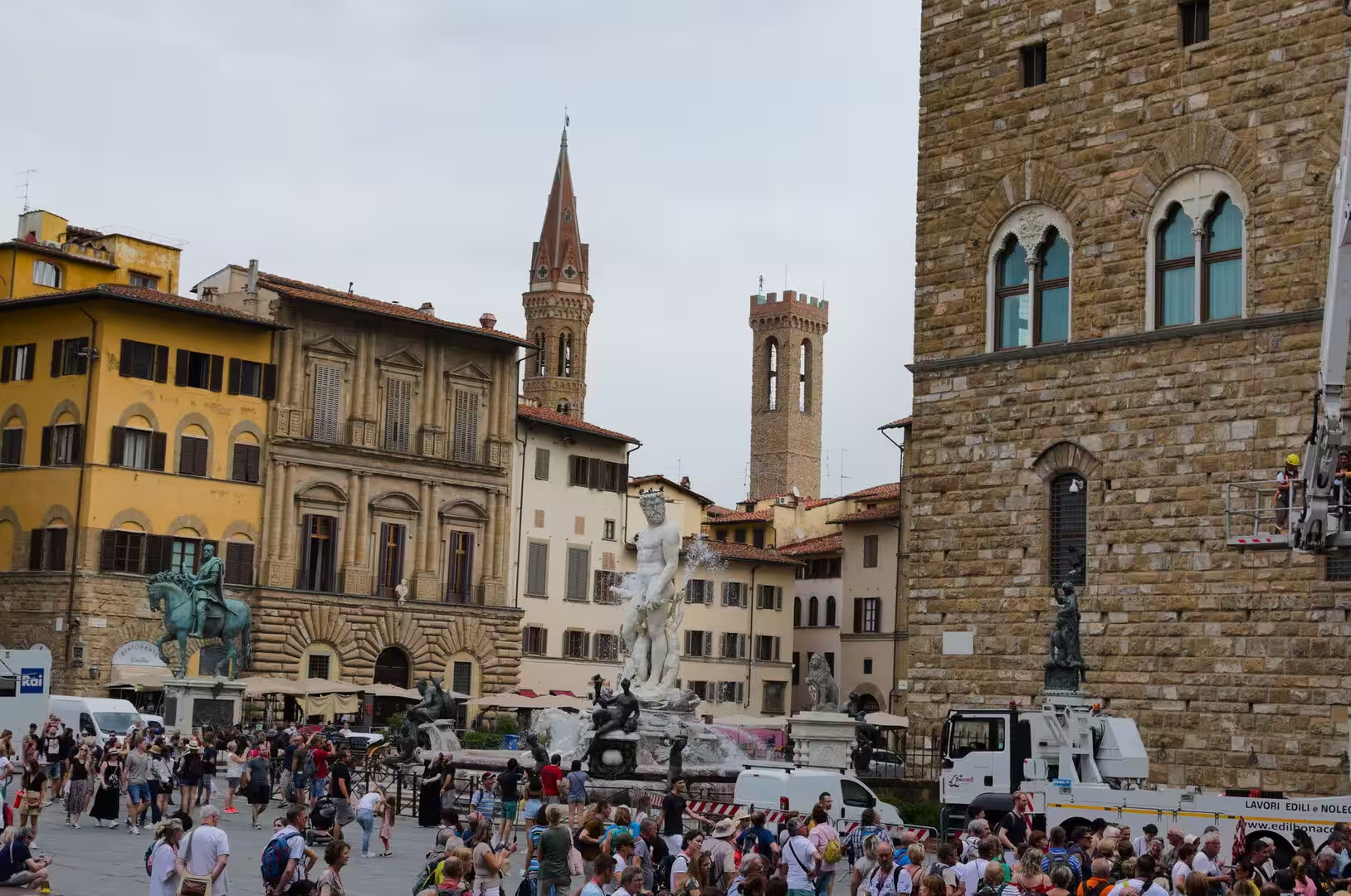
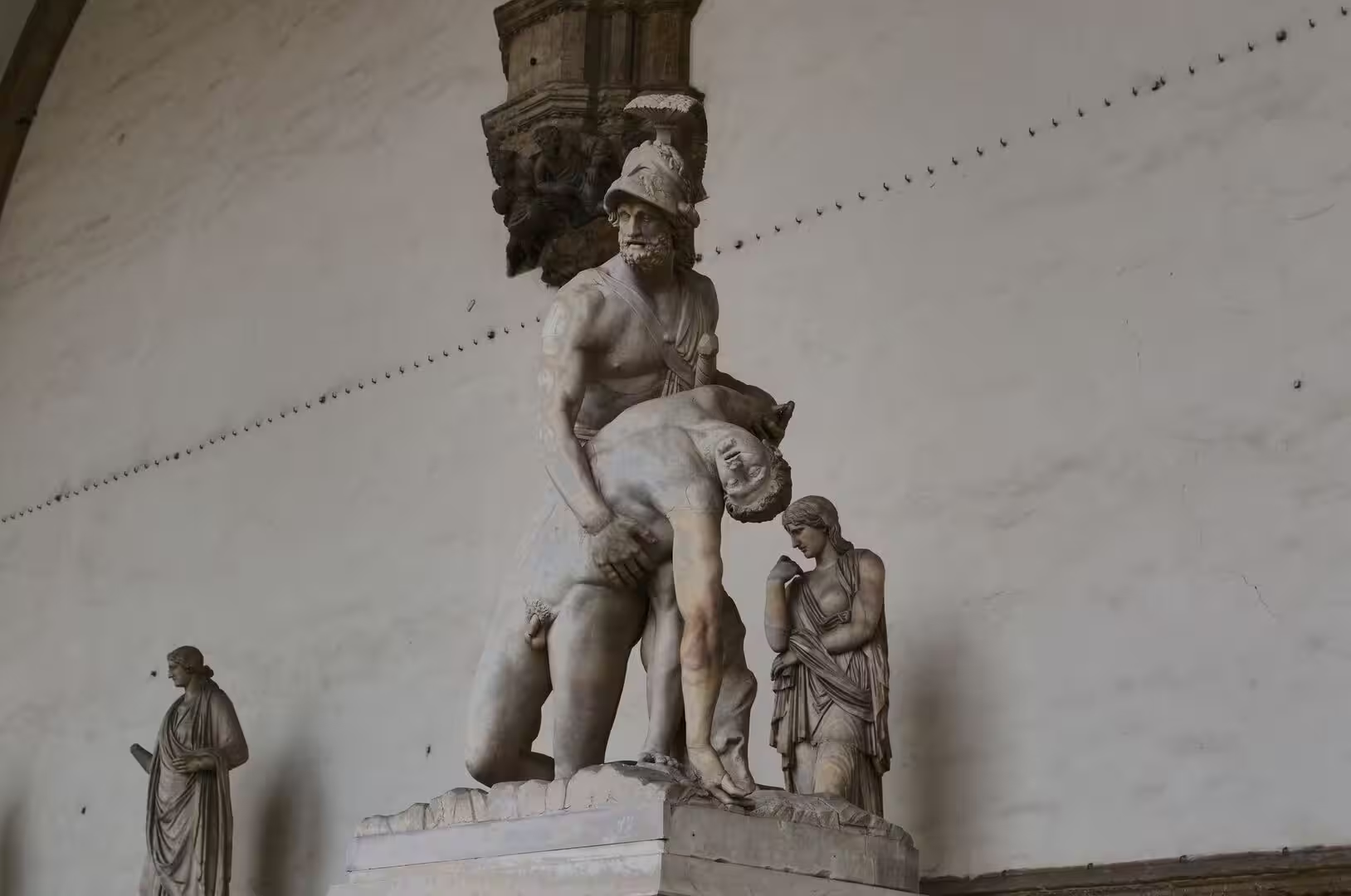
The Piazza della Signoria is the open museum of the city. The Fountain of Neptune, made by Bartolomeo Ammannati in 1565, has a marble Neptune standing over bronze satyrs and seahorses before the palace, and the equestrian statue of Cosimo I by Giambologna rides on its pedestal in the same square. A copy of Michelangelo’s David occupies the spot where the original stood until 1873, beside Bandinelli’s Hercules and Cacus, while the bronze Perseus of Benvenuto Cellini lifts the head of Medusa above a base carved with garlands and the head of a ram. Under the arches of the Loggia dei Lanzi stand the Rape of the Sabine Women, Roman marbles from the Villa Medici, a Hercules fighting a centaur, and a warrior lifting a fallen companion.
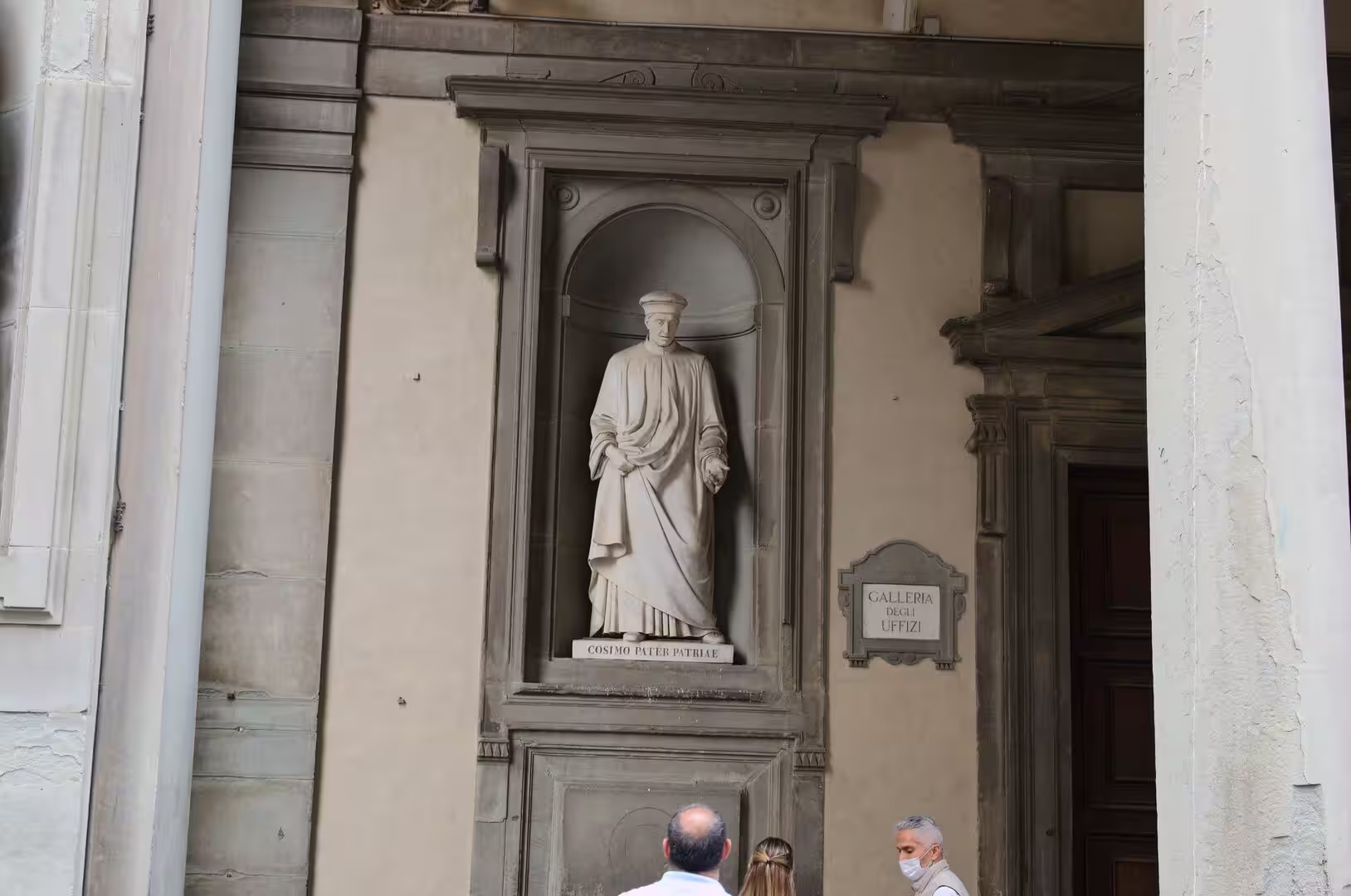
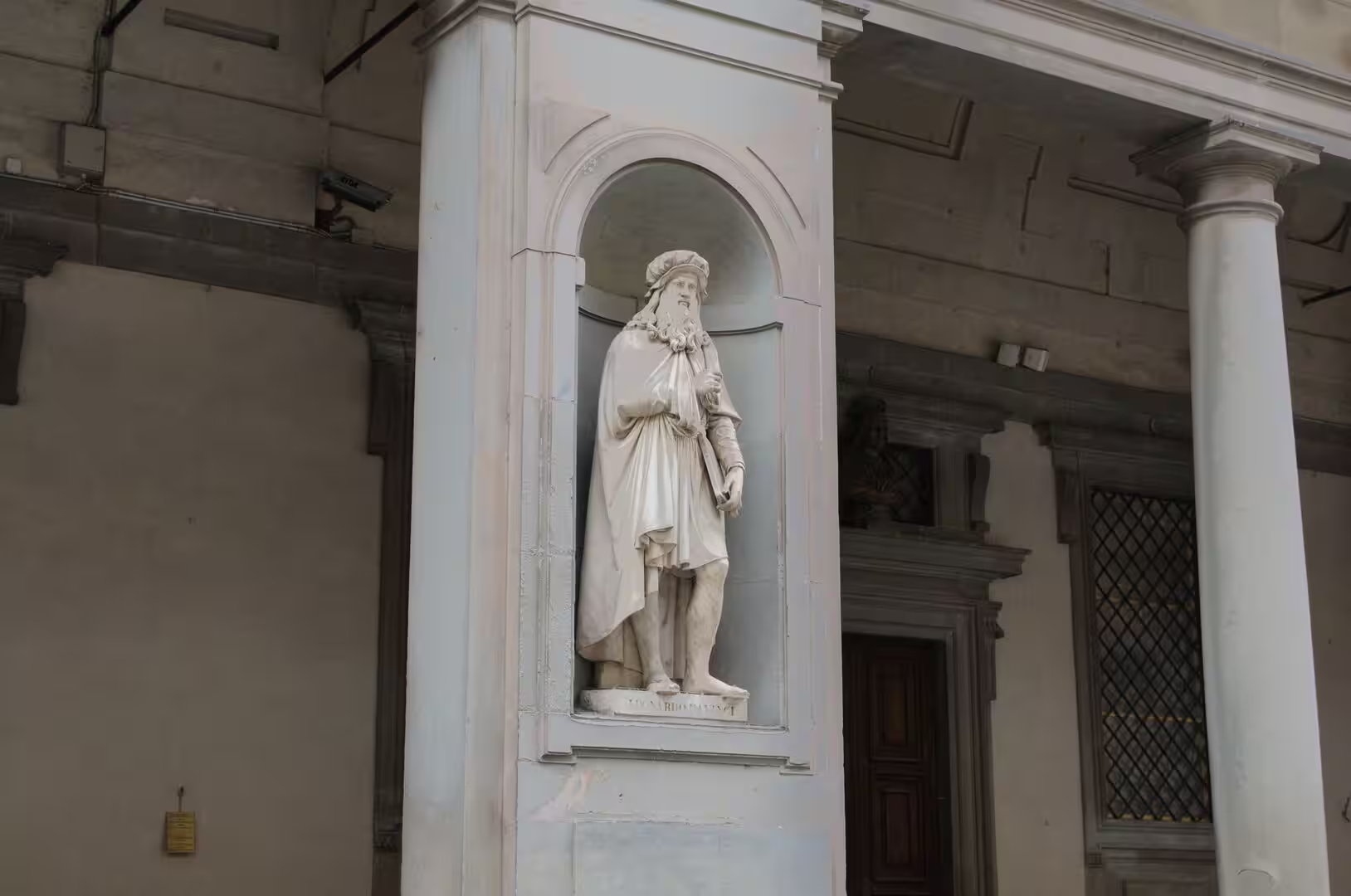
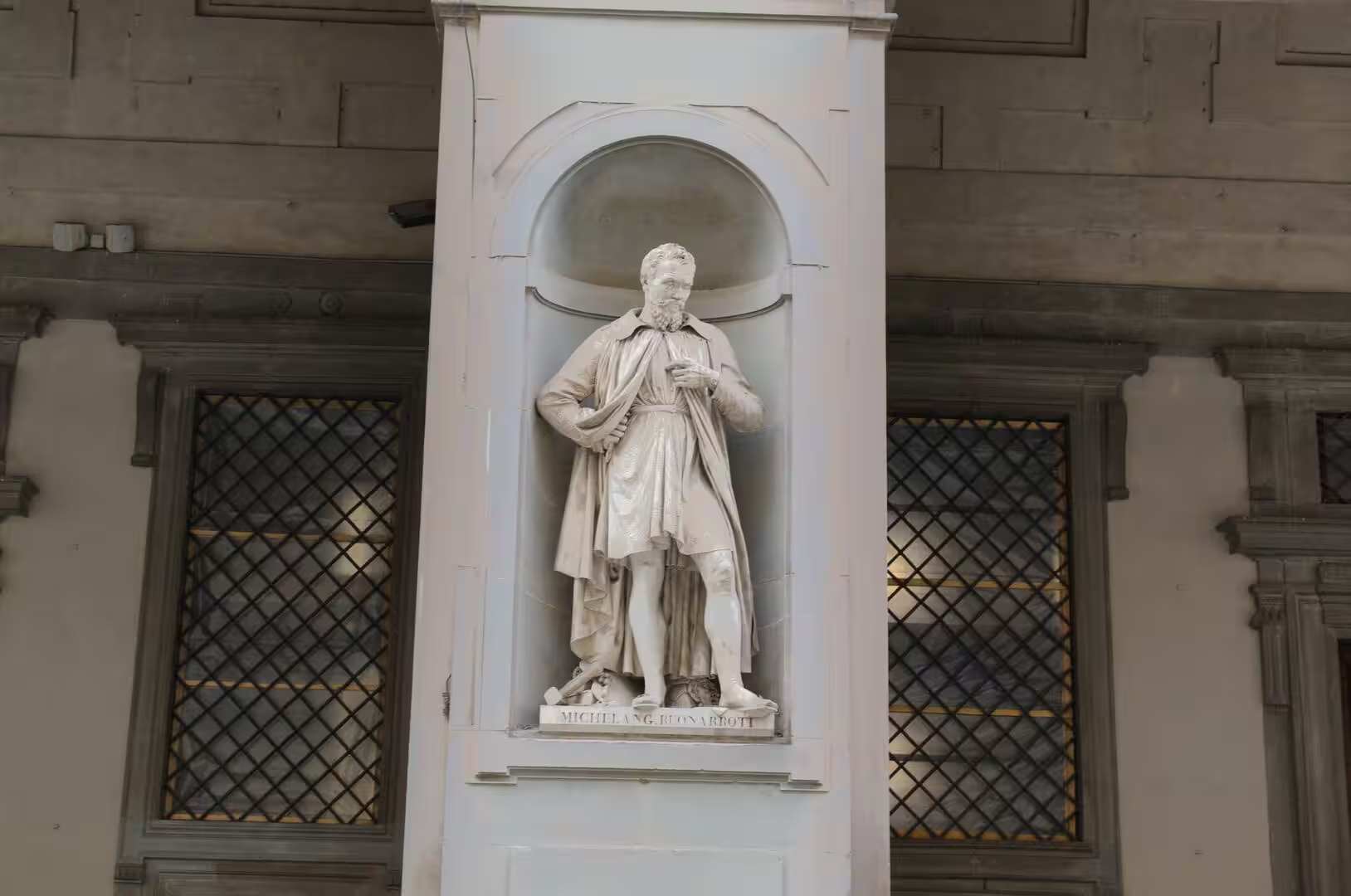
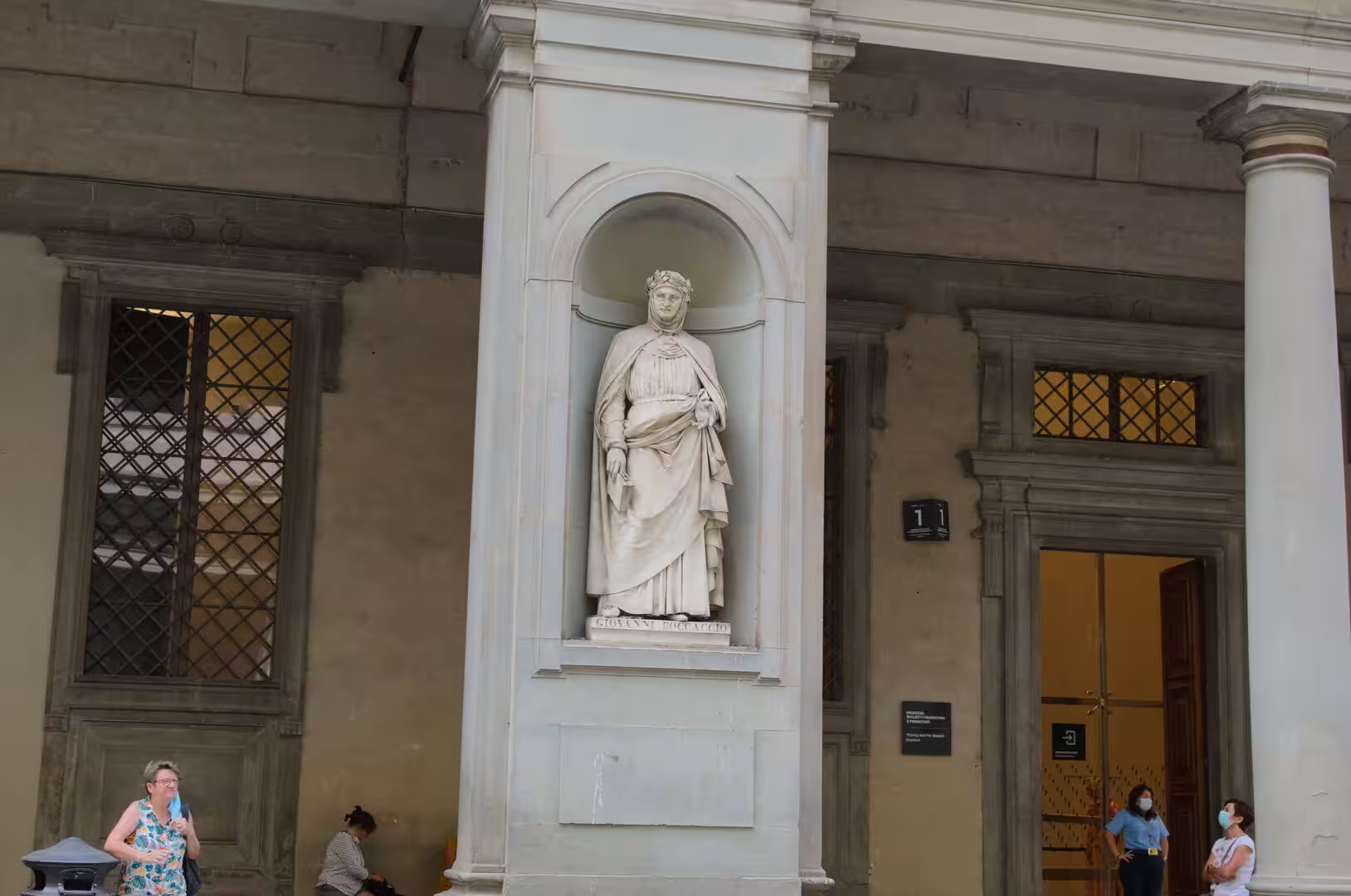
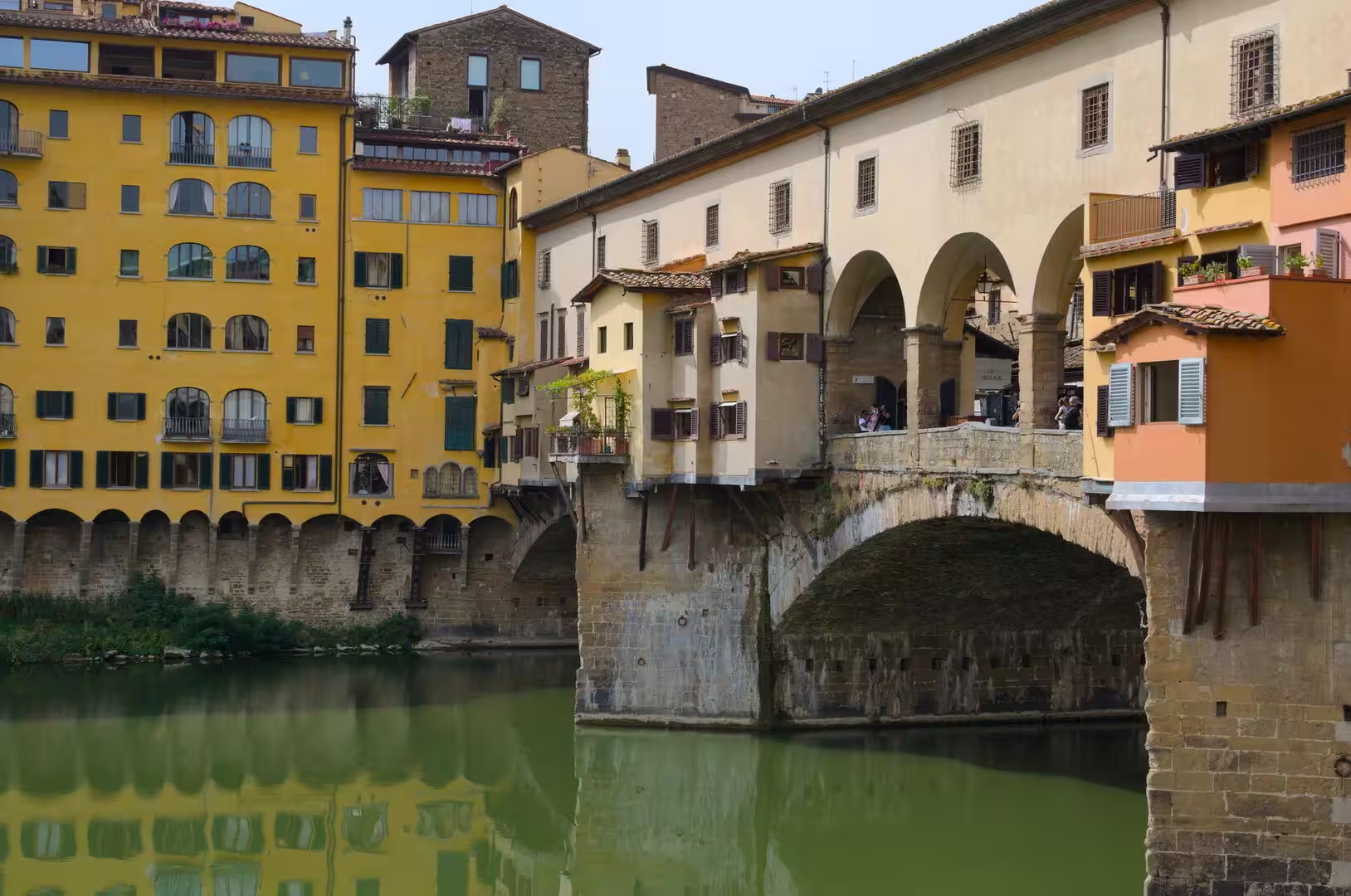
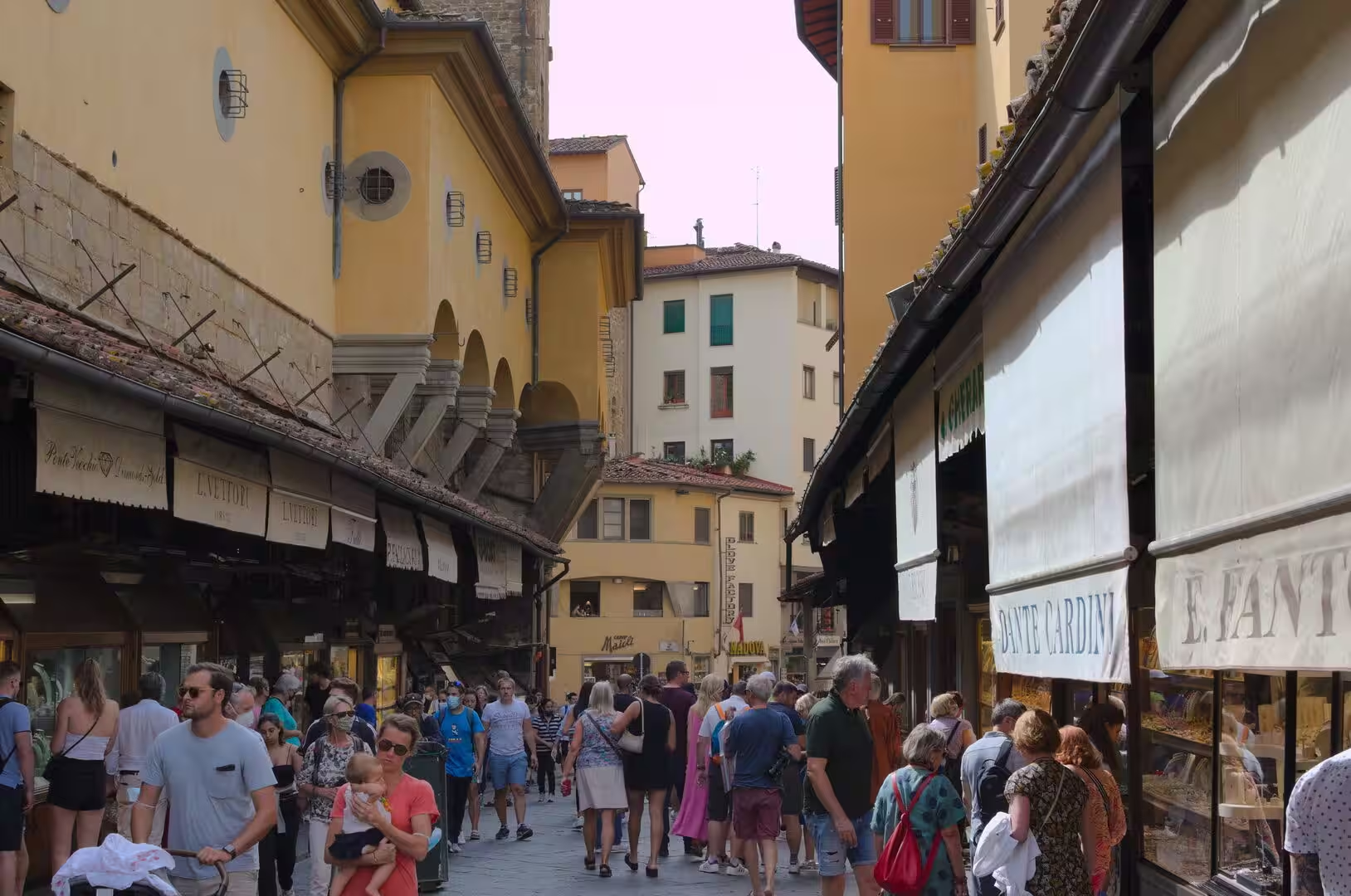
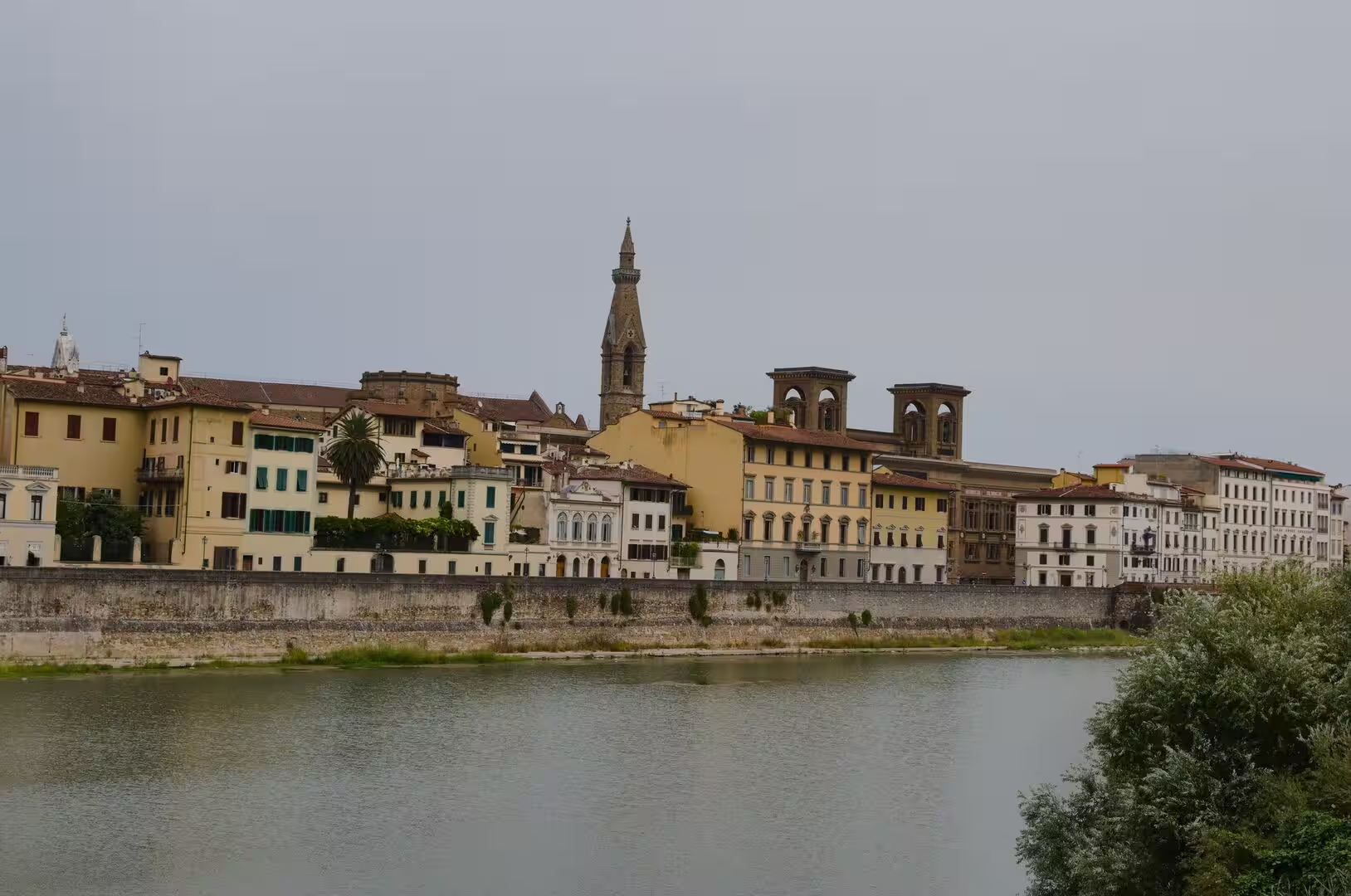
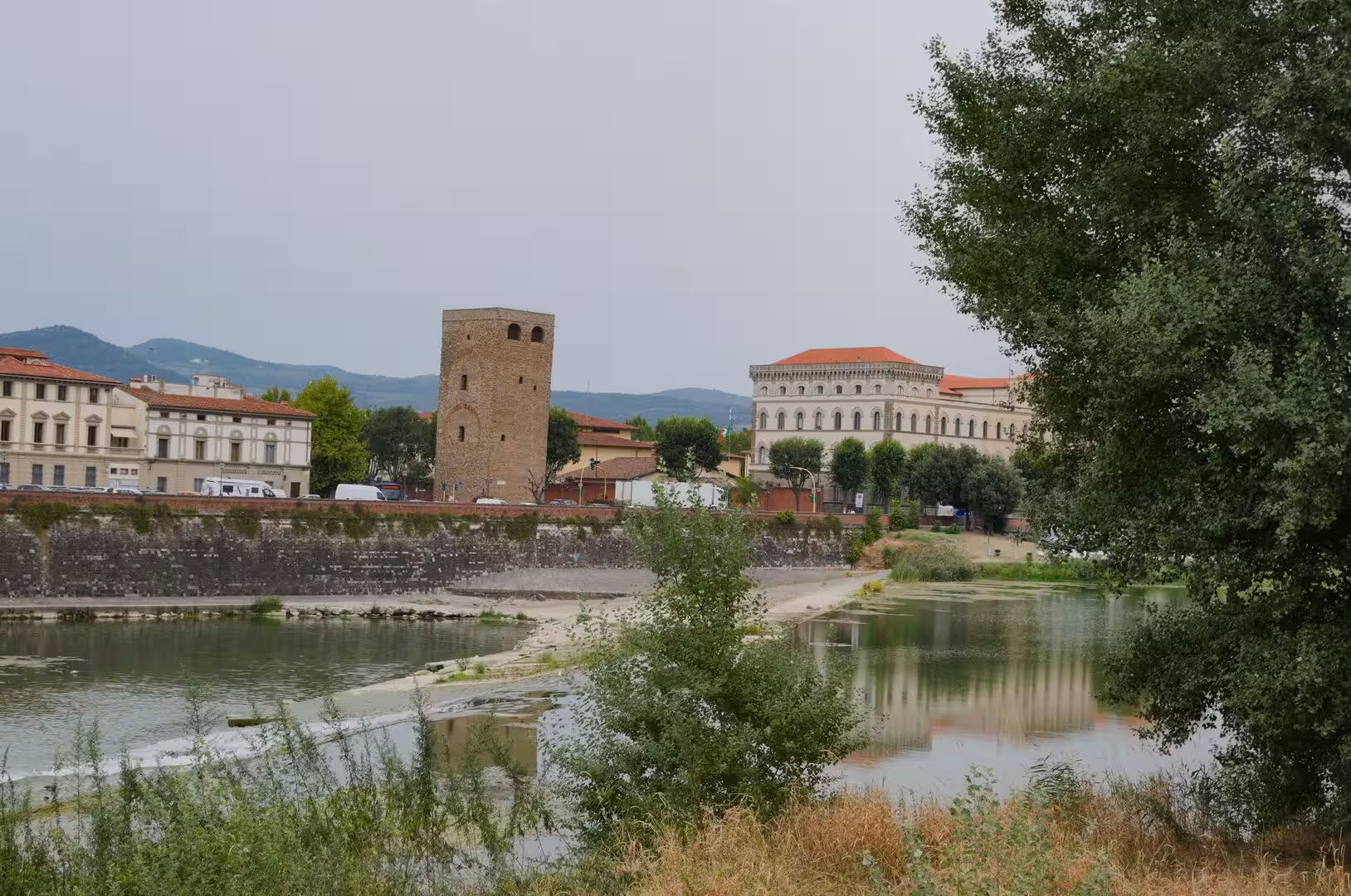
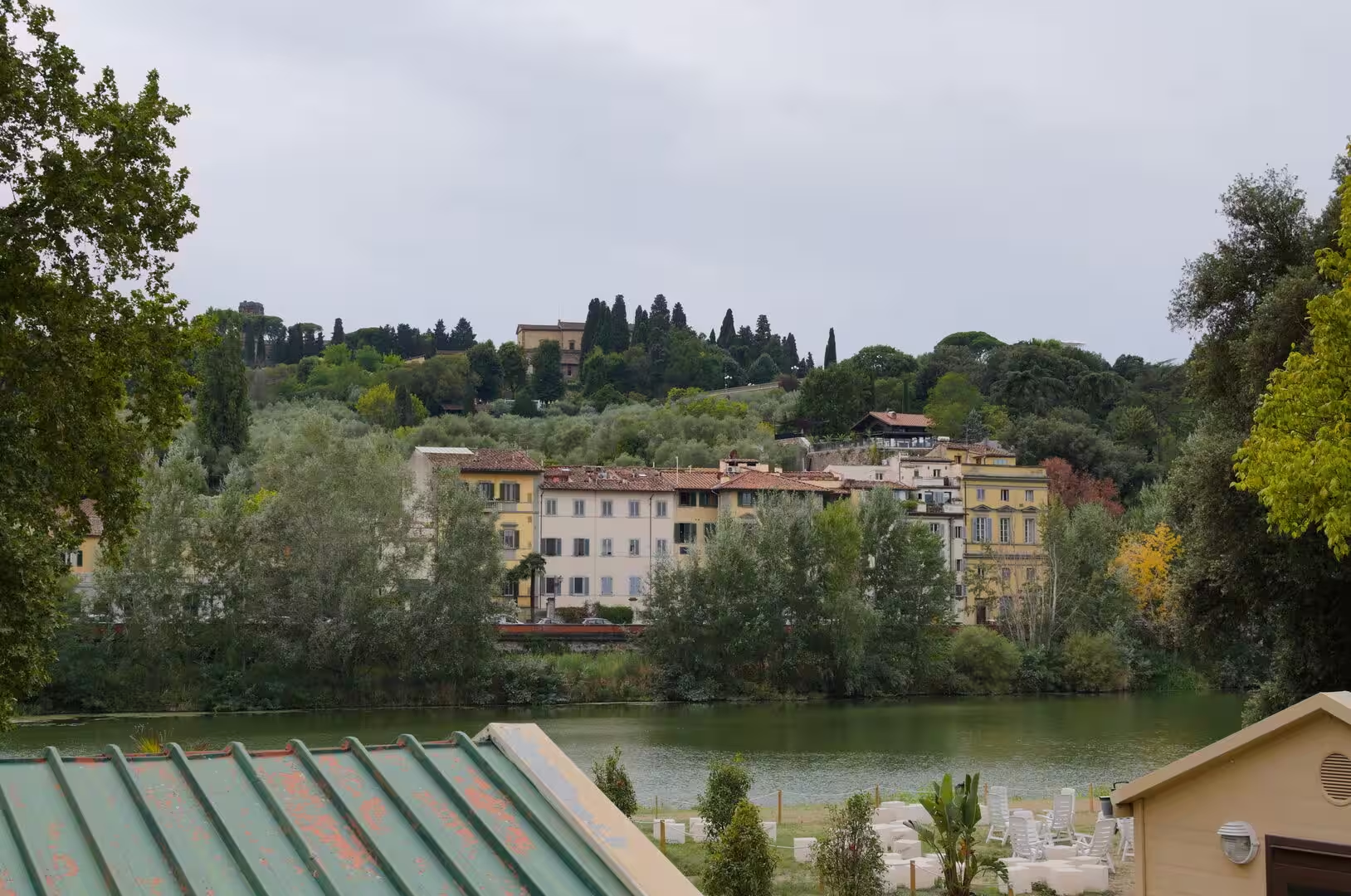
From the square the alleys lead to the Uffizi, the long palace that Giorgio Vasari built for Cosimo I as the offices of the state. Its courtyard runs between two matching fronts towards an archway over the river, and the niches of the piers carry the statues of famous Tuscans, among them Cosimo de’ Medici, Michelangelo and Boccaccio. Downstream the Ponte Vecchio crosses the Arno with its three arches, its little goldsmiths’ shops and its windows hanging over the water, the ochre houses of the banks stand on their own reflections, and a wall with a bell tower closes the view towards the green banks upstream and the hills around Fiesole.
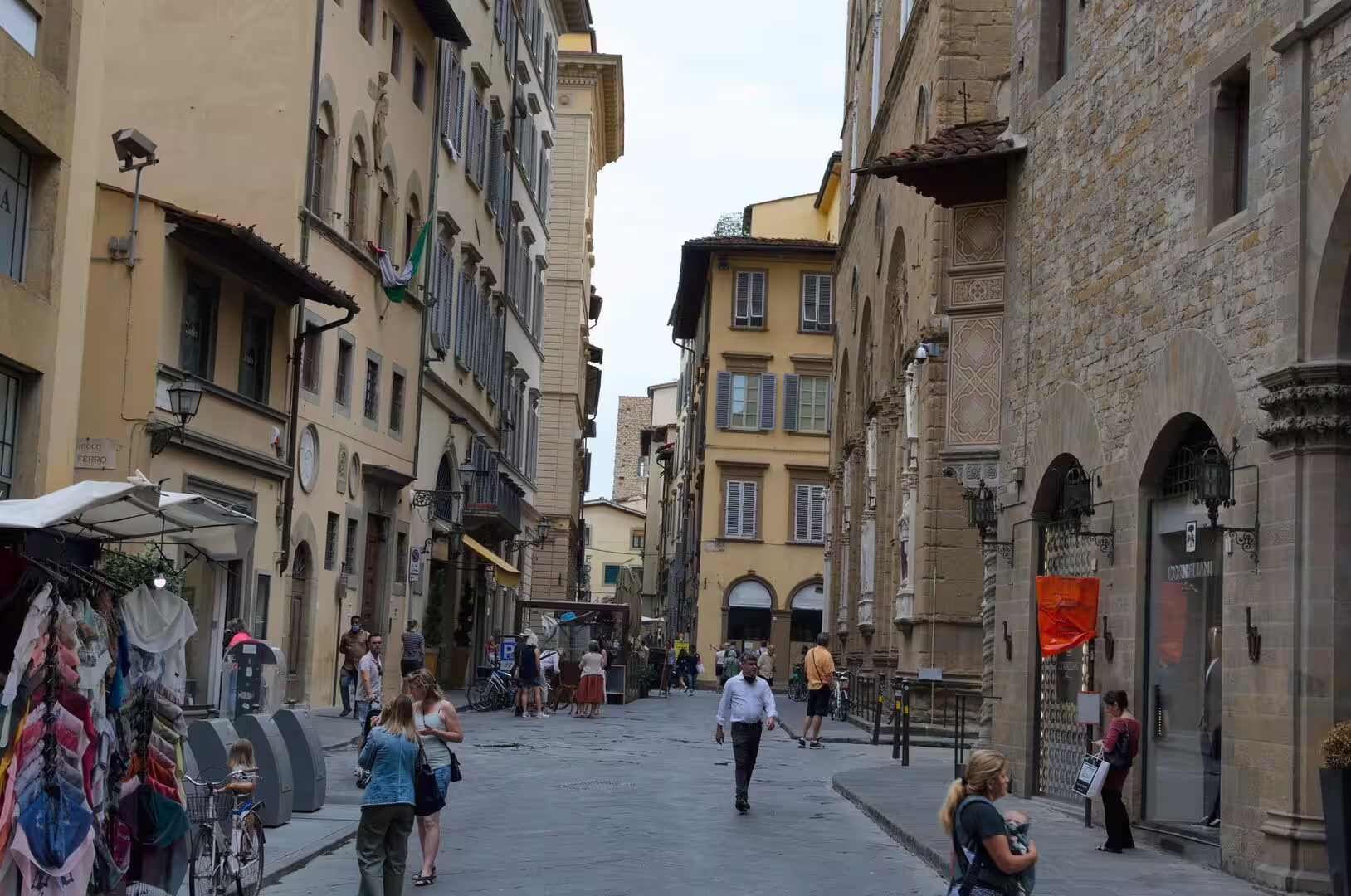
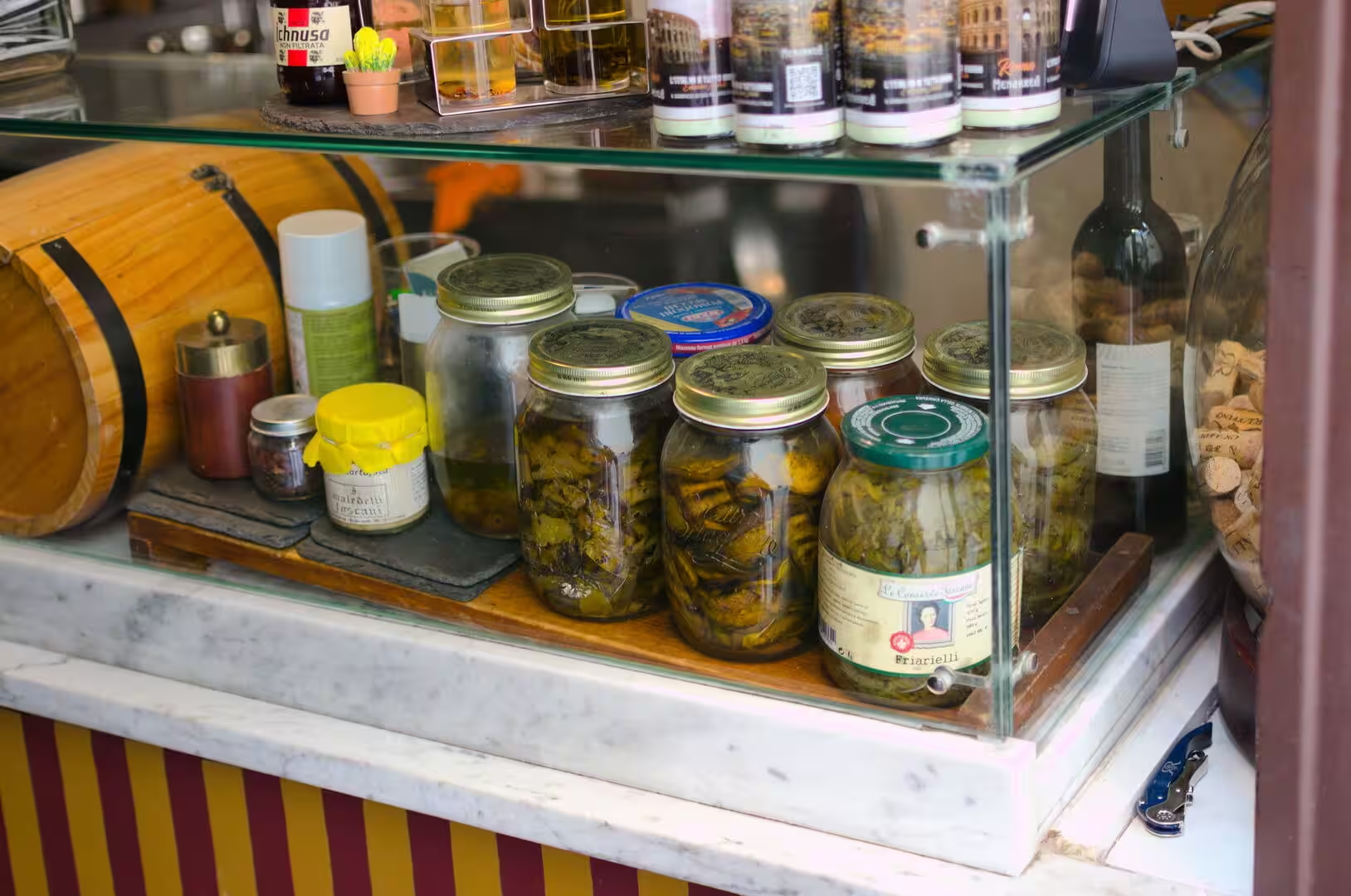
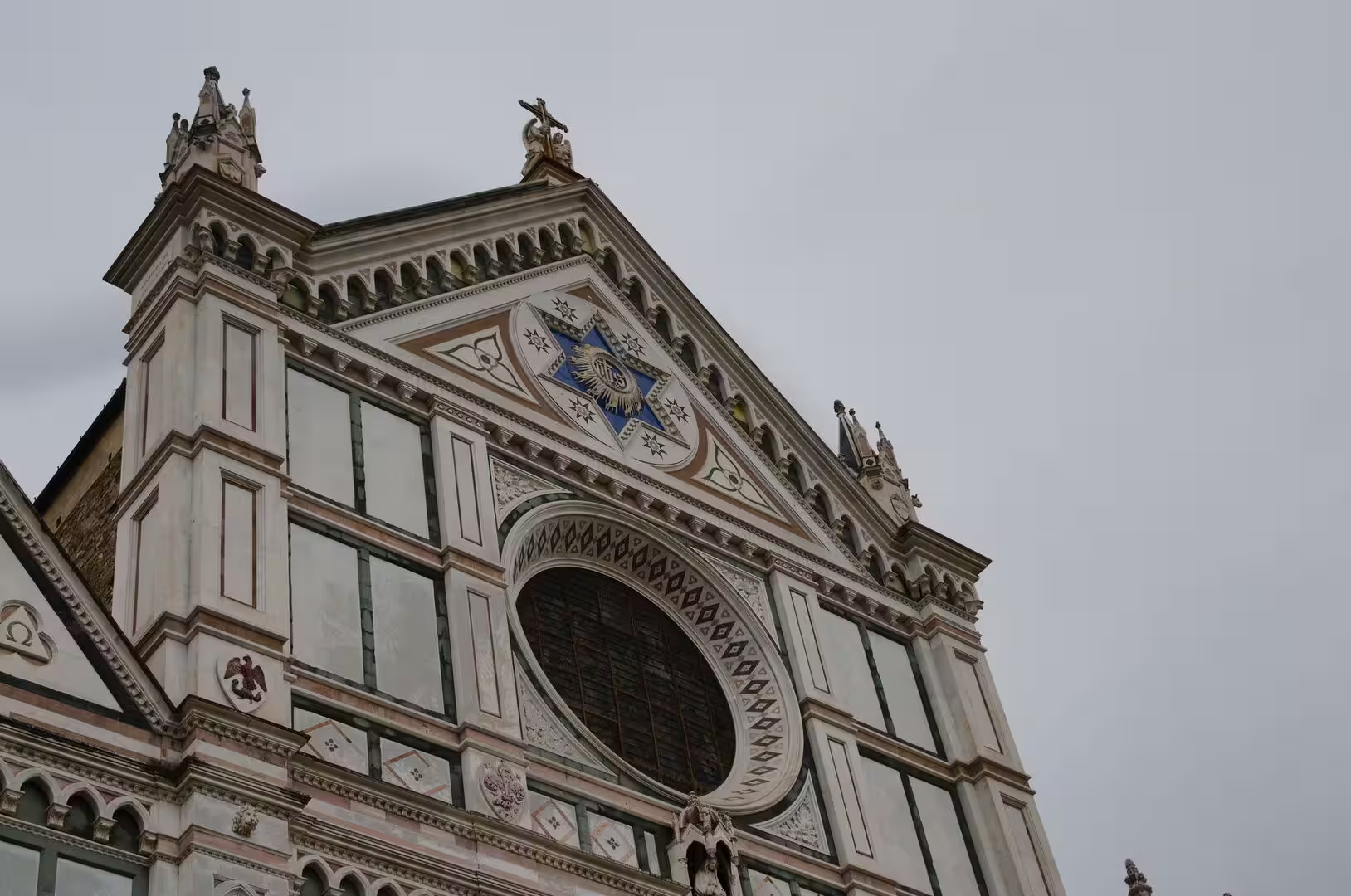
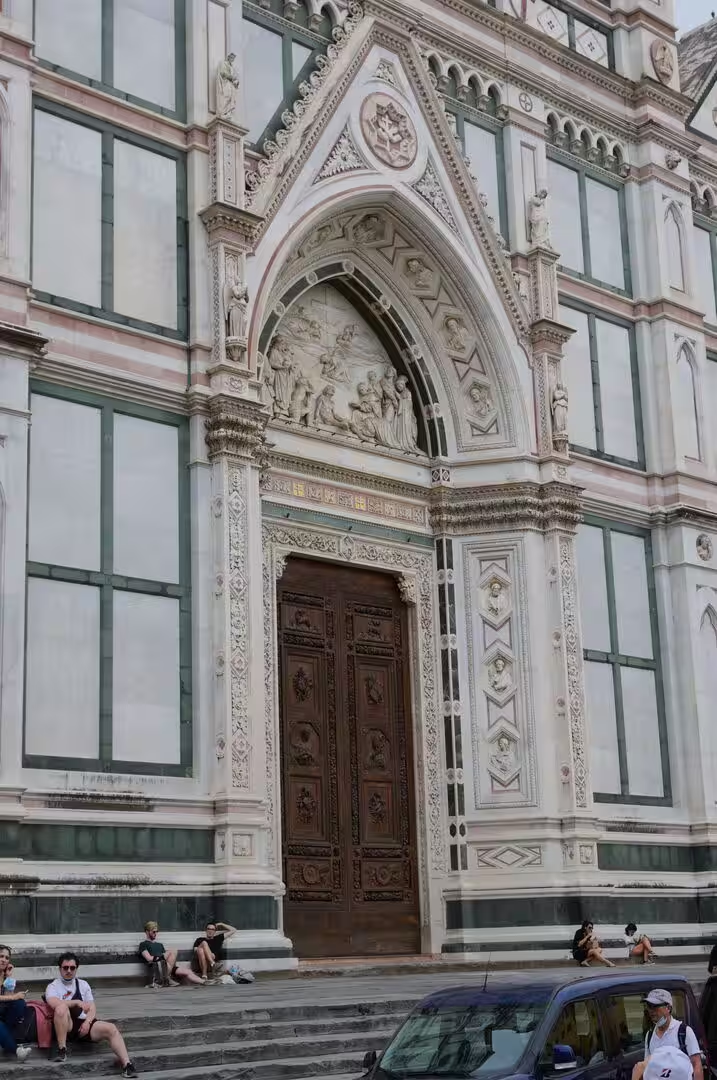
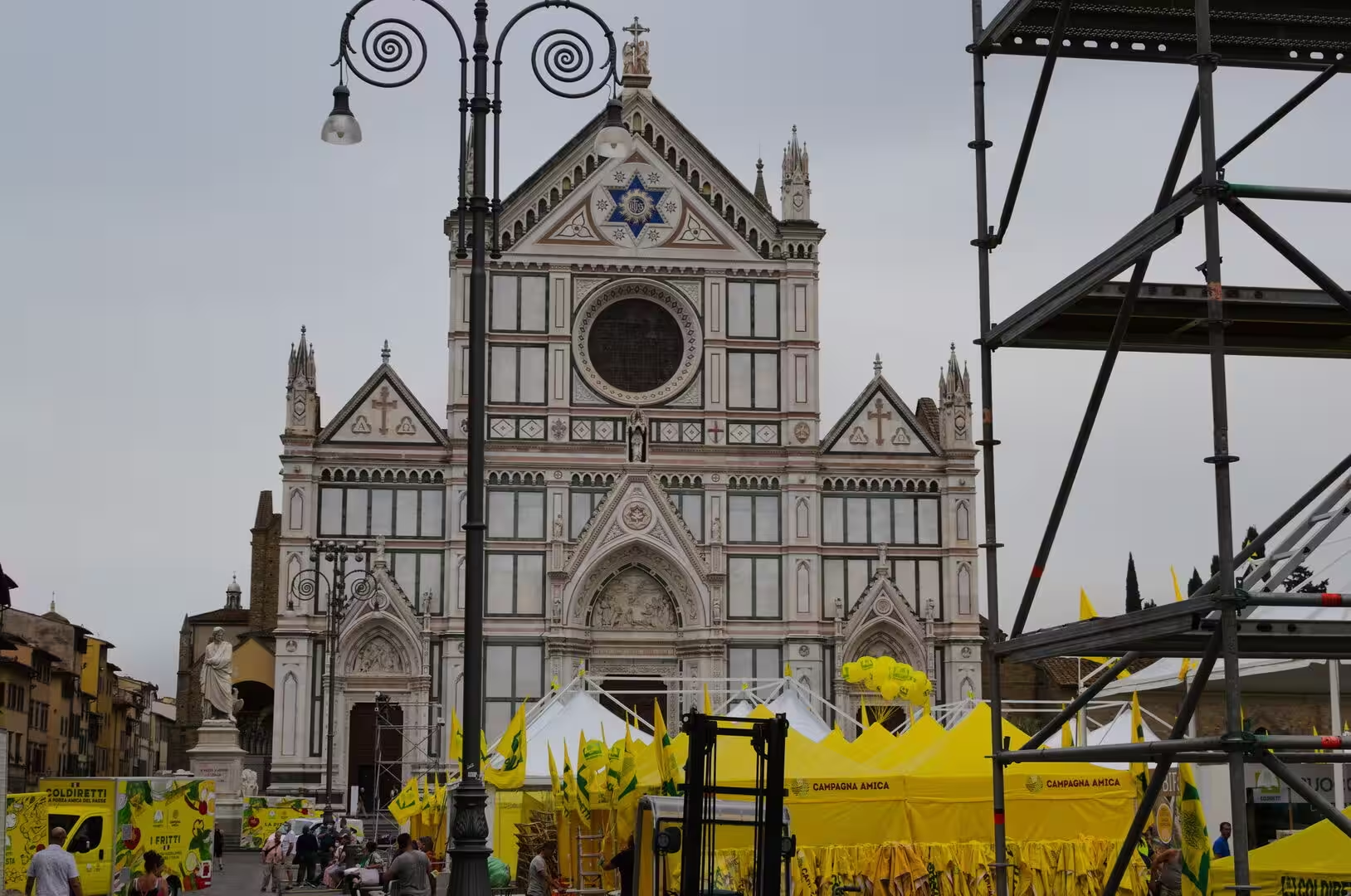
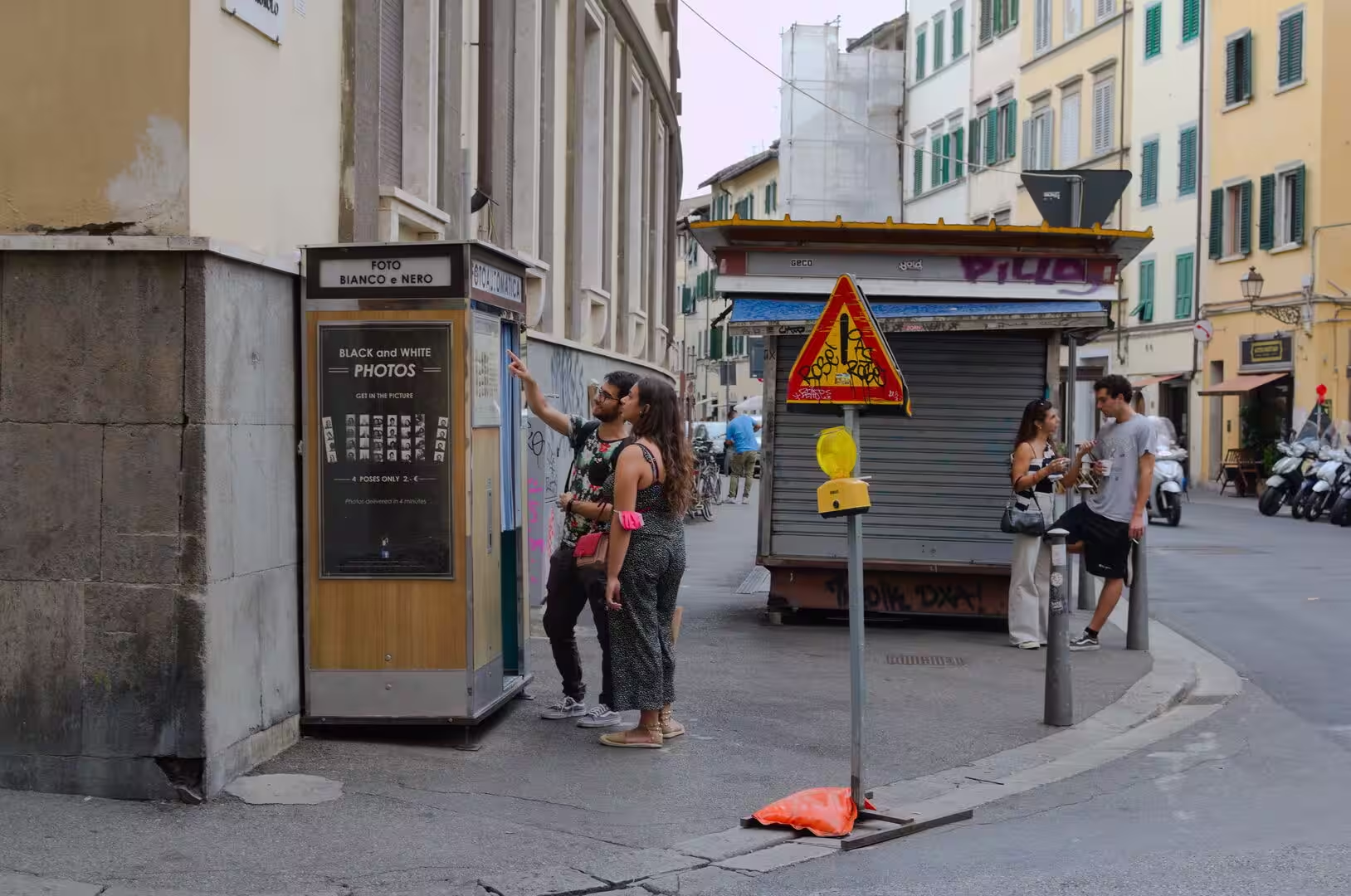
Away from the monuments the city keeps its small trades. Shop windows in the side streets hold jars of preserved vegetables beside a barrel and a row of bottles, and the stone frames of old entrances carry the names of the families or the firms that used them. The laurel-crowned Dante of 1865 stands before the green and white gable of Santa Croce, the two gothic doorways of the basilica are each crowned by a relief, and on market days the piazza in front of it fills with yellow tents. A photo booth at a busy corner has kept its place among them for decades.
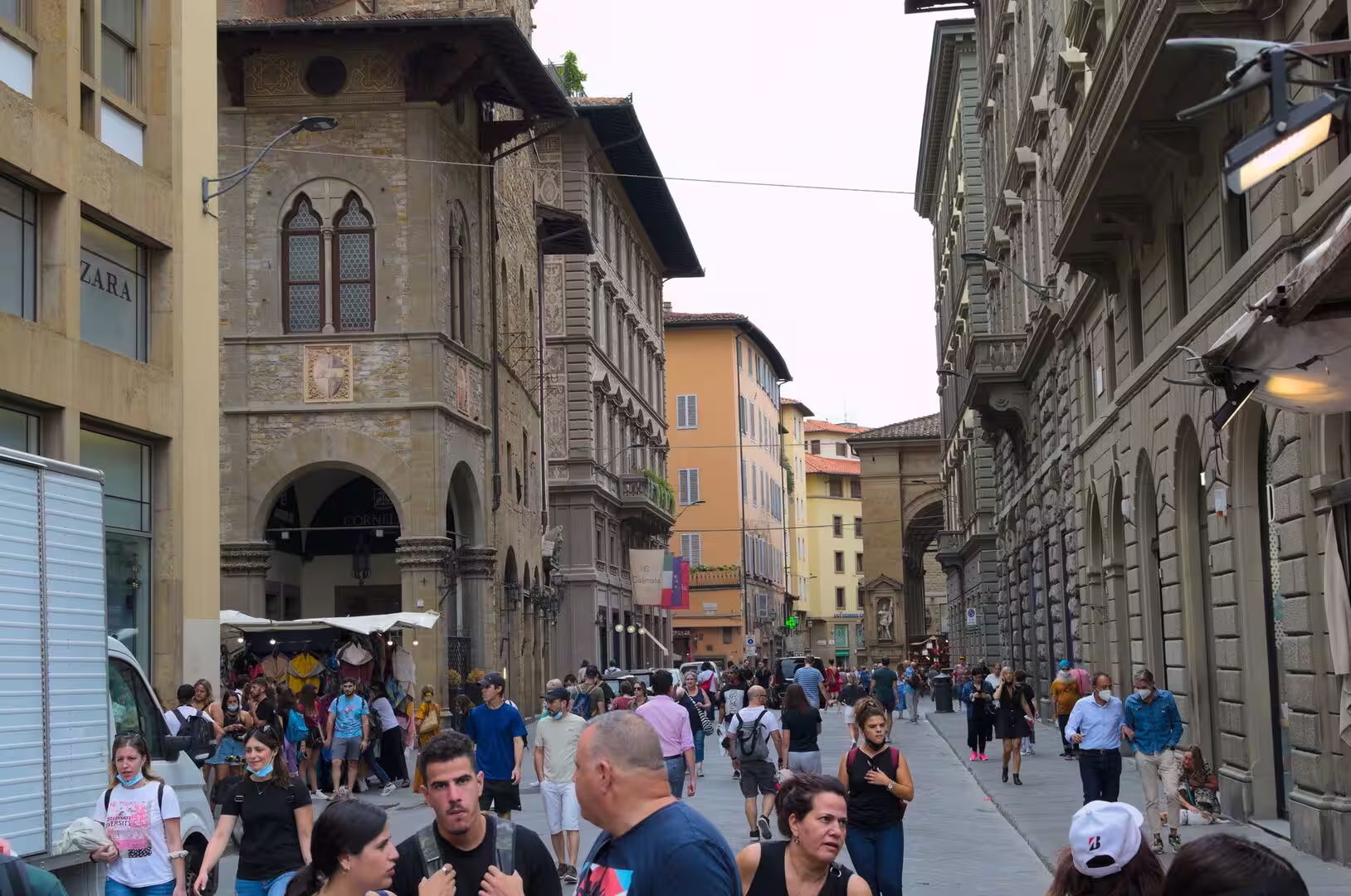
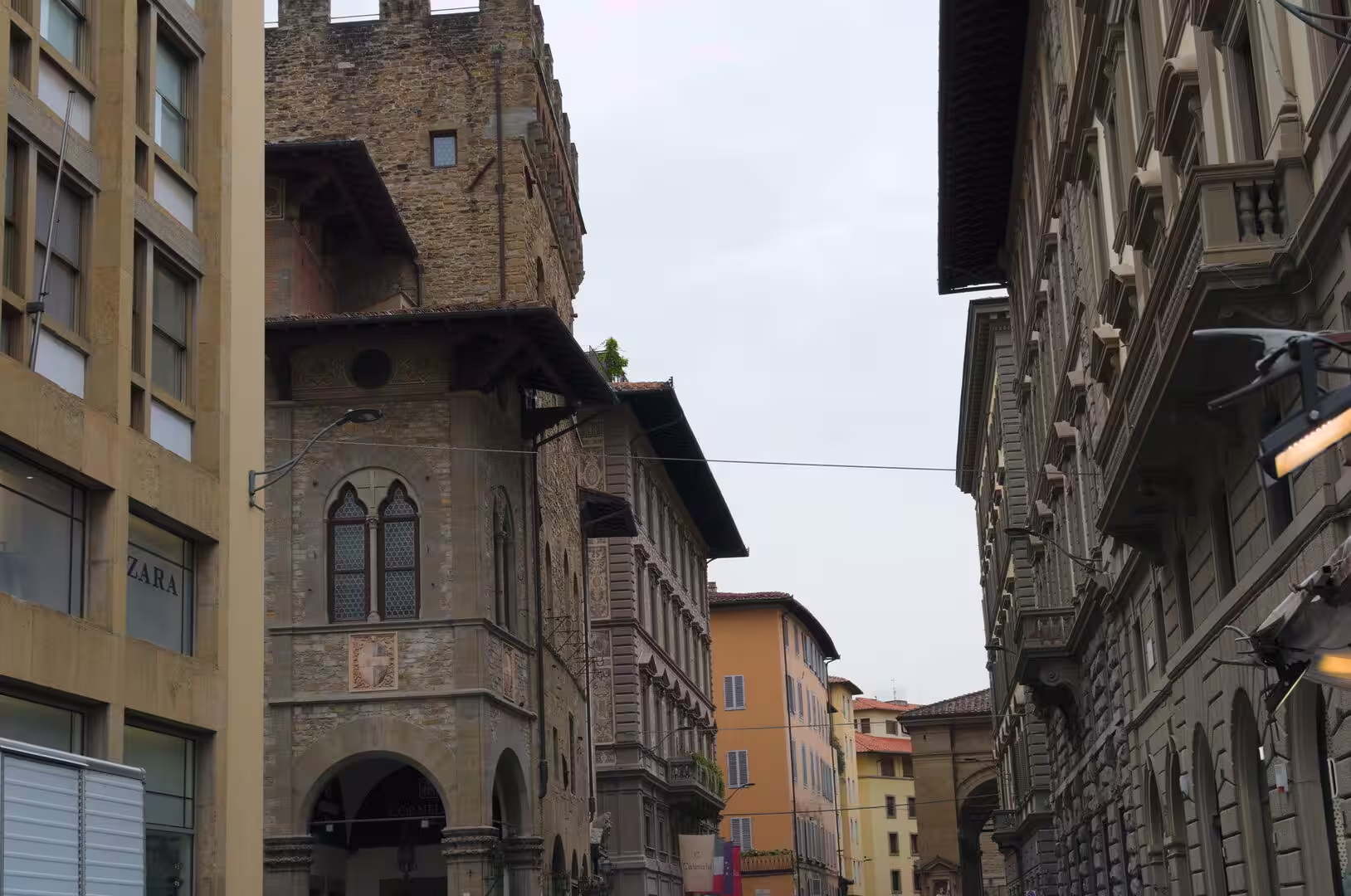
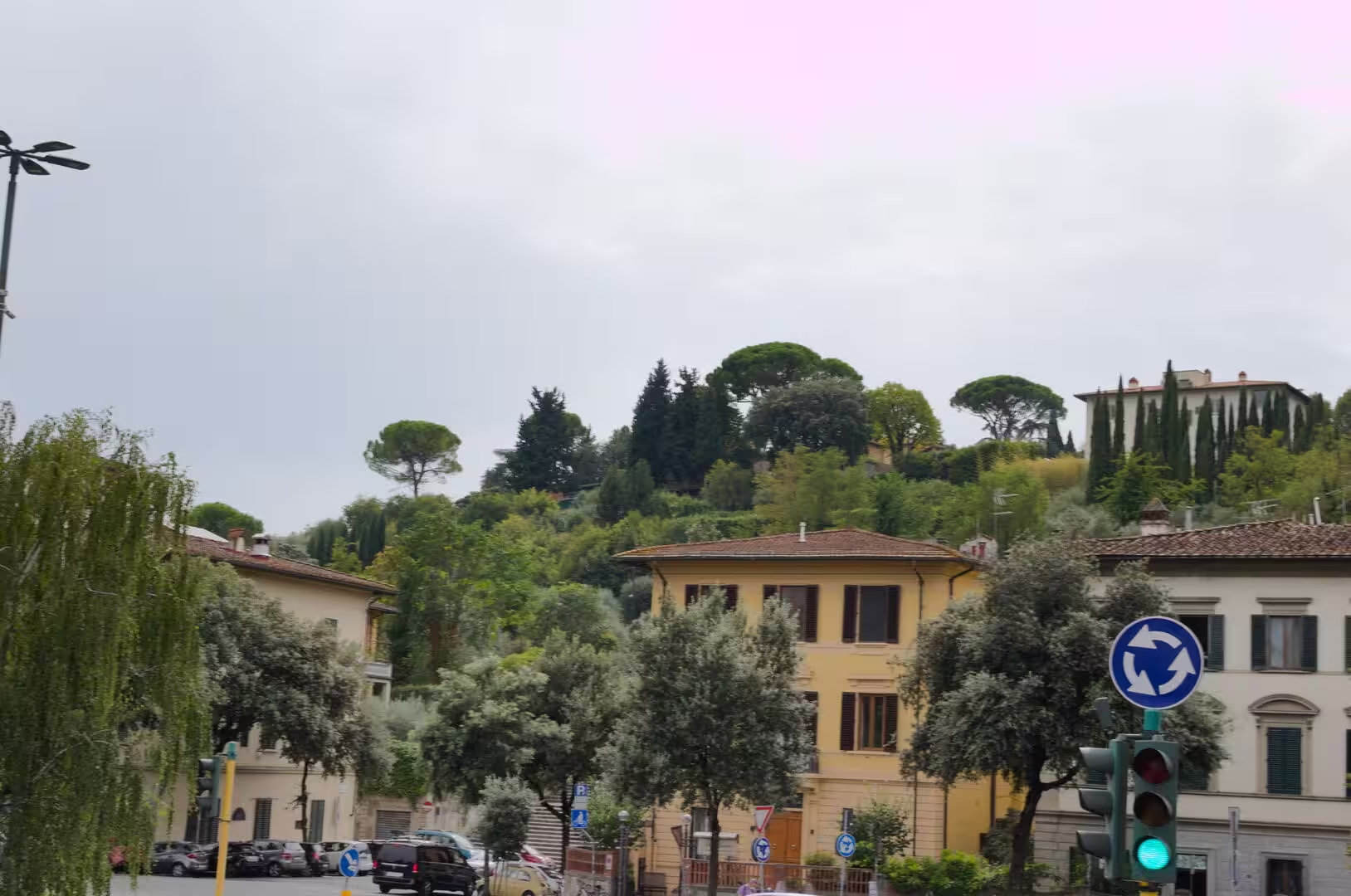
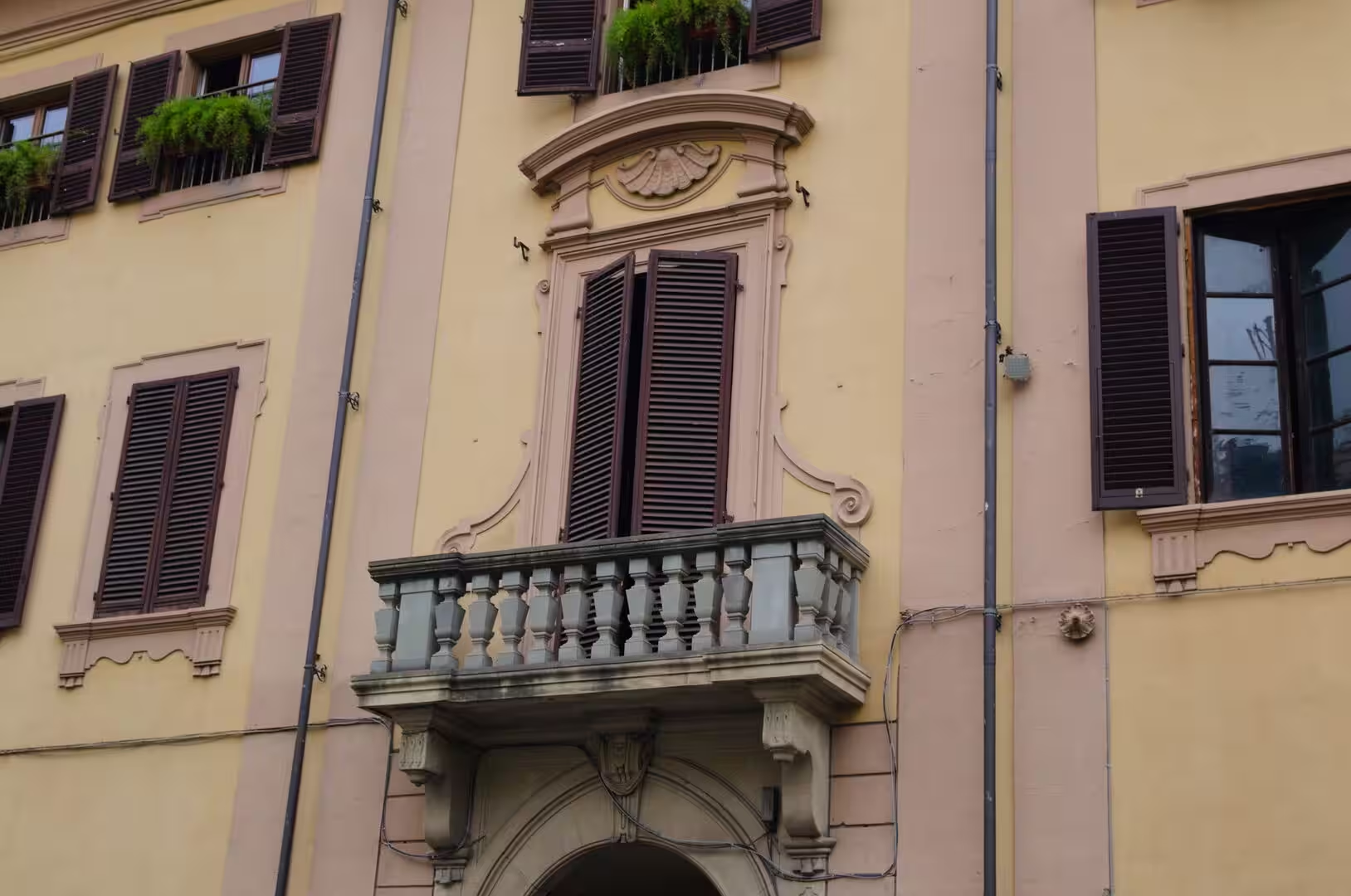
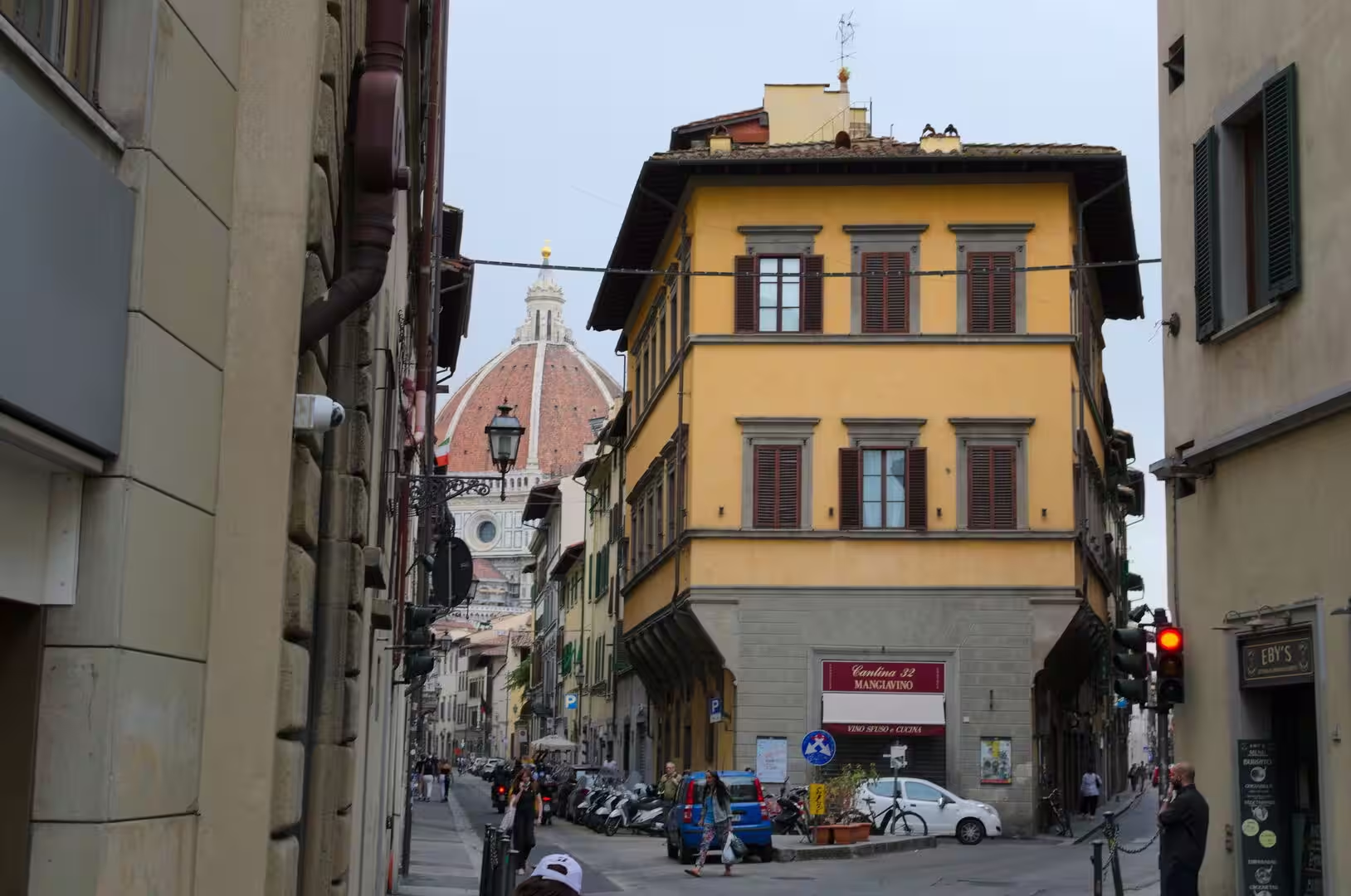
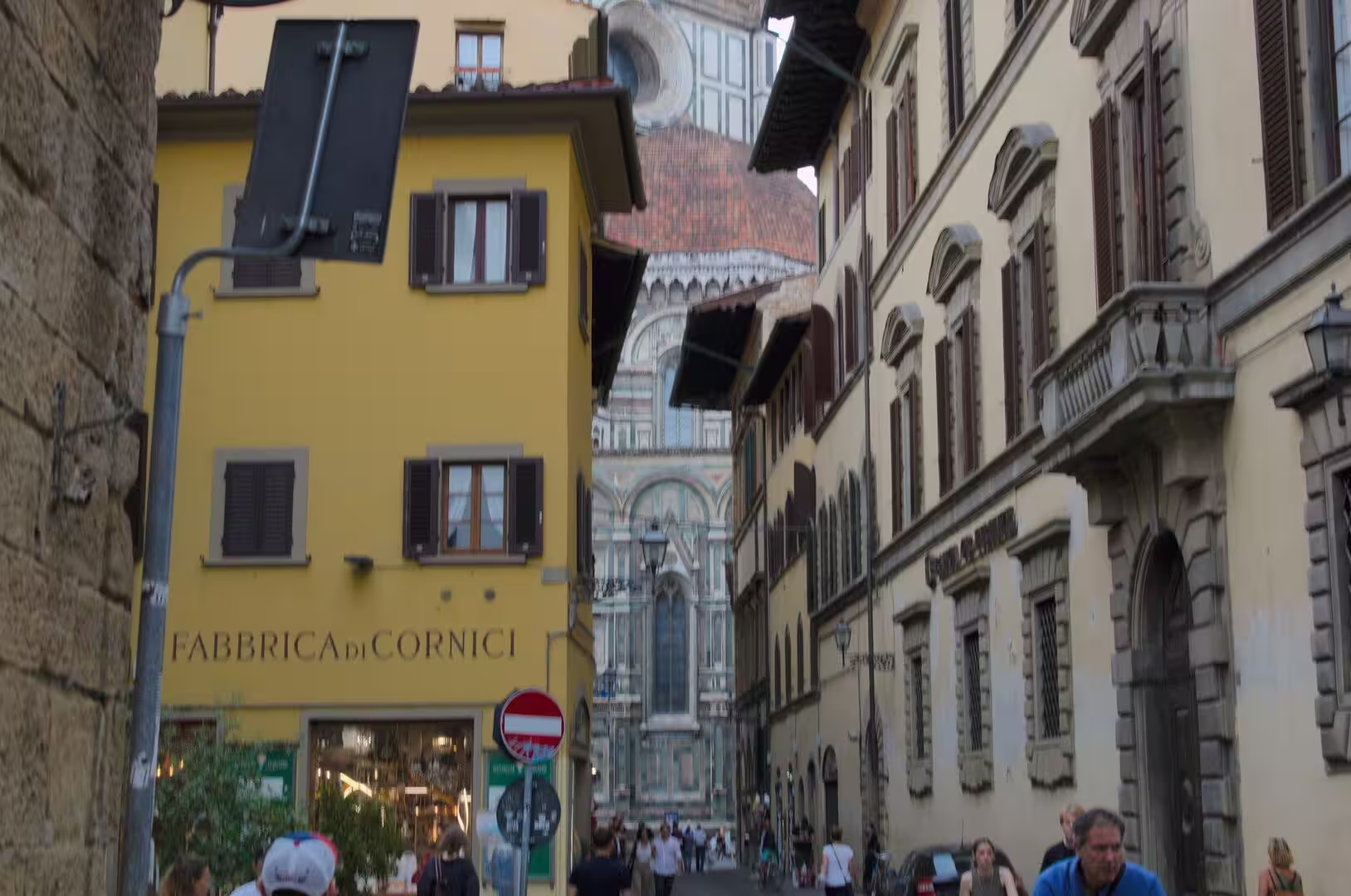
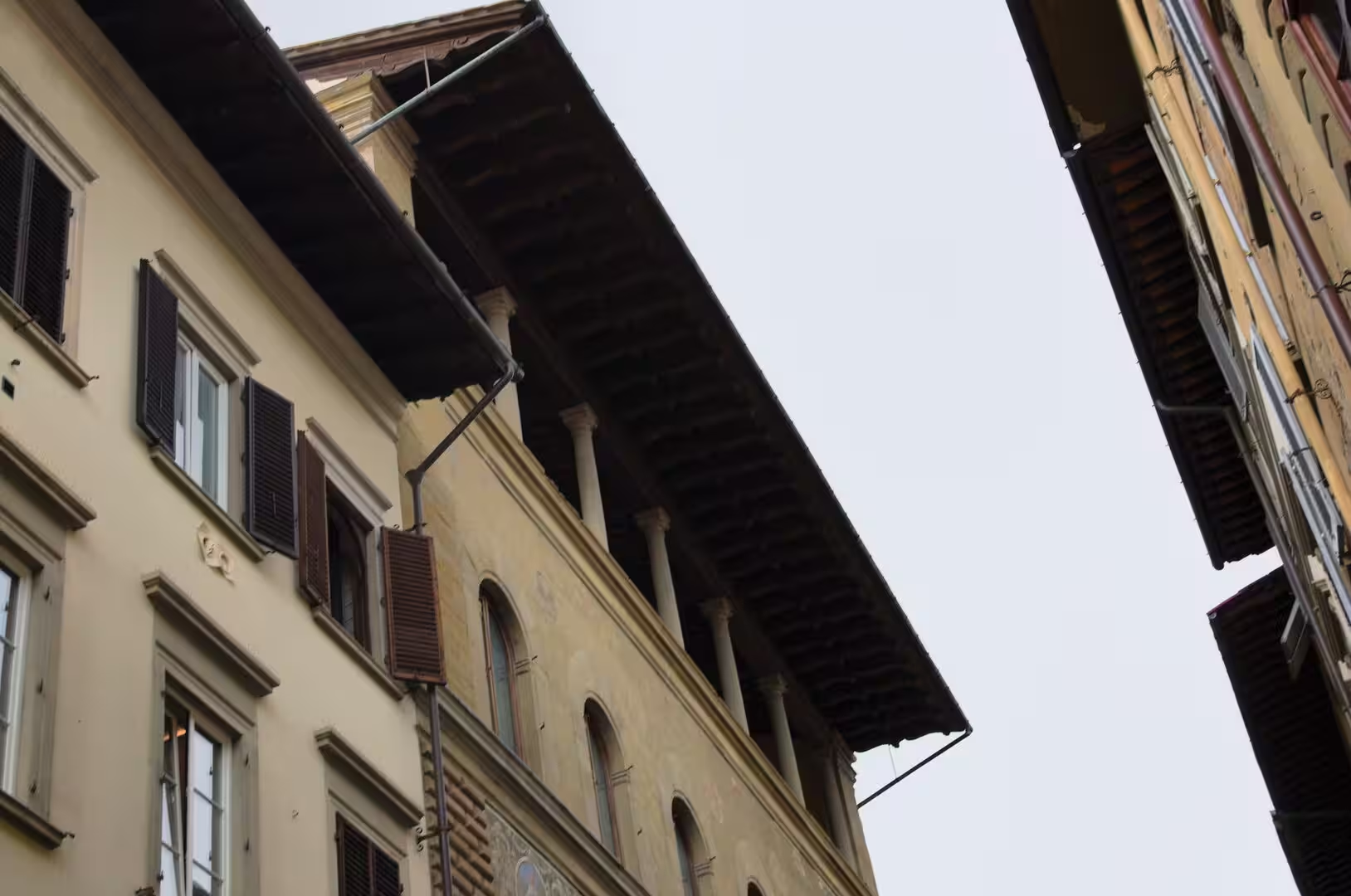
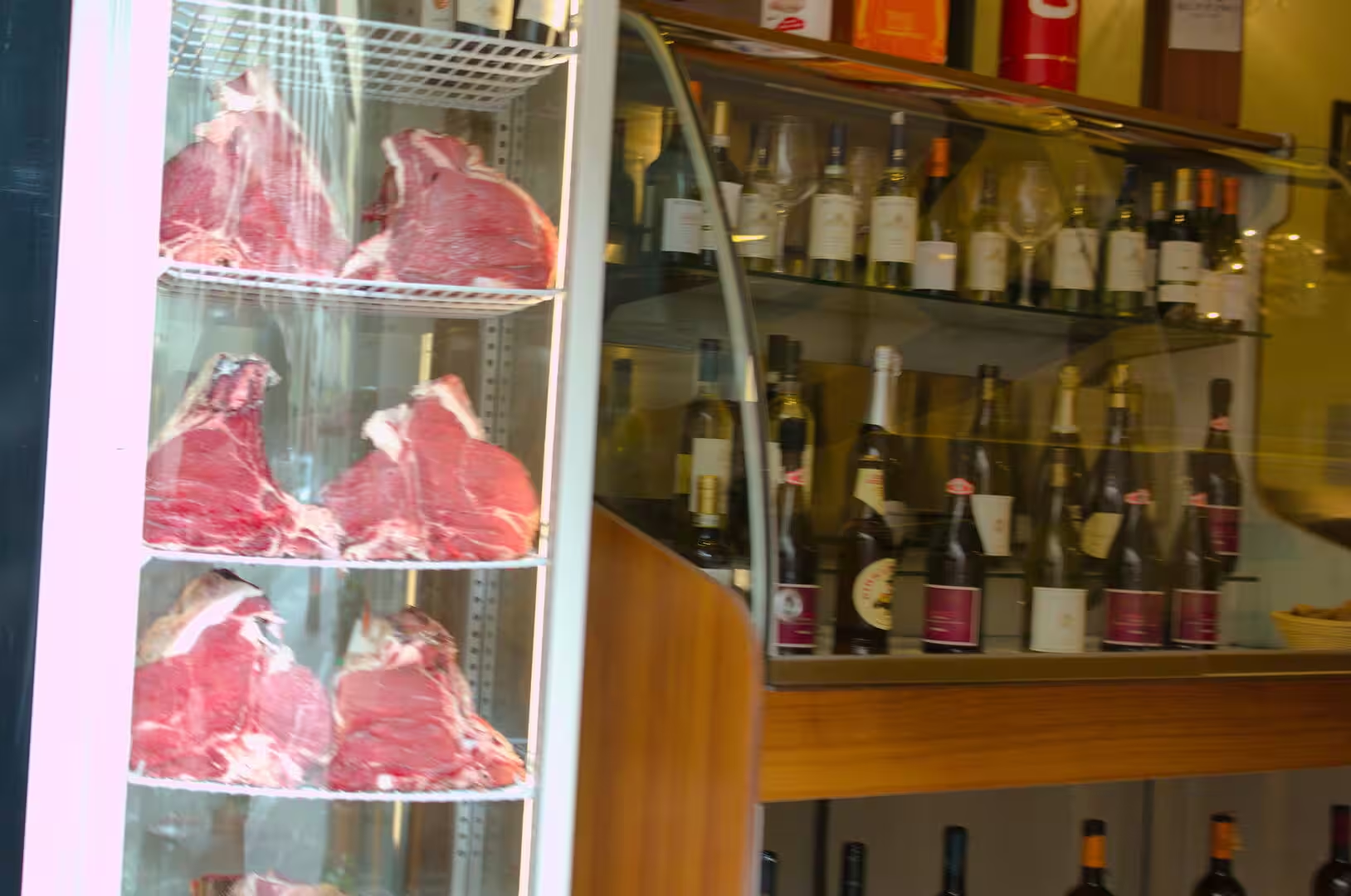
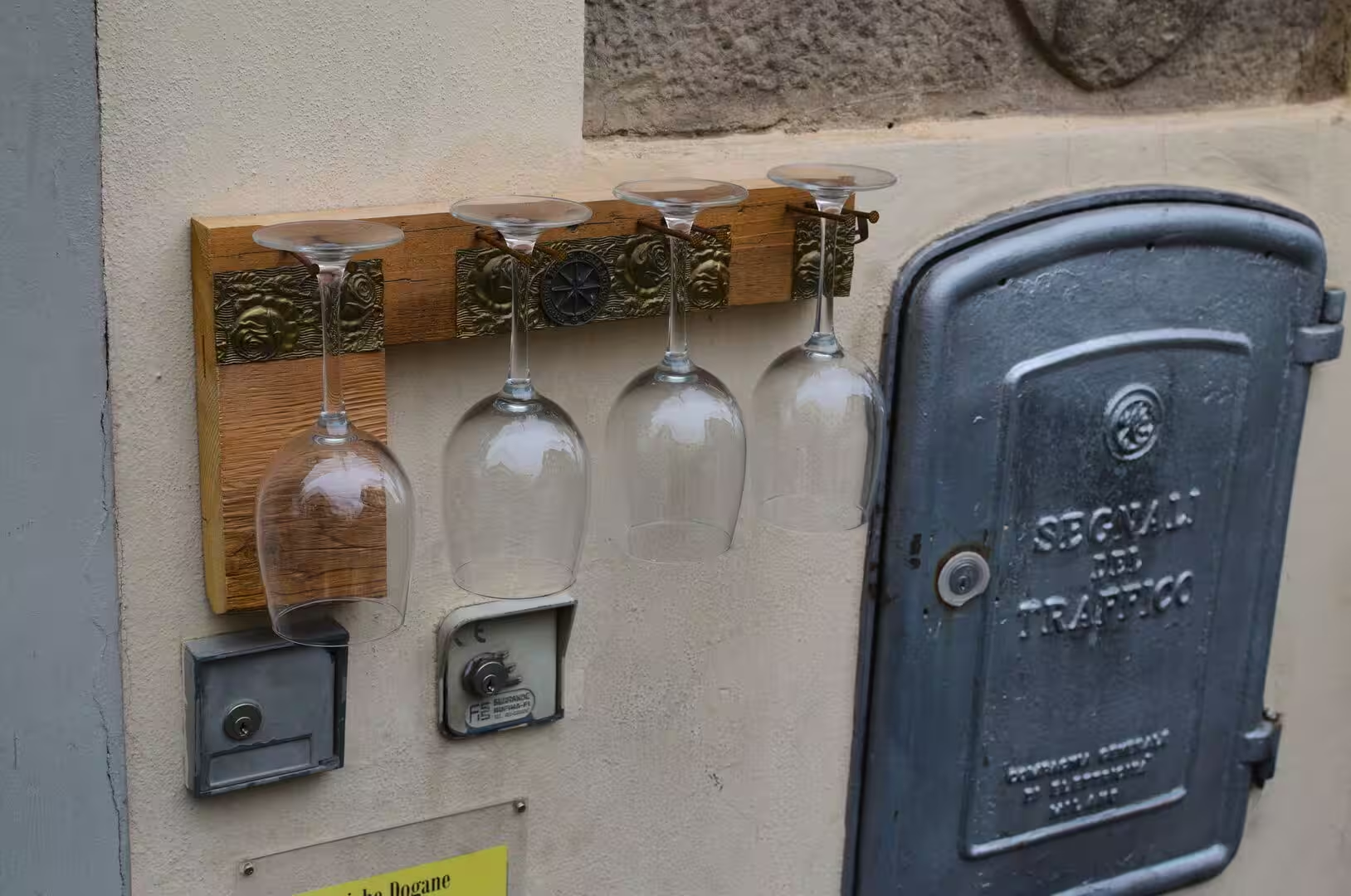
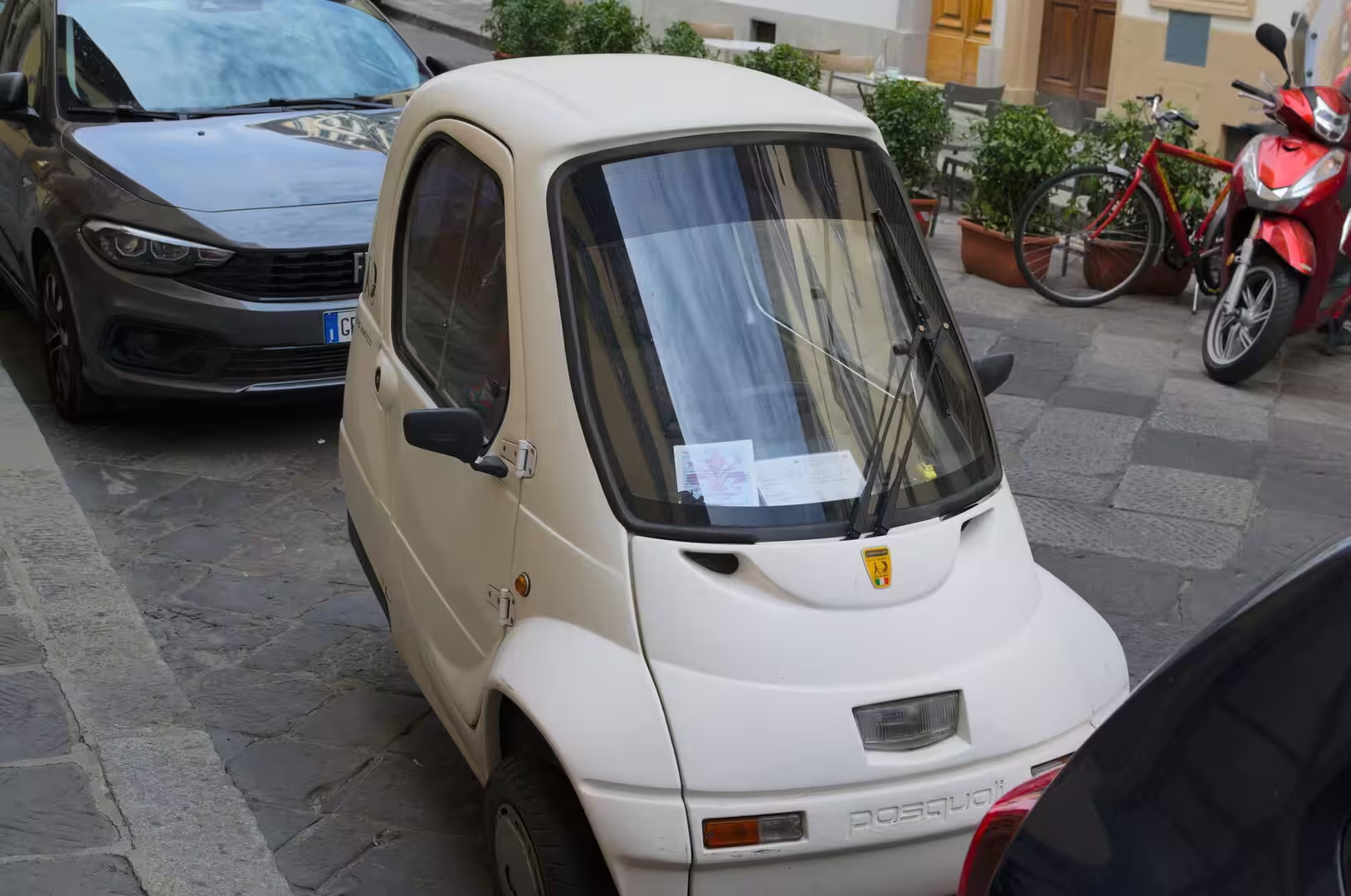
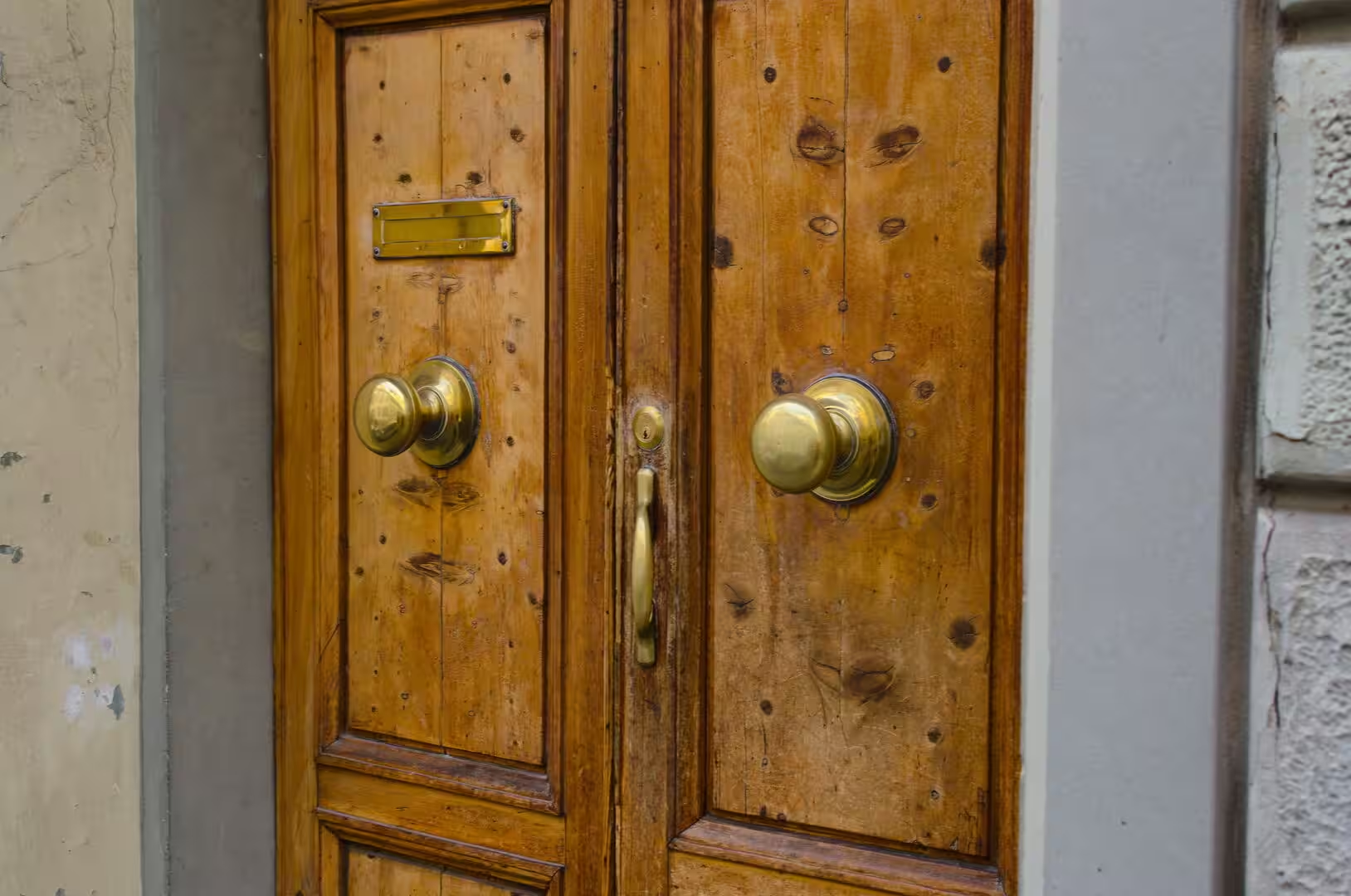
The last part of any walk belongs to the ordinary city. The marble front of the cathedral glows at the end of a shopping street while its dome rises between the yellow houses above, a palazzo keeps brown shutters and green window boxes on its upper floors, and near the station a bare concrete building of the nineteen thirties stands against the older fronts. In a grocery the display case is full of red meat, glasses hang upside down in a wooden rack, bicycles stand at the carved entrance of a palace, a cream micro-car is parked between two full-size cars, and a knotty wooden door carries two round brass handles and a letter slot.
References
- Wikipedia contributors (2026). Florence. en.wikipedia.org/wiki/Florence
- Wikipedia contributors (2026). Florence Cathedral. en.wikipedia.org/wiki/Florence_Cathedral
- Wikipedia contributors (2026). Florence Baptistery. en.wikipedia.org/wiki/Florence_Baptistery
- Wikipedia contributors (2026). Giotto’s Campanile. en.wikipedia.org/wiki/Giotto’s_Campanile
- Wikipedia contributors (2026). Piazza della Signoria. en.wikipedia.org/wiki/Piazza_della_Signoria
- Wikipedia contributors (2026). Palazzo Vecchio. en.wikipedia.org/wiki/Palazzo_Vecchio
- Wikipedia contributors (2026). Uffizi. en.wikipedia.org/wiki/Uffizi
- Wikipedia contributors (2026). Ponte Vecchio. en.wikipedia.org/wiki/Ponte_Vecchio
- Wikipedia contributors (2026). Arno. en.wikipedia.org/wiki/Arno
- Wikipedia contributors (2026). Basilica of Santa Croce, Florence. en.wikipedia.org/wiki/Basilica_of_Santa_Croce%2C_Florence
- Wikipedia contributors (2026). Loggia dei Lanzi. en.wikipedia.org/wiki/Loggia_dei_Lanzi
- Wikipedia contributors (2026). David (Michelangelo). en.wikipedia.org/wiki/David_%28Michelangelo%29
- Wikipedia contributors (2026). House of Medici. en.wikipedia.org/wiki/House_of_Medici
- Wikipedia contributors (2026). Historic Centre of Florence. en.wikipedia.org/wiki/Historic_Centre_of_Florence
- Wikipedia contributors (2026). Italian Renaissance. en.wikipedia.org/wiki/Italian_Renaissance
- Wikipedia contributors (2026). Filippo Brunelleschi. en.wikipedia.org/wiki/Filippo_Brunelleschi
- Wikipedia contributors (2026). Republic of Florence. en.wikipedia.org/wiki/Republic_of_Florence
- Wikipedia contributors (2026). Dante Alighieri. en.wikipedia.org/wiki/Dante_Alighieri
- Rombough J. (2021) Regulating sense and space in late Renaissance Florence. Urban History. 50. 38-57. doi.org/10.1017/s0963926821000651
- Burke J. (2006) Visualizing Neighborhood in Renaissance Florence. Journal of Urban History. 32. 693-710. doi.org/10.1177/0096144206287094
- Dimelli D. (2024) Historic Centers and Overtourism: Opportunities and Threats for Three Historic European Cities. Current Approaches, Solutions and Practices in Conservation of Cultural Heritage. 135-154. doi.org/10.26650/b/aa9ps34.2024.006.007
- Franco M., Conte M., Francini C., Belli G., et al. (2026) The Role of Technology in Managing Overtourism: The Case of the Historic Centre of Florence. SpringerBriefs in Architectural Design and Technology. 157-180. doi.org/10.1007/978-981-96-5794-0_10
- Loda M., Bonati S., Puttilli M. (2020) History to eat. The foodification of the historic centre of Florence. Cities. 103. 102746. doi.org/10.1016/j.cities.2020.102746
- Peruzzi C., Castaldi M., Francalanci S., Solari L. (2018) Three-dimensional hydraulic characterisation of the Arno River in Florence. Journal of Flood Risk Management. 12. doi.org/10.1111/jfr3.12490
- Trachtenberg M. (1983) Brunelleschi, Ghiberti, and “L’occhio” “minore” of Florence Cathedral. Journal of the Society of Architectural Historians. 42. 249-257. doi.org/10.2307/989948