Day 13









Journal Notes
General
The Madeira archipelago lies in the North Atlantic within the Macaronesian region, on the African tectonic plate but politically part of Portugal as an autonomous region with Funchal as its capital. The islands recorded a population of 251,060 in 2021, and roughly half of the inhabitants live in the capital. Madeira is the largest and most populous island of the group, and its south coast, where the main town occupies an amphitheatre shaped valley, holds the harbour and the roadstead from which the ocean excursions of this day depart.
Funchal itself has a population of 105,795 and ranks as the sixth largest city in Portugal. Its built area rises from the waterfront towards slopes of about 1,200 metres, which shelter the town from the northern weather and give it the warmest climate in the country, classified as a hot summer Mediterranean type with humidity around 70 per cent throughout the year. The harbour below the old town has long been the leading Portuguese port for cruise liner dockings.
Since 2007 the port of Funchal has been dedicated to passenger traffic, cruise ships, ferries and tourist craft, while the remaining fishing activity and cargo trade were transferred to the newly developed port of Caniçal on the eastern side of the island in 2017. A ferry crossing to Porto Santo takes about two hours. For marine excursions this leaves a working harbour in the middle of the city, with berths for catamarans and smaller boats close to the promenade and to the hotel quarter of Lido further west.
The day described here is built around a catamaran cruise and whale watching, one of the most popular ocean activities offered from the island. Departures run along the south coast and then out into deeper offshore water. Twin hulls give the craft stability and open deck space, and most cruises are accompanied by crews who include trained spotters or marine biologists. Sightings are possible throughout the year, although the composition of species changes with the season.
The wider setting is a marine environment rather than a resort shoreline. The Madeira Nature Reserve covers about two thirds of the island’s area and was created in 1982; its components include the reserves of the Desertas and the Savage Islands, Garajau and Rocha do Navio. In clear weather the Desertas Islands can be seen on the horizon southeast of the island’s eastern tip, and within a few sea miles of the coast the water drops to depths that bring oceanic species close to land.
History
Madeira was claimed in 1419 by João Gonçalves Zarco and Tristão Vaz Teixeira, captains in the service of Prince Henry the Navigator, who were driven to Porto Santo by a storm; the main island was settled from 1420, and Funchal itself was founded between 1420 and 1425 by Zarco. The settlement took its name from the wild fennel that grew in the valley. In 1425 King John I made Madeira a full province of Portugal and handed it to Henry the Navigator as a gift.
The first economy rested on wheat, but in the 1450s falling returns turned the settlers towards sugar cane, then rare in Europe and treated as a spice. Cane culture spread along the southern coast from Machico to Fajã da Ovelha, and Funchal became the most important industrial centre of the trade. The system of production first practised on a small scale on the island was later transferred to the Caribbean and Brazil; the first enslaved people, Berbers and Guanches, were brought to Madeira in 1452.
Sugar was gradually displaced. From the seventeenth century Madeira wine became the island’s most important product, and English merchants who settled in Funchal from that century consolidated markets in England, North America and the West Indies. Viticulture had already been praised in 1455 by the Venetian navigator Luís de Cadamosto, and the fortified wine of the island became one of the most popular luxury drinks of the colonial Western Hemisphere during the seventeenth and eighteenth centuries.
Funchal’s own history runs parallel to that trade. The settlement was raised to the status of town and municipal seat between 1452 and 1454, became a city in 1508 under King Manuel I, and received its cathedral in 1514, when the bishopric was established there. In 1566 French corsairs sacked the town for fifteen days, after which the defensive system was rebuilt. During the sixteenth century Funchal was a regular stop for caravels travelling between the Indies and the New World.
In the twentieth century the island moved from an Atlantic entrepôt towards a year round resort, and the observation of marine animals grew out of that change. Fishing, transport and trade had shaped the relationship with the sea for centuries; modern whale watching developed in the late twentieth century as conservation and eco tourism gained ground, and it now operates under guidelines that limit approach distances and interaction time. The Desertas have been a reserve for Mediterranean monk seals since 1990, when the colony numbered only eight animals.
Geology
Madeira island is the summit of a submerged shield volcano that rises from the floor of the Atlantic on the Tore rise. Volcanism began over an east to west rift in the oceanic crust along the African Plate during the Miocene, more than five million years ago, and continued into the Pleistocene until about 700,000 years ago. Later activity built scoria cones and lava flows upon the eroded shield, and the youngest eruptions occurred in the west central part of the island 6,500 years ago.
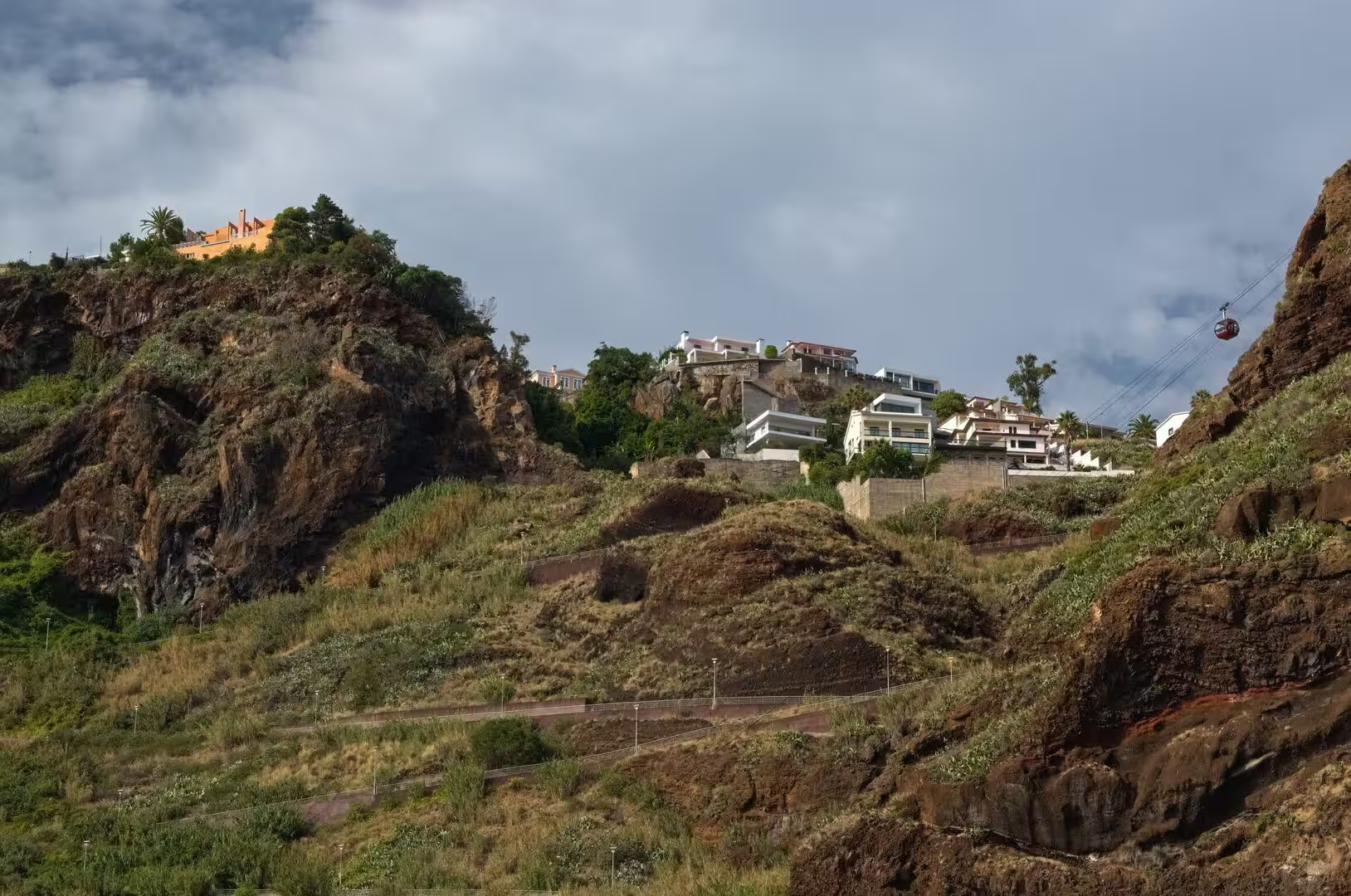
Erosion then dominated the shape of the island. Two large amphitheatres open to the south in the central part, and the ridge that runs along the middle of the island carries the high peaks, from Pico Ruivo at 1,862 metres down through Torres, Arieiro and Cidrão to Grande and Ferreiro; the eastern end of the ridge stays below 200 metres. From this central spine sea cliffs, valleys and ravines reach the coast, so that habitation is concentrated at the mouths of the ravines where the heavy autumn and winter rain runs to the sea.
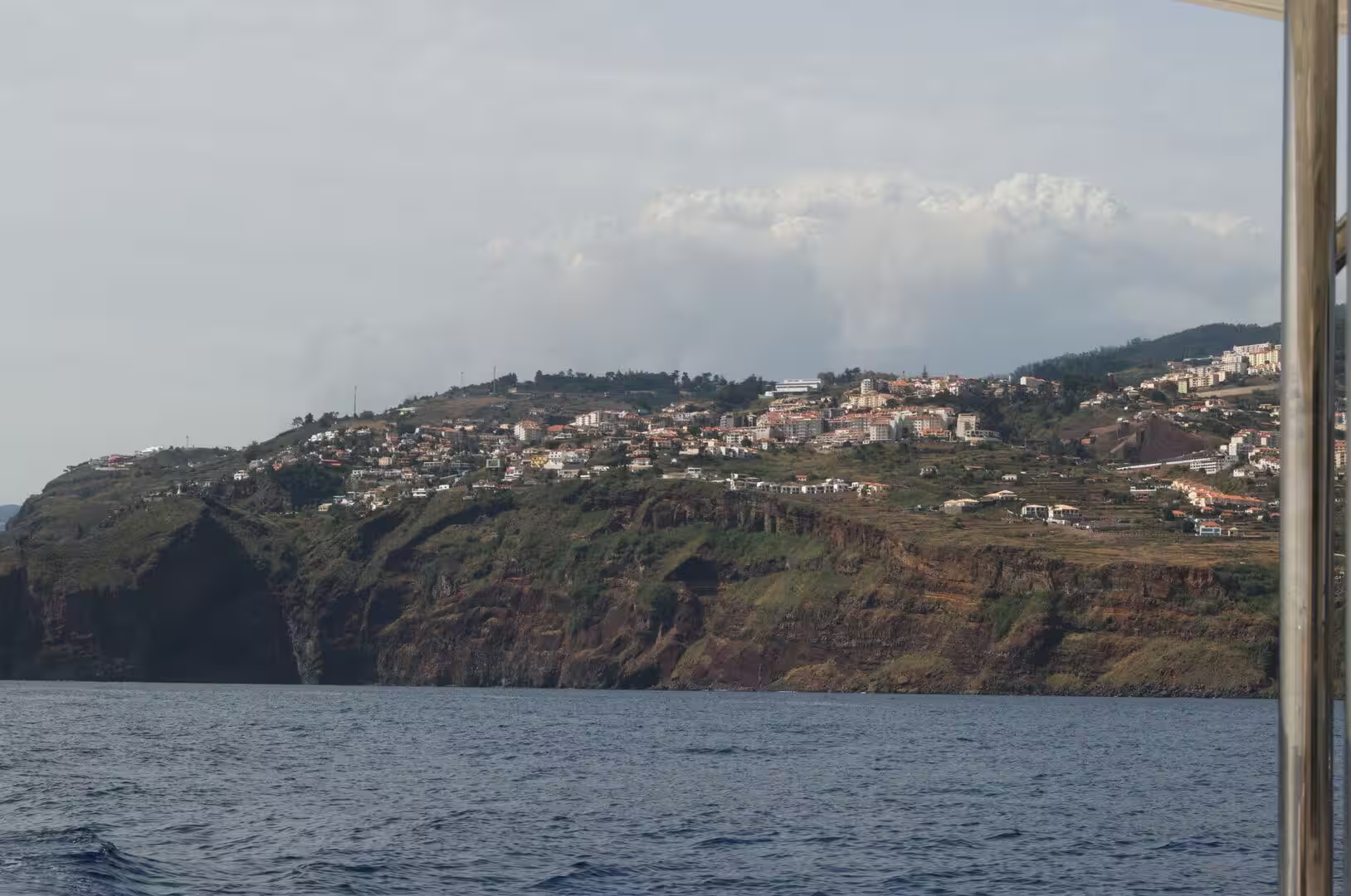
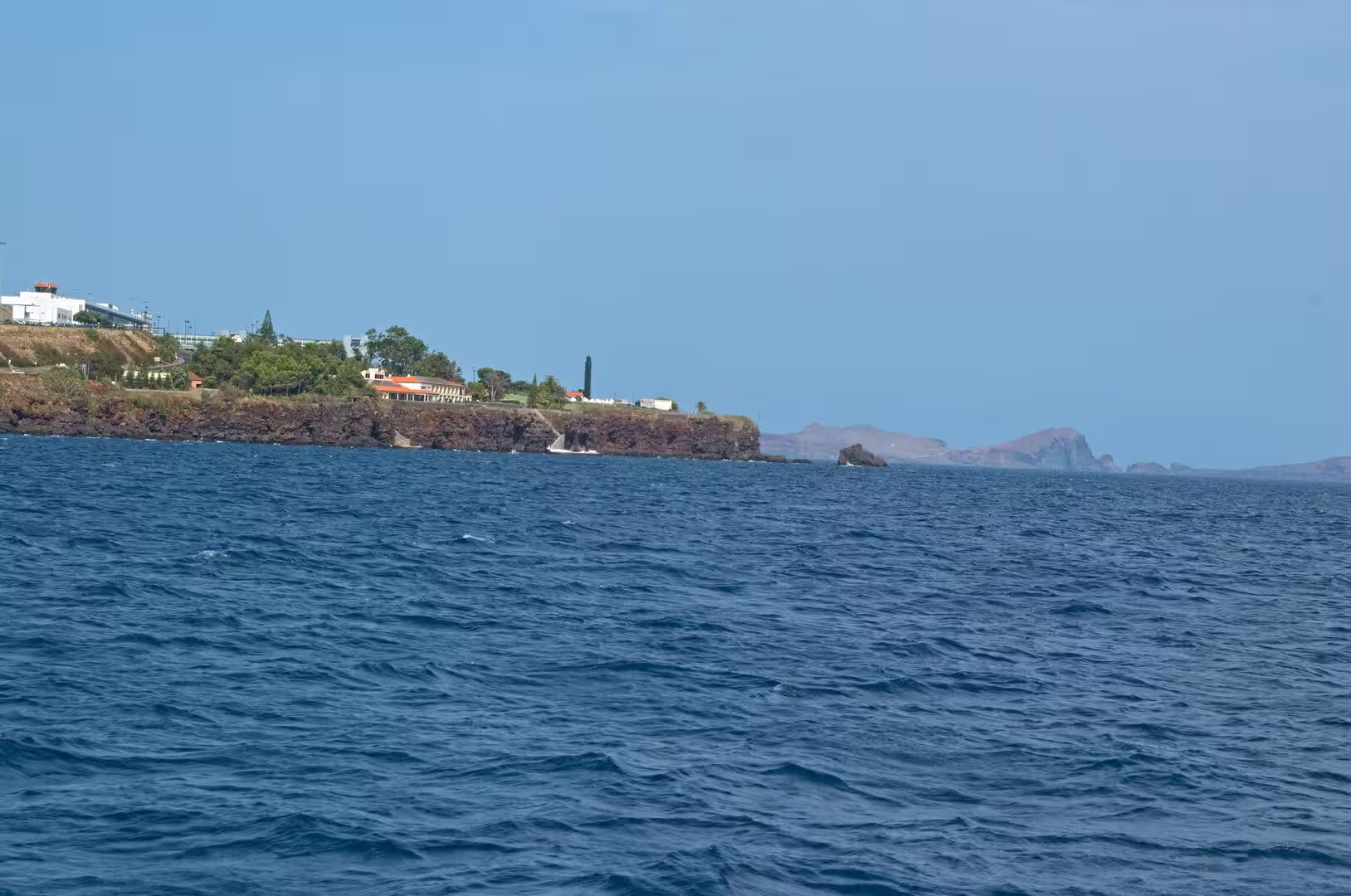
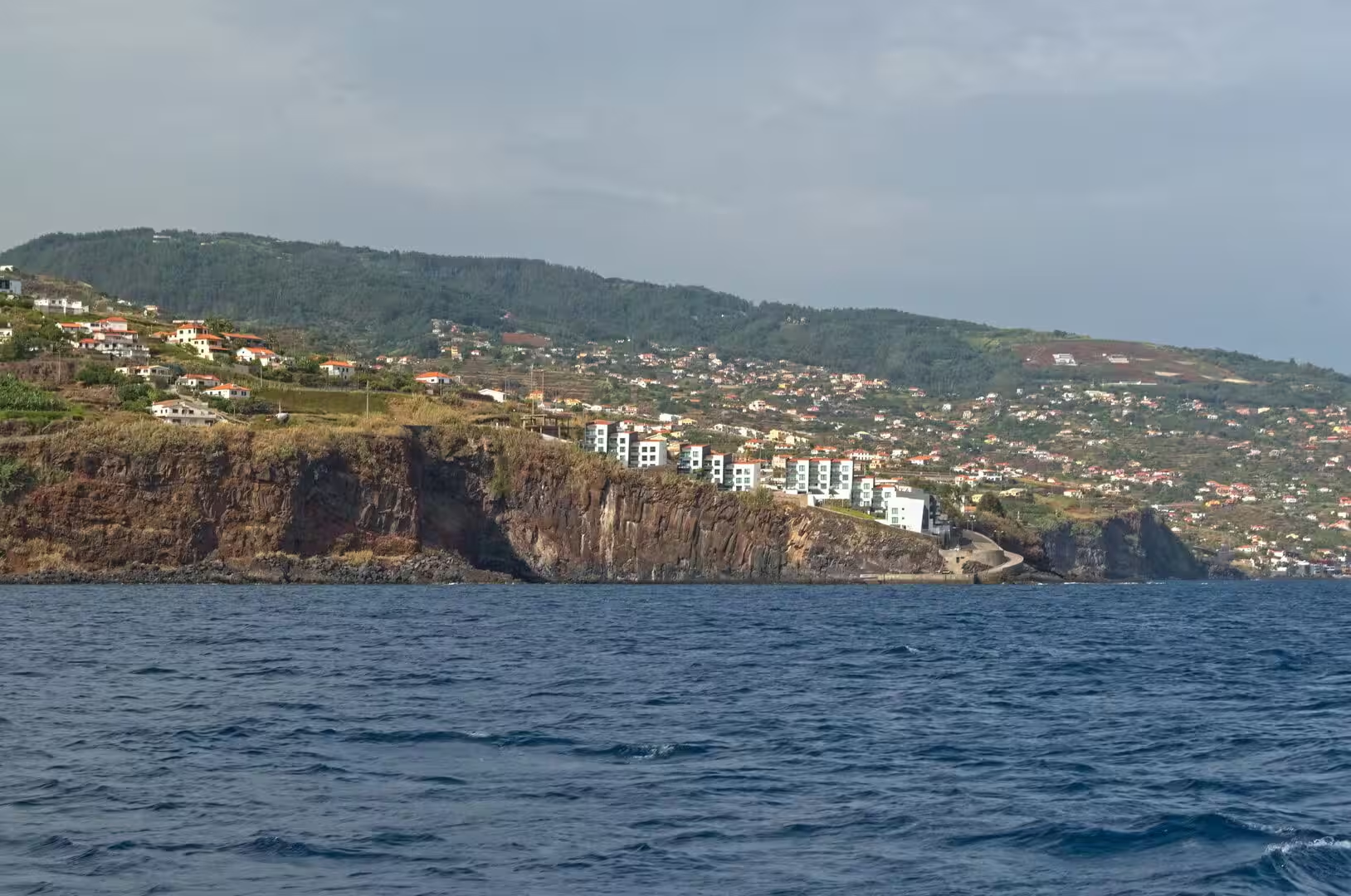
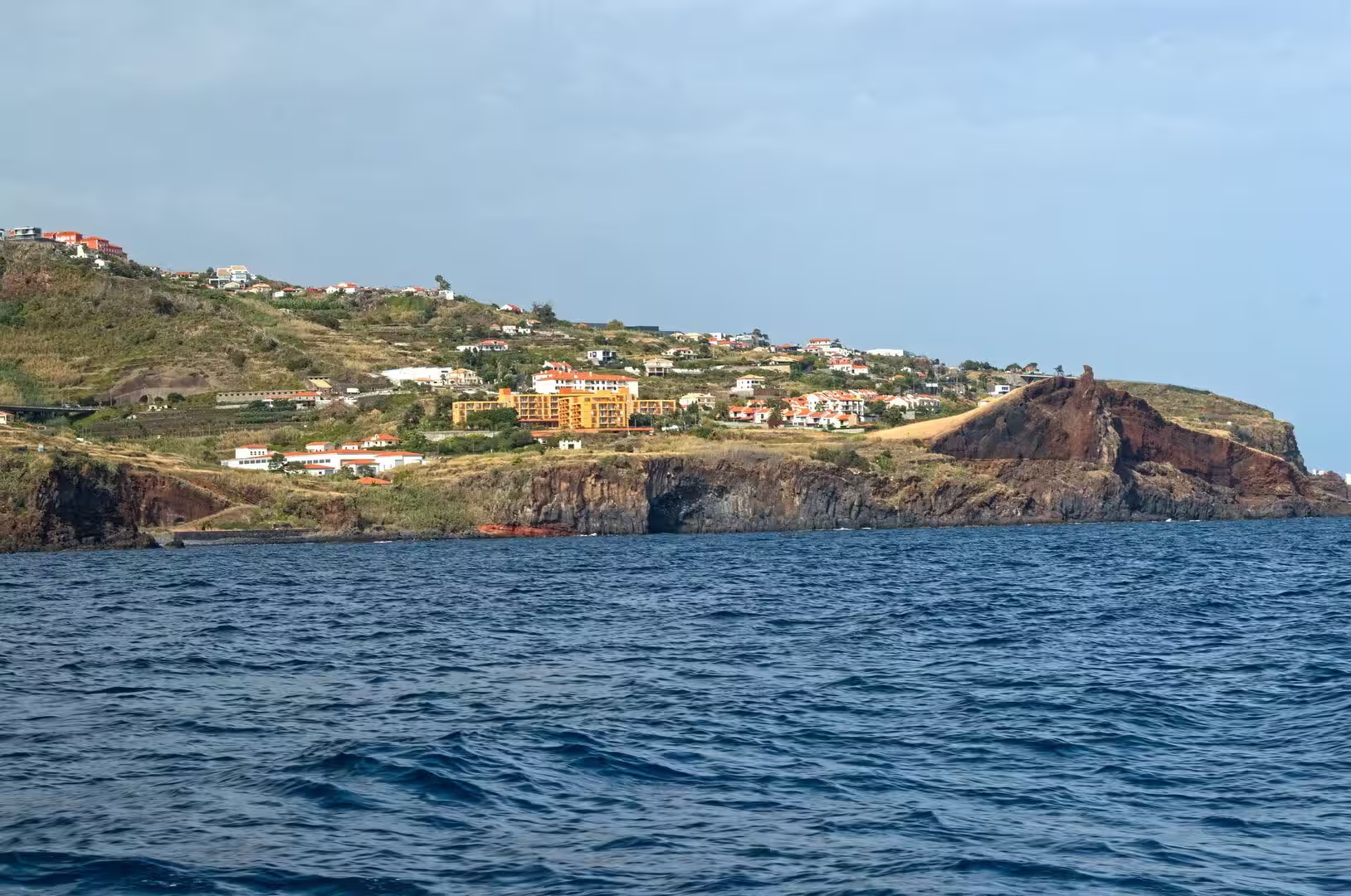
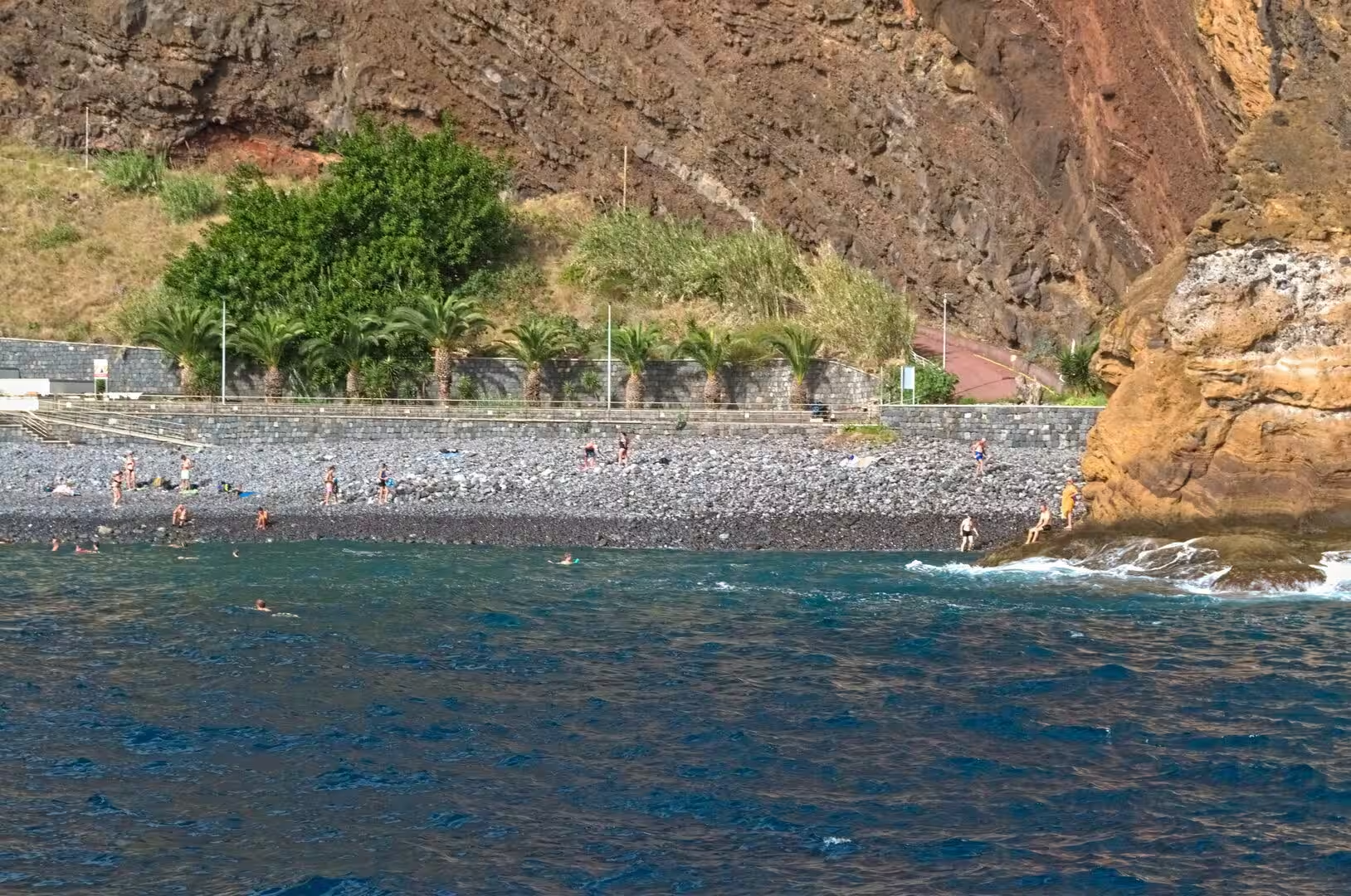
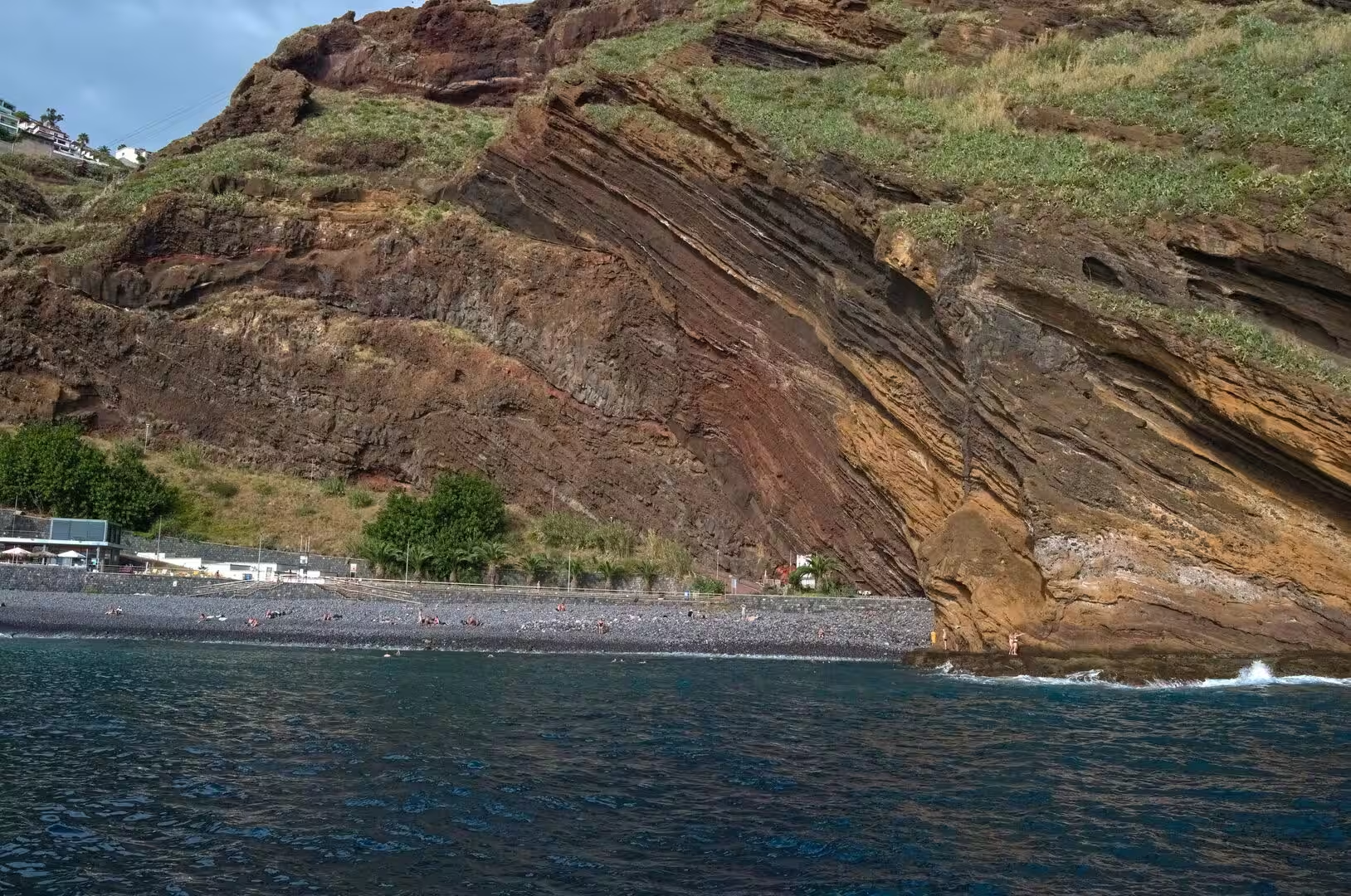
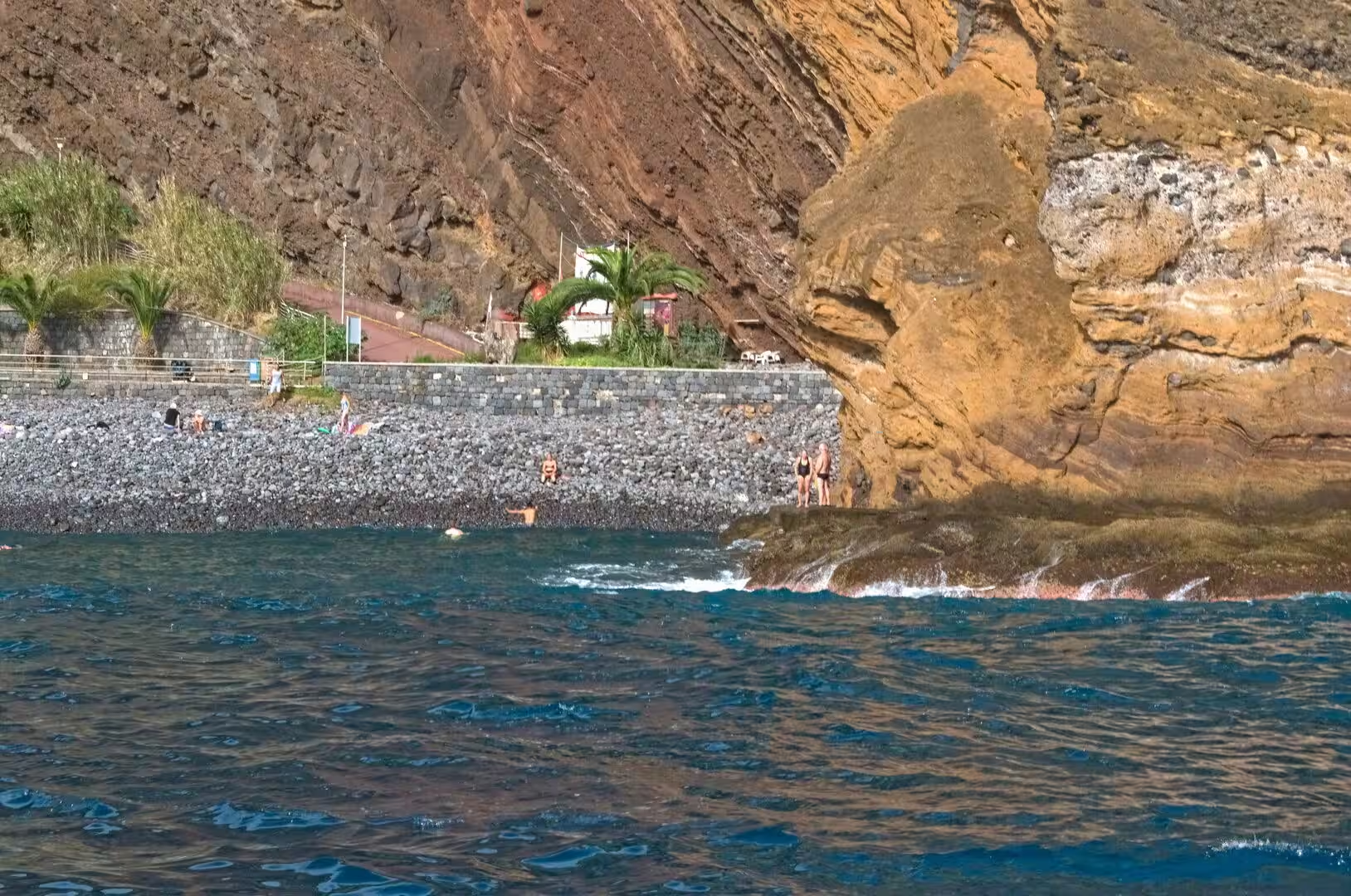
The cliffs of the south coast belong to this system. The rock walls fall directly into the water between two river valleys in places, and their faces are cut into platforms at sea level. These flat benches, known as fajãs, were formerly reached only by boat and are still cultivated where they carry soil. Swimmers use the dark pebble strands and the volcanic rock at the water’s edge, and the same shore material appears further east as black sand below cliffs topped with green vegetation.
Offshore, the volcanic edifice continues below the waterline. The submarine slopes of the archipelago are shaped by gravitational, erosional, sedimentary and volcanic processes, and flank collapse has been recognised as a hazard, with megatsunami evidence raised from the flanks of the islands. Deep water lies close to the coast here, which shortens the passage to the habitat of oceanic cetaceans; sperm whales in particular are found where the shelf drops quickly rather than over wide shallow banks.
The landforms of the day are matched by a particular water regime. Centuries old stone channels known as levadas carry rainwater from the wetter northern slopes to the south for consumption, irrigation and electricity; they span thousands of kilometres and date back to the fifteenth century, and the Socorridos hydroelectric station is fed by them. In the first half of 2022, 33 per cent of the electricity consumed on the archipelago came from renewable sources.
Things to See
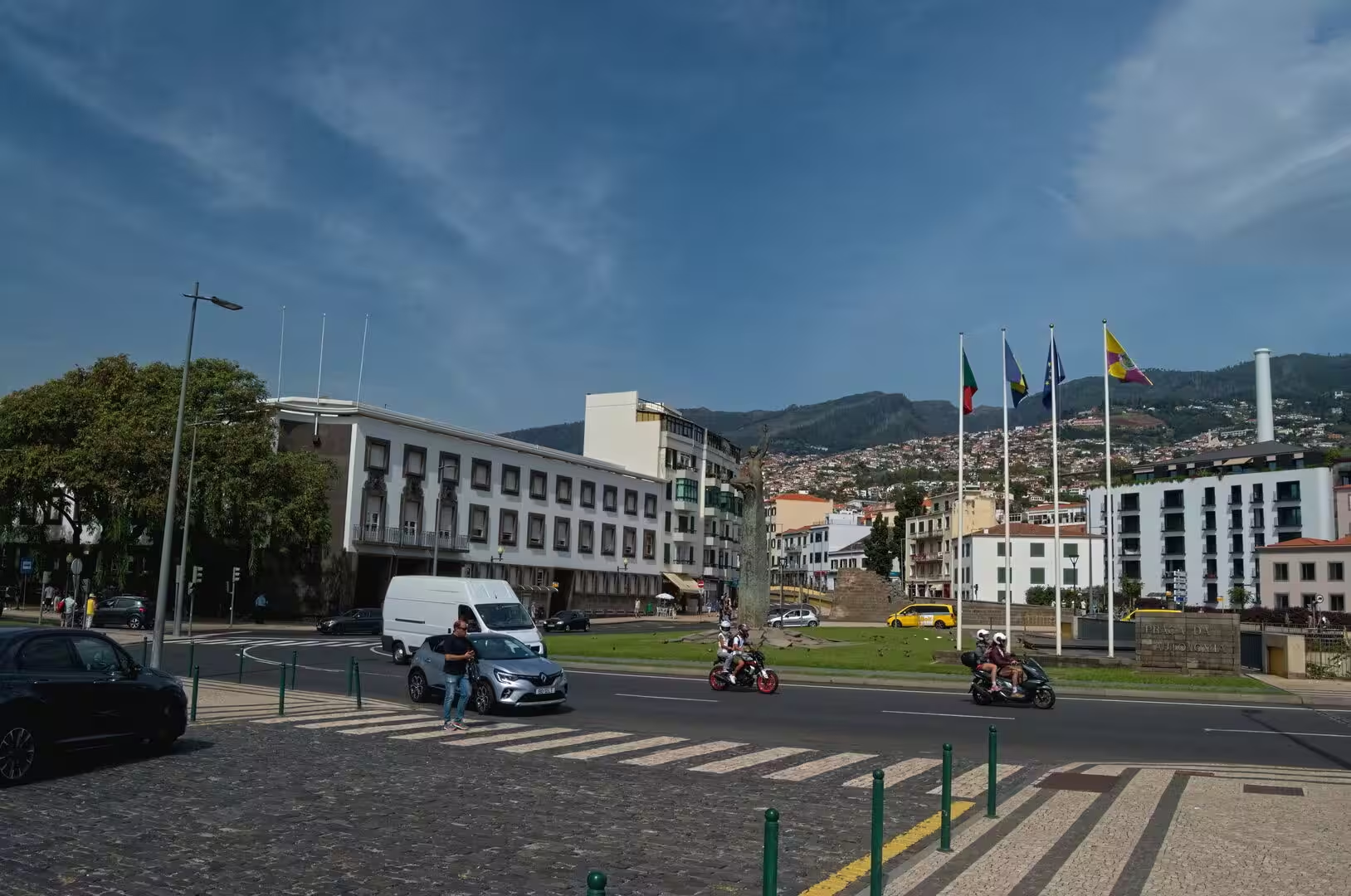
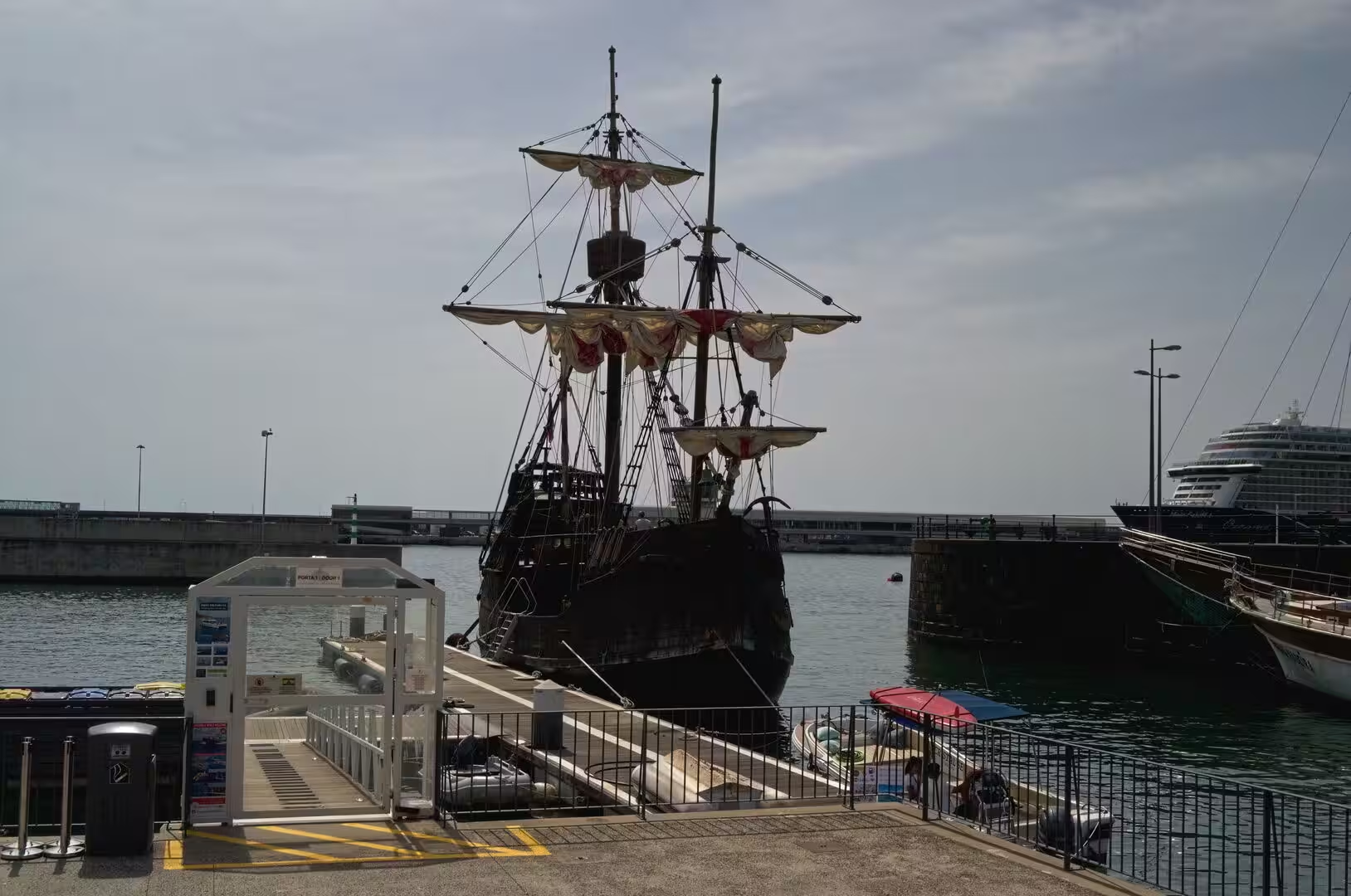
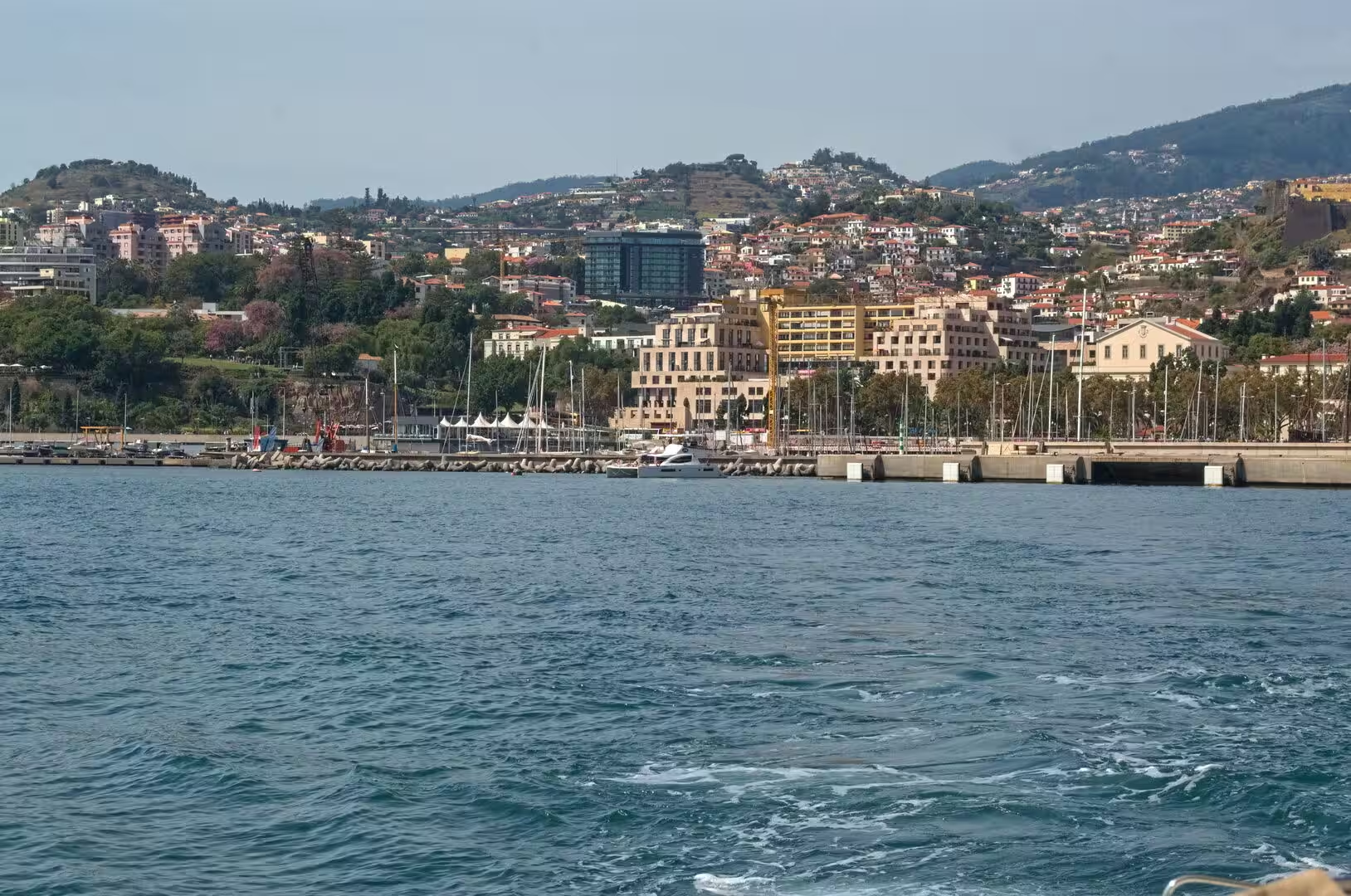
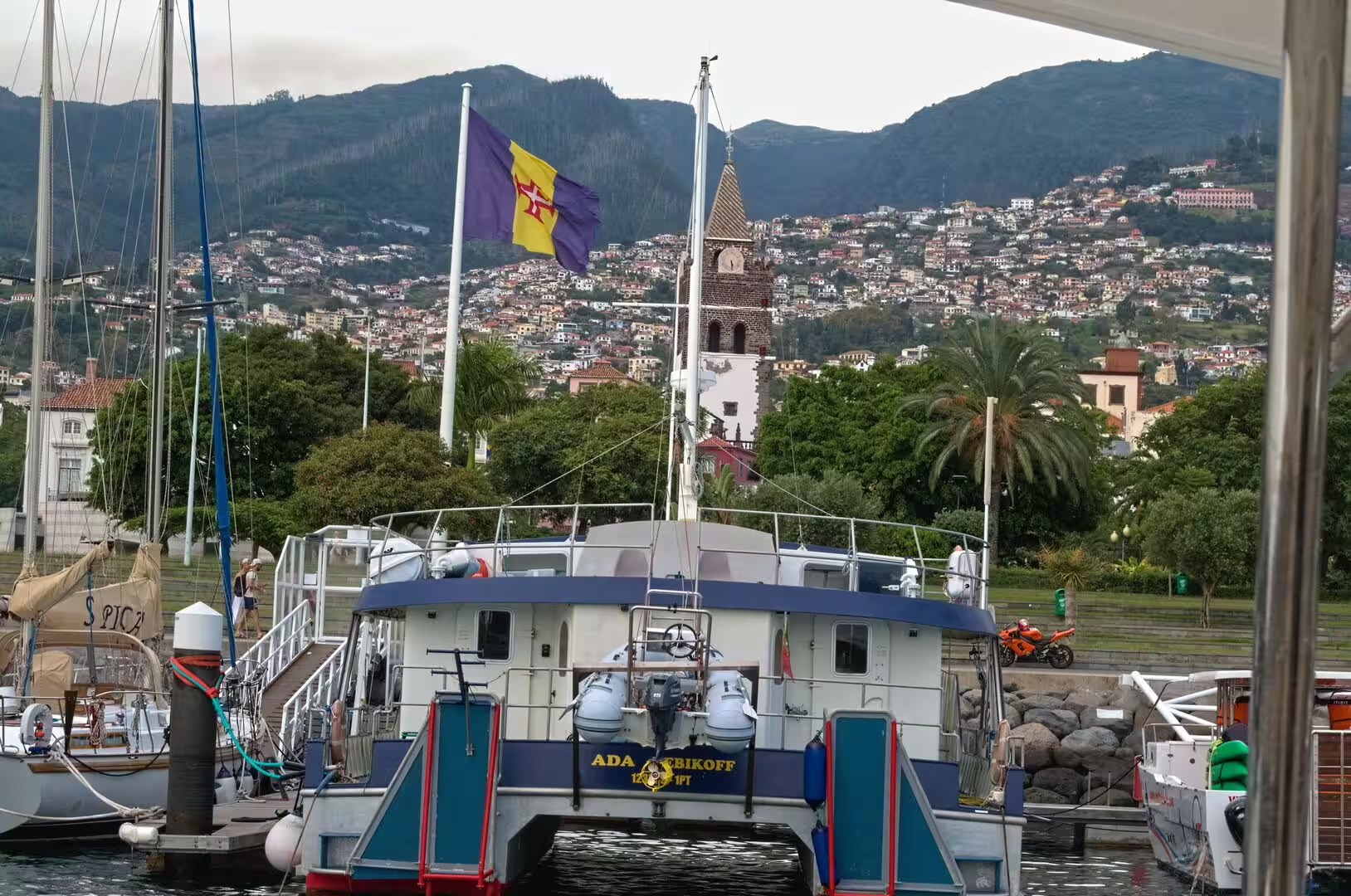
The visit begins at the harbour front of Funchal, where a promenade of street lamps and palms looks over a marina filled with yacht masts, catamarans and tour boats. A historic wooden sailing ship with furled sails lies in the modern port among the working craft, a reminder that the waterfront was a commercial harbour before it was converted to passenger use. Between the marina and the town lies a busy circular square with national flags and white buildings, framed by the mountain wall that rises behind the city.
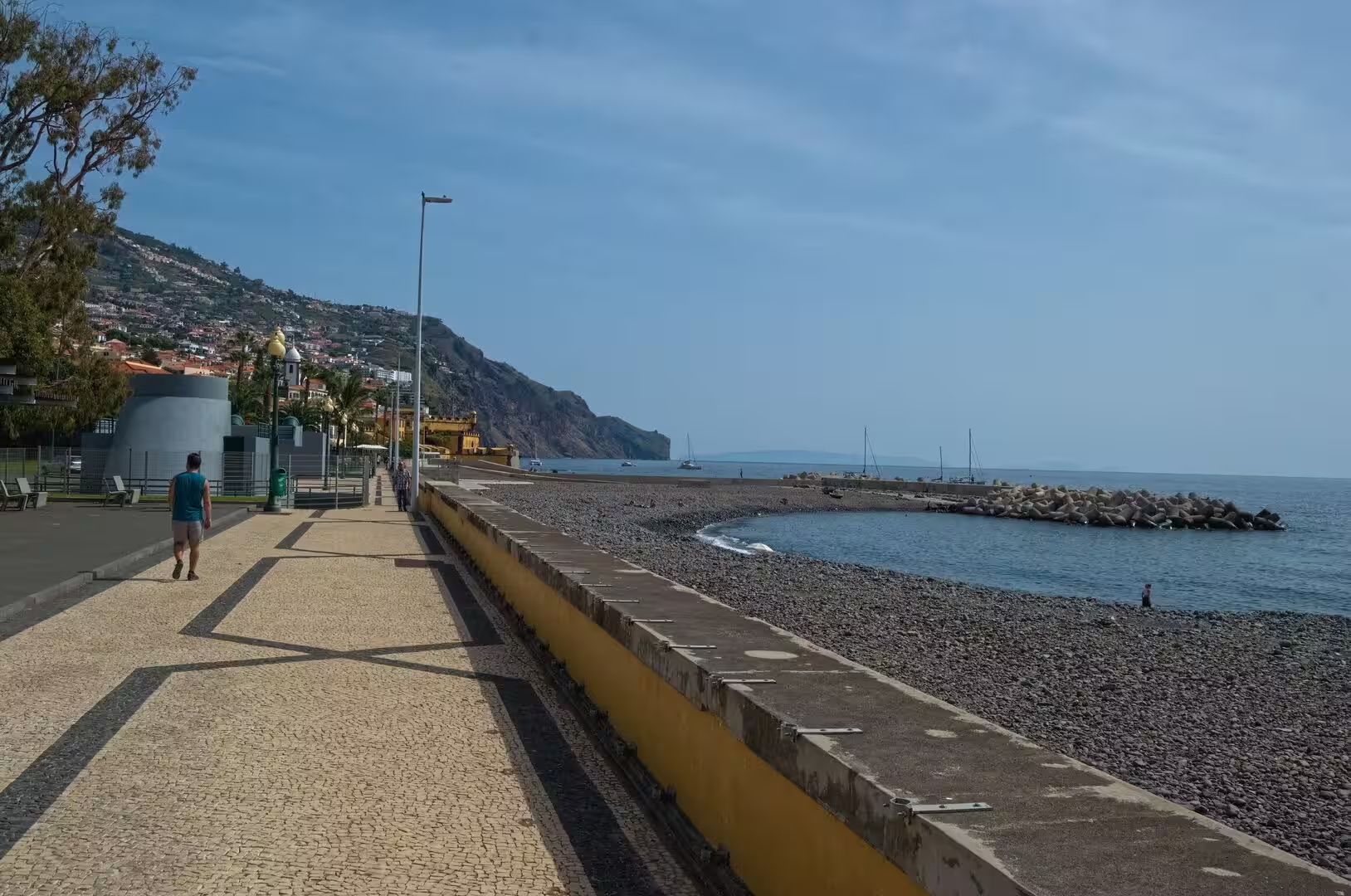
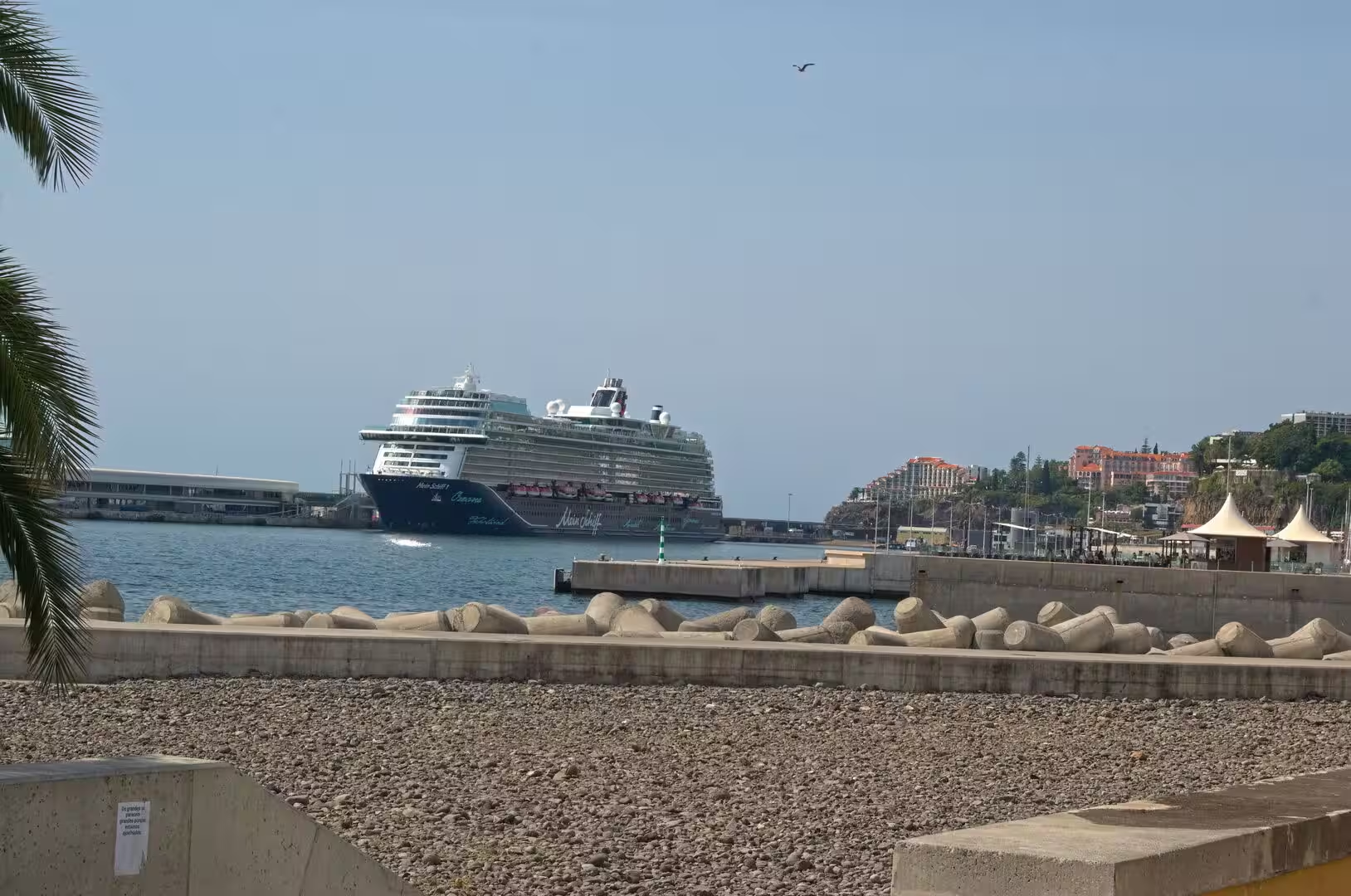
Along the water west of the harbour a seawall walkway curves beside a pebble beach towards a headland, with a large cruise ship at anchor in the bay beyond the stones and a palm lined path following the shore. The beach is a dark shingle strand rather than pale sand, a reminder that the island has almost no natural sand of its own. Further along, people rest and swim from the volcanic pebble shore, where the dark stones run straight into deep blue water.
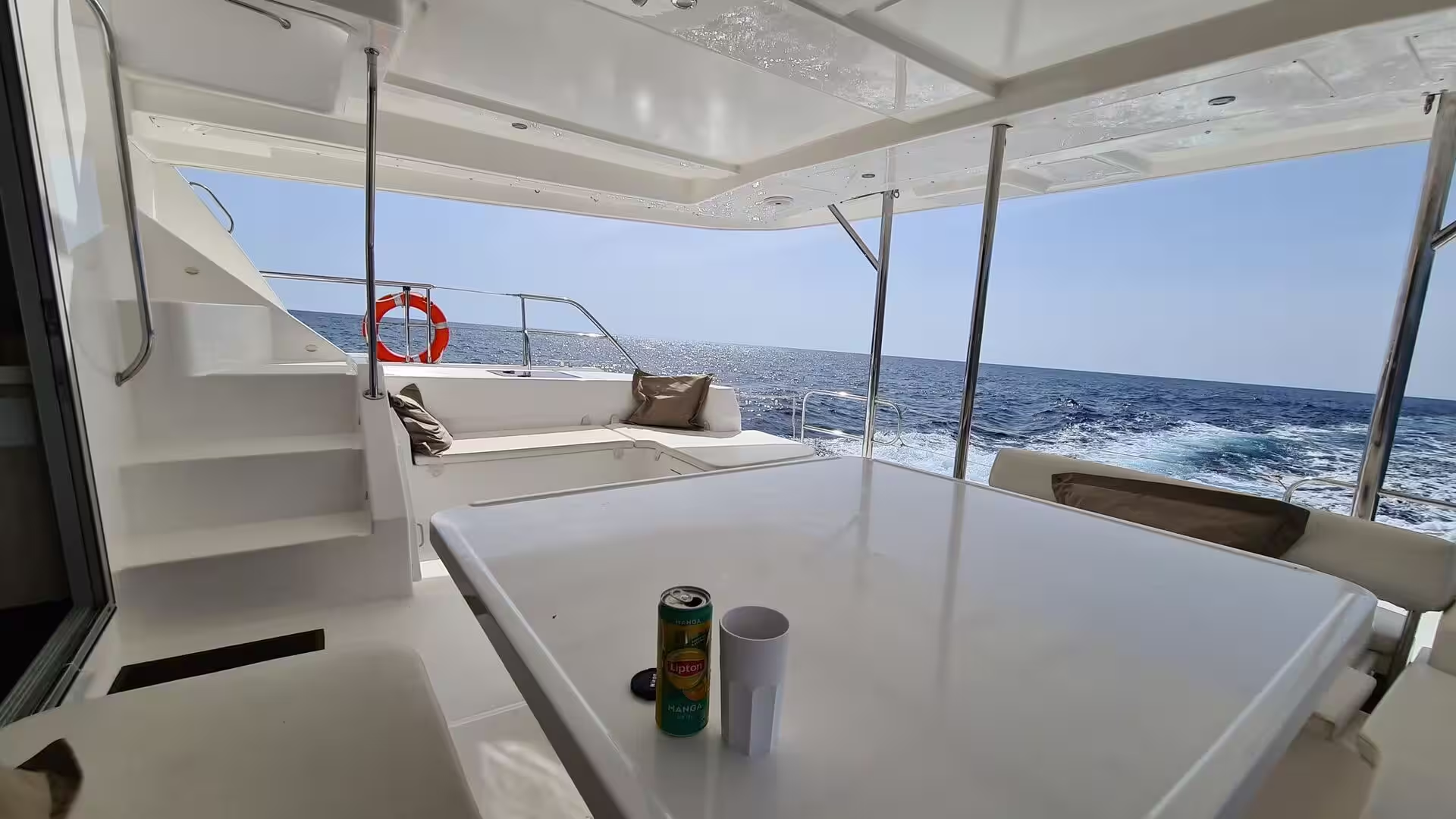
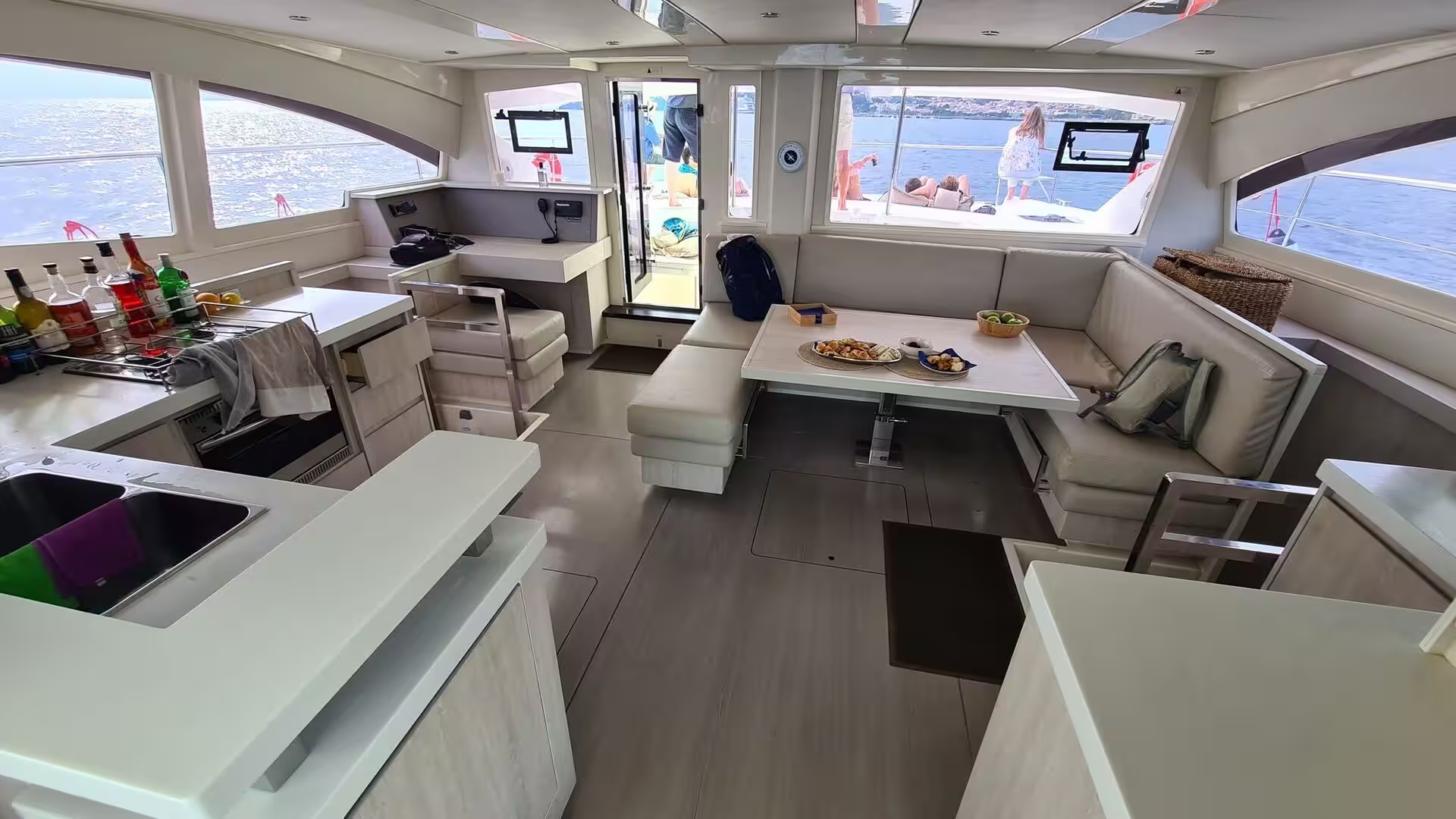
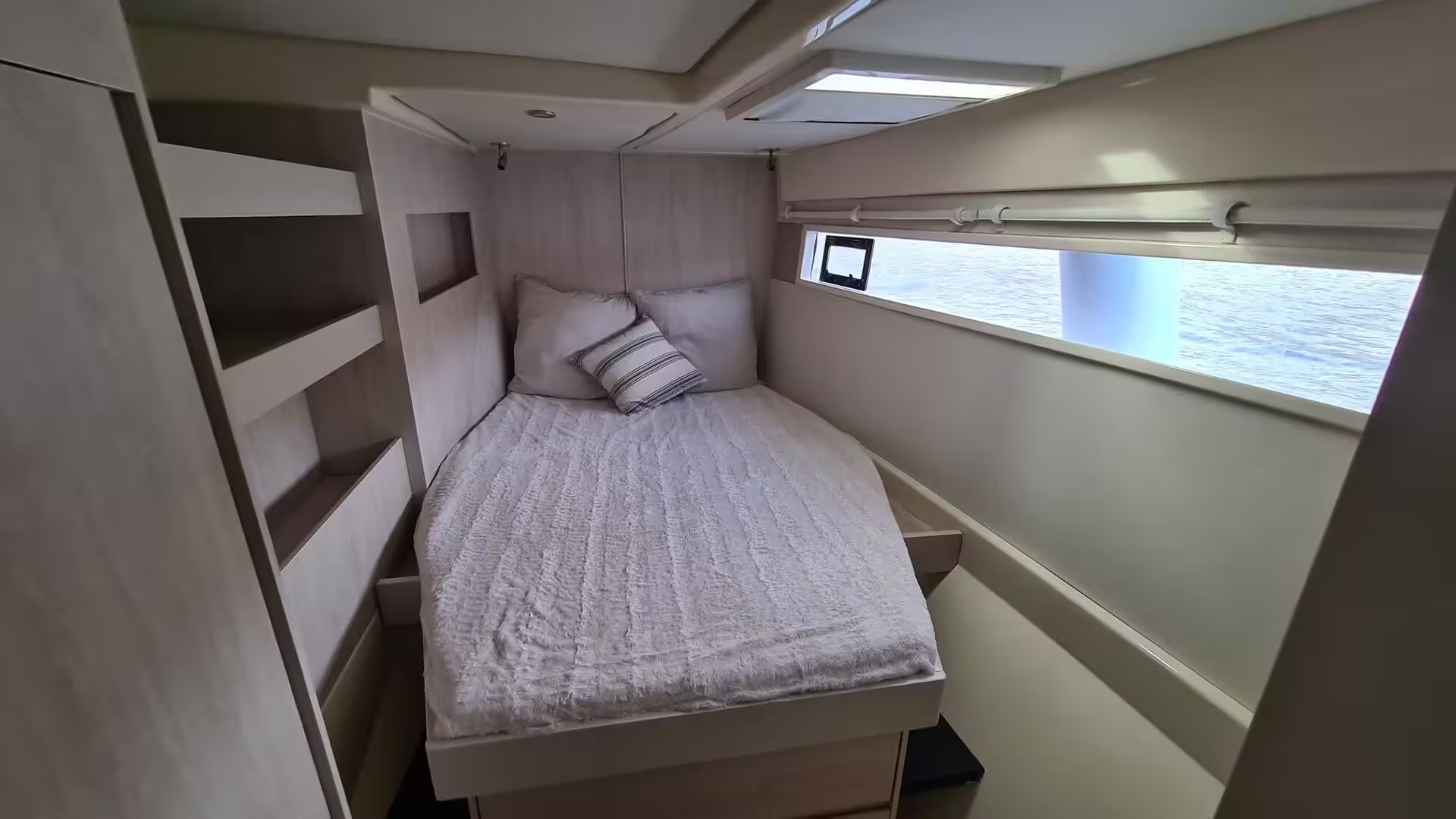
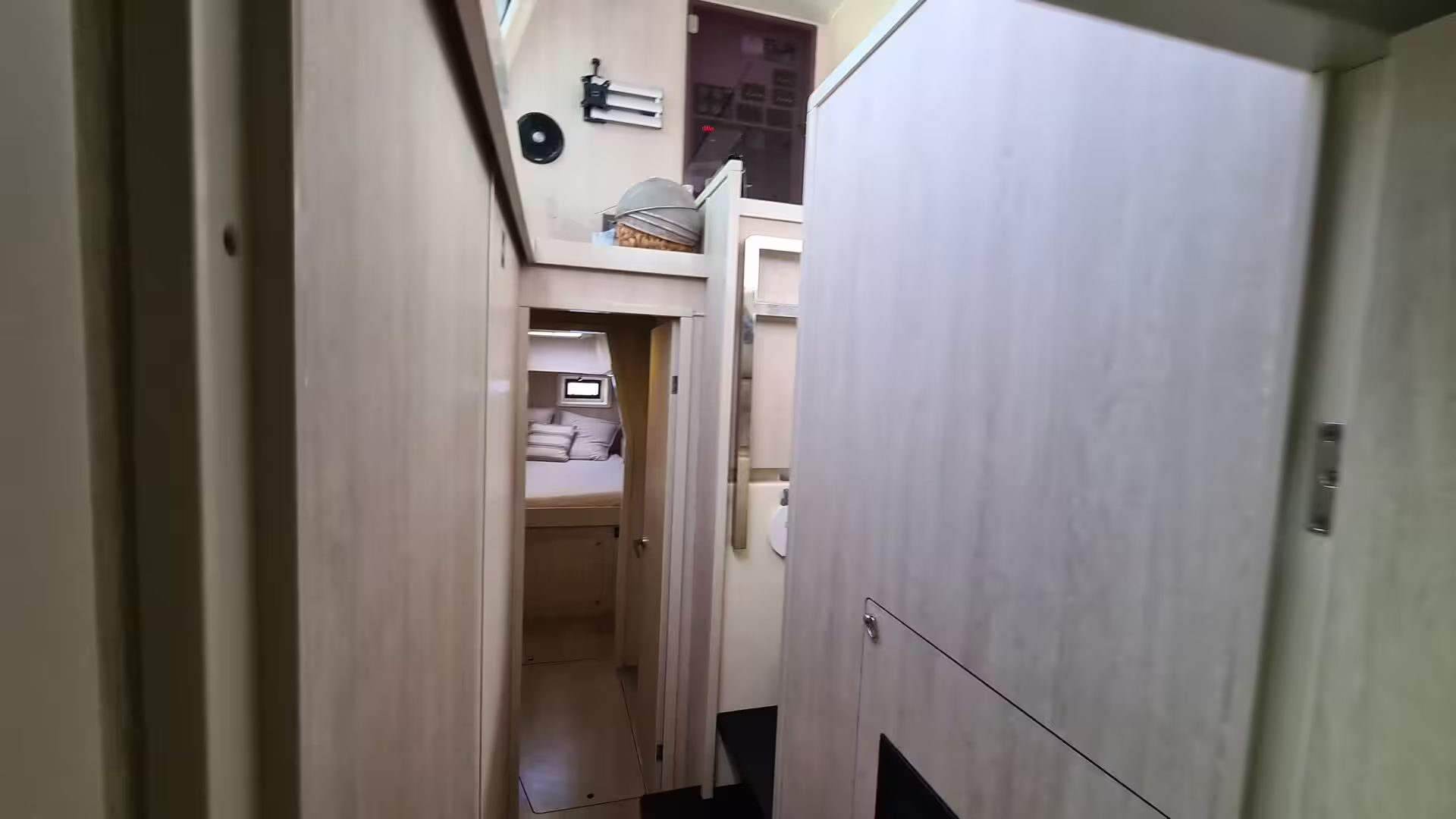
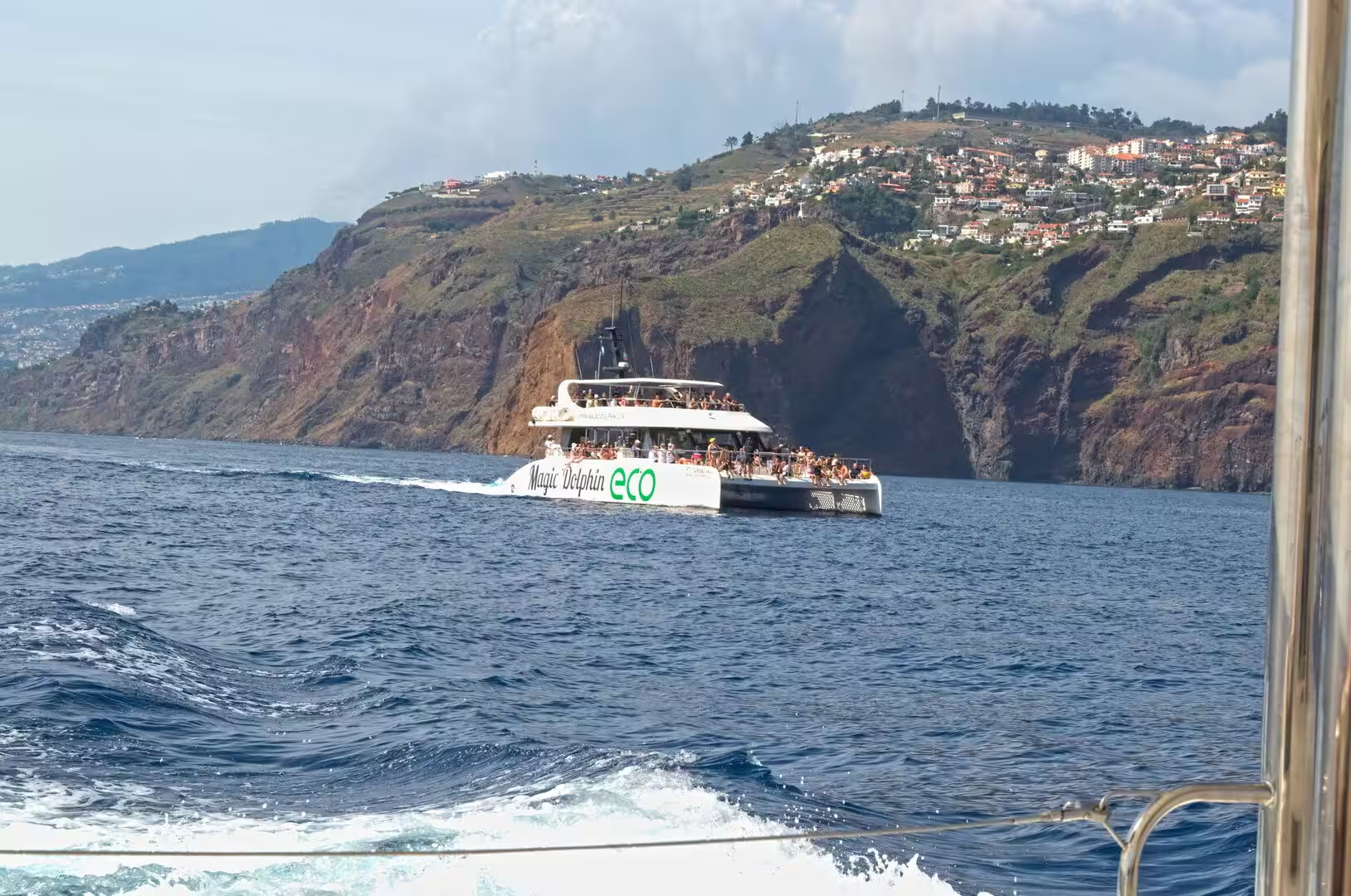
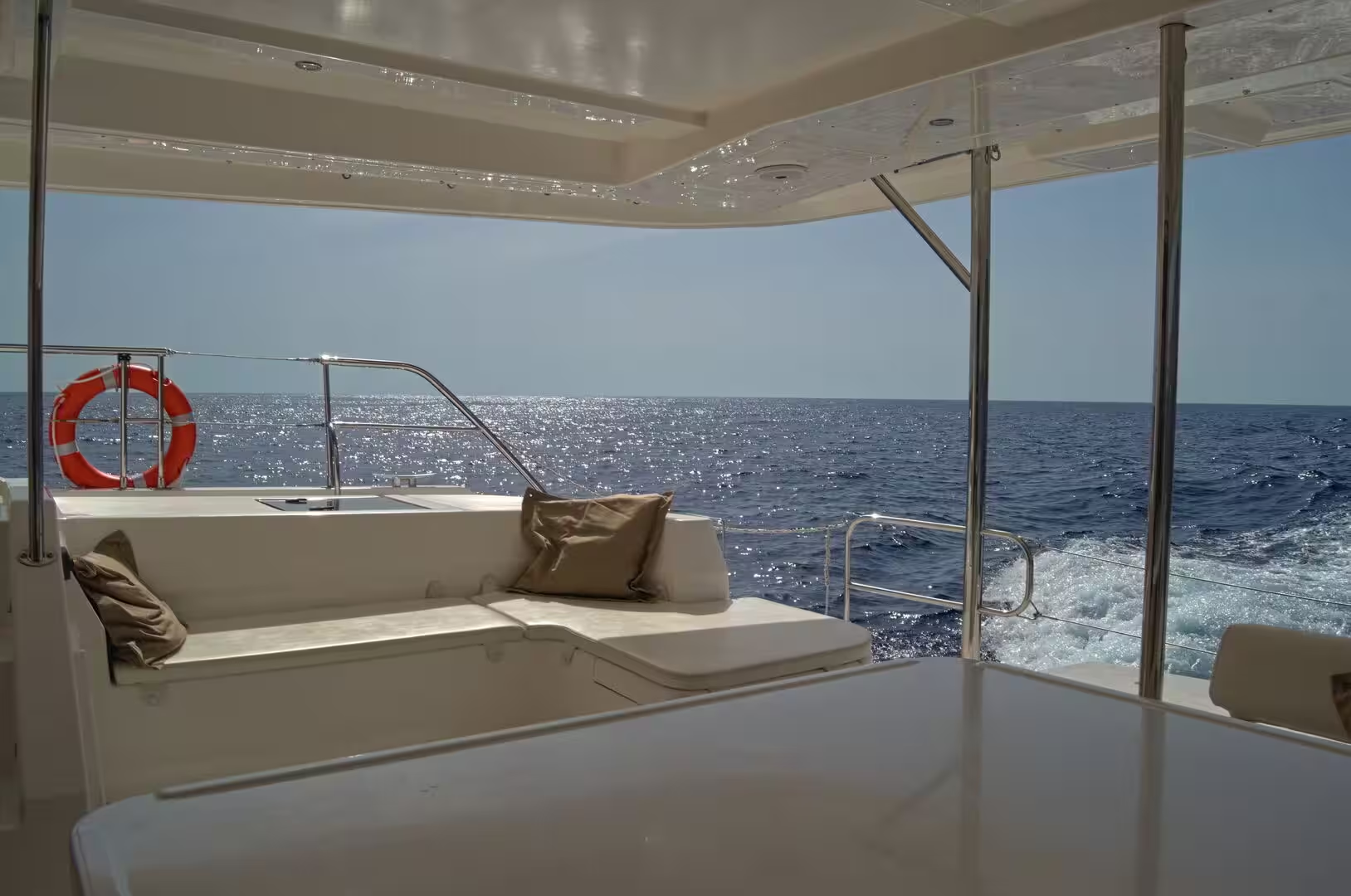
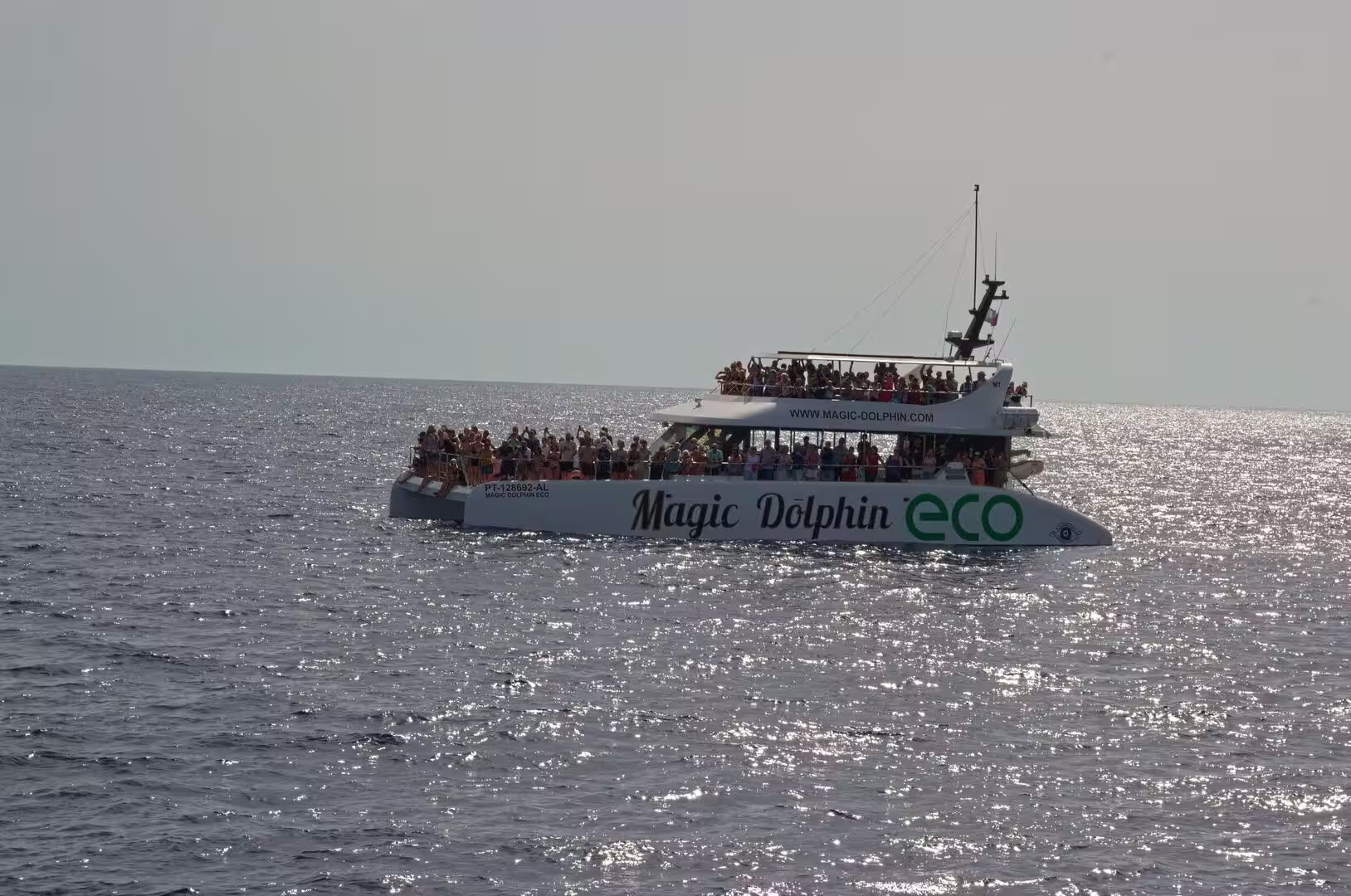
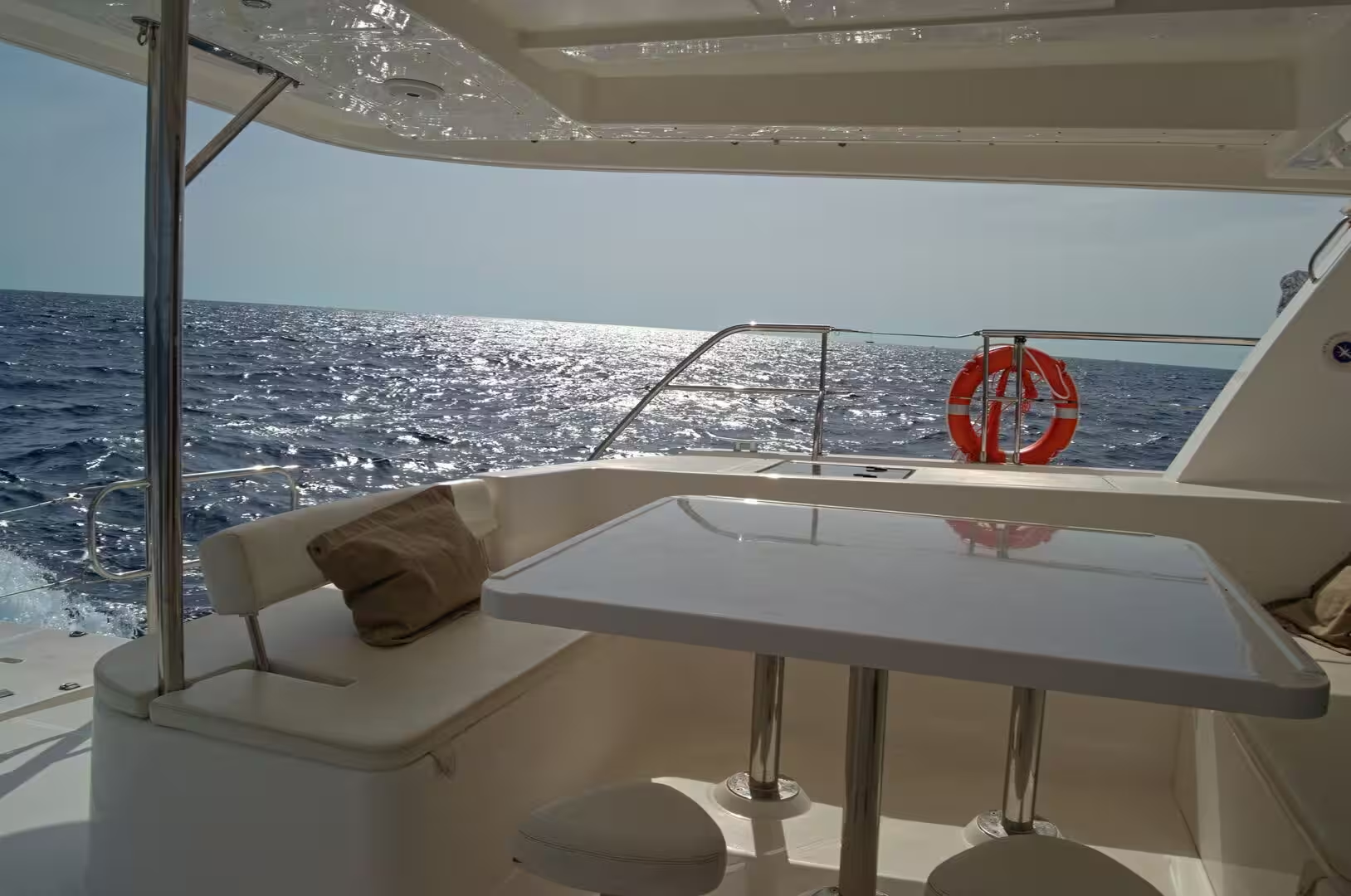
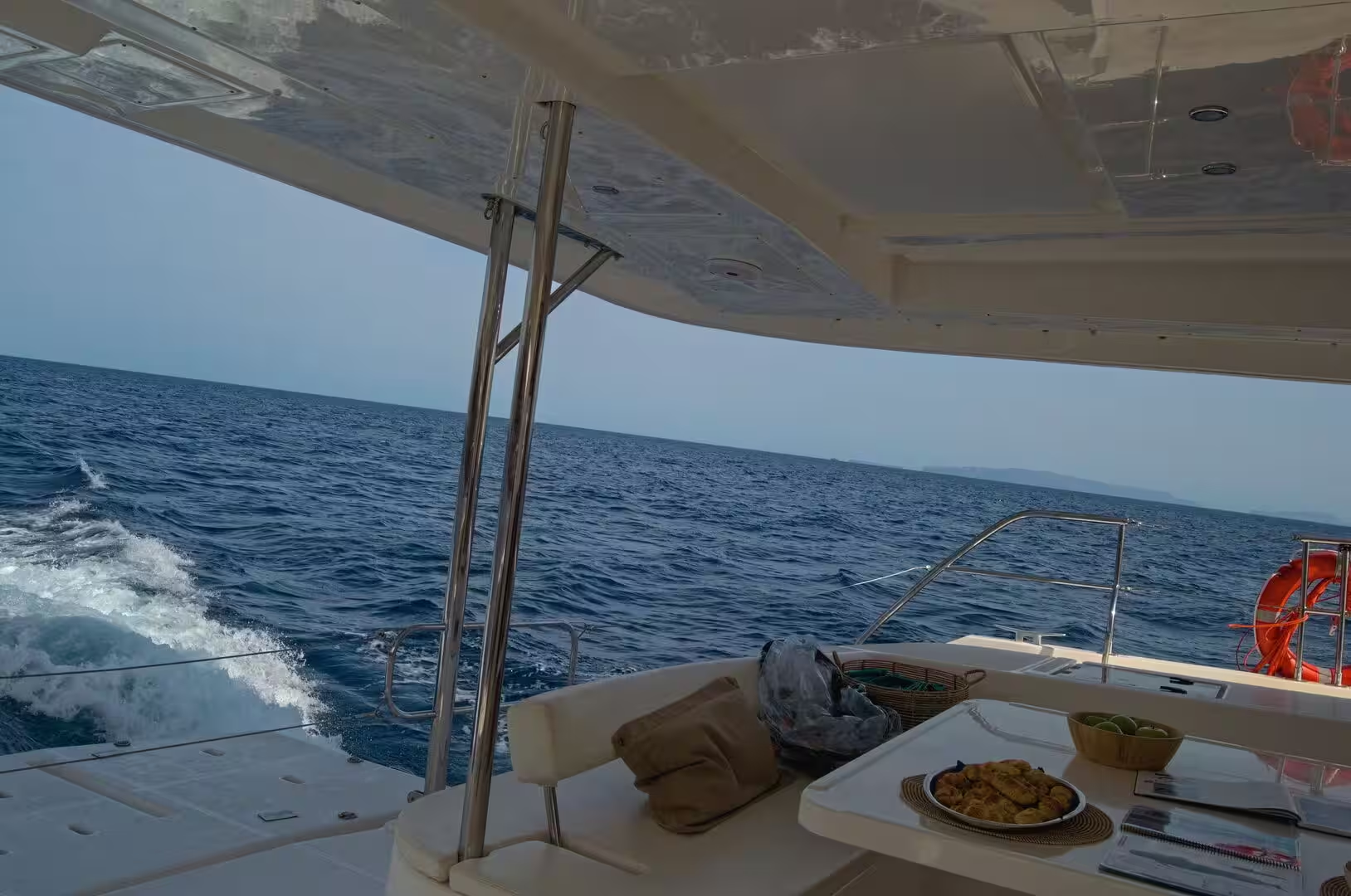
The catamaran used for the crossing carries its own small world. Its sunlit saloon holds a galley and a set table with a view of the sea, a tidy berth with pillows stands beside a window over calm water, and a narrow passageway leads past the sleeping cabins. On deck a cushioned bench faces the ocean, a white table holds a fruit bowl and snacks, and an orange life ring hangs at the stern. The name Magic Dolphin Eco appears on the hull of the craft that works below the coastal cliffs.
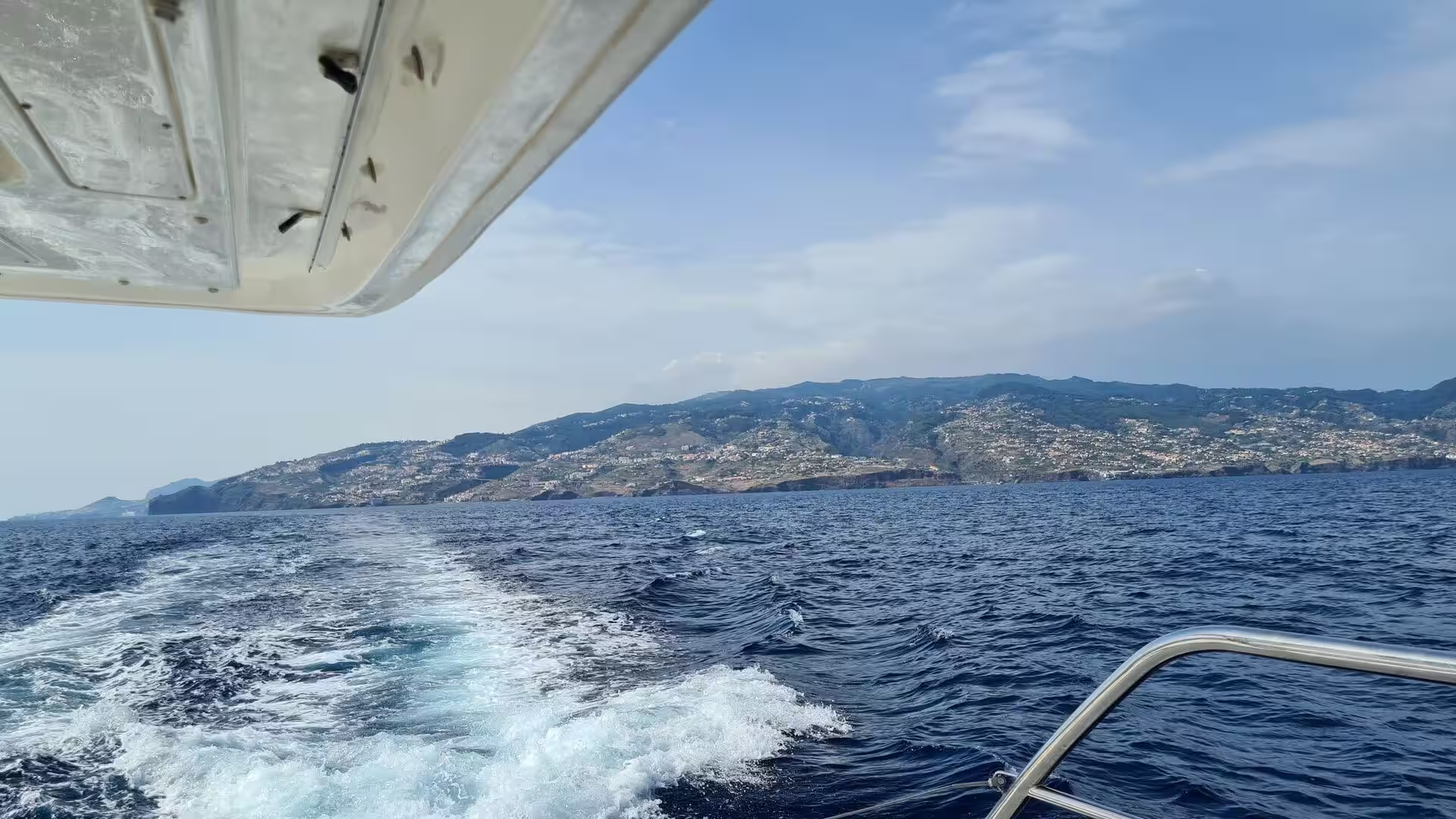
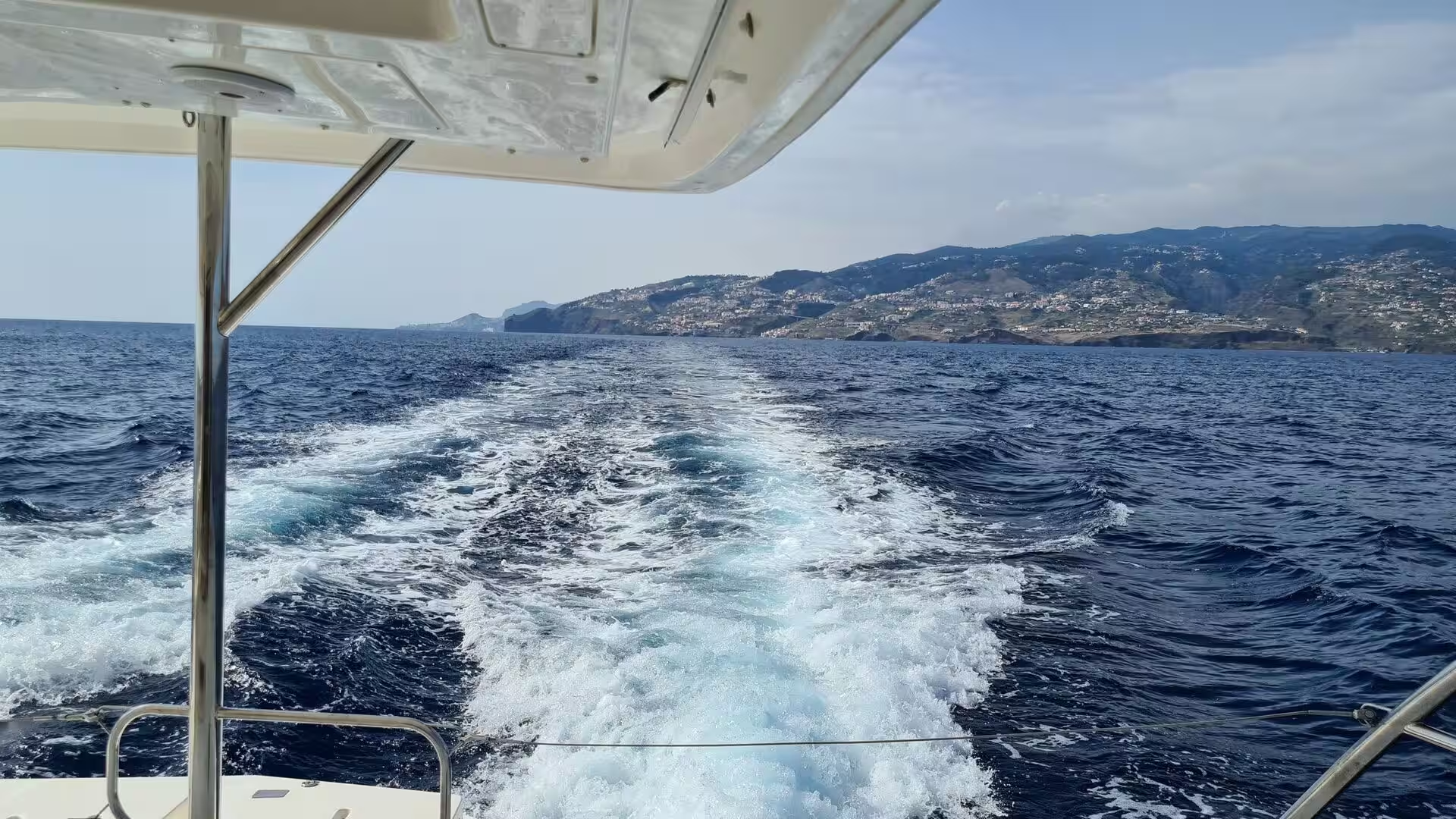
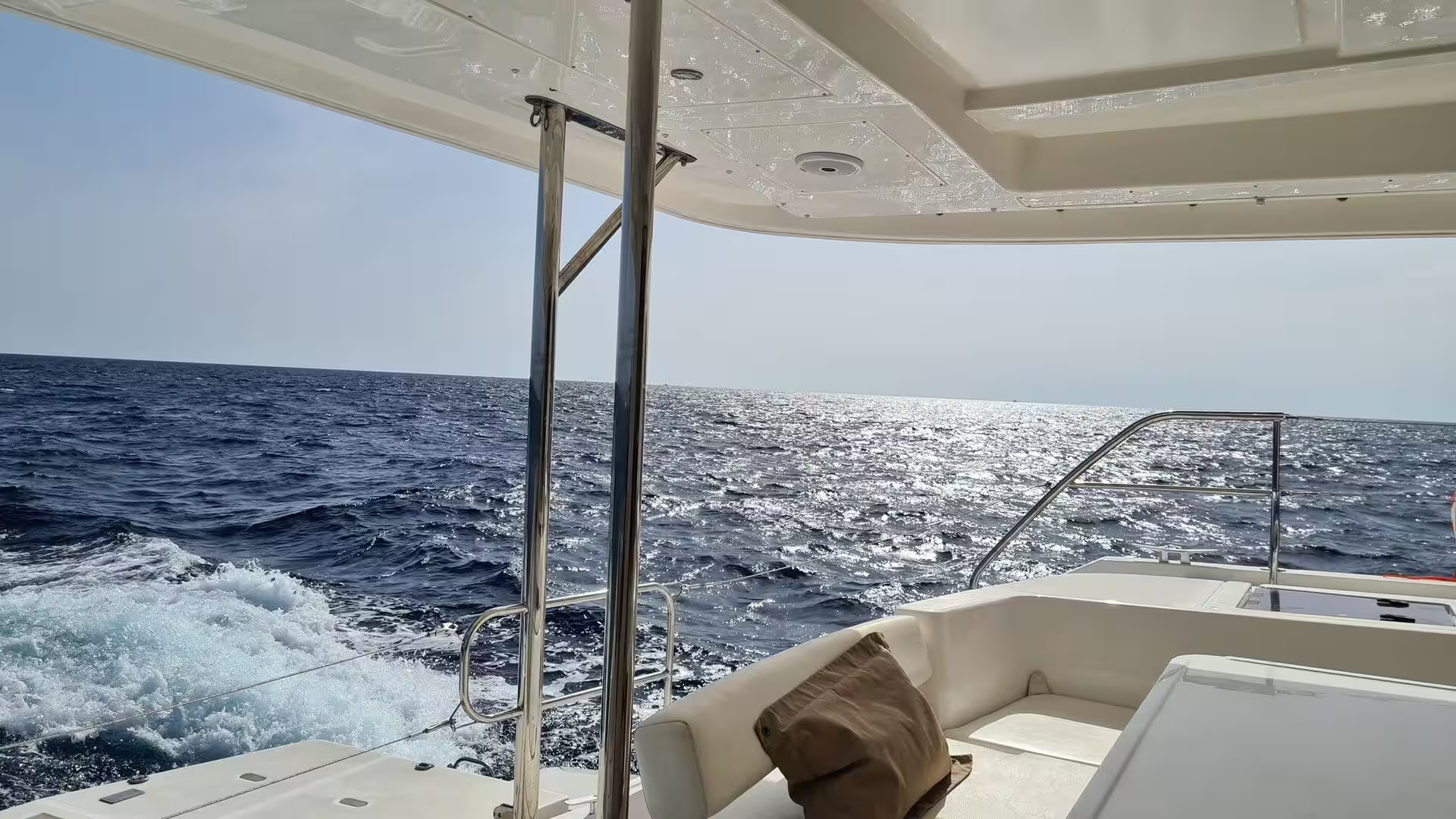
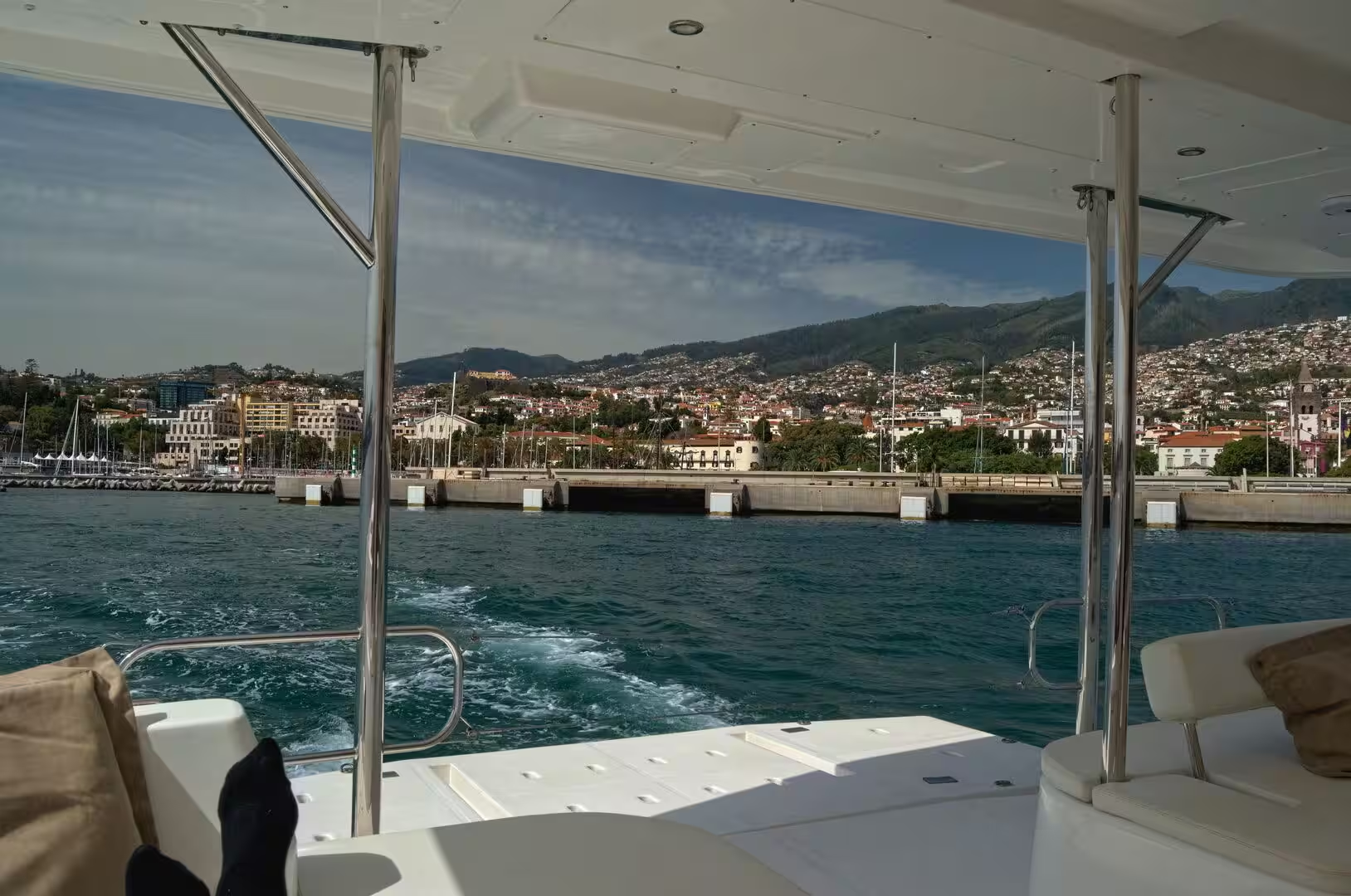
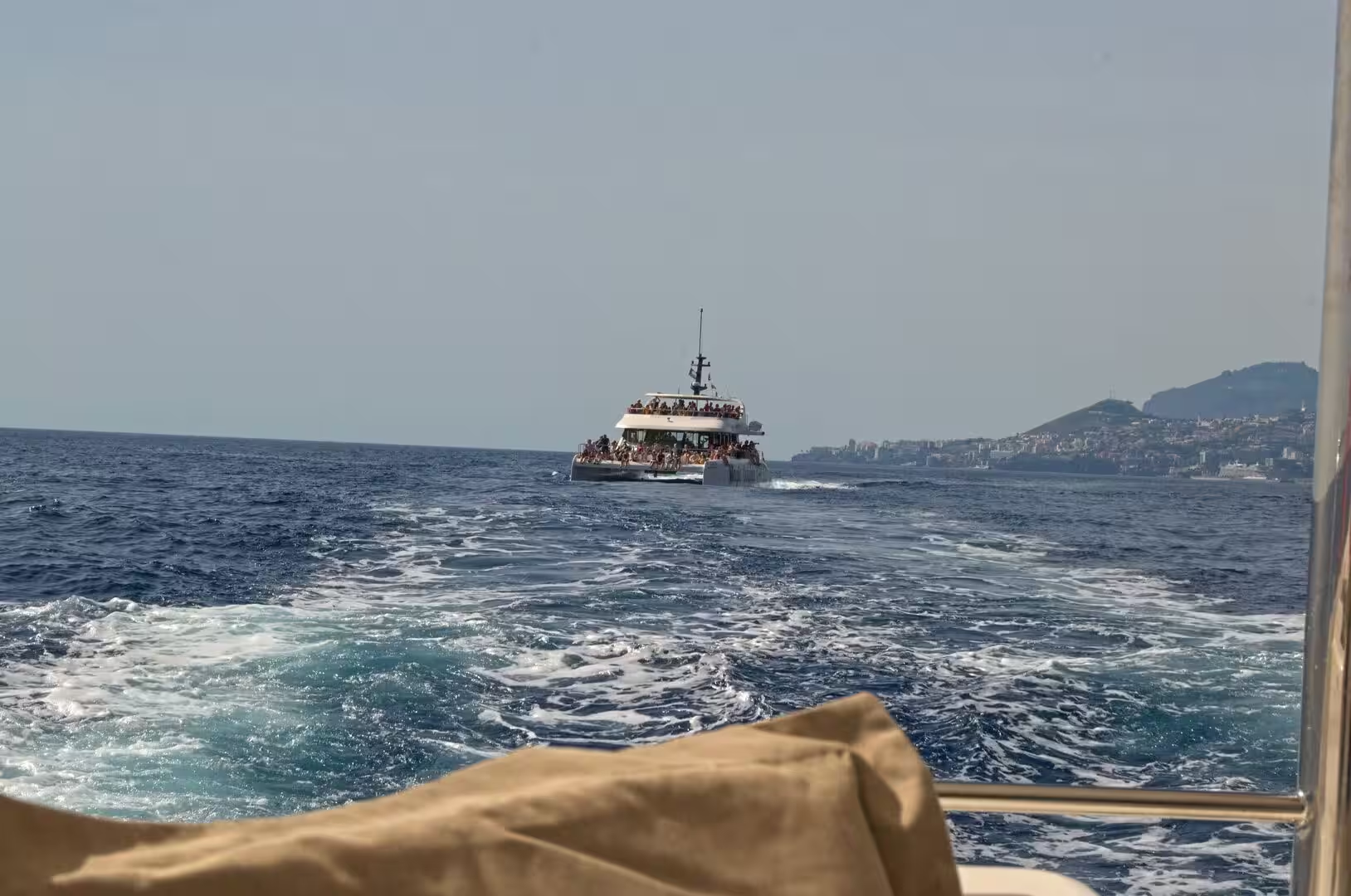
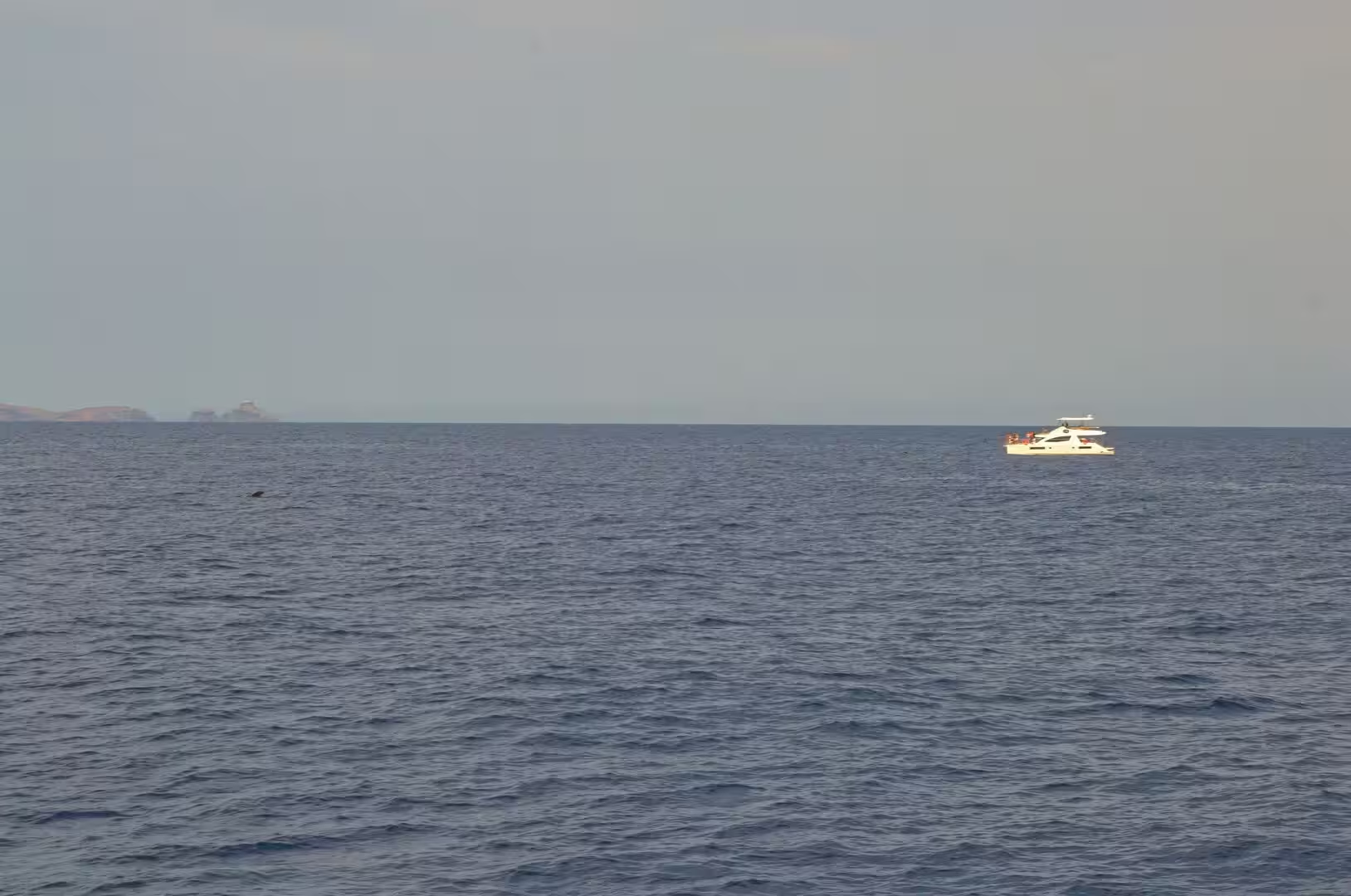
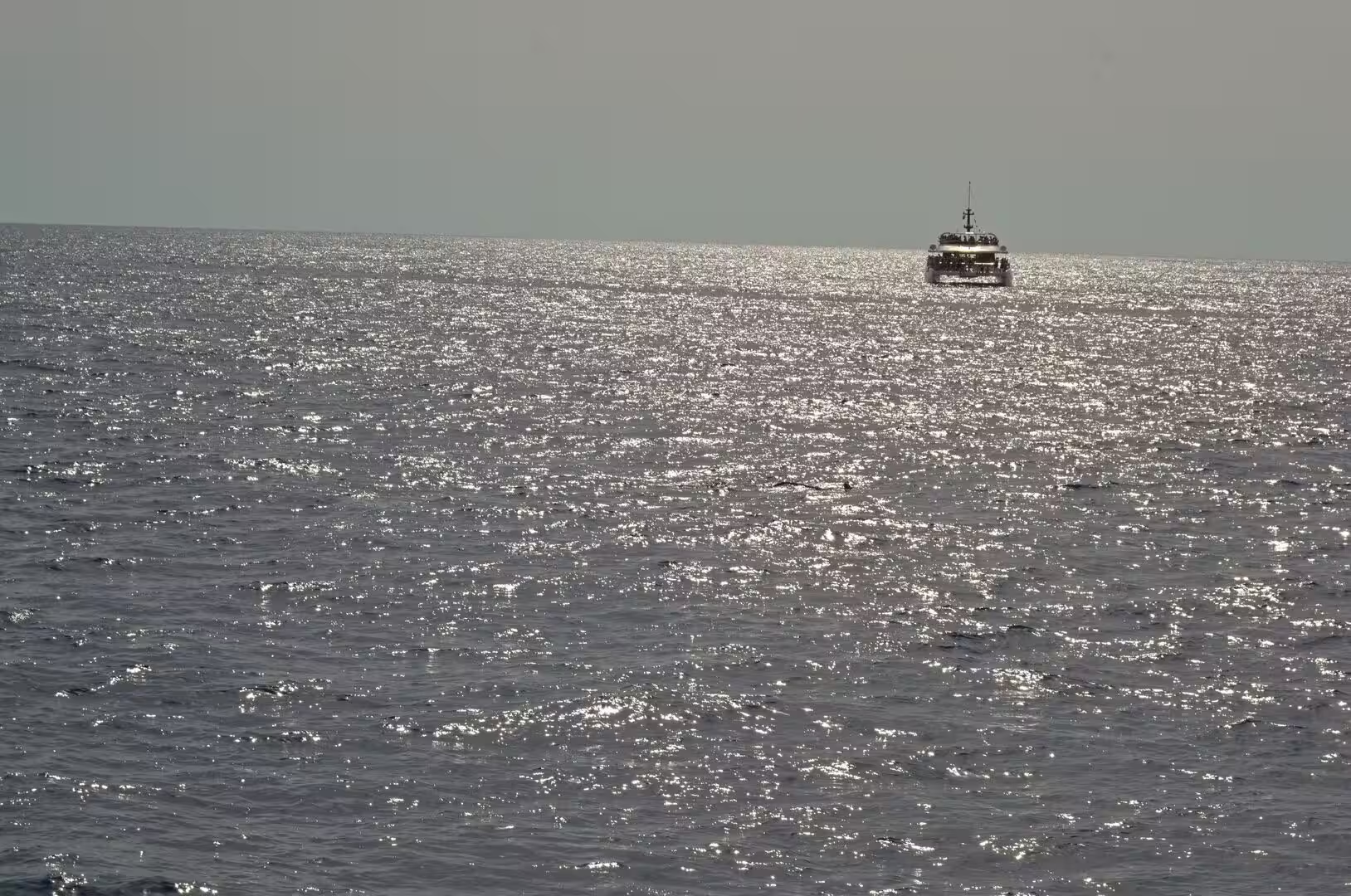
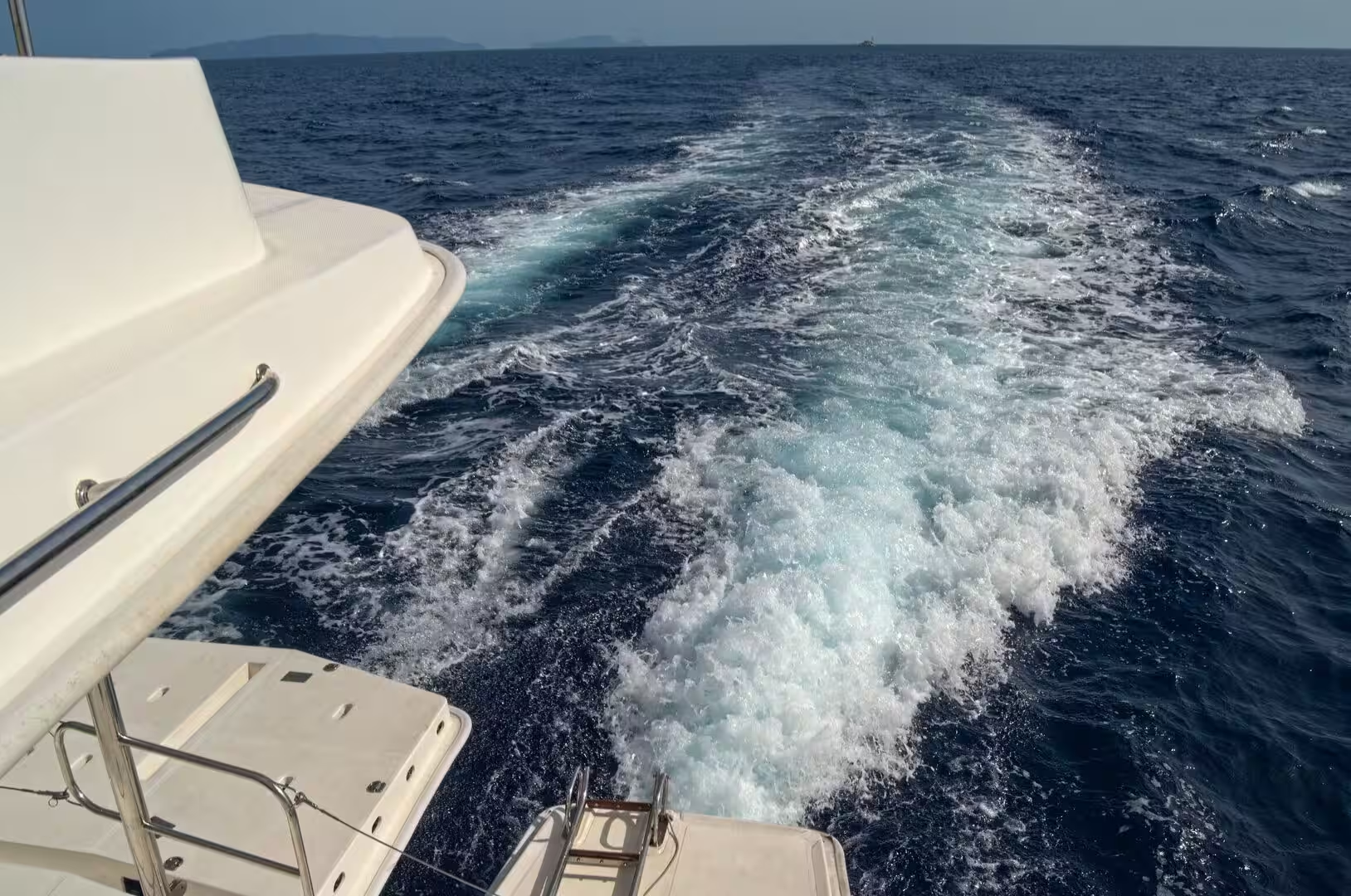
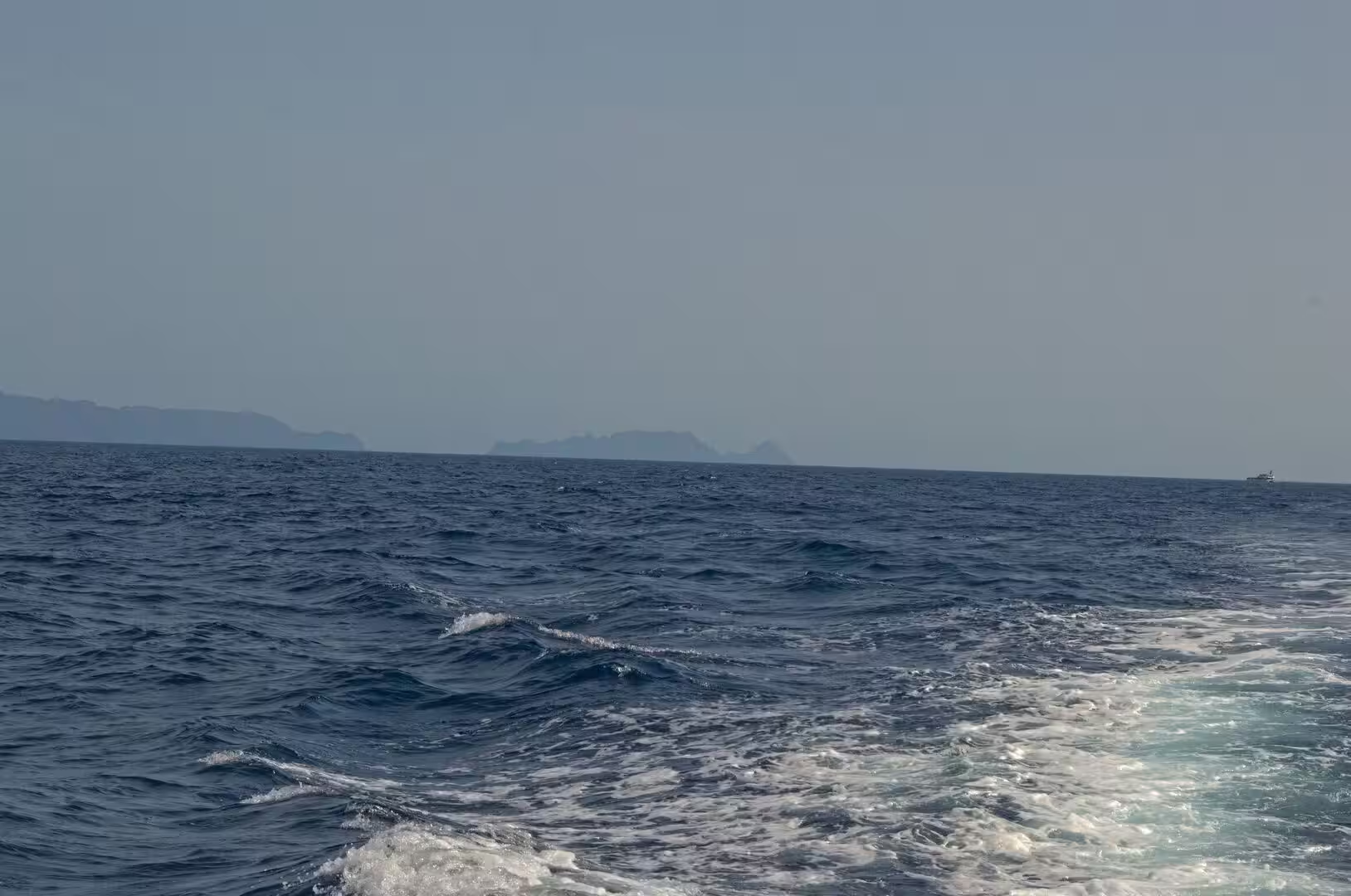
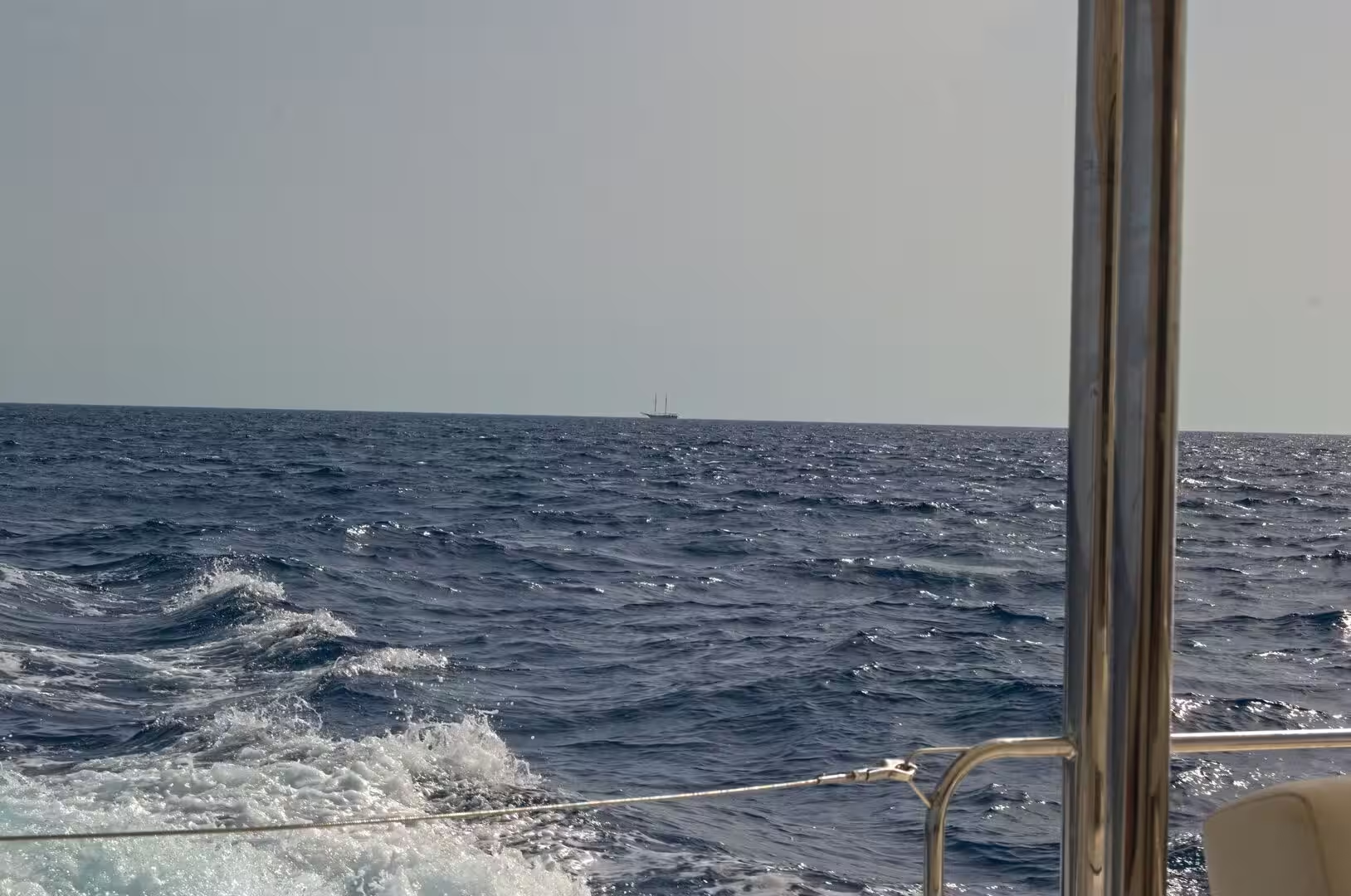
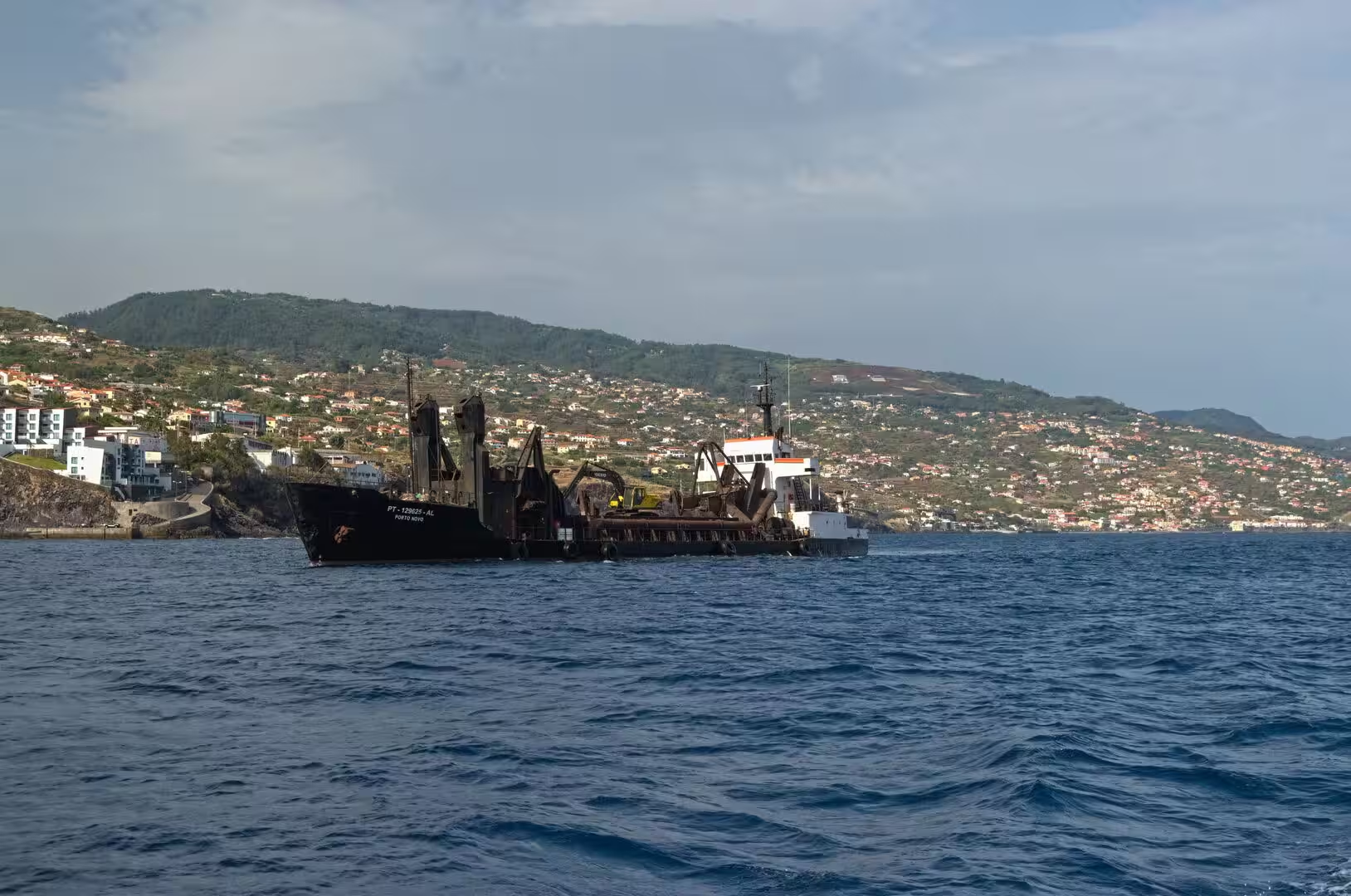
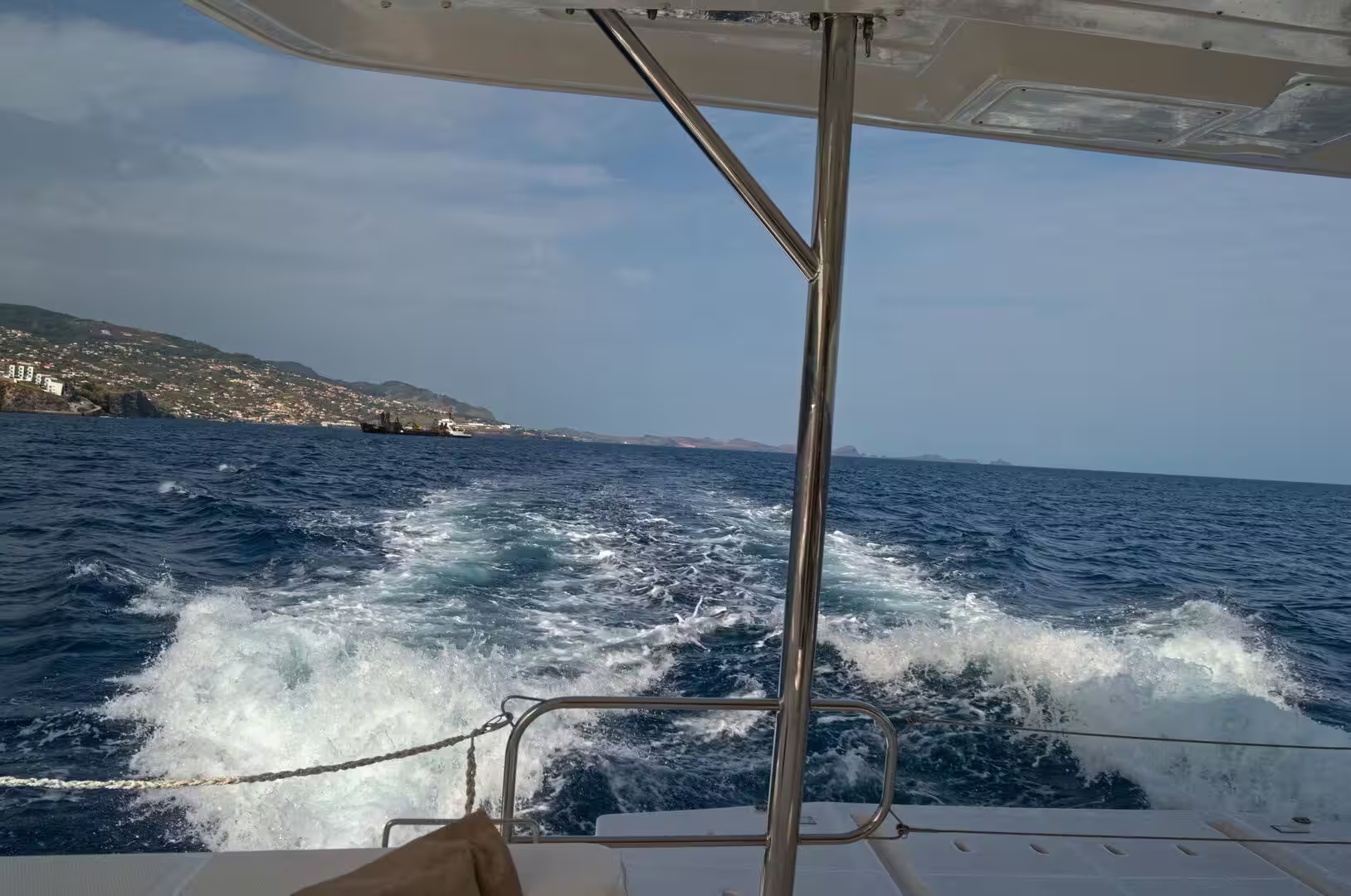
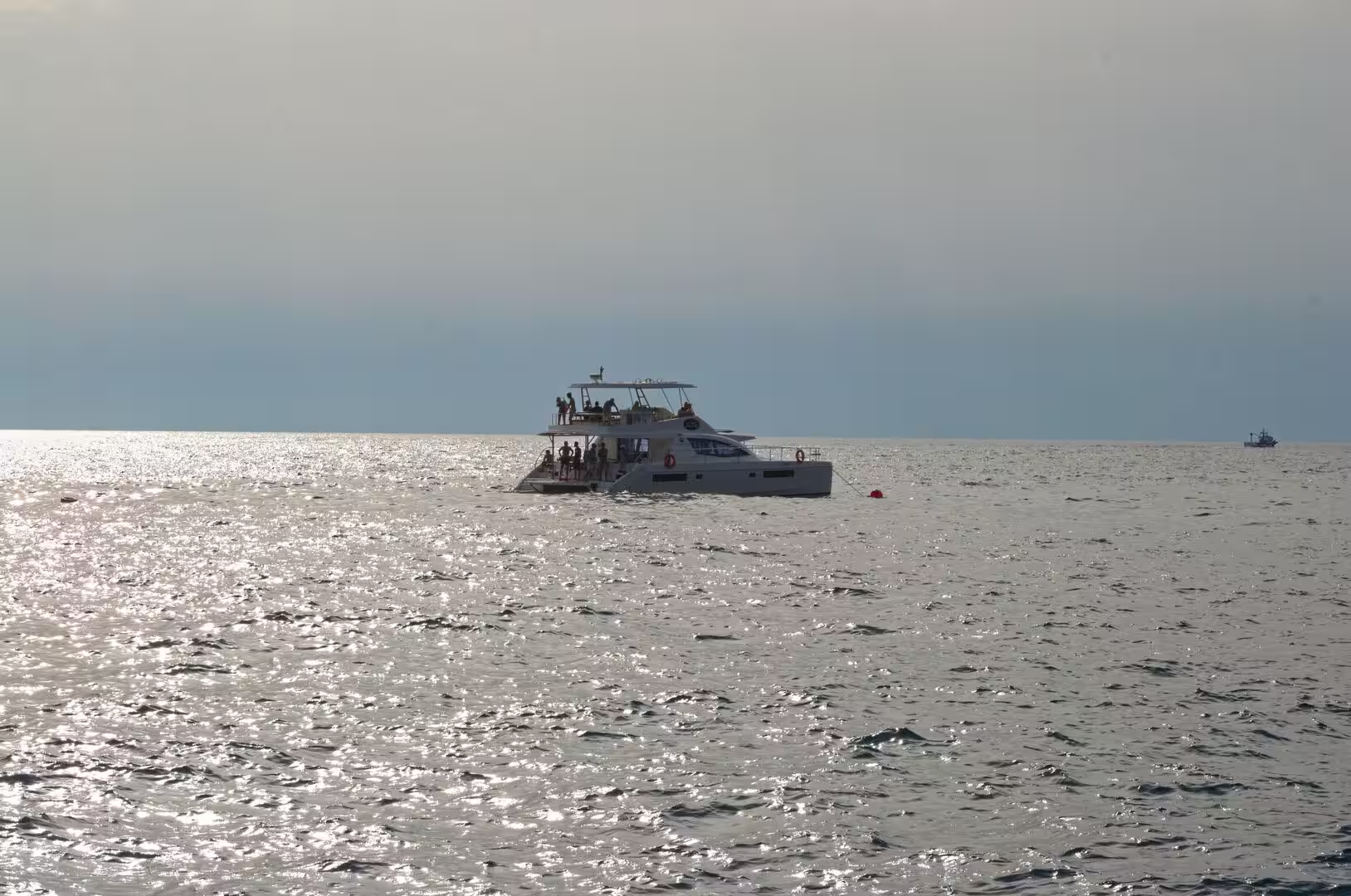
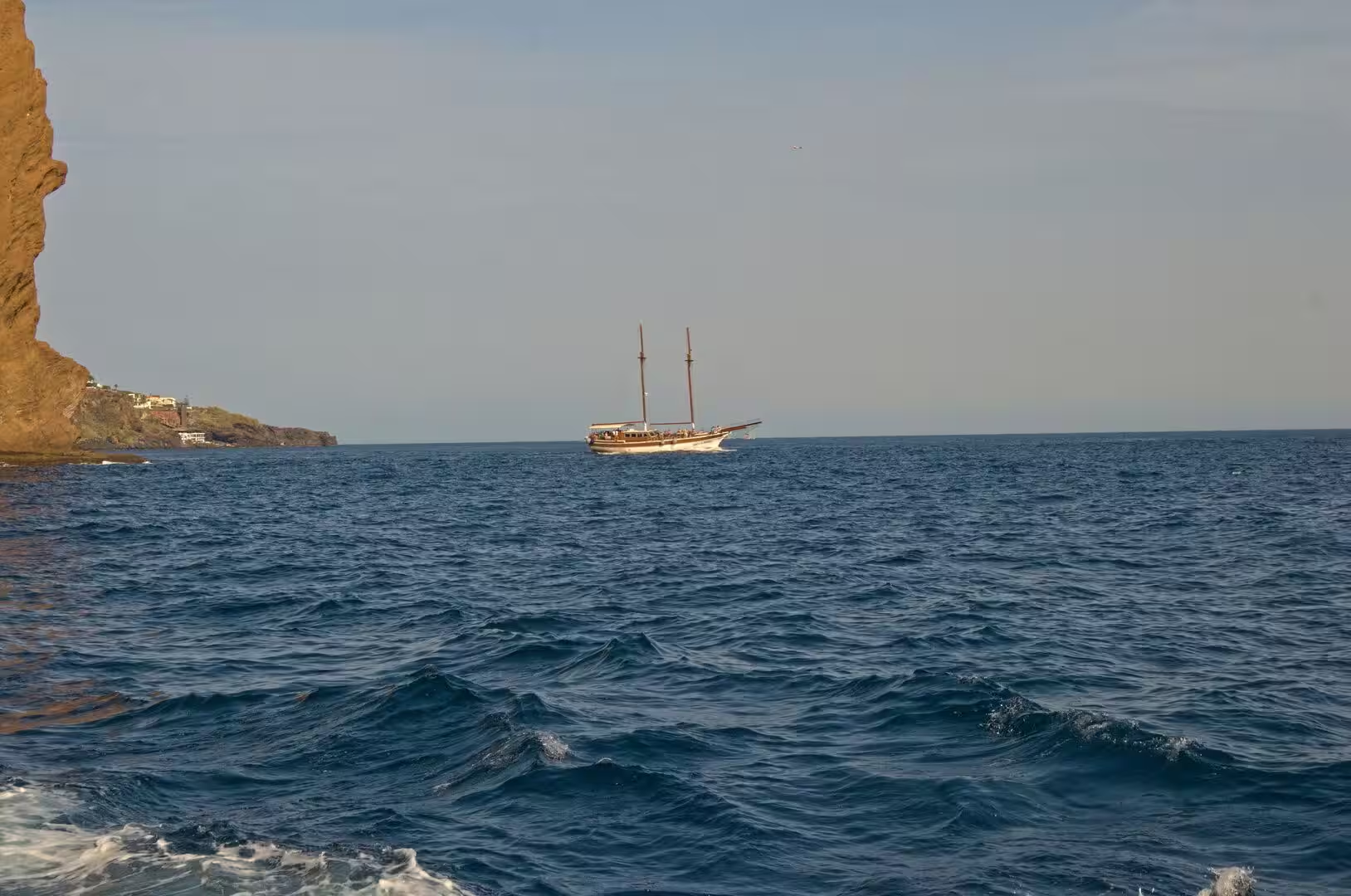
Once clear of the breakwater the boat follows the coast and then turns into open water. The wake trails in white foam behind the hull while rugged green hills stand ahead and the coastline fades into mist. On calmer legs the surface glitters with countless reflections and faint islands rest on the horizon, and a distant sailboat crosses the open sea beyond the foam. On the return, an industrial dredger cuts across the water in front of a coastal town whose apartment blocks perch on a dark rocky cliff.
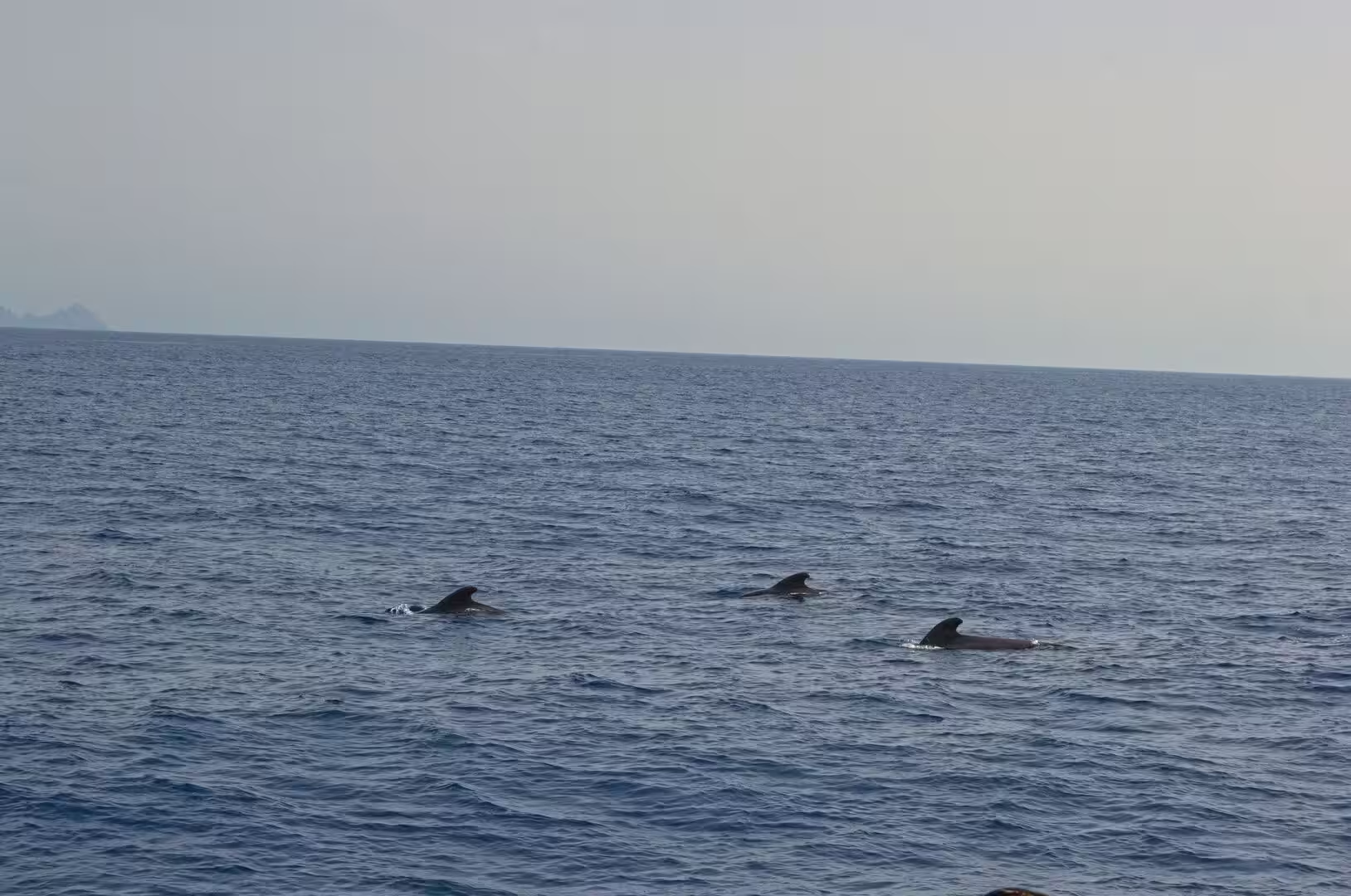
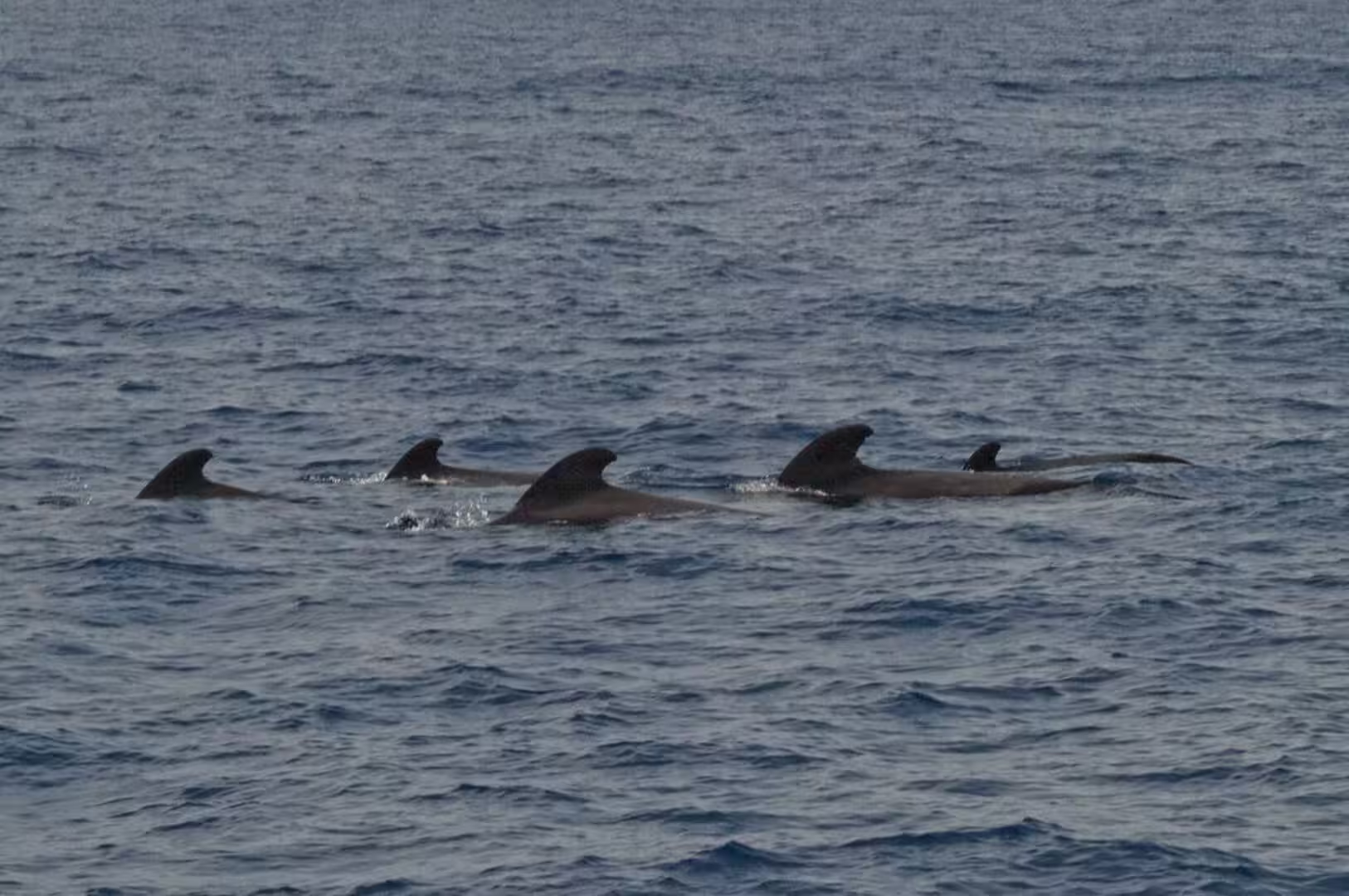
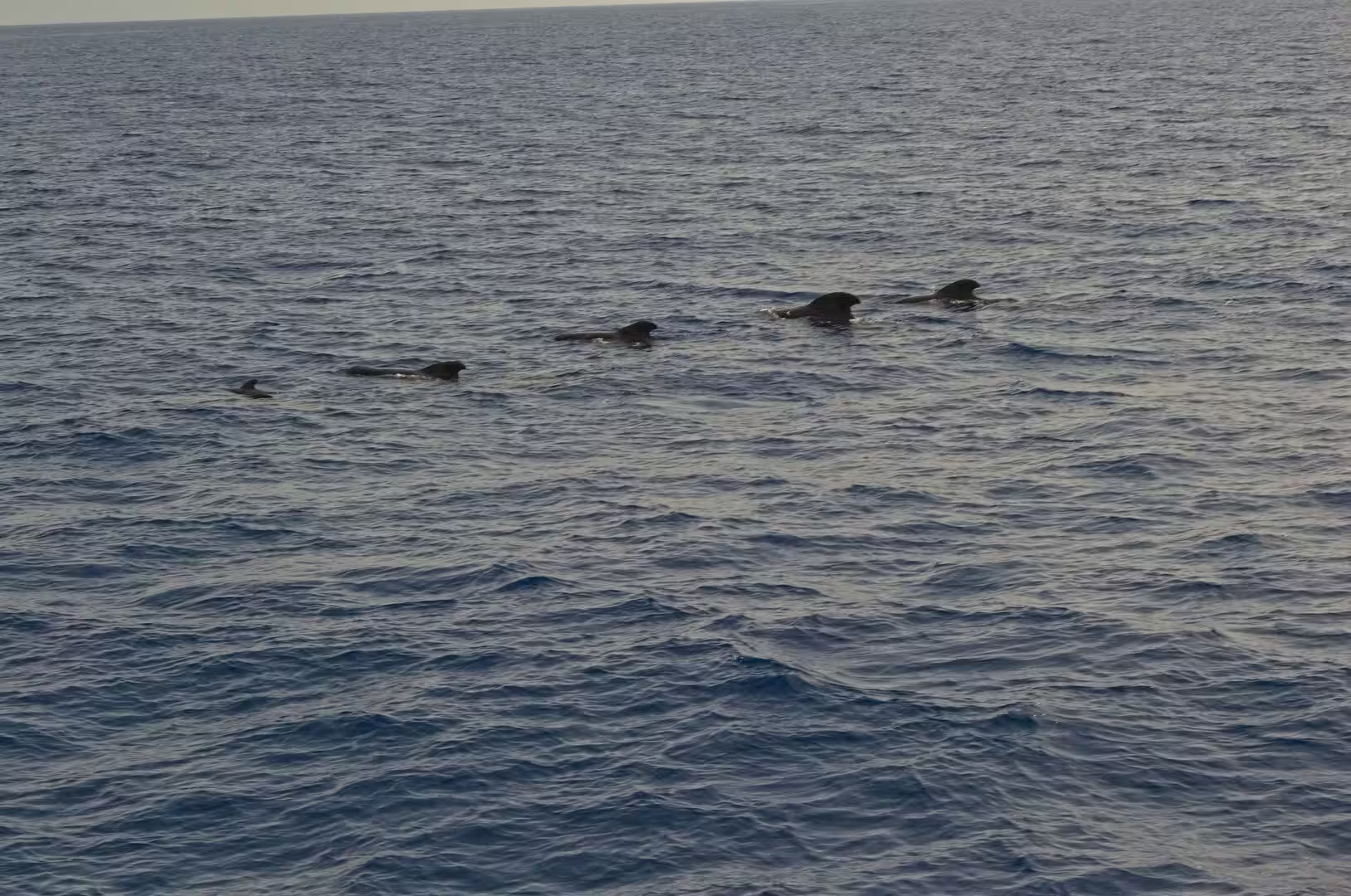
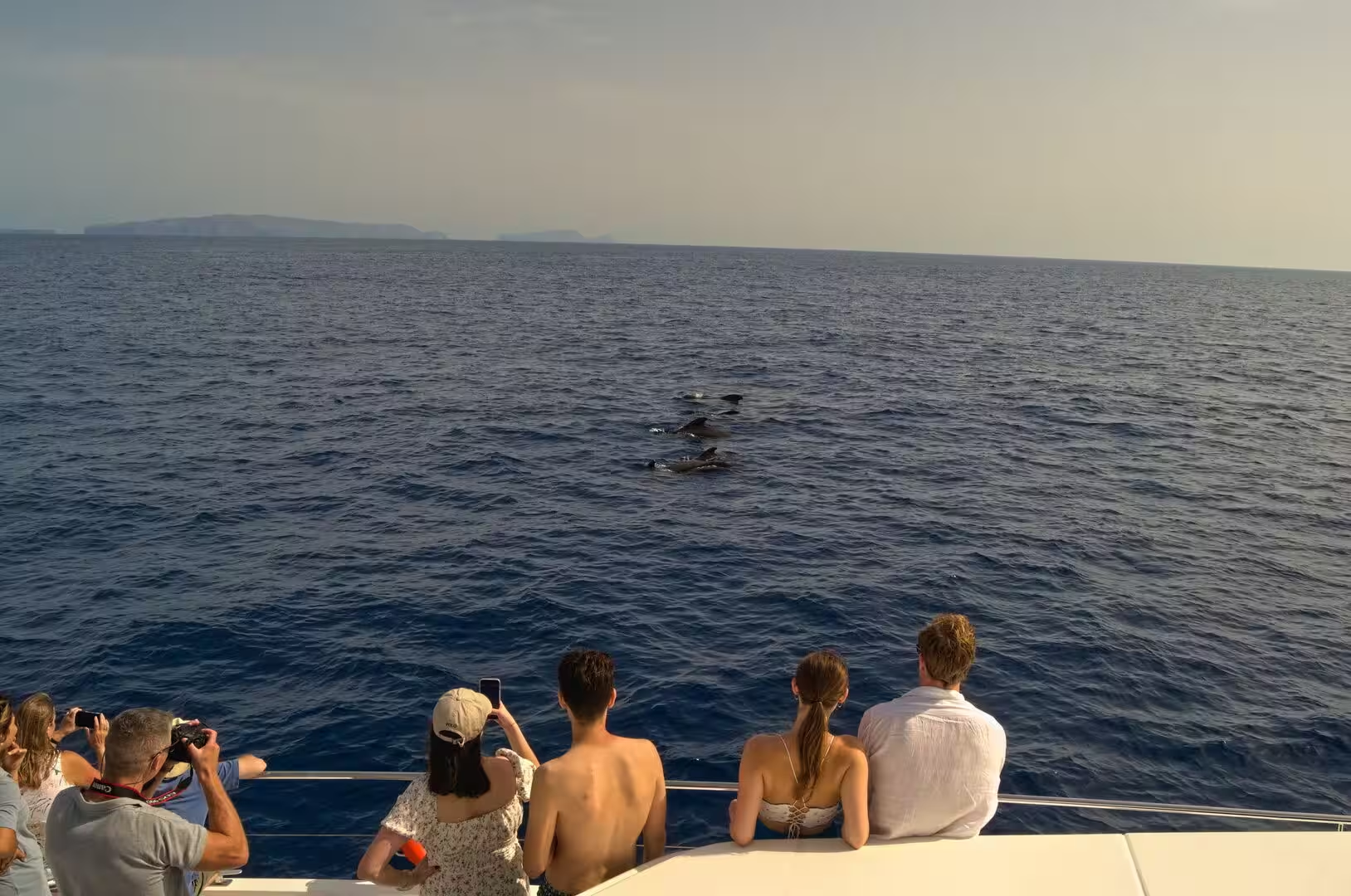
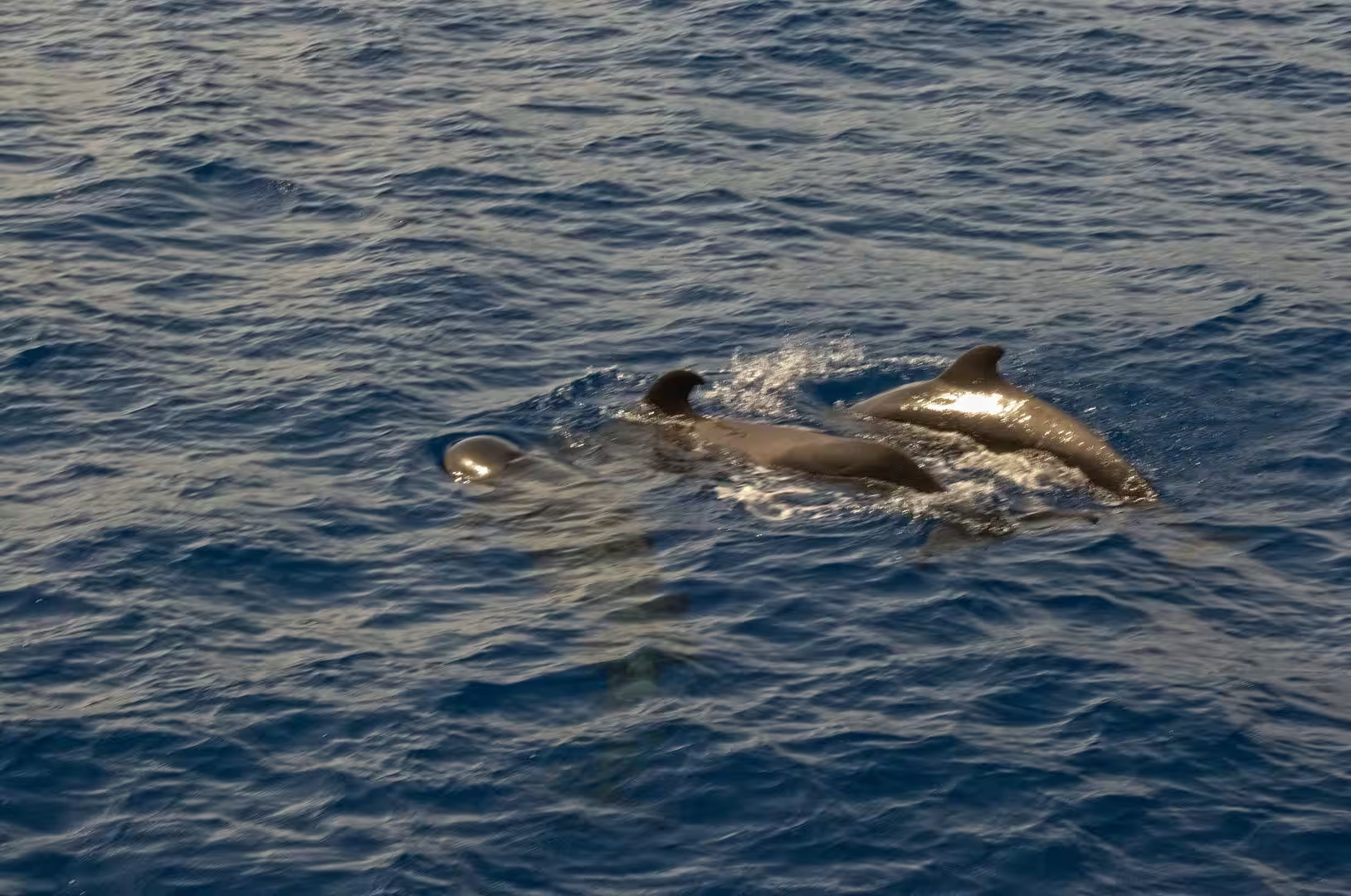
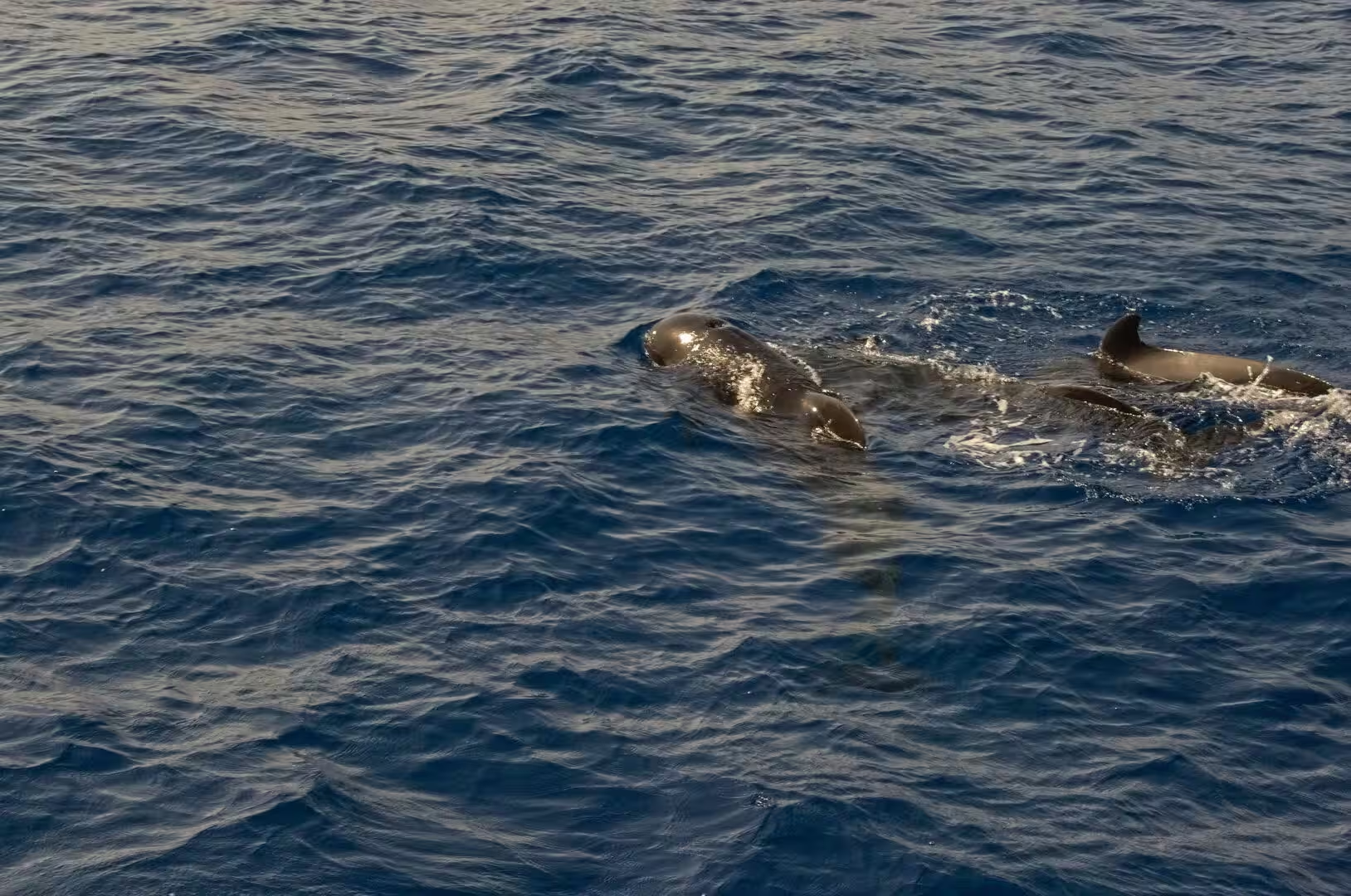
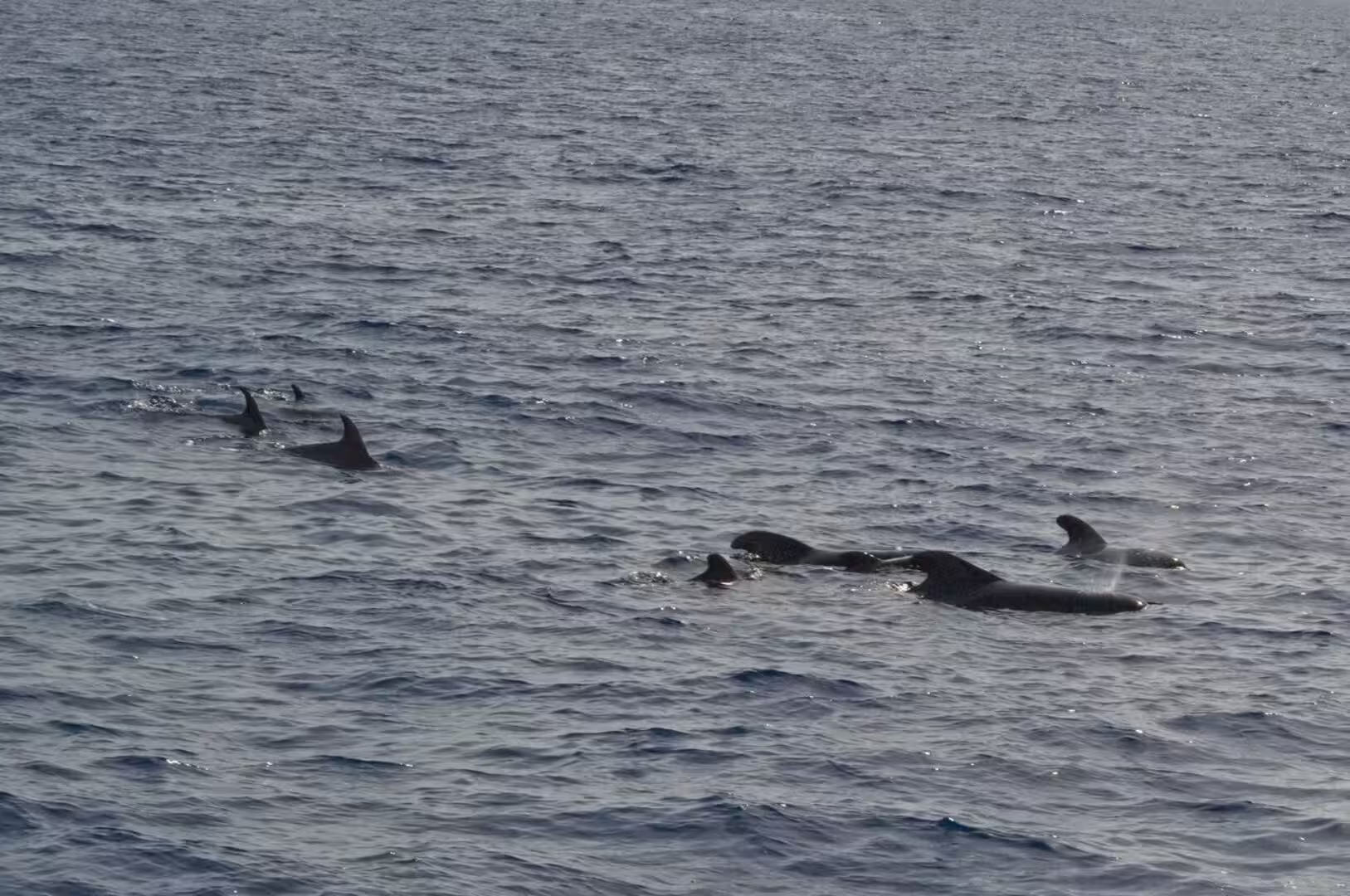
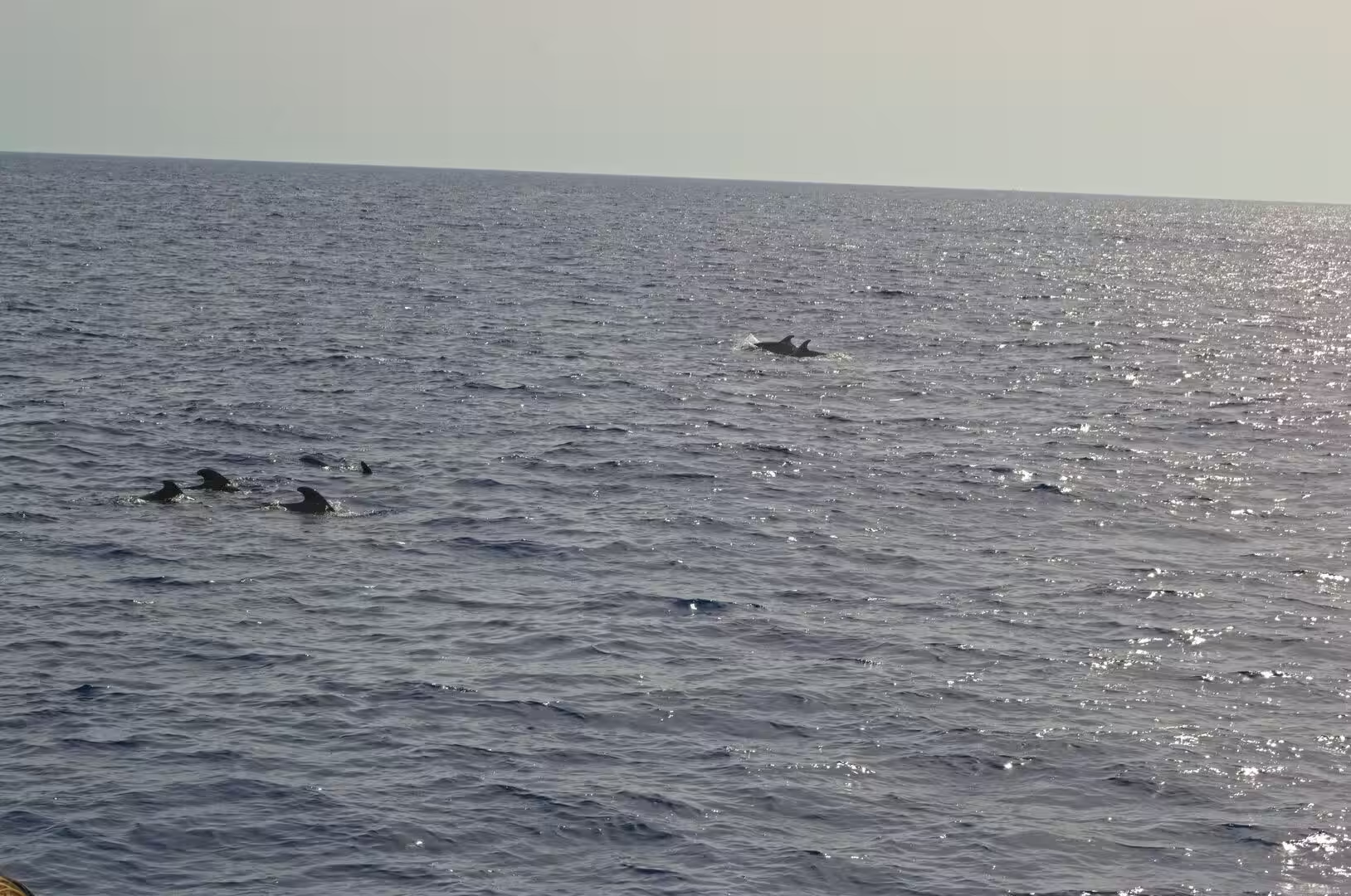
Cetacean sightings are the purpose of the cruise. Some of the largest animals appear as a line of dark backs and fins moving across the surface, often several whales side by side, their bodies breaking the water under a soft sky. Bryde’s whales occur in warm temperate and tropical waters worldwide and have been recorded in the archipelago, where individuals group genetically with the offshore form of southern Africa; sperm whales, short-finned pilot whales and humpback whales also belong to the species list of these waters.
Dolphin pods are the most frequent encounter. The common dolphin is the most abundant cetacean in the world, with an estimated global population of about six million, and it travels in active groups that break the surface at speed. Its slender body carries a dark back and a white belly with an hourglass pattern of grey, yellow or gold on the flanks, and long jaws lined with fifty to sixty small interlocking teeth. Groups frequently converge on the bow of a moving boat.
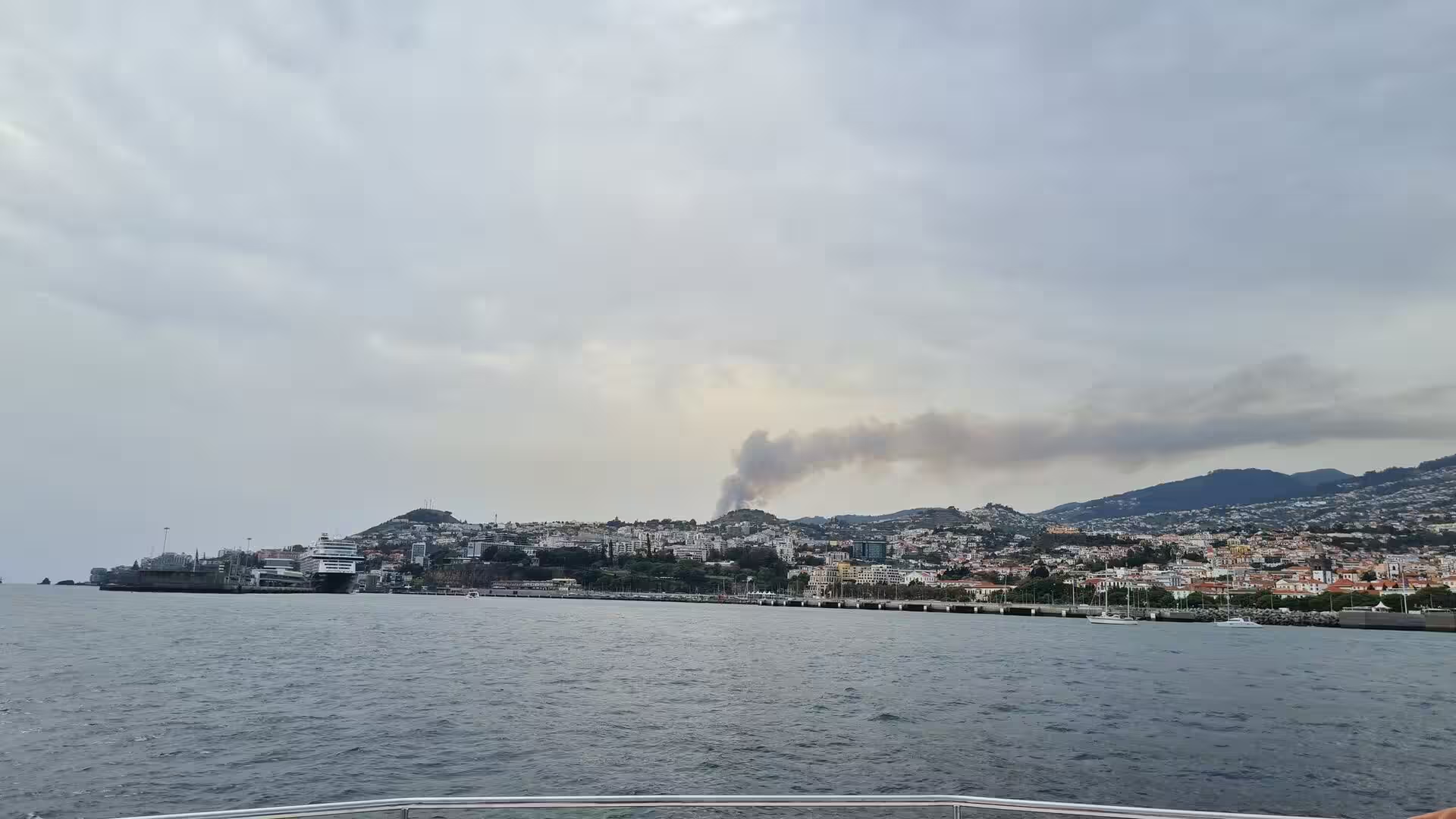
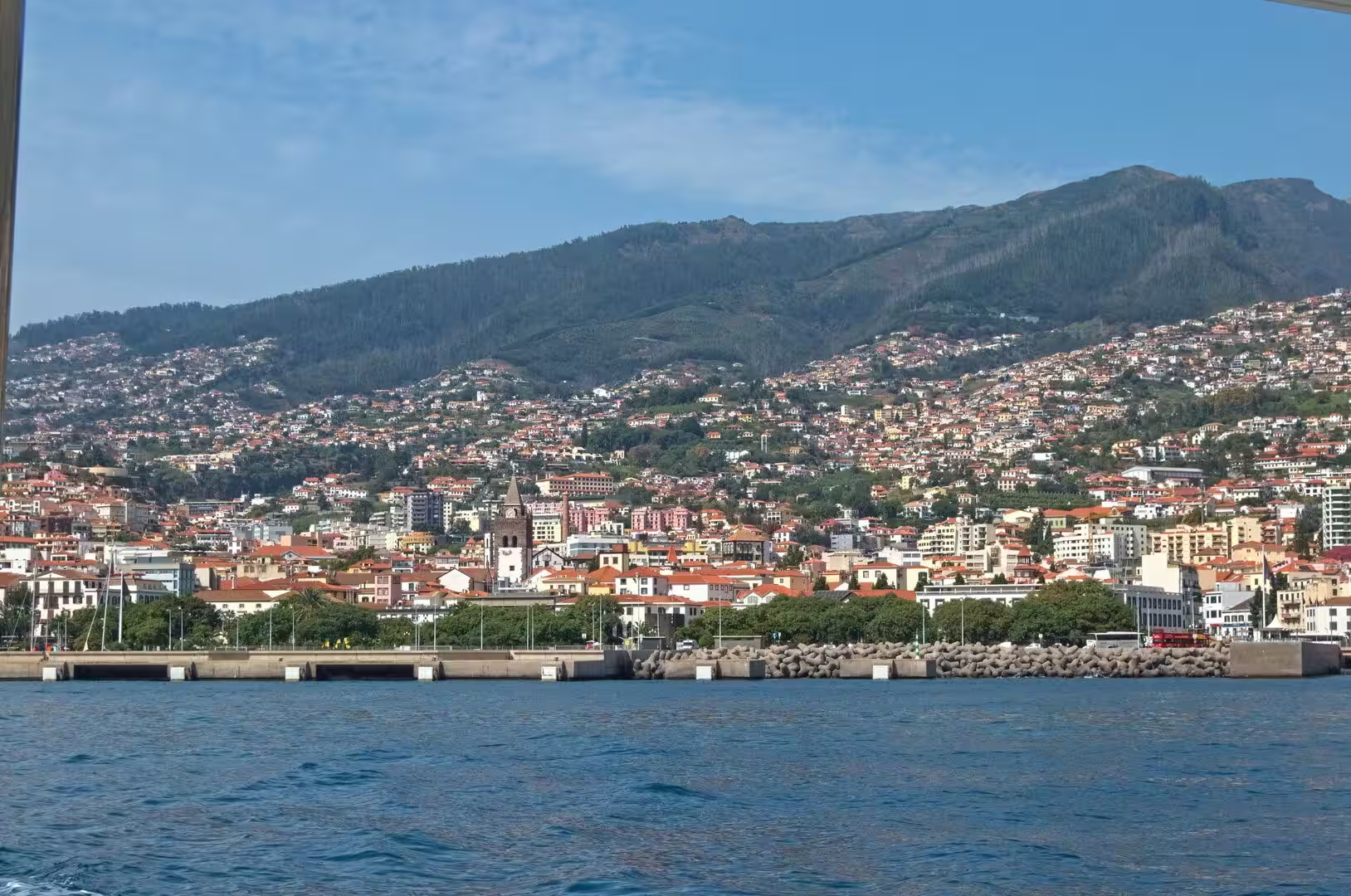
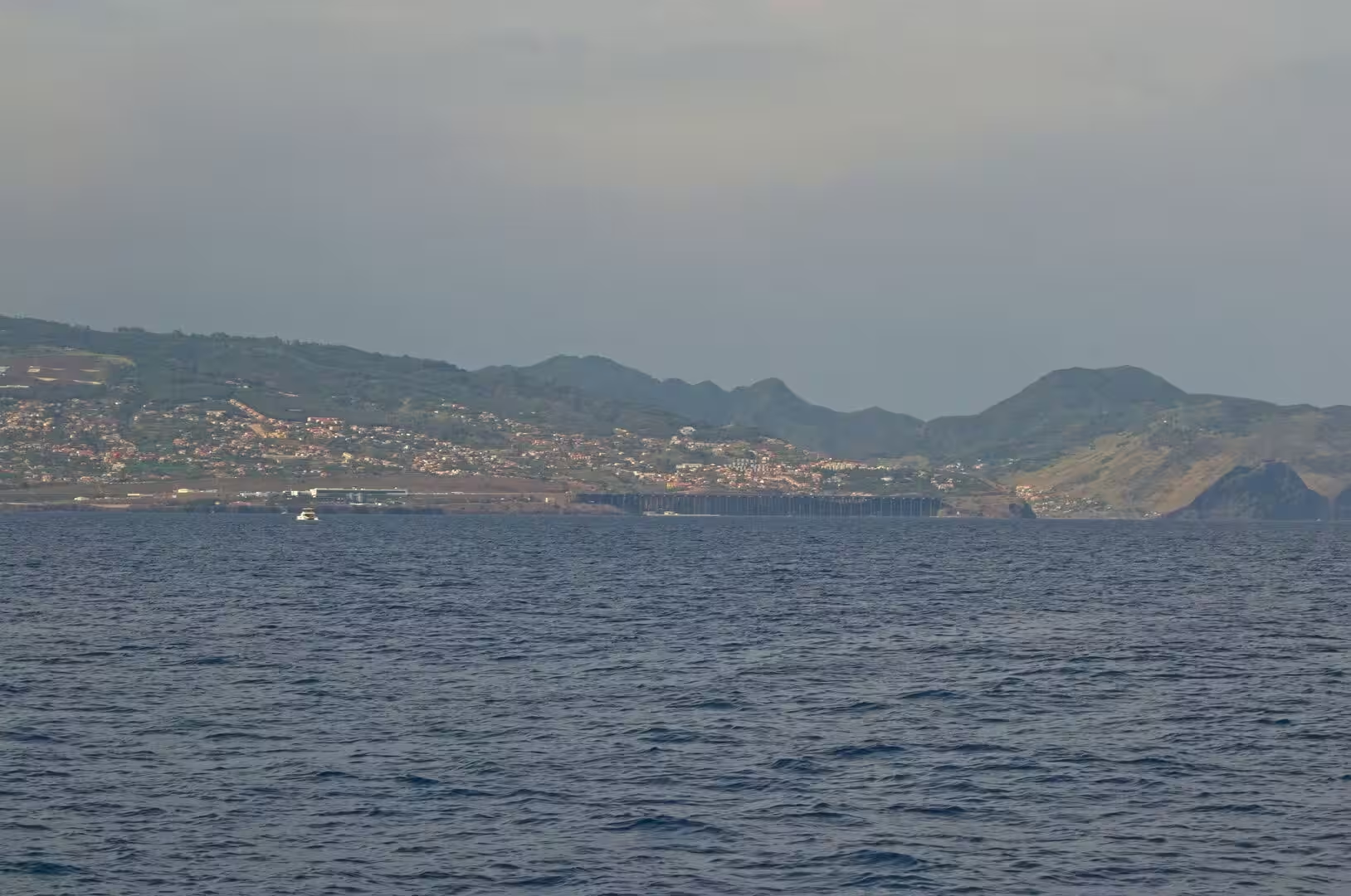
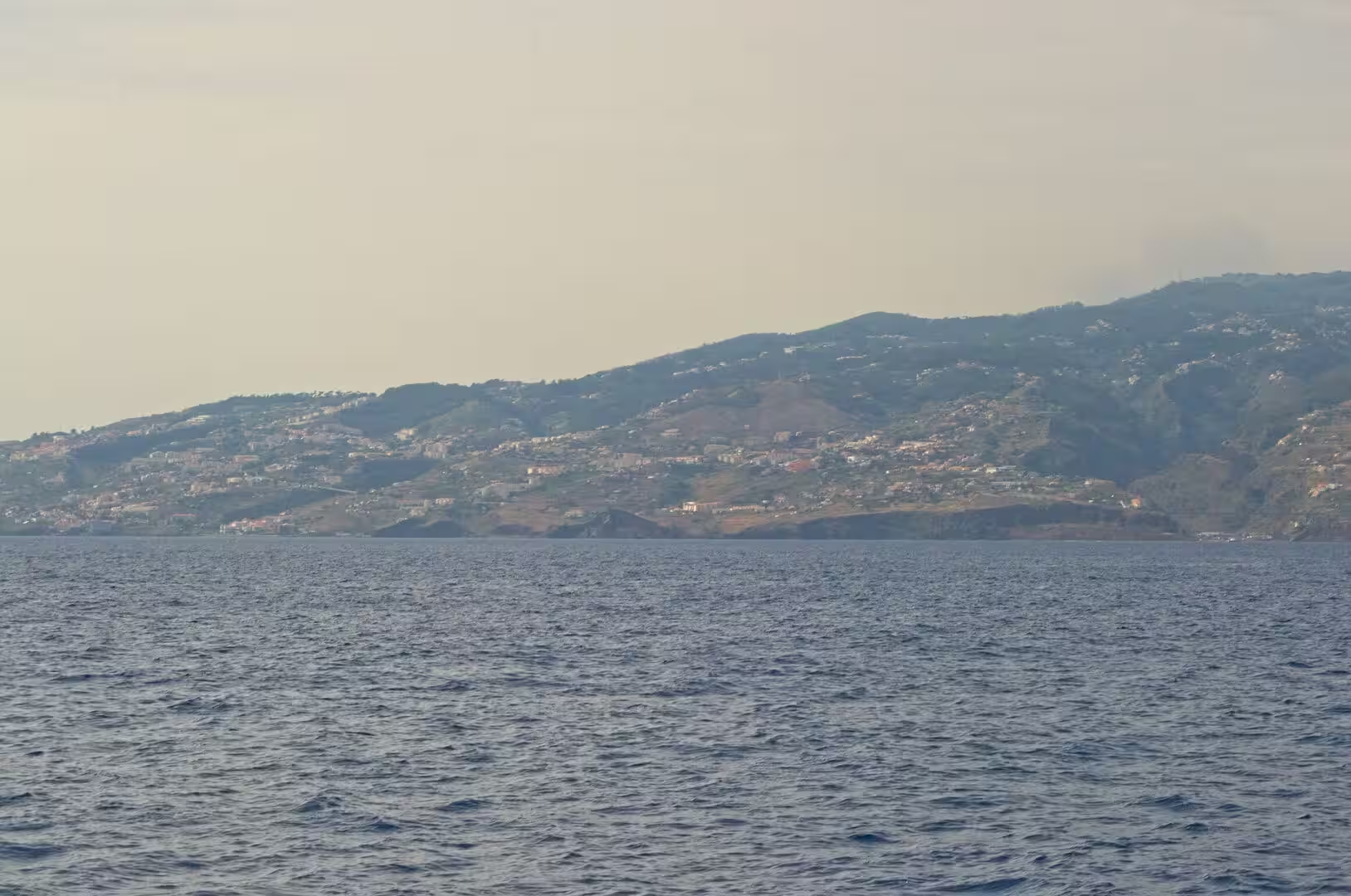
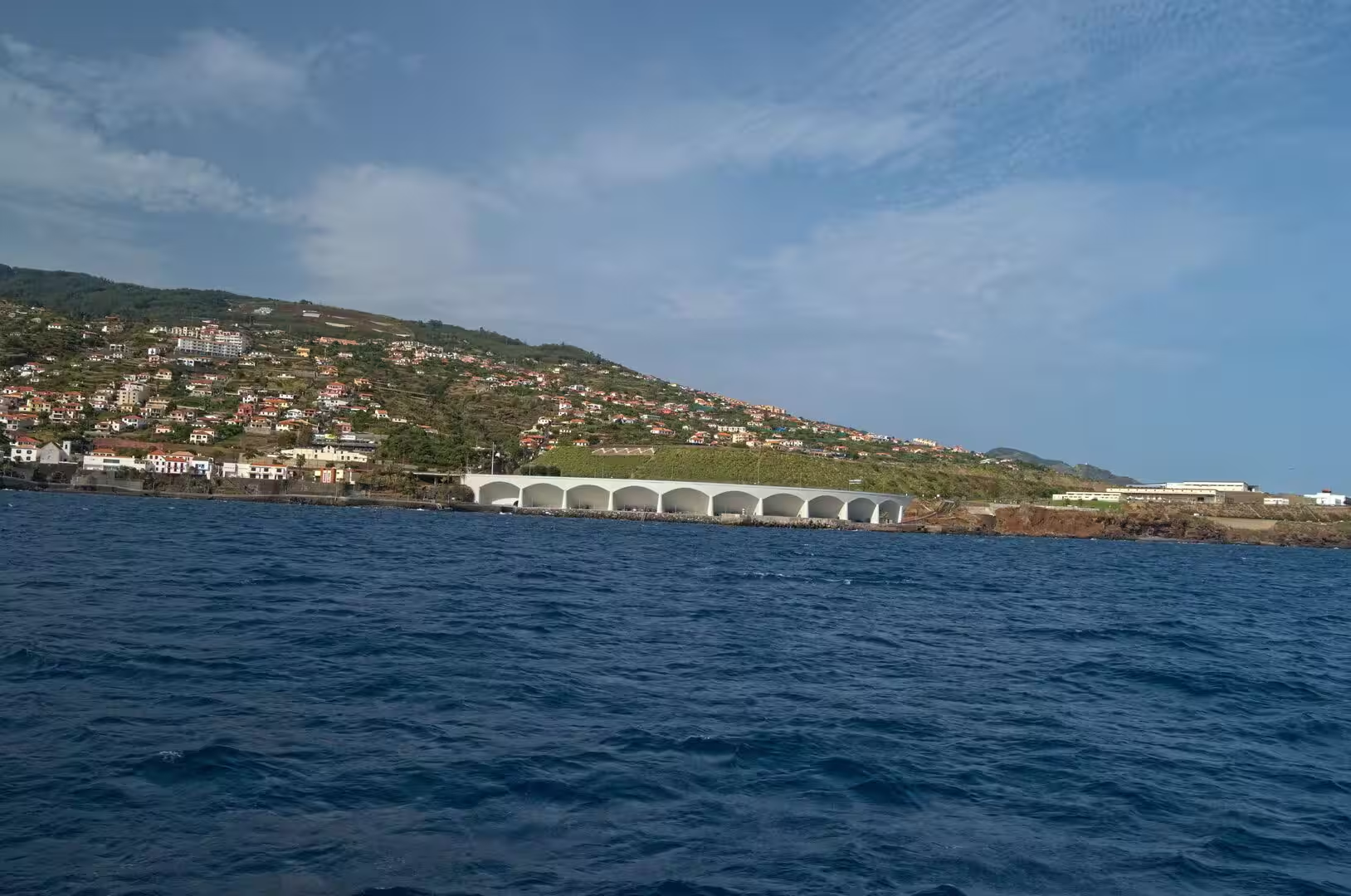
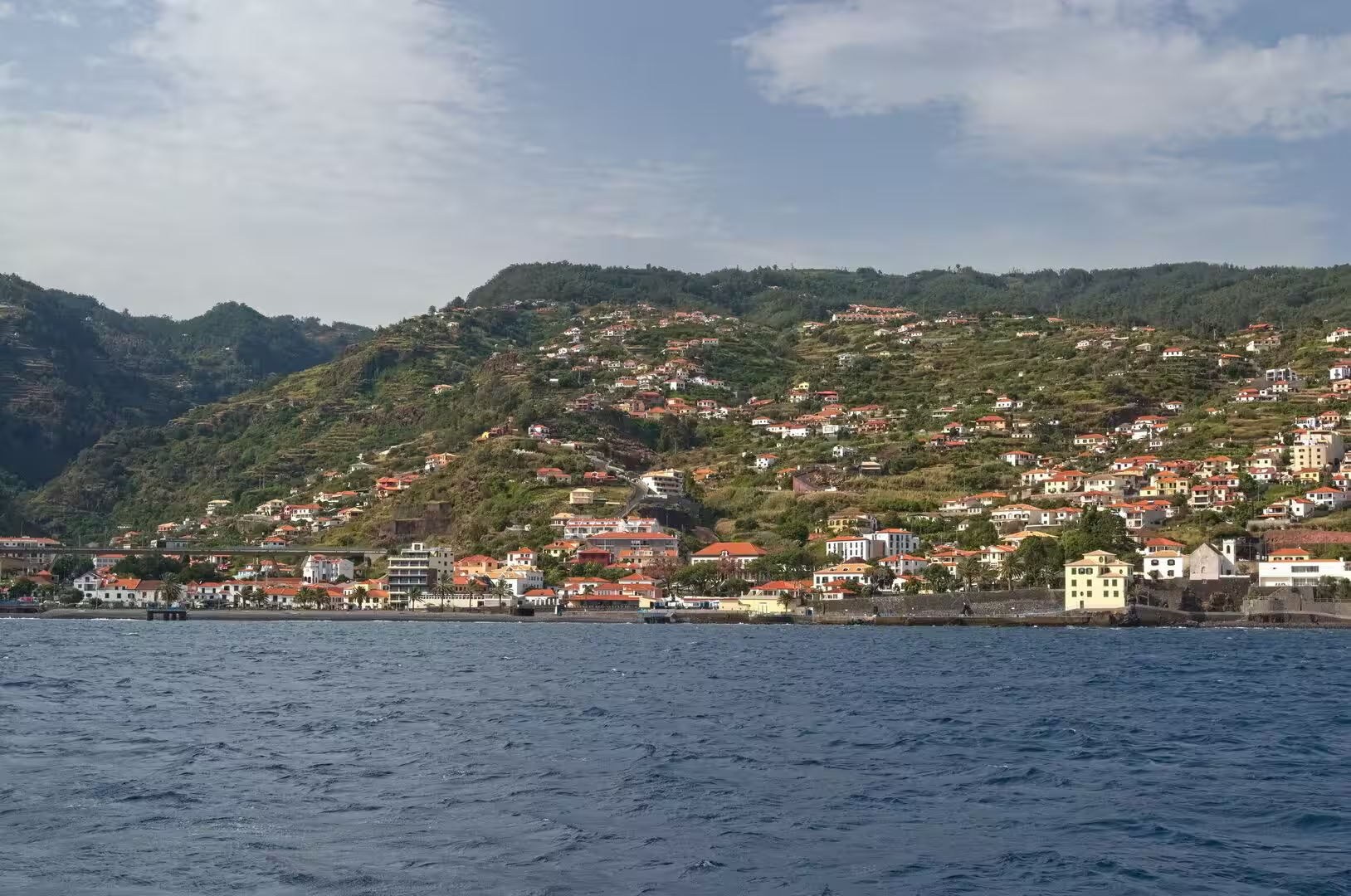
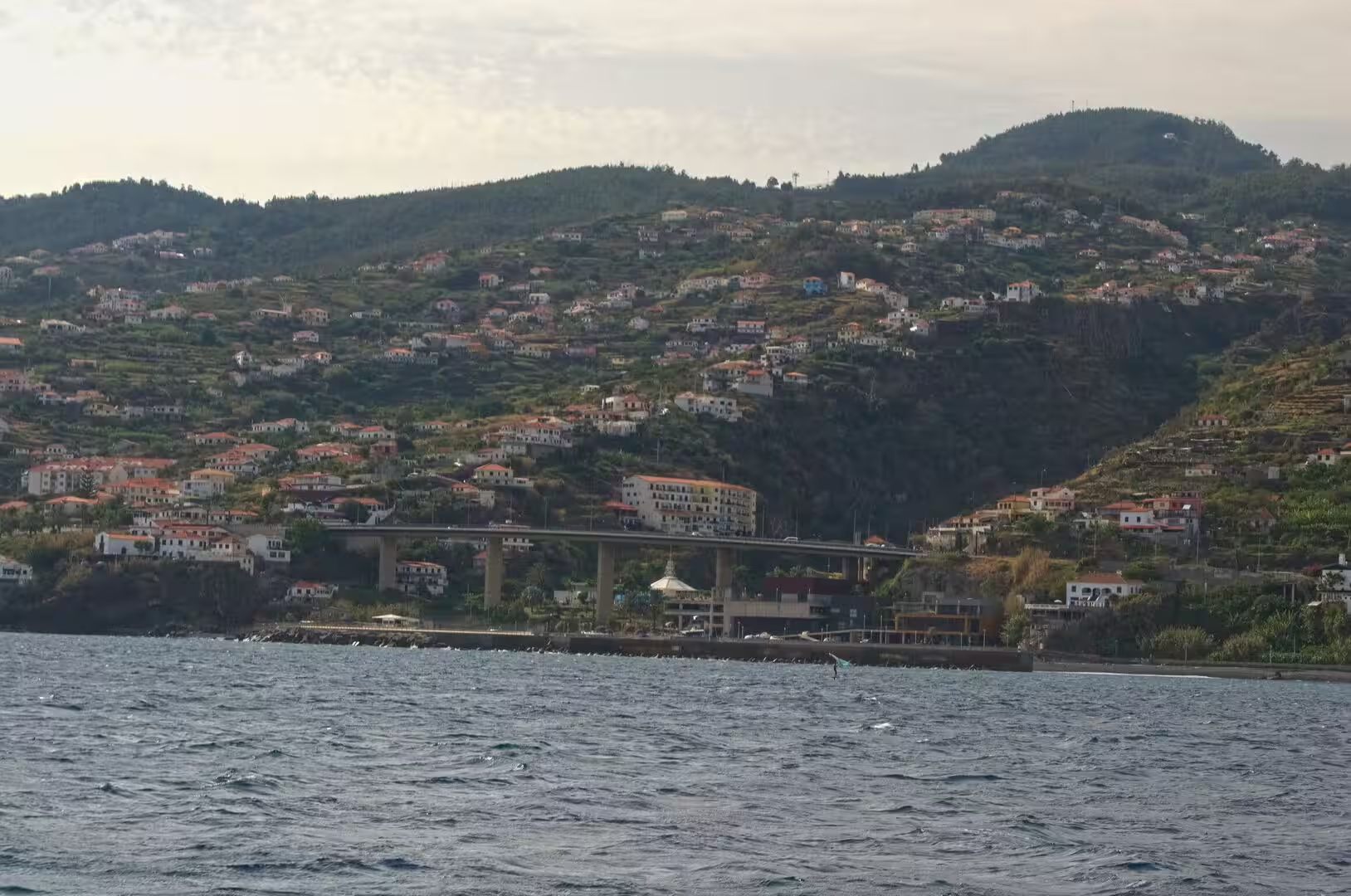
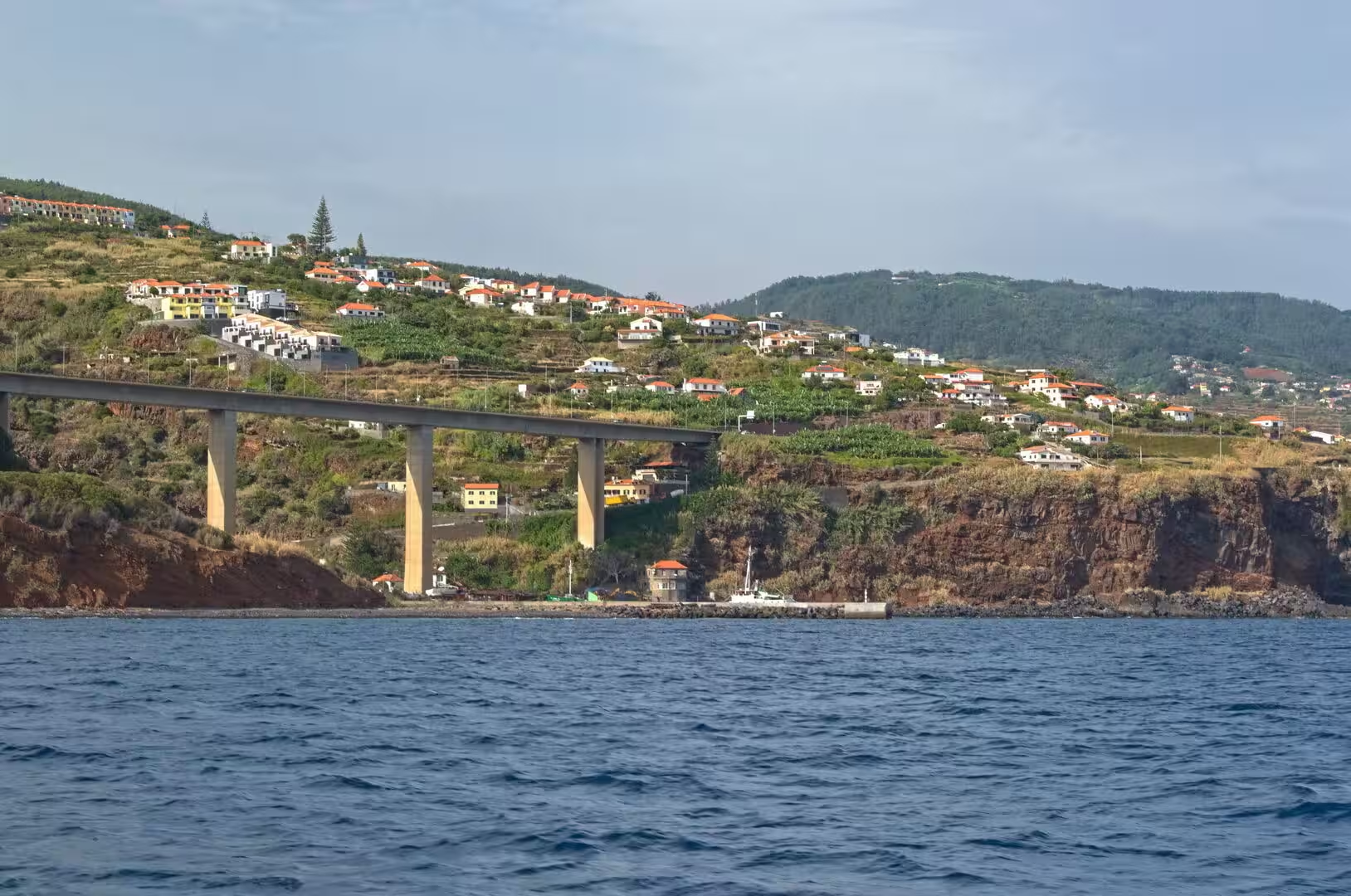
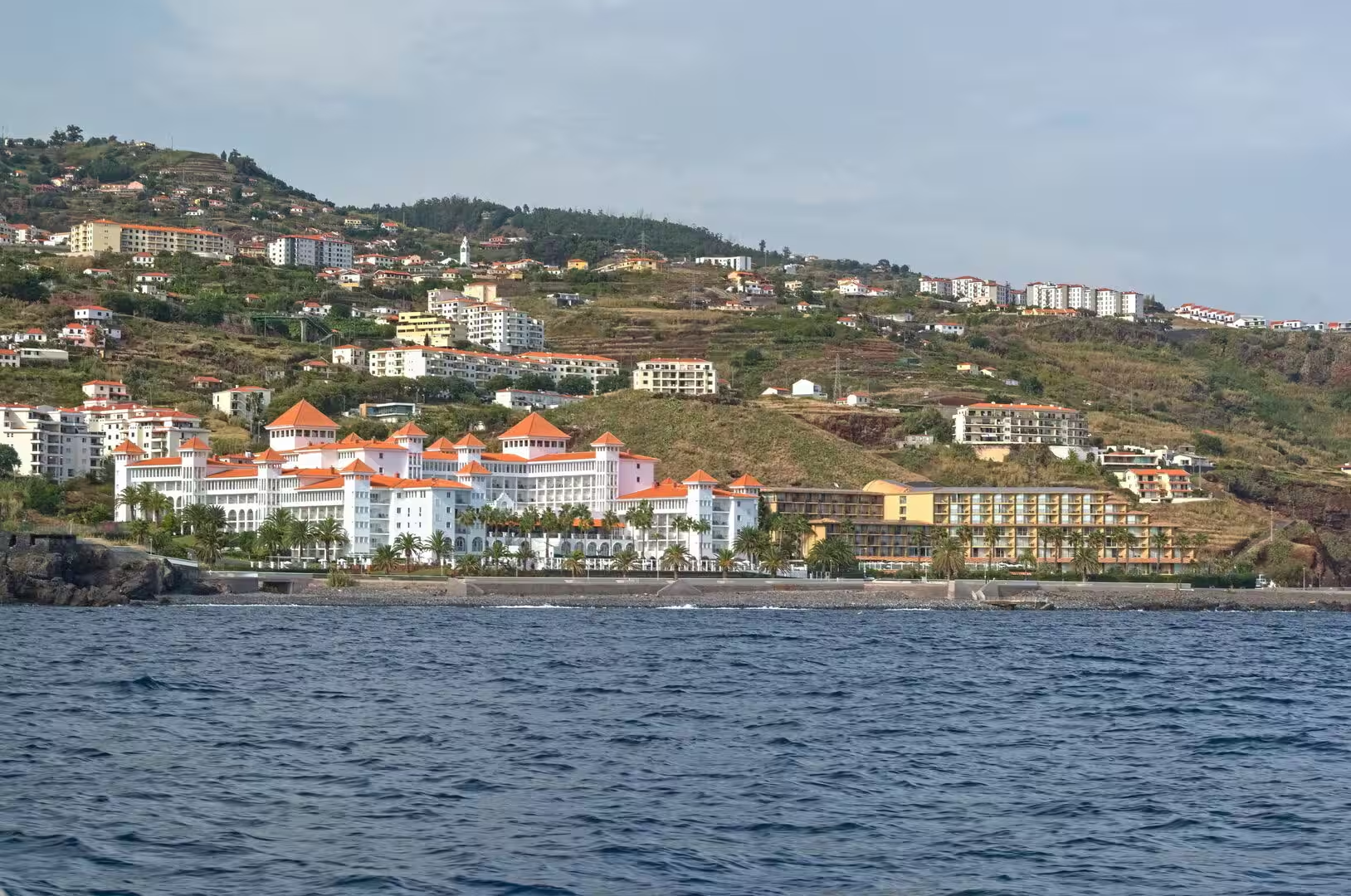
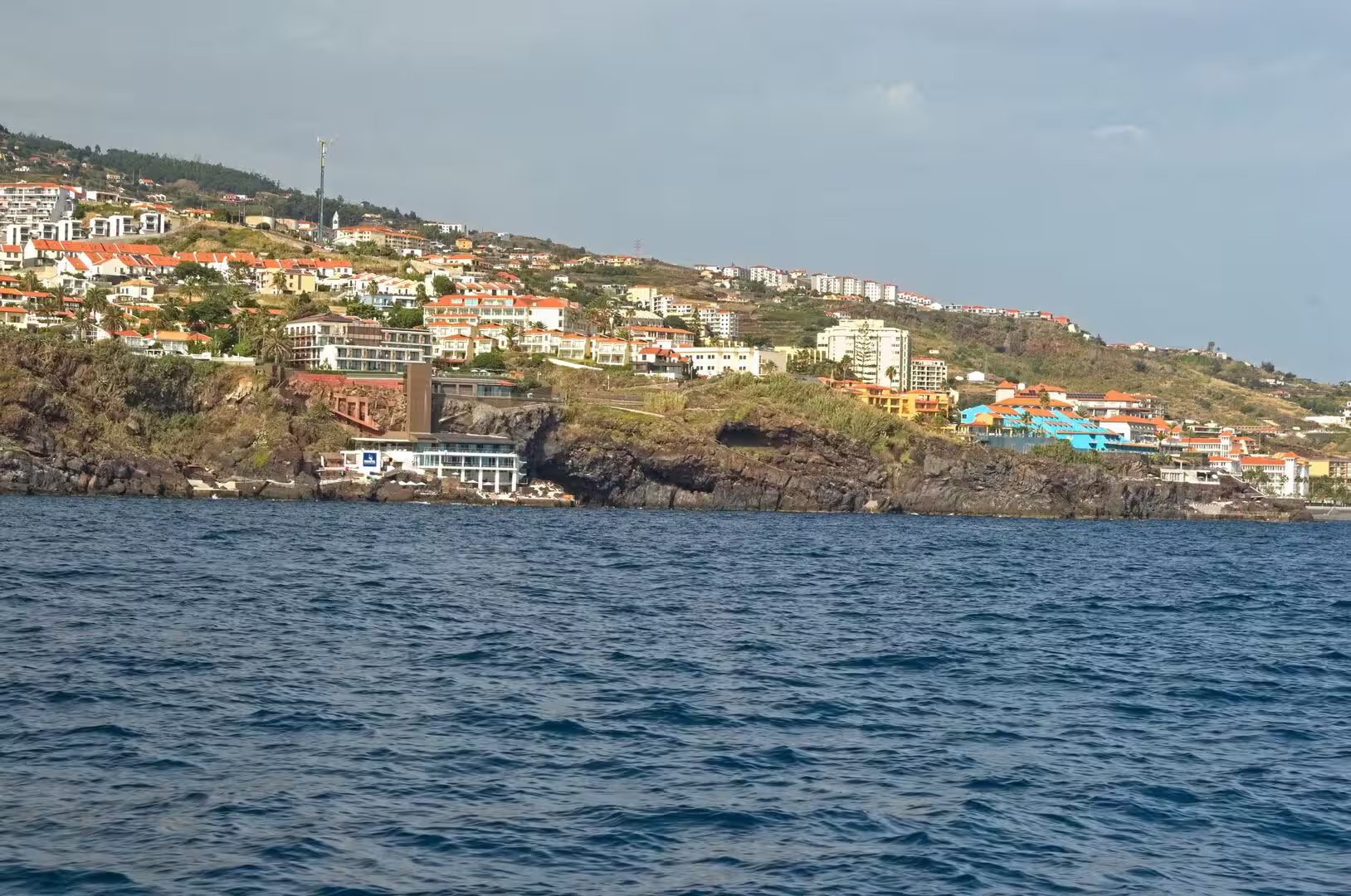
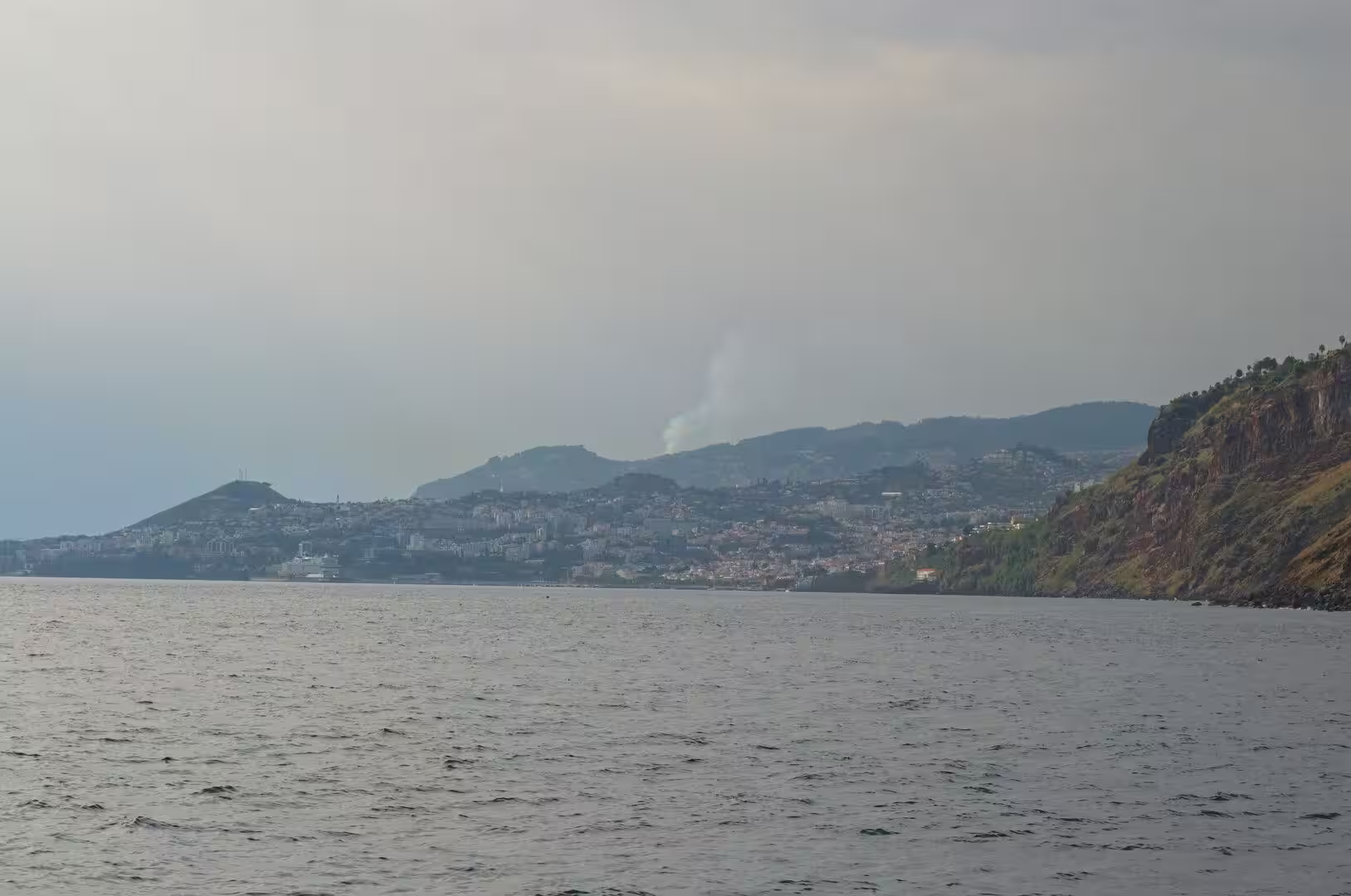
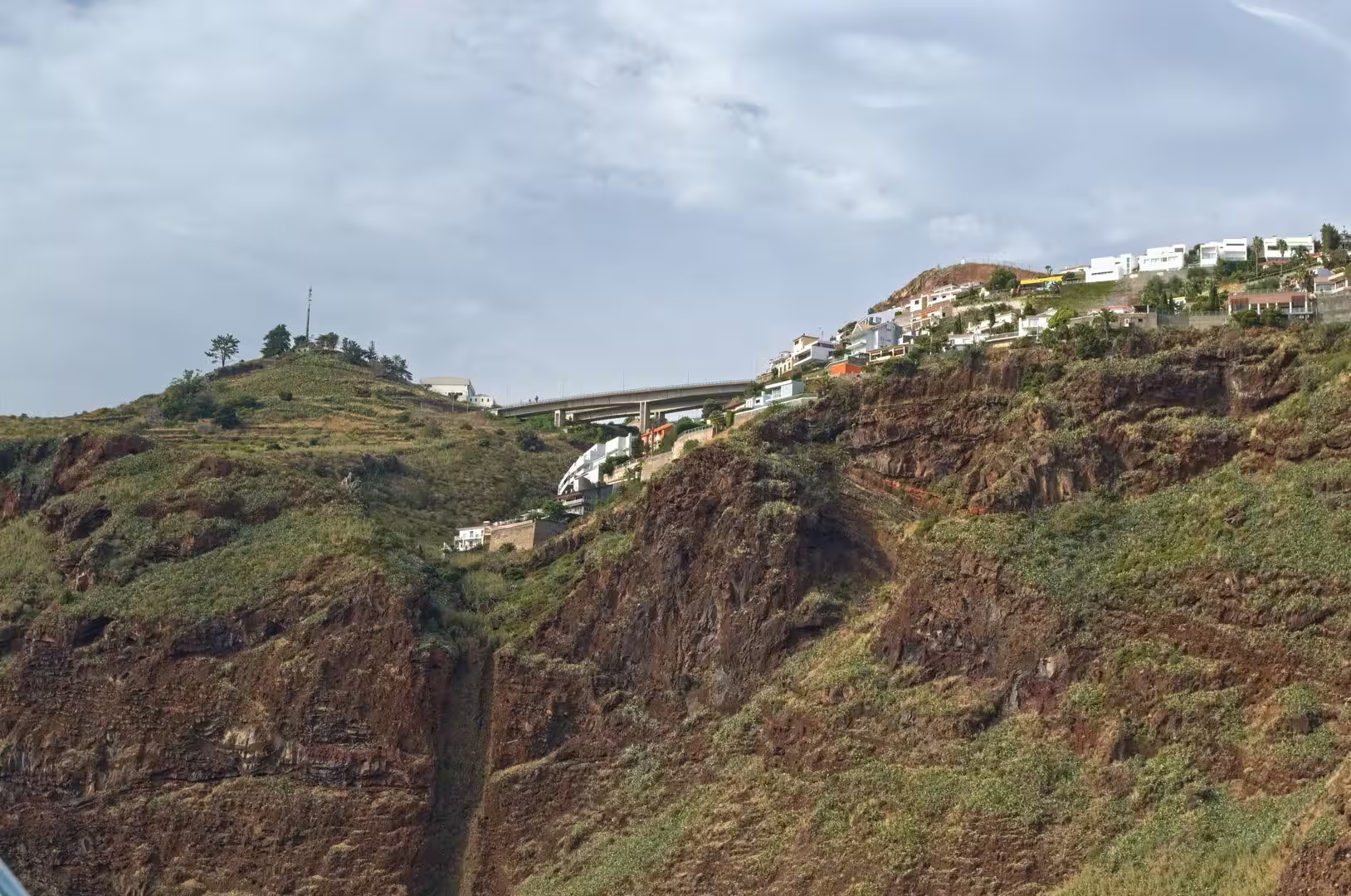
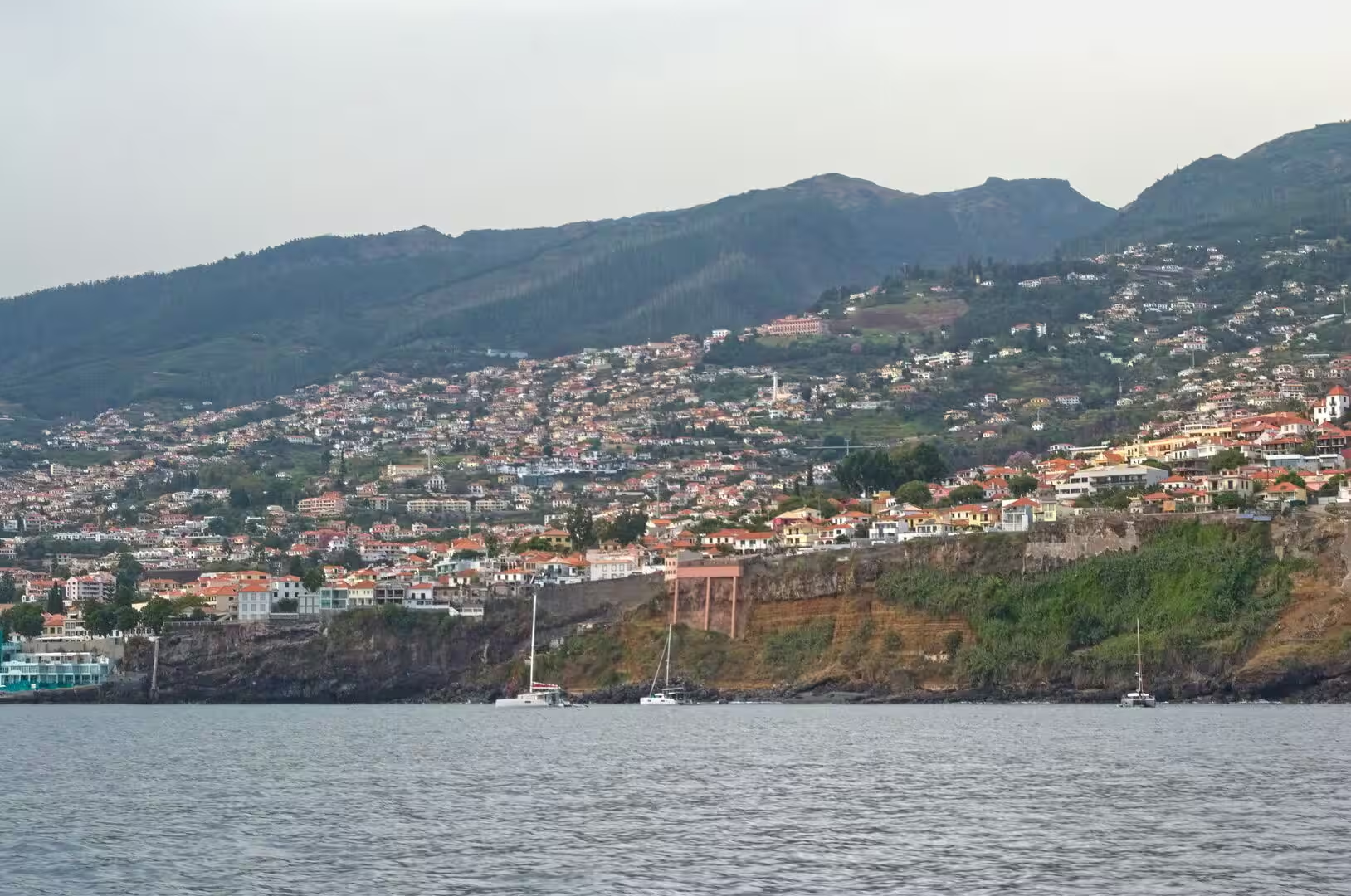
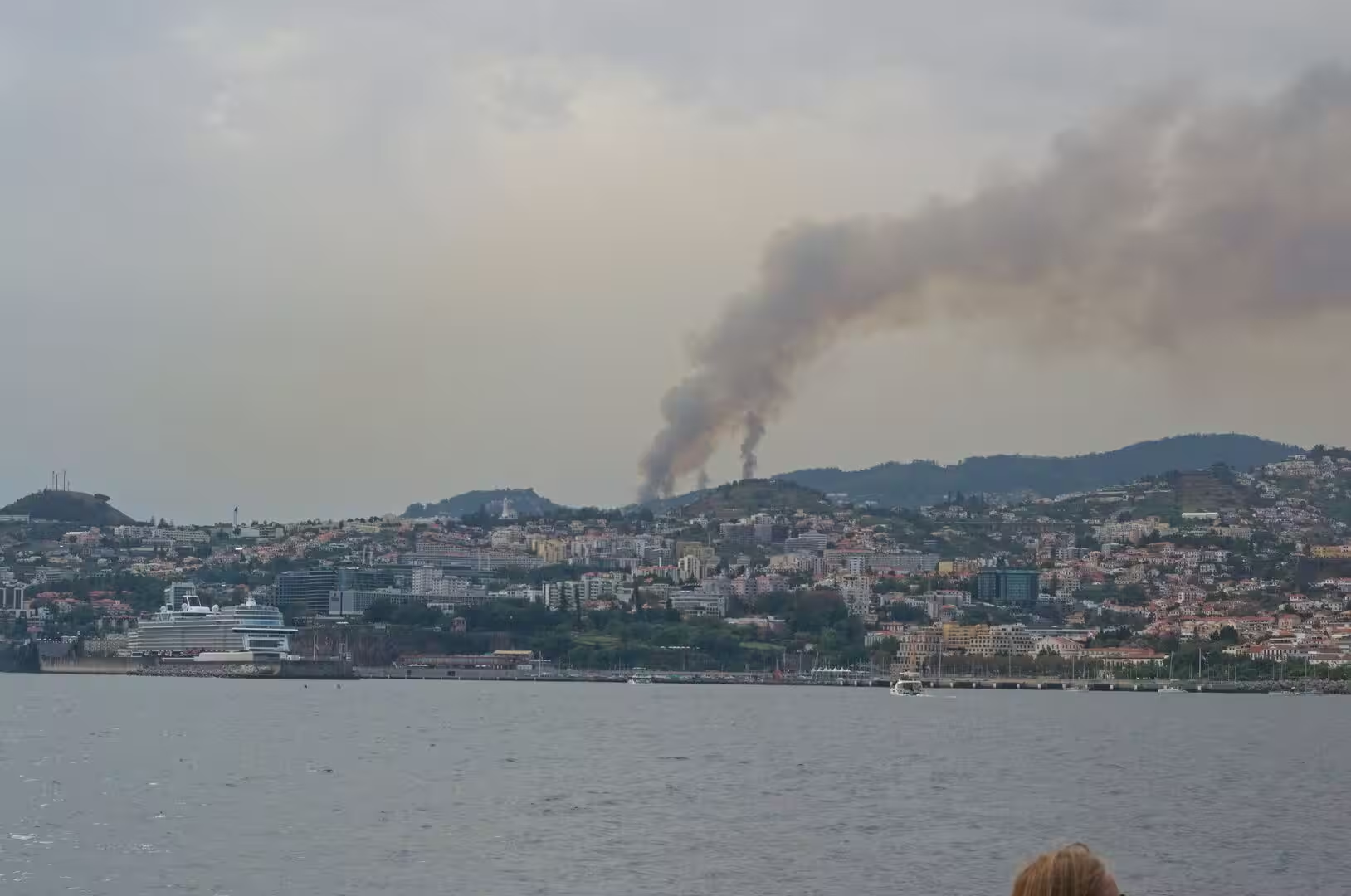
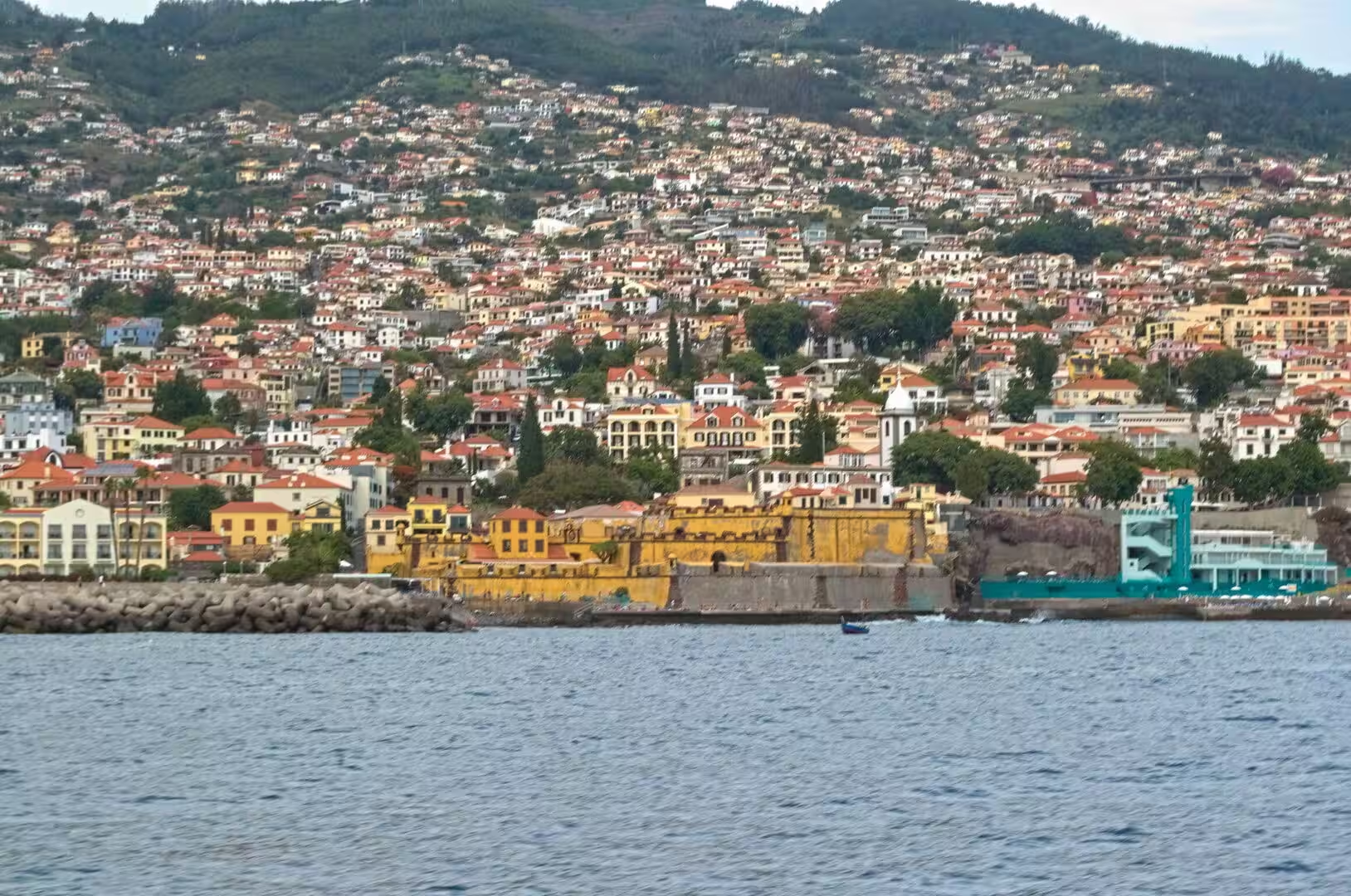
The return to Funchal passes a sequence of settlements and landforms. Towns climb green hillsides above the water, some of them with orange roofs and a church tower beneath a forested ridge, others crossed by a motorway viaduct on tall pillars. A tiered city at the water’s edge appears below a plume of smoke from the hills, and further along a steep grassy cliff drops to the sea while houses climb the slope above the shore.
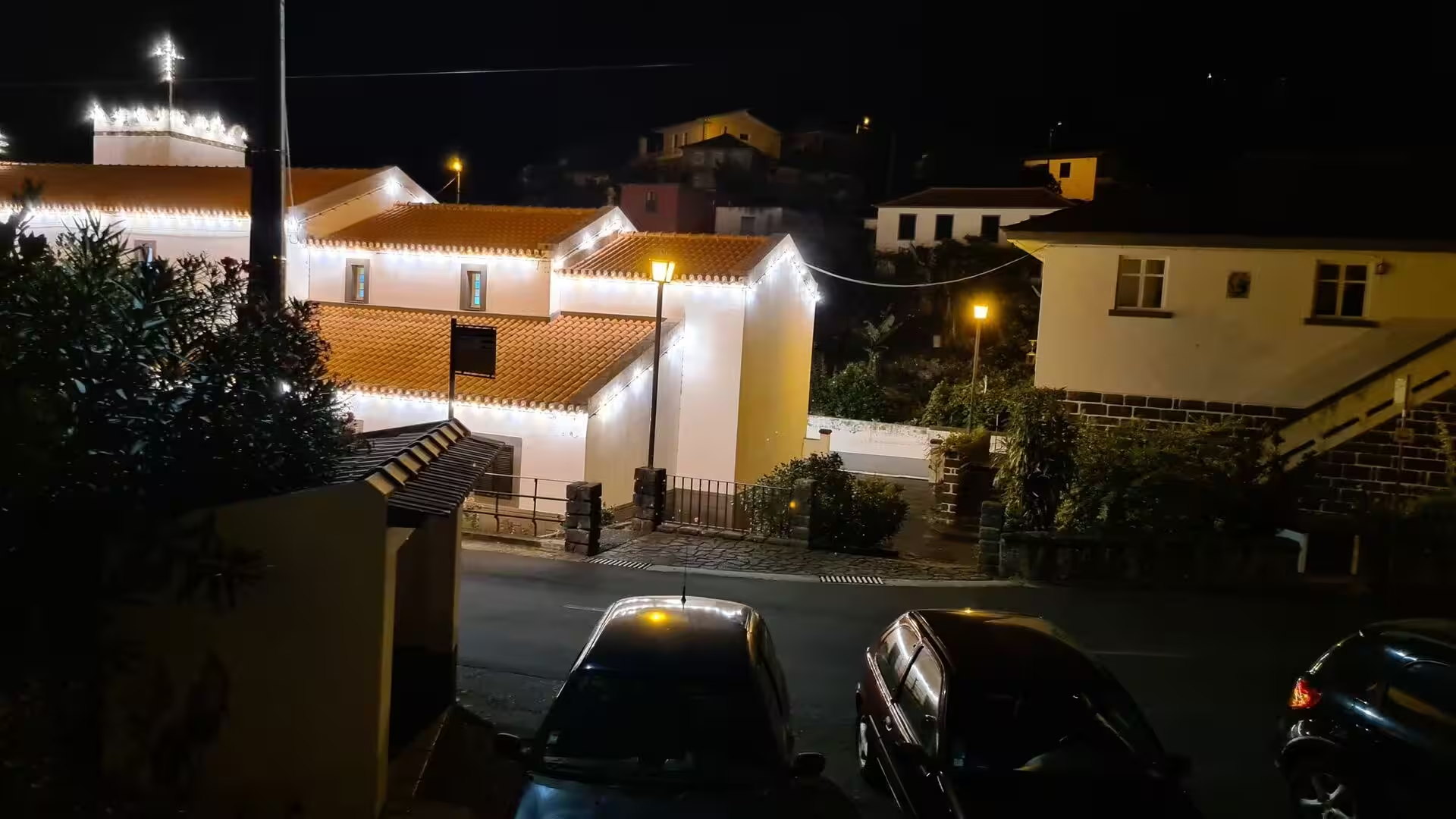
The day ends in the city, where the evening belongs to the old town and to the hills above it. A small white chapel outlined with strings of lights glows above a dark street, and the promenades and squares fill with the lamps of restaurants and wine lodges. The Madeira wine trade that shaped the town is still visible in the cellars of the merchants, and the island’s fortified wine, about 85 per cent of which is made from the red Tinta Negra grape, remains its most characteristic product.
References
- Wikipedia contributors (2026). Madeira. en.wikipedia.org/wiki/Madeira
- Wikipedia contributors (2026). Madeira Island. en.wikipedia.org/wiki/Madeira_Island
- Wikipedia contributors (2026). Funchal. en.wikipedia.org/wiki/Funchal
- Wikipedia contributors (2026). History of Madeira. en.wikipedia.org/wiki/History_of_Madeira
- Wikipedia contributors (2026). Autonomous Region of Madeira. en.wikipedia.org/wiki/Autonomous_Region_of_Madeira
- Wikipedia contributors (2026). Madeira Nature Reserve. en.wikipedia.org/wiki/Madeira_Nature_Reserve
- Wikipedia contributors (2026). Desertas Islands. en.wikipedia.org/wiki/Desertas_Islands
- Wikipedia contributors (2026). Bryde’s whale. en.wikipedia.org/wiki/Bryde%27s_whale
- Wikipedia contributors (2026). Common dolphin. en.wikipedia.org/wiki/Common_dolphin
- Wikipedia contributors (2026). Short-finned pilot whale. en.wikipedia.org/wiki/Short-finned_pilot_whale
- Wikipedia contributors (2026). Sperm whale. en.wikipedia.org/wiki/Sperm_whale
- Wikipedia contributors (2026). Humpback whale. en.wikipedia.org/wiki/Humpback_whale
- Wikipedia contributors (2026). Madeira wine. en.wikipedia.org/wiki/Madeira_wine
- Wikipedia contributors (2026). Levada. en.wikipedia.org/wiki/Levada
- Hoyt, Parsons (2014). The whale-watching industry. Whale-watching. 57-70. doi.org/10.1017/cbo9781139018166.006
- Constantine (2014). Whale-watching and behavioural ecology. Whale-watching. 193-205. doi.org/10.1017/cbo9781139018166.017
- Jesus (2023). Madeira tourism, always proactive toward sustainability. Worldwide Hospitality and Tourism Themes. 15. 664-668. doi.org/10.1108/whatt-09-2023-0114
- Valls, Mota, Vieira (2019). Opportunities for Slow Tourism in Madeira. Sustainability. 11. 4534. doi.org/10.3390/su11174534
- Santos, Quartau, Brum da Silveira, Ramalho (2019). Gravitational, erosional, sedimentary and volcanic processes on the submarine environment of Selvagens Islands (Madeira Archipelago, Portugal). Marine Geology. 415. 105945. doi.org/10.1016/j.margeo.2019.05.004