Day 8






Journal Notes
General
Madeira is a group of volcanic islands in the North Atlantic Ocean and one of the four archipelagos of Macaronesia, together with the Azores, the Canary Islands and Cape Verde. In 2022 the combined population of Macaronesia was estimated at 3,222,054 people, of whom 250,769 lived in Madeira, and the archipelago, which comprises the islands of Madeira, Porto Santo and the Desertas, had 251,060 inhabitants in 2021. Funchal, the capital, is a city of 105,795 residents and the sixth largest in Portugal, and the region counted 148,000 British visits in 2021 and 113,000 German visits.
The eighth day stays on the island and concentrates on what it produces and cooks. The food culture of Madeira grew out of an island geography that limited available ingredients, out of volcanic soils that support fertile agriculture despite steep terrain, and out of Atlantic waters that provide a steady supply of fish and seafood. Colonization introduced staples such as wheat, wine, olive oil and garlic, and the resulting cuisine combines maritime influence with simple preparation, seasonal production and a strong connection to farming and fishing.
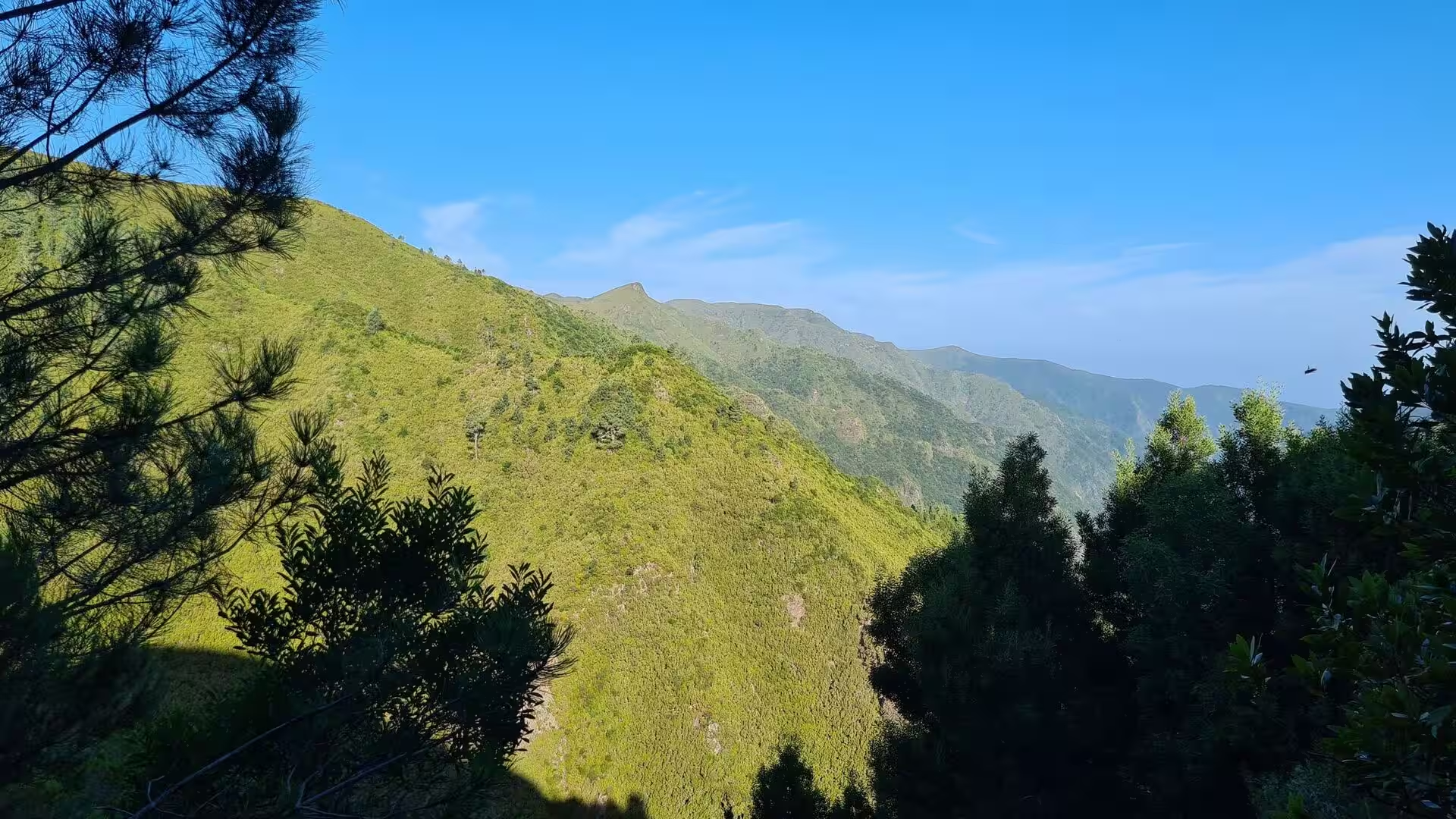
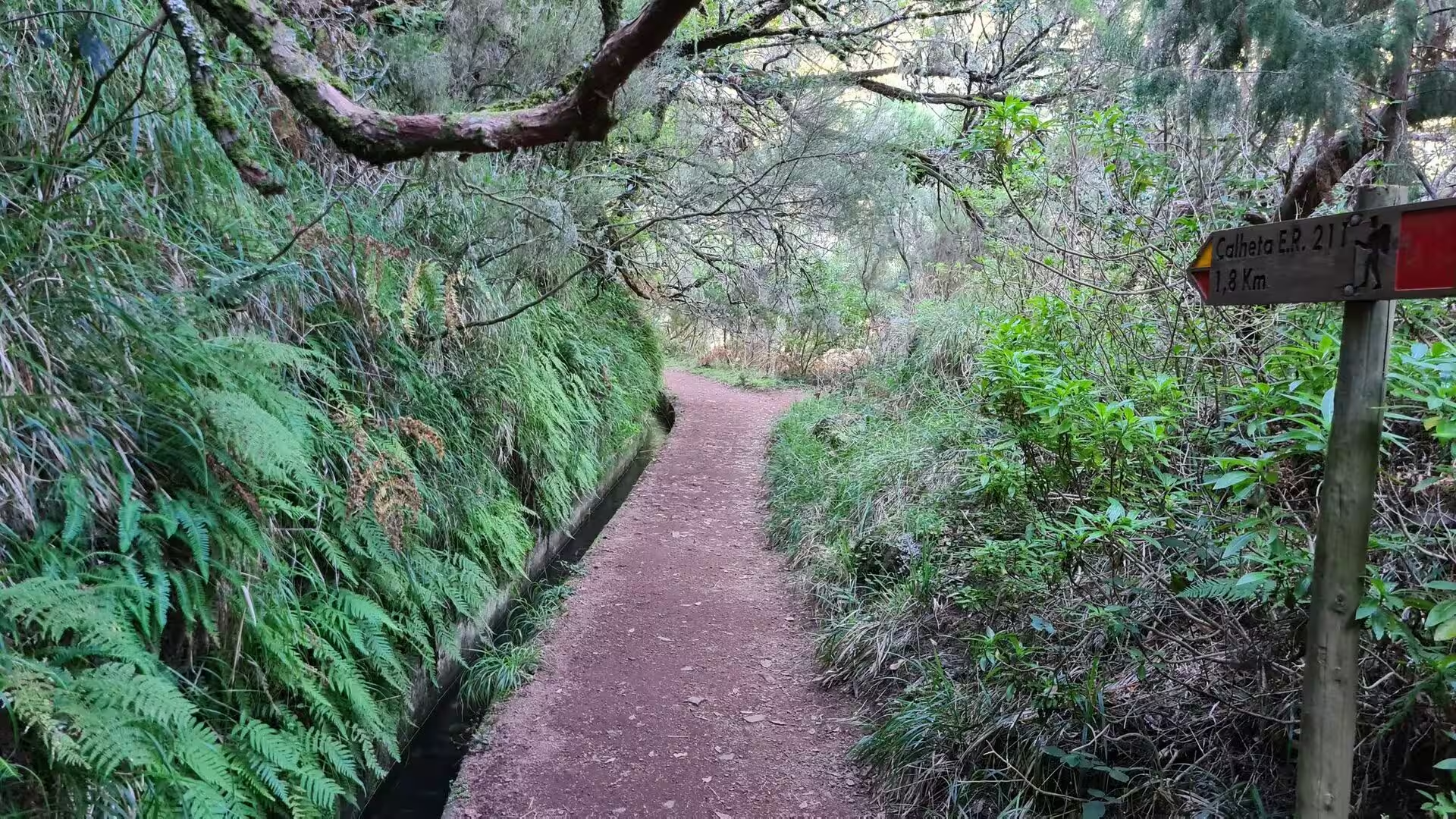
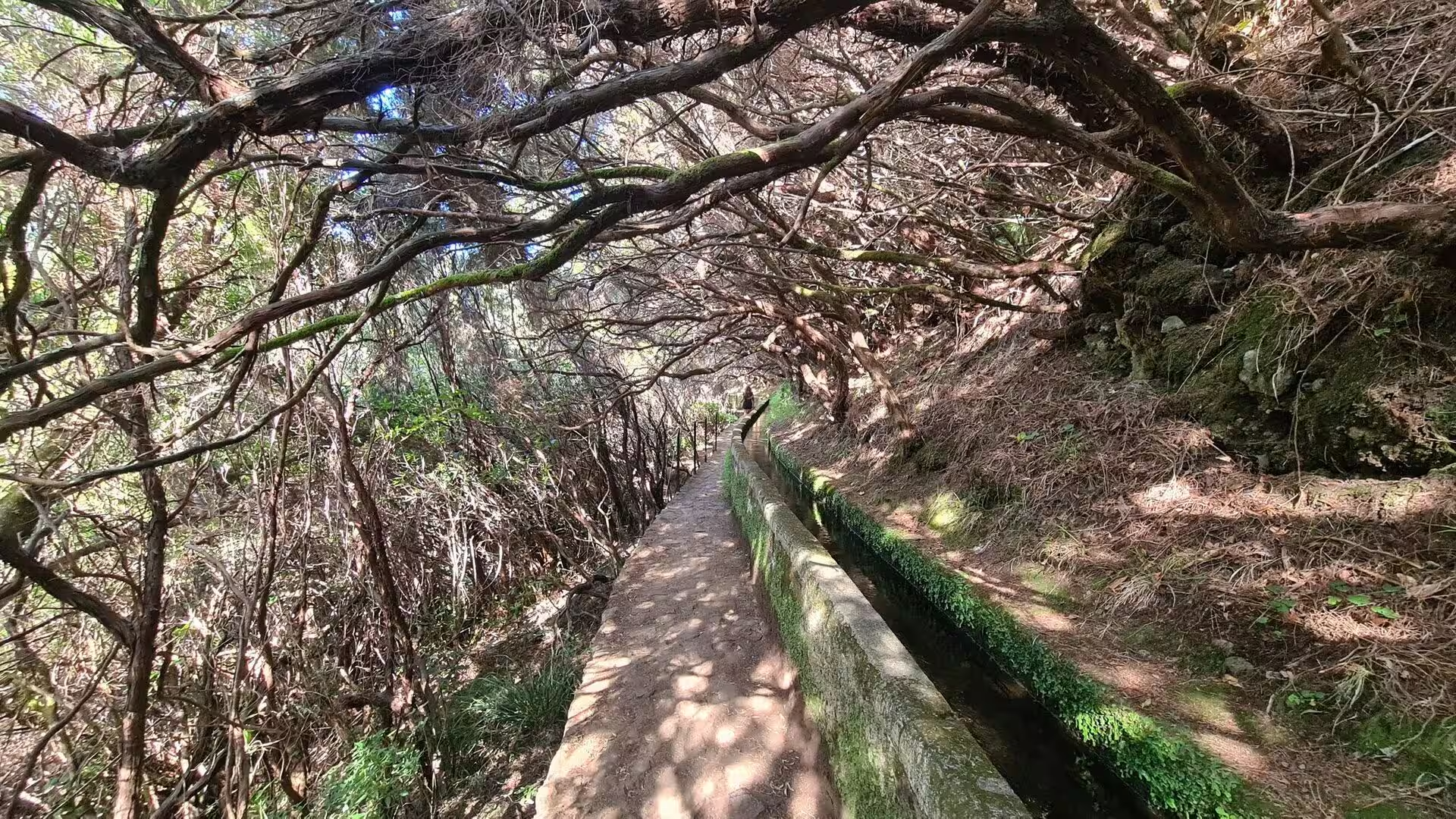
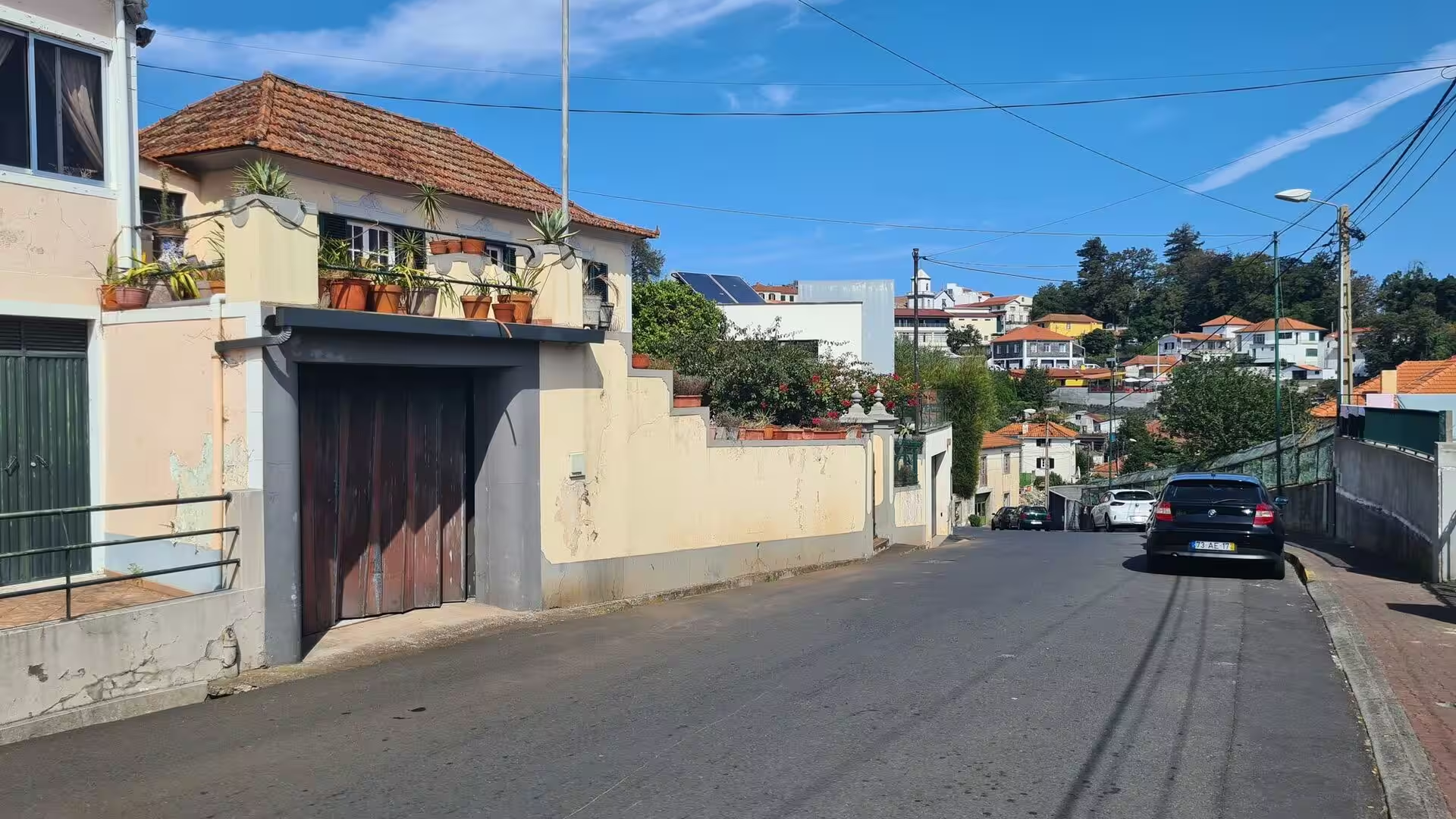
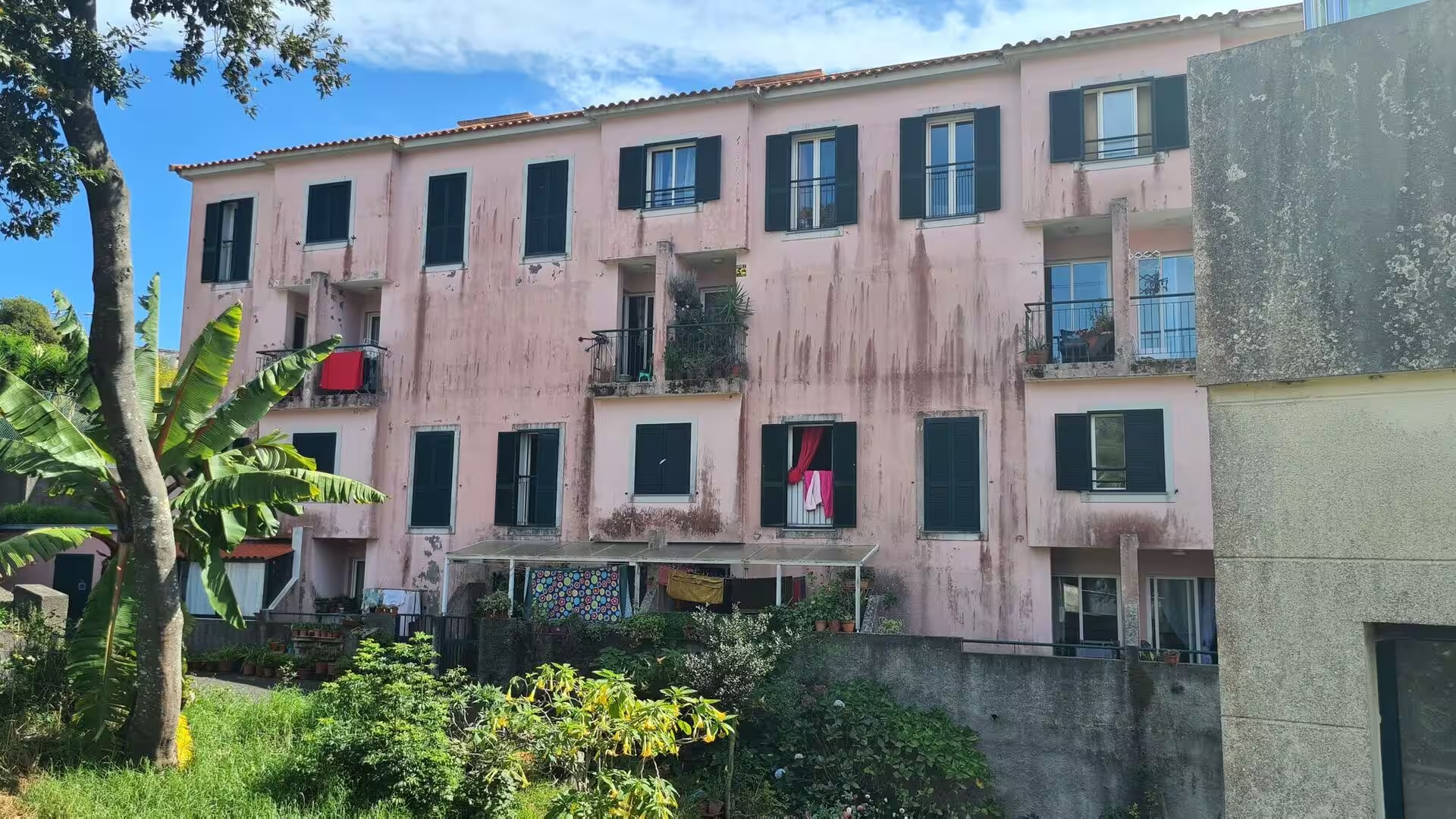
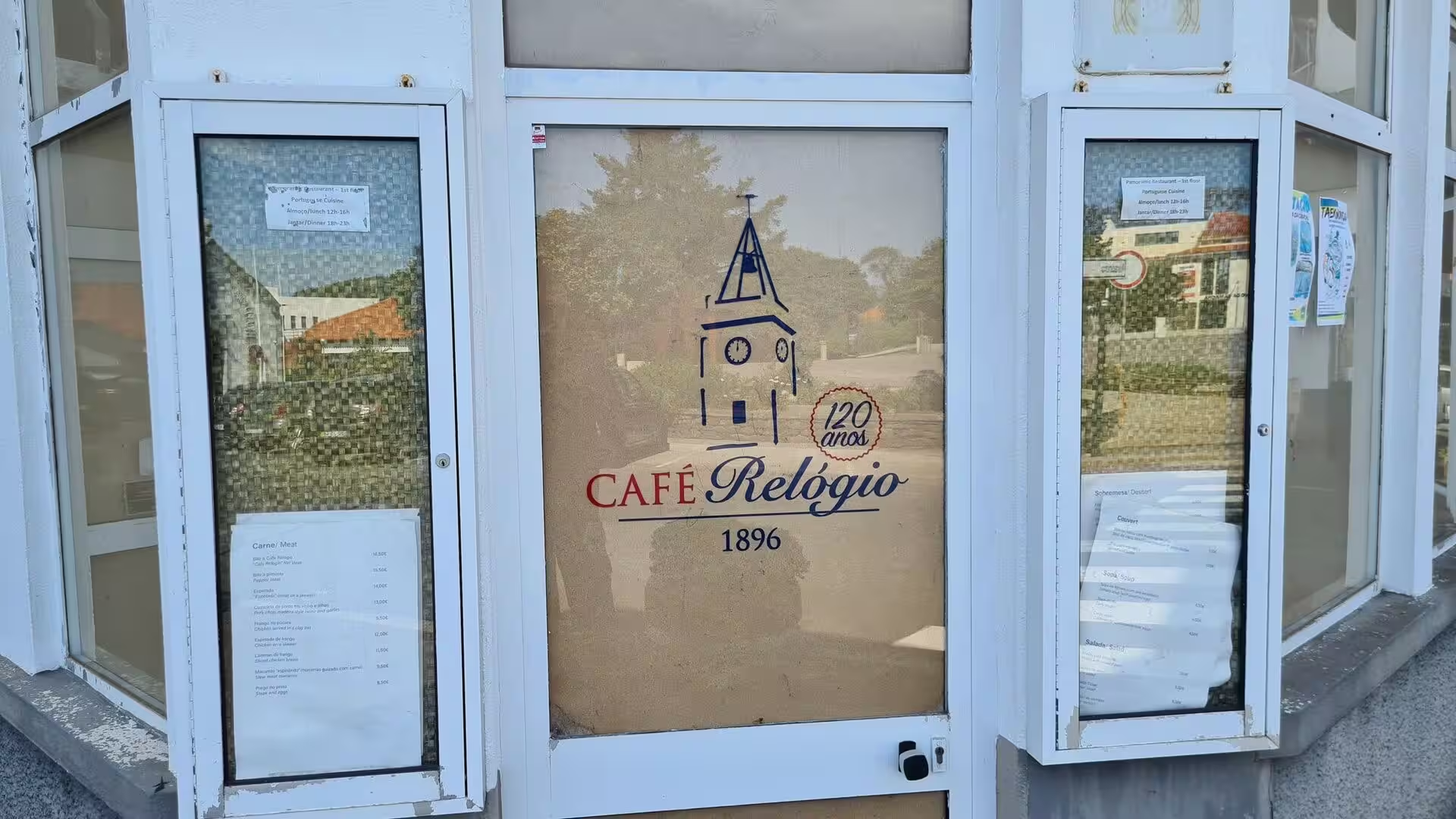
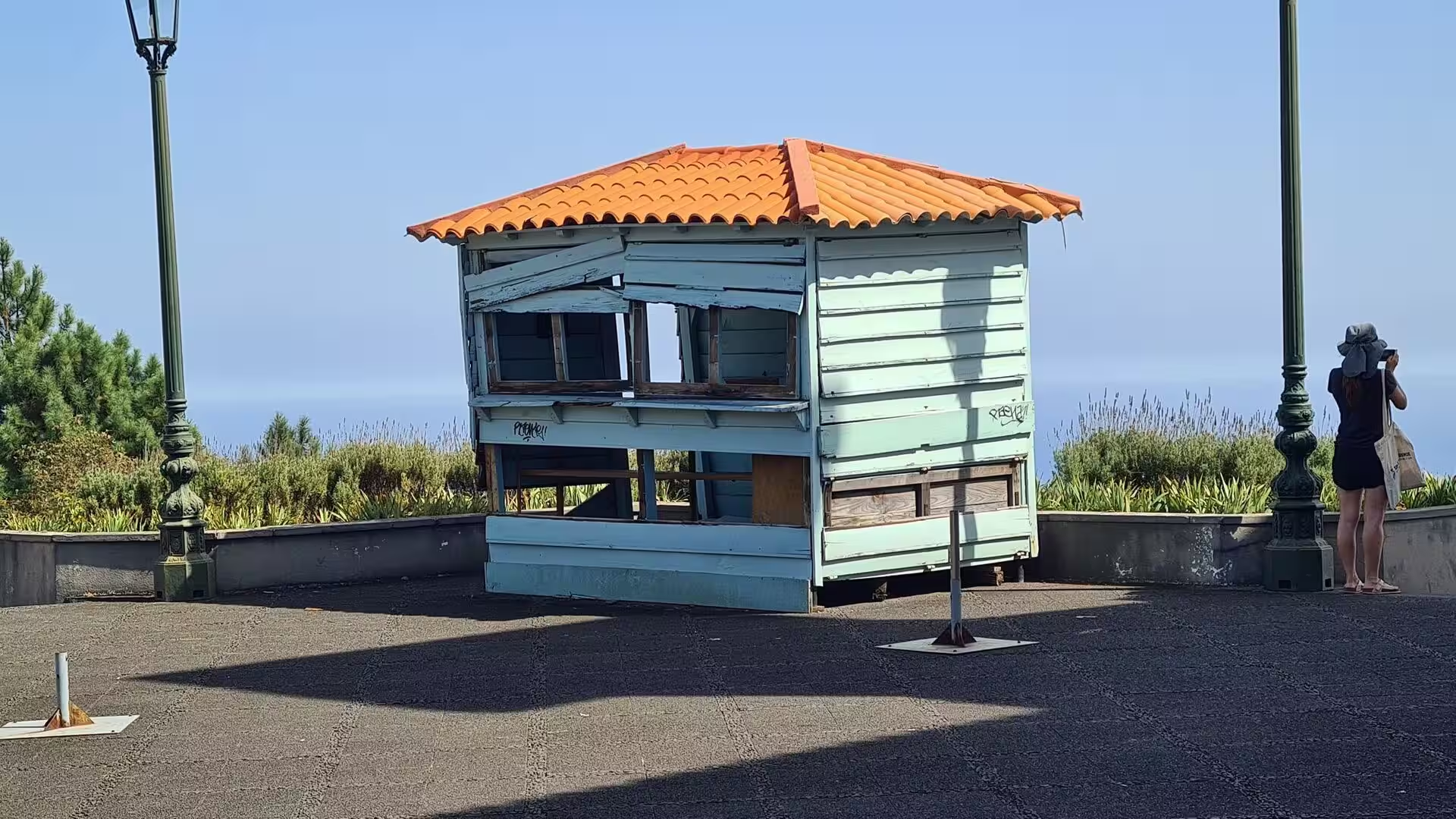
The route of the day links garden, forest and town. A path marked with a wooden sign pointing to Calheta leads through dense woodland, an irrigation channel runs beside a shaded forest trail, and a narrow stone walkway edges a gorge where a waterfall falls into a ravine. In the settlement the domestic side of the same landscape appears in cream coloured houses with potted plants, a faded pink building with a banana plant at its door, an old café and a paint peeled kiosk on a stone viewing terrace above the ocean.
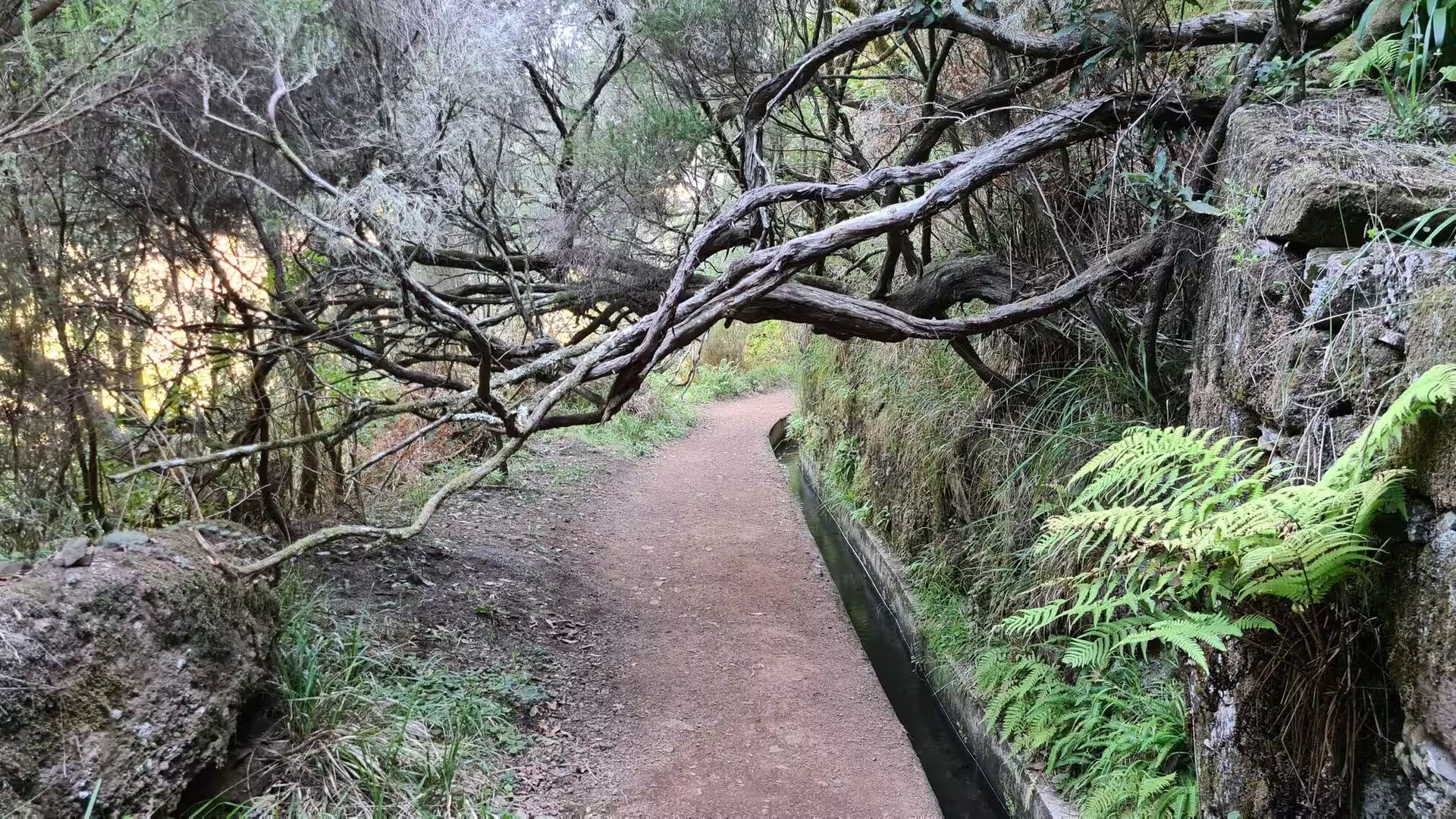
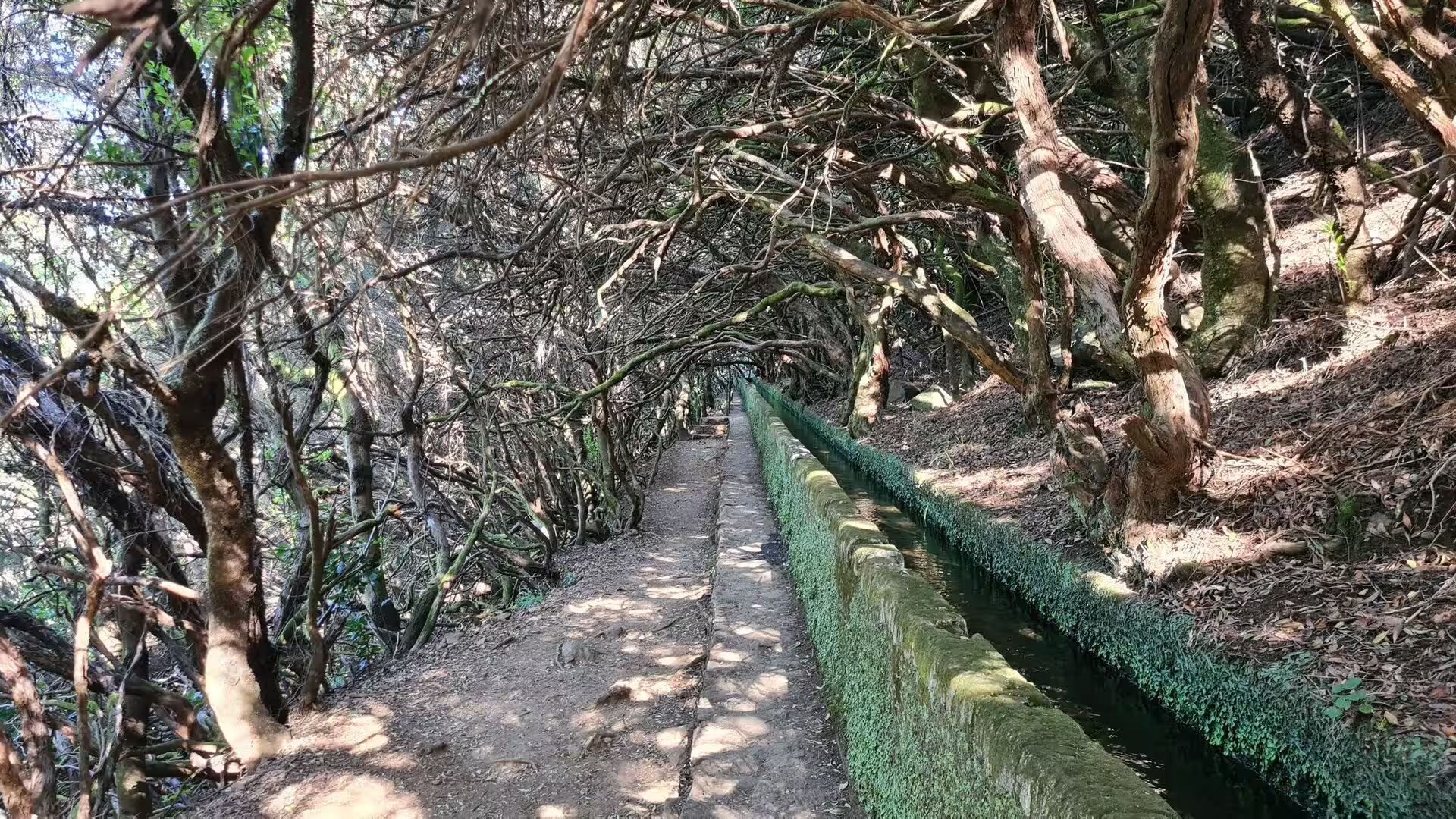
Water links forest and kitchen. The levadas span thousands of kilometres and date back to the fifteenth century, transporting rainwater from the north of the island to the south for human consumption, agriculture and electricity production, and the flow that reaches the southern parishes irrigates terraces and vegetable plots. A plot beside a levada is a small model of the whole system: a channel of stone bordered by mossy rock, a lane of flat slabs beside it, trees closing over the water, and rows of crops on the level ground that the channel reaches first.
Eating is a communal activity. Tourism contributes 20 per cent to the region’s gross domestic product and constitutes a significant market for local products, and the urbanised core of the capital includes the civil parishes of Câmara de Lobos, Santa Cruz, Machico and Ribeira Brava, with 150,000 inhabitants the largest Portuguese city outside the mainland. The market, the kiosk and the plaza of the day belong to this southern coast, where the harvest of the interior meets the tables of the towns.
History
Portuguese sailors in the service of Prince Henry the Navigator sighted Madeira in 1419 and settled the archipelago after 1420, the first territorial discovery of the exploratory period of the Age of Discovery. Colonization began in 1425 with people of modest means, among them fishermen and peasant farmers, and the settlement of Funchal was founded between 1420 and 1425 by João Gonçalves Zarco, who had received the captaincy of the southern part of the island. The first settlers produced wheat for their own sustenance, while fish and vegetables were their main means of subsistence.
Sugar cane changed the island economy. Following the introduction of the first water driven sugar mill, production increased to over 6,000 arrobas by 1455, with advisers from Sicily and capital from Genoa. In the second half of the fifteenth century the sugar industry expanded along the southern coast from Machico until Fajã da Ovelha, which made Funchal the most important industrial centre of the industry and a mandatory port of call for European trade routes. Enslaved workers were critical to the sugar boom, which peaked about 1506.
The wine that carries the name of the island began as a by product of Atlantic shipping. Madeira was a standard port of call for ships heading to the New World or the East Indies, and the wine was fortified with neutral grape spirits so that it would survive the voyage. Merchants observed that a wine which had crossed the tropics was improved rather than spoiled, and the practice that followed, first of sending wines on long sea voyages and later of heating them, produced the distinctive oxidised style. Younger blends of three and five years are still made with the artificial application of heat.
English merchants shaped the trade. The firms of Cossart and Gordon, founded in 1745, and Blandy’s, founded in 1811, belonged to a commercial community that supplied Britain, the West Indies and the North American colonies, and the eighteenth century was the golden age of the wine, when the American colonies alone took as much as 95 per cent of all wine produced on the island each year. The fortune ended in the nineteenth century, when powdery mildew was discovered in 1851, phylloxera followed, and most vineyards were uprooted, many of them converted to sugar cane.
The twentieth century brought a new beginning for the trade. Hybrid grapes were banned from wine production in 1979 and producers replanted the noble varieties of Sercial, Verdelho, Terrantez, Bual and Malvasia, although the versatile Tinta Negra still accounts for approximately 85 per cent of production. In 1988 the Symington family invested in the Madeira Wine Company and commissioned a relaunch in America, which followed in 1989. The Autonomous Region of Madeira was established in 1976, and on 11 September 2024 the University of Madeira announced the intention to apply for the inscription of Madeira wine traditions on the Representative List of Intangible Cultural Heritage of Humanity.
Geology
Madeira Island is the summit of a massive shield volcano that rises from the floor of the Atlantic Ocean. Volcanism began during the Miocene, more than five million years ago, and continued into the Pleistocene until about 700,000 years ago, followed by extensive erosion that produced two large amphitheatres open to the south in the central part of the island. Later activity built scoria cones and lava flows on the eroded shield, and the most recent eruptions took place in the west central part of the island about 6,500 years ago.
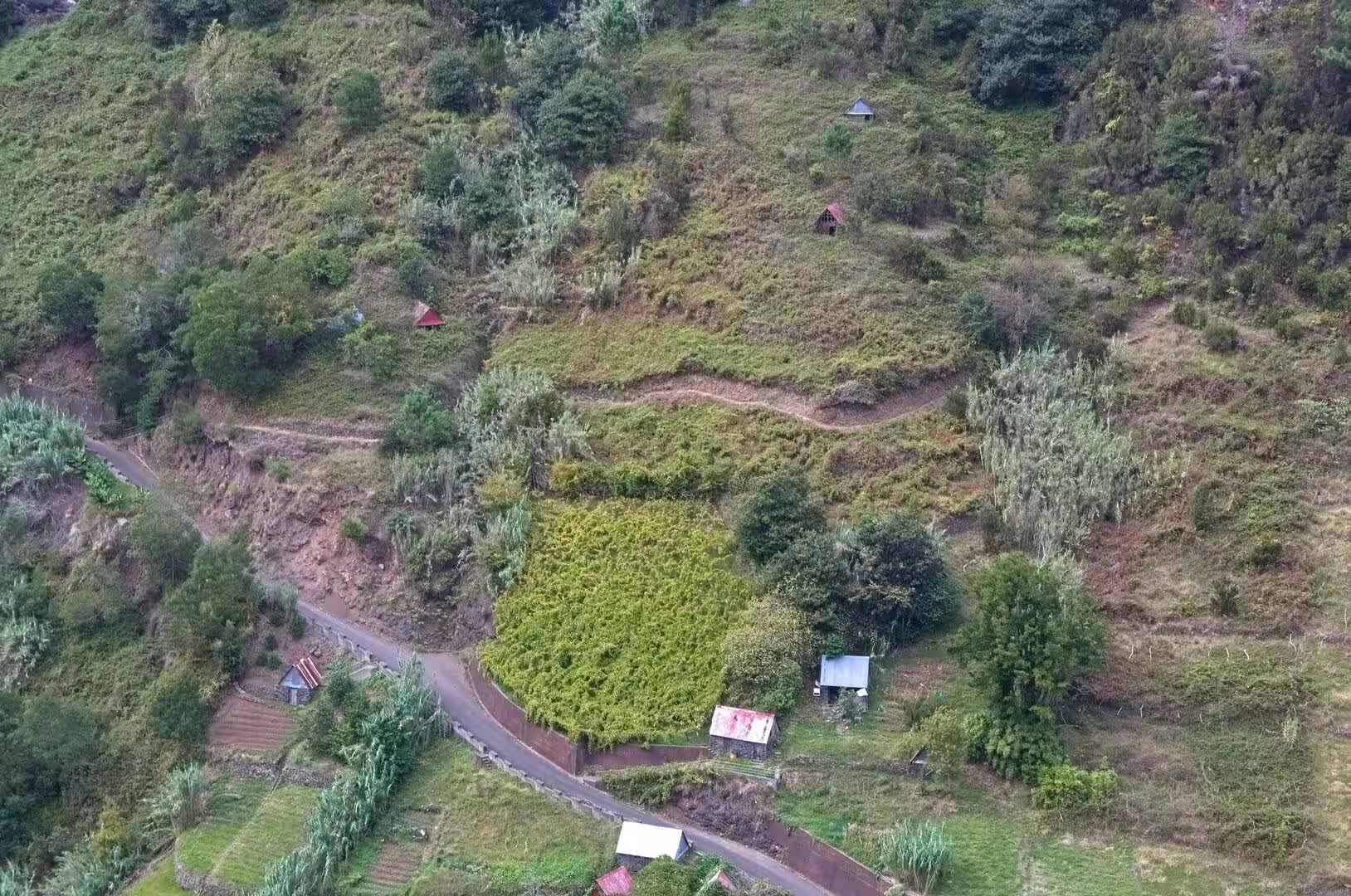
Volcanic soils support cultivation that the terrain does not easily allow. Madeira is a mountainous volcanic island where the interior is generally inaccessible, and the oldest vineyards, planted from the beginning of colonization, were laid out on man made terraces of red and brown basaltic bedrock known as poios, very similar to those of the Douro. Vines are trained on latada trellises to raise the canopy off the ground and to lower the incidence of fungal disease, and mechanical harvesting is nearly impossible because of the small terracing of the plots.
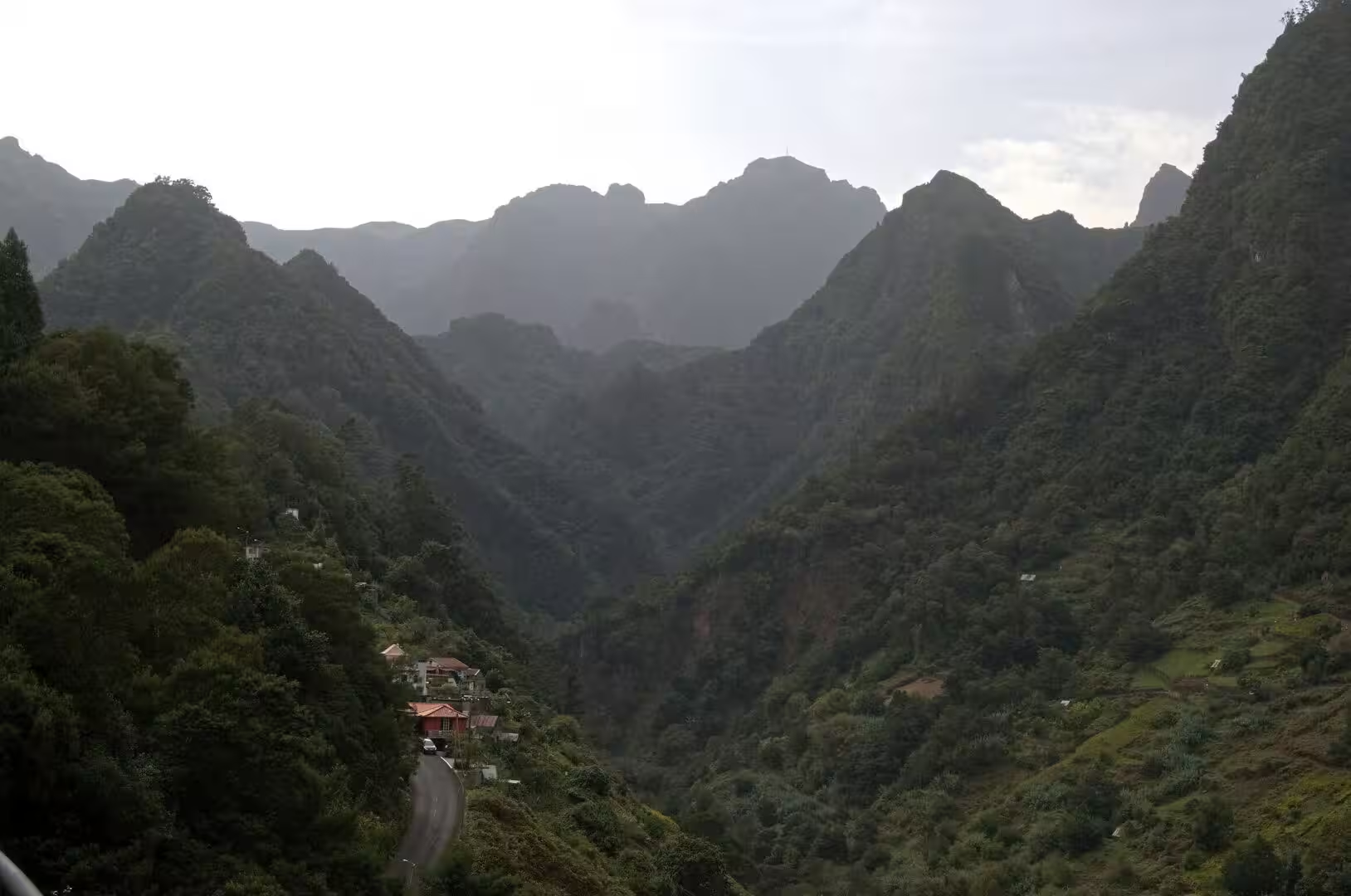
Relief governs the rainfall that makes the crops possible. Precipitation increases with altitude, and protected areas such as the Madeira Natural Park can receive far more rain a year than the coast, while the south is drier and sunnier. The valley in which Funchal lies rises steeply to an elevation of about 1,200 metres, and the mountains retain cloud in early summer, when persistent cloudiness covers the bay in a phenomenon locally nicknamed the helmet of Funchal. High rainfall and a mean temperature of about 19 degrees Celsius create constant viticultural hazards such as fungal grape diseases and botrytis rot.
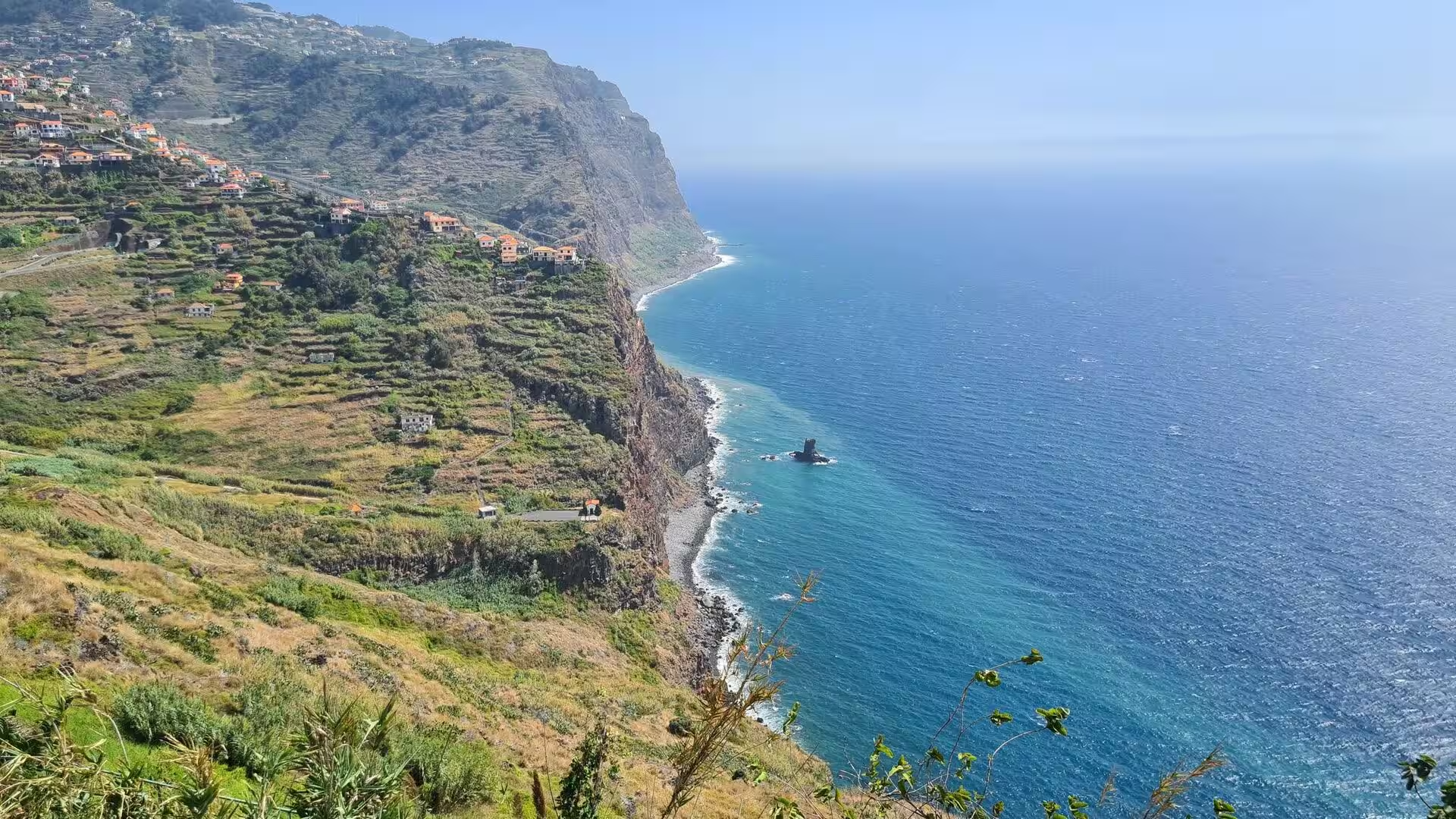
The coast supplies a second harvest. Sea cliffs such as Cabo Girão, valleys and ravines extend from the central spine of the island, and the built up areas of Câmara de Lobos lie beside the steep cliffs of the cape. At the end of the eruptive phase an island encircled by reefs was formed, and its marine vestiges remain evident in a calcareous layer in the area of Lameiros, in São Vicente. The shoreline of the south combines rocky platforms, black sand and terraced cliffs that fall towards the ocean, with a lone sea stack standing offshore in places.
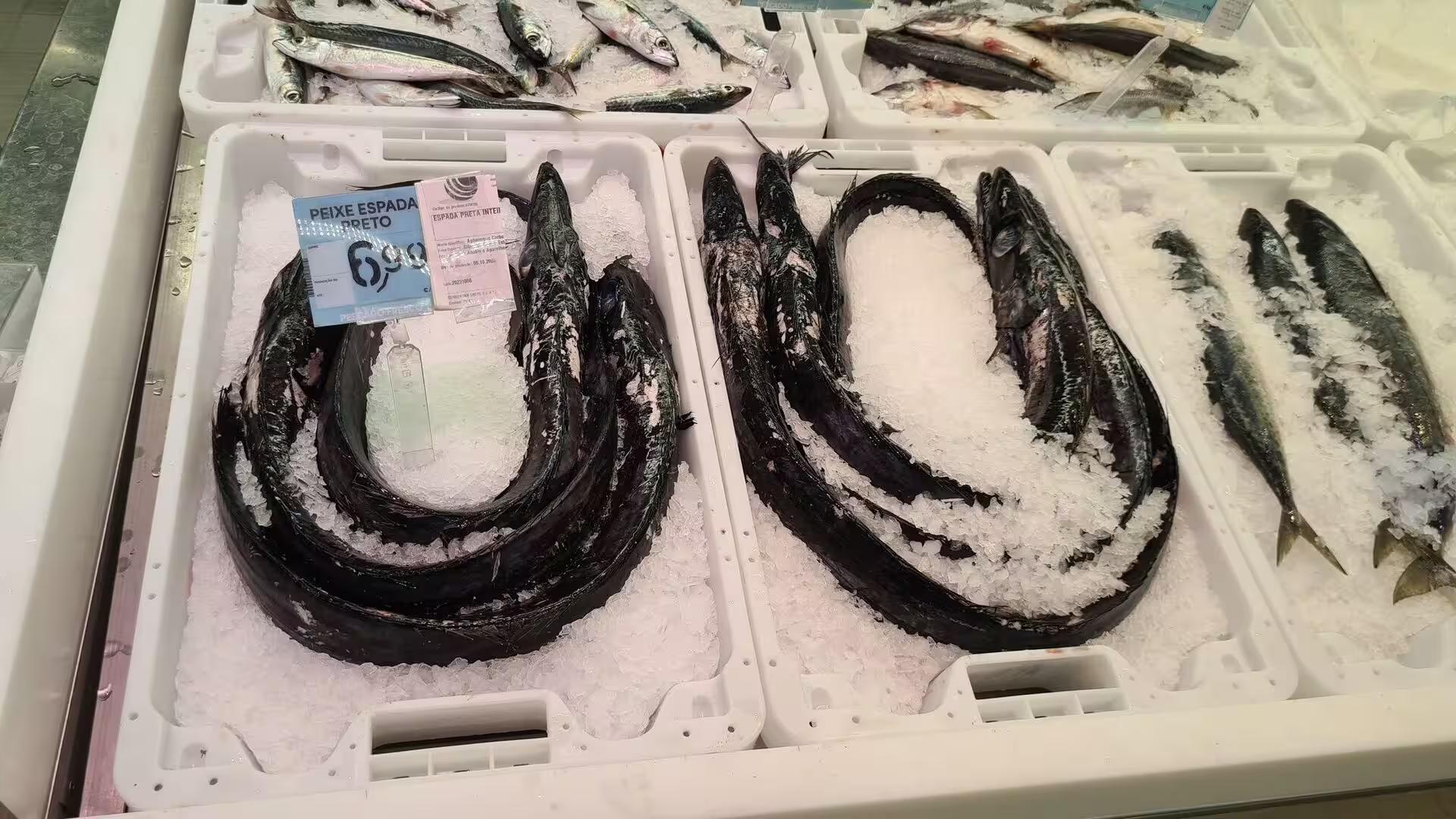
The deep water beyond the shelf provides the most characteristic fish. The black scabbardfish is a bathypelagic species found between latitudes 69 degrees north and 27 degrees north, and it moves into shallower water at night, when it is caught. Spawning takes place in the vicinity of Madeira and the Canary Islands between October and December, and the maximum age recorded from Madeira is about 14 years. Annual catches have reached up to 14,000 tonnes, and consumers on the island eat the great majority of the catch. The species ranks five out of five on the sustainable seafood consumer choice list of the Marine Conservation Society, although its liver should not be eaten because it accumulates metals, and raw or undercooked fish may contain the nematode Anisakis.
Things to See
The visit begins in the woods beside a channel. Water runs in a narrow conduit of stone bordered by mossy rock, and the walking surface is a lane of flat stone slabs laid along the green channel under the trees. The shade of the trees keeps the air moist, and such a channel is the source of every kitchen plot on the slope, and the ground below it is worked in rows of cabbage, pumpkin and corn, the last of these being the base of milho frito, the side dish of cornmeal, collard greens, garlic, lard and olive oil that is cooked slowly, cooled into firm forms, cut into cubes and fried.
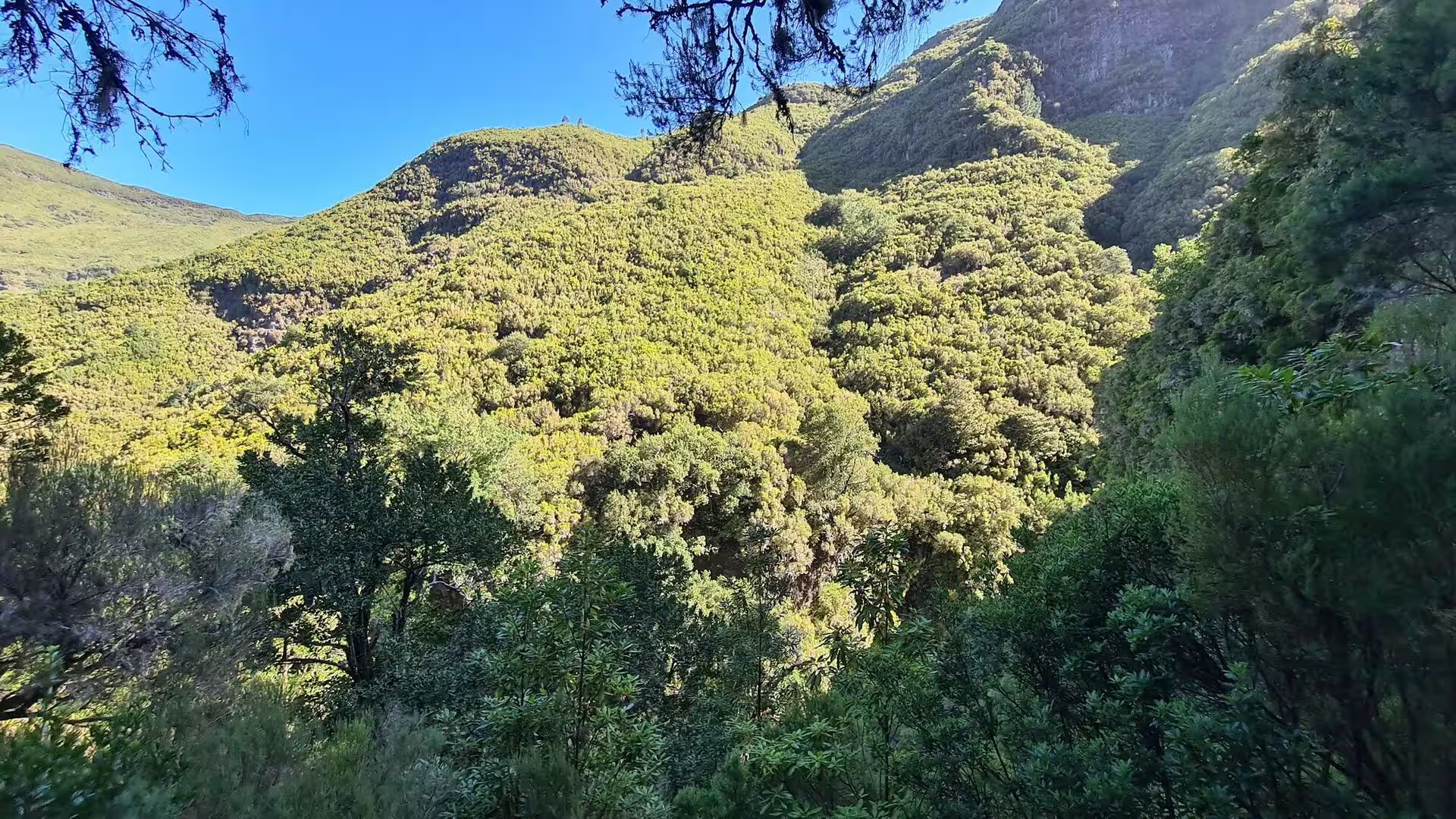
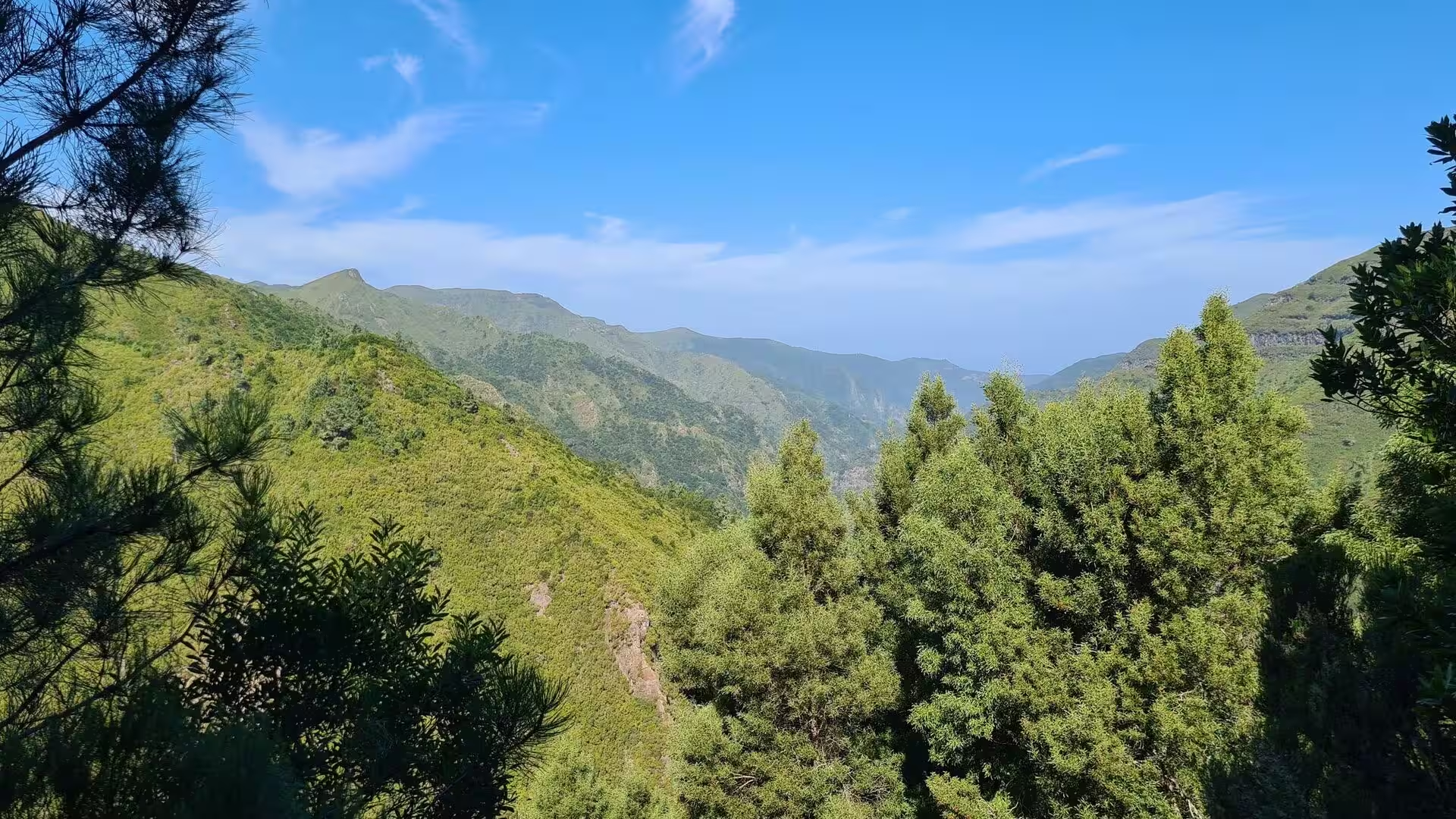
Above the garden the route enters the forest, marked by a wooden sign that points towards Calheta. The path is lined with ferns, and the canopy of the dense woodland closes over it. The characteristic trees of this formation belong to genera such as Apollonias, Ocotea, Persea, Clethra, Dracaena and Picconia, which fossil evidence places around the Mediterranean before the ice ages. Laurel forest is a type of cloud forest, and the laurisilva of Madeira was designated a World Heritage Site in 1999. The forest also works for the kitchen, because the sticks on which the meat for espetada is grilled are cut from bay laurel.
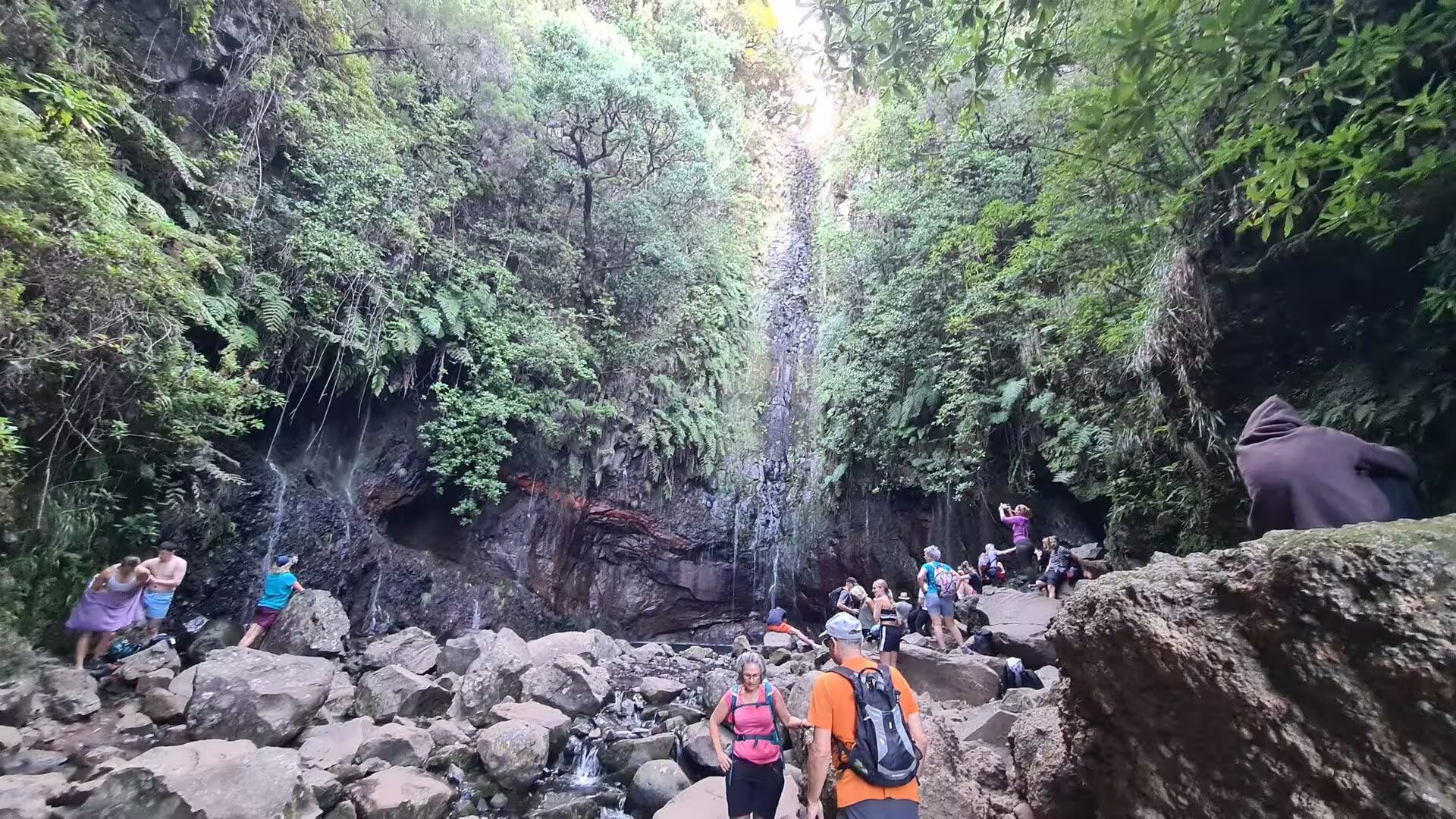
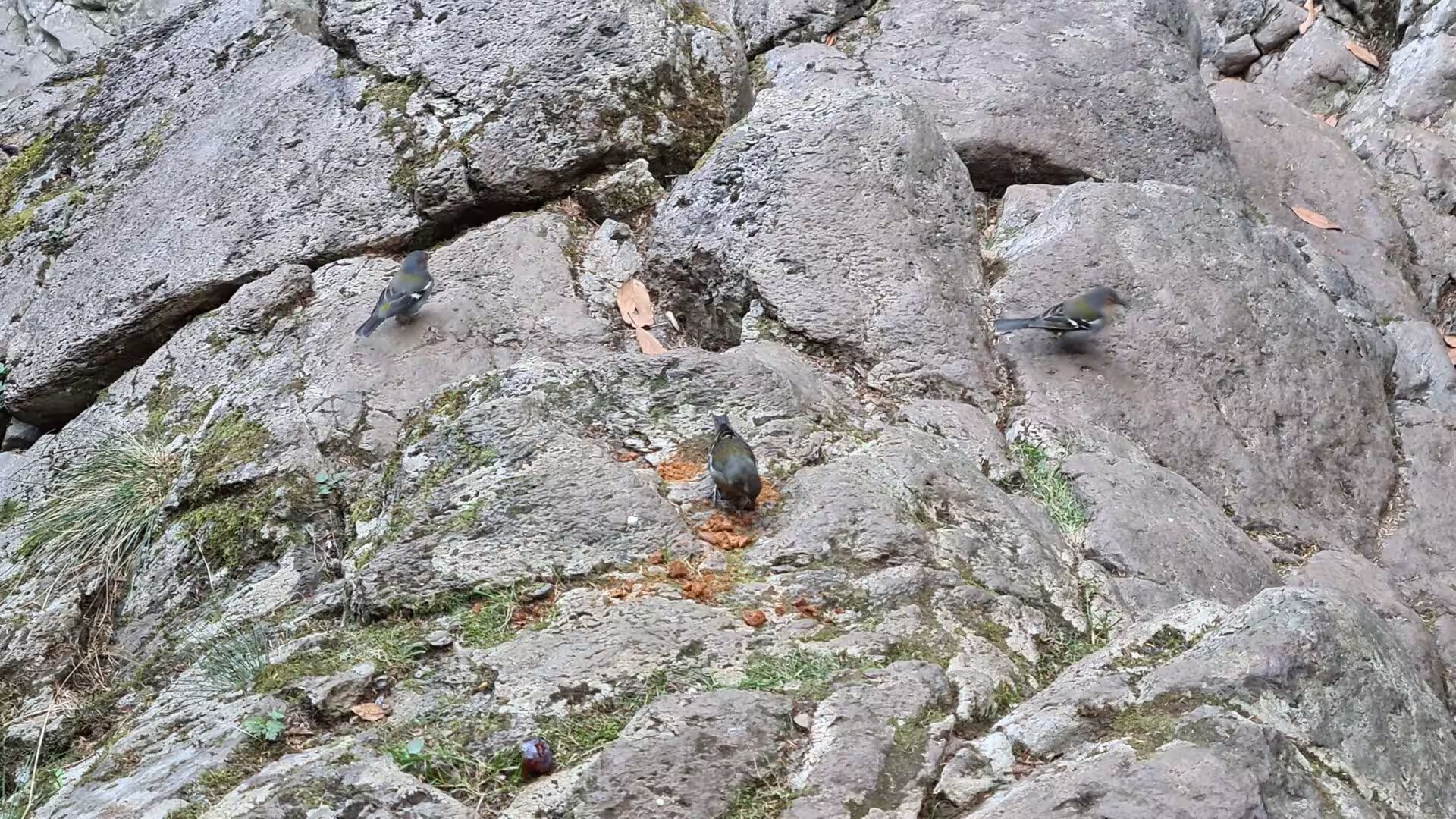
In the ravine the water gathers. A tall waterfall drops into a lush ravine where walkers rest on boulders at its base, and songbirds settle on a slope of stones among patches of moss. The Madeira firecrest is a very small passerine bird endemic to the island, recognised as a separate species in 2003, and it forages for insects in tree heath, laurisilva and other woodland. Laurel forest depends on moisture that condenses from the ocean air and falls as rain or fog, and it supports a community in which birds and bats are the predominant seed dispersers and pollinators.
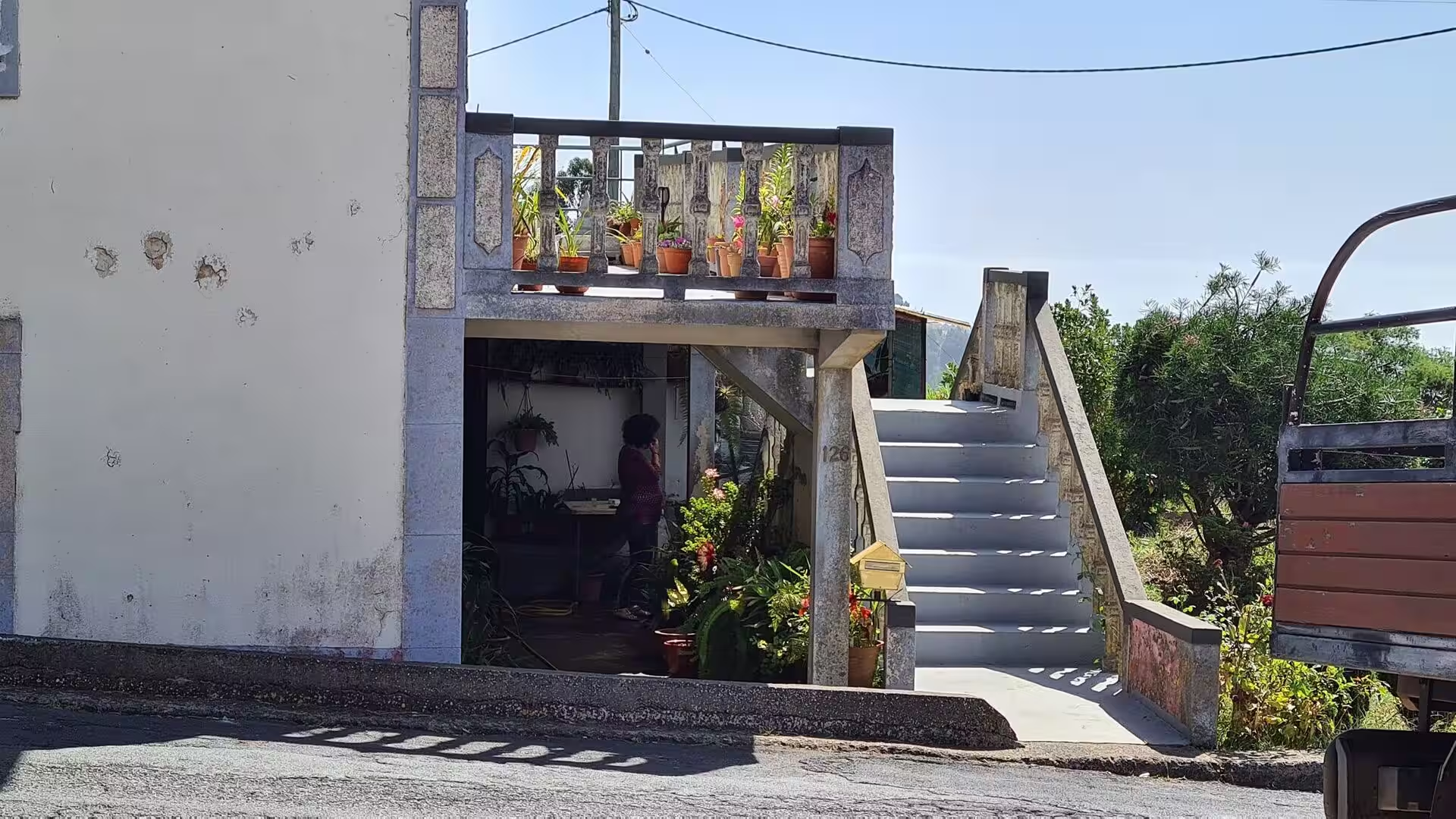
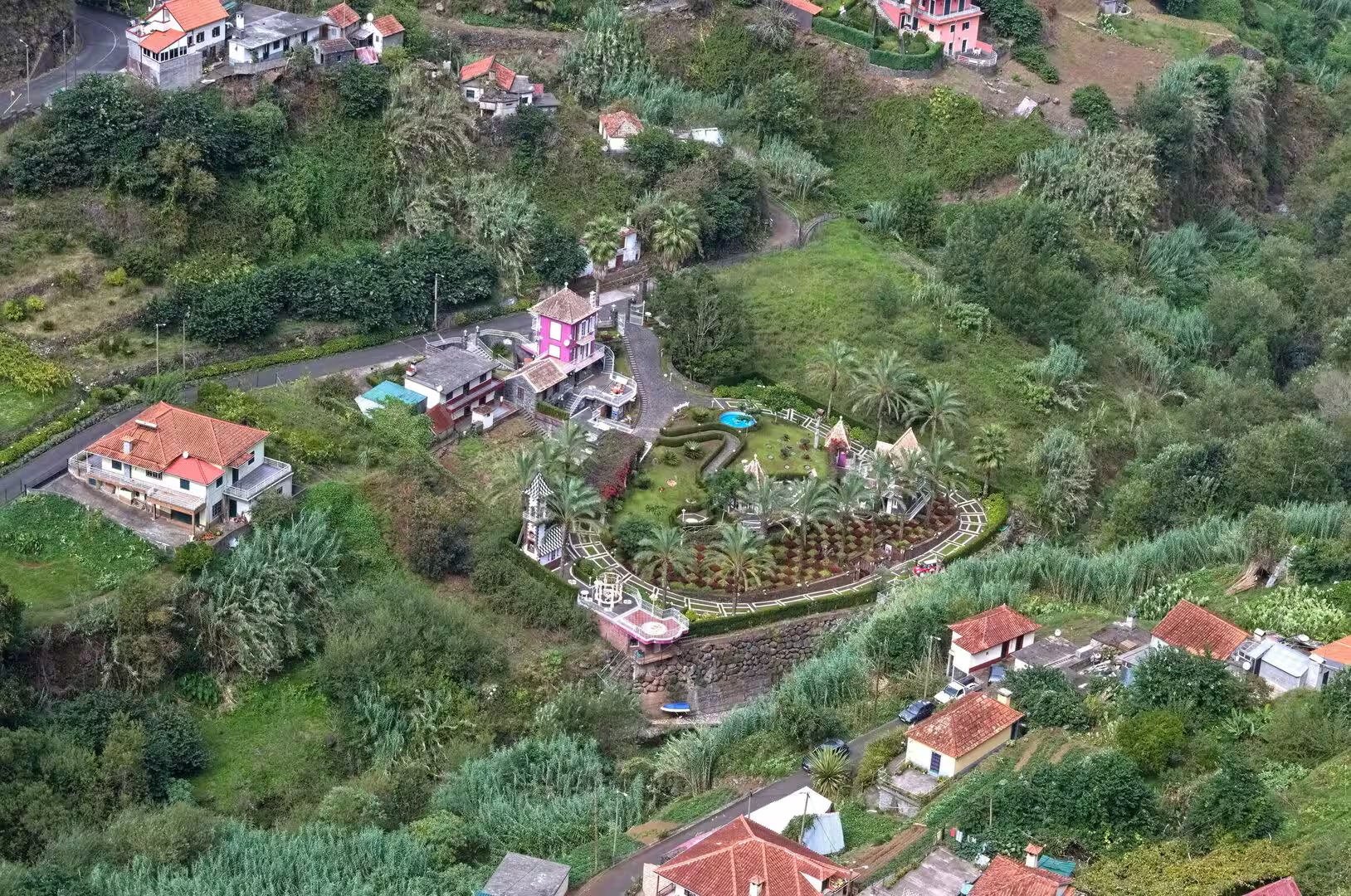
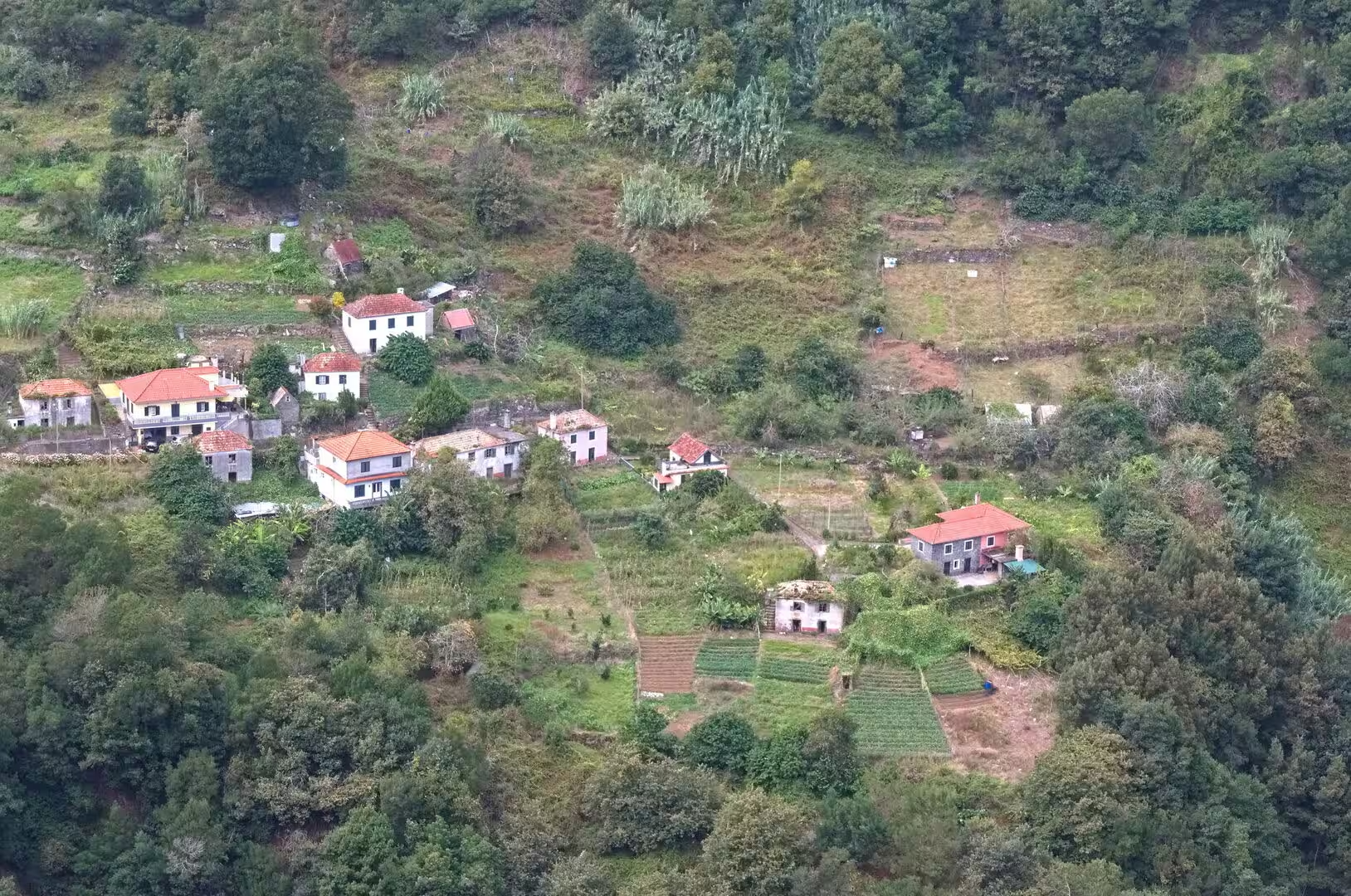
In the settlement the houses show how the land is used. A cream coloured house with concrete stairs and a balcony lined with potted plants stands above a descending street, and a second cream house with a tiled roof overlooks the same slope. A faded pink building with dark green shutters is fronted by a banana plant, and a pink house with a small stone tower stands within a manicured garden. Banana is one of the mainstays of the coastal parishes and took the place of vineyards lost in the nineteenth century. Bolo do caco belongs to the same households: the round flatbread is named after the caco, the flat slab of basalt on which it is traditionally baked.
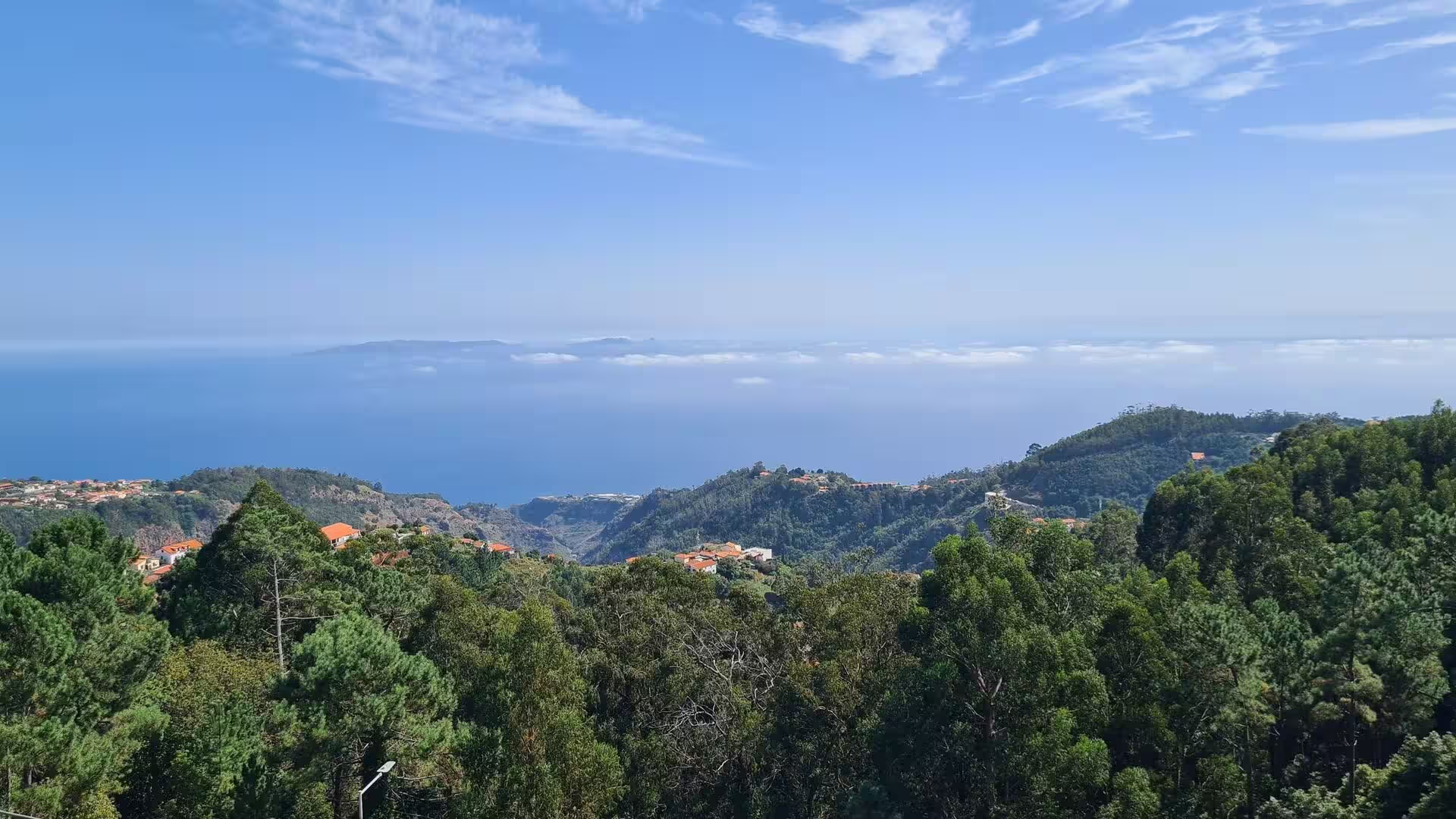
From the viewpoint the coast is laid out below. Green hills dotted with red roofed houses rise above a deep blue ocean, and a paint peeled teal kiosk with an orange roof stands on a stone viewing terrace, while in the street an old café facade carries a clock on its sign. Refreshments on the island have a history of their own: Coral beer has been produced since 1872 in the main brewery of the island, Laranjada, a carbonated soft drink with orange flavour launched in the same year, was the first soft drink produced in Portugal, and poncha of aguardente de cana with honey, sugar and orange or lemon juice is mixed with a wooden tool known as a mexelote.
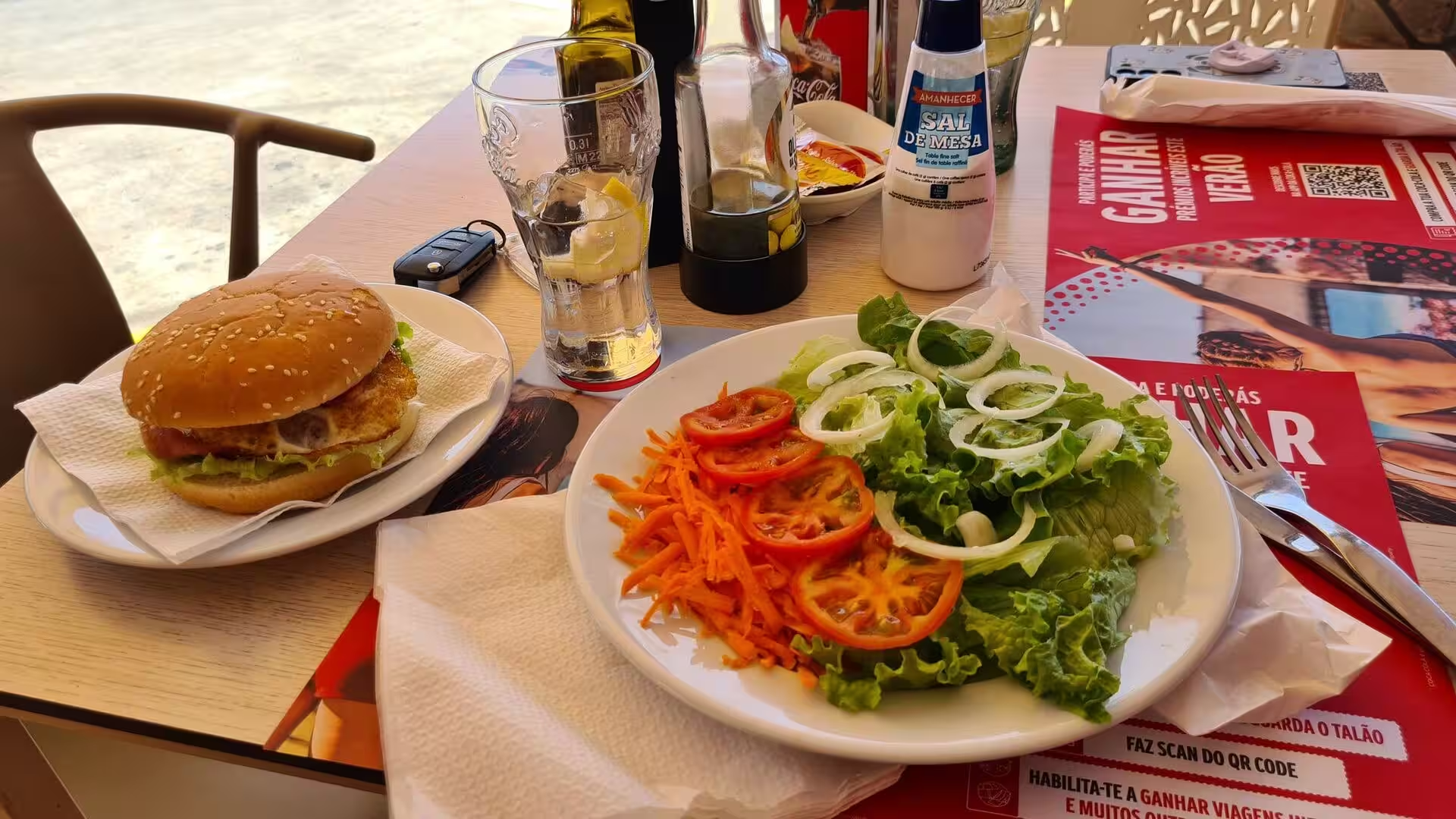
The market hall of the town brings the catch indoors. In a round masonry basin ringed by stone and a metal railing, fish swim in green water, and at the counter a long black scabbardfish lies coiled on ice beside a handwritten price label. The species is fried in a batter and served with fried banana in the combination known as espada com banana, sometimes with a passionfruit sauce, while limpets known as lapas are grilled with garlic, butter and lemon juice as a starter and tuna appears in the same counters. Bolo do caco serves as sandwich bread with octopus, and a modern table carries a burger and a large garden salad.
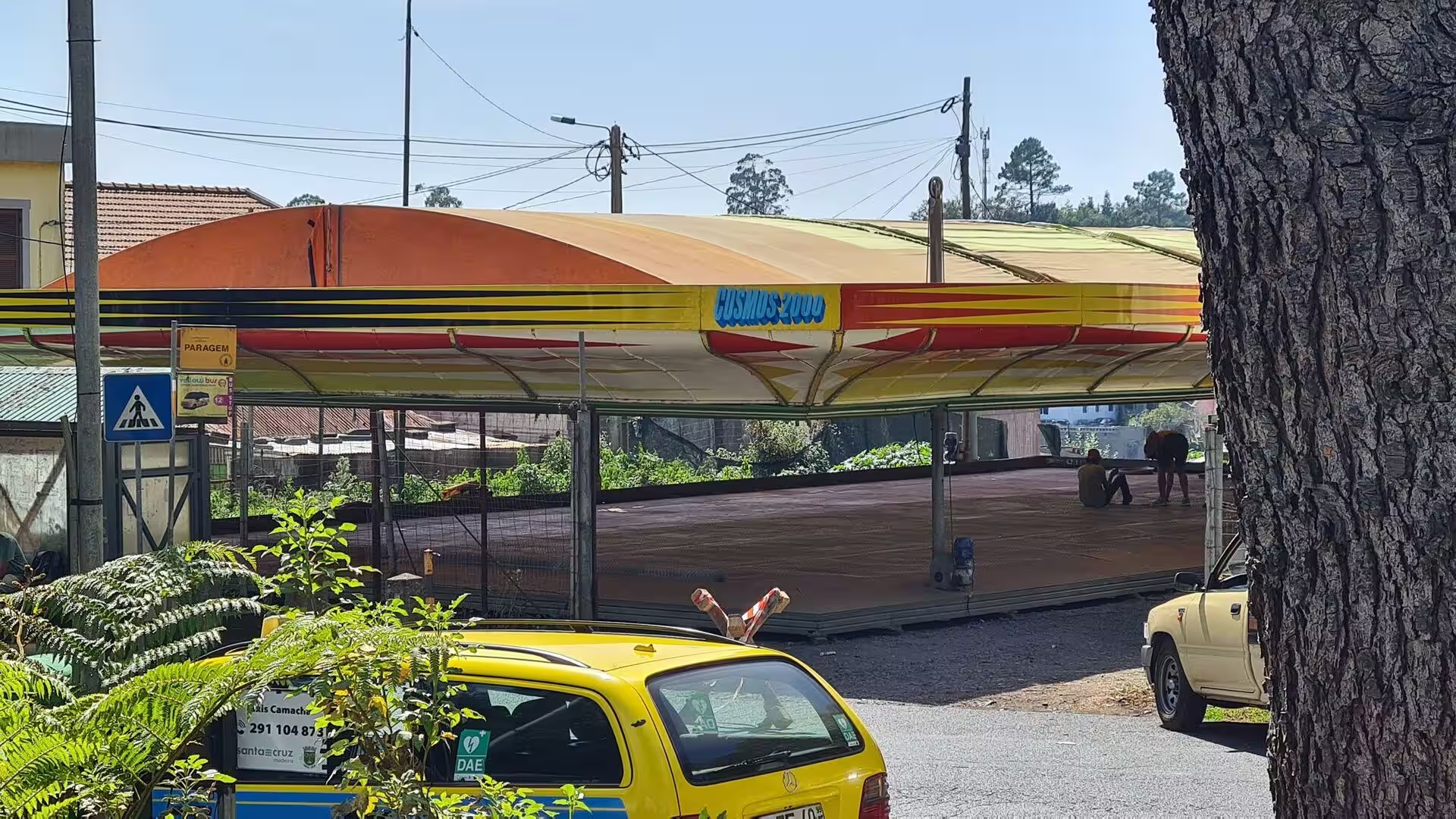
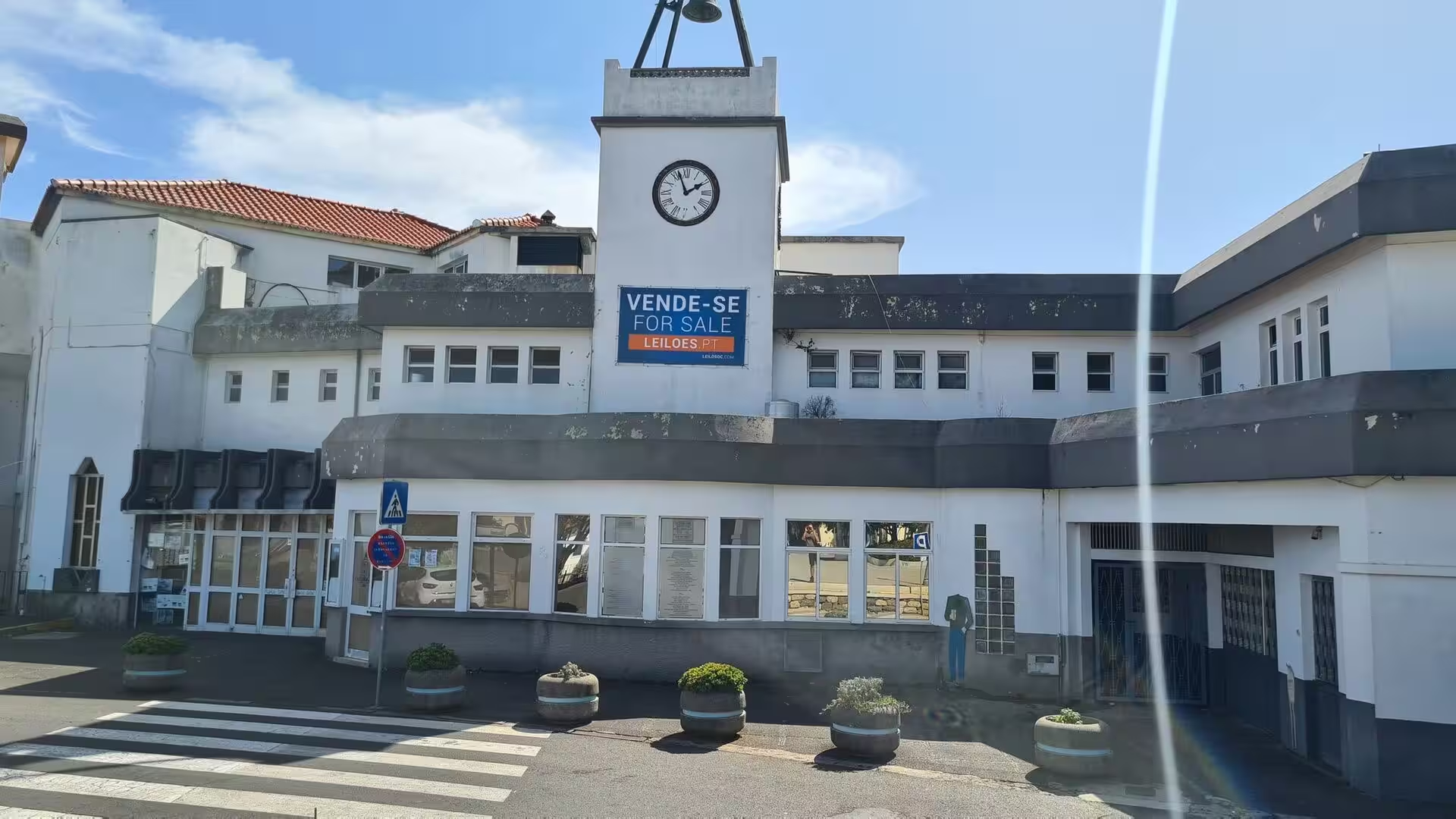
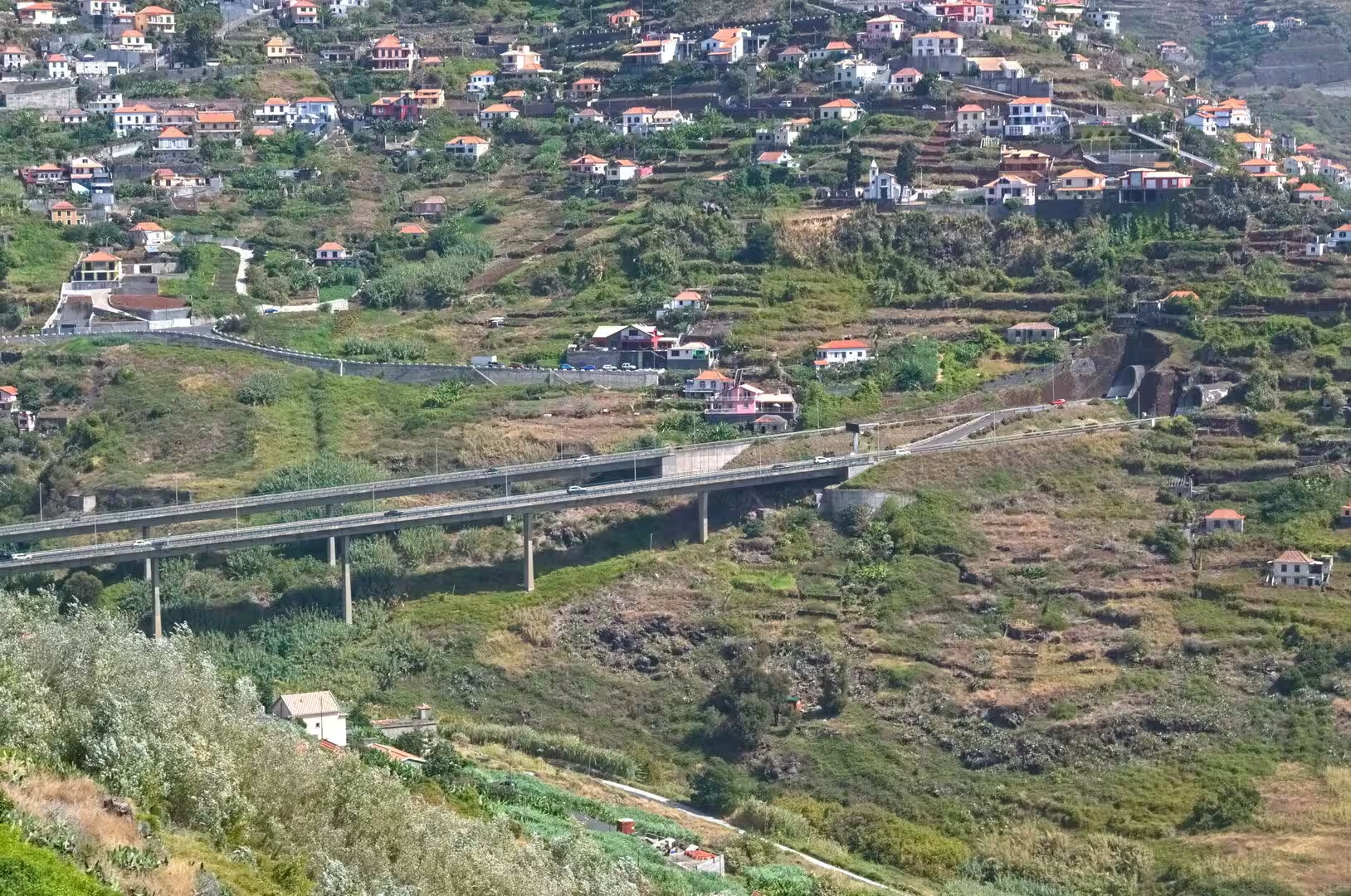
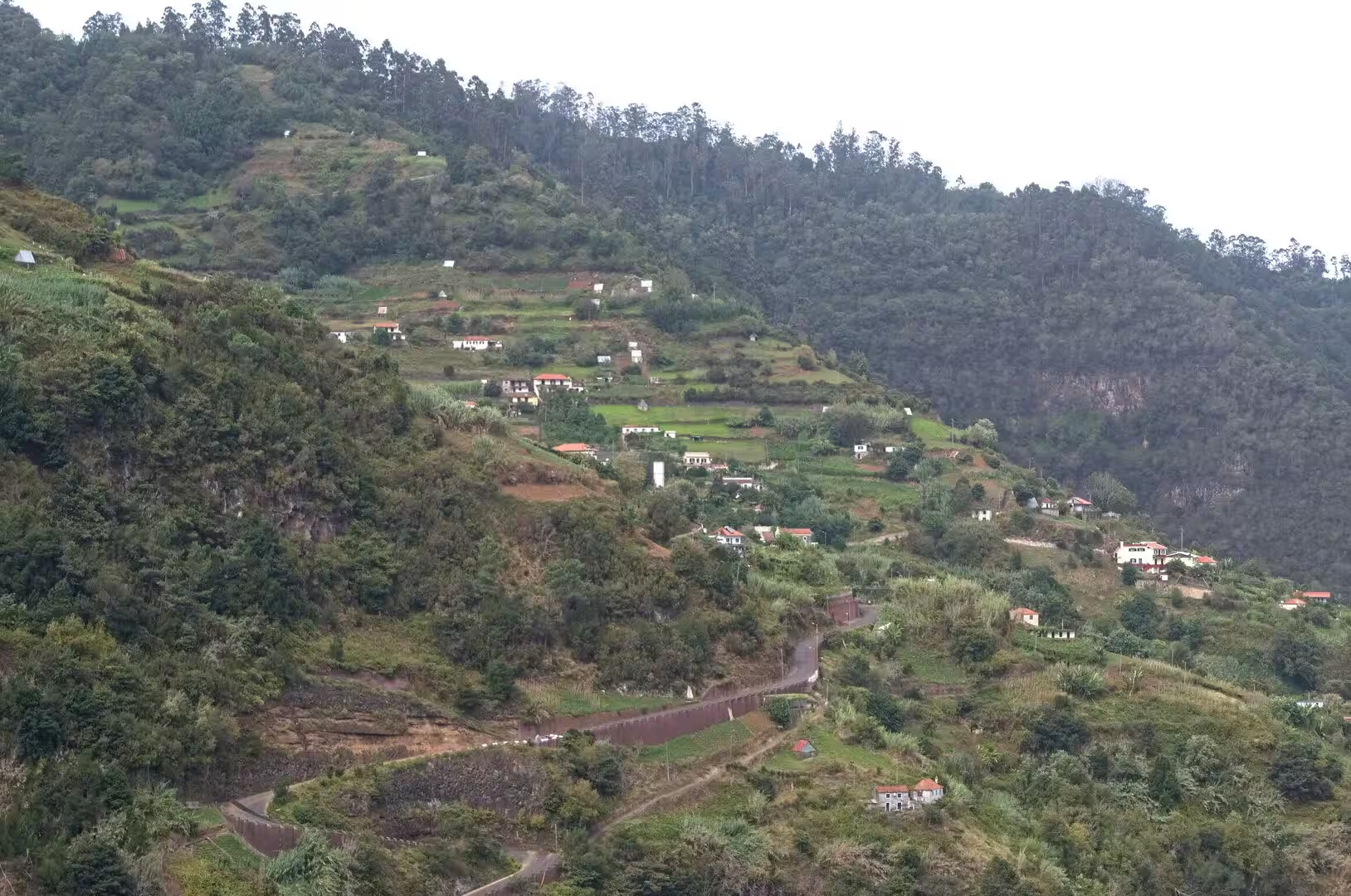
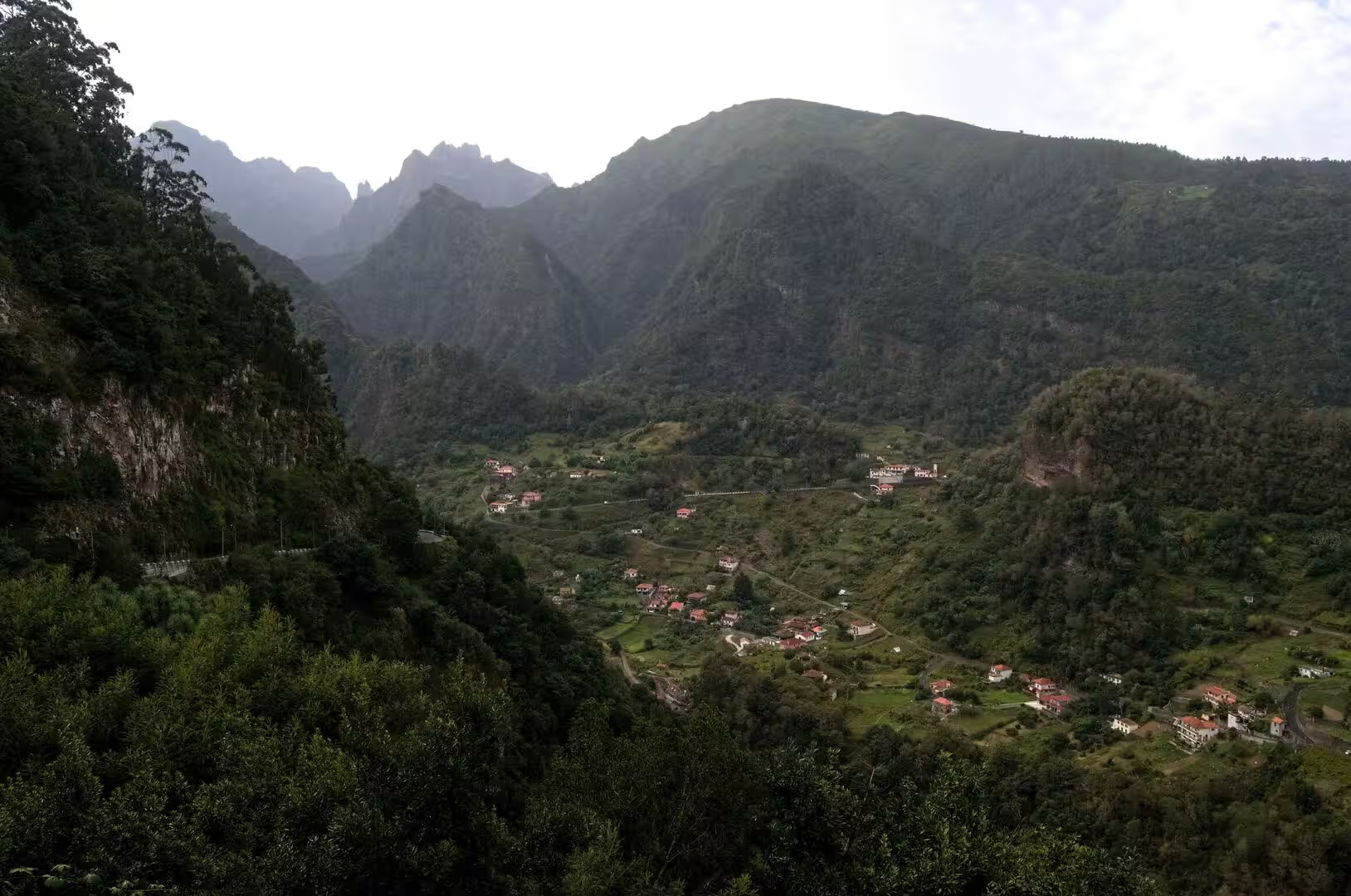
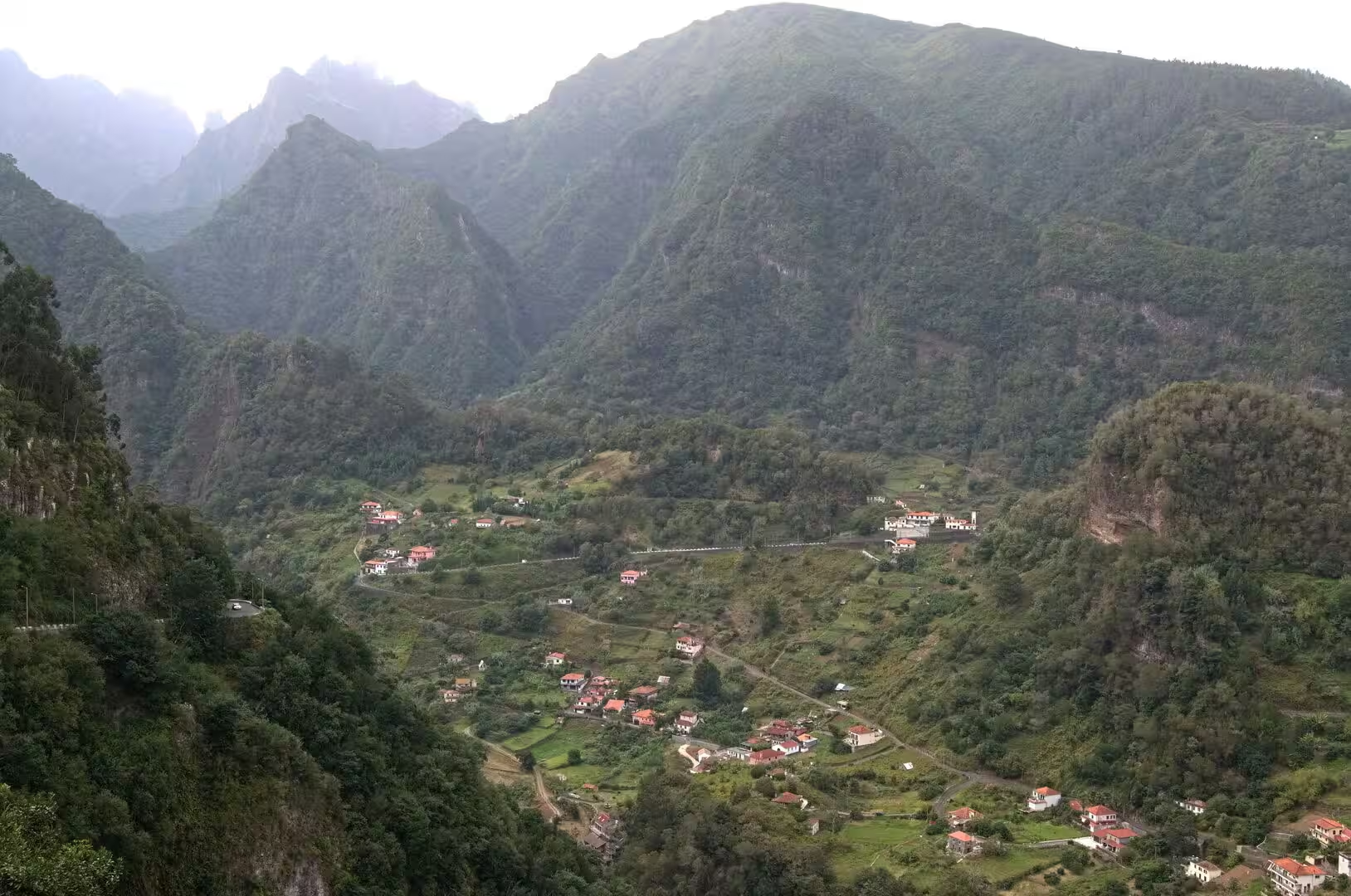
Back in the valley the town assembles around a small square, where a canopy of striped orange and yellow panels shelters the bus stop above a parked yellow taxi and a white clock tower building carries a notice that the property is for sale. White homes with red roofs climb a hillside crossed by a concrete viaduct, and crop rows with a lone worker nestle into a steep green hillside in the shade of the peaks.
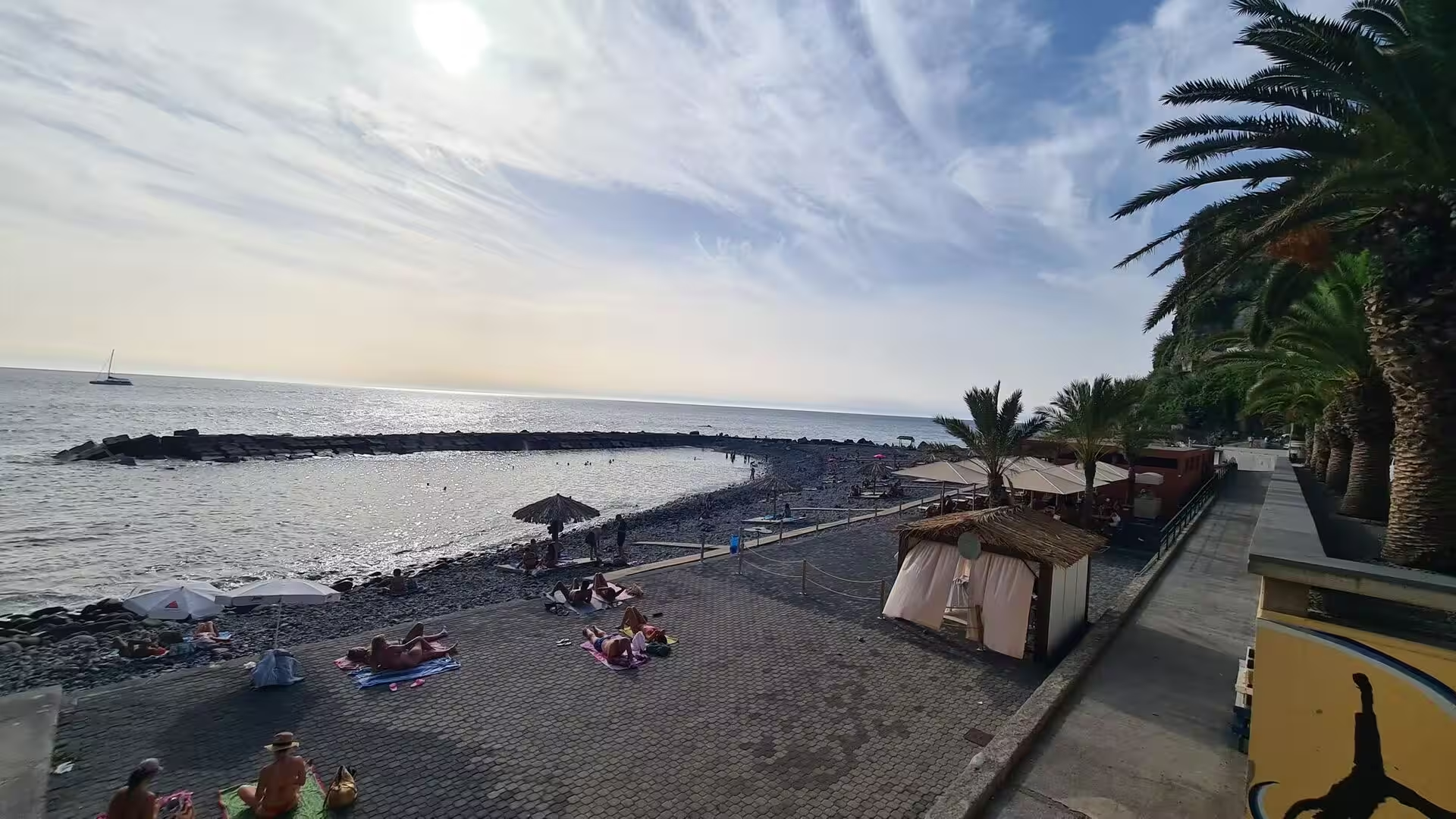
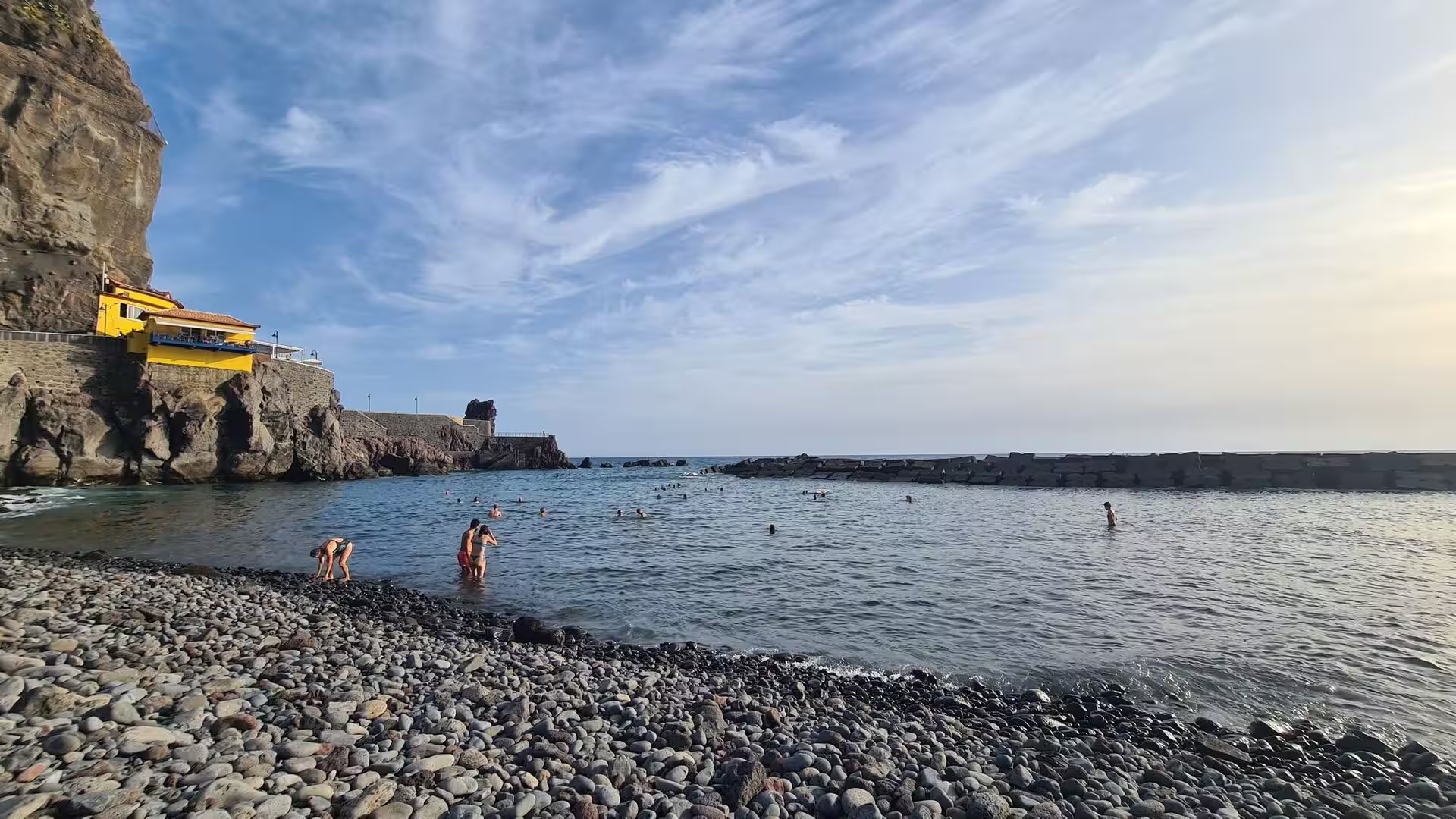
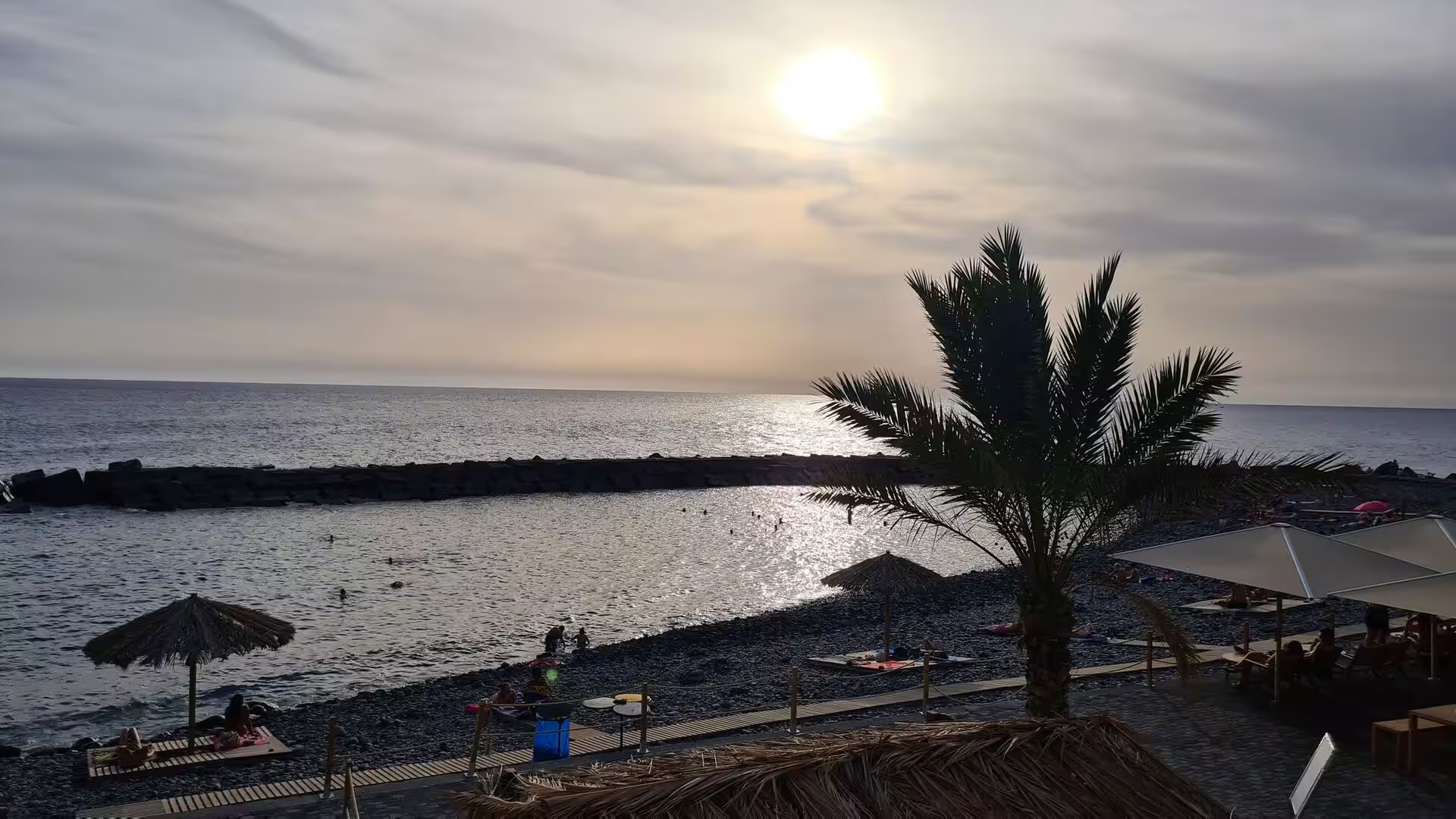
The day closes by the water. People sunbathe on a cobbled plaza beside a rocky sea and palm trees, a calm inlet is framed by a rugged cliff and a sunlit yellow house, and palms cross the hazy sun over a shore of black sand, while terraced cliffs fall towards the blue ocean with a lone sea stack offshore. Sweet things complete the table. Bolo de mel, the honey cake made with sugar cane molasses and spices, is one of the most enduring traditions of the island; by custom it is never cut with a knife but broken by hand. Pastéis de nata are popular as in the rest of Portugal, and the island is known for the quality of its cherimoya fruits, celebrated every year at the Annona Festival in the parish of Faial.
References
- Wikipedia contributors (2026). Funchal. en.wikipedia.org/wiki/Funchal
- Wikipedia contributors (2026). Bolo do caco. en.wikipedia.org/wiki/Bolo_do_caco
- Wikipedia contributors (2026). Espetada. en.wikipedia.org/wiki/Espetada
- Wikipedia contributors (2026). Milho frito. en.wikipedia.org/wiki/Milho_frito
- Wikipedia contributors (2026). Black scabbardfish. en.wikipedia.org/wiki/Black_scabbardfish
- Wikipedia contributors (2026). Poncha. en.wikipedia.org/wiki/Poncha
- Wikipedia contributors (2026). Madeira wine. en.wikipedia.org/wiki/Madeira_wine
- Wikipedia contributors (2026). Laurisilva. en.wikipedia.org/wiki/Laurisilva
- Wikipedia contributors (2026). Madeira firecrest. en.wikipedia.org/wiki/Madeira_firecrest
- Wikipedia contributors (2026). Madeira. en.wikipedia.org/wiki/Madeira
- Wikipedia contributors (2026). Madeira Island. en.wikipedia.org/wiki/Madeira_Island
- Wikipedia contributors (2026). Calheta, Madeira. en.wikipedia.org/wiki/Calheta%2C_Madeira
- Wikipedia contributors (2026). Câmara de Lobos. en.wikipedia.org/wiki/C%C3%A2mara_de_Lobos
- Wikipedia contributors (2026). Curral das Freiras. en.wikipedia.org/wiki/Curral_das_Freiras
- Wikipedia contributors (2026). Macaronesia. en.wikipedia.org/wiki/Macaronesia
- Hancock (1998). Commerce and Conversation in the Eighteenth-Century Atlantic: The Invention of Madeira Wine. The Journal of Interdisciplinary History. 29. 197-219. doi.org/10.1162/002219598551670
- Pereira (2010). Oceans of wine: Madeira and the emergence of American trade and taste. Business History. 52. 671-673. doi.org/10.1080/00076791003765016
- Bakker (1999). Sugar Cane Production. Sugar Cane Cultivation and Management. 137-166. doi.org/10.1007/978-1-4615-4725-9_12
- Faria (2012). Sugar cane spirits: cachaça and rum production and sensory properties. Alcoholic Beverages. 348-358. doi.org/10.1533/9780857095176.3.348
- Dragovic (2015). SELECTION AND DOMESTICATION OF ENDEMIC SPECIES FROM MACARONESIA WITH ORNAMENTAL VALUE. Acta Horticulturae. 193-198. doi.org/10.17660/actahortic.2015.1097.23