Day 3 - Grand Egyptian Museum






















Journal Notes
General
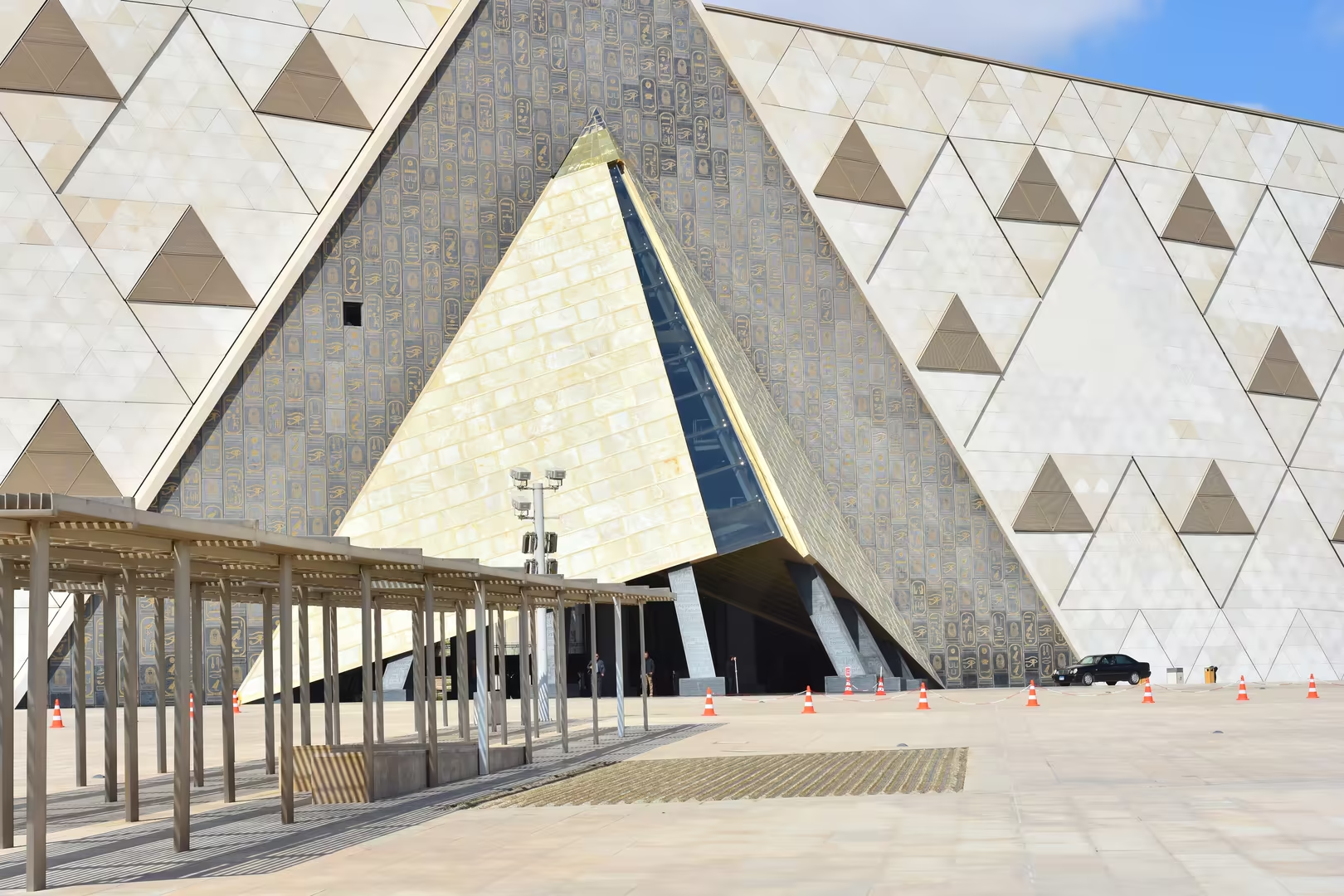
The Grand Egyptian Museum stands on a high desert terrace at the western edge of Greater Cairo, in Giza, barely two kilometres from the pyramid complex it was built to face. It is the largest museum in the world devoted to a single civilisation: more than 100,000 artefacts spanning Egyptian history from the Predynastic period to the Graeco-Roman age, of which at least 20,000 are displayed for the first time, among them the complete burial treasure of Tutankhamun, 5,398 pieces, exhibited together for the first time in the museum’s own halls. The building is the outcome of the second-largest architectural competition in history: announced in 2002 with 1,557 entries from 82 countries, it was won by the Irish practice Heneghan Peng, whose chamfered triangular design steps the museum down the desert slope towards the pyramids.
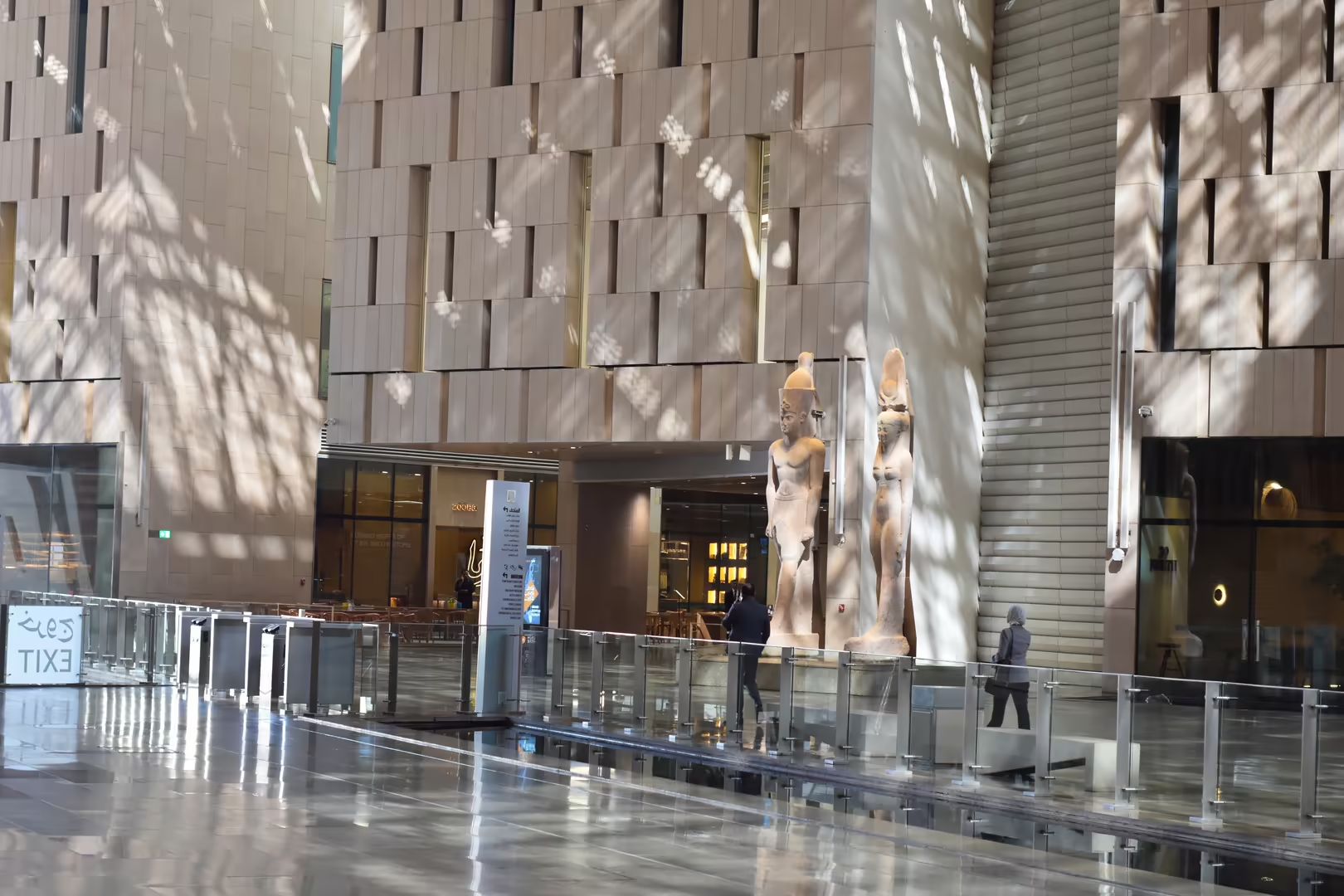
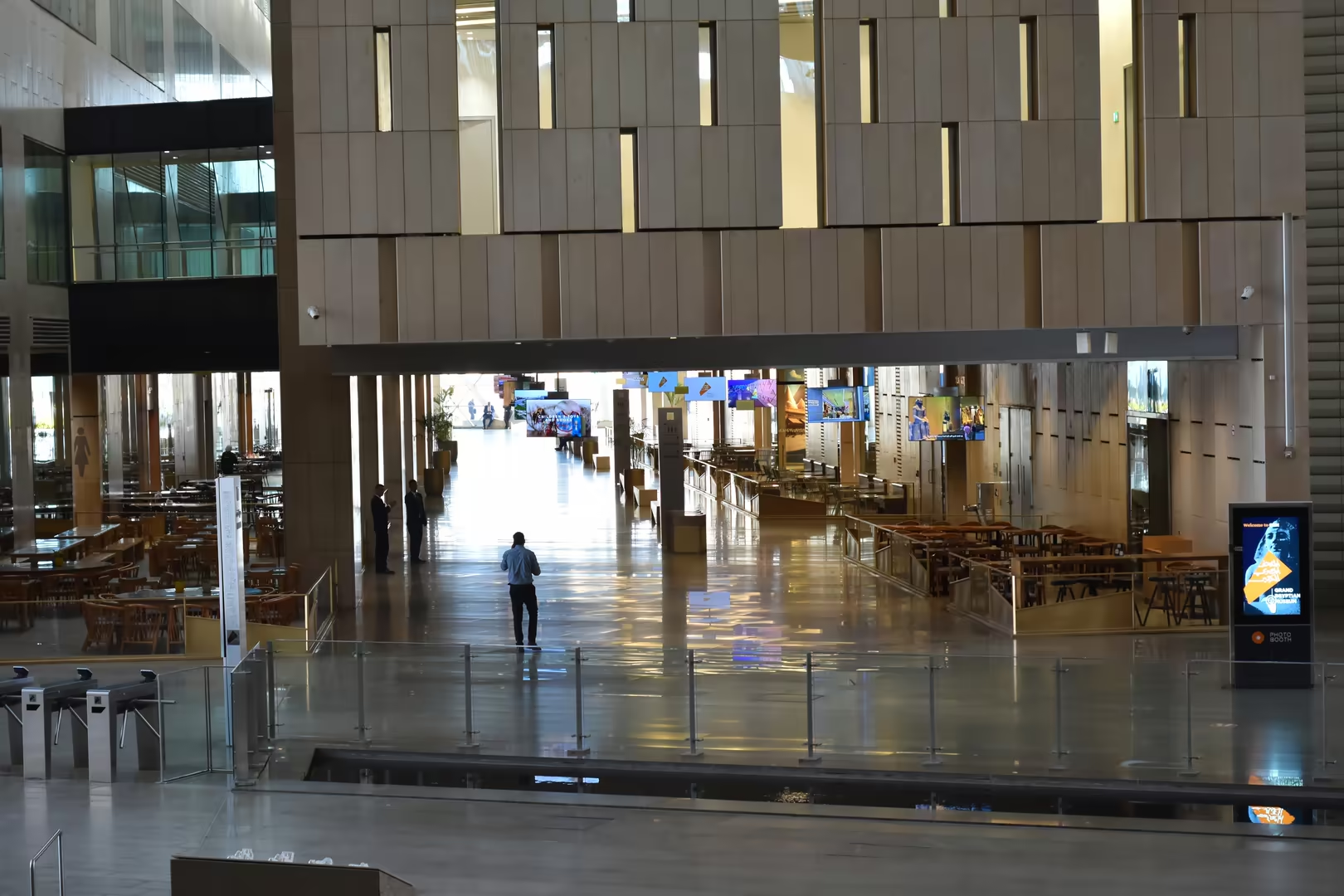
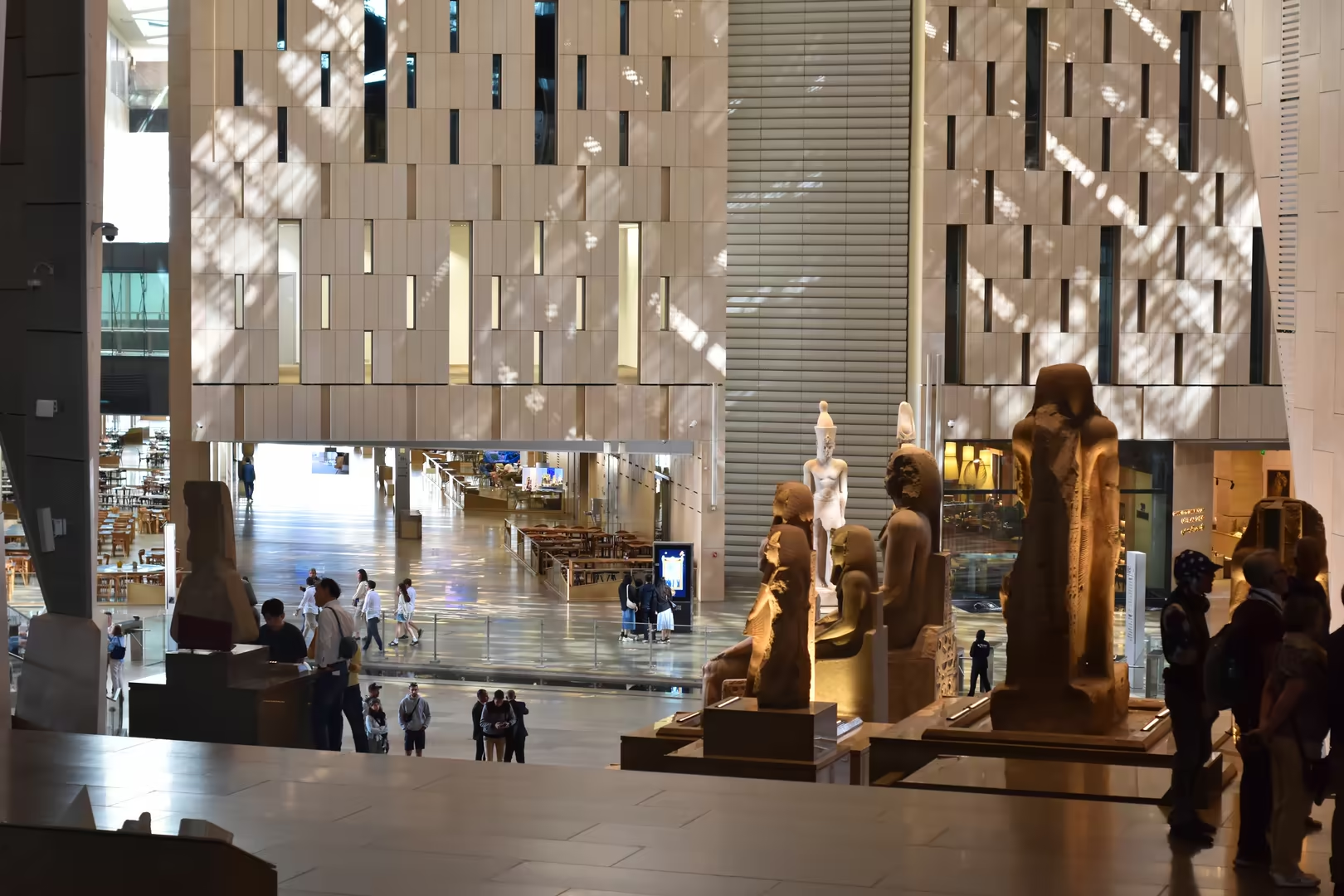
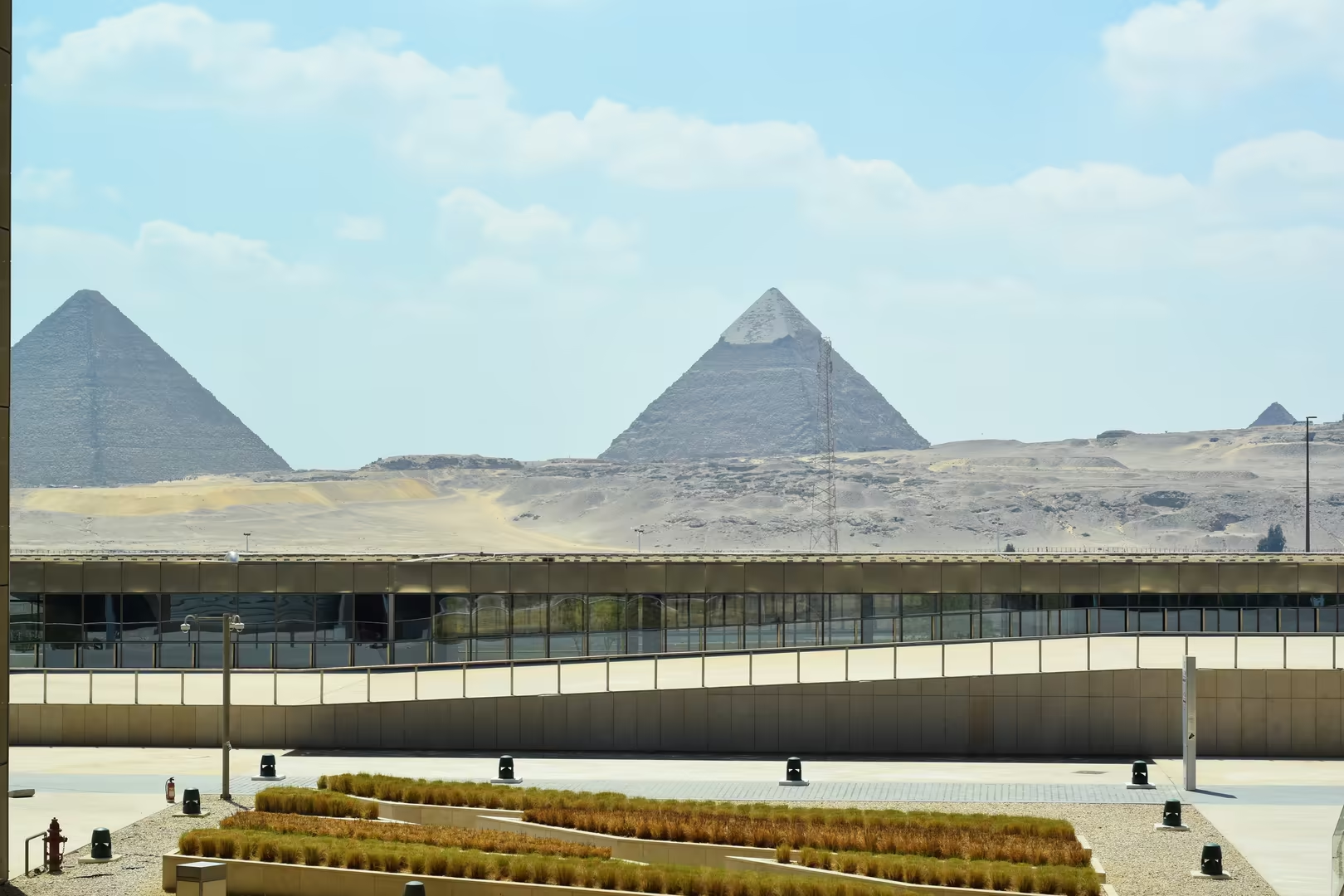
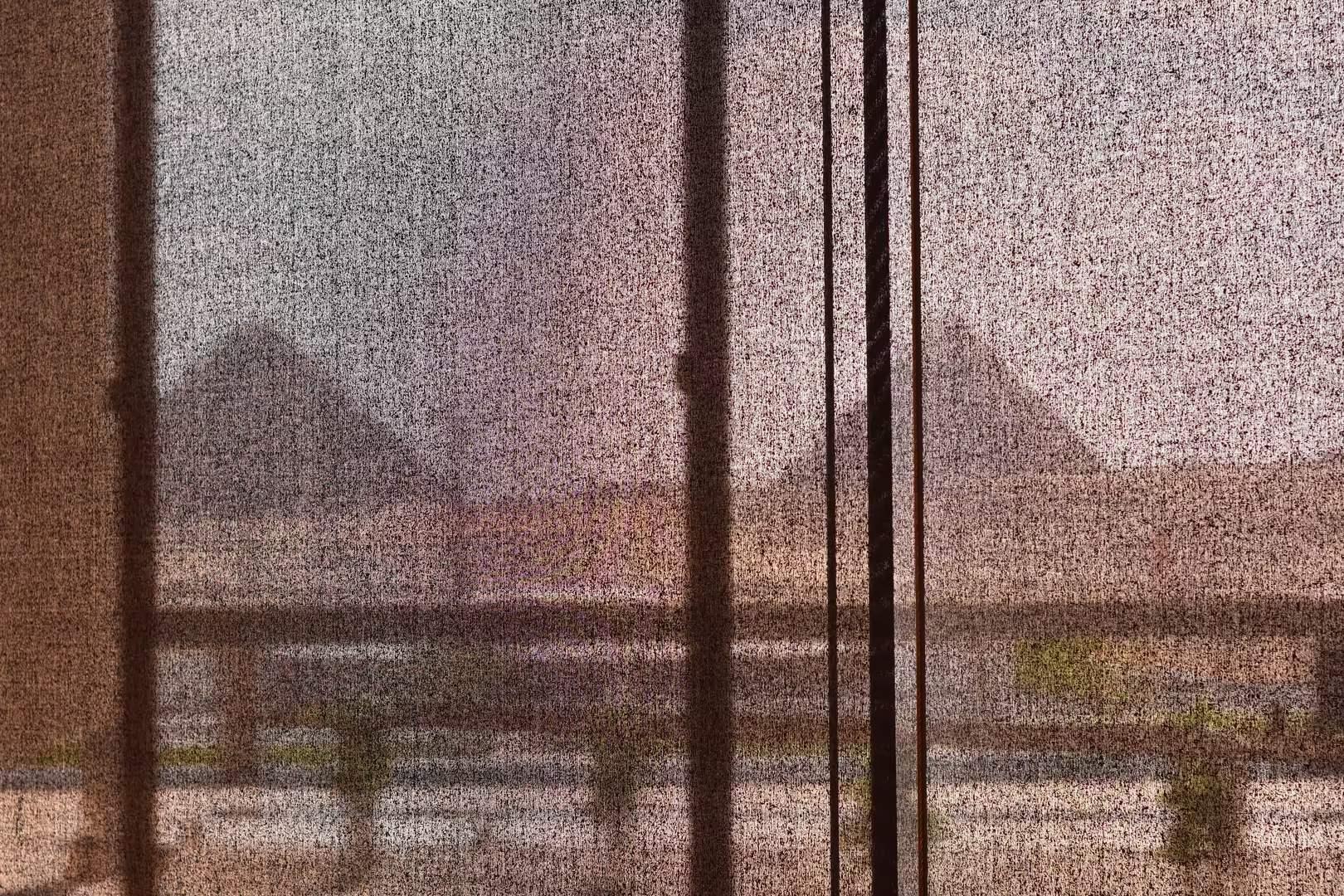
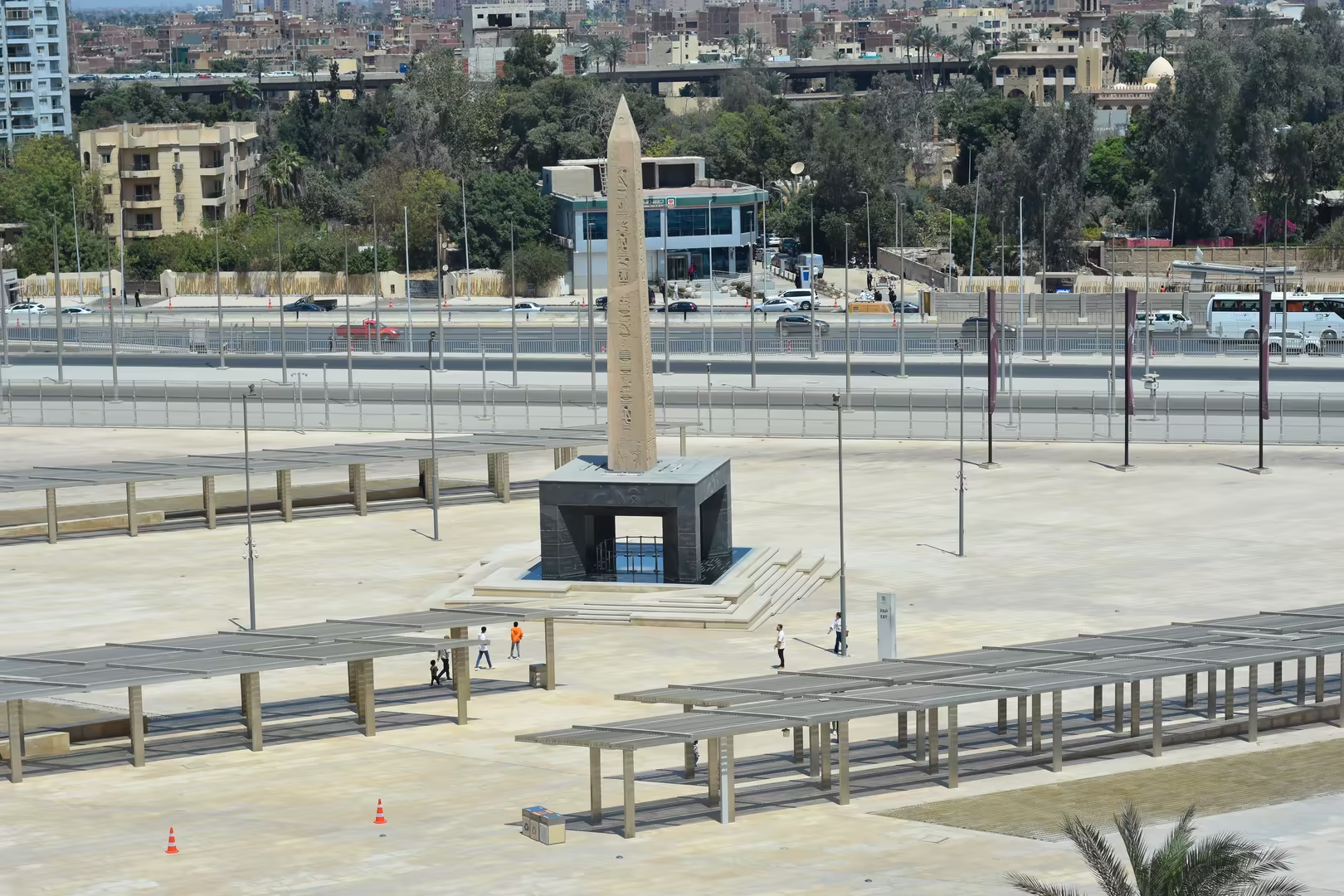
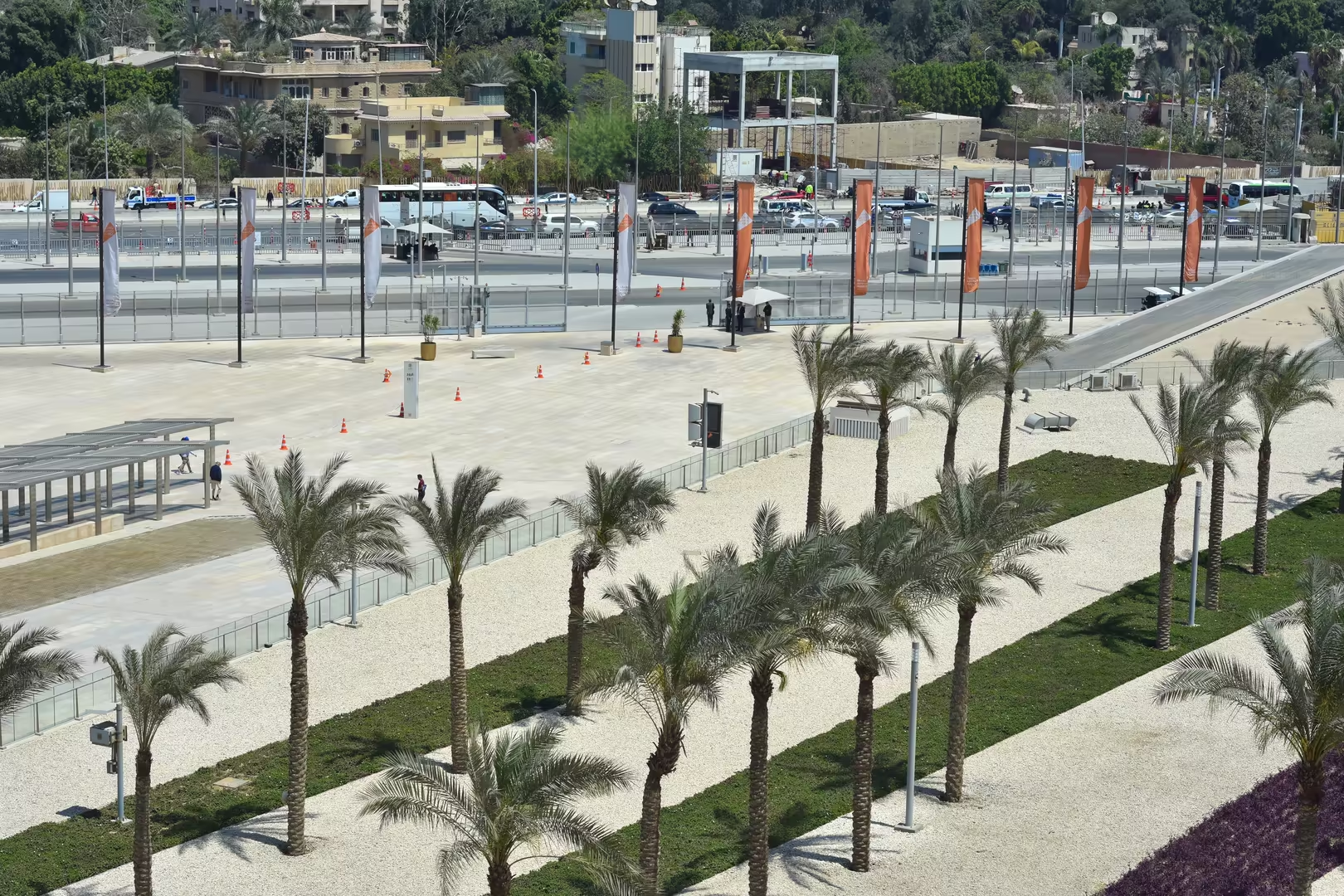
The mass of the building, clad in panels of translucent Egyptian alabaster and glass and inscribed with the cartouches of kings and queens, is aligned with mathematical precision on the monuments it serves: the north and south walls of the museum line up directly with the Great Pyramid of Khufu and the pyramid of Menkaure. Before the main gate a plaza of date palms carries the great leaning obelisk of Ramesses II, and behind the translucent facade the museum opens into a vast glazed atrium through which the pyramids are visible from the interior: a building designed, in the words of its architects, as a threshold between the city of Cairo and the desert of the Giza Plateau.
The terrace on which the museum stands is itself part of the ancient landscape: it lies at the foot of the Giza Plateau, on the desert shelf between the monuments and the cultivation, where the ground rises above the floodplain of the Nile. From the museum’s upper terraces the visitor sees the whole theatre of the Memphite pyramid fields, with Khufu, Khafre and Menkaure to the west and the hazy metropolis of Cairo to the east, so that the collection and its monuments face one another across the sand.
The museum began its public life in stages: the Grand Staircase and atrium admitted limited visitors from early 2023, the twelve chronological main galleries opened in trial operation on 16 October 2024, and after a final postponement caused by the regional war of summer 2025 the official opening took place on 1 November 2025. With its completion, the most ambitious project in the history of Egyptology, two decades in the making and built at a cost of 1.2 billion US dollars, finally gave the civilisation of the Nile a museum worthy of its depth.
History
The idea of a great national museum is as old as Egyptology itself. The first organised antiquities collection was assembled in Cairo in 1835; in 1858 the French Egyptologist Auguste Mariette, appointed by the viceroy Said Pasha, founded a state museum in the Boulaq district of Cairo, which moved to the Giza palace of the Khedive in 1891 and in 1902 into the purpose-built neoclassical museum on Tahrir Square, designed by the French architect Marcel Durbourg and inaugurated by the Khedive Abbas Hilmi II. The Egyptian Museum in Tahrir became one of the great repositories of the world, enriched by the discoveries of Mariette at Saqqara, of Maspero and his successors, and above all by the tomb of Tutankhamun, found by Howard Carter in the Valley of the Kings in 1922, whose five thousand objects filled a new wing of the old building, while the royal tombs of Tanis, opened by Pierre Montet in 1939, brought the gold and silver funerary equipment of the Third Intermediate Period kings to the museum.
By the late twentieth century the Tahrir museum, its galleries and storerooms overflowing, could no longer do justice to the collection, and in 1992 the government of Hosni Mubarak announced the construction of a new Grand Egyptian Museum, to rise on the desert terrace west of Cairo, facing the pyramids. The project was driven by the then Minister of Culture Farouk Hosni, who dismissed the old museum as a relic of another age; the foundation stone was laid in 2002, the year in which the architectural competition, the second largest in history, was announced. The winning scheme of Heneghan Peng was developed together with the engineering consultancies Buro Happold and Arup. Construction began in 2005 under a joint venture of the Egyptian firm Orascom and the Belgian group BESIX, and the museum’s Conservation Center, one of the largest of its kind in the world, opened in 2010.
The path to completion was long. The revolution of 2011, the economic crises that followed and the COVID-19 pandemic postponed the opening again and again; the building was finished only in 2023, at a total cost of 1.2 billion US dollars. Meanwhile the collection itself was moving: the colossal 11-metre statue of Ramesses II was brought from Ramses Square in Cairo to the museum site and installed in the Grand Hall in 2018; in August 2021 the 4,600-year-old Khufu ship, the oldest intact vessel of antiquity, was transferred intact on a specially constructed cradle from its old museum at the foot of the Great Pyramid to the GEM, where a new hall was prepared for the two solar boats of the king; and the treasures of Tutankhamun were transported from Tahrir, piece by piece, to the two halls that now display the complete collection. The royal mummies, by contrast, were not destined for Giza: in April 2021 the twenty-two royal mummies were paraded through Cairo to the new National Museum of Egyptian Civilization in Fustat, which displays them in its Royal Mummies Hall.
The first public access came in early 2023, when limited numbers of visitors were admitted to the atrium and the Grand Staircase; the twelve main galleries, arranged chronologically from prehistory to the Roman age and holding more than 24,000 objects, followed in trial operation from 16 October 2024. The official opening, postponed repeatedly and once more in July 2025, when the outbreak of the Twelve-Day War between Iran and Israel forced another delay, finally took place on 1 November 2025, inaugurating what its directors describe as the largest archaeological museum for a single civilisation in the world.
The GEM is thus the culmination of more than a century and a half of Egyptian museology: from Mariette’s rooms in Boulaq, through the neoclassical galleries of Tahrir, to this glass-and-alabaster machine for the preservation and display of an entire civilisation. Among the newly restored treasures shown for the first time are the burial equipment of Queen Hetepheres, the mother of Khufu, discovered at Giza in 1925, and the tomb group of Yuya and Thuya, the parents of Queen Tiye, found in the Valley of the Kings in 1905. With more than 100,000 objects, half of them on show or in visible storage and a fifth exhibited for the first time, it has become the principal showcase of ancient Egypt, while the old museum in Tahrir continues as the museum of the revolution-era city, keeping its own collections and its place in the history of the discipline.
Geology
The museum stands on the same geological ground as the monuments it houses. The desert terrace west of Cairo is underlain by the Mokattam Formation, the sequence of nummulitic marine limestones of Middle Eocene age (late Lutetian to Bartonian, roughly 41 to 38 million years ago) that forms both the Mokattam Hills and the Giza Plateau across the river valley: the very rock from which the pyramids were built and the Sphinx was carved. The building’s foundation rests on this limestone shelf, above the level of the Nile floodplain; its facing is of translucent Egyptian alabaster, the white banded calcite of the ancient stonecutters, quarried in Middle Egypt, set against glass and granite, so that the architecture itself is a sample of the country’s lithology.
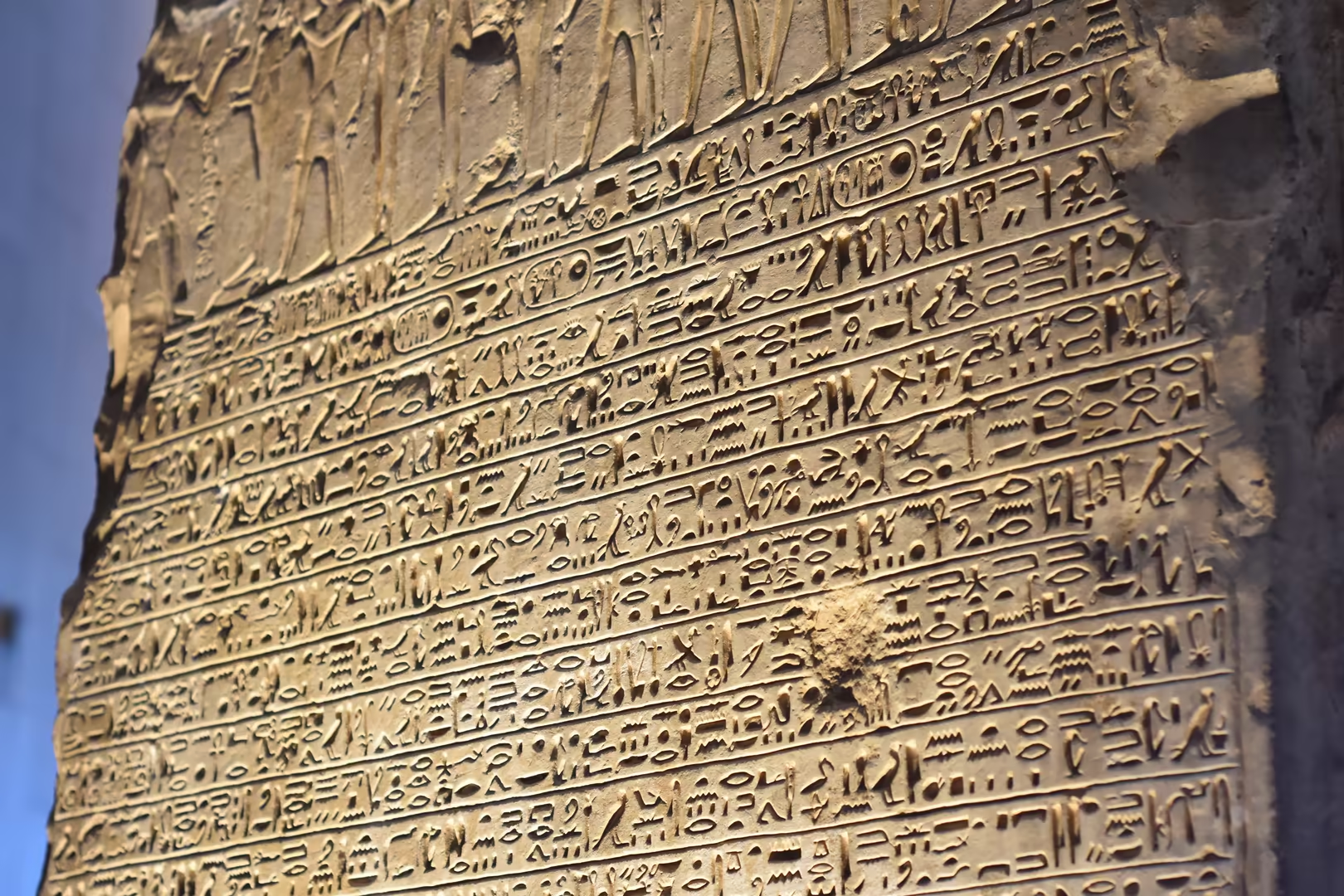
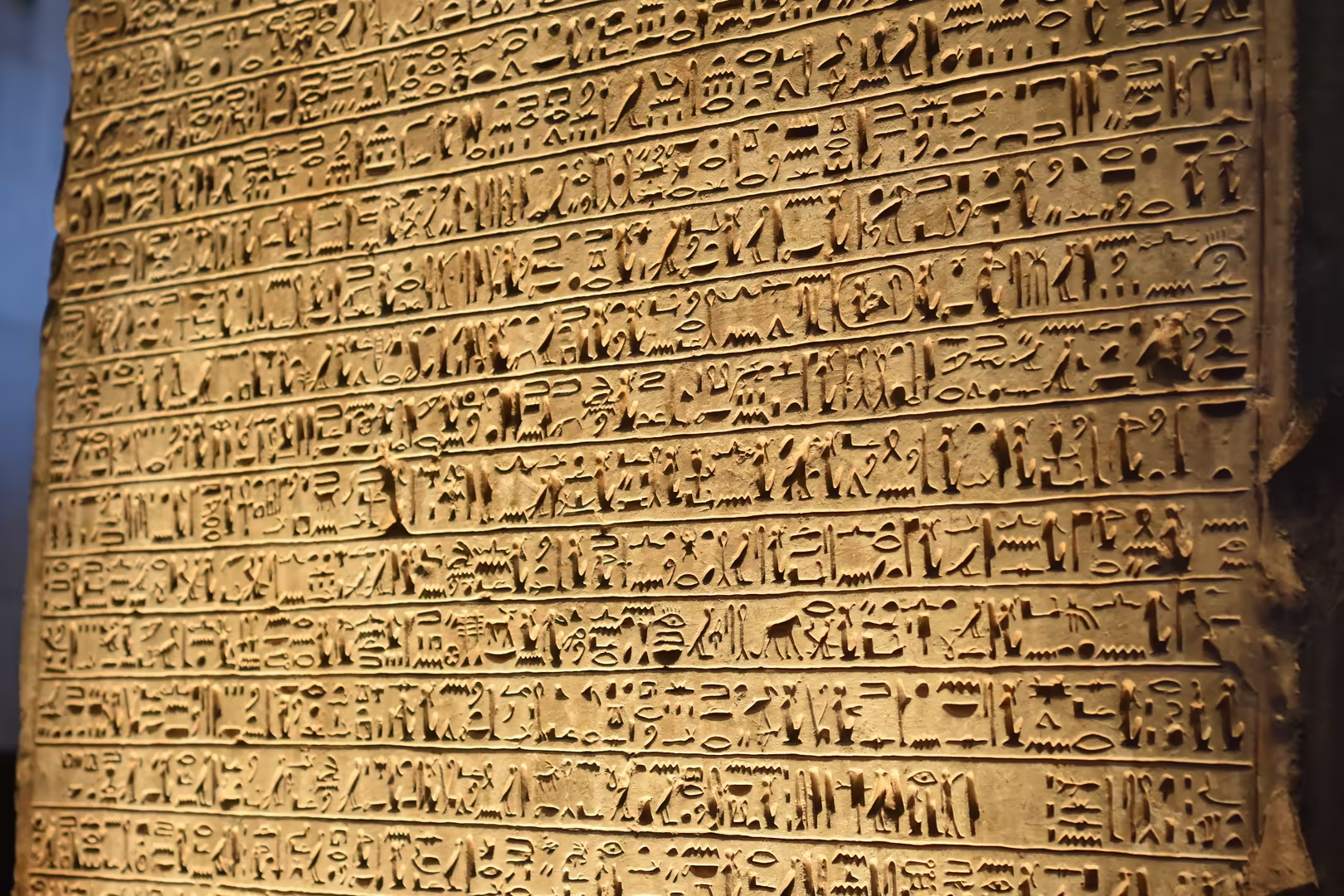
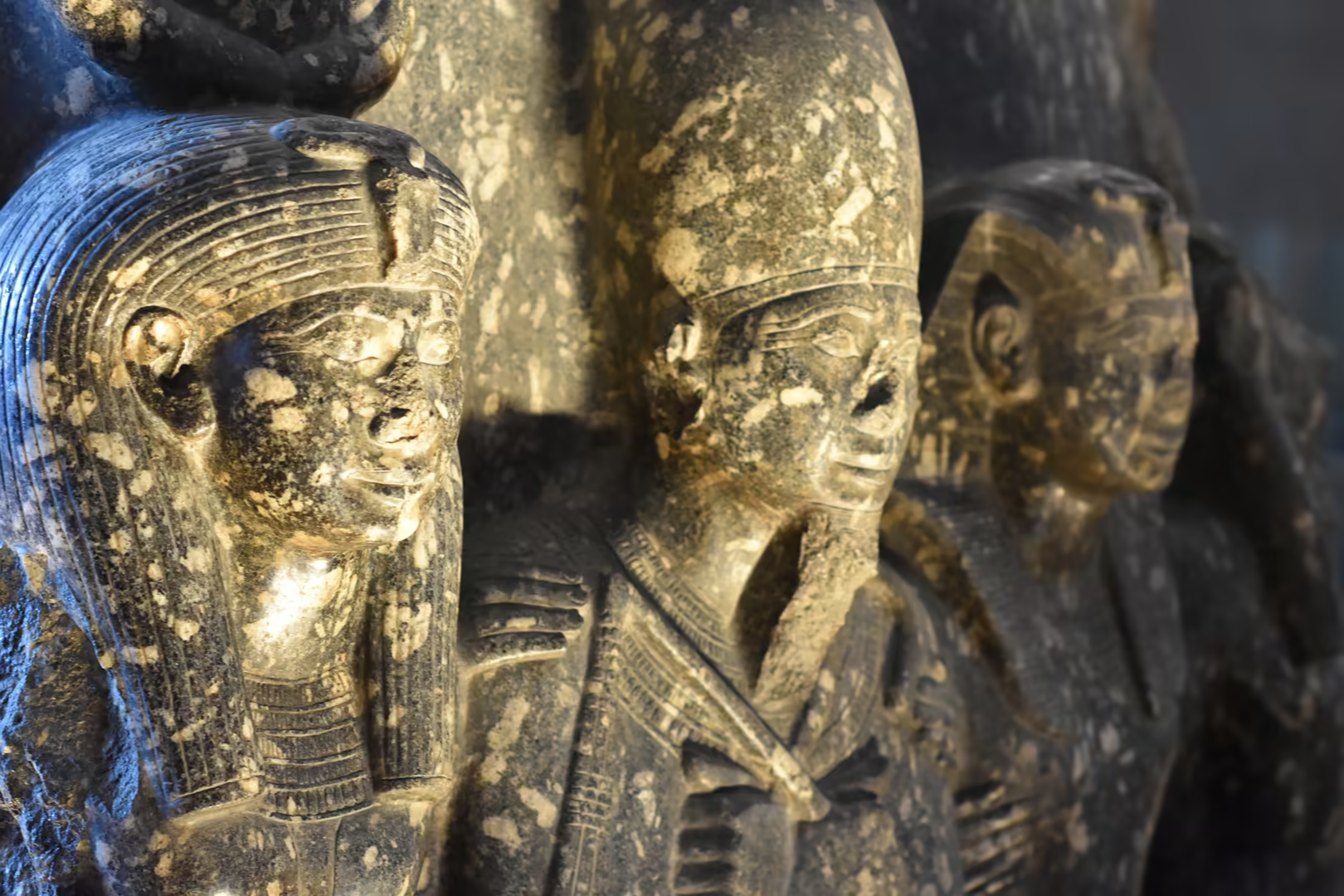
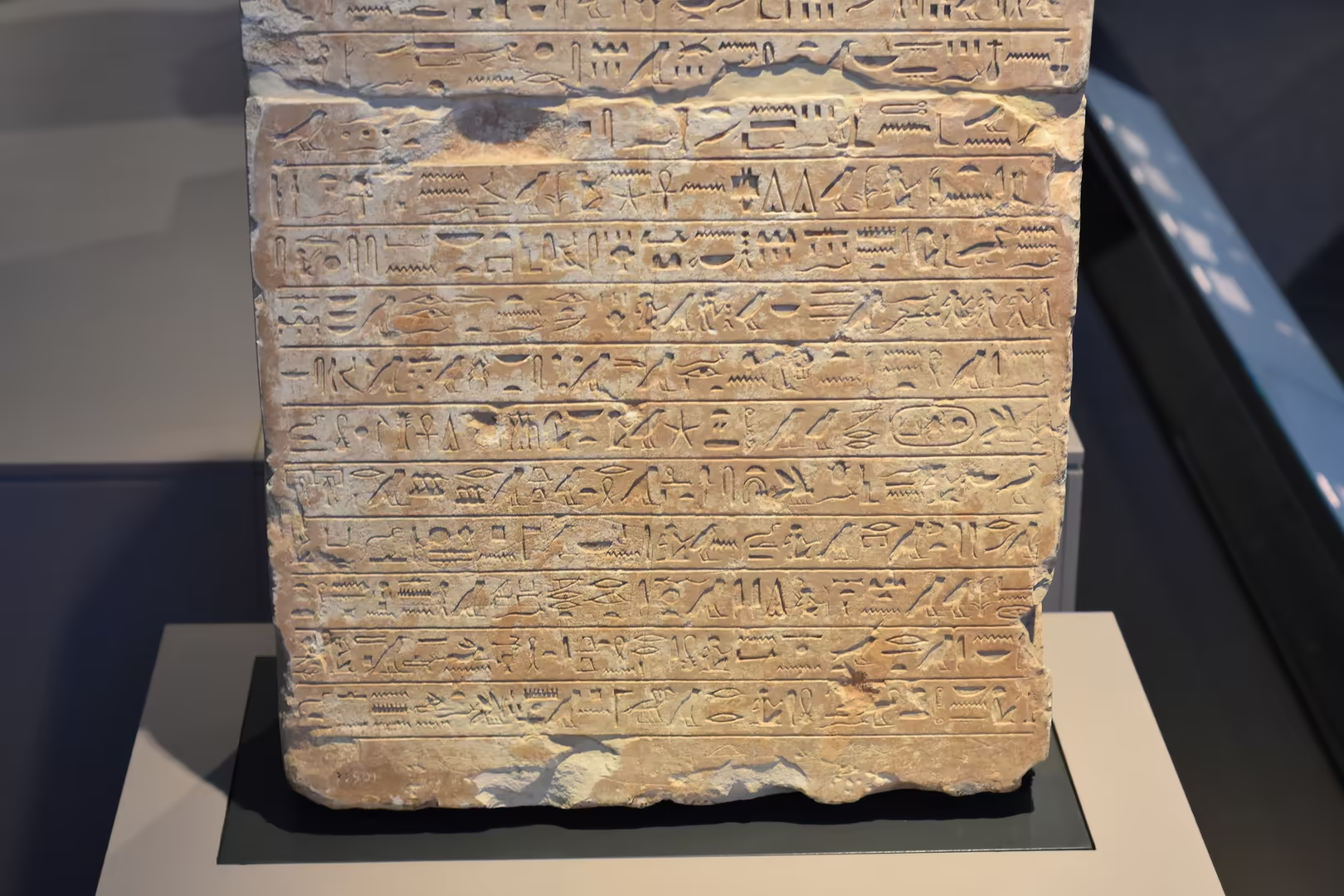
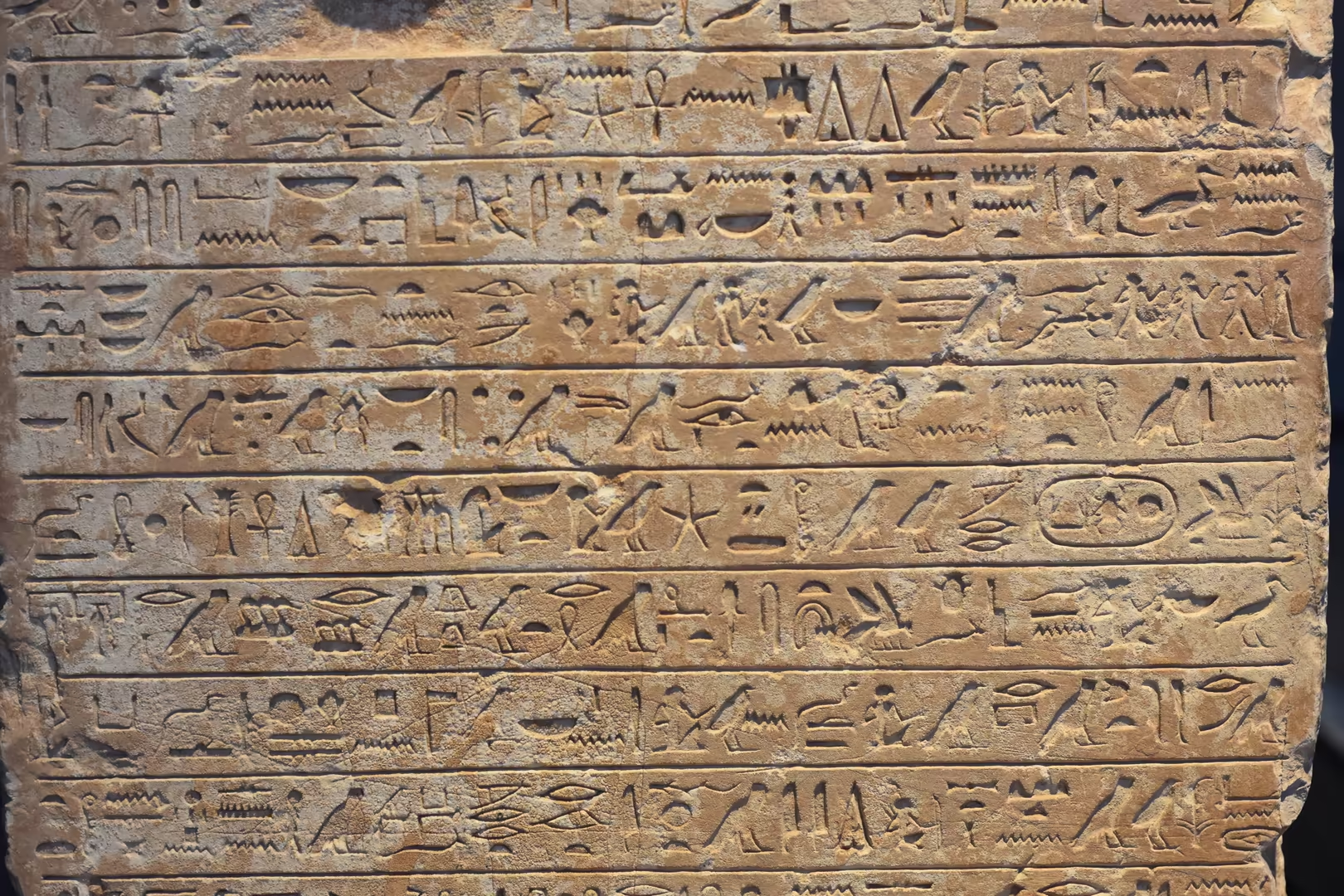
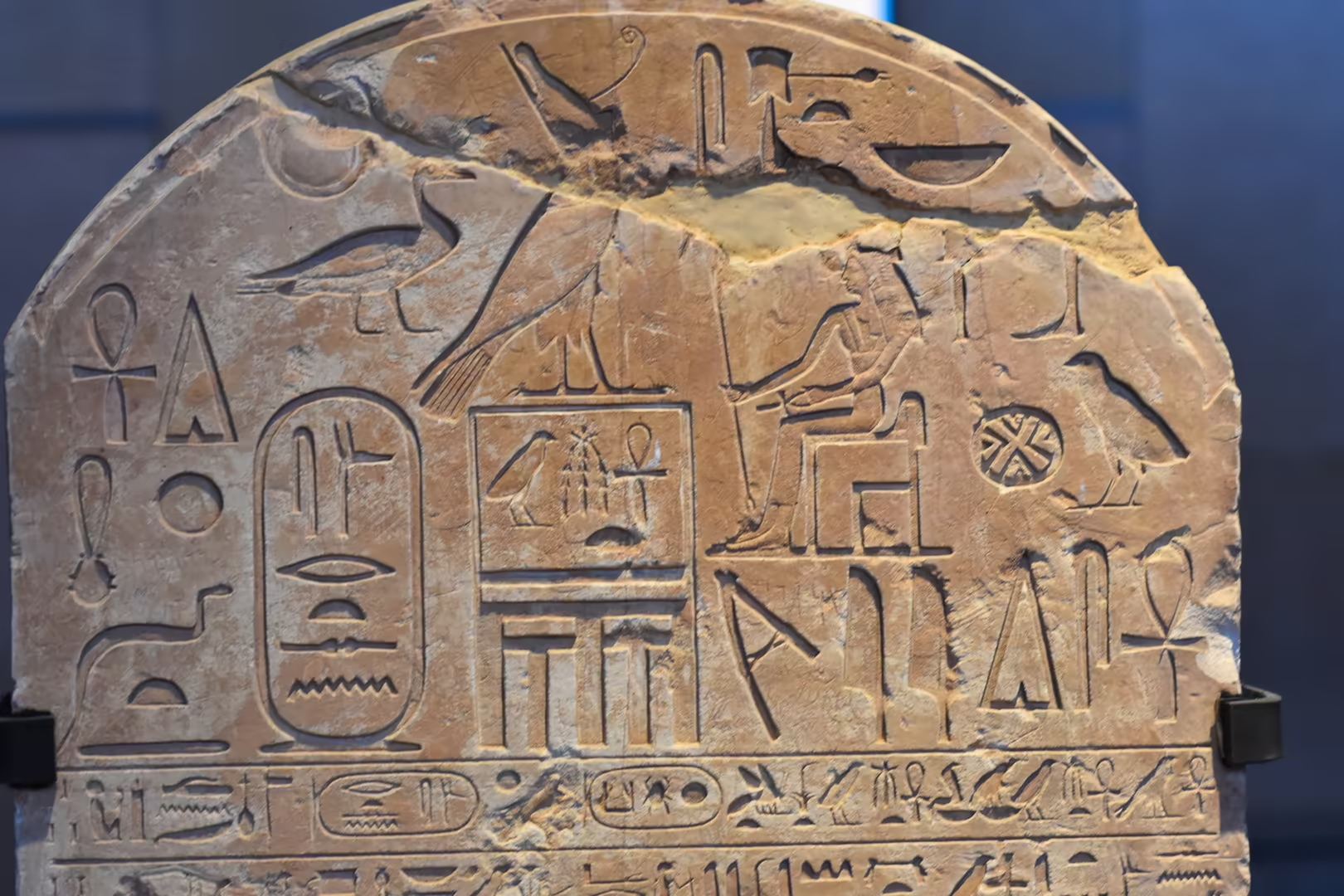
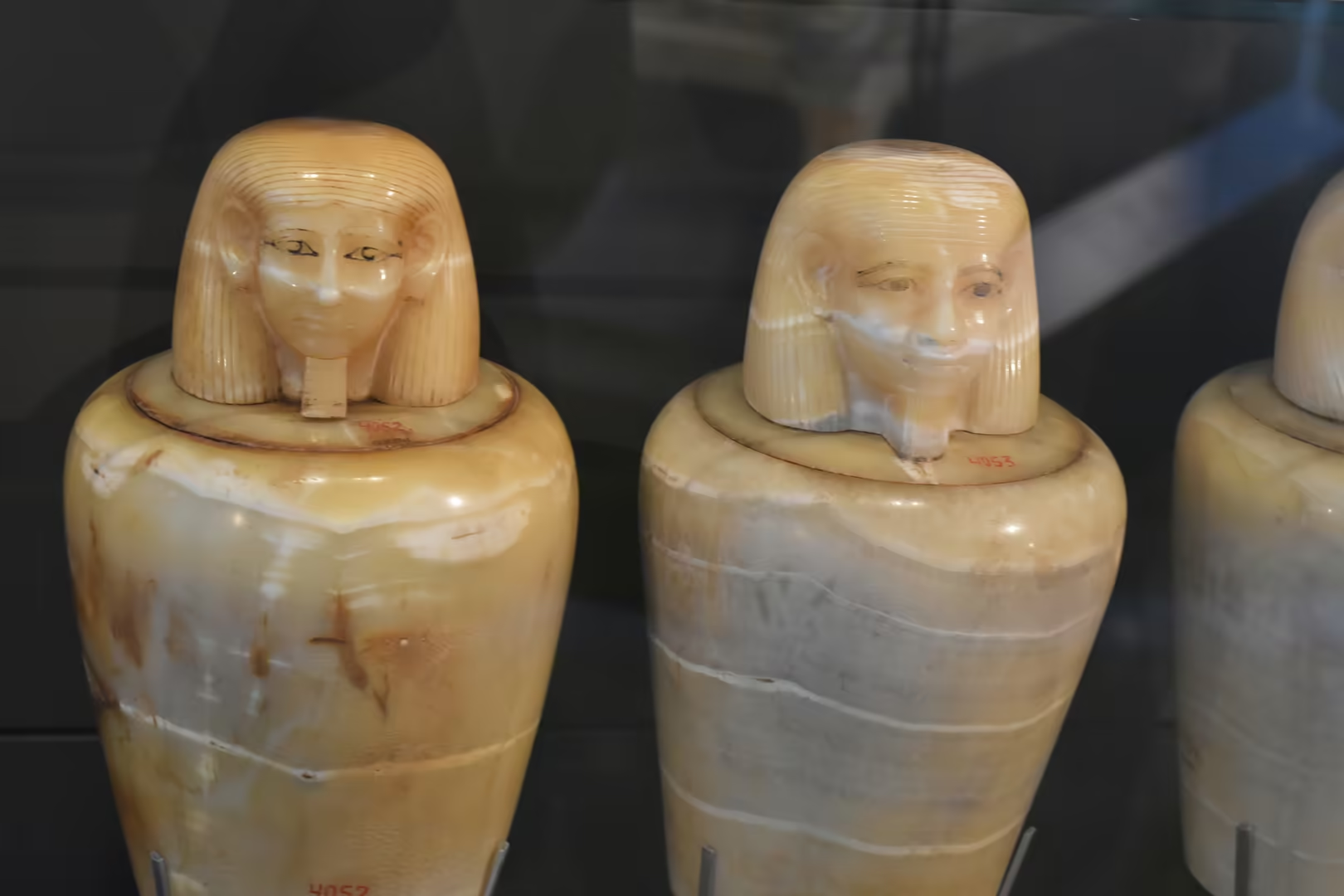
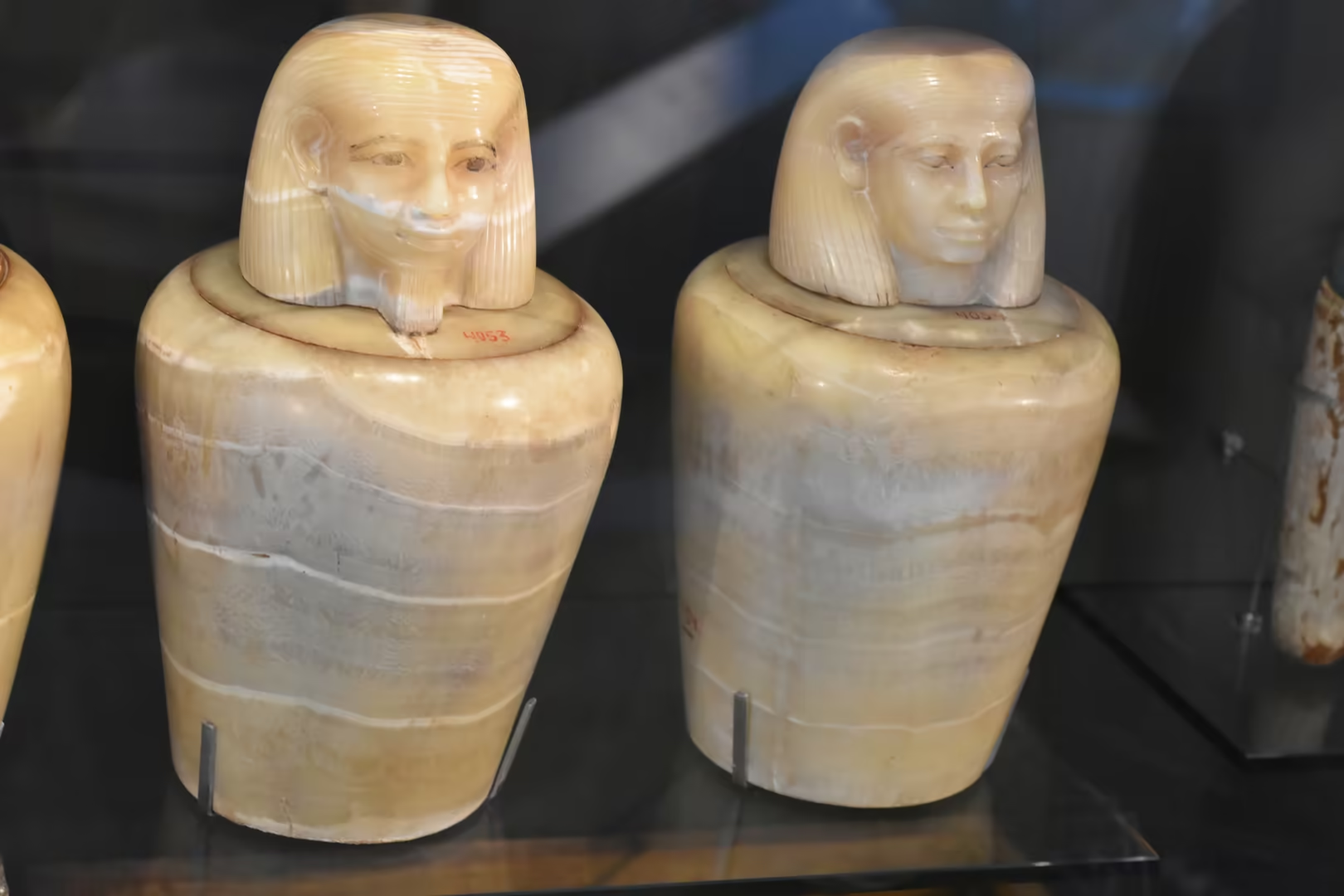
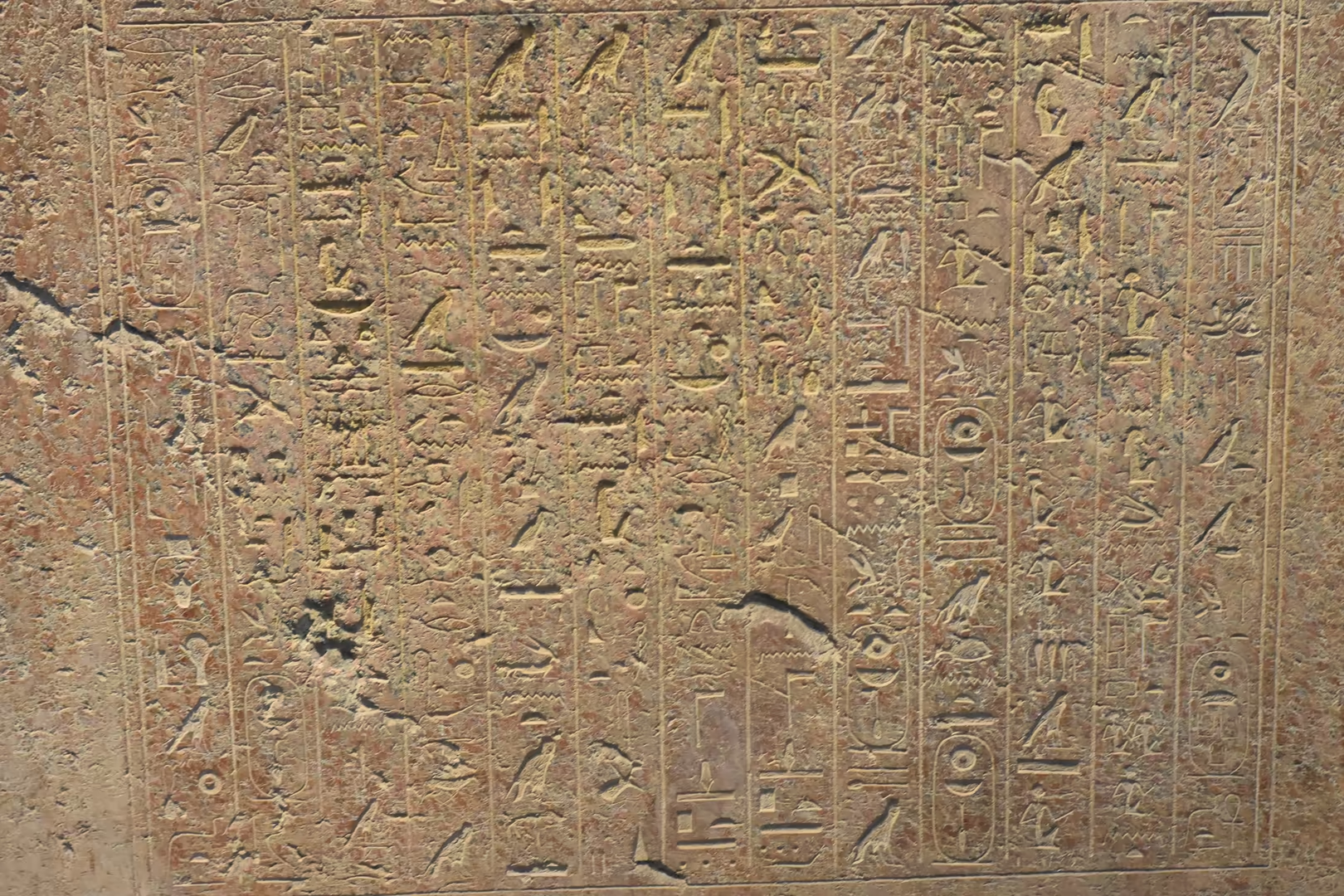
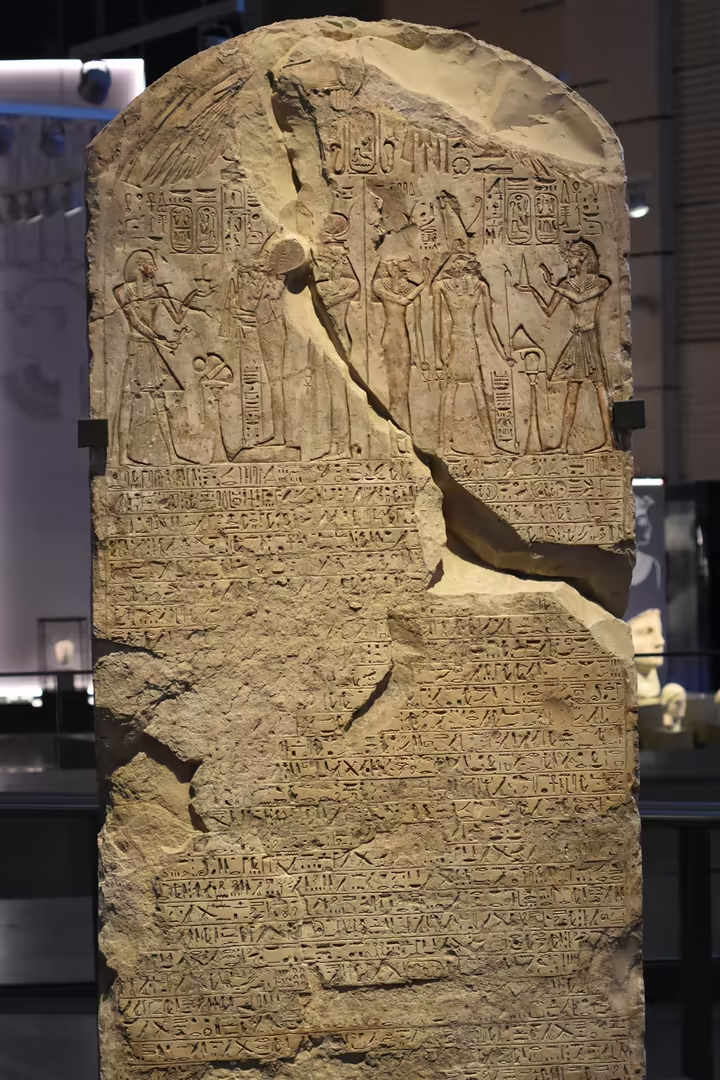
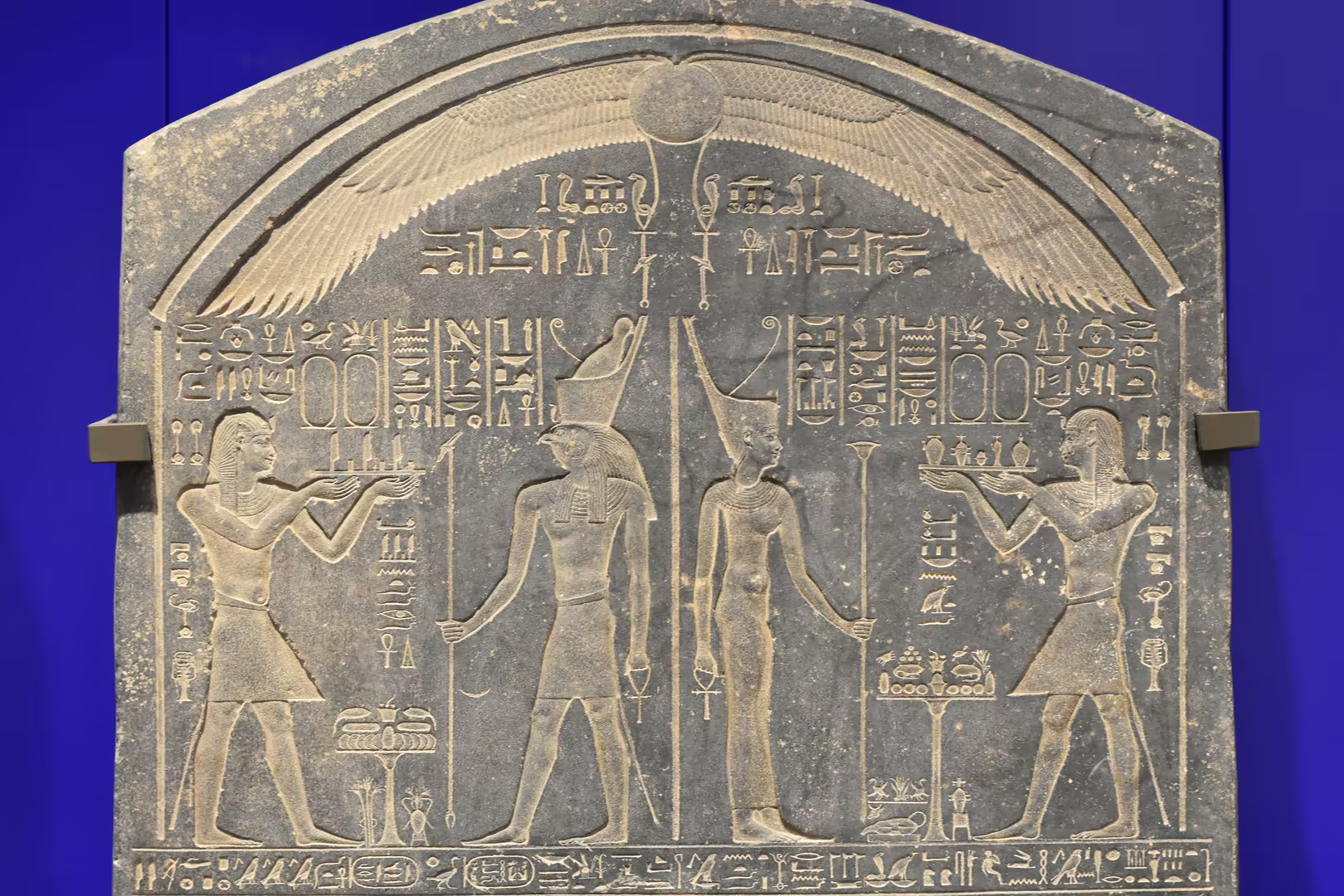
The collection is, in a real sense, a geological museum of Egypt. Every major stone of the Nile valley and the surrounding deserts appears in the halls: the red and grey granites of Aswan that furnished the colossal royal statuary, including the great Ramesses II that presides over the atrium; the fine white limestone of Tura and the nummulitic beds of the plateau used for reliefs and stelae; the Nubian sandstone of the temple walls from Upper Egypt; the hard silicified sandstone, or quartzite, of the eastern desert quarries at Gebel el-Ahmar, chosen for the finest royal sculpture; the greywacke of Wadi Hammamat from which the Menkaure triads were cut; the calcite alabaster of the canopic jars and vessels; the basalts of the northern lava fields; and the glazed silica of Egyptian faience, which mimics the turquoise of Sinai in its brilliant blue-green. The metalwork adds the mineral wealth of the Eastern Desert and Nubia: the gold of the jewellery and funerary masks, the copper of Sinai, the bronze of the later tools and votives.
Ancient and modern engineering meet in the museum’s logistics. The Egyptians moved their granite from Aswan, more than 800 km upriver, by barge on the Nile flood, and dragged their sandstone and quartzite over desert roads on sledges; the builders of the GEM performed the same feat in reverse, moving the 11-metre colossus of Ramesses II through the streets of Cairo, transferring the 4,600-year-old Khufu ship intact across the desert on a purpose-built cradle, and raising the great leaning obelisk of Ramesses II, more than three thousand years old, above the museum gate with modern cranes. The problems of weight, transport and installation that the ancient quarrymen solved with ramps and muscle are here repeated with steel and hydraulics, in the same landscape.
Conservation, finally, is a geological discipline. The most fragile objects in the museum are not the stones but the organic materials such as wood, textiles, leather and the gilded surfaces of the Tutankhamun treasure, whose decay is governed by humidity and temperature; the two Tutankhamun halls are therefore sealed and climate-controlled, and the museum’s Conservation Center, founded before the main building was finished, restores the stone, metal and wood of the collection under laboratory conditions. In this the GEM continues the oldest dialogue of Egyptology: the fight of dry desert stone against damp, salt and time, which the ancient Egyptians themselves began when they chose the desert edge for their tombs.
Things to See
The entrance sequence crosses the plaza in front of the museum, where the great red-granite obelisk of Ramesses II leans against the sky above the gate, an ancient monument pressed into service as a modern signpost, and where the date palms of the esplanade frame the chamfered triangular mass of the building. Behind the glass facade the pyramids are already present: from the atrium and from the upper terraces of the museum the three monuments of Giza close the western view, reappearing between the walls and windows as the visitor moves through the halls.
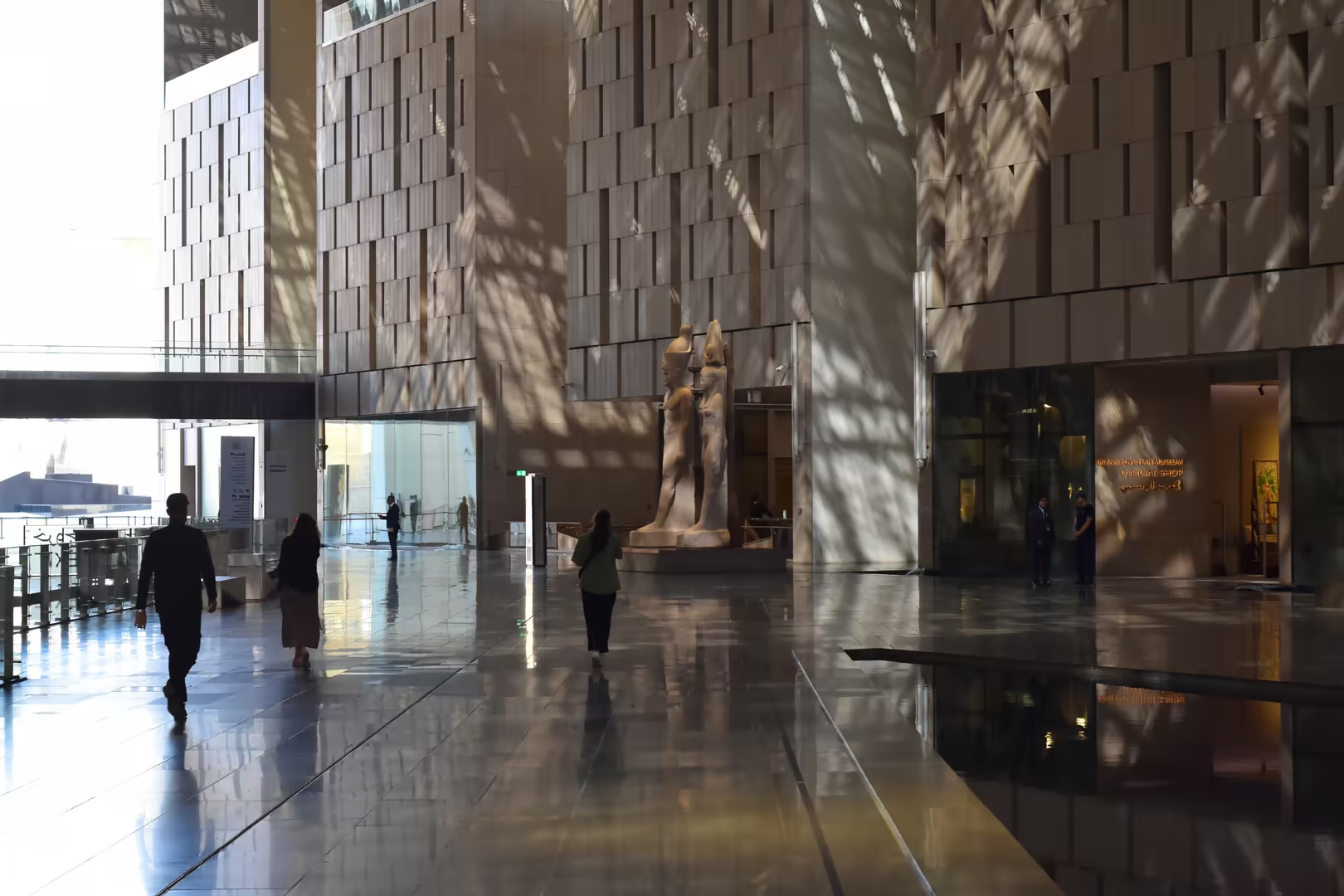
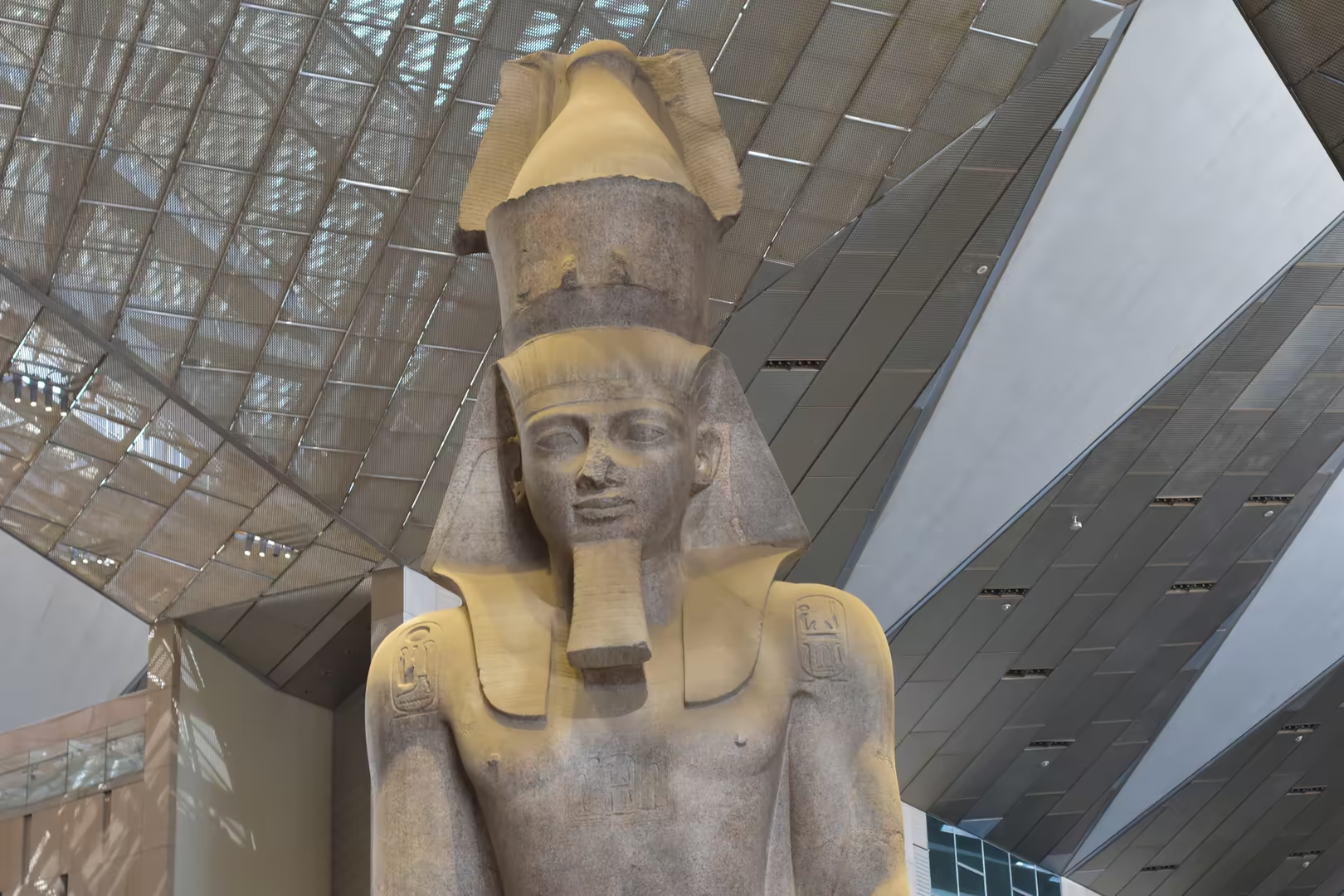
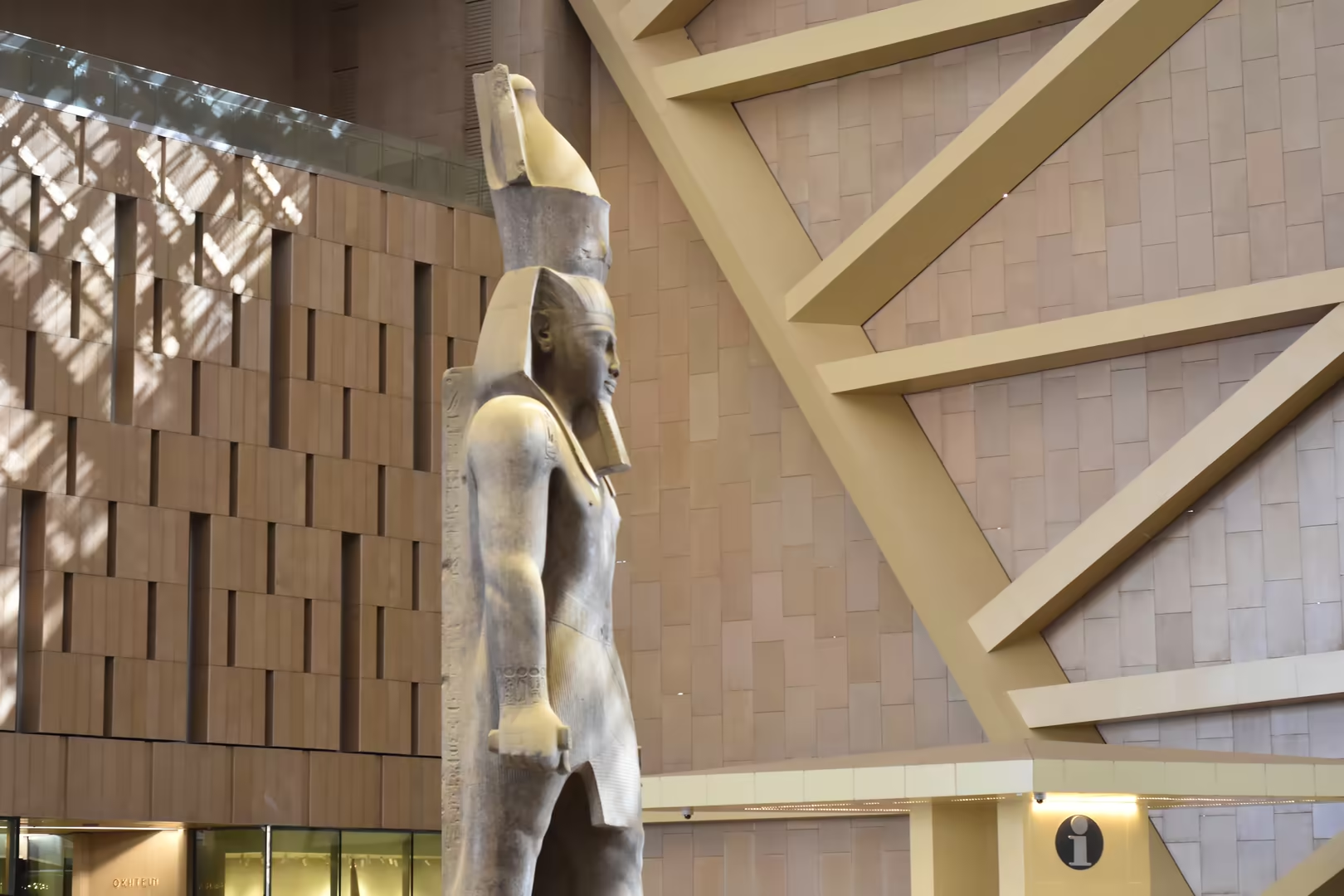
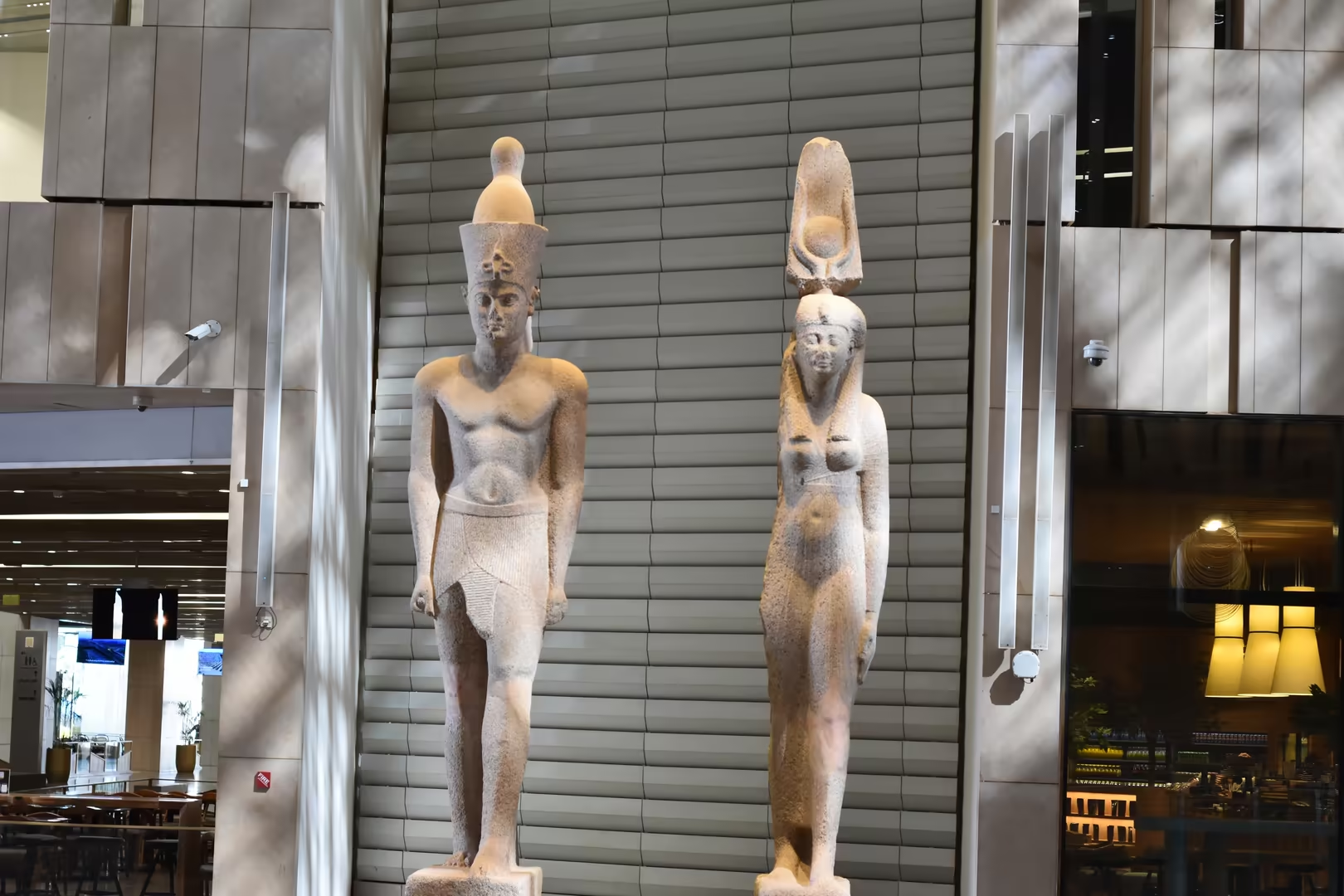
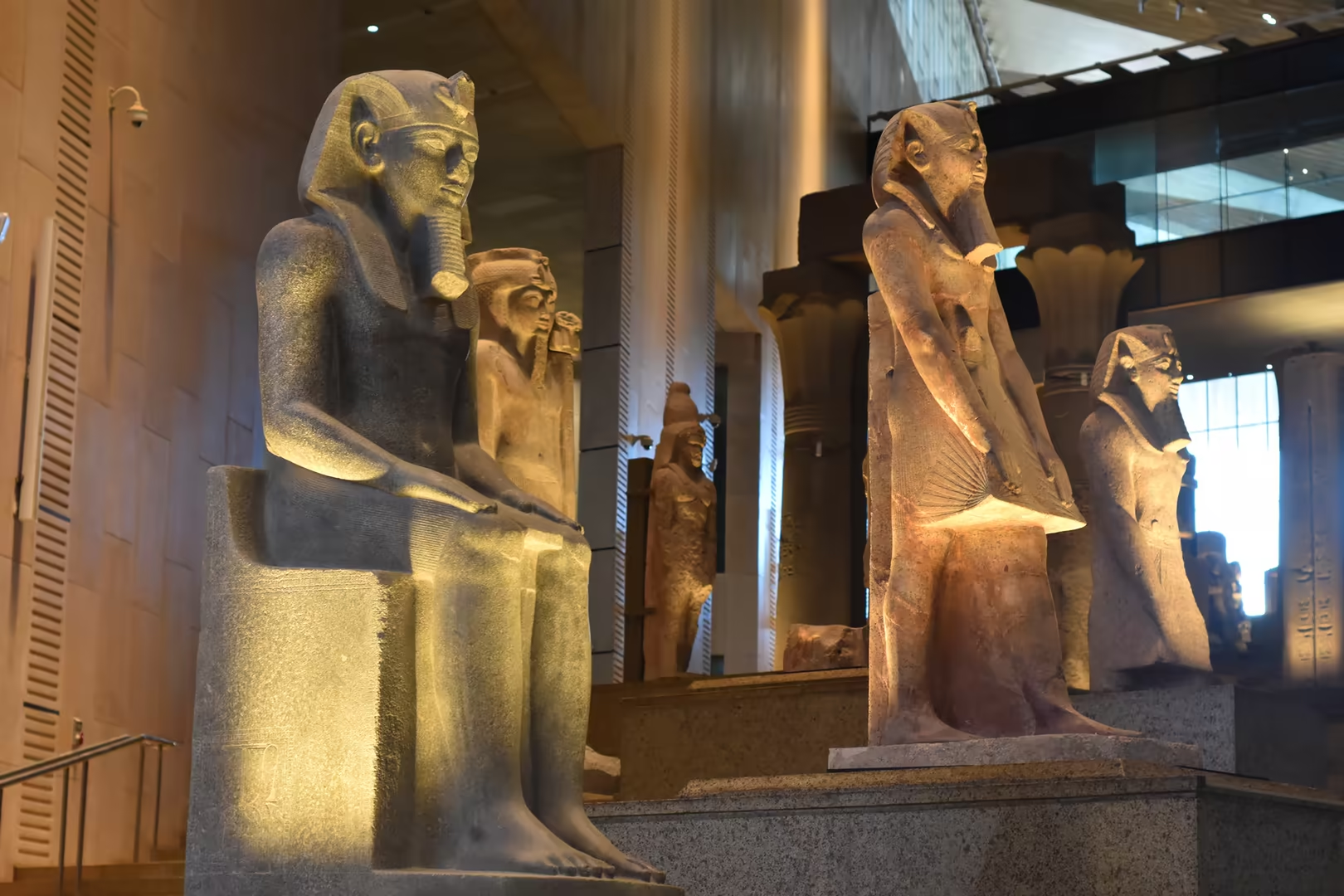
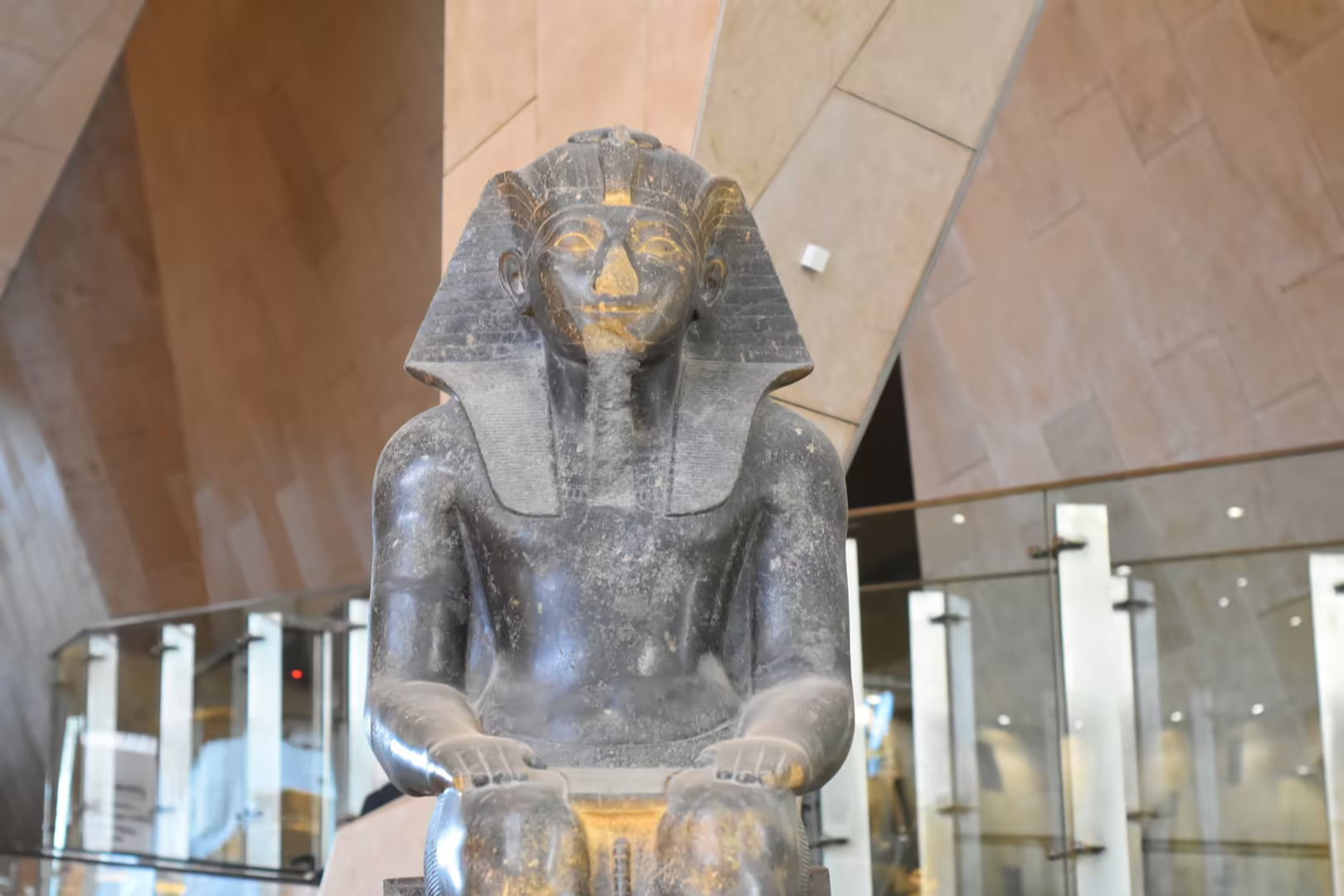
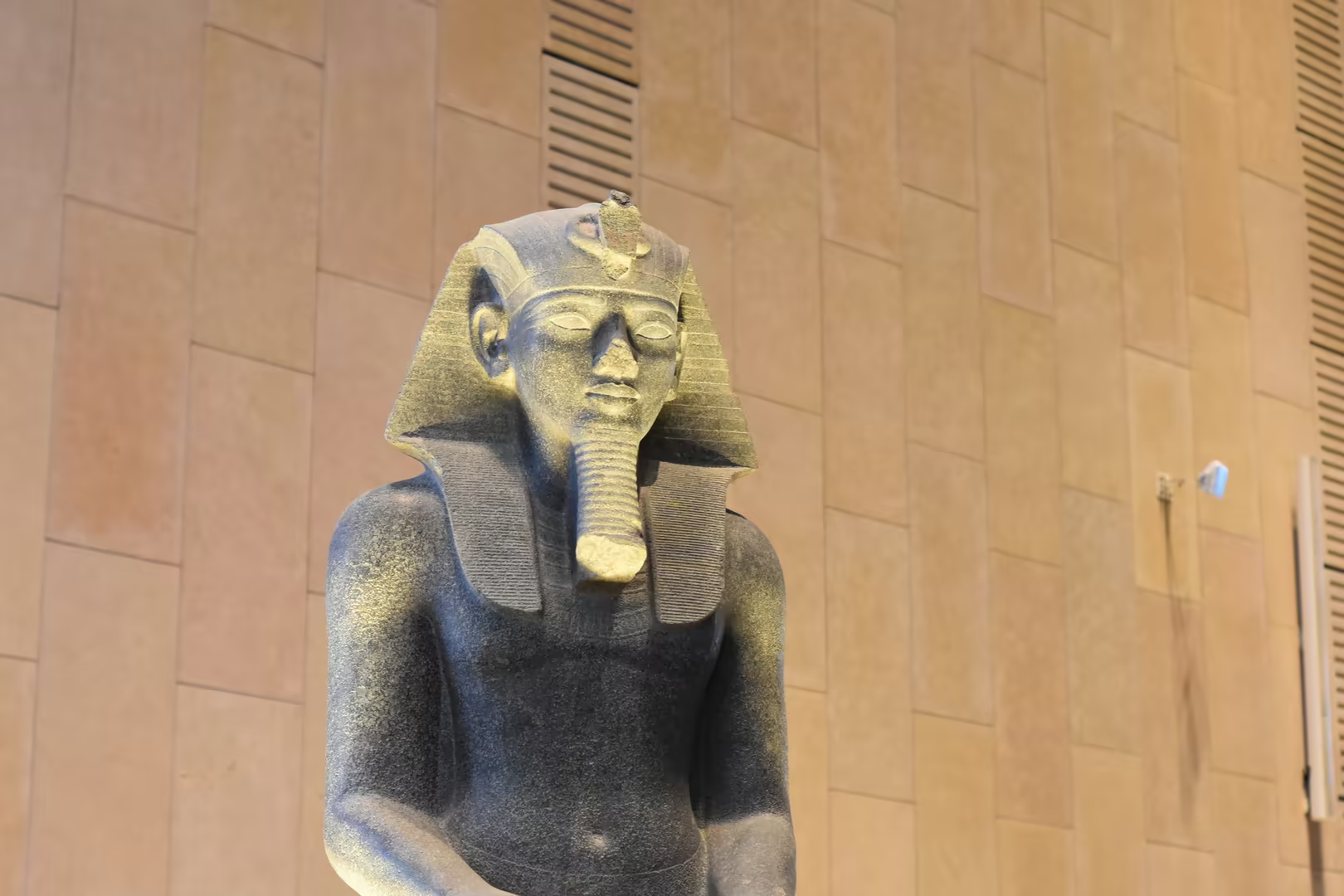
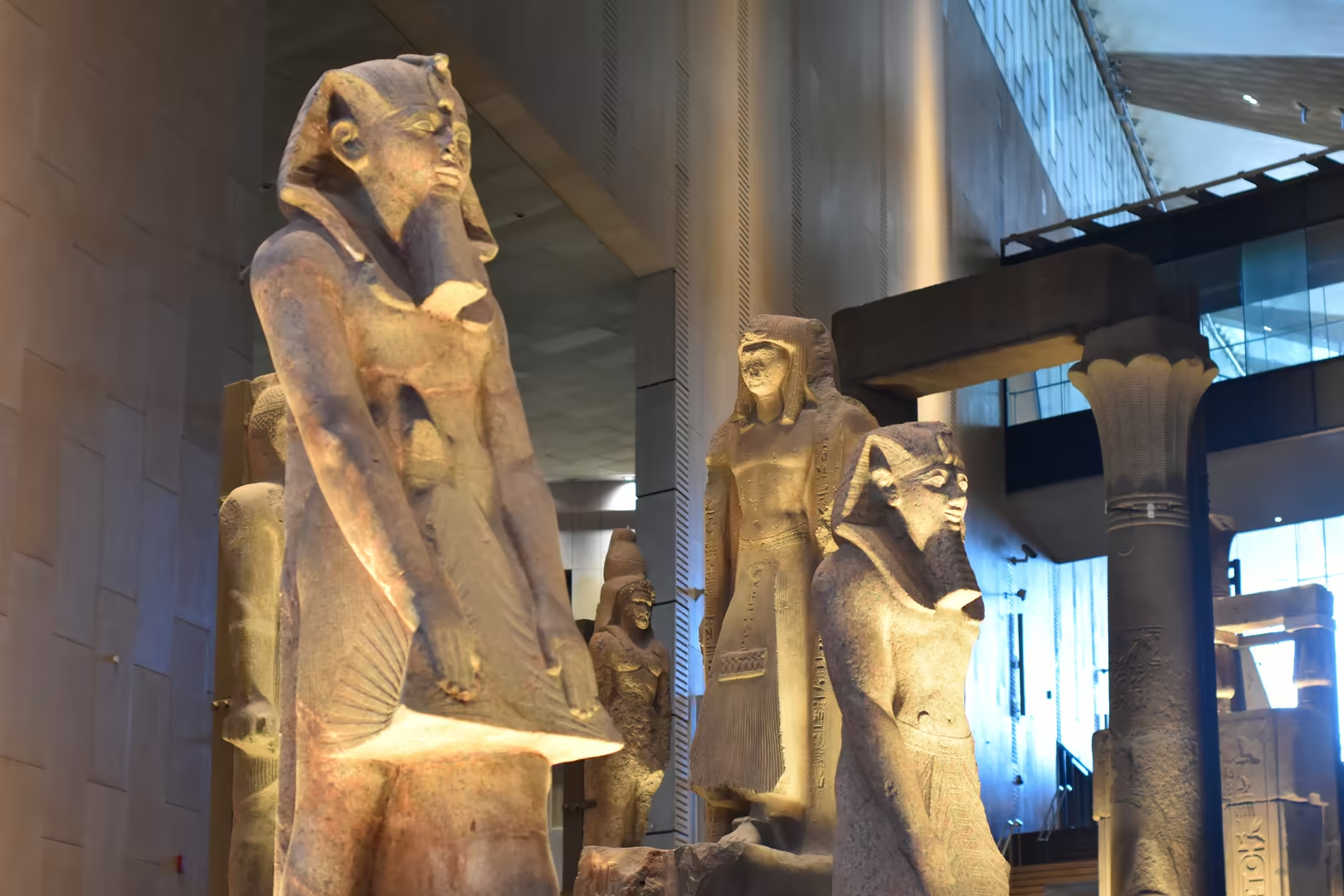
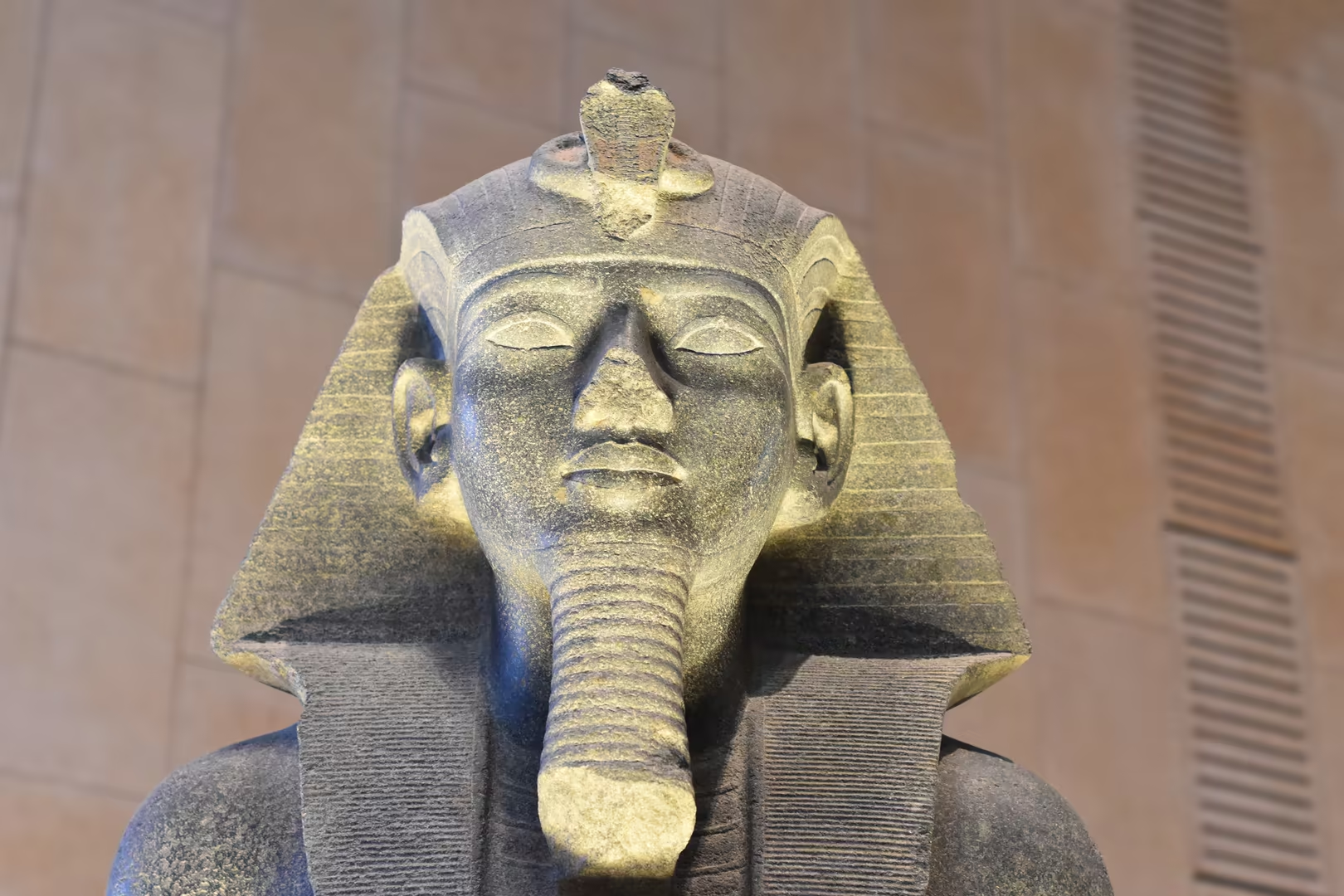
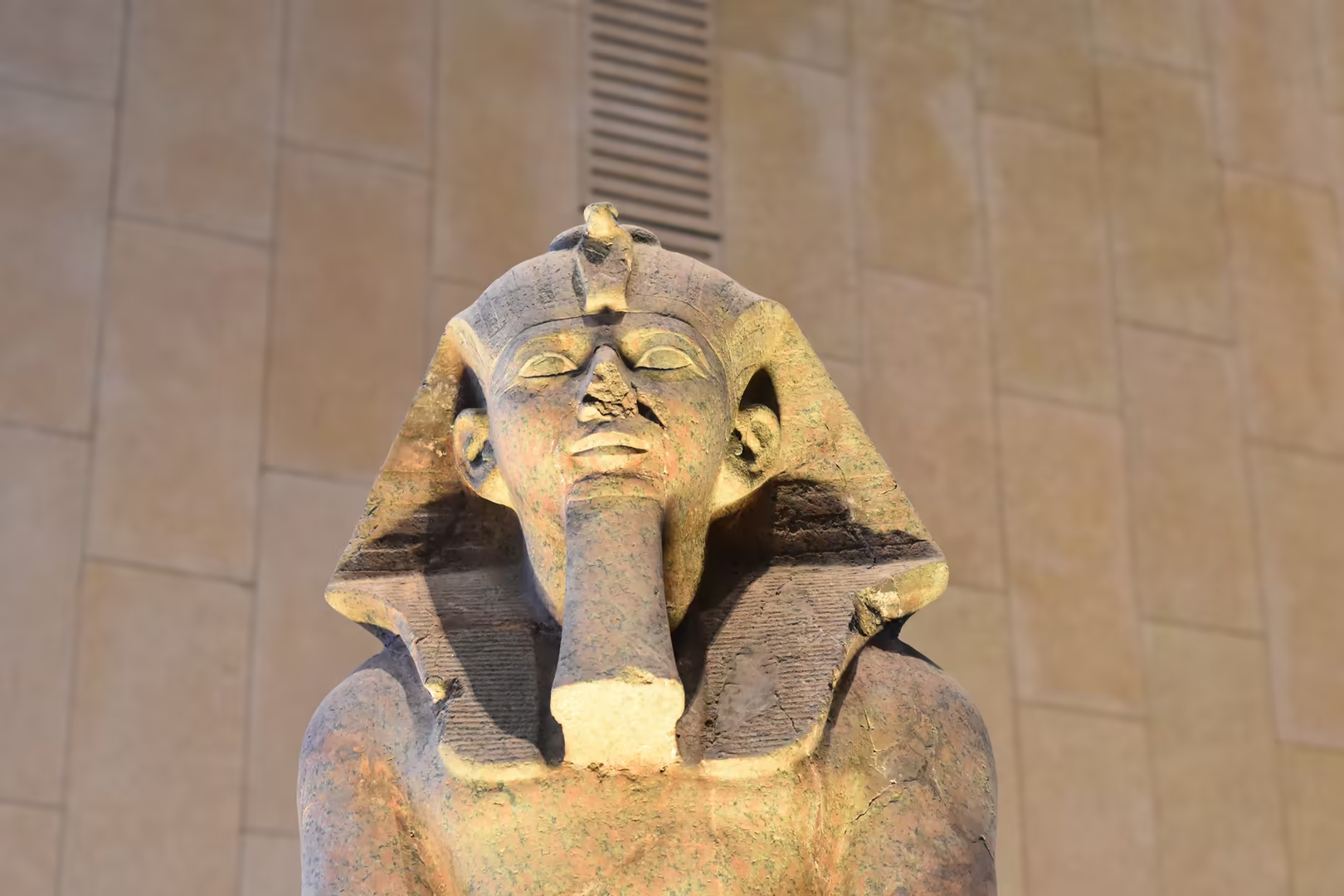
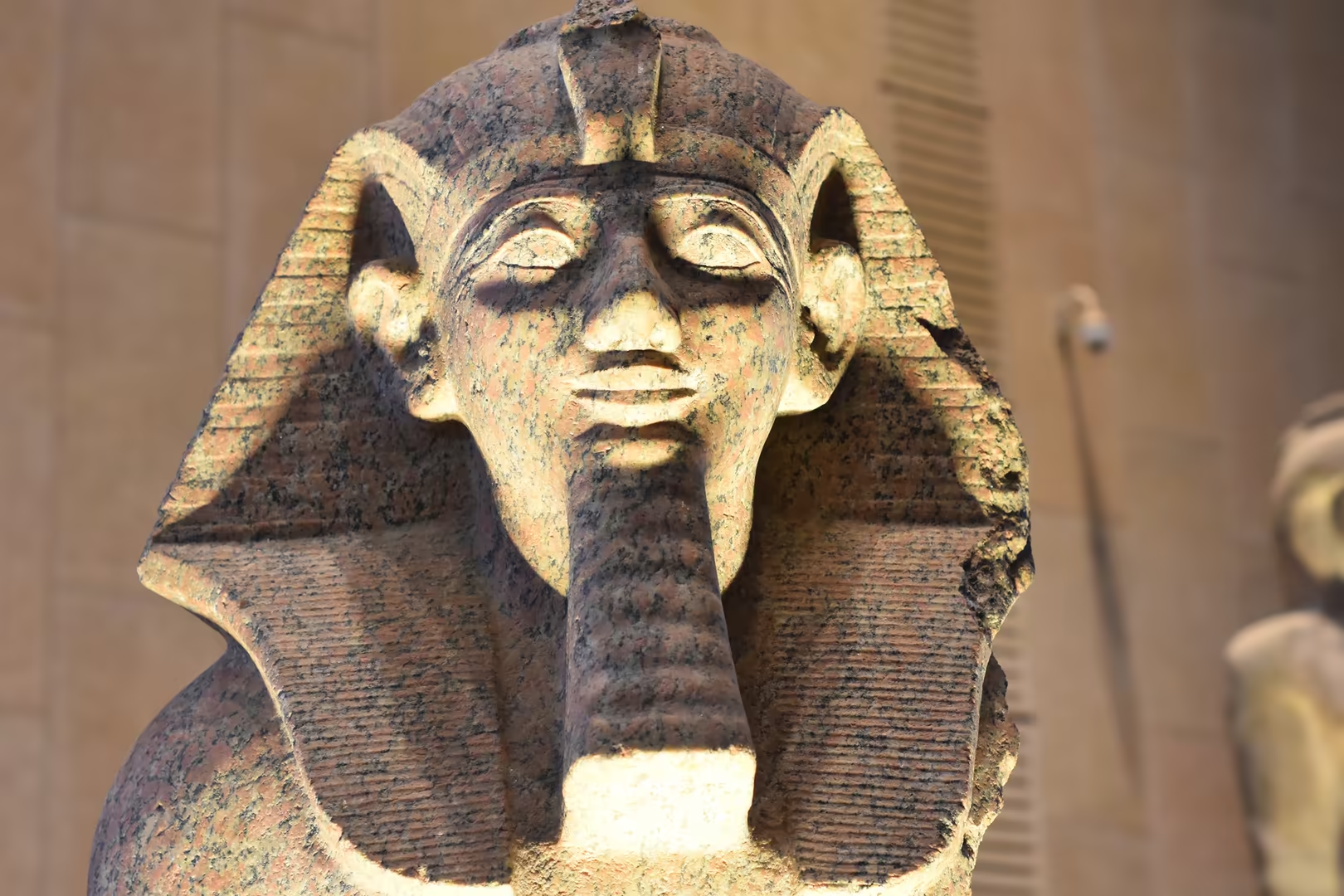
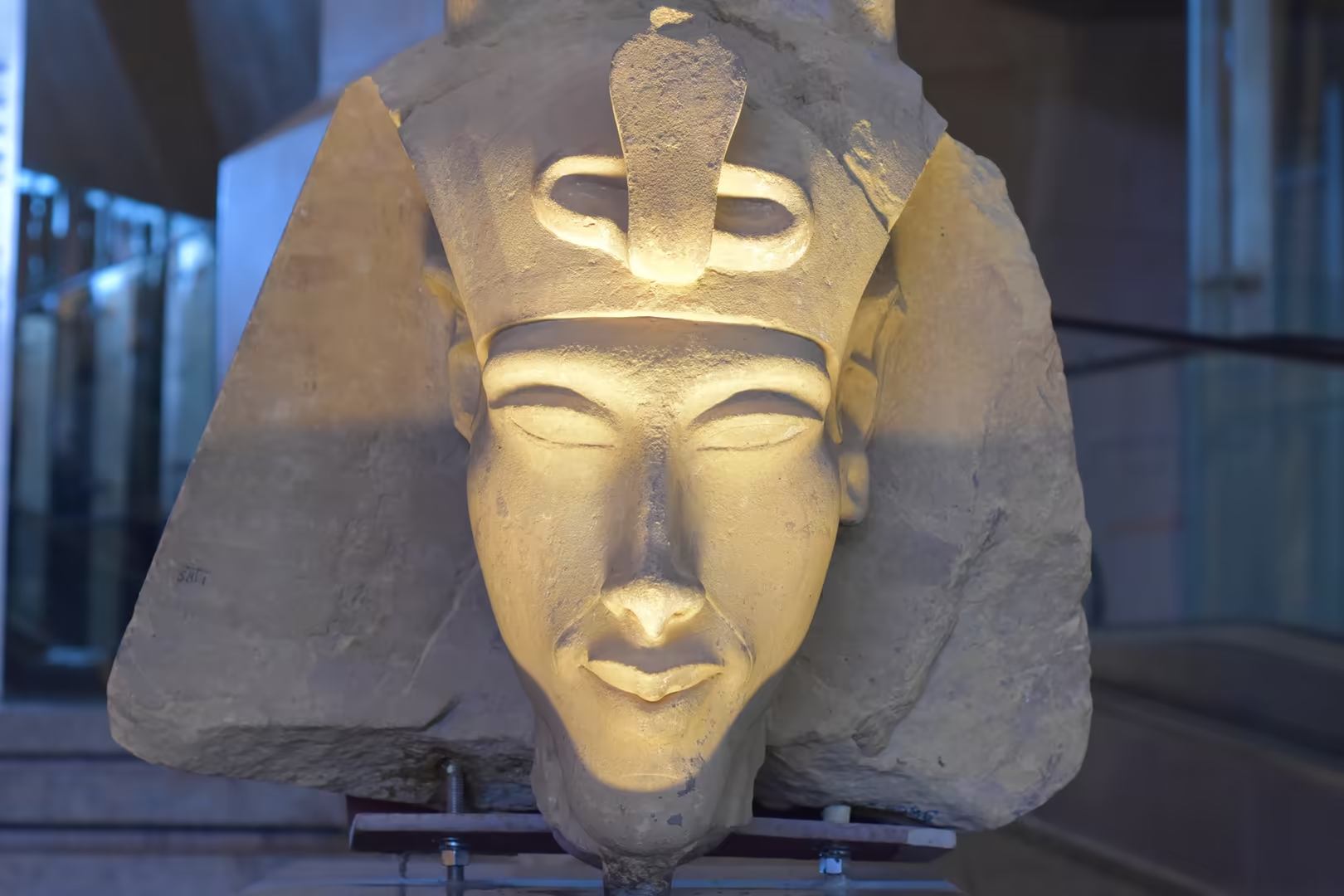
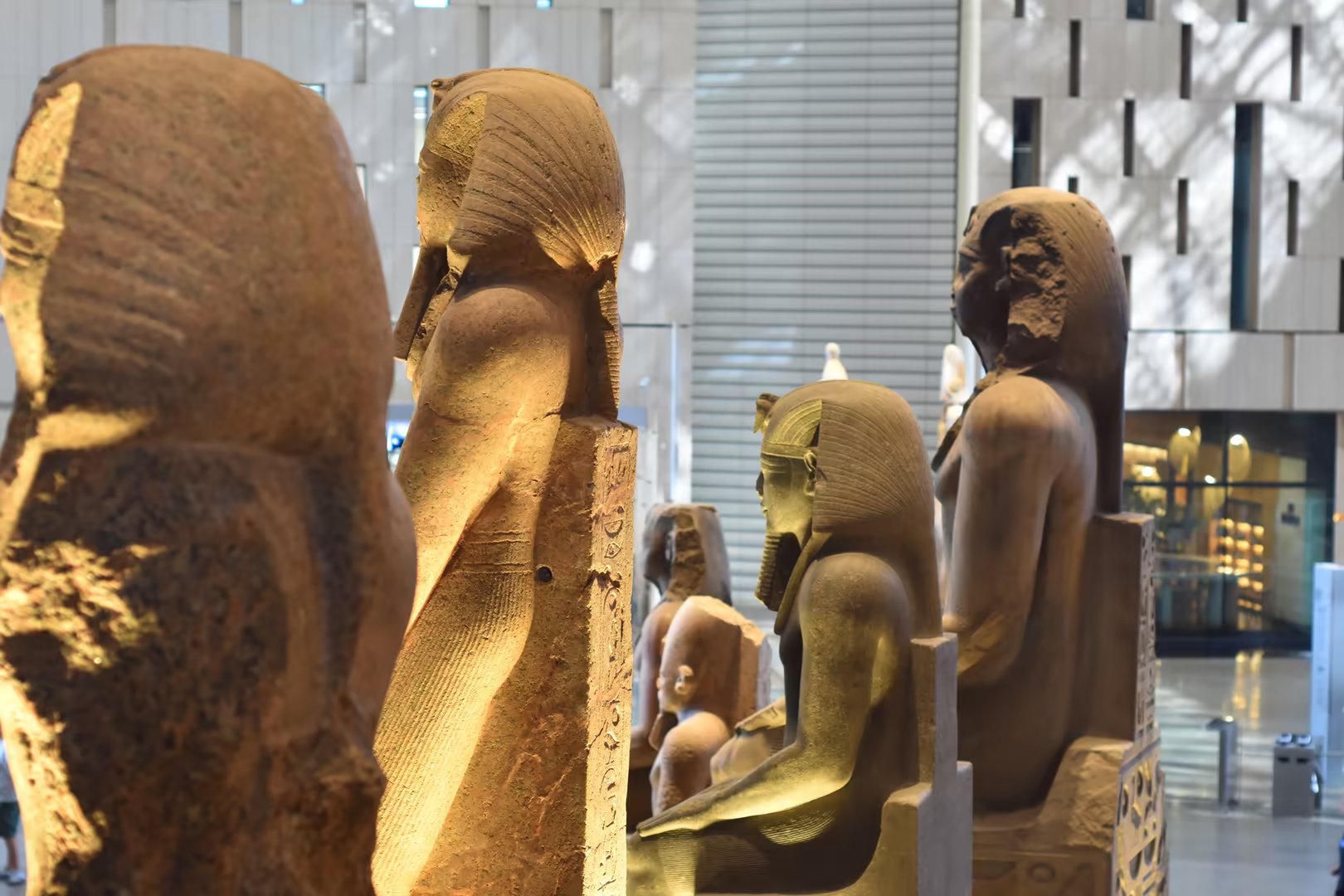
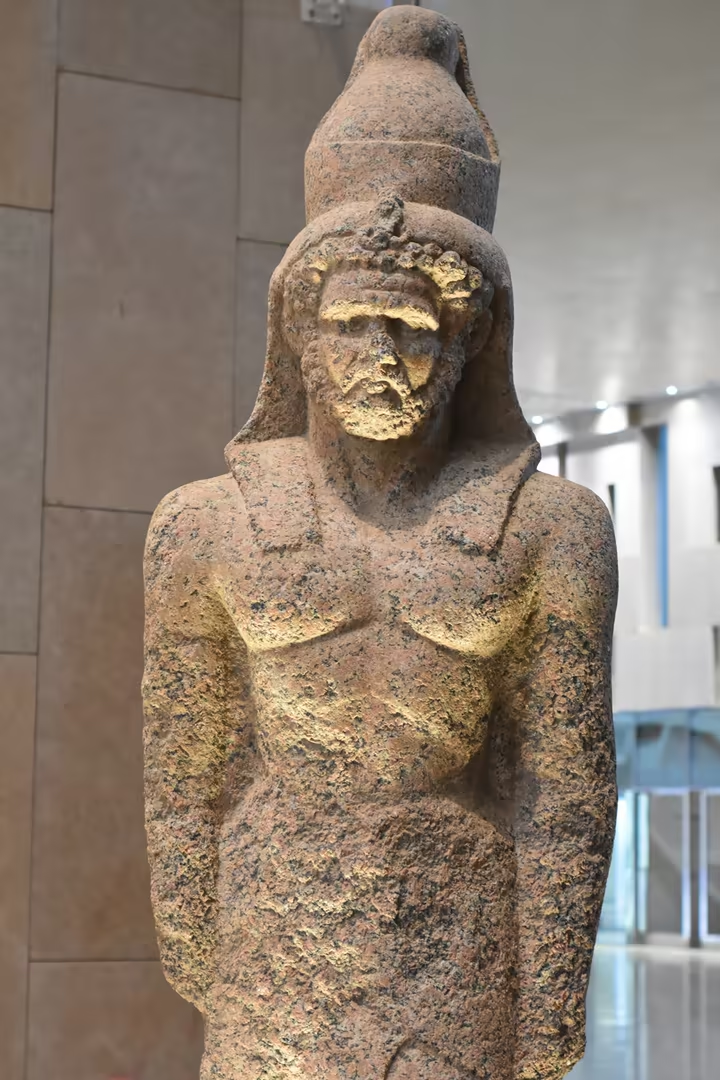
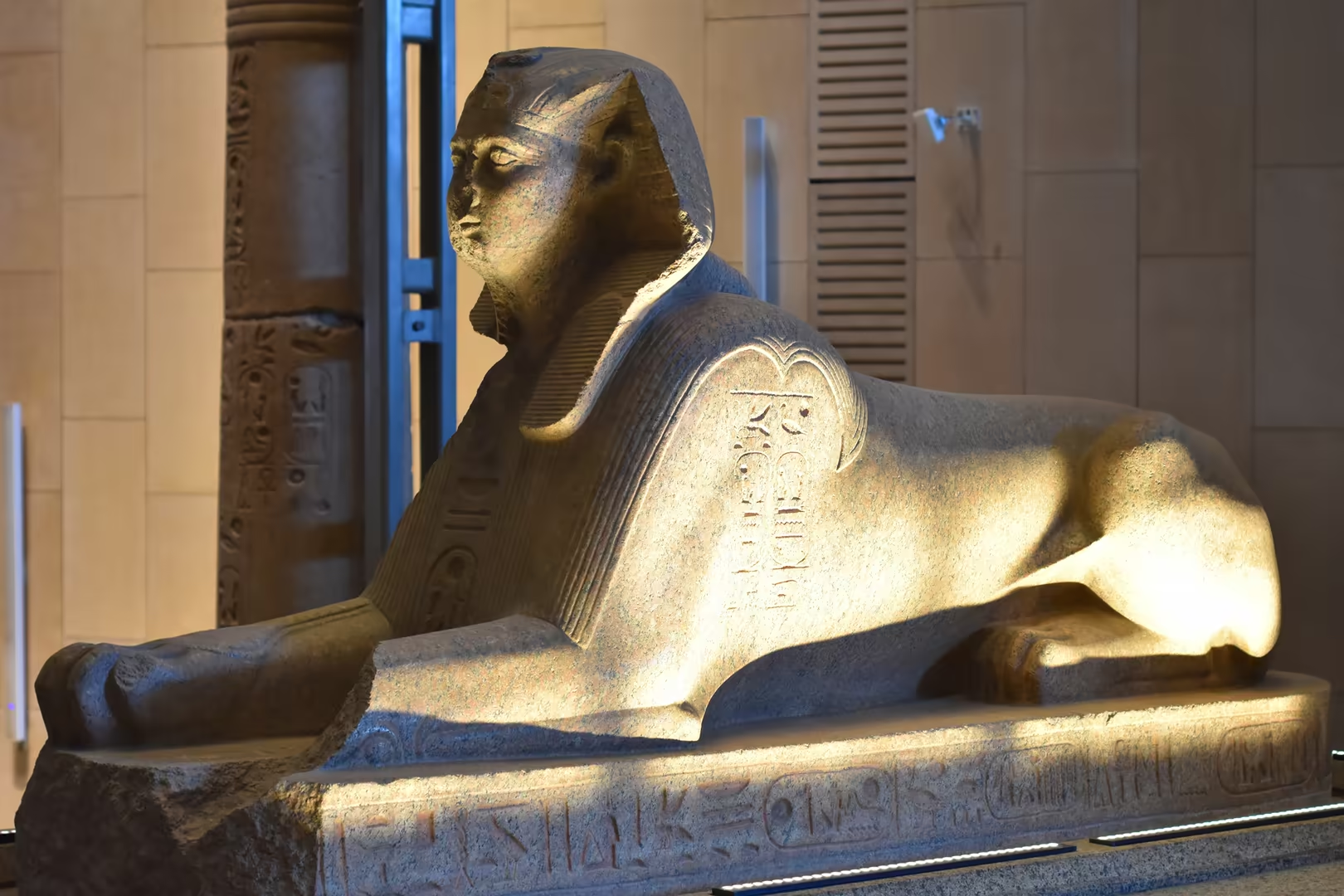
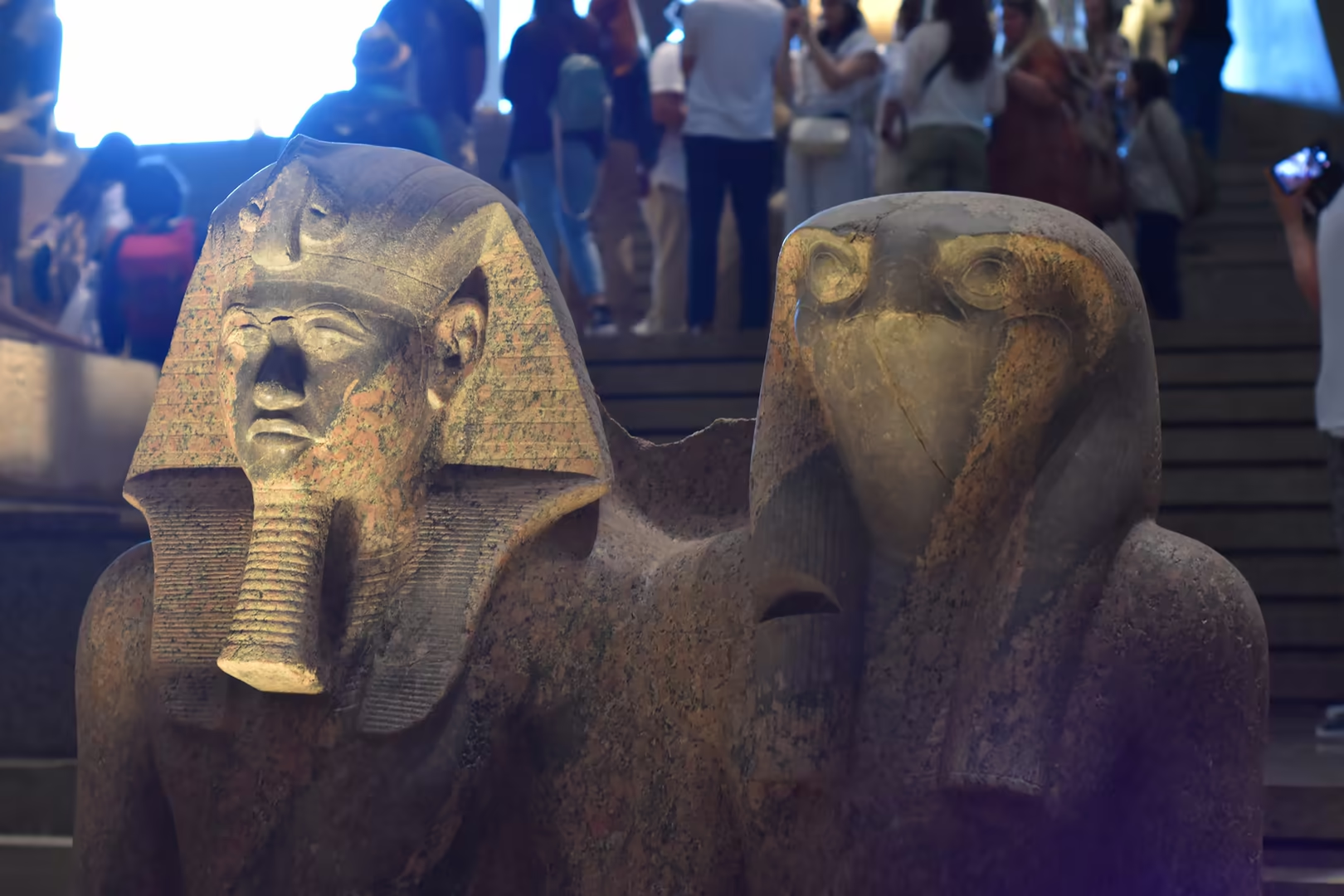
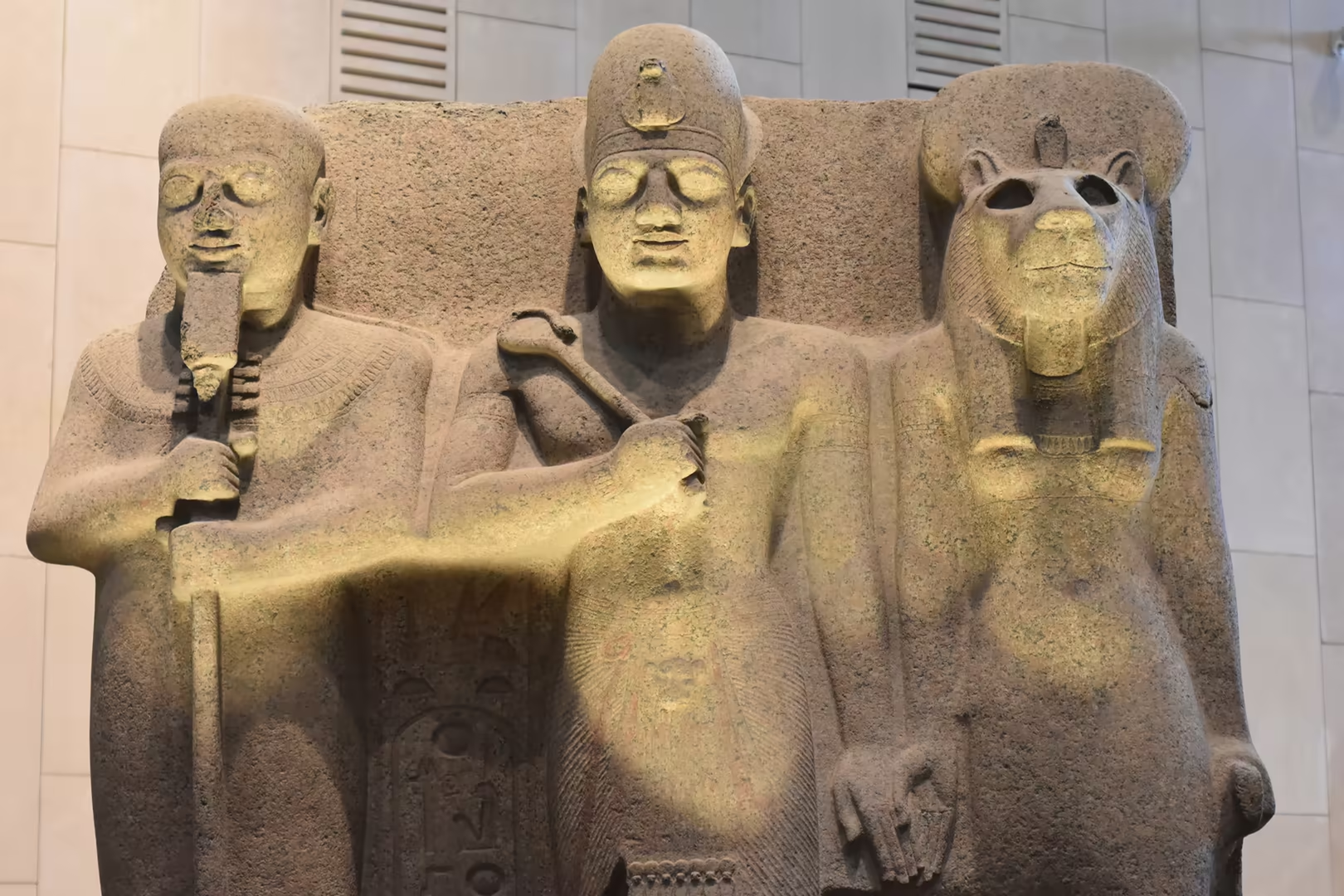
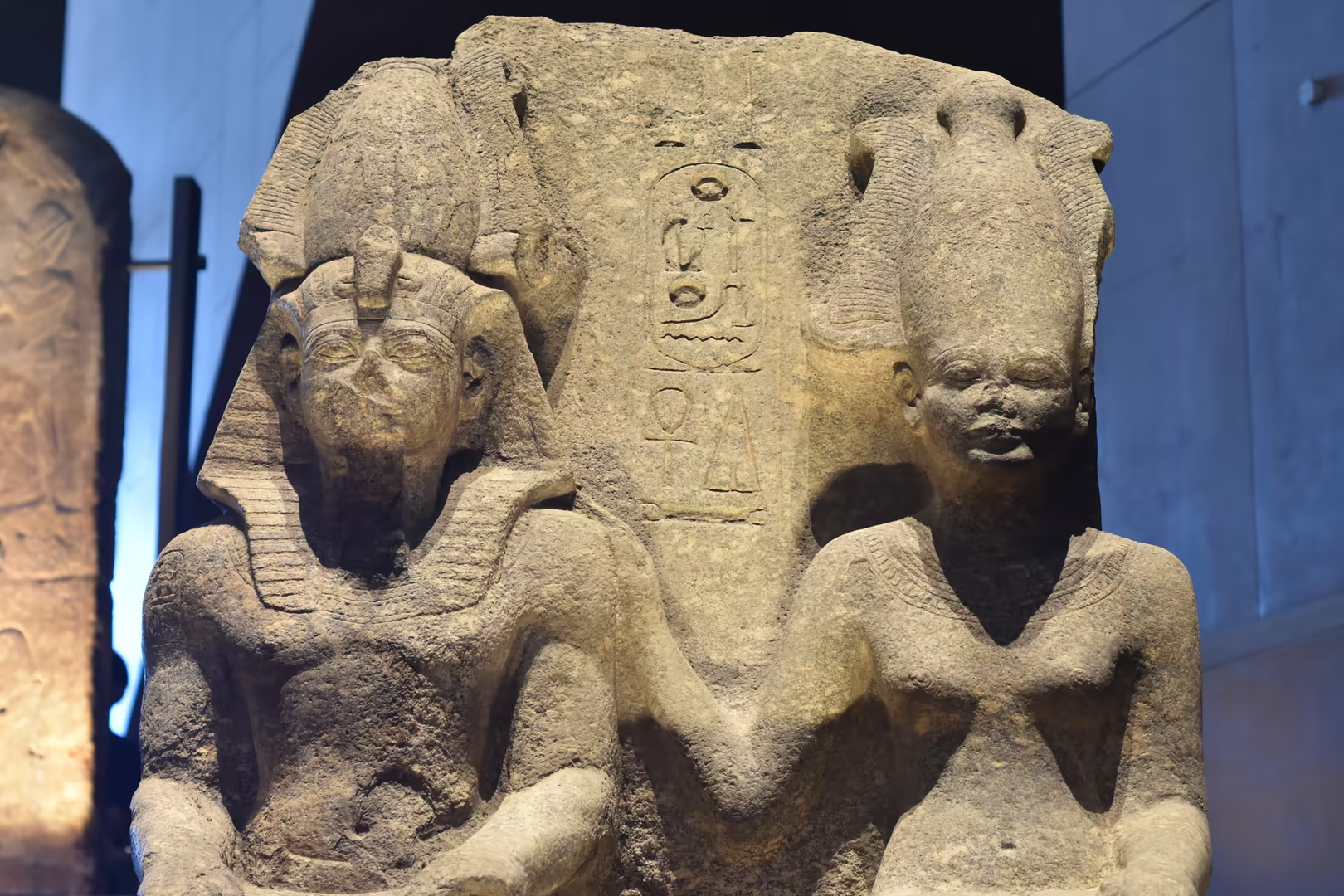
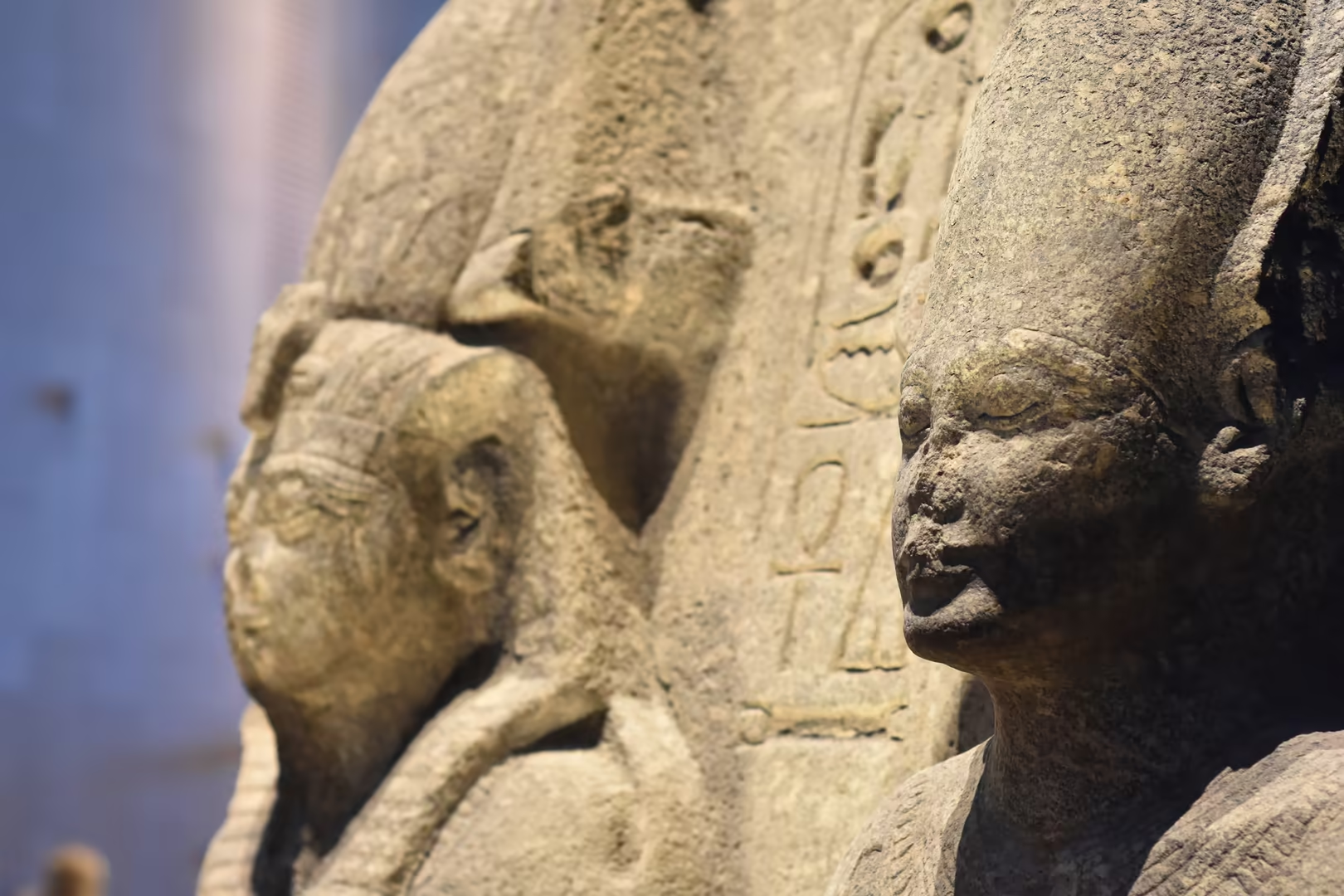
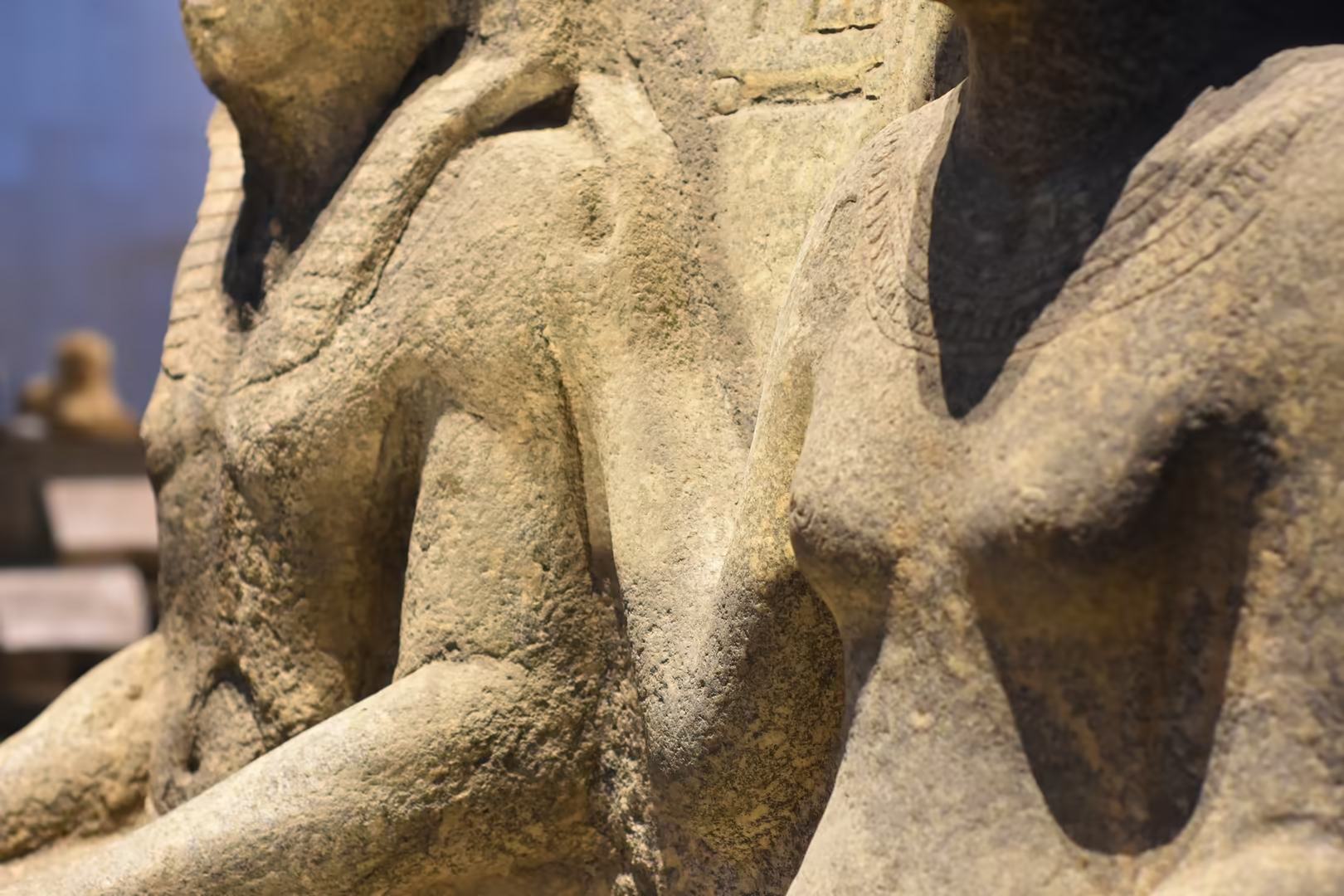
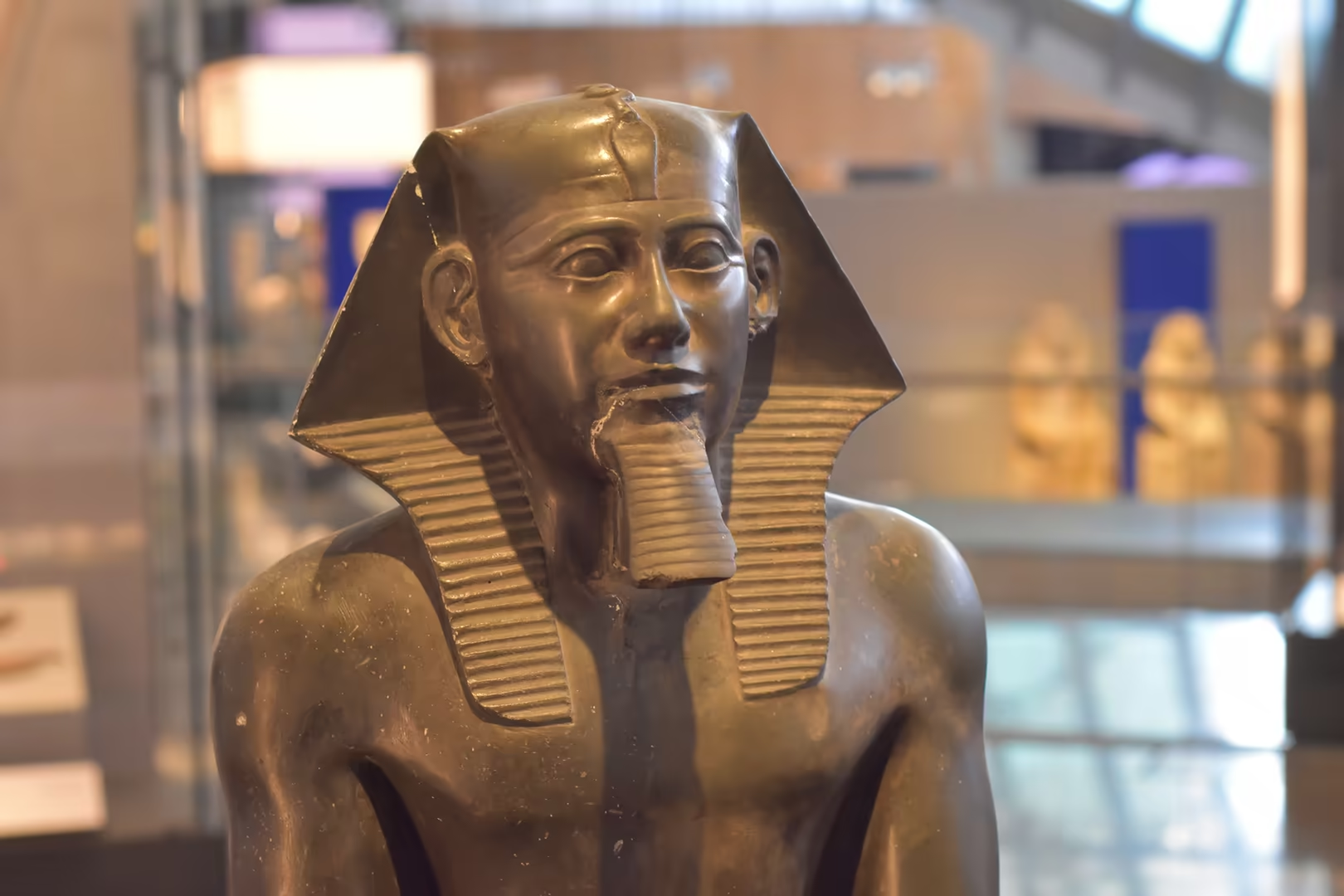
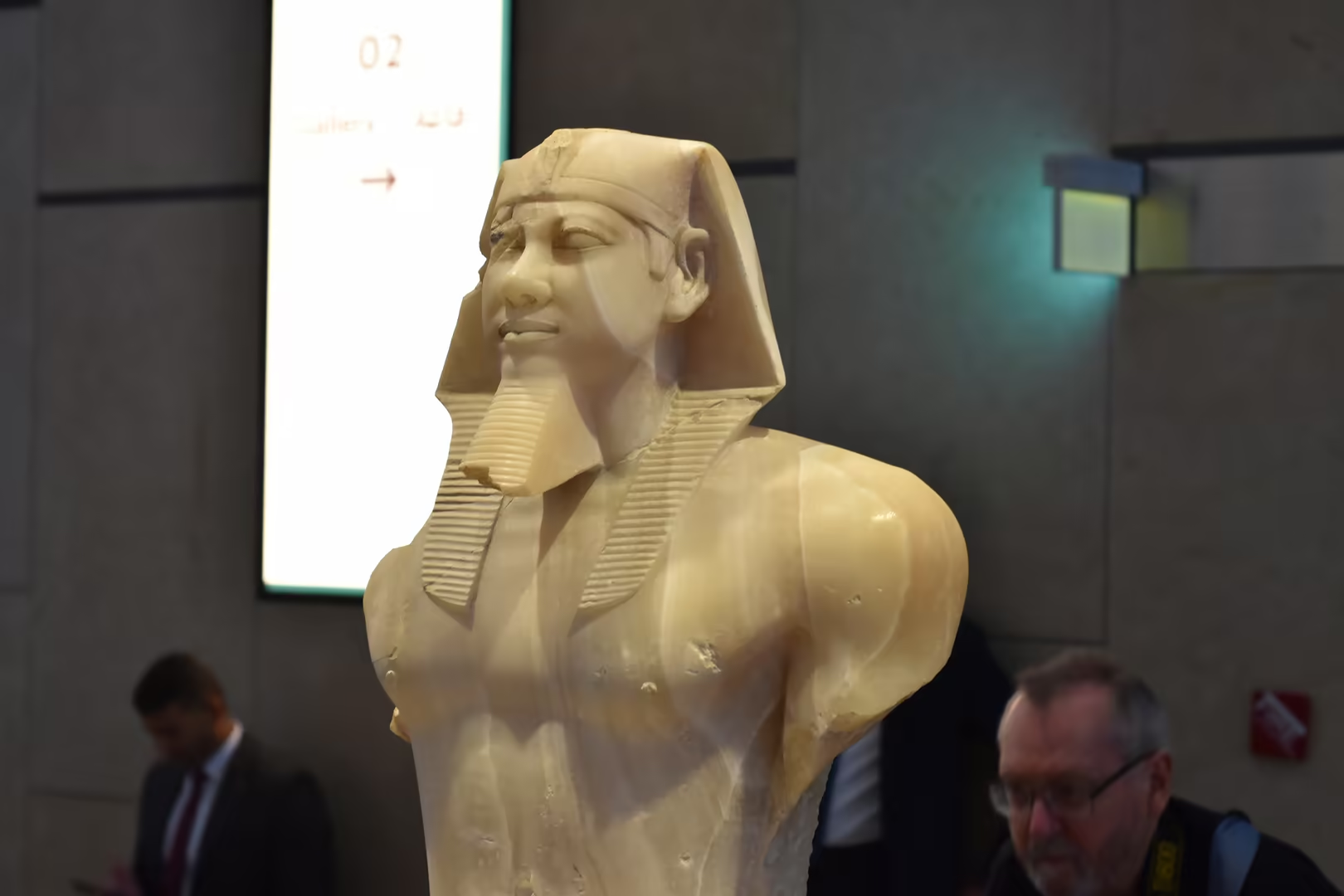
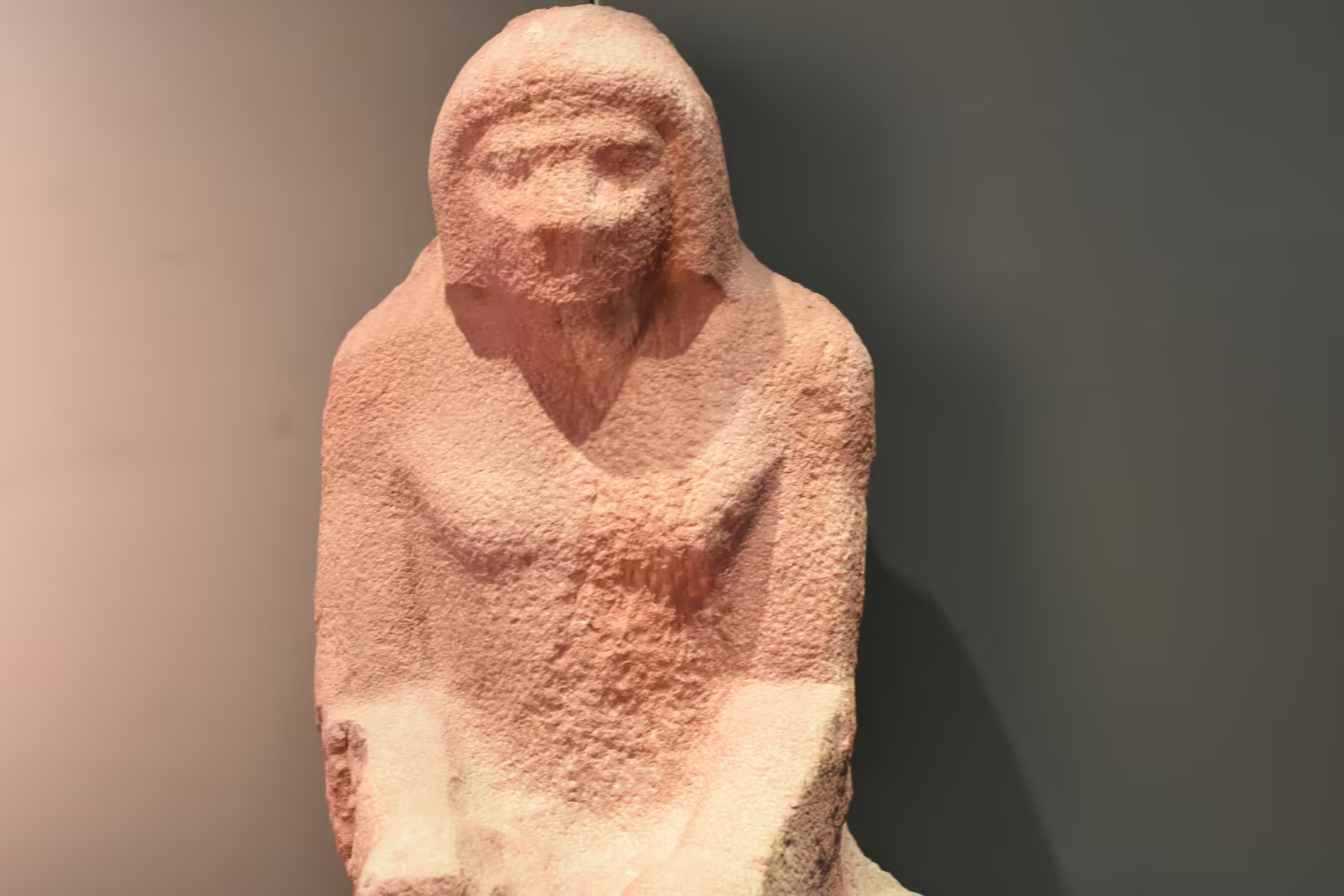
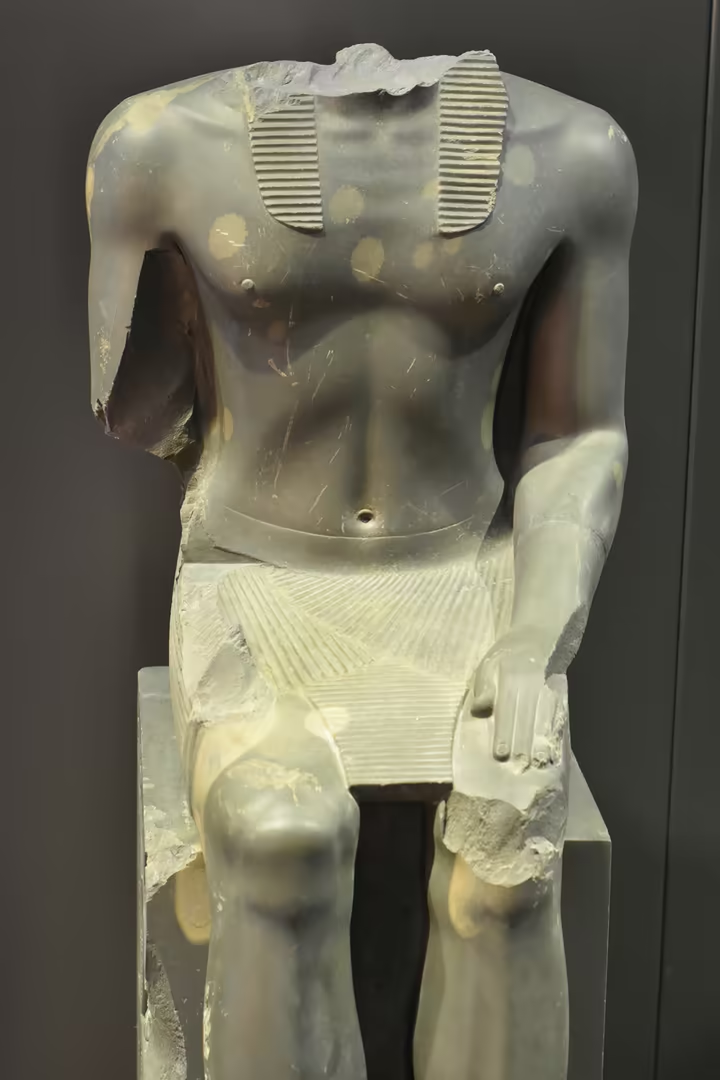
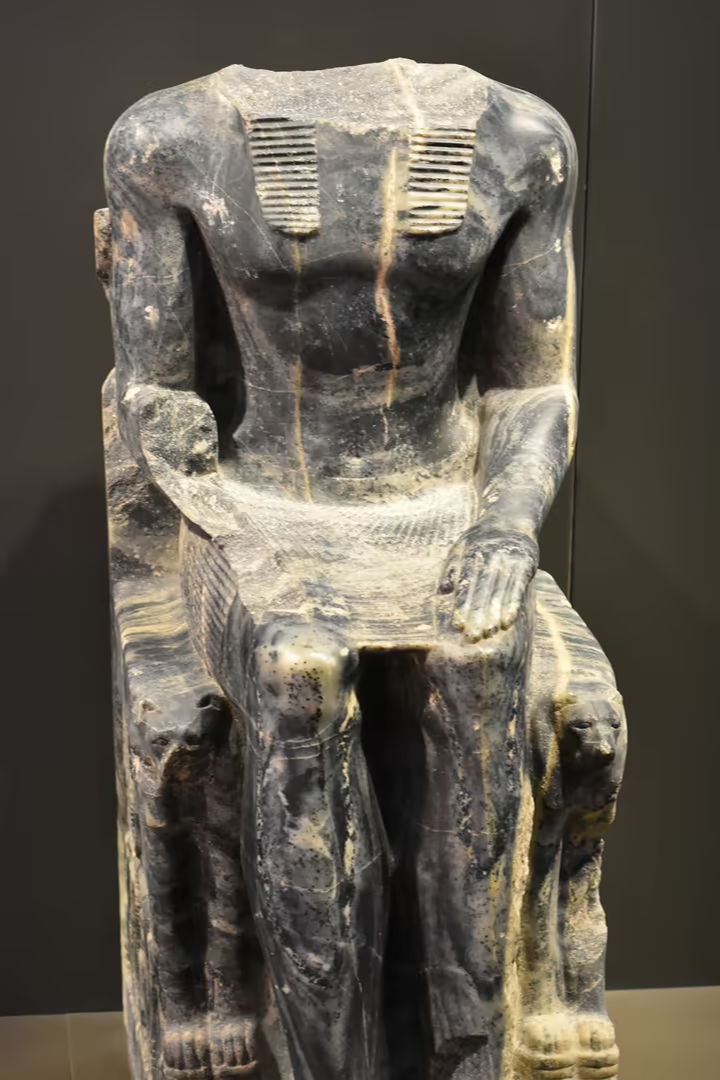
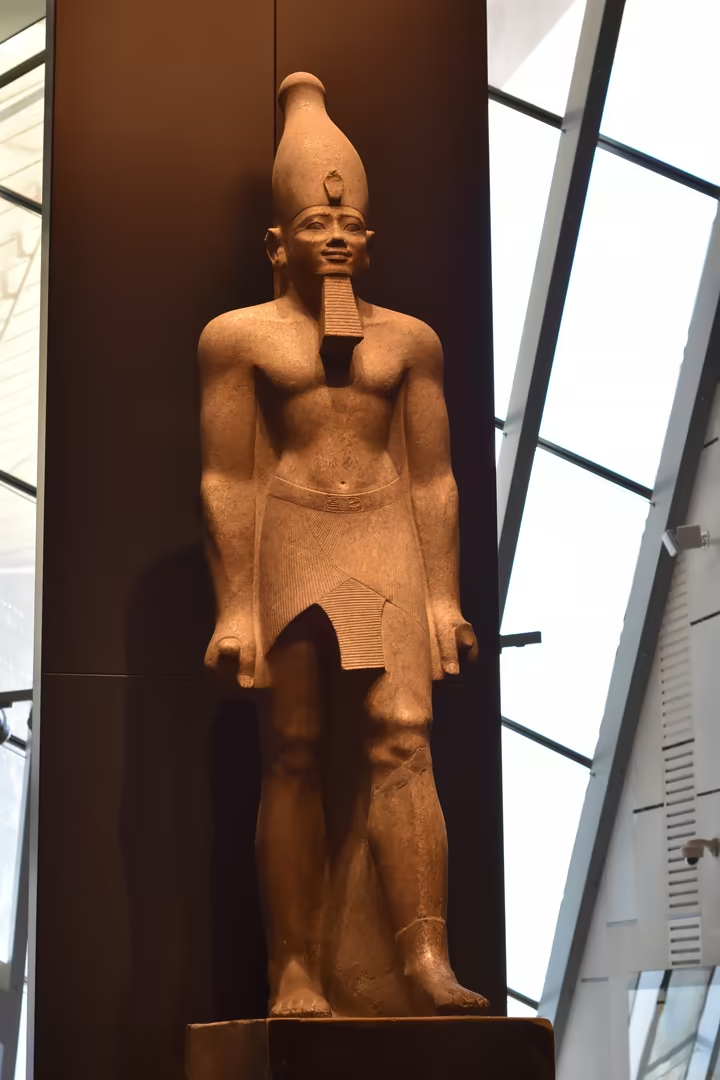
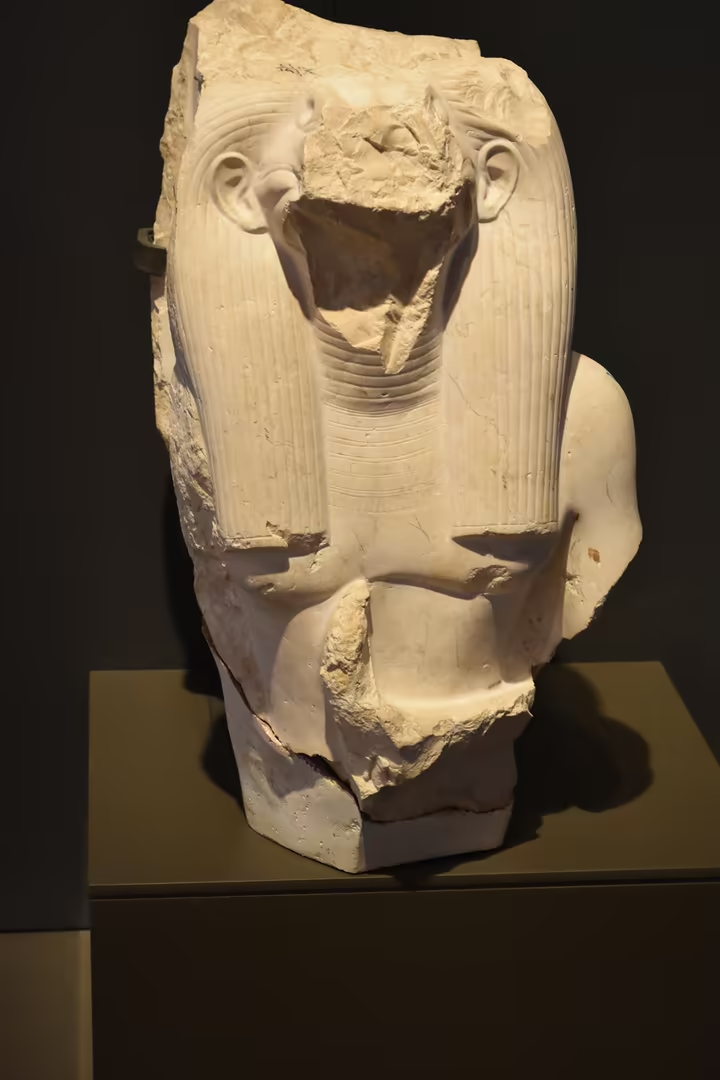
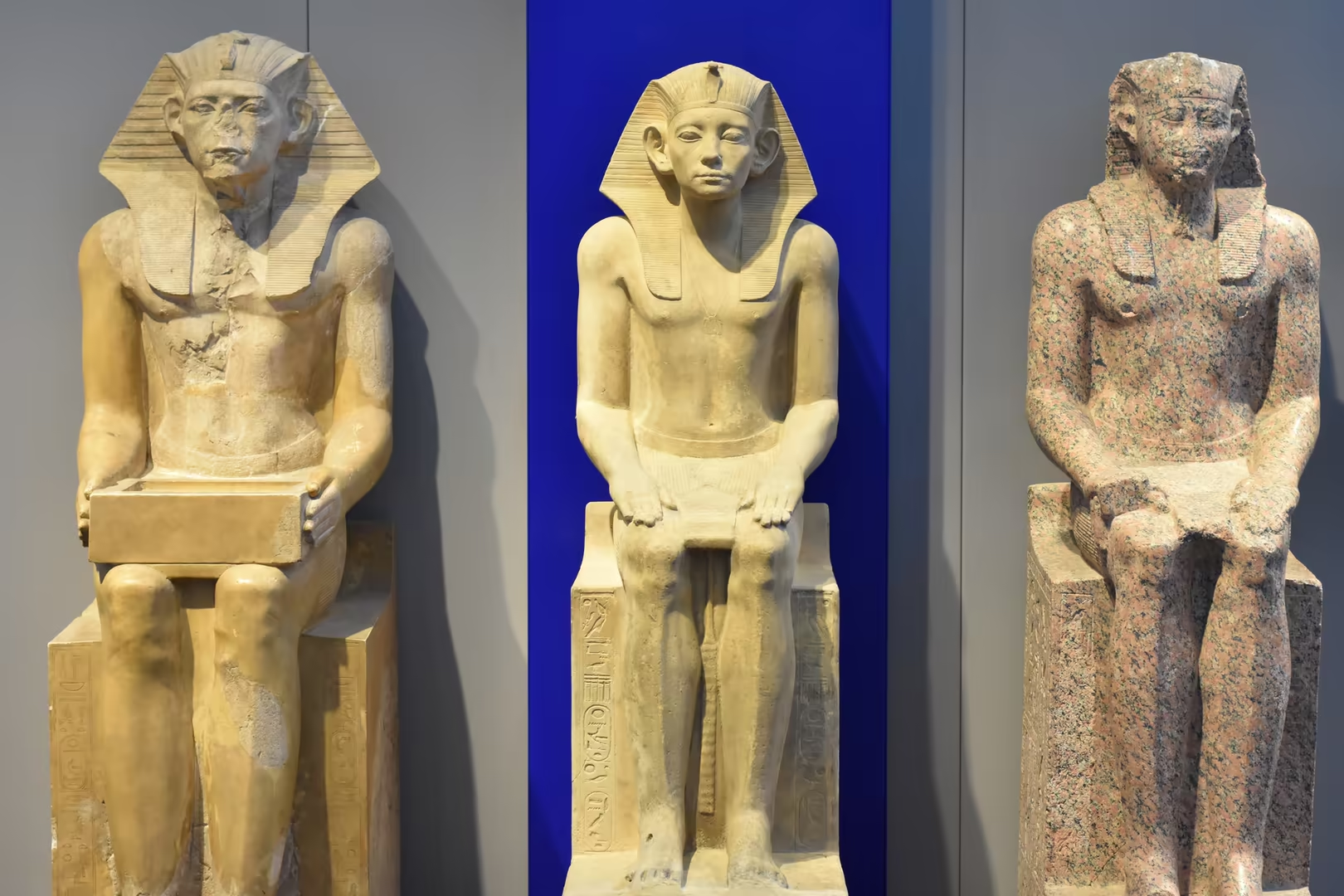
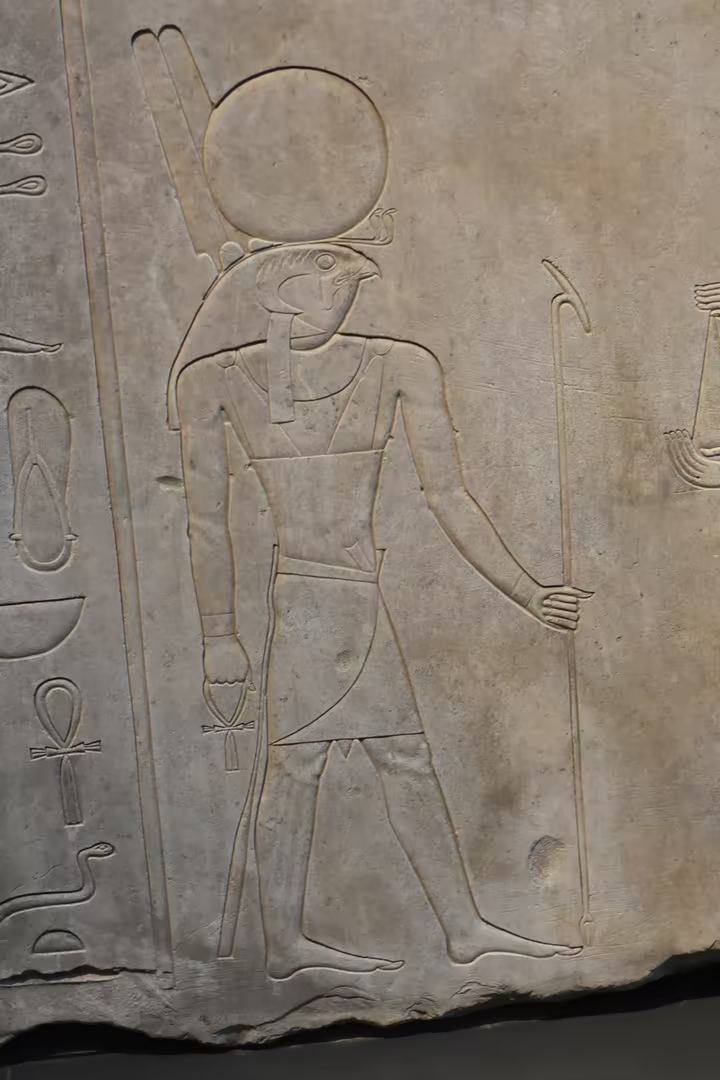
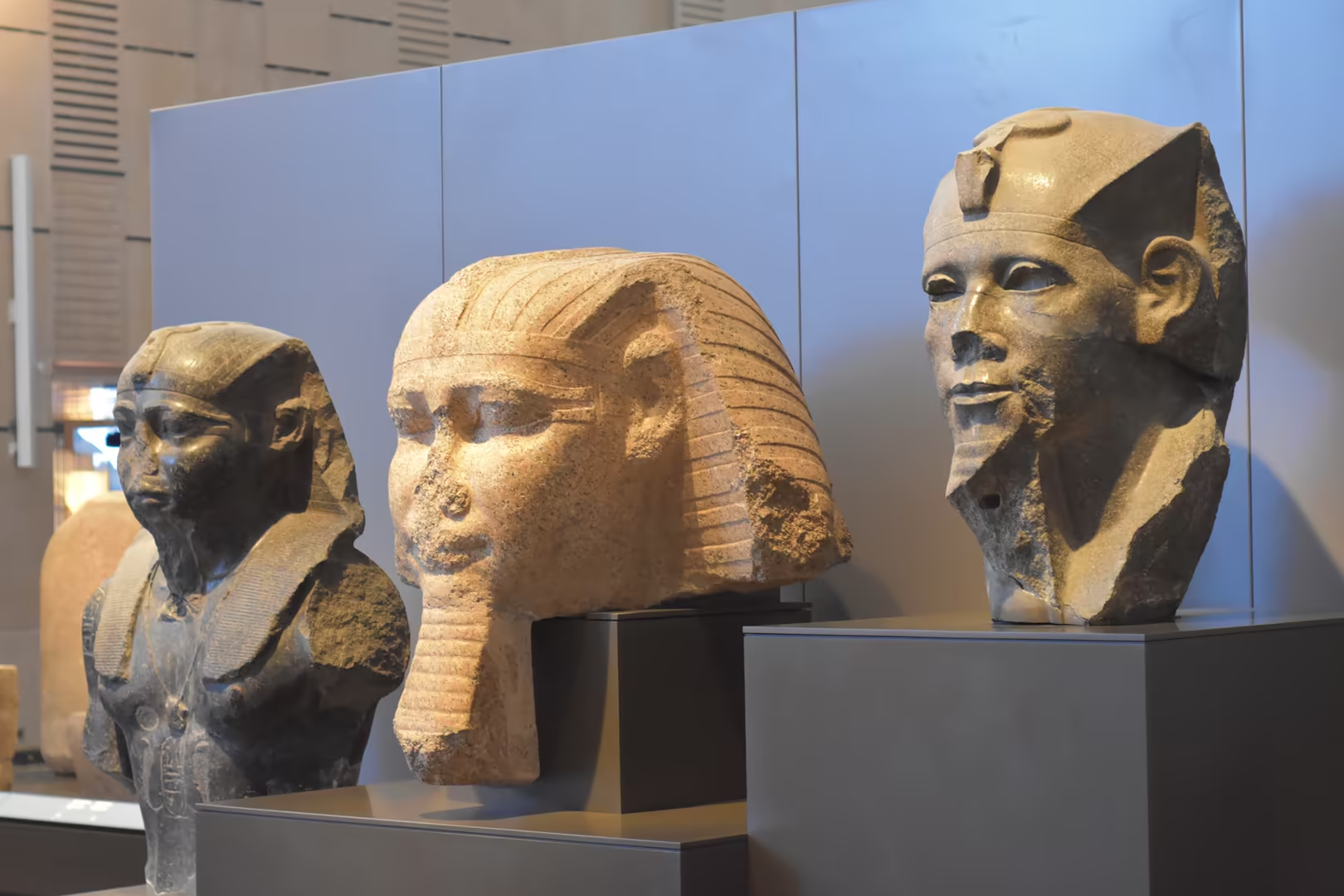
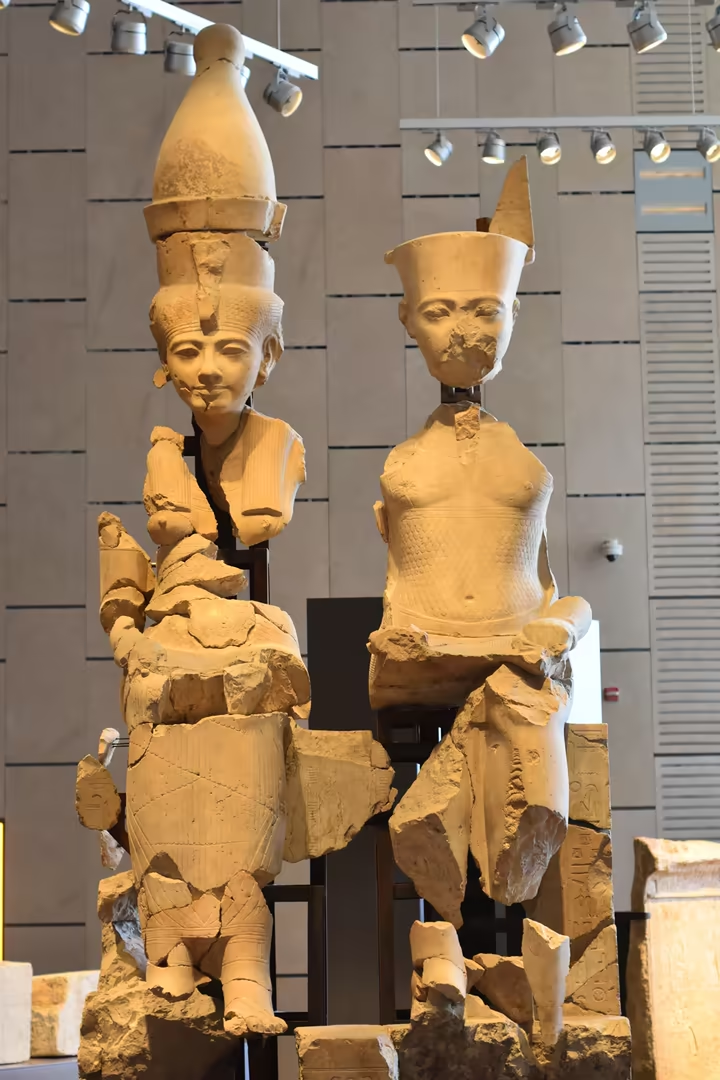
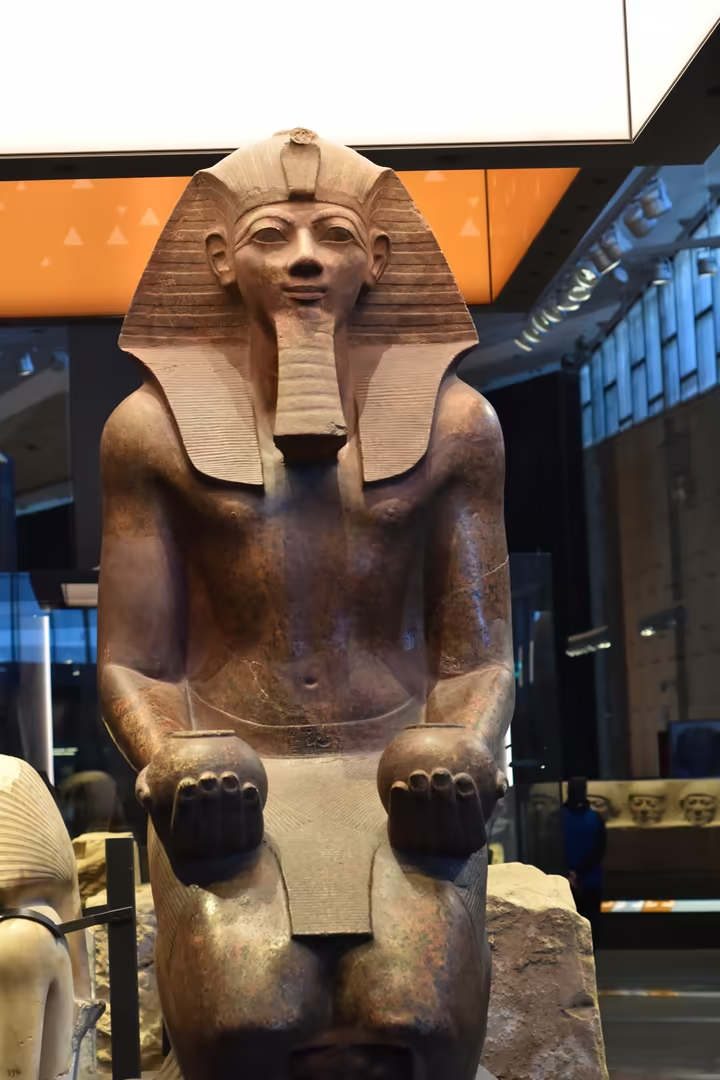
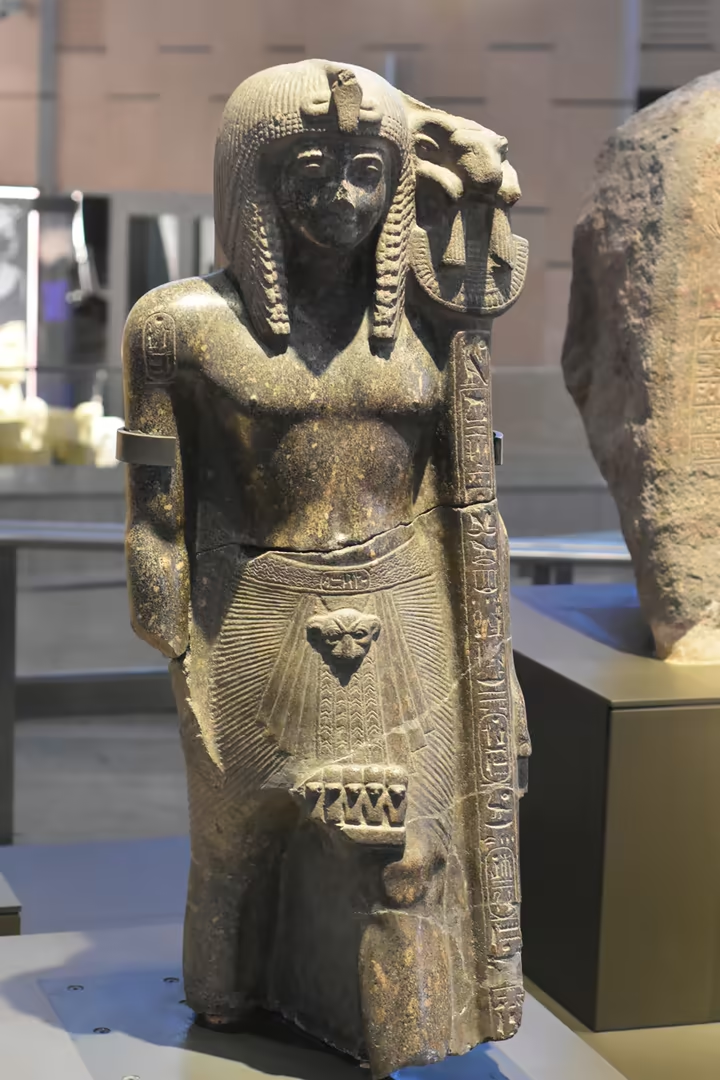
The Grand Hall, a glazed atrium of ten thousand square metres, forms the ceremonial heart of the museum. It is dominated by the colossal seated statue of Ramesses II, more than eleven metres high and hewn from Aswan granite, which was moved from Ramses Square in central Cairo and installed in the hall in 2018. Around the colossus stand the monumental figures of the introductory displays: seated and standing kings with striped nemes headdresses, weathered portrait heads in red and grey granite and paired statues of a pharaoh with a falcon god, their surfaces modelled by daylight falling through the glass roof.
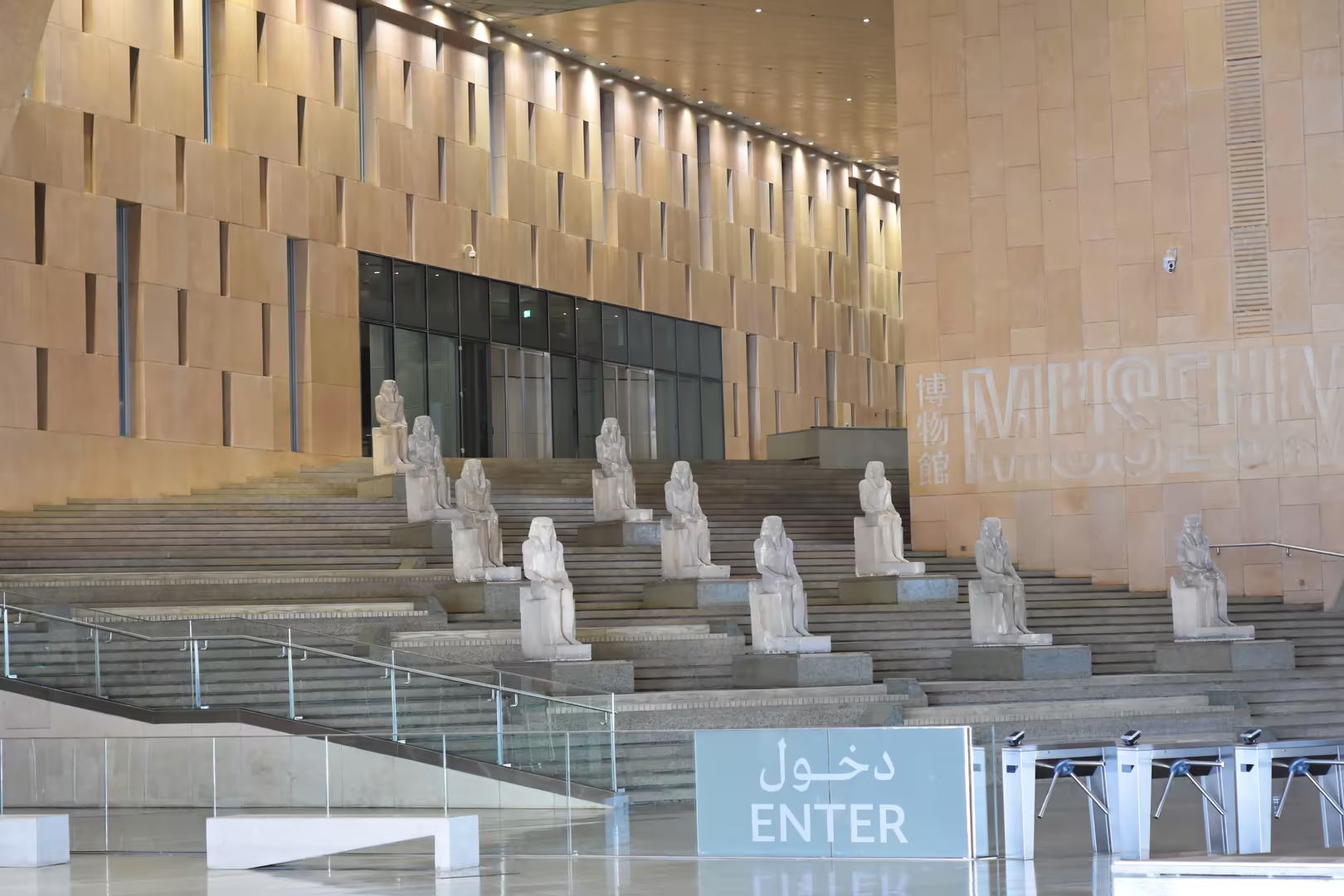
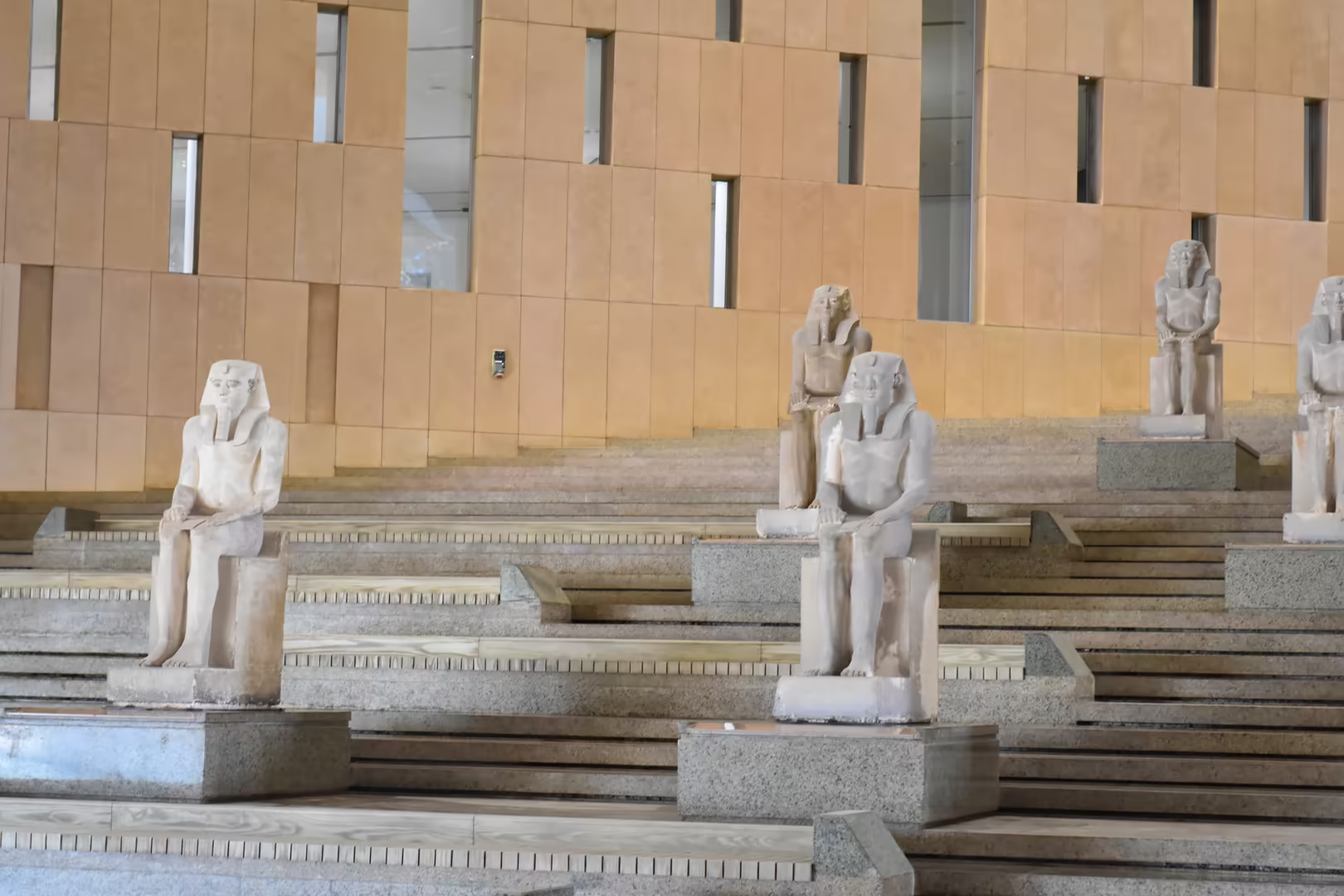
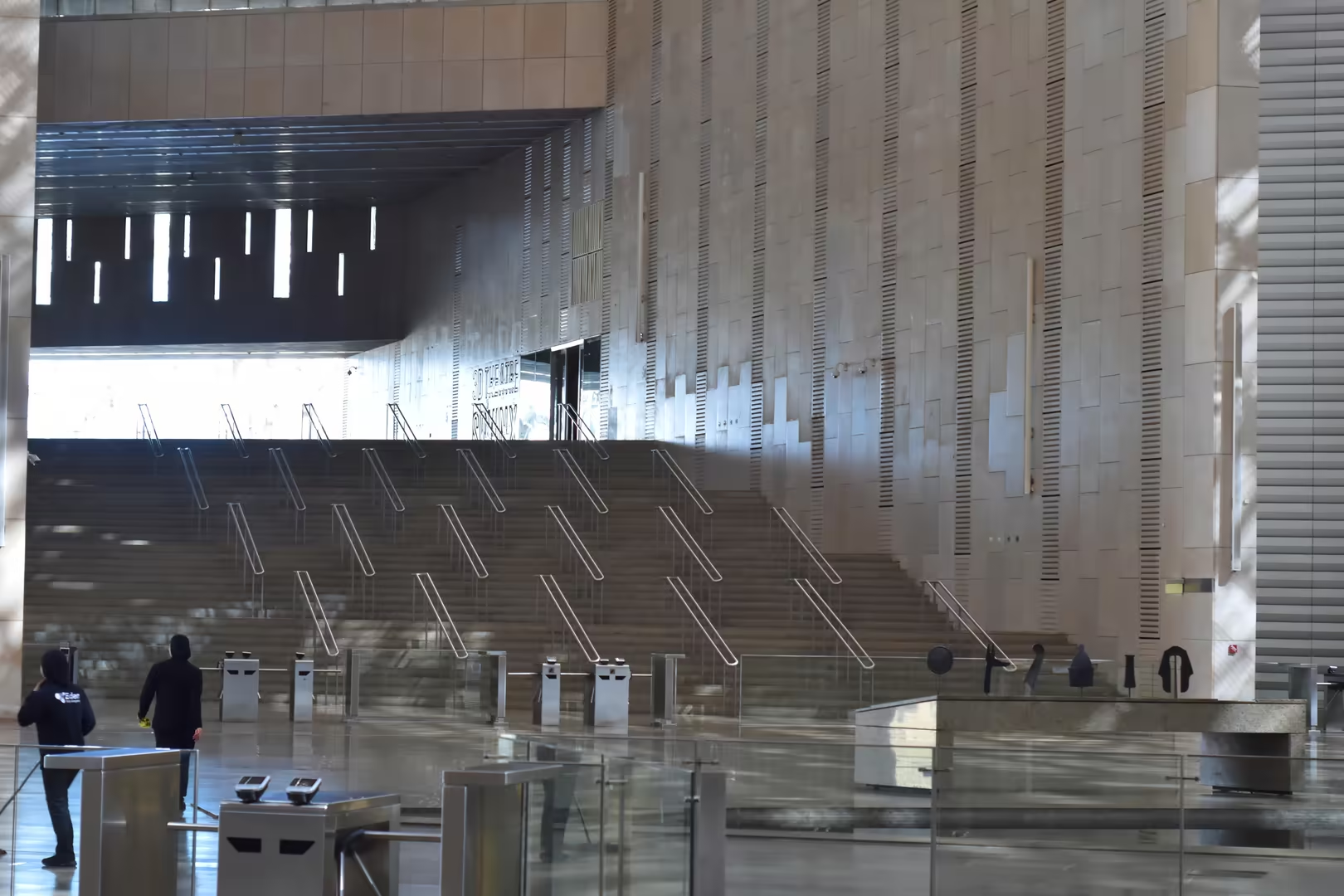
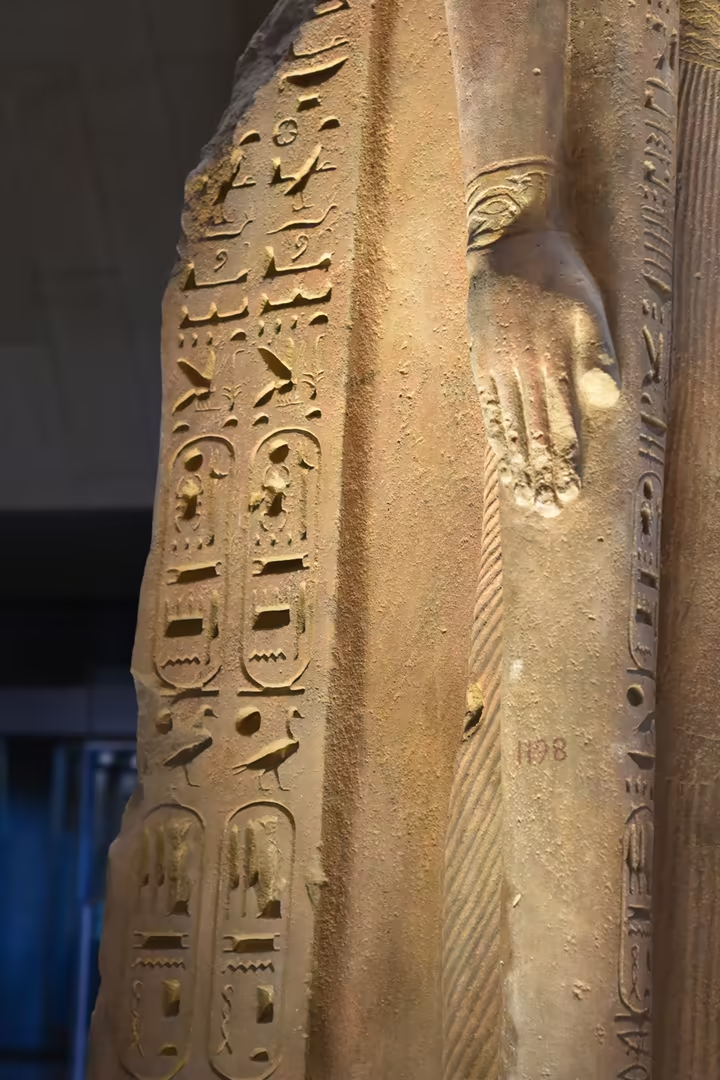
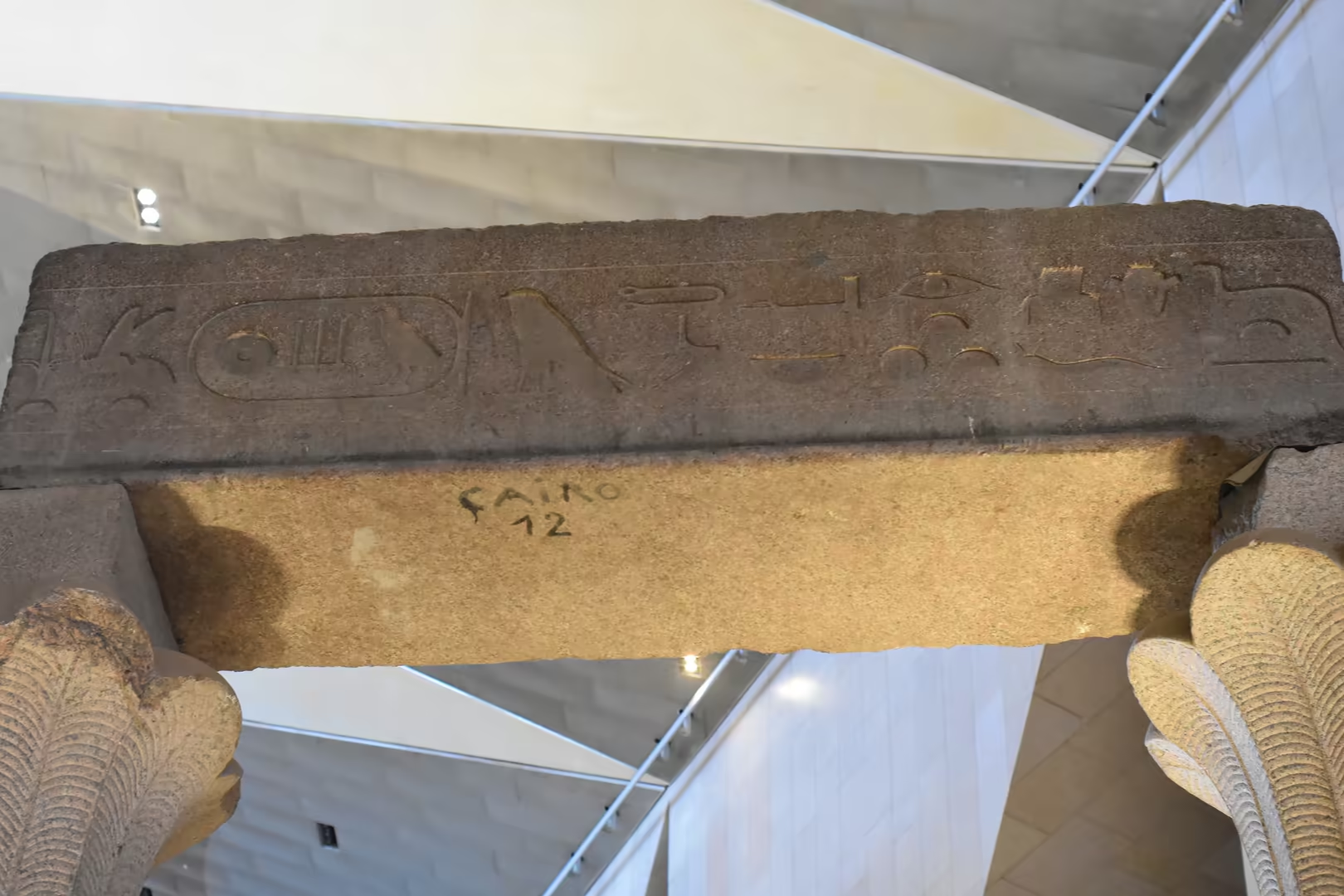
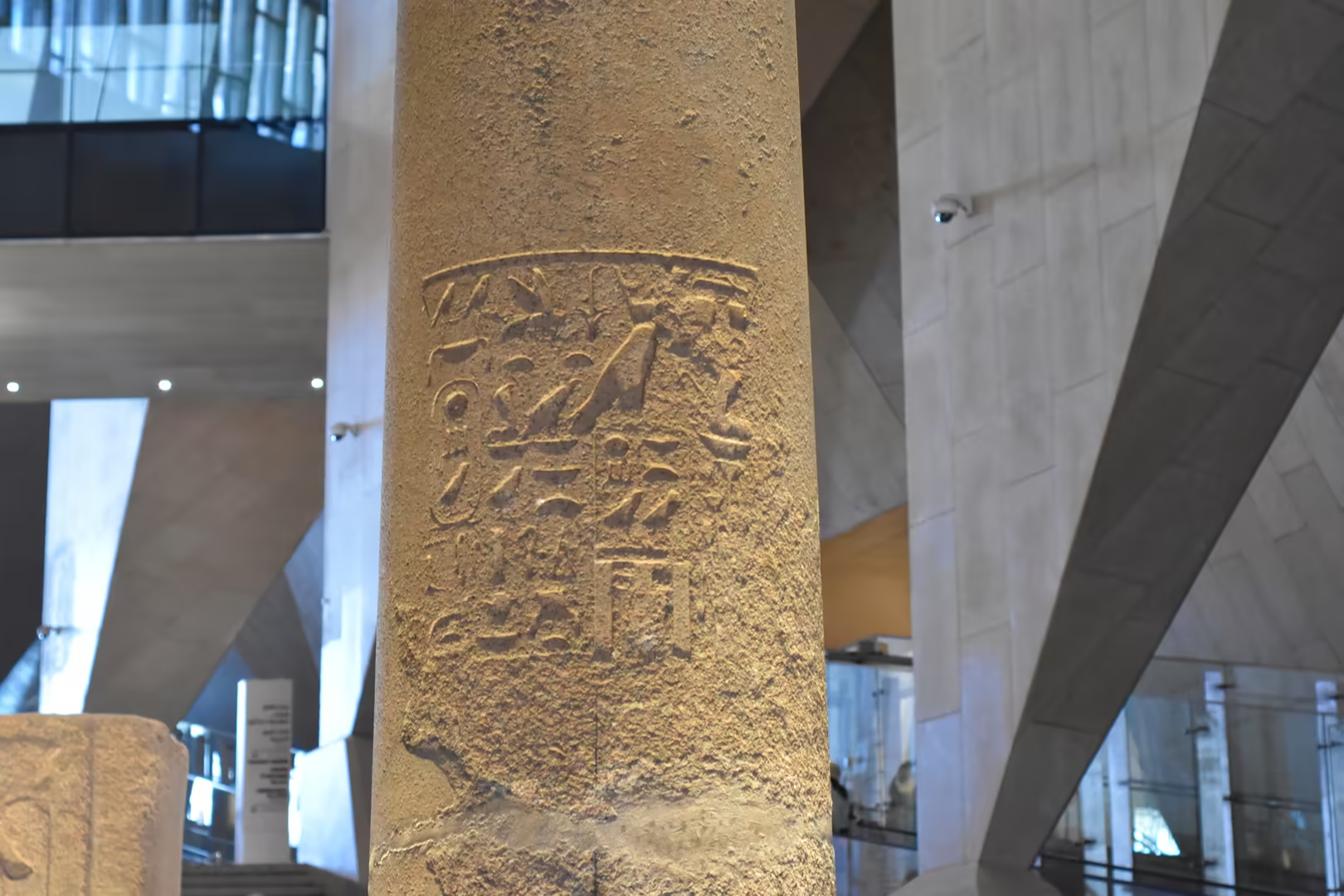
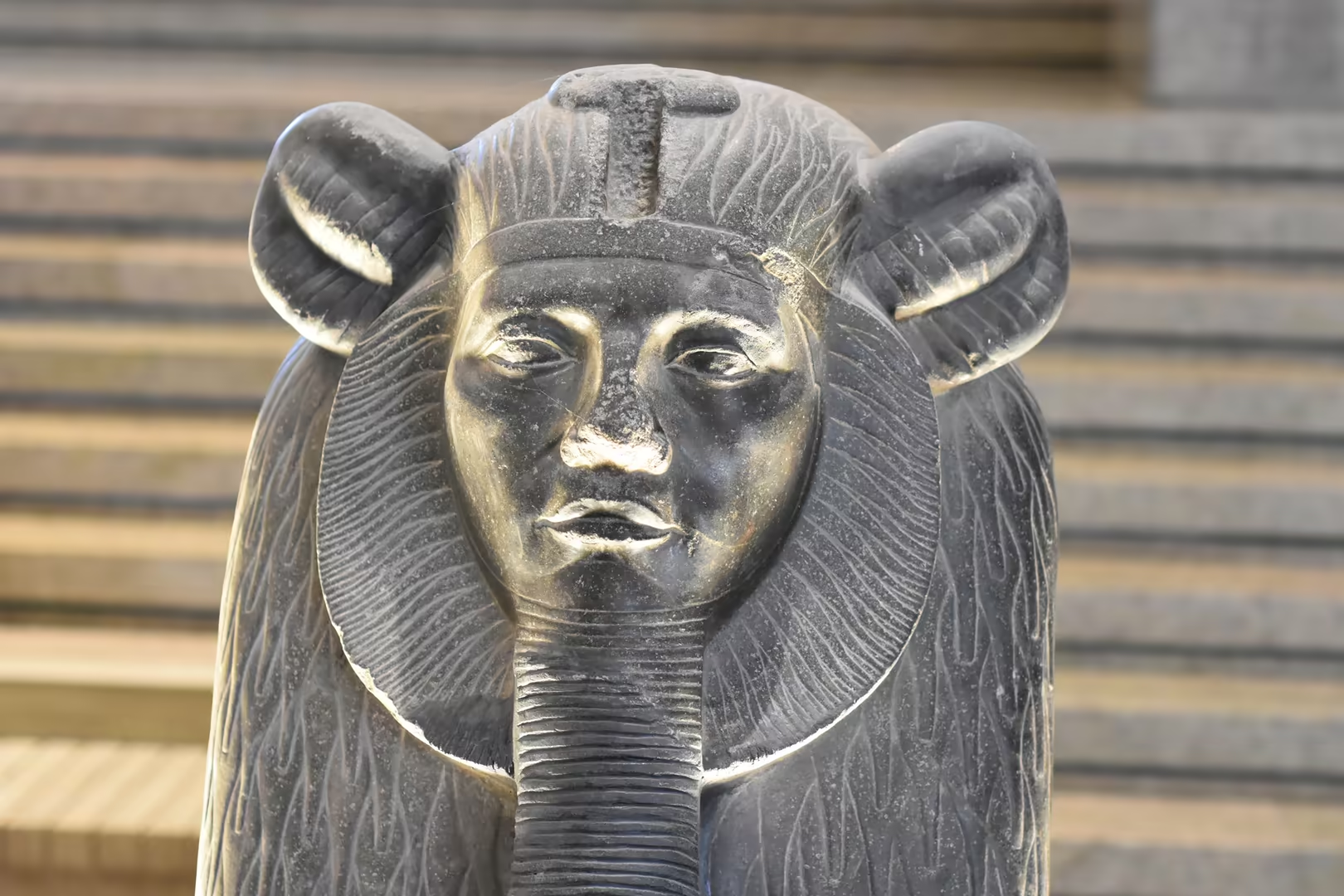
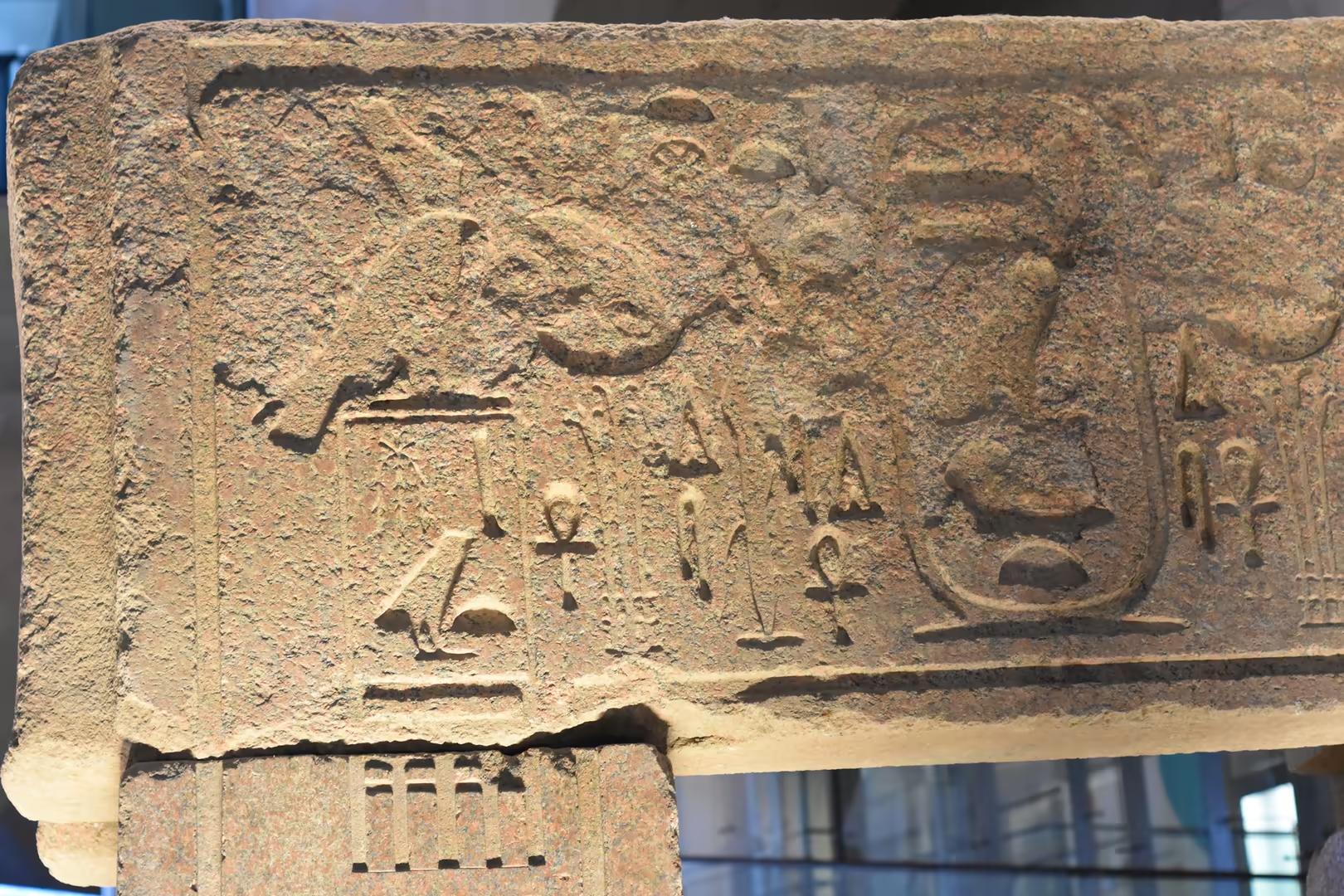
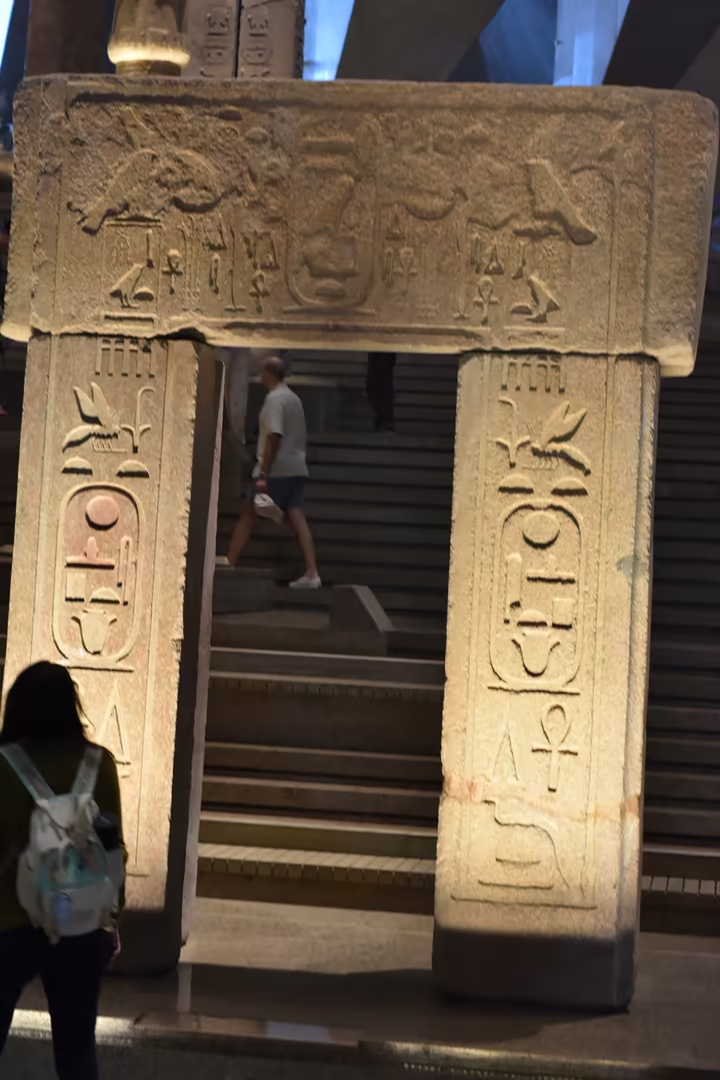
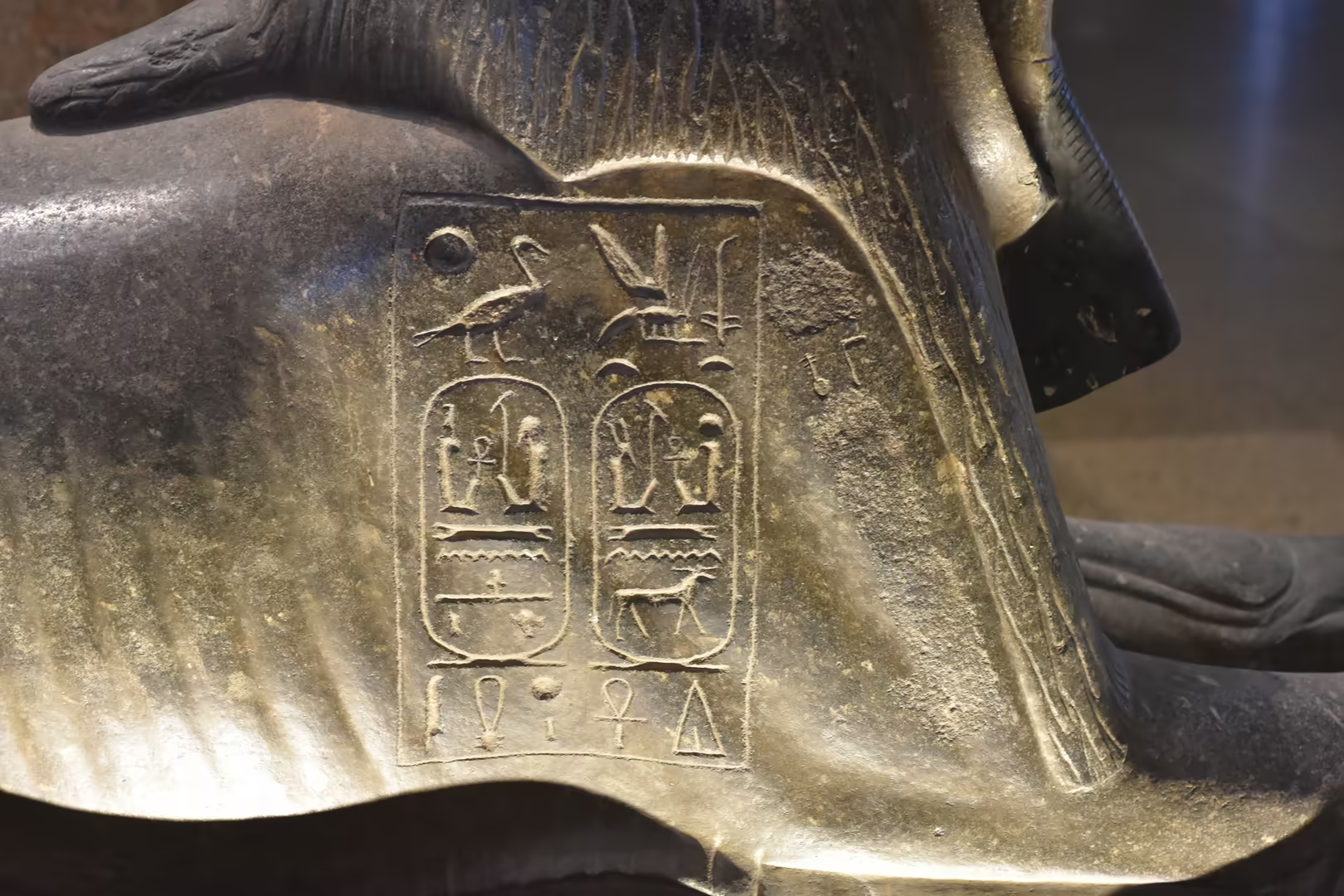
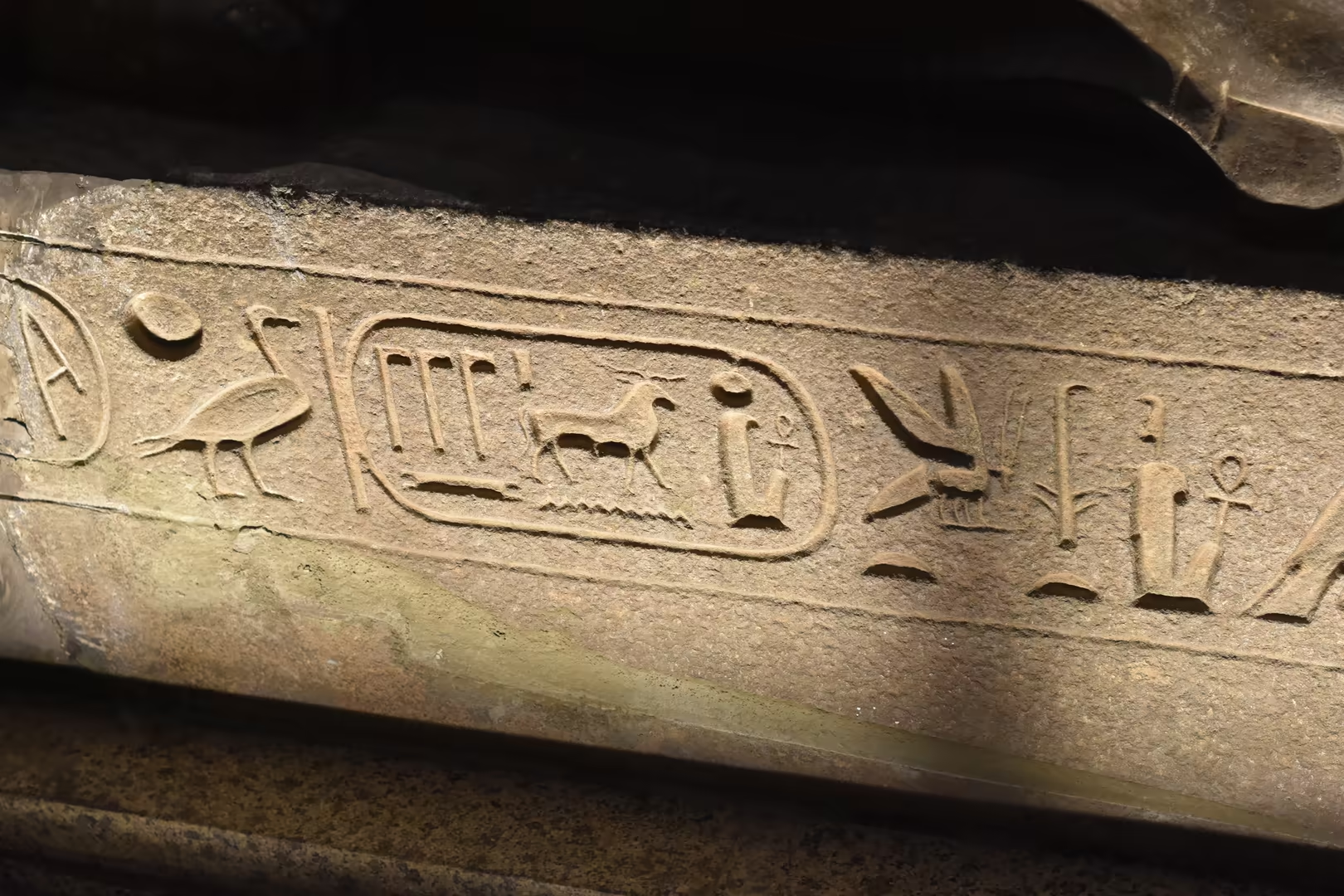
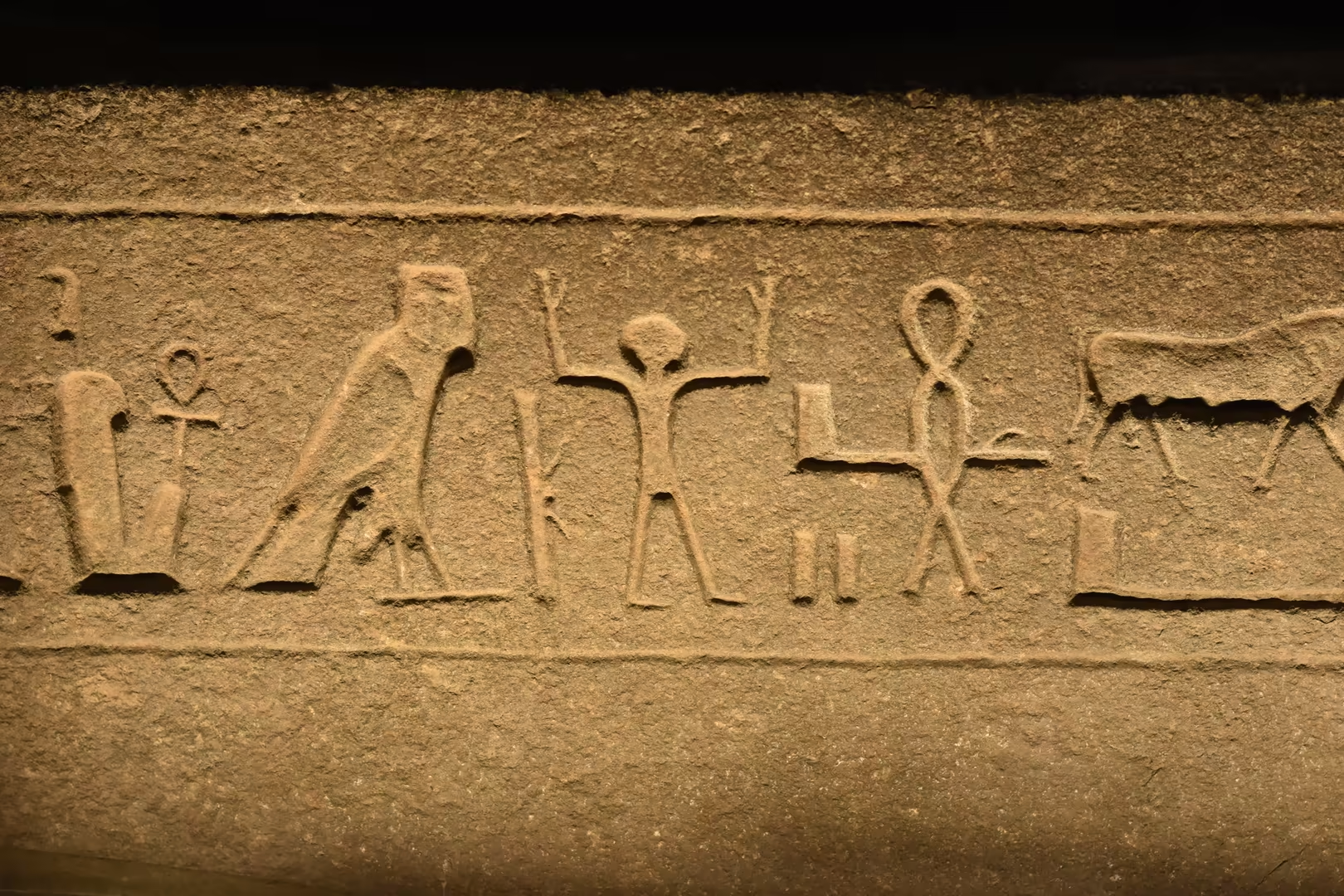
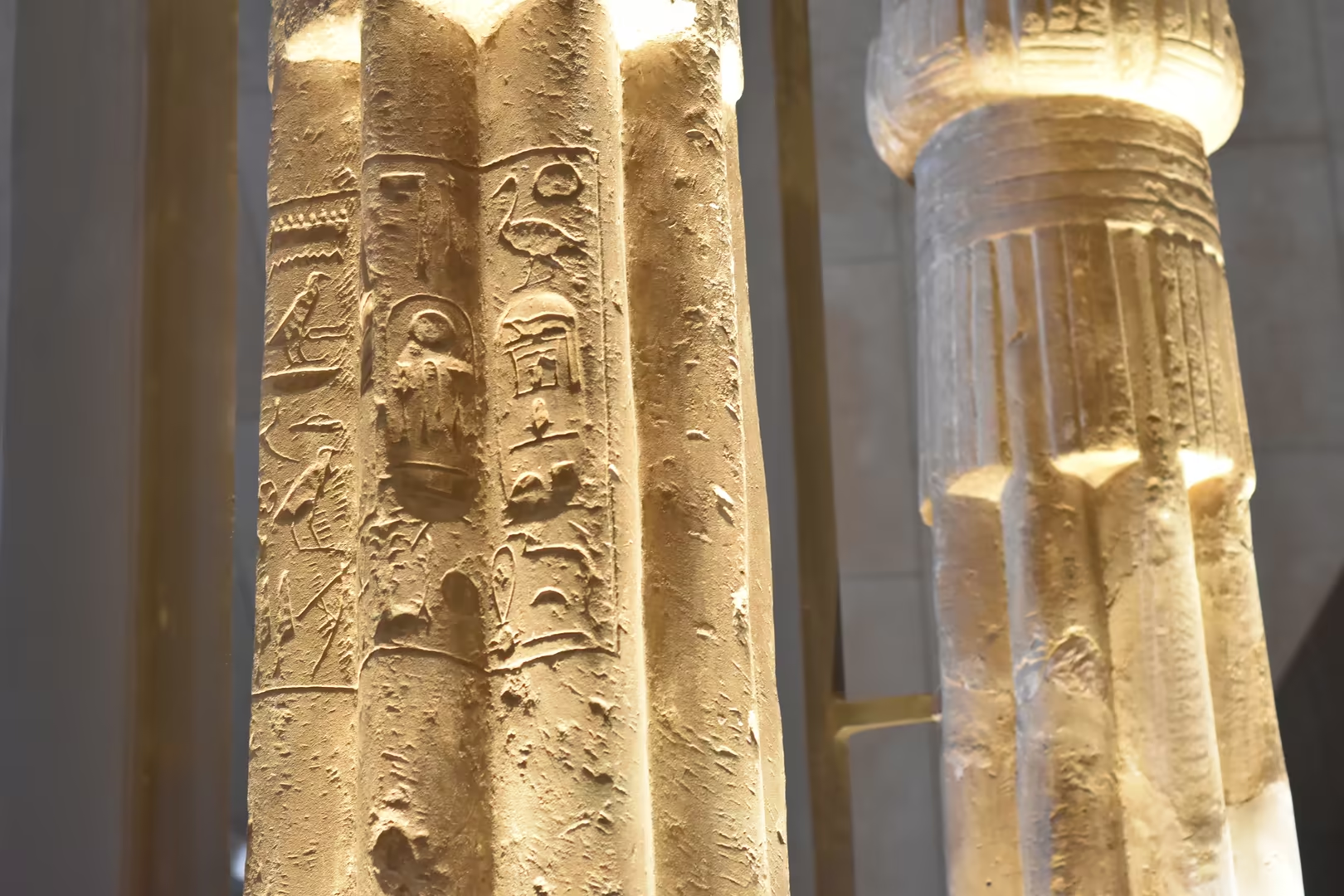
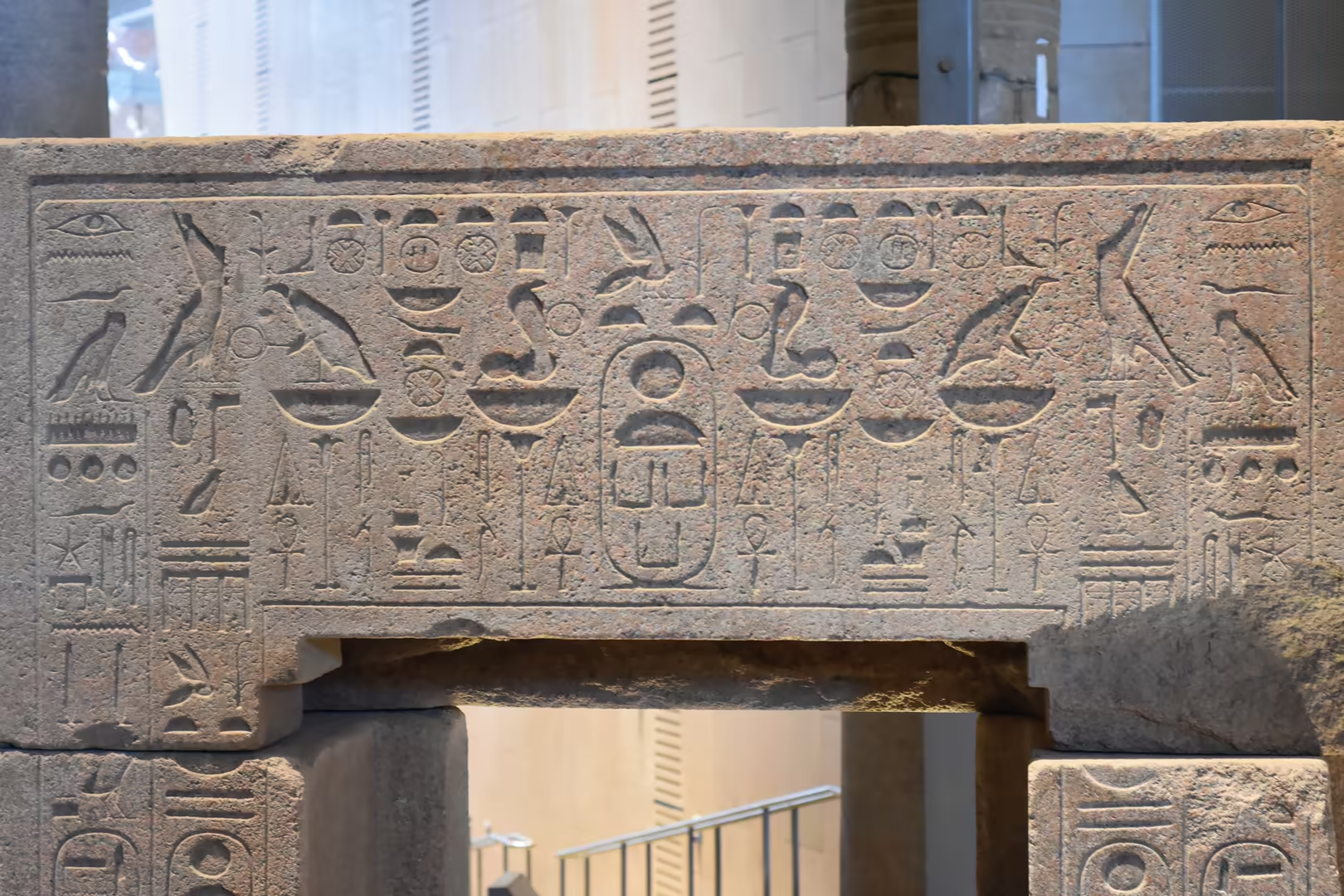
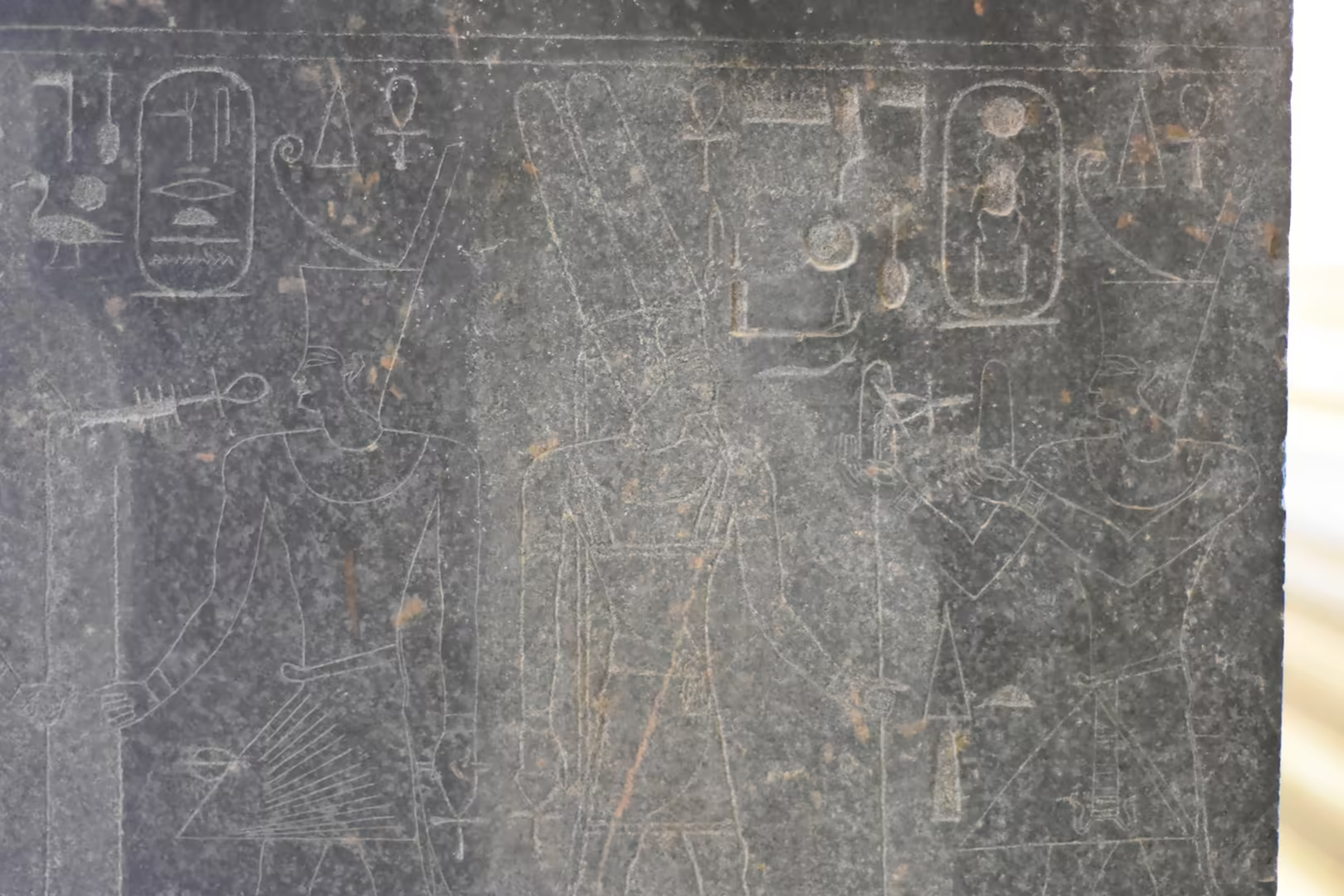
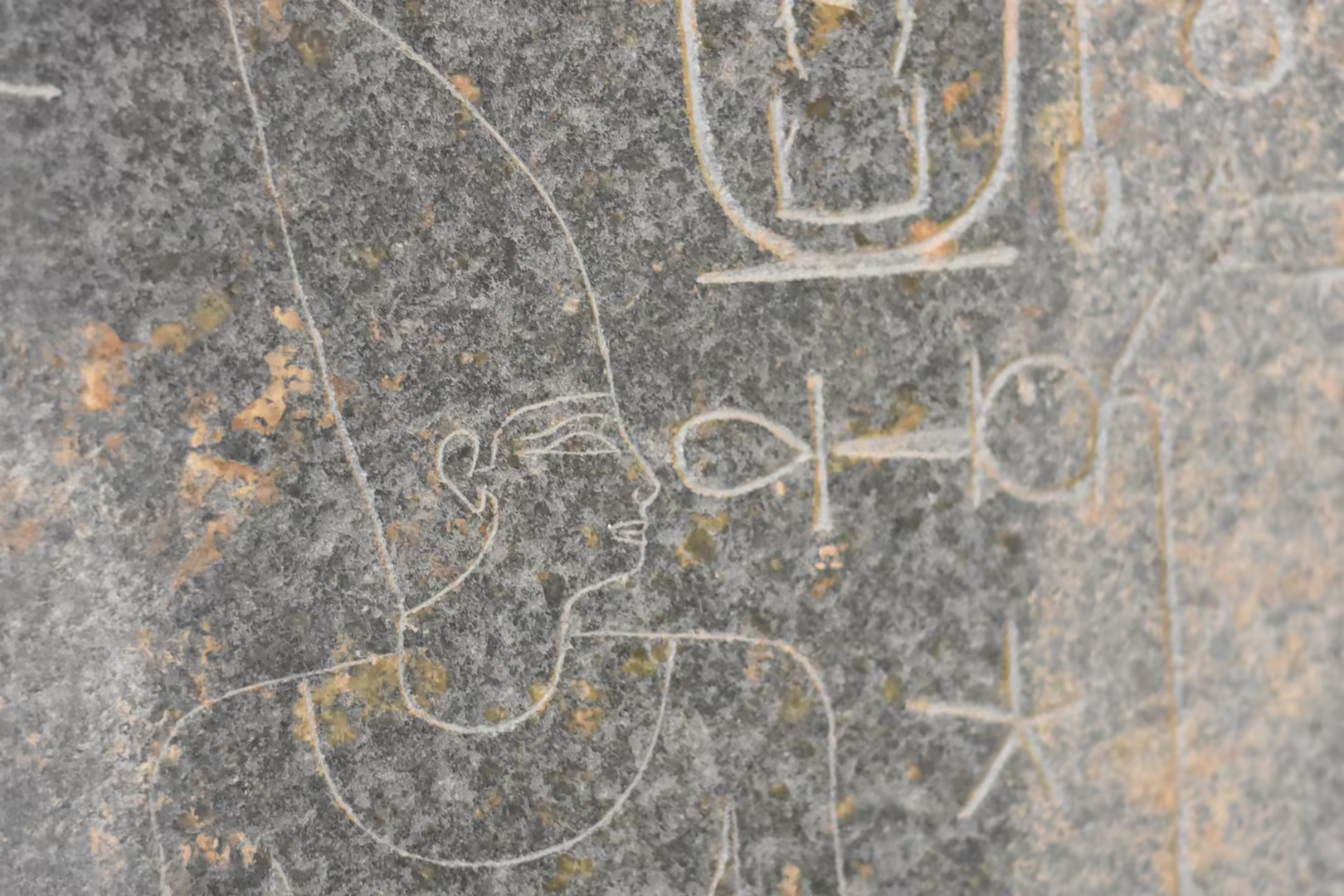
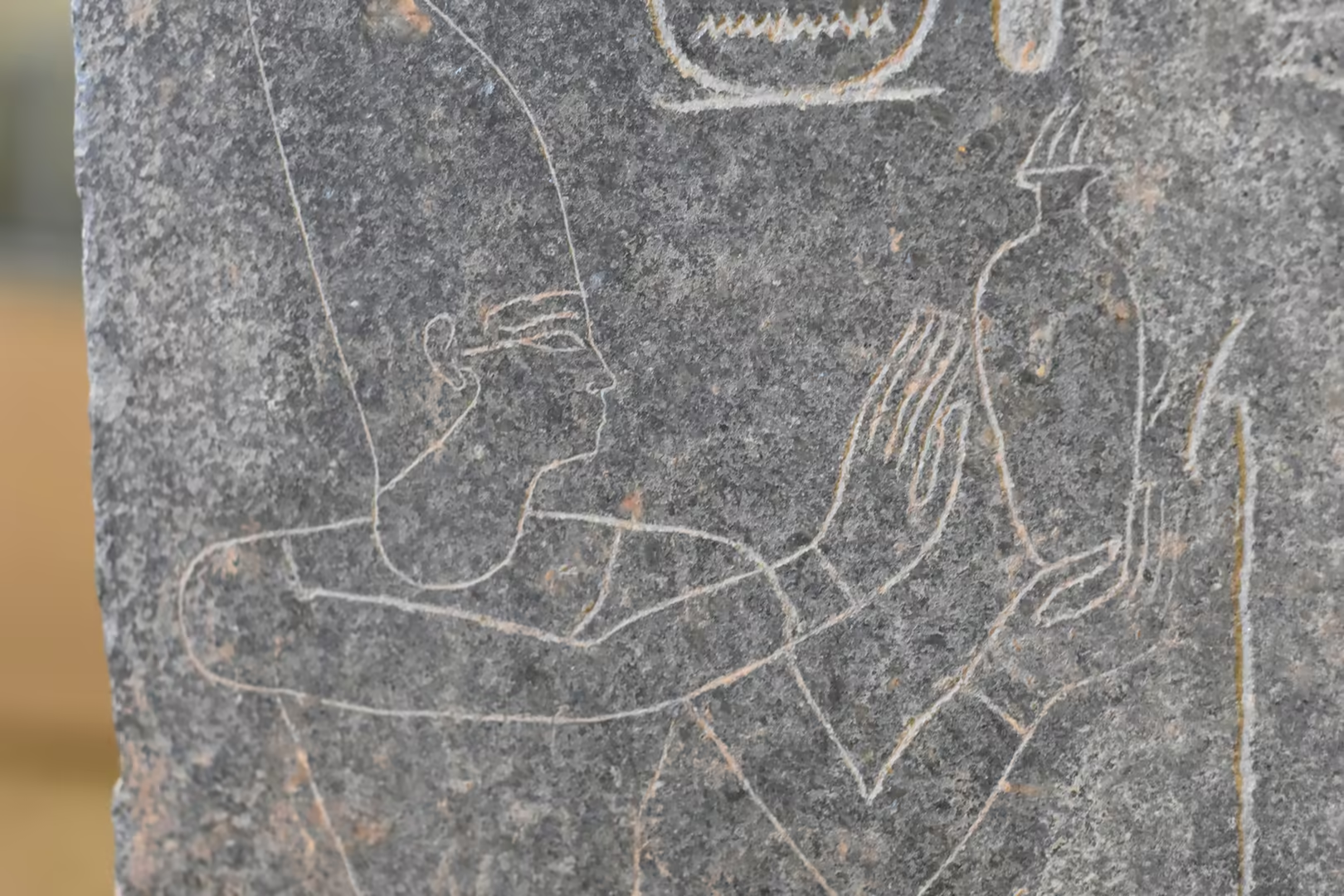
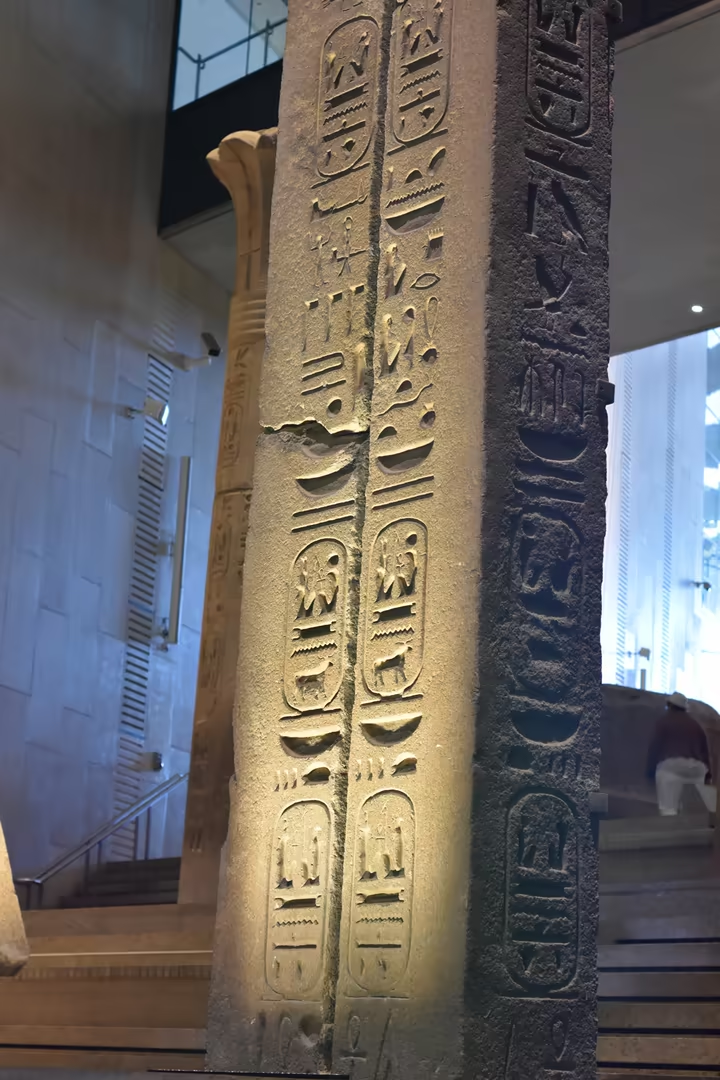
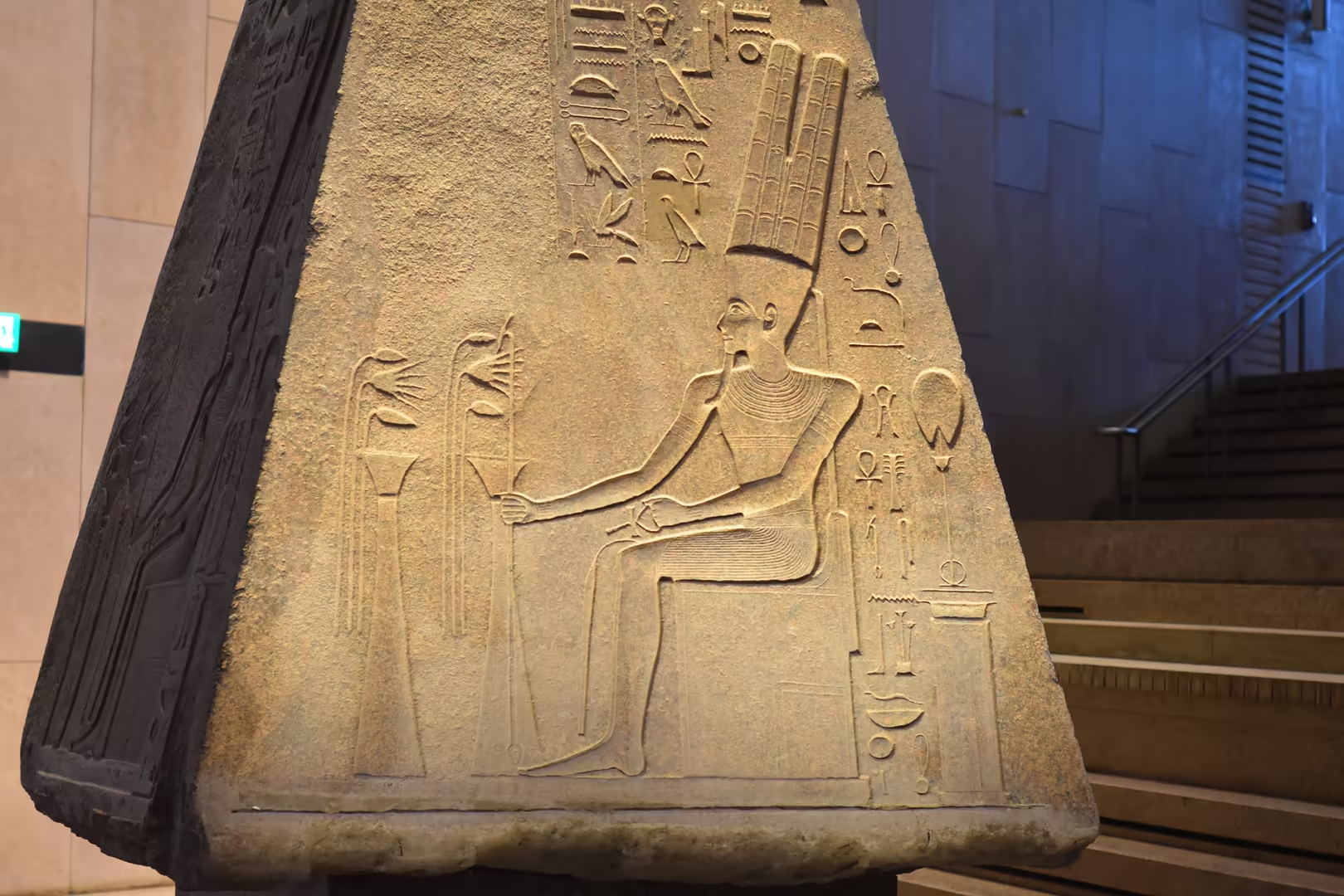
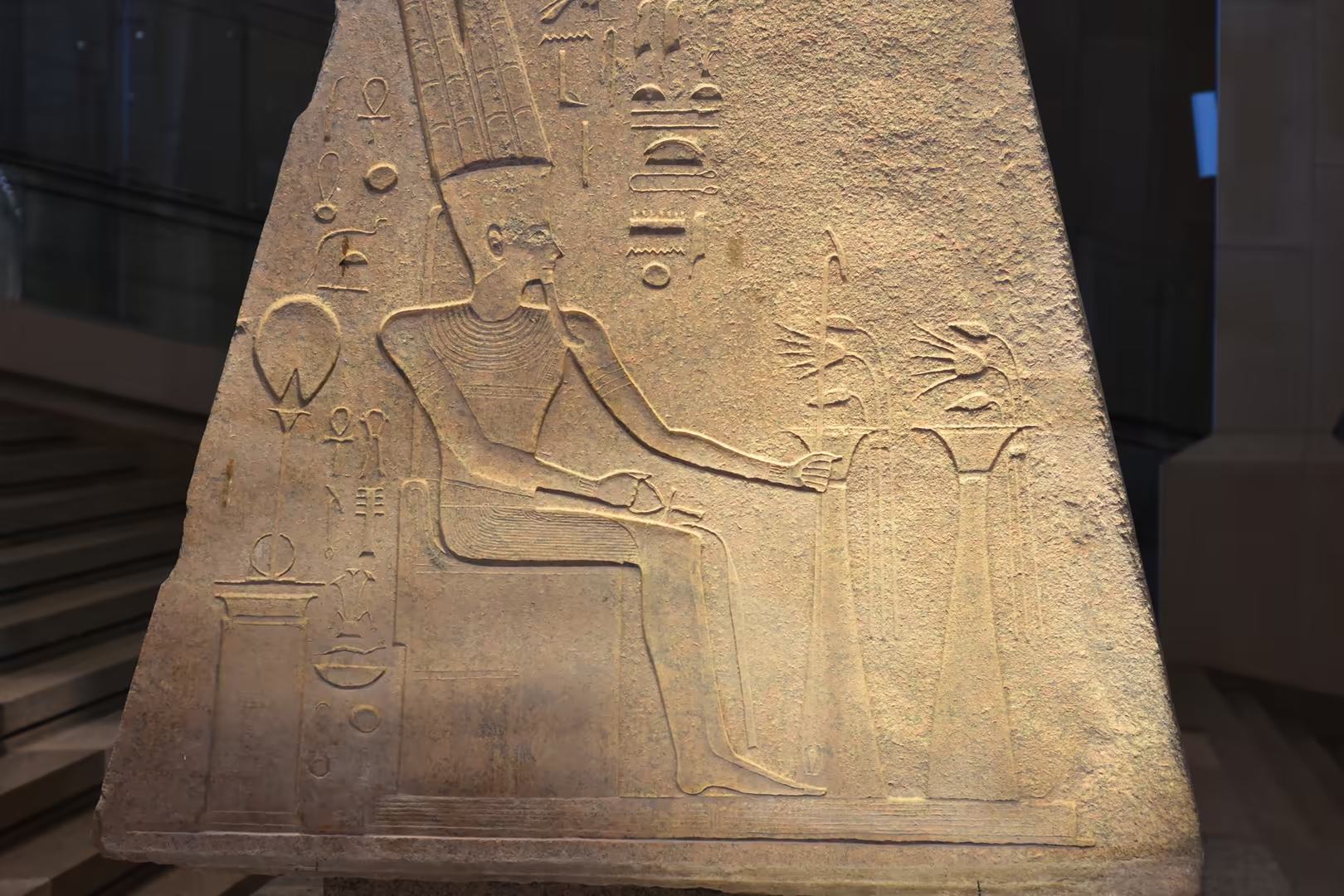
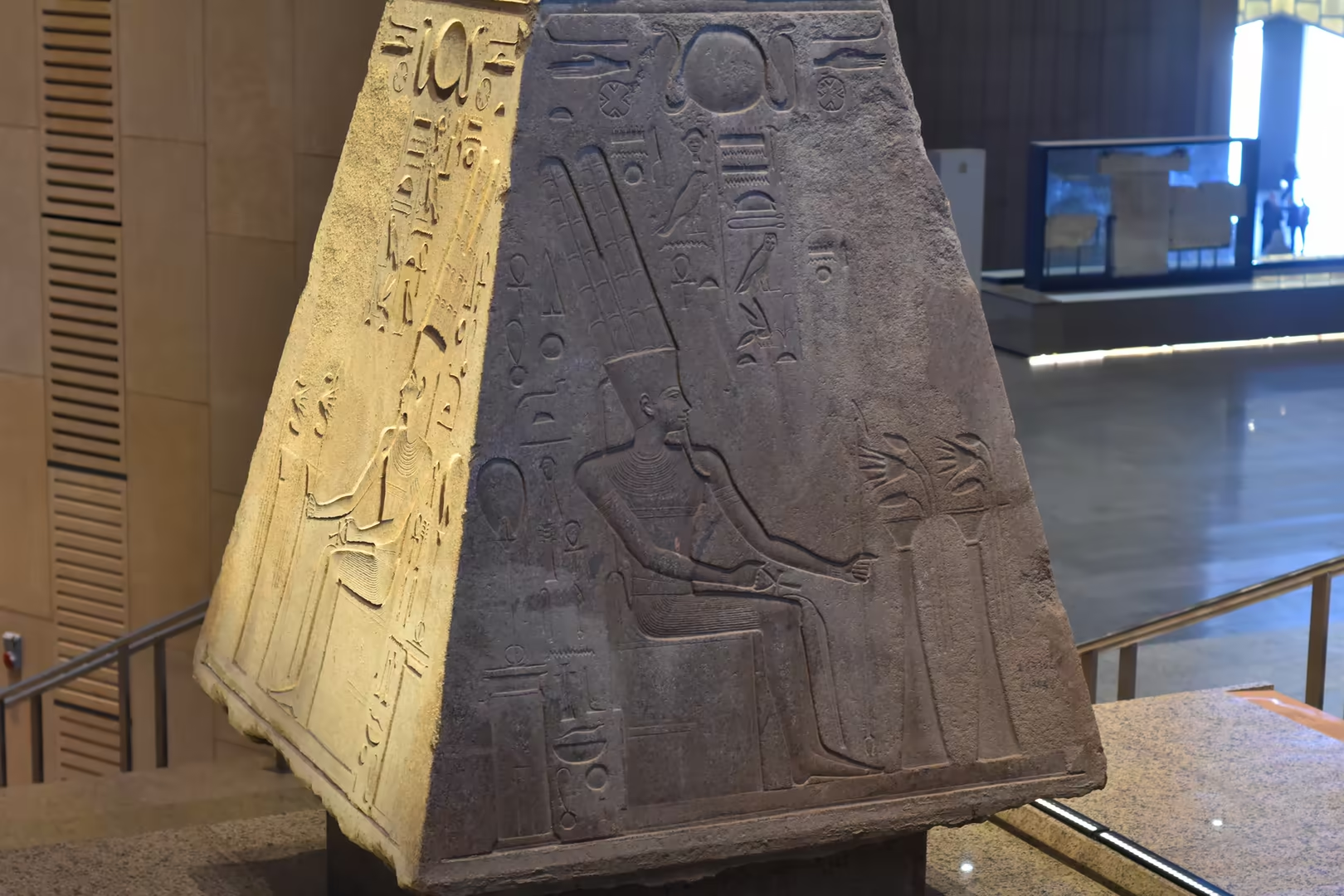
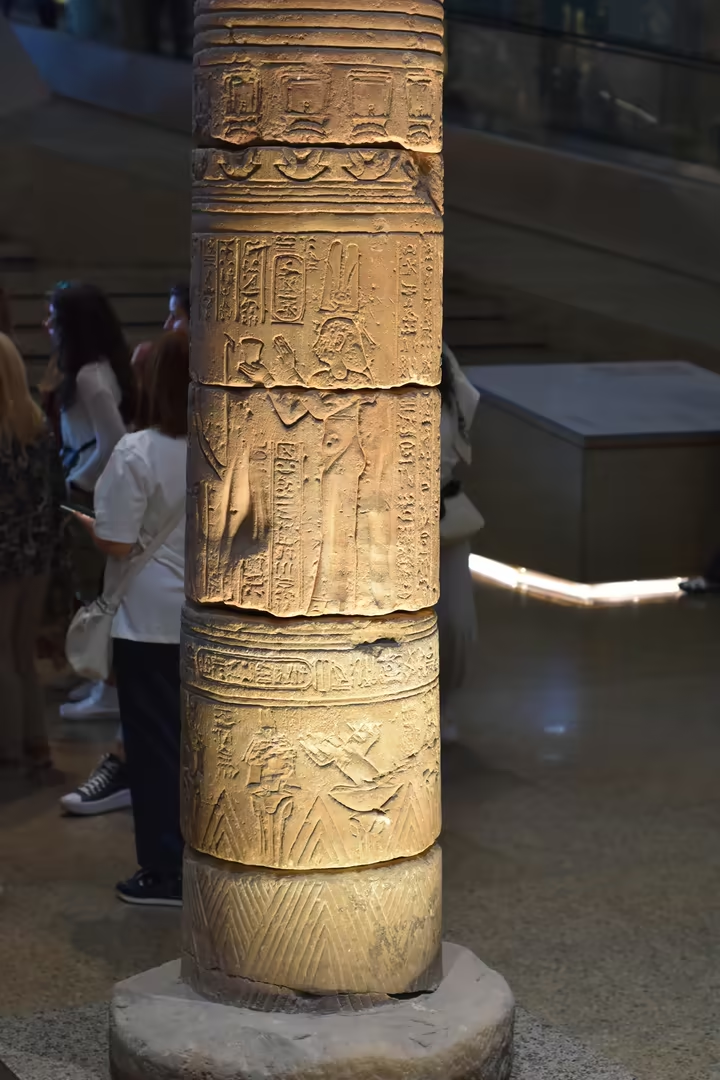
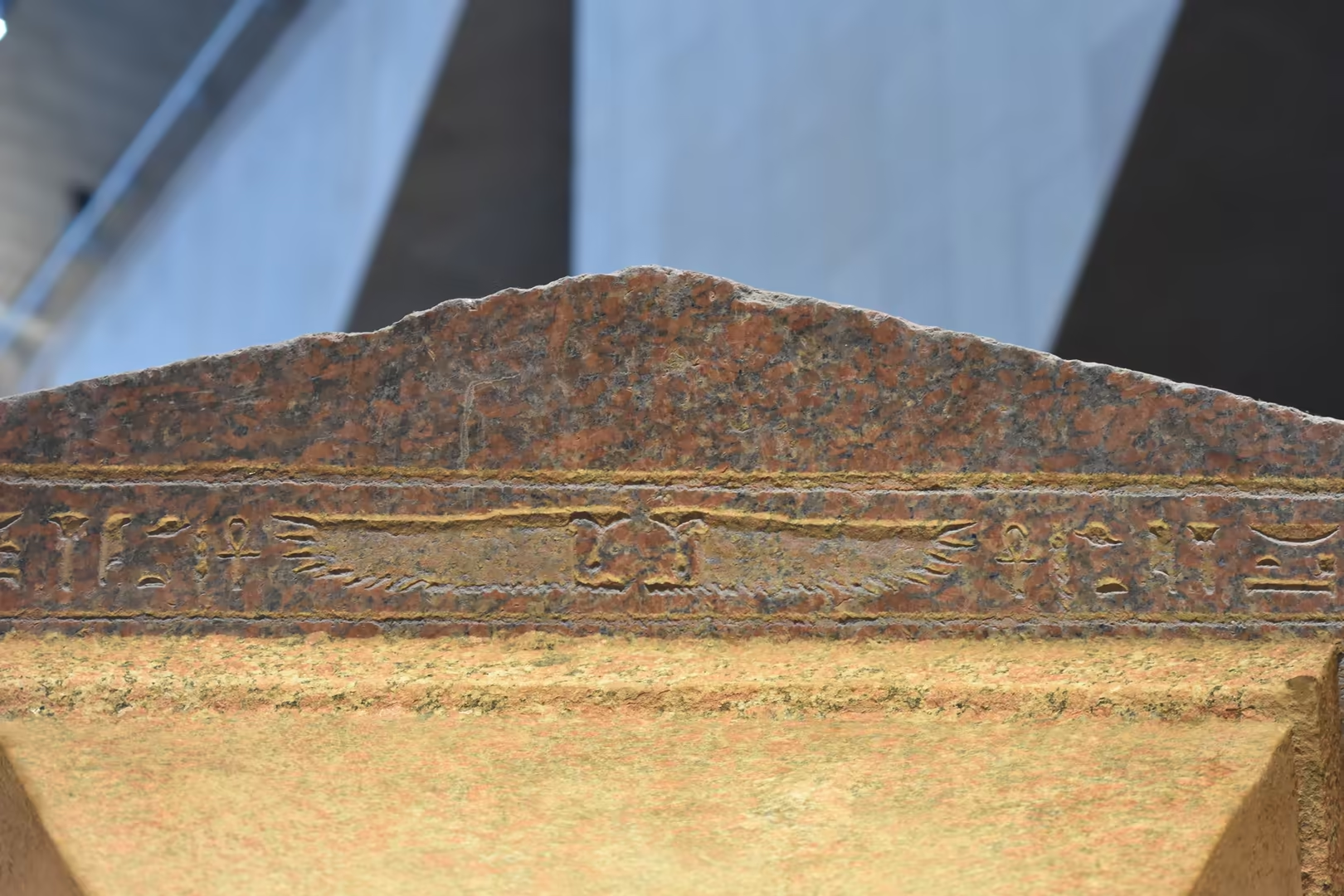
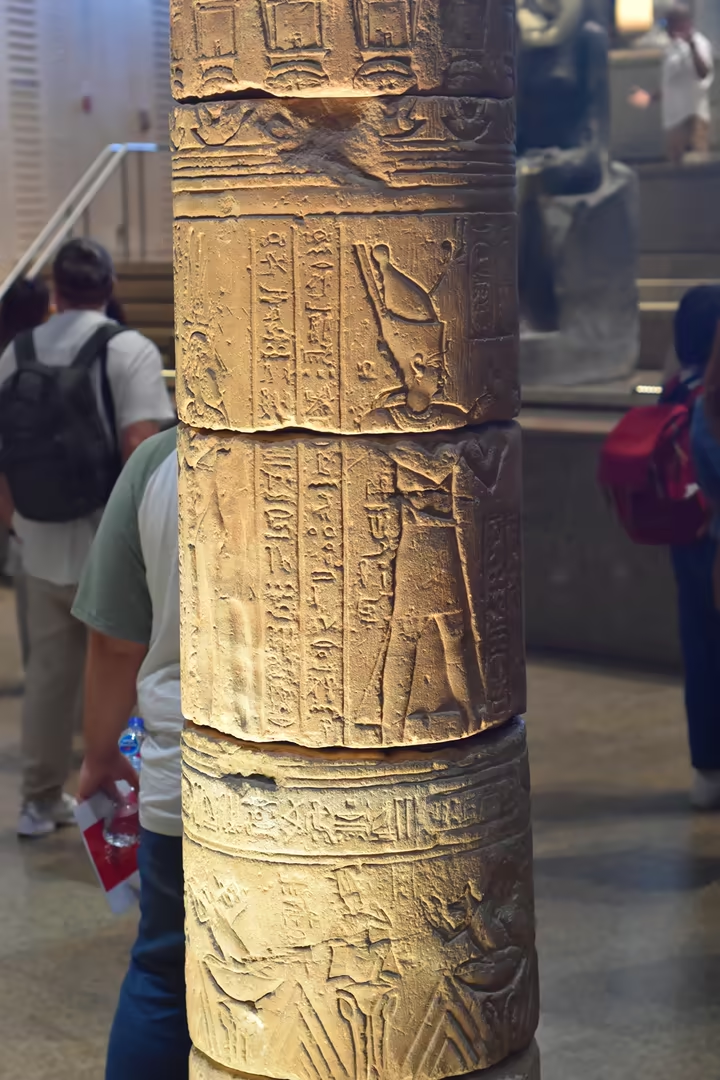
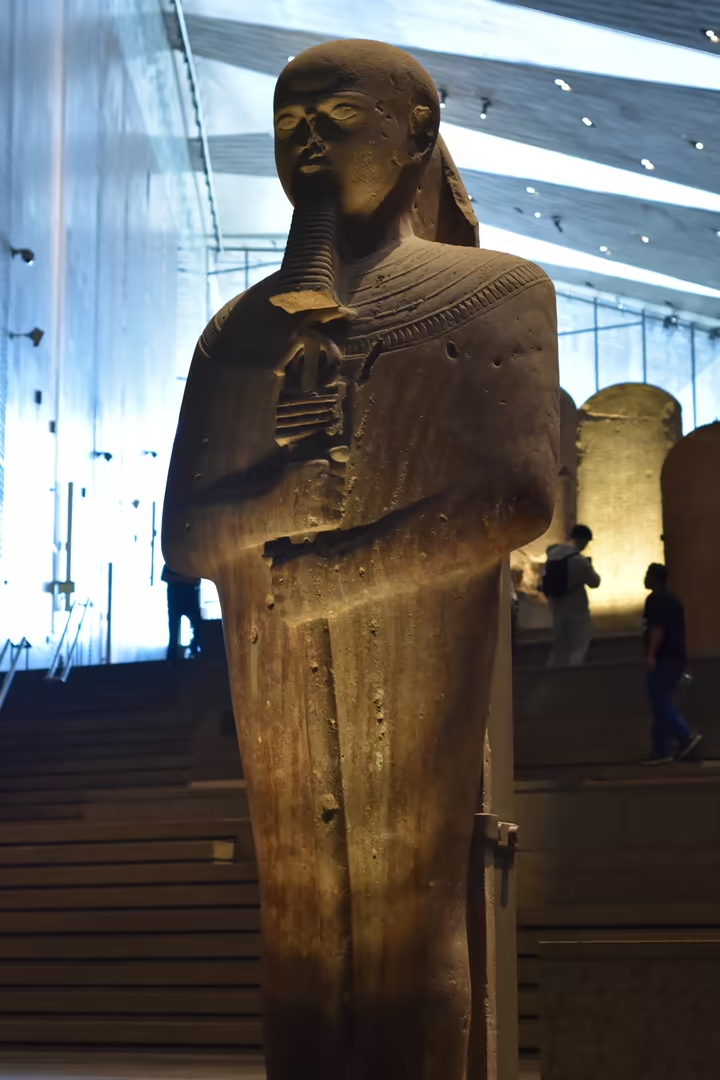
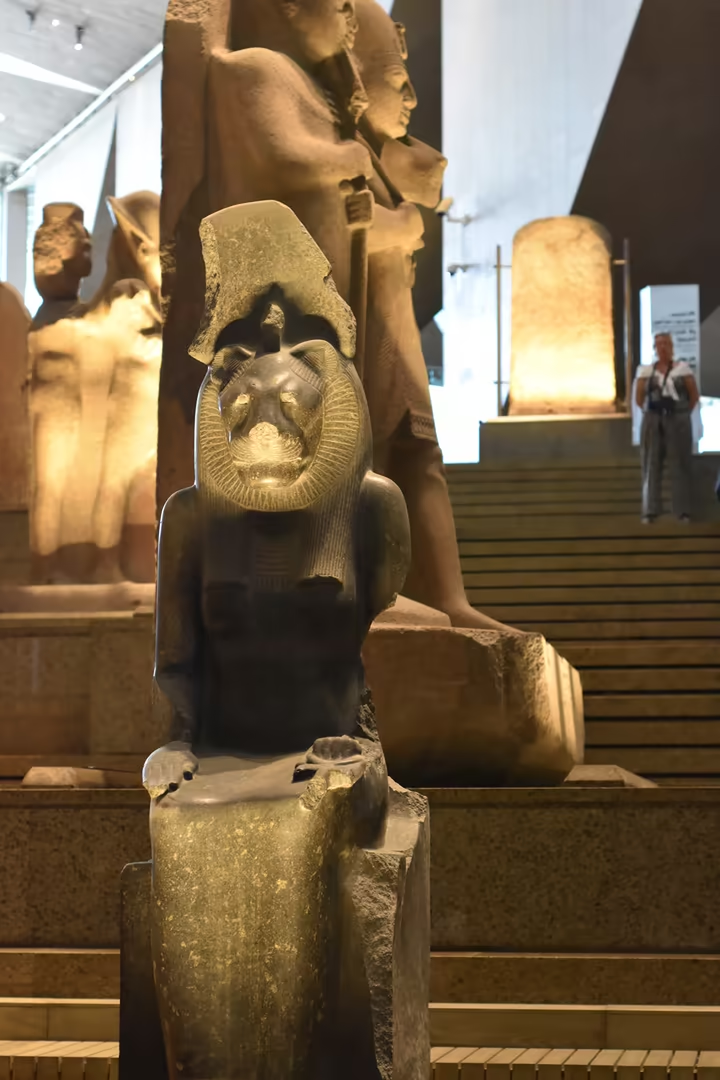
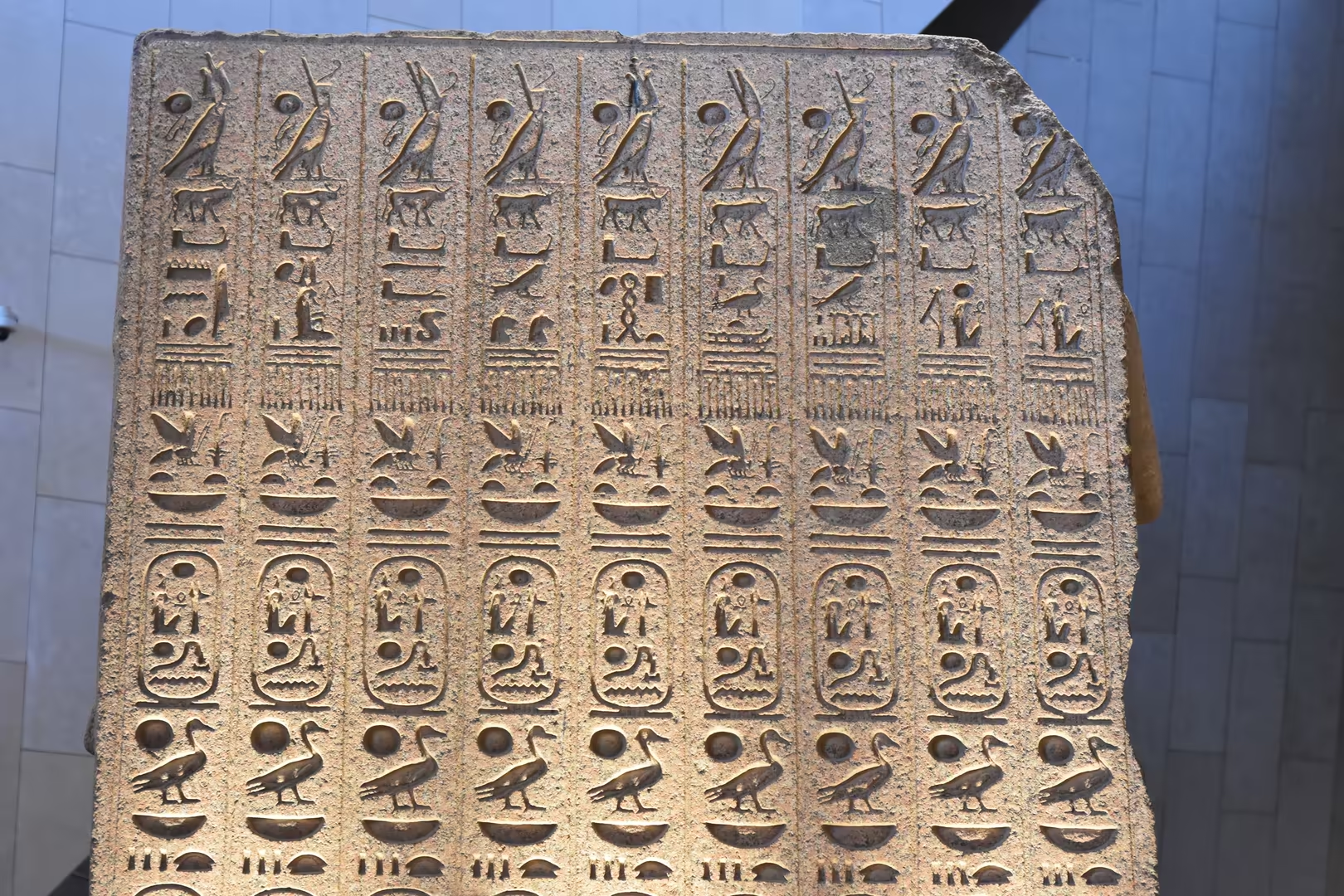
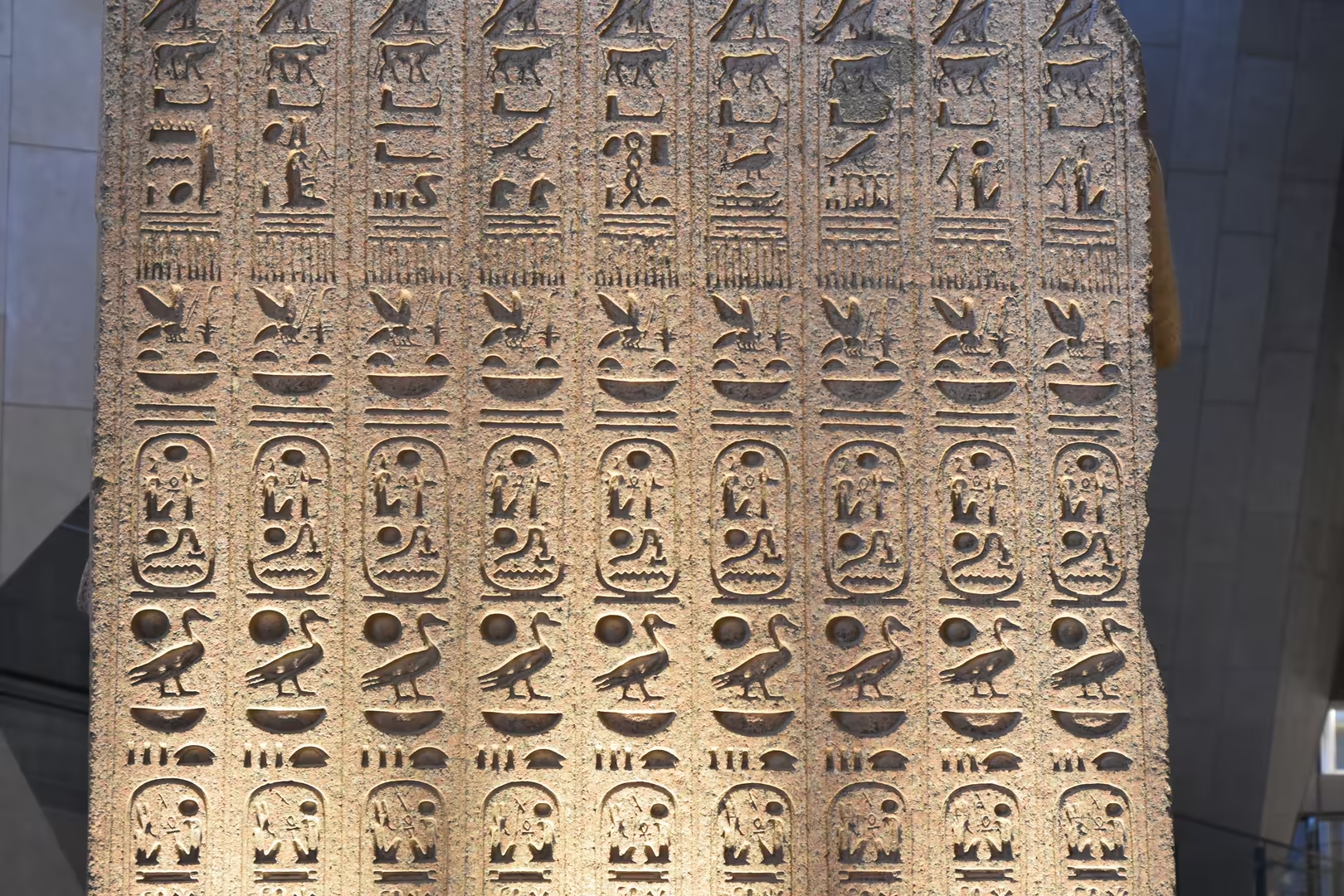
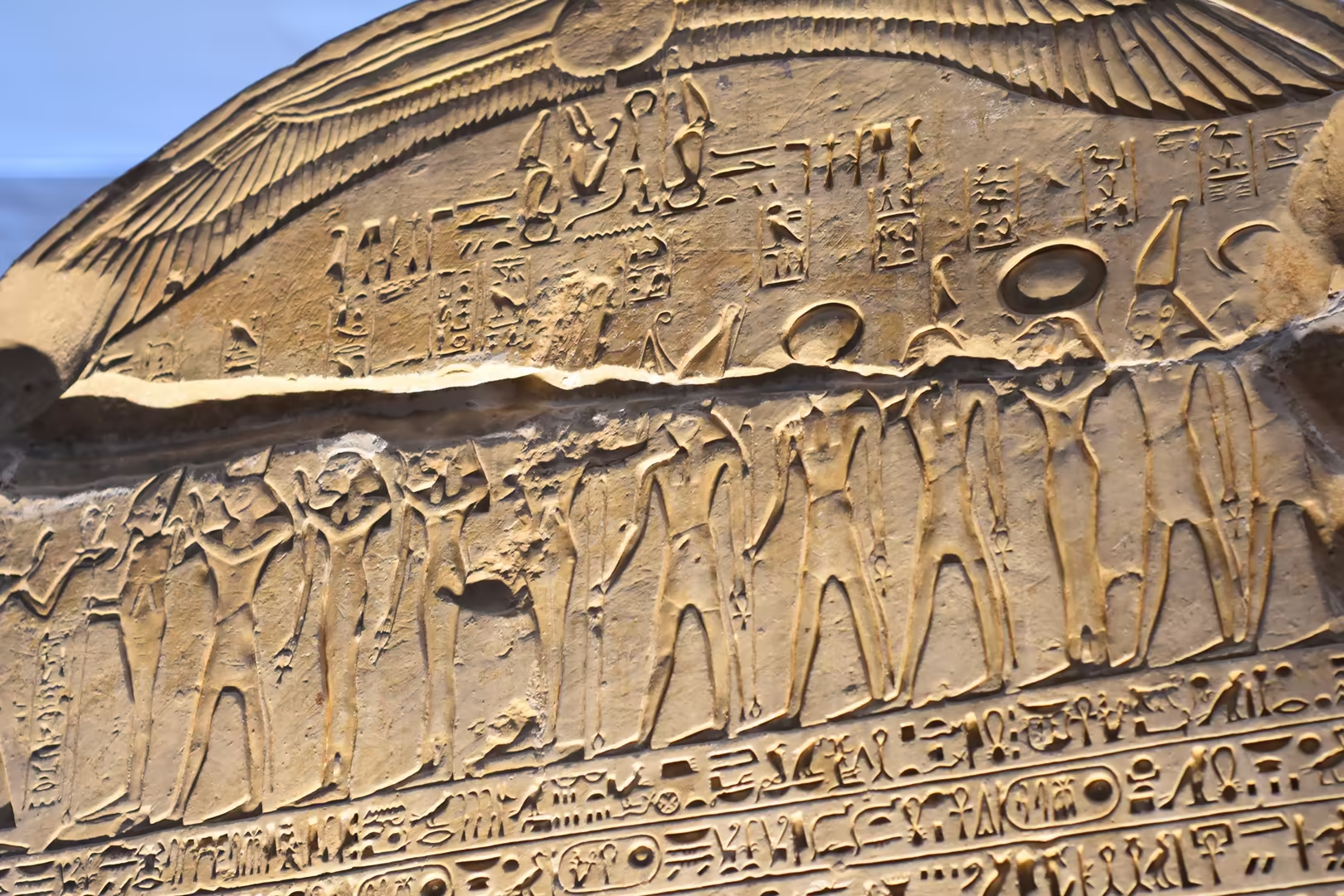
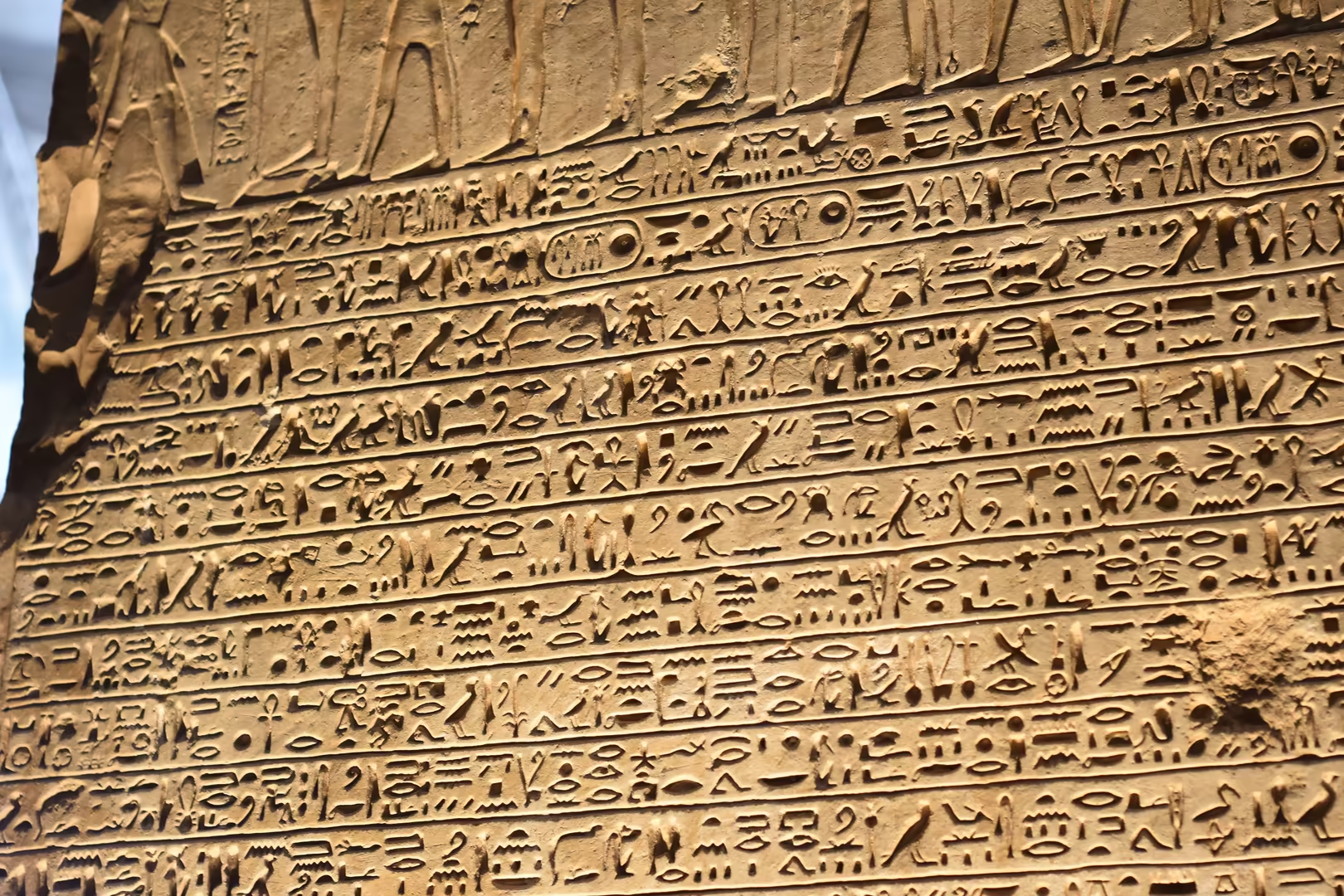
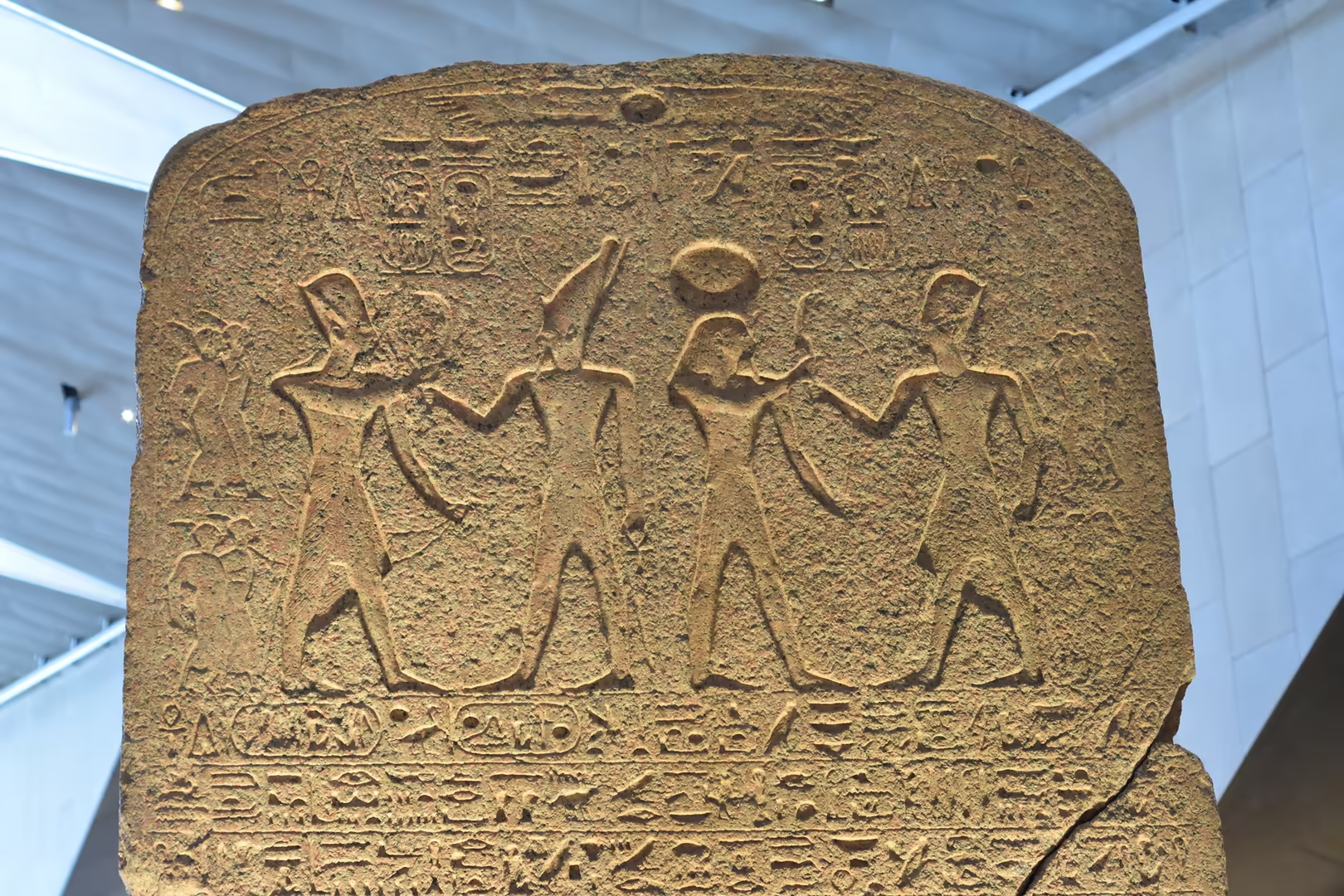
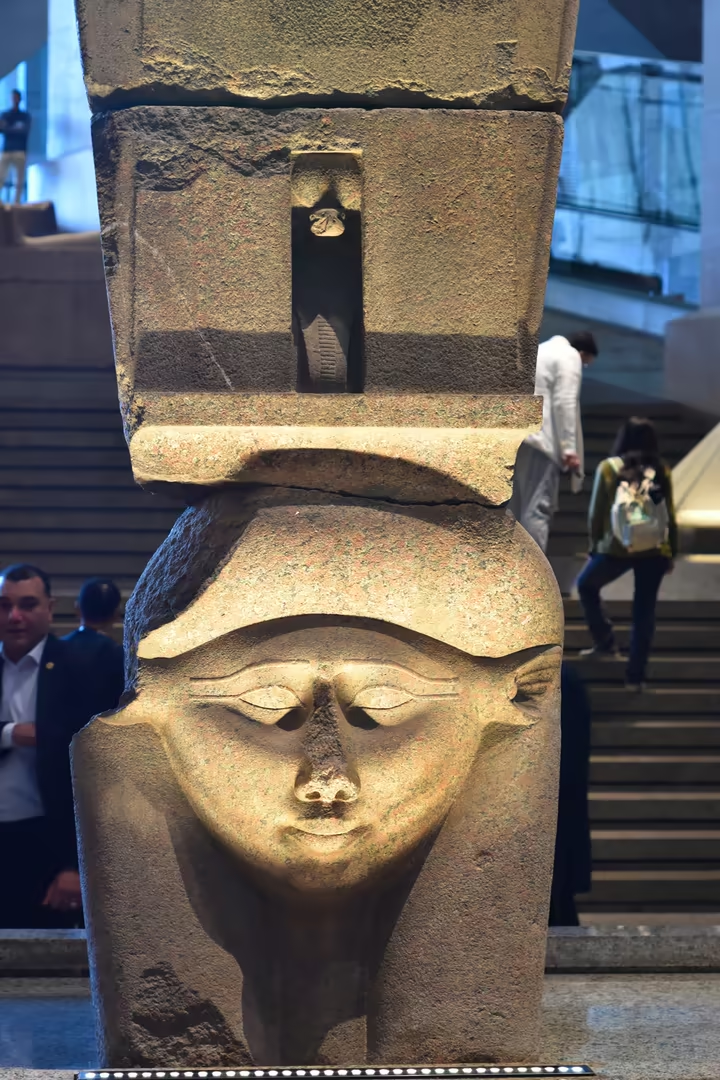
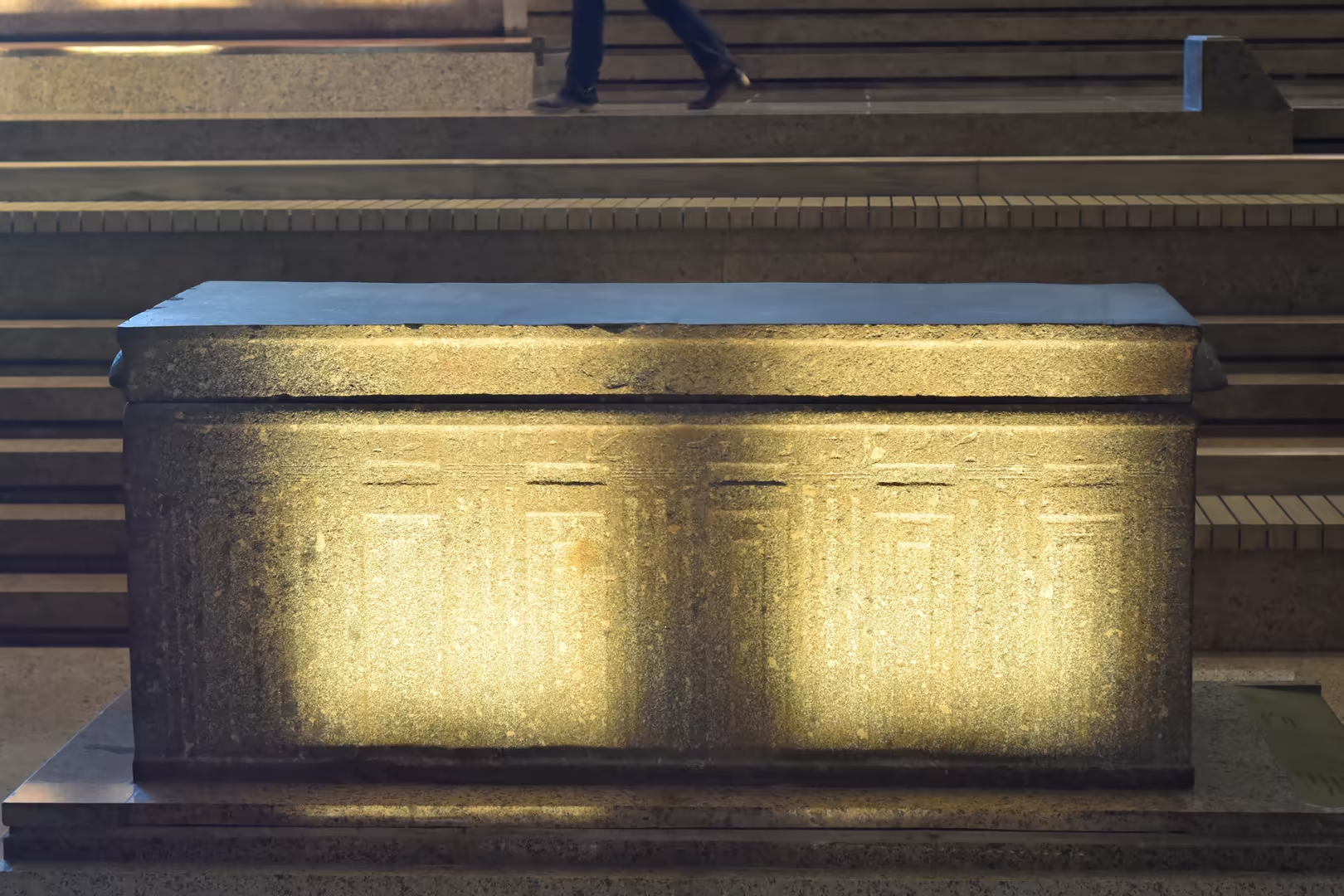
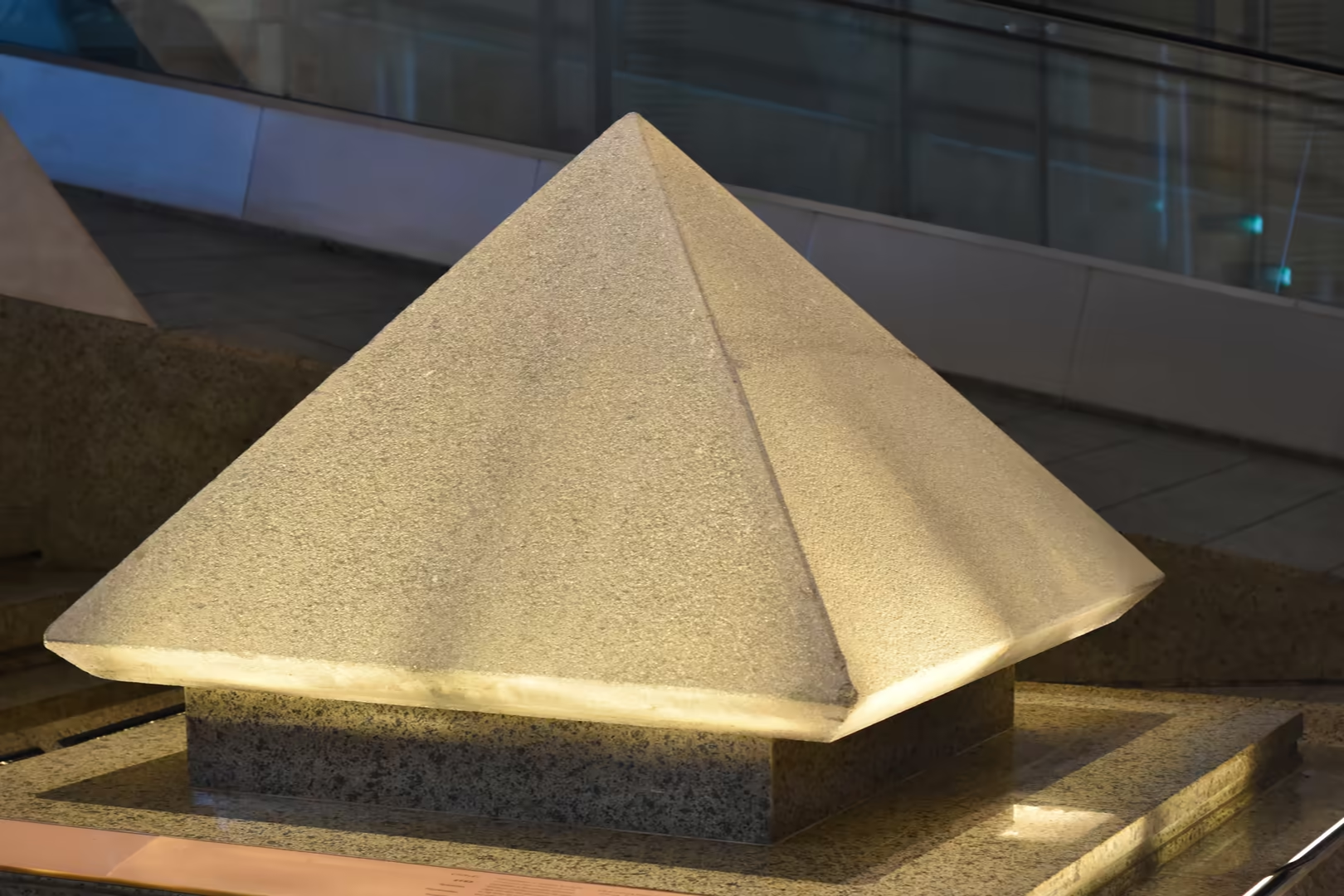
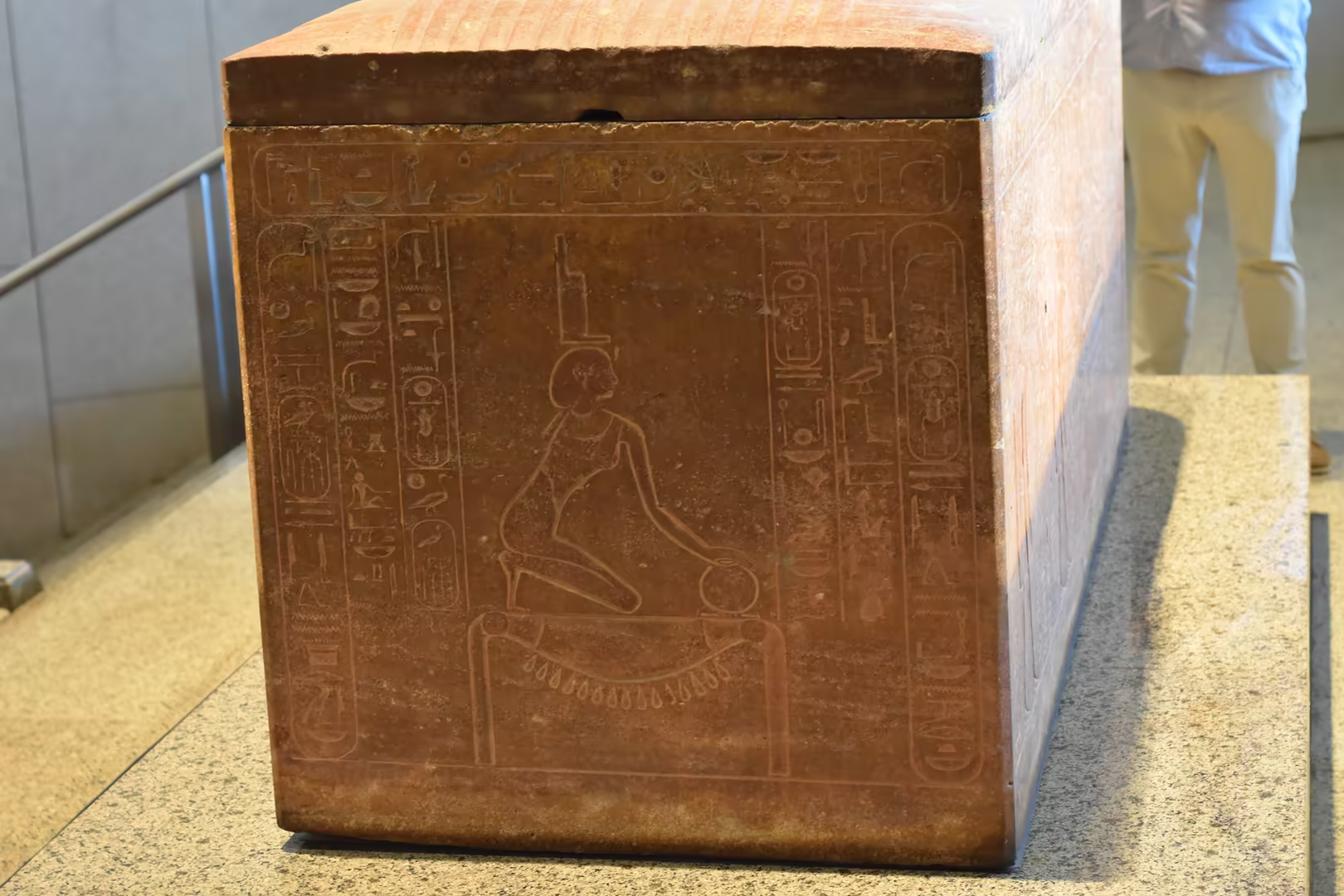
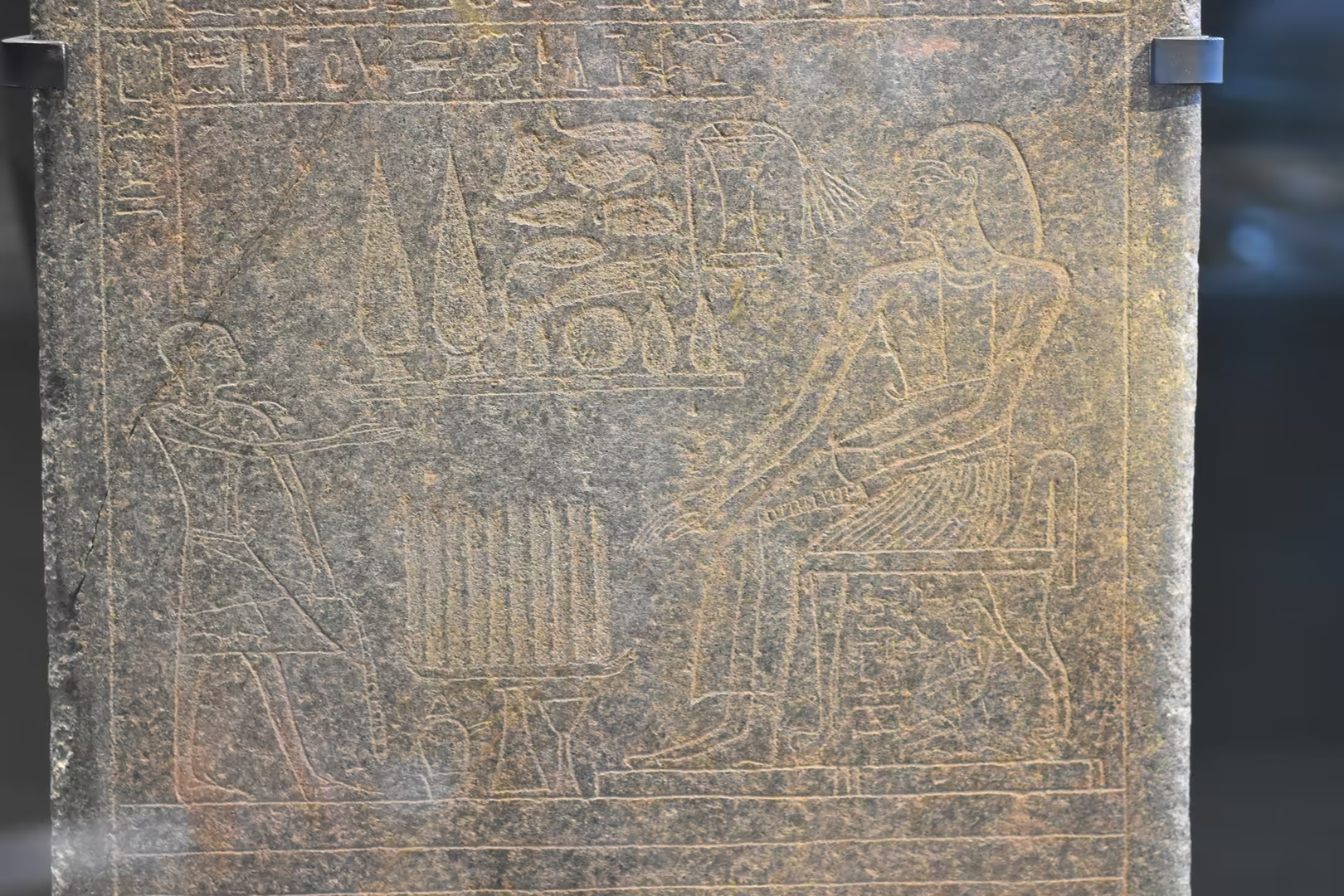
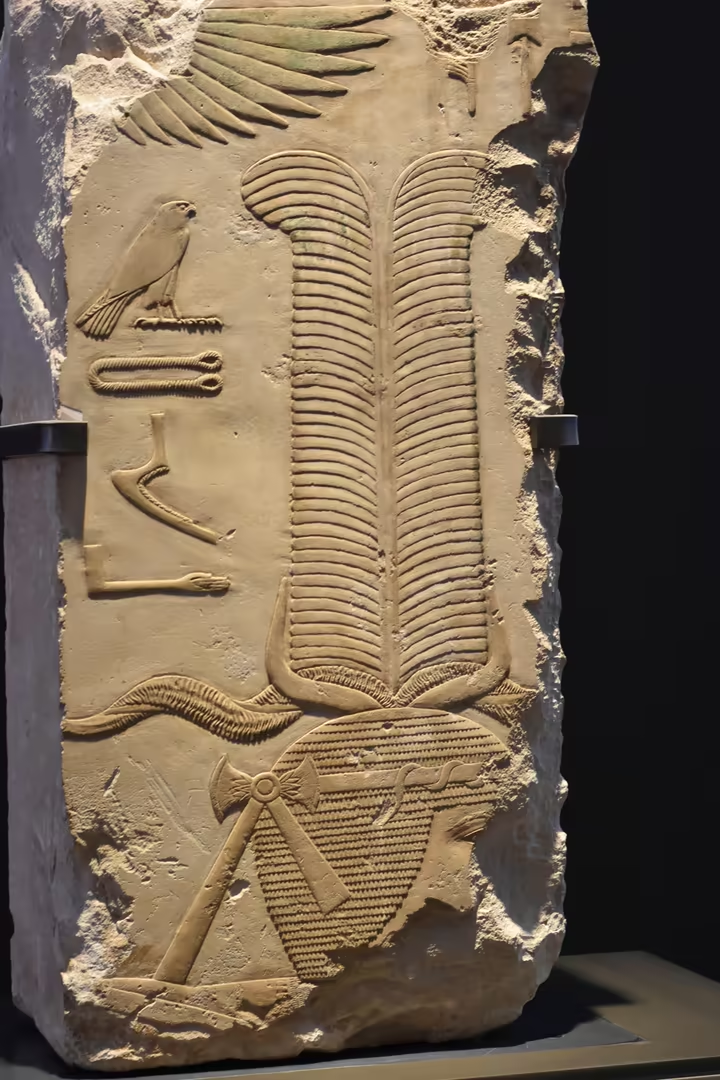
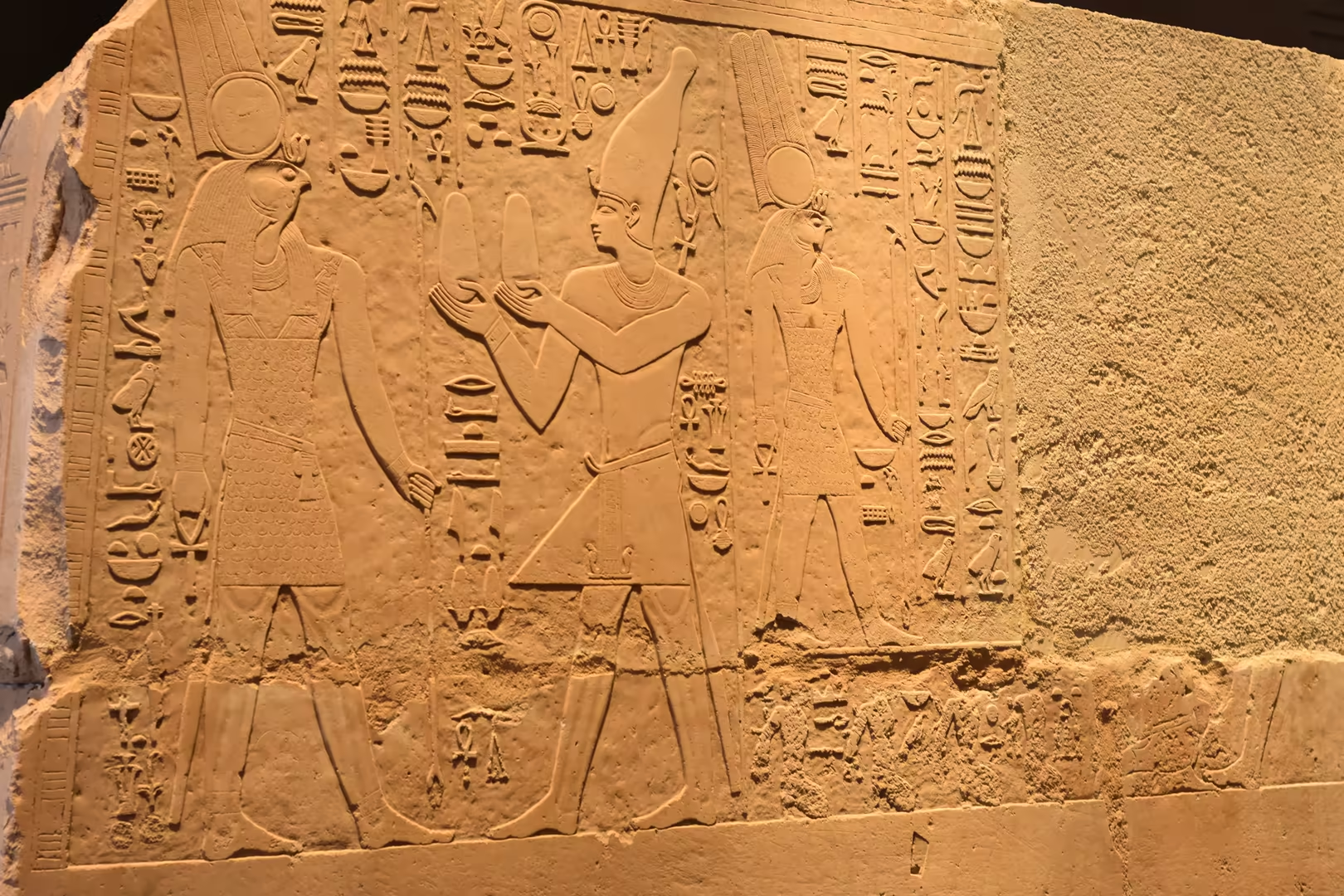
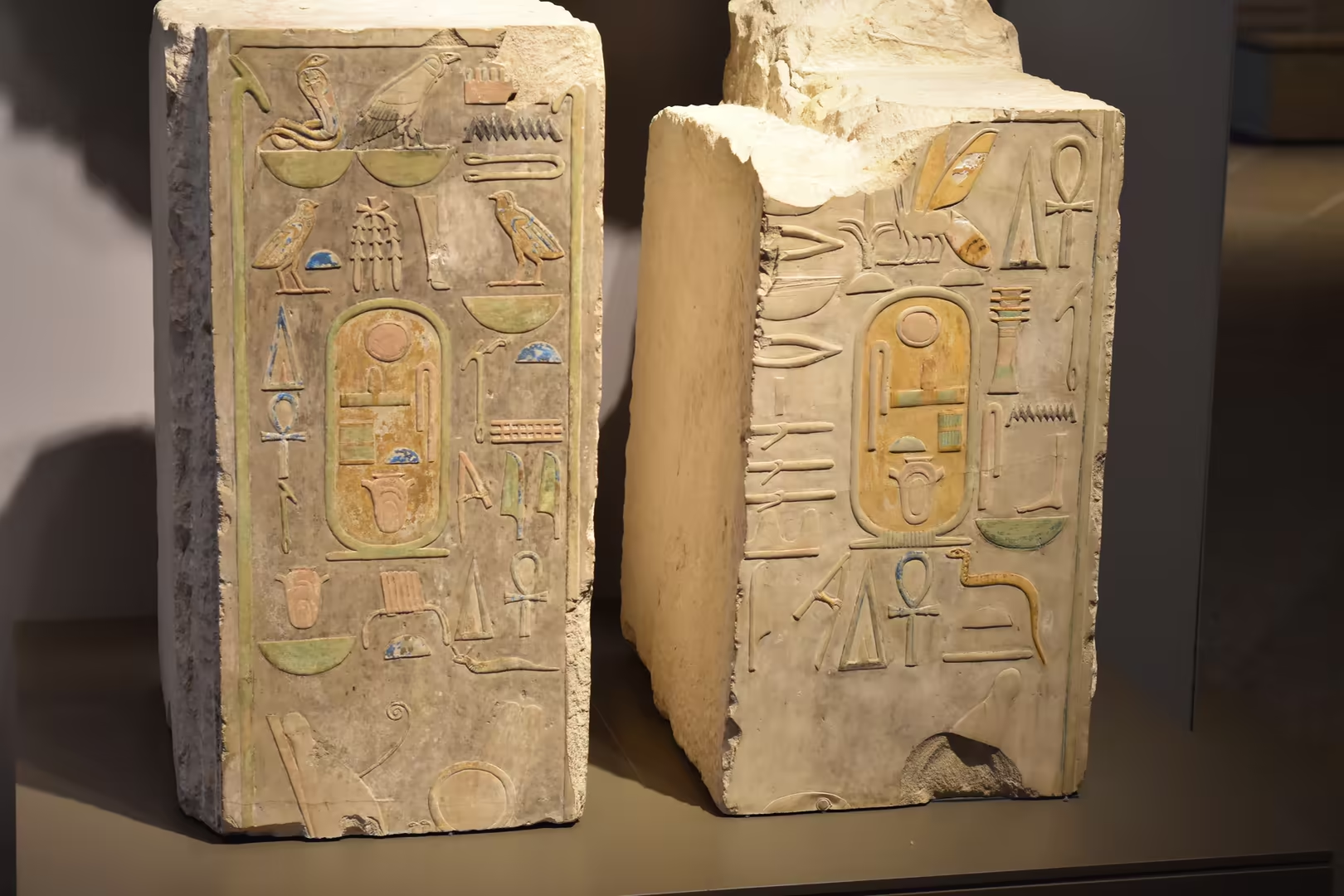
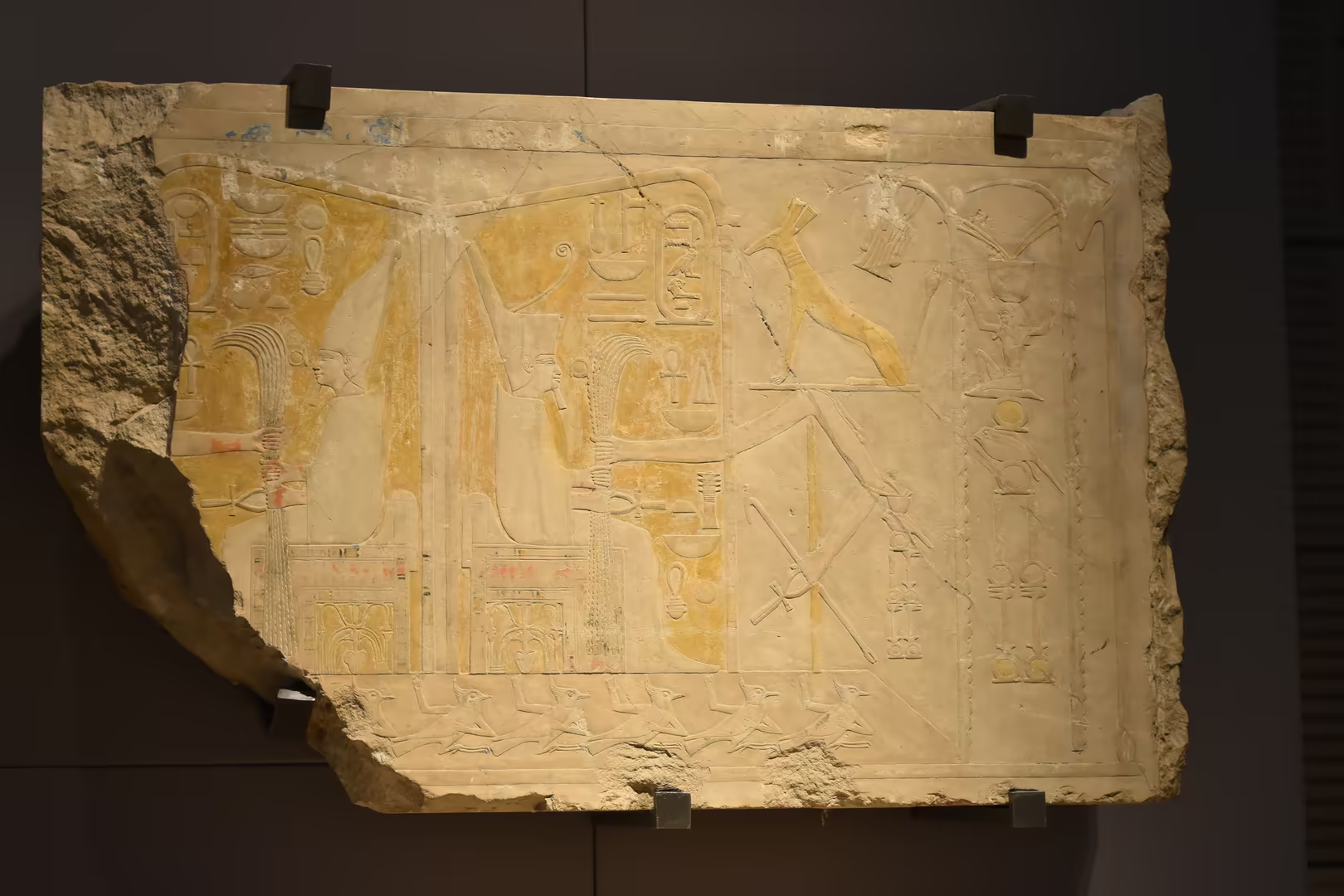
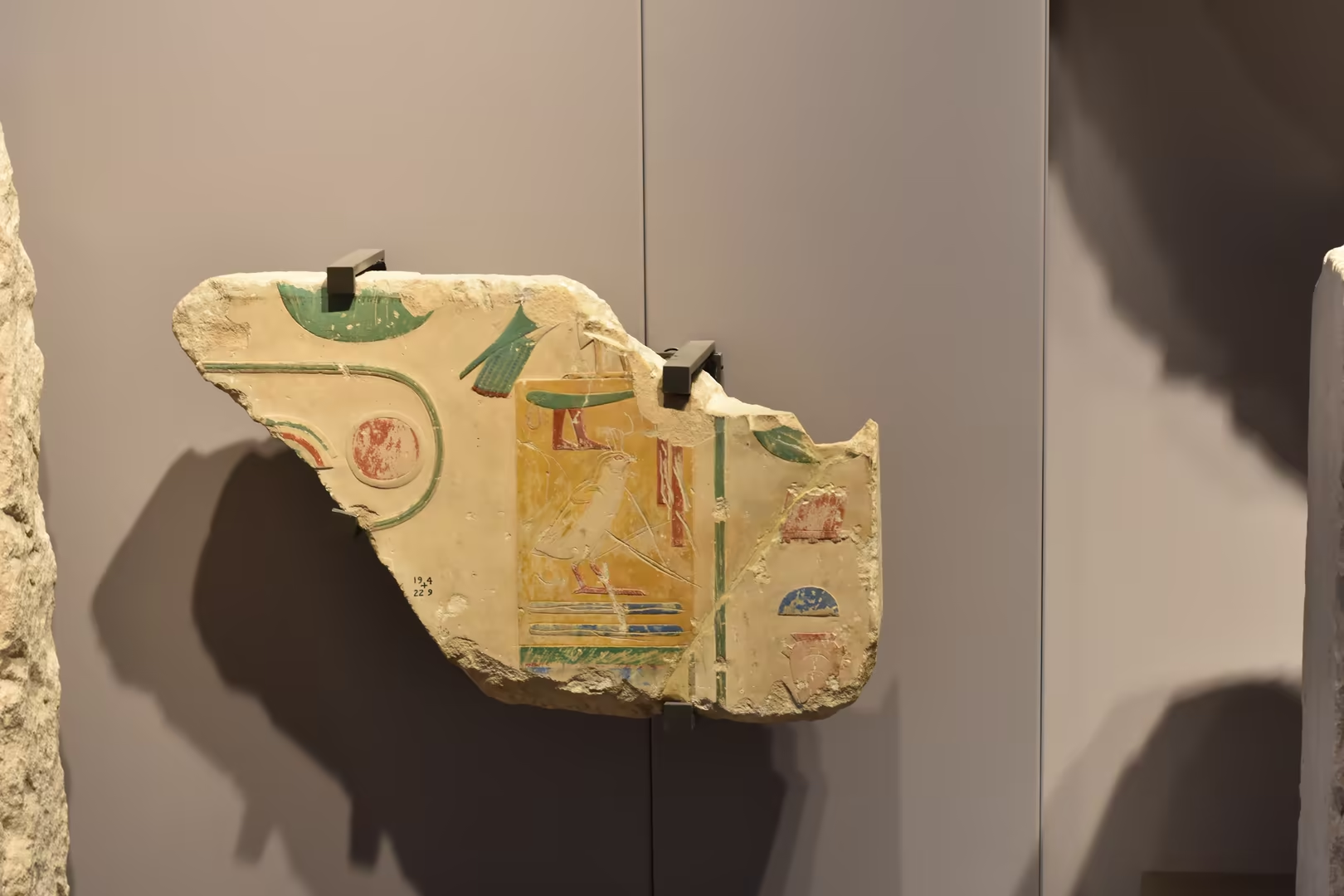
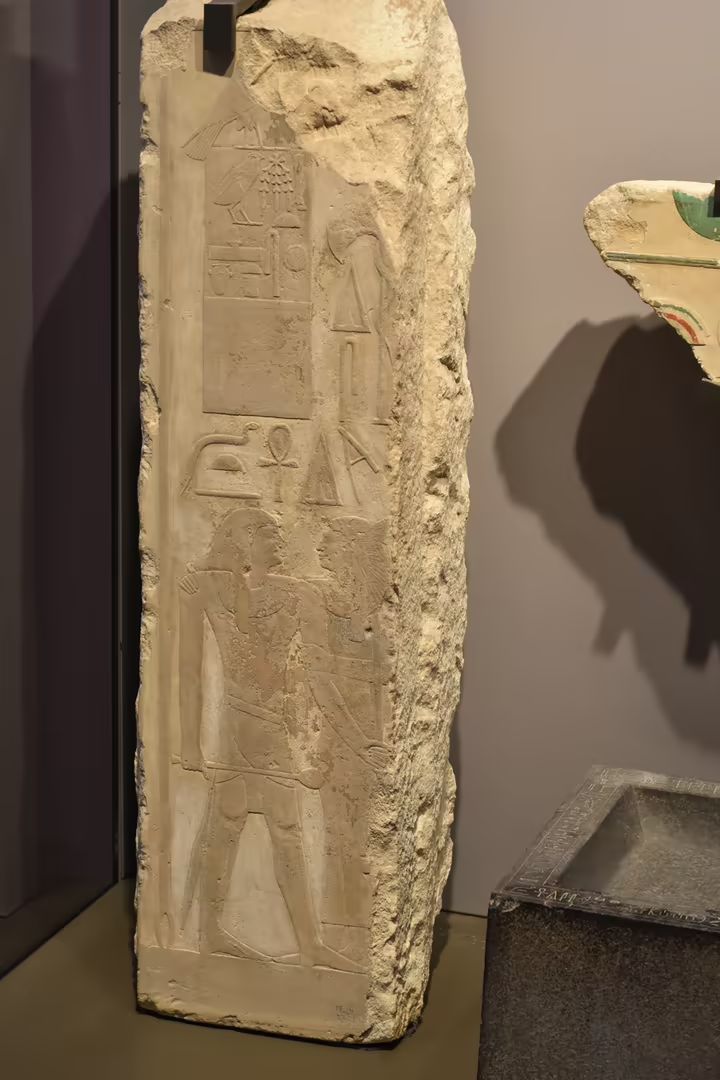
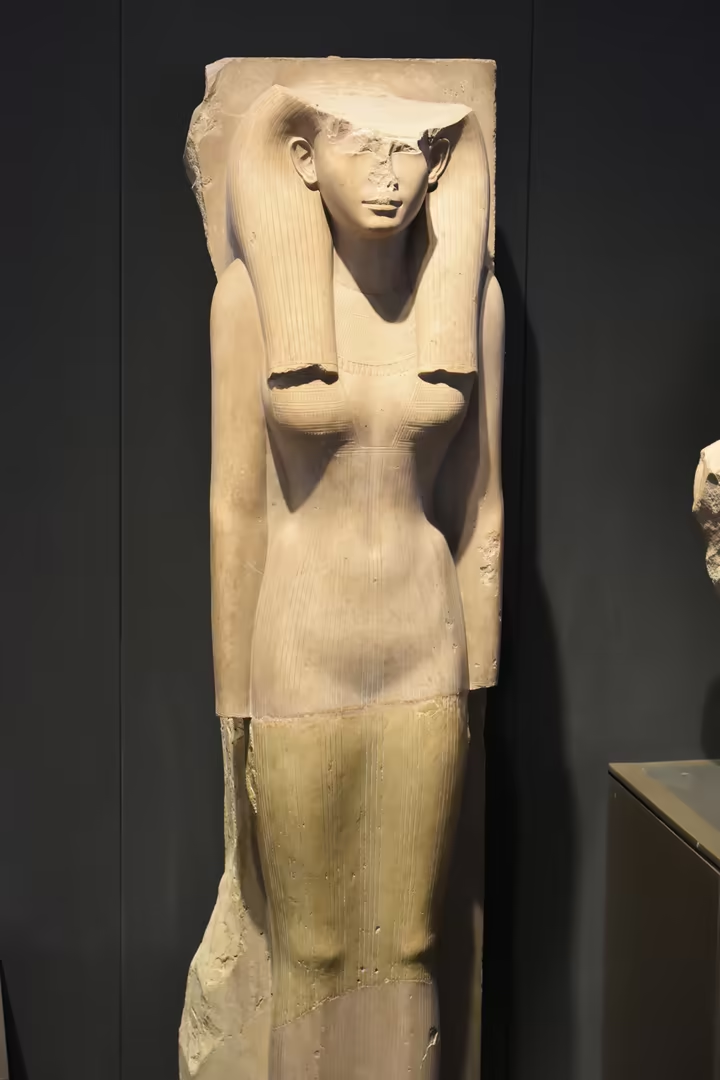
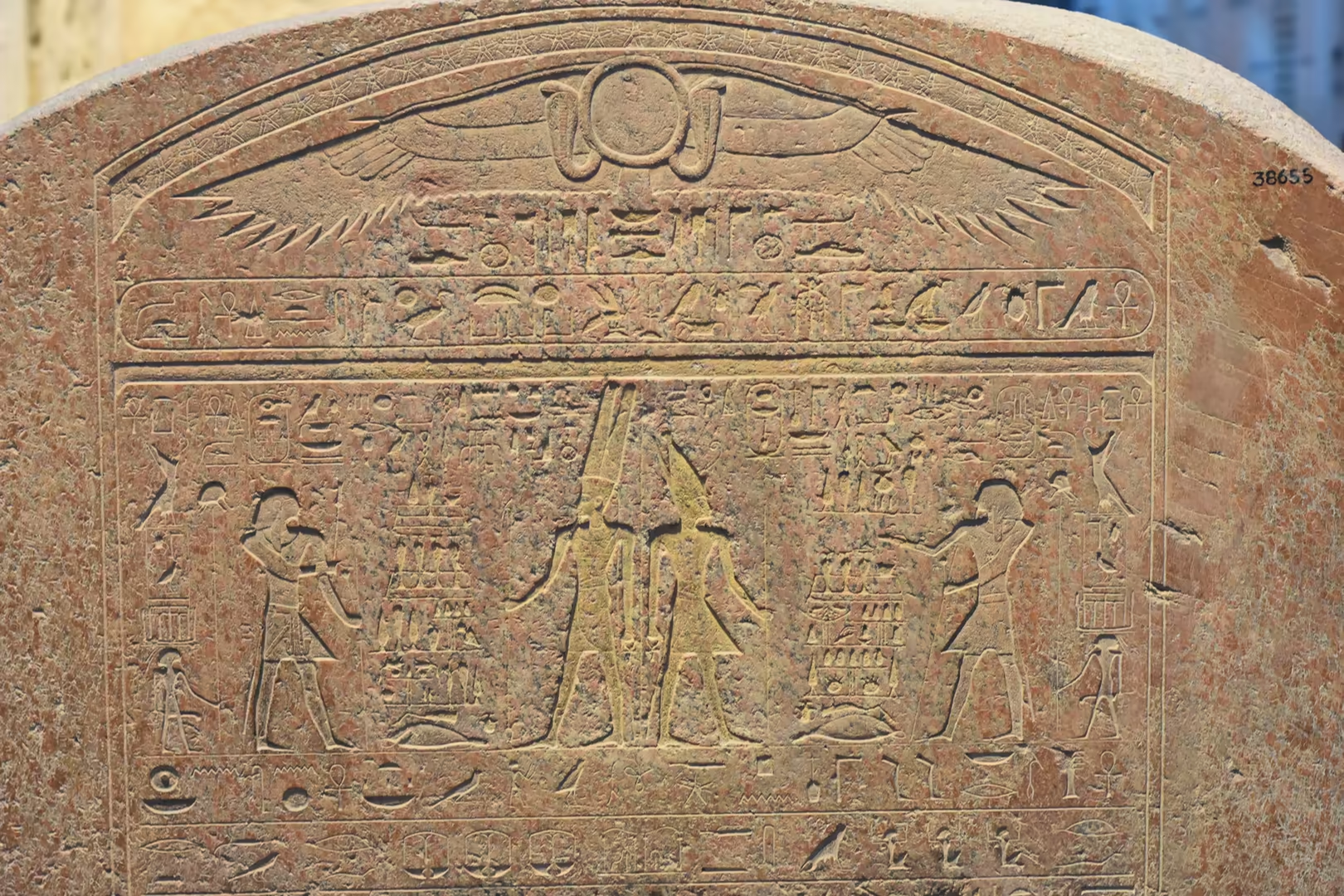
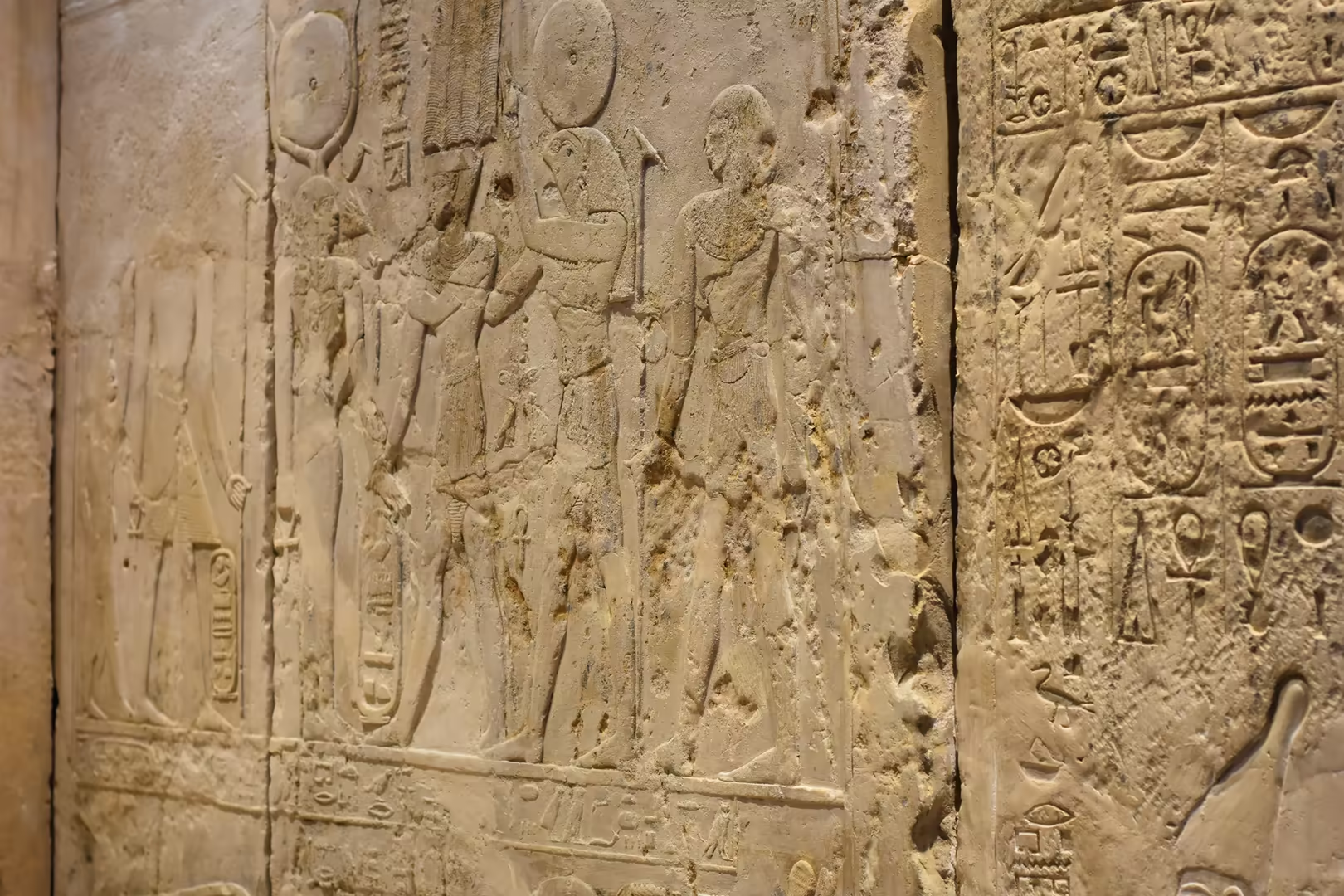
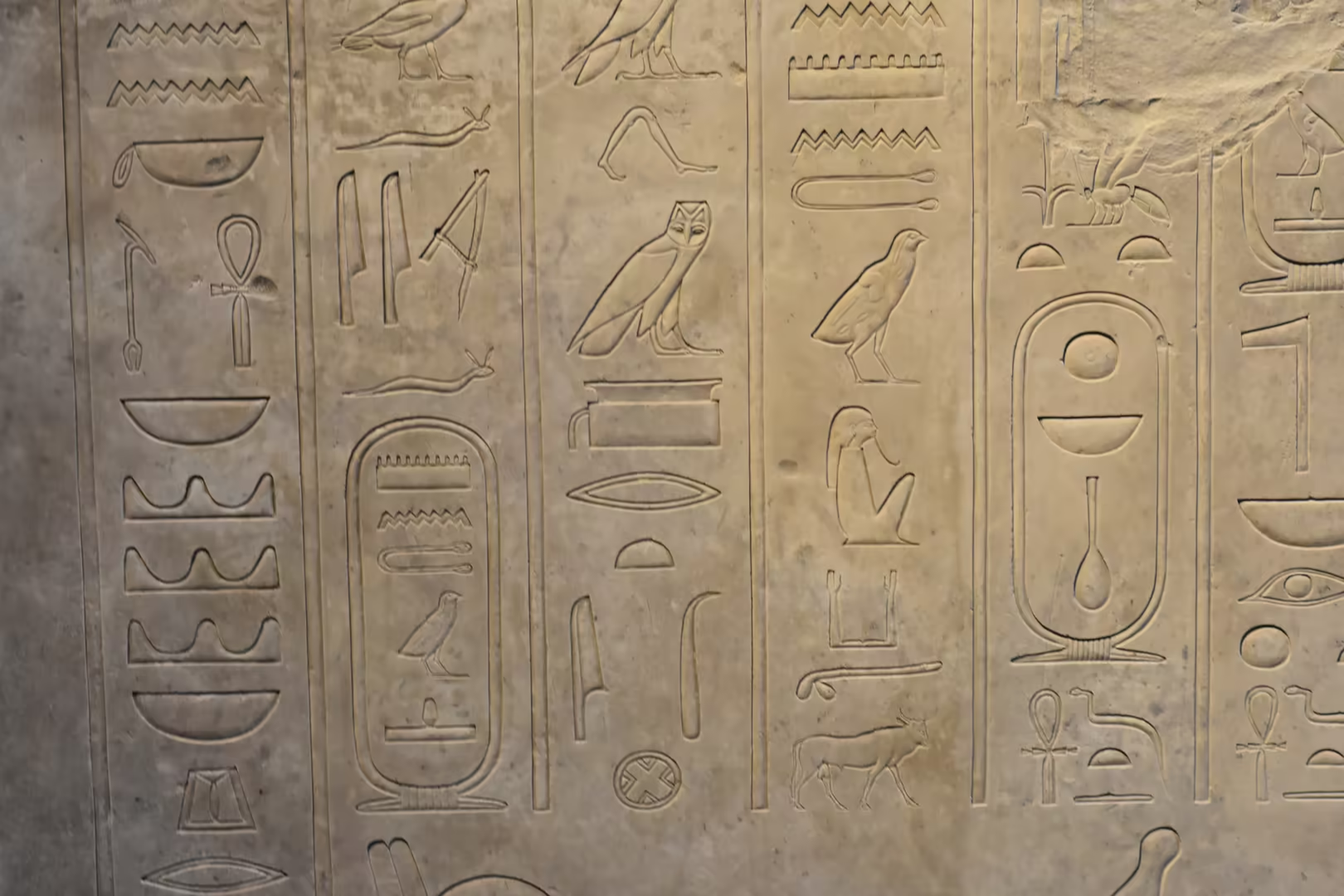
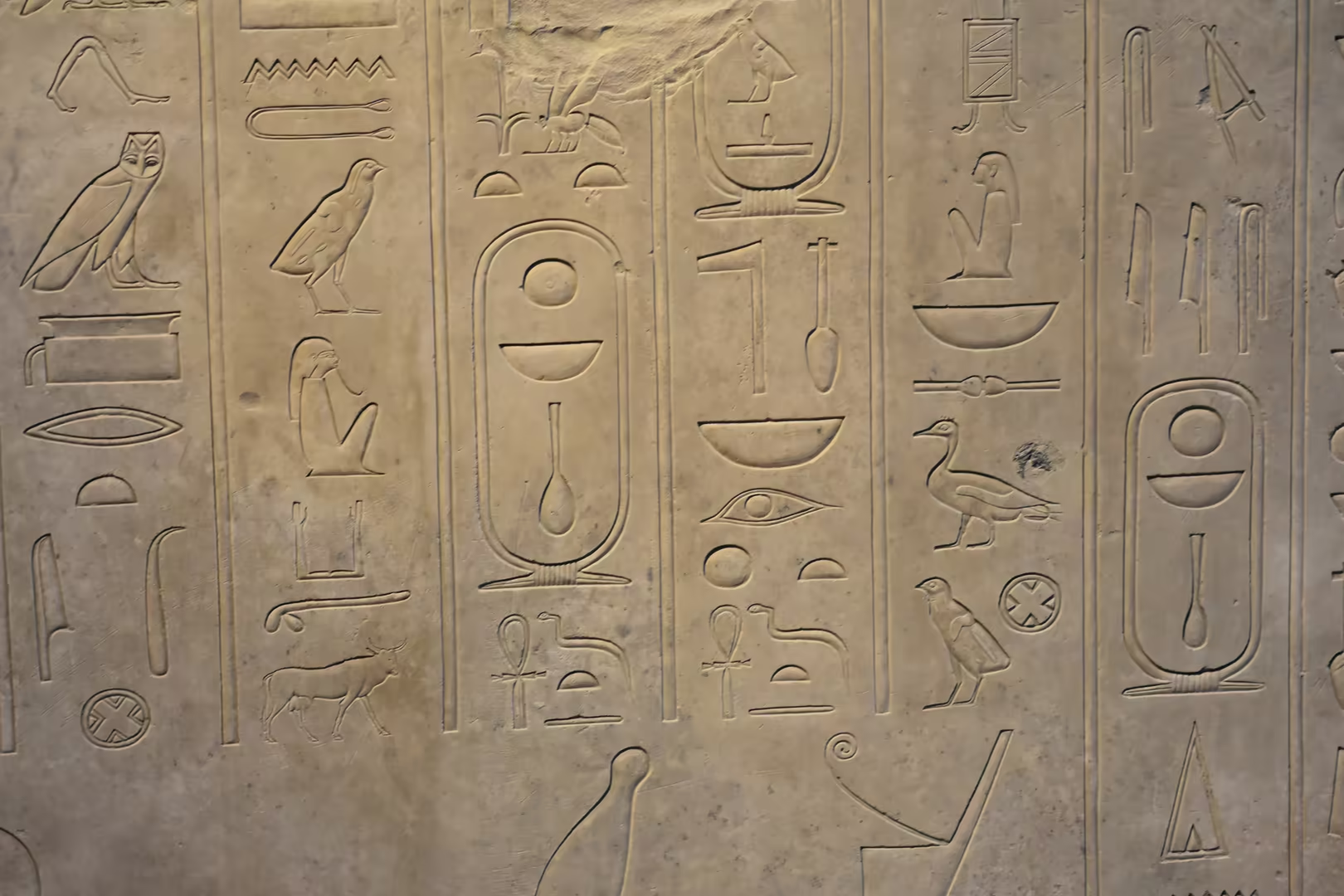
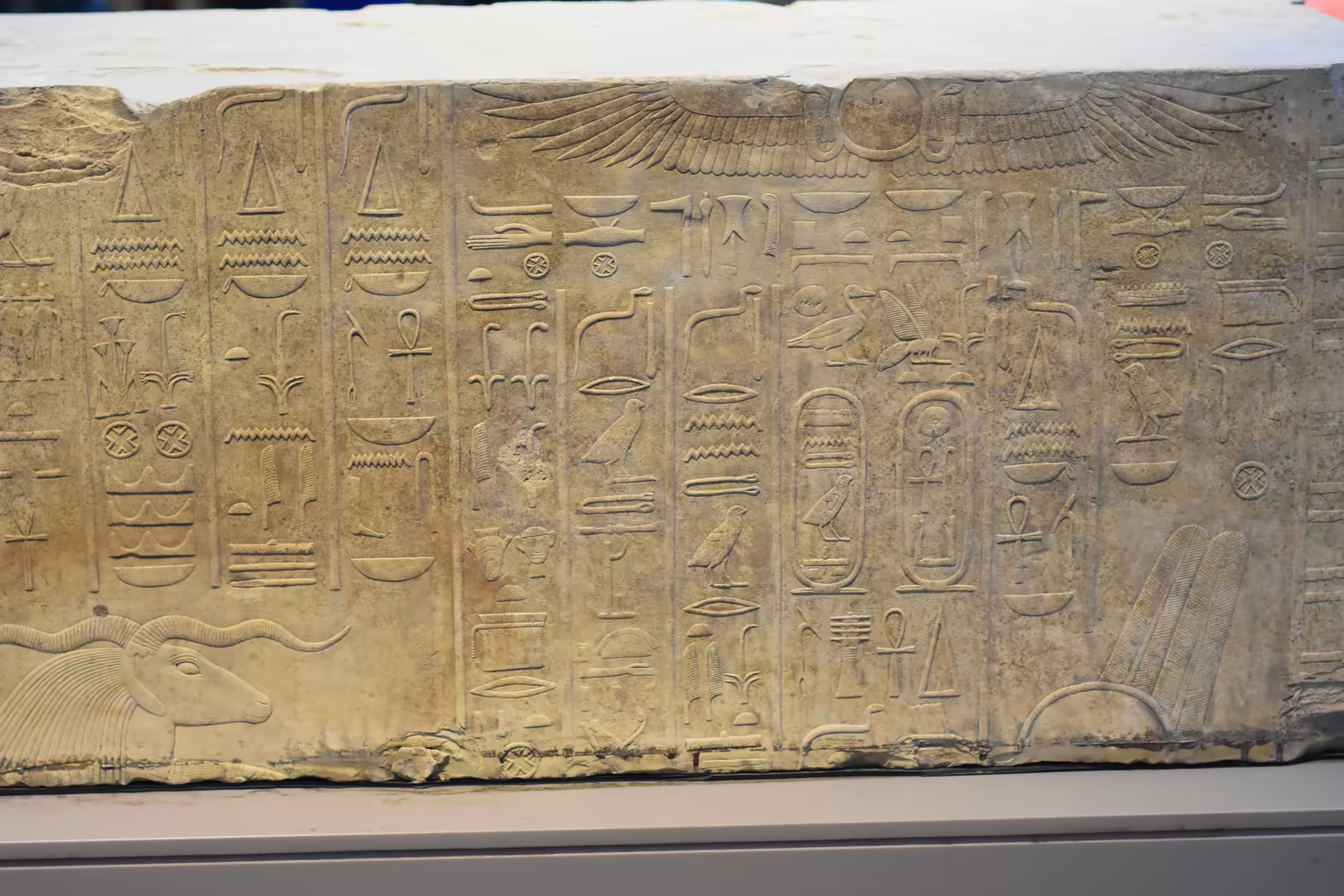
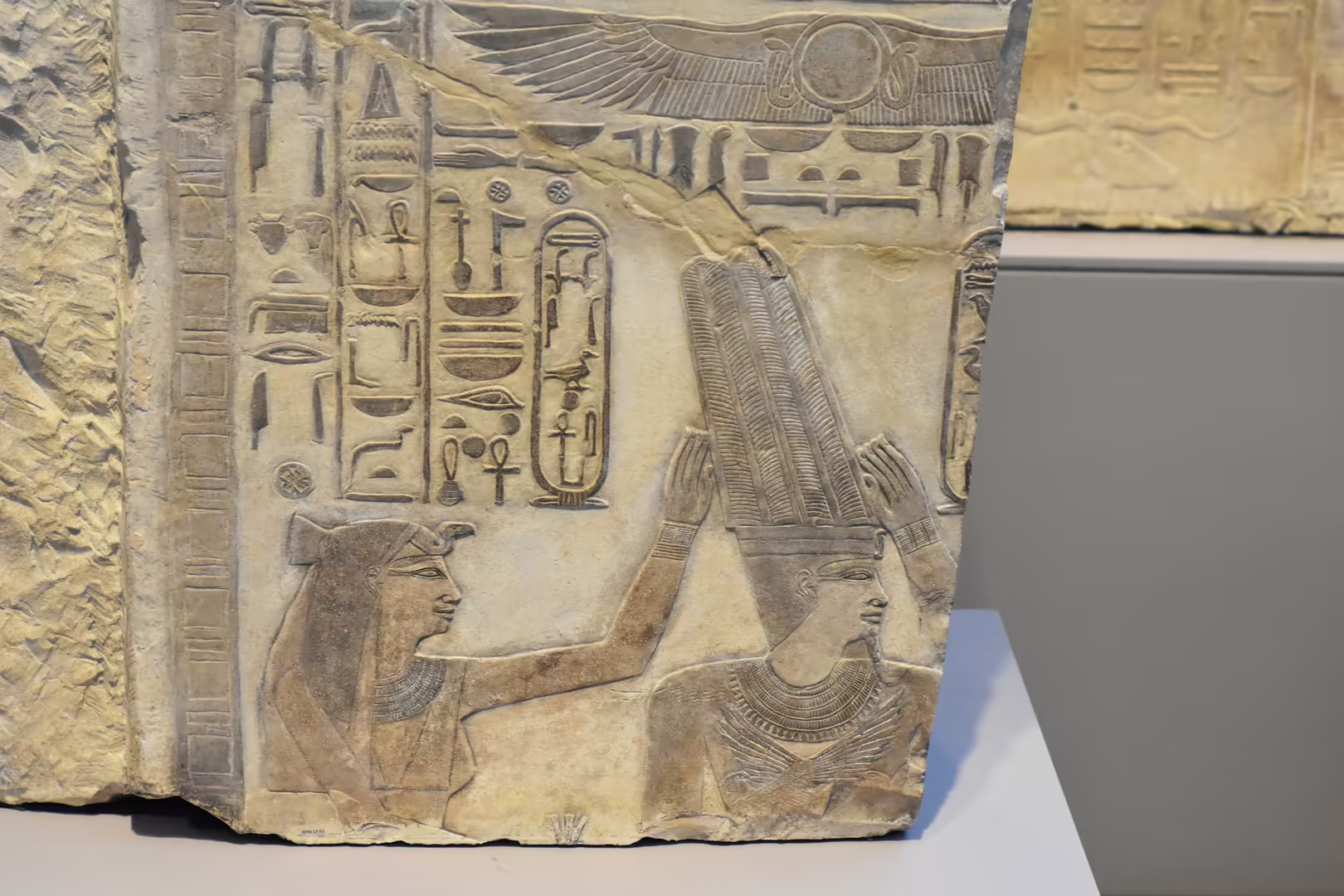
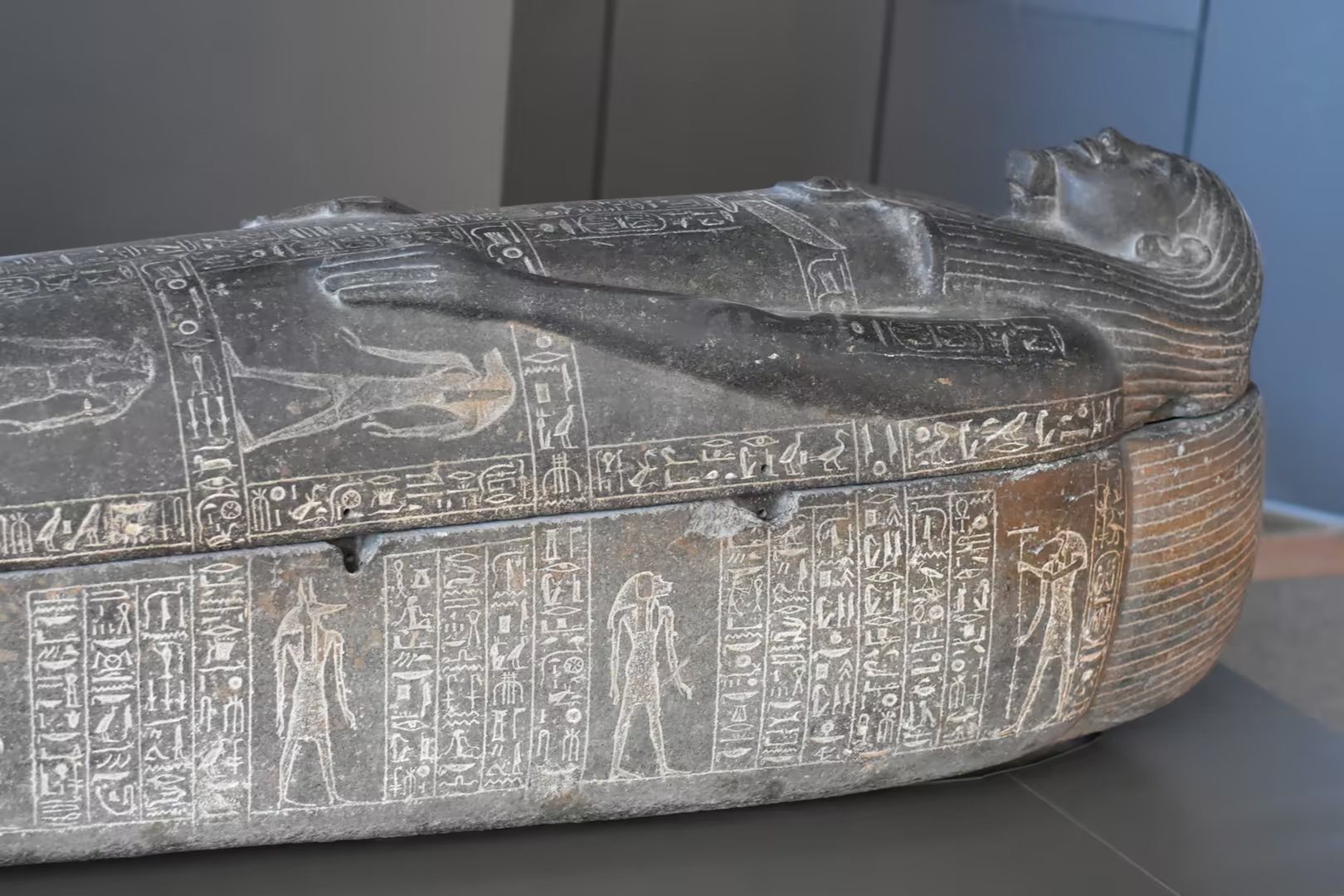
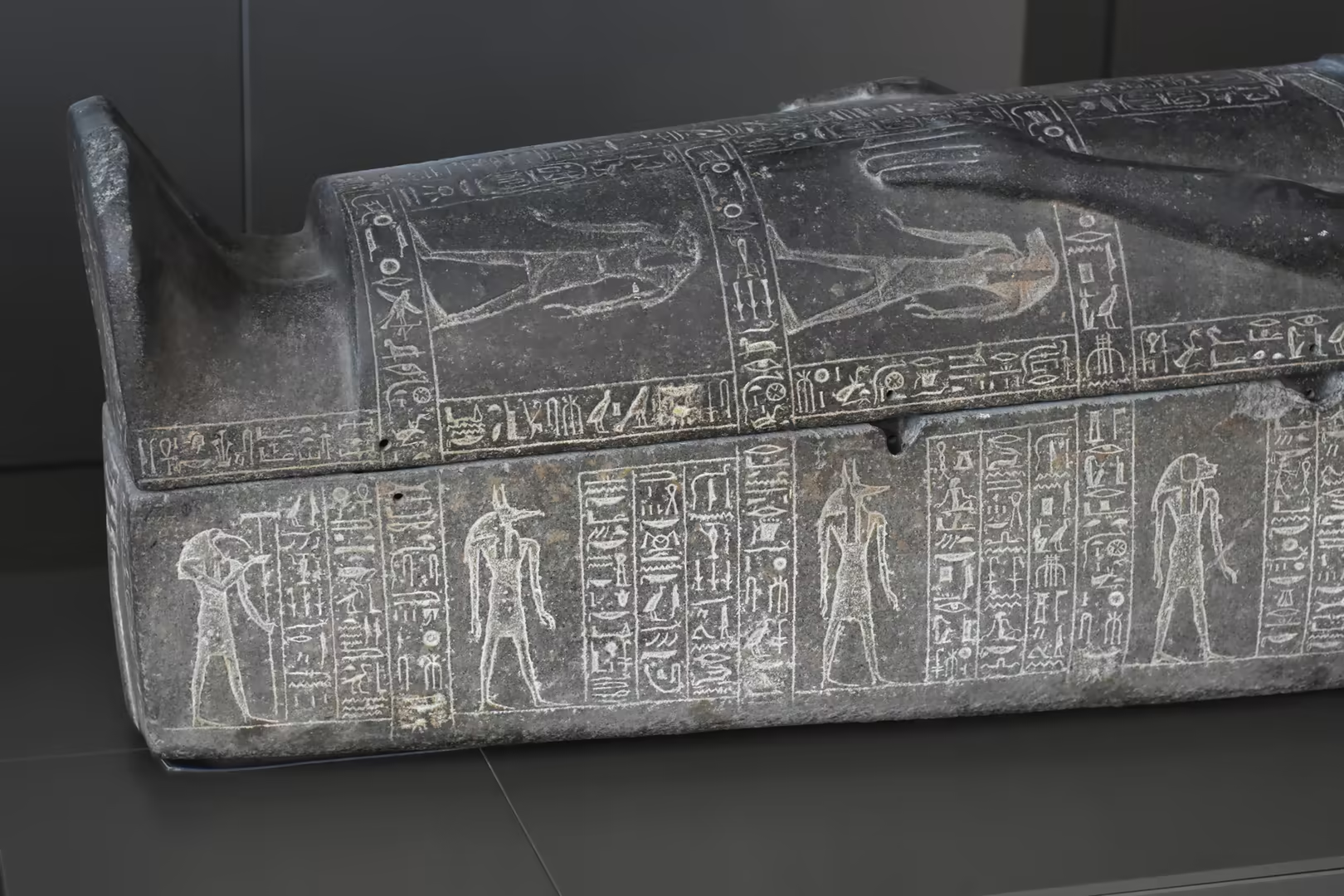
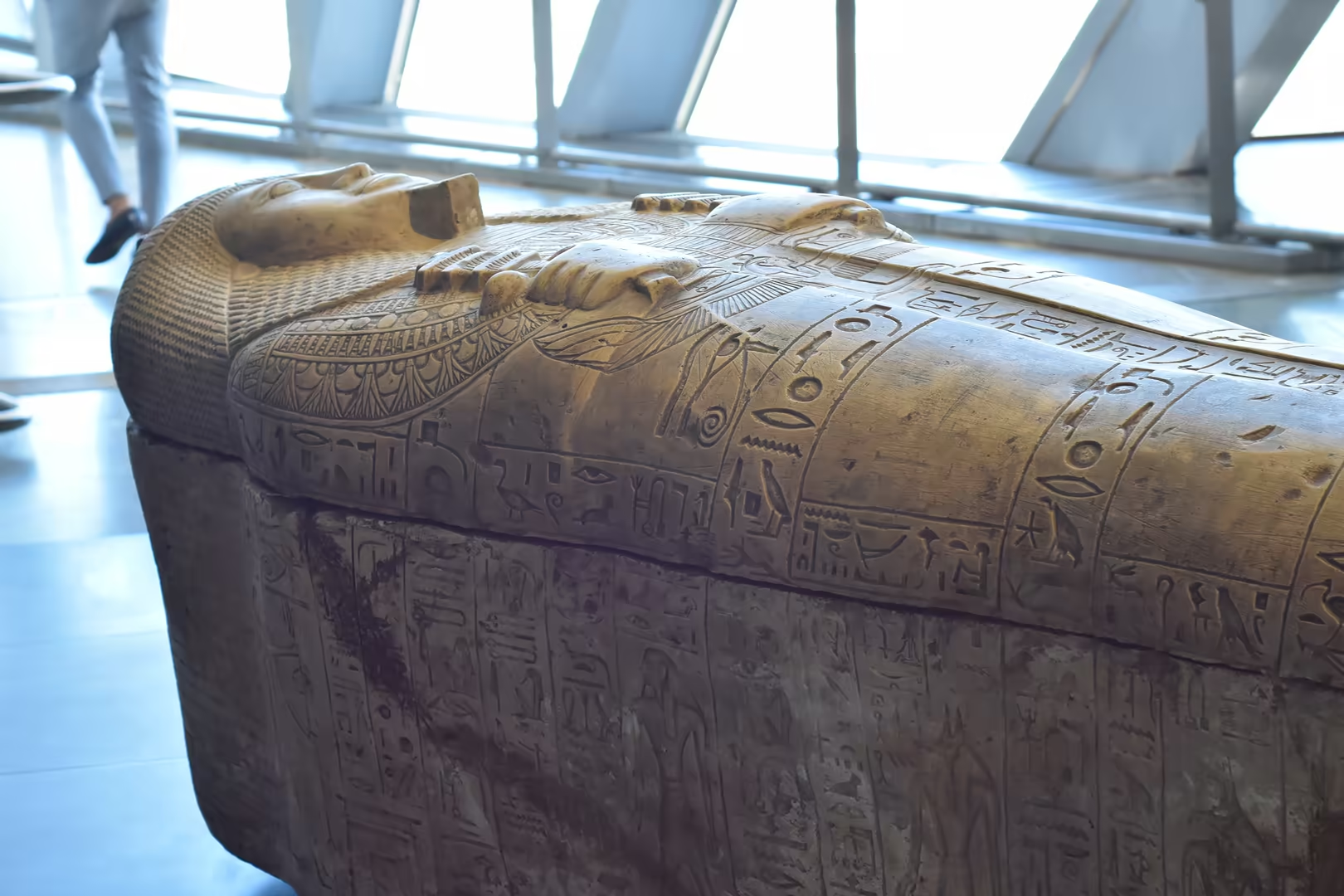
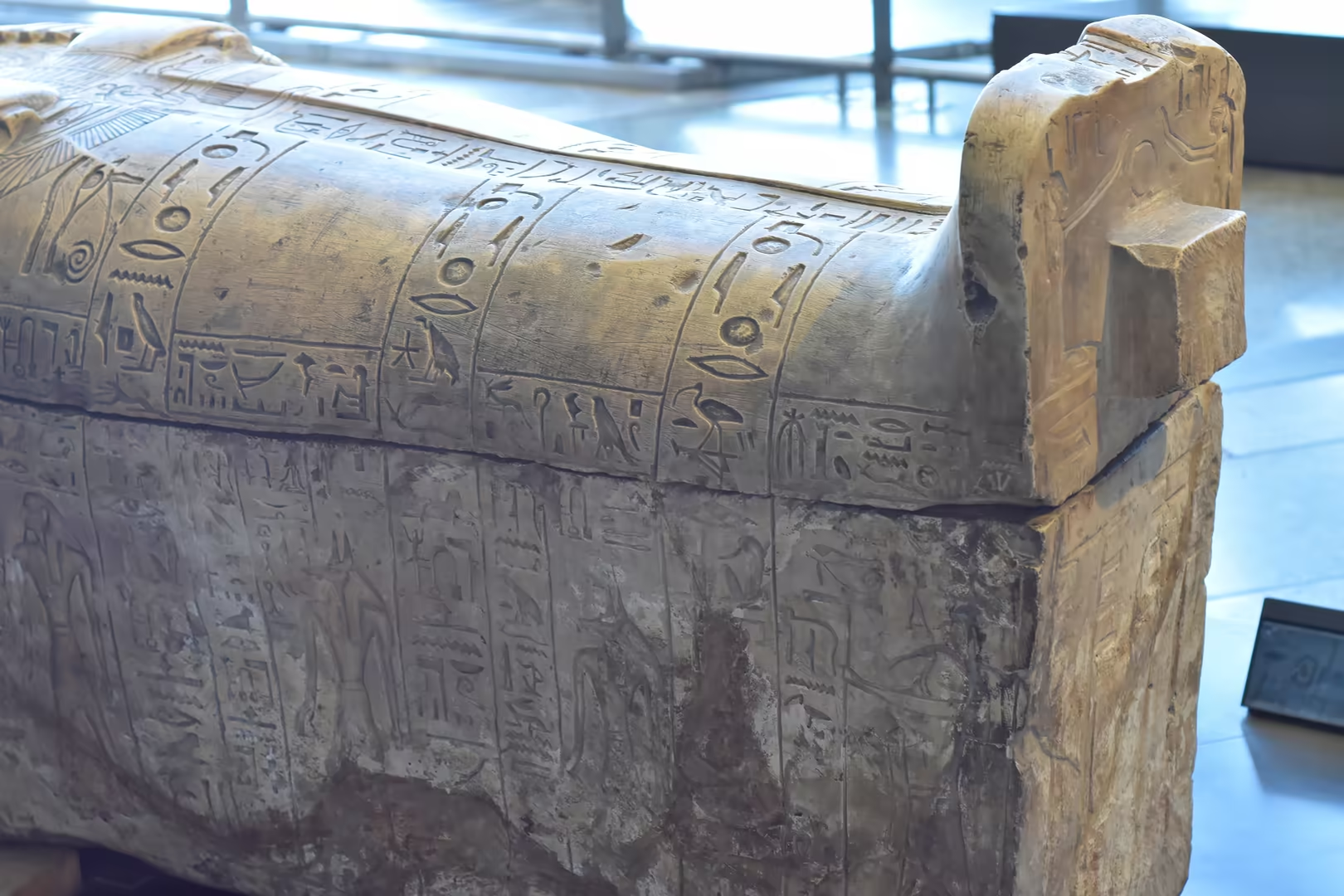
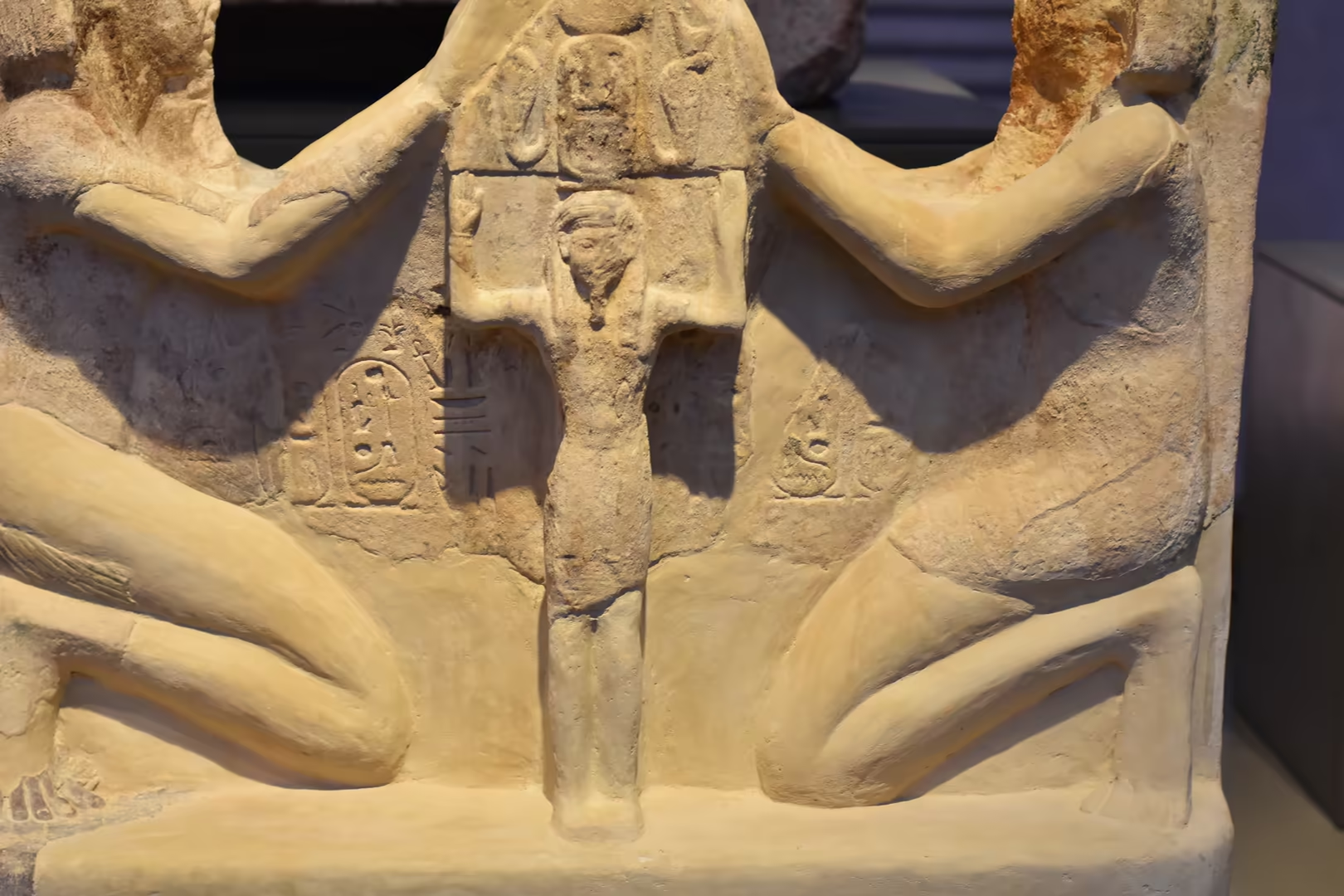
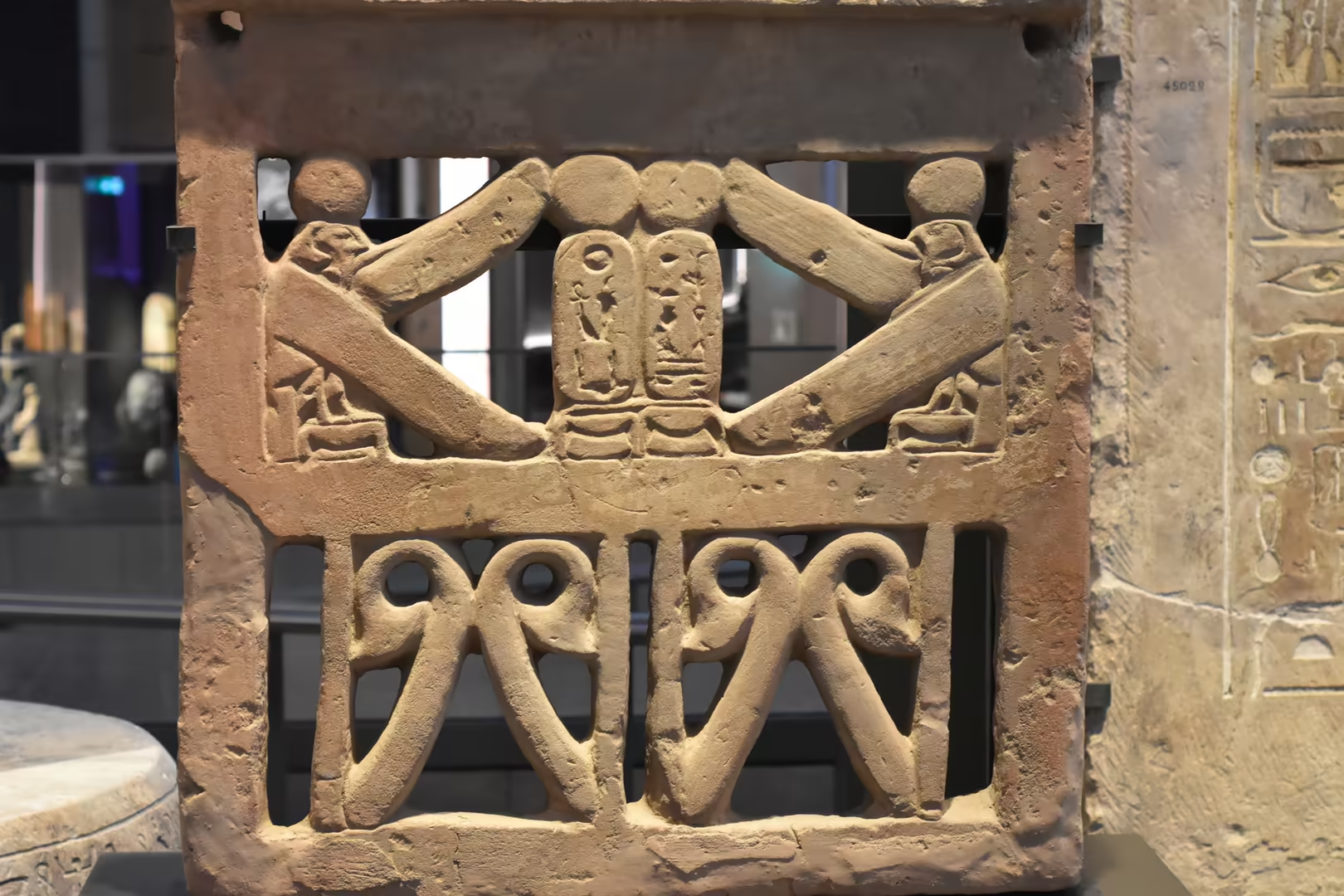
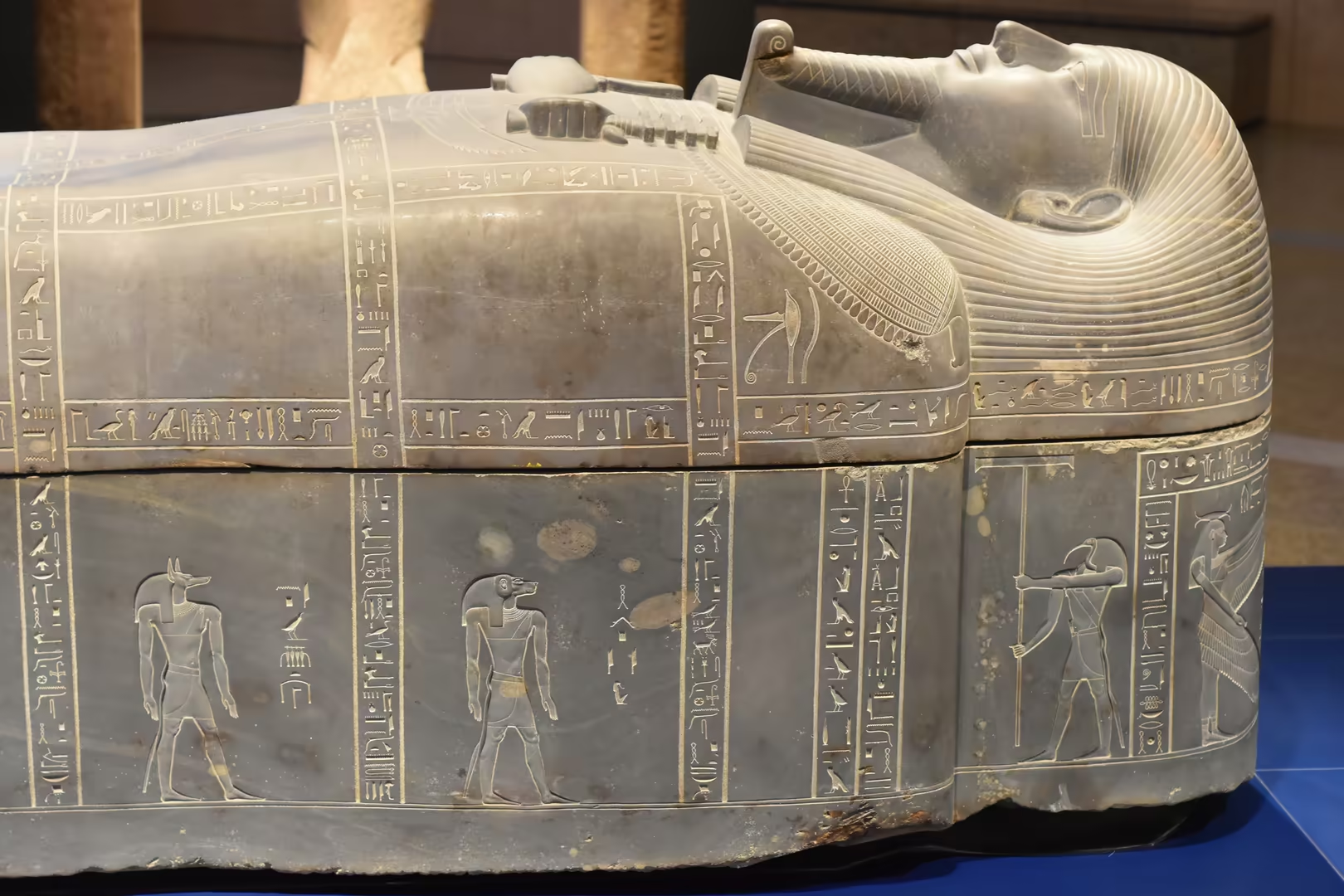
The Grand Staircase rises from the atrium for six storeys, its broad steps lined with more than sixty statues and architectural fragments arranged in four thematic sequences: the Royal Image, which gathers the seated and standing statues of the kings; the Divine Houses, with temple lintels, cartouche-covered pillars and columns from the sanctuaries of Upper Egypt; Gods and Kings, where the deities appear beside their rulers; and the funerary sequence, where stone sarcophagi from many periods rest beside a small granite pyramidion of the Thirteenth Dynasty. The royal portraits range from the Old Kingdom to the Roman age, so that the ascent of the staircase reads like a survey of three thousand years of royal iconography. From the top of the staircase the museum opens again onto the pyramids, seen across the desert terrace that separates the collection from the monuments themselves.
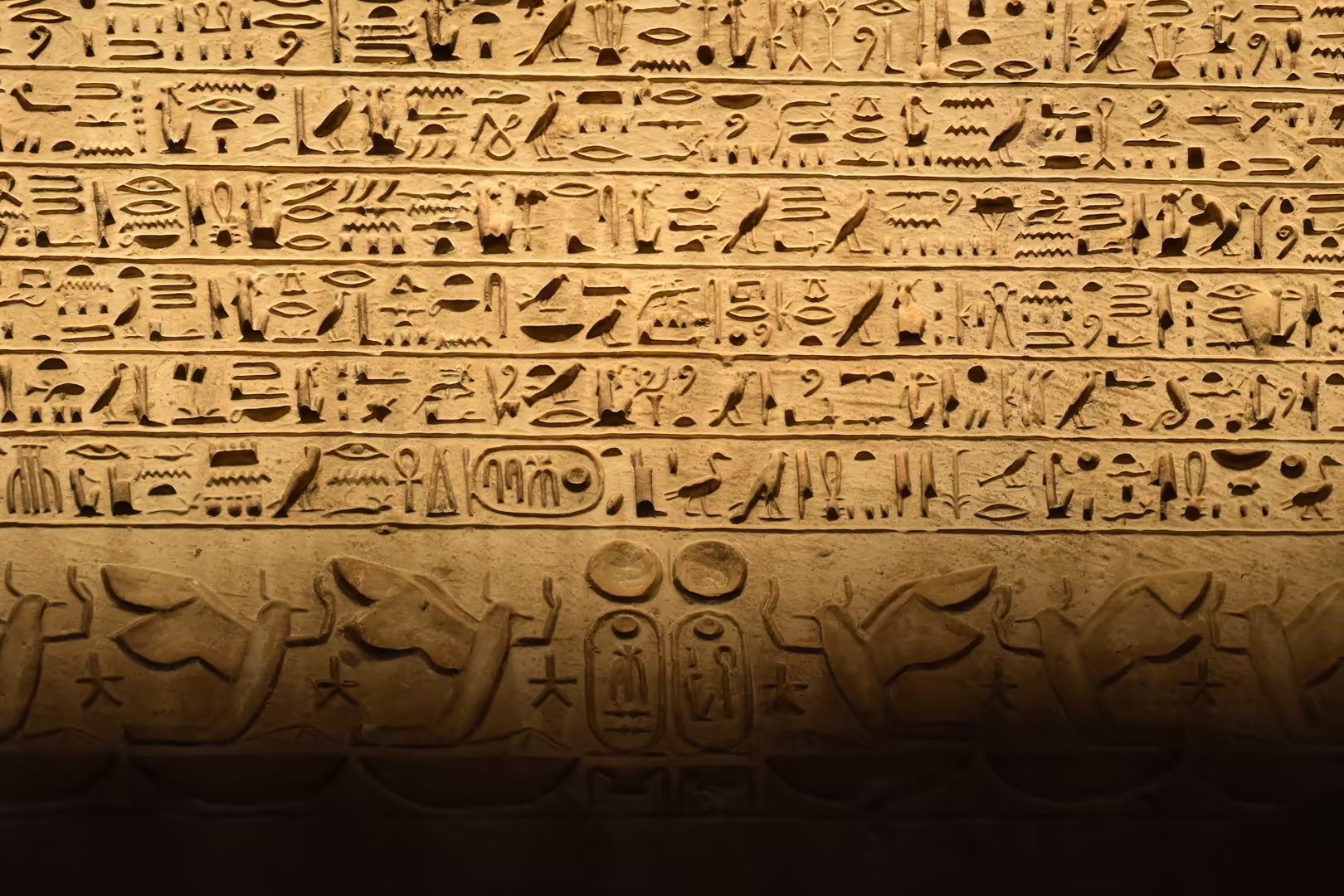
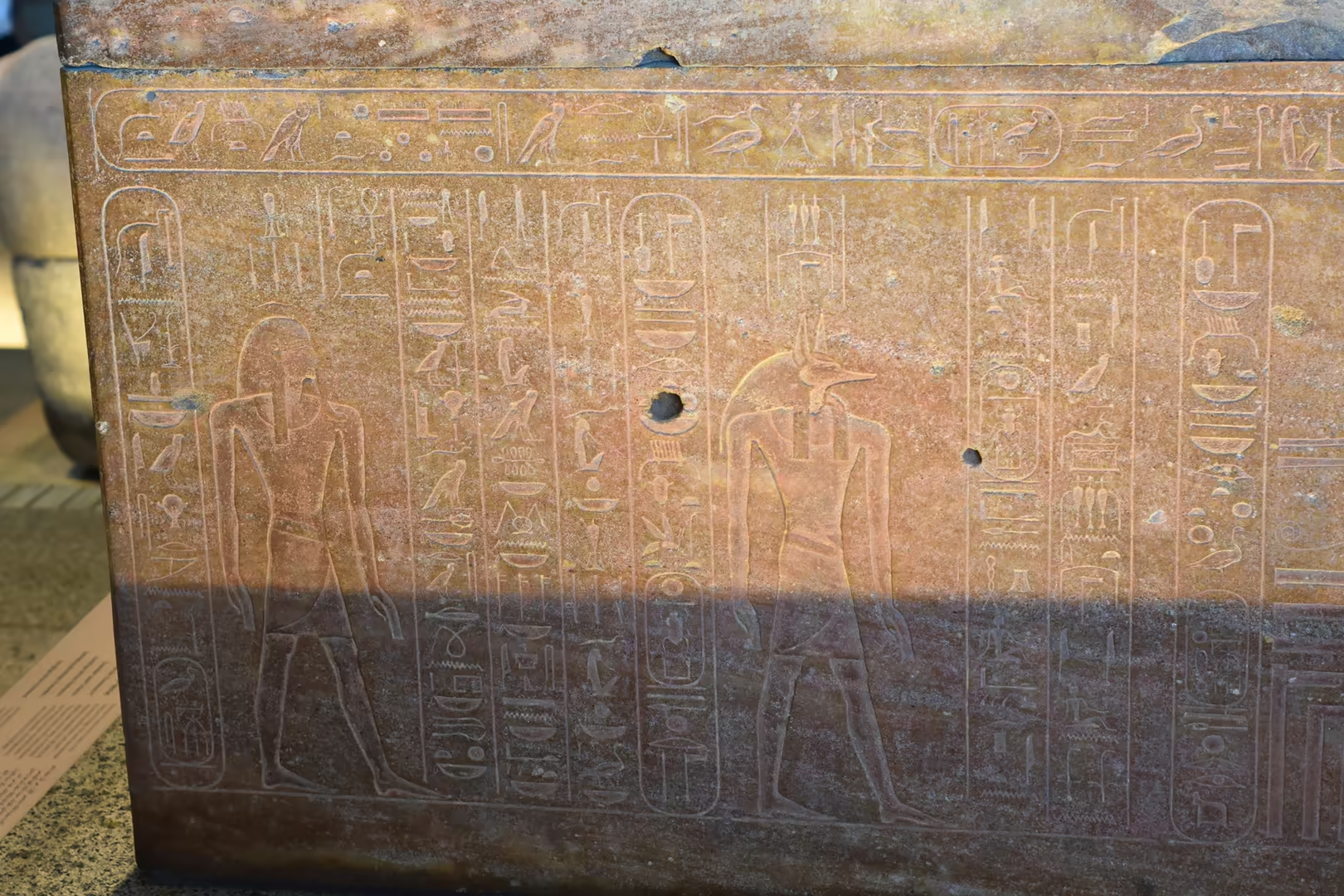
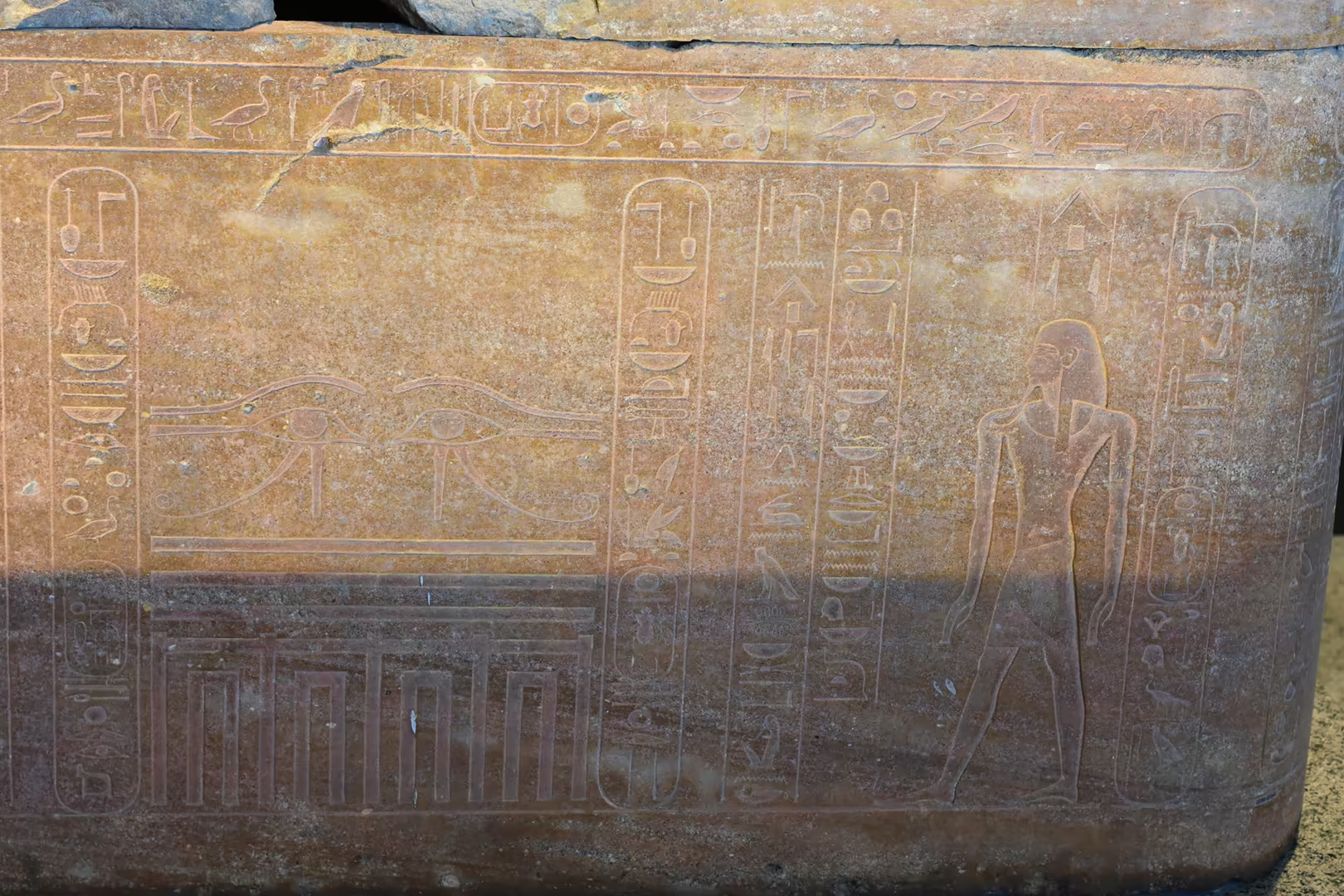
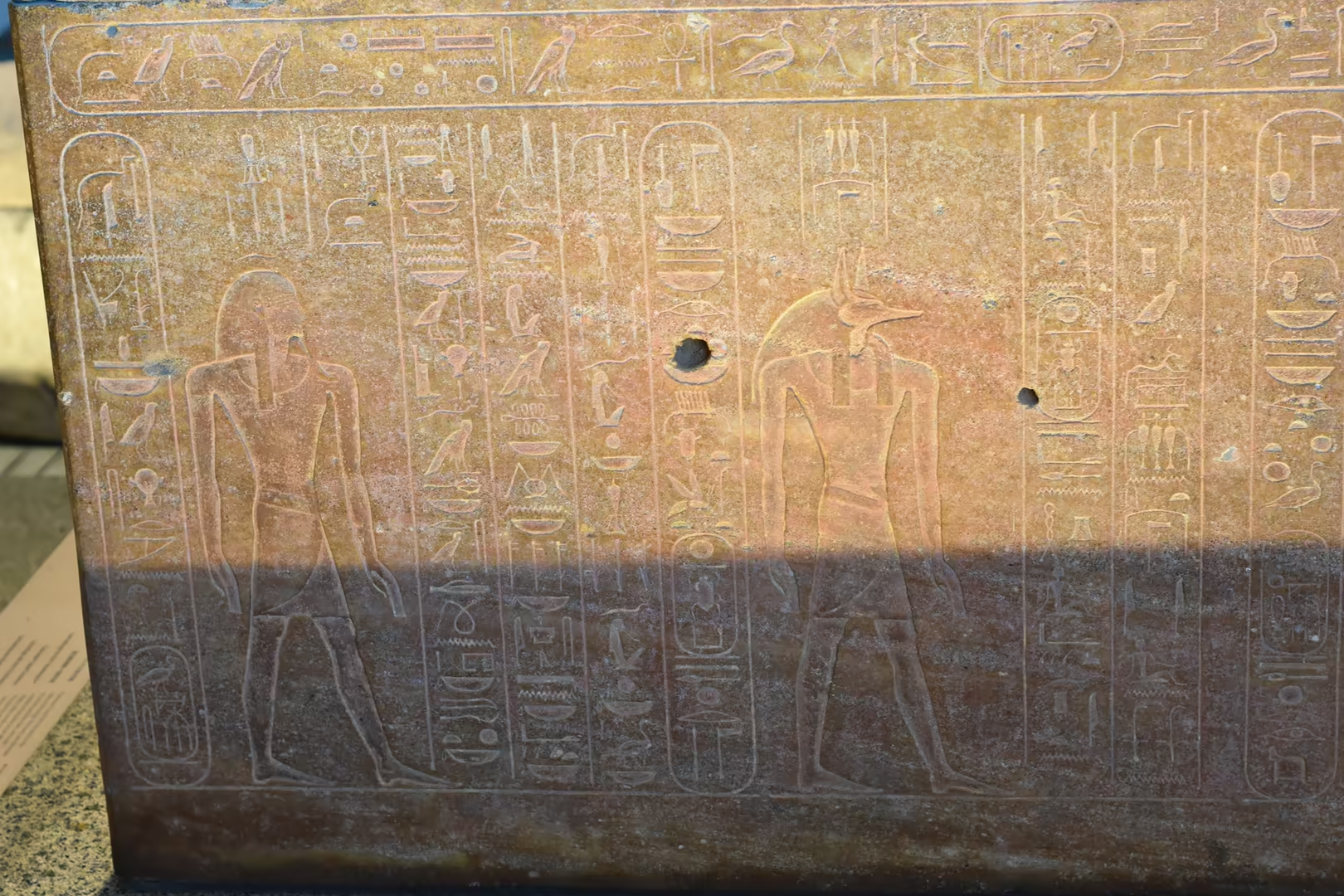
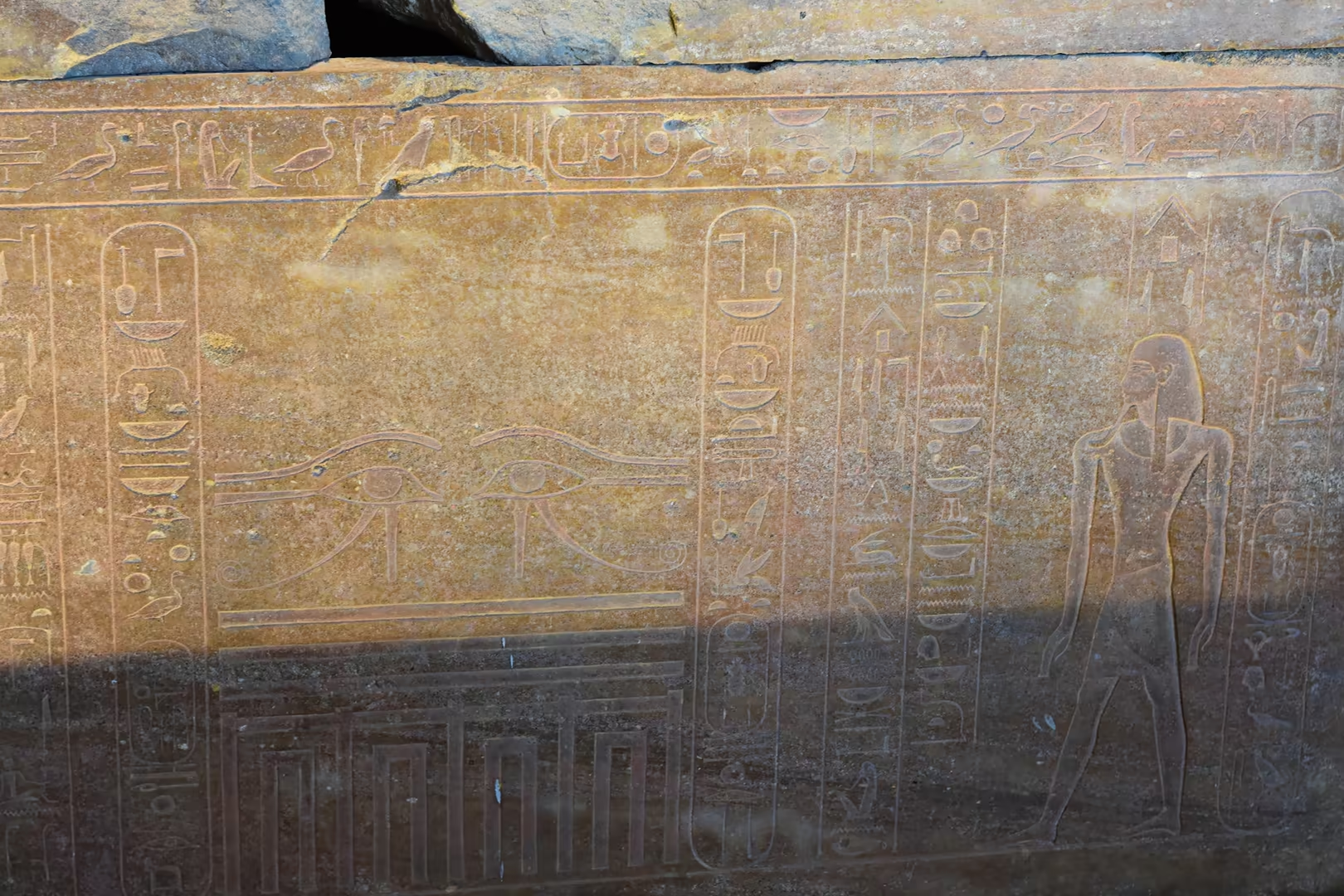
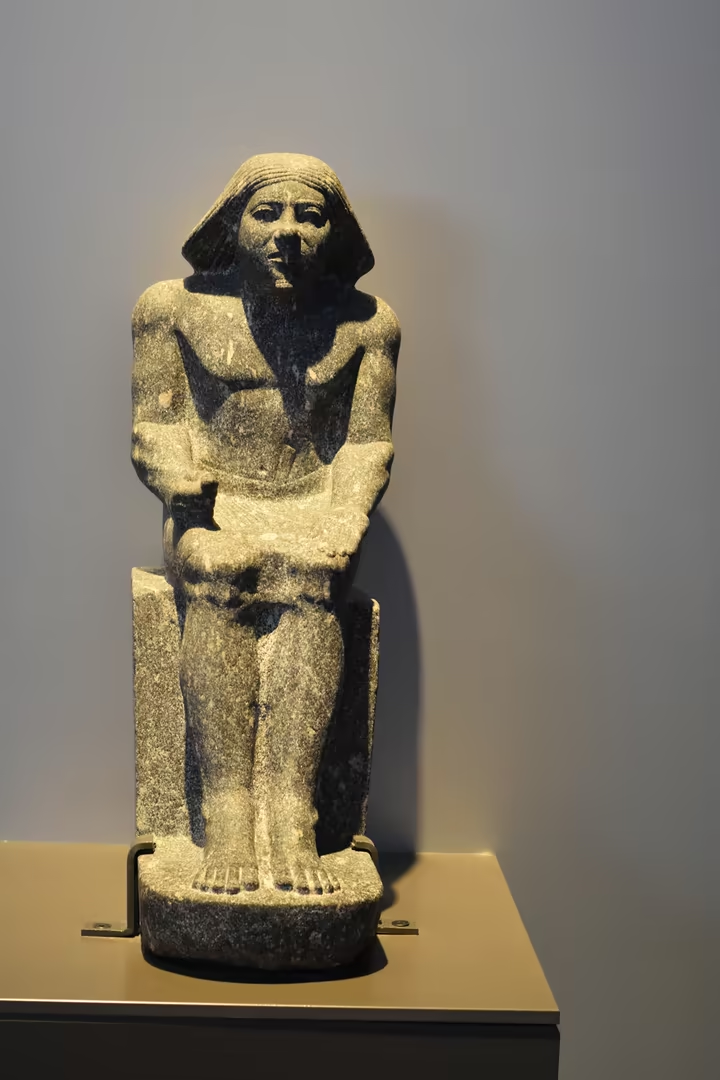
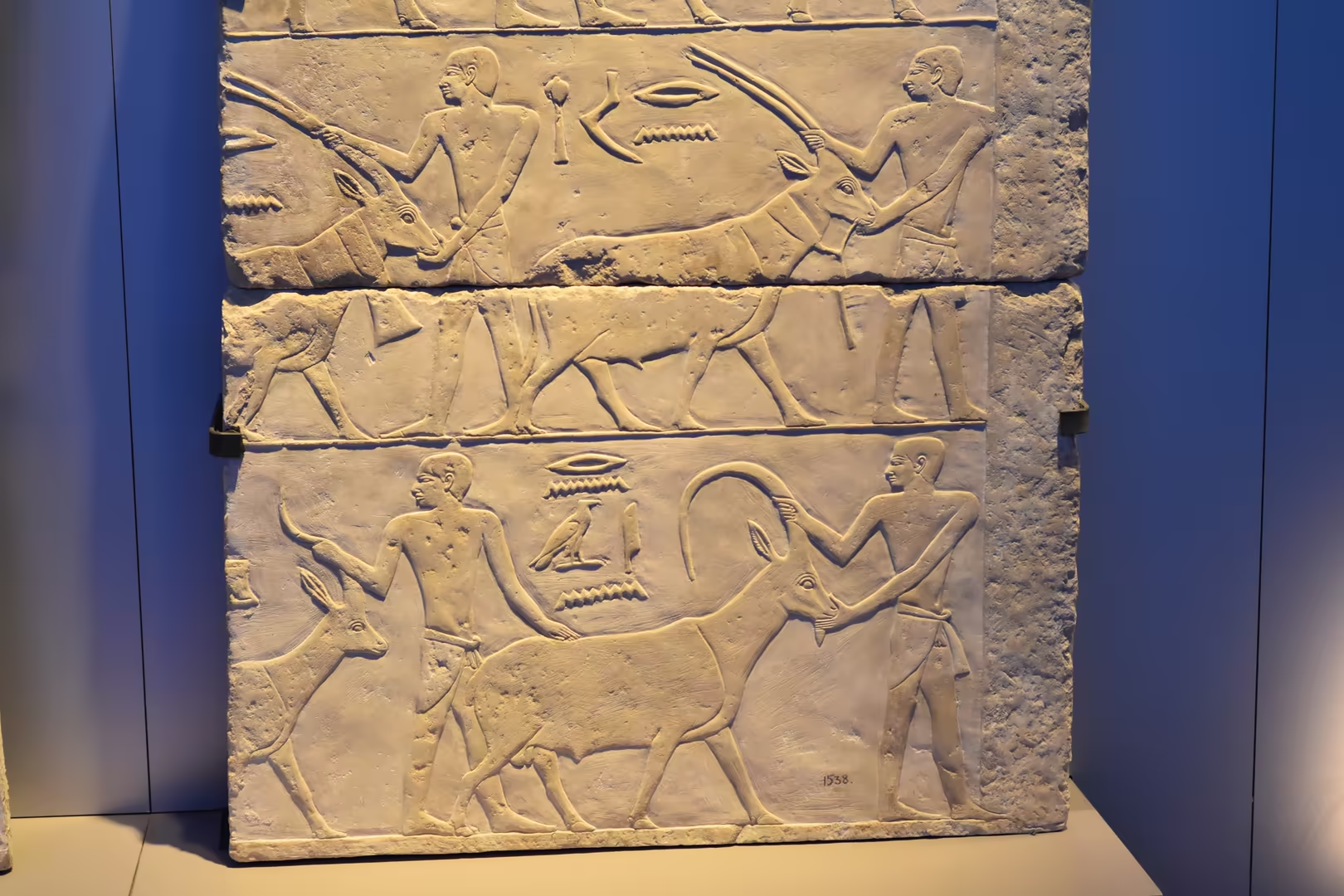
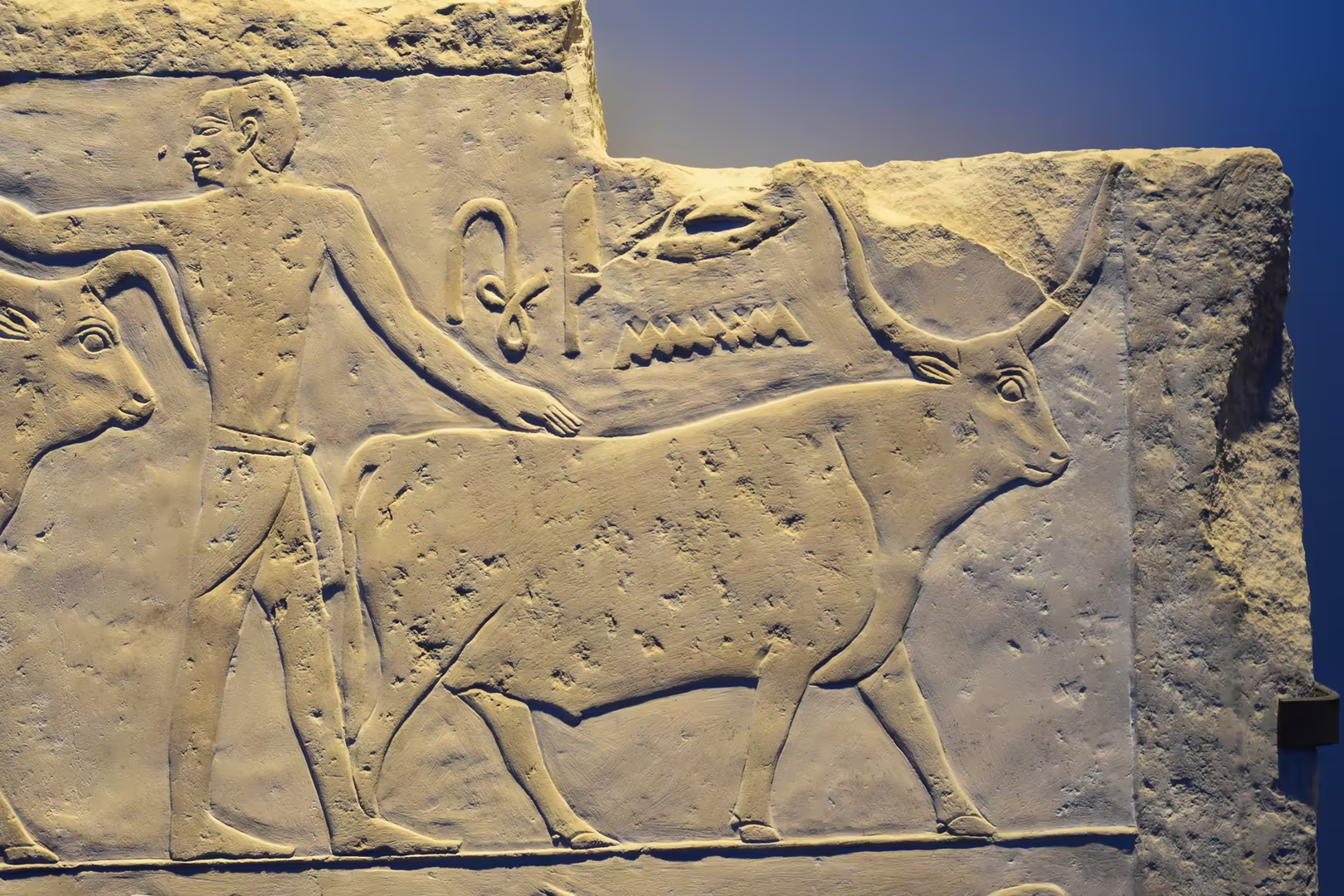
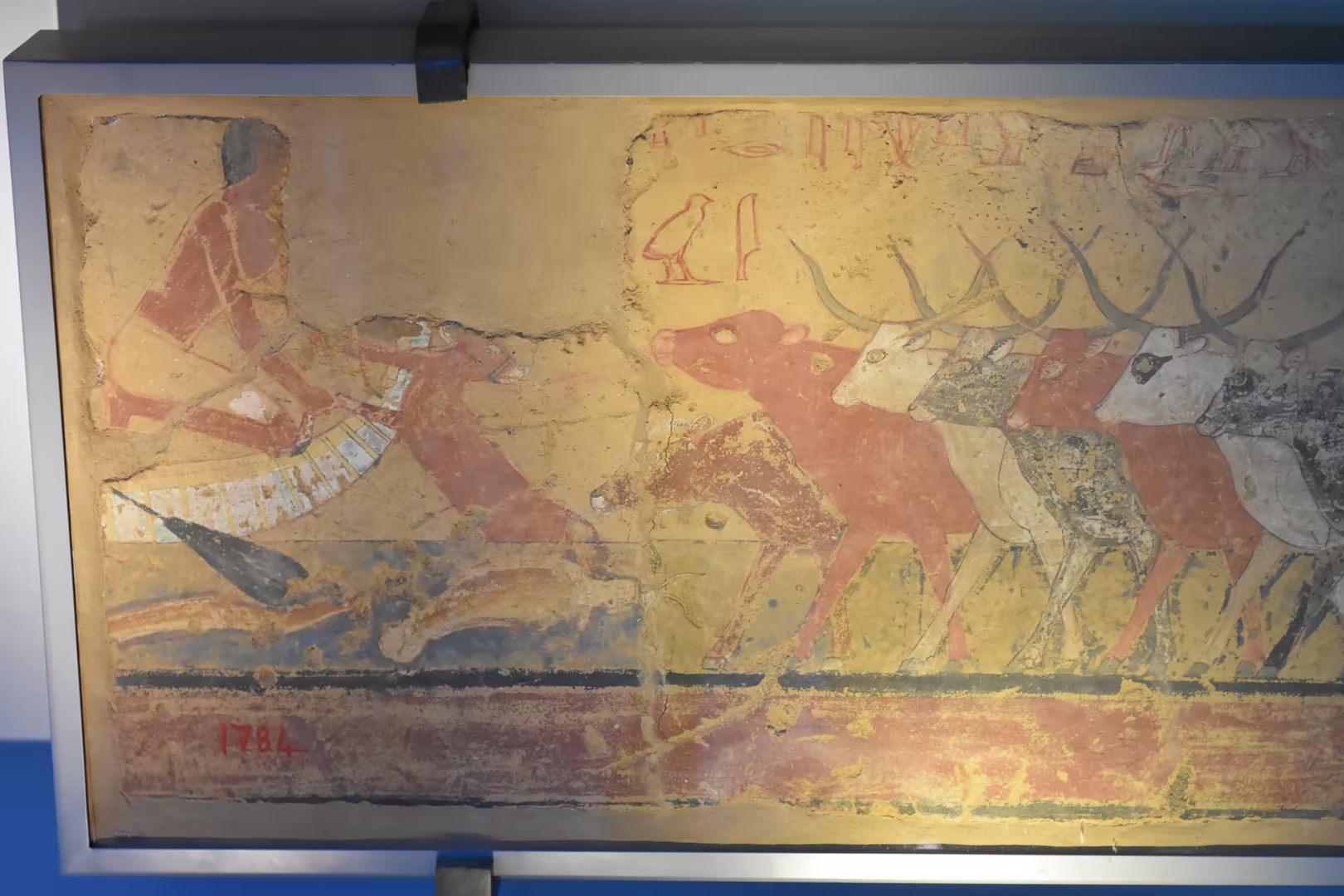
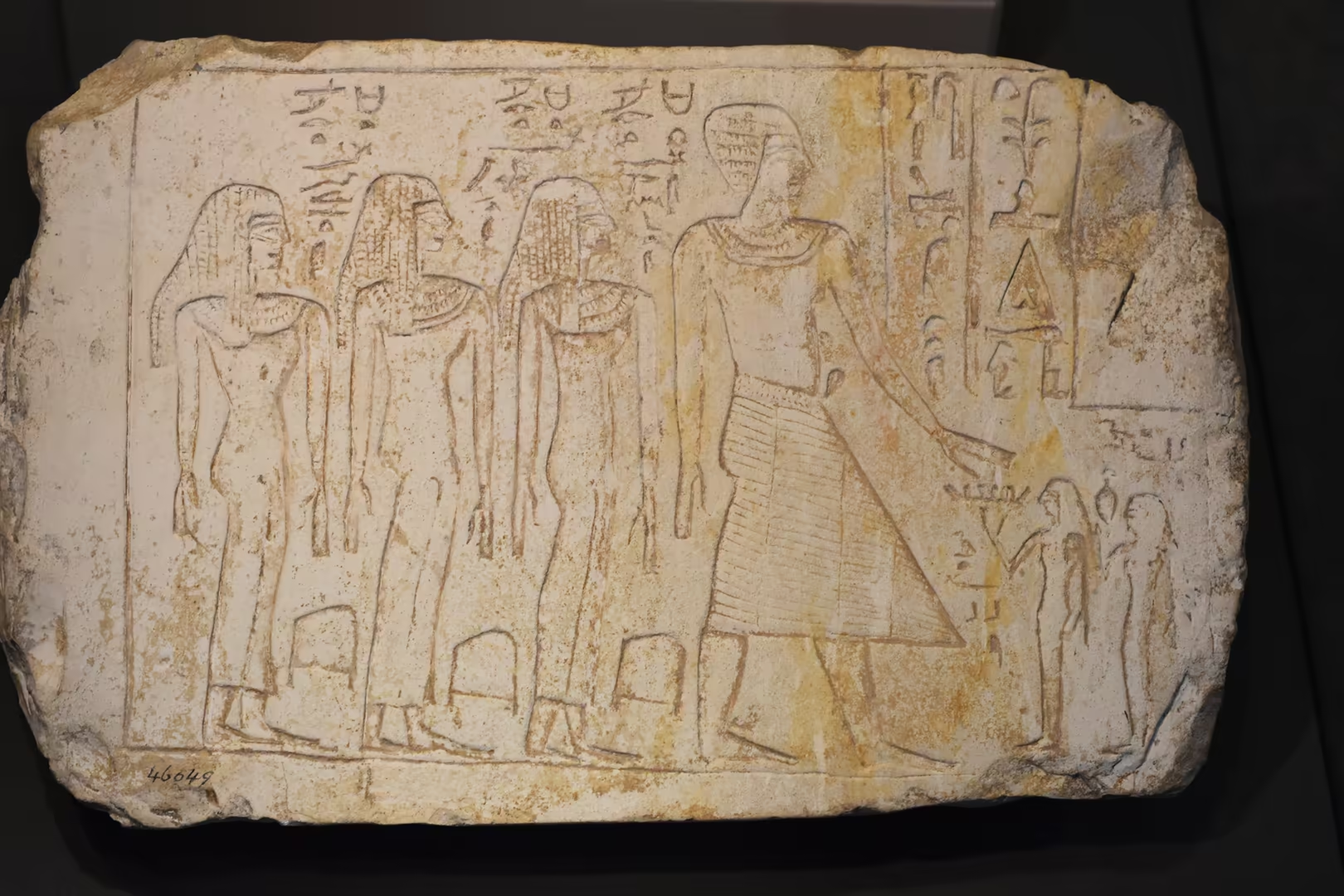
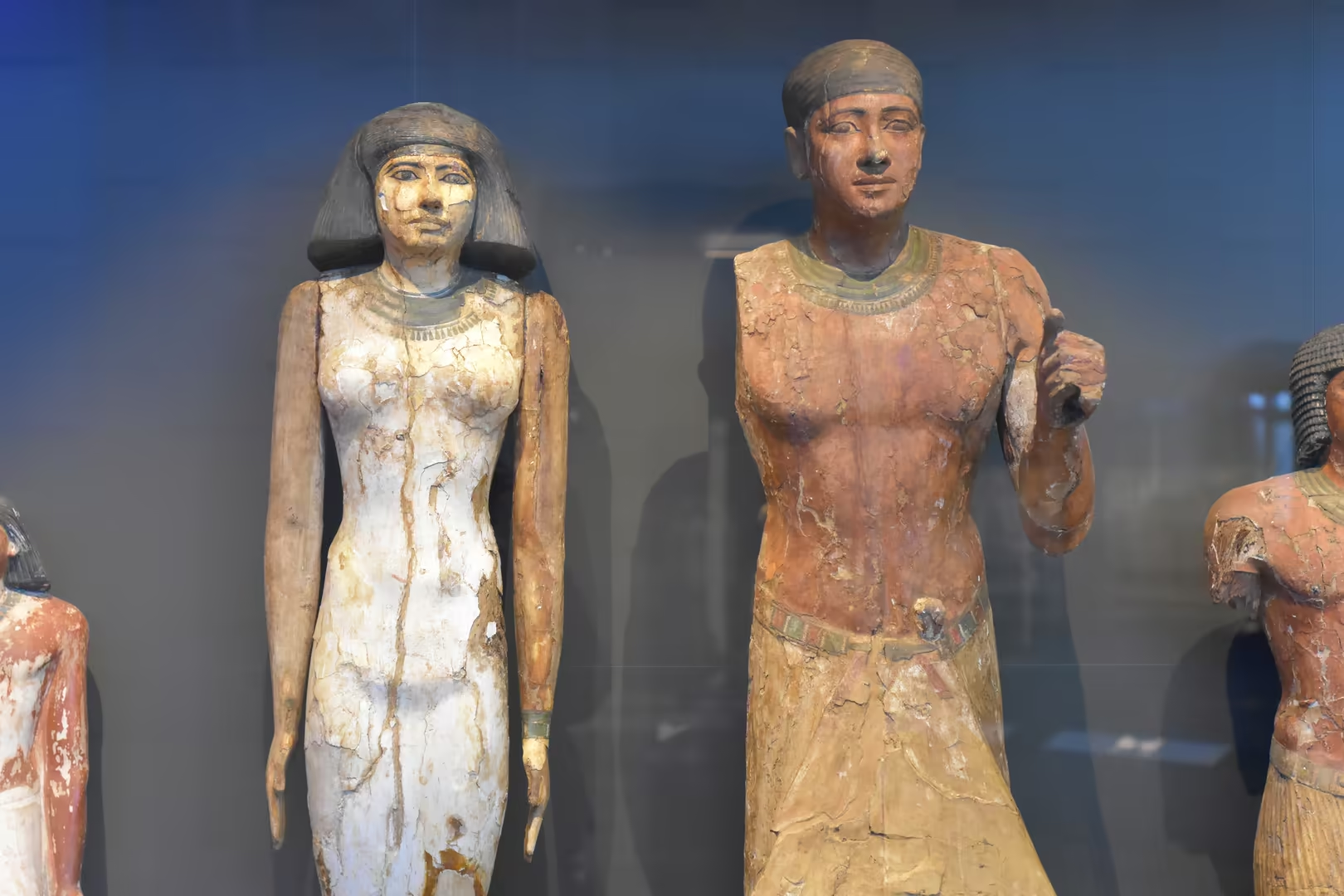
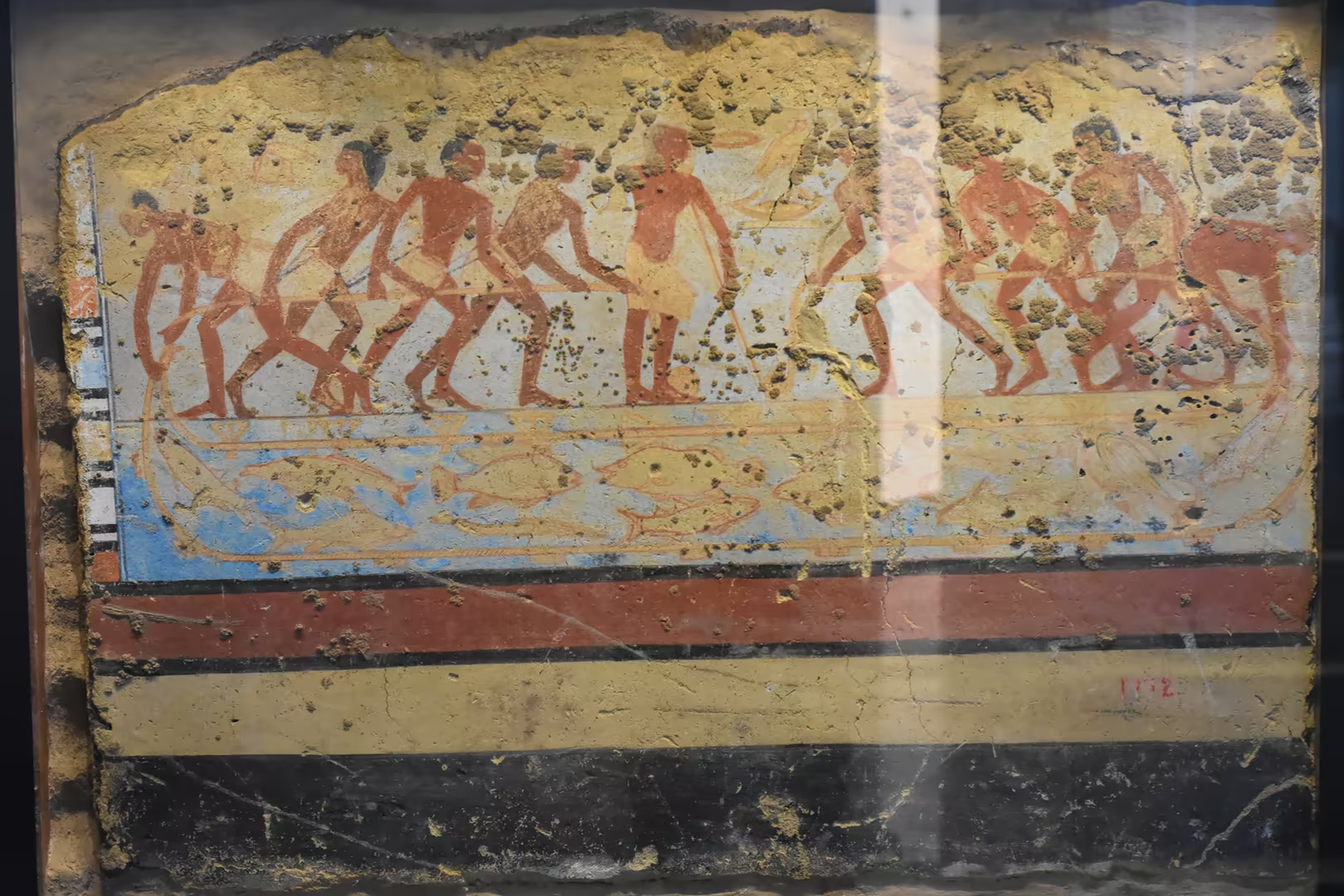
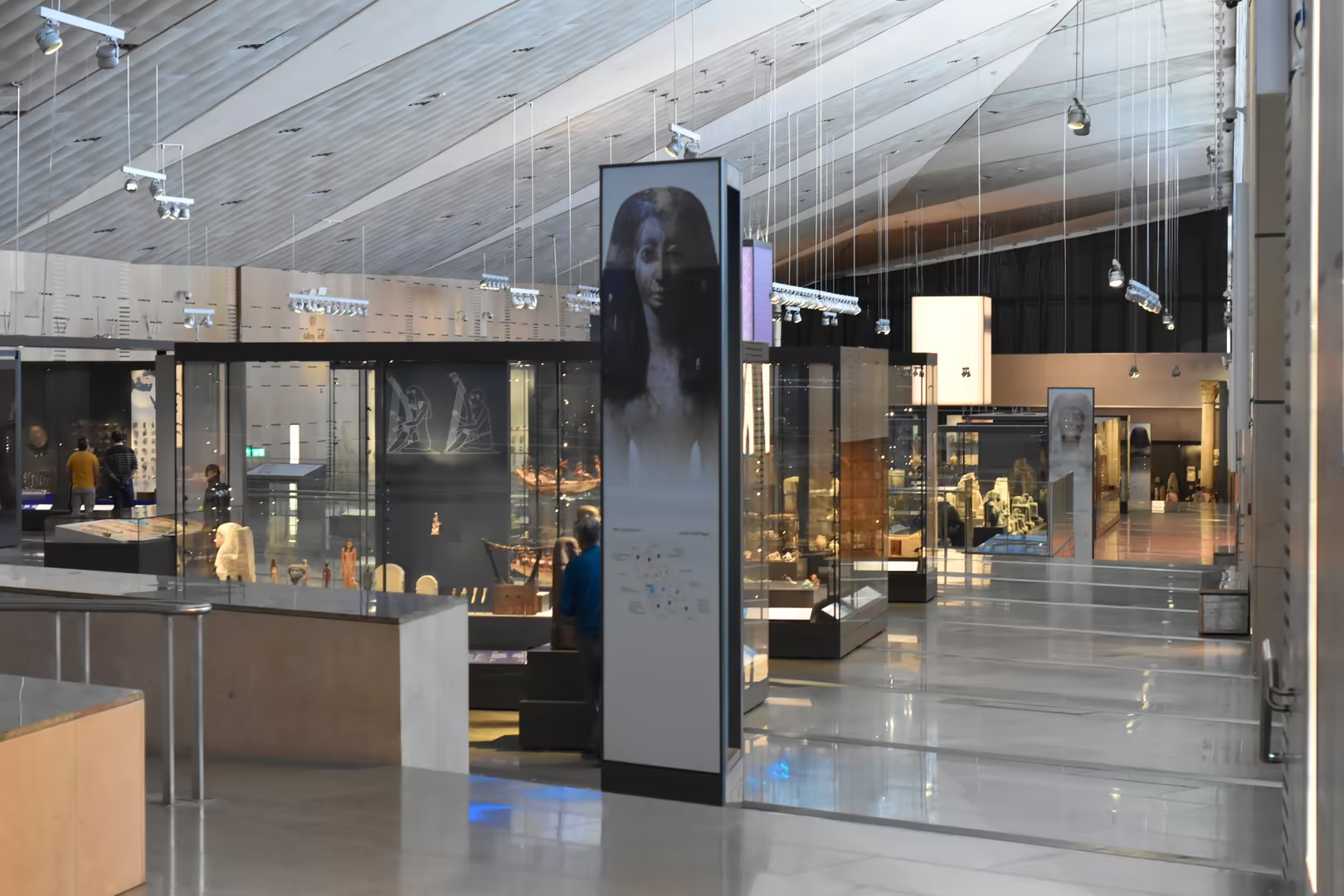
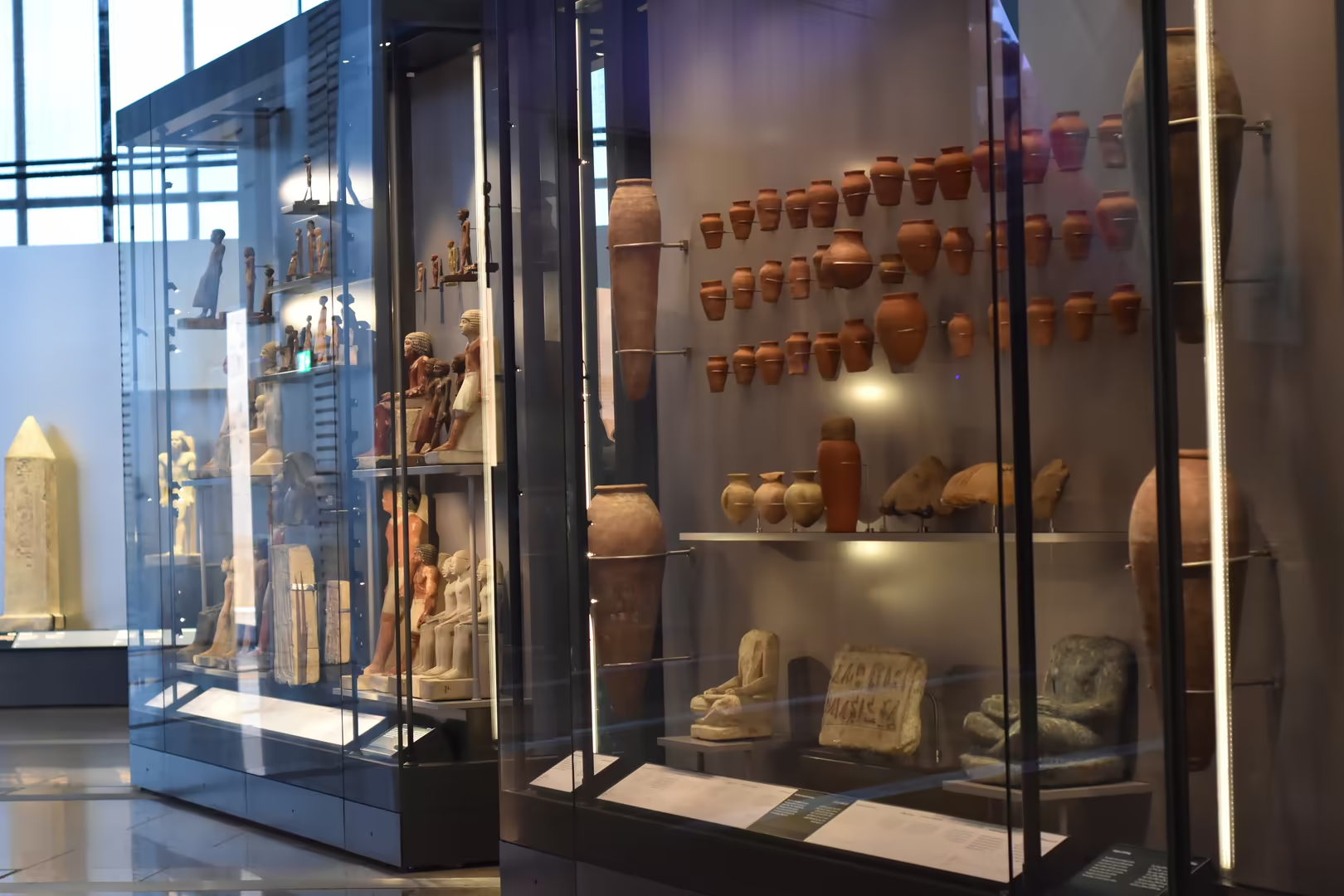
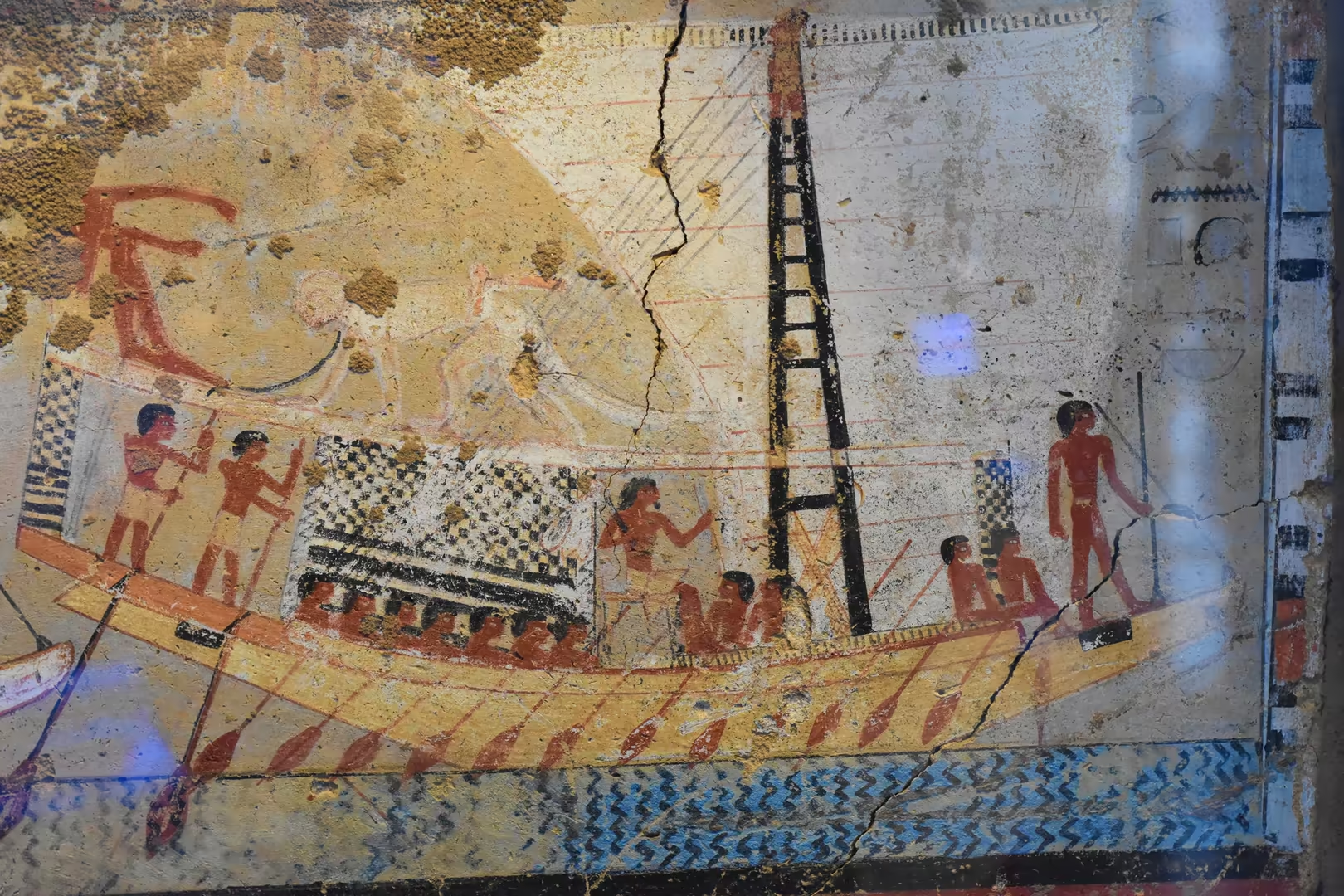
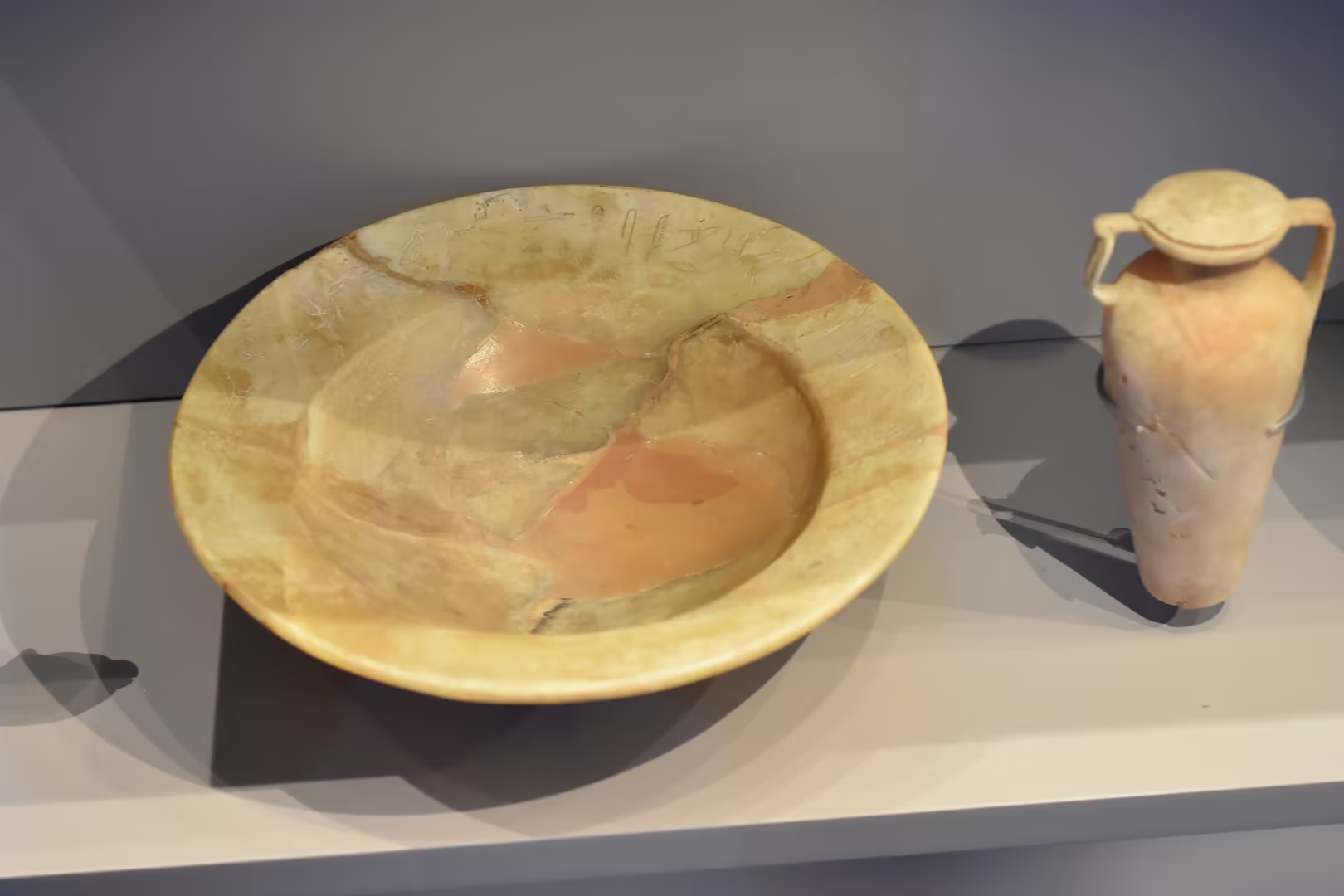
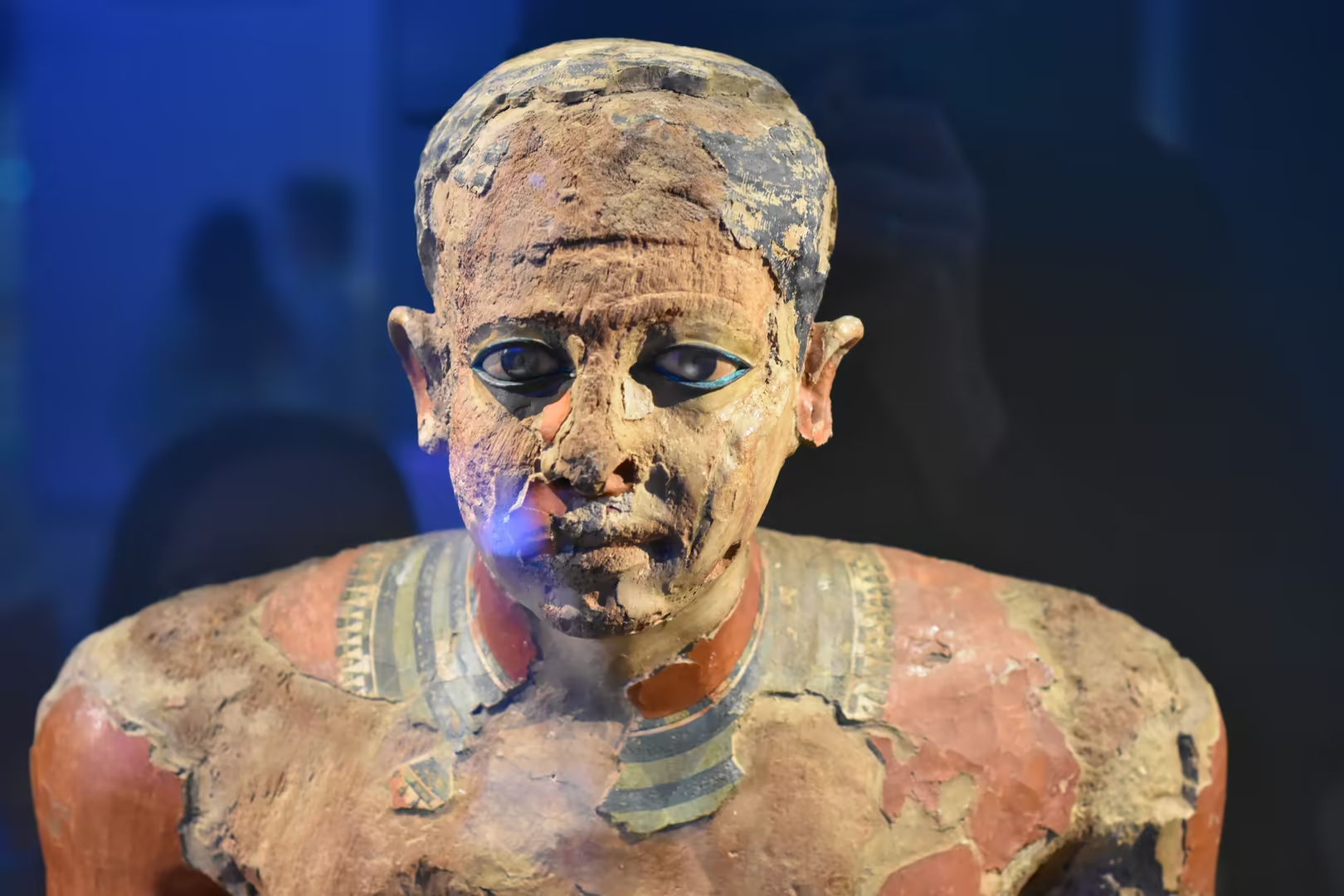
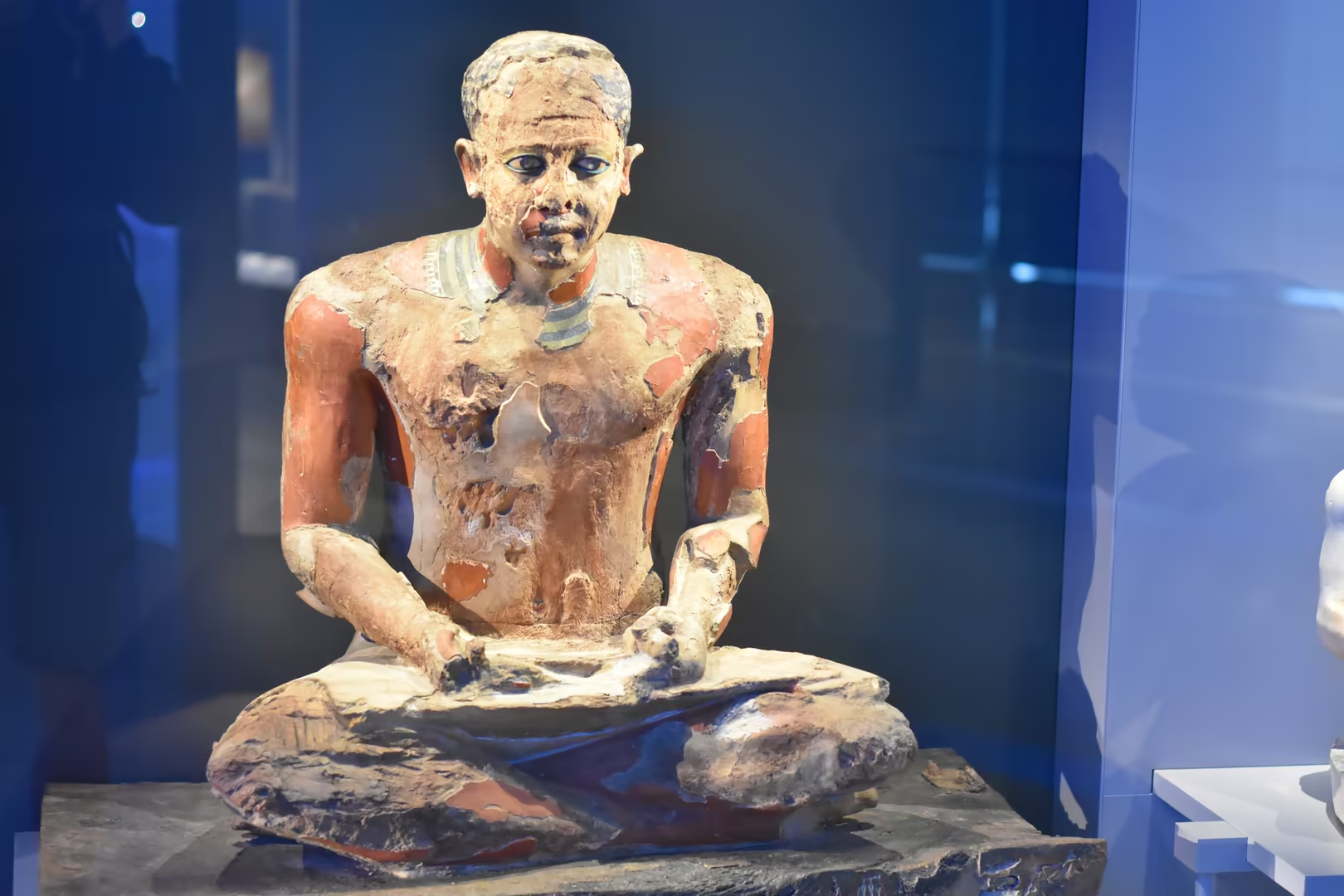
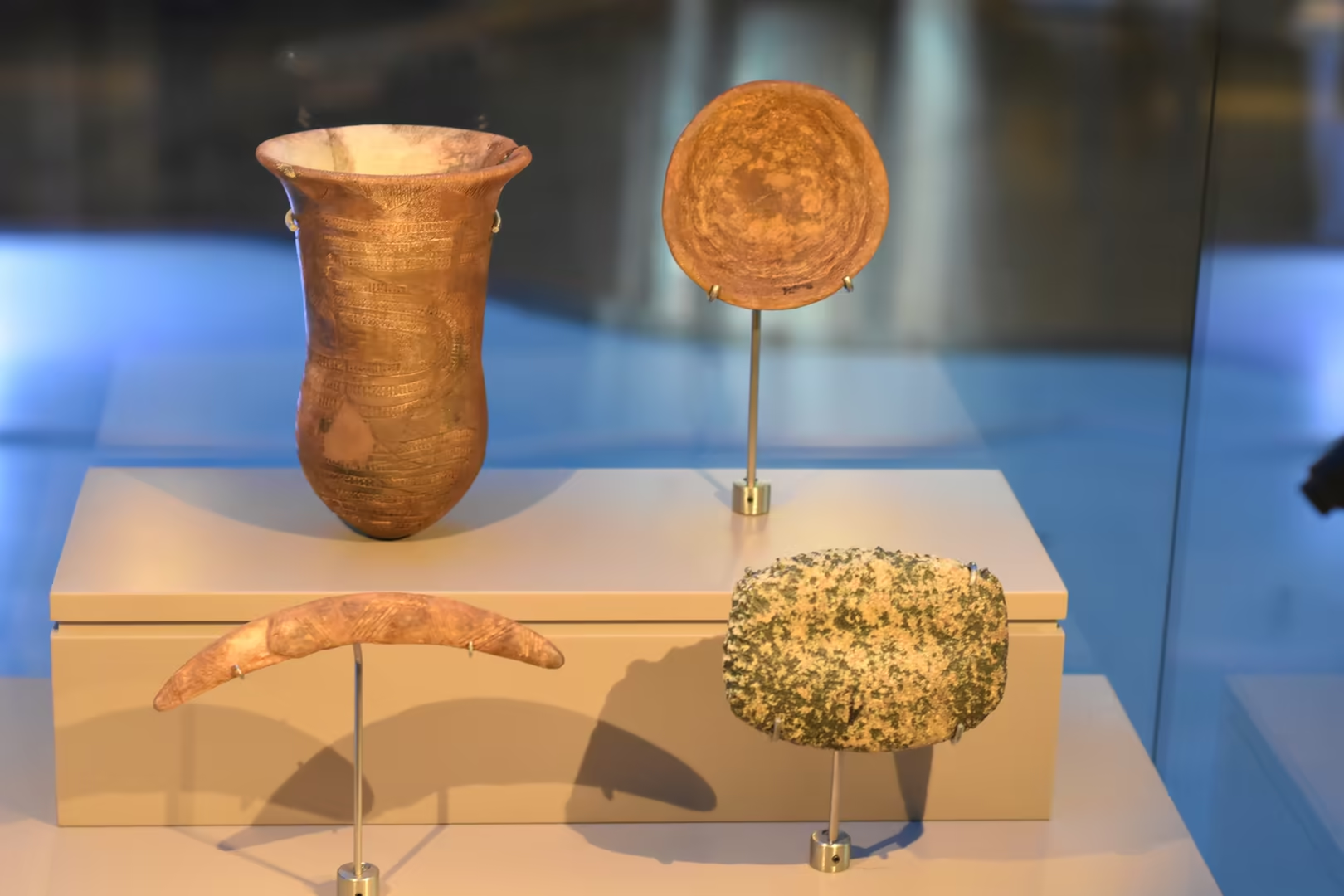
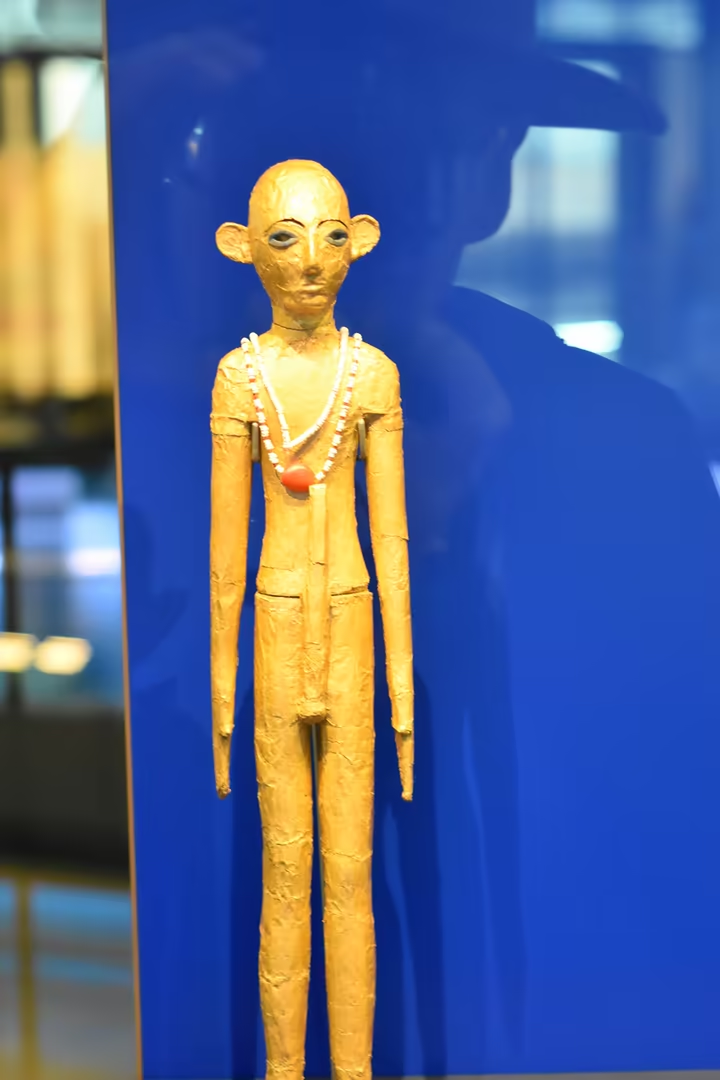
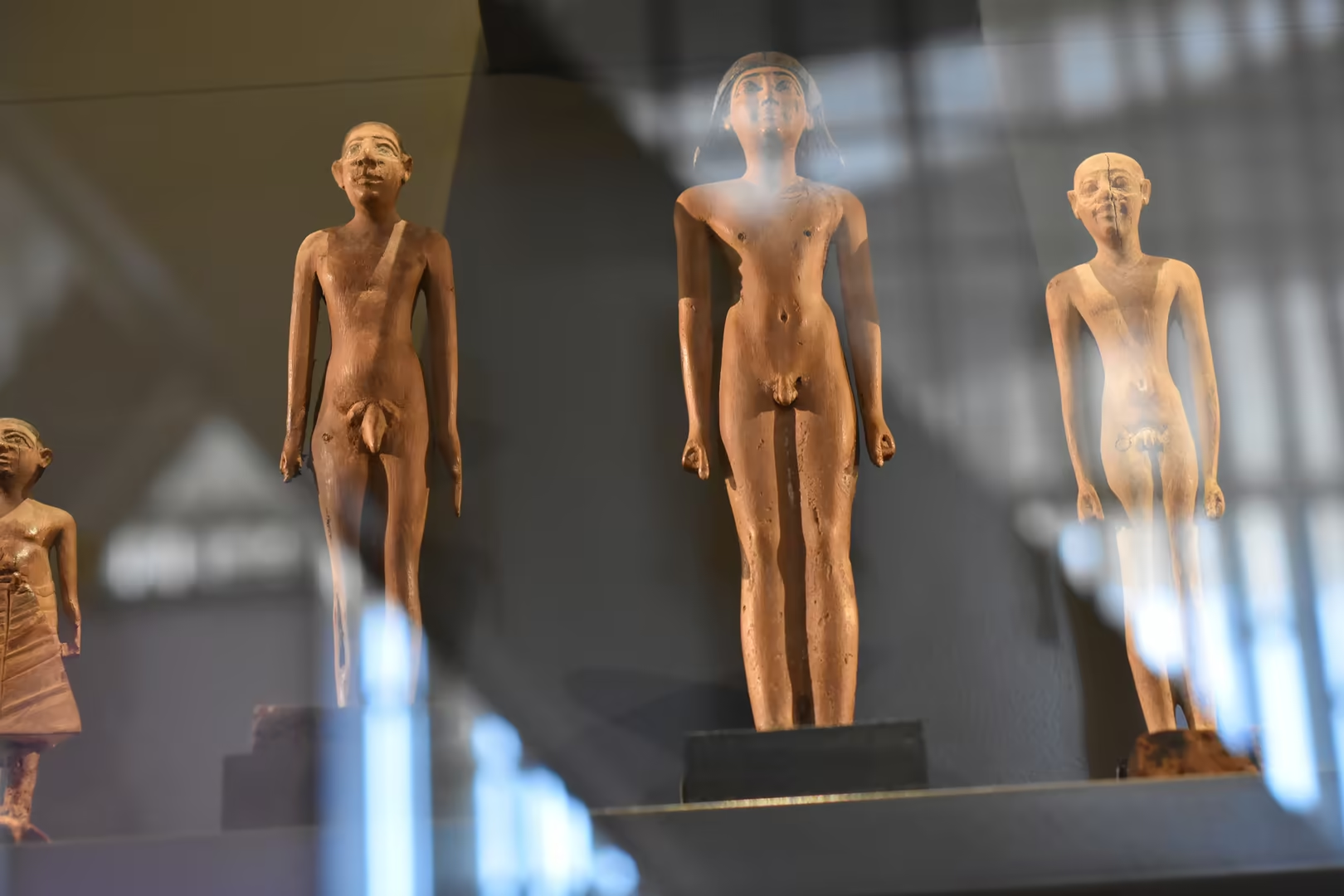
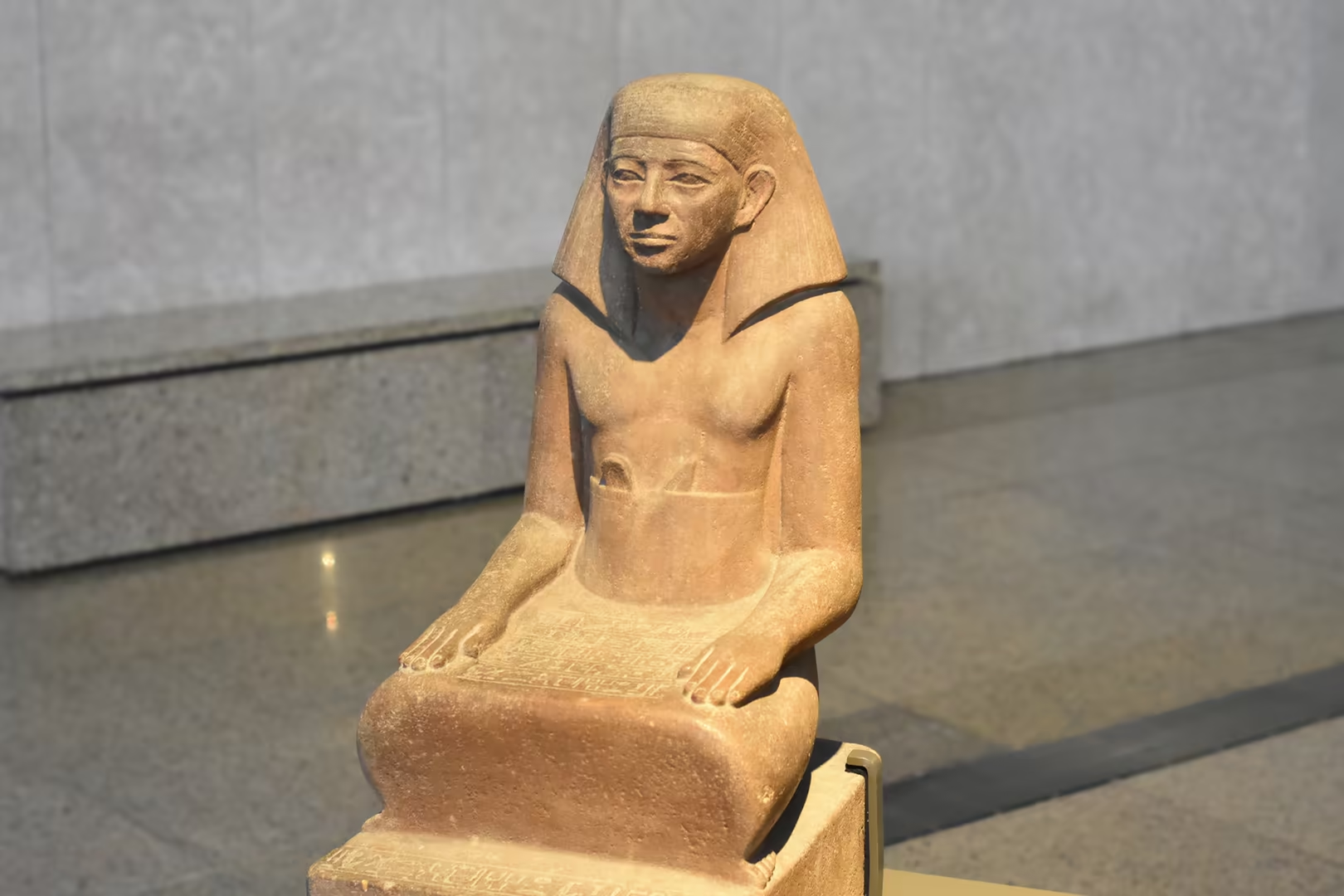
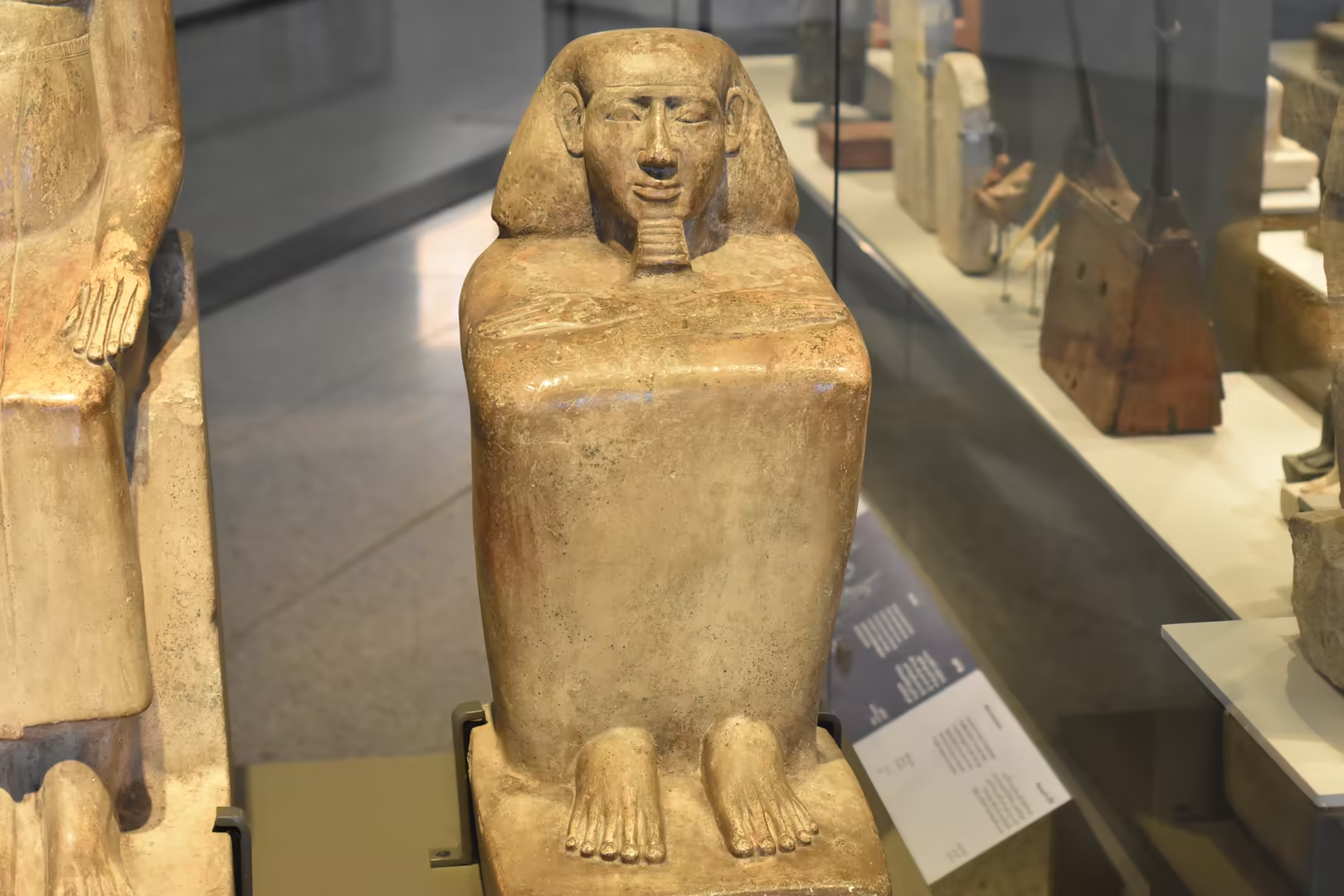
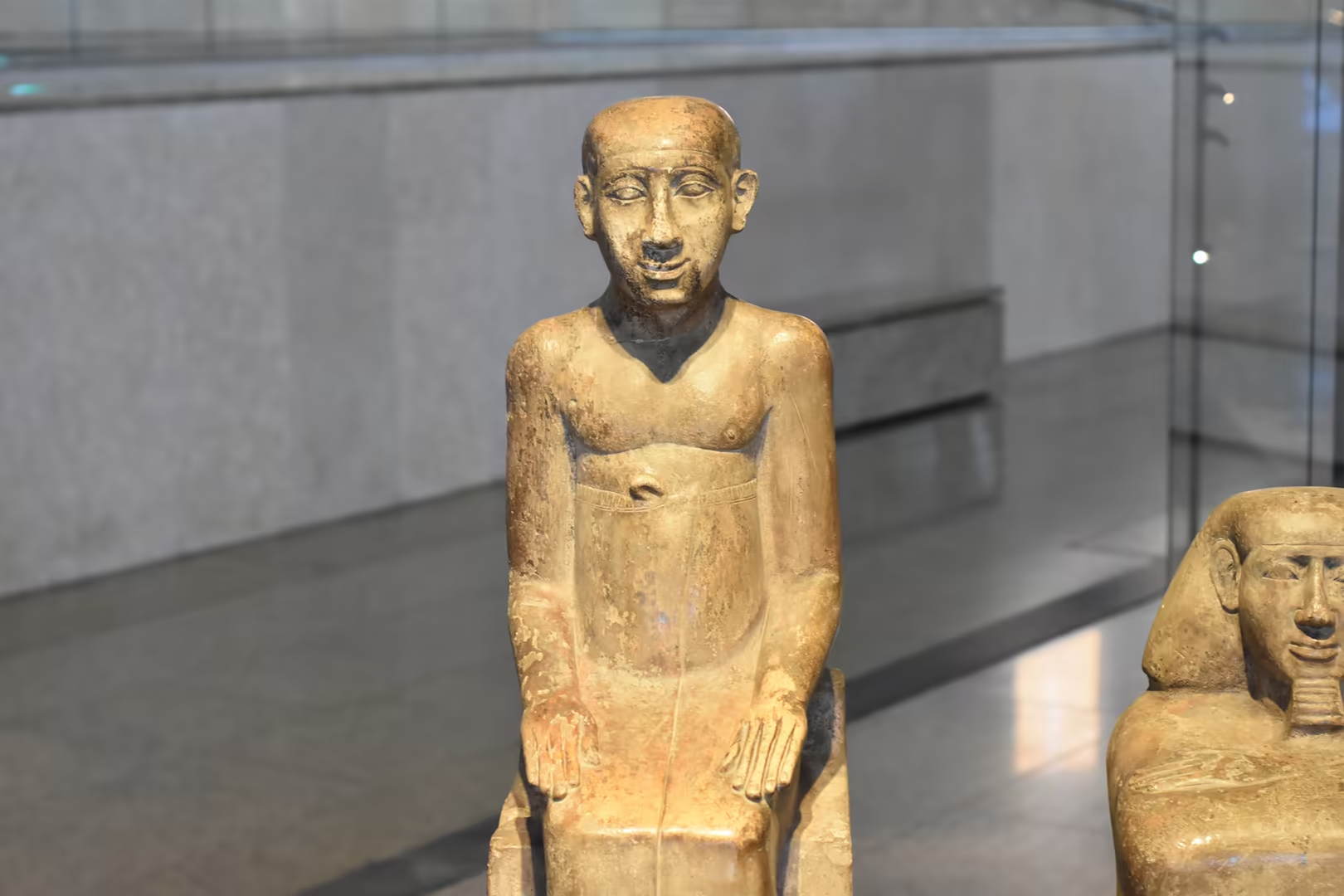
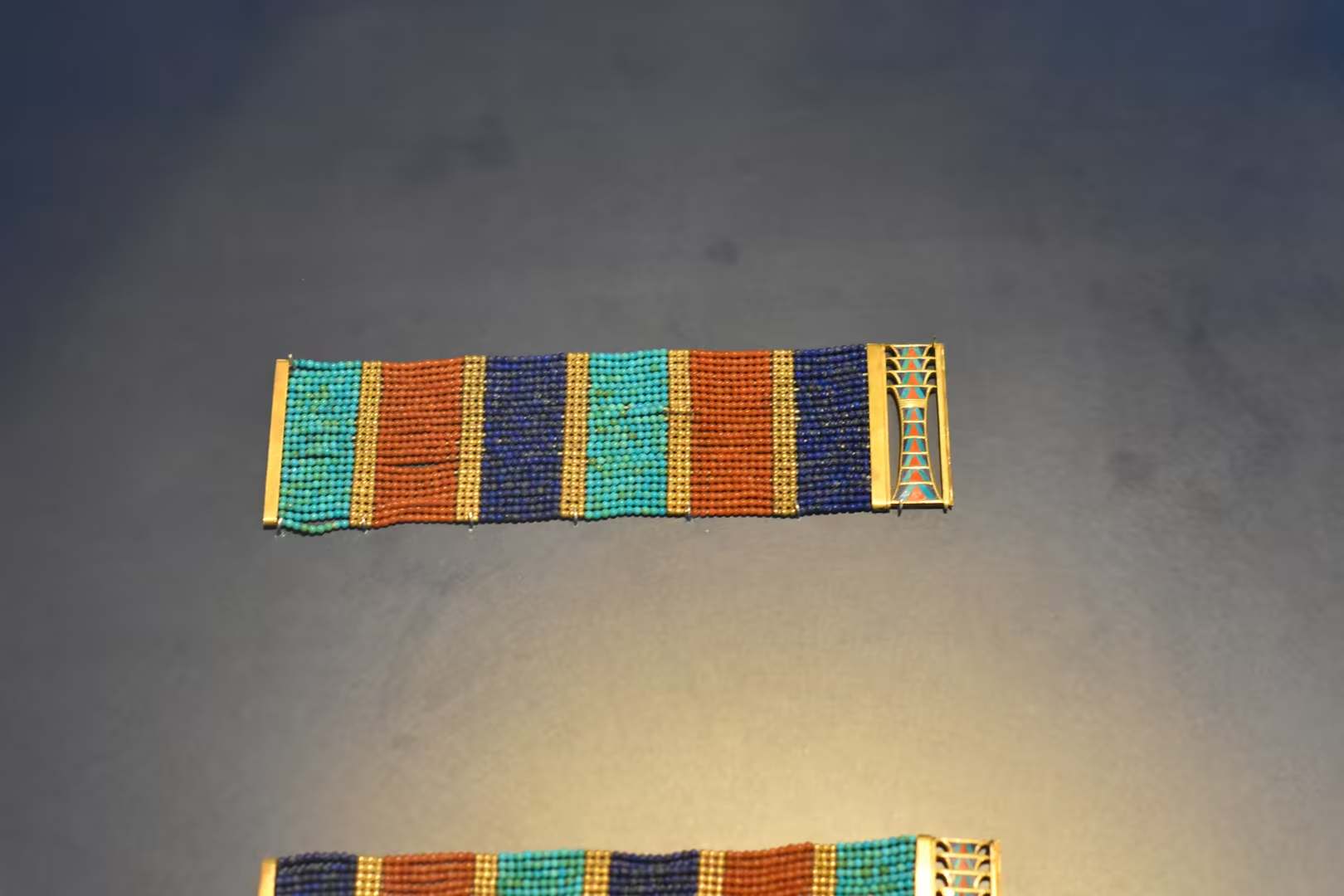
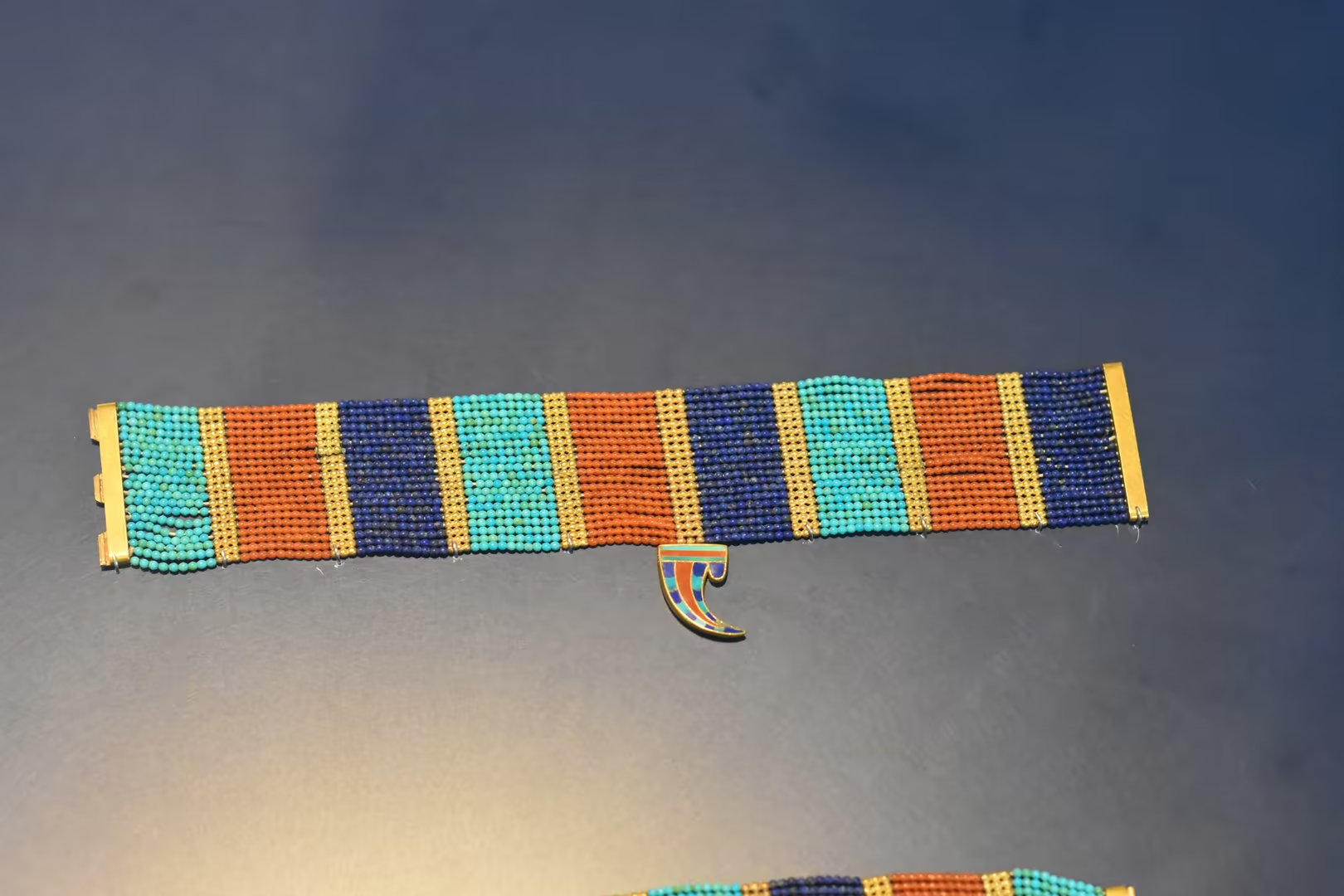
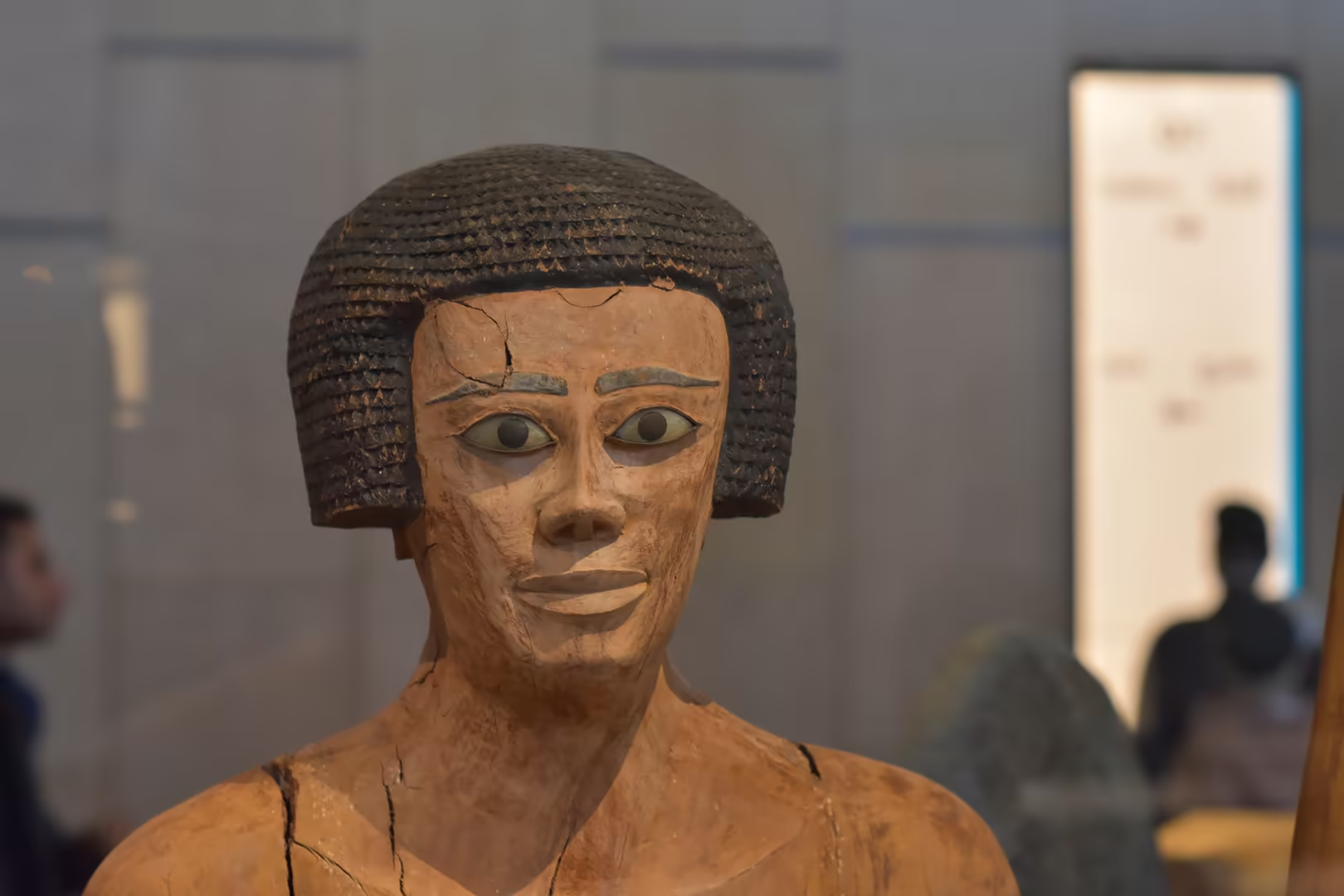
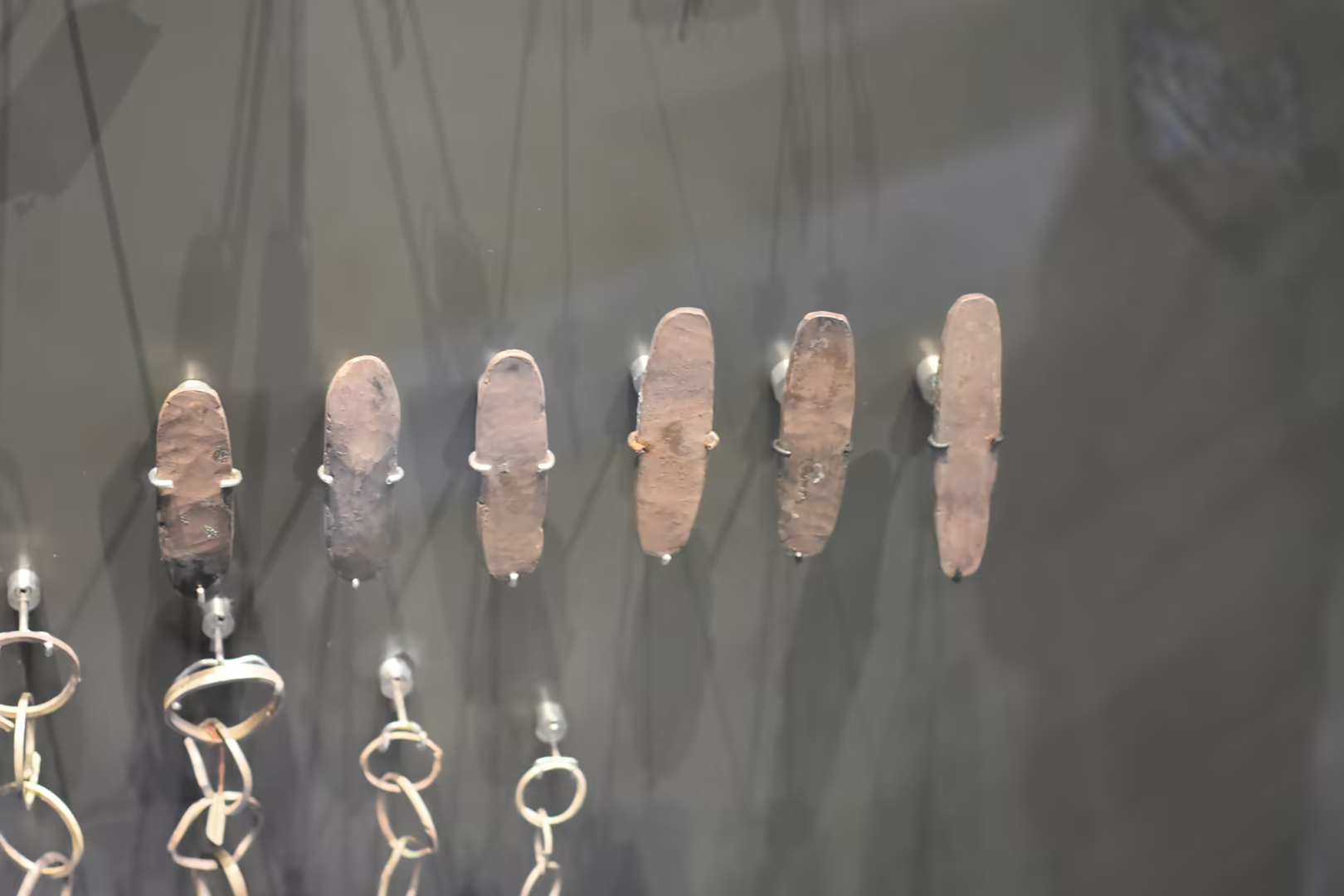
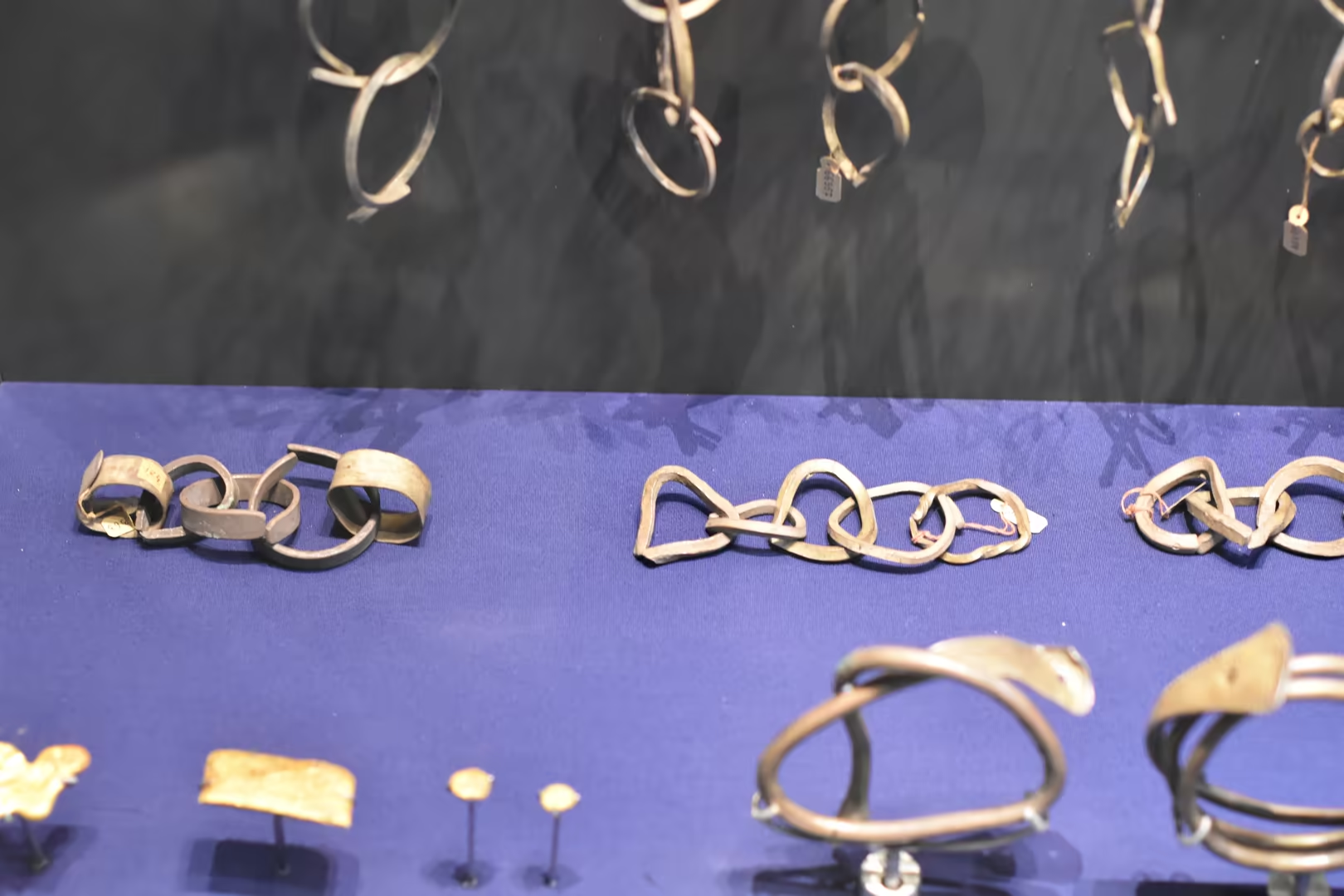
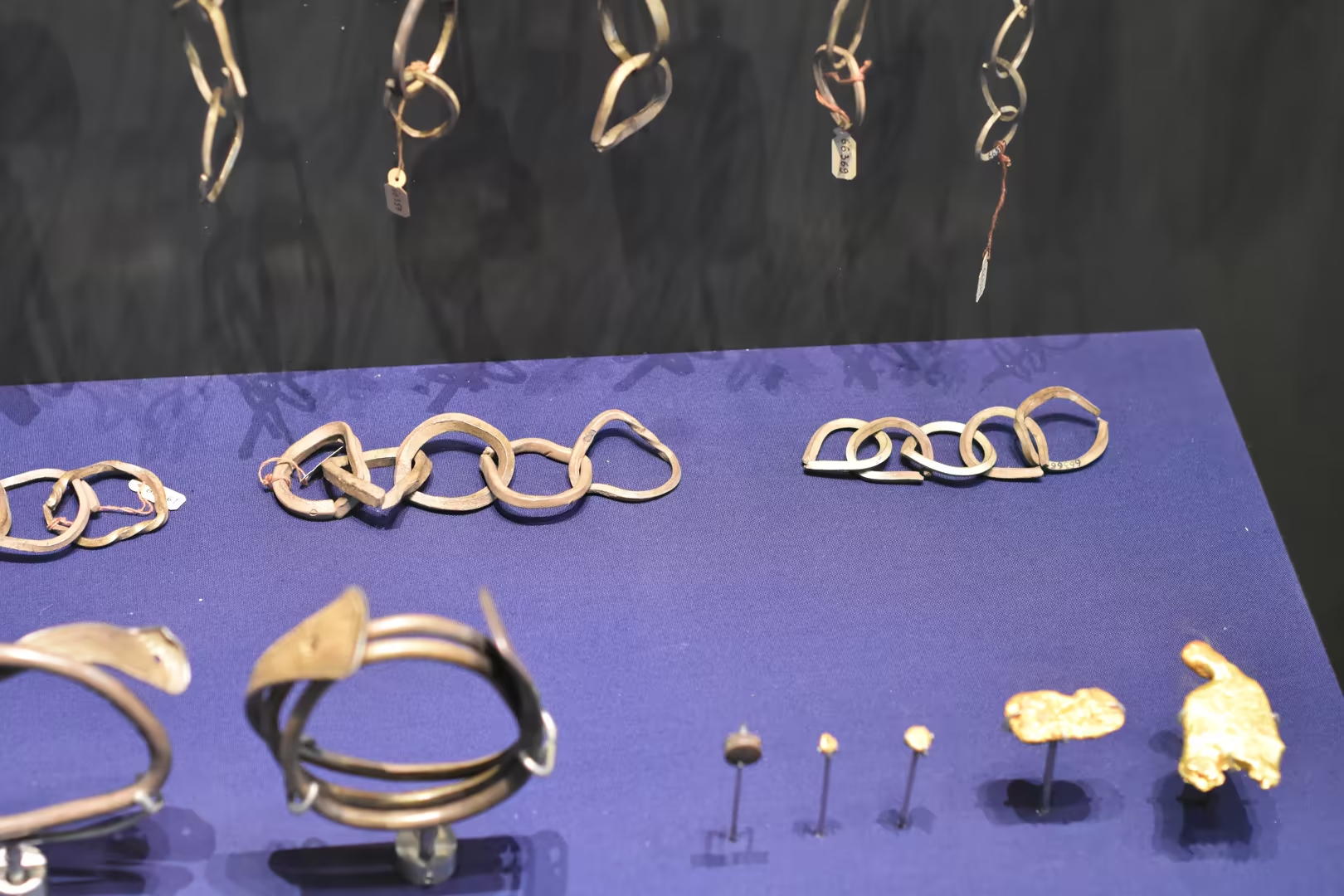
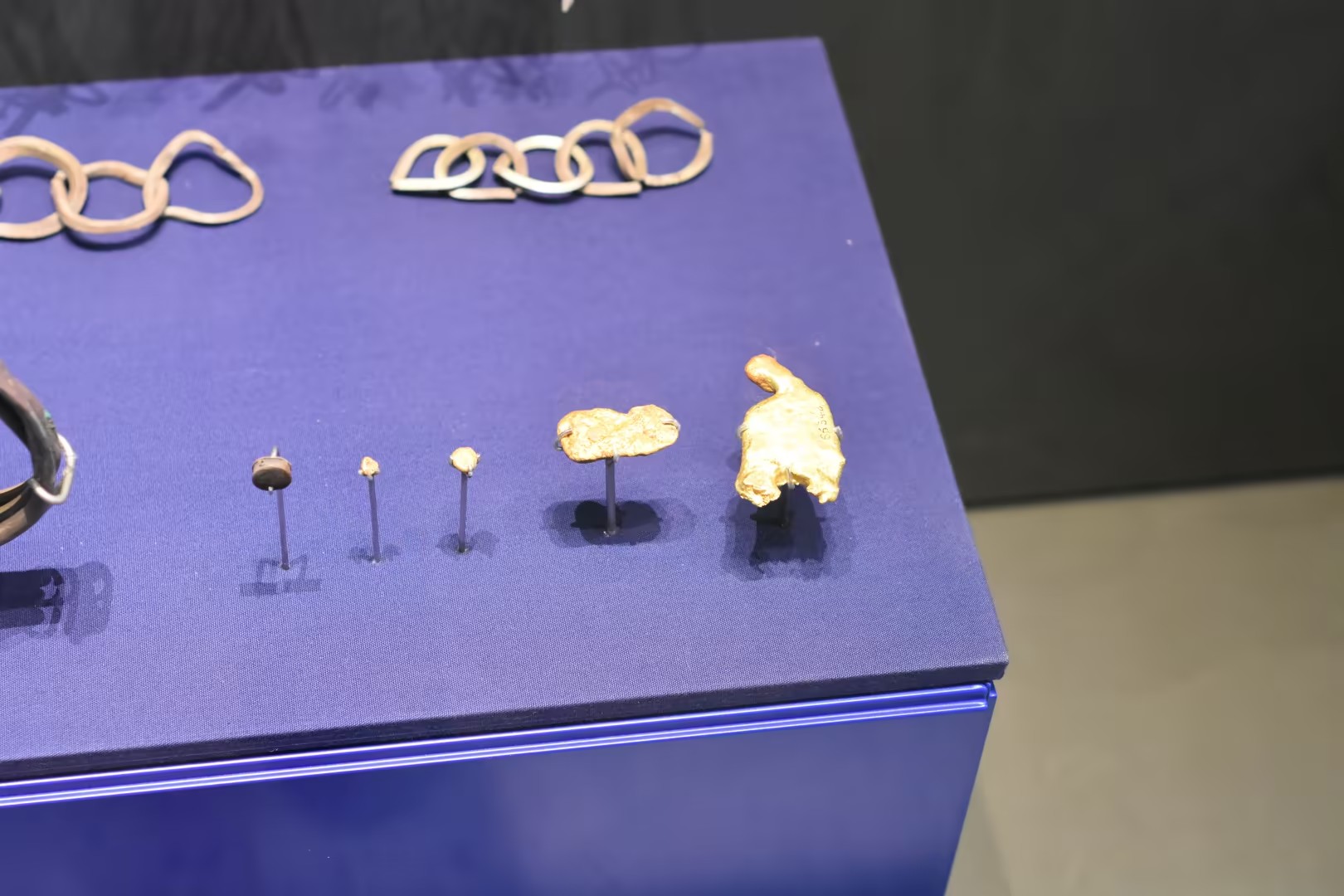
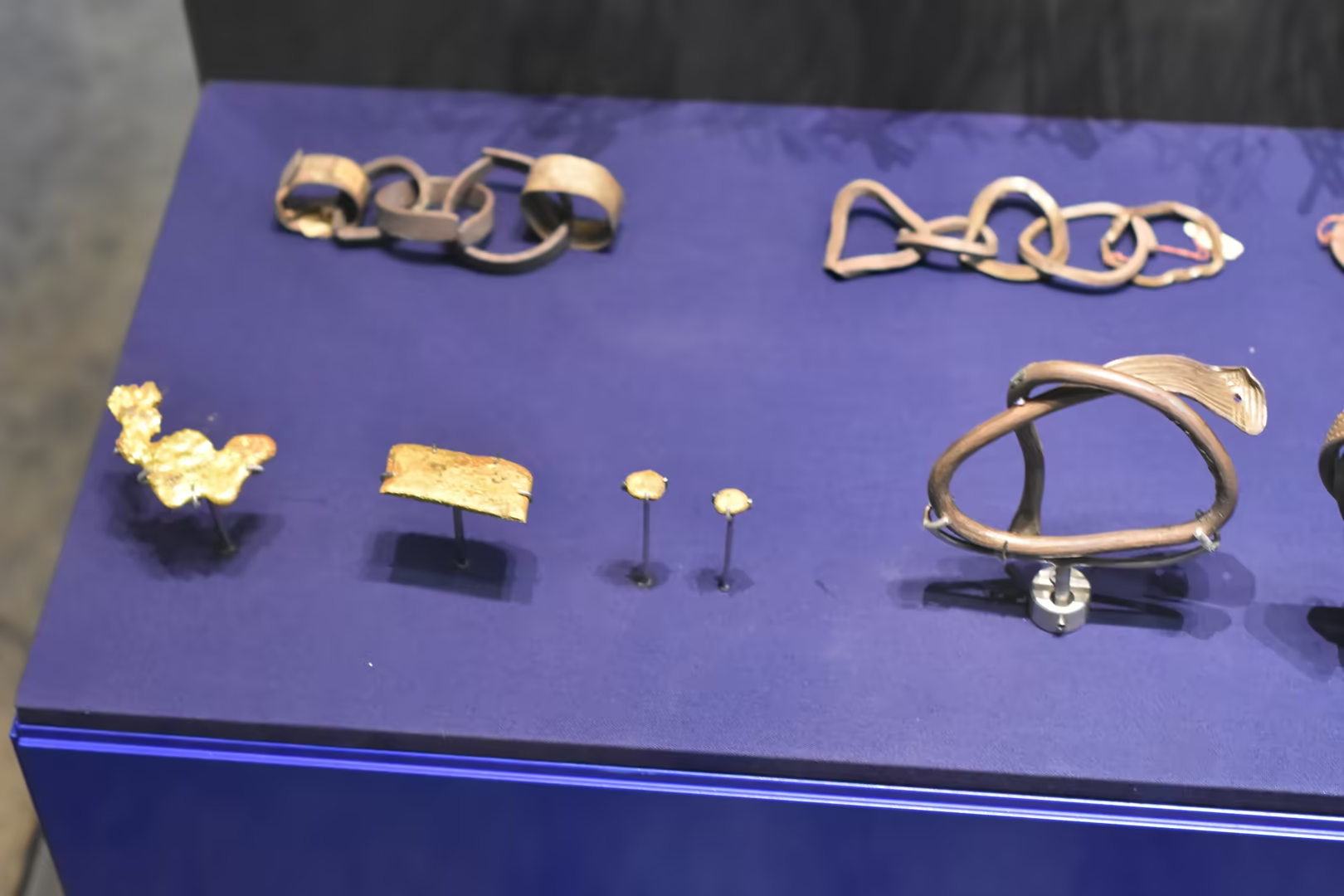
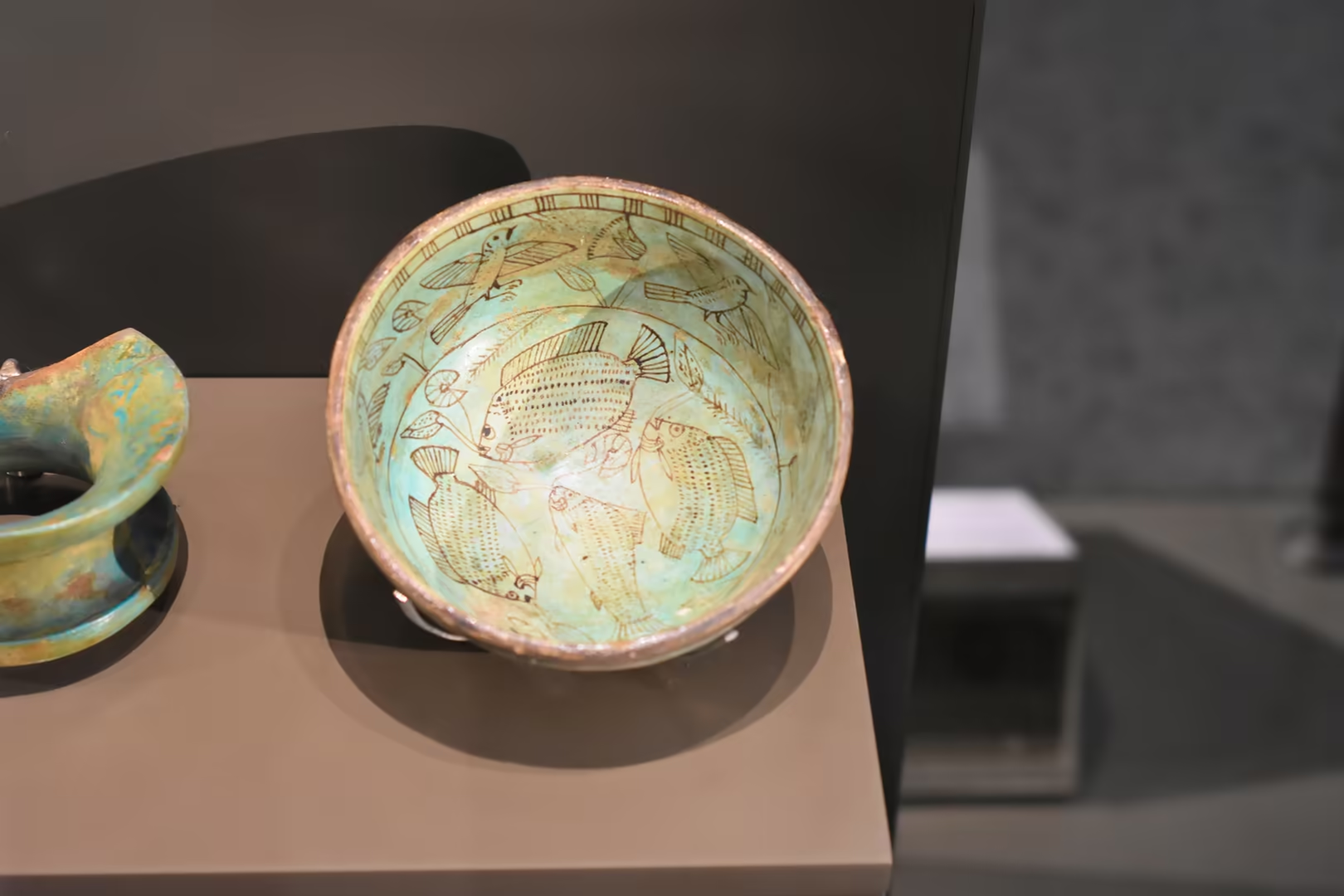
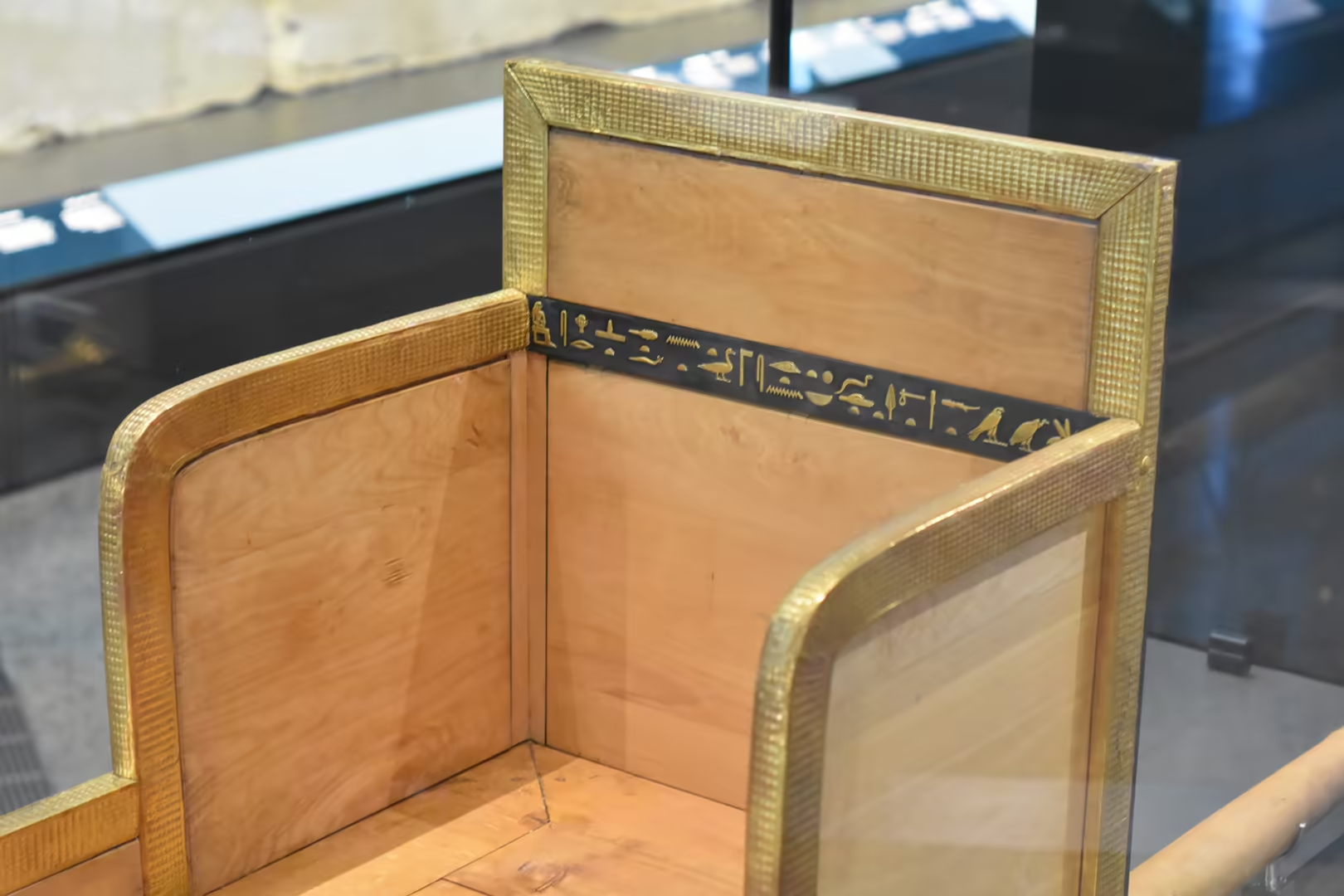
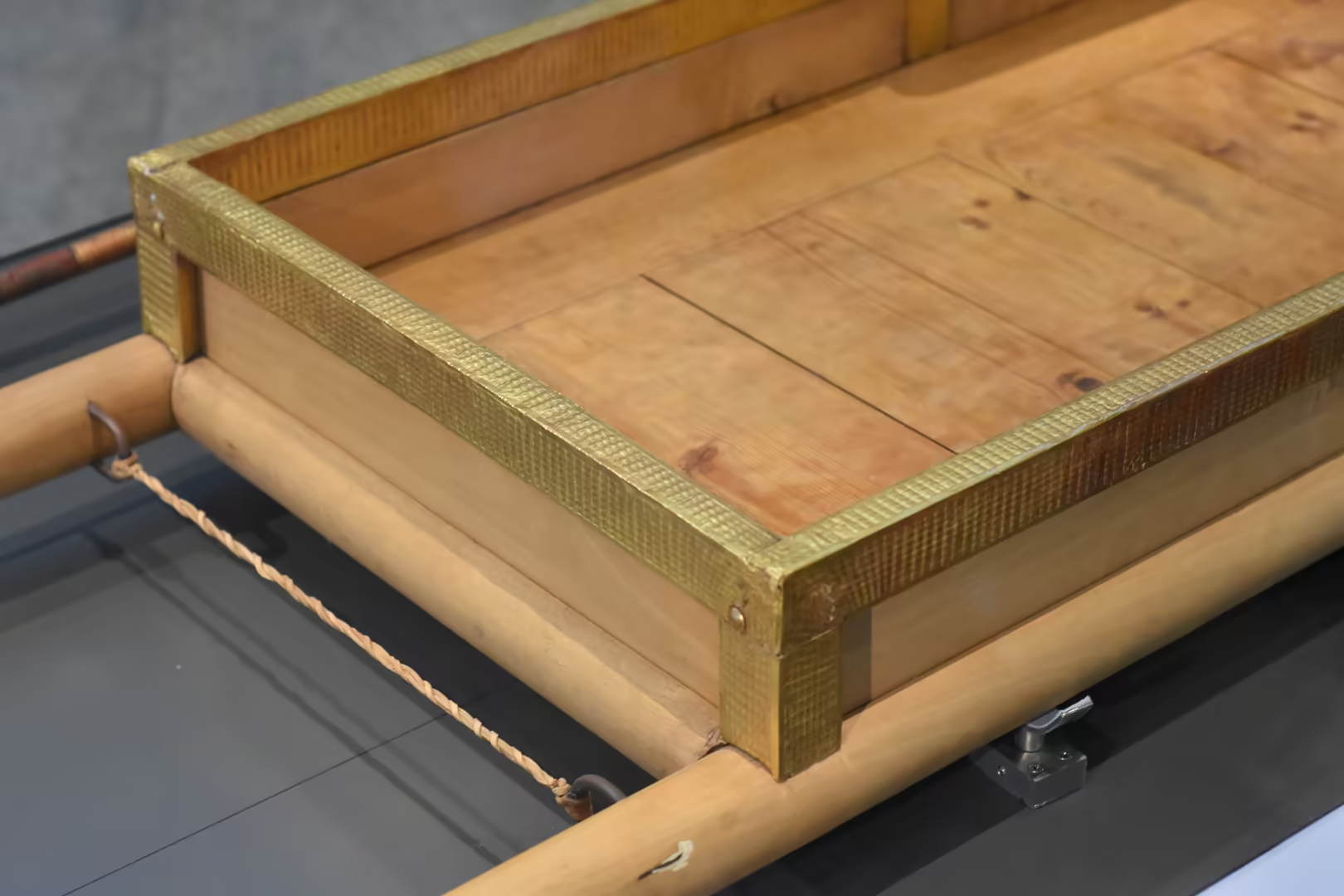
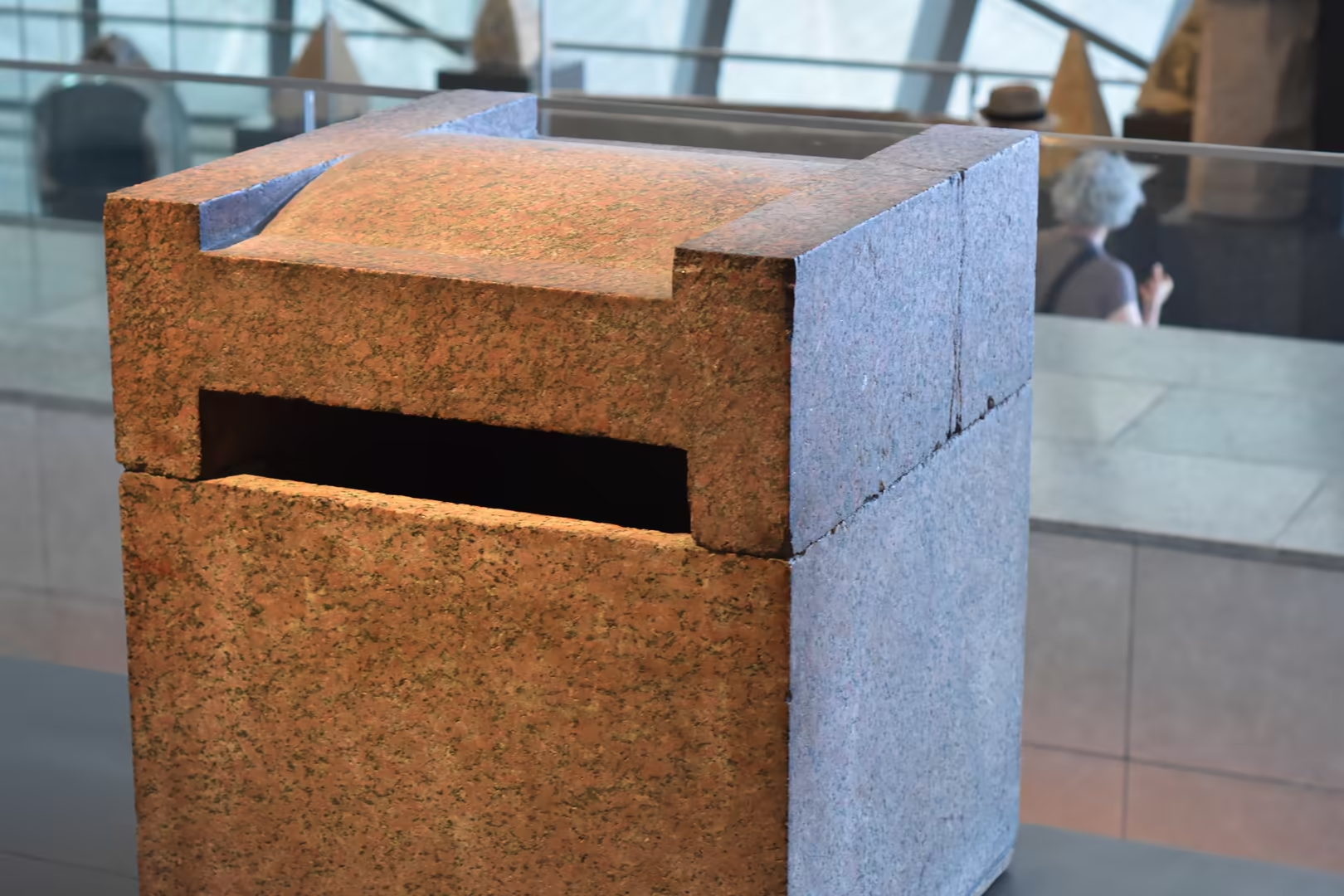
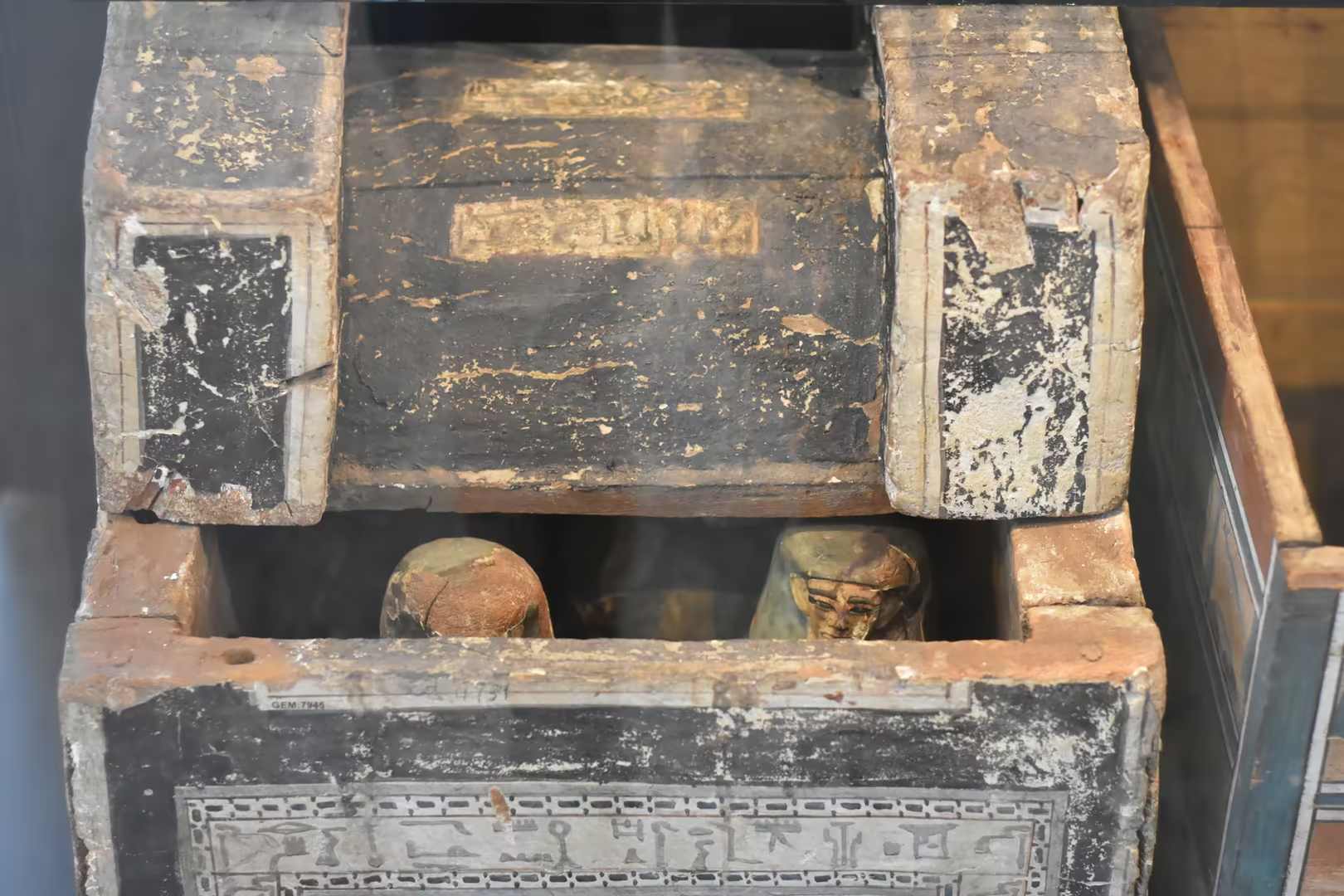
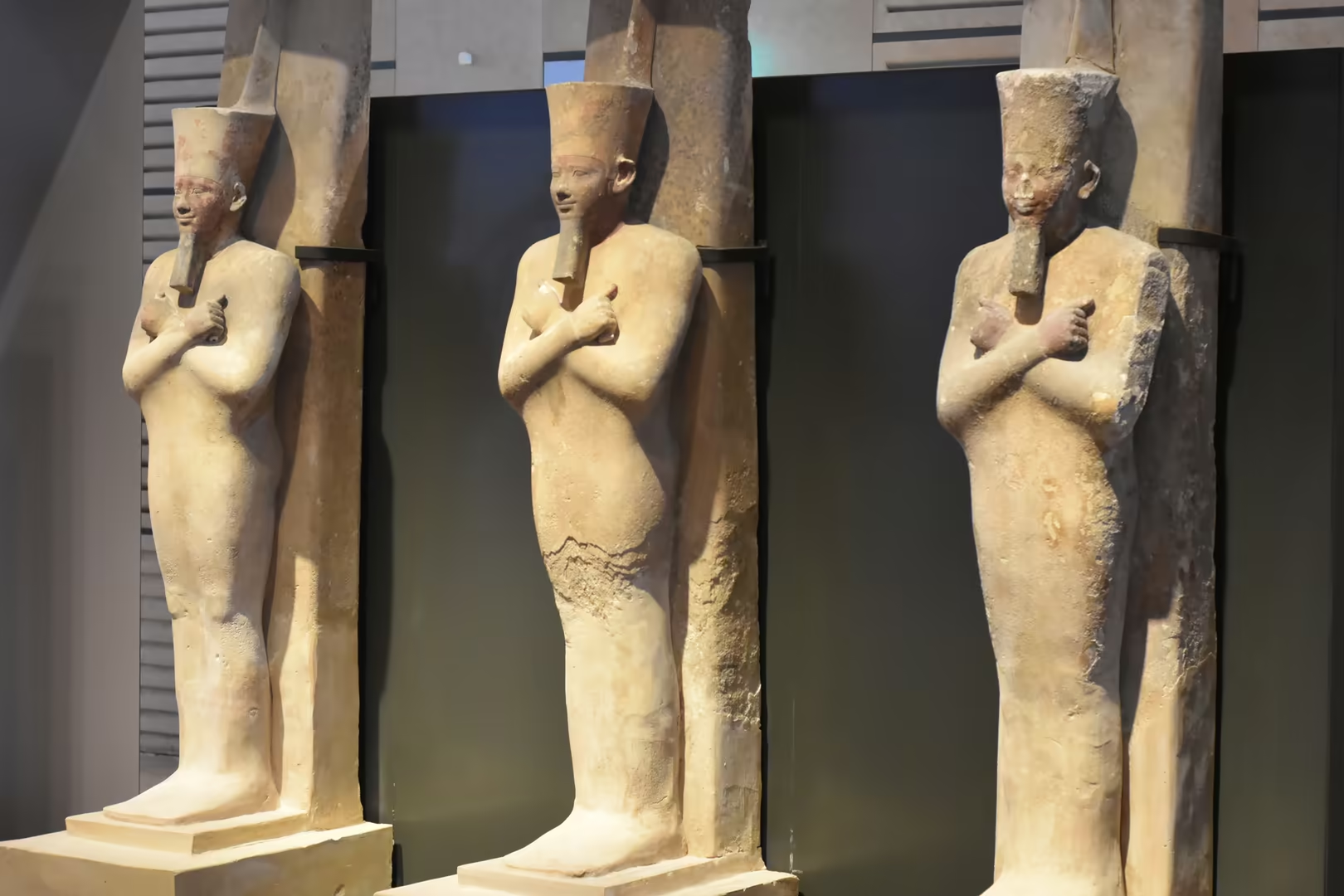
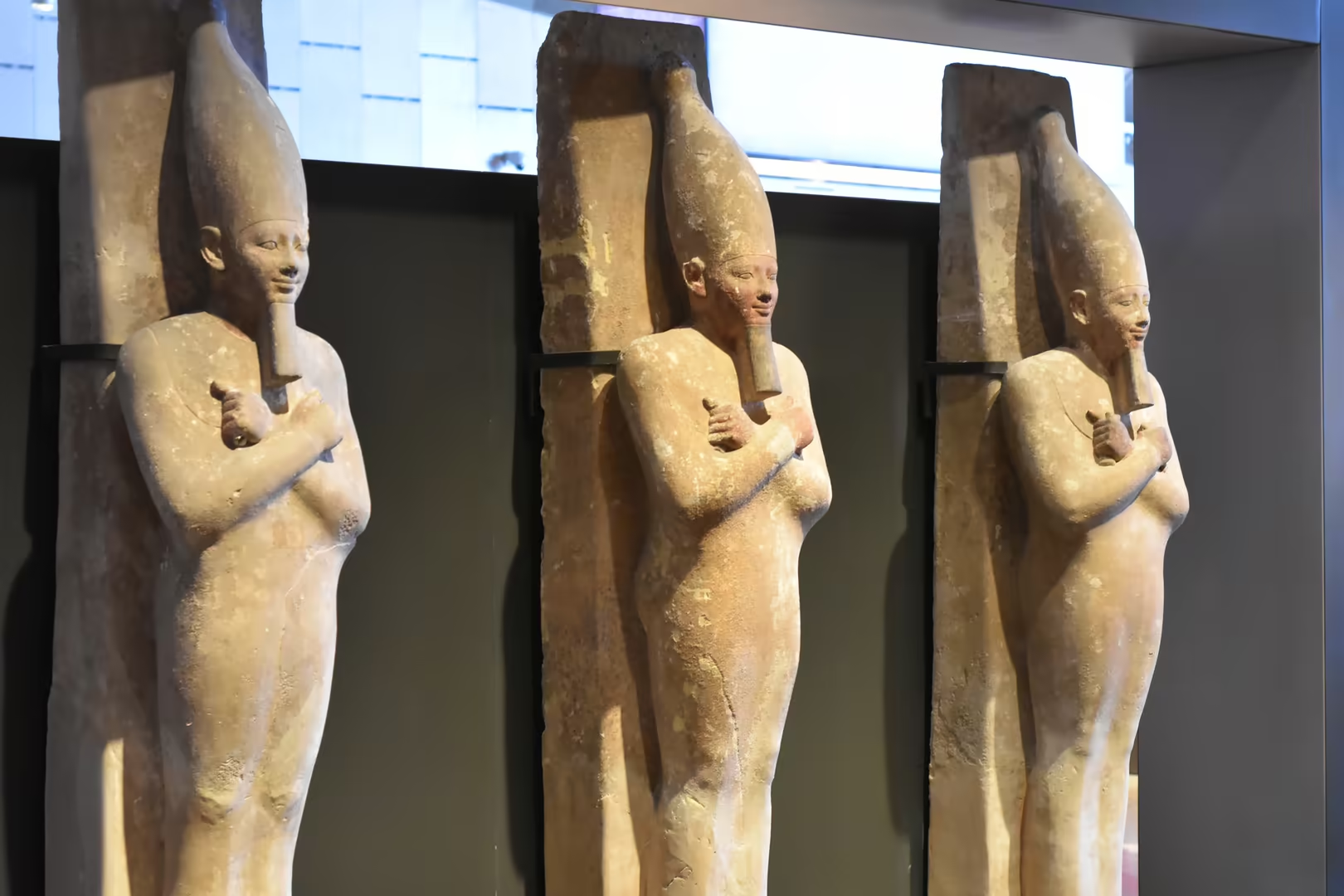
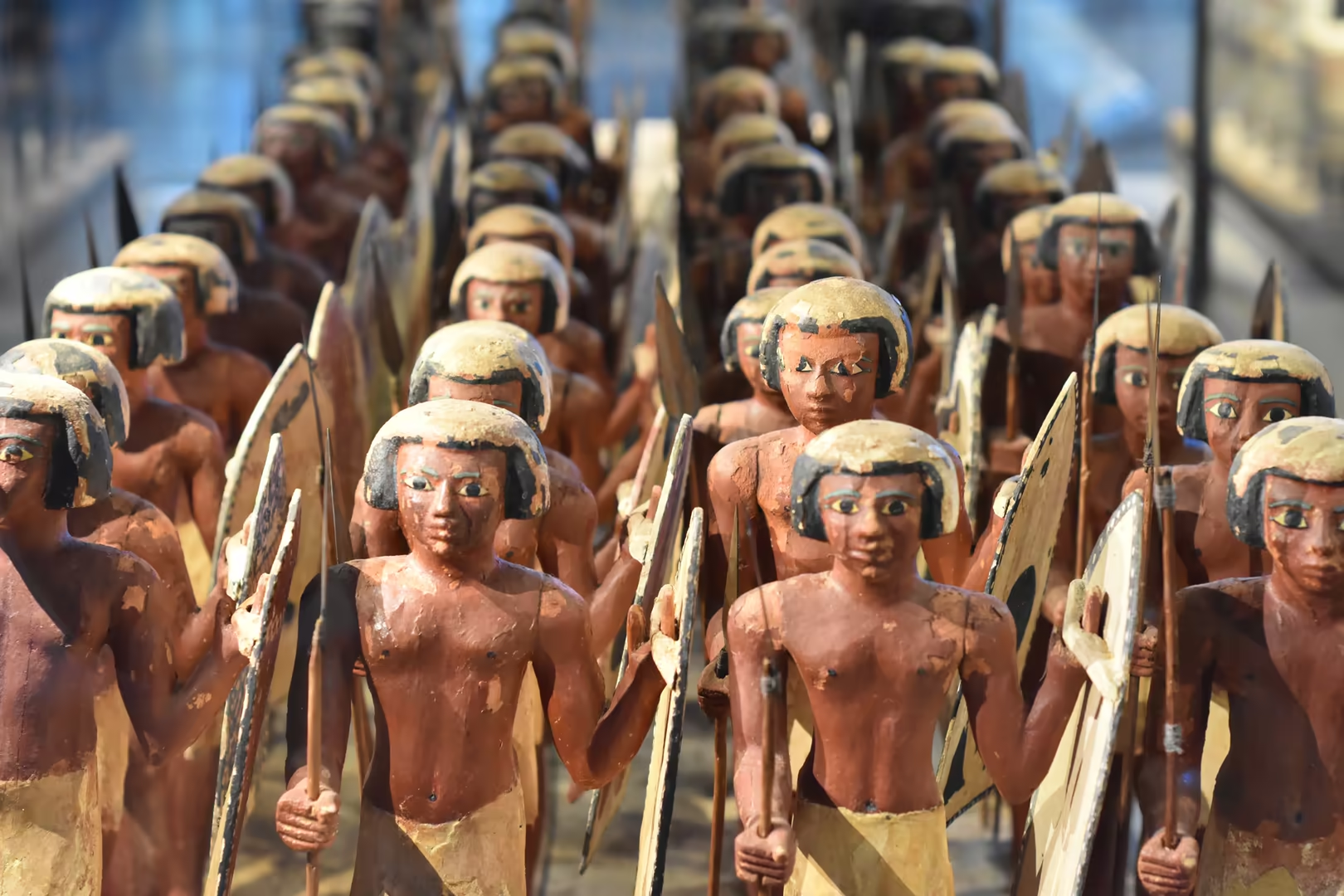
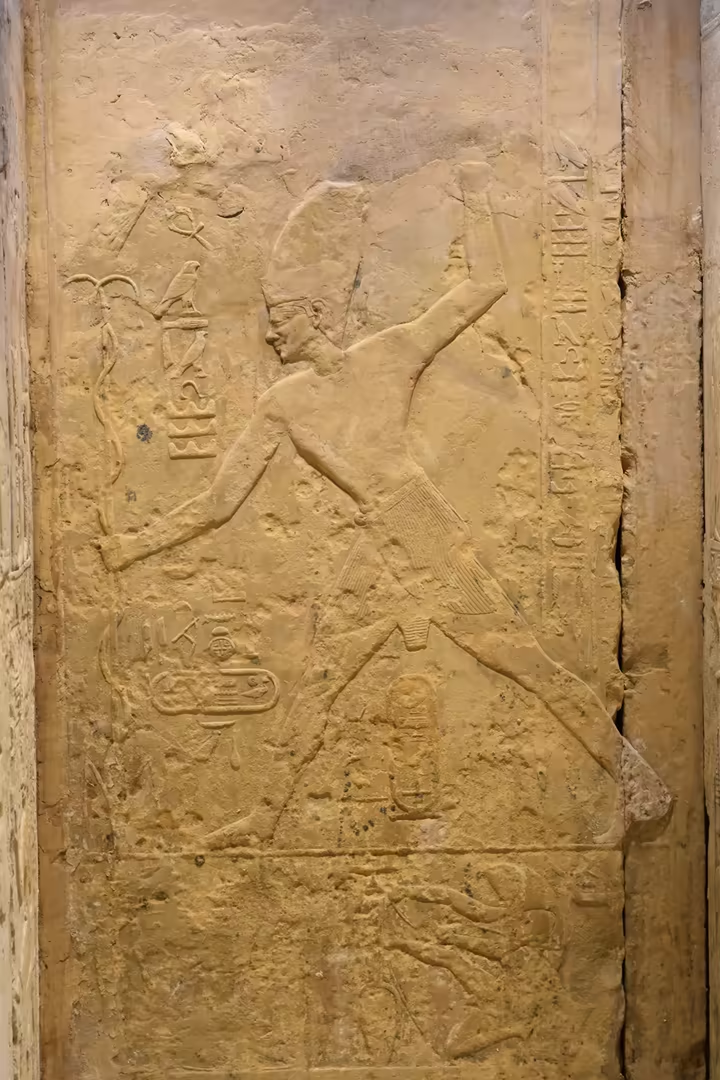
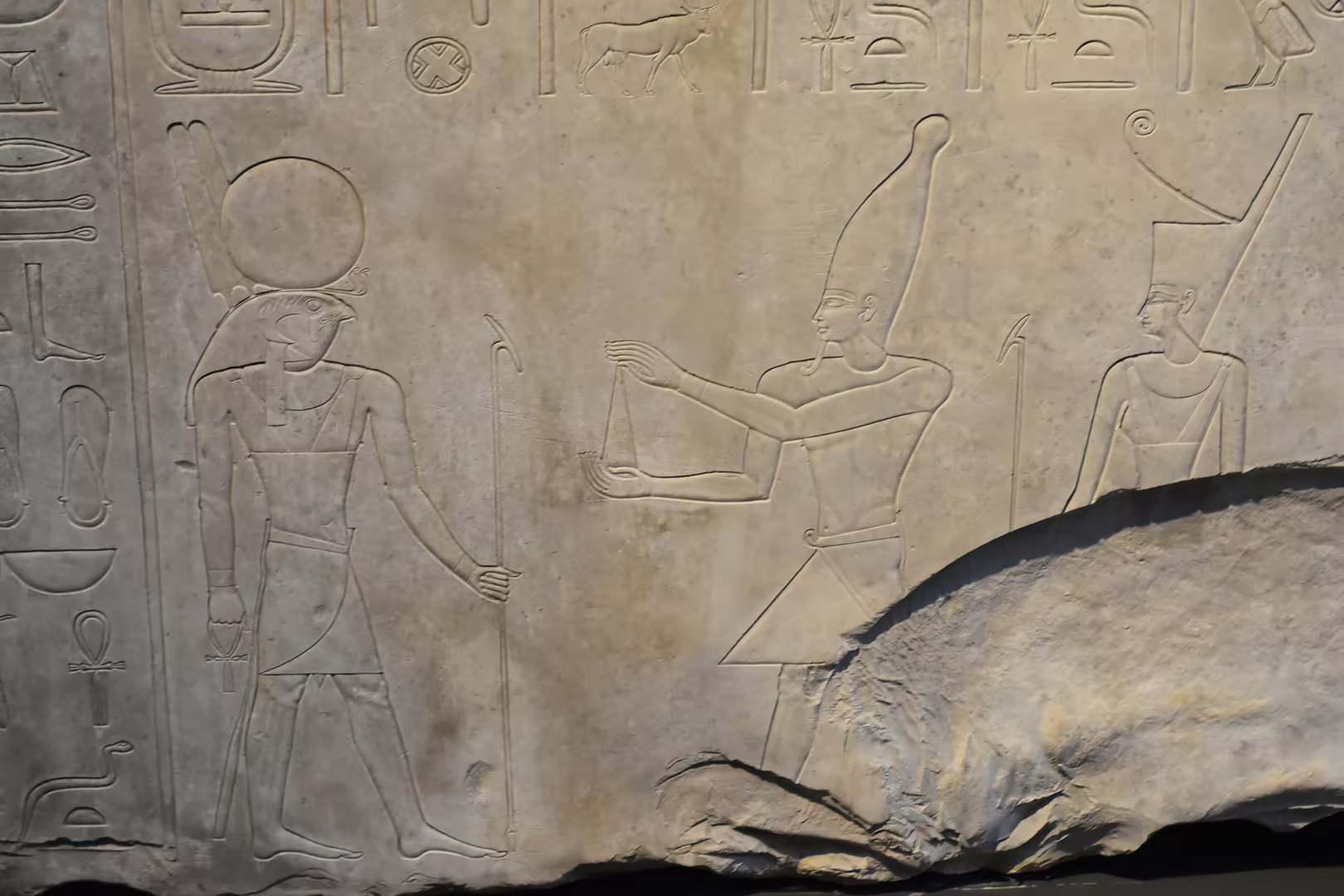
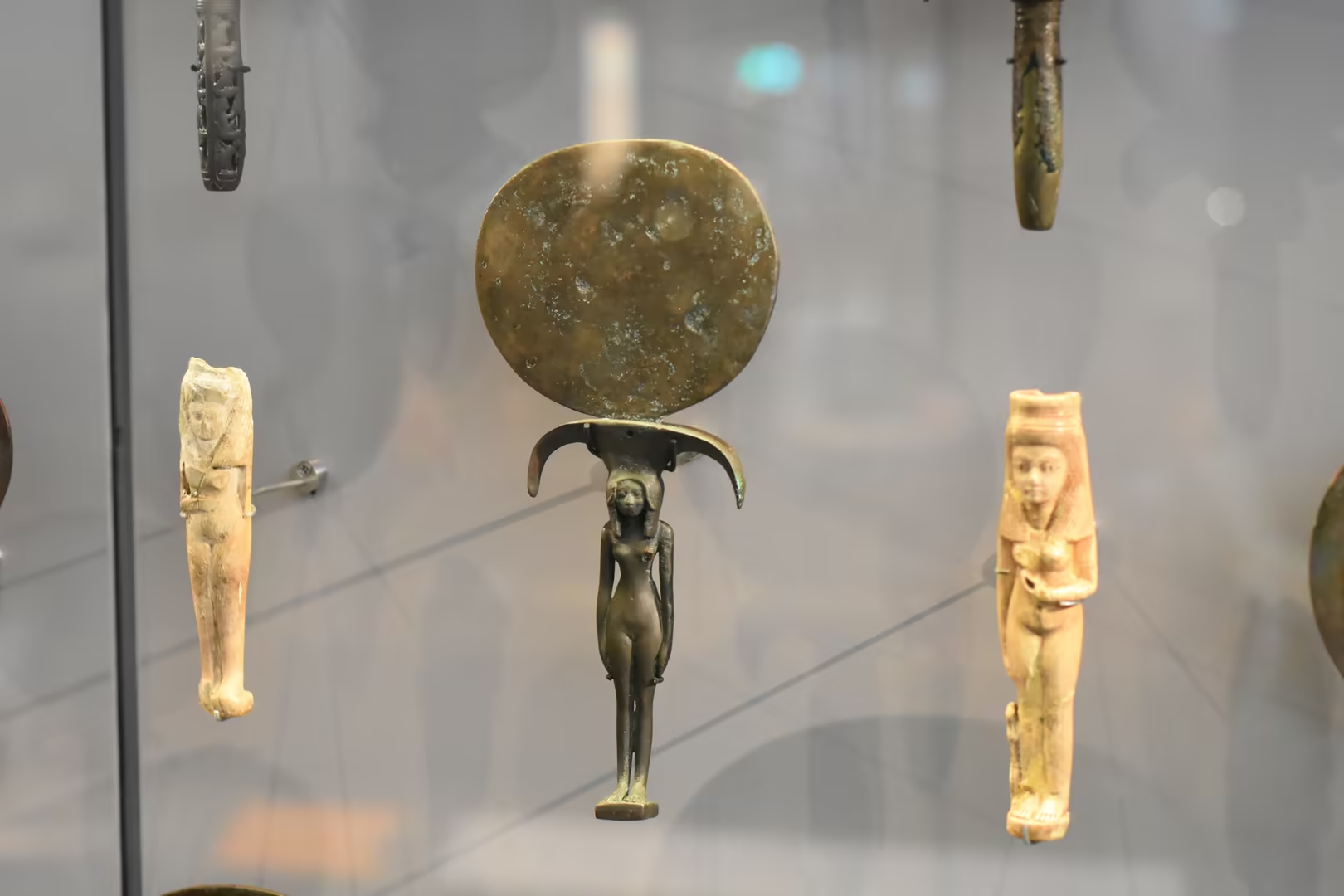
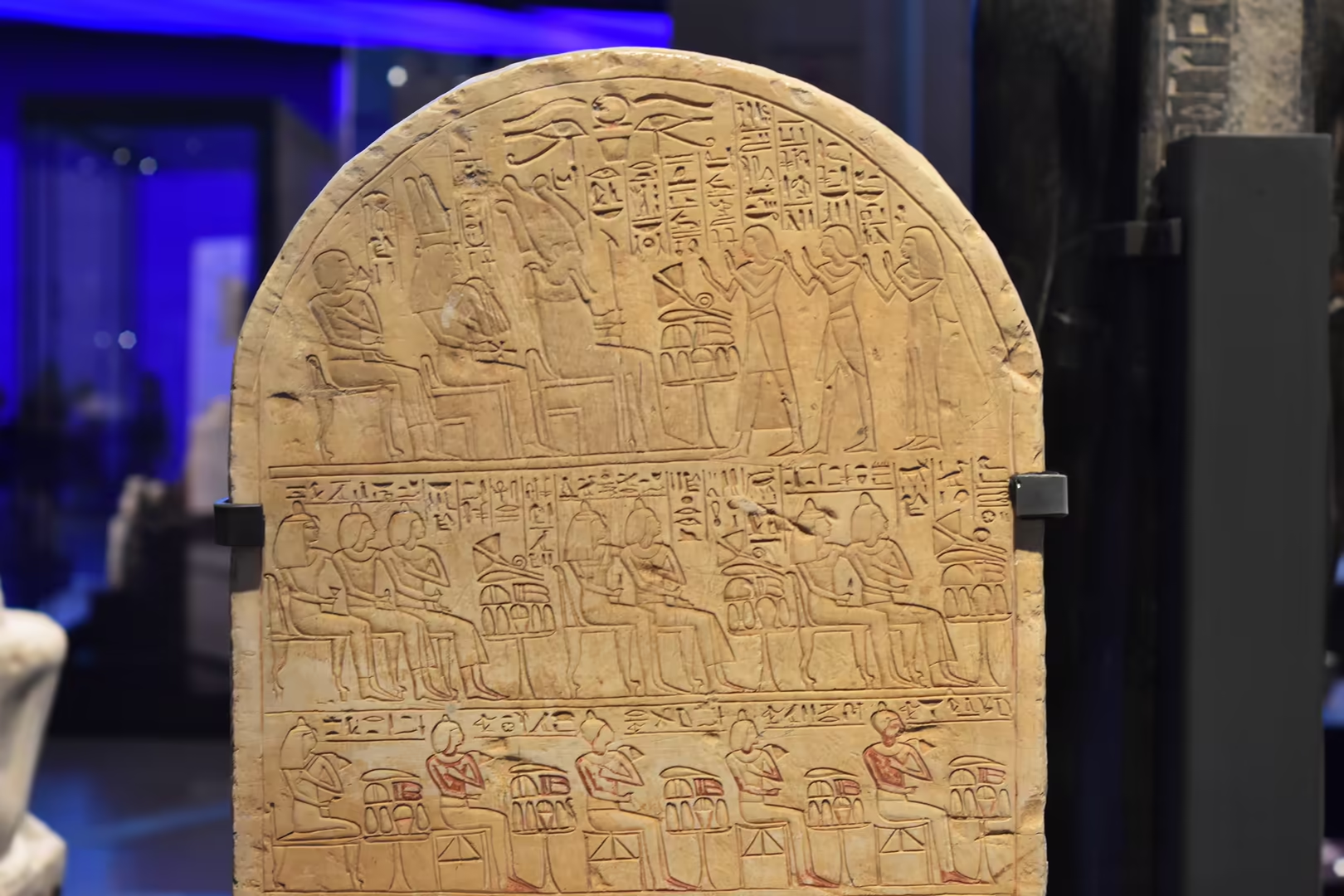
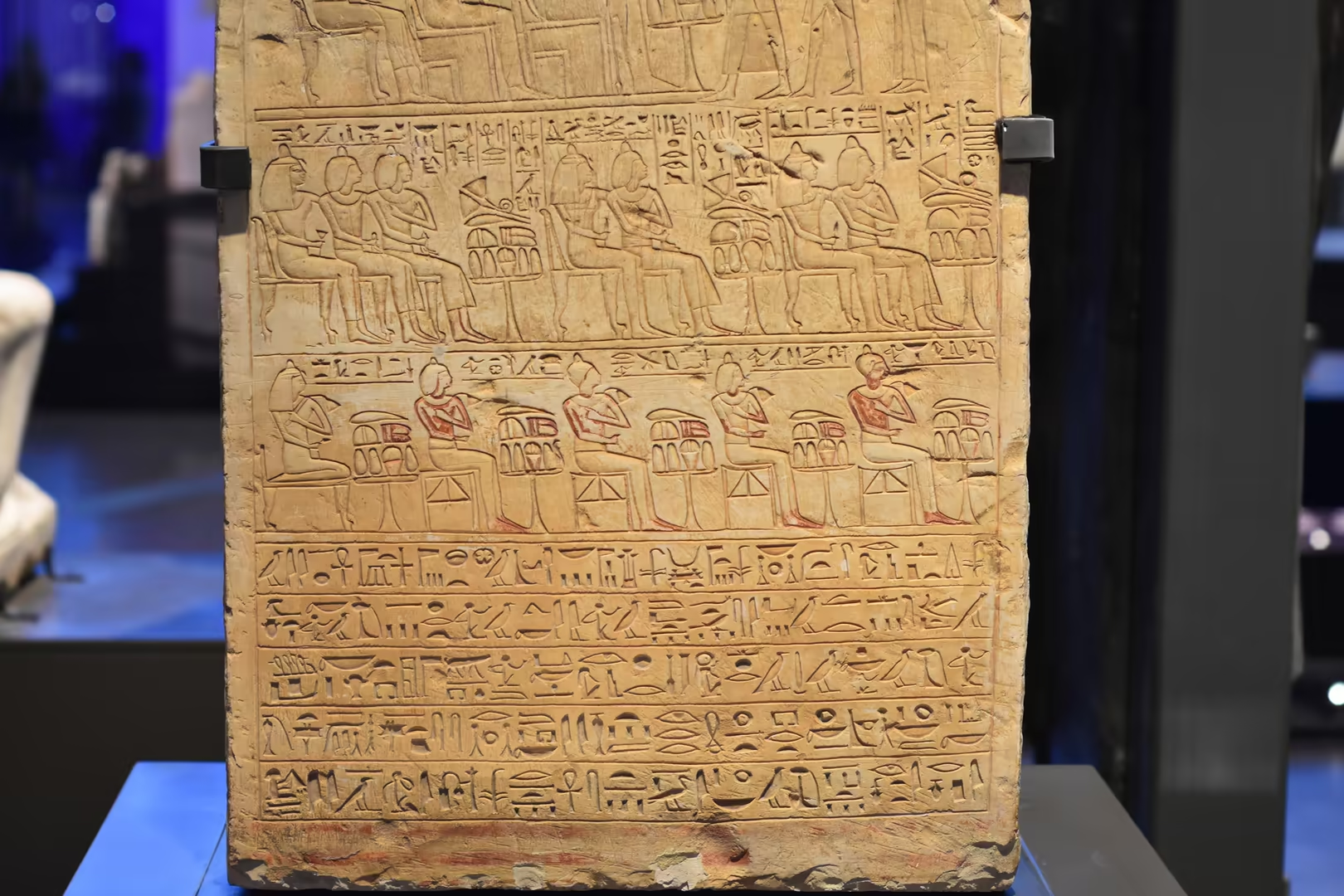
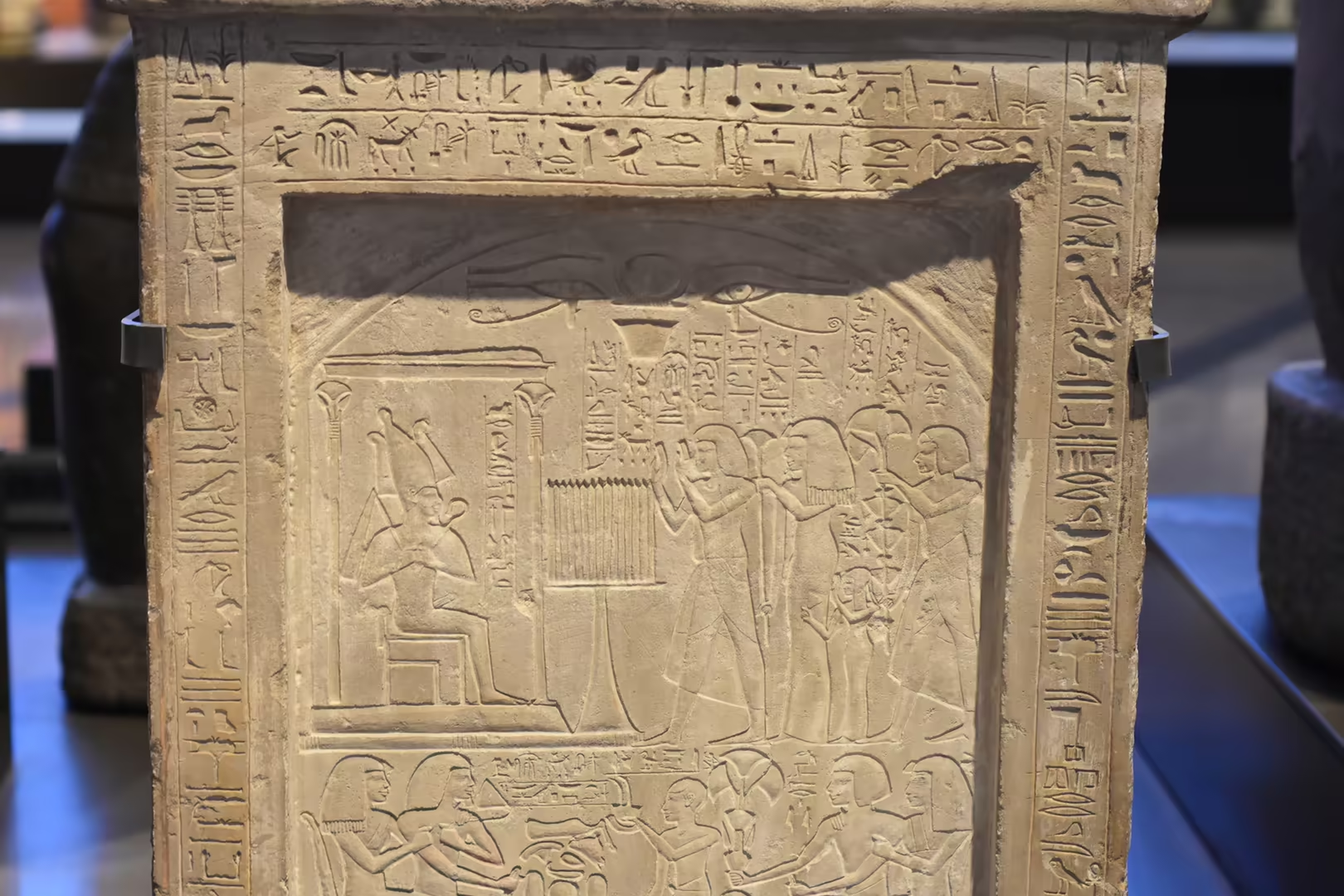
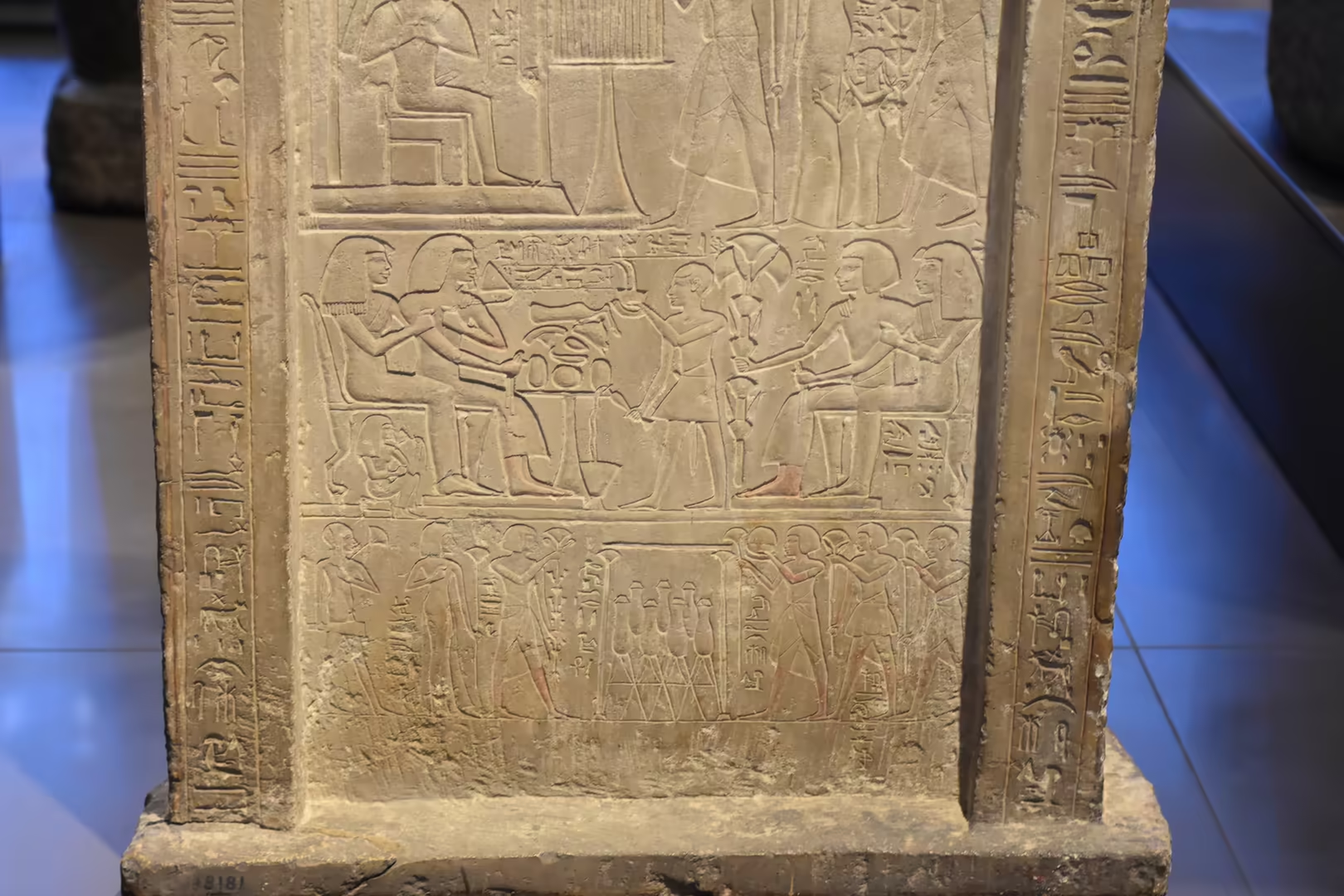
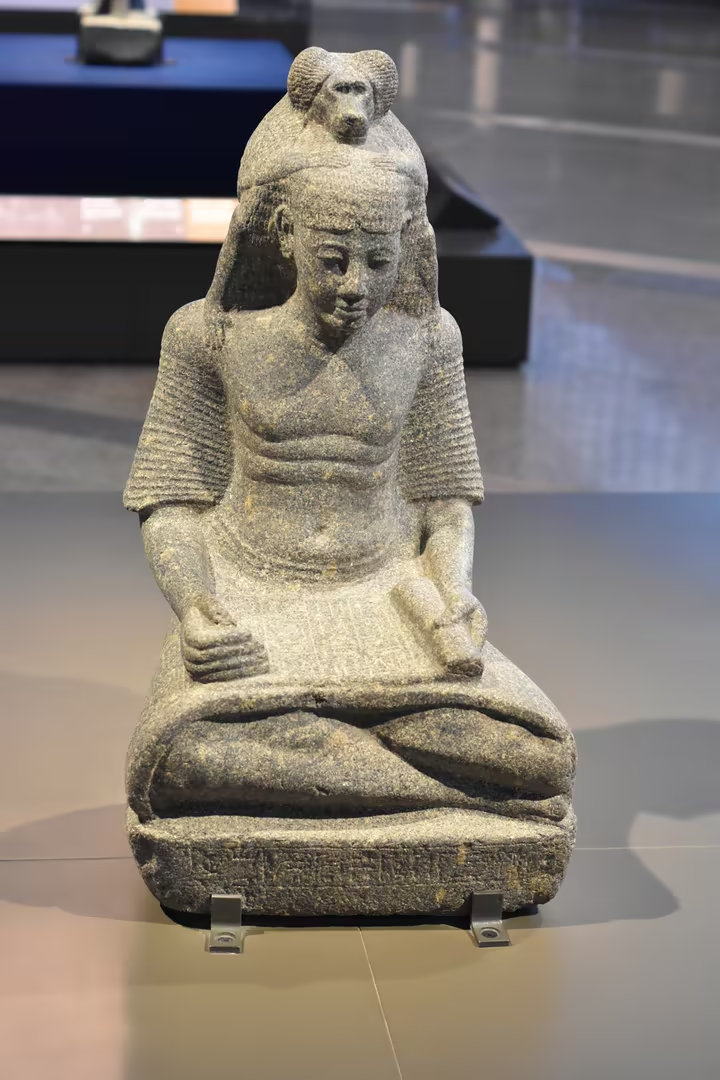
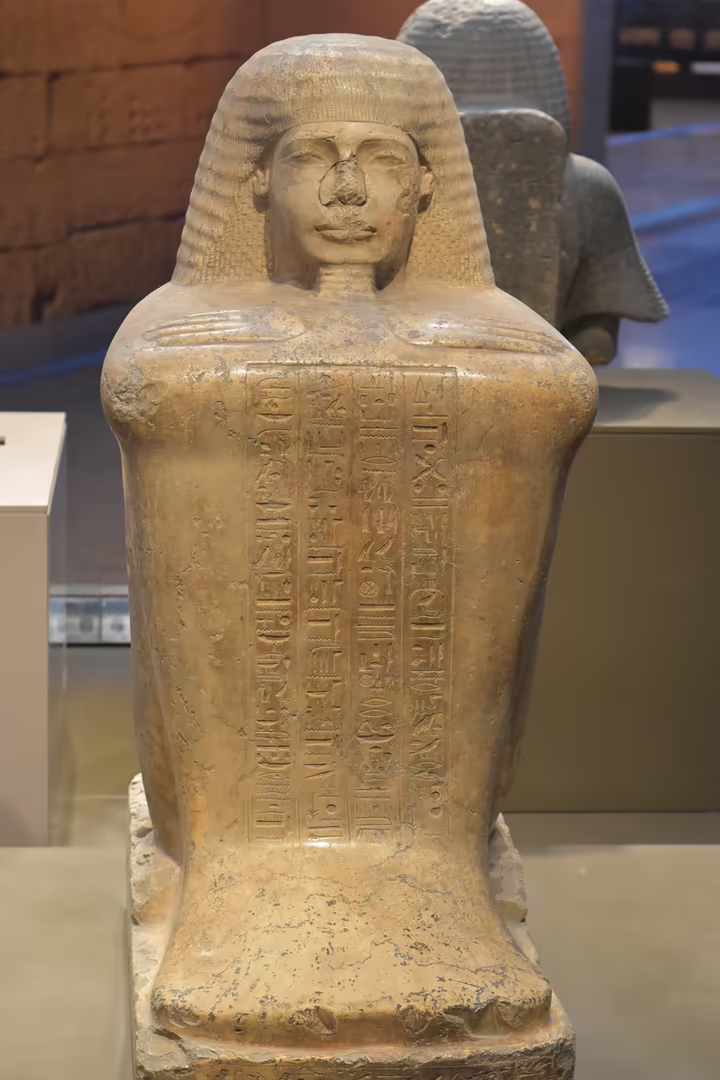
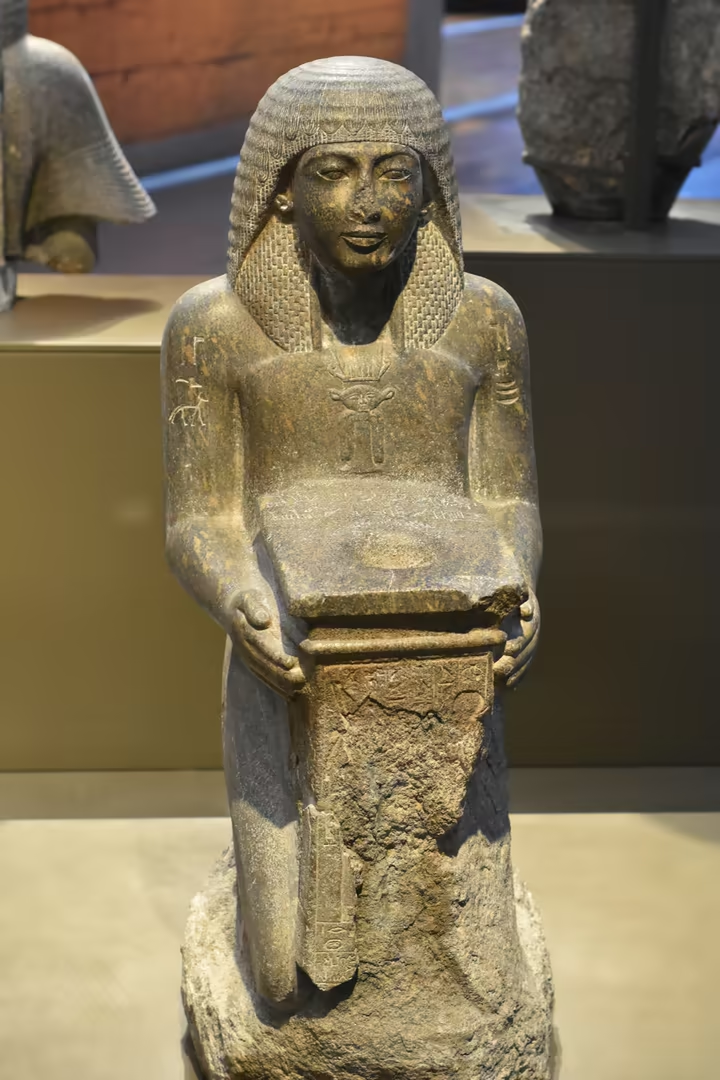
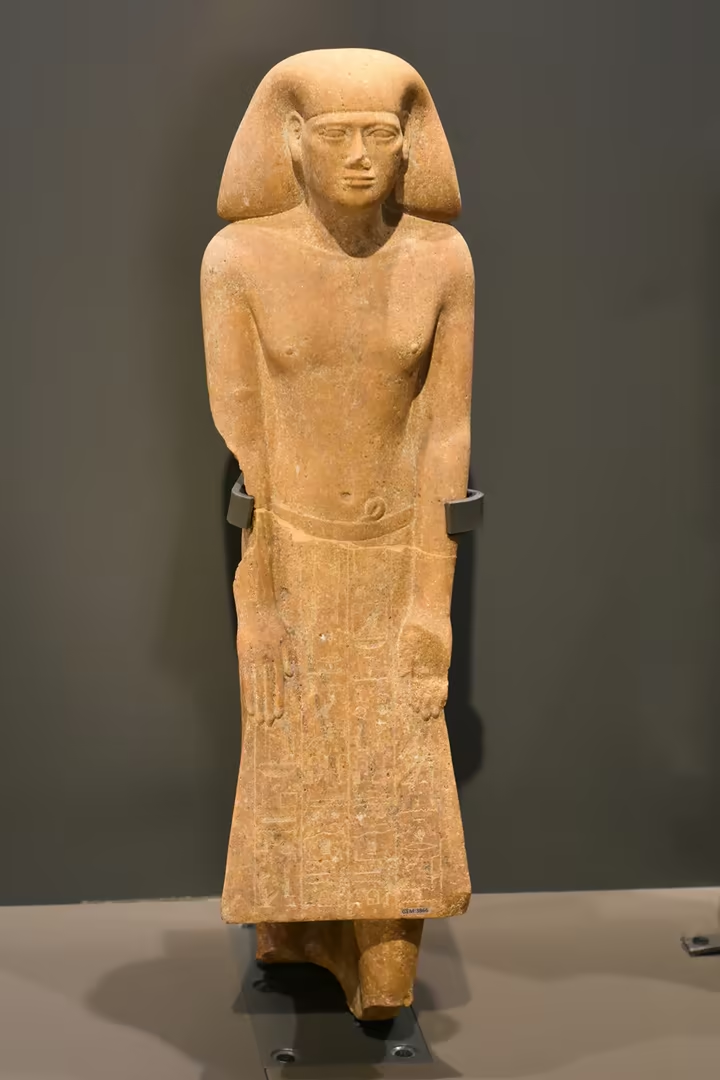
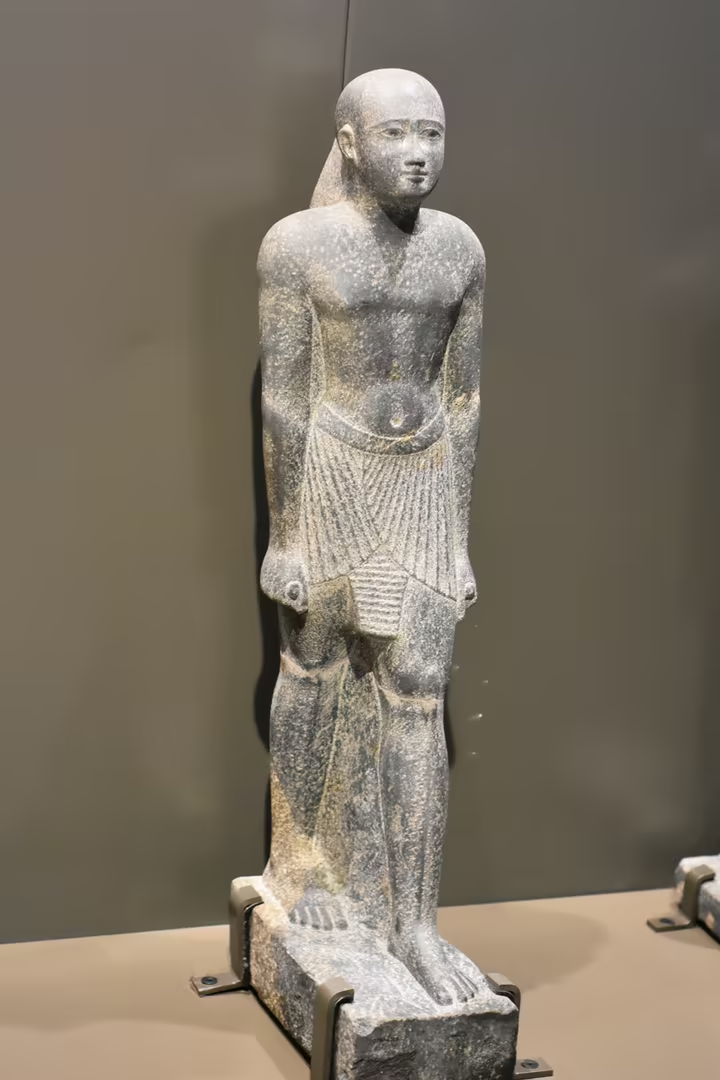
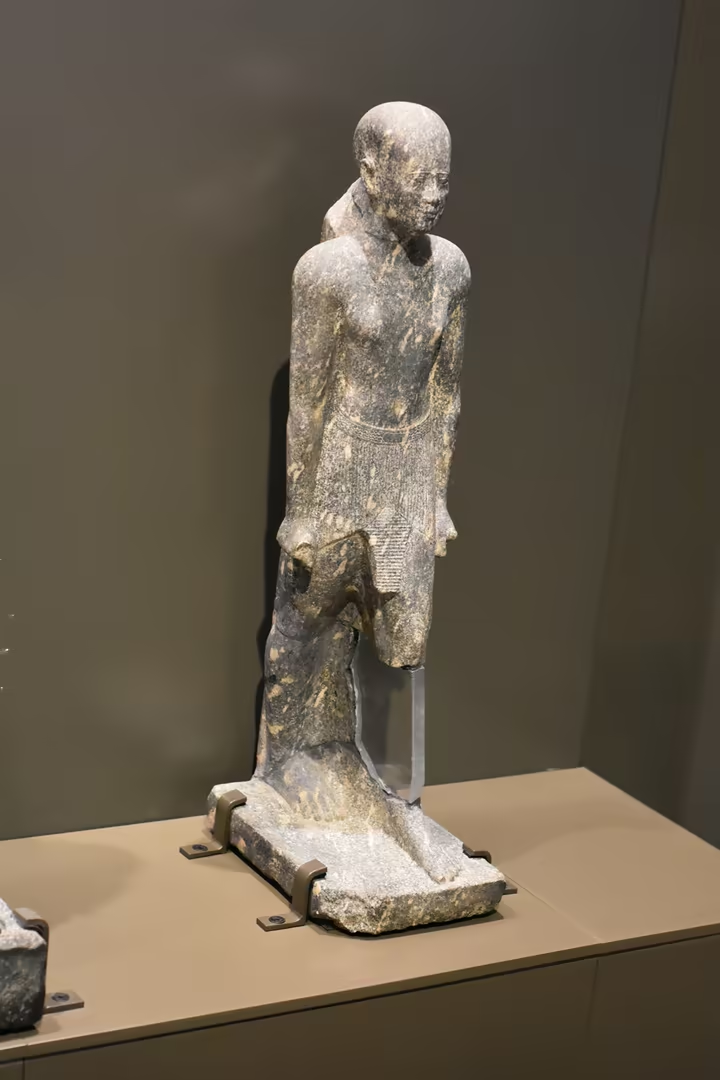
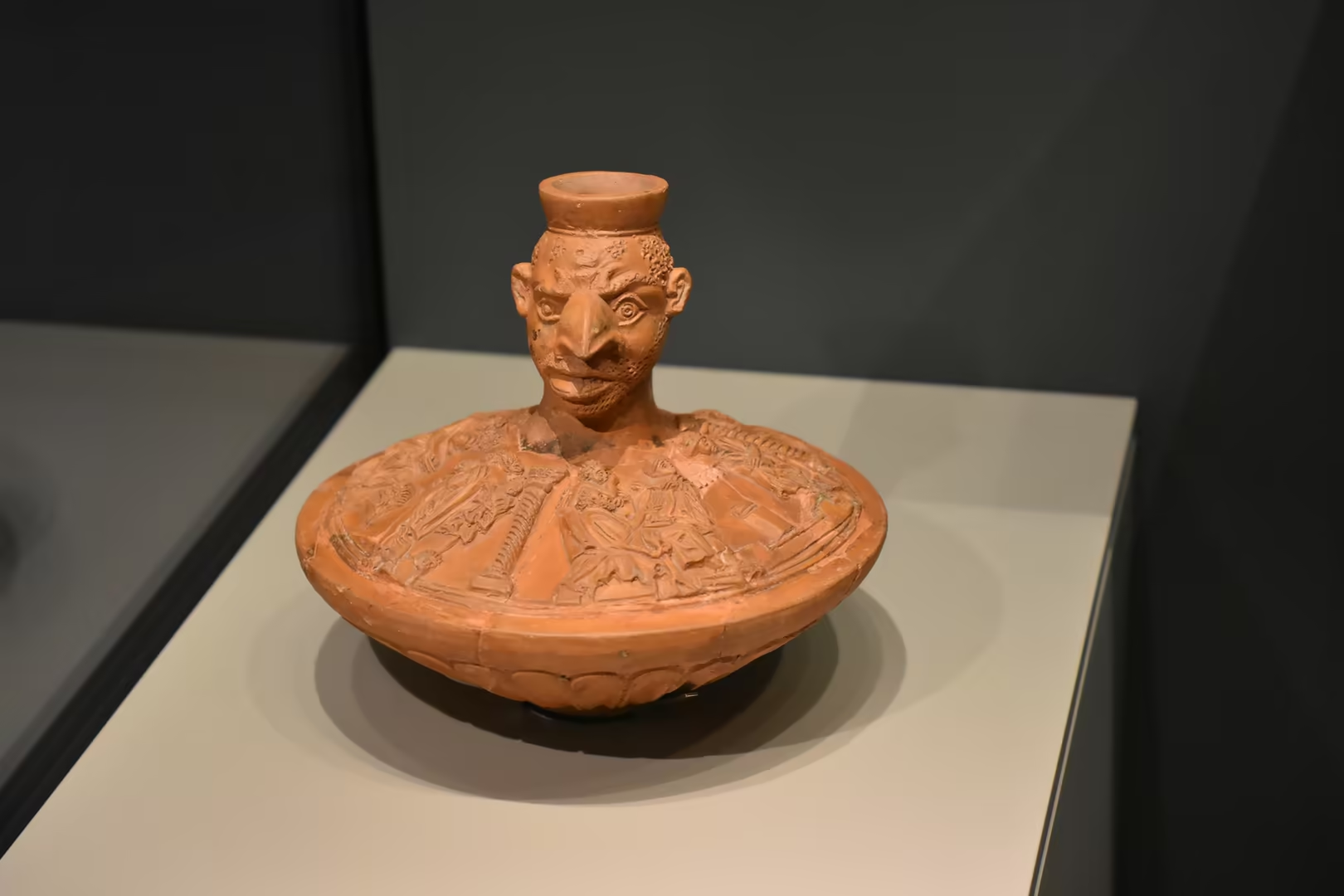
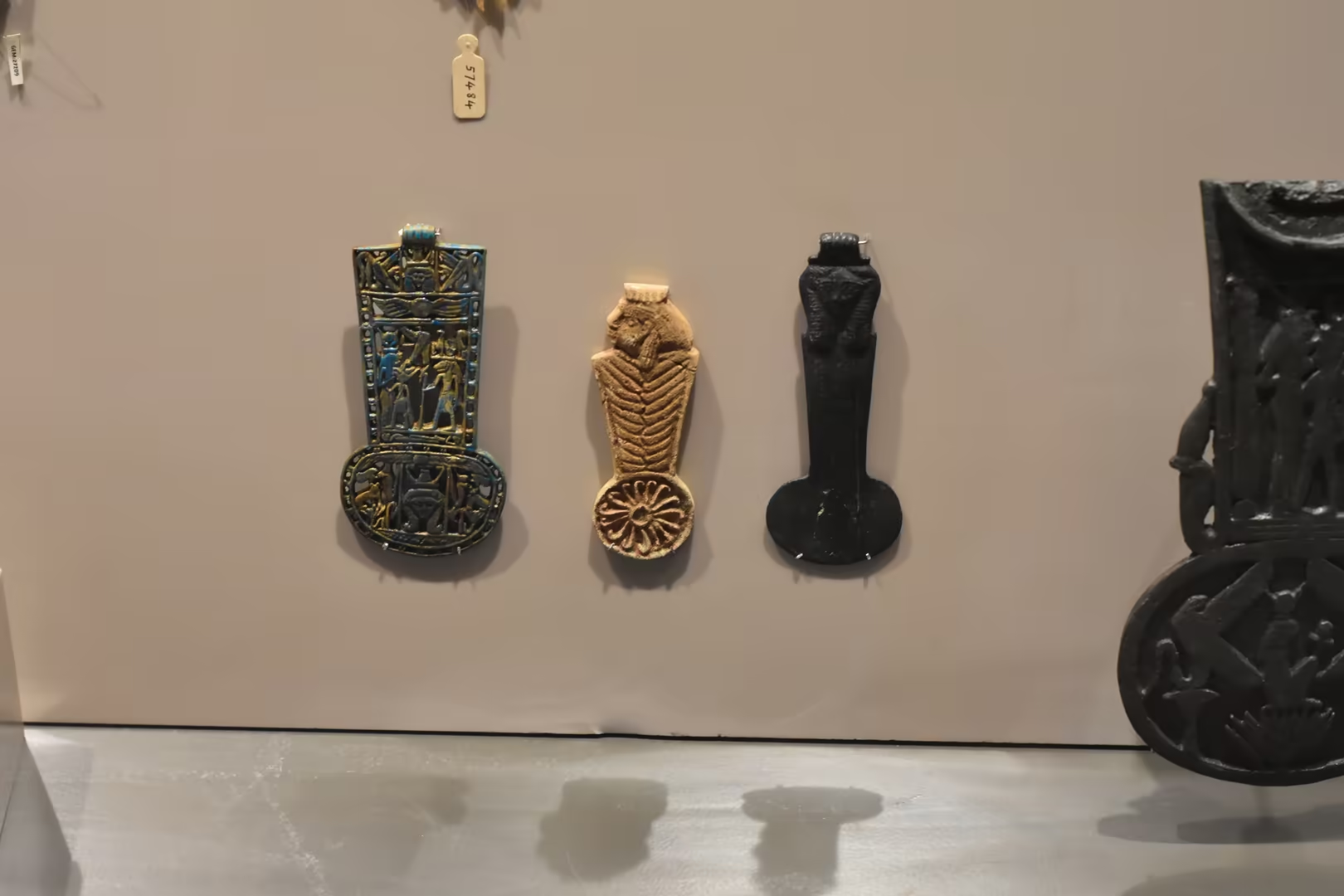
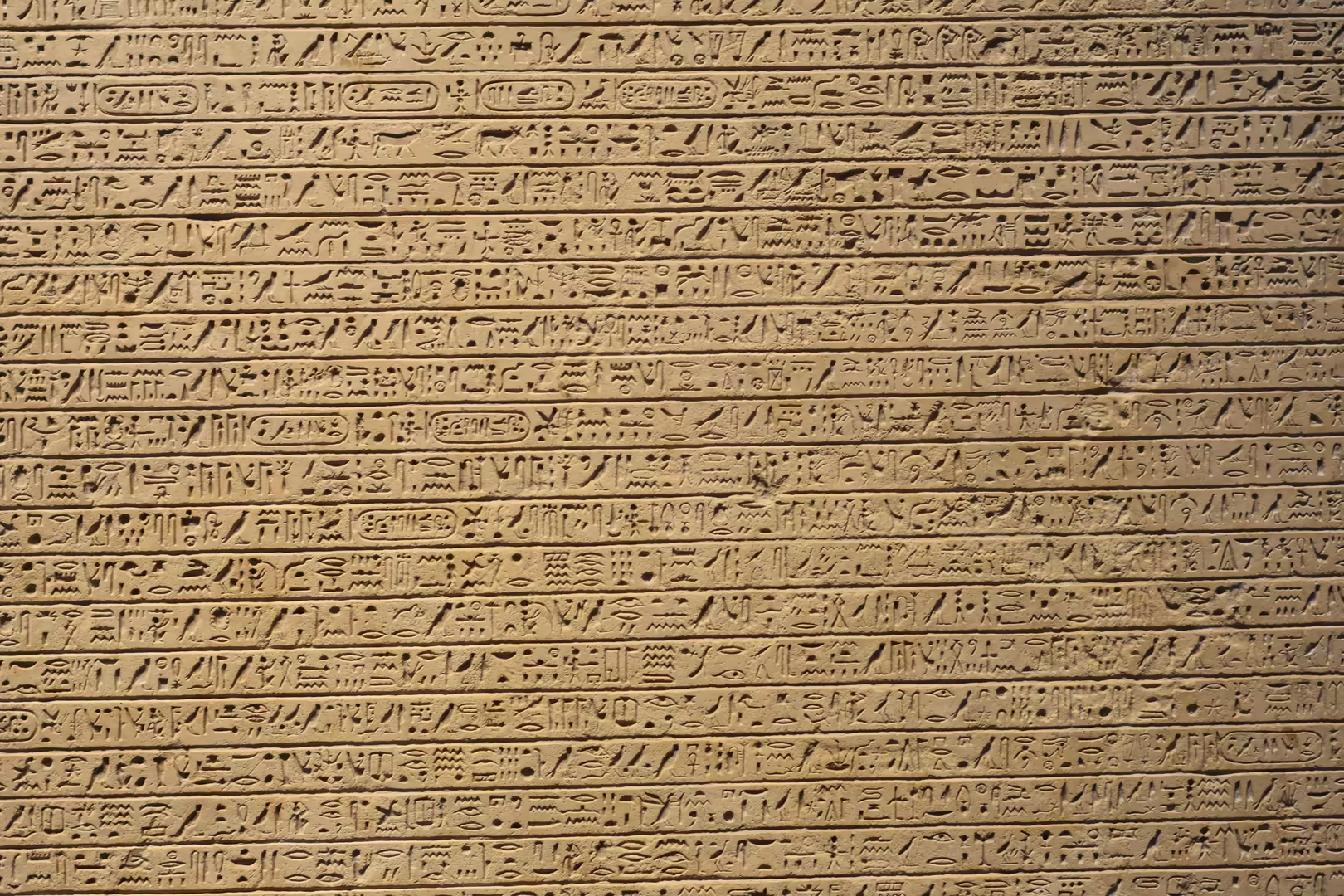
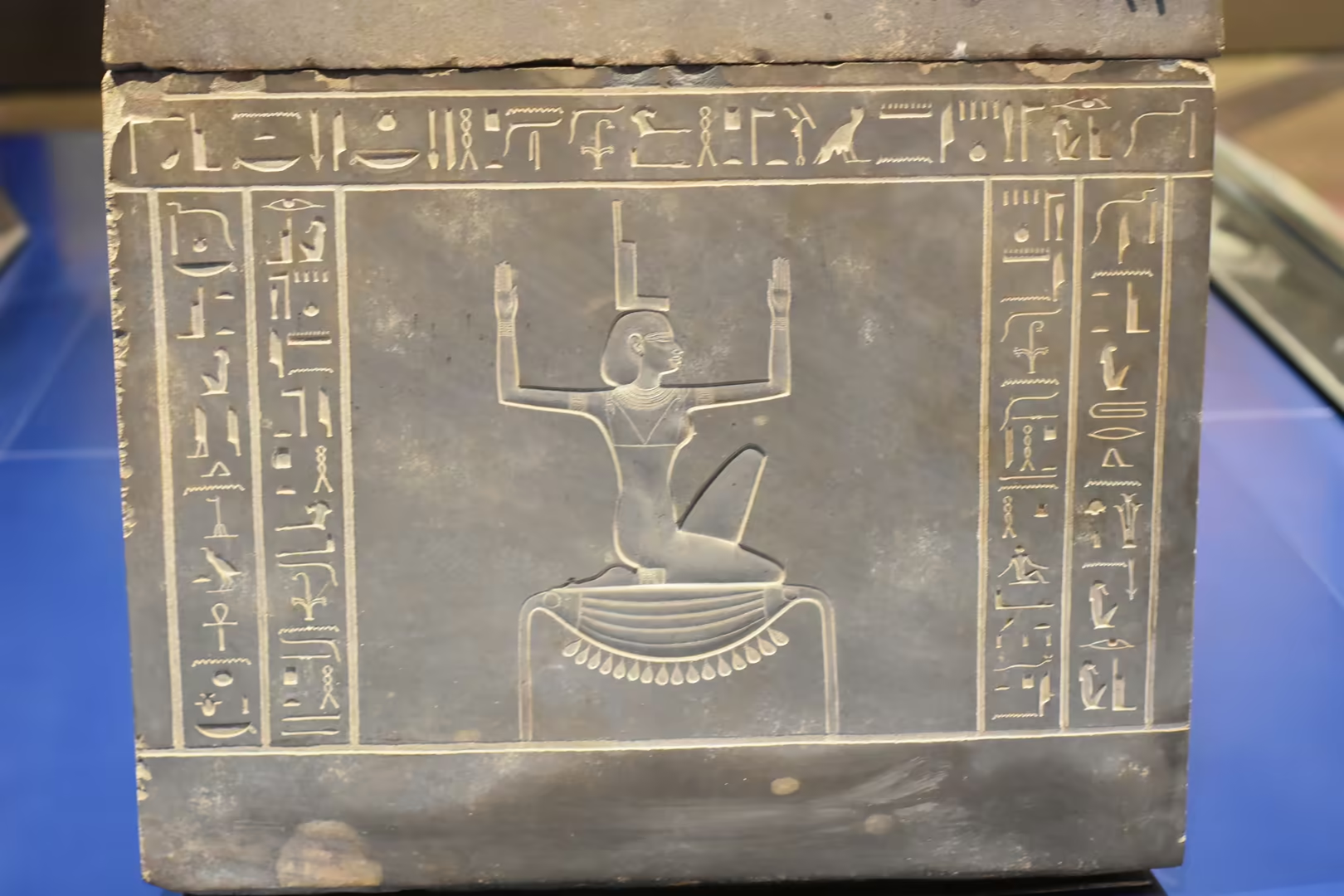
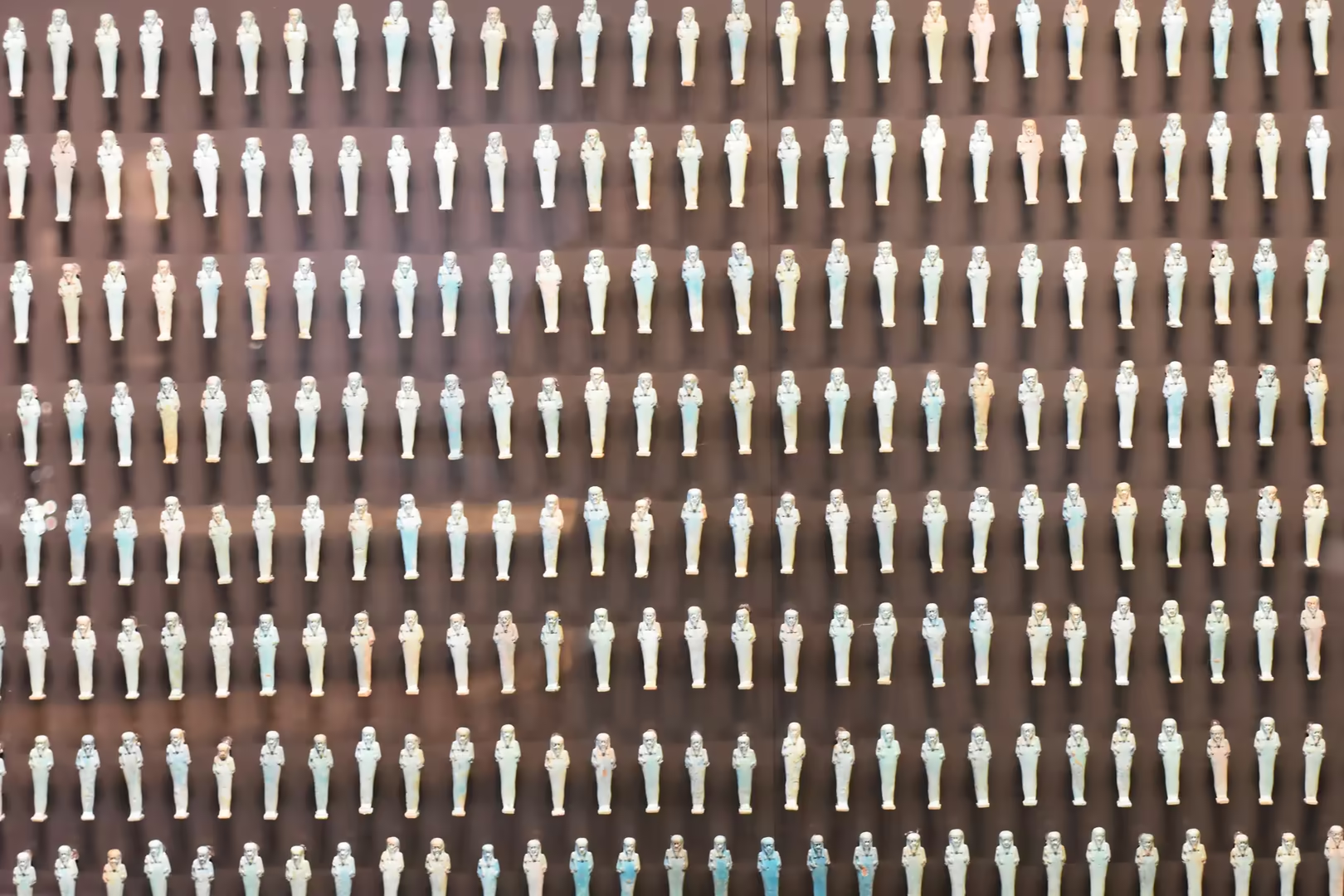
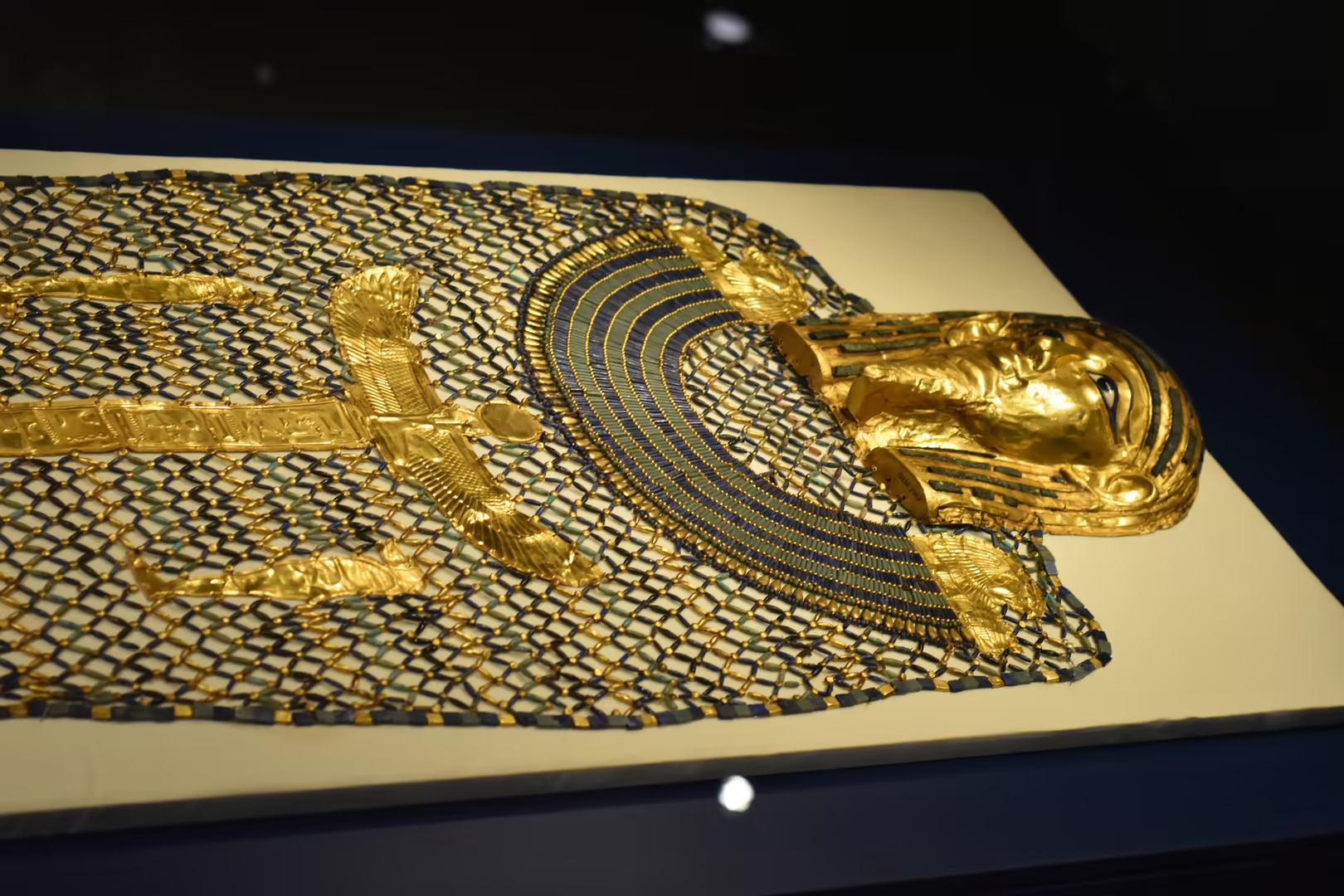
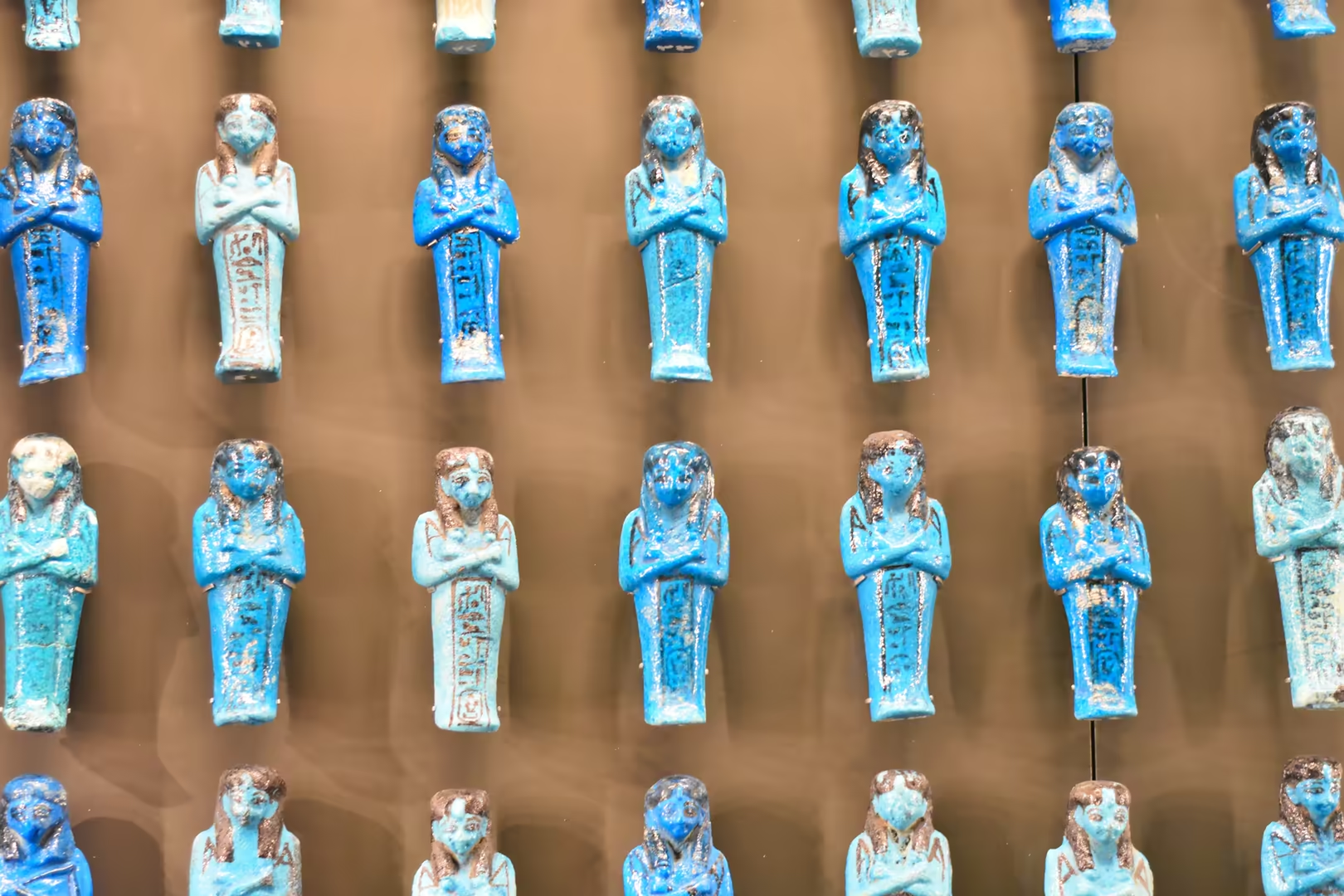
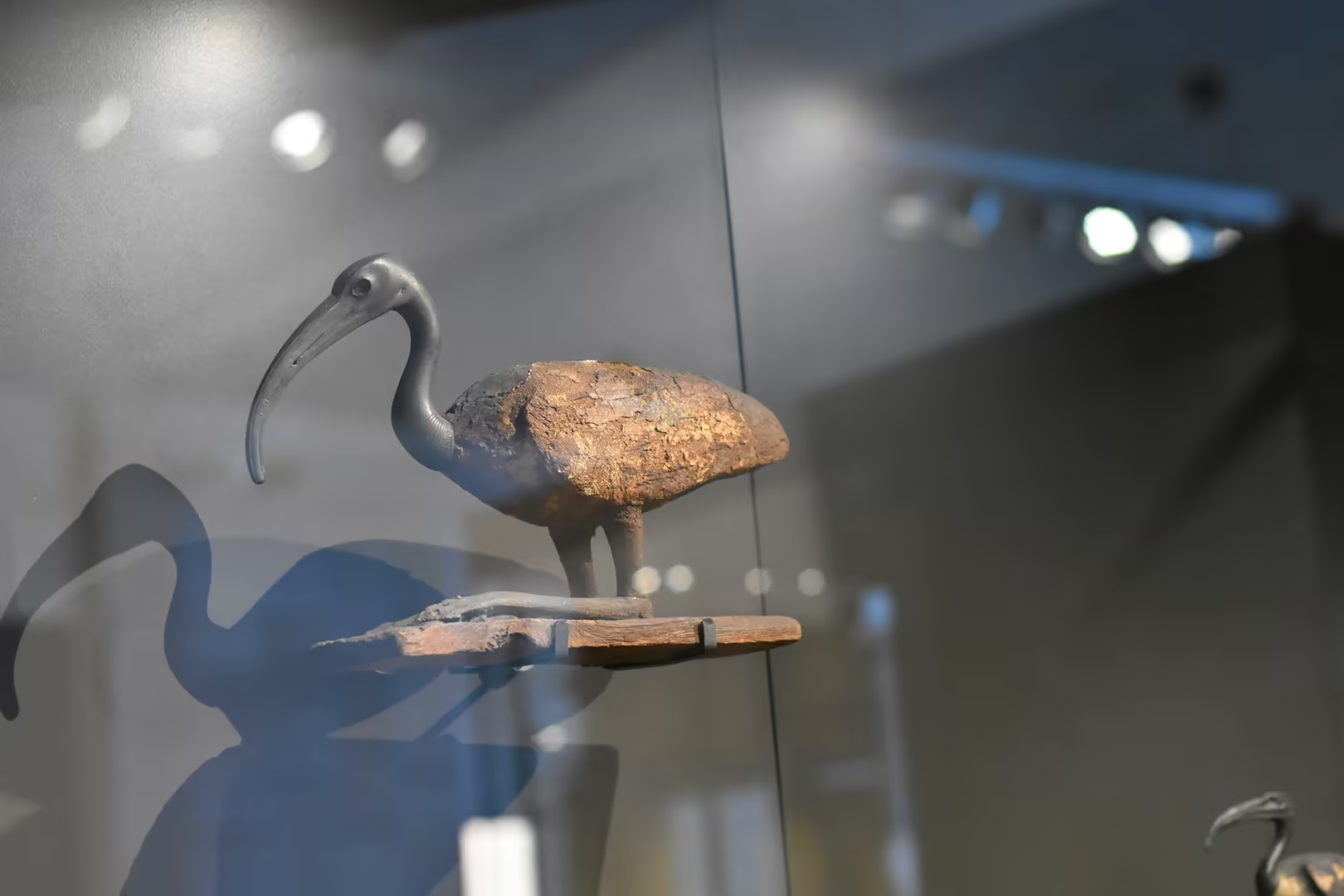
Beyond the staircase, the twelve chronological main galleries carry the visitor from prehistory to the Roman age. The painted reliefs of the Old Kingdom show herdsmen driving antelope and long-horned cattle, a spearman hunting hippopotamus from a boat and processions of offering bearers; the wooden models of soldiers and workshops, the statue pairs and the block statues of officials illustrate the Middle Kingdom; and the alabaster vessels, the canopic jars, the jewellery of faience and gold (bracelets, rings and armbands, among them pieces from the royal tombs of Tanis whose metalwork rivals the treasure of Tutankhamun), the walls of blue ushabti figurines, the amulets, the bronze mirrors and the sacred ibis of Thoth fill the galleries of the later periods, together with the great carved sarcophagi and their lids, from the red granite of the royal burials to the painted wood of the provincial cemeteries.
At the heart of the museum two halls hold the complete burial equipment of Tutankhamun: all 5,398 objects of the tomb displayed together for the first time, among them the golden mask, the three nested coffins, the golden throne, the shrines, the canopic chest, the jewellery and the everyday objects of the boy king. The gold of the royal caches forms the climax of the collection. From the terrace at the summit of the building the museum turns back to its subject: across the sand the pyramids of Giza, and behind them the desert in which the civilisation of the Nile built its most enduring monuments, face the halls that preserve four thousand years of its memory.
References
- Arnold, D. (1991). Building in Egypt: Pharaonic Stone Masonry. New York: Oxford University Press.
- Klemm, R. & Klemm, D. (2008). Stones and Quarries in Ancient Egypt. London: British Museum Press.
- Reeves, N. (1990). The Complete Tutankhamun: The King, the Tomb, the Royal Treasure. London: Thames & Hudson.
- Said, R. (1990). The Geology of Egypt. Rotterdam: A. A. Balkema.
- Grand Egyptian Museum (2026). Official website. grandegyptianmuseum.org/
- Wikipedia contributors (2026). Grand Egyptian Museum. en.wikipedia.org/wiki/Grand_Egyptian_Museum
- Wikipedia contributors (2026). Egyptian Museum. en.wikipedia.org/wiki/Egyptian_Museum
- Wikipedia contributors (2026). Tutankhamun. en.wikipedia.org/wiki/Tutankhamun
- Wikipedia contributors (2026). Ramesses II. en.wikipedia.org/wiki/Ramesses_II
- Wikipedia contributors (2026). Khufu ship. en.wikipedia.org/wiki/Khufu_ship
- Wikipedia contributors (2026). National Museum of Egyptian Civilization. en.wikipedia.org/wiki/National_Museum_of_Egyptian_Civilization
- Wikipedia contributors (2026). Heneghan Peng. en.wikipedia.org/wiki/Heneghan_Peng
- Wikipedia contributors (2026). Old Kingdom of Egypt. en.wikipedia.org/wiki/Old_Kingdom_of_Egypt
- Wikipedia contributors (2026). Middle Kingdom of Egypt. en.wikipedia.org/wiki/Middle_Kingdom_of_Egypt
- Wikipedia contributors (2026). New Kingdom of Egypt. en.wikipedia.org/wiki/New_Kingdom_of_Egypt