Day 4 - Saqqara
















Journal Notes
General
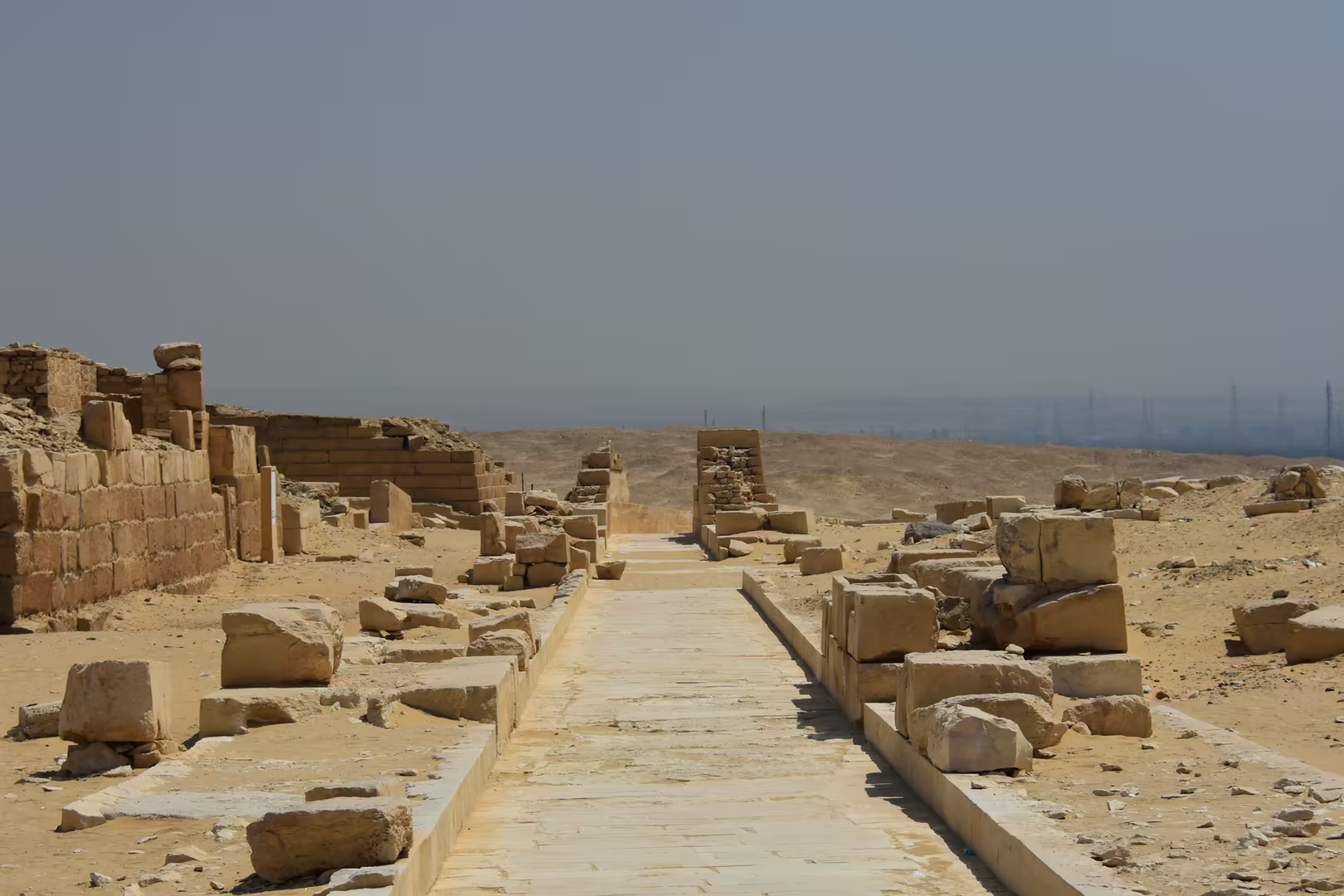
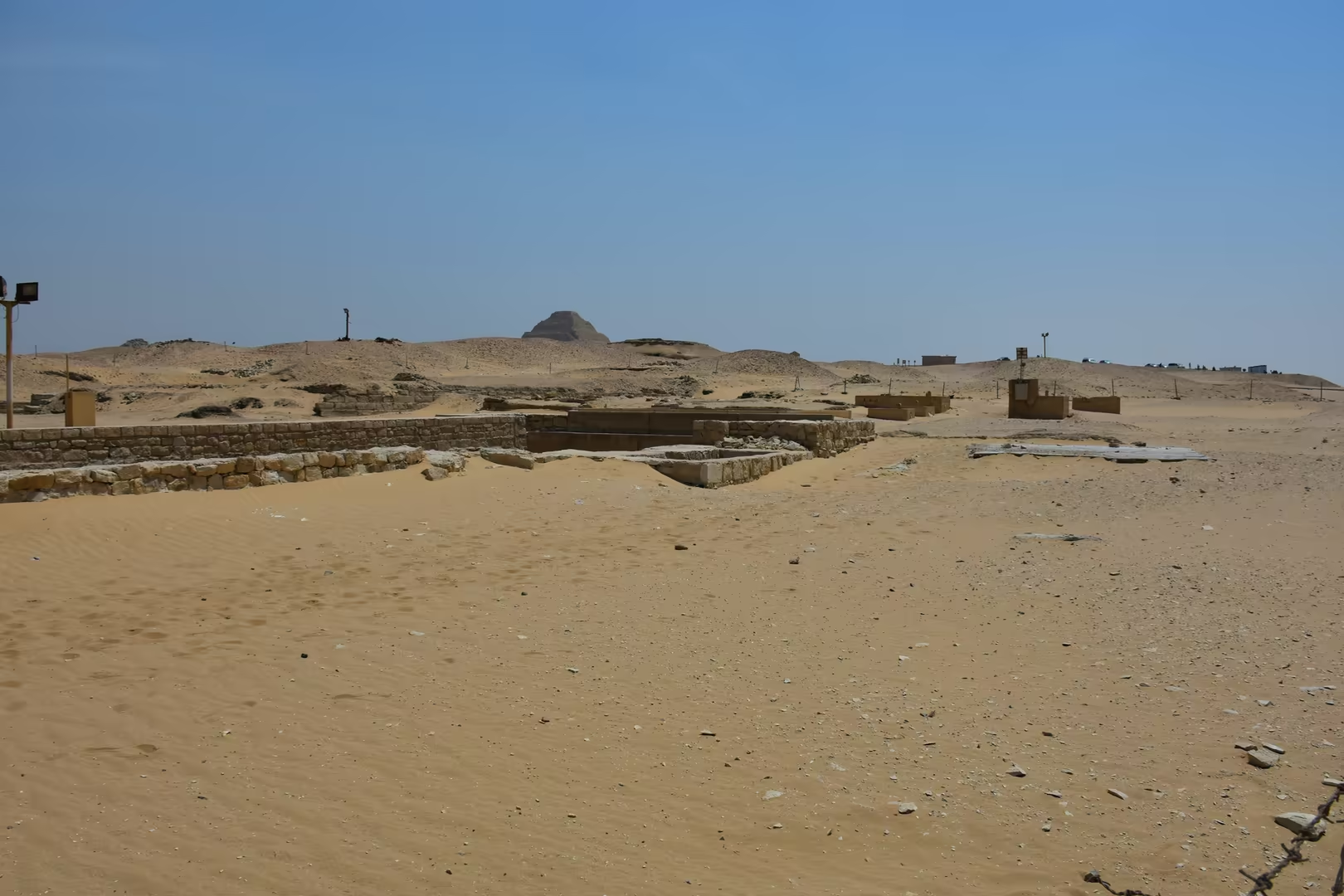
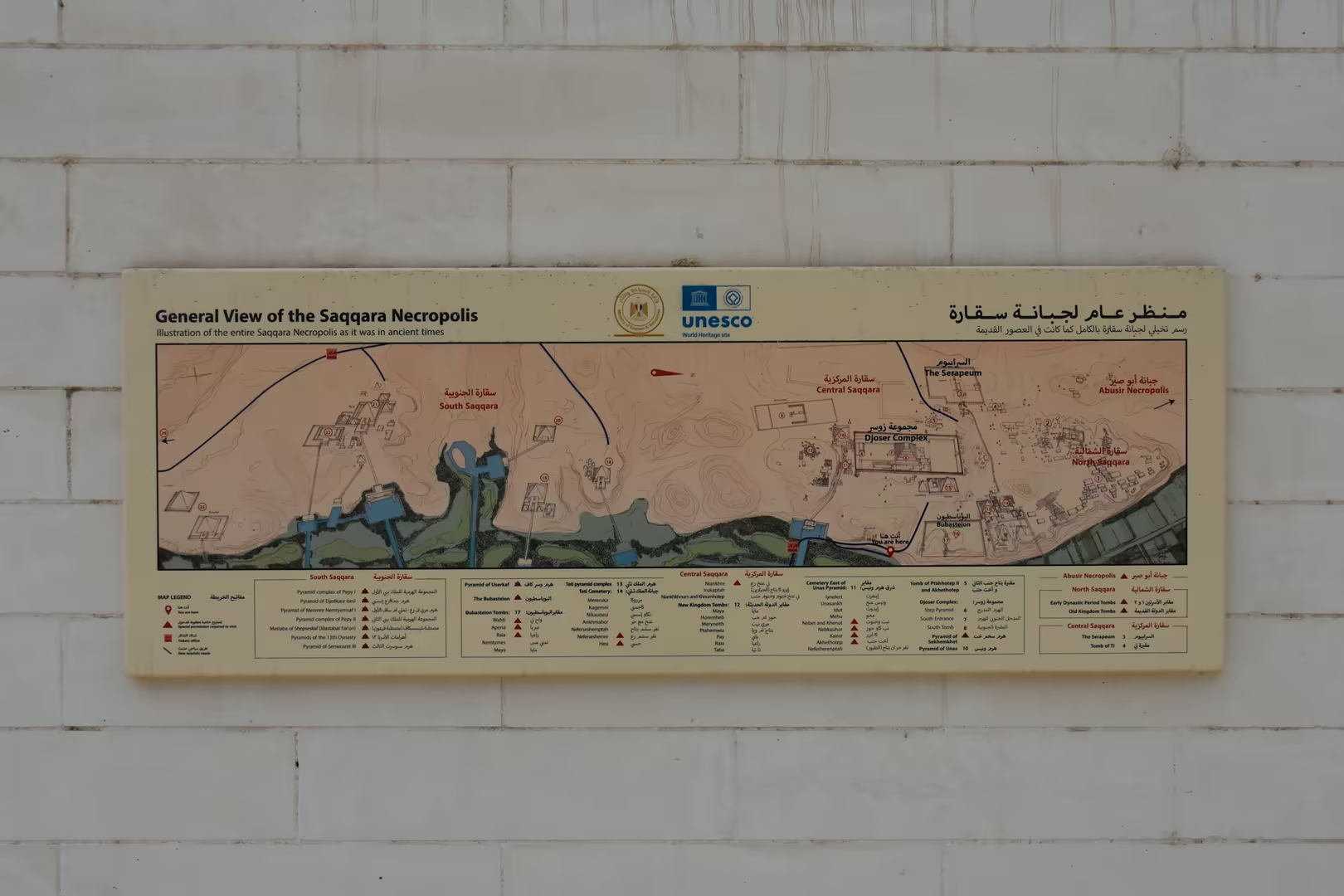
Saqqara is the great necropolis of ancient Memphis, spread over the limestone plateau of the western desert edge, some thirty kilometres south of the centre of modern Cairo and a little way south of the Giza pyramid field. For more than three thousand years, from the dawn of the dynastic age to the Ptolemaic and Roman periods, this was the burial ground of the capital: the place where the kings of the early dynasties and the Old Kingdom built their tombs, and where the officials of Memphis built their own for generation after generation. The necropolis contains the oldest complete monumental stone complex known in history, the Step Pyramid of King Djoser, and more than a dozen further royal pyramids, together with countless mastaba tombs, rock-cut burial shafts and the sacred animal catacombs of the Serapeum.
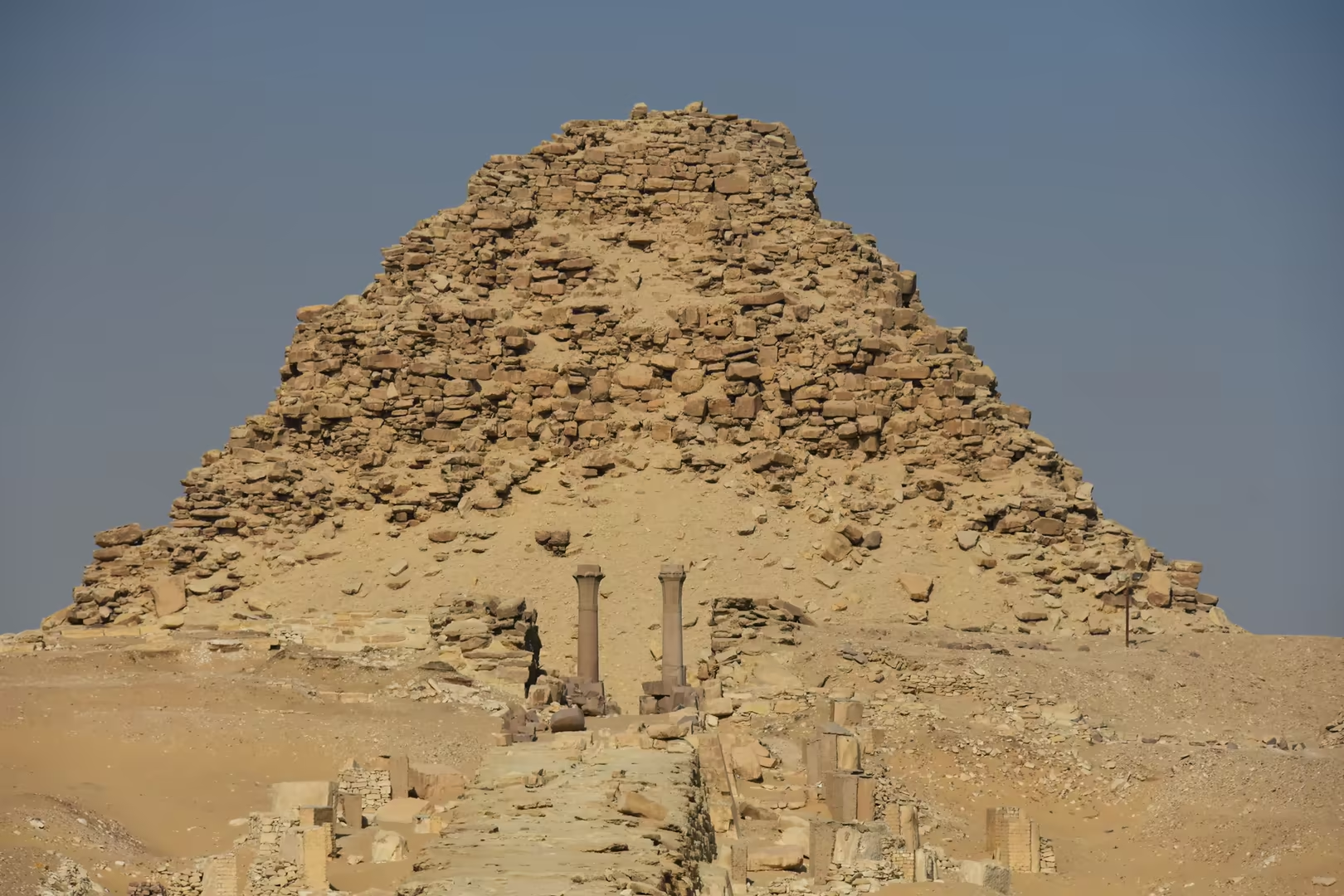
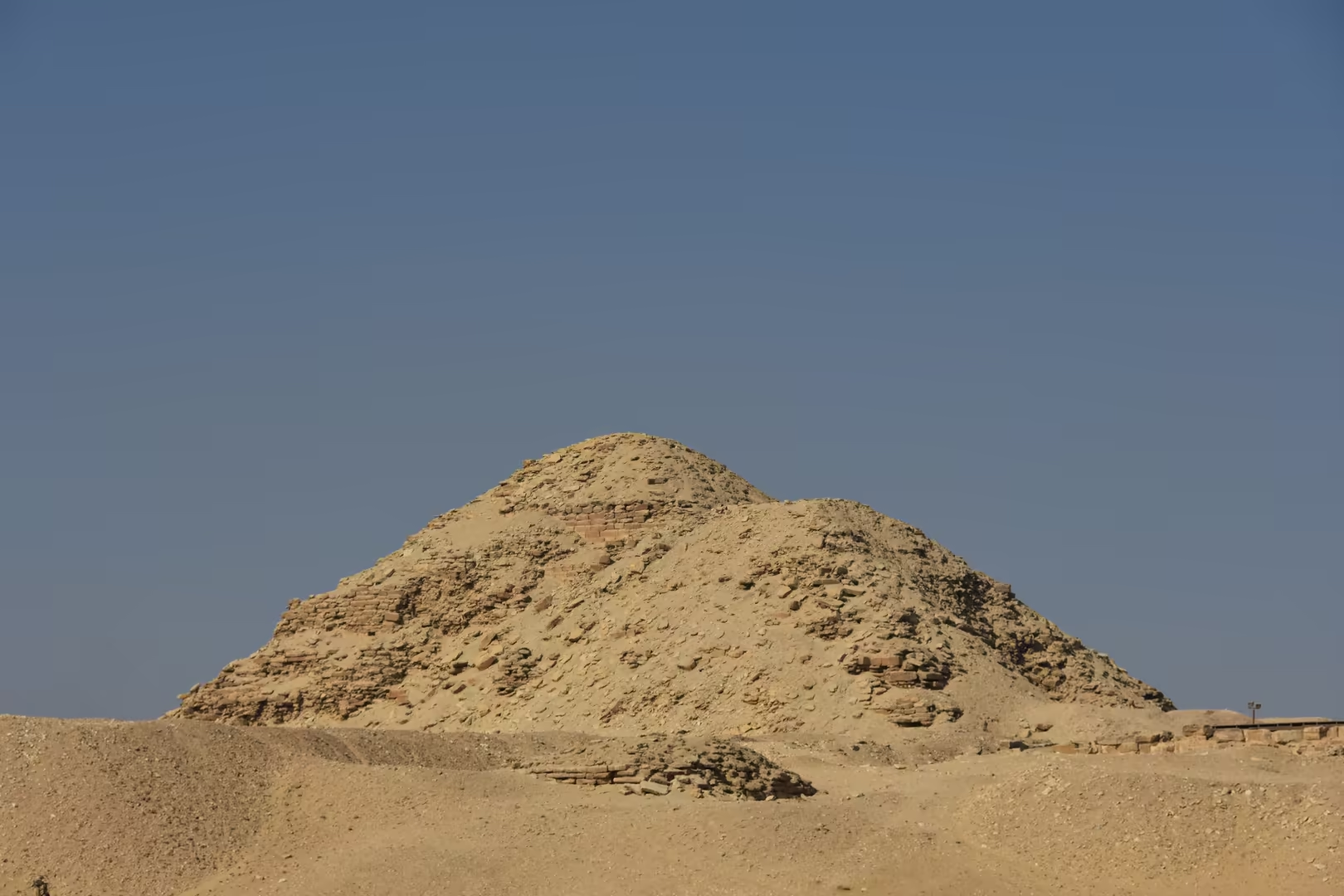
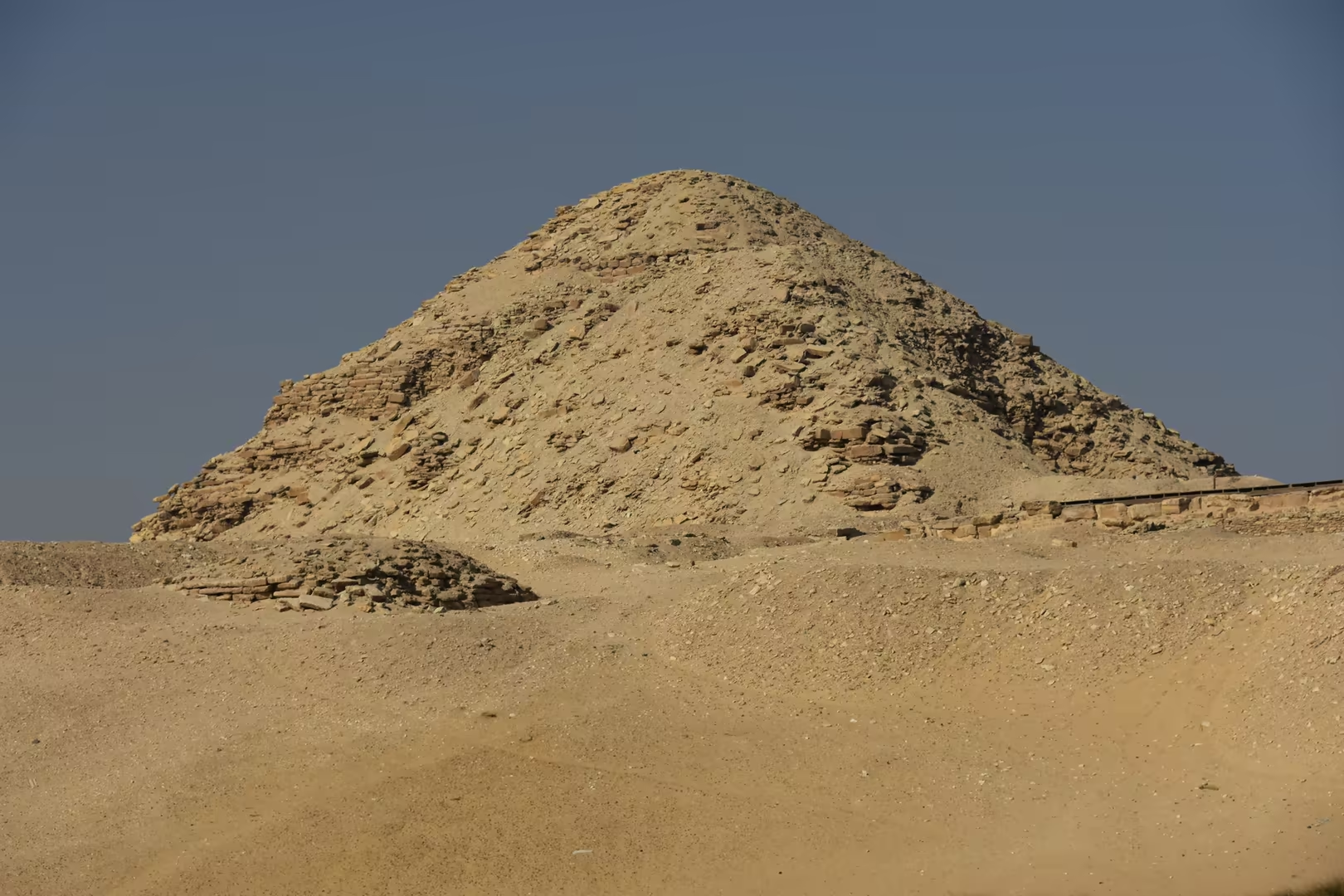
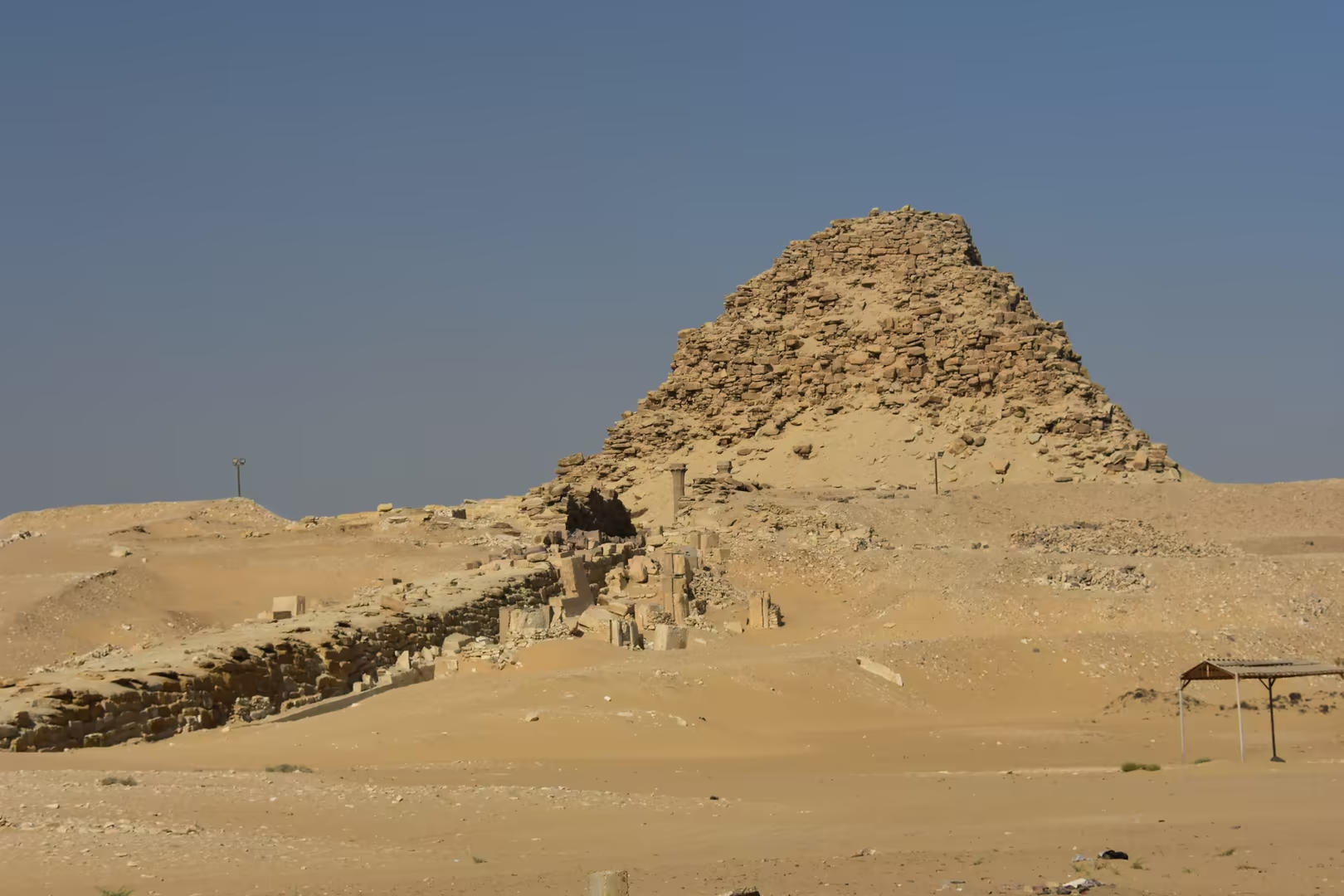
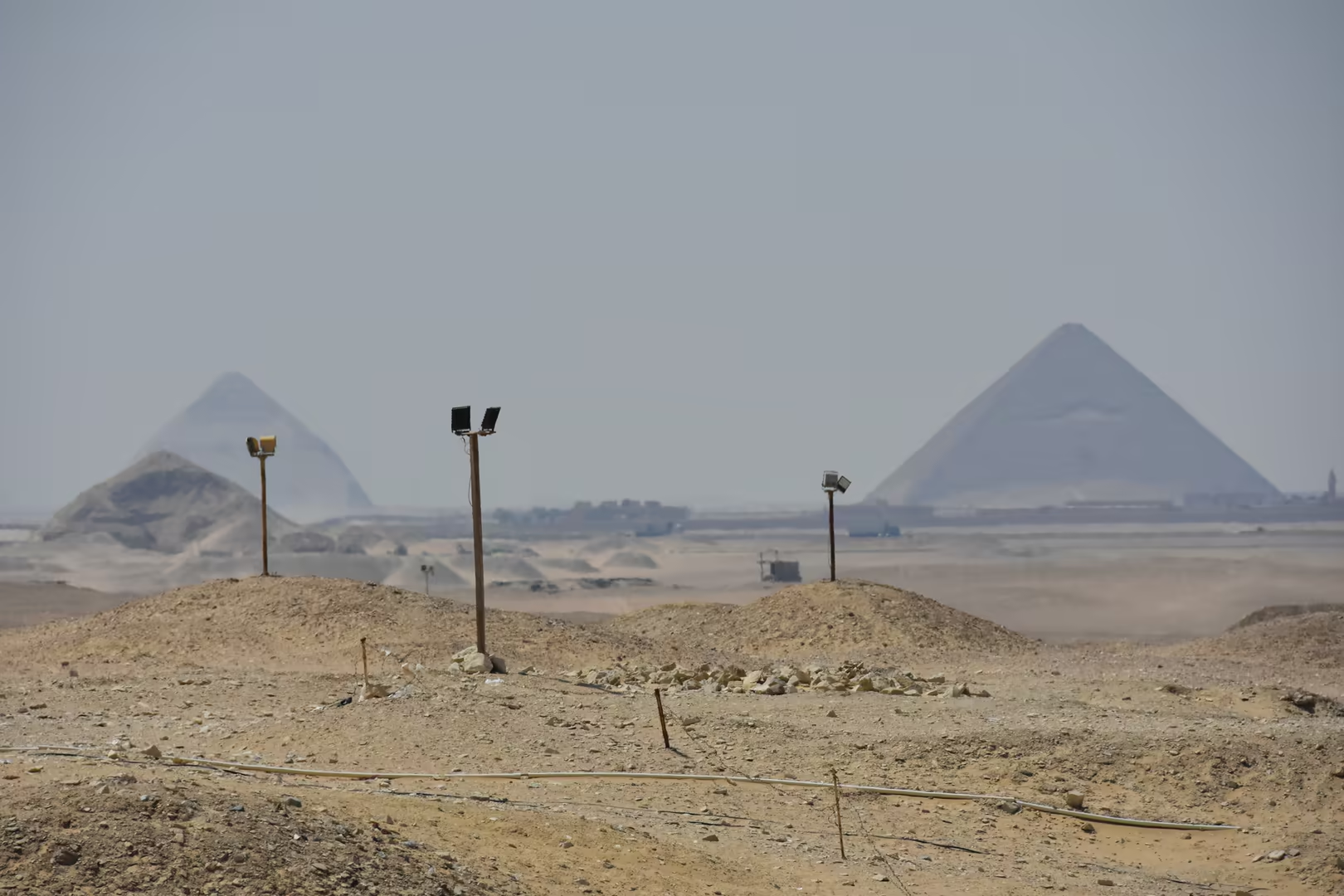
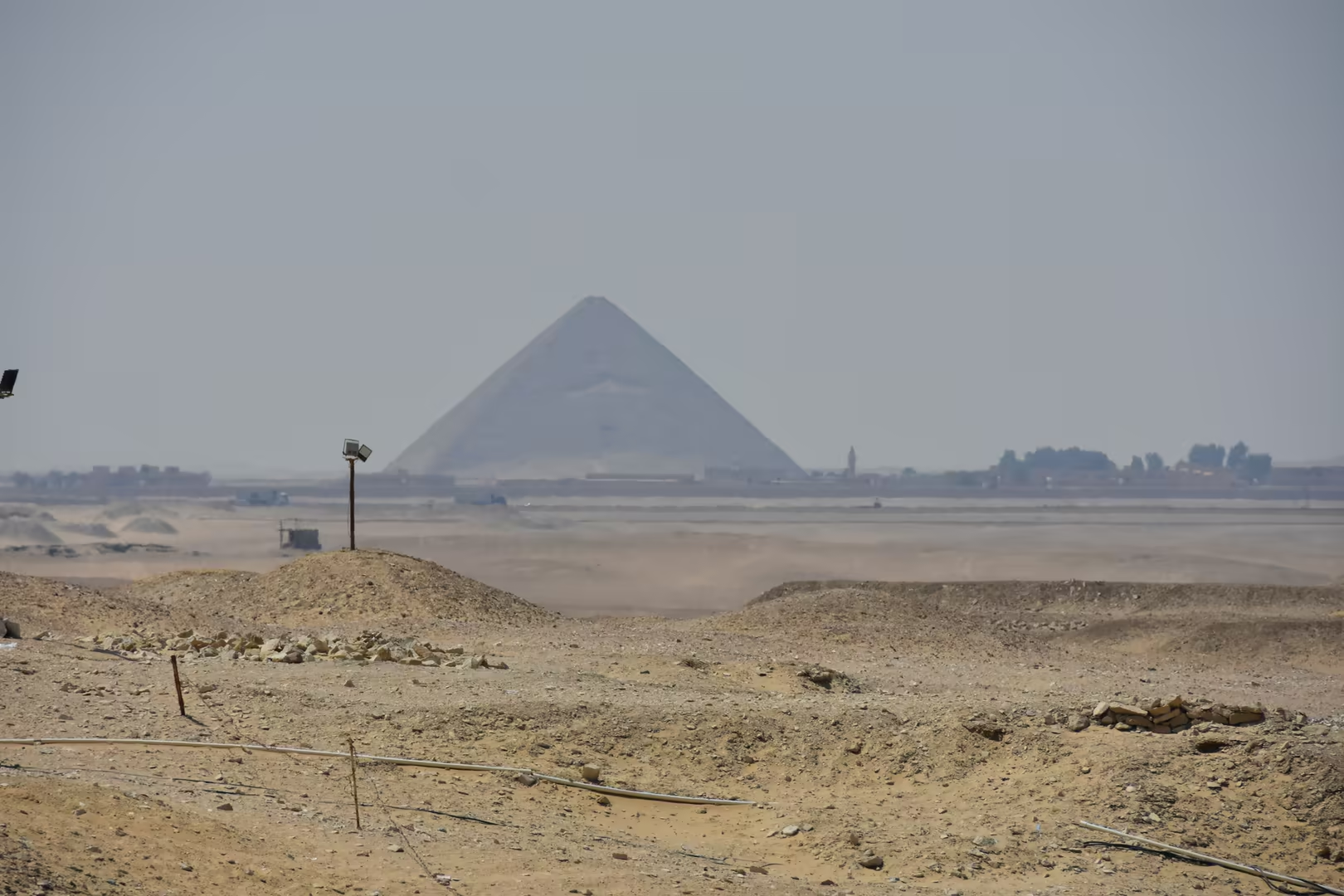
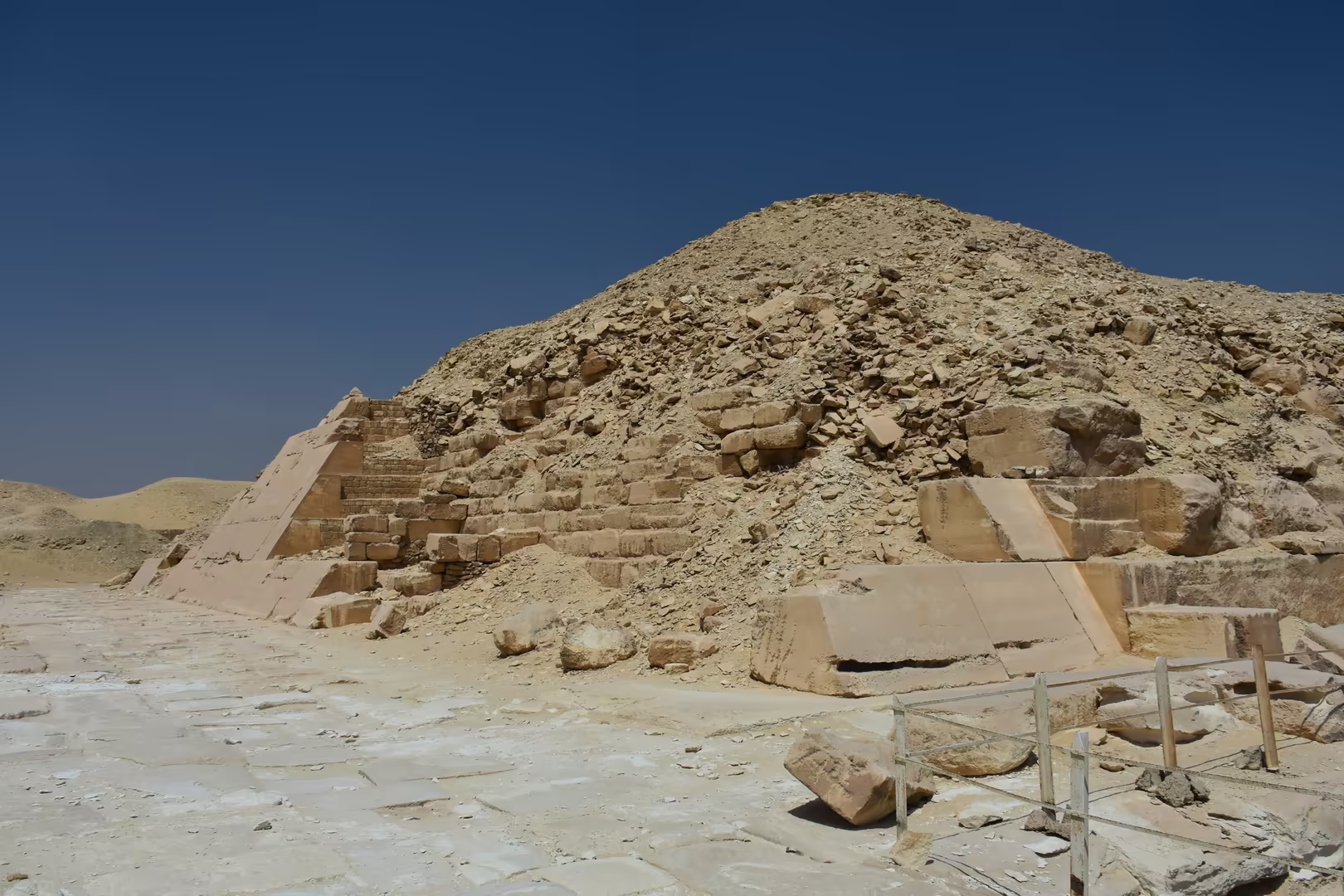
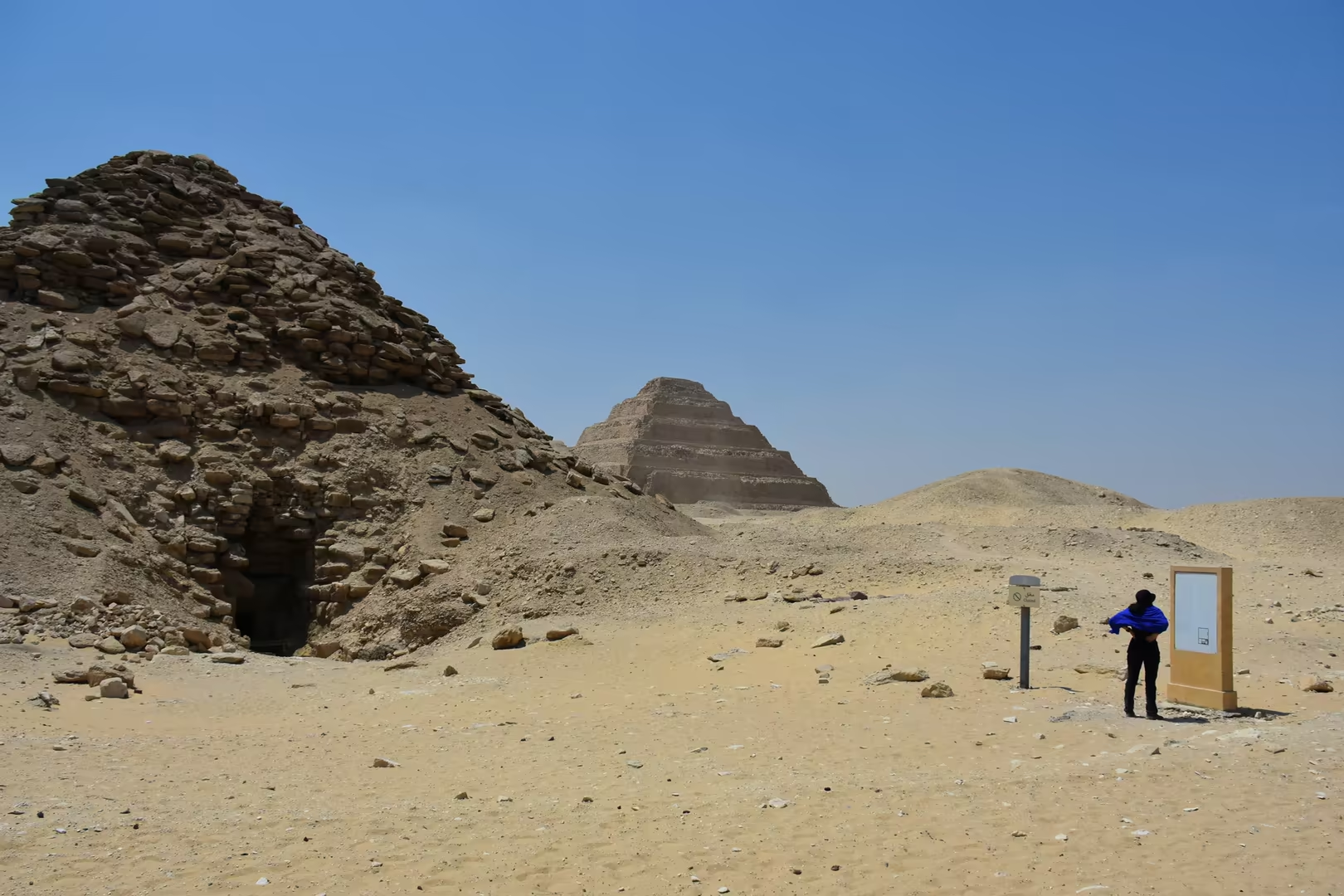
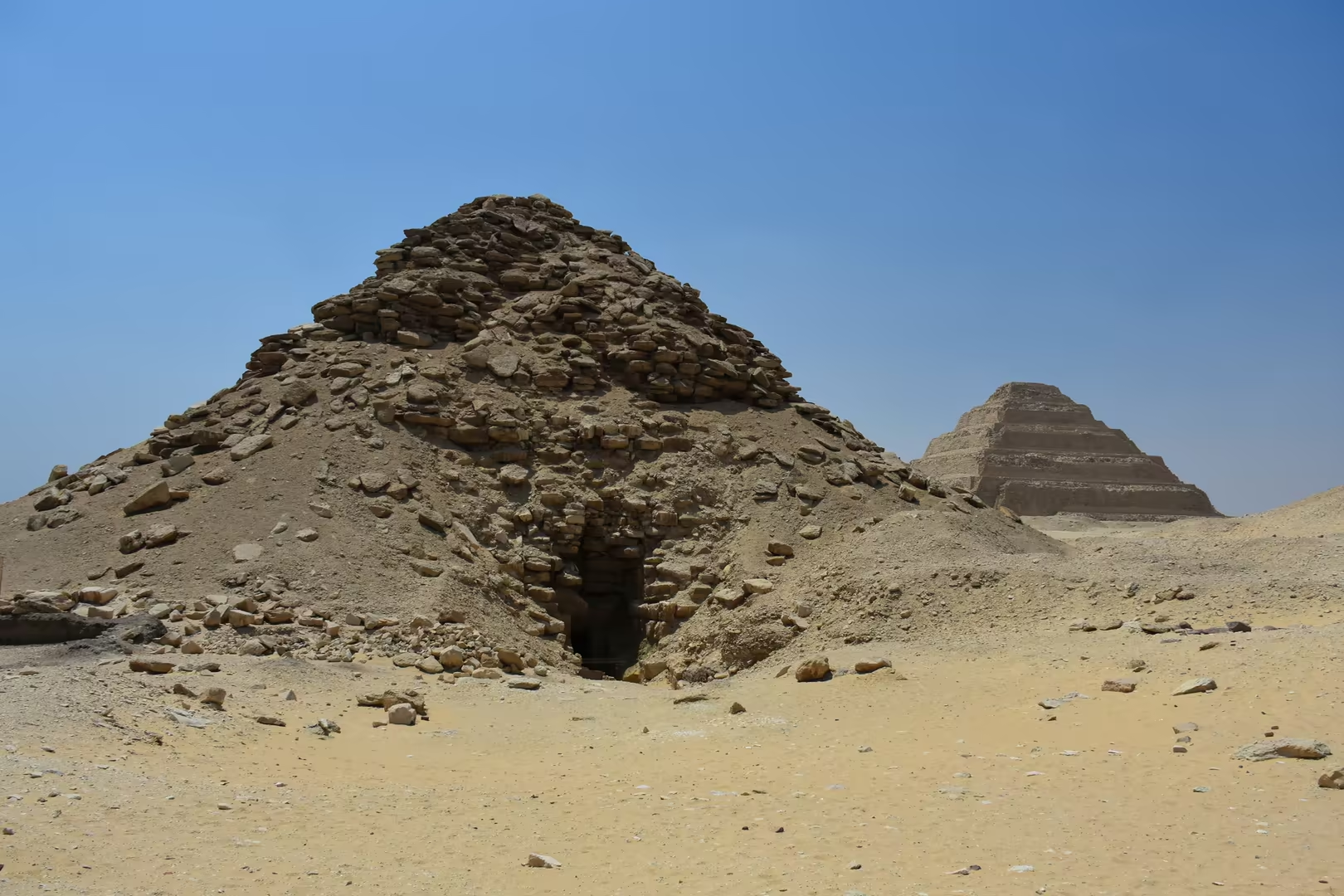
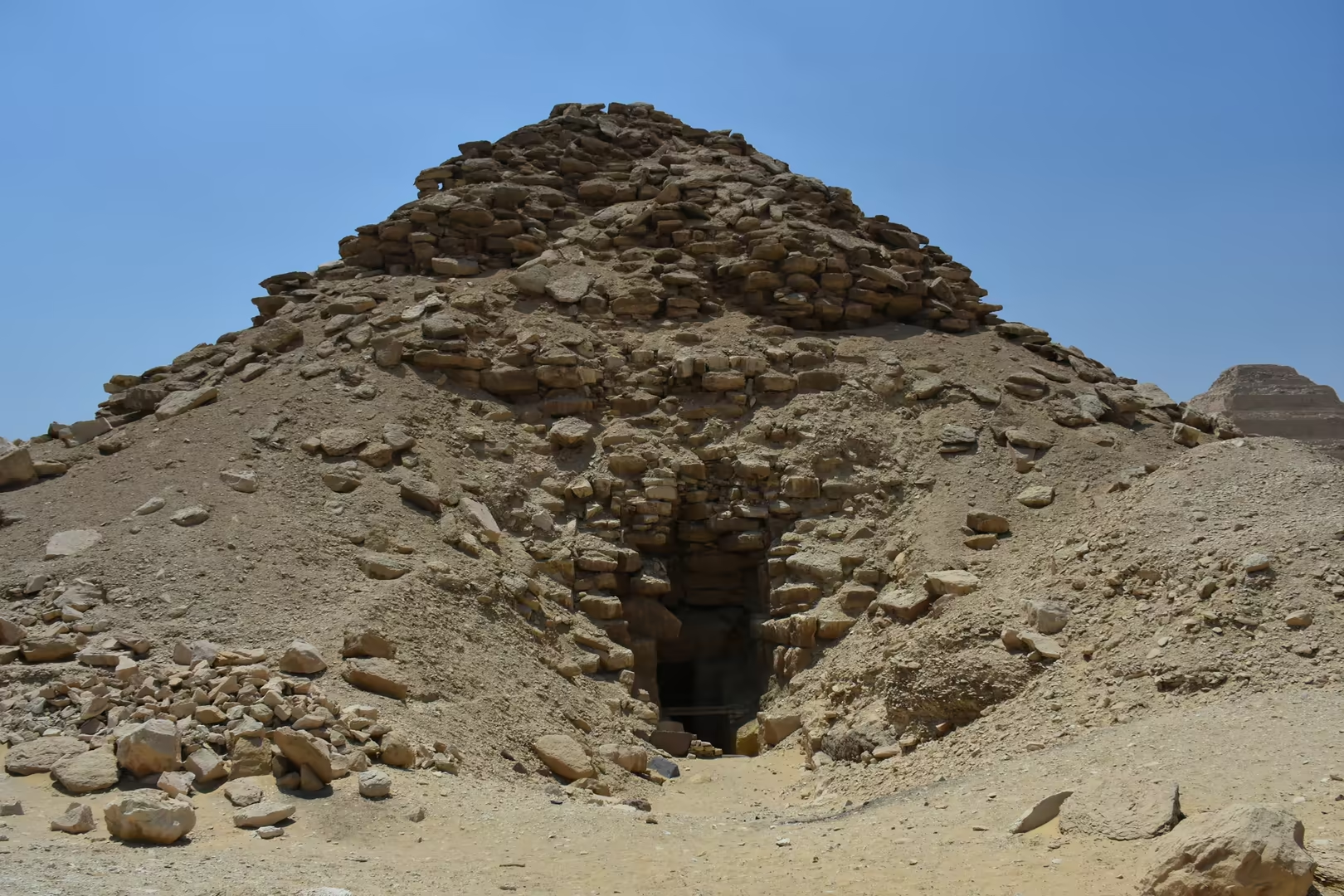
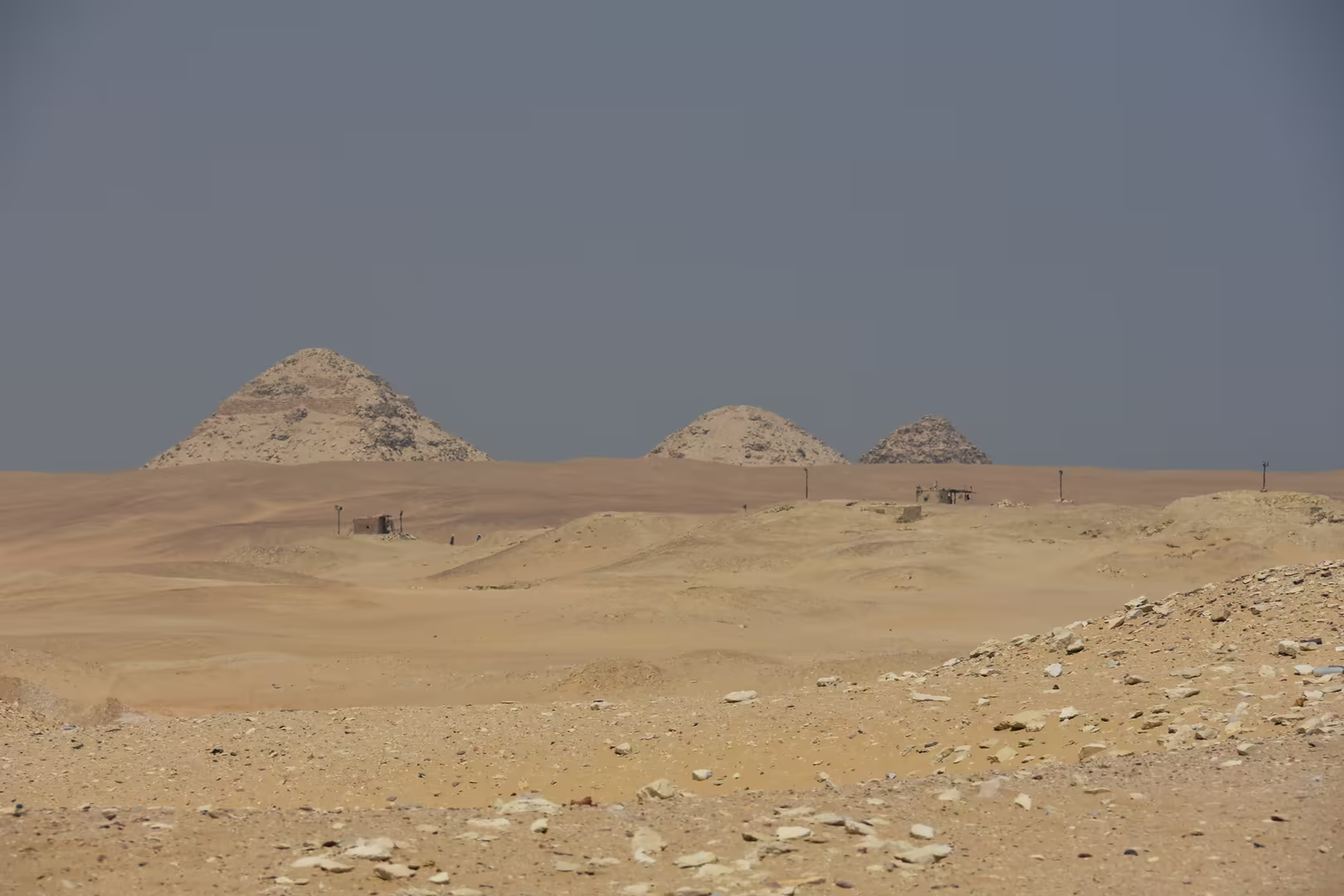
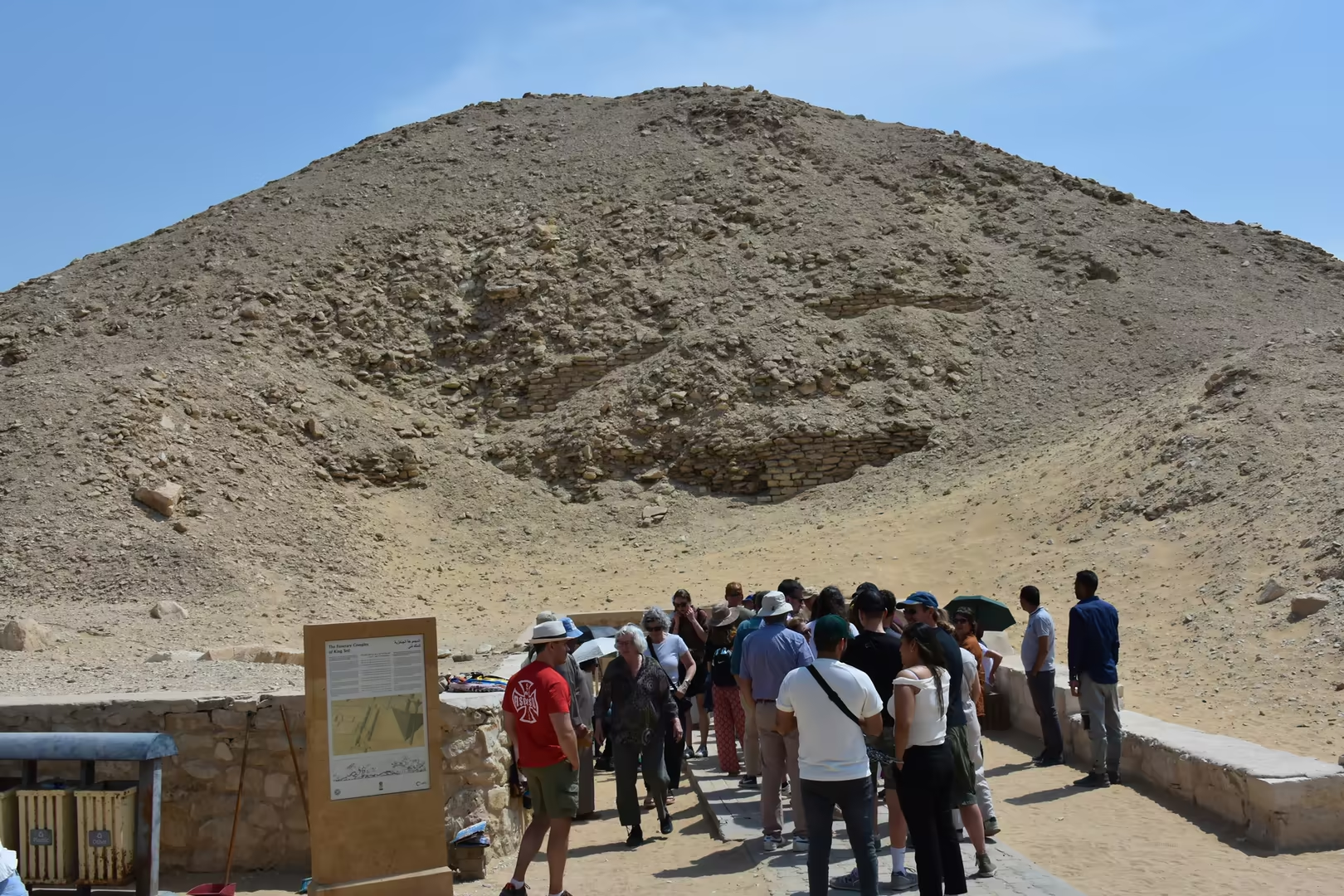
The plateau of Saqqara forms the central stretch of the Memphite pyramid fields, between the pyramids of Abusir to the north and those of Dahshur to the south; the whole chain, with the Giza pyramids at its northern end, was inscribed in 1979 on the World Heritage List as u201cMemphis and its Necropolis, the Pyramid Fields from Giza to Dahshuru201d. Unlike the great pyramids of the Fourth Dynasty at Giza, the later royal pyramids of Saqqara were built with cores of rubble and small stone, so that they survive as weathered mounds and heaps of loose masonry.
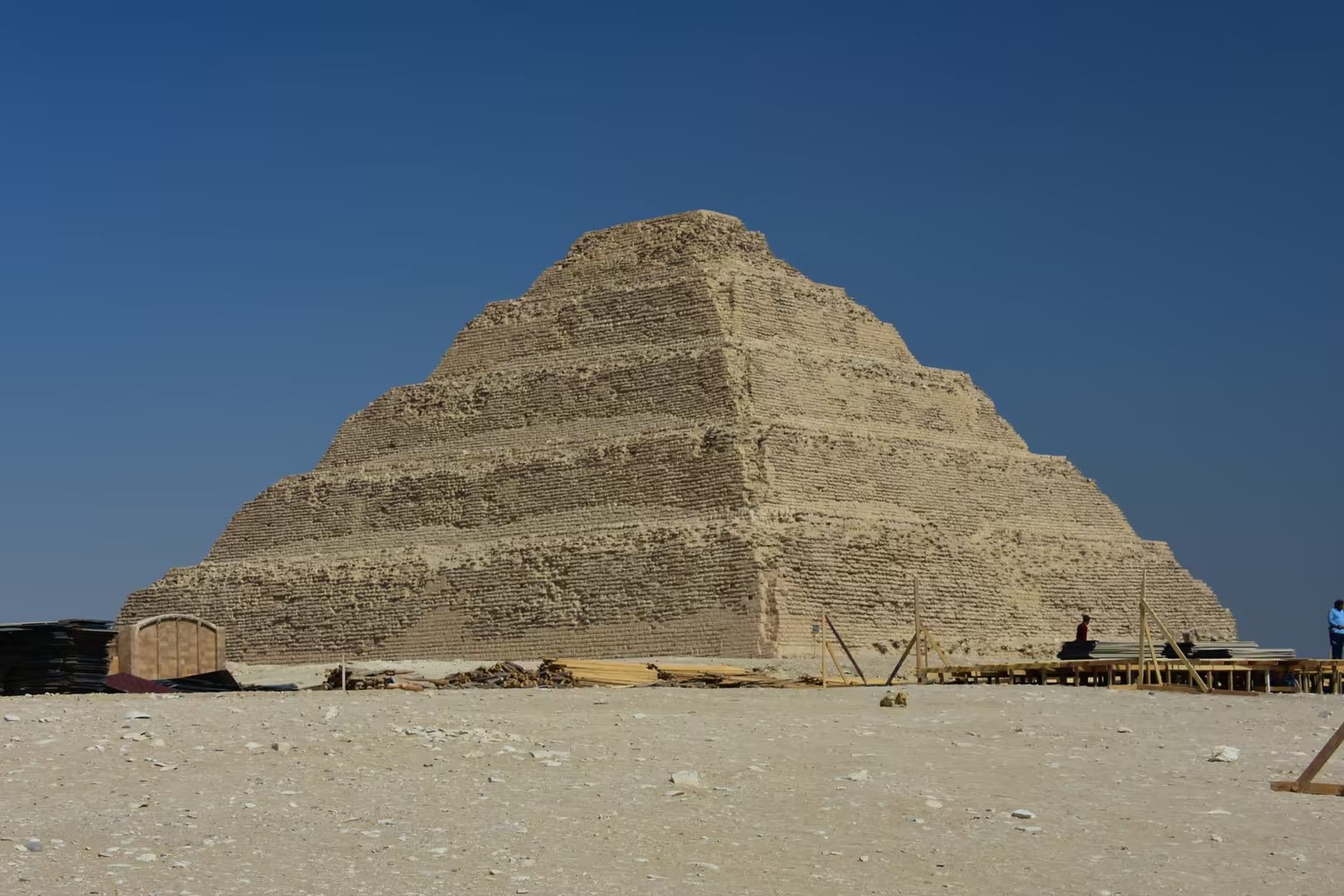
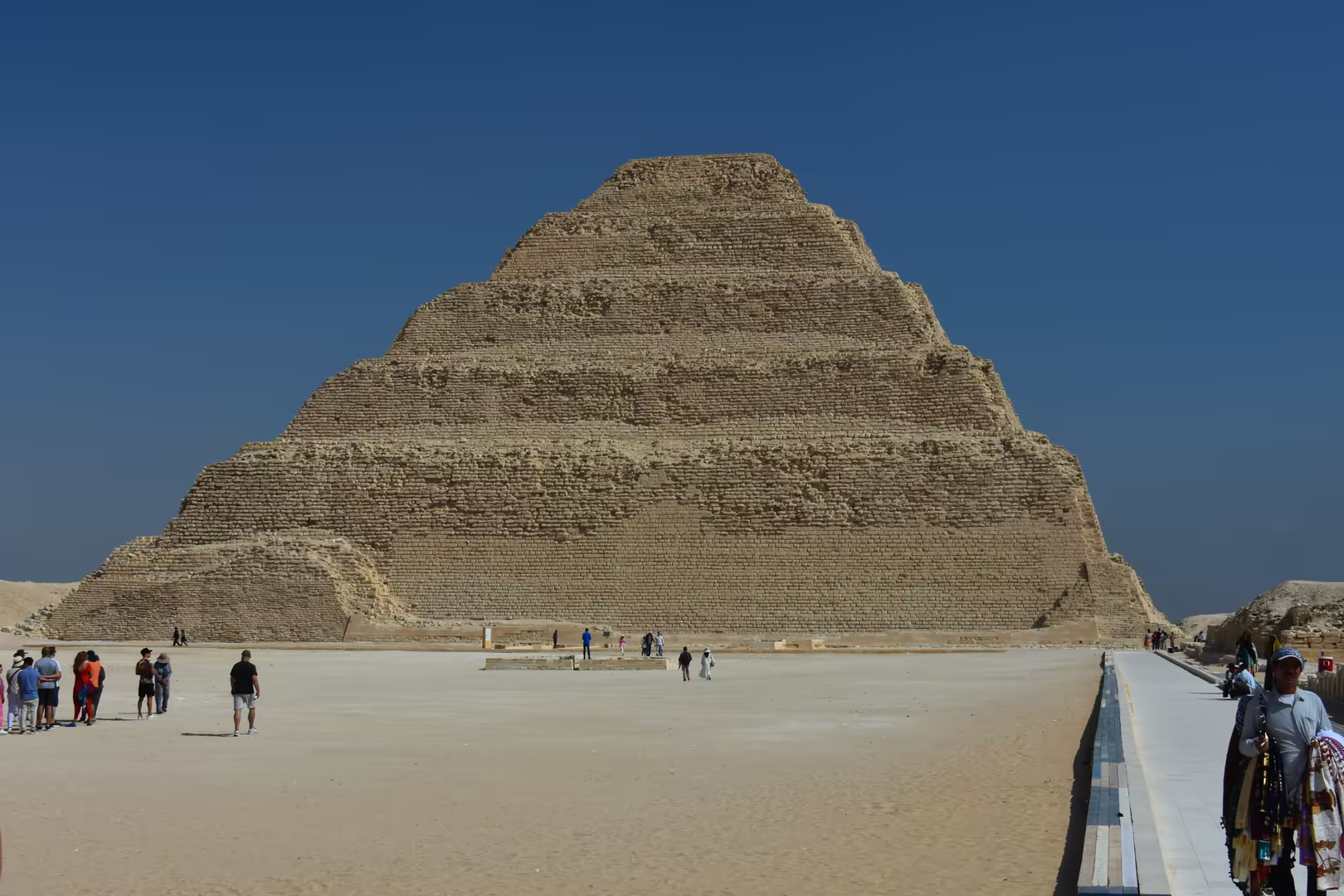
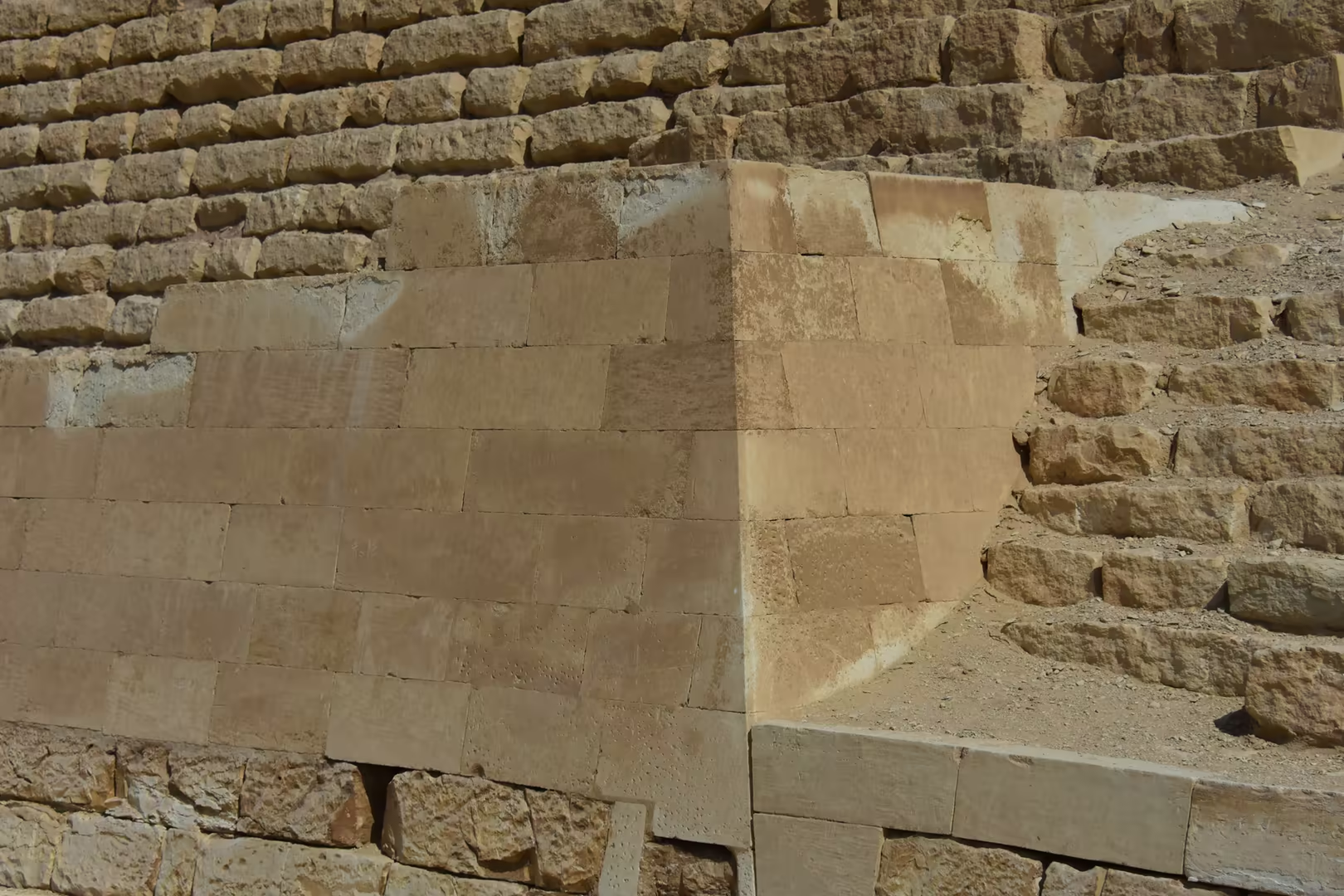
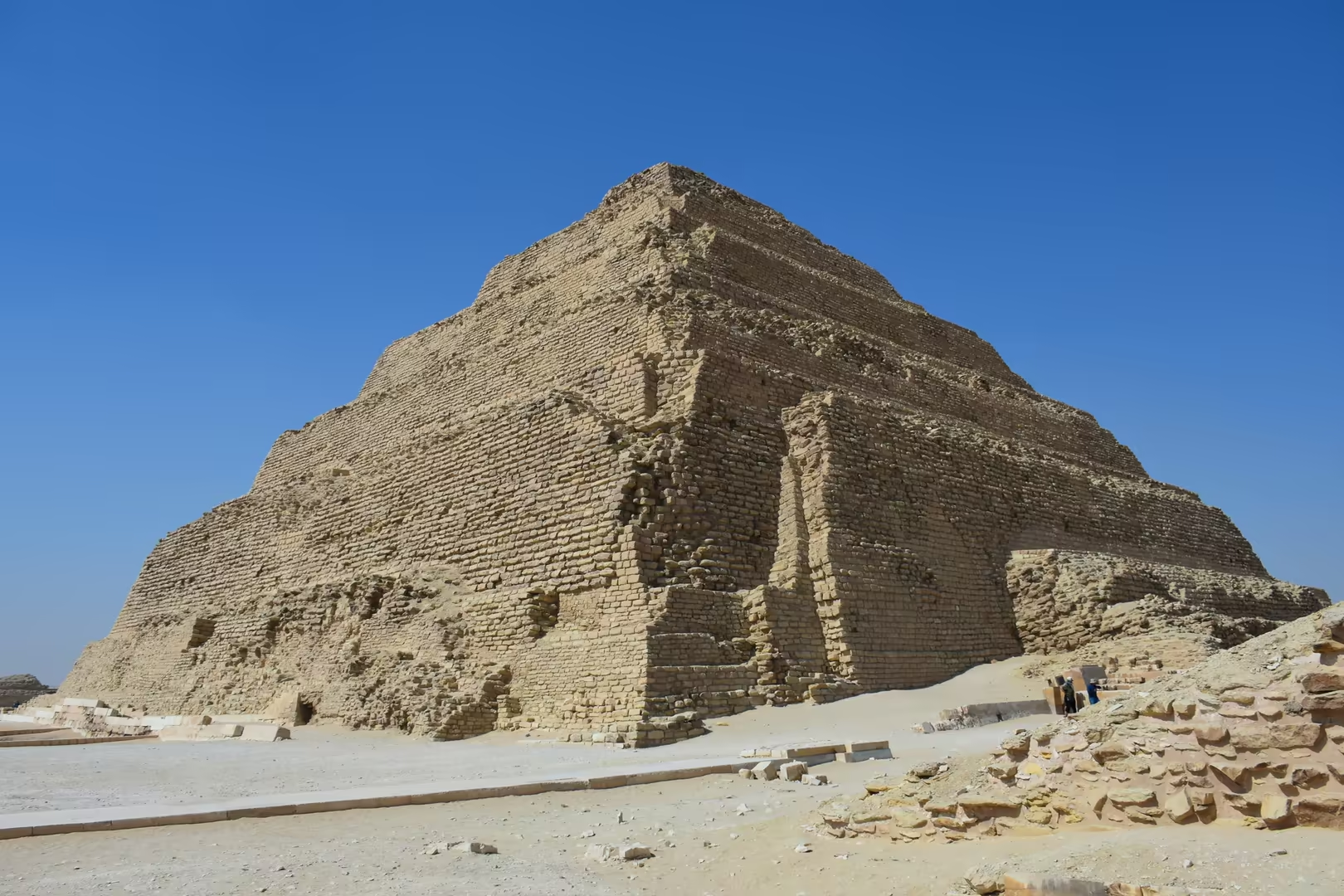
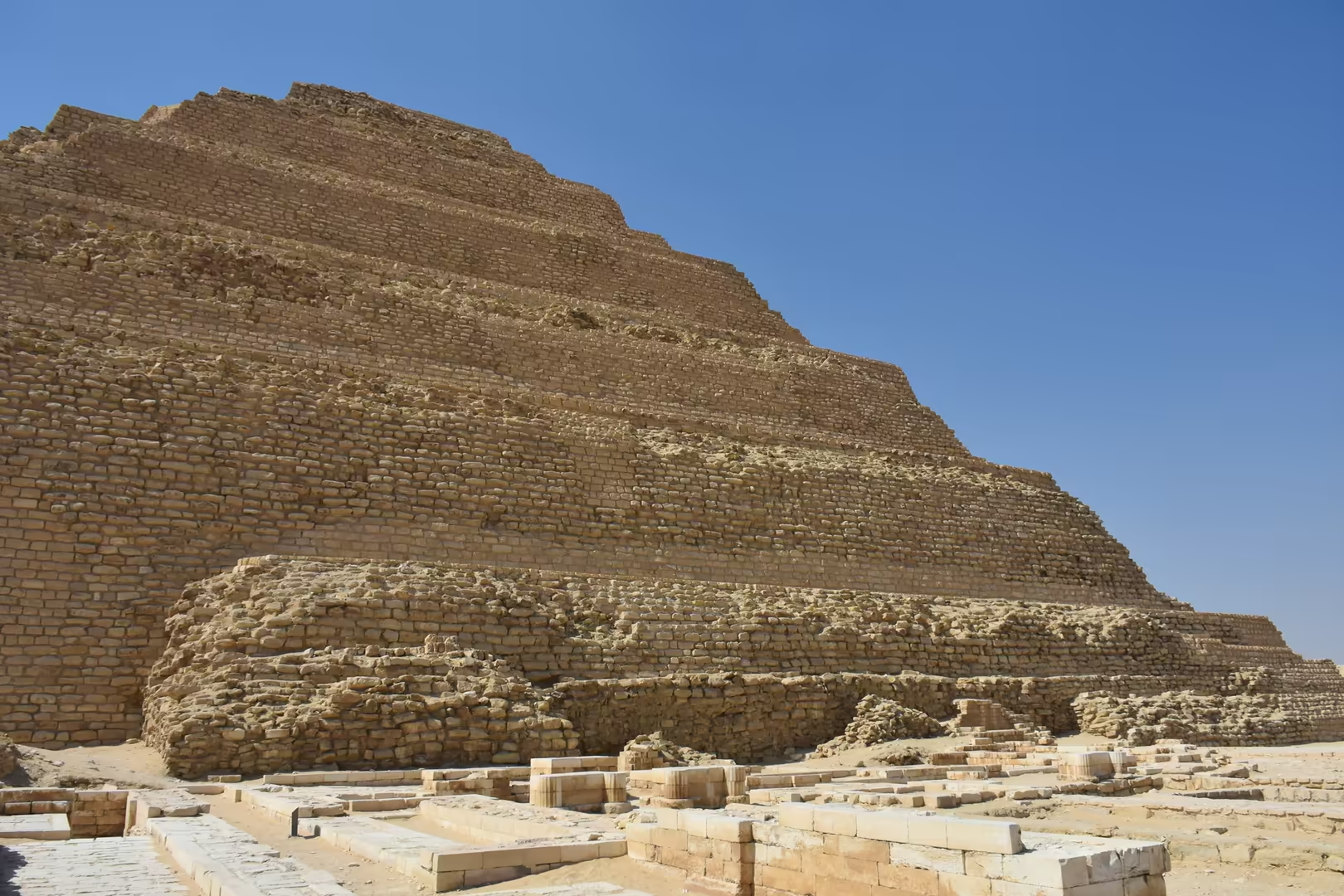
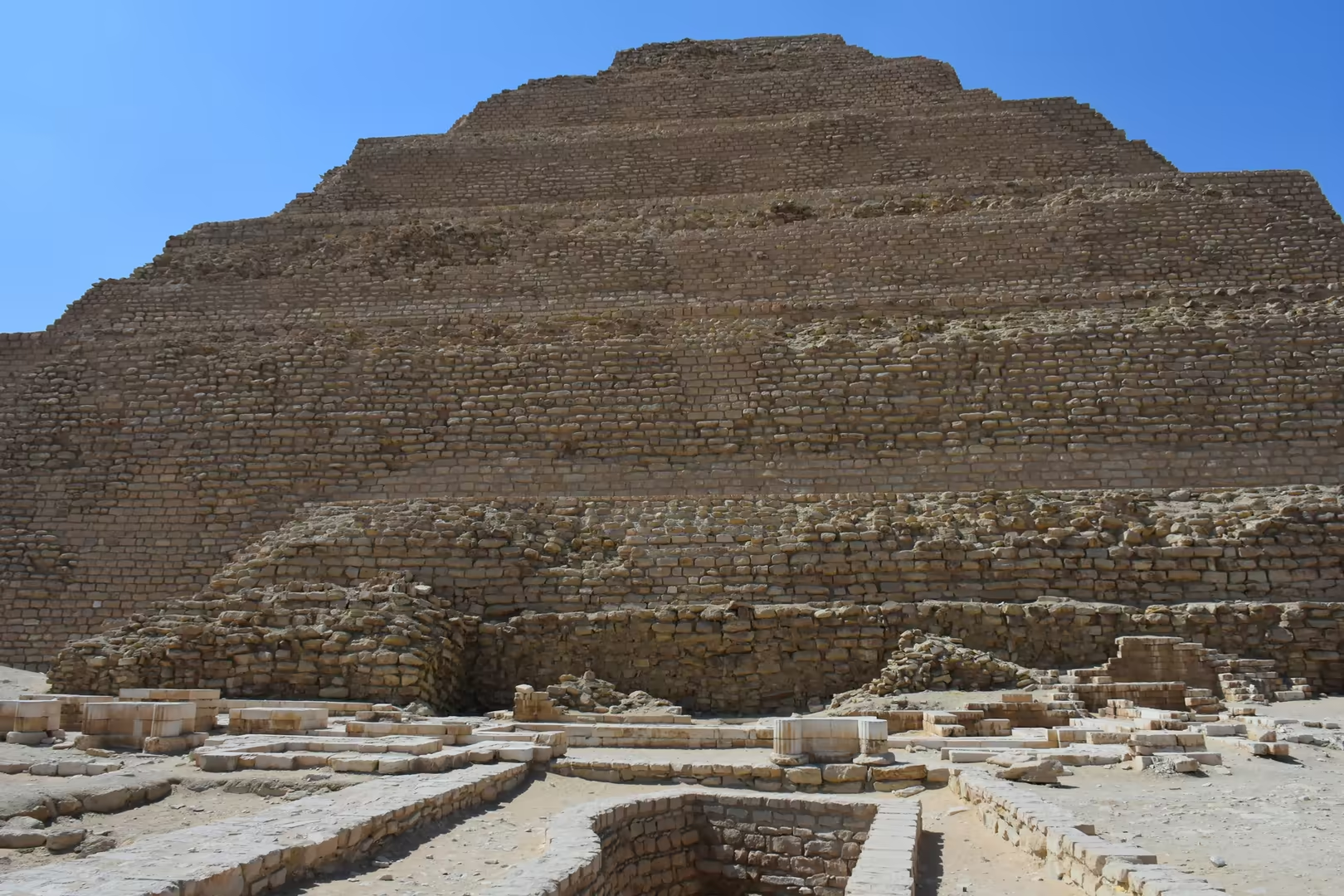
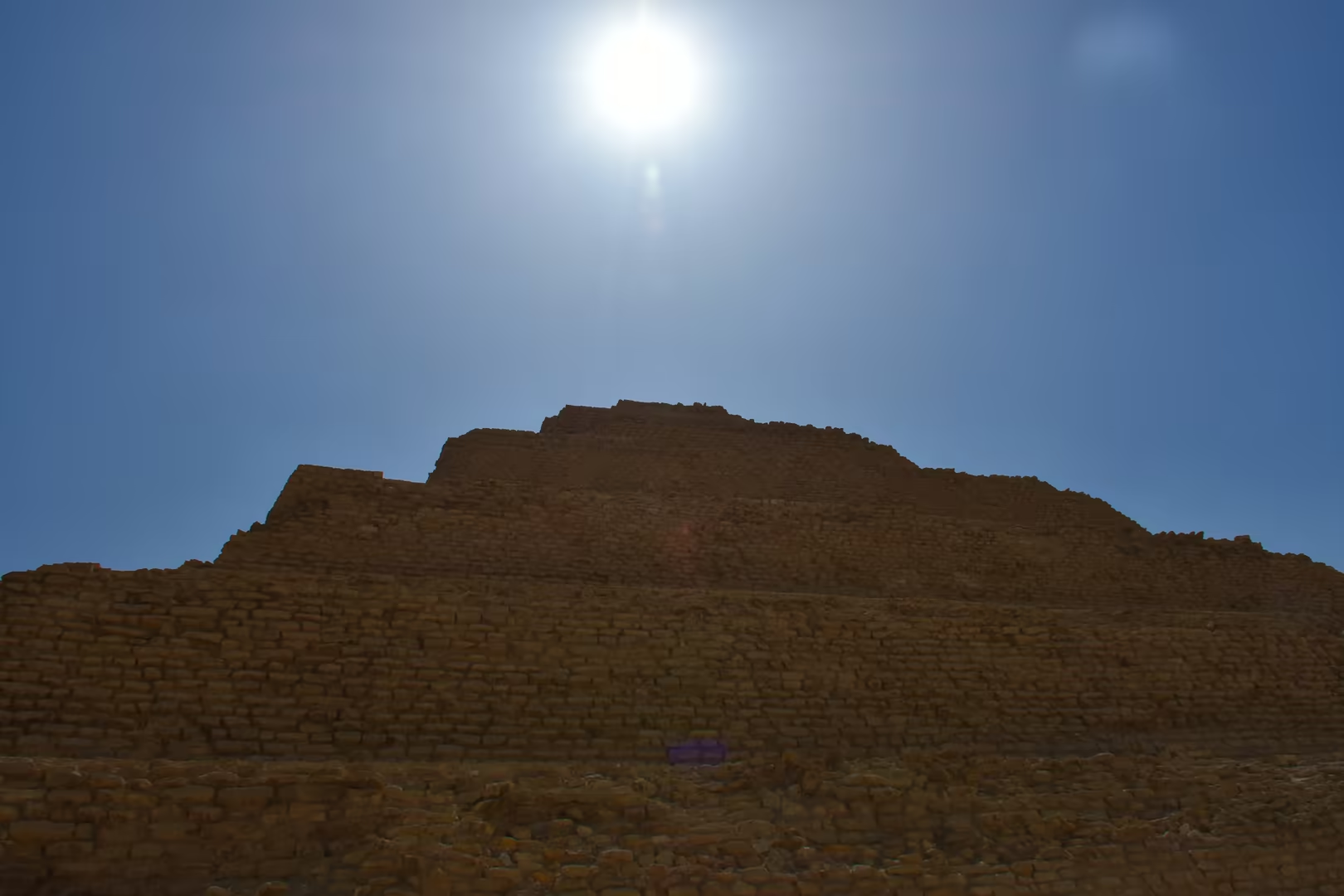
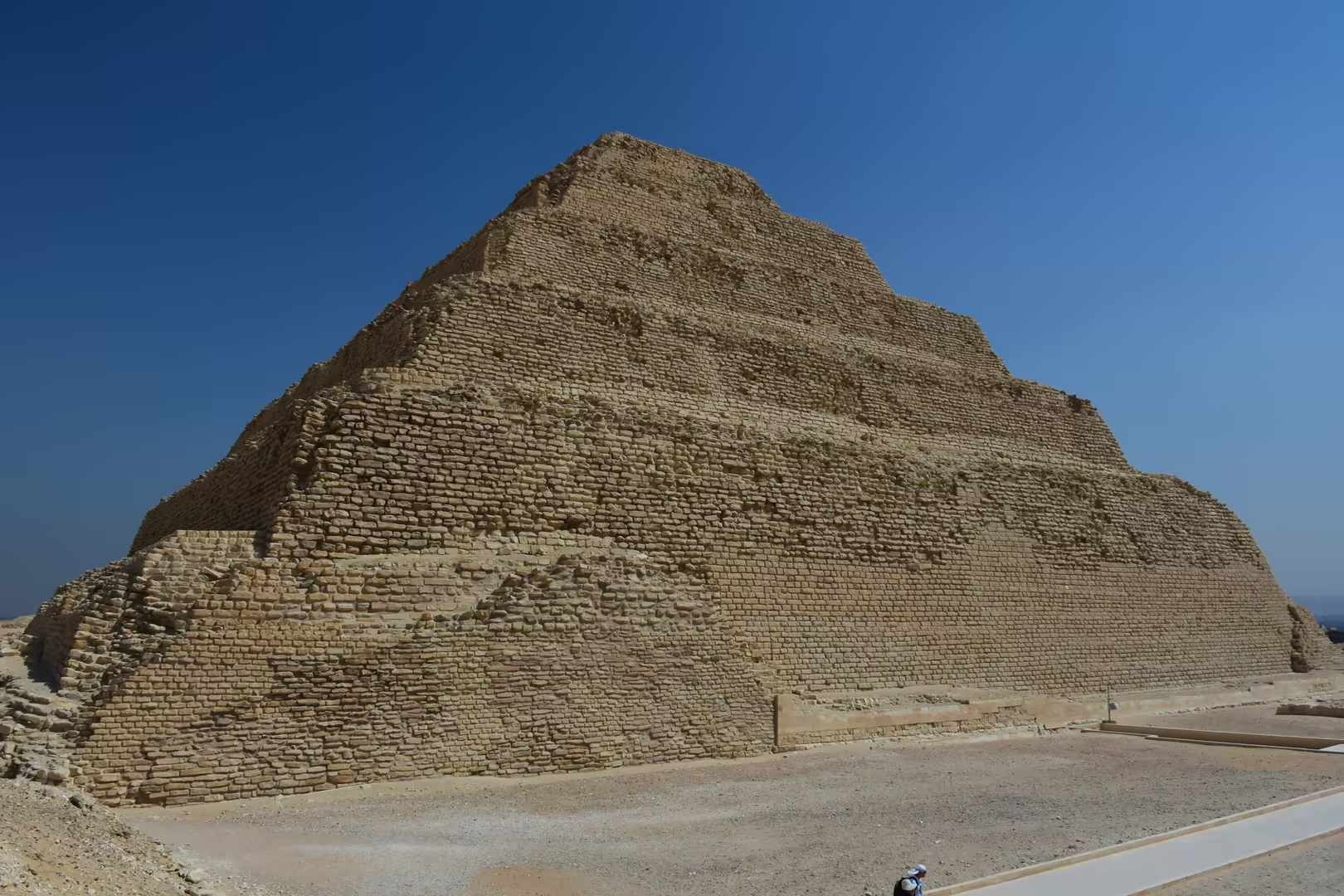
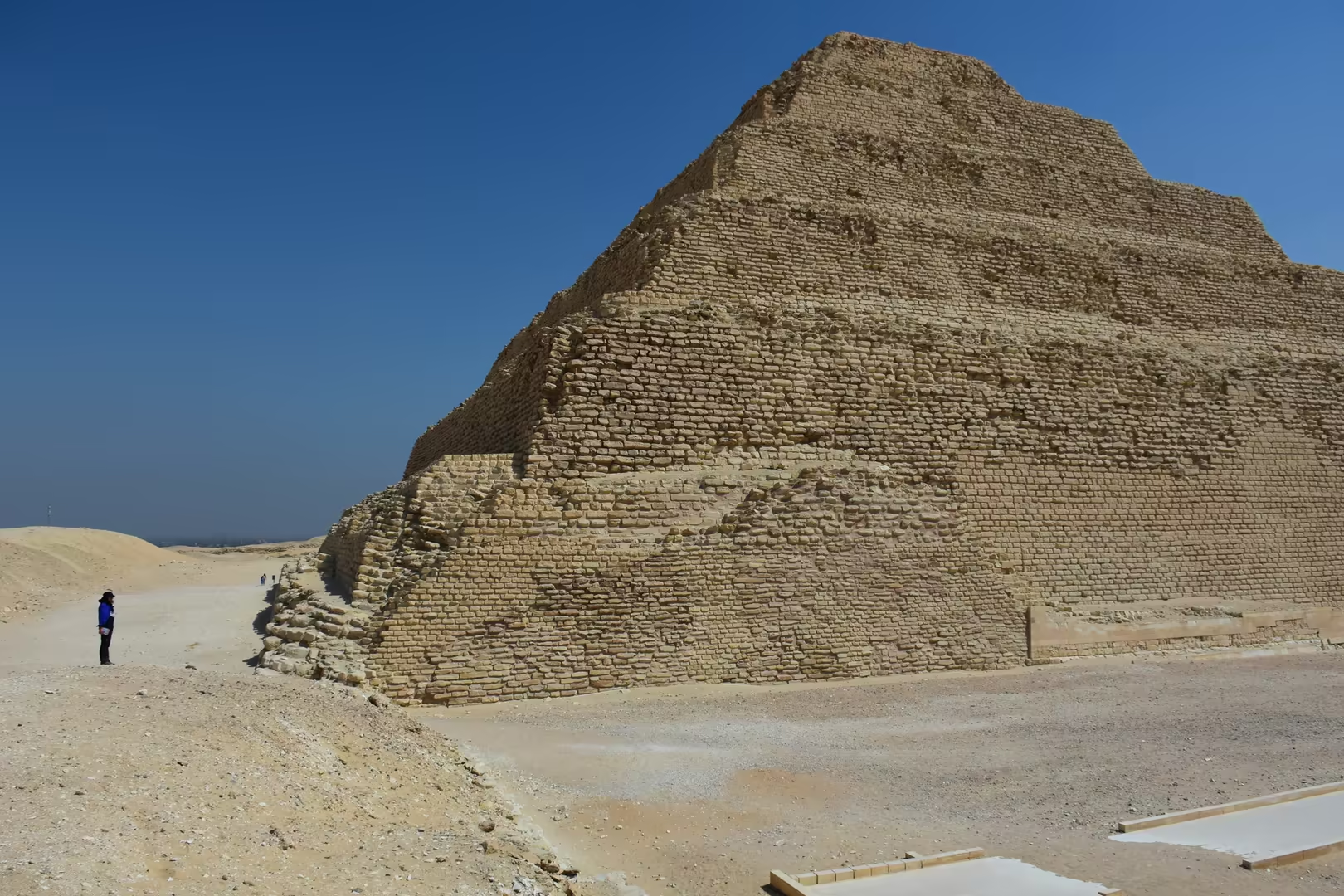
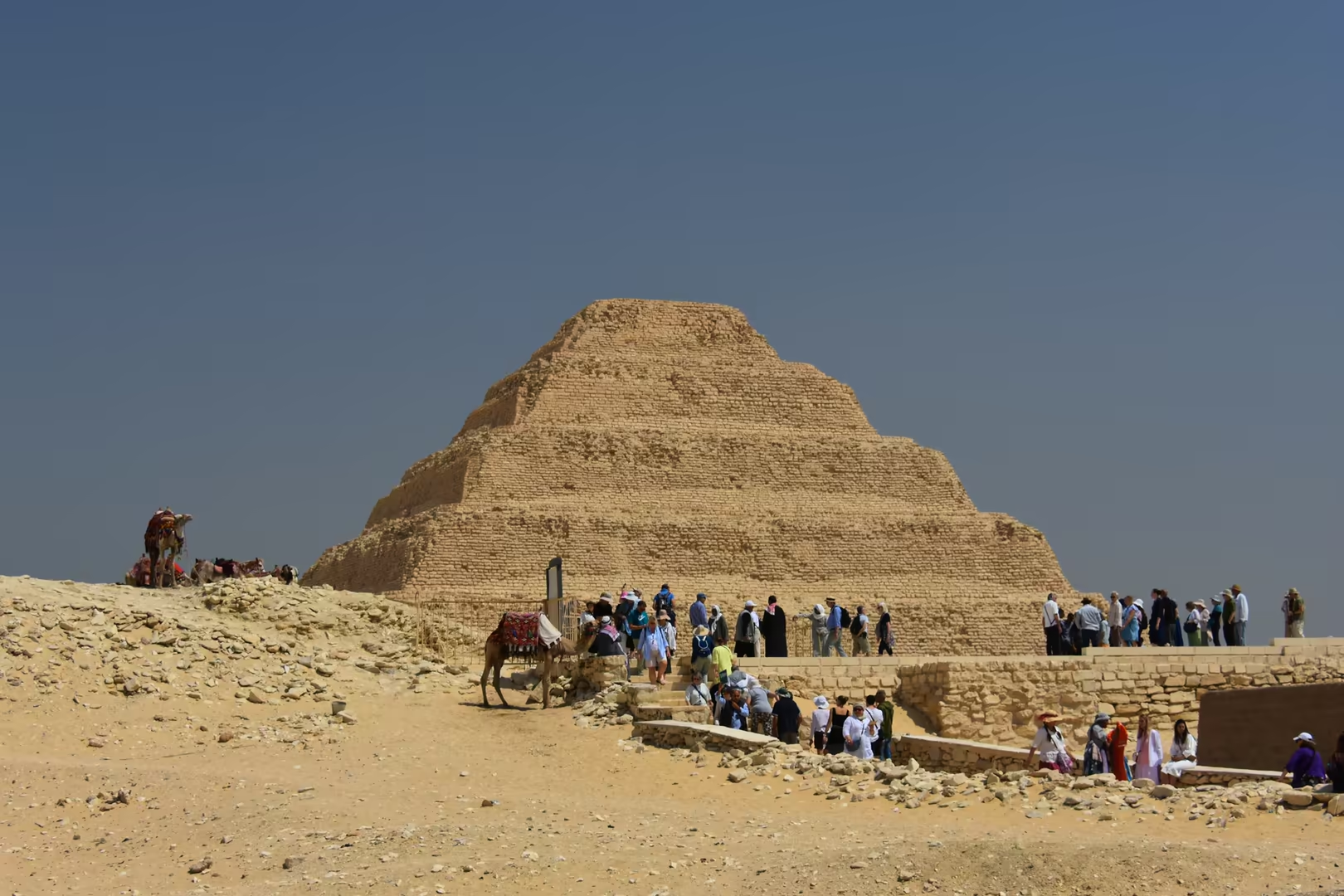
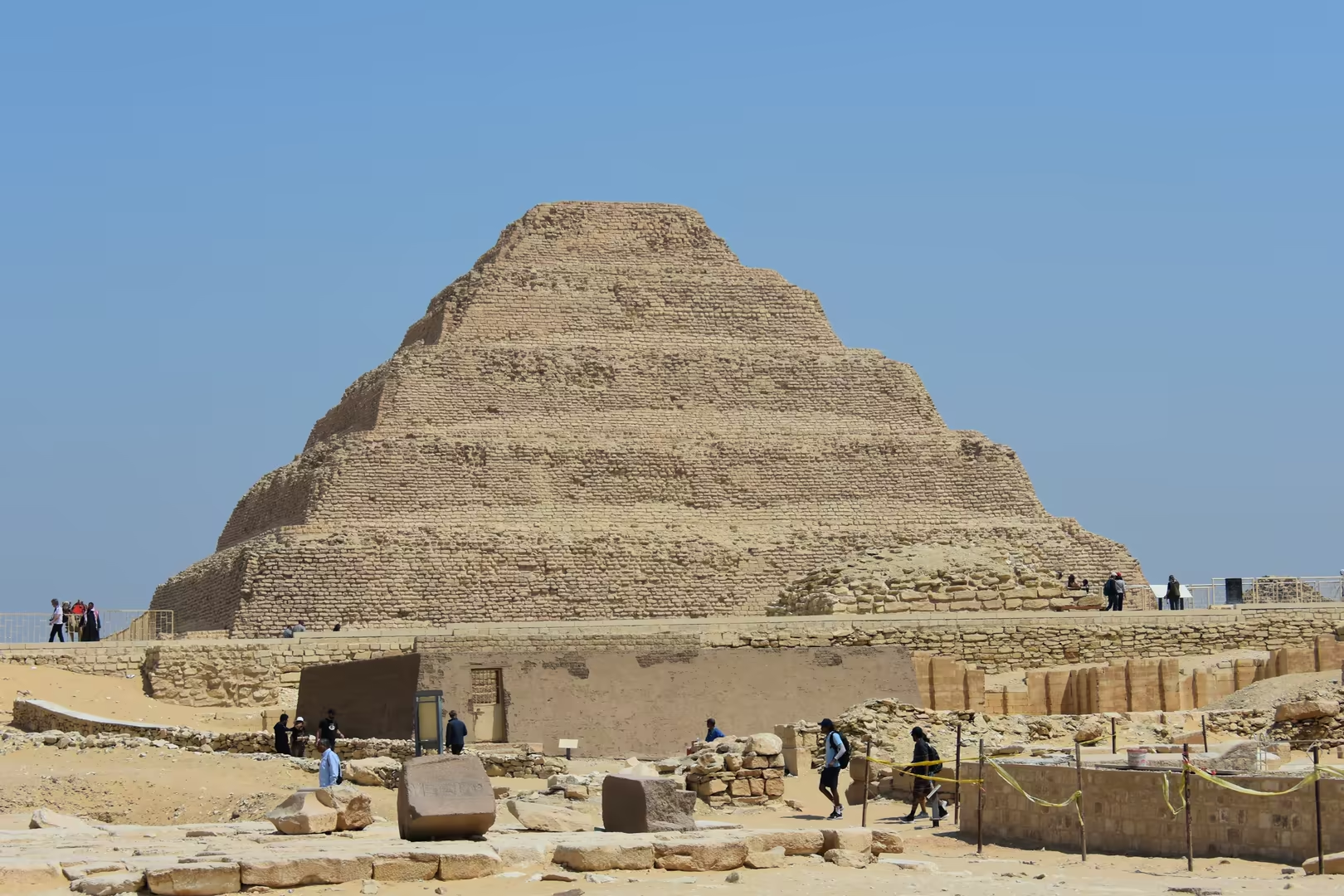
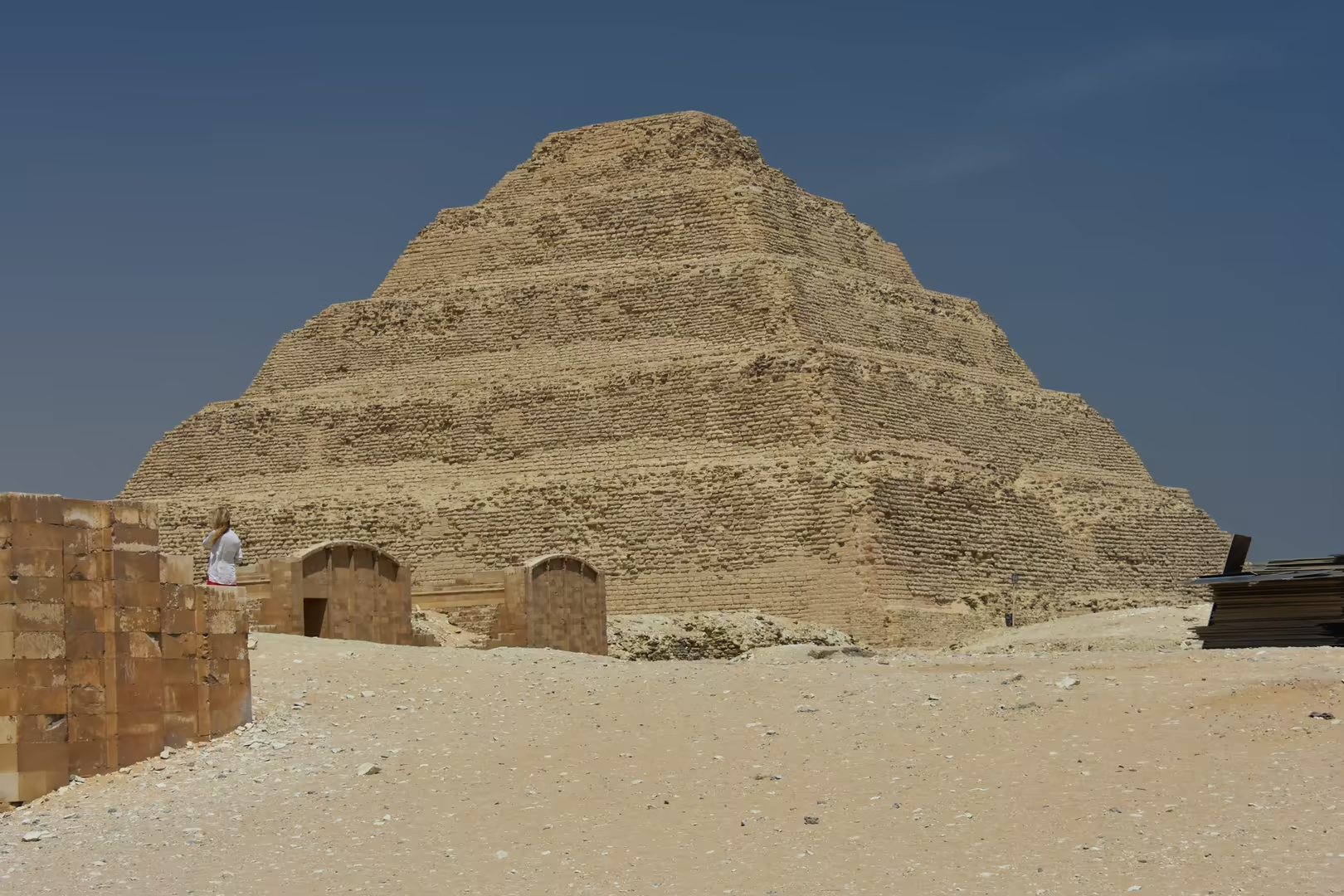
The centrepiece of Saqqara is the Step Pyramid of Djoser, built in the twenty-seventh century BC (c. 2667-2648) for the third-dynasty king Netjerikhet Djoser. Rising in six great tiers to an original height of some sixty metres and originally clad in polished white limestone from the Tura quarries, it was the first pyramid ever built and the earliest large-scale structure of dressed stone known to history. It marks the decisive step from the mud-brick architecture of the early dynasties to the great stone monuments of the Old Kingdom. Around it stands a vast enclosure of walls, colonnades, courts and ceremonial buildings, the complete funerary estate of the king, designed, as later tradition remembered, by his chancellor Imhotep.
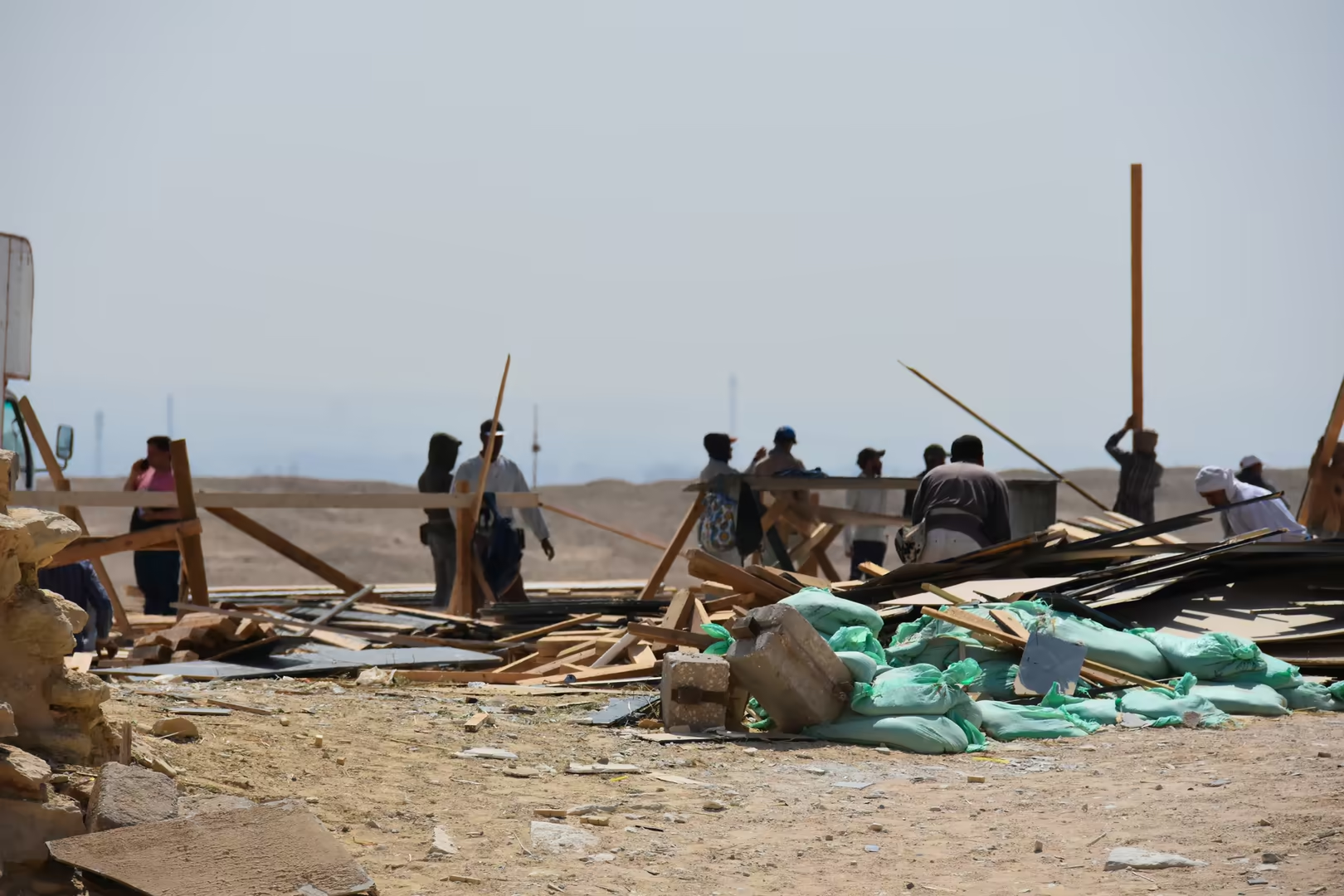
The site is also one of the most active archaeological landscapes of Egypt. The necropolis has been excavated since the nineteenth century, from Mariette’s discovery of the Serapeum in 1851 to the long reconstruction of the Djoser complex by Jean-Philippe Lauer, and research continues today: recent years have brought the animal catacombs with their millions of mummies, a gilded Saite burial mask in 2018, and a steady stream of new tombs west of the Step Pyramid. After a fourteen-year restoration the Djoser complex was reopened to visitors in March 2020.
History
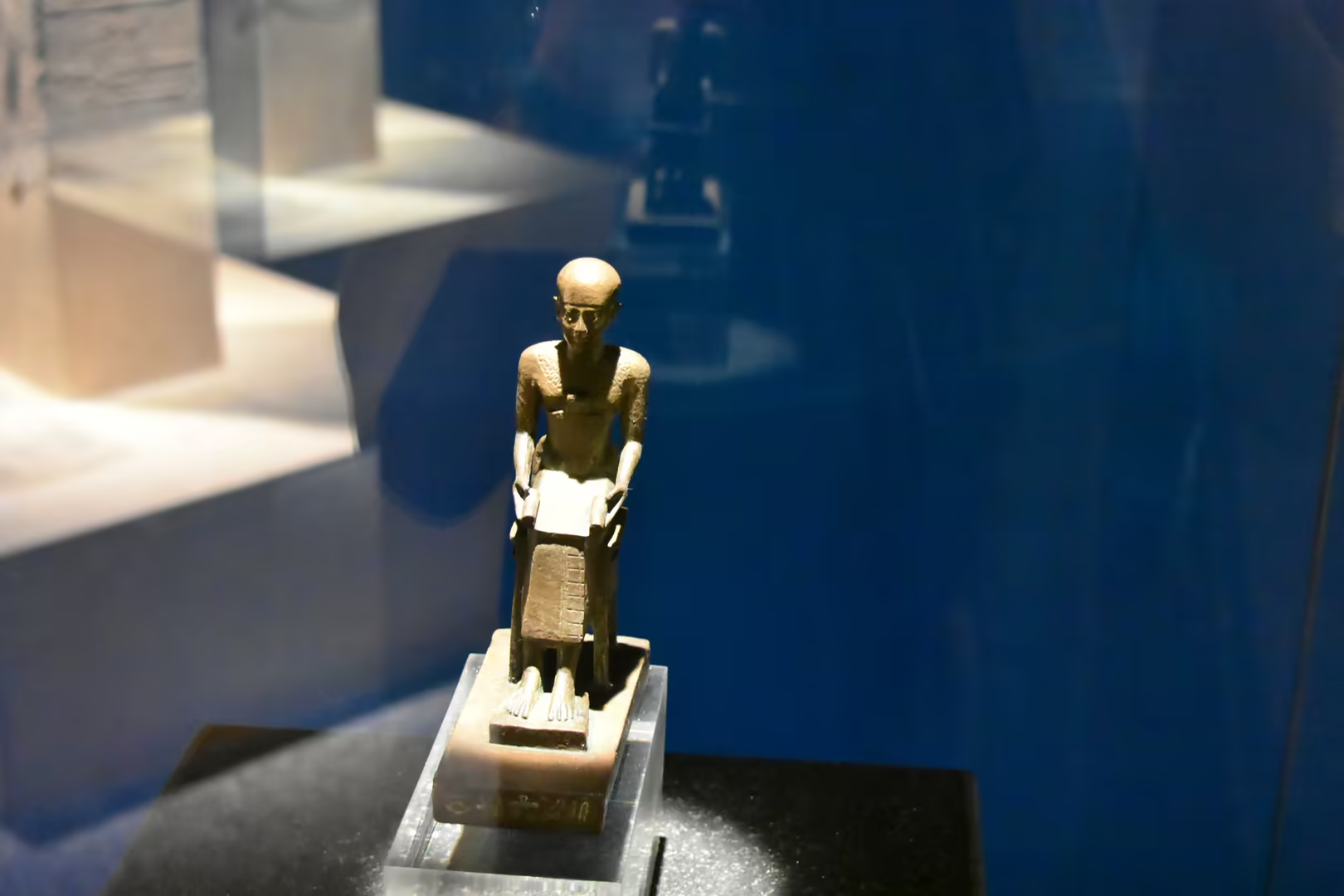
The history of Saqqara is the history of Memphis. The ancient capital, founded according to tradition by King Menes at the apex of the Nile Delta, lay on the west bank a few kilometres east of the plateau, and the desert escarpment above the city became its necropolis from the very beginning of the dynastic period. The great era of Saqqara opened in the Third Dynasty with King Djoser (Netjerikhet), whose step pyramid dominates the northern part of the site. The design and construction of the complex are attributed, on the authority of much later tradition and of the statue base found in its colonnade, to his chancellor Imhotep, high priest of the sun god Ra at Heliopolis and the first non-royal Egyptian remembered for a great work of building. His own age left no further record of him, but two thousand years after his death he was deified as a god of healing and architecture, identified by the Greeks with Asklepios, with his cult centre at the northern edge of the necropolis. He remains the only commoner of ancient Egypt certainly deified.
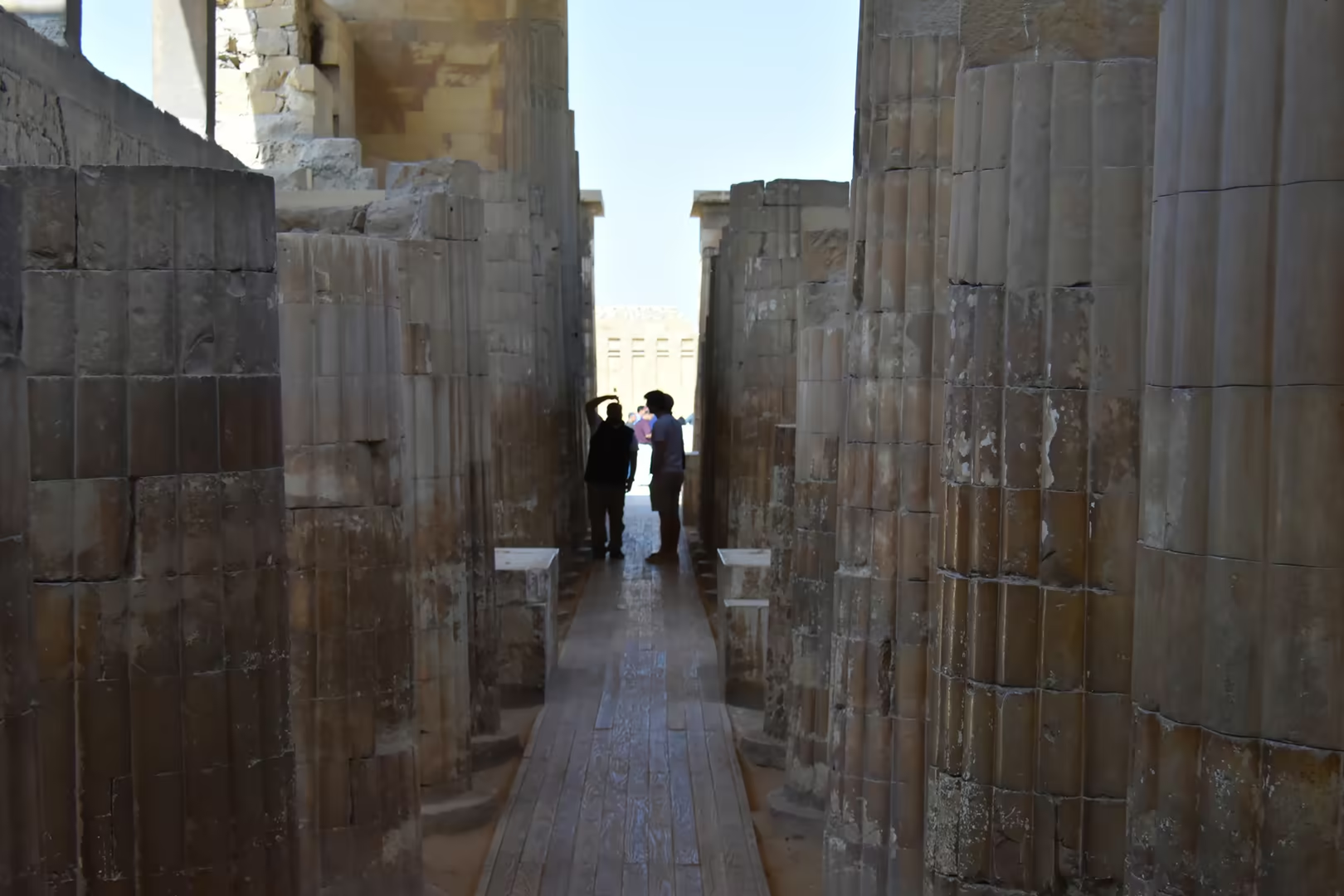
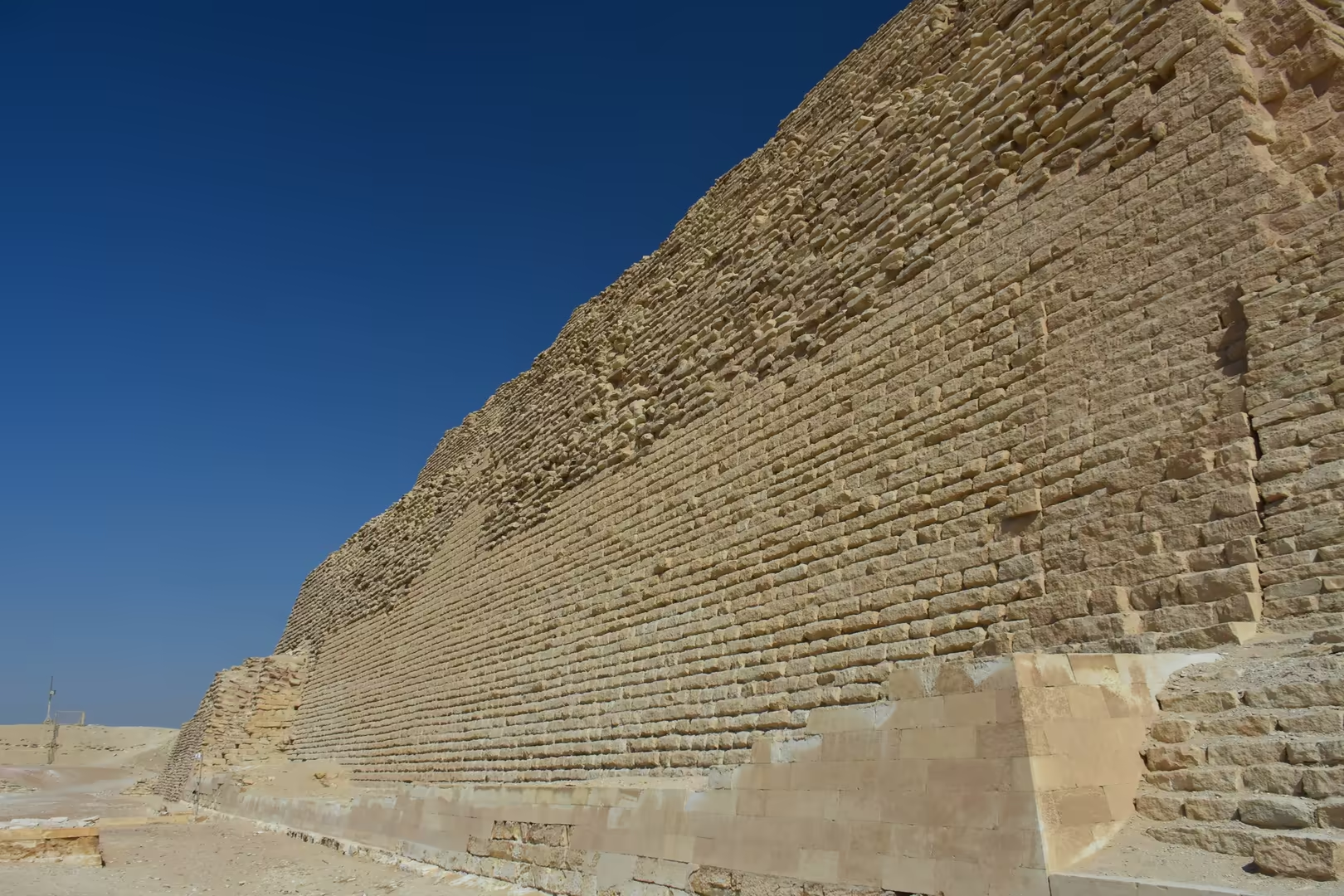
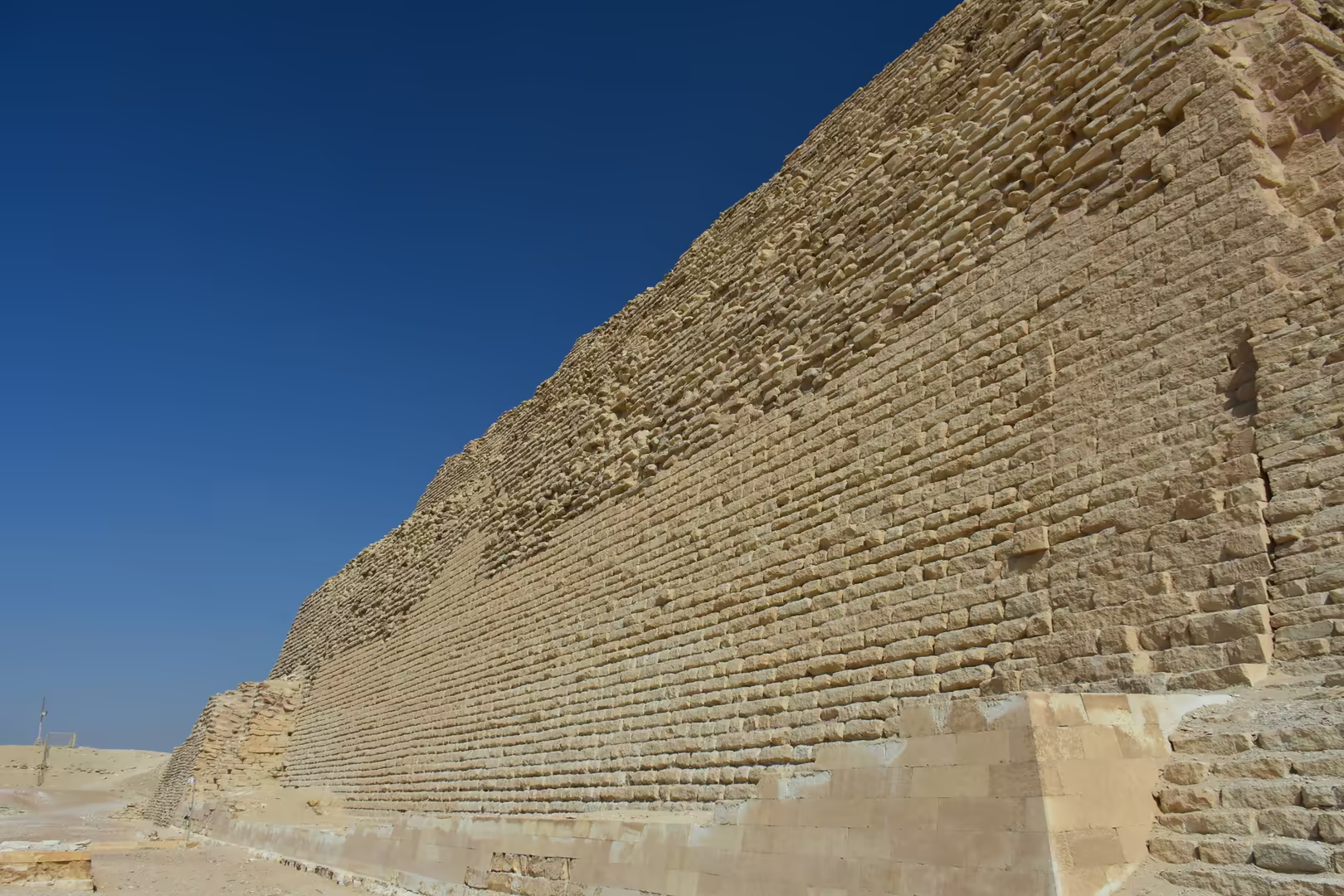
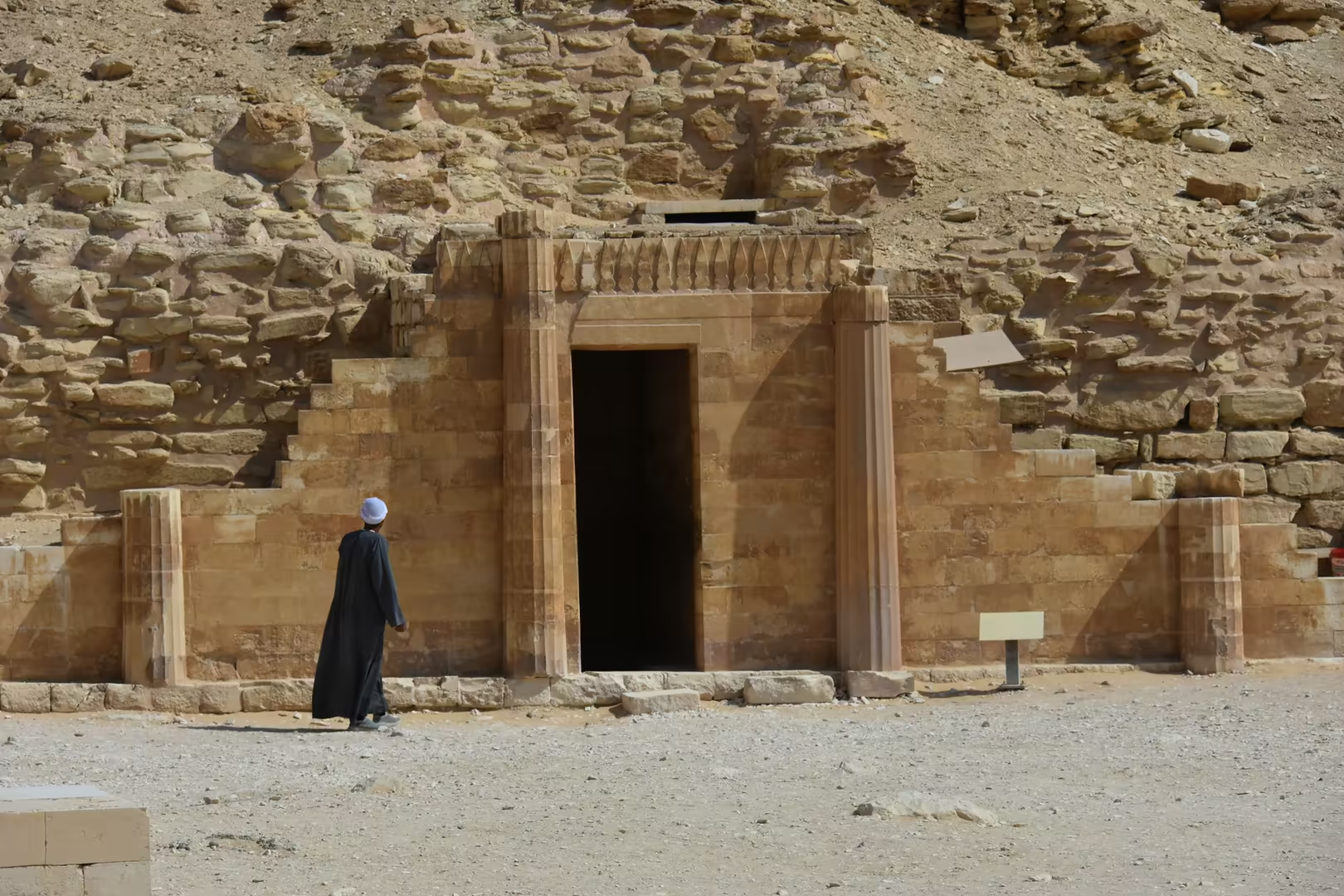
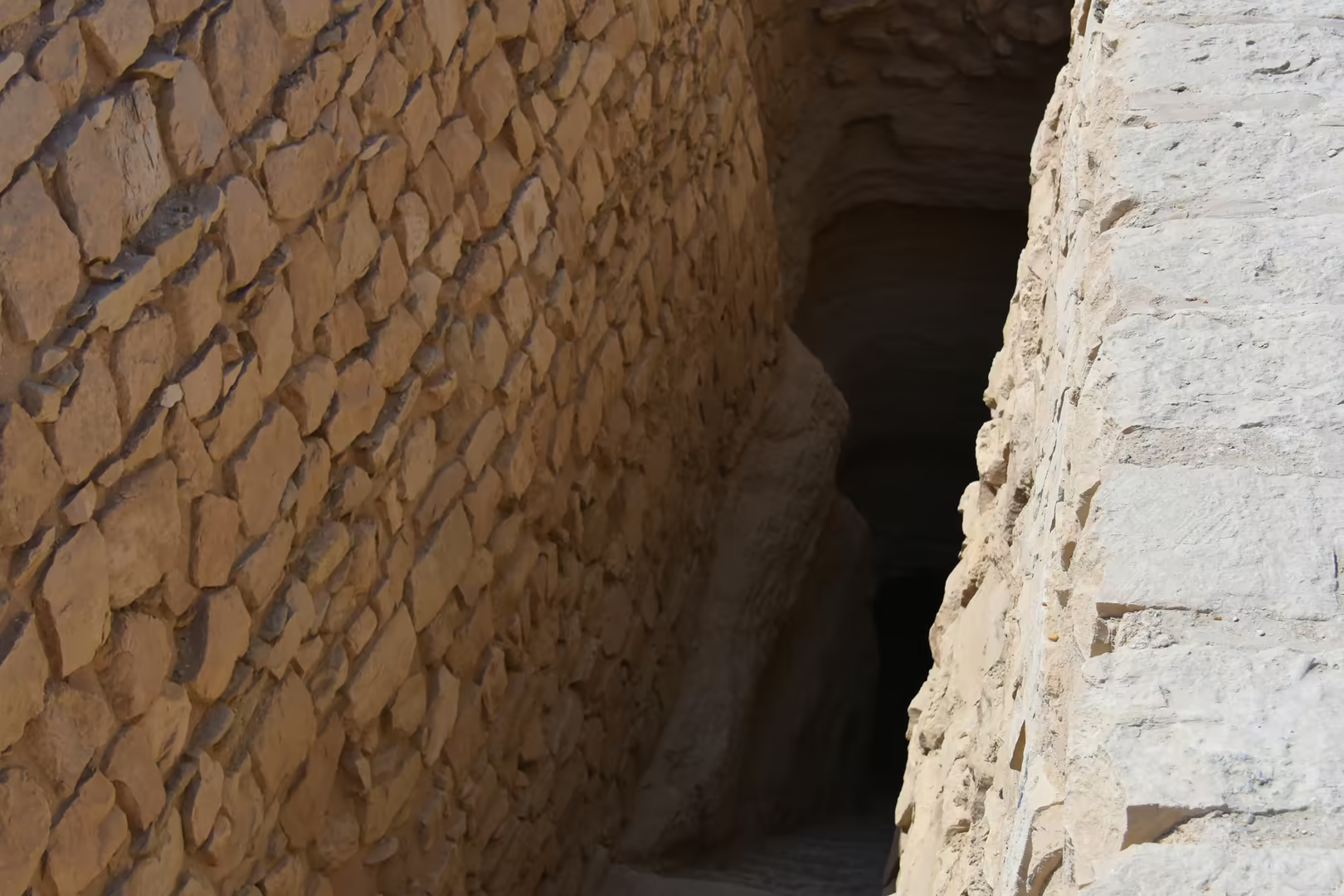
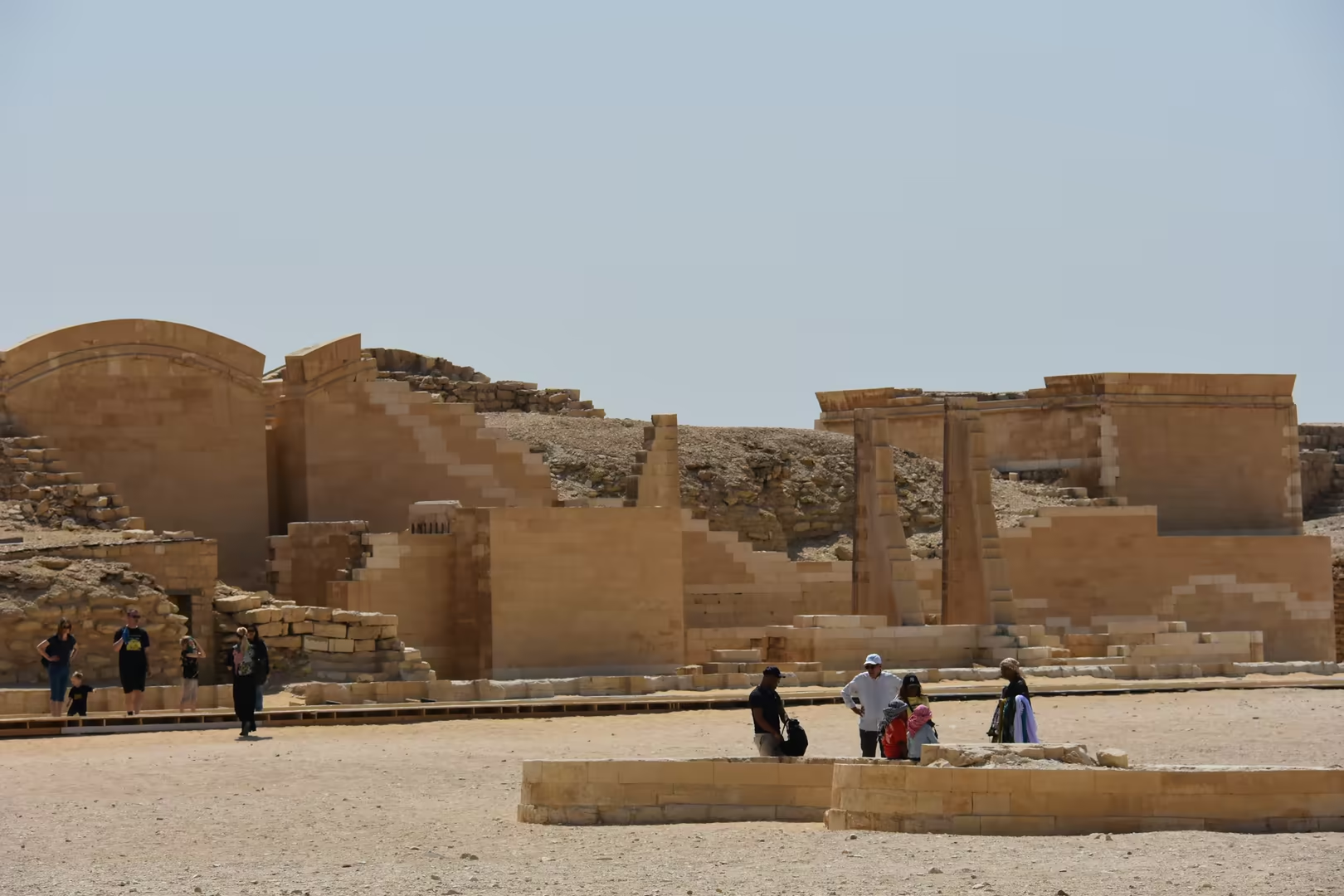
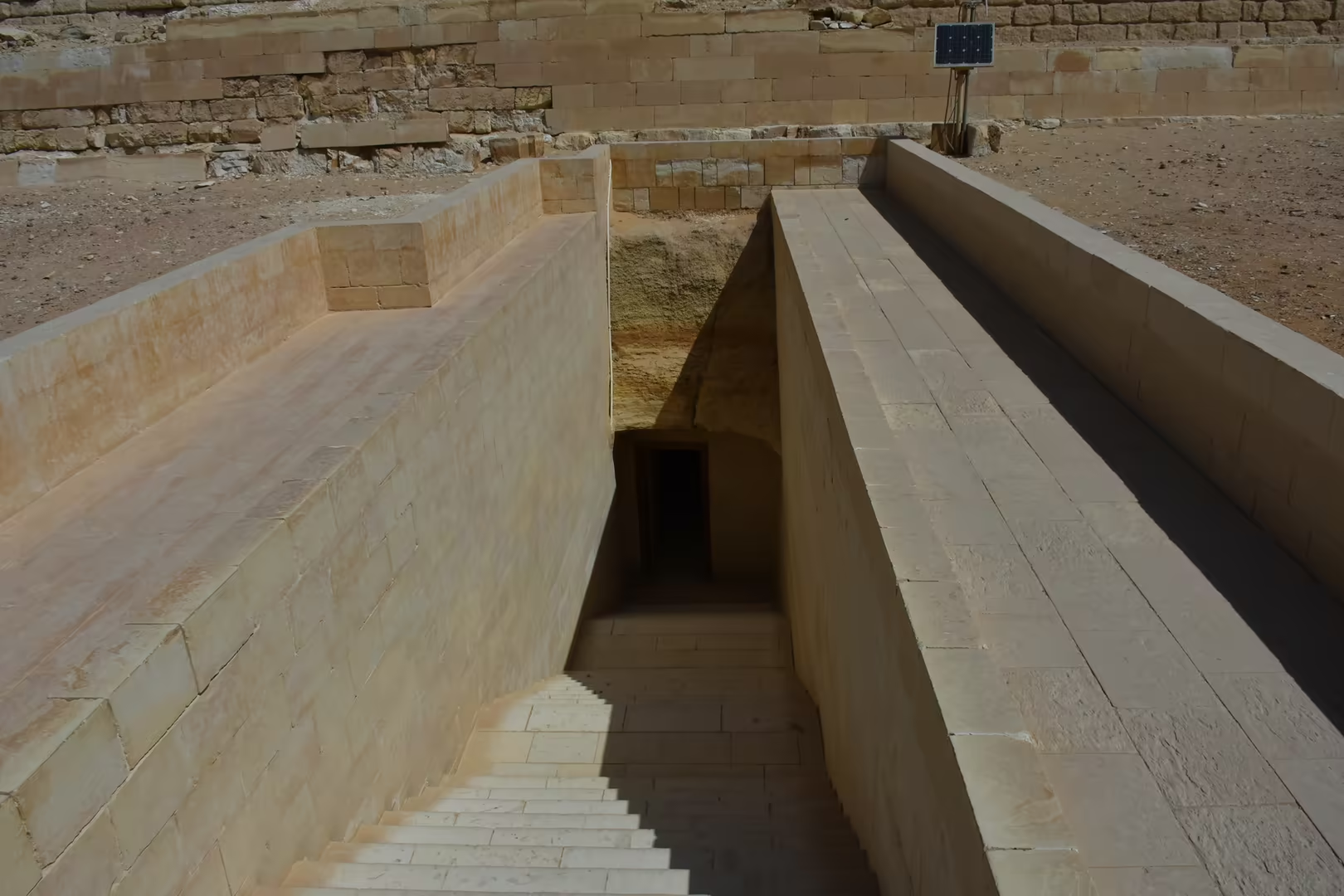
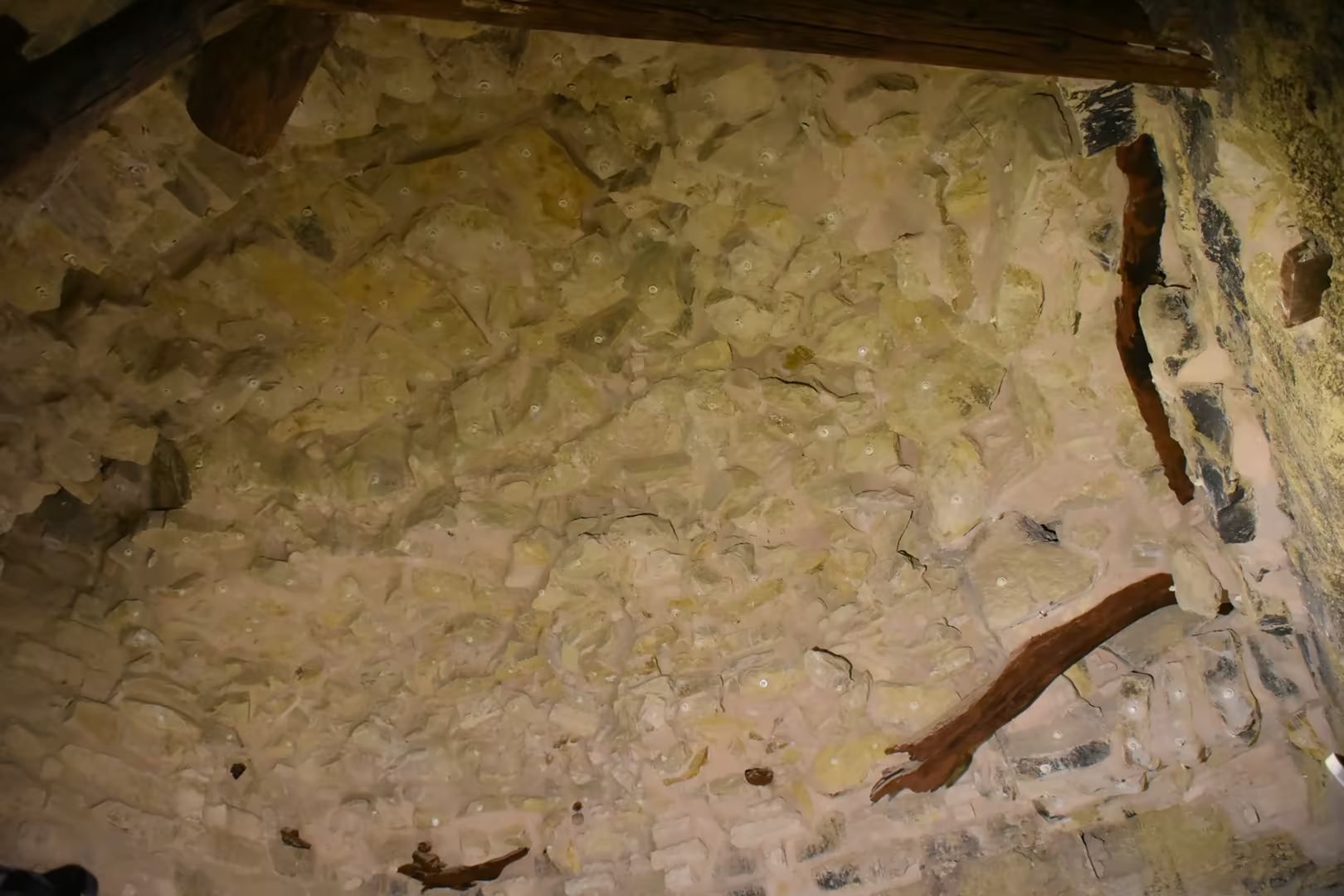
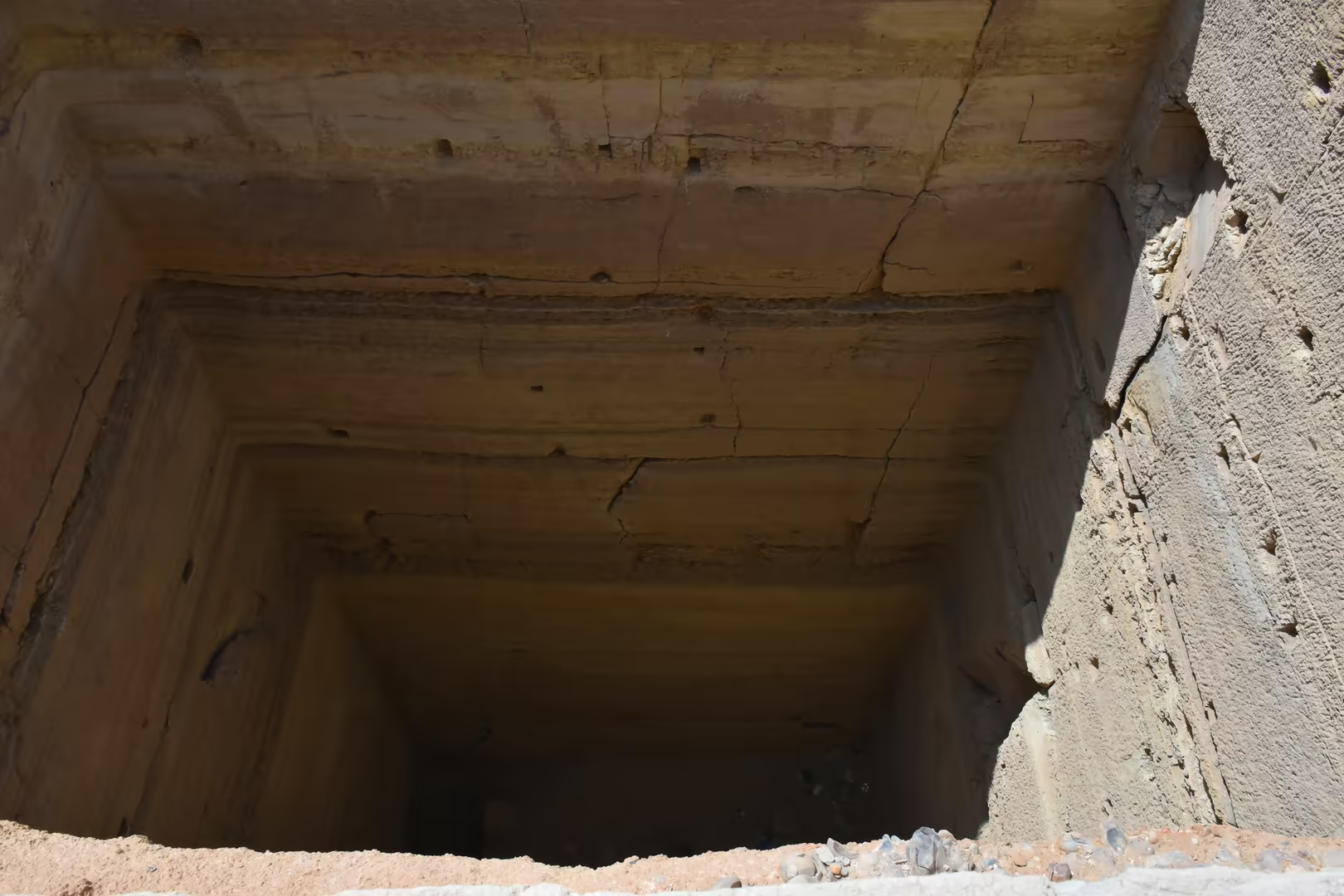
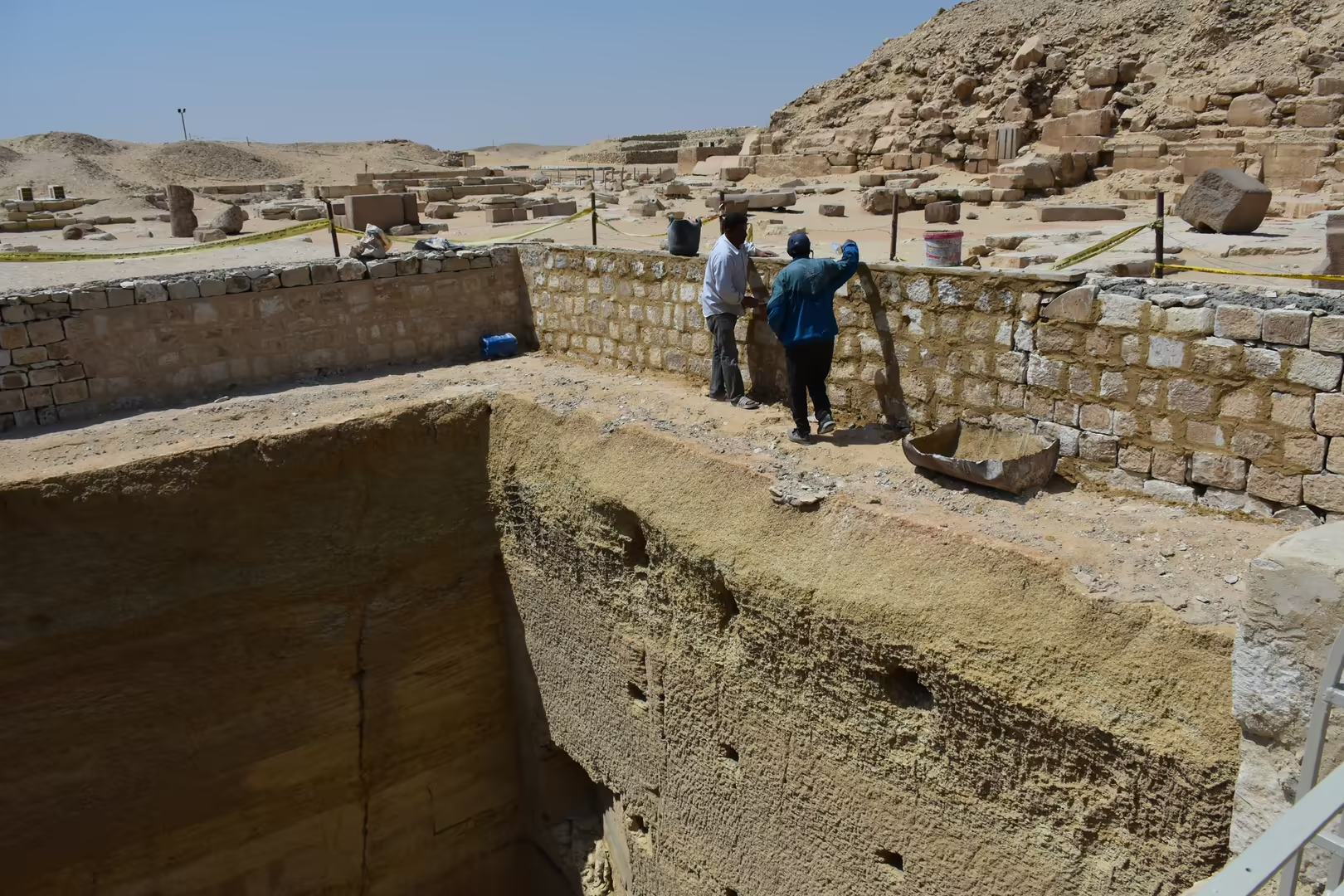
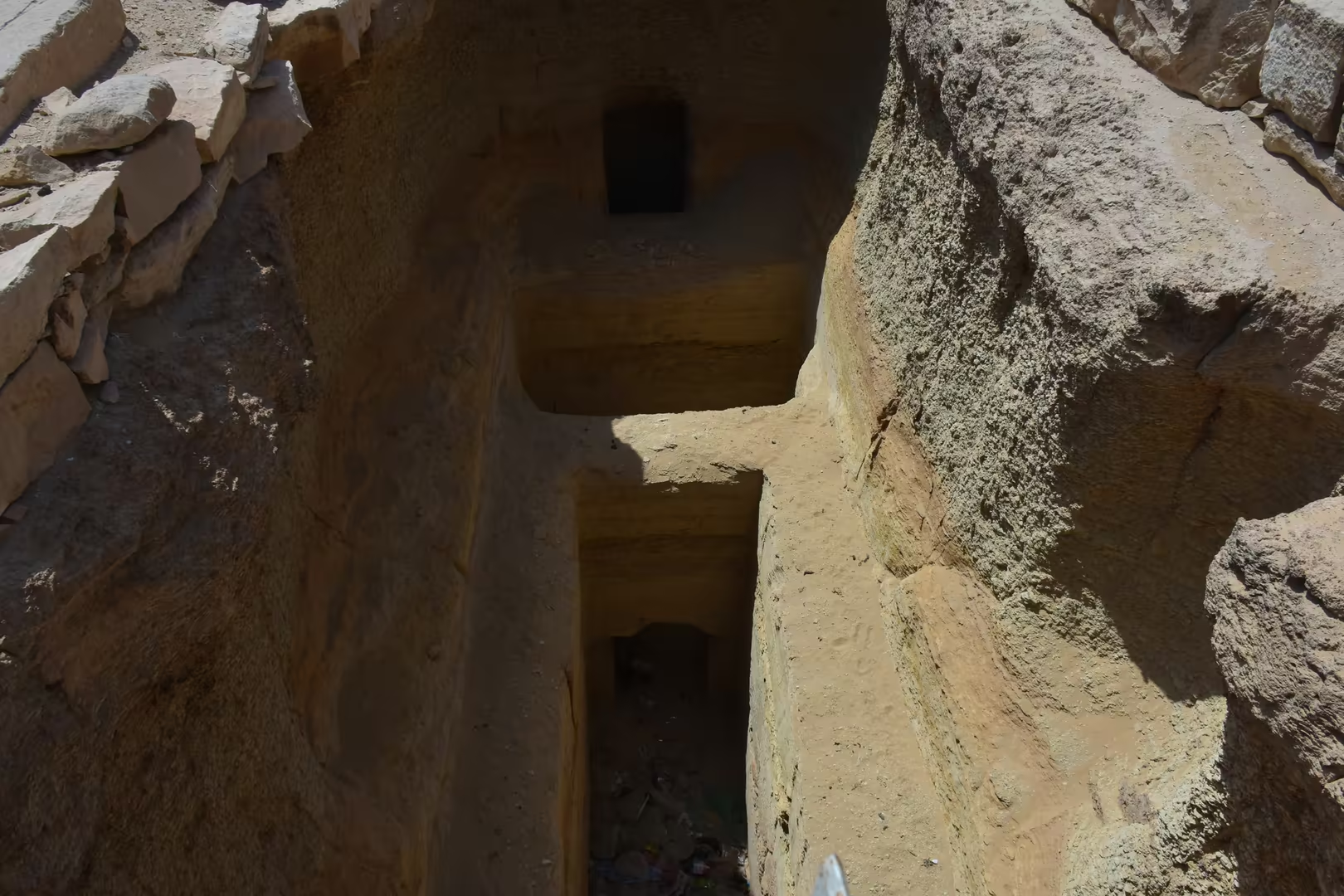
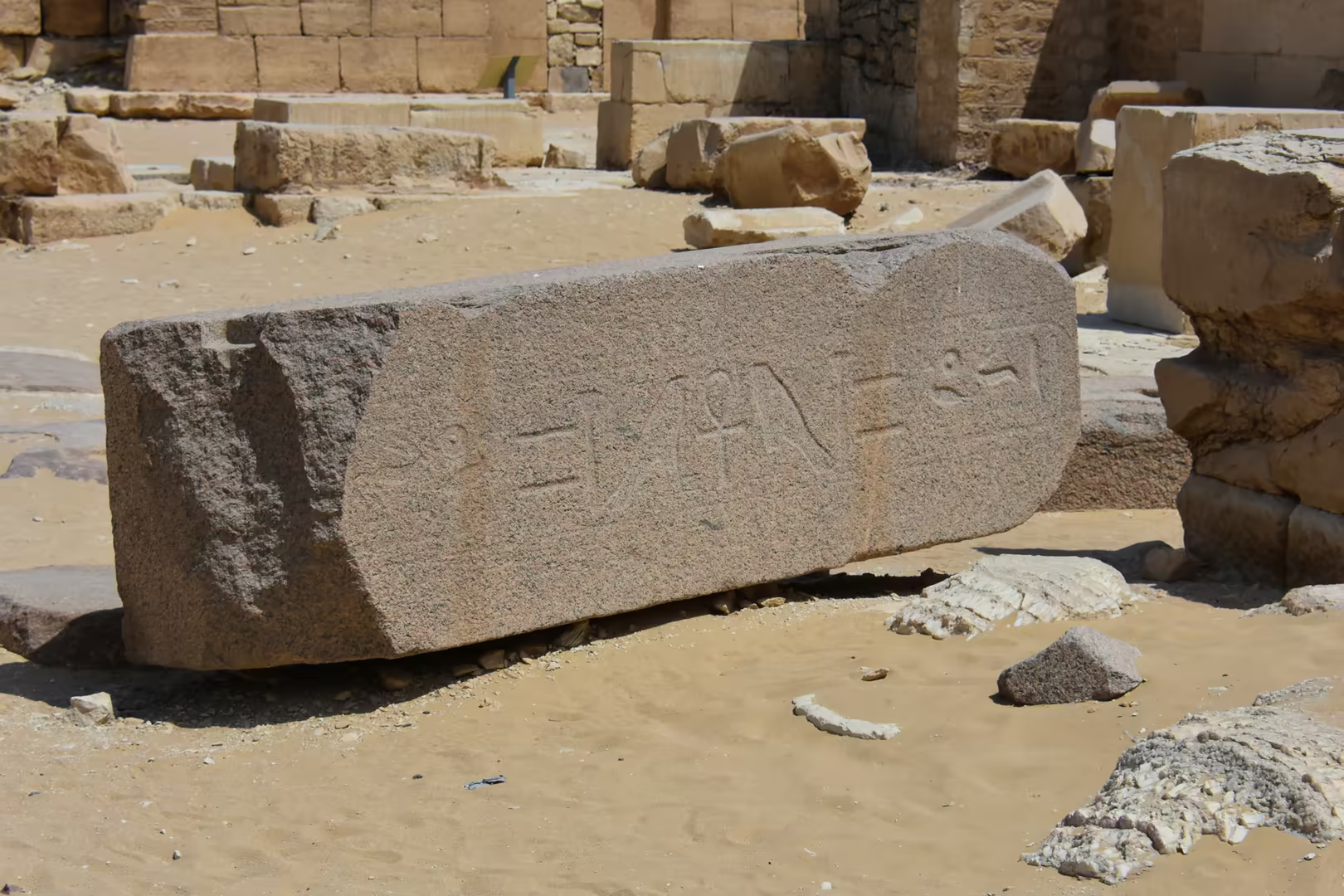
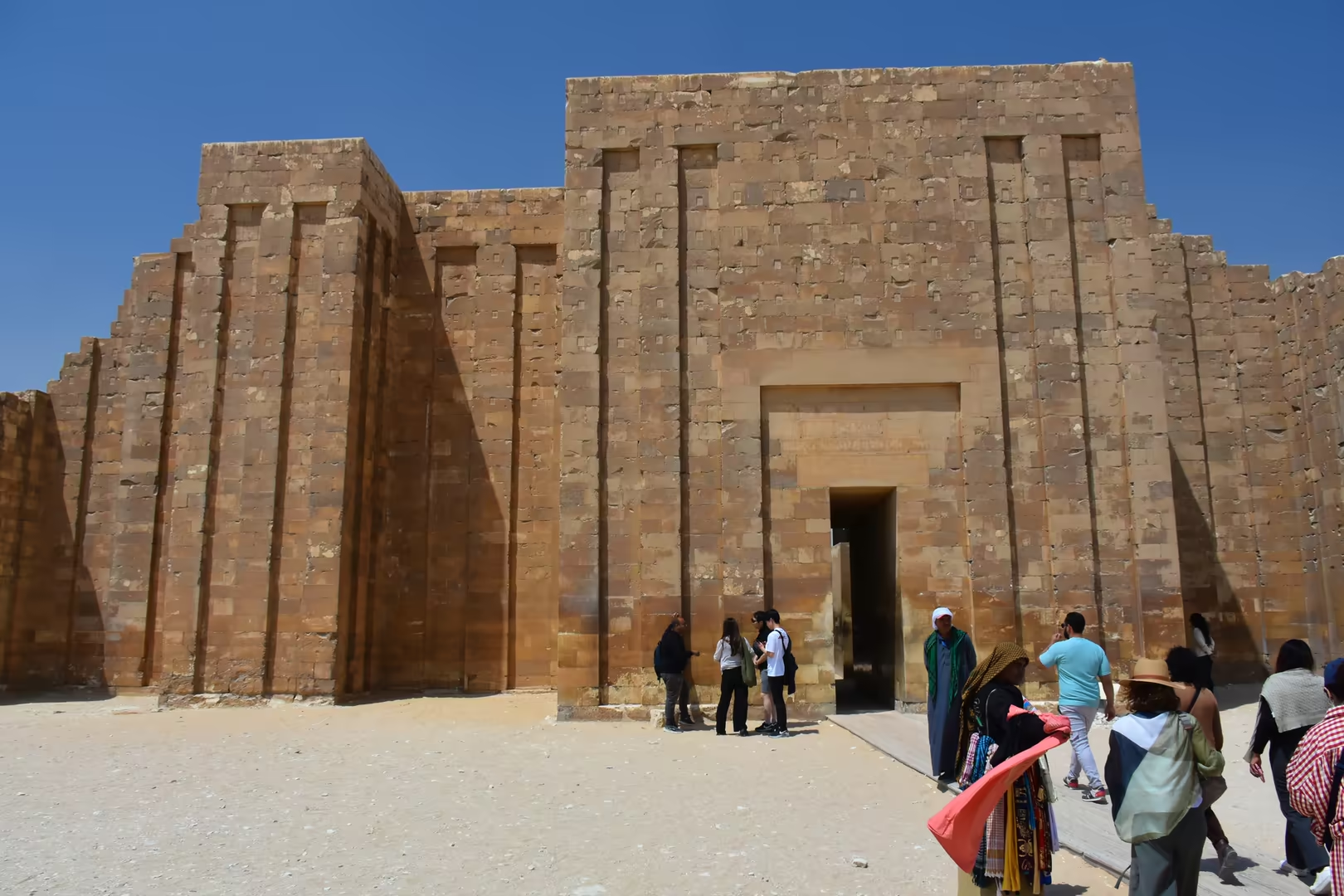
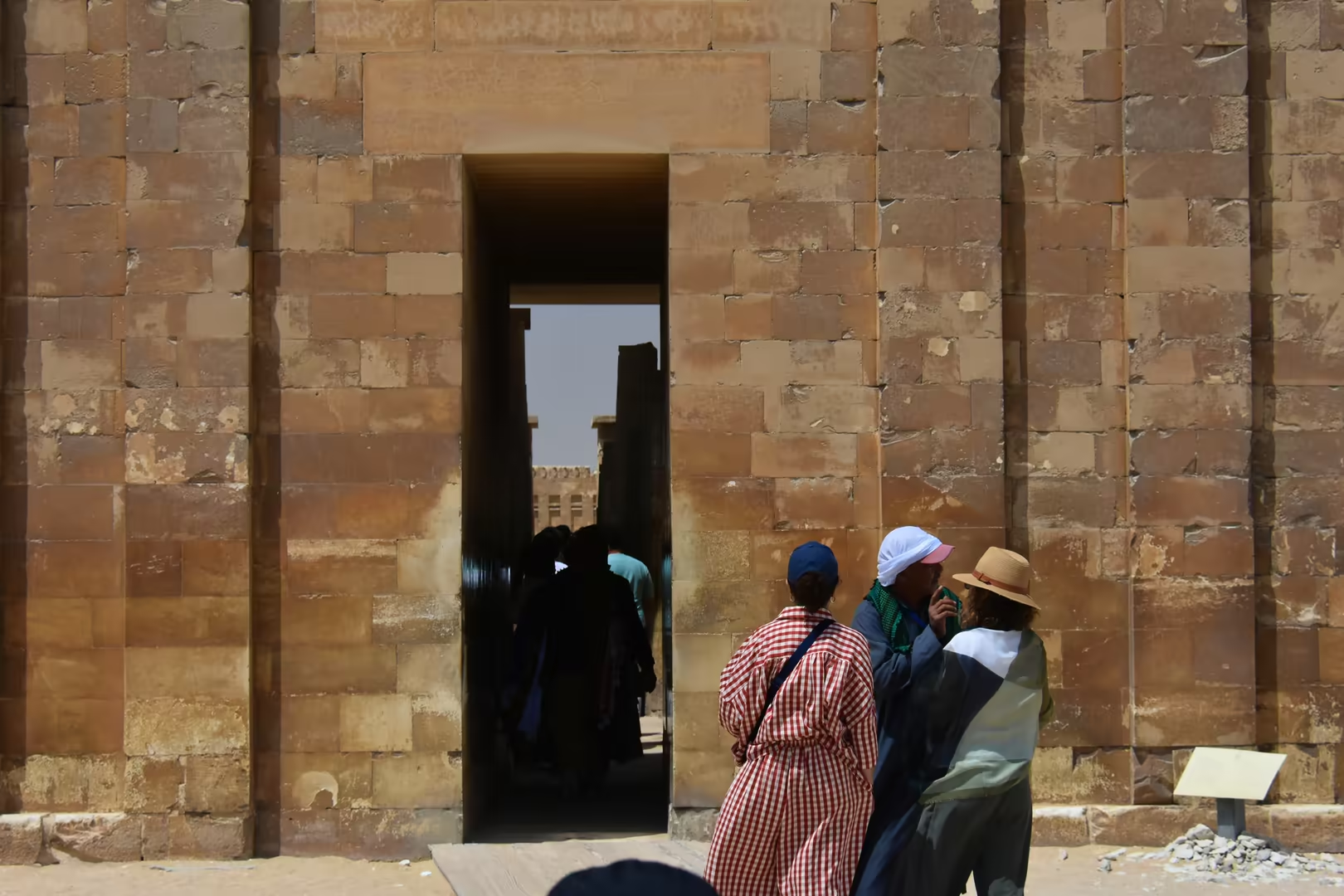
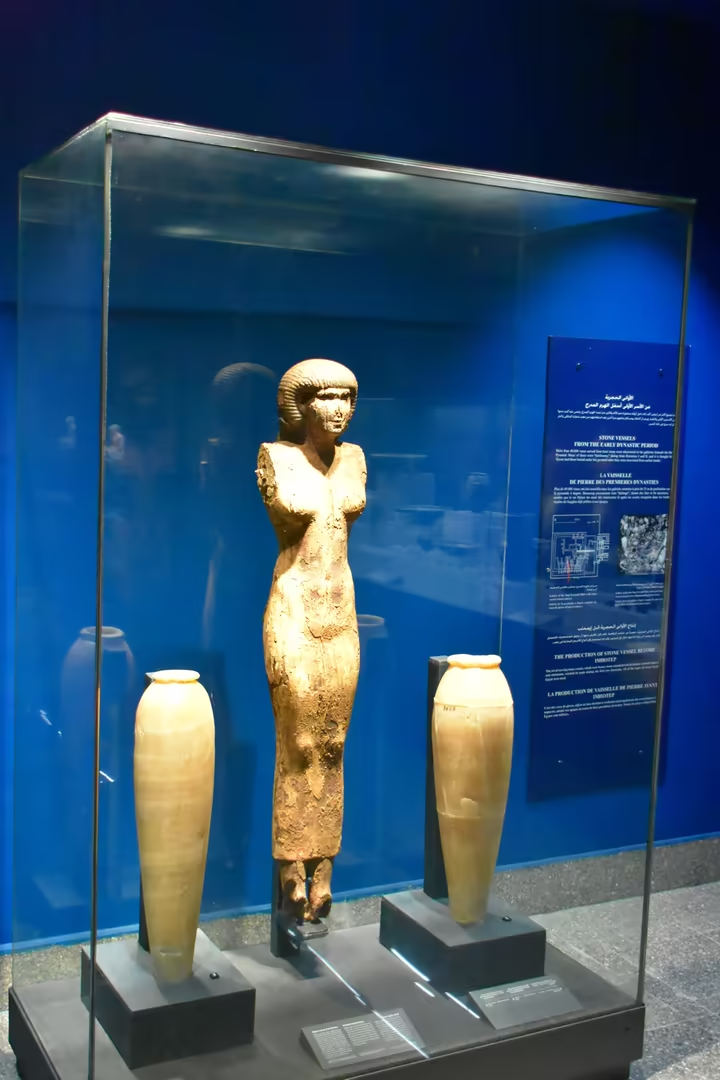
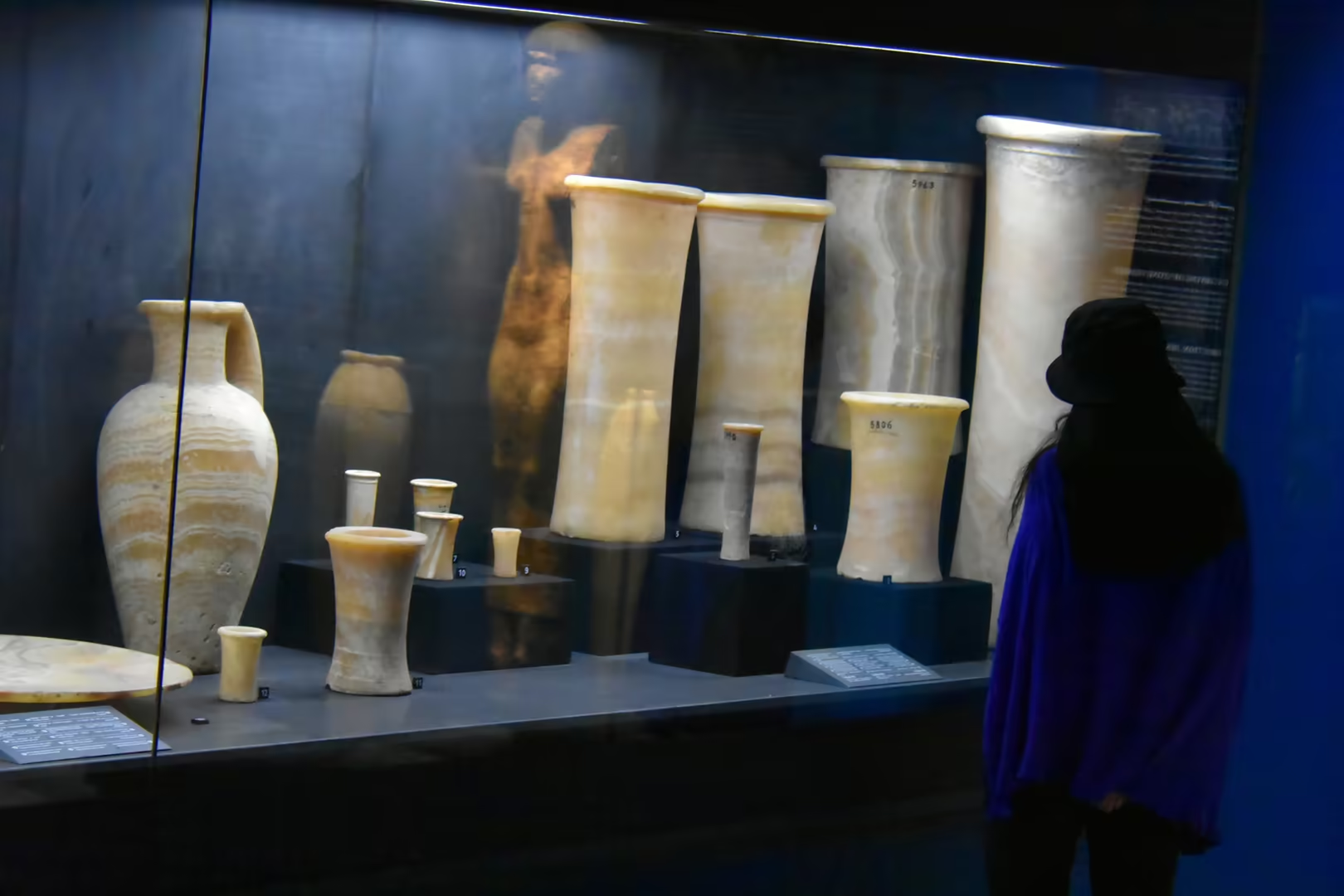
The Step Pyramid was not built in a single campaign. The excavations of Jean-Philippe Lauer showed that the monument began as a square mastaba of limestone blocks, was enlarged and cased again, and was then extended and heightened through successive stages into the six-stepped pyramid visible today. Beneath the pyramid a labyrinth of galleries and chambers, nearly six kilometres in total length, was cut into the rock around a central shaft seven metres square and twenty-eight metres deep; the burial chamber and its surrounding galleries were lined with blue faience tiles imitating the reed matting of a palace, and eleven deep shafts on the east side received members of the royal family. In the storerooms of the substructure the excavators found more than forty thousand stone vessels, many inscribed with the names of kings older than Djoser, the grave goods of earlier rulers gathered into his tomb. The complex around the pyramid, enclosed by a great niched wall with fourteen ceremonial gateways and a single real entrance, contains the entrance colonnade with its engaged columns imitating bundles of reeds, the courts and chapels of the royal jubilee (the Heb-sed), and the so-called South Tomb with its pink granite vault, a symbolic burial whose blue-tiled chambers preserve some of the finest reliefs of the whole complex.
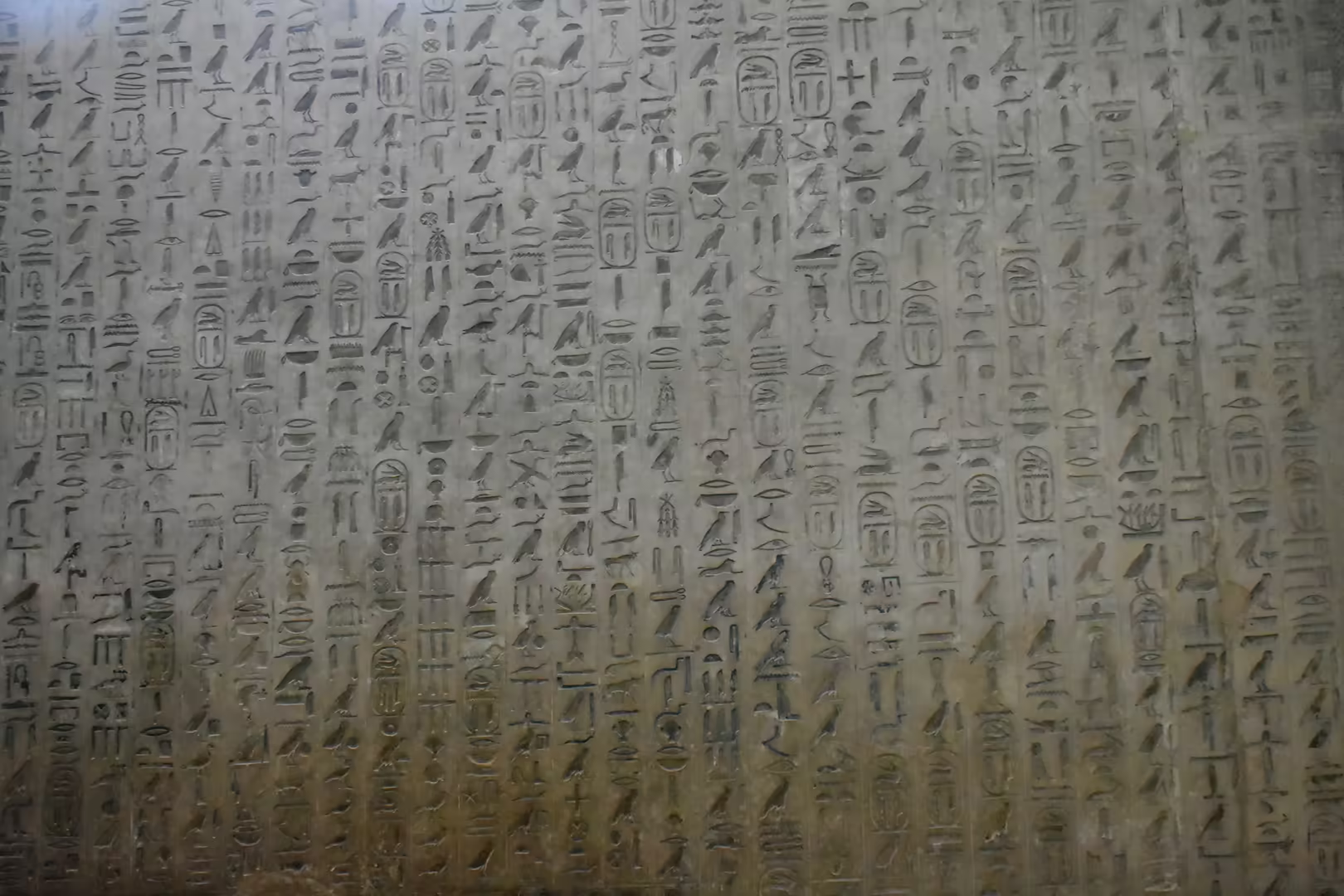
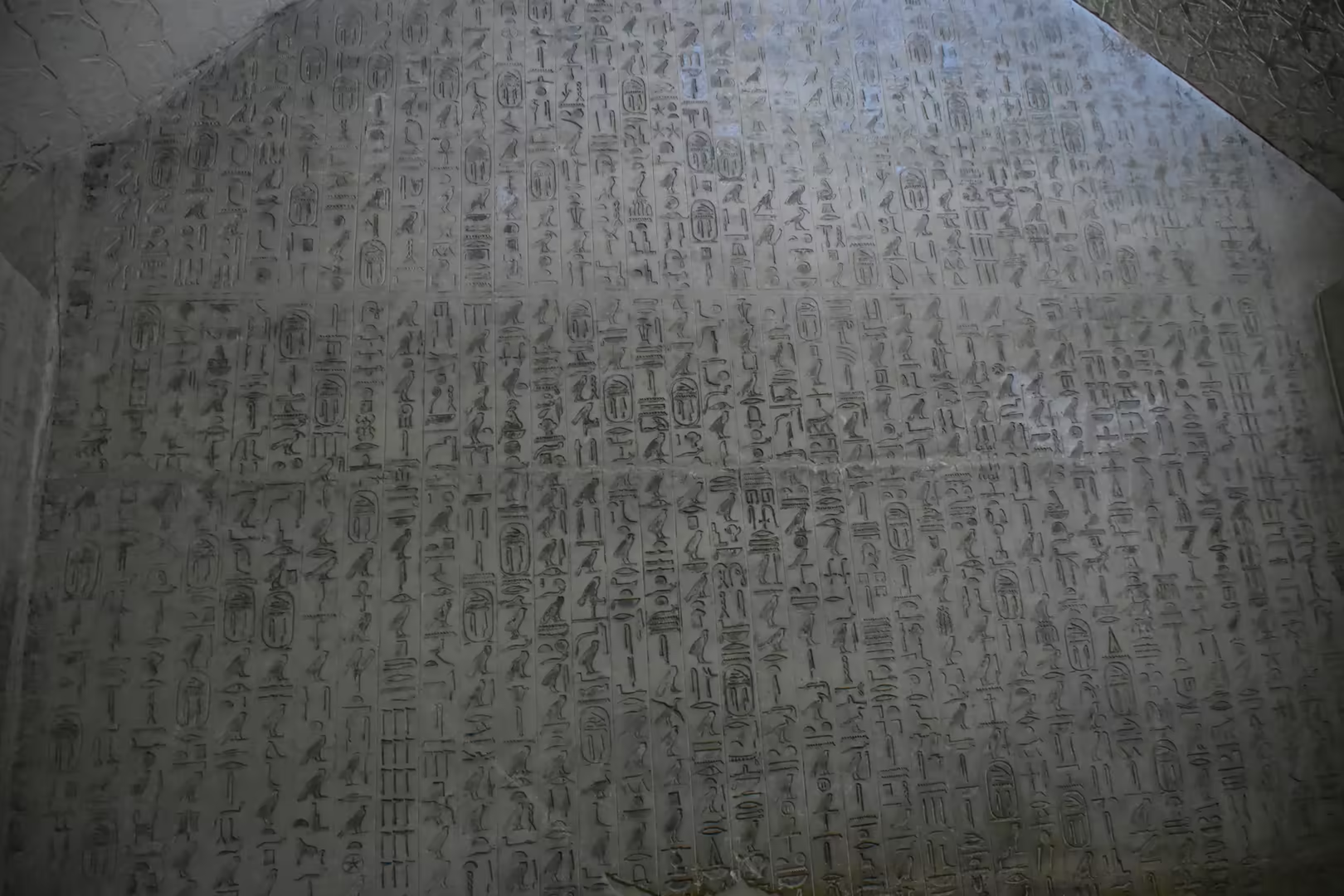
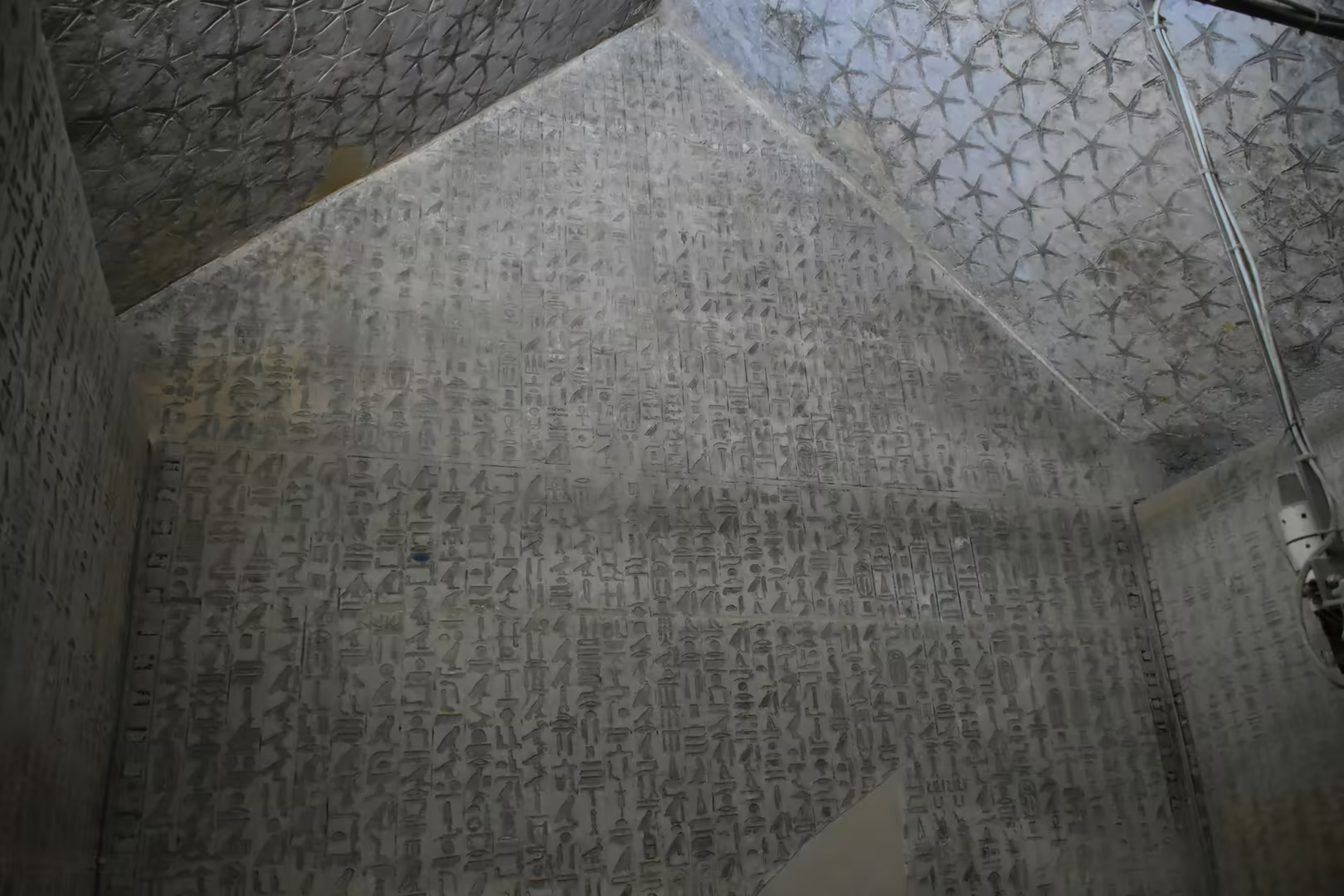
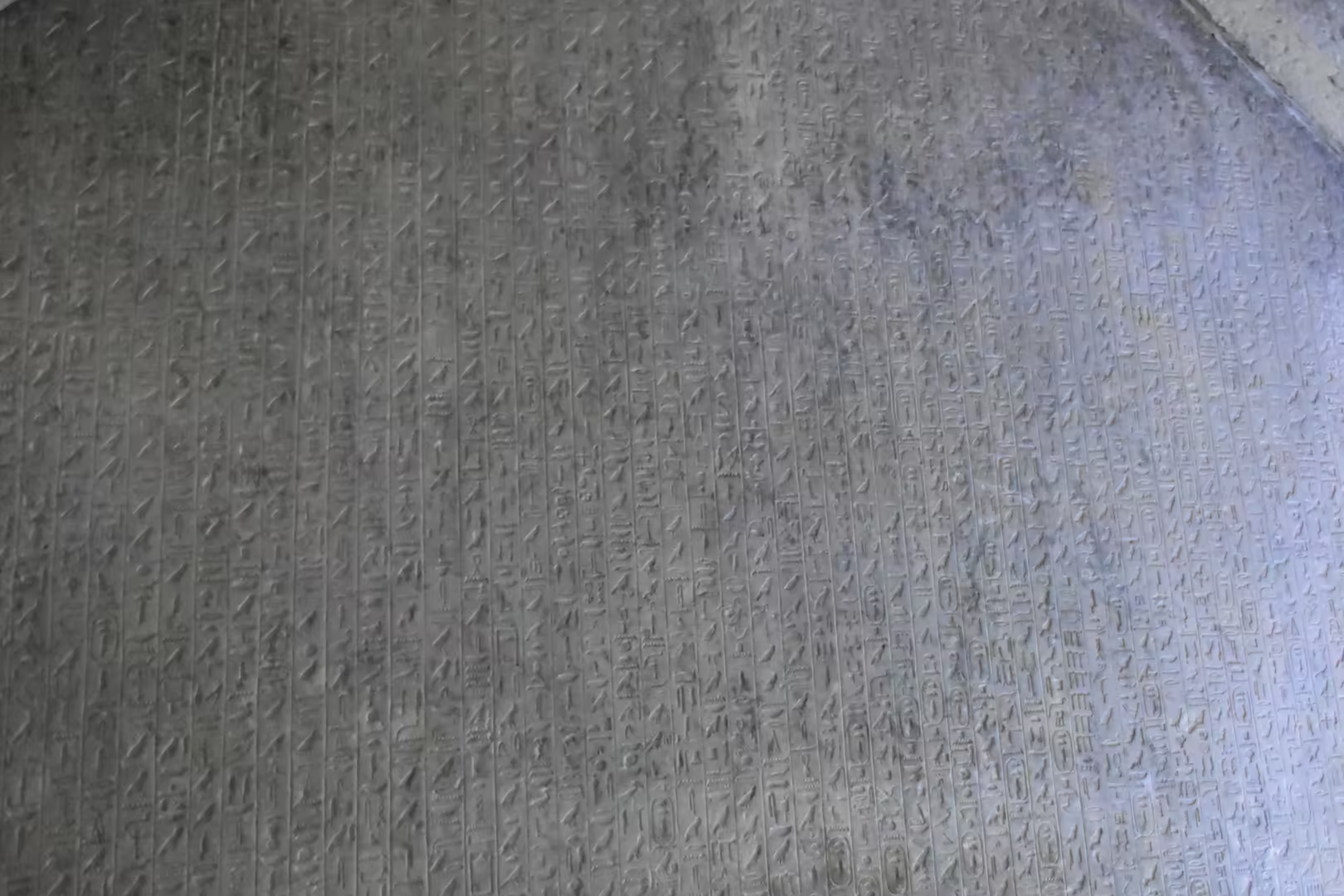
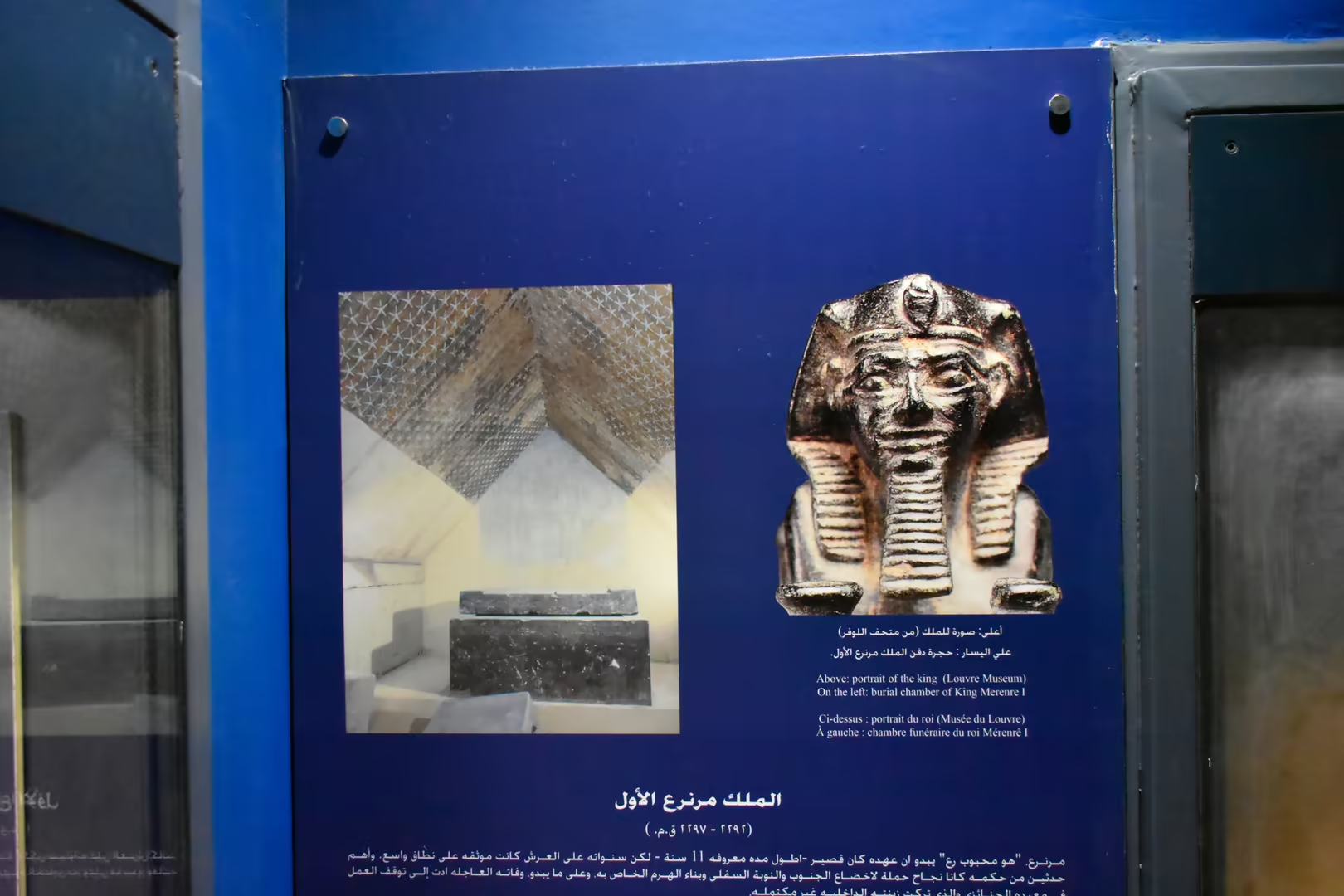
After Djoser the kings of the Fourth Dynasty built their pyramids elsewhere, at Dahshur and Giza, and Saqqara declined for a century; but from the Fifth Dynasty the necropolis of Memphis again became the royal burial ground. Userkaf, the first king of the new dynasty, built his pyramid north-east of Djoser’s complex, and the last king of the dynasty, Unas (c. 2375 BC), built his at the edge of the plateau between the complexes of Sekhemkhet and Djoser. Unas’s pyramid is the smallest royal pyramid of the Old Kingdom, but it is one of the most important monuments of Egypt: the walls of its burial chamber carry the Pyramid Texts, the oldest corpus of religious texts known from ancient Egypt, inscribed for the first time in a royal tomb. Under the Sixth Dynasty, Teti, Pepi I, Merenre and Pepi II, Saqqara remained the royal cemetery, and the courtiers of Memphis were buried beside their kings in great decorated mastabas: the tombs of Ti, Ptahhotep, Mereruka and Kagemni, whose painted walls are among the masterpieces of Egyptian art.
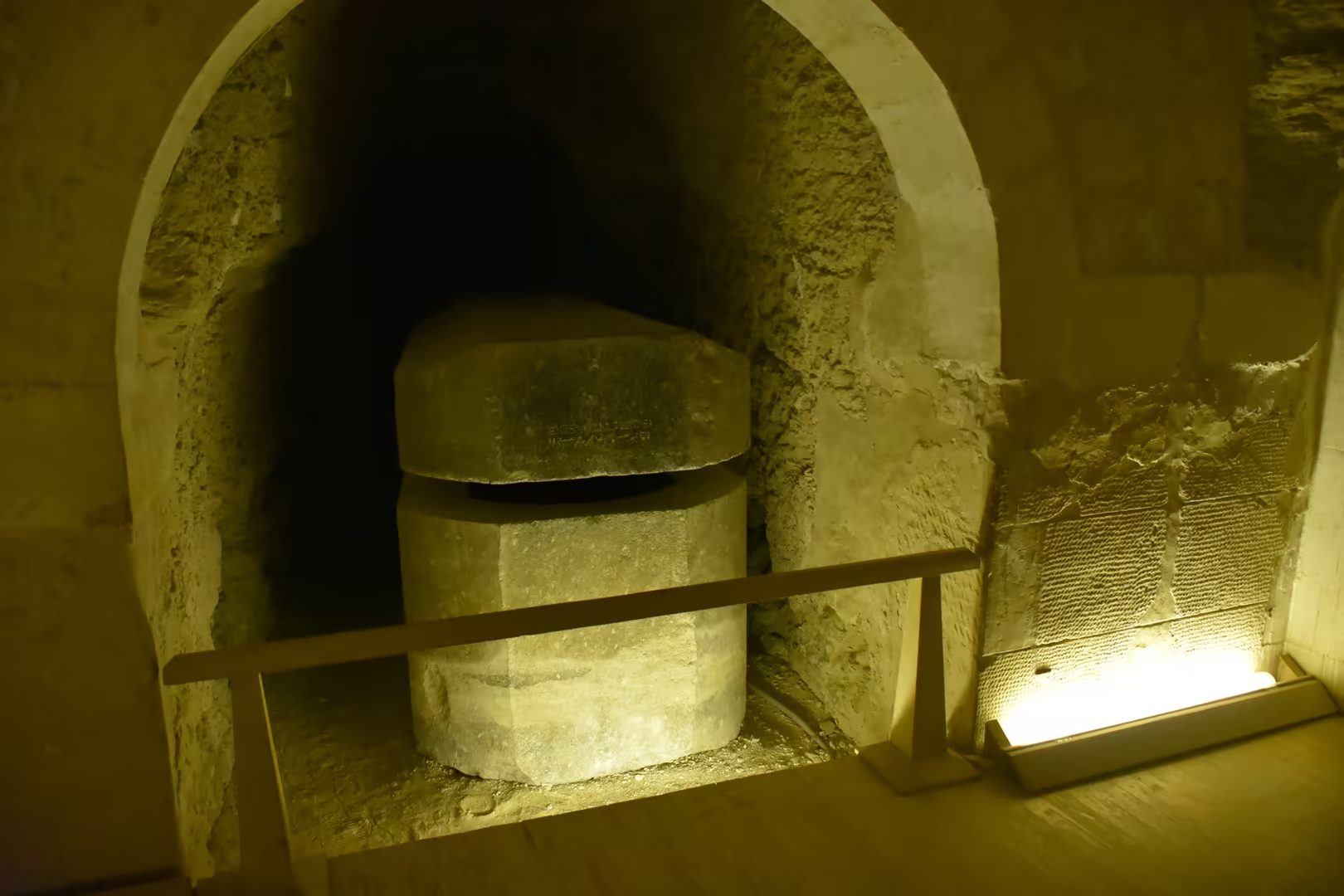
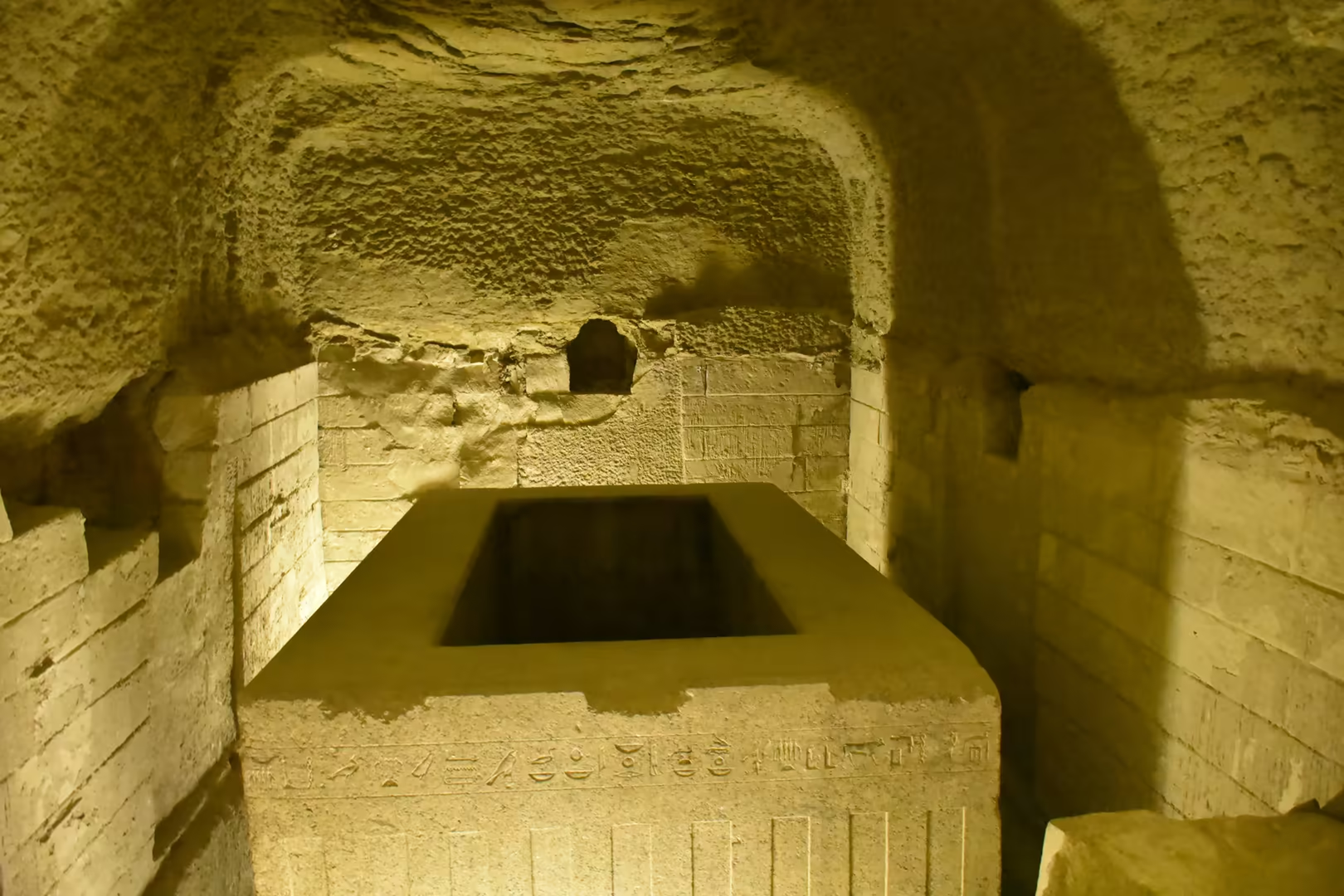
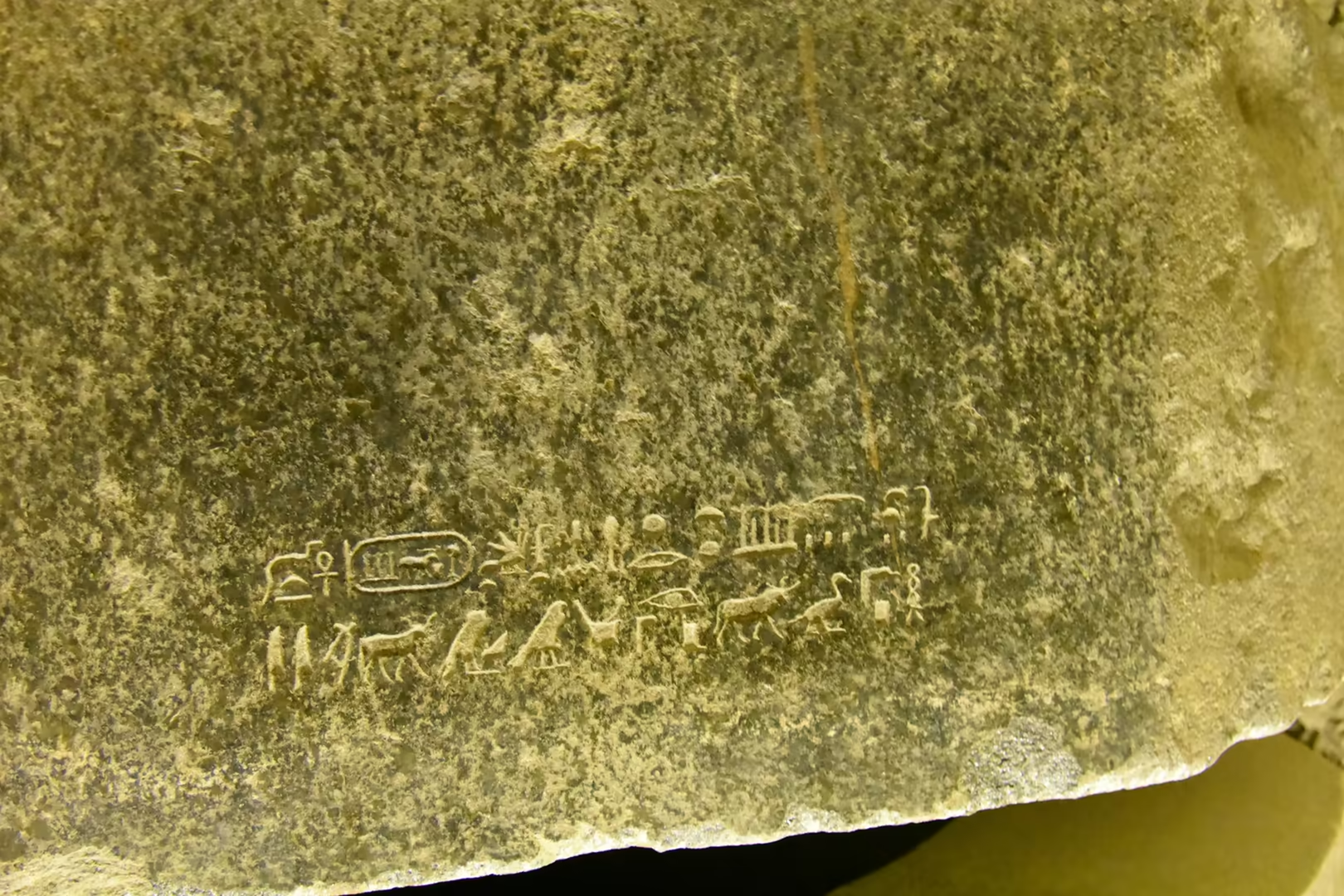
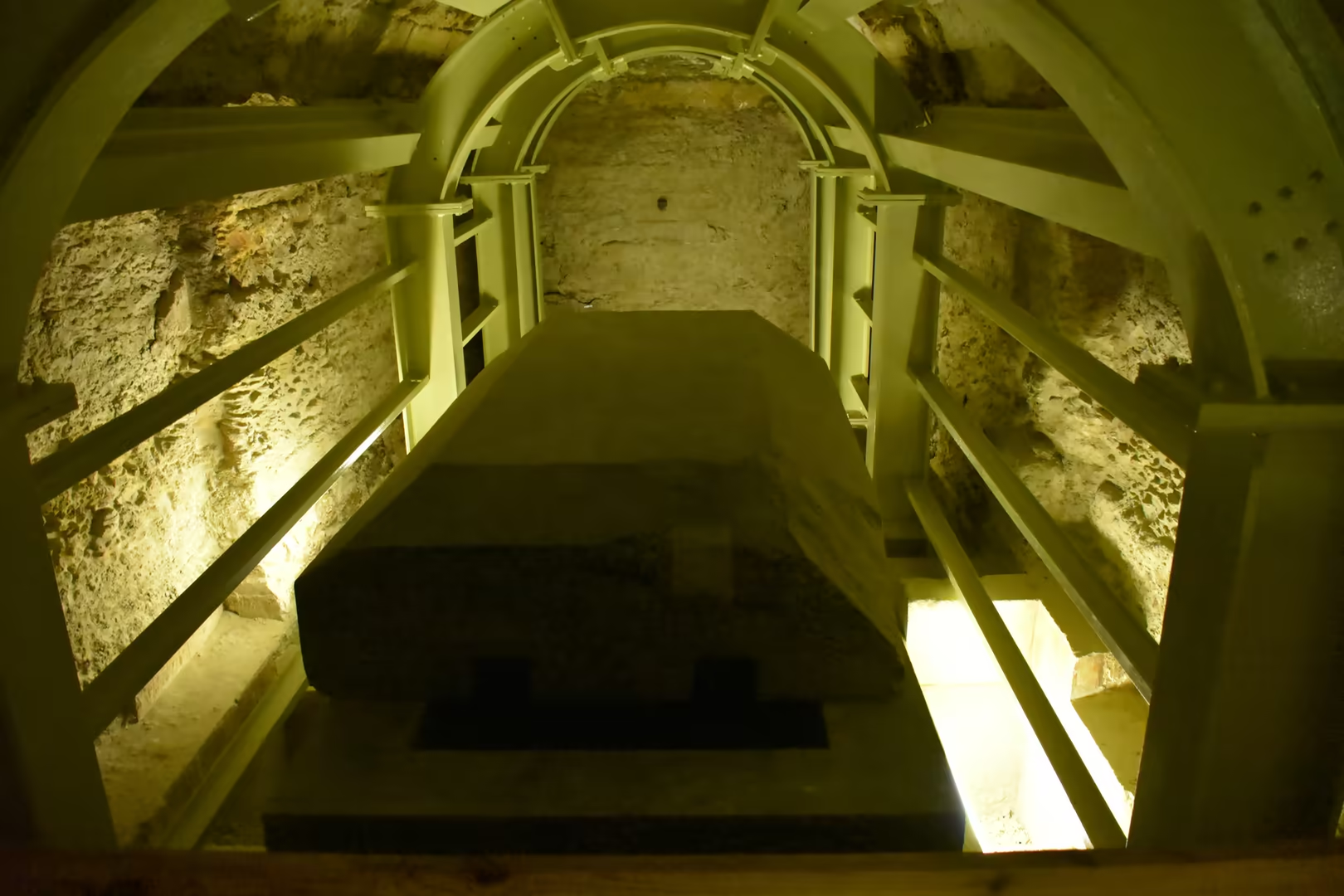
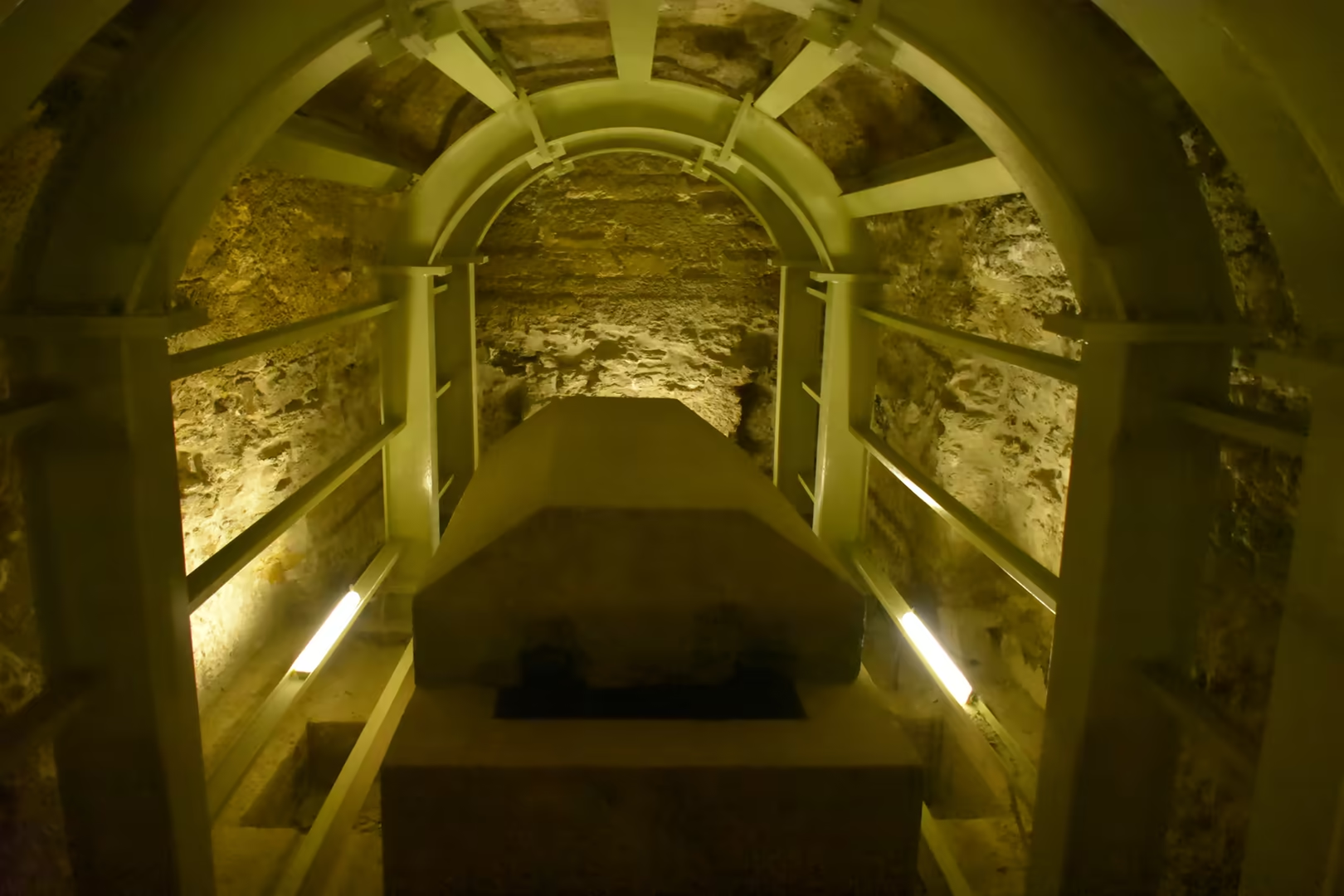
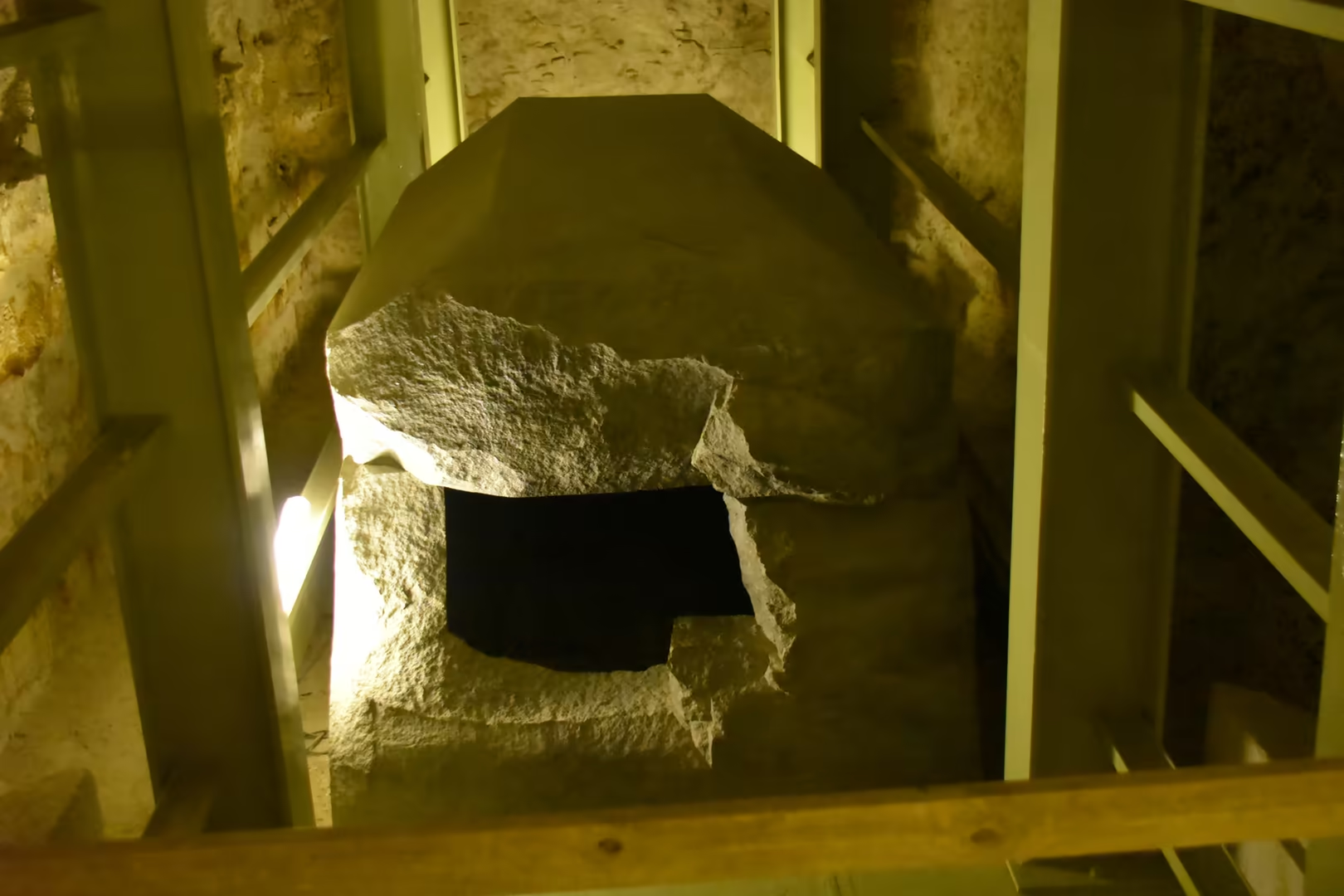
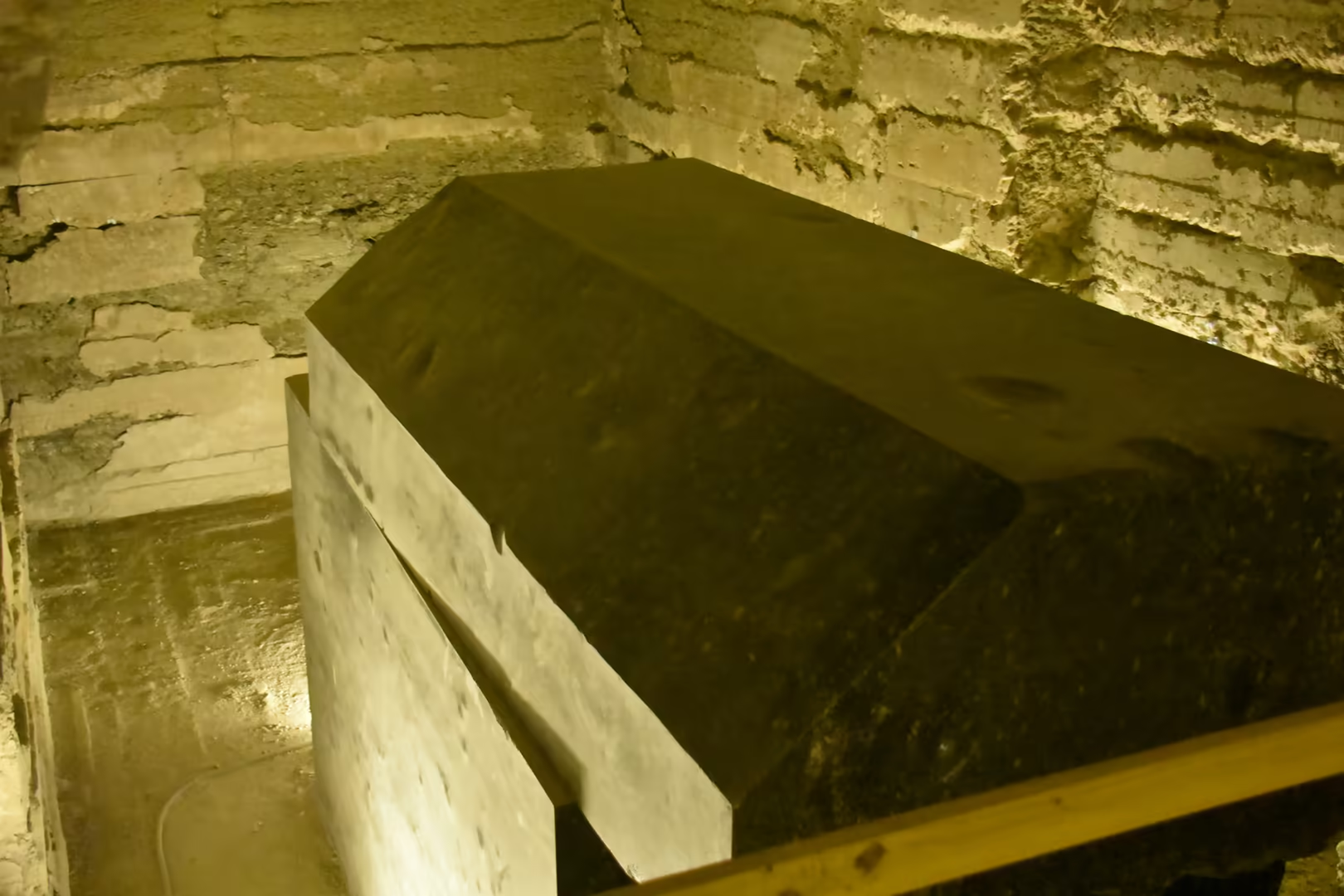
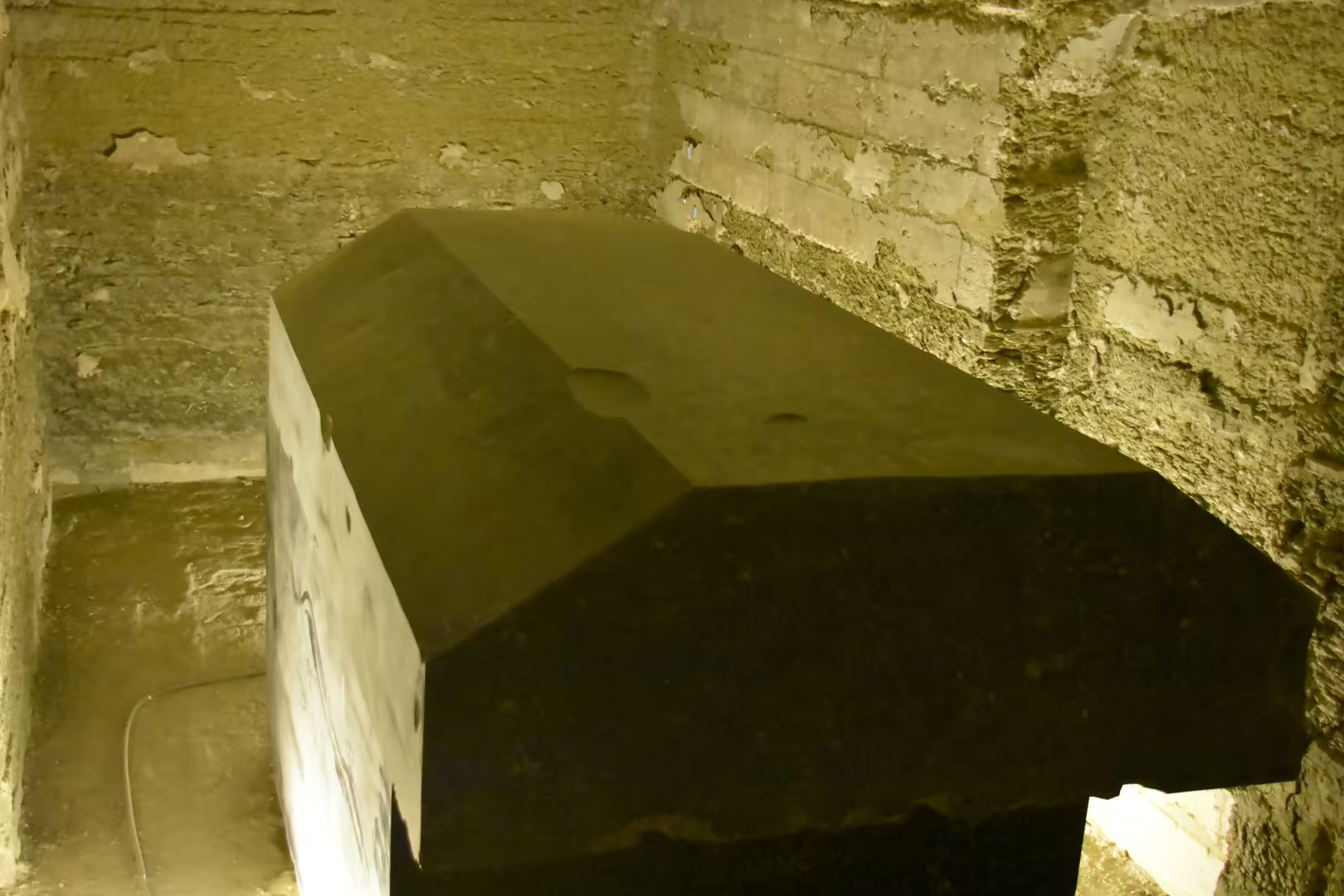
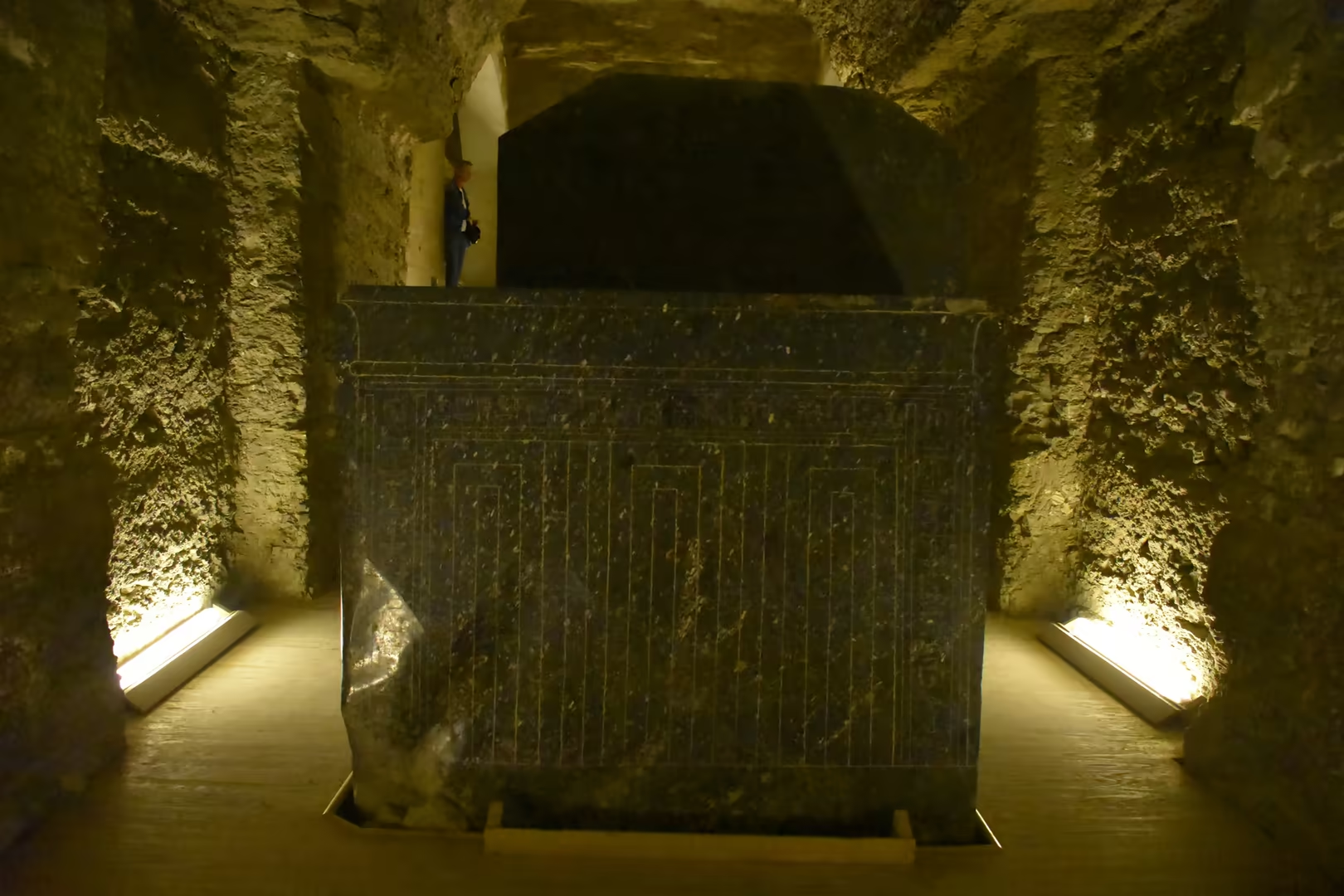
A separate chapter of the necropolis belongs to the Serapeum, the burial place of the sacred Apis bulls: a black bull believed to be the living incarnation of the god Ptah, who at death became Osiris-Apis, Serapis to the Greeks, and was buried with full ceremony. The catacombs of the Serapeum, dug into the plateau on the north-eastern side of Saqqara, received the bulls from the New Kingdom until the beginning of the Roman era, a span of some fourteen hundred years in which more than sixty Apis bulls are attested. The subterranean galleries known as the Greater Vaults contain twenty-four colossal monolithic sarcophagi of granite, basalt and diorite, each weighing tens of tonnes, the earliest dating to the reign of Amasis II (c. 550 BC) and the latest to the reign of Augustus. The Serapeum was rediscovered in 1850-1851 by Auguste Mariette, who followed a sphinx-lined avenue exposed by the wind and forced his way into the galleries. The discovery founded the Egyptian Antiquities Service. Most of his notes perished in the Nile flood of 1878, and the site was published posthumously by Gaston Maspero.
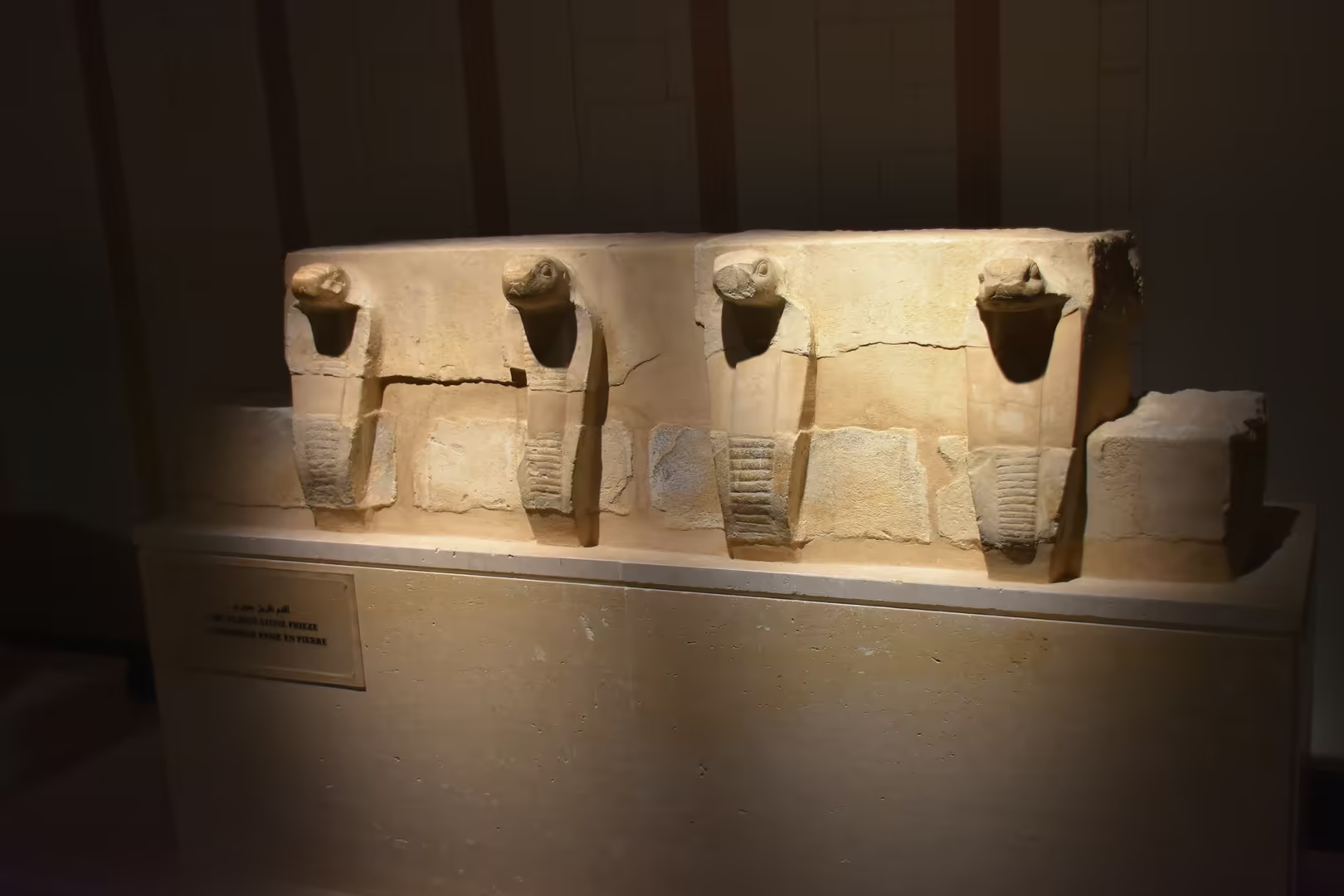
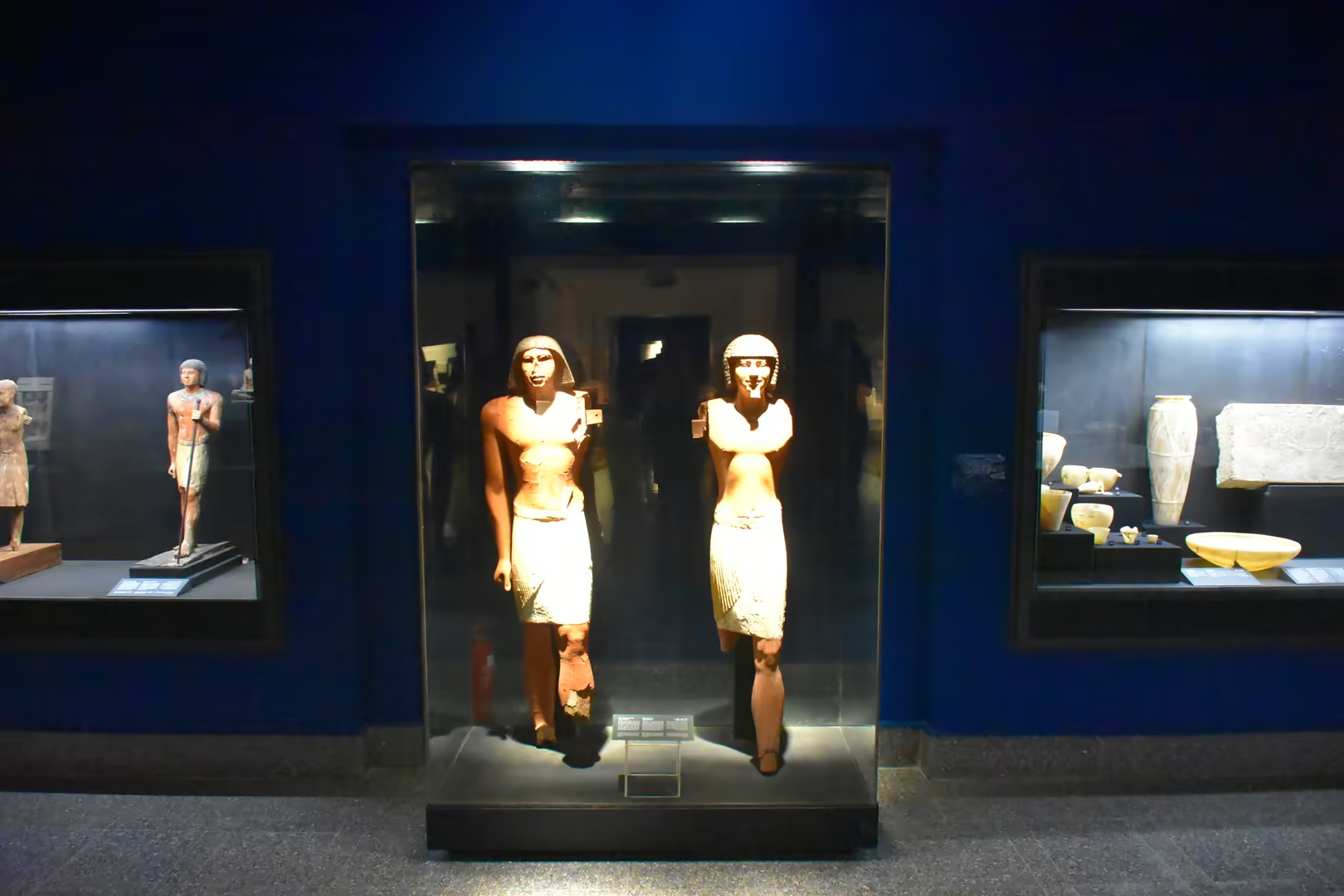
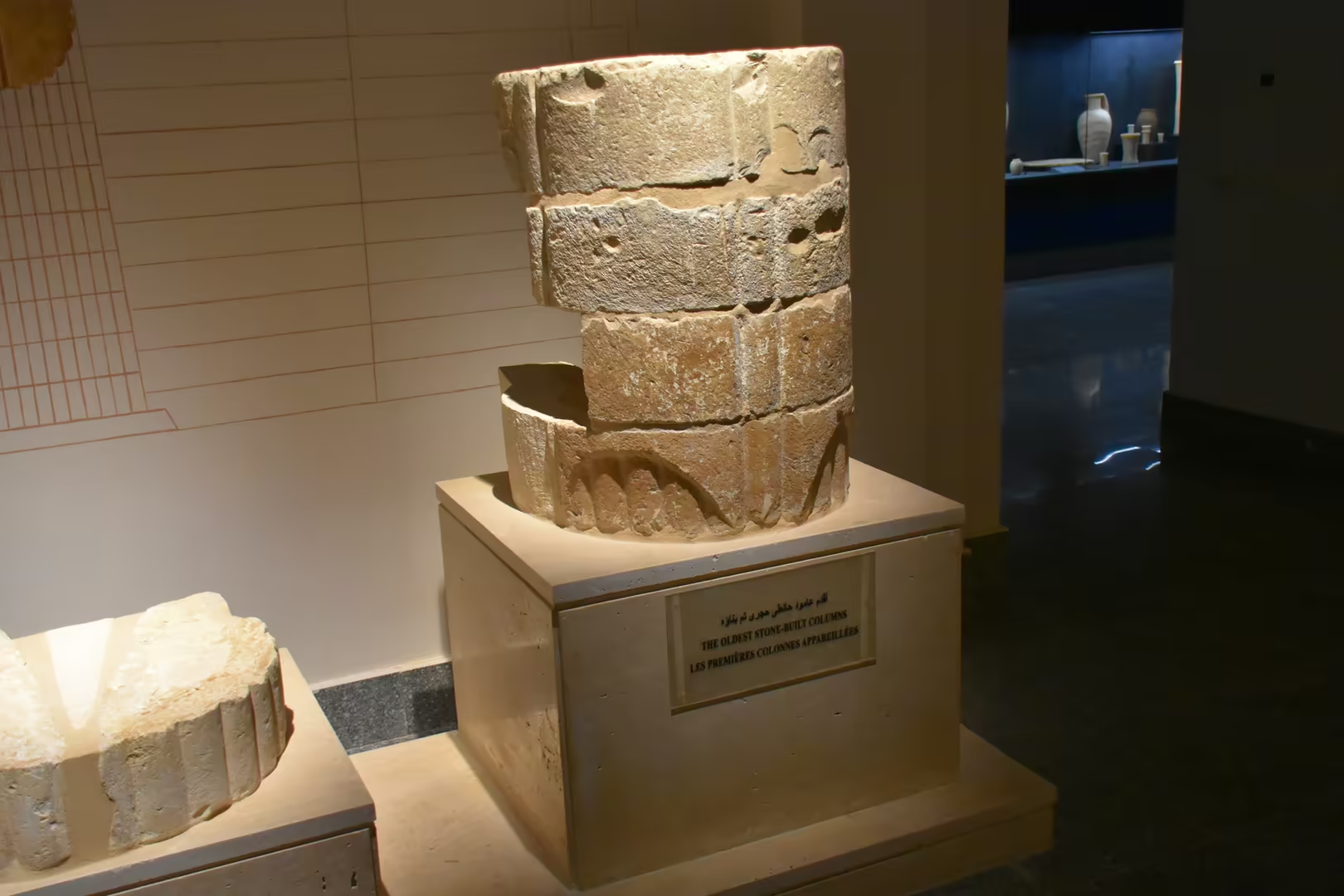
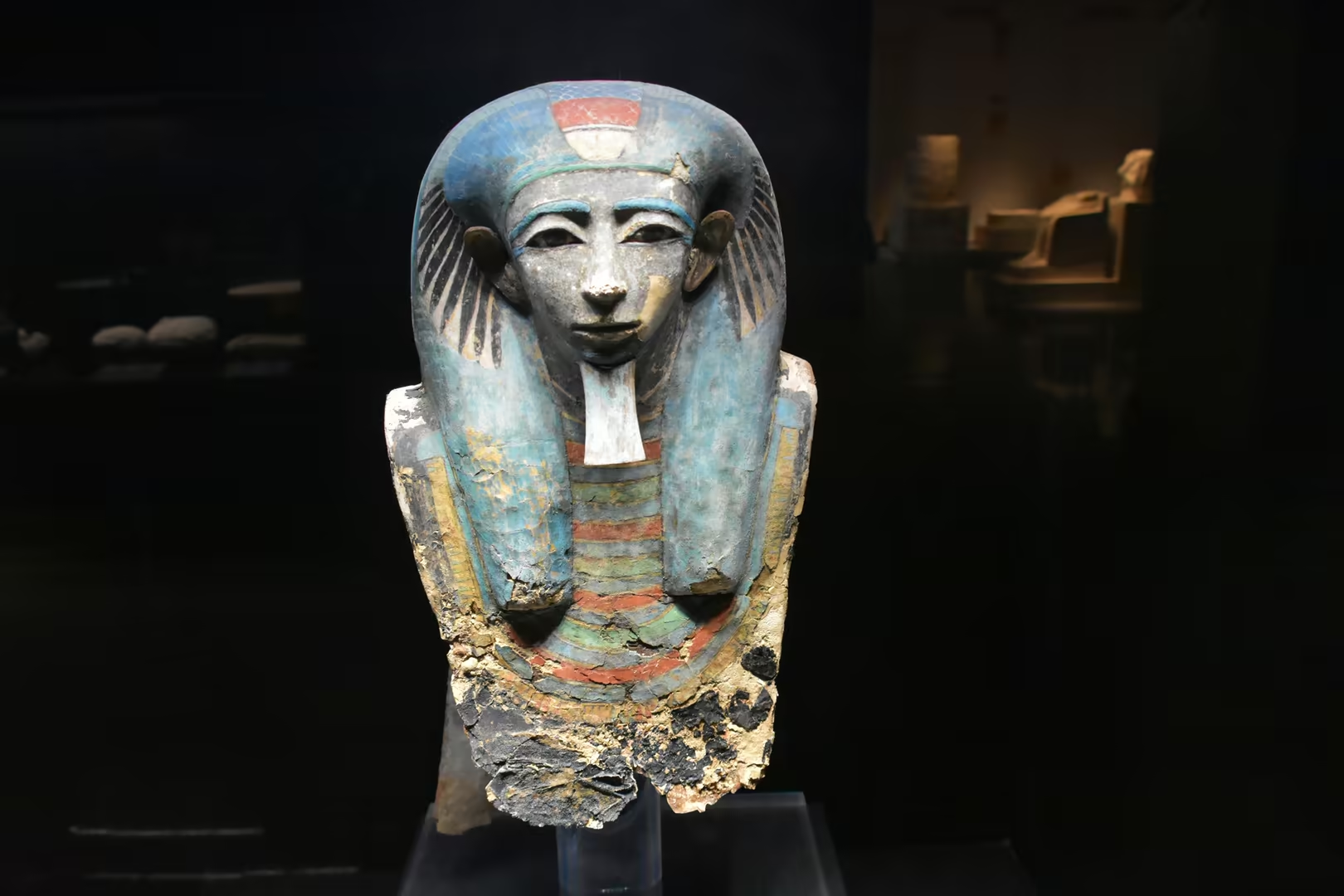
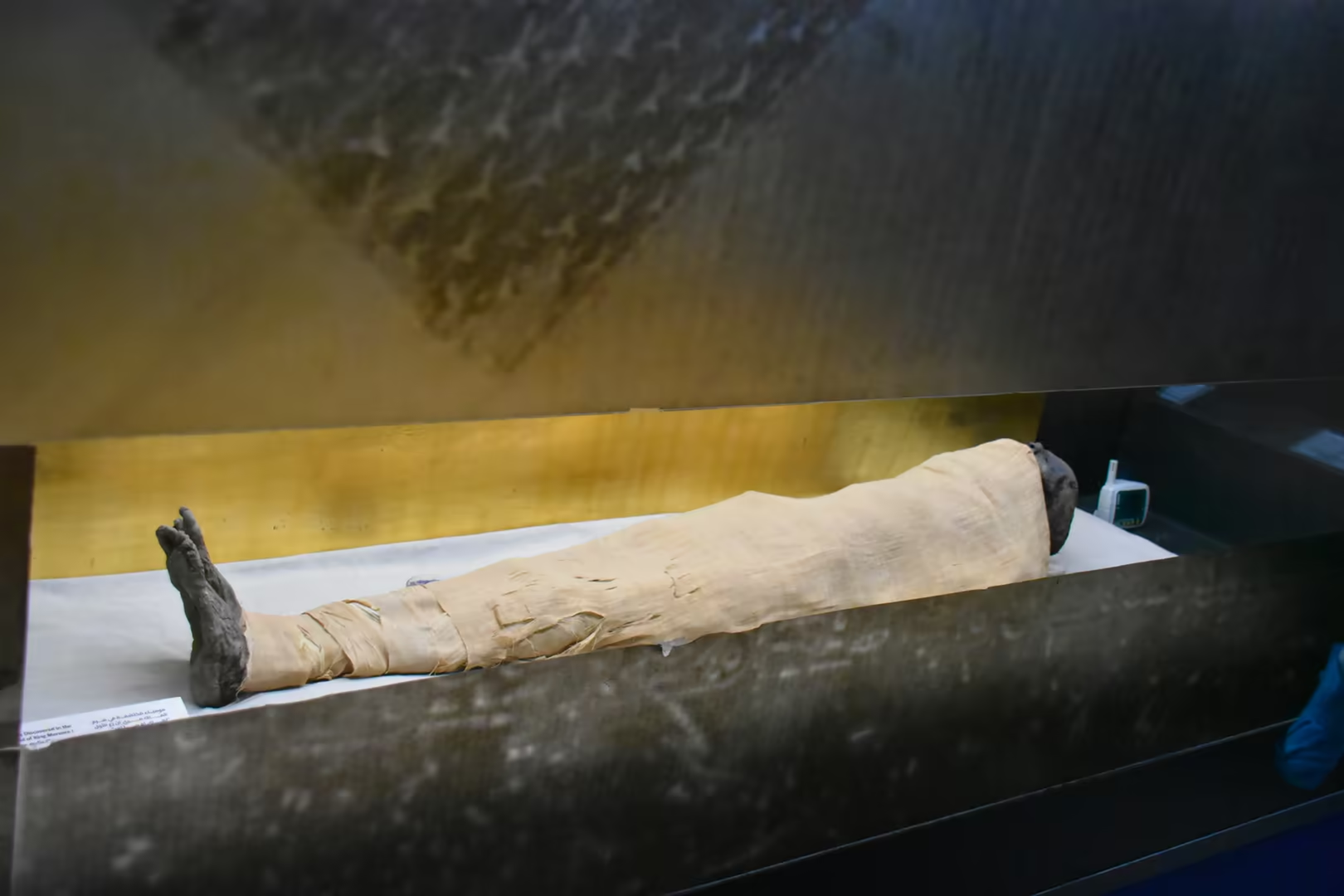
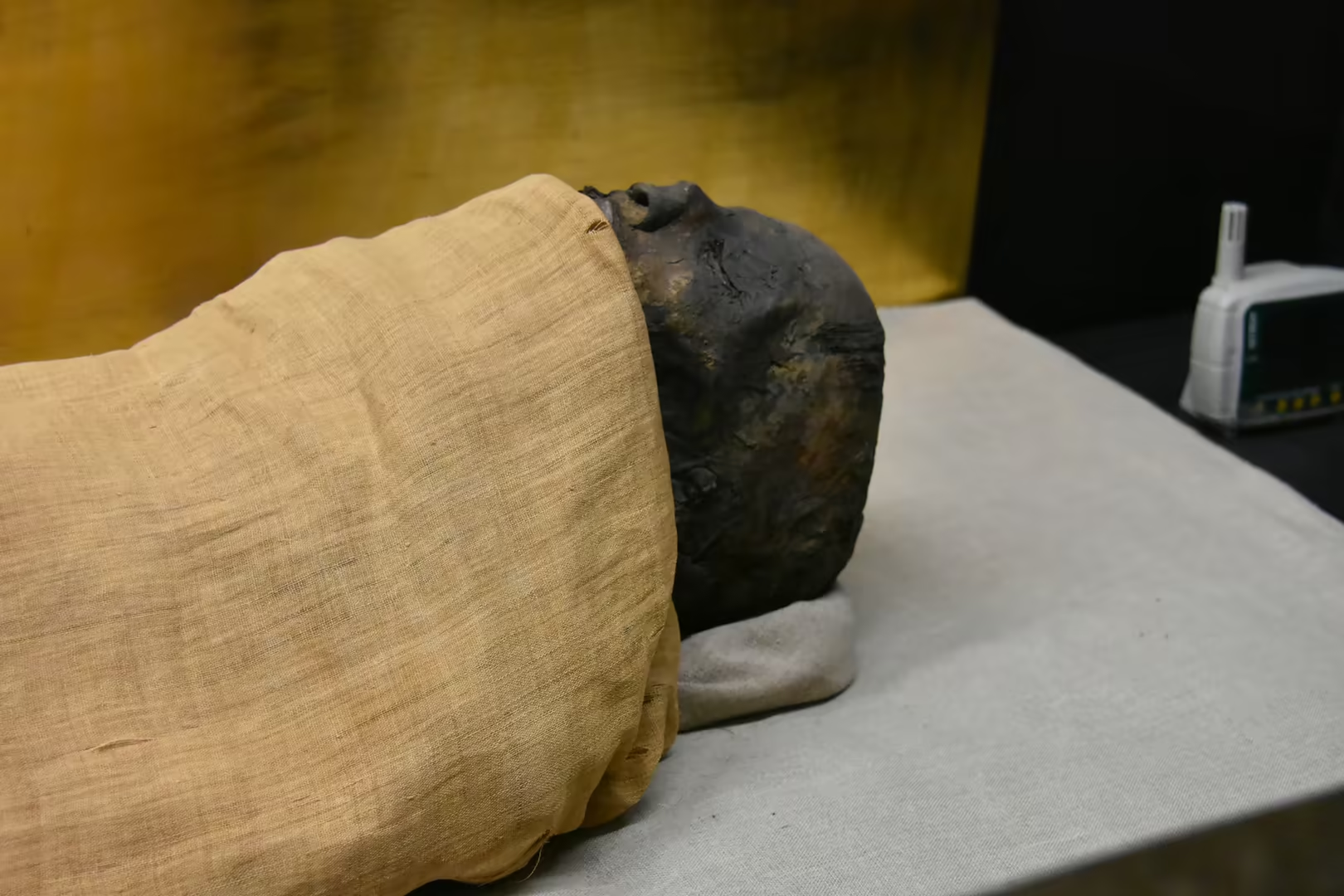
Modern Saqqara is a laboratory of Egyptian archaeology. Lauer devoted more than half a century to the excavation and reconstruction of the Djoser complex, rebuilding large stretches of the enclosure wall and the colonnade; the restoration of the Step Pyramid begun in 2006 was completed with the reopening of the monument in March 2020. Around the old excavations new discoveries continue: the animal catacombs explored since 2011 contained an estimated eight million mummified animals, mostly dogs, offered to the god Anubis; a German-Egyptian team found a rare gilded burial mask of the Saite period in 2018; and the Polish-Egyptian mission west of the Step Pyramid has uncovered a whole cemetery of decorated tombs, among them the painted chapel of the vizier Merefnebef. The Imhotep Museum, opened at the foot of the plateau in 2006, gathers the portable masterpieces of the site, including the sculpture of Djoser, the original columns of his colonnade and the mummies of the Memphite elite.
Geology
Saqqara lies on the western escarpment of the Nile valley, the counterpart of the Giza plateau a few kilometres to the north: a shelf of Middle Eocene limestone of the Mokattam Formation. These nummulitic marine limestones, some 41-38 million years old, form the desert edge along this whole stretch of the Memphite region. The necropolis occupies the high, dry ground above the floodplain, where the bedrock is firm and the tombs stood clear of the annual flood and of the groundwater of the valley floor; the escarpment drops steeply to the green plain below, and the modern road climbs from the cultivation onto the desert shelf where the ancient builders worked.
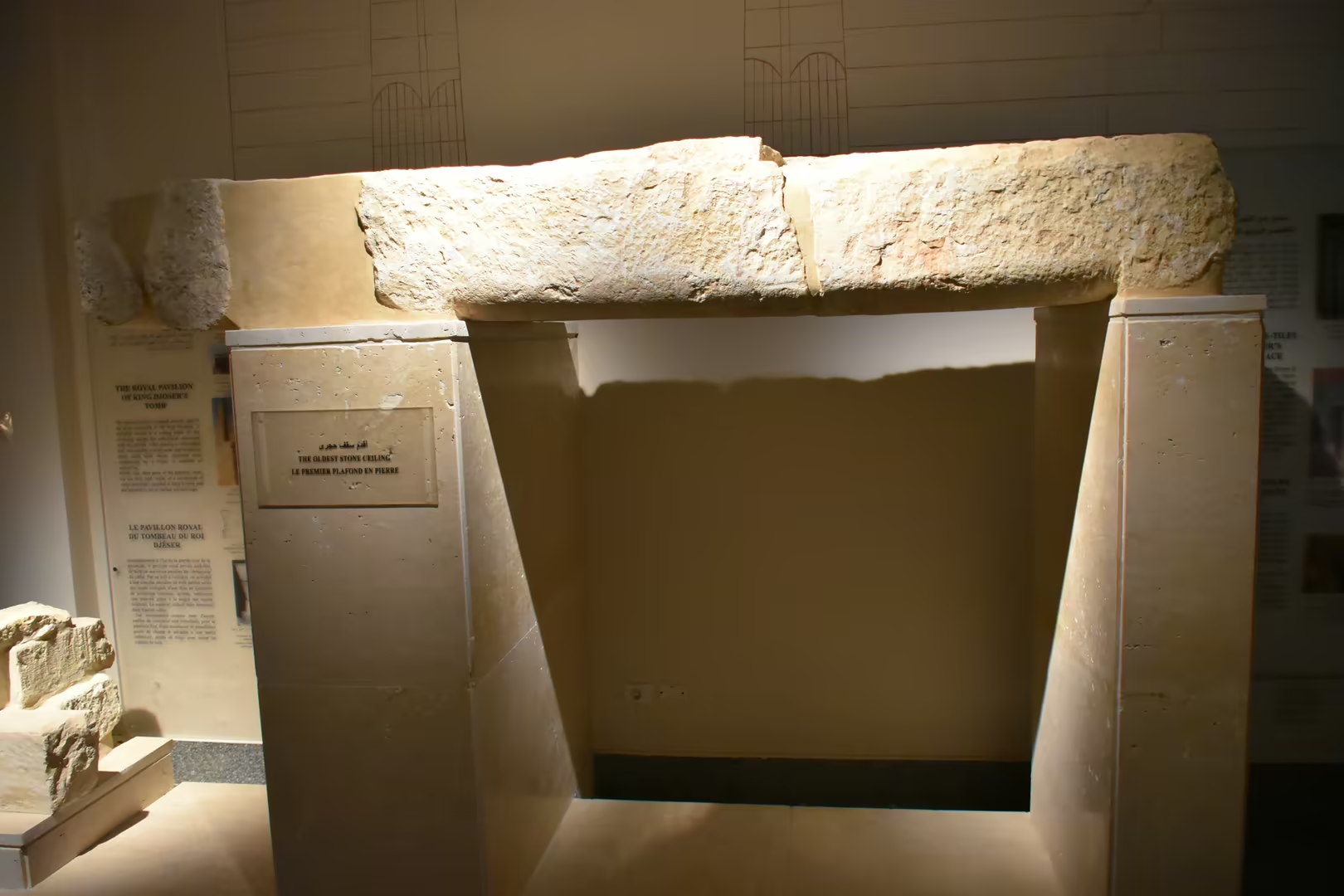
The monuments of Saqqara record the beginnings of Egyptian stone construction. Djoser’s pyramid was built of limestone blocks from the local quarries, laid in horizontal beds and bound with clay mortar, and cased with fine white Tura limestone ferried across the river from the east bank; the later pyramids of the Fifth and Sixth Dynasties were built more cheaply, with cores of rubble and small stones behind their limestone casings. This is the reason they survive today as mounds rather than as smooth pyramids. The Djoser complex marks the moment when Egyptian builders translated the forms of mud-brick and reed architecture into stone: the engaged columns of the entrance colonnade imitate bundles of reeds, the ceilings imitate split tree trunks, and the enclosure wall imitates the panelled facades of the earliest royal tombs. The Serapeum shows the other side of the geology of the site: engineering underground.
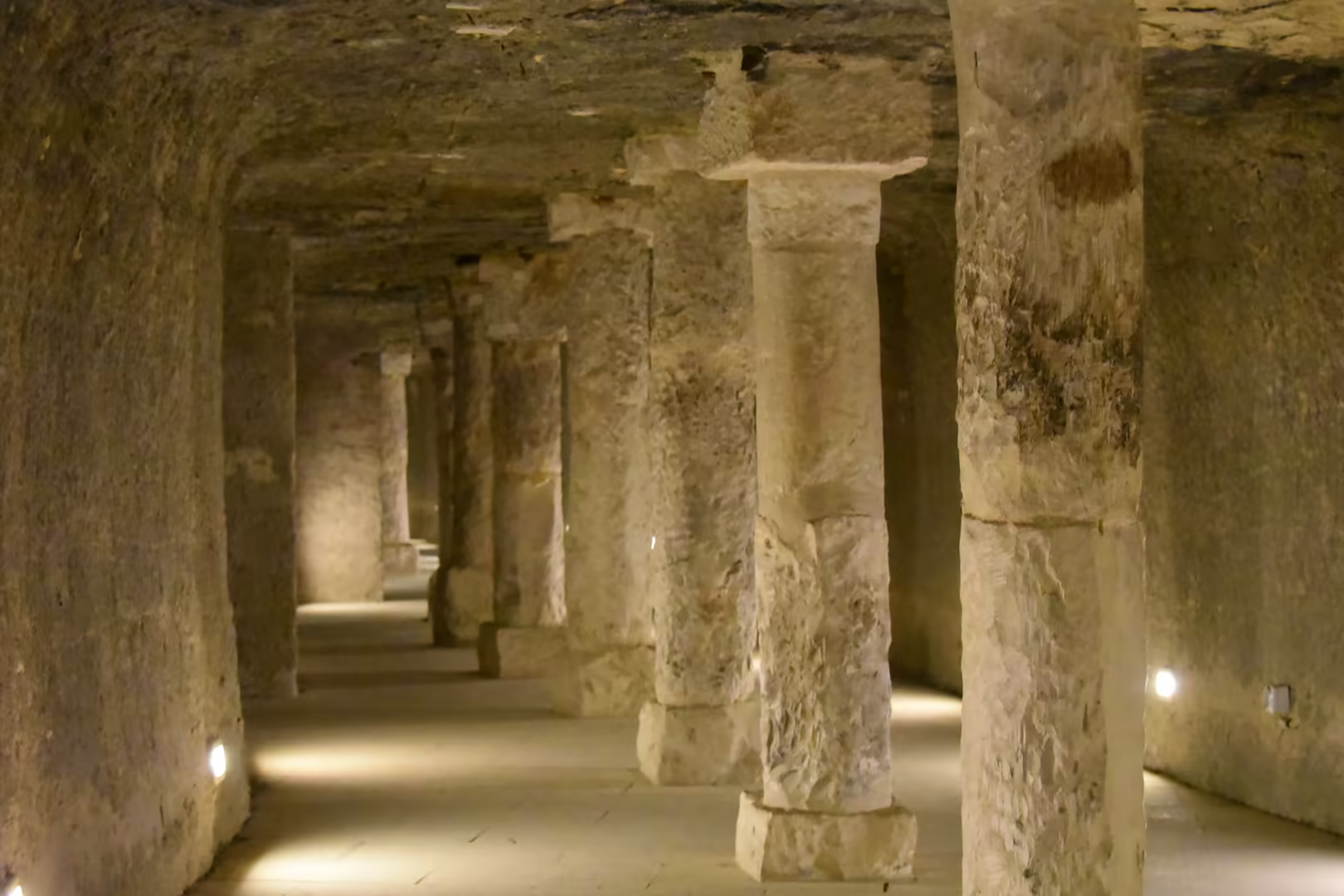
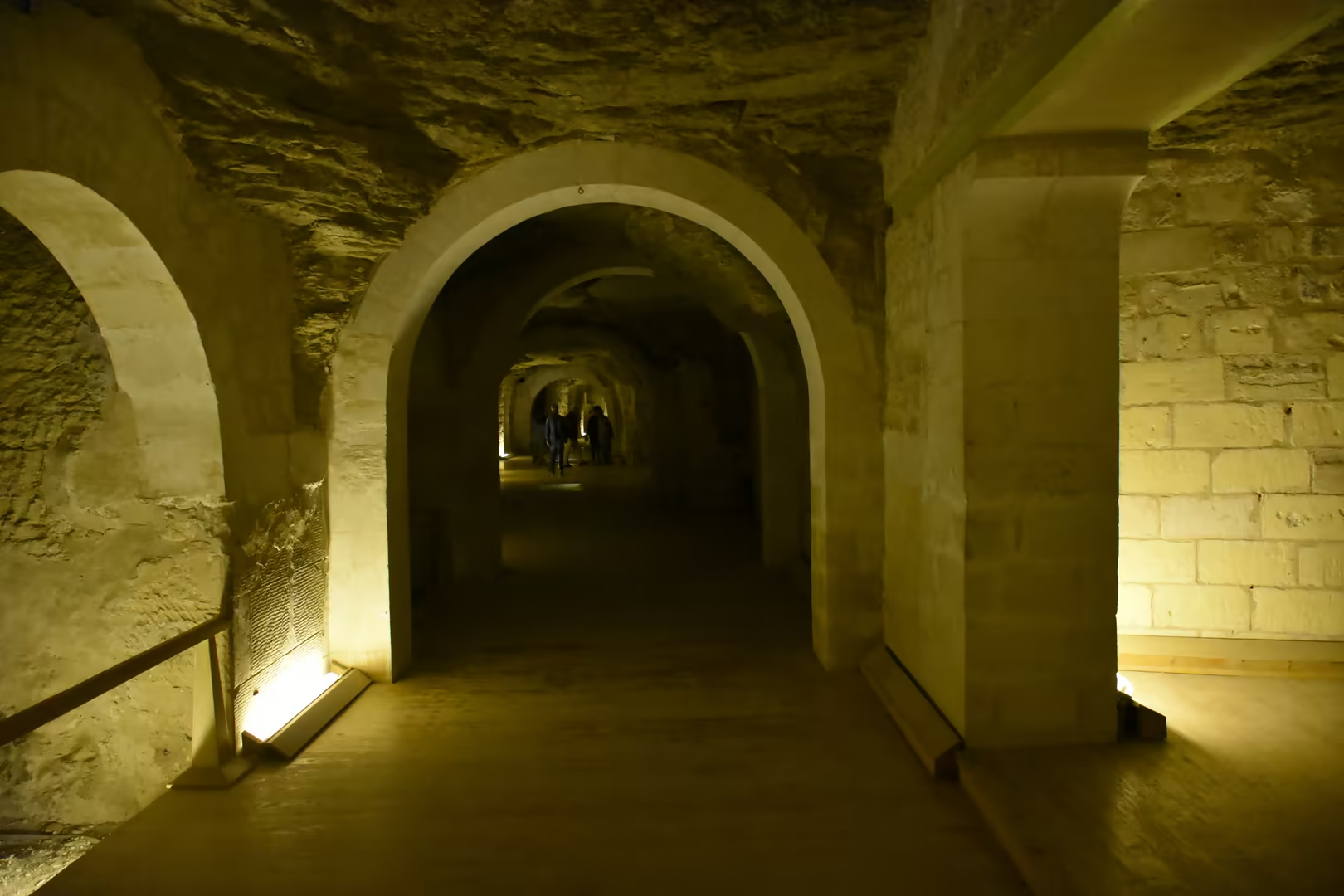
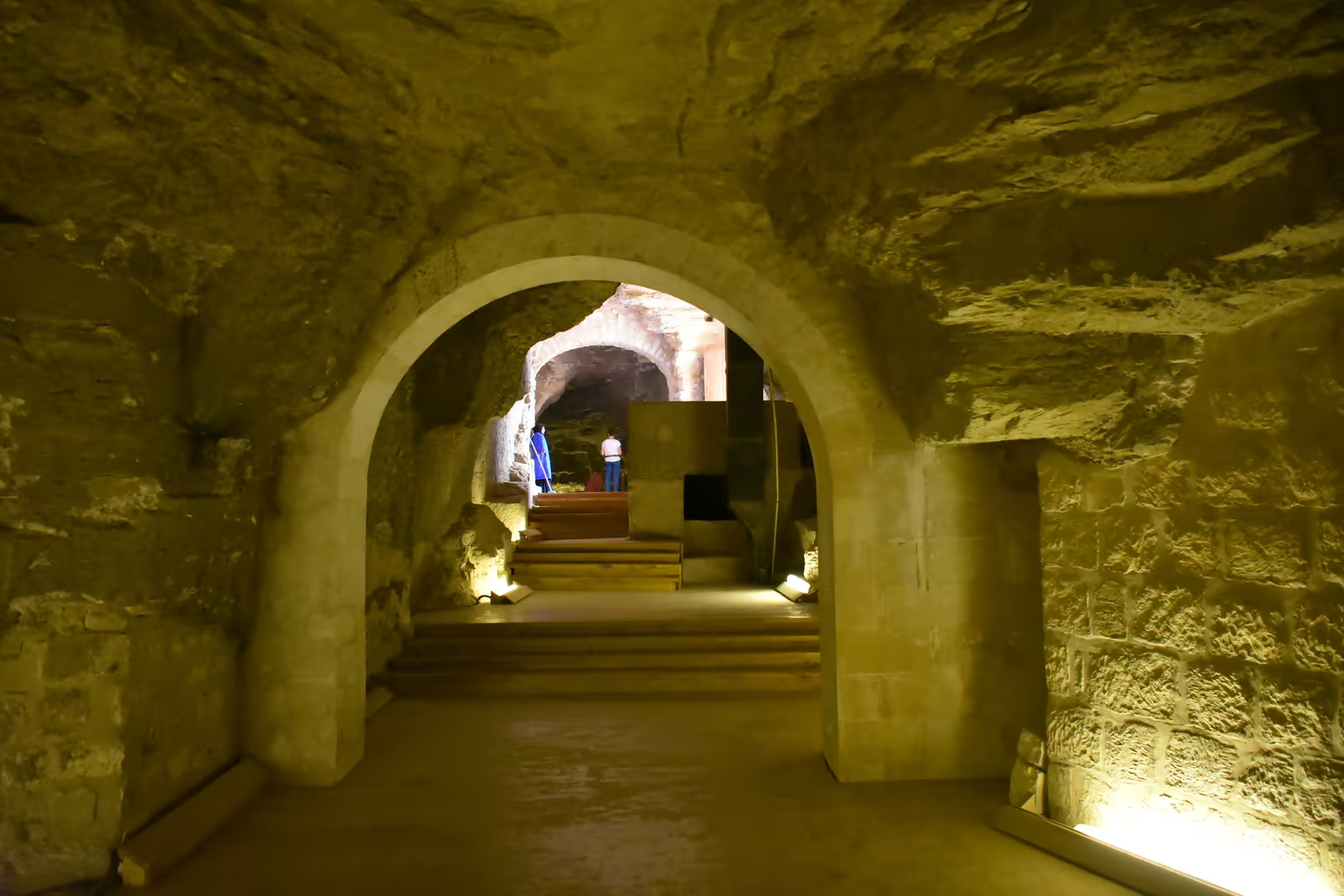
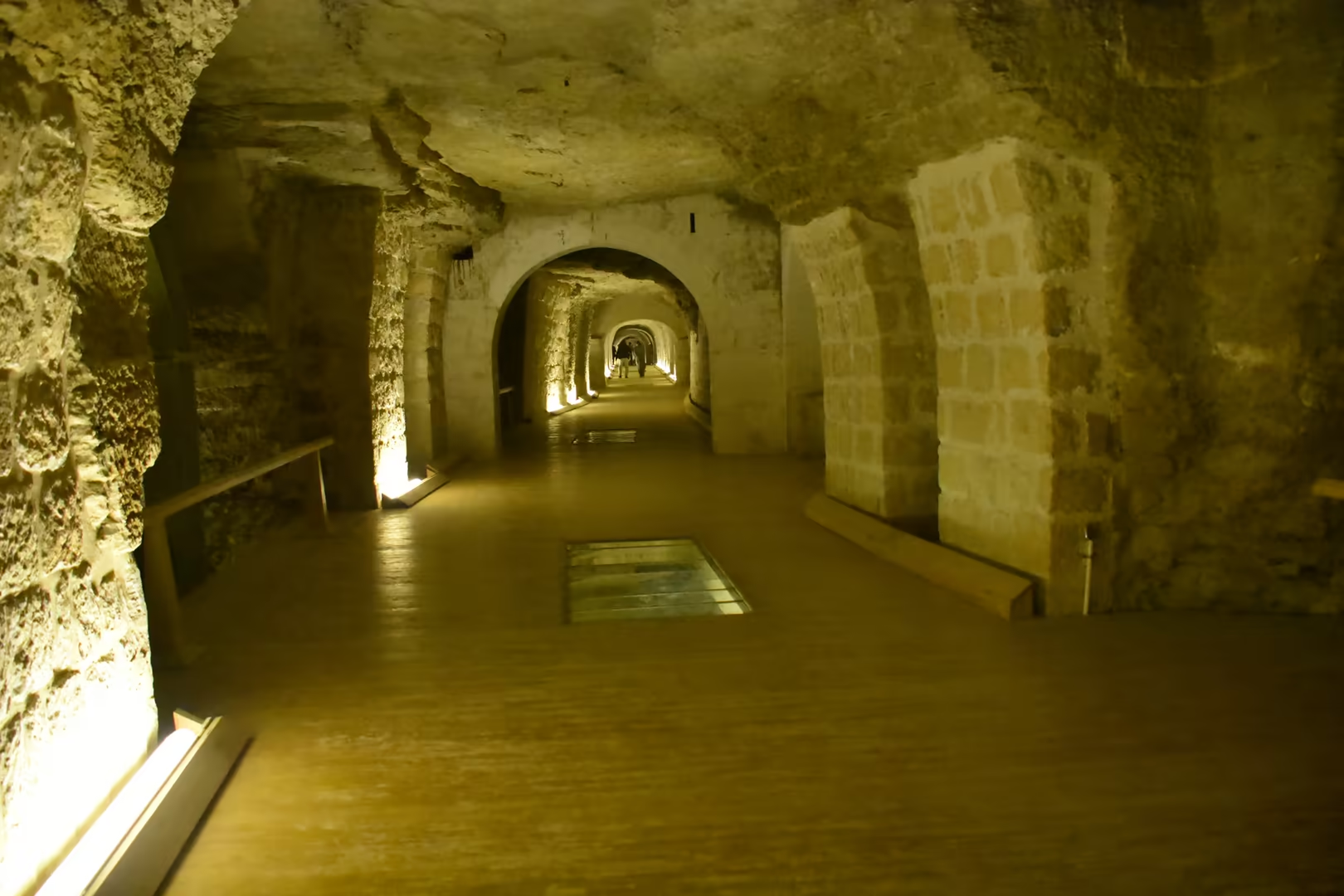
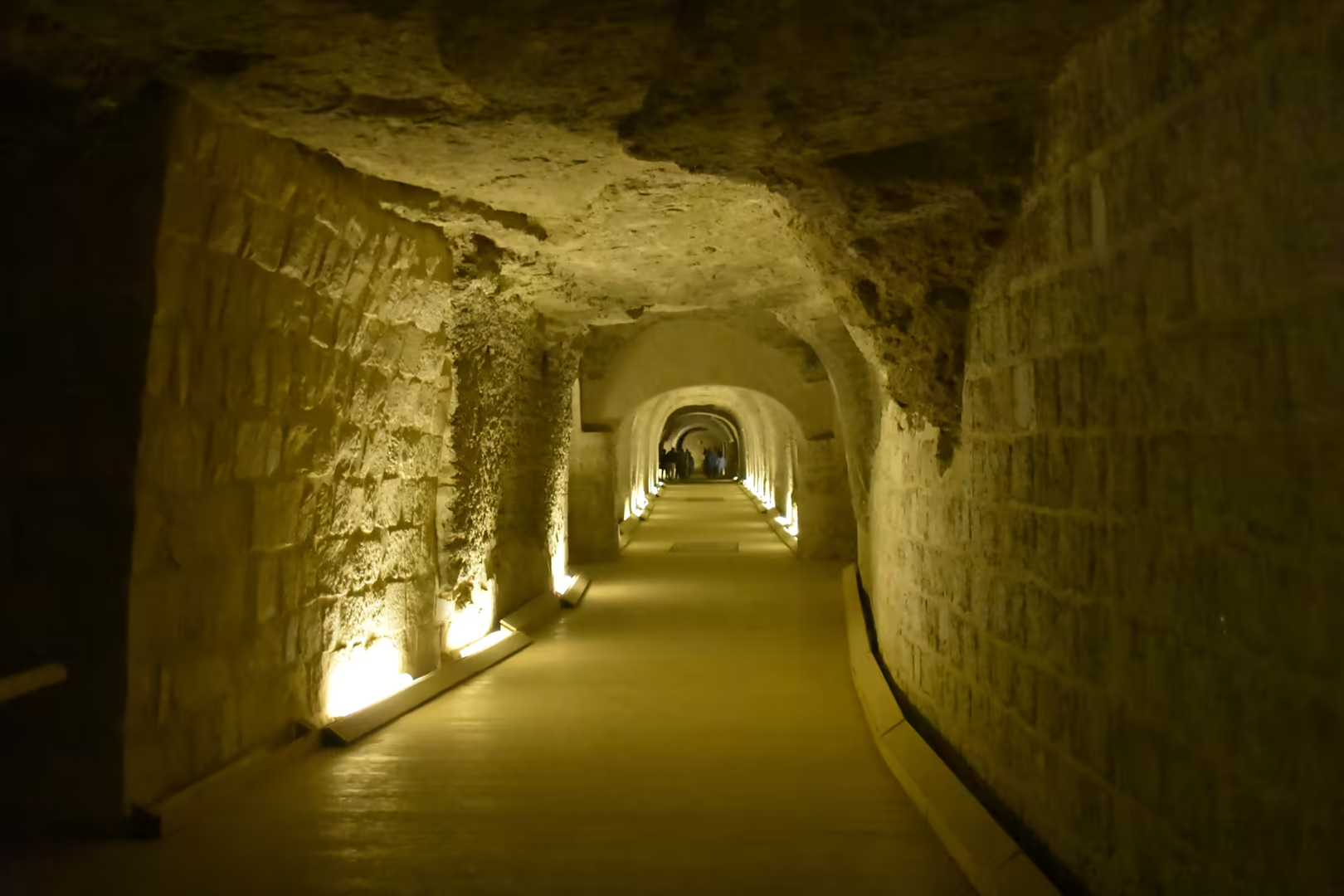
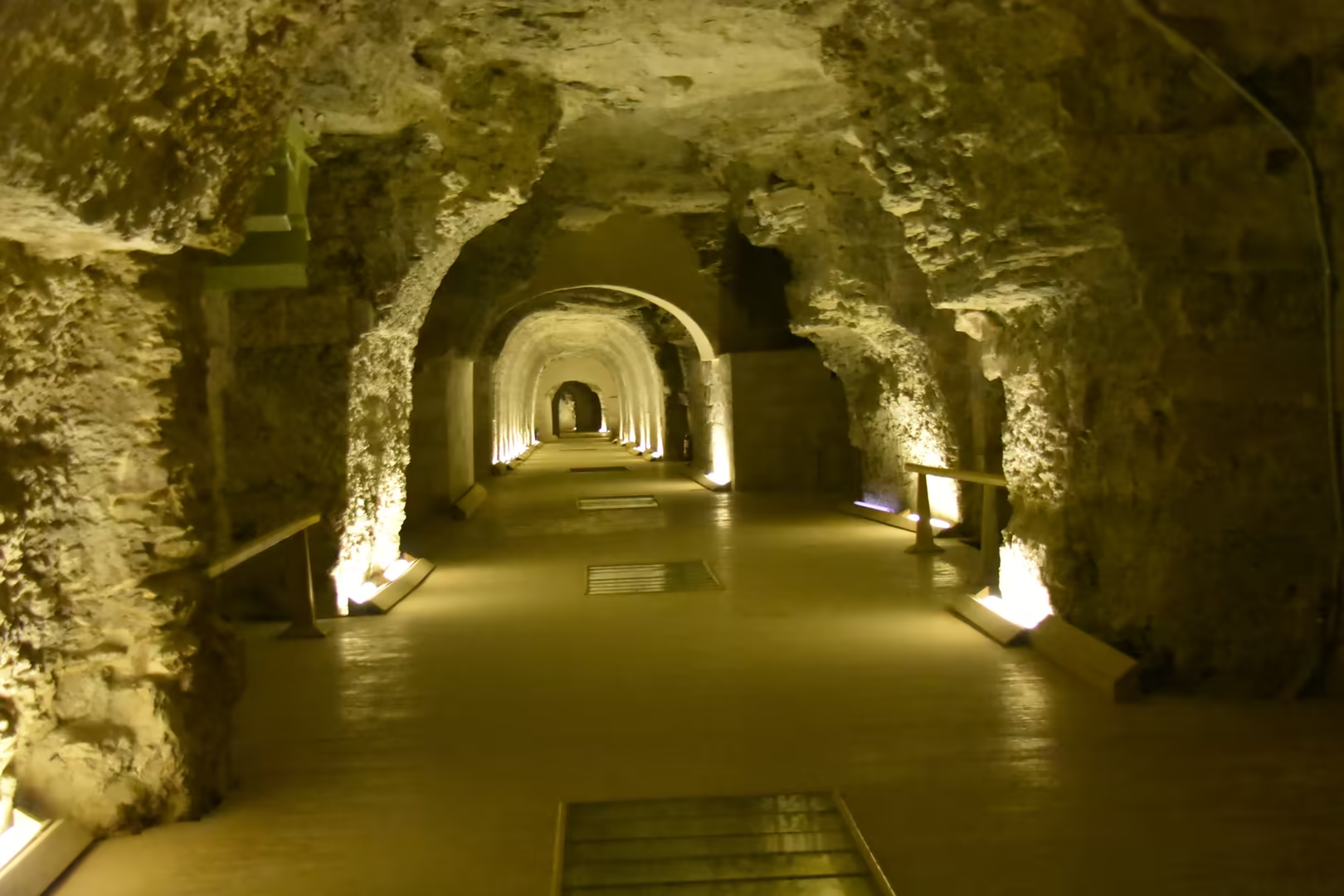
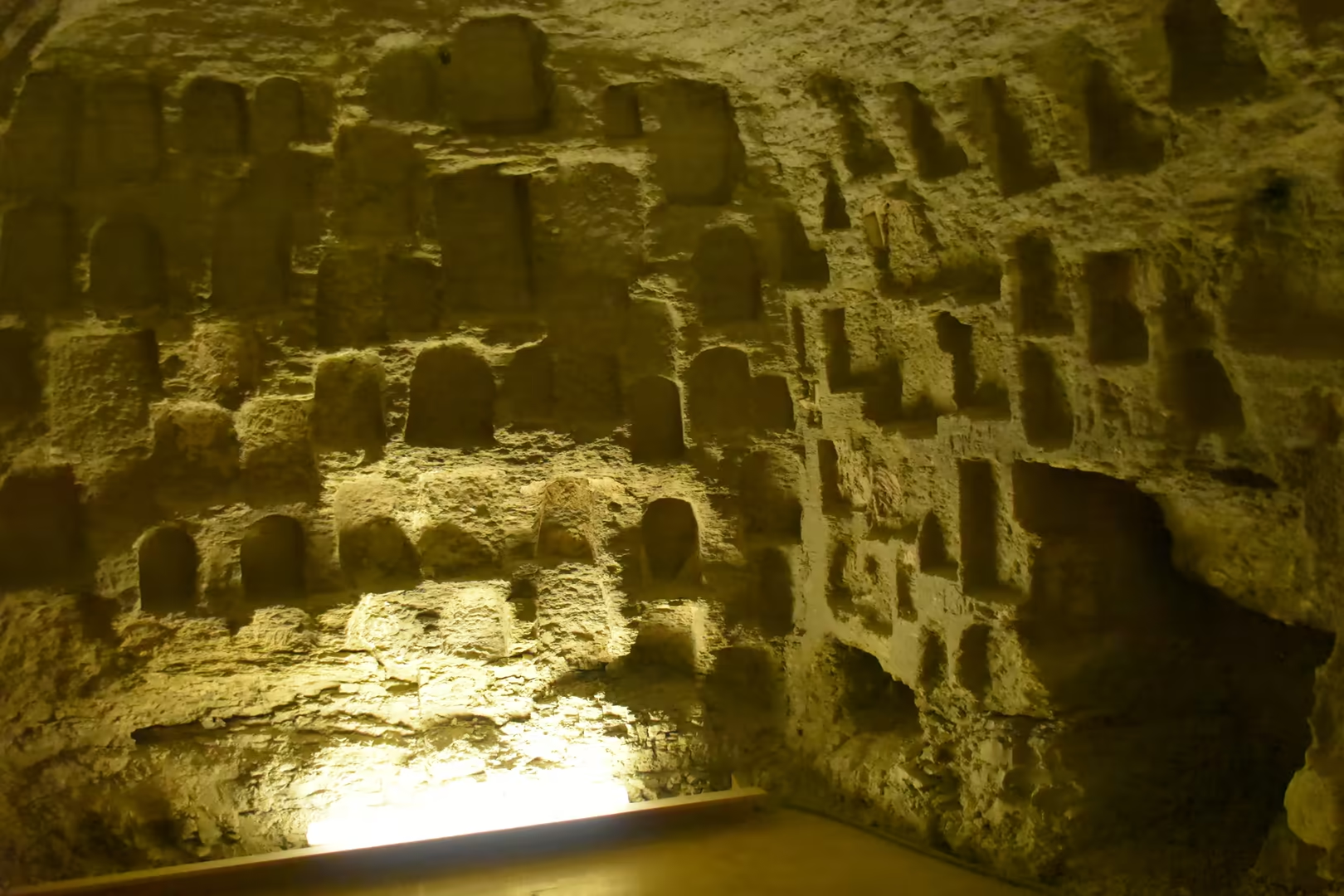
The galleries of the Apis burials were cut directly into the limestone plateau, forming long vaulted corridors lined with recesses, while the bulls themselves were laid to rest in sarcophagi brought from far away. The red and grey granites came from Aswan, the basalt from the northern lava fields, the dark diorites and gneisses from the Eastern Desert. The transport of these monolithic coffers, each weighing tens of tonnes, through the narrow galleries and down into the burial recesses remains one of the great logistical questions of Egyptian archaeology; the winches, rollers and rails found in the galleries, together with the sand-fill technique for lowering the coffers, show how the engineers moved them with the same ramps, levers and muscle that served the pyramid builders.
Water and time are the enemies of the site. The tombs and shafts of Saqqara, cut into the permeable limestone, have suffered for more than a century from the rising groundwater of the adjacent cultivation: modern irrigation has lifted the water table of the Memphite plain, and the deepest shafts now reach water. Wind, rain and rare earthquakes erode the friable cores of the later pyramids; in the Dahshur earthquake of 1992 stones fell from the Step Pyramid and the Serapeum suffered fresh cracks. Drainage, restoration and groundwater monitoring are therefore as much a part of the archaeology of Saqqara as the excavation of its tombs.
Things to See
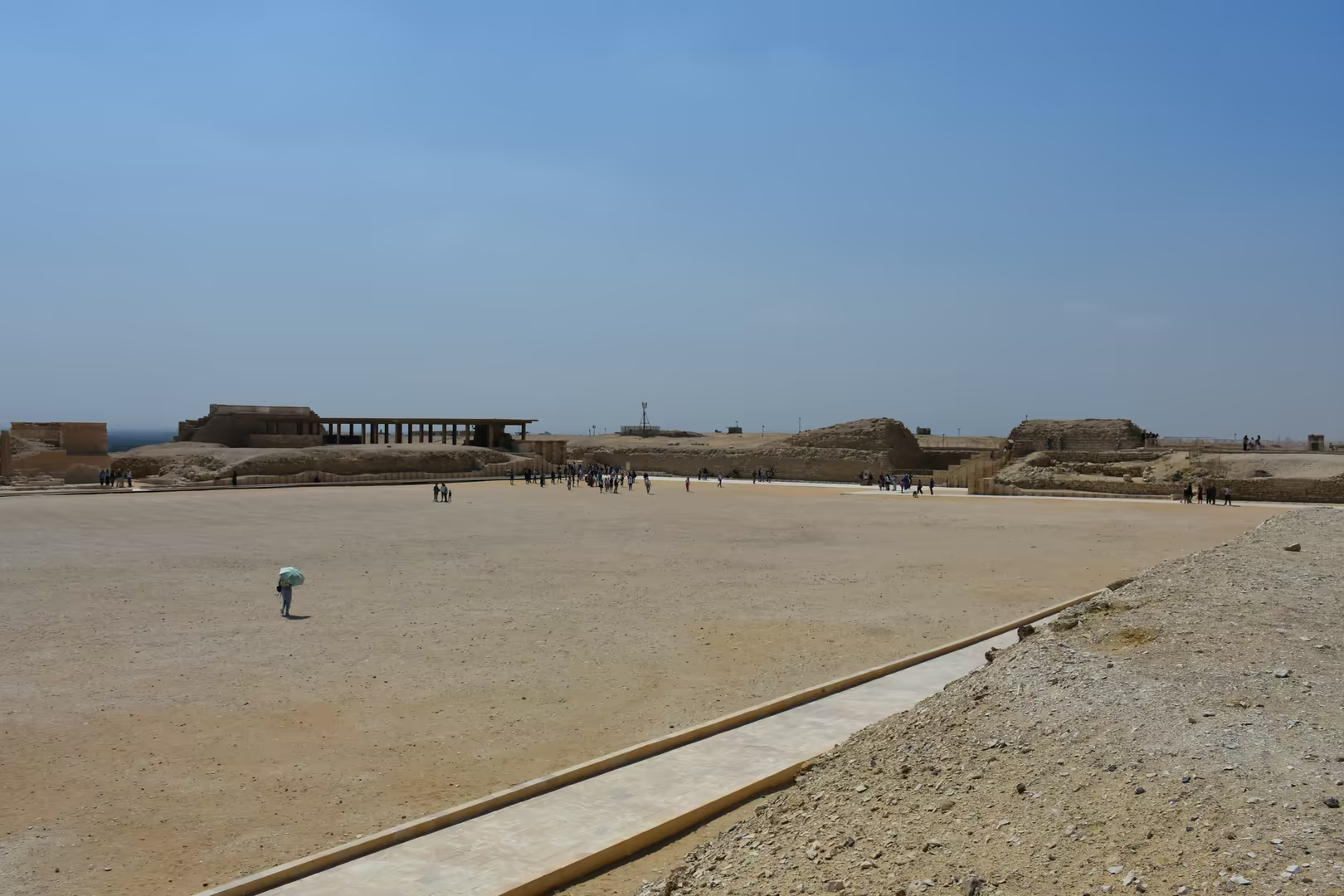
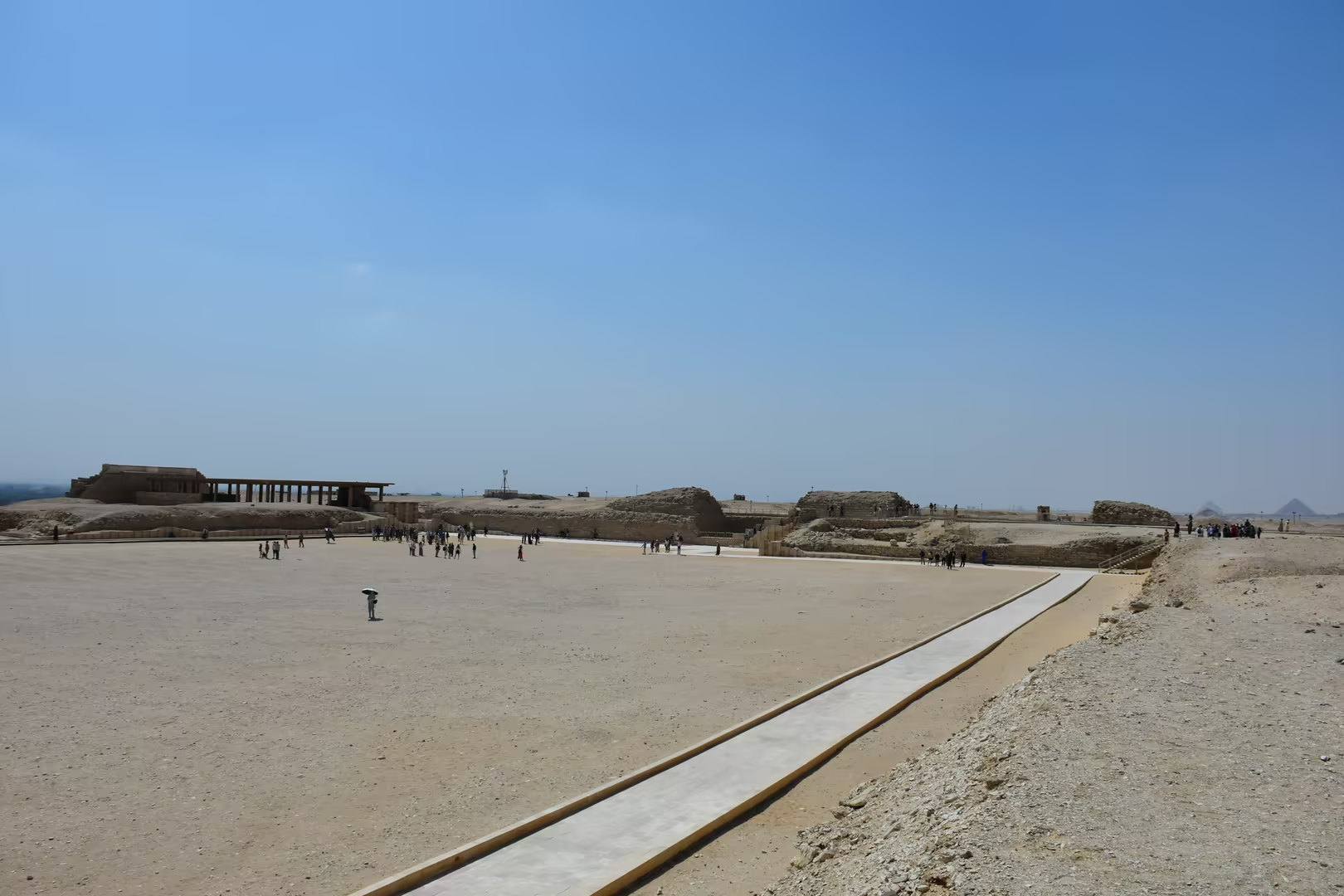
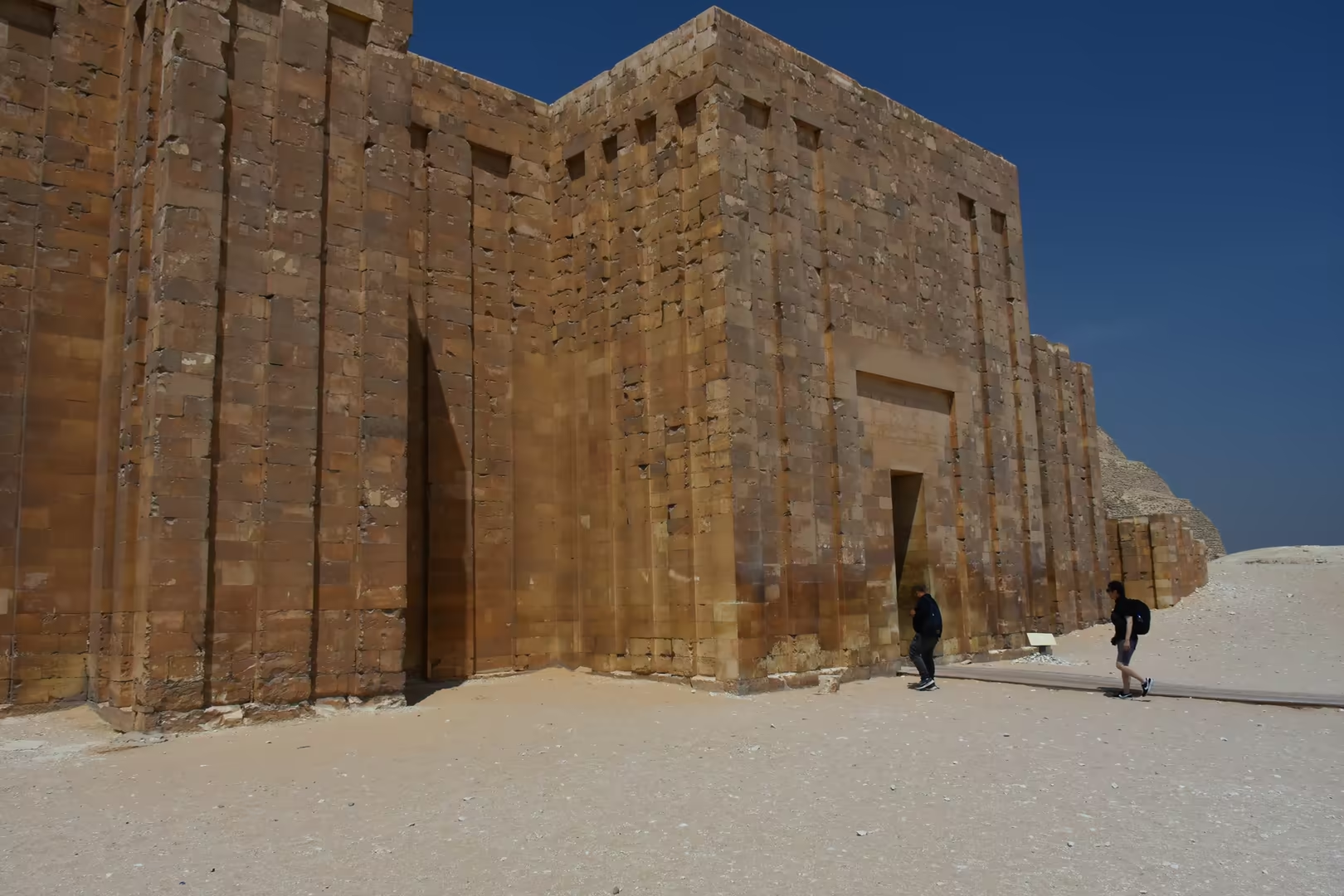
The Step Pyramid complex of King Djoser dominates the northern part of the plateau. It is entered through a great niched enclosure wall, over ten metres high, that reproduces in stone the panelled palace facade of the earliest royal tombs; inside, a colonnade of forty engaged columns carved to imitate bundles of reeds opens into the great court. The Step Pyramid itself rises in six tiers to an original height of about sixty-two metres and stands as the earliest colossal stone building in history. The enclosure also contains the courts and chapels of the royal jubilee festival, the heb-sed, and the South Tomb with its granite vault.
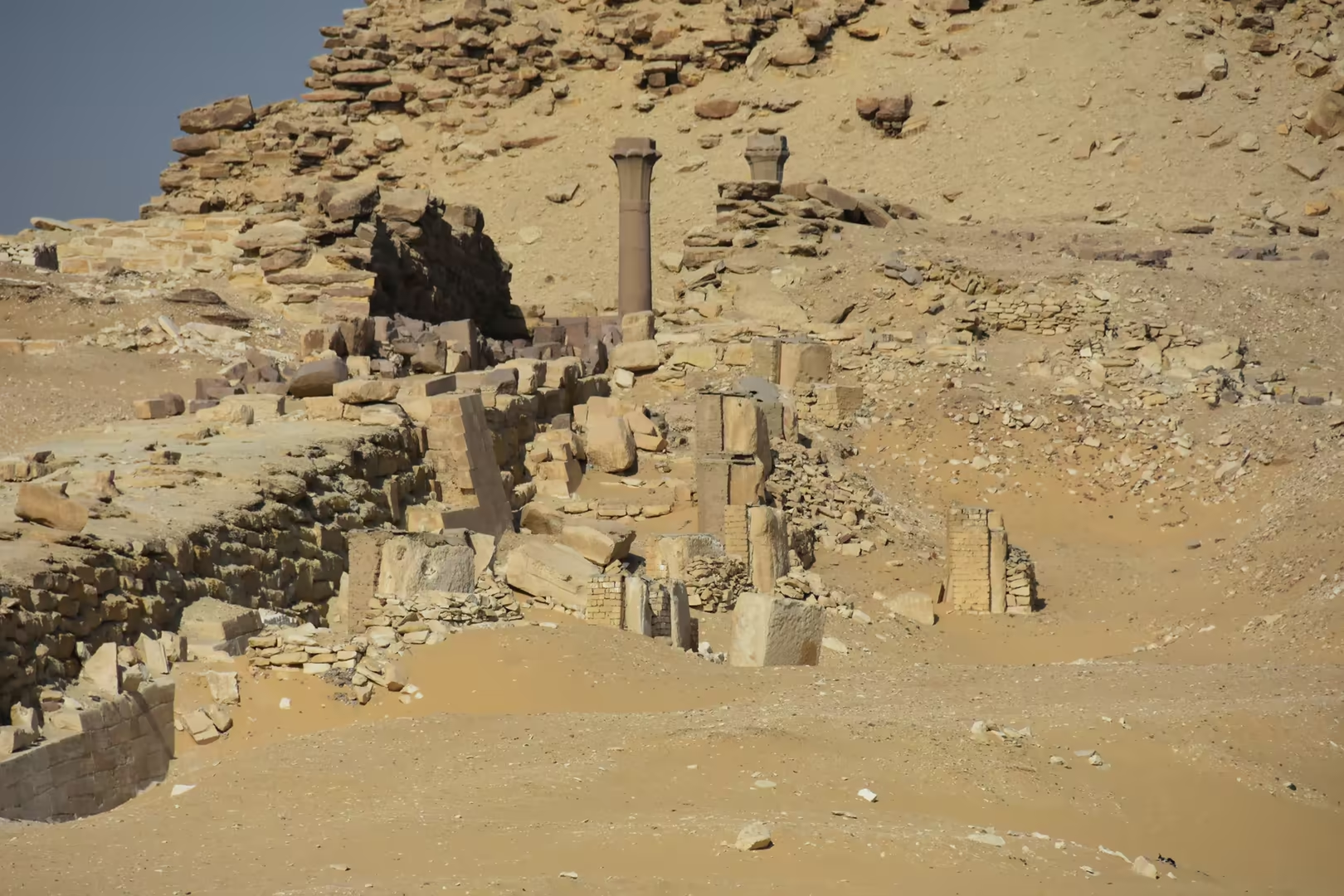
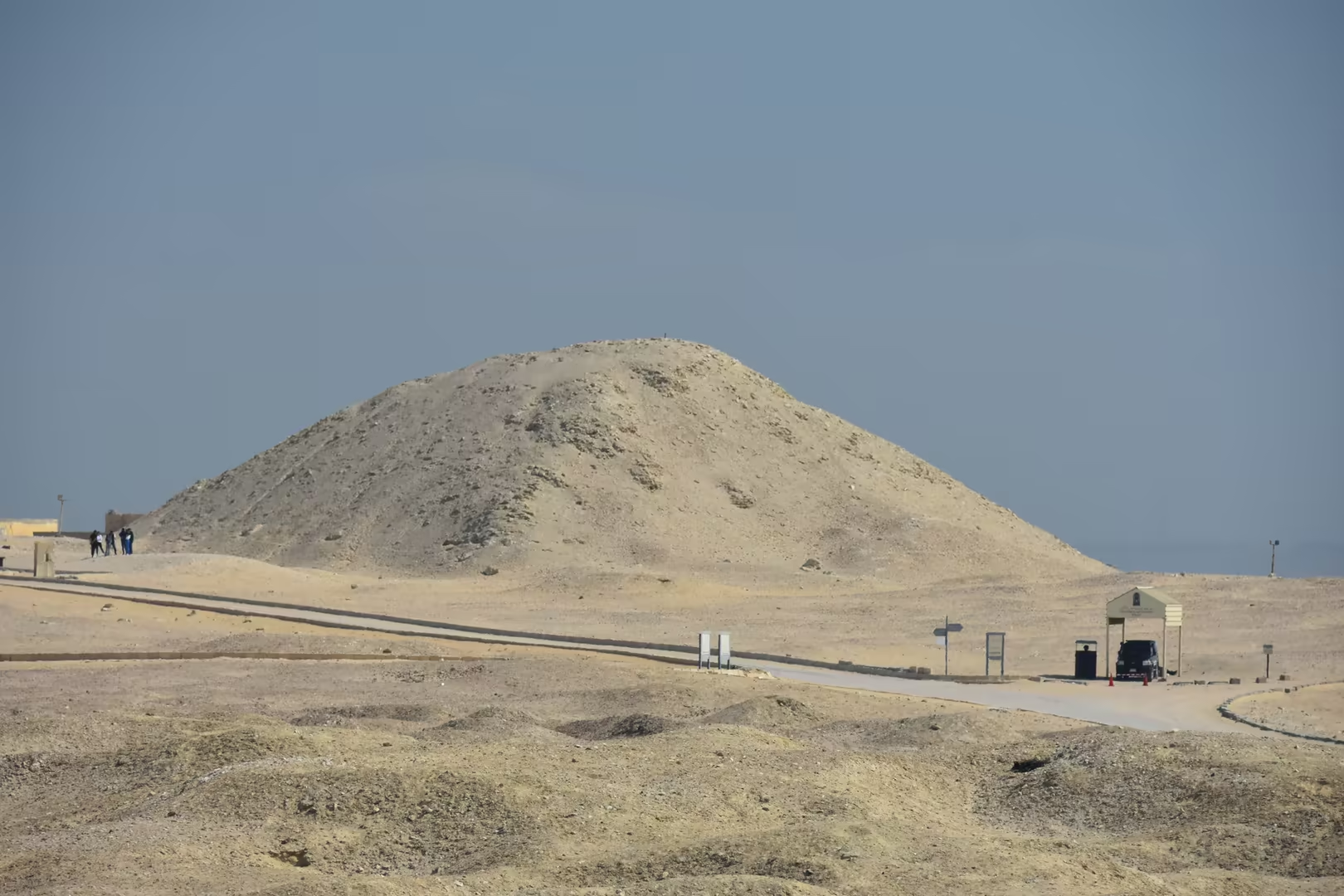
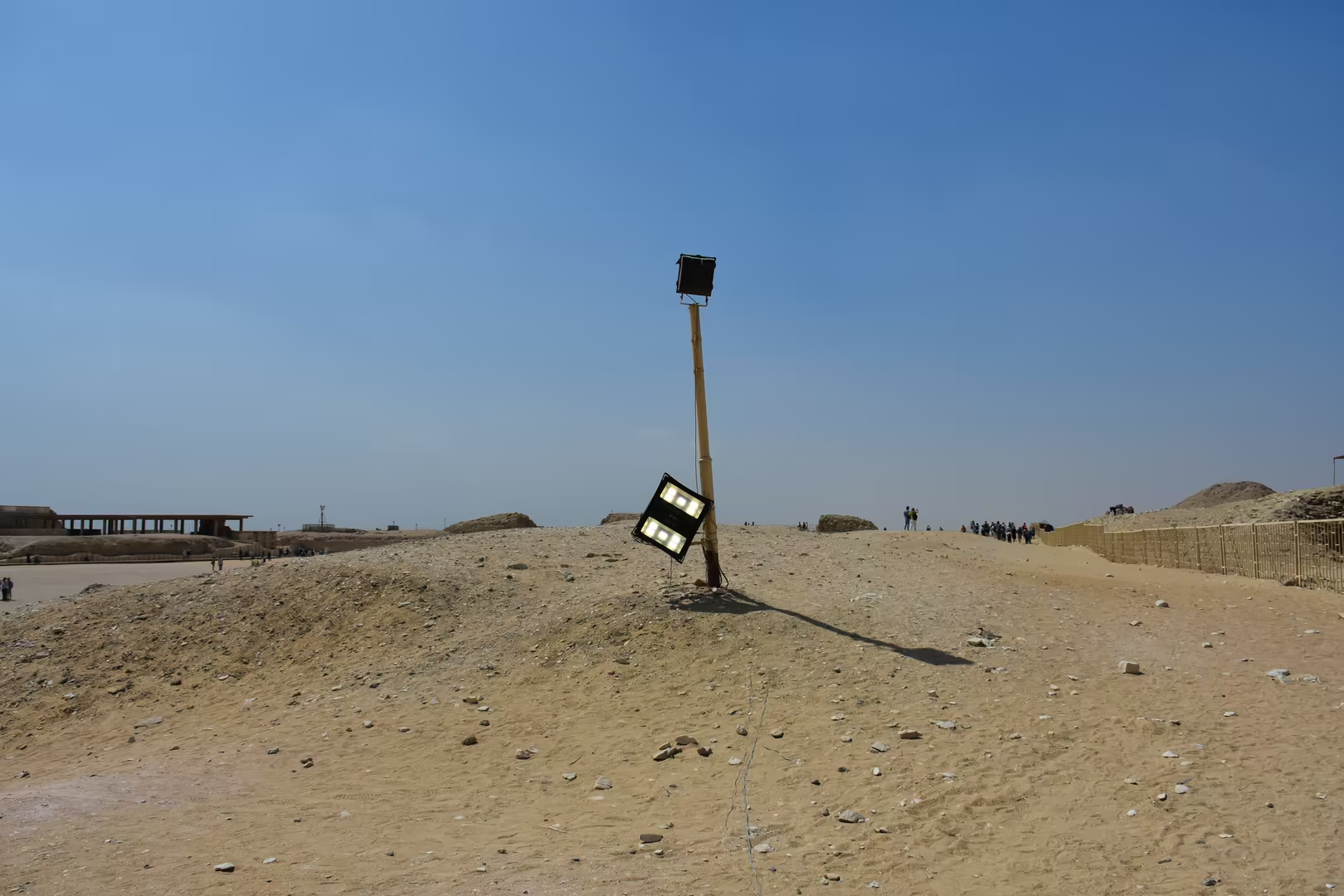
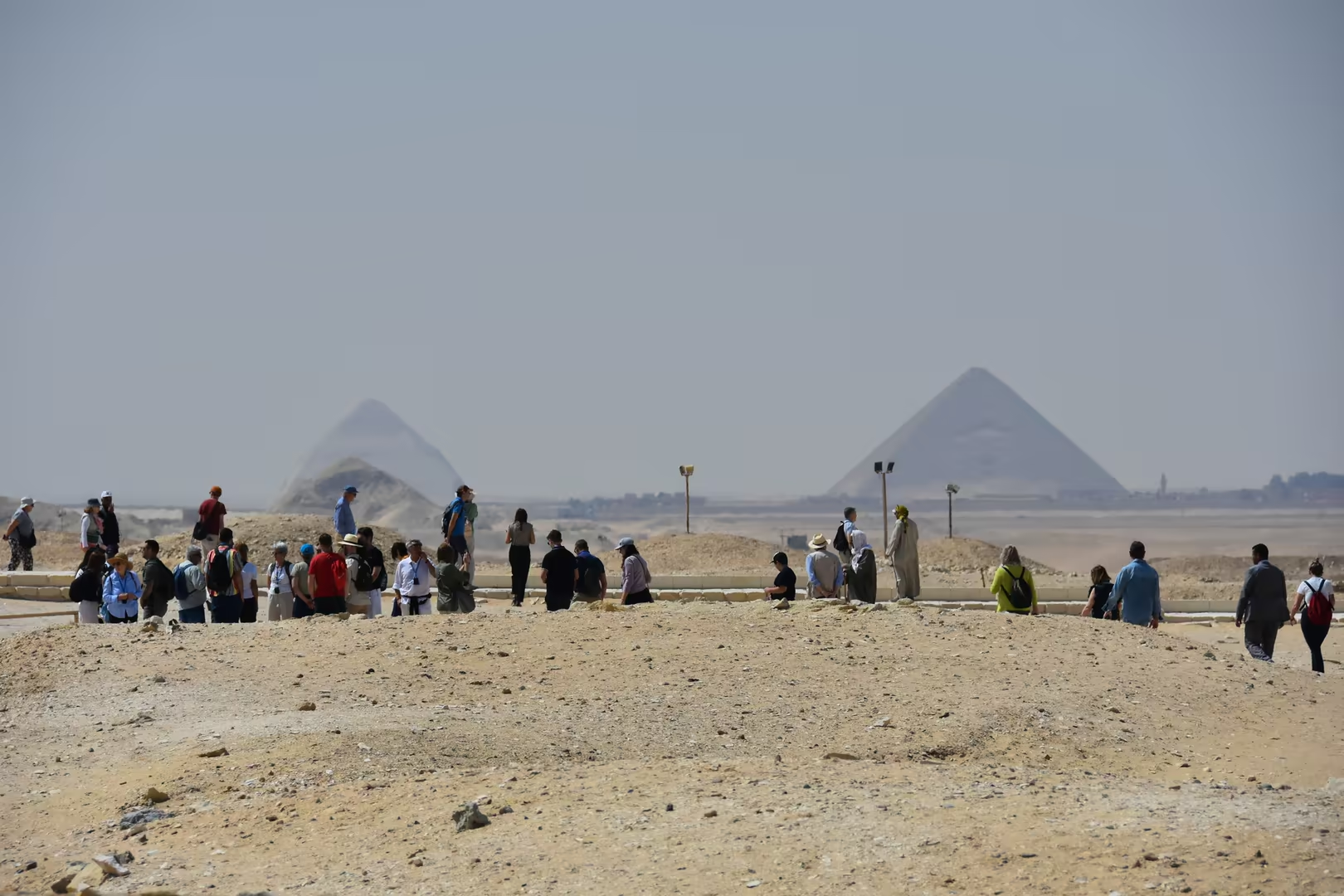
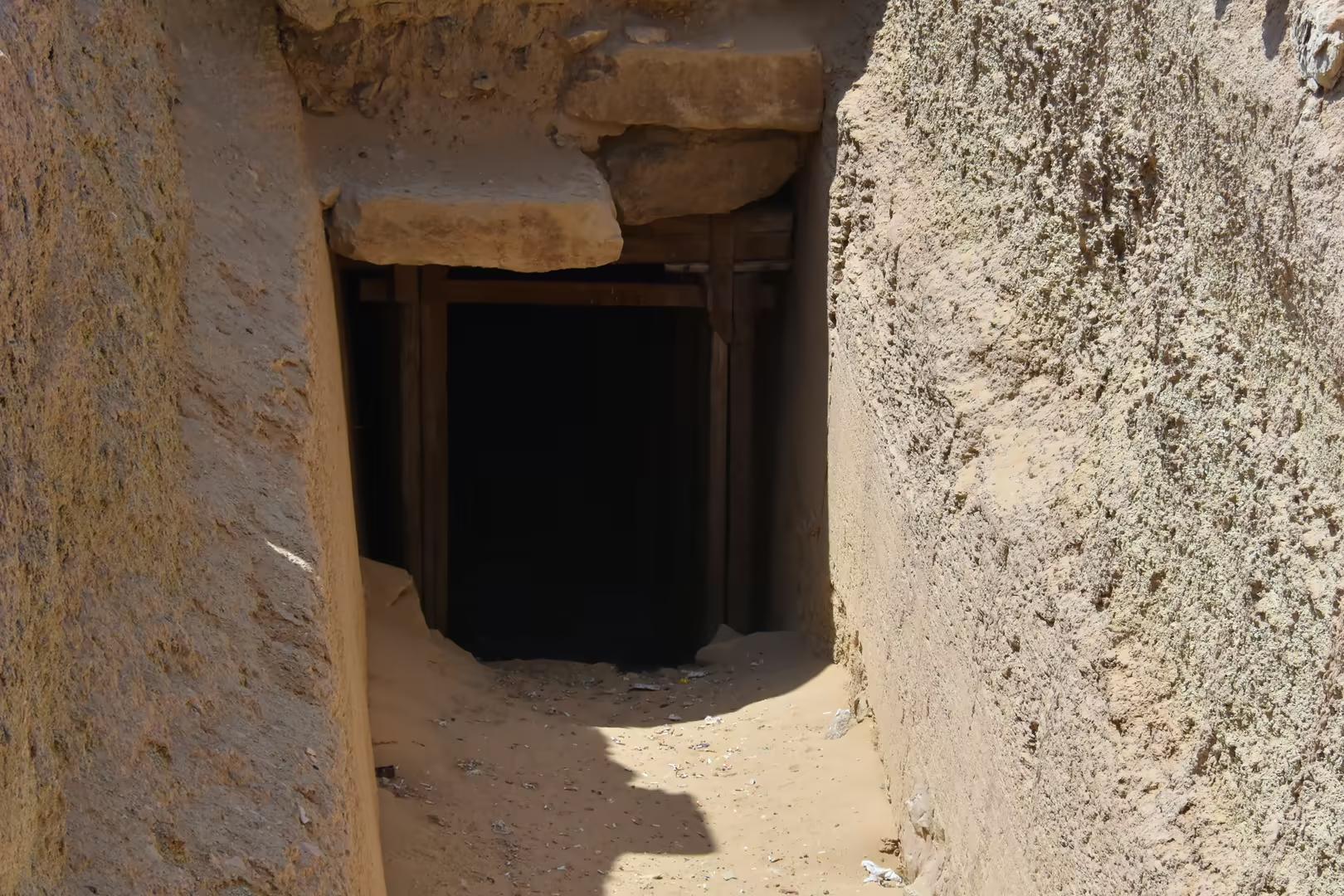
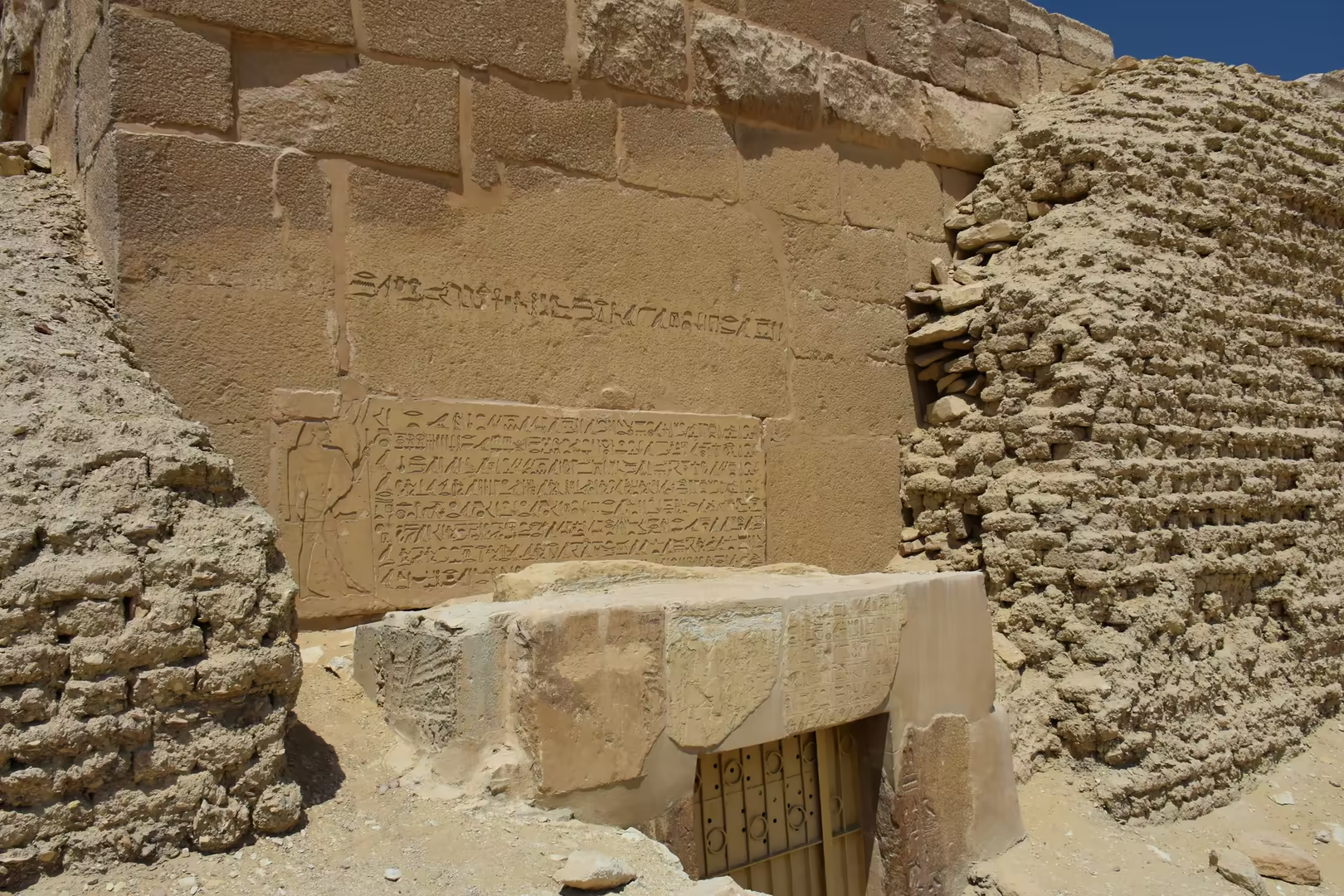
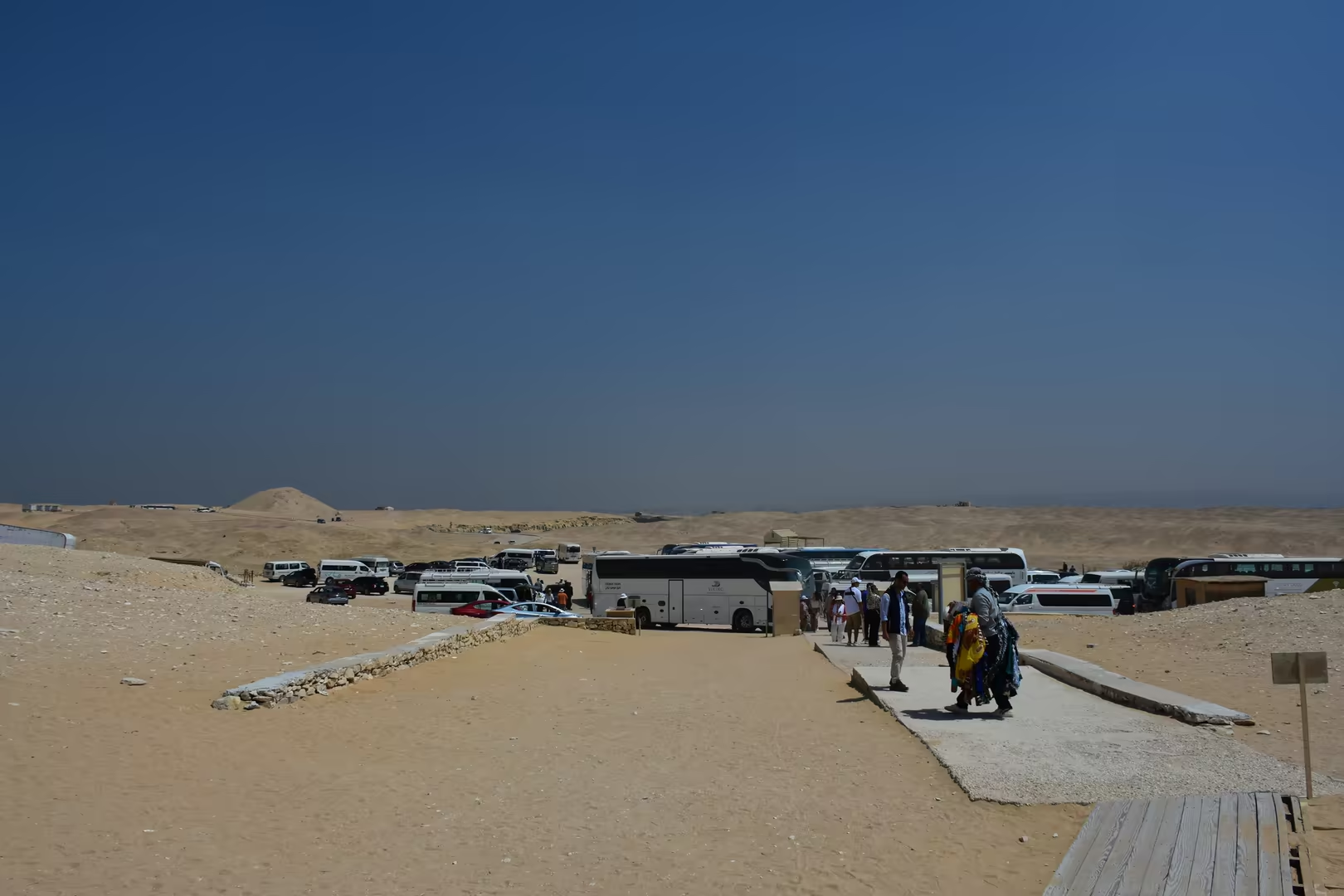
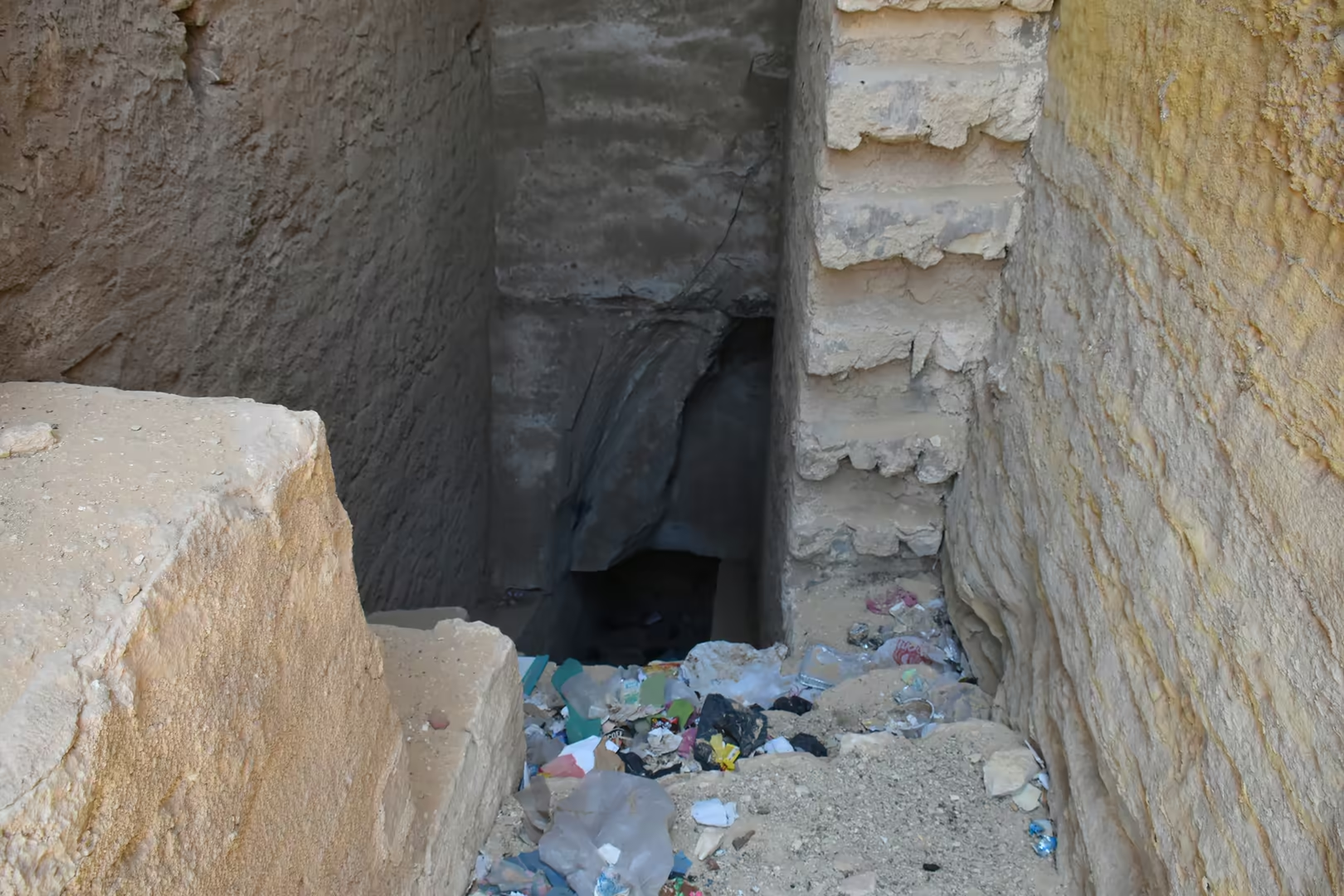
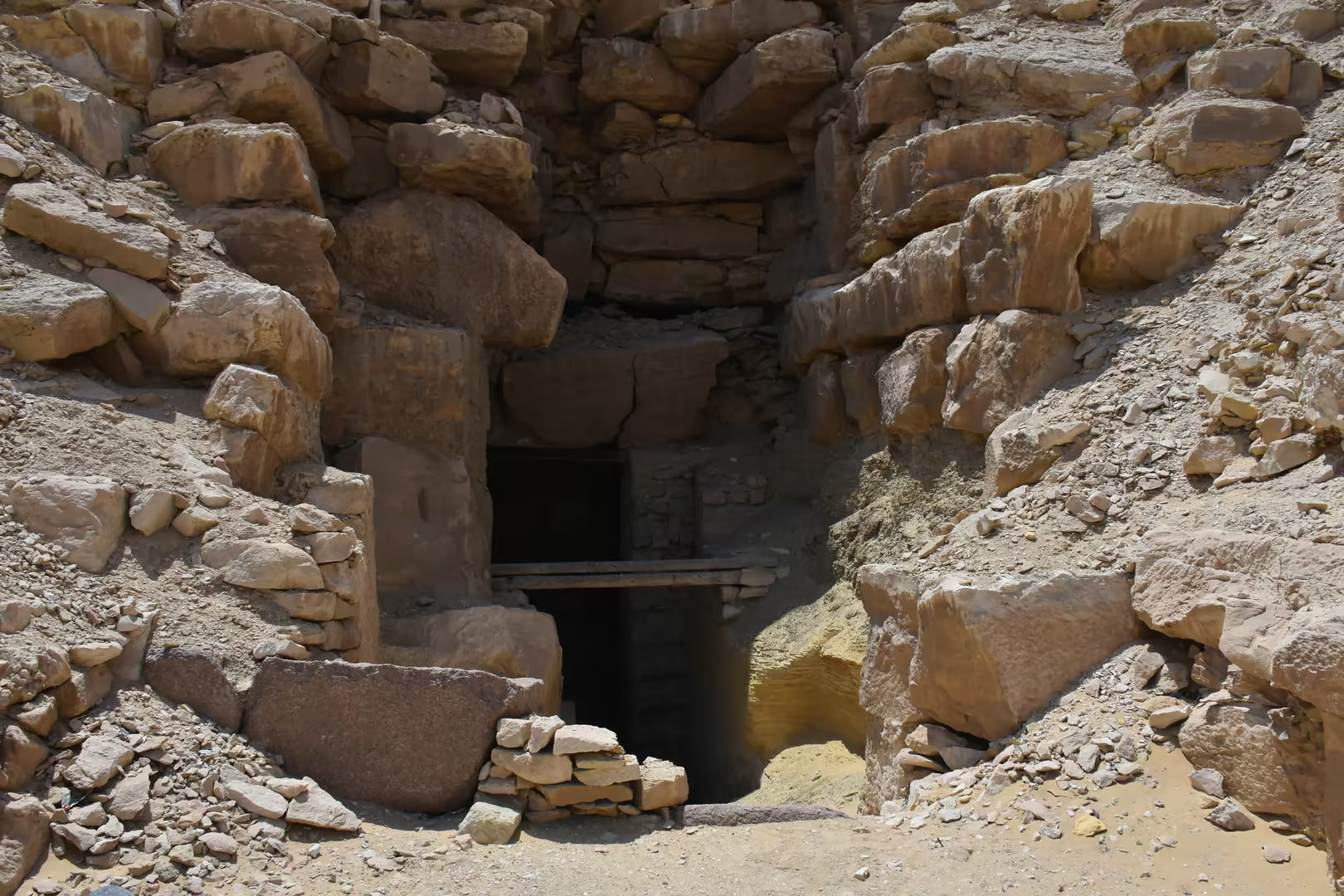
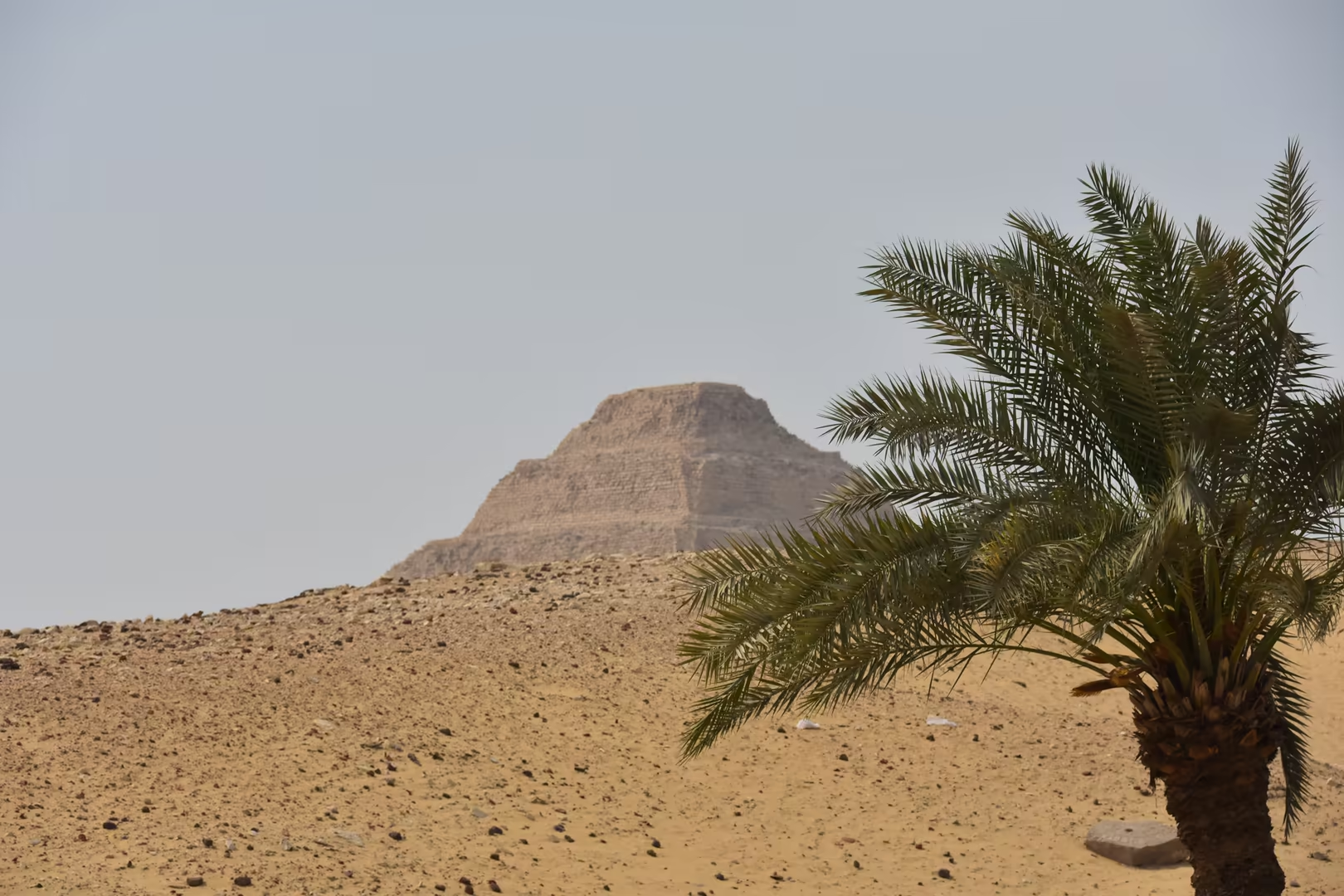
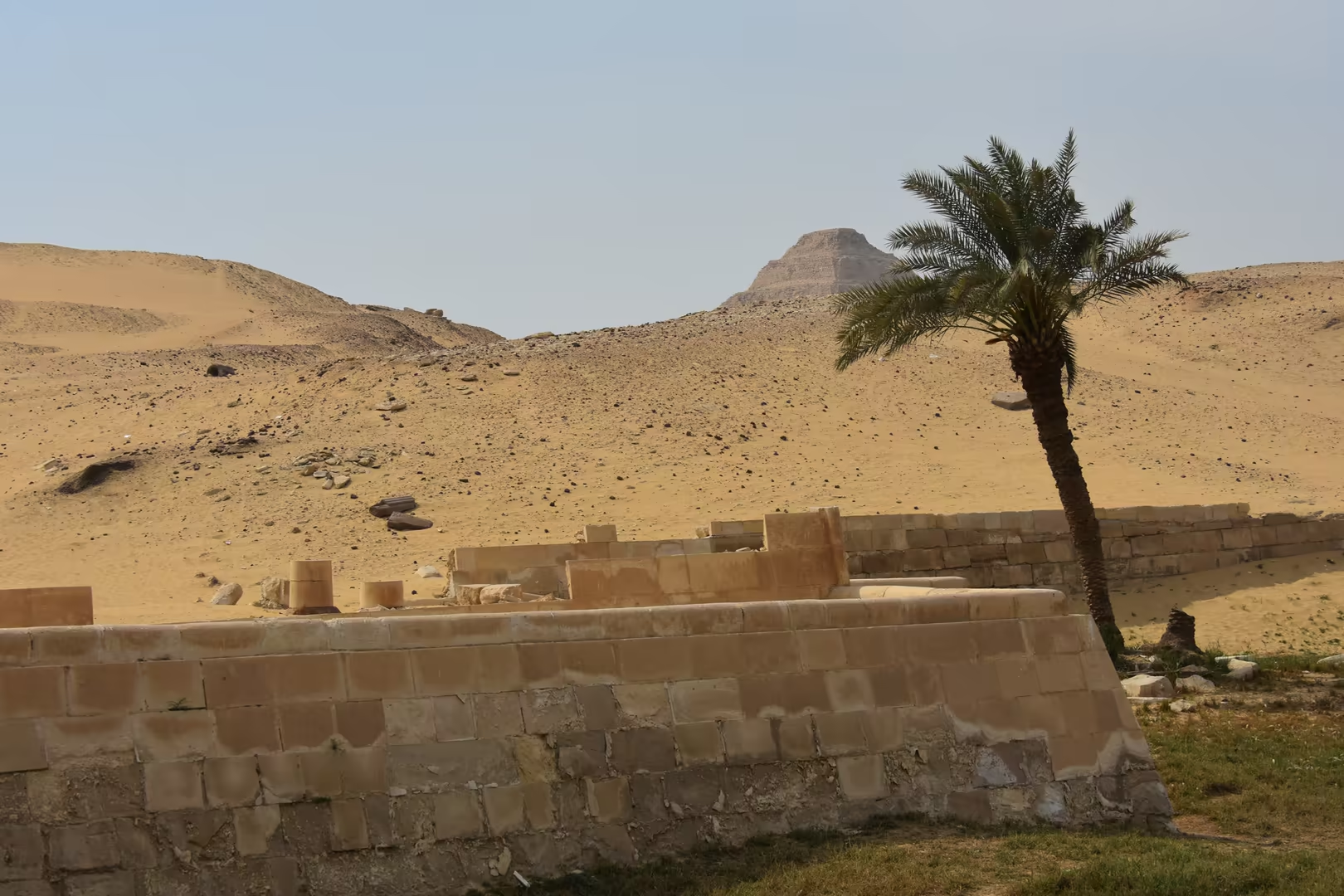
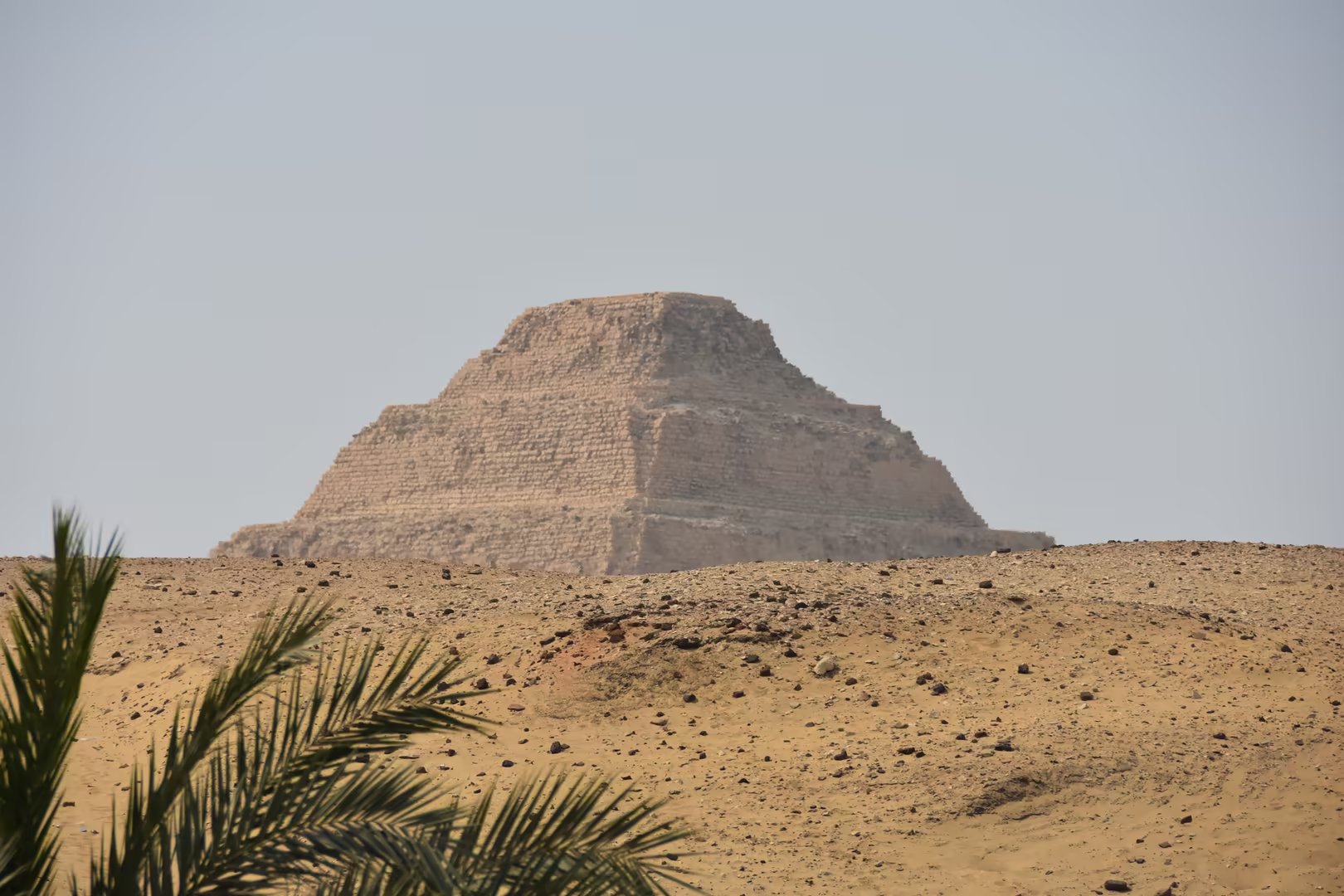
Around the central complex lie the ruined royal pyramids of the Fifth and Sixth Dynasties, reduced by five thousand years to mounds of loose stone, some with dark openings where tomb robbers and excavators broke in. They show how these kings built with cores of rubble behind their limestone casings once the casing was stripped or weathered away.
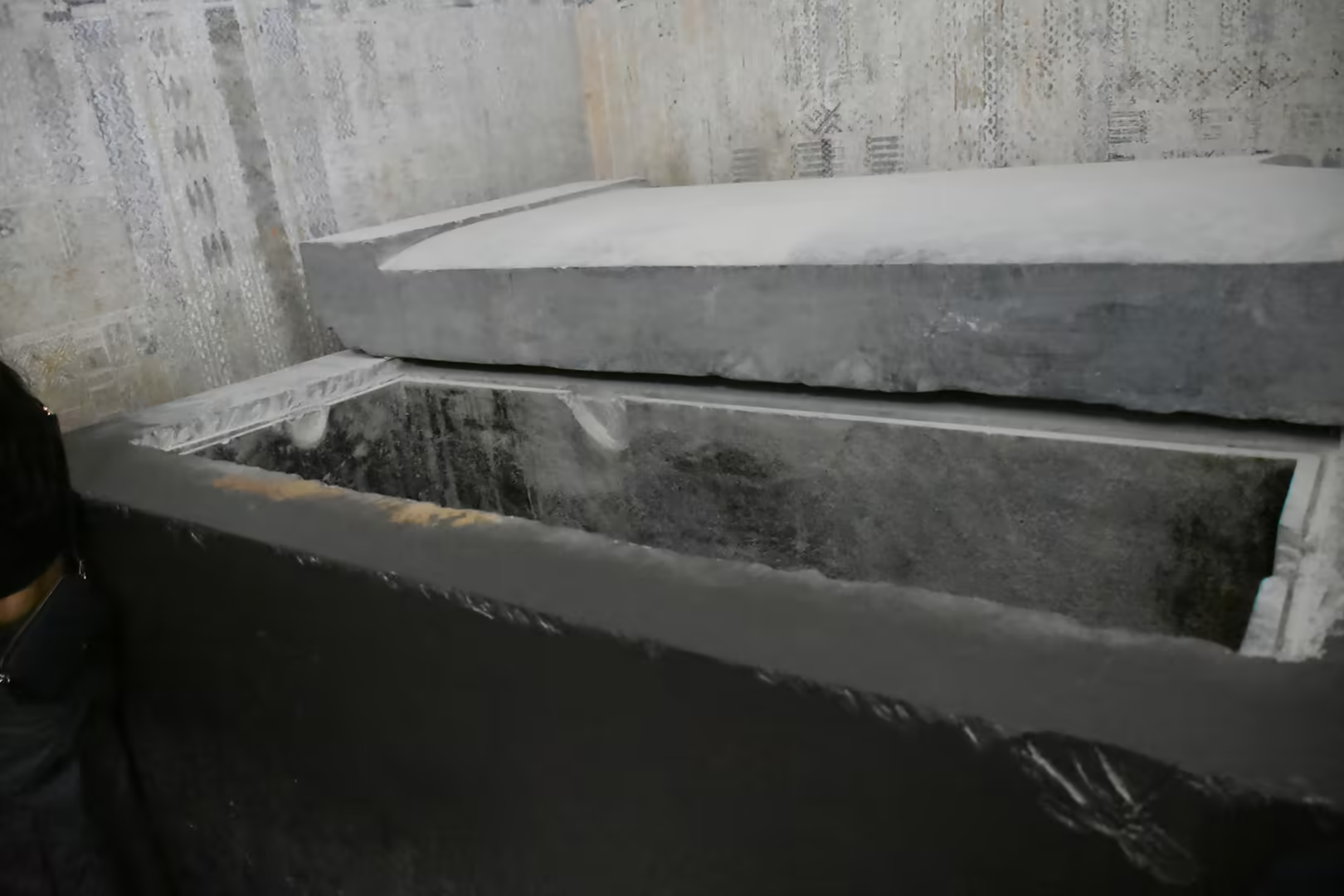
To the south stands the pyramid of Unas, last king of the Fifth Dynasty (c. 2375-2345 BC) and the smallest royal pyramid of the Old Kingdom. From outside it appears as a low mound of rubble, but its burial chamber carries the Pyramid Texts, vertical columns of incised hieroglyphs painted blue on the limestone walls. These are the oldest corpus of religious writing known from ancient Egypt; the 283 spells were intended to secure the king’s rebirth, and the gabled ceiling above them is painted with stars. The king’s black sarcophagus of greywacke stands beside the west wall. The pyramid was first entered by Gaston Maspero in 1881, and its causeway, more than seven hundred metres long, is among the best preserved of the Old Kingdom.
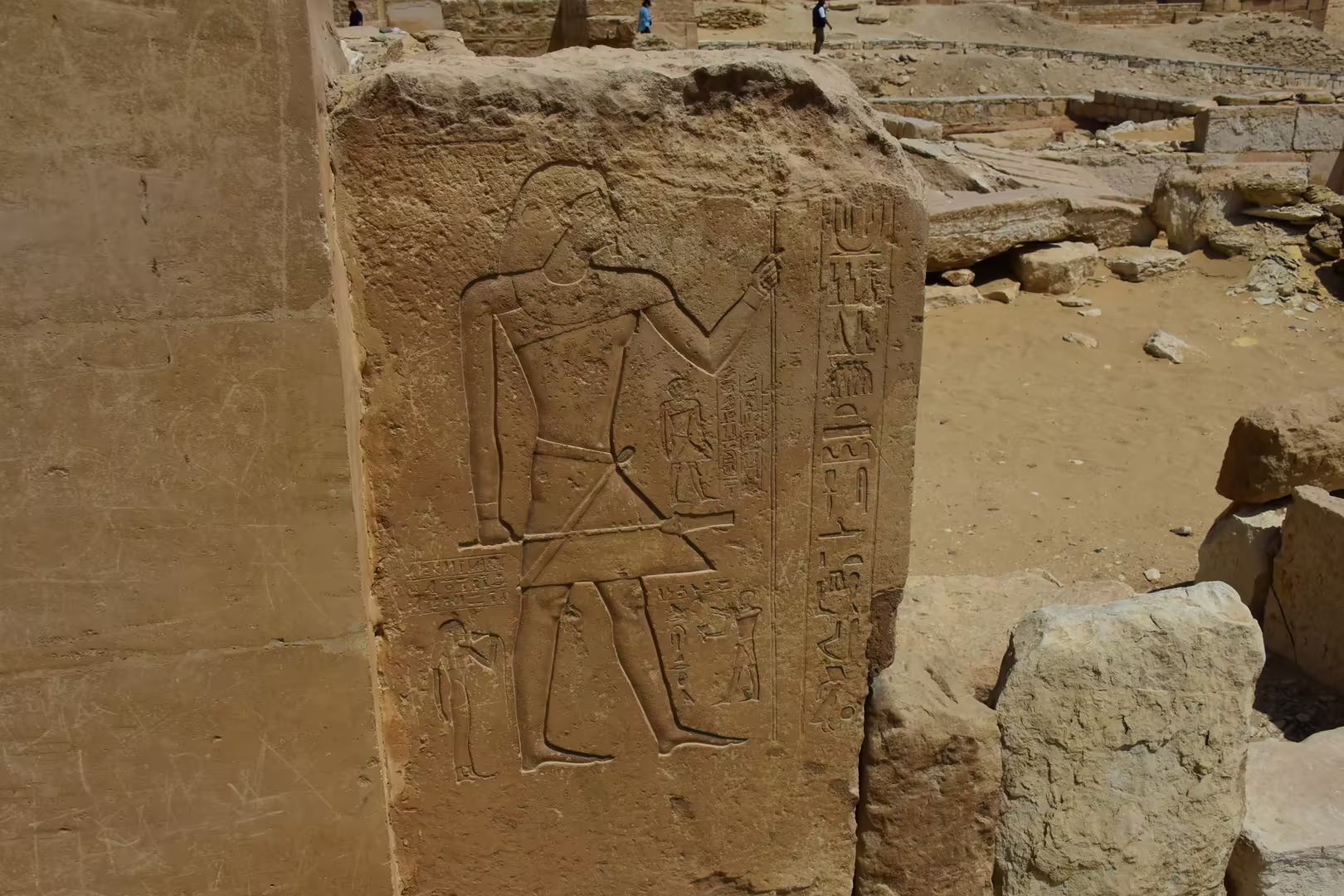
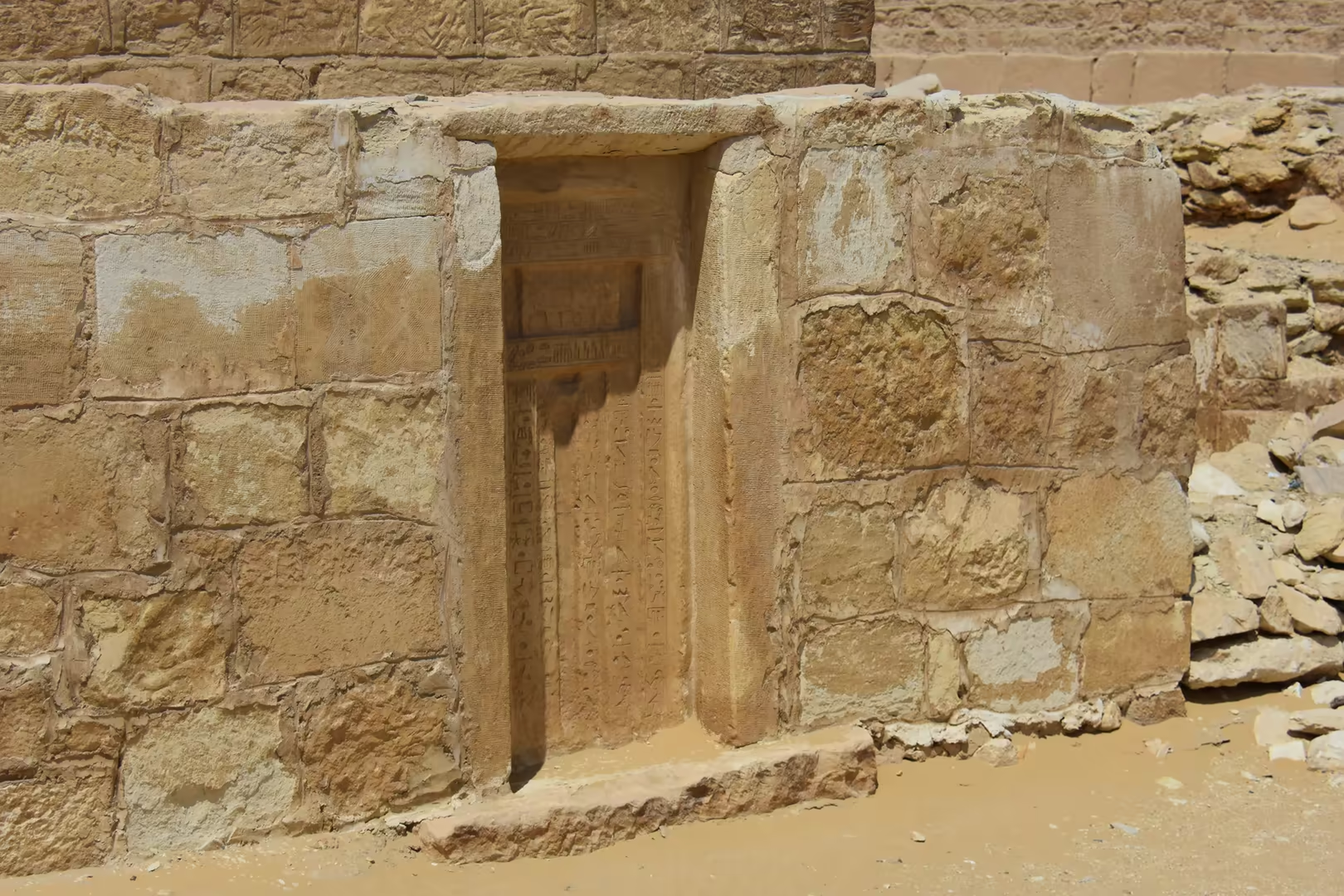
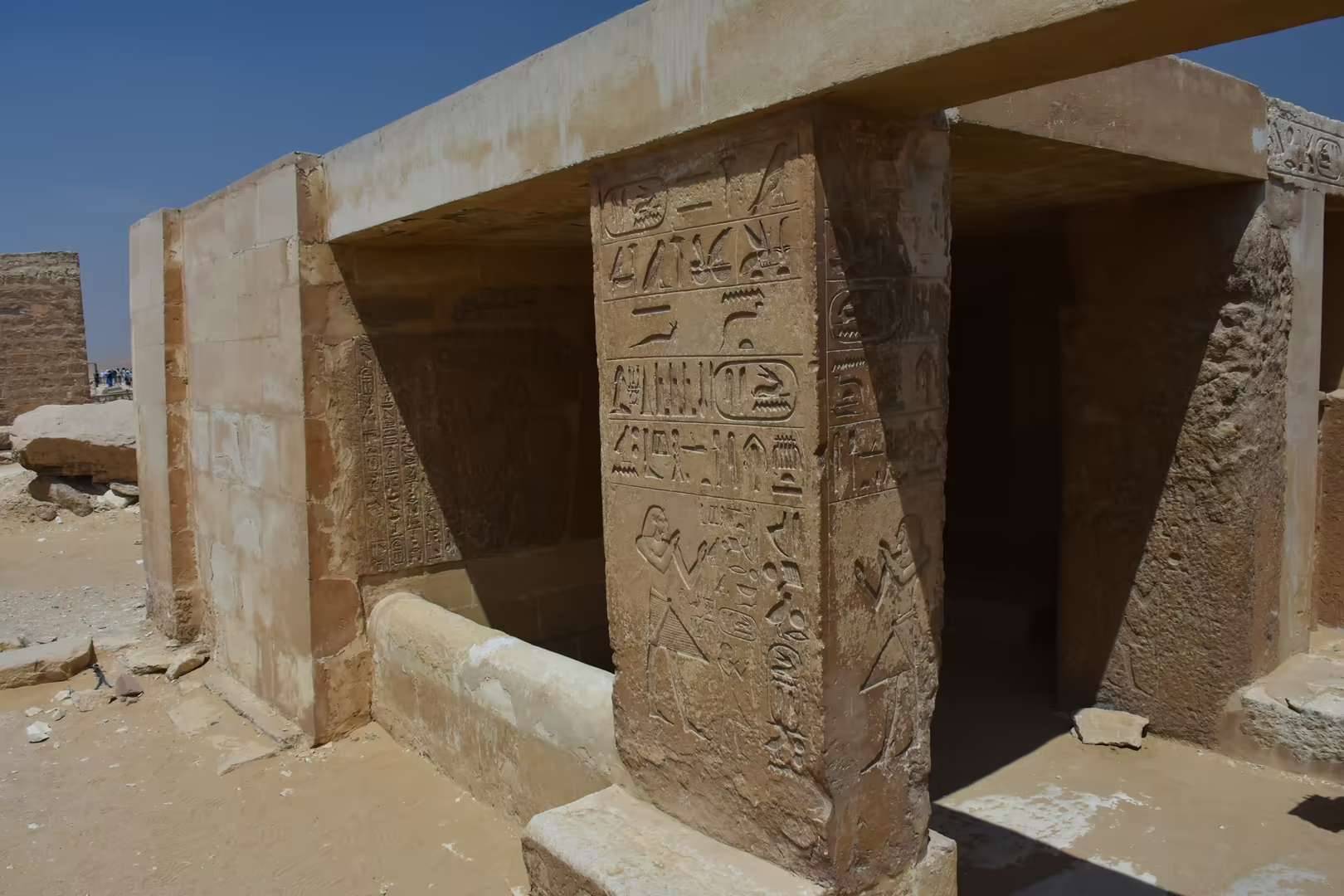
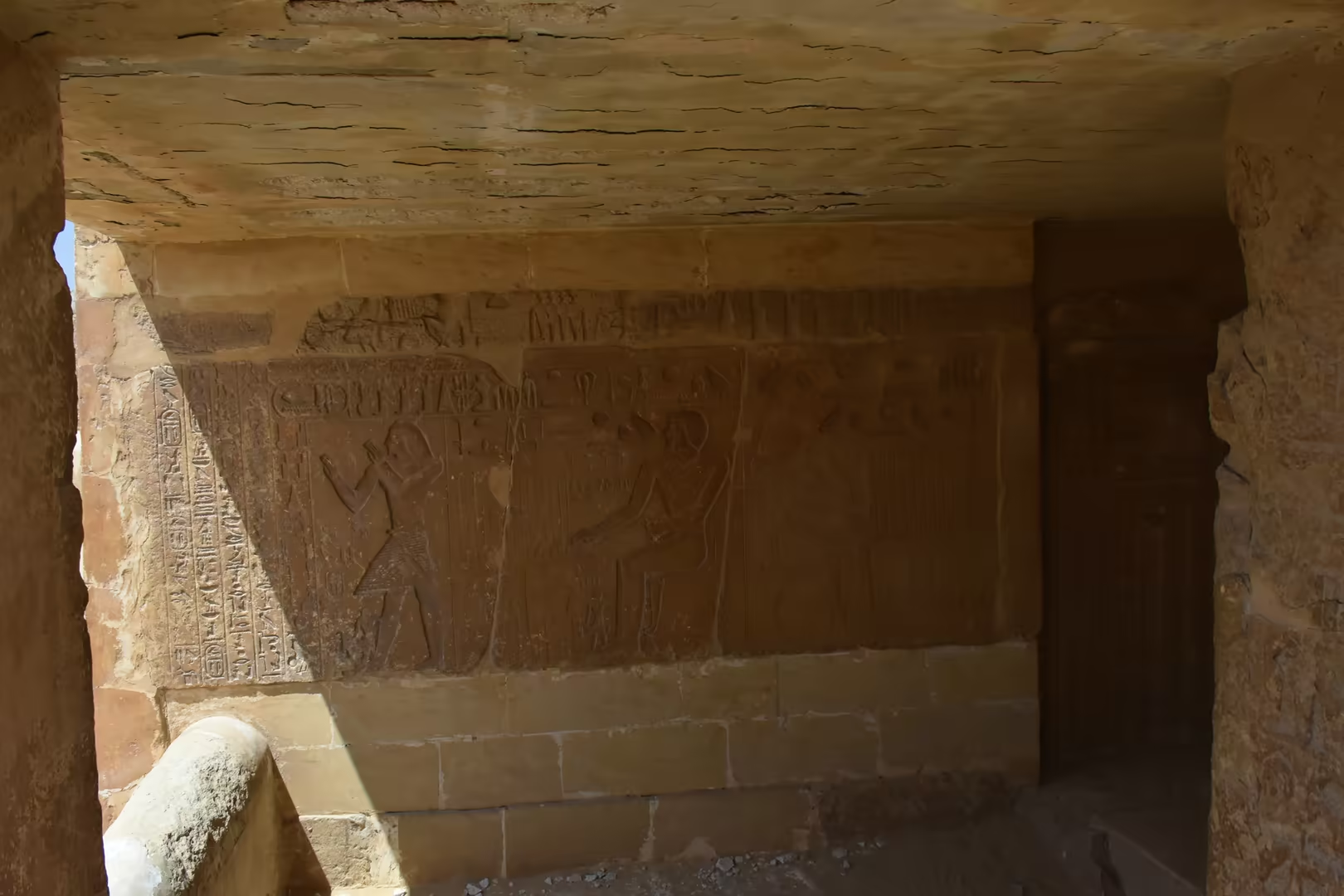
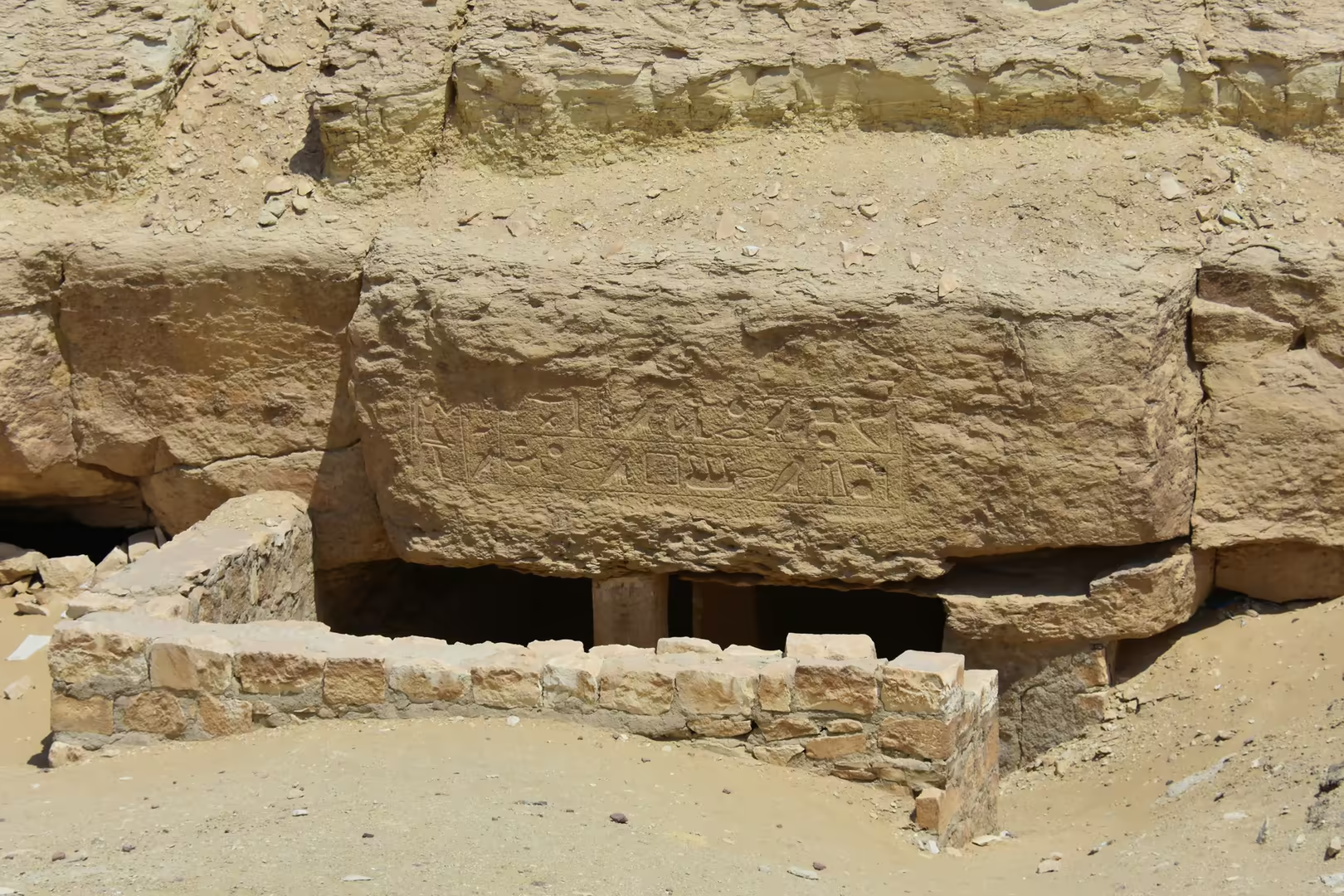
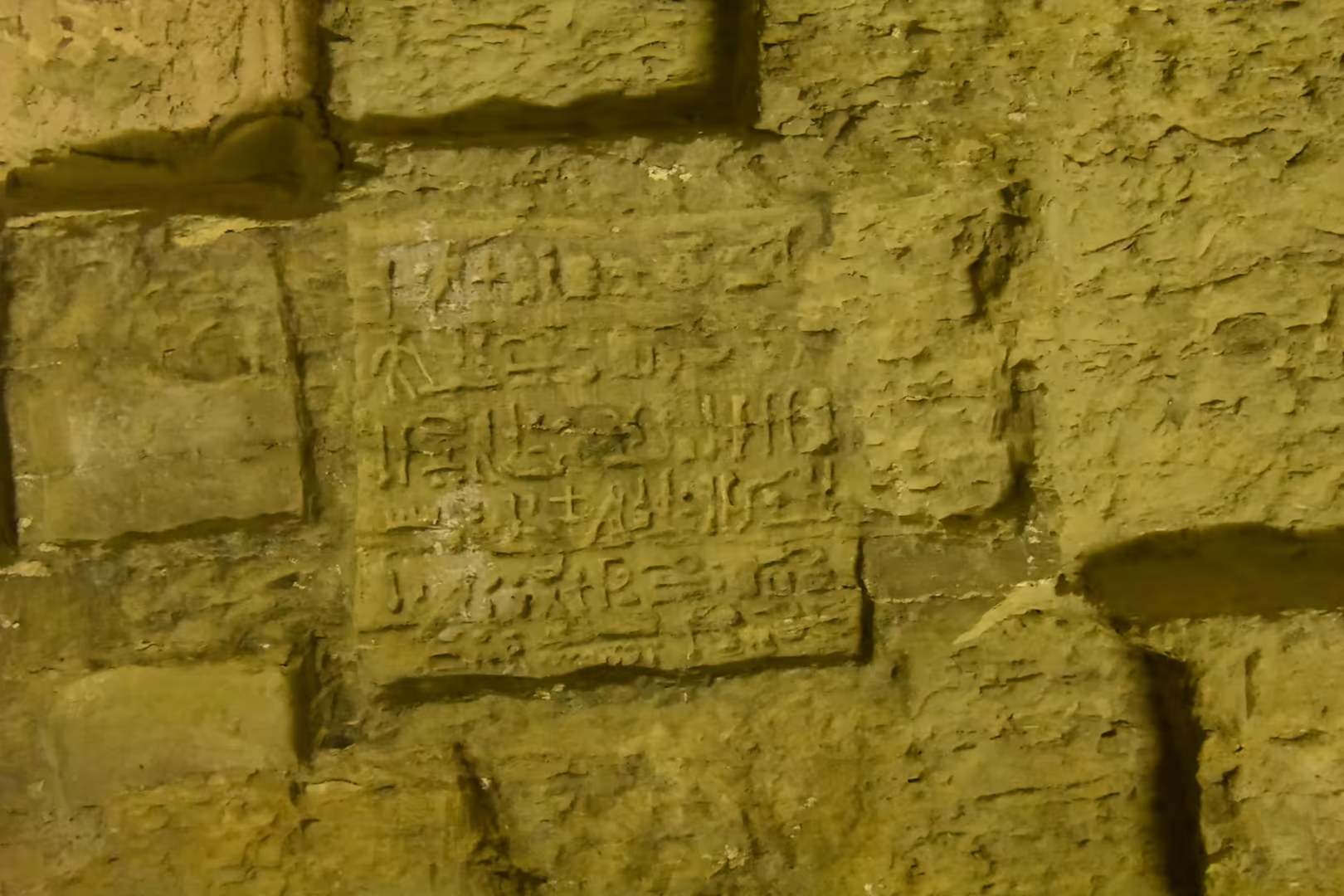
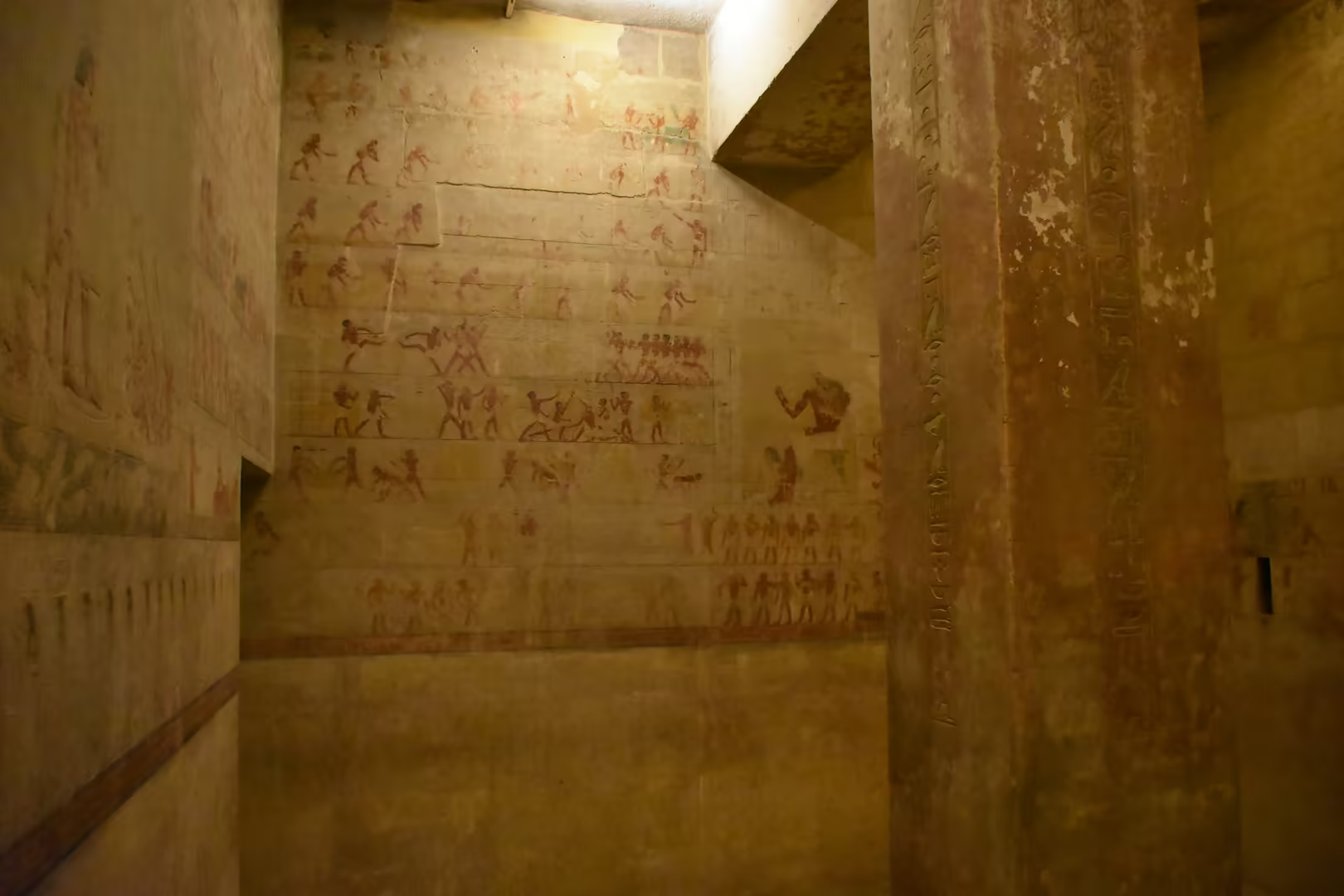
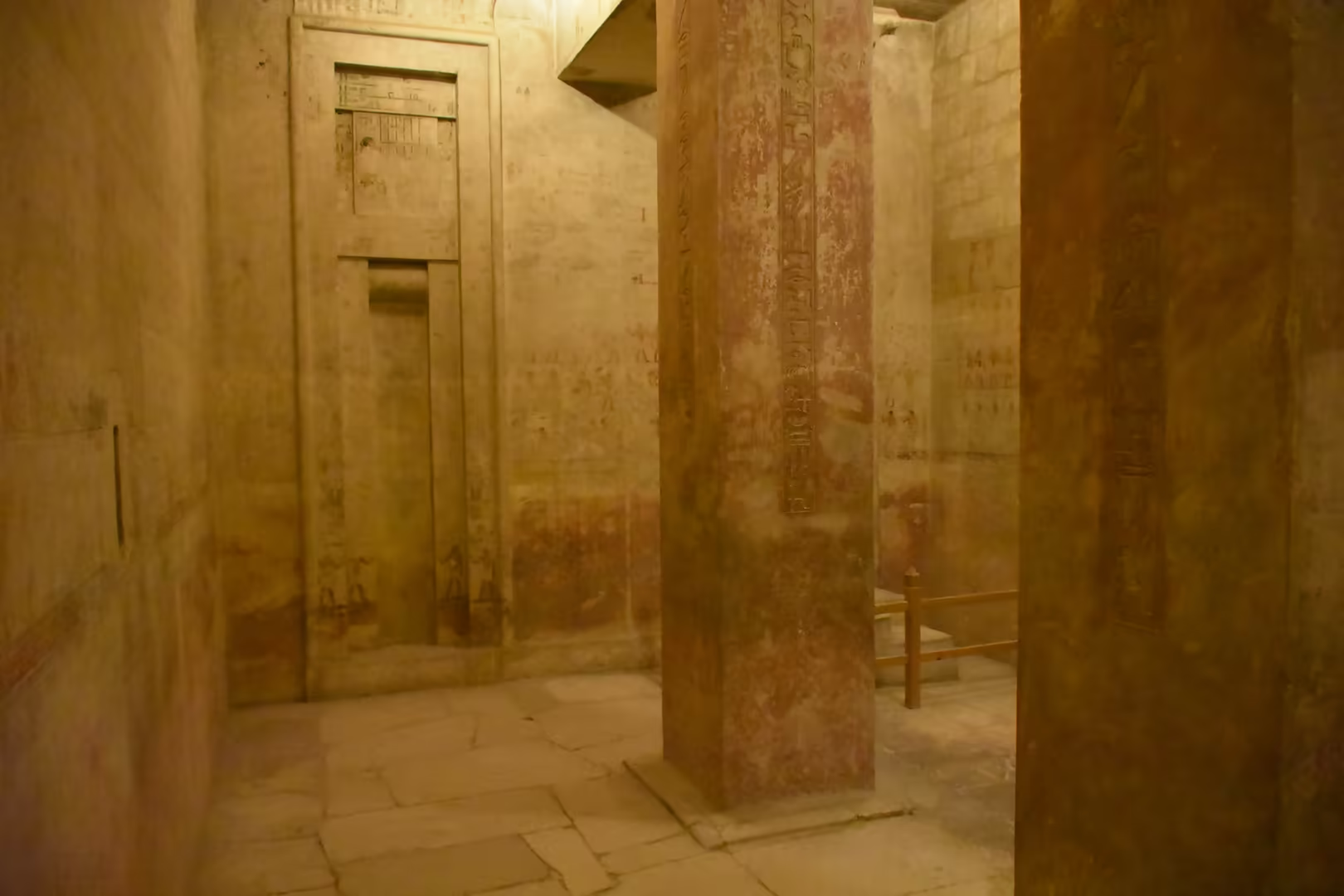
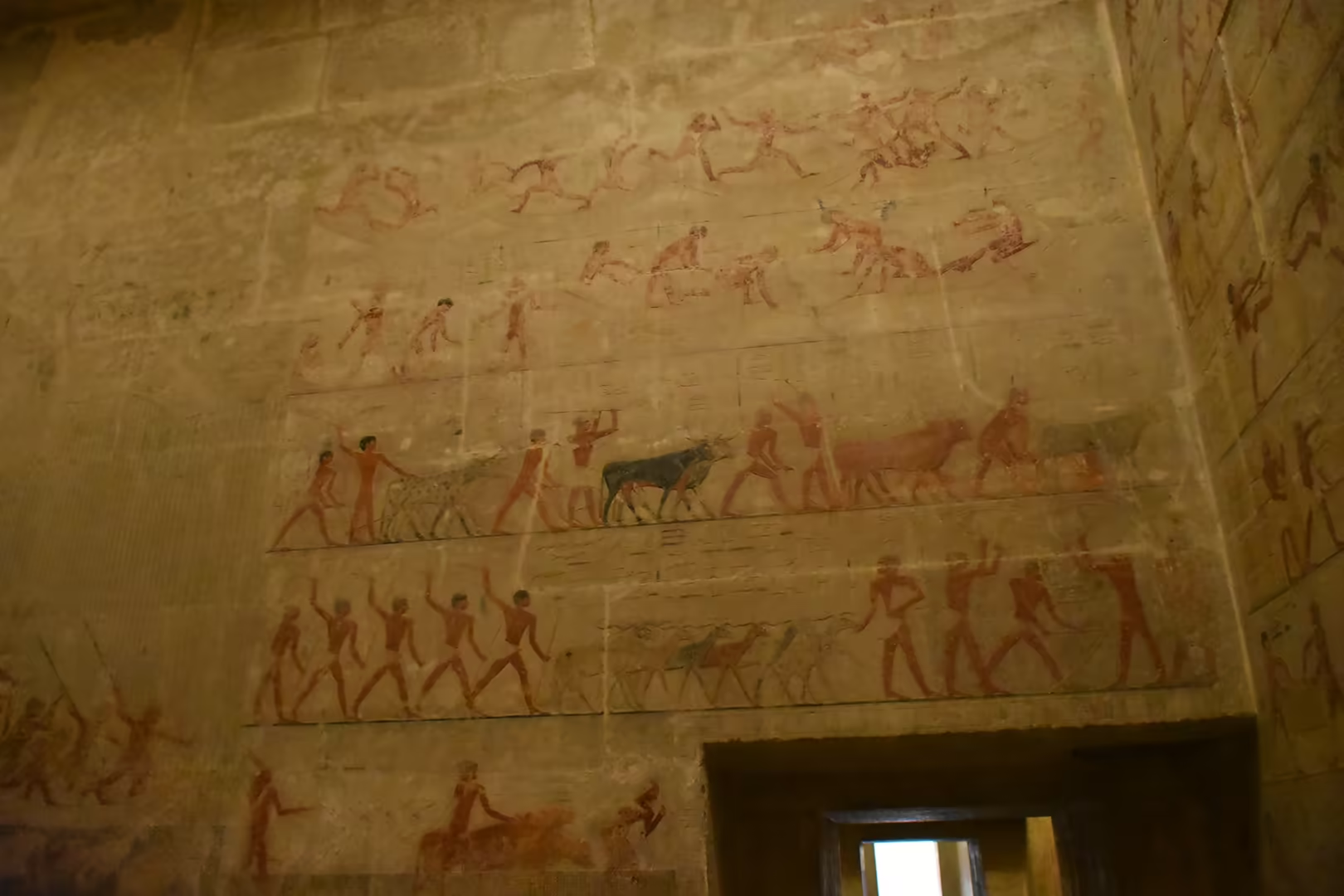
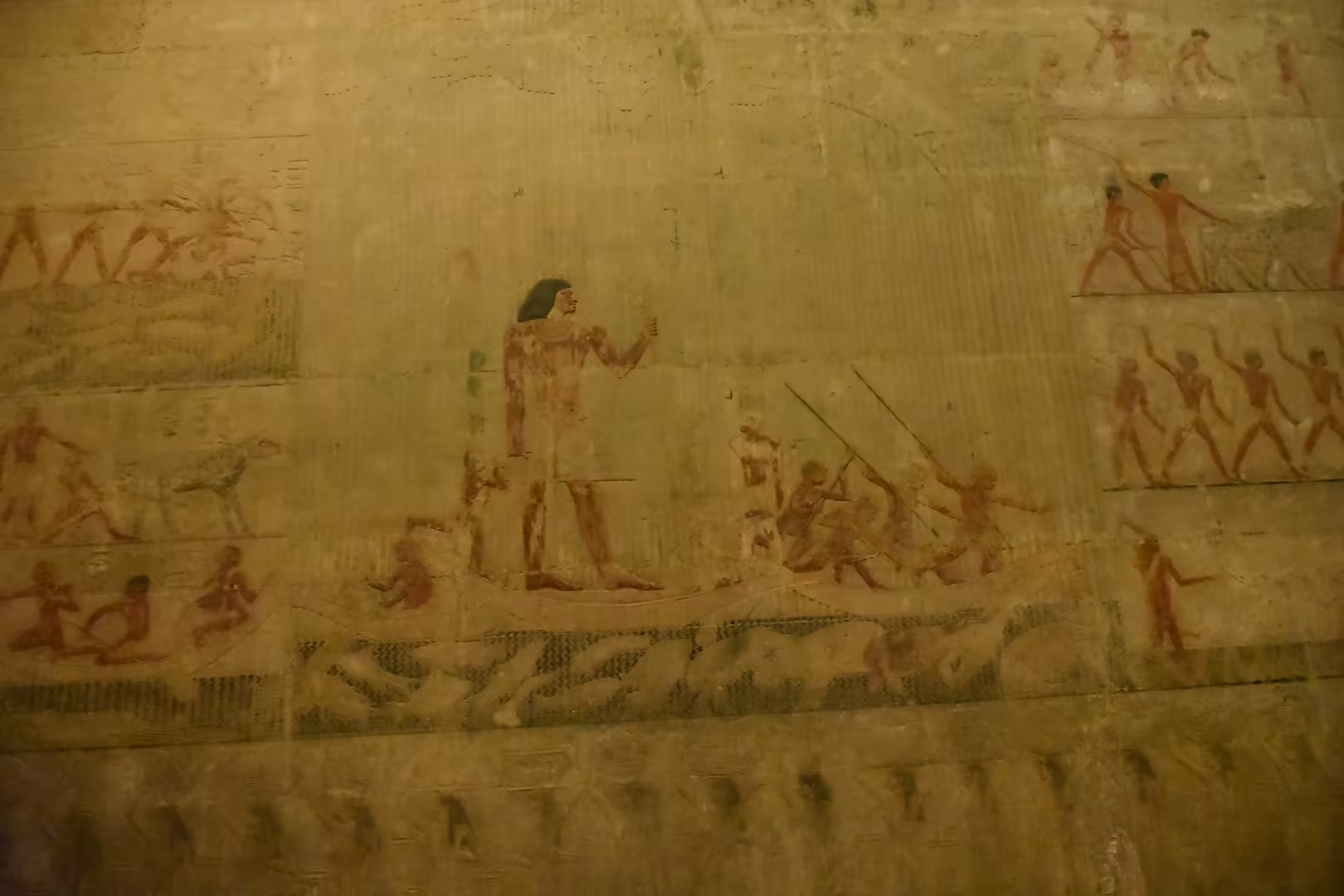
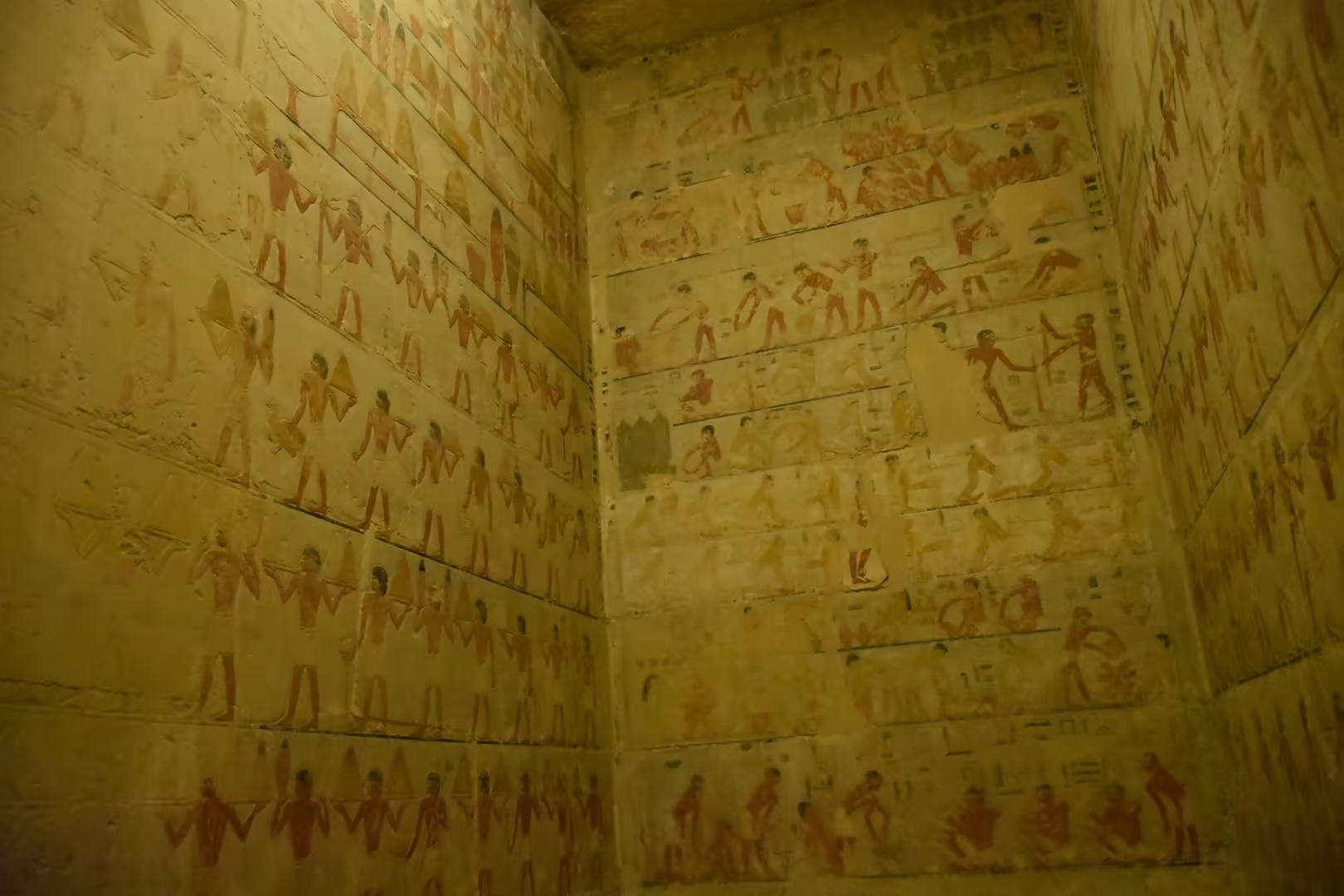
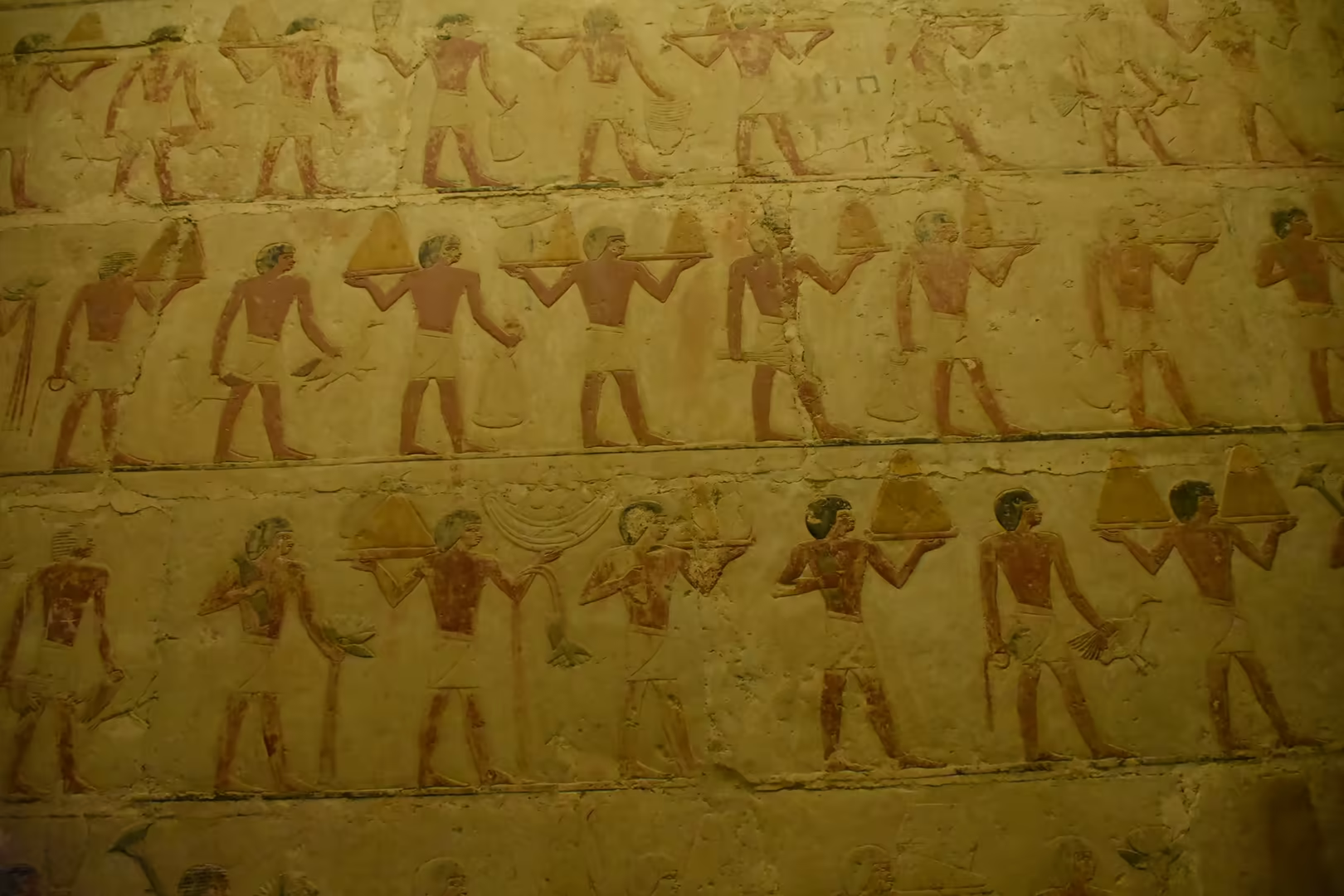
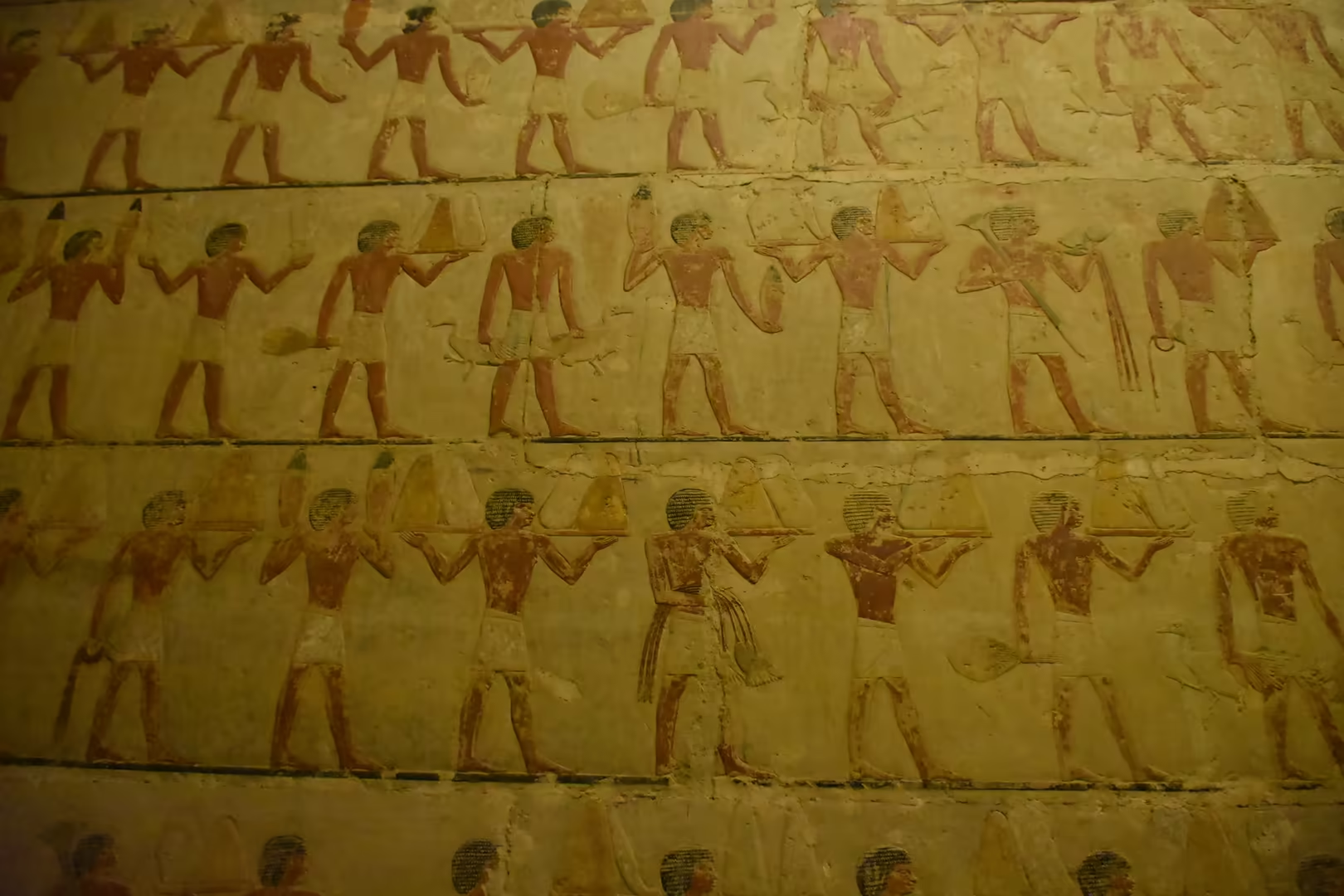
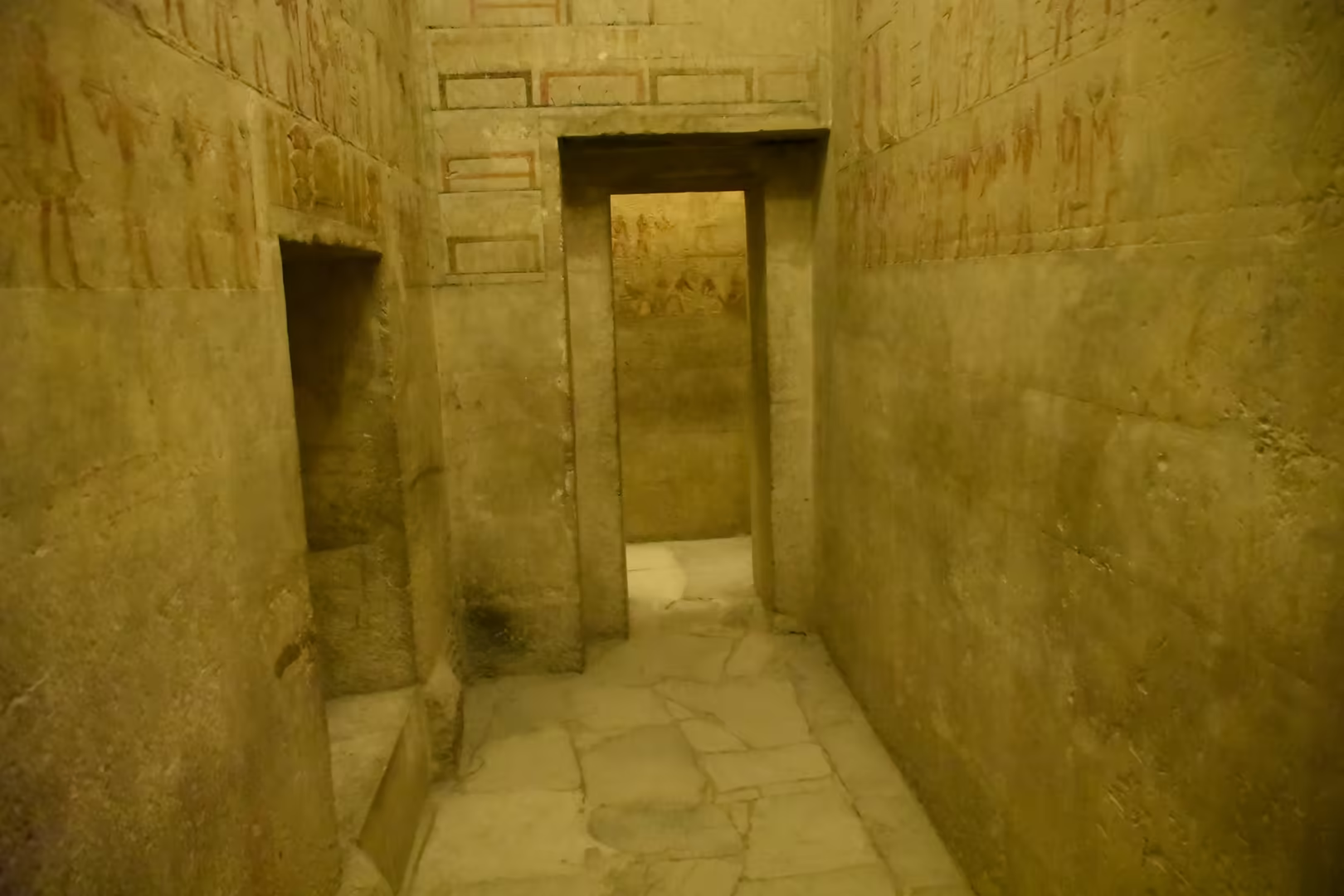
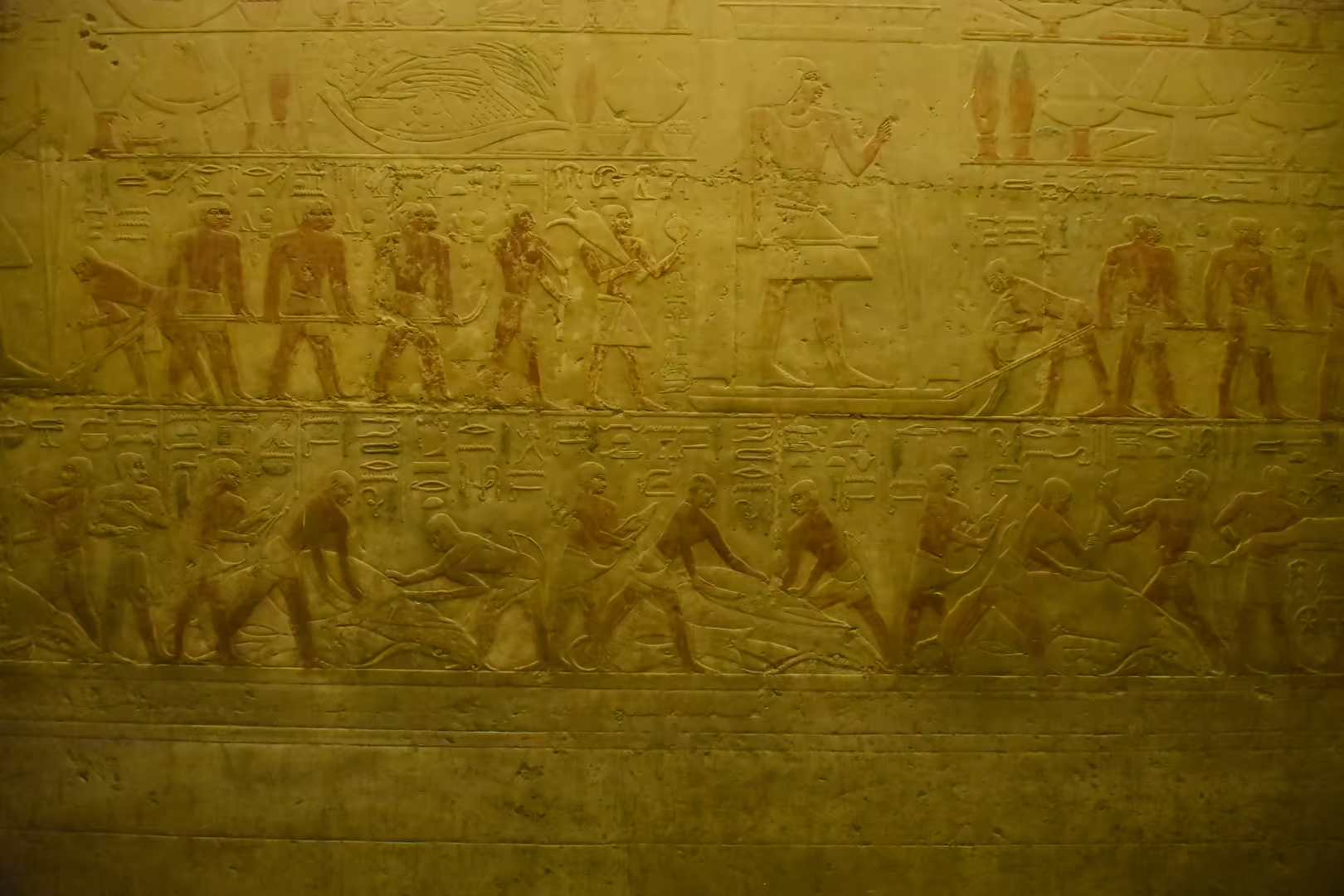
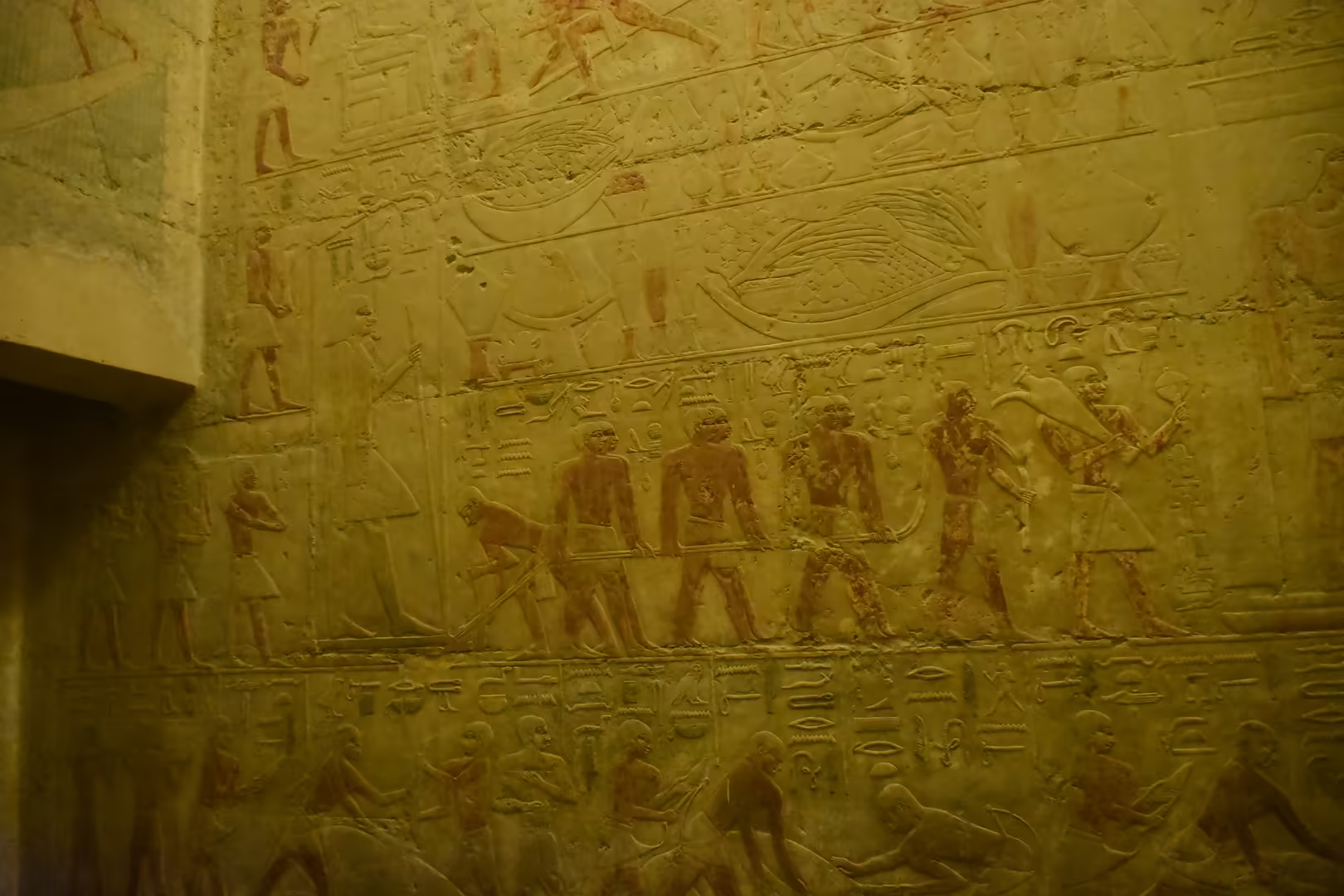
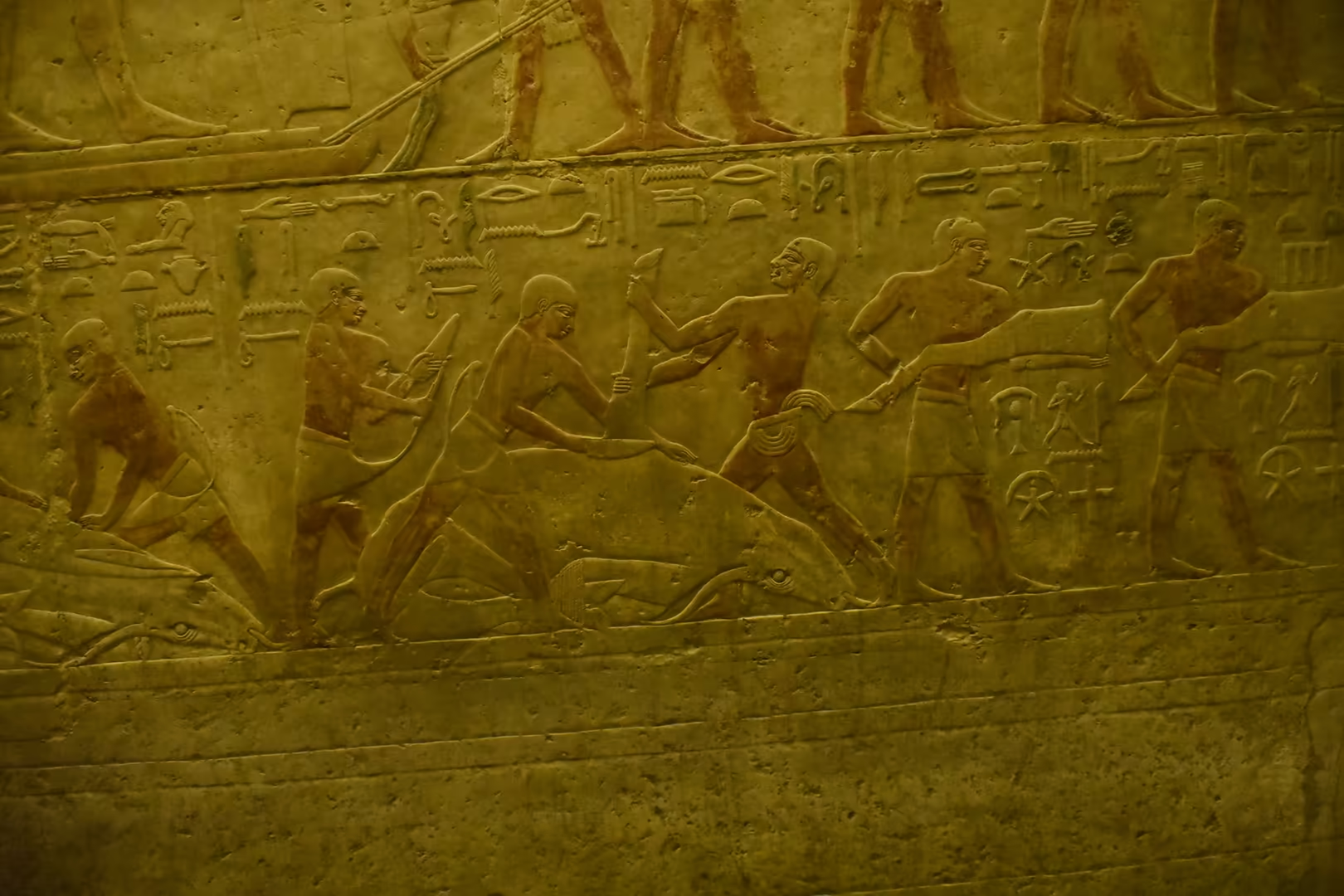
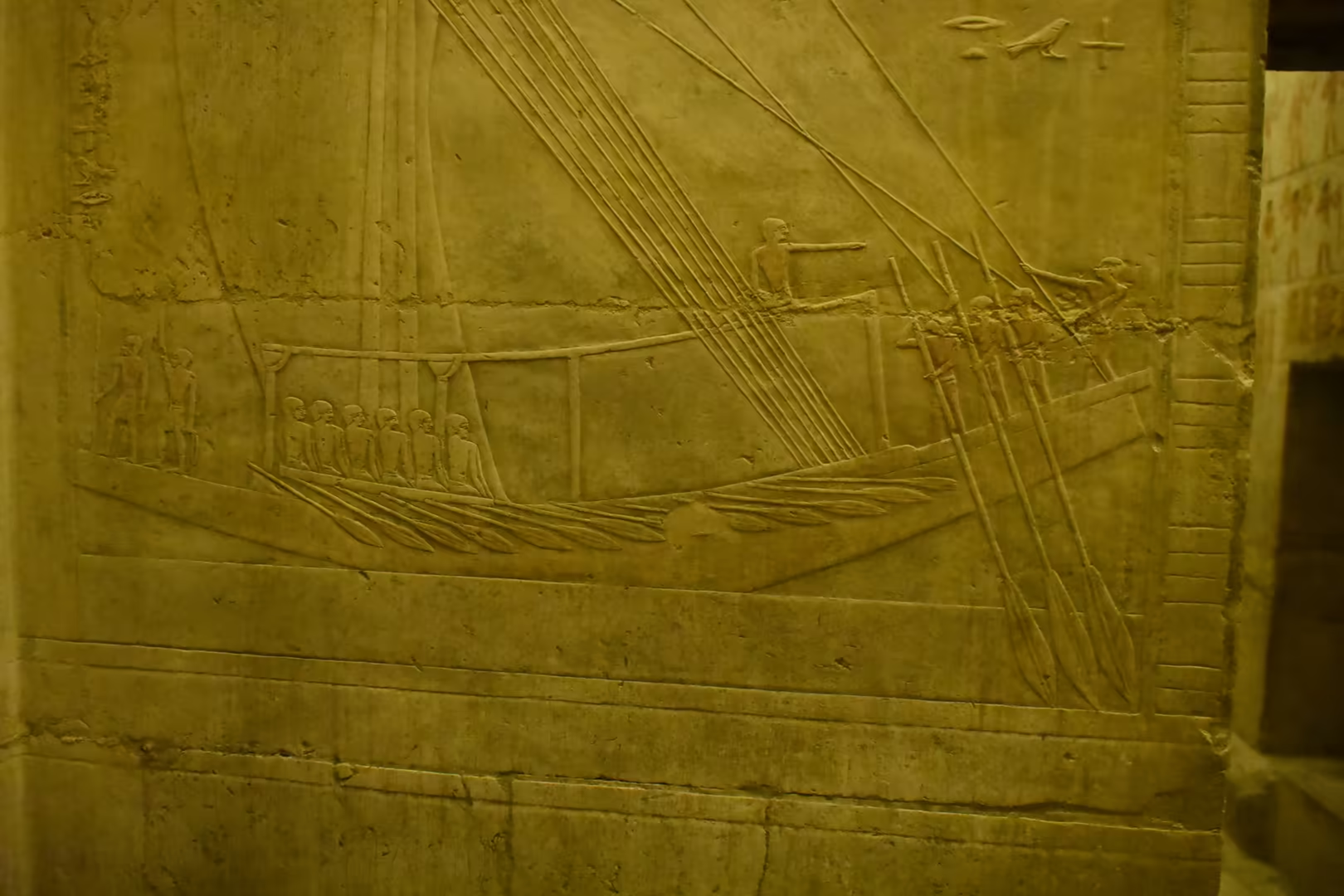
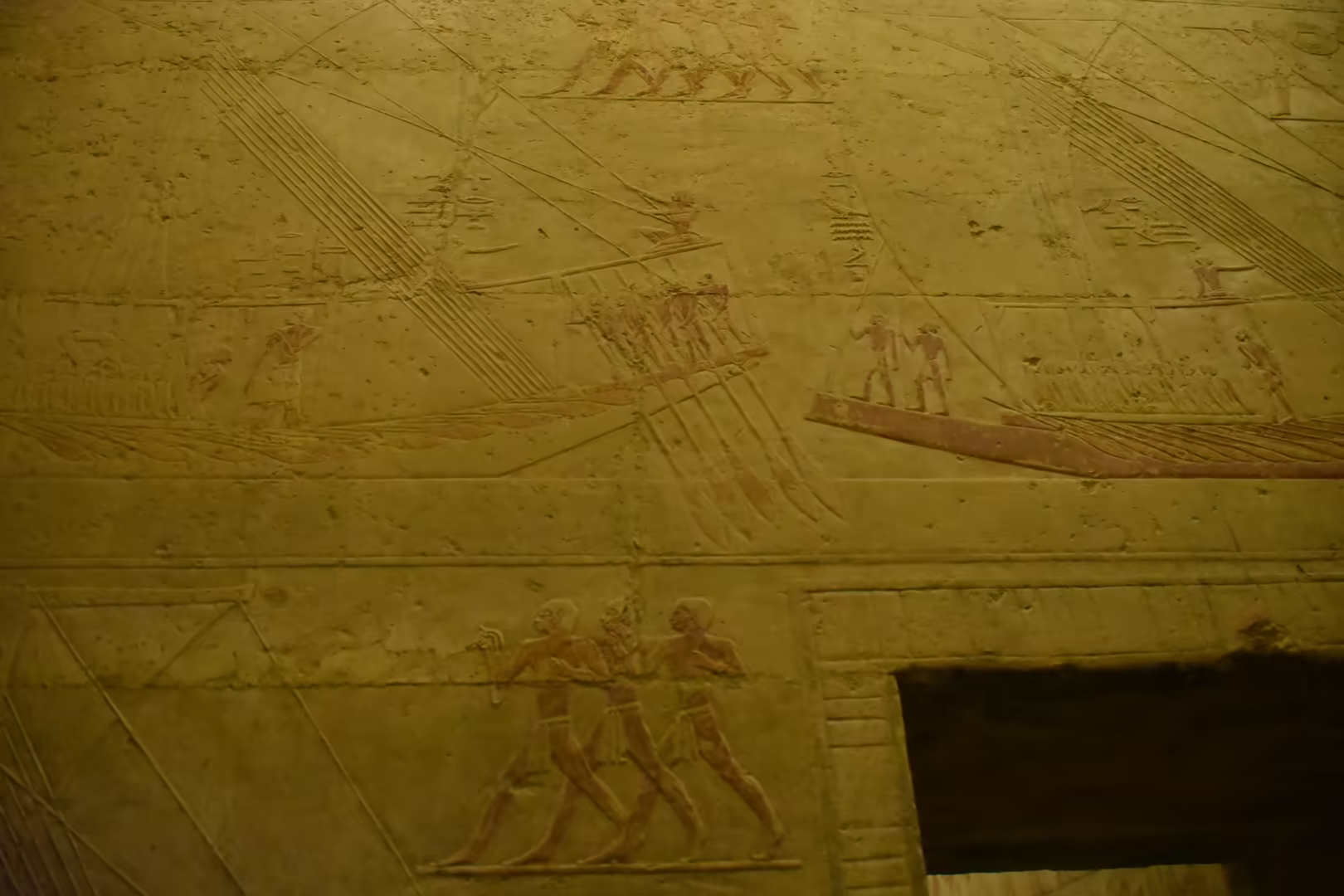
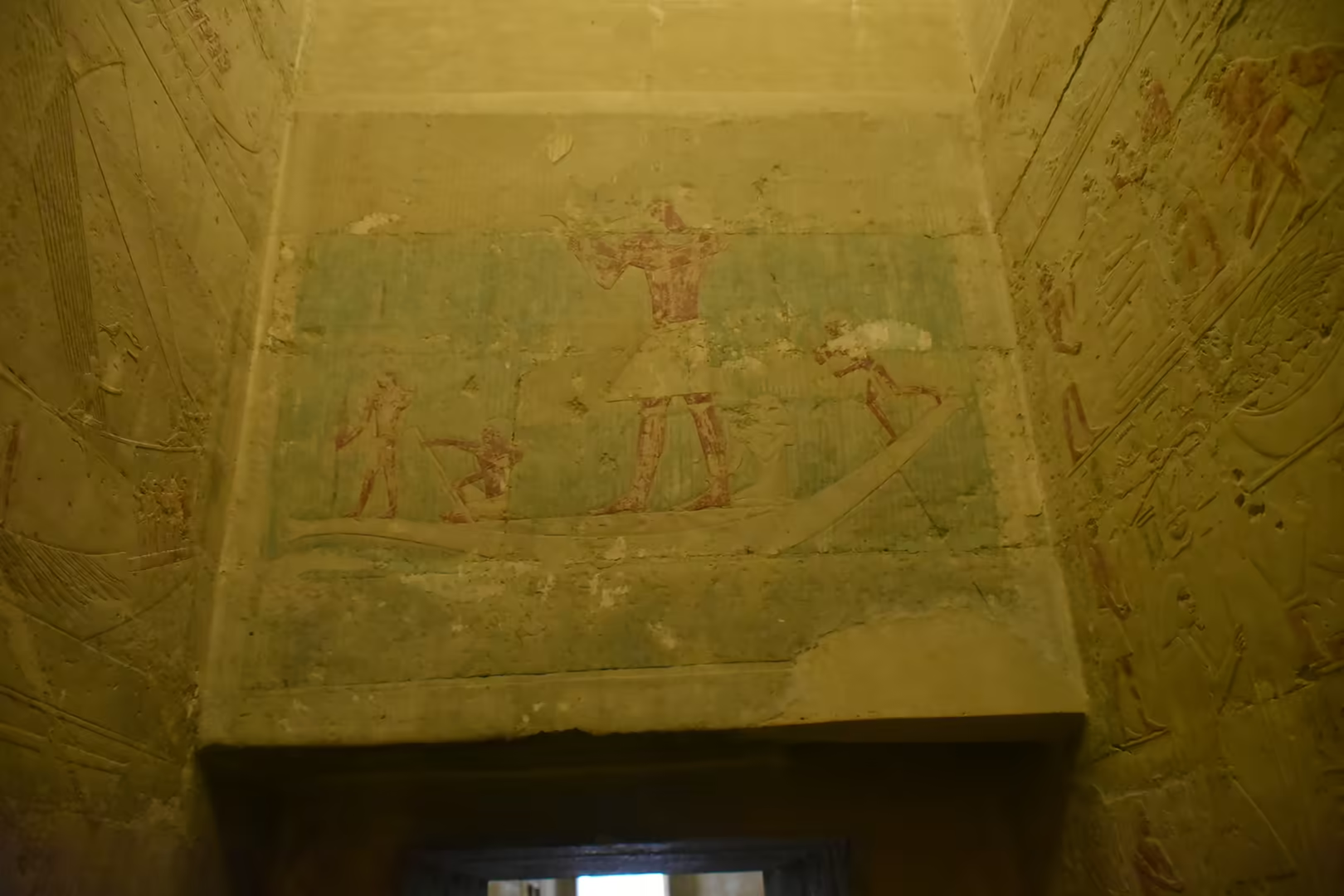
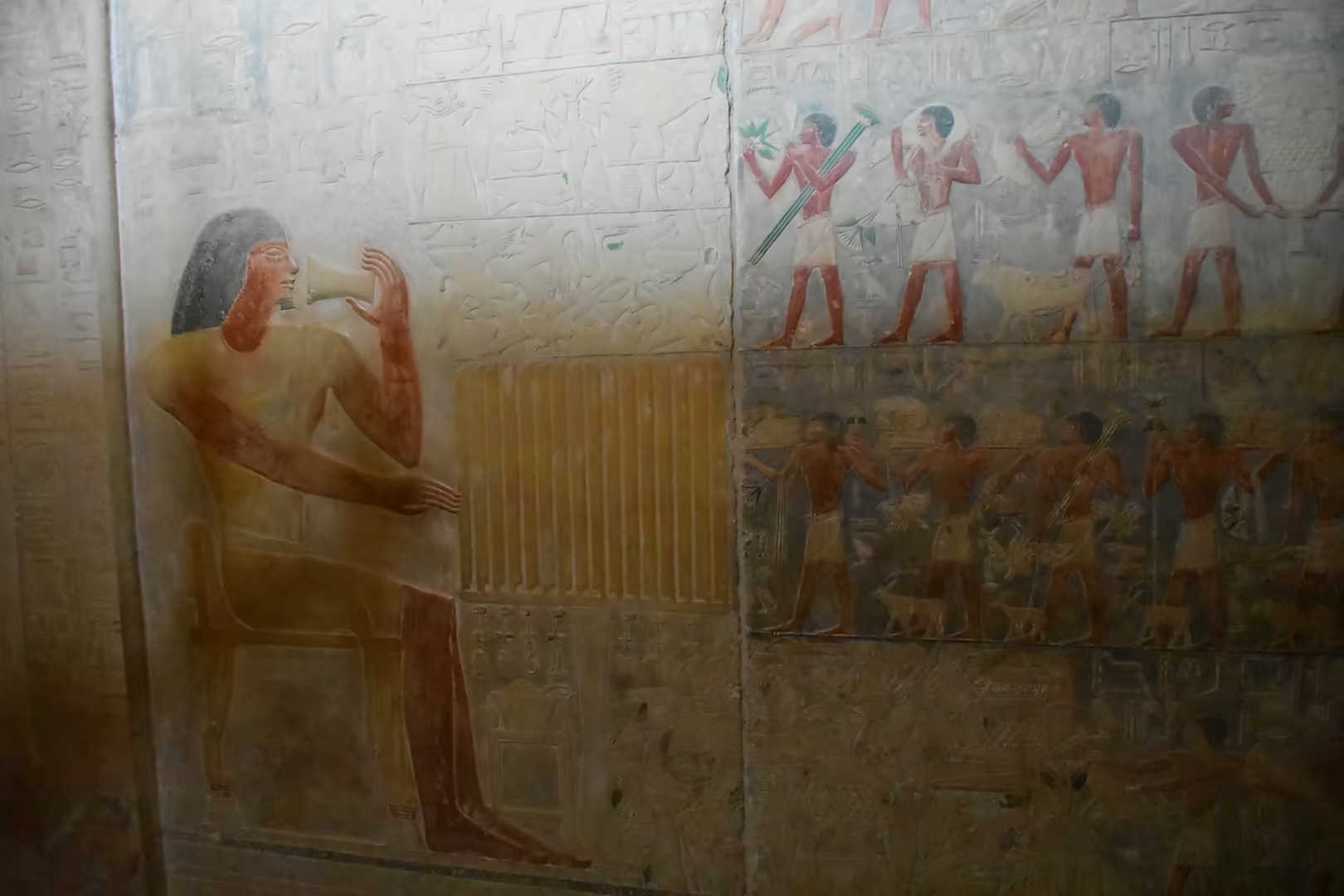
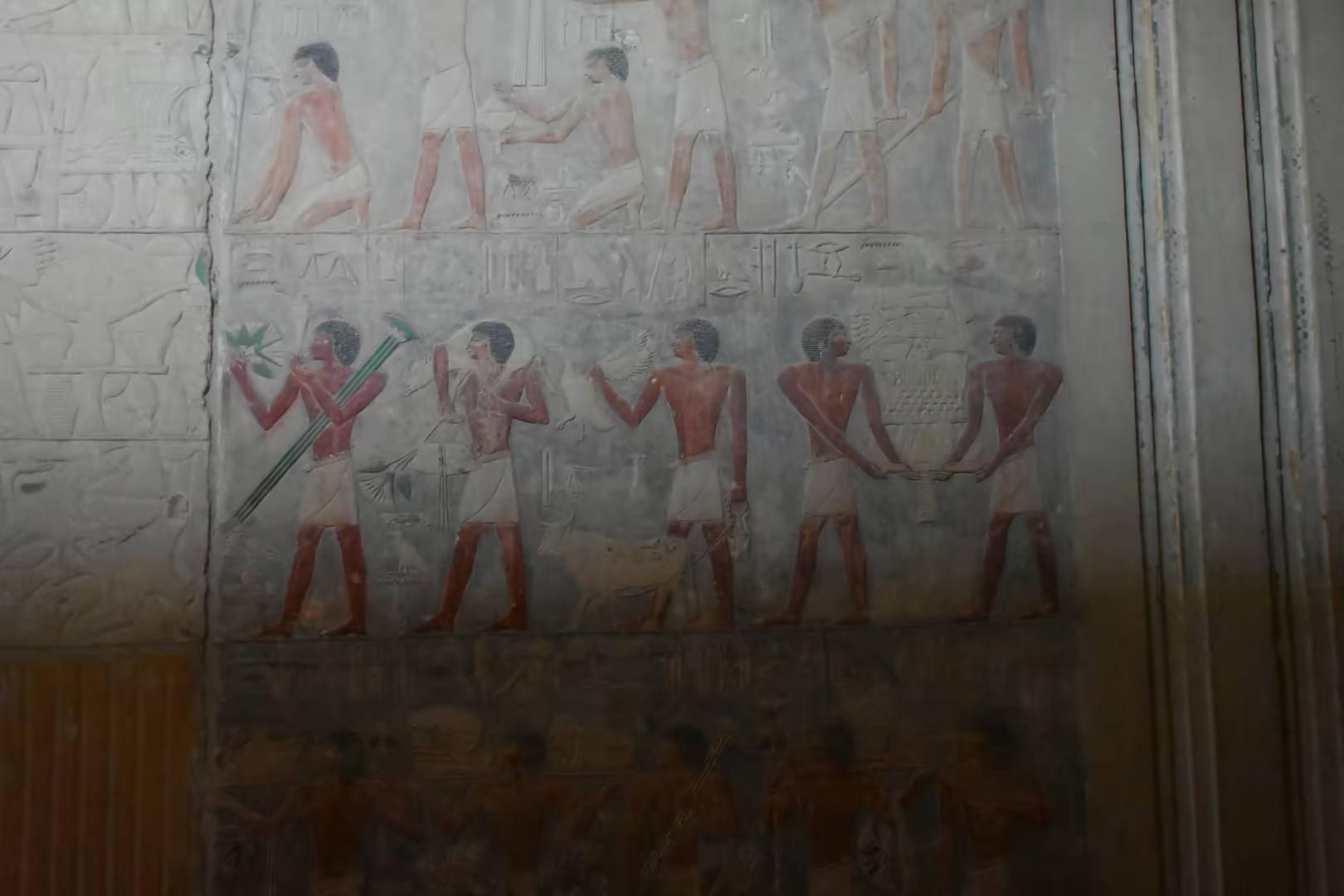
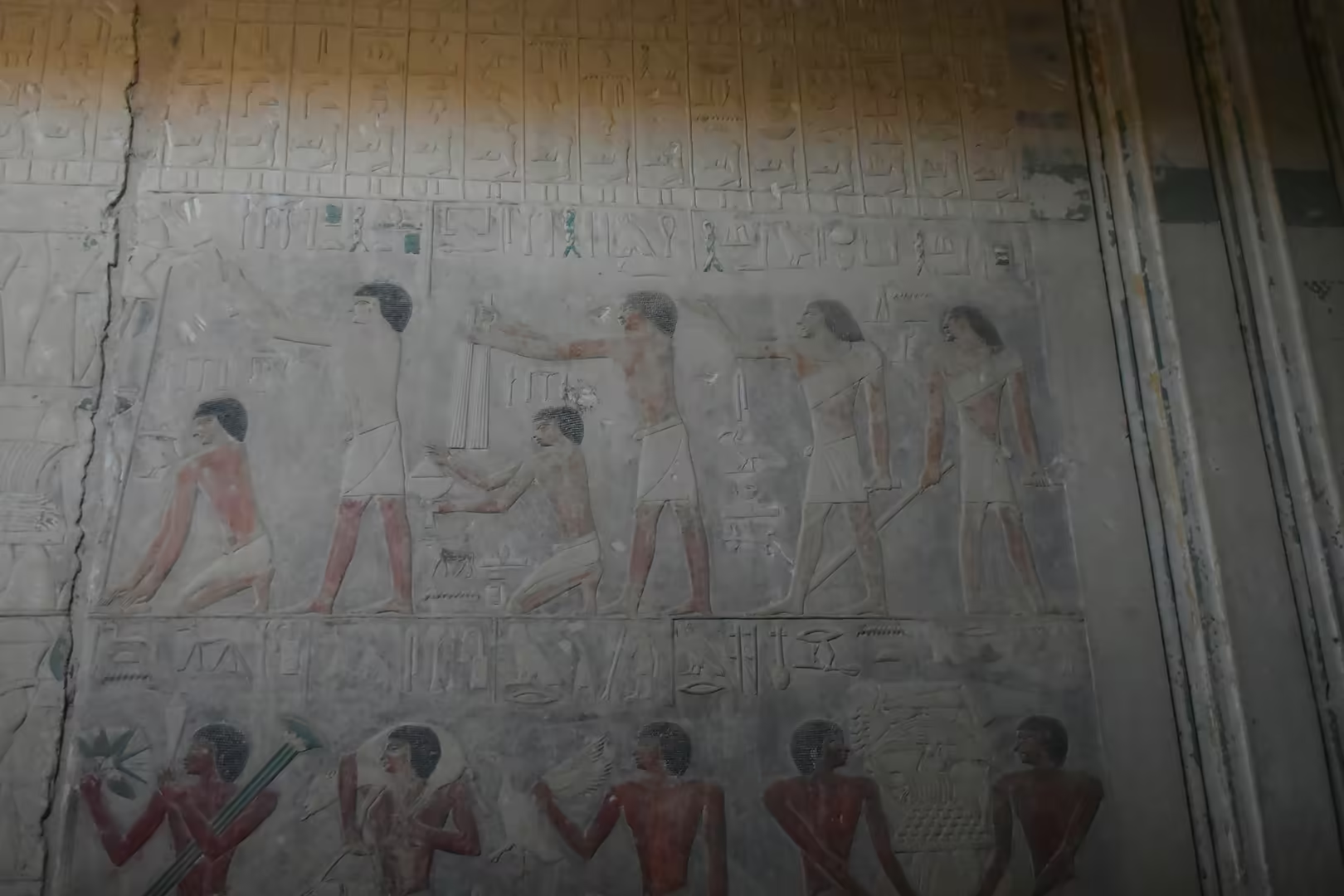
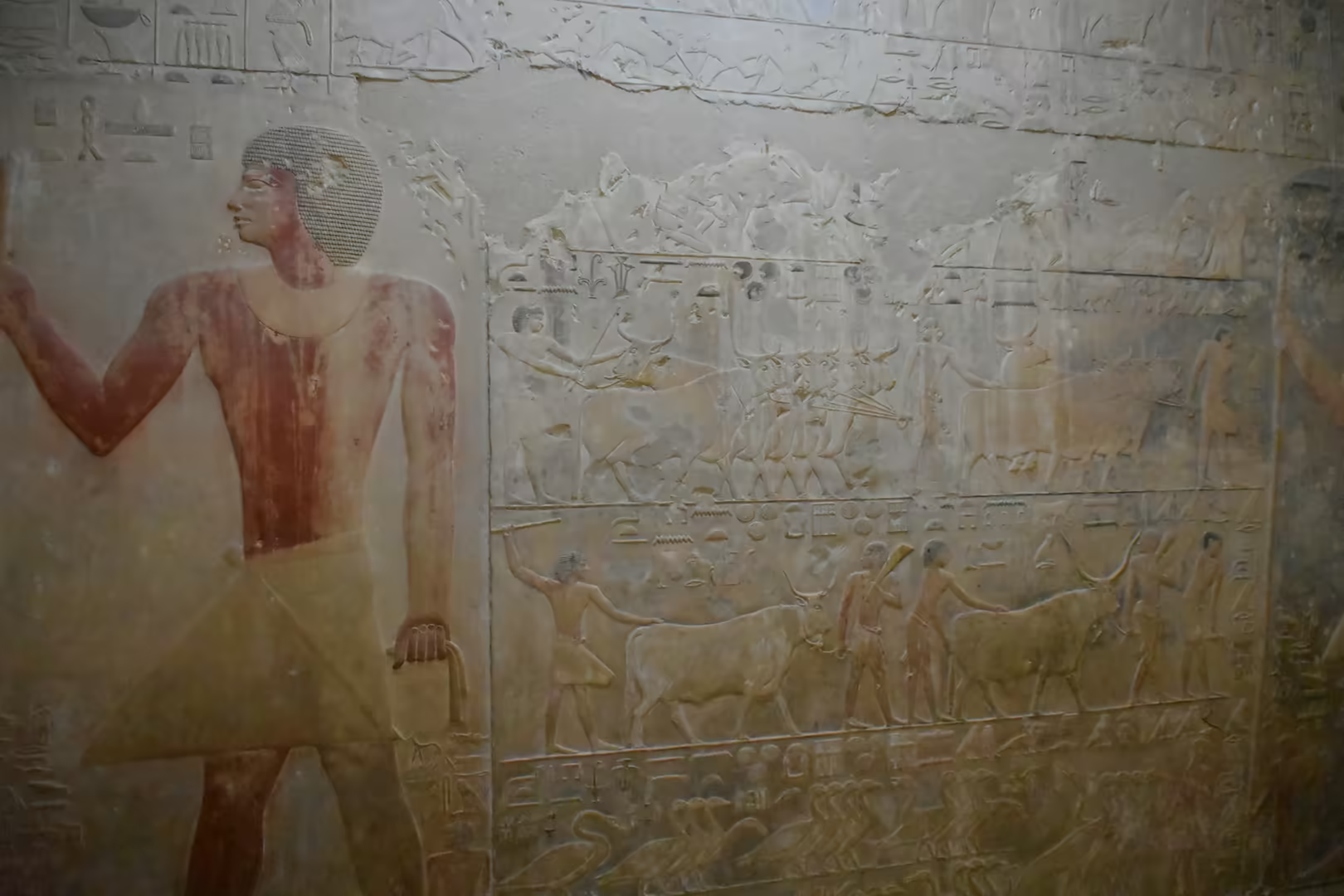
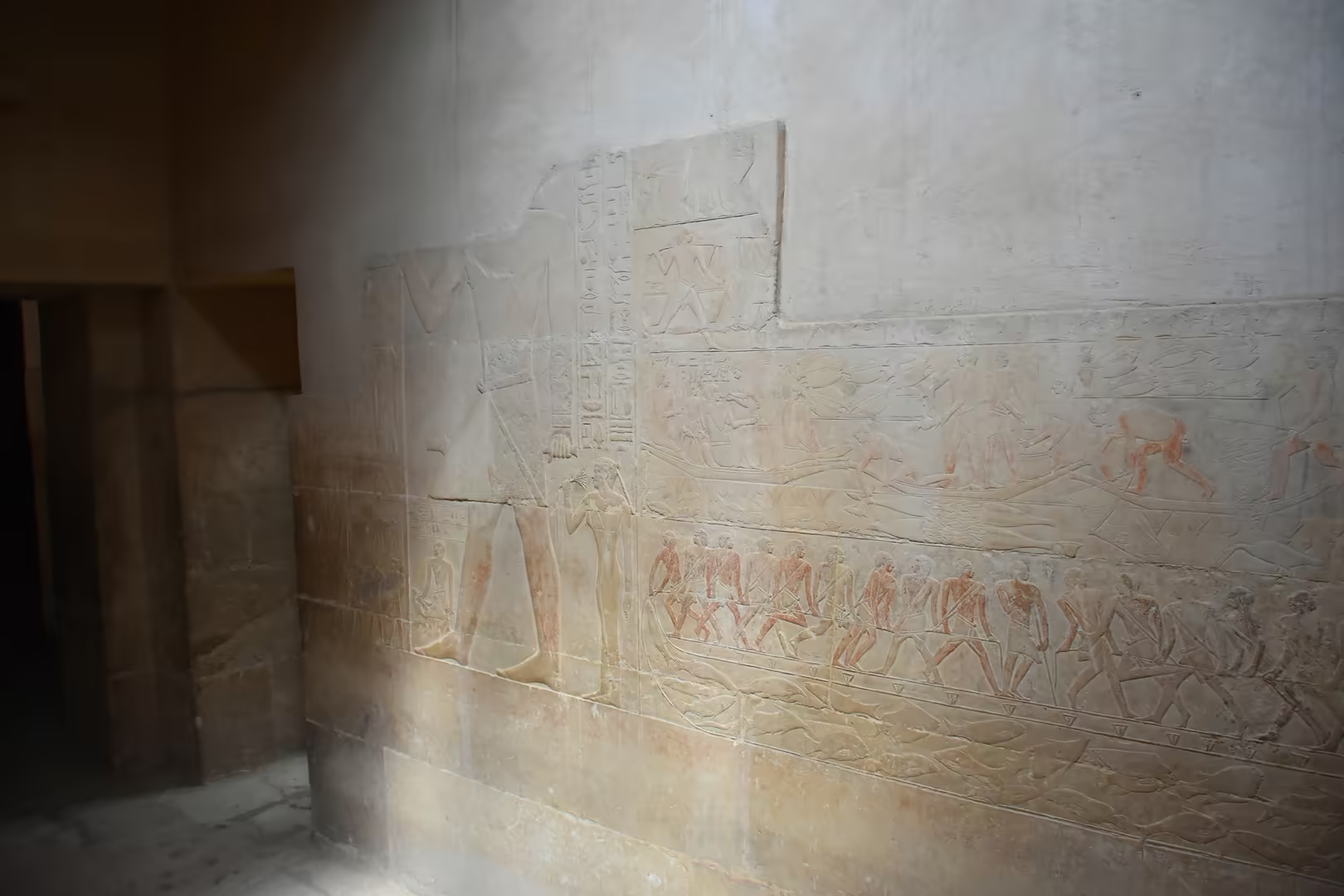
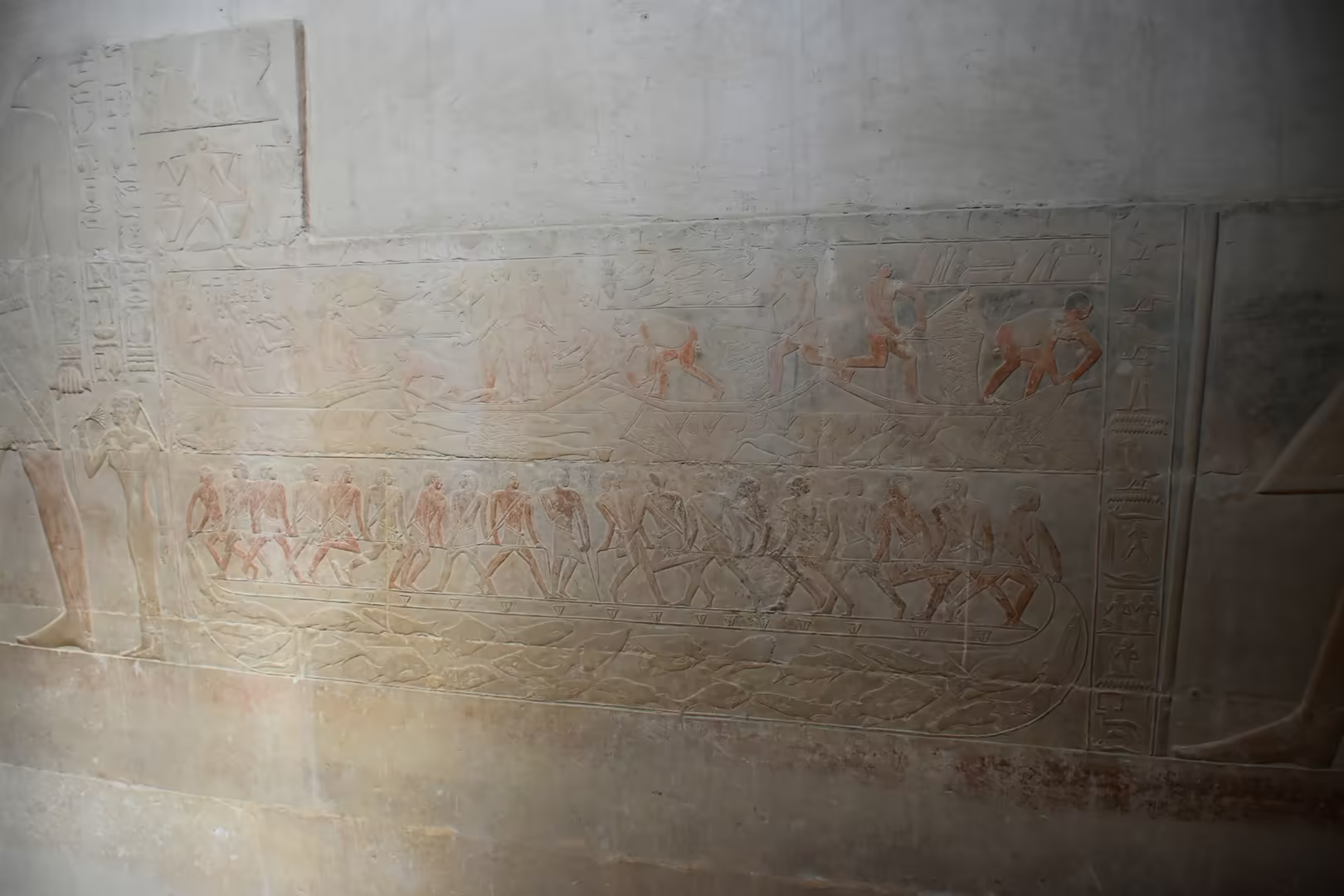
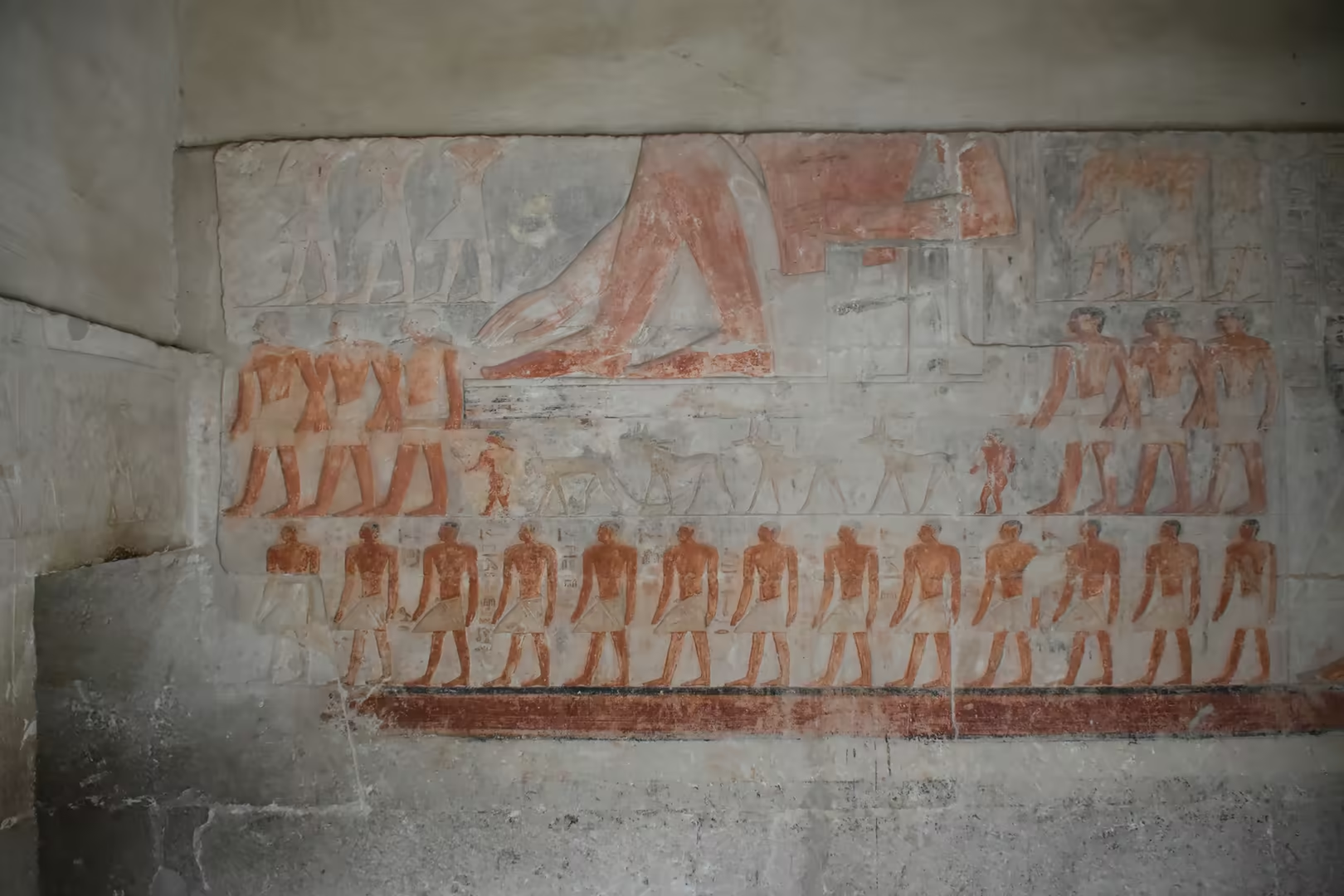
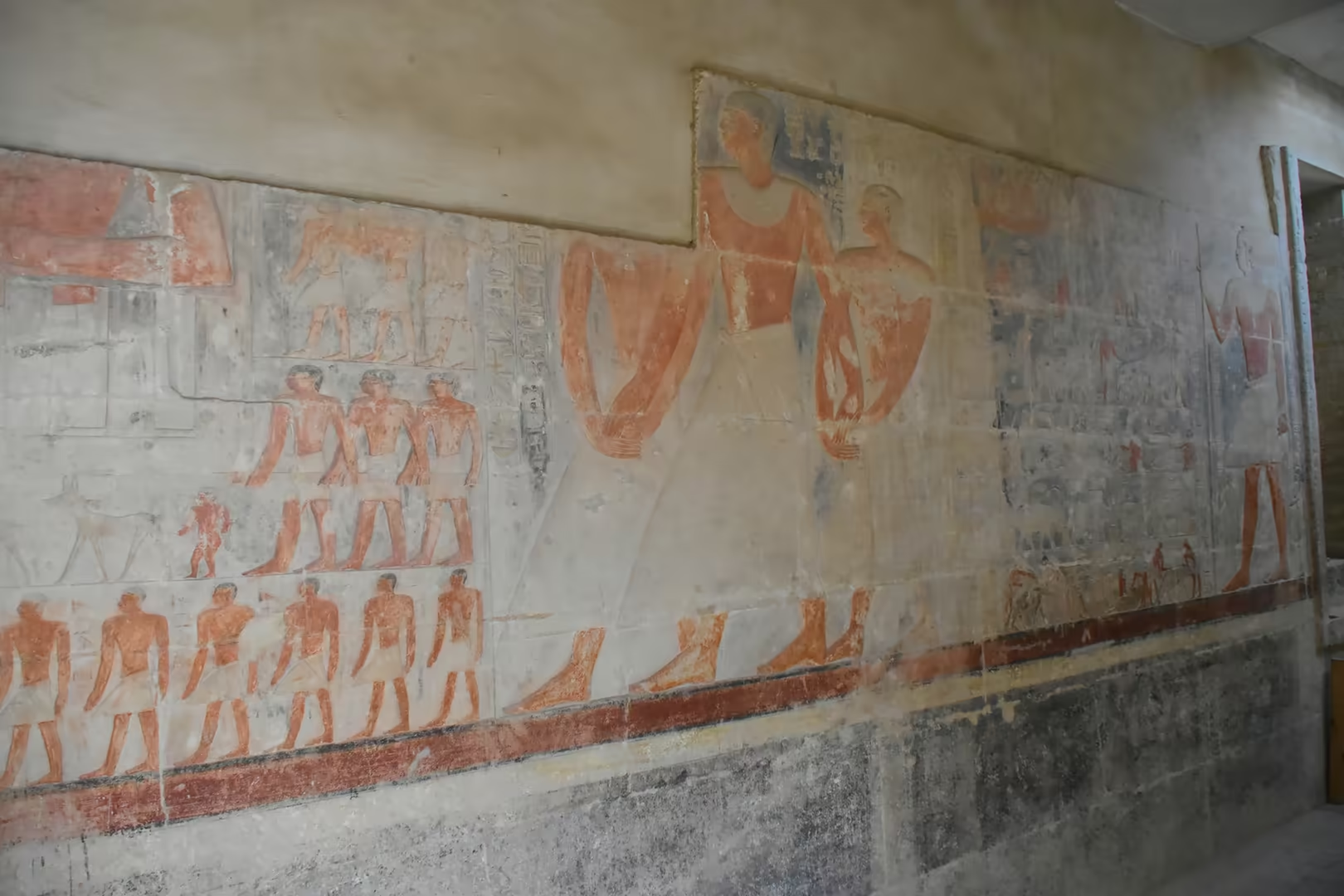
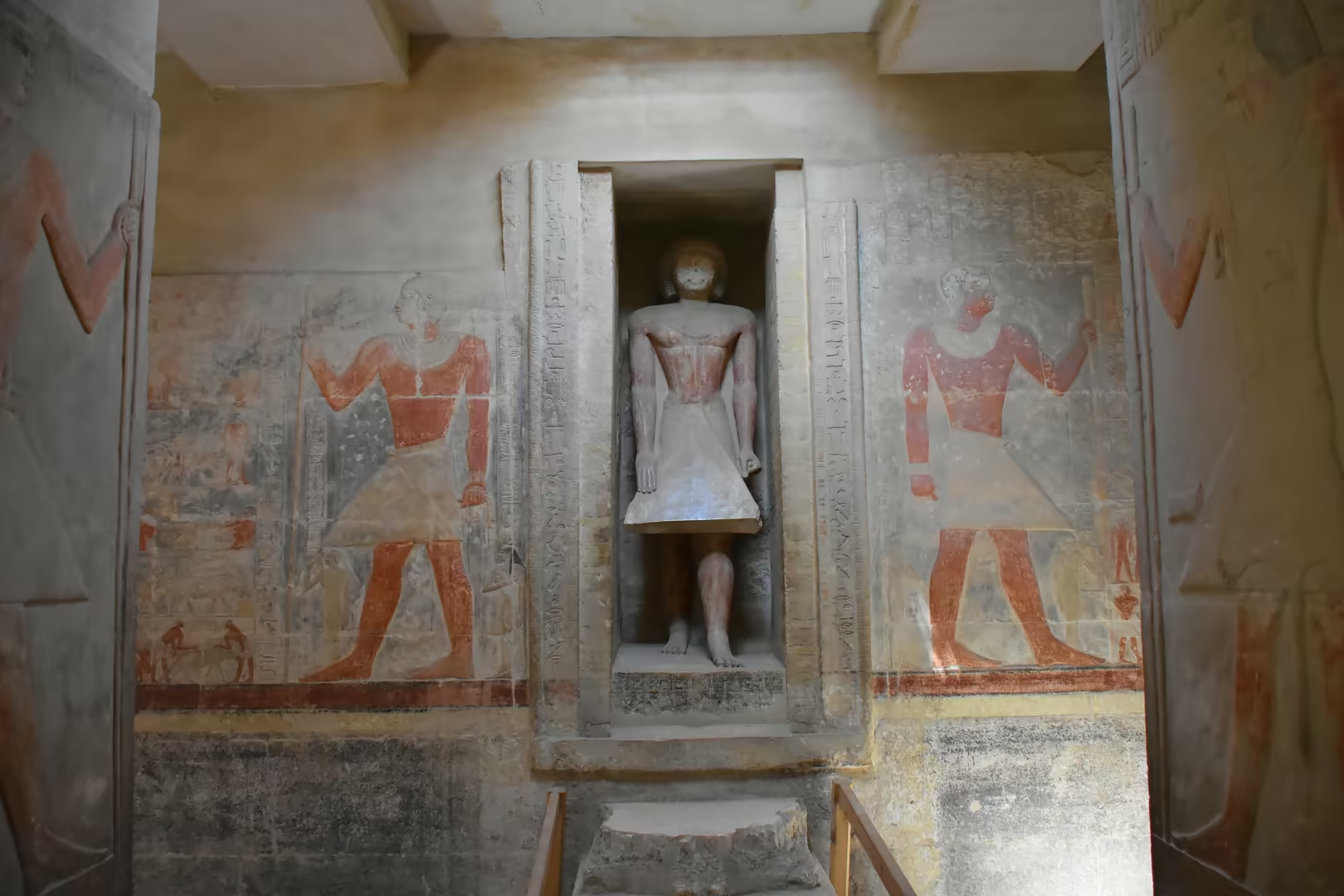
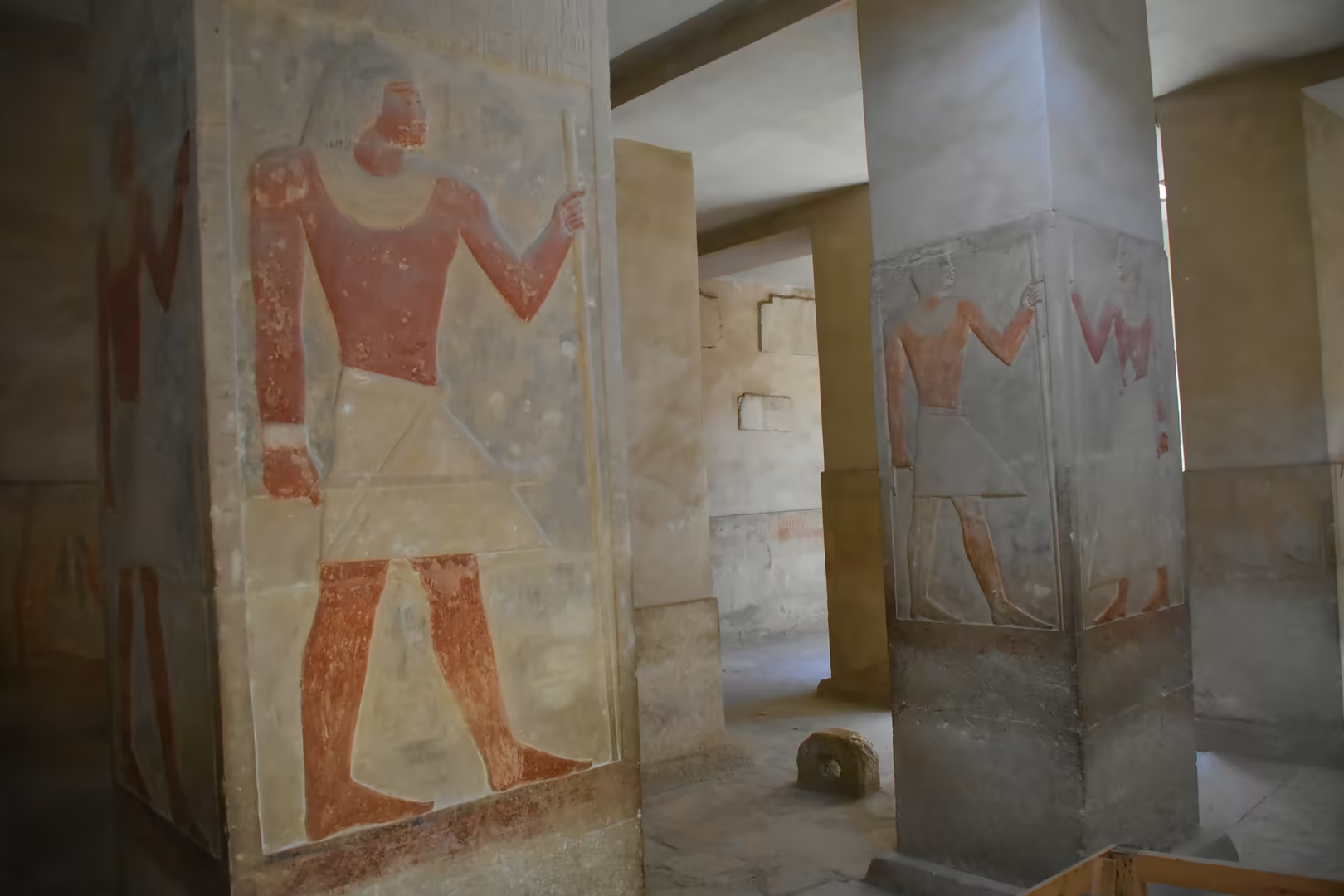
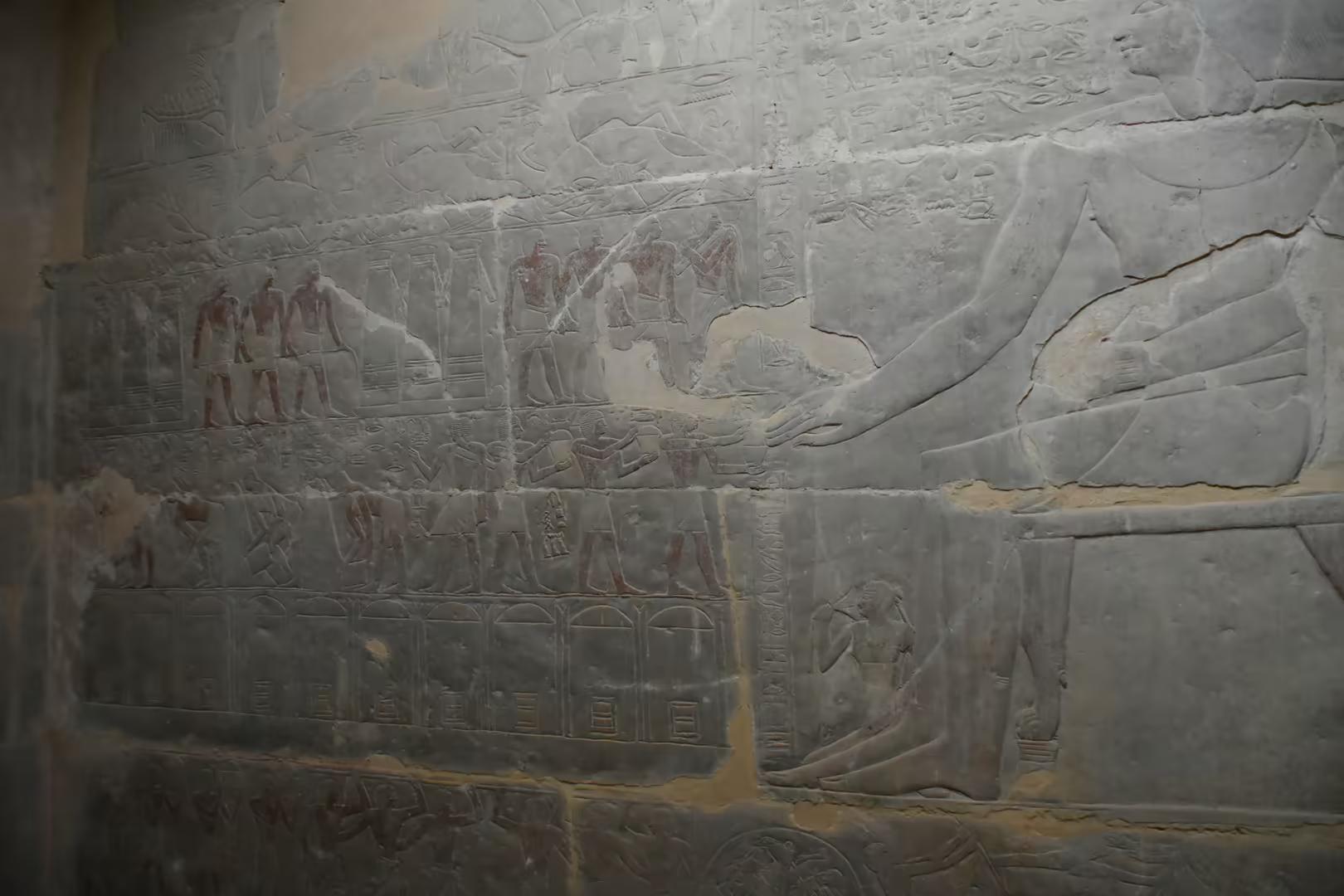
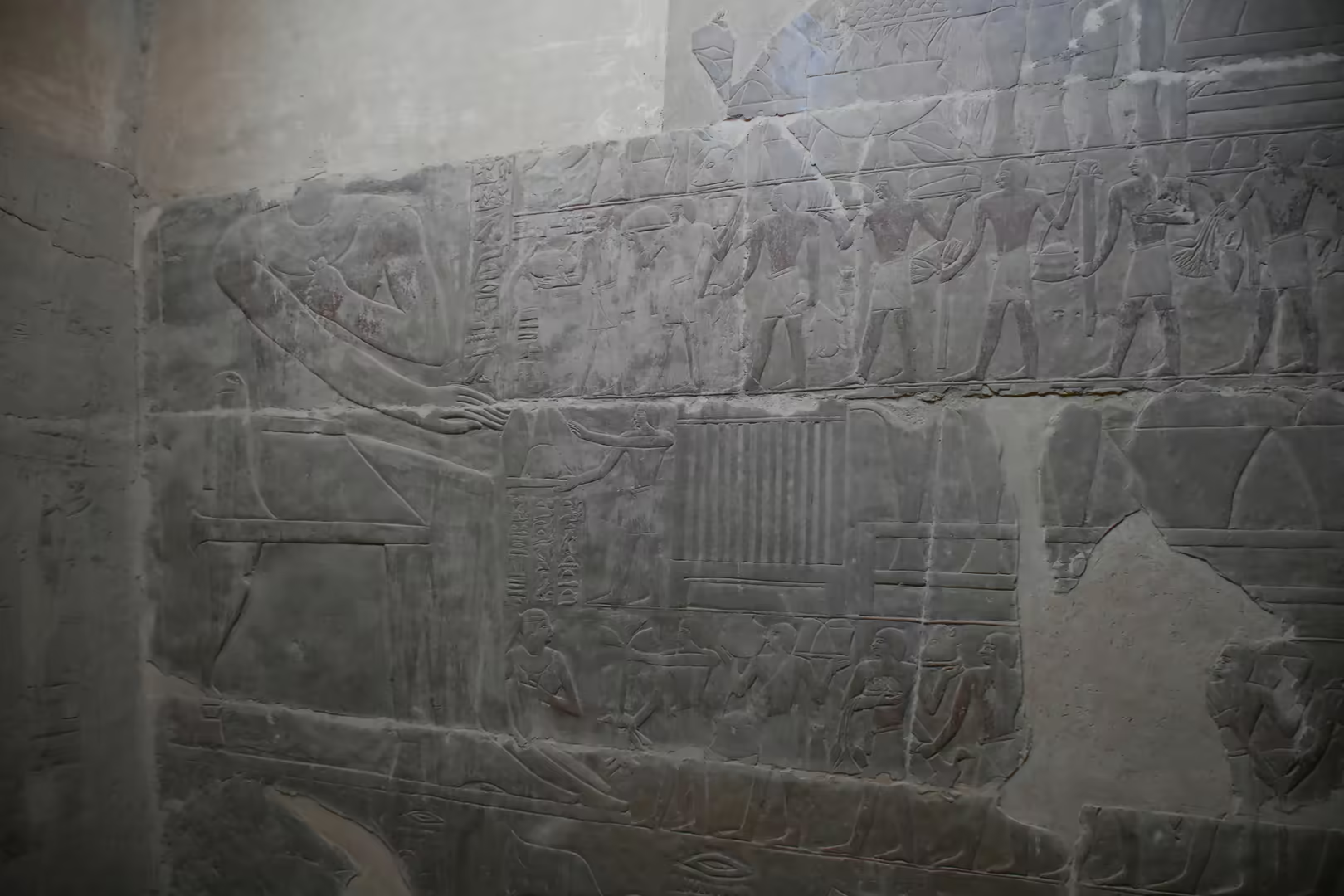
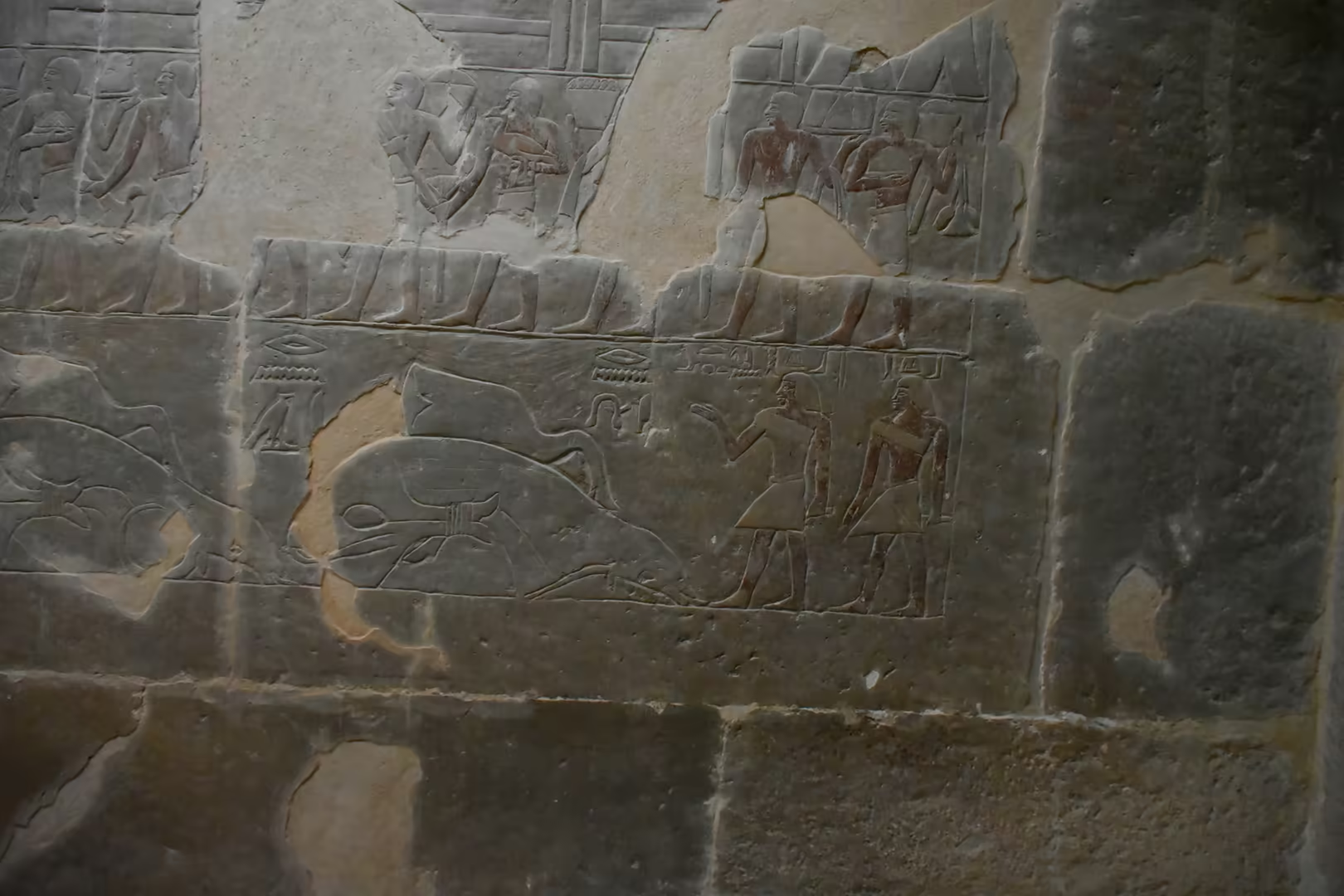
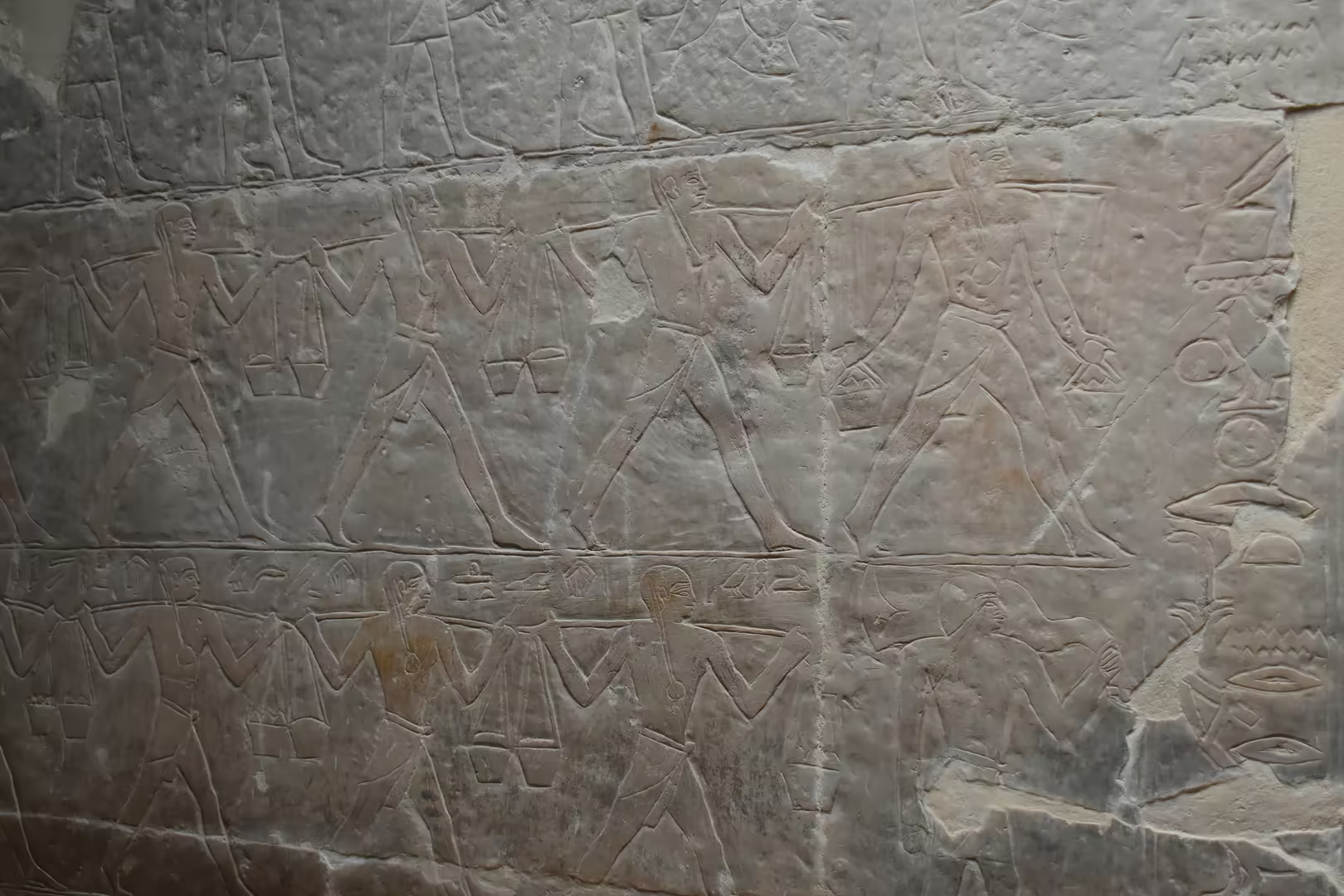
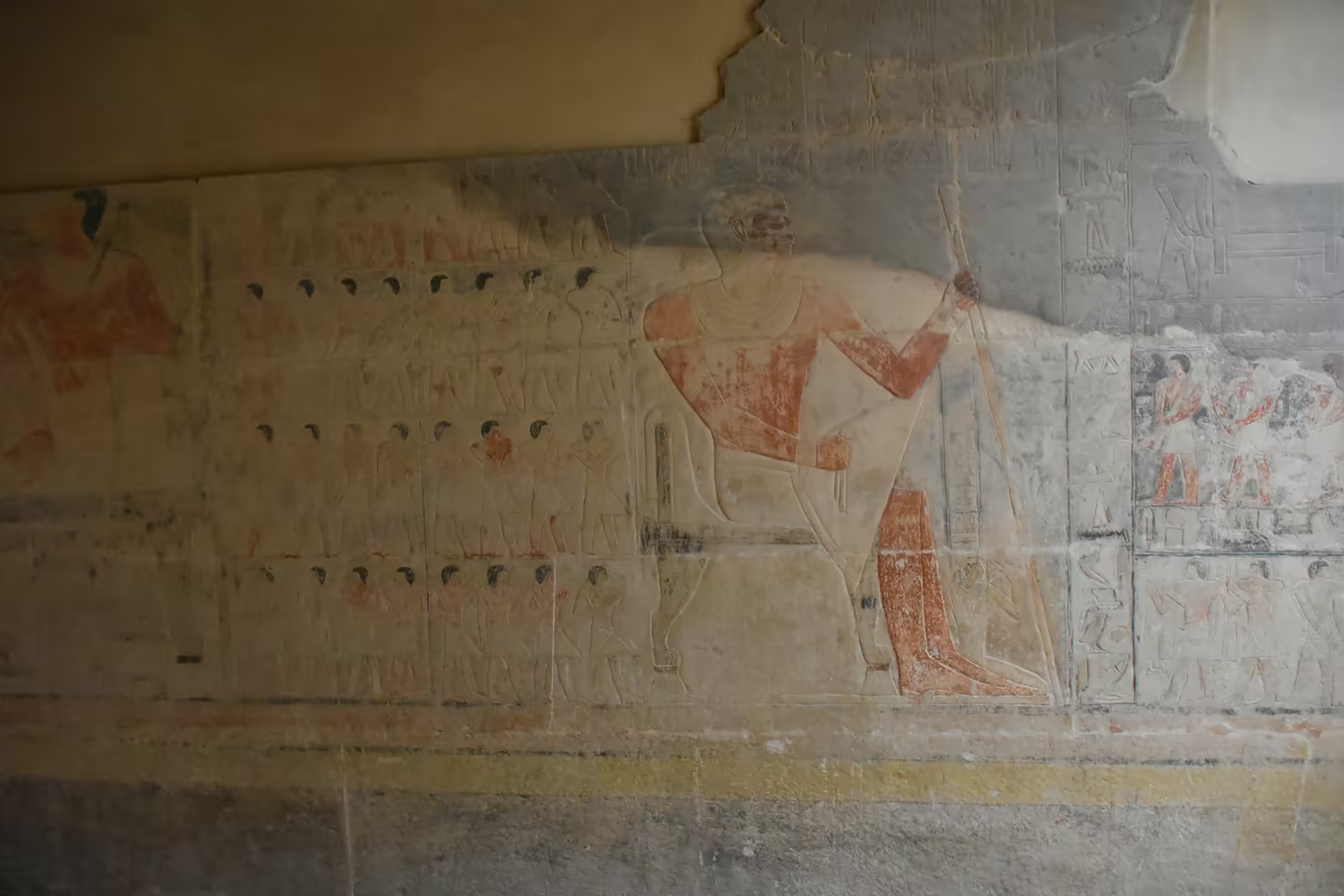
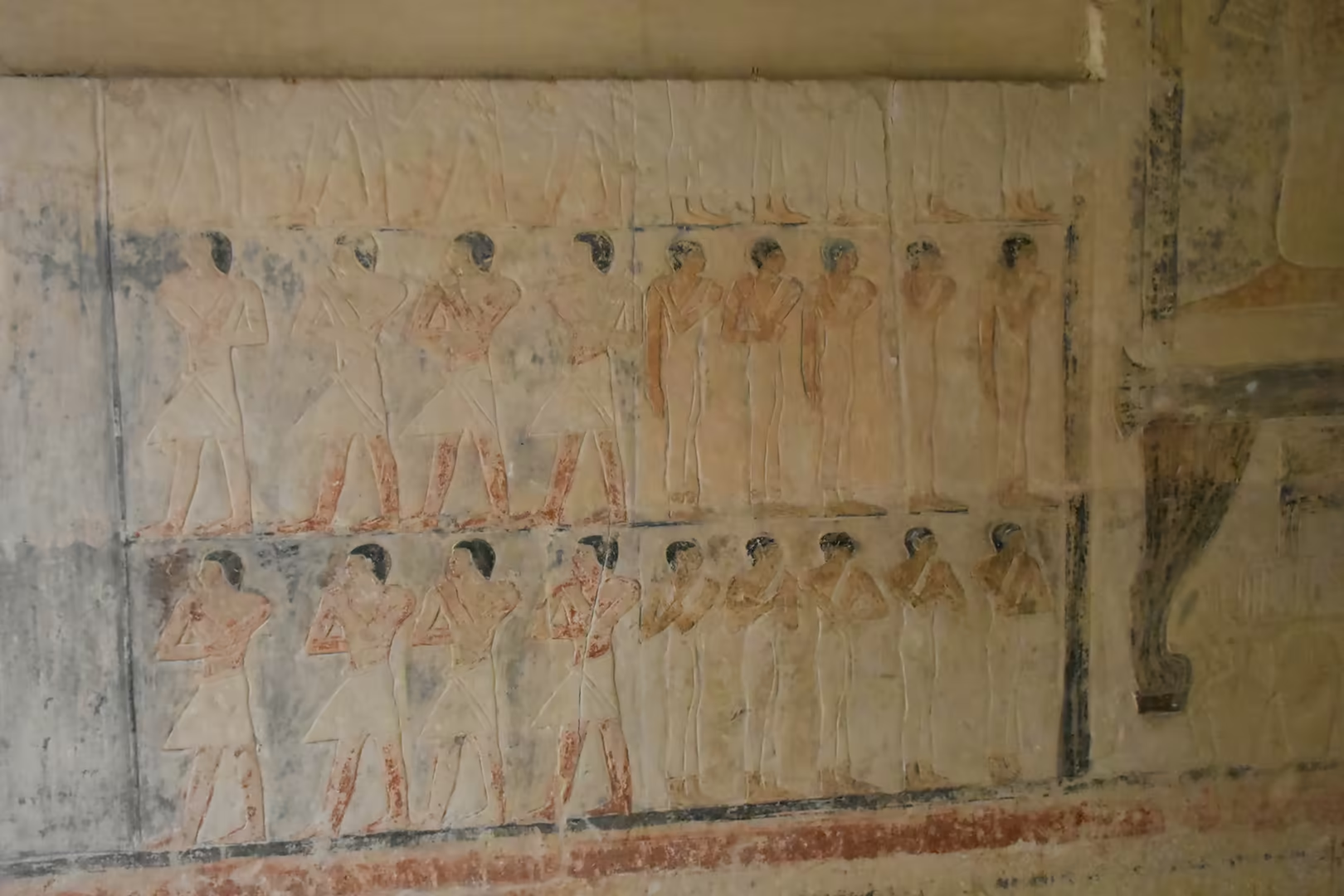
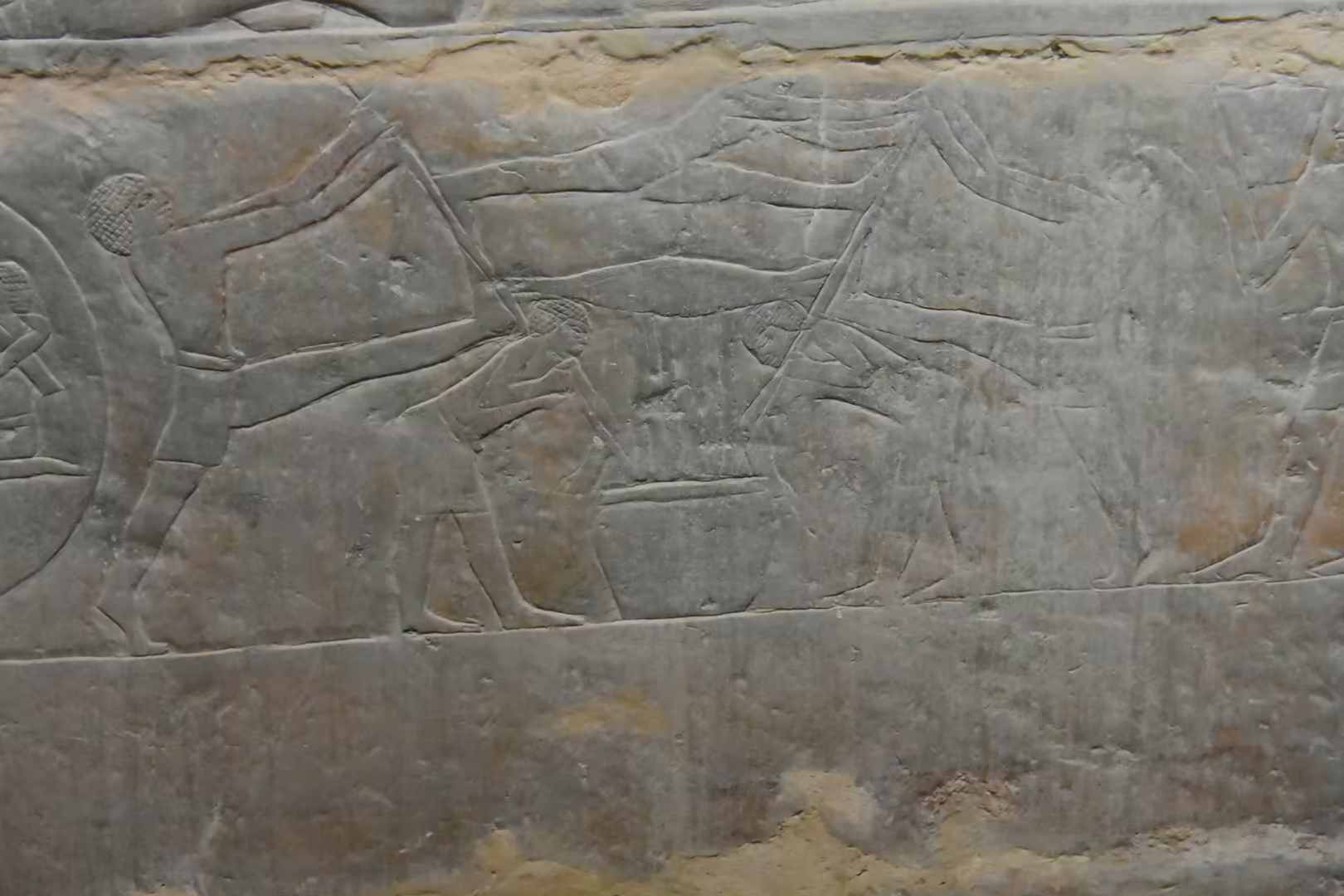
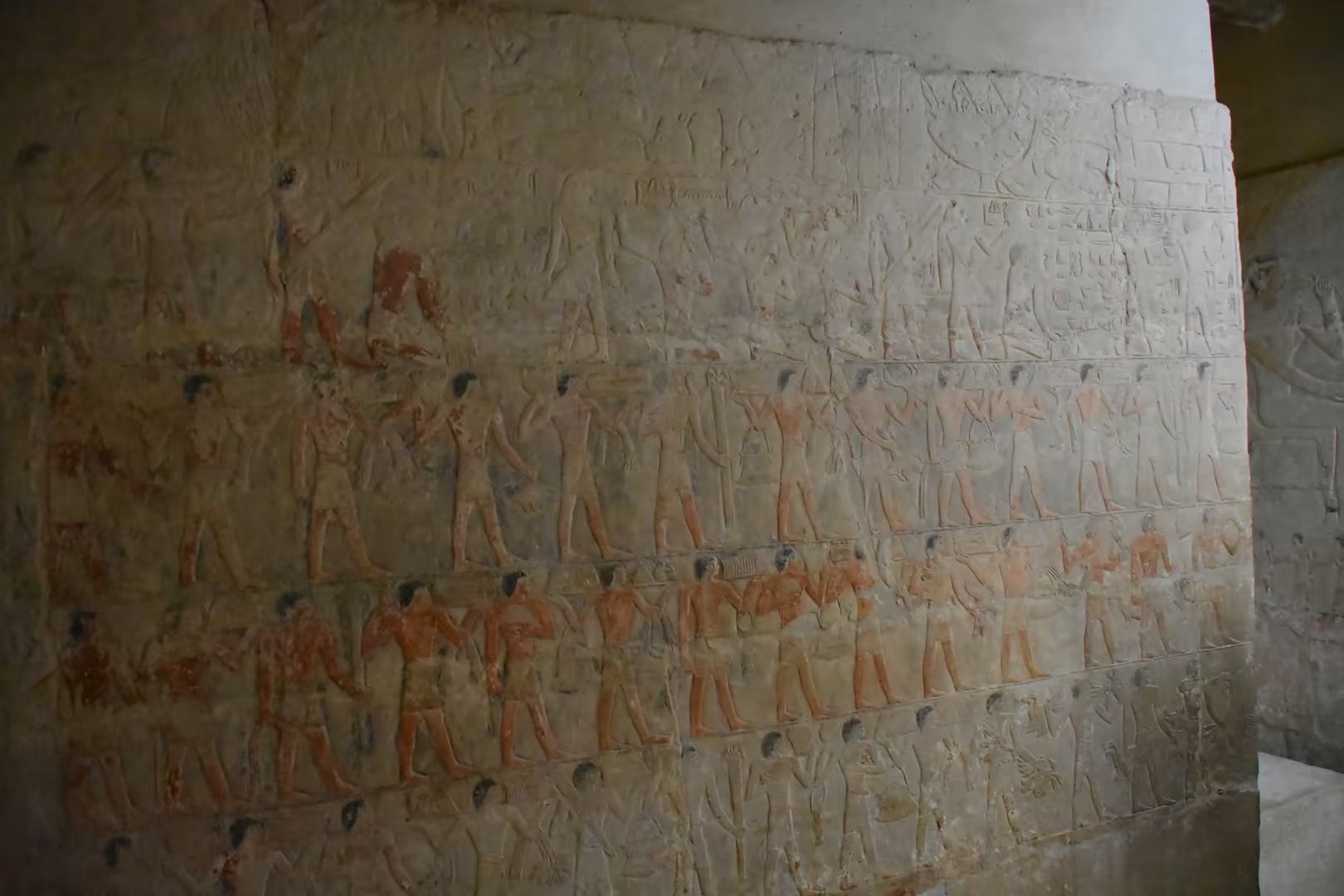
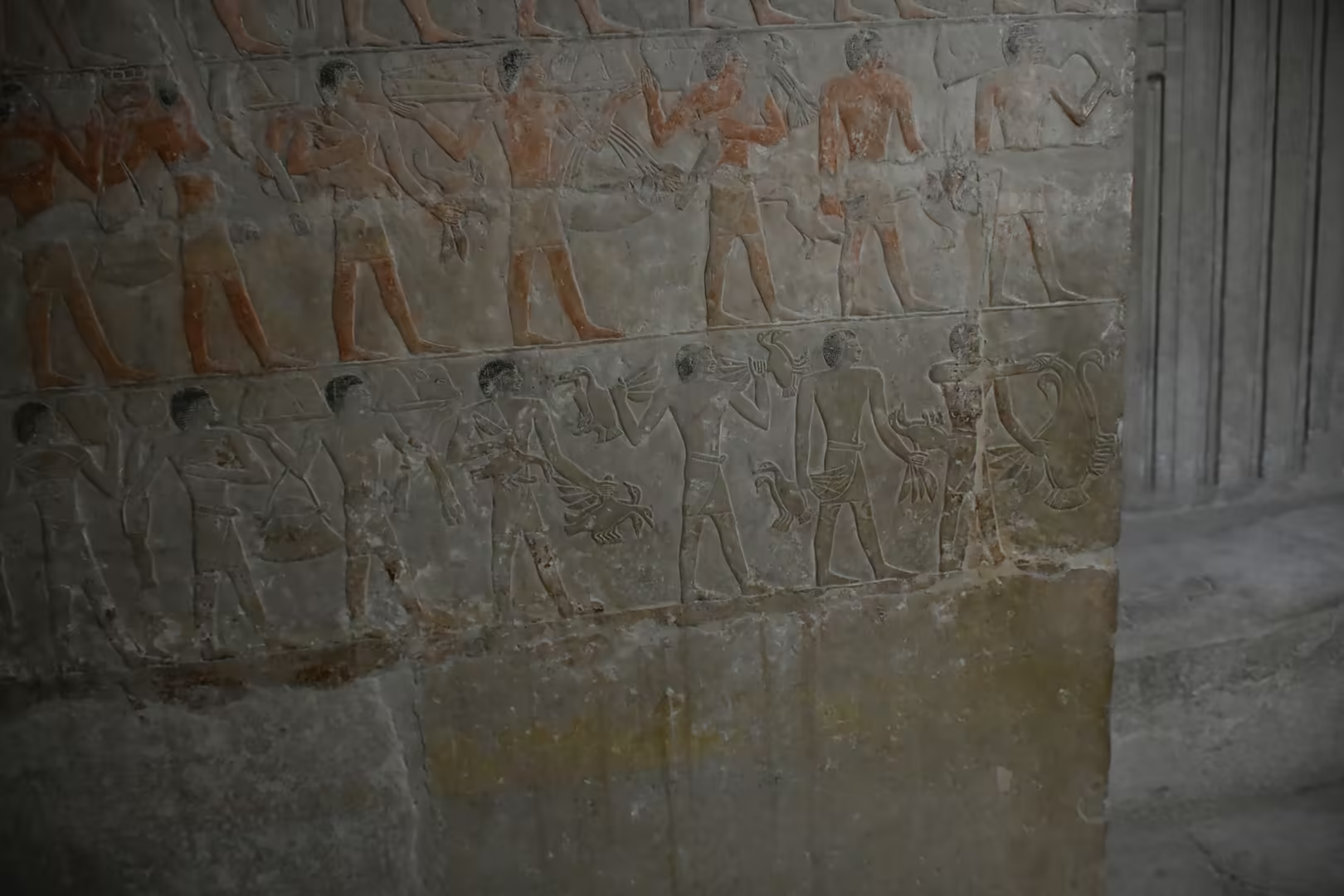
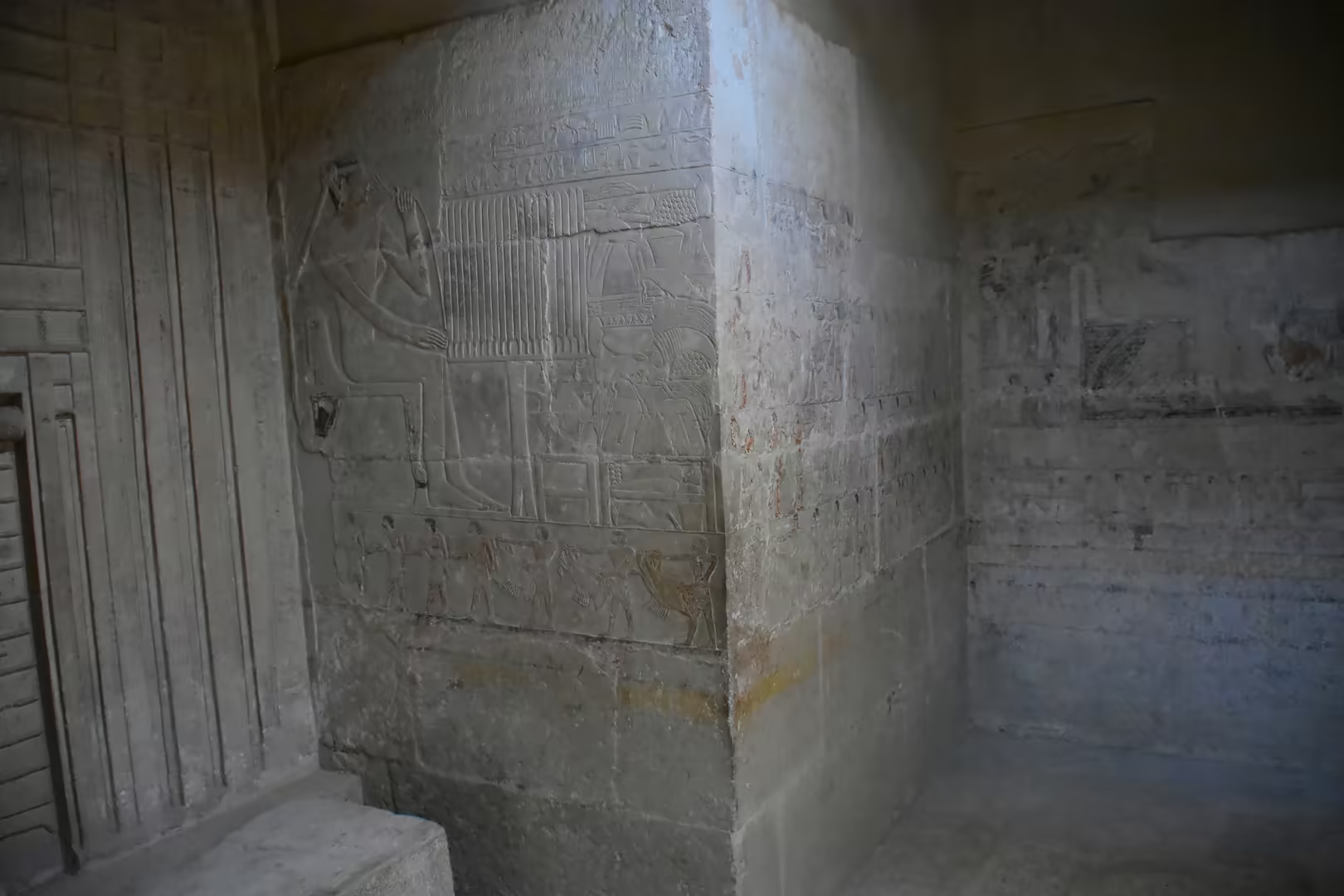
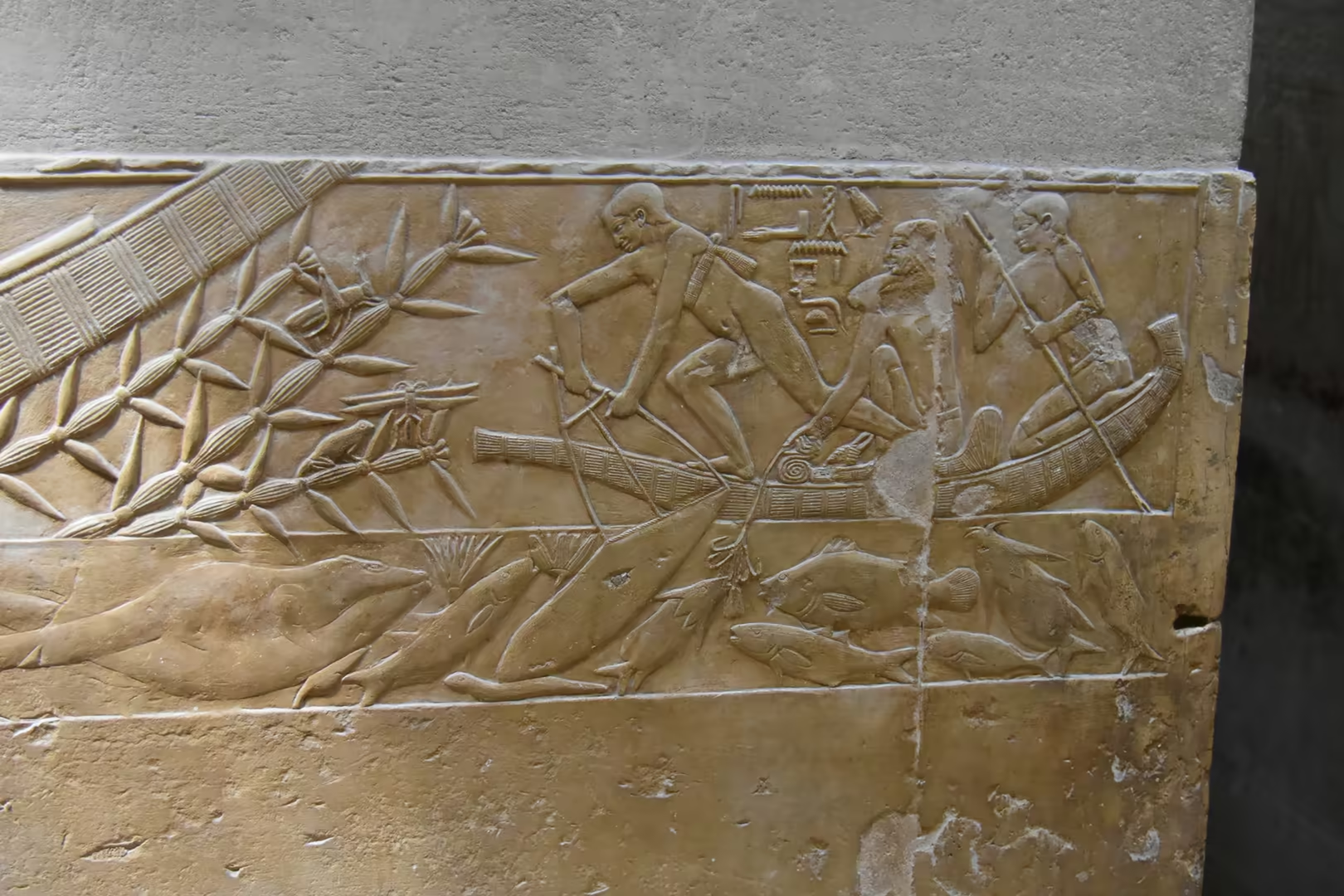
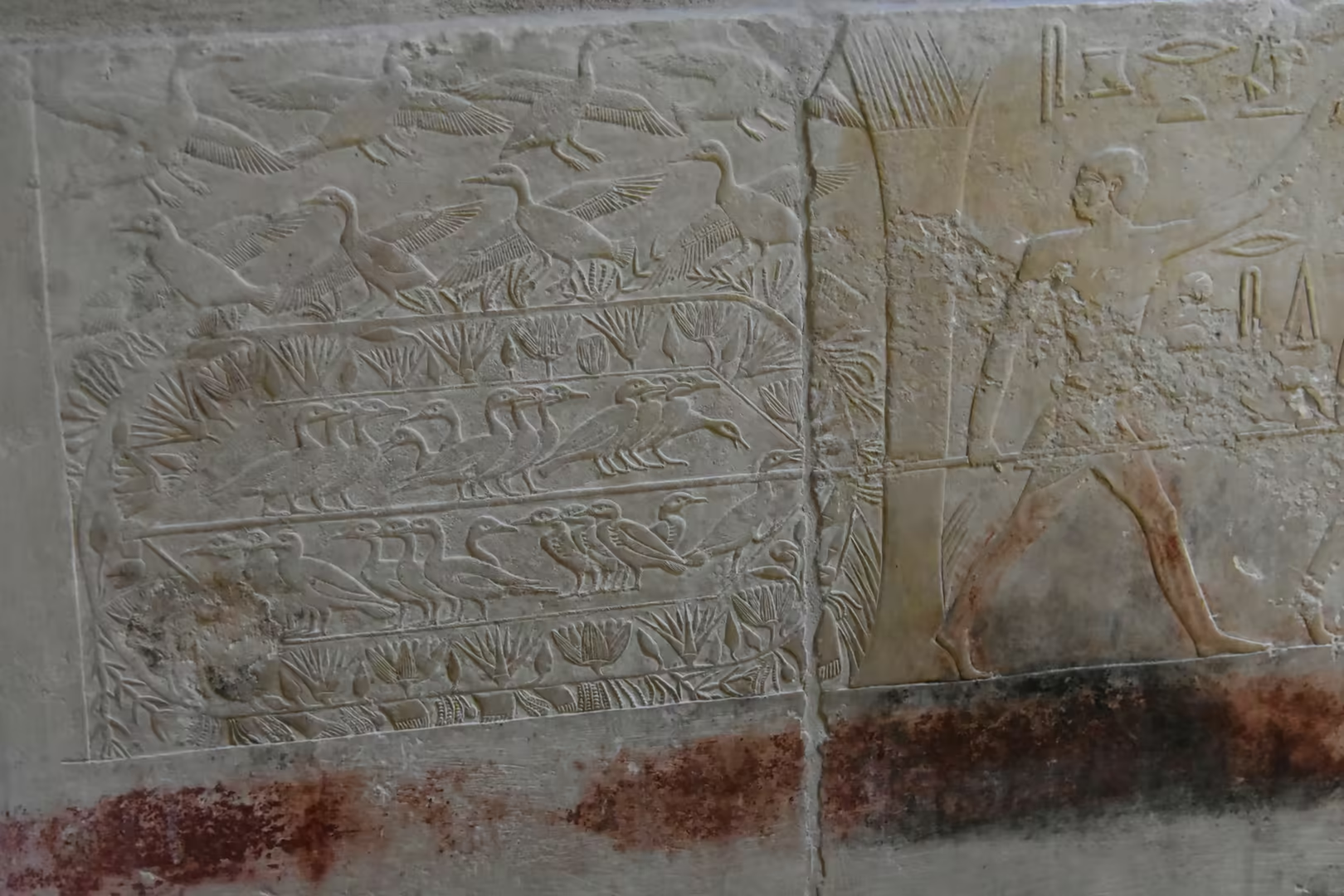
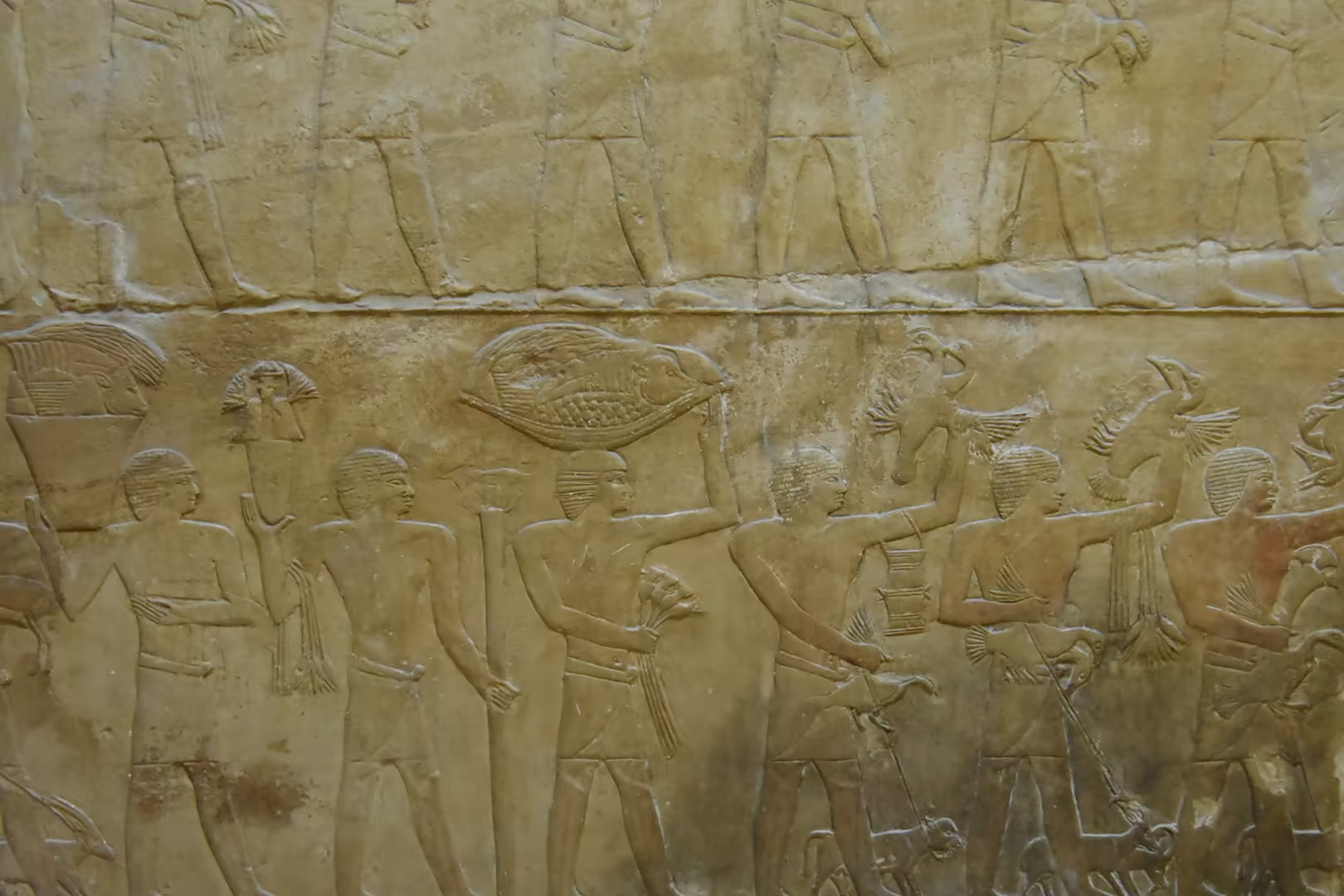
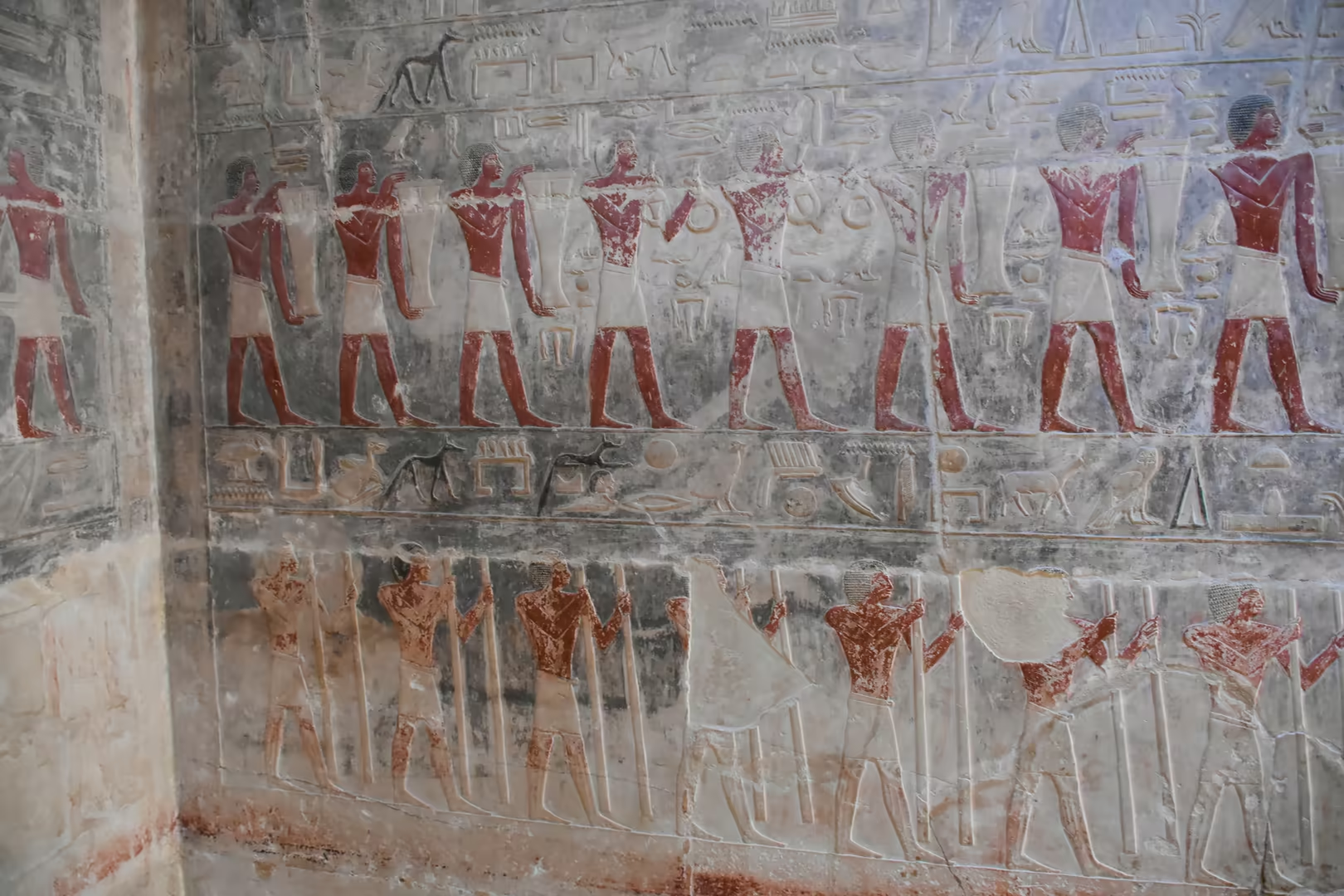
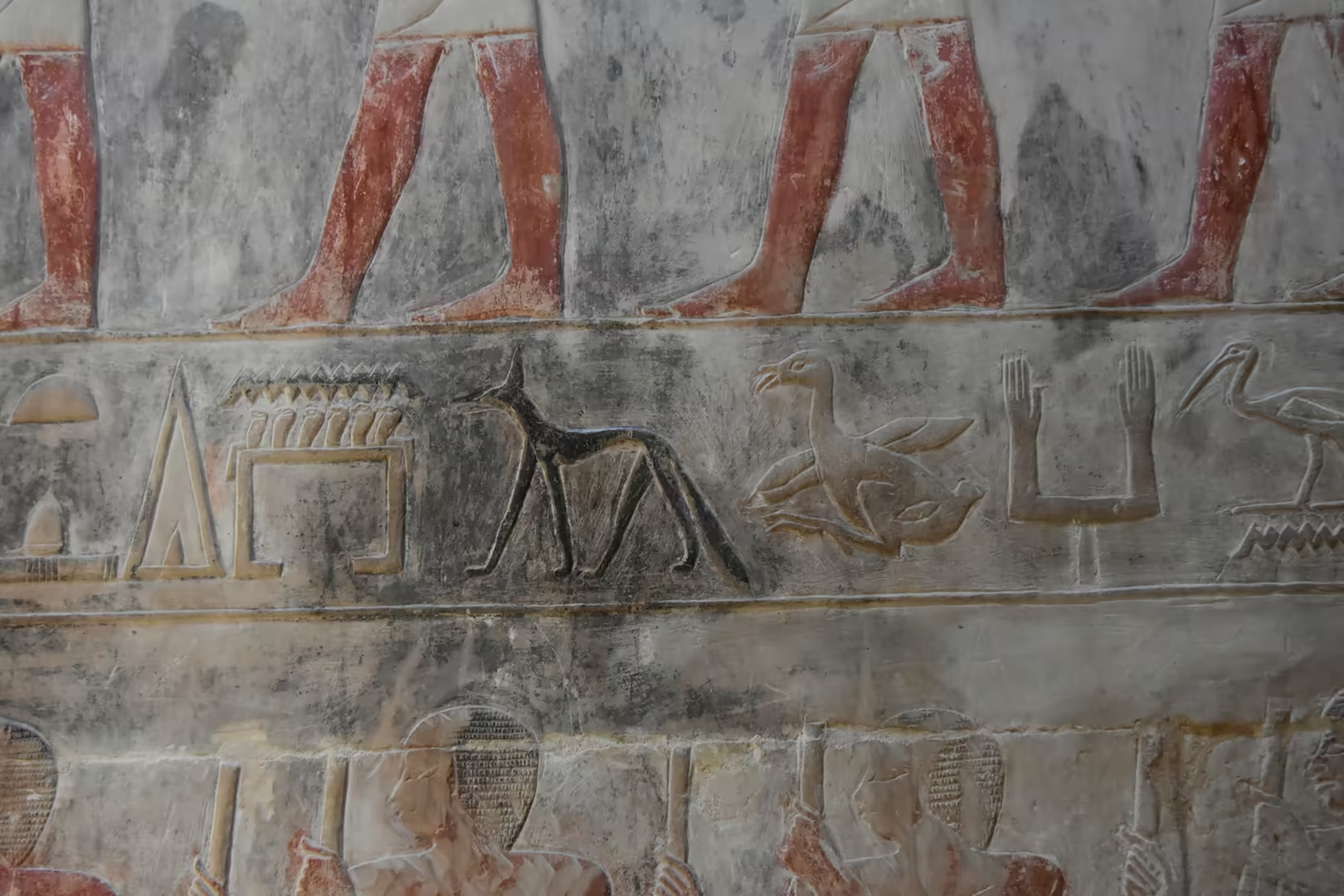
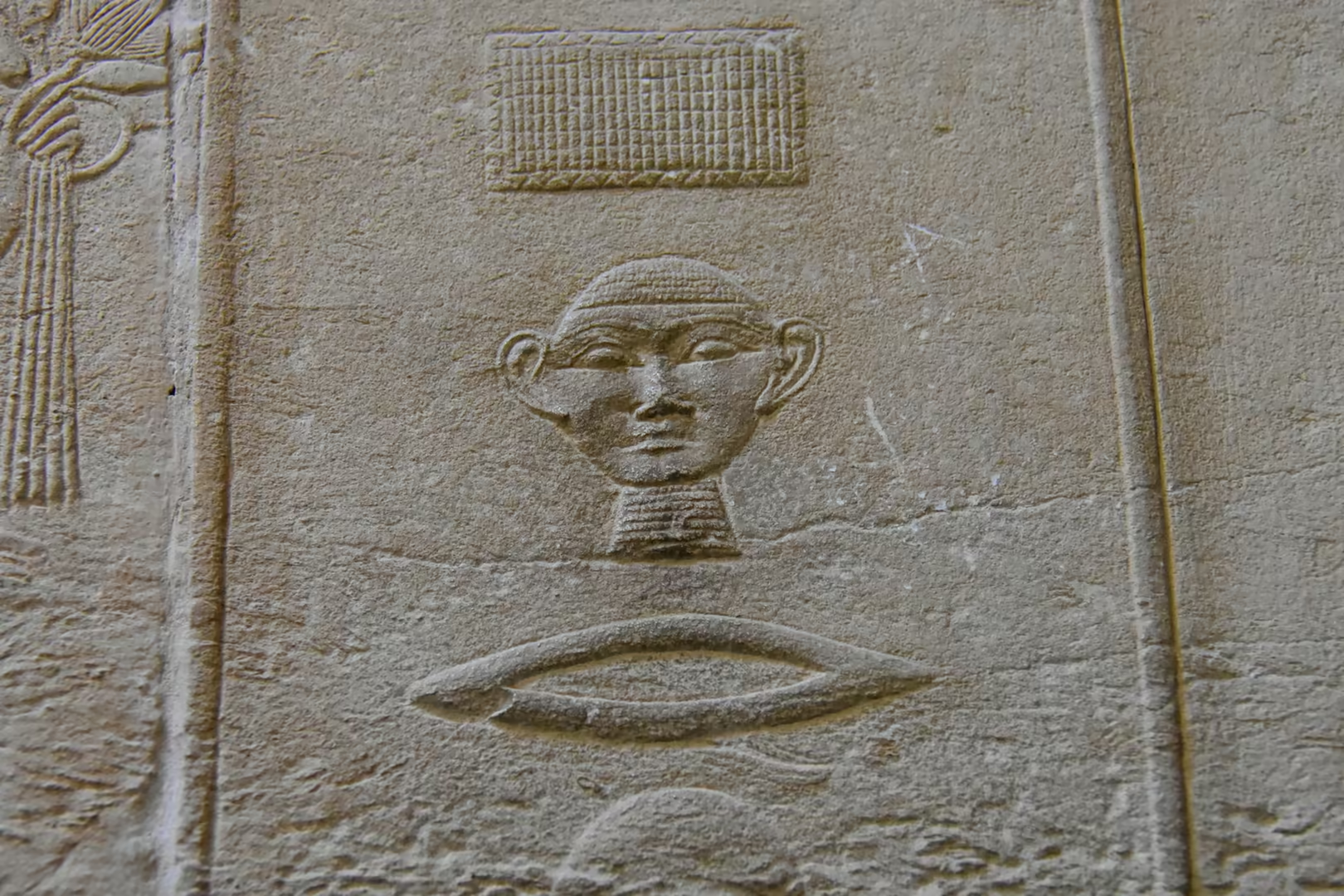
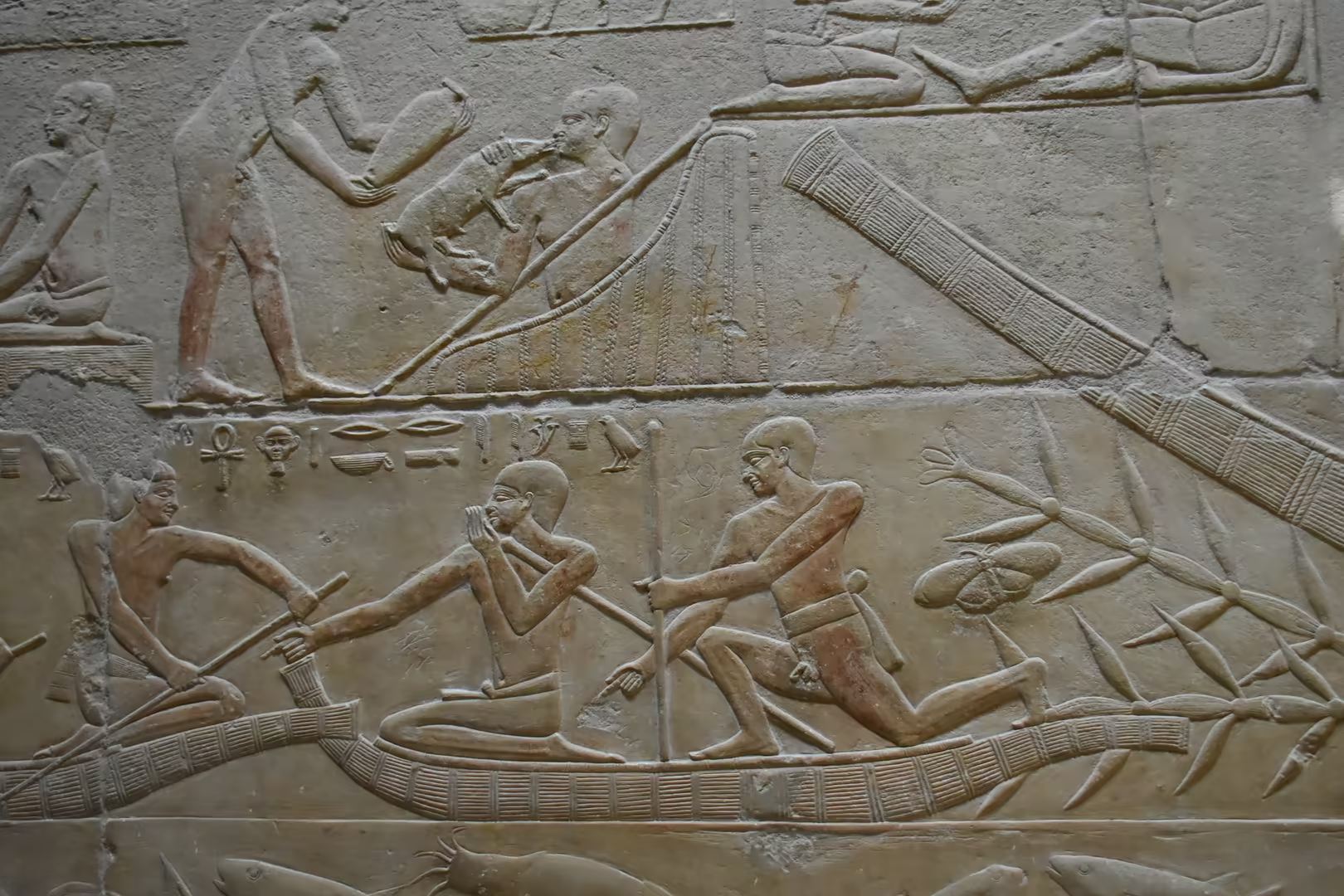
The decorated mastabas of the Old Kingdom courtiers lie in clusters around the pyramids of Unas and Teti. The tomb of Ti, a Fifth Dynasty official who supervised the royal domains, contains some of the finest reliefs of the necropolis, with scenes of cattle herds, marsh fishing, boat building and offering bearers carved across its chambers. Around the pyramid of Teti stand the large mastabas of his officials, among them the tomb of Mereruka, a vizier whose chapel contains more than thirty rooms, and the tombs of Ptahhotep and Kagemni with lively reliefs of daily life and marsh scenes.
North-east of the plateau the Serapeum opens its galleries to visitors. A long descending ramp leads into the vaulted corridors of the Greater Vaults, cut into the bedrock from the seventh century BC to the Roman period to receive the mummies of the sacred Apis bulls. Along the galleries stand twenty-four colossal monolithic sarcophagi of granite, basalt and diorite, each more than three metres long and weighing tens of tonnes; the earliest bears the name of Amasis II (c. 550 BC) and the latest dates from the reign of Augustus. Rediscovered by Auguste Mariette in 1850-1851, the catacombs extend for more than two hundred metres, and the scale of the chambers and the weight of the stone moved by the ancient engineers make the bull cemetery one of the most overwhelming monuments of the necropolis.
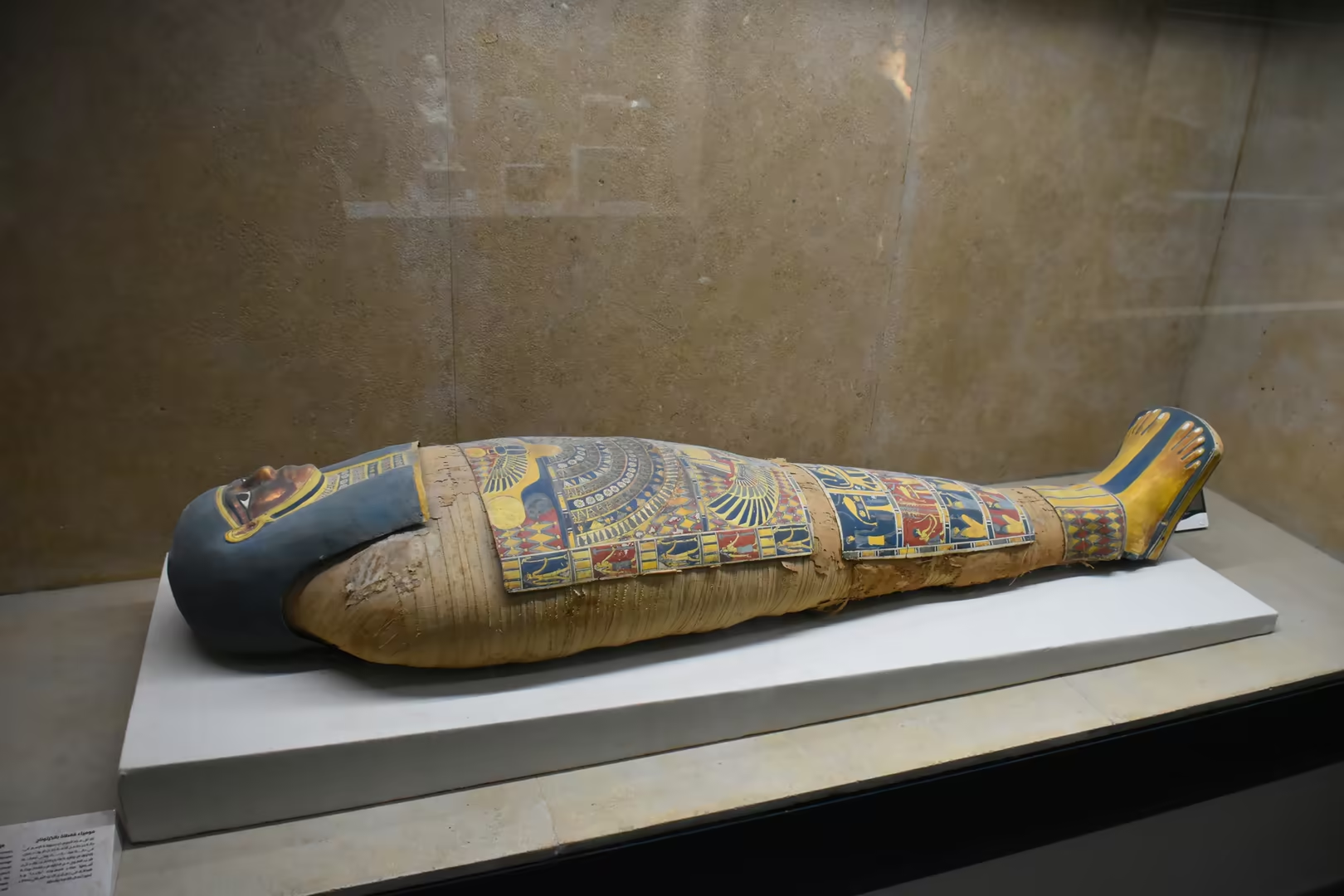
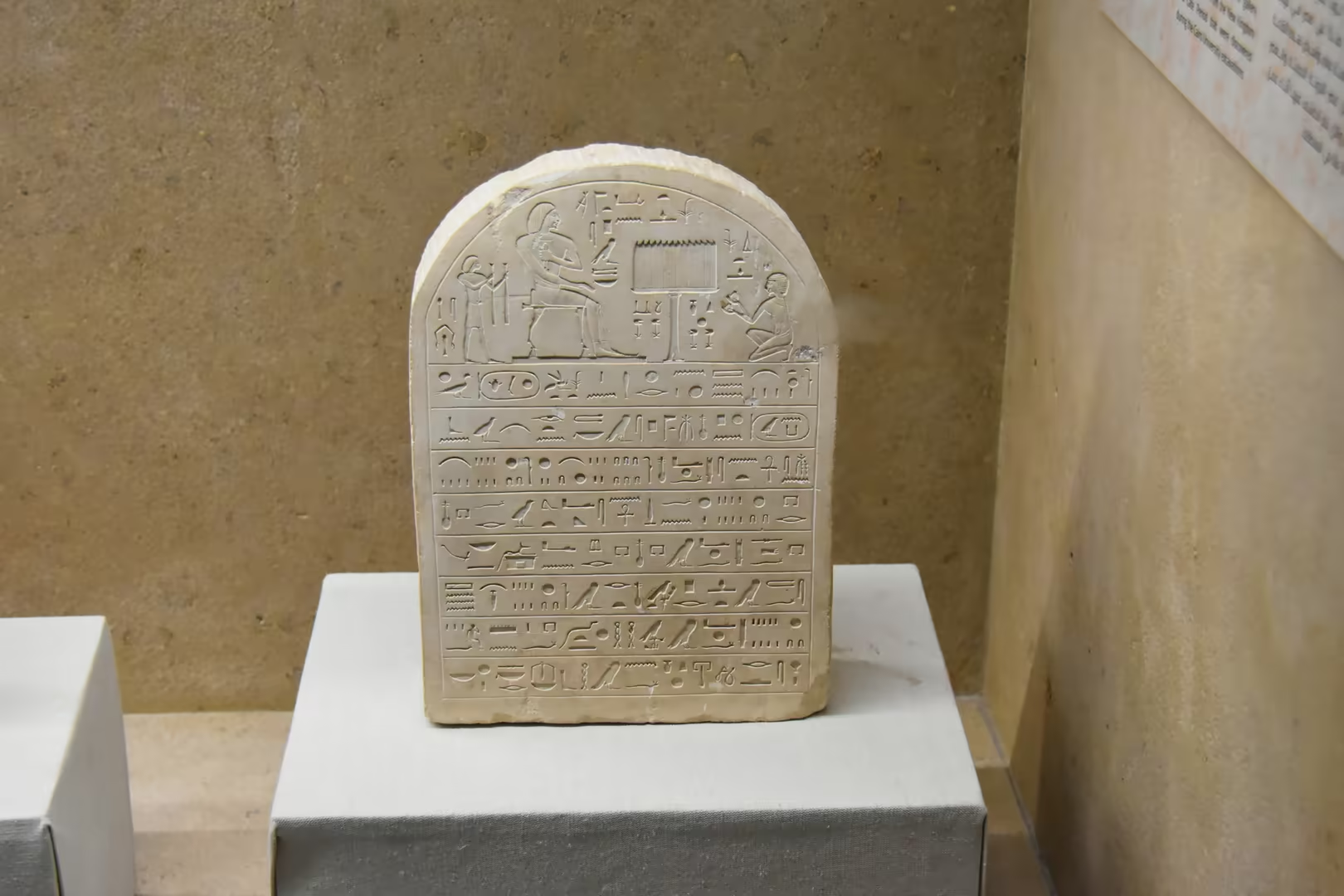
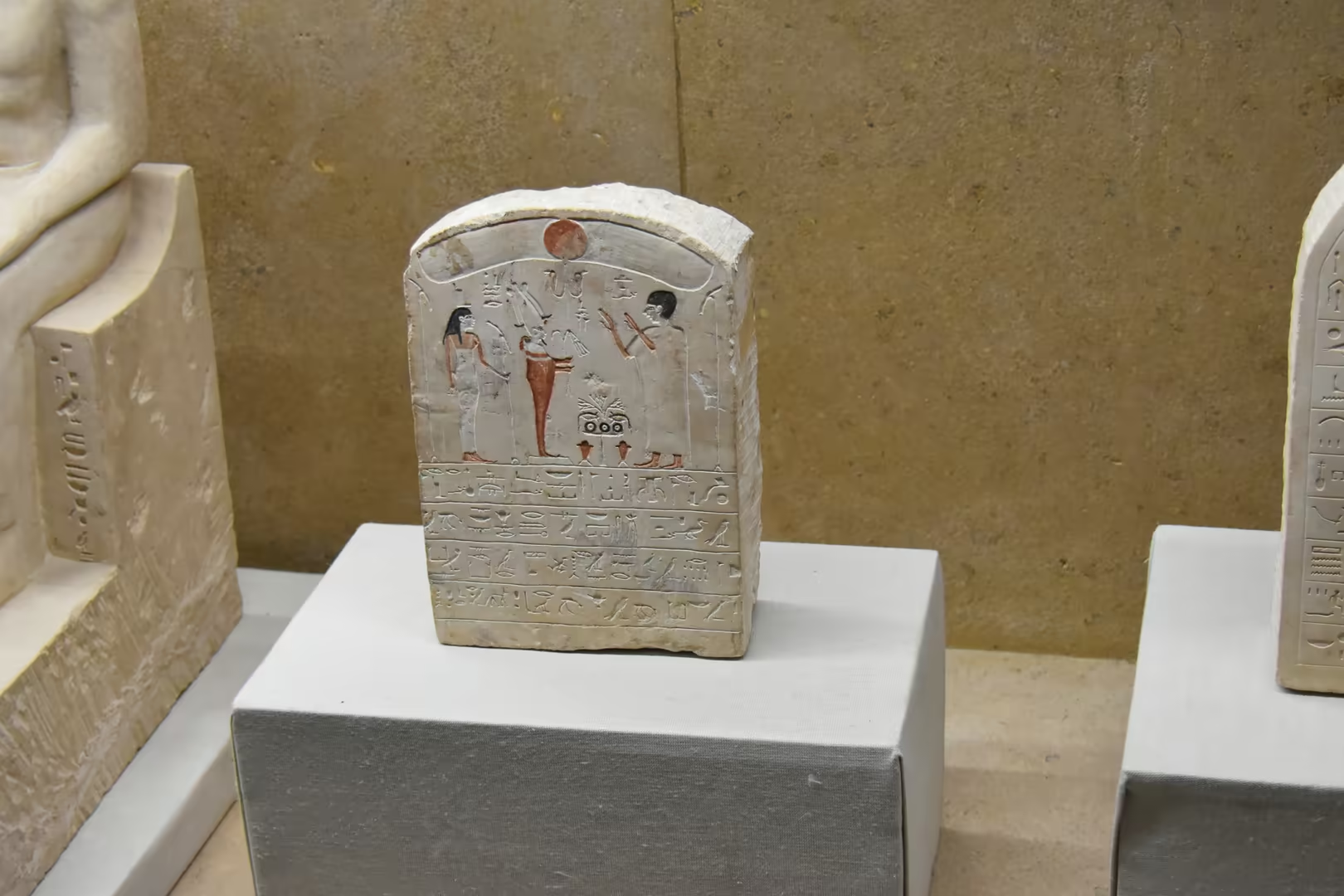
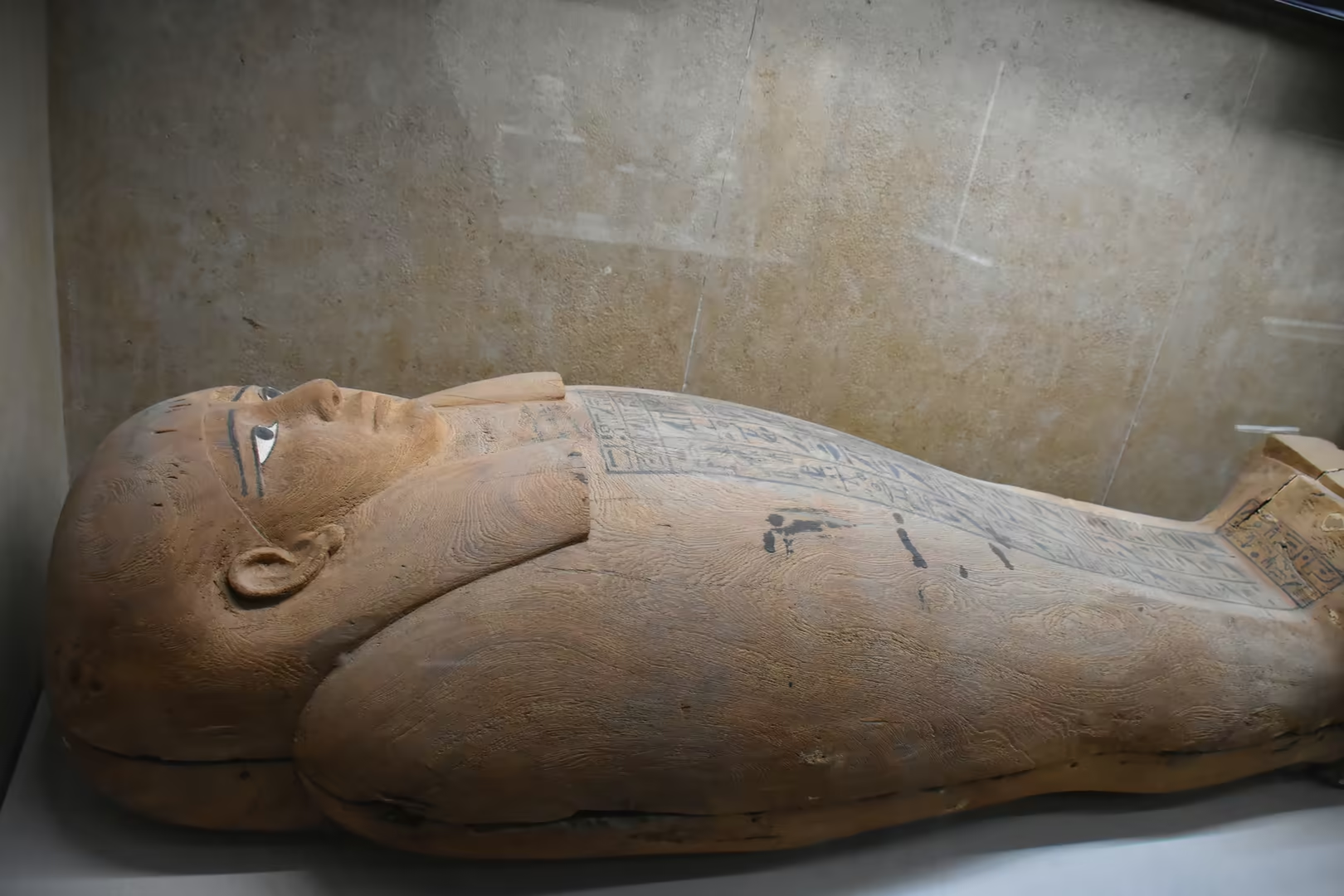
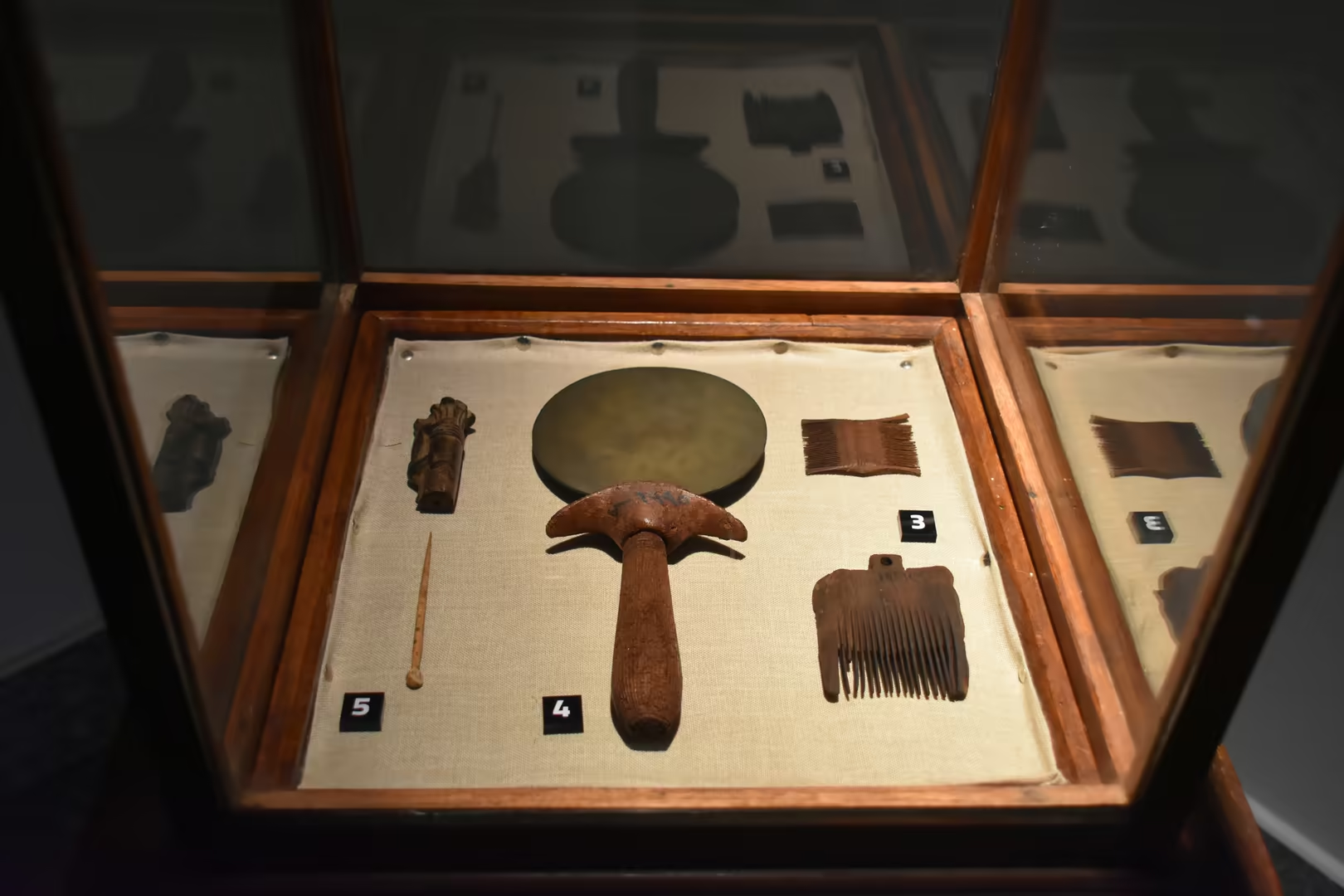
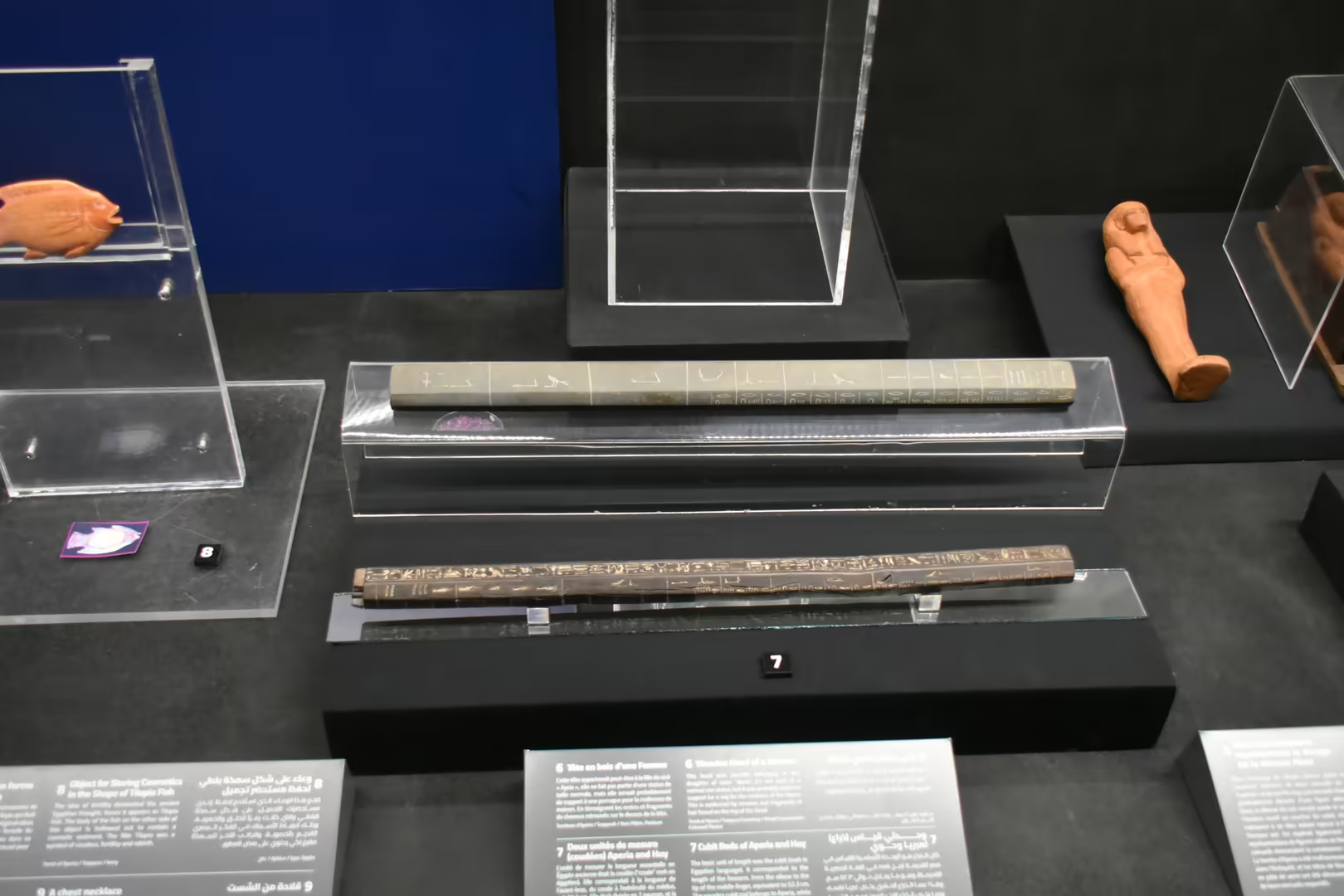
The Imhotep Museum stands at the foot of the plateau near the entrance to the site. Opened in April 2006 and named after Djoser’s architect, it displays finds from more than a century of excavation at Saqqara in six halls: sculpture of the Old Kingdom, among them a fragment of the seated statue of Djoser that bears the name of Imhotep, original columns and blue faience tiles from the substructure of the Step Pyramid, reliefs and false doors from the decorated mastabas, and mummies, masks, stelae and grave goods of the Memphite elite. A gallery is devoted to Jean-Philippe Lauer, who reconstructed the Djoser complex for more than half a century.
References
- Klemm, R. & Klemm, D. (2008). Stones and Quarries in Ancient Egypt. London: British Museum Press.
- Lehner, M. (1997). The Complete Pyramids. London: Thames & Hudson.
- Said, R. (1990). The Geology of Egypt. Rotterdam: A. A. Balkema.
- Verner, M. (2001). The Pyramids: The Mystery, Culture, and Science of Egyptu2019s Great Monuments. New York: Grove Press.
- UNESCO World Heritage Centre (1979). Memphis and its Necropolis, the Pyramid Fields from Giza to Dahshur. World Heritage List, ref. 86. whc.unesco.org/en/list/86/
- Wikipedia contributors (2026). Saqqara. en.wikipedia.org/wiki/Saqqara
- Wikipedia contributors (2026). Djoser. en.wikipedia.org/wiki/Djoser
- Wikipedia contributors (2026). Pyramid of Djoser. en.wikipedia.org/wiki/Pyramid_of_Djoser
- Wikipedia contributors (2026). Imhotep. en.wikipedia.org/wiki/Imhotep
- Wikipedia contributors (2026). Serapeum of Saqqara. en.wikipedia.org/wiki/Serapeum_of_Saqqara
- Wikipedia contributors (2026). Pyramid of Unas. en.wikipedia.org/wiki/Pyramid_of_Unas
- Wikipedia contributors (2026). Pyramid Texts. en.wikipedia.org/wiki/Pyramid_Texts
- Wikipedia contributors (2026). Mastaba of Ti. en.wikipedia.org/wiki/Mastaba_of_Ti
- Wikipedia contributors (2026). Imhotep Museum. en.wikipedia.org/wiki/Imhotep_Museum
- Wikipedia contributors (2026). Memphis, Egypt. en.wikipedia.org/wiki/Memphis,_Egypt
- Wikipedia contributors (2026). Old Kingdom of Egypt. en.wikipedia.org/wiki/Old_Kingdom_of_Egypt