Skip to content

Egypt · 2025

Day 5 - Dahshur

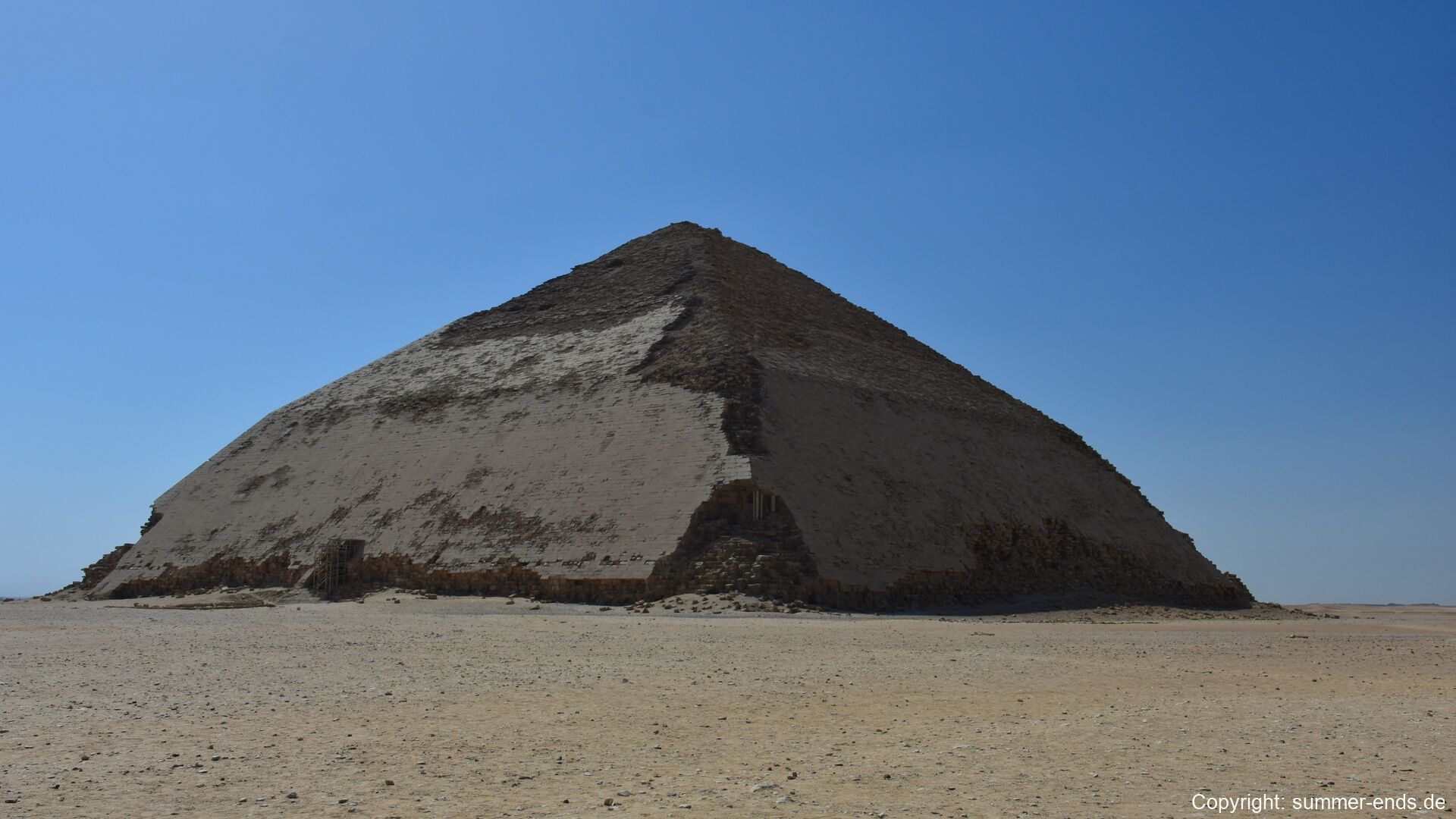
The distinctive bent shape of an ancient pyramid, its lower limestone casing still smooth.
Journal Notes

General

Dahshur is the southernmost of the great Memphite pyramid fields, a royal necropolis on the western desert plateau of the Nile valley, some ten kilometres south of Saqqara and about forty kilometres south of the centre of modern Cairo. The site is known above all for the two pyramids of King Sneferu, the first ruler of the Fourth Dynasty: the Bent Pyramid and the Red Pyramid, built in the twenty-seventh century BC (c. 2613-2589) and among the oldest, largest and best-preserved pyramids in Egypt. With the fields of Giza, Abusir and Saqqara to the north, Dahshur forms part of the World Heritage property “Memphis and its Necropolis: the Pyramid Fields from Giza to Dahshur”, inscribed in 1979.

Dahshur is the place where the pyramid form was perfected. It was here, in the reign of one king, that Egyptian builders made the decisive transition from the stepped pyramids of the Third Dynasty to the smooth-sided true pyramid: the Bent Pyramid, the first attempt at a smooth exterior, shows the crisis of that transition in its changed angle; the Red Pyramid, built immediately afterwards, was the first successful true pyramid, and its lessons made possible the Great Pyramid of Giza. Egyptologists have called the Dahshur field the laboratory in which the classical pyramid was developed.

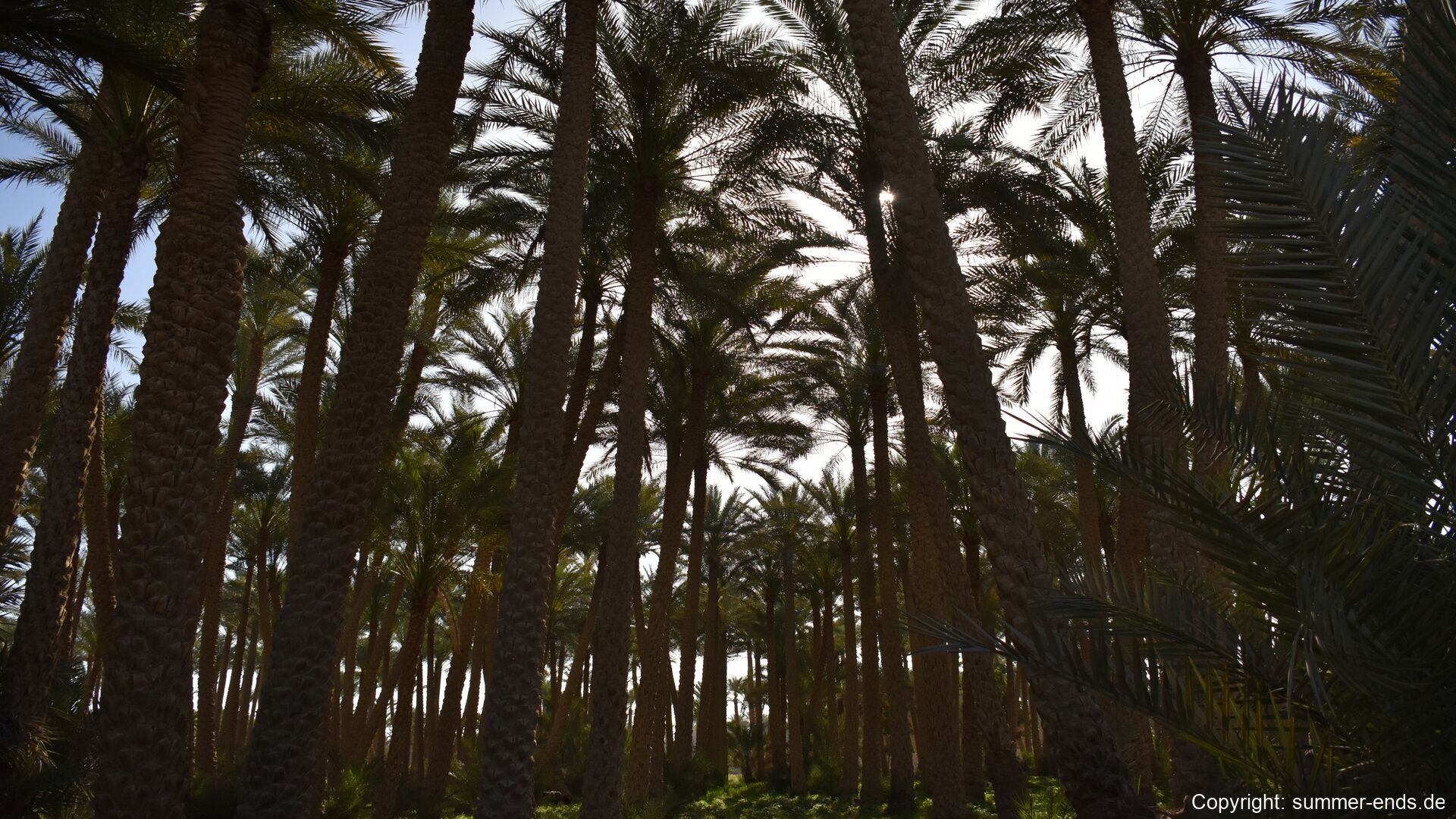
Today Dahshur is a quiet contrast to the crowds of Giza: a handful of visitors among the sand, the two great pyramids of Sneferu and, further south across the plateau, the ruined mud-brick pyramids of the Twelfth Dynasty and the cemeteries of their officials. For much of the twentieth century the site lay inside a military zone and was closed to visitors; the pyramids have been reopened since, the Red Pyramid to its full interior, the Bent Pyramid in the course of a long restoration. The German Archaeological Institute has worked here for decades, and the plateau edge still carries the frontier between desert and cultivation: palms, canals and village fields below, bare limestone above.

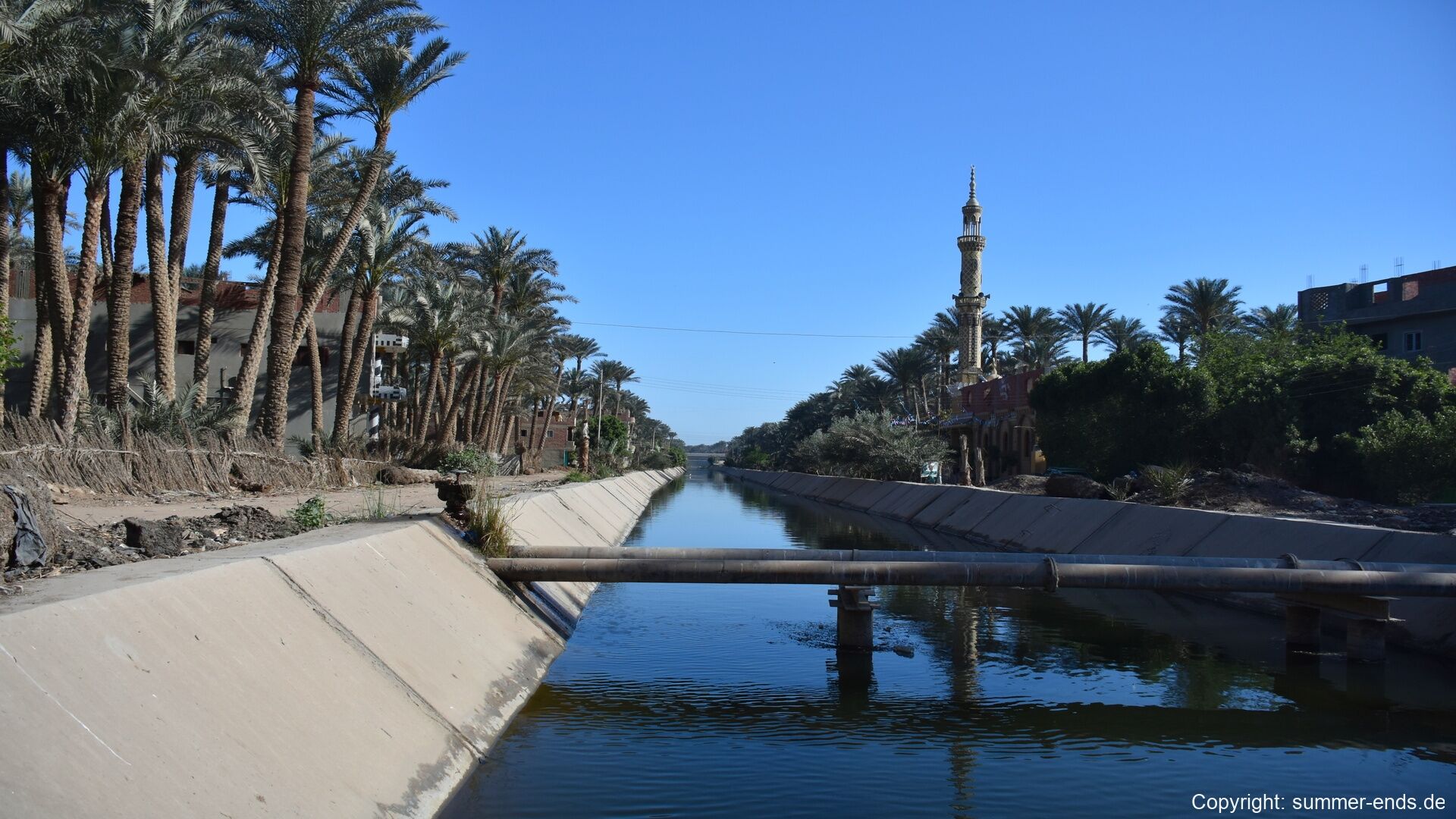
Climatically Dahshur belongs to the desert fringe (BWh after Köppen): clear dry air, hot summers, mild winters, and the dust haze of the valley to the east, where the industrial skyline of Helwan rises beyond the green plain. The modern village of Manshiyyat Dahshur occupies the cultivated strip below the escarpment, its palm groves, canals and fields extending to the very edge of the archaeological zone.

History

The history of Dahshur is the history of King Sneferu, the founder of the Fourth Dynasty (c. 2613-2589 BC). Sneferu built more pyramids than any other king of Egypt (the pyramid at Meidum on the southern desert edge, begun perhaps under his predecessor Huni and completed by him, and the two pyramids of Dahshur), and each of them was an experiment. The Old Kingdom had inherited the step pyramid from Djoser at Saqqara; what the kings of the early Fourth Dynasty wanted was a true pyramid with smooth, unbroken faces, and the way to build one had to be discovered. Estimates of Sneferu’s reign range from twenty-four to forty-eight years; the scale of his building suggests a king who ruled long enough to plan, fail and rebuild. Meidum was the first attempt, Dahshur the place where the problems of the new form were solved, and Giza the result.

The Bent Pyramid, the second of Sneferu’s pyramids, stands on the plateau north of the later field. Its construction passed through three phases: begun at the very steep angle of some 58 degrees, extended with a reduced inclination of 54 degrees, it was completed above the forty-ninth course at the shallower angle of 43 degrees, giving the monument the unique double slope, the “bend”, from which it takes its name. The change was almost certainly a response to instability: a pyramid as steep as the original plan was beyond the safe limits of the ground and of the masonry, and the builders lowered the angle rather than risk collapse. The pyramid has two separate entrances and two complete chamber systems (one entered low on the north face, the other high on the west) whose corbelled limestone roofs survive intact; the upper chamber was never finished, its rough blocks sealed with gypsum, and one block carries a graffito with the name of Sneferu, linking the monument to its builder. A satellite pyramid stands to the south, and the Bent Pyramid retains more of its original polished Tura casing than any other Old Kingdom pyramid: the surface the visitor sees today is the surface the king saw.

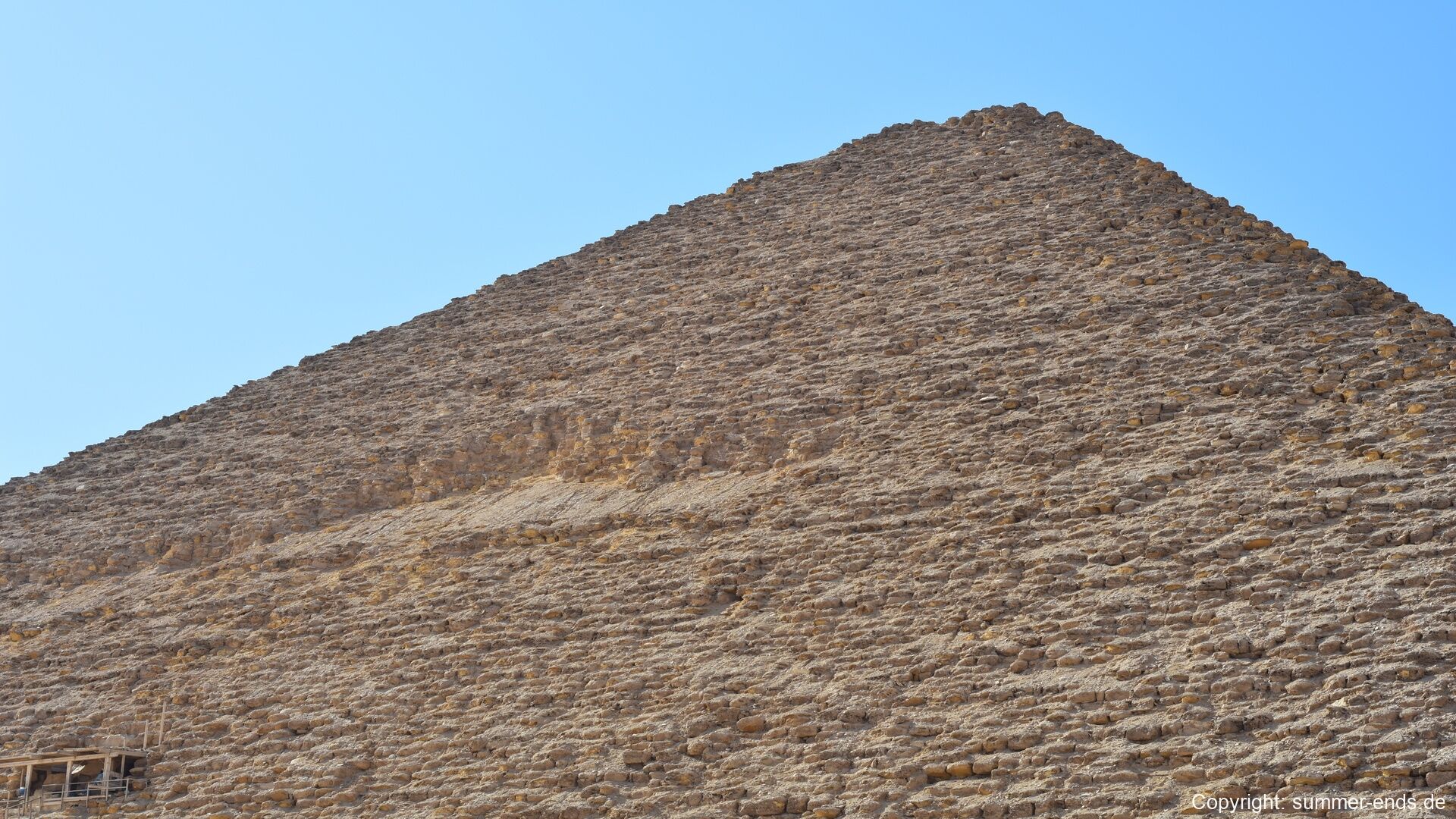
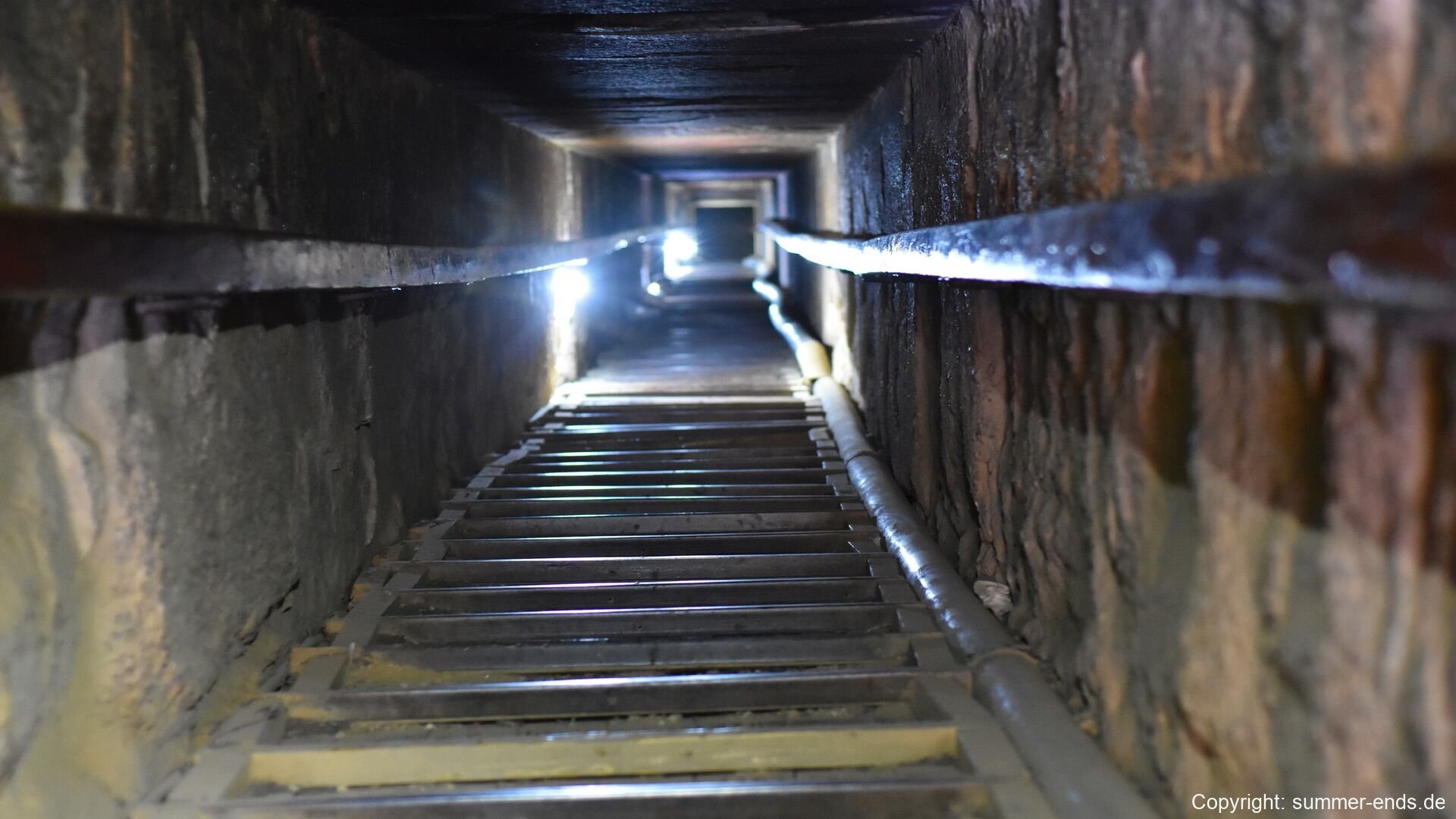
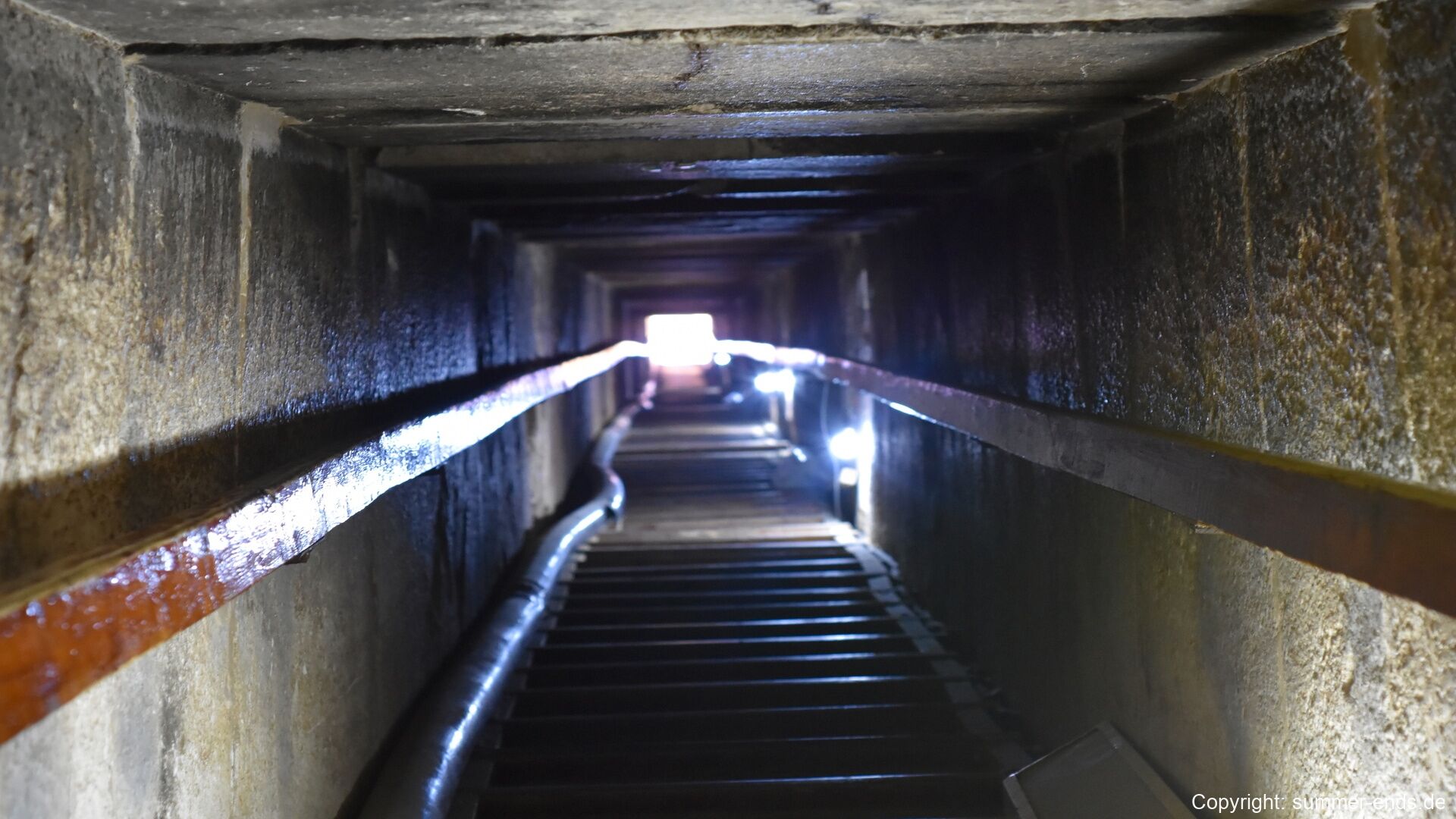
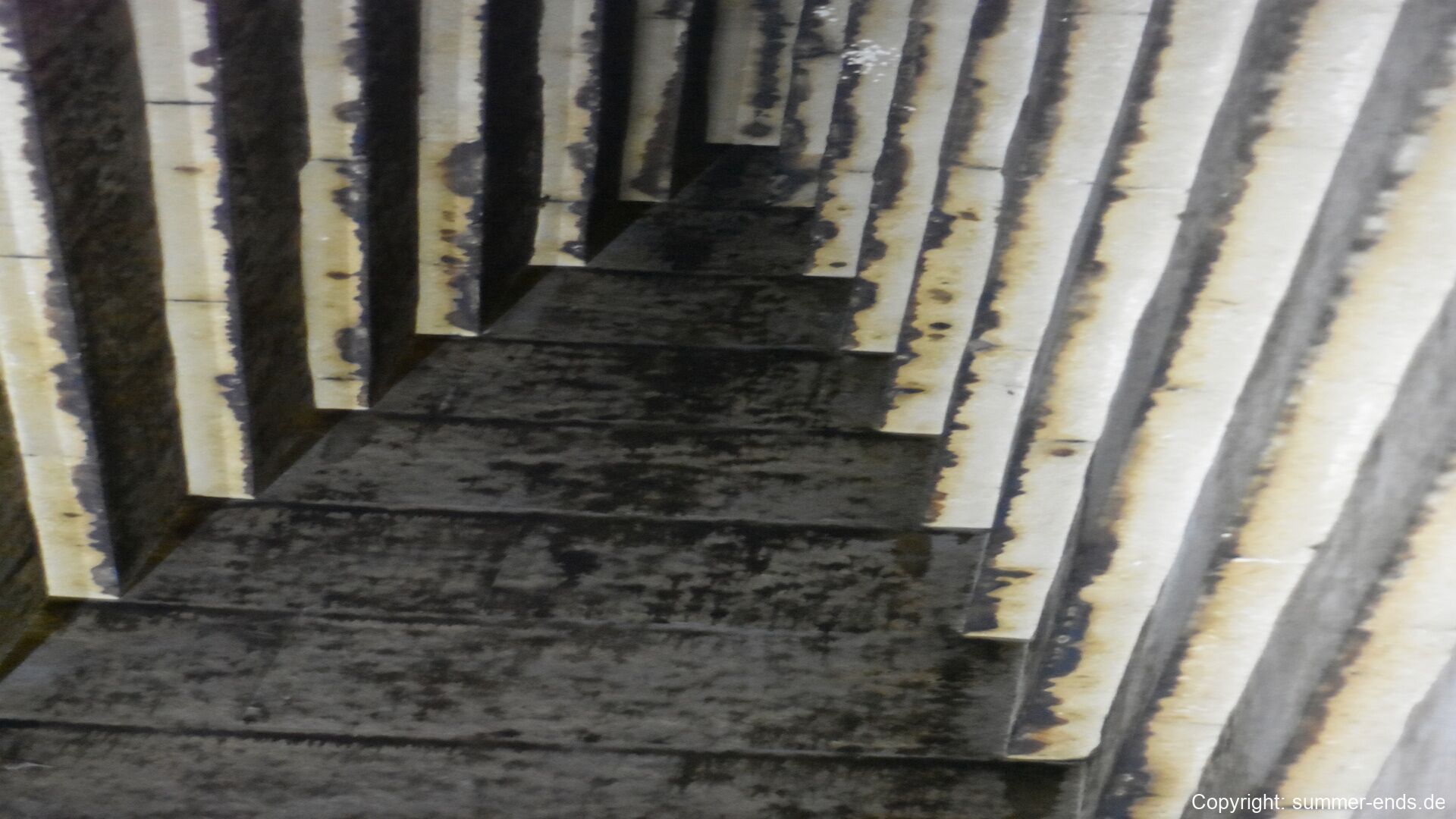
The Red Pyramid, a few hundred metres north of the Bent Pyramid, was the answer to the problems that the bend had revealed. Built at the constant angle of 43 degrees, it became the first successful true pyramid (a free-standing, smooth-sided pyramid of regular form) and, with an original height of about 104 metres and a base of 220 metres, the third-largest pyramid ever built in Egypt, after those of Khufu and Khafre at Giza. It is commonly believed to be the burial place of Sneferu himself. The pyramid takes its name from the reddish local limestone of its exposed core; it was originally clad in white Tura limestone, robbed in the Middle Ages for the building of Cairo, and only a few casing blocks survive at its base. Inside, a passage descends at 27 degrees through the masonry to three chambers roofed with corbelled limestone, the third of them, beneath the apex, scarred by the trench of ancient tomb robbers; fragments of the pyramidion found on the site have been reassembled and stand before the pyramid.

South of the two great pyramids the desert carries the ruined monuments of later reigns. The pyramid of Meidum, visible from Dahshur across the plain and usually visited from the road to the Faiyum, was the first of the series: begun as a step pyramid (probably for King Huni, the last ruler of the Third Dynasty), extended and then encased as a true pyramid by Sneferu, it collapsed in antiquity when its outer casing, founded on sand rather than bedrock, gave way, leaving the strange stepped core and great talus of rubble that the Egyptians called el-heram el-kaddaab, “the false pyramid”. Its burial chamber was never used. Meidum was explored by Perring in 1837, Lepsius in 1843 and Flinders Petrie in 1891-92, who showed from the ruins that the finished pyramid would have had the same proportions as the Great Pyramid at Giza: a slope of about 51.8 degrees, the seked of five palms.

Dahshur returned to royal use in the Twelfth Dynasty. Amenemhat II built his pyramid (the “White Pyramid”) at the north of the field; Senusret III laid out a great complex to the south, with subsidiary pyramids for the royal women and a tomb whose gallery yielded the jewellery of the princess Sithathor, among the finest goldwork of the Middle Kingdom; and Amenemhat III raised the “Black Pyramid” of dark mud-brick with a limestone casing, now a weathered mound above the cultivation. Modern research (above all by the German Archaeological Institute since the 1970s) has excavated the valley temples, the royal tombs and the great cemeteries of officials around them, making Dahshur again one of the most informative sites of the Memphite region.

Geology

Dahshur lies on the same geological shelf as the rest of the Memphite pyramid fields: a terrace of Middle Eocene limestone of the Mokattam Formation, the nummulitic marine limestones, some 41-38 million years old, that form the desert edge of the Nile valley between Giza and the Faiyum. The plateau here is lower and more eroded than at Giza, its rock mantled in places by the gravels and sands of old desert terraces, and it is this mantle that gave the pyramids of Dahshur their peculiar history. The Red Pyramid stands on firm ground; the Bent Pyramid was troubled by the behaviour of its foundation; and Meidum collapsed because its outer casing was laid on sand, not on the limestone core beneath it, the earliest documented lesson in the geotechnics of the pyramid builders.

The Dahshur field is thus a geological experiment made visible in stone. The too-steep first plan of the Bent Pyramid pressed on ground that could not bear it, and the kink at the forty-ninth course records the engineers’ correction; the Red Pyramid, built at the safer angle of 43 degrees, stood firm and became the model for all later true pyramids. The sequence from Meidum to the Red Pyramid is the empirical discovery of what the limestone shelf could carry, knowledge that the next generation applied on the higher, firmer plateau of Giza, where the Great Pyramid rises at 51.8 degrees.

The stones themselves tell the geology of Egypt. The cores of the Dahshur pyramids were quarried from the local limestone, whose rusty reddish tone (the iron staining visible in the weathered courses of the Red Pyramid and in the mineral veins of the stone itself) gives the Red Pyramid its name. The casing was of the fine white Tura limestone from the east bank, ferried across the Nile; a recent study of the casing of the Bent Pyramid found that it was set with an artificial calcium-silicate binder made with diatomaceous earth, possibly from the Faiyum; an early form of lime mortar with pozzolanic properties, applied by builders who understood the chemistry of their materials four and a half thousand years ago. In the Middle Kingdom the builders economised: the pyramids of Amenemhat II, Senusret III and Amenemhat III were cored in mud-brick and only cased in stone, so that after the removal of their casings the desert has eroded them into the dark mounds seen today.

Water is the quiet enemy of Dahshur. The plateau is dry, and the desert climate (BWh) has preserved the Bent Pyramid’s casing as no other pyramid’s, but at the foot of the escarpment the irrigation of the modern fields has raised the groundwater of the plain, threatening the valley temples and the tombs at the edge of the cultivation; and the mud-brick cores of the Twelfth-Dynasty pyramids dissolve under the rare desert rains. The restoration of the Bent Pyramid and the drainage and consolidation work of the archaeological missions are as much a dialogue with the geology of the site as with its history.

Things to See

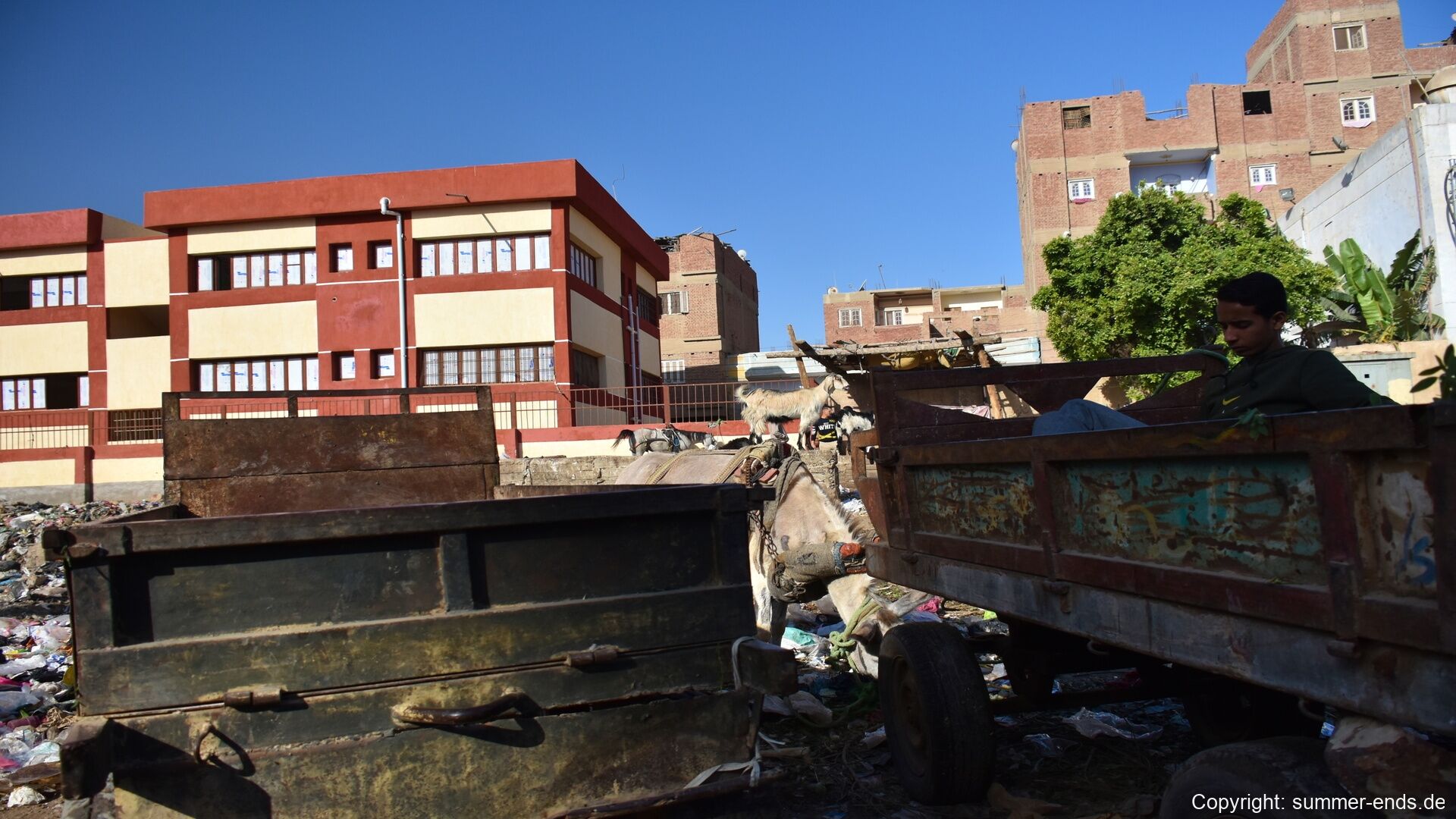
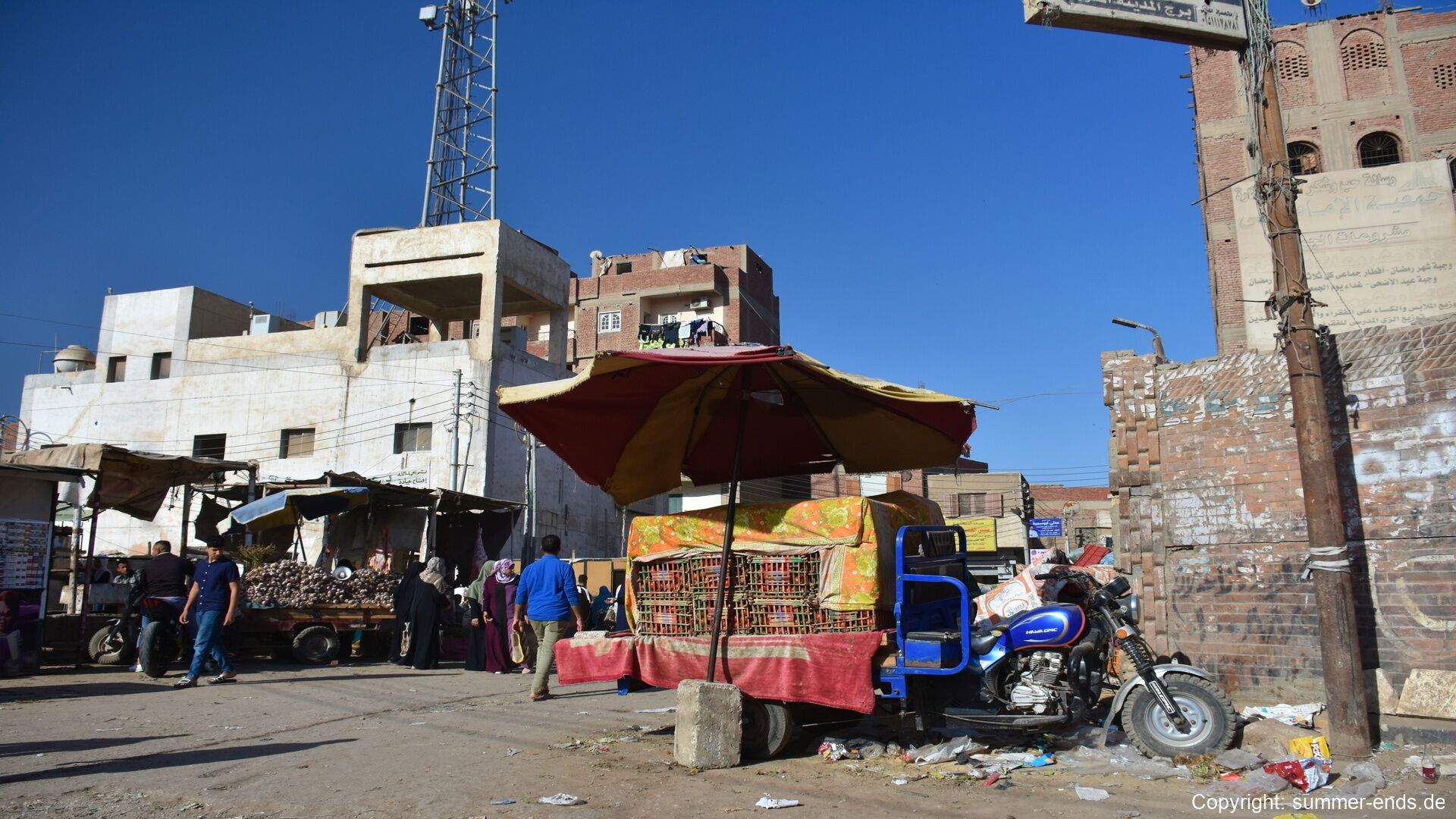
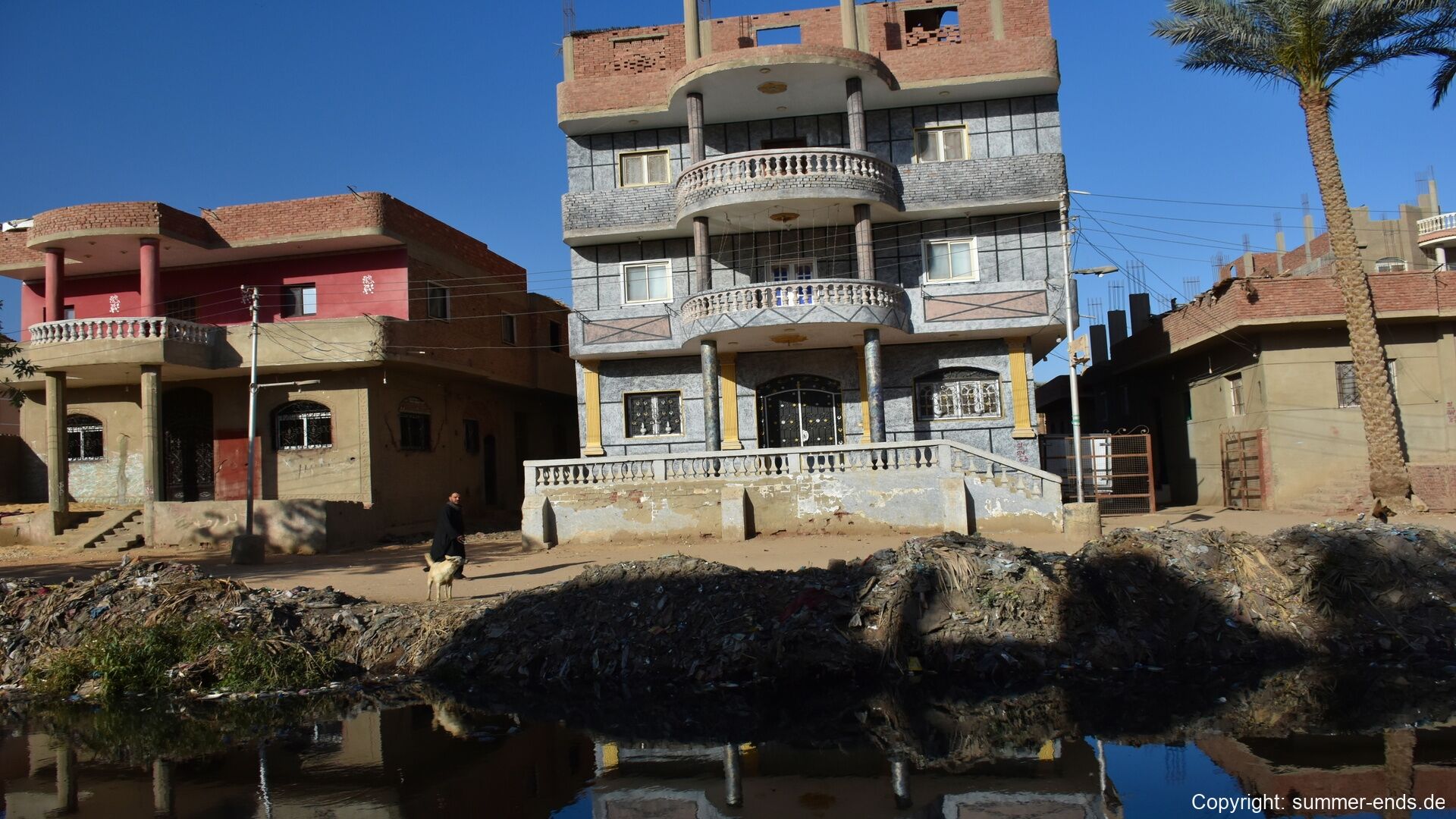
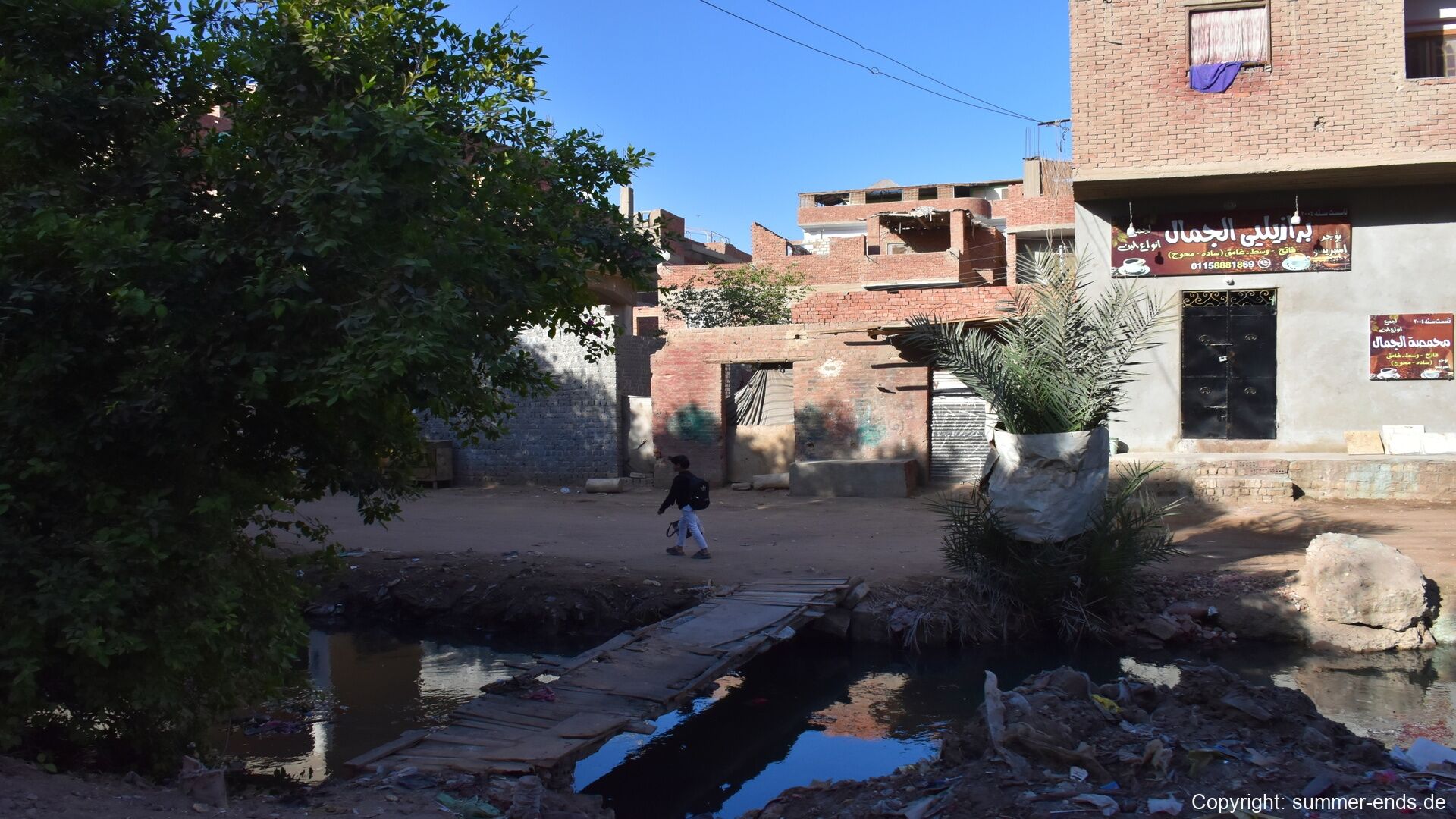
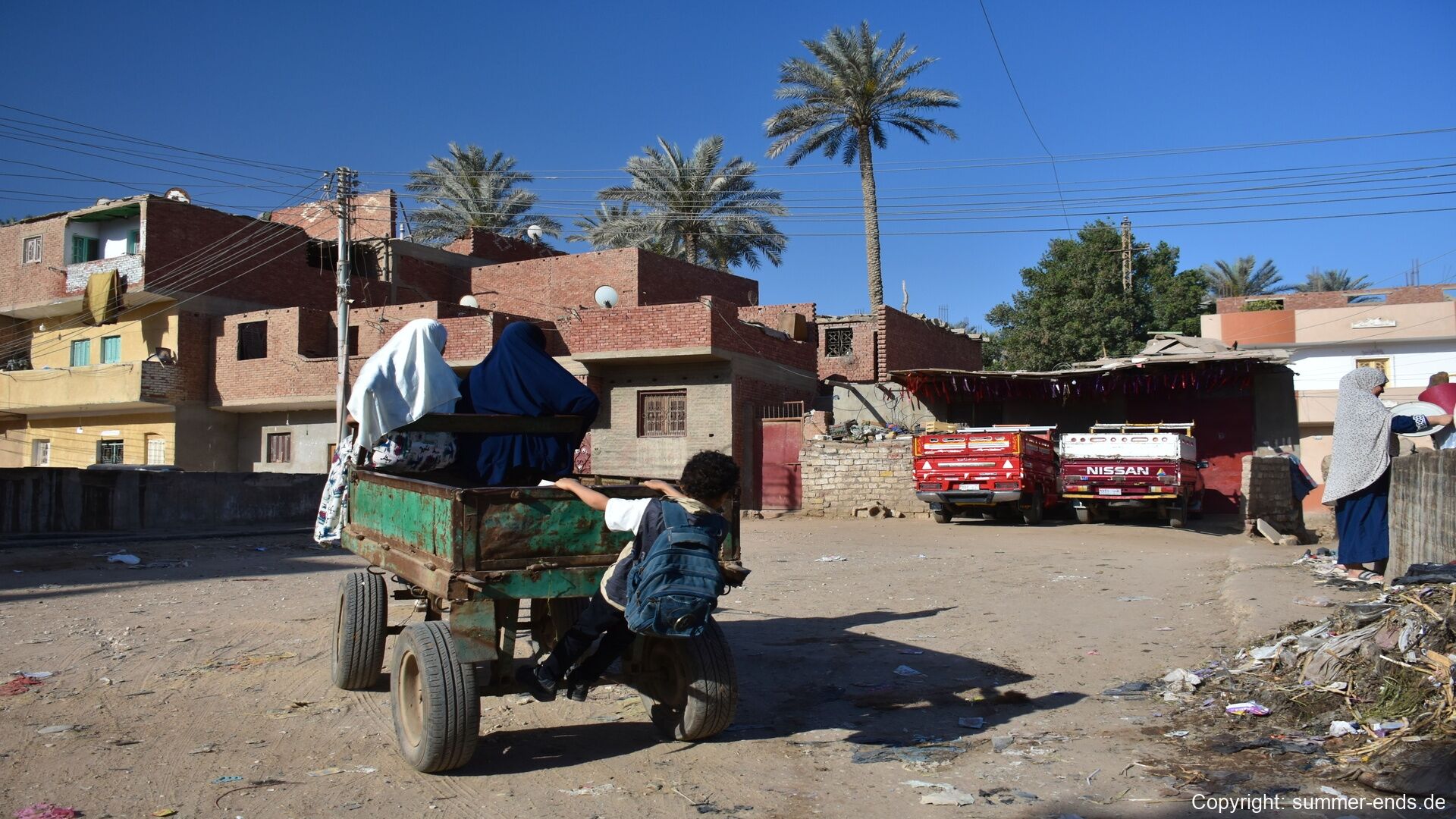
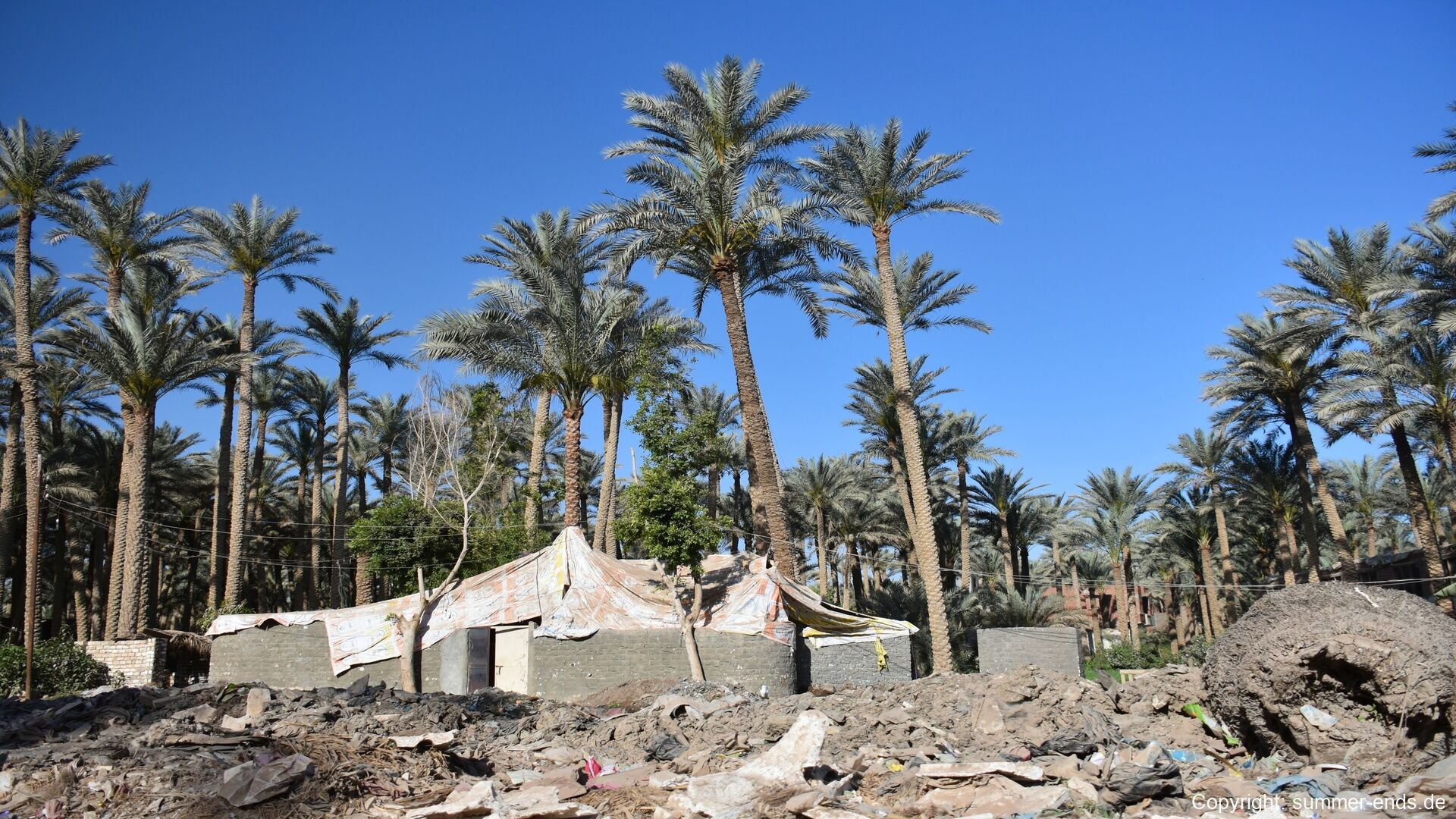
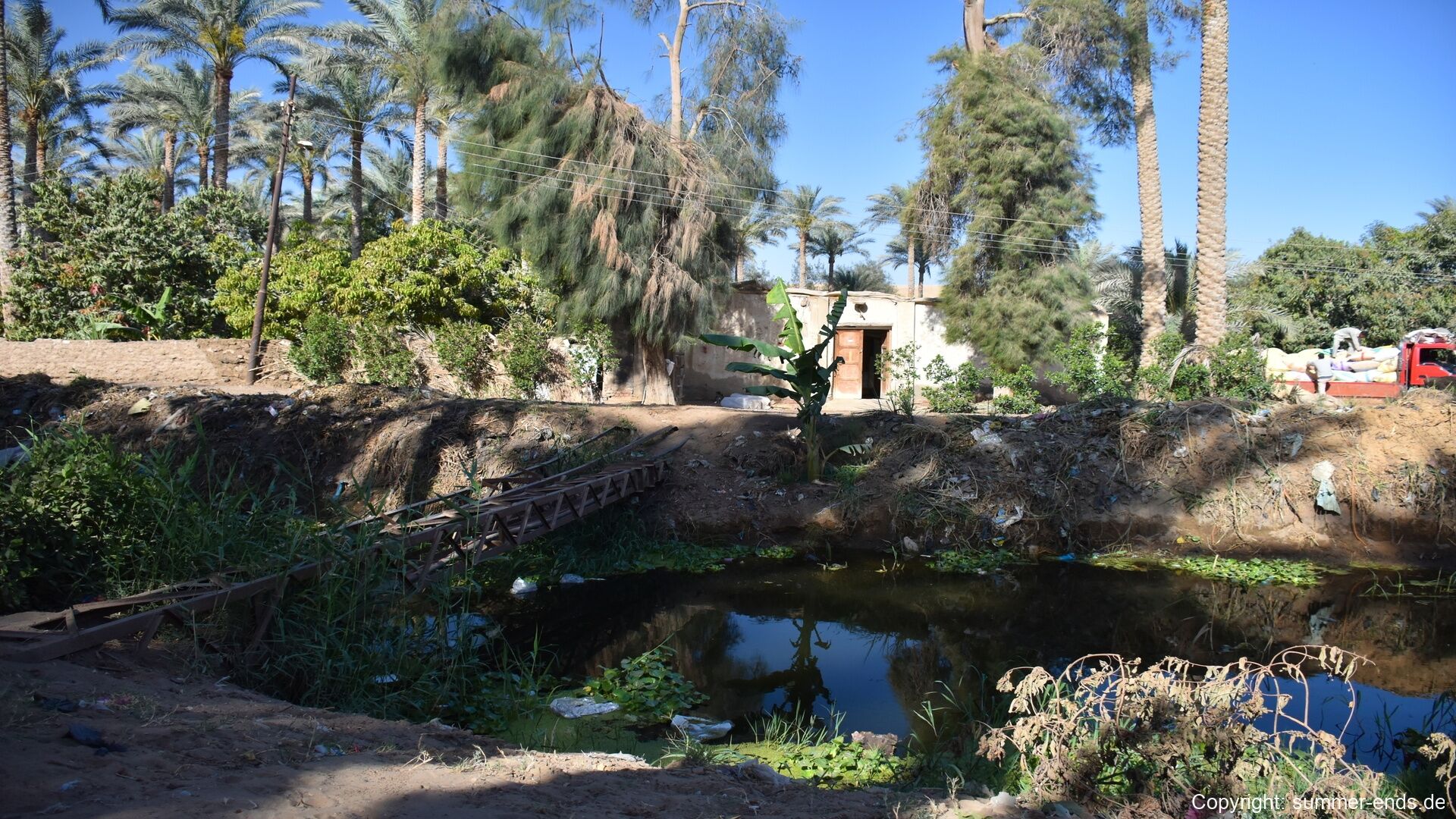
The pyramids of Dahshur rise from the western desert terrace above the village belt of the Nile plain, and the road from Saqqara reaches them through that green strip, past Manshiyyat Dahshur with its brick houses, palm groves, canals and market streets, before climbing to the bare plateau where the two pyramids of Sneferu stand. From the plateau edge the view east crosses the hazy industrial skyline of Helwan; westwards the desert runs unbroken towards the Faiyum depression.

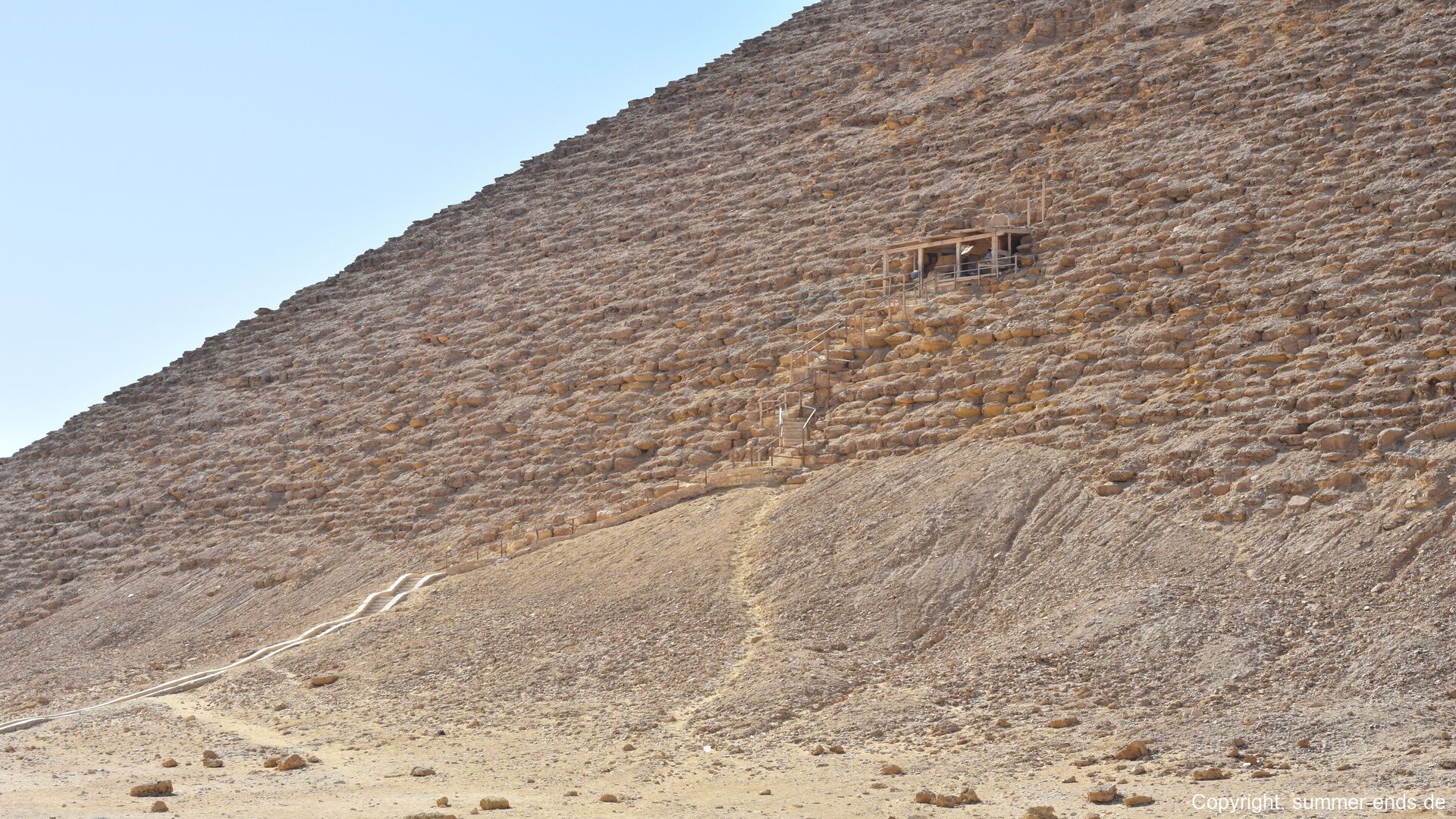
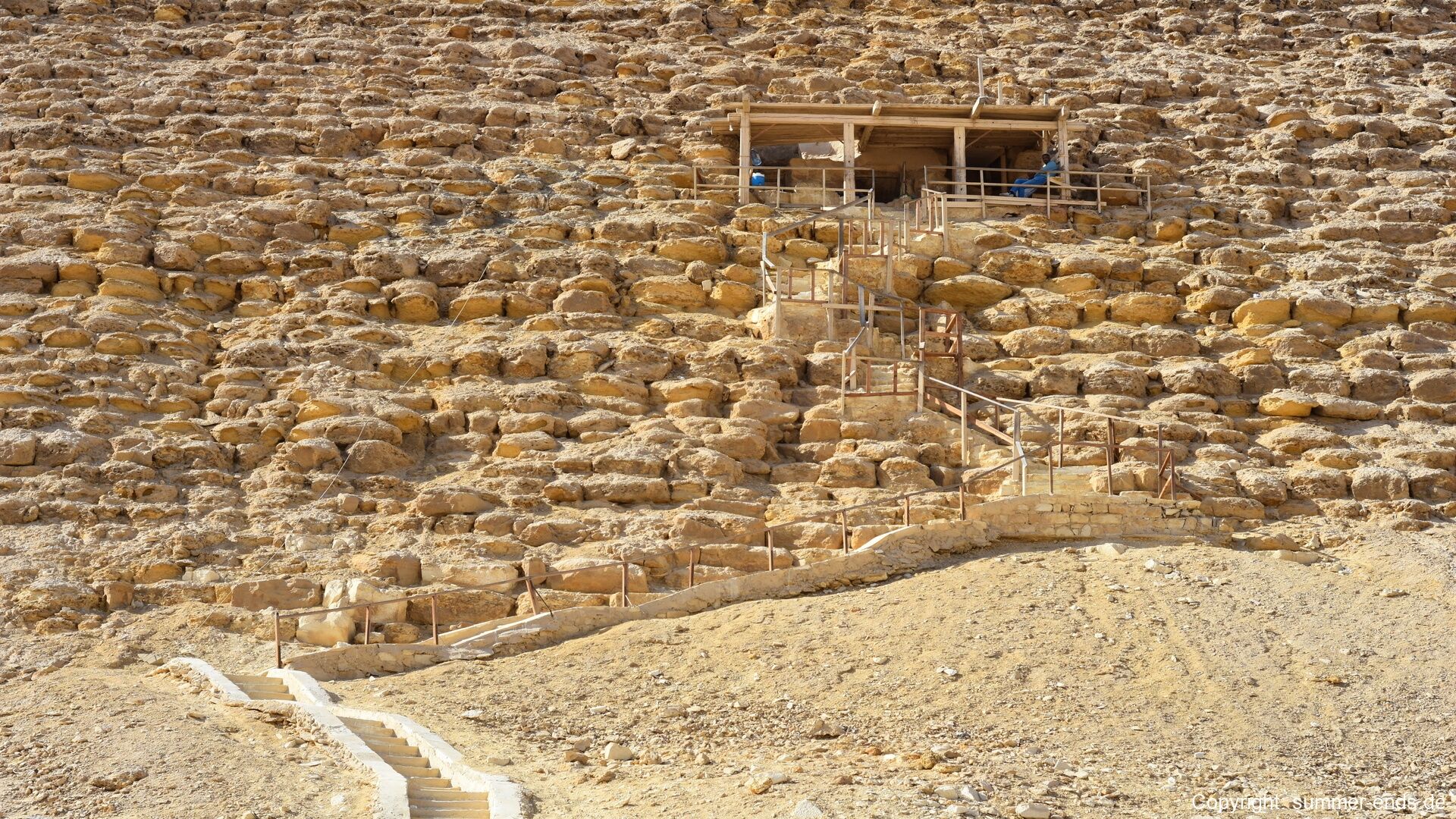
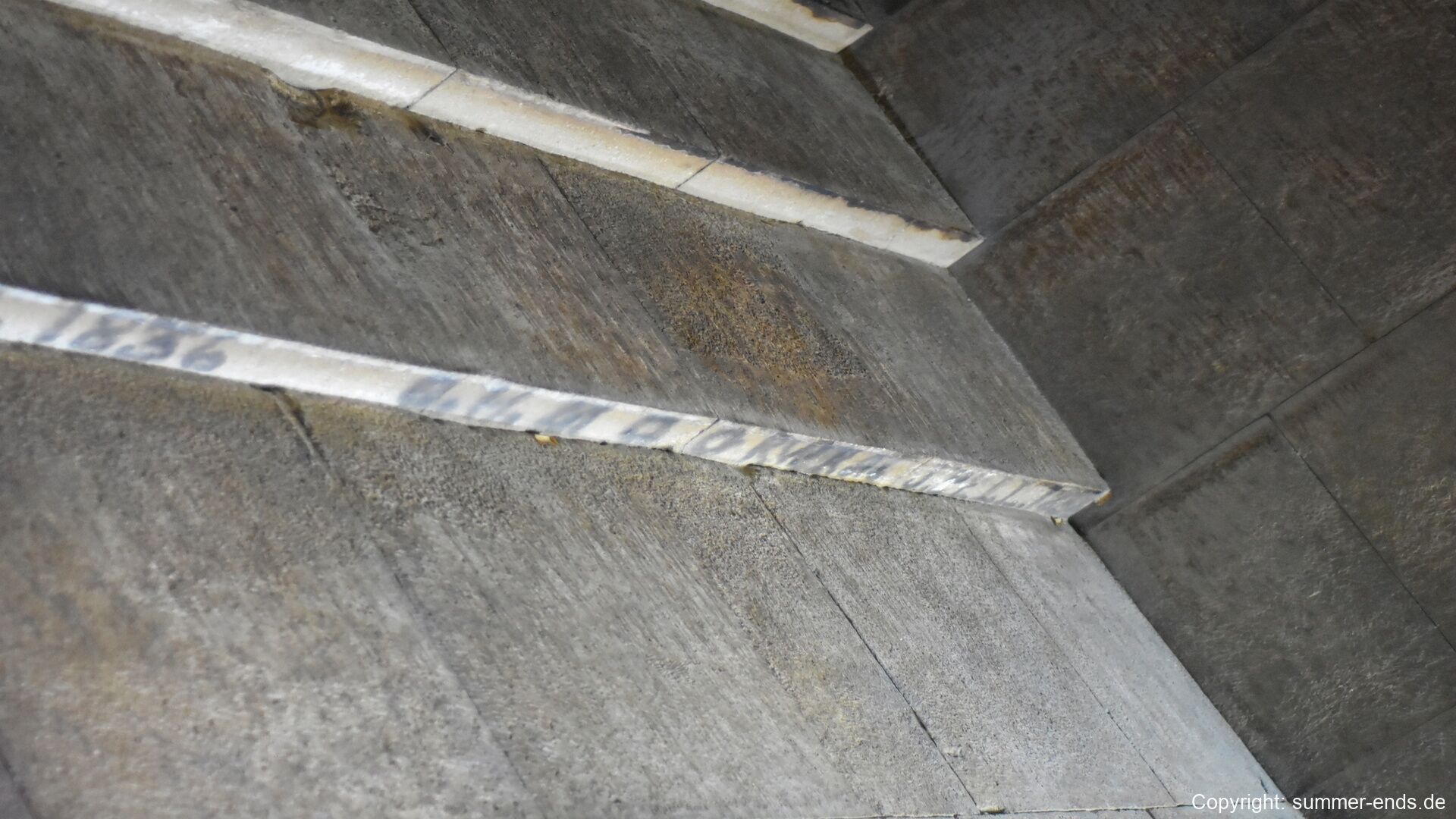
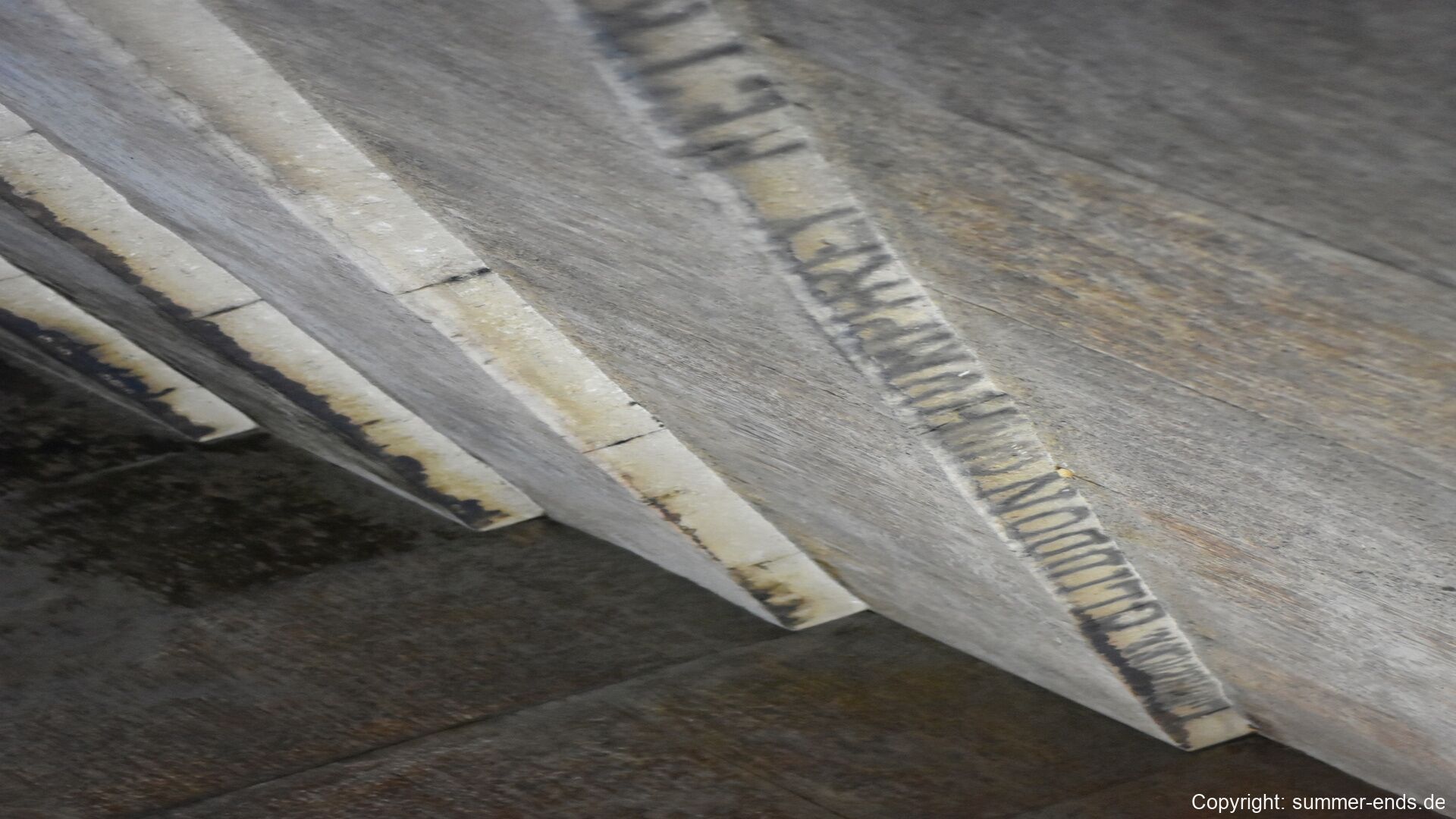
The Red Pyramid, the northern of the two great monuments, was the first successful true pyramid, its base of about 220 metres and original height of about 104 metres giving it a low, broad outline. The reddish local limestone of its exposed core gives the monument its name, for the white Tura casing was robbed long ago and only a few blocks survive at its foot. A wooden stair climbs the north face to the entrance, from which a passage descends into three chambers roofed with corbelled limestone. The chambers stay cool and dark, bats roost in the joints of the stone, and the walls carry scratched marks of the nineteenth-century explorers, among them the word “DISCOVERED”.

The Bent Pyramid lies a short distance to the south, unmistakable for its double slope: the lower face rises at some 54 degrees, and above the forty-ninth course the angle breaks back to about 43 degrees, the bend from which the monument takes its name. Stretches of the original polished Tura casing still cover the lower slopes, smooth white against the rougher core stones. Two entrances serve the interior, one low on the north face and one high on the west, where a modern stair climbs to the unfinished upper chamber system, still shored with timber; at the foot of the pyramid lie the satellite pyramid and the ruins of the valley temple. The double slope shows most clearly from the south side, where the kink runs like a second horizon across the face.

South of the Bent Pyramid the plateau opens into the Twelfth-Dynasty necropolis, the quietest and most desolate part of the Memphite field. The Black Pyramid of Amenemhat III rises above the cultivation as a dark, weathered mound of mud-brick, stripped of its limestone casing; the ruined complex of Senusret III spreads further south with its subsidiary pyramids and shaft tombs, and around both lie the cemeteries of their officials, whose scattered carved blocks and rounded stelae, some bearing jackals and hieroglyphs, remain among the sand. From the ruined pyramids the view across the green plain towards the Faiyum is one of the great desert prospects of Egypt.

Meidum, the southernmost monument of the series, stands beyond Dahshur at the edge of the cultivation, where the desert road turns towards the Faiyum. The pyramid collapsed in antiquity when its outer casing, laid on sand rather than on bedrock, gave way; the stepped limestone core now rises above the broad talus of its own rubble, the “false pyramid” of the Egyptians. Visitors climb the talus and wooden stairs to the entrance on the north face, from which a passage descends to the corbelled burial chamber that was never used. From the summit of the ruin the view sweeps over the green valley towards the Faiyum depression.

References

  1. Lehner, M. (1997). The Complete Pyramids. London: Thames & Hudson.
  2. Romer, J. (2007). The Great Pyramid: Ancient Egypt Revisited. Cambridge: Cambridge University Press.
  3. Said, R. (1990). The Geology of Egypt. Rotterdam: A. A. Balkema.
  4. Verner, M. (2001). The Pyramids: The Mystery, Culture, and Science of Egypt’s Great Monuments. New York: Grove Press.
  5. UNESCO World Heritage Centre (1979). Memphis and its Necropolis: the Pyramid Fields from Giza to Dahshur. World Heritage List, ref. 86. whc.unesco.org/en/list/86/
  6. Wikipedia contributors (2026). Dahshur. en.wikipedia.org/wiki/Dahshur
  7. Wikipedia contributors (2026). Bent Pyramid. en.wikipedia.org/wiki/Bent_Pyramid
  8. Wikipedia contributors (2026). Red Pyramid. en.wikipedia.org/wiki/Red_Pyramid
  9. Wikipedia contributors (2026). Meidum. en.wikipedia.org/wiki/Meidum
  10. Wikipedia contributors (2026). Sneferu. en.wikipedia.org/wiki/Sneferu
  11. Wikipedia contributors (2026). Amenemhat III. en.wikipedia.org/wiki/Amenemhat_III
  12. Wikipedia contributors (2026). Pyramid of Amenemhat III (Dahshur). en.wikipedia.org/wiki/Pyramid_of_Amenemhat_III_(Dahshur)
  13. Wikipedia contributors (2026). Senusret III. en.wikipedia.org/wiki/Senusret_III
  14. Wikipedia contributors (2026). Fourth Dynasty of Egypt. en.wikipedia.org/wiki/Fourth_Dynasty_of_Egypt
  15. Wikipedia contributors (2026). John Shae Perring. en.wikipedia.org/wiki/John_Shae_Perring
  16. Wikipedia contributors (2026). Old Kingdom of Egypt. en.wikipedia.org/wiki/Old_Kingdom_of_Egypt