Stage 8 of 19
Day 8 - Luxor Temple







































Journal Notes
General
Luxor Temple stands on the east bank of the Nile in the centre of the modern city of Luxor, on the ground of ancient Thebes, which the Egyptians knew as Waset. In antiquity the sanctuary was called Ipet-resyt, “the southern sanctuary”, the counterpart of Ipet-isut, “the most select of places”, the great temple of Amun at Karnak some three kilometres to the north. The two temples face one another along a straight processional avenue lined with sphinxes and known in Egyptian as the Path of God. Luxor Temple is unusual among the great sanctuaries of Egypt in being aligned towards Karnak rather than towards the river: its axis runs from the tall pylon at its northern end southwards through court and colonnade into the sanctuary, parallel to the Nile.
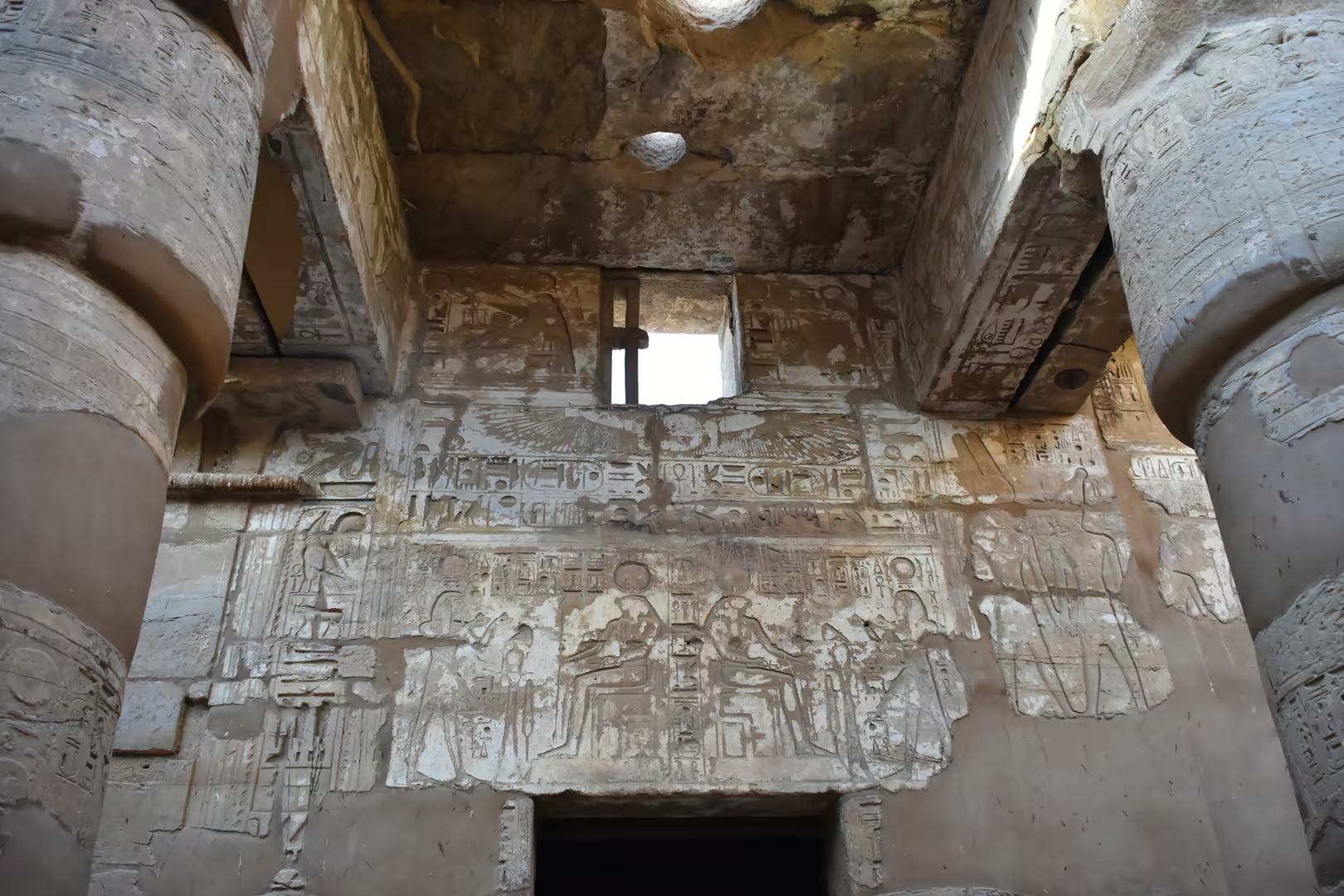
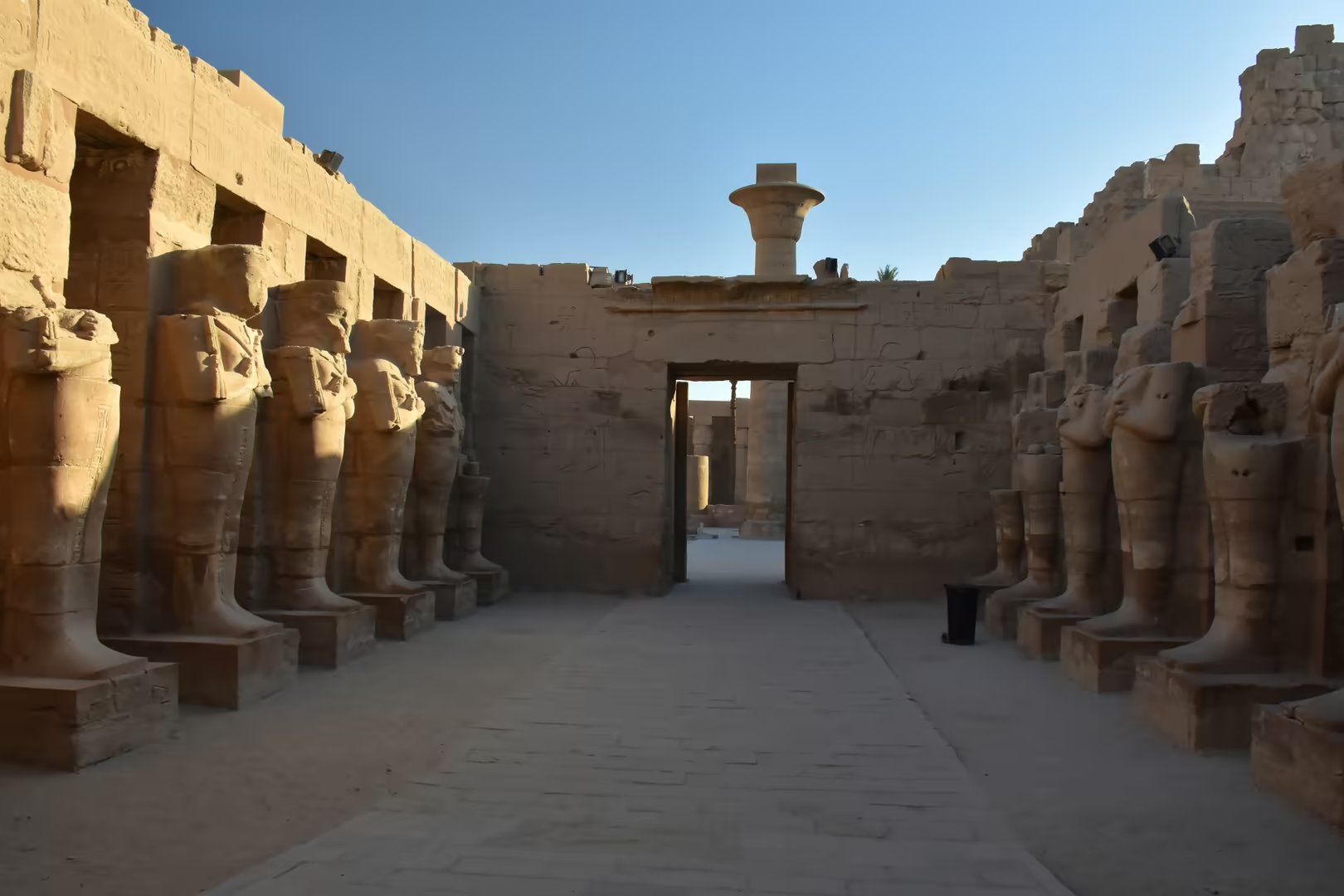
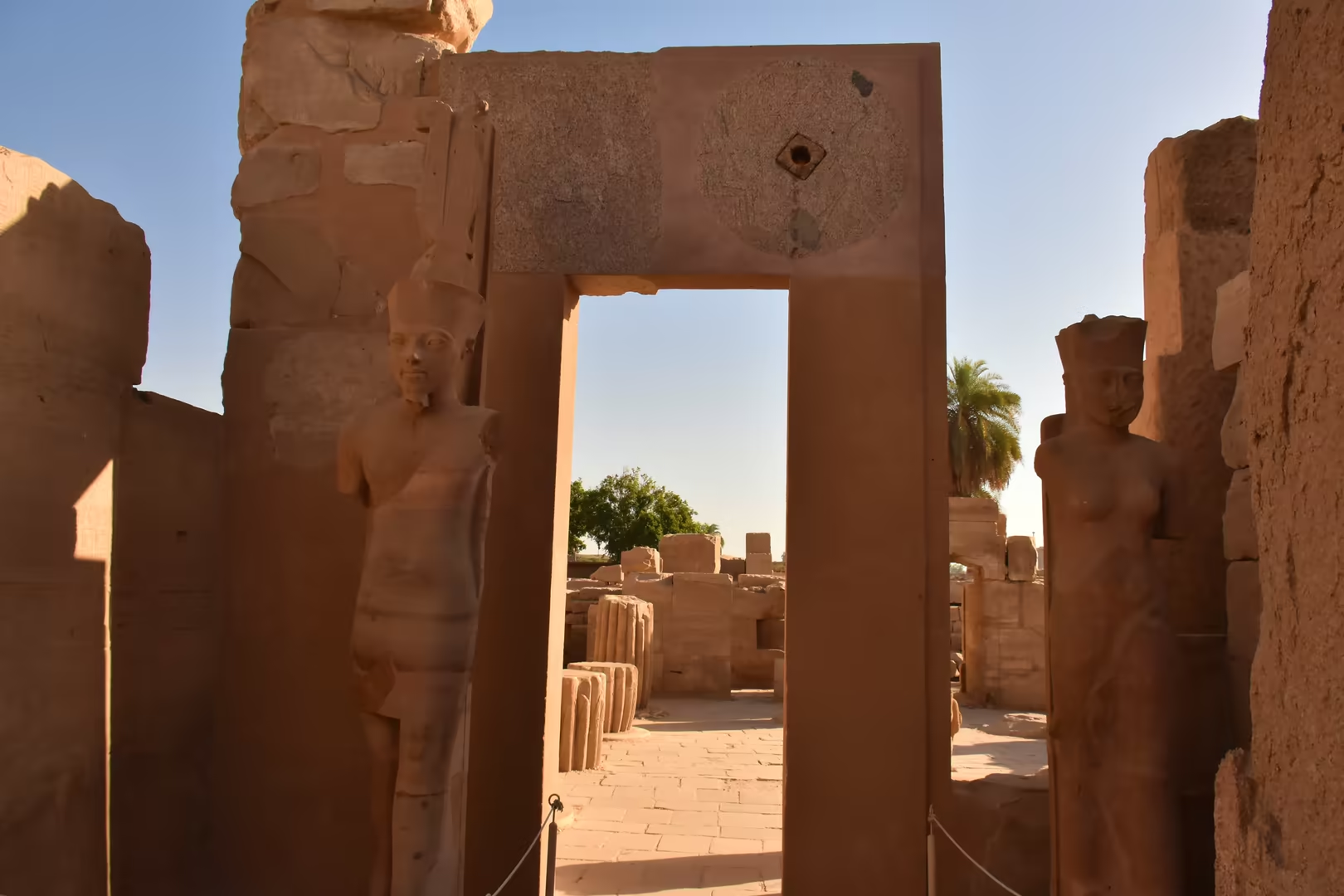
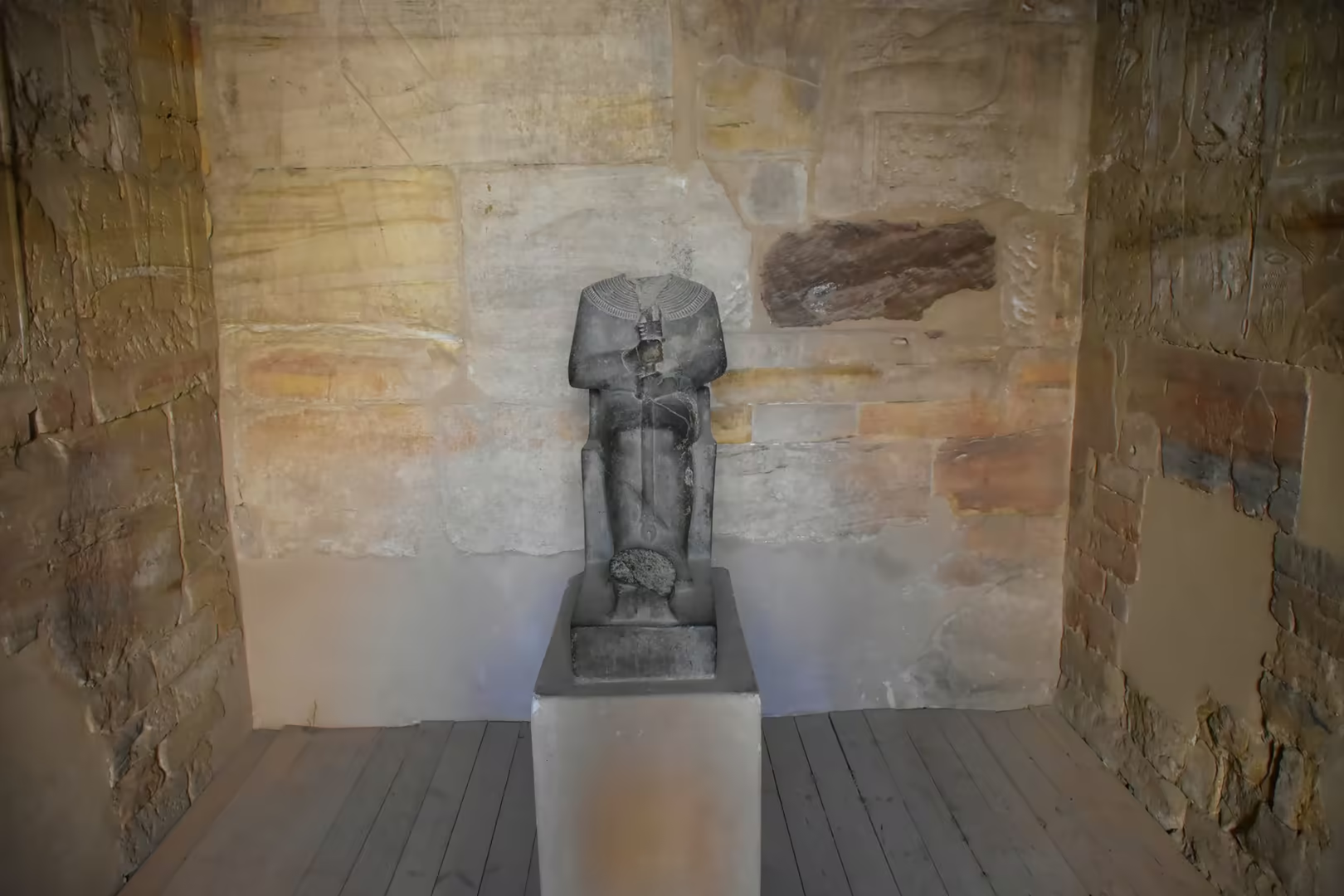
The building is essentially the work of two kings of the New Kingdom. Amenhotep III of the Eighteenth Dynasty raised its southern half in the fourteenth century BC, the inner sanctuary, the birth room, the great sun court and the colonnade that was to lead out of it; Ramesses II of the Nineteenth Dynasty added the northern forecourt, the pylon, the obelisks and the colossal statues of the entrance. Between them, Tutankhamun, Ay and Horemheb decorated what the builders had left bare; later rulers restored the fabric; Alexander the Great installed a granite barque shrine in the innermost part; and the Roman army turned the whole precinct into a fortress and a seat of provincial government.
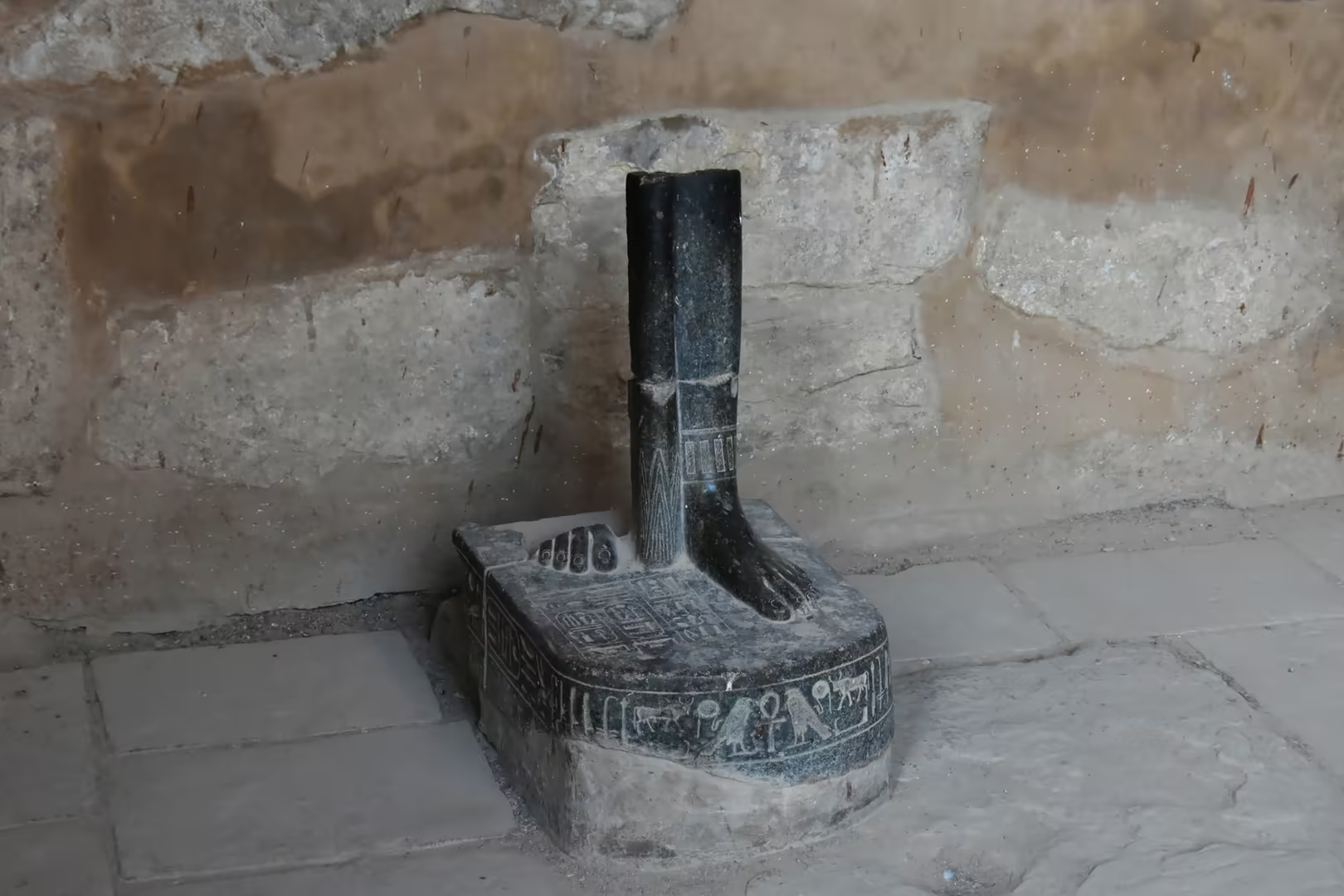
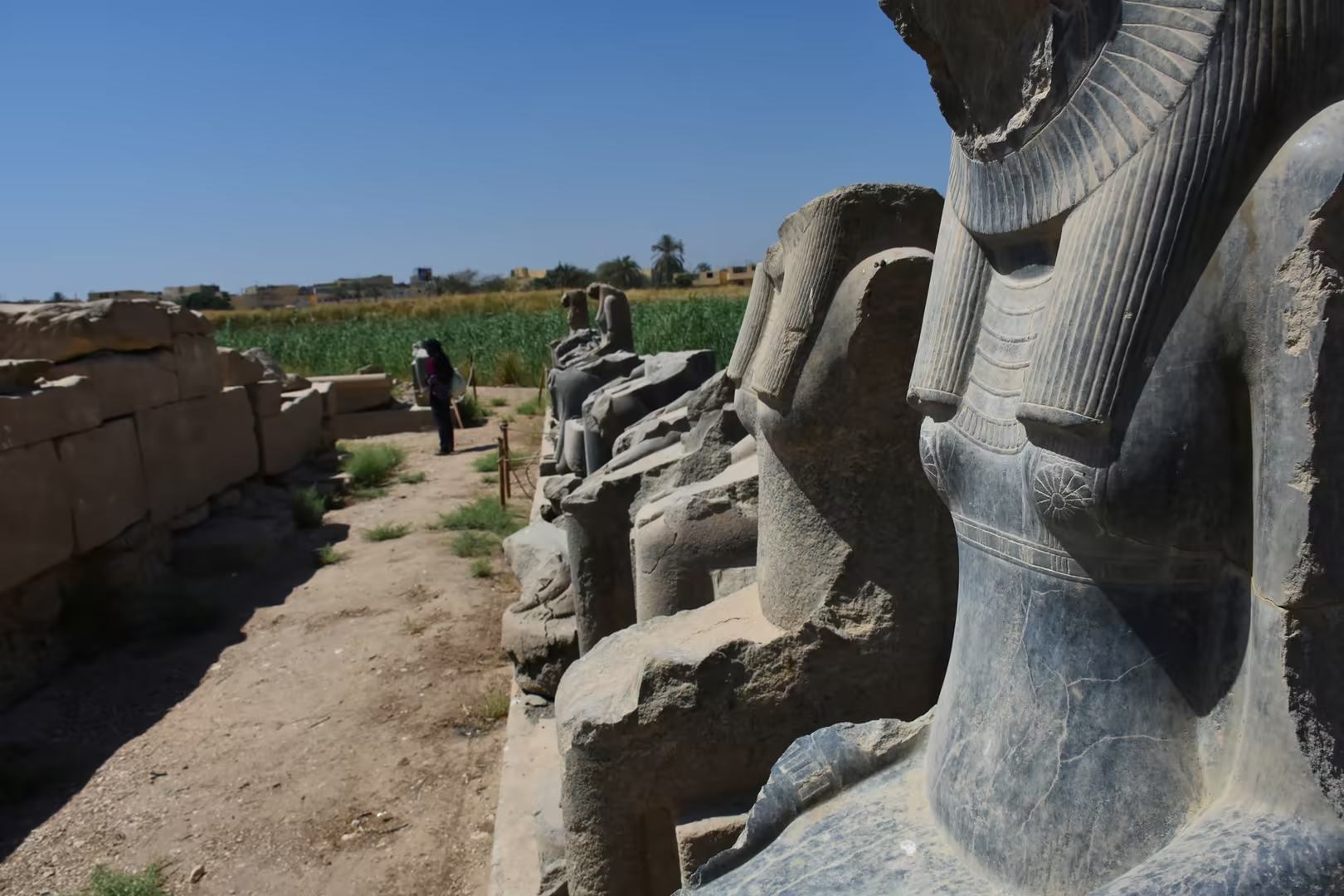
Unlike the cult temples of Thebes, Luxor Temple was not dedicated to a god of fixed worship nor to the mortuary service of a dead king; it belonged to the living kingship. Here the ruler was believed to be conceived by the god Amun and reborn as his son, and here the festival of Opet brought the barque of Amun from Karnak so that the royal ka, the vital force of kingship, might be renewed in the reigning pharaoh. The Epigraphic Survey of the University of Chicago, which has studied the temple’s reliefs for decades, concludes that the whole building served the cult of the royal ka and that its courts were originally filled with statues of the king as the embodiment of that force.
The temple forms part of the World Heritage property Ancient Thebes with its Necropolis, inscribed by UNESCO in 1979 (ref. 87) together with Karnak and the cemeteries of the west bank. It has never ceased to be a holy place: the mosque of Abu al-Haggag still stands above the ancient columns at its north-eastern corner, and in the evening the sandstone is floodlit above the corniche, among the great sights of Luxor after dark.
History
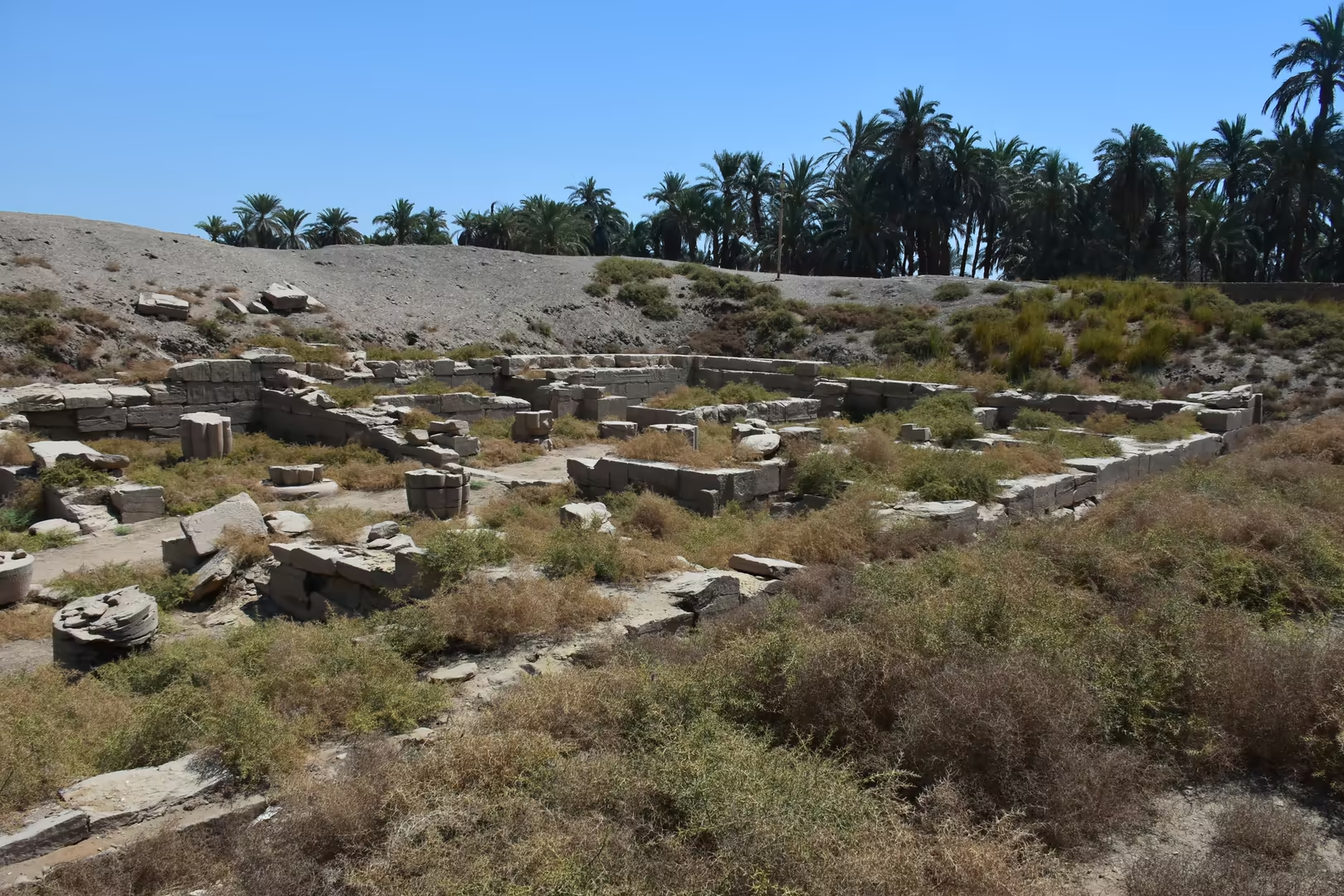
A sacred place stood here before Amenhotep III: beneath the forecourt that Ramesses II later built, excavators found the remains of a small temple of the early Eighteenth Dynasty, with chapels of Hatshepsut and Thutmose III, and older shrines appear to have occupied the same ground since the Middle Kingdom. The great temple that survives, however, is the creation of Amenhotep III (c. 1390-1352 BC), who rebuilt the modest sanctuary at the height of the Eighteenth Dynasty, when Thebes was the capital of an empire that reached from the Euphrates to the fourth cataract.
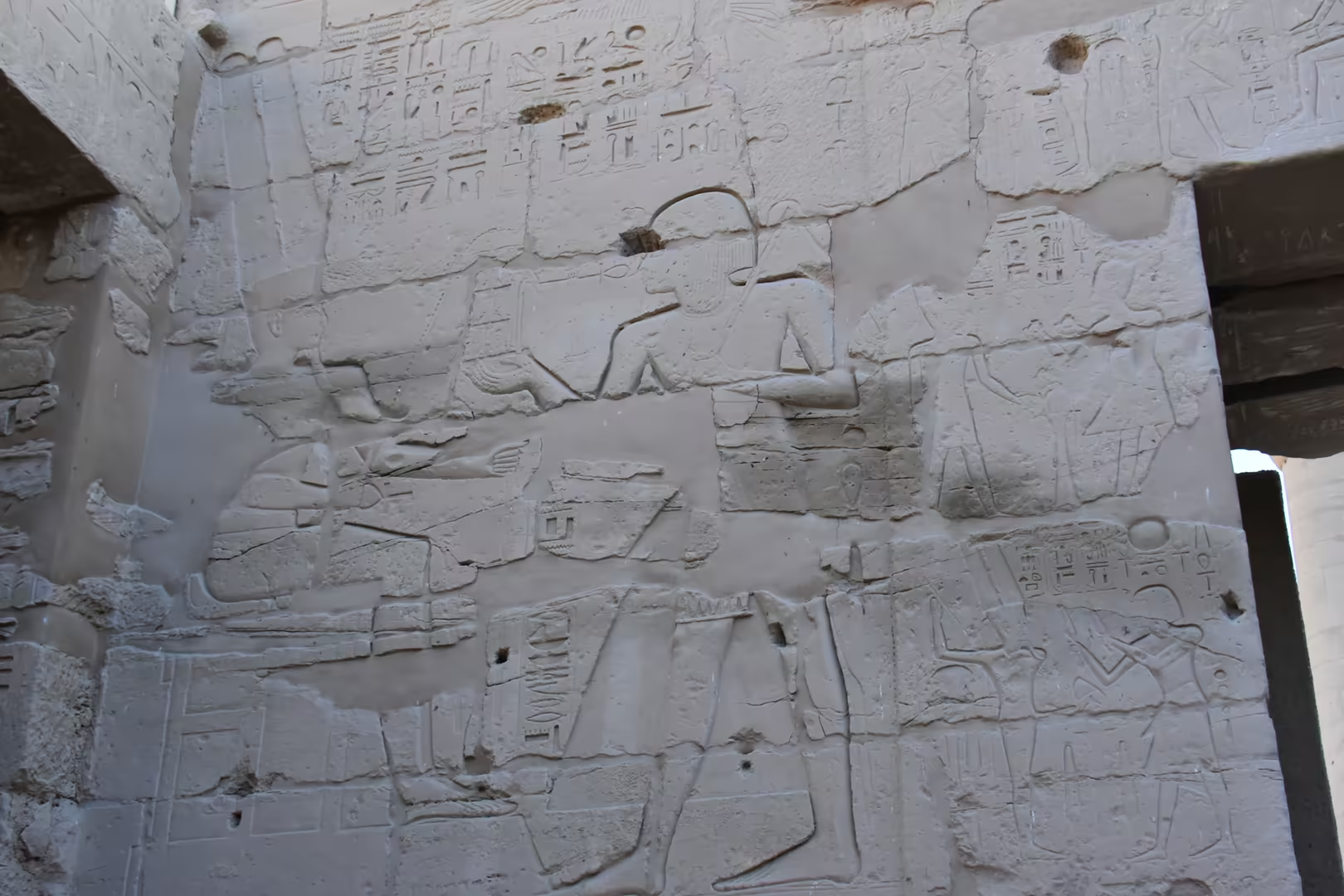
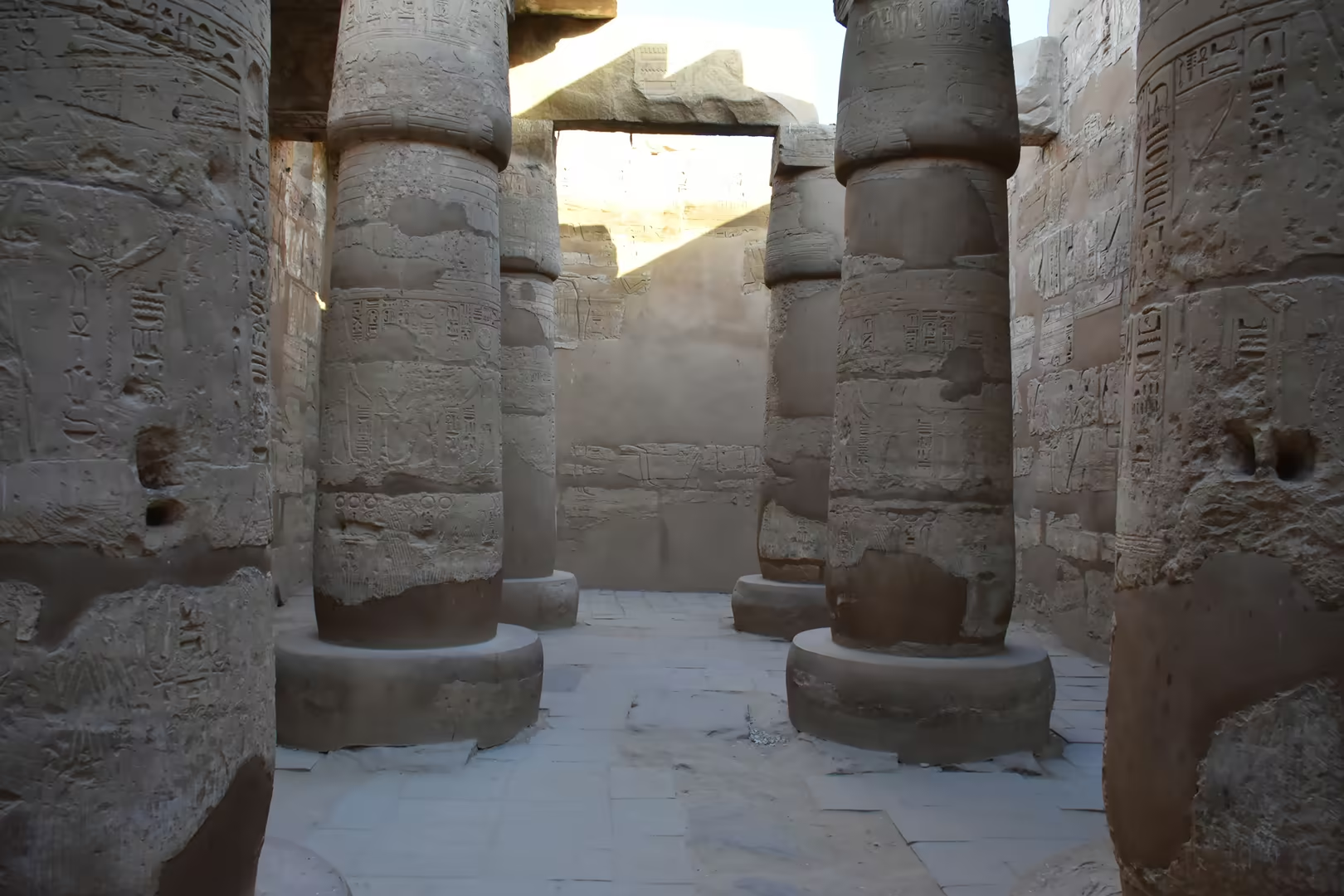
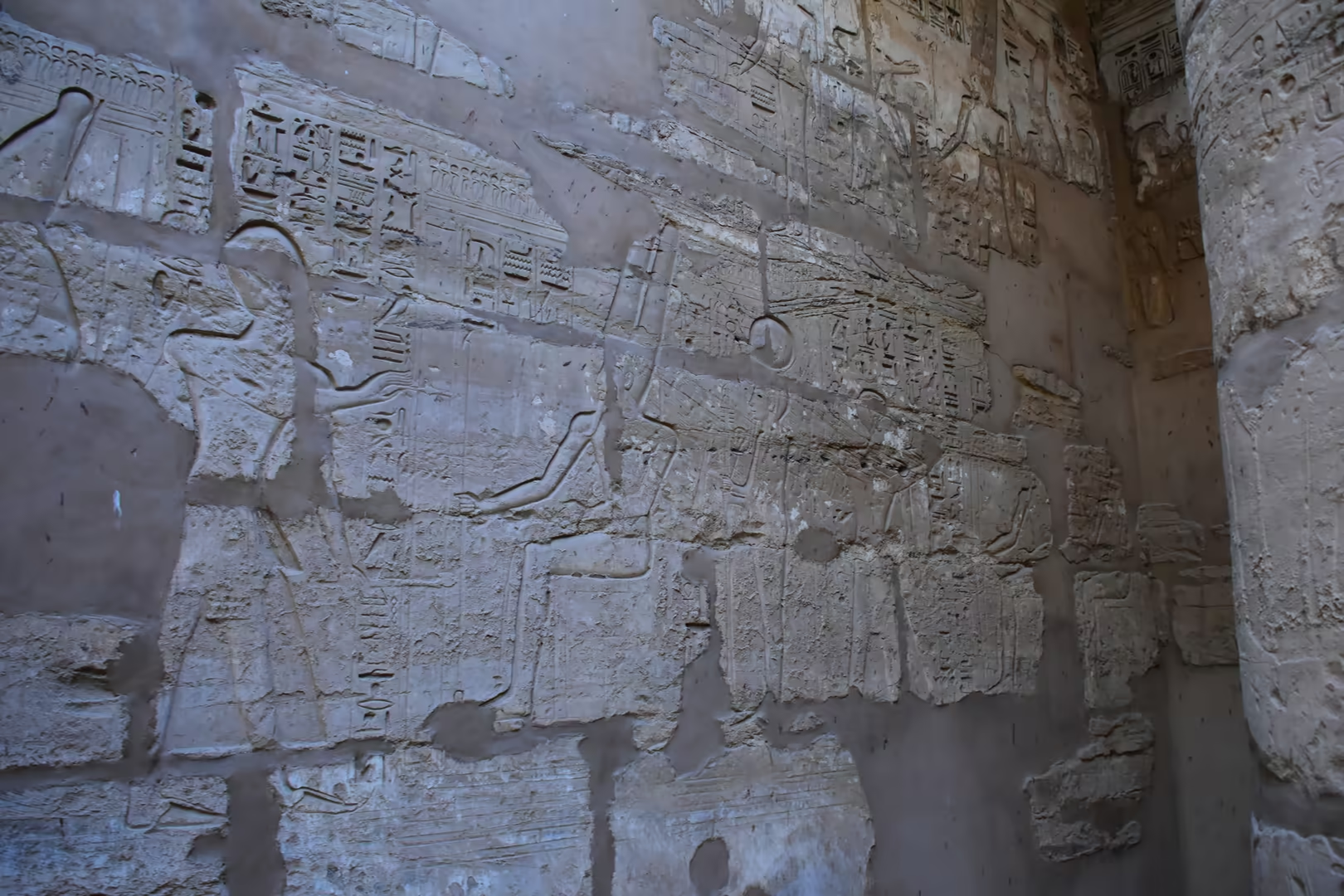
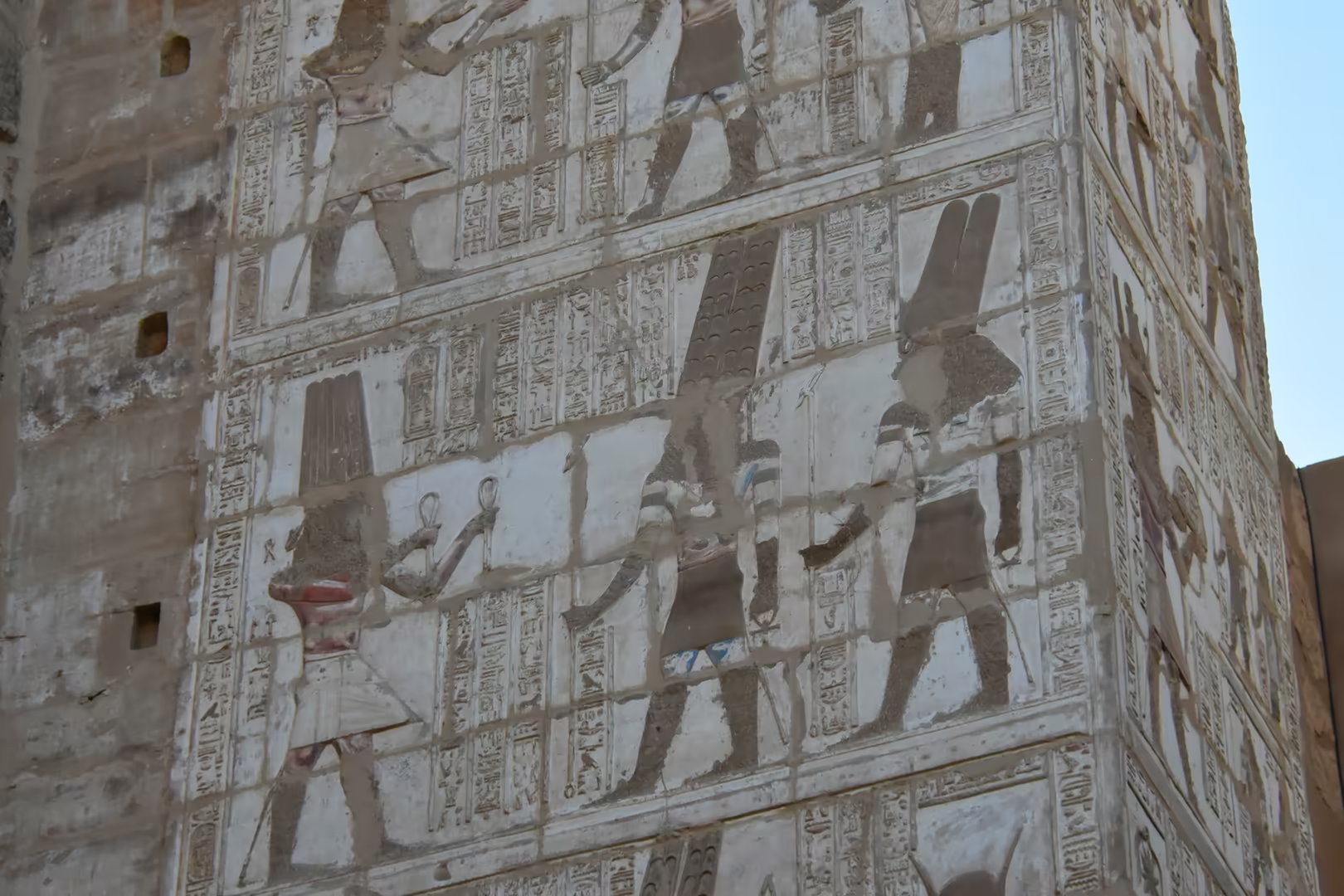
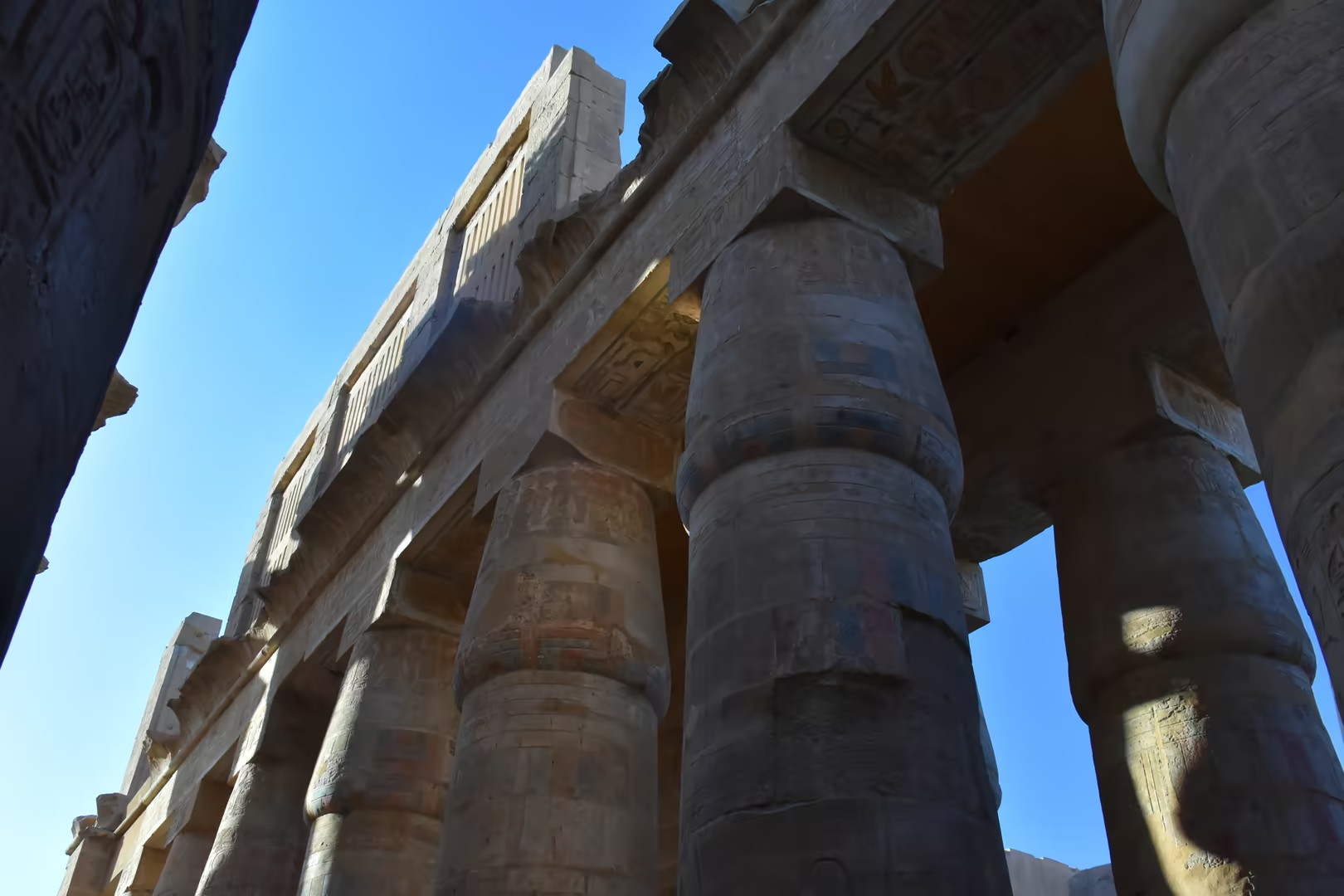
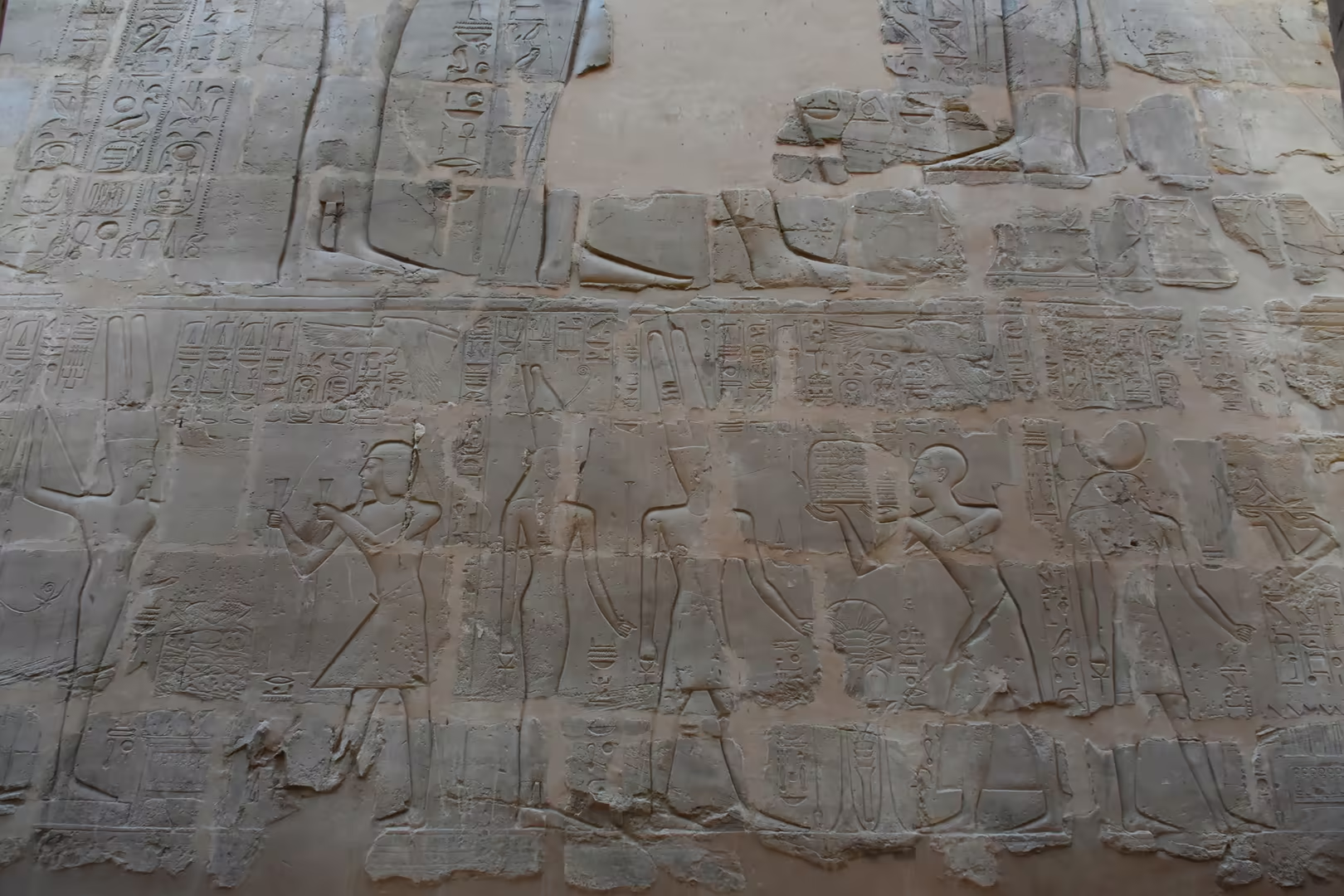
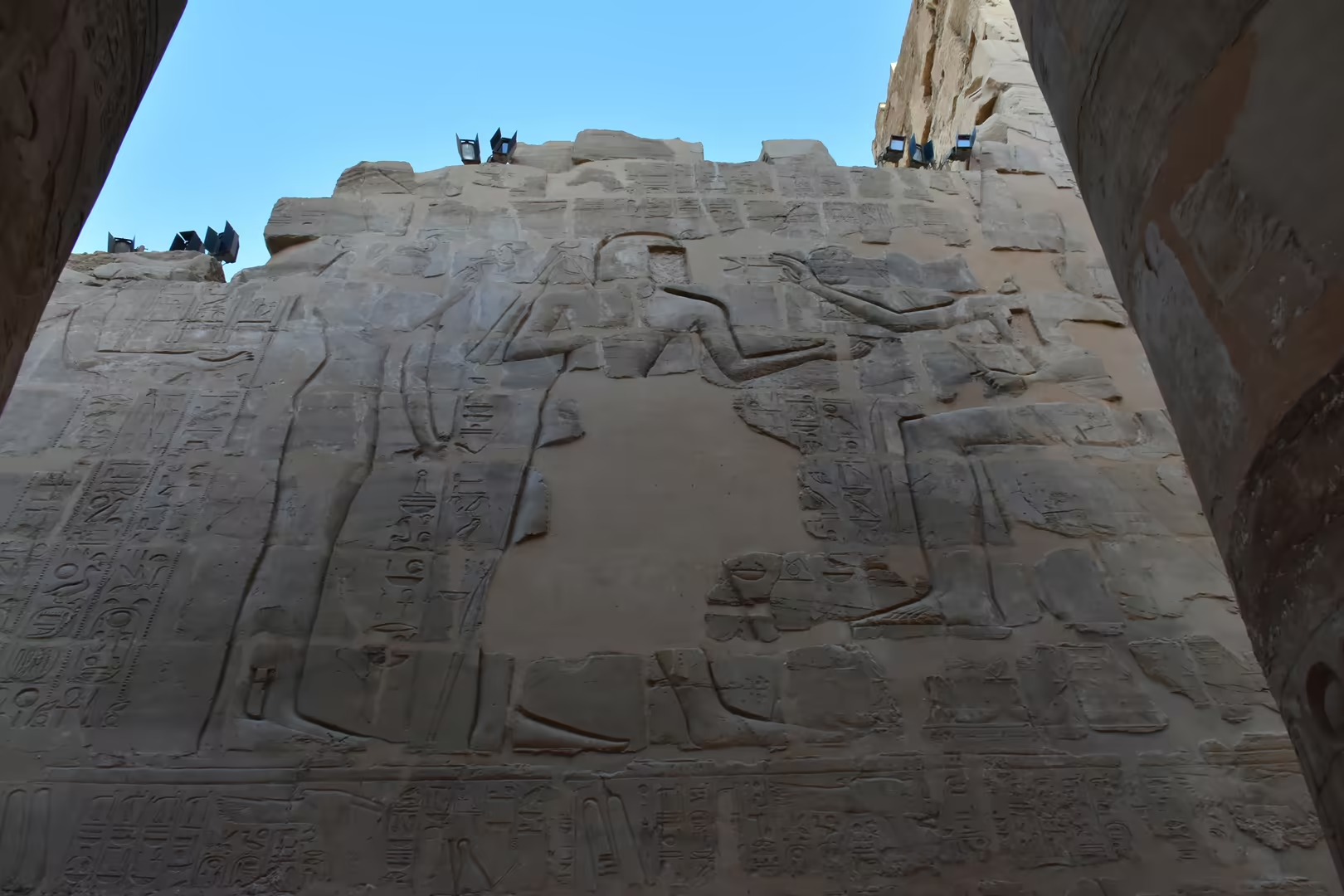
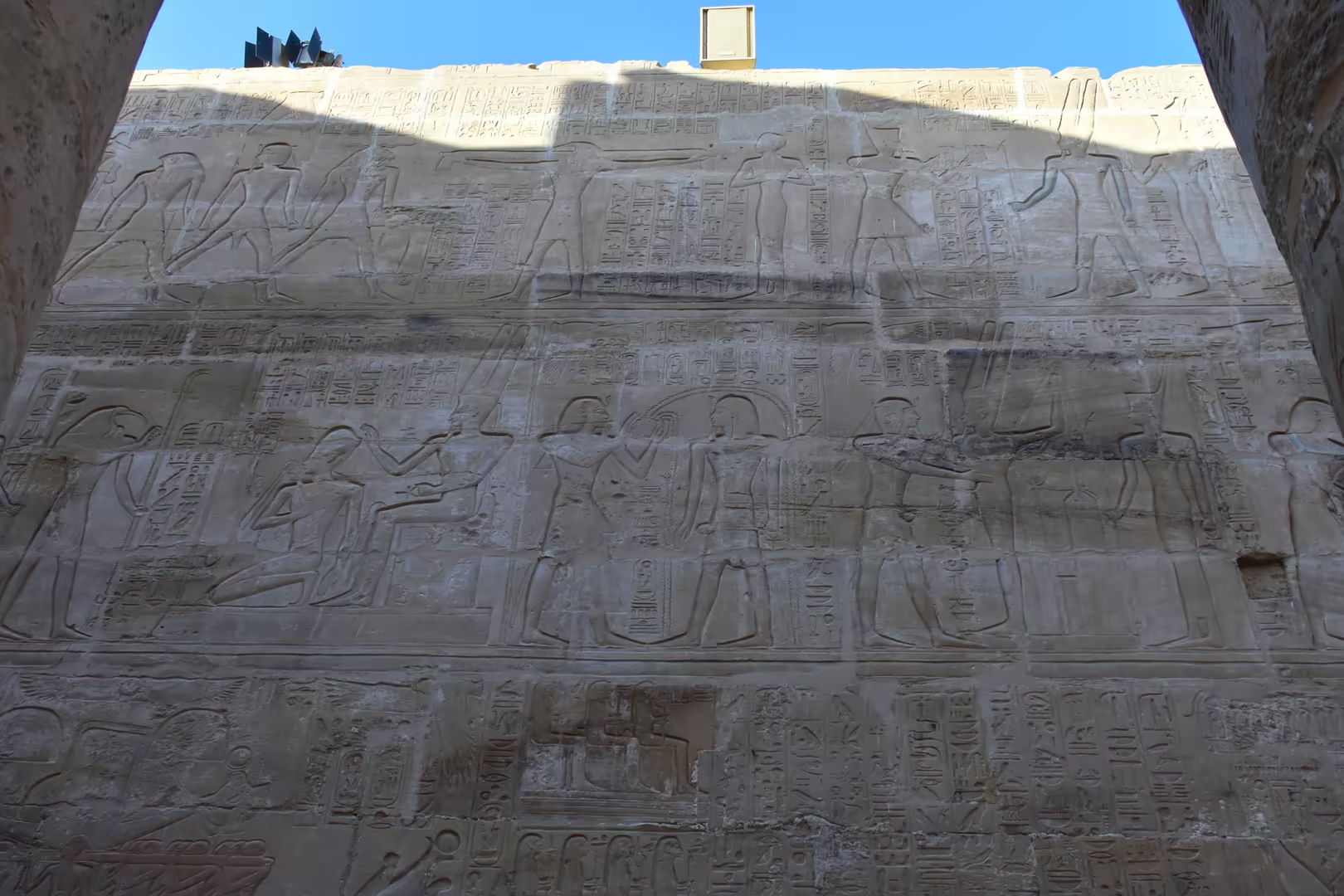
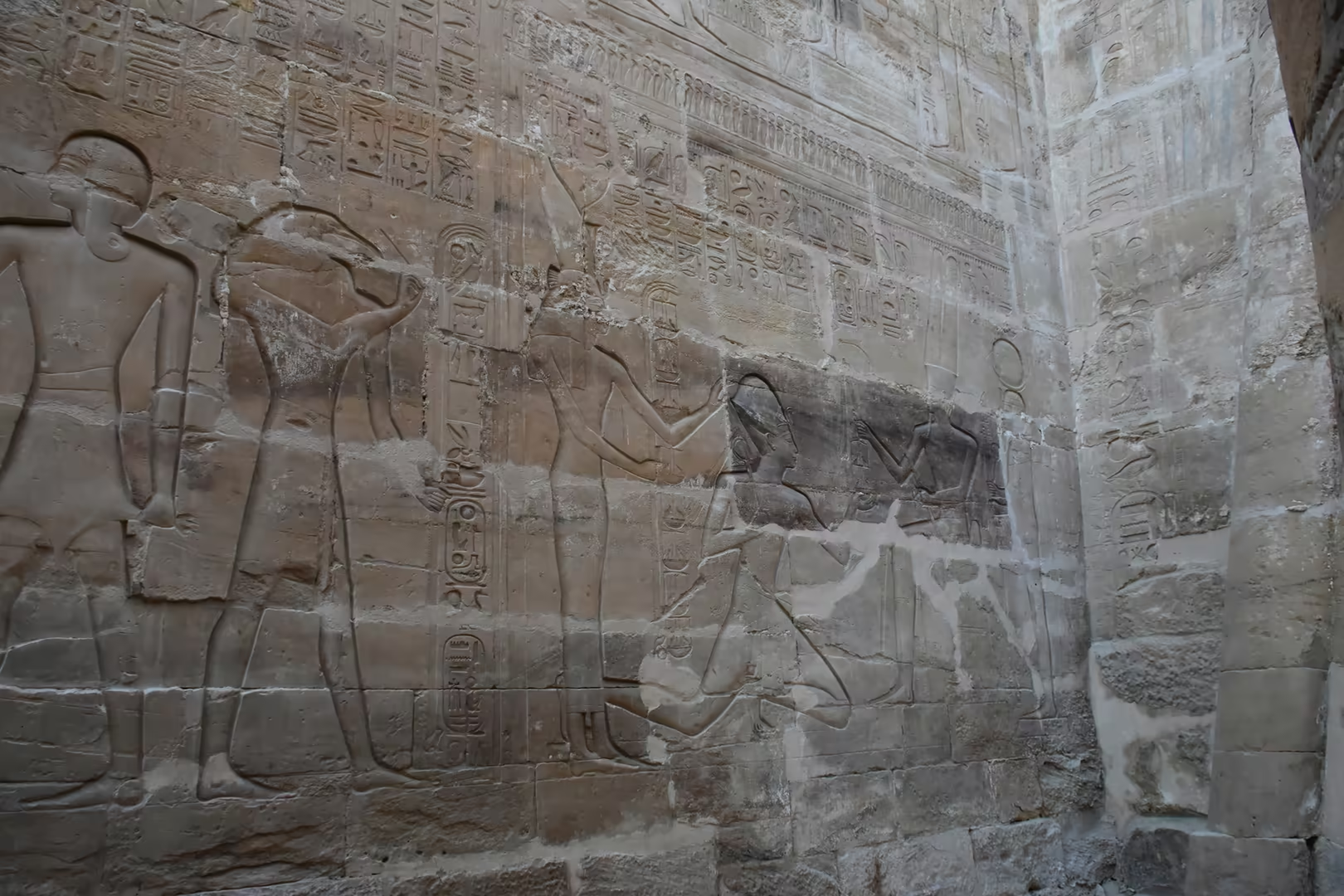
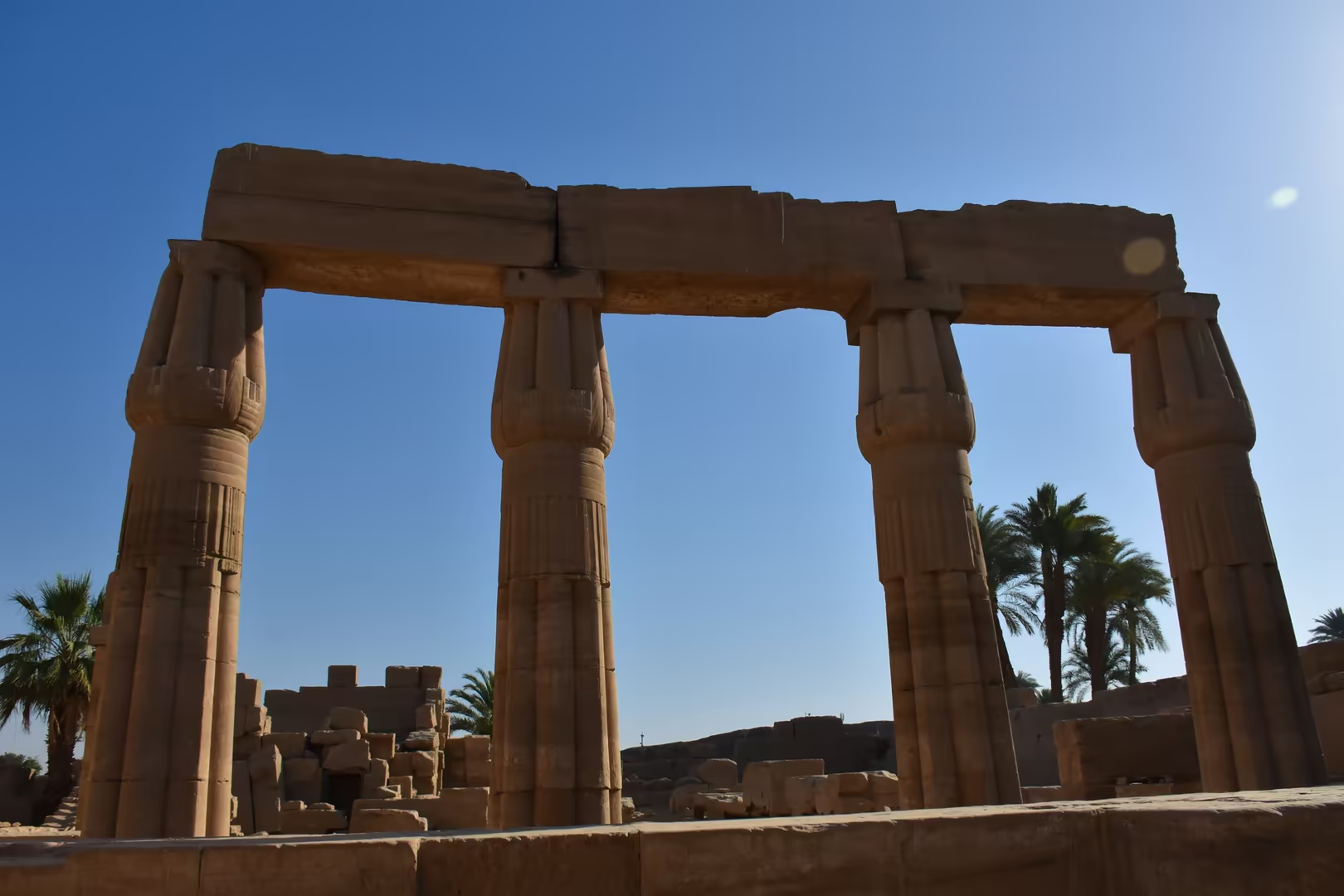
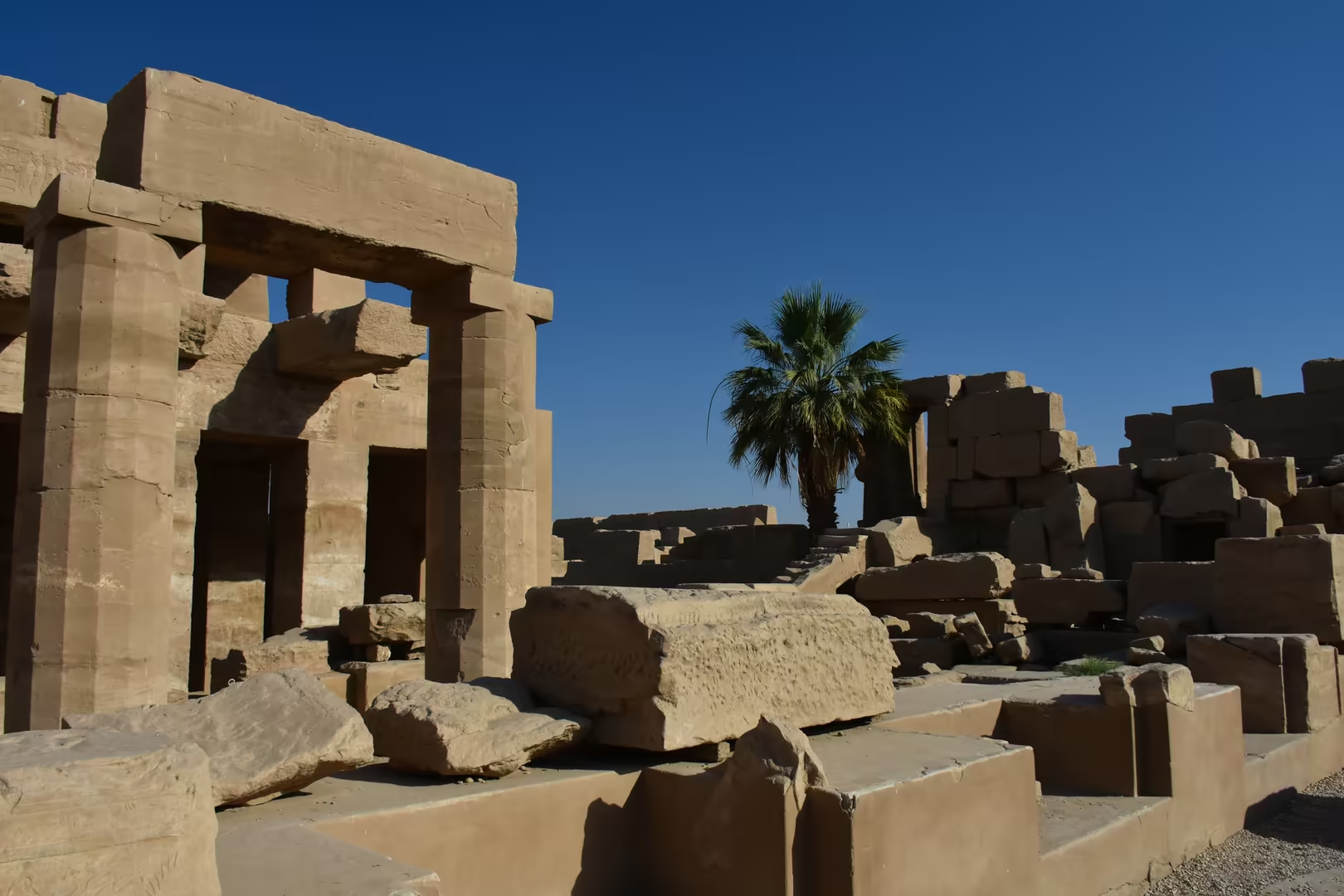
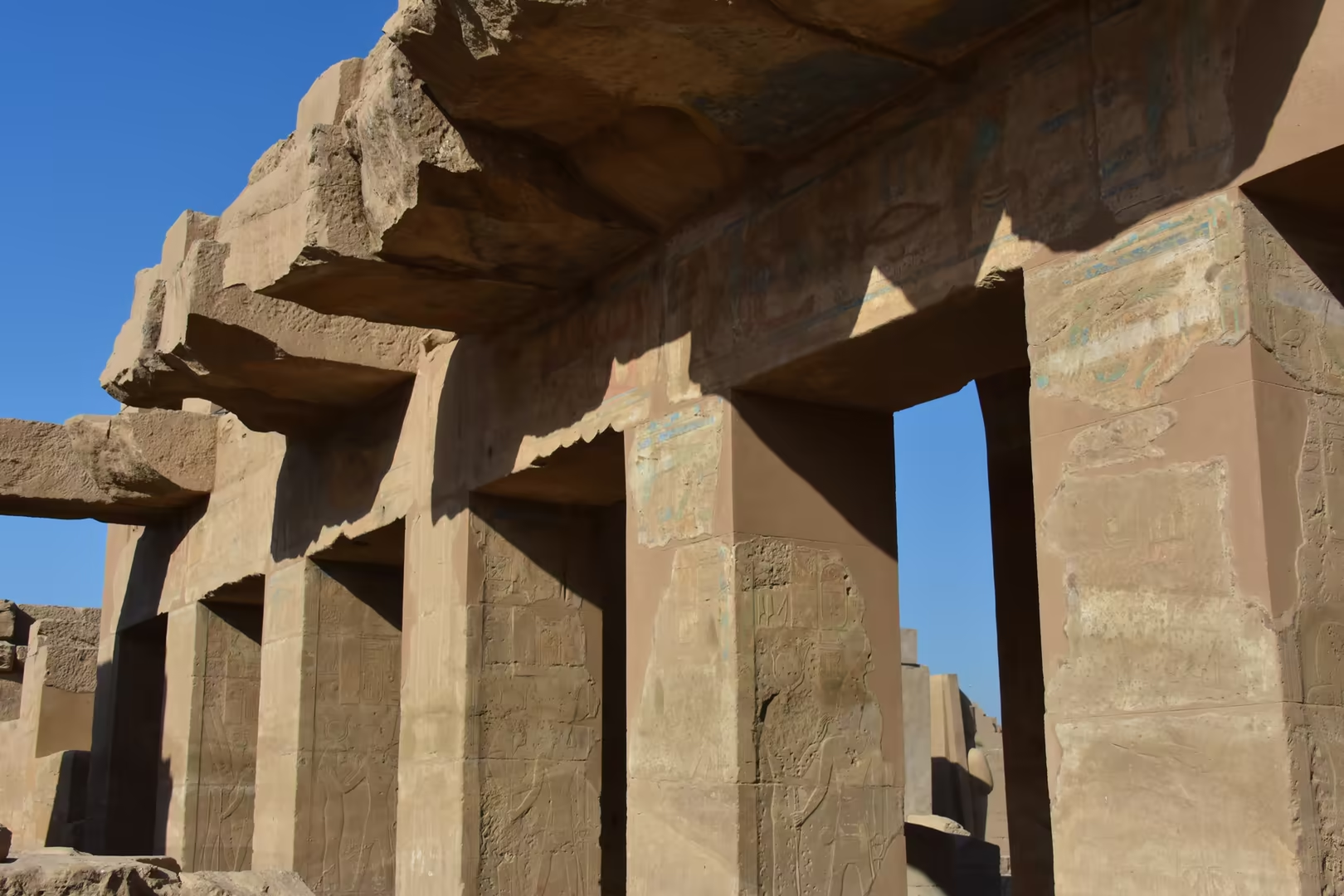
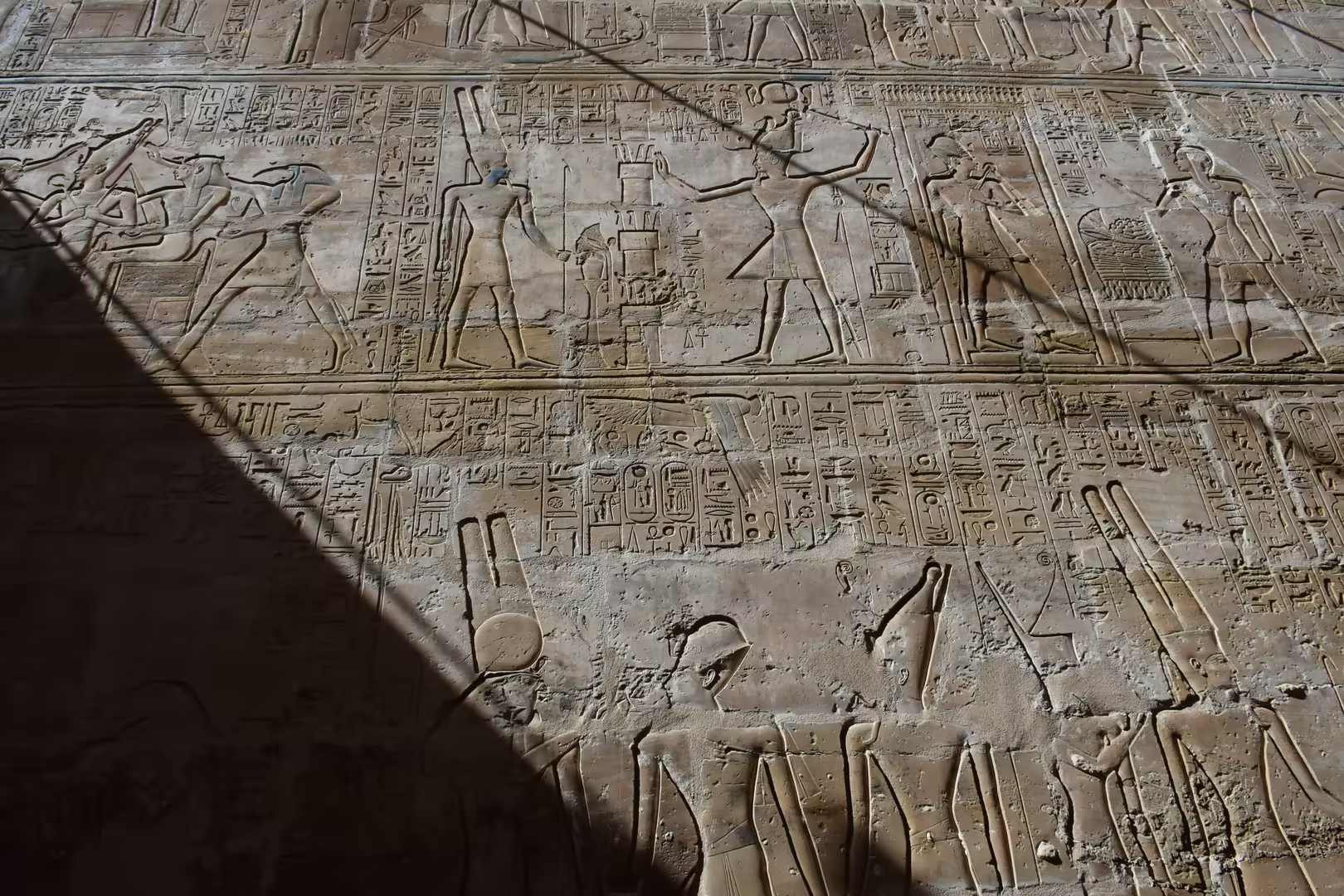
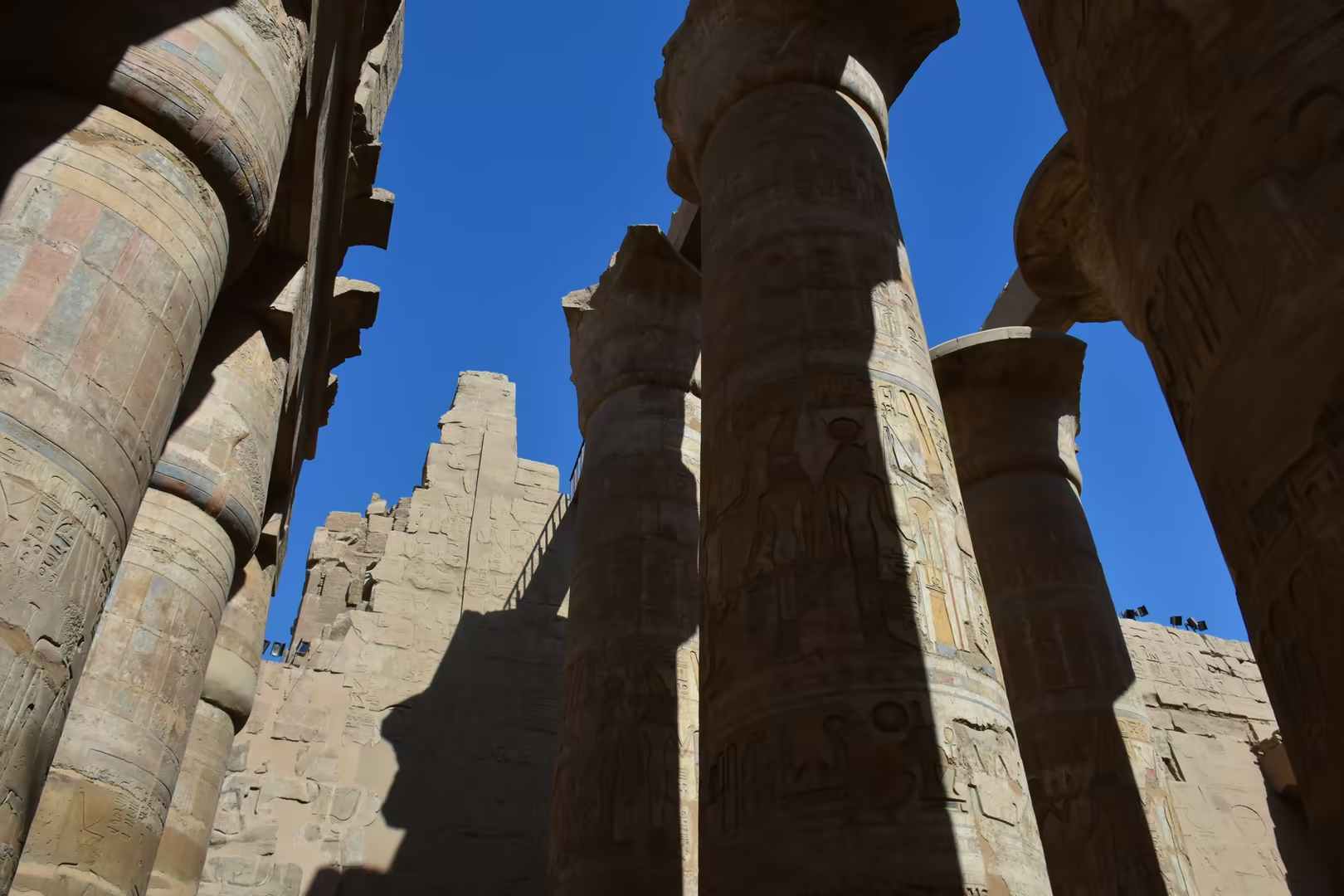
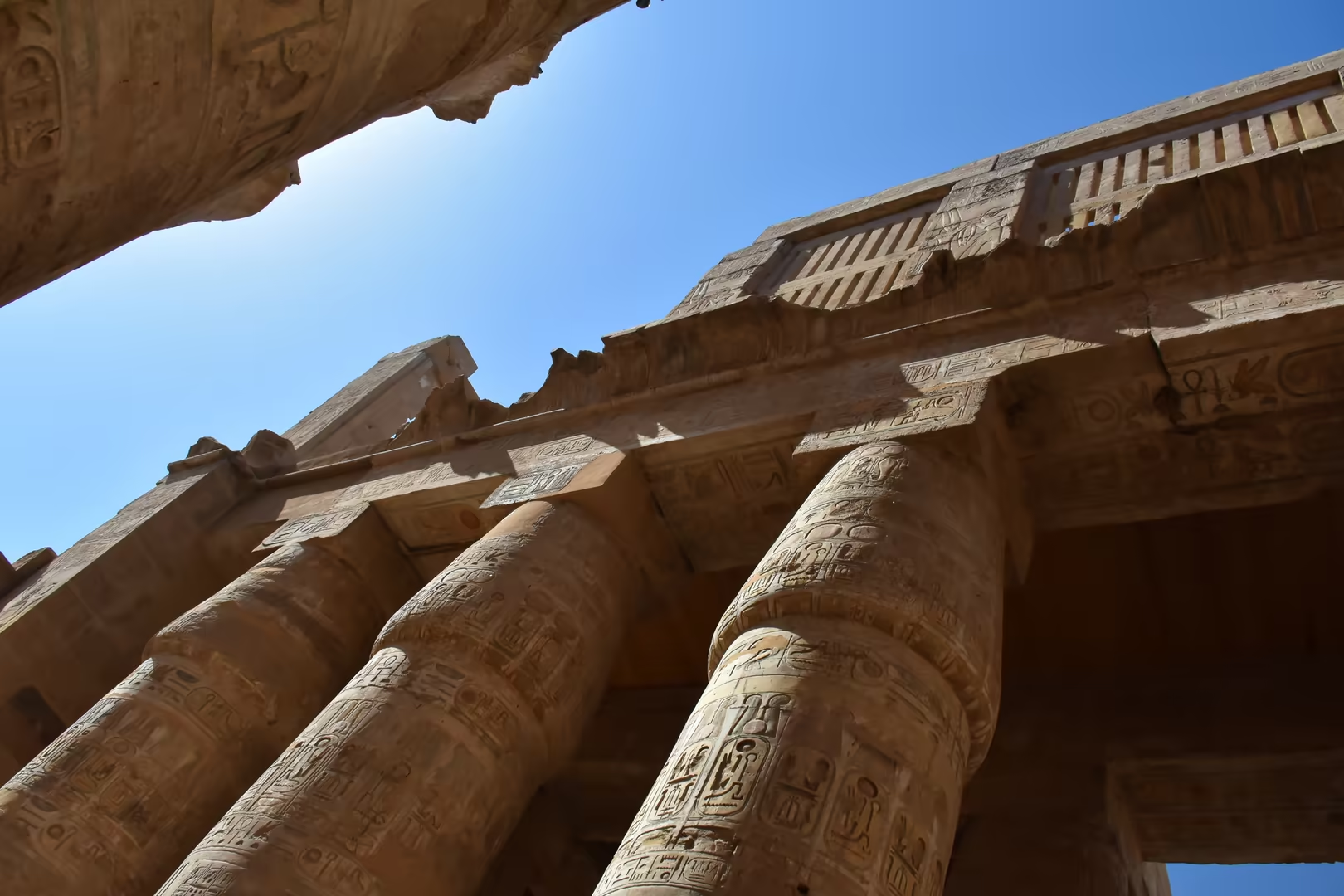
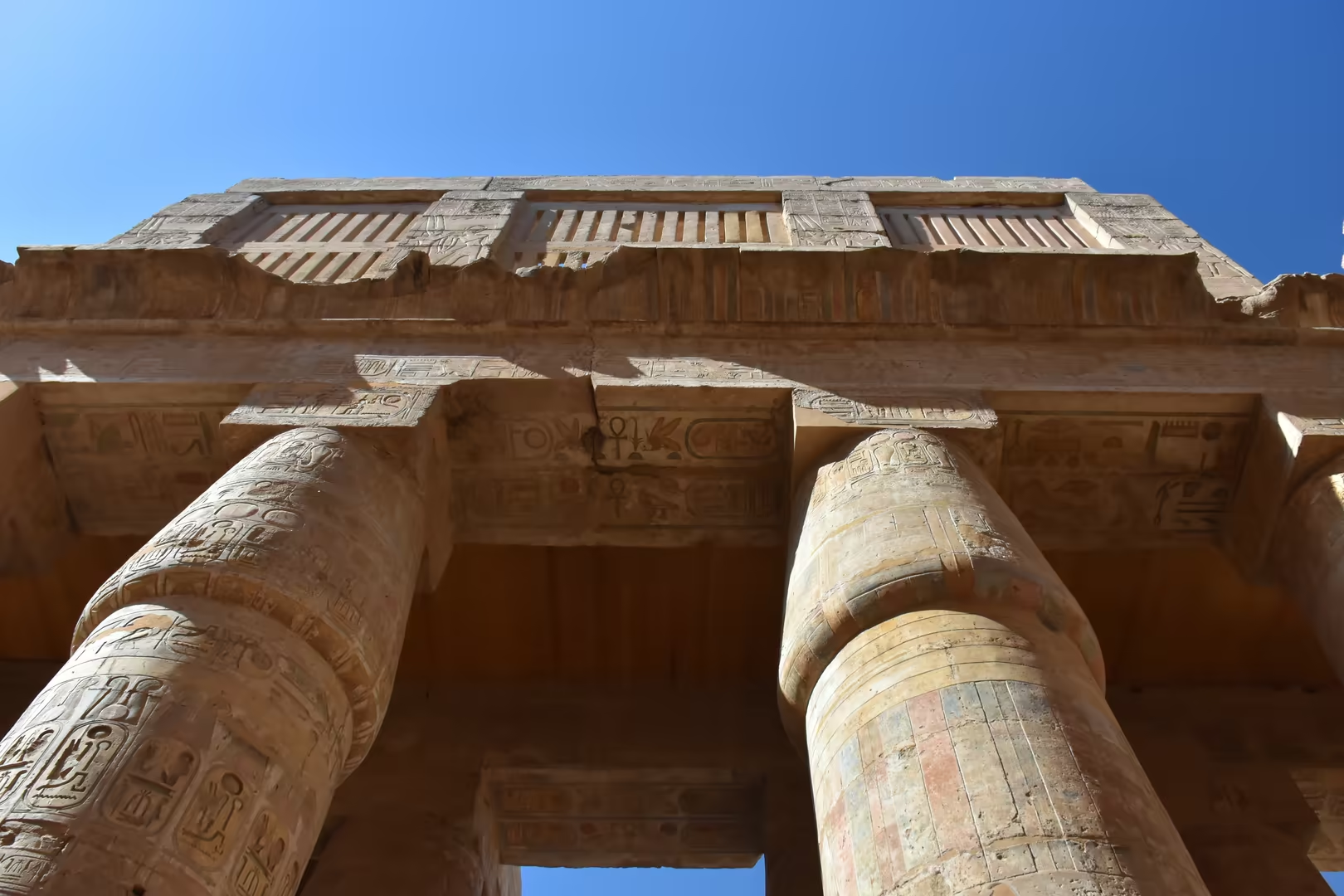
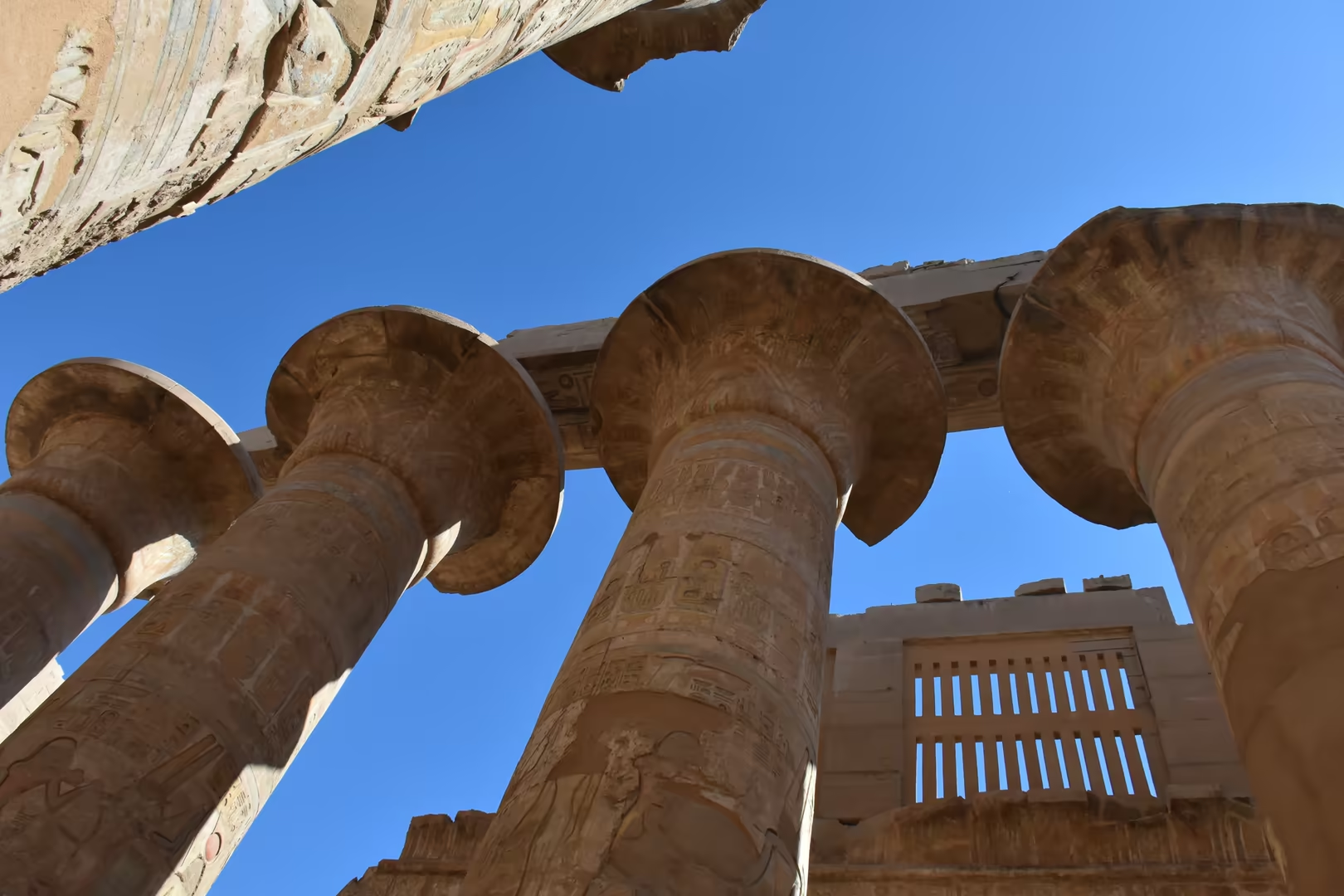
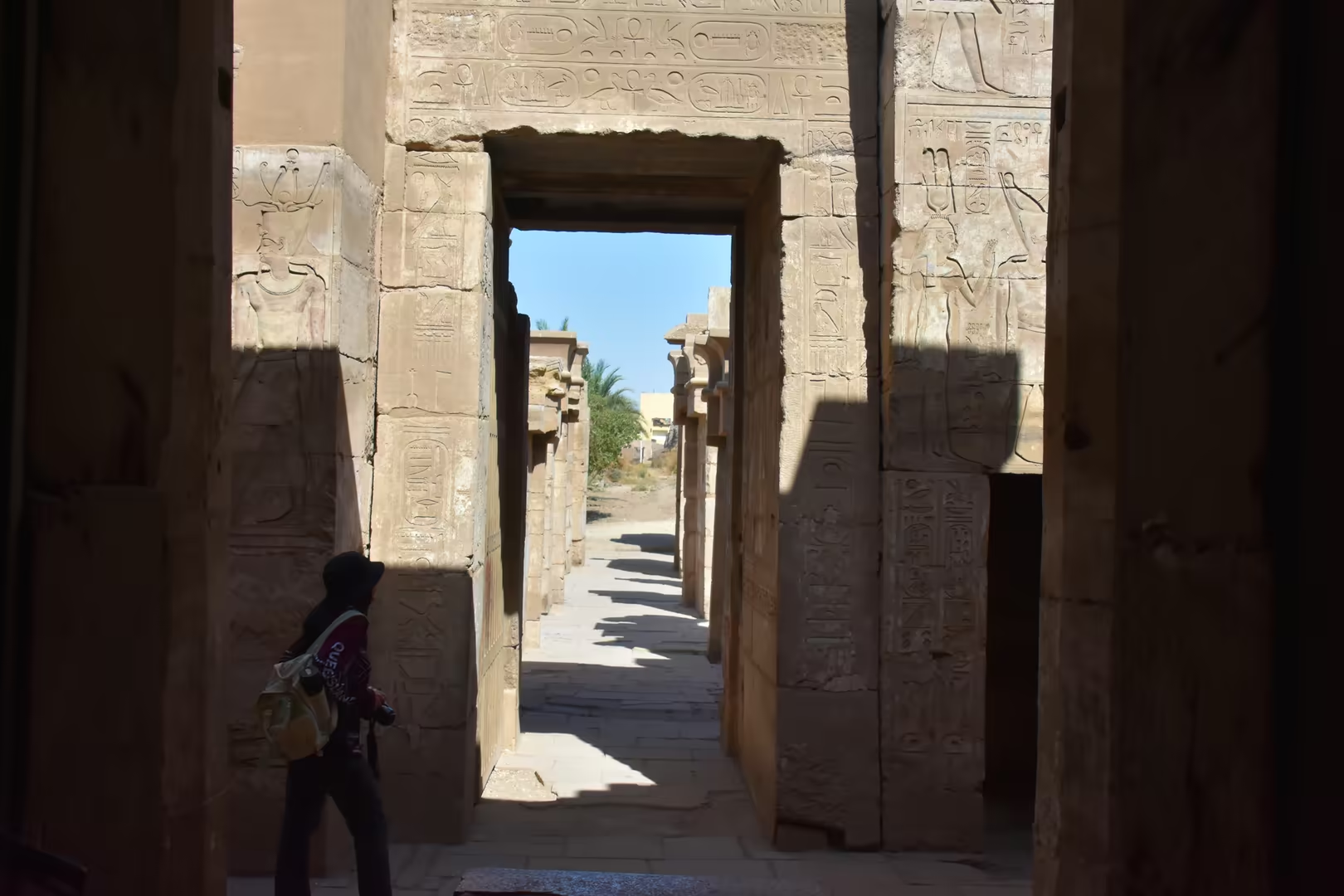
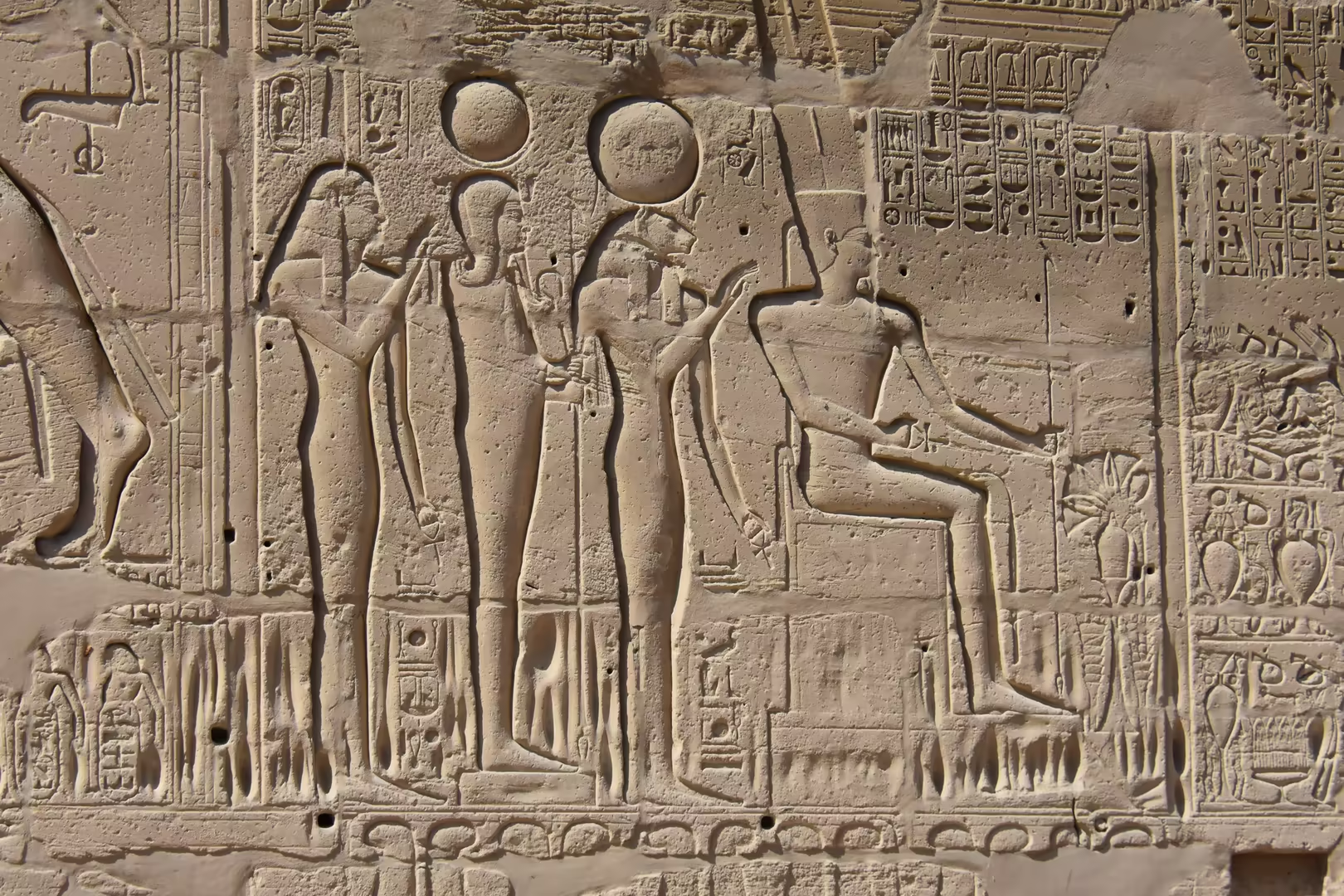
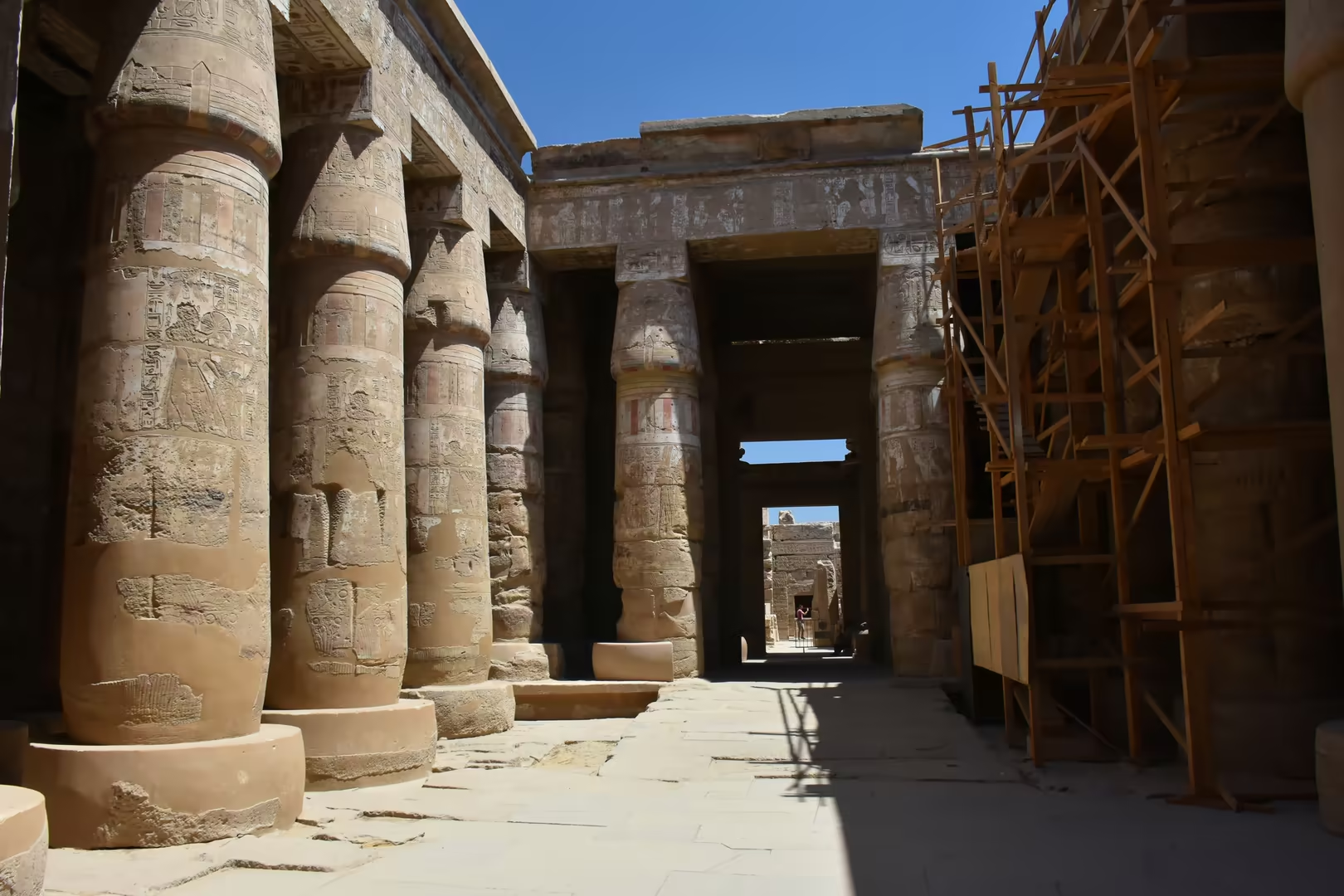
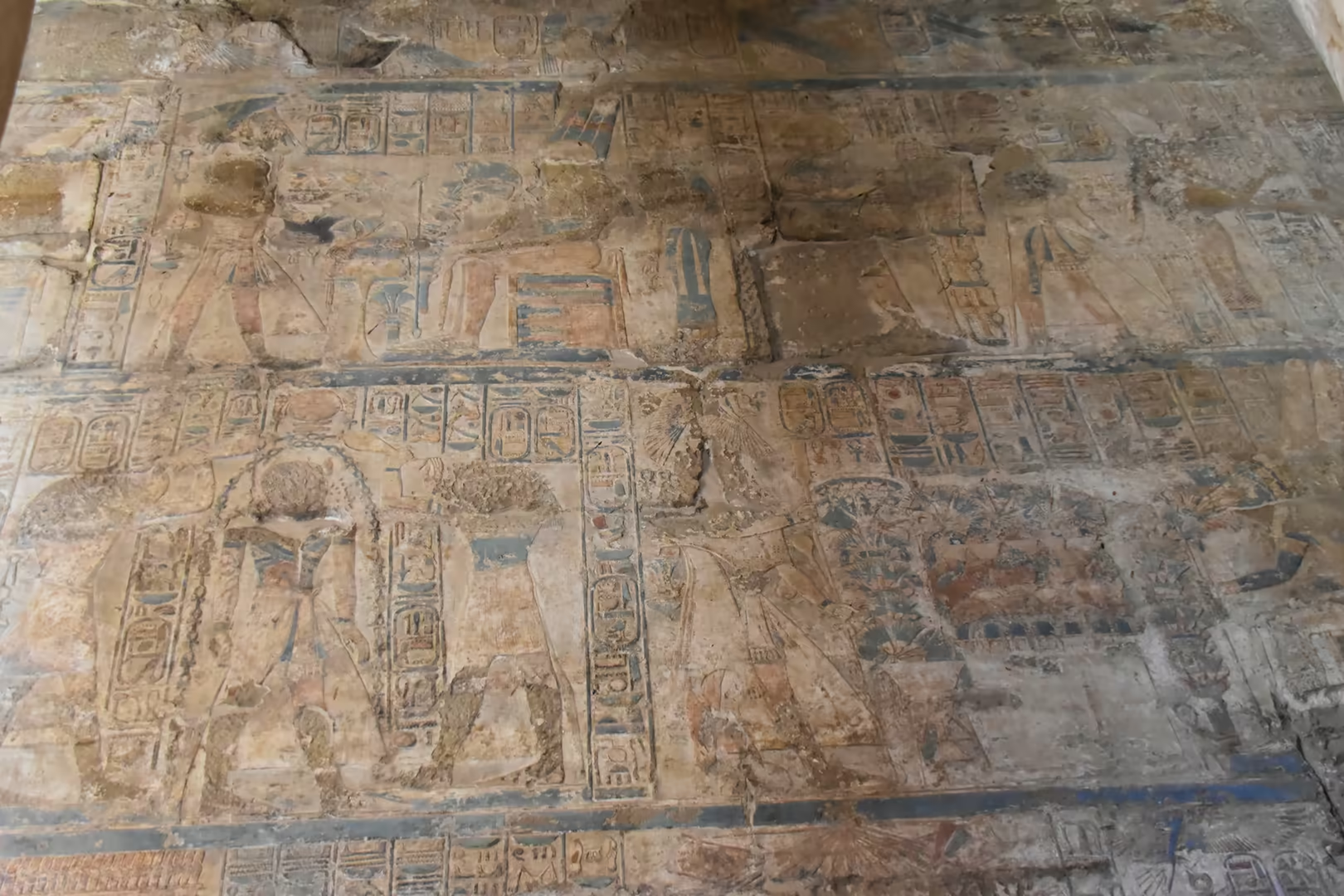
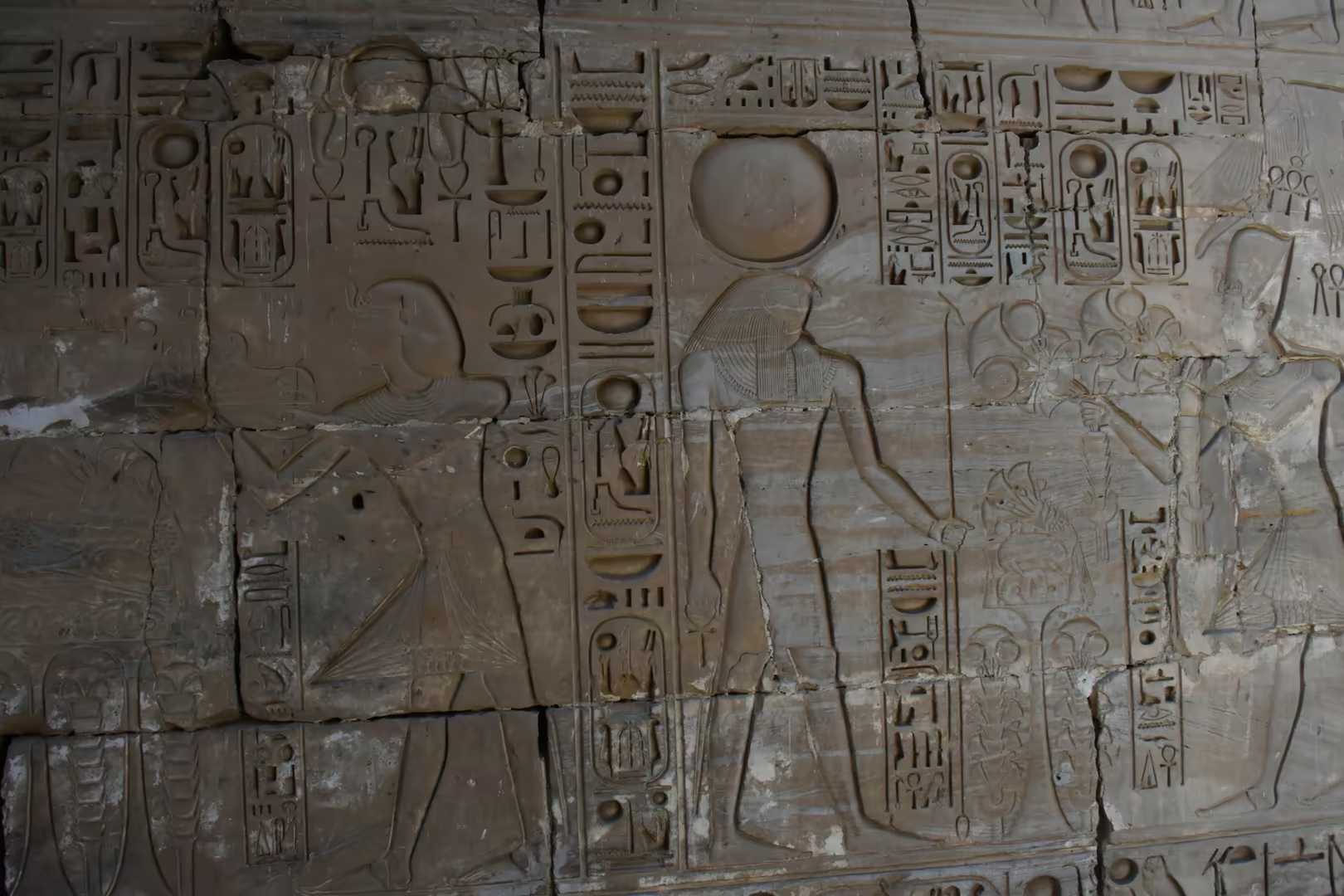
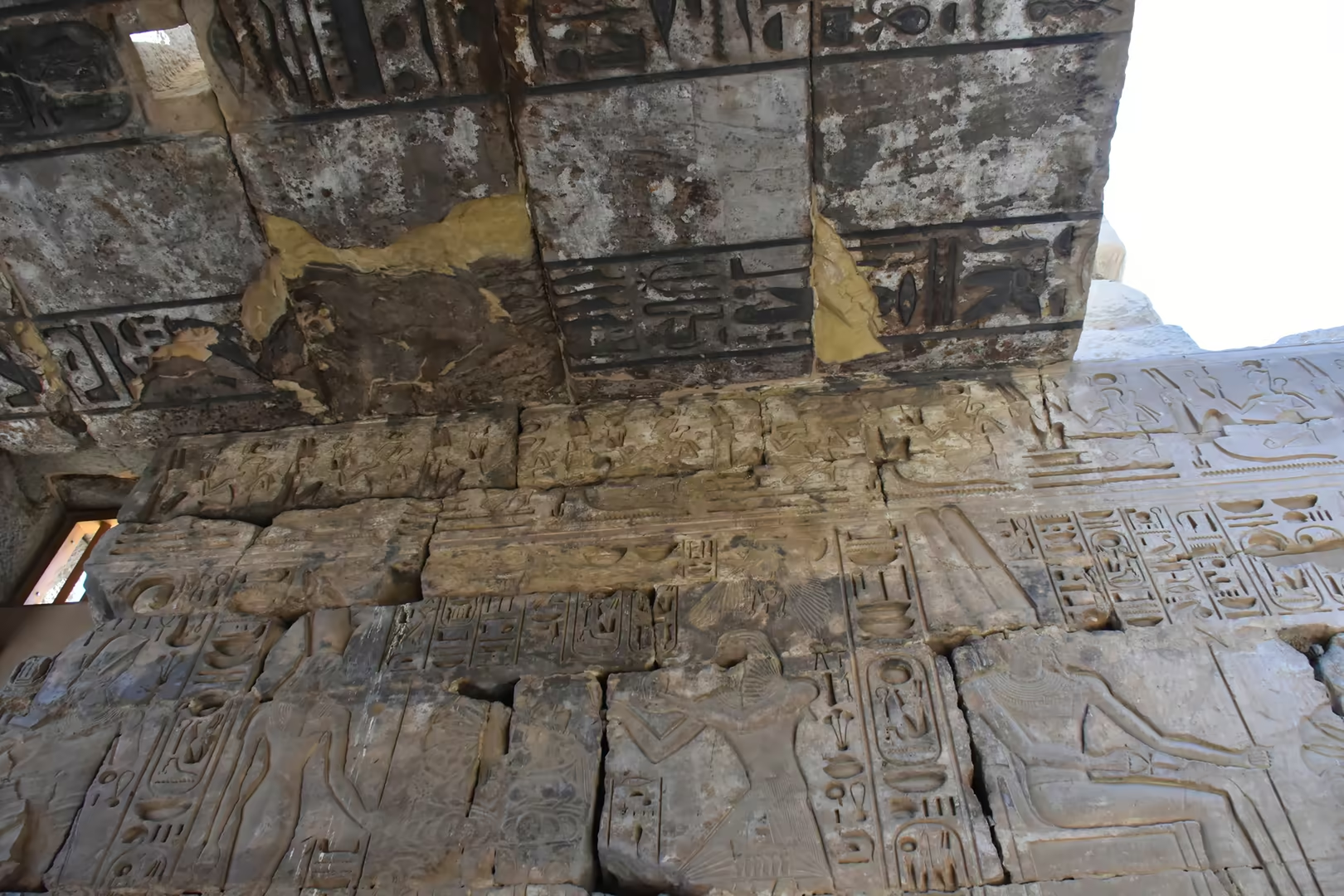
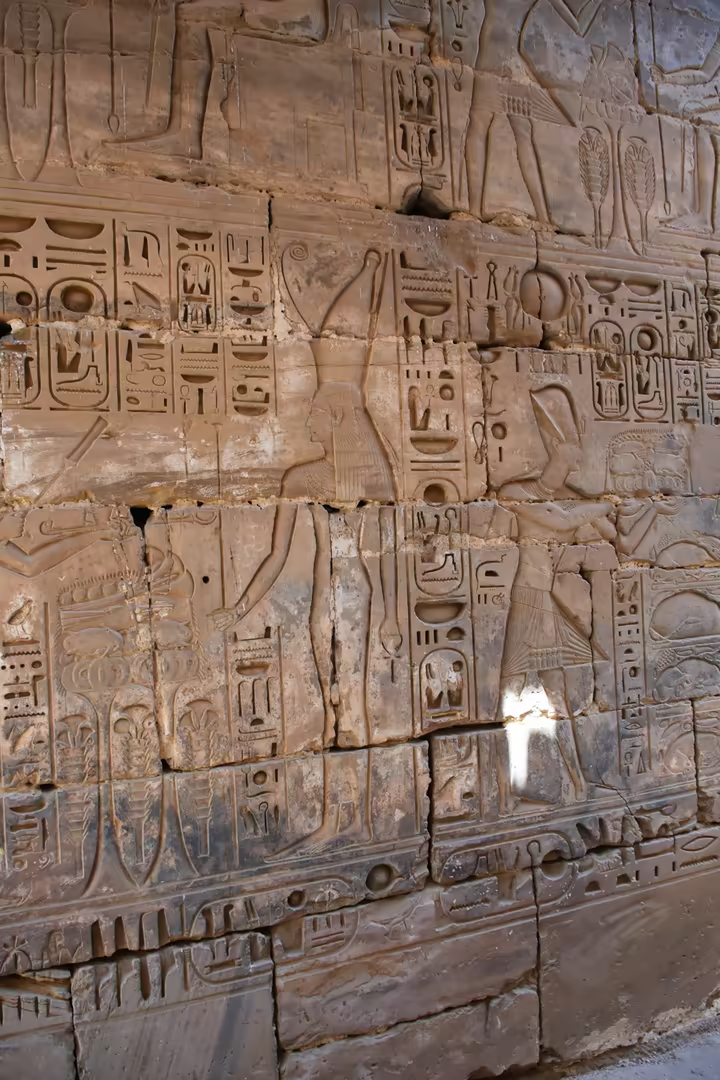
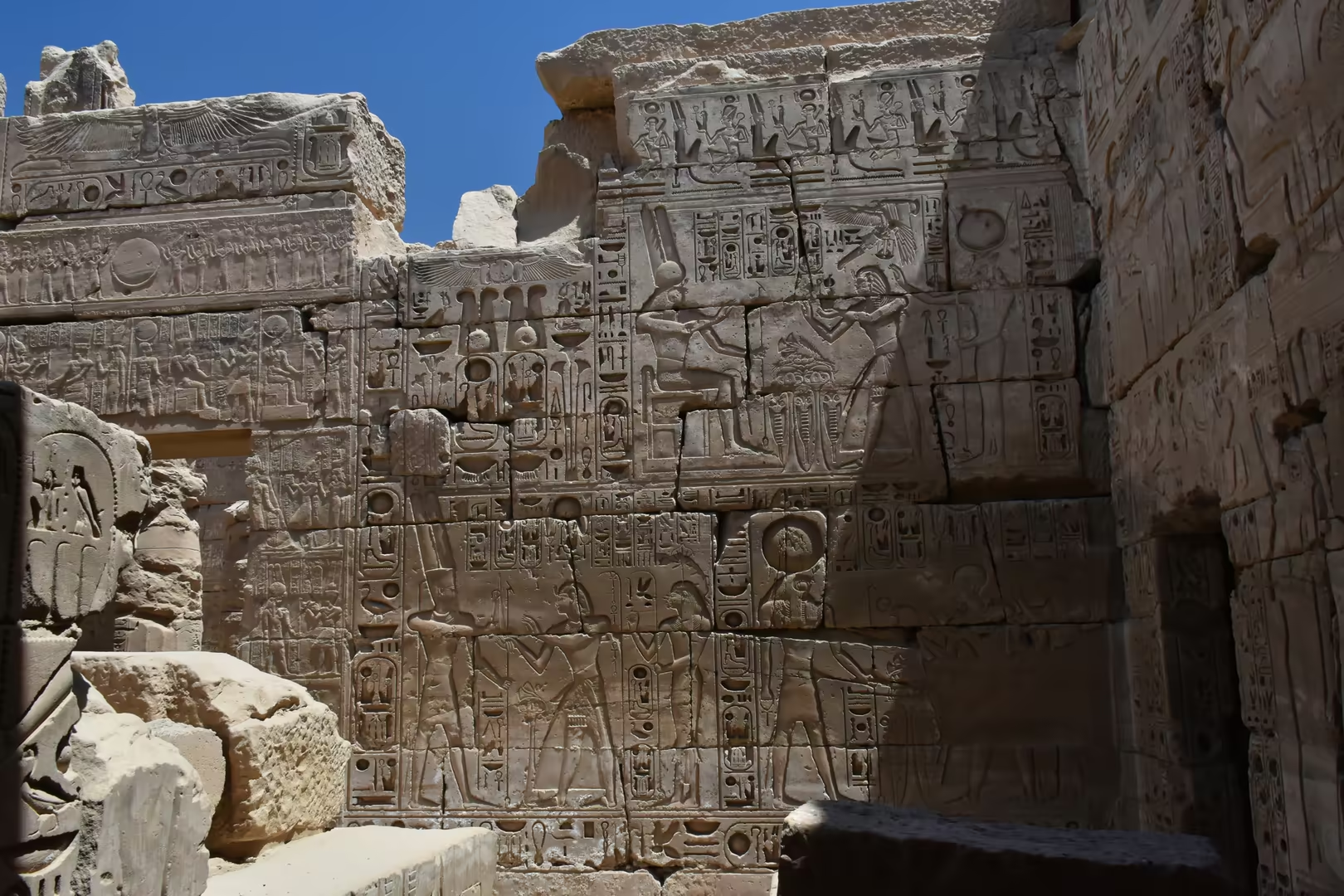
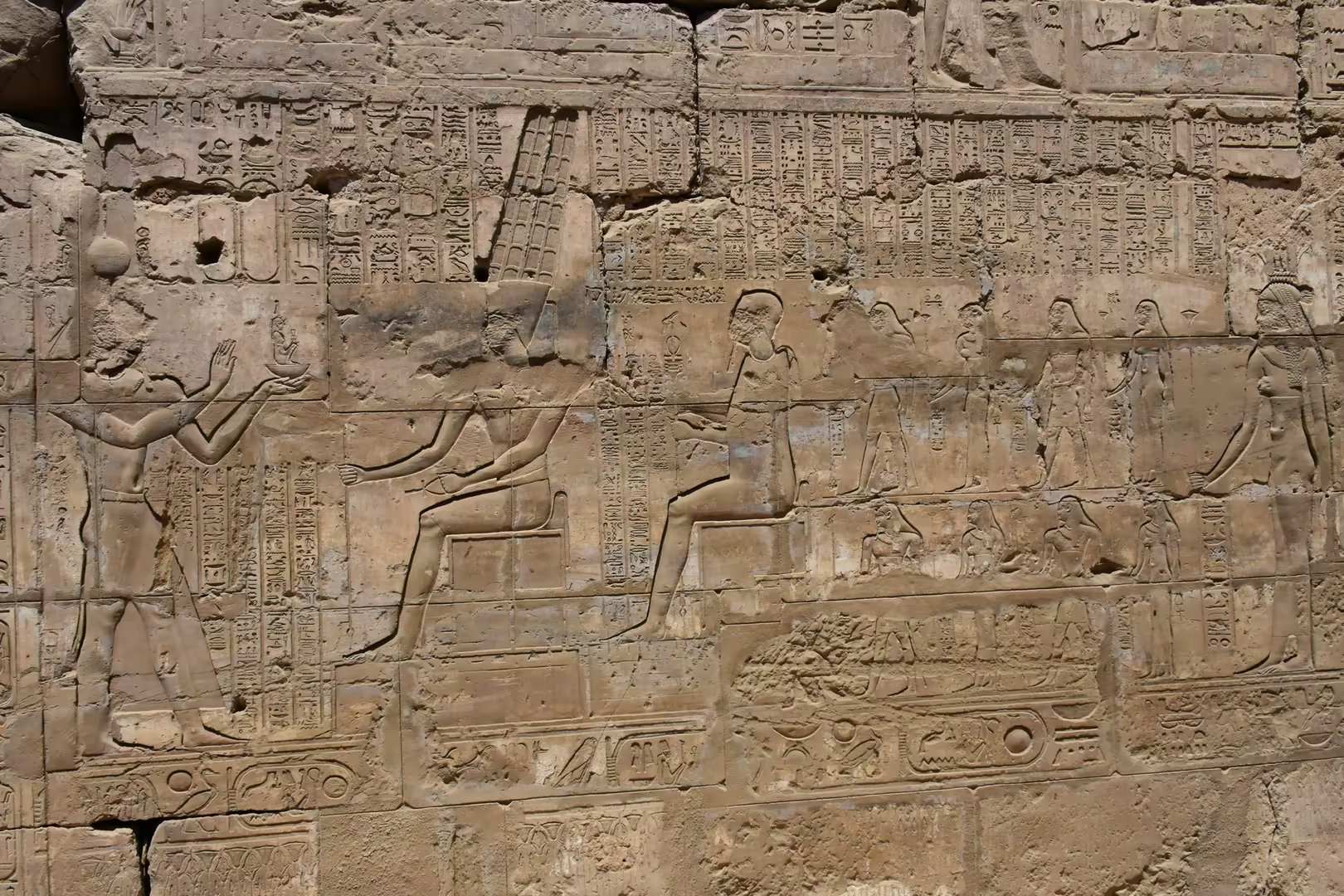
The plan of Amenhotep’s temple is a single disciplined composition on the long axis. At the southern end the rooms of the inner sanctuary received the barque of Amun; beside them the birth room carried the reliefs of the divine conception and birth of the king, in which Amun, in the form of Thutmose IV, fathers the child upon the queen Mutemwiya; and north of these lay the great sun court, ringed with a double row of papyrus columns, which opened through a monumental colonnade of fourteen columns towards Karnak. The colonnade stood unfinished for a generation; it was Tutankhamun who filled its walls with the reliefs of the Opet festival, the barques borne on the shoulders of priests, the offerings and the rejoicing, and Ay and Horemheb who completed the decoration and cut their names over those of the original builder.
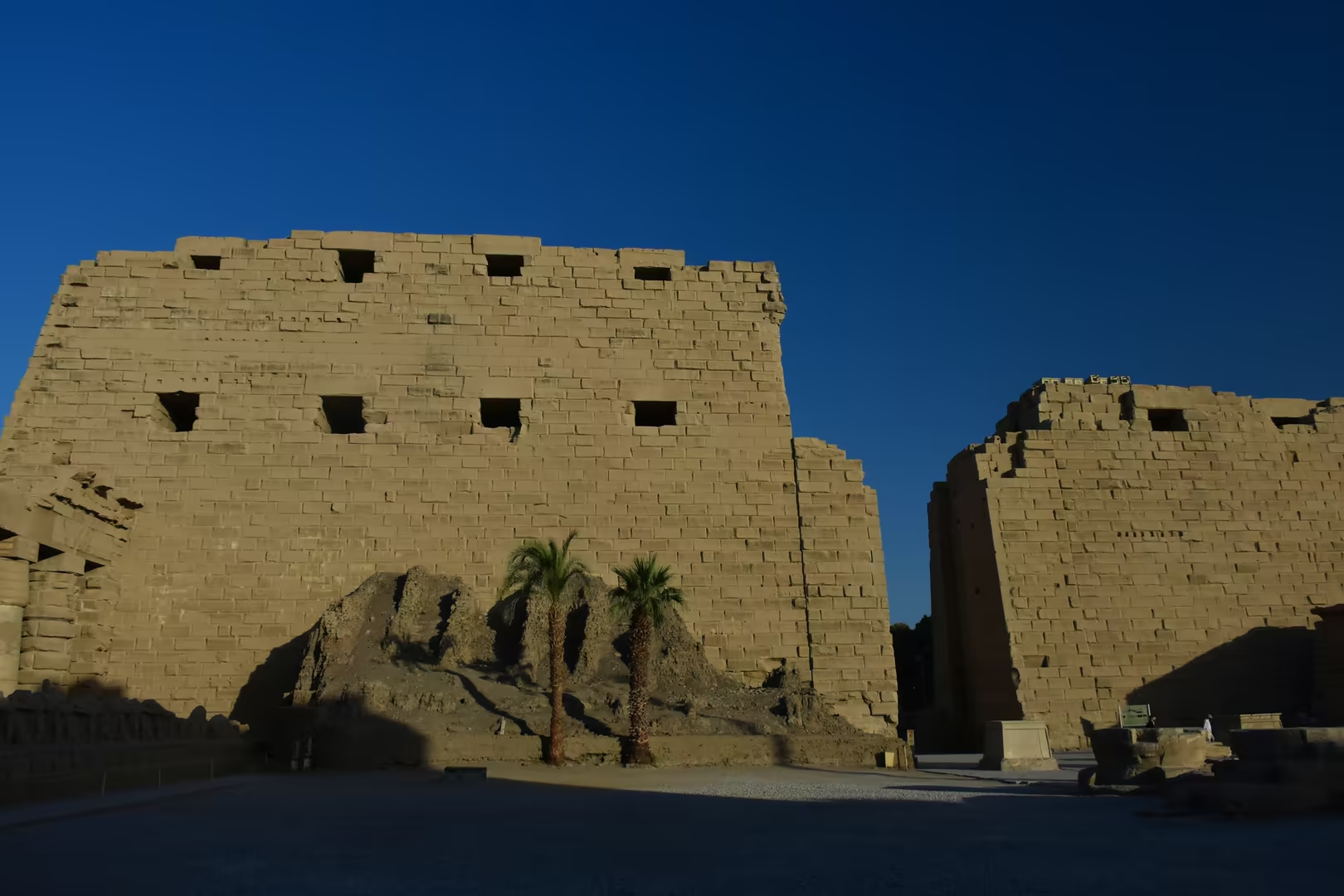
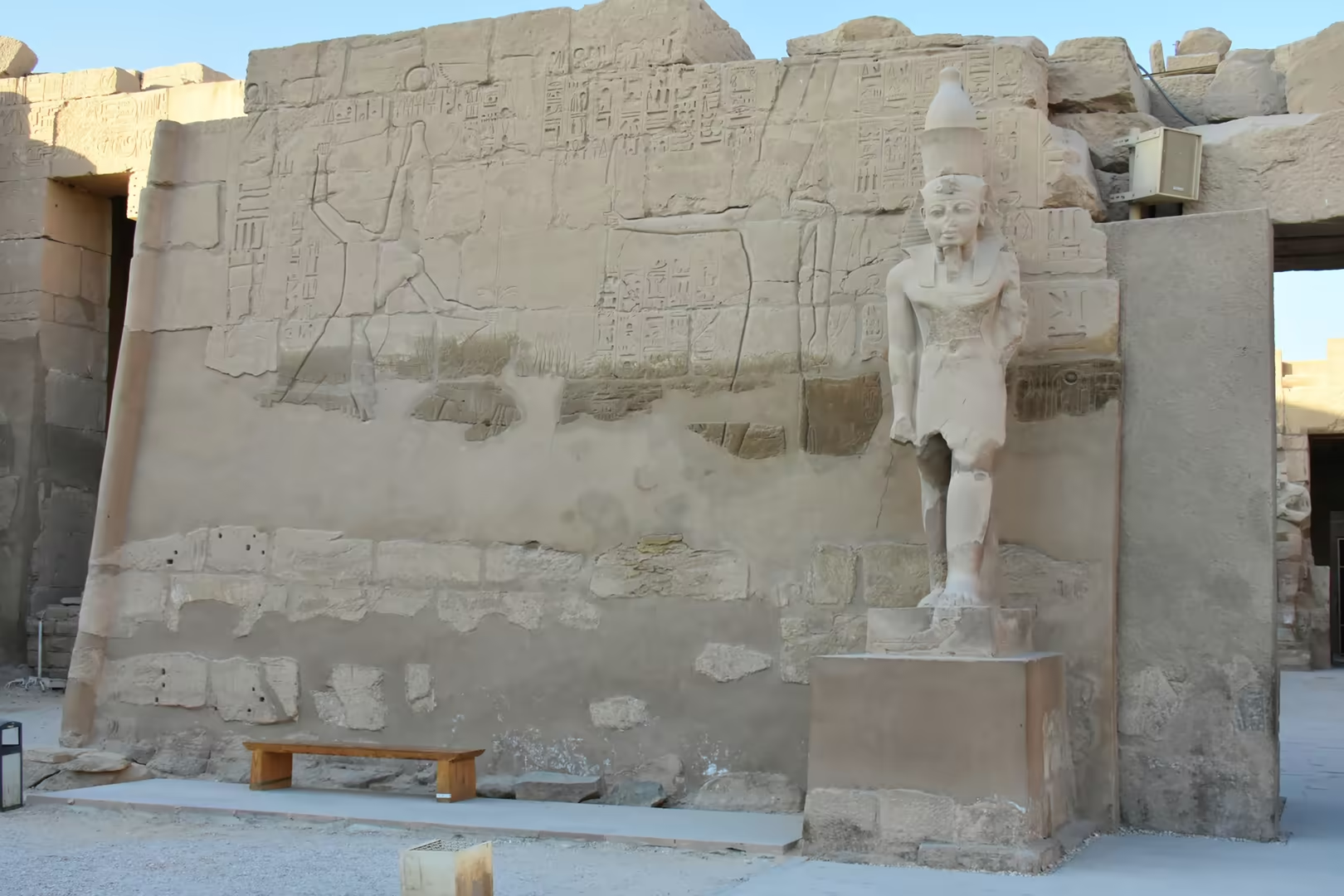
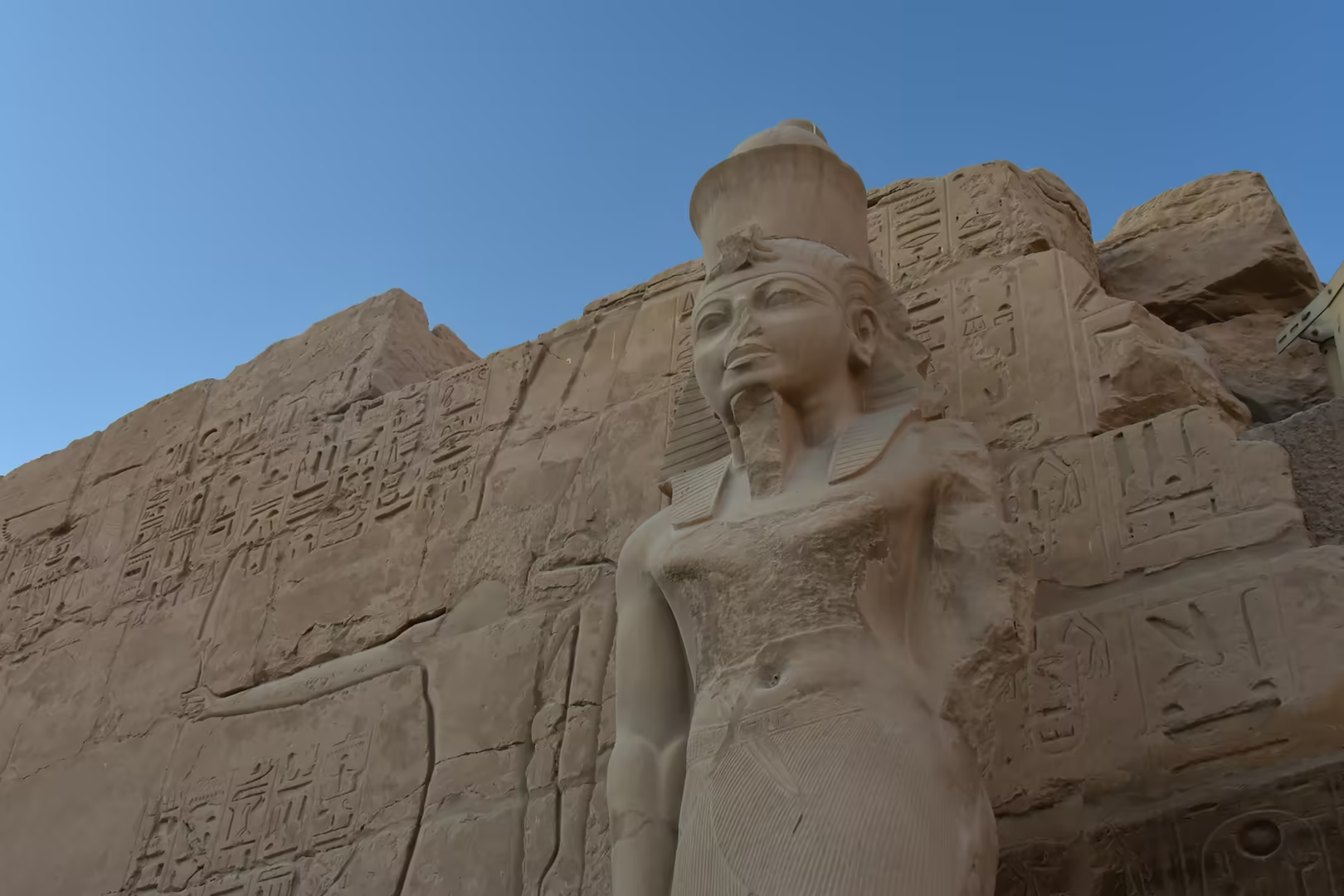
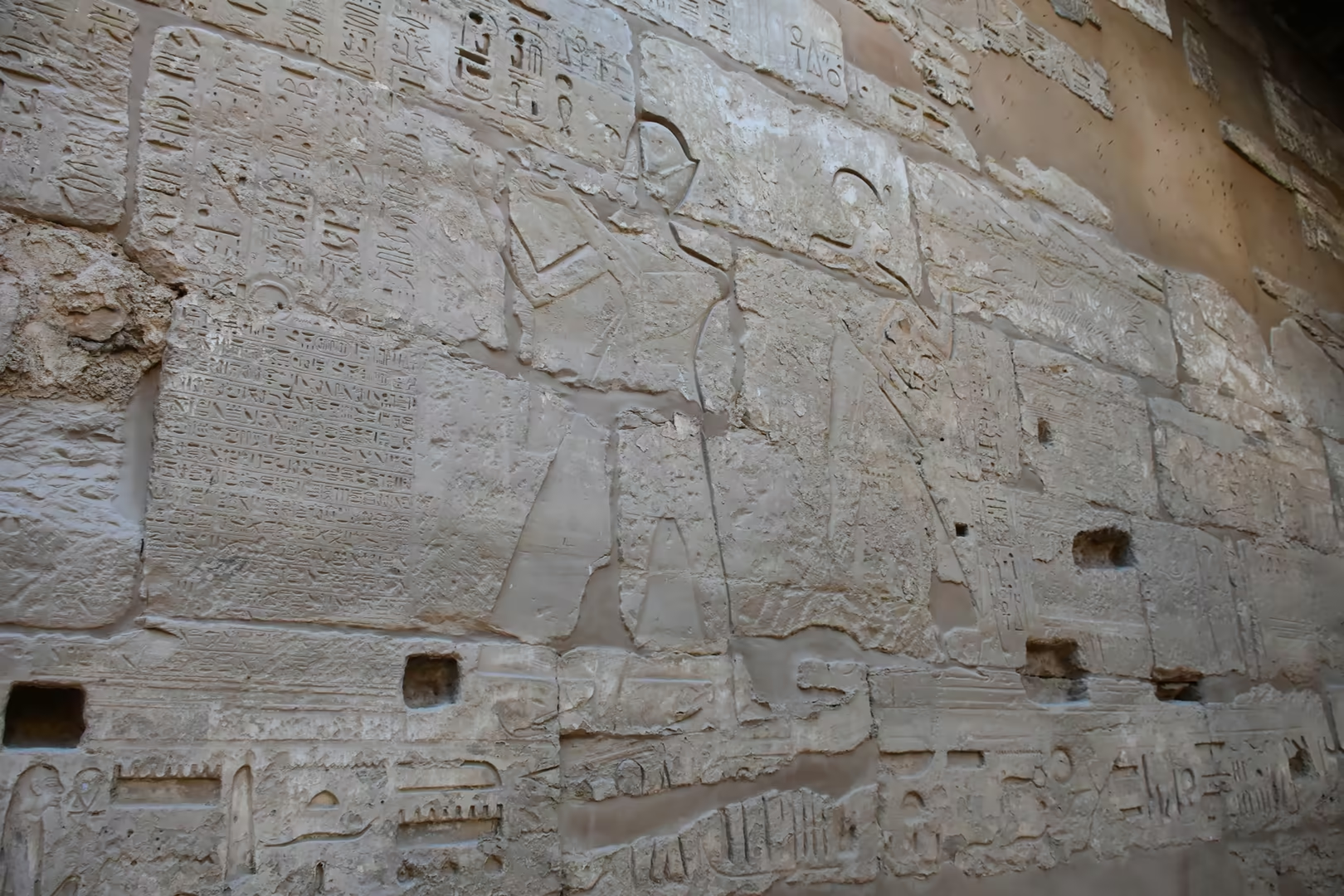
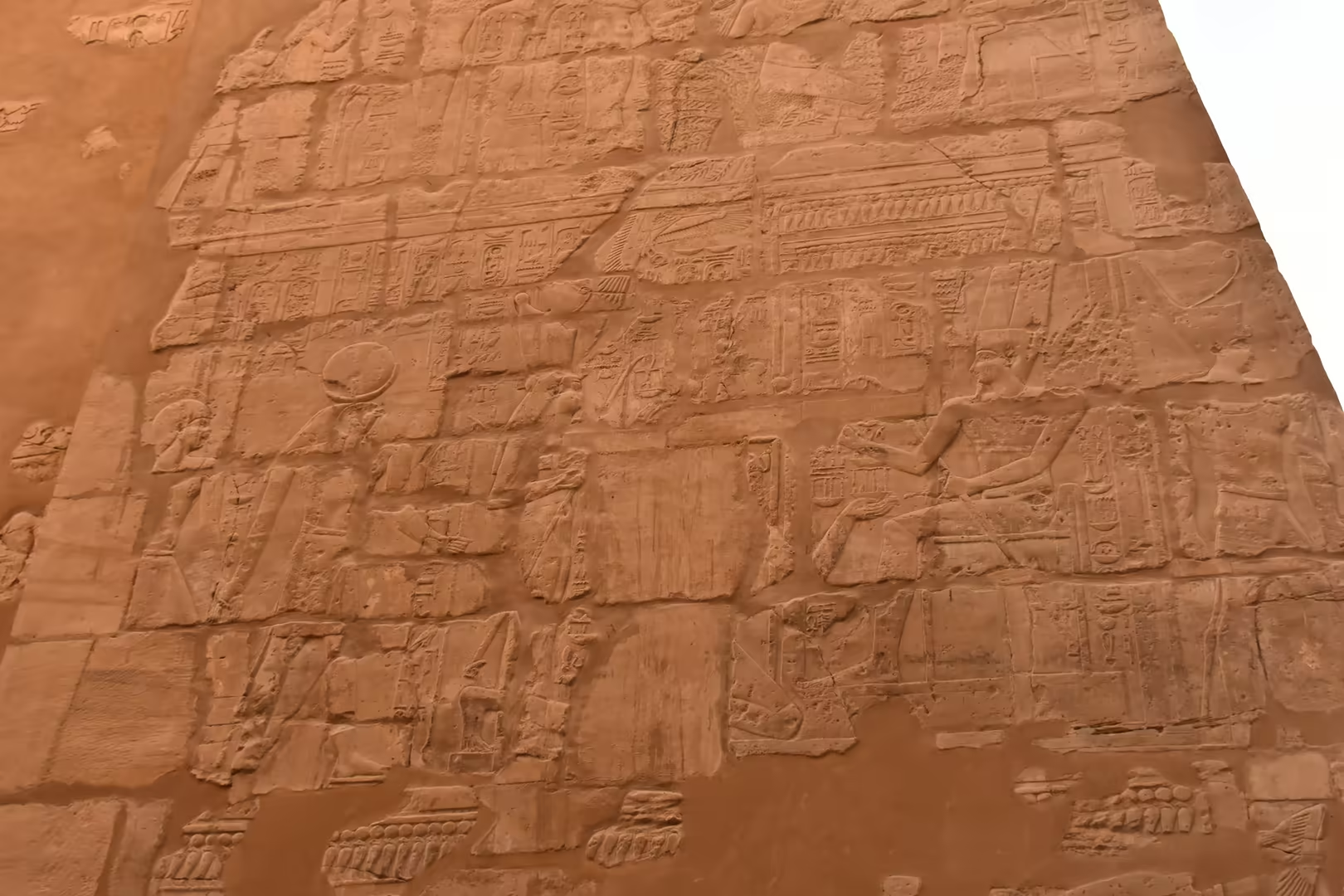
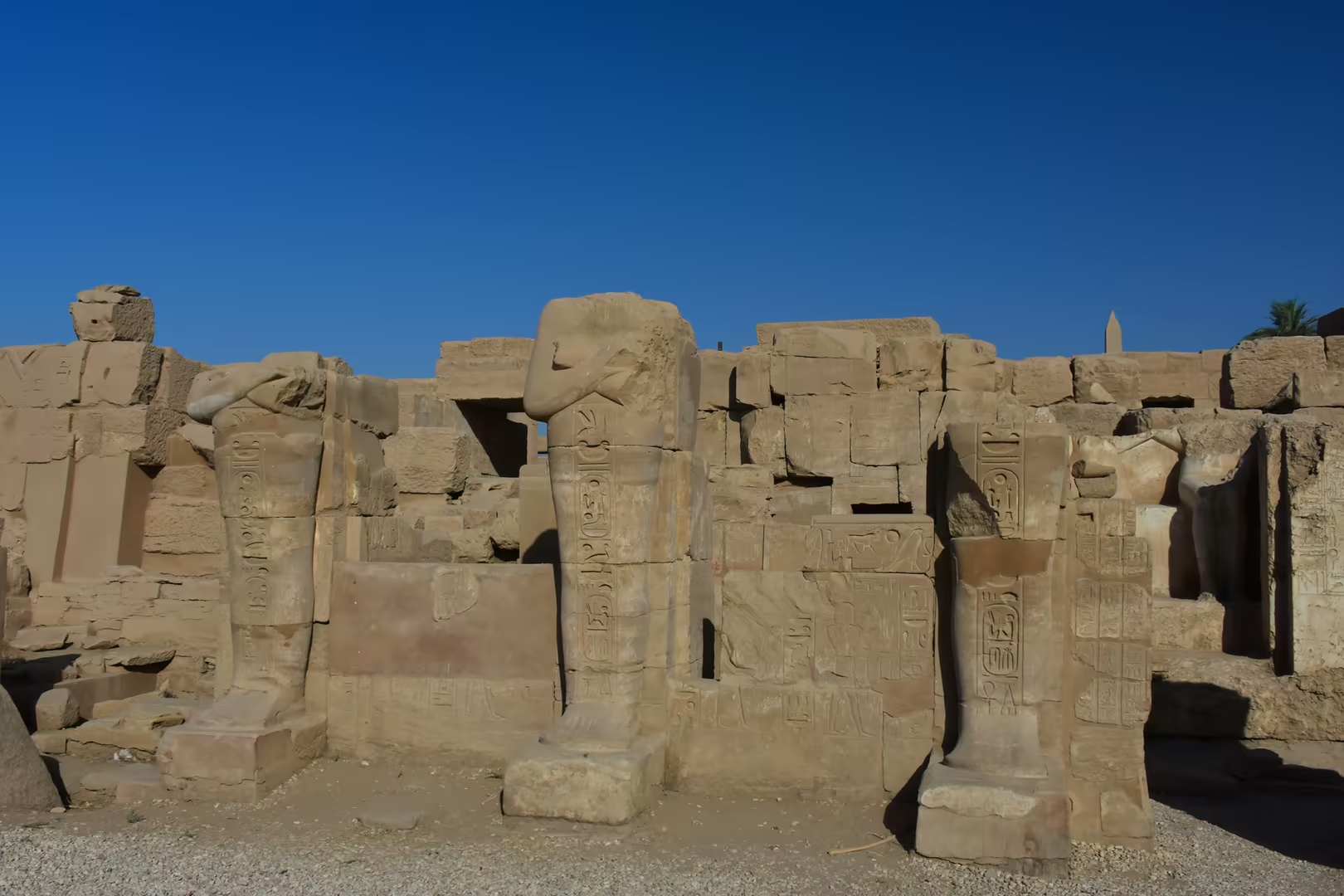
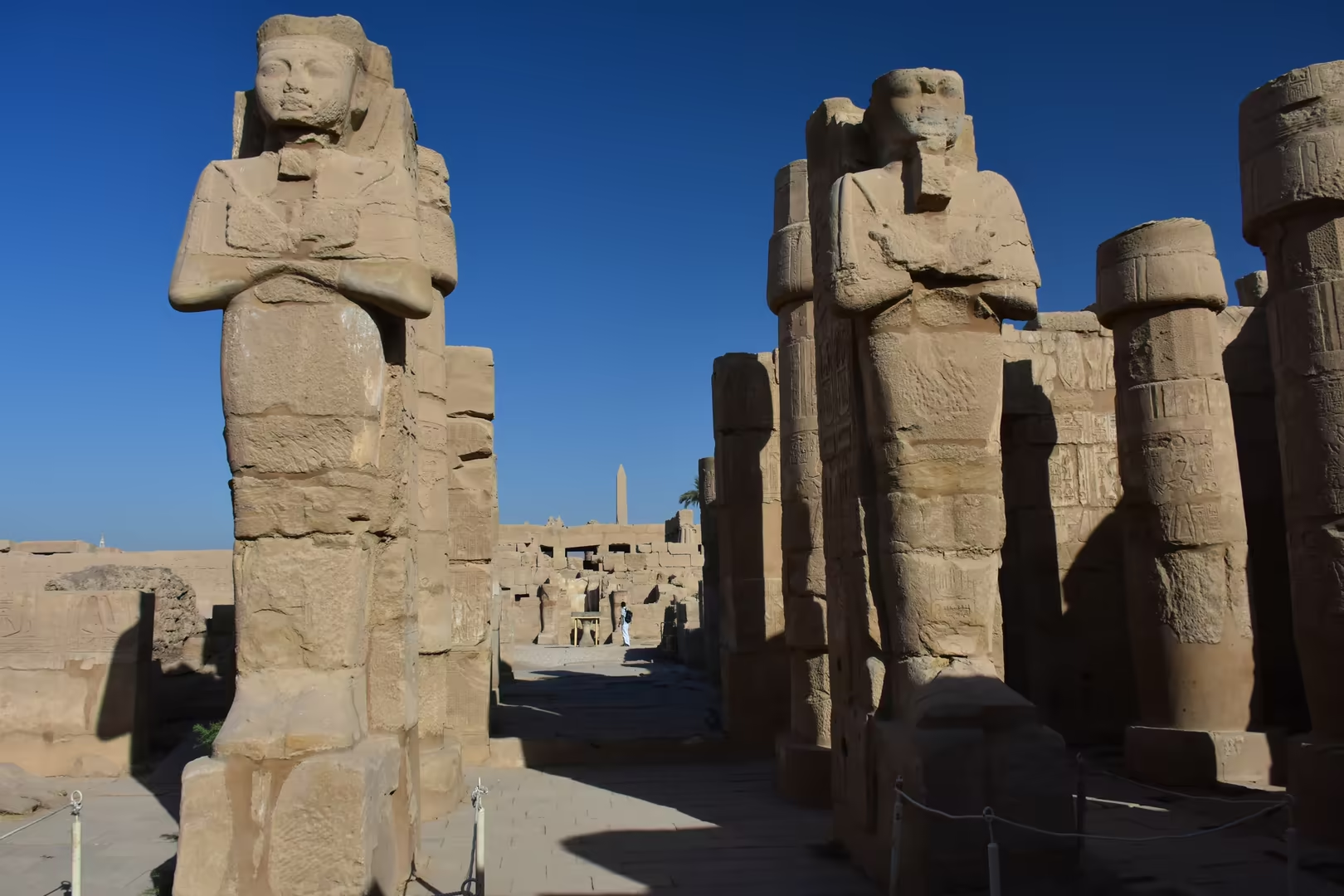
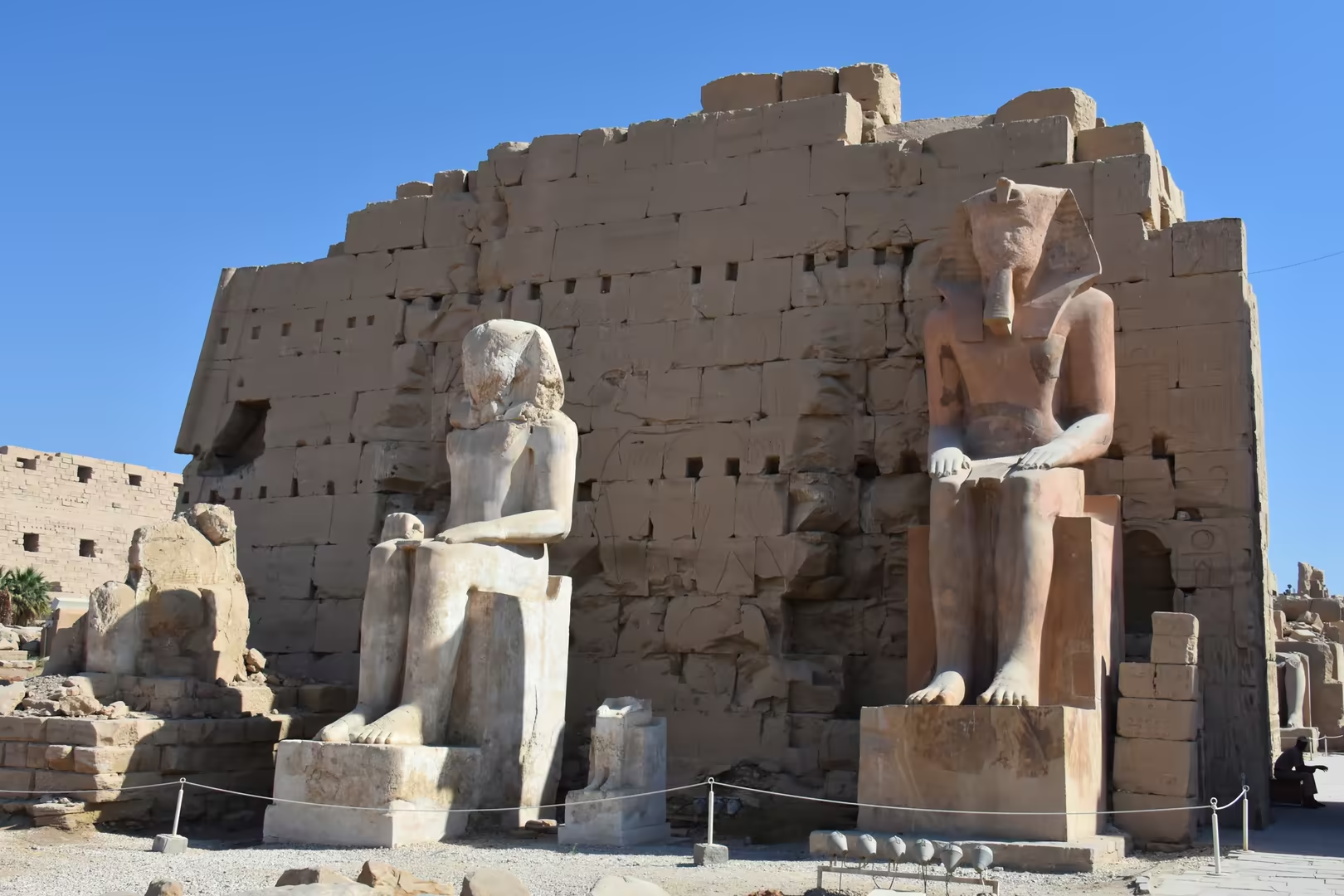
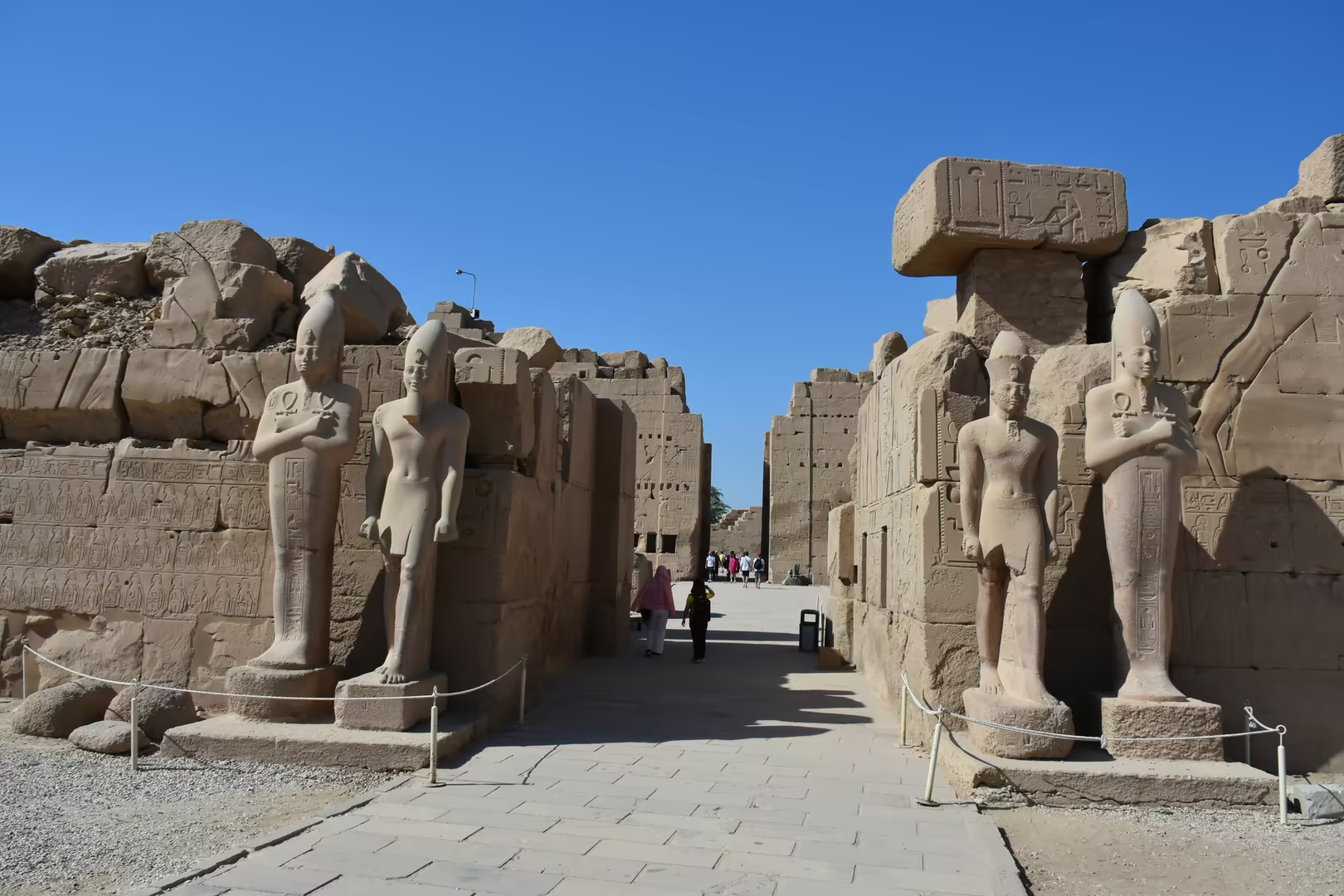
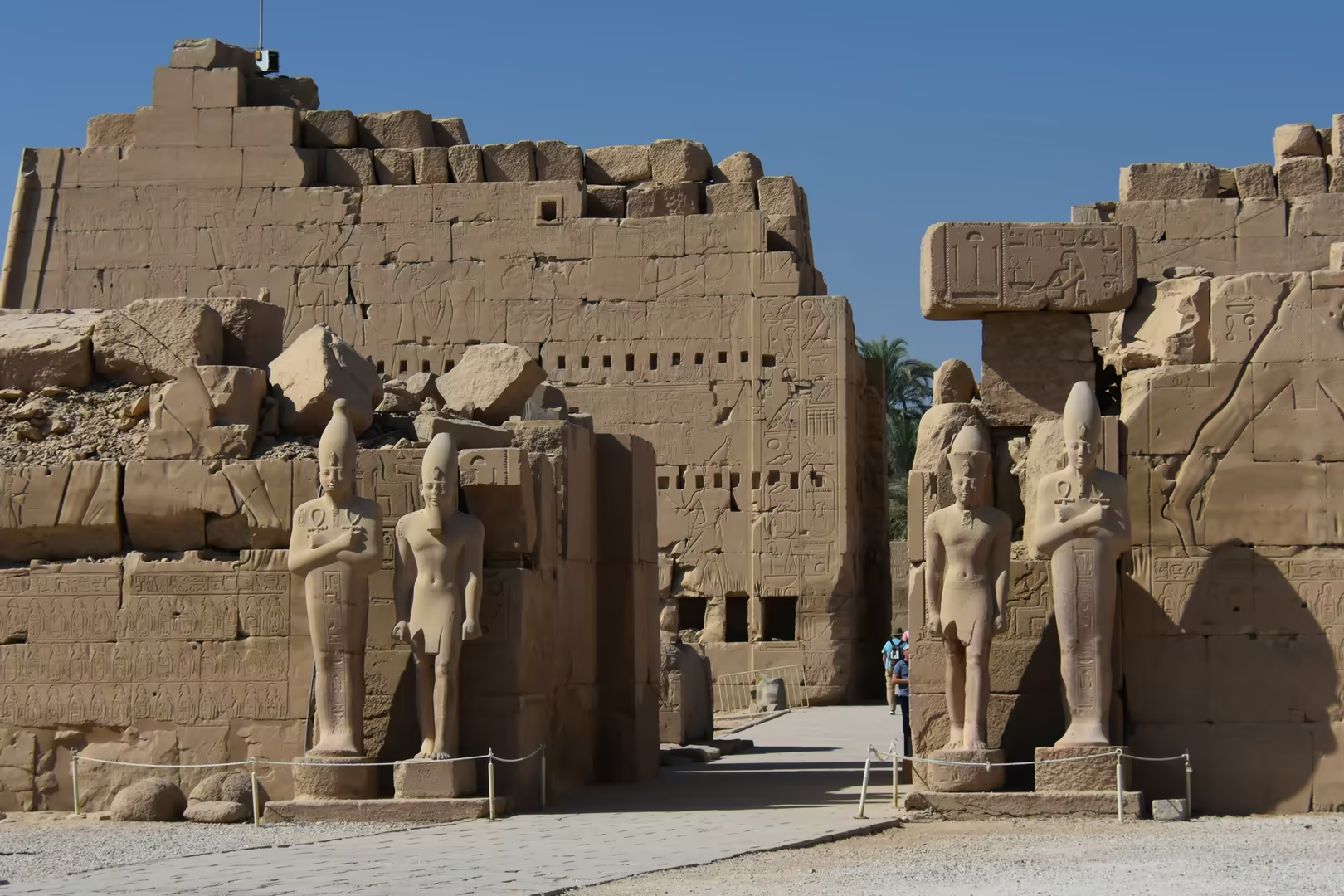
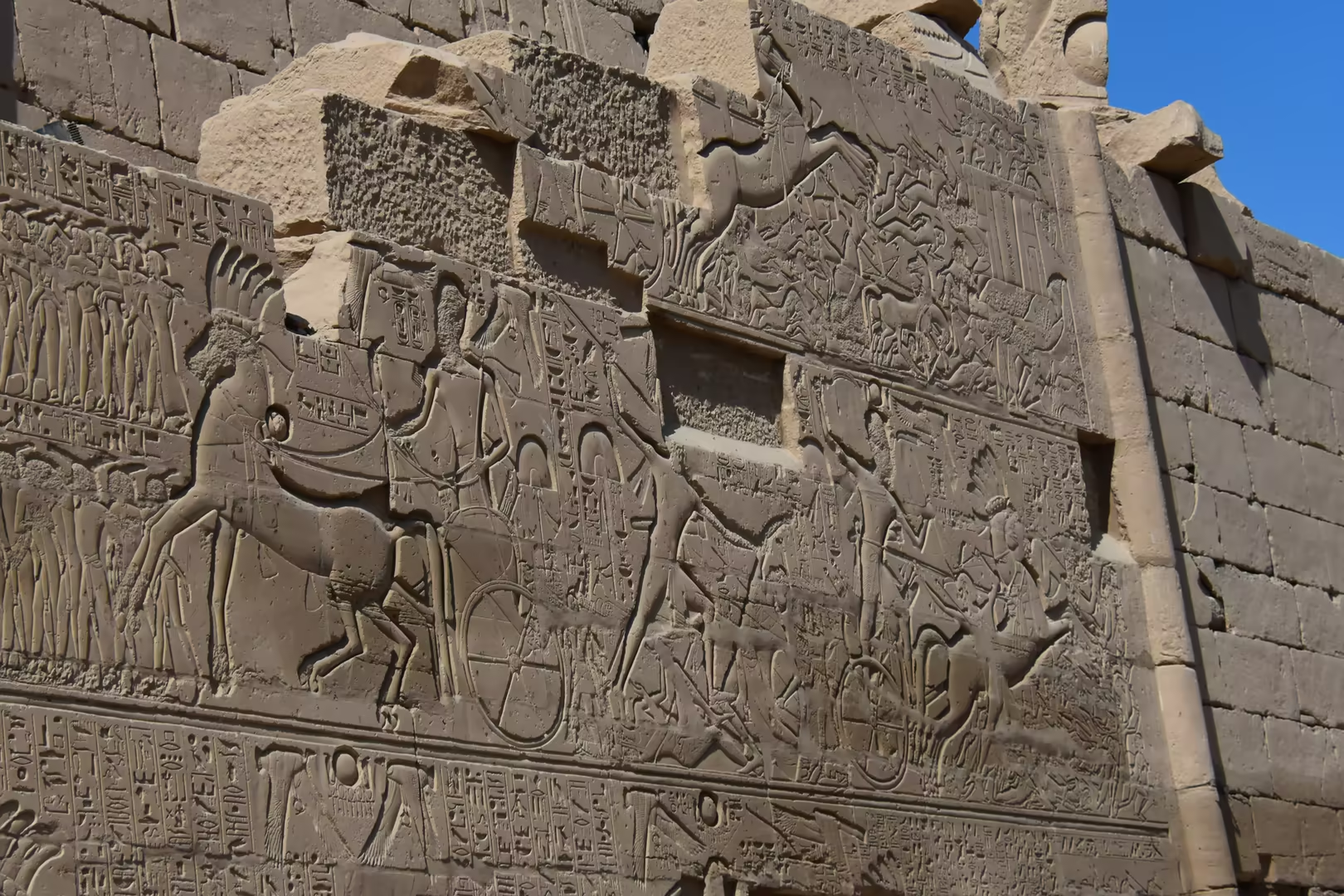
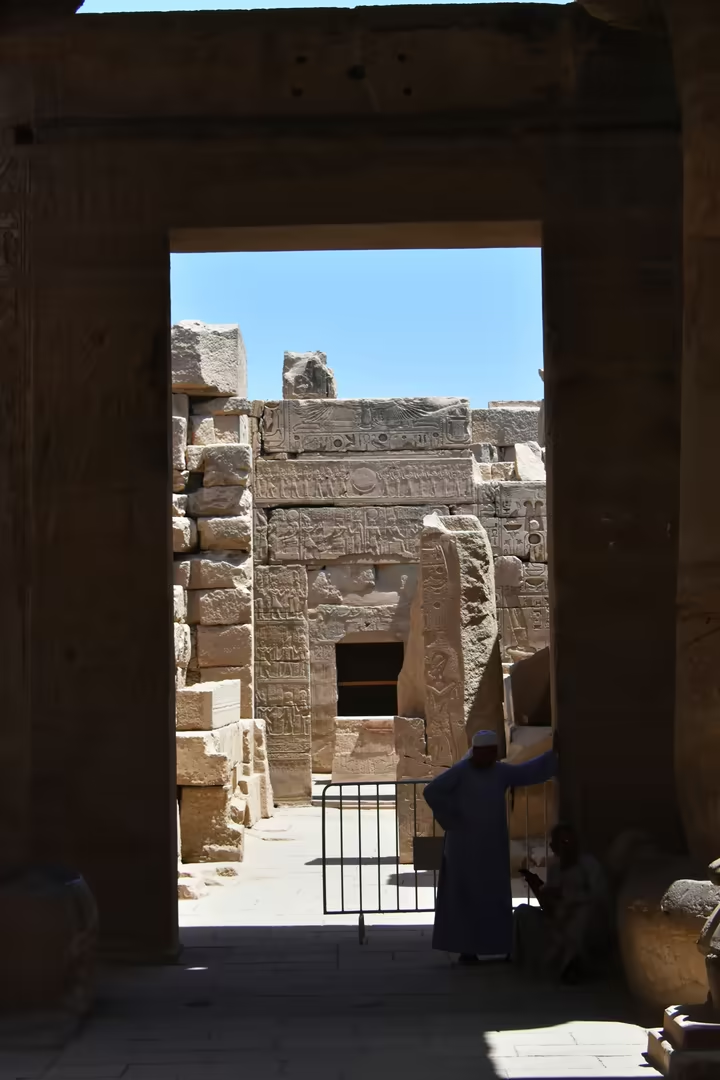
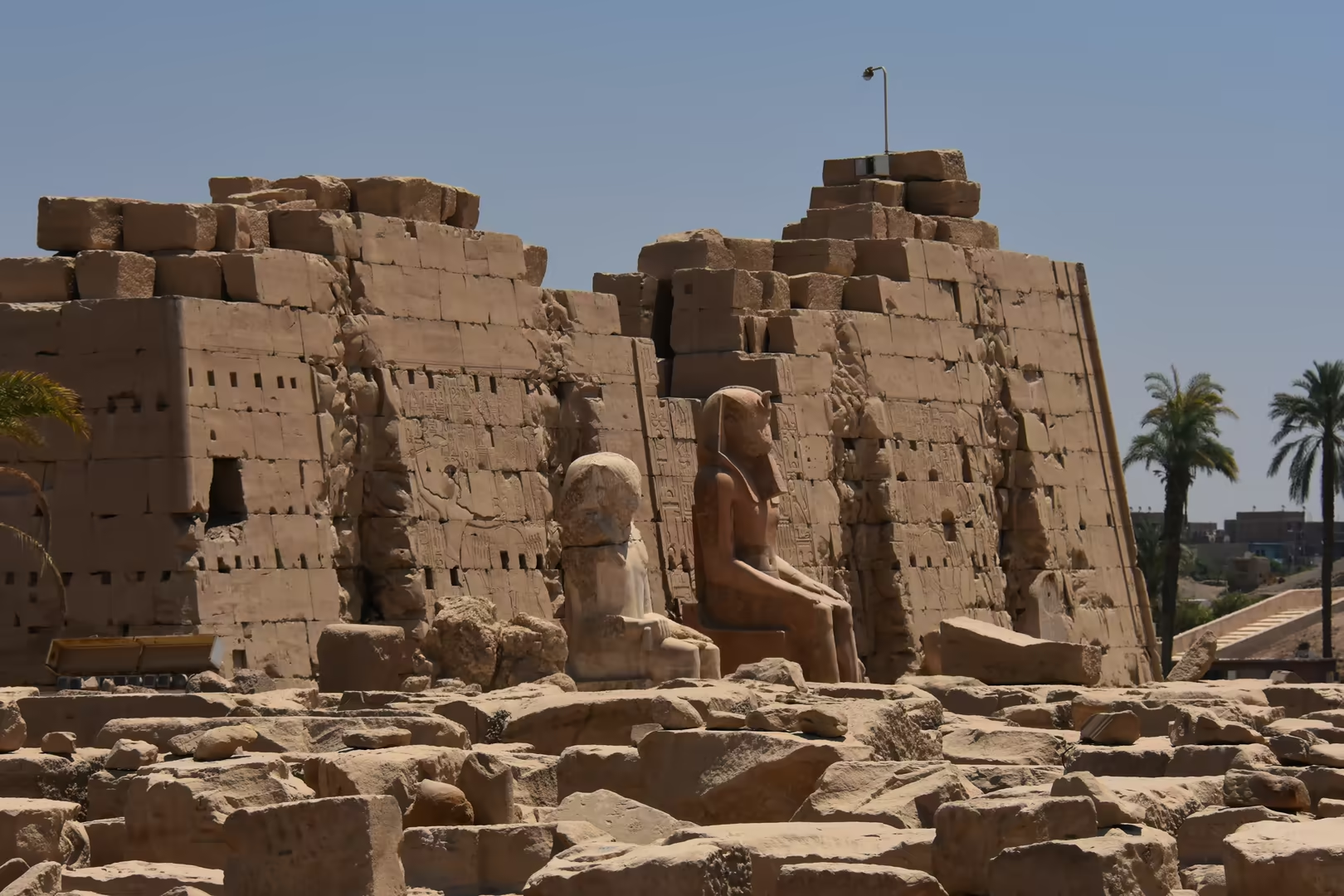
Ramesses II (1279-1213 BC) gave the temple the frontage the visitor sees today. His builders turned the open end of the colonnade into a covered passage between two courts and raised before it the great pylon whose walls carry the reliefs of his war against the Hittites, the chariot charge and the rout of the enemy at Qadesh. Two obelisks of Aswan granite, some twenty-five metres high, and colossal statues flanked the gateway, and the new forecourt was lined with further colossi and papyrus columns bearing the royal names. Of the obelisks, one was transported to Paris in the 1830s and now stands on the Place de la Concorde; of the colossi, two seated figures of Ramesses II still sit before the towers, and one standing statue survives of the original four.
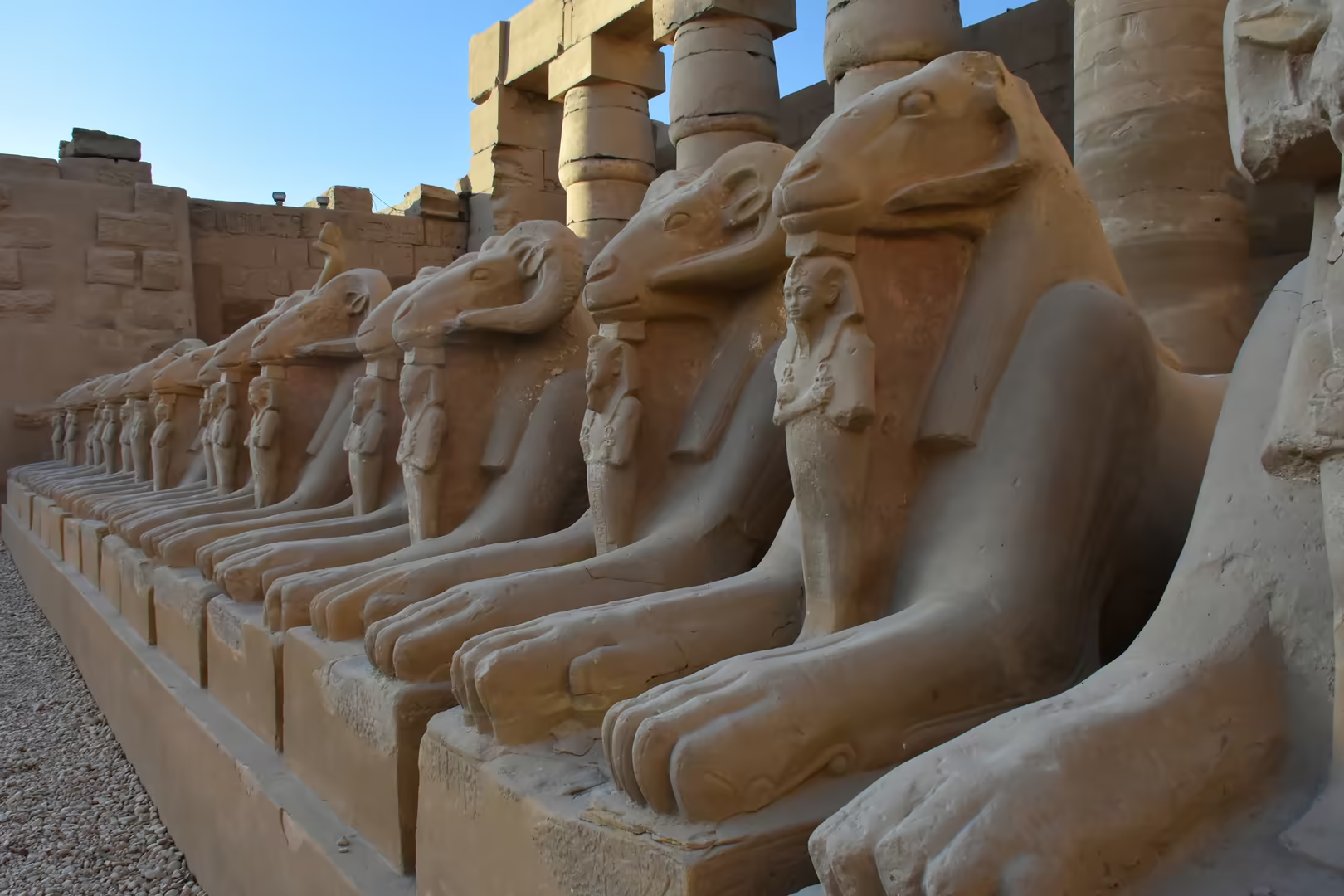
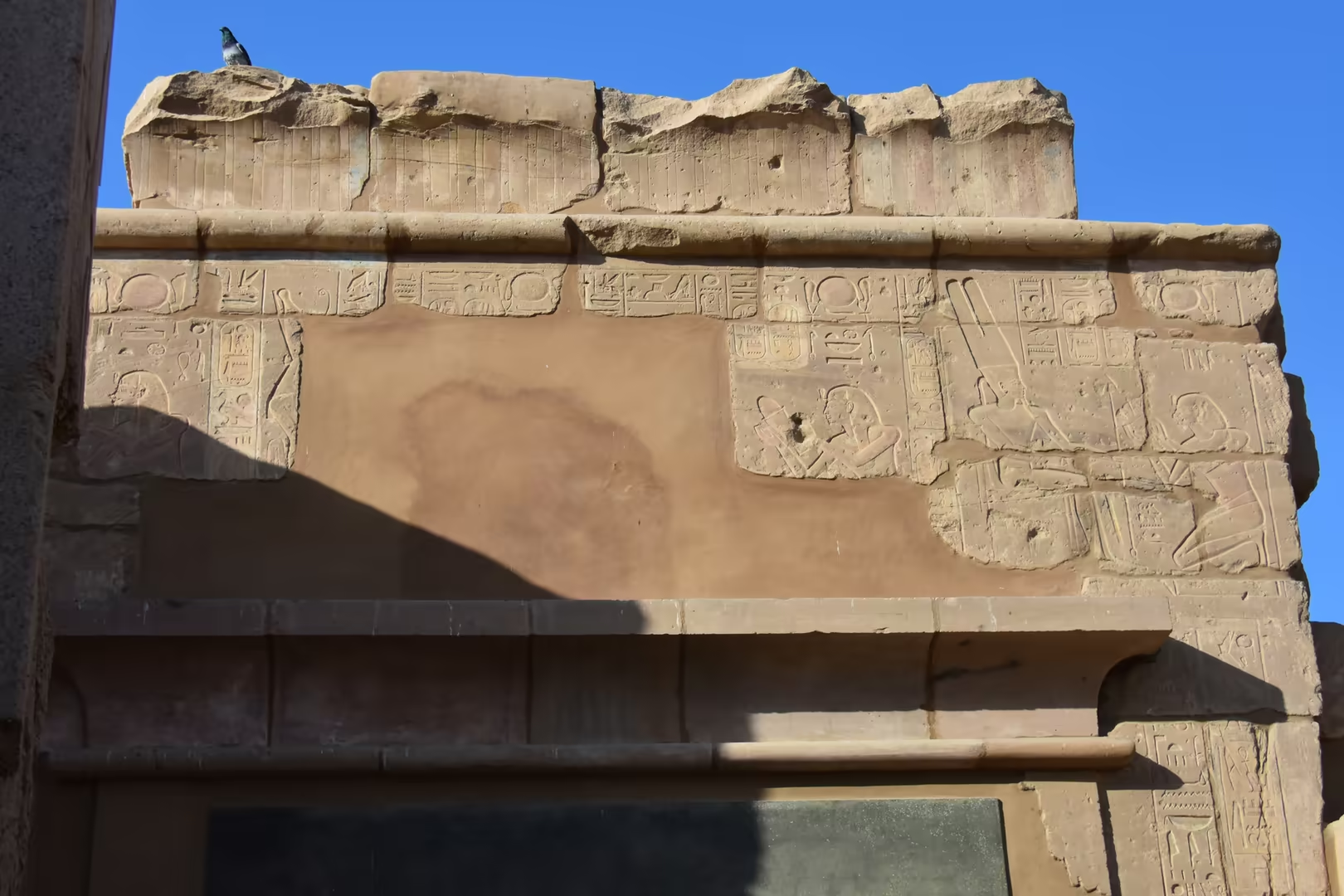
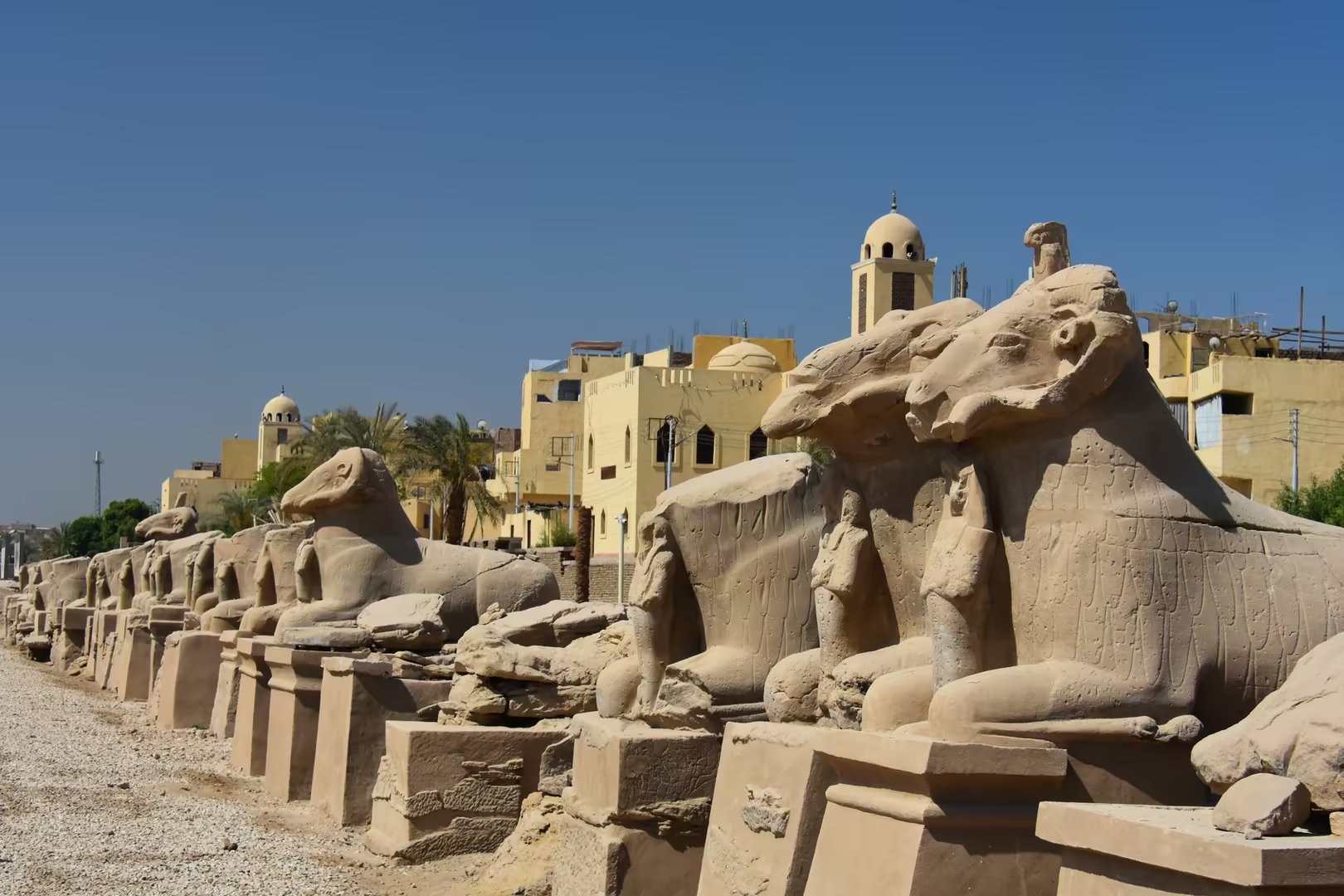
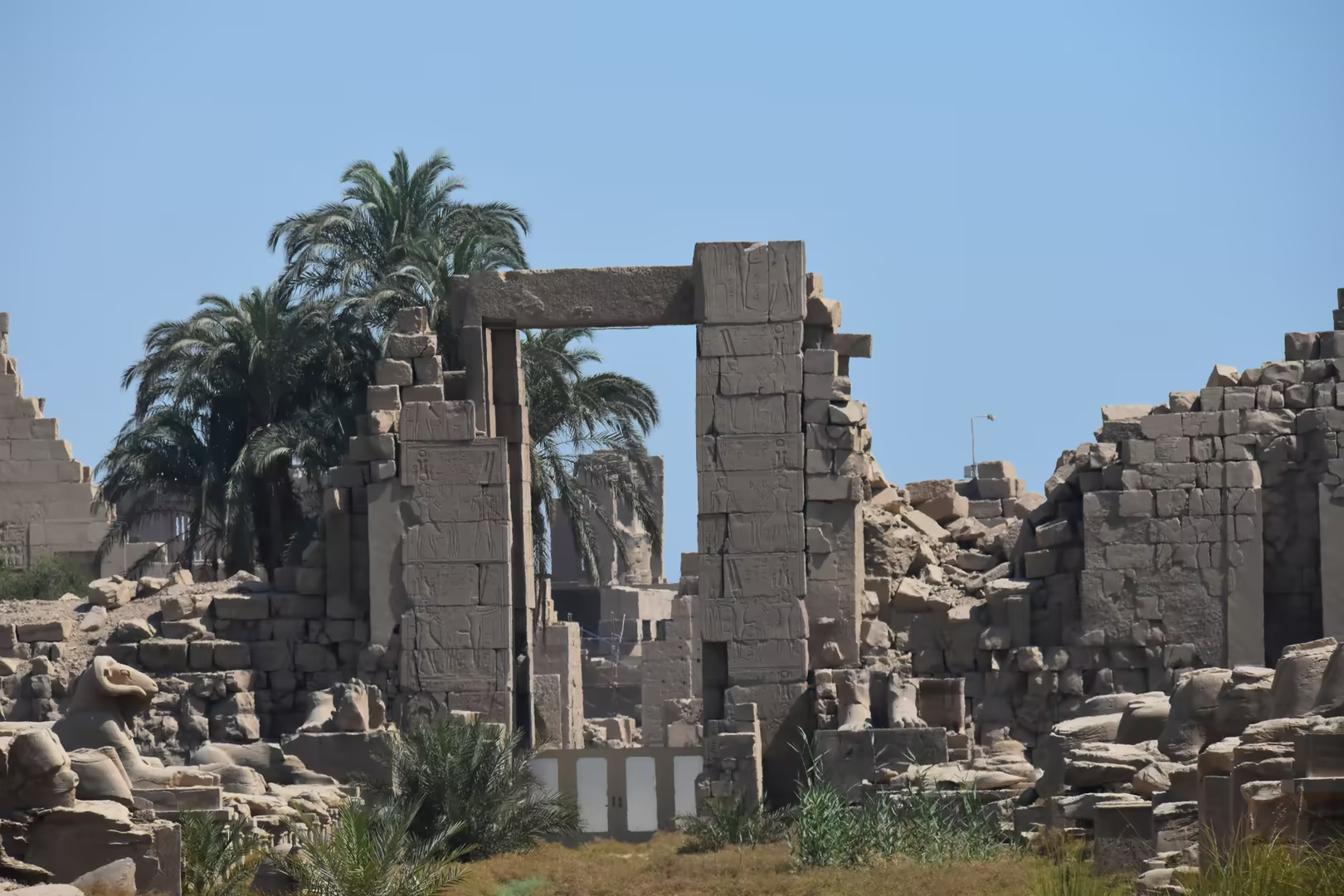
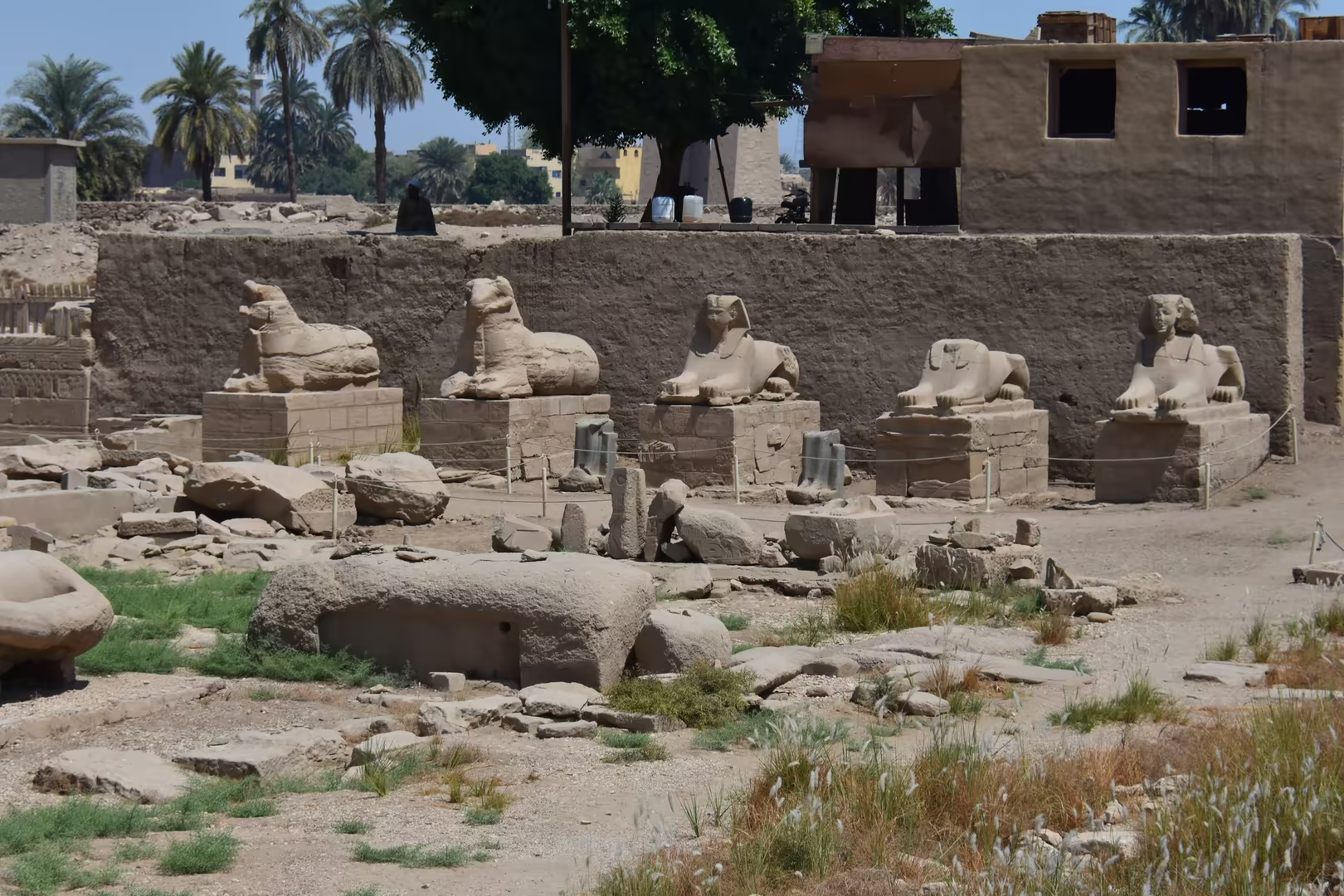
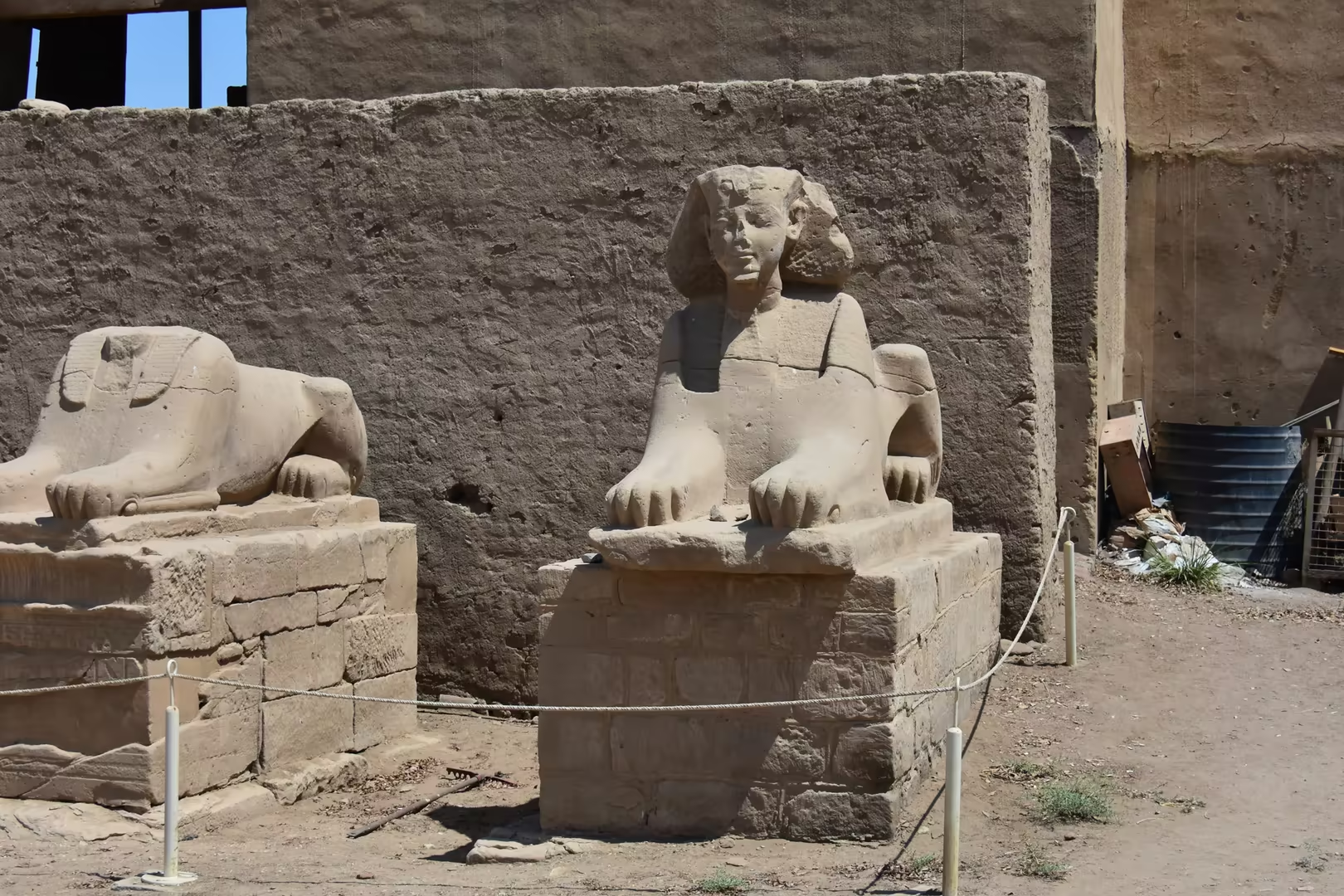
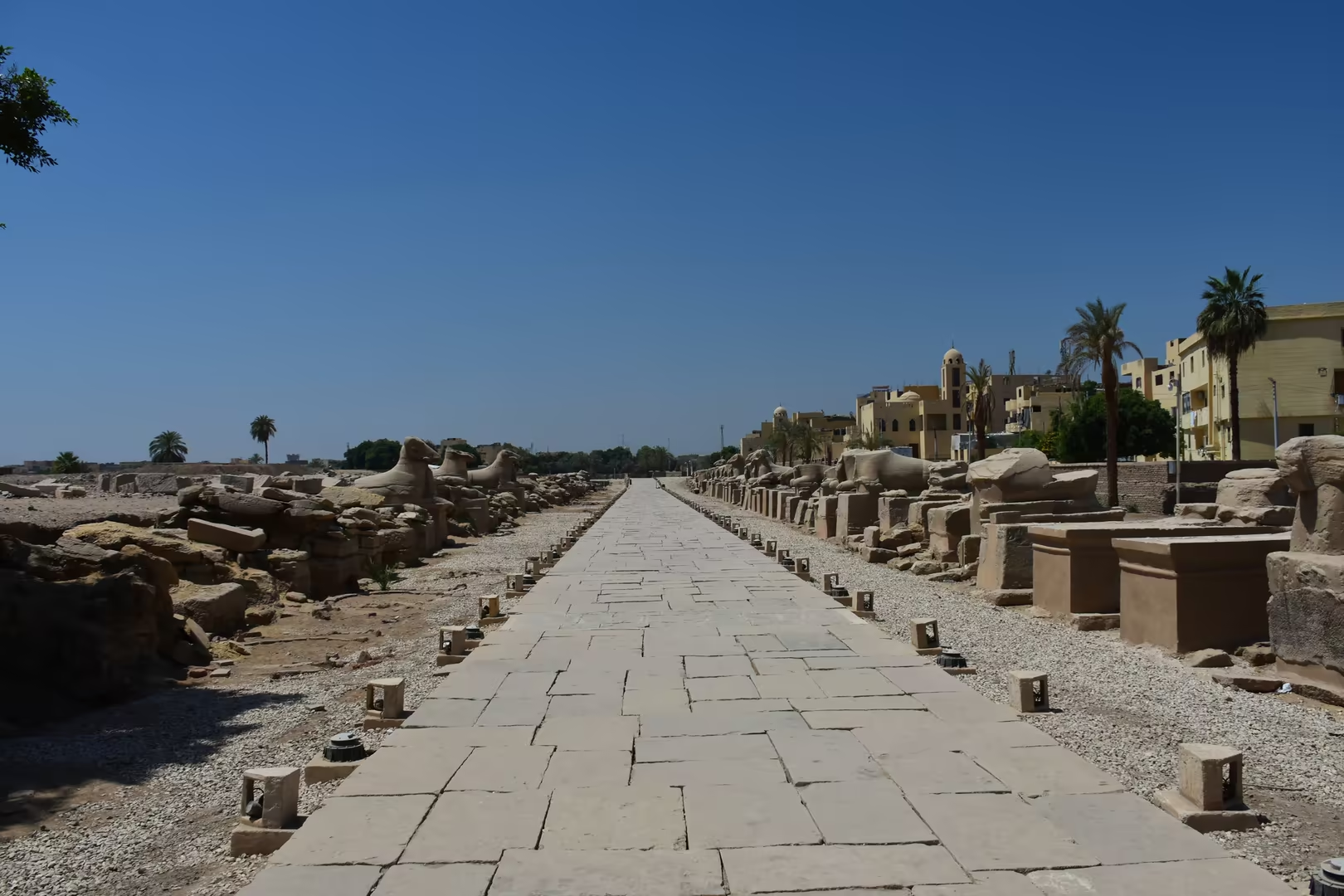
The temple was maintained long after the New Kingdom. Nectanebo I (380-362 BC) laid out the processional way between Karnak and Luxor with its rows of sphinxes, ram-headed at the Karnak end and human-headed towards Luxor, more than a thousand statues along a paved road nearly three kilometres long. Alexander the Great, whose conquest of Egypt was sealed at the oracle of Amun at Siwa, claimed to have been crowned at Luxor, and a granite barque shrine bearing his name stands in the temple, though historians doubt that he ever travelled so far up the Nile. Under the Romans, who annexed Egypt in 30 BC, the old city shrank to a village clustered about the pylon; the temple served as a legionary fortress and seat of the provincial government, and about AD 300 a chapel in the forecourt was remodelled as the cult room of the Tetrarchy, its walls painted with the portraits of the four emperors, before the same corner passed to a Christian church in the following century.
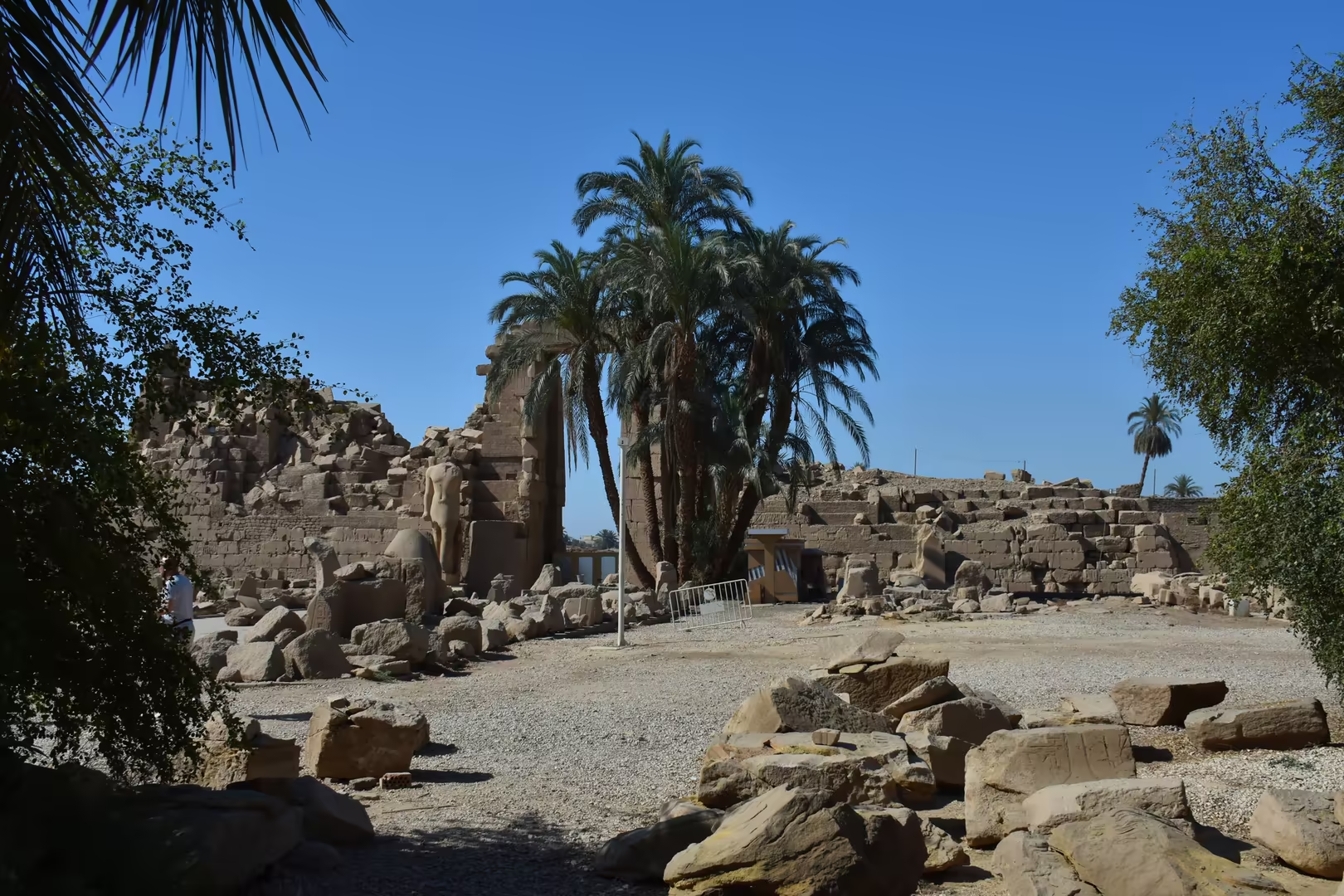
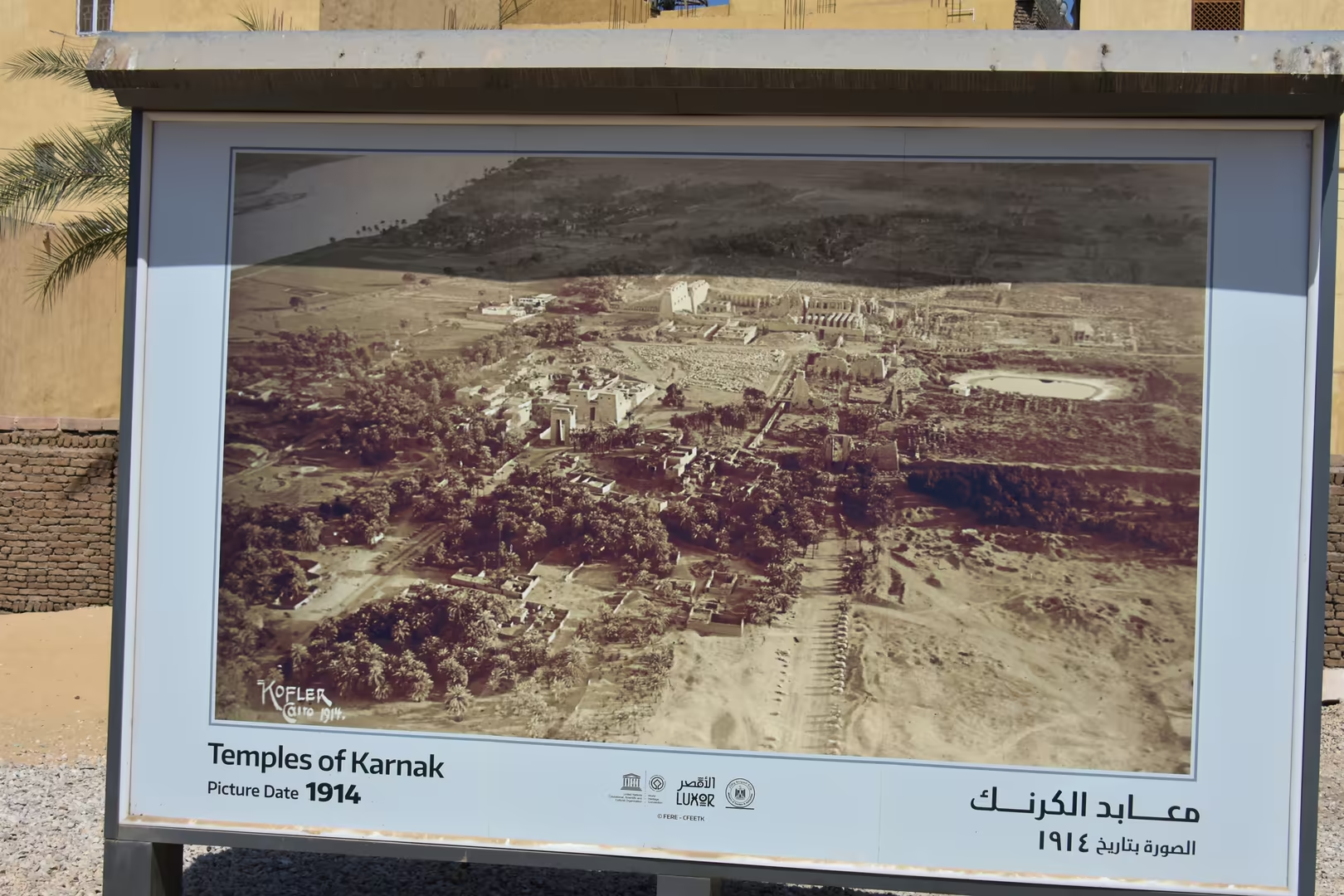
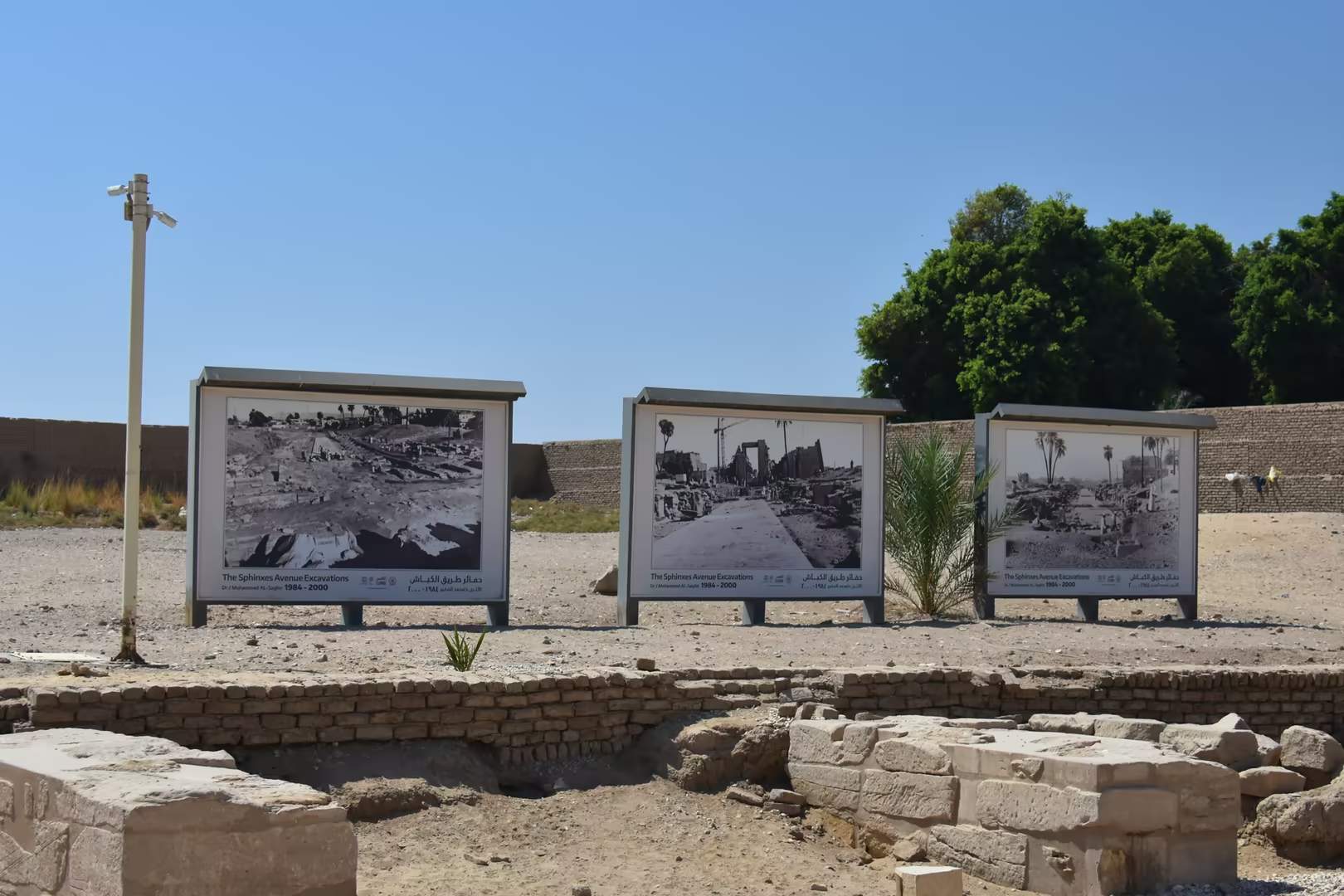
The Middle Ages buried the monument. The town of Luxor grew over the temple until three quarters of it lay beneath an artificial mound of rubble and houses as much as fifteen metres high, with only the mosque, founded in the thirteenth century in the court of Ramesses II, marking the ancient walls. Excavation began under Gaston Maspero in the 1880s and continued intermittently until 1960, removing the barracks, storehouses and pigeon towers of the village; the mosque was spared, and the temple emerged again down to its pavement. Its latest chapter belongs to the processional way: the avenue of sphinxes, first traced in 1949 when eight statues came to light before the pylon, was cleared, restored and opened to the public in November 2021, reuniting Karnak and Luxor as in the age of the Opet festival.
Geology
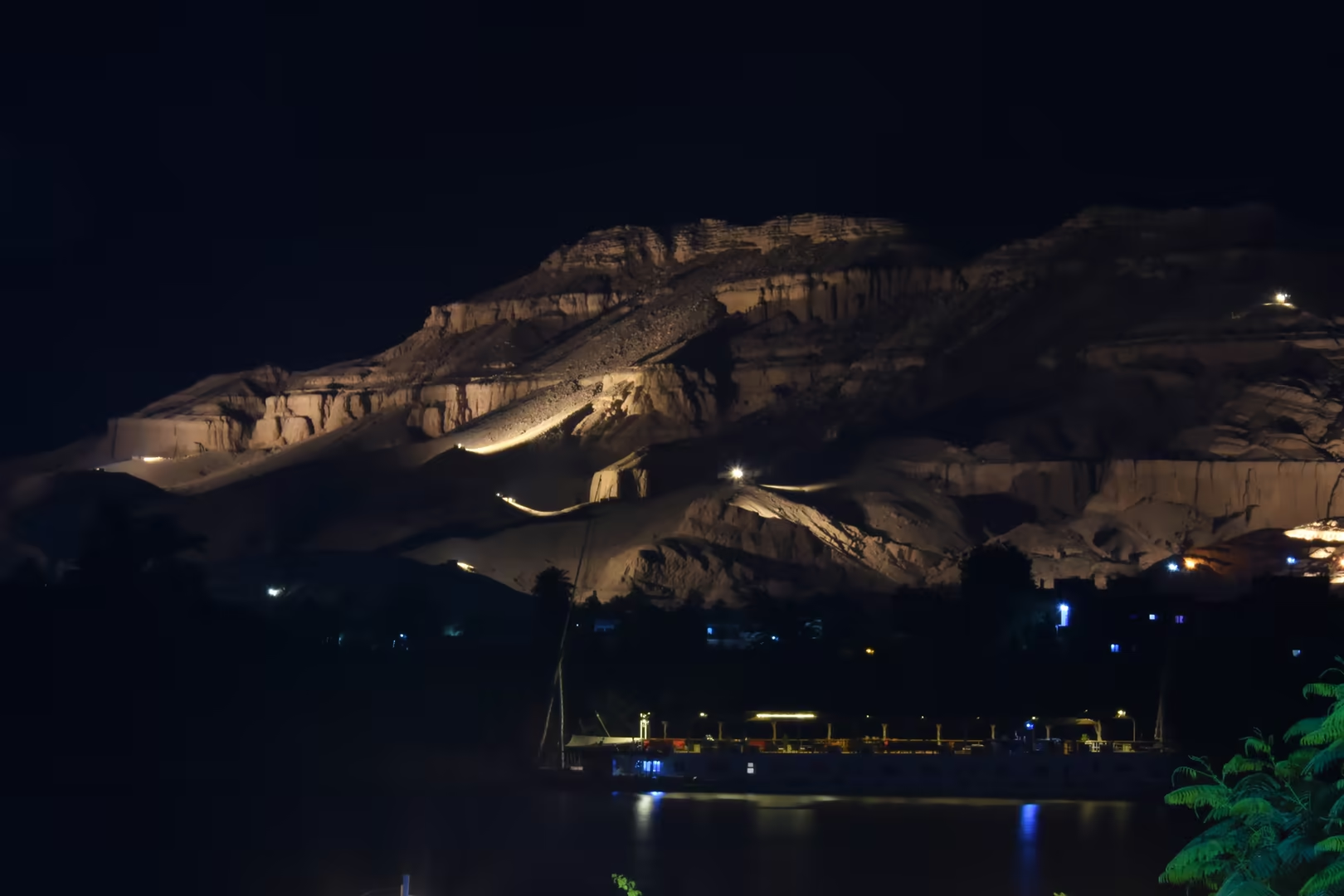
Thebes lies at a broad bend of the Nile in Upper Egypt, some 670 kilometres south of the Mediterranean. The valley is closed on the west by the high desert plateau of the Theban massif, whose bare Eocene limestones, crowned by the pyramid-shaped peak of al-Qurn, carry the royal tombs of the New Kingdom; to the east the desert edge lies far back. Between them the river crosses an alluvial plain several kilometres wide, built of the silts of the annual flood laid over older sands and gravels, and it is on this flat ground, not on rock, that the temples of Karnak and Luxor stand. A shift of the river course some four thousand years ago widened the floodplain; the monuments of the east bank rise today from the cultivated plain and look across the green fields to the limestone cliffs beyond the water.
The stone of the two temples is not the limestone of the cliffs opposite but the Nubian Sandstone of the south, brought down the Nile from the quarries of Gebel el-Silsila, sixty-five kilometres north of Aswan, where the river cuts between cliffs of the same formation at its narrowest point. The Egyptians called the place Khenyt, the Place of Rowing, after the labour of hauling the stone boats through the narrows; from the Eighteenth Dynasty to the Greco-Roman age its more than one hundred and twenty quarry faces supplied almost all the great temples of Upper Egypt, Karnak and Luxor among them. The rock is a quartz-rich continental sandstone of the great Nubian sequence, laid down between the Palaeozoic and the Cretaceous in shallow seas, deltas and dune fields and coloured by iron oxides in warm browns and reds; it takes a sharp, fine relief and dresses far more easily than granite, but it lacks endurance.
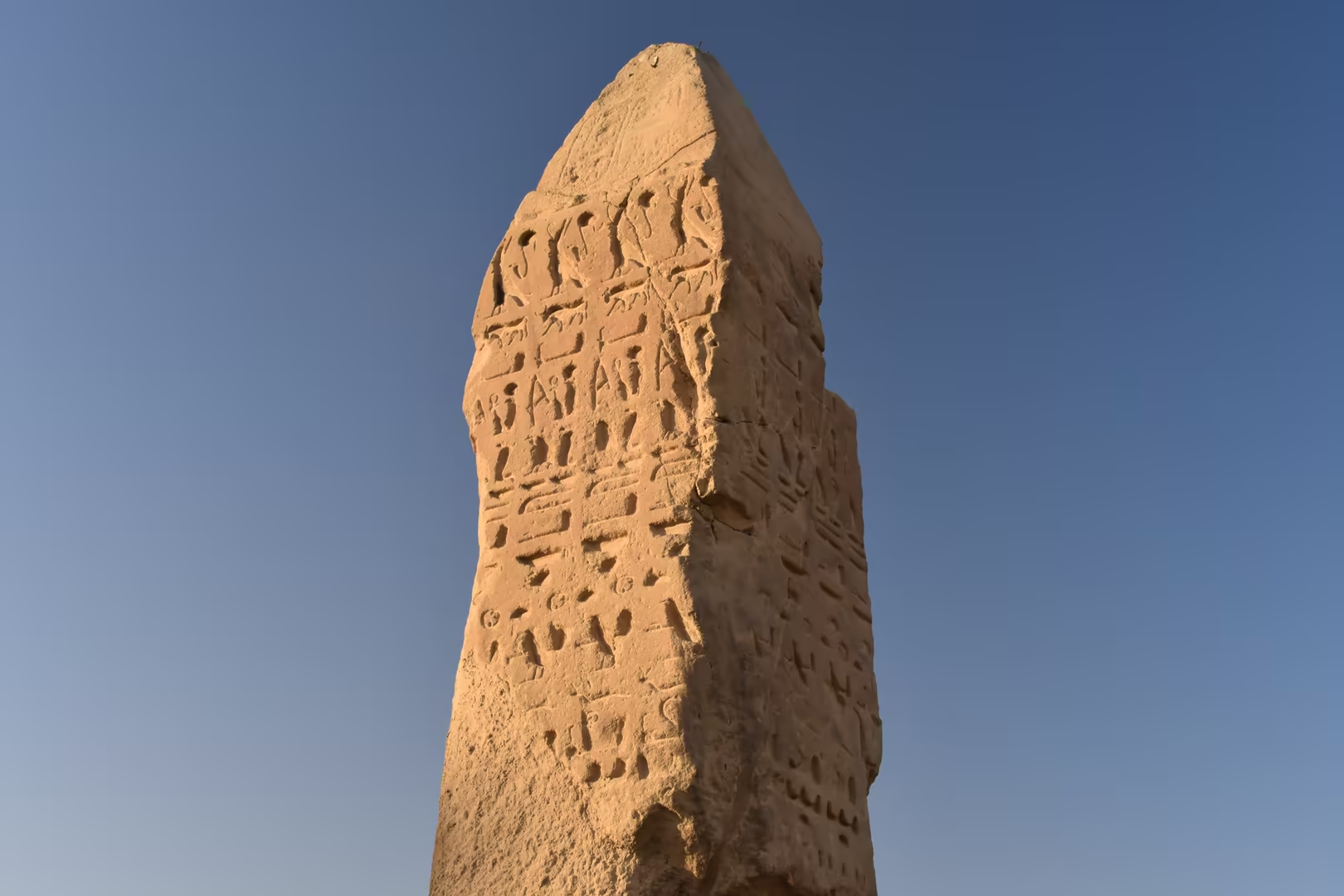
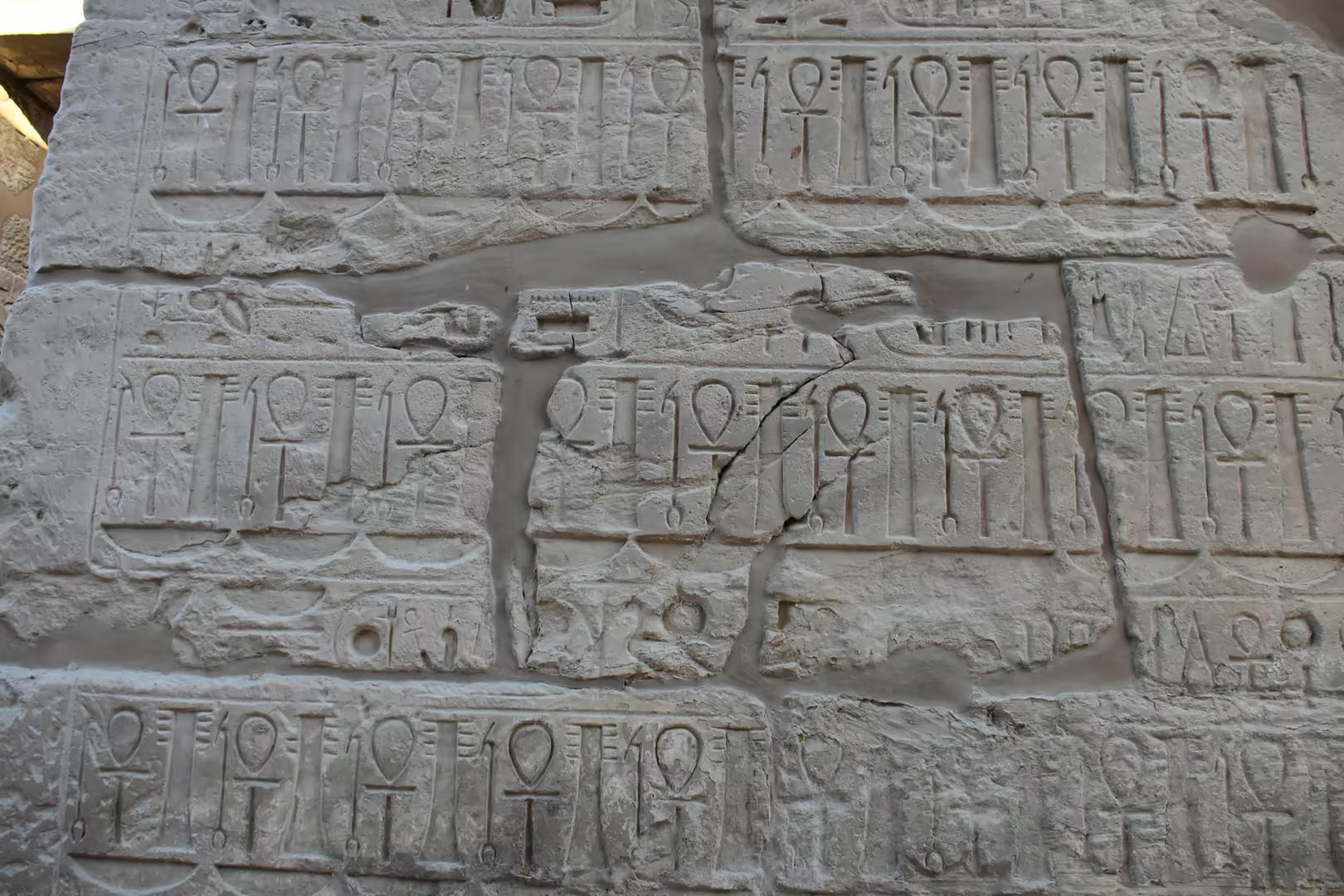
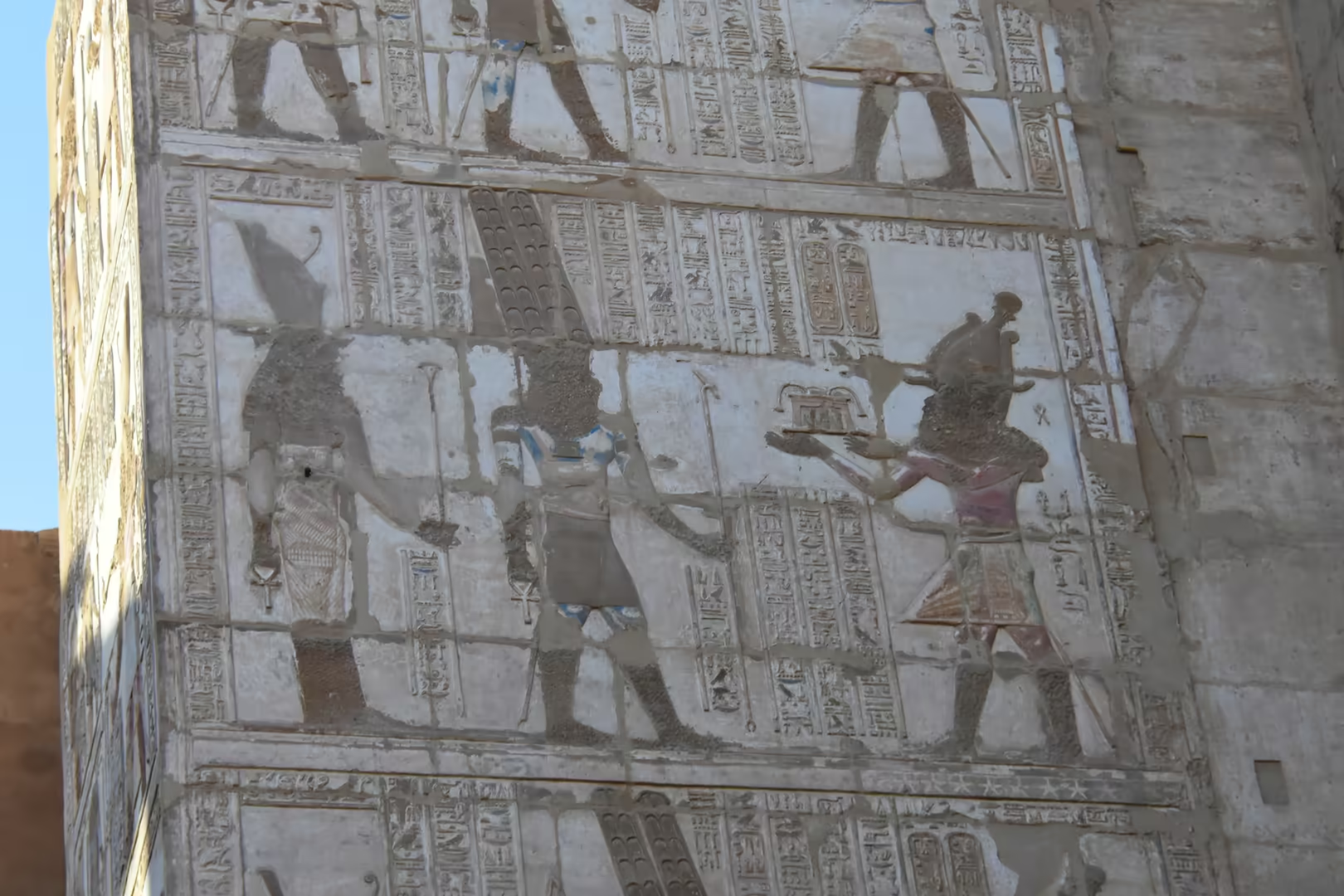
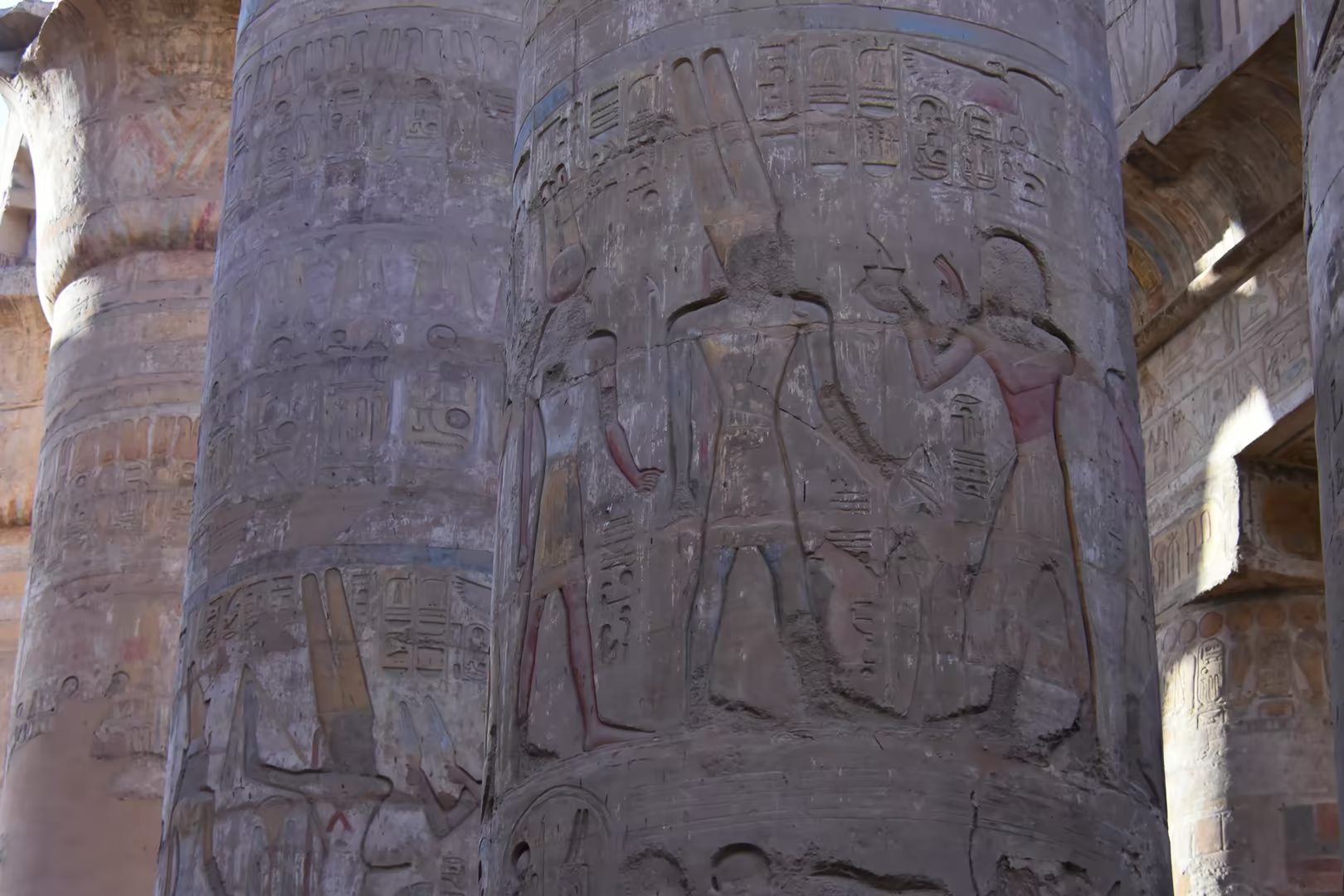
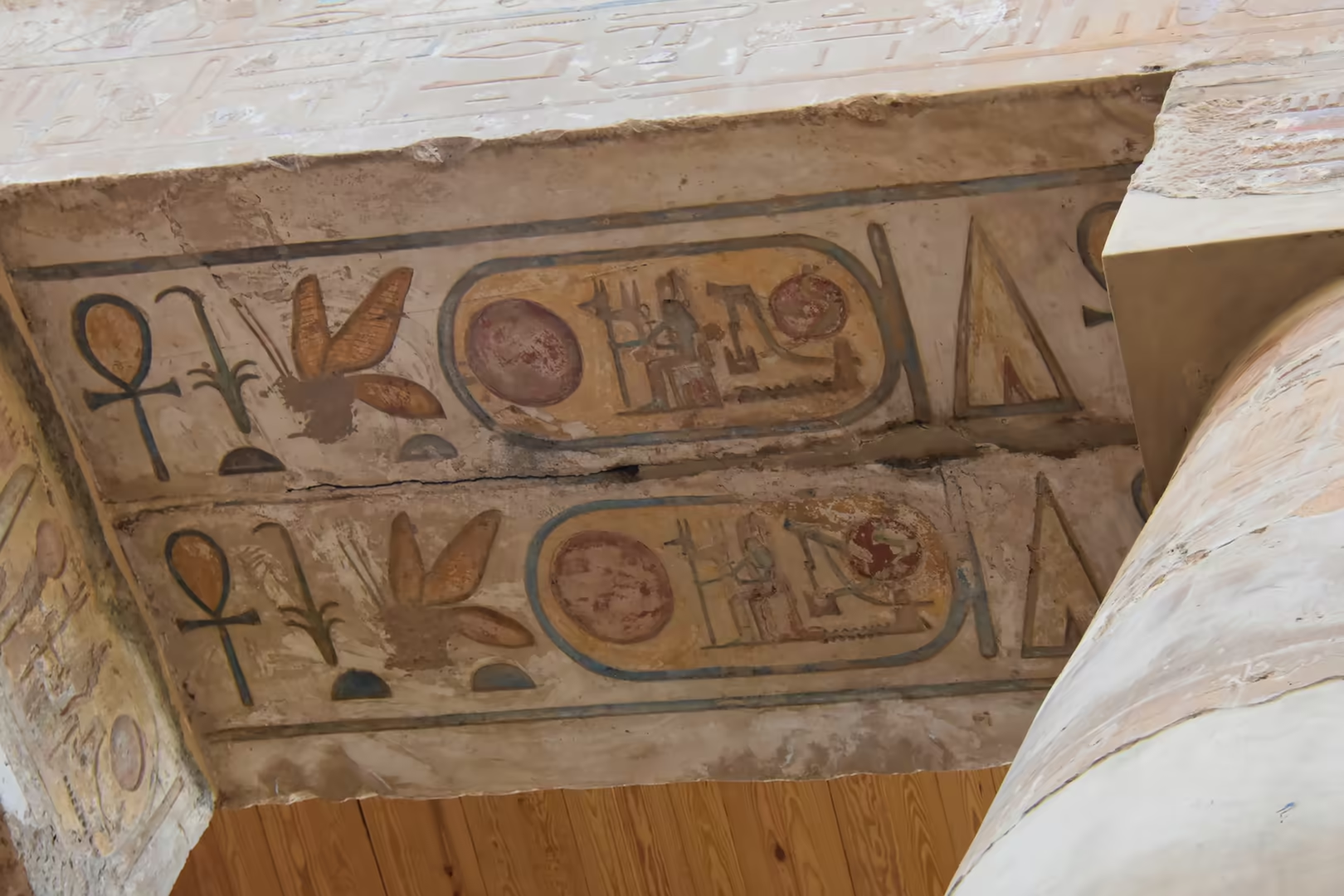
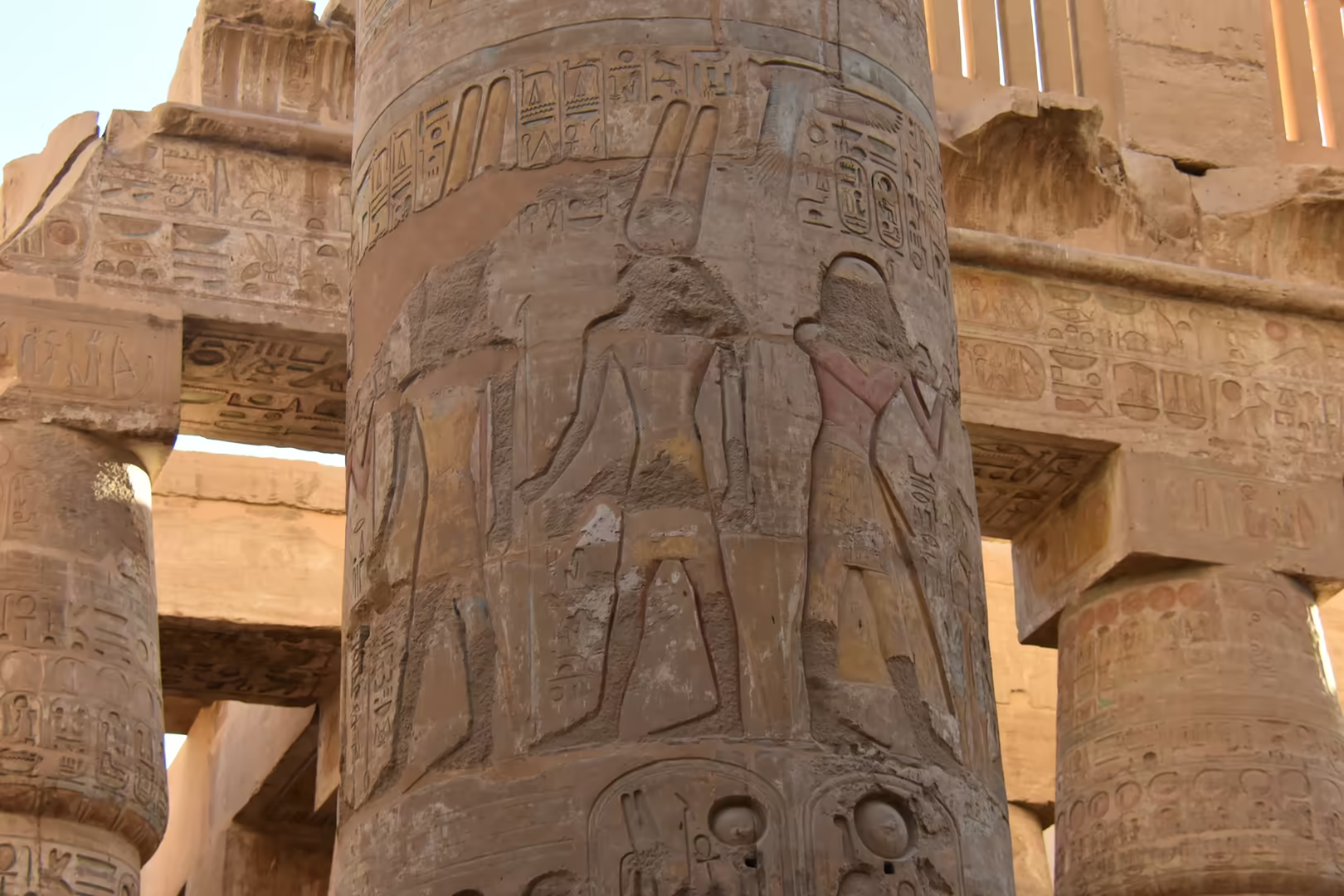
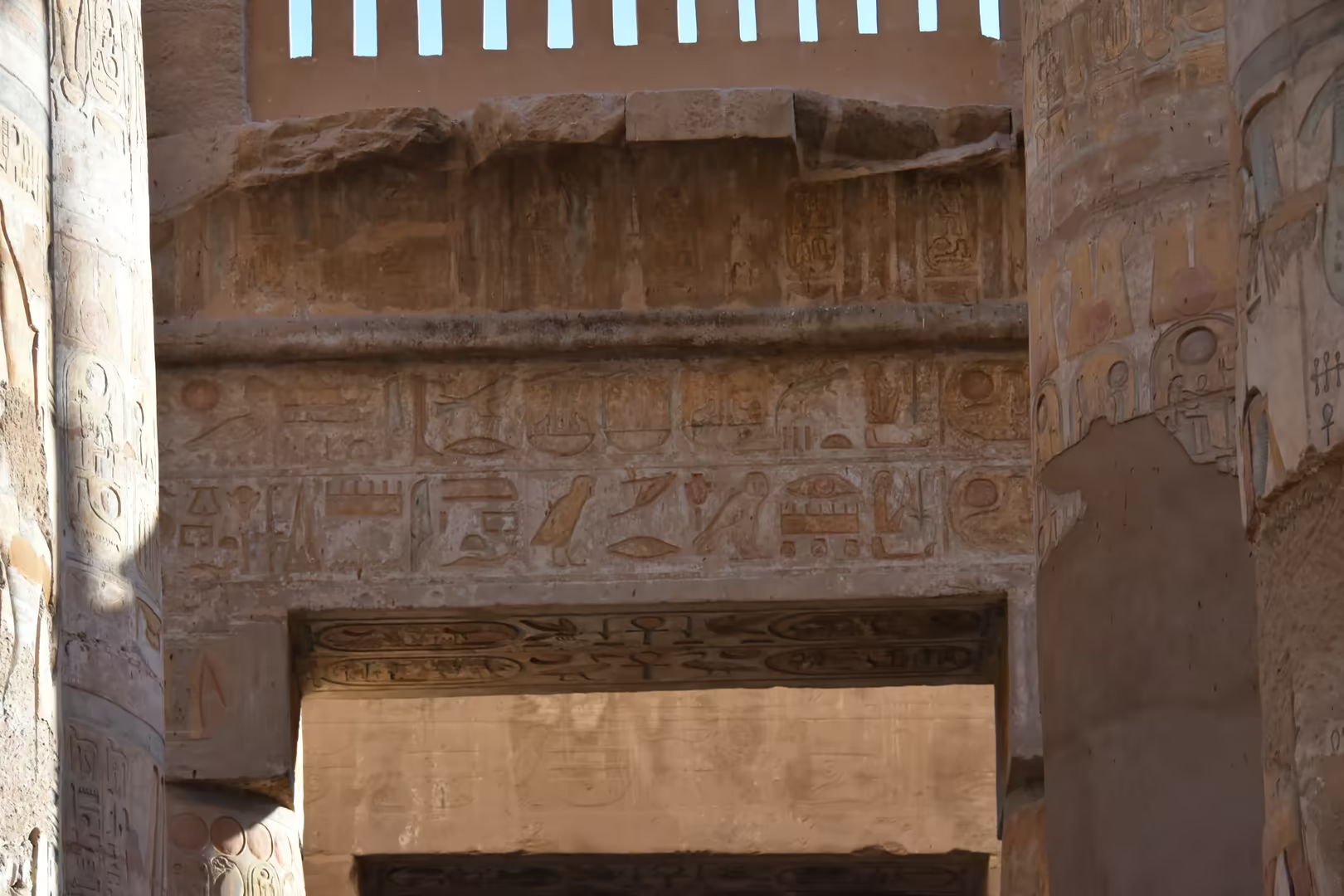
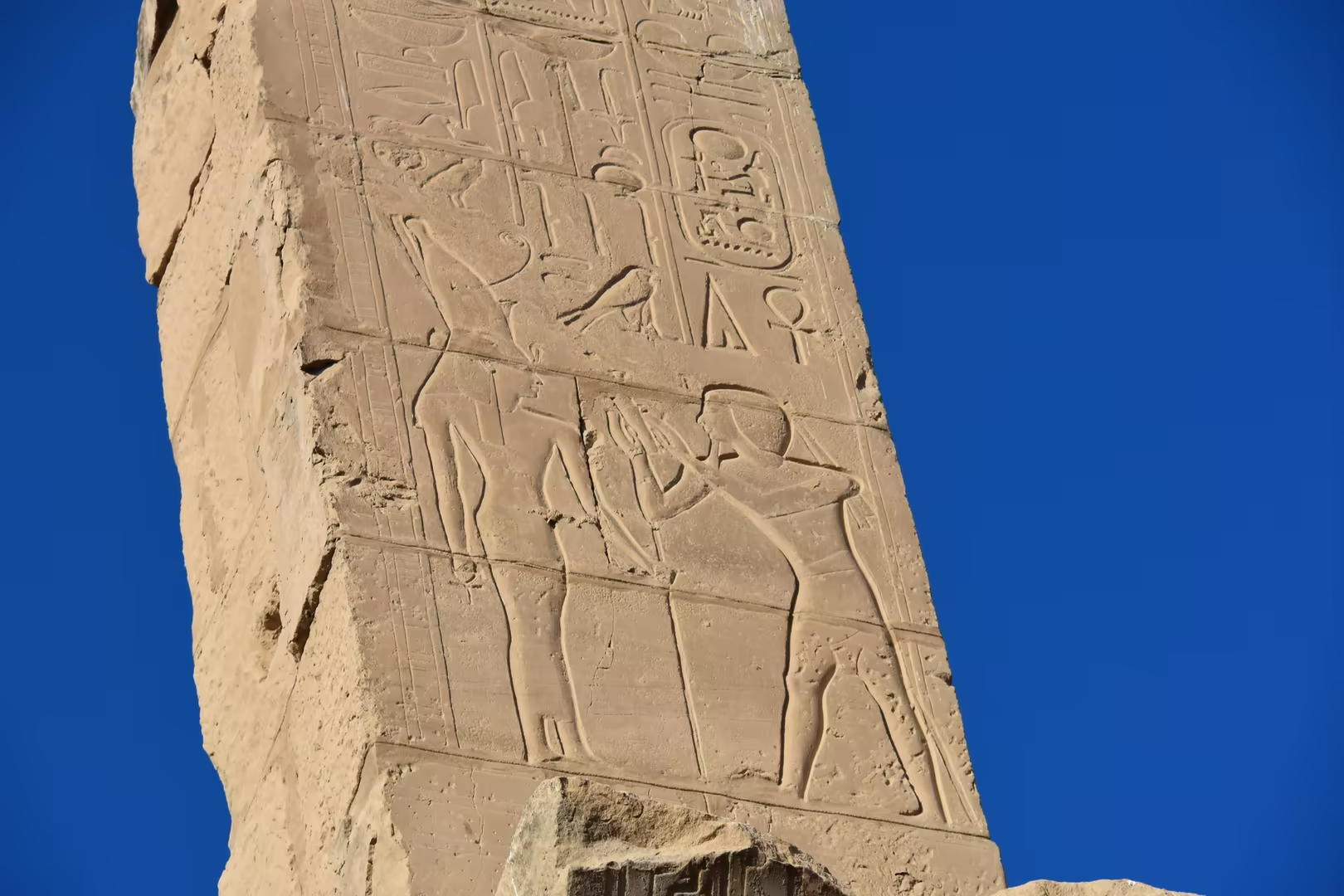
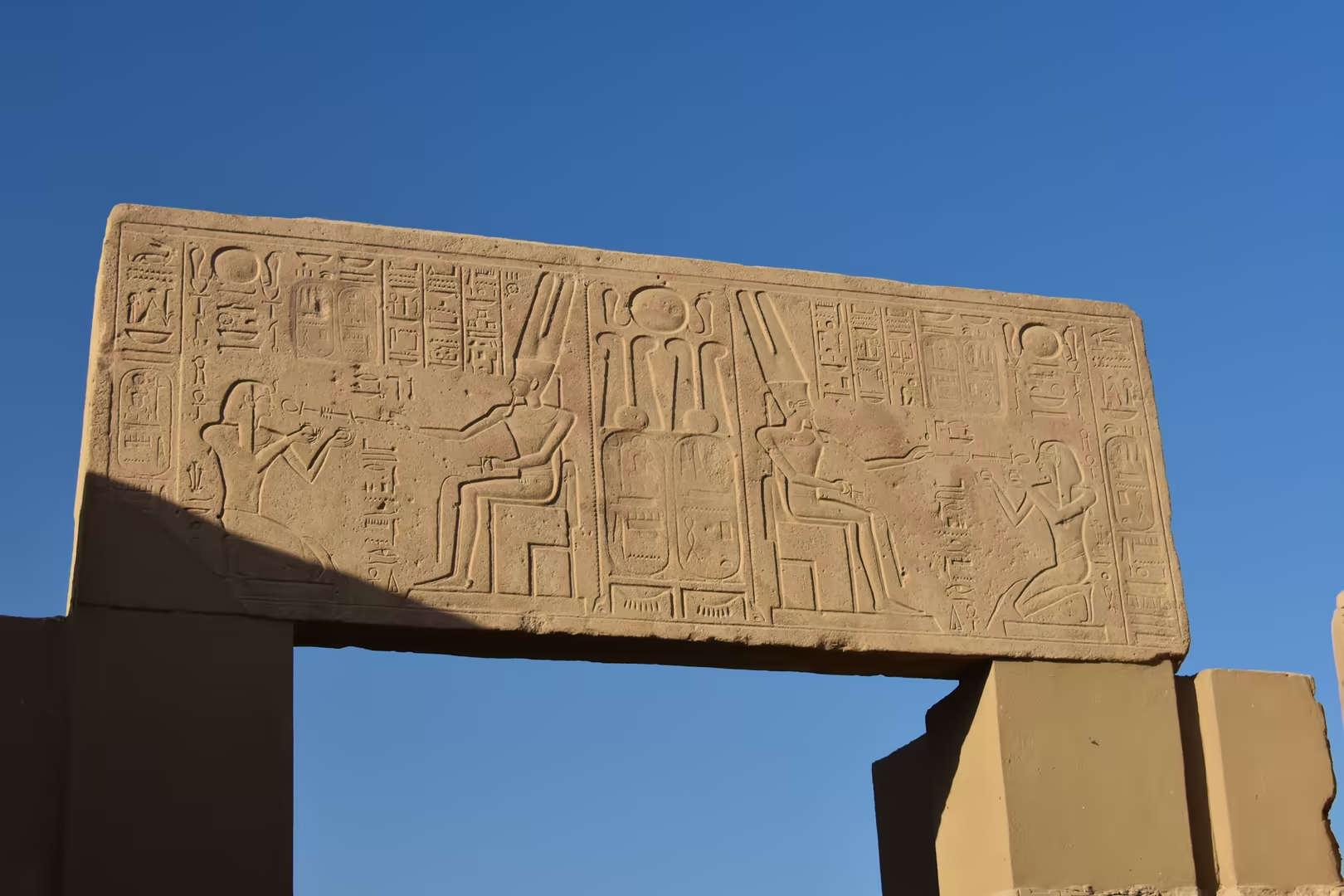
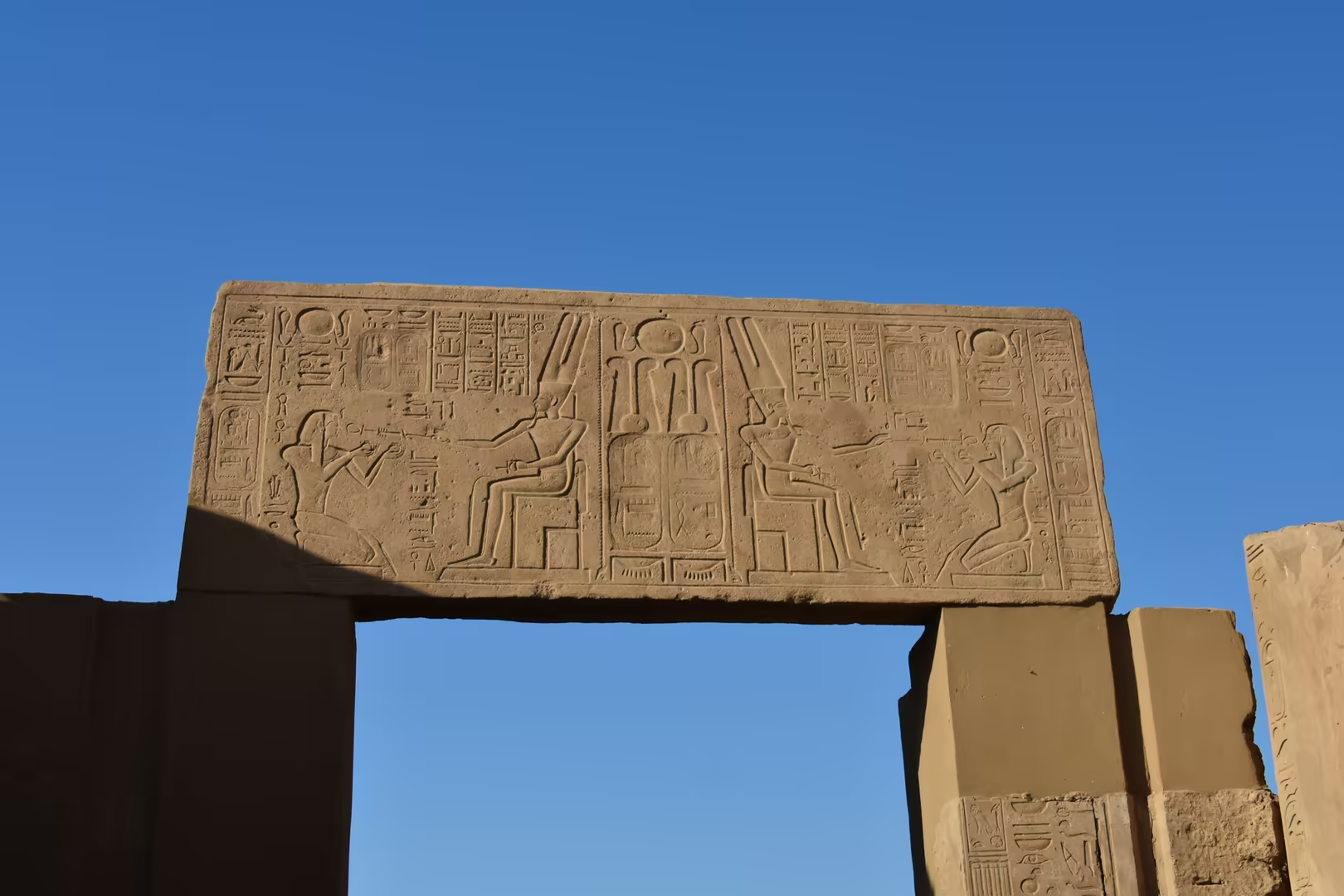
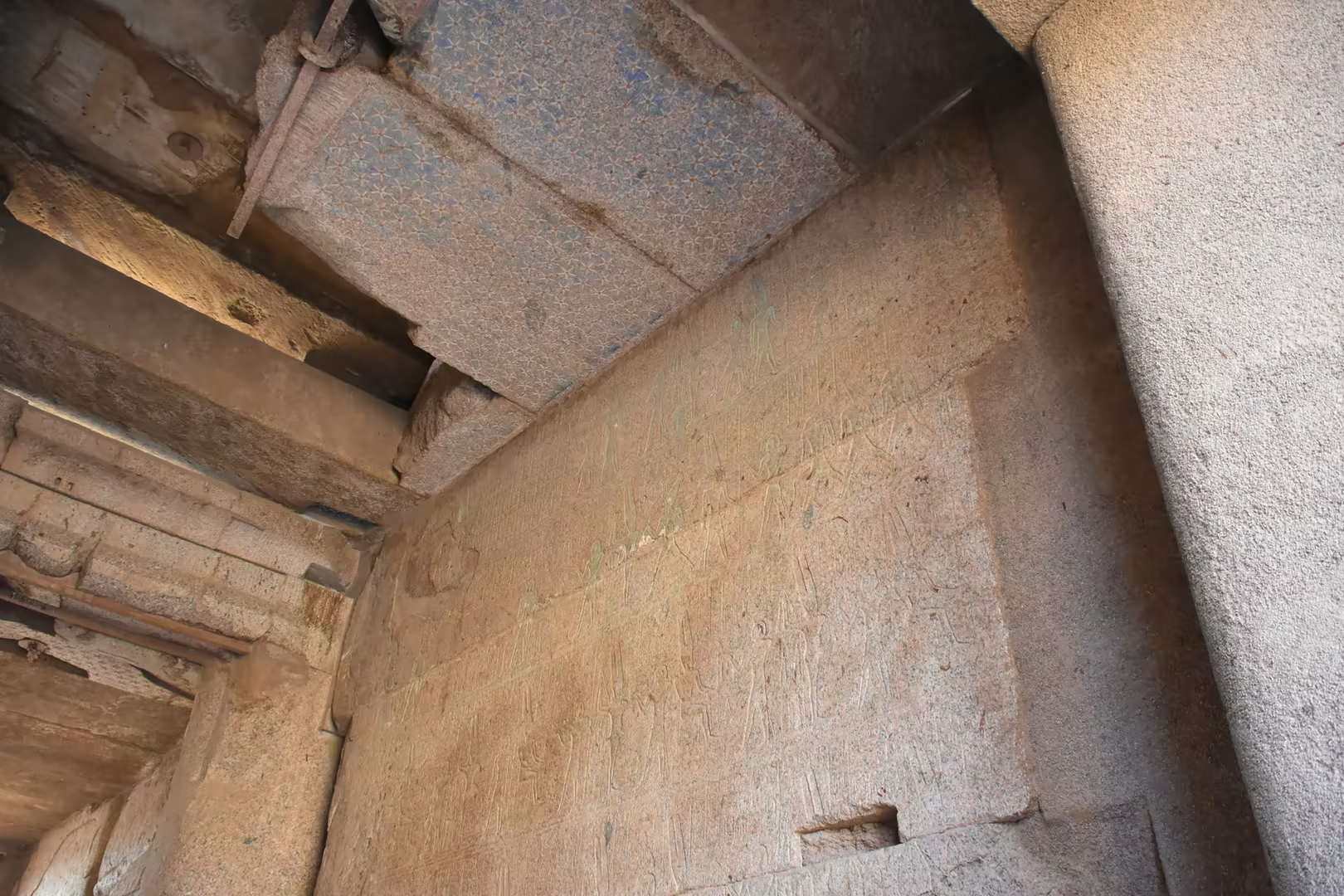
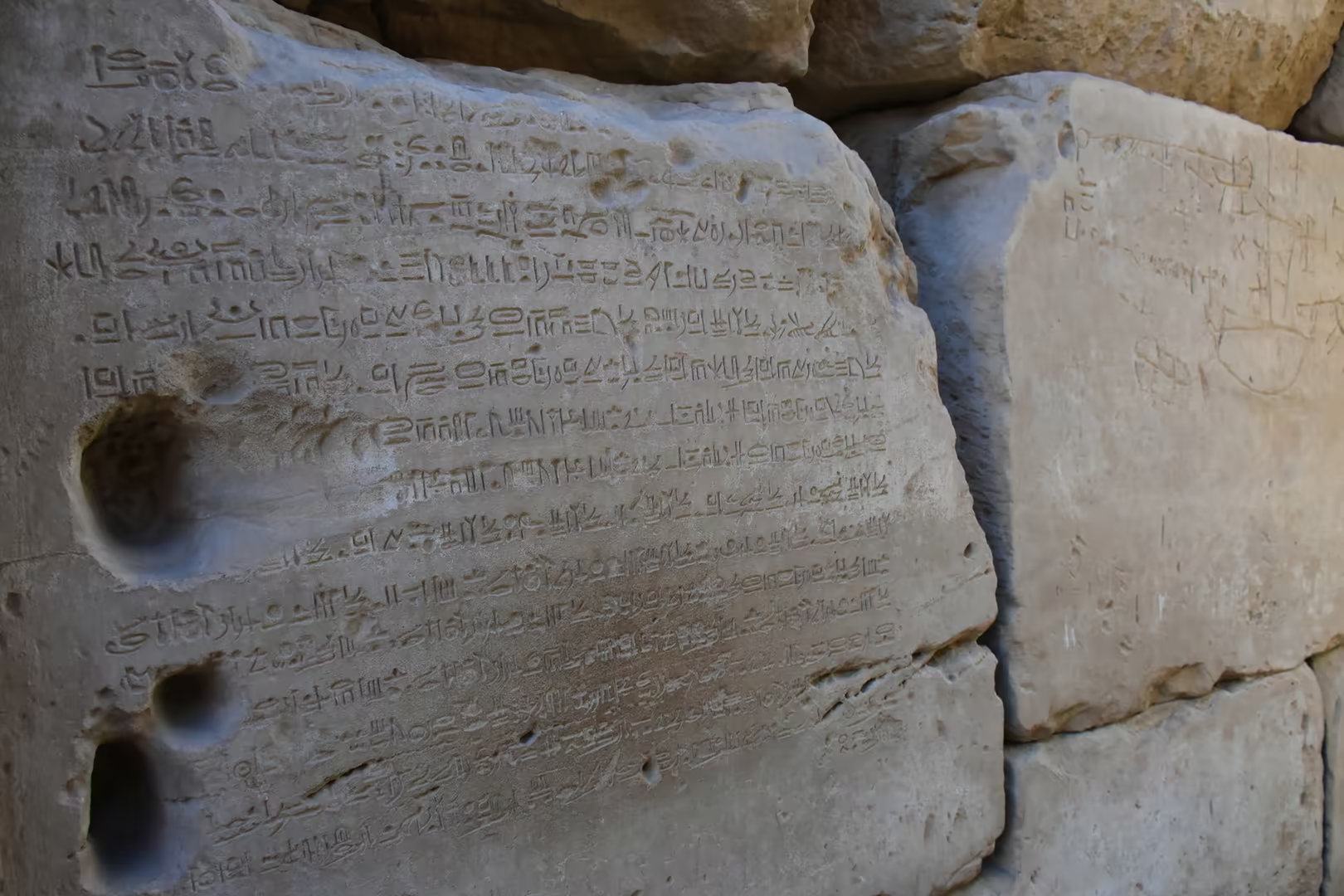
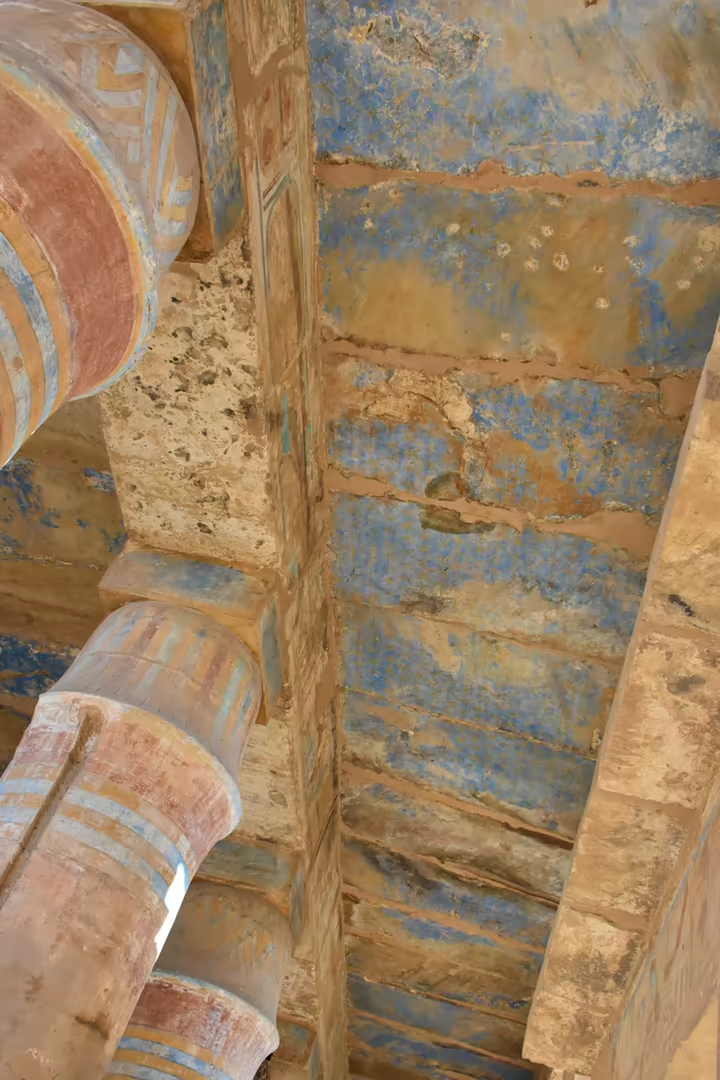
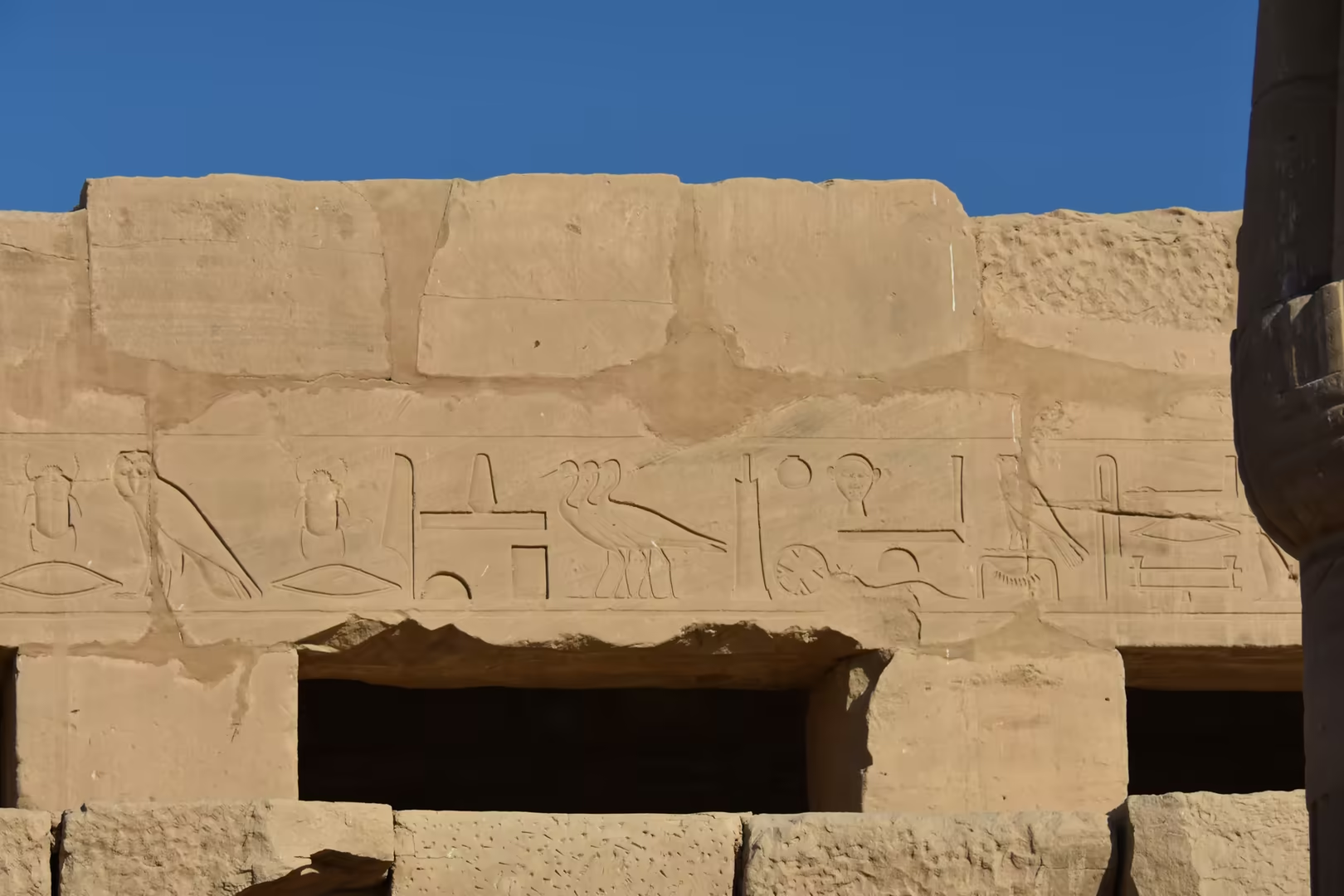
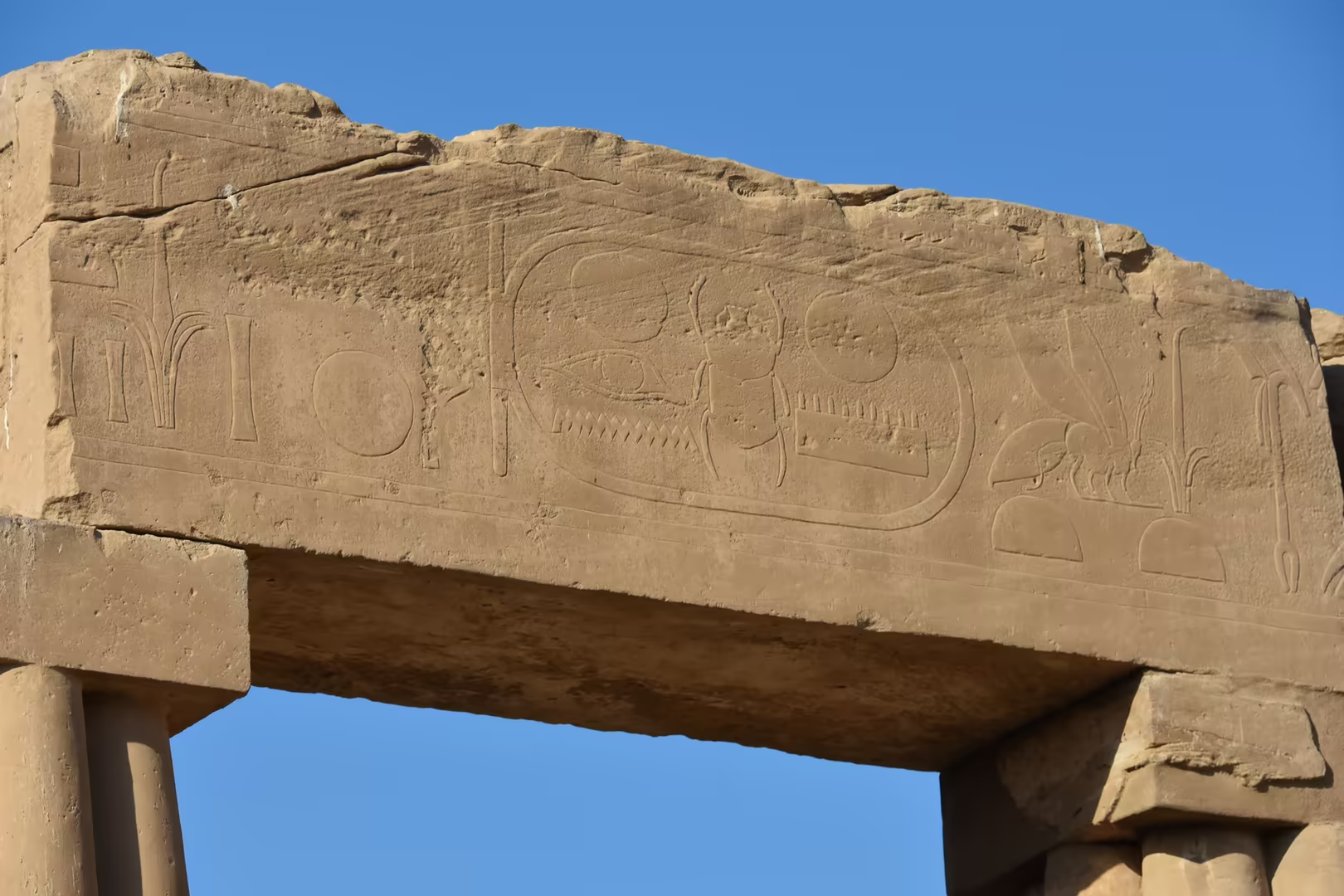
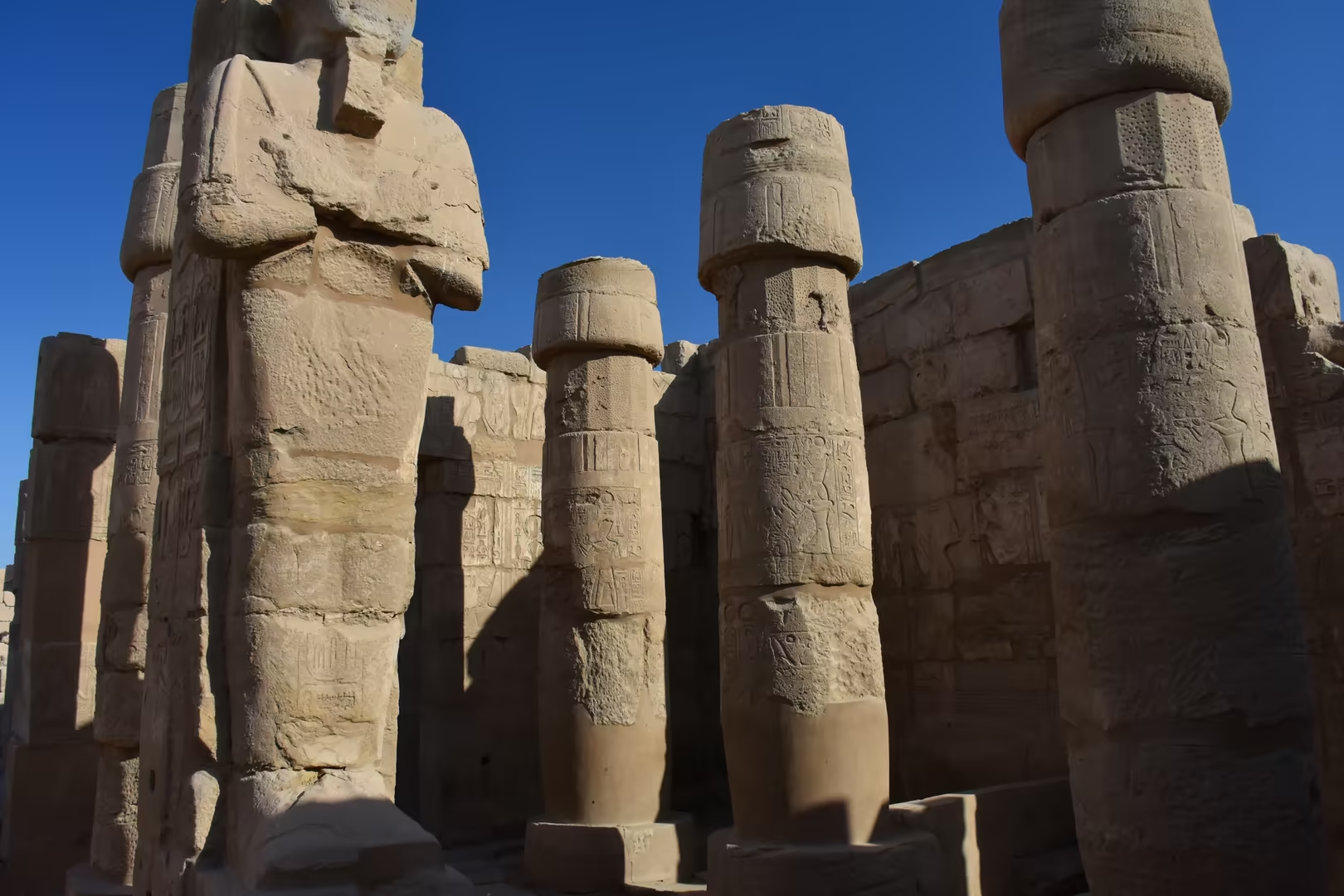
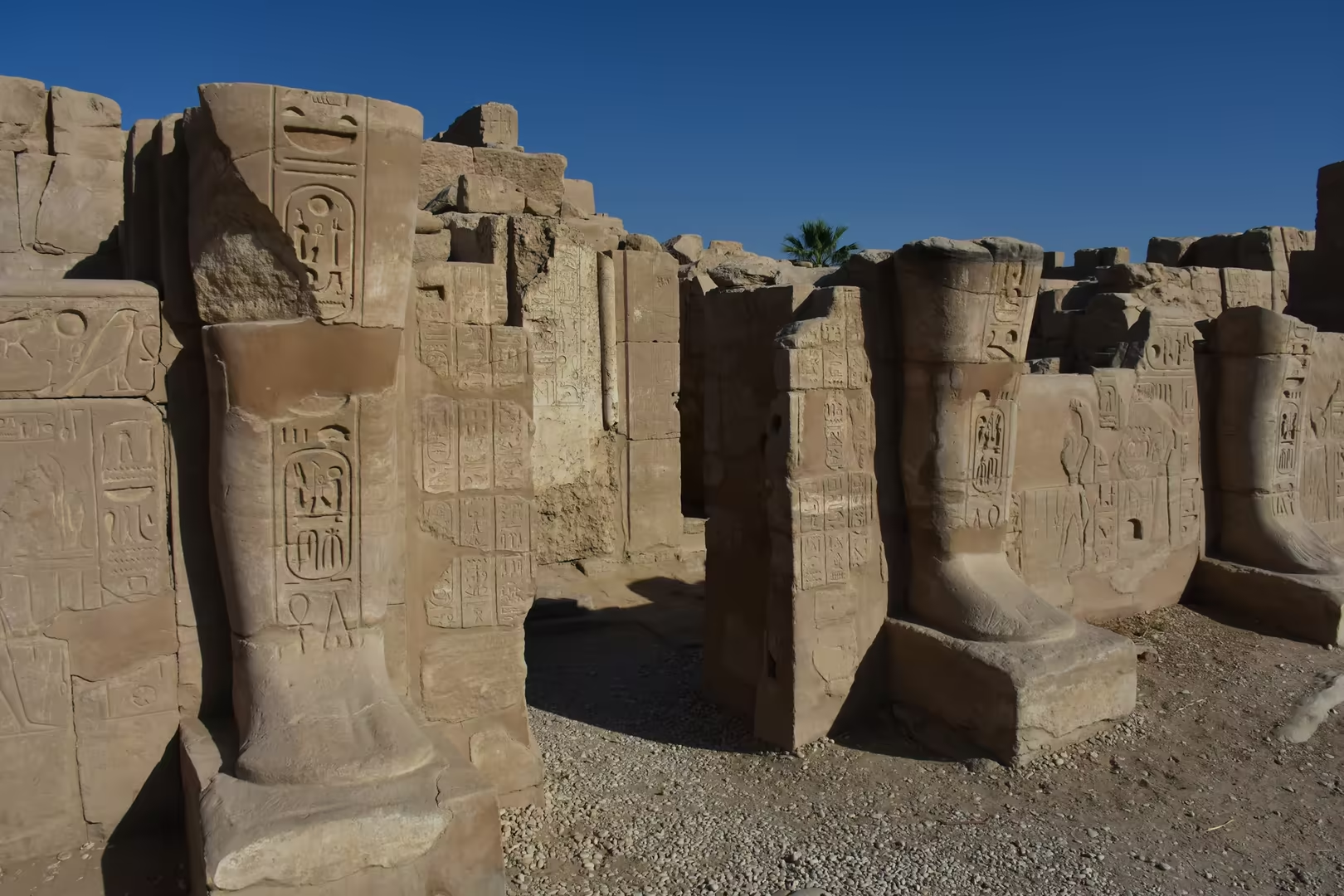
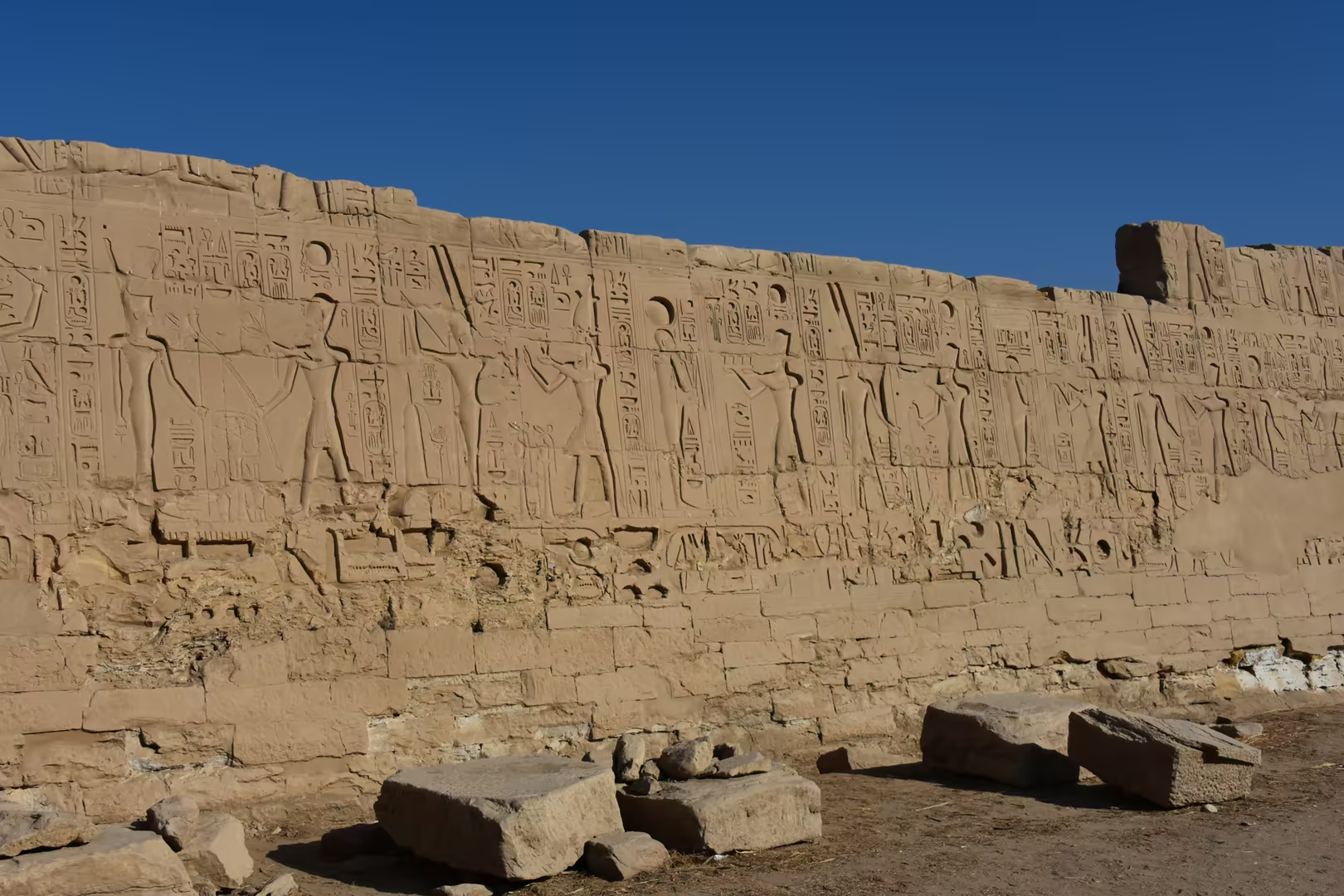
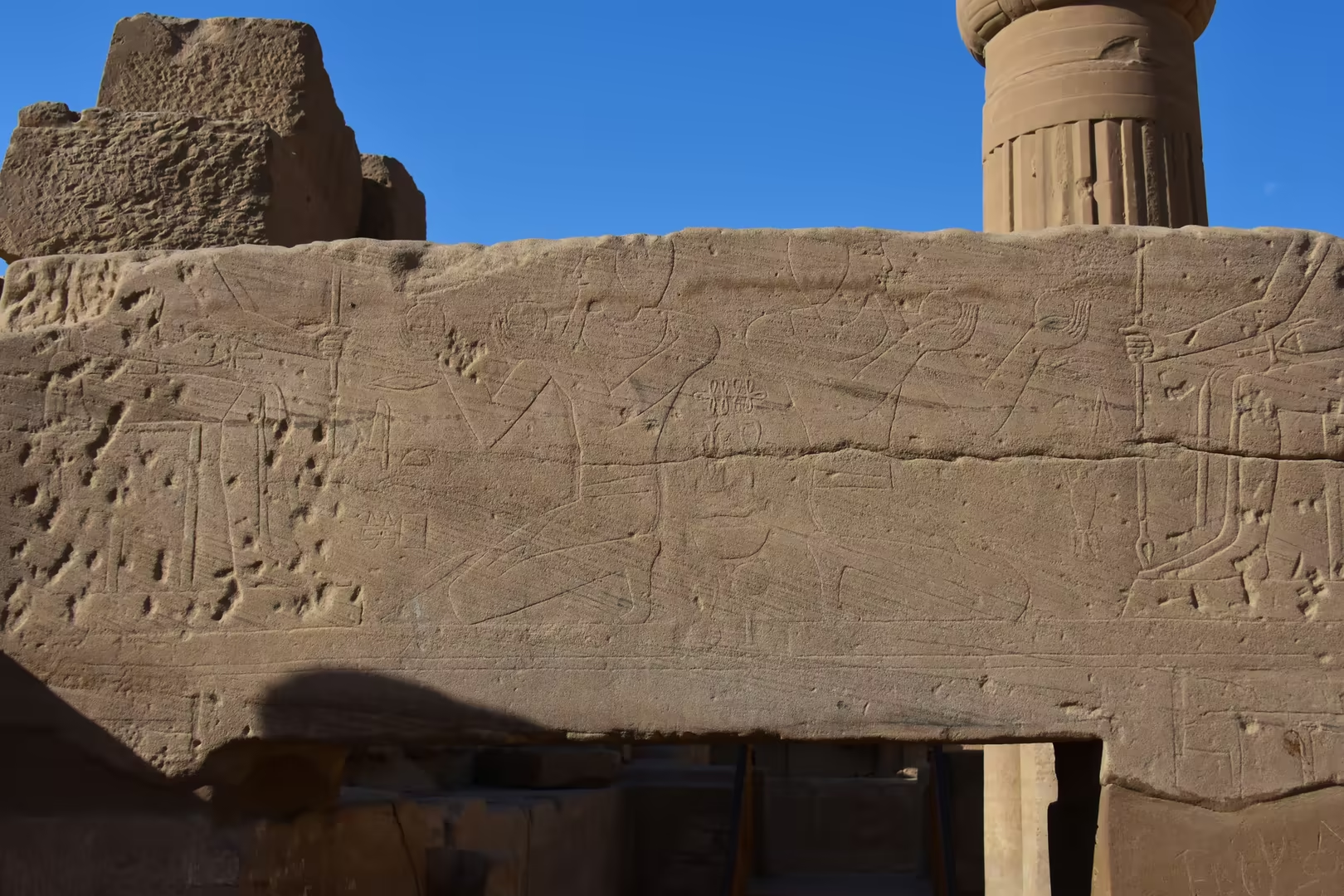
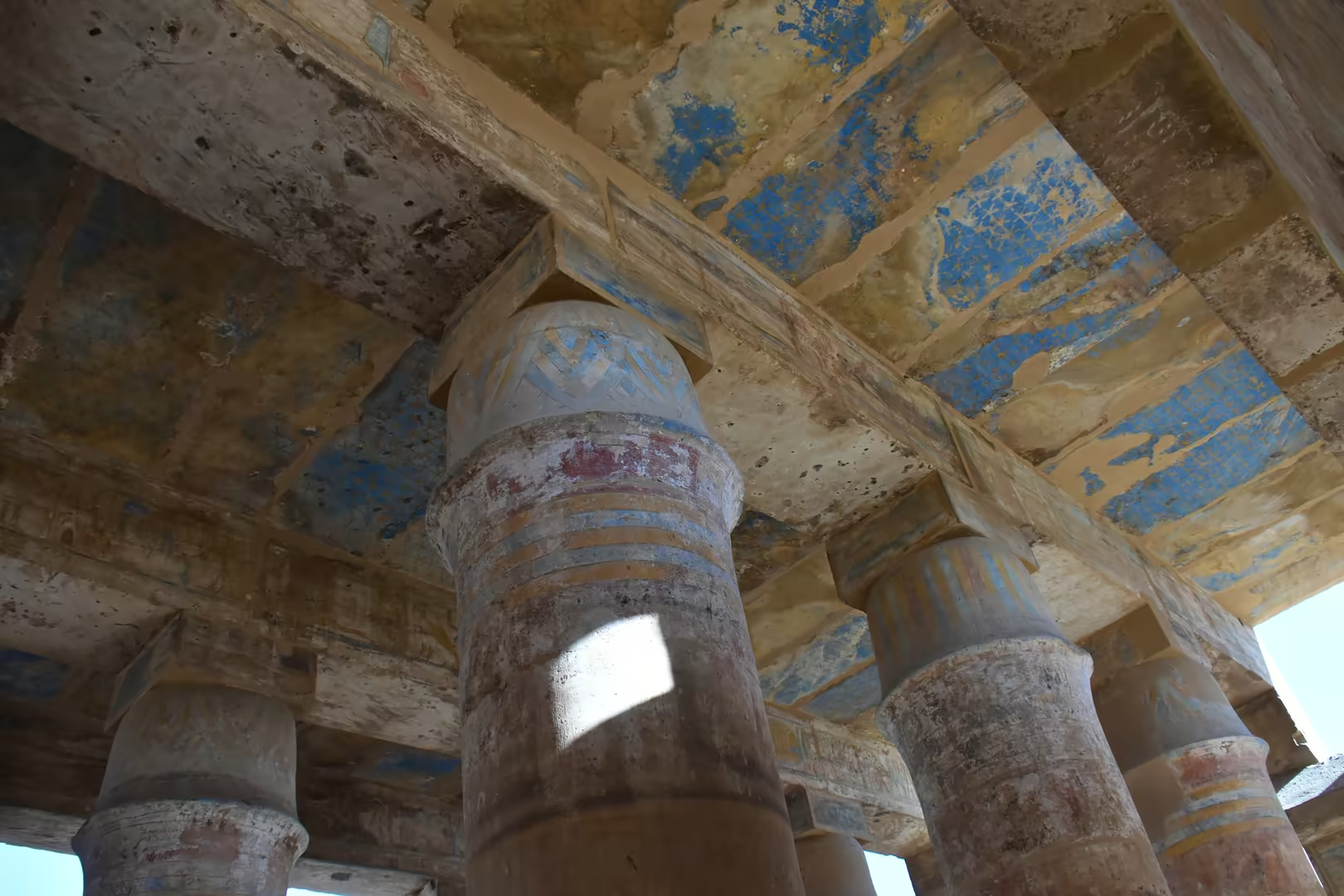
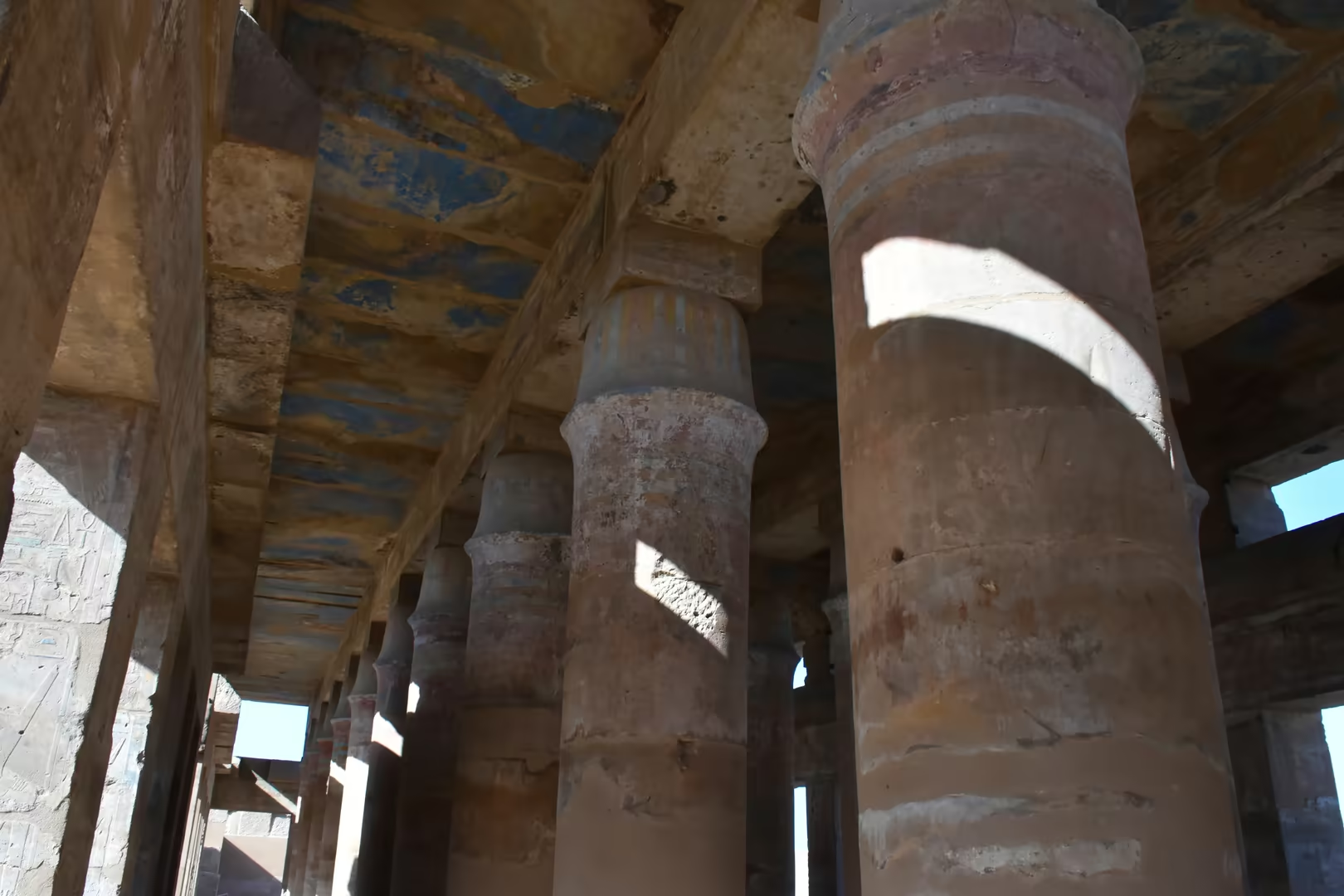
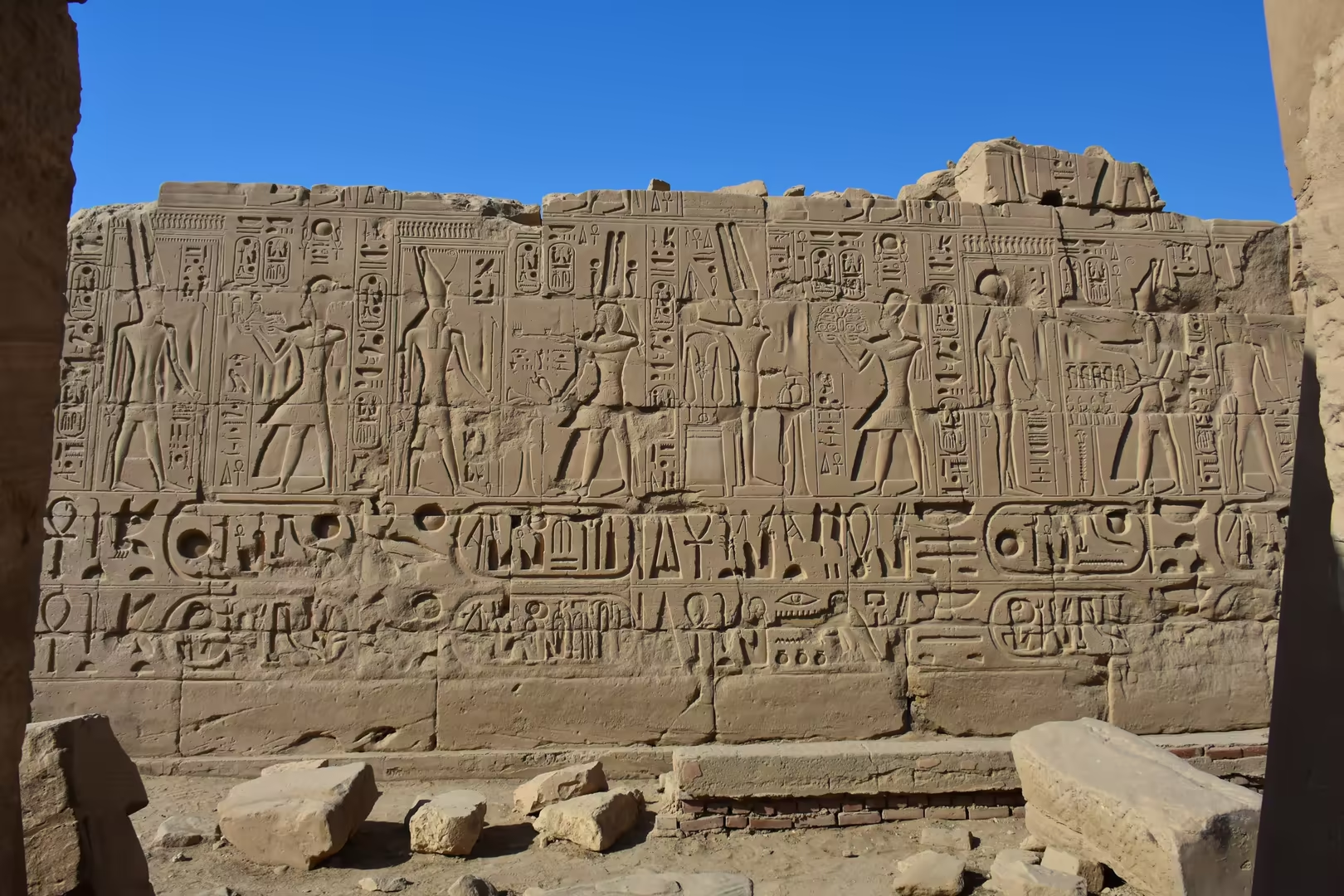
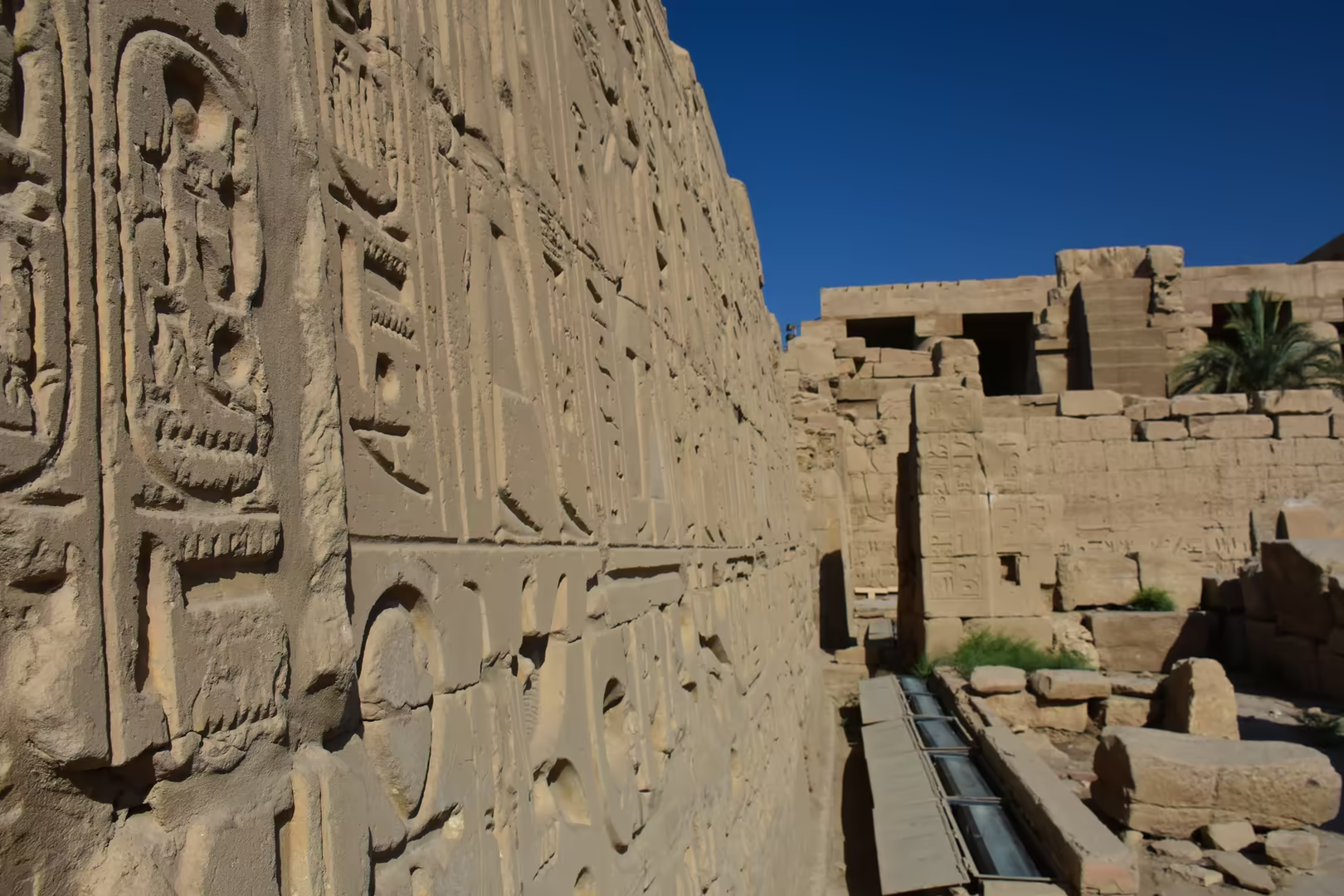
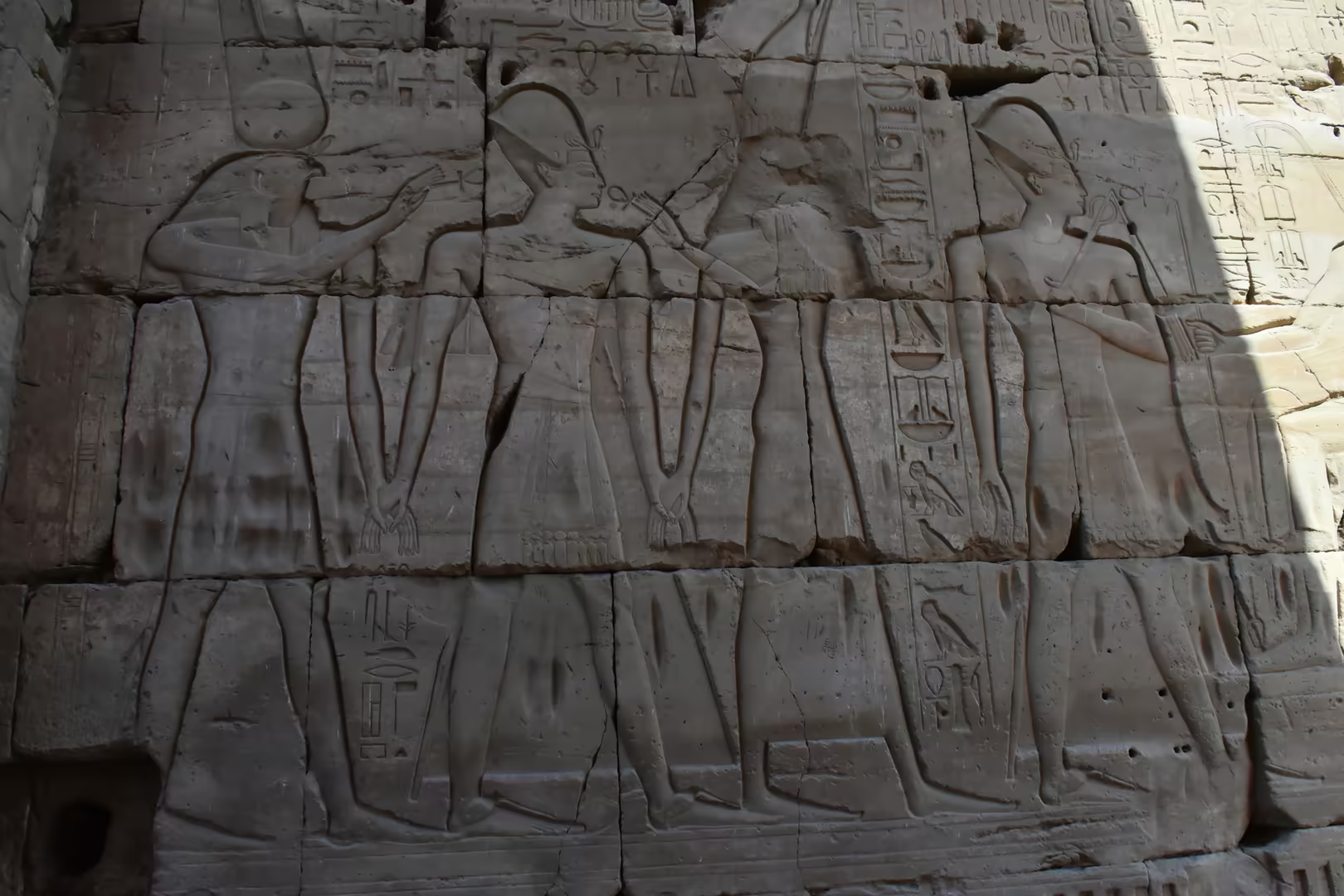
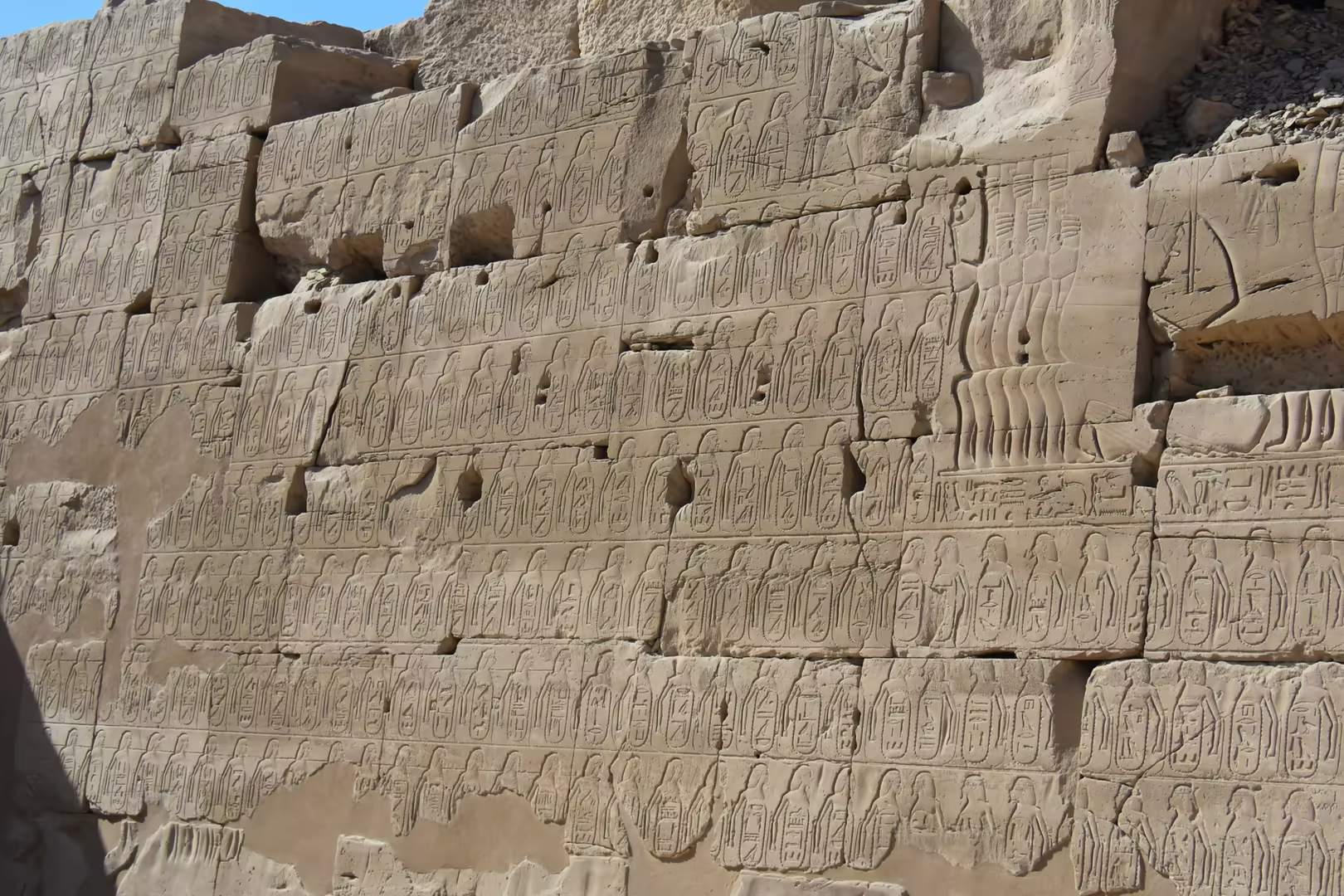
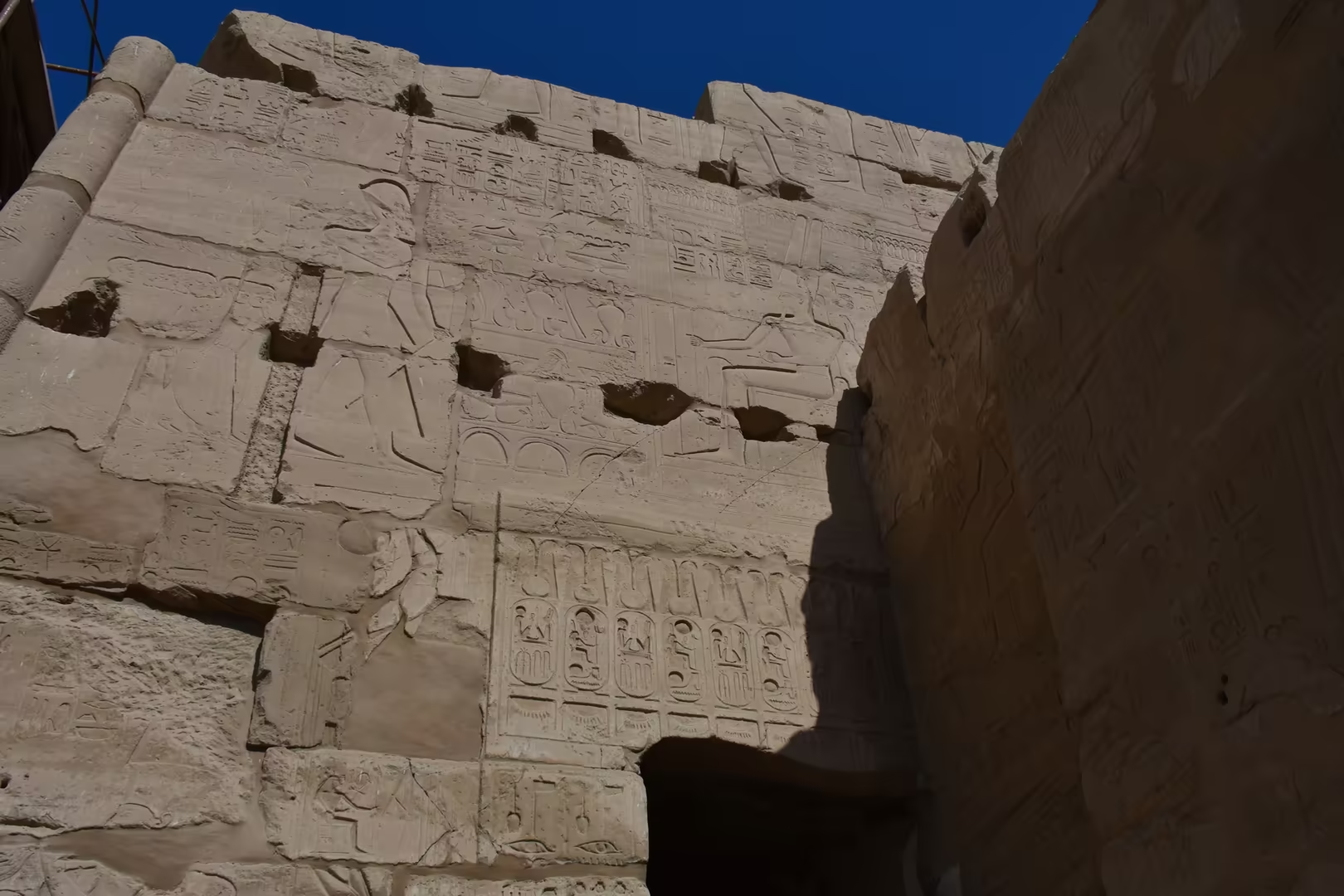
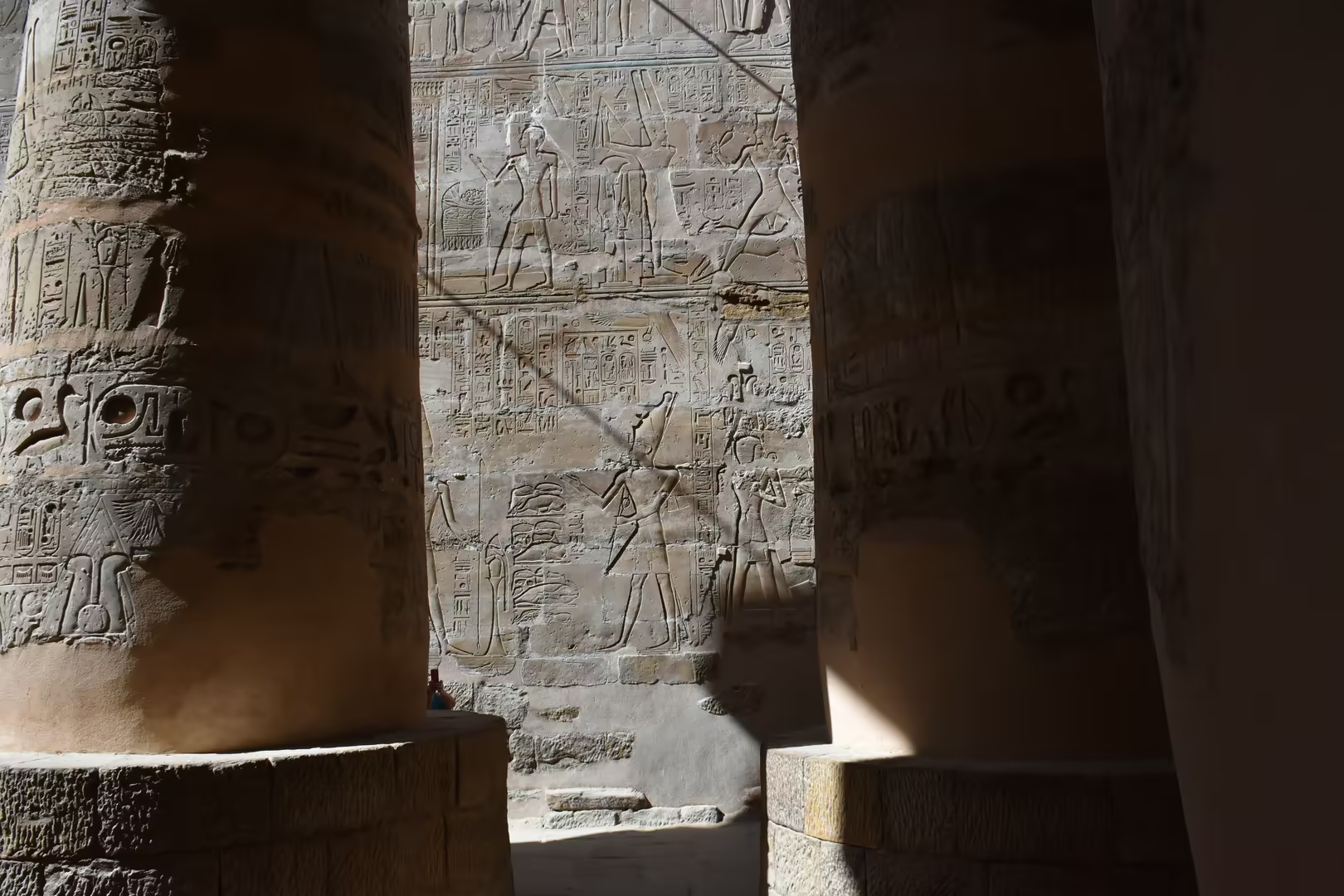
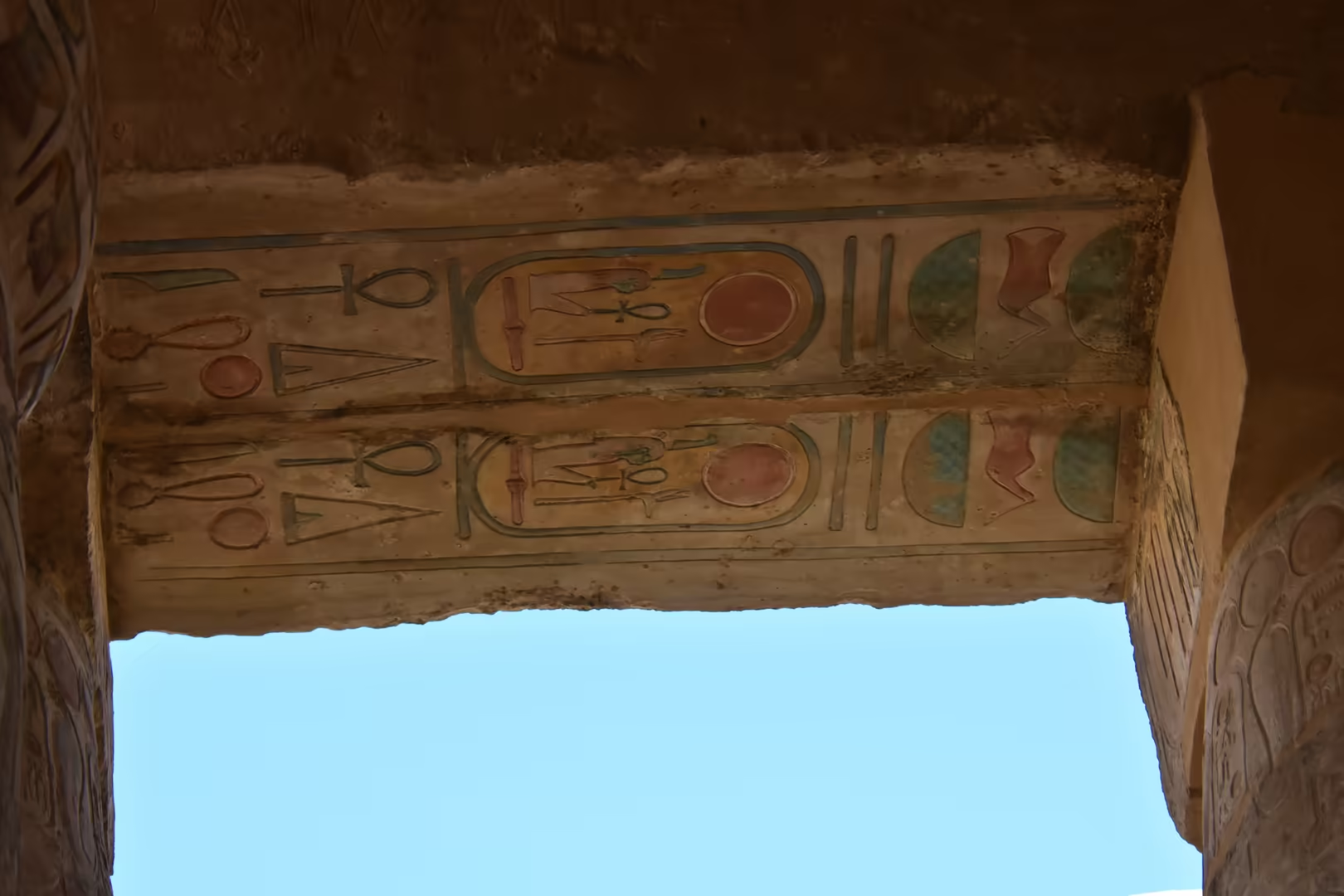
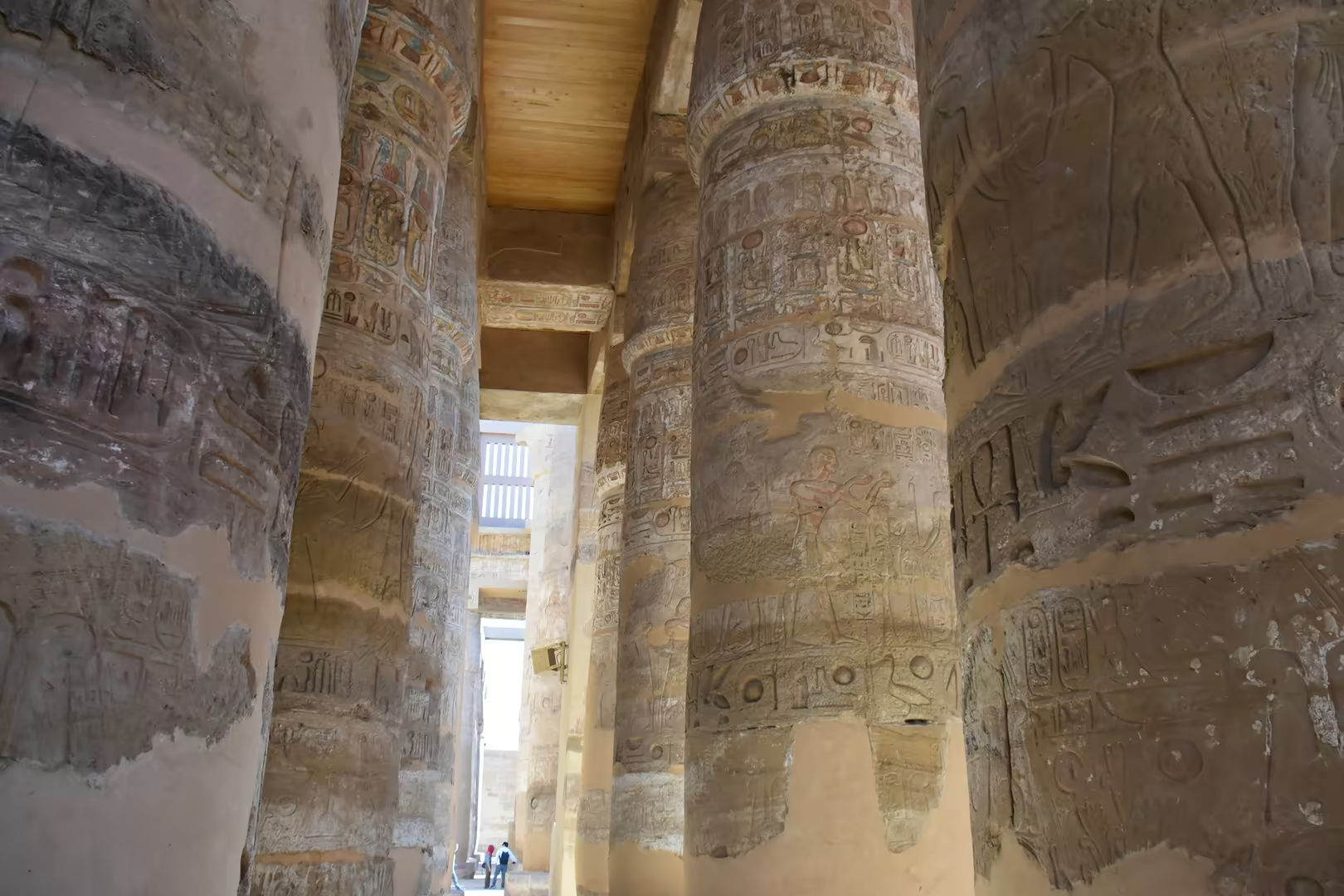
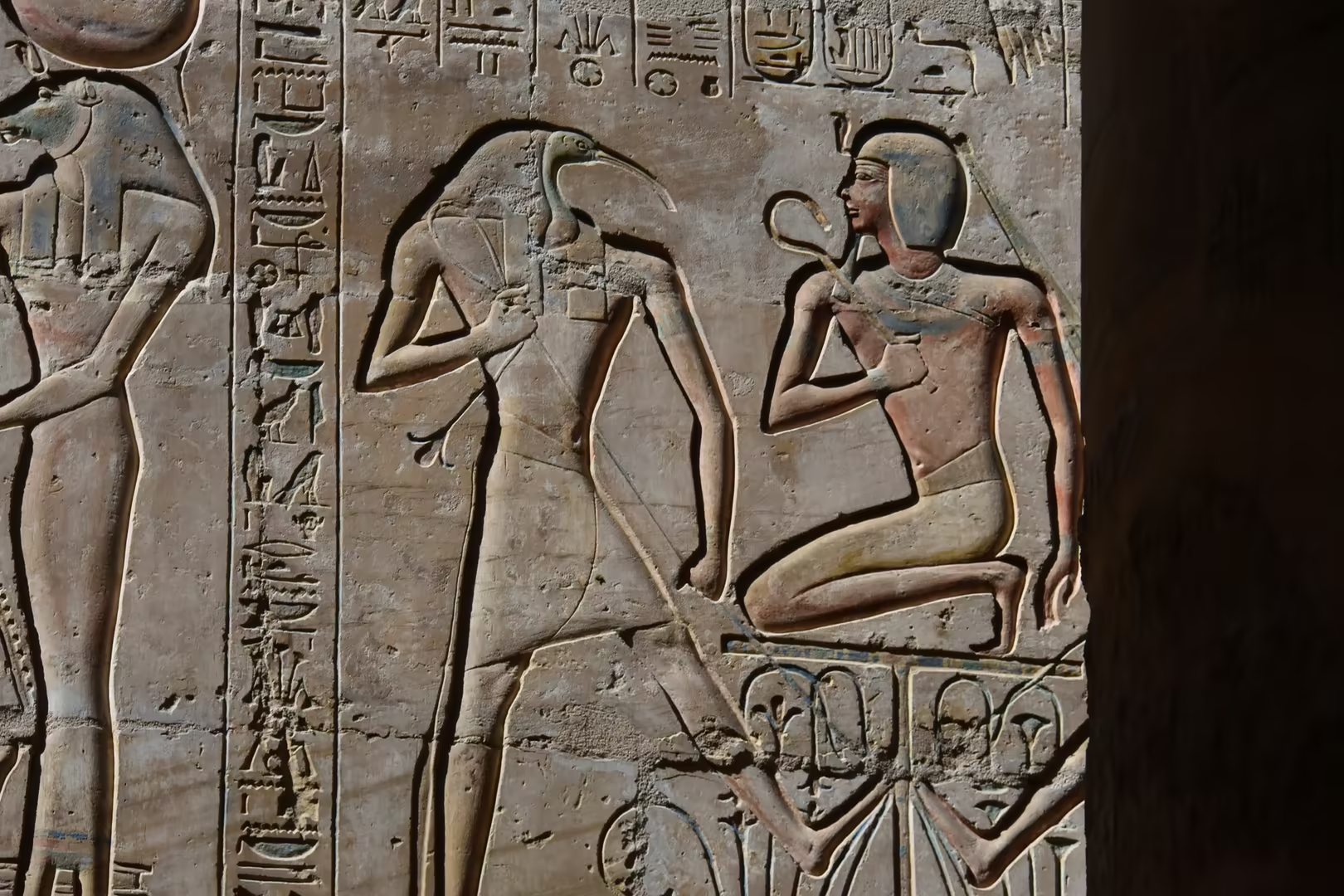
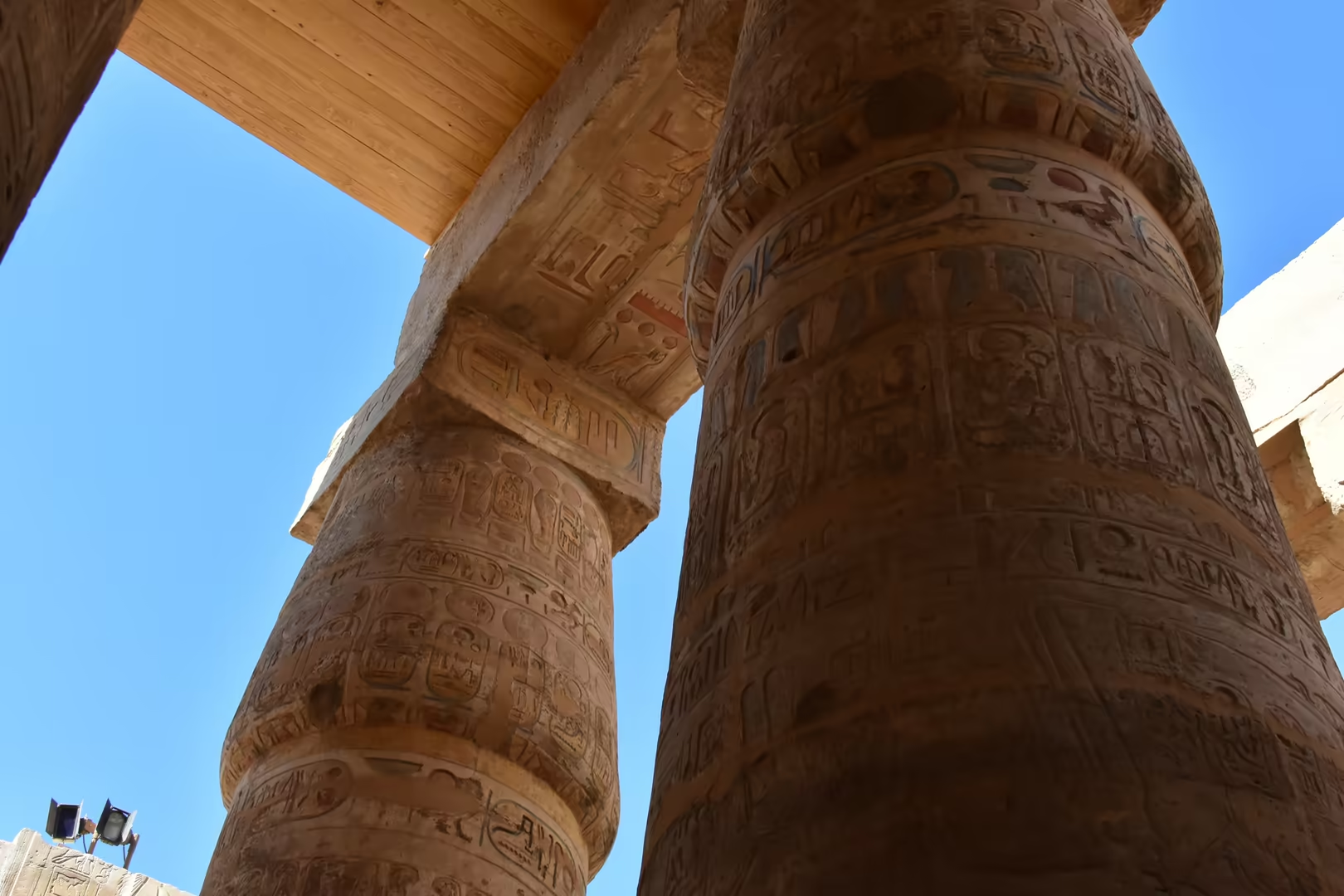
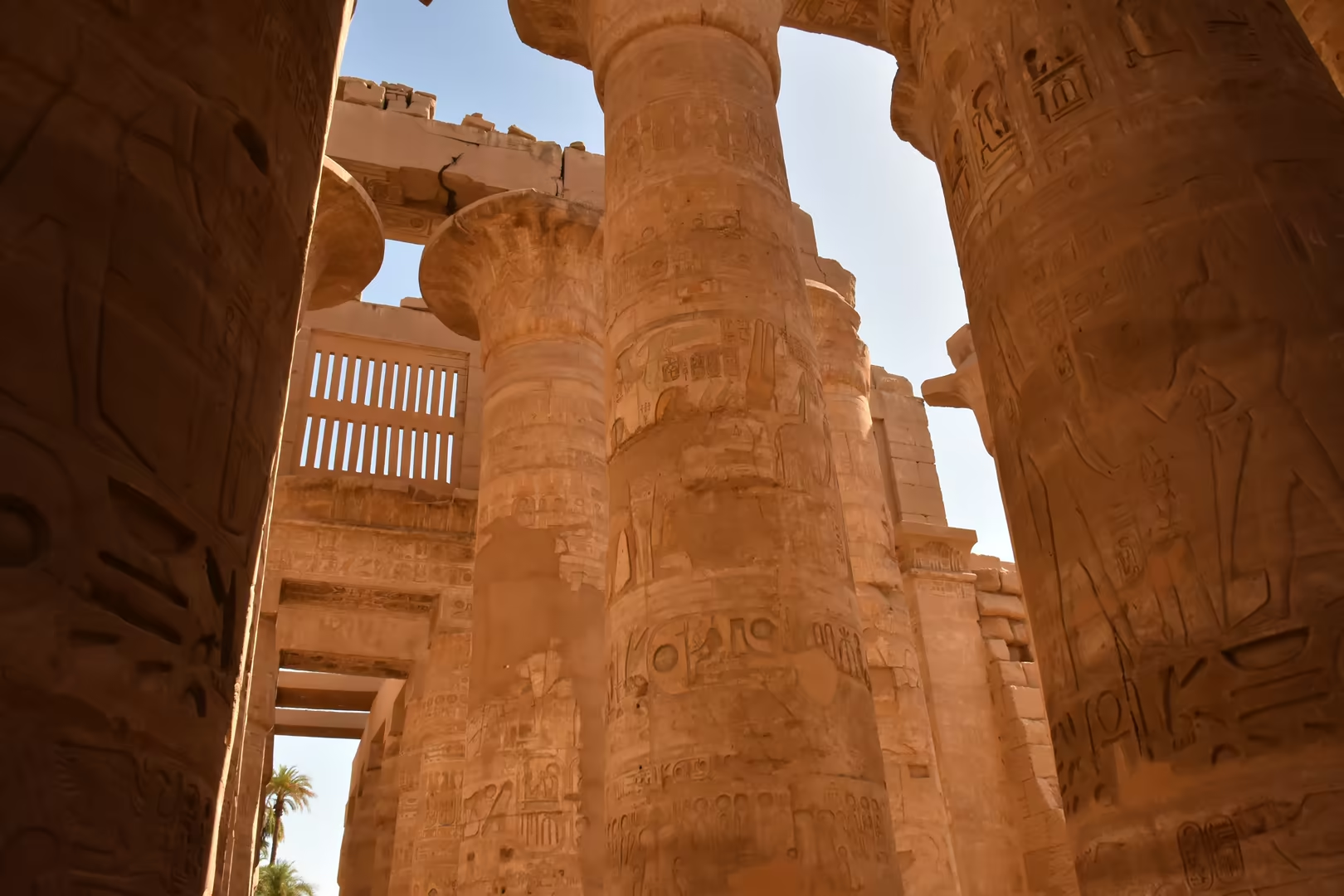
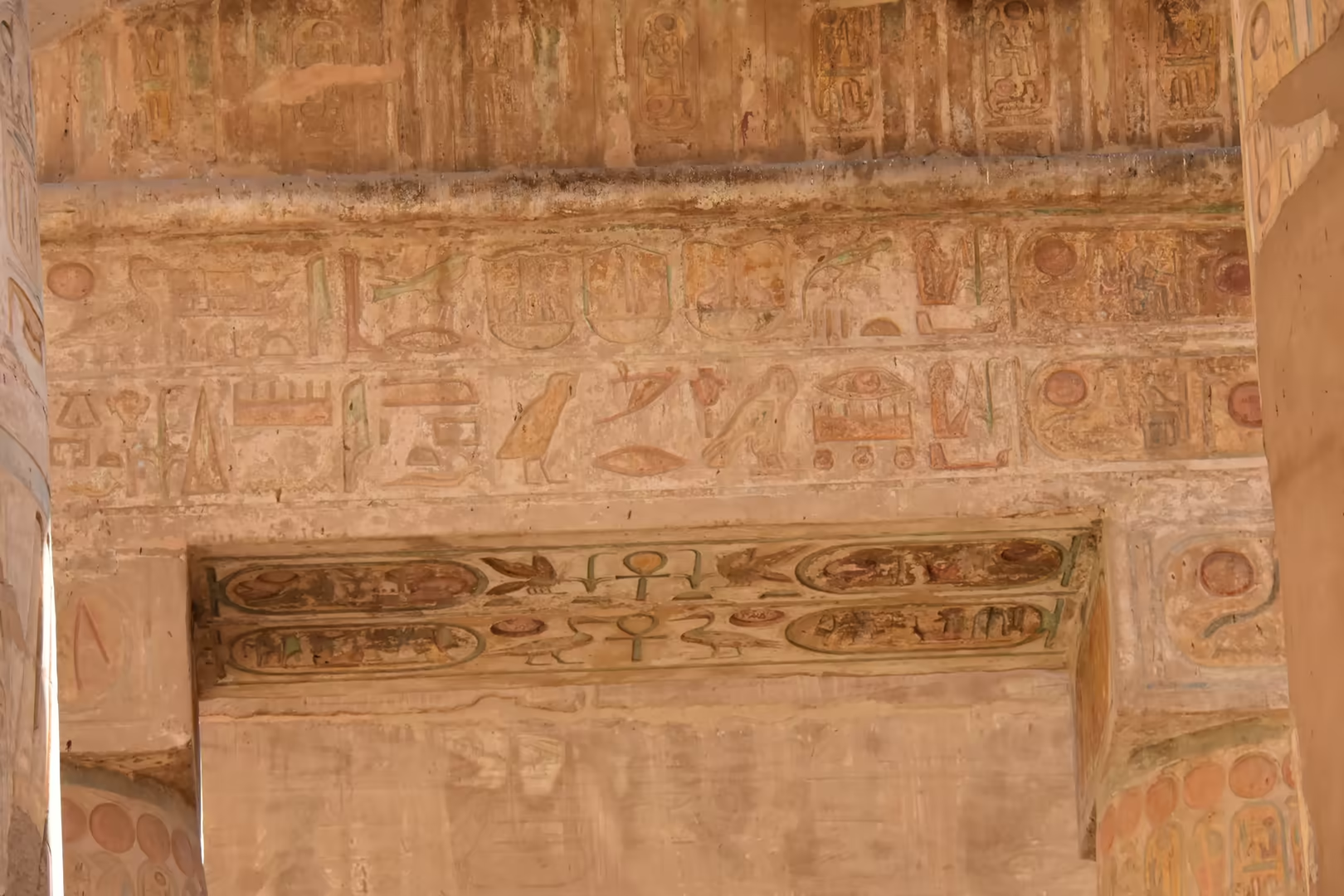
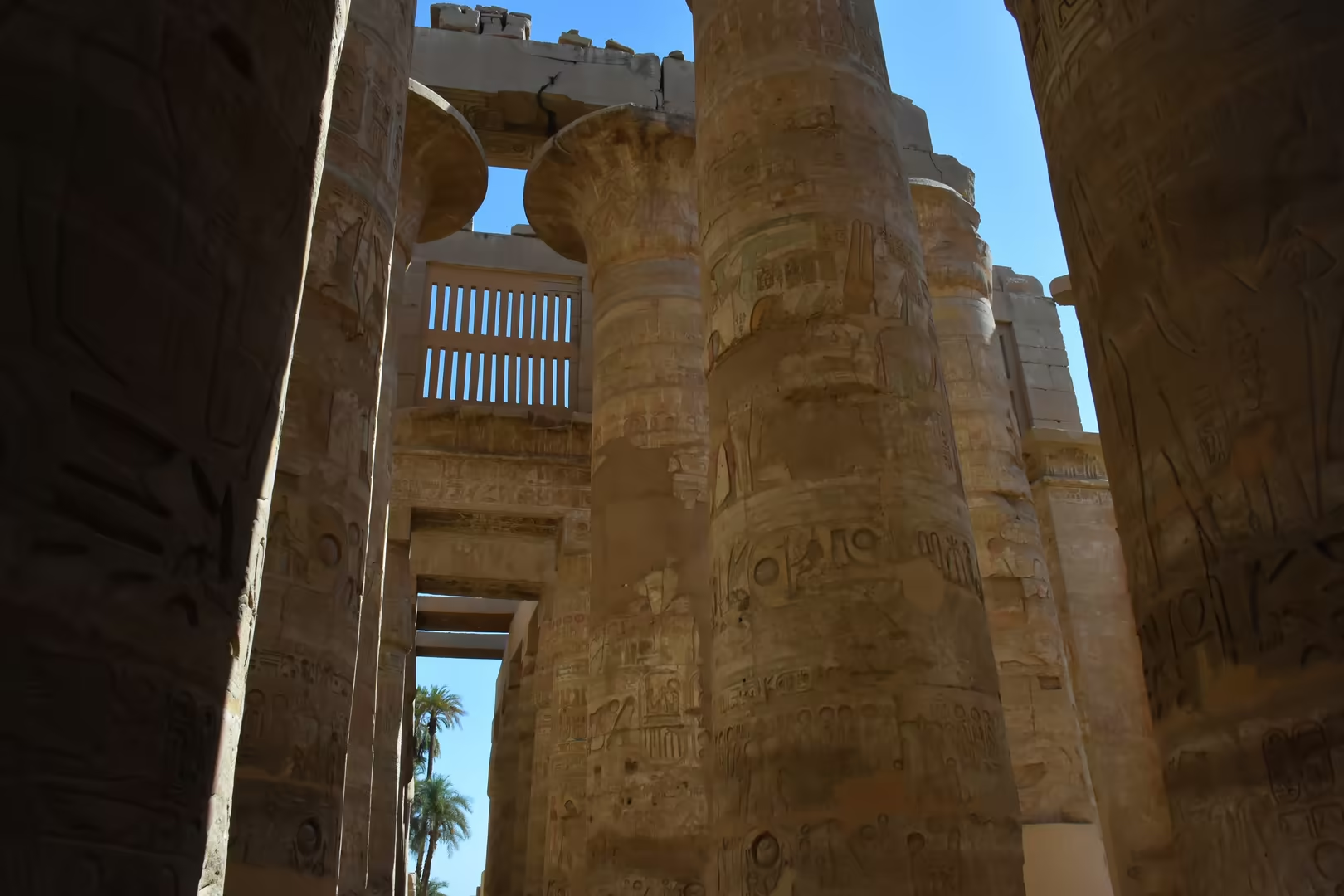
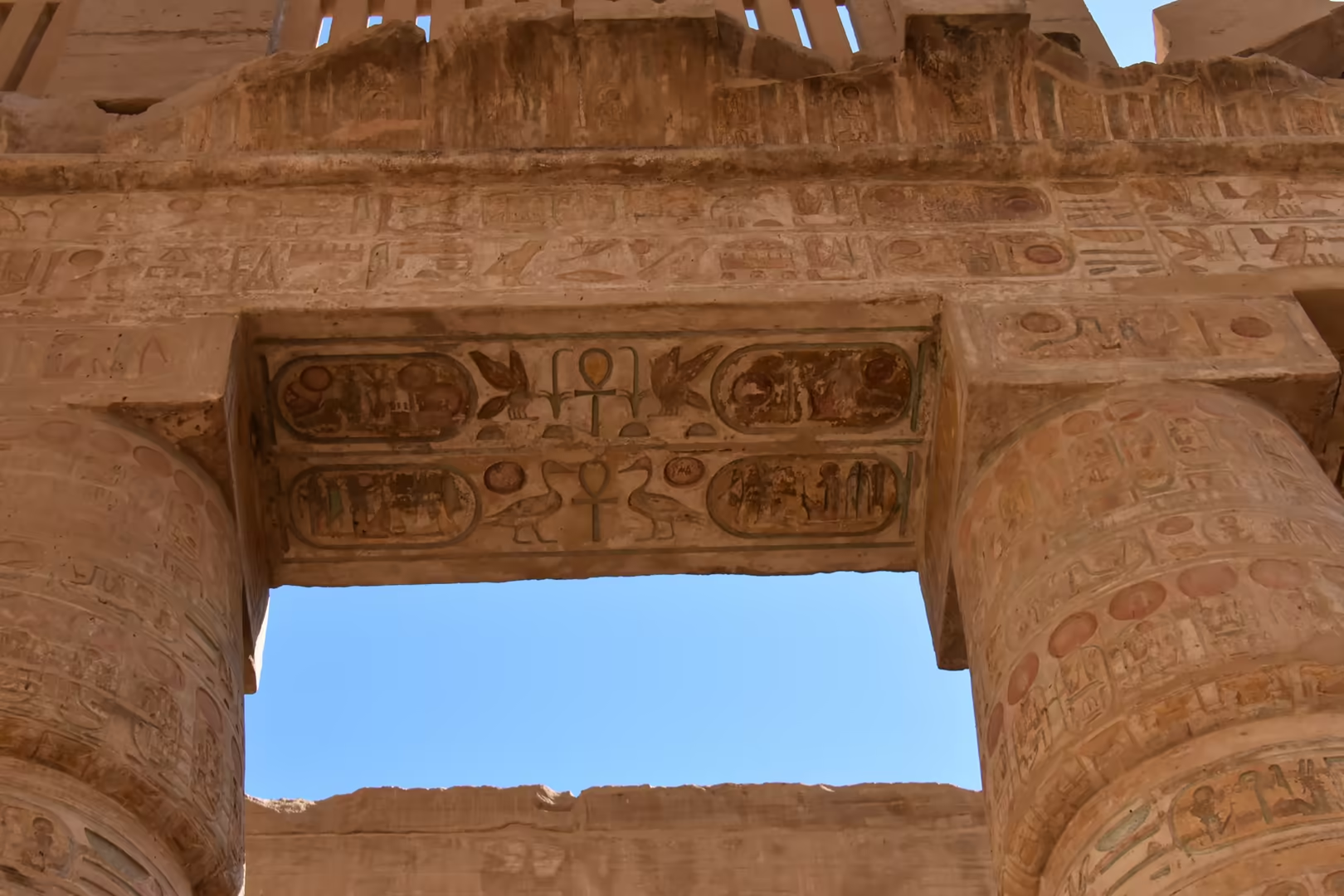
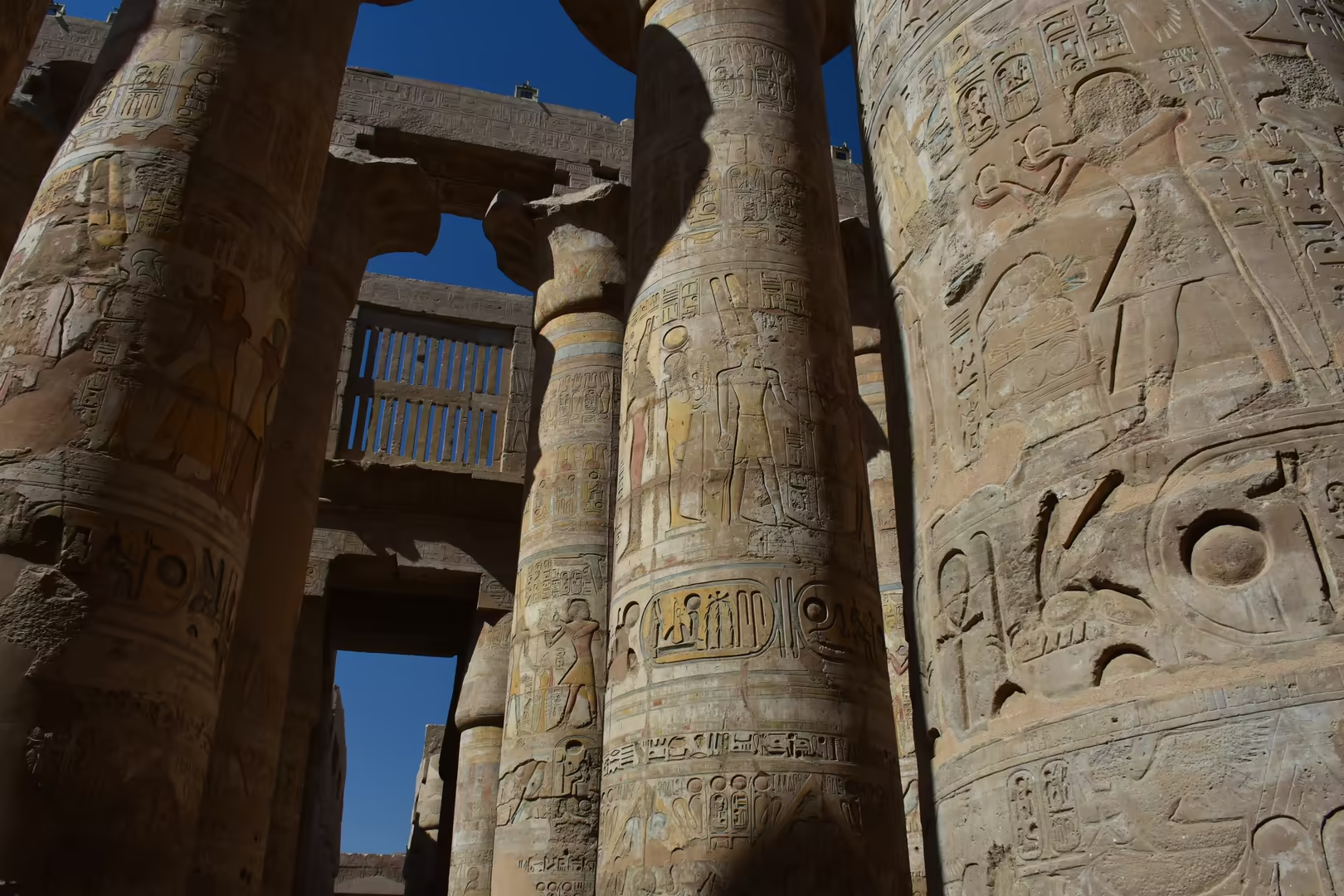
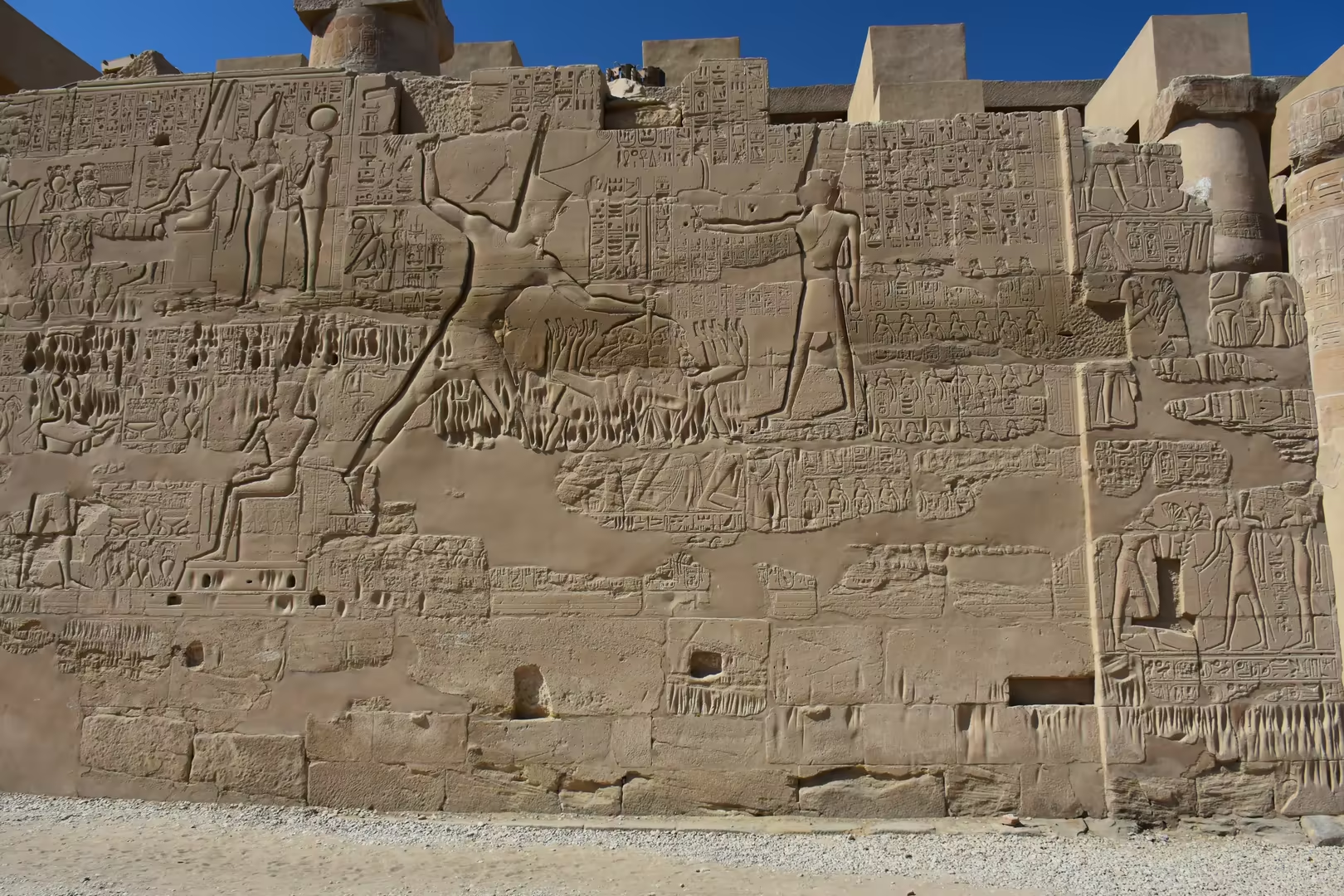
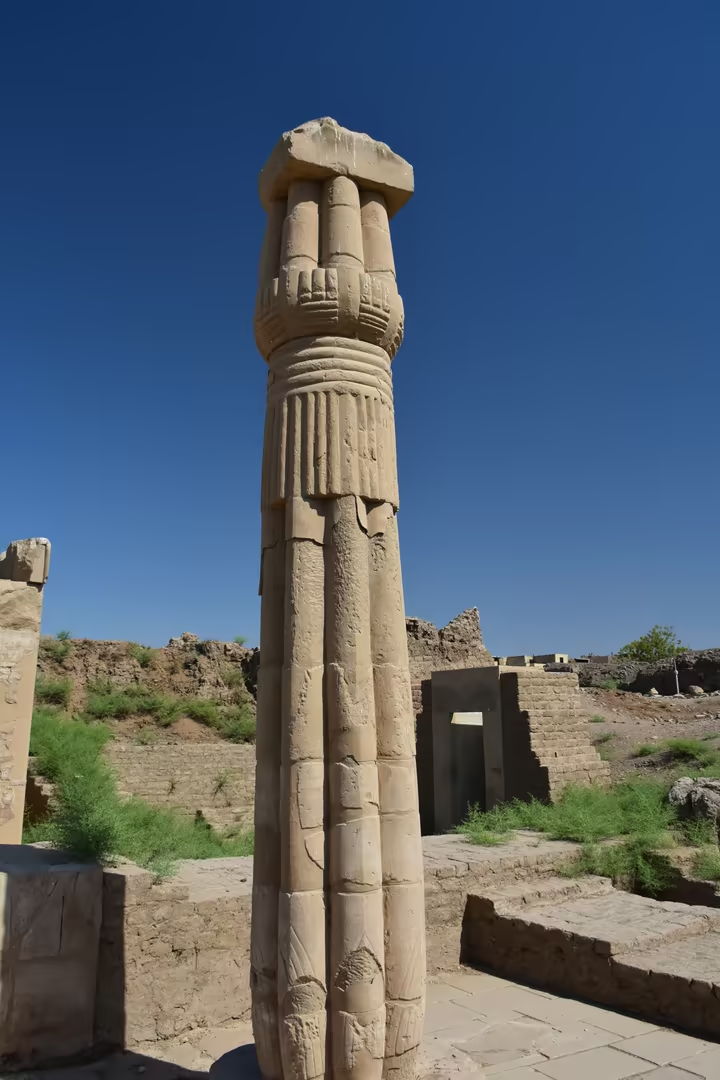
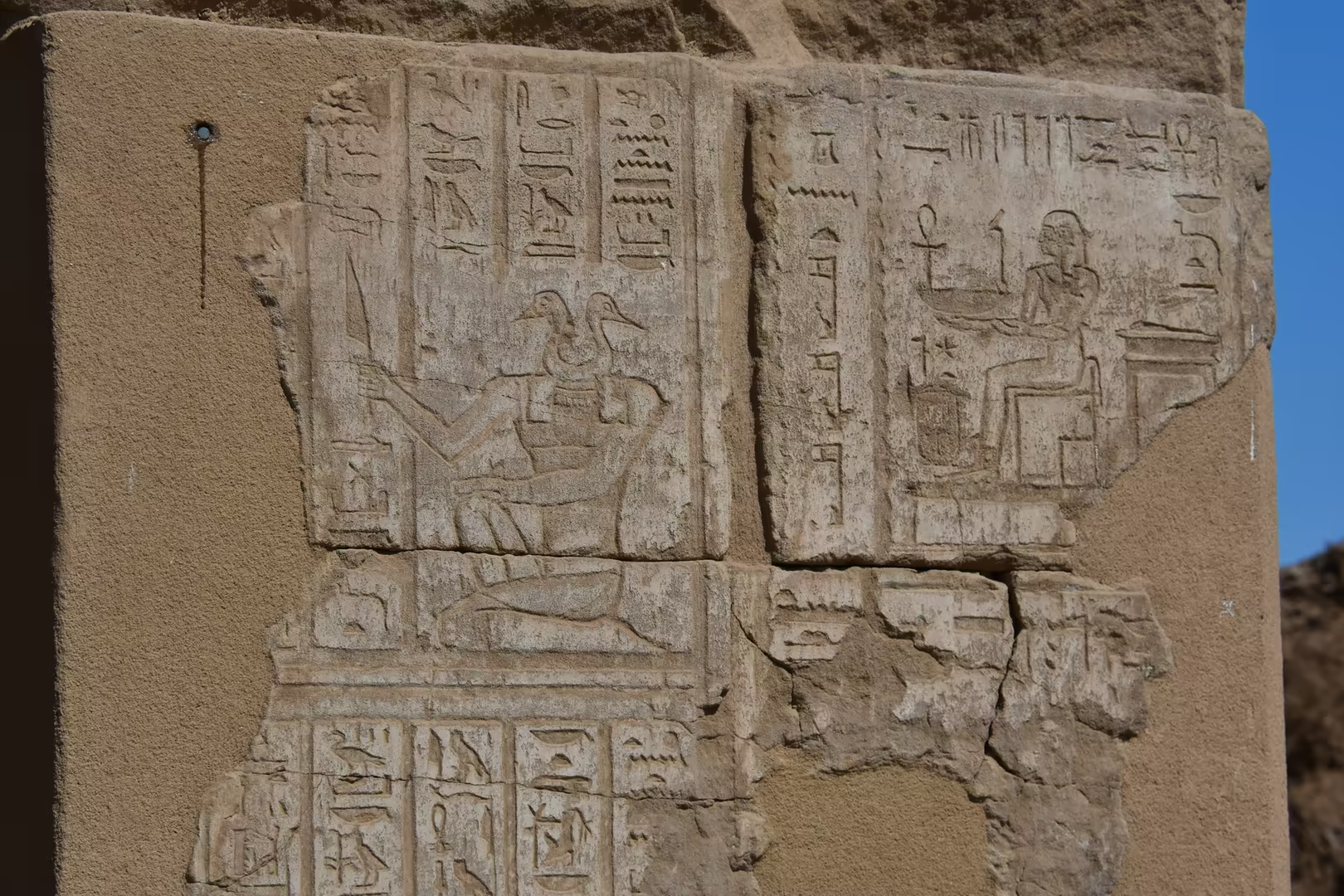
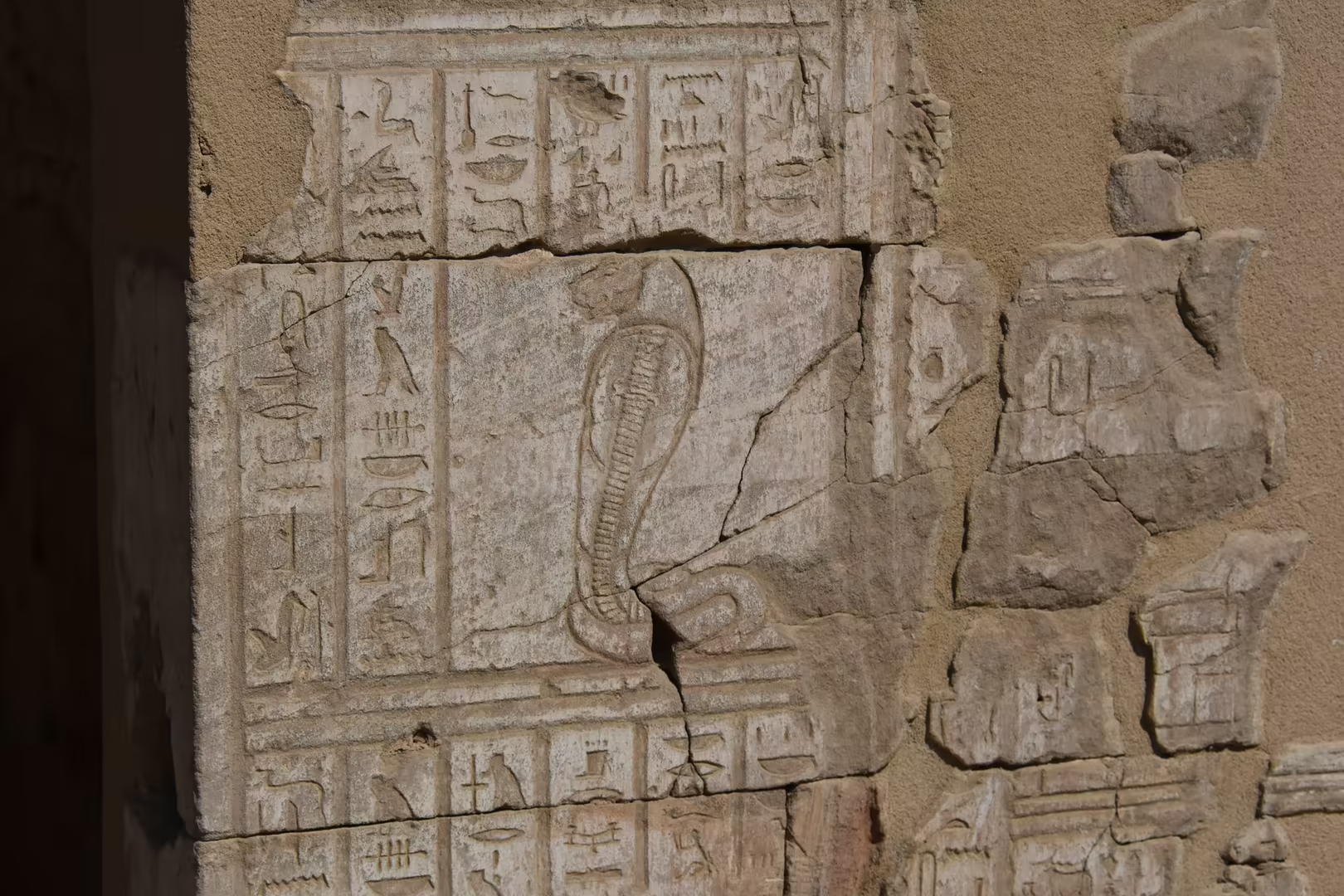
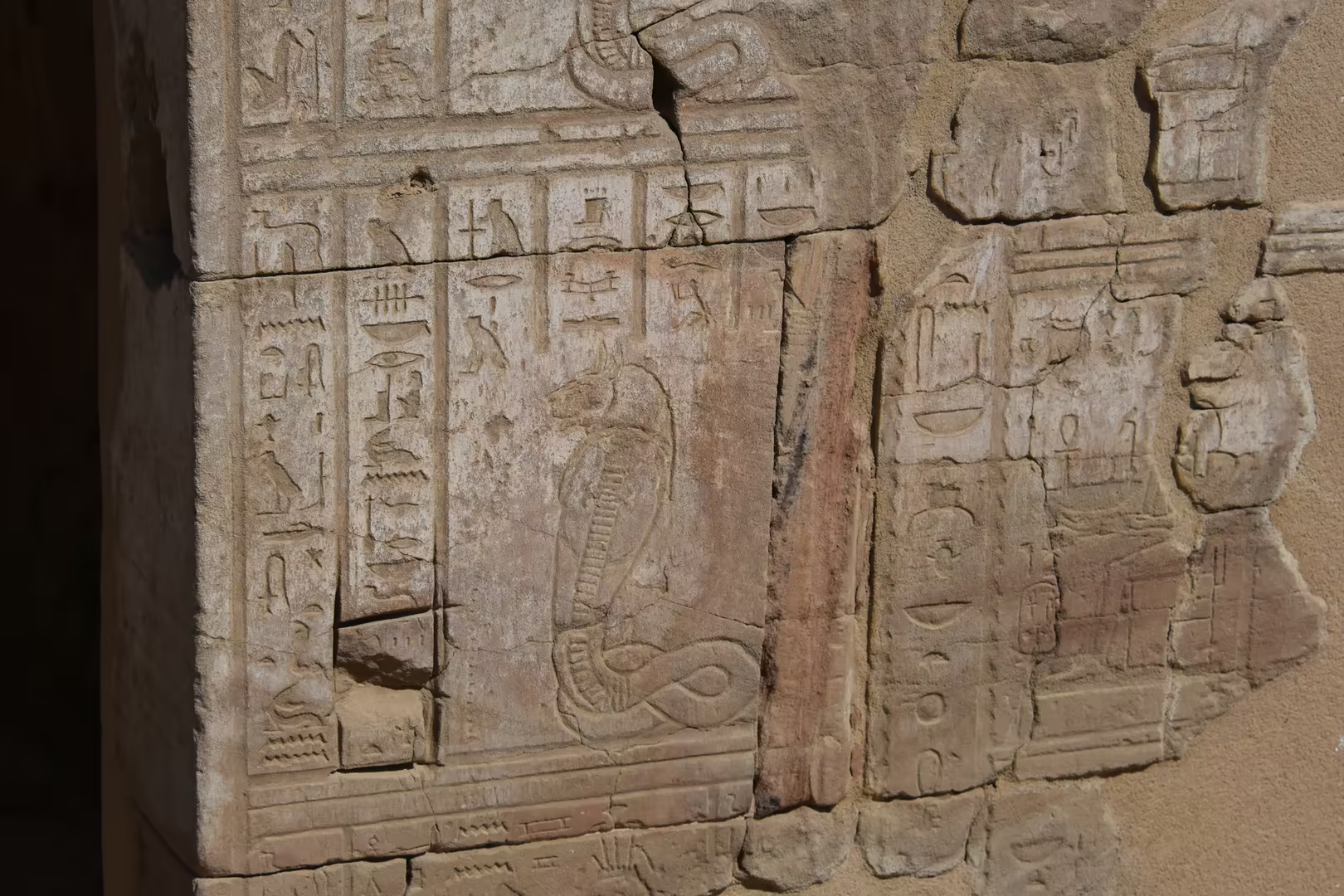
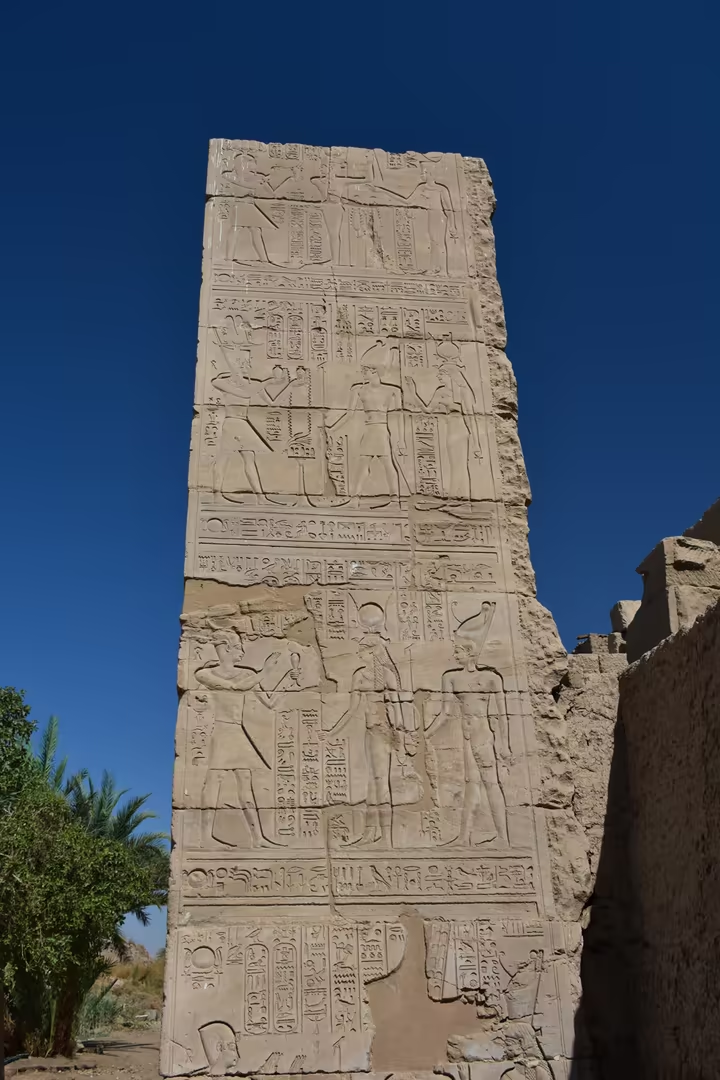
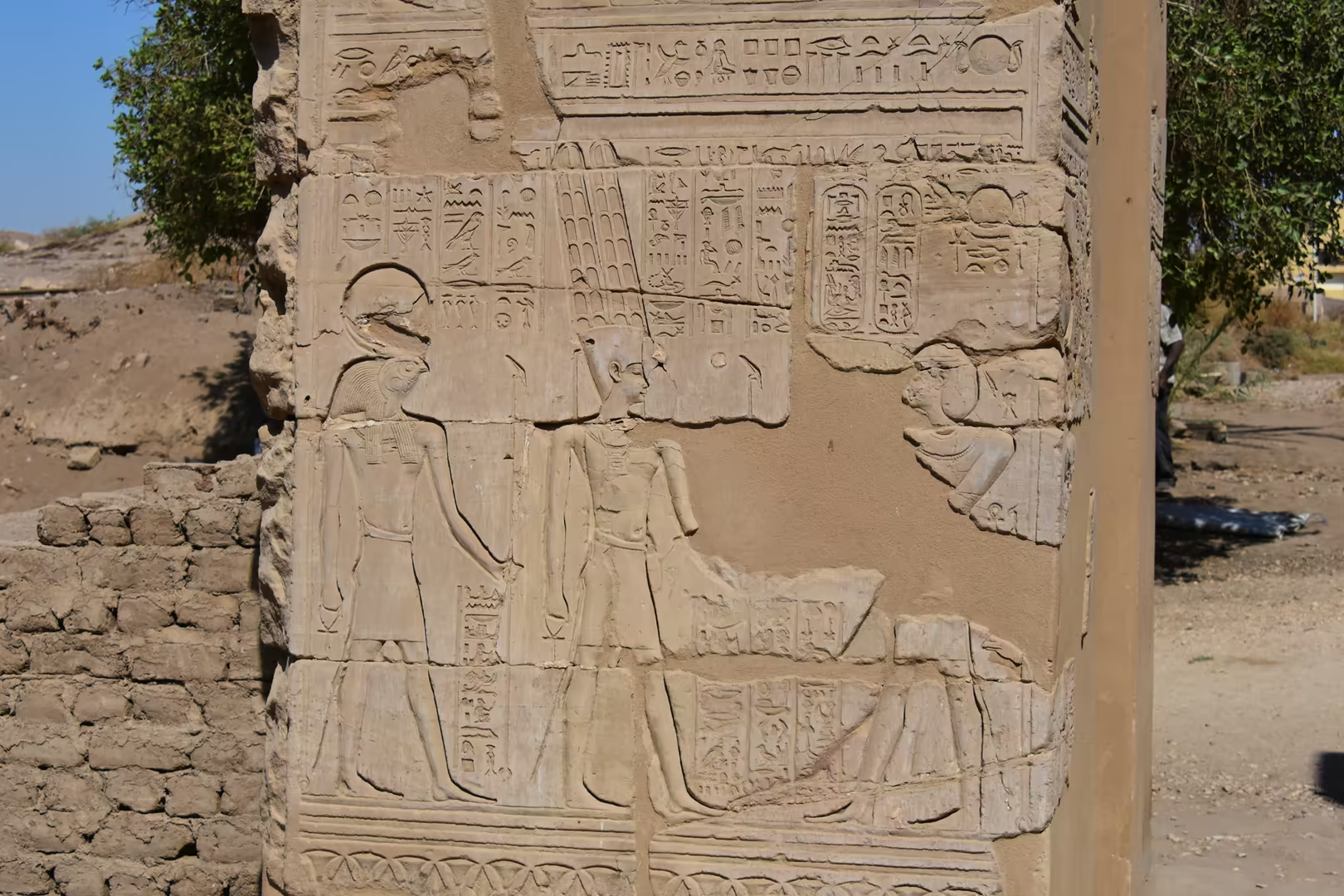
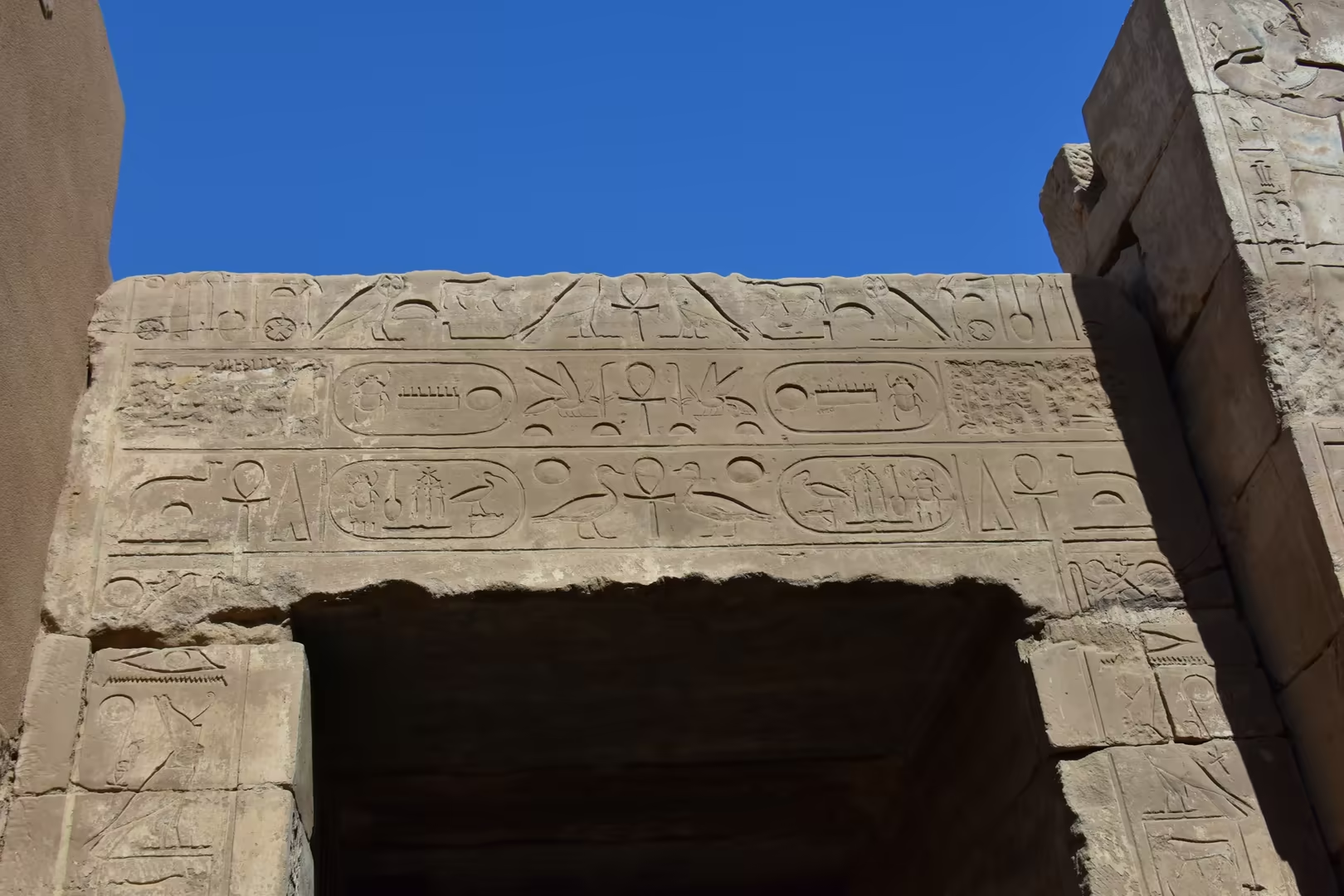
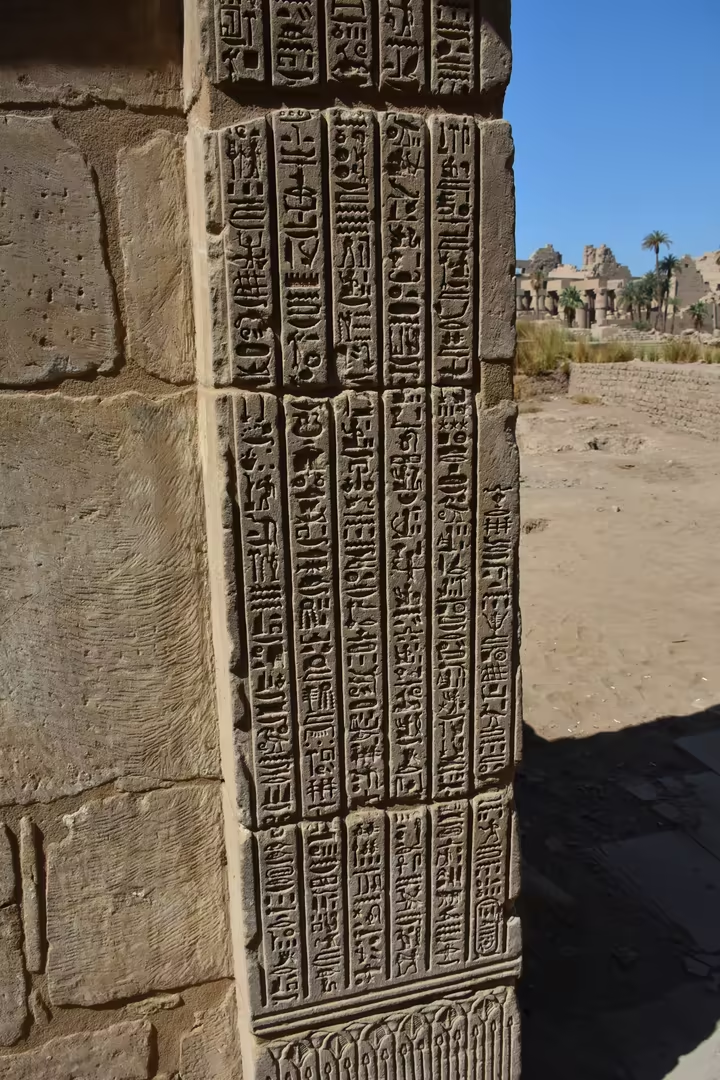
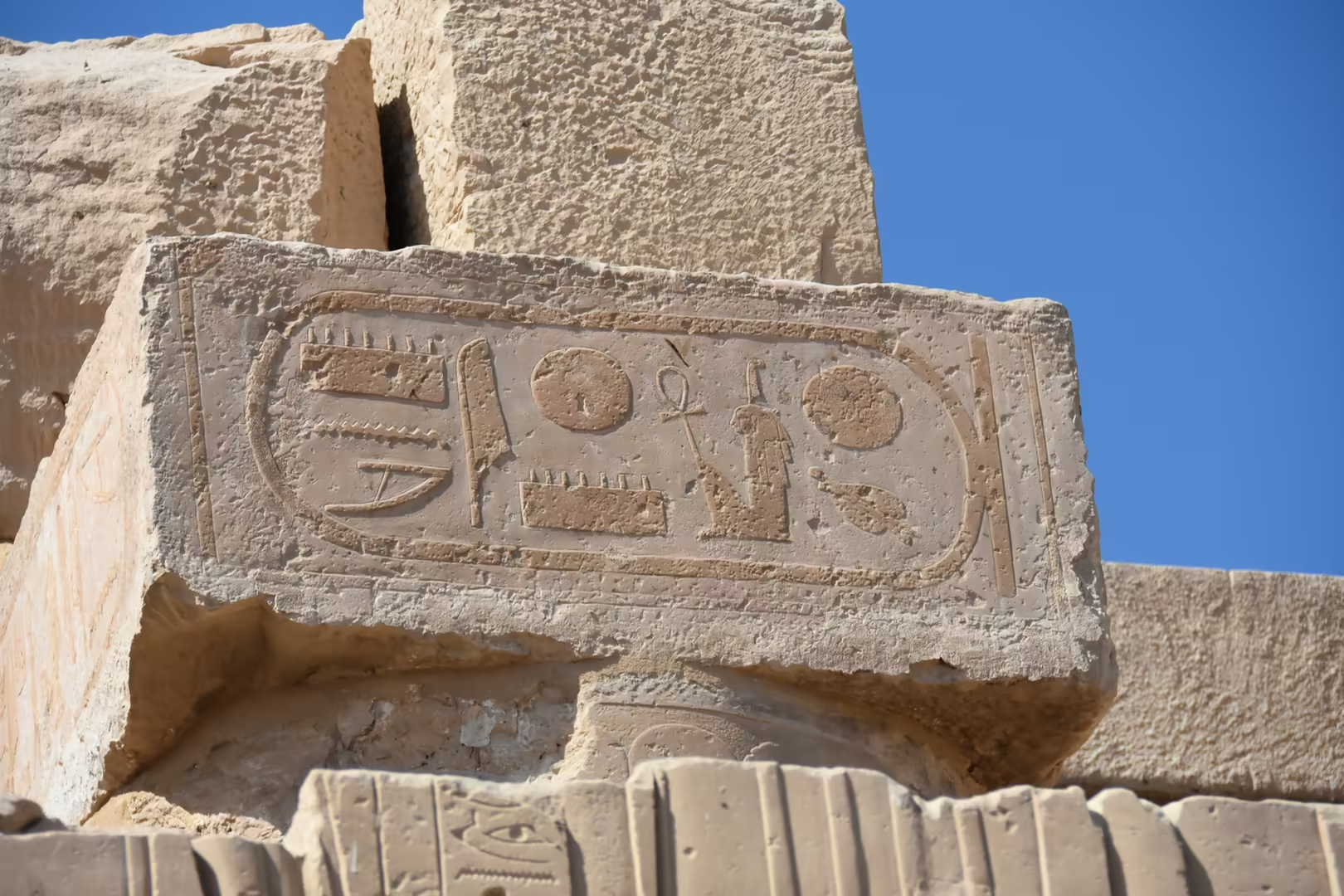
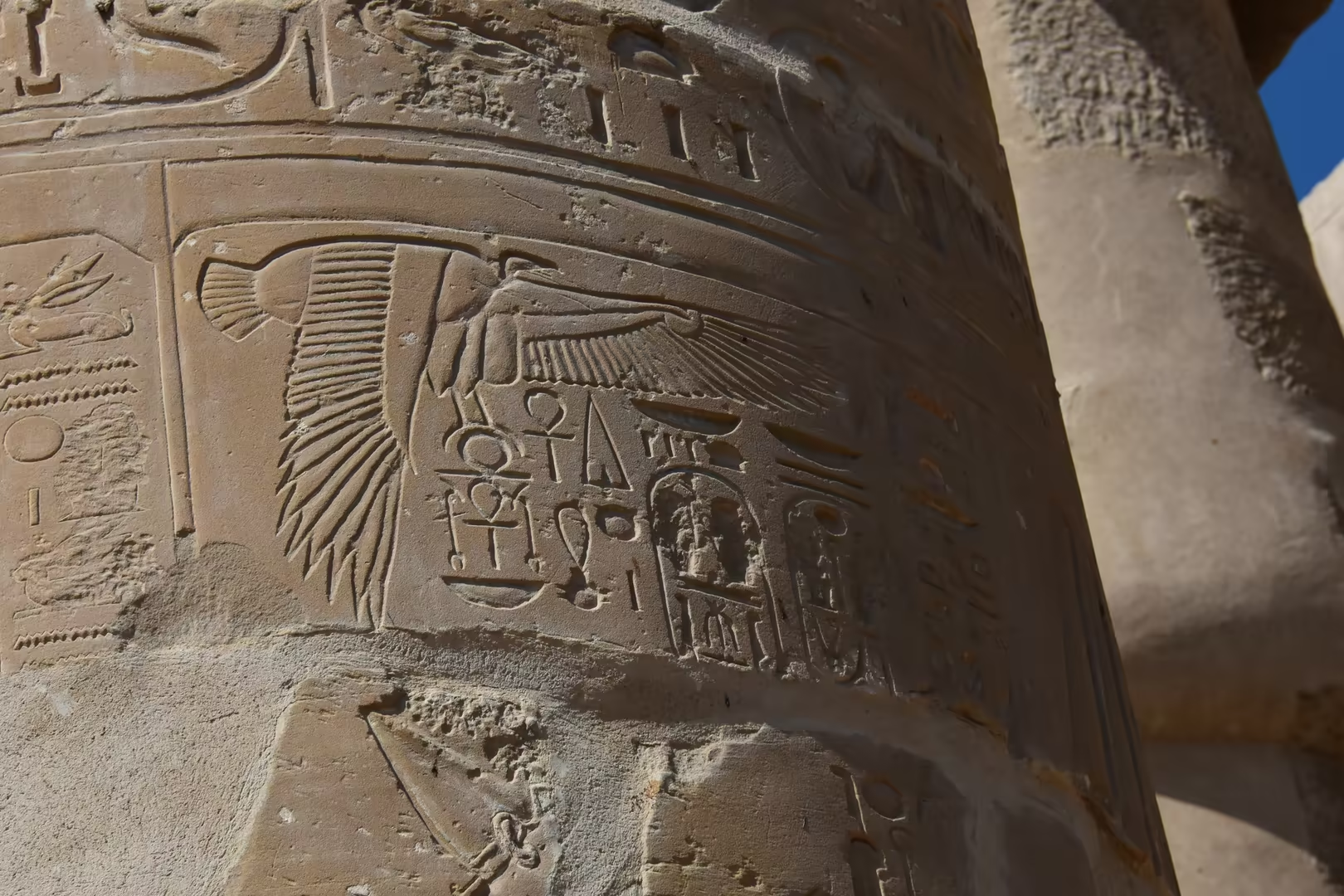
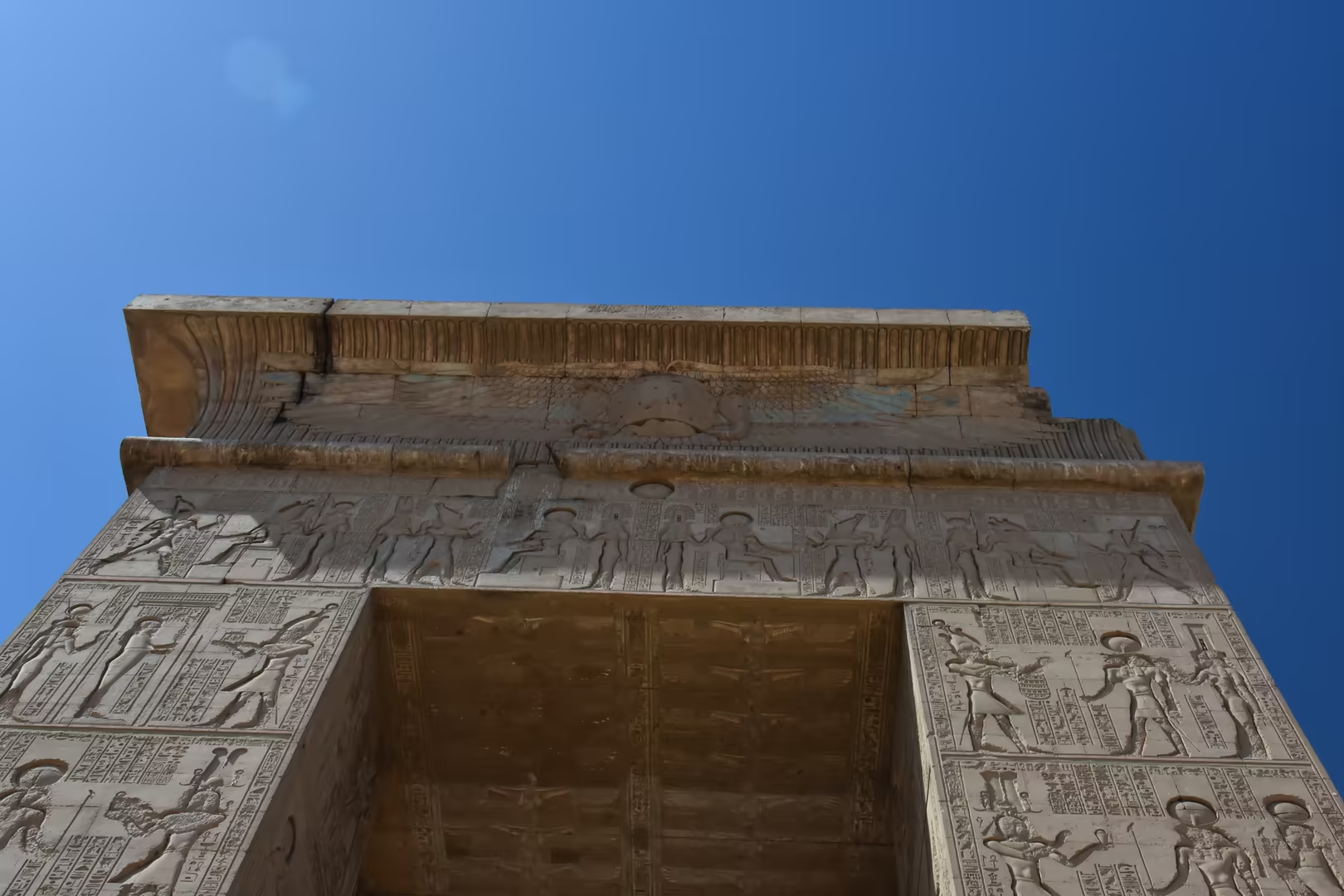
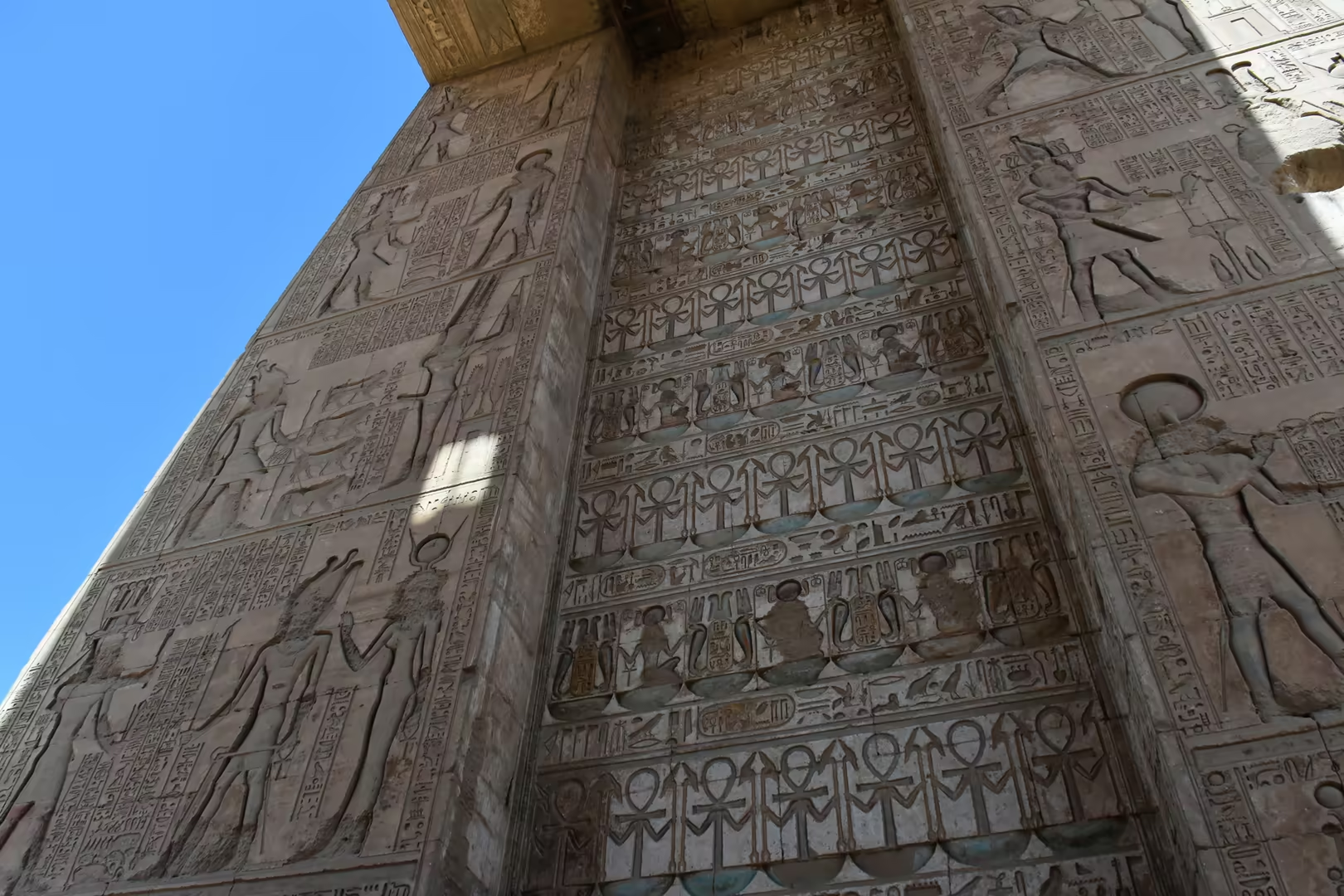
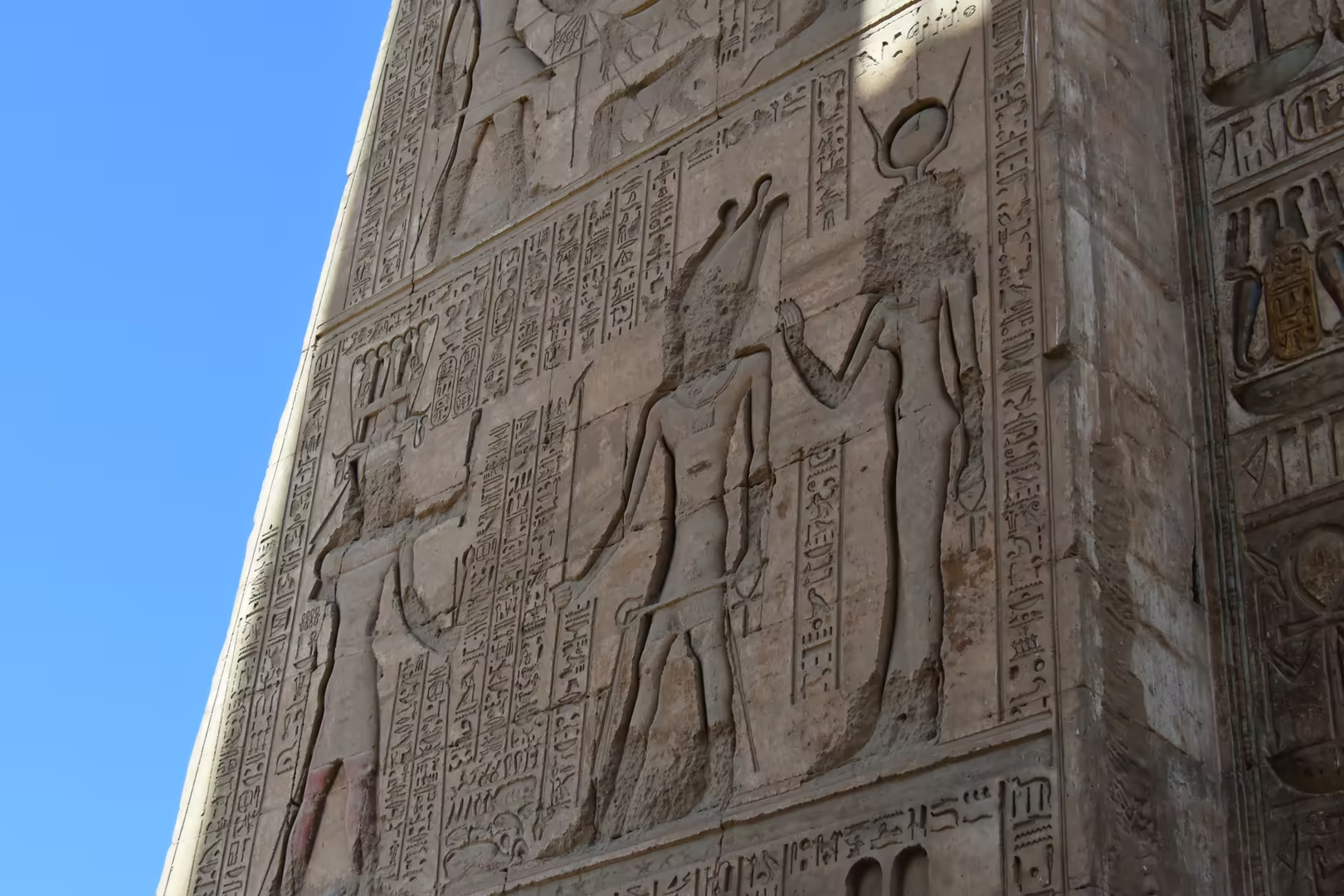
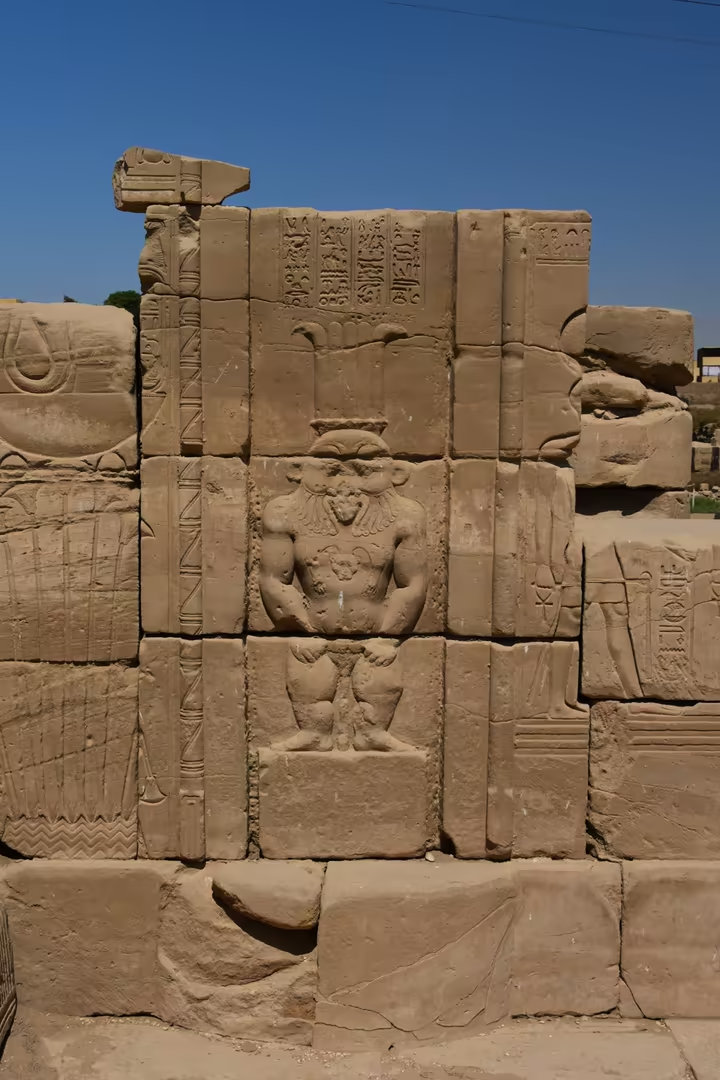
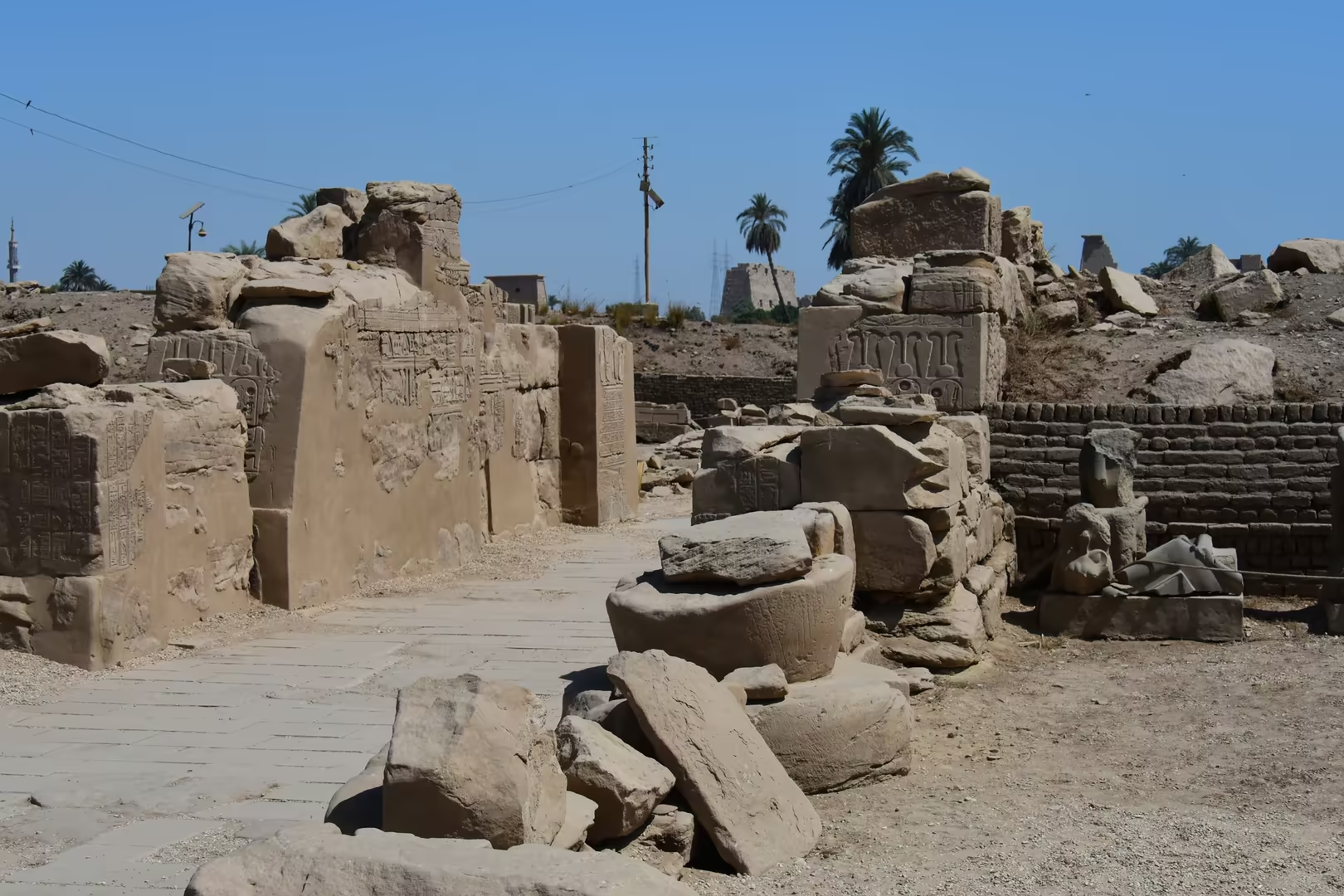
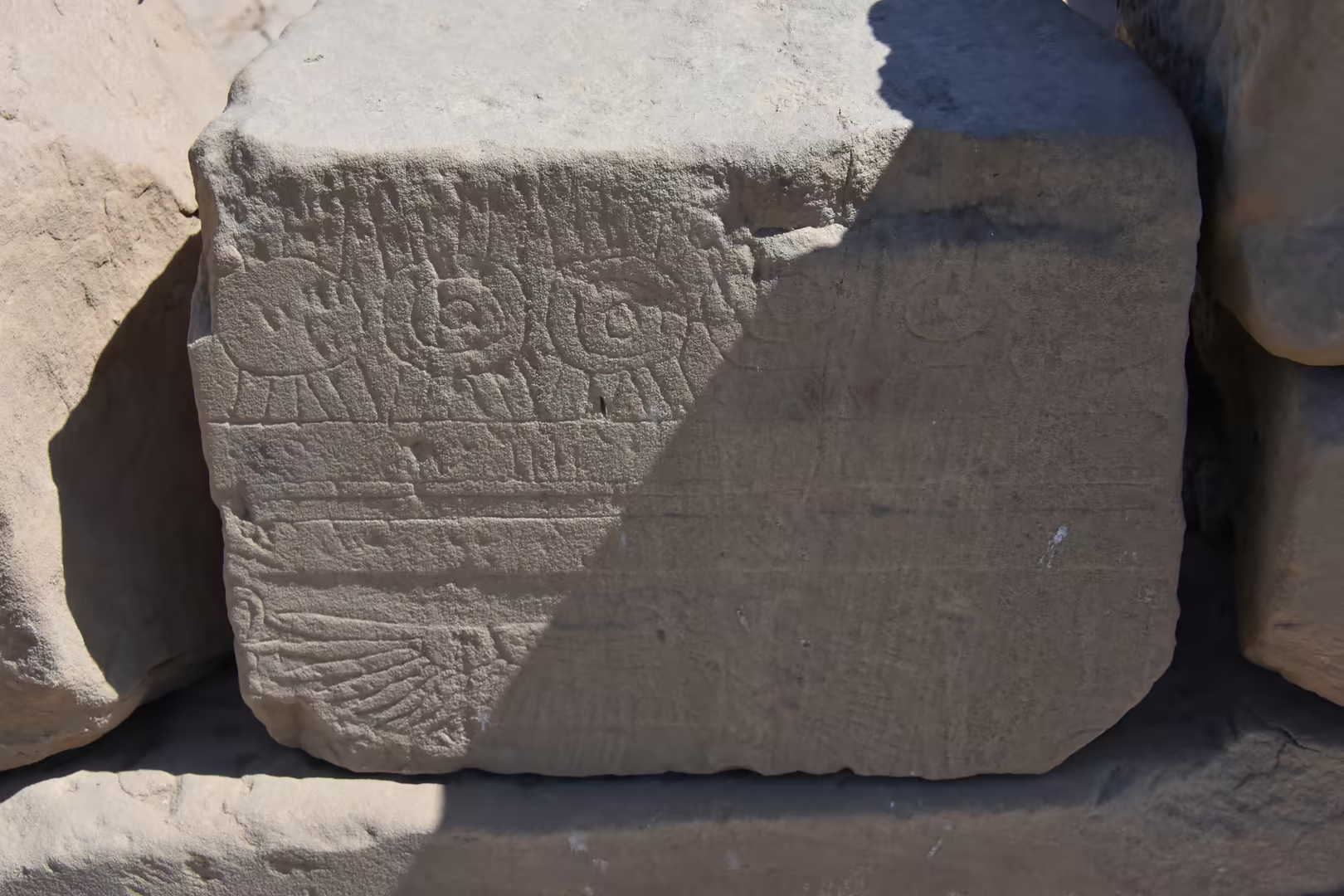
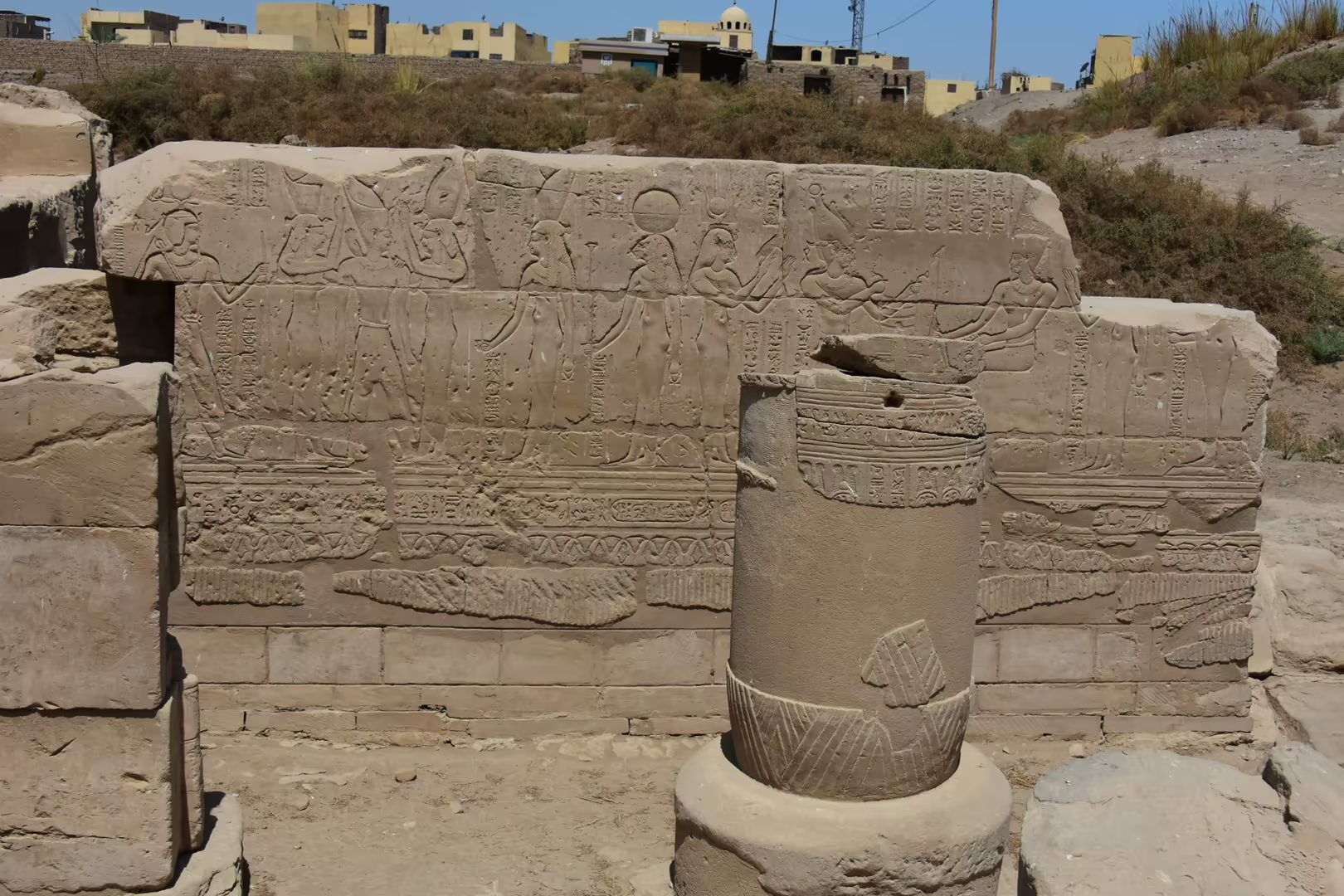
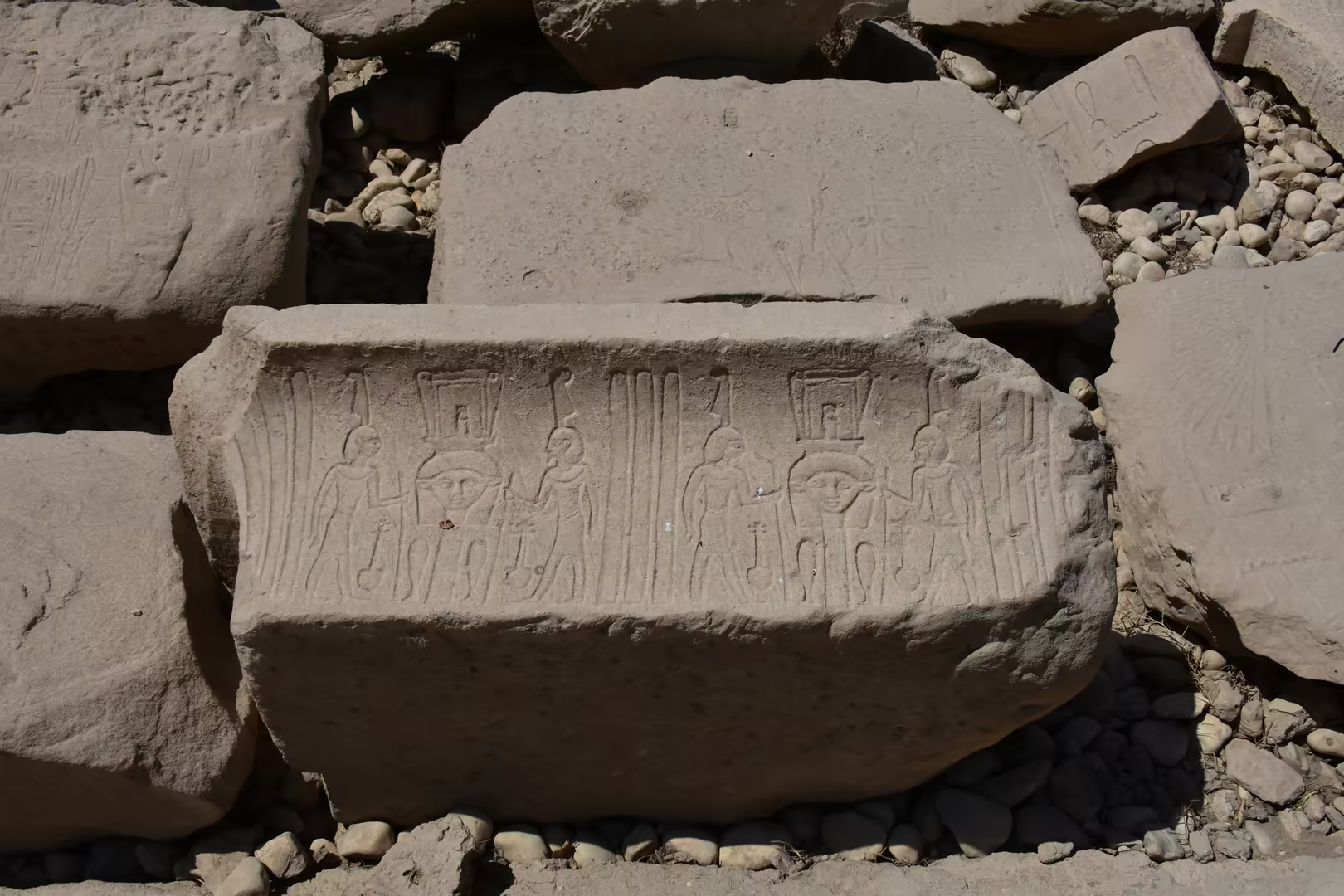
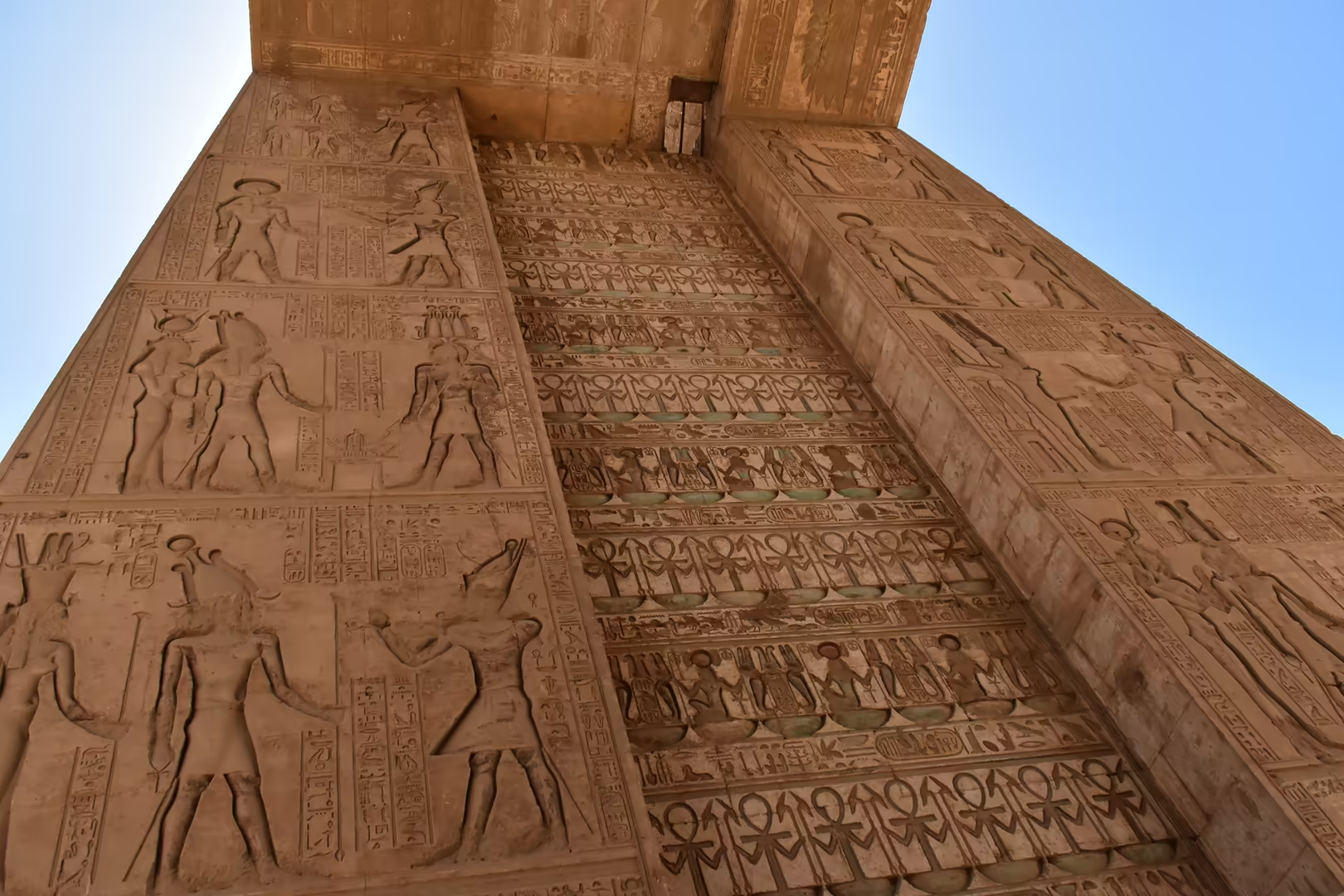
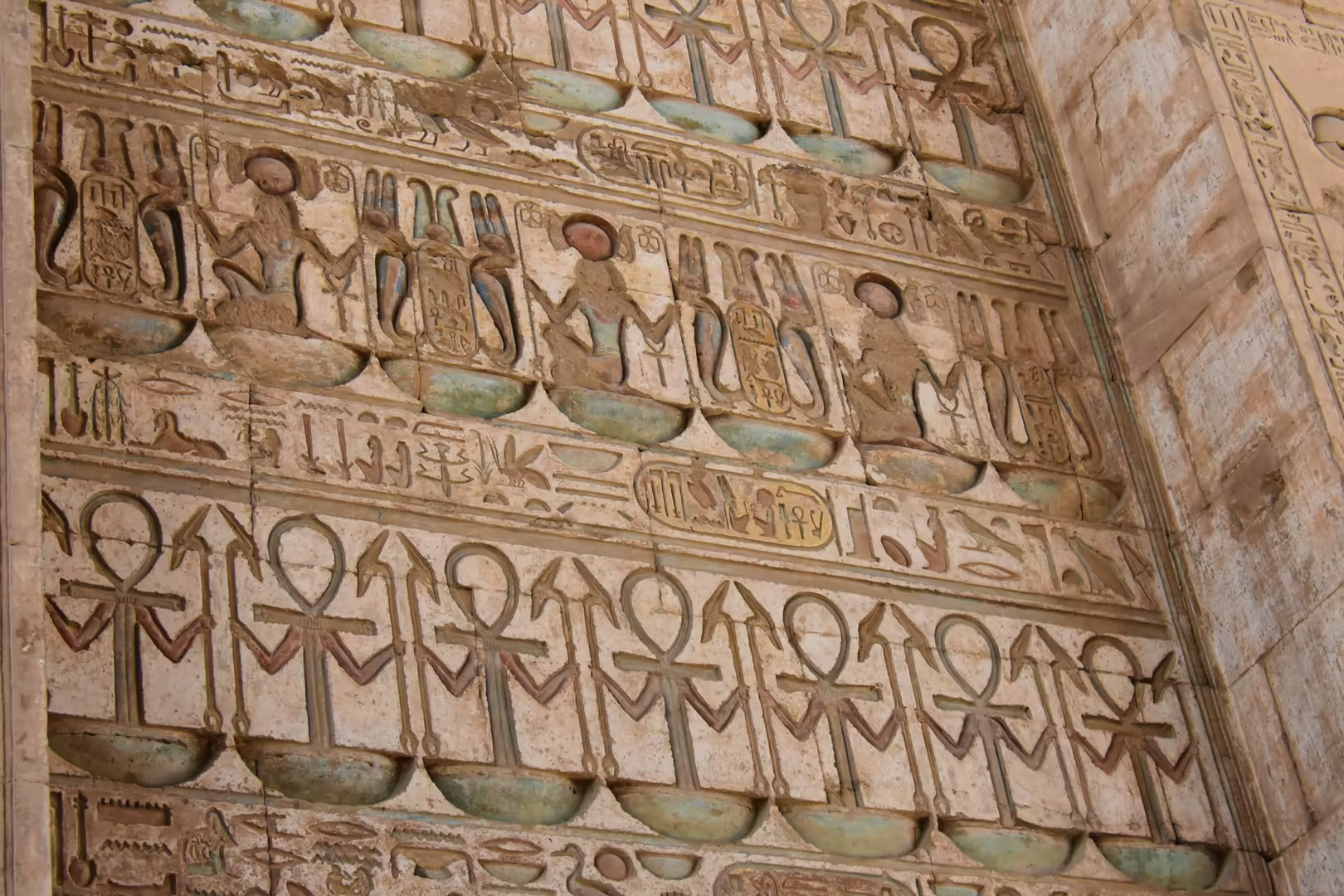
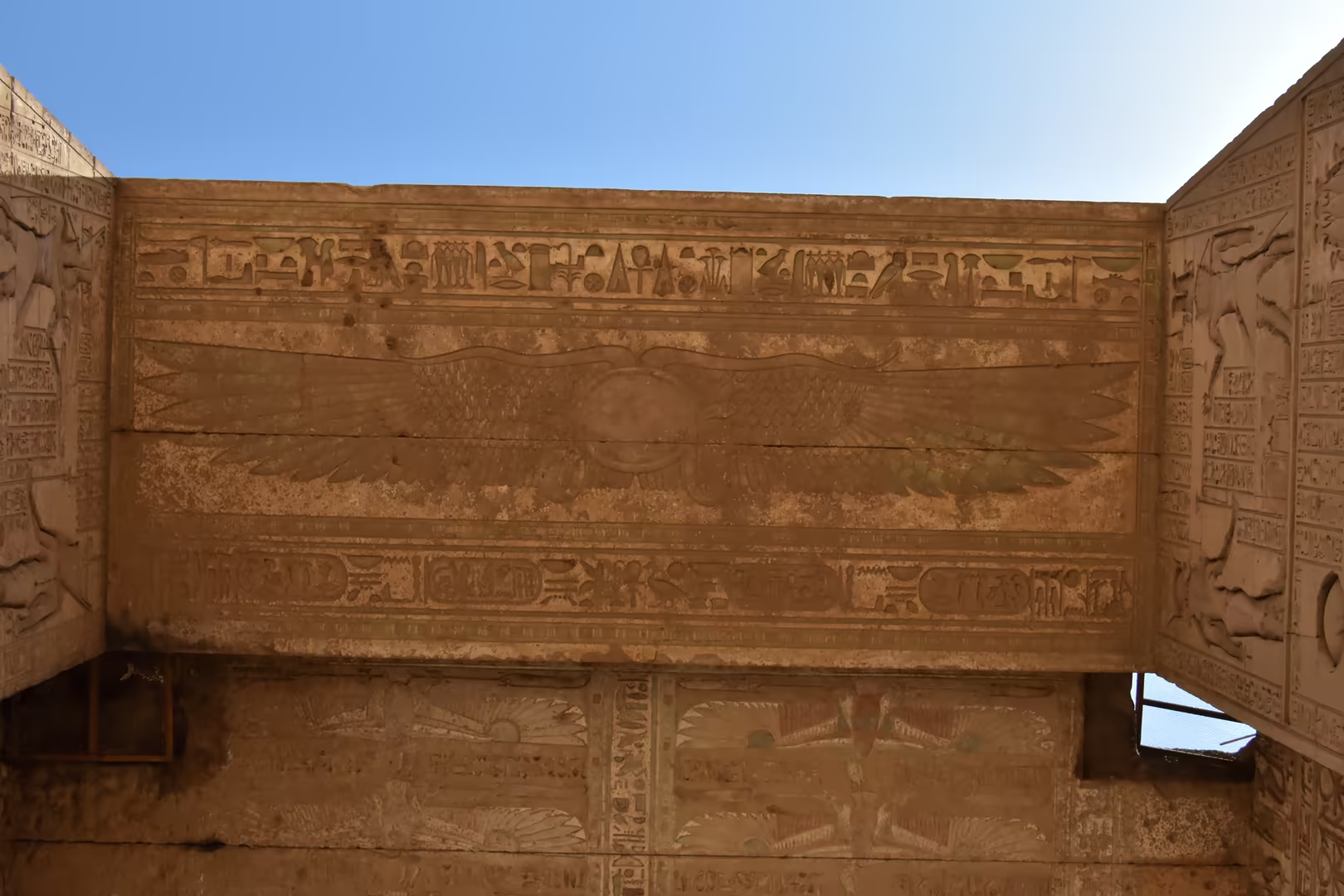
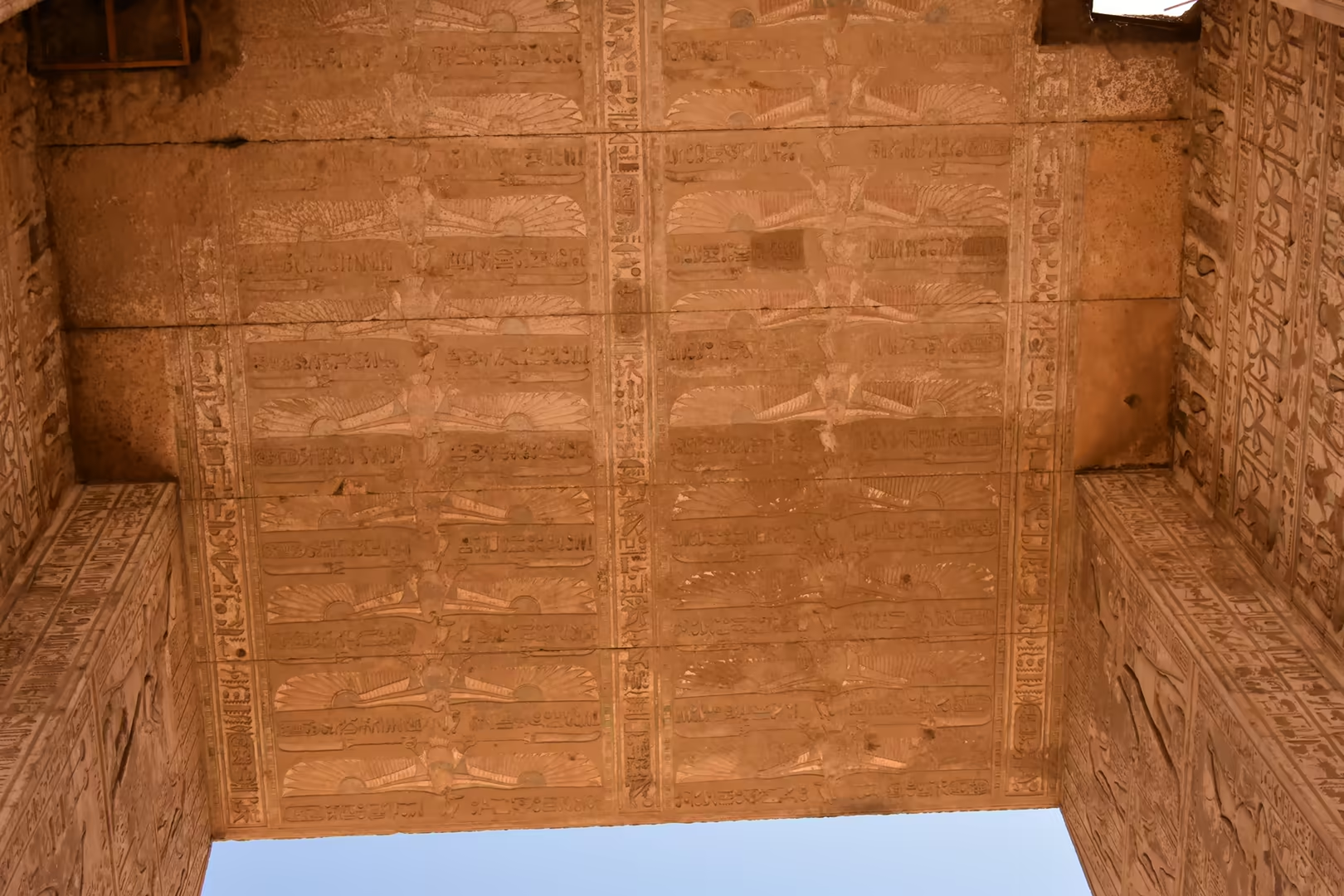
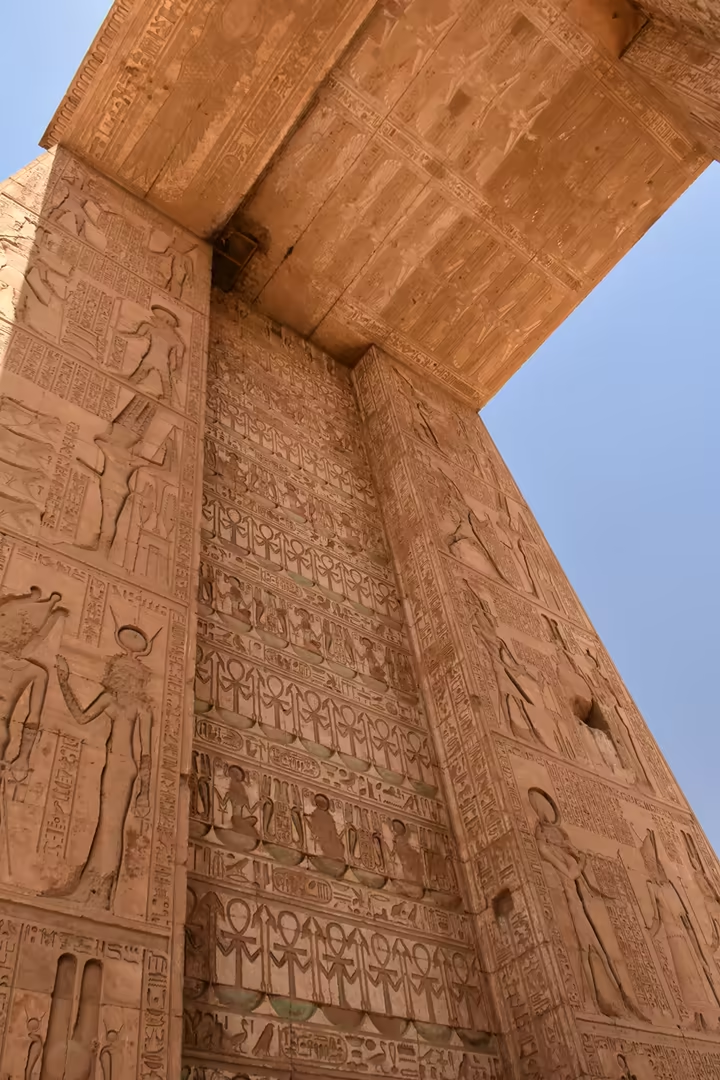
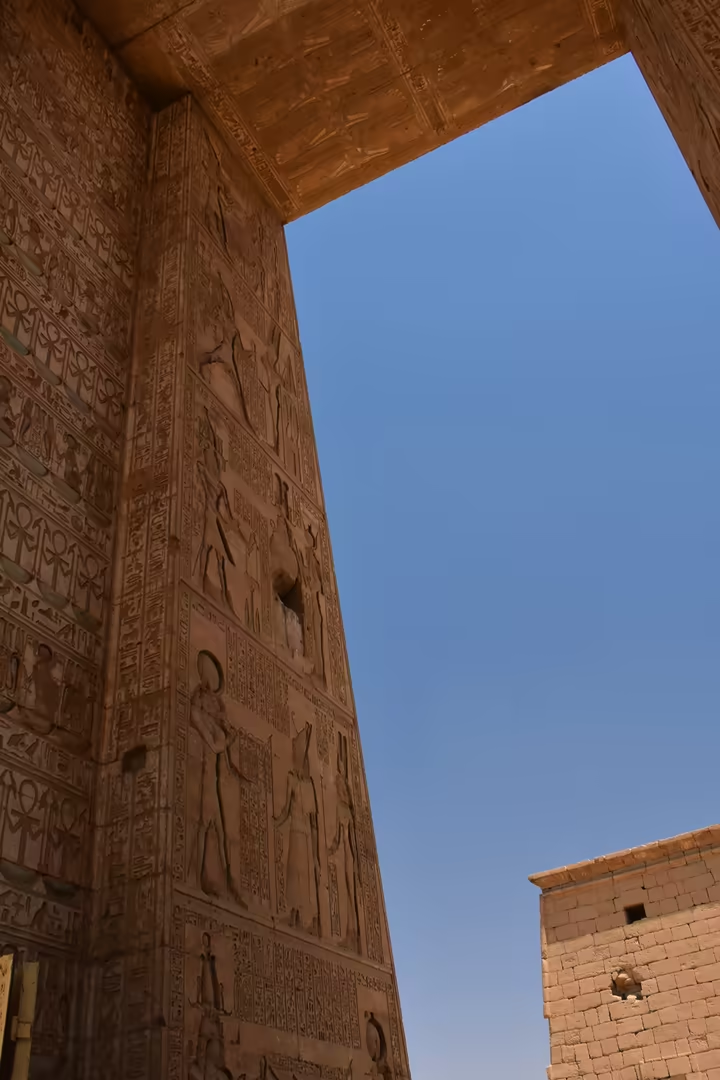
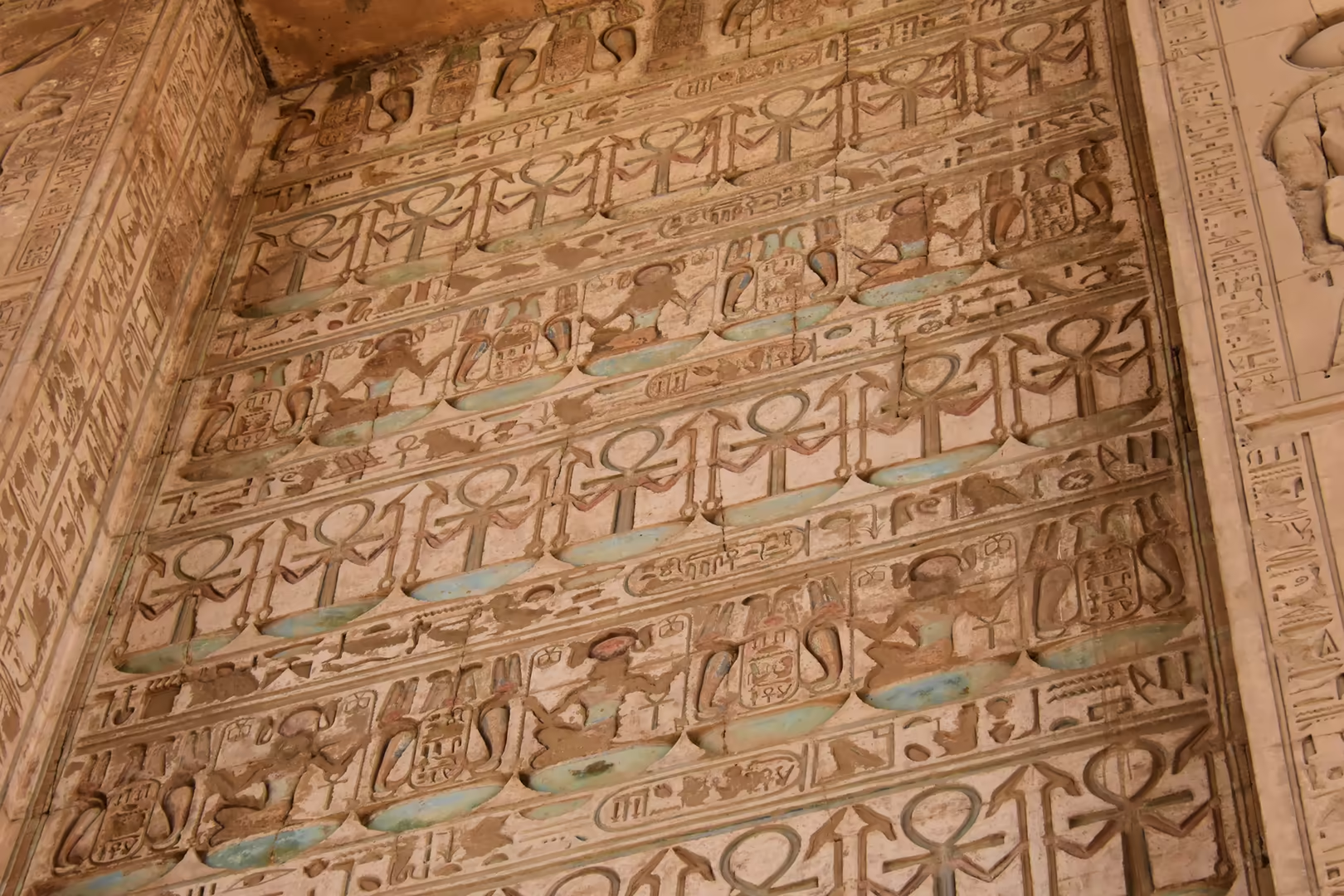
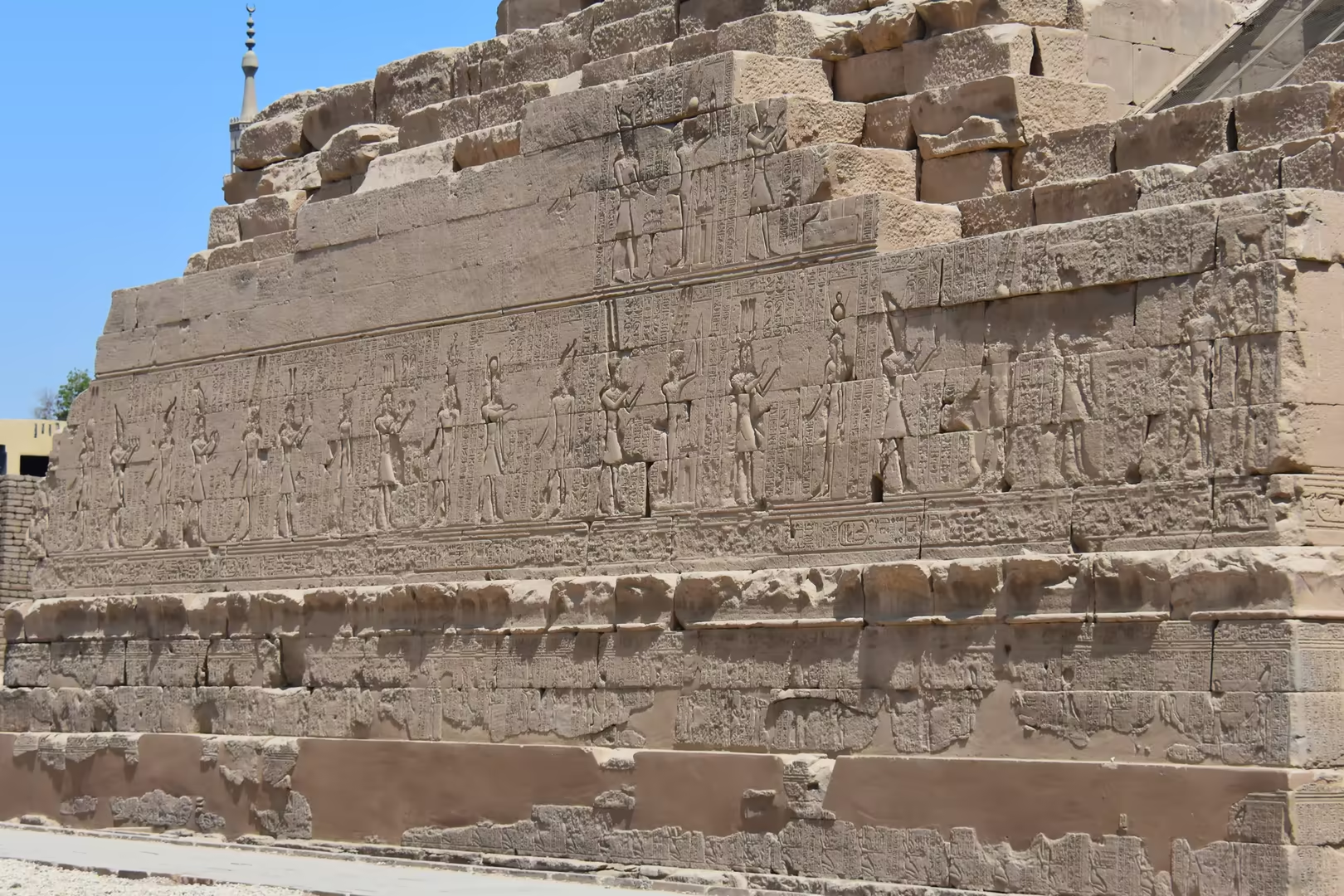
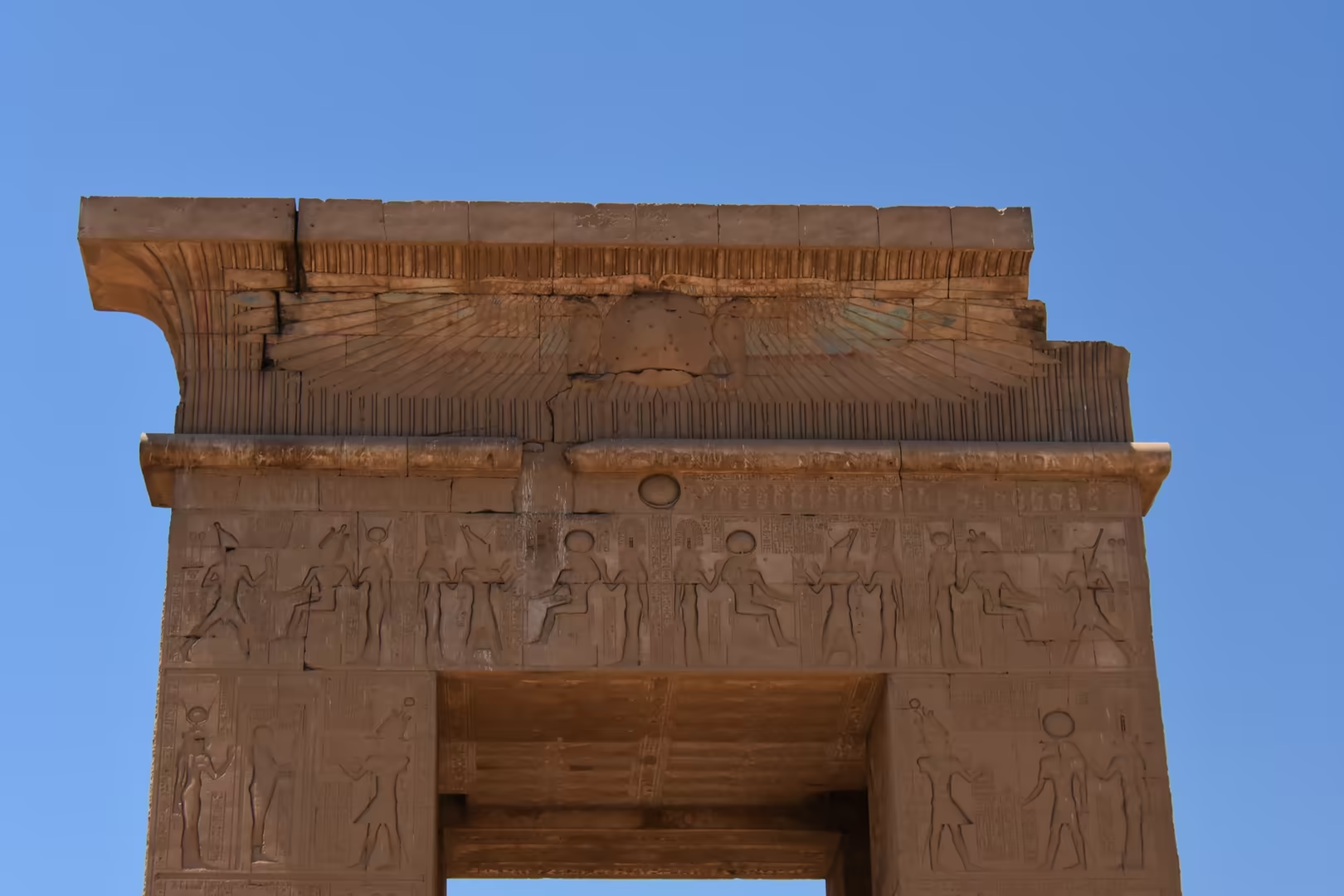
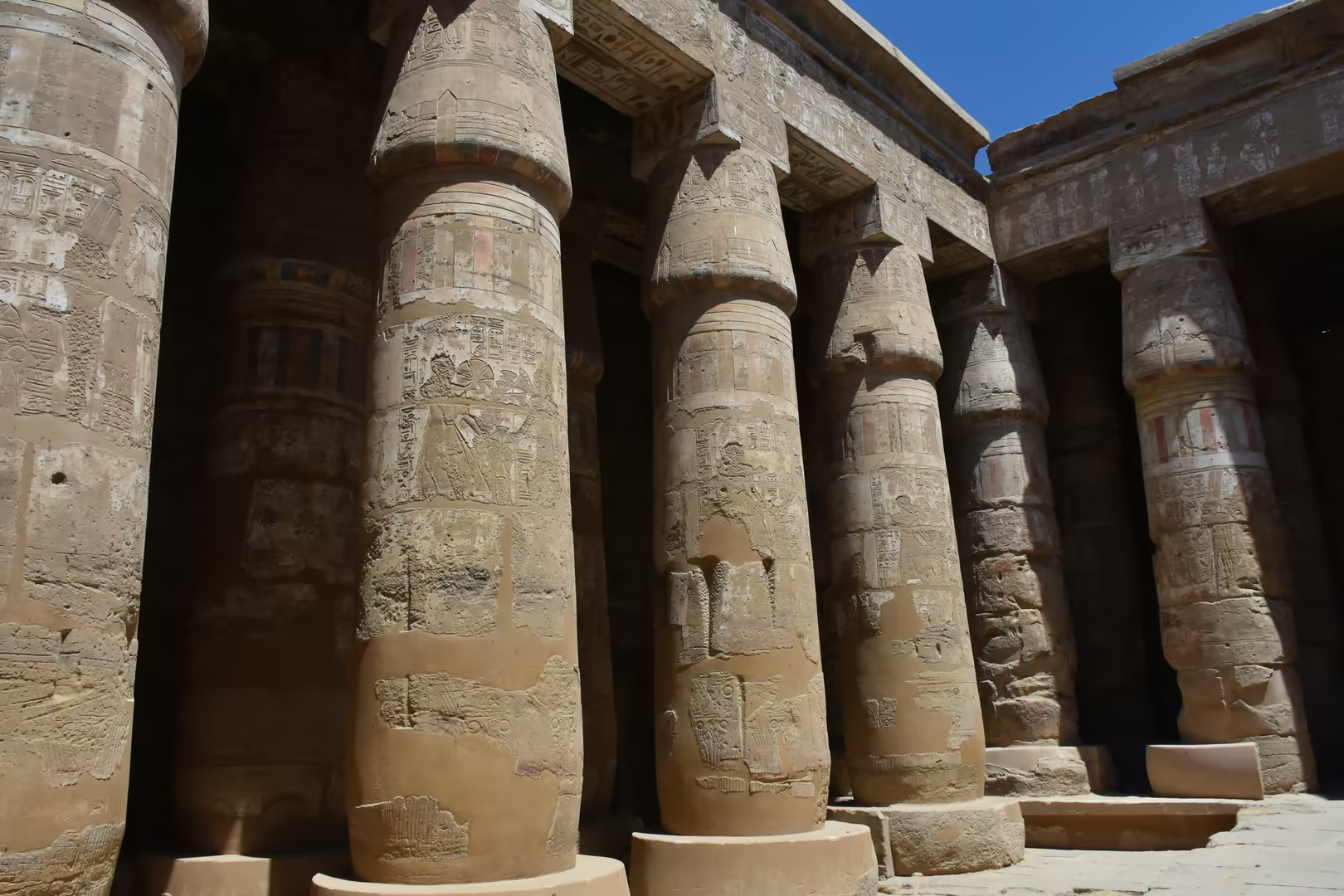
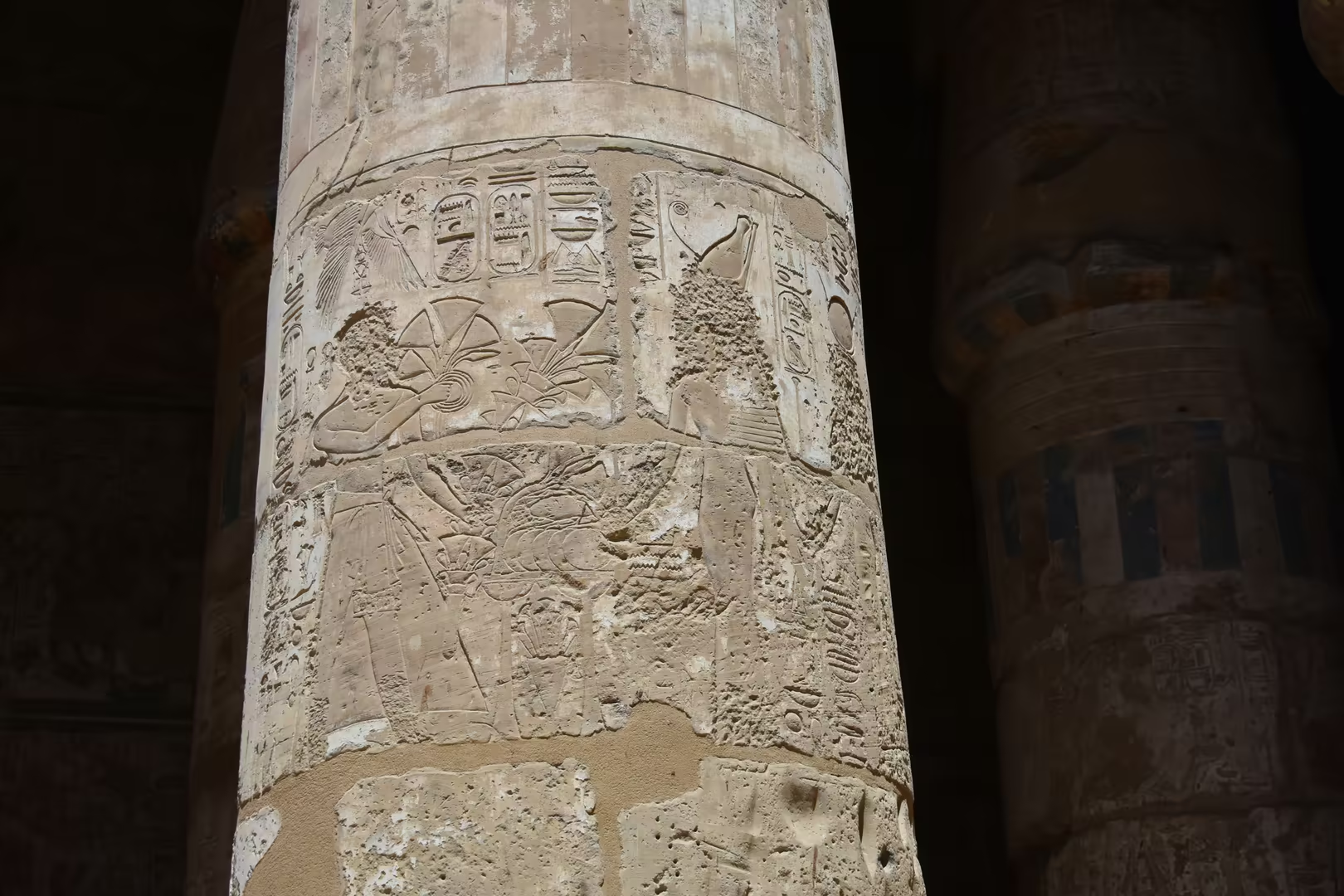
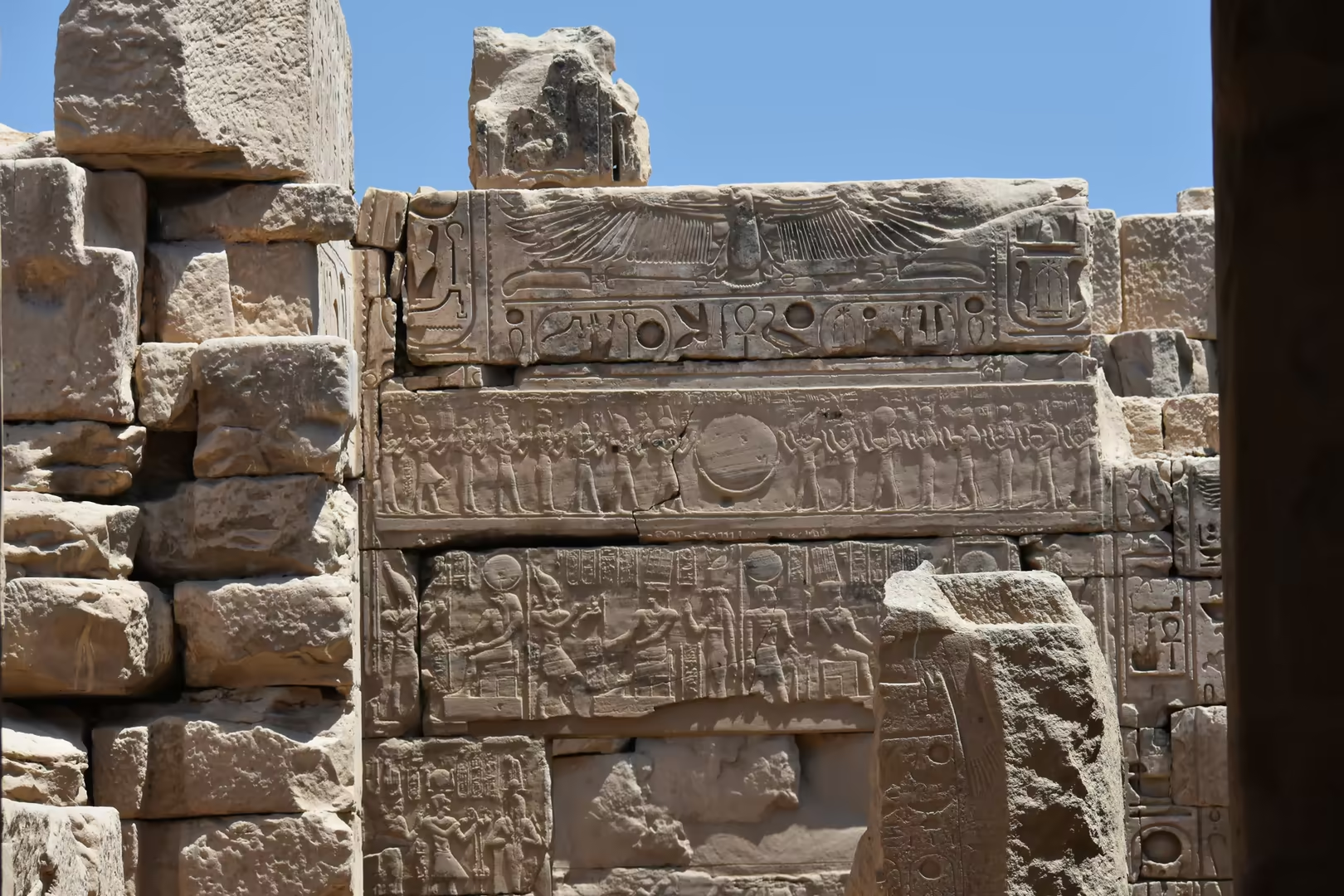
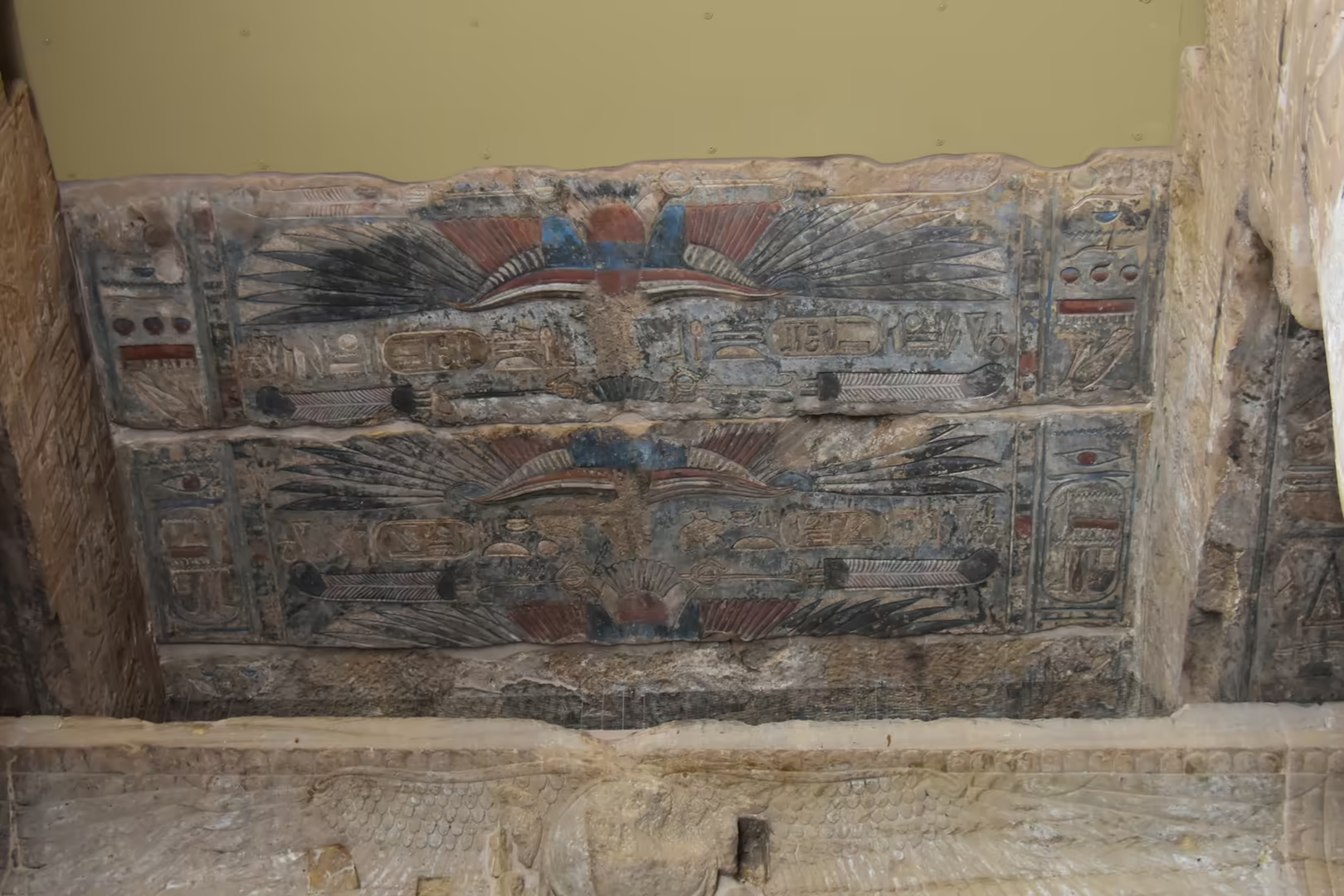
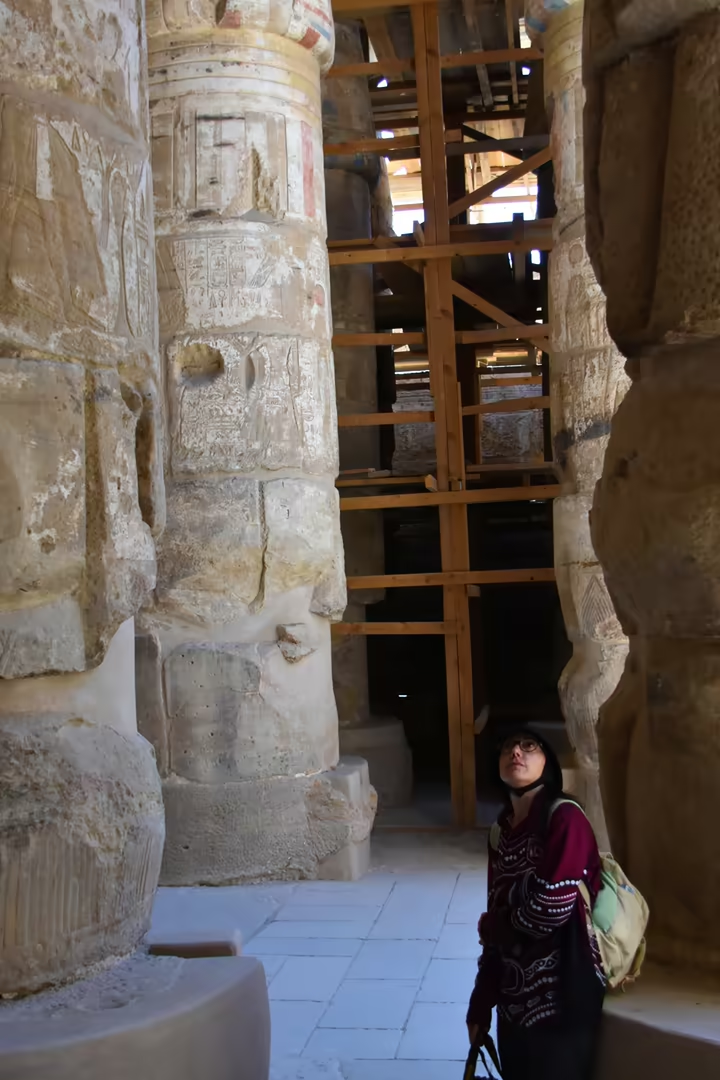
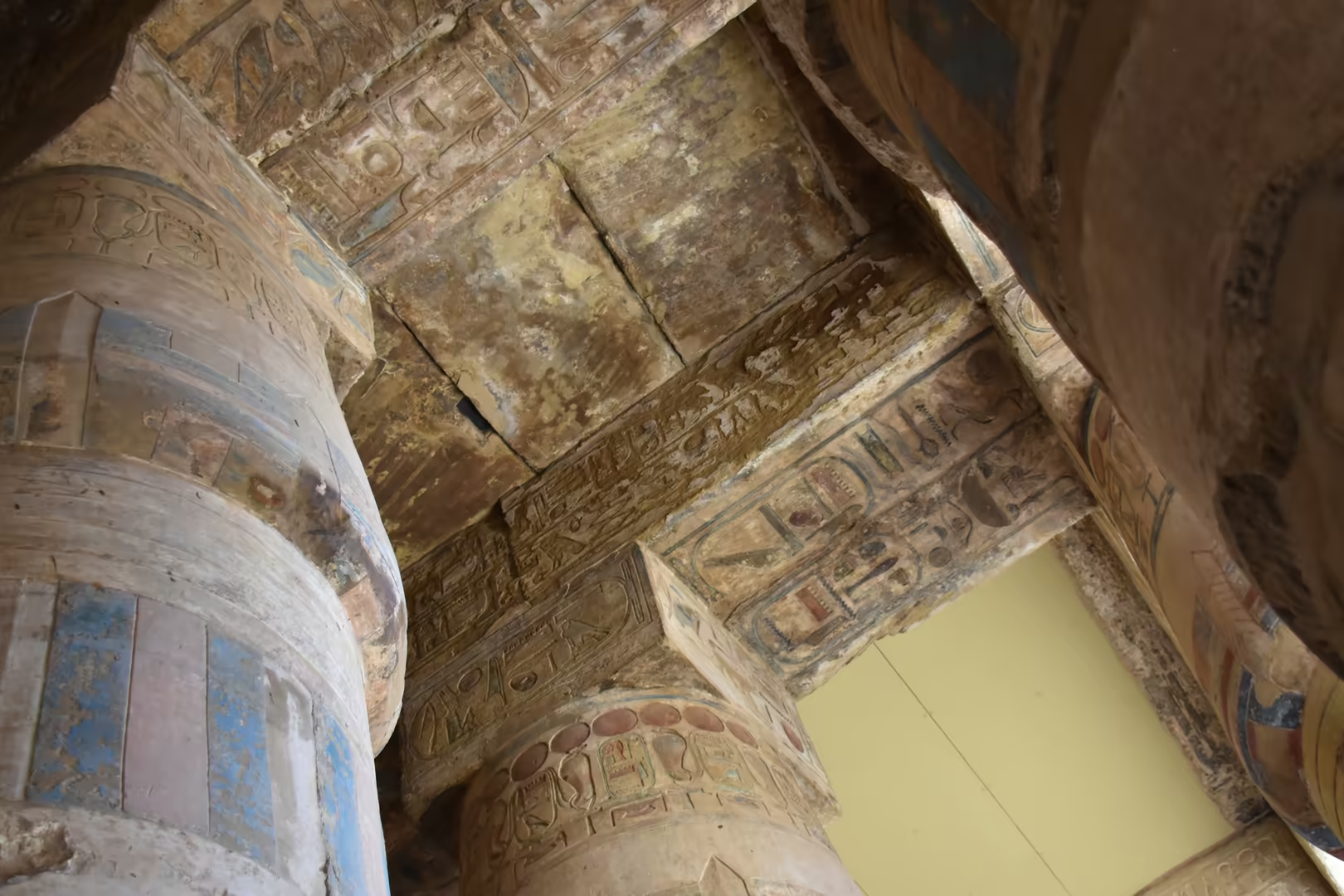
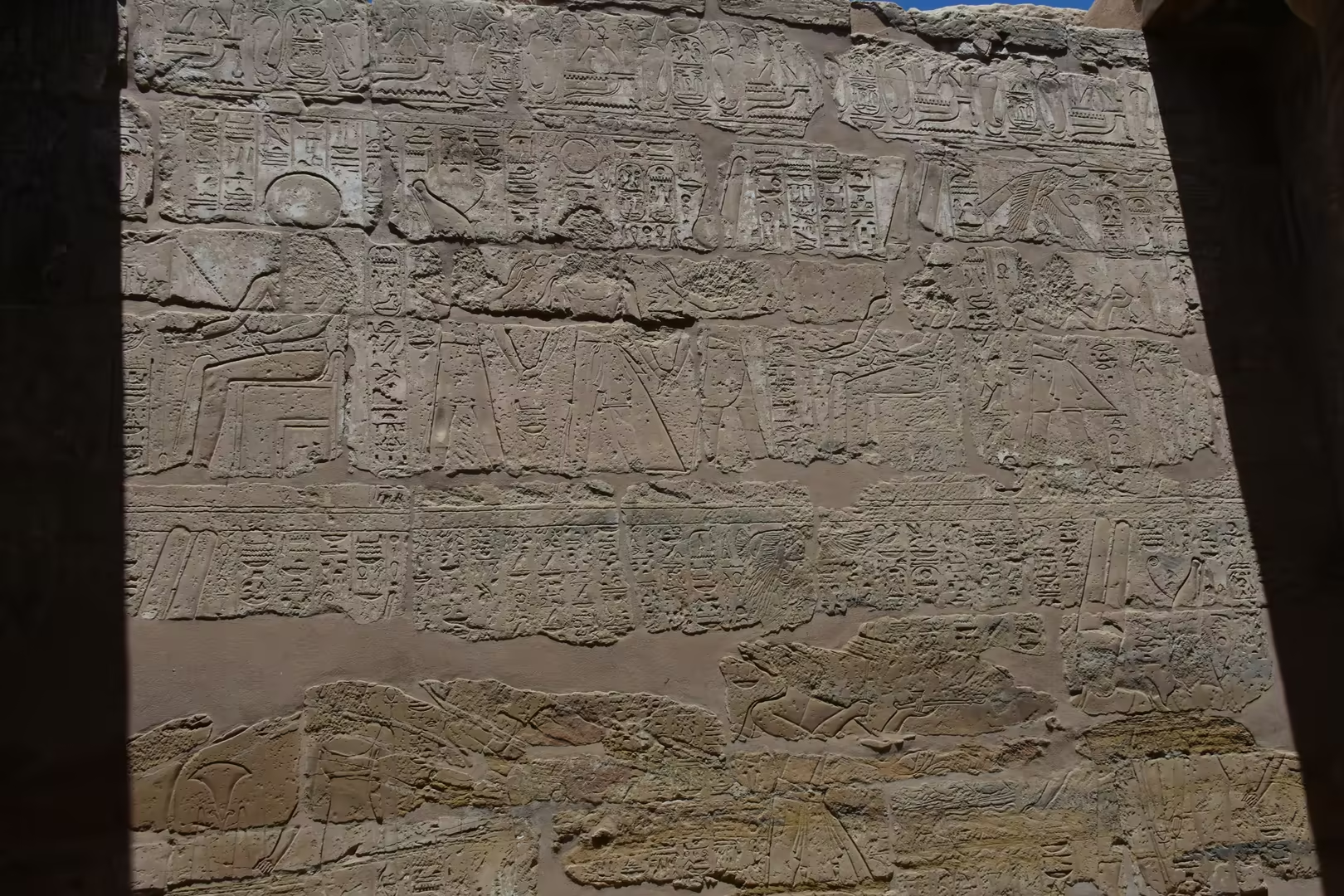
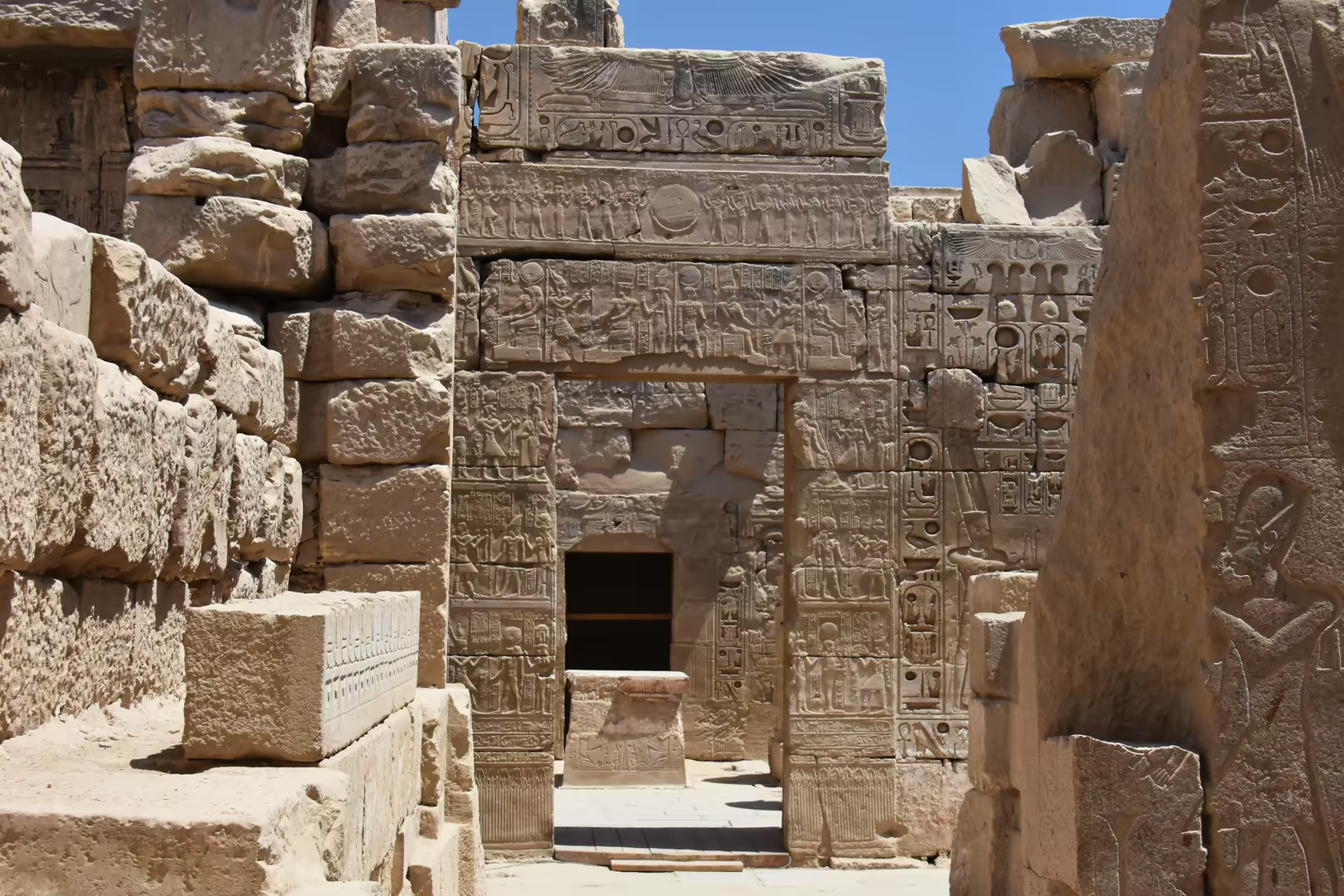
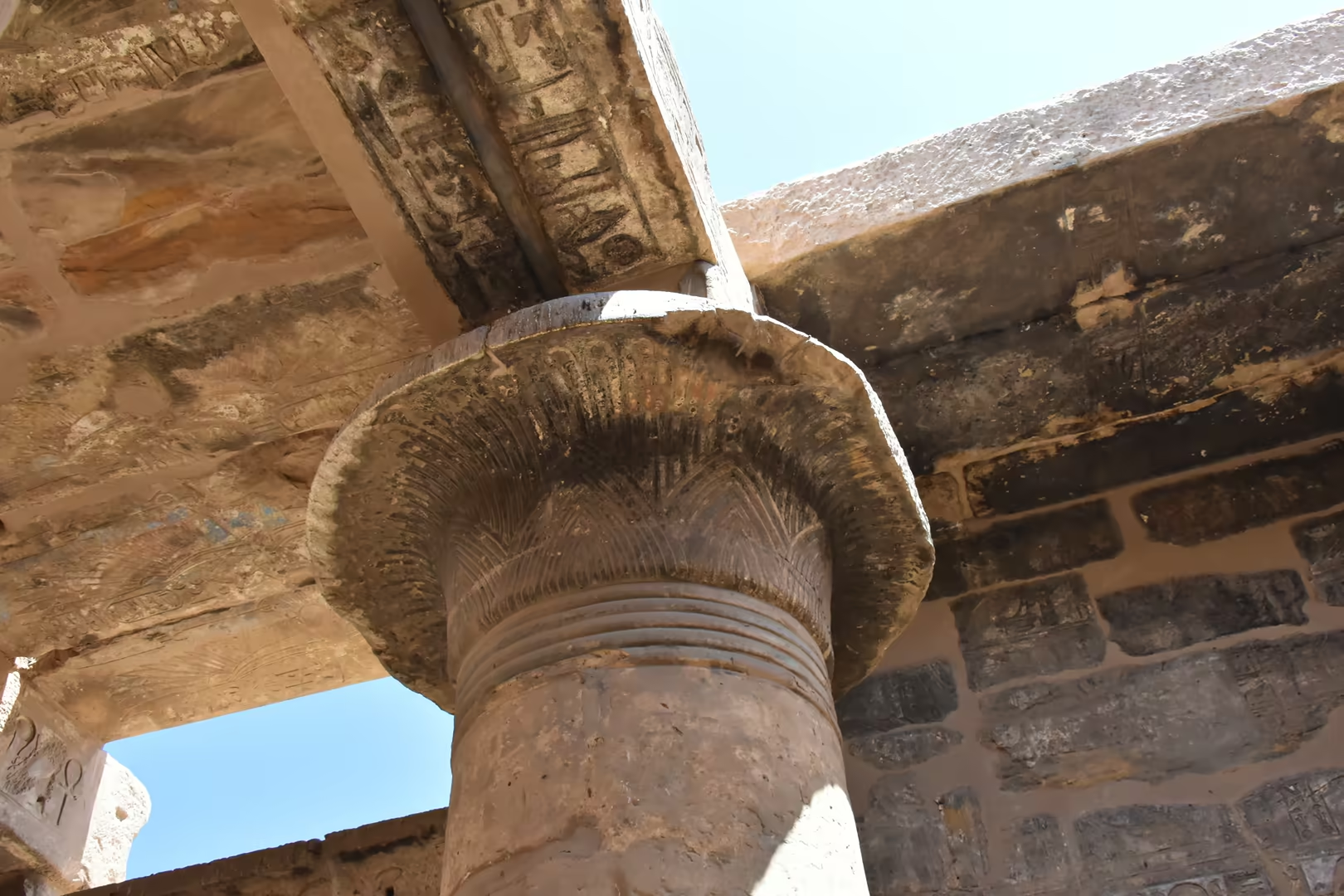
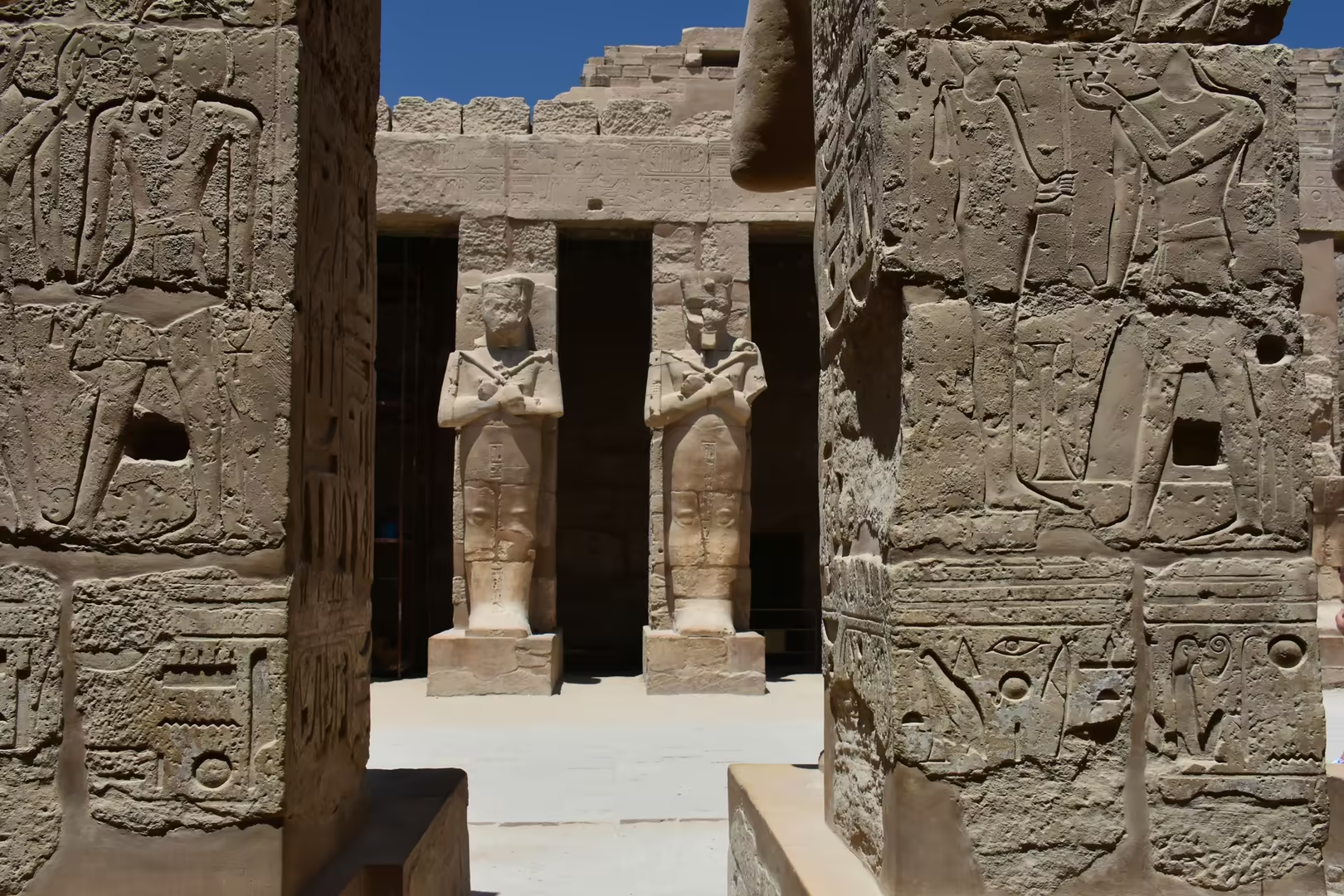
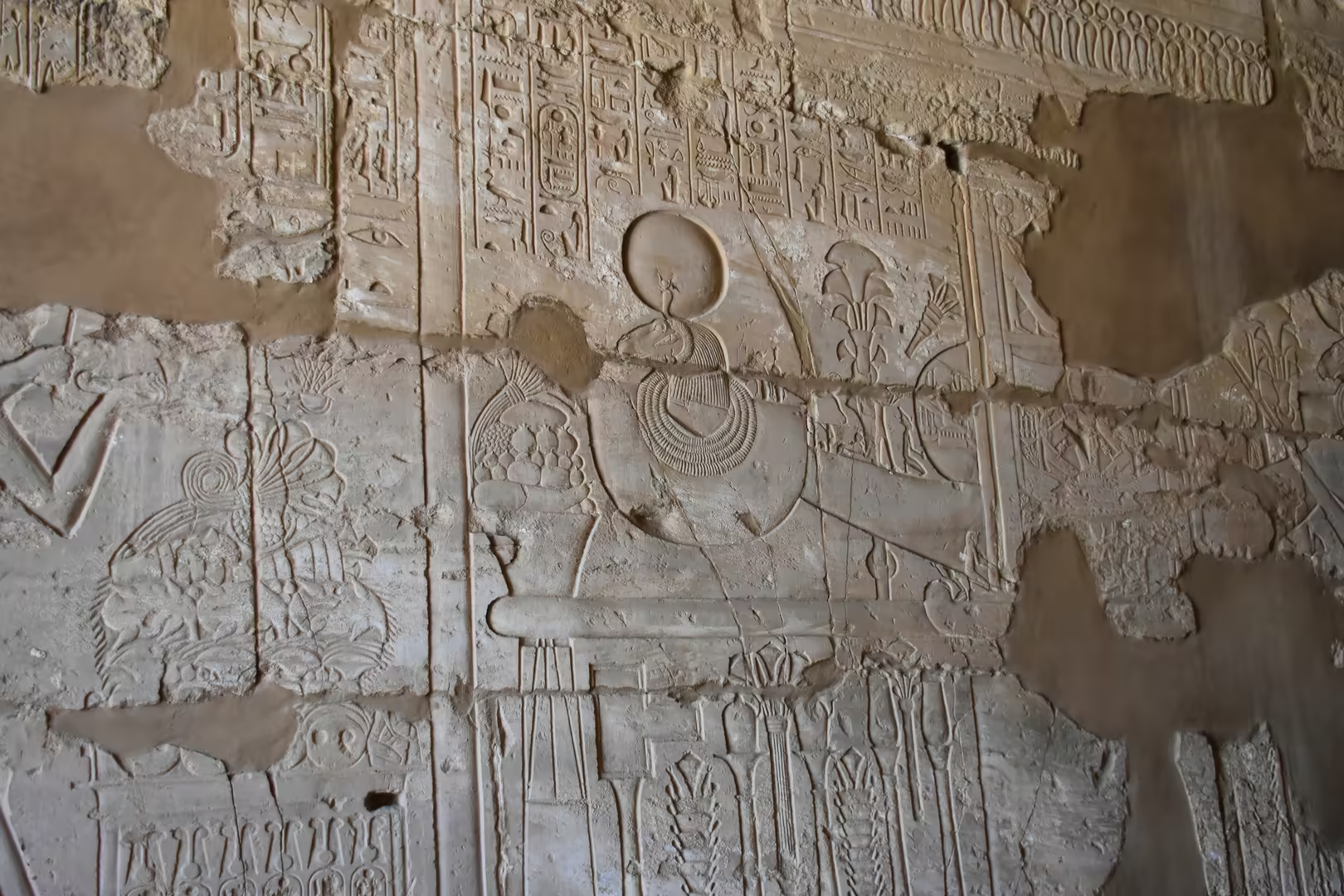
Sandstone weathers grain by grain. The cement that binds its quartz sand is never quite uniform, so harder and softer beds alternate in the masonry, and moisture, salt and wind pick out the difference: column shafts are hollowed into flutes, the fine detail of reliefs is lost where a skin of grains has fallen from the surface, and the painted plaster that once covered the walls survives only in sheltered traces, the faded blue of a ceiling, the yellow of a cartouche. Deep-cut hieroglyphs outlive raised relief because the sunk sign shelters its own edges, while the desert wind blasts away whatever stands proud of the wall; the dry air of Upper Egypt preserves what the dust storms do not sand-blast.
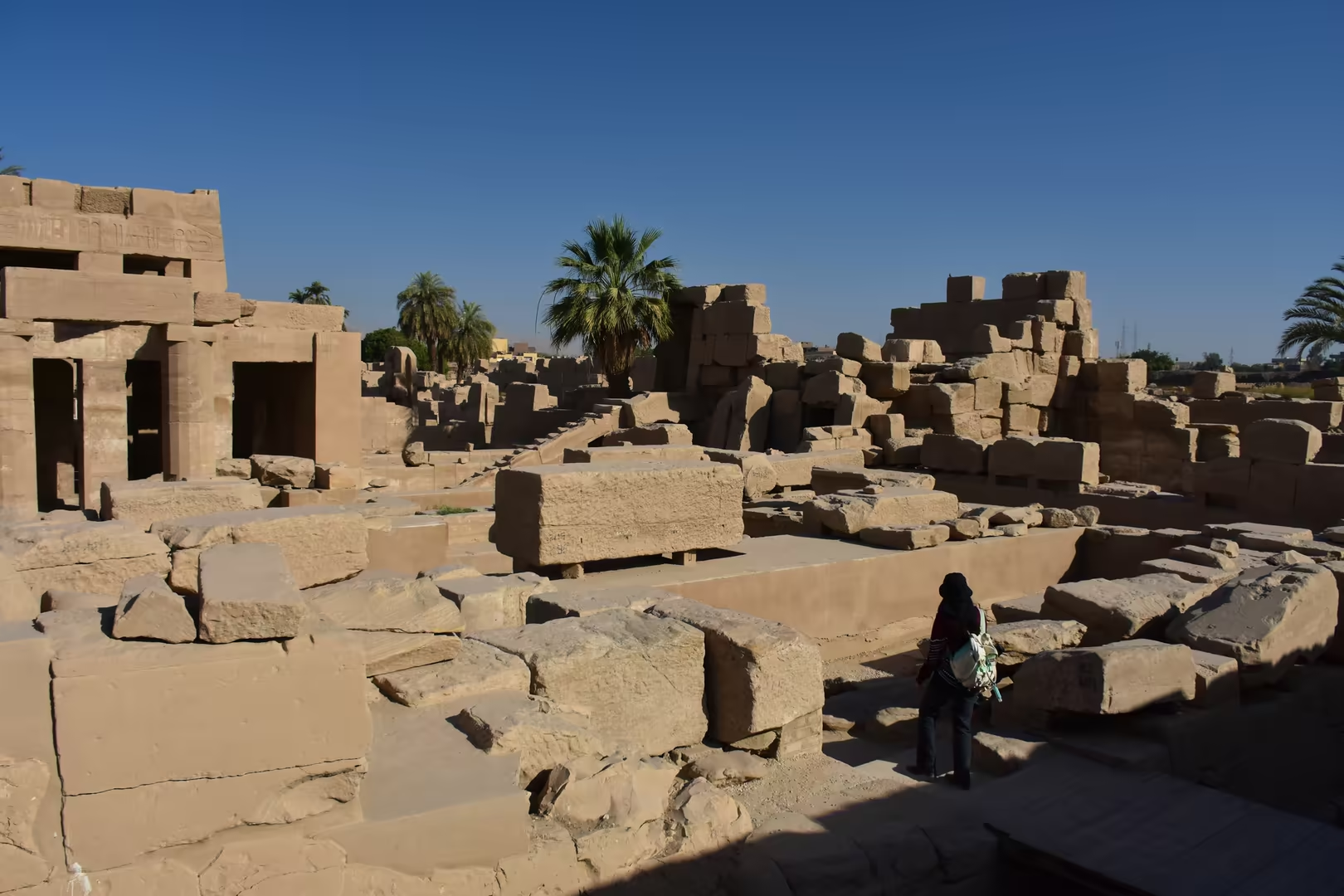
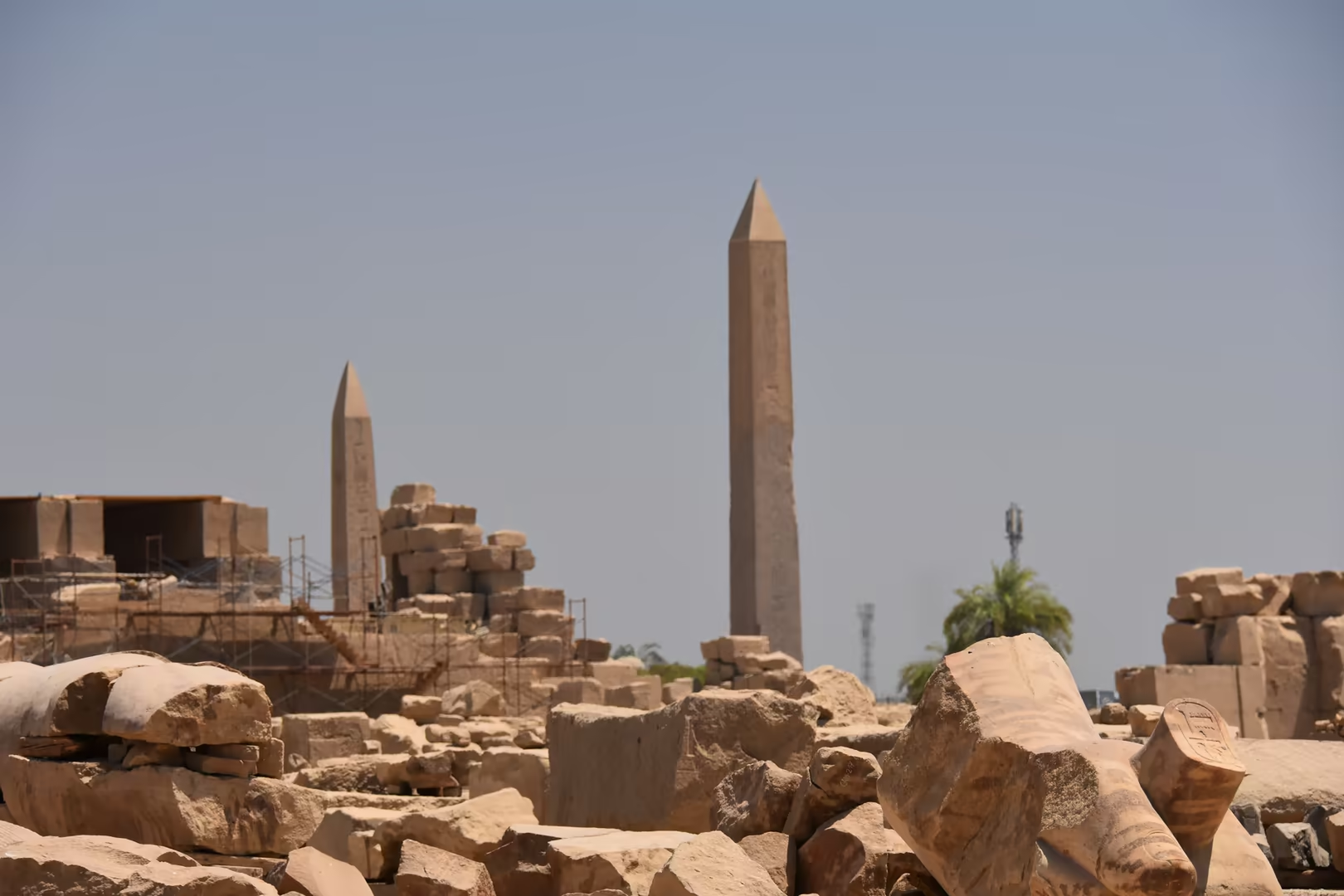
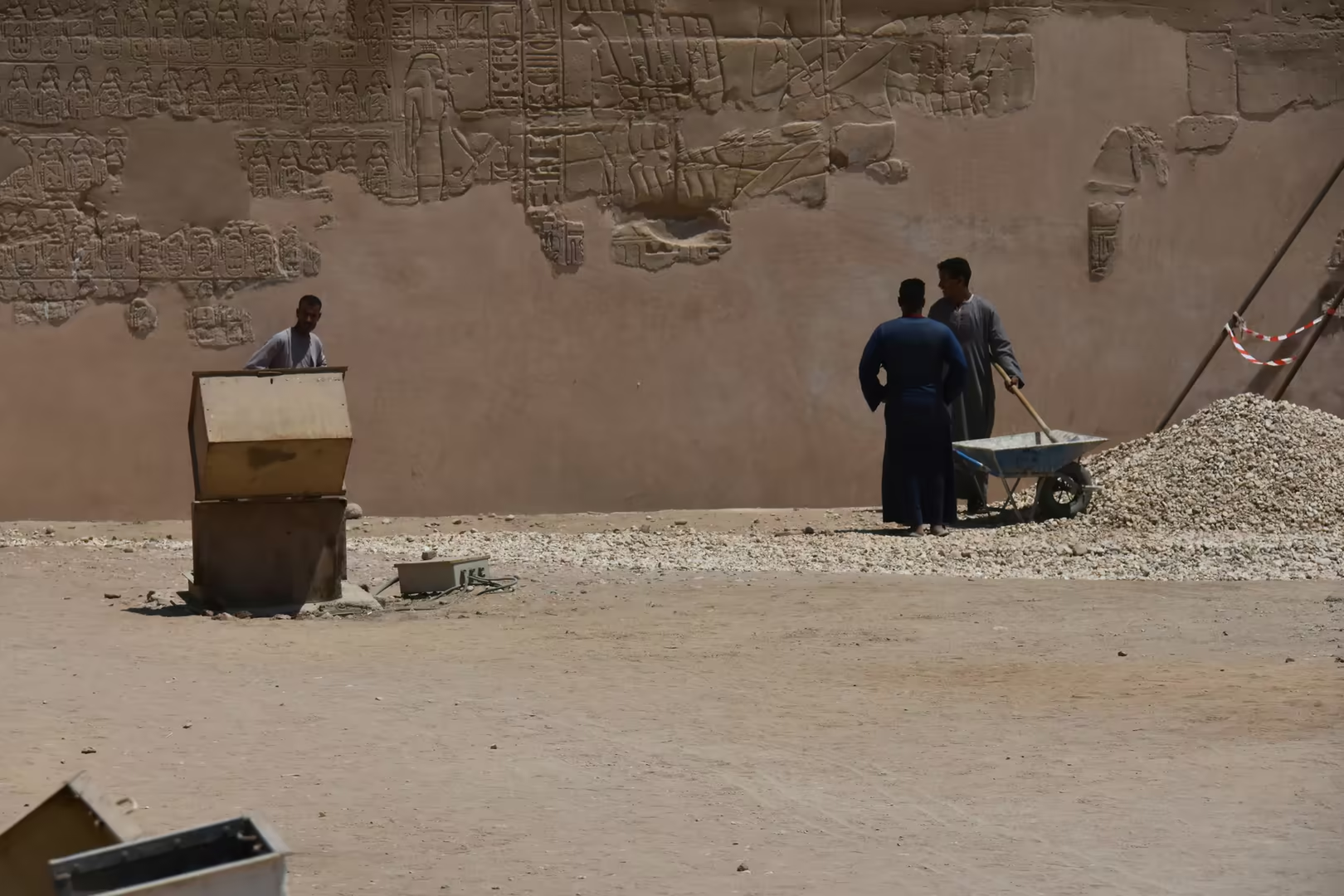
Water is the greater enemy on the east bank, and it is largely a modern problem. Until the twentieth century the annual flood rose and fell past the temple and the ground water with it; since the first Aswan dam of 1902 and the High Dam of 1970 the flood no longer arrives, perennial irrigation has raised the water table of the valley, and the balance at Luxor has tipped. When Georges Daressy sought the avenue of sphinxes in 1893, the Luxor end lay below the water table and could not be excavated; a century later the same rising ground water, laden with salts, attacks the foundations by capillary action, flaking the column bases and the lowest courses of the walls. Drainage and dewatering works now protect the monuments, and decayed blocks are replaced with fresh sandstone from the old Silsila quarries; scaffolding about parts of the temple still marks the campaign of repair. Human occupation added its own strata: the temple stood for centuries inside the town, and the artificial hill of debris that buried it, up to fifteen metres deep, was removed only in the last hundred years, while the mud-brick minaret of the mosque still dissolves in the rare rains.
Things to See
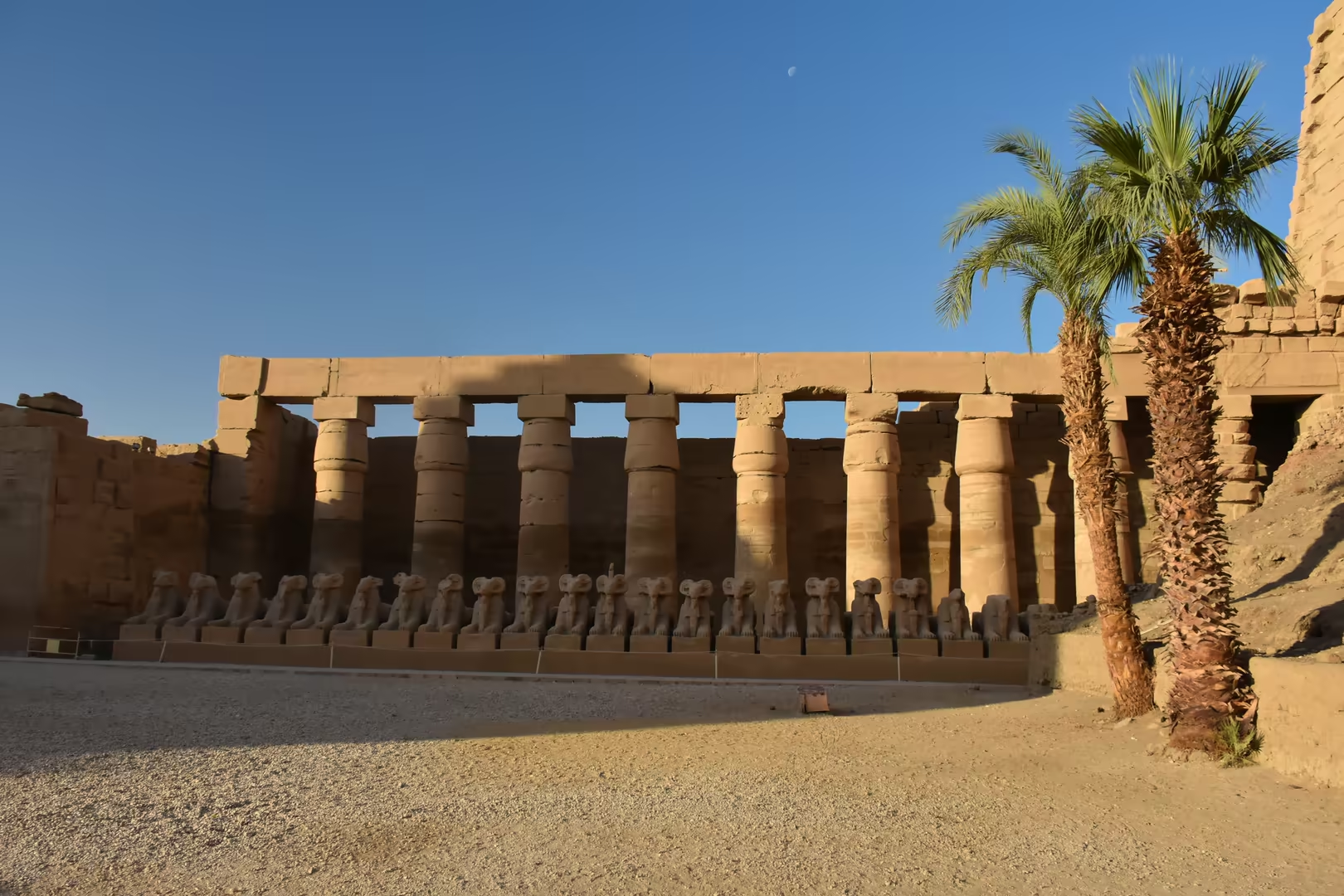
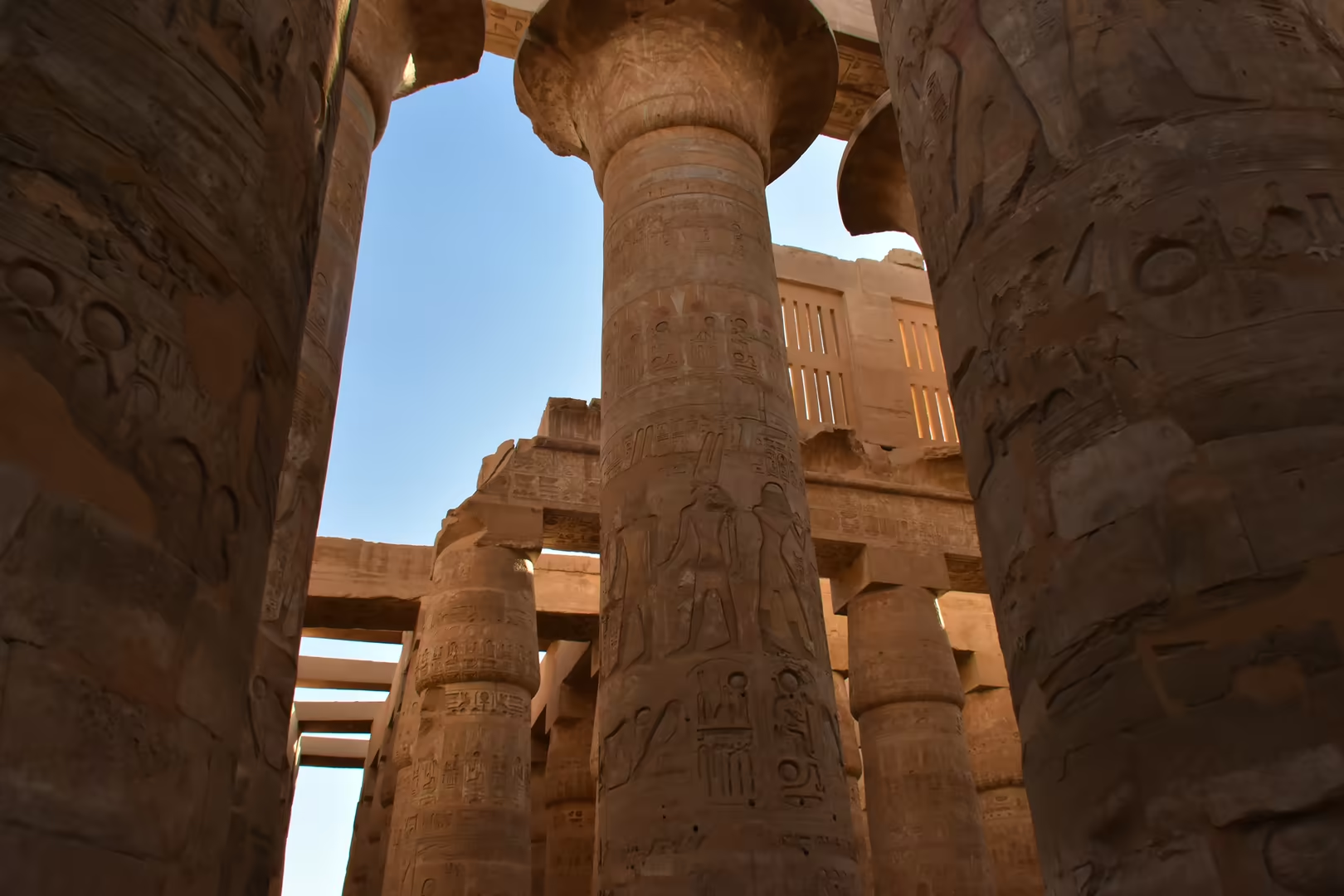
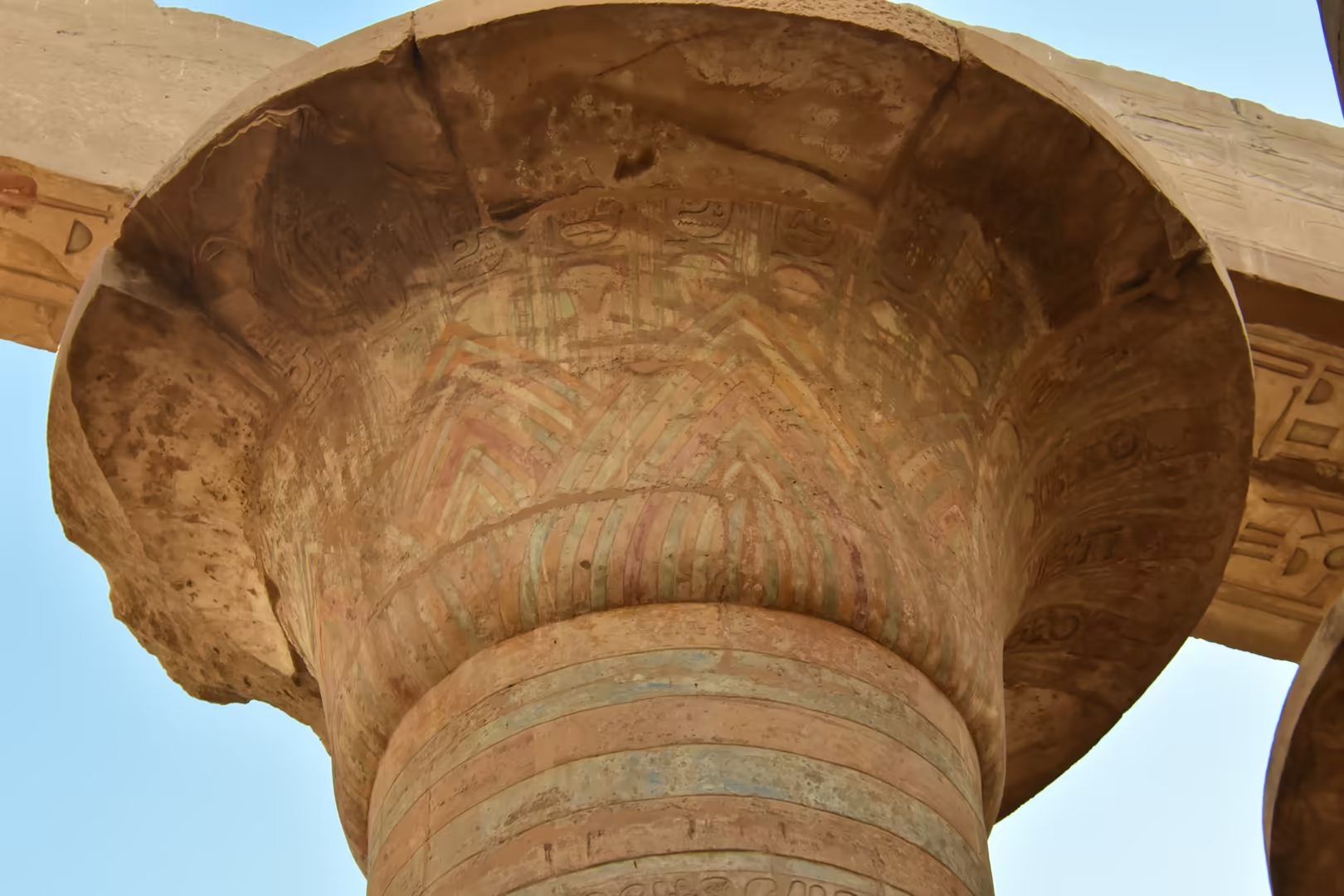
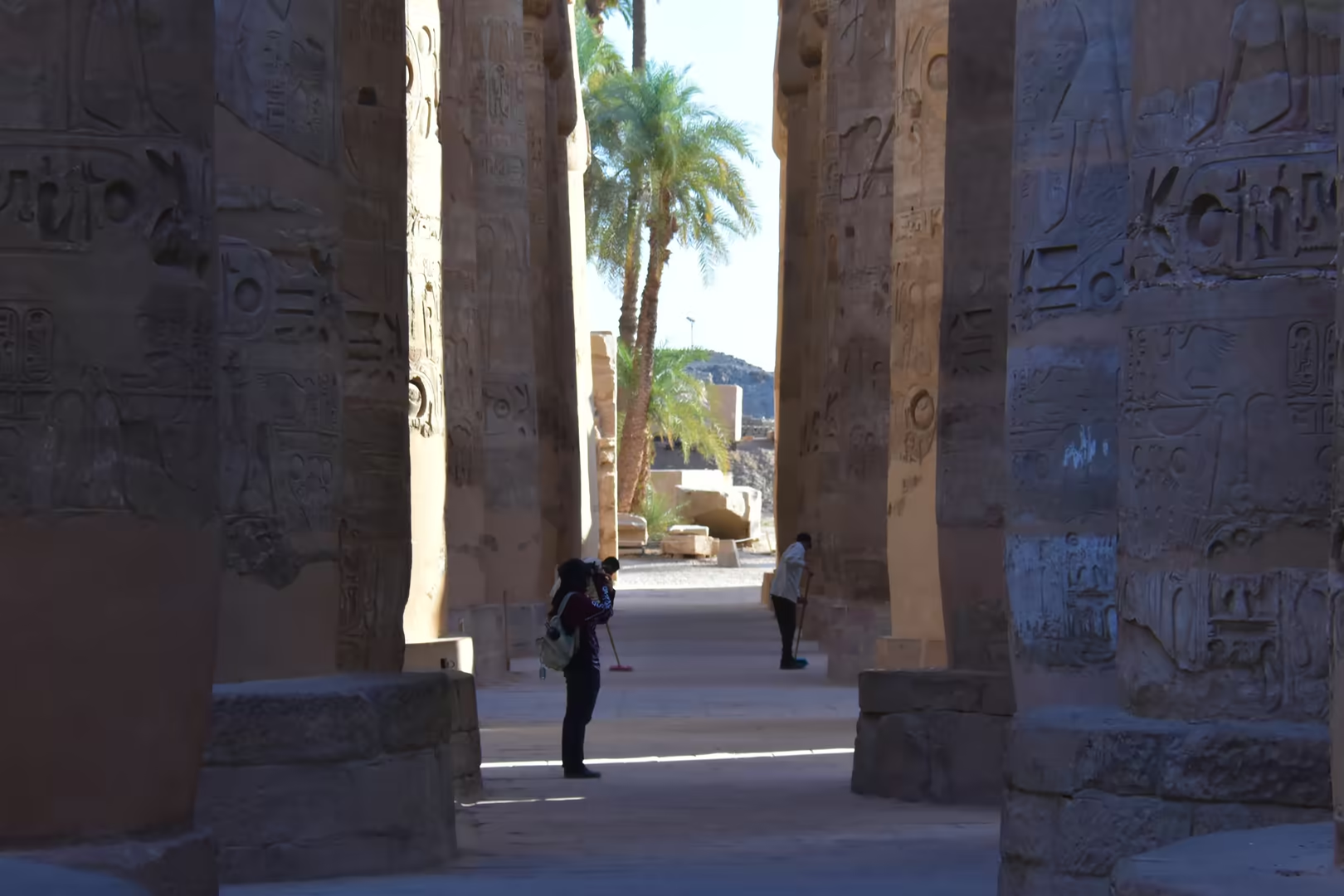
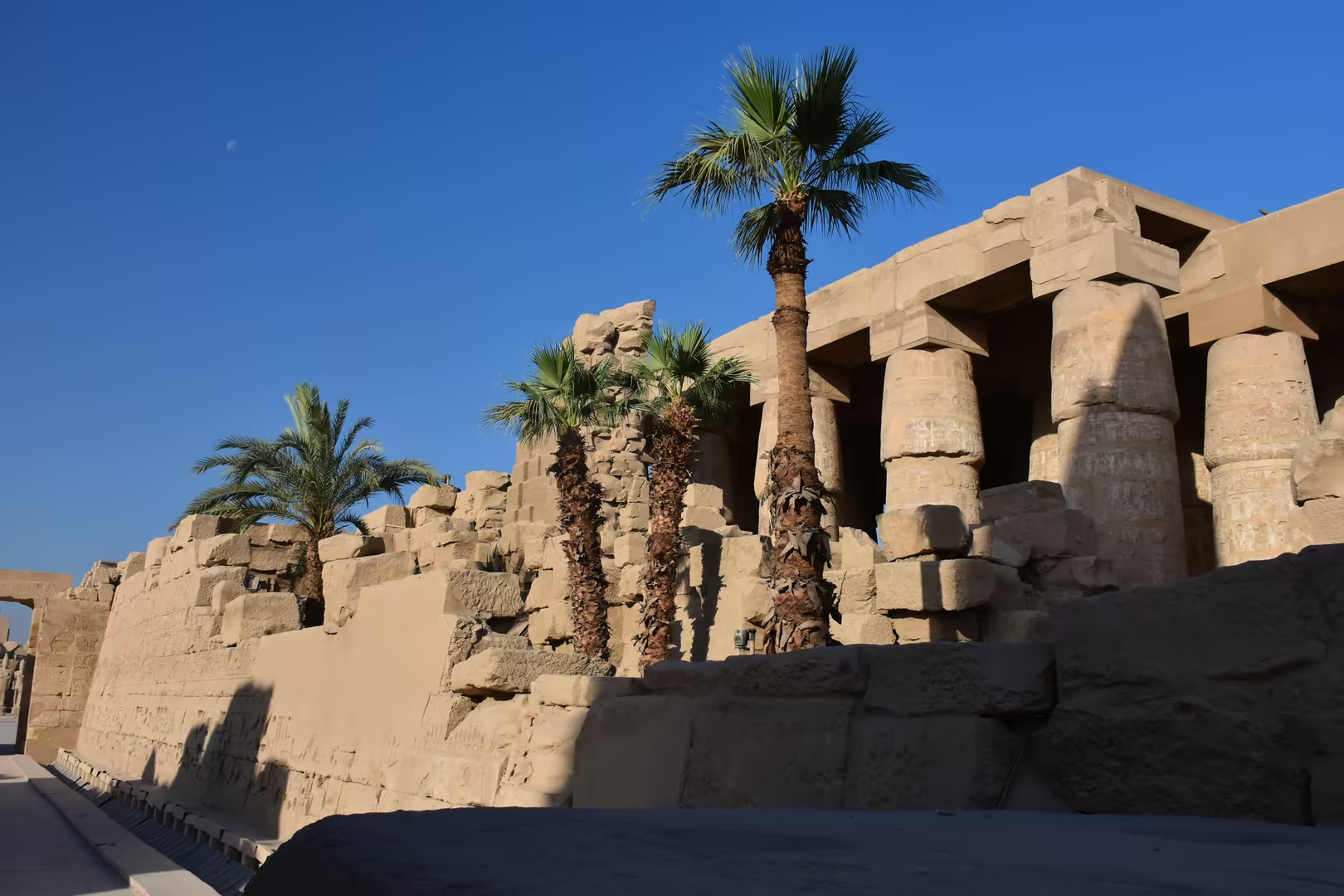
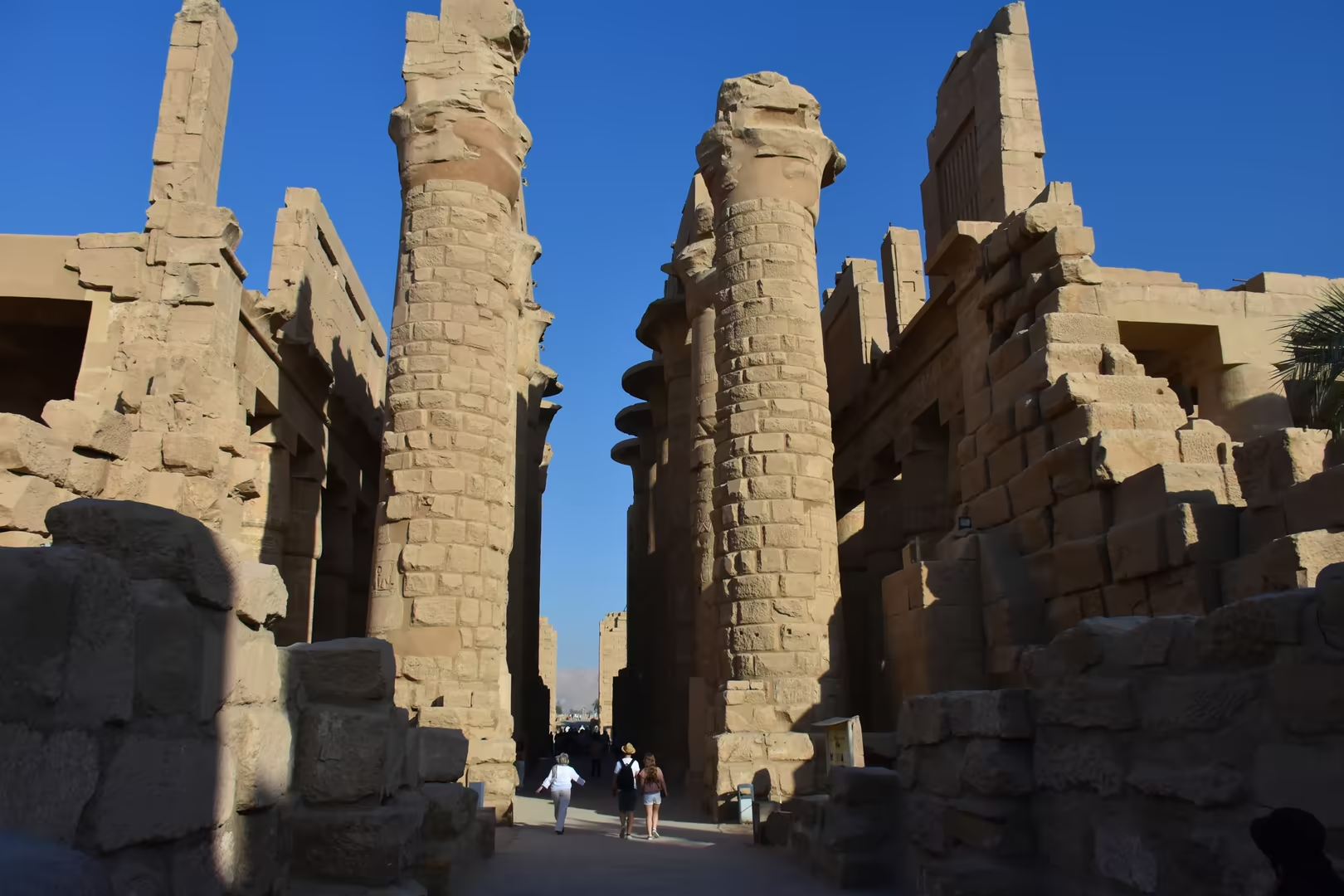
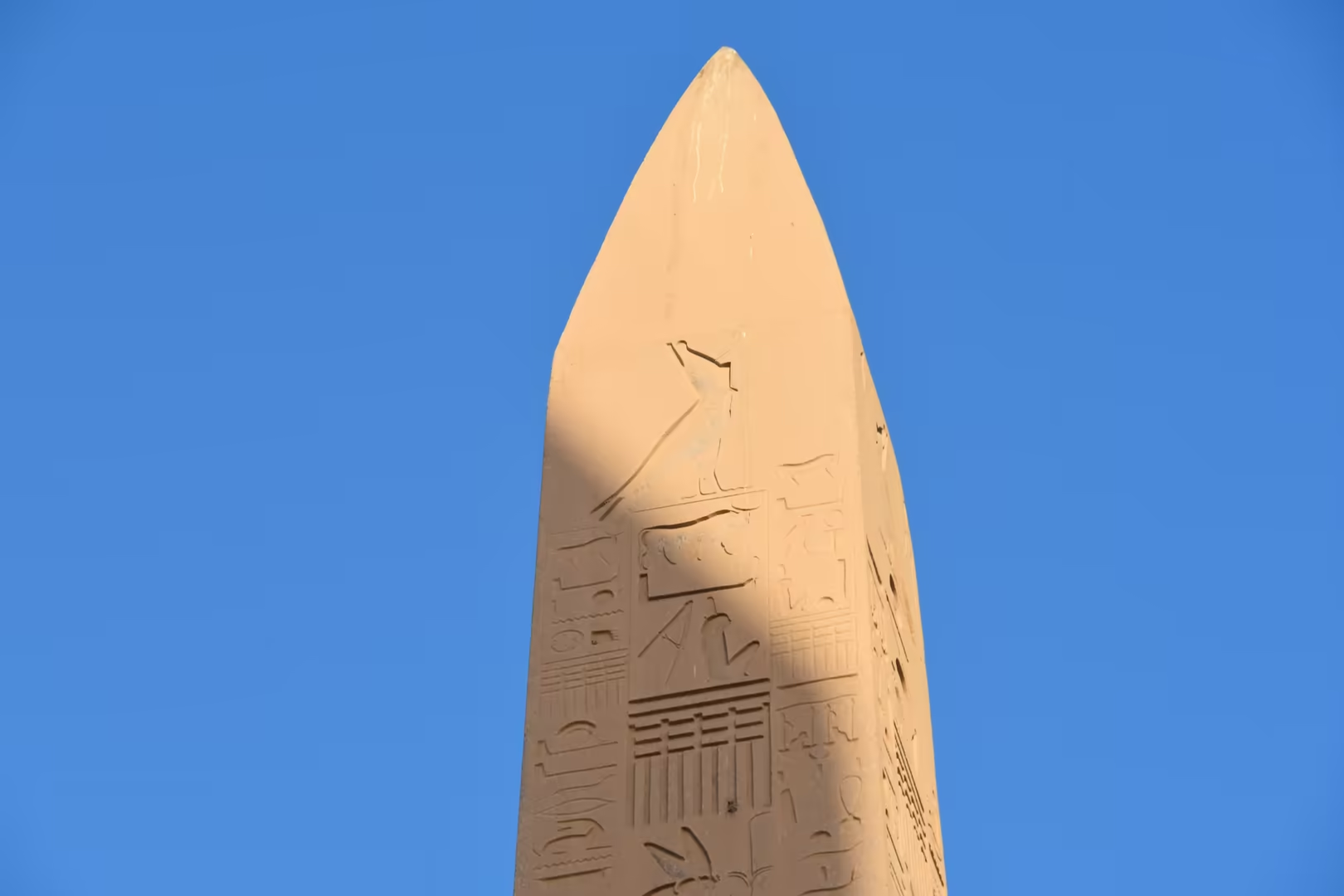
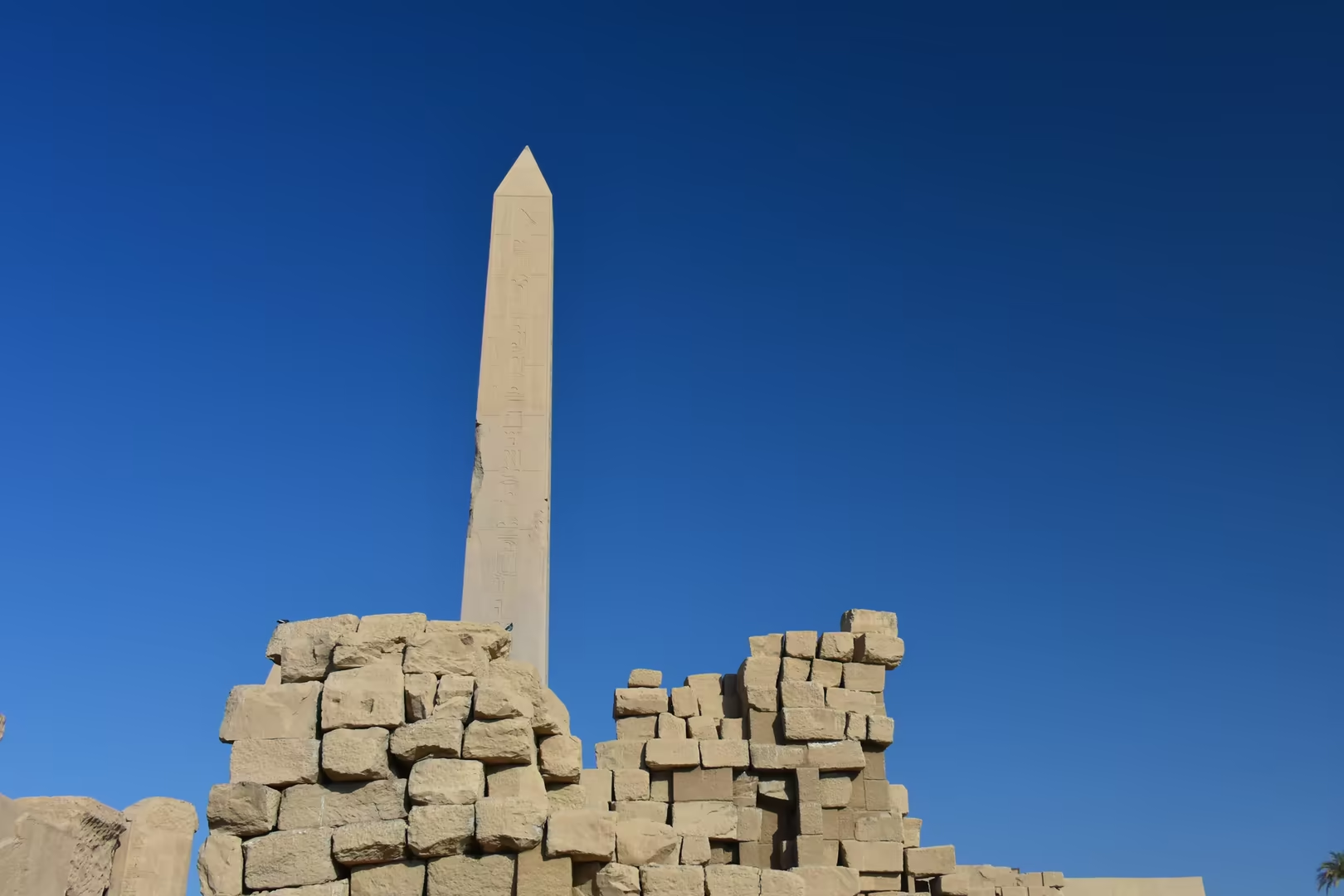
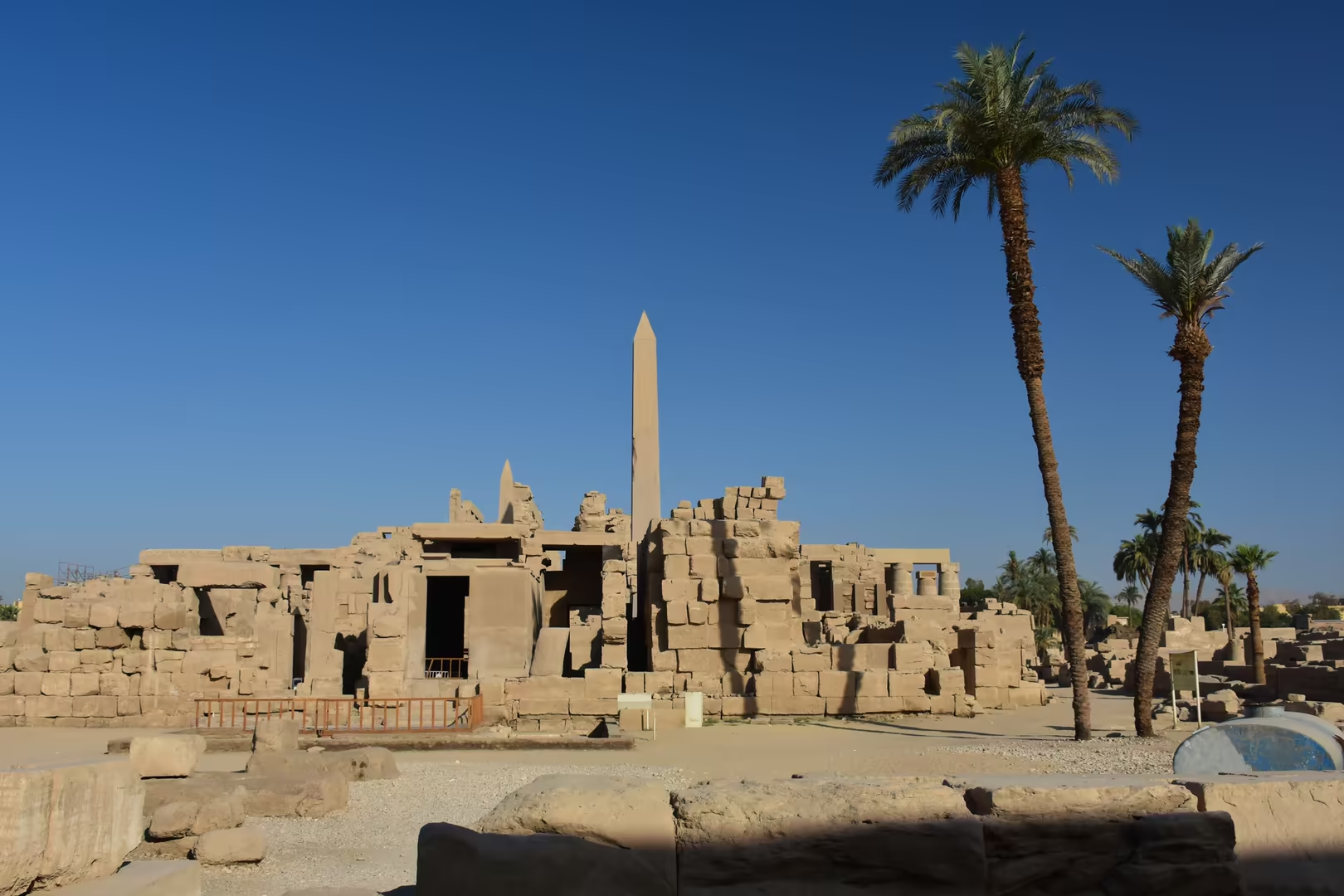
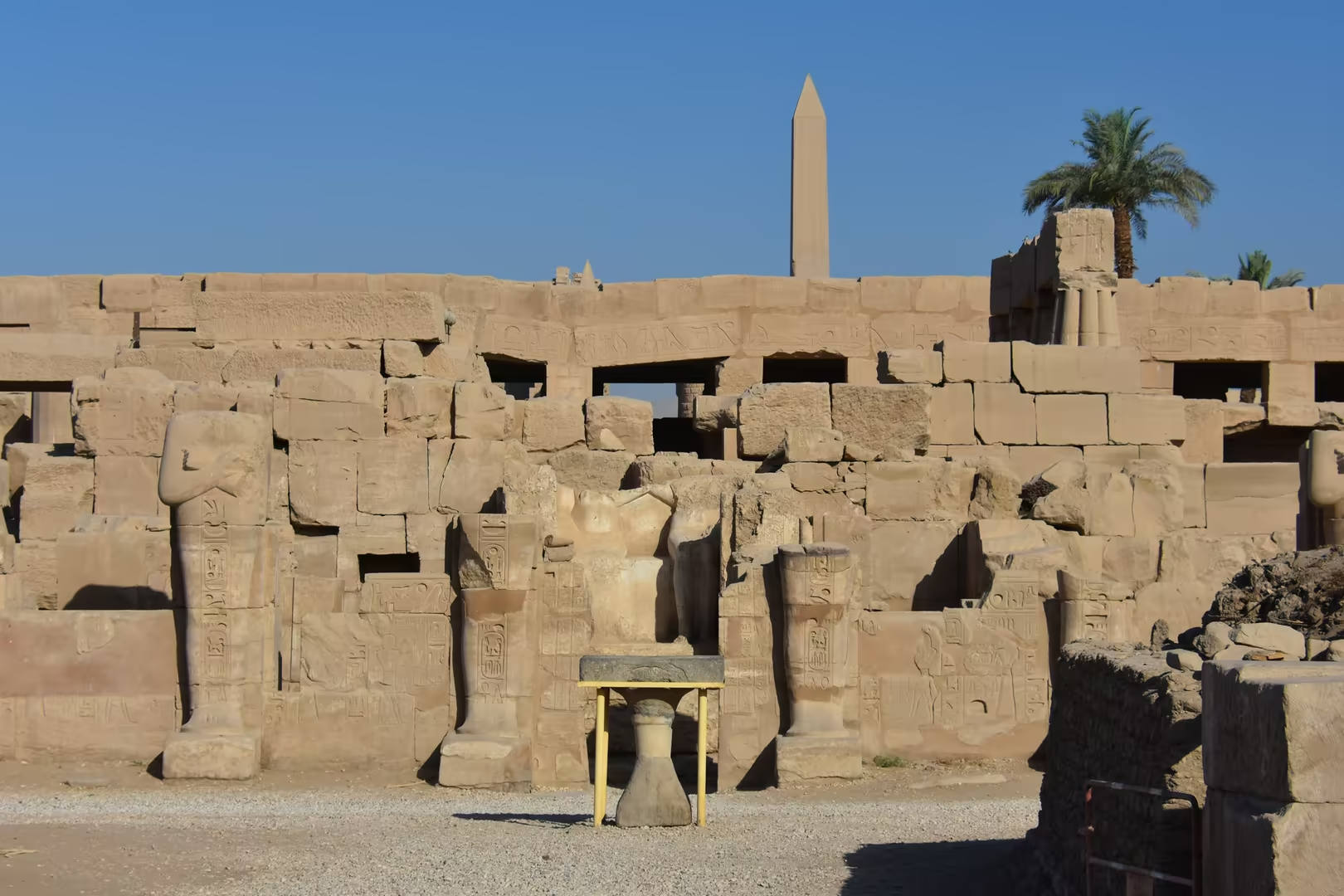
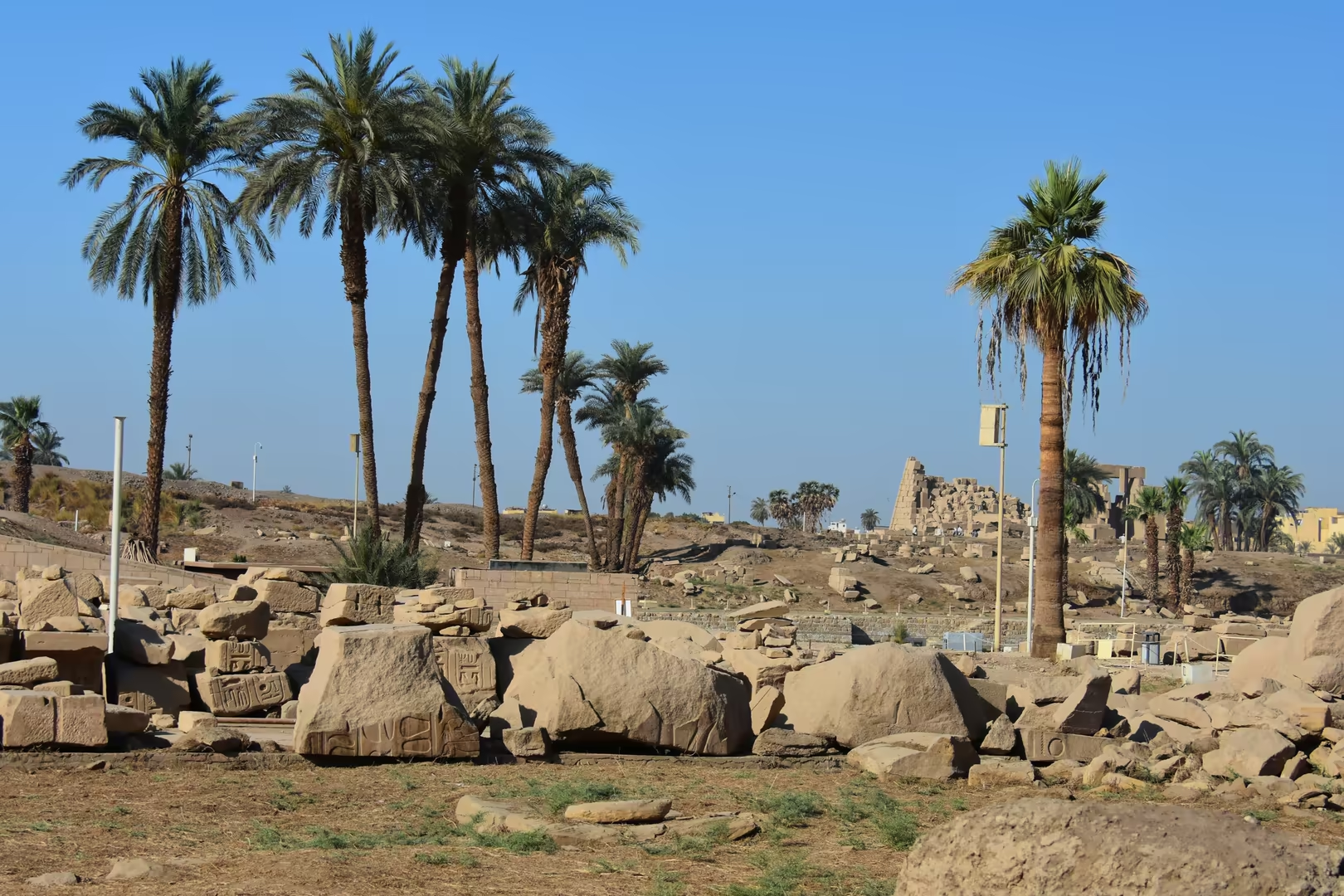
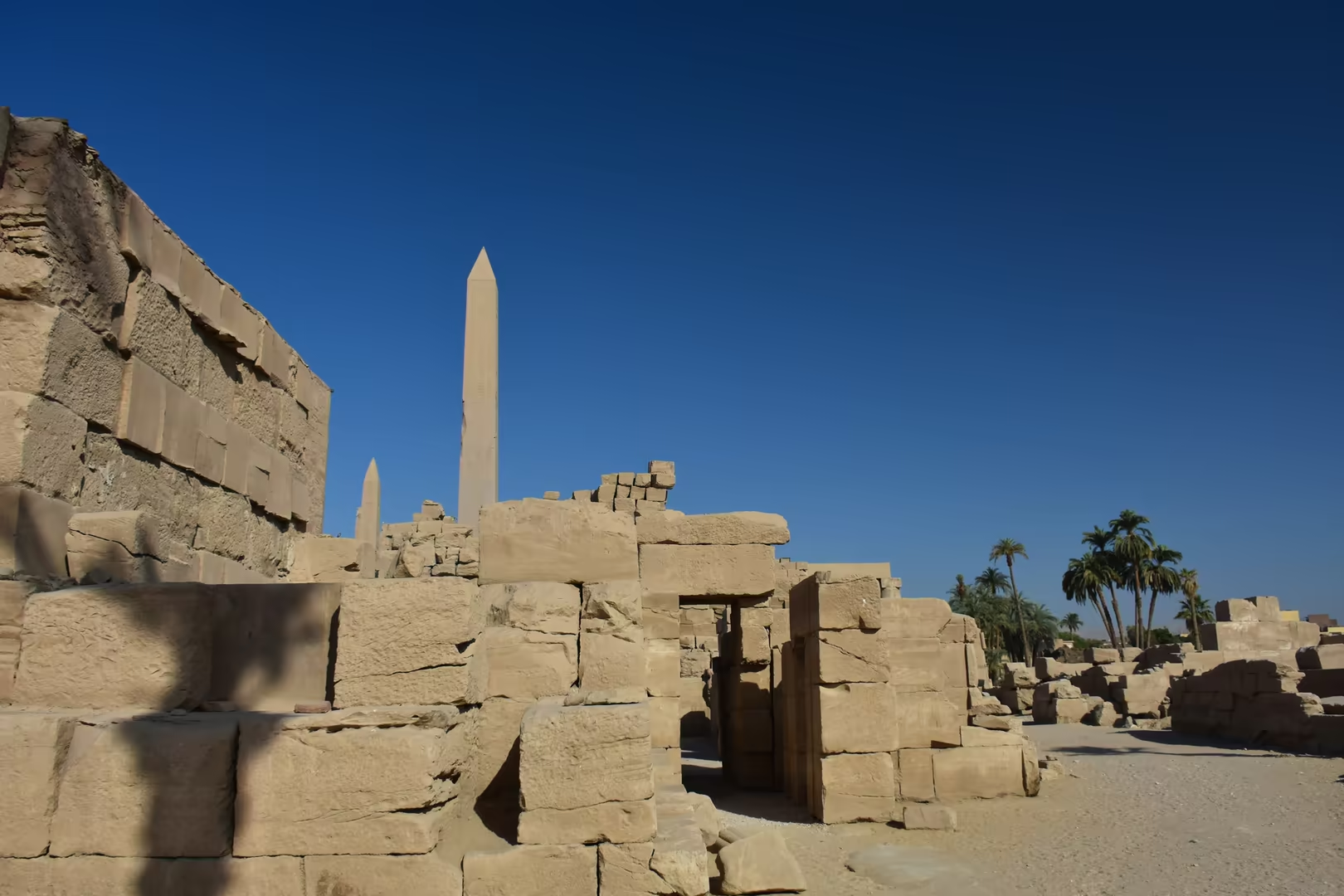
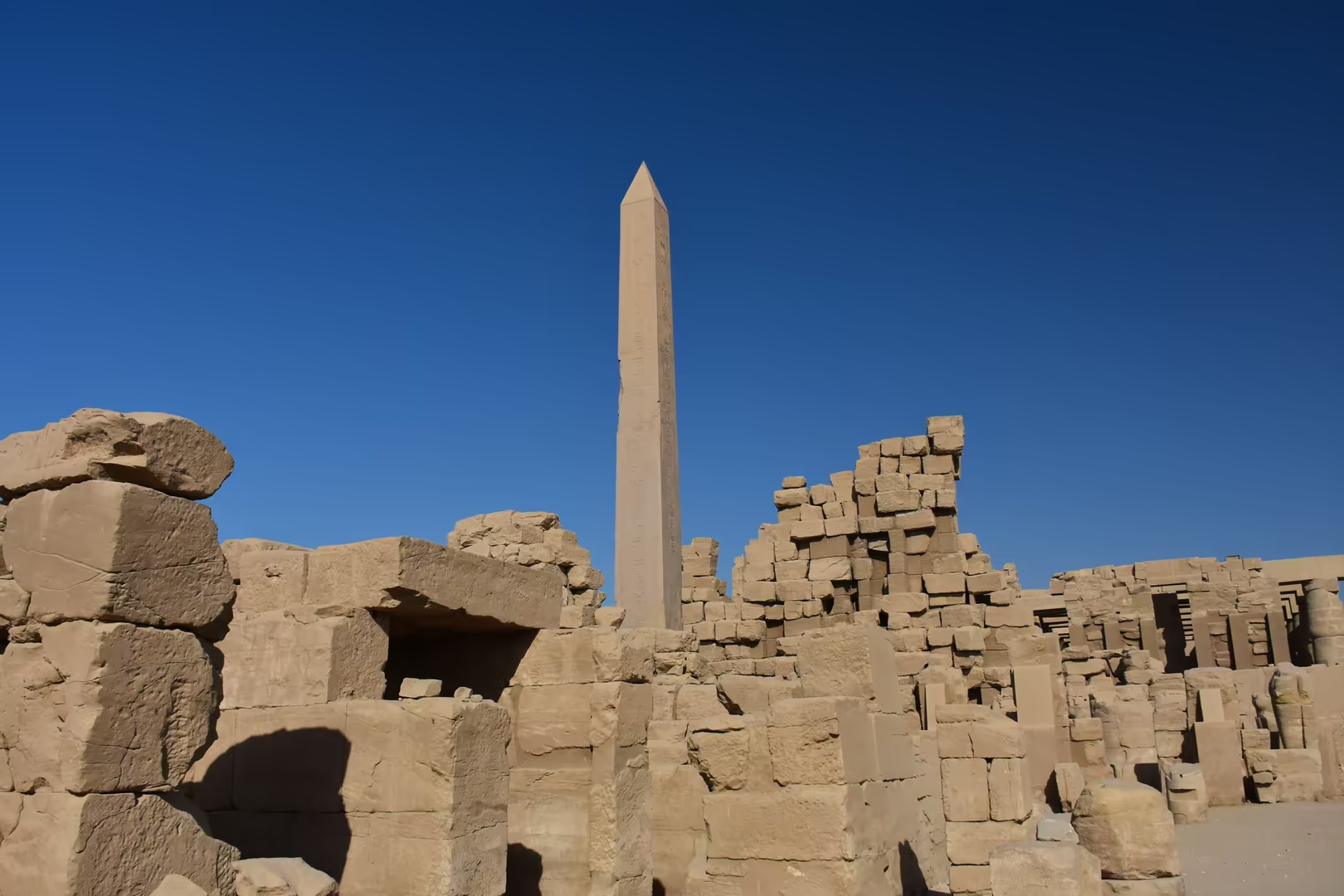
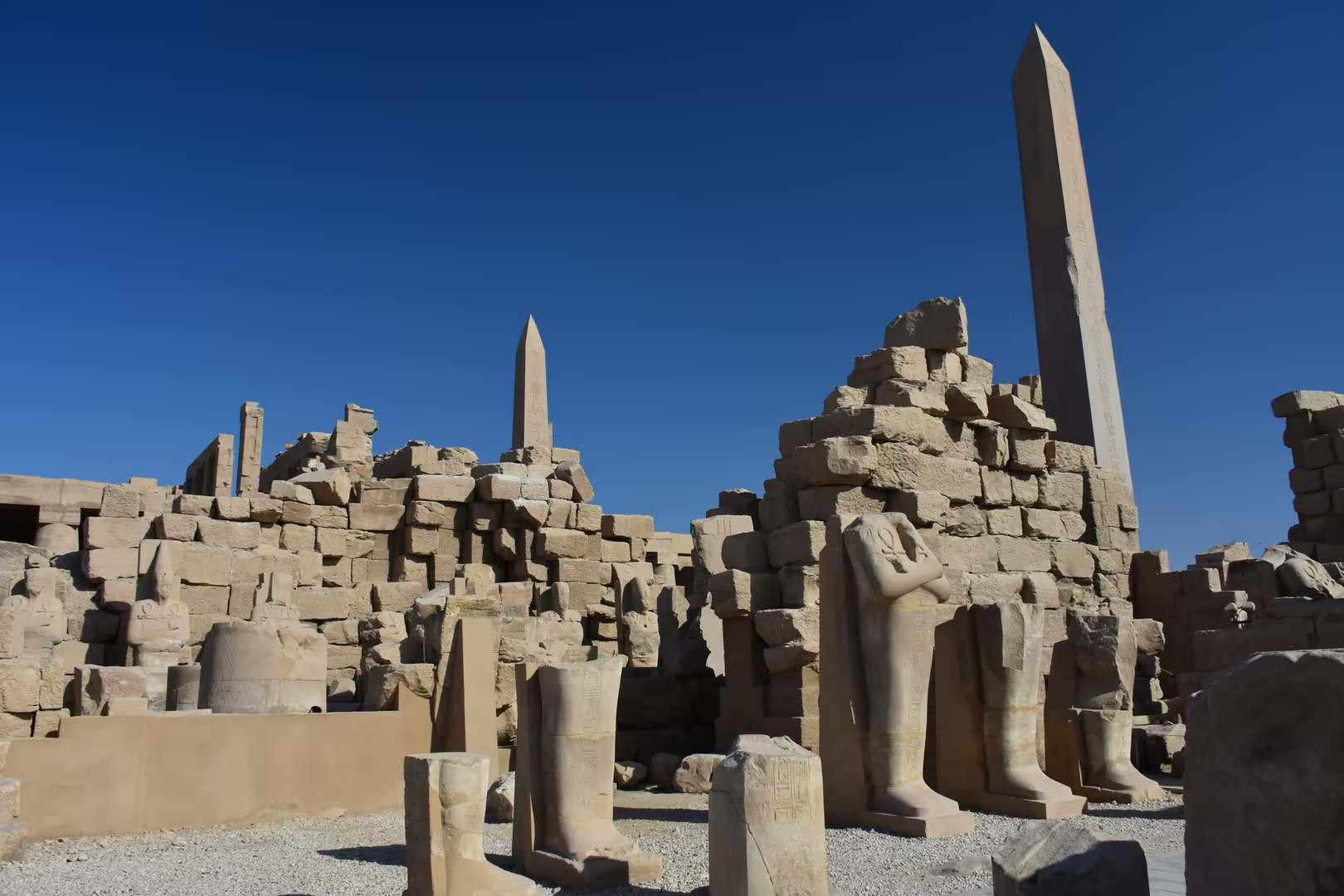
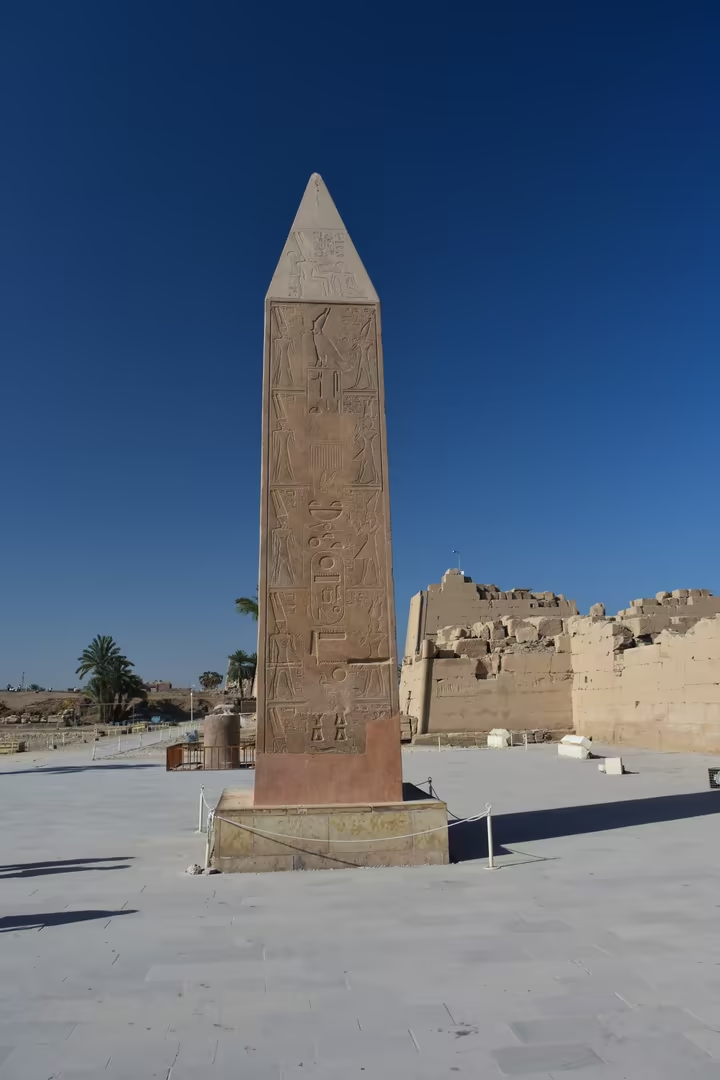
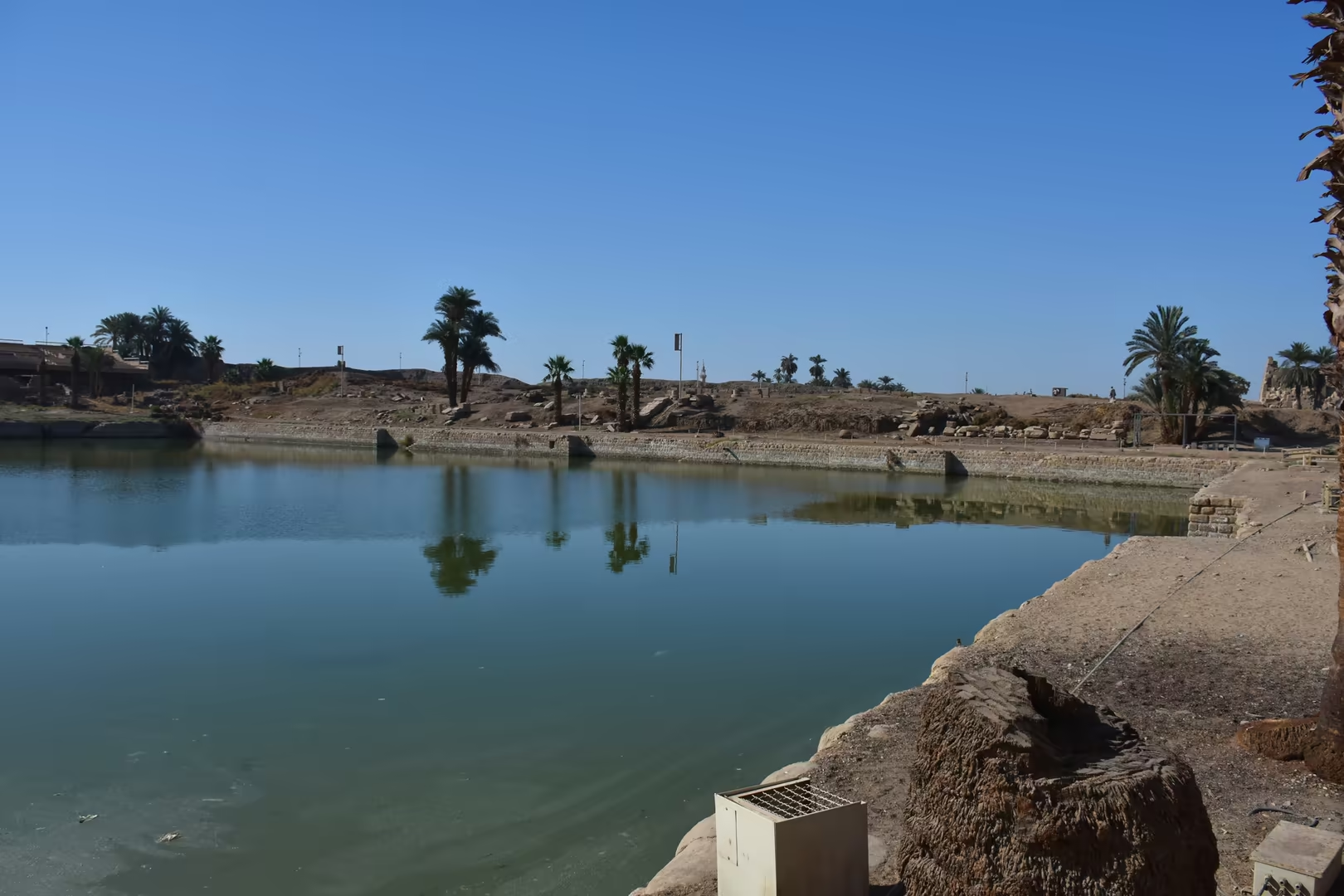
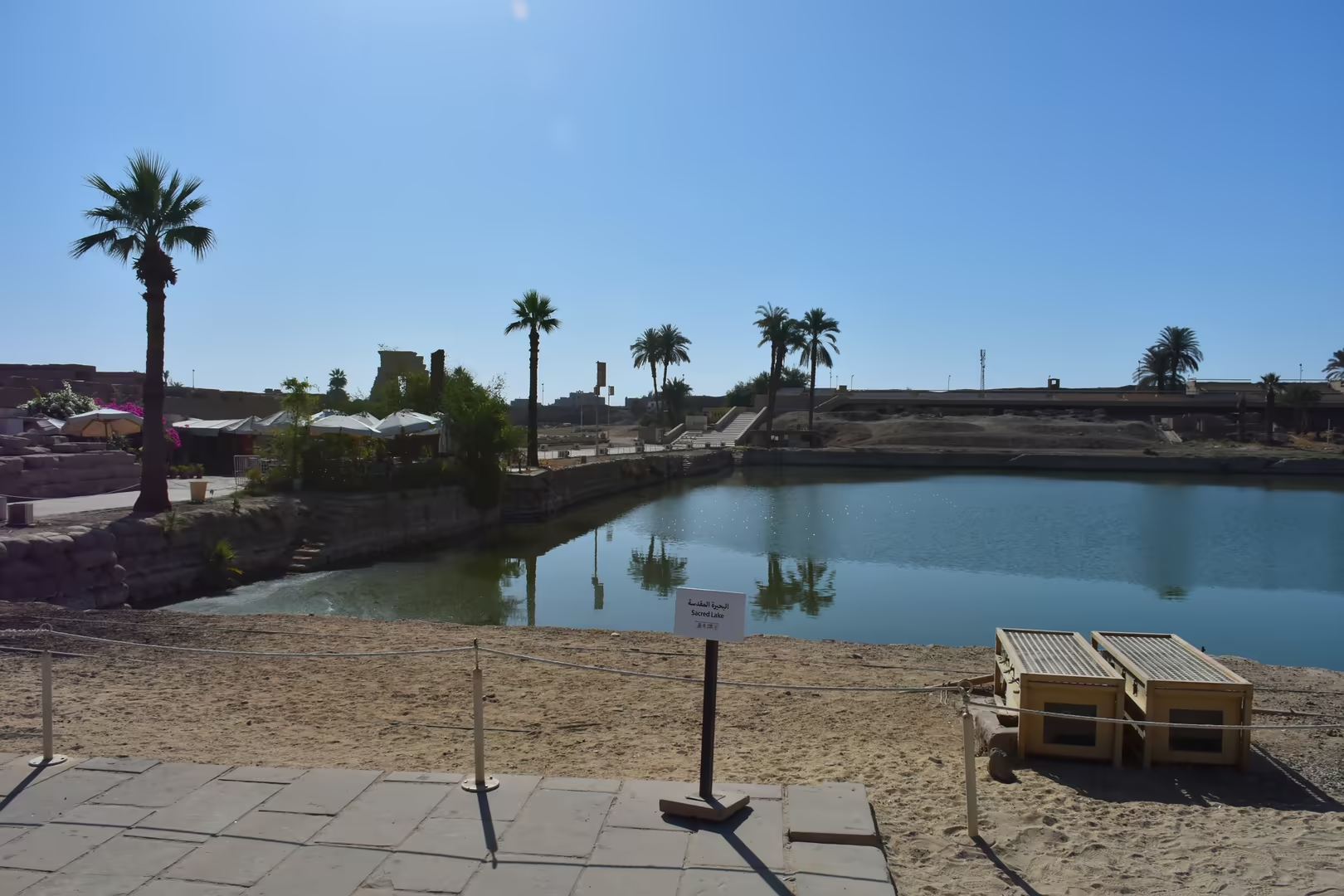
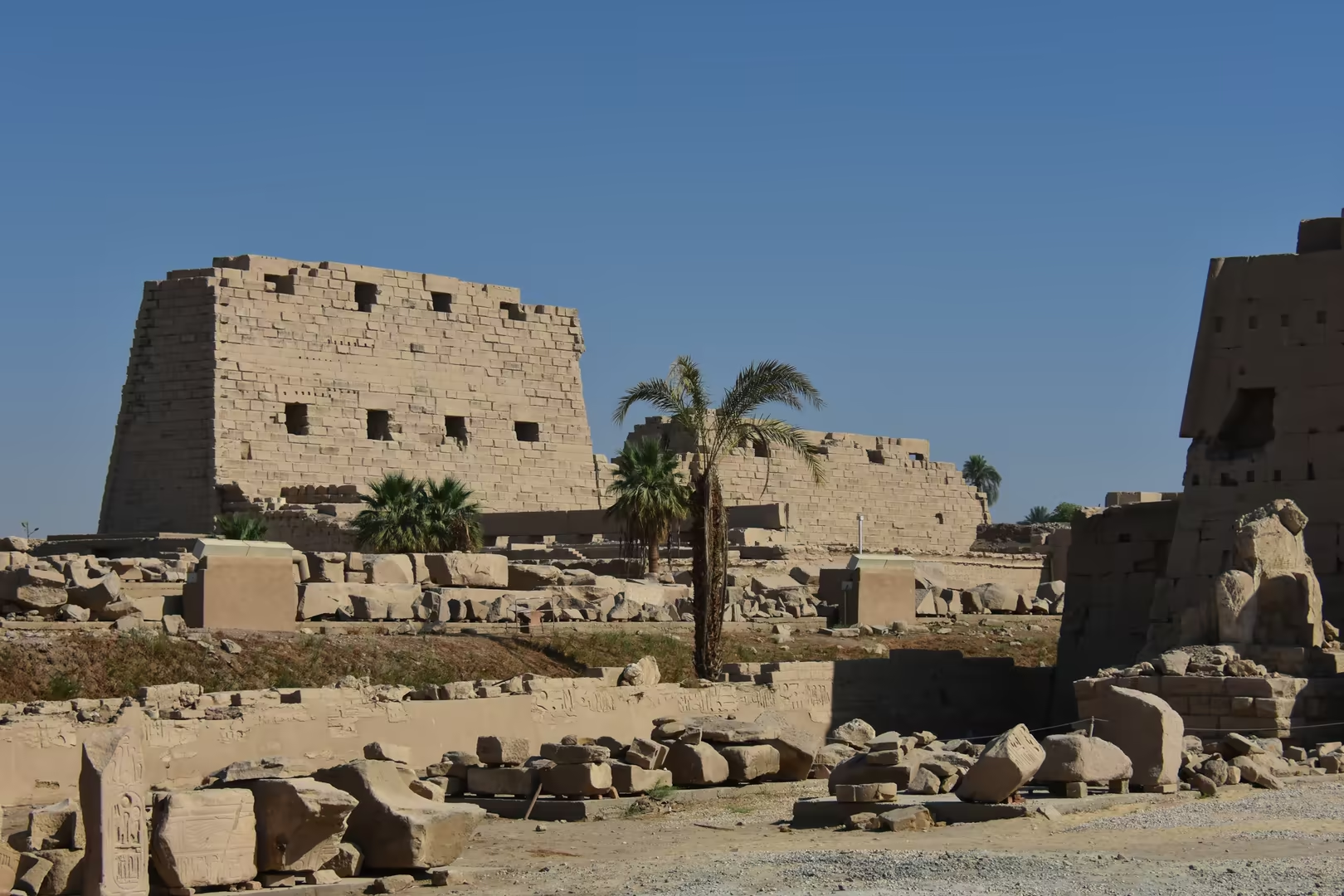
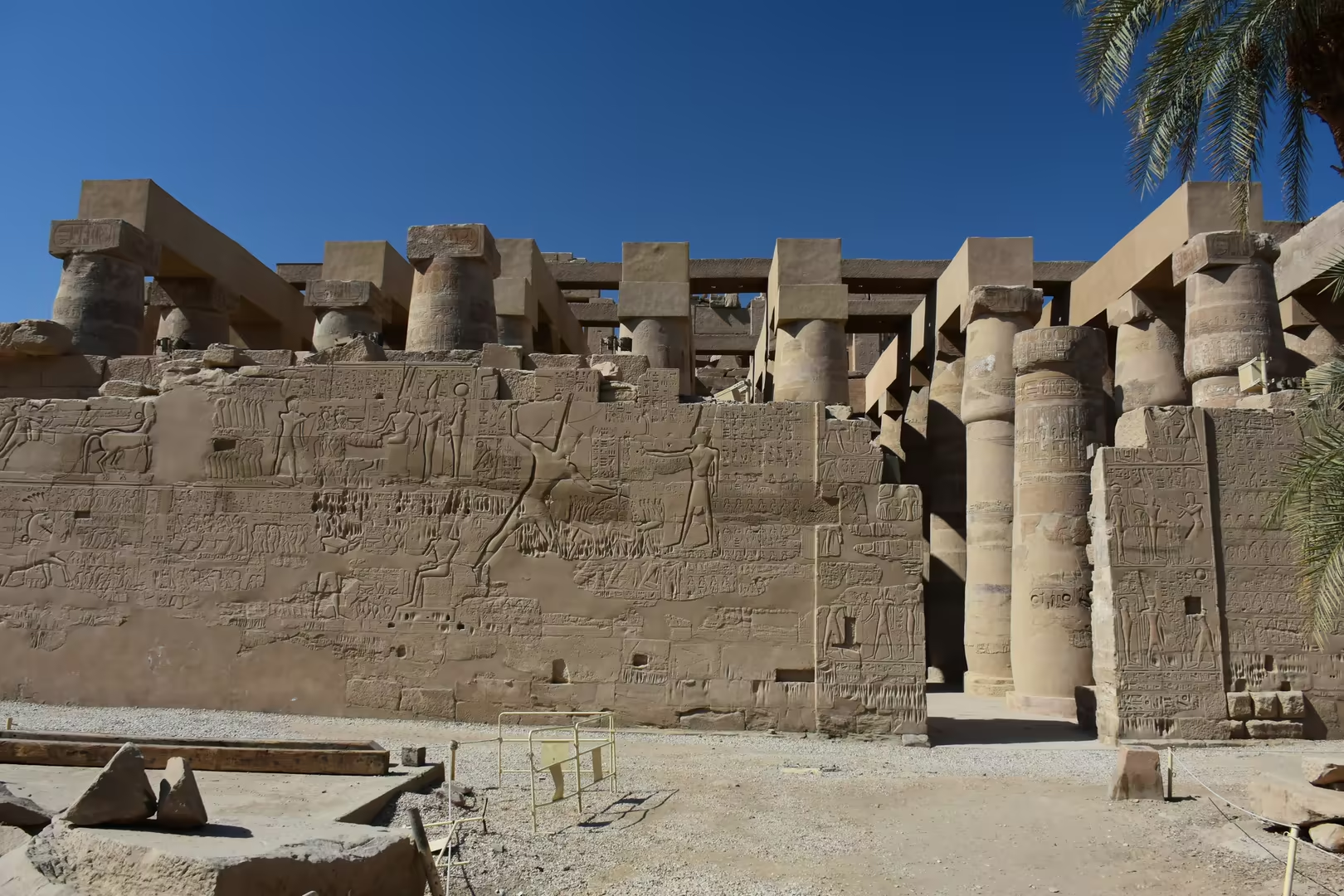
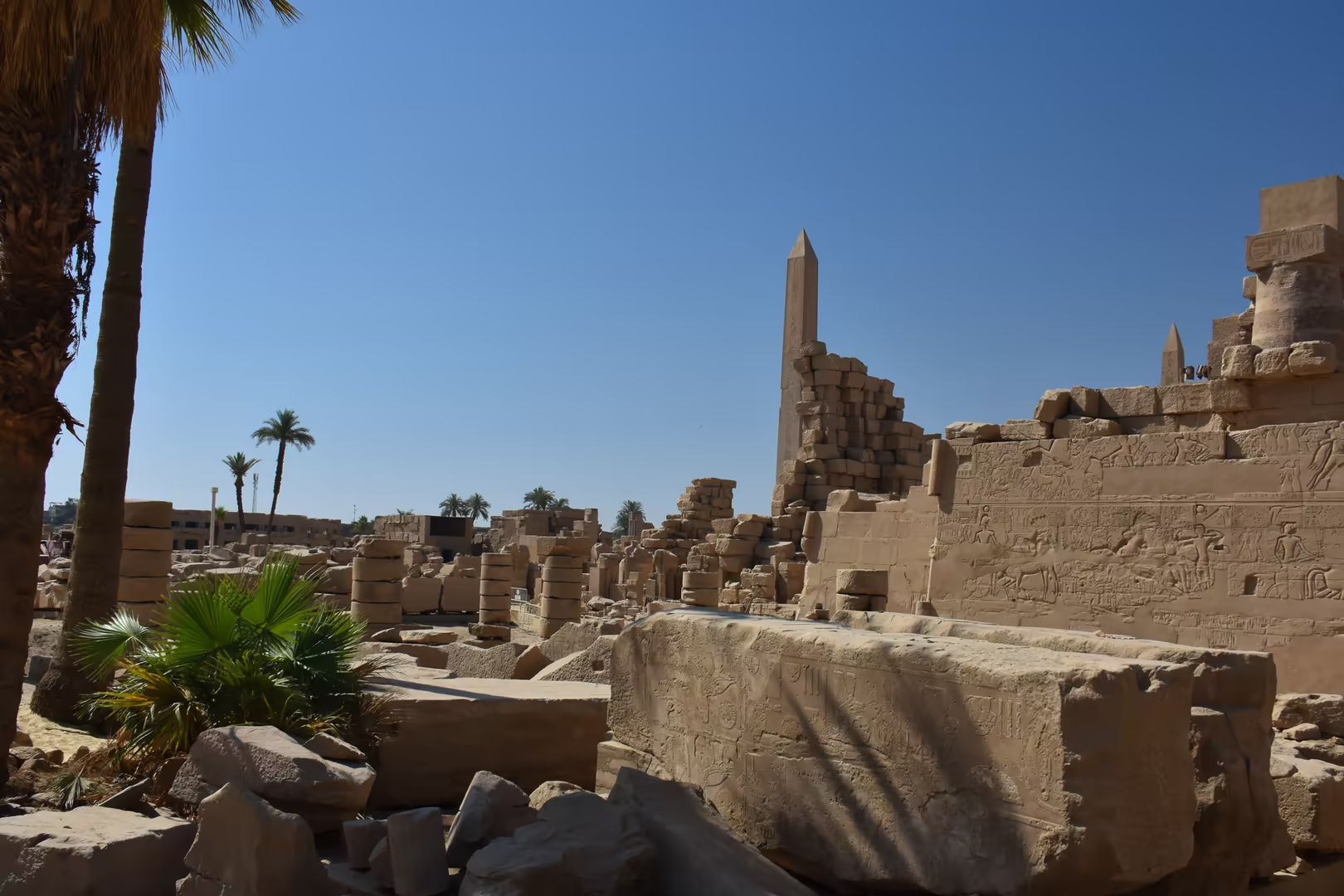
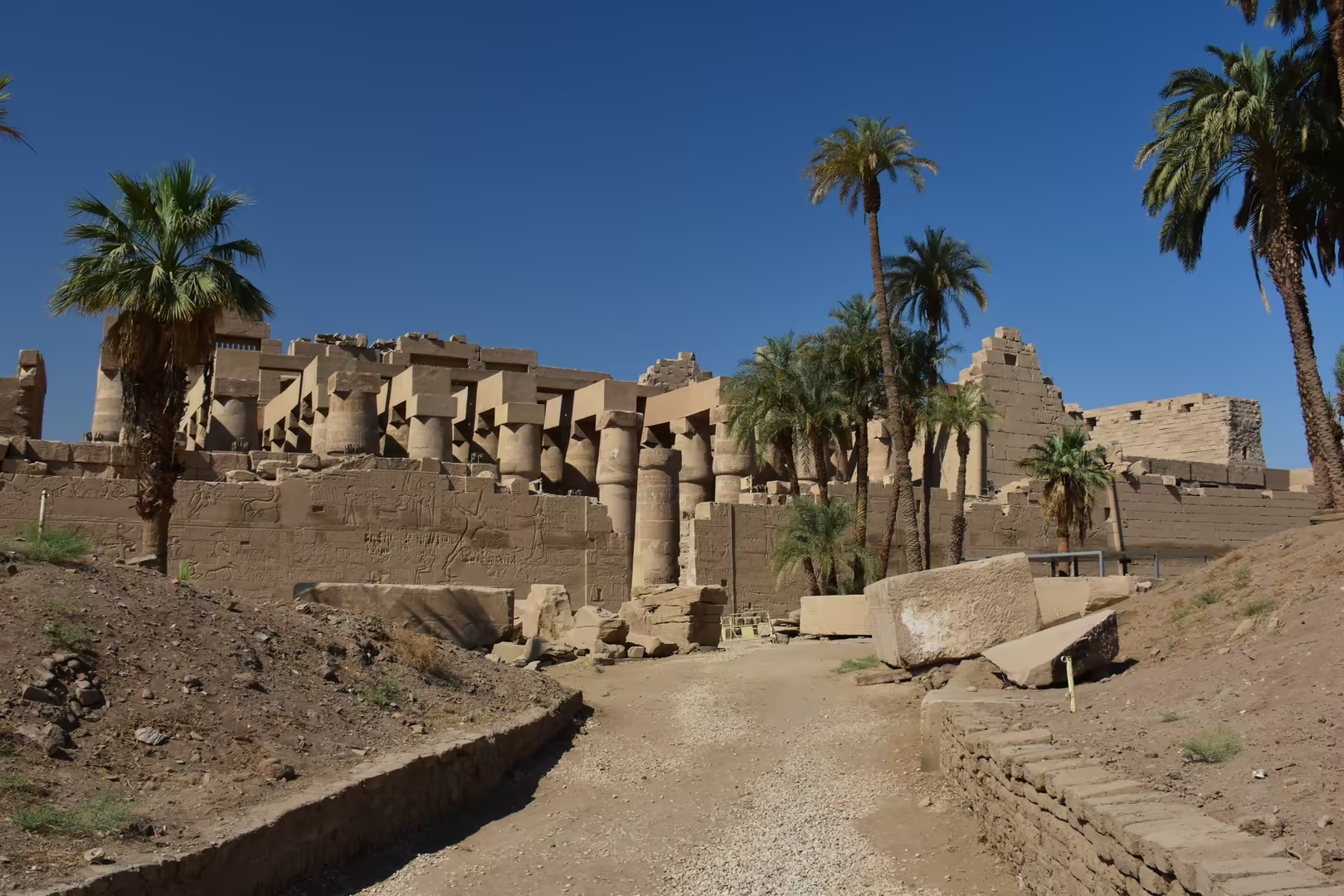
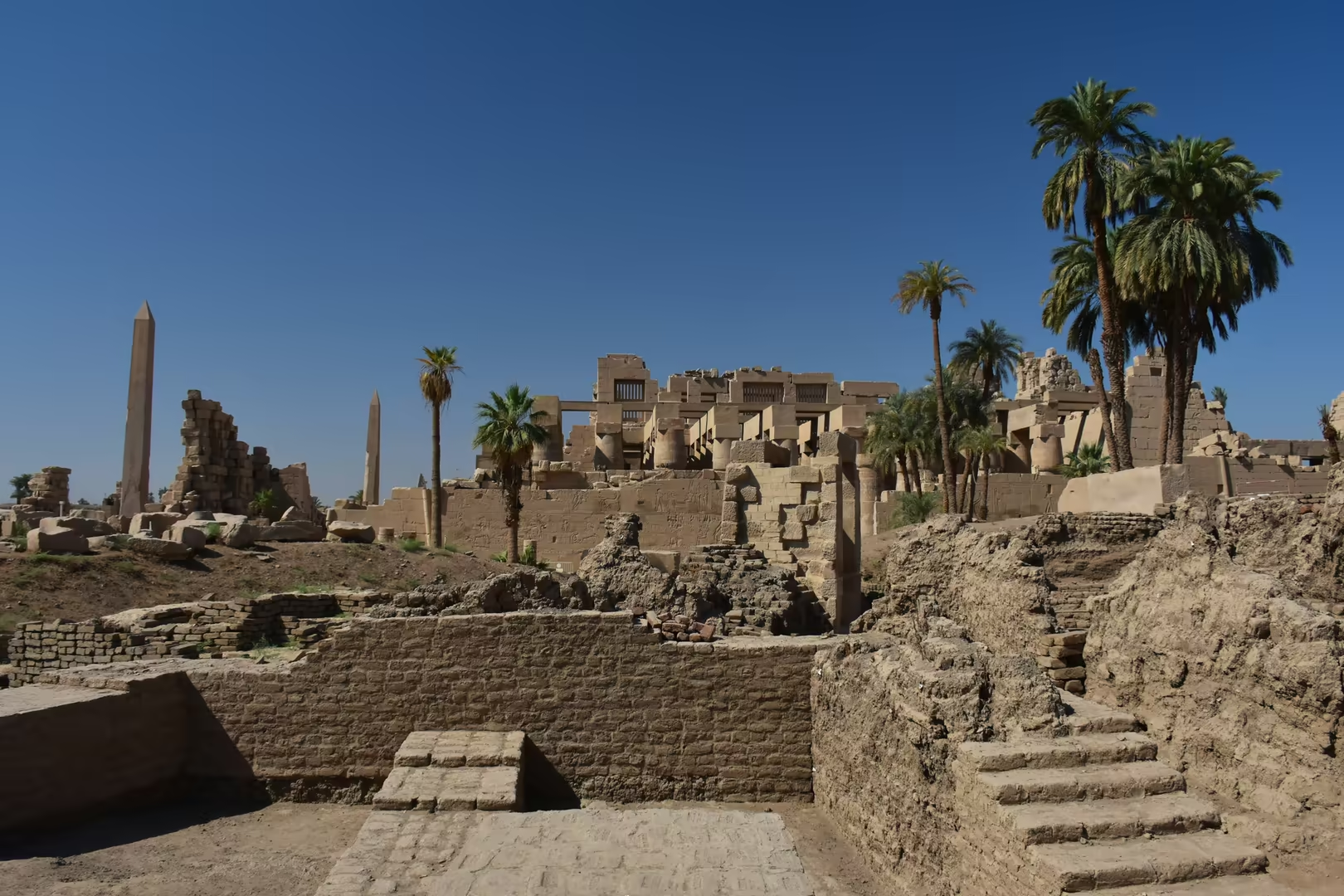
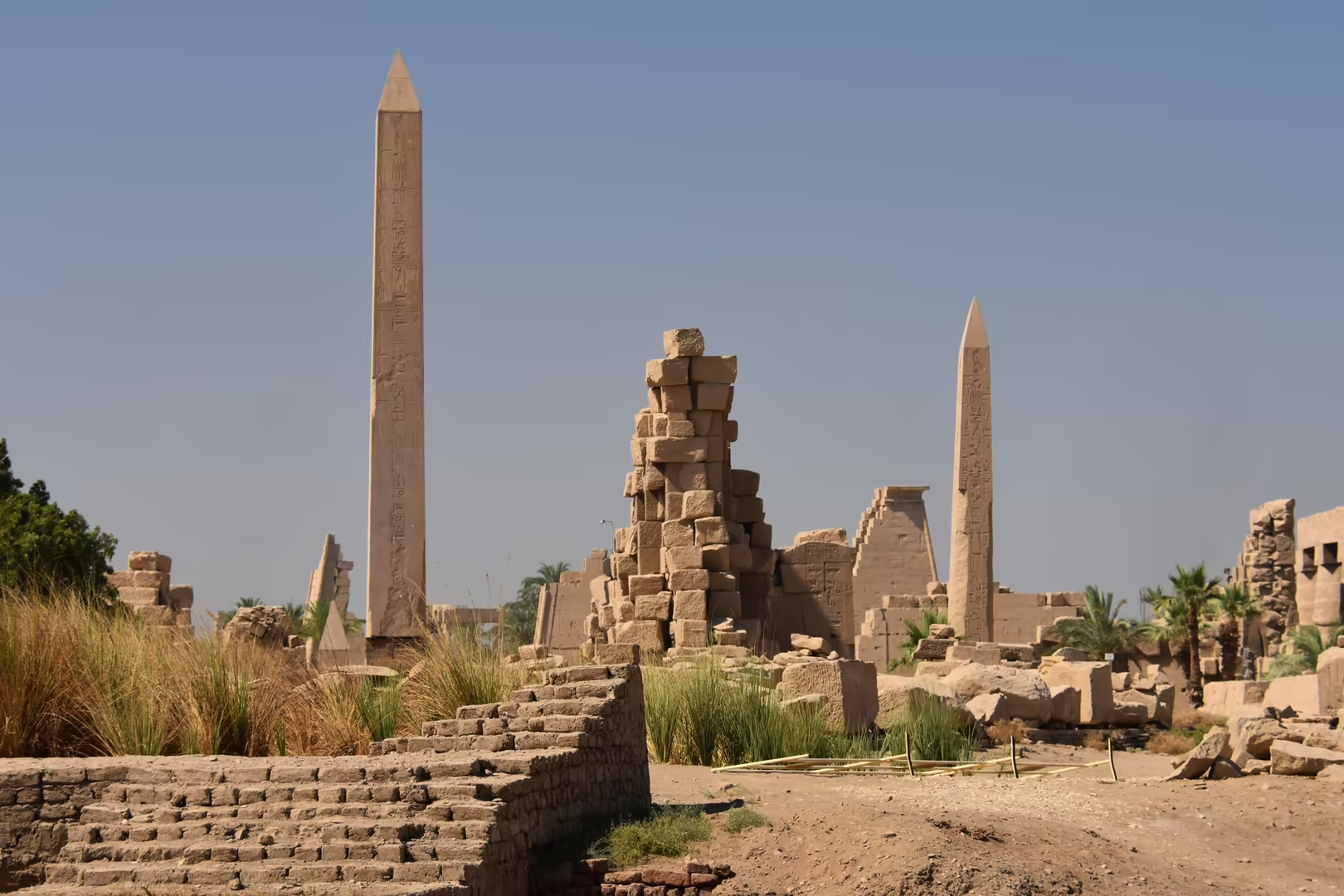
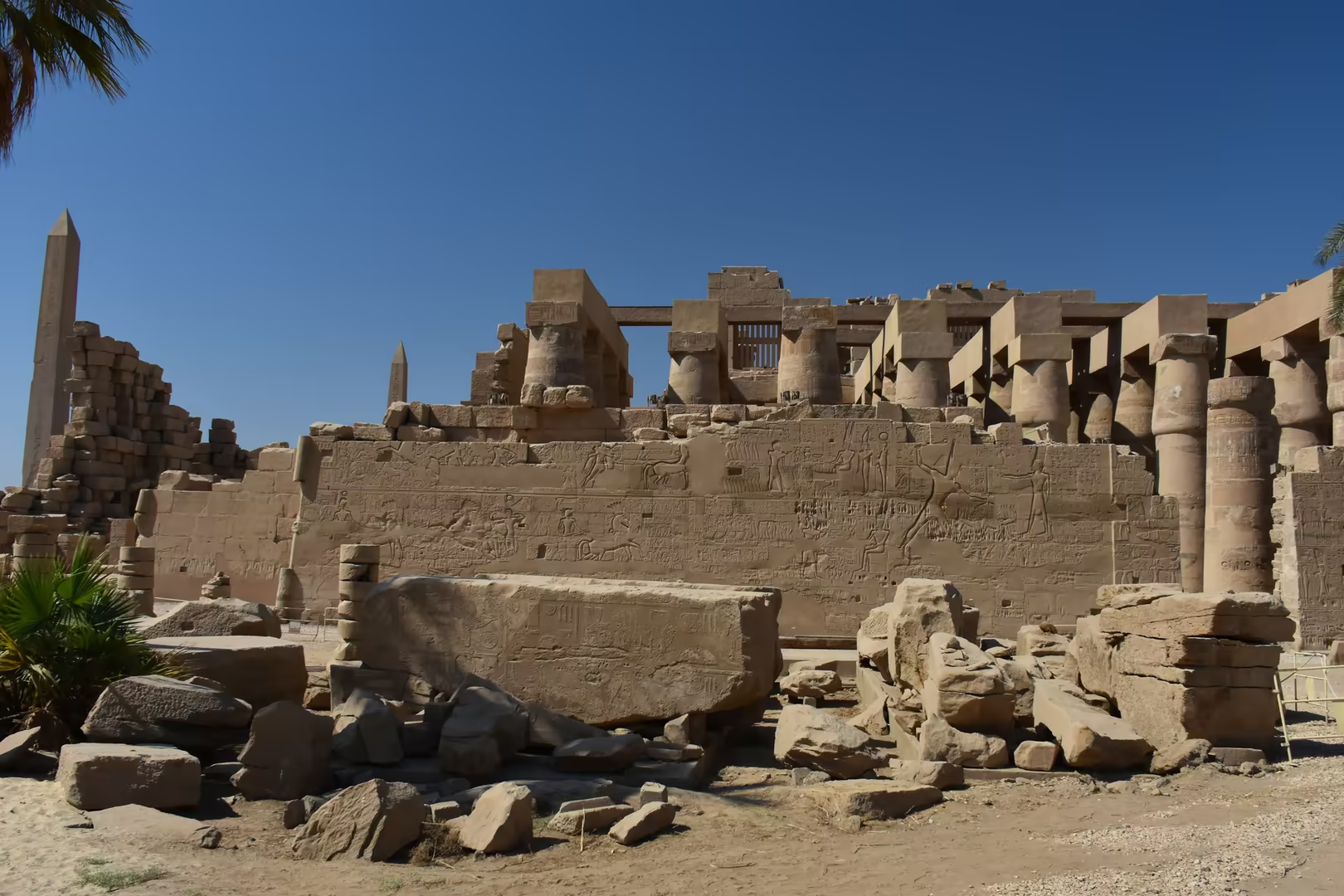
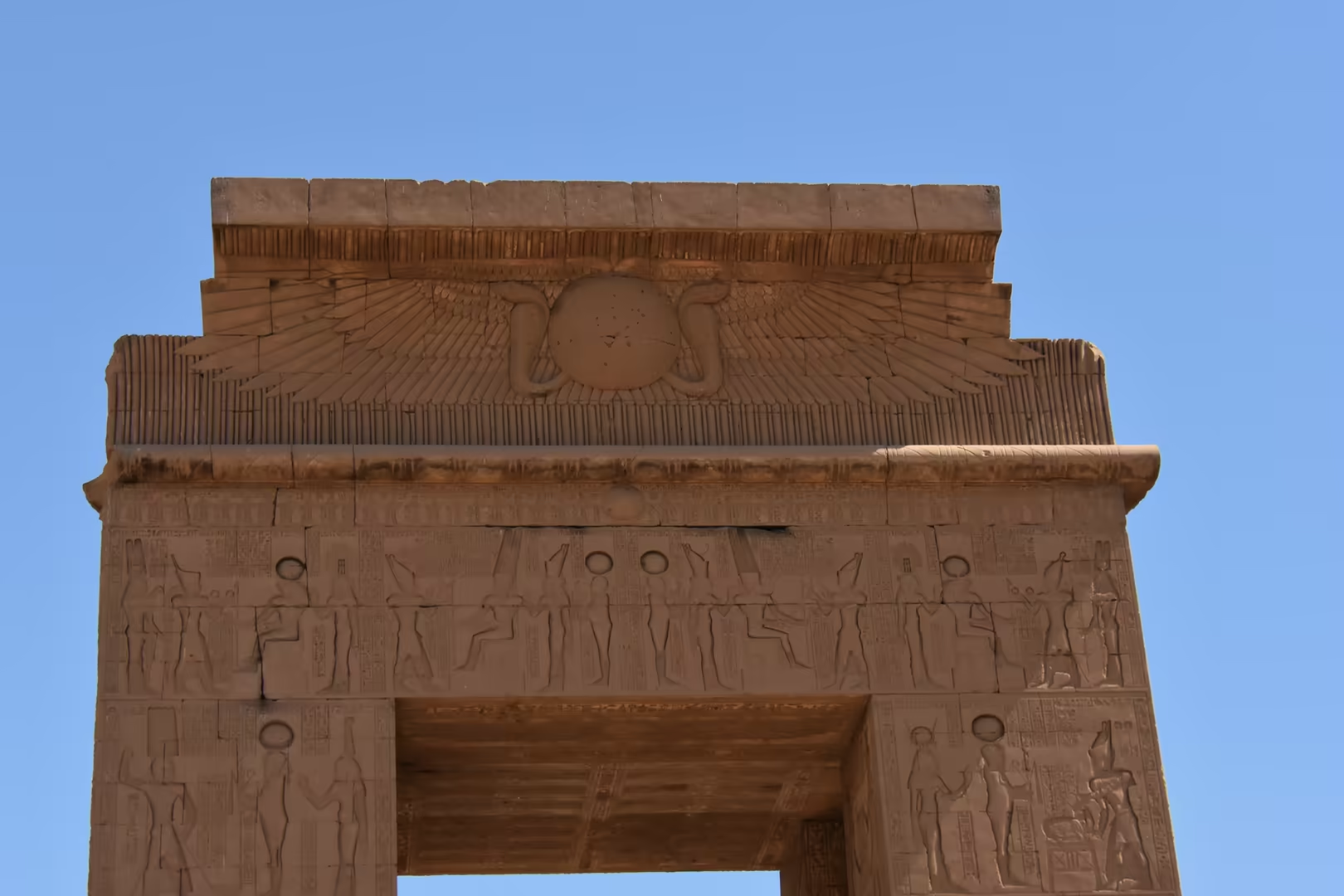
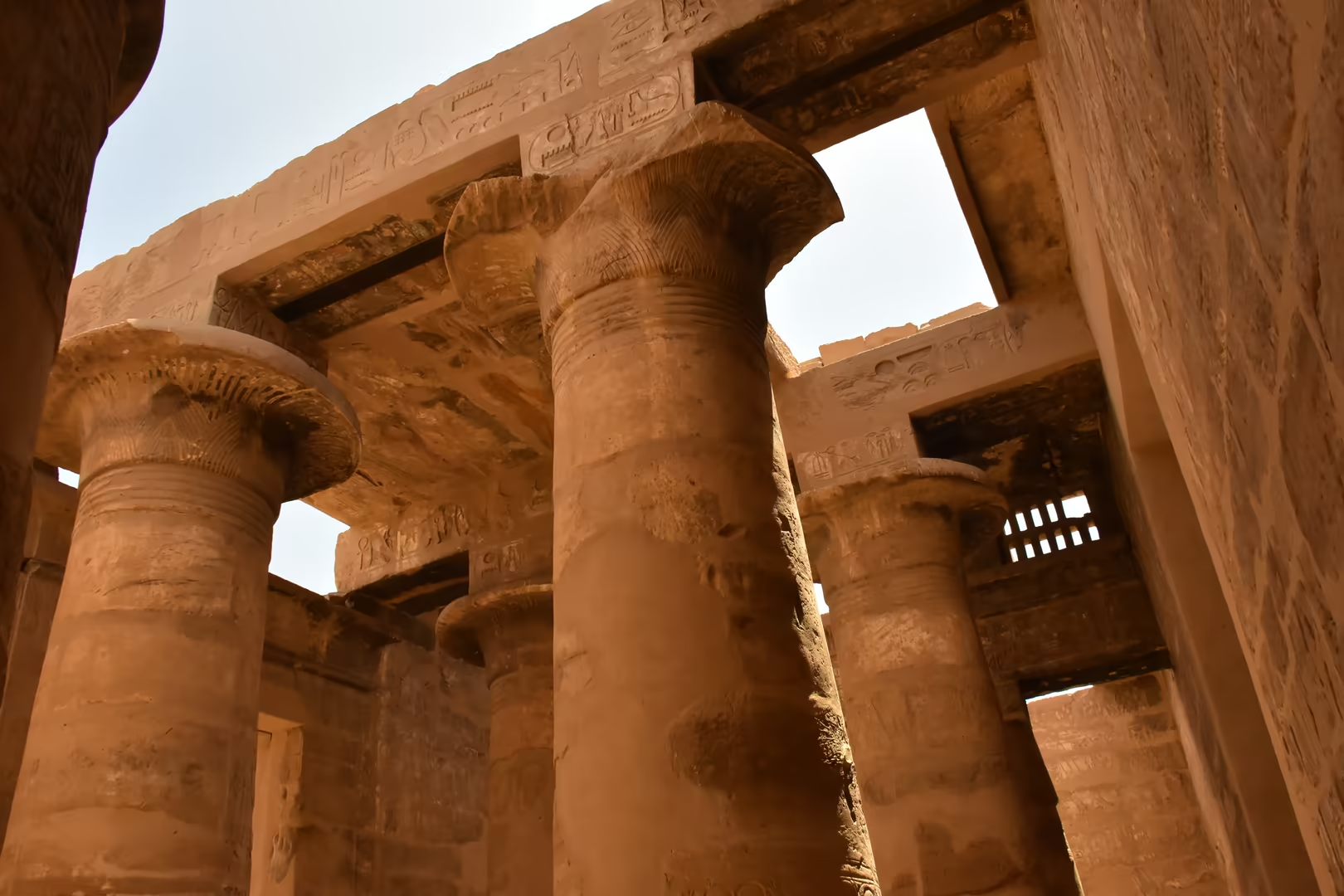
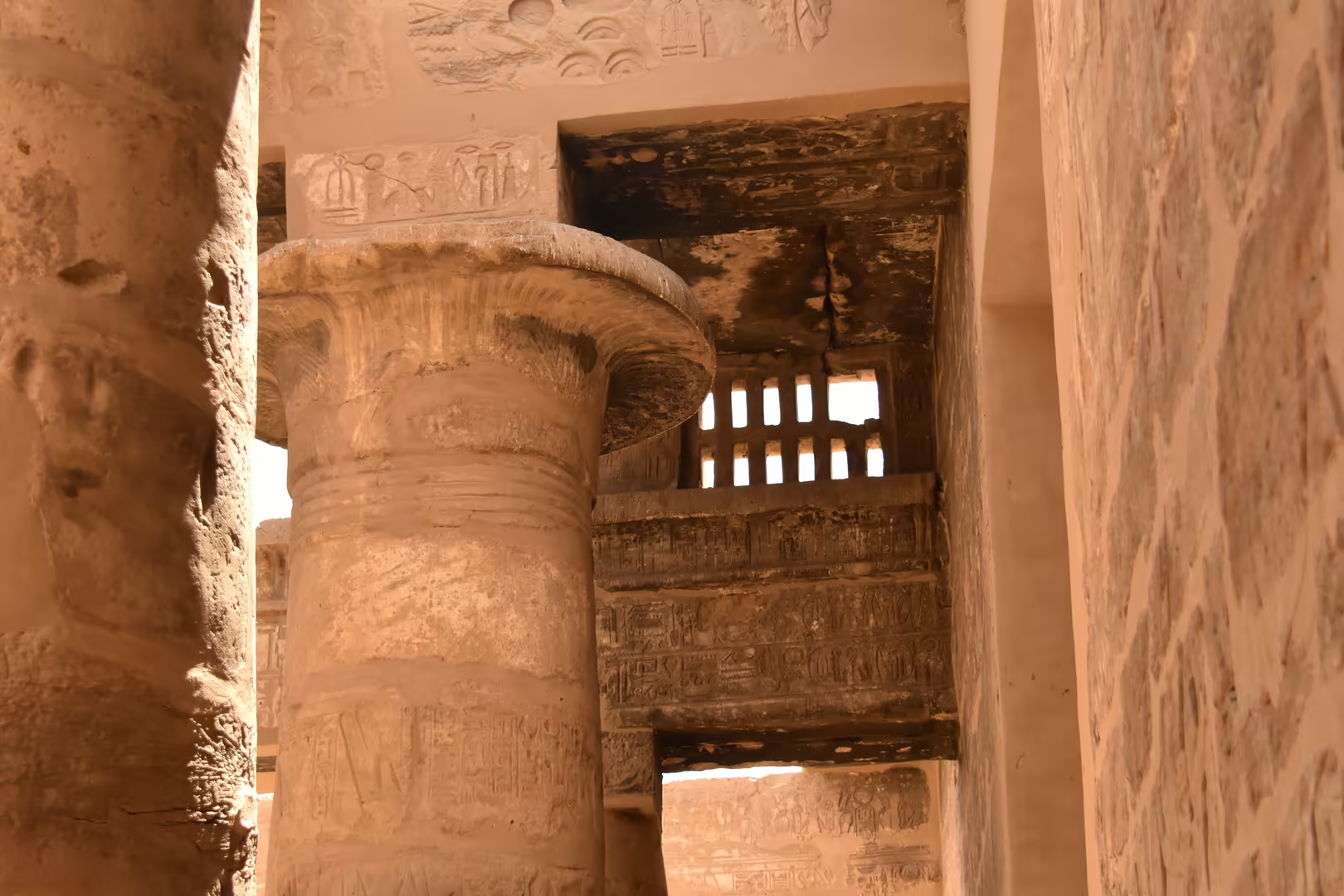
The temple of Amun at Karnak, three kilometres north of Luxor along the same bank of the Nile, is the northern counterpart of Luxor Temple and the largest temple complex of ancient Egypt. Building continued here from the Middle Kingdom into the Ptolemaic age, so that the pylons, courts and chapels of many reigns stand close together inside the great enclosure wall. The great hypostyle hall, begun by Seti I and completed under Ramesses II, dominates the centre of the precinct: 134 sandstone columns in sixteen rows supported its roof, and the twelve columns of the central aisle stand higher than the rest so that clerestory windows could light the painted ceilings and the reliefs covering walls and column shafts. Of the pair of obelisks that Hatshepsut raised in the temple, one still stands with its pyramidion intact while its companion lies broken where it fell, and the sacred lake of the precinct, the great basin in which the priests of Amun performed their daily purification, lies within the same walls.
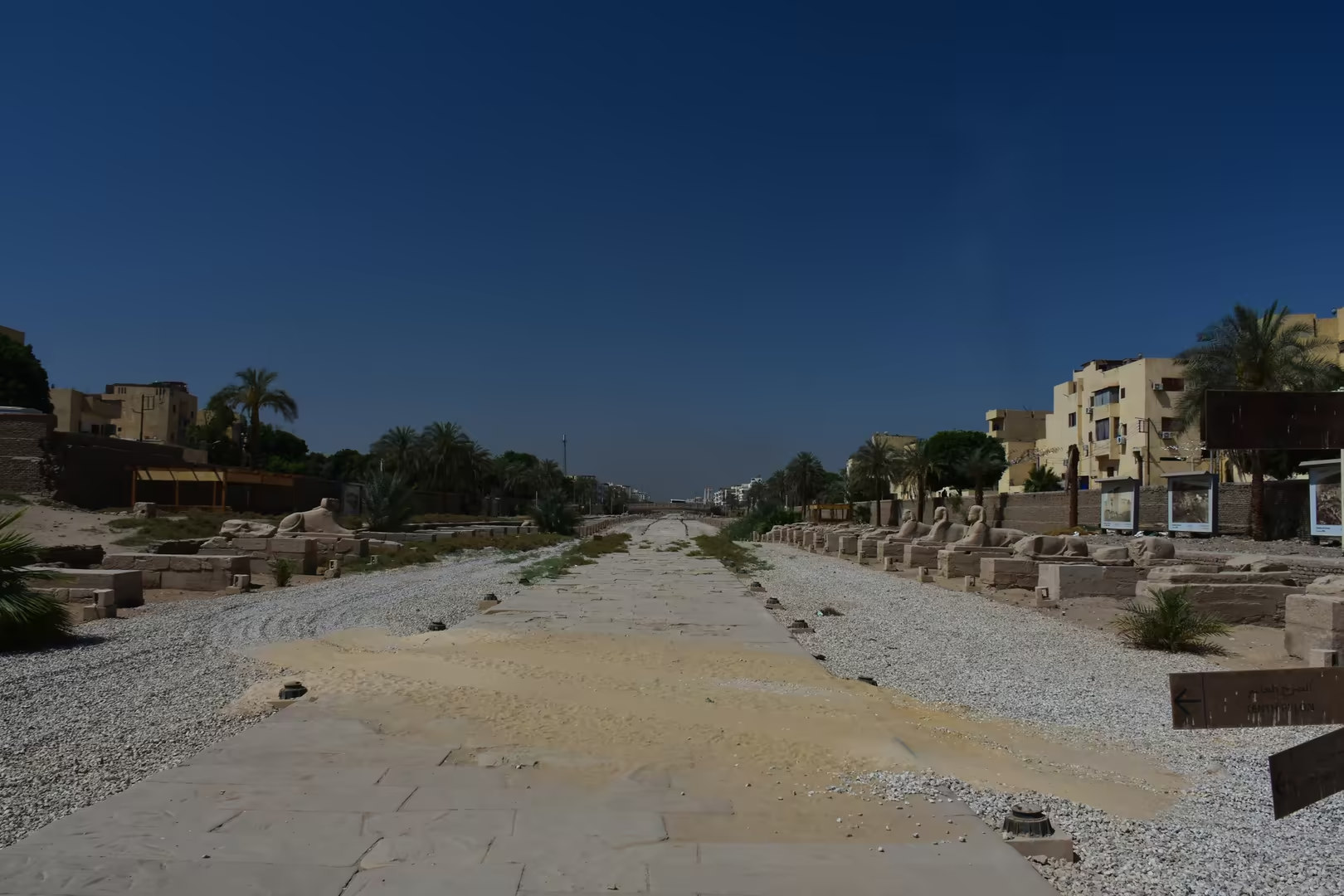
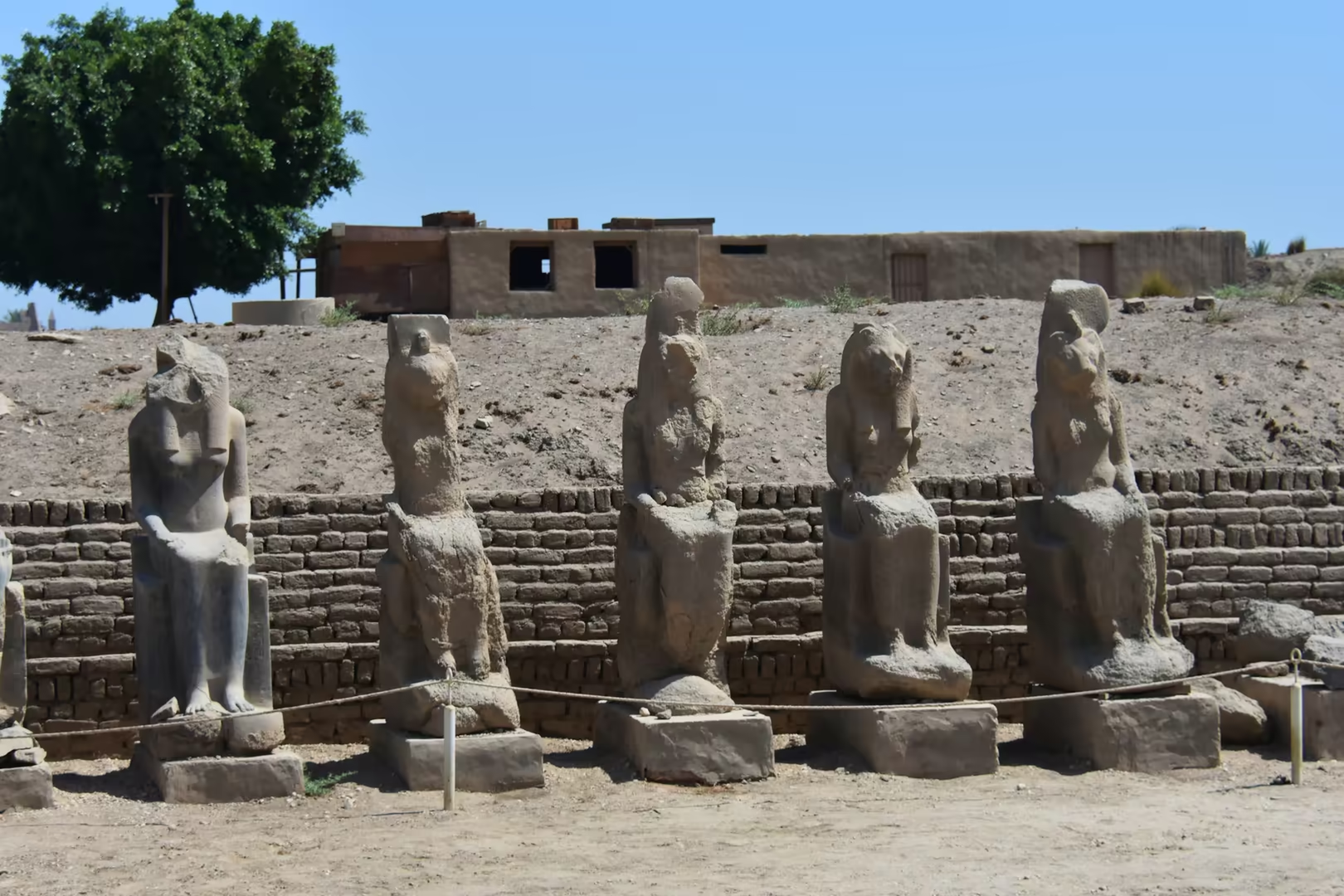
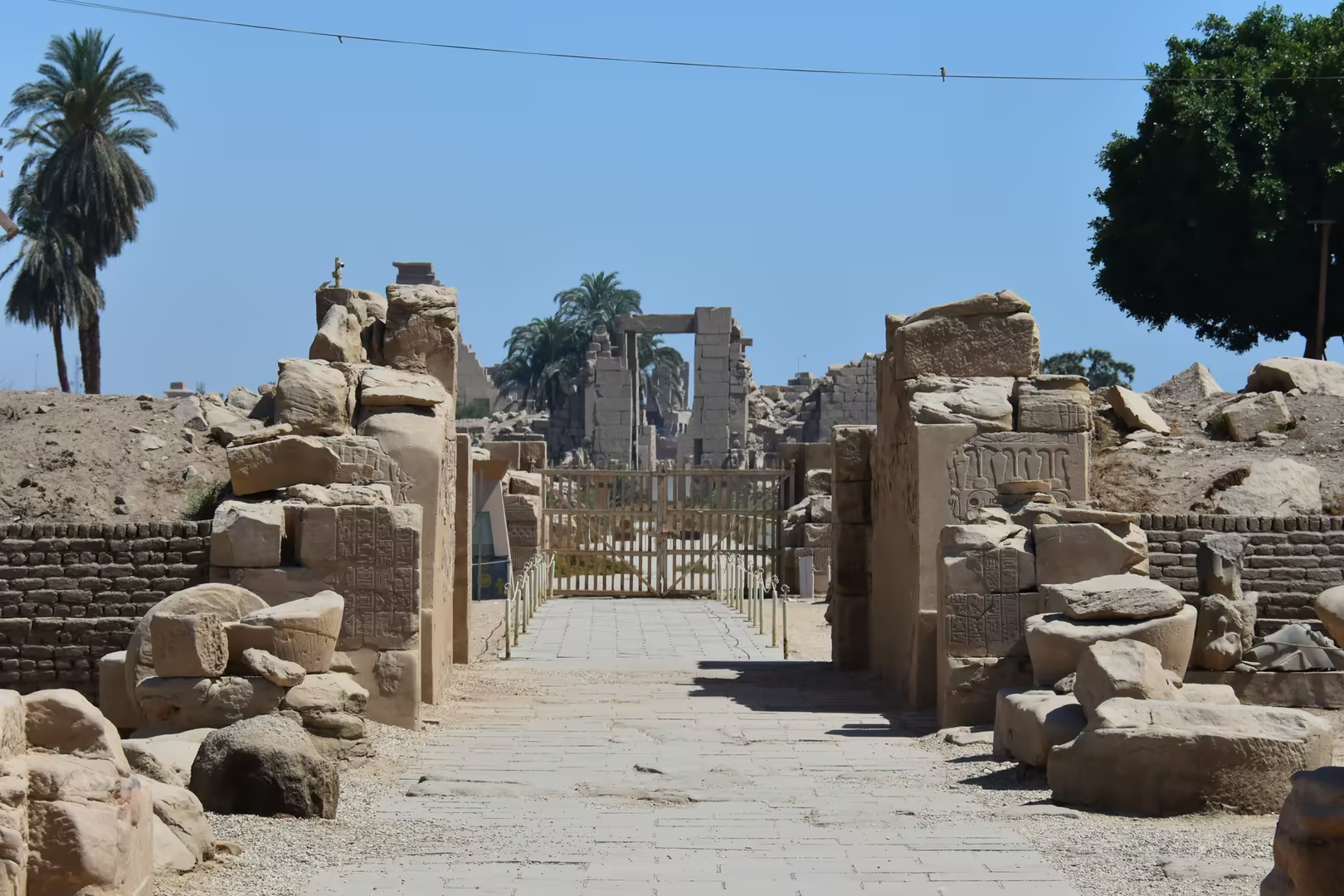
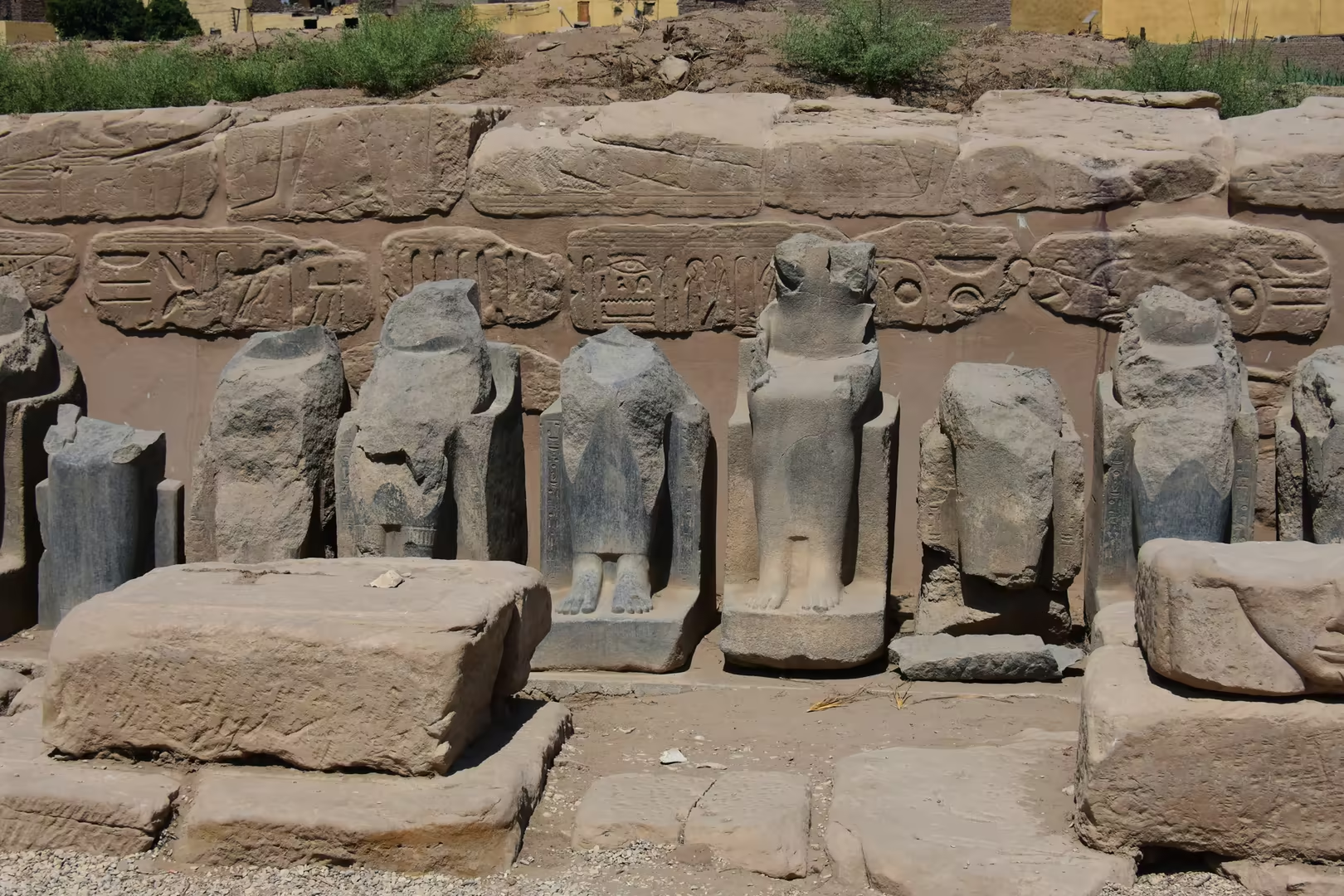
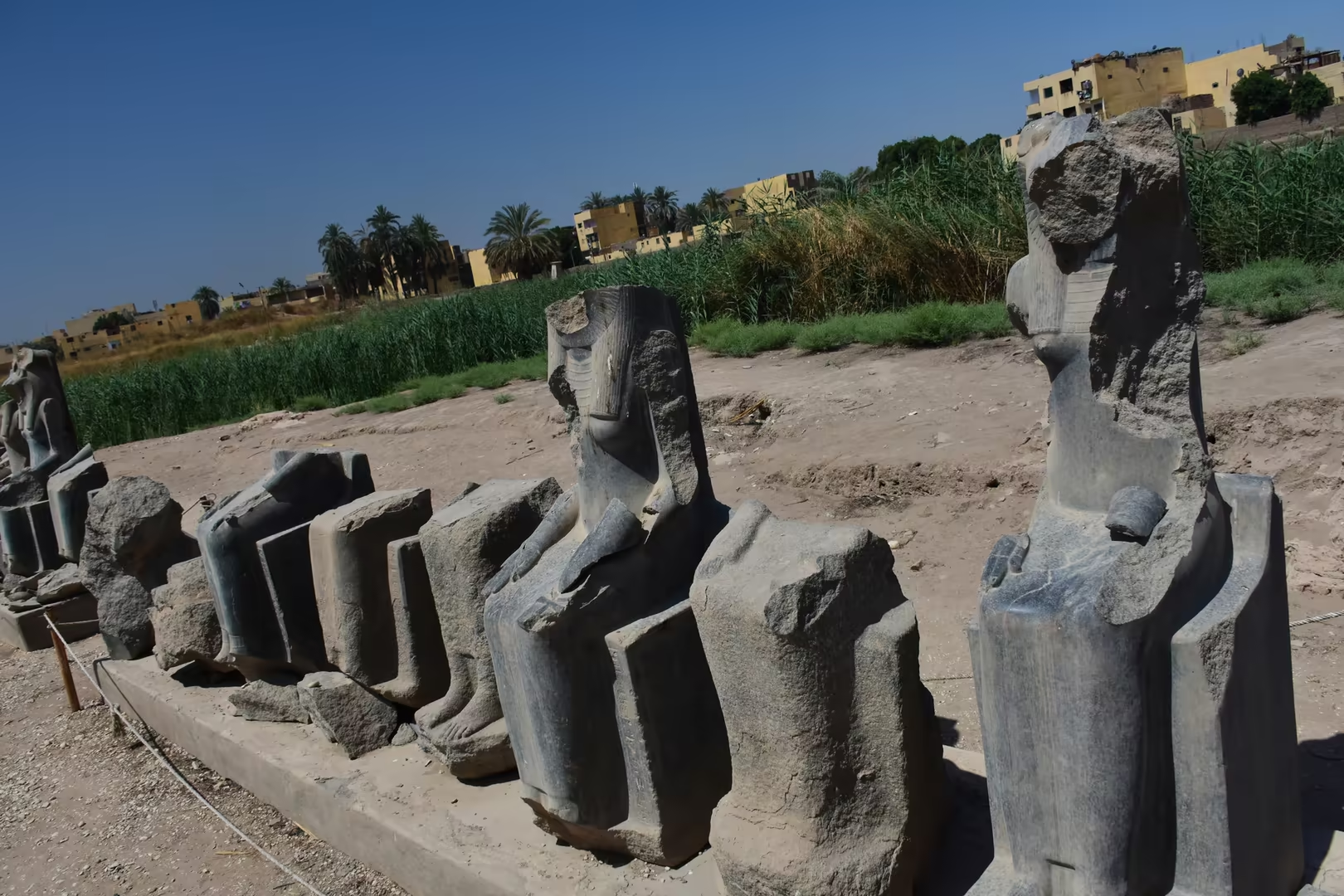
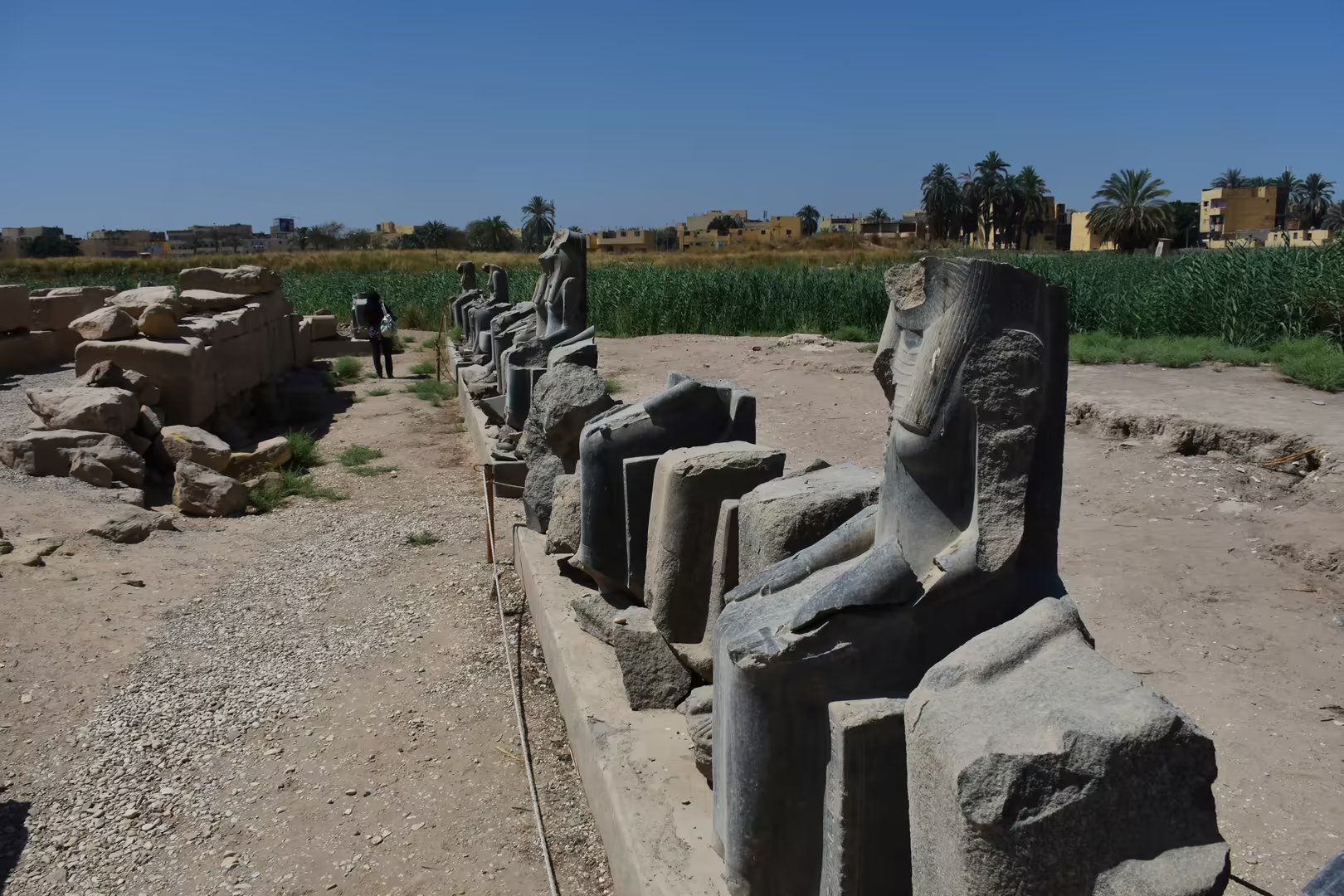
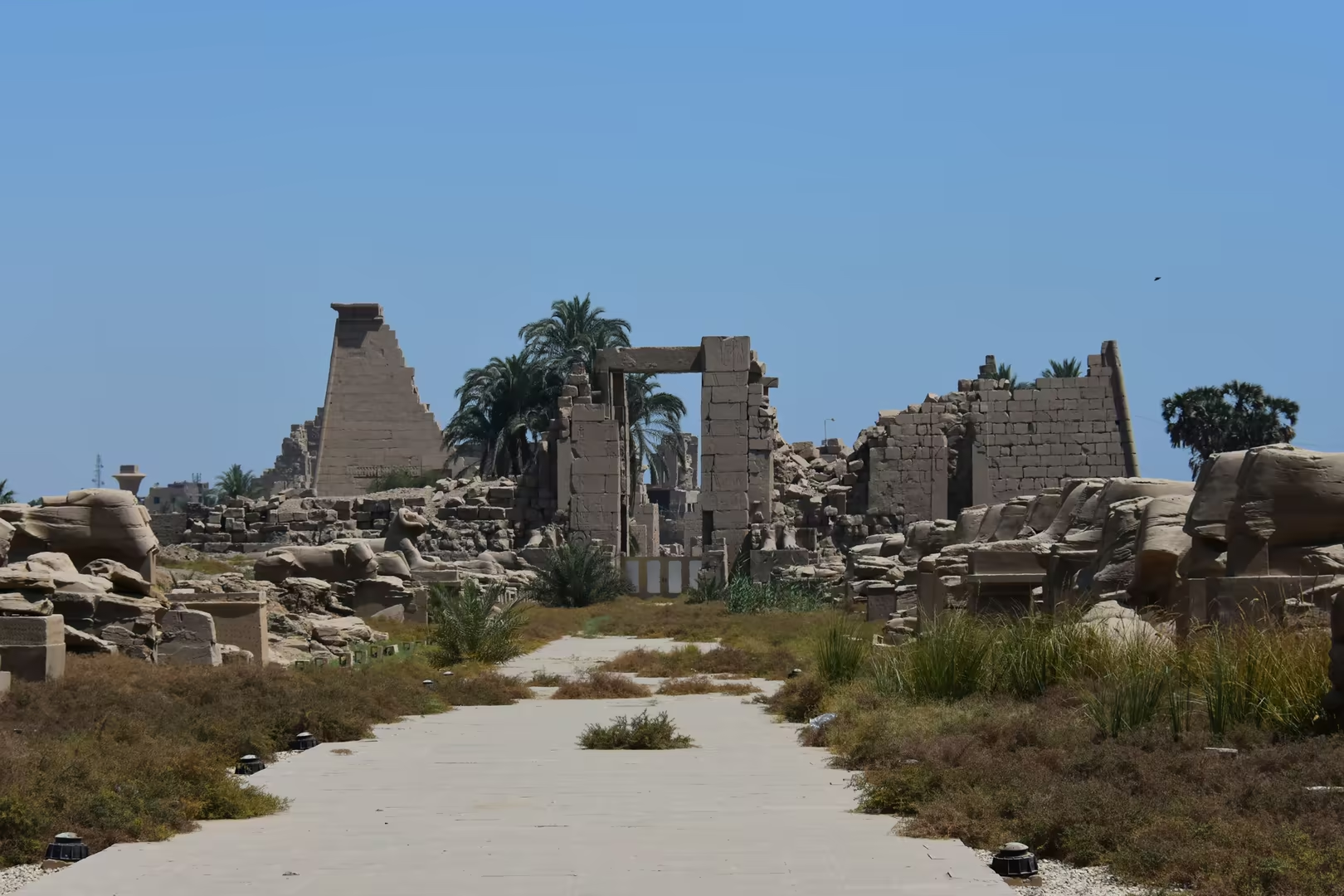
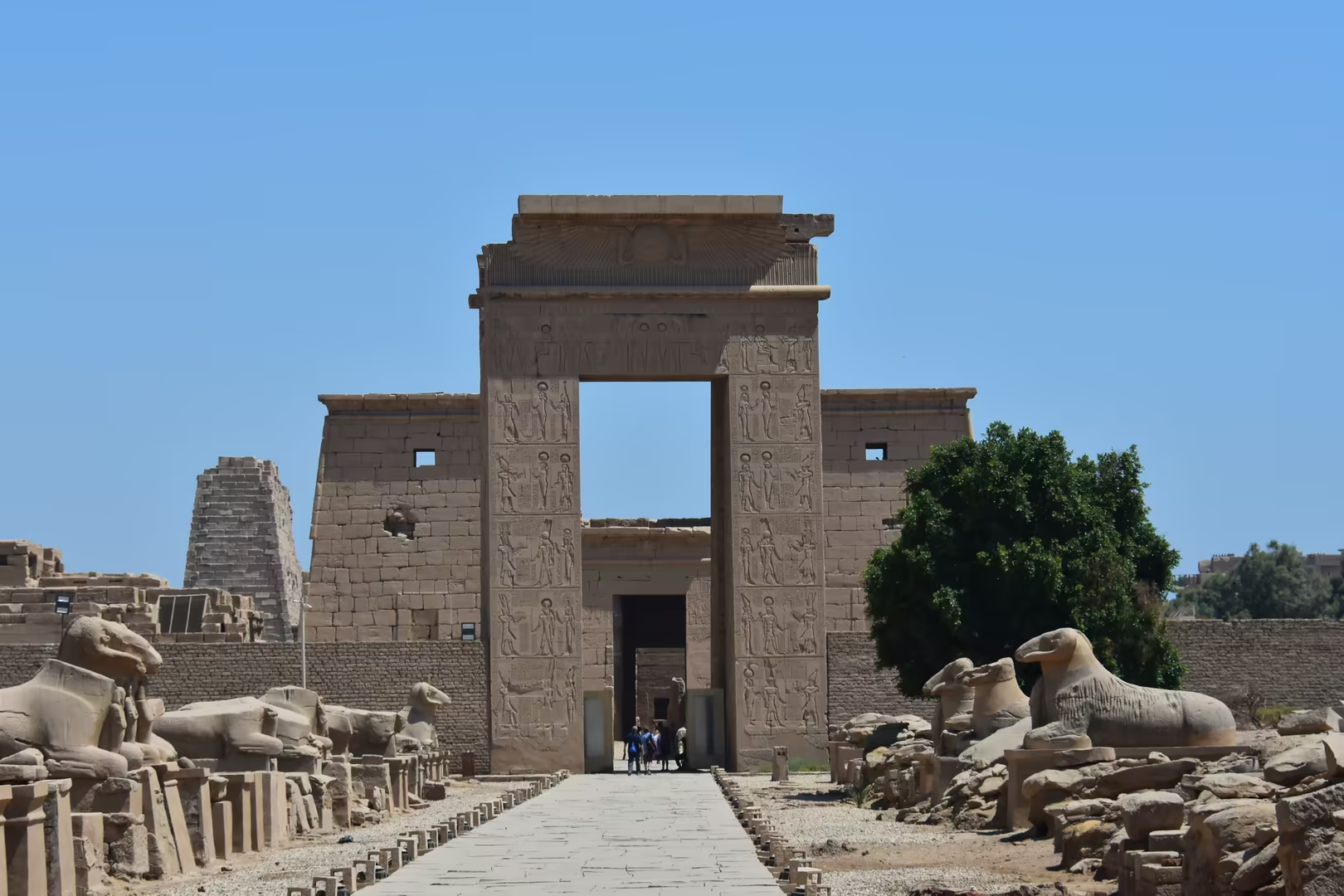
The two sanctuaries are joined by the avenue of sphinxes, the processional road of the Opet festival, which runs for nearly three kilometres through the modern town. Nectanebo I laid the avenue out in the fourth century BC along the course of the ancient route, lining it with more than a thousand sphinx statues, ram-headed at the Karnak end and human-headed towards Luxor. Buried for centuries beneath the houses of the medieval town, the road was first traced in 1949, when eight statues came to light before the pylon of Luxor Temple; today the cleared avenue, with its long files of re-erected sphinxes, is open to the public once more, and since November 2021 it links the two temples again as it did in the age of the Opet festival.
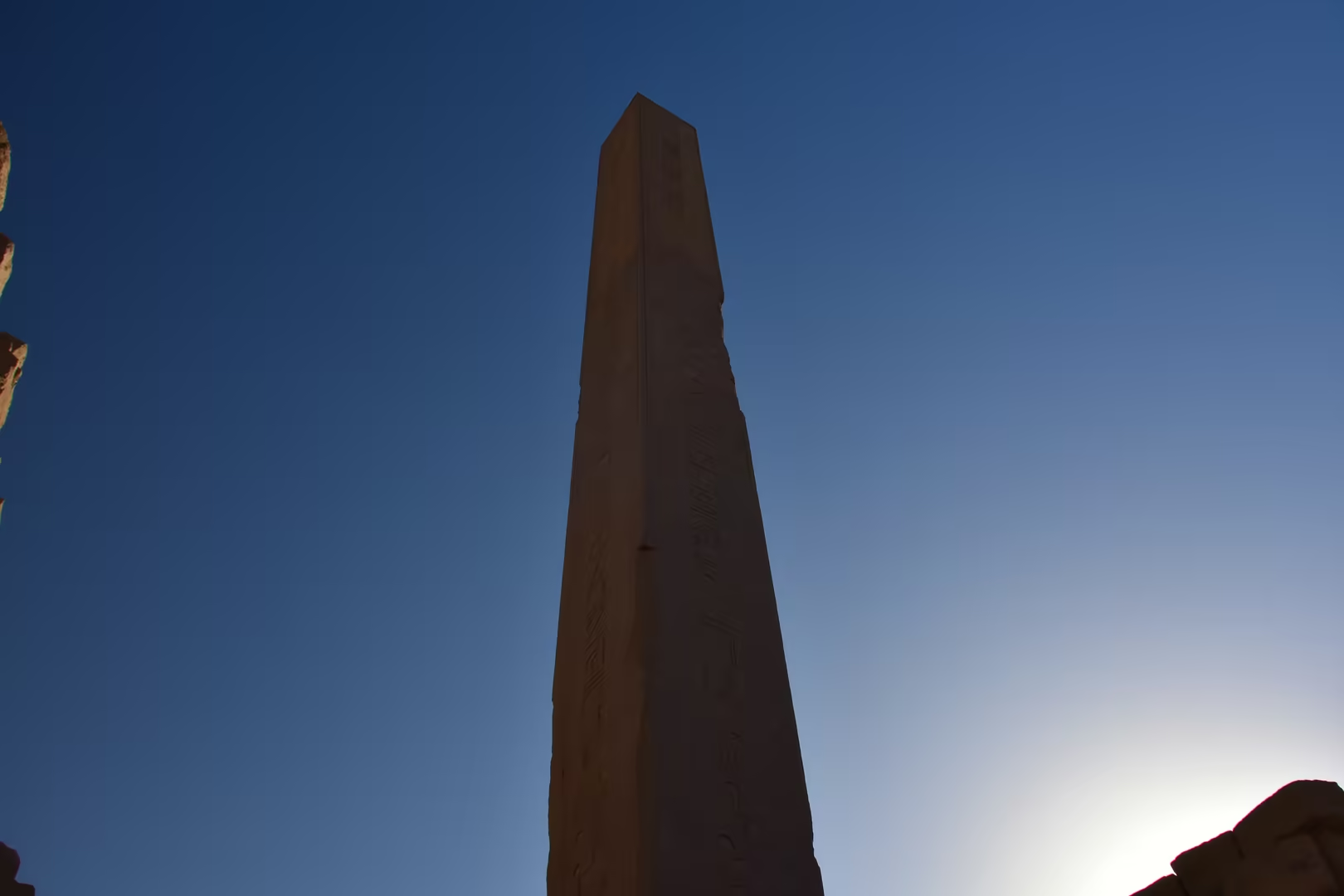
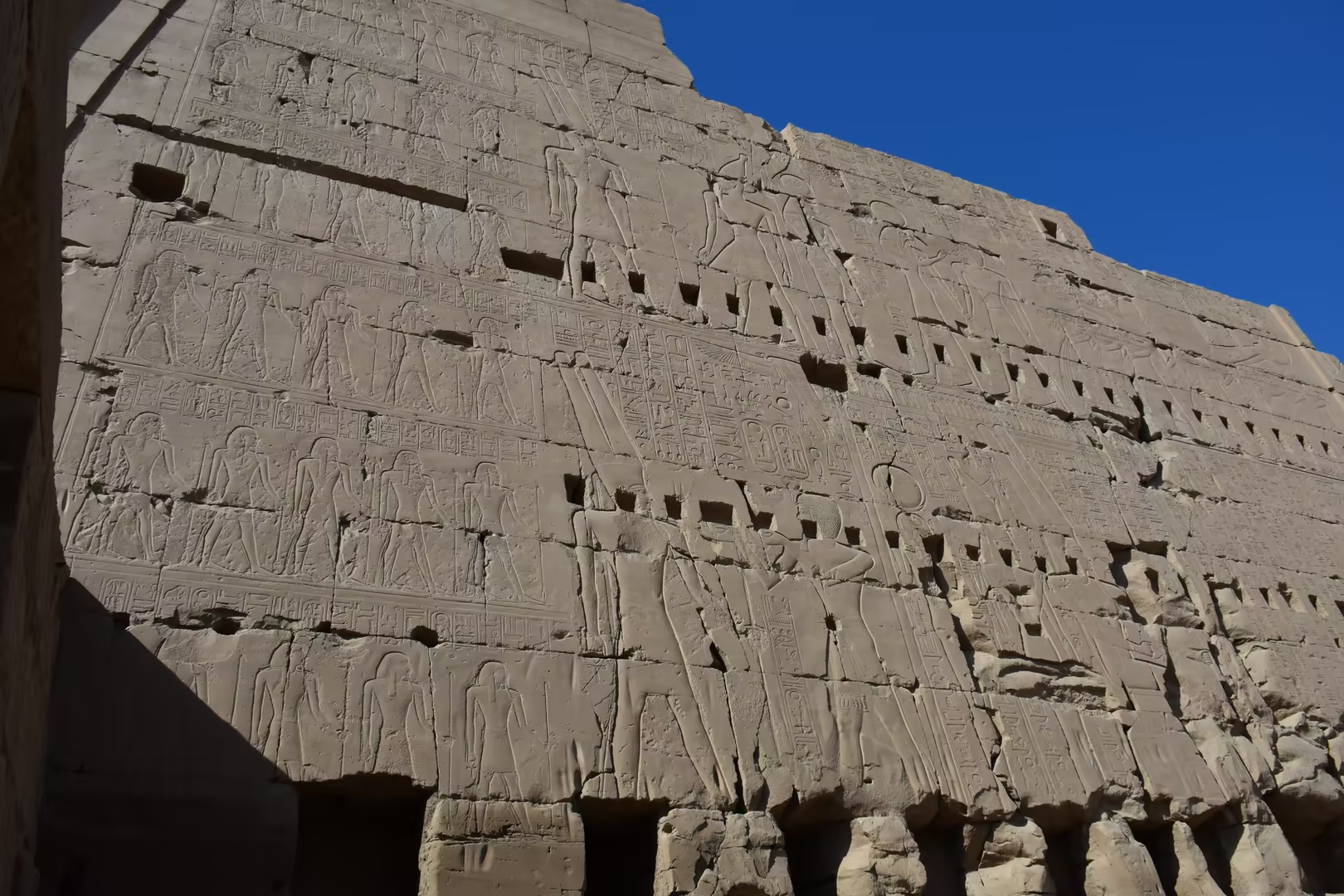
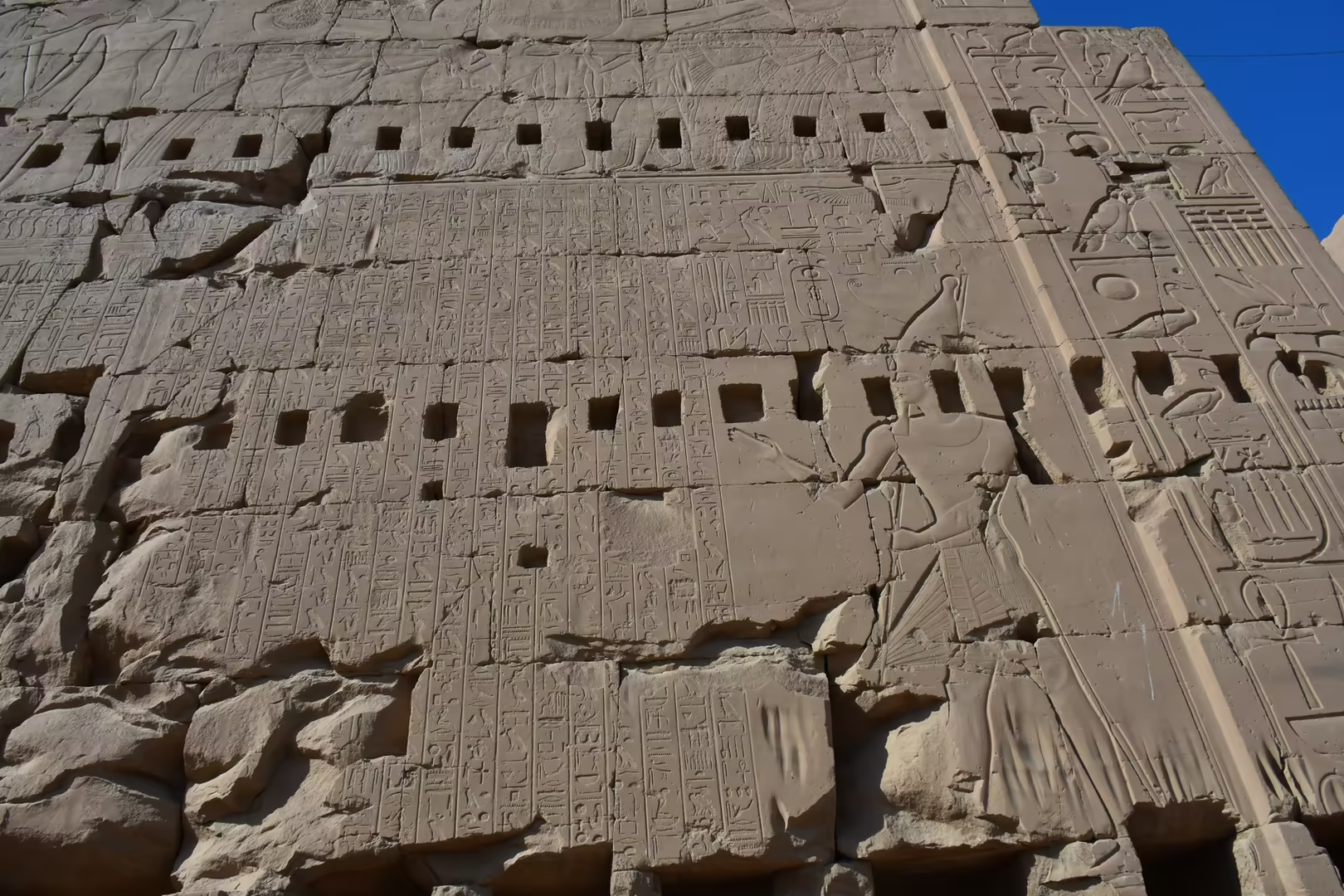
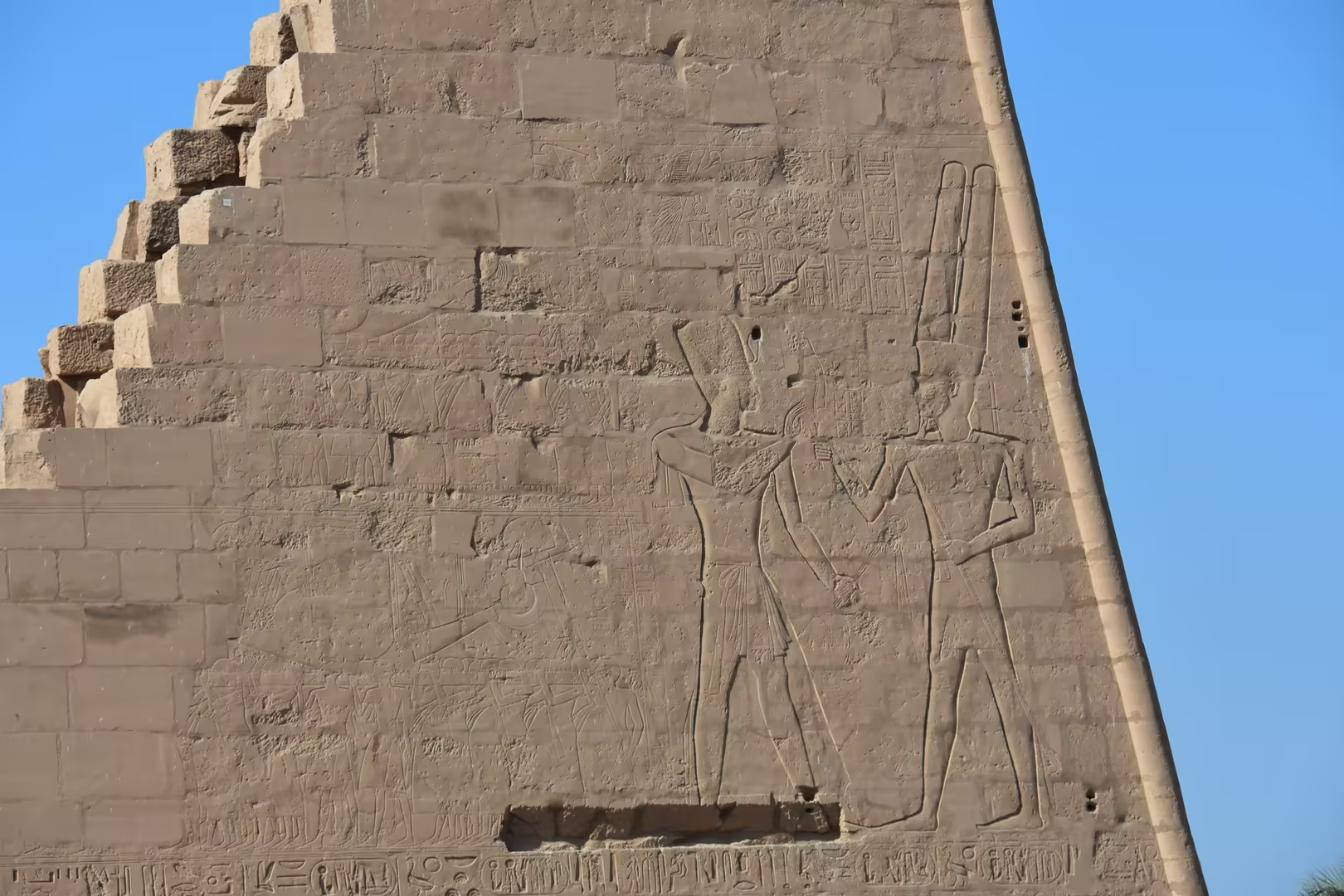
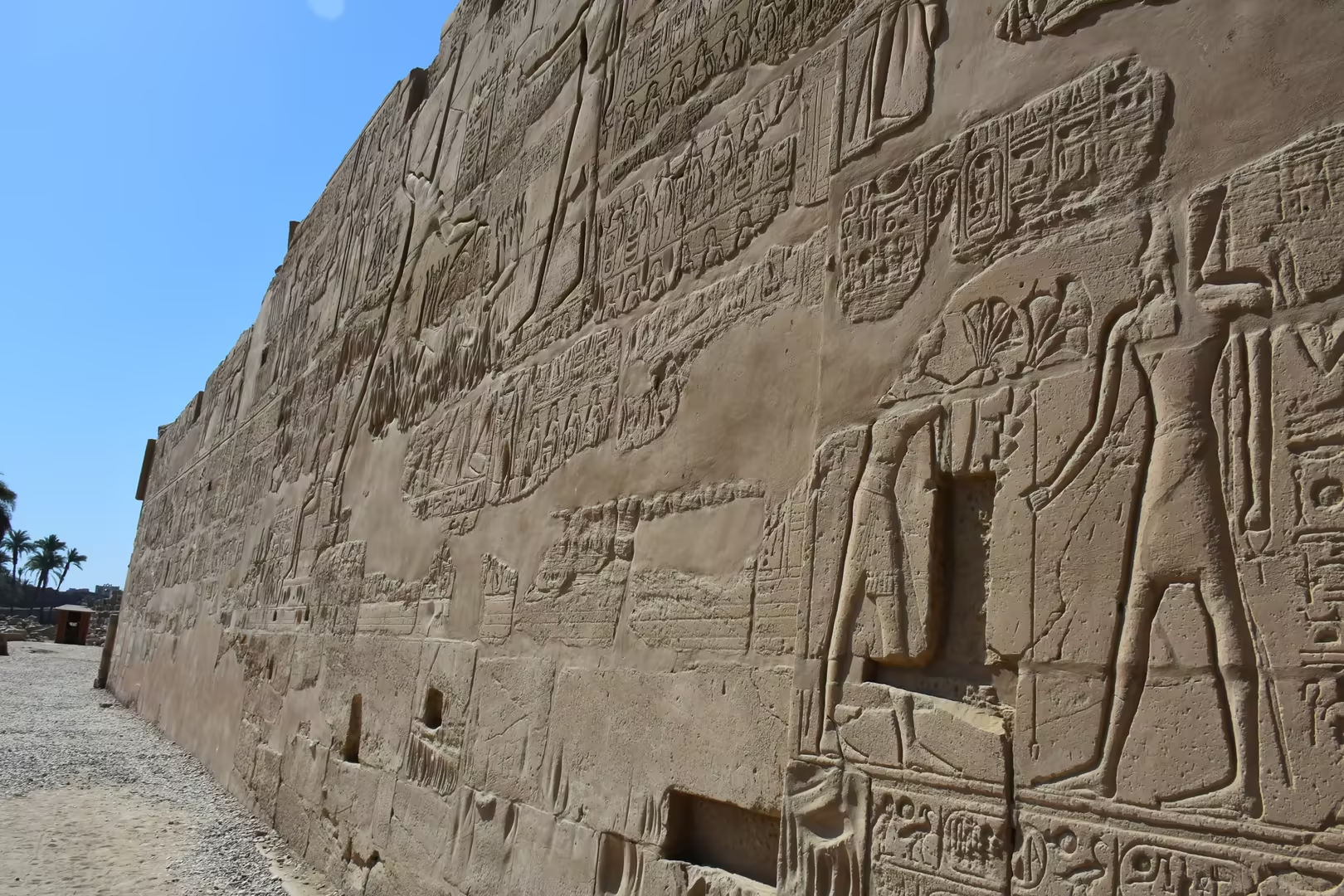
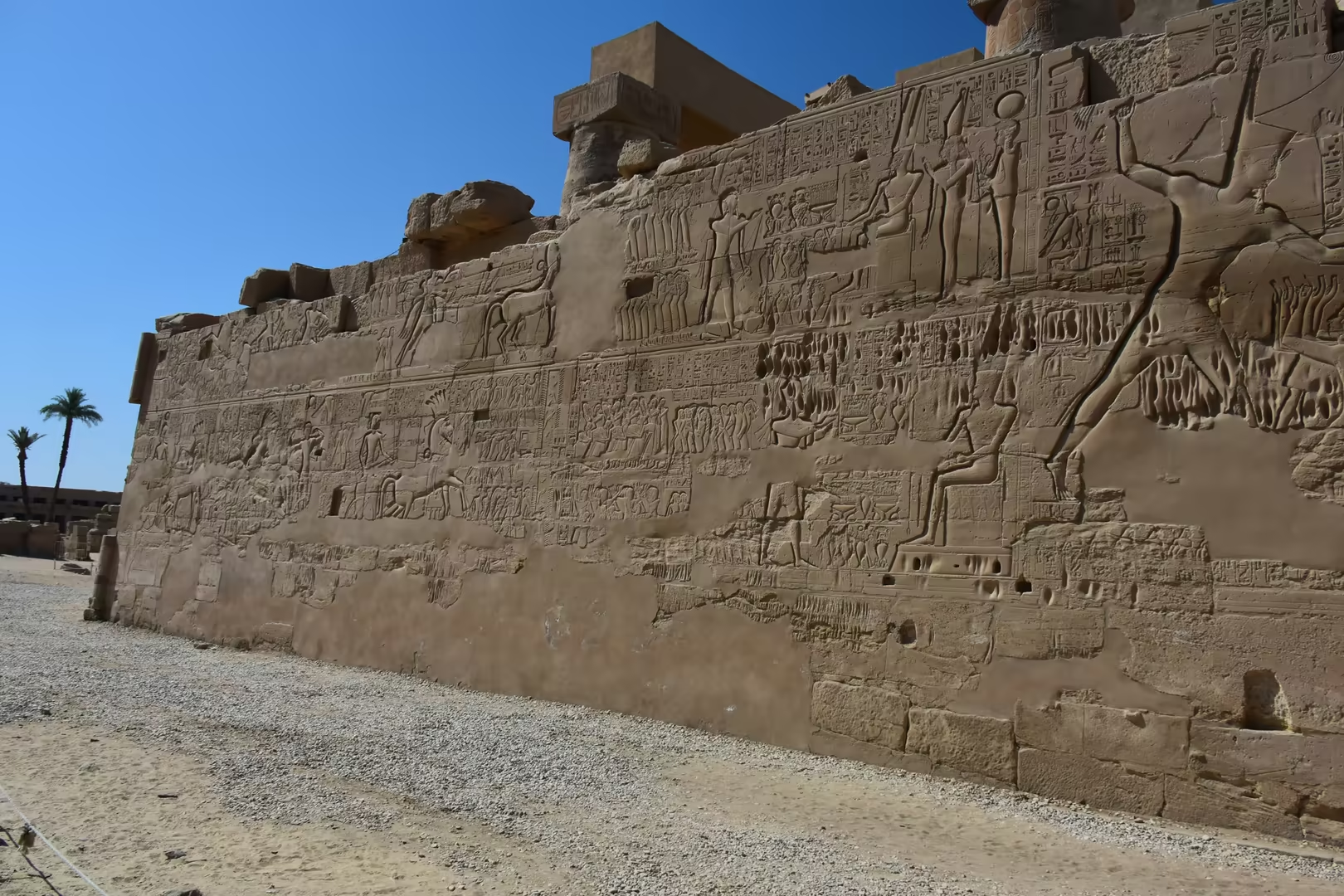
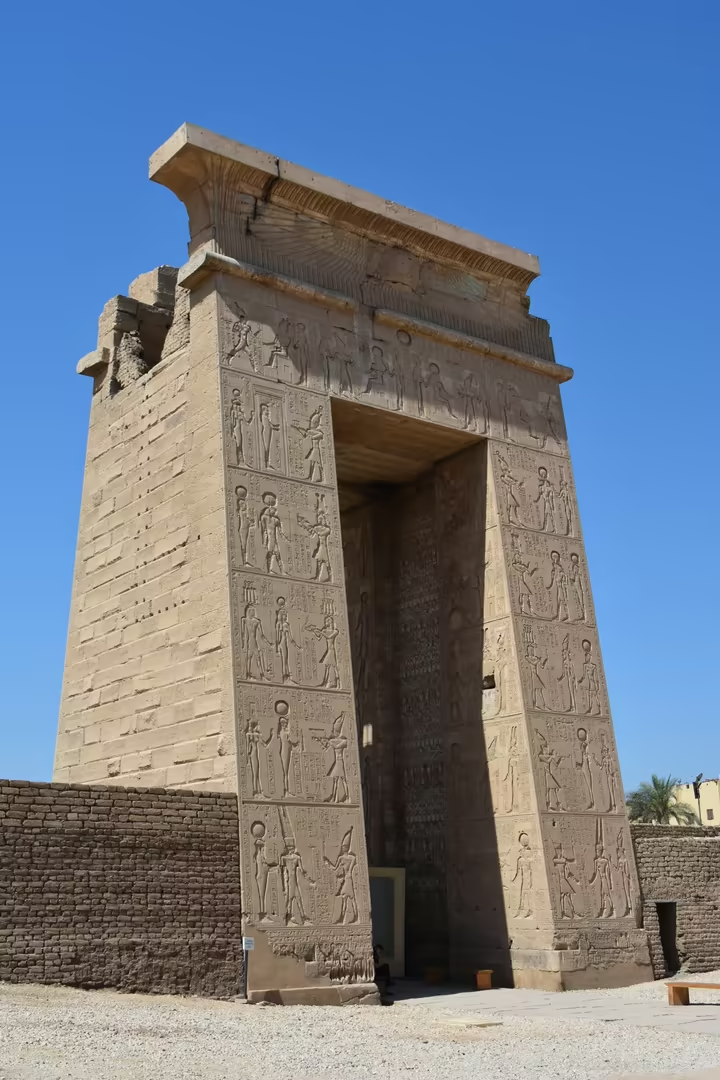
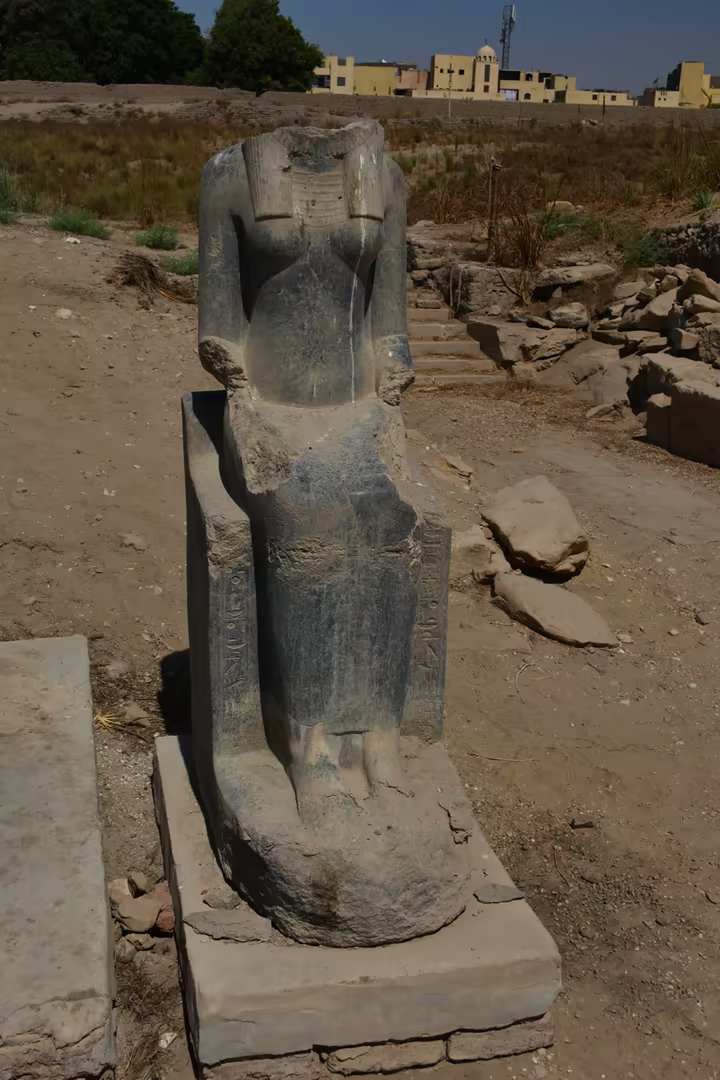
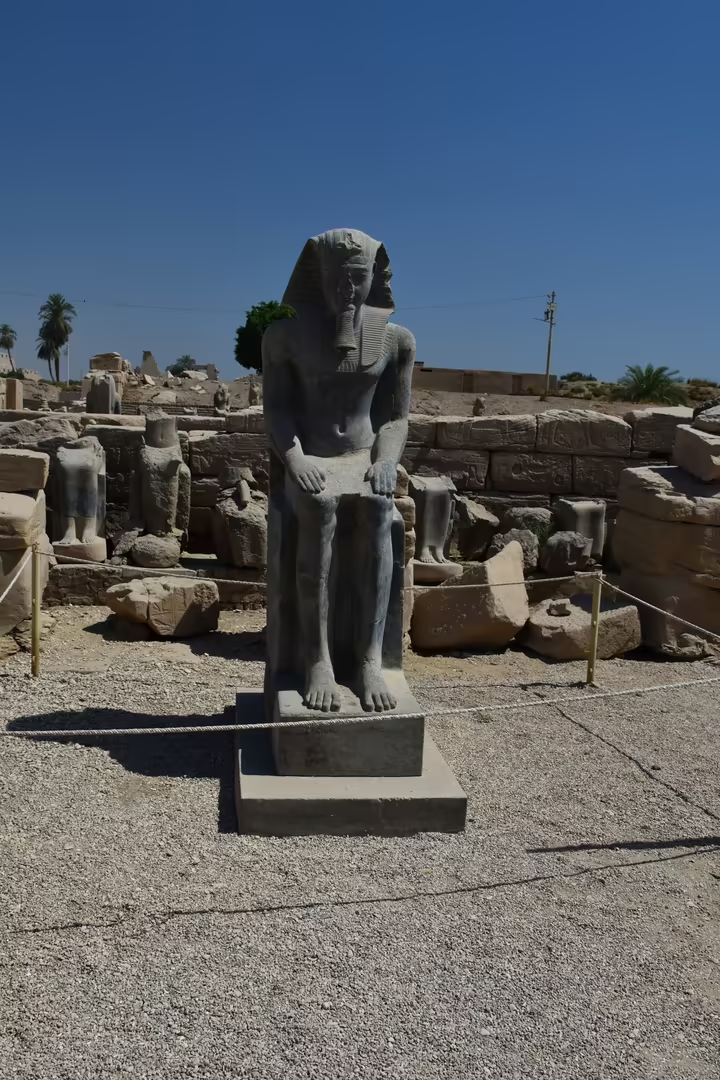
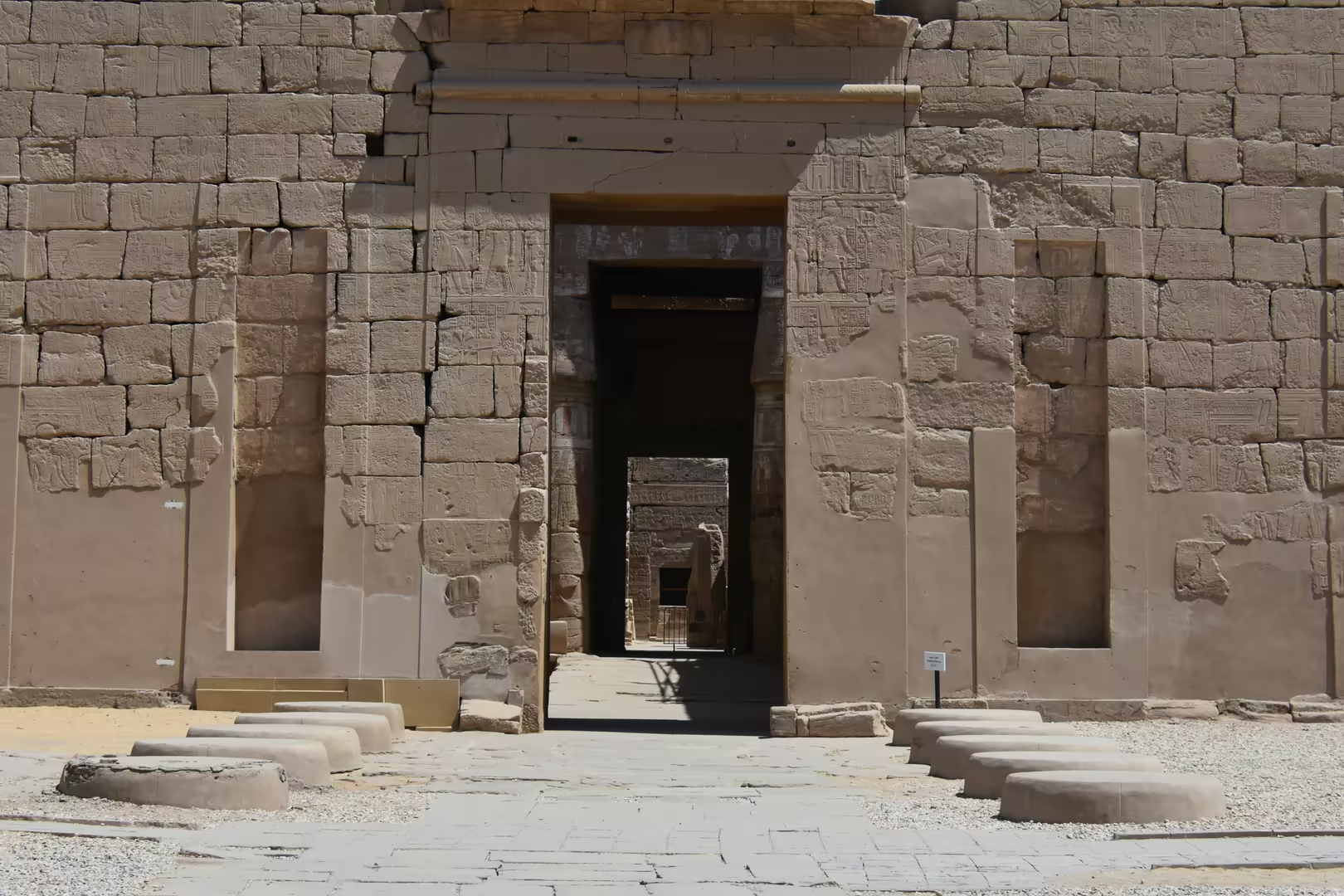
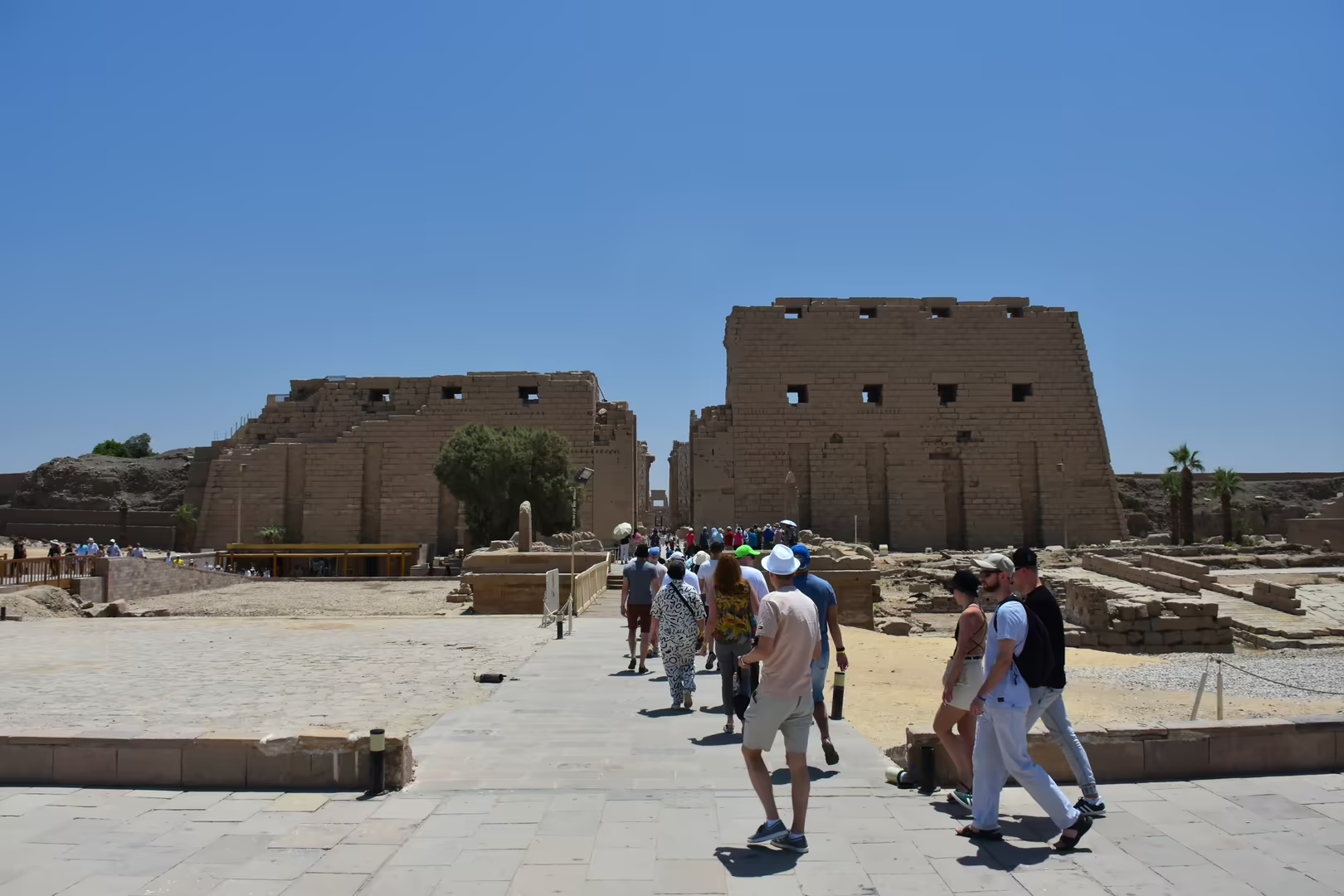
The avenue ends at Luxor Temple itself, whose great pylon faces Karnak to the north. Ramesses II raised the two towers, twenty-four metres high and sixty-five metres wide, and covered them with sunk relief of his war against the Hittites: the king charges the enemy in his chariot at Qadesh and smites his captives before the gods. Two colossal seated statues of Ramesses II guard the gateway, and of the four standing colossi and the pair of obelisks of Aswan granite that once flanked the entrance, one standing statue and a single obelisk survive; the obelisk’s twin was carried to Paris in the 1830s and now stands on the Place de la Concorde.
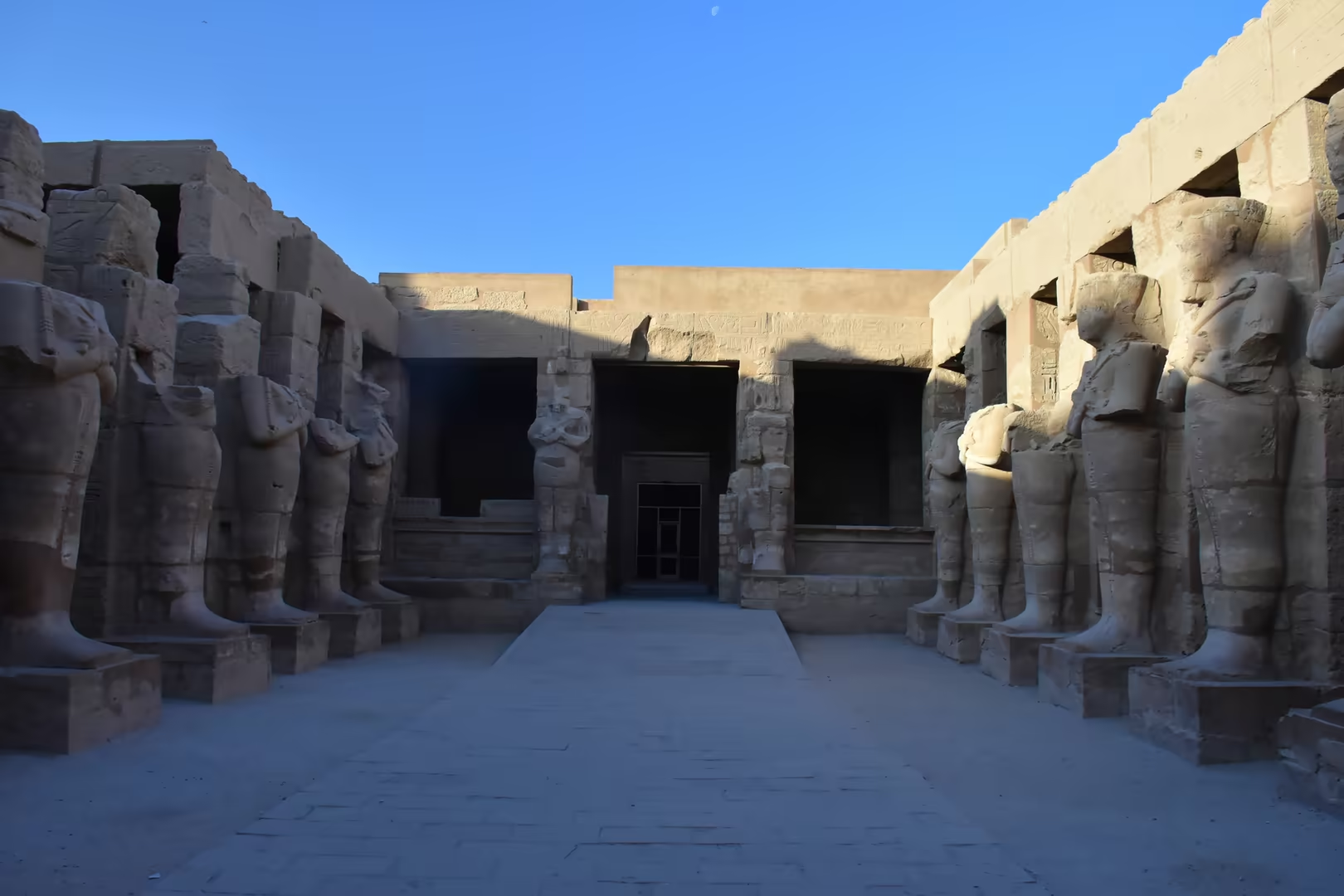
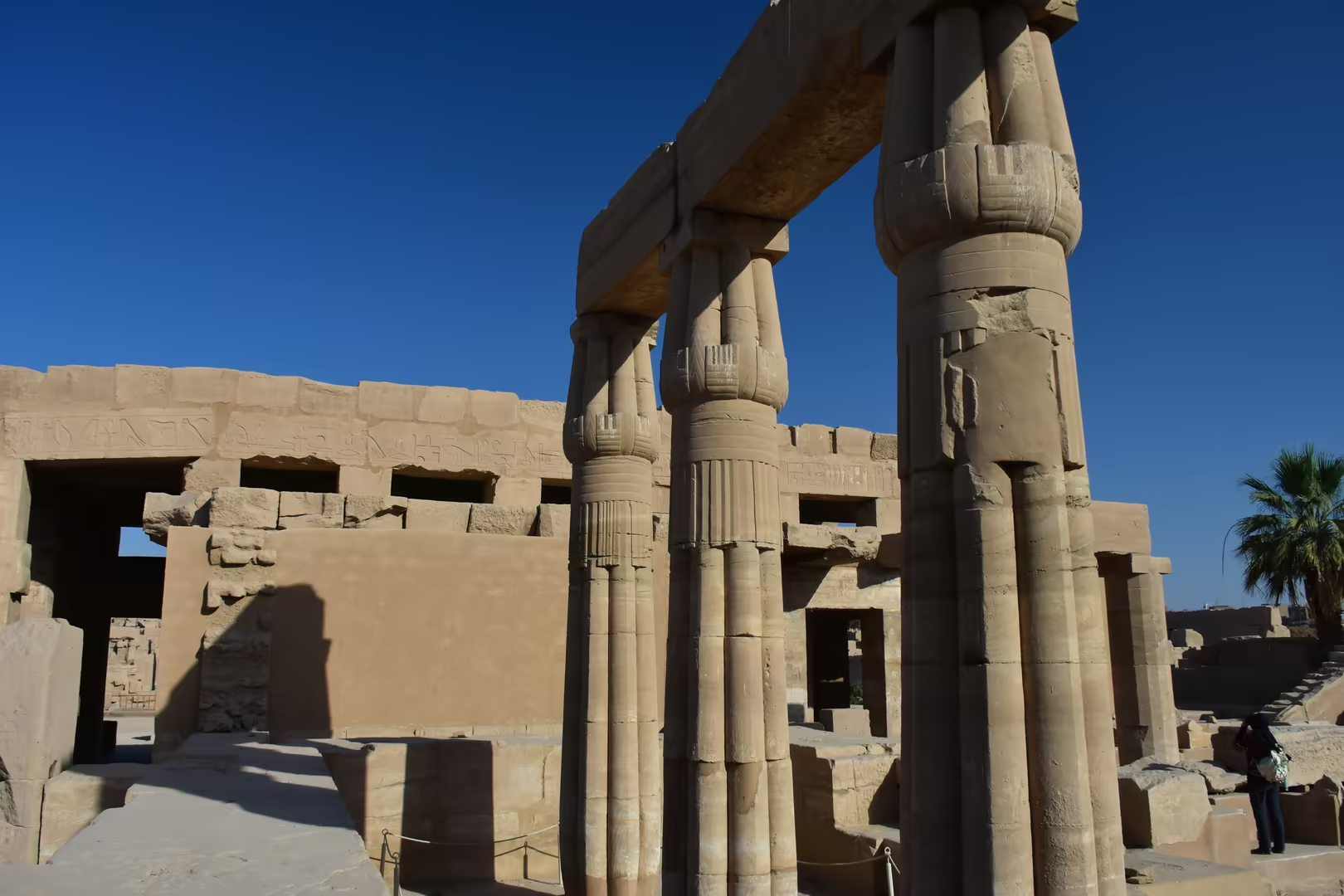
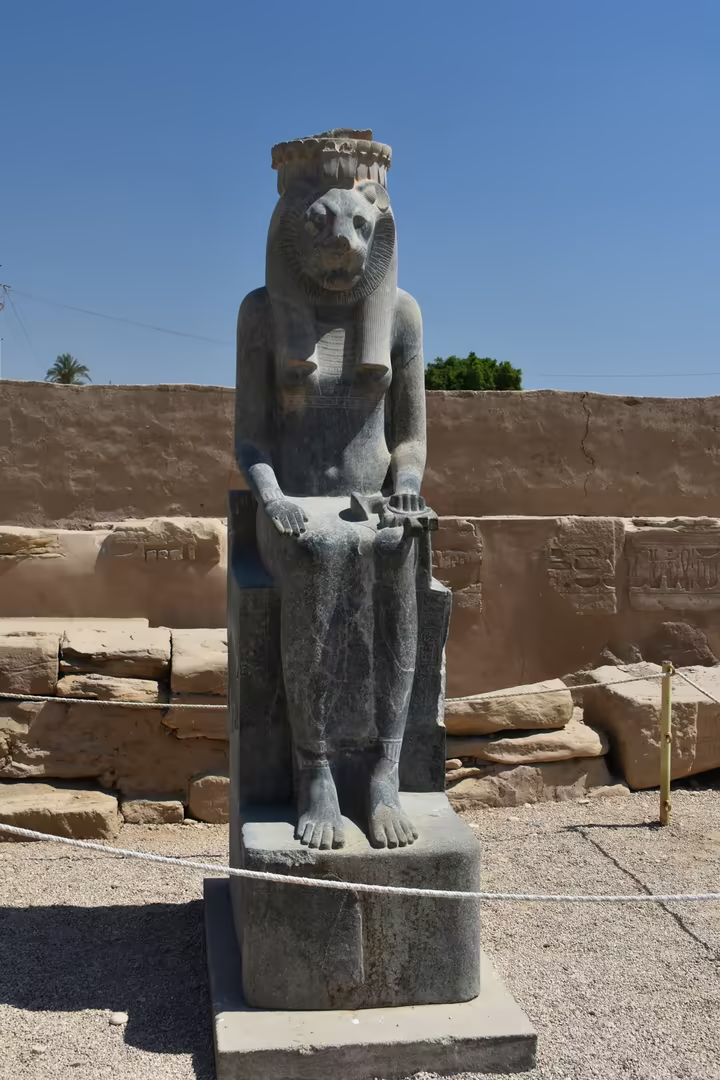
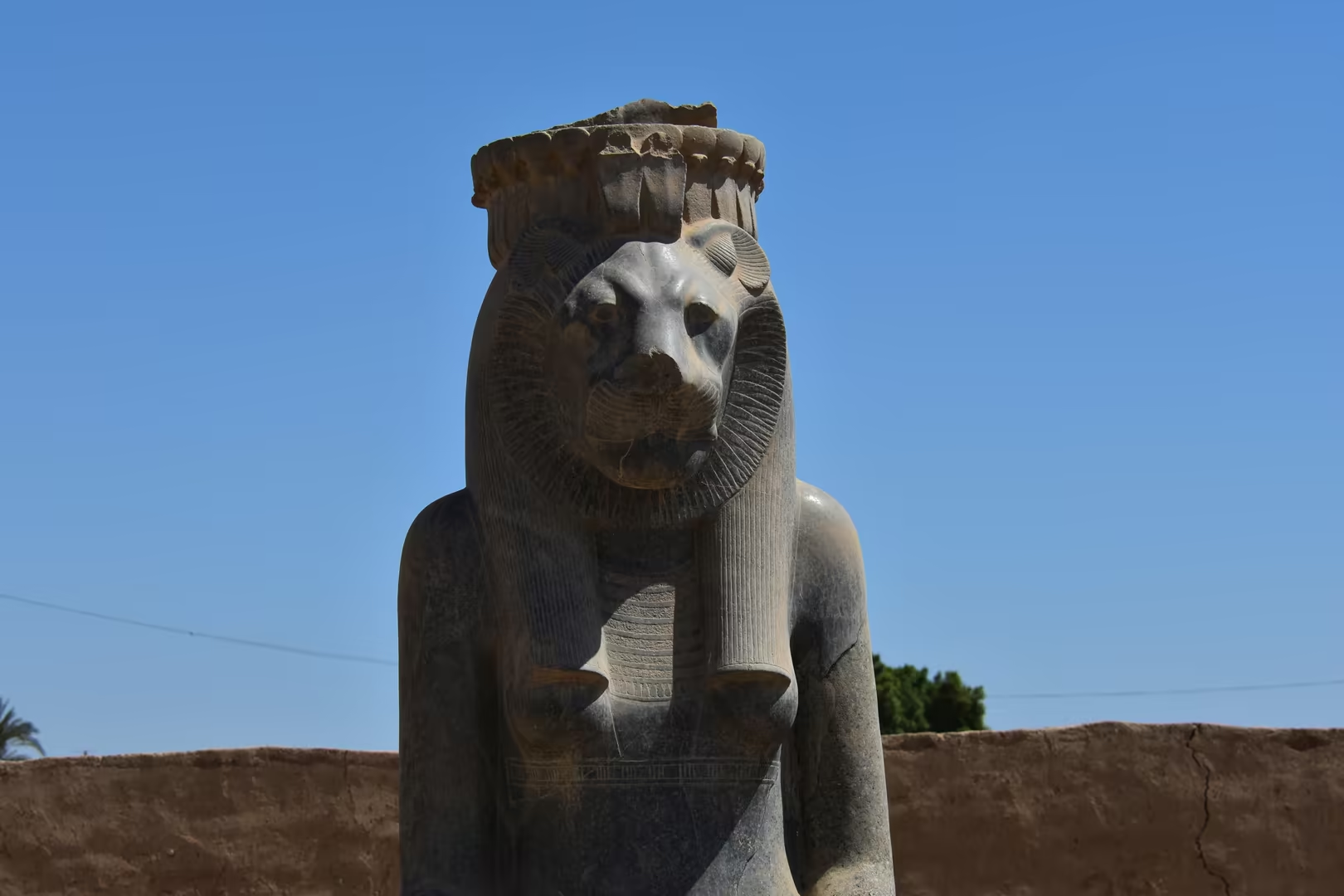
Beyond the pylon lies the great court of Ramesses II, surrounded by double rows of papyrus columns among which further colossal statues of the king stand; on its eastern side the whitewashed walls and minaret of the mosque of Abu al-Haggag rise above the ancient colonnade, for the mosque, founded in the thirteenth century, was spared when the town that had buried the temple was cleared from the ruins. From the court the visitor follows the great colonnade of Amenhotep III, whose fourteen columns lead towards the heart of the building; the walls of the colonnade carry the reliefs of the Opet festival that Tutankhamun had carved there, the sacred barques of Amun, Mut and Khons borne on the shoulders of priests. Beyond it opens the sun court of Amenhotep III, ringed with a double row of papyrus columns, and at the southern end stand the rooms of the sanctuary with the granite barque shrine of Alexander the Great in the innermost chamber.
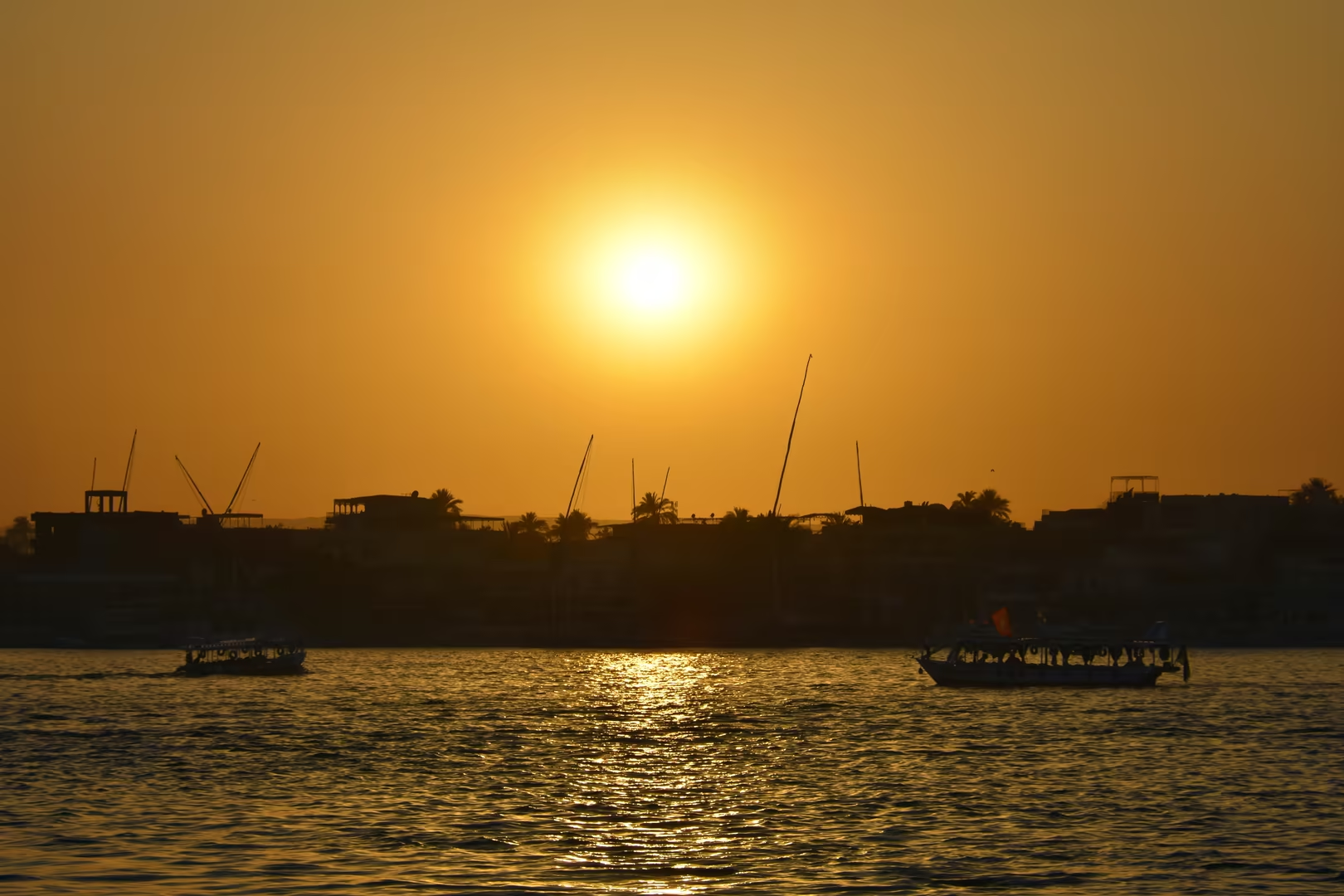
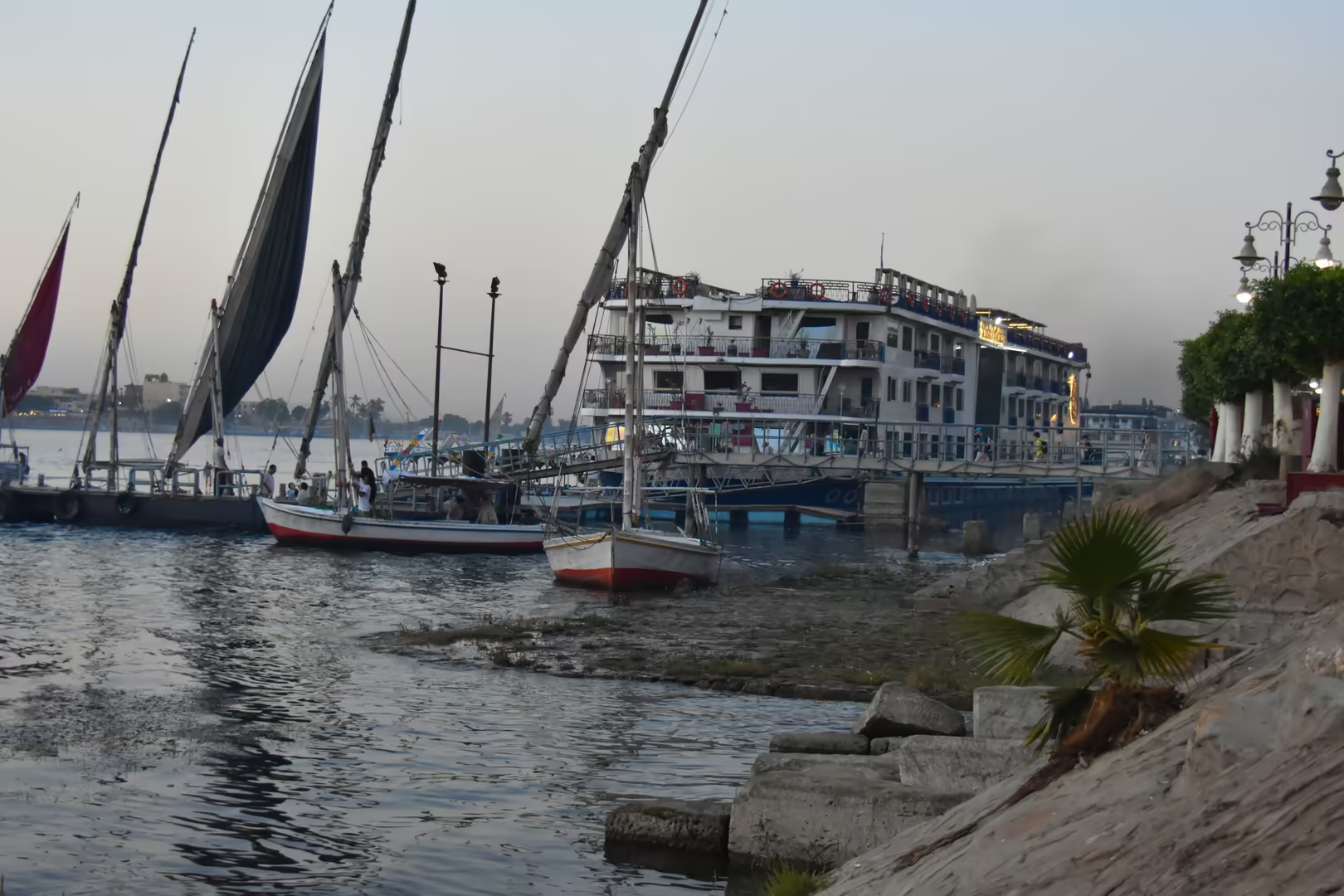
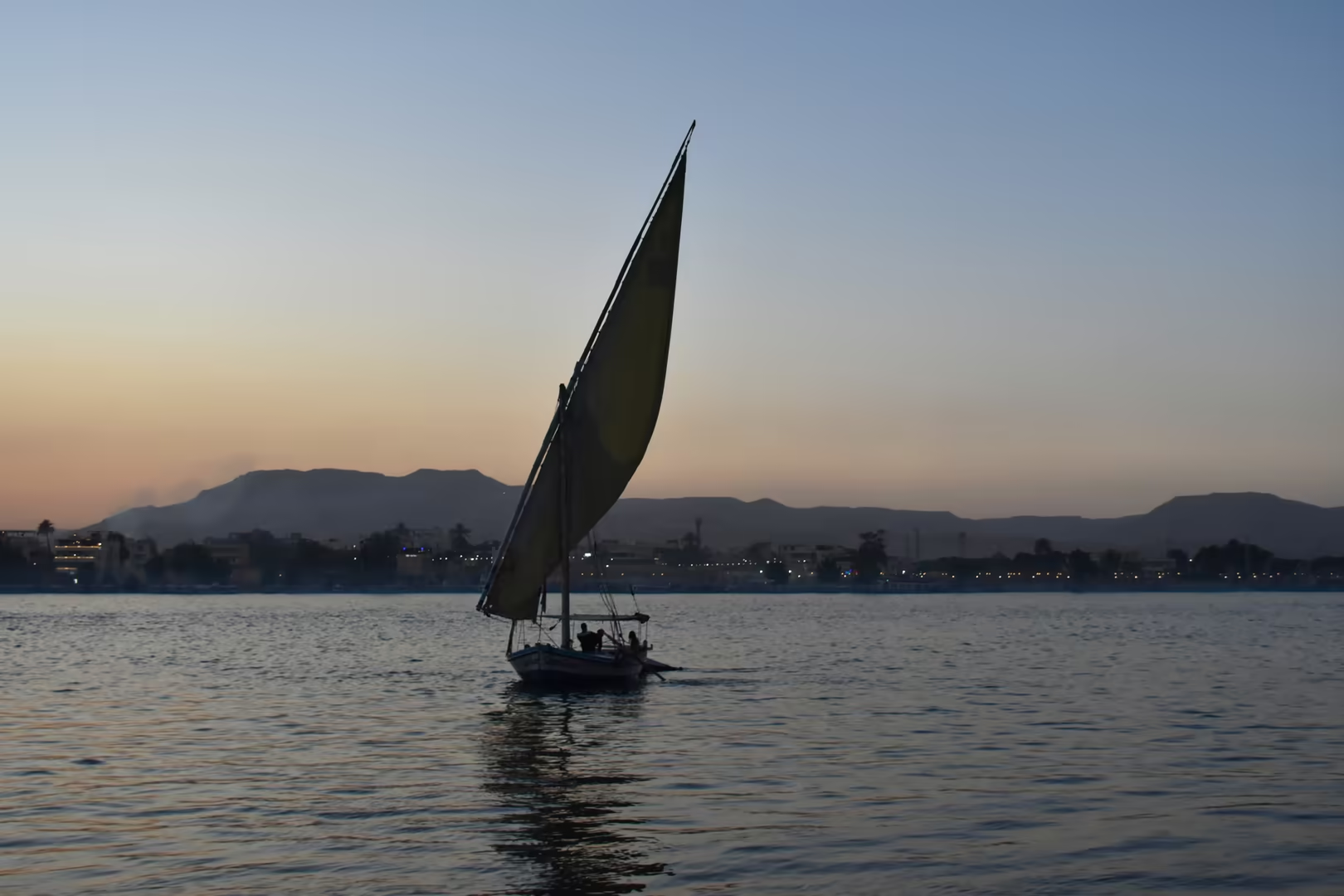
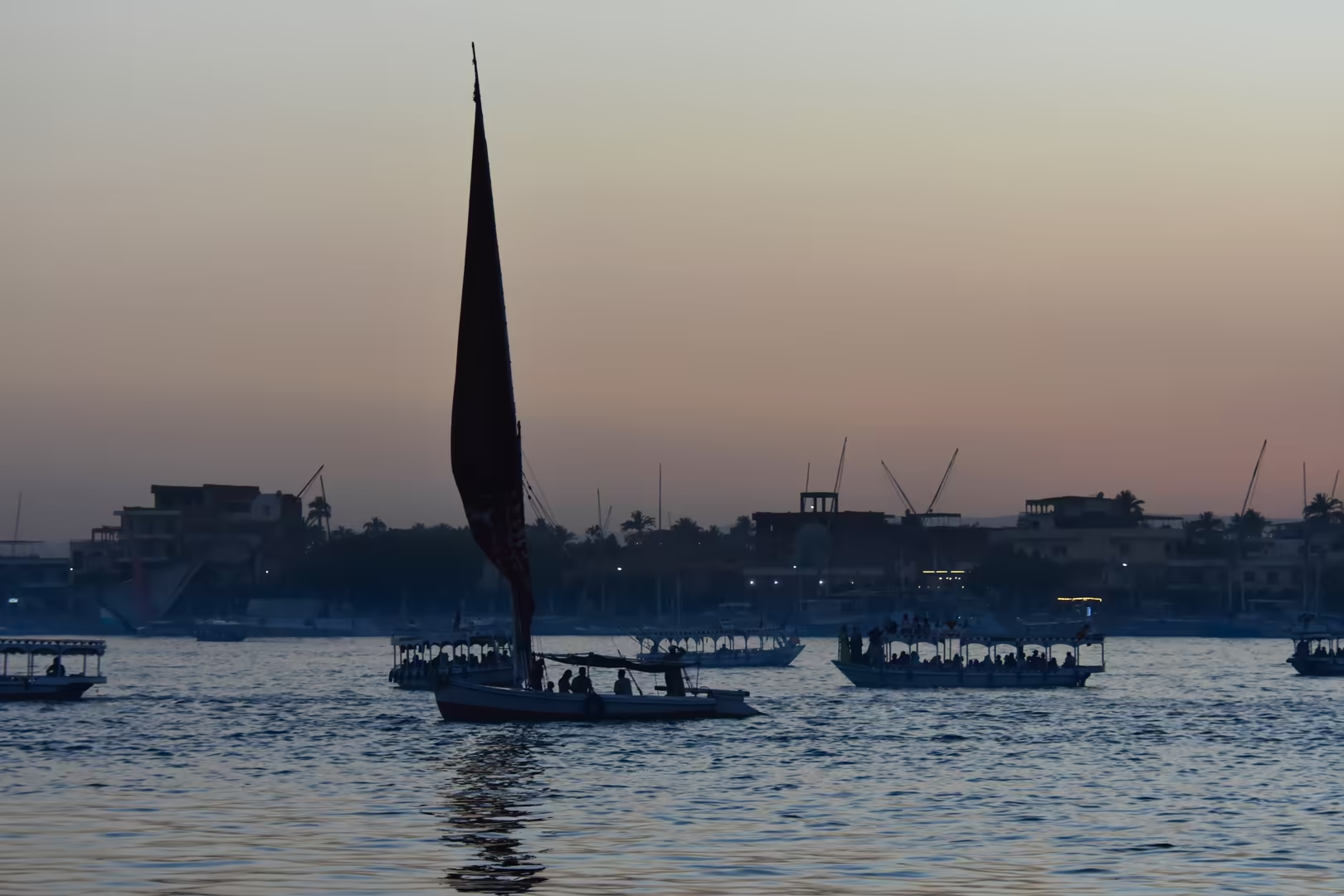
The temple fronts the corniche of the modern town, the broad riverside promenade of Luxor. Feluccas, the traditional lateen-rigged sailing boats of the Nile, ply the water between the banks past the cruise ships moored along the quay, and beyond the green cultivation rise the limestone cliffs of the Theban west bank. At dawn the sky over those cliffs fills with the hot-air balloons that set out from the west bank at sunrise, their coloured envelopes drifting above the palm belts and the low desert in the cool morning air; the spectacle has made daybreak over Luxor as much an attraction as the temples below. The temple is floodlit after dark, and its evening illumination above the corniche counts among the most famous night views of Upper Egypt.
References
- Strudwick, N., & Strudwick, H. (1999). Thebes in Egypt: A Guide to the Tombs and Temples of Ancient Luxor. London: British Museum Press.
- Wilkinson, R. H. (2000). The Complete Temples of Ancient Egypt. London: Thames & Hudson.
- Bell, L. (1985). “Luxor Temple and the Cult of the Royal Ka.” Journal of Near Eastern Studies, 44 (4), 251-294.
- Said, R. (1990). The Geology of Egypt. Rotterdam: A. A. Balkema.
- UNESCO World Heritage Centre (1979). Ancient Thebes with its Necropolis. World Heritage List, ref. 87. whc.unesco.org/en/list/87/
- Wikipedia contributors (2026). Luxor Temple. en.wikipedia.org/wiki/Luxor_Temple
- Wikipedia contributors (2026). Karnak. en.wikipedia.org/wiki/Karnak
- Wikipedia contributors (2026). Opet Festival. en.wikipedia.org/wiki/Opet_Festival
- Wikipedia contributors (2026). Avenue of Sphinxes. en.wikipedia.org/wiki/Avenue_of_Sphinxes
- Wikipedia contributors (2026). Thebes, Egypt. en.wikipedia.org/wiki/Thebes,_Egypt
- Wikipedia contributors (2026). Luxor. en.wikipedia.org/wiki/Luxor
- Wikipedia contributors (2026). Amenhotep III. en.wikipedia.org/wiki/Amenhotep_III
- Wikipedia contributors (2026). Ramesses II. en.wikipedia.org/wiki/Ramesses_II
- Wikipedia contributors (2026). Abu Haggag Mosque. en.wikipedia.org/wiki/Abu_Haggag_Mosque
- Wikipedia contributors (2026). Gebel el-Silsila. en.wikipedia.org/wiki/Gebel_el-Silsila
- Wikipedia contributors (2026). Nubian Sandstone. en.wikipedia.org/wiki/Nubian_Sandstone