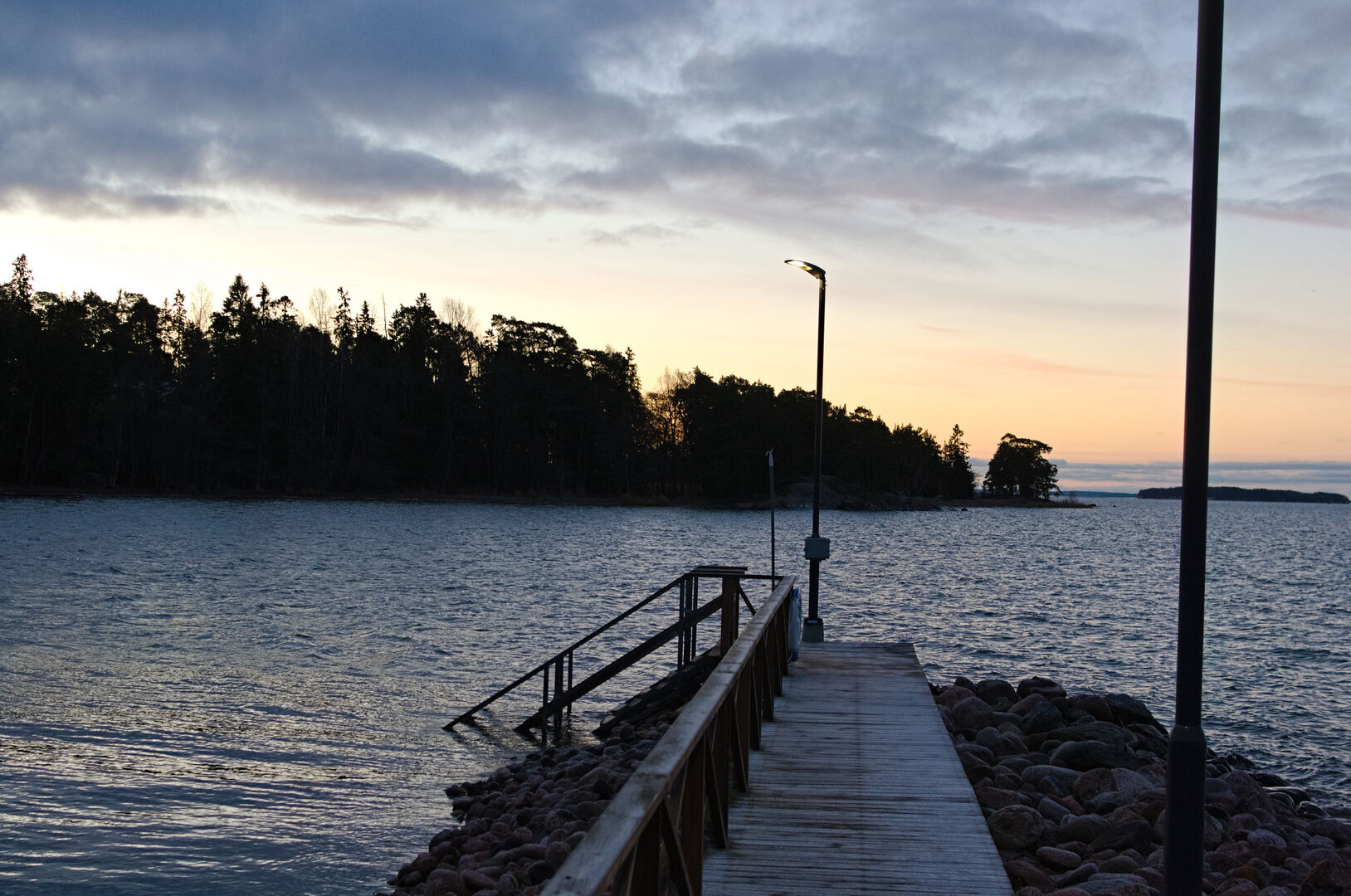
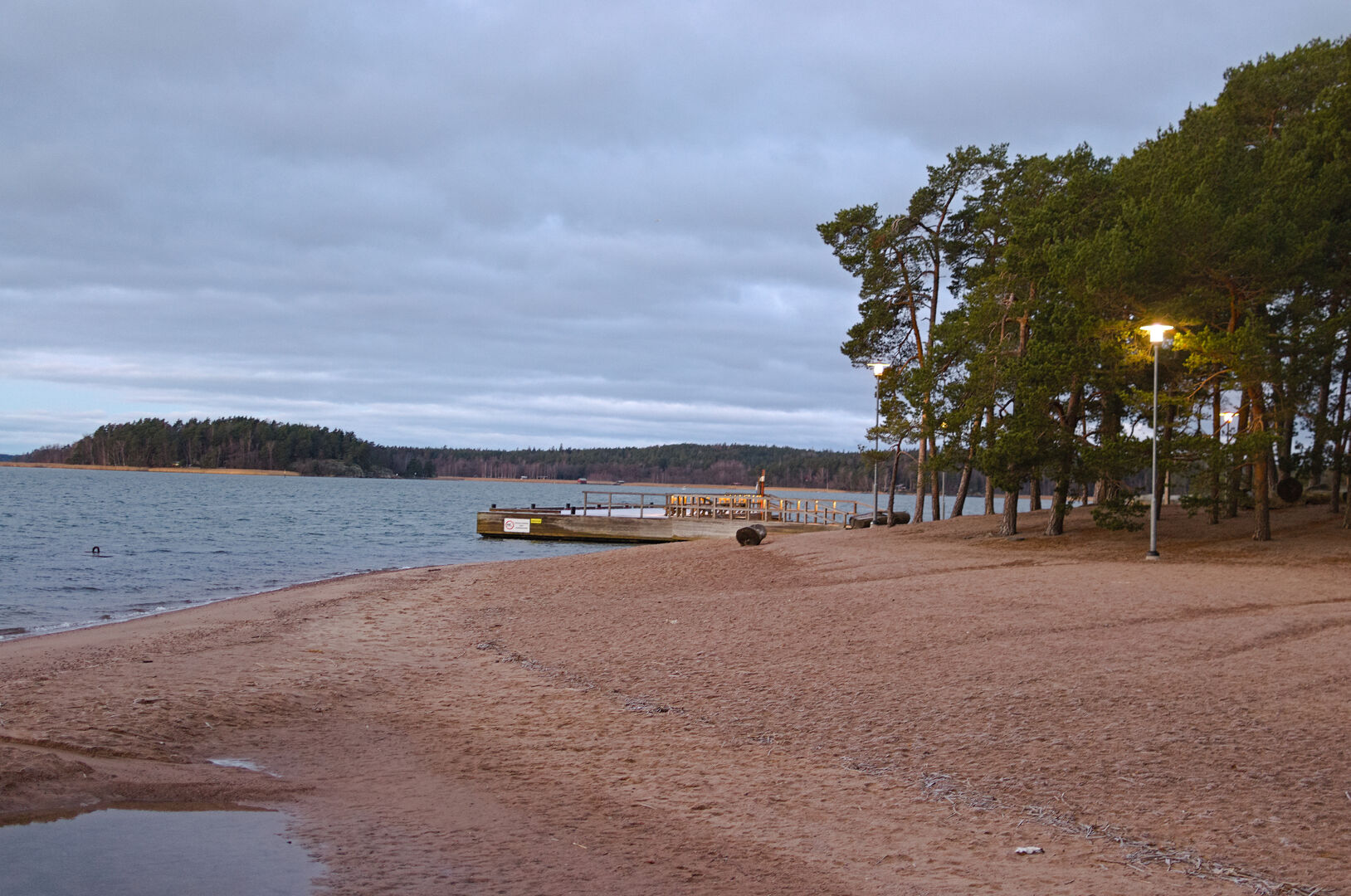
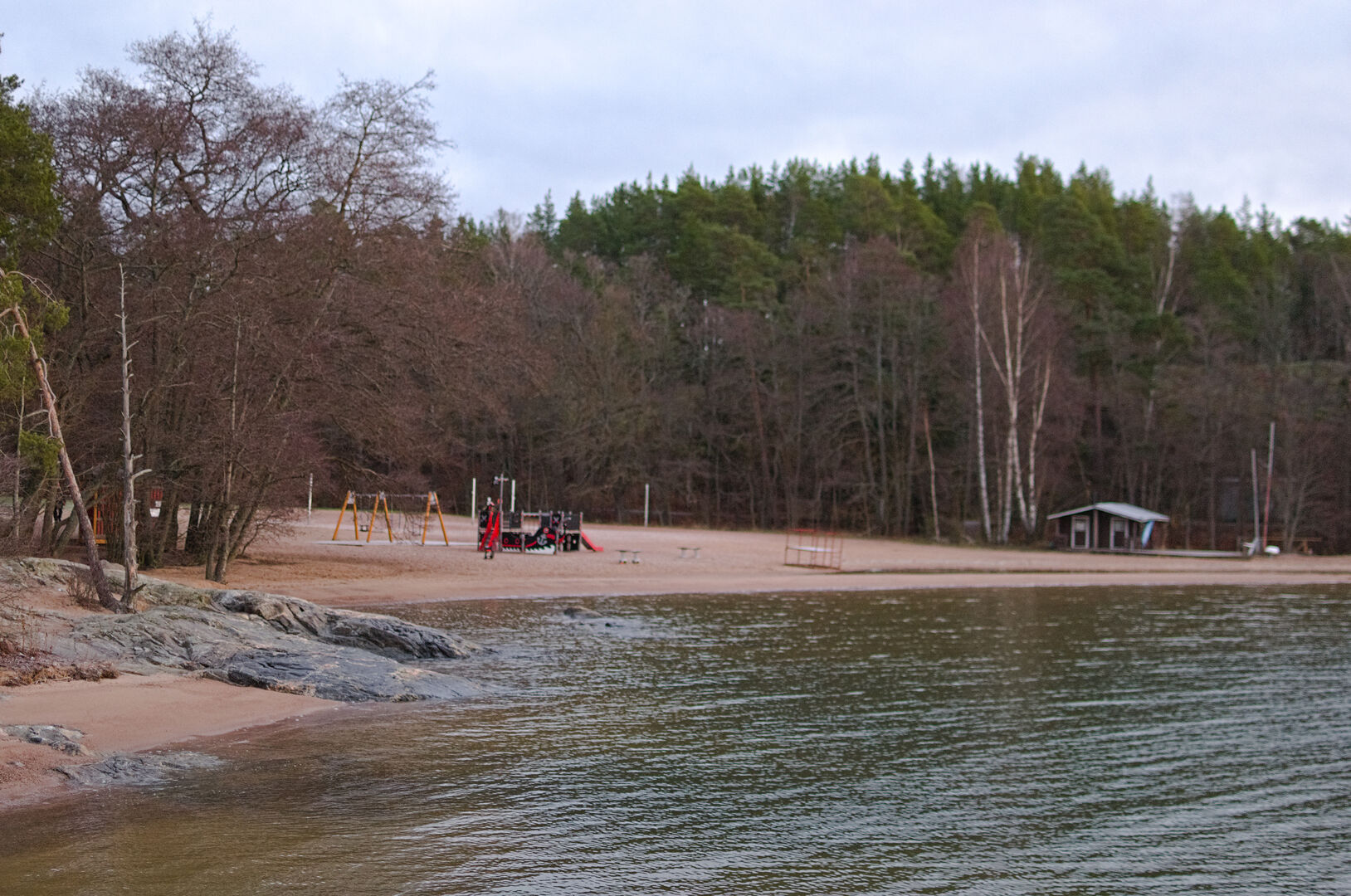
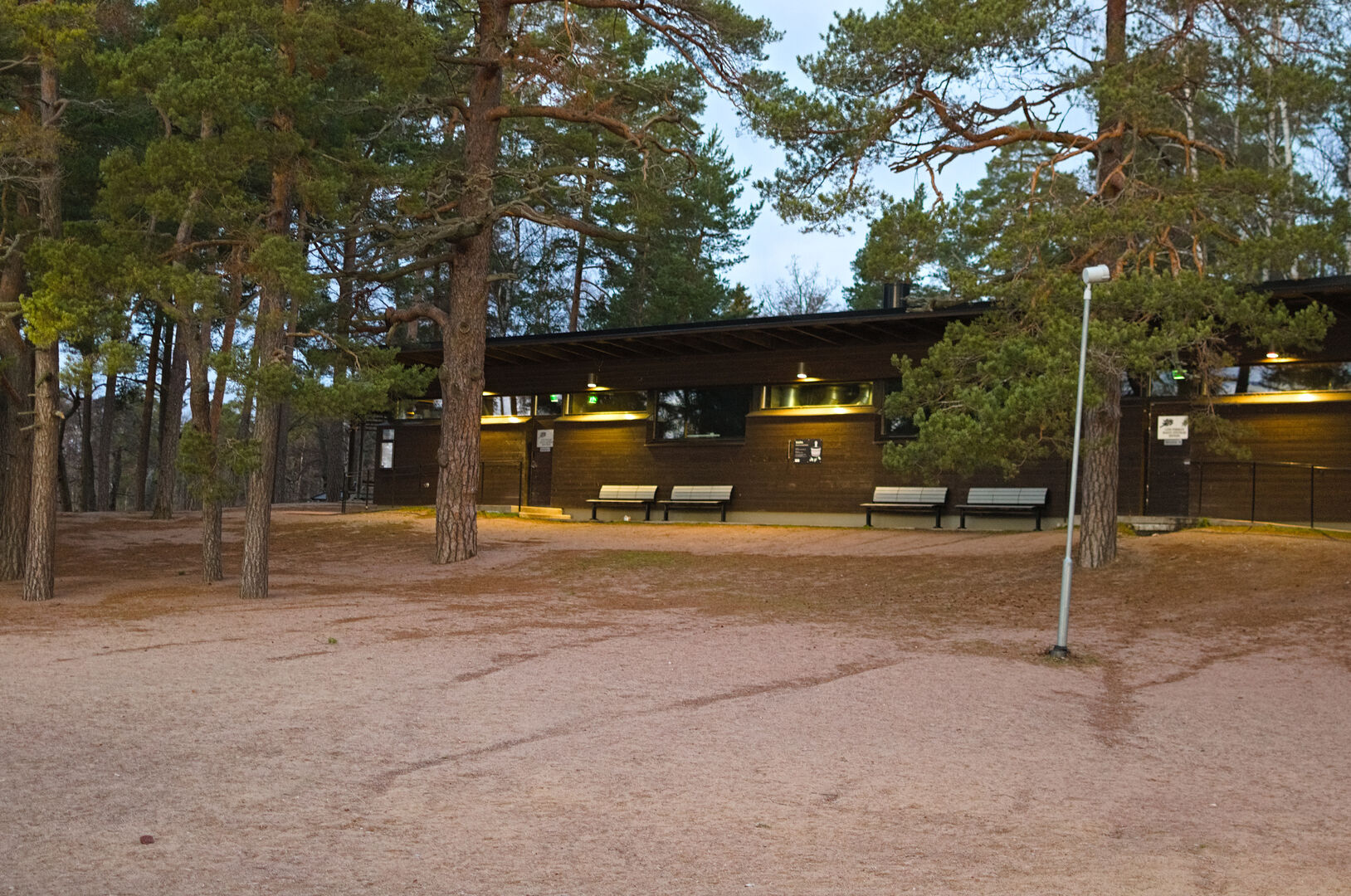

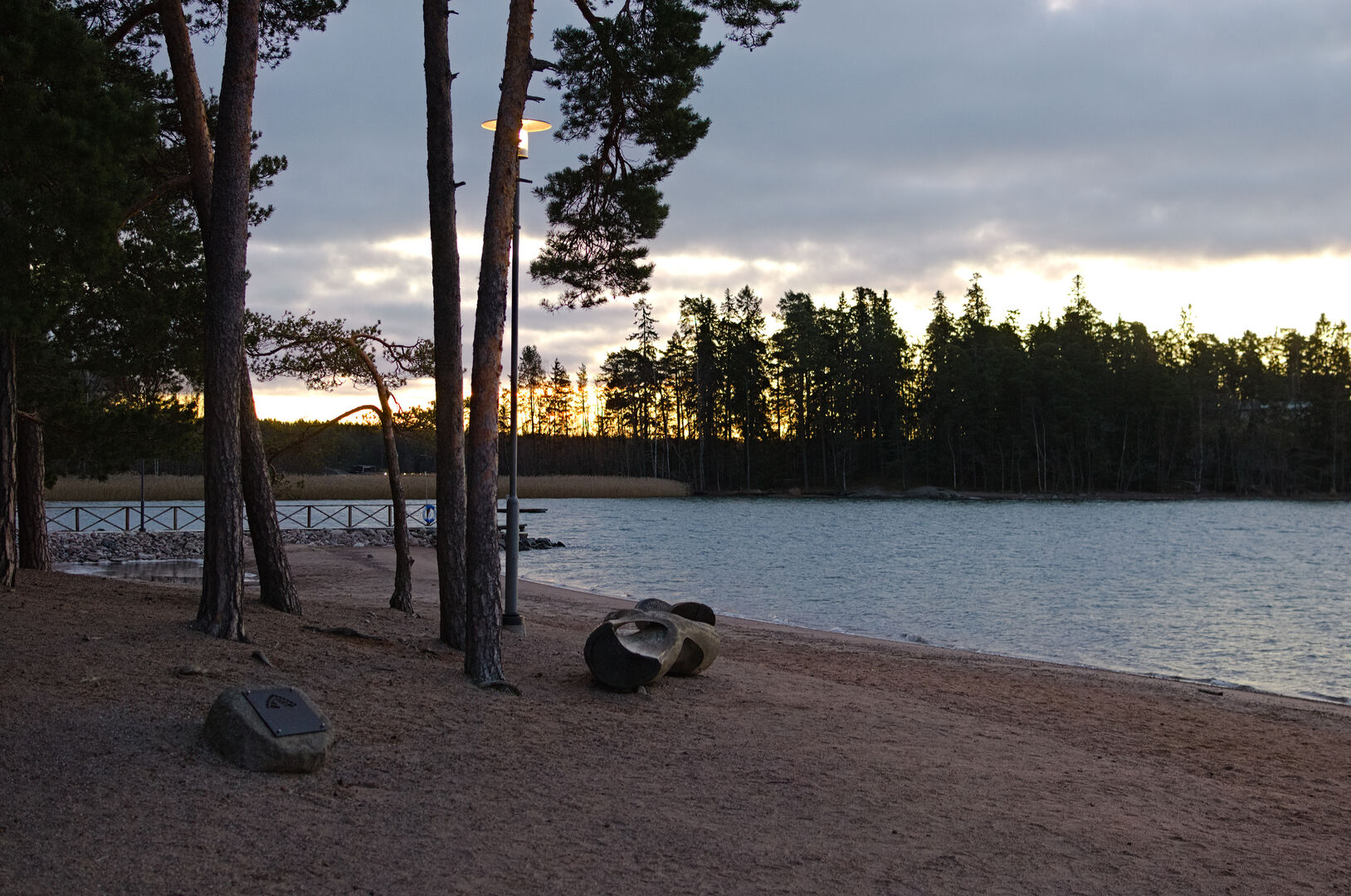

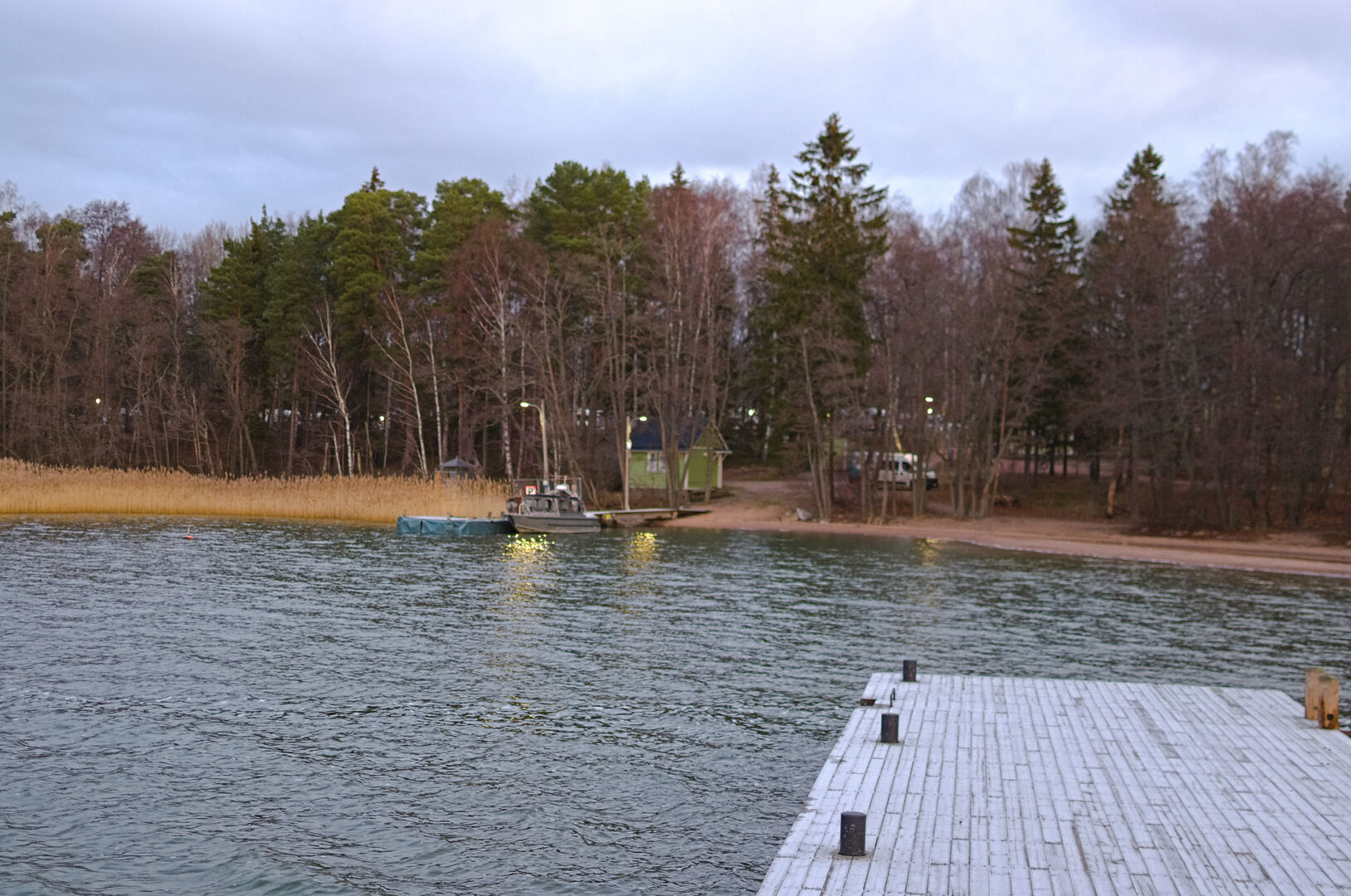
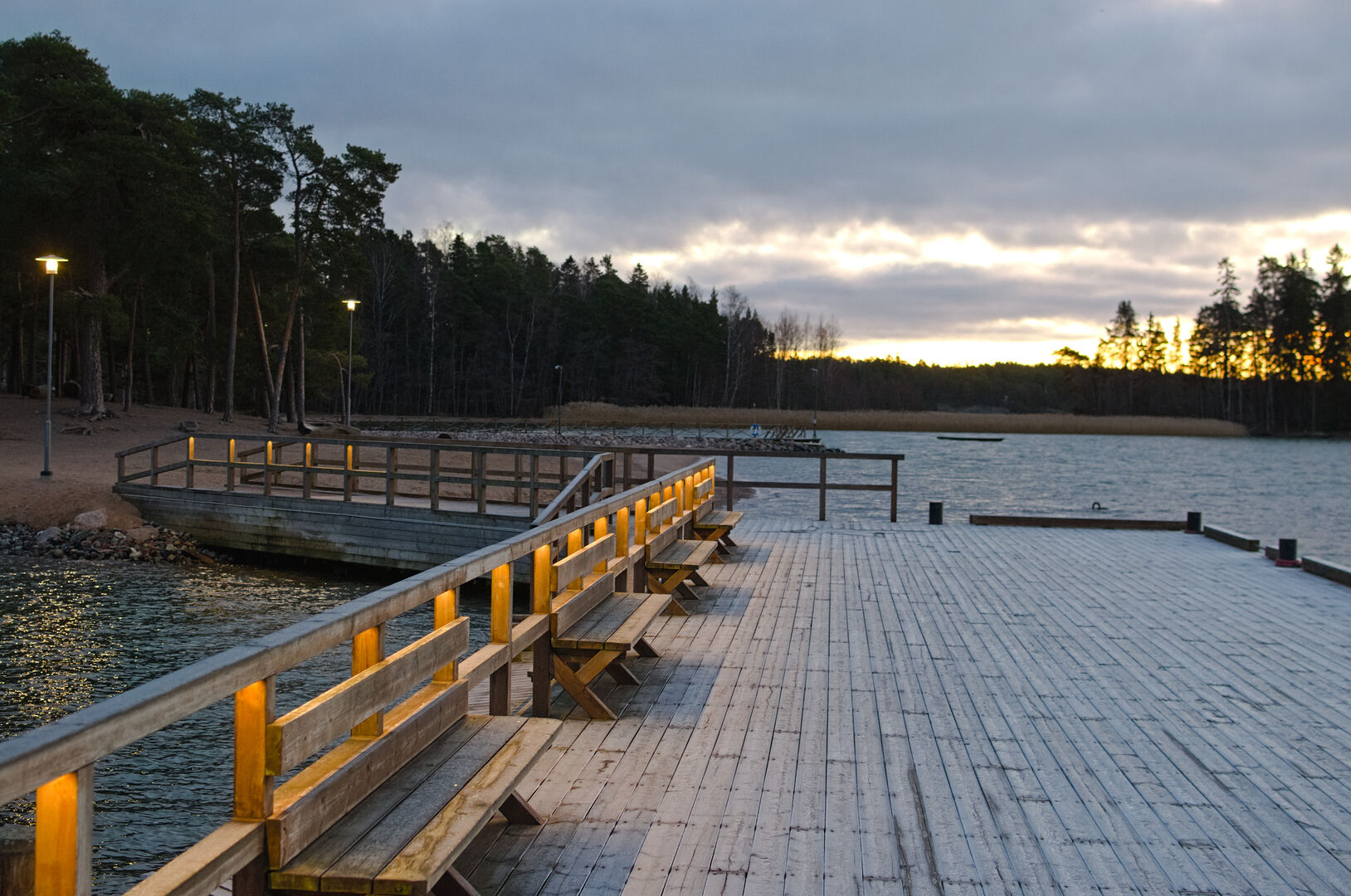
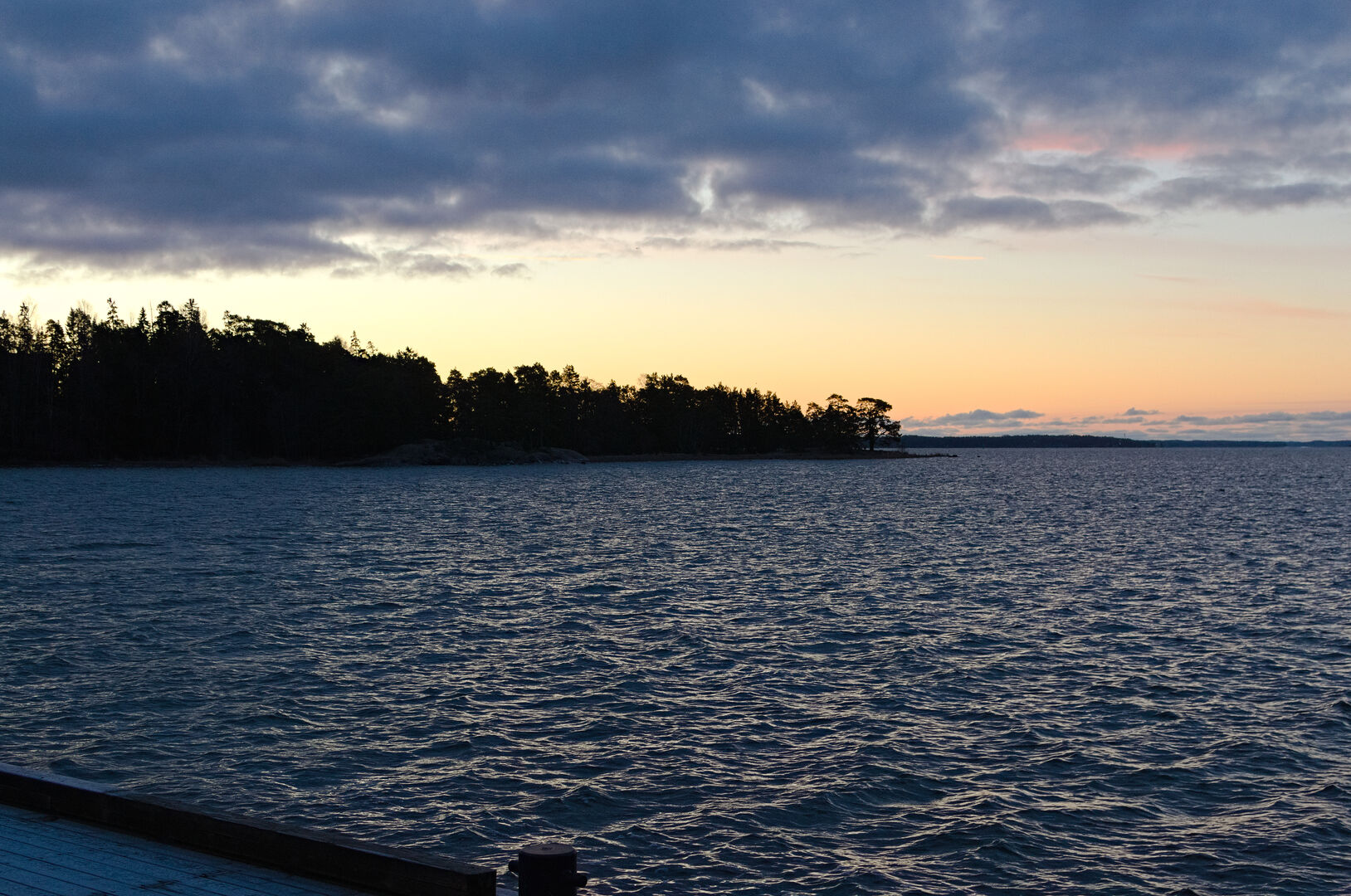





Finland is a Northern European country located between Sweden, Norway, and Russia, with an extensive coastline along the Baltic Sea. It is known for its vast forests, thousands of lakes, and a low population density that allows nature to play a central role in everyday life. Finland combines modern urban centers with large, sparsely inhabited natural areas, creating a strong connection between society and the environment.
The country extends from the temperate south to the subarctic north, crossing several climatic zones. Southern Finland is more urbanized and agriculturally productive, while central and northern regions are dominated by forests, wetlands, and tundra landscapes. Finland’s long winters and short, light-filled summers shape both culture and lifestyle.
Finland has a highly developed economy based on technology, education, forestry, clean energy, and innovation. At the same time, traditional activities such as fishing, hunting, and seasonal foraging remain important in many regions.
History
Human settlement in Finland began shortly after the last Ice Age, as retreating glaciers opened the landscape for habitation. Early communities relied on hunting, fishing, and gathering, gradually developing agriculture in southern regions.
For centuries, Finland was influenced by neighboring powers, particularly Sweden and later Russia. Swedish rule introduced Christianity, administrative structures, and trade networks, while Russian rule in the 19th century allowed Finland a degree of autonomy that strengthened national identity.
Finland declared independence in 1917. The 20th century brought rapid social change, industrialization, and the development of a strong welfare state. Despite periods of conflict, Finland emerged as a stable democracy with a distinct cultural identity rooted in resilience, education, and cooperation.
Geology
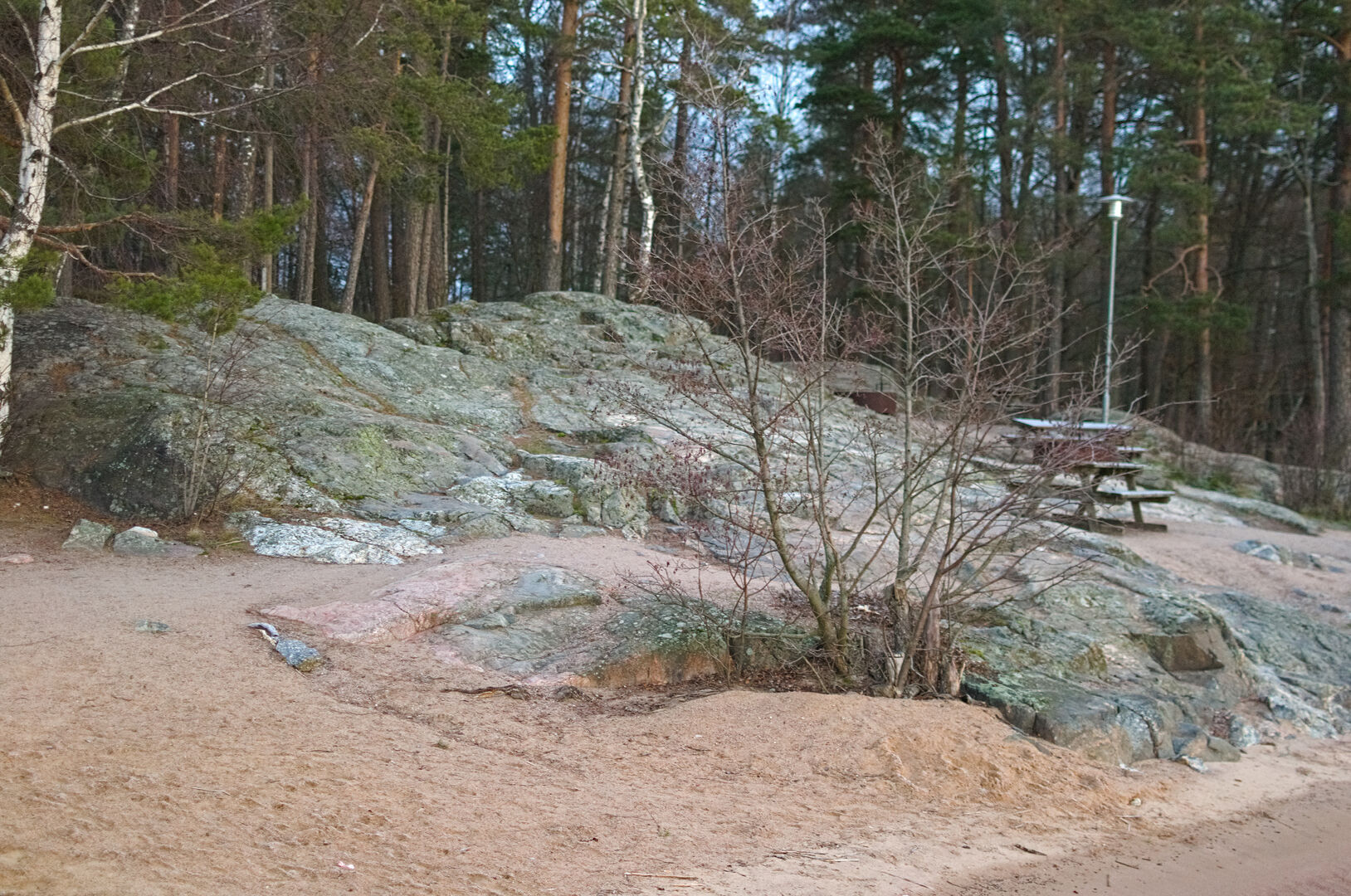
Finland is located on the Fennoscandian Shield, one of the oldest geological formations in Europe. Much of the country’s bedrock consists of granite and gneiss that formed billions of years ago, making Finland geologically stable and relatively flat compared to mountainous regions.
Glacial activity during the last Ice Age shaped Finland’s landscape extensively. Retreating ice sheets carved depressions that filled with water, creating the country’s vast network of lakes. Glacial deposits formed ridges, eskers, and moraines that influence drainage and soil distribution.
The flat topography, thin soils, and abundant water resources define Finland’s land use patterns and contribute to its extensive forest coverage.
Landscape and Natural Environment
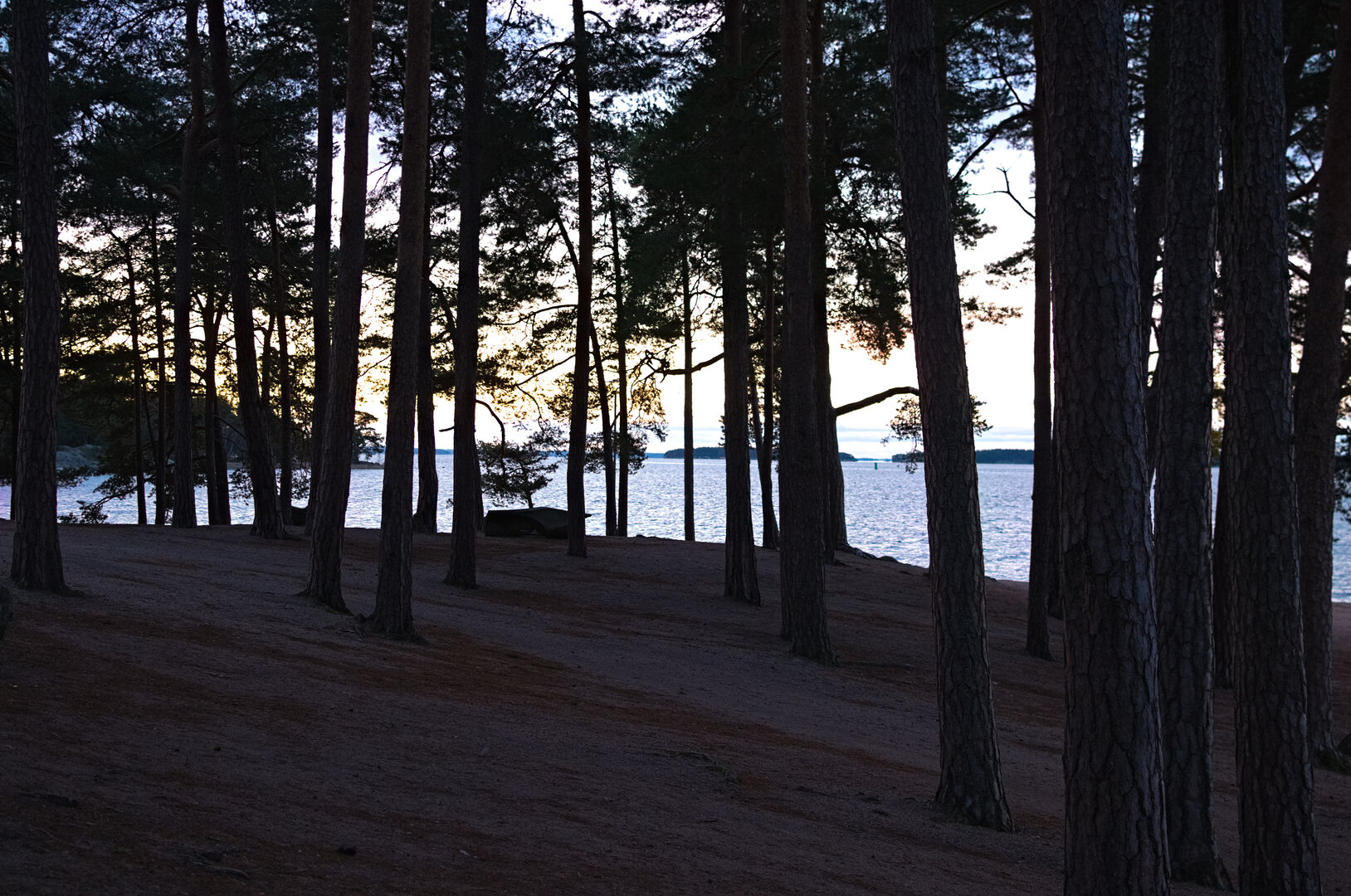
Finland’s landscape is dominated by forests, lakes, wetlands, and gently rolling terrain. The country is often described as having more water and trees than people. Forests cover the majority of the land, composed mainly of pine, spruce, and birch.
In northern Finland, particularly in Lapland, the landscape transitions into open fells, tundra, and subarctic ecosystems. Seasonal variation is pronounced, with snow cover lasting several months and dramatic changes in daylight throughout the year.
Finland’s wildlife includes elk, reindeer, bears, wolves, and numerous bird species. Many protected areas preserve ecosystems that remain largely untouched, reflecting strong national commitment to conservation.
Things to See
Finland offers a wide range of natural and cultural experiences:
Natural Landscapes
- Vast lake systems and forested regions
- Northern fells and tundra landscapes
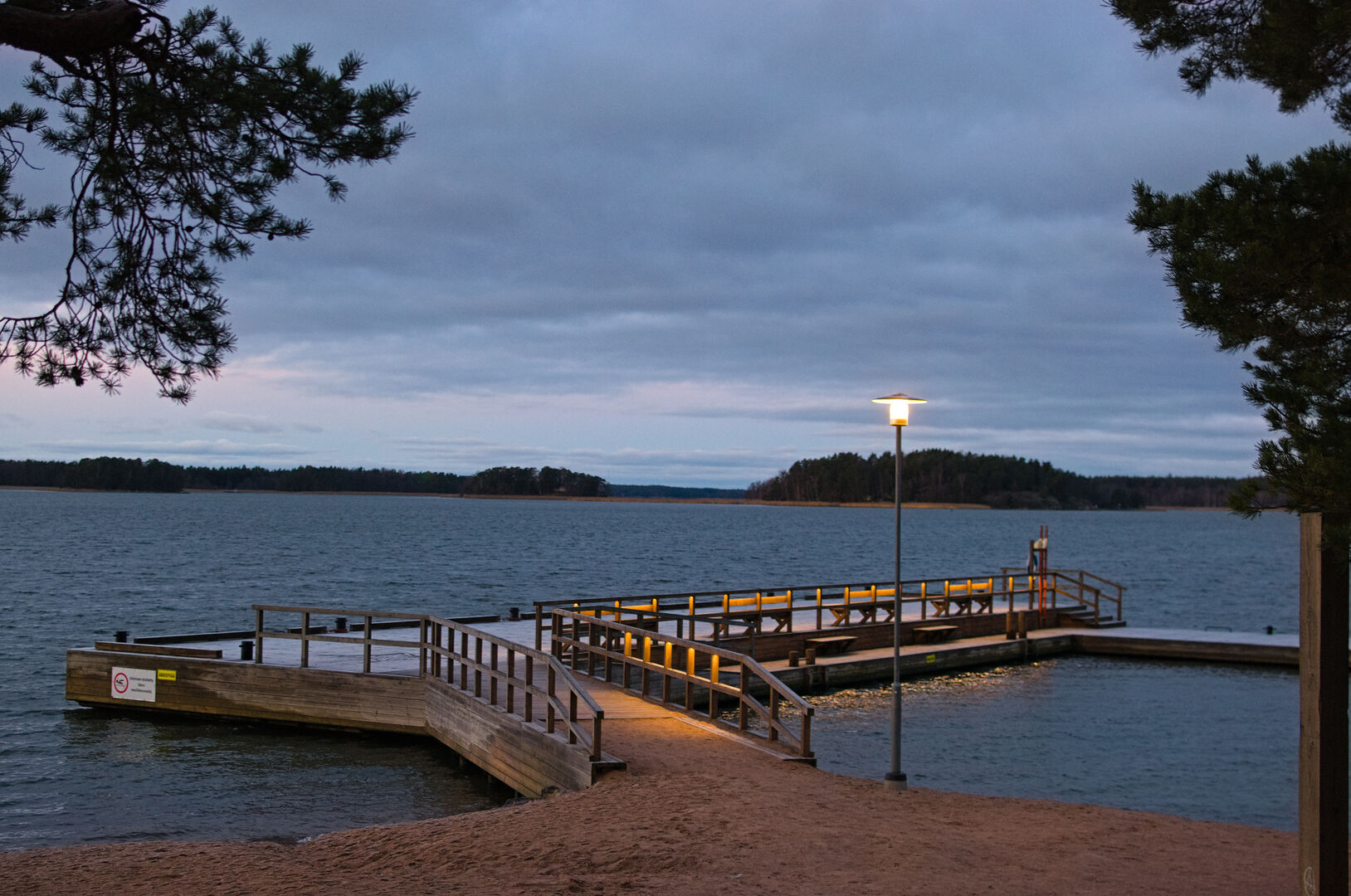
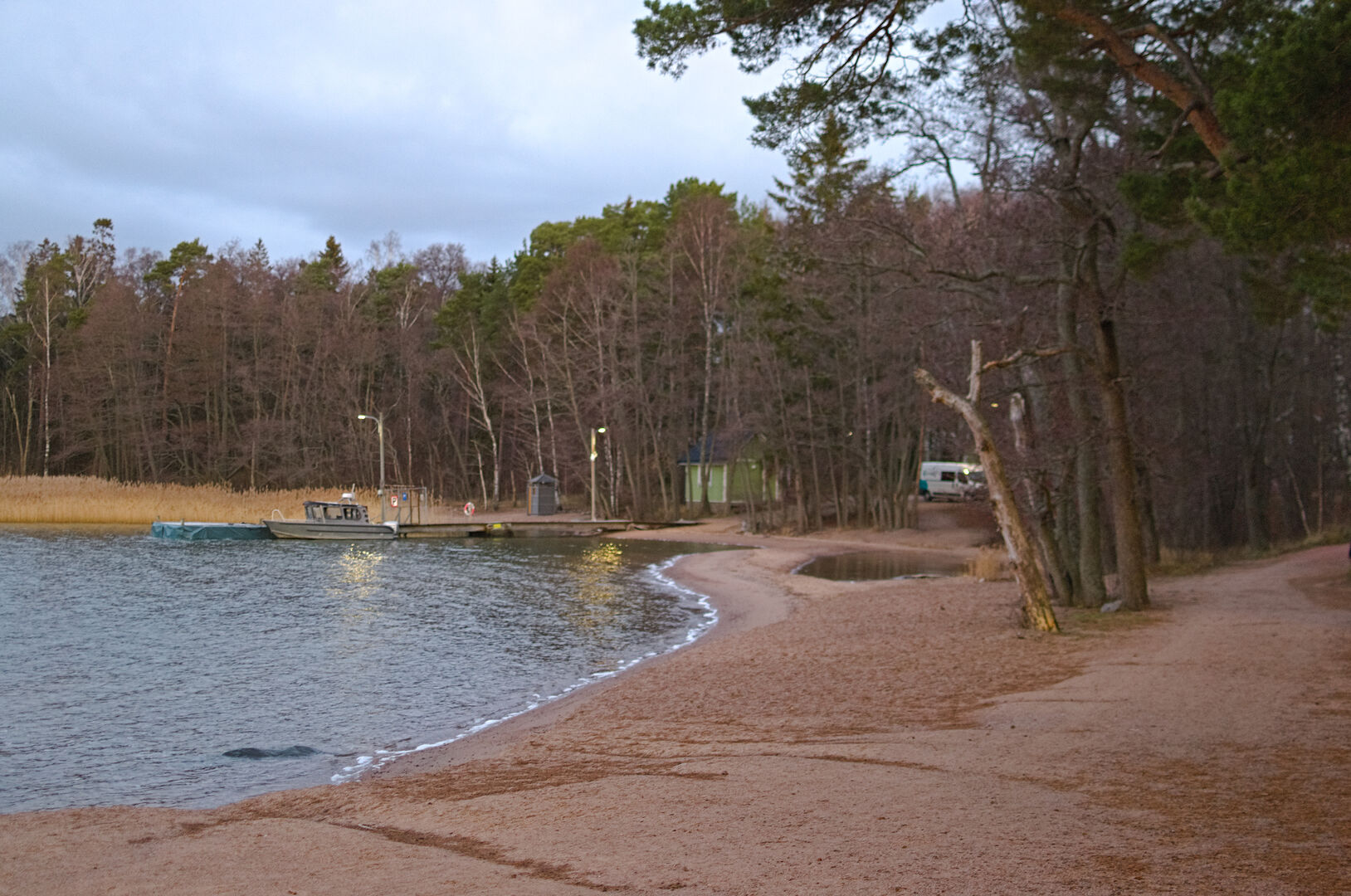
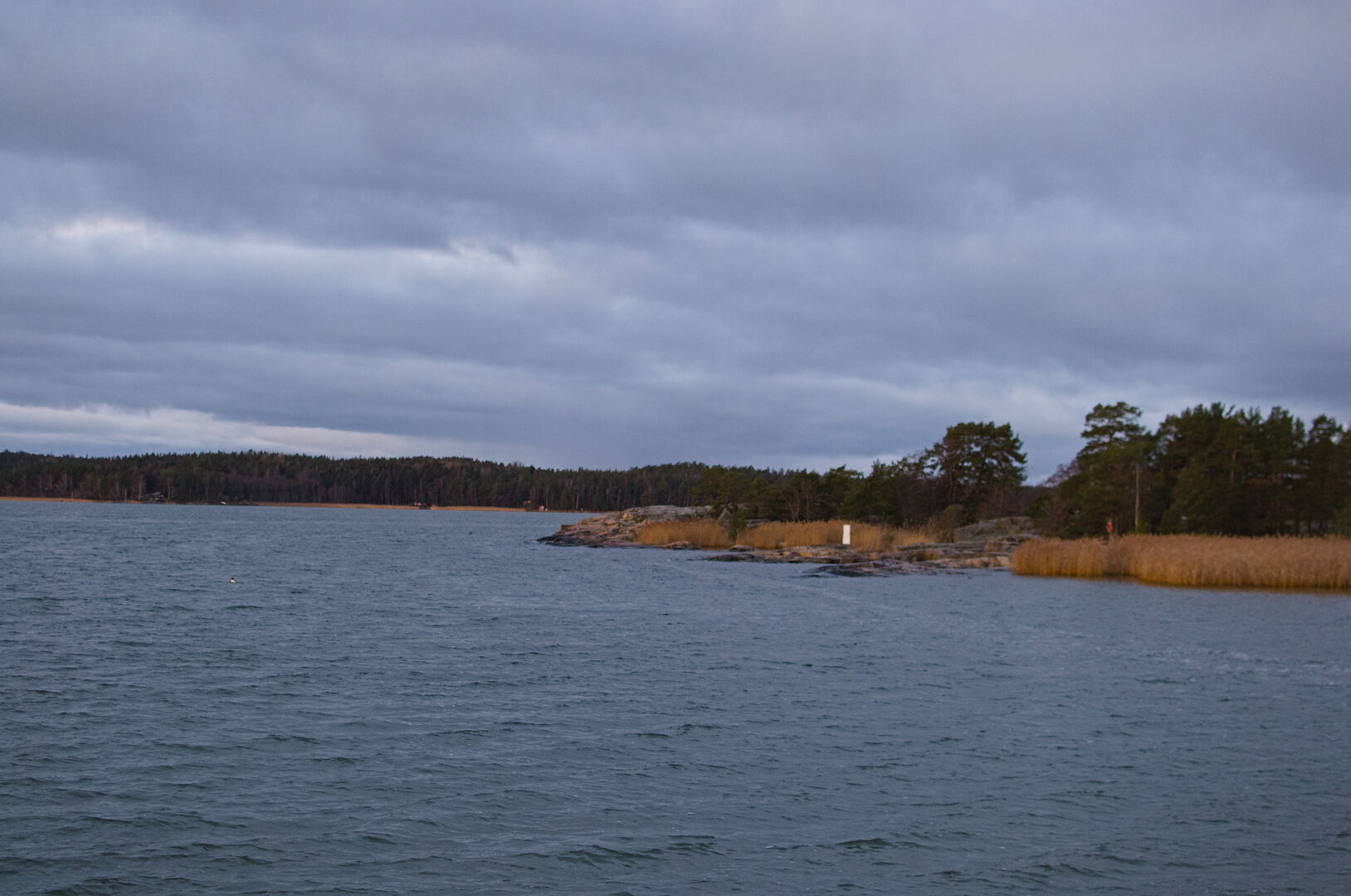
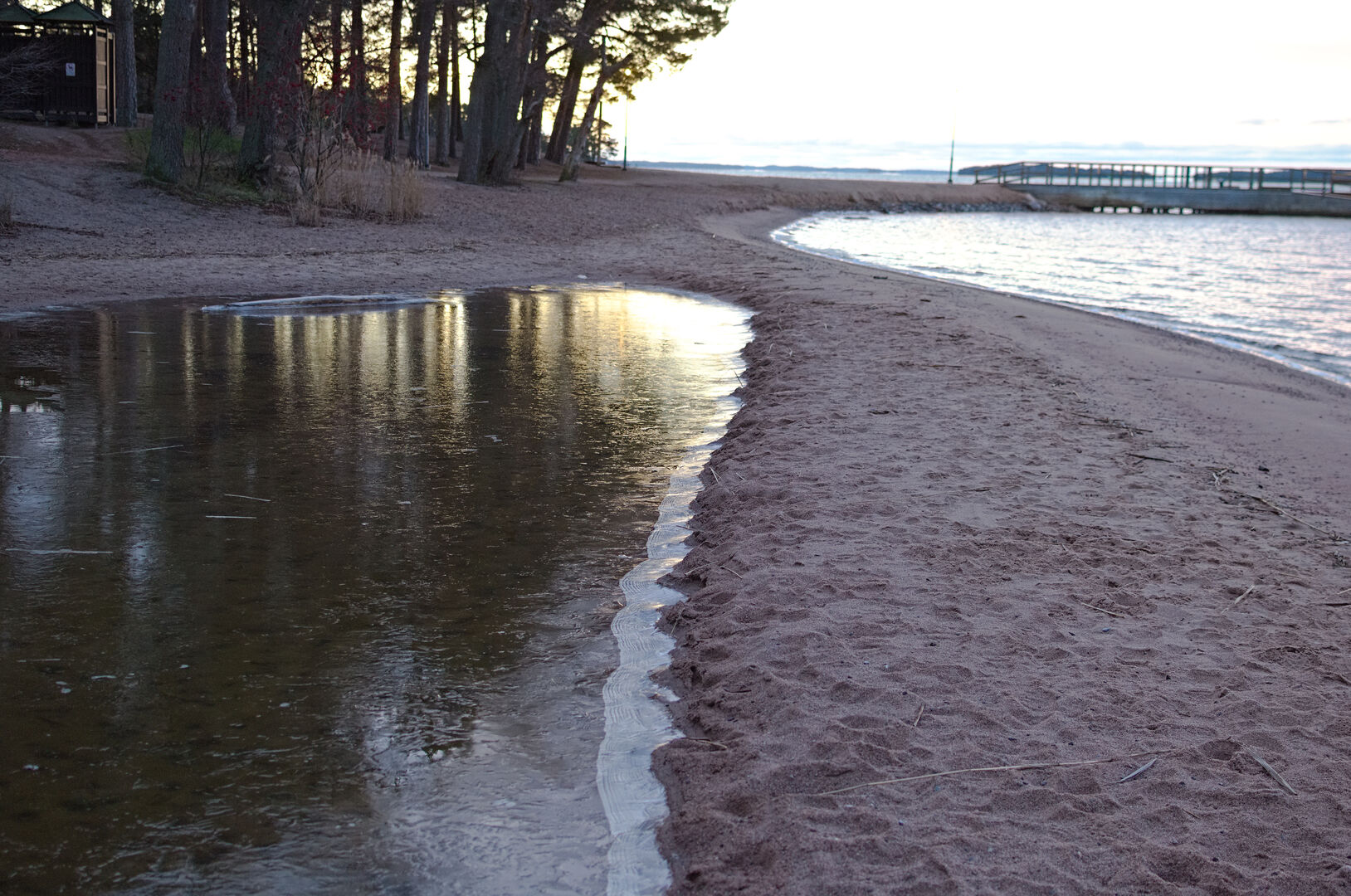
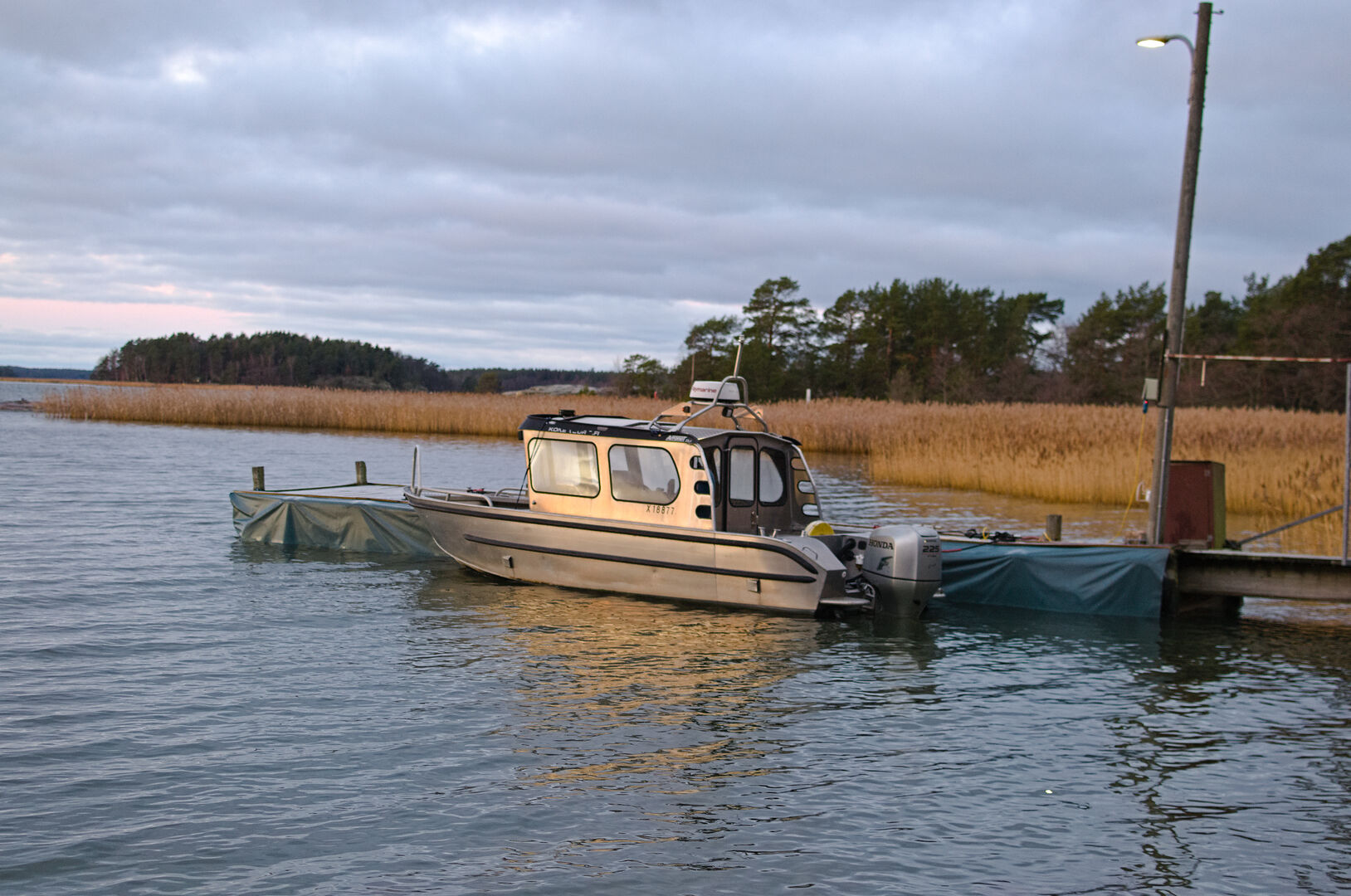
- Baltic Sea coastline and archipelagos
Cultural and Urban Areas
- Historic towns and modern cities
- Traditional wooden architecture
- Design, museums, and cultural institutions
Seasonal Experiences
- Snow-covered landscapes and winter activities
- Long summer days and the midnight sun
- Autumn colors in forests and wetlands
Outdoor Activities
- Hiking, canoeing, and cross-country skiing
- Foraging, fishing, and nature observation
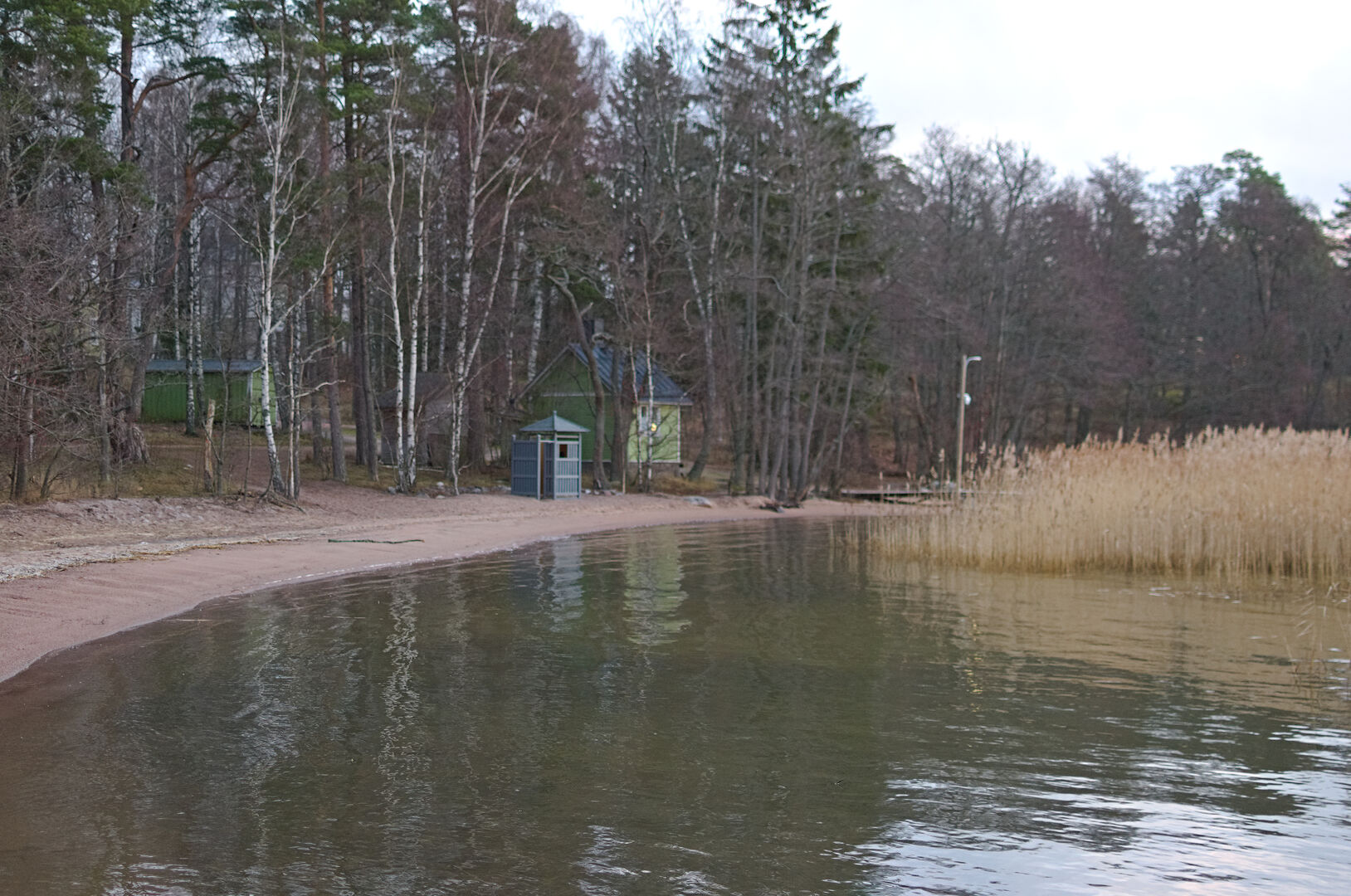
- Sauna culture closely connected to natural settings
Experience and Character
Finland is defined by space, quiet, and rhythm. Large distances, low population density, and extensive natural areas create a sense of calm and openness. Daily life reflects adaptation to seasonal extremes and respect for the environment.
The Finnish relationship with nature is practical and deeply ingrained. Outdoor access is widely supported, and time spent in forests, on lakes, or in saunas is considered essential to well-being. Finland offers a balance between modern living and natural immersion.